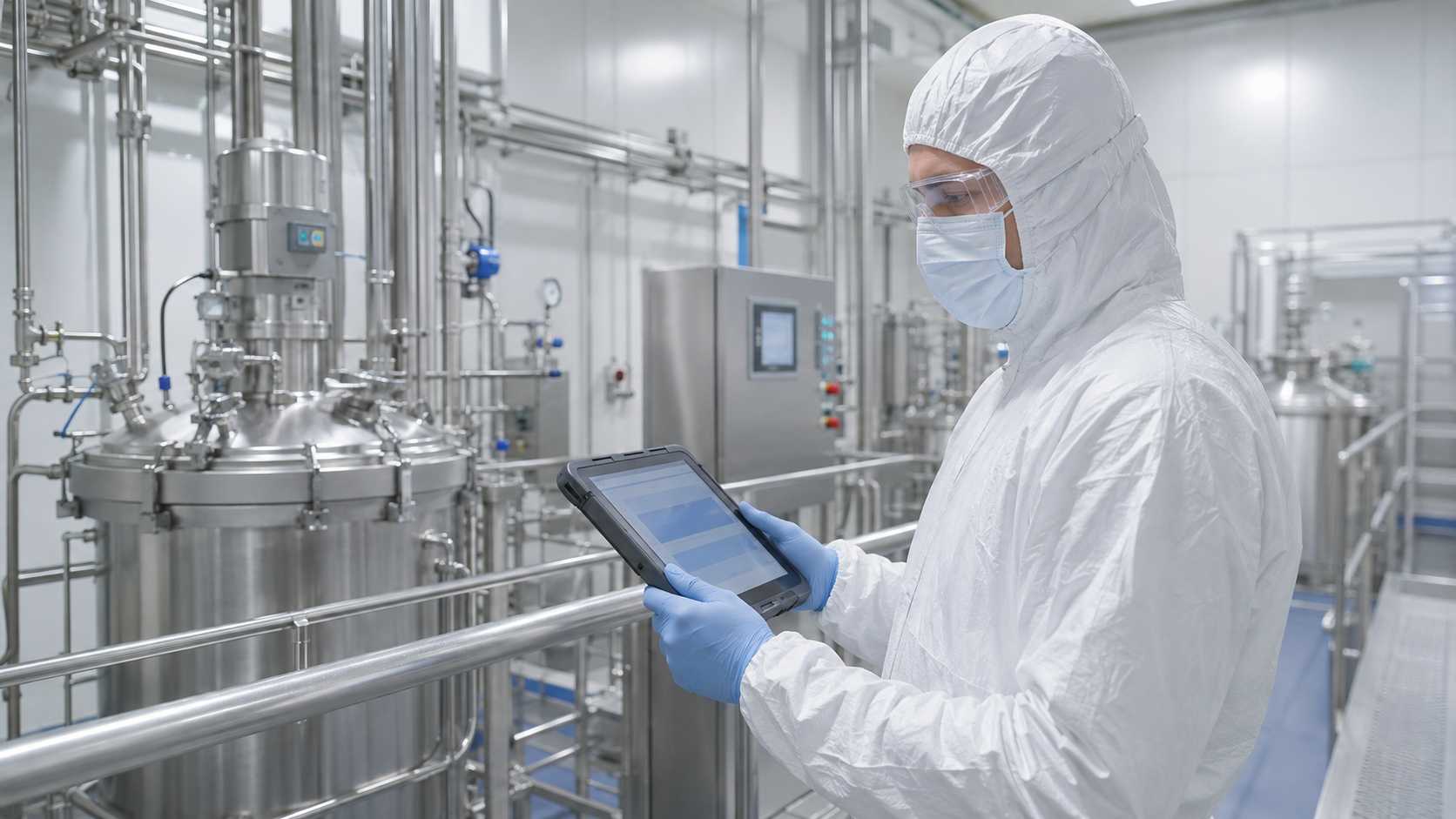
 Select a tablet computer for pharmaceutical production by matching its cleaning limits to the room’s contamination controls, then checking any hazardous-area approval and the intended electronic-record workflow. This pharmaceutical manufacturing tablet buying guide compares ten manufacturers against those requirements. A rugged enclosure is useful, but it cannot establish that a device belongs beside an exposed product or inside a solvent-handling area.
A pharmaceutical rugged tablet may serve very different operations: a packaging line has different risks from an aseptic filling suite. Fine-chemical production adds another distinction, because flammable solvent vapour can create a classified electrical location even where the room looks clean. Our comparison treats contamination control and ignition protection as separate selection decisions.
For sterile manufacturing, EU GMP Annex 1, section 7.9, addresses company-supplied electronic devices dedicated to cleanroom use. Their design must permit cleaning and disinfection appropriate to the grade, and their use belongs in the contamination control strategy, or CCS. This is a process-specific assessment, not a general endorsement of tablets in every clean area.
The same distinction applies to electronic records. An enclosure does not make a batch entry attributable to its author, and a touchscreen signature does not by itself establish compliance with 21 CFR Part 11. The application’s intended use and its controls matter. A useful purchasing exercise therefore involves Quality Assurance alongside the people who will use and maintain the equipment.
The following manufacturers offer different starting points, not ten prequalified GMP solutions. Some specialize in explosion protection; others offer healthcare housings or established industrial platforms. Published cases are attributed to their sources. Proposed trials are identified as planning examples, so readers can separate documented deployments from work that their own site still needs to perform.
What Defines a Top-Tier Cleanroom Industrial Tablet Manufacturer?
A credible supplier explains the limits of its equipment as clearly as its advantages. Four criteria help turn a general rugged-device comparison into a useful pharmaceutical shortlist:
Cleaning evidence for the complete assembly. Obtain the permitted cleaning method for the exact model, including its accessories. Chemical resistance, removal of residues and microbiological disinfection are different questions. A material can survive a wipe without the procedure achieving the site’s required contamination control.
Correct interpretation of protection ratings. IEC 60529 concerns enclosure ingress protection: IP65 and IP66 address different water-jet conditions, while IP67 and IP68 address specified immersion conditions; the first digit 6 denotes dust-tight protection. None measures cleanroom particle shedding or disinfectant compatibility. MIL-STD-810G and MIL-STD-810H provide environmental test methods that require defined procedures and conditions. “Military certified” is not a substitute for that information.
A precise hazardous-area boundary. Where solvent vapour or combustible powder creates an explosion hazard, match the supplied equipment to the site classification. ATEX and IECEx are distinct frameworks; a North American approval must also match the applicable local requirements. Read the gas group and temperature class together with the certified ambient limits. A T-class concerns maximum equipment surface temperature, not its ambient operating range. Zone 2 equipment cannot be promoted to Zone 1 through a protective sleeve or a software setting.
Support for the system’s operating life. Define who owns the approved software image and how replacement hardware is introduced. A processor upgrade or a changed scanner can affect the application even when the product name stays familiar. EU GMP Annex 11 distinguishes application validation from IT infrastructure qualification and calls for lifecycle risk management. A supplier’s component documentation is an input to that work, not its completion.
The Top 10 Pharmaceutical Manufacturing Tablet Manufacturers of 2026
The order below is not a performance ranking. Compare the devices within their stated scope: a cleanable non-Ex model and an explosion-protected tablet solve different problems. Neither scope automatically establishes suitability for a particular cleanroom grade.
1. Pepperl+Fuchs / ECOM (Germany)
Pepperl+Fuchs combines industrial automation with explosion-protection products, while its ECOM brand focuses on hazardous-area mobility. That background makes it relevant to pharmaceutical and fine-chemical processes involving solvent handling, where an ordinary enterprise tablet may be excluded.
2. i.safe MOBILE (Germany)
i.safe MOBILE develops mobile equipment for hazardous industries. Its portfolio includes tablets as well as scanning systems, which is useful when the production requirement is better defined as a task than as a preferred device size.
3. Aegex Technologies (United States)
Aegex specializes in Windows devices for hazardous industries. It is relevant where an existing maintenance application requires a Windows environment and the device will remain on an approved process-area route rather than enter an aseptic workspace.
4. BARTEC (Germany)
BARTEC supplies explosion-protection equipment and enterprise mobility systems. Its hazardous-area adaptations are relevant where a pharmaceutical site needs a documented mobile assembly with a defined scanning configuration.
5. Getac (Taiwan)
Getac manufactures rugged computers for field and industrial work, including dedicated Ex variants. Its Windows tablets are relevant to engineering teams who need access to technical documents while remaining within an approved maintenance route.
6. CENAVA (China)
CENAVA offers industrial Android and Windows equipment, including configurable hazardous-area tablet families. It belongs in a project shortlist where the buyer has a defined identification task and needs to assess the proposed hardware configuration against that task.
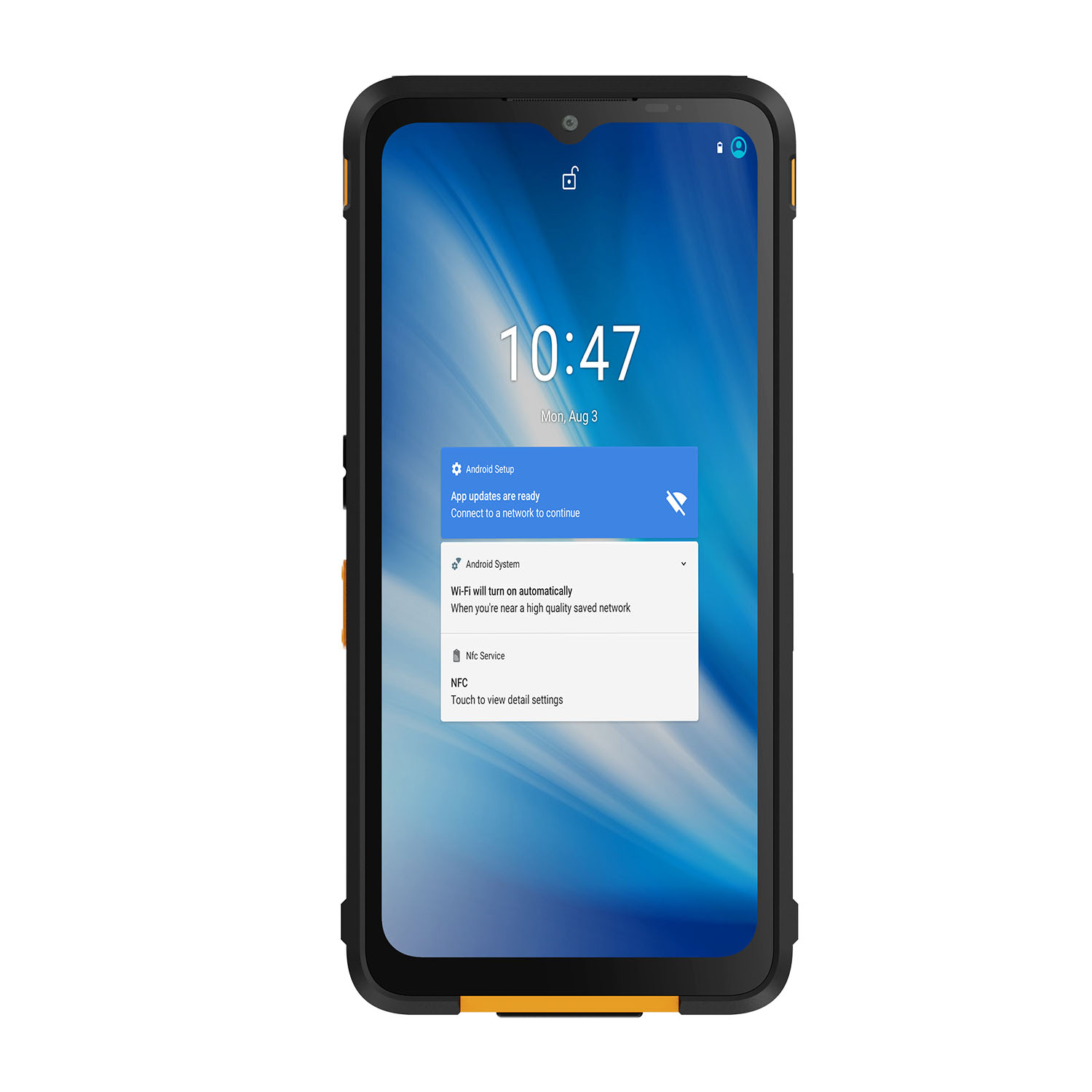
Key Products: The A10ST-EX is a 10.1-inch Android platform. Its product page distinguishes configurations and names Zone 2/22 documents, including IECEx CSAE 24.0031X and ATEX CSANe 24ATEX1144X, alongside other advertised markings.
Why They’re on the List — Core Strength: Reader and interface choices provide options for connecting an established application to the required identification method. Each choice needs to remain within the supplied assembly’s documented scope; a family-level option is not permission to add it to any Ex configuration.
For a rugged tablet for pharmaceutical manufacturing, begin with a short application demonstration using the site’s own test data. Identify the material, open its instruction and make a controlled correction. That exposes whether the proposed integration solves the actual task without relying on production records or confidential customer data.
Keep two procurement limits explicit. Category 3/Gc documentation does not establish Zone 1 use, and an enclosure’s ingress rating does not establish tolerance of a disinfectant. A proposed CENAVA configuration should remain outside either application until the corresponding evidence and site assessment cover it. This is a conditional project evaluation, not a blanket cleanroom or GMP claim.
7. Zebra Technologies (United States)
Zebra specializes in enterprise mobility and automatic identification. Its healthcare tablets offer a different starting point from Ex equipment: a housing designed for frequent disinfection, with managed data capture for nonhazardous applications.
8. Advantech (Taiwan)
Advantech supplies industrial and medical computing platforms. Its healthcare portfolio is worth evaluating when a pharmaceutical application needs a managed tablet in a nonhazardous area, but the medical label should be treated as a starting point for review.
9. Winmate (Taiwan)
Winmate manufactures industrial displays and rugged mobile computers, with a separate healthcare portfolio. That separation is useful for buyers comparing industrial integration features against housing characteristics intended for clinical cleaning routines.
10. Panasonic TOUGHBOOK (Japan)
Panasonic’s TOUGHBOOK range is relevant to pharmaceutical engineering departments with existing rugged Windows fleets. Continuity of deployment tools may be useful, although changes in the physical device still need their own assessment.
 How to Choose the Right Manufacturer for Your Application
We would reduce the shortlist by evidence first, then compare a small number of devices with the same application. A scripted demonstration becomes useful only when it includes the points at which operators make corrections or encounter an exception.
Define Your Operating Environment
Choosing the best cleanable tablet for pharmaceutical manufacturing starts with a room and task, not a single factory-wide label. Record whether the work exposes product and whether the device will remain dedicated to that area. For sterile work, the CCS should address its introduction and routine handling; a healthcare housing is not automatic permission to enter Grade A or B.
Separately establish any hazardous electrical classification. A cleanroom grade does not define an Ex zone, and the presence of a solvent name does not by itself establish the entire room’s classification. The site assessment must account for the actual process. Where both contamination control and explosion protection apply, the same complete assembly must meet both sets of requirements.
A disinfectant resistant cleanroom tablet needs evidence for the actual agent and use conditions. Record concentration and wet contact time, then include any required residue-removal step. For example, 70% IPA compatibility would not establish compatibility with a sporicide or with vapour-phase decontamination. Those exposures require their own evidence.
For an illustrative engineering screen outside production, inspect a representative assembly after 100 cleaning cycles. Use a permitted cleaning method and justify the cycle count against the site's intended use. Examine deterioration at the screen edge and around seals, then repeat the relevant input task. This is not a validated service-life claim or proof of disinfection efficacy. Quality Assurance must define the contamination-control evidence separately.
Clarify Performance Requirements
Use a proposed 20-record exercise in a test environment, with dummy material identifiers and an approved script. Include a correct entry, a correction and a rejected material. These are planning examples, not product test results. The objective is to see whether the application helps the operator complete the work accurately.
Assess the actual glove arrangement. A double-gloved operator may interact differently from someone wearing a single examination glove. Test the permitted combination and any approved stylus; do not infer universal glove compatibility from a touch-mode setting.
Keep context visible. The selected lot and its unit of measure should remain clear during entry. If a numeric keyboard hides the reference value, change the interface rather than expecting the operator to remember it.
Exercise interruption recovery. Lock the screen partway through a test record, then resume through the intended login process. The system should preserve the appropriate work state without assigning the next action to the wrong person.
Include the cleaning state. Cleaning mode should prevent unintended input, and the return to use should be controlled. A residual droplet must not silently become a confirmation tap.
Agree acceptance criteria with the process owner. Time saved is relevant, but it should not outweigh a change that makes a critical entry harder to interpret.
Consider Software & Integration
FDA’s 2018 data-integrity guidance explains why shared credentials are unsuitable for attributable CGMP actions. It distinguishes shared read-only viewing from activities such as recording data or performing a second-person review. Sharing a physical tablet is therefore different from sharing the identity used to create its records.
Define the electronic record’s authoritative location. If the application permits offline work, a controlled trial should interrupt connectivity after a test entry, introduce a correction and then reconnect. Check that the original value and its change history remain available. A duplicate submission should not become an additional completed production step, and an untransmitted record should not be presented as an approved one.
Electronic signatures need their own application assessment, including identity and linkage to the signed record. An NFC badge read is not automatically a compliant signature. The FDA Part 11 guidance is a starting point for scope; the firm must assess its particular records and applicable requirements.
Keep this work distinct from ordinary device management. Installing an application through MDM does not demonstrate that its manufacturing workflow has been validated. Likewise, a routine update can affect scanning or authentication, so deployment needs a proportionate change assessment and a controlled recovery path.
Analyze Total Cost of Ownership (TCO) vs. Initial Cost
Include the cost of the approved device arrangement and its qualification effort. Replacement components also consume engineering time if their materials or interfaces differ. A cheaper tablet is not necessarily cheaper to operate when every hardware substitution requires another assessment.
An illustrative workload makes the cleaning issue concrete: 12 devices cleaned 3 times per day require 36 cleaning events. If one arrangement adds 2 minutes to each event, the difference is 72 minutes per day. This is arithmetic for planning, not a measured saving or a reason to shorten a required contact time. Use observed timings to build the actual business case.
Document the return-to-service process for a repaired unit. Its software configuration needs to be correct, and its physical condition must fit the approved use. Where hazardous-area protection is involved, repairs must preserve that protection. Keep a ready replacement under the same controls so an equipment failure does not encourage an informal workaround.
The Future of Pharmaceutical Manufacturing Tablets: Trends to Watch
More traceable cleaning evidence. Buyers are likely to ask for evidence tied to the supplied housing and accessories, with clearer exposure conditions. Broad statements about antimicrobial plastics will be less useful than a documented match to the site's procedure.
Dedicated devices with simpler transfers. Assigning hardware to a defined area can reduce unnecessary movement between environments. The decision still needs to account for maintenance and replacement; dedication alone does not remove contamination risk.
Application lifecycle included in hardware selection. A stable model name is not enough when the approved operating-system image changes. Procurement will benefit from treating security maintenance and configuration control as part of the operating plan, rather than tasks left until support ends.
Assistive tools with reviewable evidence. Suggested defect categories or document-search assistance may help staff retrieve information. They should preserve the source record and make uncertainty visible. An AI-generated answer should not replace the approved instruction or become an unreviewed decision about batch disposition.
 Conclusion
A useful pharmaceutical manufacturing tablet buying guide connects the selected computer to a defined production task. Cleanability, hazardous-area permission and electronic-record controls need separate evidence, even when one device must satisfy all three. The ten manufacturers above provide different candidates for that assessment, not interchangeable GMP approvals.
After screening the documents, compare the remaining devices using the real application in an authorized test setting. Pay particular attention to corrections and handovers, because those are where a polished demonstration often stops. The Eastman and Evonik cases offer relevant chemical-industry lessons; the site's own qualification must establish whether a proposed arrangement fits pharmaceutical use.
If a CENAVA project needs configuration review, send CENAVA’s technical sales team the destination country and intended room grade, plus the hazardous-area classification where applicable. Provide the cleaning agent, concentration and contact time, and identify the application platform. Add the operator or private-network bands only if cellular service is required; for NFC, specify the card family and intended operation without sharing secret keys. Your quality unit remains responsible for the contamination-control and computerized-system decisions.


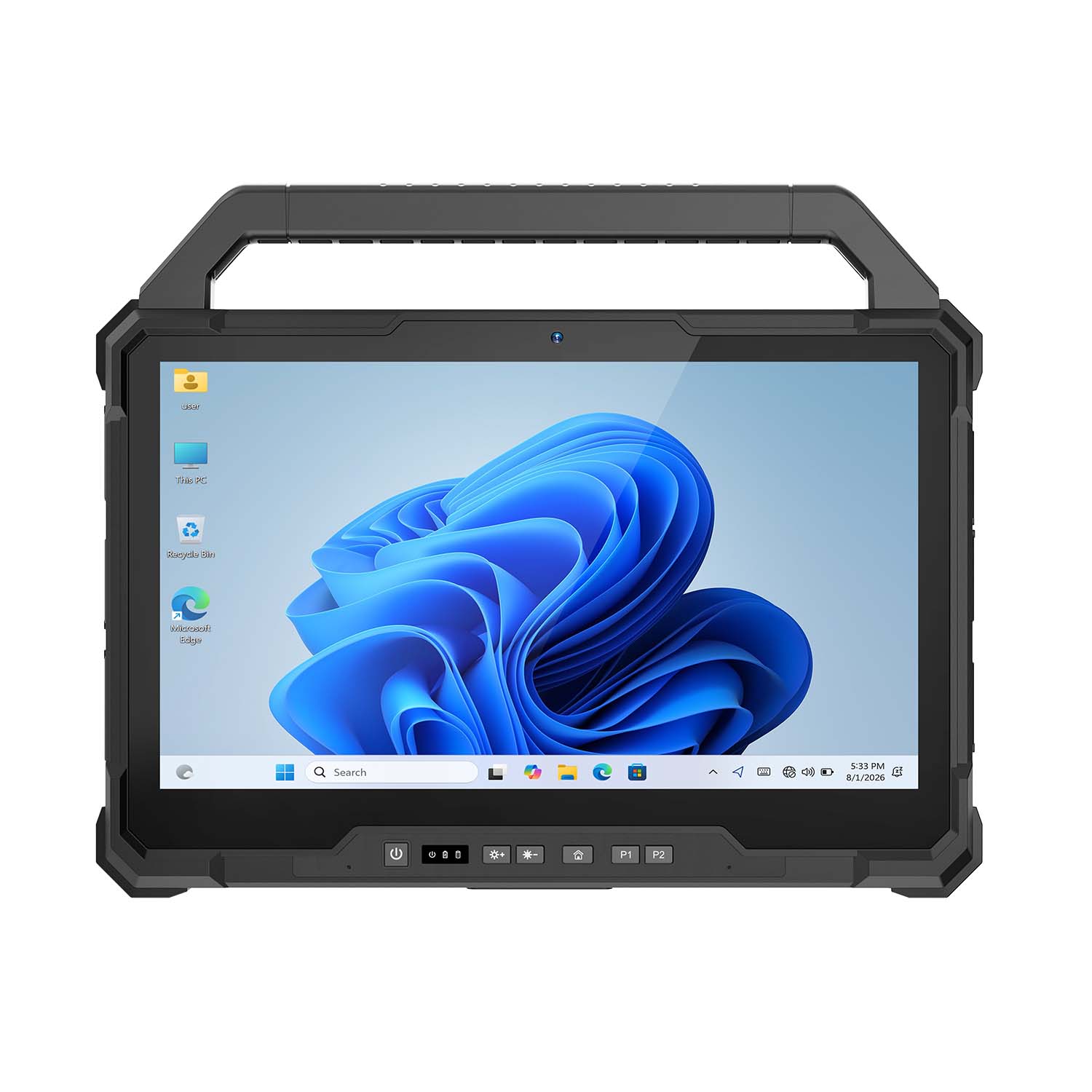 CENAVA W30U i5-1235U 13.3 Inch Win11 IP65 Rugged Tablet
 CENAVA W109U i7-1255U 10.95 Inch Win11 IP67 Rugged Tablet
 CENAVA A109TB MT6789V 10.95 Inch Android 14 IP68 Rugged Tablet
 CENAVA W10Y i7-10510Y 10.1 Inch Win11 IP68 Rugged Tablet Full I/O
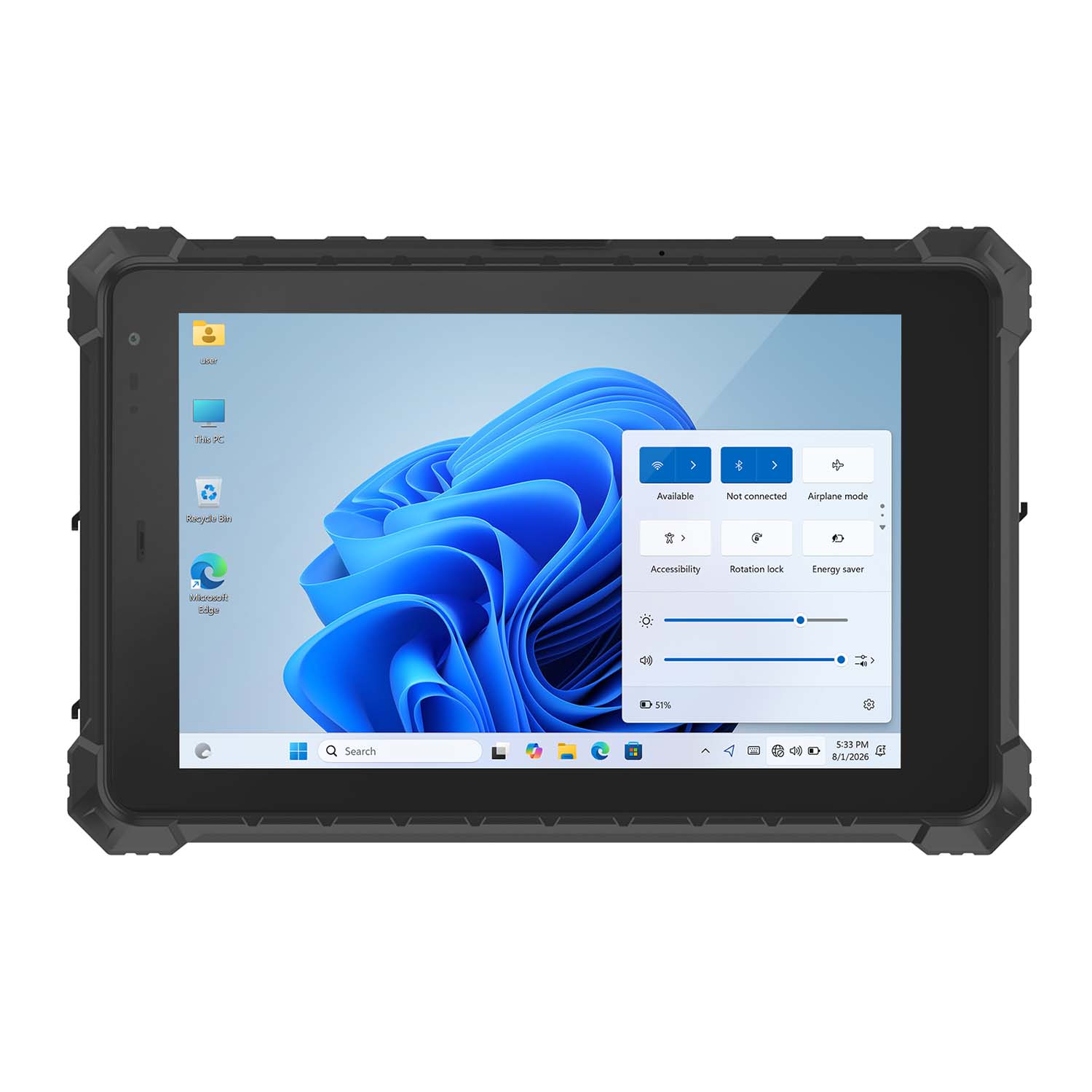 CENAVA W10N N5100 10.1 Inch Win11 IP68 Rugged Tablet Full I/O
 CENAVA A10RX RK3588 10.1 Inch Android 12 IP67 Rugged Tablet
 CENAVA A10ST MT8781 10.1 Inch Android 13 IP68 Rugged Tablet
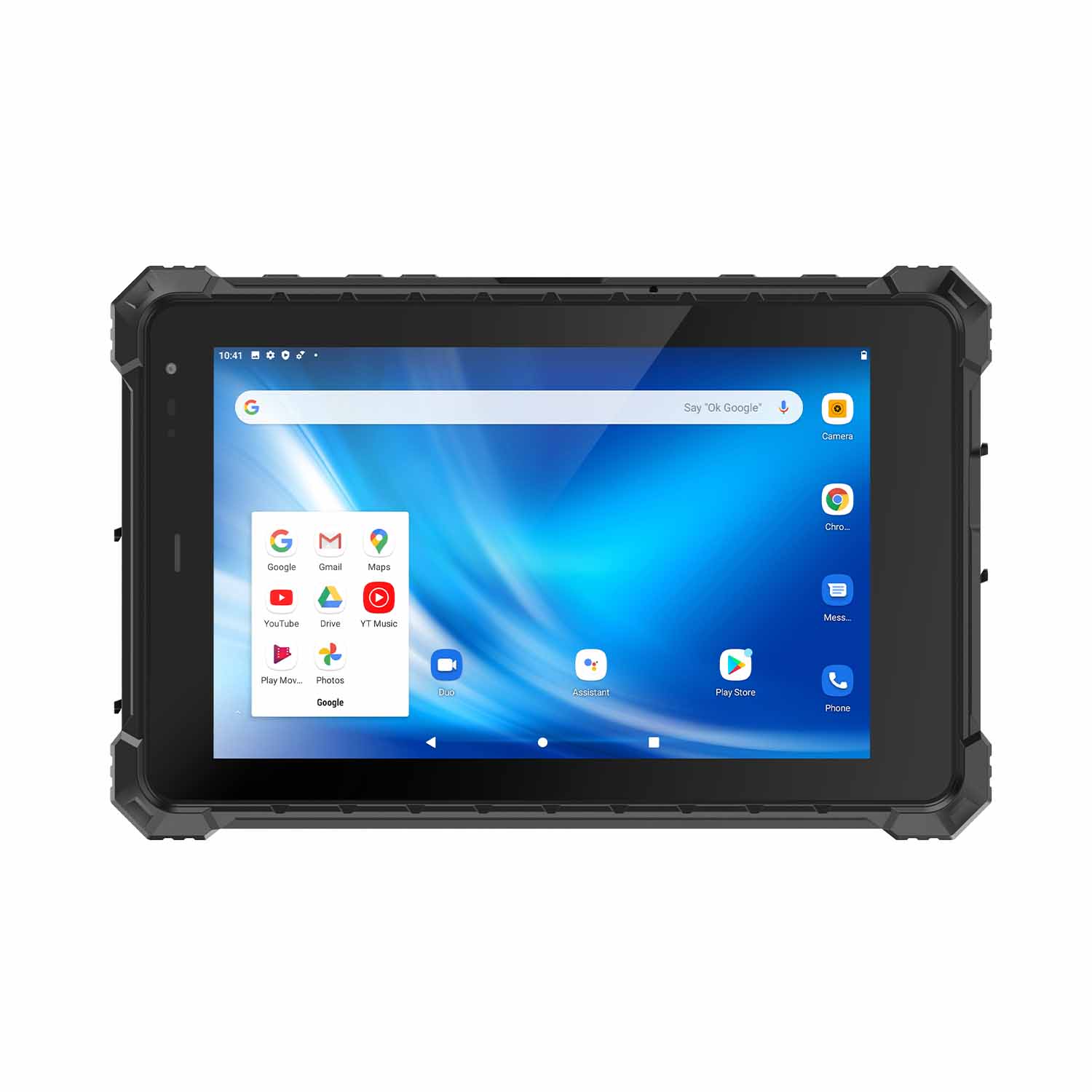 CENAVA A80ST MT6771 8 Inch Android 10 IP68 Rugged Tablet
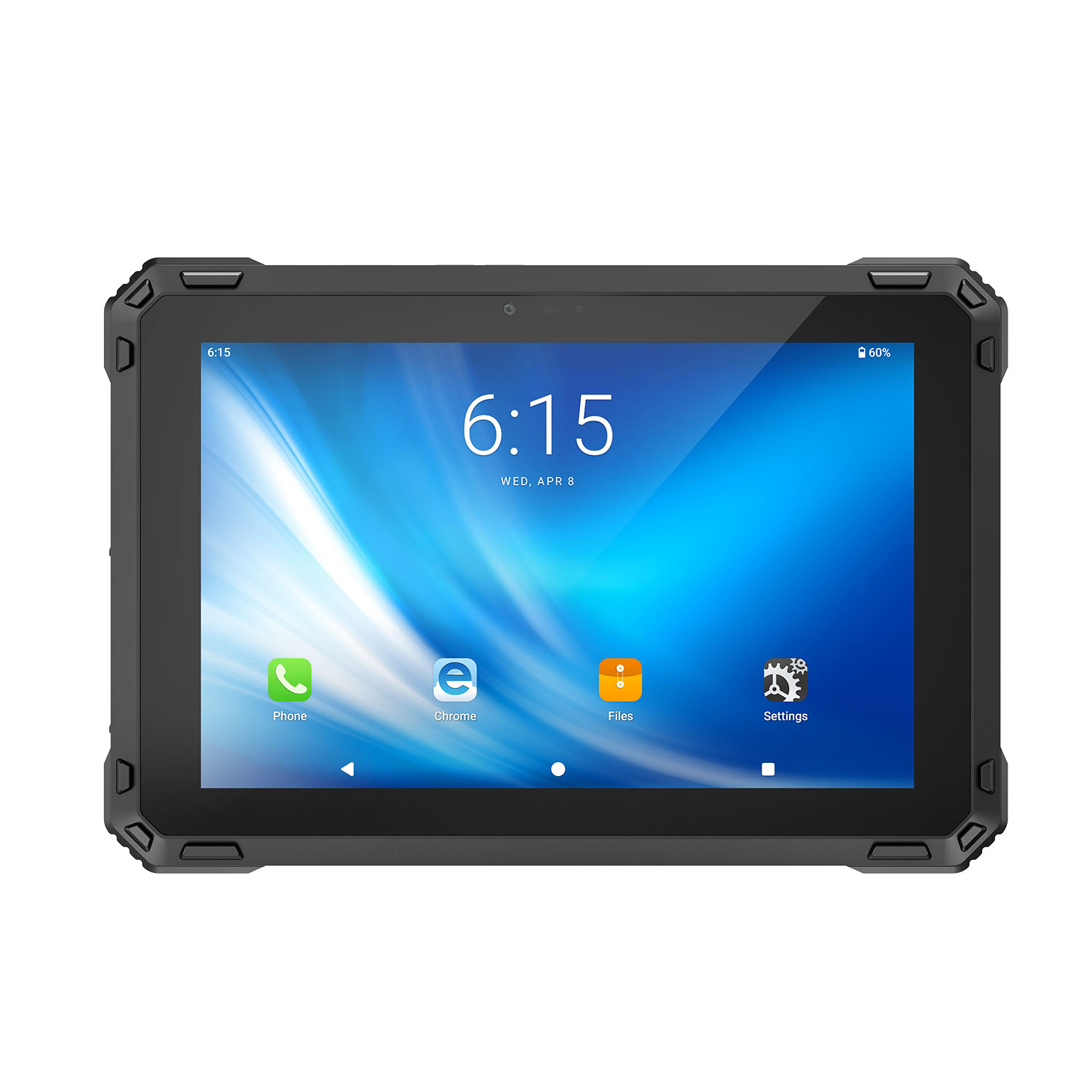 CENAVA A88ST MT6769 8 Inch Android 16 IP68 Rugged Tablet
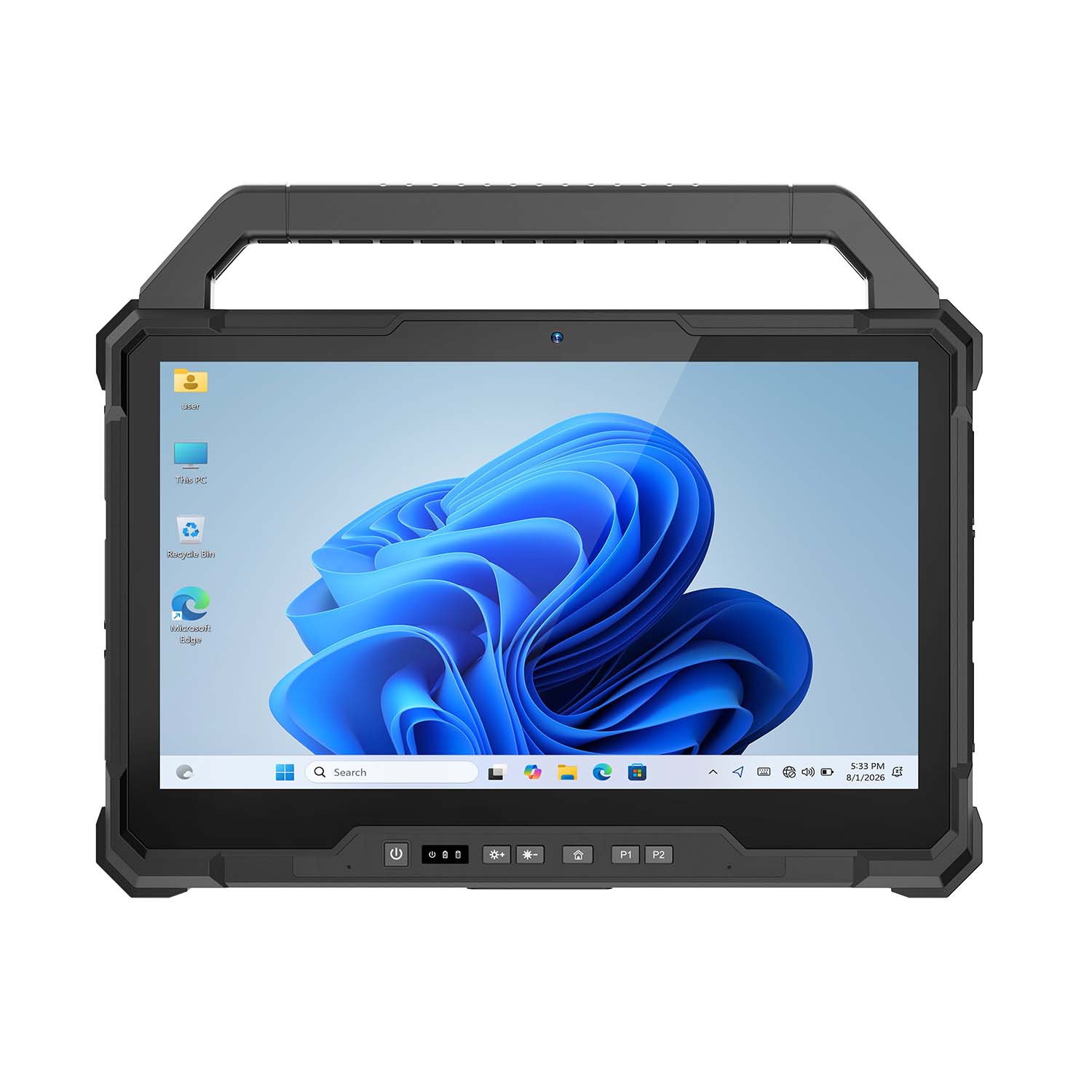 CENAVA W30NS N150 13.3 Inch Win11 IP65 Rugged Tablet
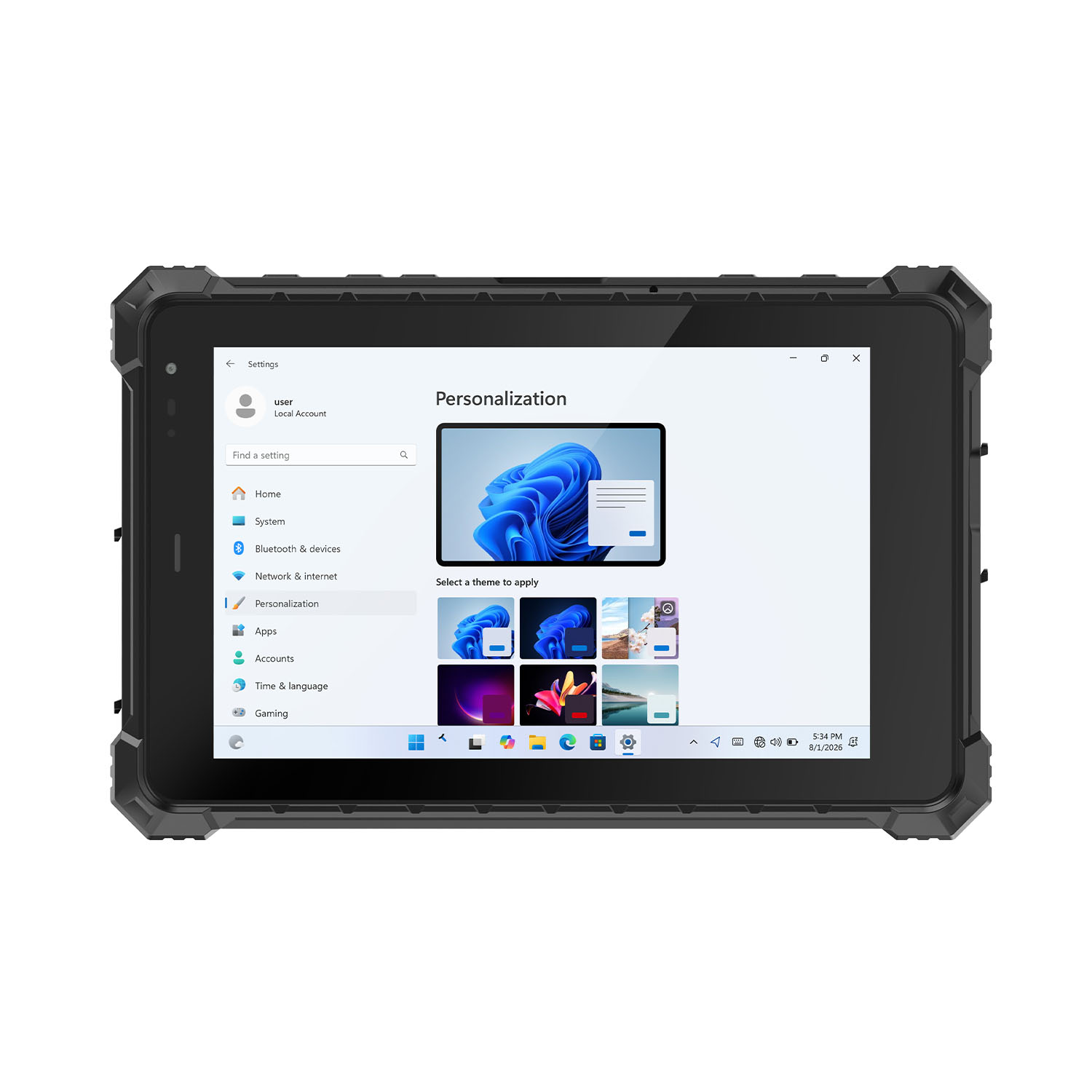 CENAVA W80Y i7-10510Y 8 Inch Win11 IP68 Rugged Gigabit
 CENAVA A10R RK3568 10.1 Inch Android 11 IP68 Rugged Tablet
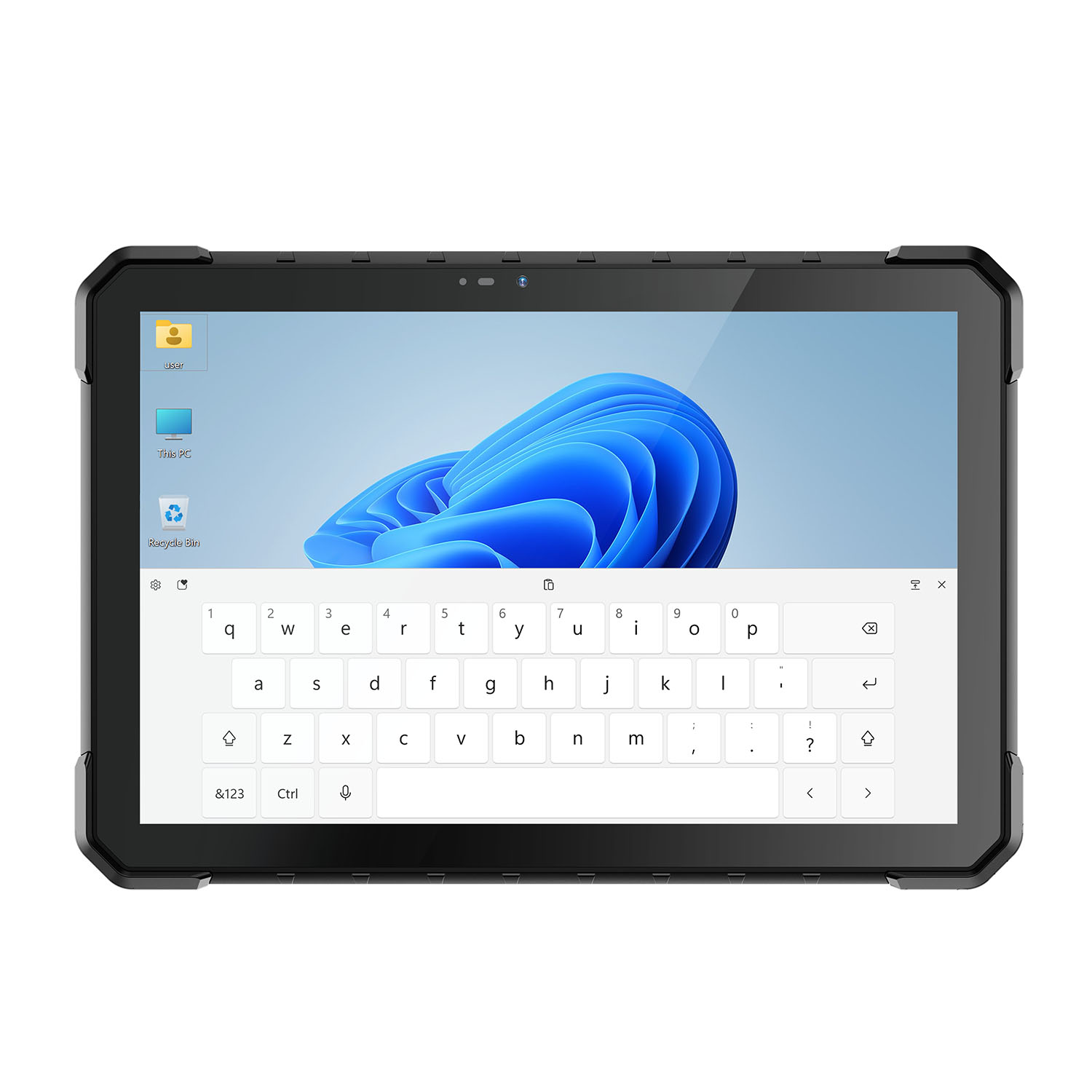 CENAVA W18Y i7-10510Y 10.1 Inch IP68 Industrial Tablet
 CENAVA CXE80C N2930 8 Inch Win10 IP65 Rugged Tablet
 CENAVA A18ST MT8781 10.1 Inch Android 13 IP68 Rugged Tablet
 CENAVA A10R RK3588 10.1 Inch Android 12 IP68 Rugged Tablet
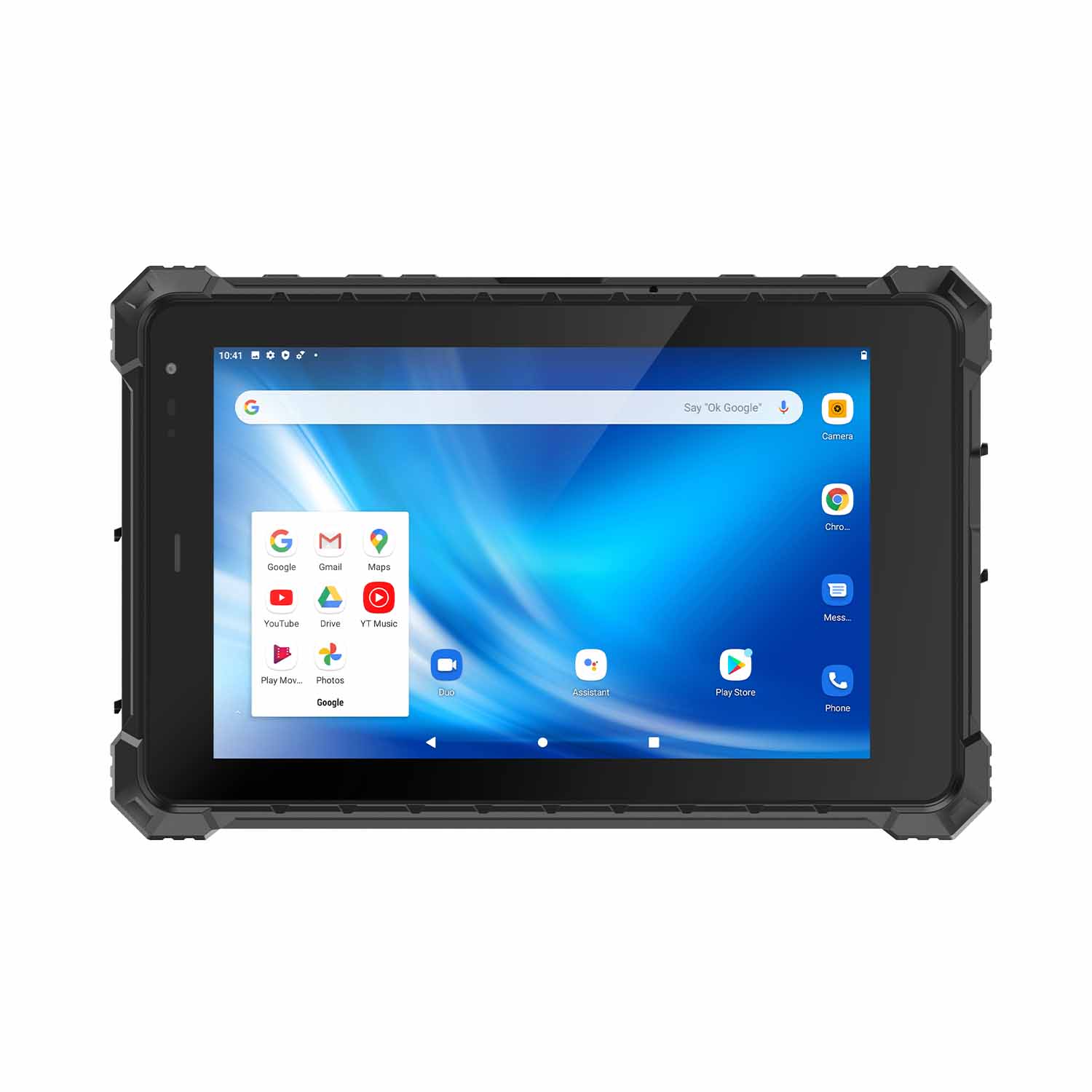 CENAVA A80ST-5G MT6877 8 Inch Android 12 IP68 Rugged Tablet
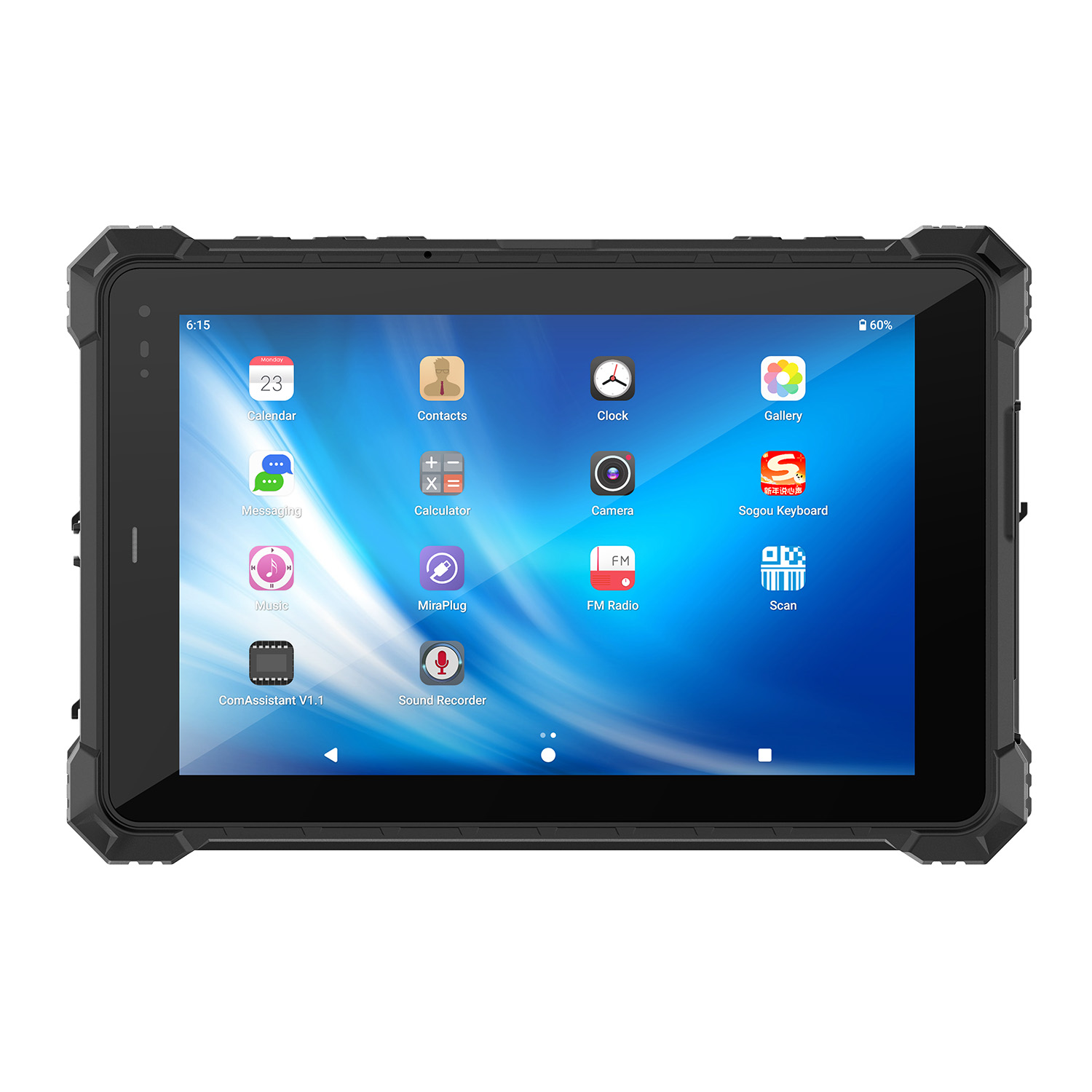 CENAVA A10STX MT8781 10.1 Inch Android 13 IP67 Rugged Tablet
 CENAVA A10ST-5G MT6877 10.1 Inch Android 12 IP68 Rugged Tablet
 CENAVA A10STX-5G MT6877 10.1 inch 5G Rugged Android Tablet
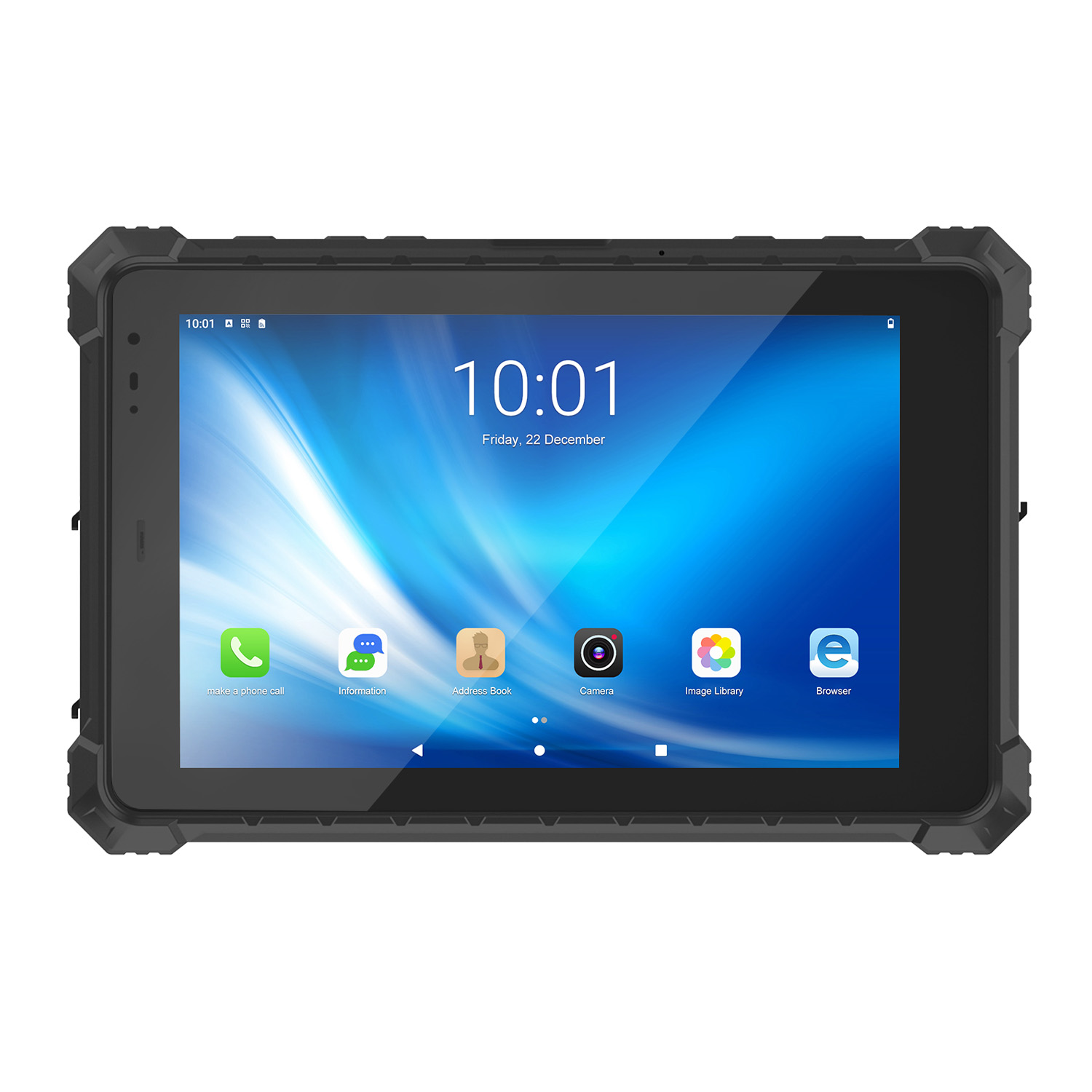 CENAVA A10ST MT6771 10.1 Inch Android 10 IP68 Rugged Tablet
 CENAVA A10STX MT6769 10.1 Inch Android 16 IP67 Rugged Tablet
 CENAVA A10ST MT6769 10.1 Inch Android 16 IP68 Rugged Tablet
 CENAVA A10STX MT6771 10.1 Inch Android 10 IP67 Rugged Tablet
 CENAVA A80ST MT8781 8 Inch Android 13 IP68 Rugged Tablet
 CENAVA A80R RK3588 8 Inch Android 12 IP68 Rugged Tablet
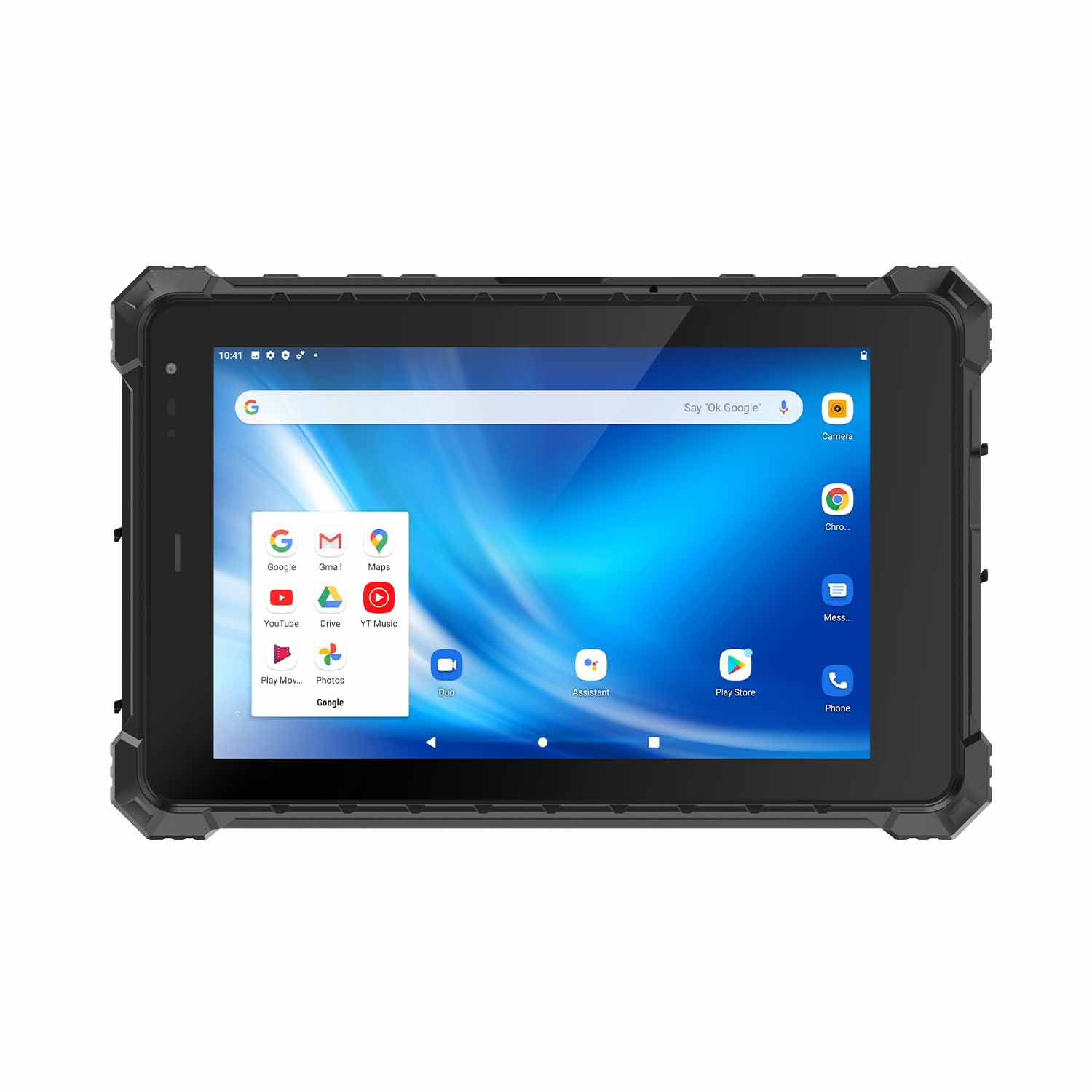 CENAVA A80STX-5G MT6877 8 Inch Android 12 IP67 Rugged Tablet
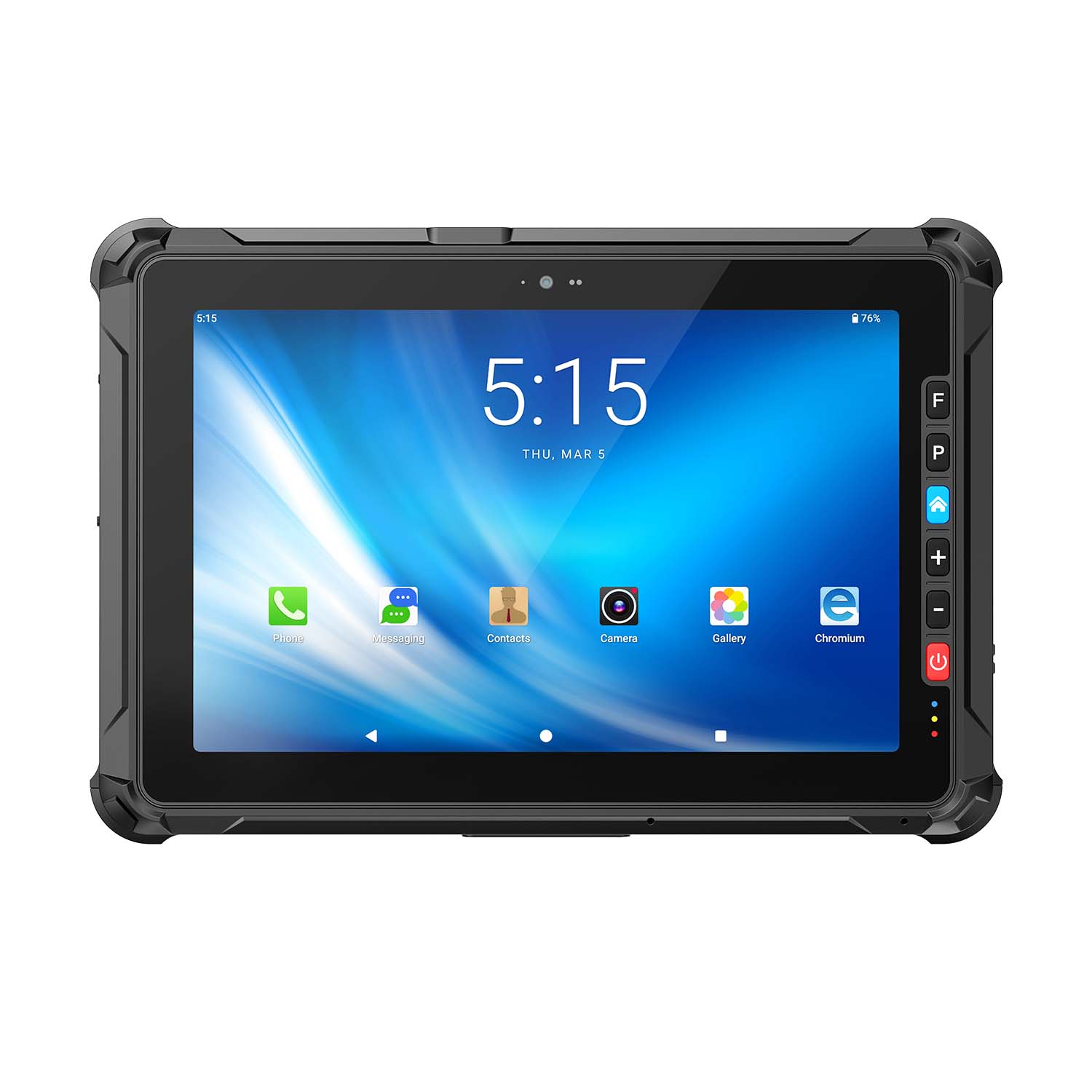 CENAVA A109ST MT8781 10.95 Inch Android 16 IP67 Rugged Tablet
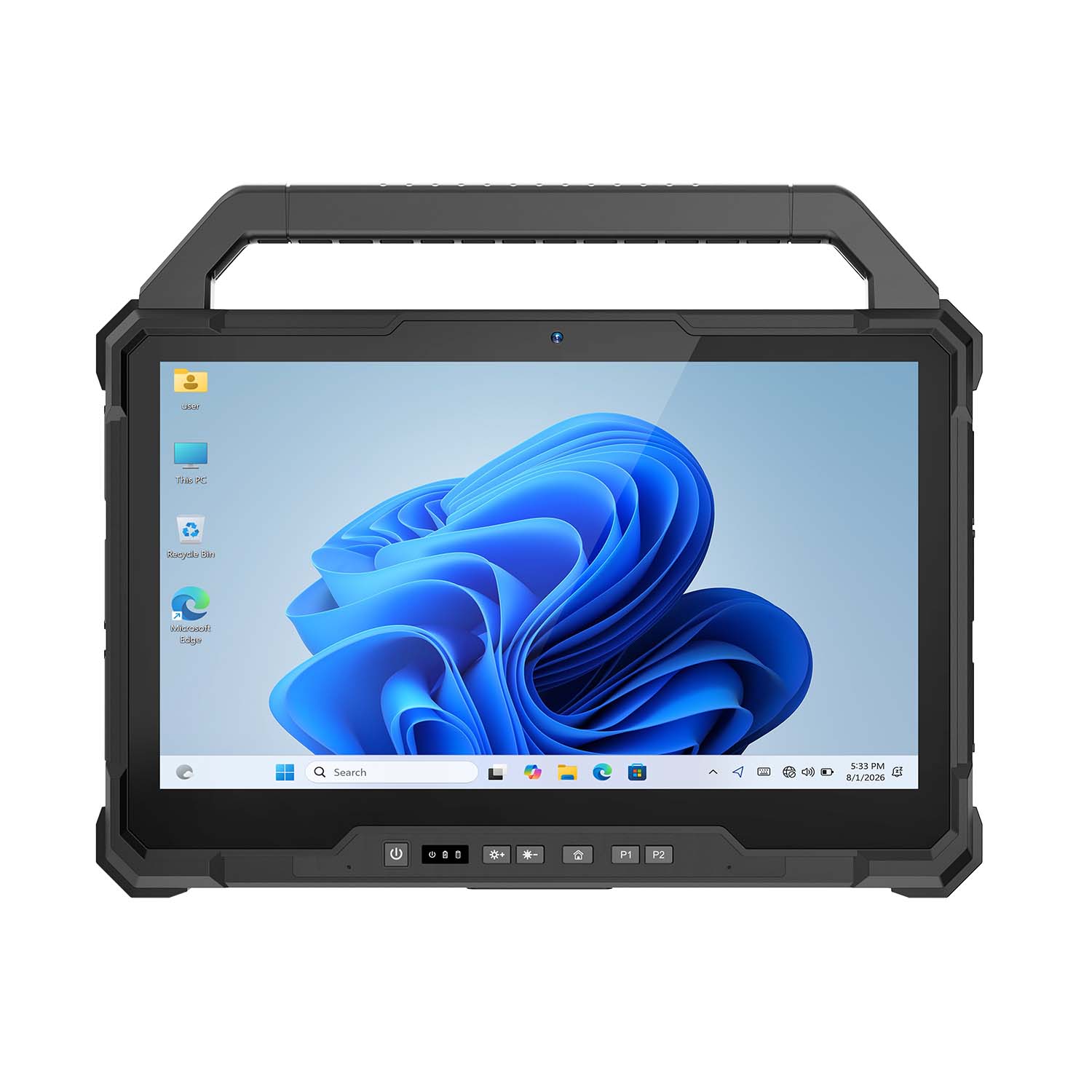 CENAVA W30U Pro Ultra7-155U 13.3 Inch Win11 IP65 Rugged Tablet
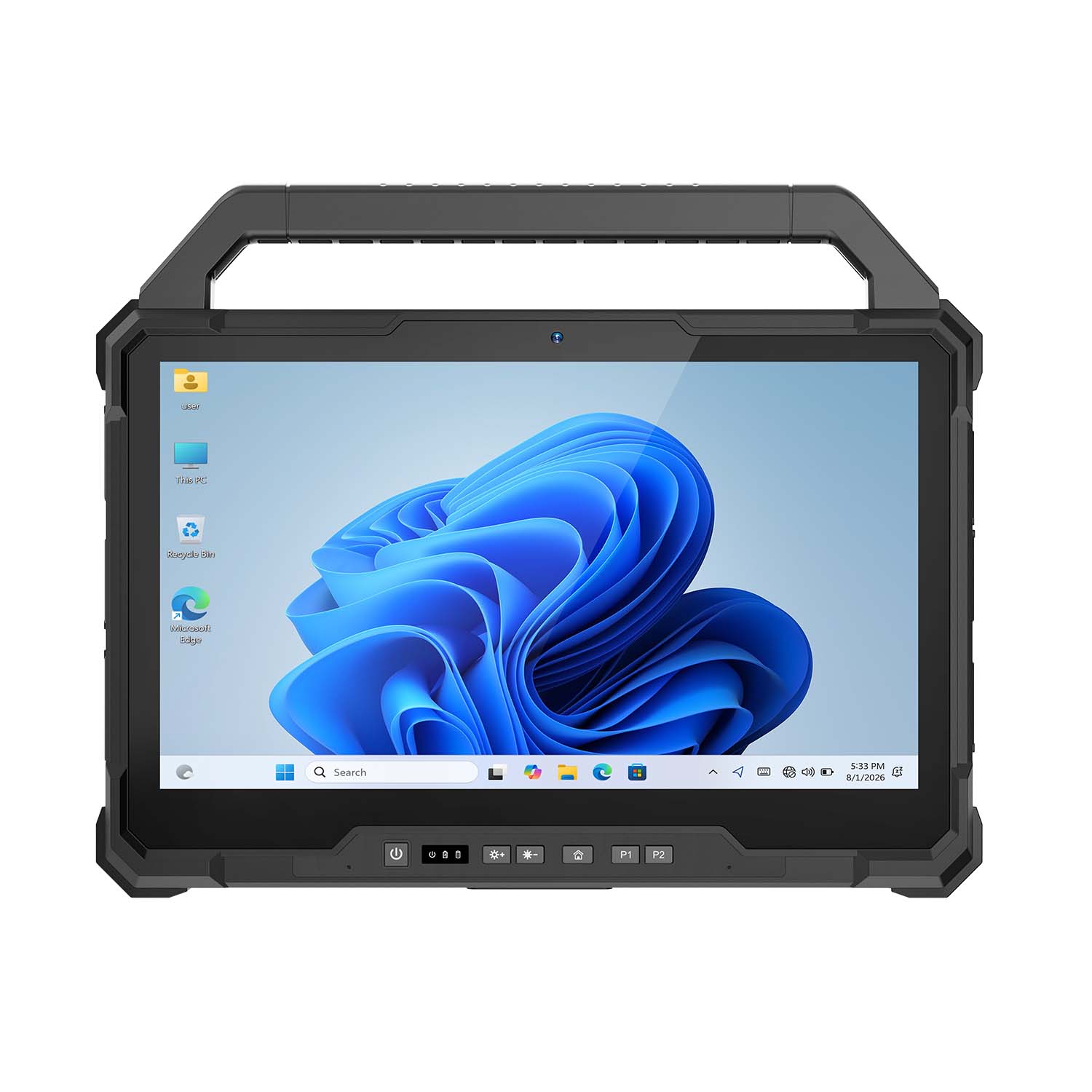 CENAVA W30U i7-1255U 13.3 Inch Win11 IP65 Rugged Tablet
 CENAVA W109NS N150 10.95 Inch Win11 IP67 Rugged Tablet GbE
 CENAVA W109U i5-1235U 10.95 Inch Win11 IP67 Rugged Tablet
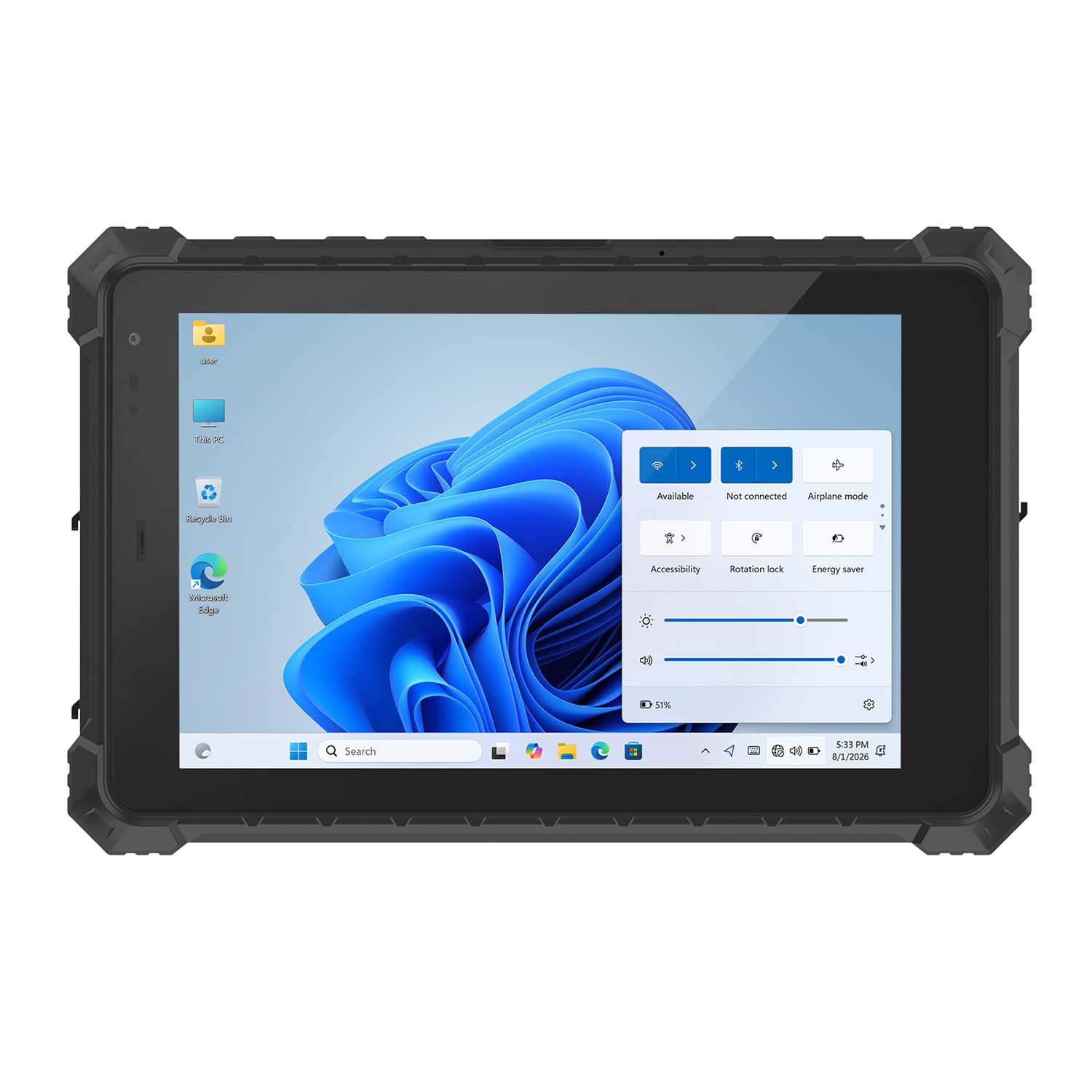 CENAVA W10Y i5-10210Y 10.1 Inch Win11 IP68 Rugged Tablet Full I/O
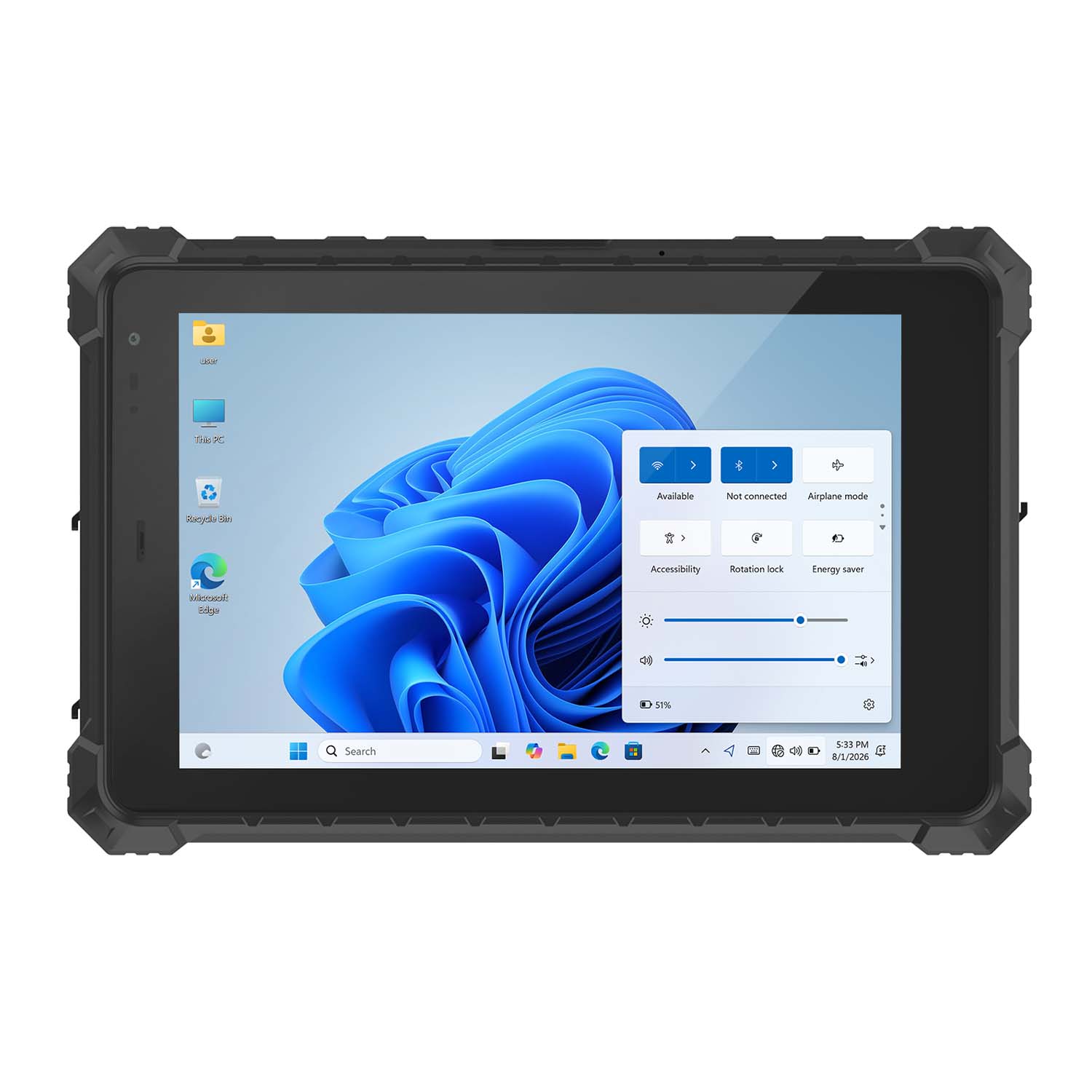 CENAVA W10NPRO N100 10.1 Inch Win11 IP68 Rugged Full I/O
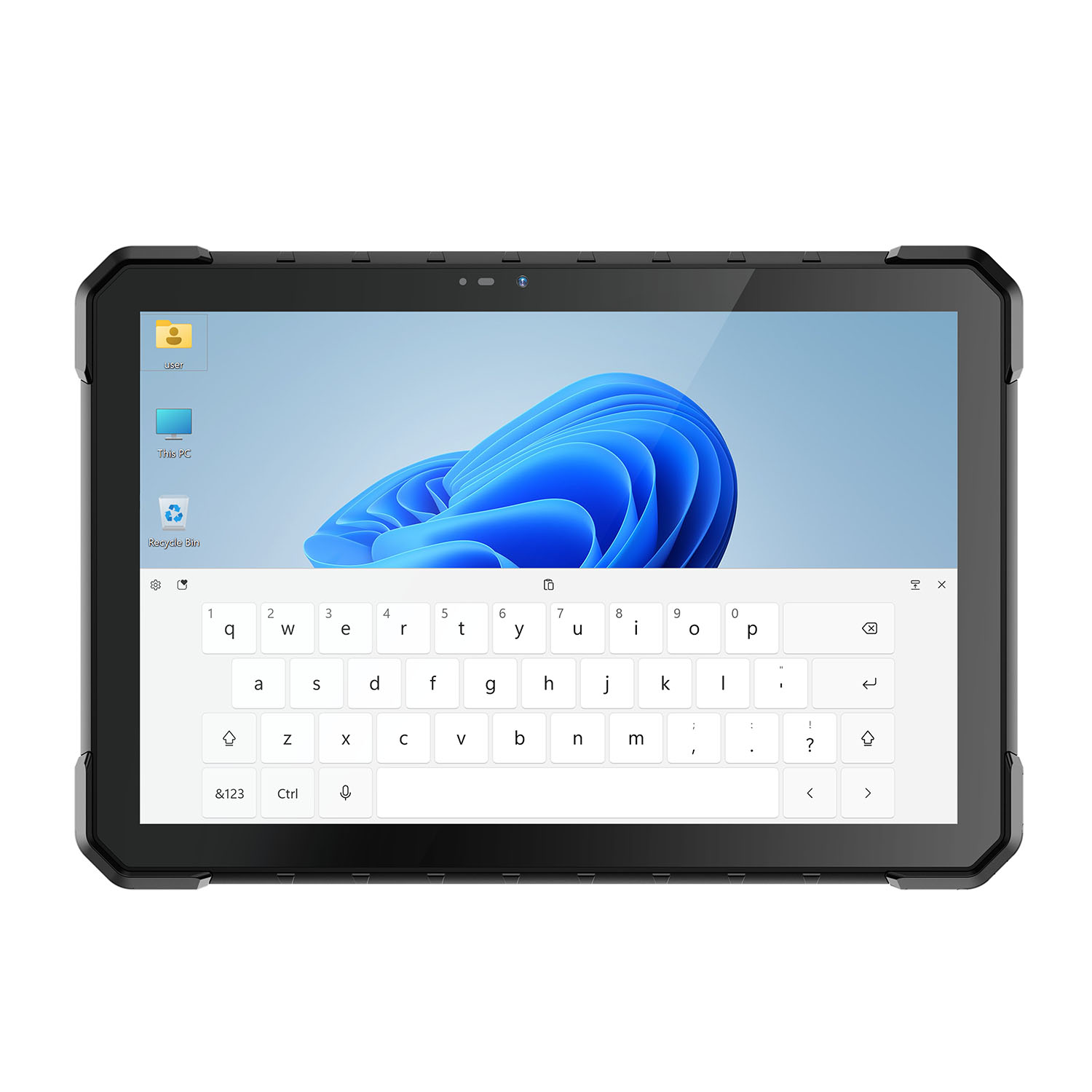 CENAVA W18Y i5-10210Y 10.1 Inch Win11 IP68 Rugged Slim
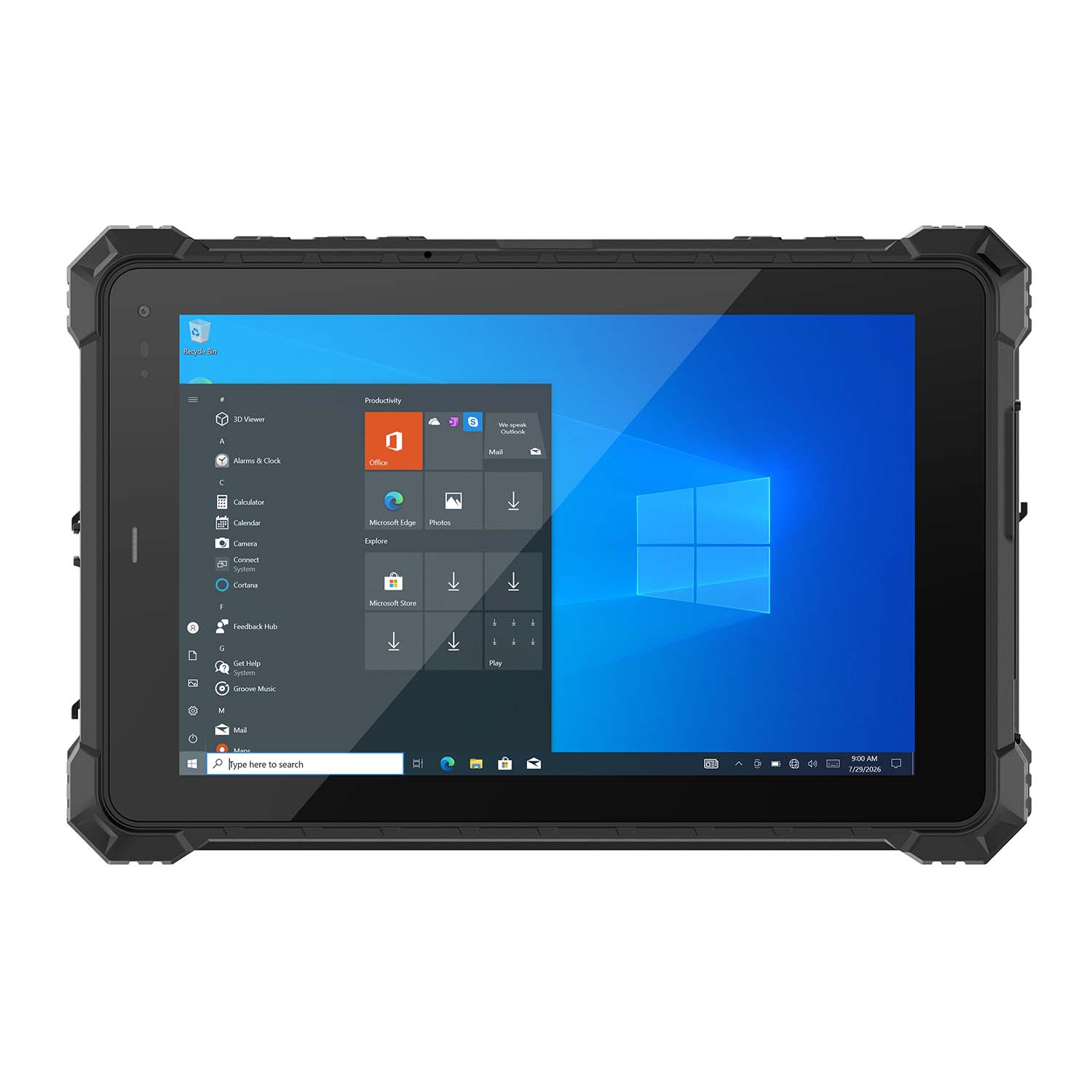 CENAVA W10NX N5100 10.1 Inch Windows IP67 Industrial Tablet
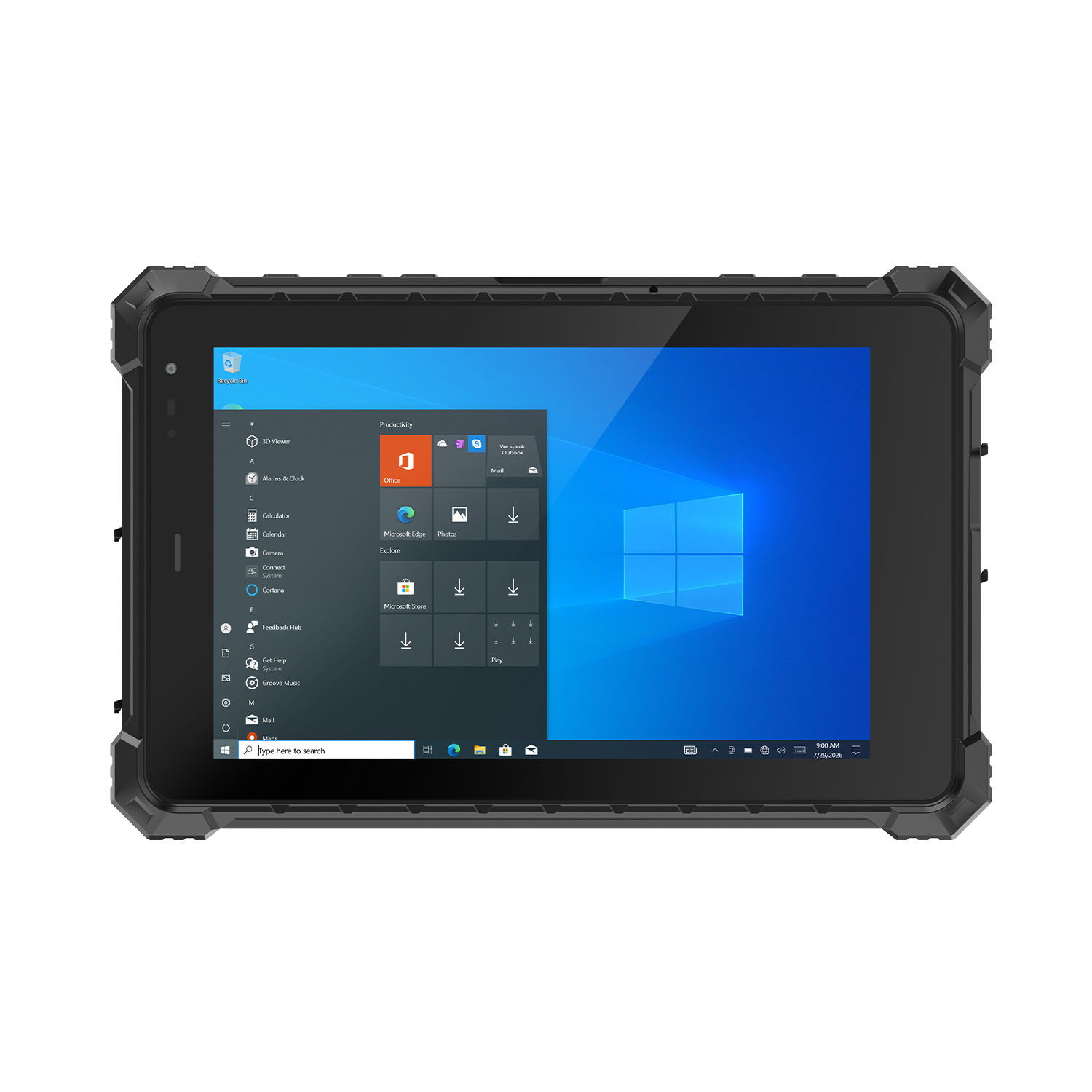 CENAVA W80N N5100 8 Inch Win11 IP68 Windows Rugged Tablet
 CENAVA H10PRO N100 10.1 Inch Win11 Industrial PC | WiFi6 Touch Panel
-1.jpg) CENAVA H55N N5100 5.5" Win11 Mini Industrial PC
CENAVA H55N N5100 5.5" Win11 Mini Industrial PC
 CENAVA H10F N100 10.1" Win11 Industrial Panel PC Touch Computer
 CENAVA H10F N95 10.1" Win11 Industrial Panel PC | WiFi6 Touch Computer
 CENAVA H7S N3350 7 Inch Win10 Entry Industrial PC | POE Fanless Touch Panel
 CENAVA H7 N4020 7" Win10 Compact Industrial PC | POE Fanless Touch Panel
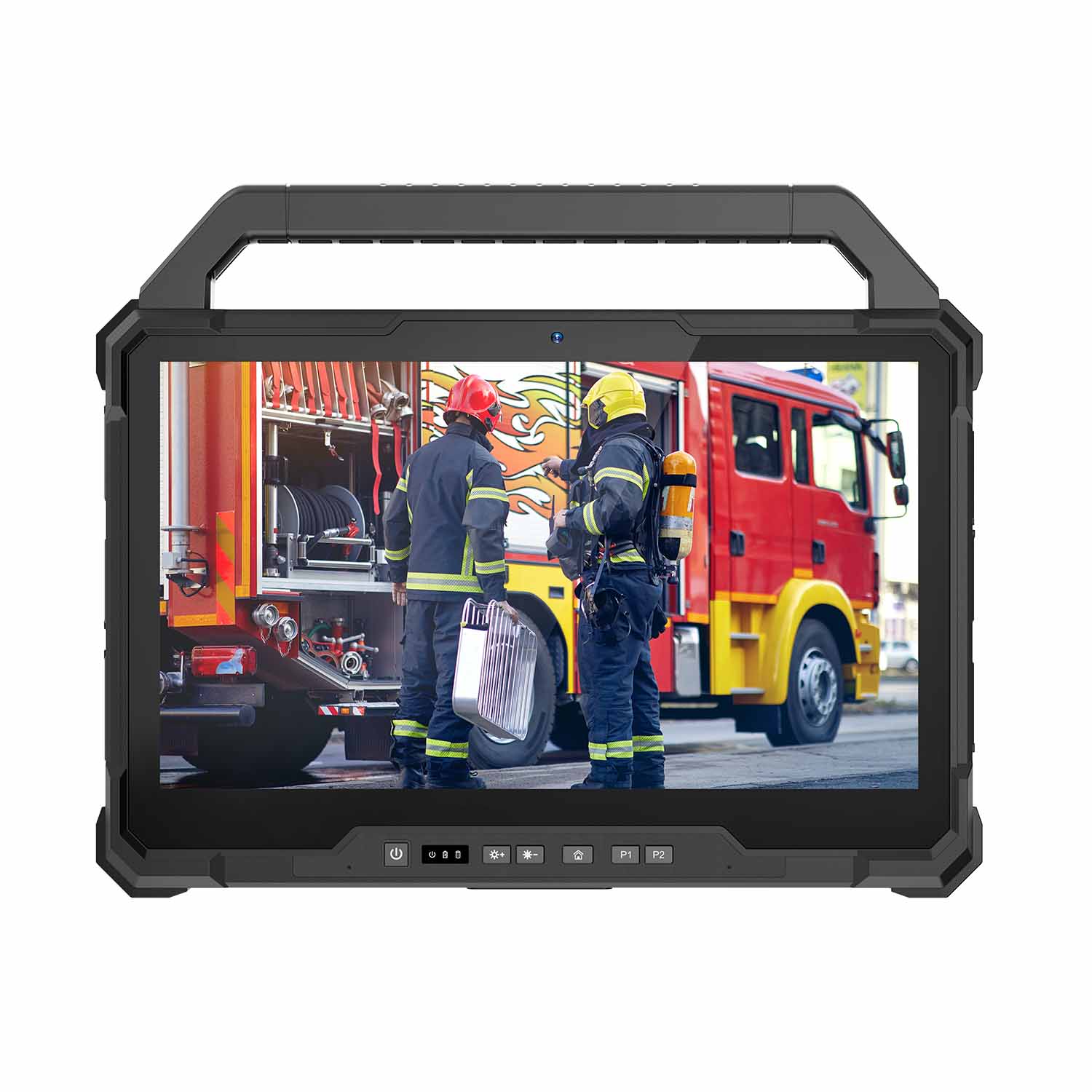 W30U-EX i7-1255U 13.3 Inch Explosion-Proof Windows Tablet
 W30UPro-EX Ultra7-155U ATEX II 2GD Ex ib IIC T5 Gb Explosion-Proof Tablet
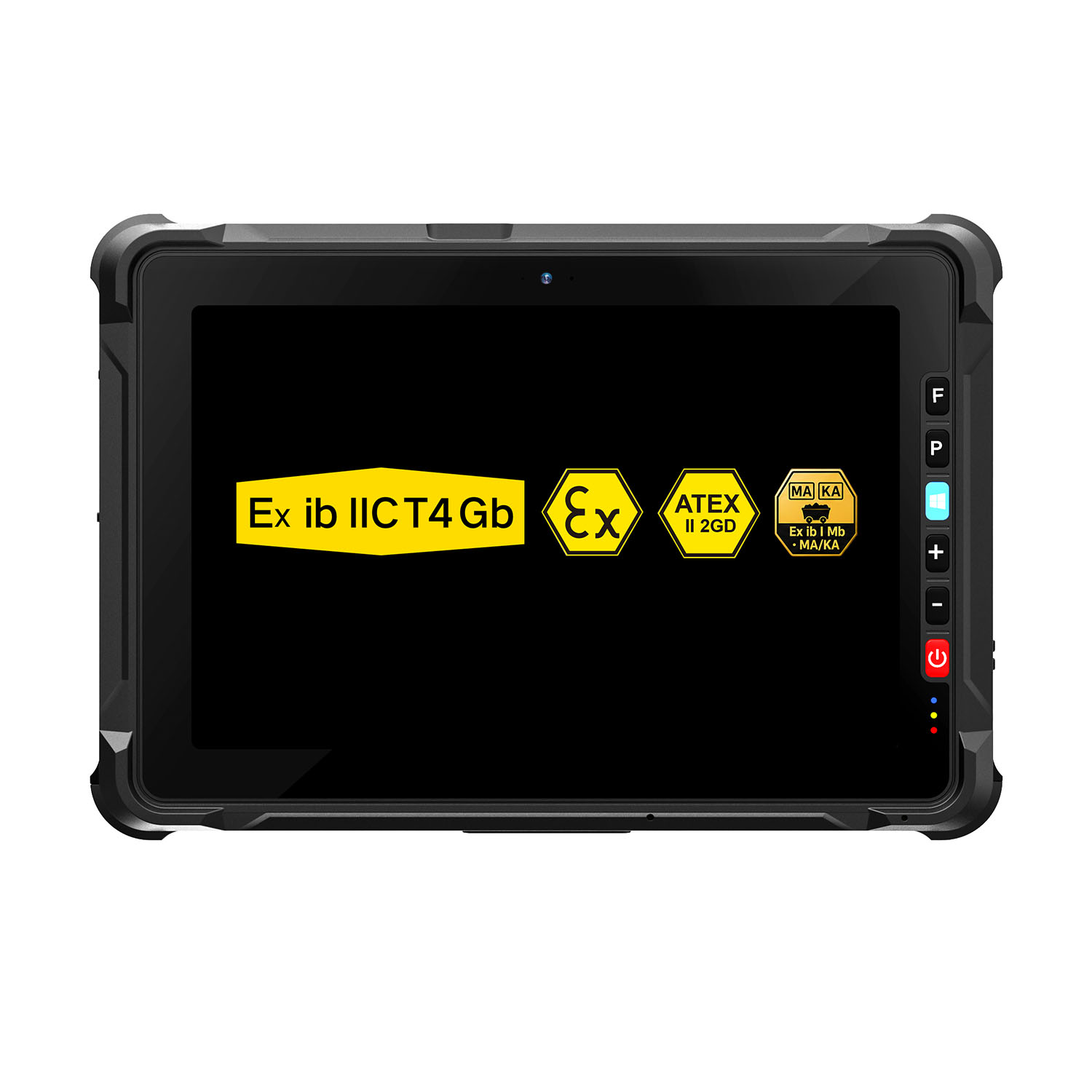 W109NS-EX N150 Explosion-Proof Hazardous Area Windows Tablet
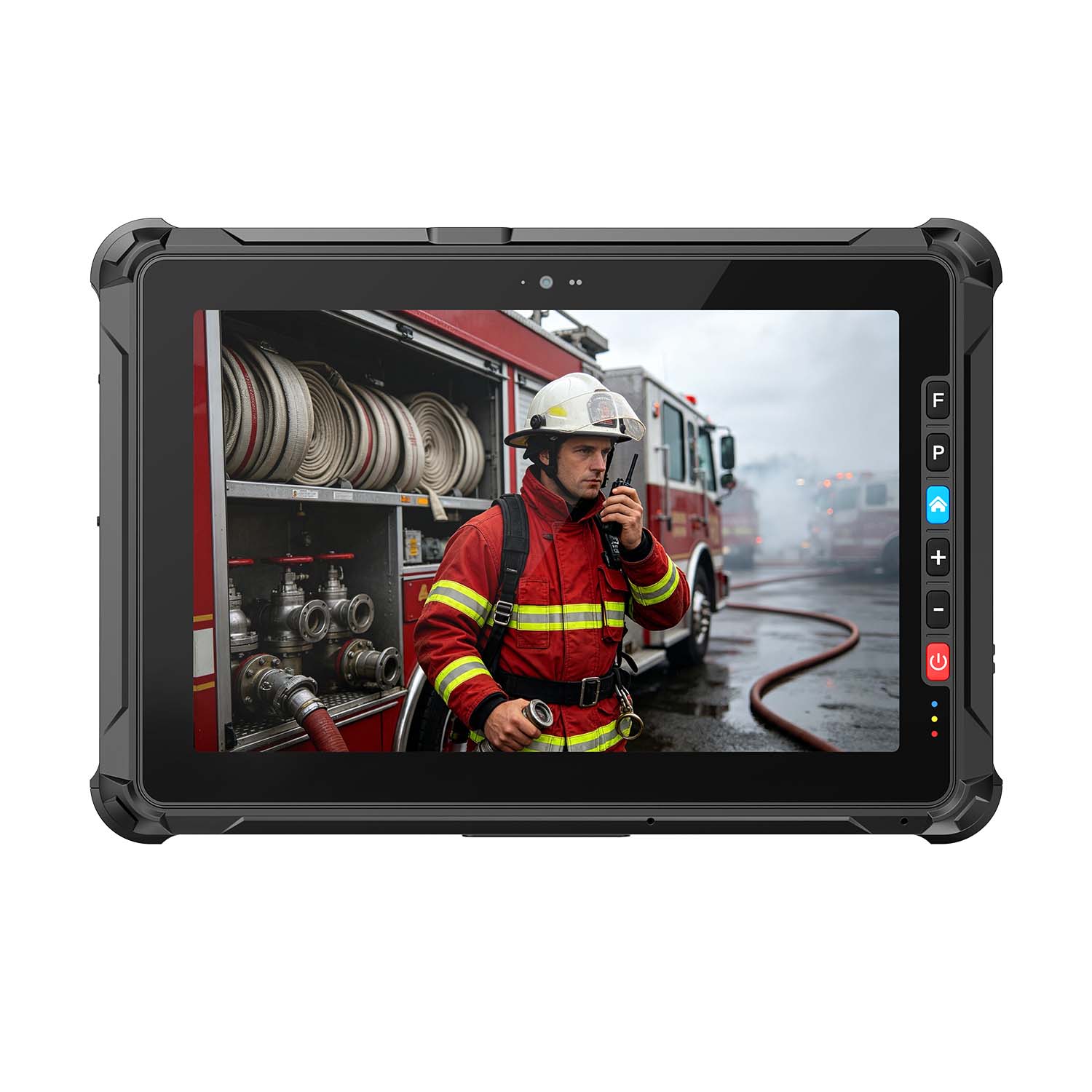 A109ST-EX MT8781 20000mAh Explosion-Proof ATEX II 2GD Android Tablet
.jpg) W10N-EX N5100 Explosion-Proof Intrinsically Safe Windows Tablet
W10N-EX N5100 Explosion-Proof Intrinsically Safe Windows Tablet
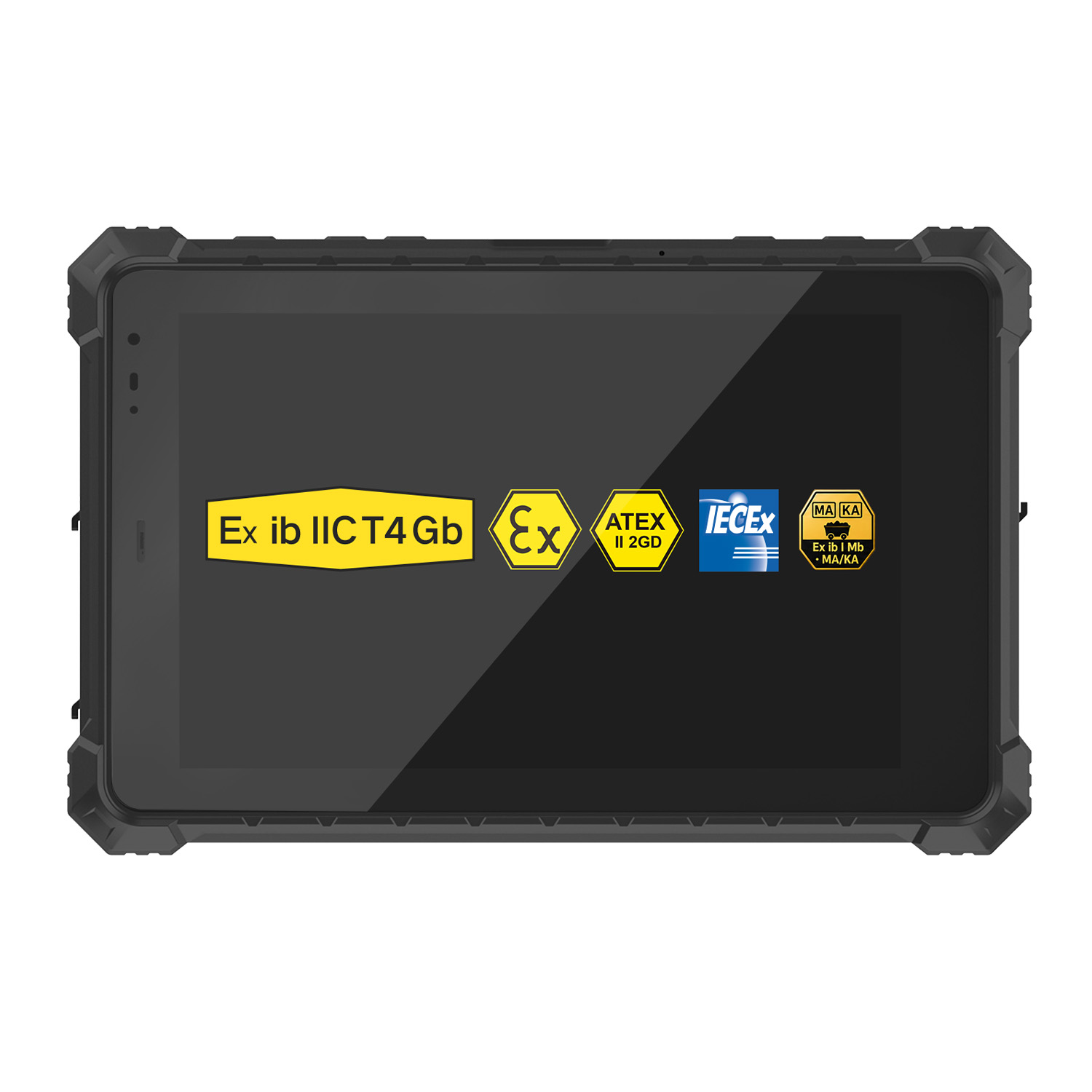 A10ST-EX MT8781 Ex ib IIC T5 Gb Hazardous Area Rugged Tablet
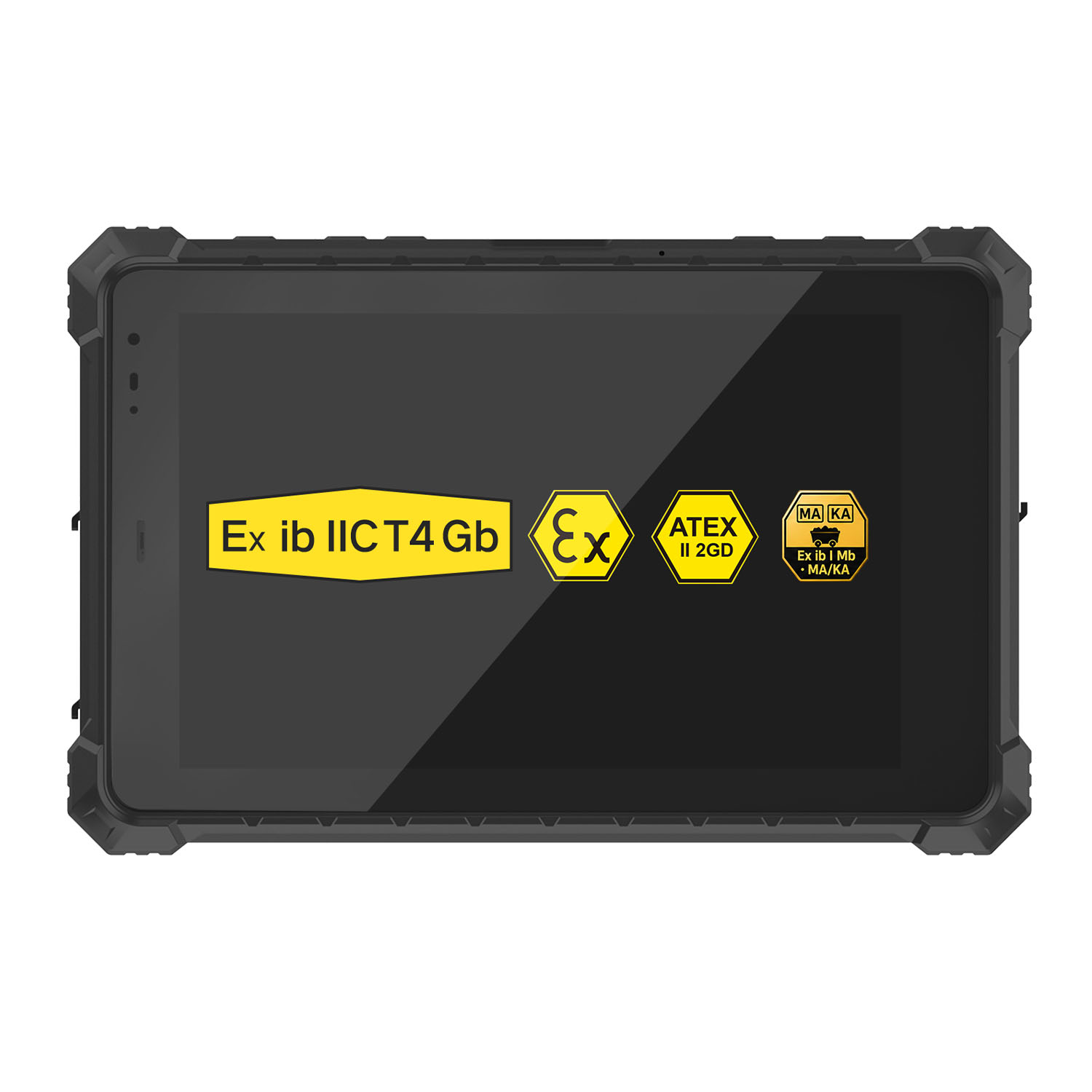 A10R-EX 10.1 Inch Explosion Proof RK3568 Industrial Tablet PC
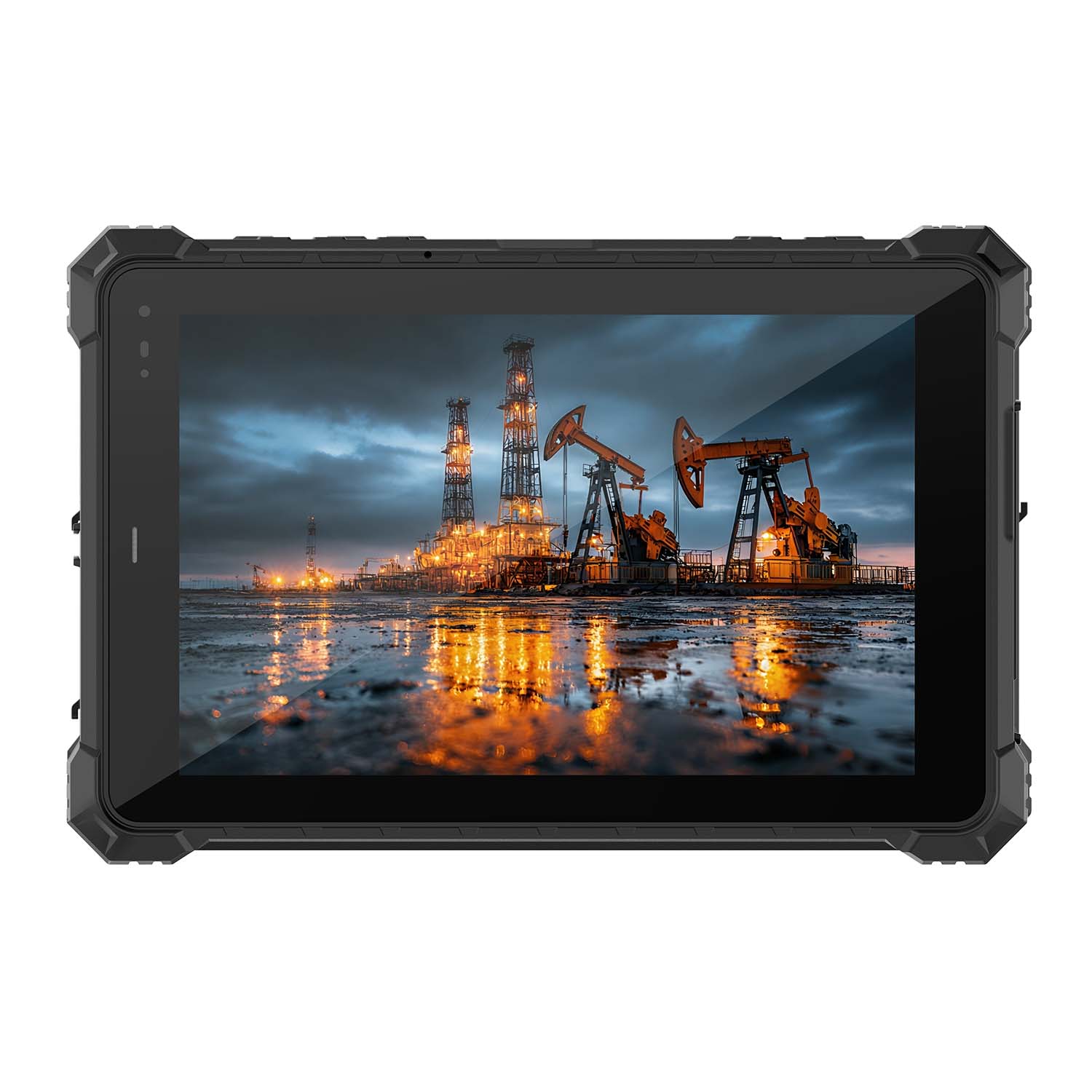 A10STX-EX MT8781 10.1 Inch ATEX II 2GD Android Tablet
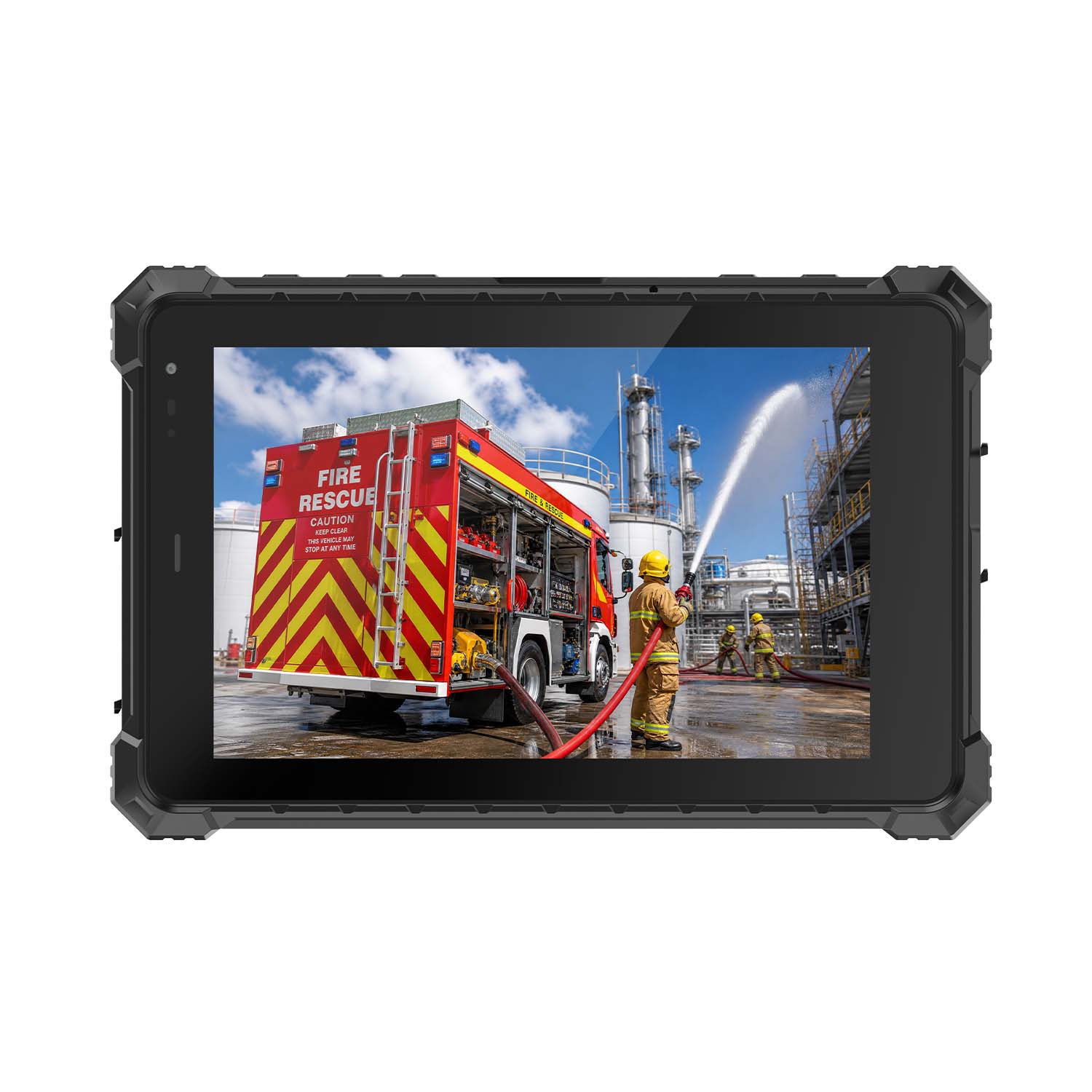 W80N-EX N5100 8 Inch Explosion-Proof Windows ATEX II 2GD Tablet
 A18ST-EX Slim 10.1-Inch Explosion-Proof Android Tablet
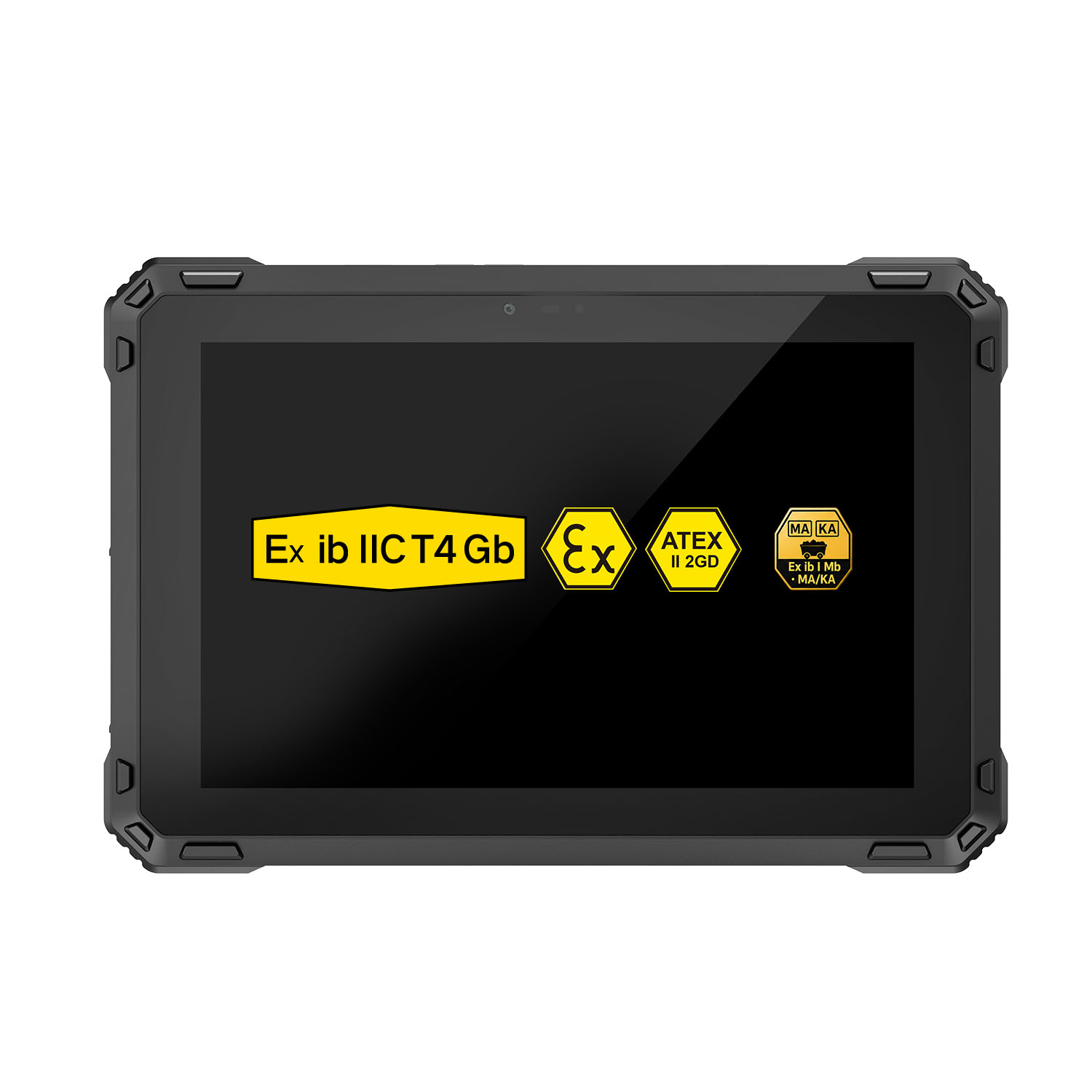 A88ST-EX MT6769 Hazardous Area 8-Inch Explosion-Proof Android Tablet
 A80ST-5G EX MT6877 8 Inch Ex ib ⅡC T4 Gb Explosion Proof Tablet
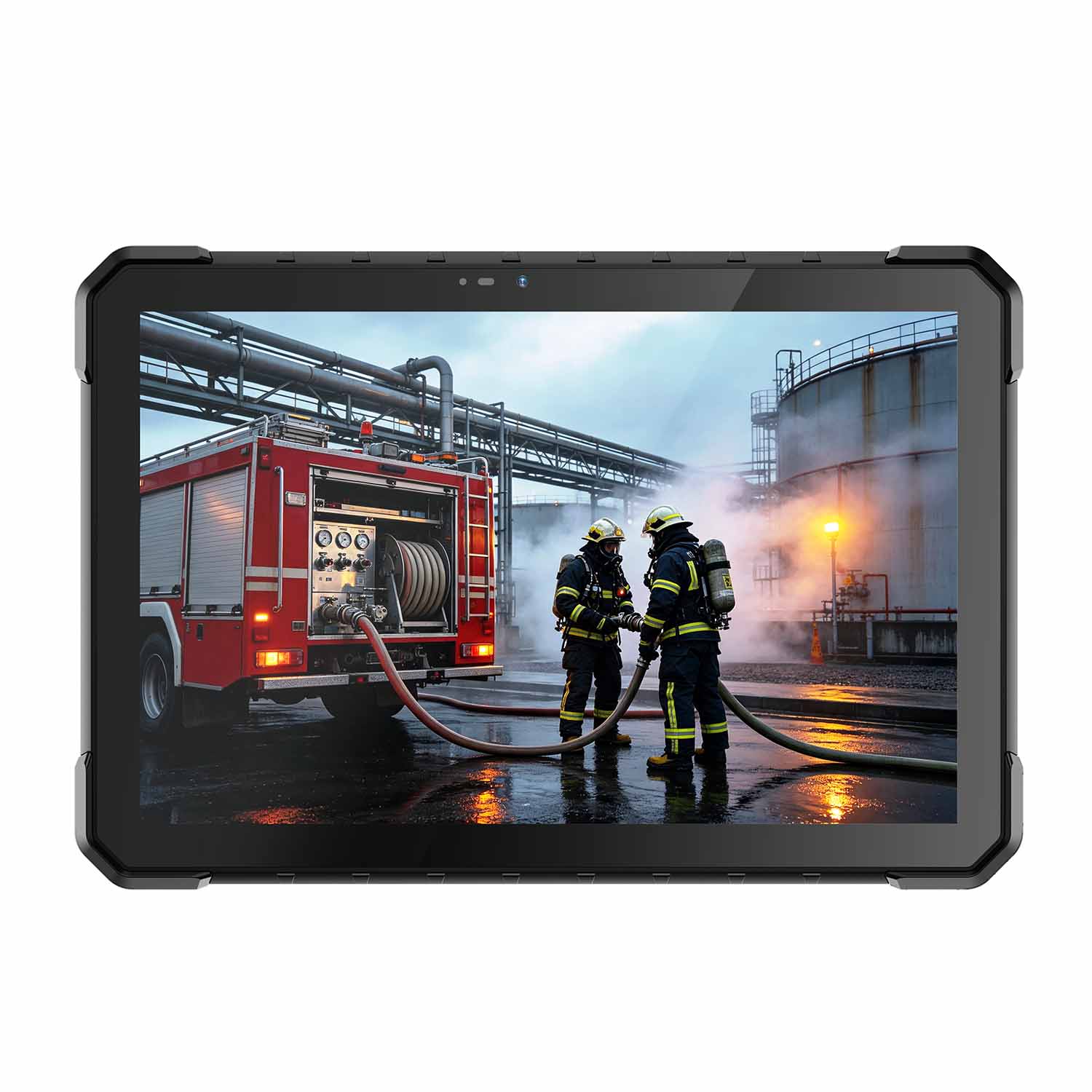 CENAVA W18Y-EX i7 10.1 Inch Explosion-Proof Windows 11 Tablet
 W65G-EX Explosion-Proof Windows Handheld Hazardous Area PDA