






Heavy Duty Laptop
Heavy Duty Laptops for Harsh and Industrial Environments
Office laptops die in the field. Ours are built for it.
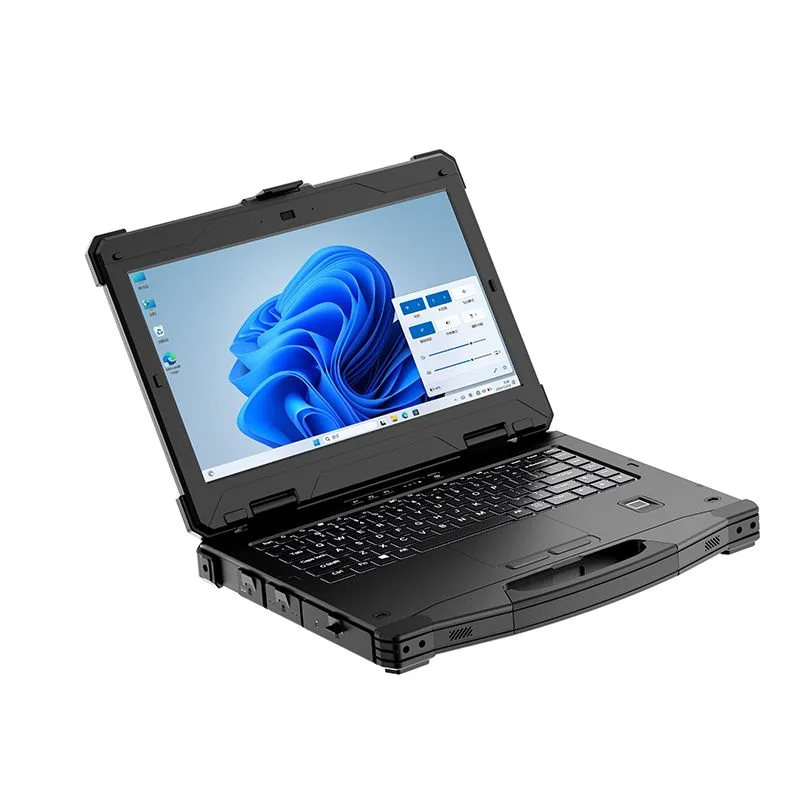
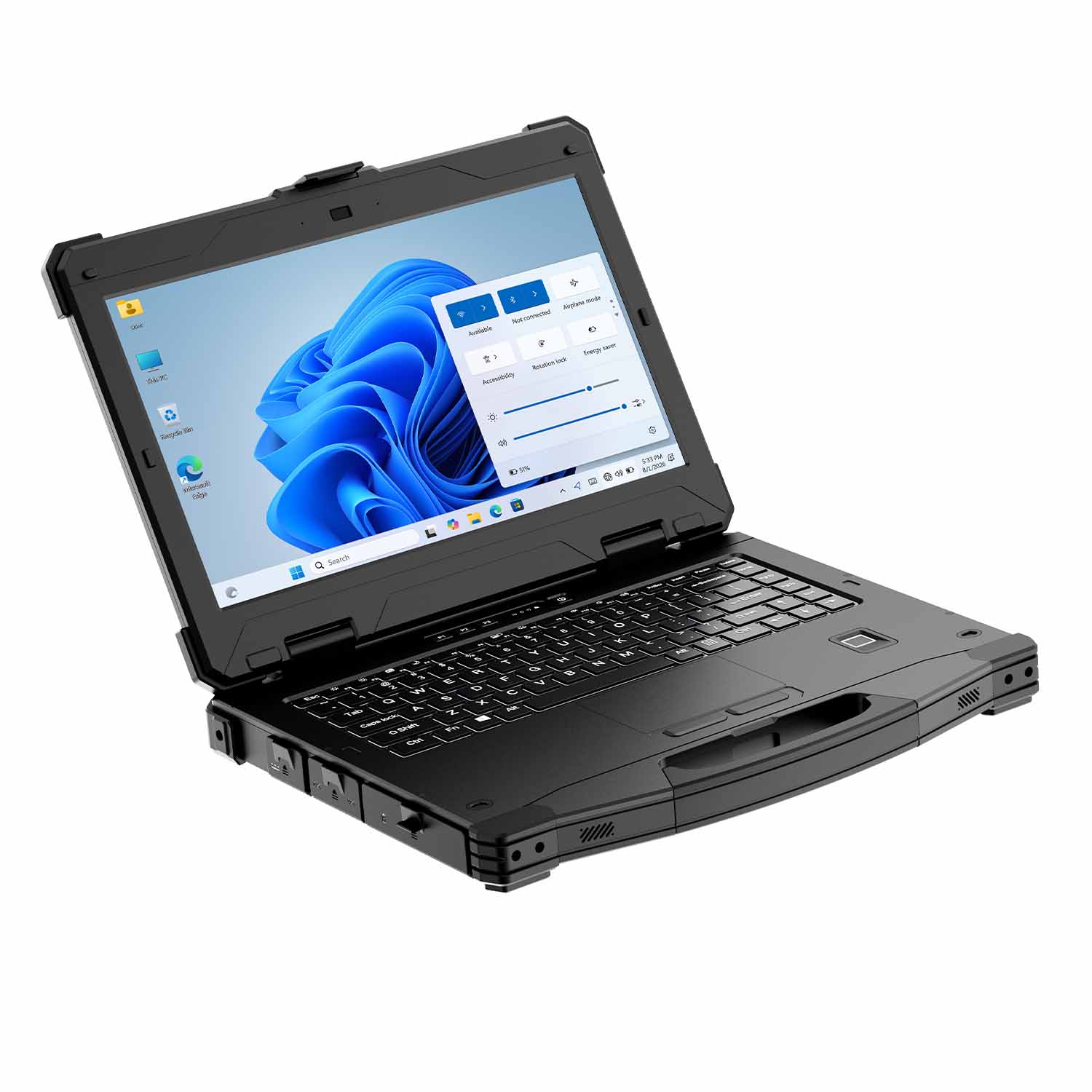
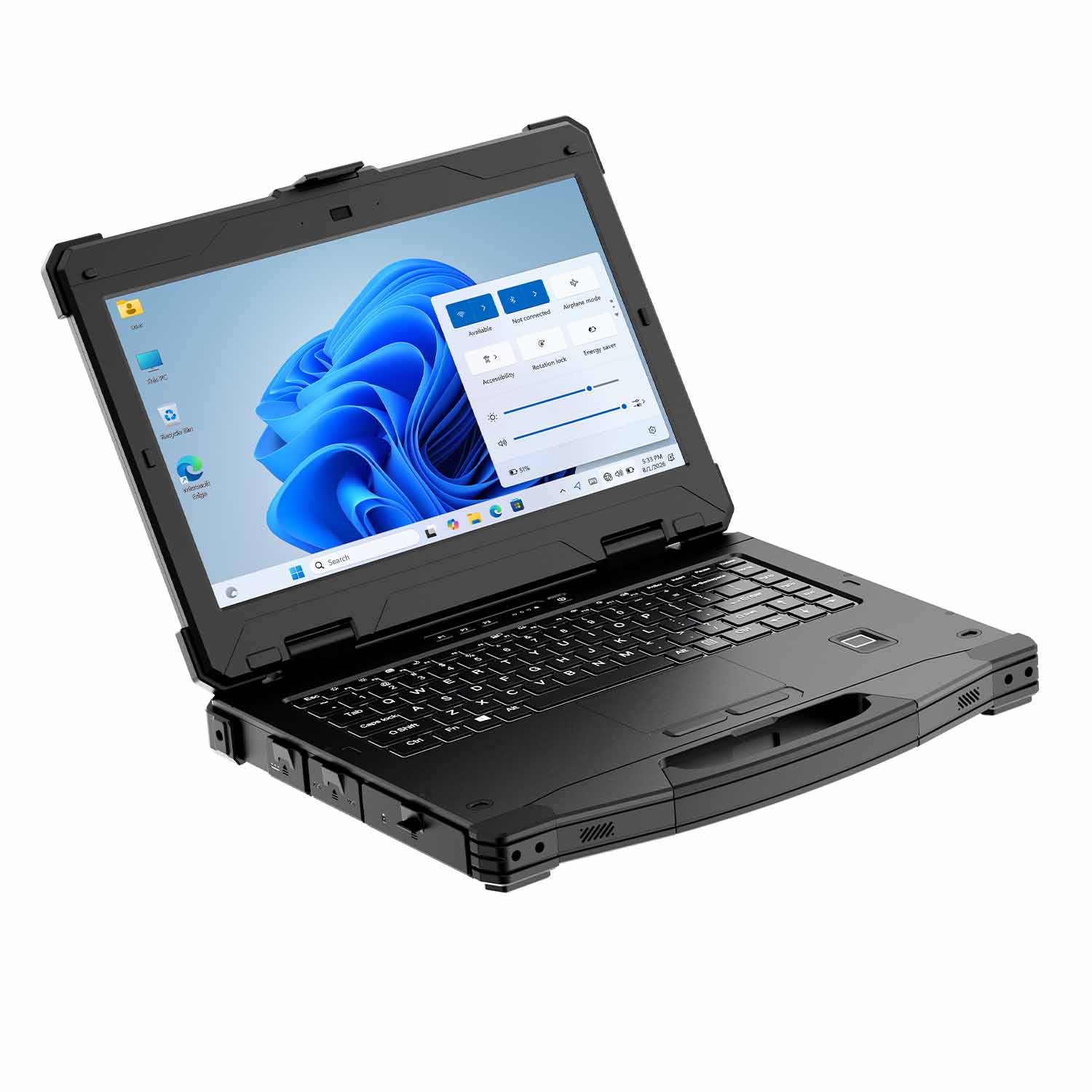
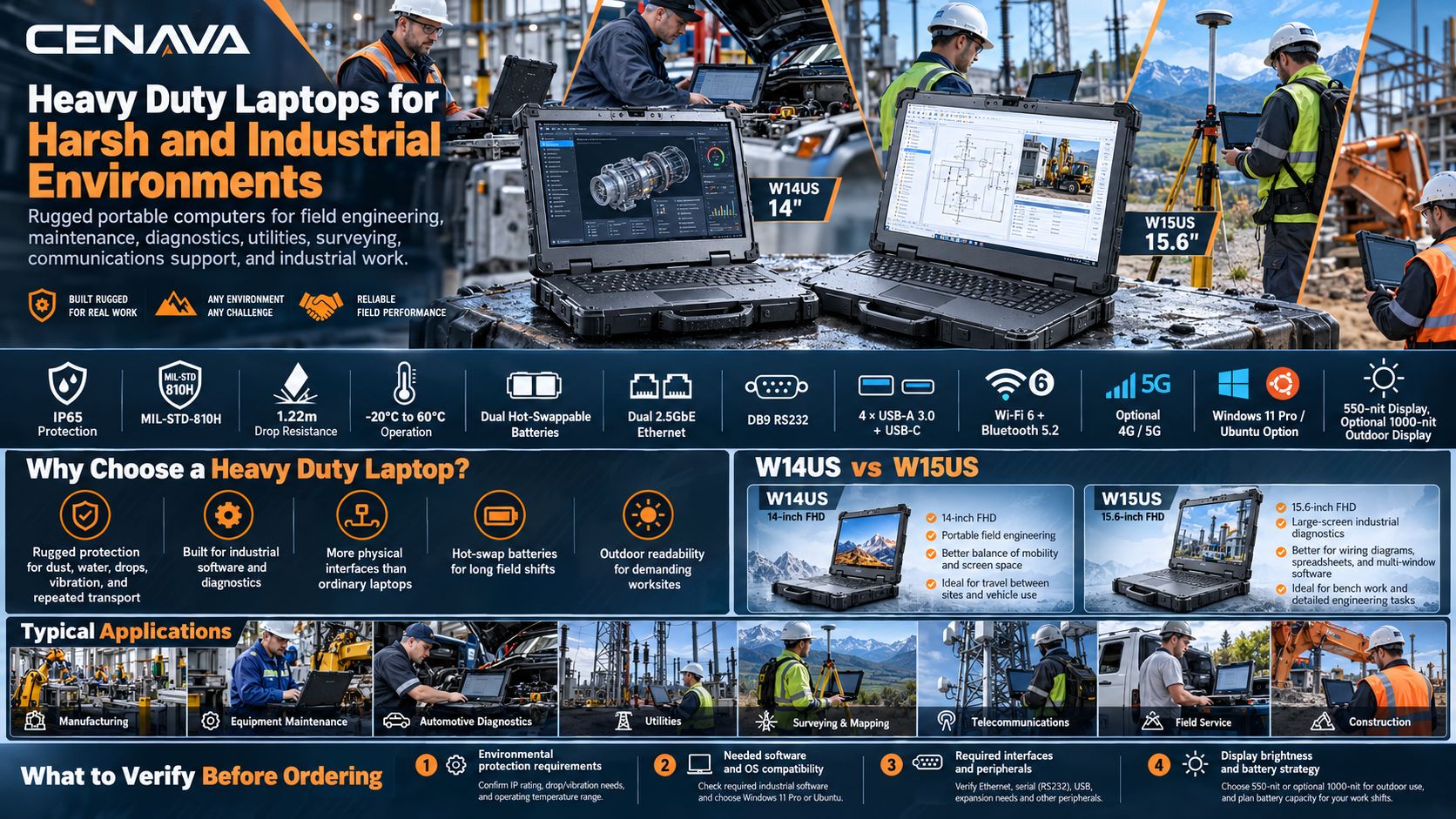
A heavy duty laptop from us means IP65 sealing, MIL-STD-810H testing with a documented 1.22-meter drop, -20°C to 60°C operation, hot-swappable dual batteries and the ports thin notebooks have deleted — dual 2.5GbE Ethernet, DB9 RS232 and four USB-A 3.0. Windows 11 Pro out of the box, Ubuntu on request. Two sizes: 14 and 15.6 inches.
CENAVA Heavy Duty Laptop Options
| Model | Screen | Operating System | Rugged Protection | Battery | Key Advantage |
|---|---|---|---|---|---|
| W14US | 14" FHD | Windows 11 Pro / Ubuntu option | IP65, MIL-STD-810H, 1.22m drop | Dual hot-swappable batteries | Portable field engineering |
| W15US | 15.6" FHD | Windows 11 Pro / Ubuntu option | IP65, MIL-STD-810H, 1.22m drop | Dual hot-swappable batteries | Large-screen industrial diagnostics |
Both platforms provide dual 2.5GbE Ethernet, DB9 RS232, four USB-A 3.0 ports, USB-C, Wi-Fi 6, Bluetooth 5.2 and optional 4G/5G connectivity.
What Is a Heavy Duty Laptop?
The definition that matters: a heavy duty laptop keeps working in conditions that damage ordinary notebooks. Judge it on documented specifications, not on looks — a thick chassis by itself does not make a laptop rugged. The checklist we use:
- IP dust and water protection
- Drop resistance
- Shock and vibration resistance
- Operating temperature range
- Reinforced enclosure construction
- Protected connectors
- Outdoor-readable display
- Battery architecture
- Industrial connectivity
If a vendor cannot hand you test conditions for each line, the rugged claim is decoration. Ours are on the spec sheets — ask.
Heavy Duty Laptop vs. Regular Laptop
A conventional laptop is normally optimized for offices, homes, classrooms and general business travel.
A heavy duty rugged laptop is designed around field reliability.
| Feature | Heavy Duty Laptop | Regular Laptop |
|---|---|---|
| Dust Protection | IP-rated options | Usually limited |
| Water Resistance | IP-rated enclosure | Usually limited |
| Drop Testing | Documented rugged tests | Rare |
| MIL-STD-810H | Available | Usually not |
| Wide Temperature Operation | Available | Limited |
| Hot-Swap Batteries | Available | Rare |
| Built-In Ethernet | Common | Increasingly removed |
| RS232 | Available | Rare |
| Multiple USB-A | Multiple ports | Often fewer |
| Outdoor Display | High-brightness options | Varies |
| Field Deployment | Designed for it | Primarily office/mobile use |
A regular notebook may be sufficient for controlled indoor environments.
A heavy duty laptop becomes more valuable when the computer is repeatedly transported, used outdoors or operated around industrial equipment.
IP65 Heavy Duty Laptops
IP ratings describe protection against solids and liquids.
CENAVA W14US and W15US are rated IP65.
W14US and W15US are rated IP65 — dust-tight and protected against water jets under defined test conditions. Port covers must stay closed to keep the rating; IP65 is not immersion protection, and we will not call it waterproof. The correct wording is water resistant — protected against water jets. Anyone who needs immersion needs a different architecture, and we will say so.
Both models carry MIL-STD-810H testing with a 1.22-meter drop. Read that narrowly: MIL-STD-810H is not one universal durability level — the method and conditions matter more than the phrase "military grade." Ask us which methods were run; we send the details with the quote.
The construction itself: protective bumpers, molded plastic-and-metal enclosures, sealed connectors. Not indestructible — a forklift still wins — but built for the daily reality of carts, vehicle rides and workshop floors. Dust defense comes from the sealed enclosure: no cooling vents pulling metal dust or construction debris into the chassis.
MIL-STD-810H Heavy Duty Laptops
Selected CENAVA heavy duty laptops are designed and tested according to applicable MIL-STD-810H requirements.
W14US and W15US are both specified to meet applicable MIL-STD-810H requirements for a 1.22-meter drop test.
This type of rugged testing is relevant for computers that may experience:
- Accidental drops
- Repeated transportation
- Vehicle vibration
- Industrial handling
- Field deployment
MIL-STD-810H should not be treated as one universal durability level.
Buyers should review the actual test method, conditions and product specification rather than relying only on the phrase “military grade.”
Drop-Resistant Heavy Duty Laptops
Drops are one of the most common risks for mobile computers.
A field engineer may place a laptop on temporary equipment.
A technician may move it between a service vehicle and a machine.
A maintenance worker may use it on a workshop cart.
CENAVA W14US and W15US are specified around a 1.22m drop requirement under their applicable MIL-STD-810H testing.
Their rugged construction includes protective bumpers, molded plastic-and-metal enclosures and waterproof sealing components.
A rugged laptop is not indestructible, but these structural features are designed to reduce the risks associated with normal field handling.
Heavy Duty Laptop for Dusty Environments
Dust can enter ordinary computers through:
- Cooling vents
- Keyboard openings
- Connectors
- Chassis seams
Industrial environments may contain metal dust, construction debris, soil, warehouse dust or other airborne contaminants.
An IP65 enclosure provides a higher level of dust protection than an ordinary office notebook.
This makes heavy duty laptops useful in:
- Manufacturing
- Construction
- Vehicle service
- Agriculture
- Warehouses
- Field maintenance
Environmental protection becomes especially important when one computer is expected to remain in service across several years of industrial deployment.
Heavy Duty Laptop for Wet Environments
Field computers may also encounter rain and water spray.
Examples include:
- Outdoor equipment maintenance
- Utility operations
- Vehicle yards
- Construction sites
- Telecommunications field service
- Agricultural machinery maintenance
An IP65 rugged laptop provides protection against water jets under the relevant enclosure-test conditions.
It does not mean the laptop should be submerged.
For applications requiring immersion protection, a different product architecture and IP rating may be required.
Wide-Temperature Heavy Duty Laptops
Ordinary computers are typically designed around comfortable office environments.
Field workers may experience much wider temperatures.
W14US and W15US list an operating range of approximately -20°C to 60°C, with storage specifications extending beyond the operating range.
Wide-temperature capability can be useful for:
- Outdoor winter maintenance
- Hot vehicle cabins
- Manufacturing facilities
- Equipment rooms
- Remote infrastructure
- Heavy machinery service
Temperature requirements should always be considered together with battery performance and display requirements.
Heavy Duty Laptop with Hot-Swappable Batteries
Battery swaps kill diagnostic sessions. W14US and W15US run dual smart batteries — a 5100mAh primary plus a 2200mAh secondary — so one keeps the machine alive while the other changes. We rate runtime at approximately 6 hours or more under our specified simulated office test conditions; real field runtime depends on workload, brightness and wireless use. For multi-shift work, keep a charged spare set on the cart.
Heavy Duty Windows Laptops
Windows 11 Pro is the default because industrial software demands it: PLC tools, diagnostic suites, SCADA clients, MES and ERP access, engineering applications. Ubuntu is a project option for network engineering and development, edge computing and custom field builds. One caution we give every Linux buyer: validate driver support on the exact hardware configuration before volume deployment — we run that check with you
Heavy Duty Laptop with Ethernet
Thin laptops delete ports; we kept them. Each of these laptops carries two RJ45 jacks at up to 2.5GbE — one for the machine, one for the network, depending on your architecture. The DB9 RS232 talks to legacy controllers, meters and diagnostic equipment; RS422/RS485 are project options. Four USB-A 3.0 ports plus USB-C keep the VCI and license dongle connected, plus measurement gear and flash storage — no hub, no adapter chain, no extra failure point.
This is particularly useful in industrial environments where relying on an external USB hub can add unnecessary cables and another potential failure point.
Heavy Duty Laptop with Sunlight-Readable Display
Outdoor users need more than durability — the screen has to survive the sun. Each model runs a 1920×1080 panel at approximately 550 nits standard; a 1000-nit sunlight-readable panel is the project option for applicable volumes. Brighter costs battery — we size the two together when we quote.
14-Inch Heavy Duty Laptop
W14US (14-inch) is the balanced field machine — easier to carry between sites, enough workspace for diagnostics. W15US (15.6-inch Full HD, 86-key backlit keyboard) is for diagrams, large spreadsheets and multi-window engineering work. The trade-off is size and weight. Most field engineers we equip pick the 14; bench-heavy diagnostic teams pick the 15.6.
- Manufacturing — move between production machines; Ethernet and RS232 talk directly to the line
- Equipment maintenance — Windows diagnostics plus native ports; both models target this workload
- Automotive diagnostics — Windows diagnostic software with third-party VCIs; keyboard and USB ports for long sessions
- Construction — drawings and field reports outdoors; take the 1000-nit option
- Utilities — PC software outside the office; cellular and GNSS options for remote teams
- Surveying and mapping — desktop GIS in the field; W14US is our positioned model
- Telecommunications — dual Ethernet for separate equipment and network connections, keyboard for command-line work
Tell us the industry and we will name the configuration.
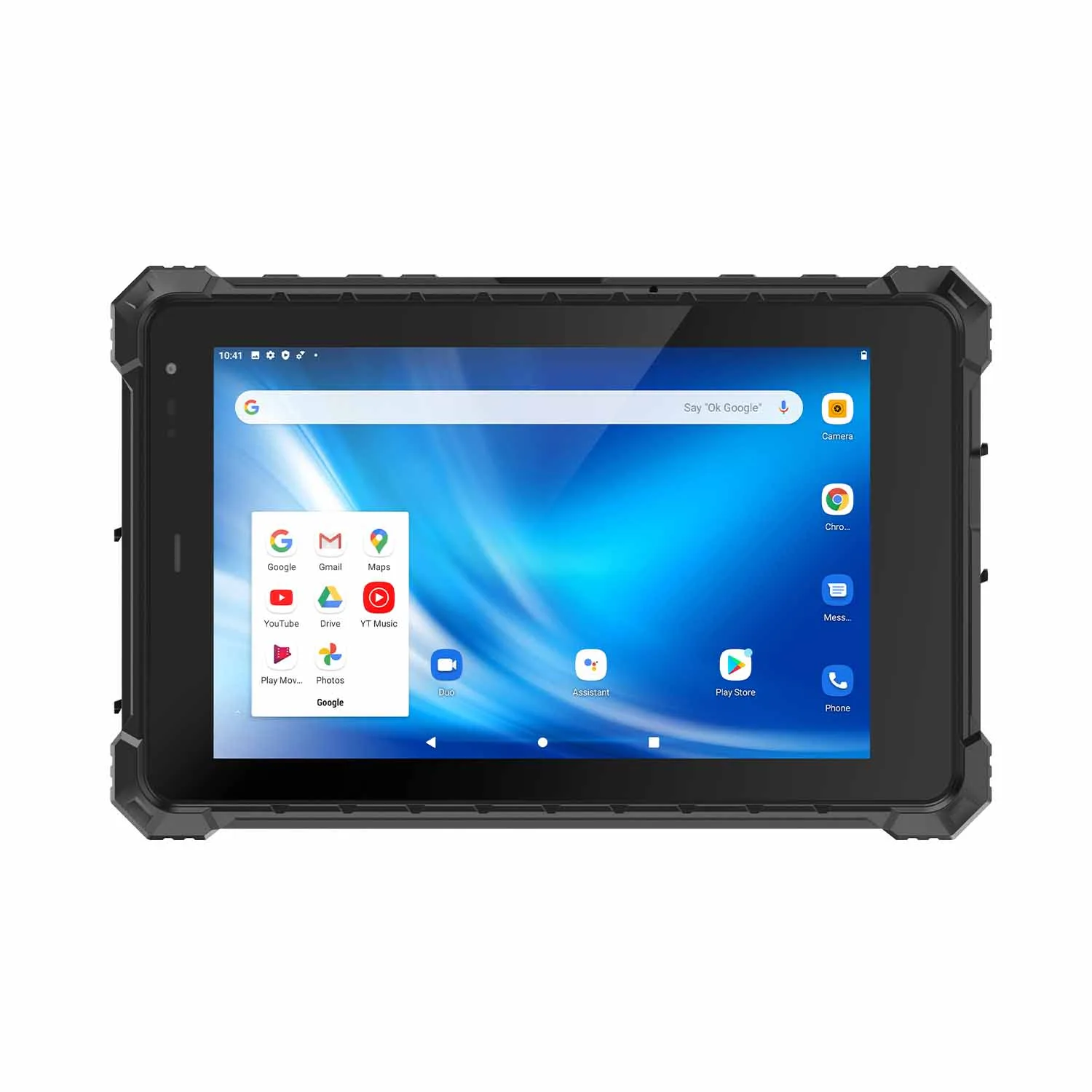
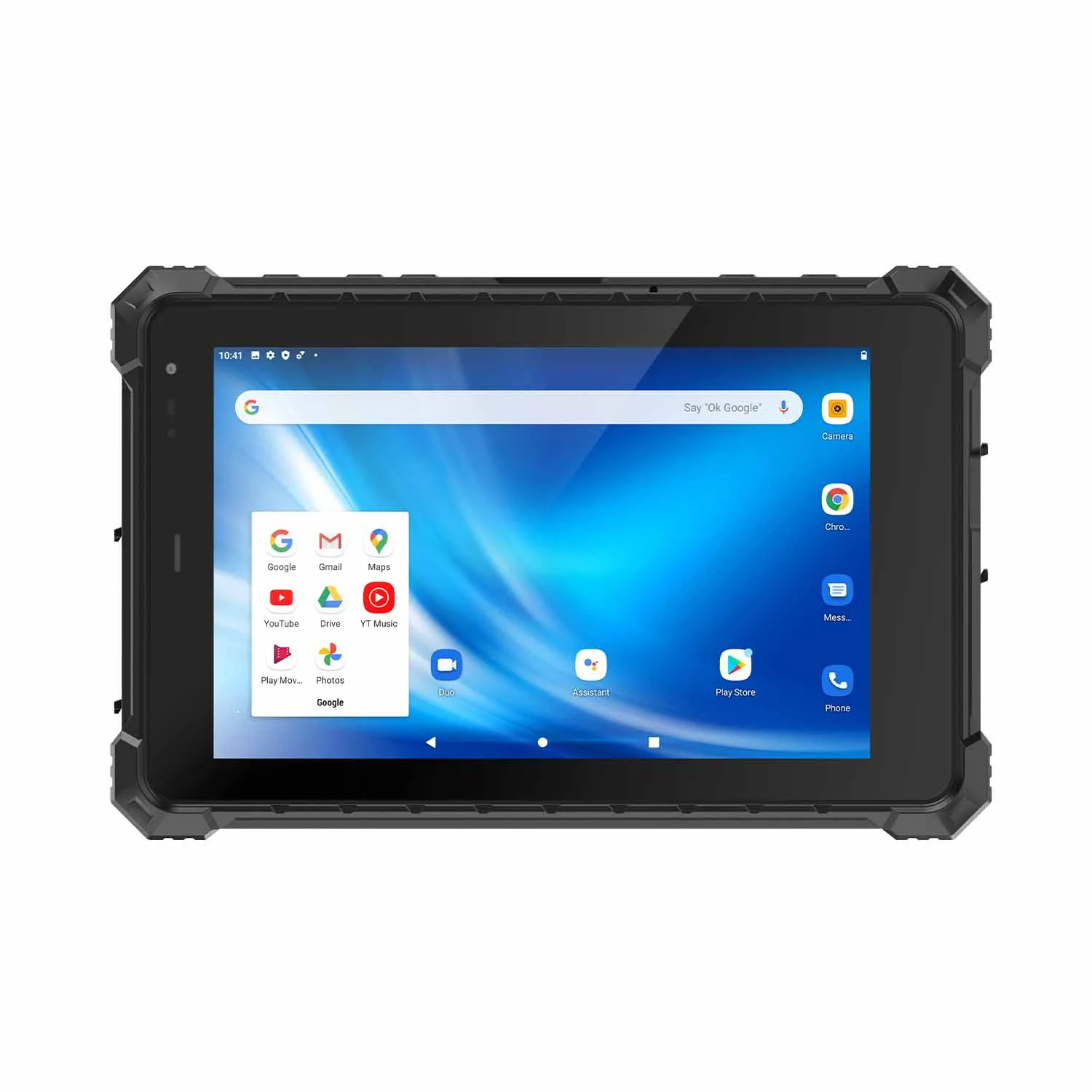
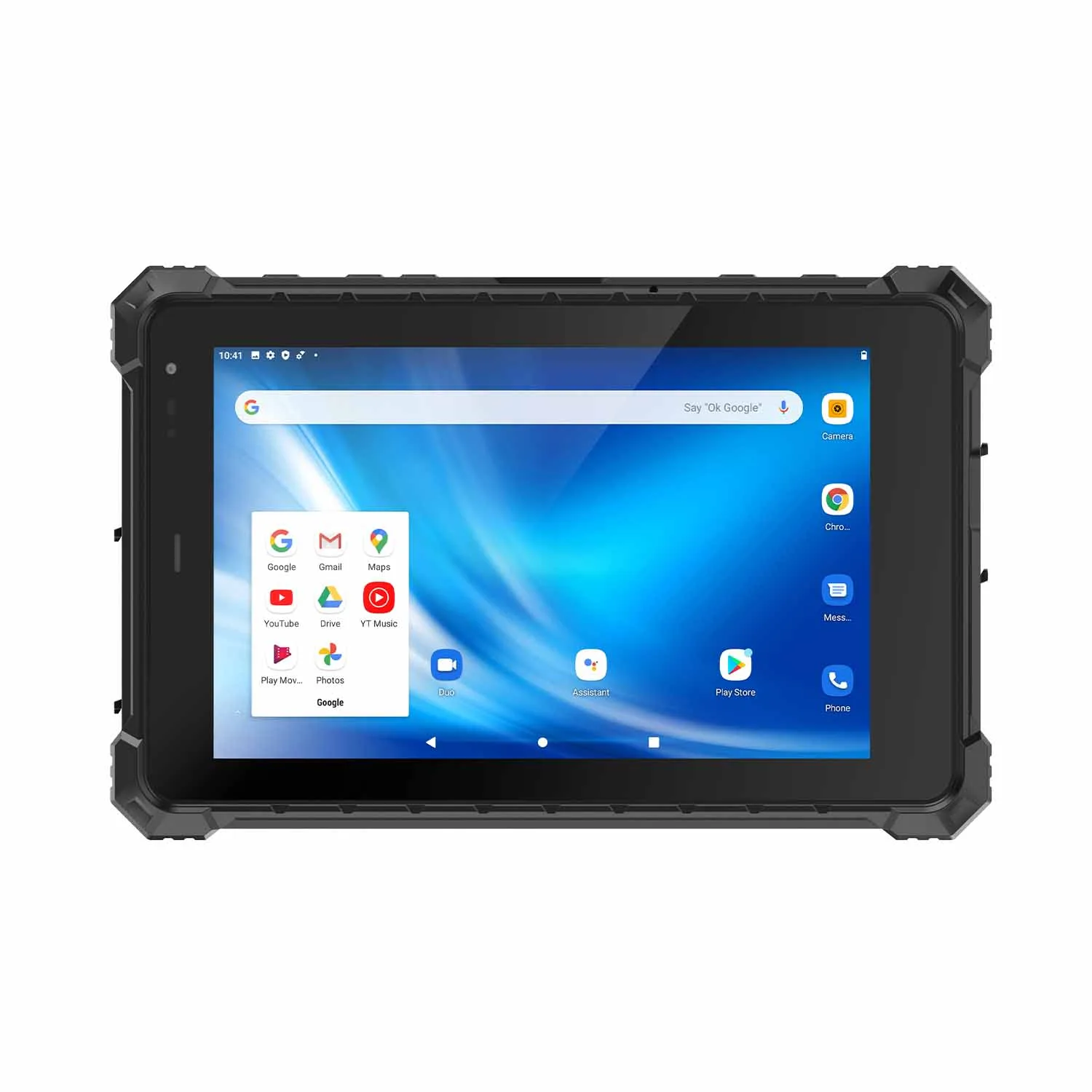
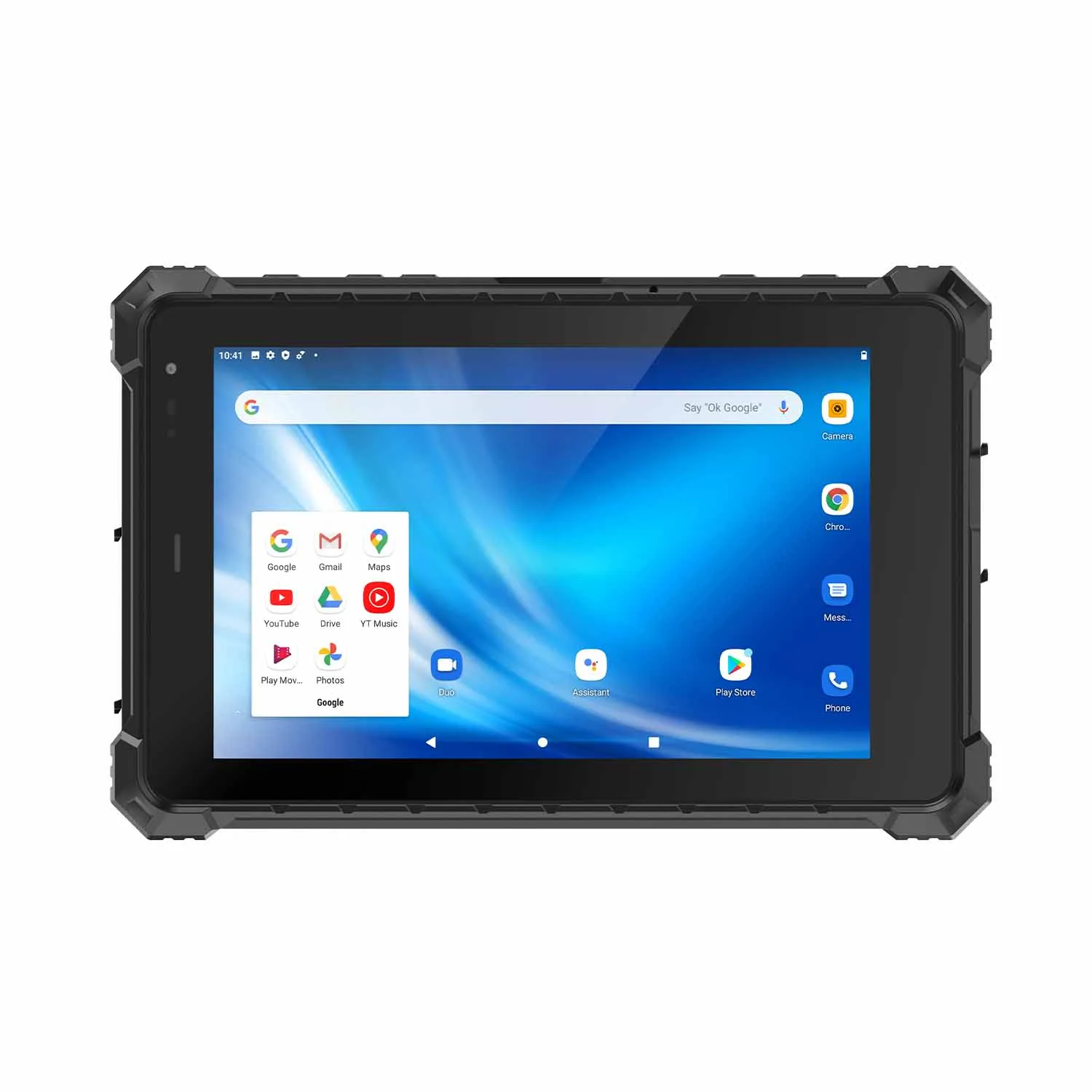
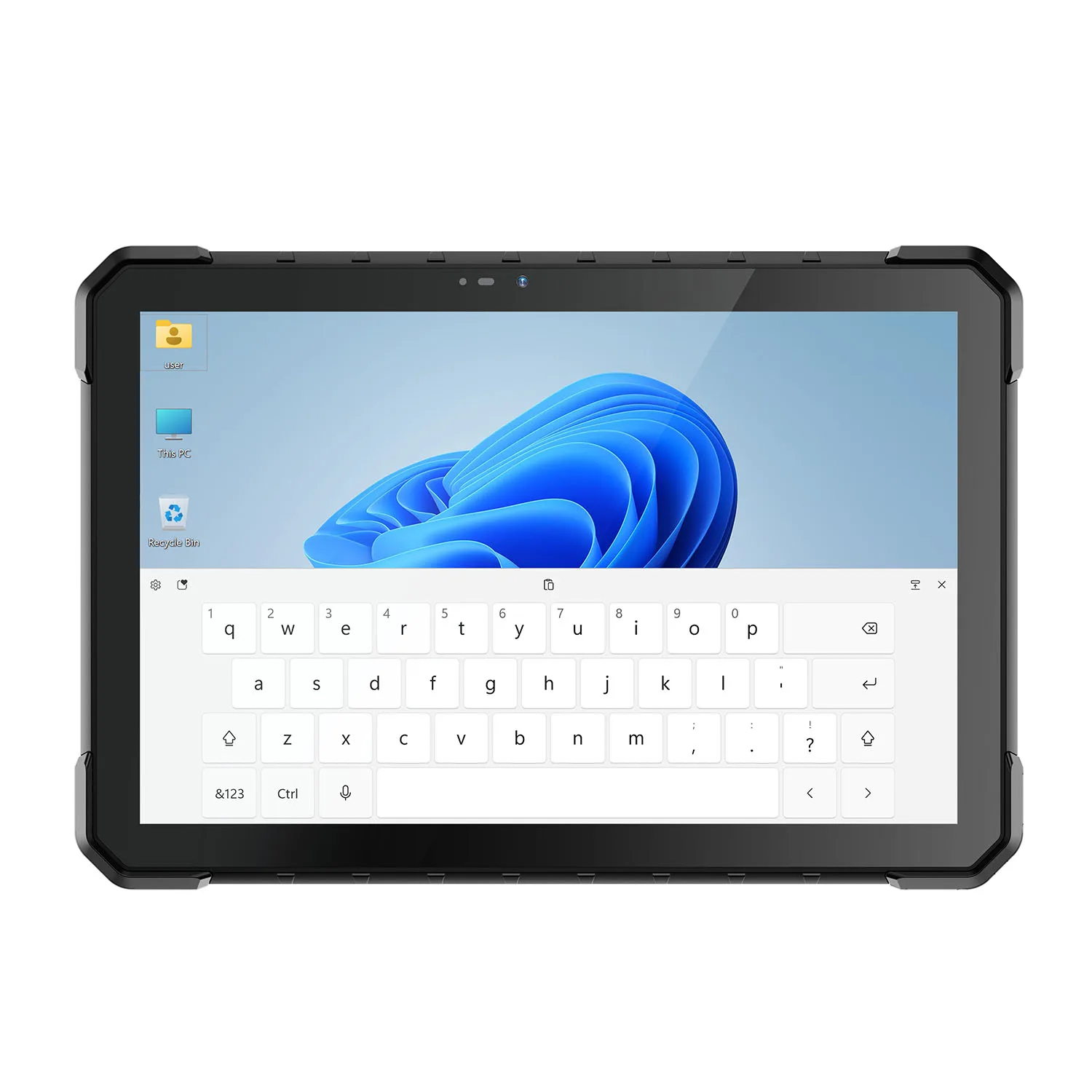
- Heavy Duty Laptop vs. rugged tablet — laptop for keyboard-intensive engineering and multiple peripherals; tablet for handheld inspection, scanning and touch workflows
- Heavy Duty Laptop vs. industrial notebook — overlapping terms; a heavy duty laptop emphasizes field durability, an industrial notebook emphasizes factory connectivity. W14US is both
- Heavy Duty Laptop vs. semi-rugged — ruggedness has levels. Semi-rugged means reinforced construction and some protection; fully rugged means documented sealing and drop resistance, plus a wider environmental range. Compare specifications, not category labels — we publish ours
Is a Heavy Duty Laptop Waterproof?
A heavy duty laptop should not automatically be described as waterproof.
CENAVA W14US and W15US are IP65, meaning they are protected against dust and water jets under specified conditions.
IP65 is not an immersion rating.
Therefore, the correct wording is water resistant / protected against water jets, rather than “fully waterproof.”
Heavy Duty Laptop Security
These machines carry project data. TPM 2.0 is standard hardware; encryption, authentication, VPN and endpoint management remain your IT side's job — hardware is the foundation, not the whole building. For teams beyond Wi-Fi, optional 4G/5G modules handle remote support and cloud applications, plus field data upload; tell us the deployment country and carrier so we match modem and bands.
How to Choose a Heavy Duty Laptop
Why Choose CENAVA Heavy Duty Laptops?
Frequently Asked Questions About Heavy Duty Laptops
1. What is a heavy duty laptop?
A heavy duty laptop is a rugged portable computer designed to operate in demanding industrial, outdoor or field environments.
It typically provides stronger environmental protection and physical durability than a normal business notebook.
2. What makes a laptop heavy duty?
Look for measurable specifications such as IP protection, MIL-STD-810H testing, drop resistance, wide operating temperatures and rugged enclosure design.
Industrial ports and hot-swappable batteries can provide additional advantages.
3. Are heavy duty laptops waterproof?
Not necessarily. W14US and W15US are IP65 — dust protection and water-jet resistance under defined conditions. IP65 is not immersion; do not submerge them.
4. Can heavy duty laptops survive drops?
Selected CENAVA rugged laptops meet applicable MIL-STD-810H requirements for a 1.22-meter drop test.
Actual resistance depends on the drop conditions and device configuration.
5. Can heavy duty laptops be used outdoors?
Yes.
For regular outdoor use, consider the operating-temperature range, environmental protection and screen brightness.
CENAVA W14US and W15US offer optional 1000-nit high-brightness displays for applicable project configurations.
6. What operating system do heavy duty laptops use?
CENAVA W14US and W15US use Windows 11 Pro as the standard operating system, with Ubuntu available for selected project configurations.
7. Do heavy duty laptops have replaceable batteries?
Selected models use dual smart batteries with hot-swap capability, allowing battery replacement without a full shutdown.
8. Are heavy duty laptops good for PLC programming?
Yes.
A rugged Windows laptop with Ethernet, RS232 and USB can be suitable for PLC engineering when the required PLC software supports the operating system and hardware.
9. Is a heavy duty laptop better than a rugged tablet?
It depends on the work.
Choose a heavy duty laptop for keyboard-intensive engineering, diagnostics and multiple peripherals.
Choose a rugged tablet for handheld inspection, scanning and touch-based mobile workflows.
10. Which CENAVA heavy duty laptop should I choose?
Choose W14US when portability is important and technicians frequently move between sites.
Choose W15US when a larger screen is more important for diagrams, diagnostics and engineering applications.
Both provide IP65 protection, MIL-STD-810H rugged construction, dual 2.5GbE Ethernet, RS232, multiple USB ports and hot-swappable battery systems.