

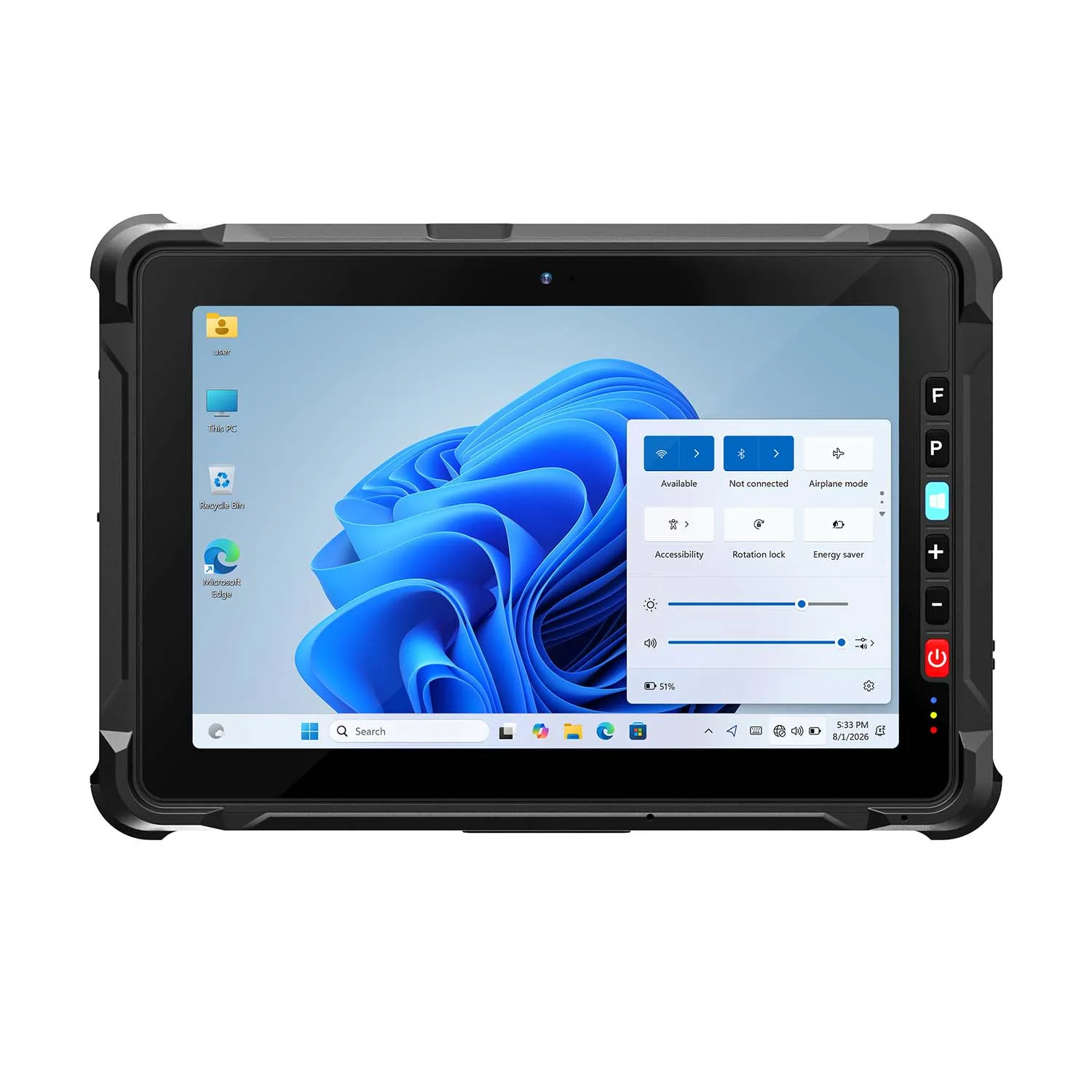
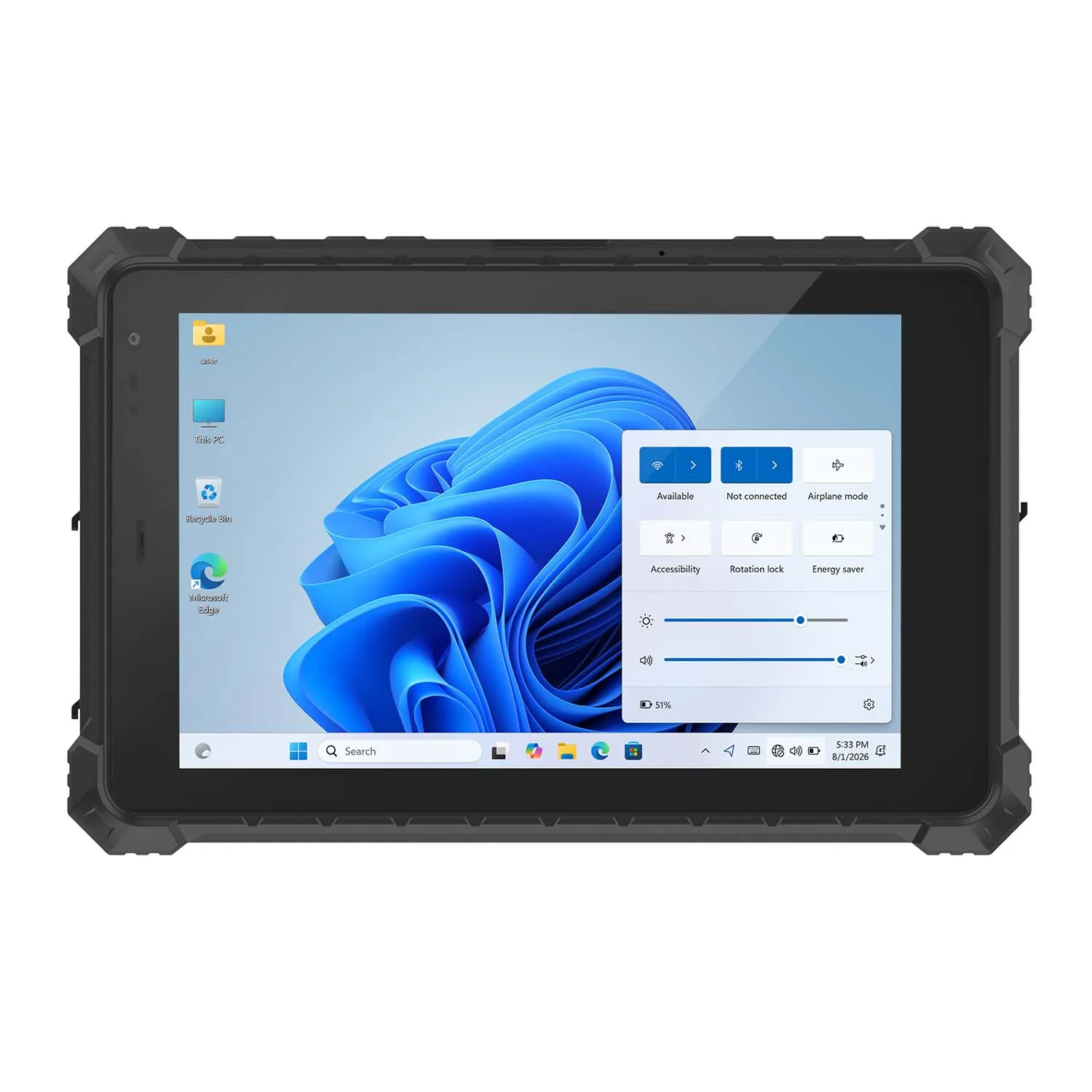
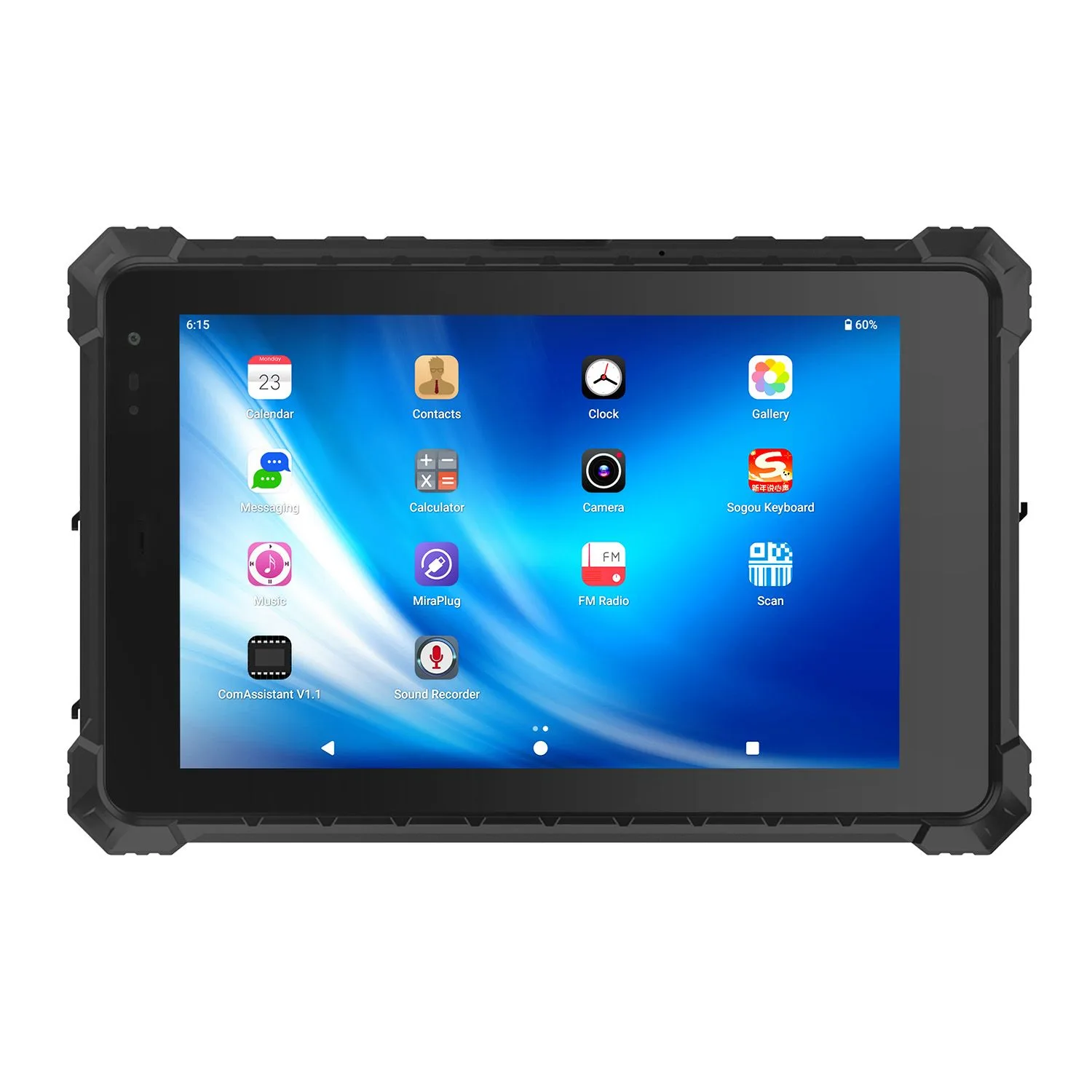
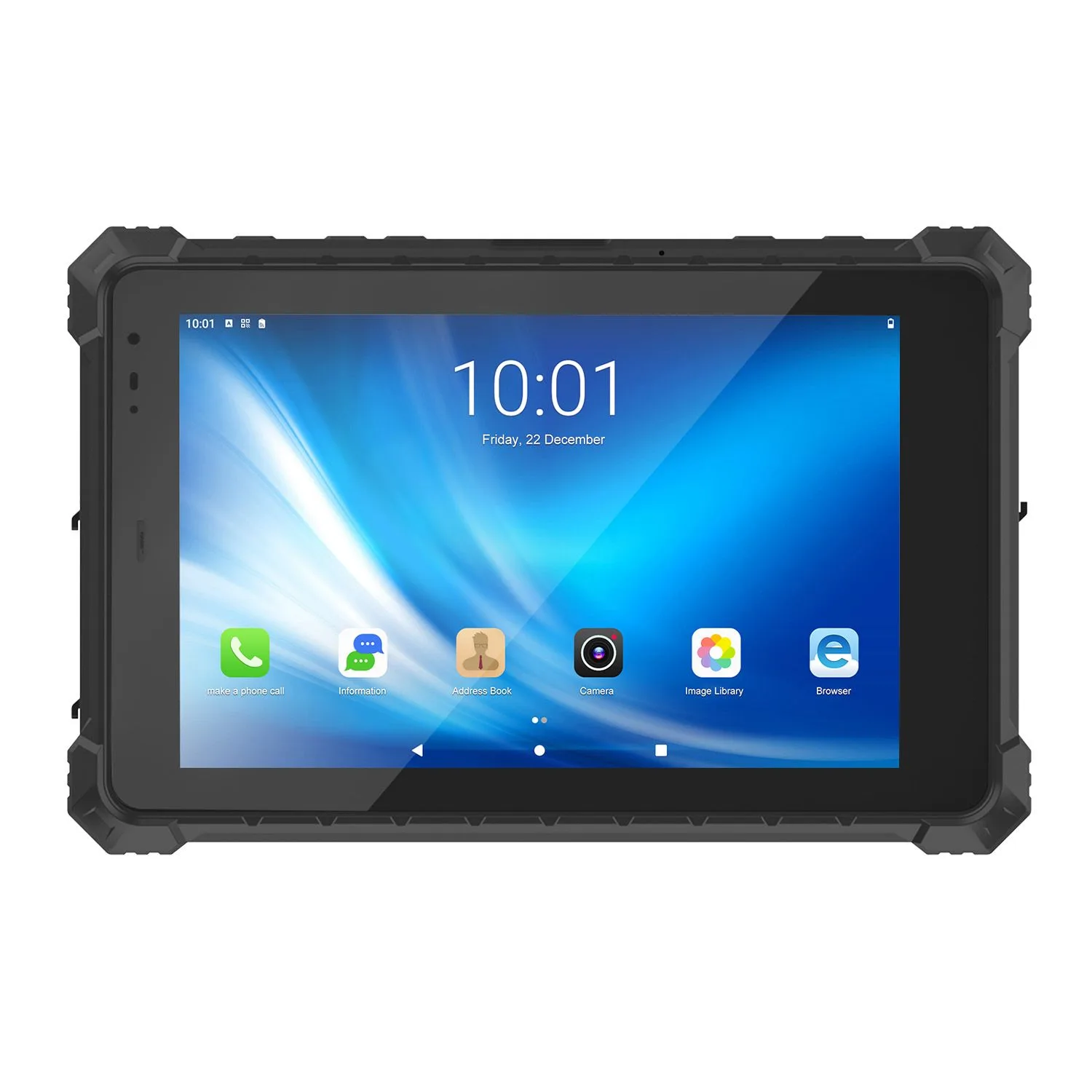
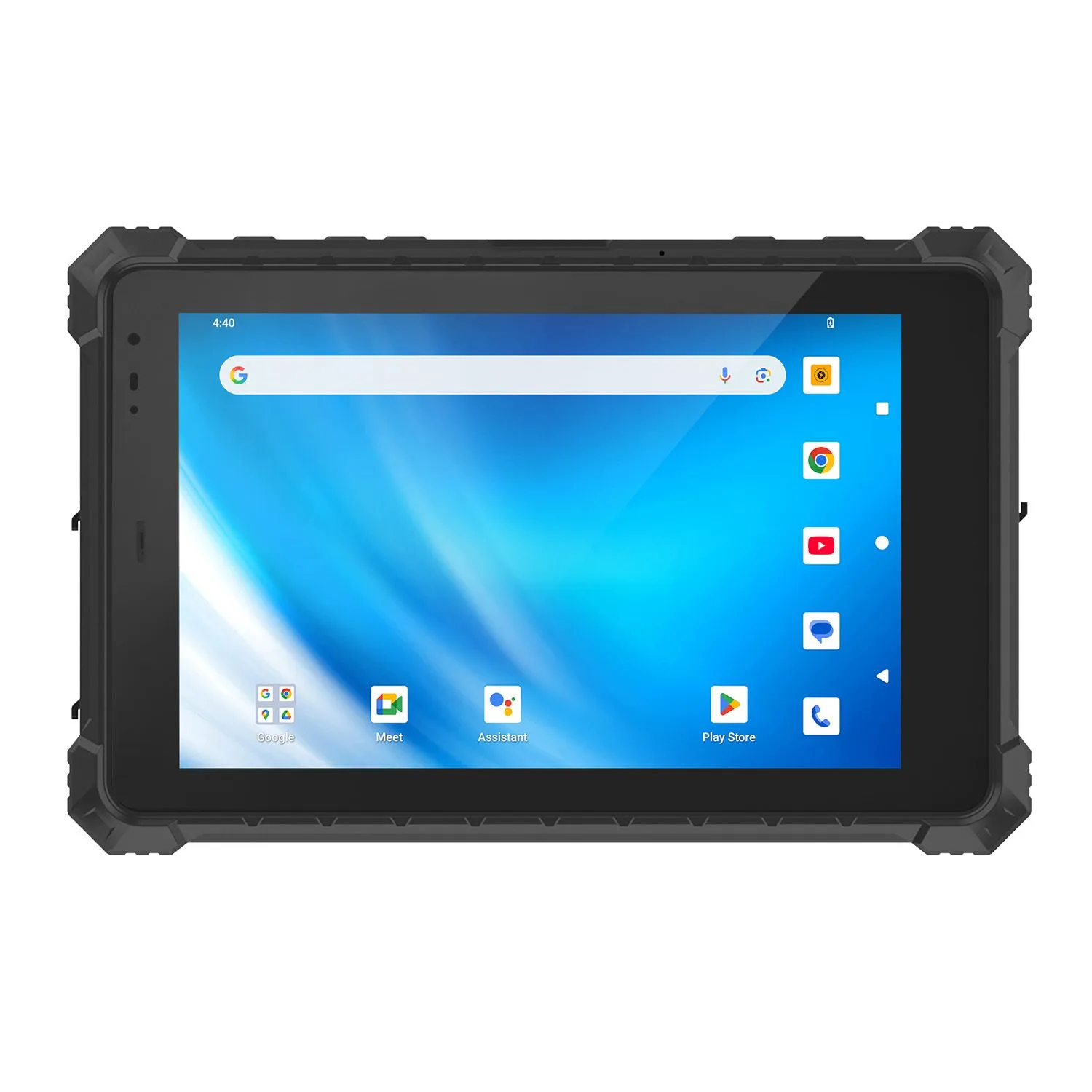
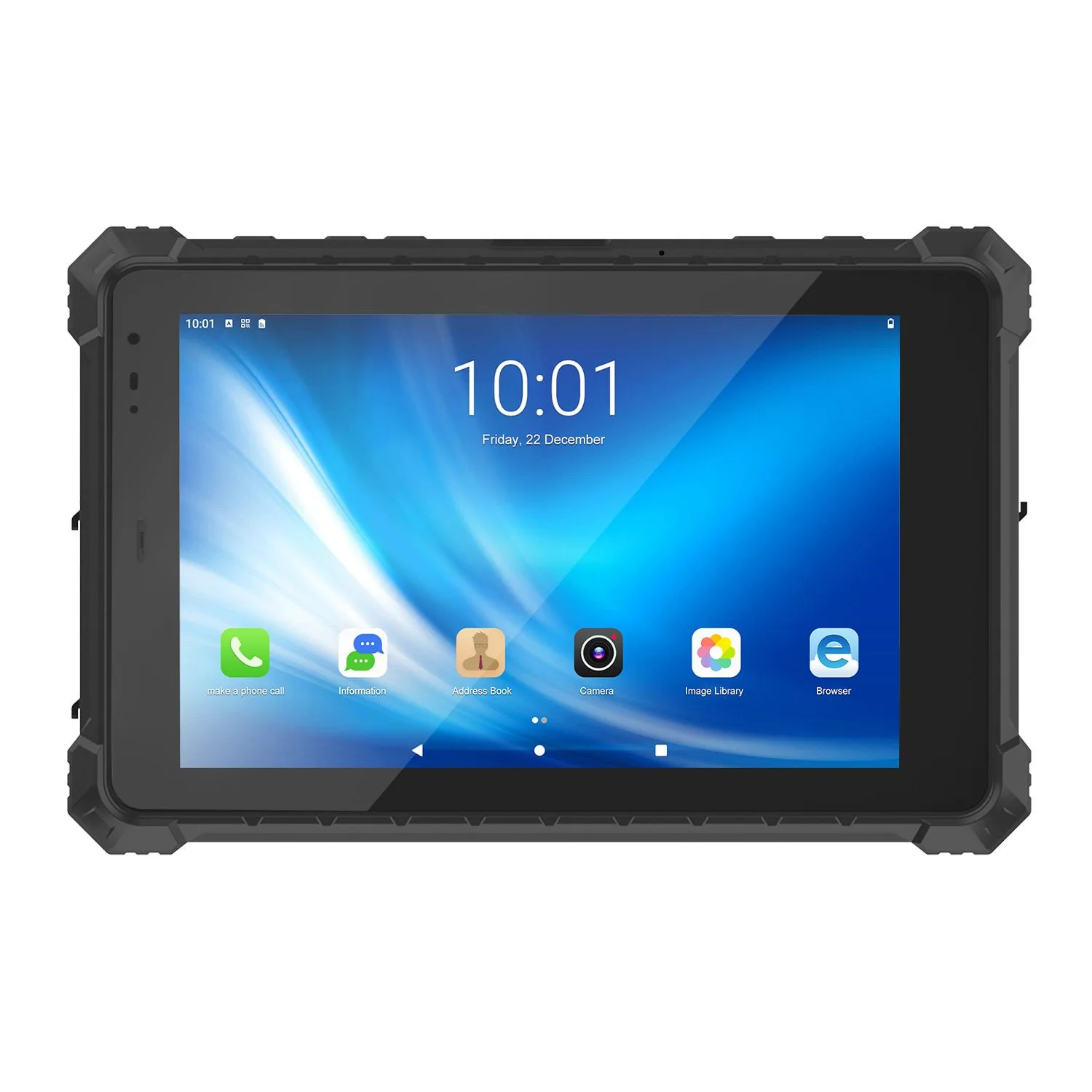
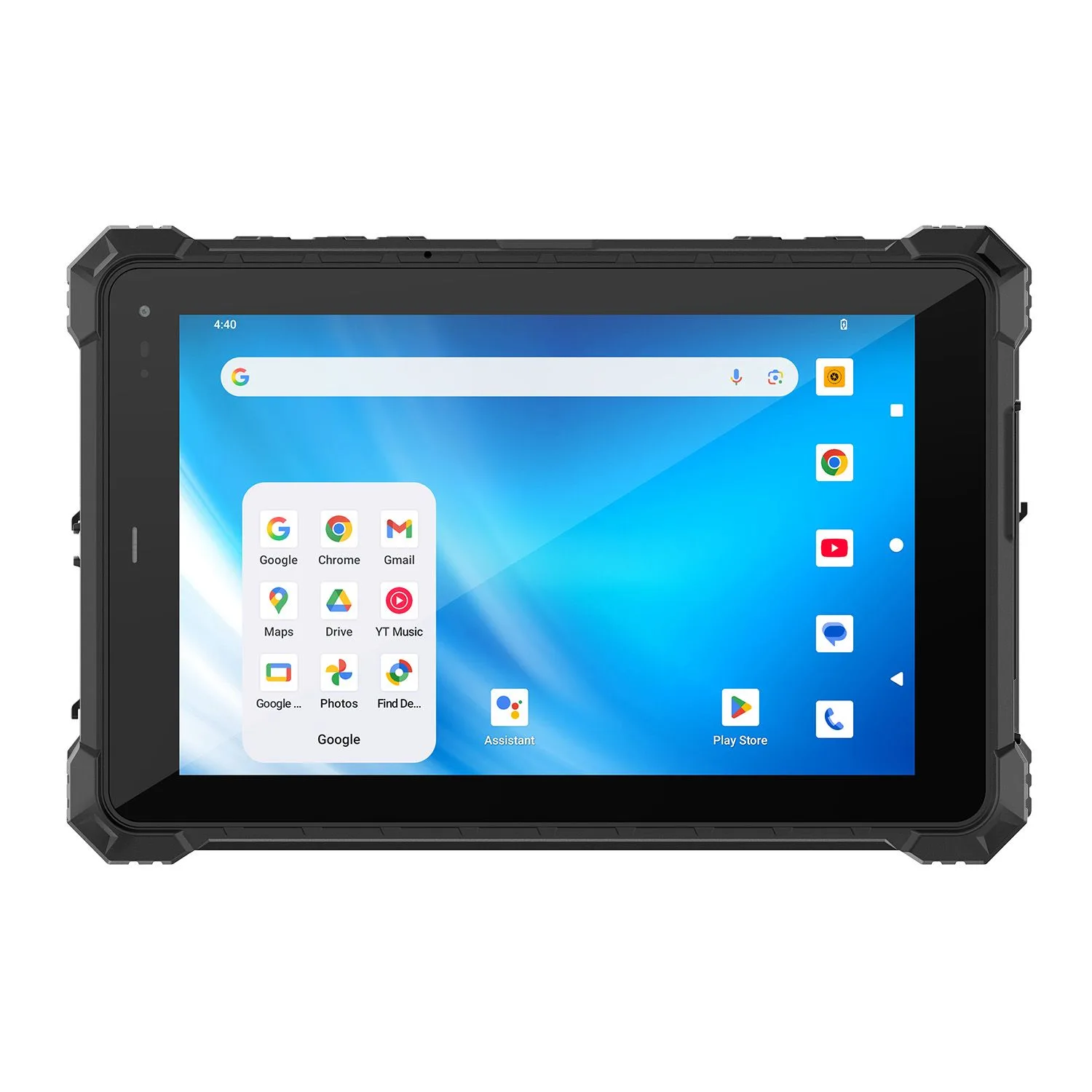
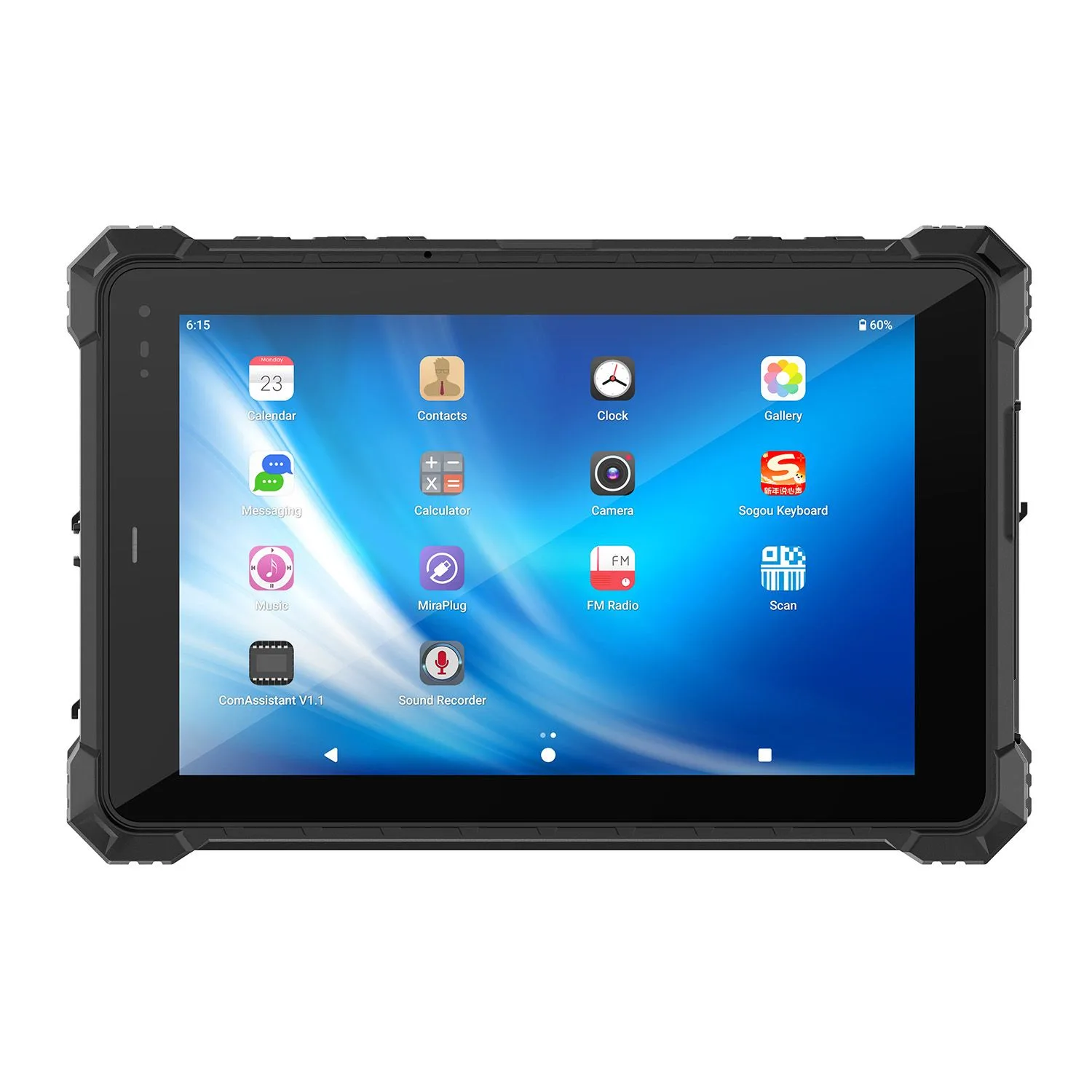
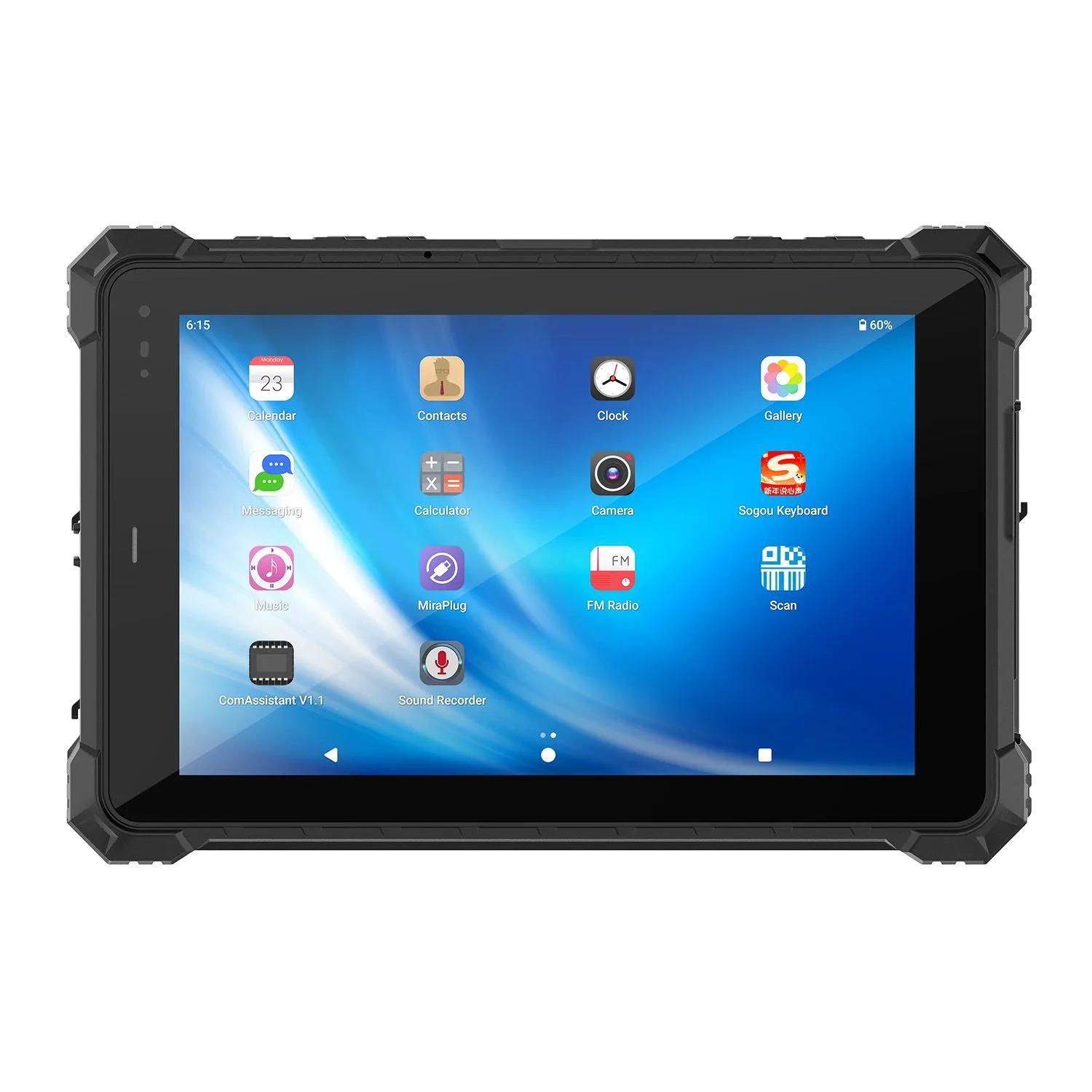
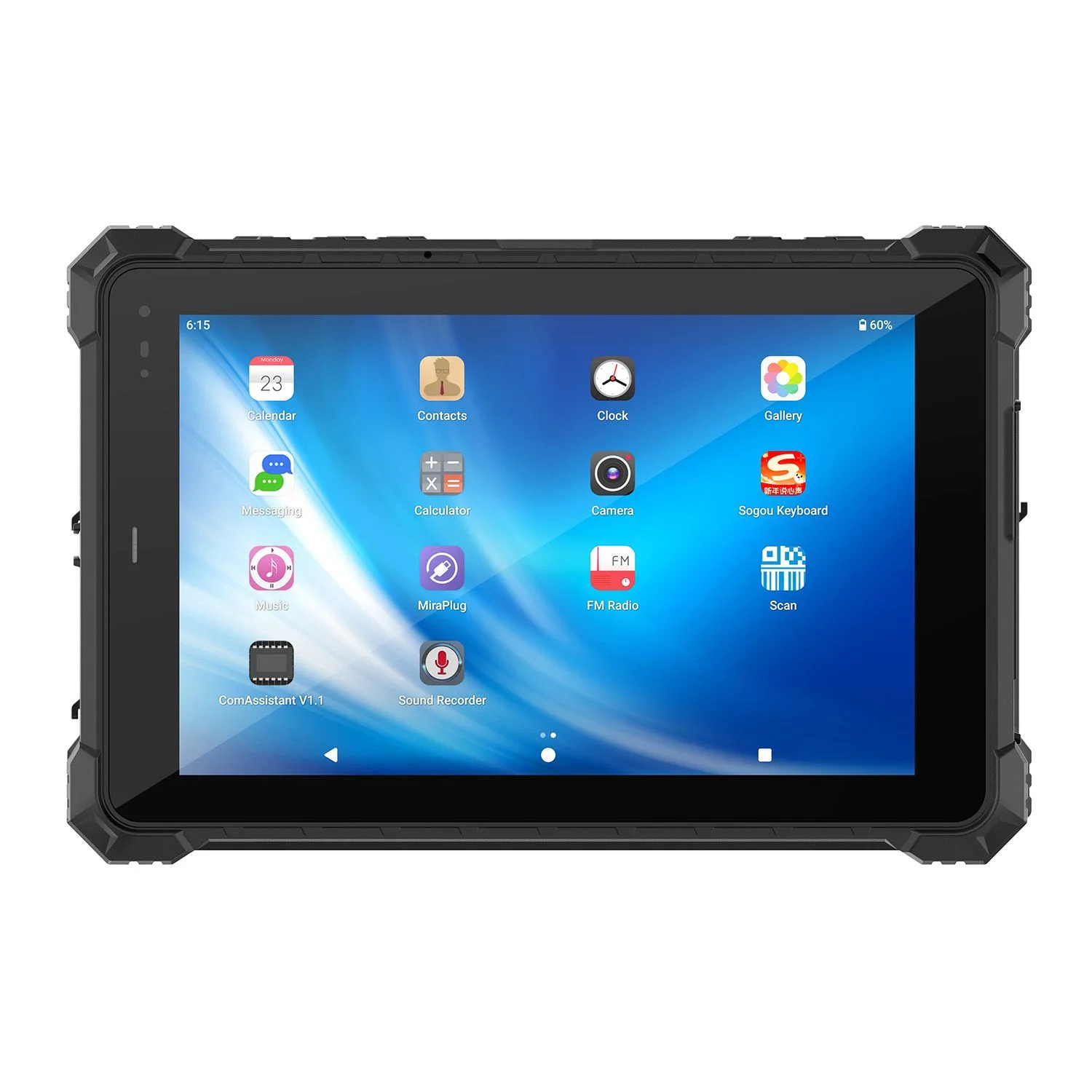
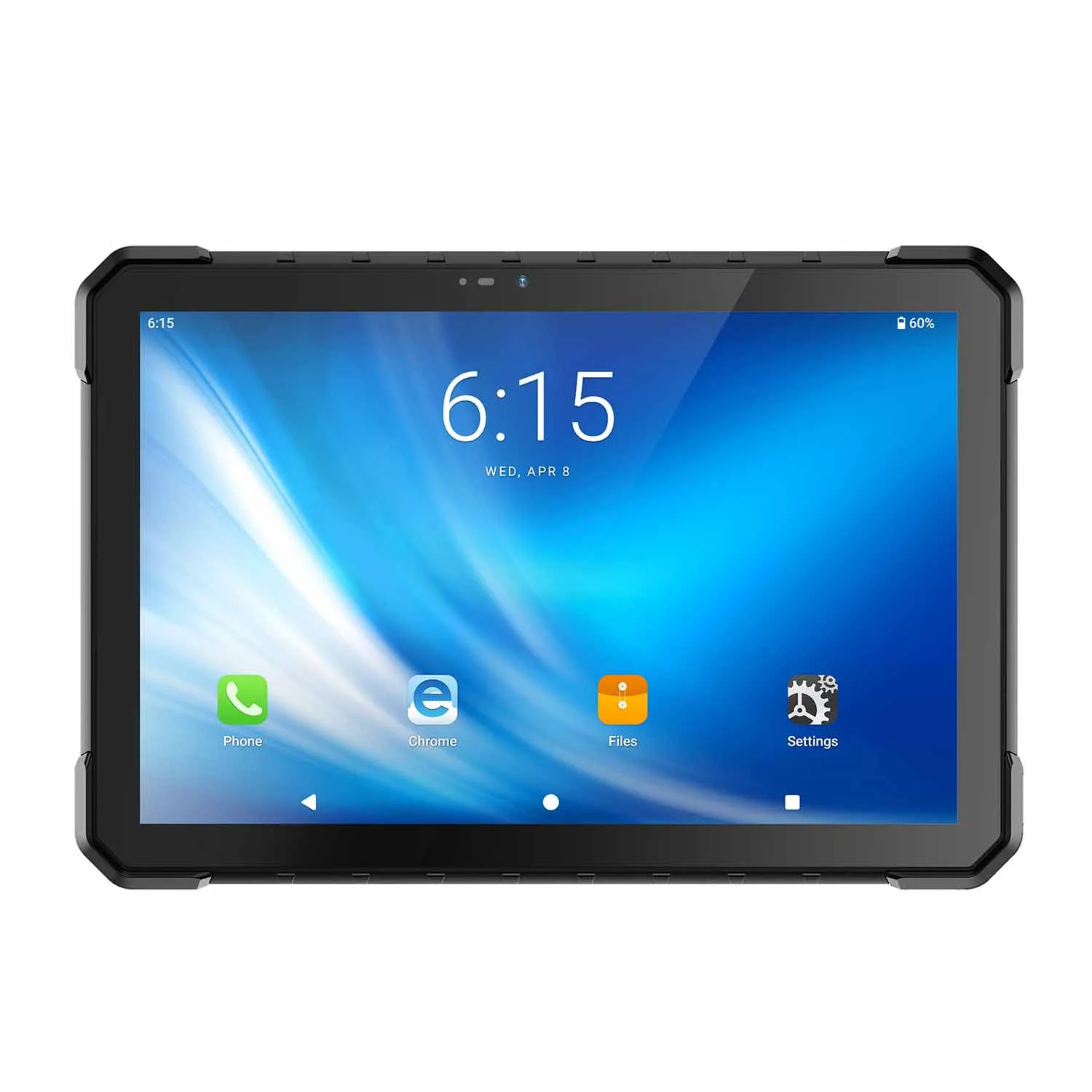
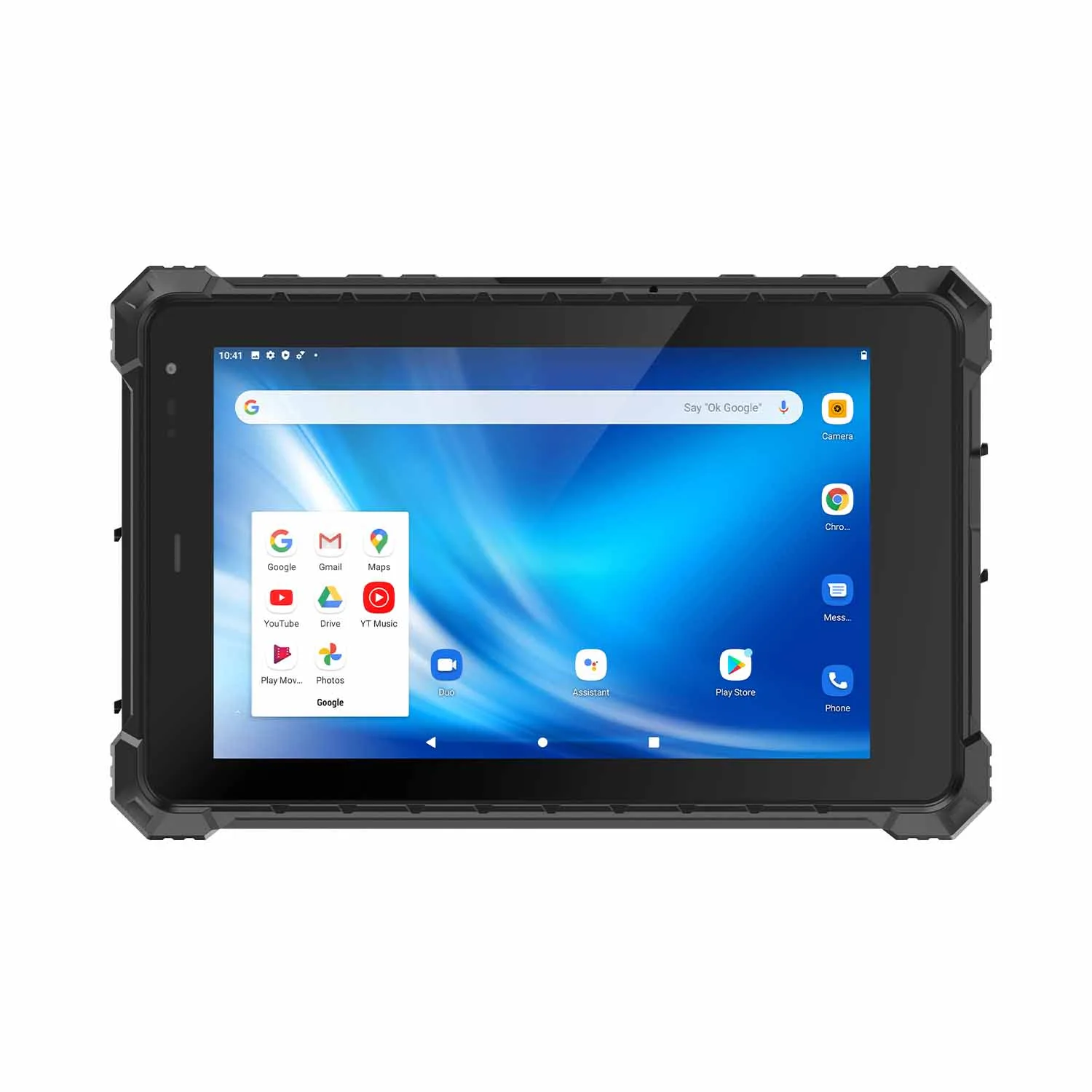
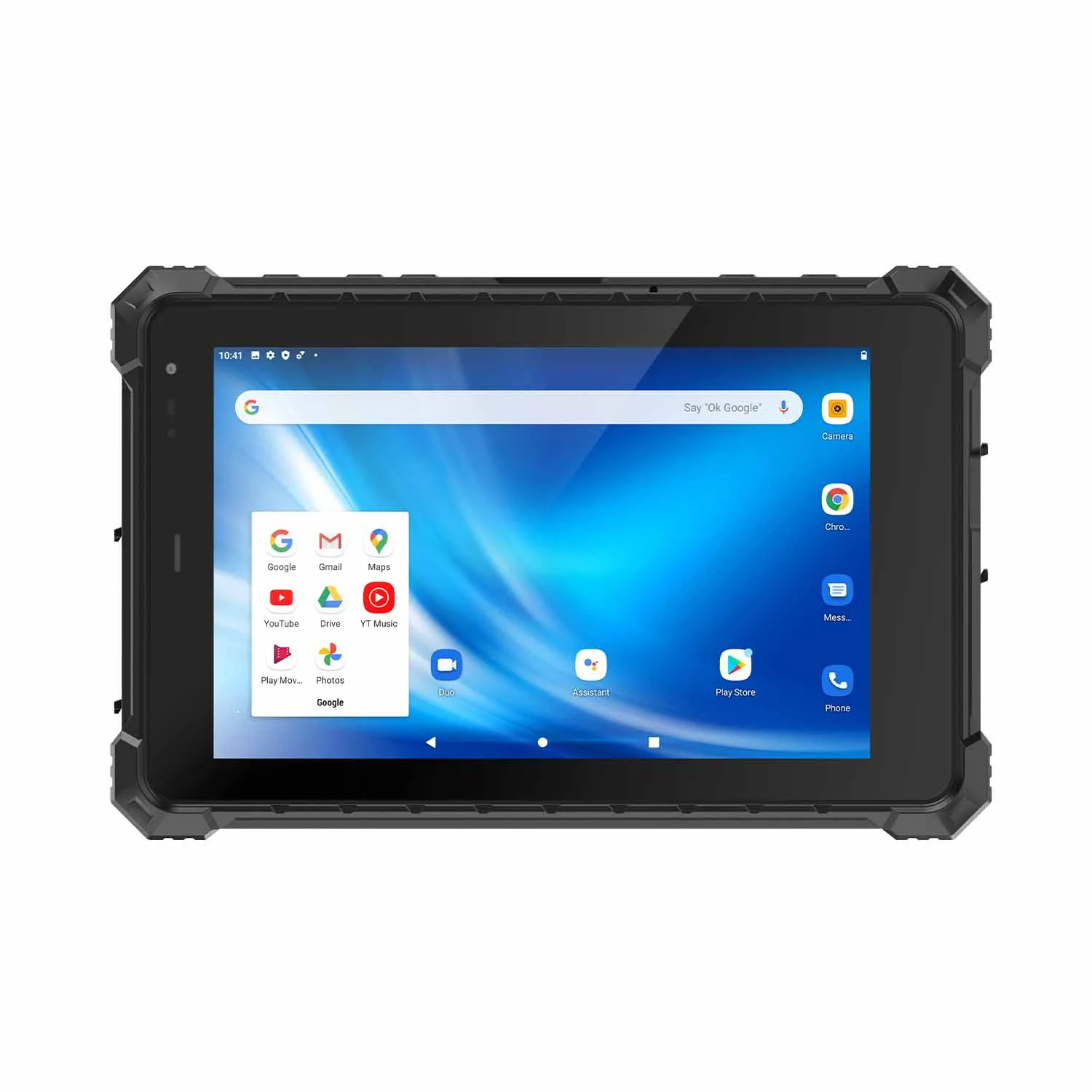
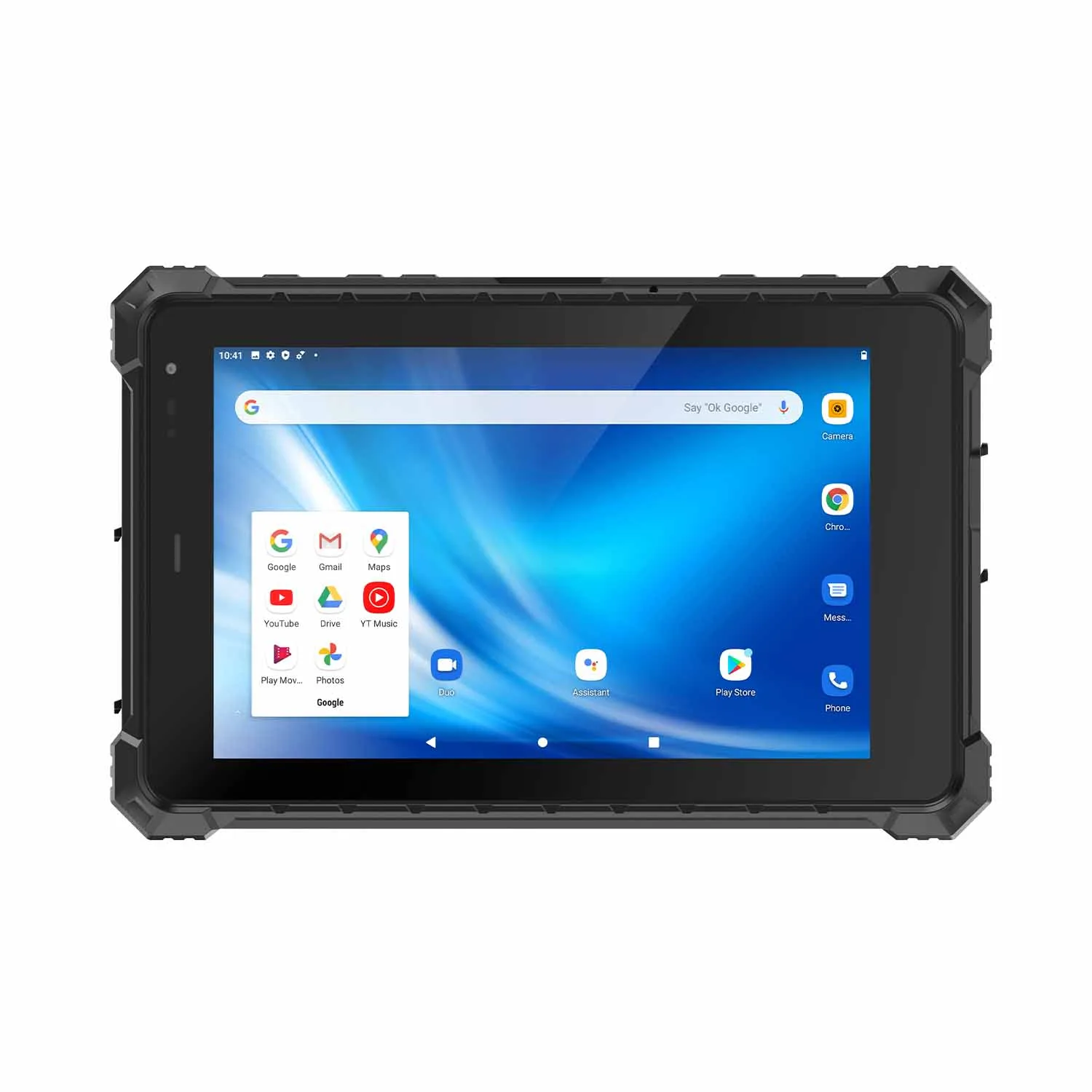
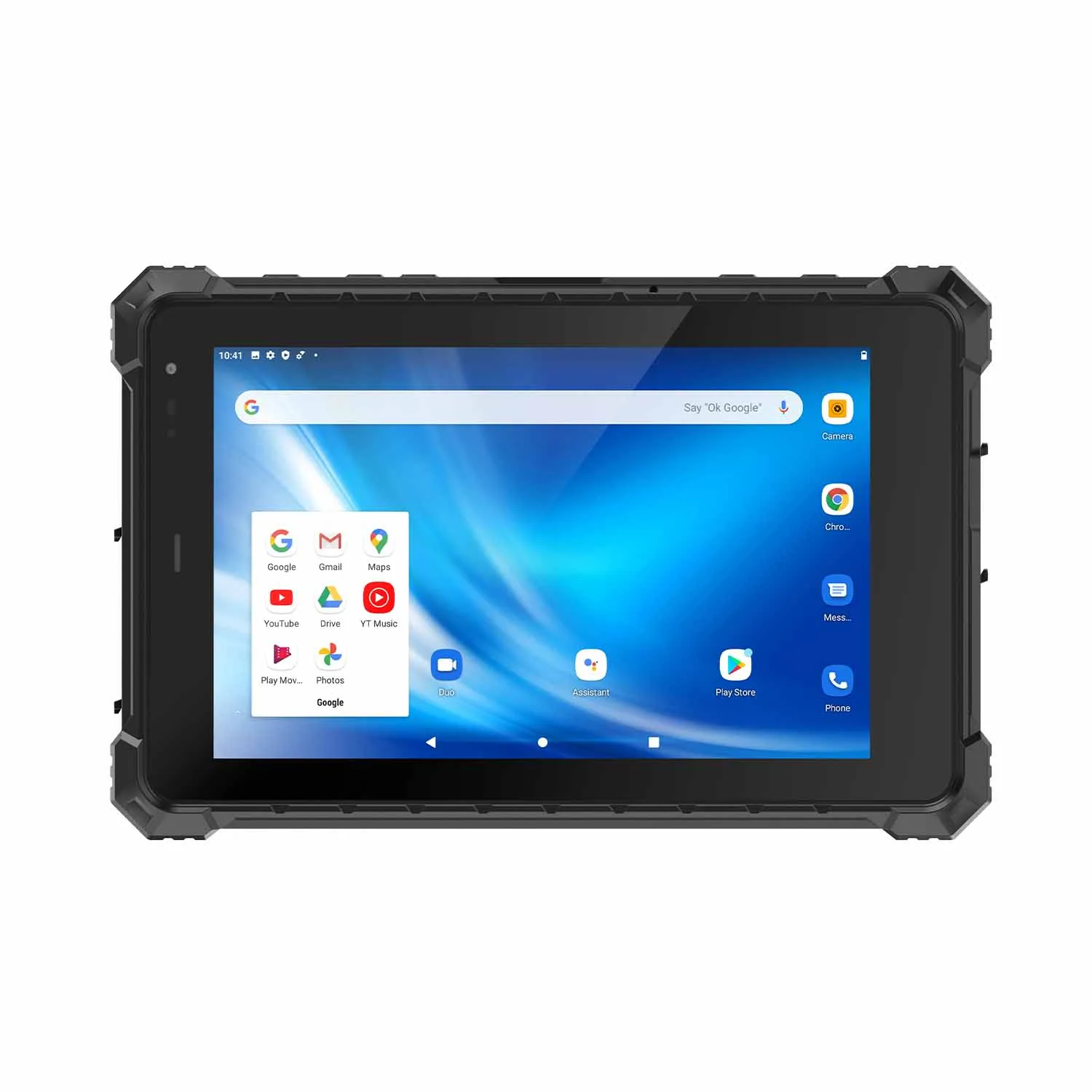
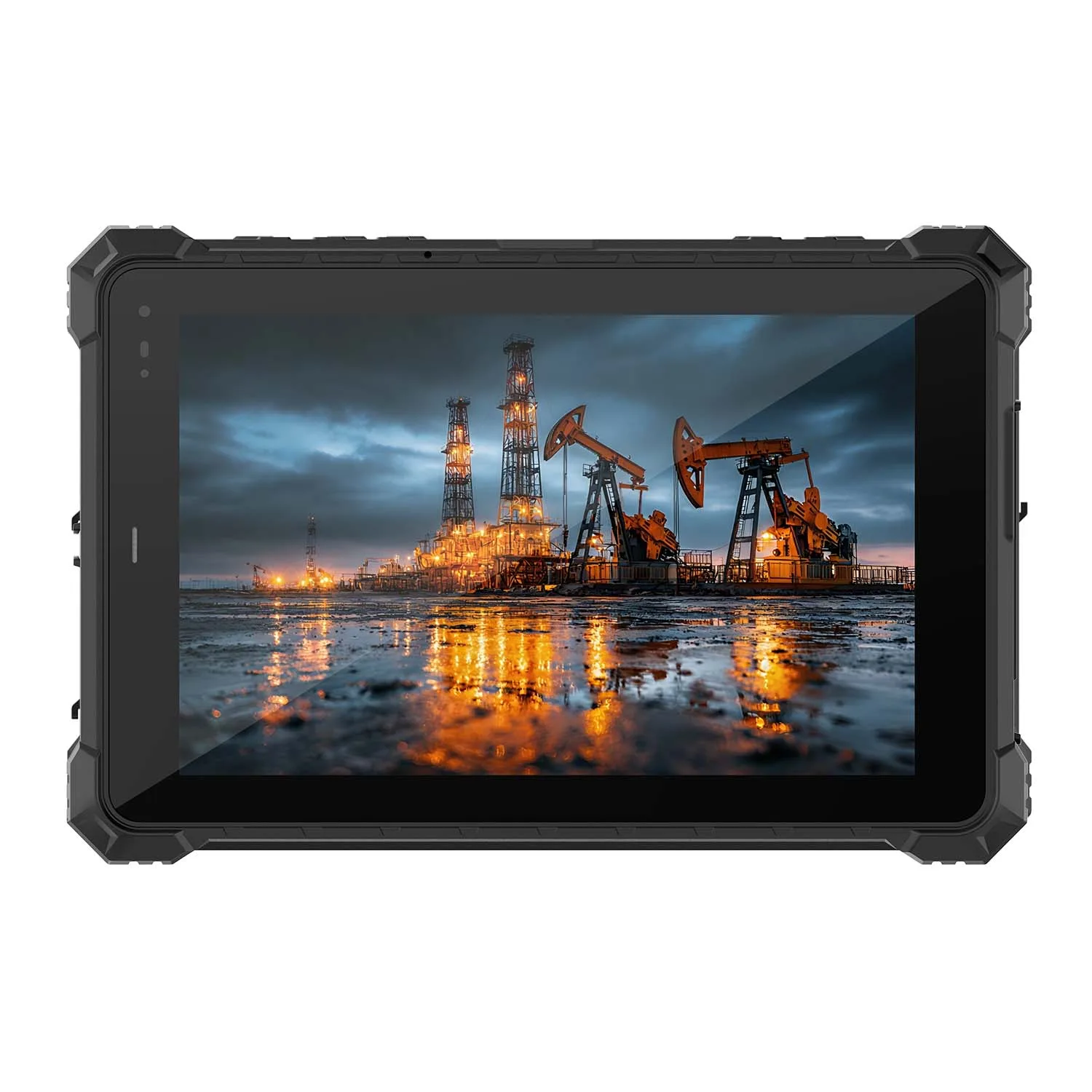
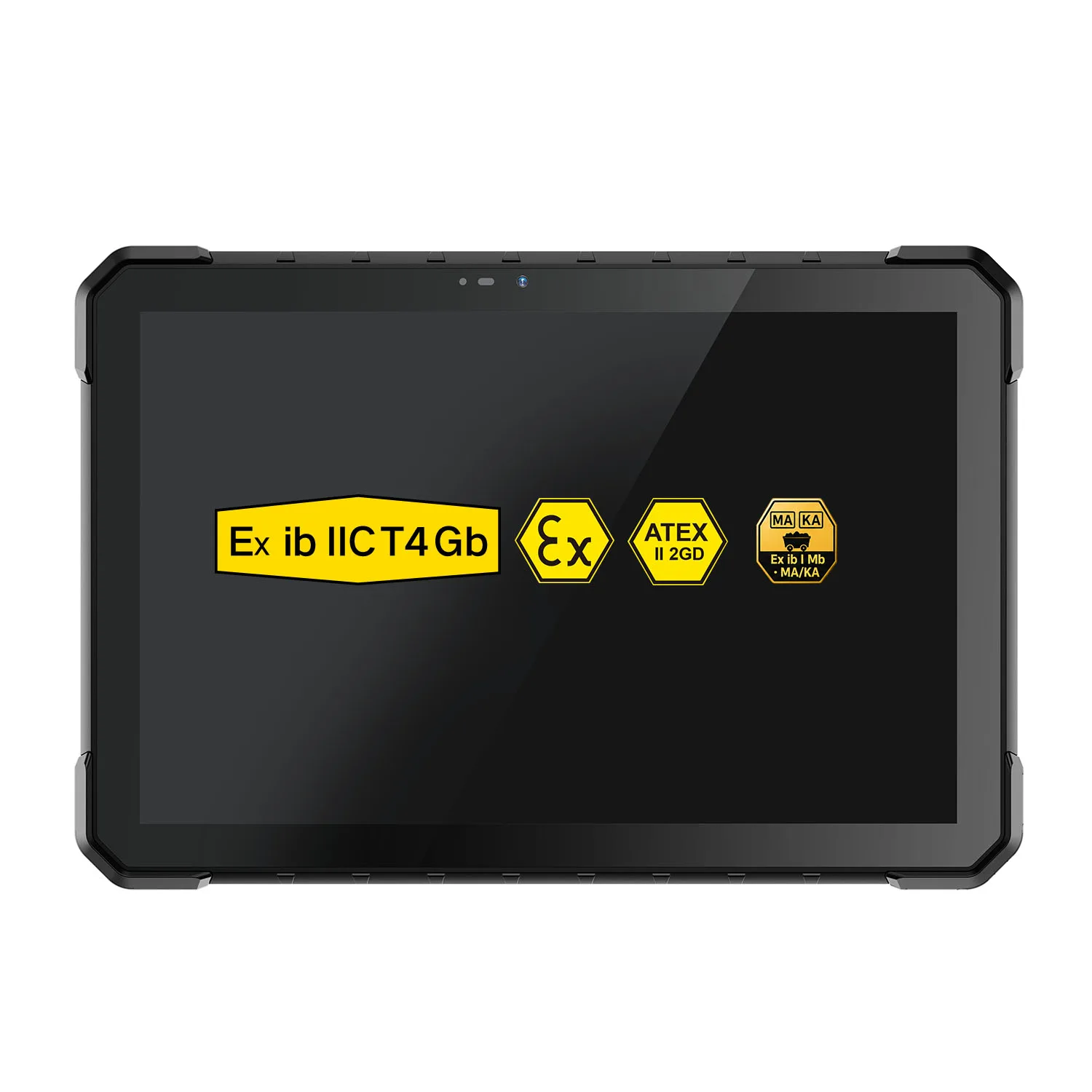
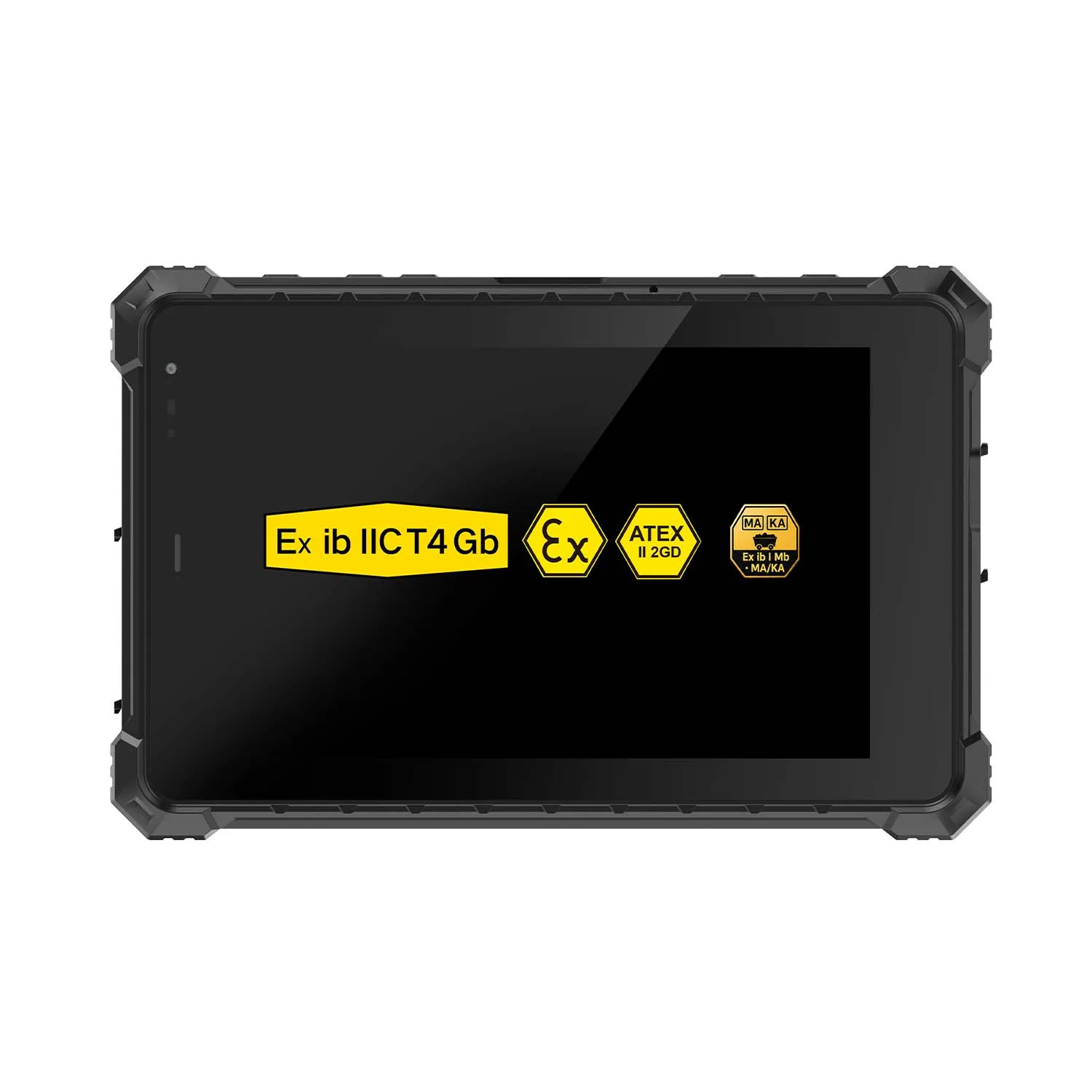
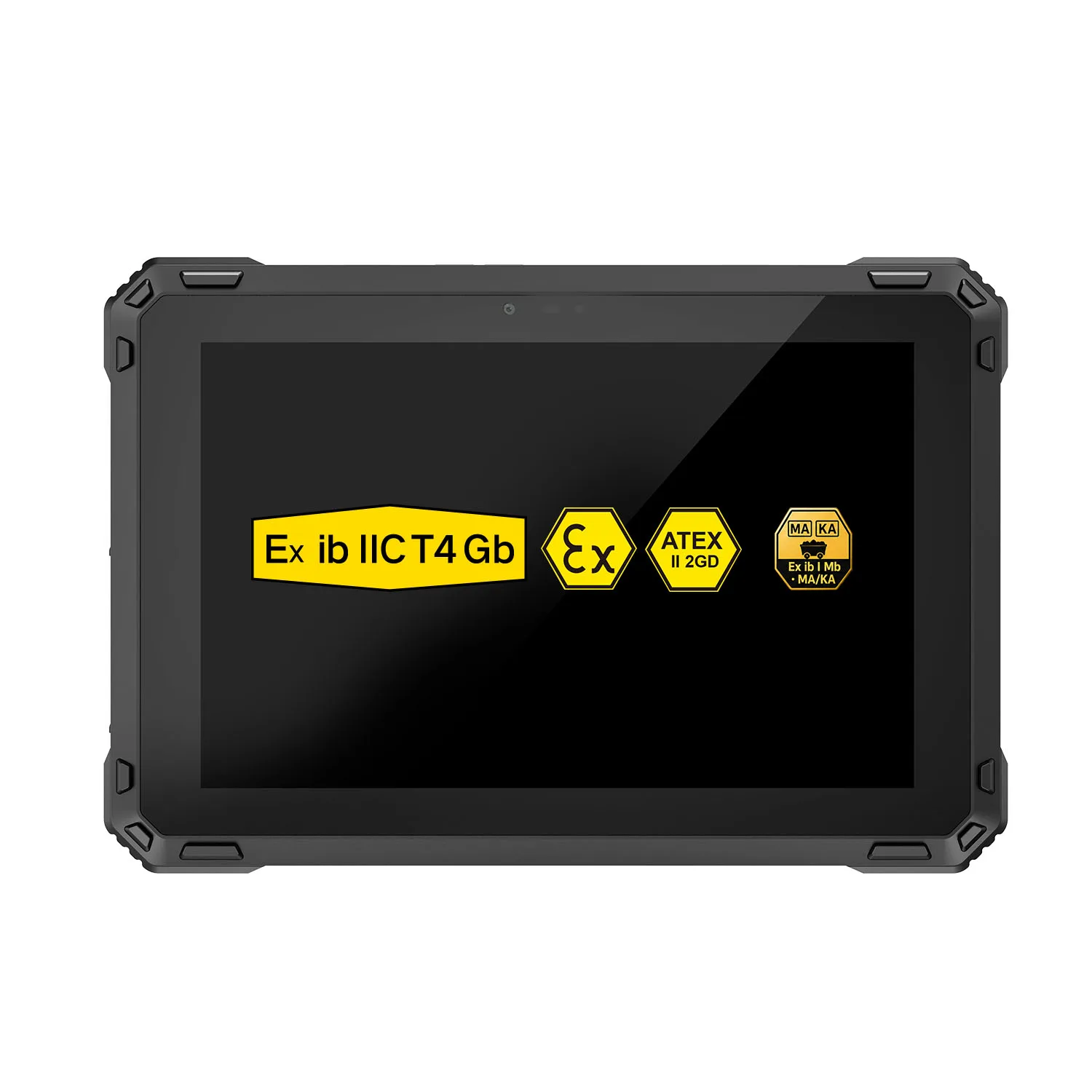
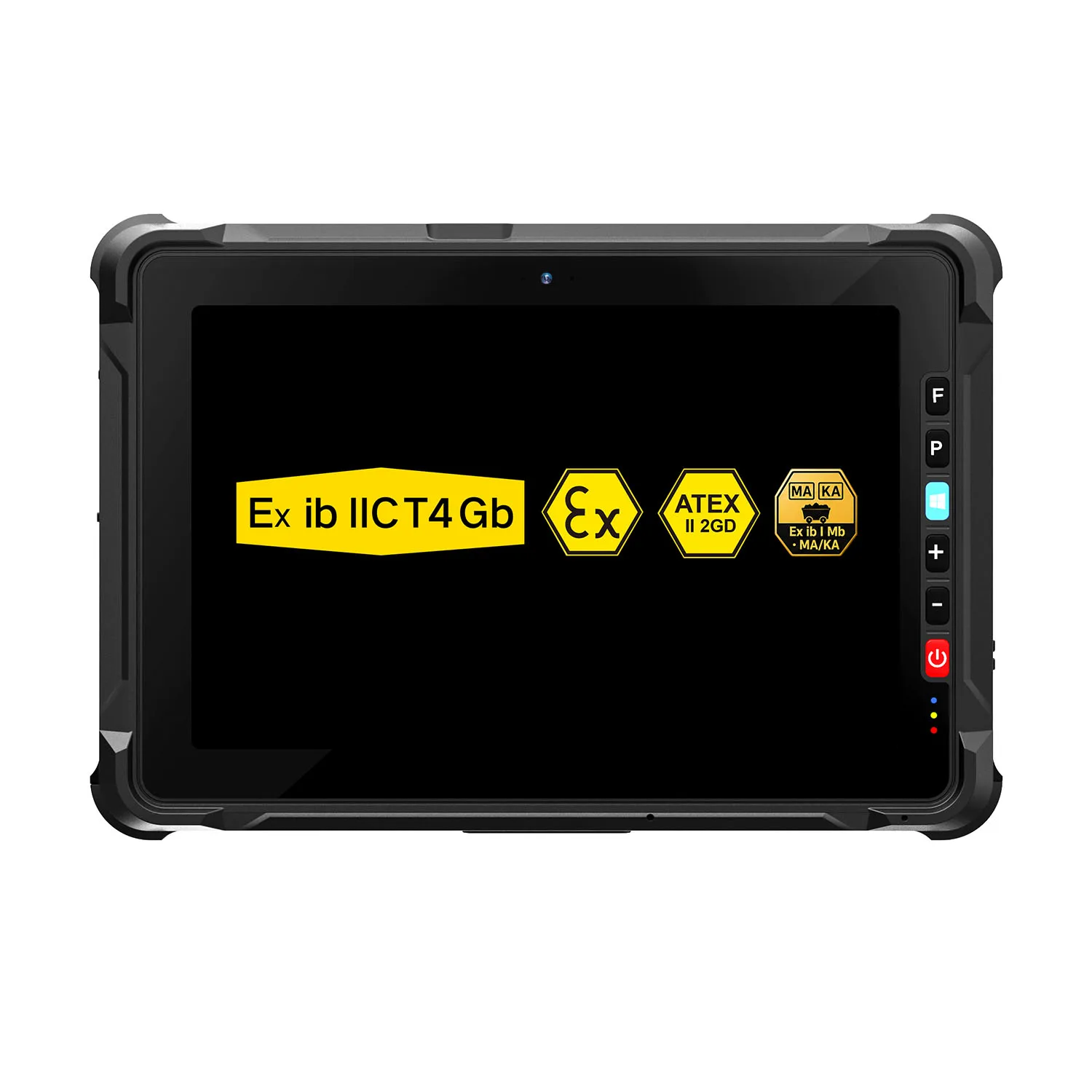
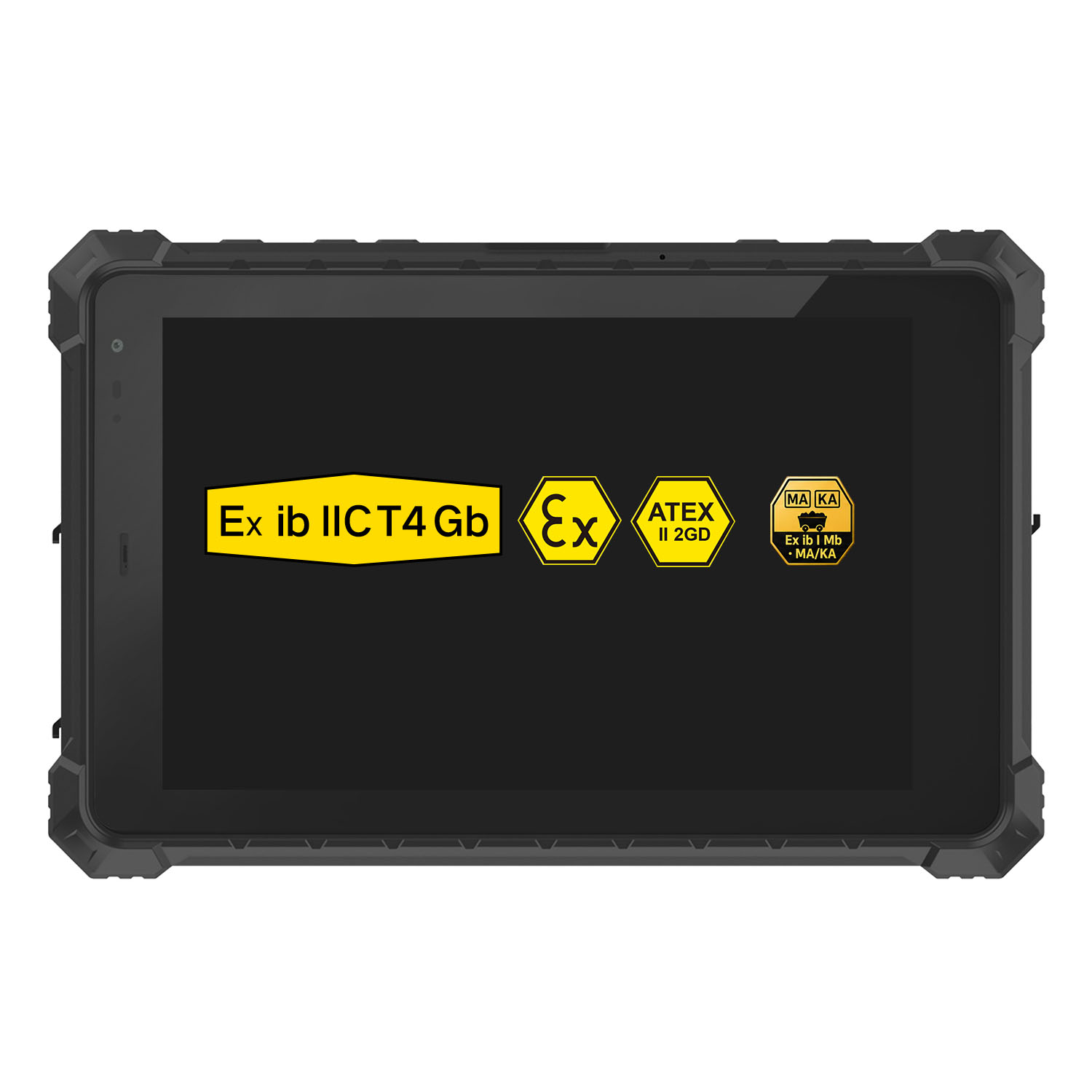
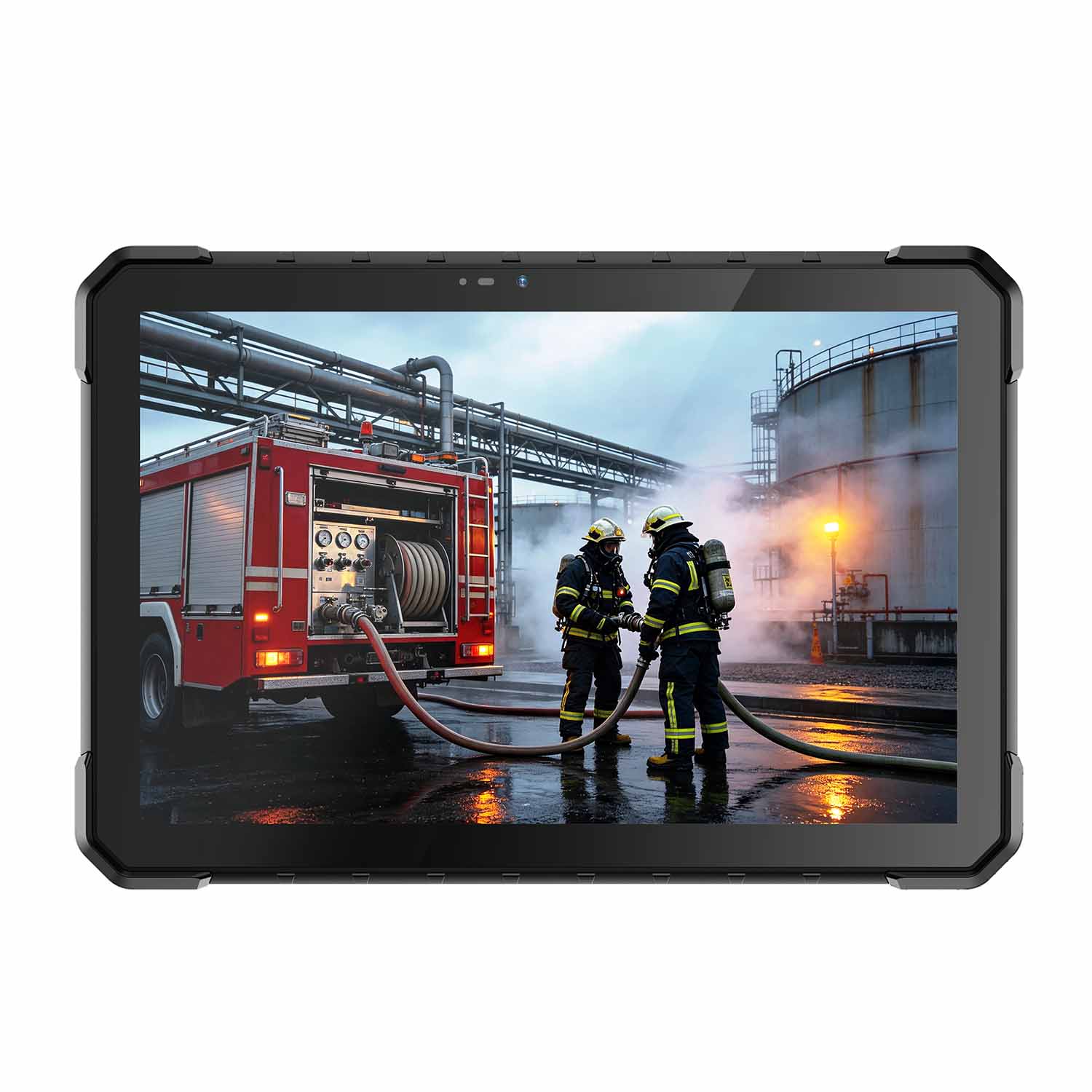
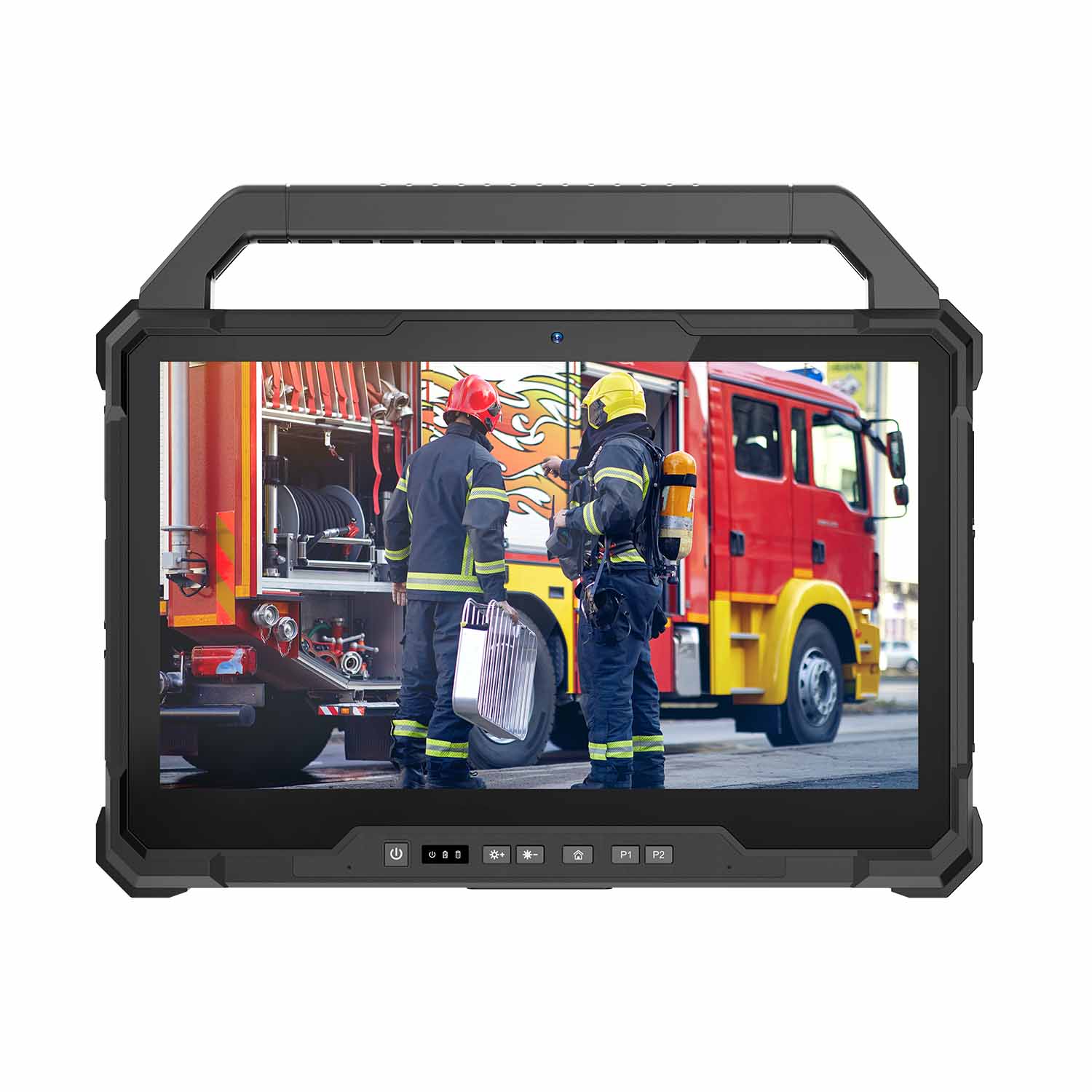




Medical Grade Tablet
Medical Grade Tablets for Healthcare: What Should You Look For?
Start with how the tablet will be used — that one decision drives everything else on this page.
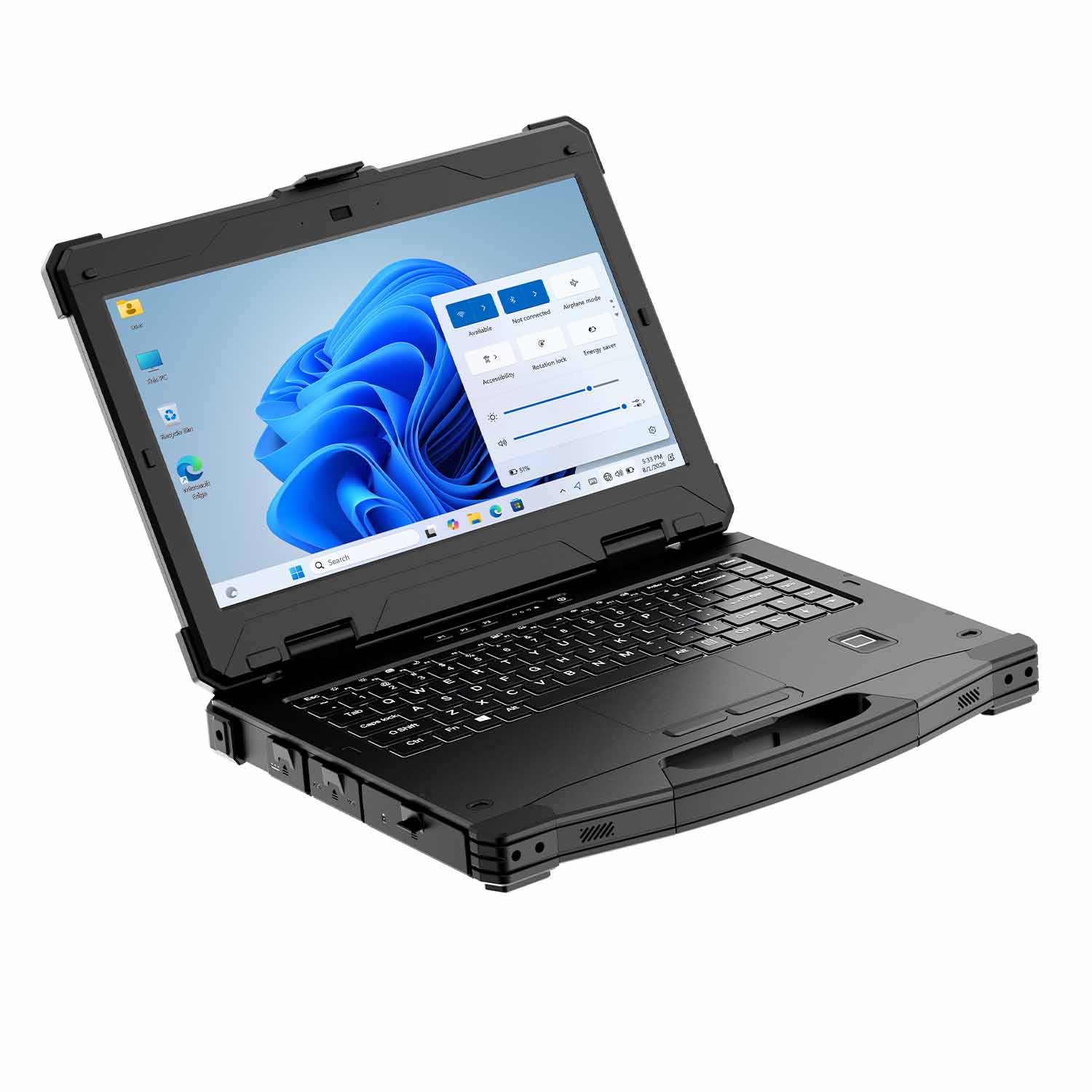
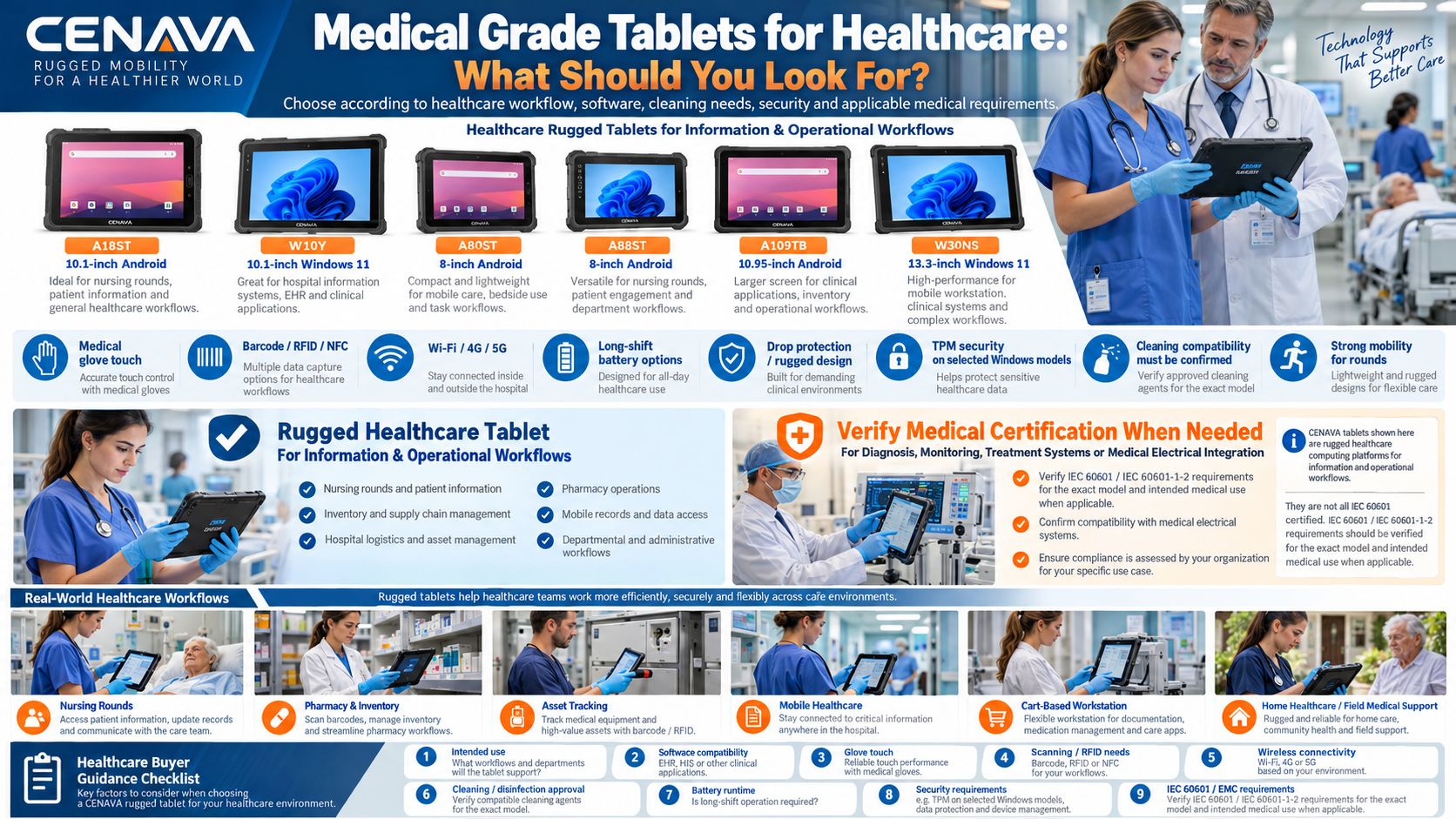
For general healthcare computing — mobile nursing, hospital rounds, pharmacy inventory, asset management, electronic records — a durable healthcare tablet needs glove-compatible touch, barcode or RFID capture, strong wireless, long battery life and an enclosure built for frequent handling. Where a tablet becomes part of medical electrical equipment or a regulated medical system, additional electrical-safety, EMC and regulatory requirements may apply. We provide Windows and Android rugged tablets for healthcare information and operational workflows — and we document ruggedness, not medical certification. Ask us for the exact test scope of any model before you specify it.
What Is a Medical Grade Tablet?
"Medical grade tablet" is commonly used to describe a tablet designed for healthcare environments. Medical grade is not simply another word for rugged — and the two terms are not automatically equivalent. A healthcare rugged tablet is a durable computer used in hospitals, pharmacies, laboratories and mobile healthcare operations. A medical grade tablet may imply additional healthcare-specific requirements — electrical safety, EMC testing, cleaning compatibility, certification — depending on how it is used.
A tablet displaying schedules has very different regulatory considerations from a computer forming part of patient monitoring or diagnostic equipment. Selection starts with the use case — we draw that line with every healthcare buyer.
Understanding IEC 60601 for Medical Tablets
IEC 60601 is the international standards family for medical electrical equipment and systems. IEC 60601-1 covers general requirements for basic safety and essential performance; IEC 60601-1-2 addresses electromagnetic disturbances and EMC for medical electrical equipment.
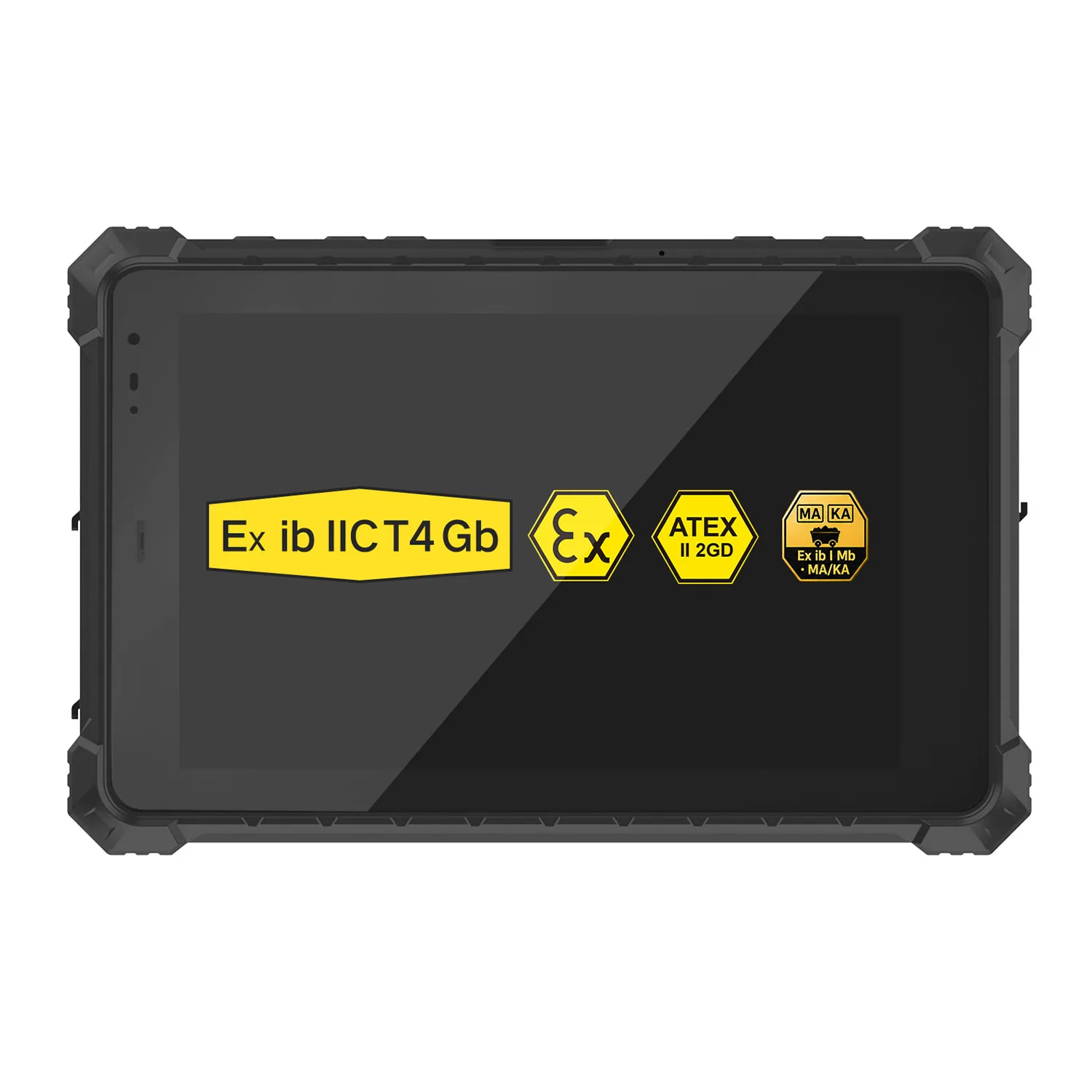
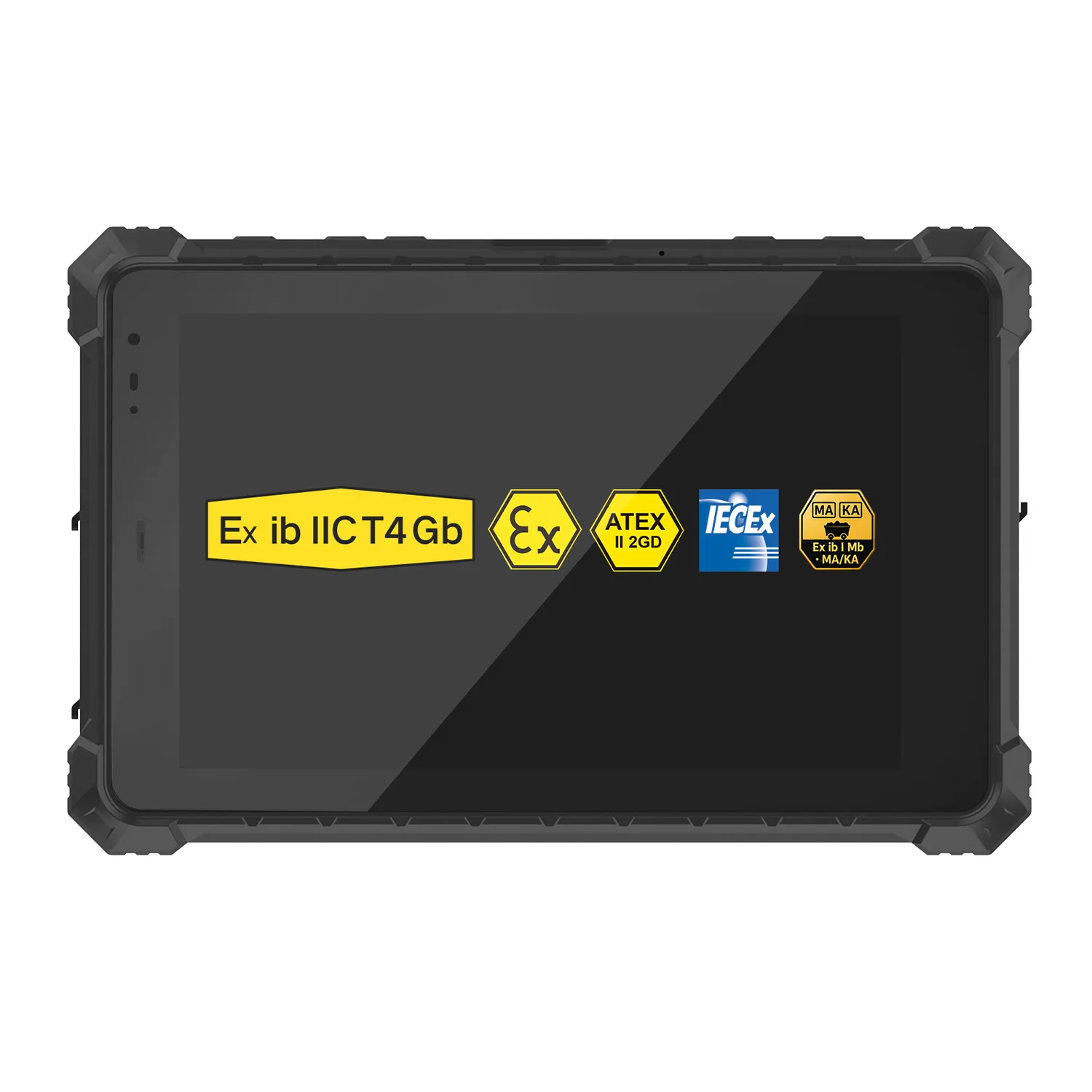
Two things we say plainly to every healthcare buyer. First: not every tablet used in a hospital needs IEC 60601 certification — applicability depends on how the device is used and integrated. Second: a standard rugged tablet must not be marketed as IEC 60601 compliant unless the exact model and configuration have been appropriately tested and documented. Our publicly listed specifications document ruggedness, IP protection, communications and data capture — if your project requires IEC 60601, name the standard in your inquiry and we will confirm the exact status in writing.
When Is a Rugged Healthcare Tablet Enough?
A rugged healthcare tablet covers many hospital workflows where the device is an information terminal: nursing rounds, inventory management, equipment tracking, hospital logistics, pharmacy operations, maintenance management, mobile data collection. There, buyers weigh durability, usability, connectivity and enterprise security.
Verify medical certification when the tablet becomes part of a system used for patient diagnosis, monitoring or treatment — or when it is electrically connected to medical equipment or specified inside a regulated medical electrical system. In those projects, identify the applicable standards and certification requirements before selecting hardware. Tell us which side your project sits on, and we will answer accordingly.
CENAVA Tablets for Healthcare Workflows
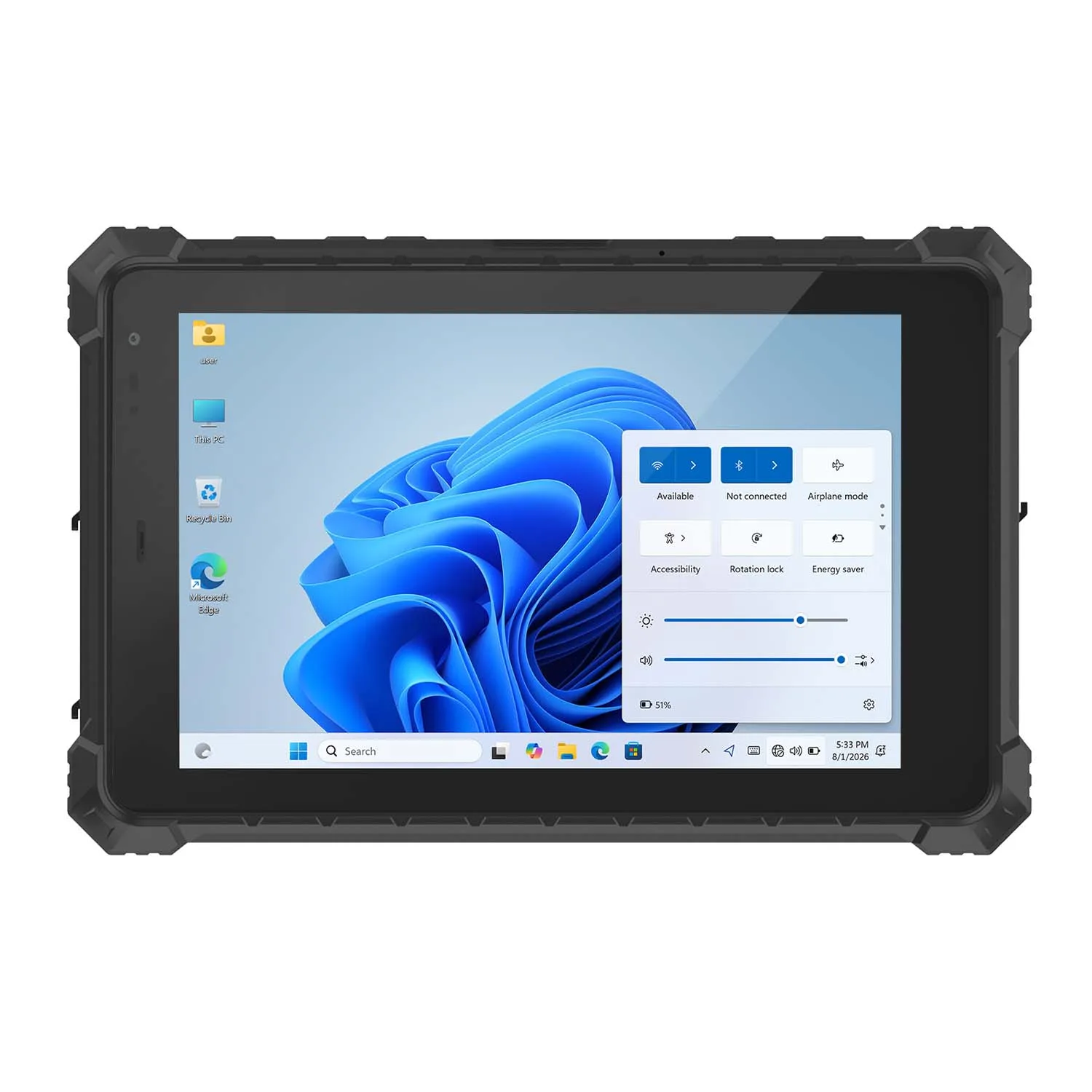
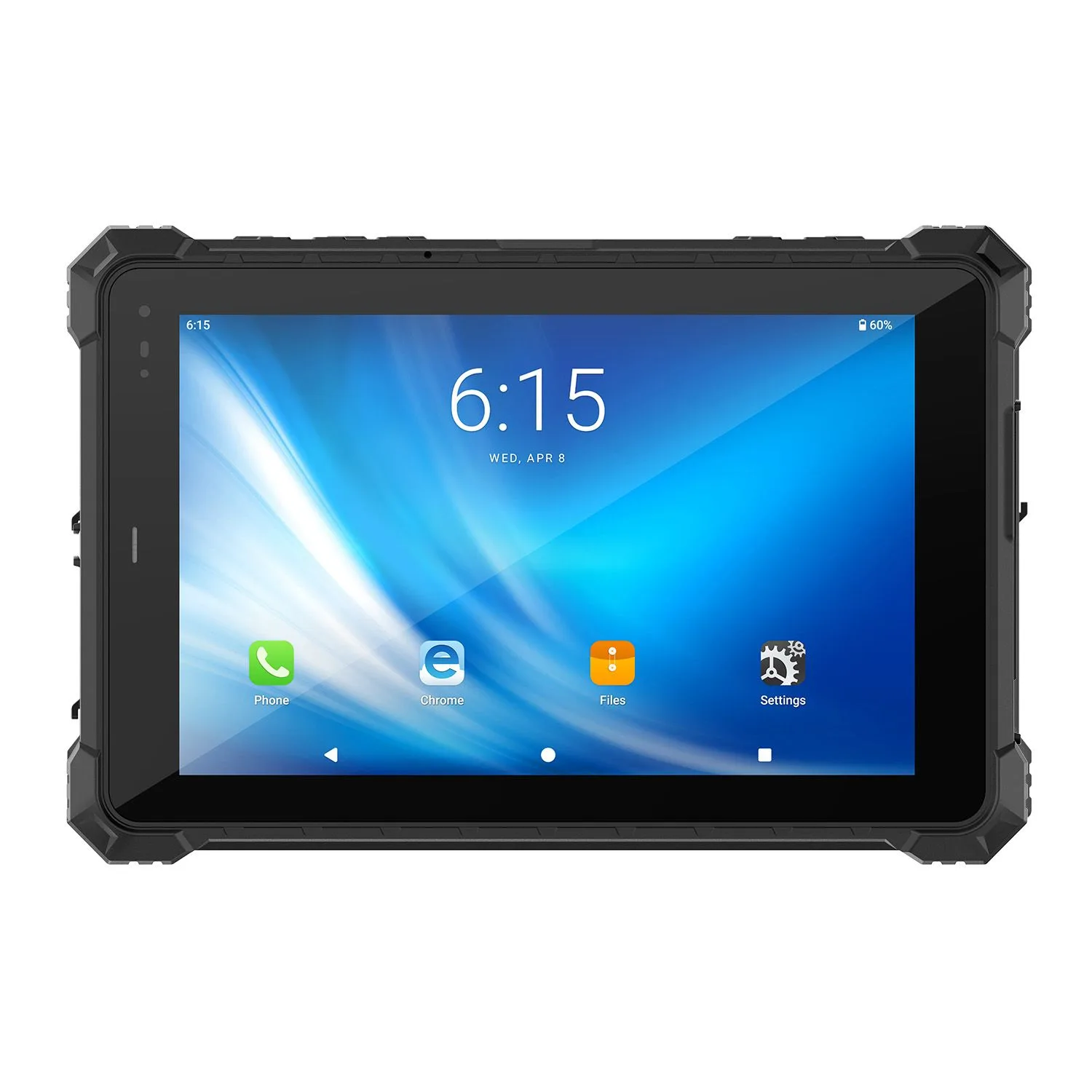
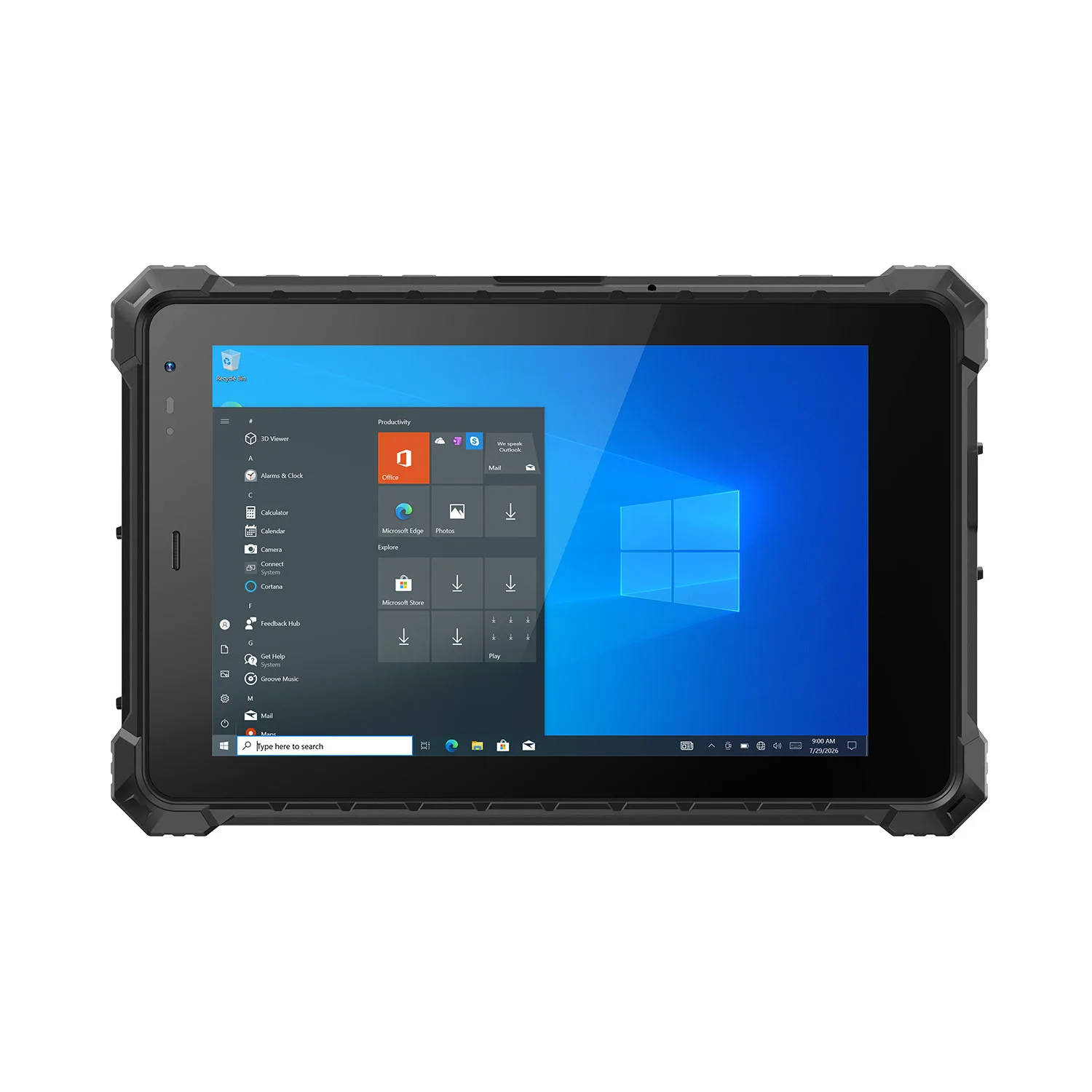
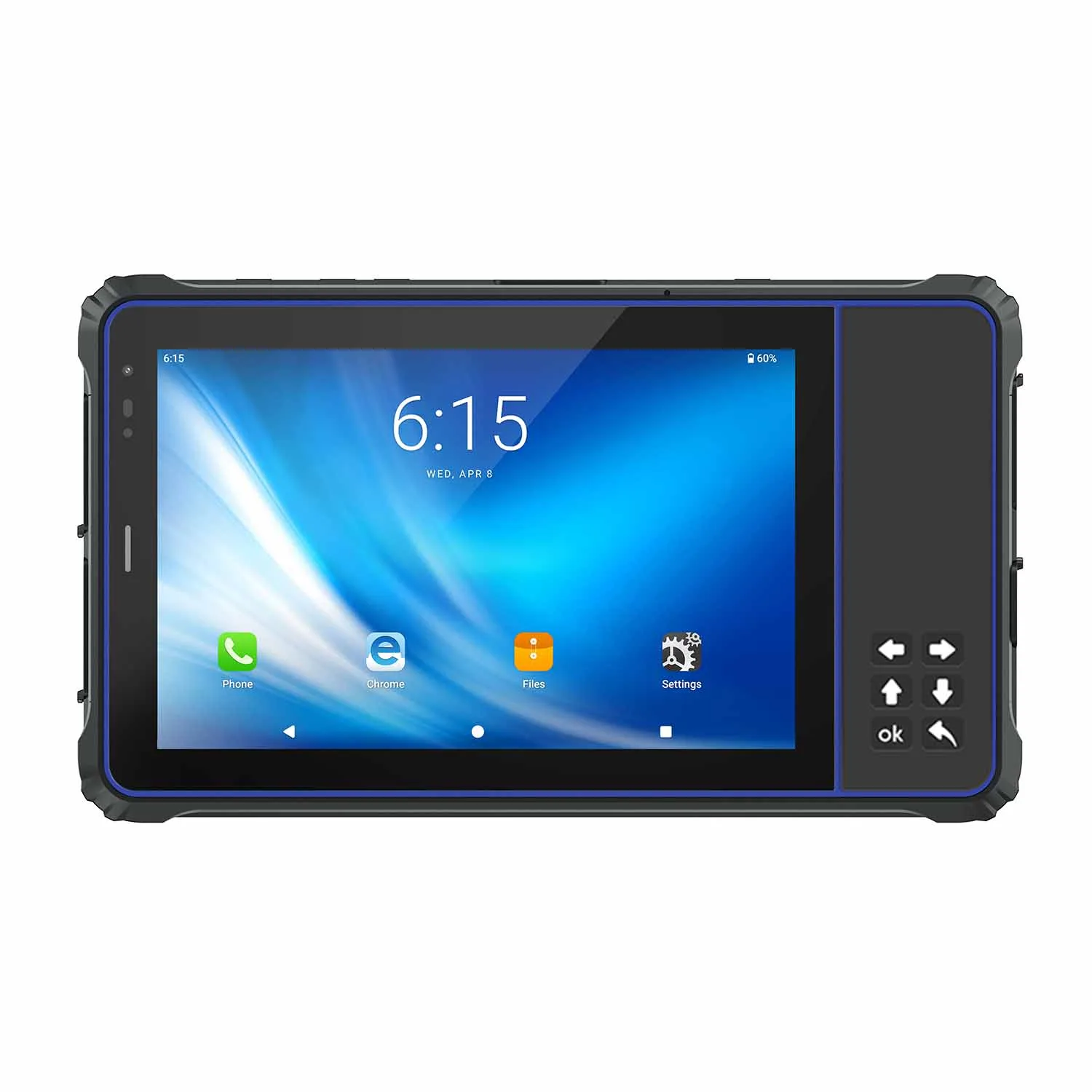
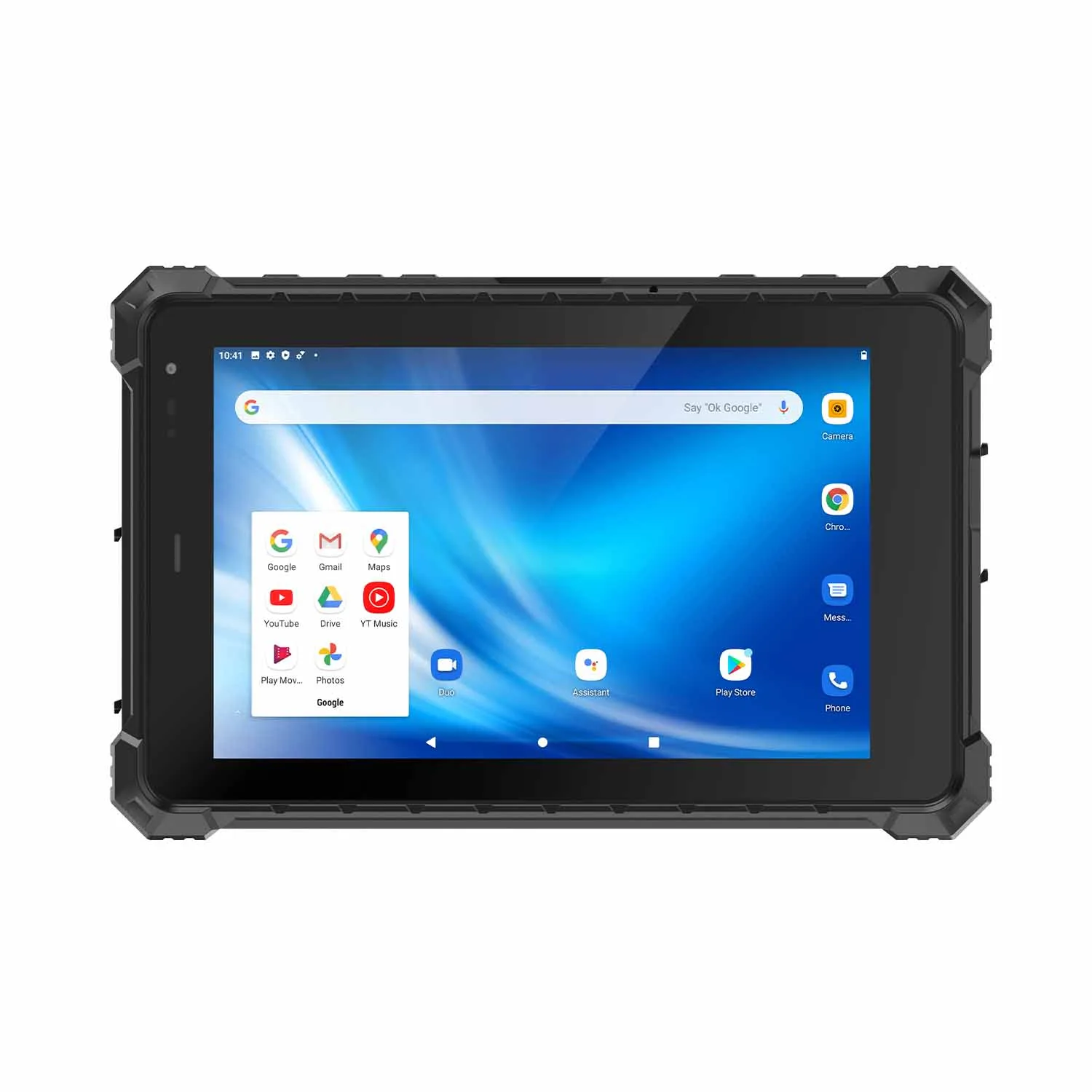
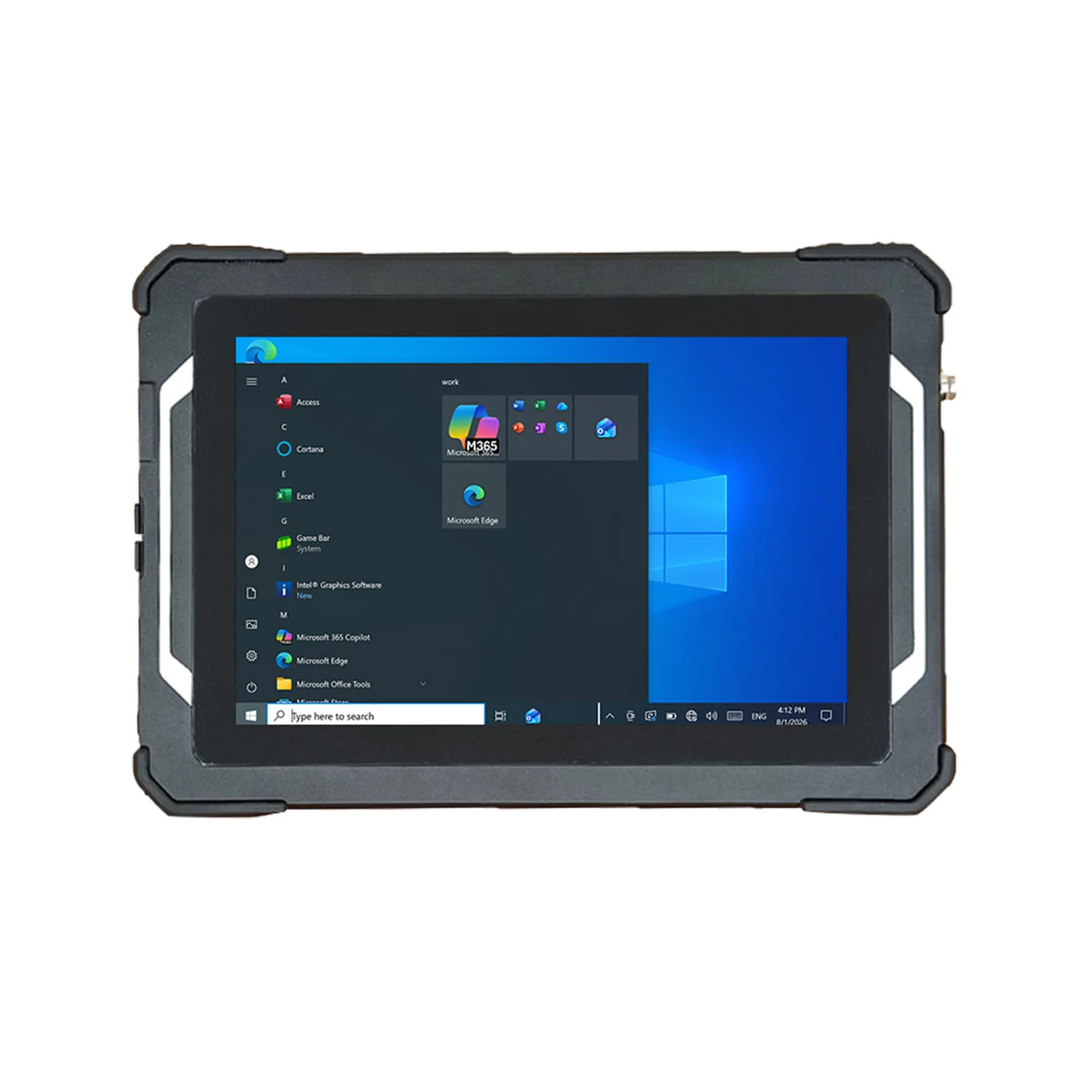
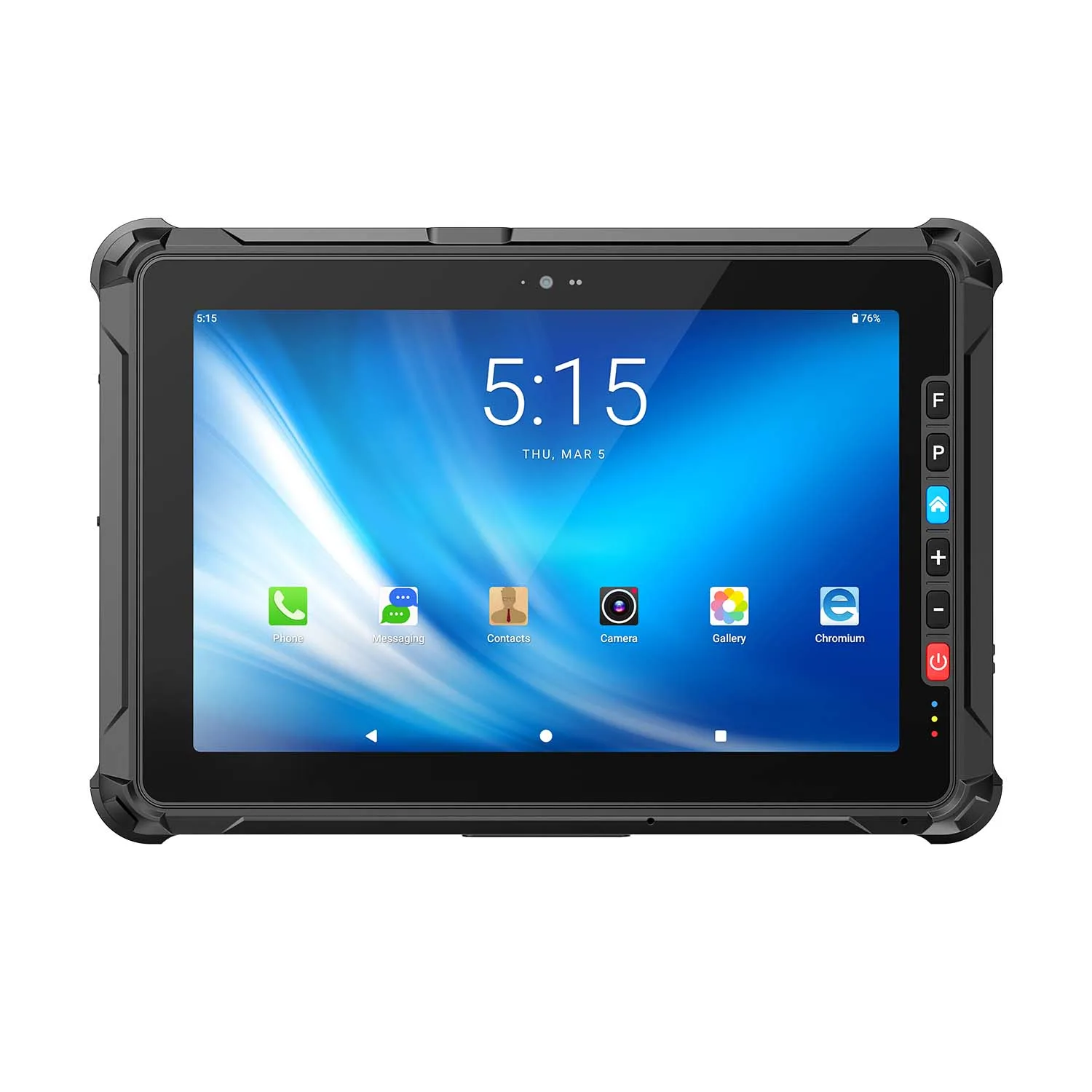
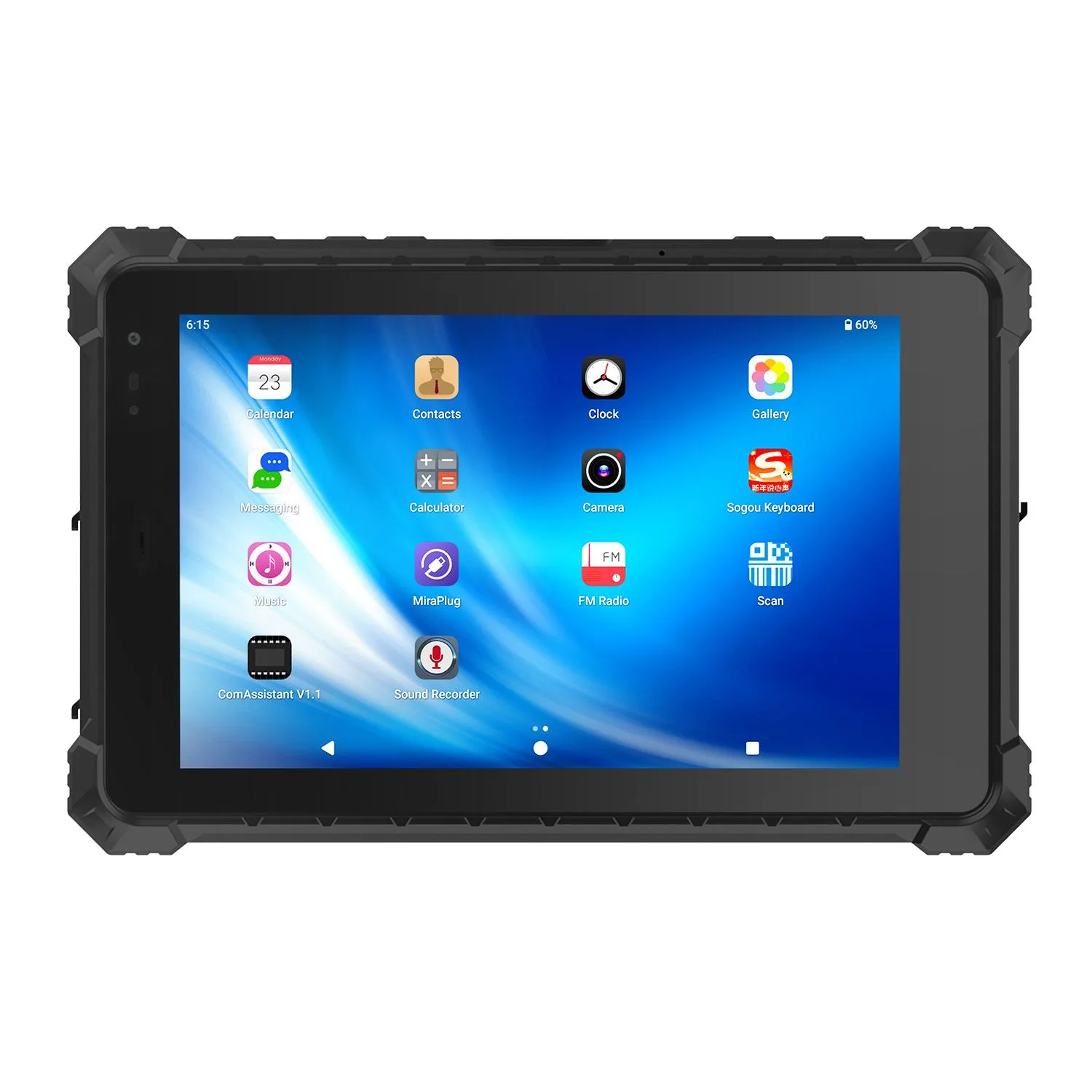
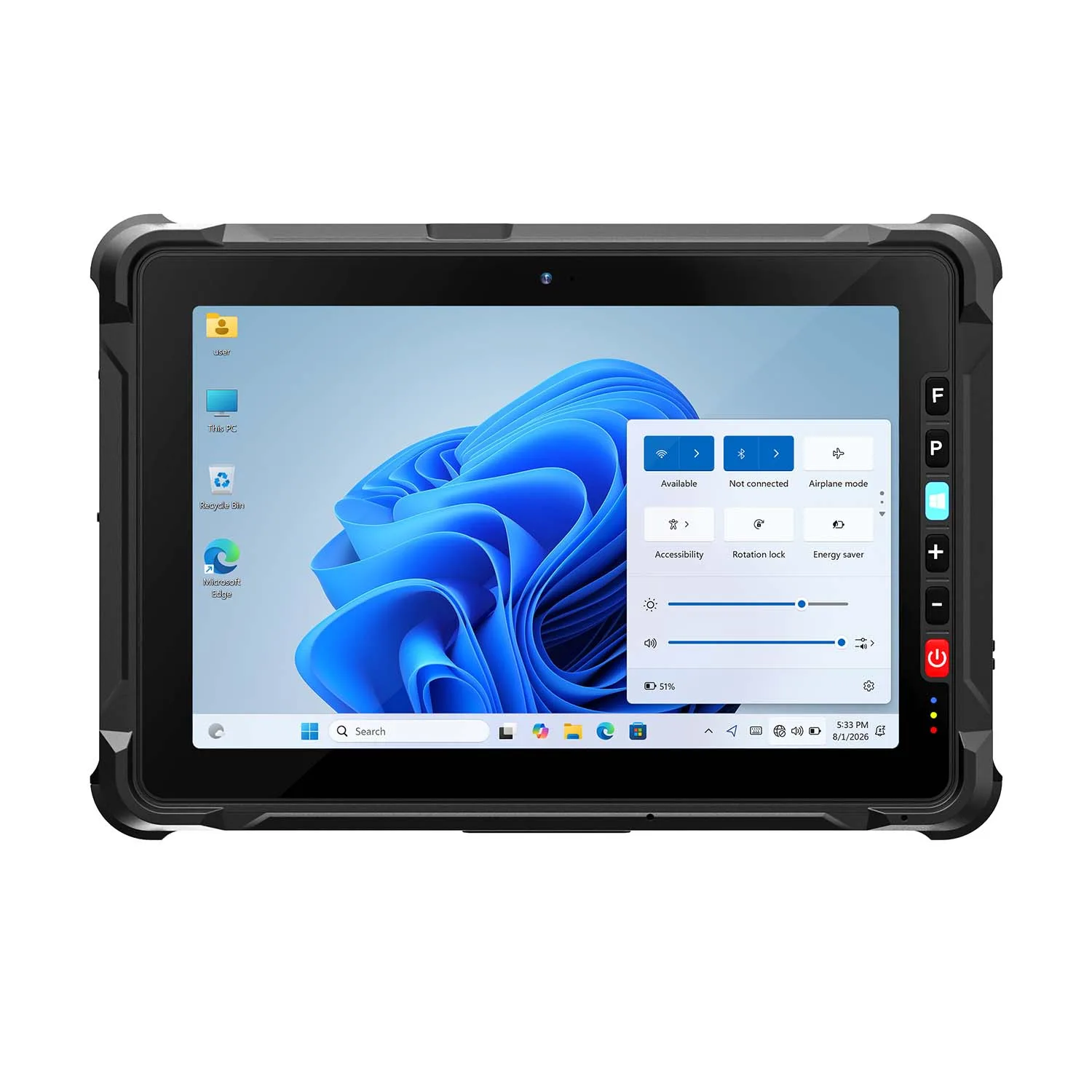
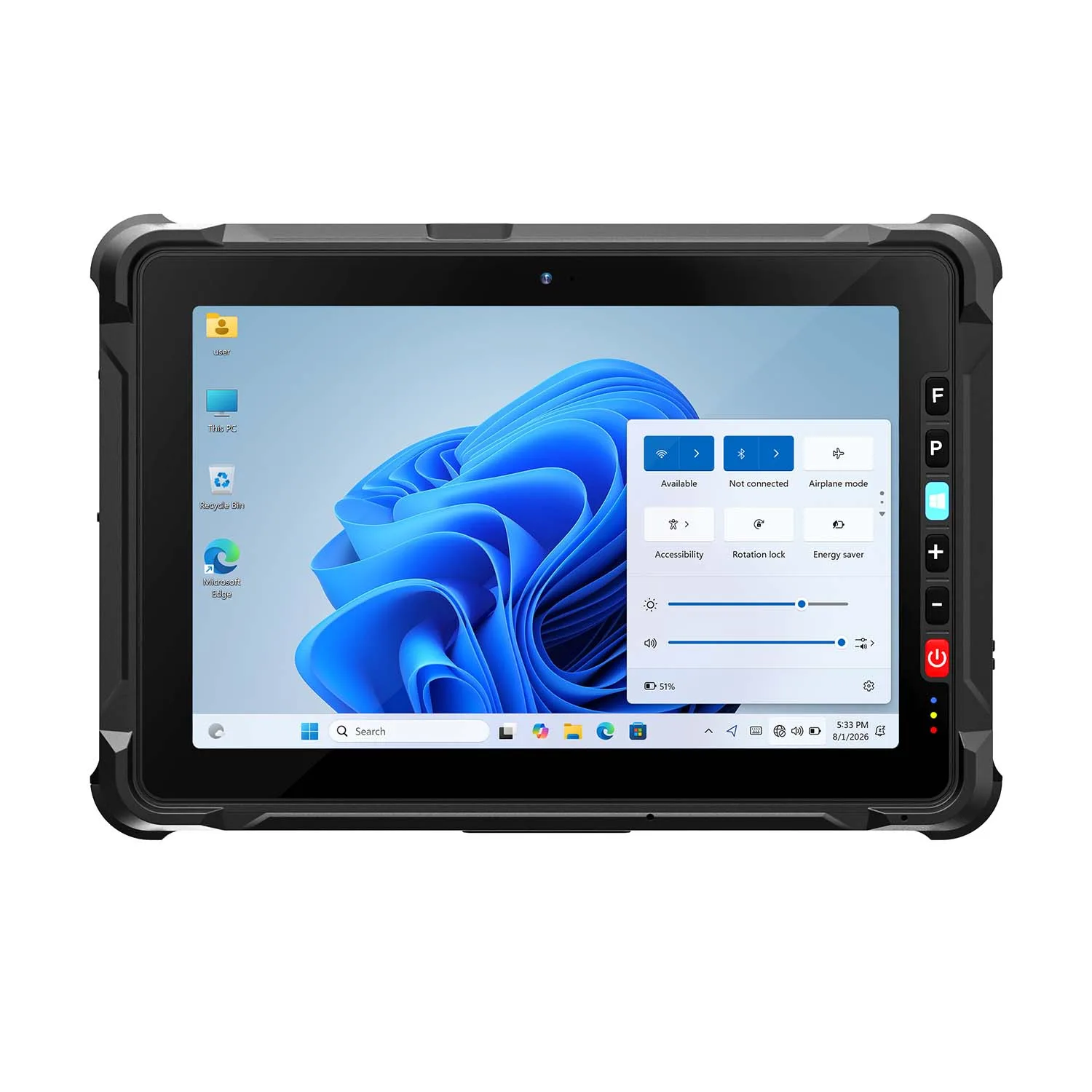
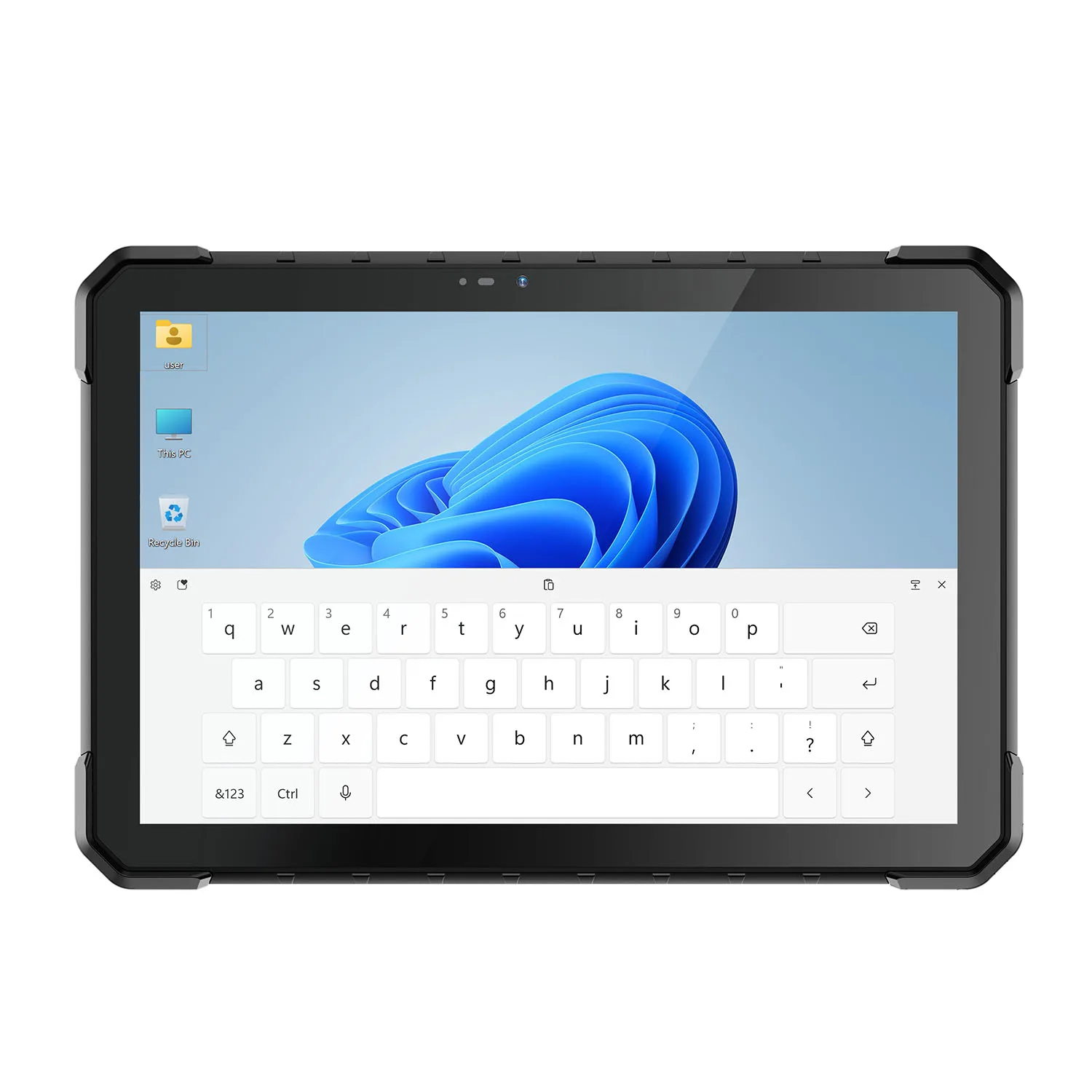
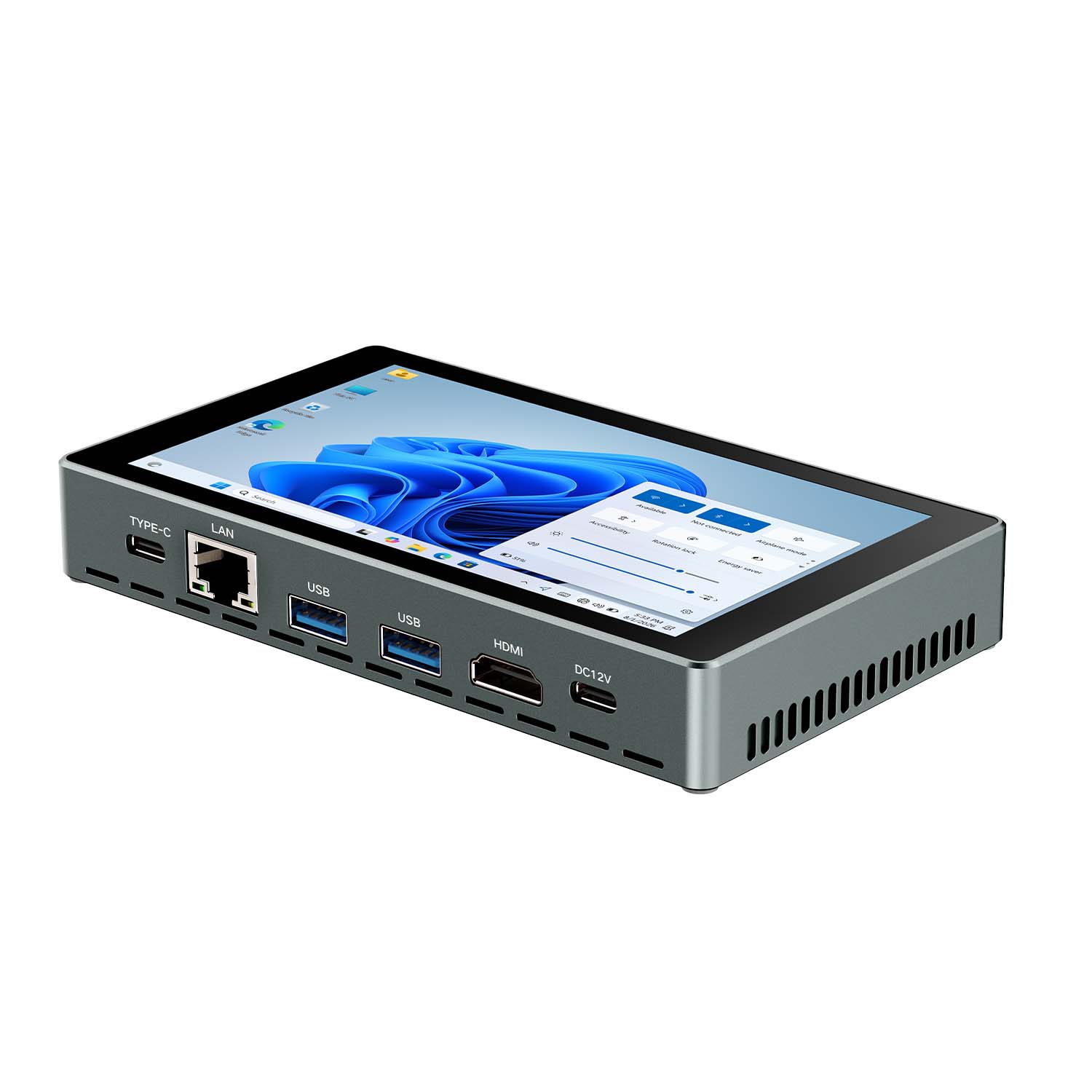
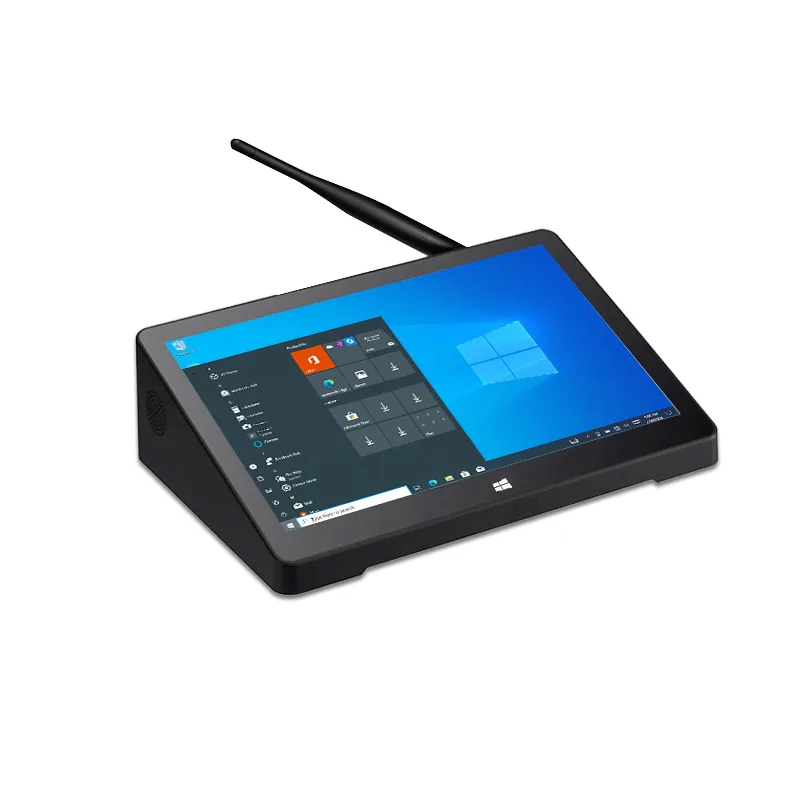
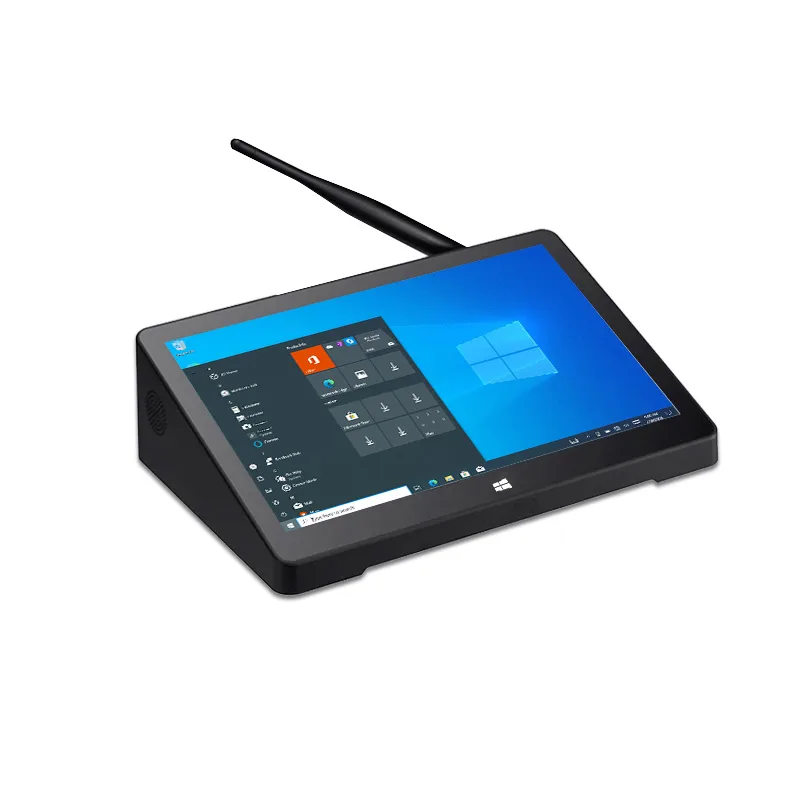
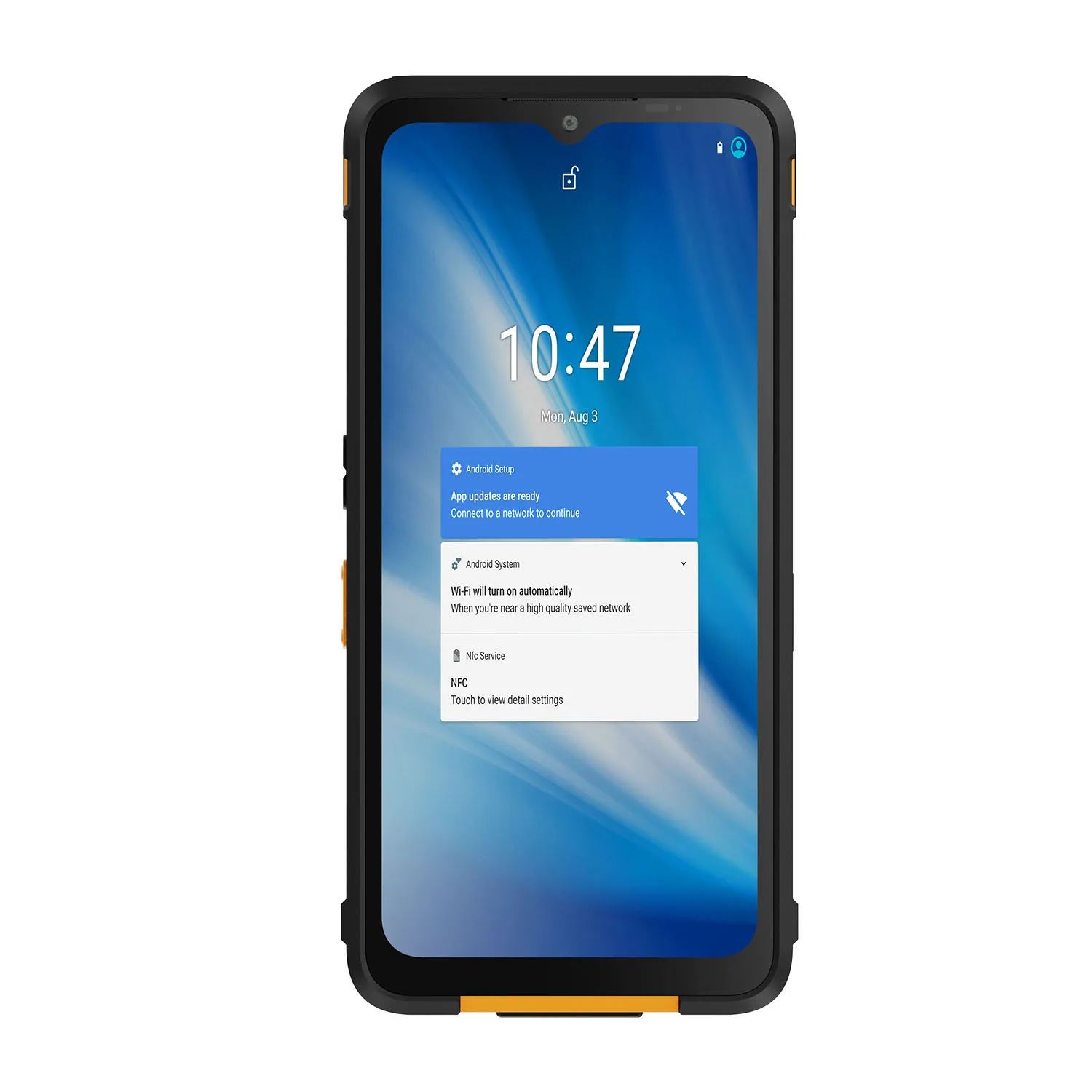
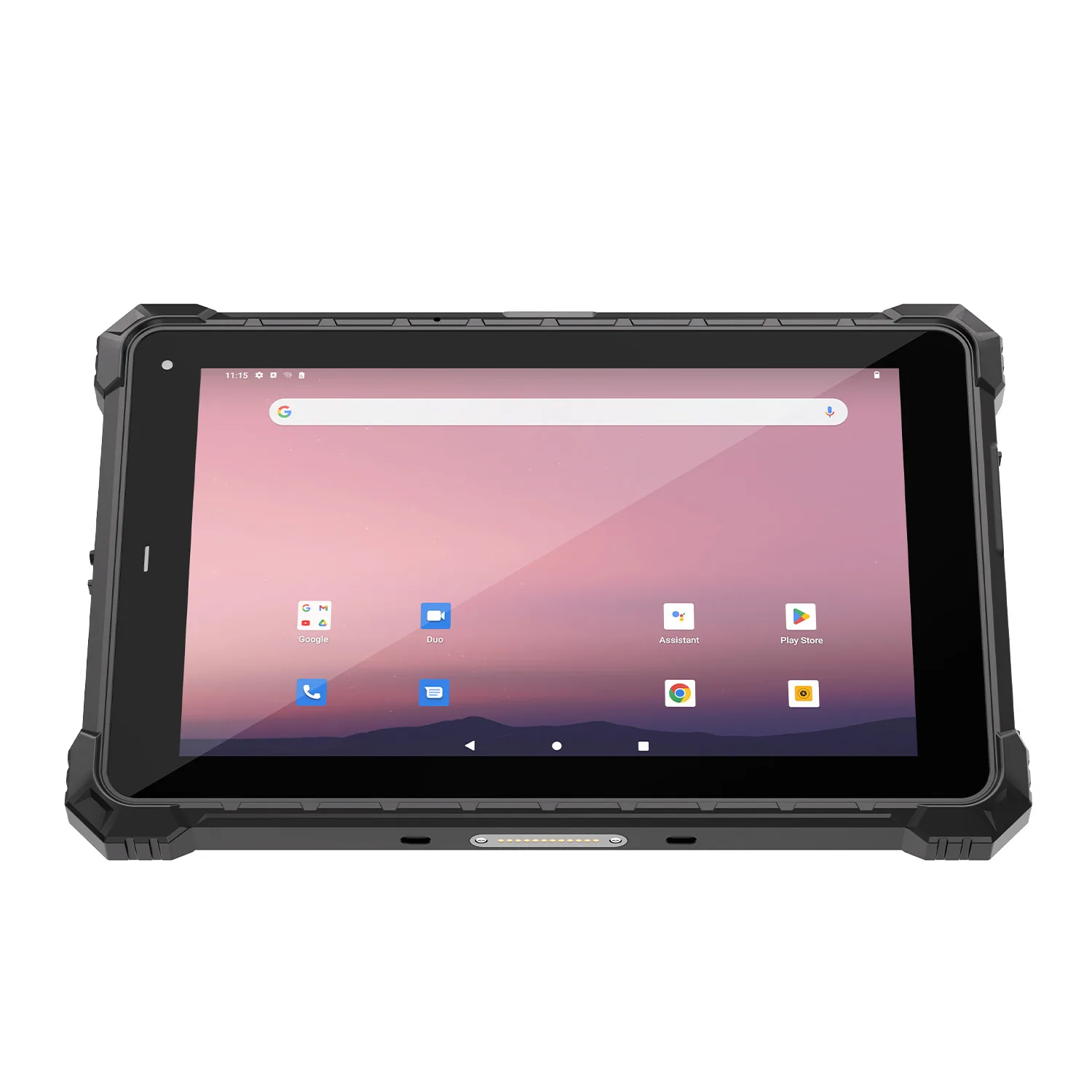
CENAVA currently provides several rugged tablet platforms with features relevant to hospital and healthcare operations.
| Model | Screen | OS | Healthcare-Relevant Features | Suitable Workflow |
|---|---|---|---|---|
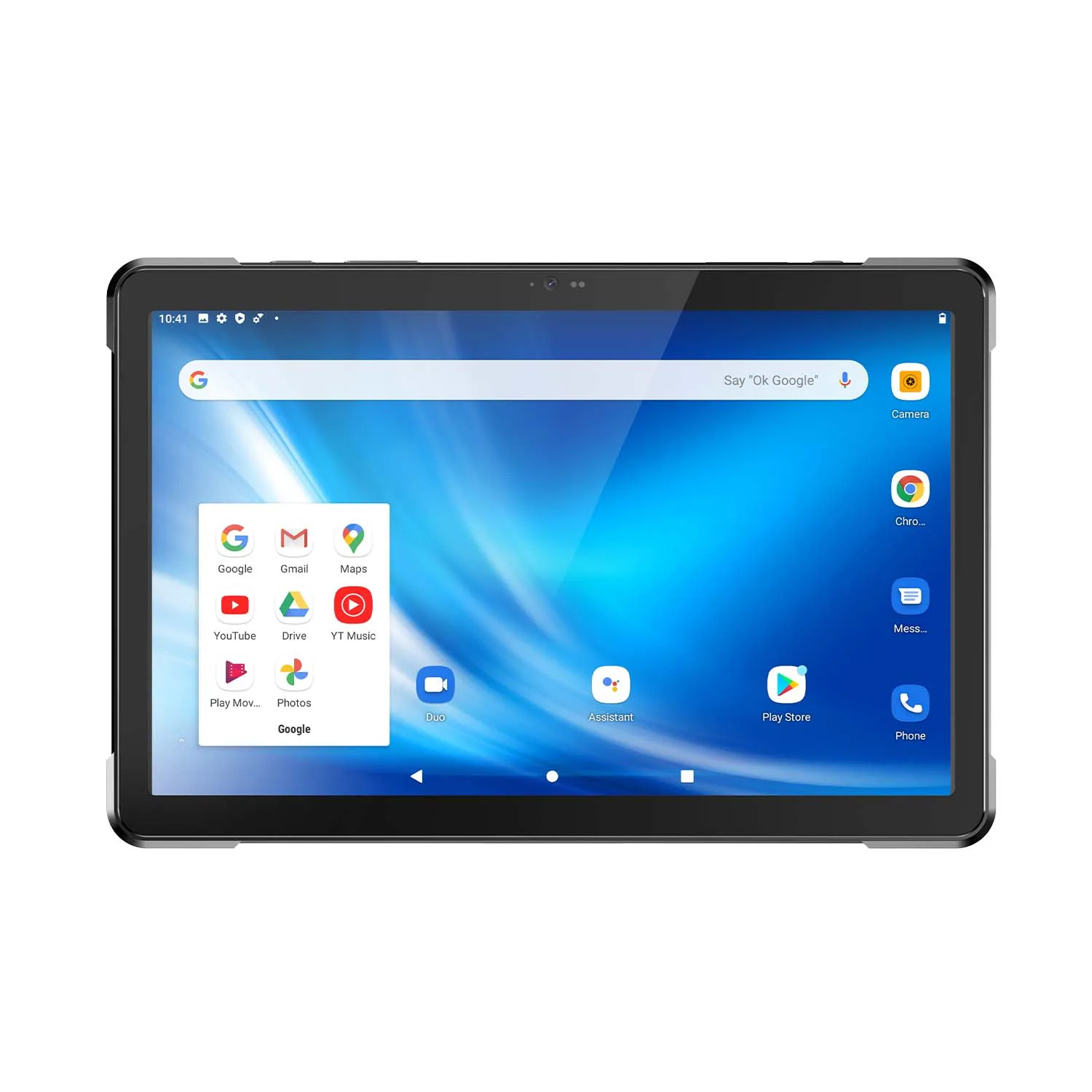
| A18ST | 10.1" | Android | Medical-glove touch, 10,000mAh, NFC, optional 2D/RFID | Nursing rounds, mobile records |
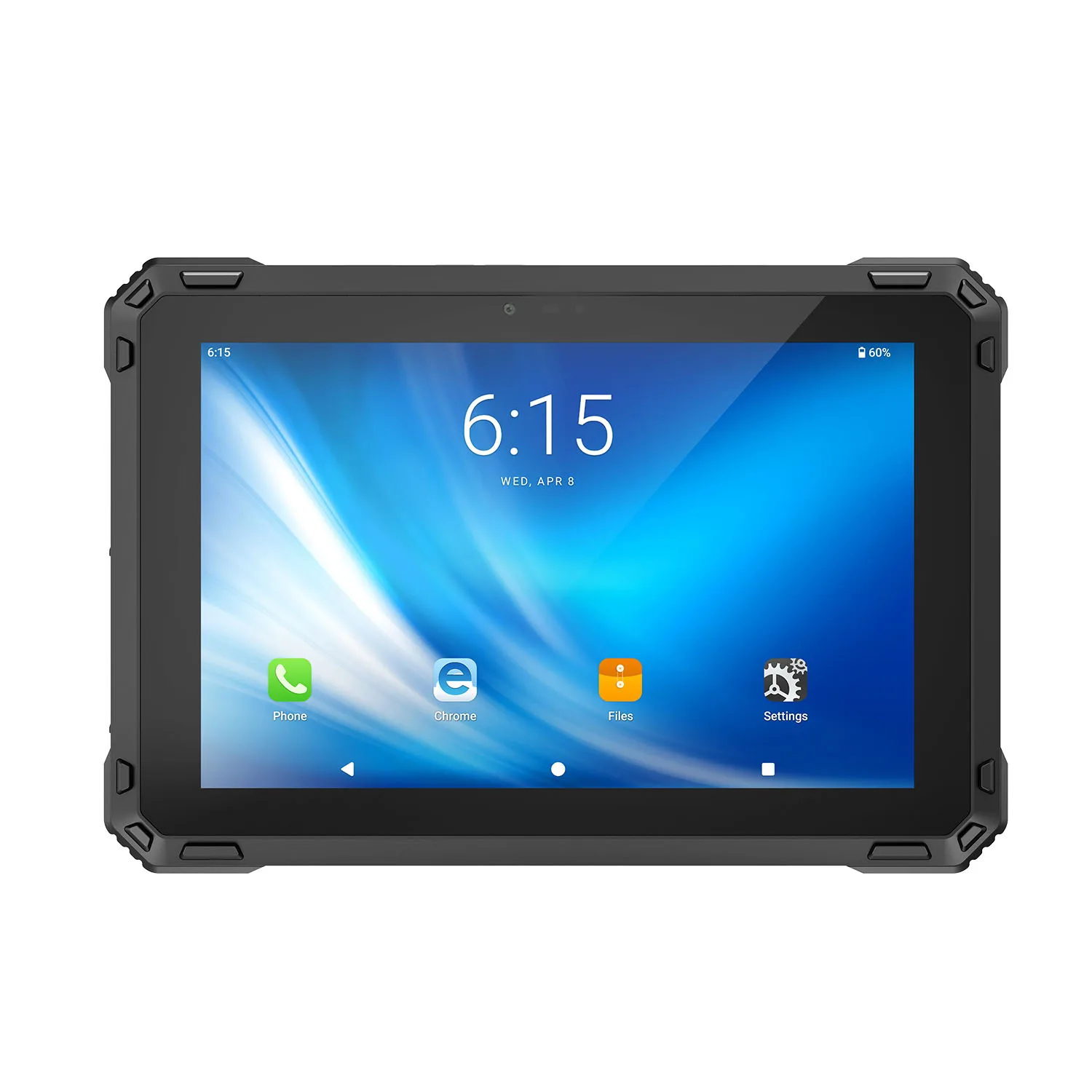
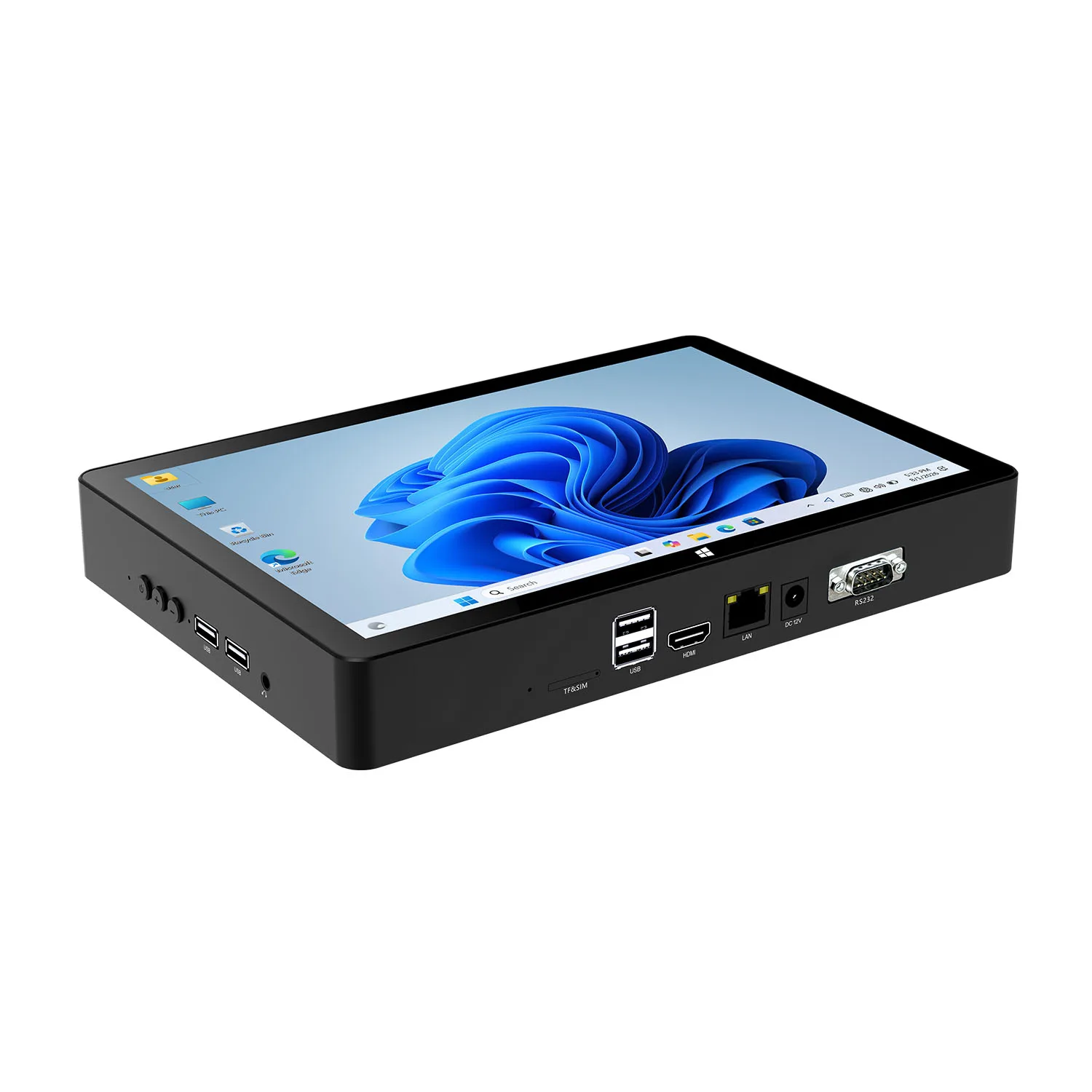
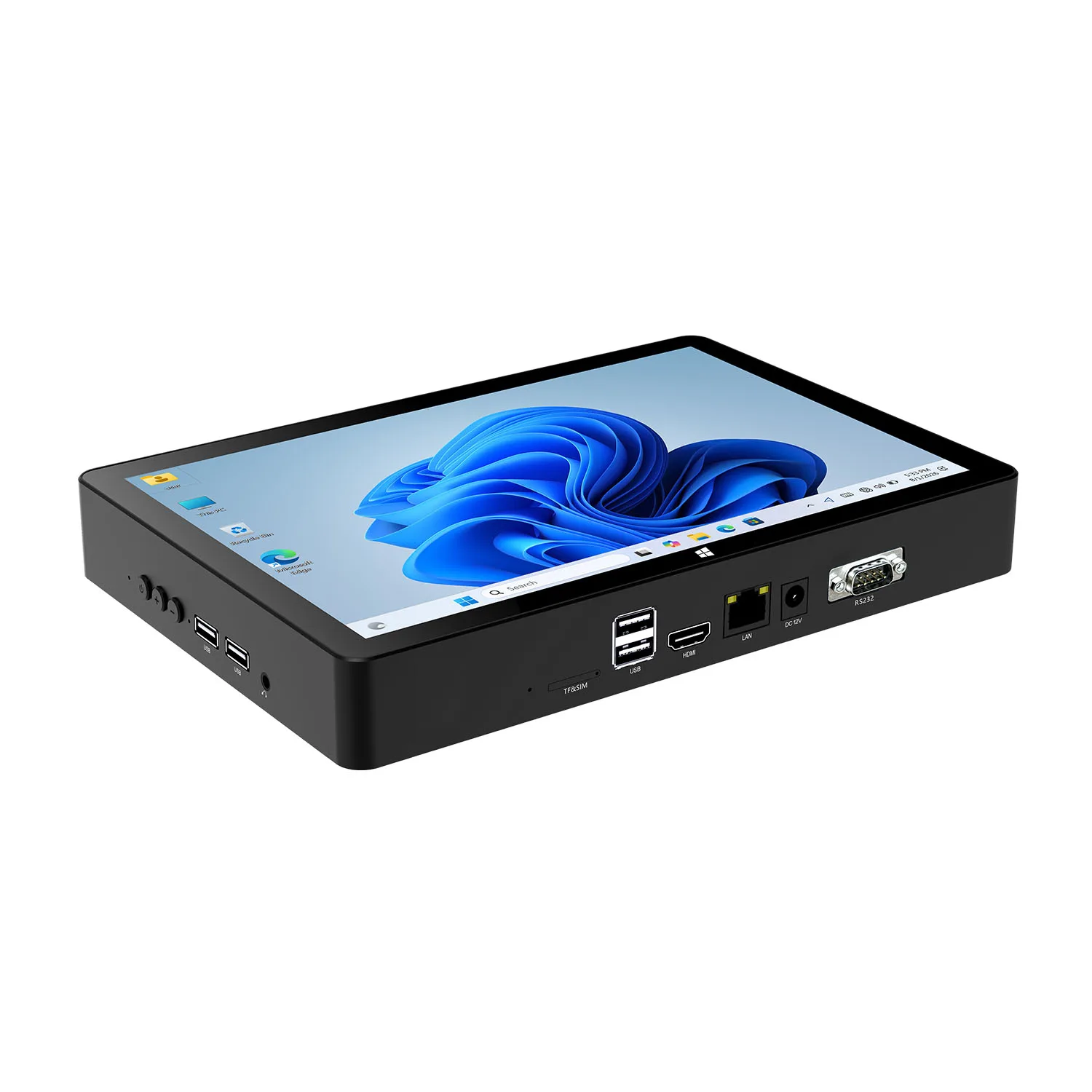
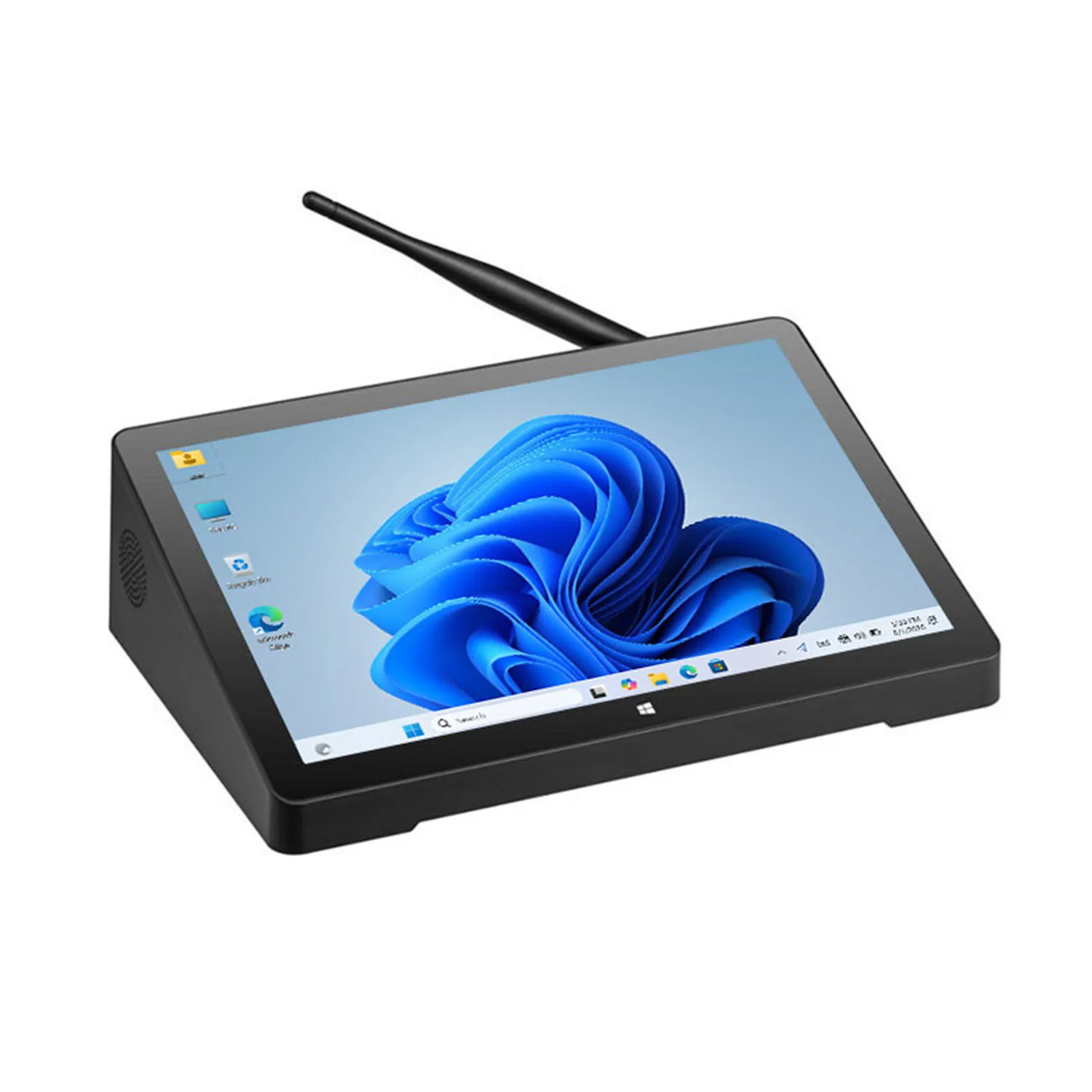
| W10Y | 10.1" | Windows 11 | Medical-glove touch, TPM, Wi-Fi 6E, optional data capture | Windows hospital applications |
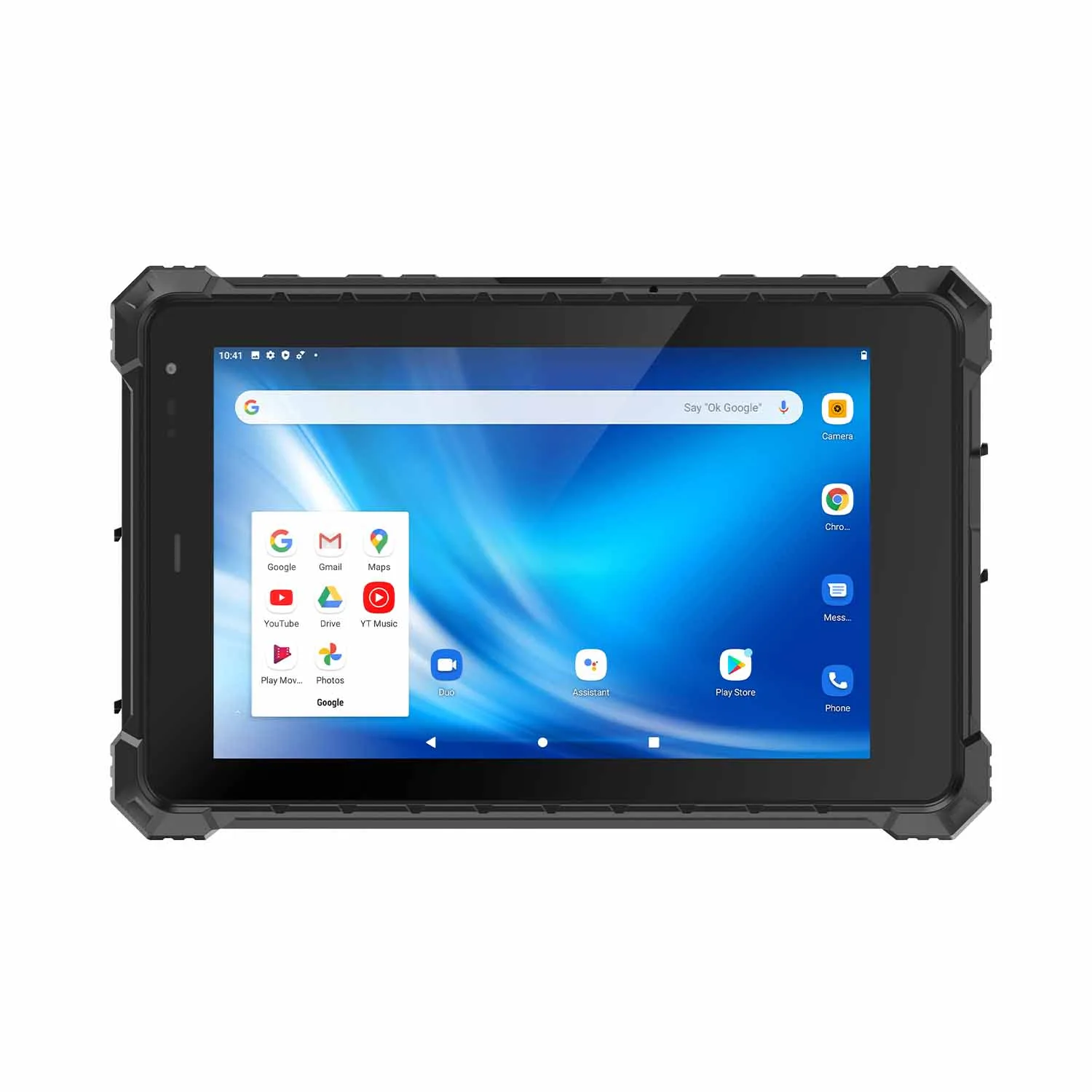
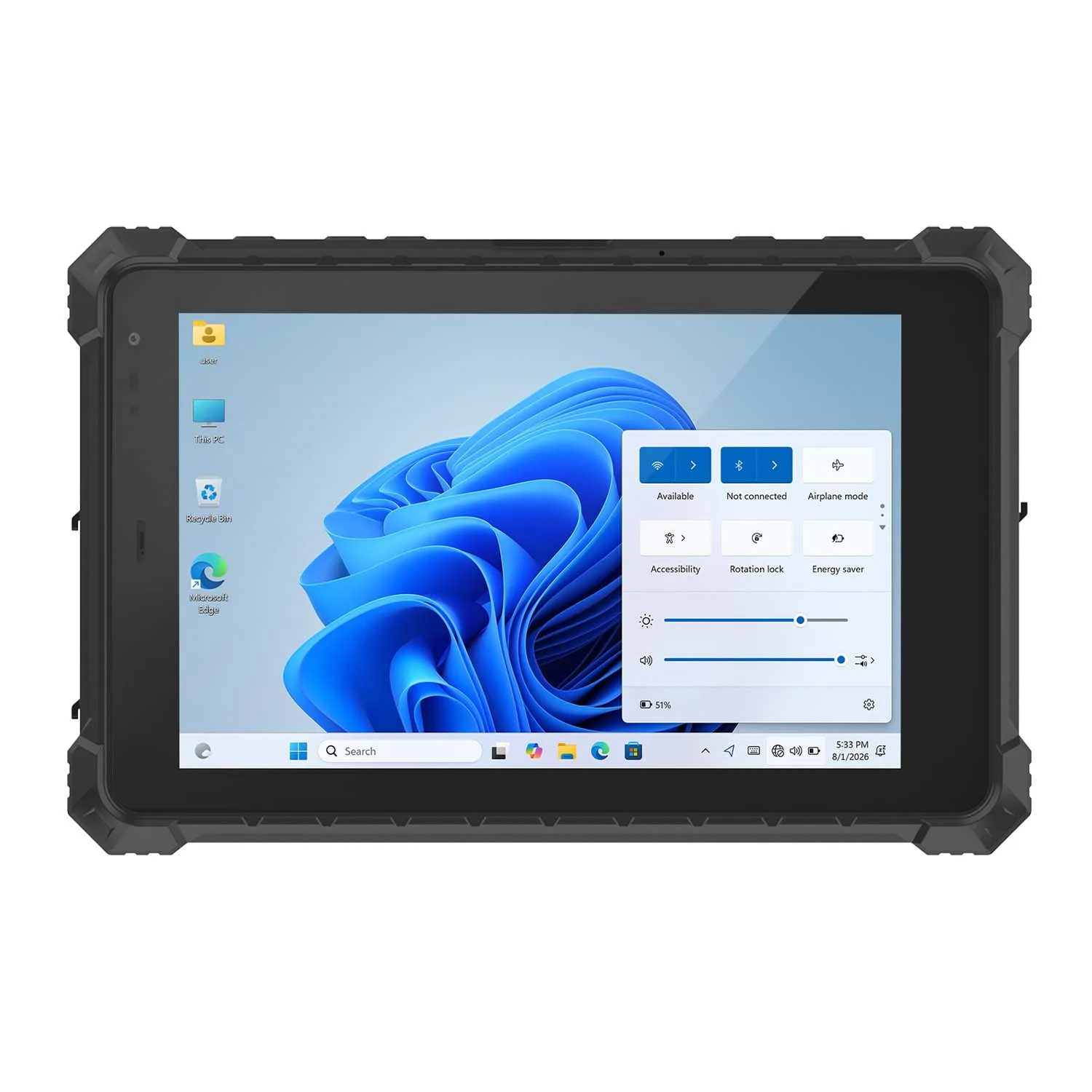
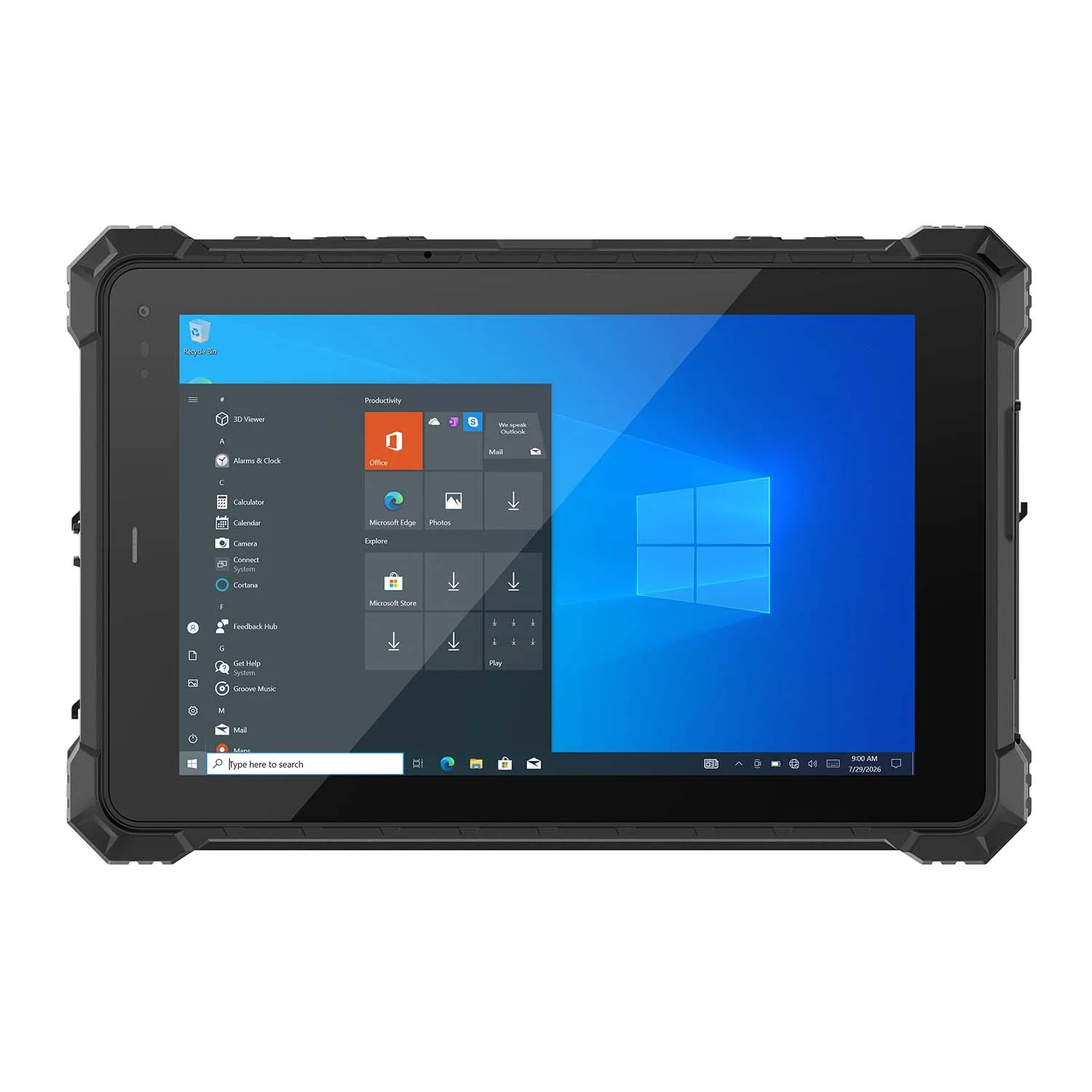
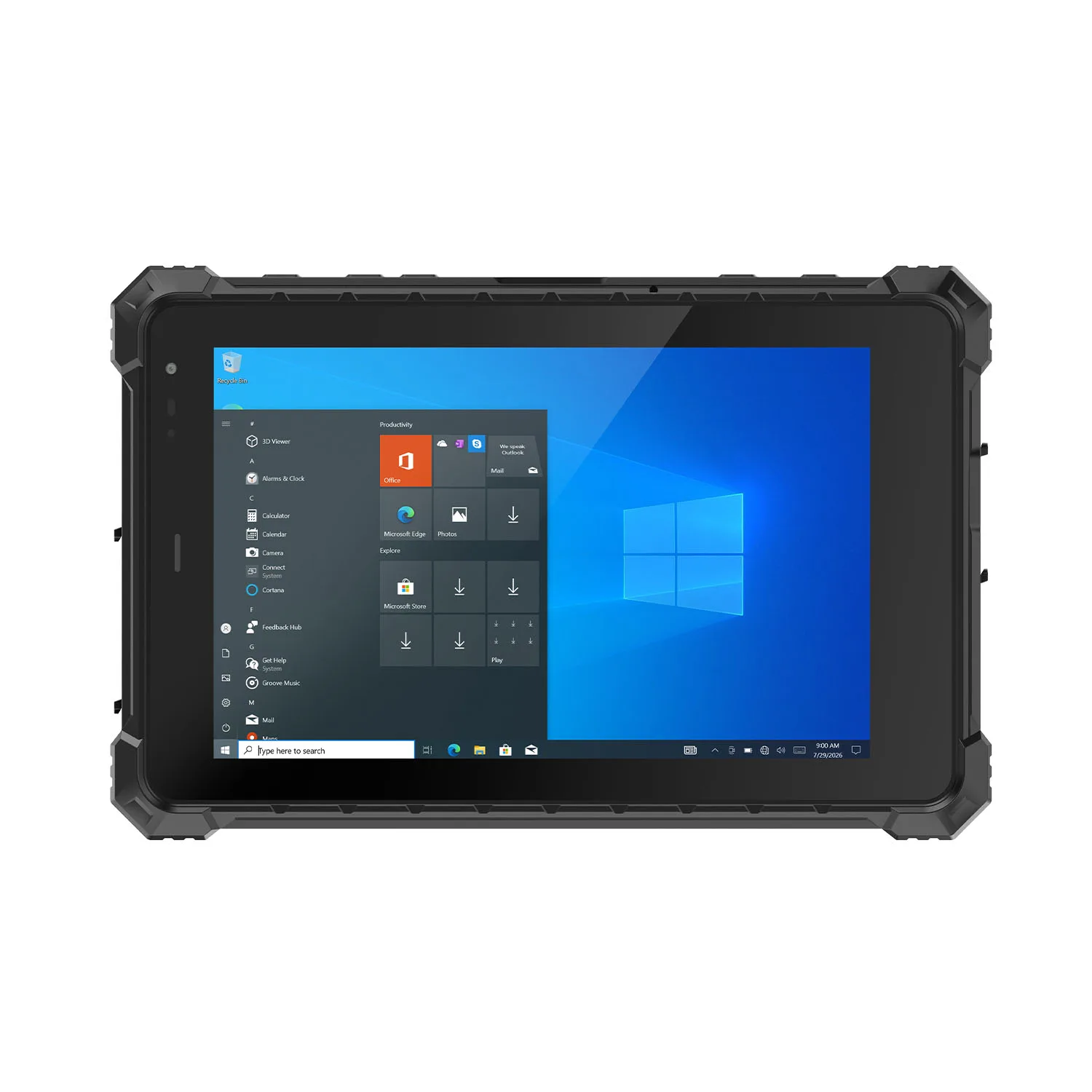
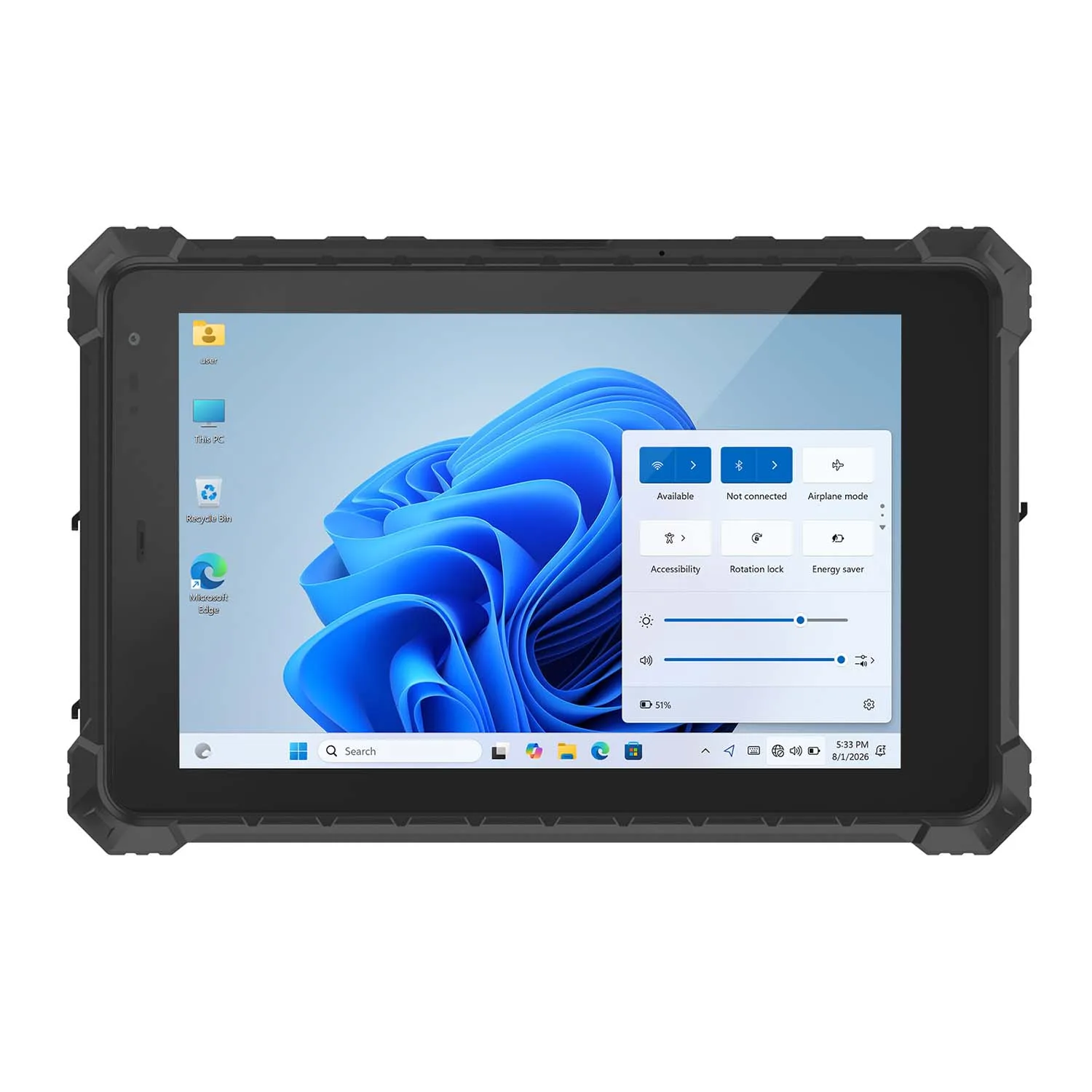
| A80ST | 8" | Android | Compact body, glove touch, 10,000mAh, optional barcode/RFID | Pharmacy, inventory, mobile nursing |
| A88ST | 8" | Android | Compact form factor, long battery, identification options | Mobile healthcare operations |
| A109TB | 10.95" | Android | Medical-glove touch, 20,000mAh battery | Long-shift mobile workflows |
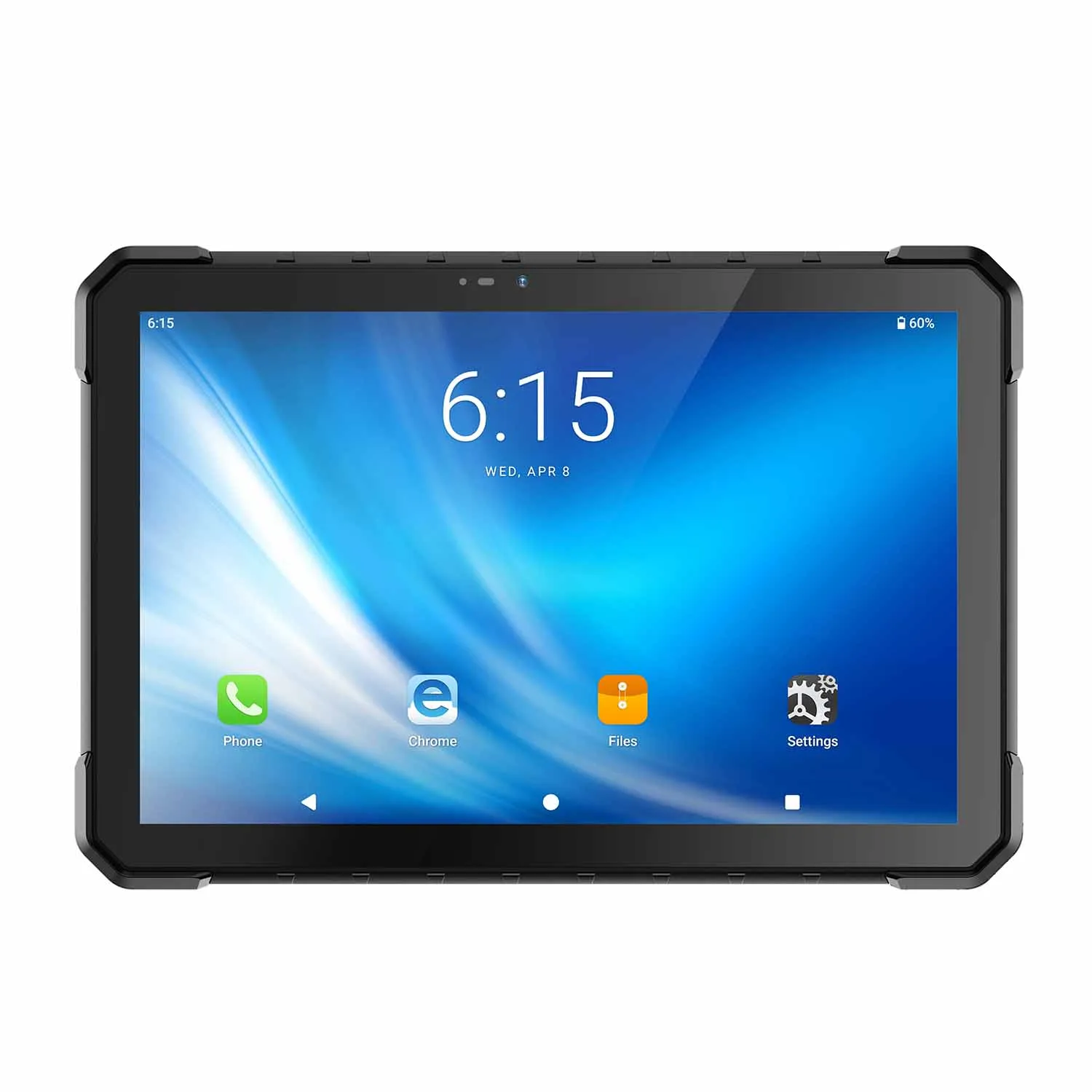
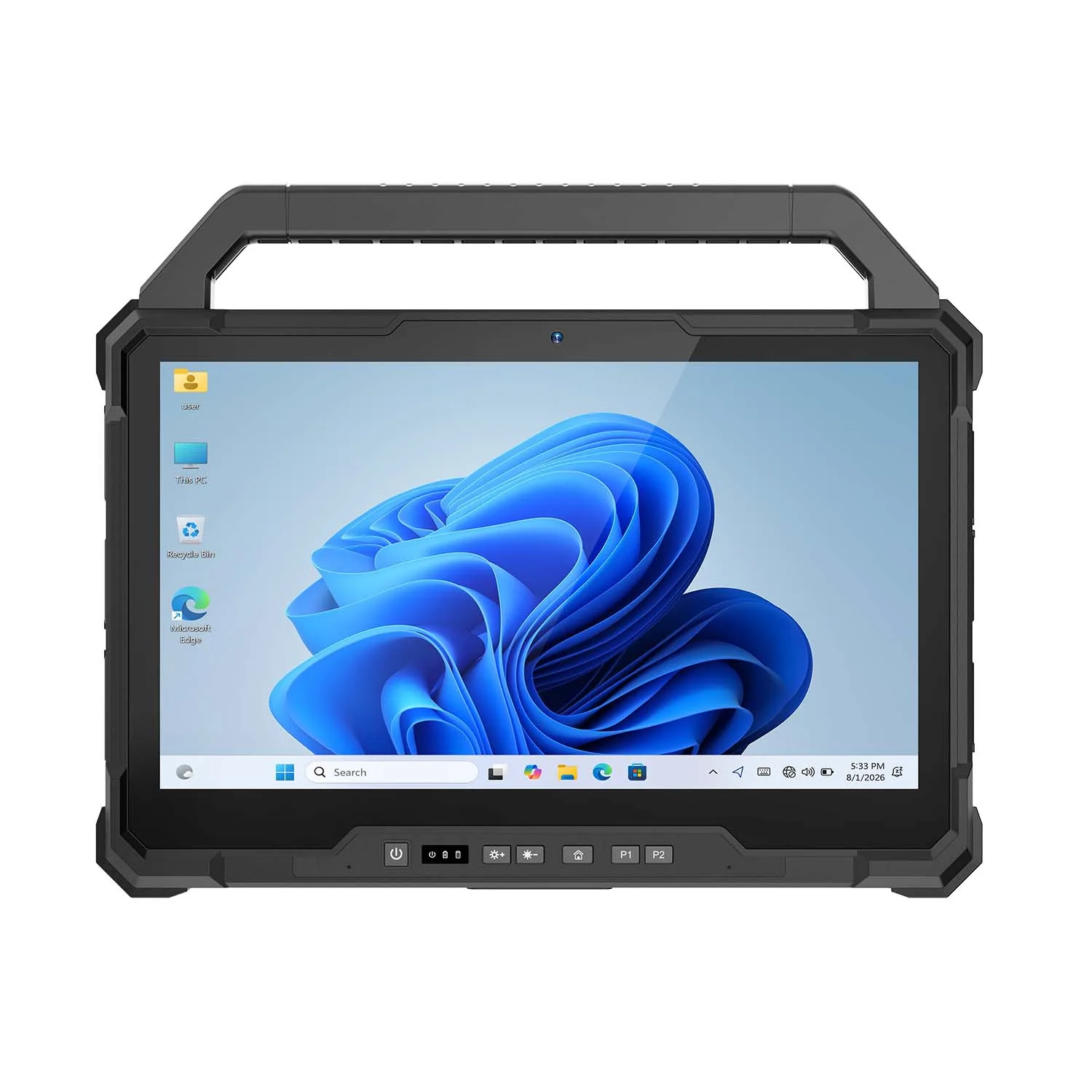
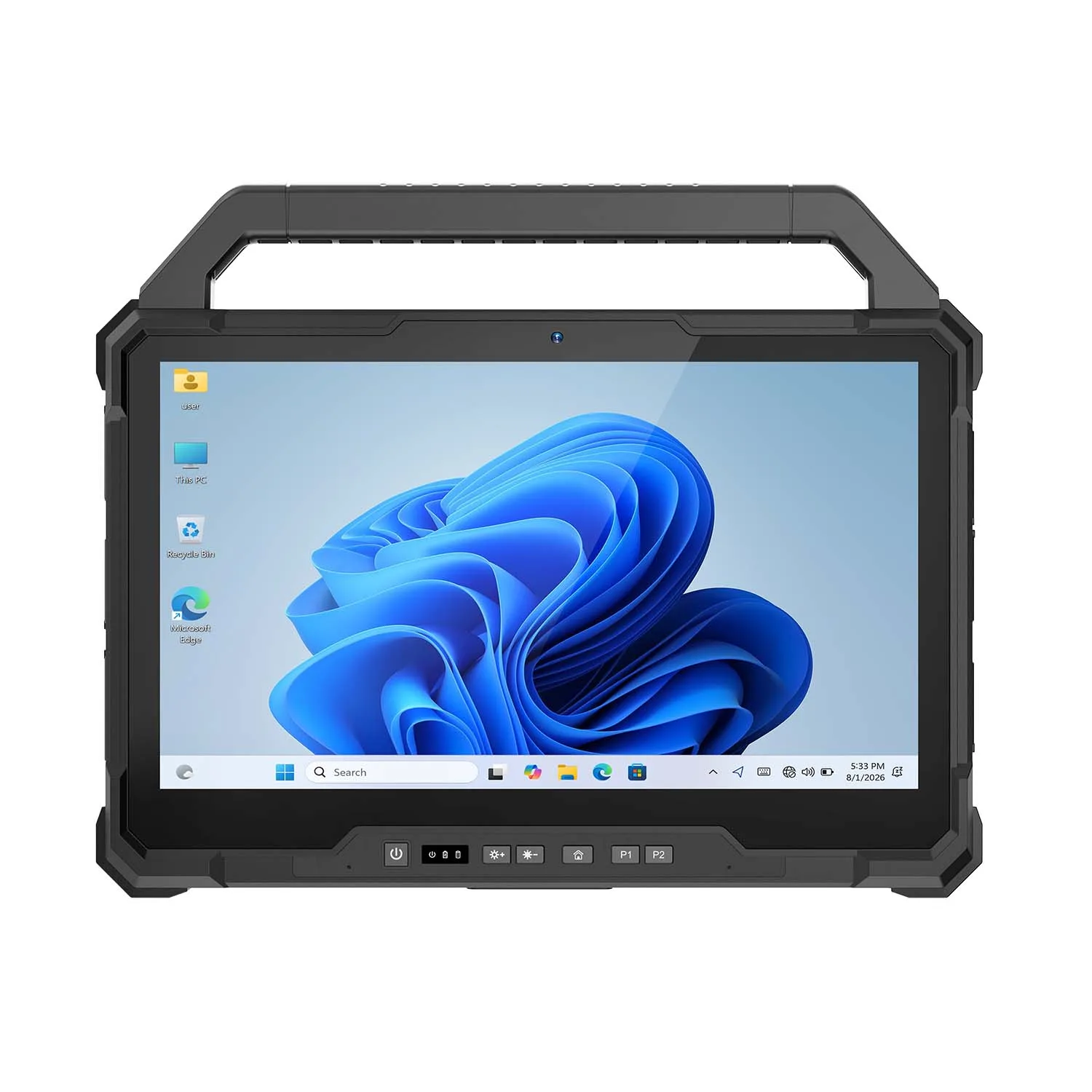
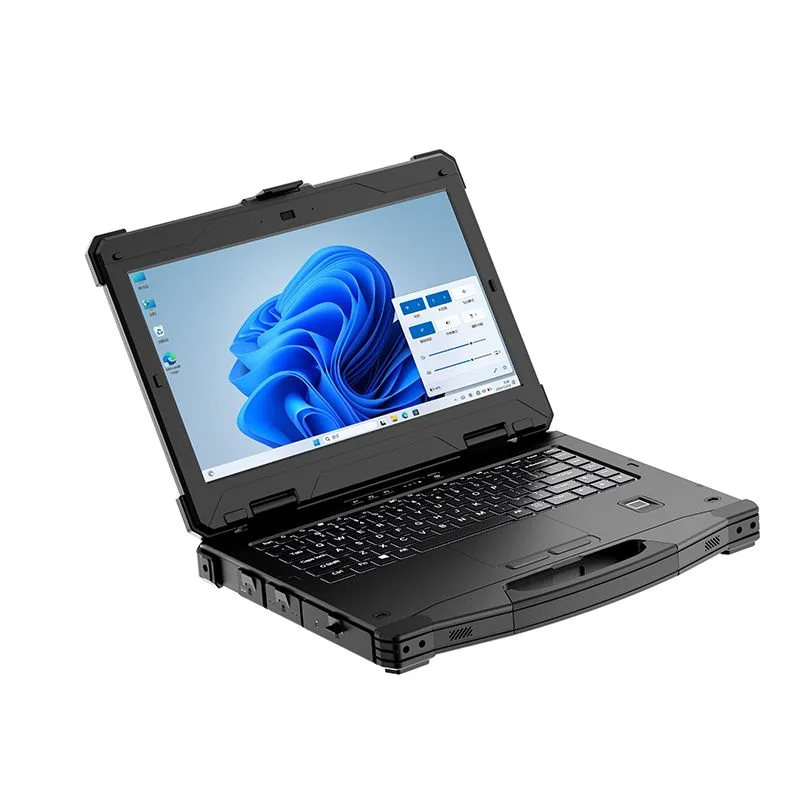
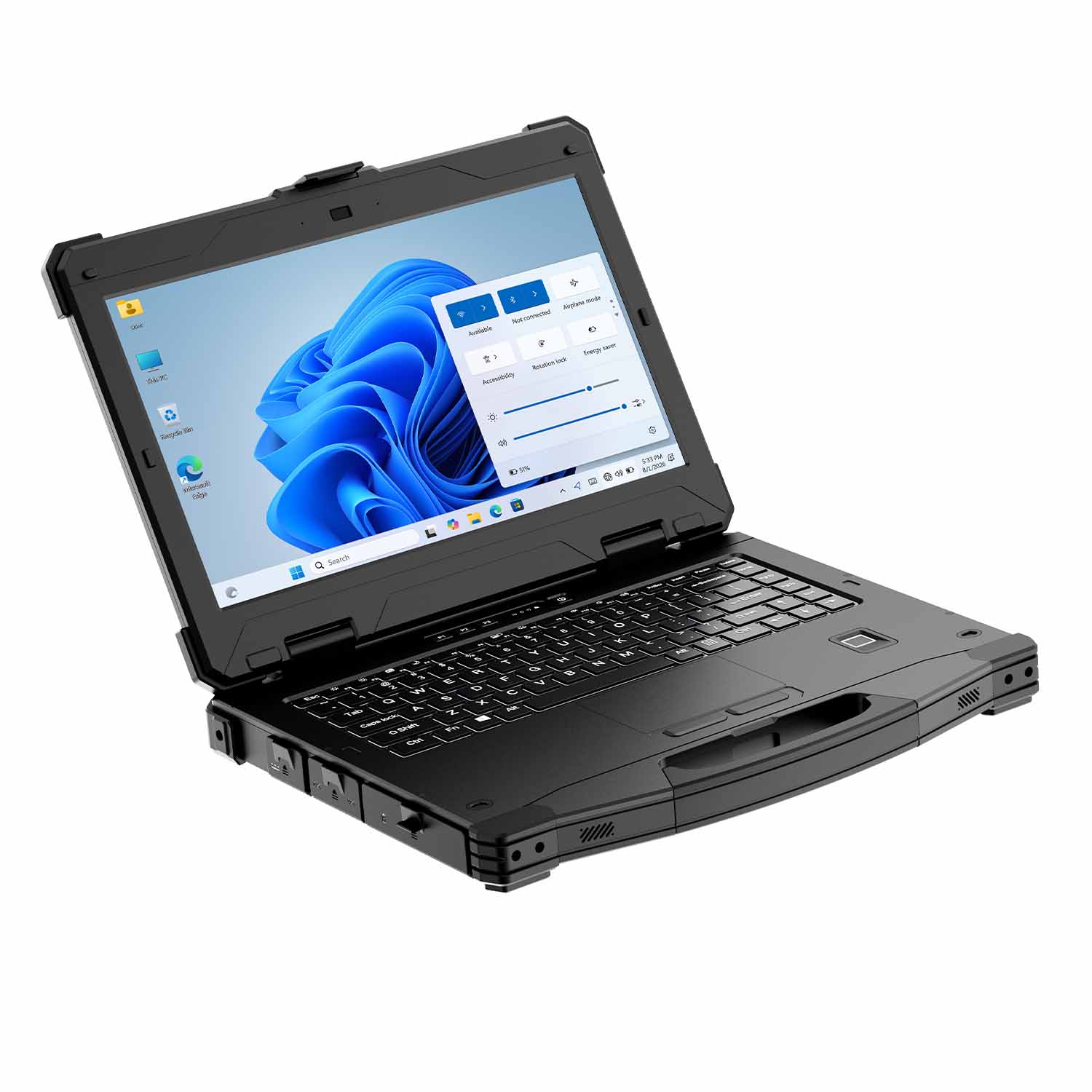
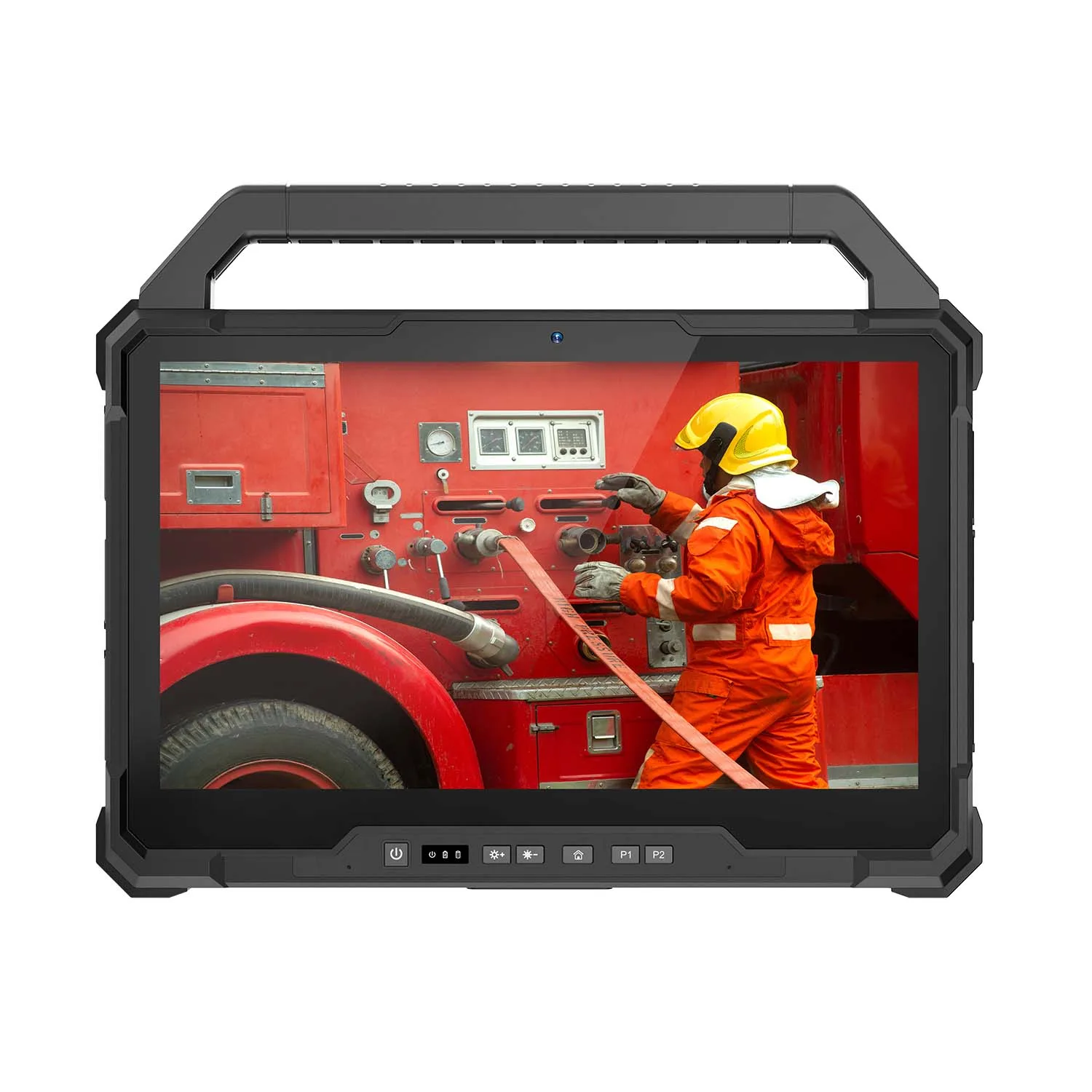
| W30NS | 13.3" | Windows 11 | Large screen, glove/wet-hand touch, TPM | Cart-based and workstation-style healthcare |
These products should be evaluated as rugged healthcare computing platforms unless a specific medical certification is separately documented for the selected configuration.
Medical Tablet for Nursing Rounds
Mobile nursing requires a tablet that can remain comfortable and usable throughout repeated room-to-room movement.
Important requirements include screen readability, glove-compatible touch, battery runtime, Wi-Fi performance and appropriate device security.
CENAVA A18ST is particularly relevant because its current specification supports medical rubber glove operation, uses a 10,000mAh battery and is explicitly positioned for healthcare rounds.
A compact hand strap or carrying accessory can further improve usability during mobile rounds.
Medical Tablet with Glove Touch
Healthcare workers may need to use a tablet while wearing examination gloves.
Selected CENAVA rugged tablets support touchscreen operation with medical rubber gloves.
This can help staff navigate hospital applications, complete forms, scan inventory and review information without repeatedly removing gloves.
The exact touchscreen response should still be validated with the gloves used by the healthcare organization before large-scale deployment.
Medical Tablet with Barcode Scanner
Barcode scanning is widely used across healthcare operations.
A tablet with an integrated scanner can support medication inventory, specimen logistics, supply management, asset tracking and hospital warehouse operations when connected to the appropriate healthcare application.
Selected CENAVA rugged tablets can be configured with 1D or 2D barcode scan engines.
Integrated scanning reduces the need for staff to carry a separate tablet and handheld scanner.
Medical Tablet with RFID and NFC
RFID and NFC can support healthcare identification and asset-management workflows.
Selected configurations support technologies such as NFC, HF RFID and UHF RFID.
Potential applications include equipment tracking, inventory, staff identification, supply-chain management and facility operations.
The correct RFID technology depends on the hospital's existing infrastructure, reading distance and application requirements.
Windows Medical Tablet
Windows is important for healthcare organizations that depend on traditional enterprise applications.
A Windows healthcare tablet can support hospital software, browser-based clinical applications, inventory systems, maintenance software and other Windows enterprise tools.
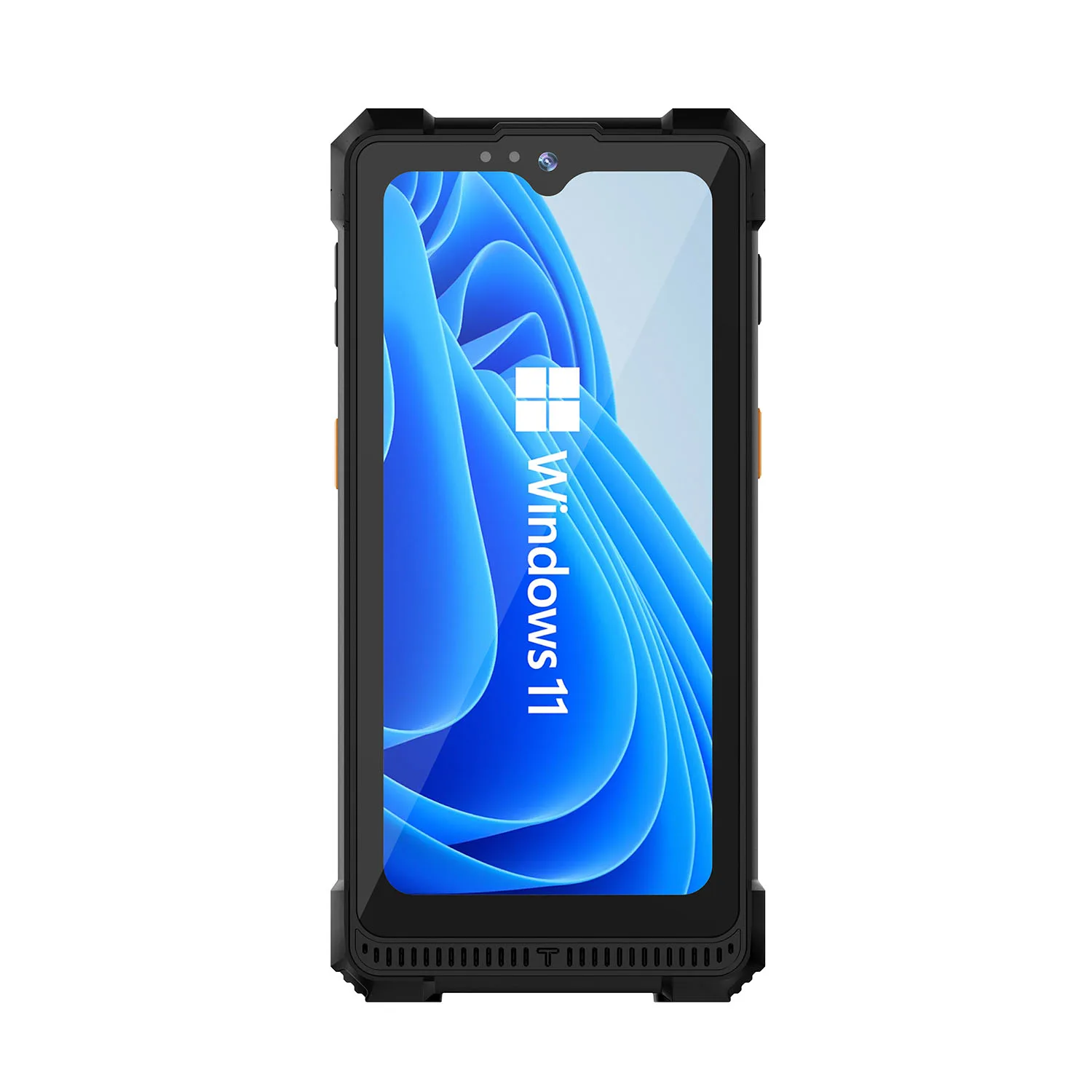
W10Y combines Windows 11 with TPM hardware security, Wi-Fi 6E and a glove-compatible touchscreen.
Its industrial interfaces also make it useful for healthcare engineering, facilities and equipment-management teams.
Android Medical Tablet
Android is well suited to touch-first healthcare applications.
An Android healthcare tablet can support nursing applications, inventory, mobile forms, barcode scanning, asset management and custom hospital applications.
CENAVA A18ST and A80ST provide Android-based platforms with long battery life and configurable data-capture functions.
Android can be particularly useful when healthcare software has been designed specifically around mobile workflows.
Compact 8-Inch Medical Tablets
An 8-inch tablet is easier to carry throughout a long shift.
This size can be suitable for pharmacy staff, nurses, logistics teams, inventory workers and healthcare technicians.
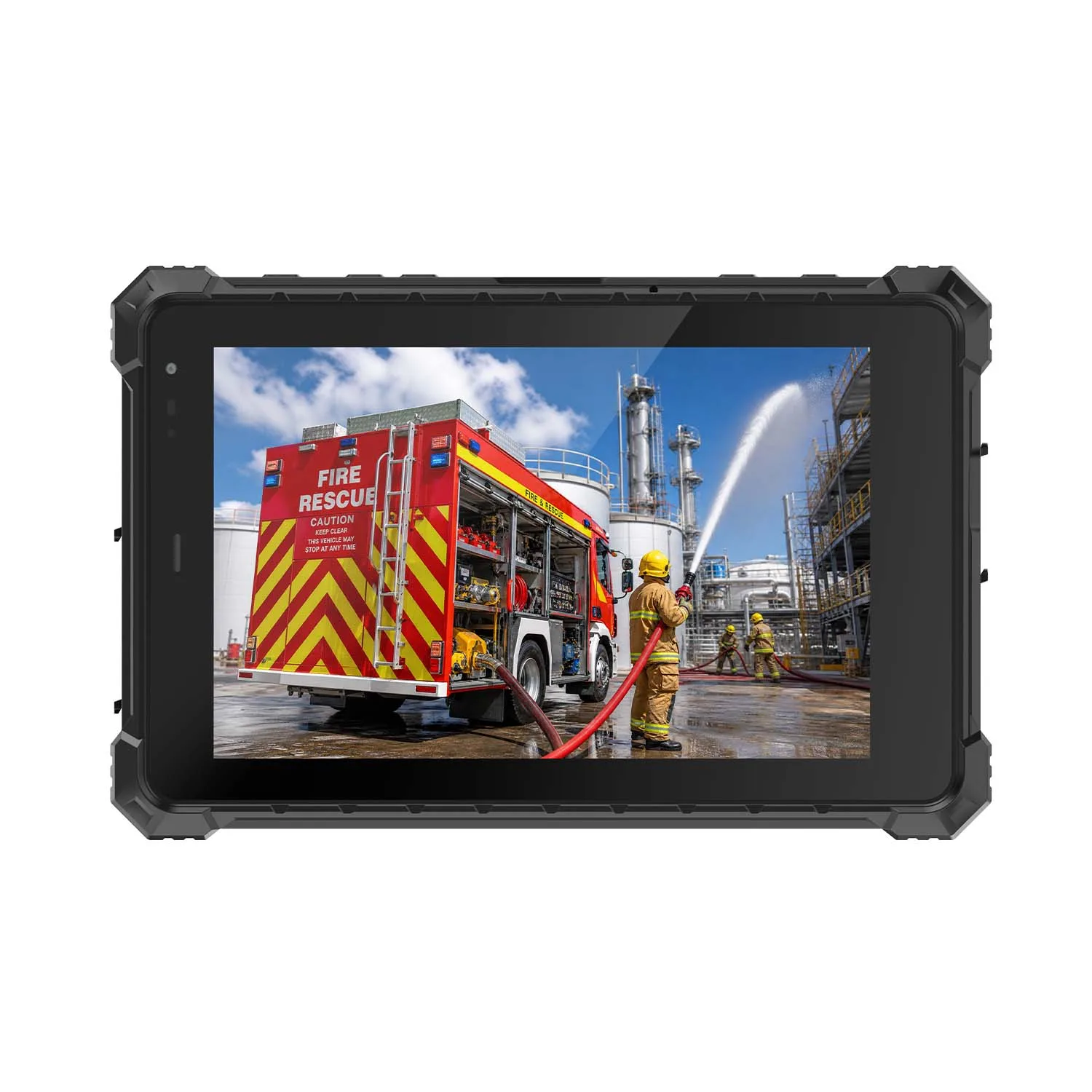
A80ST combines an 8-inch form factor with IP68 protection, medical-rubber-glove touch and a 10,000mAh battery.
Optional barcode and RFID modules allow the tablet to support multiple data-collection workflows without requiring additional handheld devices.
10-Inch Medical Tablets
A 10-inch tablet provides more screen area for records, forms and dashboards while still remaining portable.
This format is suitable for nursing rounds, healthcare applications, hospital carts and mobile documentation.
For organizations that need both portability and detailed information display, approximately 10 inches often provides a practical balance.
Large-Screen Medical Tablets
Some healthcare workflows require more screen space than handheld mobility.
A 13-inch Windows rugged tablet can be useful when mounted on carts or used as a mobile workstation.
Large displays make it easier to view complex forms, multiple application fields and Windows desktop applications.
The trade-off is greater size and weight compared with 8-inch and 10-inch devices.
Medical Tablets for Pharmacy Operations
Hospital pharmacies require reliable inventory and information access.
A rugged tablet can support receiving, stock counting, shelf checks, internal logistics and compatible barcode-based workflows.
Compact 8-inch devices are particularly useful when staff move frequently through shelving and storage areas.
Integrated barcode or RFID modules can reduce the number of separate devices required.
Medical Tablets for Hospital Logistics
Hospitals operate complex internal supply chains.
Tablets can support movement of supplies, equipment, linen, consumables and other assets.
Barcode and RFID can help identify physical items, while Wi-Fi connectivity allows data to synchronize with hospital systems.
A rugged enclosure is useful for devices that are repeatedly transported between departments.
Medical Tablets for Healthcare Asset Management
Healthcare organizations manage large quantities of mobile equipment.
Rugged tablets equipped with barcode, NFC or RFID can support compatible asset-management systems.
Staff can use the tablet to identify equipment, record inspections, update locations and review maintenance information.
For engineering departments, Windows models with USB and network interfaces may provide additional flexibility.
Medical Tablets for Laboratory Operations
Laboratories can use mobile tablets for work lists, sample logistics, inventory and maintenance documentation.
Integrated barcode scanning can help with compatible sample-tracking workflows.
Where the tablet connects to laboratory equipment, review compatibility and regulatory requirements for the complete system — never assume a tablet connects safely to any medical device.
Medical Tablets for Emergency and Mobile Healthcare
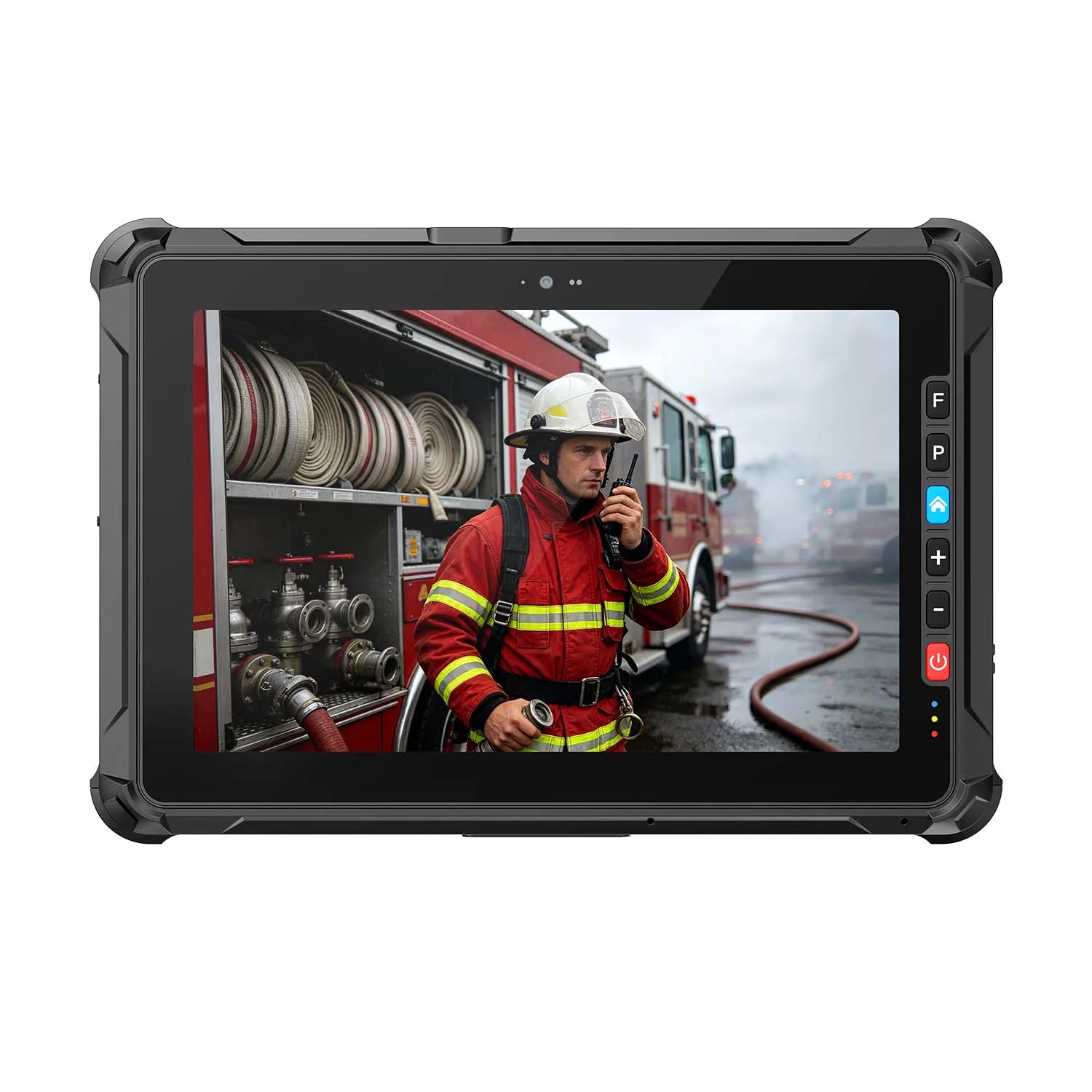
Mobile healthcare and emergency-response teams may require additional ruggedness because equipment leaves the controlled hospital environment.
Relevant features include IP-rated construction, drop resistance, cellular connectivity, GPS/GNSS, glove touch, high-brightness displays and long battery life.
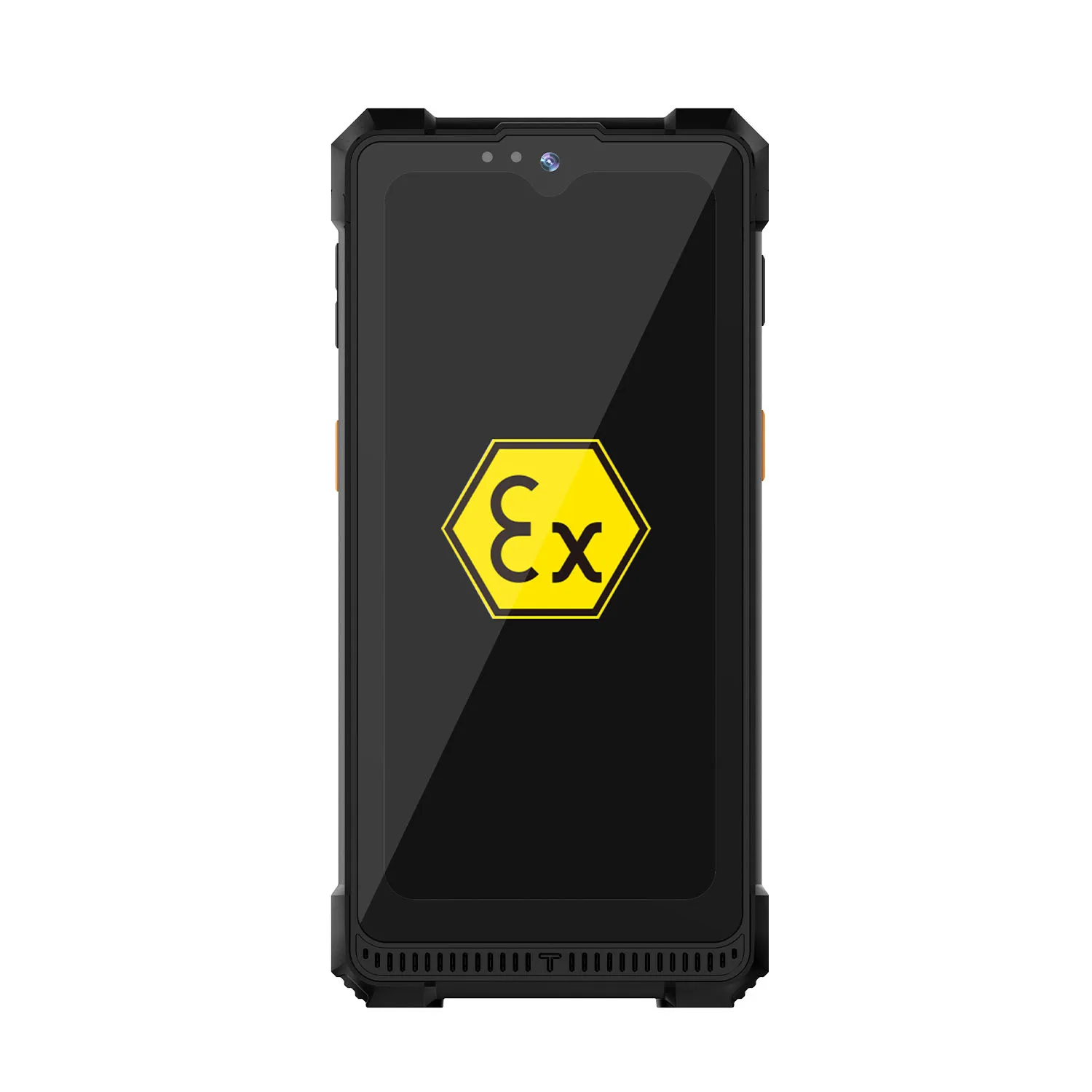
If equipment is specifically intended for use as medical electrical equipment in an emergency medical services environment, applicable medical standards should be reviewed separately.
Cleaning and Disinfection
Healthcare tablets get cleaned often. An IP68 rating does not automatically mean resistance to every hospital disinfectant — cleaning compatibility depends on enclosure materials and adhesives, seals, screen coatings, chemical concentration. Before deployment, confirm which cleaning products and procedures are approved for the chosen tablet. Pay particular attention to frequent exposure to alcohol, chlorine-based products, peroxide and other aggressive disinfectants. Ask us for the approved-substance list for your model.
Antimicrobial housing is a separate feature from cleaning and disinfection — do not assume every healthcare tablet includes antimicrobial materials. If antimicrobial housing is a project requirement, specify and document it separately; we will confirm whether your chosen configuration includes it.
Antimicrobial Housing
Some specialized healthcare computers use antimicrobial housing materials.
An antimicrobial additive is different from normal cleaning and disinfection.
It should also not be assumed that every healthcare or medical tablet includes antimicrobial materials.
If antimicrobial housing is a project requirement, it should be specified and documented separately.
Fanless Medical Tablets
Fanless tablets can be useful in healthcare because they do not rely on a conventional cooling fan to pull air through the enclosure.
Potential advantages include fewer moving parts and easier sealed-device design.
Many mobile ARM and low-power industrial tablet platforms use passive cooling.
The appropriate cooling architecture still depends on processor performance and workload.
Long Battery Life Medical Tablets
Nursing and healthcare shifts can extend for many hours.
A tablet that repeatedly needs to be returned to a charging station can interrupt mobile workflows.
Selected CENAVA models use 10,000mAh batteries, while A109TB uses a 20,000mAh battery for extended operation.
Battery runtime still depends on display brightness, wireless activity, scanning and application workload.
For multi-shift deployments, organizations should also plan charging carts, docks or spare-device rotation.
Medical Tablet Security
Healthcare tablets may access sensitive information.
Security requirements can include device encryption, strong authentication, mobile-device management, VPN access, automatic screen locking and remote device control.
Windows devices with TPM can provide hardware-backed security capabilities.
W10Y includes a TPM security chip in its current configuration.
Security: healthcare tablets touch sensitive information. Encryption and authentication, MDM and VPN, automatic screen locking and remote control are the policy layer; TPM hardware (standard on W10Y) is the hardware layer. Compliance depends on the complete IT environment and your organizational policies — not on tablet hardware alone, and we will not pretend otherwise.
Wi-Fi Medical Tablets
Hospital tablets frequently depend on wireless networks.
Stable Wi-Fi is particularly important when workers move continuously between rooms and floors.
When selecting a tablet, evaluate the supported Wi-Fi generation together with the hospital's access-point infrastructure and roaming configuration.
Reliable wireless deployment requires both compatible client hardware and properly designed hospital networking.
4G and 5G Medical Tablets
Cellular connectivity is useful for mobile healthcare outside hospital Wi-Fi.
Potential applications include home healthcare, emergency response, healthcare logistics and mobile service teams.
Selected CENAVA tablets provide optional 4G or 5G configurations.
Organizations should verify carrier compatibility and apply appropriate security policies for cellular access.
Medical Grade Tablet vs. Consumer Tablet
| Feature | Healthcare / Medical-Focused Tablet | Consumer Tablet |
|---|---|---|
| Medical Glove Touch | Available | Often limited |
| Integrated Barcode | Available | Usually external |
| RFID Options | Available | Limited |
| Rugged Protection | IP-rated options | Varies |
| Long-Shift Battery | Industrial configurations | Varies |
| TPM / Enterprise Security | Available on selected models | Depends on model |
| Mounting / Hand Straps | Professional accessories | Limited |
| Industrial Expansion | Available | Limited |
| Medical Certification | Must be verified by model | Usually not intended for this purpose |
| Cleaning Compatibility | Must be documented | Often consumer-oriented |
A consumer tablet may work well for administrative applications in controlled hospital areas.
A specialized healthcare or medical tablet becomes more appropriate when the workflow requires glove touch, frequent data capture, rugged handling or additional healthcare-specific requirements.
Medical Grade Tablet vs. Rugged Medical Tablet
A rugged medical tablet emphasizes physical durability.
A medical grade tablet may imply requirements beyond ruggedness.
Those requirements can include electrical safety, EMC performance, cleaning compatibility and other healthcare-specific design considerations.
Therefore:
IP68 does not equal medical grade.
MIL-STD-810H does not equal medical certification.
Medical glove touch does not equal IEC 60601 compliance.
Each specification addresses a different requirement — we check them separately with you.
How to Choose a Medical Grade Tablet
Define the use case first. For general hospital information workflows, weigh software compatibility, screen size, glove operation, battery runtime, scanning requirements, wireless connectivity and security. For equipment that becomes part of a medical electrical system, identify the required medical safety and EMC standards first — then verify cleaning compatibility and enclosure materials, authentication and IT integration. Finally, test the exact hardware, OS and healthcare application before fleet deployment — we join that pilot.
Why Choose CENAVA for Healthcare Rugged Tablet Projects?
CENAVA provides Windows and Android tablet platforms that can be configured for healthcare information and operational workflows.
Available capabilities across selected models include medical-rubber-glove touch, IP68 protection, long-life batteries, Wi-Fi, 4G/5G, barcode scanning, NFC, RFID, TPM security and mobile accessories.
OEM and ODM projects can also address operating-system configuration, memory, storage, data-capture modules, wireless communication, mounting and branding.
Where a project specifically requires medical electrical certification, the required standard and exact product configuration should be confirmed before the device is represented as medical-grade certified.
Frequently Asked Questions About Medical Grade Tablets
1. What is a medical grade tablet?
A medical grade tablet is generally understood as a tablet designed for healthcare use, but the term alone does not establish a specific certification.
The exact requirements depend on the intended medical or healthcare application.
2. Does a medical grade tablet need IEC 60601?
Not every computer used inside a hospital automatically requires IEC 60601.
IEC 60601 applies to medical electrical equipment and medical electrical systems within its defined scope.
Whether it applies to a tablet depends on the intended use and system integration.
3. What is IEC 60601-1?
IEC 60601-1 establishes general requirements for basic safety and essential performance of medical electrical equipment.
Projects that fall within its scope should evaluate the applicable standard requirements and any relevant collateral or particular standards.
4. What is IEC 60601-1-2?
IEC 60601-1-2 addresses electromagnetic disturbances, including immunity and emissions requirements for medical electrical equipment and systems.
5. Is an IP68 tablet automatically medical grade?
No.
IP68 describes ingress protection against dust and water under defined test conditions.
It does not establish medical electrical safety or EMC certification.
6. Is MIL-STD-810H a medical certification?
No.
MIL-STD-810H relates to environmental test methods used for ruggedness evaluation.
It is separate from medical electrical standards.
7. Can medical tablets work with examination gloves?
Certain CENAVA tablets support touch with medical rubber gloves — test the exact glove type before deployment; send us the glove and we will test it.
8. Can medical tablets include barcode and RFID?
Yes.
Selected configurations support 1D/2D barcode scanning, NFC and HF/UHF RFID for compatible healthcare inventory, logistics and identification workflows.
9. Can healthcare tablets be disinfected?
Cleaning depends on the materials and approved chemical compatibility of the specific tablet.
IP68 should not be used as evidence that every hospital disinfectant is safe for the device.
10. Does CENAVA offer IEC 60601-certified medical tablets?
IEC 60601 certification should be confirmed for the exact model and configuration before purchase.
CENAVA's publicly listed rugged tablet specifications primarily document ruggedness, IP protection, communications and data-capture capabilities. Buyers with IEC 60601 requirements should specify the required standard during project evaluation.