
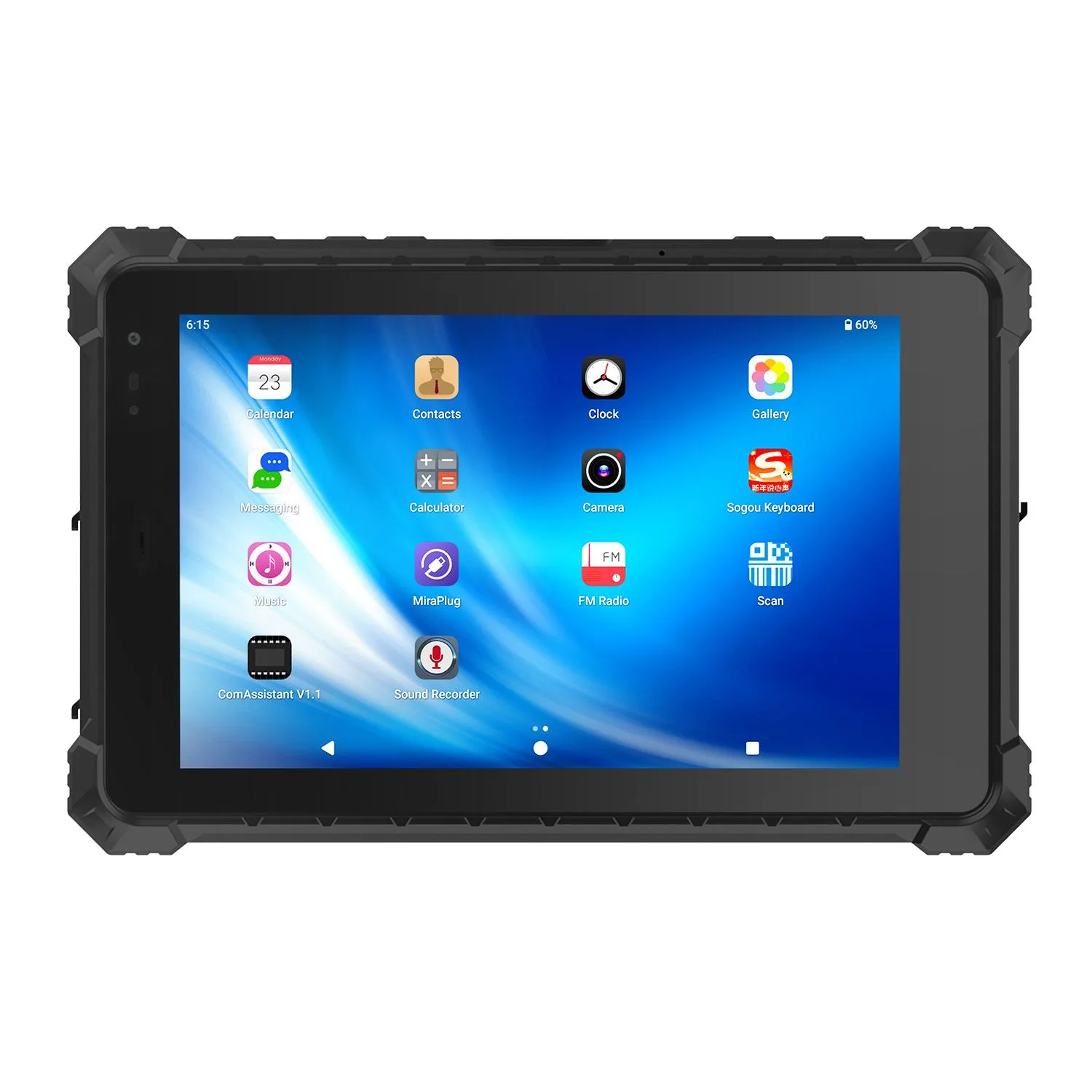
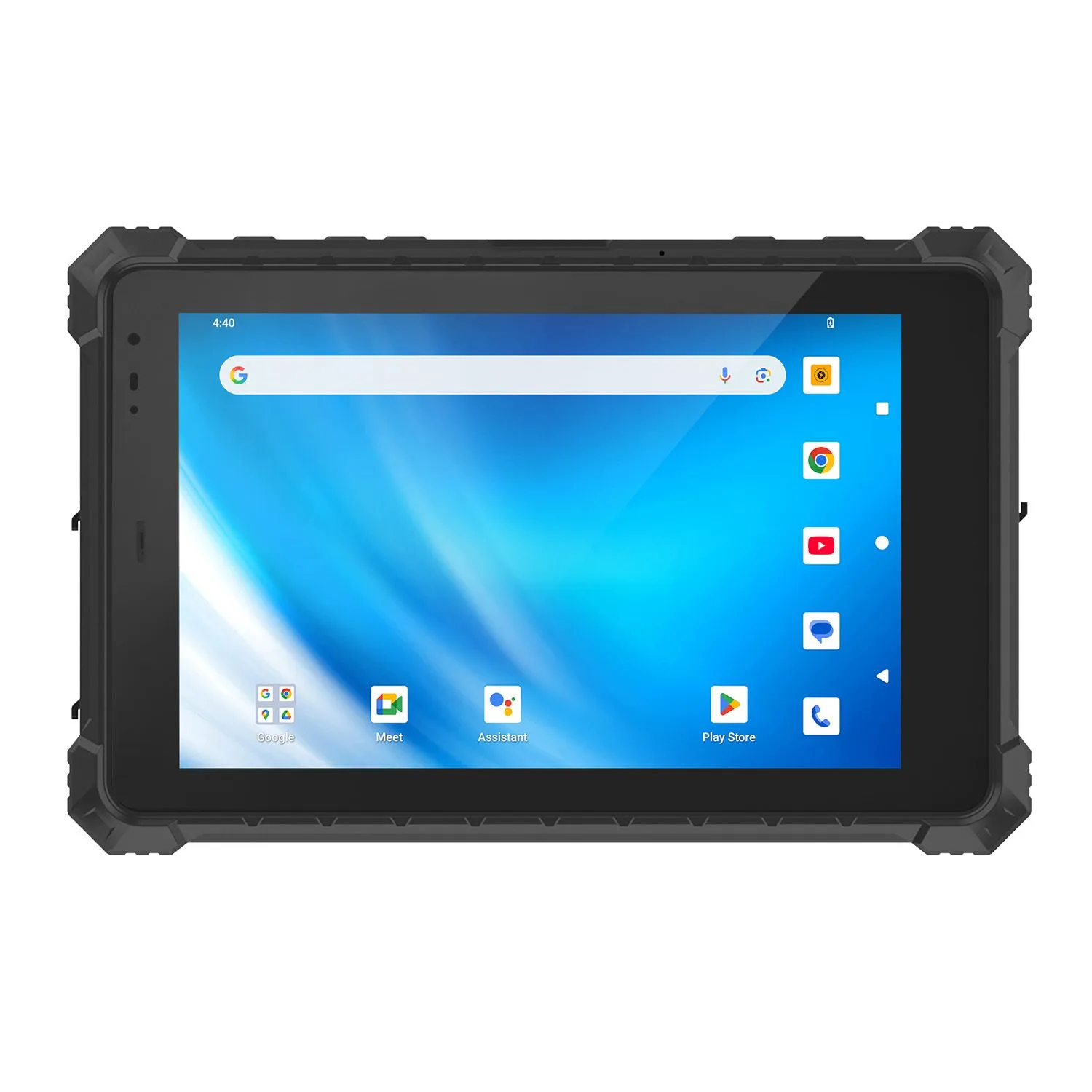
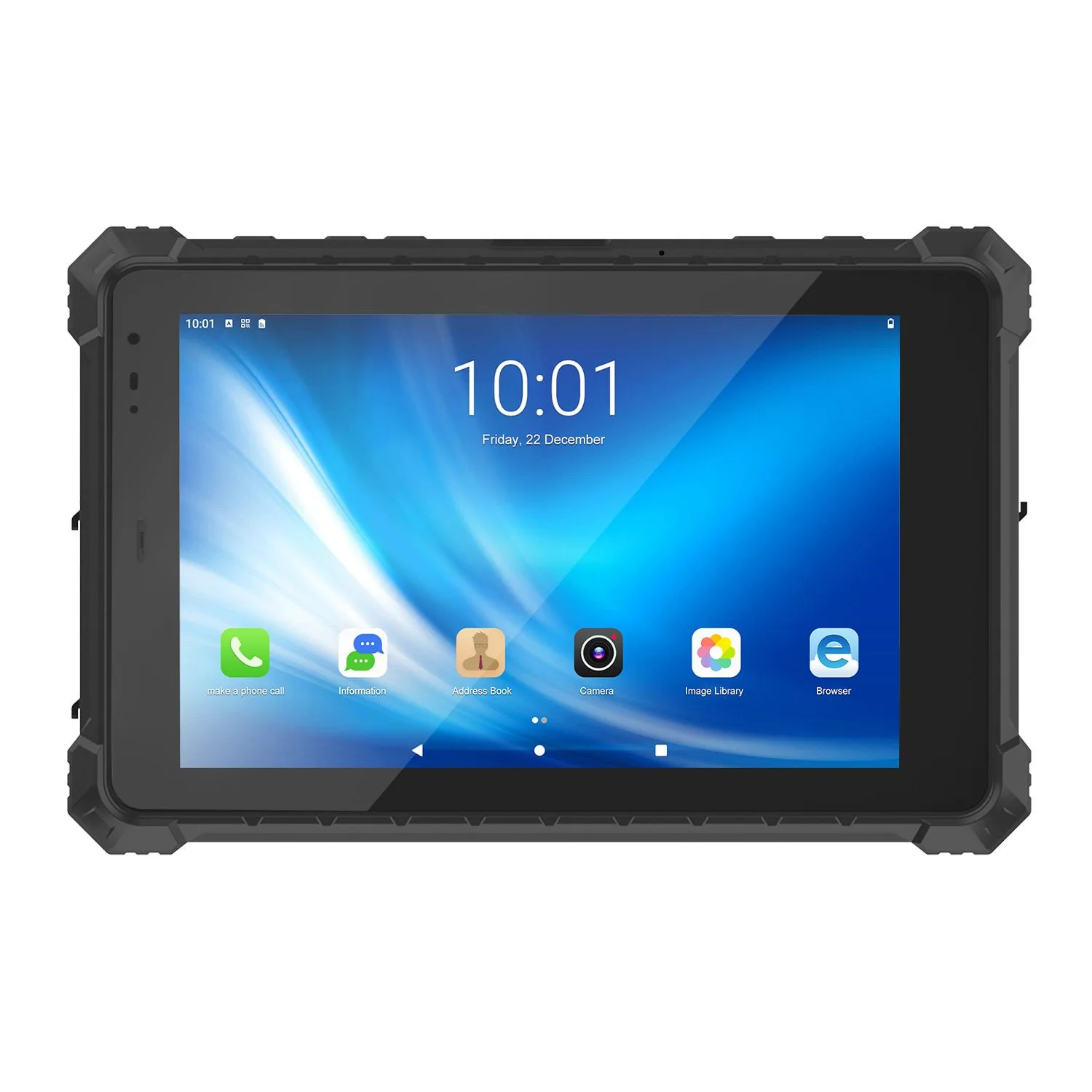
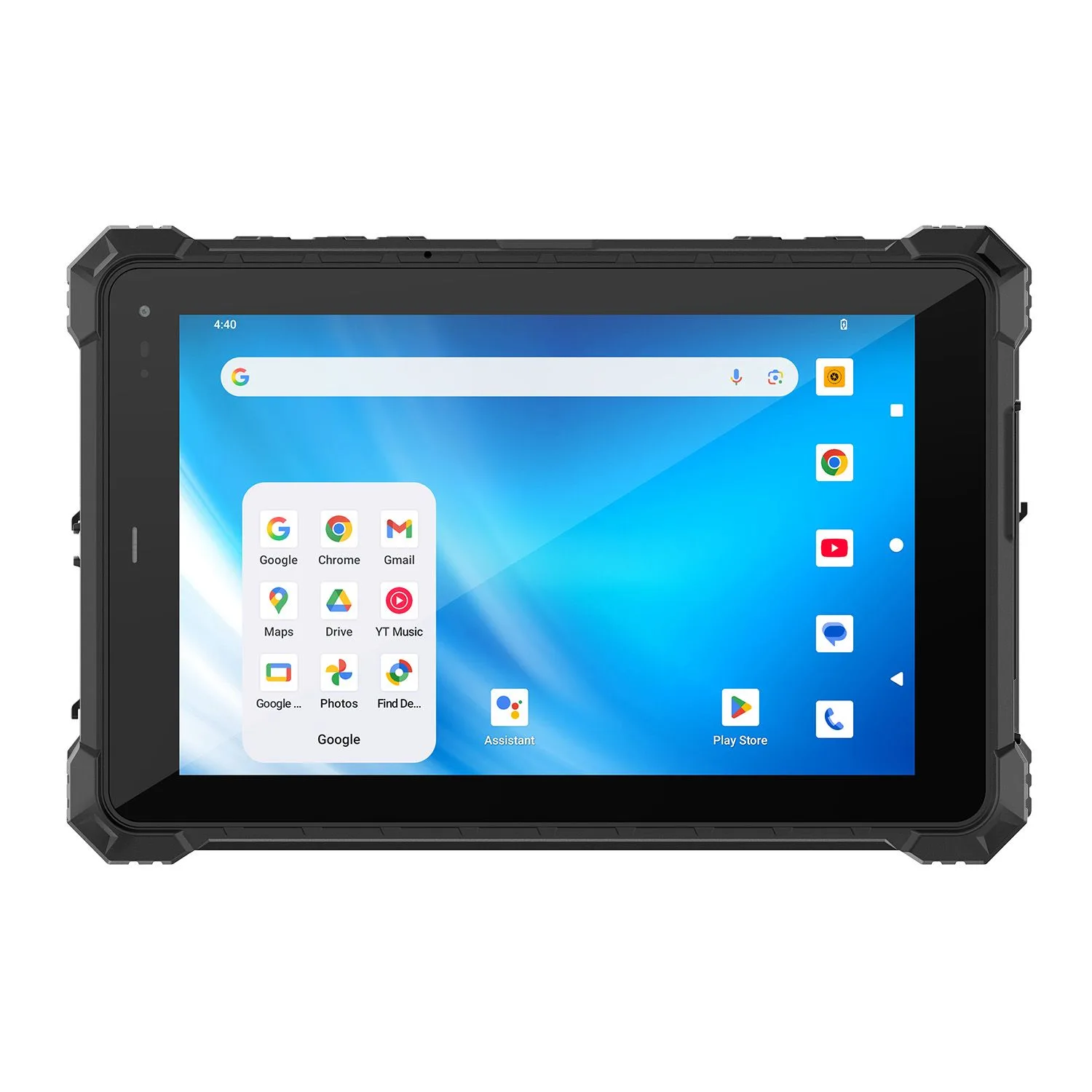
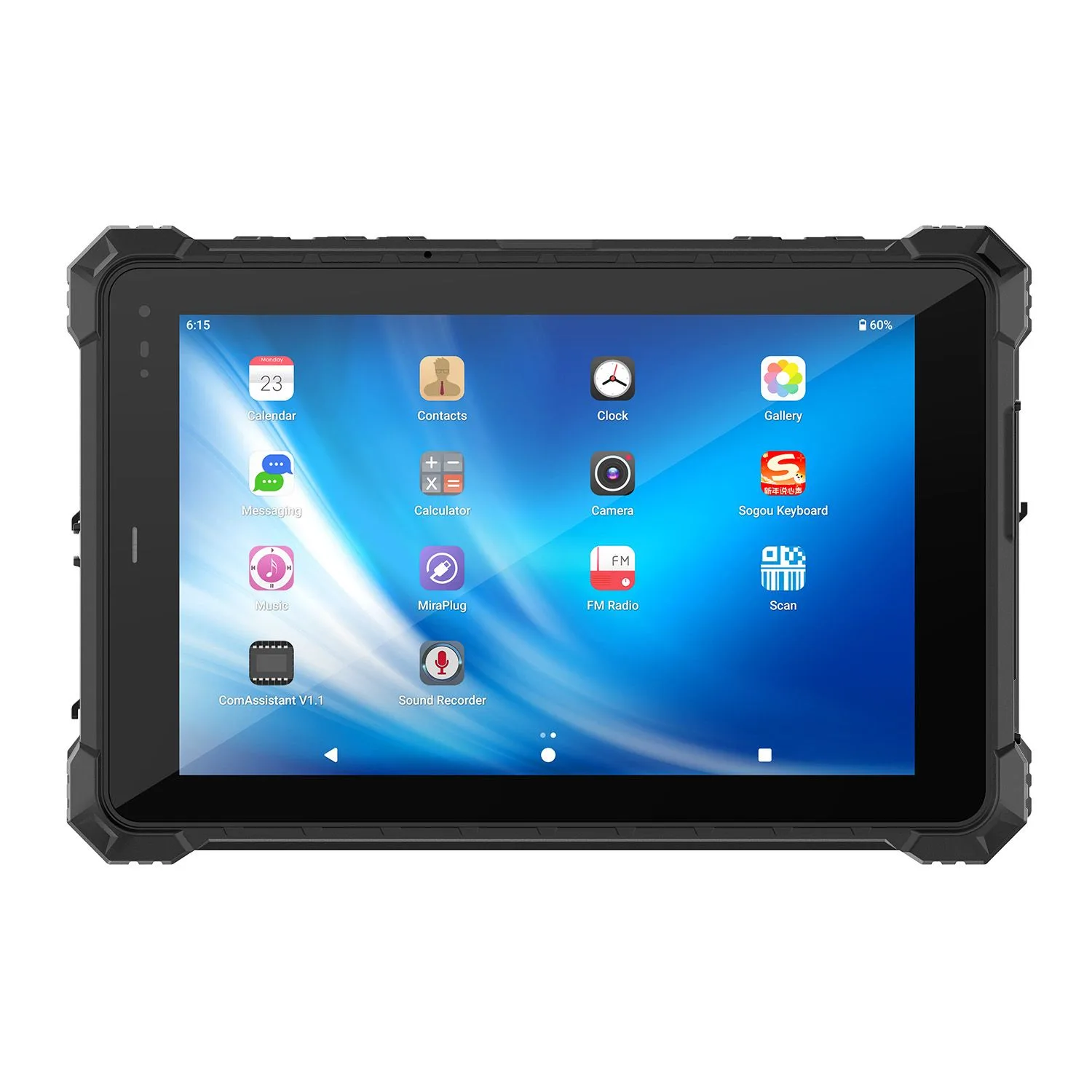
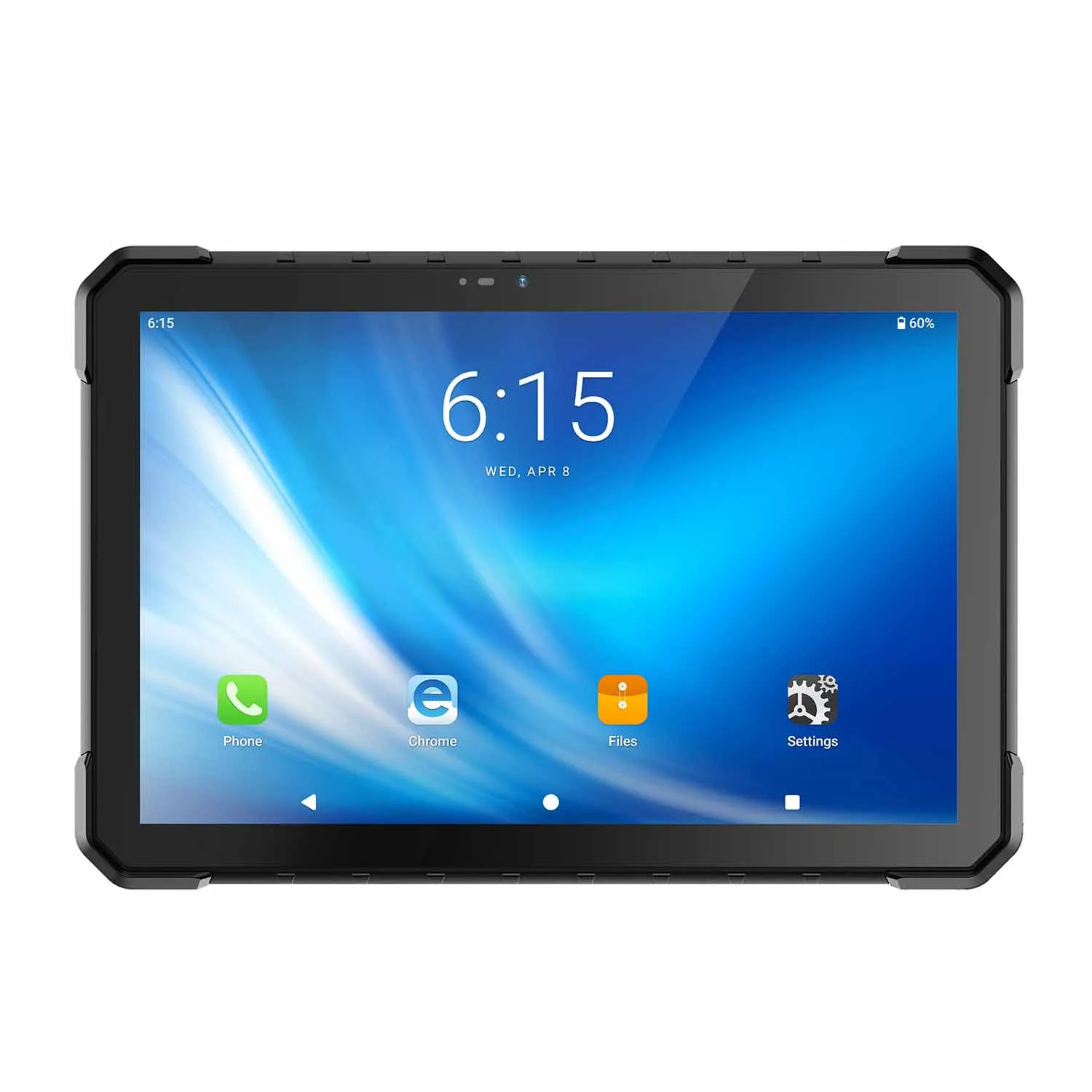
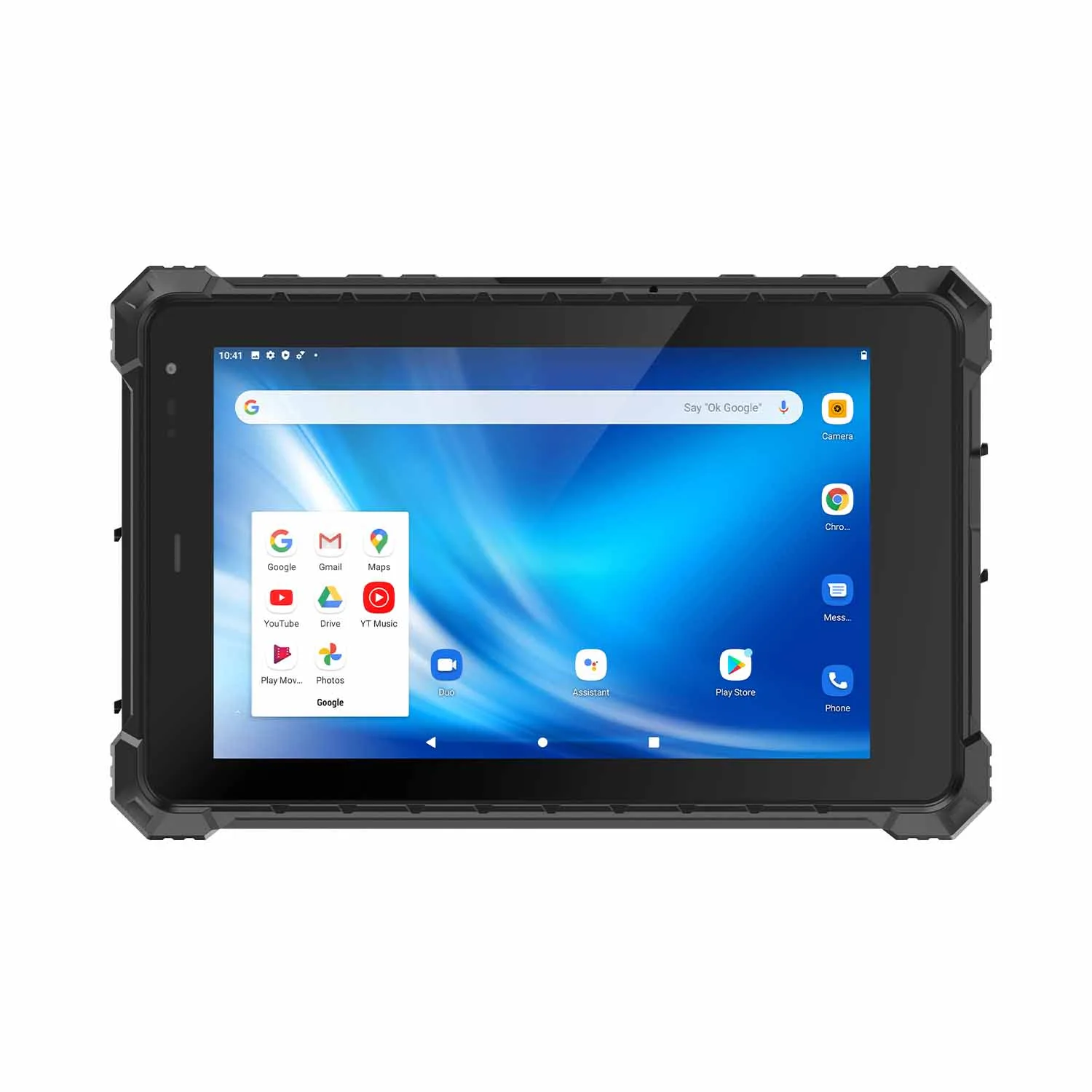
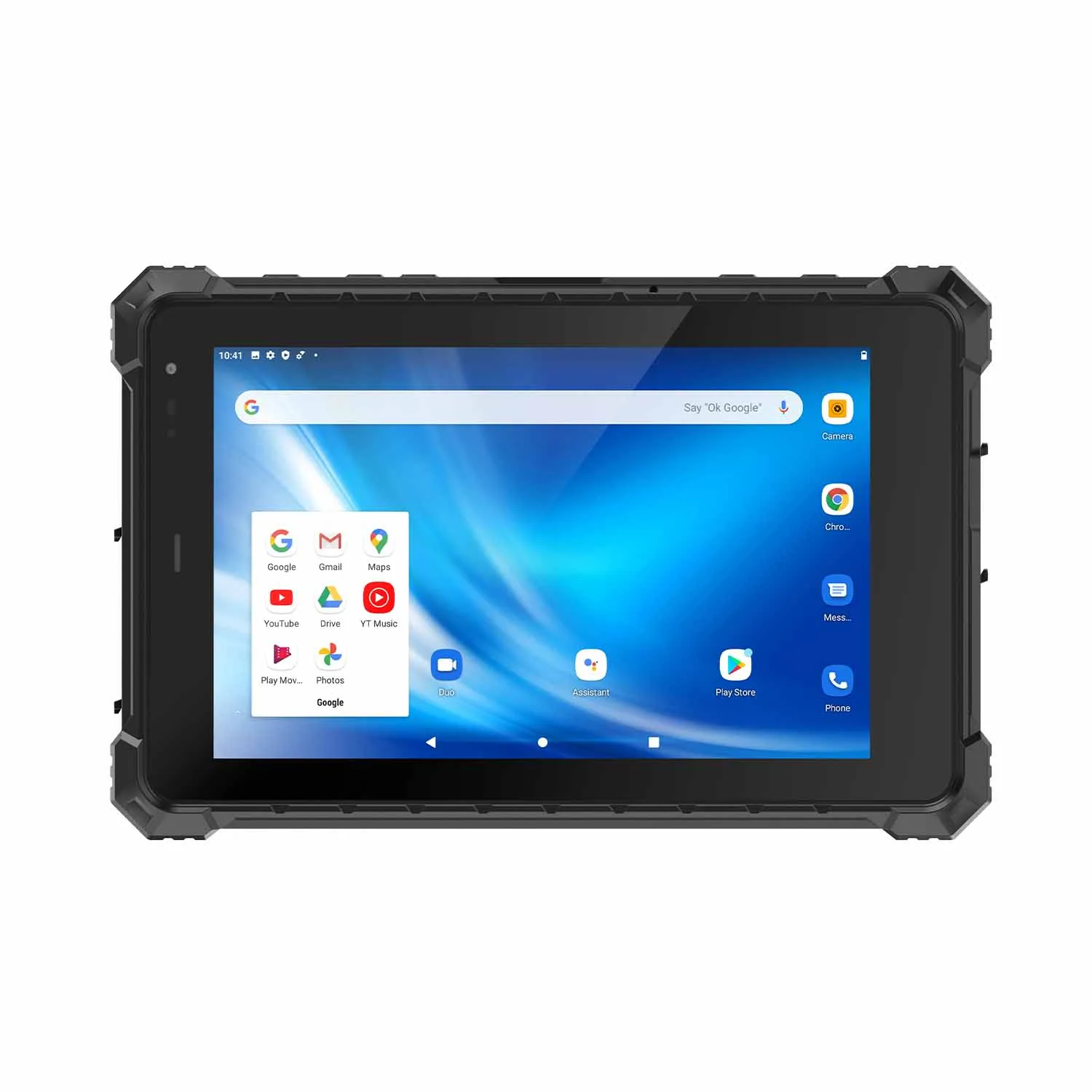
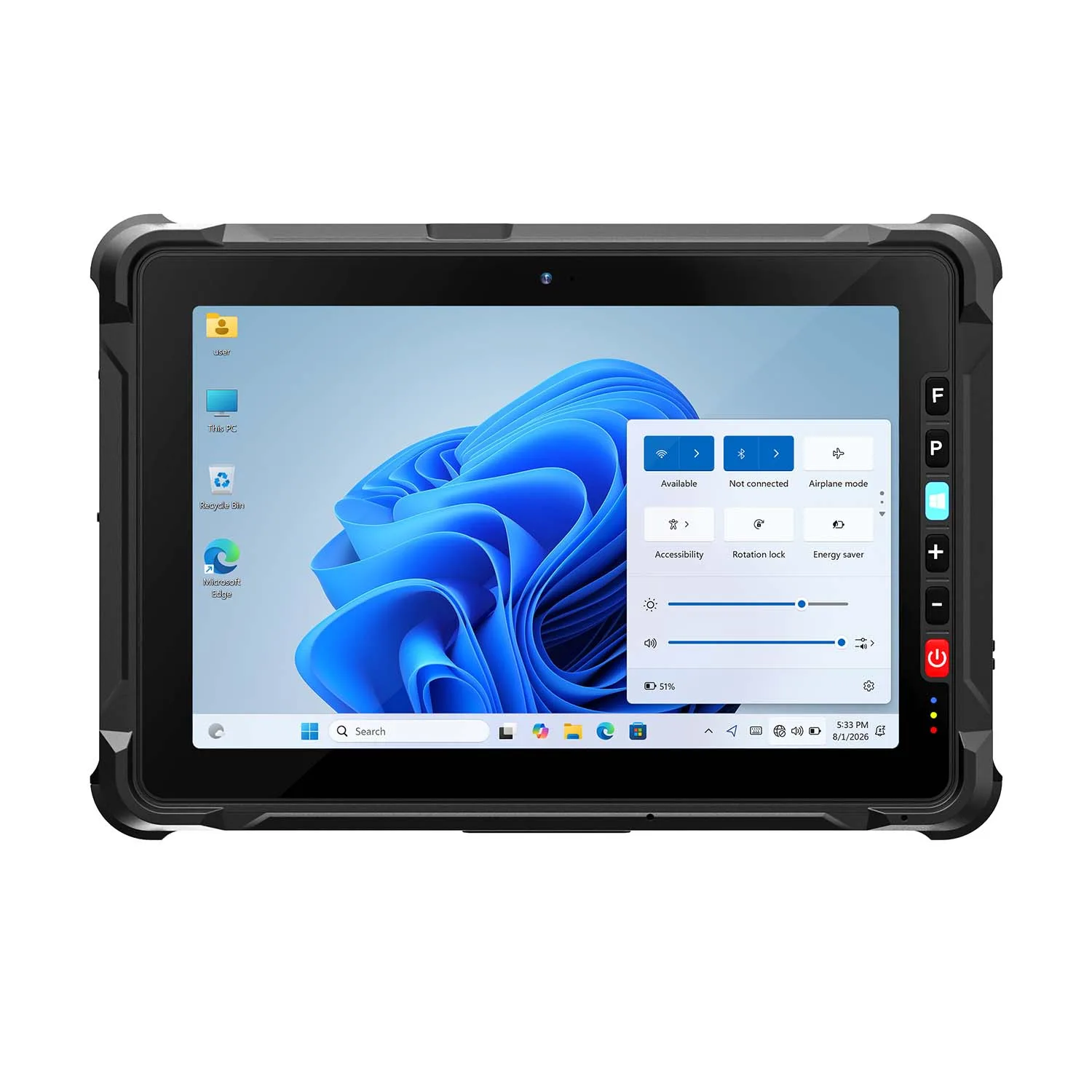
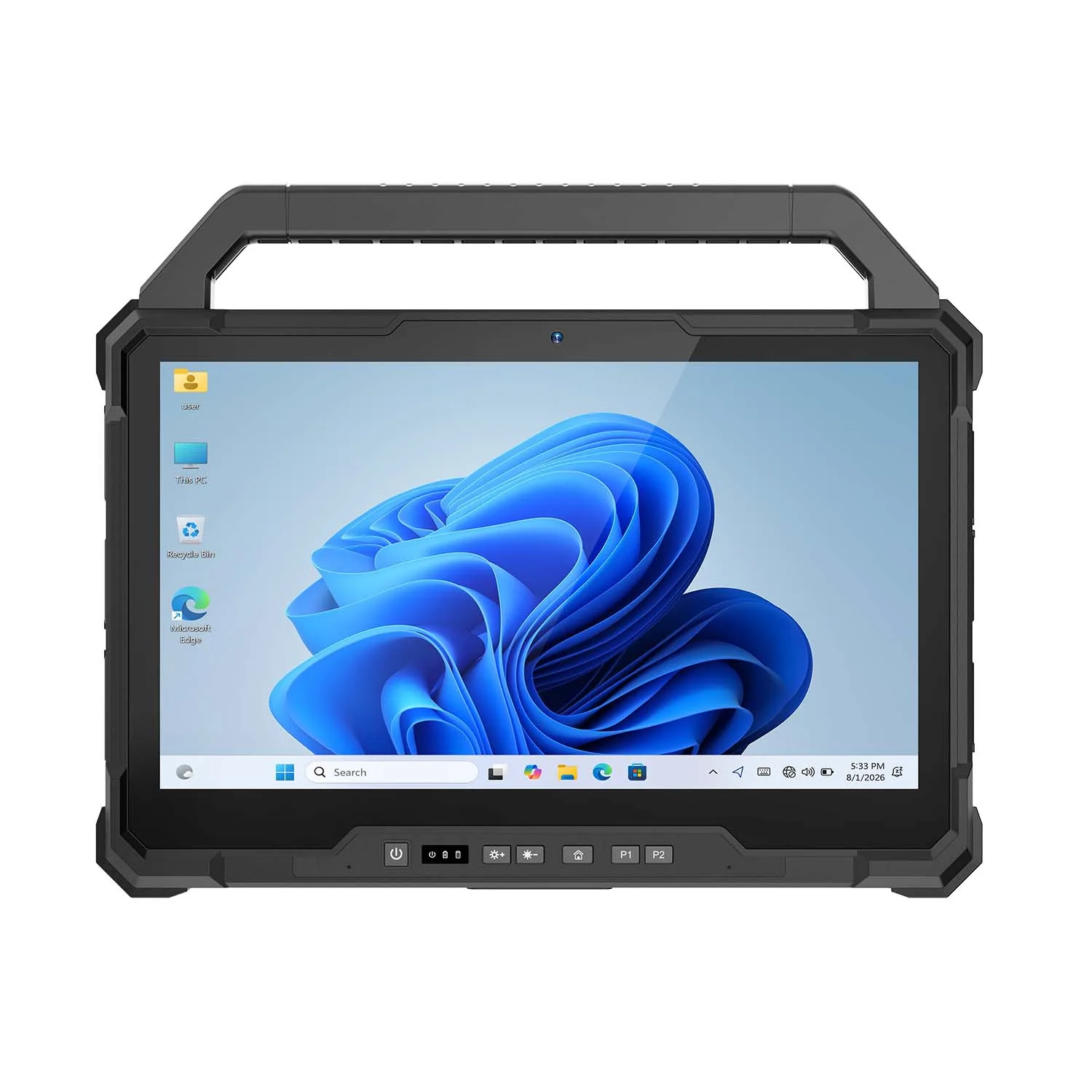
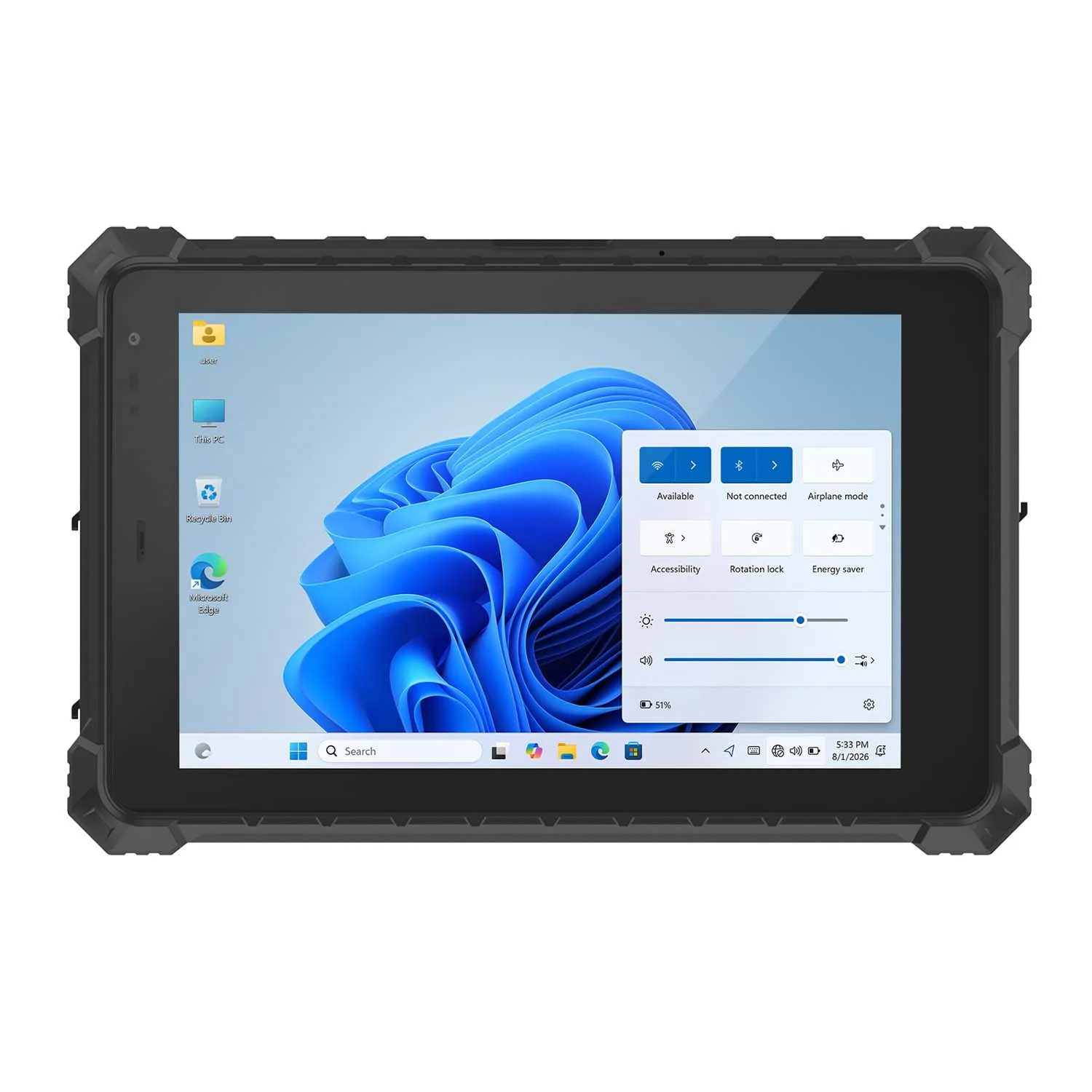
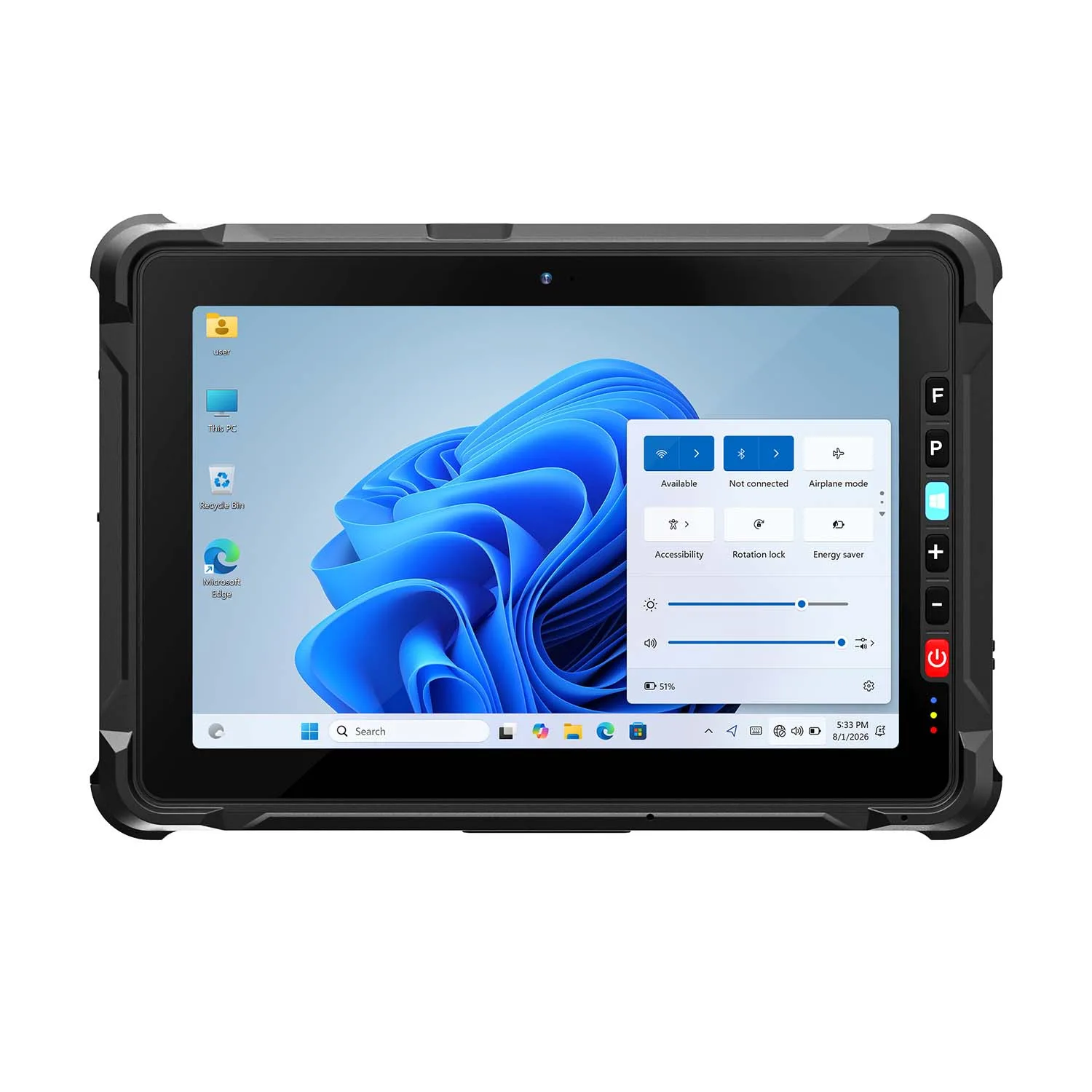
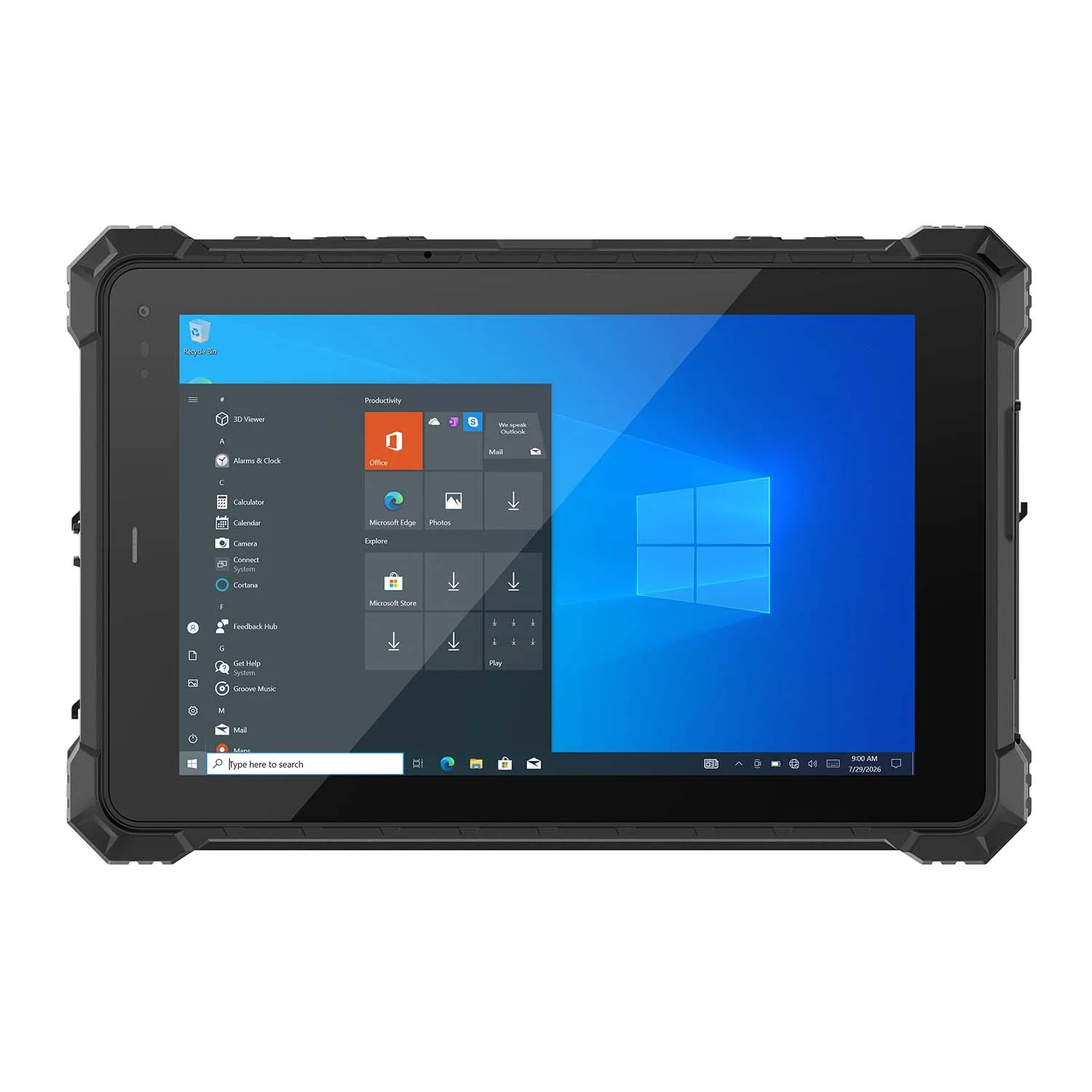
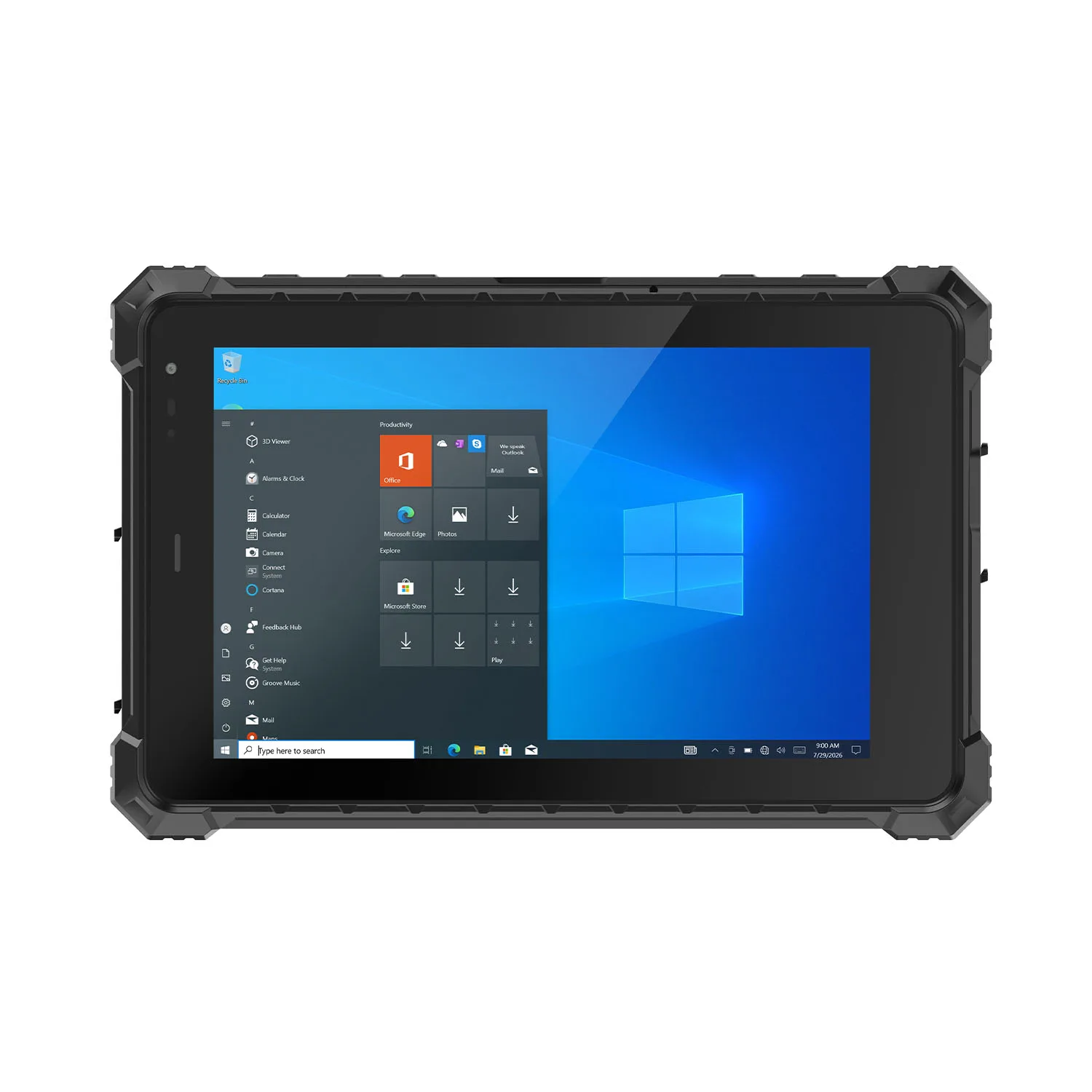
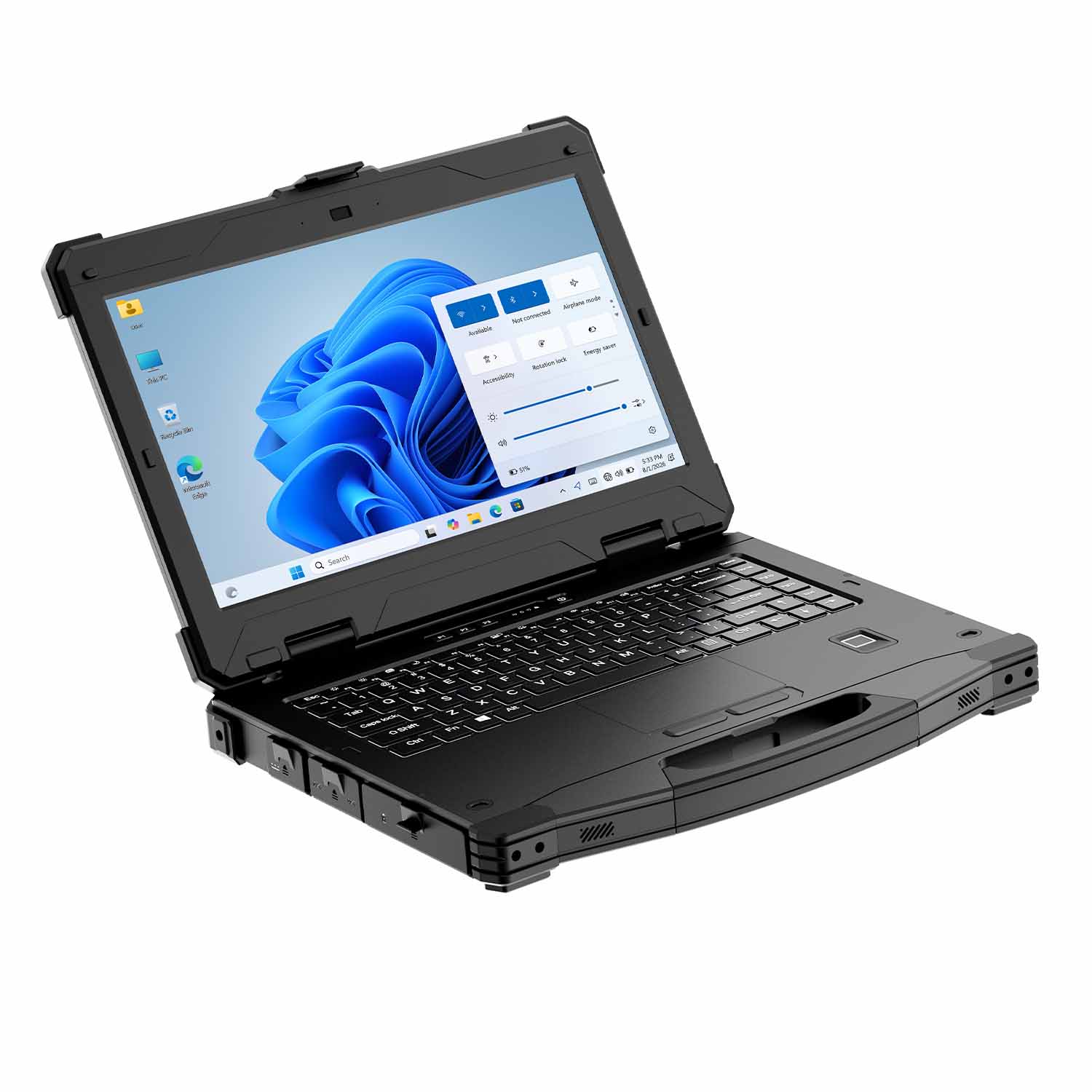
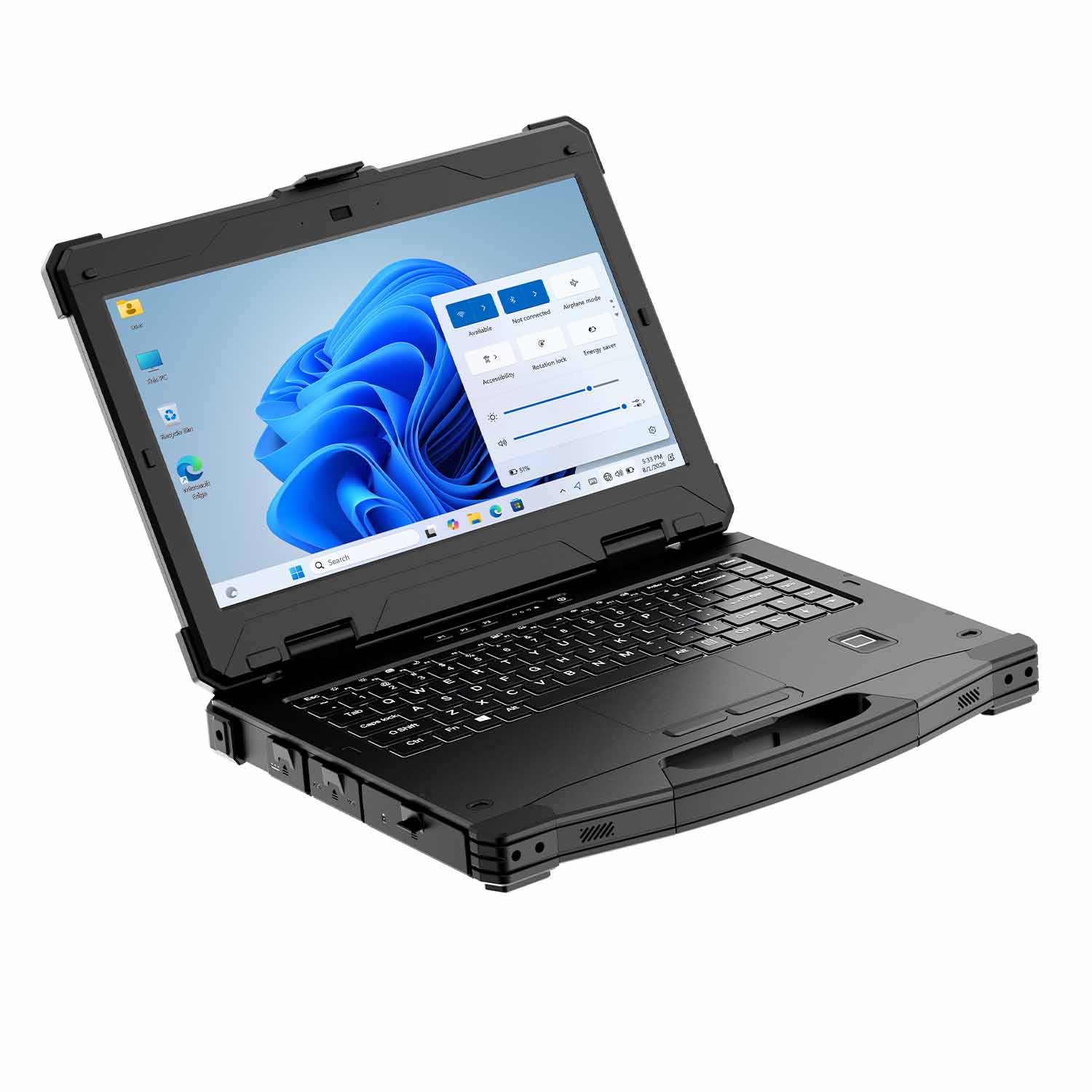
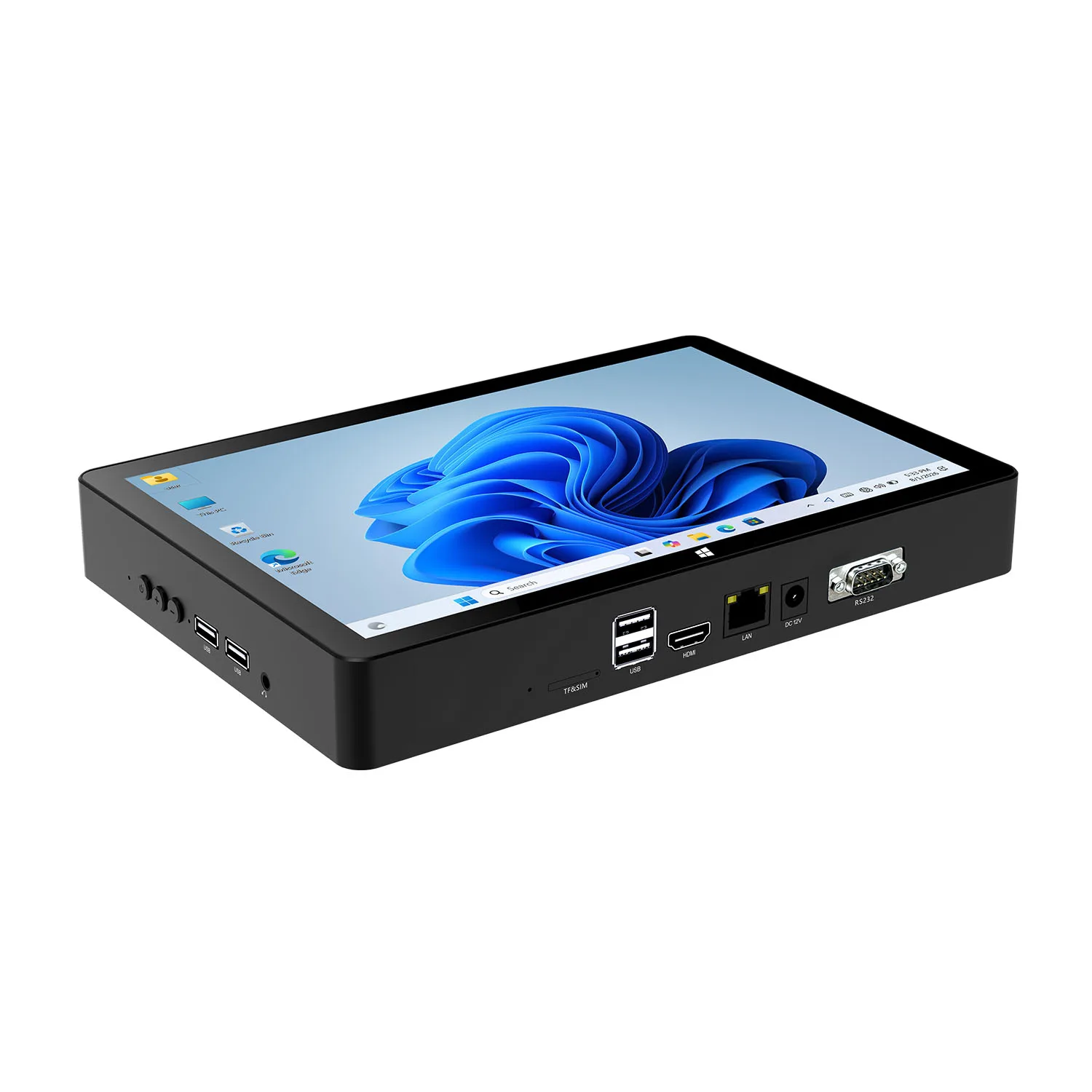
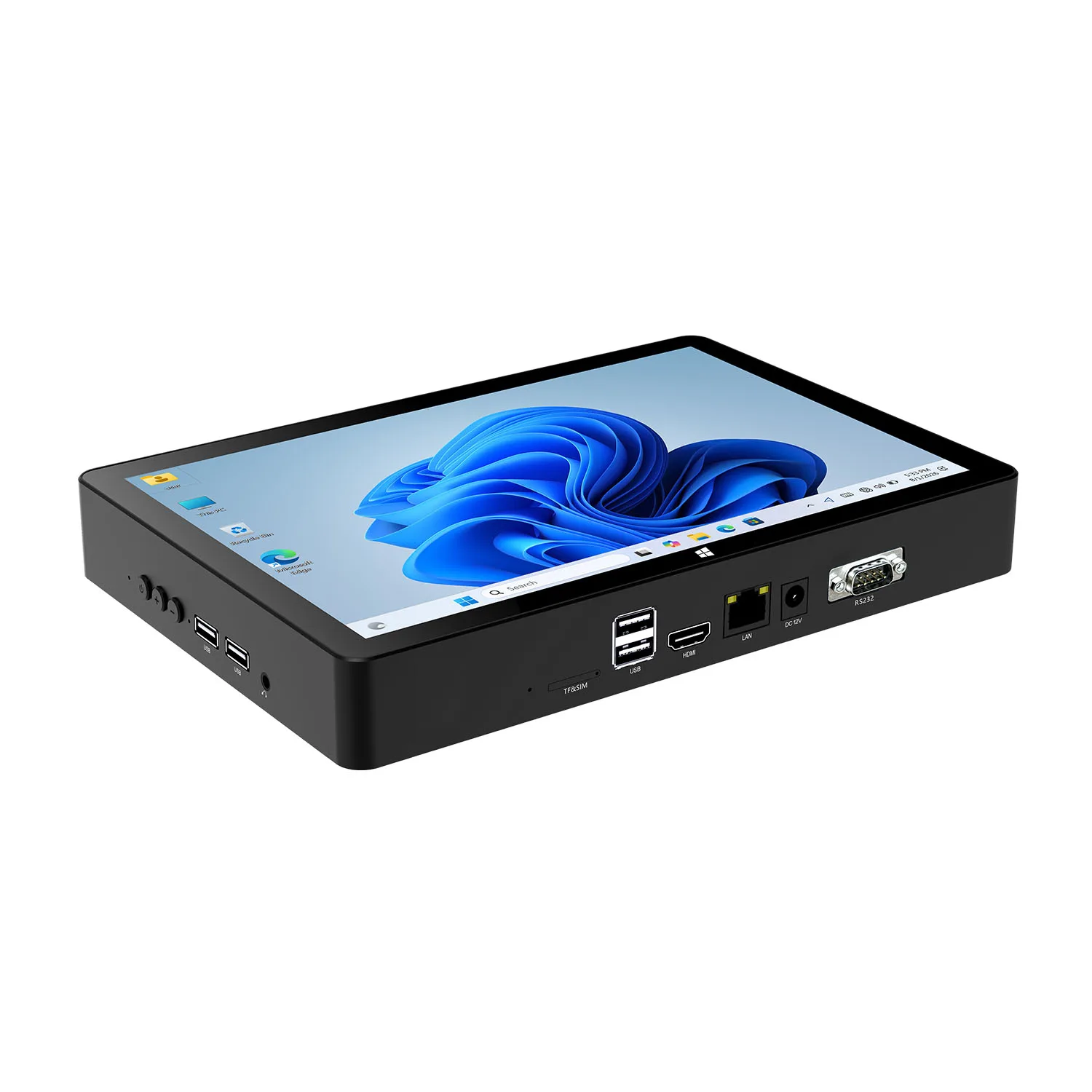
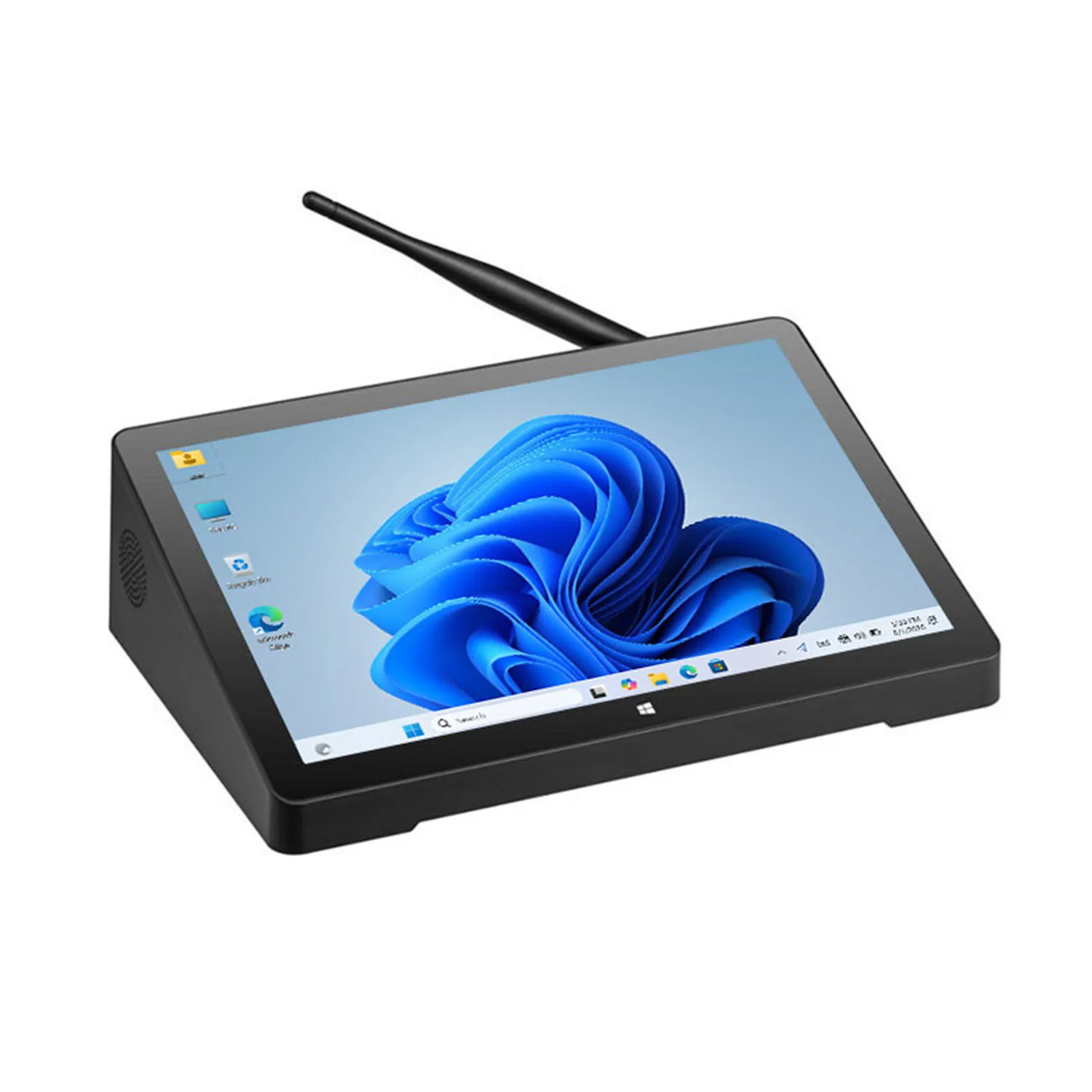
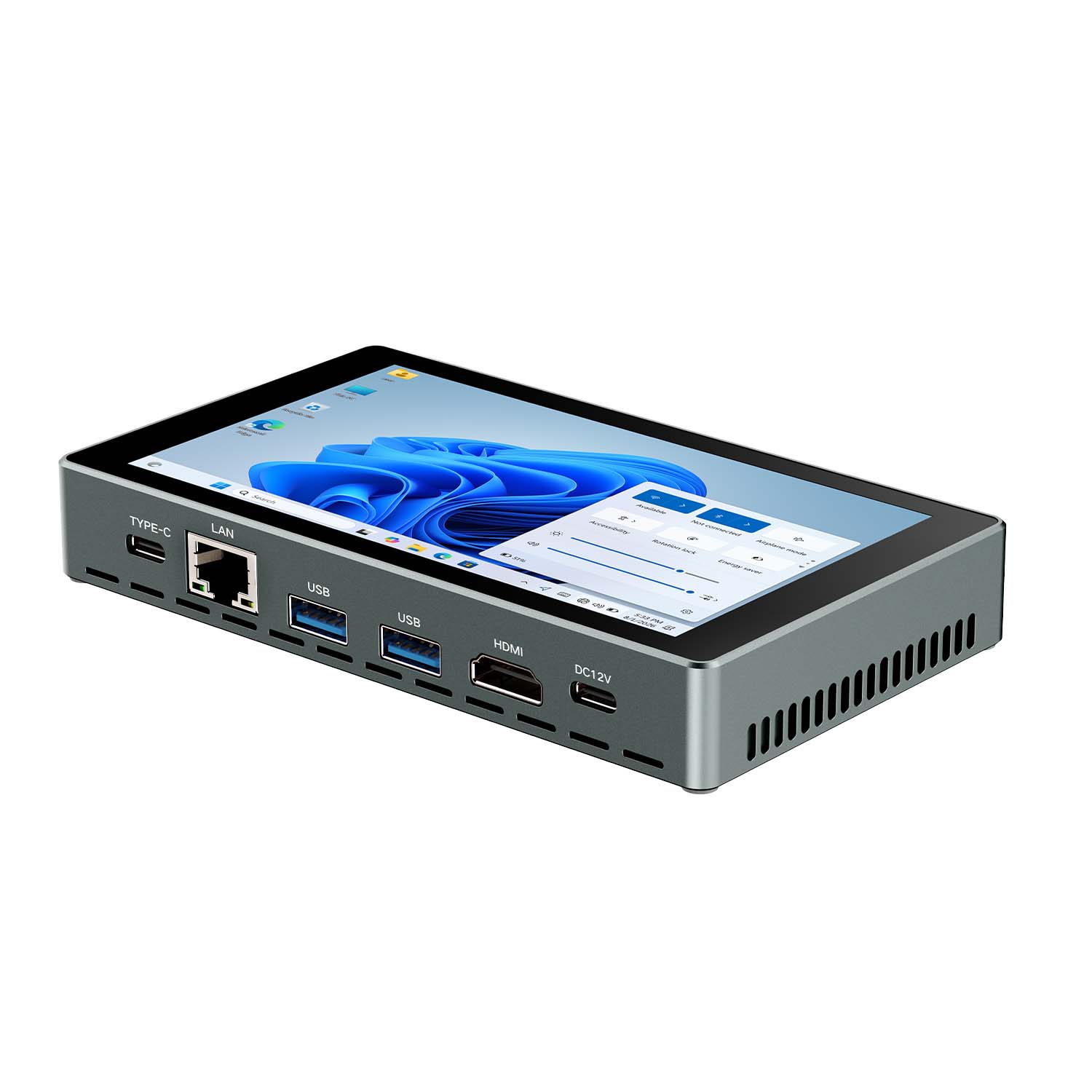
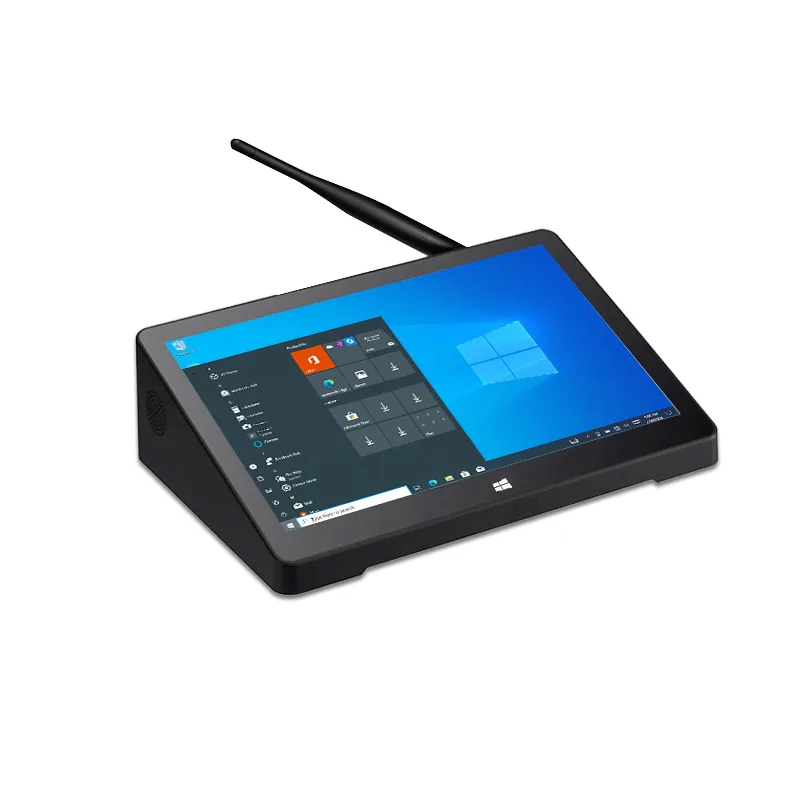
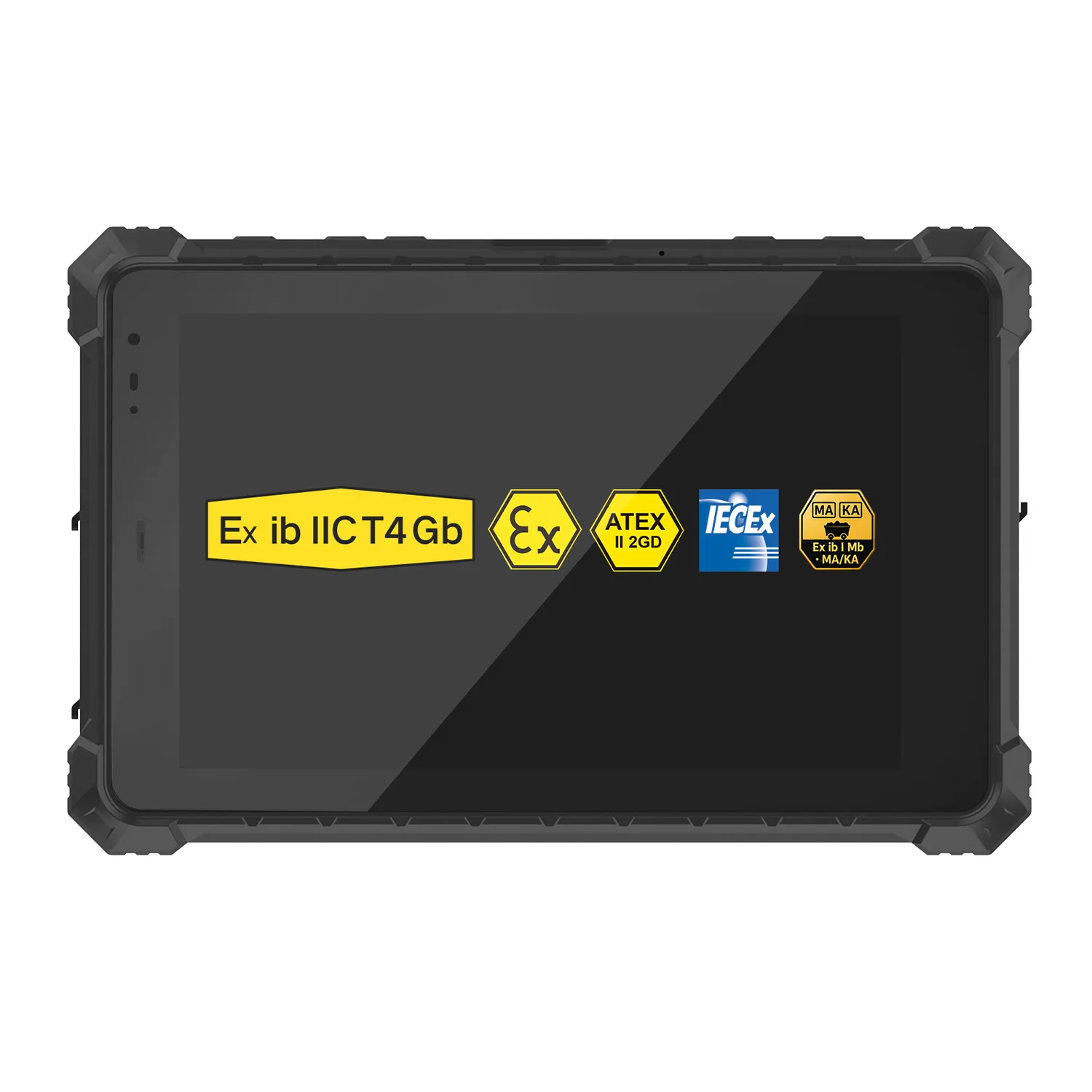
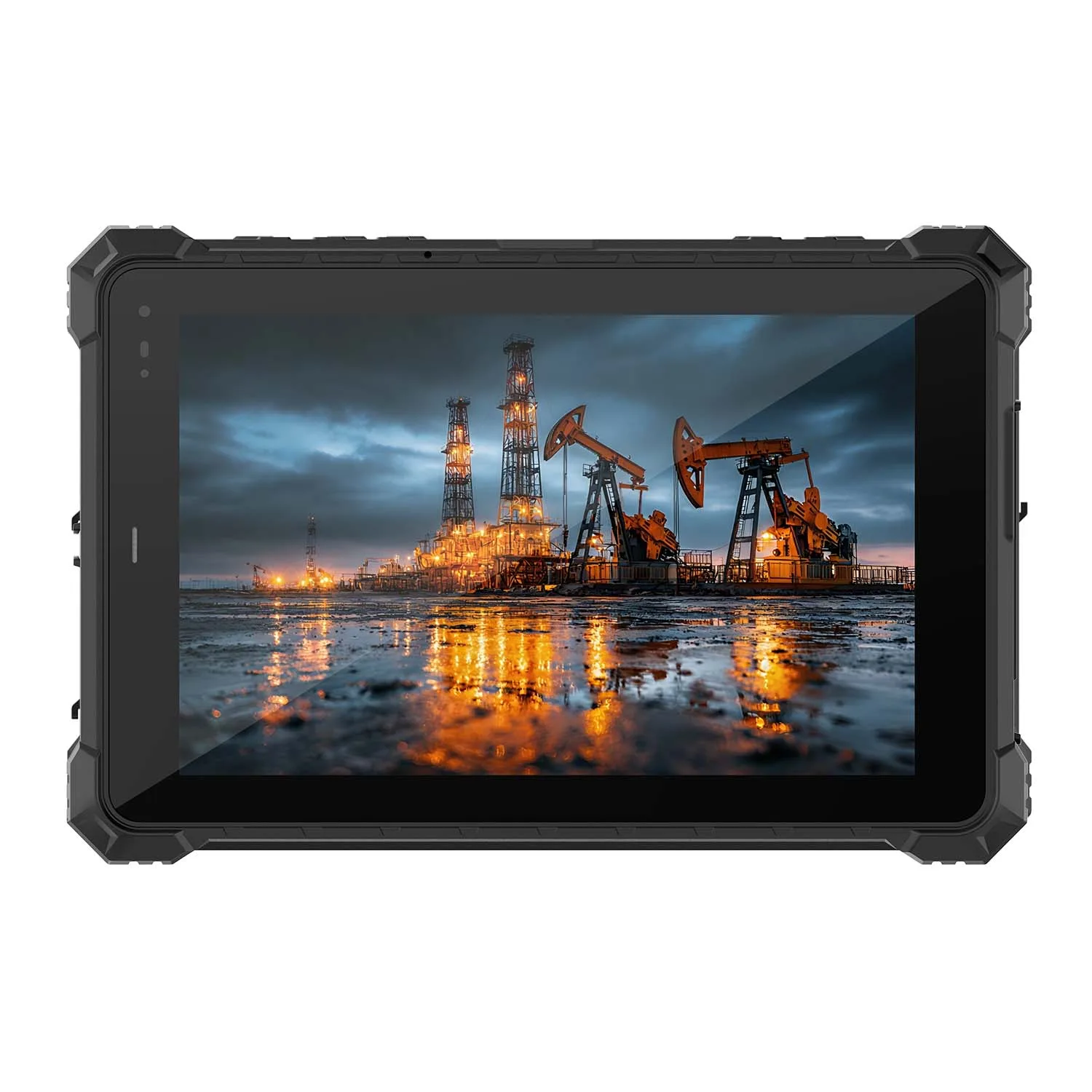
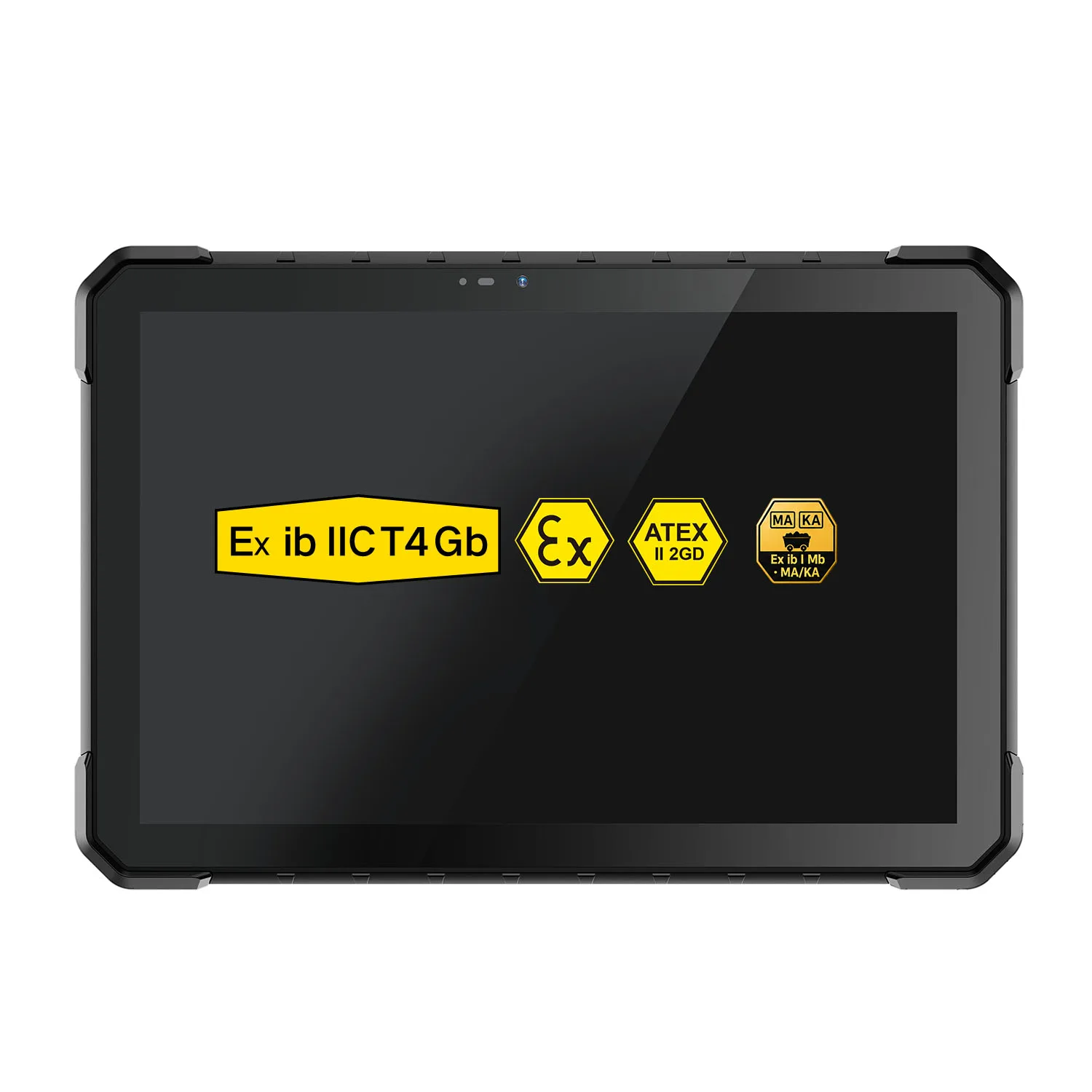
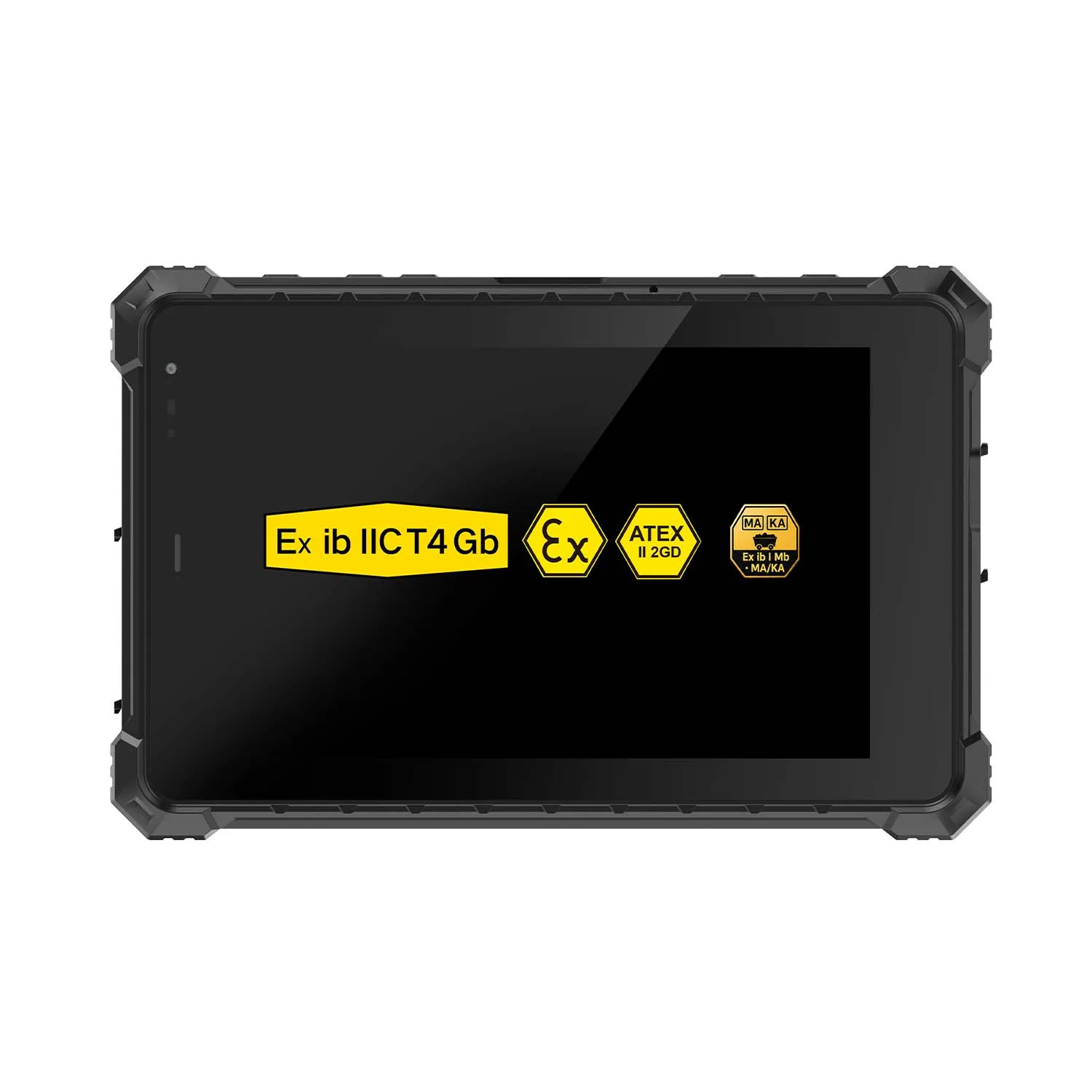



Rugged Medical Tablet
Rugged Medical Tablets for Healthcare and Hospital Workflows
Healthcare work moves. The tablet has to move with it — and survive the trip.
CENAVA rugged medical tablets provide durable mobile computing for hospital rounds, nursing documentation, pharmacy workflows, laboratory data collection, emergency services and healthcare asset management. Windows and Android platforms with IP68 protection, glove-compatible touchscreens, Wi-Fi and optional cellular, plus barcode scanning, NFC/RFID and identification modules.
One boundary we state up front: the tablets on this page are built for healthcare information and operational workflows. Unless a specific configuration is separately certified for the required medical standard, they should not be represented as patient-connected diagnostic or therapeutic medical electrical equipment.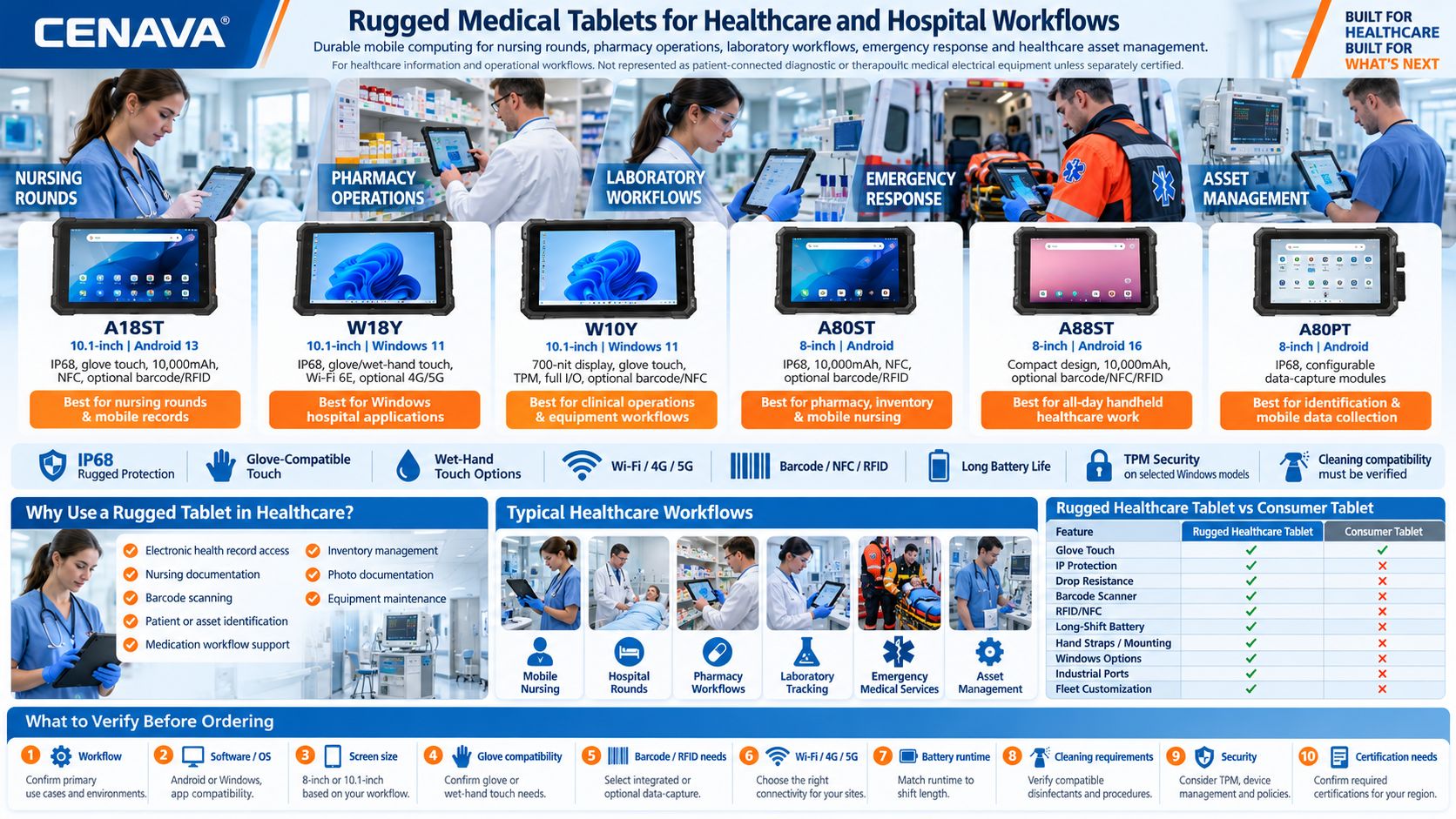
CENAVA Rugged Tablet Options for Healthcare
| Model | Screen | OS | Key Features | Suitable Healthcare Workflow |
|---|---|---|---|---|
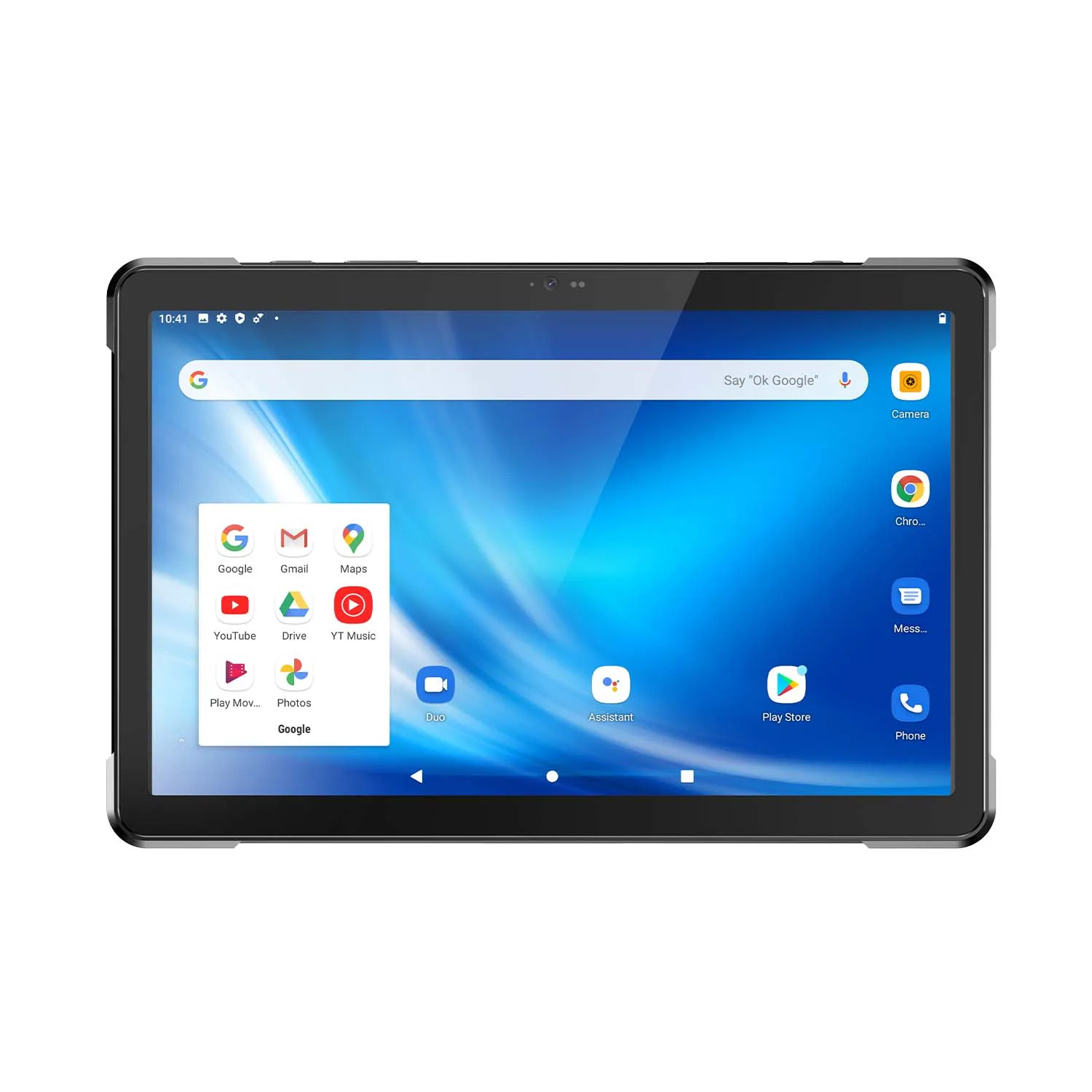
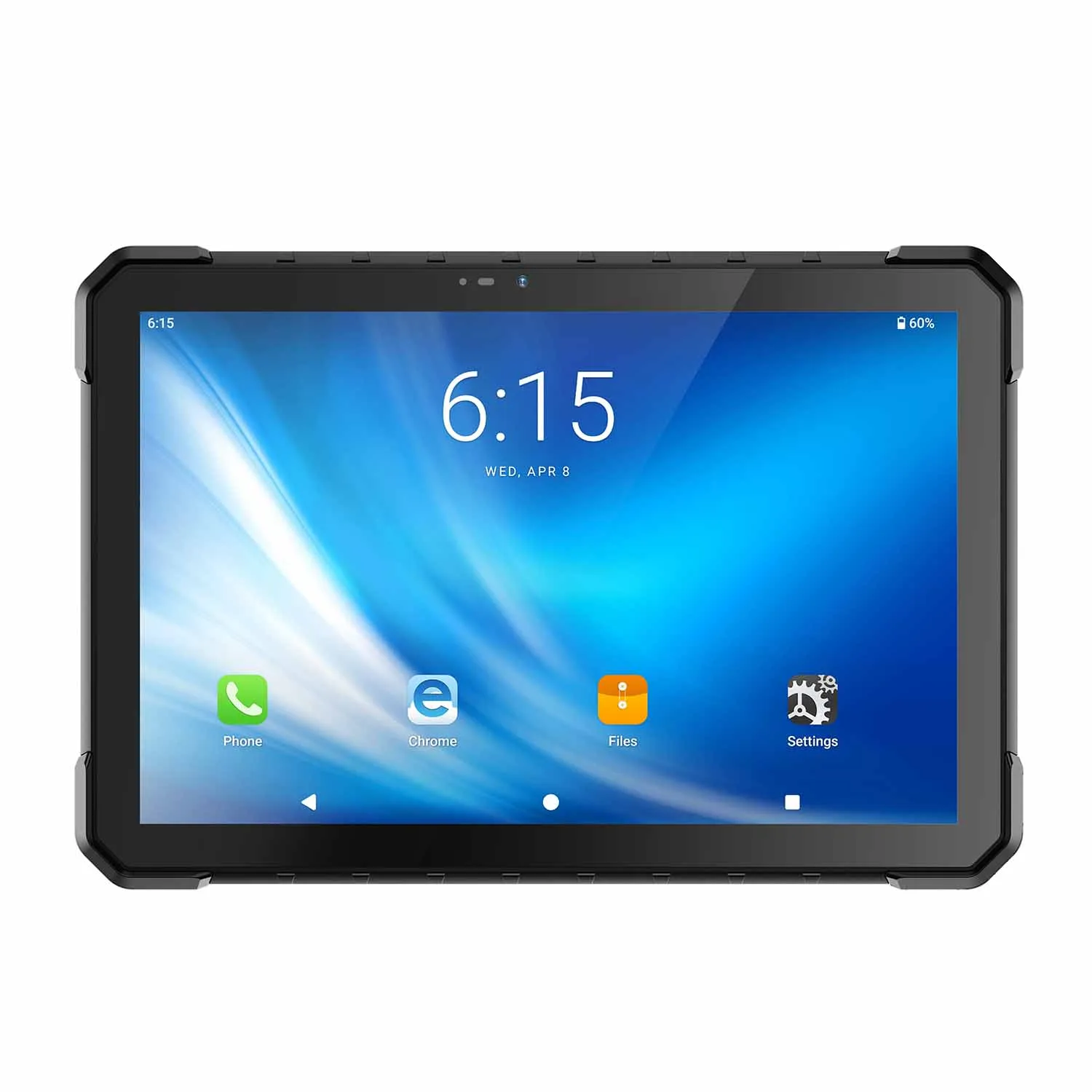
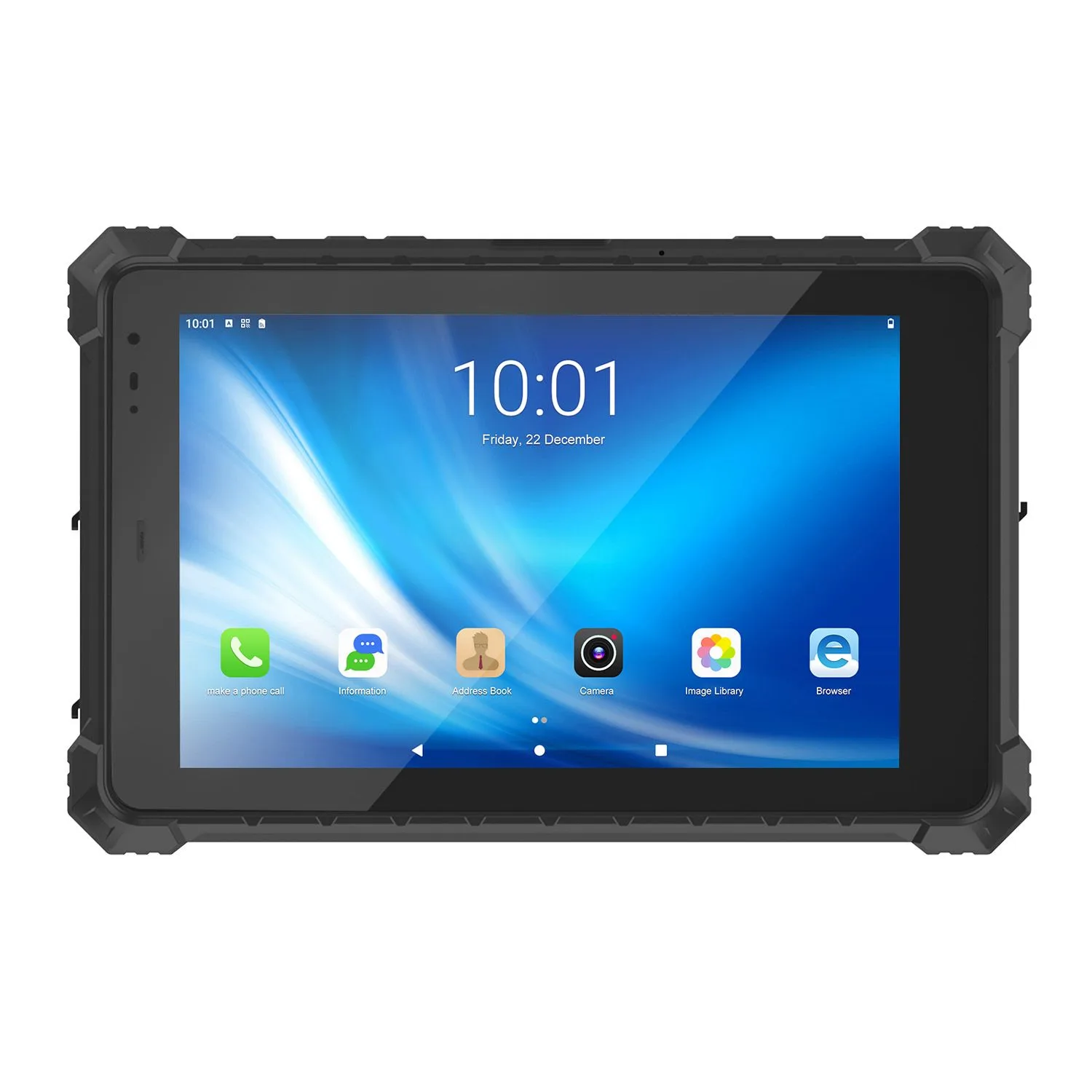
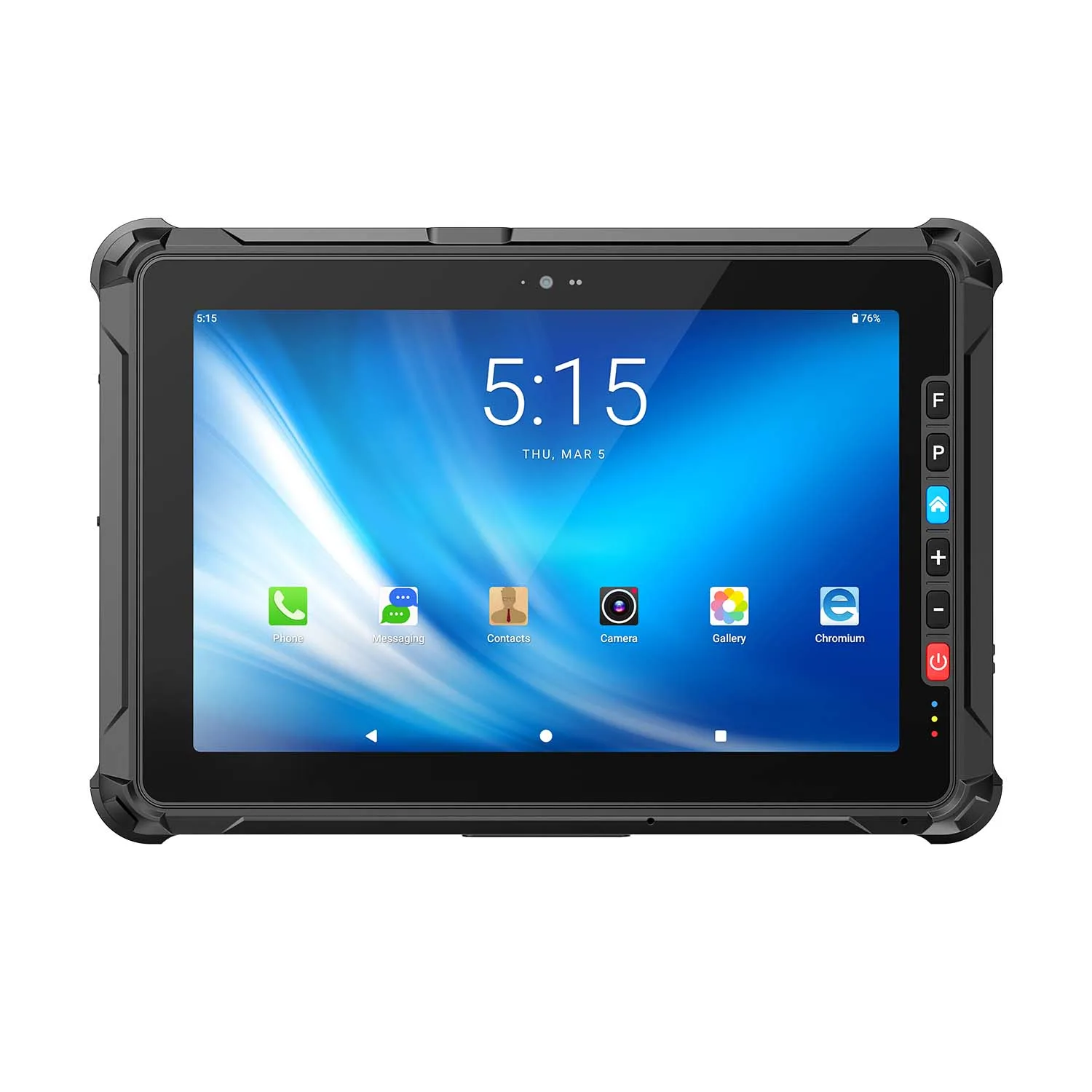
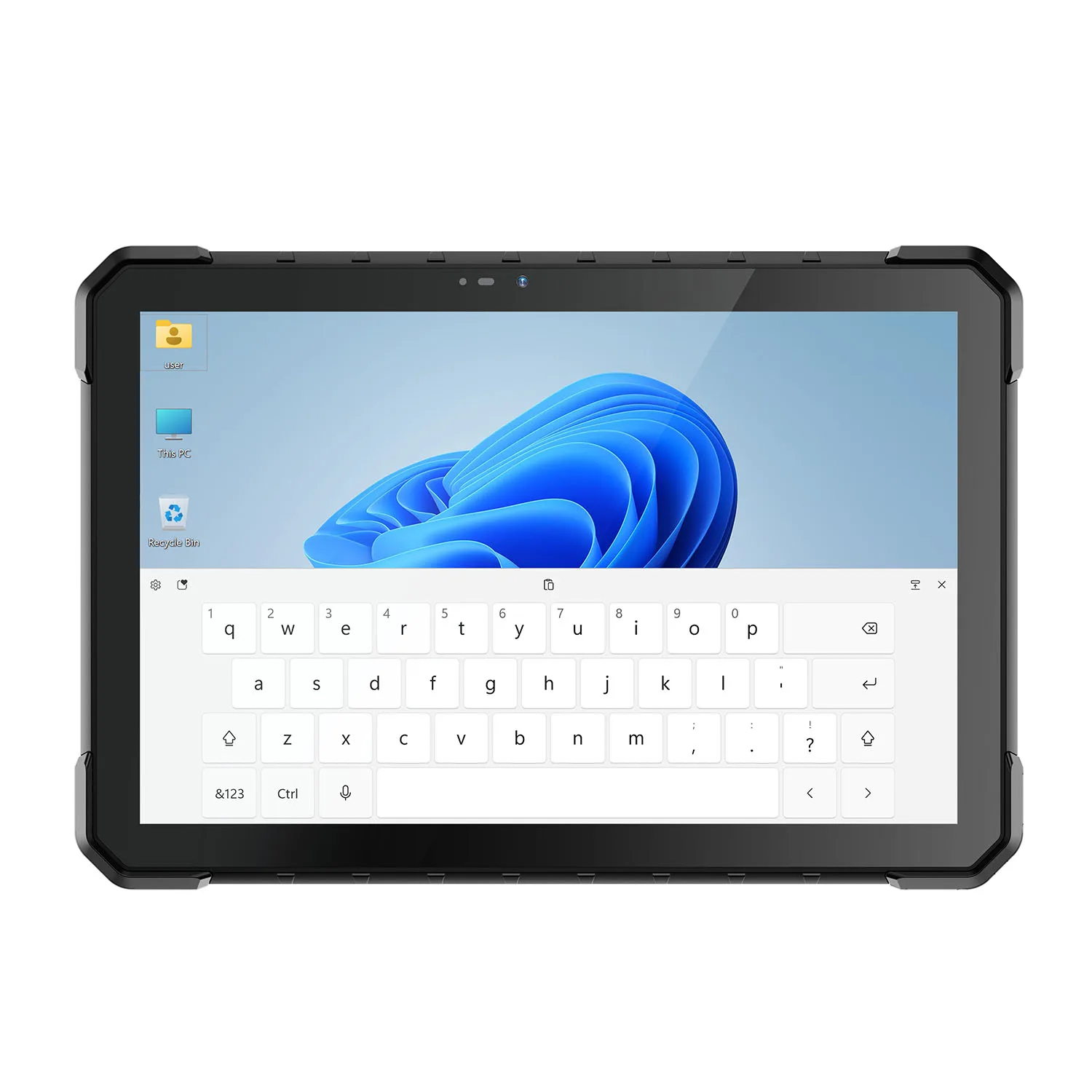
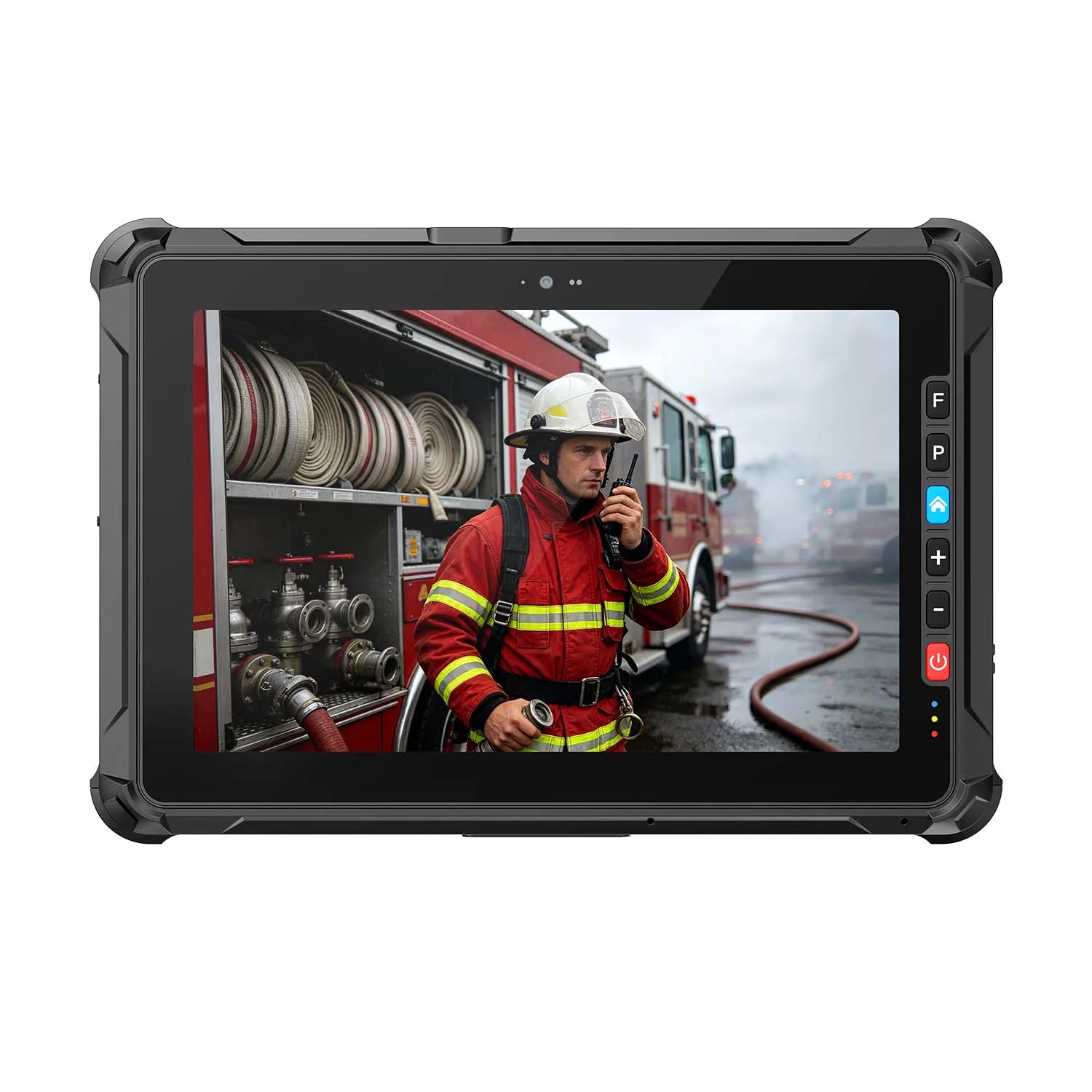
| A18ST | 10.1" | Android 13 | IP68, glove touch, 10,000mAh, NFC, optional barcode/RFID | Nursing rounds, mobile records |
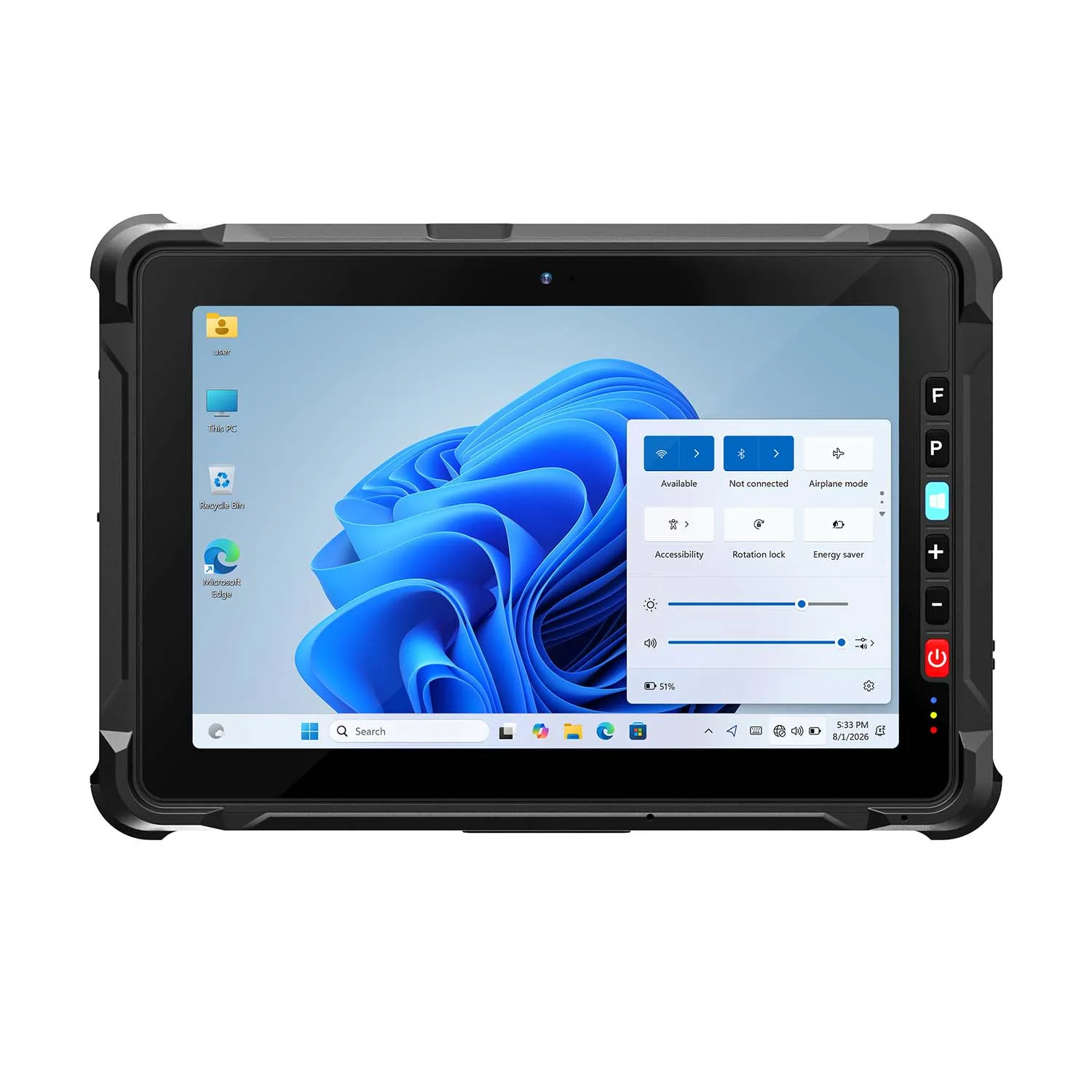
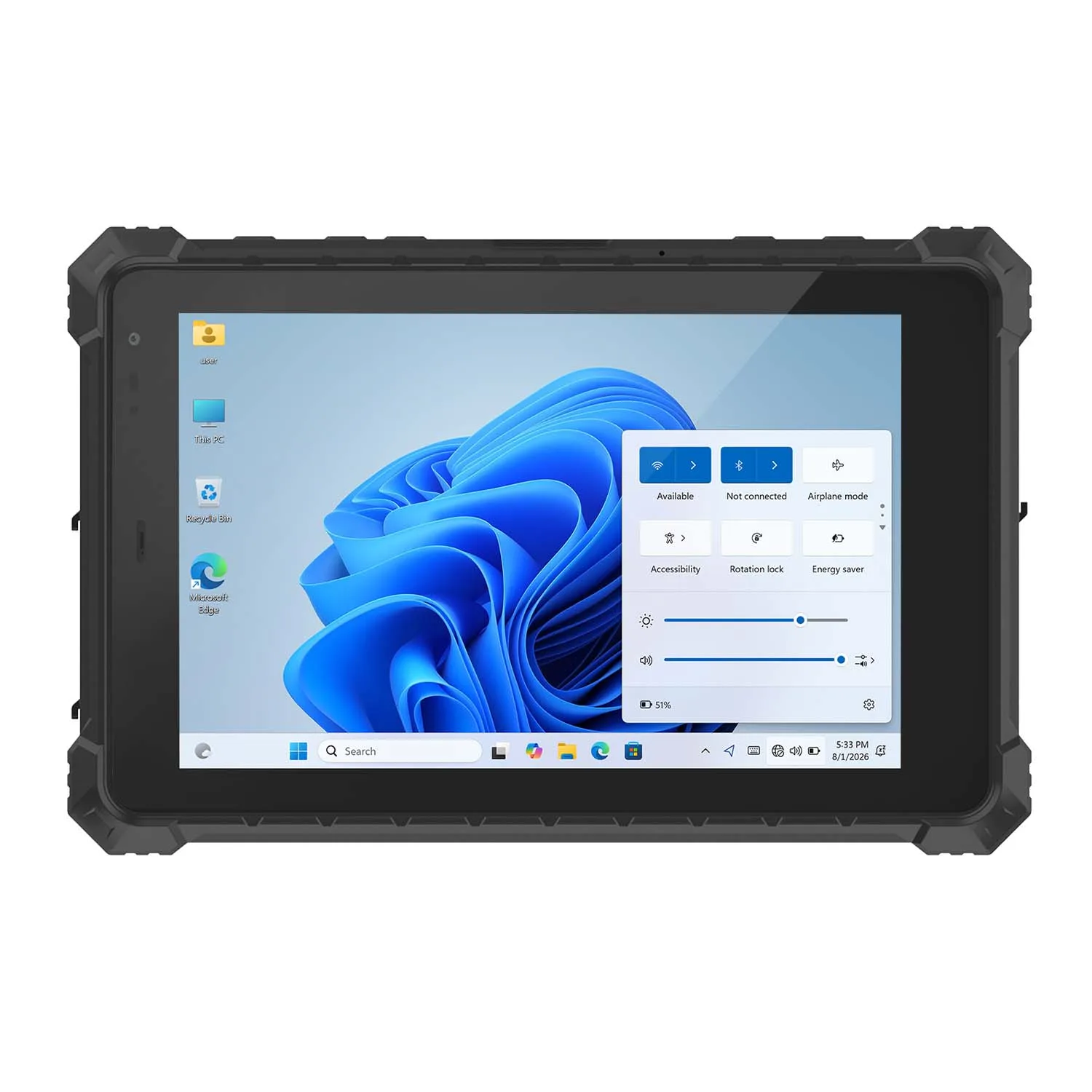
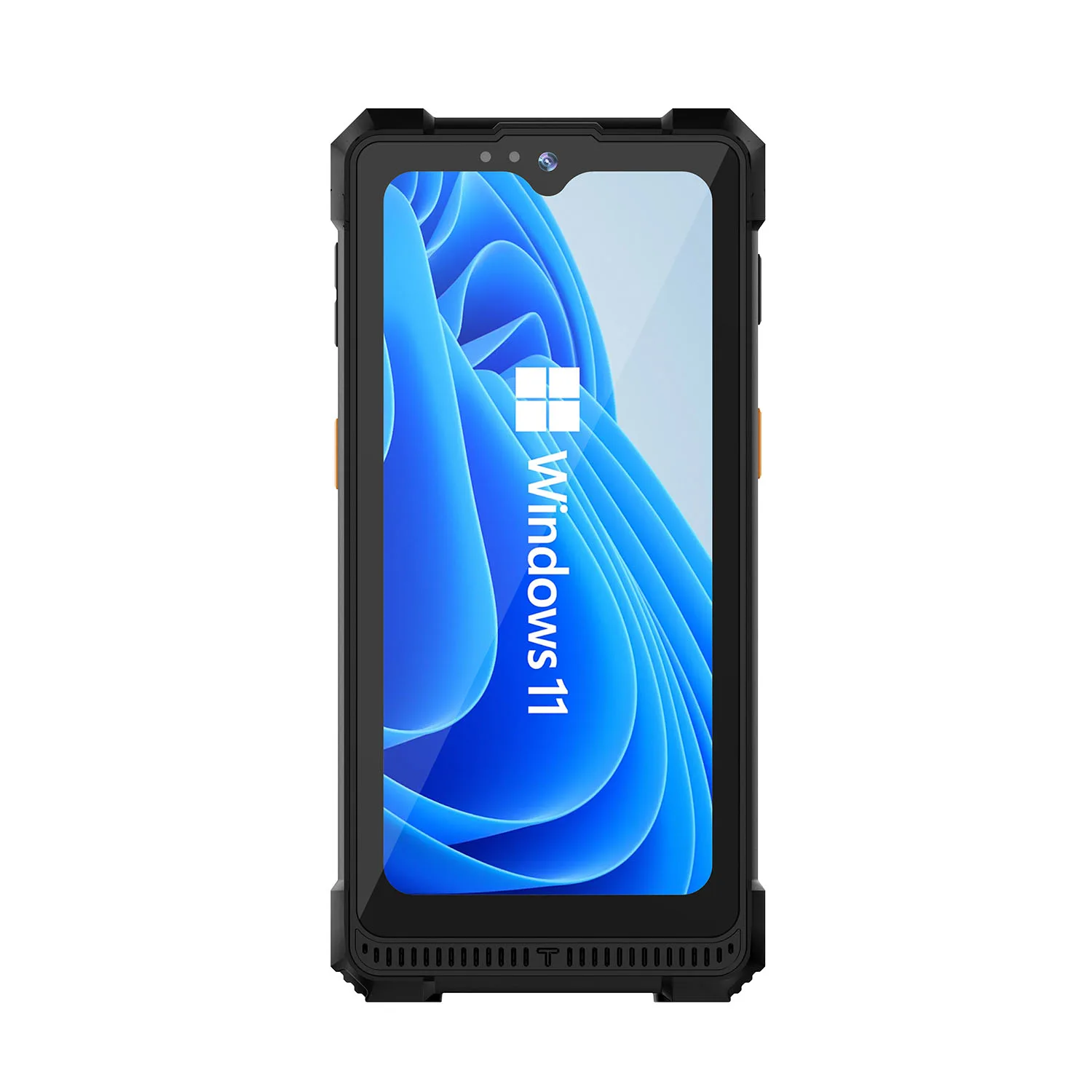
| W18Y | 10.1" | Windows 11 | IP68, glove/wet-hand touch, Wi-Fi 6E, optional 4G/5G | Windows hospital applications |
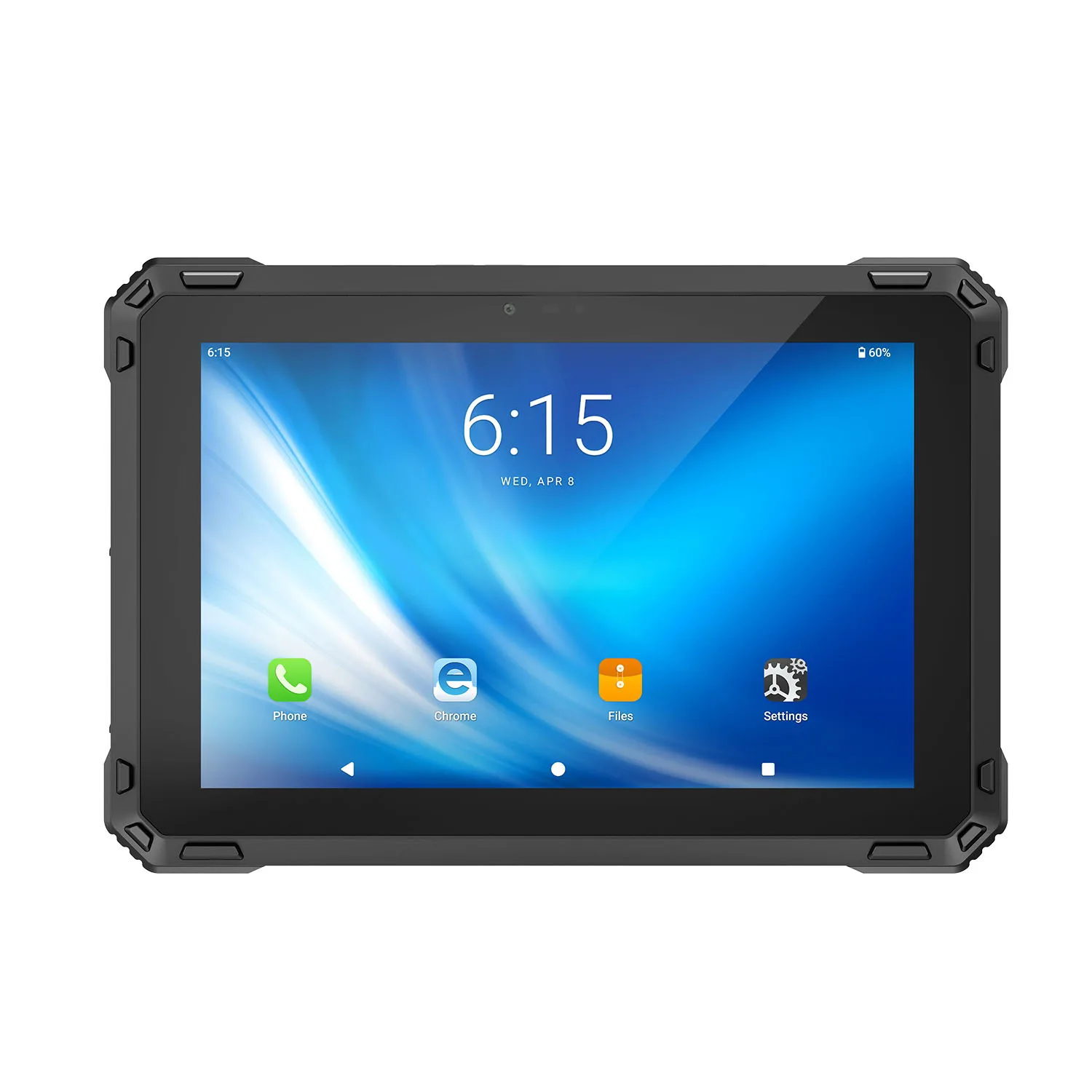
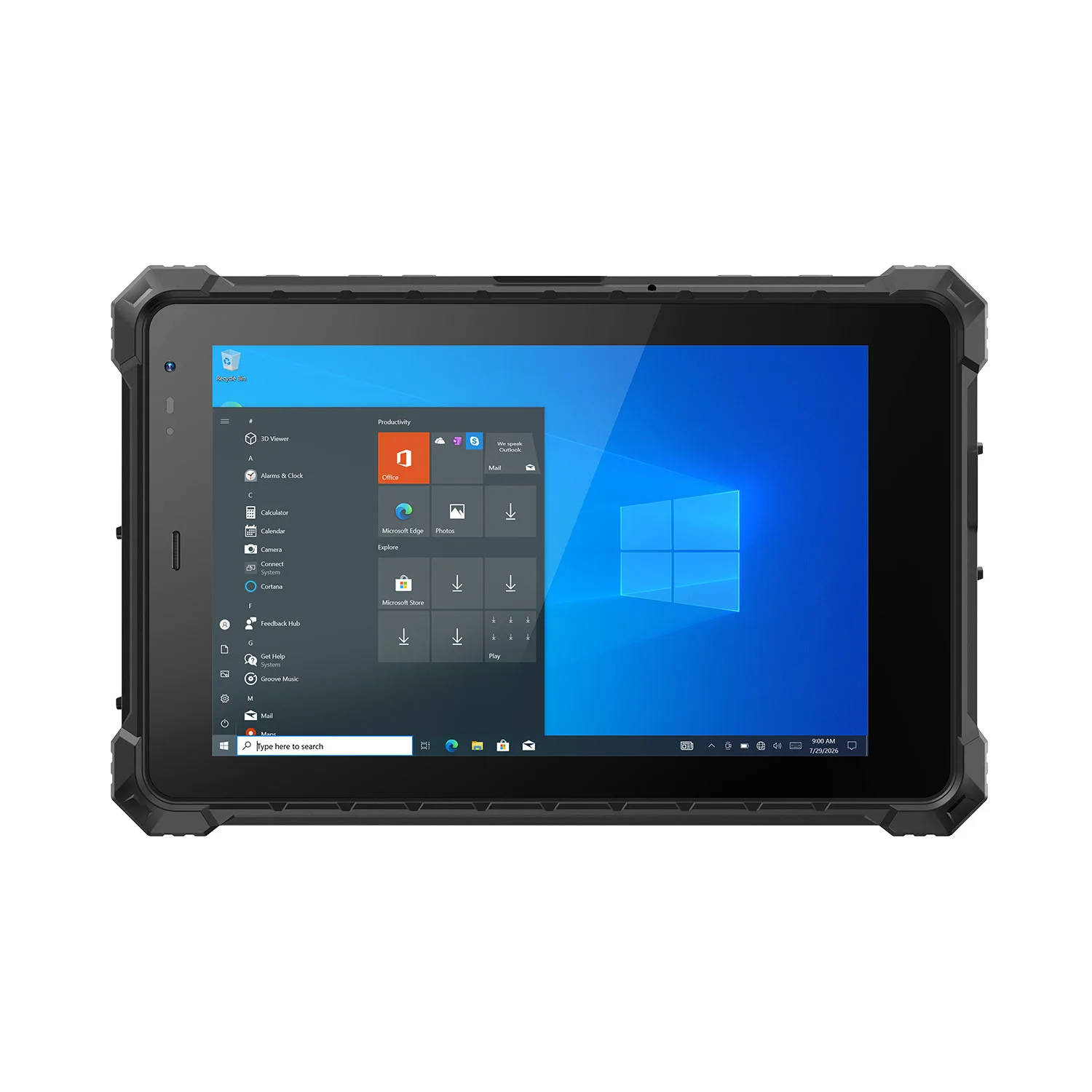
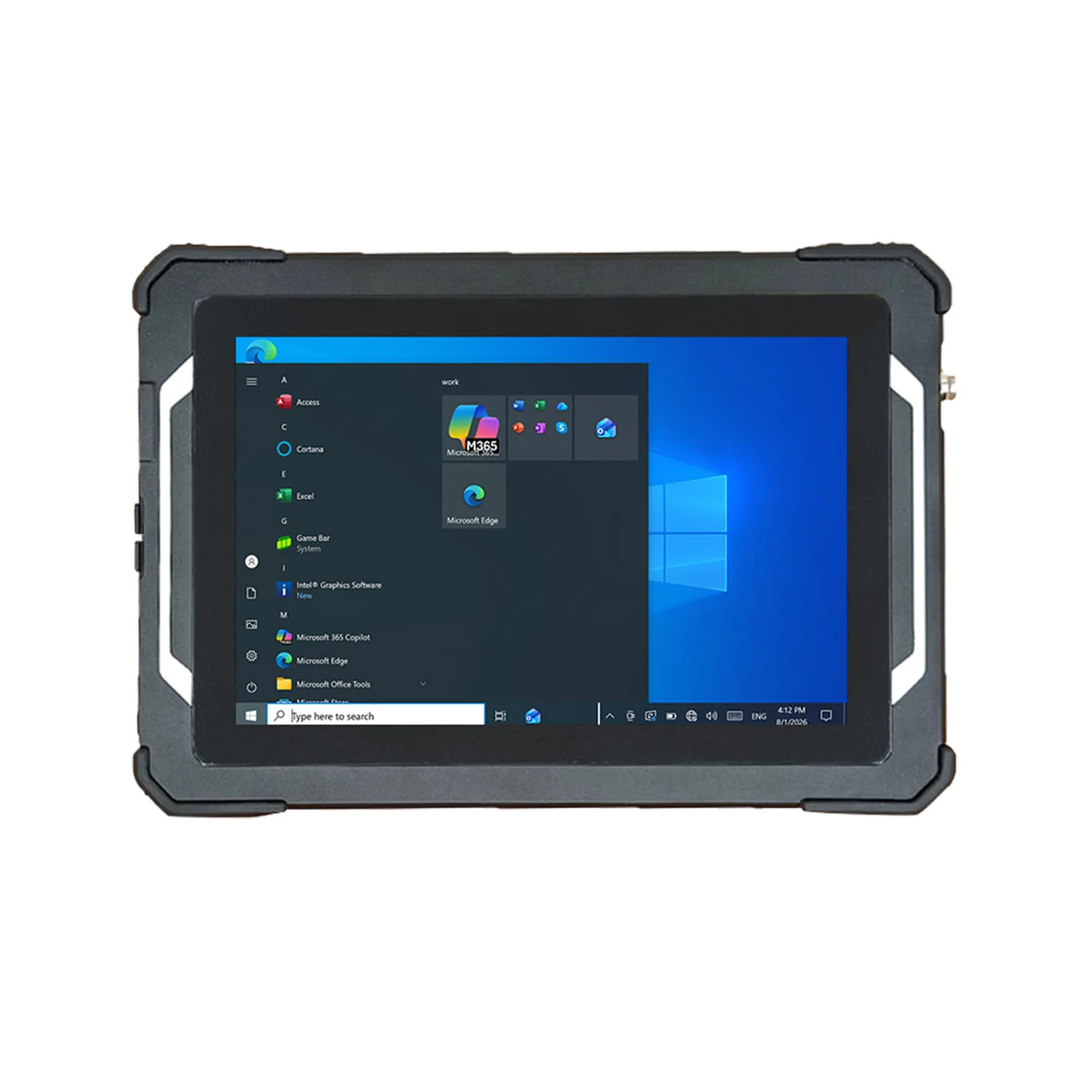
| W10Y | 10.1" | Windows 11 | 700-nit display, glove touch, TPM, full I/O, optional barcode/NFC | Clinical operations and equipment workflows |
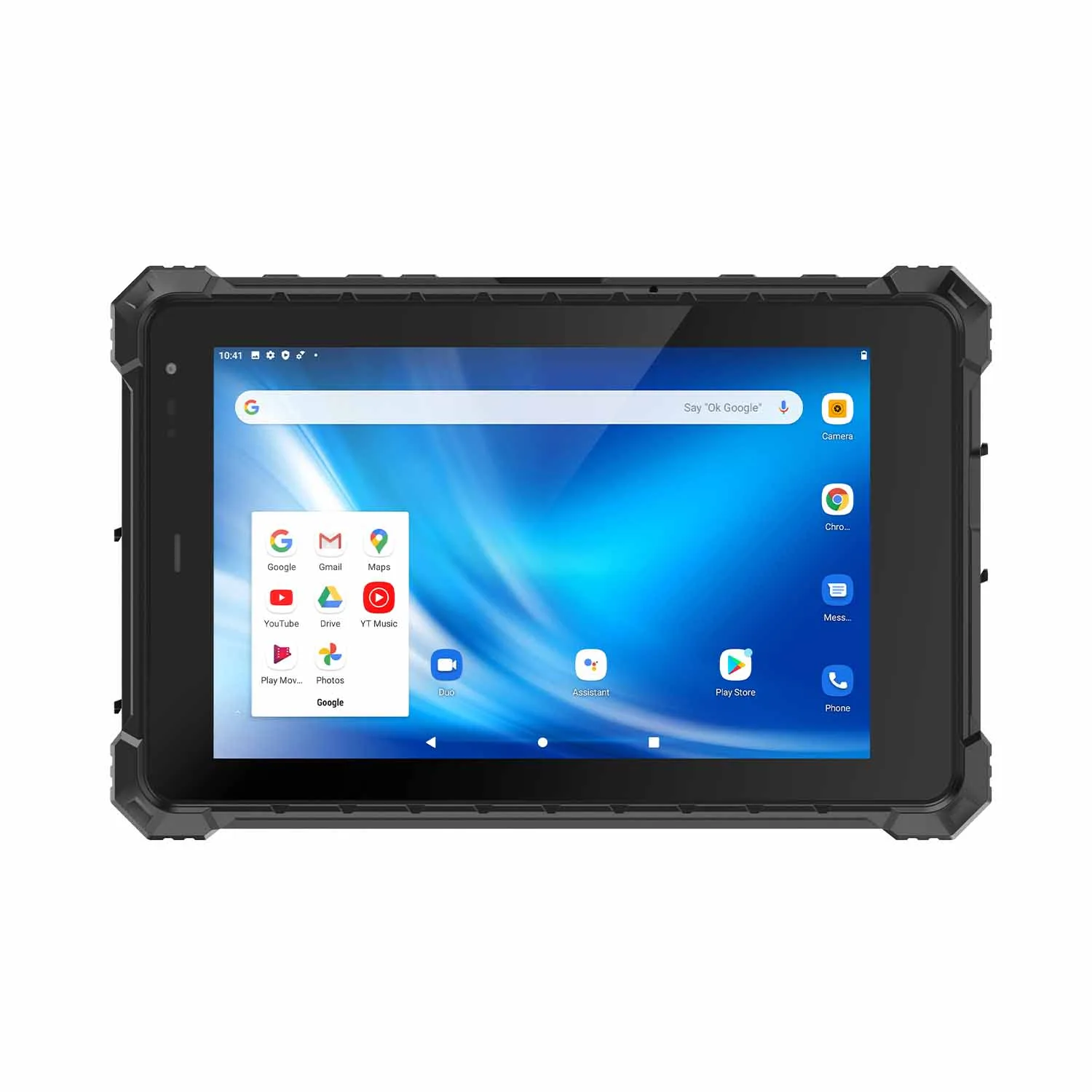
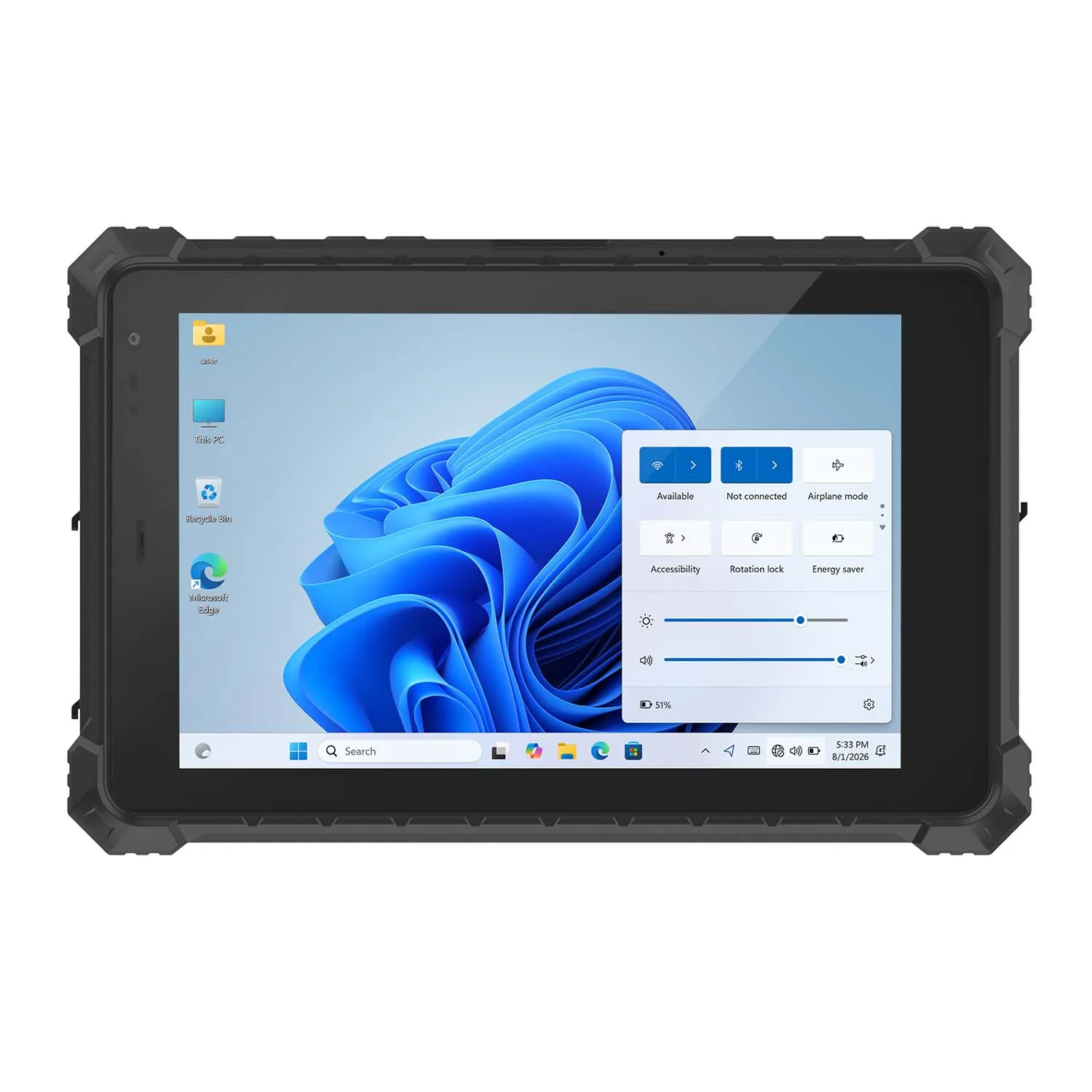
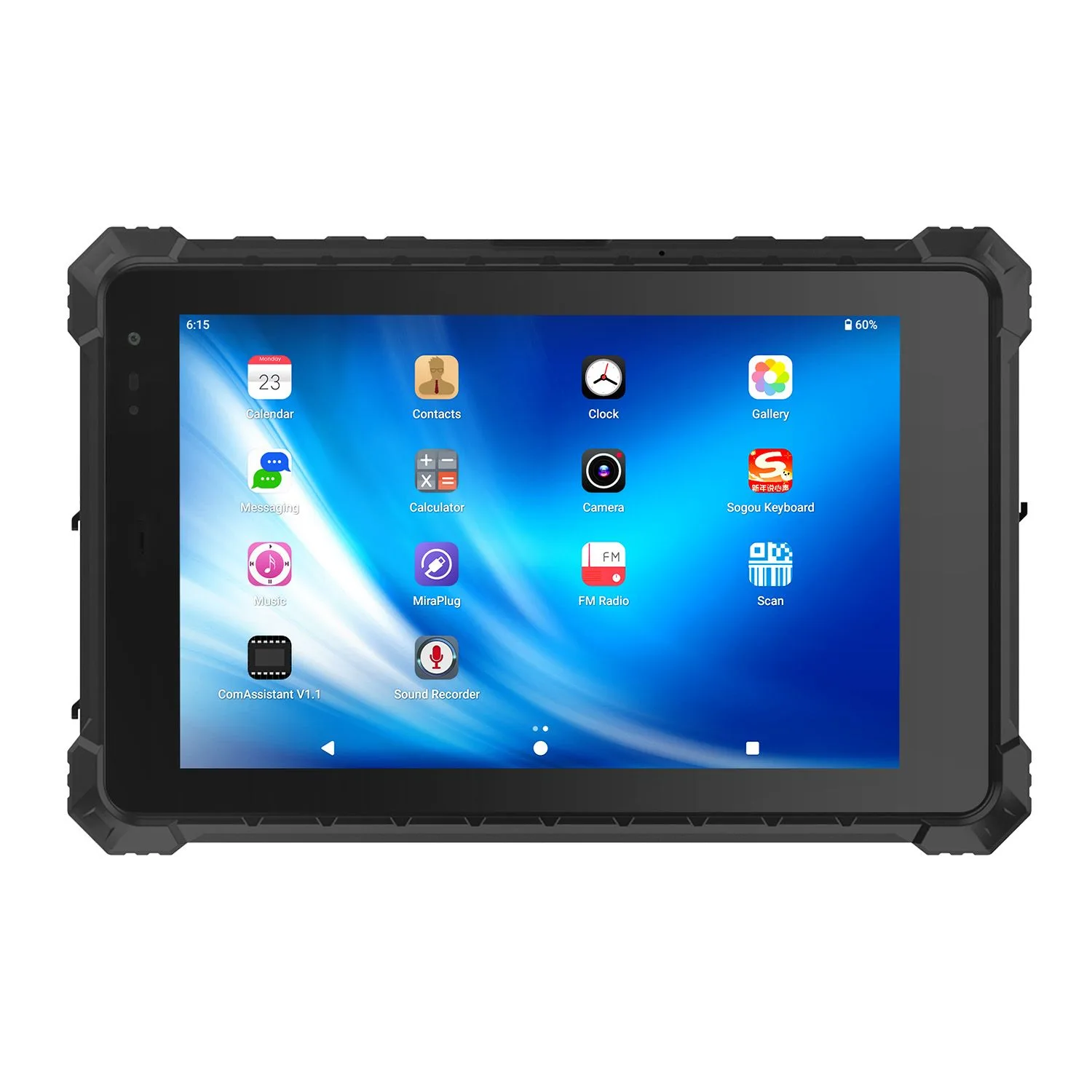
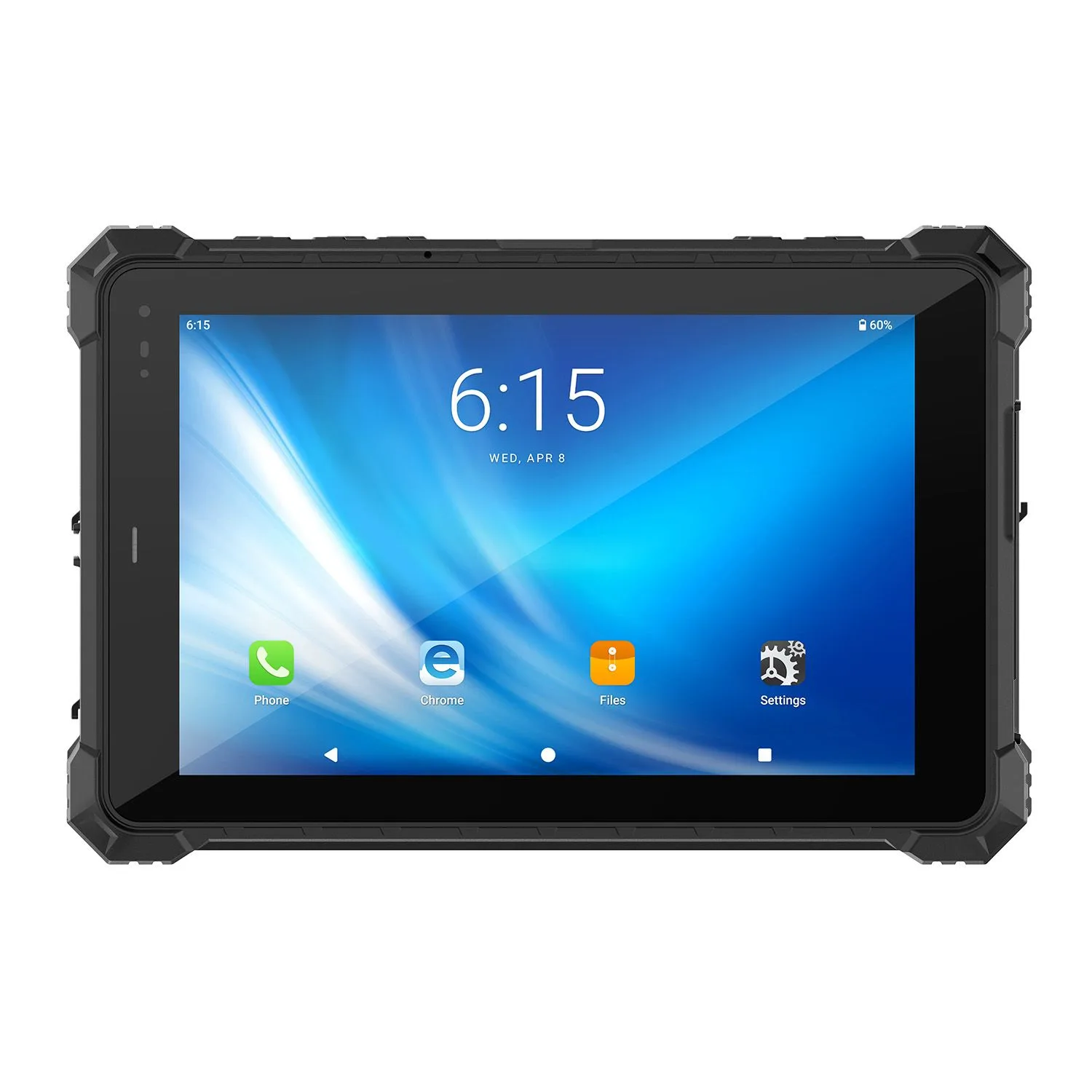
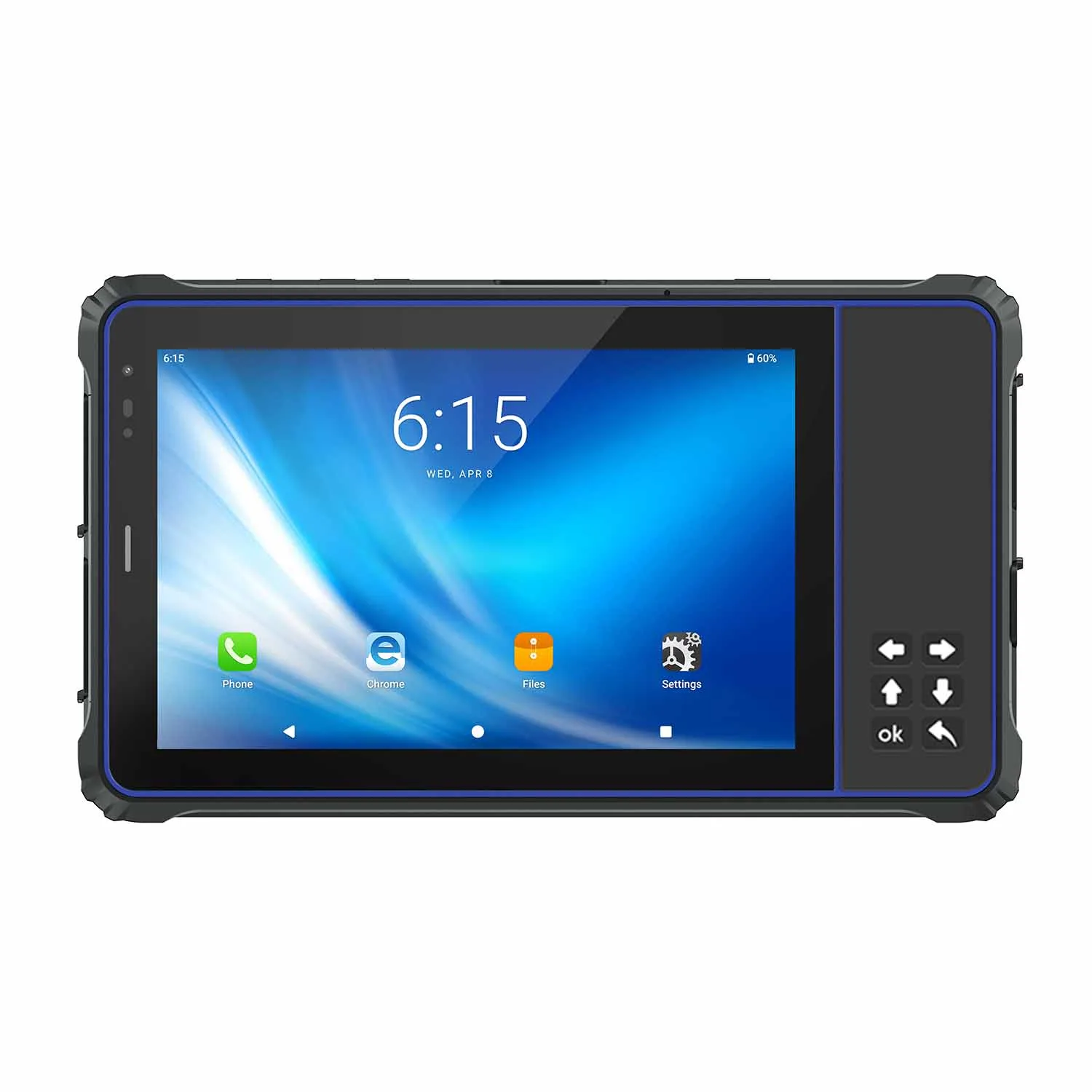
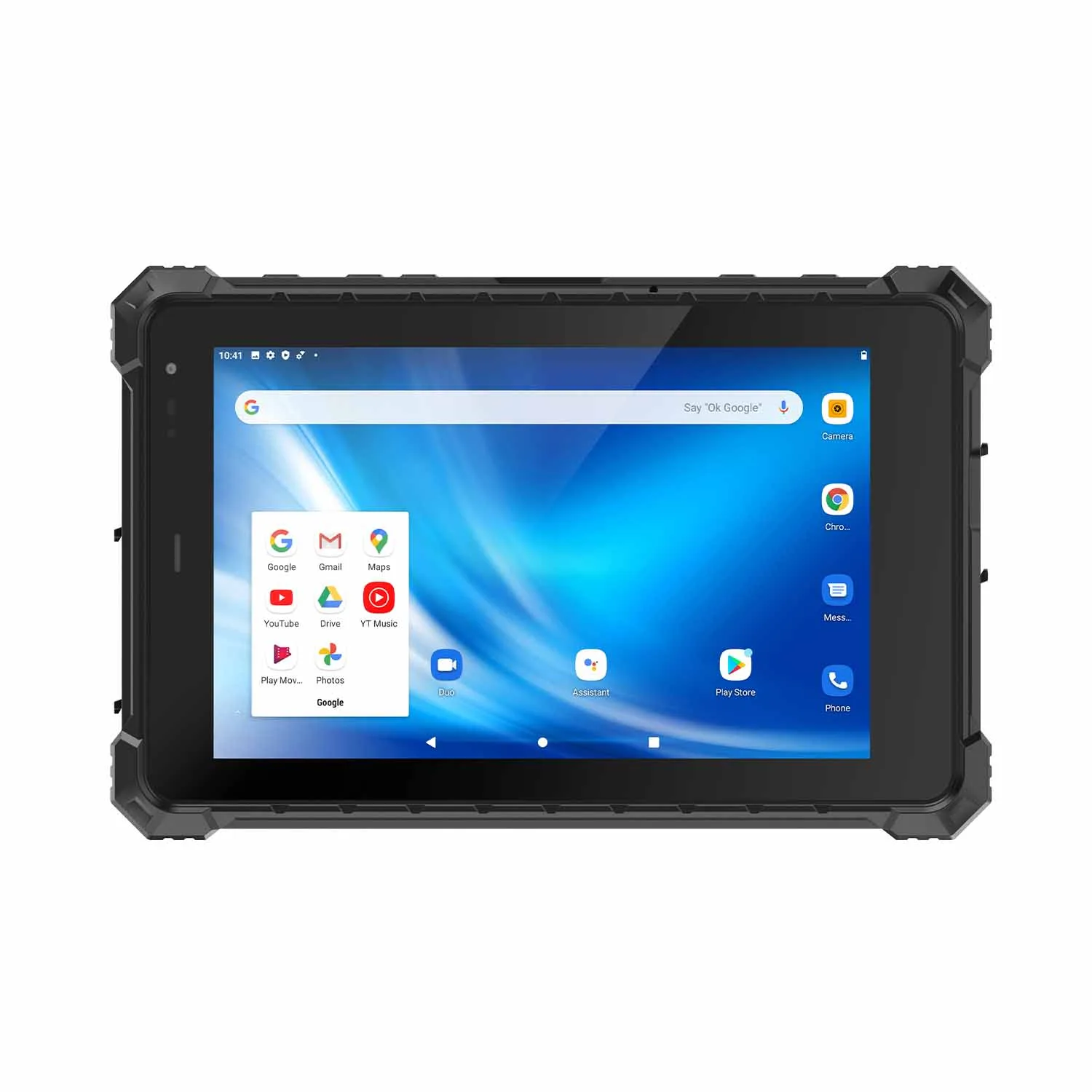
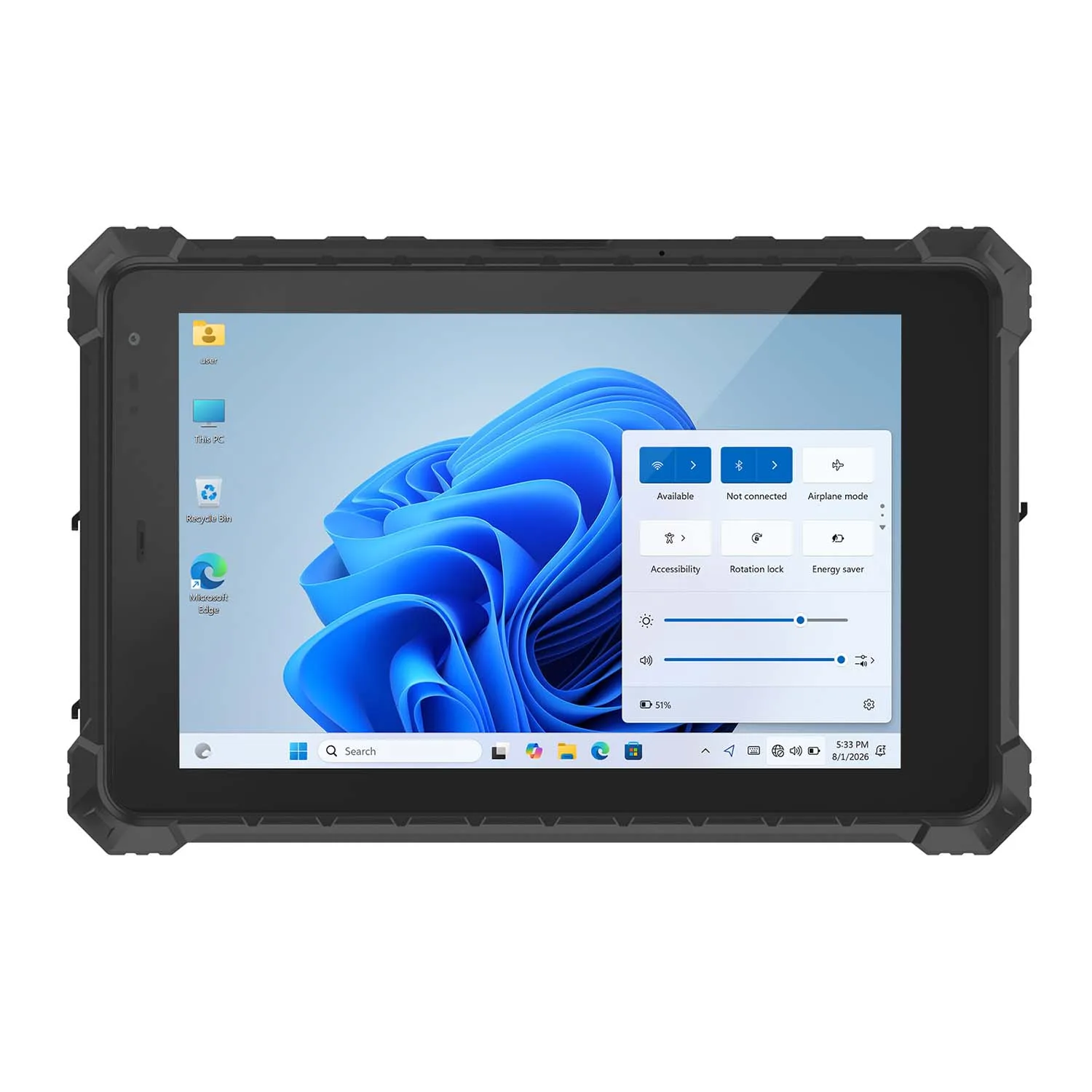
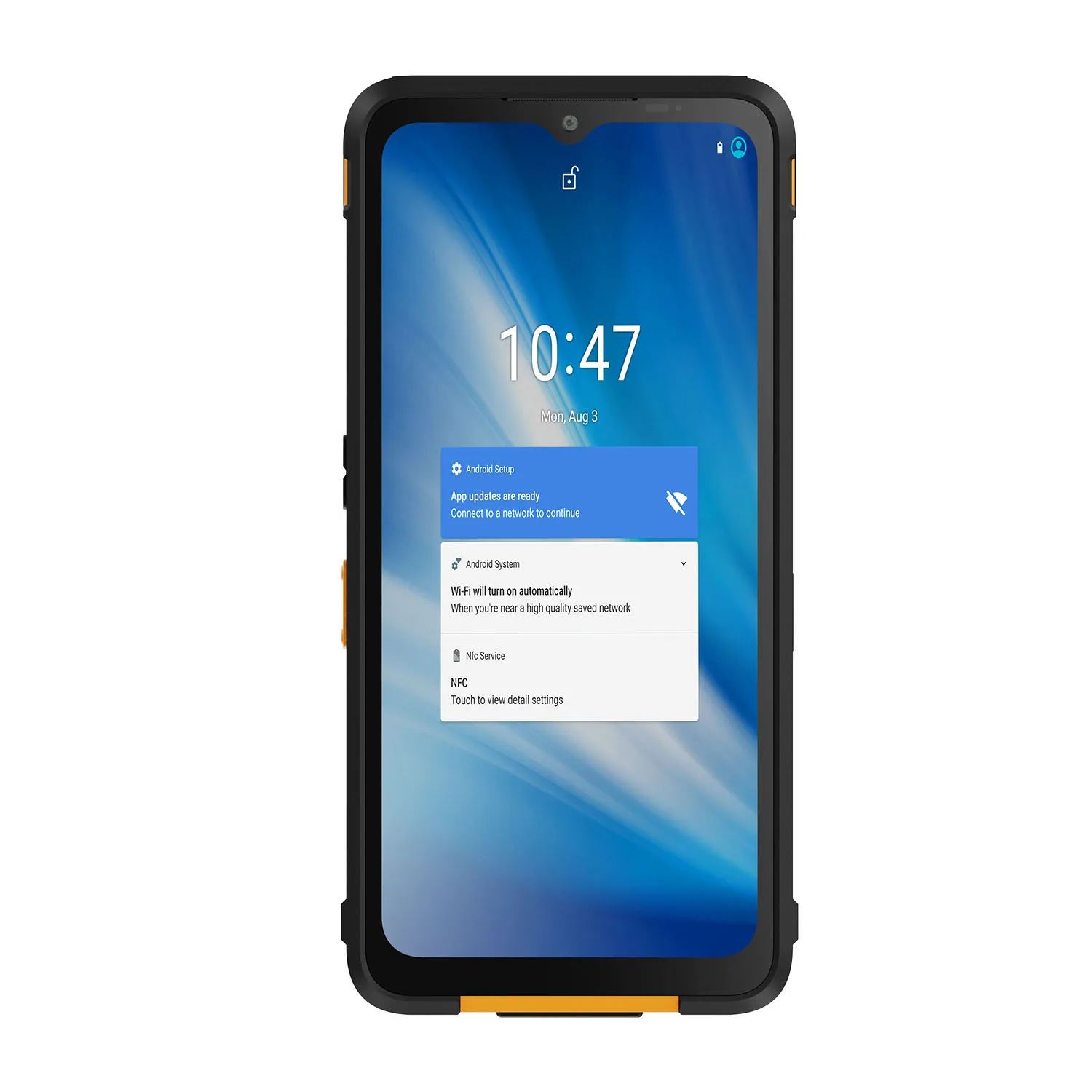
| A80ST | 8" | Android | IP68, 10,000mAh, NFC, optional barcode/RFID | Mobile nursing, pharmacy, inventory |
| A88ST | 8" | Android 16 | Compact design, 10,000mAh, optional barcode/NFC/RFID | All-day handheld healthcare work |
| A80PT | 8" | Android | IP68, configurable data-capture modules | Identification and mobile data collection |
Available modules and specifications depend on the selected configuration.
Why Use a Rugged Tablet in Healthcare?
Healthcare staff frequently move between patients, nursing stations, pharmacies, laboratories and storage areas.
A suitable tablet may need to support:
- Electronic health record access
- Nursing documentation
- Barcode scanning
- Patient or asset identification
- Medication workflow support
- Inventory management
- Photo documentation
- Internal communication
- Mobile forms
- Equipment maintenance
A consumer tablet may perform the software tasks, but rugged tablets add durability, glove operation and industrial data-capture capabilities for demanding professional deployments.
Rugged Tablets for Mobile Nursing
Nurses work away from fixed computers most of the day. The tablet comes to the patient, not the other way around.
The A18ST is the model we position for healthcare rounds: 10.1-inch Android, a 10,000mAh battery, IP68 construction and glove-compatible touch — rated at approximately 10 hours under specified conditions, comfortable enough for repeated room-to-room movement with a hand strap. For ward deployments, 8-inch models trade screen space for carry comfort; Windows models fit when the hospital application demands it, Android fits purpose-built mobile apps.
Tablets for Hospital Rounds
Hospital rounds require a balance between screen size and portability.
A 10-inch tablet provides more screen space for forms and records, while an 8-inch tablet can be easier to carry continuously.
For ward-based deployments, useful features include:
- Wi-Fi connectivity
- Glove-compatible touchscreen
- Long battery life
- Lightweight construction
- Hand straps
- Barcode scanning
- NFC
- Camera
- Secure authentication
Windows models may be preferable when the hospital application requires conventional Windows software.
Android models may be better for purpose-built mobile healthcare applications.
Glove-Compatible Medical Tablets
Healthcare staff may need to operate tablets while wearing medical examination gloves.
Selected CENAVA rugged tablets support touchscreen operation with medical rubber gloves.
W10Y, A18ST, A80ST and A10R product specifications all describe glove-compatible touchscreen operation.
This can reduce the need to remove gloves simply to:
- Navigate an application
- Enter information
- Scan an item
- Review a work order
- Confirm an inventory transaction
Touchscreen performance should still be validated with the exact glove type used by the facility.
Wet-Hand Touch Options
Selected CENAVA tablets support touchscreen operation with medical rubber gloves — W10Y, A18ST, A80ST and A10R specifications all describe glove-compatible touch. Validate performance with the exact glove type your facility uses before fleet deployment; send us the glove and we will test it.
Wet-hand touch options exist for damp hands during cleaning and logistics, or emergency work. One line that matters: wet-hand capability does not itself establish compatibility with disinfectants or sterilization processes. Verify separately that the enclosure, screen and seals tolerate the cleaning agents and procedures used at your site — ask us for the approved list.
Medical Tablets with Barcode Scanners
Barcode scanning is one of the most useful integrated functions in healthcare: medication inventory, specimen logistics, supply management, asset tracking. Integrated 1D/2D engines remove the second handheld. One responsibility note we always include: the healthcare software and workflow remain responsible for validating the meaning of the scanned identifier and any associated clinical action.
NFC and RFID cover the identification layer: staff identification via NFC, cards or fingerprint; asset management via RFID; pharmacy and storeroom inventory, consumables included; access and workflow identification through compatible enterprise applications. The right technology depends on your existing software and identification standards — tell us what you already run and we will match it.
NFC and RFID Healthcare Tablets
Selected rugged tablets can support:
- NFC
- HF RFID
- UHF RFID
- ID card readers
- Fingerprint modules
These technologies can support non-clinical operational workflows such as:
Staff Identification
Compatible identity systems can use NFC, cards or fingerprint modules for user authentication.
Asset Management
RFID can help healthcare organizations track equipment and supplies.
Inventory
Barcode or RFID systems can support pharmacy, storeroom and consumables management.
Access and Workflow Identification
NFC or card-reading functions may integrate with compatible enterprise applications.
The appropriate technology depends on the hospital's existing software and identification standards.
Rugged Tablets for Pharmacy Workflows
Hospital and institutional pharmacies manage large volumes of medications, supplies and records.
A rugged tablet can be used for:
- Inventory counts
- Receiving
- Shelf verification
- Barcode-based stock identification
- Replenishment
- Internal logistics
- Digital forms
An 8-inch model can be particularly useful when staff need to carry the device while moving through storage areas.
Integrated scanning reduces dependence on a separate handheld scanner.
Rugged Tablets for Laboratory Workflows
Laboratories require reliable access to information while staff move between benches, instruments and sample areas.
A rugged tablet can support:
- Sample tracking
- Barcode scanning
- Work lists
- Inventory
- Equipment documentation
- Maintenance records
- Digital forms
Selected Windows models also provide USB, Ethernet and other interfaces that may be useful for compatible laboratory or maintenance equipment.
One caution we give every lab buyer: verify compatibility with the specific instrument and software — never assume a physical port guarantees medical-device integration.
Rugged Tablets for Emergency Medical Services
Emergency and mobile response teams may need devices that tolerate transportation, outdoor exposure and frequent handling.
Useful features include:
- IP-rated construction
- Drop resistance
- 4G/5G connectivity
- GPS/GNSS
- High-brightness display
- Long battery life
- Glove operation
- Camera
- Vehicle mounting
A rugged tablet can support dispatch information, digital forms, navigation and operational communication when used with the appropriate authorized software.
For any use involving connection to regulated medical equipment, the complete system and applicable certification requirements should be evaluated separately.
Windows Rugged Tablets for Healthcare
Windows remains important in healthcare organizations that rely on existing desktop or enterprise applications.
A Windows healthcare tablet can support:
- Hospital information systems
- Browser-based clinical systems
- Enterprise applications
- Equipment-maintenance software
- Administrative applications
- Windows authentication environments
Windows matters where the hospital runs existing desktop and enterprise applications. The W18Y combines Windows 11, a 10.1-inch display, glove and wet-hand touch, Wi-Fi 6E and optional 4G/5G in an IP68 platform — with optional barcode and ID-card modules, UHF RFID or NFC.
Android Rugged Tablets for Healthcare
Android is well suited to purpose-built mobile applications.
Healthcare organizations may use Android tablets for:
- Nursing applications
- Asset management
- Inventory
- Internal logistics
- Pharmacy applications
- Mobile forms
- Facility inspections
Android devices can also offer strong battery life and a touch-first interface.
The A18ST combines Android 13, a 10,000mAh battery, NFC and optional barcode, fingerprint, ID-card and UHF modules, making it suitable for mobile healthcare operations where the device remains in the user's hands for much of the shift.
Compact 8-Inch Medical Tablets
An 8-inch rugged tablet can be a good choice when portability is more important than maximum display size.
Typical applications include:
- Nursing rounds
- Pharmacy inventory
- Supply management
- Asset tracking
- Home healthcare operations
- Facility inspection
A80ST provides an 8-inch display, 10,000mAh battery, IP68 protection and optional barcode, fingerprint, ID-card and UHF RFID modules.
A88ST provides another compact Android option with a 10,000mAh battery and optional barcode, NFC, HF/LF/UHF RFID, ID-card and fingerprint functions.
10-Inch Medical Tablets
A 10-inch rugged tablet provides additional screen area for:
- Detailed forms
- Patient lists
- Dashboards
- Windows applications
- Multi-field data entry
- Imaging review for non-diagnostic workflow purposes
This format is particularly useful when the tablet is frequently used with a stand, cart or docking solution.
For continuous handheld use, the device's weight and grip should also be considered.
Hospital Tablets with Wi-Fi
Reliable wireless connectivity is important for mobile healthcare computing.
Depending on the model, CENAVA rugged tablets support dual-band Wi-Fi, Wi-Fi 6 or Wi-Fi 6E.
Wireless connectivity can provide access to:
- Hospital applications
- Internal communication
- Inventory systems
- Cloud services
- Work-order systems
Real performance depends on your access-point deployment, security policies, roaming configuration and application — share the hospital's network plan and we will flag mismatches.
Cellular (optional 4G/5G) serves home healthcare and emergency response, healthcare logistics, mobile service teams. Configure it to your organization's security and data-protection requirements — we will advise on the options.
4G and 5G Healthcare Tablets
Cellular connectivity can be useful for healthcare workers operating outside hospital Wi-Fi coverage.
Potential applications include:
- Mobile healthcare
- Home visits
- Emergency response
- Medical logistics
- Field service
- Equipment maintenance
Selected CENAVA Windows and Android tablets support optional 4G or 5G connectivity.
Cellular connectivity should be configured according to organizational security and data-protection requirements.
Long Battery Life for Healthcare Shifts
Healthcare shifts run 8, 10, 12 hours. Certain CENAVA models use 10,000mAh batteries rated at approximately 10 hours or more under specified test conditions — the A109TB goes further with 20,000mAh. Power draw depends on brightness, wireless activity, scanning and workload; for multi-shift fleets, plan charging docks or spare devices, or a rotation plan, with us.
Security: these devices touch sensitive information. Encryption and authentication, MDM policies and VPN, automatic locking and remote control are the IT layer; TPM hardware (W10Y carries it) is the device layer. Requirements come from your IT and compliance policies — we fit the hardware to them, not the reverse.
Healthcare Tablet Security
Healthcare devices may access sensitive information, so hardware selection should be combined with appropriate enterprise security.
Depending on the deployment, organizations may consider:
- TPM-enabled Windows hardware
- Device encryption
- Strong authentication
- Mobile device management
- User access controls
- Automatic screen locking
- Secure Wi-Fi
- VPN
- Remote device management
W10Y, for example, includes a TPM security chip in its current specification.
Security requirements should be defined by the healthcare organization's IT and compliance policies.
Rugged Protection for Healthcare Operations
Healthcare environments are not normally as physically harsh as mines or construction sites, but tablets may still experience:
- Accidental drops
- Repeated transport
- Cart impacts
- High-frequency handling
- Exposure to liquids
- Movement between indoor and outdoor environments
Selected CENAVA healthcare-suitable rugged tablets provide IP68 protection and MIL-STD-810H-related rugged testing.
For example, W10Y is specified as IP68 and tested for a 1.22-meter transit drop under the listed ruggedness standards.
Cleaning and Disinfection Considerations
Healthcare is not mining, but tablets still get dropped and carried, cleaned constantly. Certain healthcare-suitable models carry IP68 protection with MIL-STD-810H-related testing — W10Y is specified at IP68 with a 1.22-meter transit drop per its ruggedness test documentation.
Cleaning: IP68 protection alone does not mean every hospital disinfectant is safe on the device. Do not assume a rugged or waterproof enclosure automatically resists chlorine, peroxide, bleach or other disinfectant chemicals. Confirm the approved cleaning agents and procedures for your chosen configuration before deployment — for high-frequency disinfection environments, specify chemical-resistance requirements at selection time and we will confirm the enclosure's tolerance.
Rugged Medical Tablet vs. Consumer Tablet
| Feature | Rugged Healthcare Tablet | Consumer Tablet |
|---|---|---|
| Glove Touch | Available | Often limited |
| IP Protection | IP67/IP68 options | Varies |
| Drop Resistance | Rugged construction | Limited |
| Barcode Scanner | Integrated option | Usually external |
| RFID/NFC | Multiple configurable options | Usually limited to NFC |
| Long-Shift Battery | Industrial options | Varies |
| Hand Straps / Mounting | Available | Limited |
| Windows Options | Available | Fewer rugged choices |
| Industrial Ports | Available | Usually adapter-based |
| Fleet Customization | OEM/ODM options | Limited |
A consumer tablet may be suitable for administrative work in controlled environments.
A rugged tablet becomes more useful when healthcare staff require integrated data collection, glove operation, repeated mobile handling or greater environmental durability.
Rugged Medical Tablet vs. Medical-Grade Tablet
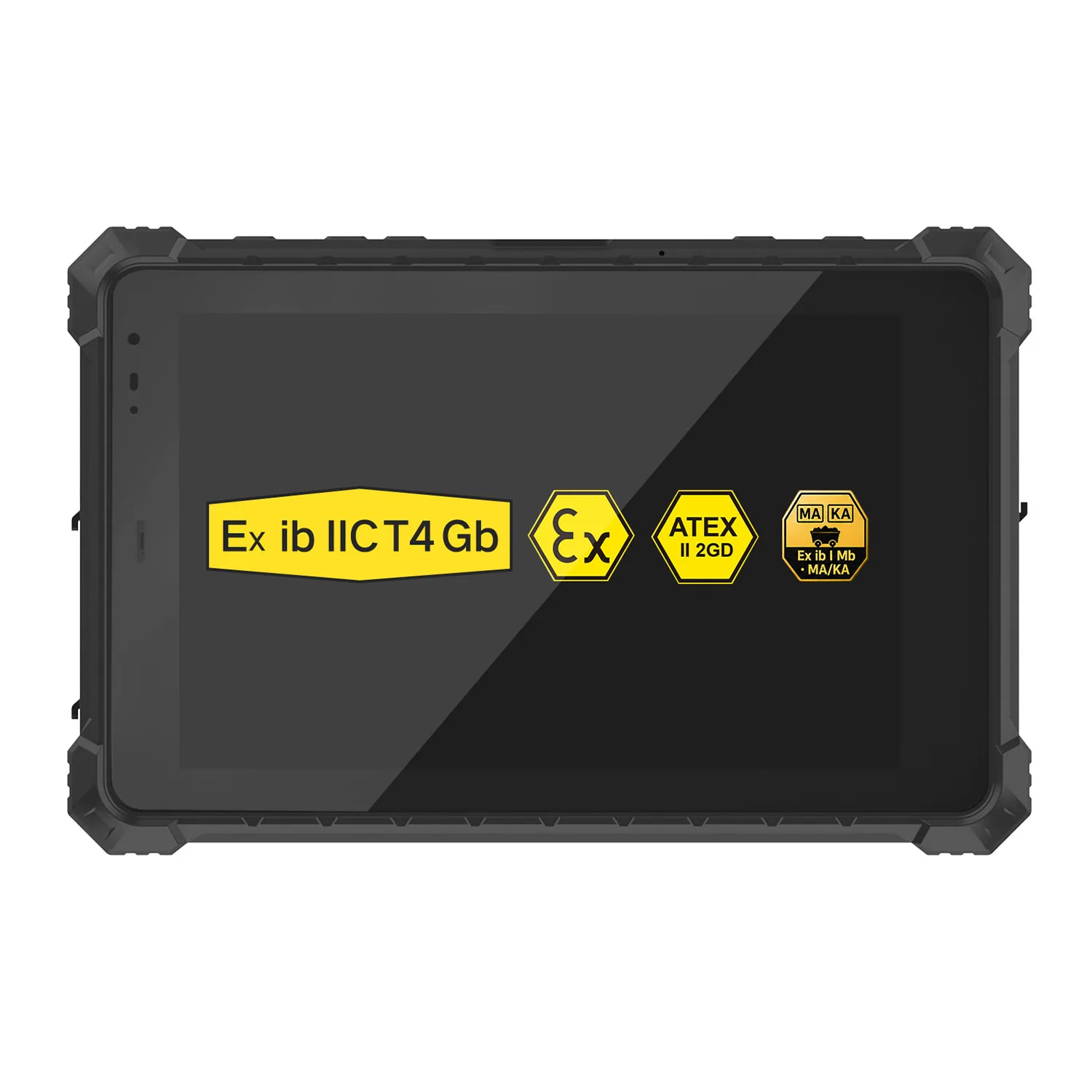
Rugged medical tablet and medical-grade tablet are not automatically the same thing. A rugged medical tablet is a rugged computer used in healthcare workflows; a medical-grade tablet can imply additional regulatory and electrical-safety requirements, EMC, cleaning compatibility depending on the market and use case. Before describing any product as medical-grade, confirm the exact certifications applicable to that device and its purpose. Where IEC 60601 or another medical-device standard is required, confirm certification for the specific model and complete configuration — we will answer in writing. (See our Medical Grade Tablet page for the certification-side discussion.)
How to Choose a Rugged Tablet for Healthcare
Why Choose CENAVA Rugged Tablets for Healthcare Workflows?
Windows and Android Platforms
CENAVA provides both Windows and Android rugged tablets for different software environments.
Glove-Compatible Touchscreens
Selected models support operation with medical rubber gloves.
Compact and Full-Size Options
Choose 8-inch tablets for mobility or 10-inch models for larger interfaces.
Integrated Data Capture
Barcode, NFC, RFID, fingerprint and card-reader options are available on selected models.
Long Battery Options
Selected tablets use 10,000mAh batteries for extended mobile operation.
Wi-Fi and Cellular Connectivity
Wi-Fi, 4G and 5G configurations support both facility-based and mobile workflows.
Rugged Protection
IP68 and rugged construction are available on multiple tablet platforms.
OEM and ODM Configuration
For qualified projects, CENAVA can customize operating systems, memory, storage, wireless modules, data-capture functions, accessories and branding.
Frequently Asked Questions About Rugged Medical Tablets
1. What is a rugged medical tablet?
A rugged medical tablet is a durable mobile computer used for healthcare workflows such as nursing rounds, inventory, pharmacy operations, asset tracking and healthcare data collection.
It should not automatically be considered a certified medical device.
2. Can nurses use rugged tablets while wearing gloves?
Selected CENAVA tablets support touchscreen operation with medical rubber gloves.
Compatibility should be tested with the exact gloves used by the healthcare facility.
3. Can a medical tablet scan barcodes?
Yes.
Selected CENAVA rugged tablets can be configured with integrated 1D/2D barcode scanners for compatible inventory and identification workflows.
4. Do healthcare tablets support RFID?
Selected models support NFC and optional HF/UHF RFID modules.
These can be used with compatible healthcare asset, inventory and identification systems.
5. Does CENAVA offer Windows tablets for hospitals?
Yes.
Selected CENAVA rugged tablets run Windows 11 and support enterprise connectivity, optional data capture and rugged mobile deployment.
6. Does CENAVA offer Android healthcare tablets?
Yes.
Selected Android rugged tablets are suitable for mobile healthcare applications, rounds, inventory and data collection.
7. Can rugged tablets be disinfected?
Cleaning compatibility depends on the enclosure materials, screen coating and cleaning chemical.
Do not assume that IP68 means compatibility with every disinfectant.
Confirm the approved cleaning procedure for the specific tablet configuration.
8. Are rugged tablets medical-grade?
Not automatically. "Rugged" describes durability and environmental protection; medical-grade requirements depend on use case and applicable regulatory standards. If IEC 60601 or another standard is required, confirm certification for the exact configuration — ask us in writing.
9. What size tablet is best for nurses?
An 8-inch tablet is easier to carry during frequent rounds.
A 10-inch tablet provides more screen space for records, forms and Windows applications.
The best size depends on whether portability or display area is more important.
10. How do I choose a tablet for hospital use?
Start with the healthcare application, operating system, screen size, glove requirements, barcode/RFID needs, battery runtime and wireless network requirements.
Then verify cleaning compatibility, security requirements and any medical certifications required for the intended use.