
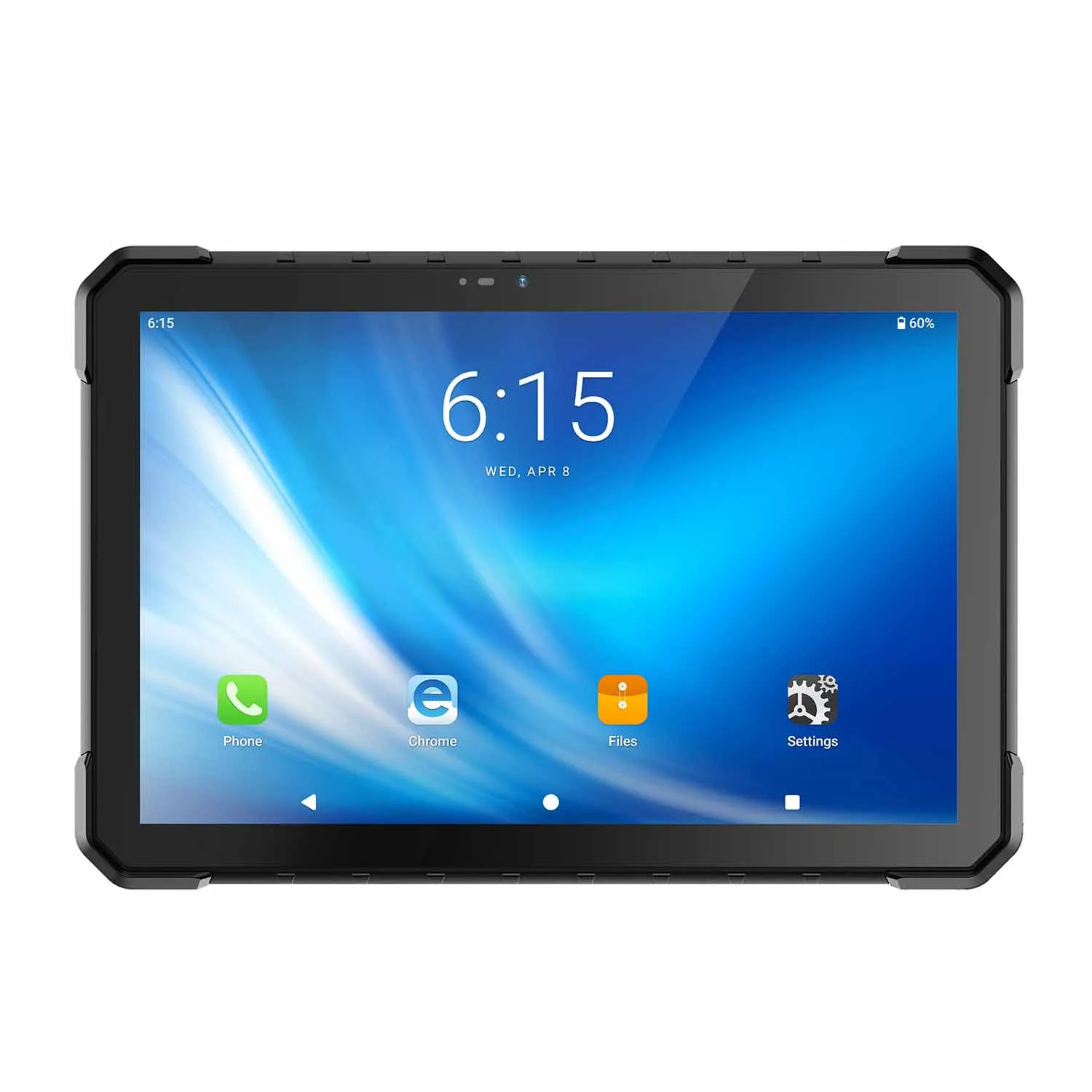
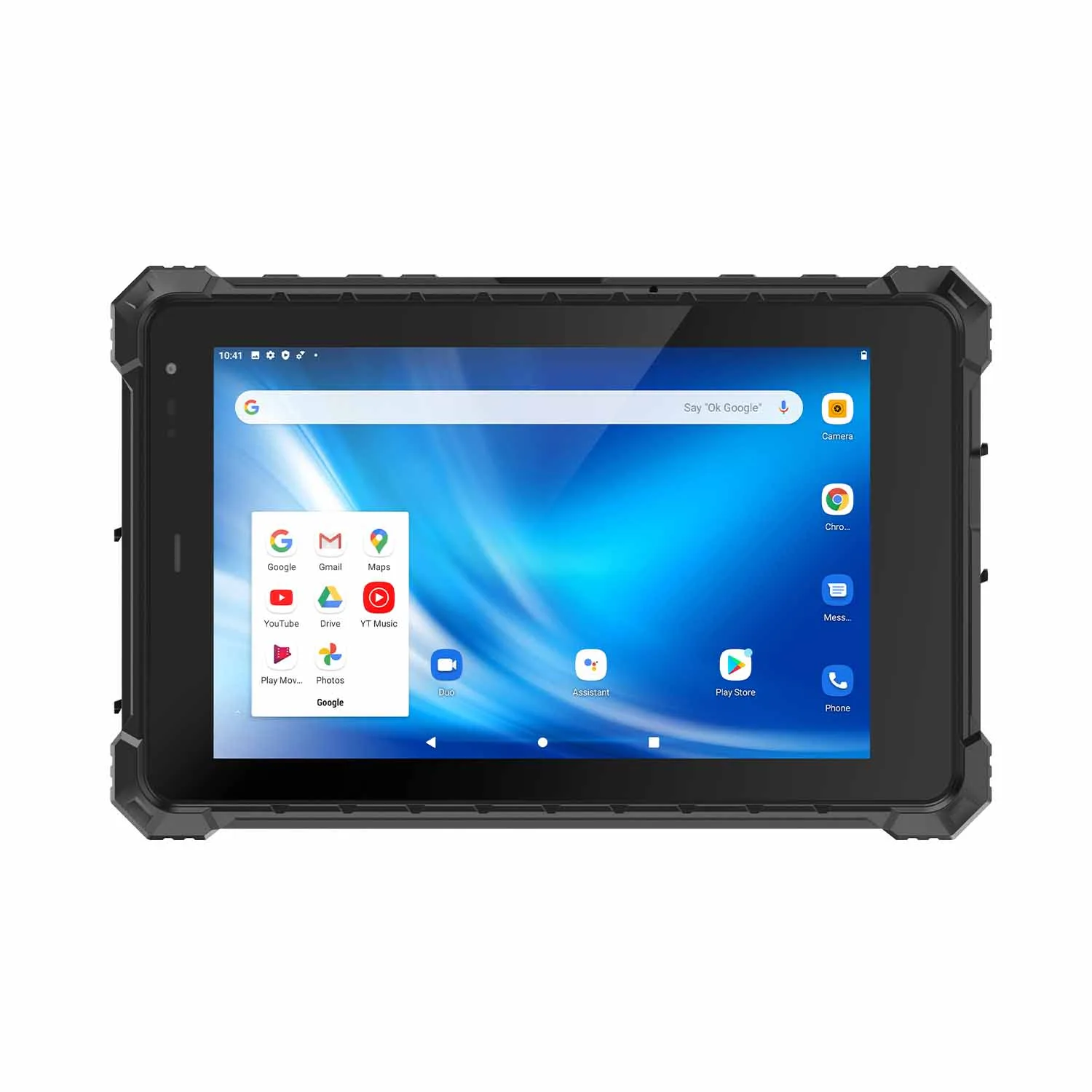
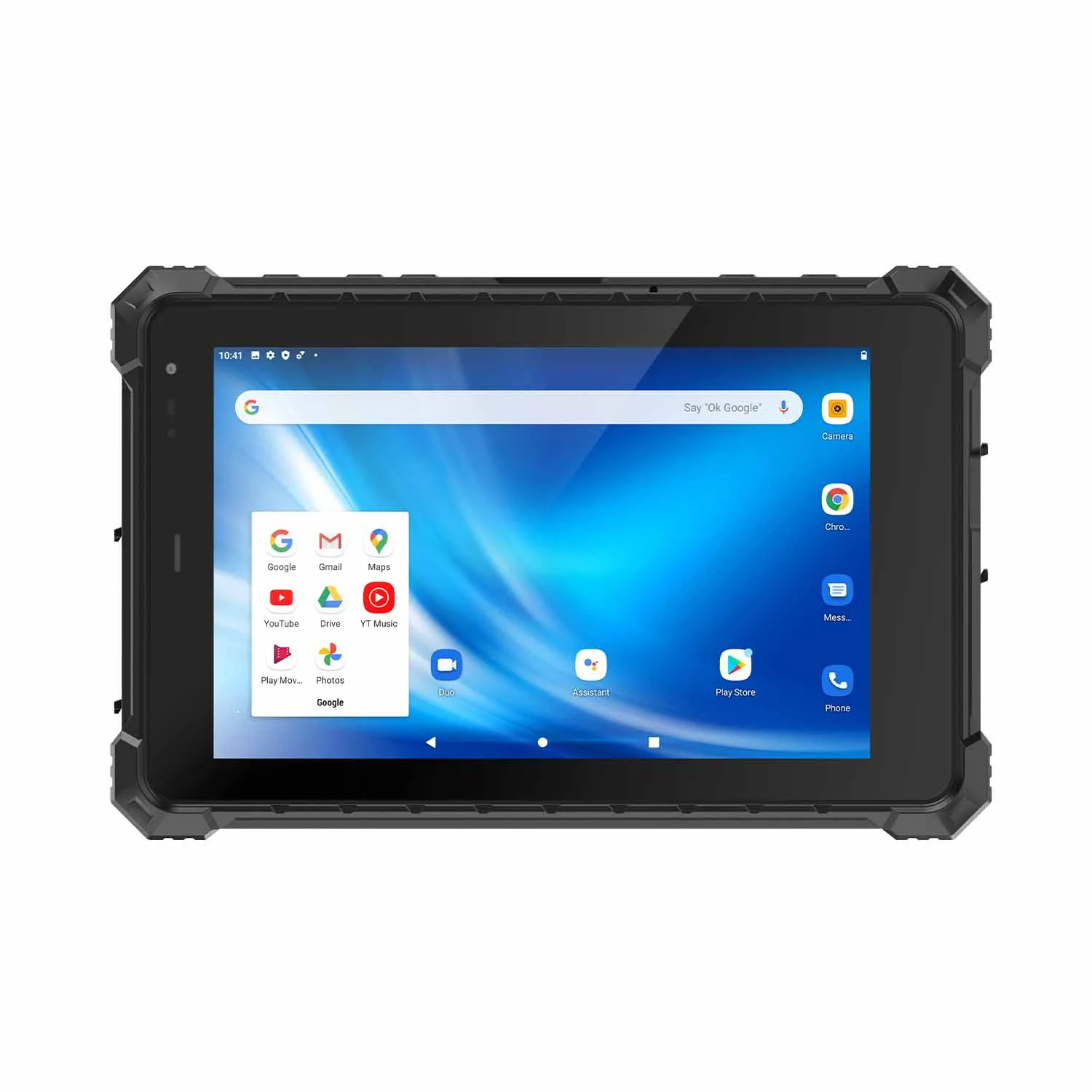
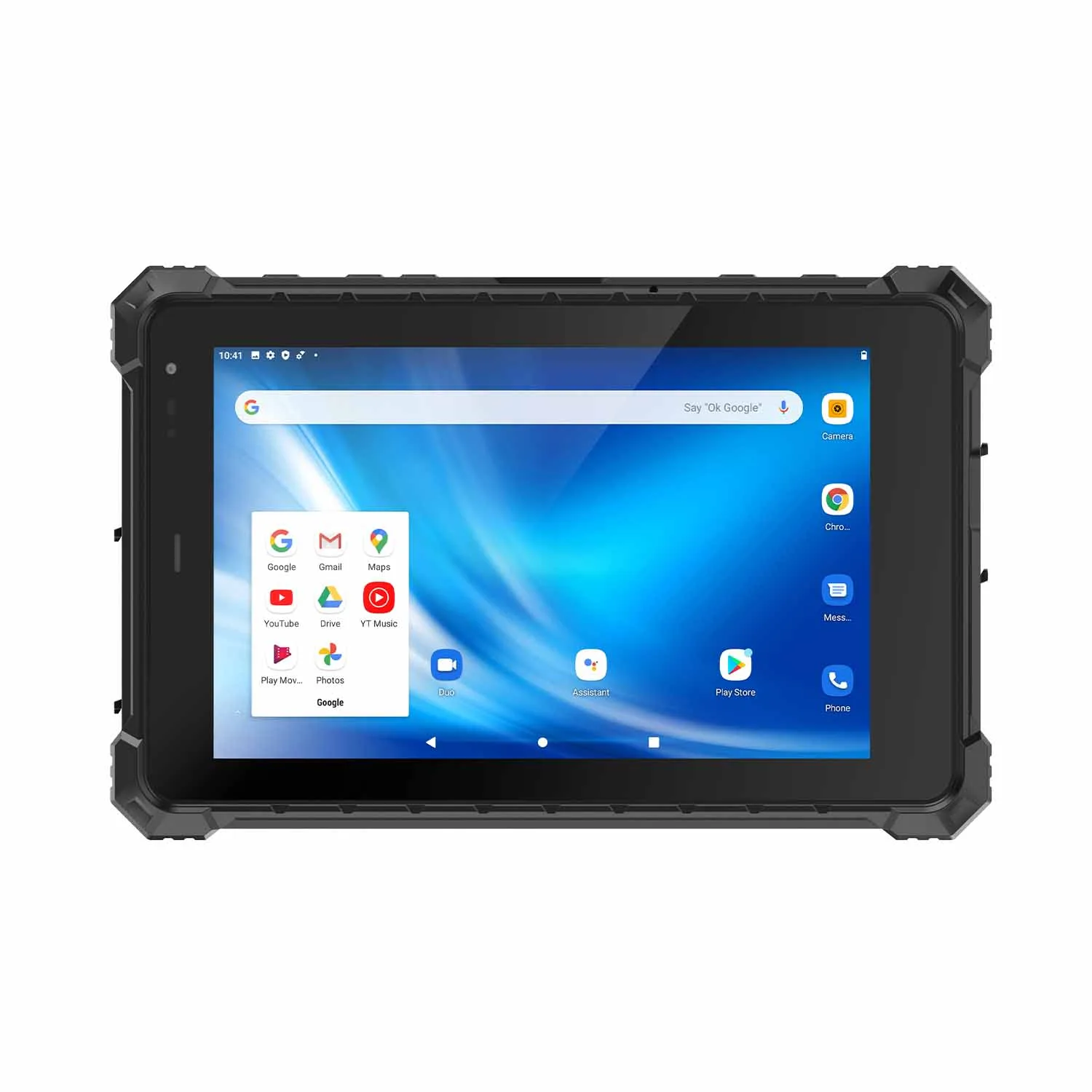
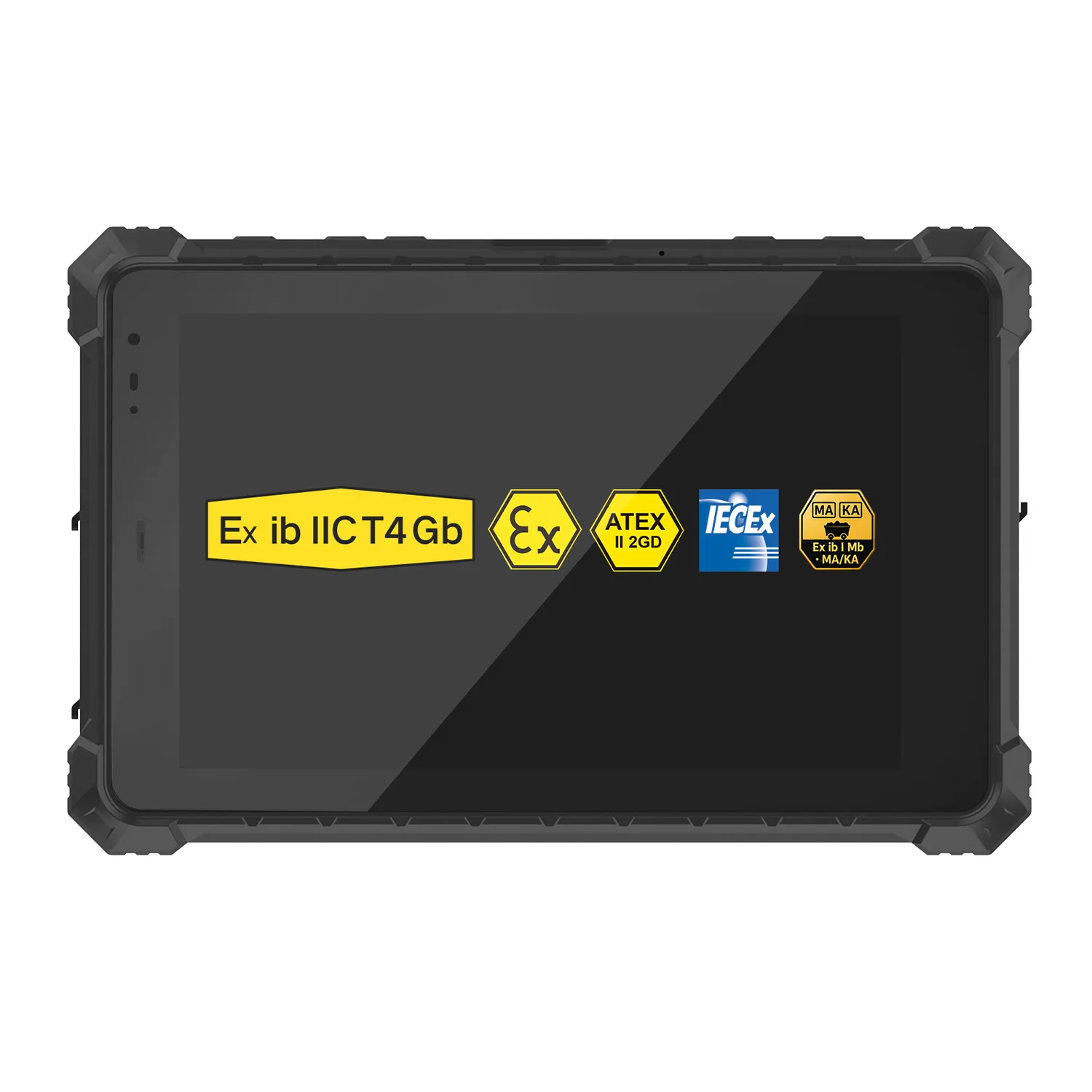
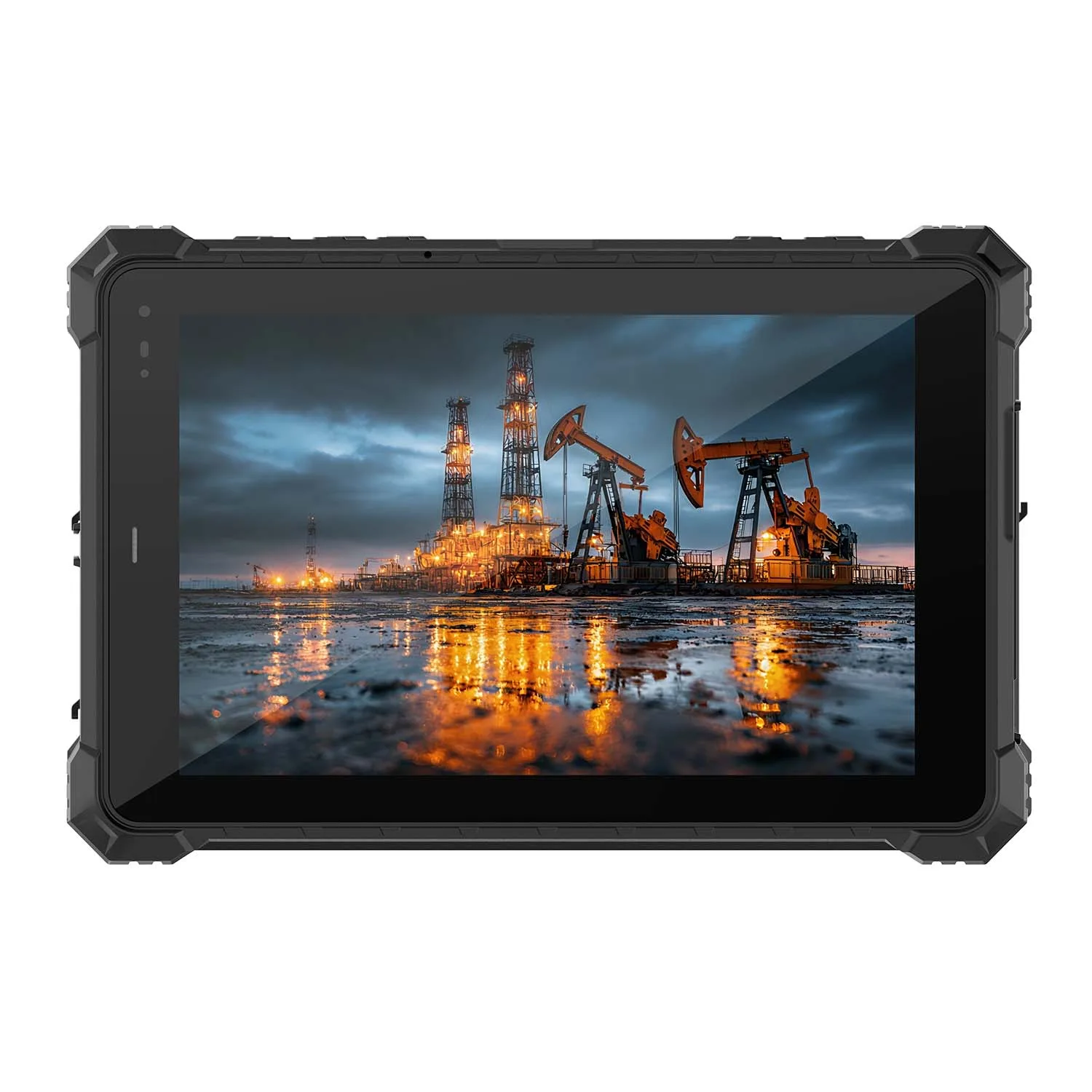
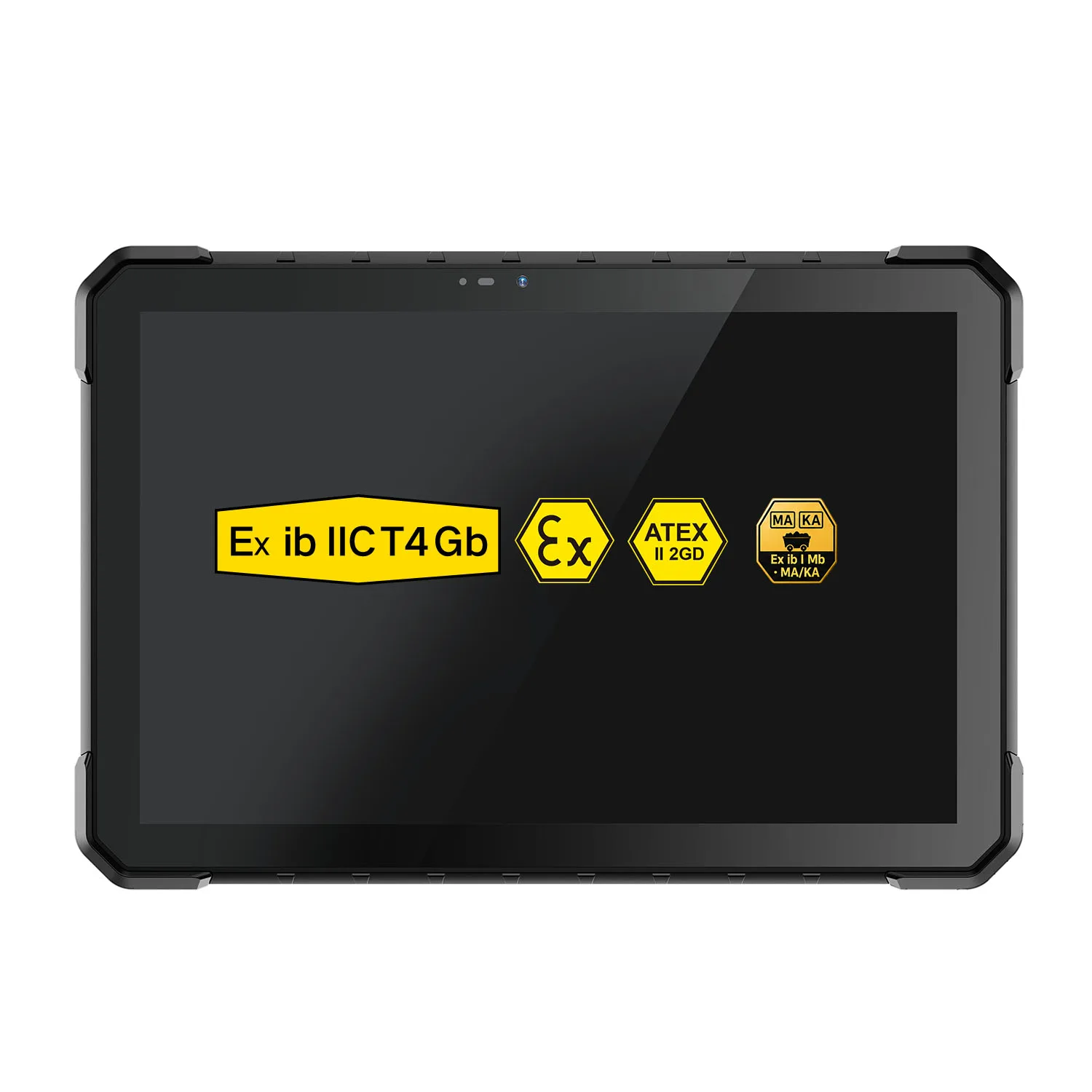
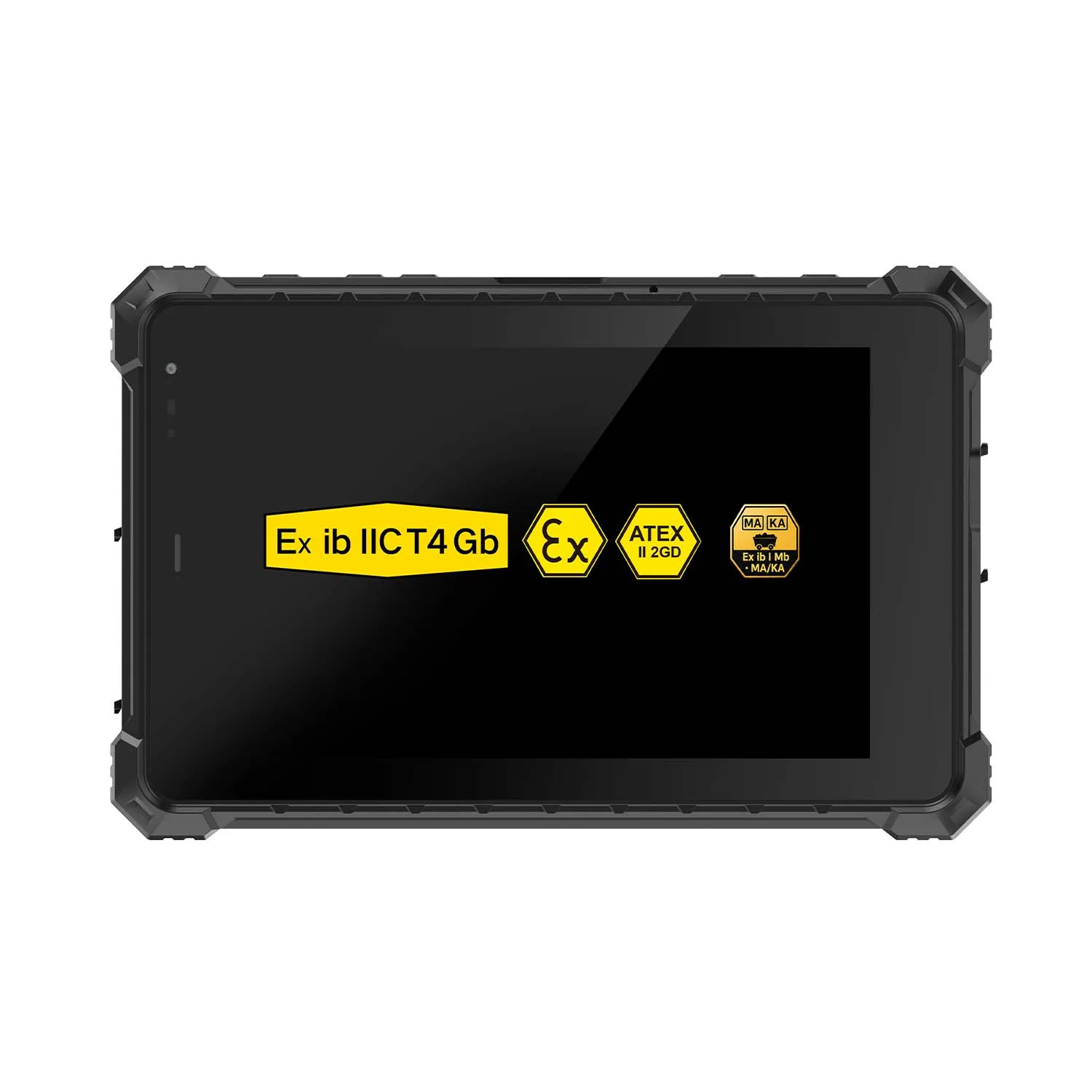
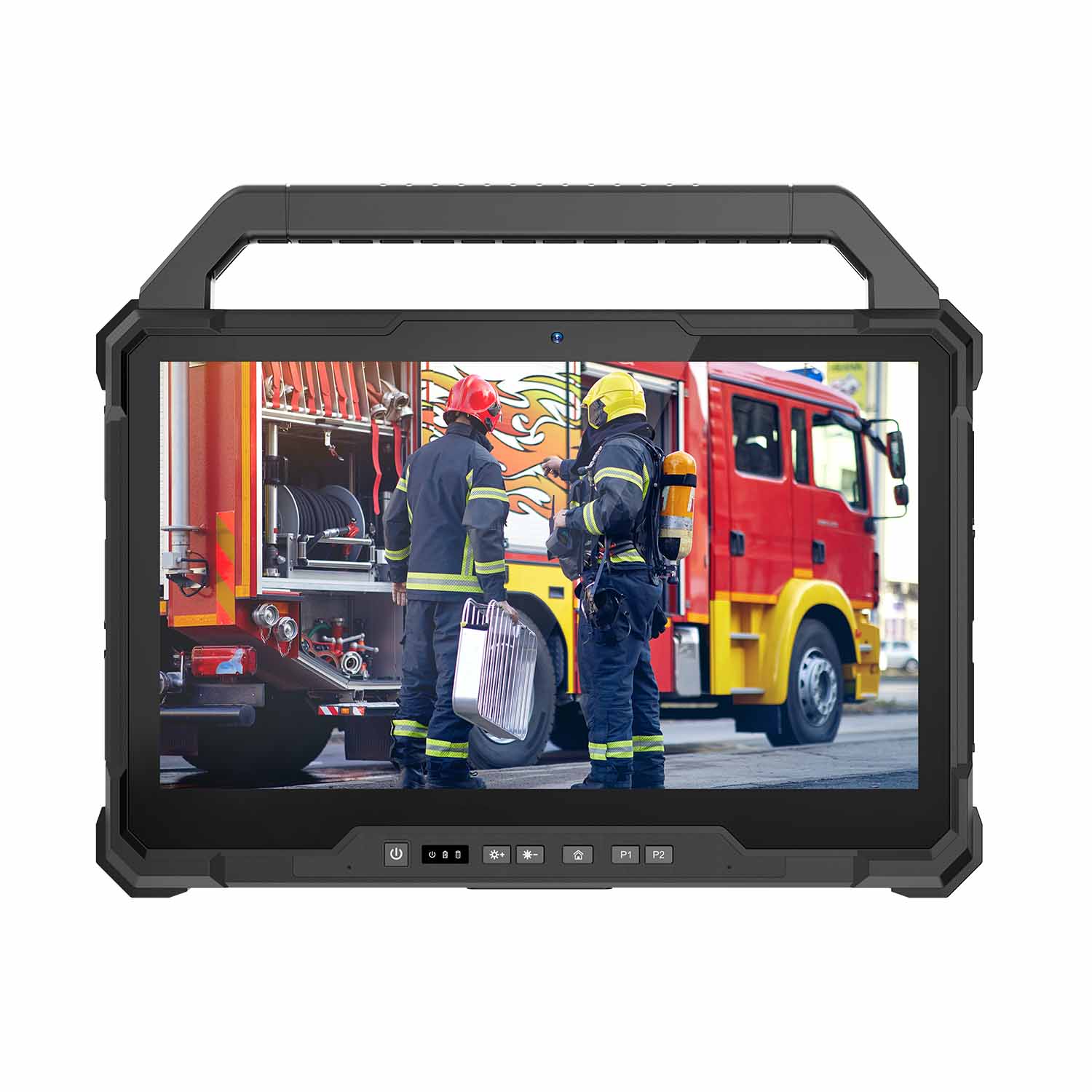
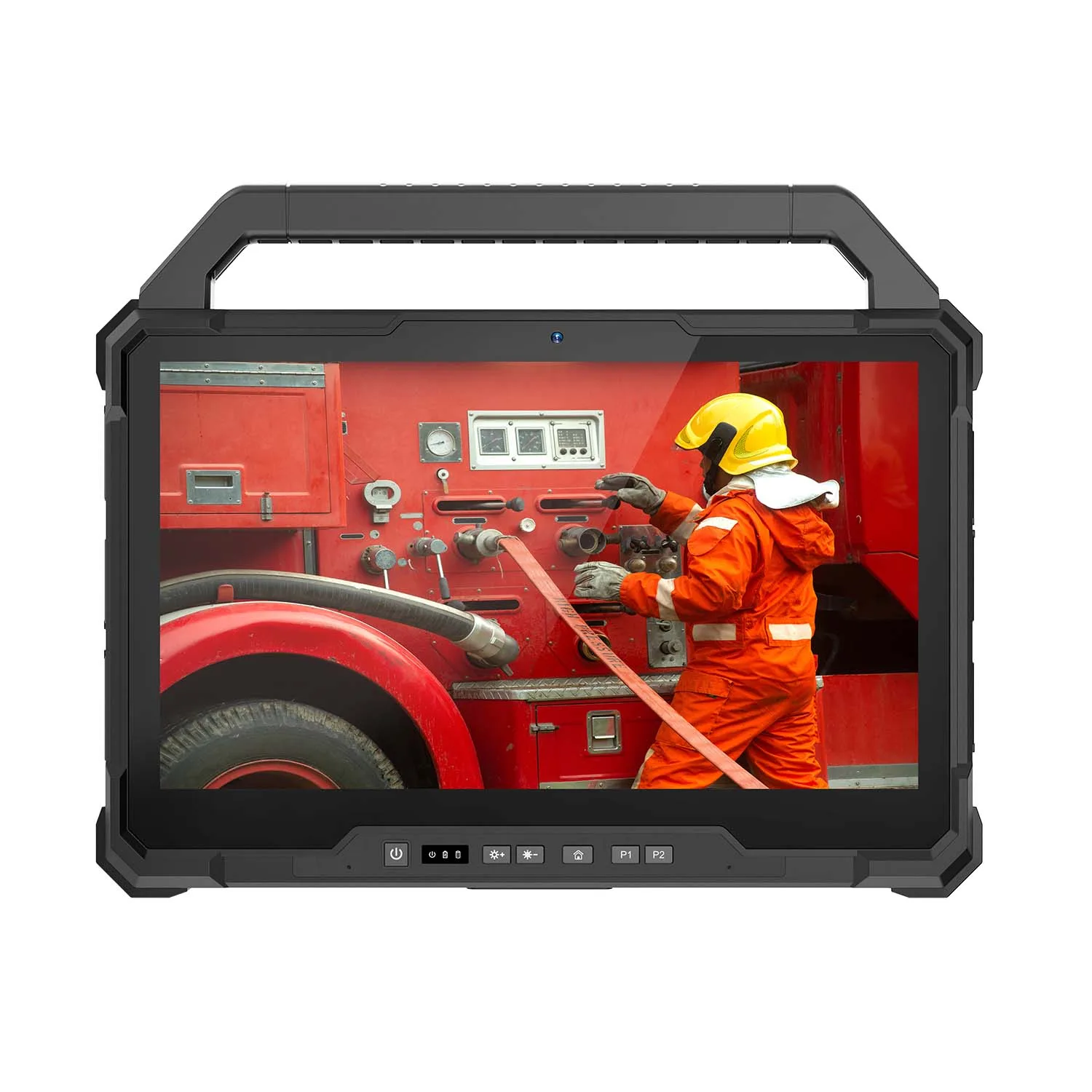
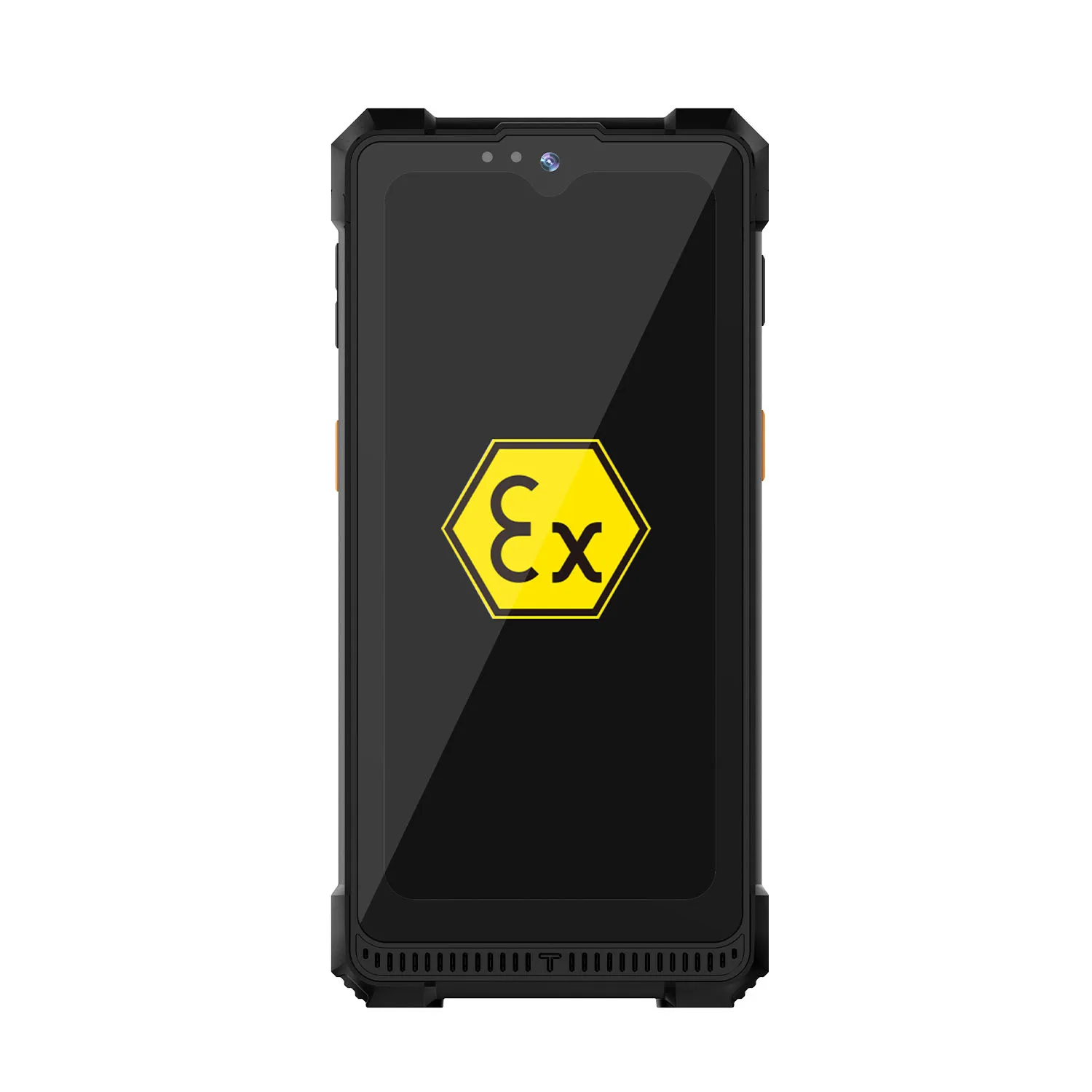
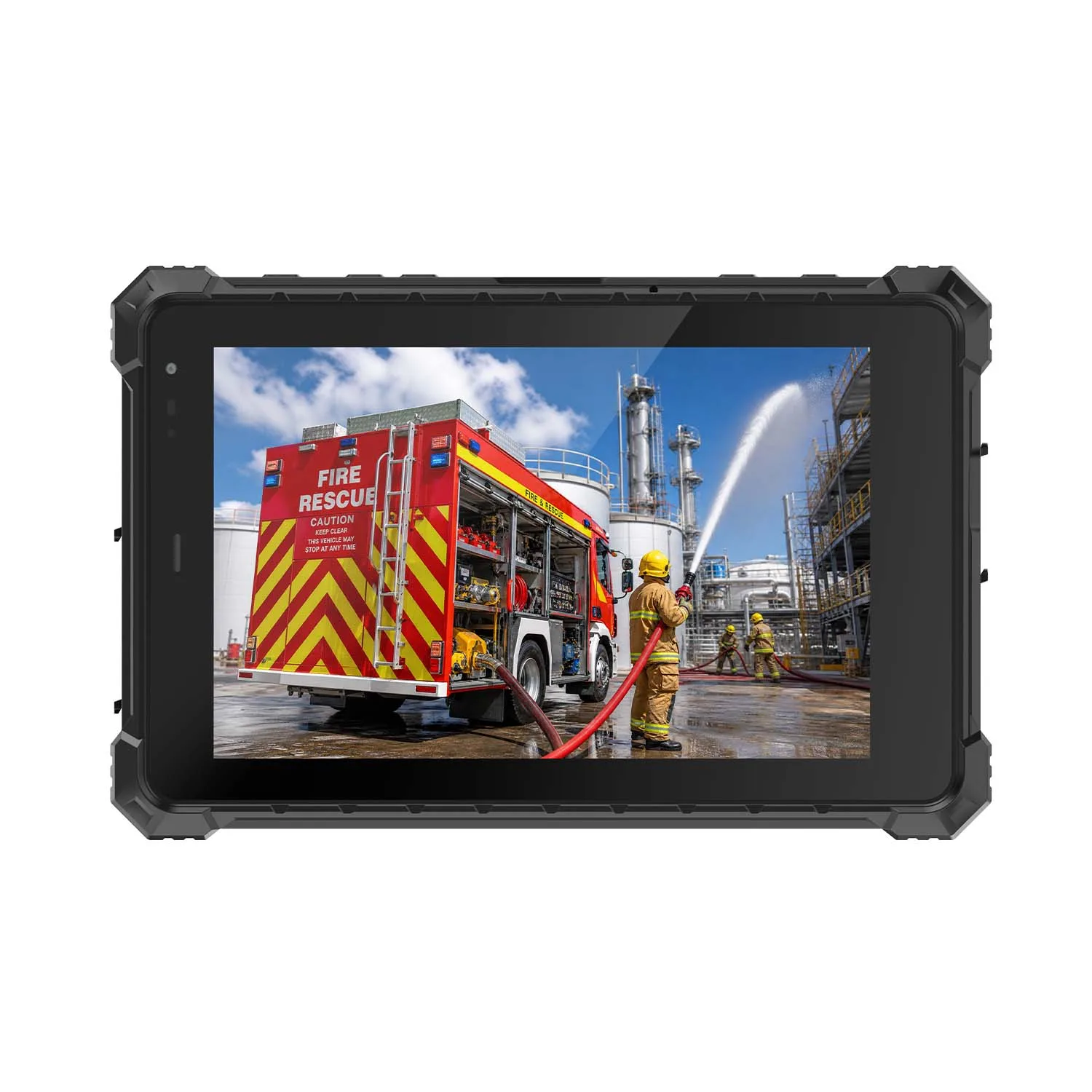



Sunlight Readable Tablets
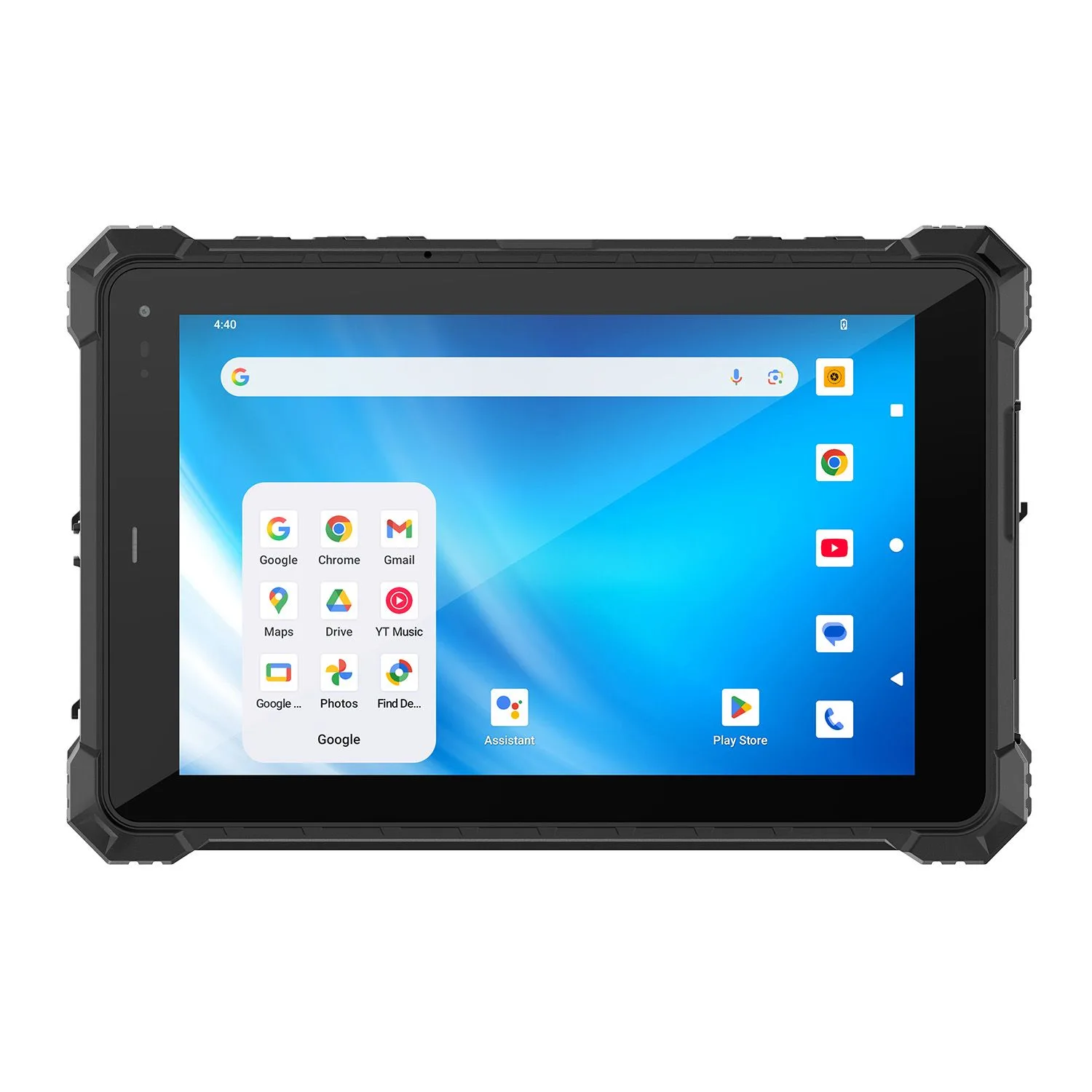
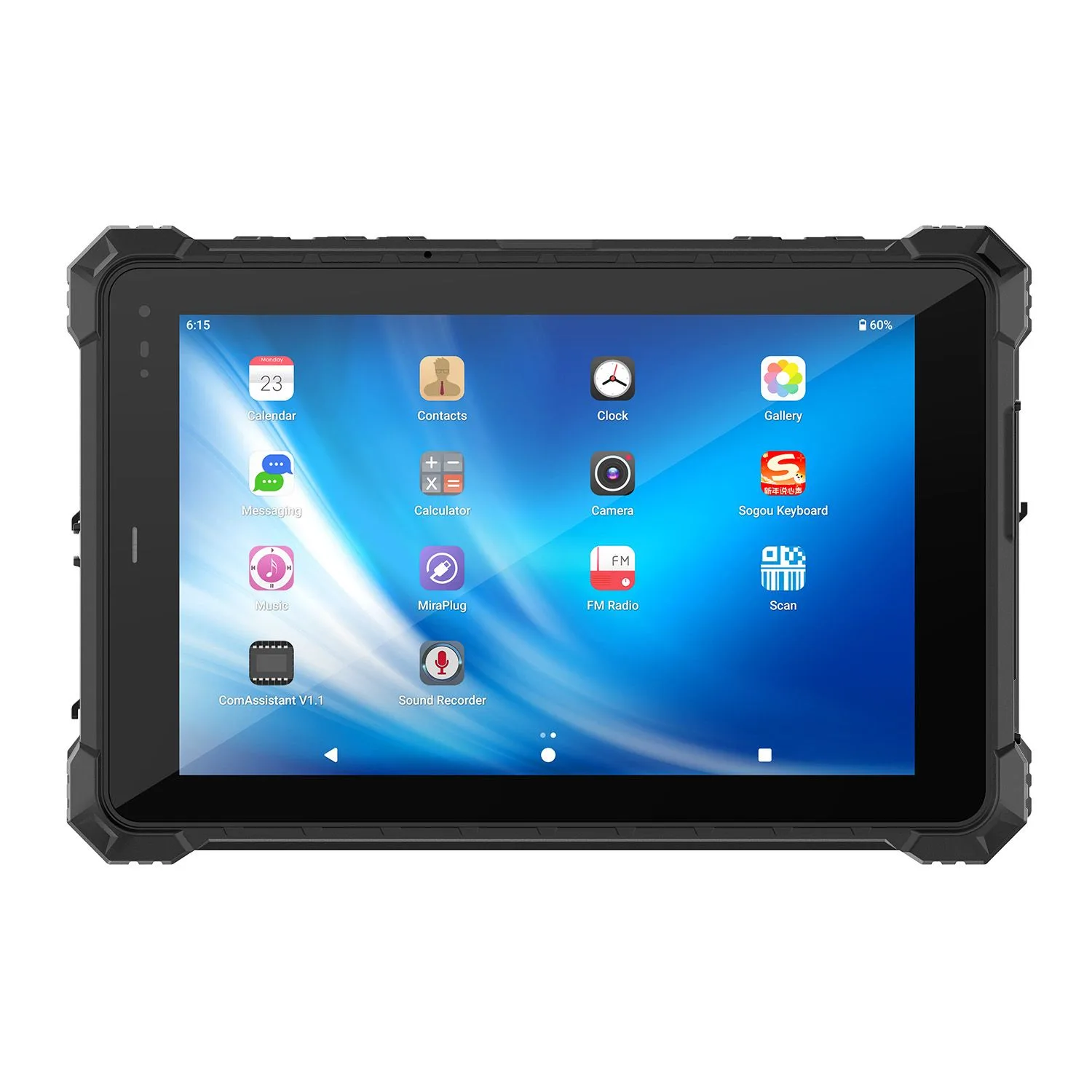
Sunlight Readable Rugged Tablets for Outdoor Work
A screen you cannot read outdoors is a tablet you cannot use outdoors.
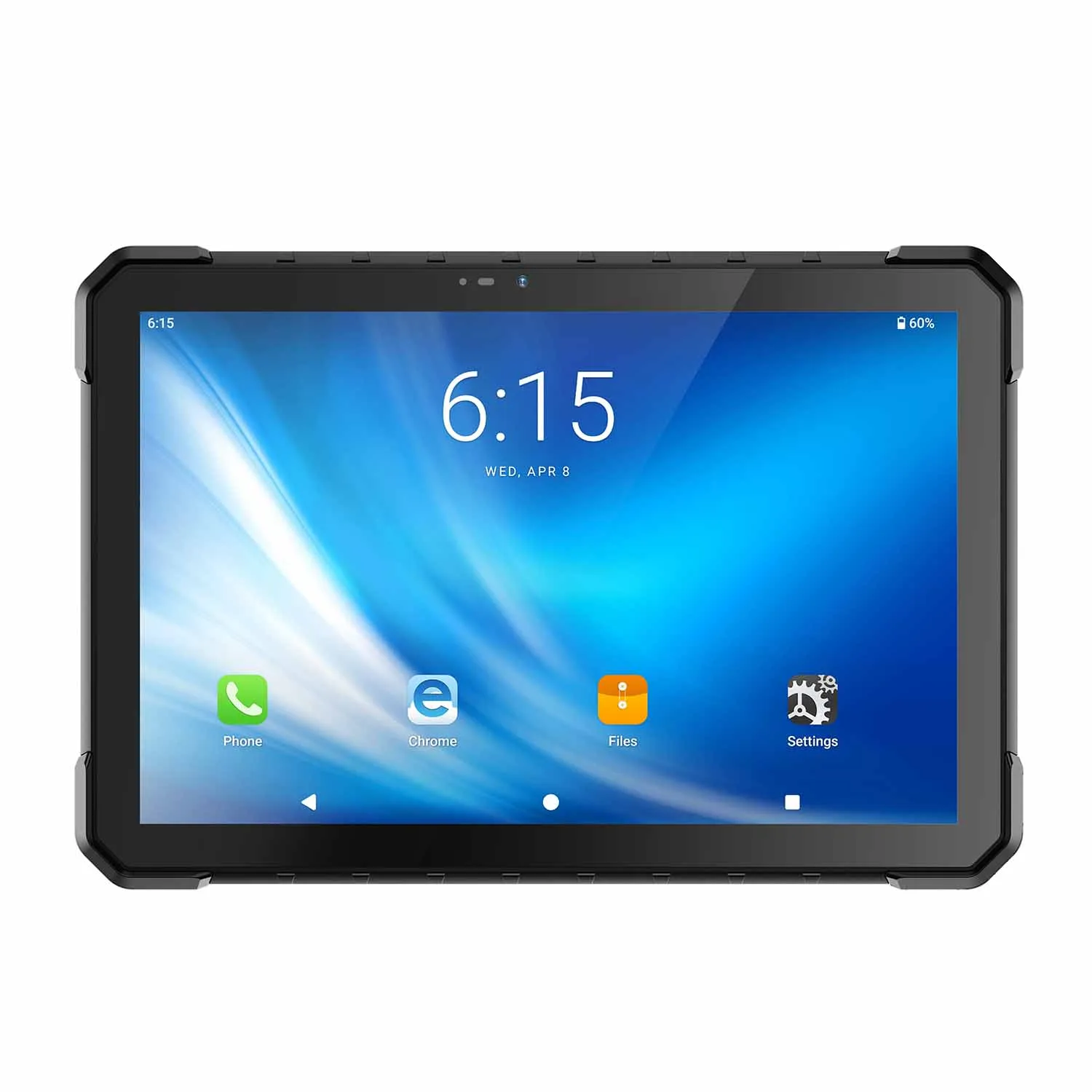
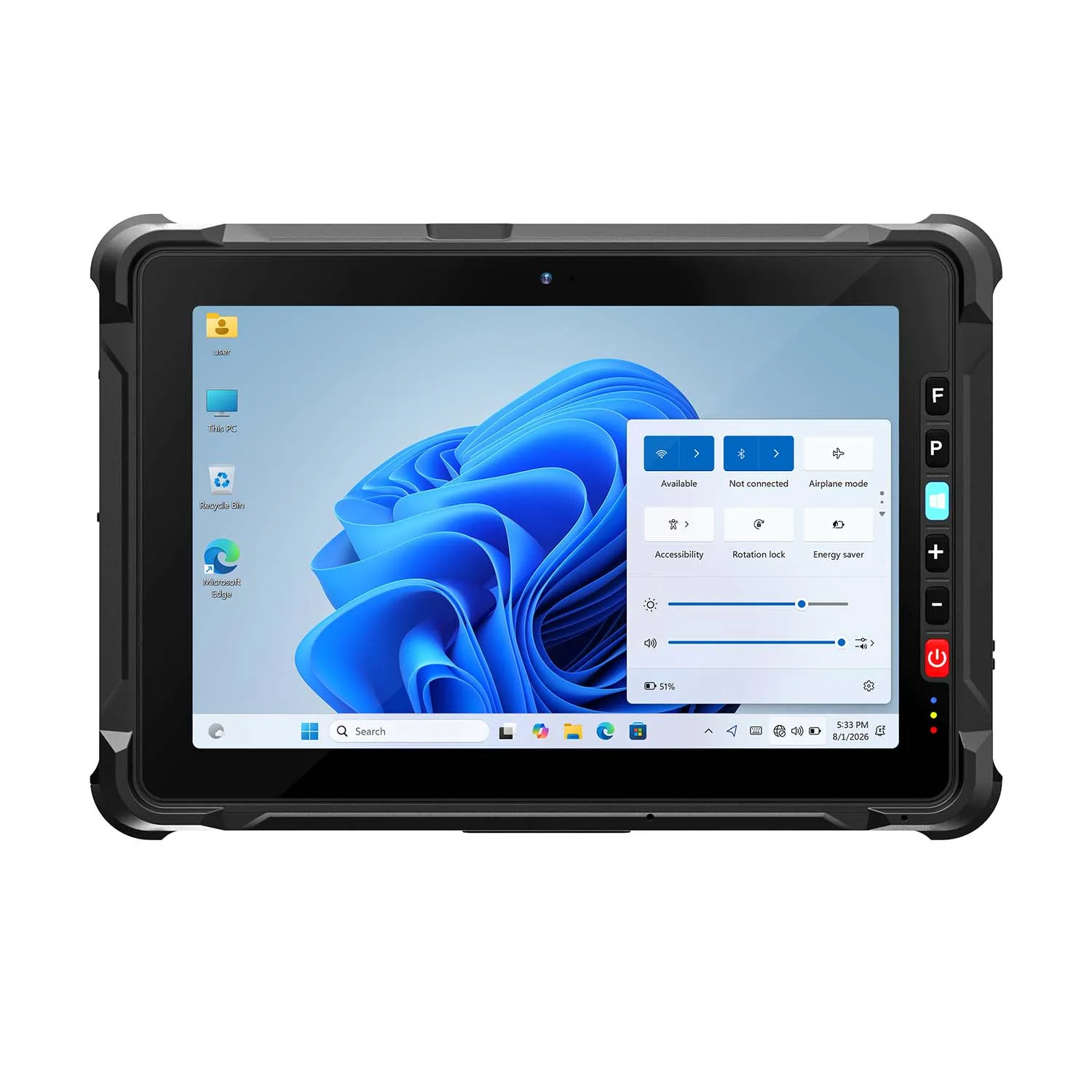
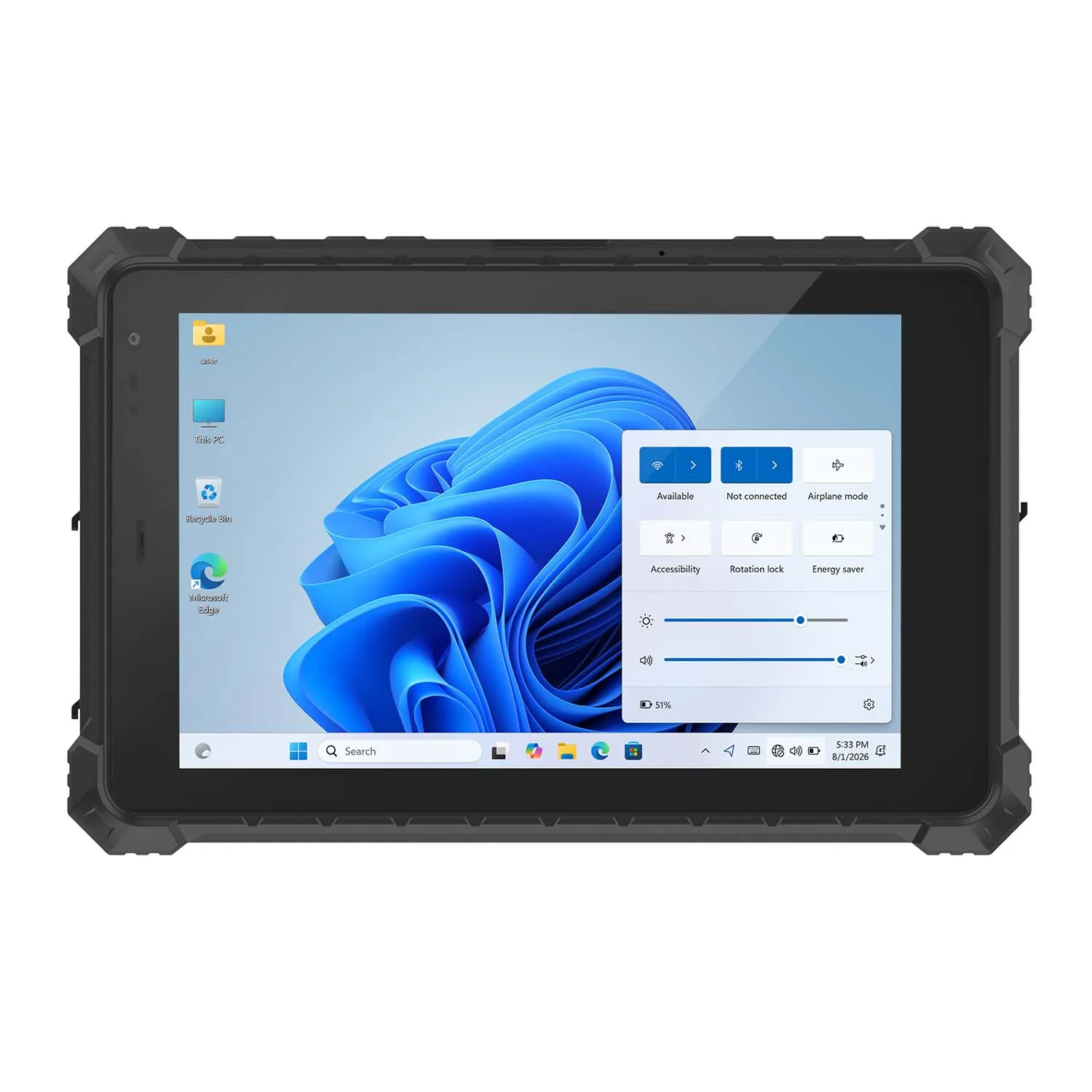
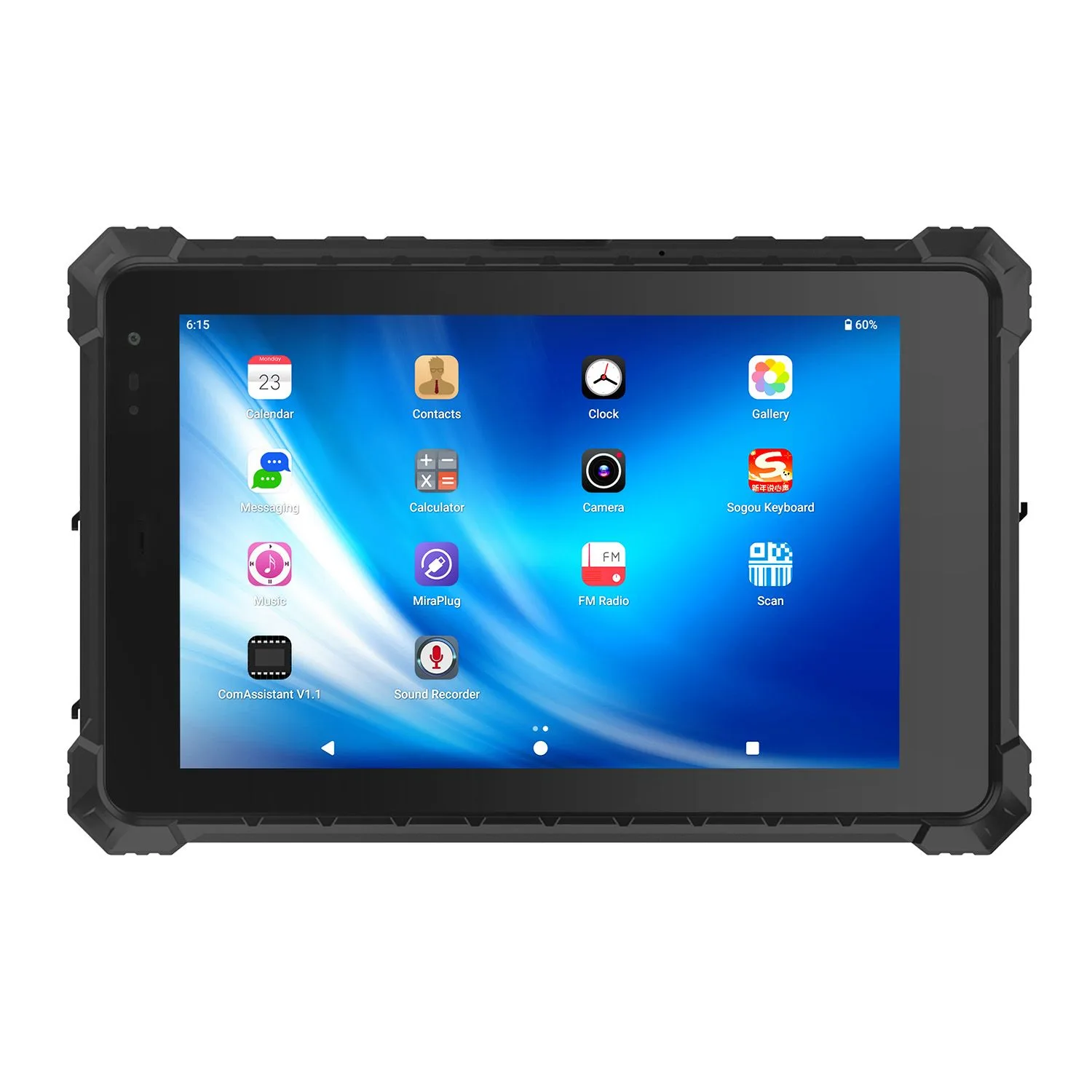
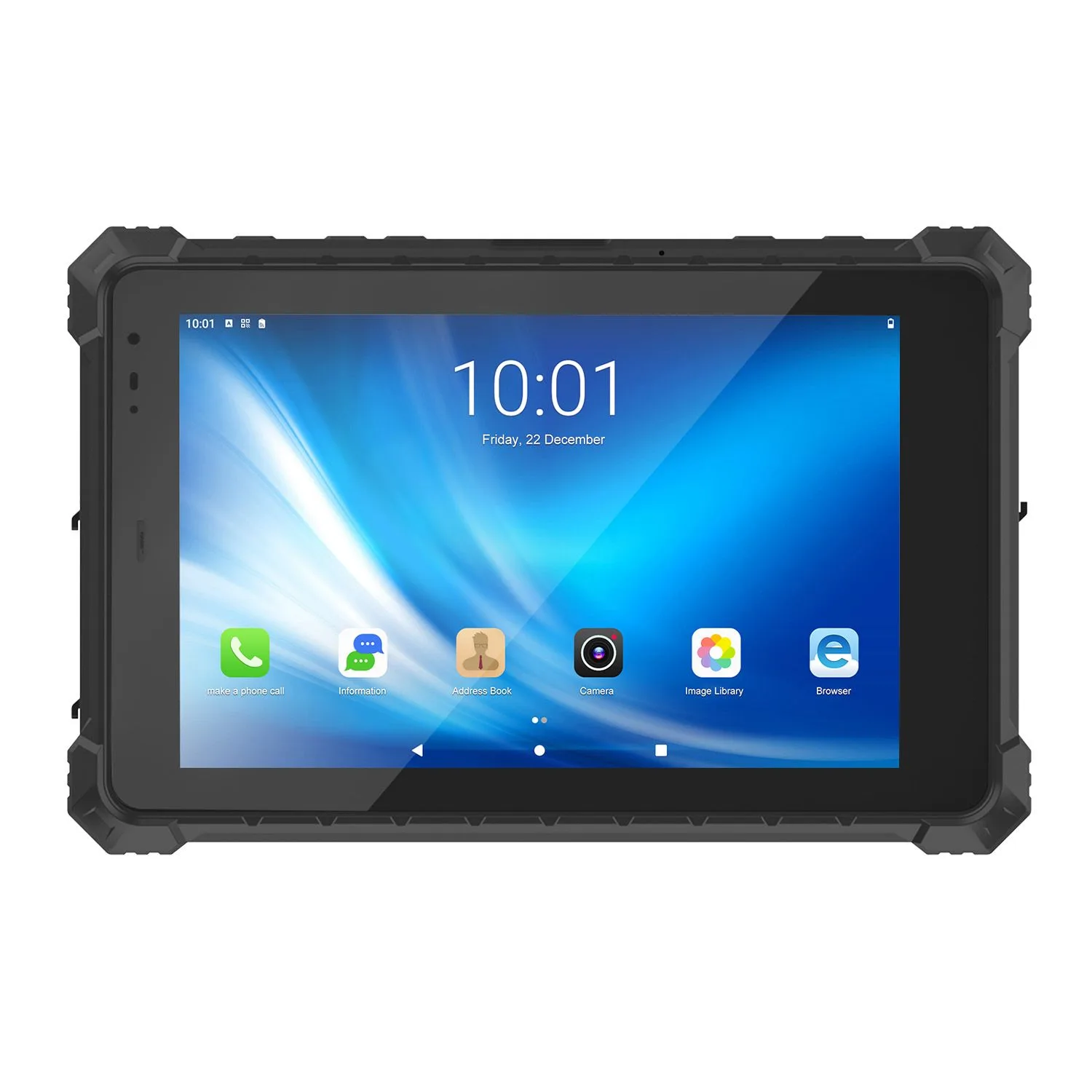
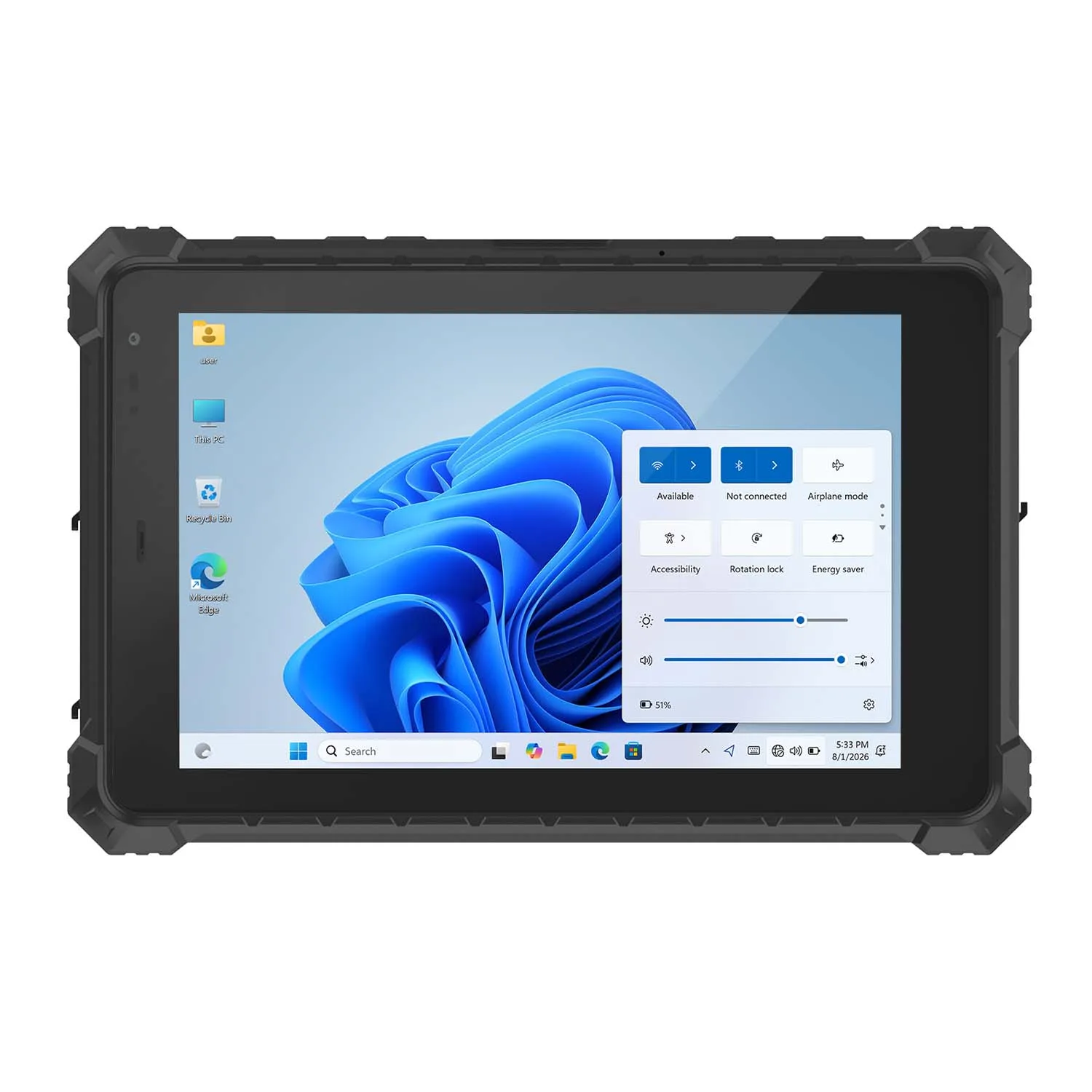
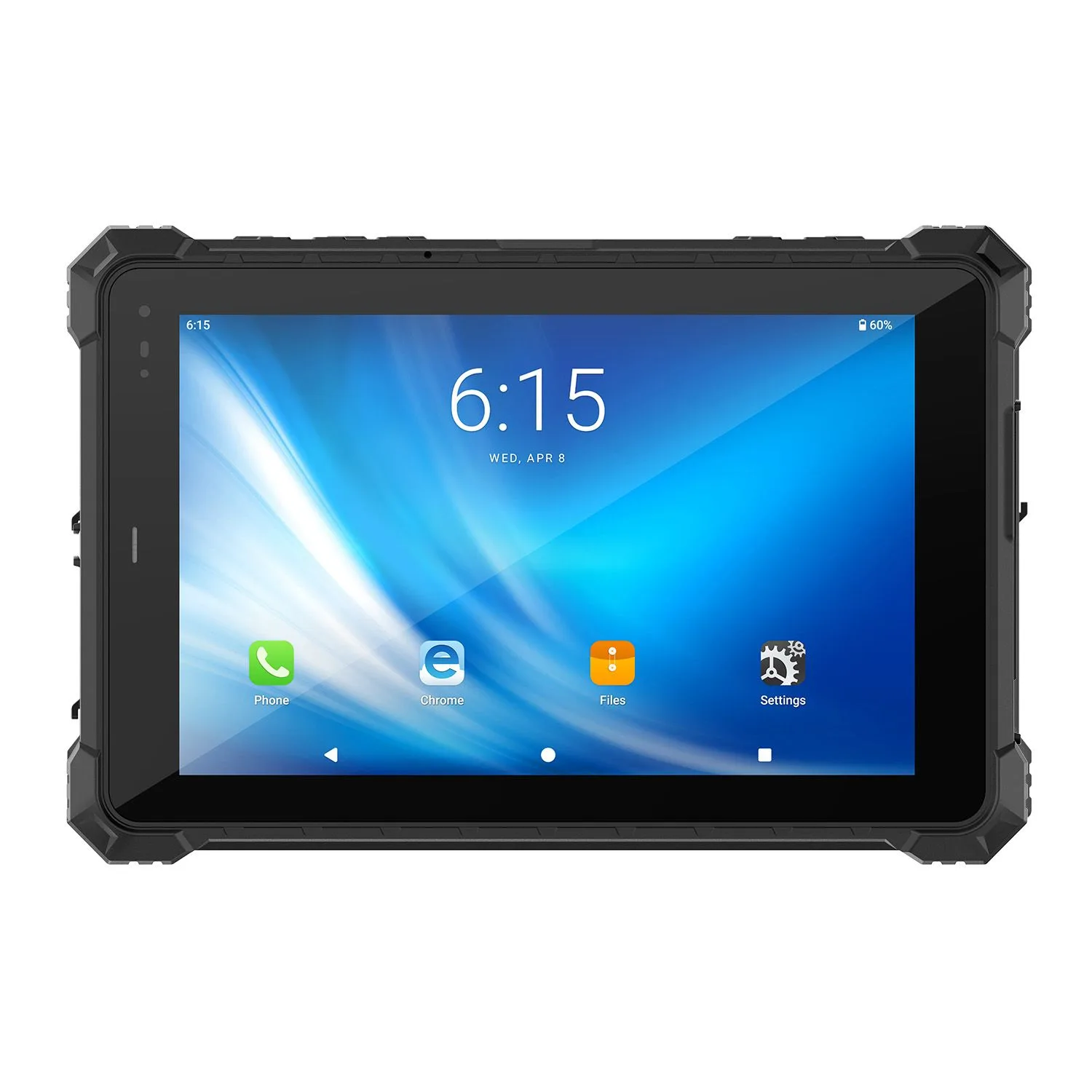
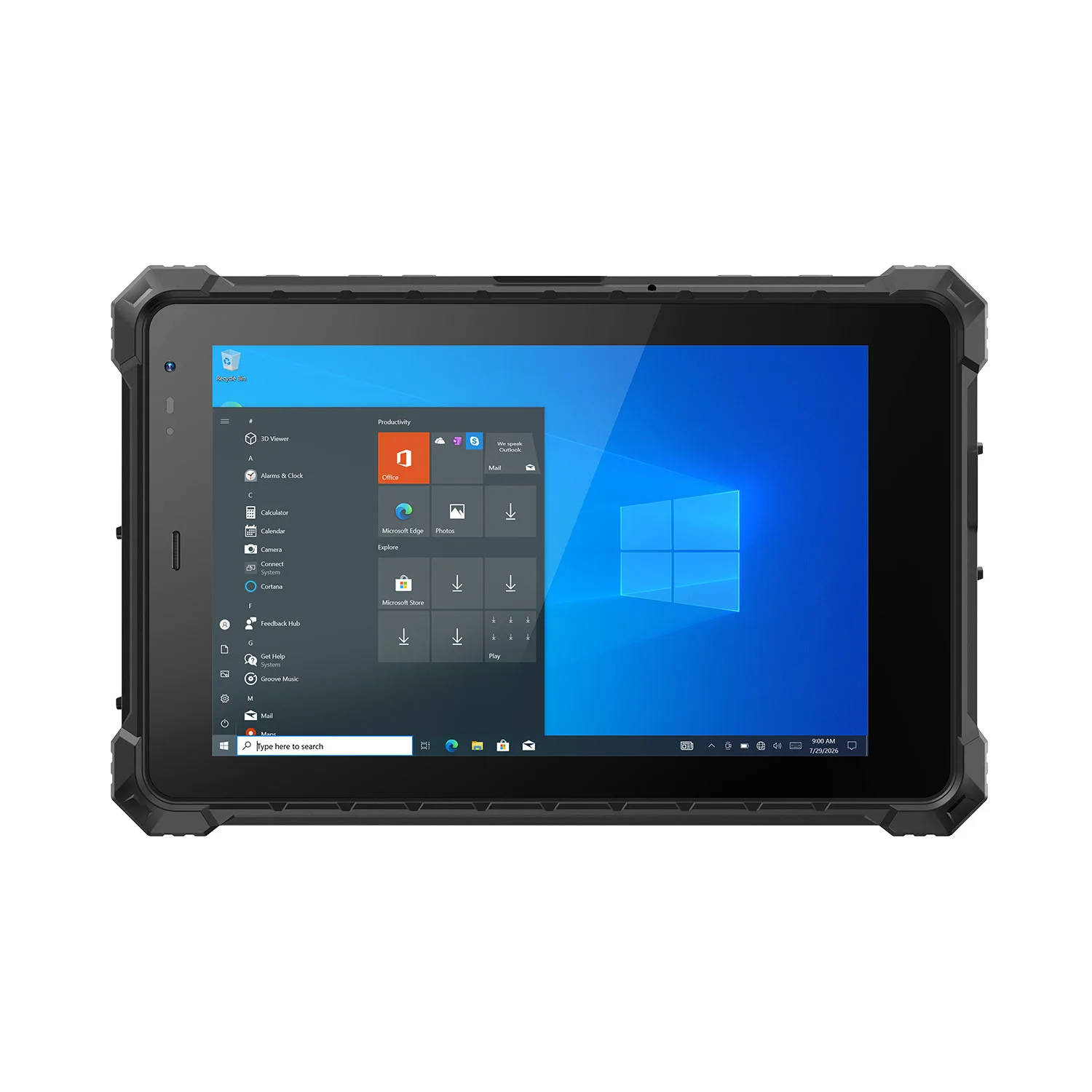
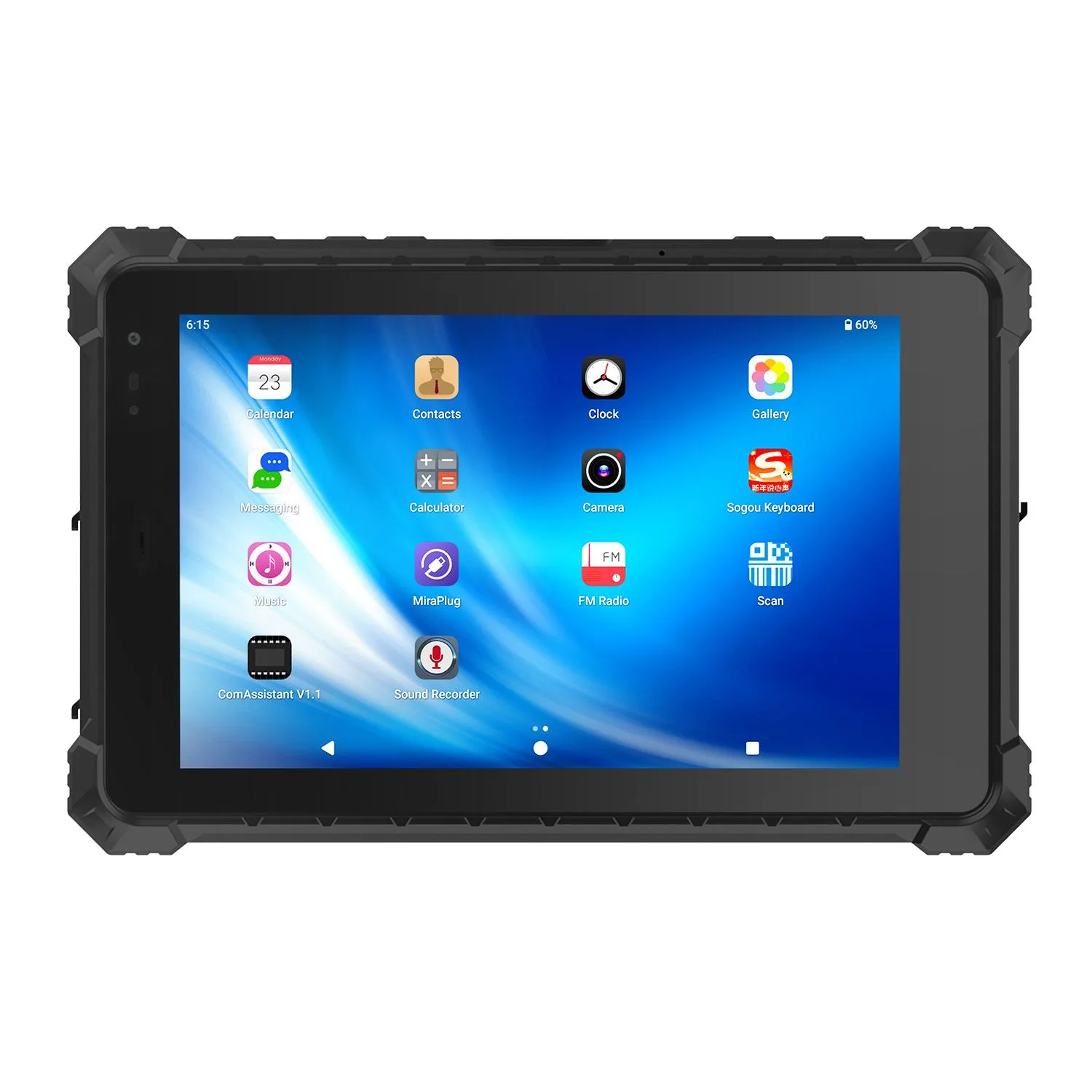
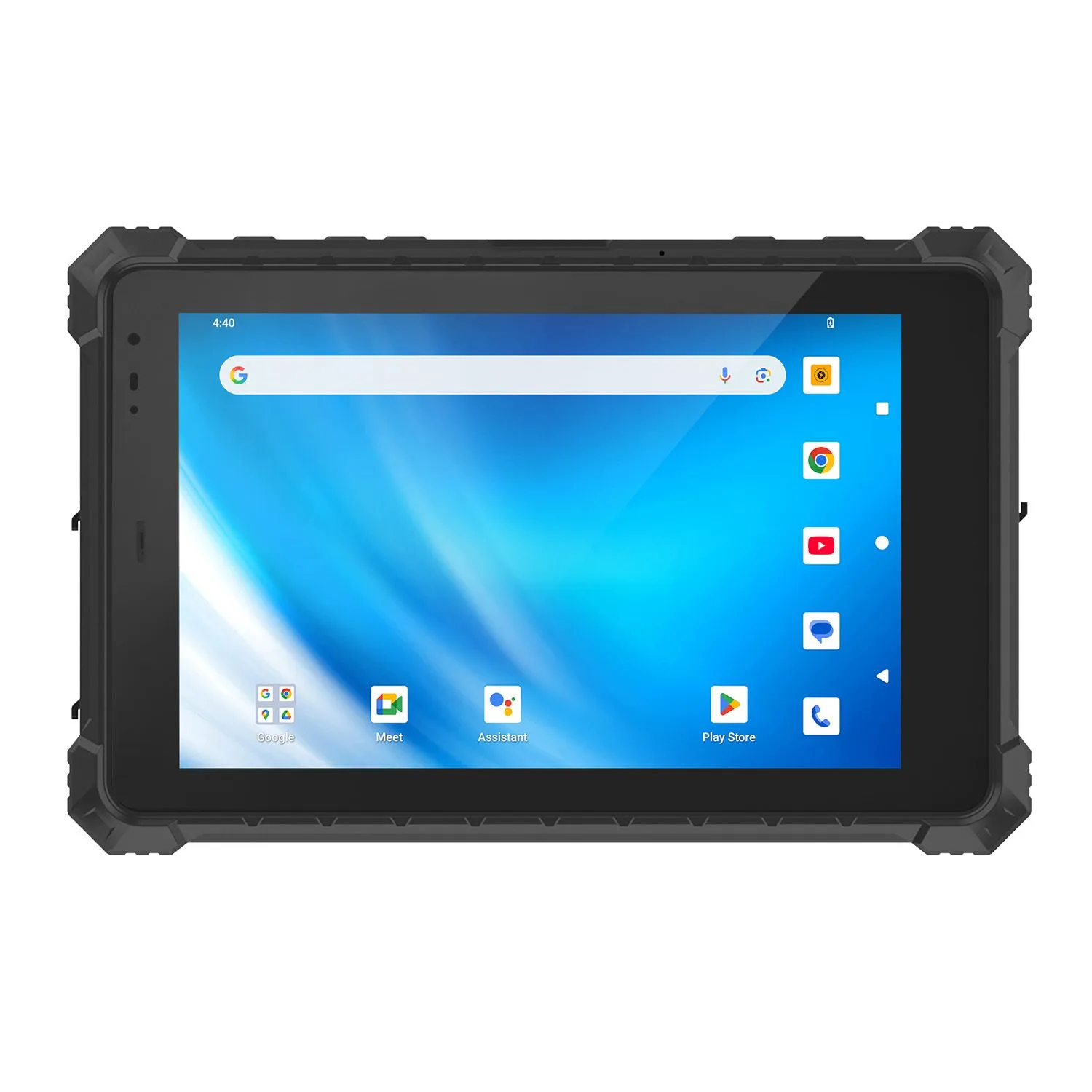
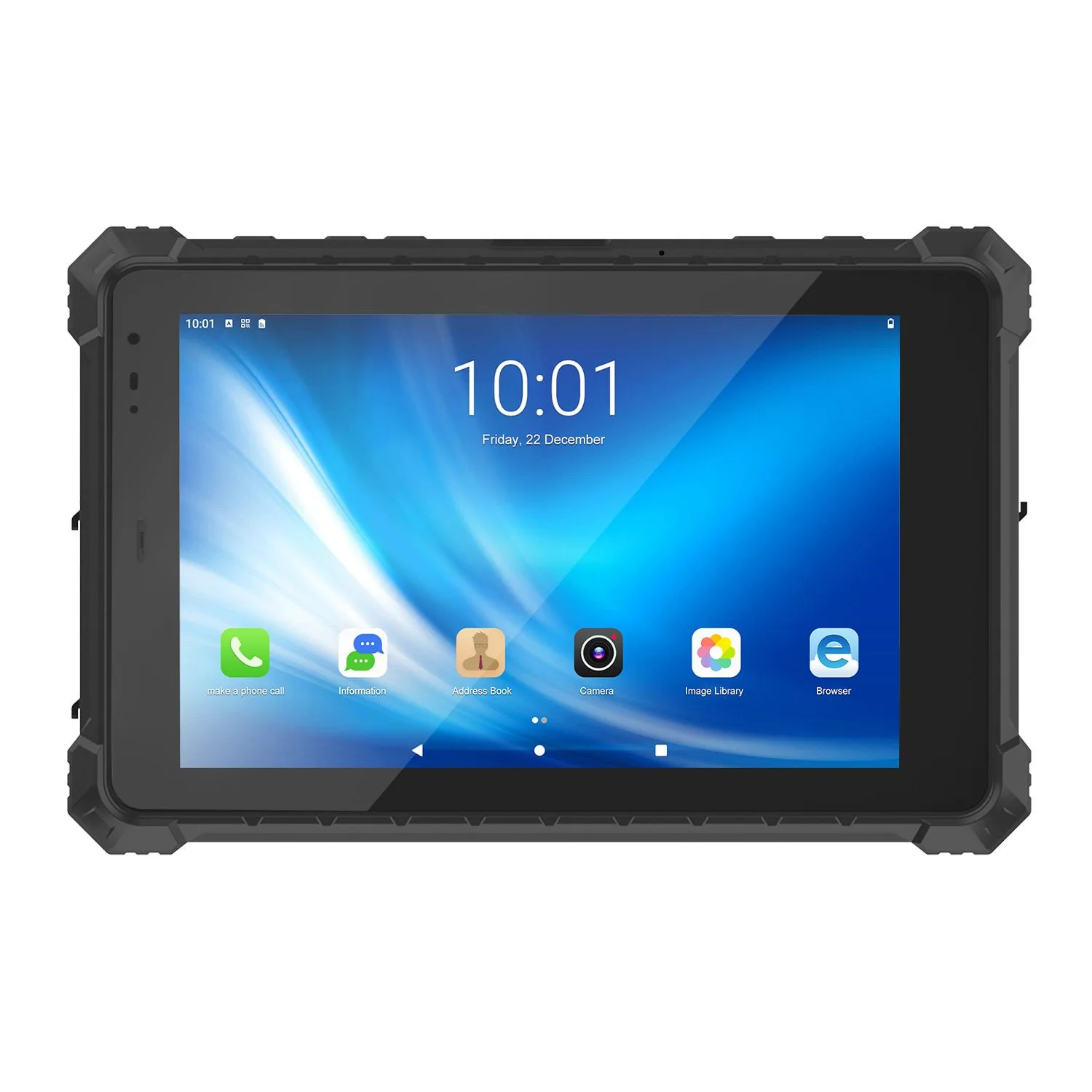
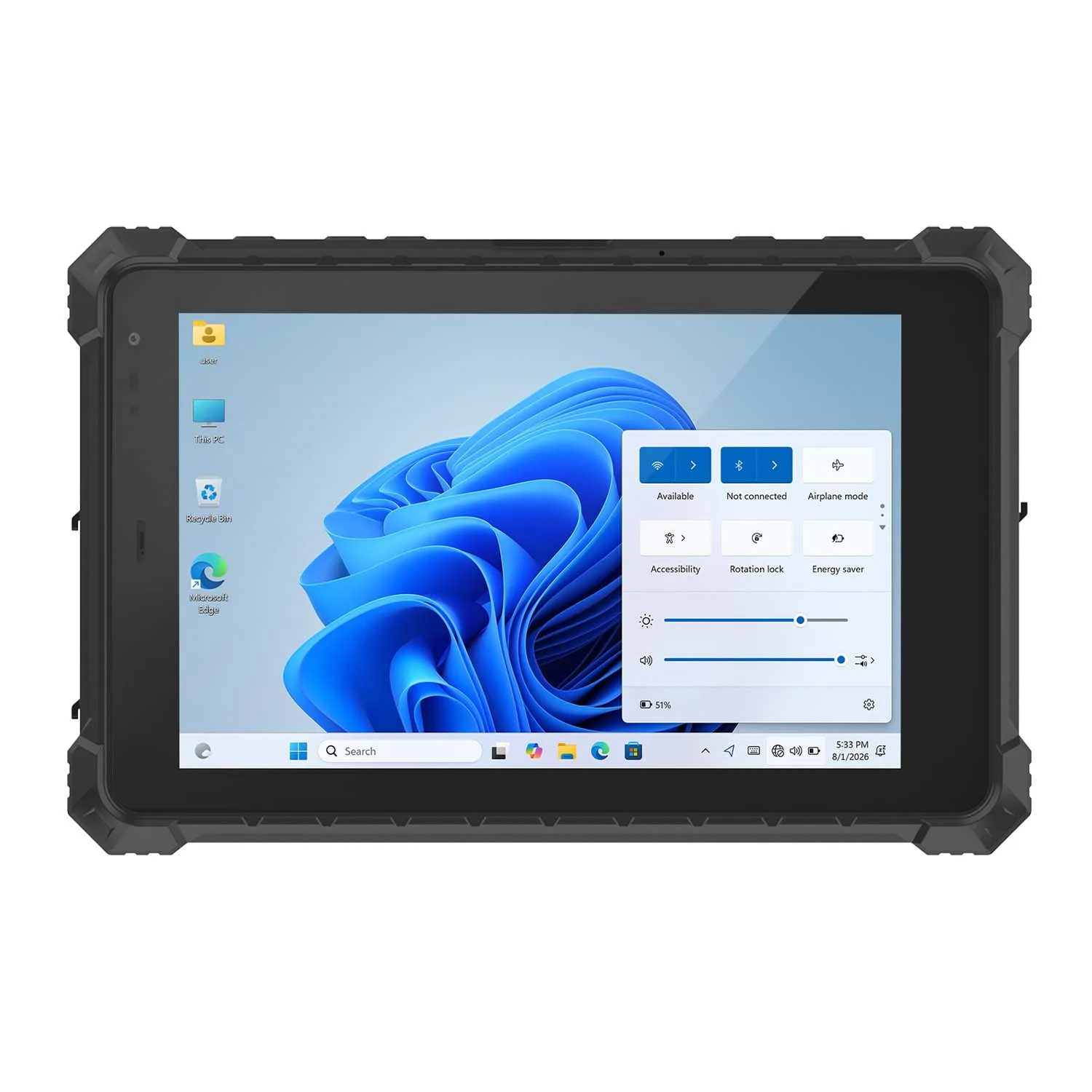
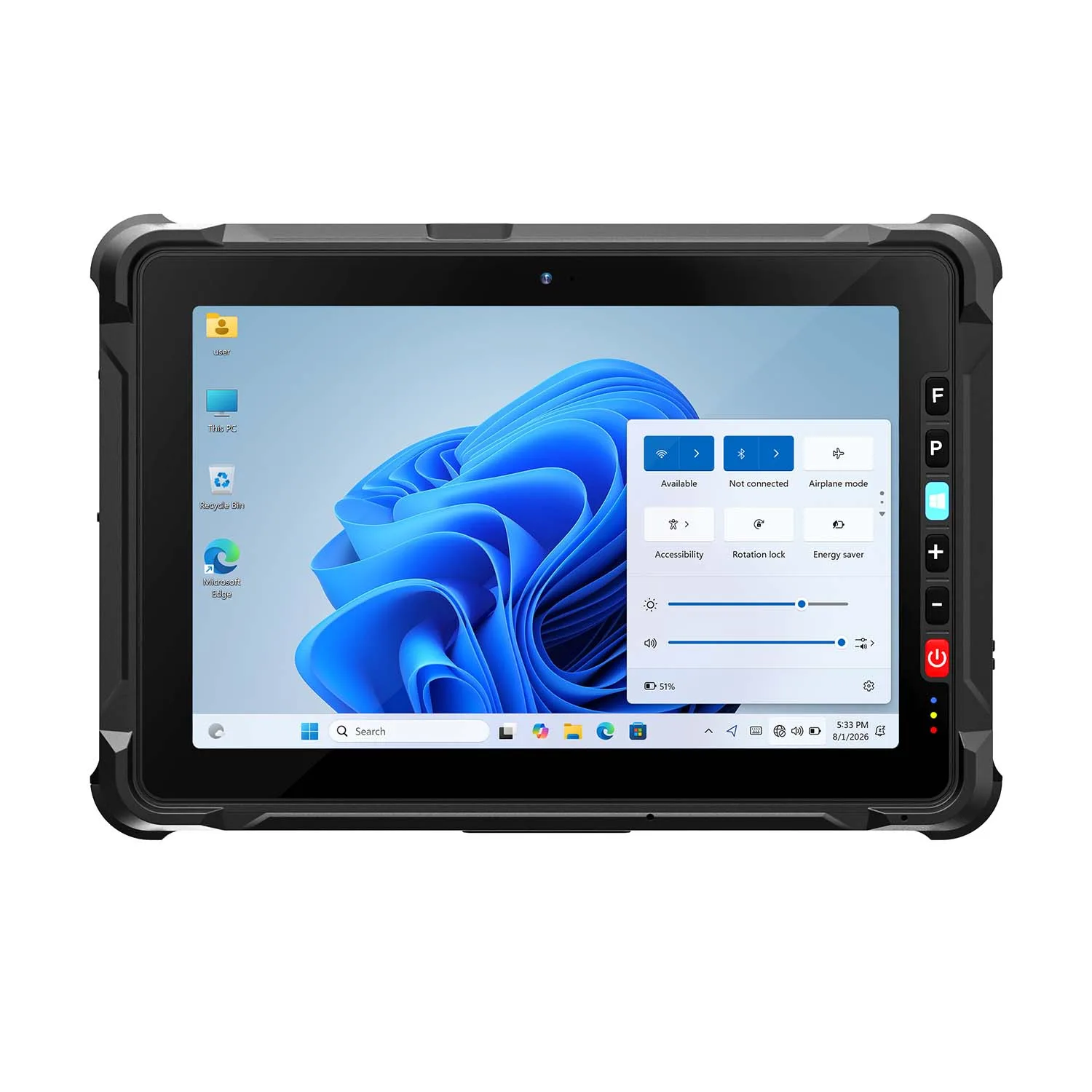
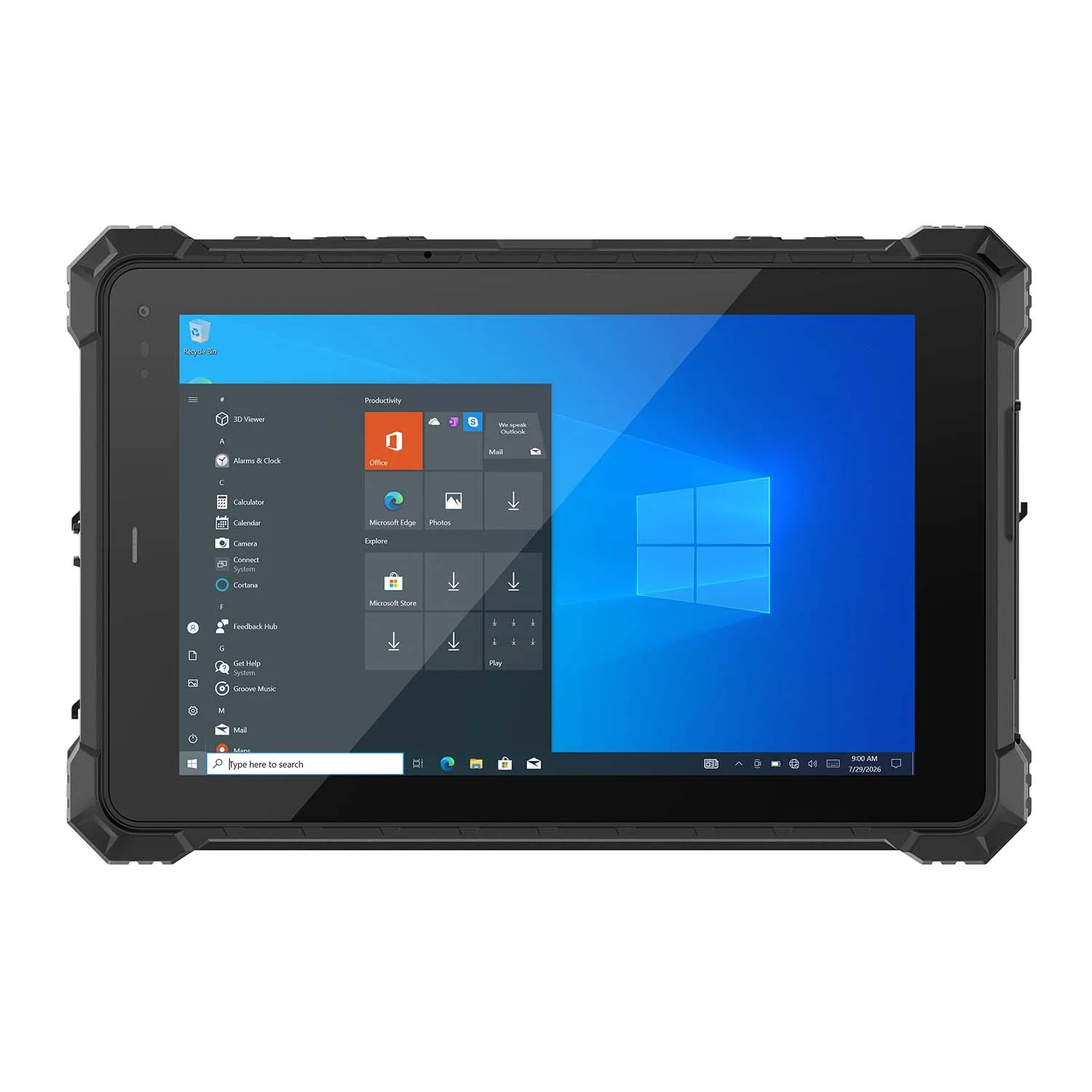
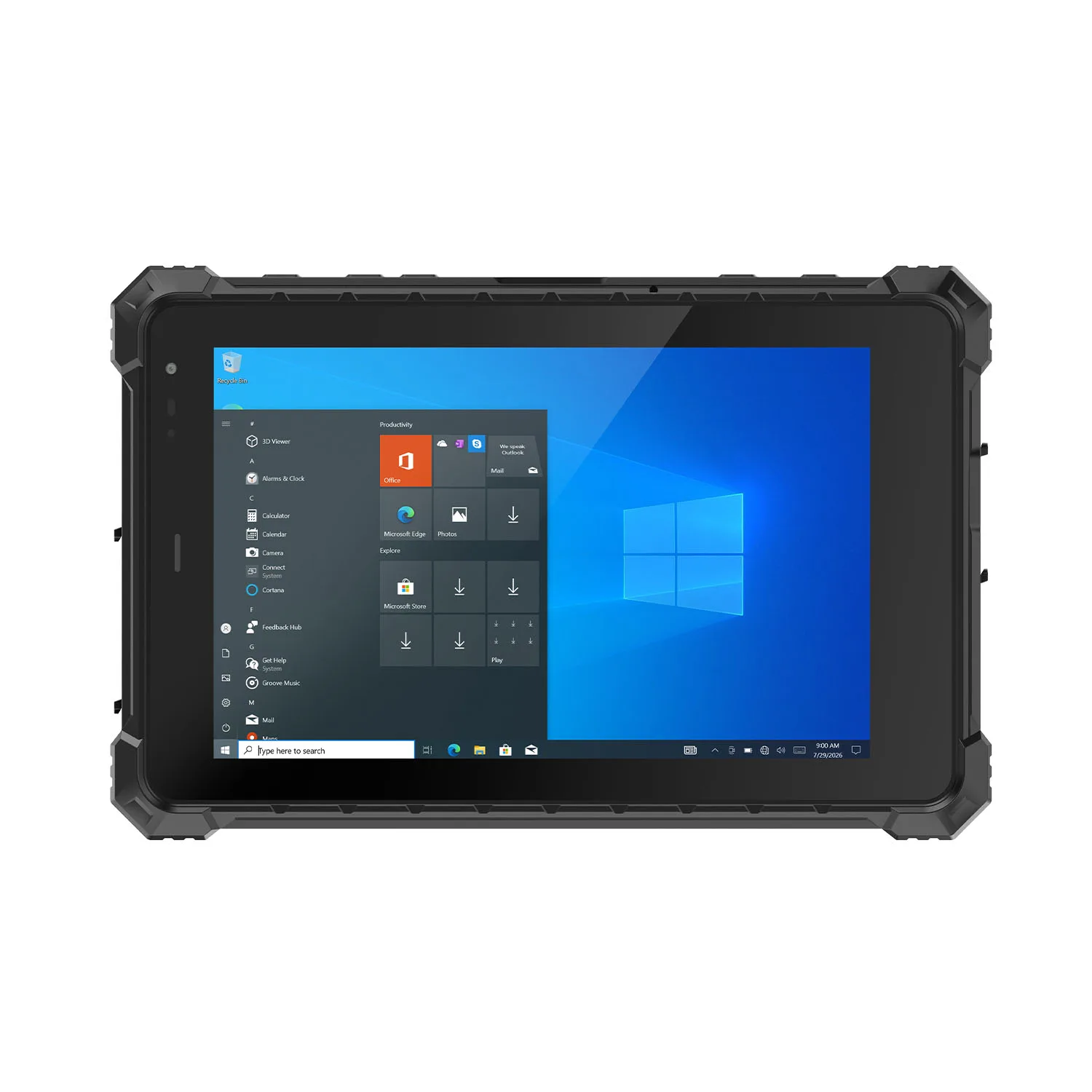
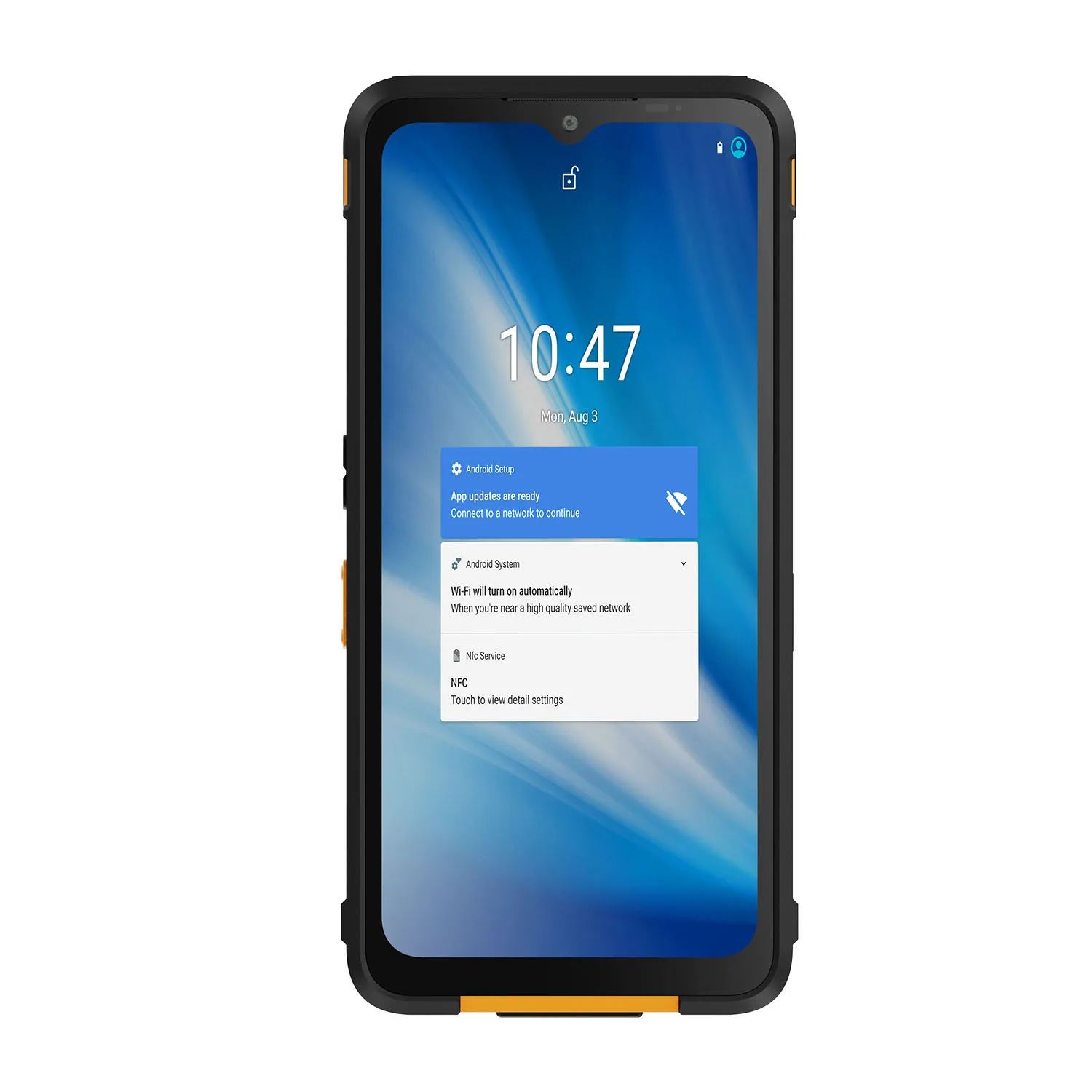
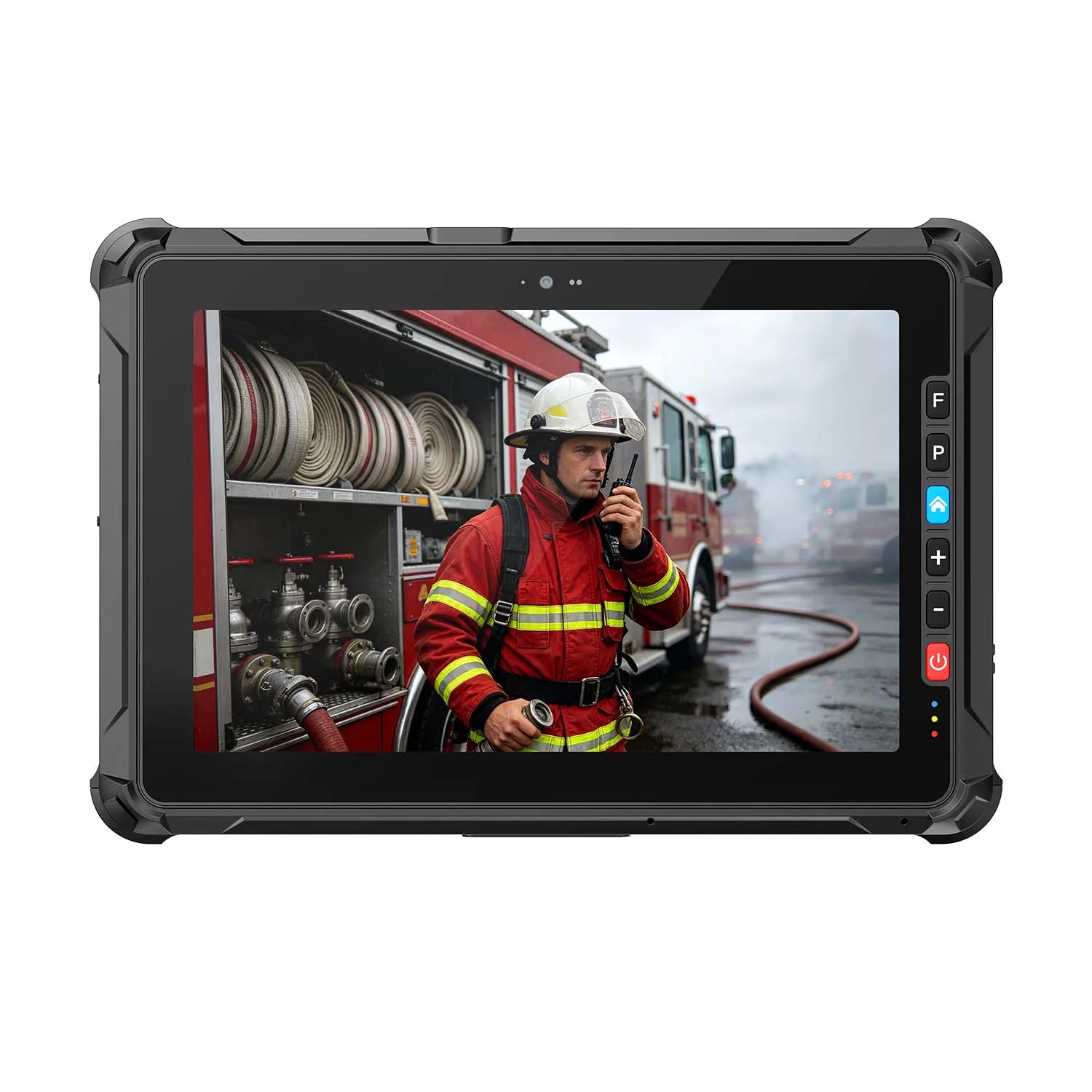
We build sunlight-readable rugged tablets for field workers viewing maps, inspection forms, equipment data and industrial applications in bright environments: 700-nit high-brightness displays as standard on selected models, 1000-nit sunlight-readable panels on specific models for direct sun and high glare. Rugged protection, glove touch, wet-hand options, GPS/GNSS, 4G/5G and industrial interfaces ride along. We sell both brightness levels — so we will tell you honestly when 700 is enough.
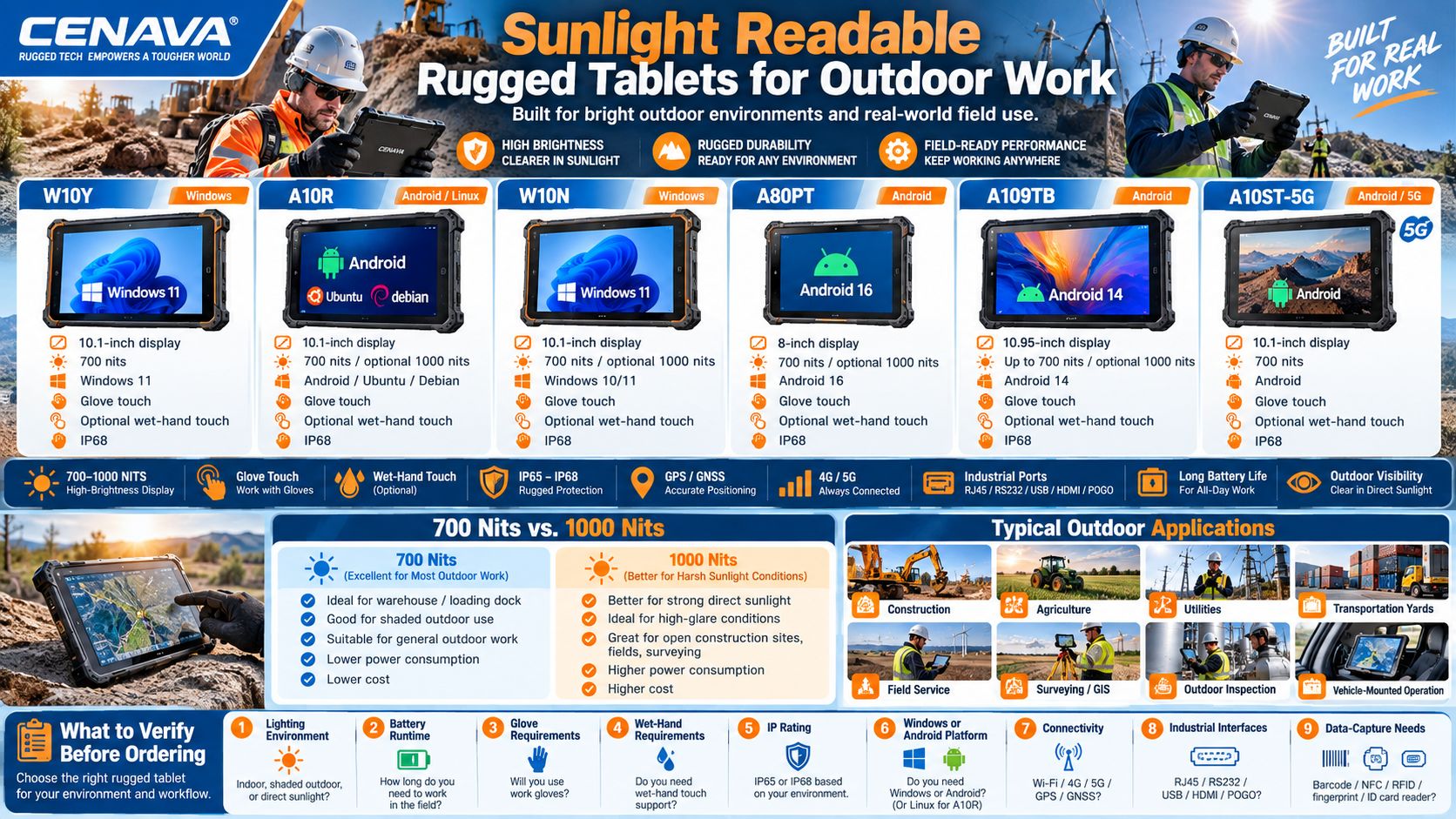
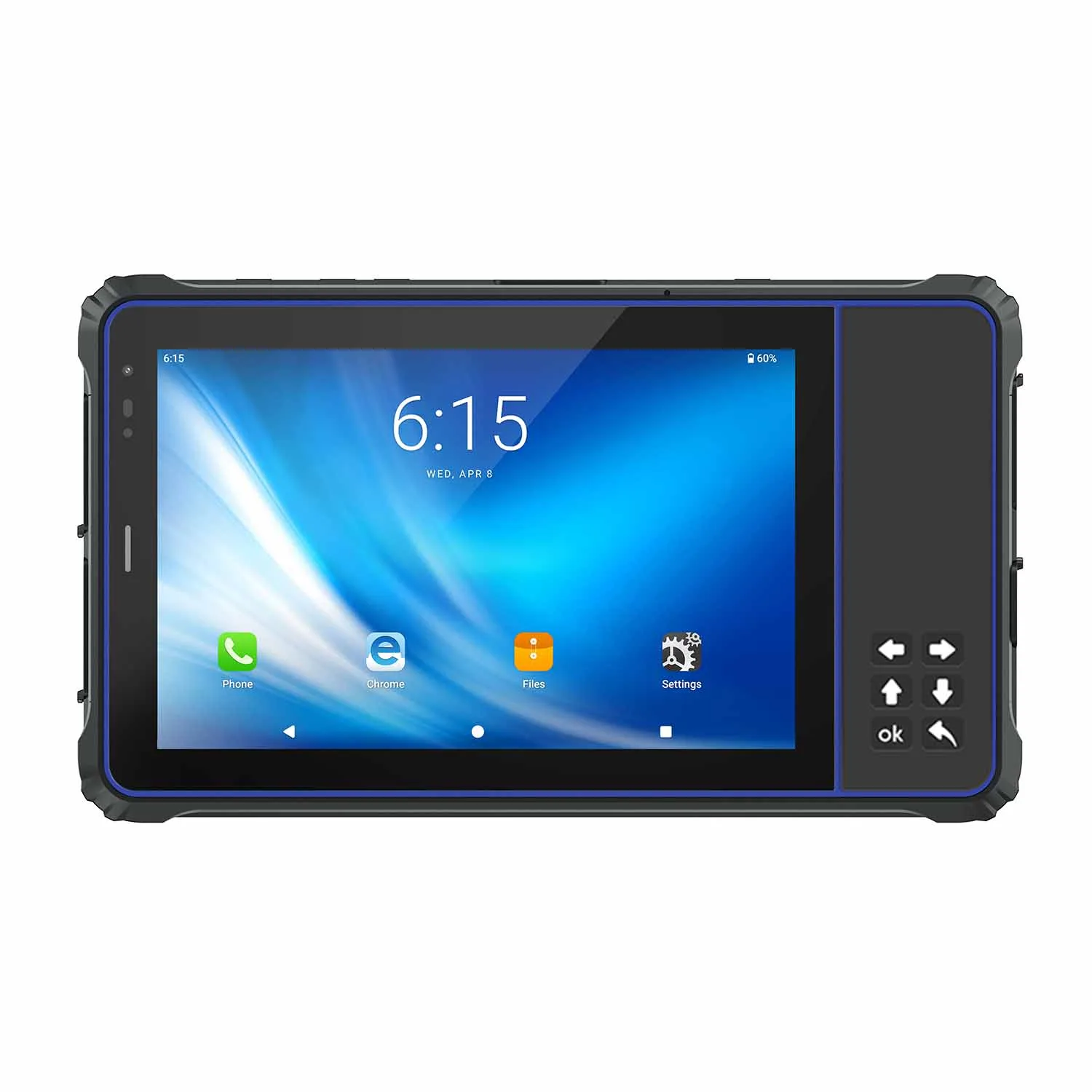
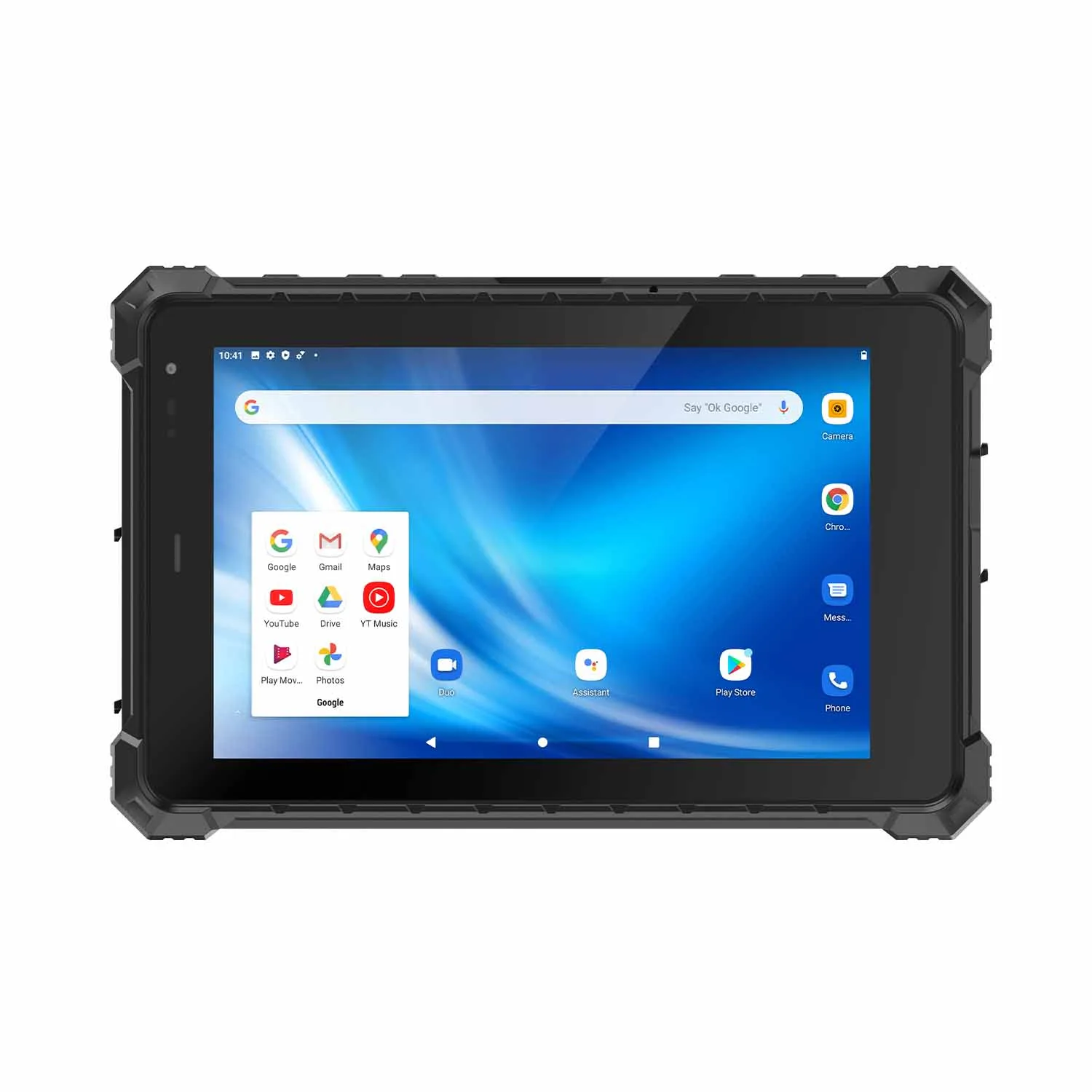
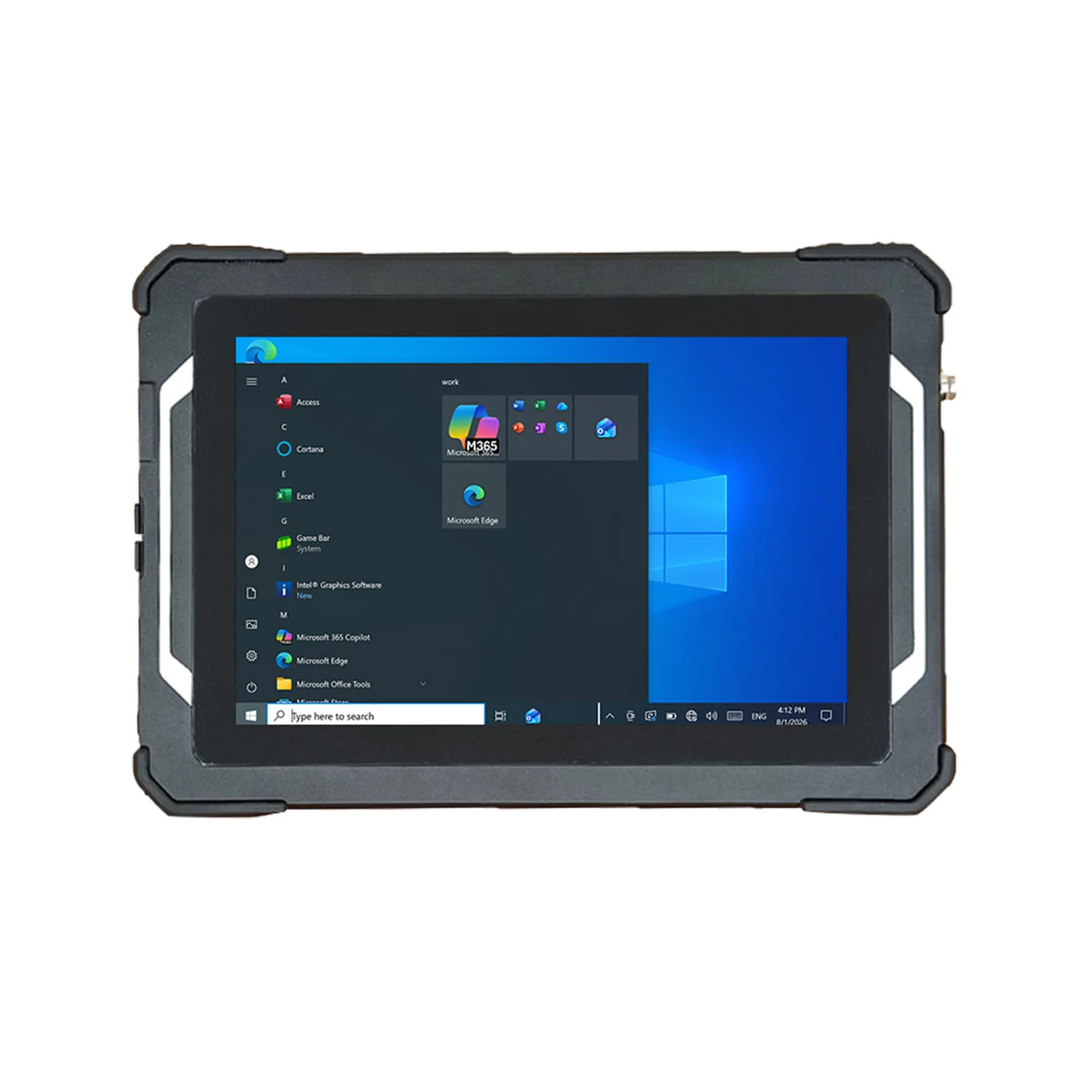
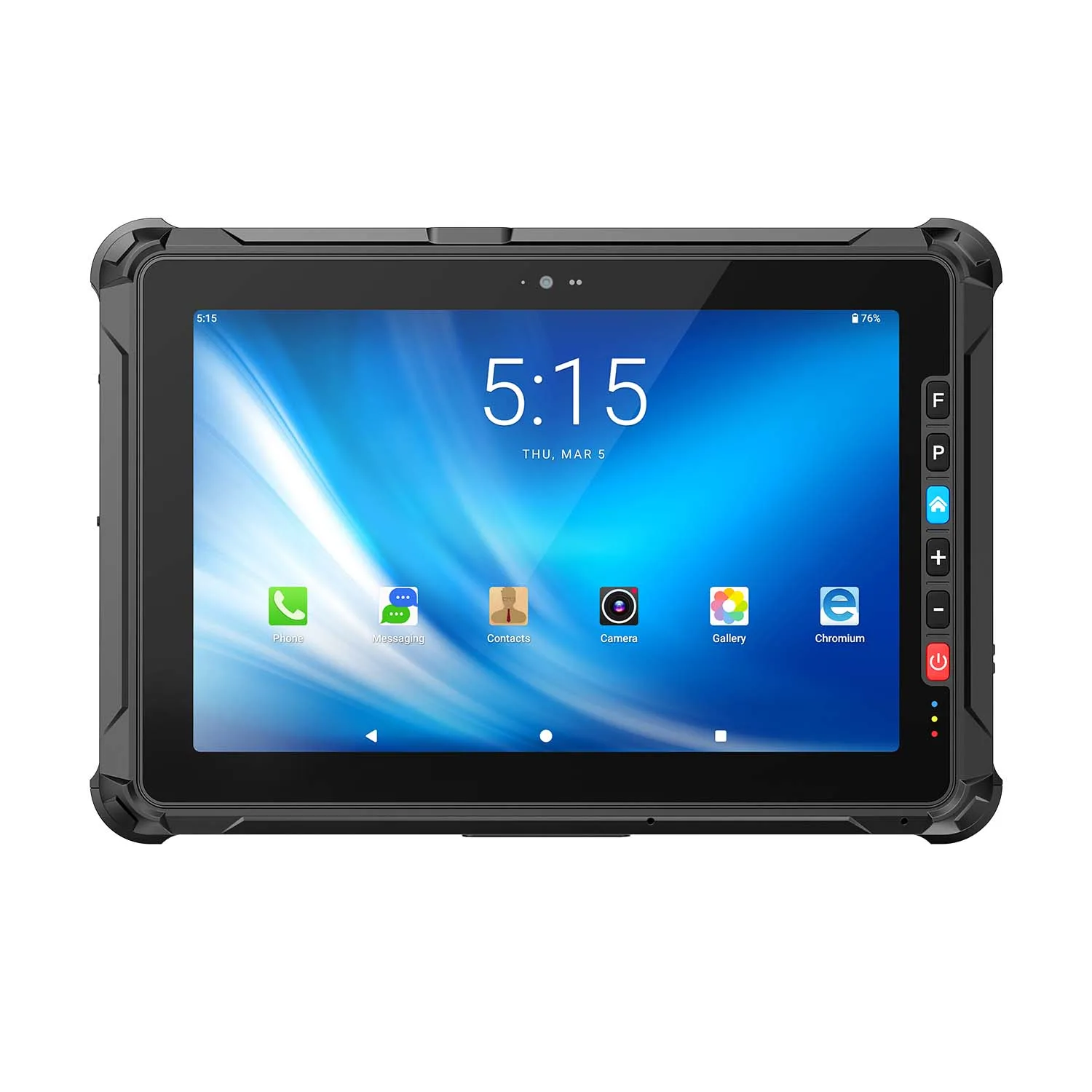
CENAVA Sunlight Readable Rugged Tablet Options
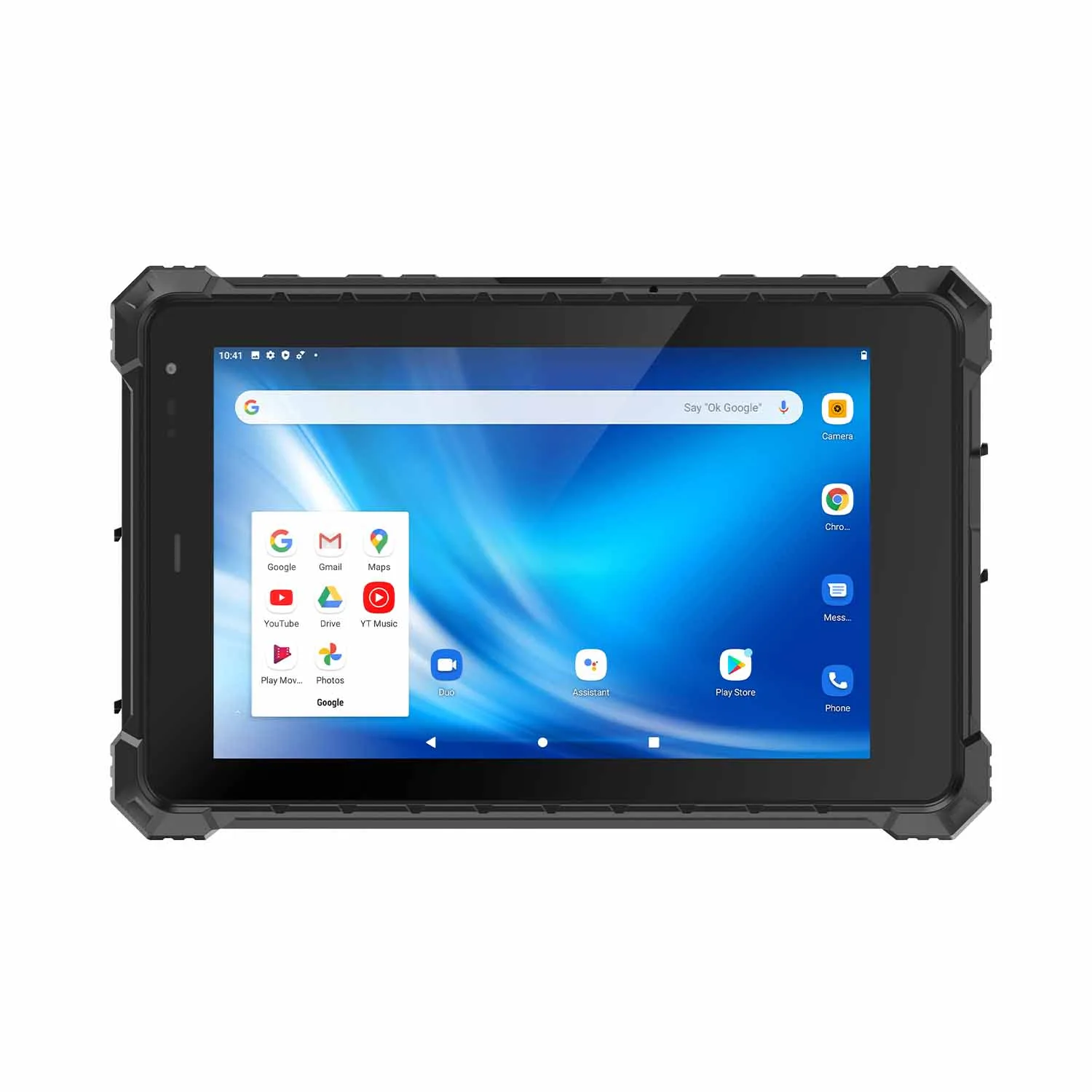
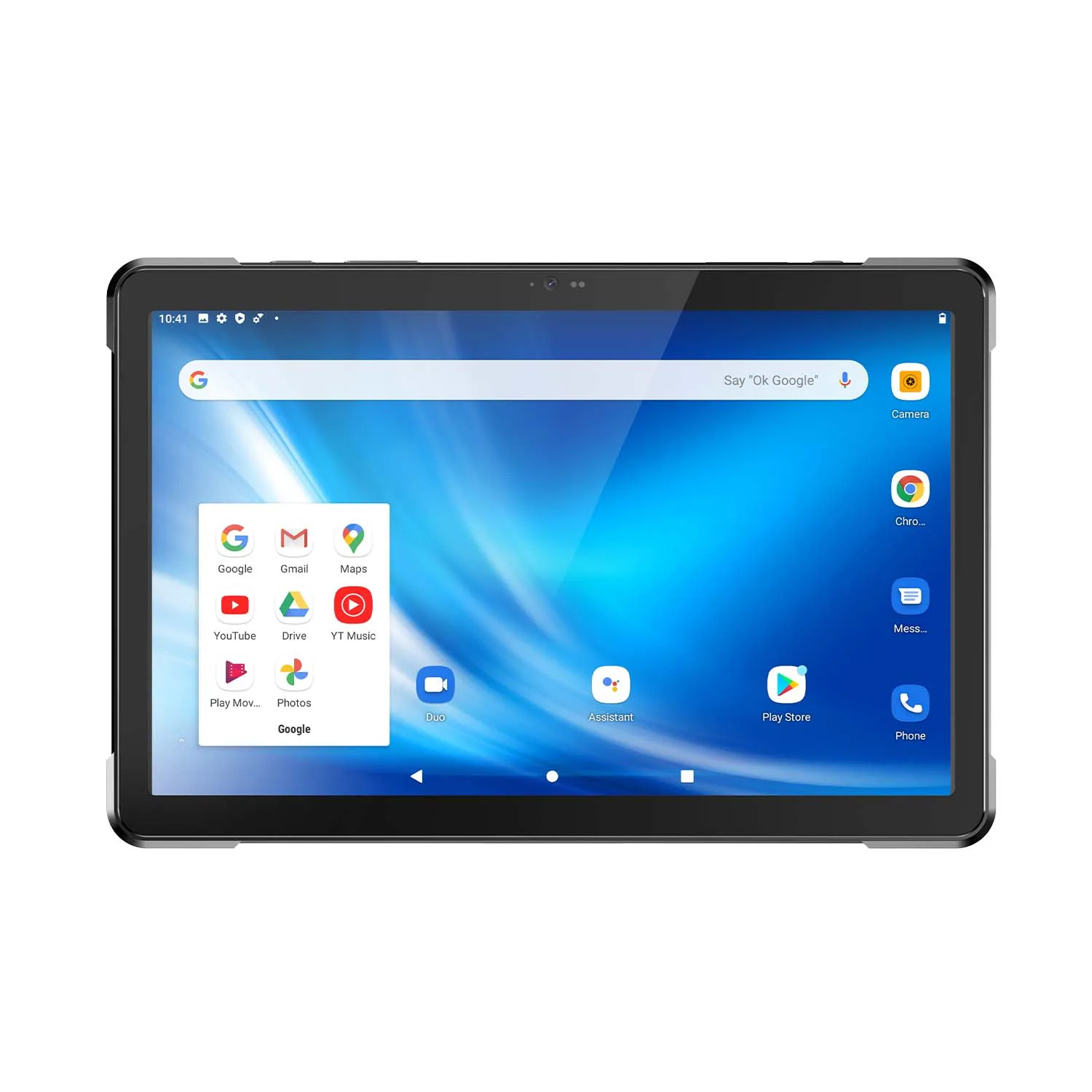
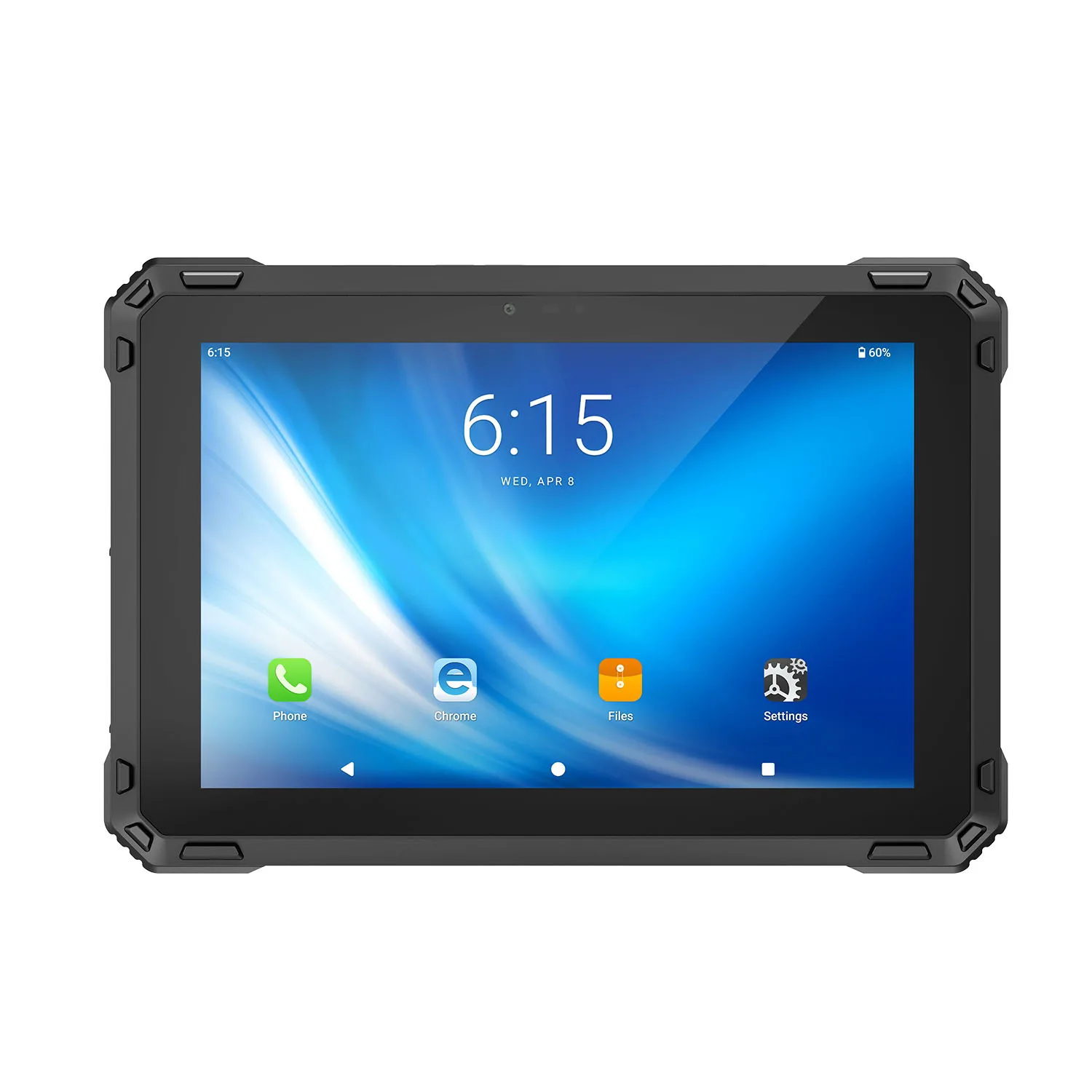
| Model | Screen | Brightness | OS | Outdoor Features |
|---|---|---|---|---|
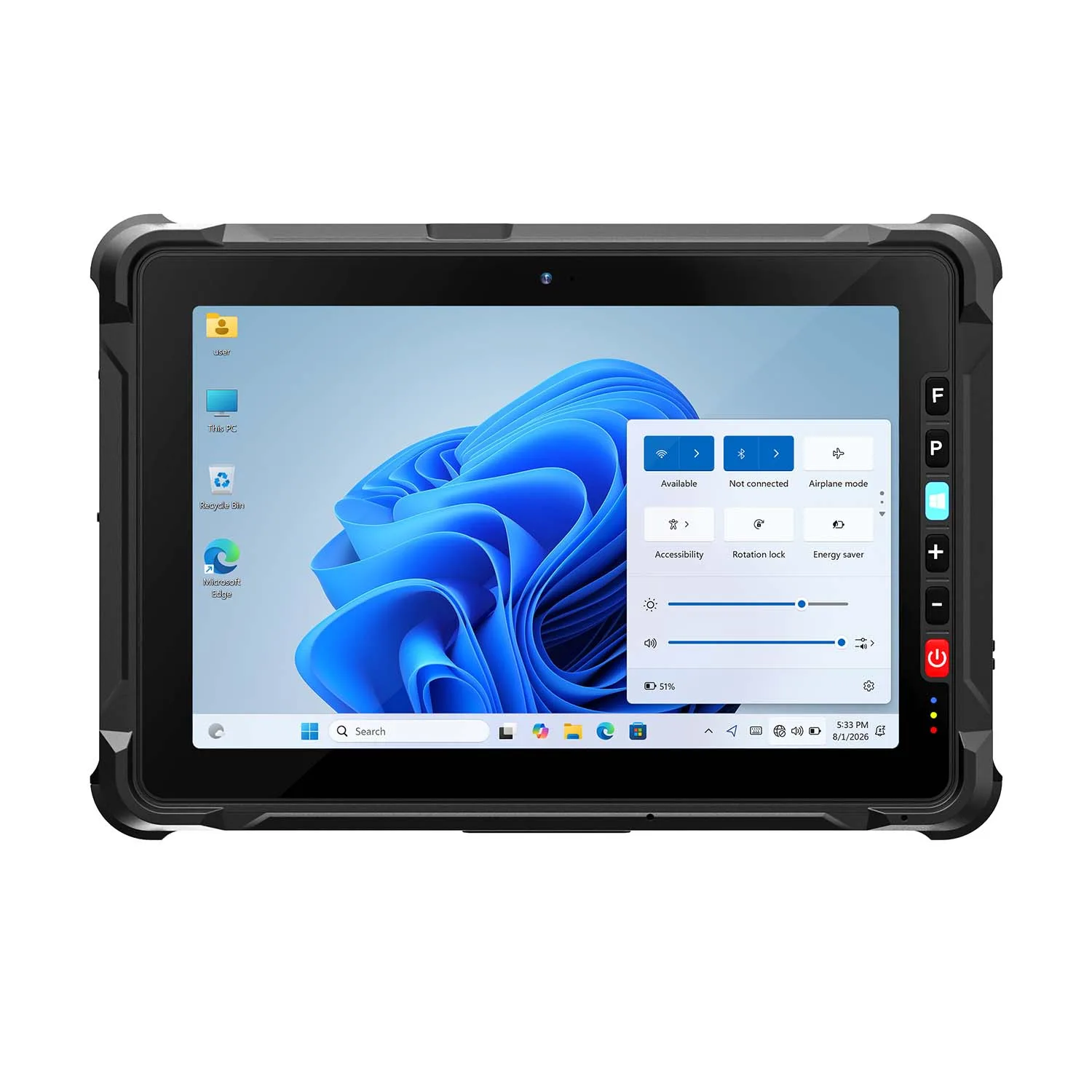
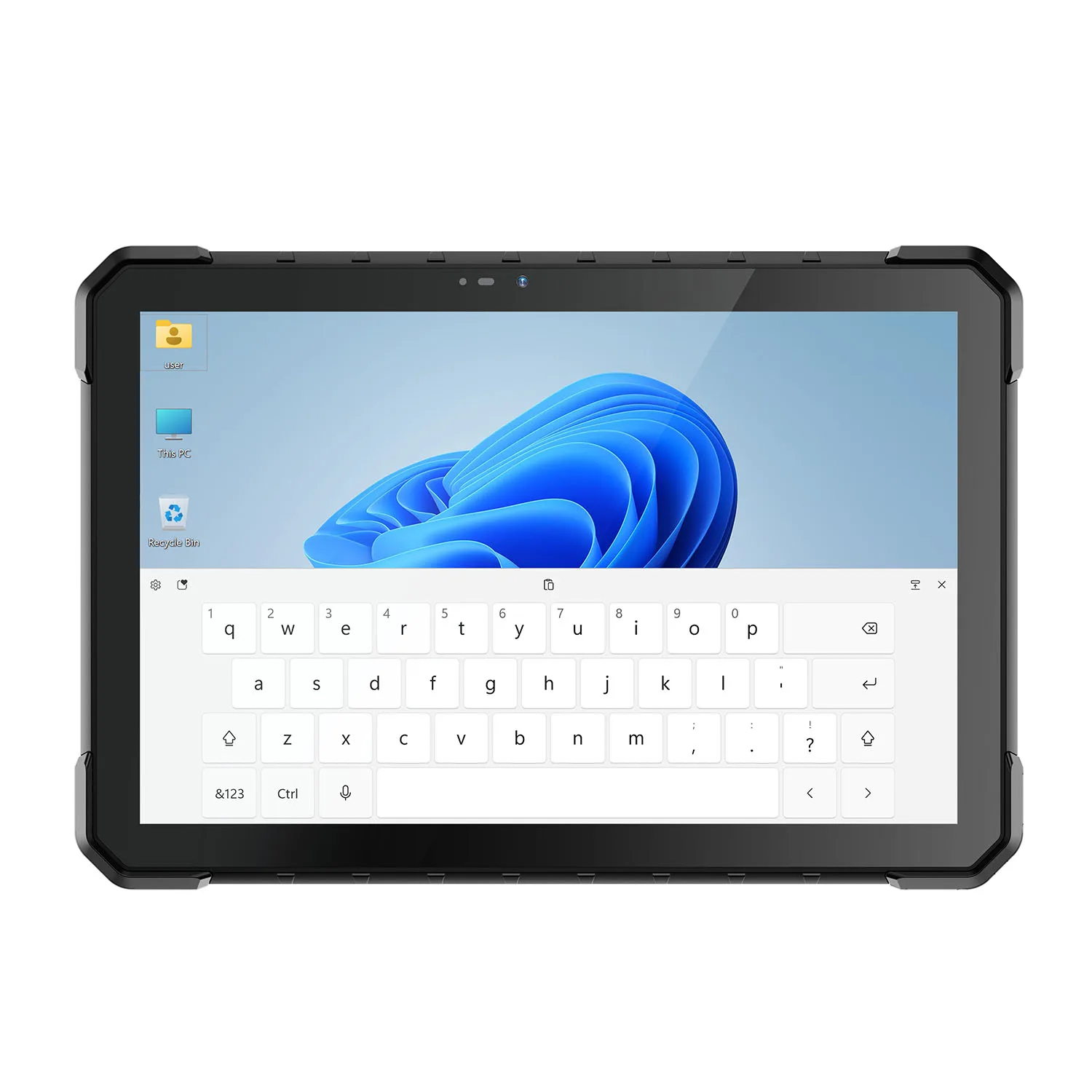
| W10Y | 10.1" | 700 nits | Windows 11 | Glove touch, optional wet-hand touch, IP68 |
| A10R | 10.1" | 700 nits / optional 1000 nits | Android / Ubuntu / Debian options | Glove touch, optional wet-hand touch, IP68 |
| W10N | 10.1" | 700 nits / optional 1000 nits | Windows 10/11 | Glove touch, optional wet-hand touch, IP68 |
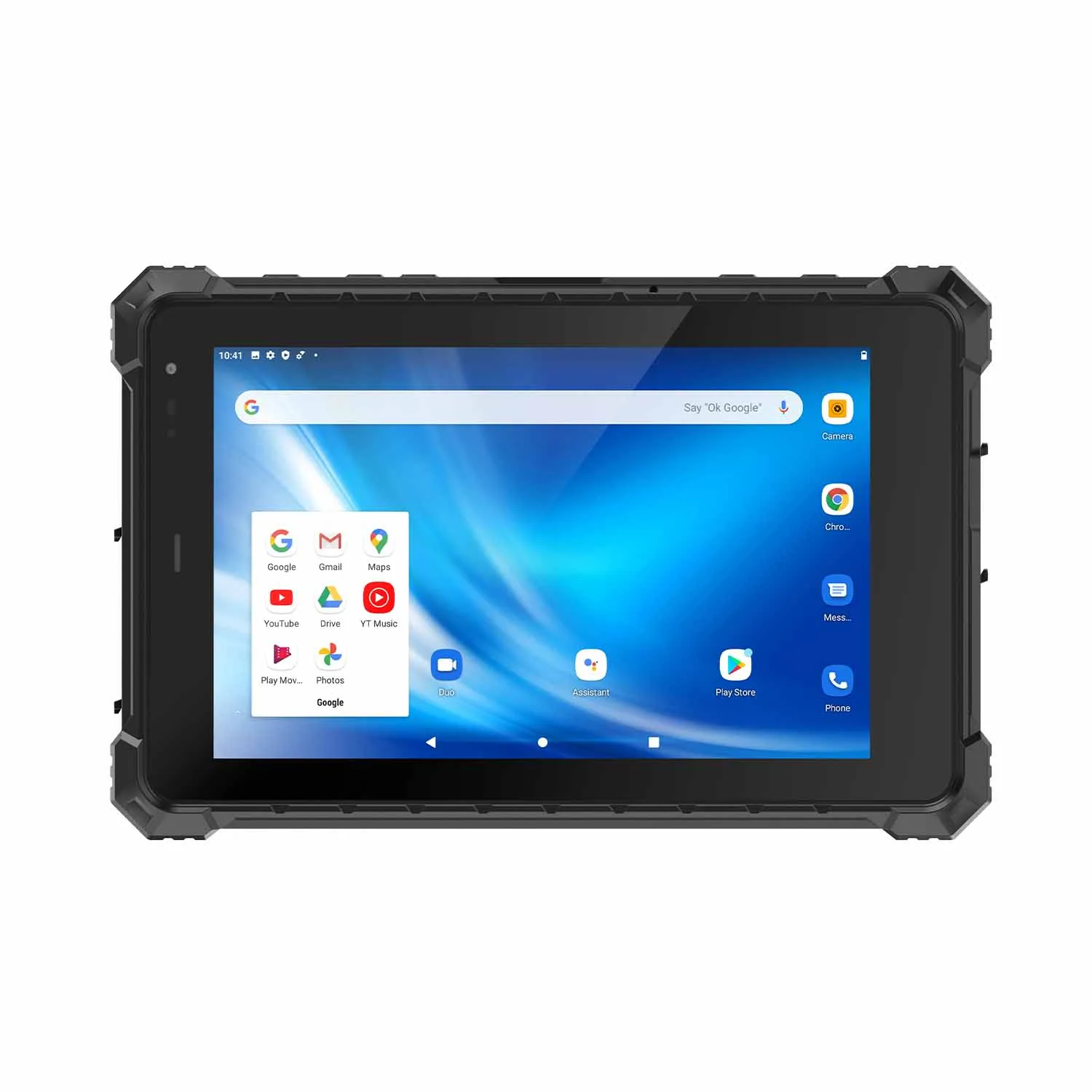
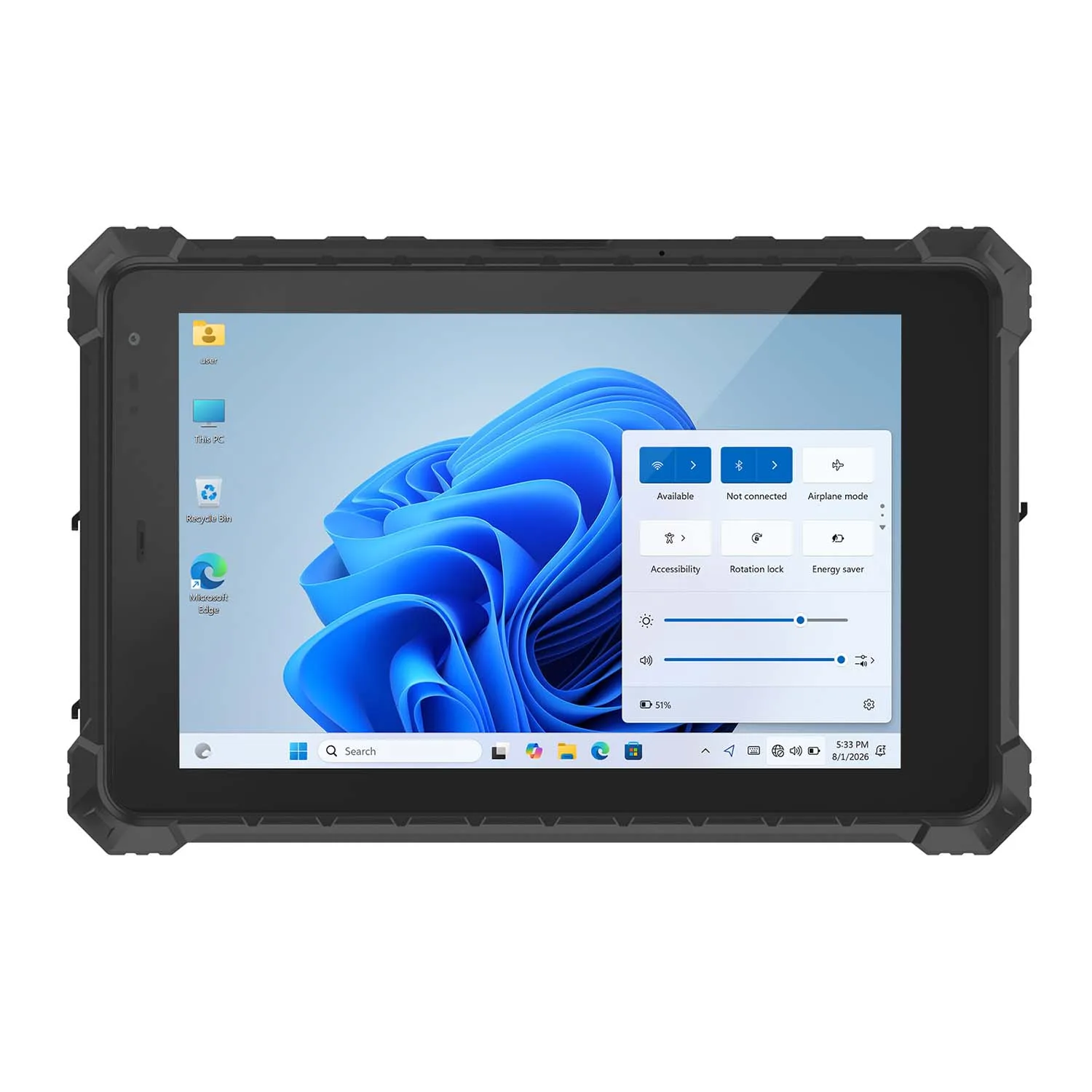
| A80PT | 8" | 700 nits / optional 1000 nits | Android 16 | Glove touch, wet-hand option, IP68 |
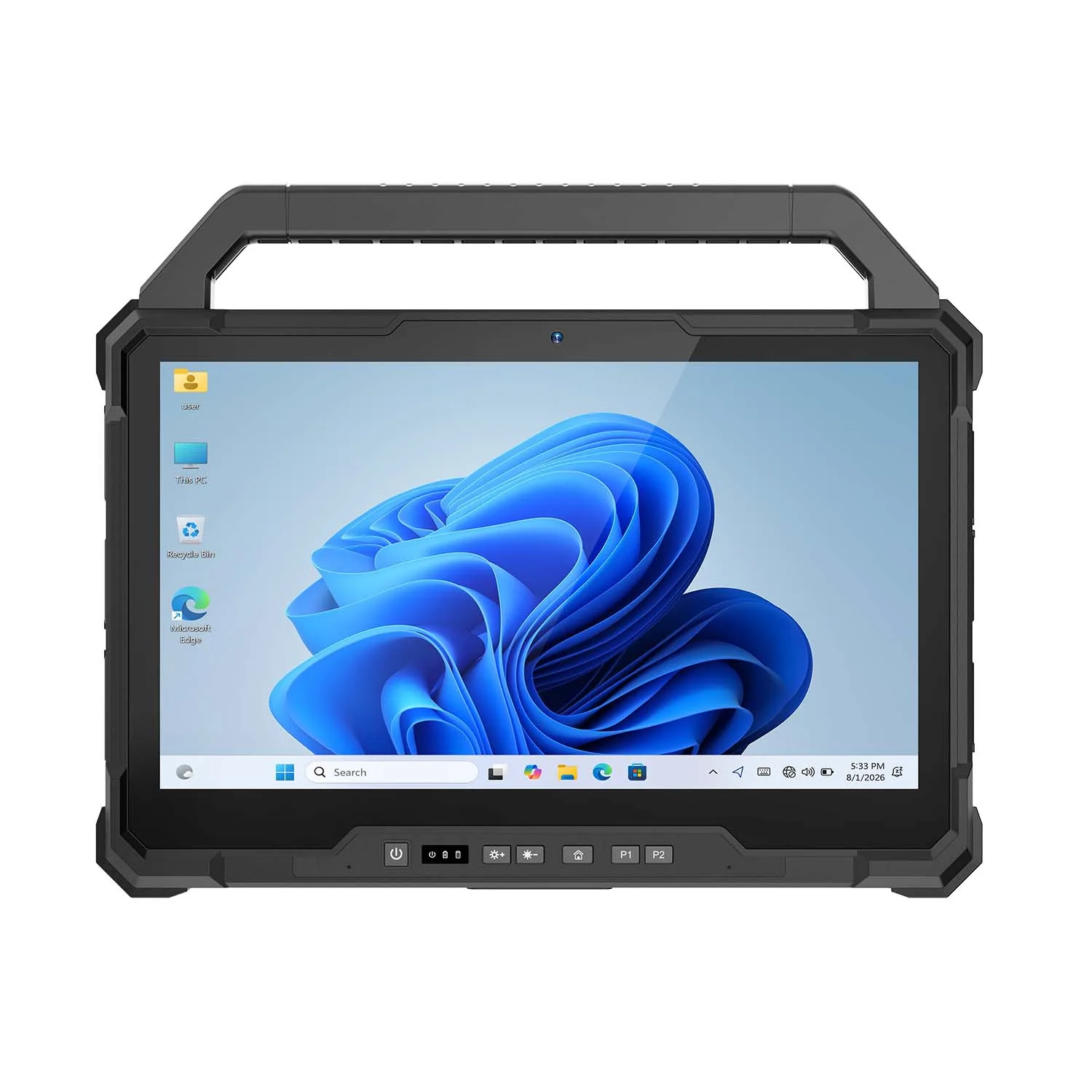
| A109TB | 10.95" | Up to 700 nits / optional 1000 nits | Android 14 | Glove touch, optional wet-hand touch, IP68 |
| A10ST-5G | 10.1" | 700 nits | Android | Glove touch, optional wet-hand touch, IP68 |
Brightness and display configuration vary by model and order configuration. Confirm the required panel before ordering, especially when the tablet will be used continuously under direct sunlight.
What Is a Sunlight Readable Tablet?
A sunlight readable tablet is a mobile computer with a display designed to remain visible in bright outdoor conditions.
A sunlight-readable tablet keeps its display visible in bright outdoor conditions. Brightness is measured in nits (cd/m²) — higher number, more light from the panel.
But readability is more than nits. Reflectivity, contrast and anti-glare treatment all shape what you actually see in the field. The goal is not the highest possible brightness — it is a display that stays readable in your actual working environment. That is how we specify ours.
700-Nit Rugged Tablets
A 700-nit display delivers significantly more brightness than a typical indoor consumer panel — enough for many outdoor industrial applications: mixed sun and shade, vehicle cabins, partially covered work areas. It also balances visibility, battery consumption and device cost — that is the panel we spec as standard.
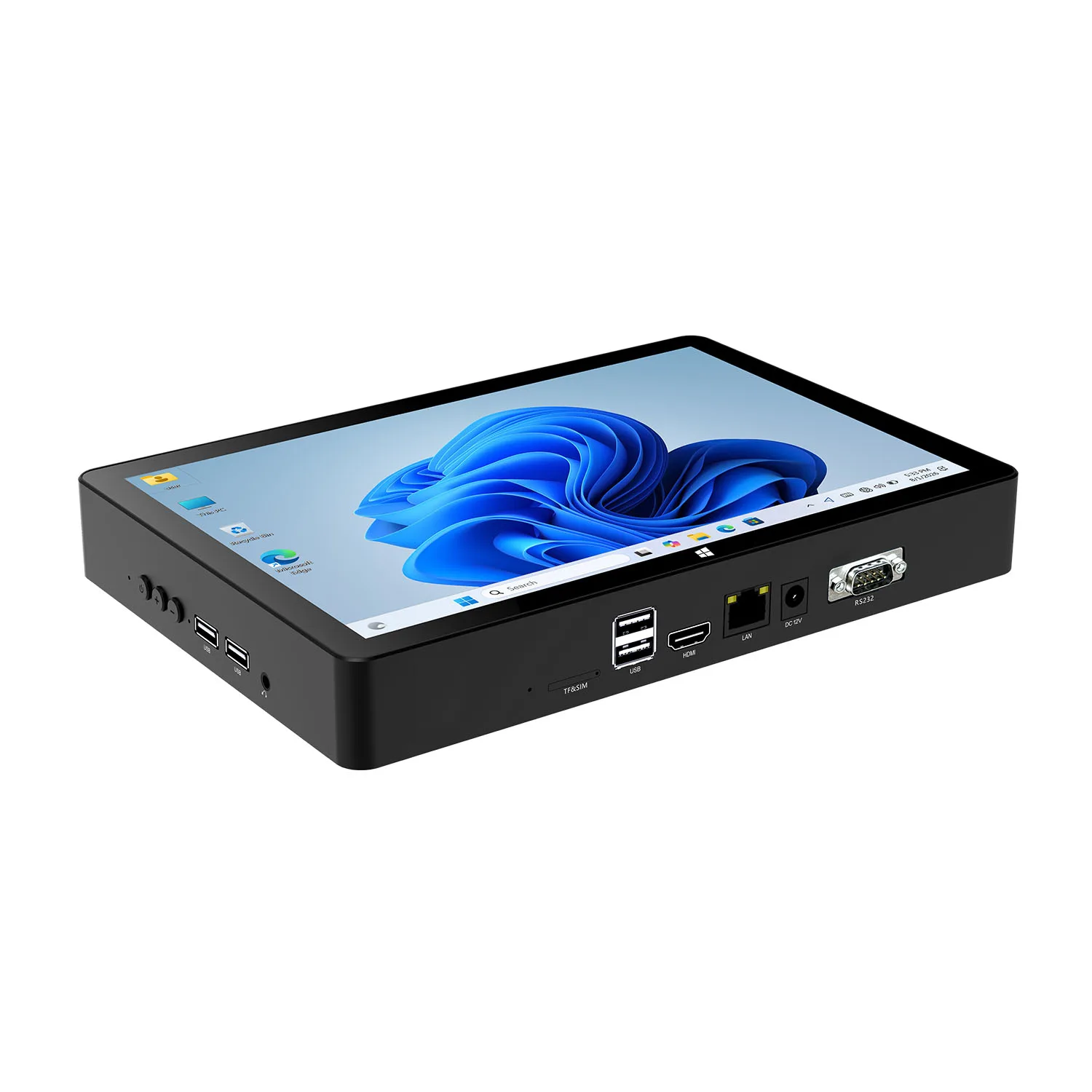
The W10Y runs a 10.1-inch 1920×1200 IPS display at 700cd/m² with glove operation; wet-hand touch is a project option.
1000-Nit Sunlight Readable Rugged Tablets
For stronger direct sunlight and high-glare environments, we configure 1000-nit displays on certain models — A10R, W10N, A80PT and A109TB all offer 1000-nit options for applicable project configurations. Brighter costs power, so we size battery and brightness together when we quote.
700 Nits vs. 1000 Nits
| Requirement | 700 Nits | 1000 Nits |
|---|---|---|
| Indoor Industrial Use | Excellent | More than normally required |
| Warehouse / Loading Dock | Excellent | Excellent |
| Shaded Outdoor Use | Excellent | Excellent |
| General Outdoor Field Work | Good | Excellent |
| Strong Direct Sunlight | Depends on conditions | Better |
| High-Glare Environment | Moderate | Better |
| Power Consumption | Lower | Higher |
| Typical Cost | Lower | Higher |
A 1000-nit screen is not automatically necessary for every outdoor application. Workers mostly under shade, inside vehicles or around buildings? 700 nits gives a better balance of readability and power draw. Continuous operation in direct sunlight? Take the 1000-nit configuration. Tell us where the tablet spends its day and we will pick the panel.
Why Screen Brightness Matters Outdoors
Bright sunlight crushes perceived contrast: a display that looks bright indoors washes out when ambient light outpowers the panel. Higher brightness maintains visibility — and keeps operators working instead of hunting for shade. That is the whole physics of it — and we test outdoors, not in a lab.
Sunlight Readable Windows Rugged Tablets
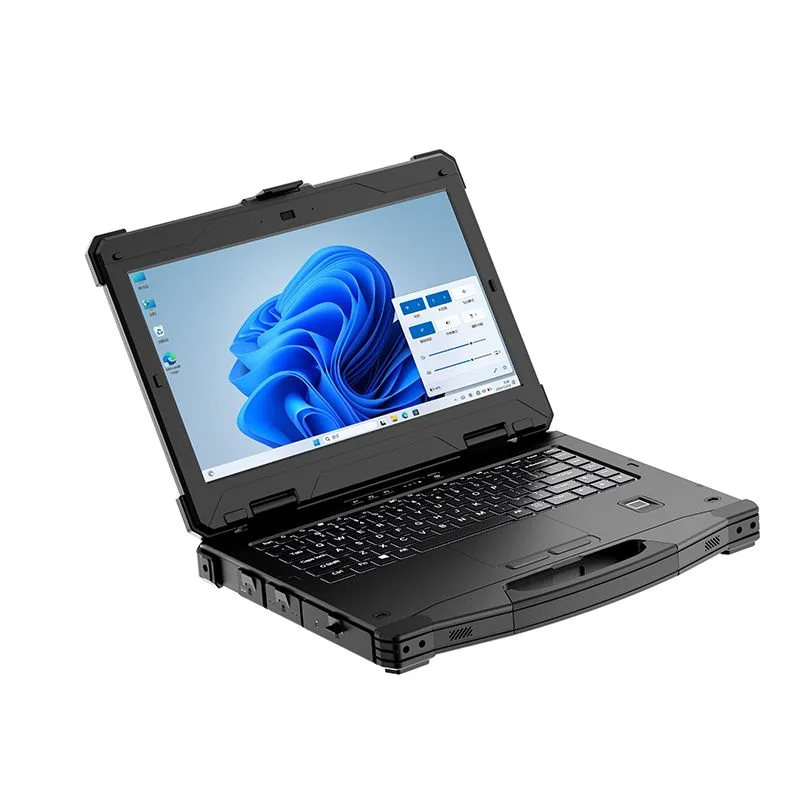
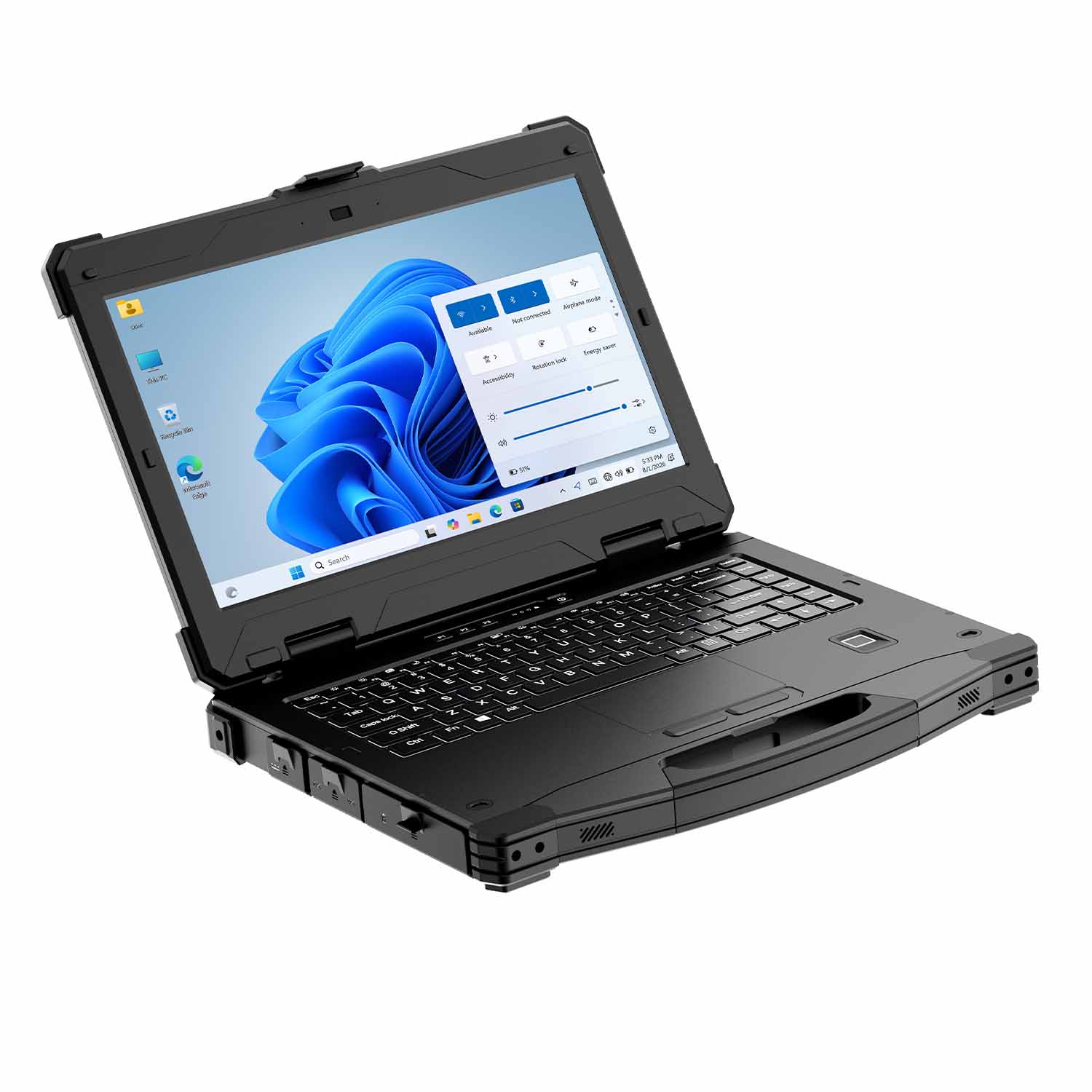
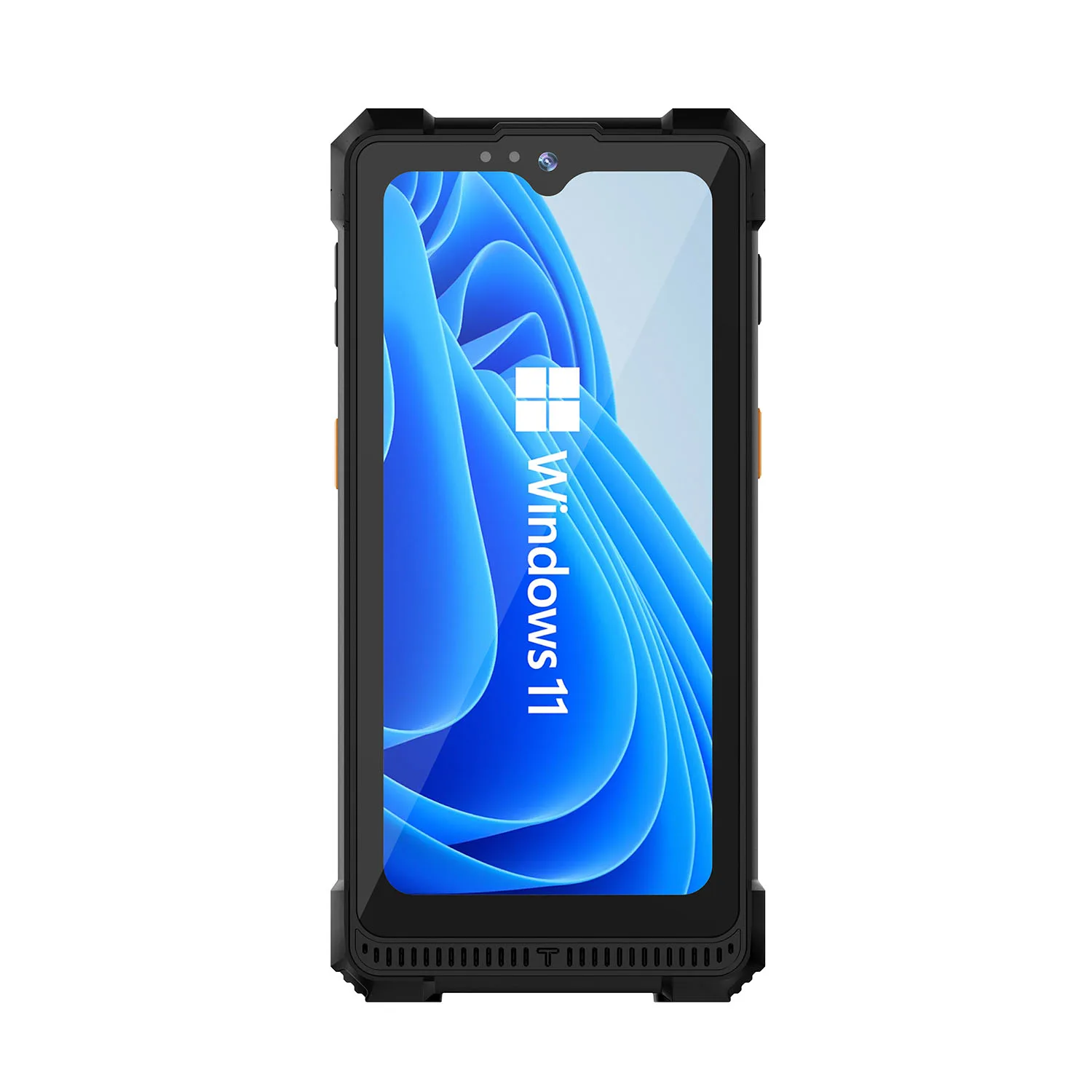
Windows rugged tablets are commonly used outdoors when workers need desktop applications or industrial software.
Selected CENAVA Windows models combine high-brightness displays with Windows 11 and industrial interfaces.
Typical outdoor Windows applications include:
Field Service
Technicians can access diagnostic software, technical manuals and maintenance records directly beside the equipment being serviced.
Construction
Engineers can view drawings, schedules, inspection records and project-management systems outside the site office.
Equipment Maintenance
Workers can connect directly to machinery through RJ45, RS232 or USB while viewing diagnostic information outdoors.
Vehicle Diagnostics
A sunlight-readable screen remains easier to view when technicians move between workshops, parking areas and outdoor vehicle yards.
GIS and Mapping
Windows GIS applications can be used directly in the field instead of transferring data between a field device and an office PC.
Sunlight Readable Android Rugged Tablets
Android rugged tablets are well suited to mobile field applications where battery efficiency and touch operation are important.
Selected CENAVA Android devices combine high-brightness screens with:
- 4G / 5G
- Wi-Fi
- Bluetooth
- GPS/GNSS
- Barcode scanning
- NFC
- RFID
- Cameras
- Long battery options
This makes them suitable for inspection, logistics, agriculture, delivery, asset management and customized industrial applications.
Glove Touch for Outdoor Industrial Work
Outdoor workers often wear protective gloves.
A standard touchscreen may require users to remove gloves before entering information, which can slow down work or create safety issues.
Selected CENAVA sunlight-readable rugged tablets support touch operation while wearing compatible work or medical rubber gloves.
This is useful for:
- Construction workers
- Warehouse operators
- Agricultural workers
- Maintenance technicians
- Utility crews
- Cold-storage employees
A high-brightness screen combined with glove touch allows the tablet to remain usable without changing the worker's normal protective equipment.
Wet-Hand Touch for Rainy Conditions
Brightness does not fix rain. Condensation and wet fingers confuse touchscreens; certain configurations support customizable wet-hand touch for rainy rounds and humid sites. Confirm wet-hand availability for your chosen model with us before ordering.
IP68 Protection for Outdoor Environments
A sunlight-readable screen is most useful when the rest of the device is also designed for outdoor conditions.
Many CENAVA rugged tablet models provide IP68 protection against dust and water exposure.
This allows the devices to be used in environments involving:
- Dust
- Sand
- Rain
- Water spray
- Mud
- Construction debris
- Industrial contamination
Selected tablets are also designed to meet MIL-STD-810H requirements for drop and environmental testing.
This combination makes a high-brightness rugged tablet better suited to field operation than a standard consumer tablet with only a bright display.
High Brightness and Battery Life
Increasing display brightness requires additional electrical power.
For this reason, selecting a sunlight-readable rugged tablet also requires considering battery capacity.
Running a 1000-nit display continuously at maximum brightness may reduce operating time compared with using the same tablet at moderate brightness.
For workers spending an entire shift outdoors, useful configurations may include:
- 10,000mAh battery
- 20,000mAh battery options
- Removable batteries
- Hot-swappable batteries
- Vehicle charging
- Dock charging
Automatic or manual brightness adjustment can also help reduce power consumption when maximum brightness is not required.
Sunlight Readable Tablet vs. Consumer Tablet
| Feature | Sunlight Readable Rugged Tablet | Consumer Tablet |
|---|---|---|
| Outdoor Brightness | 700-1000 nit options | Varies |
| Direct Sunlight Use | Designed for outdoor work | Often difficult |
| Glove Touch | Available | Usually limited |
| Wet-Hand Touch | Available on selected models | Limited |
| Dust/Water Protection | IP65-IP68 options | Usually lower |
| Drop Resistance | Rugged construction | Limited |
| Wide Temperature Operation | Available | Limited |
| Industrial Ports | Available | Rare |
| Barcode/RFID | Optional integrated modules | Usually external |
| Vehicle Mounting | Industrial options | Limited |
Consumer tablets may be adequate for occasional outdoor use.
For workers who spend several hours each day in bright, wet, dusty or physically demanding environments, a rugged sunlight-readable tablet provides a more purpose-built solution.
Sunlight Readable Tablet vs. Outdoor Tablet
These terms are related but not identical.
A sunlight readable tablet specifically emphasizes screen visibility under bright outdoor light.
An outdoor rugged tablet usually describes the complete device, including:
- Display brightness
- Dust protection
- Water protection
- Drop resistance
- Operating temperature
- Battery life
- Wireless communication
- Touchscreen performance
For professional field use, buyers should evaluate the entire system rather than screen brightness alone.
How to Choose a Sunlight Readable Rugged Tablet
Why Choose CENAVA Sunlight Readable Rugged Tablets?
Frequently Asked Questions About Sunlight Readable Tablets
1. What is a sunlight readable tablet?
A sunlight readable tablet uses a display designed to remain visible under bright outdoor lighting.
Industrial sunlight-readable tablets commonly combine higher display brightness with rugged protection and outdoor-oriented touchscreen features.
2. How many nits does a tablet need for outdoor use?
The required brightness depends on the environment.
Around 700 nits can work well for many outdoor, vehicle and partially shaded environments.
For regular use in strong direct sunlight, a 1000-nit display can provide better visibility.
3. Is 700 nits bright enough for sunlight?
Yes for many field applications, especially with intermittent direct sun. For continuous high-glare operation, consider a 1000-nit option — we will say so honestly.
4. Is 1000 nits good for outdoor tablets?
Yes.
A 1000-nit display is commonly used for rugged tablet applications where users regularly work in bright outdoor environments.
Actual readability also depends on screen reflectivity, contrast and environmental conditions.
5. Does CENAVA offer 1000-nit rugged tablets?
Yes.
Selected CENAVA models can be configured with 1000-nit sunlight-readable displays, including specific 8-inch and 10-inch rugged tablet platforms.
6. Can sunlight readable tablets be used with gloves?
Selected CENAVA rugged tablets support glove touch.
Always confirm the glove type and touchscreen configuration required for the project.
7. Can the touchscreen work in rain?
Selected configurations support customizable wet-hand operation.
This is useful for outdoor inspection, construction, agriculture and utility applications.
8. Does a brighter screen use more battery?
Yes.
Higher screen brightness generally increases power consumption.
Battery capacity and display brightness should therefore be considered together when selecting an outdoor rugged tablet.
9. Are sunlight readable tablets waterproof?
Sunlight readability describes the display, not the waterproof rating.
However, many CENAVA sunlight-readable rugged tablets are also available with IP67 or IP68 protection.
Check the exact IP rating of the selected model.
10. Which sunlight readable tablet should I choose?
For mixed indoor and outdoor work, a 700-nit rugged tablet can provide a good balance between visibility, cost and battery consumption.
For continuous direct sunlight, high-glare construction sites, open agricultural fields or outdoor surveying, consider a 1000-nit configuration.
Also evaluate IP protection, battery runtime, glove operation, wet-hand touch, operating system, GPS/GNSS and required industrial interfaces before choosing the final model.