

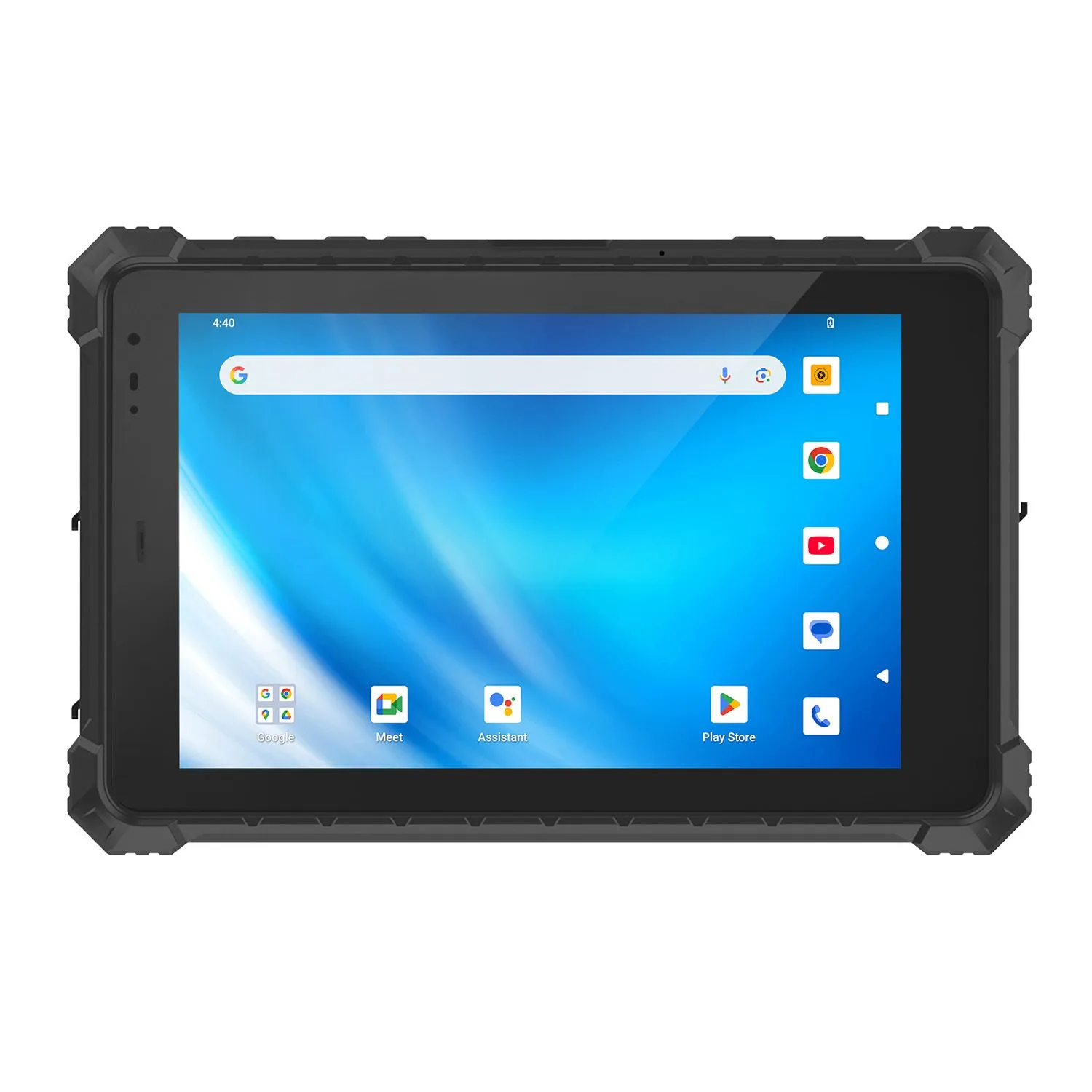
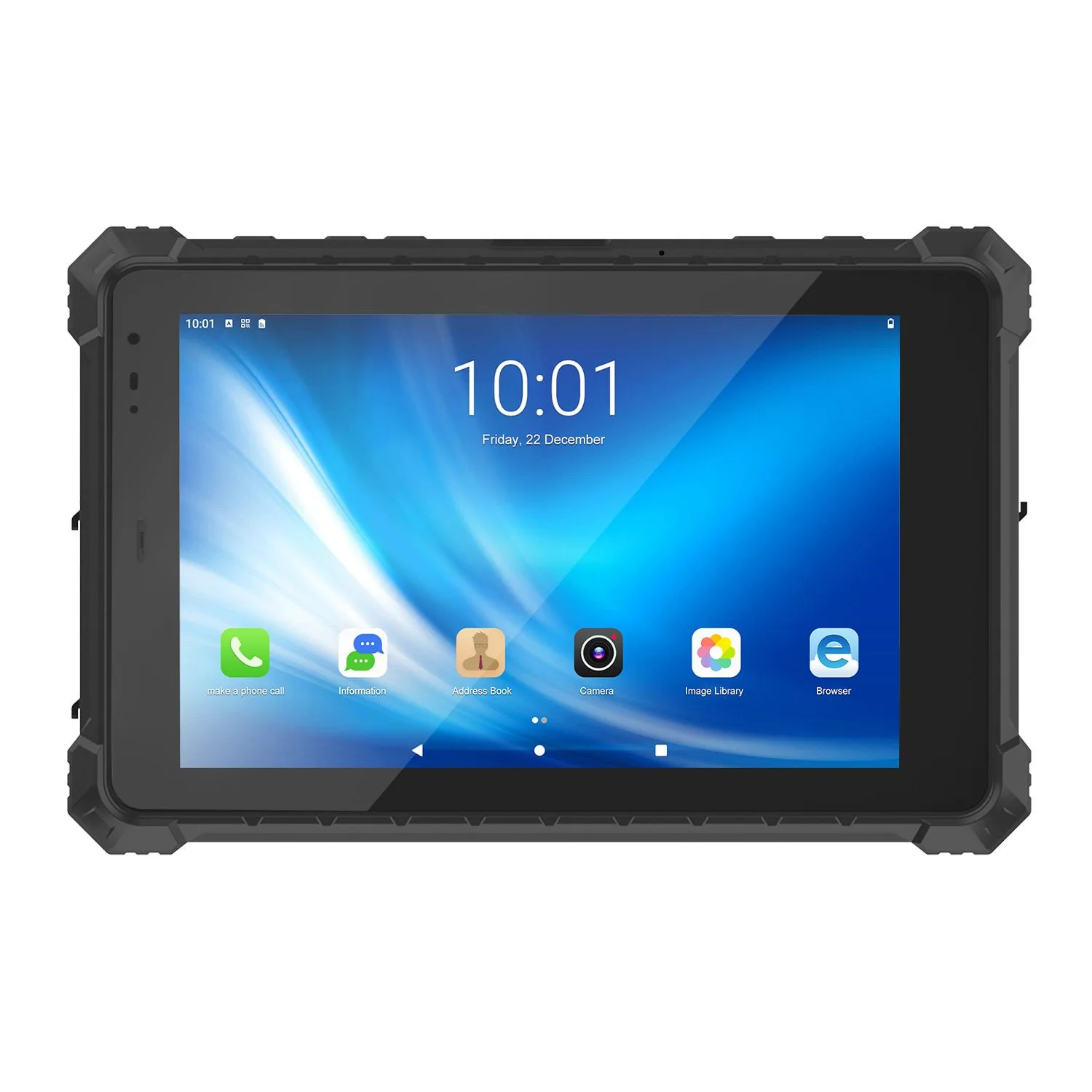
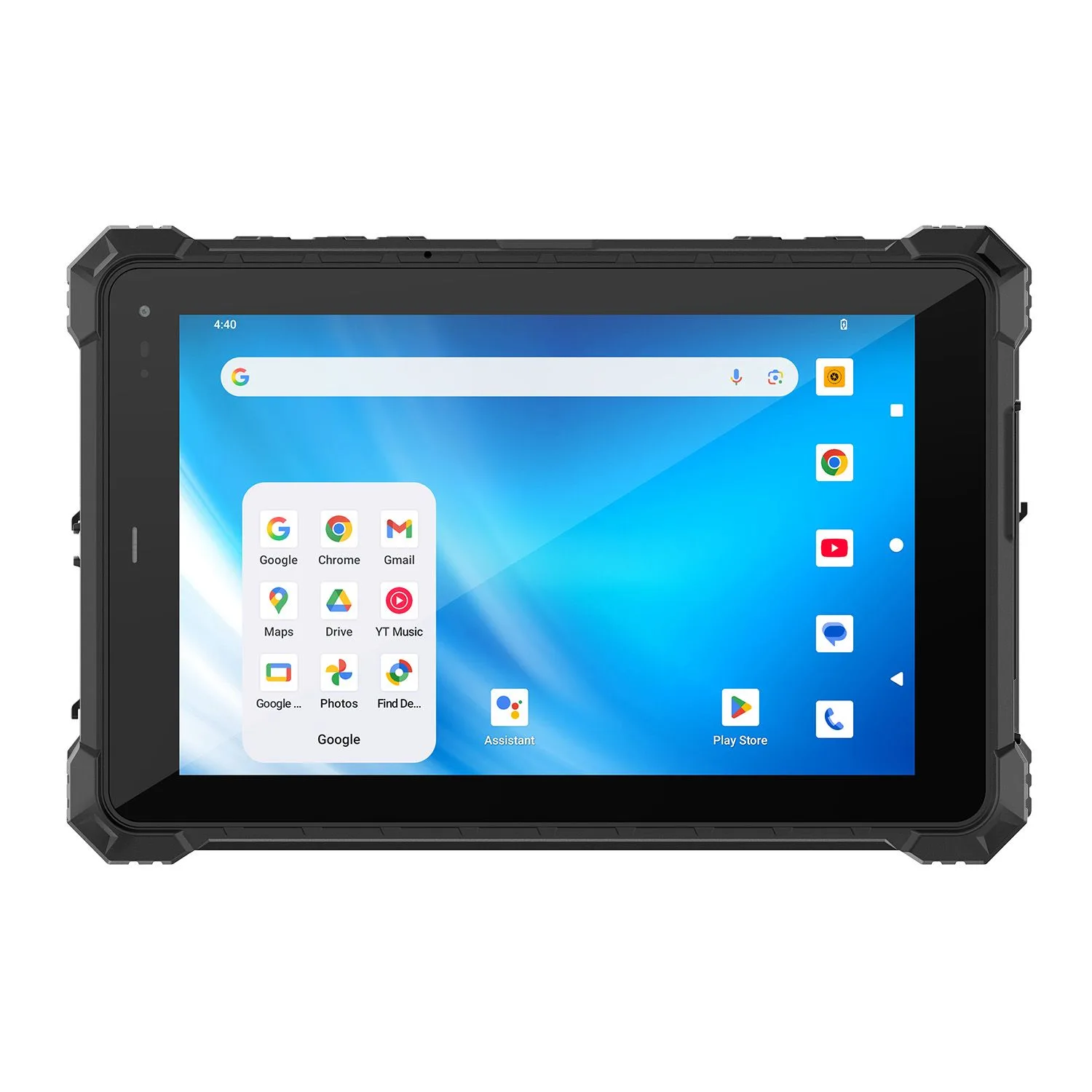
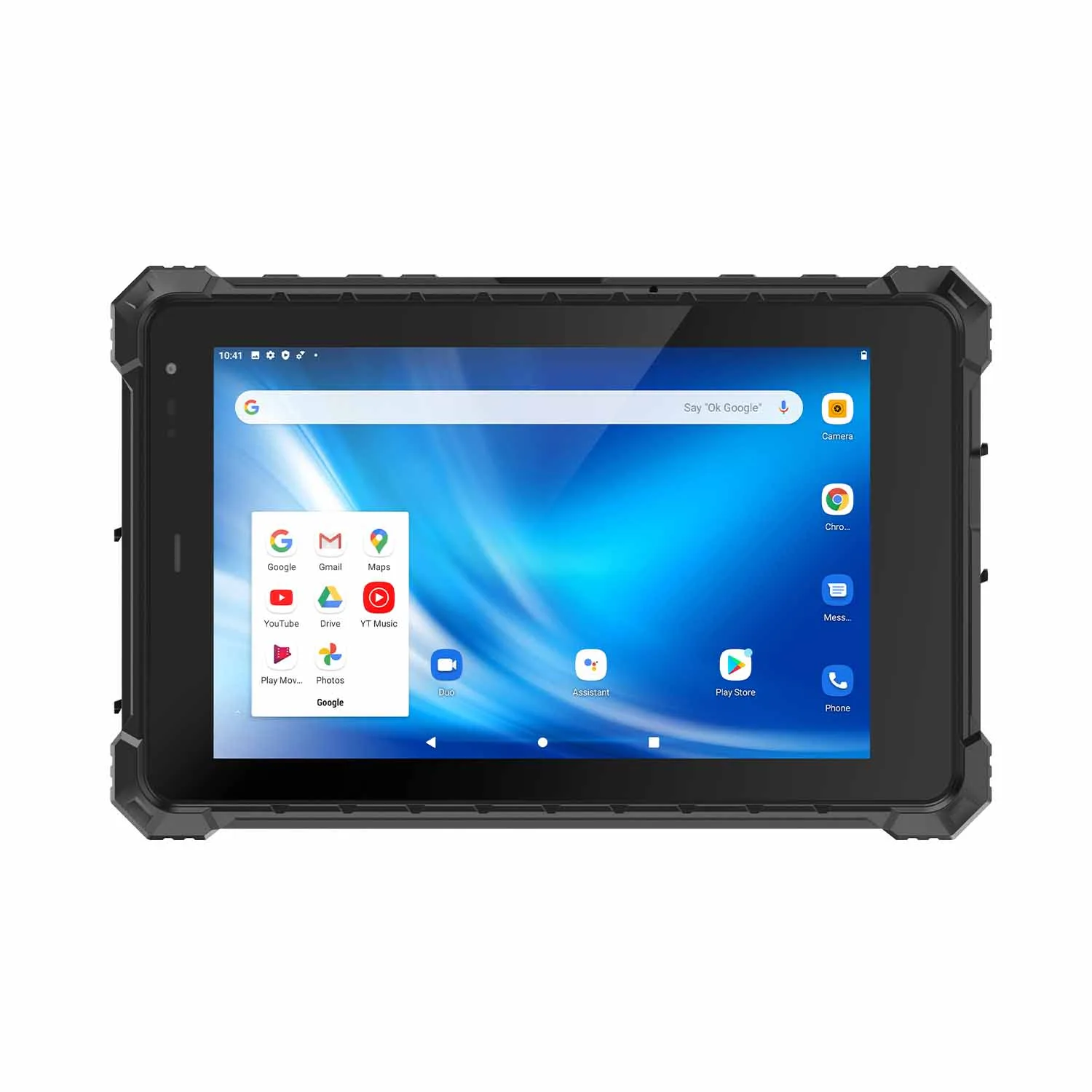
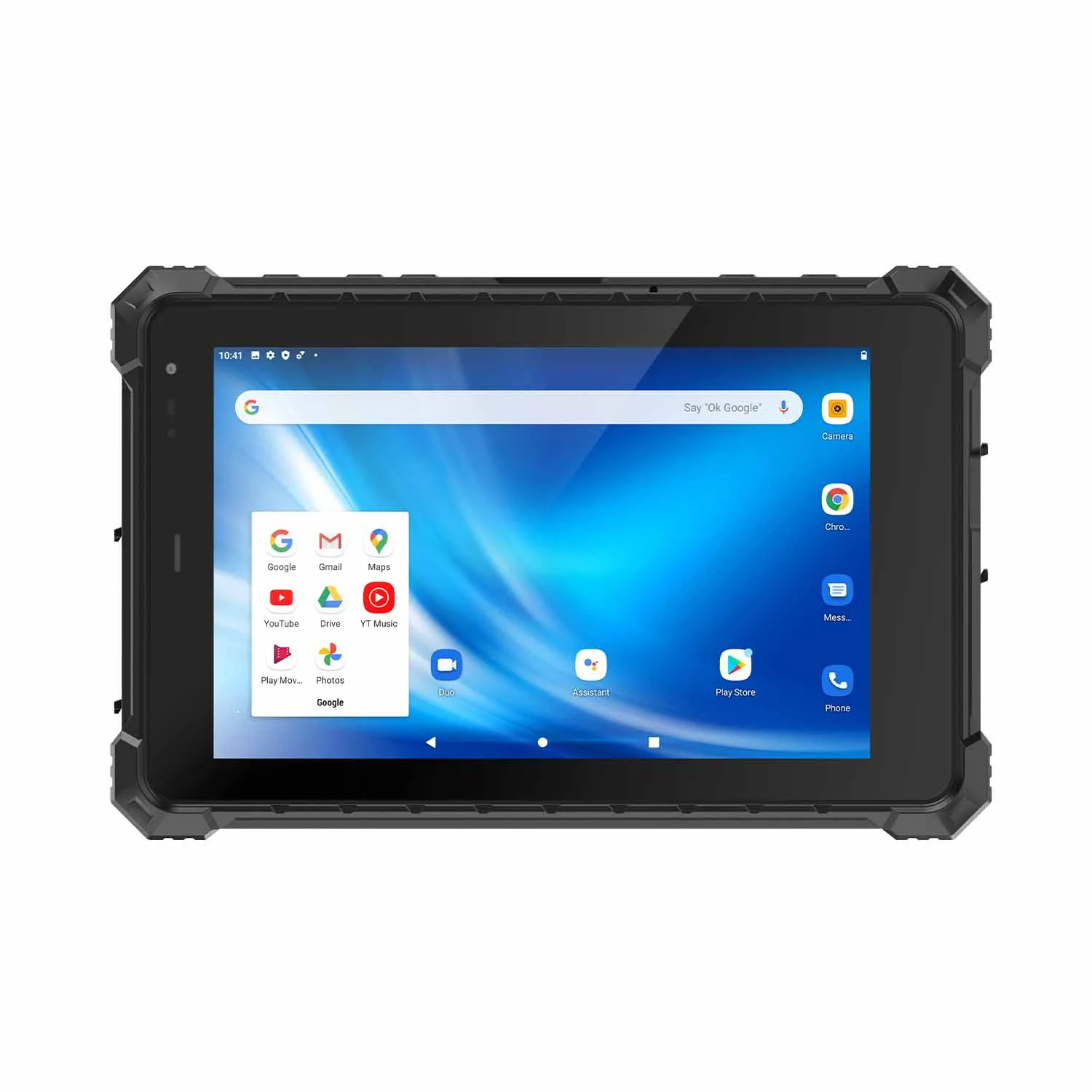
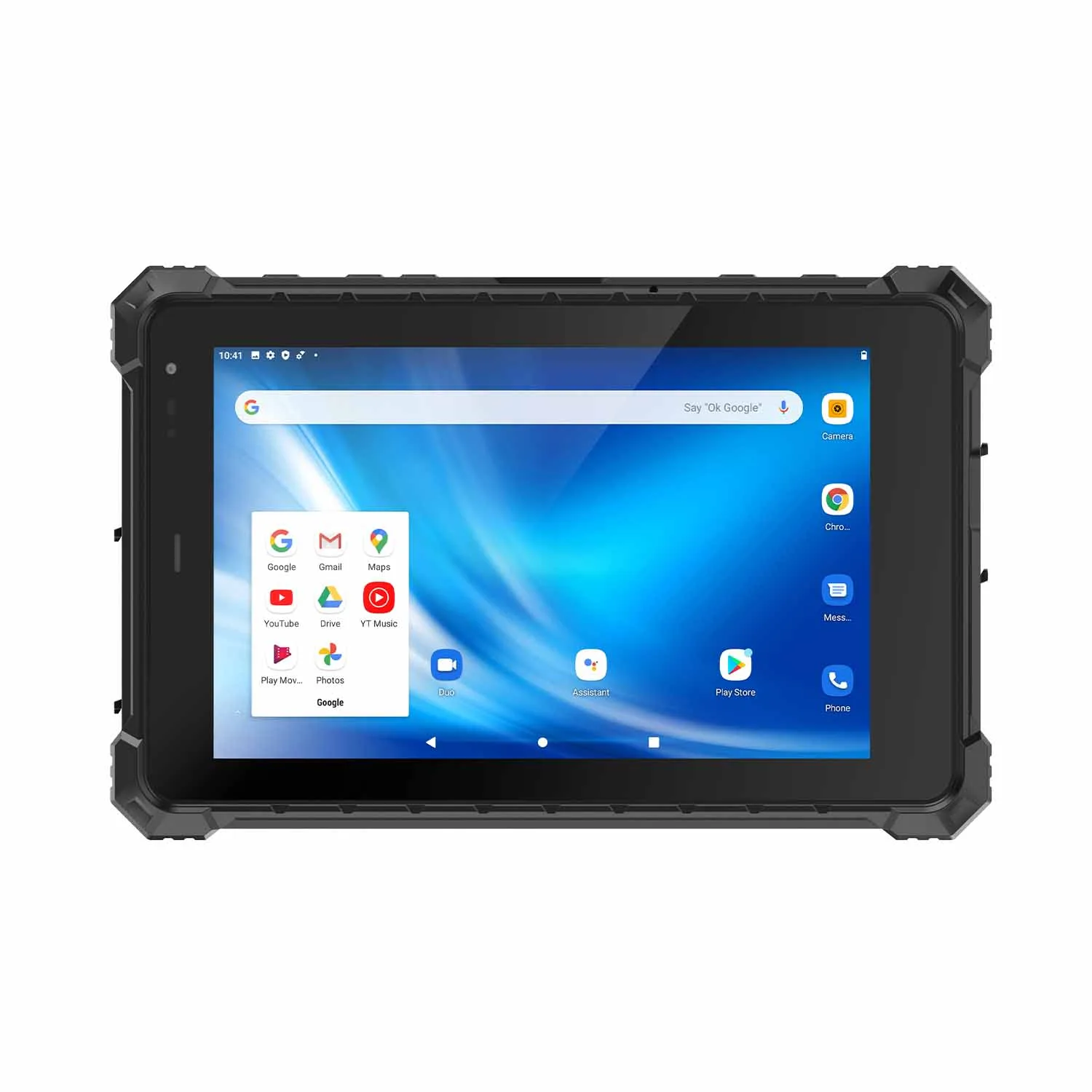
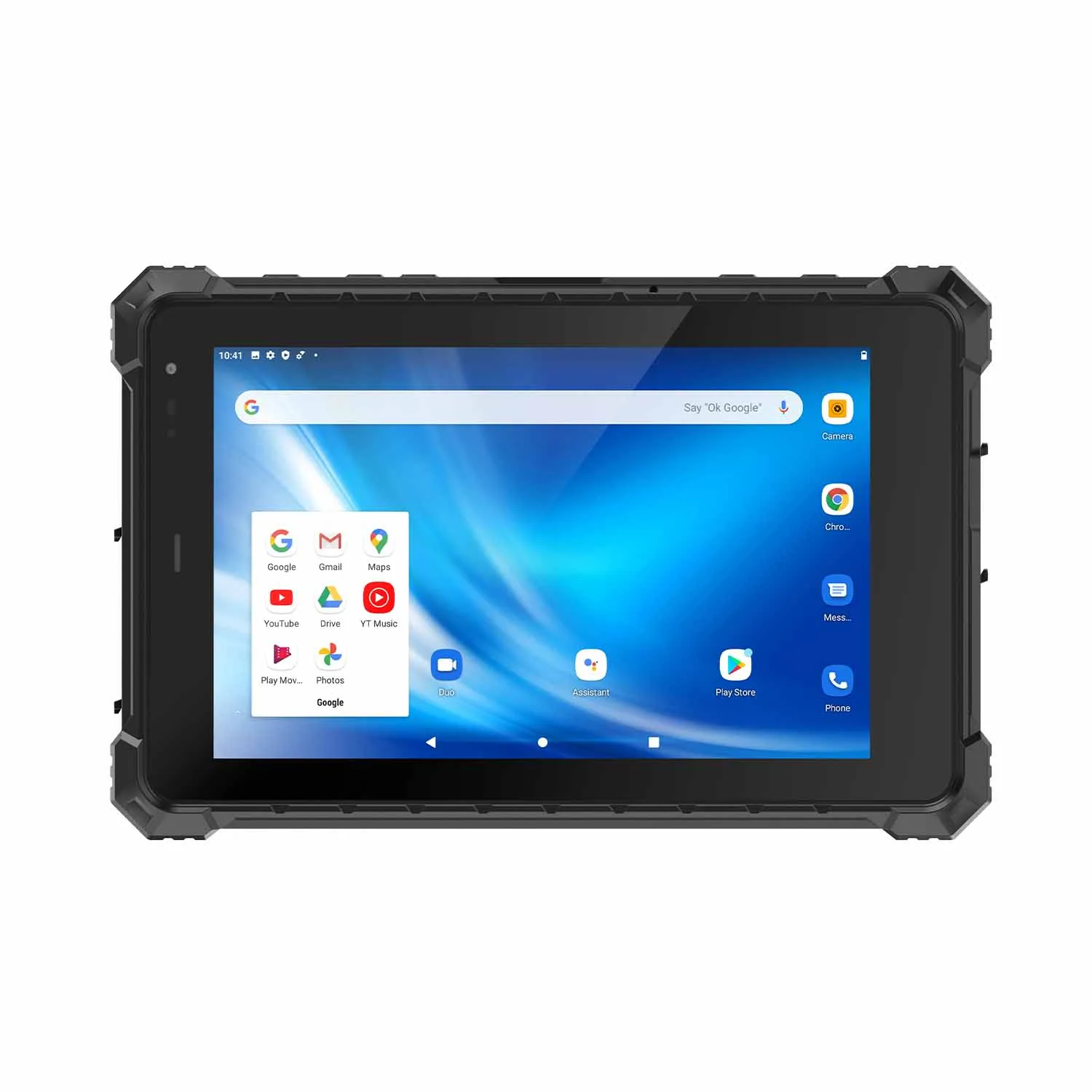
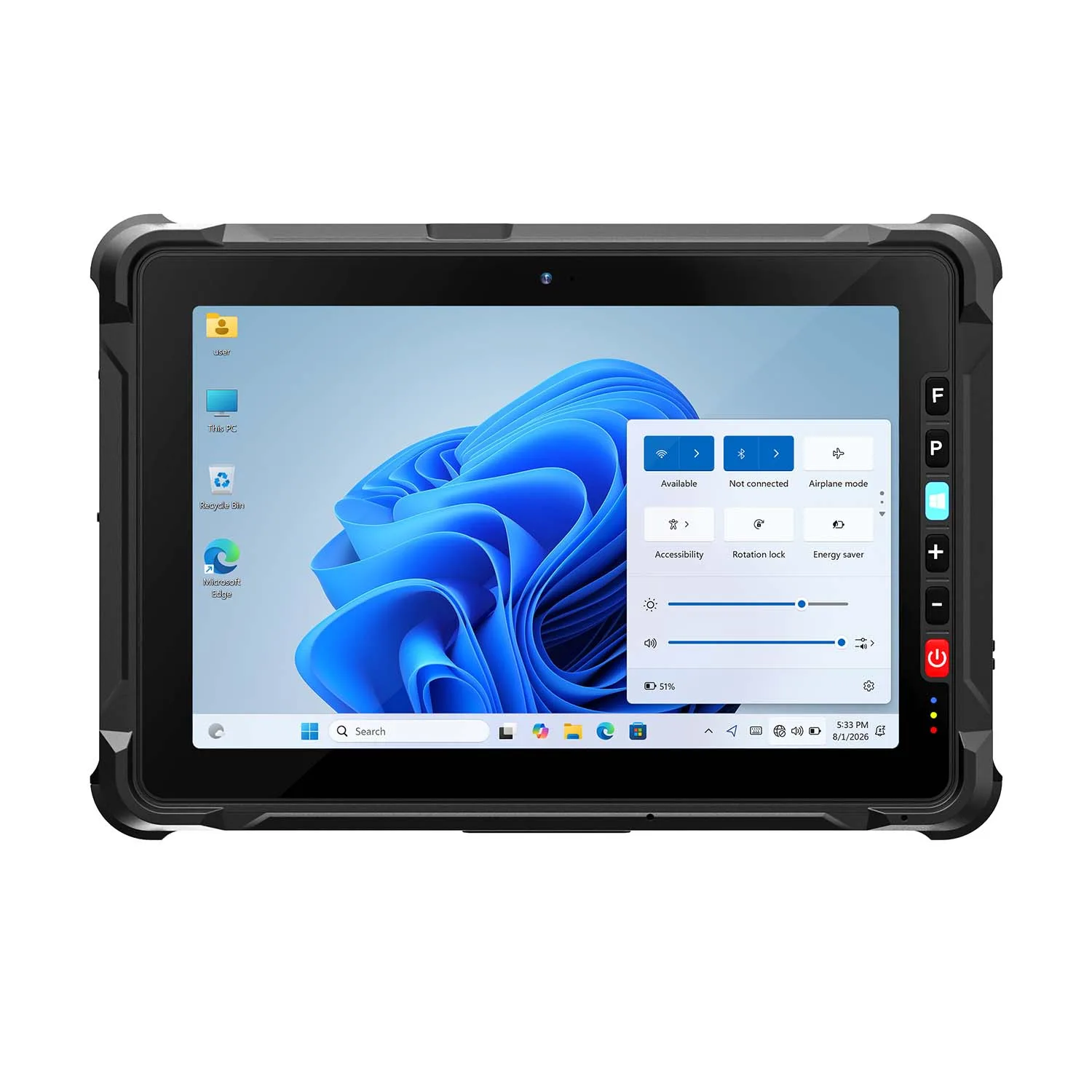
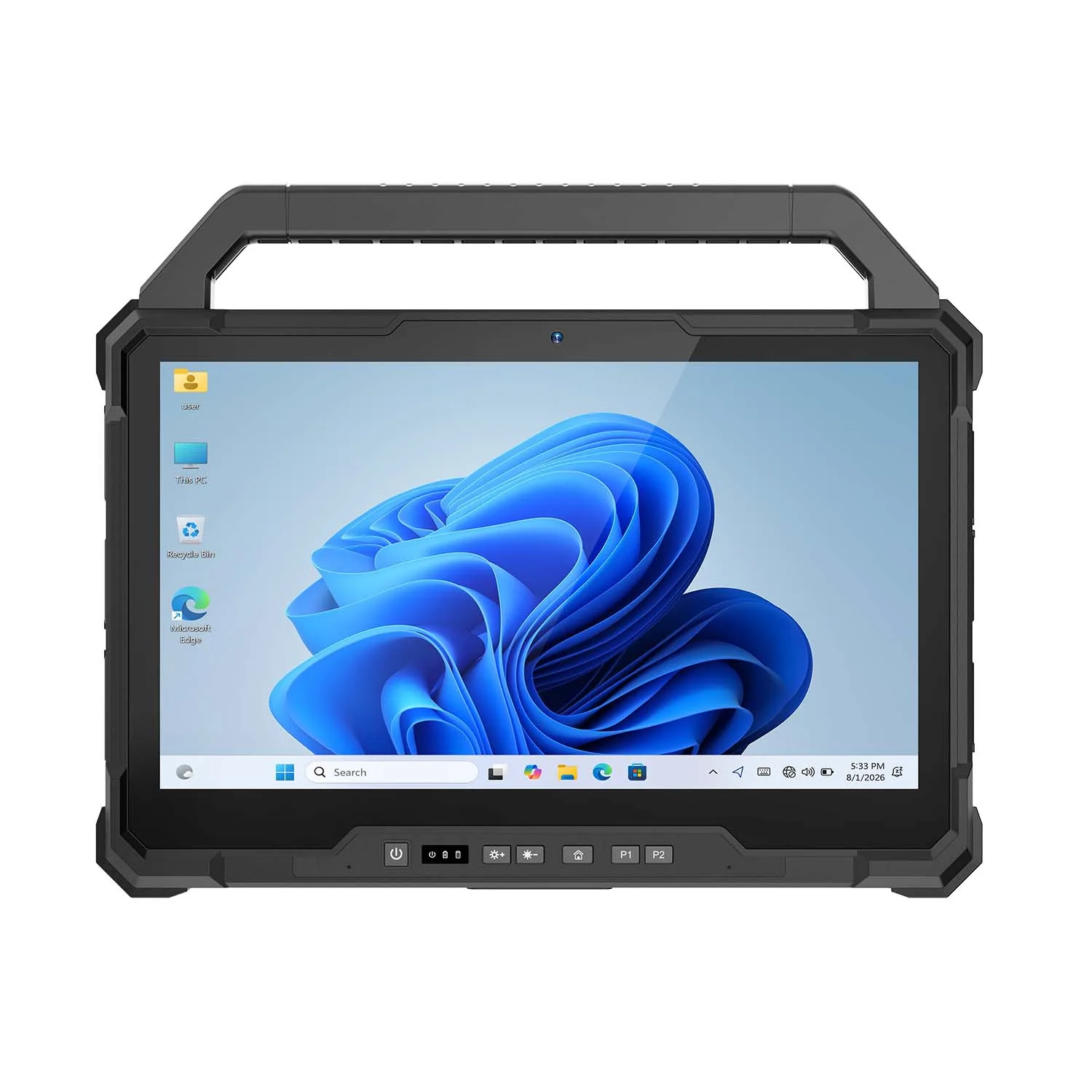
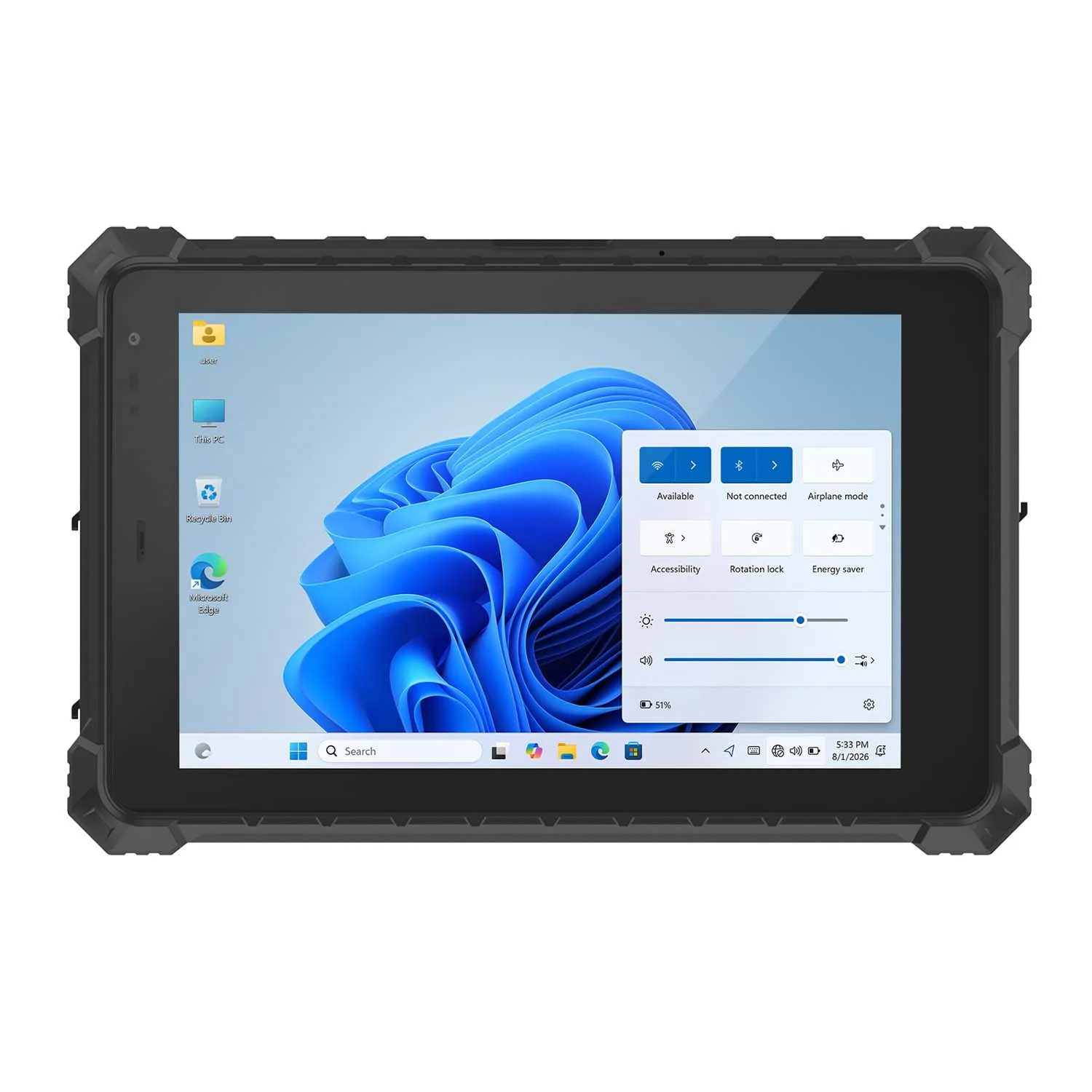
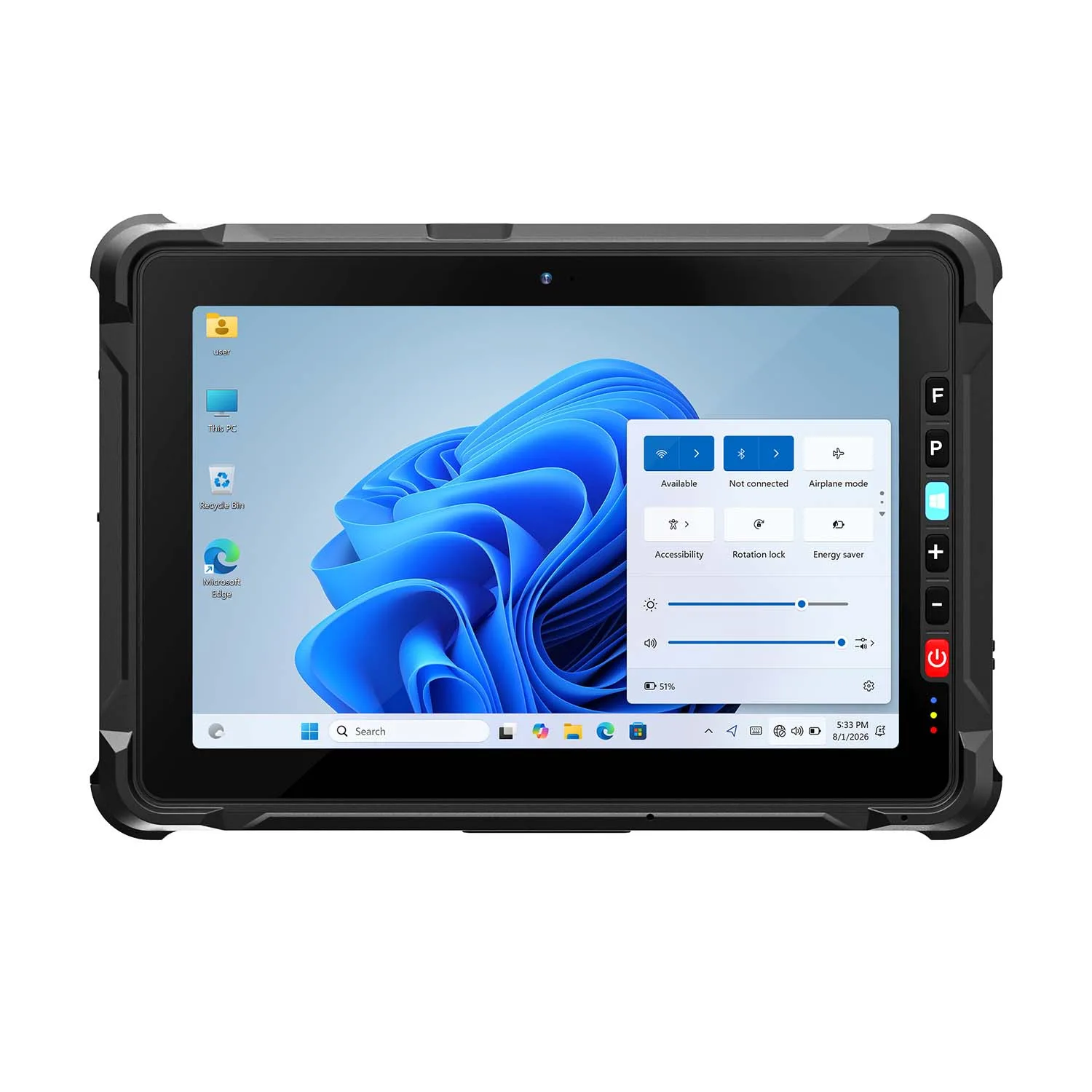
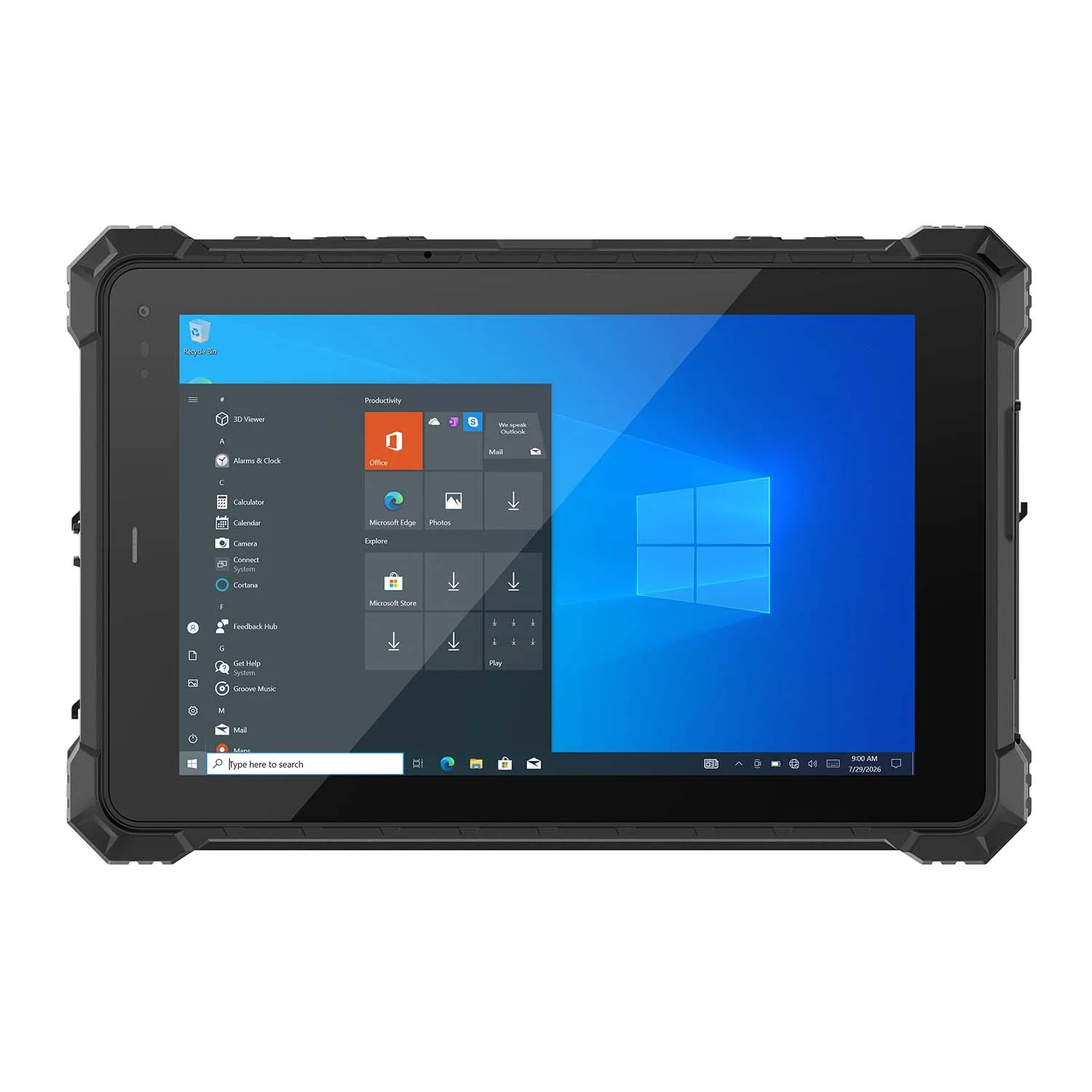
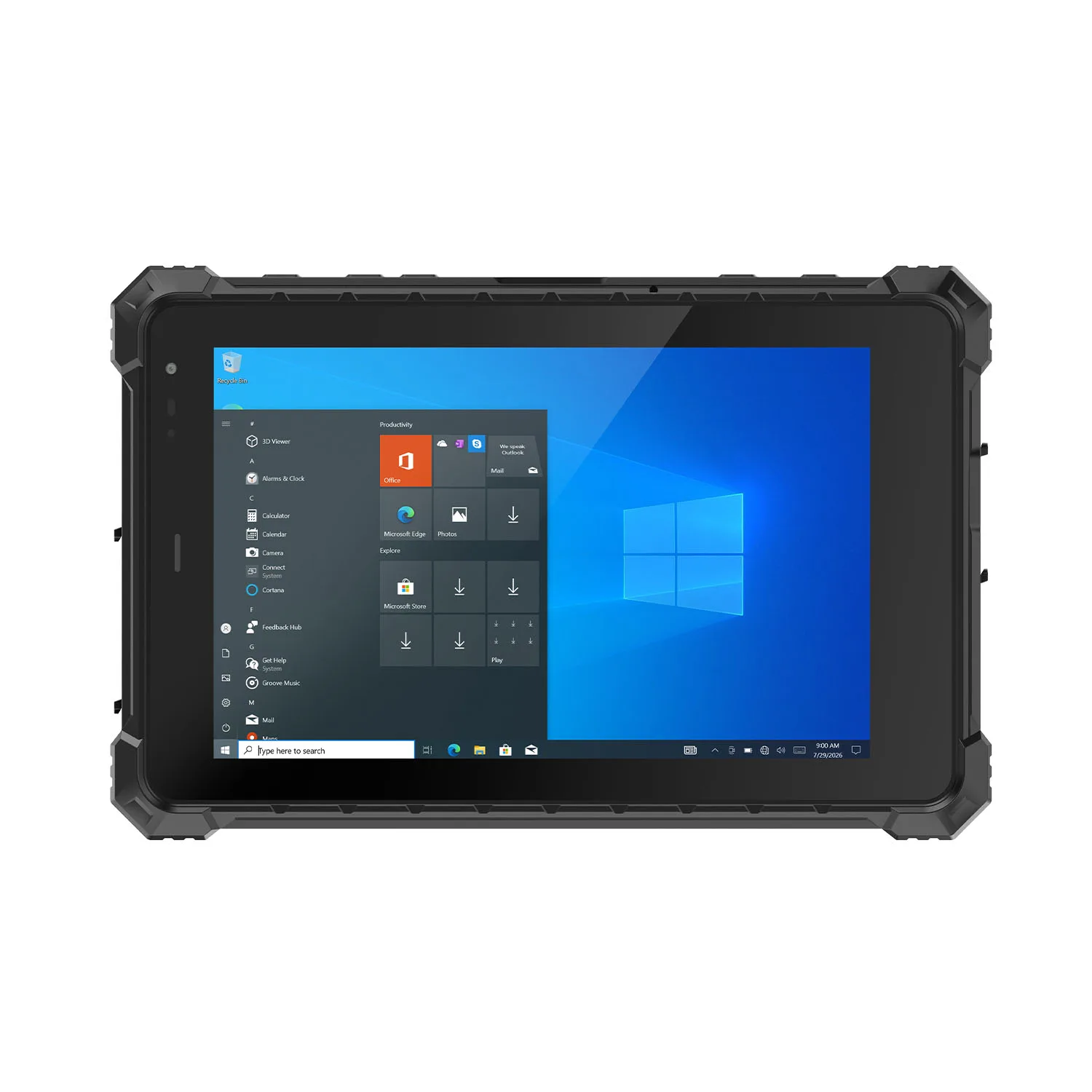
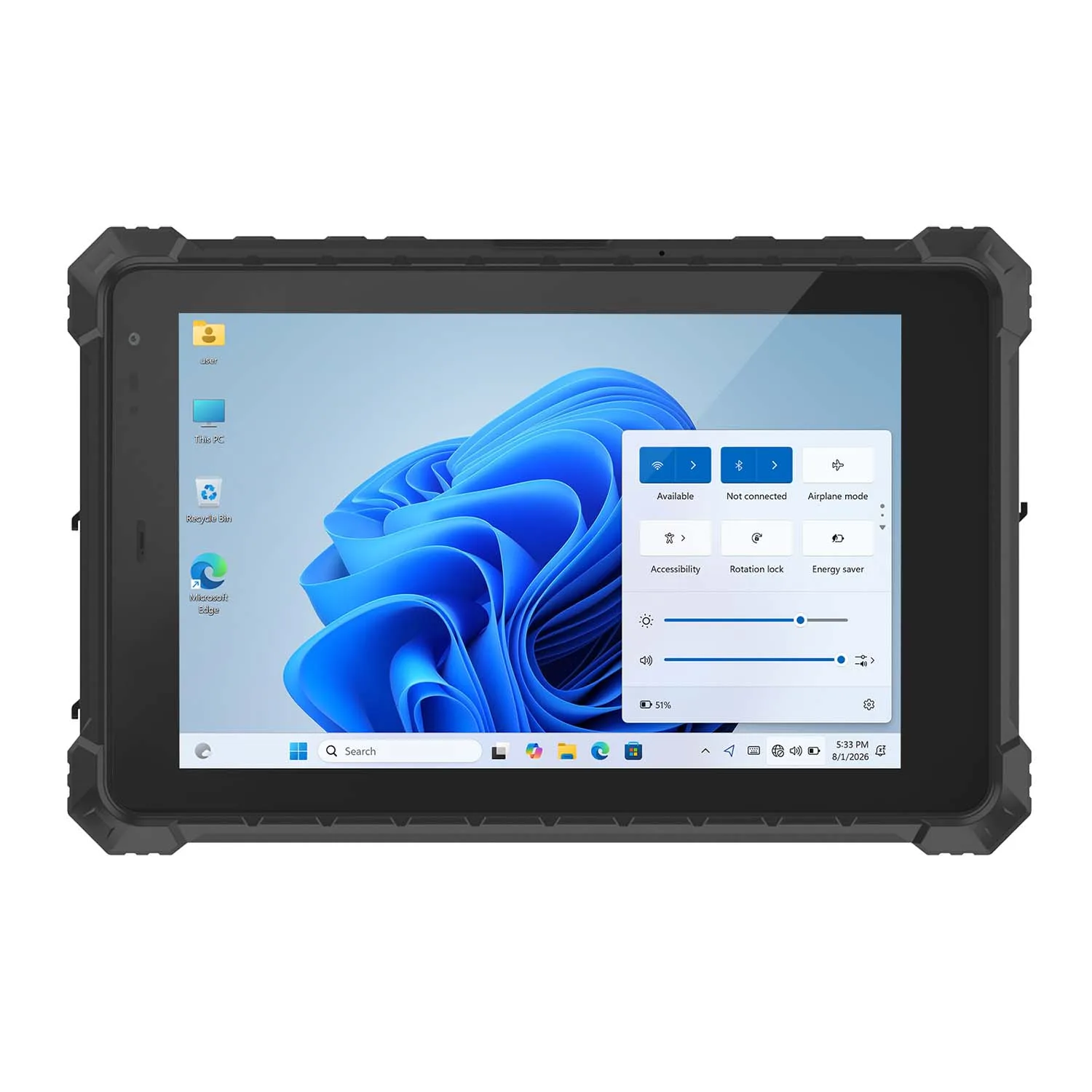
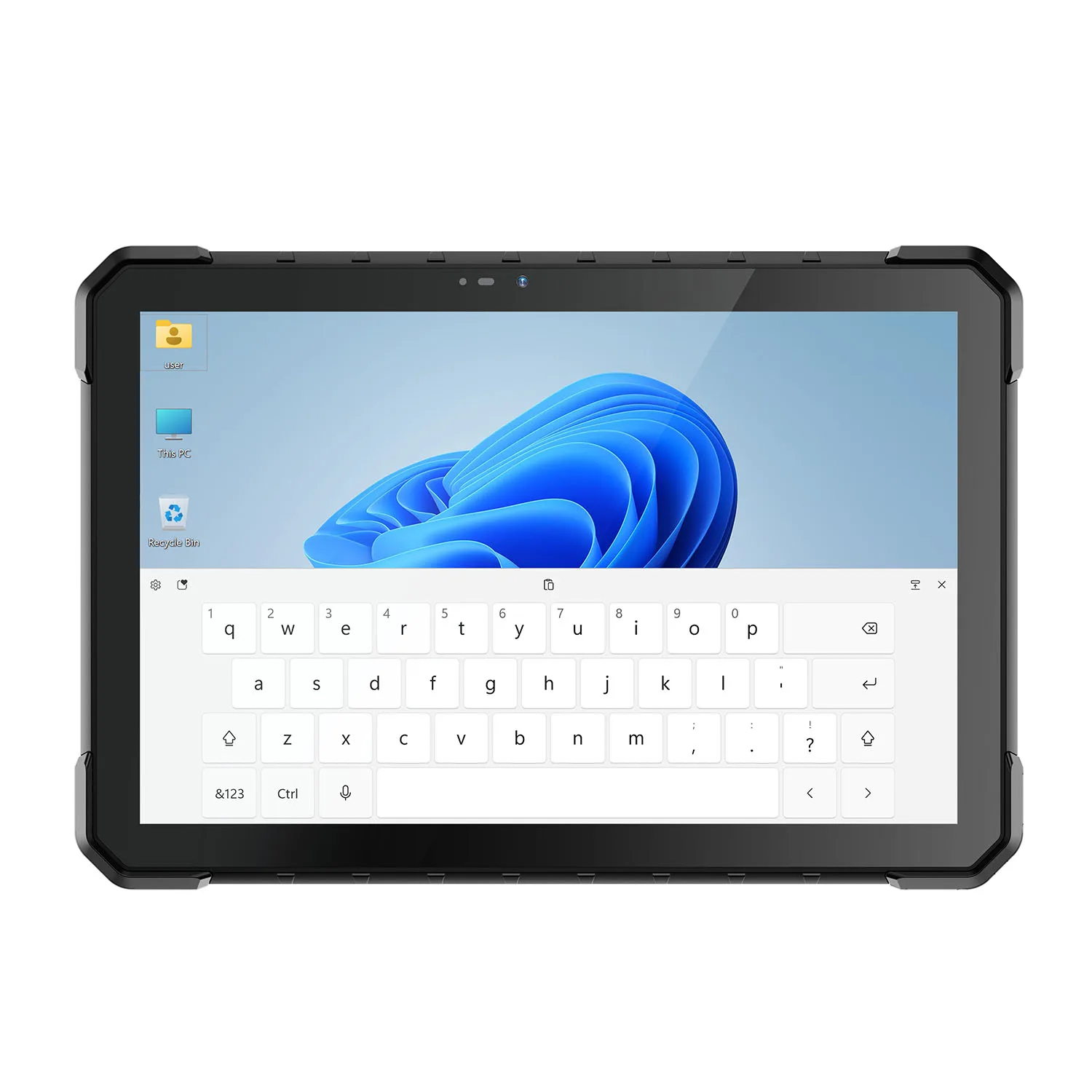
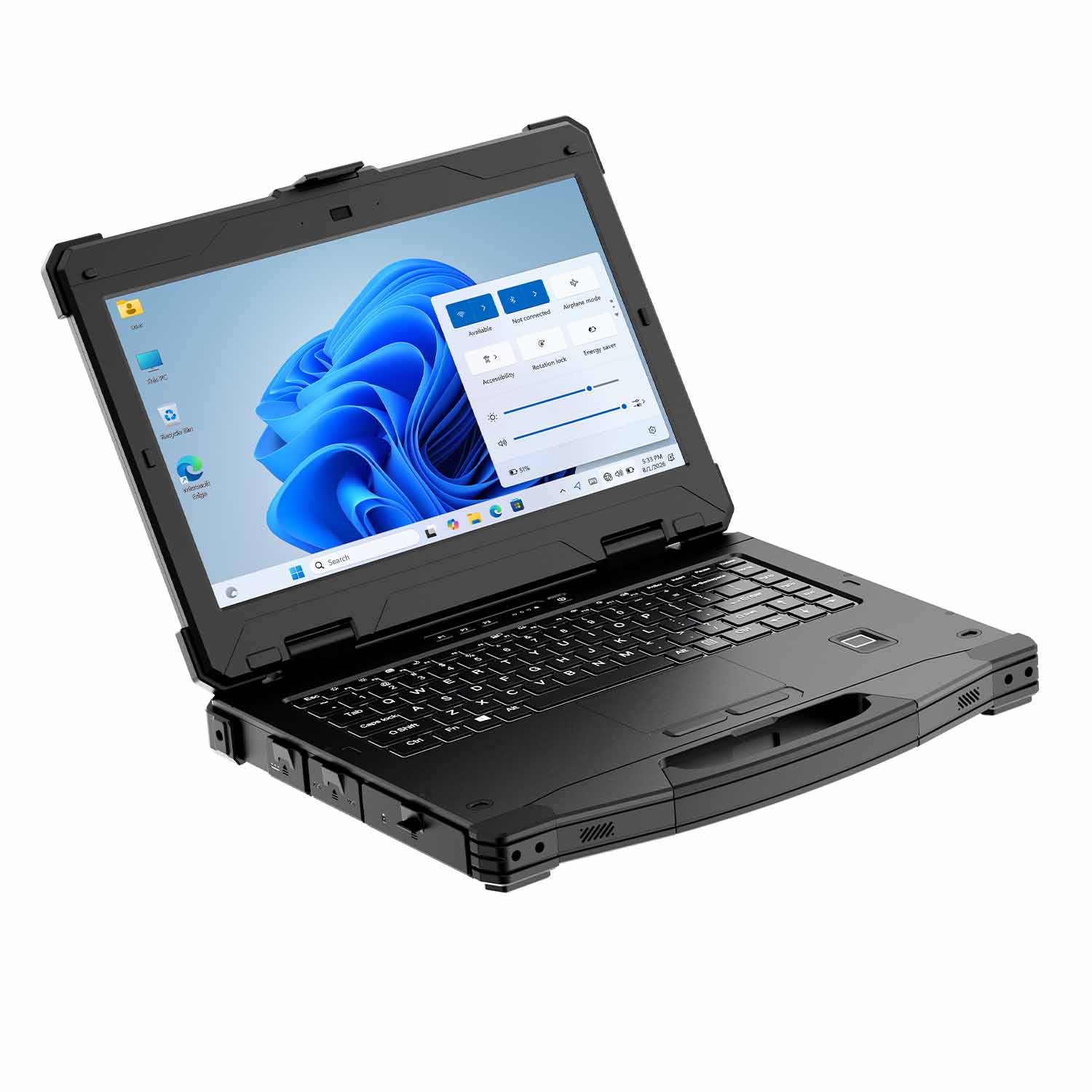
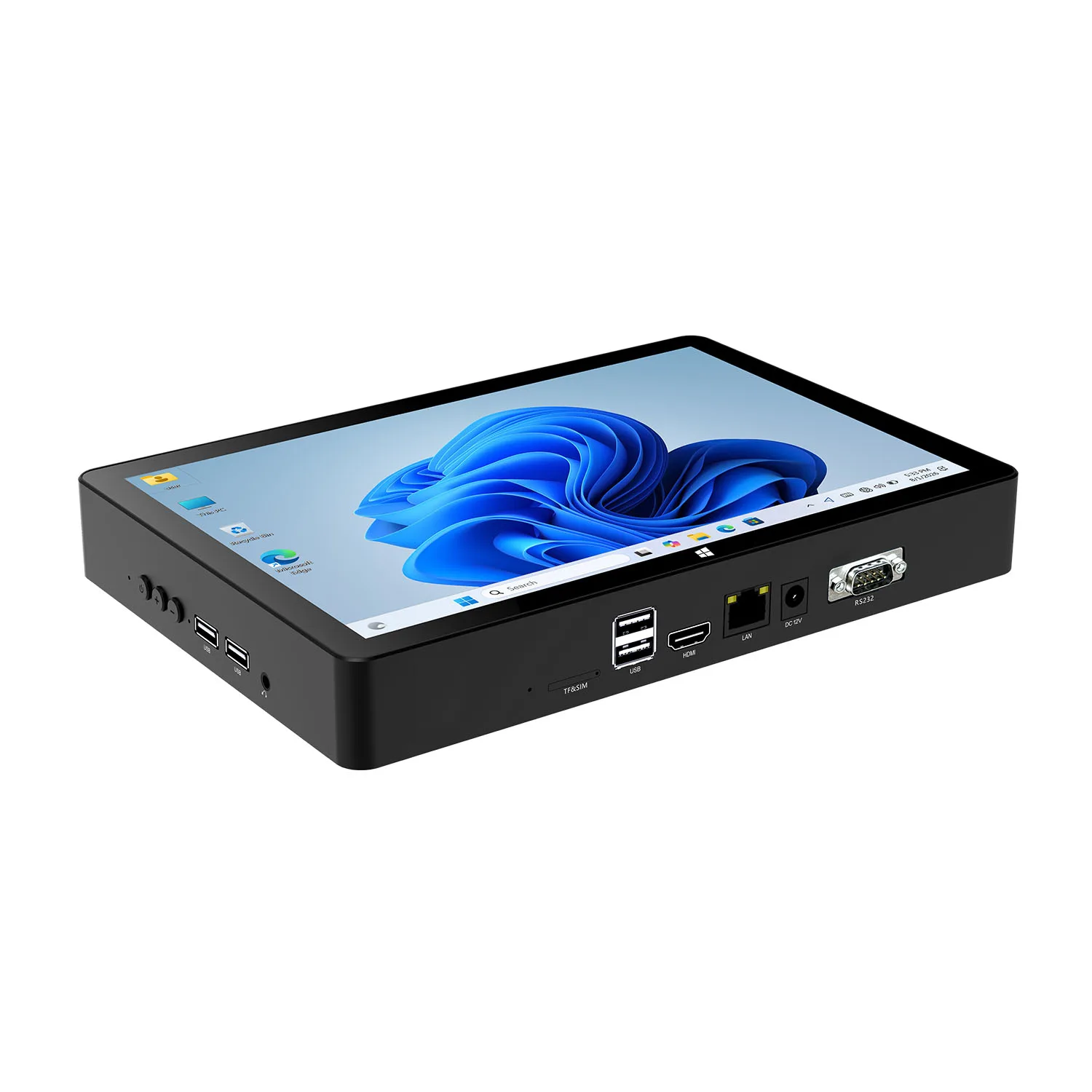
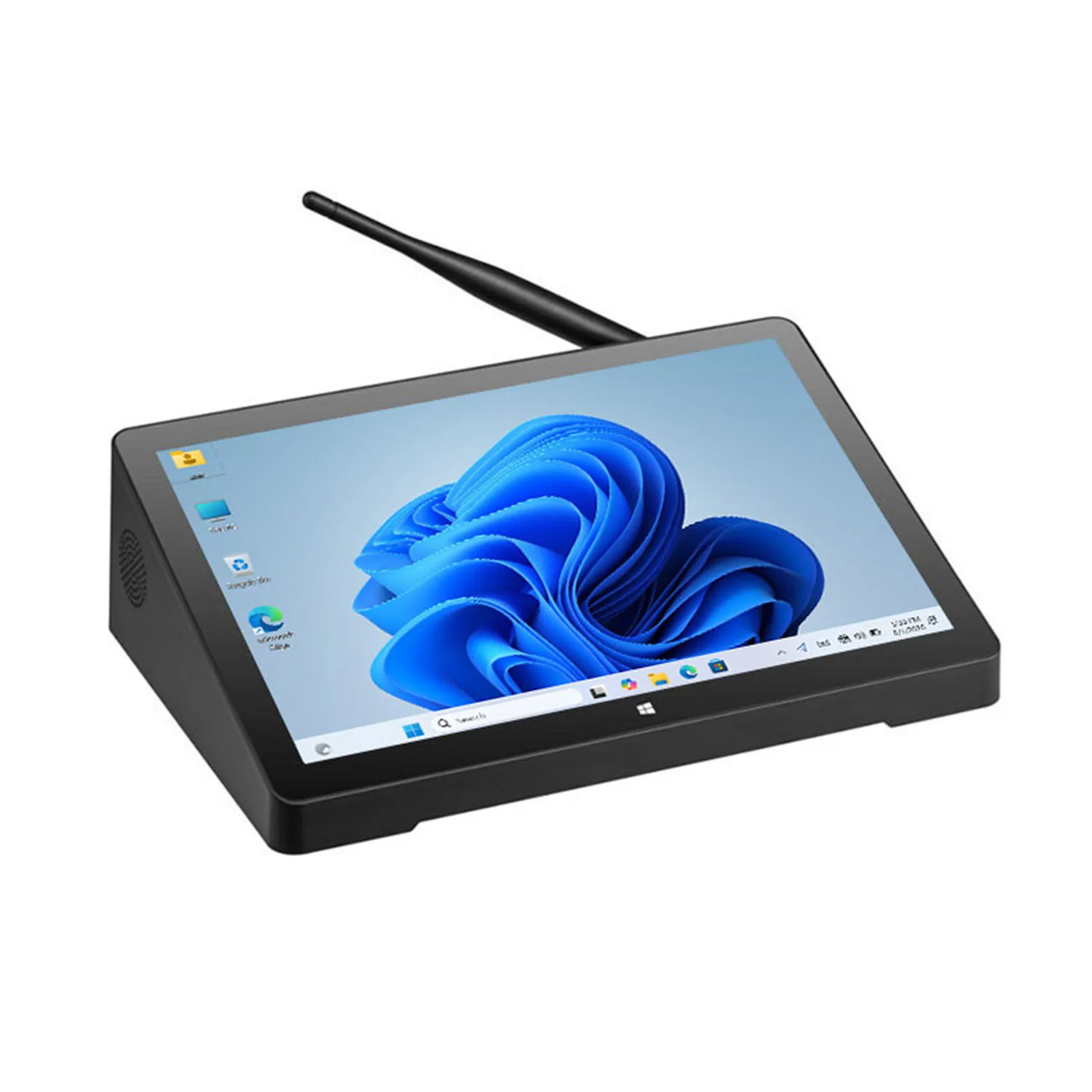
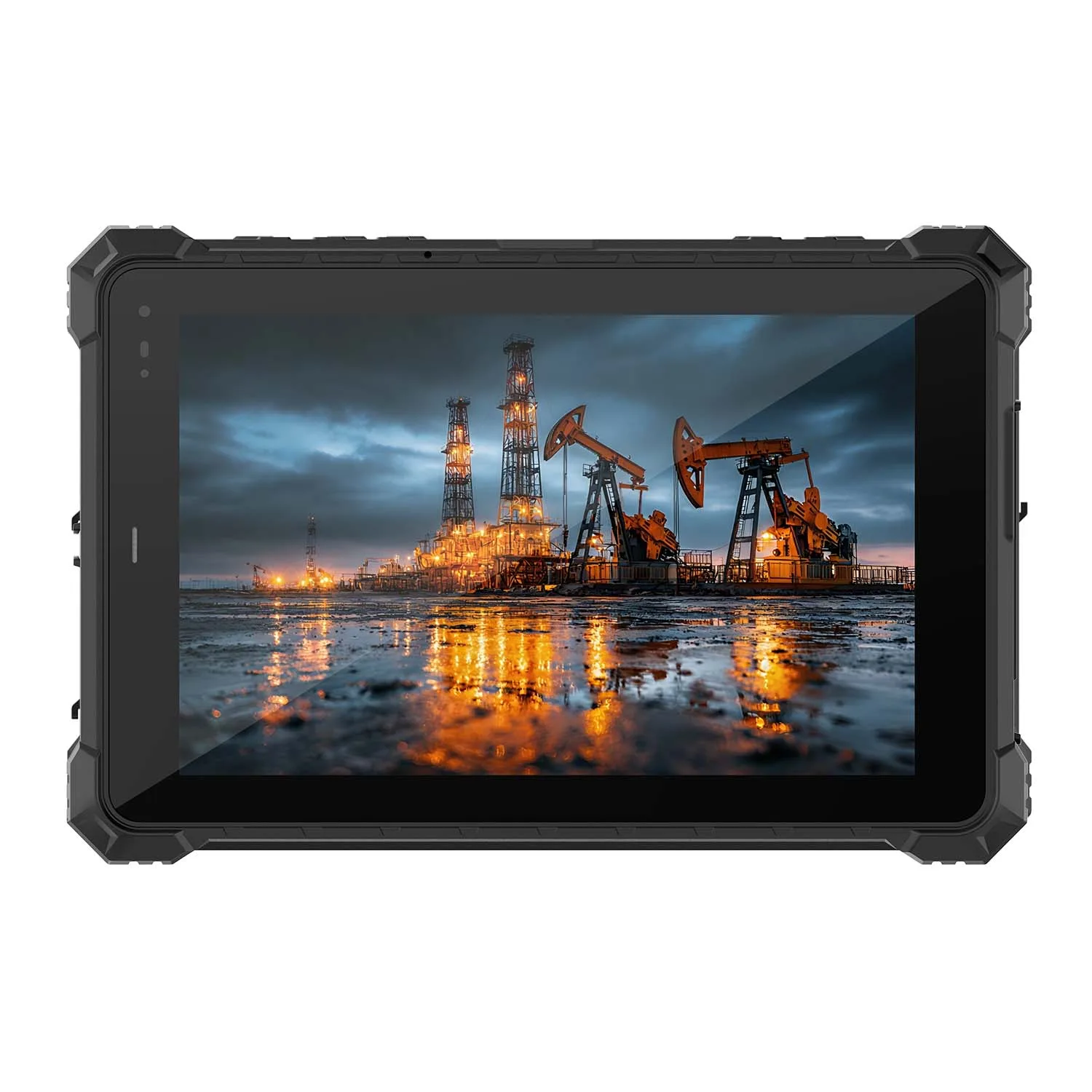
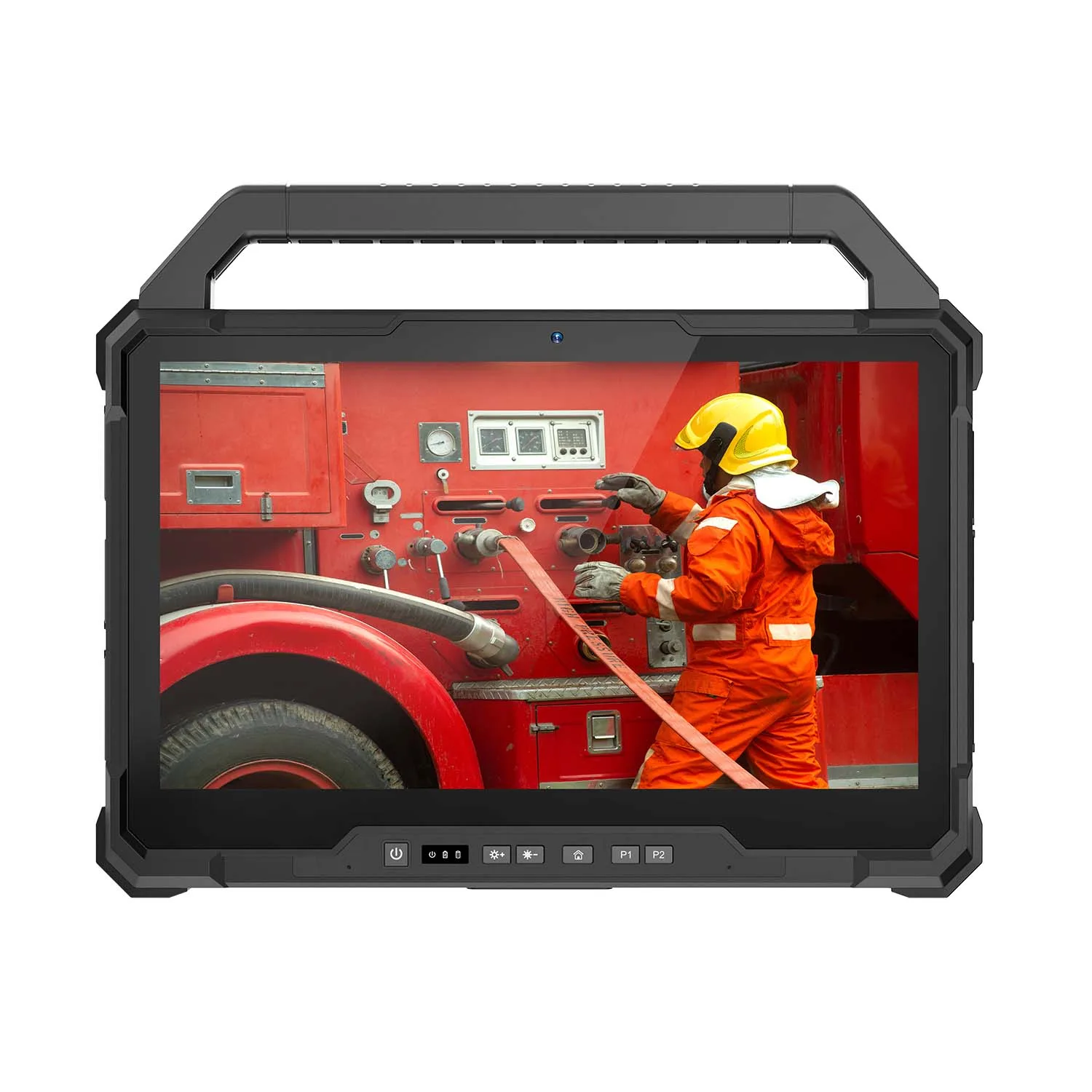
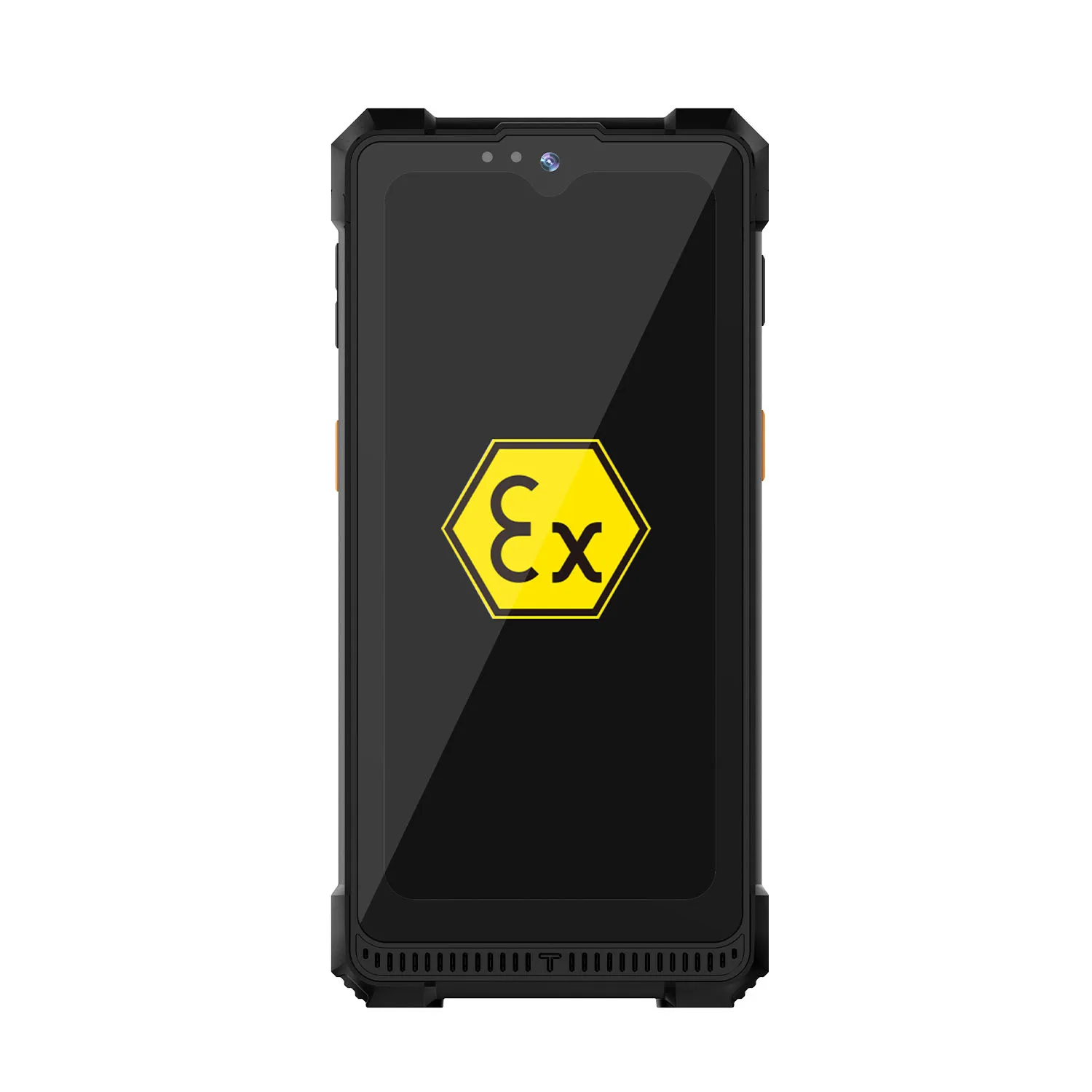
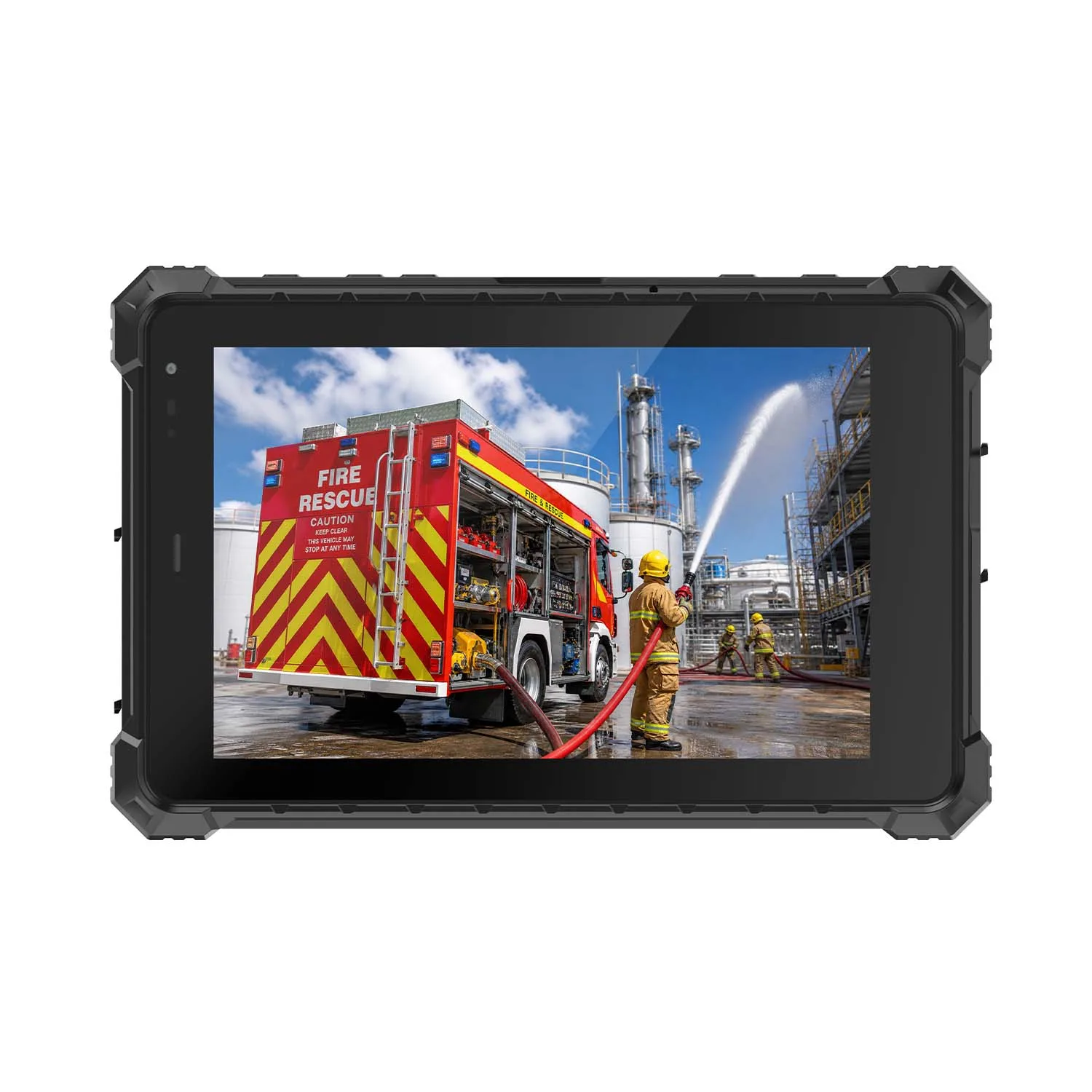




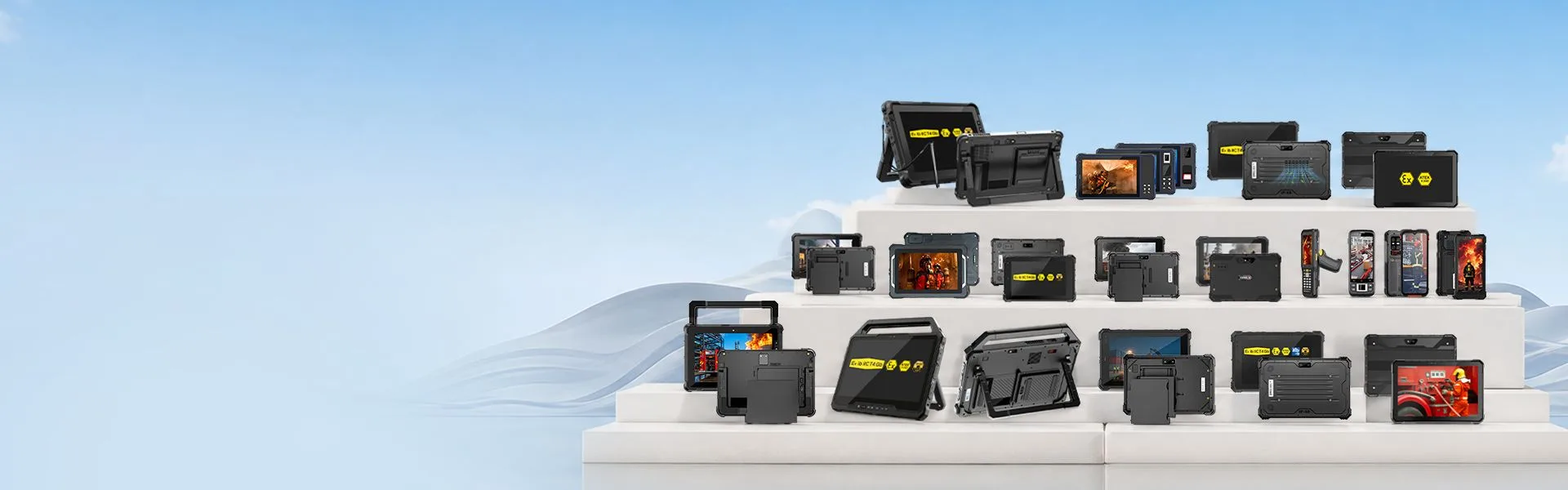
Explosion-Proof Tablets
Explore CENAVA ATEX and IECEx explosion-proof tablets for hazardous areas. Compare Android and Windows options for oil, gas, chemical and mining projects.
Explosion-Proof Tablet Manufacturer
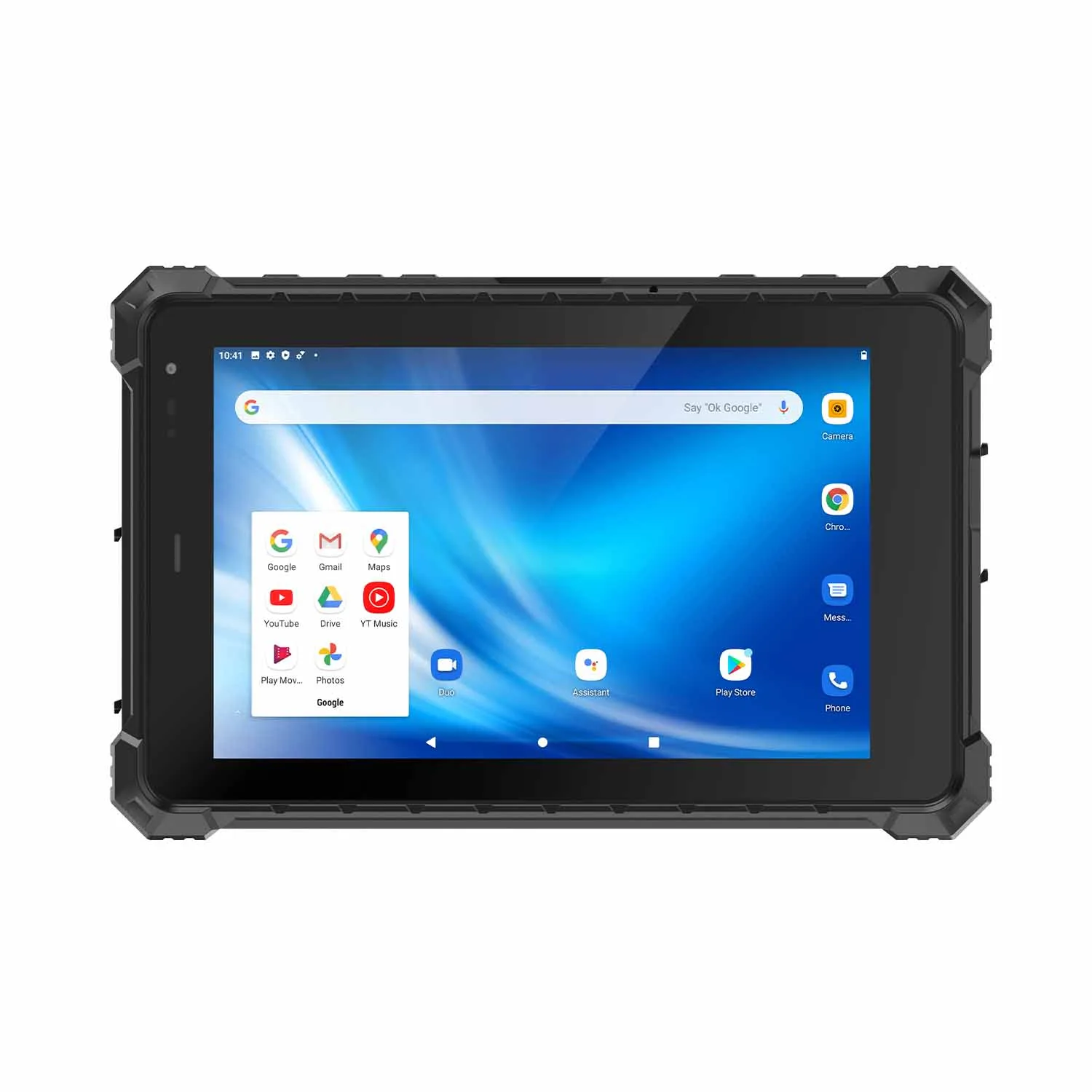
We build explosion-proof rugged tablets for the daily work in classified areas — walking inspection rounds, scanning equipment tags, pulling up maintenance procedures, staying reachable on site.
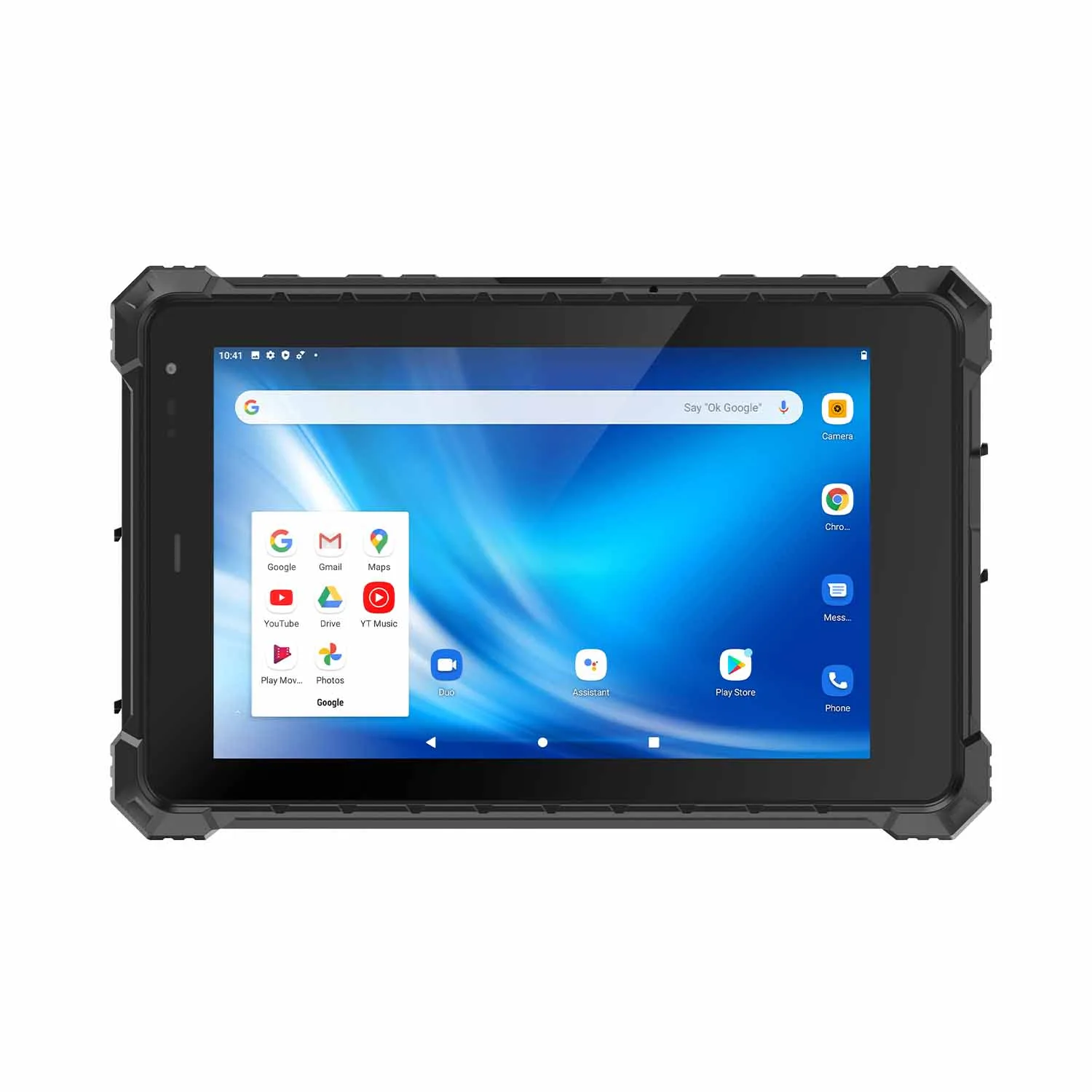
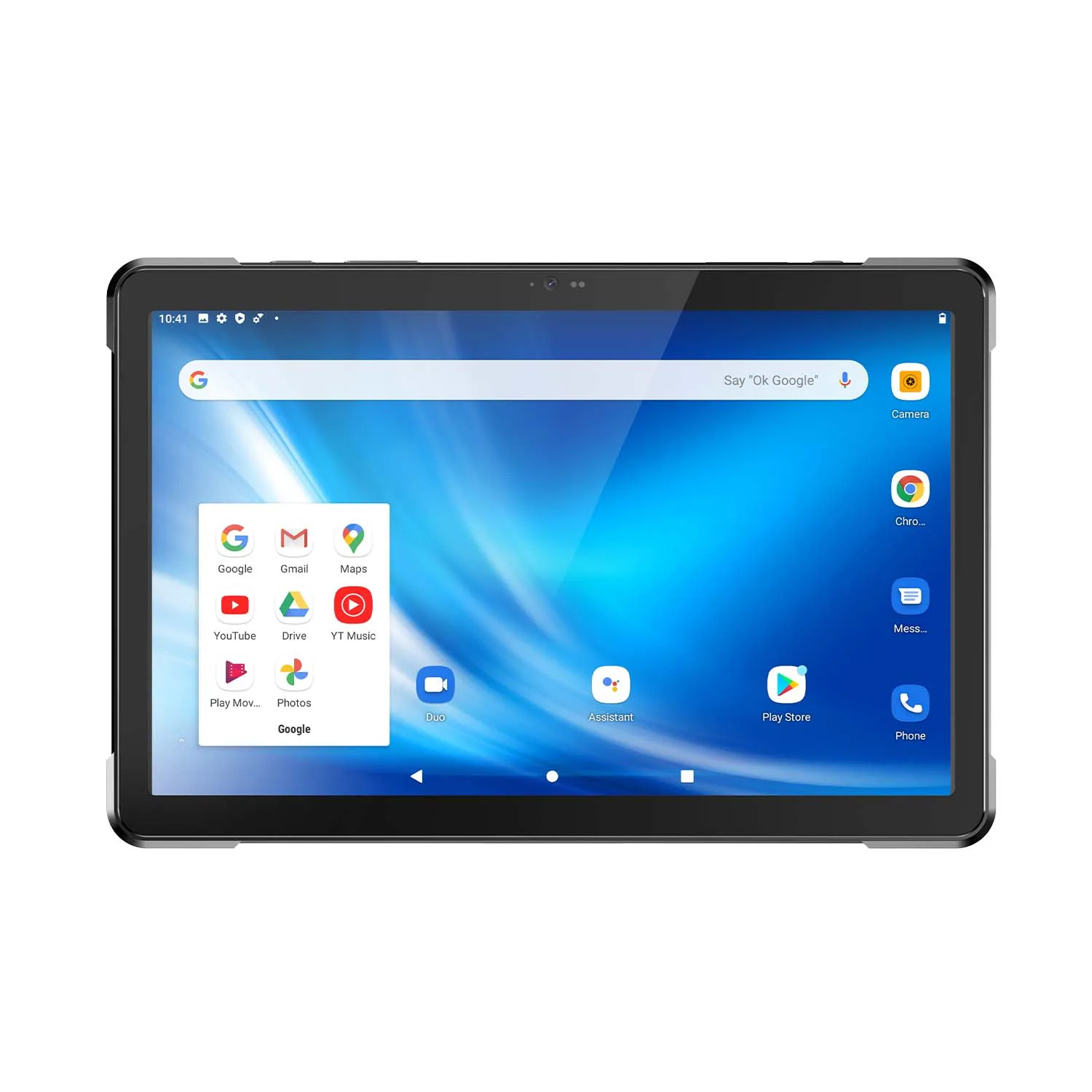
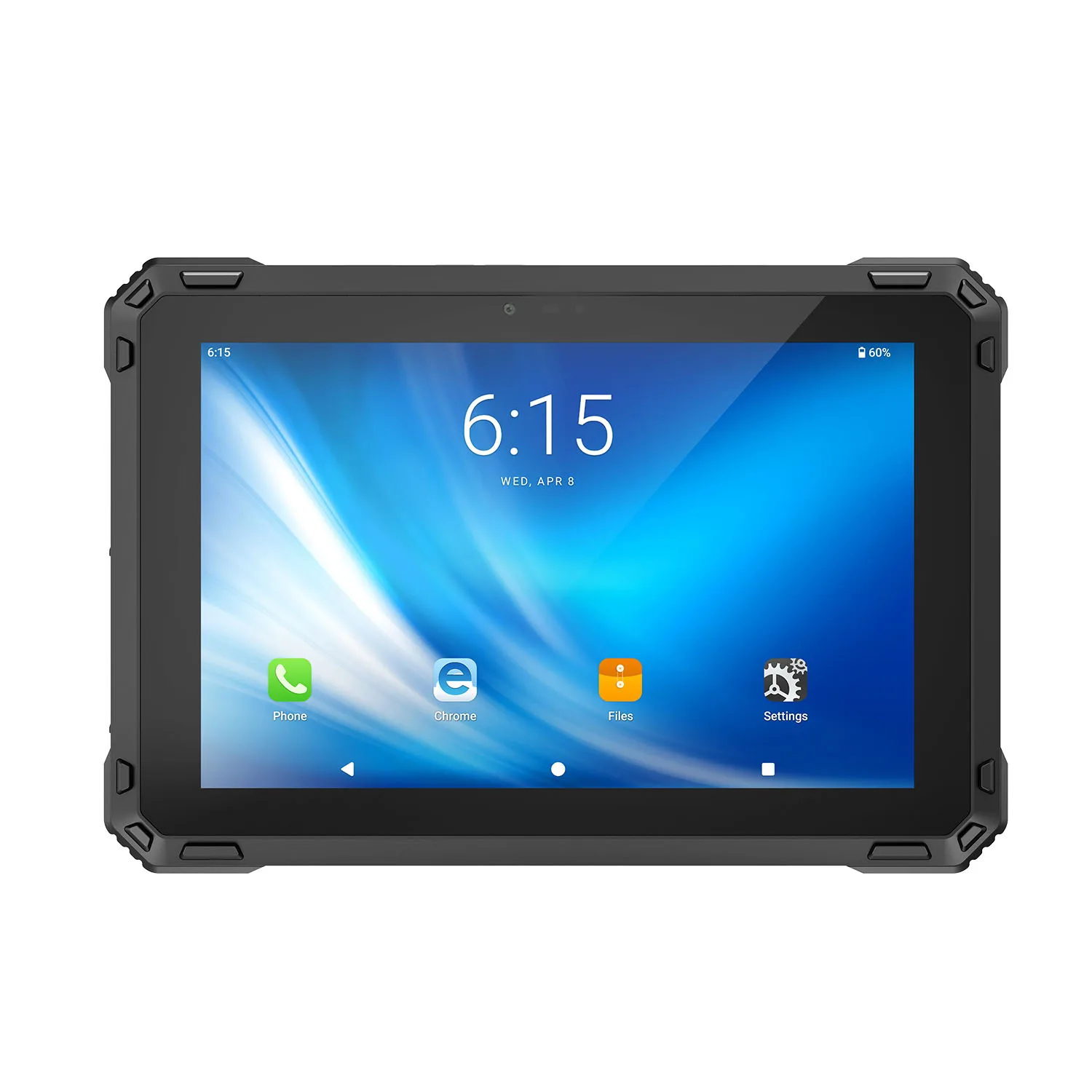
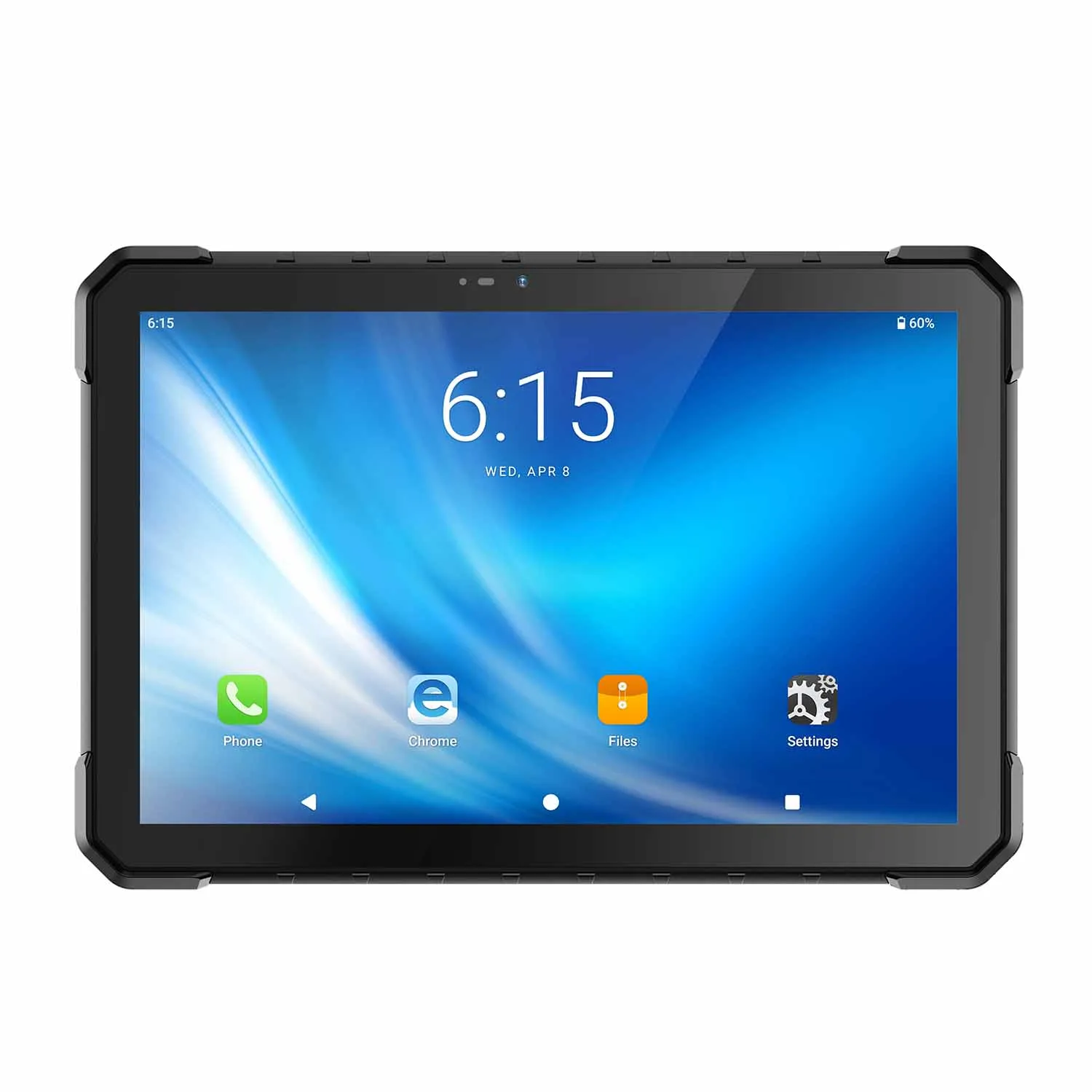
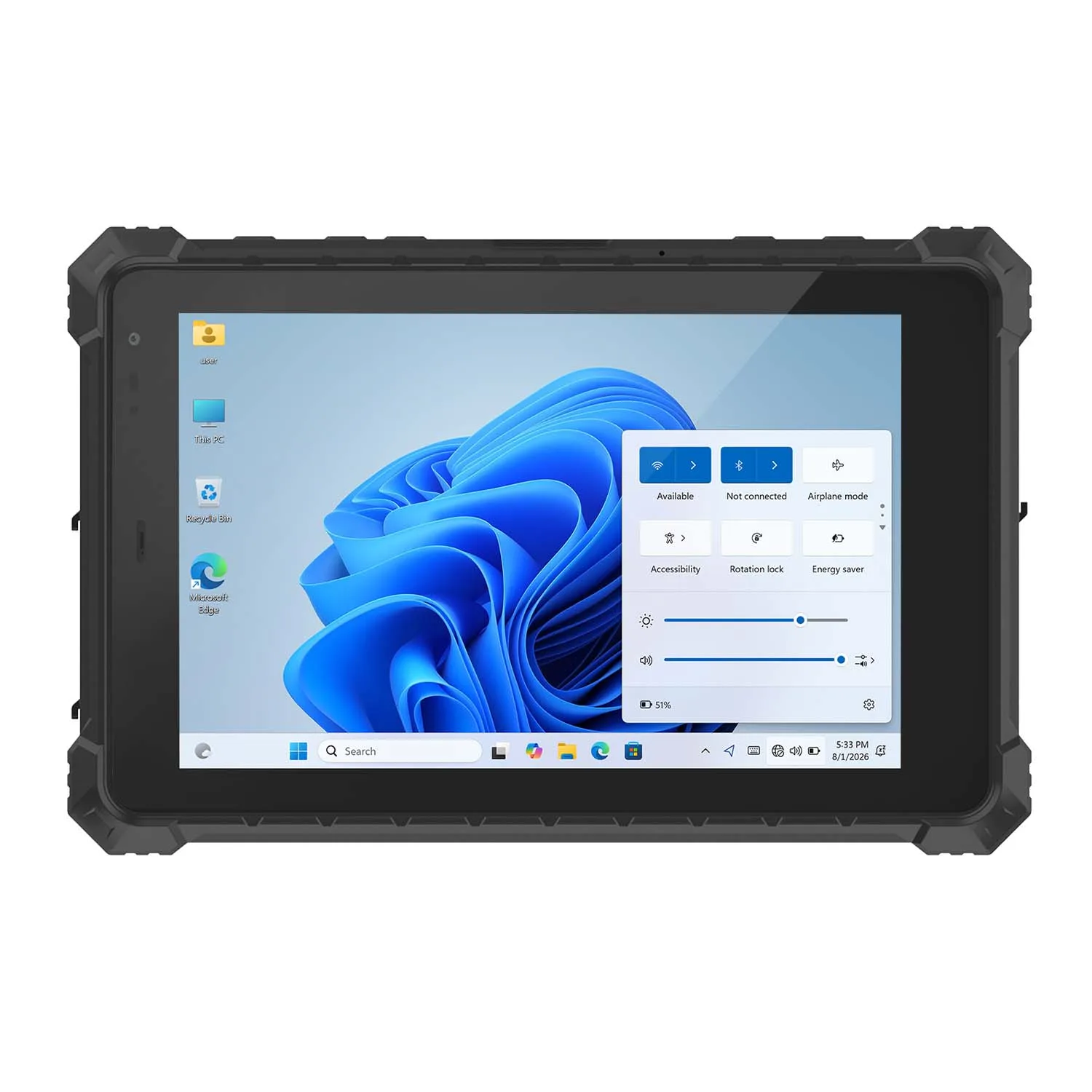
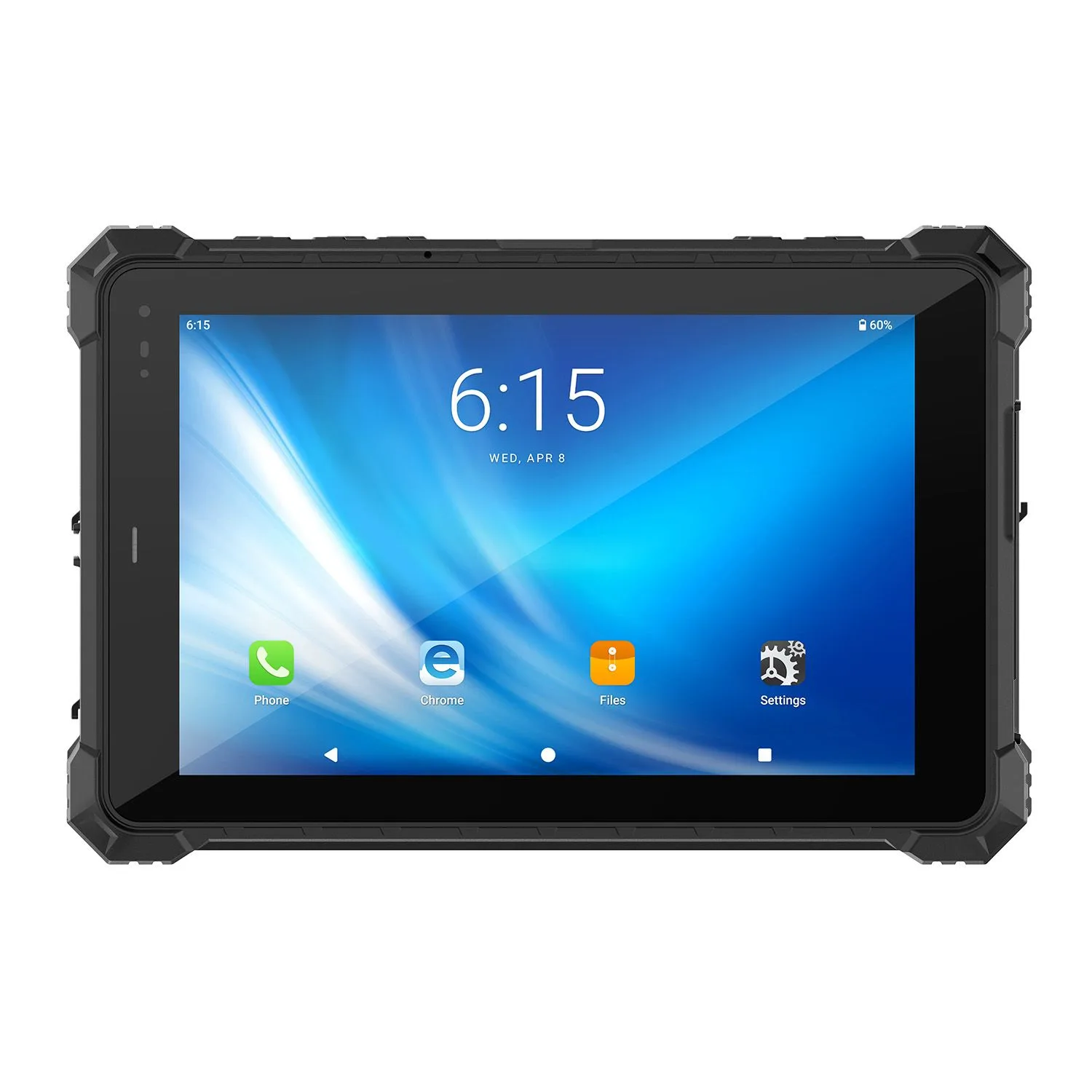
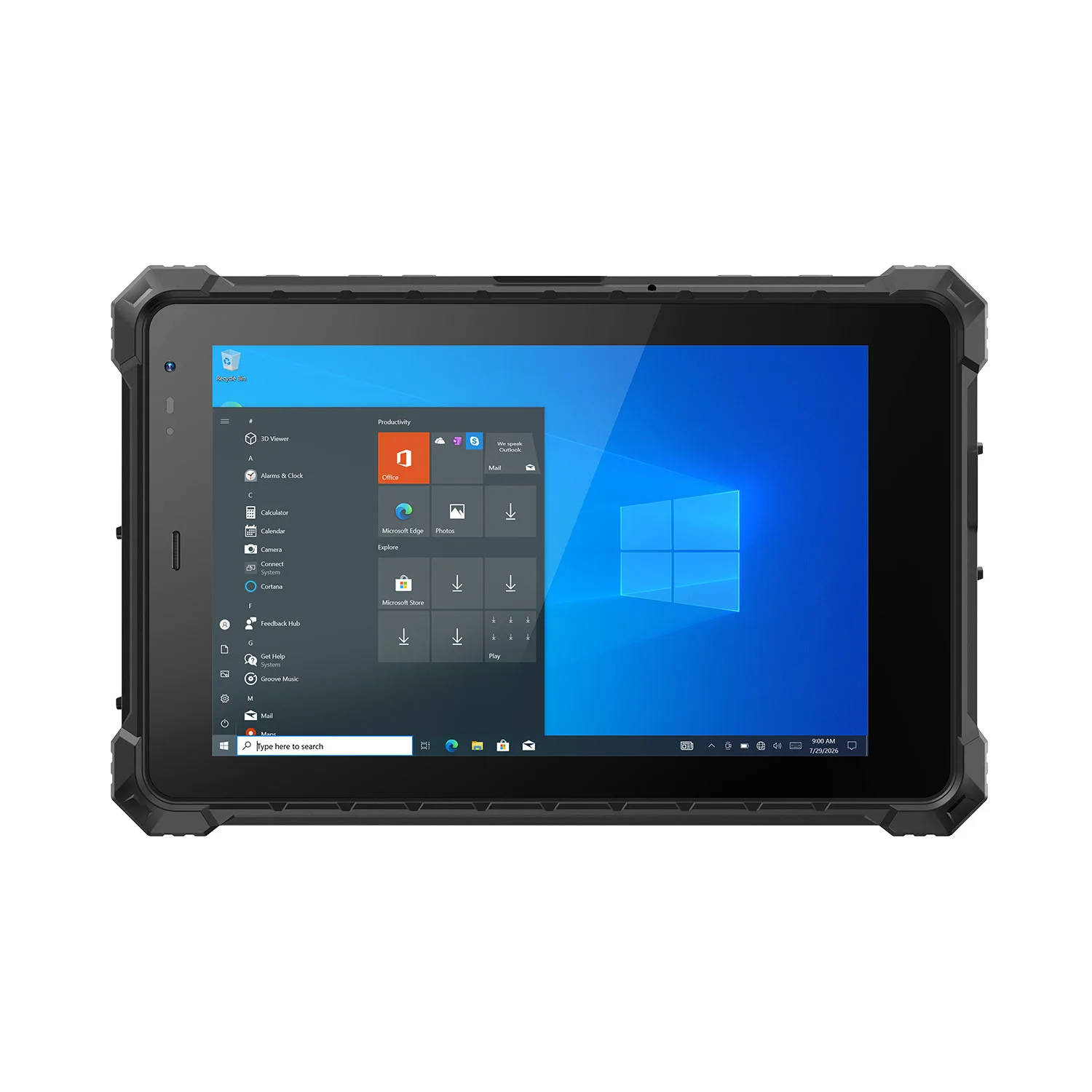
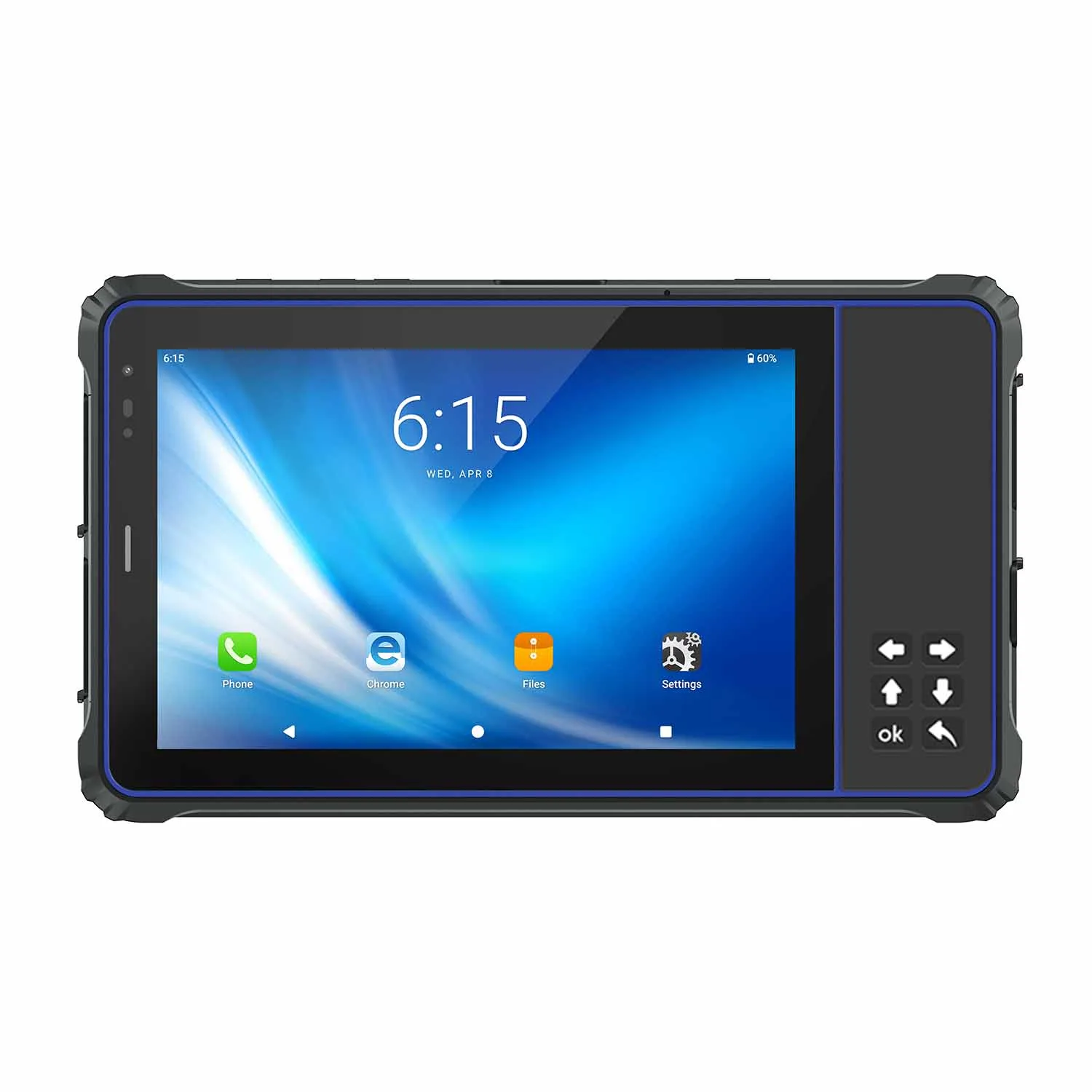
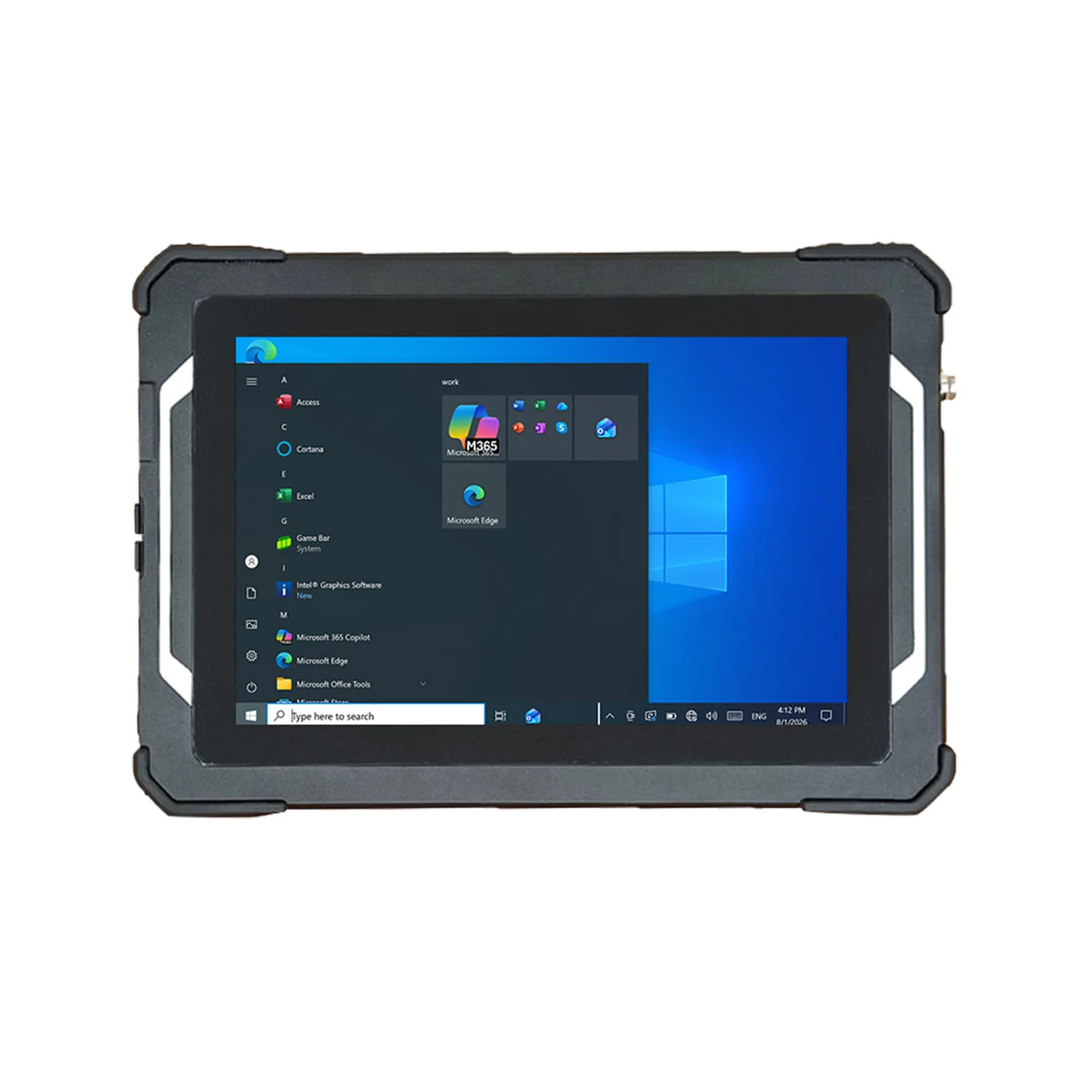
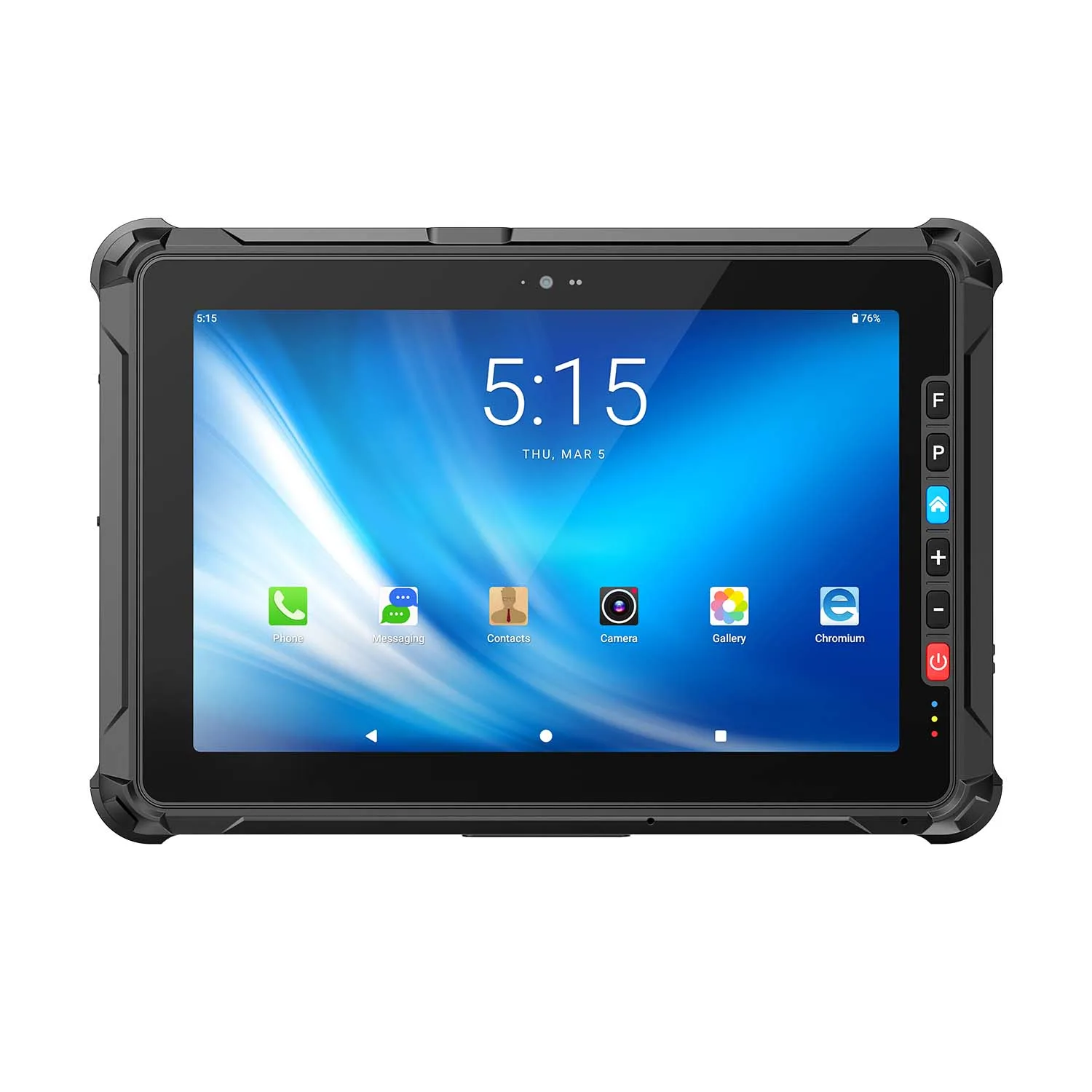
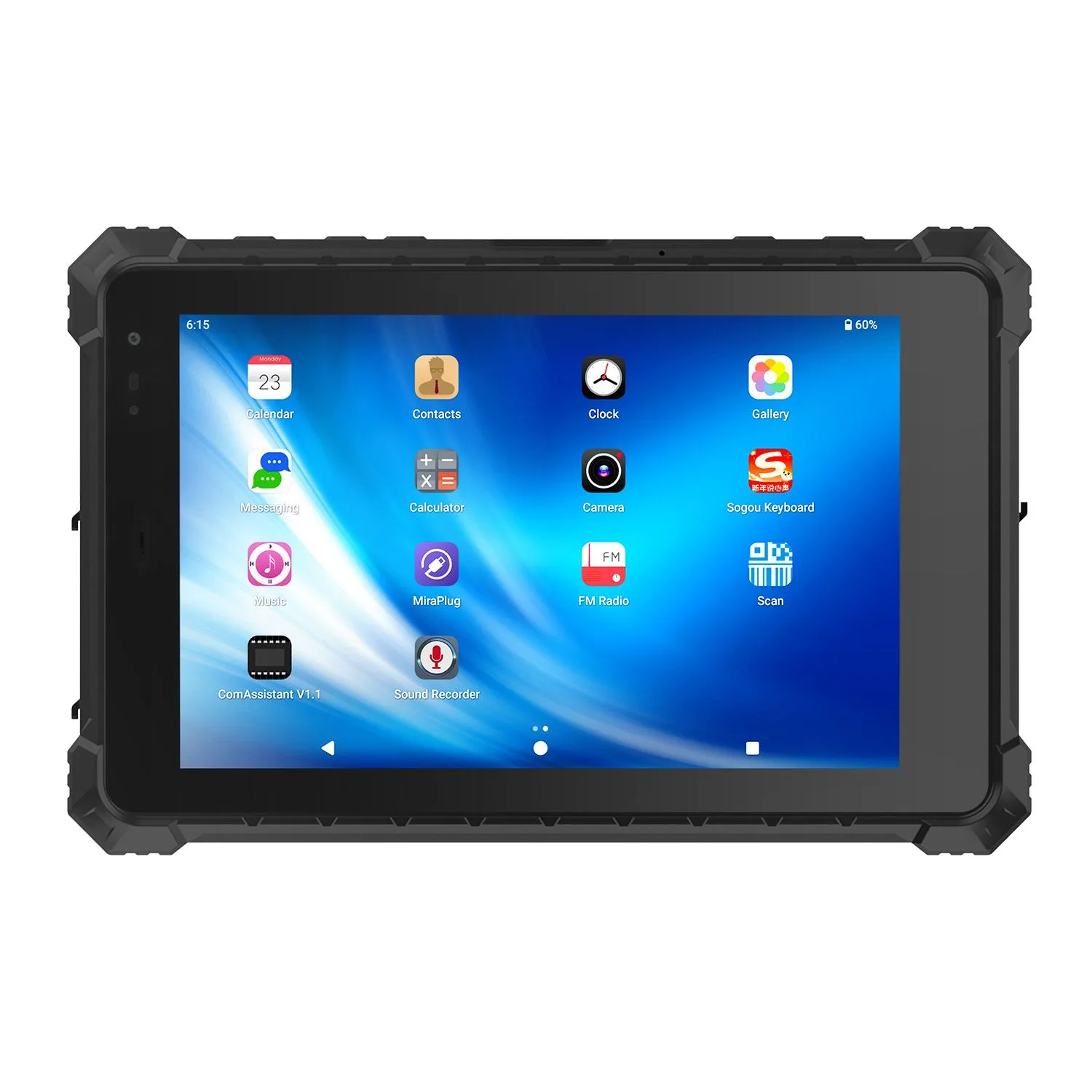
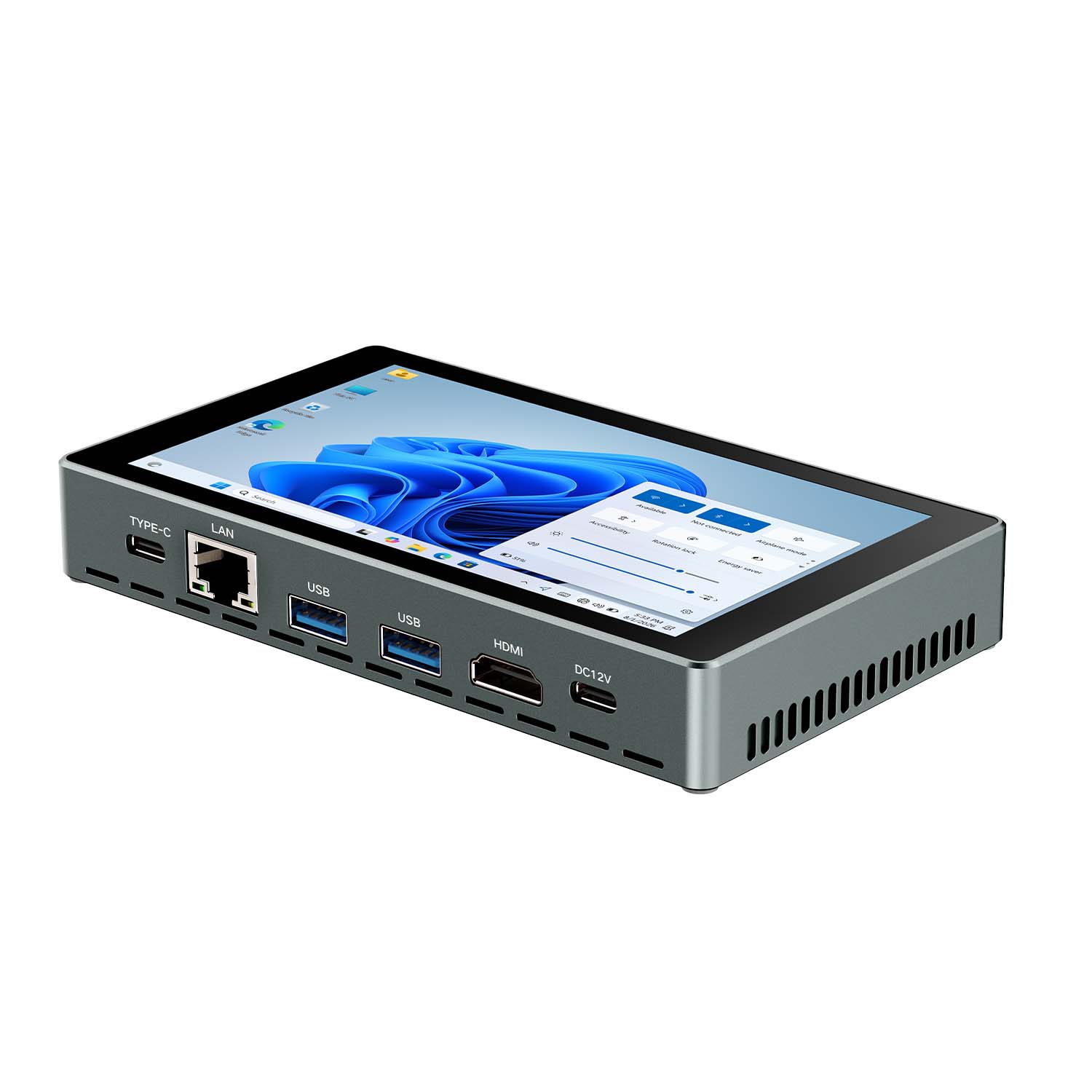
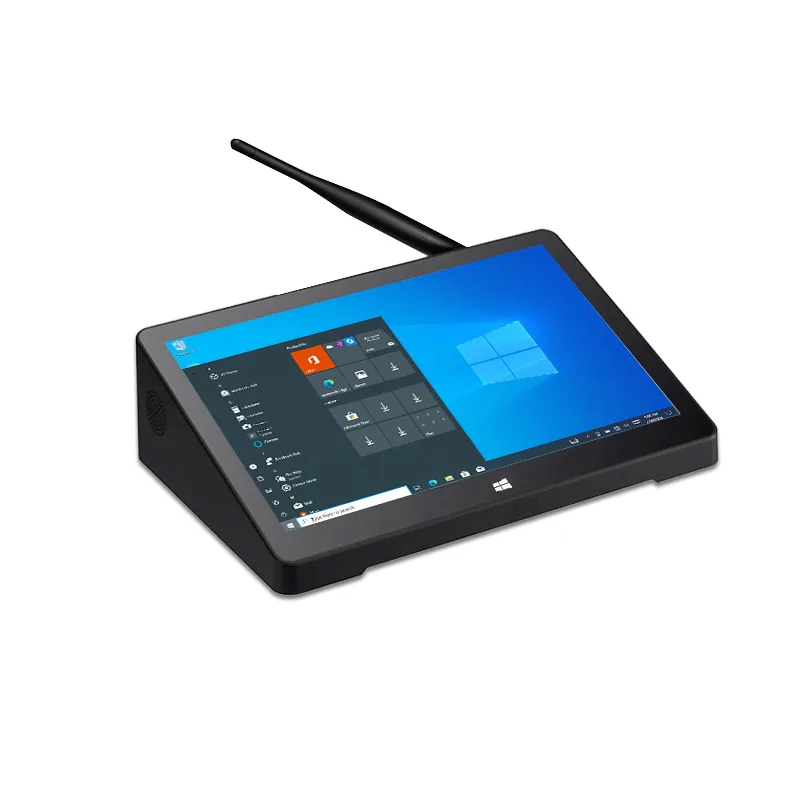
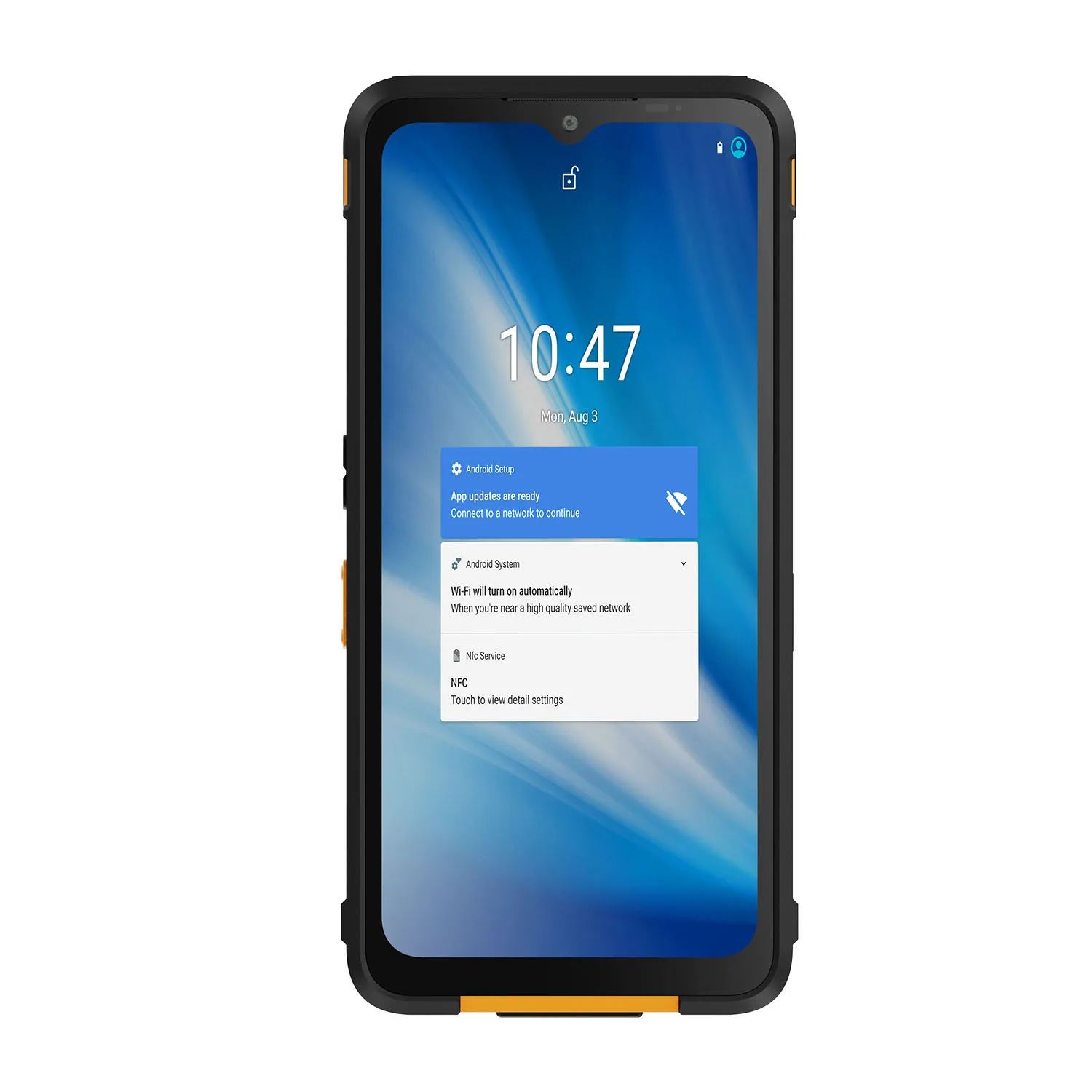
Available options include Android and Windows platforms, multiple display sizes and industrial functions such as 4G/5G connectivity, GNSS, barcode scanning, NFC, RFID and docking accessories.
One thing to know upfront: there is no such thing as a generic 'explosion-proof tablet.' Certification applies to a specific model, with a specific battery and specific wireless modules — change any of them and the certificate no longer covers you. We'll send you the certificate copy for your exact configuration before you place an order.
What Is an Explosion-Proof Tablet?
An explosion-proof tablet is an industrial mobile computer specifically evaluated for use in an environment where flammable gas, vapor, mist or combustible dust may create an explosion risk.
The exact certification marking determines where the device may be used — IP68, drop resistance and MIL-STD testing say nothing about ignition. (We keep repeating this point because it is the most common buying mistake; see FAQ 3.)
ATEX, IECEx and North American Certifications
Three systems cover nearly every project we ship: ATEX for the EU, IECEx for most international tenders, and the NEC/CEC system for North America. They overlap in physics, not in paperwork. The details differ by market. Equipment sold into the European Union follows the ATEX Directive 2014/34/EU, international projects commonly reference the IECEx scheme based on the IEC 60079 series of standards, while North America uses the classification system defined in the National Electrical Code (NEC, NFPA 70) and the Canadian Electrical Code (CEC).
NEC Class and Division System (United States)
Under NEC Article 500, hazardous locations are divided into three classes according to the type of explosive material:
Class I – flammable gases, vapors or liquids (comparable to gas atmospheres under ATEX/IECEx)
Class II – combustible dusts such as grain, coal or metal dust
Class III – ignitable fibers and flyings, for example in textile or woodworking facilities
Each class is further divided into two divisions:
Division 1 – the explosive atmosphere may be present under normal operating conditions (roughly comparable to Zone 0 and Zone 1)
Division 2 – the explosive atmosphere is present only under abnormal conditions, such as a leak or equipment failure (roughly comparable to Zone 2)
Class I gases are assigned to Groups A (acetylene), B (hydrogen), C (ethylene) and D (propane), broadly corresponding to IEC gas groups IIC, IIC, IIB and IIA respectively. A Class I, Division 2, Groups A–Drating is the most common requirement for tablets used in North American oil and gas field operations, refineries and chemical plants.
Certification Bodies and Standards in North America
In the United States, explosion-protected equipment is evaluated by Nationally Recognized Testing Laboratories (NRTLs) such as UL Solutions, FM Approvals and Intertek (ETL). The legacy intrinsic-safety standard is UL 913; current certifications are increasingly issued under the harmonized UL 60079 series (based on IEC 60079), with FM 3610 also widely used. In Canada, certification follows CSA C22.2 No. 60079 and the legacy intrinsic-safety standard CSA C22.2 No. 157, issued by CSA Group or other accredited bodies. NEC Article 505 and CEC Section 18 additionally permit the IEC-style Zone system, which is why many North American certificates carry both Class/Division and Zone markings.
ATEX/IECEx Zone vs. NEC Class/Division: Quick Comparison
| Item | ATEX / IECEx | NEC (US) / CEC (Canada) |
|---|---|---|
| Framework | ATEX Directive 2014/34/EU; IECEx scheme (IEC 60079 series) | NEC Article 500/505 (NFPA 70); CEC Section 18 |
| Gas atmospheres | Zone 0, Zone 1, Zone 2 | Class I, Division 1 / Division 2 |
| Dust atmospheres | Zone 20, Zone 21, Zone 22 | Class II, Division 1 / Division 2 |
| Fibers / flyings | Covered under dust zones | Class III, Division 1 / Division 2 |
| Gas grouping | IIA, IIB, IIC | Groups A, B, C, D |
| Dust grouping | IIIA, IIIB, IIIC | Groups E, F, G |
| Temperature classes | T1–T6 (450 °C down to 85 °C) | T1–T6 with finer subdivisions (e.g. T2A, T3C) |
| Typical standards | EN/IEC 60079-0, 60079-11 | UL 913, UL 60079, FM 3610; CSA C22.2 No. 60079 / No. 157 |
| Protection level marking | EPL: Ga/Gb/Gc, Da/Db/Dc, Ma/Mb | Class/Division or Zone with AEx prefix (Zone system) |
ATEX, IECEx and North American certifications are not interchangeable. A tablet certified only under ATEX or IECEx cannot automatically be deployed in a Class/Division classified location in the United States or Canada.
How to Read an Ex Marking
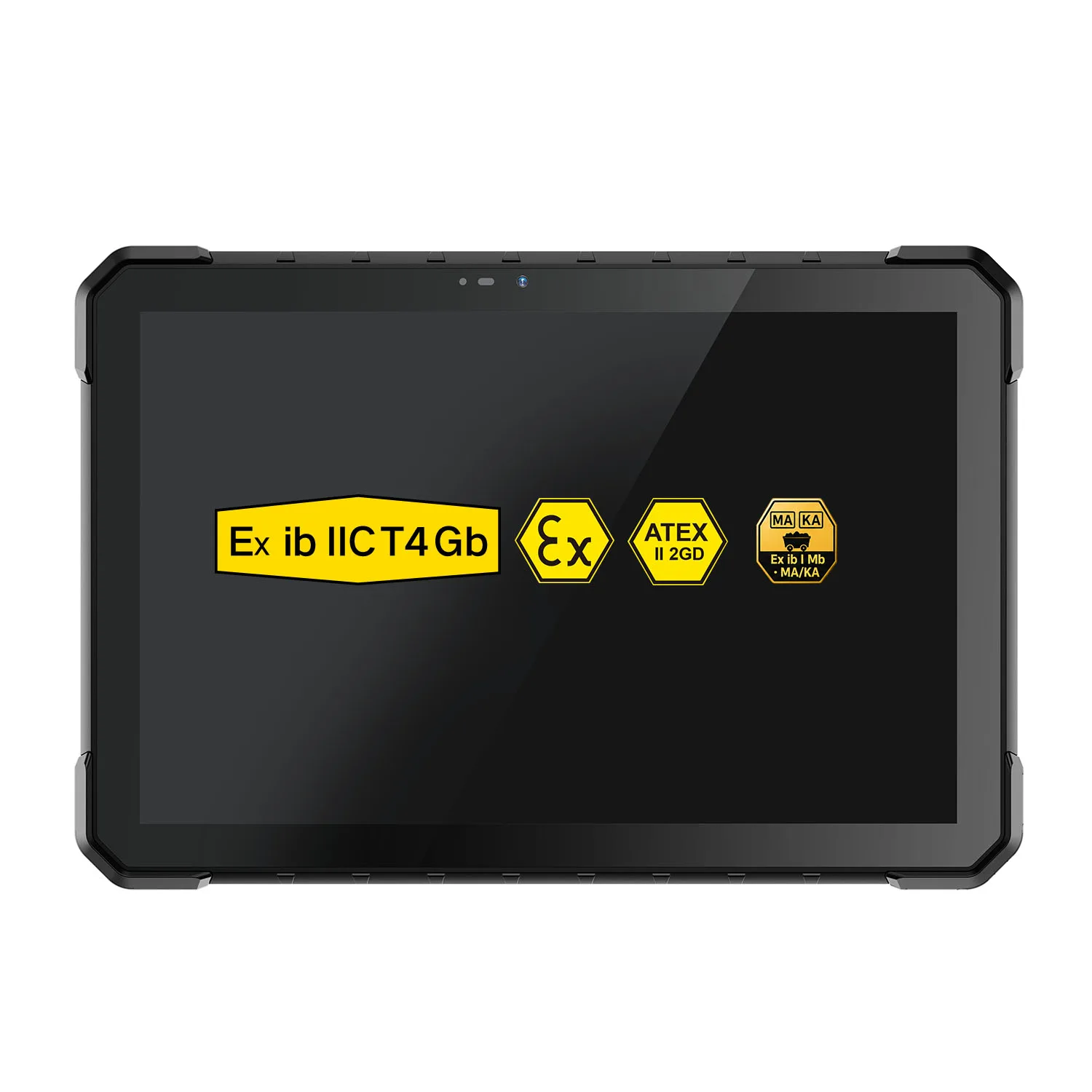
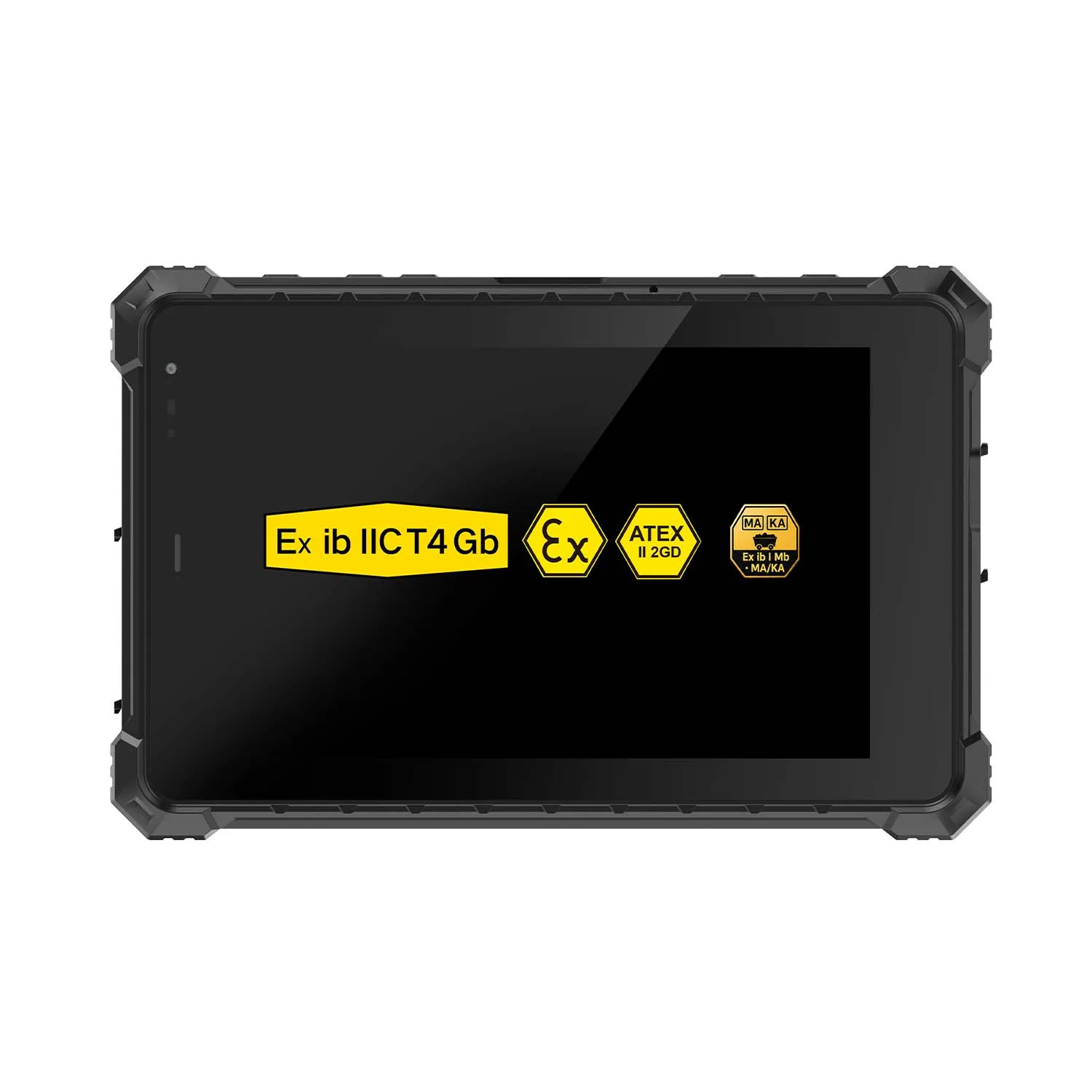
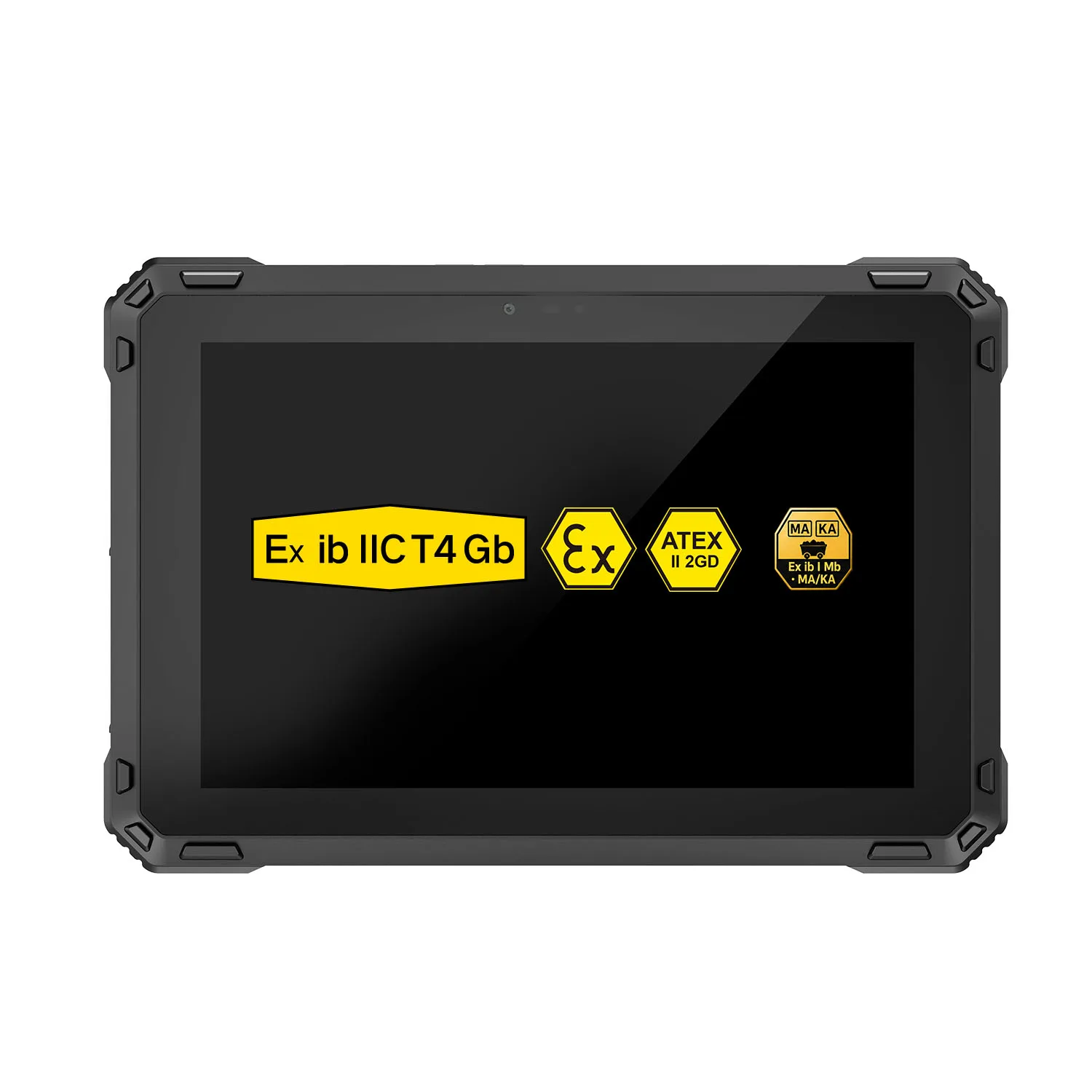
Every certified explosion-proof tablet carries a nameplate Ex marking that encodes exactly where and how the device may be used. Taking a typical gas-atmosphere marking as an example:
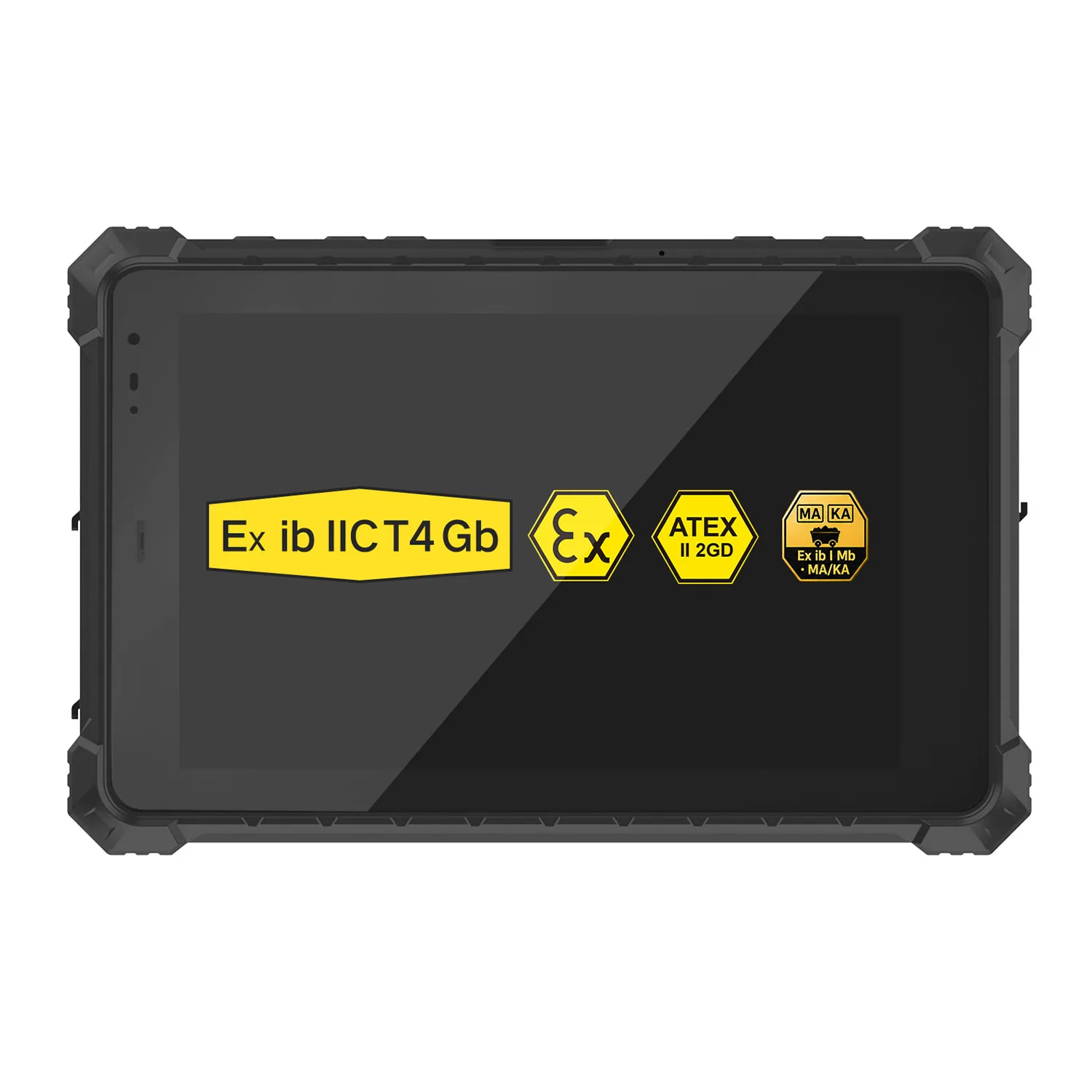
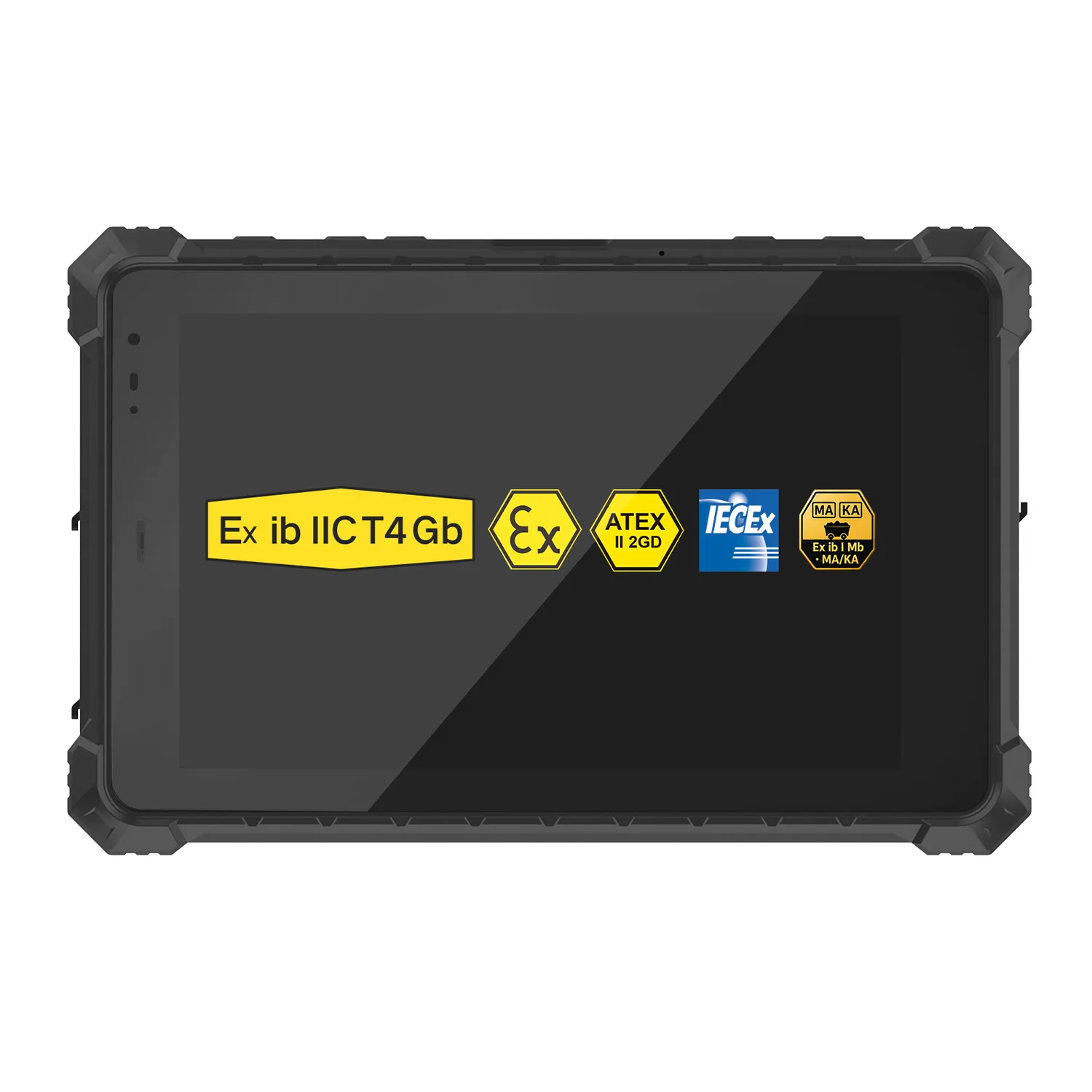
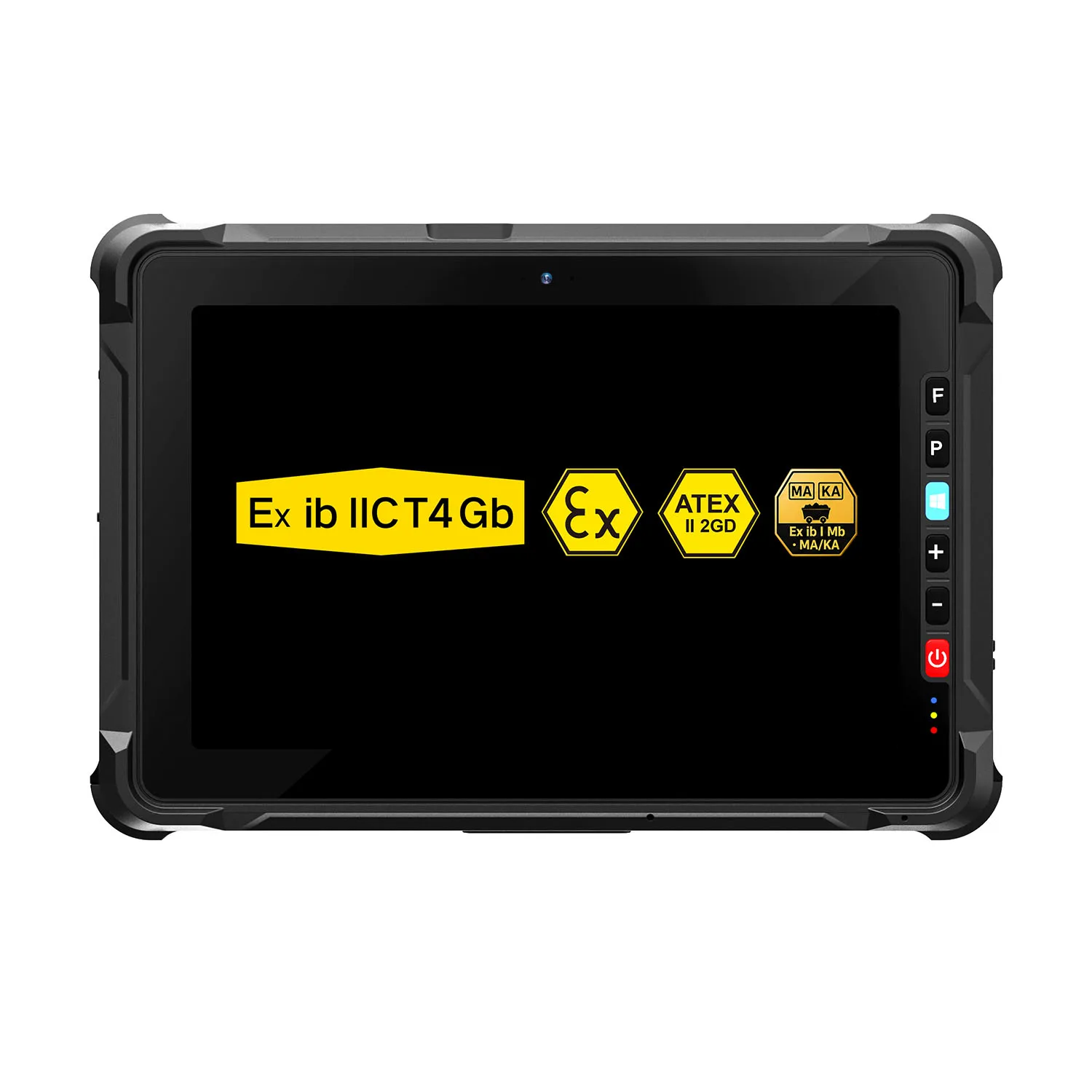
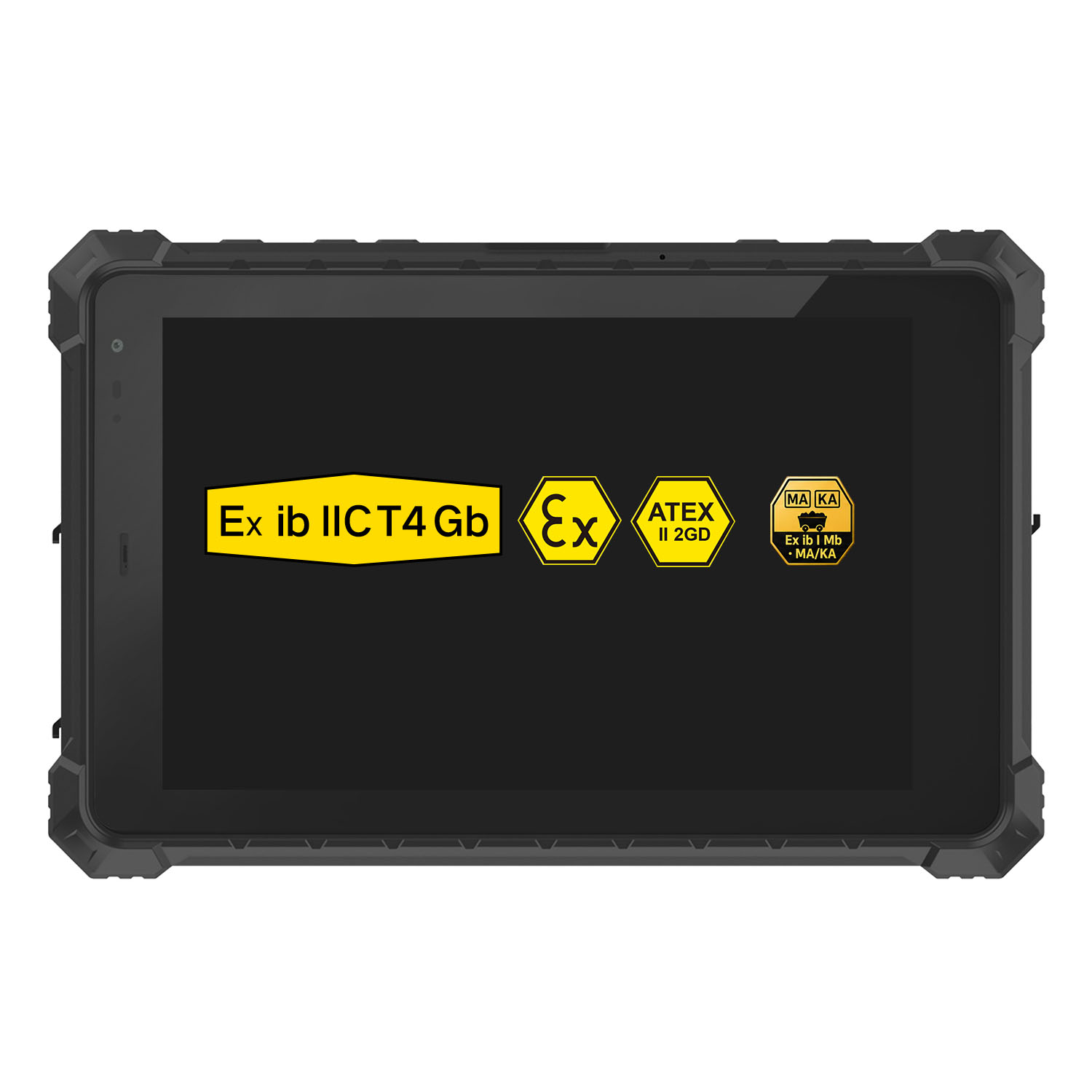
Ex ib IIC T4 Gb
Ex – the equipment complies with the applicable explosion-protection standards of the IEC 60079 series (general requirements: IEC 60079-0)
ib – protection type "intrinsic safety", level b, defined in IEC 60079-11; suitable for Zone 1. Level ia covers Zone 0 and level ic covers Zone 2
IIC – gas group covering the most easily ignited gases such as hydrogen and acetylene; a IIC device may also be used where IIB or IIA is specified
T4 – temperature class: the maximum surface temperature will not exceed 135 °C
Gb – Equipment Protection Level "high" for gas atmospheres, corresponding to Zone 1 use (Ga = Zone 0, Gc = Zone 2)
For combustible-dust atmospheres the marking follows the same logic, for example Ex tb IIIC T85 °C Db, where tb is the dust-protection method defined in IEC 60079-31, IIIC is the conductive-dust group, T85 °C is the maximum surface temperature and Db corresponds to Zone 21.
Other common protection concepts referenced in the IEC 60079 series include flameproof enclosure "d" (IEC 60079-1), increased safety "e" (IEC 60079-7) and encapsulation "m" (IEC 60079-18). The marking on the product nameplate — not the product category name — determines where a tablet may legally be used.
Android and Windows Explosion-Proof Tablets
Android Explosion-Proof Tablets
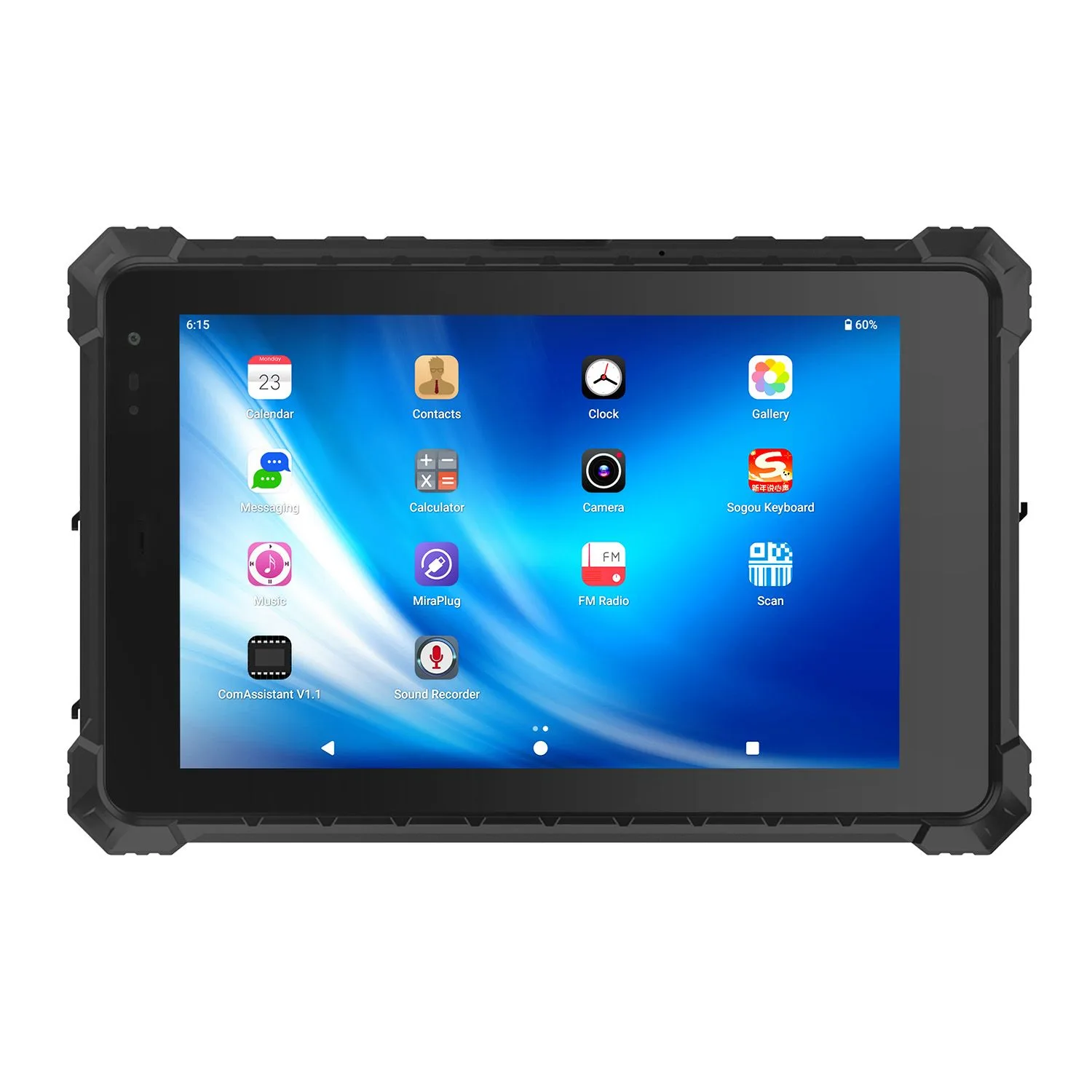
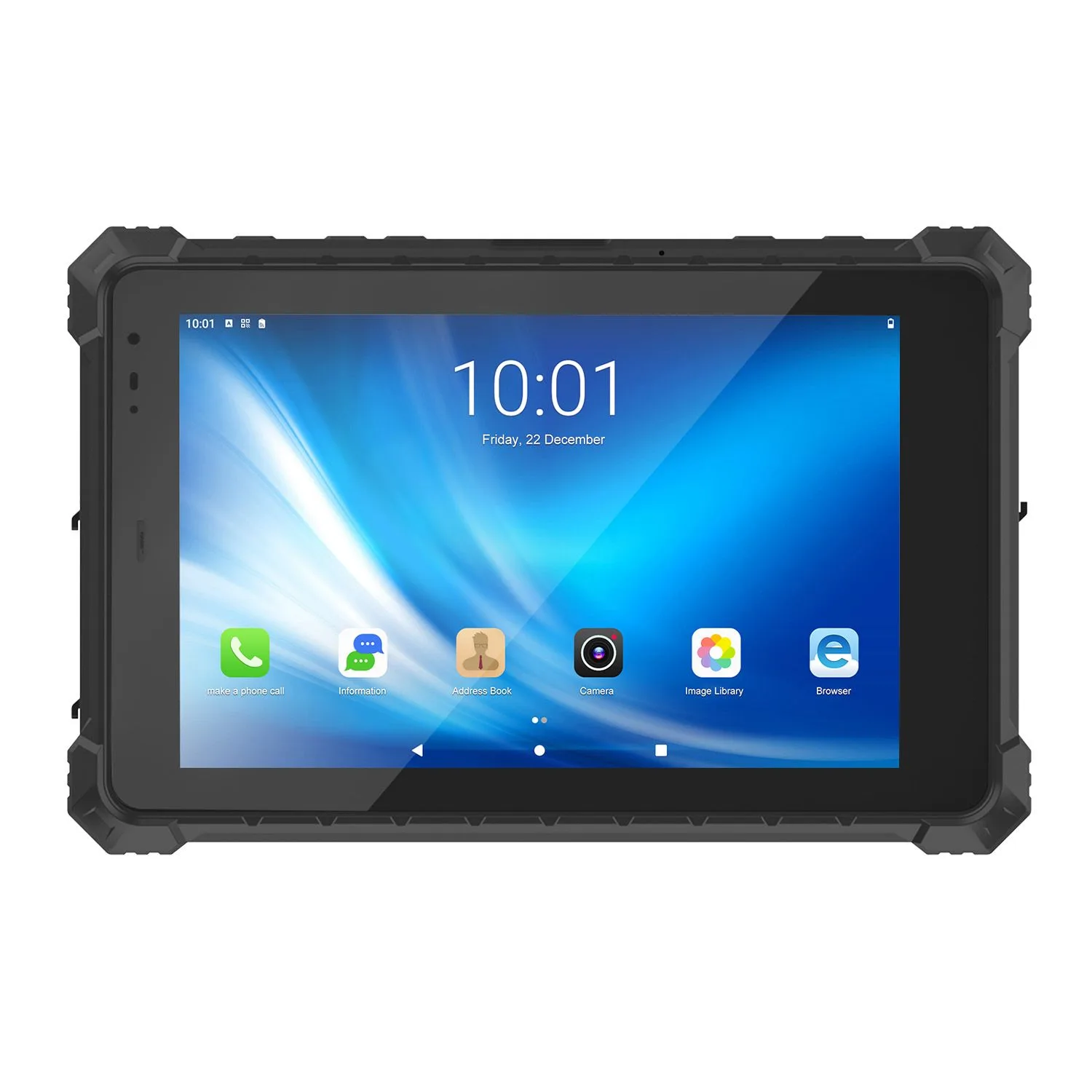
Android is what most field crews end up choosing — and for good reason. If the job is "walk the line, scan the tag, fill the form, take a photo," an Android unit with a built-in 1D/2D scan engine does it with half the training time of a Windows device. Inspection data syncs back over 4G/5G the moment the technician leaves a dead zone, and MDM enrollment plus one custom APK is a standard delivery for us, not a special project.
Windows Explosion-Proof Tablets
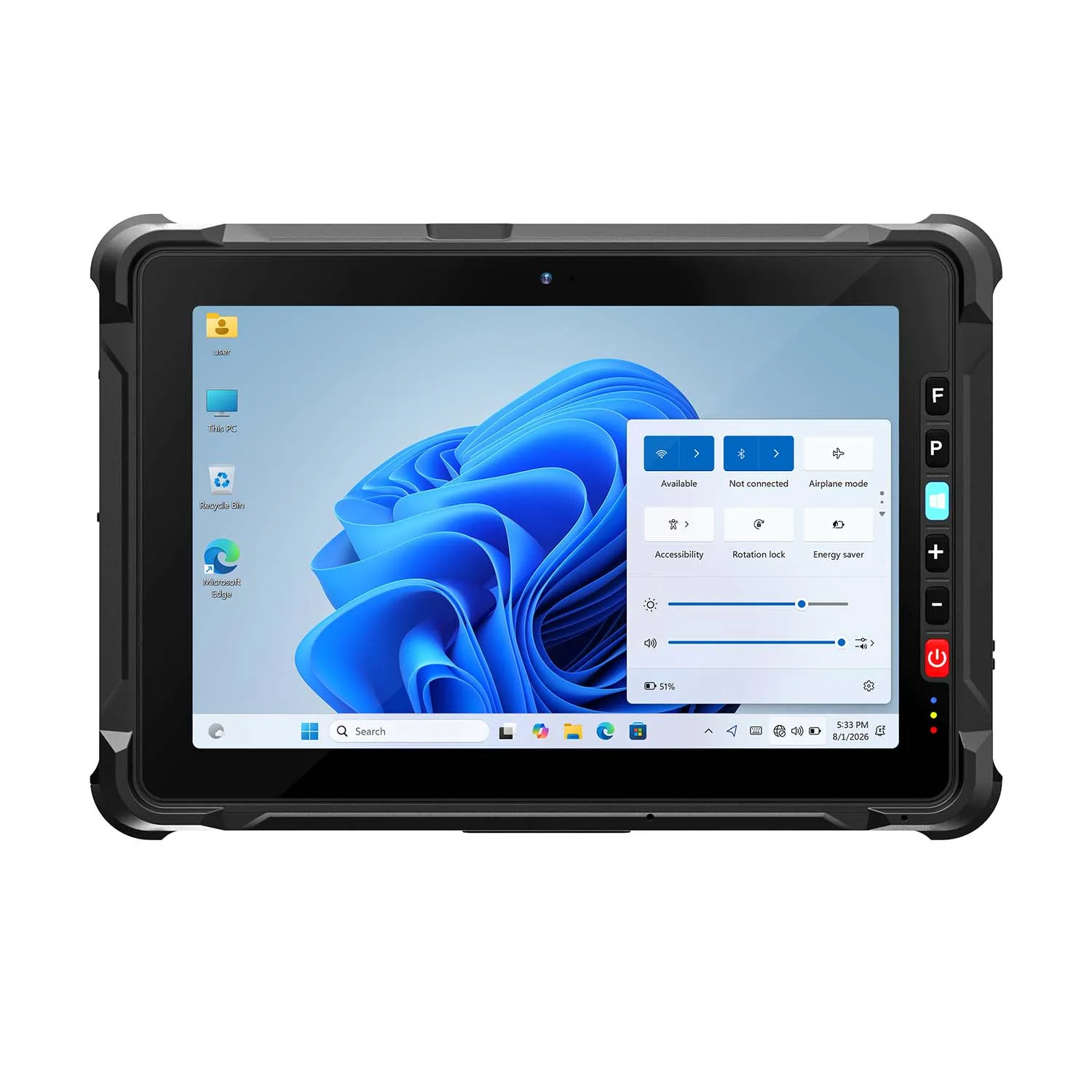
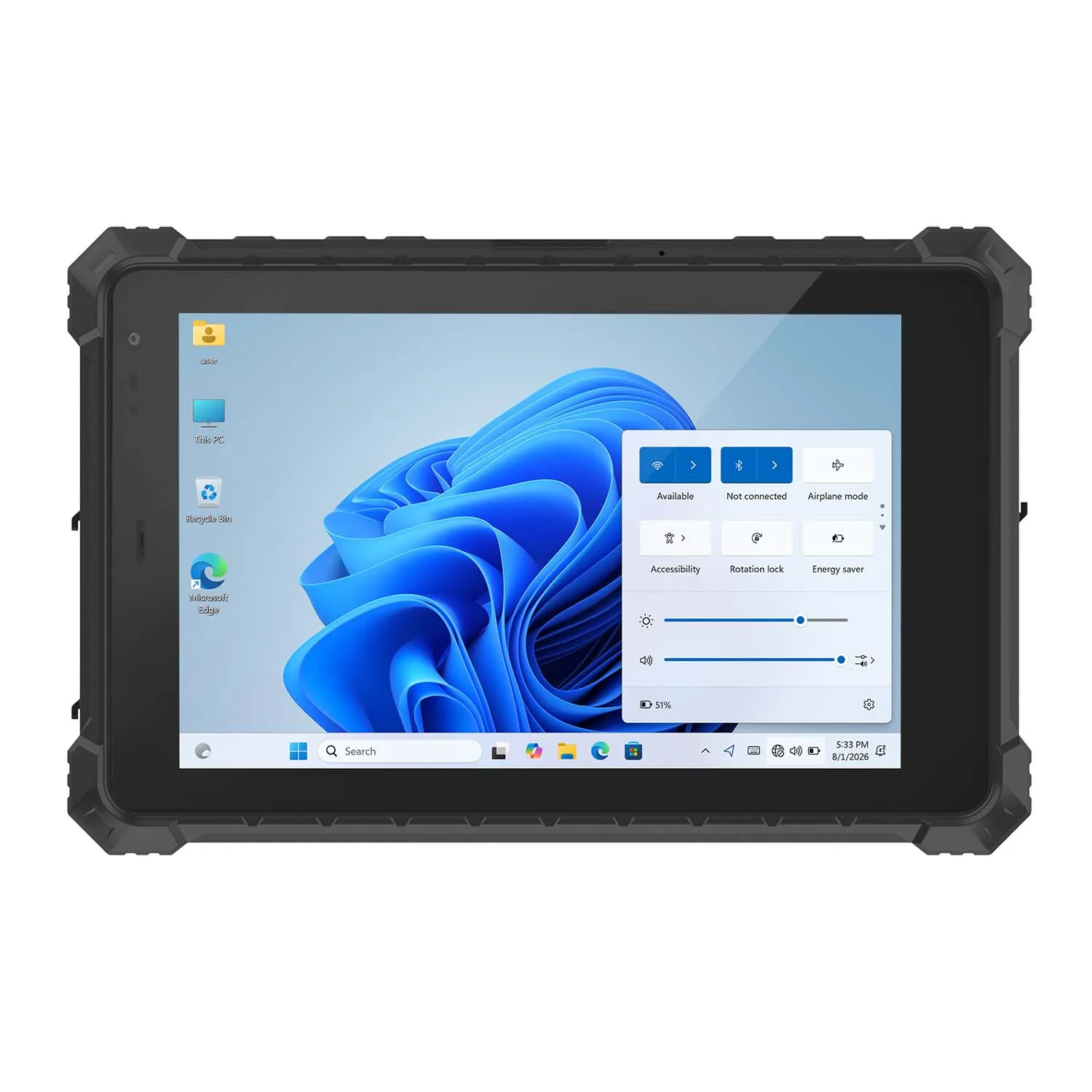
Choose Windows only when the software forces your hand. Some sites run Windows-only diagnostic suites — vibration-analysis clients, PLC configuration tools, legacy SCADA viewers — and rewriting them for Android costs far more than the hardware. Expect a heavier fanless unit with a full-size SSD you can image with your corporate build. Honest advice: if nobody on your team can name the Windows application they need, buy the Android one.
Applications in Hazardous Industrial Environments
Oil and Gas
Most of our oil & gas orders come from pipeline inspection crews. A typical deployment: a Class I, Division 2 tablet running the customer's existing inspection app, docked in the truck between sites. Last year a refinery customer in the Gulf region rolled out 120 units for turnaround-season safety patrols — their main requirement was T4 and a glove-friendly screen, not raw performance.
Chemical and Pharmaceutical Processing
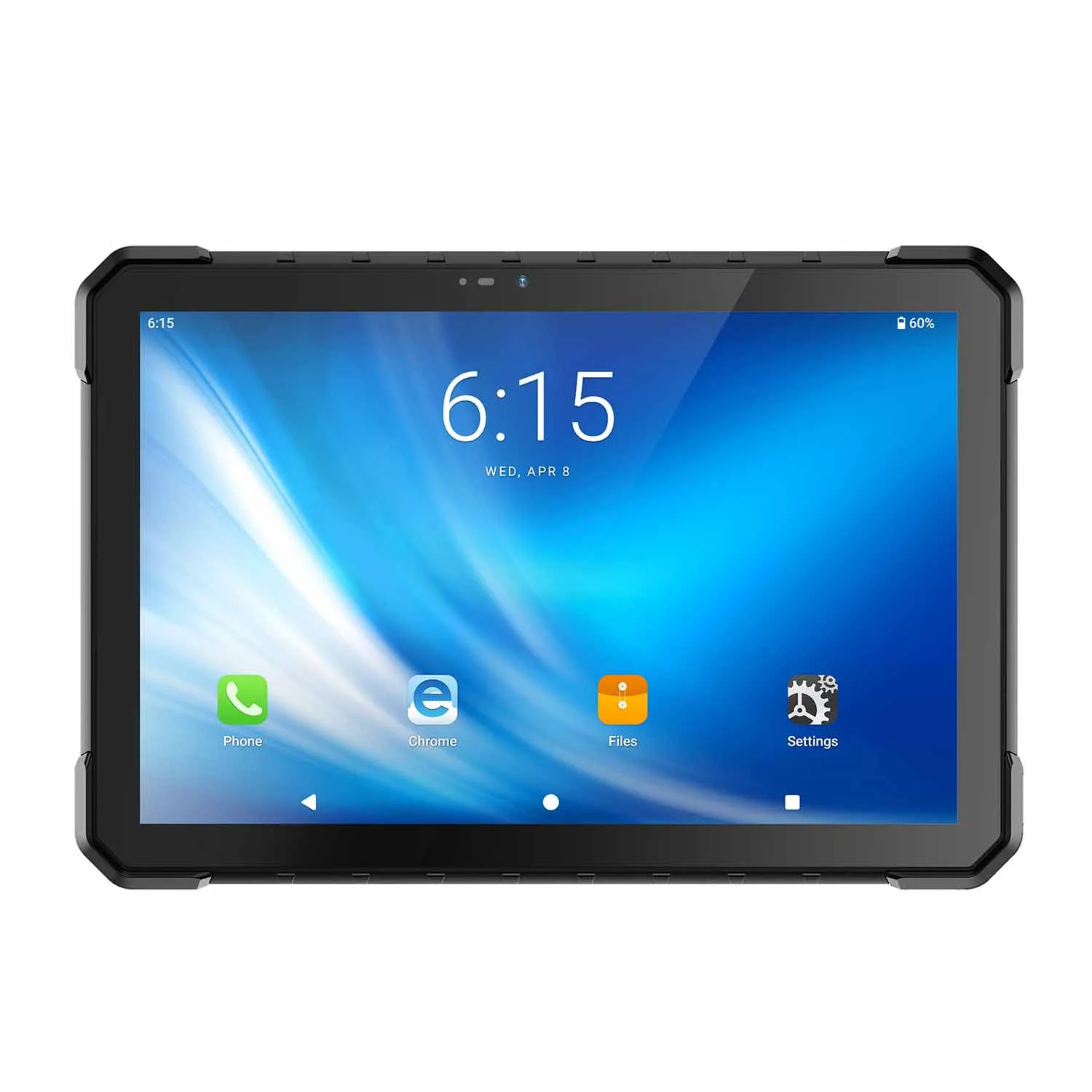
Chemical plants are where we see the most demanding markings — a solvent-handling line typically asks for Zone 1, gas group IIB or IIC, and T4 or better, because operators work next to open manways during batch charging. Pharma lines add their own twist: cleanroom wipe-down routines and batch-record traceability. For those projects we supply the W109NS-EX Windows tablet with 4G/5G sync, so batch data reaches the system before the shift ends — not on paper after it.
Natural Gas and LNG
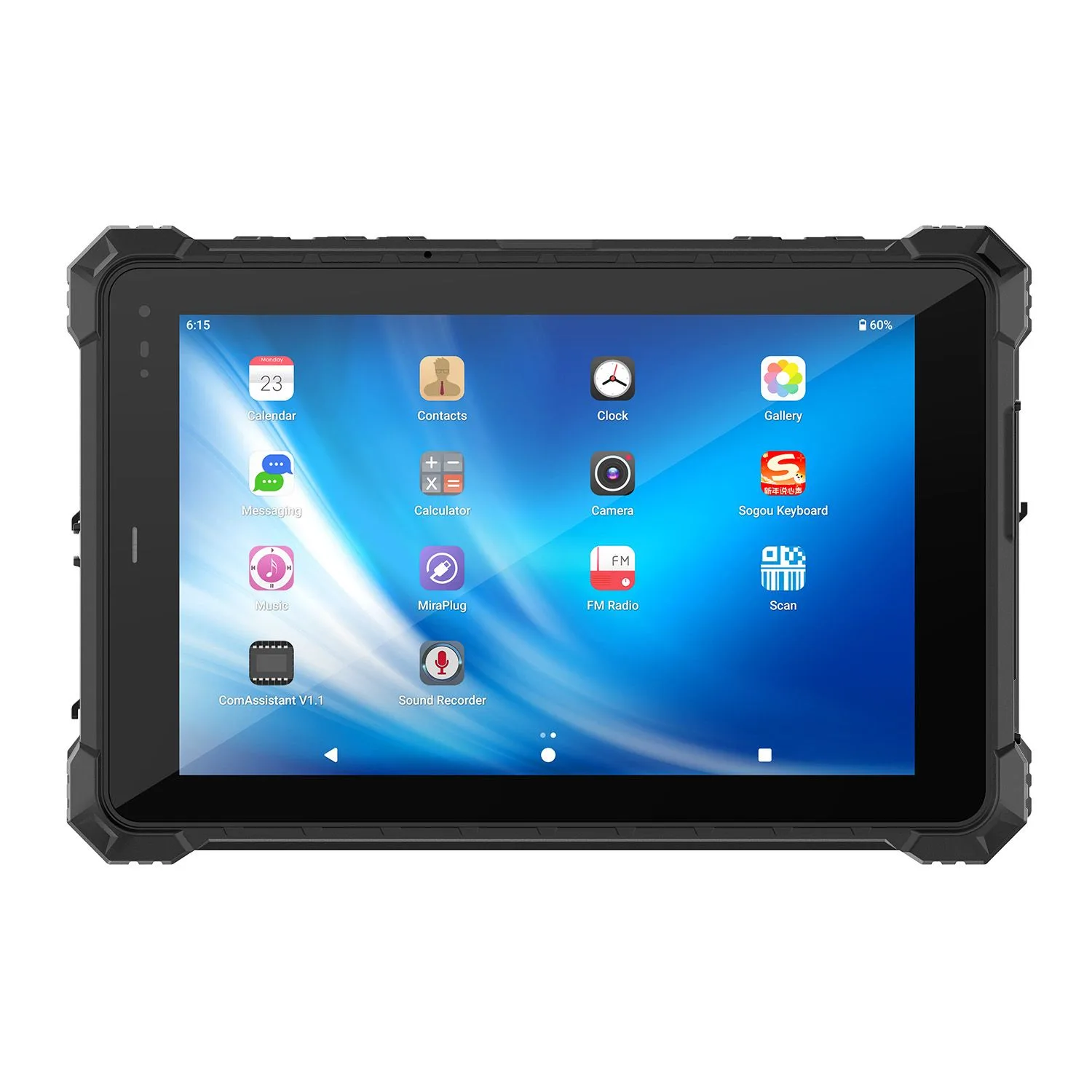
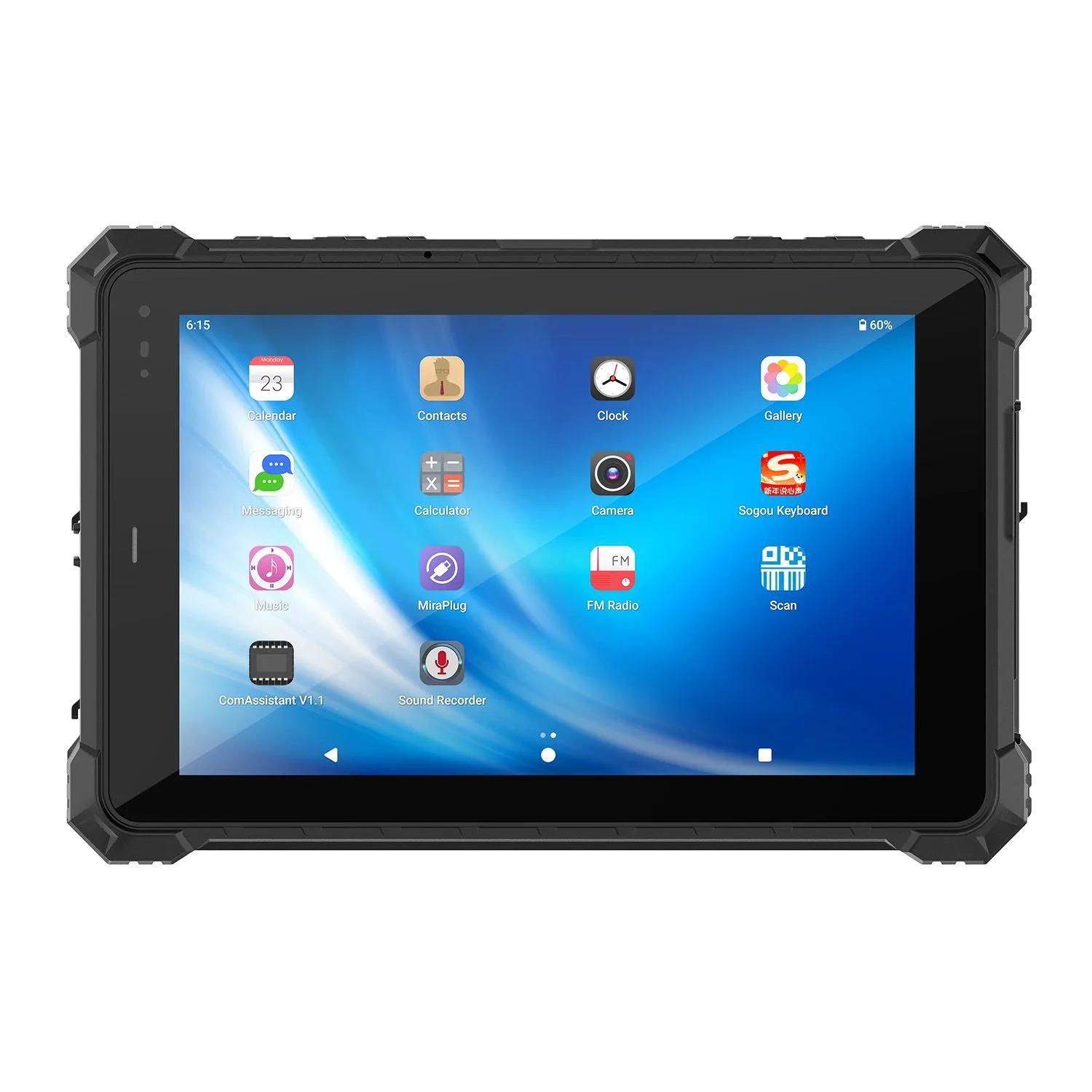
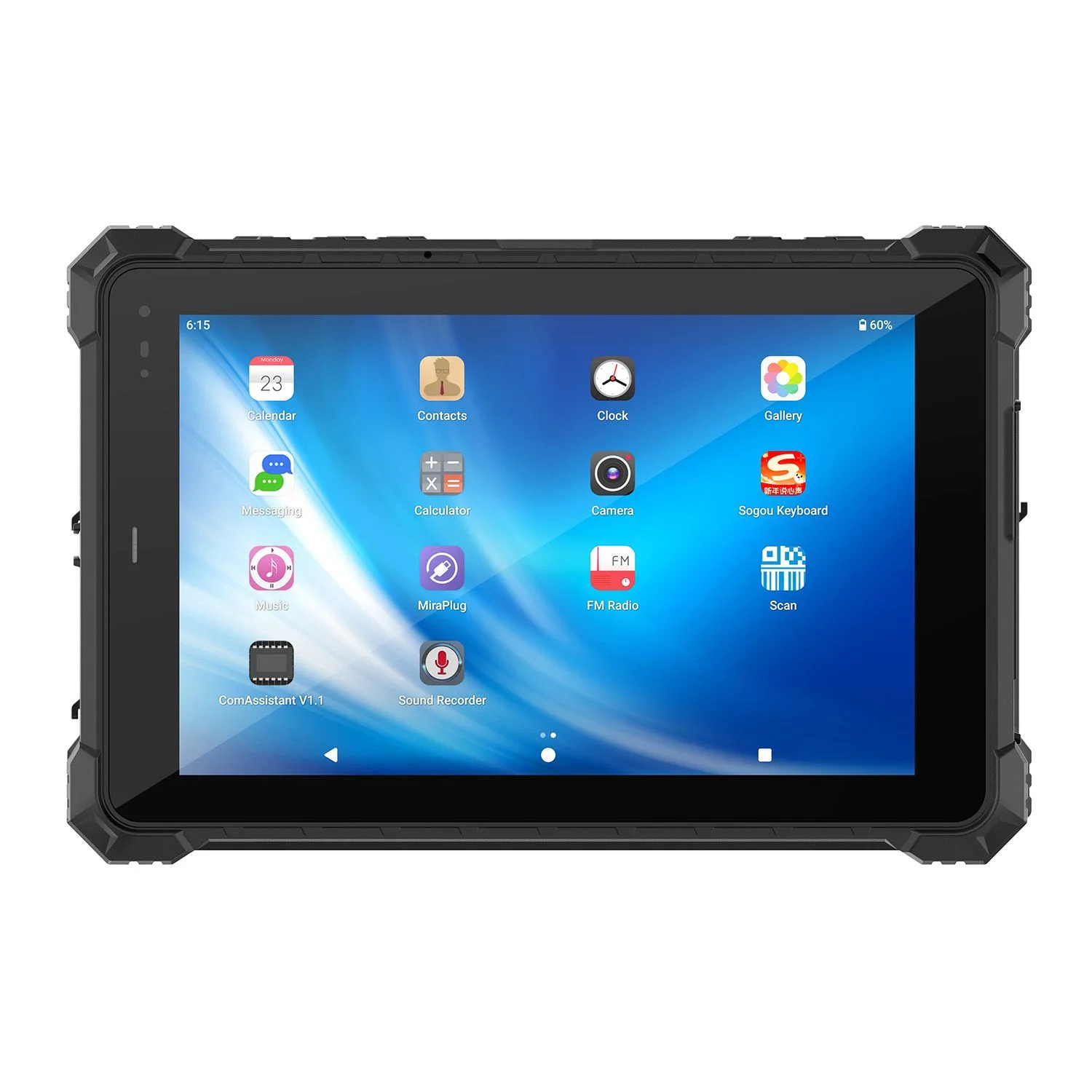
For LNG storage and loading we usually quote the A88ST-EX: 8-inch 1280×800 sunlight-readable, octa-core processor, IP68, ATEX/IECEx certified, rated -20°C to 60°C. If the control room wants live data, take the 5G configuration — as long as the 5G module is the one named on the certificate.
Mining
Mining is the industry where industrial certification alone is never enough. In China, the MA mark (and KA for non-coal mines) is mandatory; in the US, it’s MSHA approval. In IECEx terms, you need Group I with EPL Ma or Mb. Our explosion-proof tablets go beyond this by combining ATEX/IECEx with Chinese MA/KA certification for direct underground mining use.
Paint and Coating
Spray booths are Zone 1 territory — solvent mist is present during normal operation, so a Zone 2 device is not acceptable there no matter how rugged it is. What coating-line customers actually use the tablet for: formula lookup at the mixing station, film-thickness readings during QC, and logging booth filter changes. A IIA/IIB T4 marking covers common solvents such as toluene and xylene — but always check the certificate's gas group against your own solvent list.
Grain and Powder Processing
Dust explosions kill more people each year than gas explosions — flour, starch and sugar dust are all explosible at surprisingly low concentrations. For elevators and milling plants this is a Class II / Zone 21–22 problem, and we typically supply a IIIB-rated configuration with a temperature class matched to the dust's ignition point. One practical note: dust gets into everything, so ask about the charging-port sealing design, not just the IP rating.
Frequently Asked Questions About Explosion-Proof Tablets
1. What is an explosion-proof tablet?
Short version: the nameplate Ex marking — not the word "explosion-proof" in the listing — decides where you may use it. Full decoding is above.
2. What is the difference between an explosion-proof tablet and an intrinsically safe tablet?
Intrinsic safety is a protection method that limits electrical and thermal energy so the equipment does not become an ignition source under specified conditions. “Explosion-proof tablet” is often used as a broader commercial term. For a deeper comparison, read Intrinsically Safe Tablet vs Explosion Proof Tablet: Differences & Applications.
3. Is an IP68 rugged tablet automatically explosion-proof?
No — and this confuses a lot of buyers. IP68 only means the tablet keeps dust and water out. It says nothing about whether the device could ignite a gas atmosphere. Plenty of IP68 rugged tablets would fail a Zone 1 audit on the spot.
4. What is the difference between ATEX and IECEx?
ATEX Directive 2014/34/EU applies to equipment placed on the European Union market for use in potentially explosive atmospheres (see the European Commission's official ATEX guidance). IECEx is an international certification system based on IEC standards, with certificates verifiable through the official IECEx website. Why buyers mix them up: a lot of datasheets print "ATEX/IECEx certified" as if it's one thing. It isn't. We've seen shipments held at EU customs because the supplier had IECEx but never issued the EU Declaration of Conformity — and the reverse, an "ATEX" tablet with no IECEx certificate, rejected on a project in the Middle East that specified IECEx only.
5. Does having an ATEX or IECEx certificate mean the tablet is approved for any hazardous Zone?
No. Read the end of the Ex string, not the word "ATEX" on the brochure — Gb means Zone 1, Gc means Zone 2 only. Many certified tablets on the market stop at Zone 2.
6. Can the same tablet be used in both gas and combustible-dust environments?
Only if the nameplate carries both a gas marking (Ex … Gb/Gc) and a dust marking (Ex … Db/Dc). One string, one environment — a gas-only certificate says nothing about dust, and the other way round.
7. Can CENAVA explosion-proof tablets be used in coal mines?
Only if that exact model carries the mine approval — MA/KA in China, MSHA in the US, Group I EPL Ma/Mb in IECEx terms. A general ATEX or IECEx industrial certificate does not convert into a mine certificate, whatever the brochure says.
8. Should I choose an Android or Windows explosion-proof tablet?
See the section above. Short version: Android, unless a Windows-only application forces your hand — and if nobody on your team can name that application, it's Android.
9. Are 4G, 5G, barcode, NFC and RFID available?
Yes — but only inside the certified configuration. A 5G module covered by one SKU's certificate may not be covered by another's, so give us the function list before we quote, not after.
10. Can an explosion-proof tablet be customized?
Software, branding, packaging and system configuration may be customized within the certified framework. Changes to the enclosure, battery, circuit, antenna, wireless module or accessories require engineering and certification review.
11. Can the tablet be charged or the battery replaced inside a hazardous area?
Assume no. Unless the certificate or the user manual explicitly approves a charger, a dock or a battery-swap procedure, both happen outside the hazardous area. If your certificate carries an "X" suffix, ask us for the special conditions of use — that is where the charging rules usually live.
12. What information is needed for a quotation?
Send us five things: destination country, Zone or Division, gas or dust group (or just the solvent/dust name — we'll map it), operating system and screen size, and a rough quantity. If the site has an area-classification drawing, attach it — one drawing answers more questions than a paragraph of description.
13. What is the difference between ATEX Zone 1 and NEC Class I Division 1?
They describe roughly the same thing — a place where explosive gas shows up during normal operation — but they belong to two different legal systems, and the paperwork doesn't cross over. Zone 1 is the ATEX/IECEx language used in the EU and most of the world; Class I Division 1 is the North American NEC/CEC language, with its own labs (UL, FM, ETL) and its own marking format.
The mistake we see most: a buyer moves equipment from an overseas project to a US site and assumes the IECEx Zone 1 certificate "basically equals" Class I Division 1. It doesn't. The site inspector won't accept it, and the insurance company won't either. North American sites increasingly accept Zone marking under NEC Article 505 — but only if the certificate actually carries the AEx/Zone marking for the US system, which many don't.
So when you tell us the destination country, that's not a formality — it decides which test lab your tablet goes to.
| Comparison Item | Standard Rugged Tablet | Explosion-Proof Rugged Tablet |
|---|---|---|
| Primary Purpose | Protects the device against water, dust, drops, vibration and harsh outdoor conditions | Prevents the device from becoming an ignition source in a certified explosive atmosphere |
| Typical Operating Environment | Warehouses, construction sites, factories, logistics, vehicles, utilities and outdoor fieldwork | Oil and gas facilities, petrochemical plants, chemical factories, refineries, fuel storage areas and other classified hazardous locations |
| Hazardous-Area Use | Not permitted unless separately certified | Permitted only within the exact hazardous-area classification stated on the certificate |
| Explosion-Protection Certification | None | Requires a valid certificate under the applicable ATEX, IECEx, North American, China Ex, mining or regional certification system |
| Ex Marking | None | Displays the complete certified Ex marking on the product nameplate |
| Hazardous Zones | Not approved for Zone 0, 1, 2, 20, 21 or 22 | Only the gas and dust zones explicitly covered by the certificate |
| Gas Group | Not applicable | IIA, IIB or IIC, depending on the certified marking |
| Dust Group | Not applicable | IIIA, IIIB or IIIC, depending on the certified marking |
| Temperature Classification | Standard operating-temperature specification only | May include a gas temperature class such as T4 and/or a dust maximum surface temperature such as T130°C |
| Equipment Protection Level | Not applicable | May be marked Ga, Gb, Gc, Da, Db, Dc, Ma or Mb according to the certified protection level |
| Water and Dust Protection | Commonly IP65, IP67 or IP68 | IP rating stated separately; explosion-proof certification isn't enough on its own to mean IP68 |
A rugged tablet may only be described as suitable for a hazardous area when the exact model, configuration, battery, accessories and operating conditions are covered by a valid explosion-protection certificate — the certificate copy we send before your order is the proof.