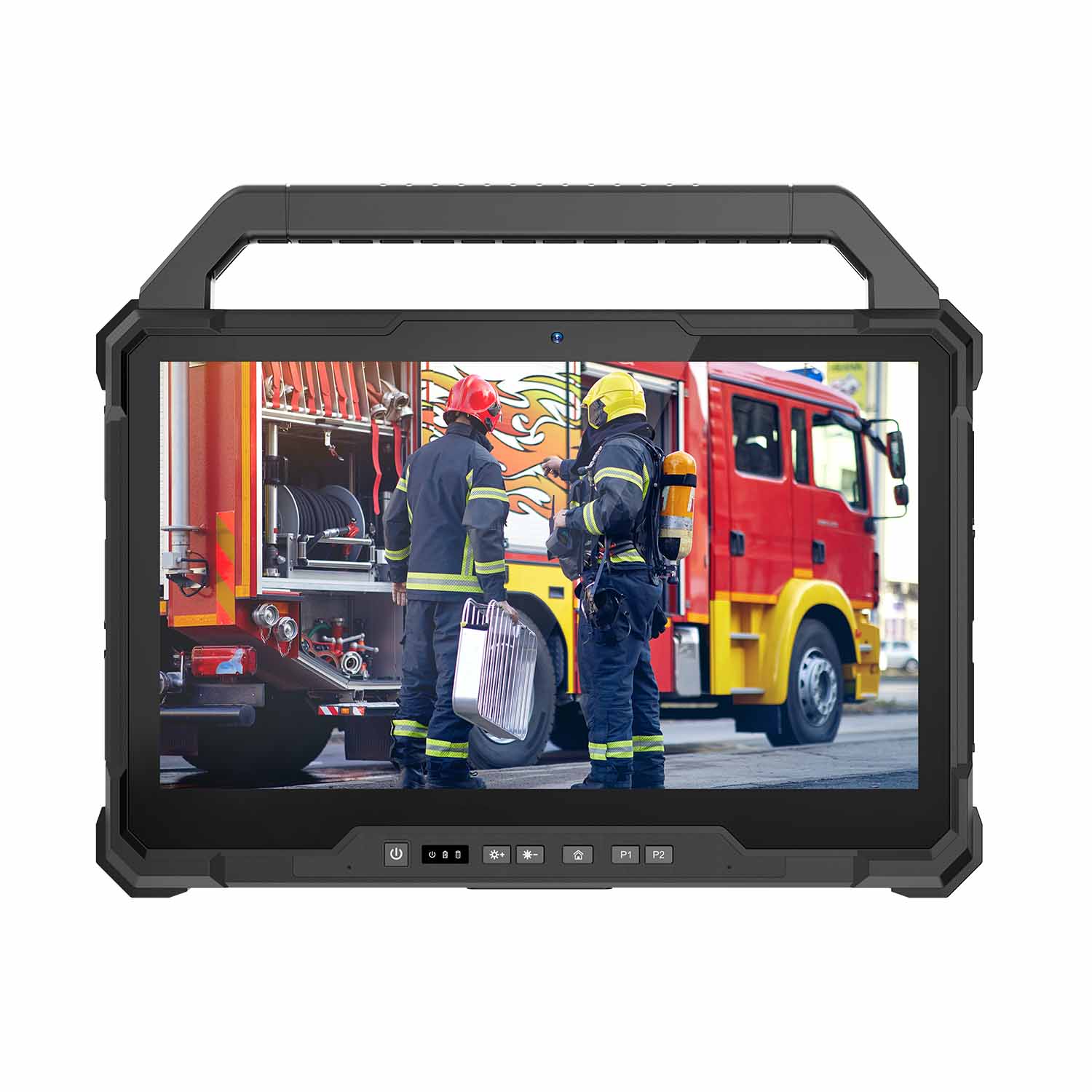
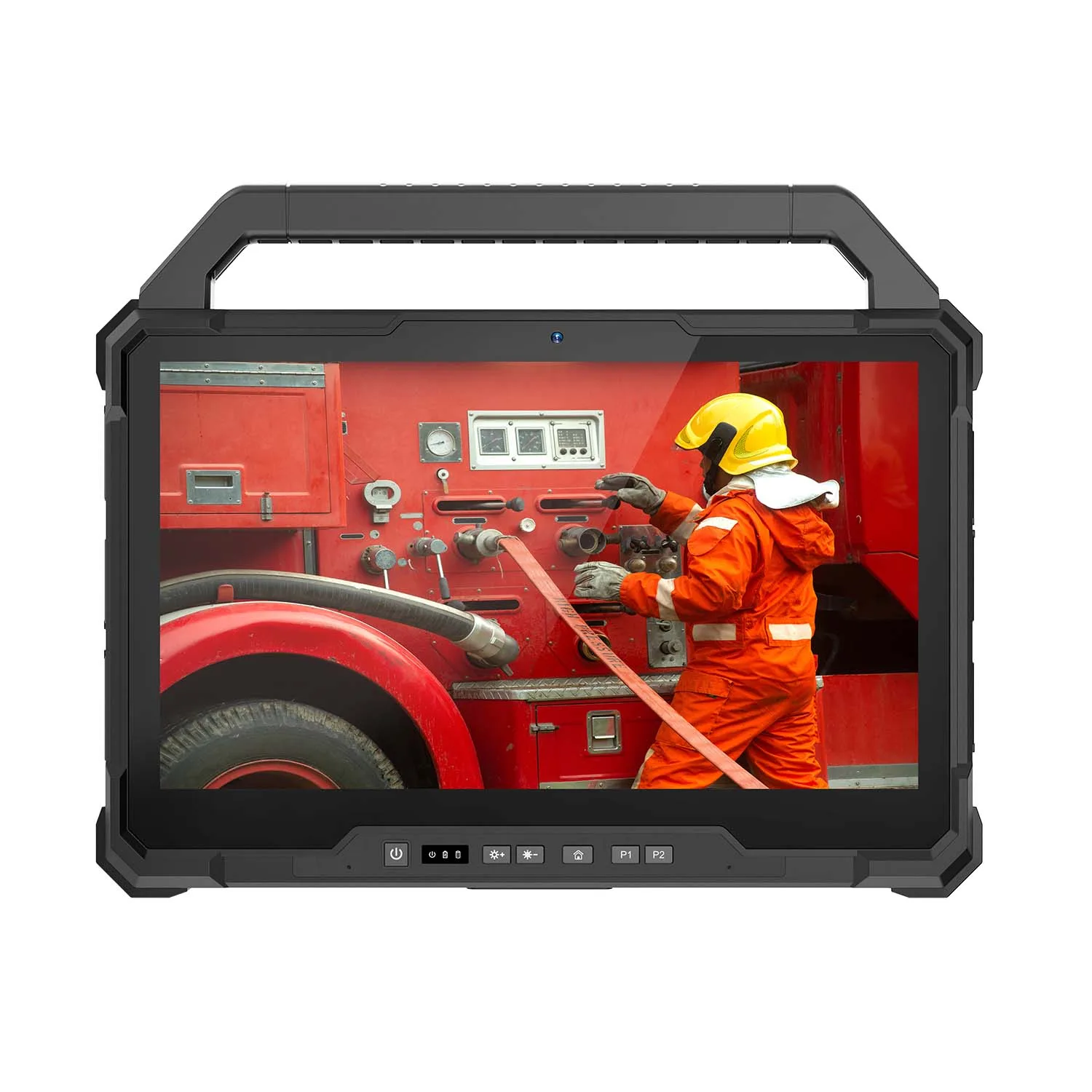
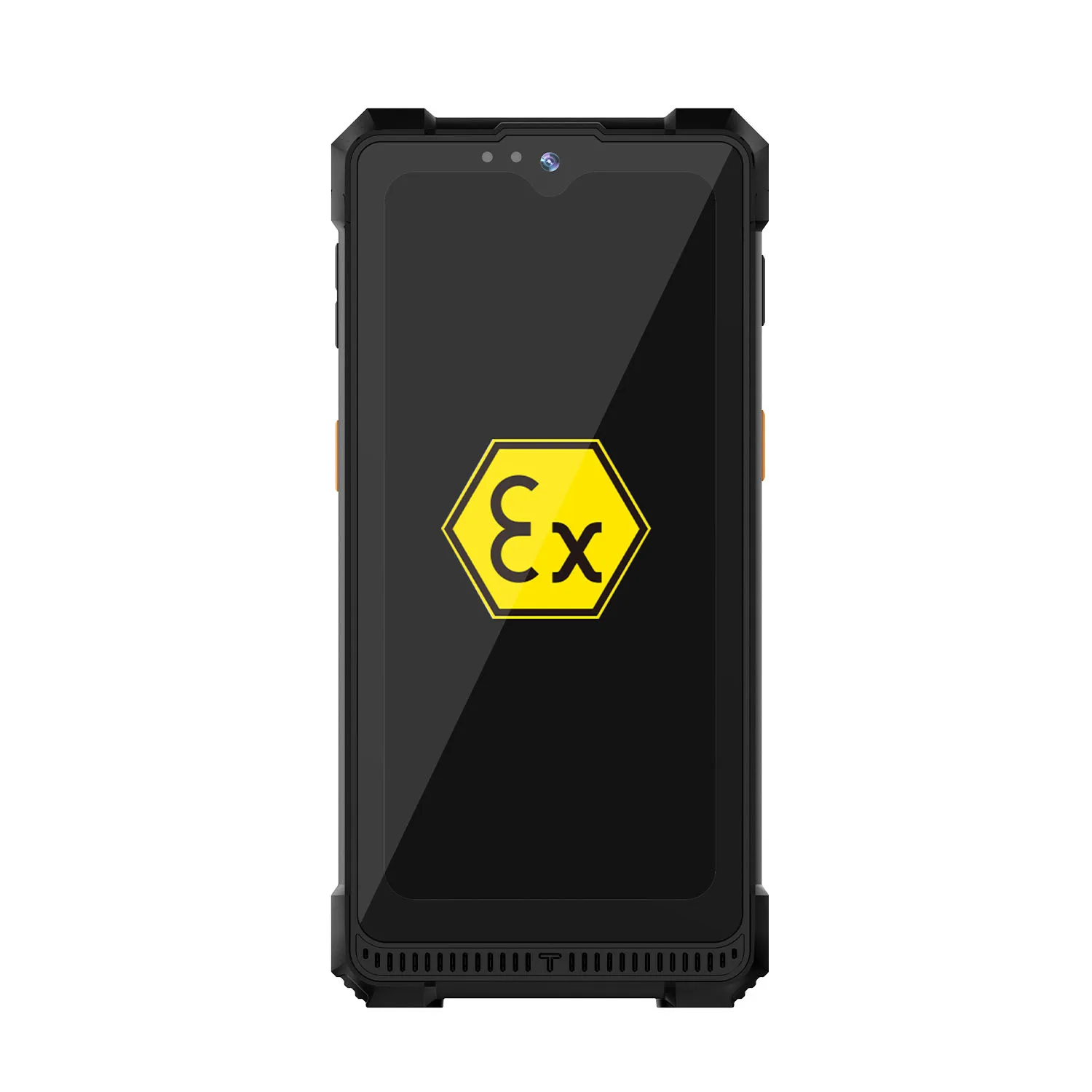
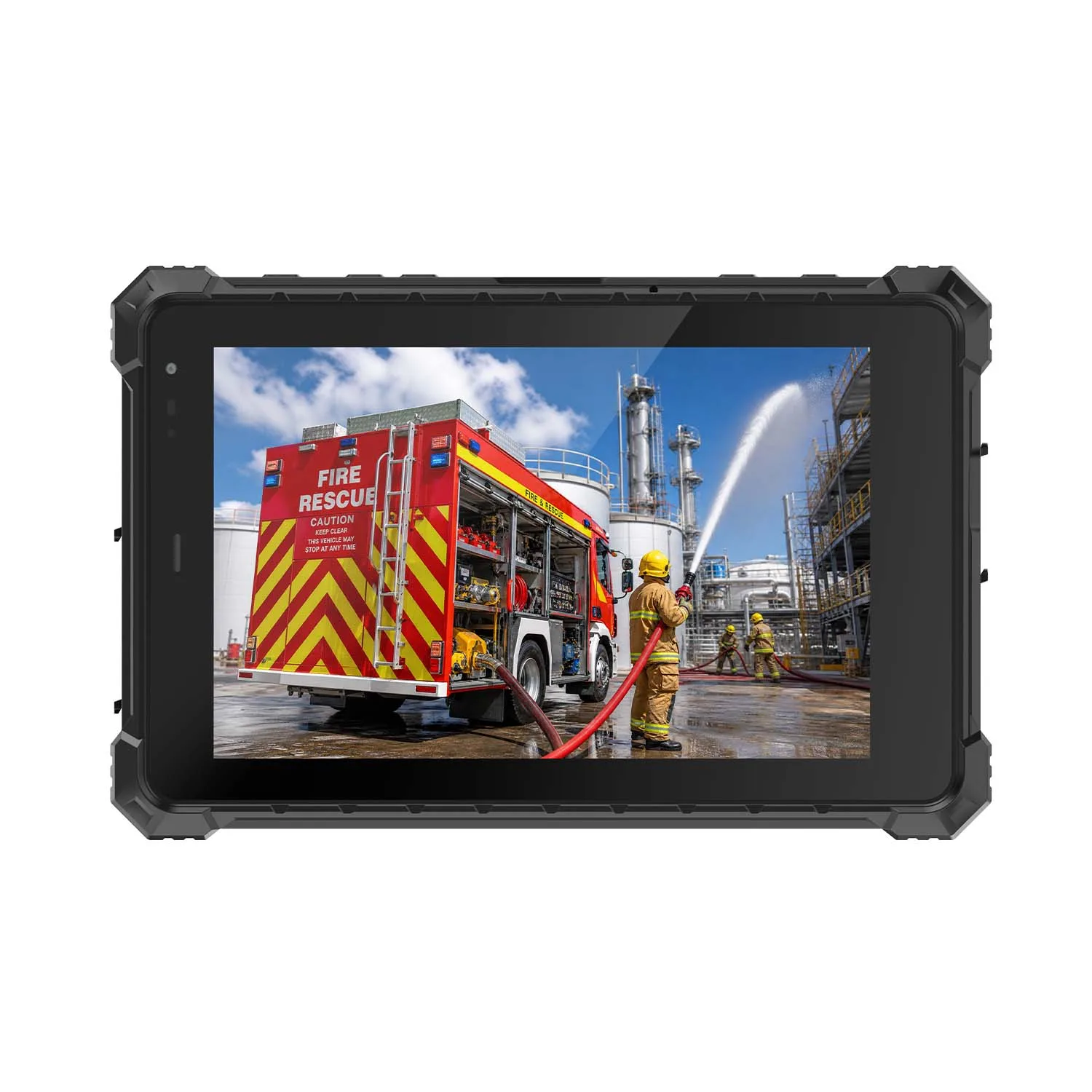





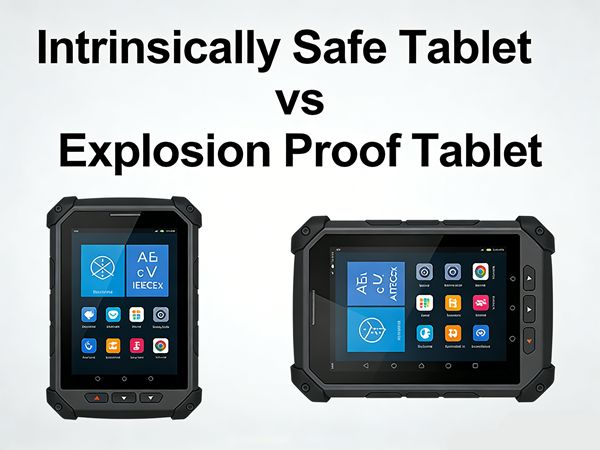
Intrinsically Safe vs Explosion Proof Tablets: What's the Real Difference?
Clearing Up a Common Terminology Confusion
Buyers often ask "intrinsically safe vs. explosion-proof" as if choosing between two separate product categories — but that framing can be misleading. In standard hazardous-area engineering terminology:
"Explosion-proof" is frequently used as a general market term for any certified hazardous-location device, regardless of which internal protection method it uses.
Intrinsically safe (Ex ia / Ex ib) and flameproof / explosion-proof enclosure (Ex d) are the two main protection methods used to earn that certification — not two separate product lines with different price tiers or different target industries.
| Protection Method | How It Works | Typical Form Factor | Why It Matters for Tablets |
|---|---|---|---|
| Intrinsically Safe (Ex ia / Ex ib) | Limits total circuit energy so a spark can never form | Lightweight, handheld-friendly | The standard approach for portable tablets, phones, and handhelds |
| Flameproof / Ex d (Explosion-Proof Enclosure) | Thick metal housing contains an internal spark or minor explosion | Heavy, bulky | Common for fixed equipment (junction boxes, control panels); impractical for a device you hold and carry all day |
Where Each Approach Is Actually Used
Because Ex d enclosures are impractical for portable devices, intrinsically safe design is the method used across virtually all handheld explosion-proof tablets — regardless of whether the deployment is an oil refinery, chemical plant, mine, or hazardous storage facility. What actually varies by industry isn't "intrinsically safe vs. explosion-proof" — it's the specific Zone, gas group, and dust group certification required:
Oil & gas and chemical processing — typically Zone 1/2, gas group IIC (the most stringent gas group)
Mining — Zone 1/21, plus region-specific mining safety certification (e.g., China's MA/KA)
Grain and food processing — Zone 21/22, dust group IIIC
Pharmaceutical manufacturing — Zone 1/2 or 21/22 depending on the specific solvents and processes involved
For the full breakdown of which certification (ATEX, IECEx, UL, FM, CSA, or China's CCRI/MA/KA) applies to your specific region and industry, see CENAVA's ATEX vs IECEx vs UL/FM/CSA certification guide.
Device Cost and Structure
Because nearly all explosion-proof tablets use the same intrinsically safe design approach, cost differences between models come down to certification scope, display quality, processing power, and battery capacity — not a fundamental "intrinsically safe is cheaper than explosion-proof" split. A tablet certified across a broader gas/dust group range (e.g., IIC + IIIC) or additional regional standards (ATEX + IECEx + CCRI/MA/KA) will typically cost more than one certified for a single narrow use case, regardless of which term is used to describe it.Key Factors When Choosing a Hazardous-Area Tablet
Certification standards — confirm ATEX, IECEx, or the region-specific equivalent (UL/FM/CSA for North America, CCRI/MA/KA for China) matches your project's jurisdiction.
Zone and gas/dust group — Zone 1/2 for gas, Zone 21/22 for dust, and the specific gas group (IIC being the most stringent) relevant to your site.
An appropriate IP rating — IP67 handles drop-in-puddle accidents; IP68 is the marine and washdown tier. Match the rating to the wettest ten minutes of your shift, not the average day.
Performance requirements — enough processing power, storage, and battery life for the actual field workload.
Display and glove-touch functionality — a responsive, sunlight-readable touchscreen for workers wearing gloves.
After-sales support — a supplier who answers the certificate question with a document number and issuing body, not a brochure. Ask: 'Which certificate covers my Zone 1, IIC, T4 requirement, and can I have the number?' The answer speed tells you everything.
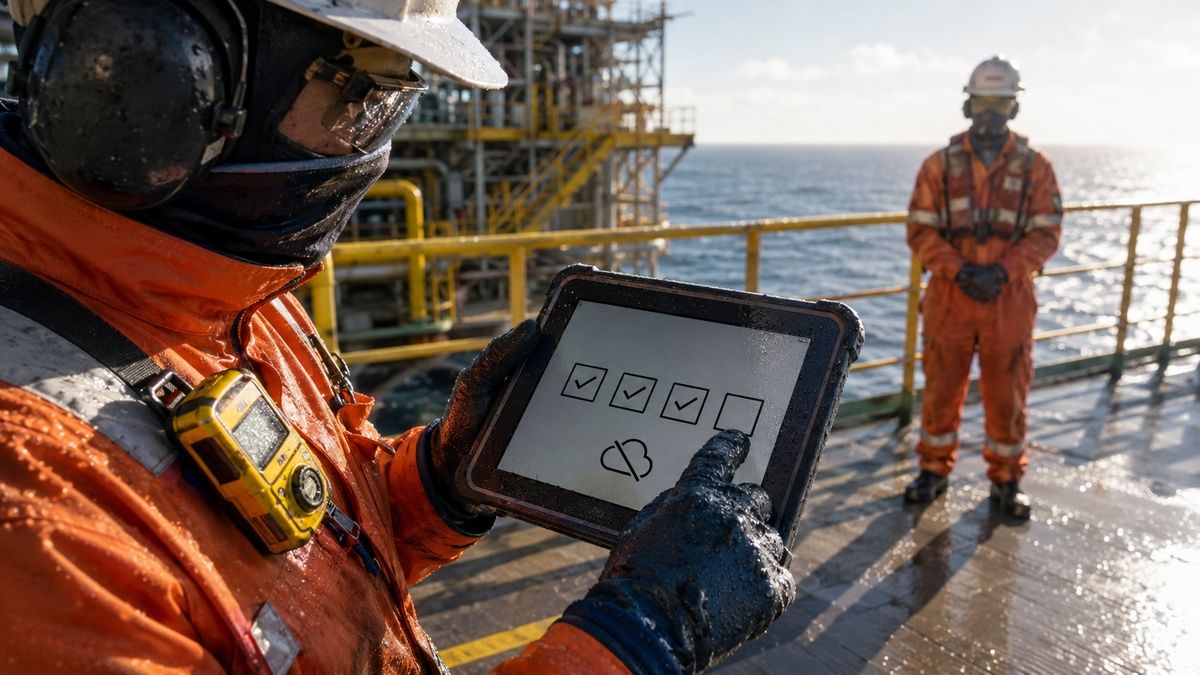
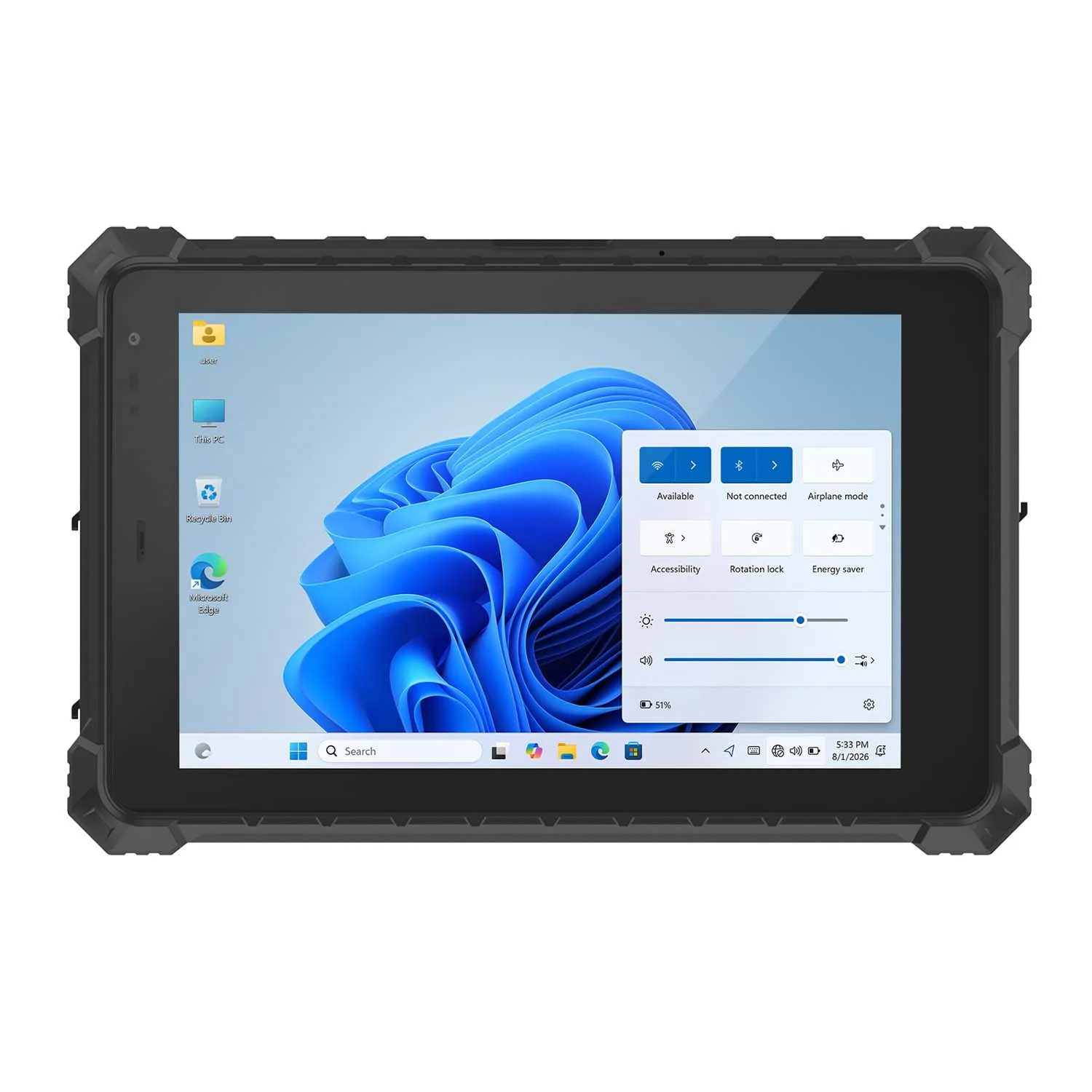
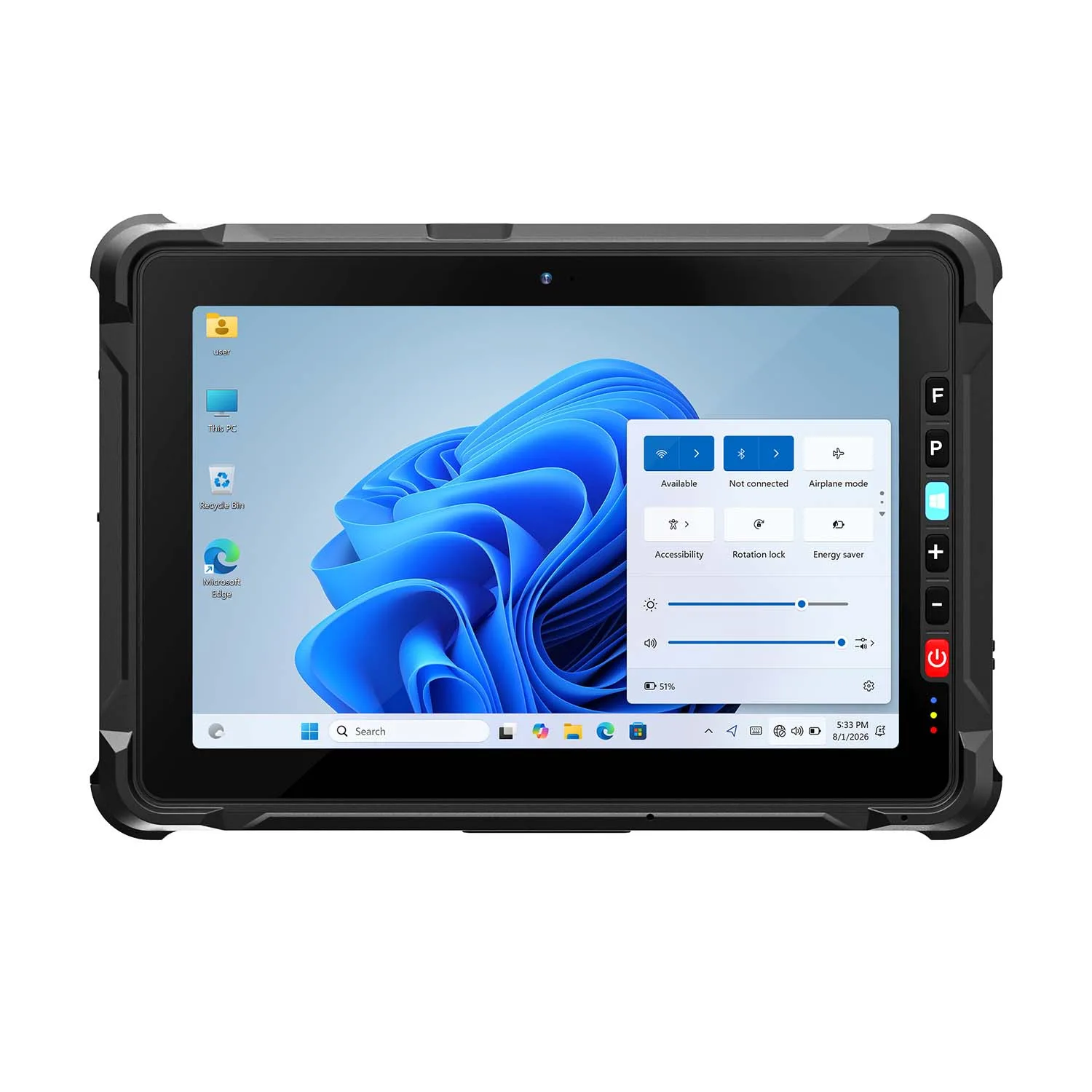
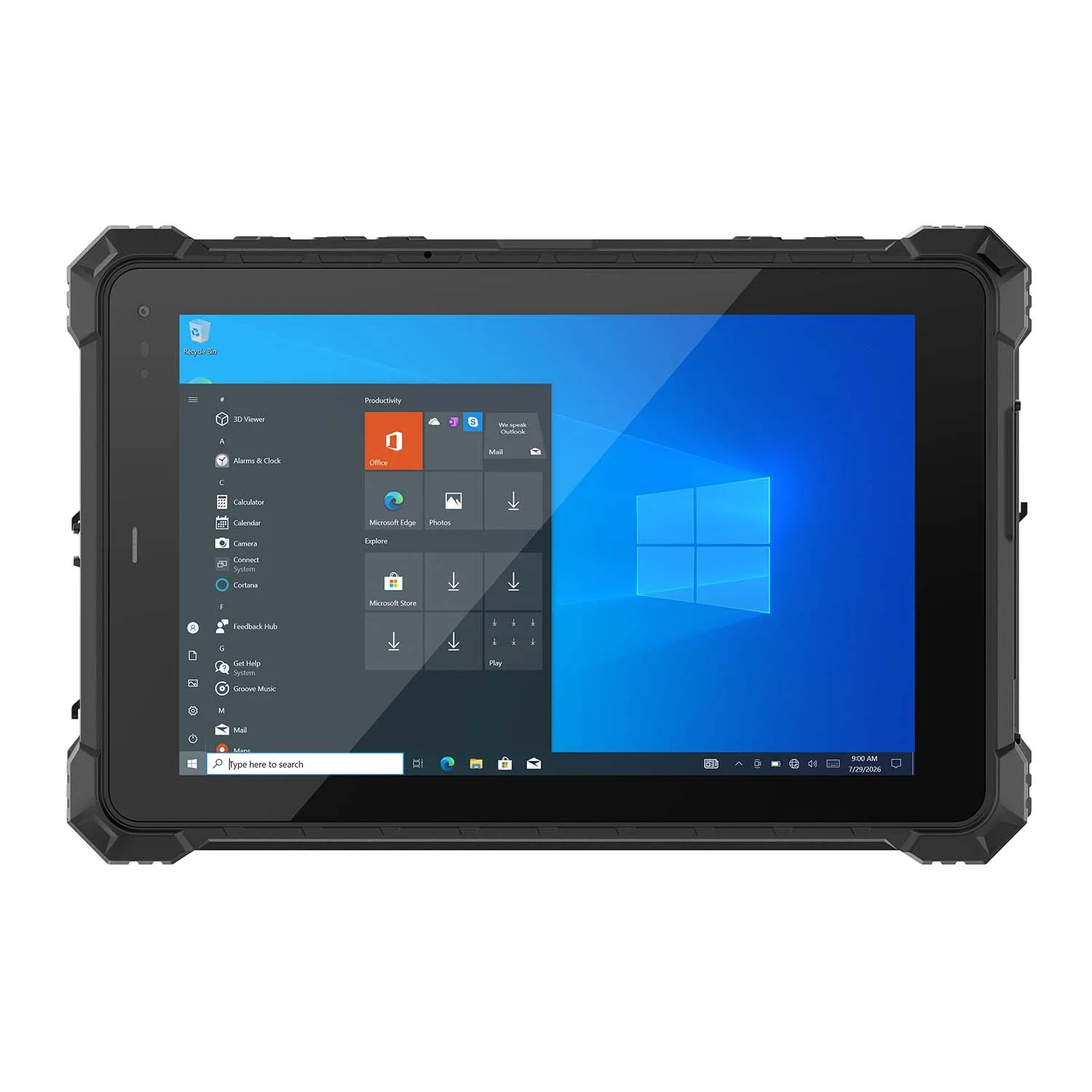
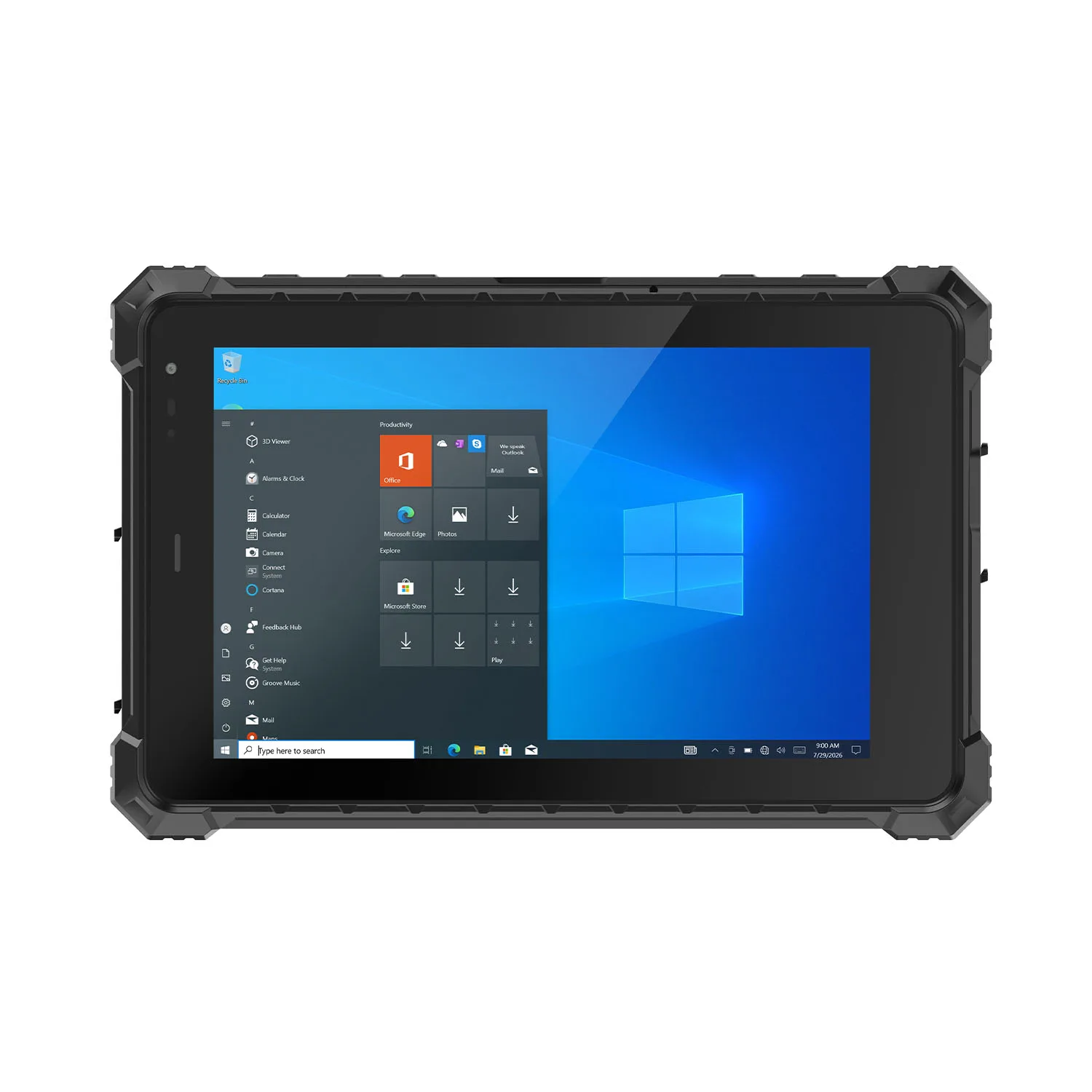
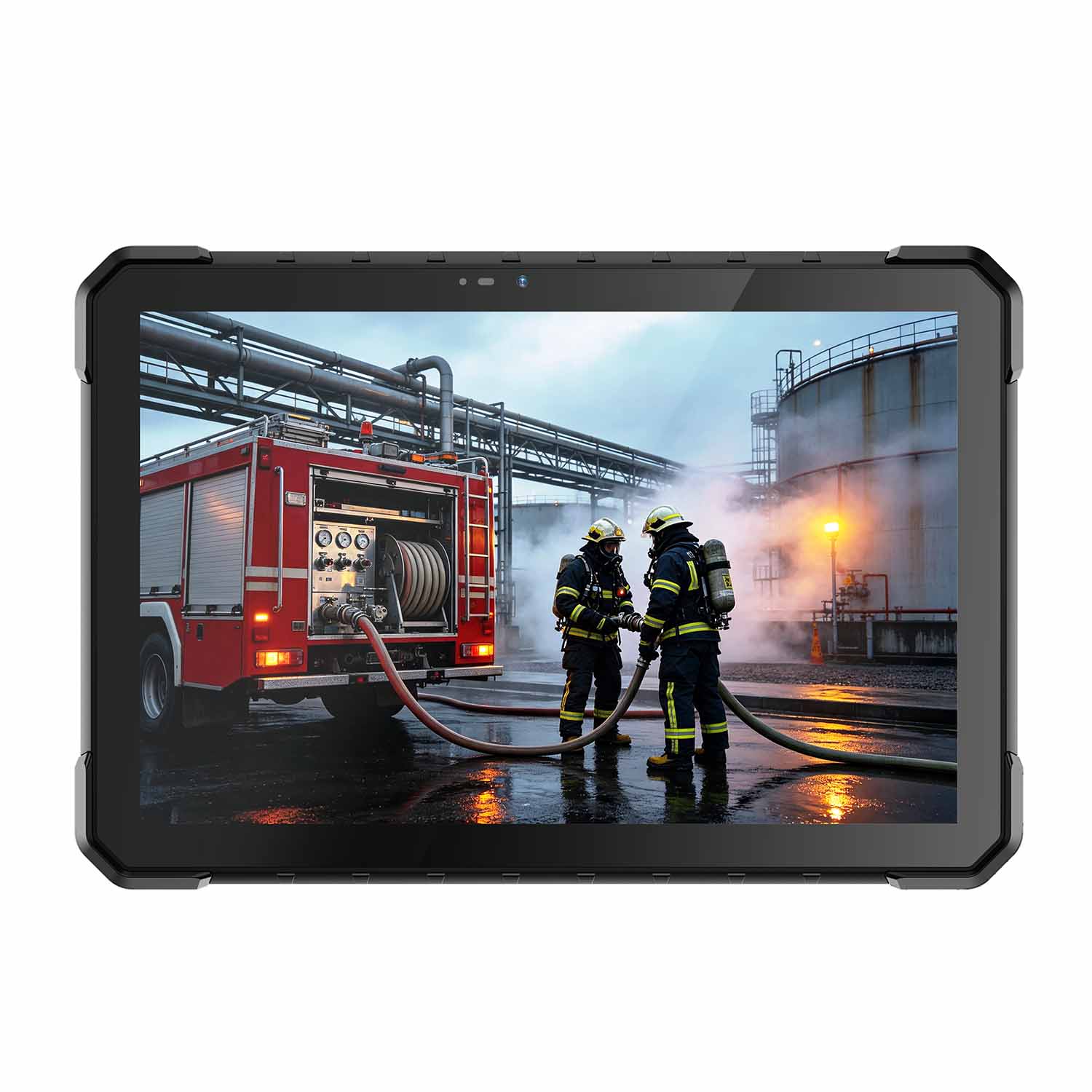
Real deployment: CENAVA's ATEX Zone 1/2 certified tablets replaced paper checklists for pipe inspection and valve monitoring at a Middle East refinery, the refinery's HSE team clocked inspection rounds at roughly 60% of the paper-based time in the first quarter (anonymous under NDA — reference call available on request) — see our oil & gas explosion-proof tablet buying guide for more on certification requirements by site type.
Frequently Asked Questions
Is 'intrinsically safe' a certification I can ask for by name?
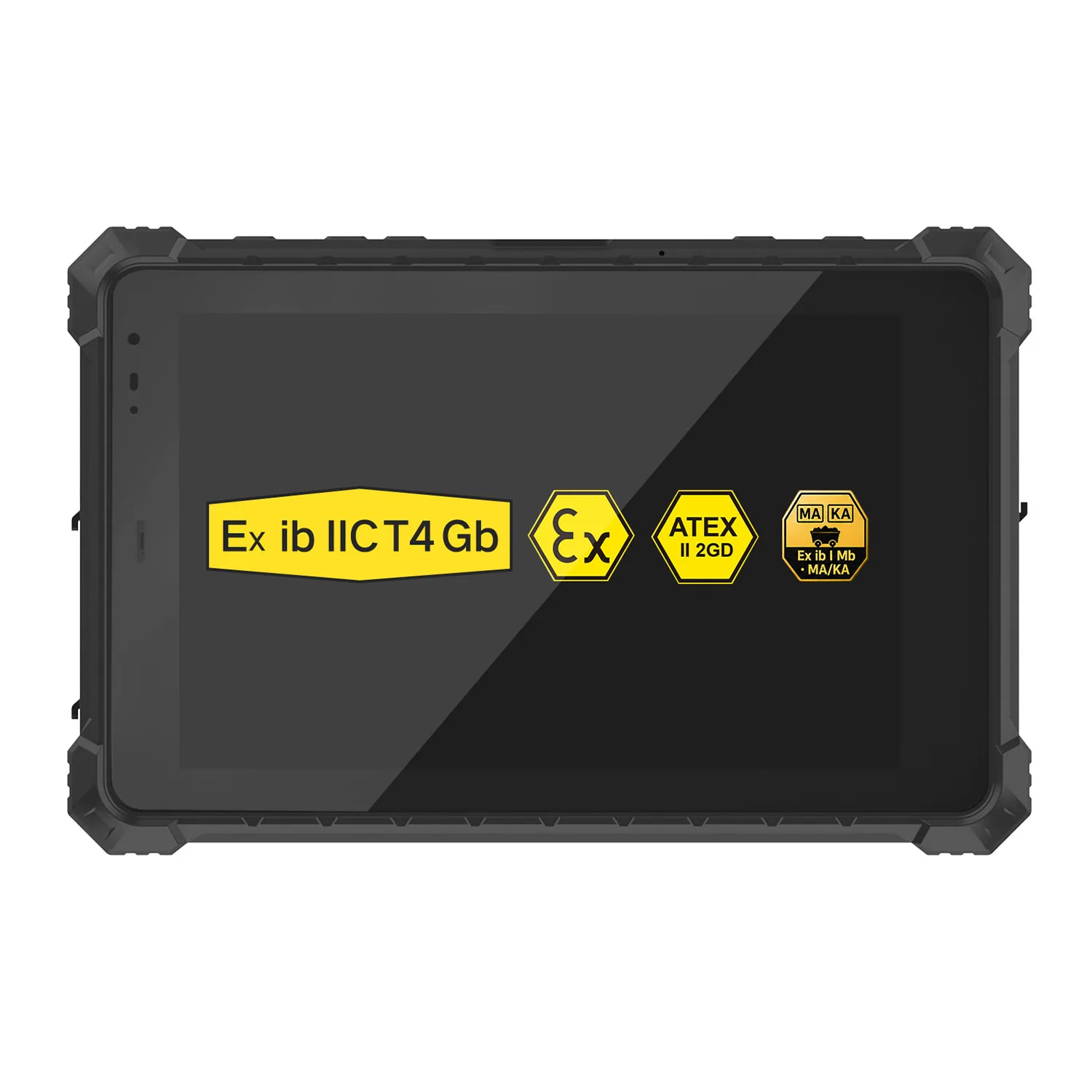
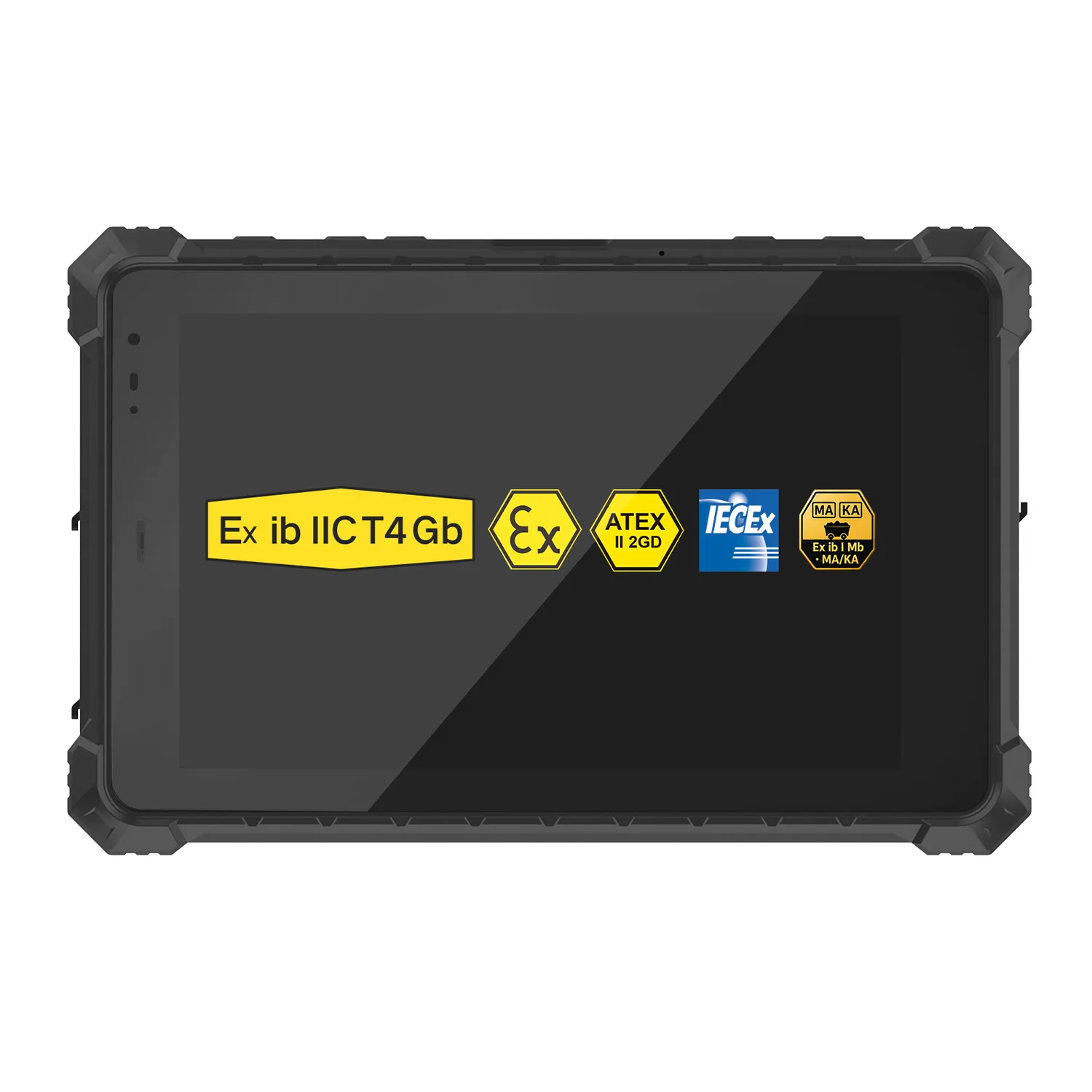
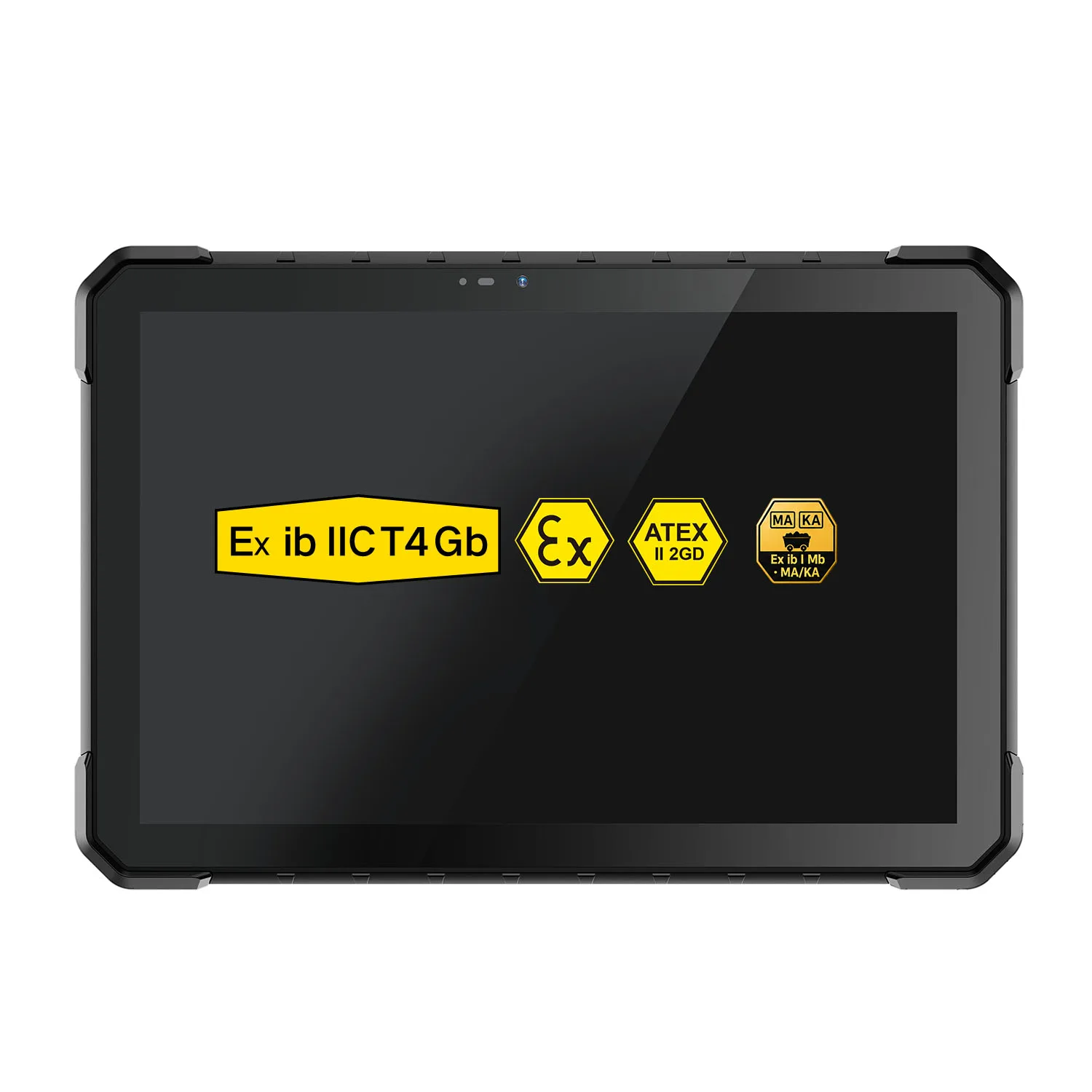
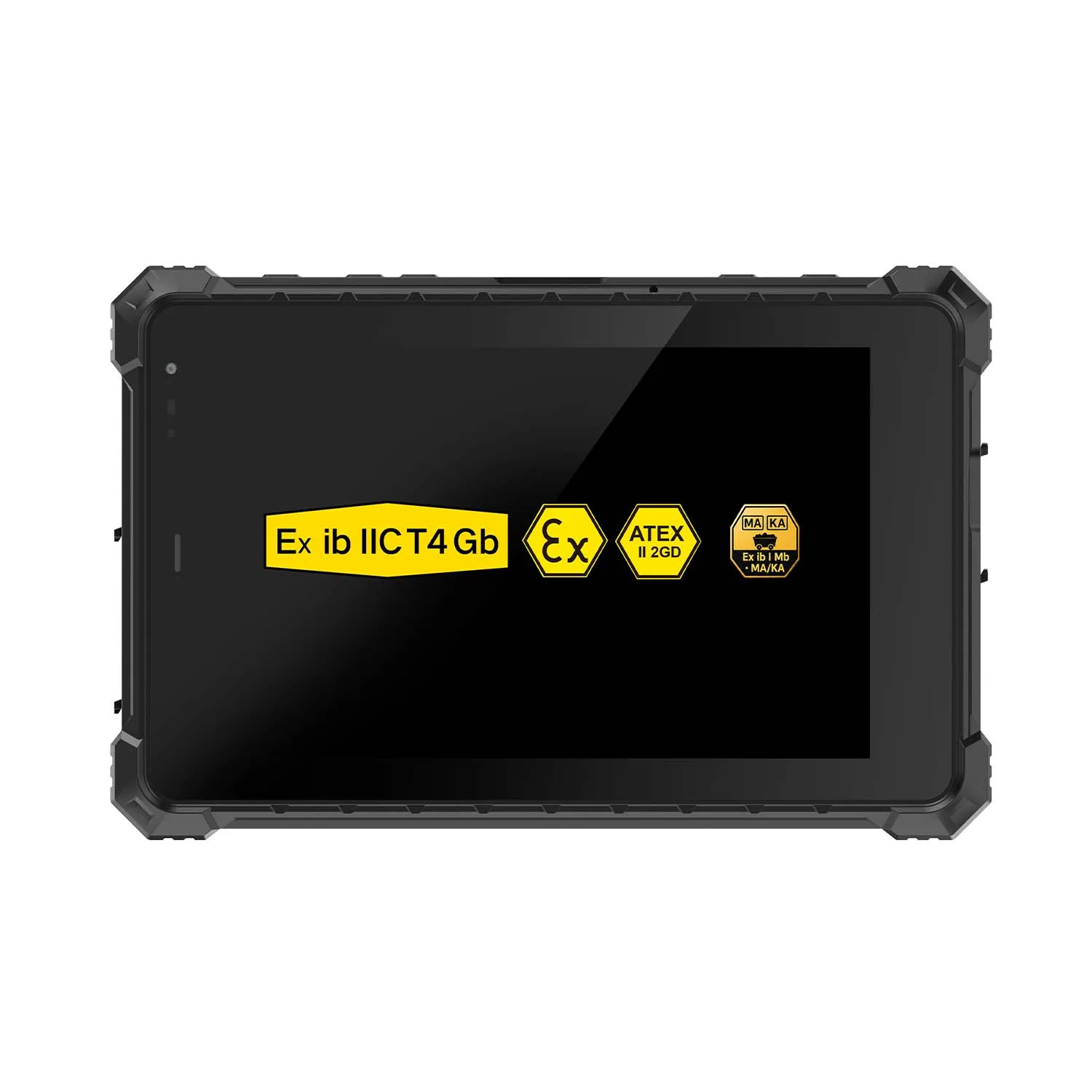
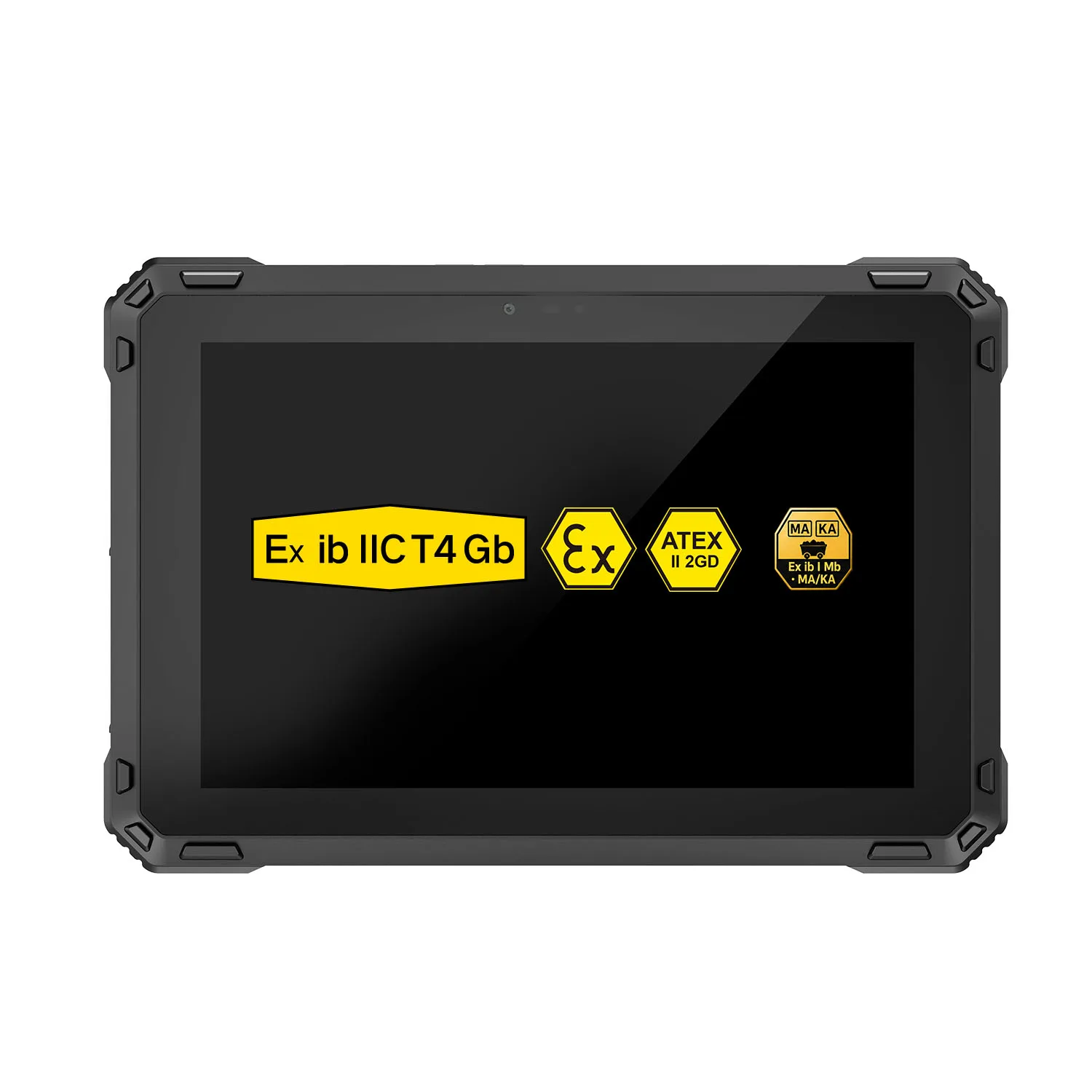
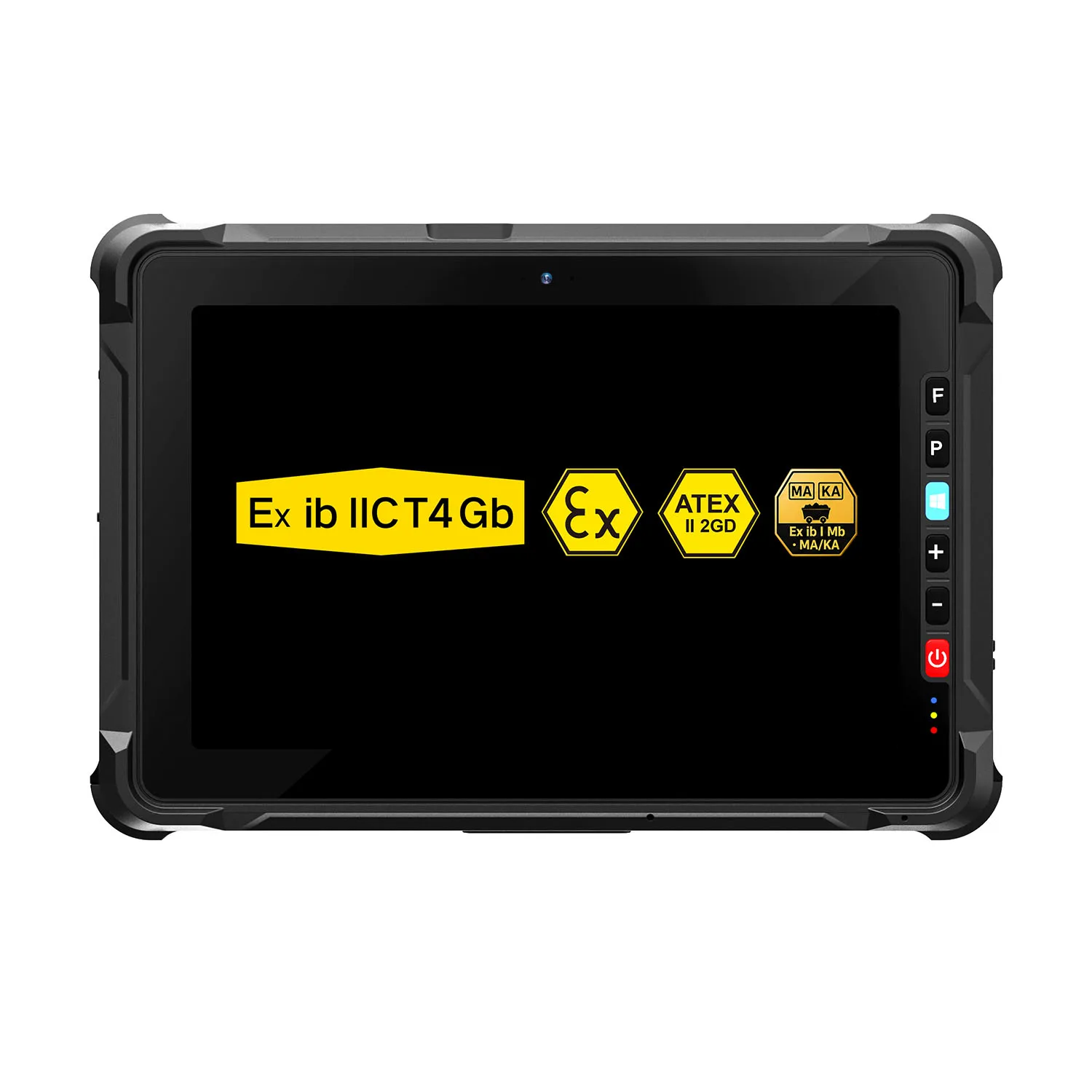
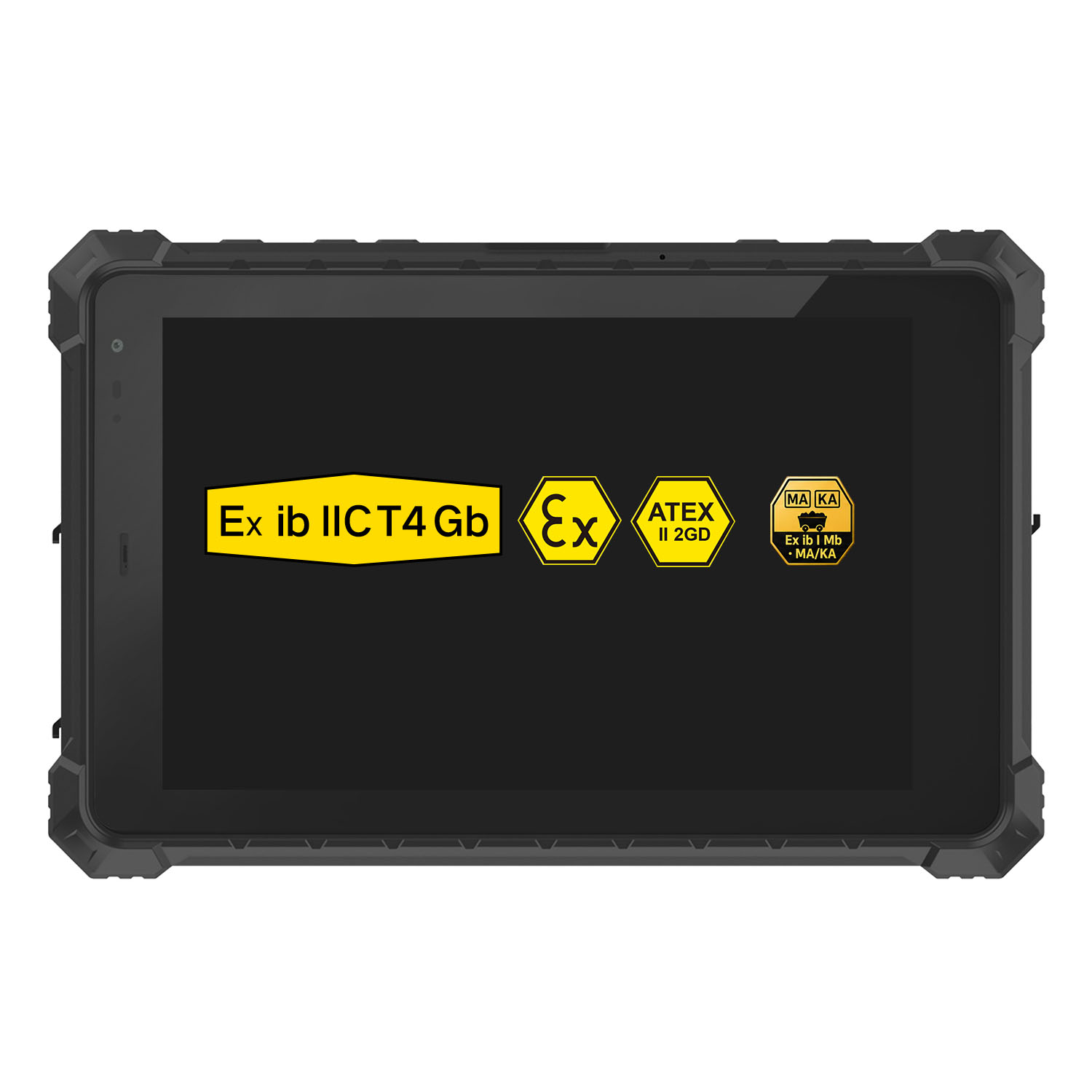
No — intrinsic safety is a protection method, not a standalone certificate. What you ask for is the certificate (ATEX/IECEx/etc.) and then check the Ex marking on it: 'Ex ib IIC T4 Gb' tells you the method (ib), the gas group (IIC), the temperature class (T4) and the equipment protection level (Gb) in one string.
What's the difference between intrinsically safe (Ex ia/ib) and flameproof (Ex d) design?Intrinsically safe design limits circuit energy so a spark can never form, while flameproof (Ex d) design uses a heavy metal enclosure to contain an internal spark — Ex d is common for fixed equipment but impractical for a handheld tablet due to its weight.
Why do almost all explosion-proof tablets use intrinsically safe design instead of Ex d enclosures?
Because a true Ex d flameproof enclosure would make a handheld tablet too heavy and bulky to carry and operate all day, intrinsically safe design is the practical choice for any device meant to be held in one hand.
Is an intrinsically safe tablet cheaper than an explosion-proof tablet?
Not inherently — since most explosion-proof tablets already use intrinsically safe design, cost differences come from certification scope, display quality, and hardware specs, not from choosing one protection method over the other.
Which certification do I need for my industry: ATEX, IECEx, or something else?
It depends on your project's region — ATEX for the EU, IECEx for multi-country deployments, UL/FM/CSA for North America, and CCRI/MA/KA for China; see our certification comparison guide for the full breakdown.
Does CENAVA make intrinsically safe explosion-proof tablets?
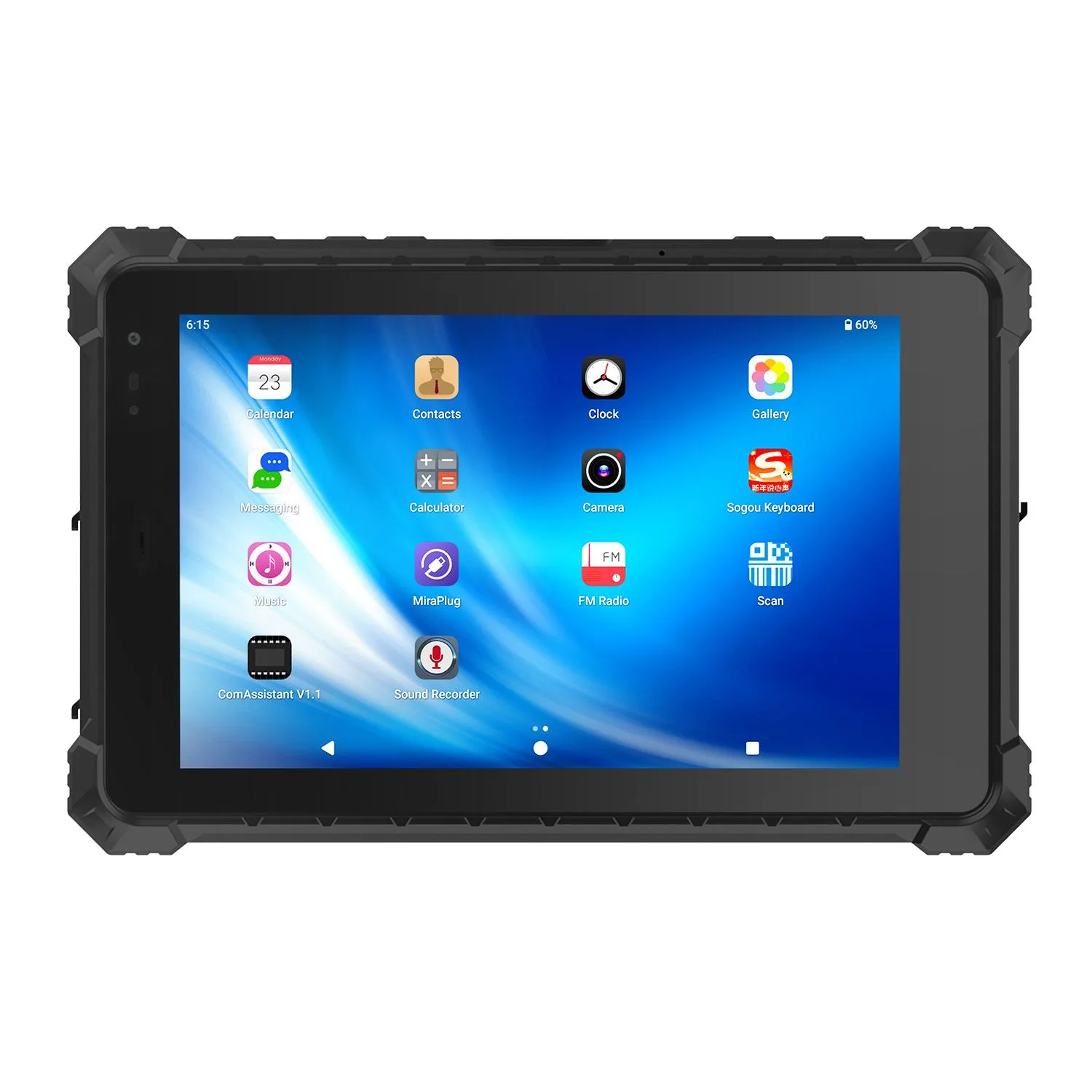
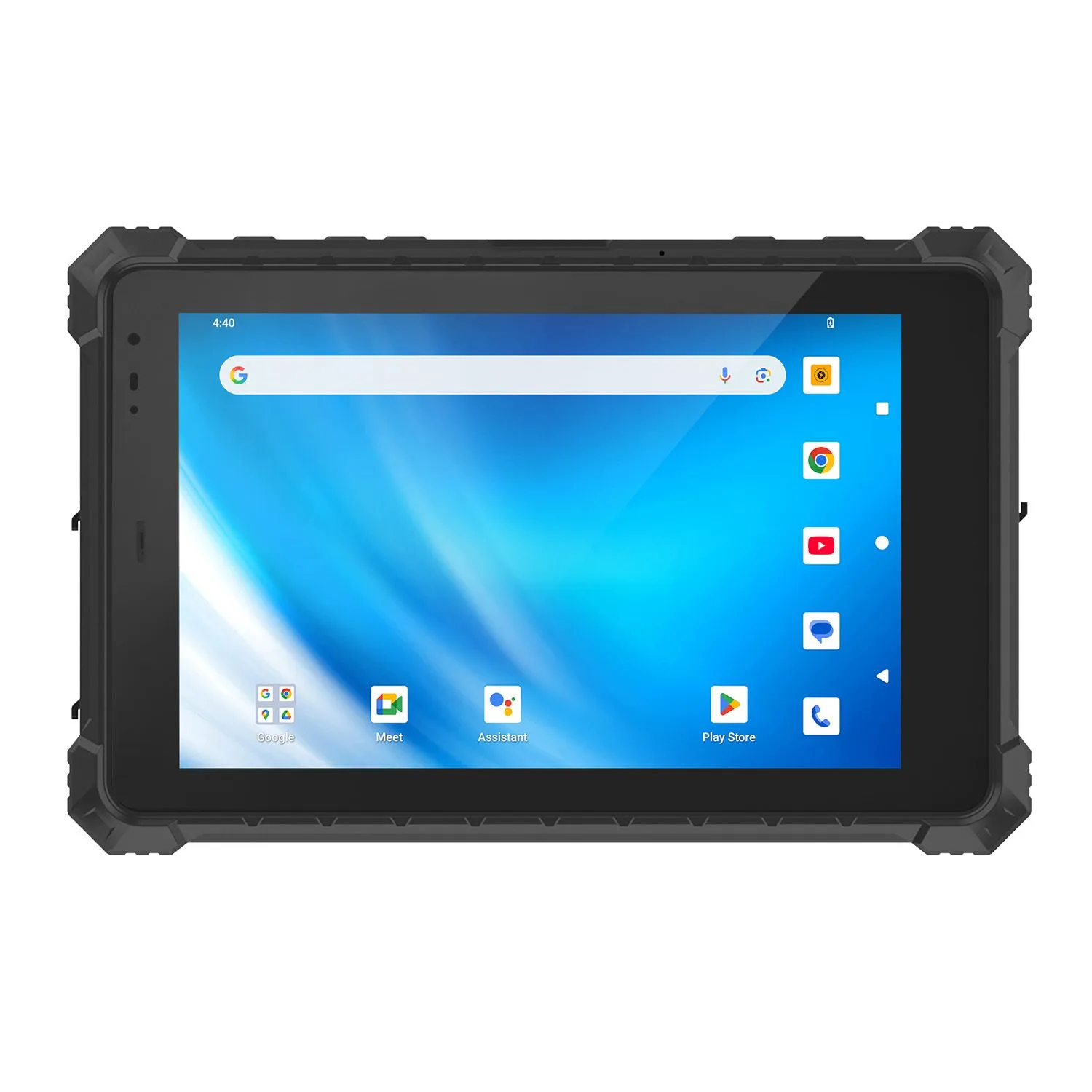
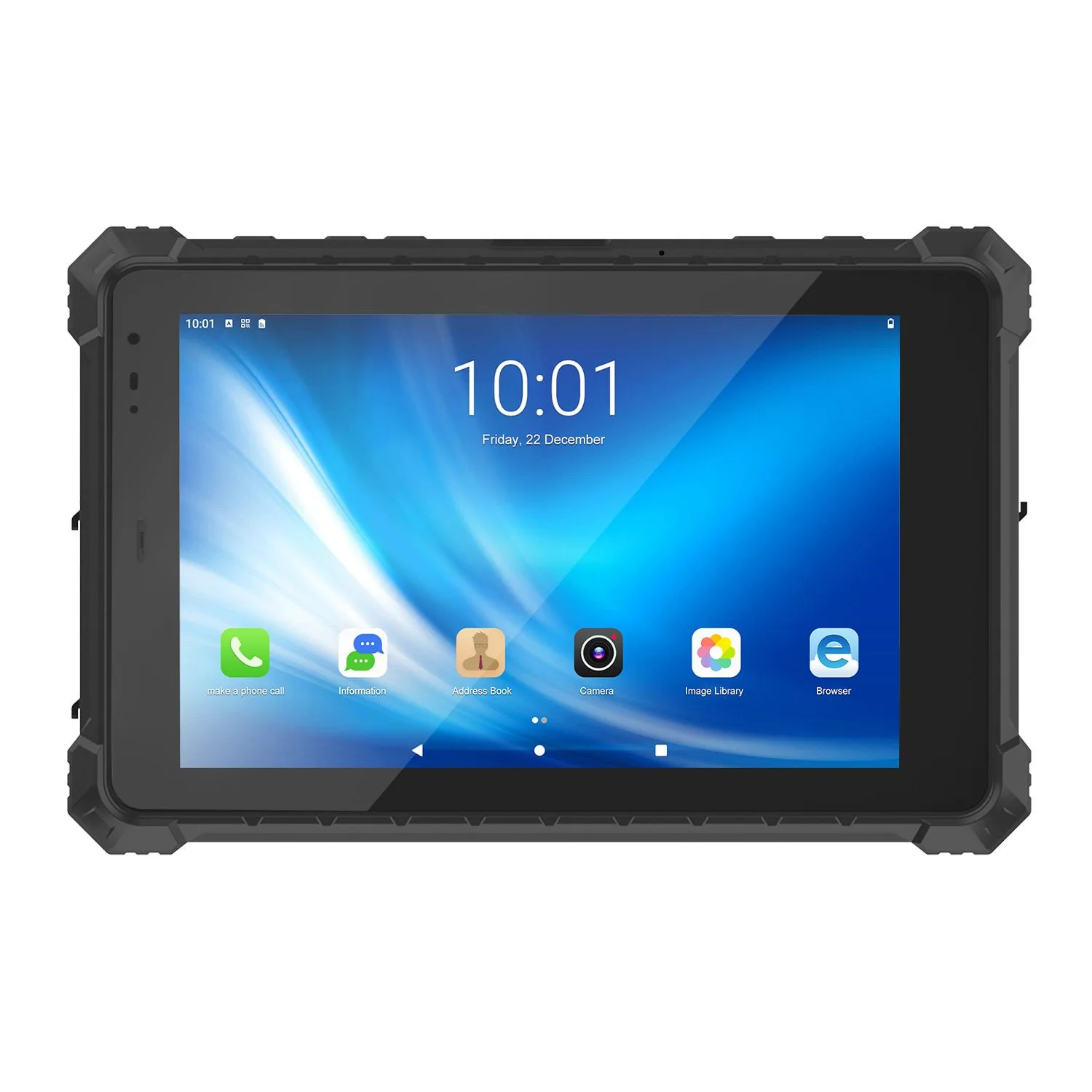
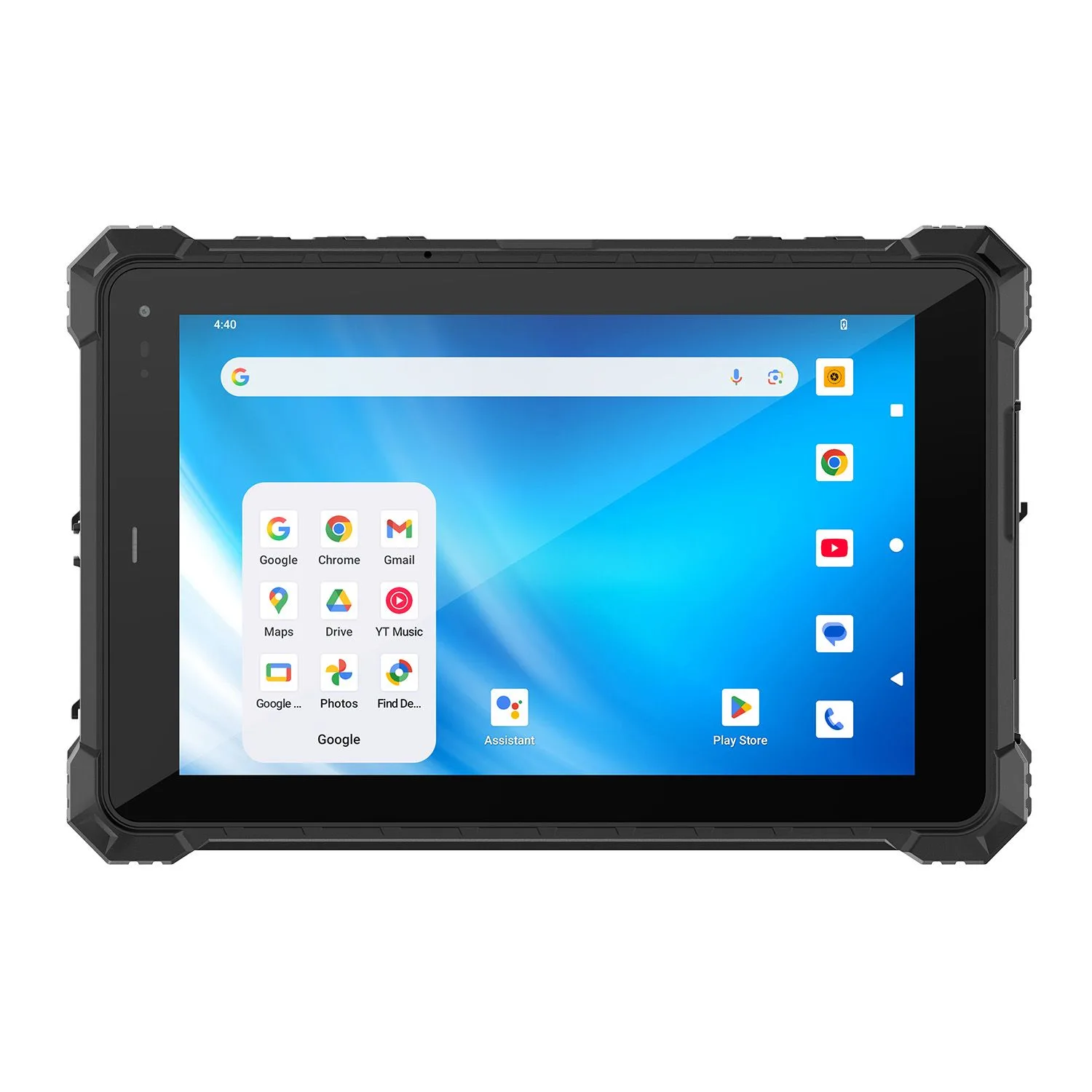
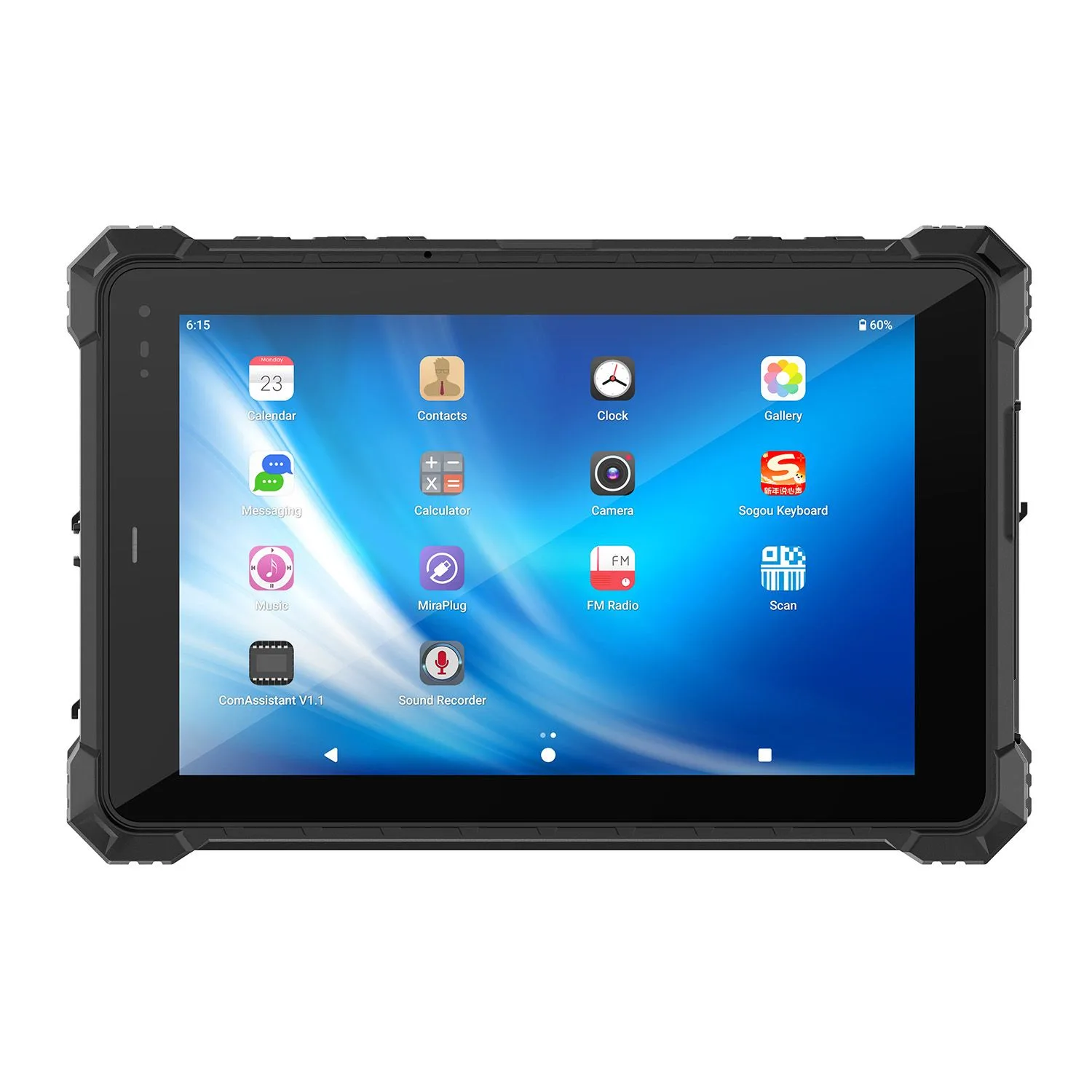
Yes — CENAVA's certified rugged tablet range uses intrinsically safe (Ex ia/ib) design and holds ATEX, IECEx, CCRI, and MA/KA certifications; see the ATEX & IECEx Certified Rugged Devices page for the current lineup.
Partnering with CENAVA
CENAVA specializes in rugged, intrinsically safe explosion-proof tablets built for oil and gas, chemical processing, mining, and other hazardous industrial environments, backed by ATEX, IECEx, CCRI, and MA/KA certification and responsive technical support for system integrators and industrial solutions providers.Need a Rugged Device for Your Project?
Tell us your operating environment and requirements — our engineers will recommend a configuration and quote within 24 hours.
Get a Free Quote Back to Blog