






5 Benefits of Rugged Tablets in Rehabilitation Therapy
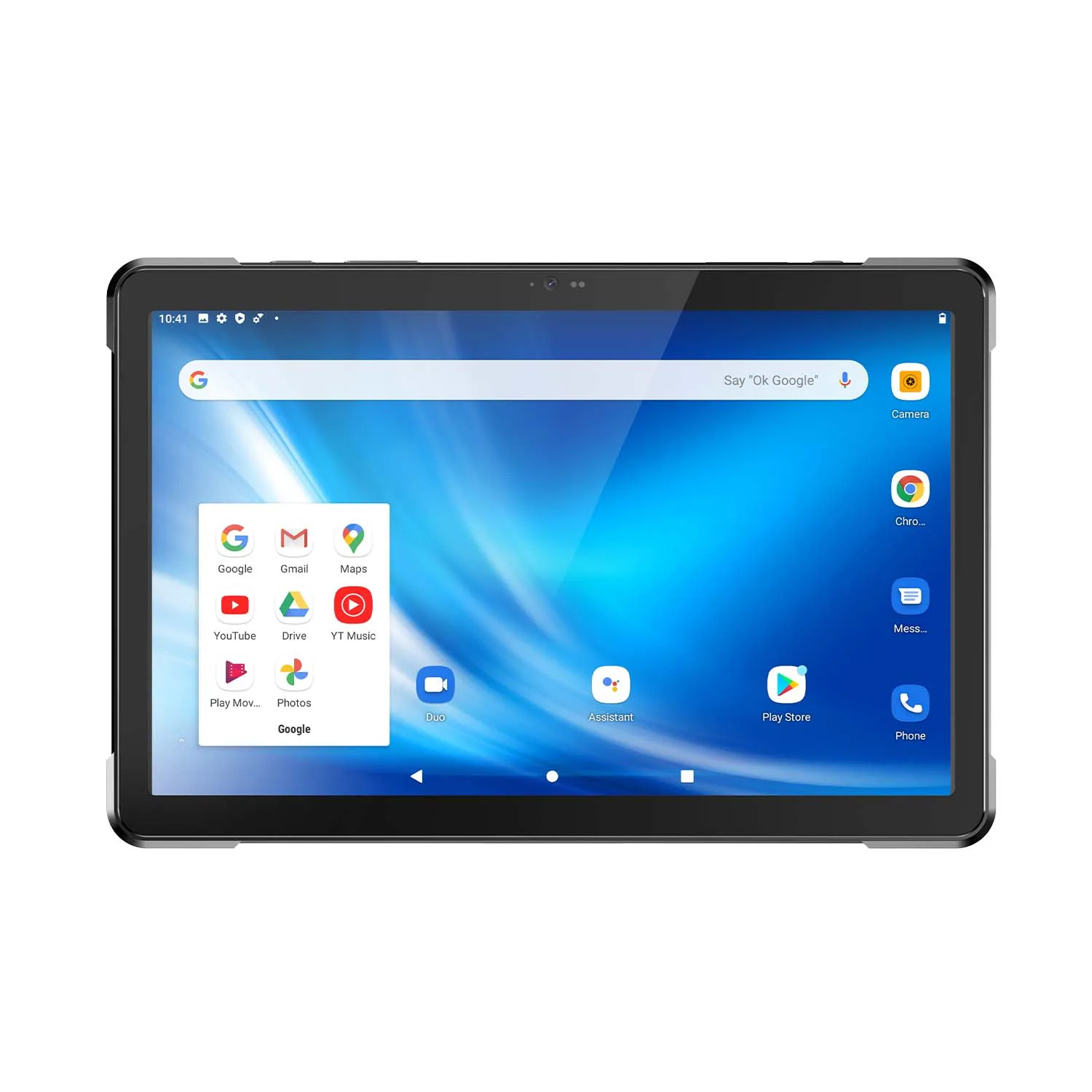
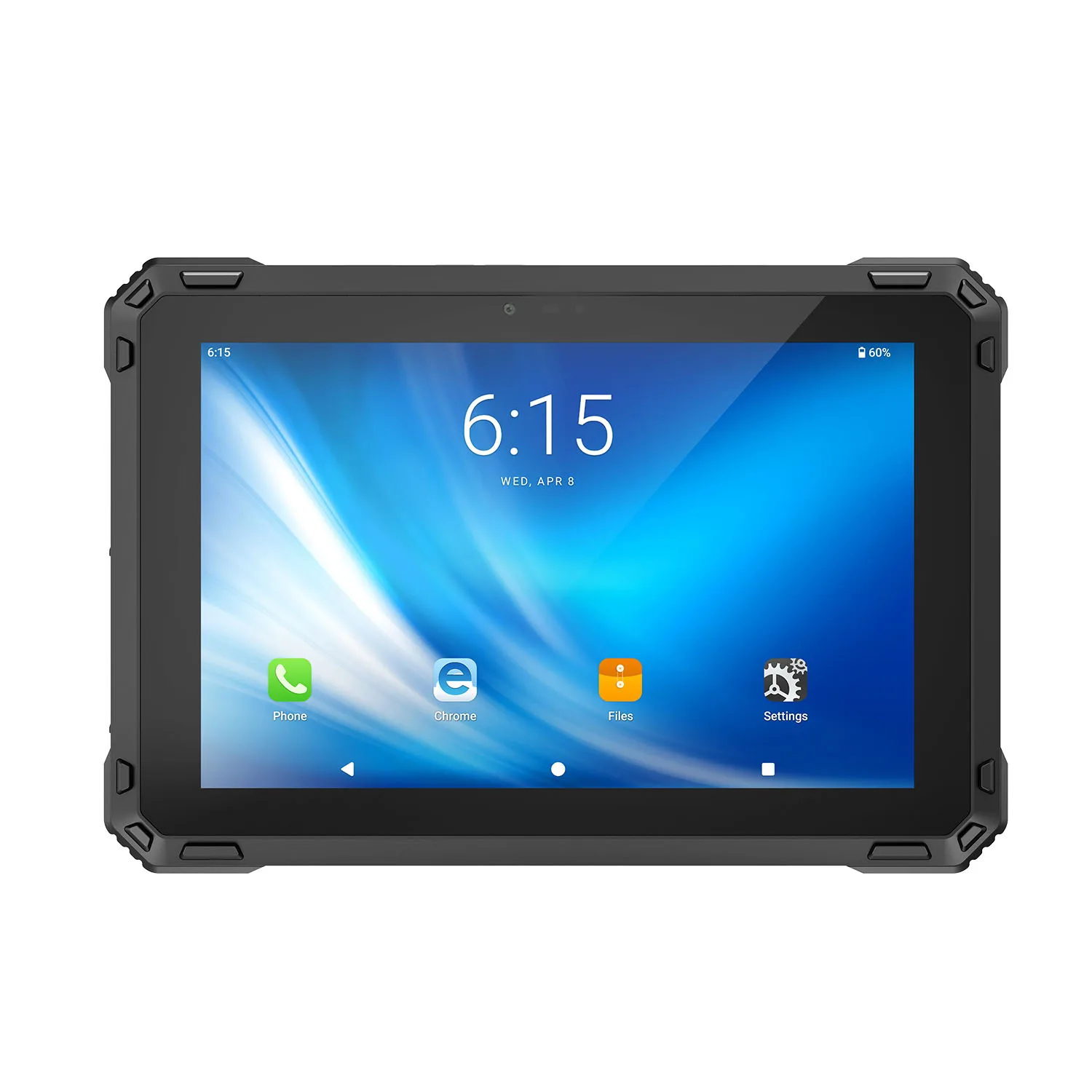
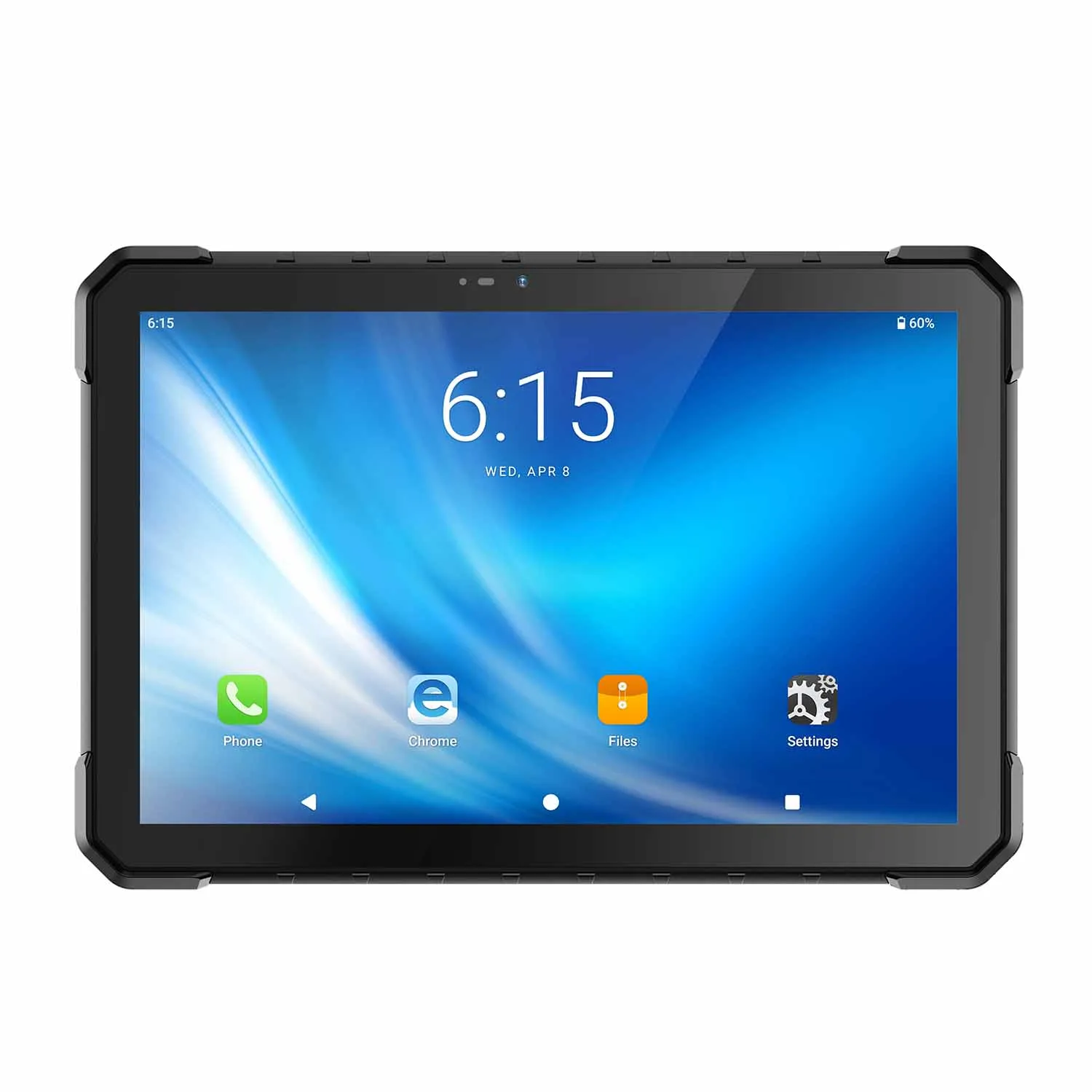
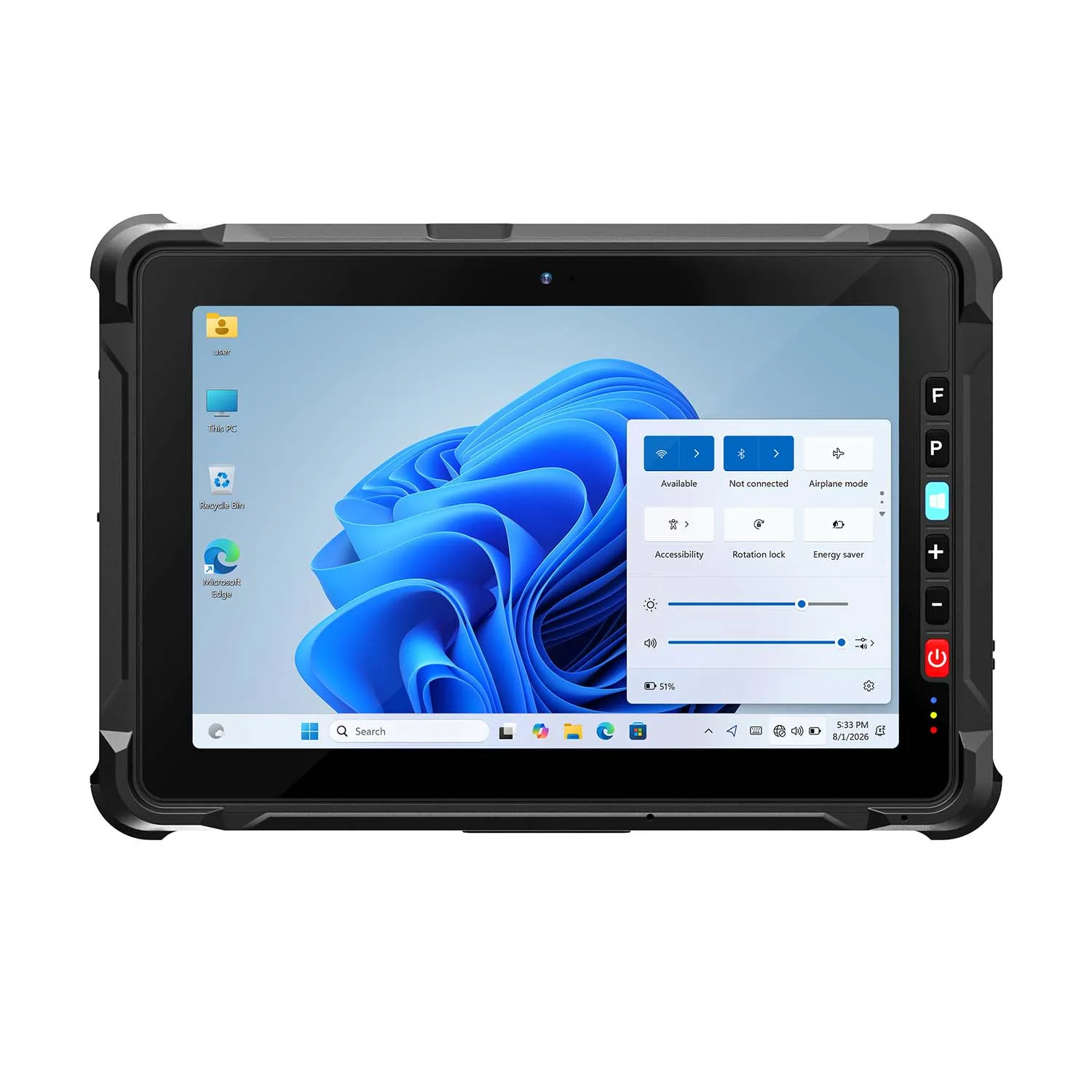
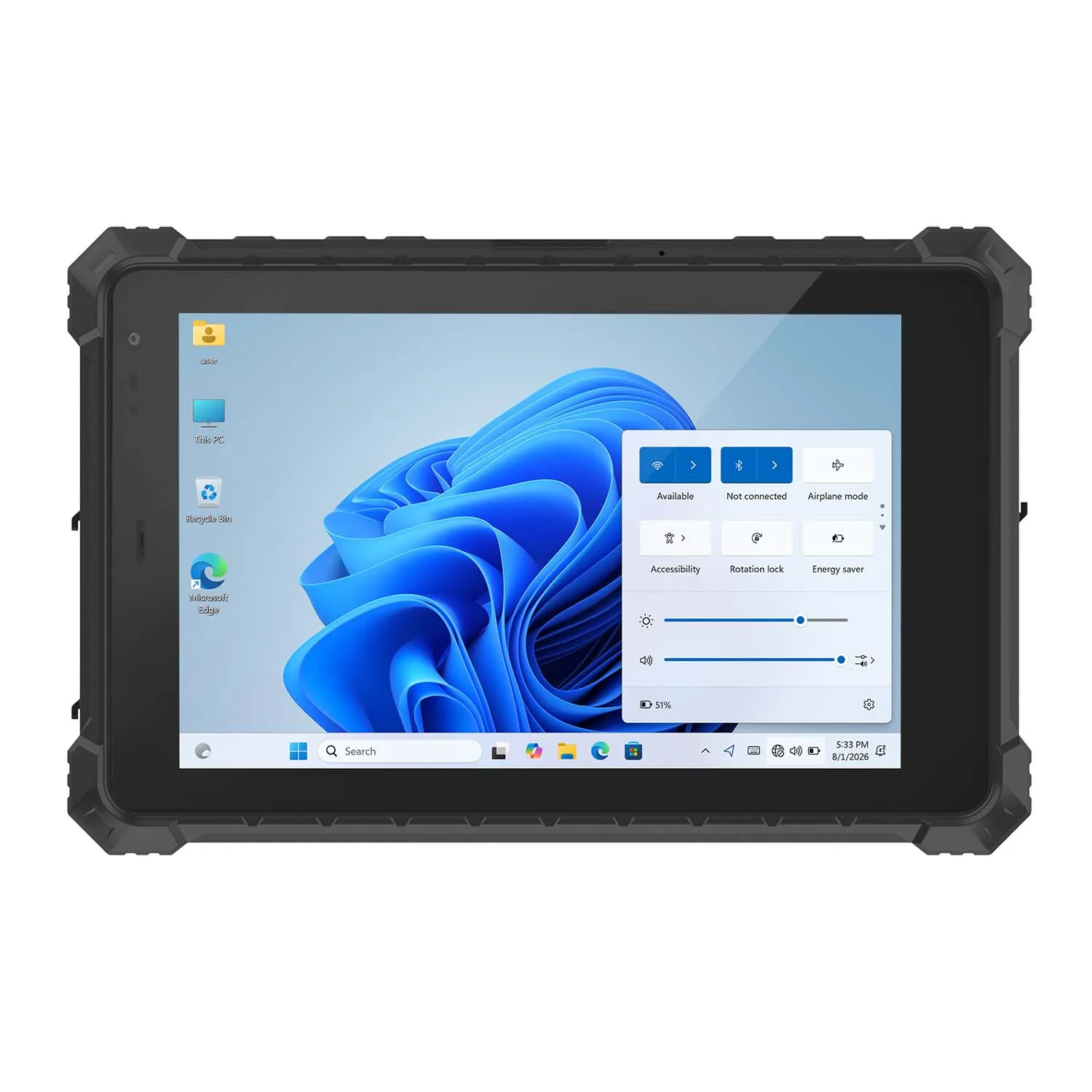
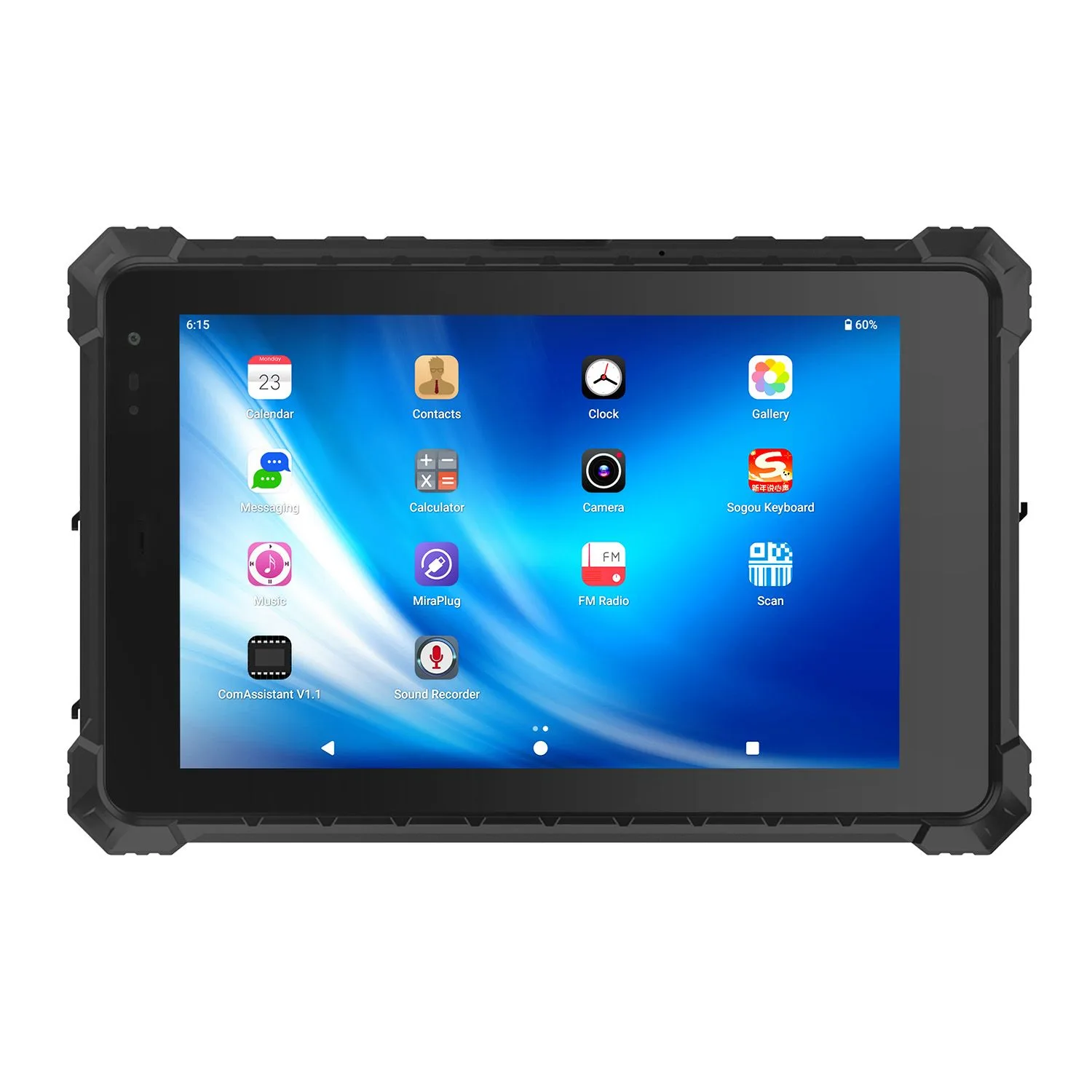
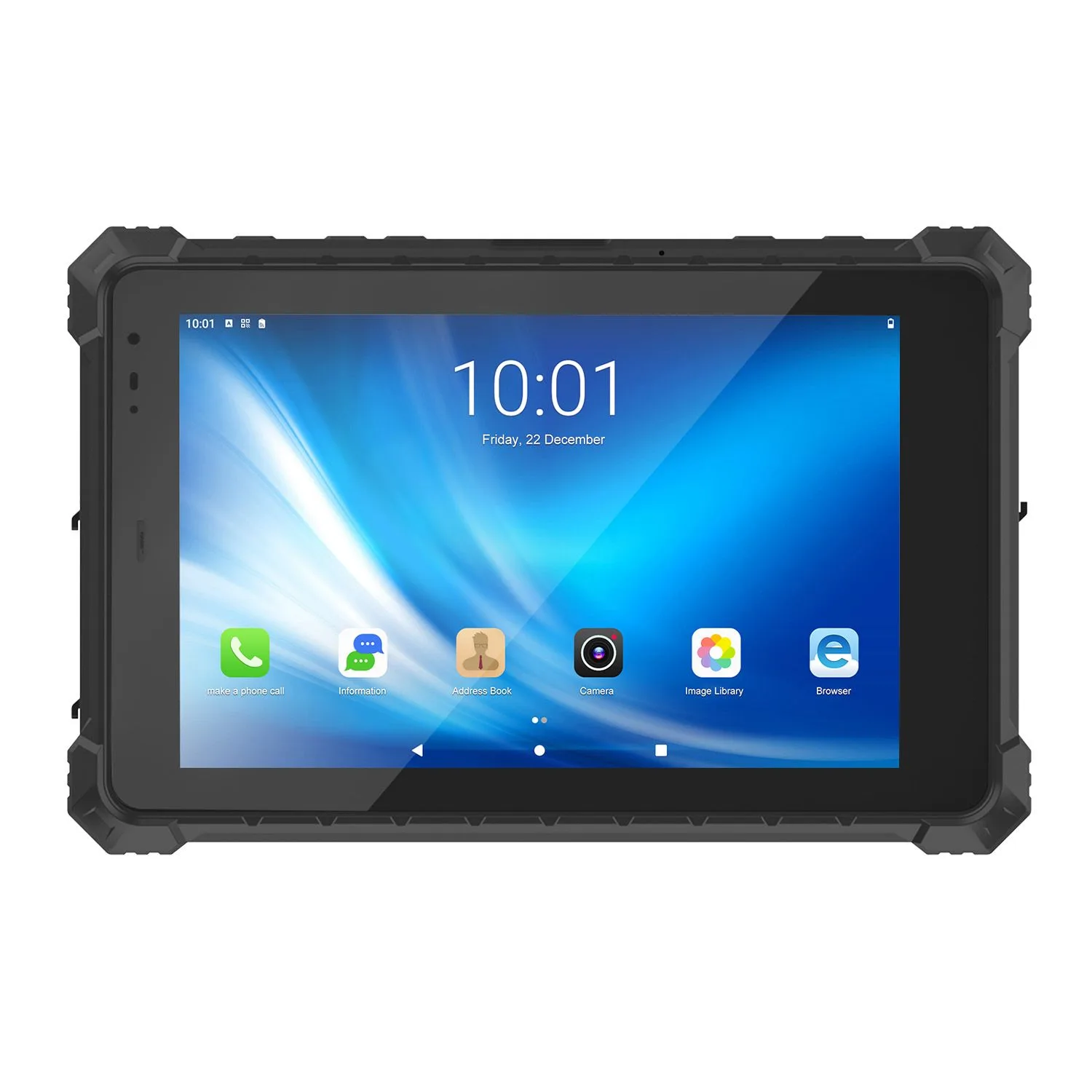
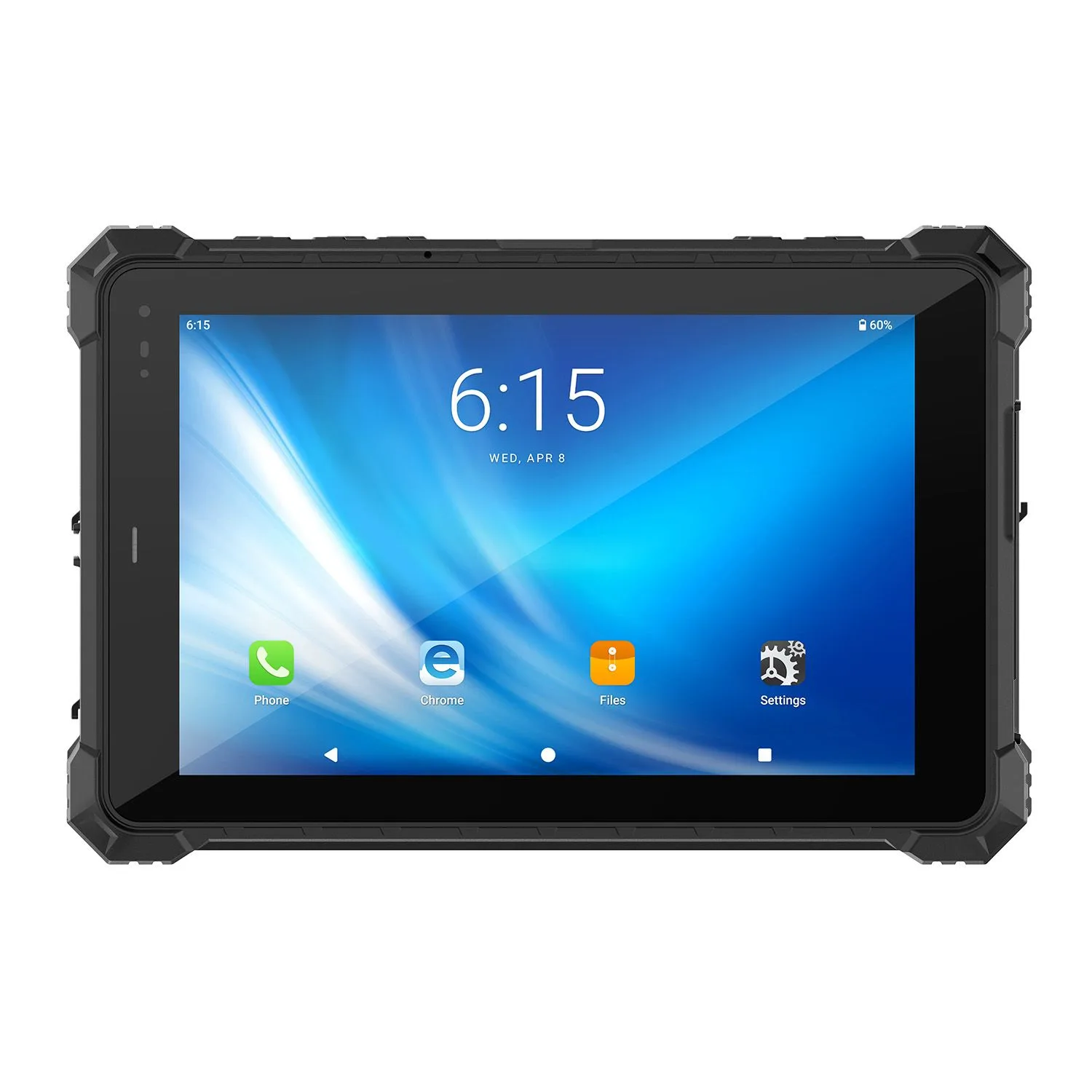
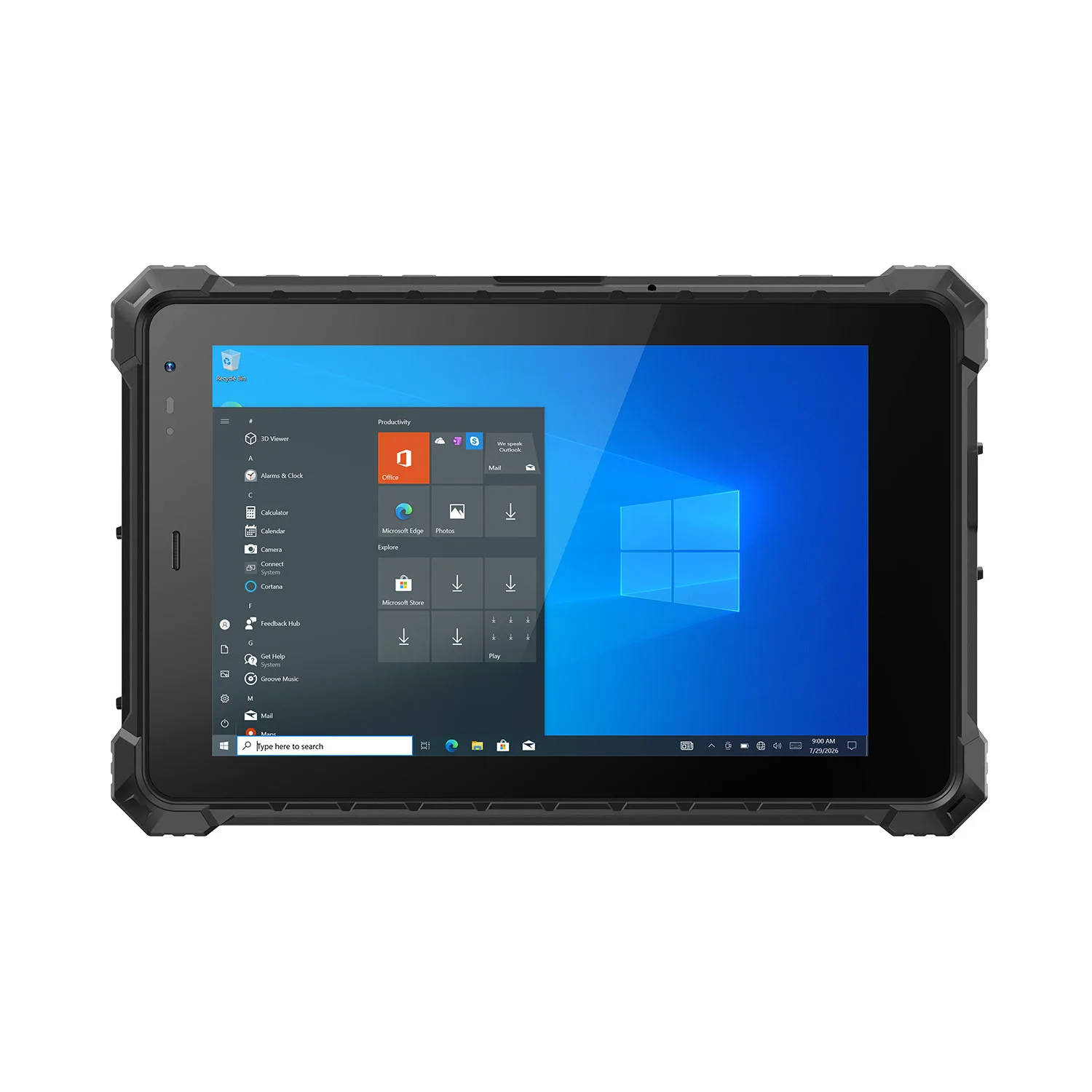
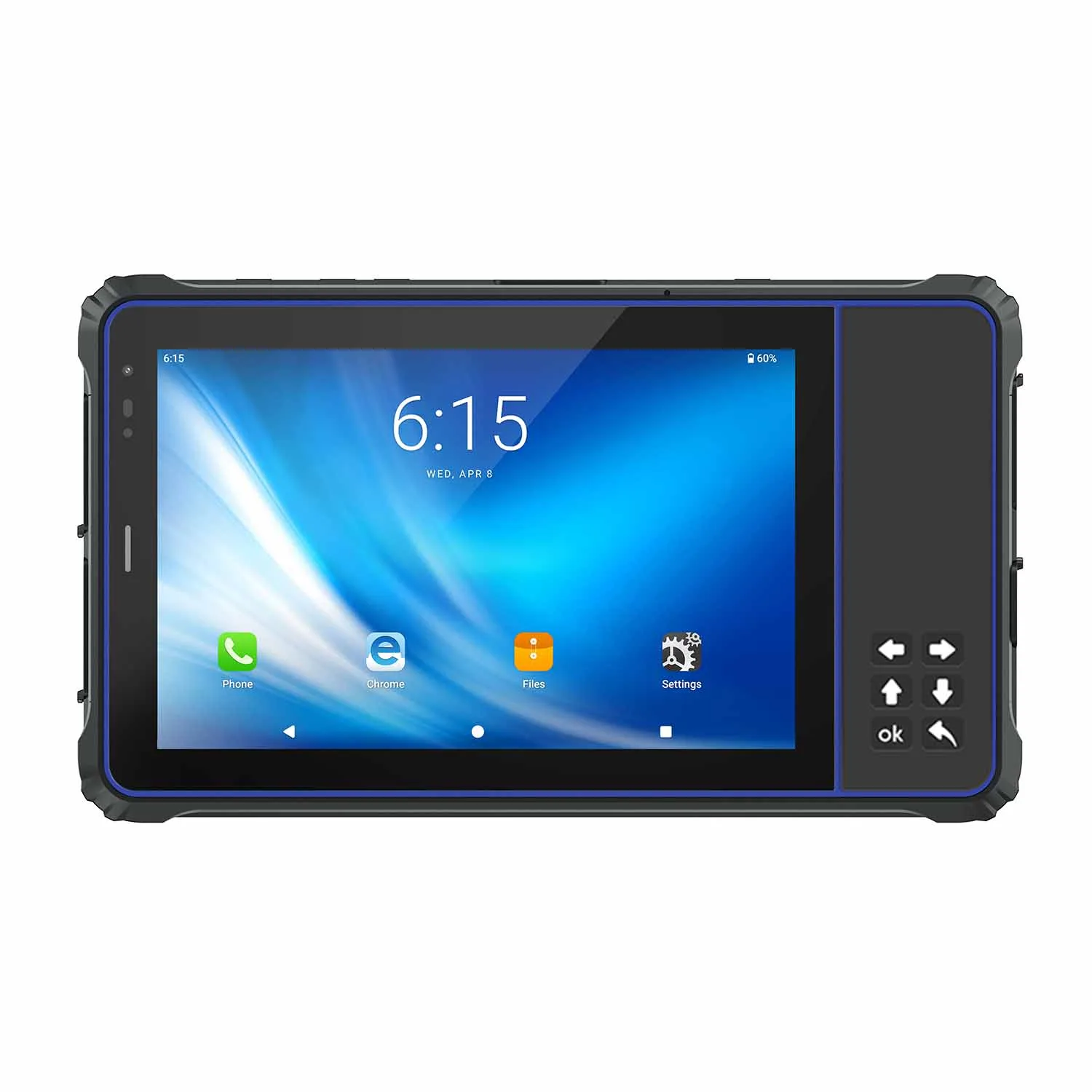
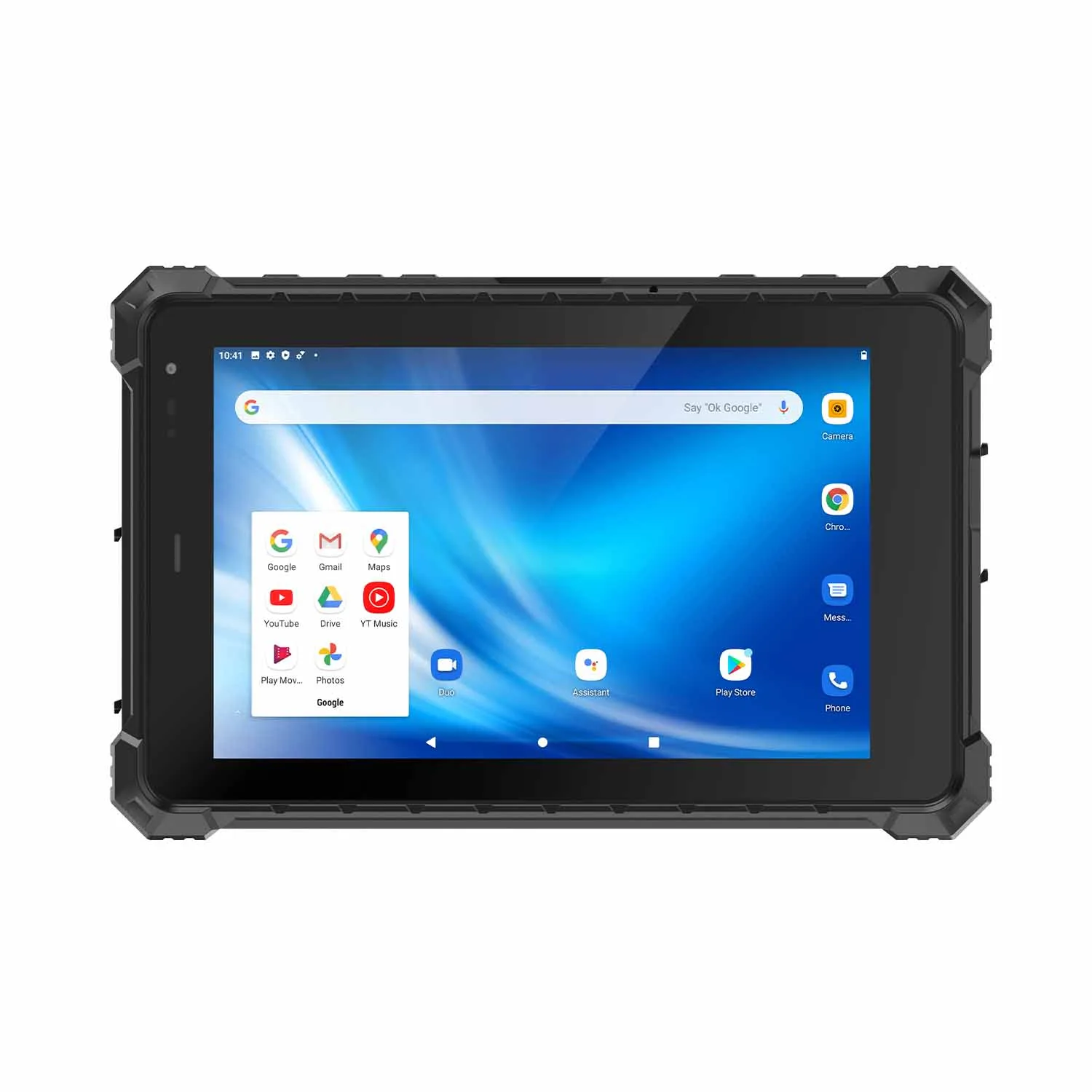
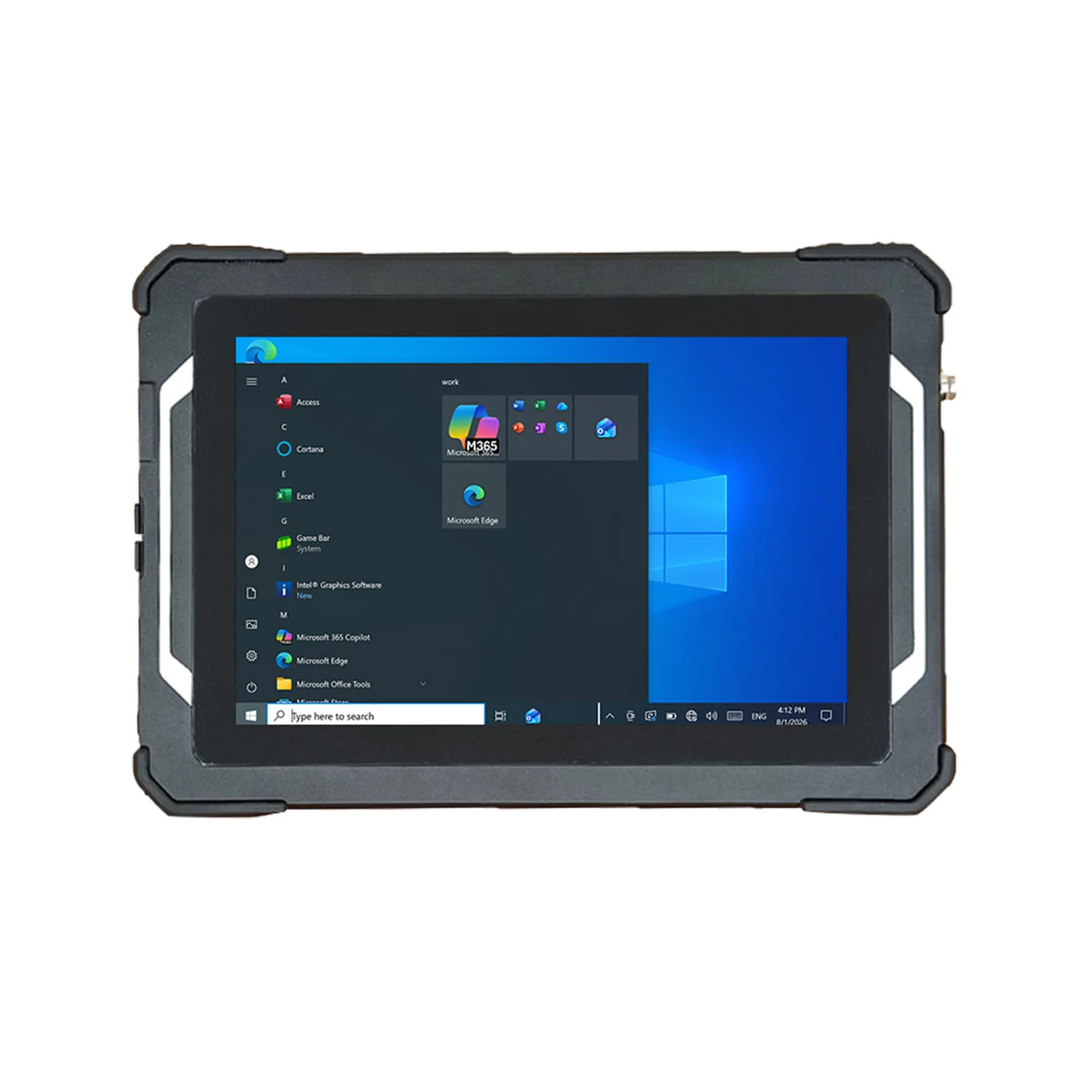
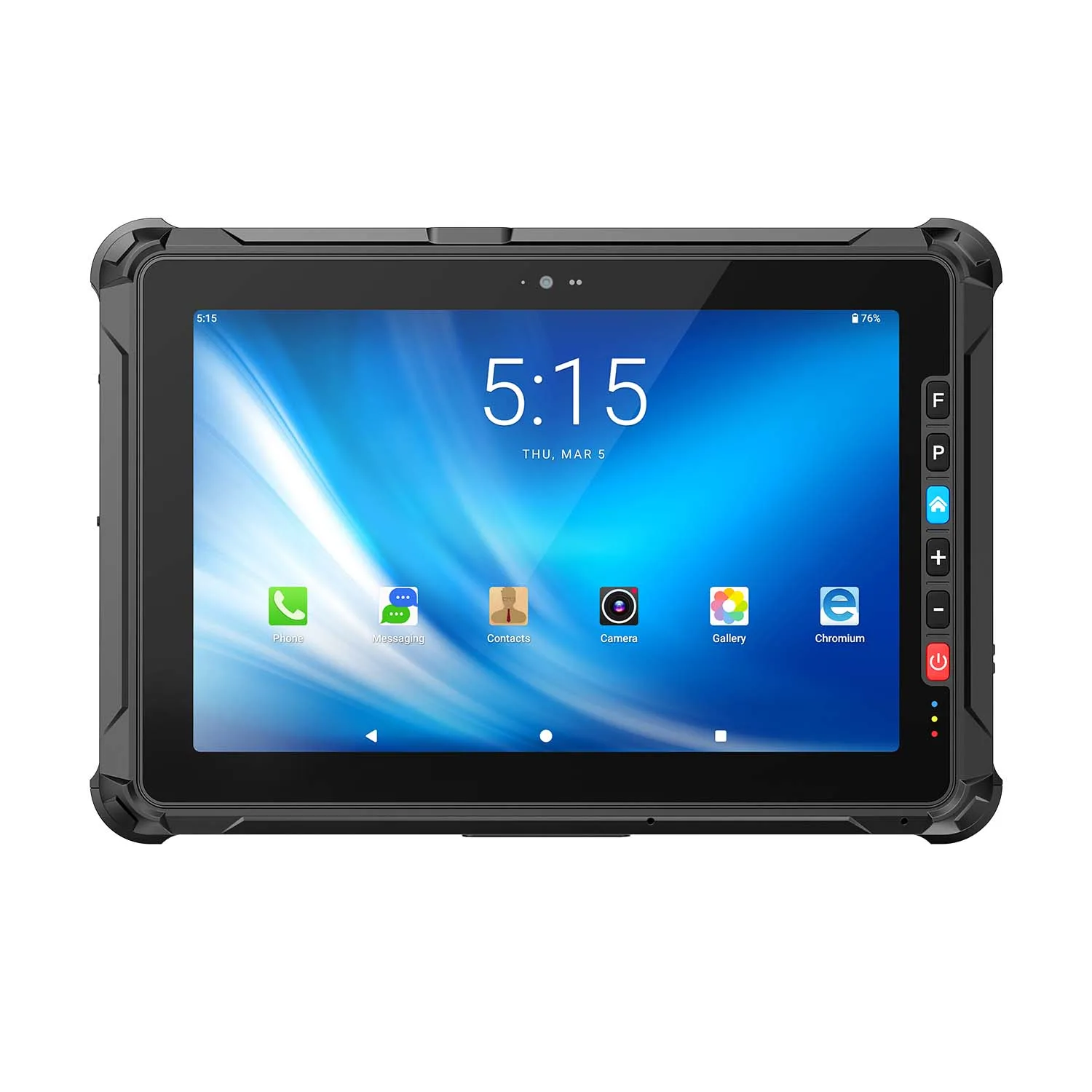
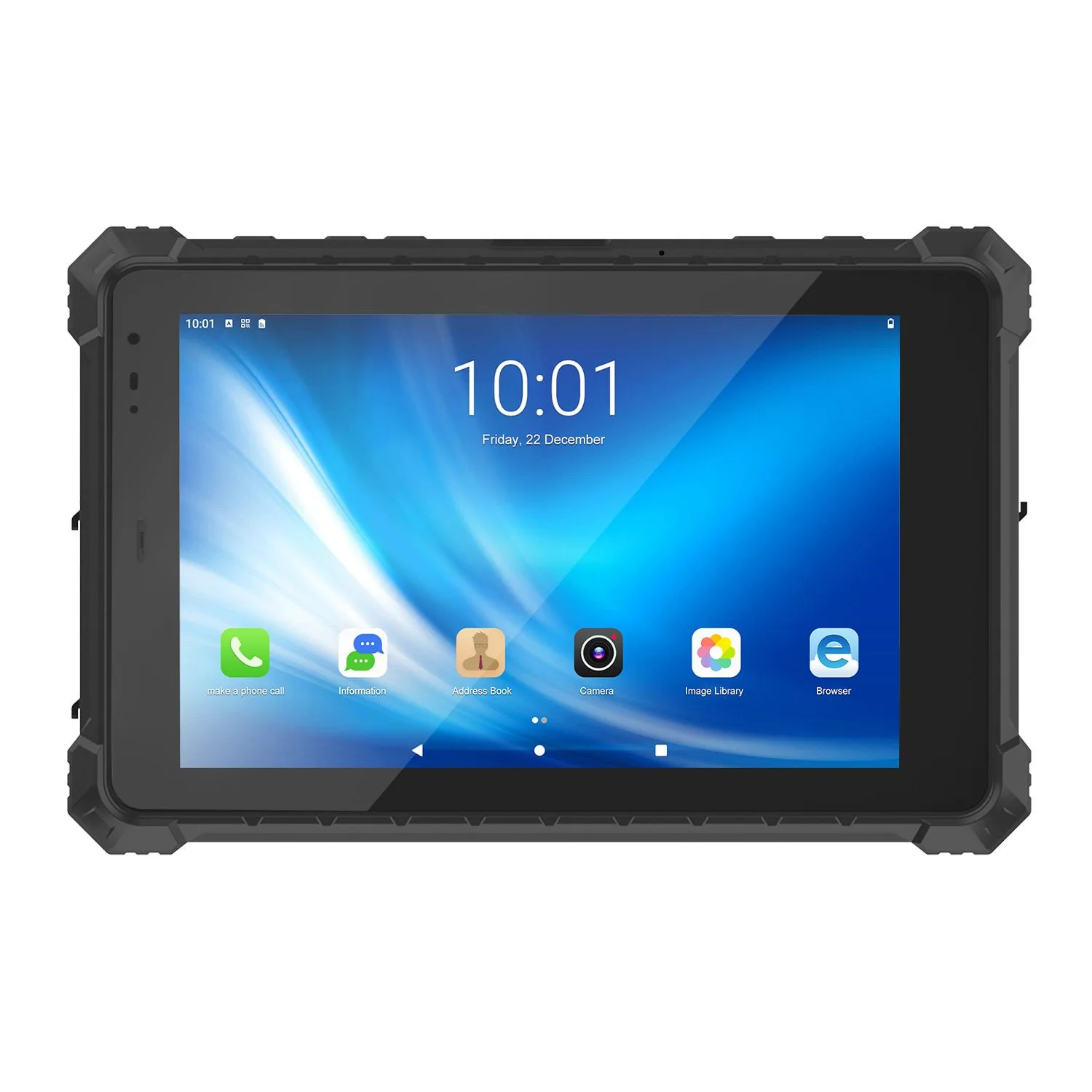
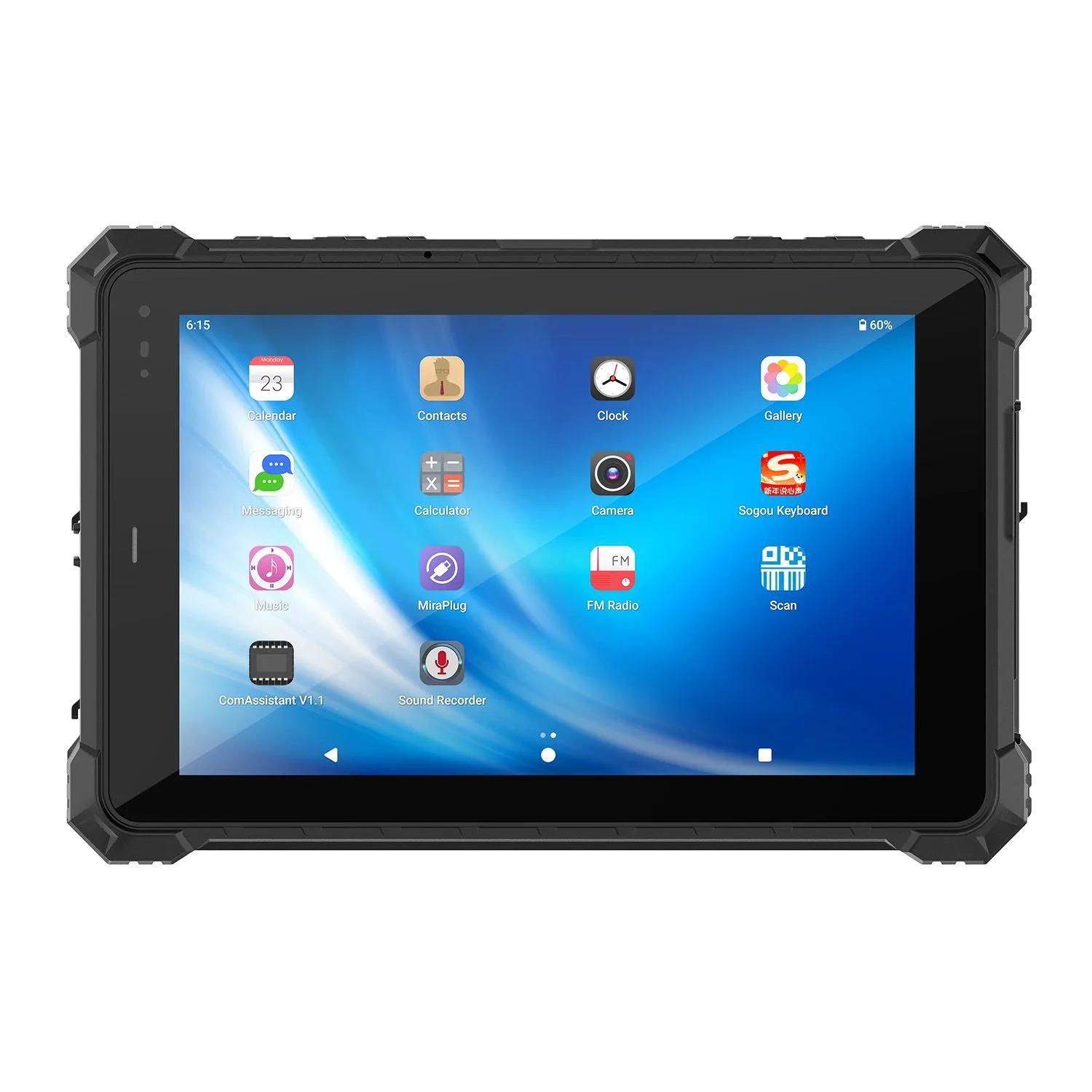
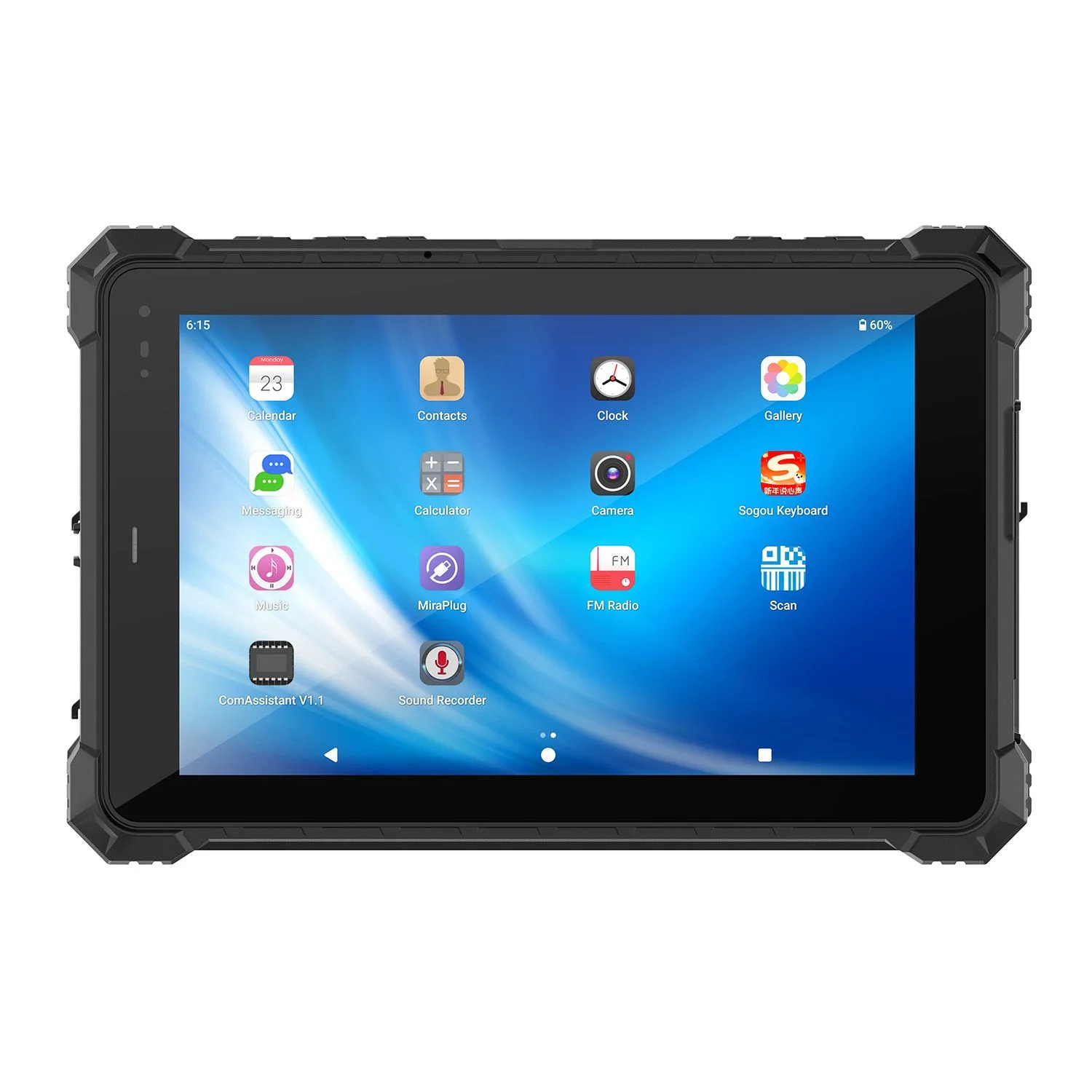
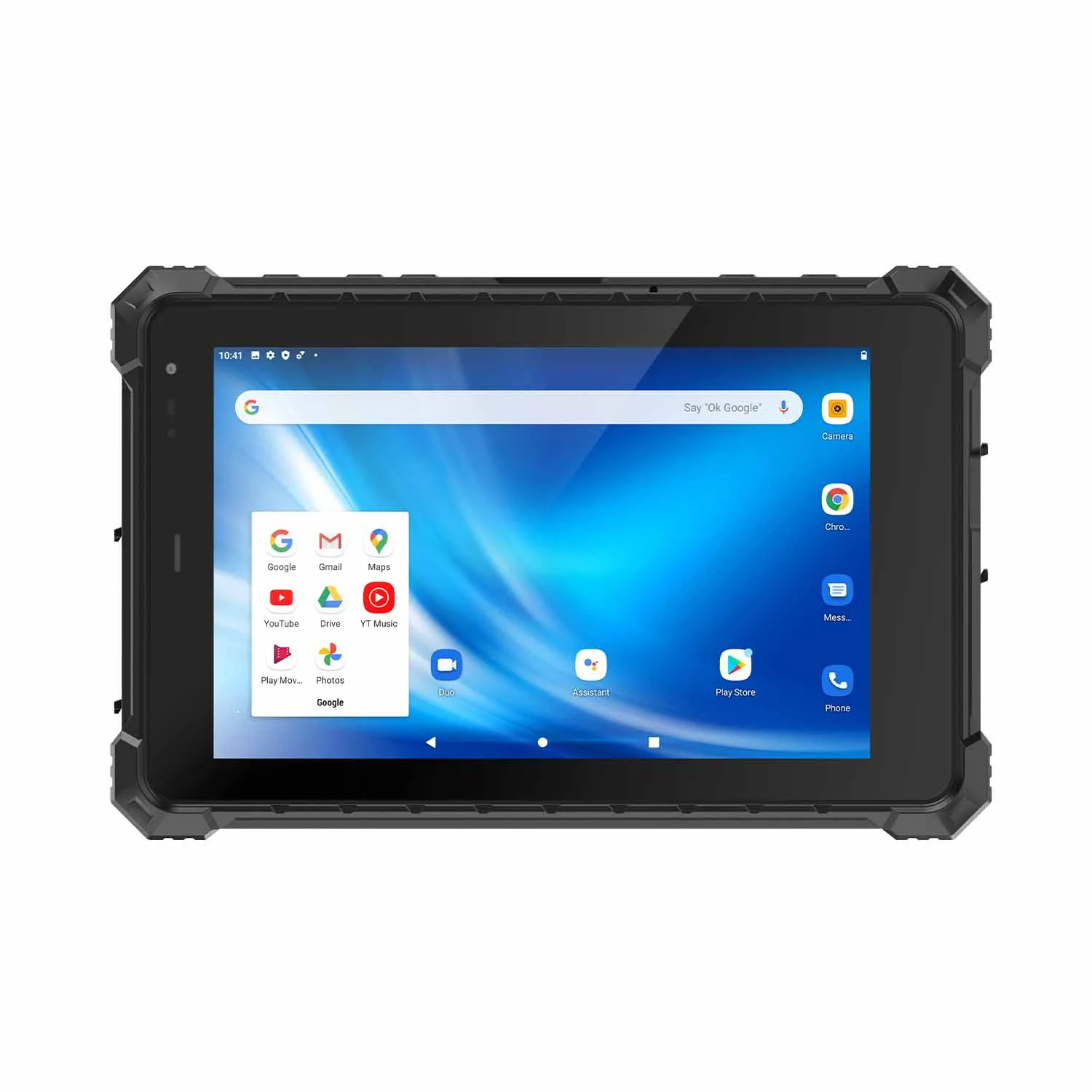
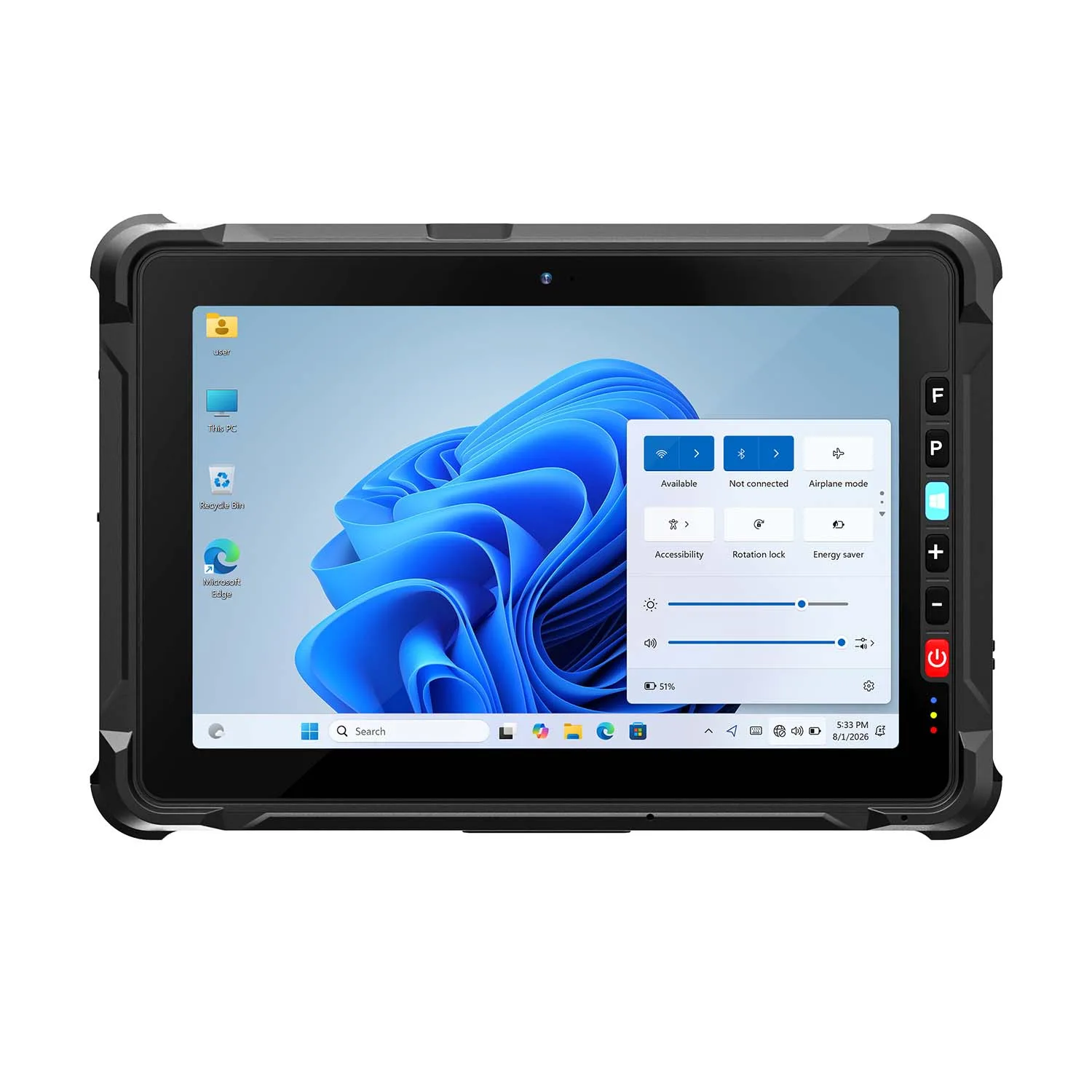
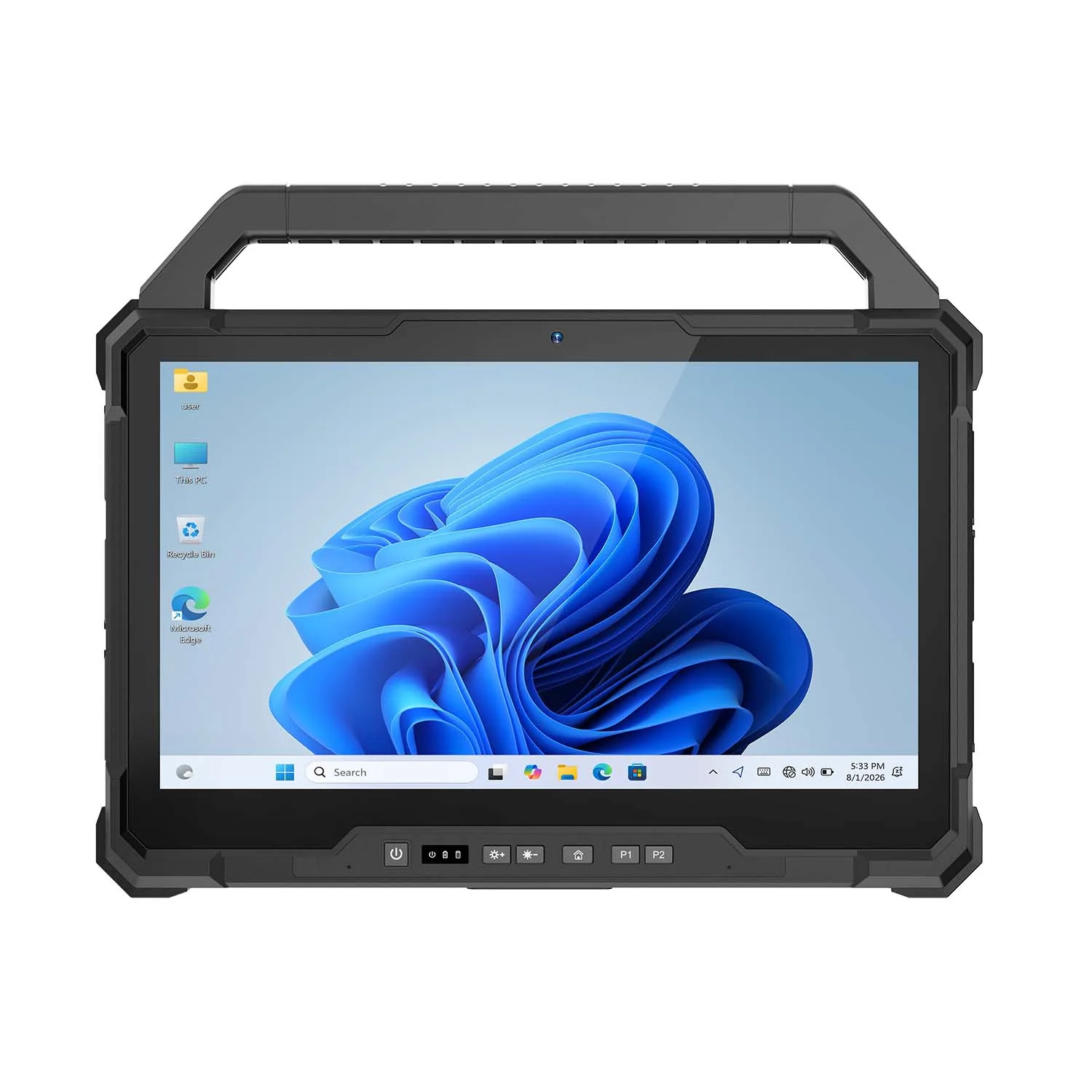
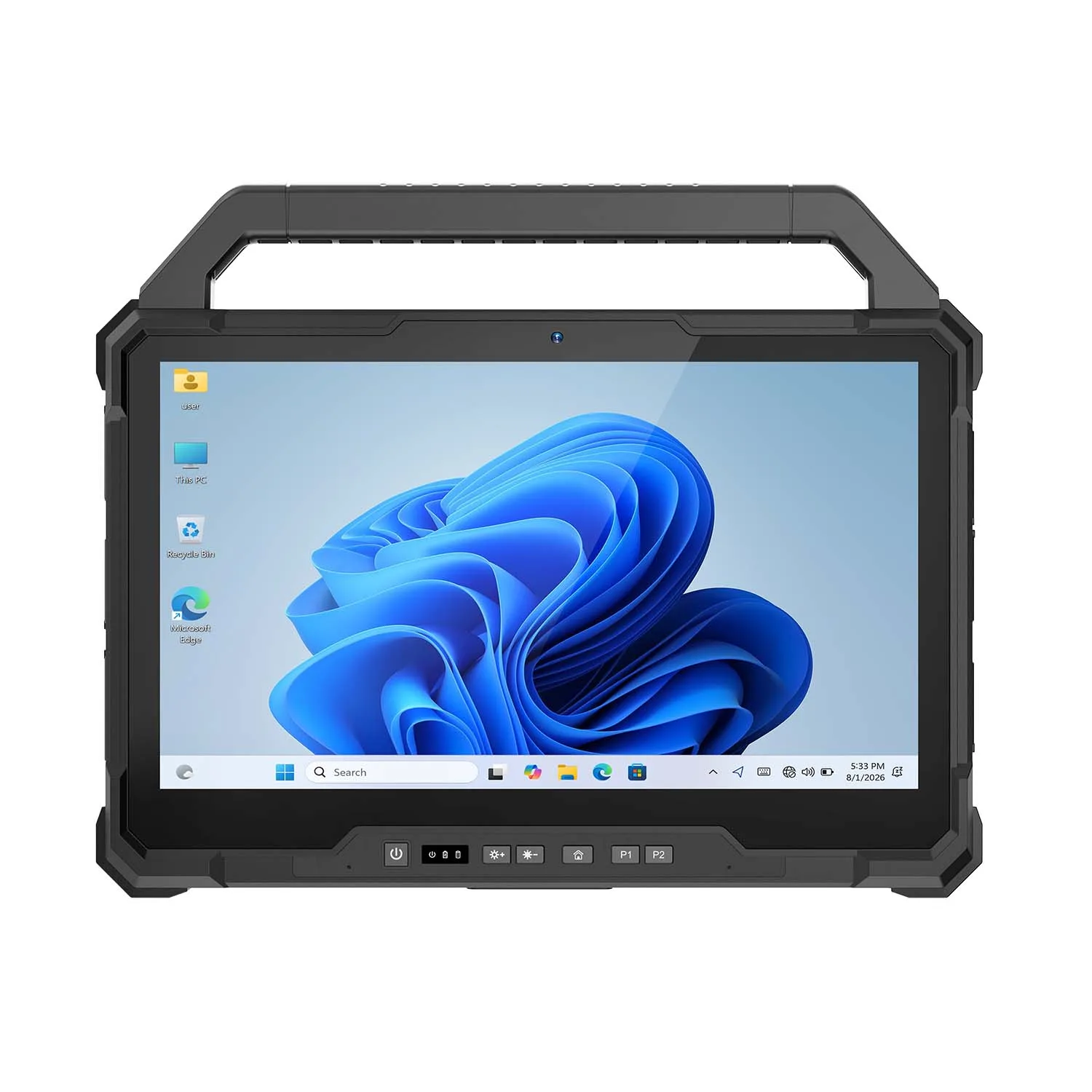
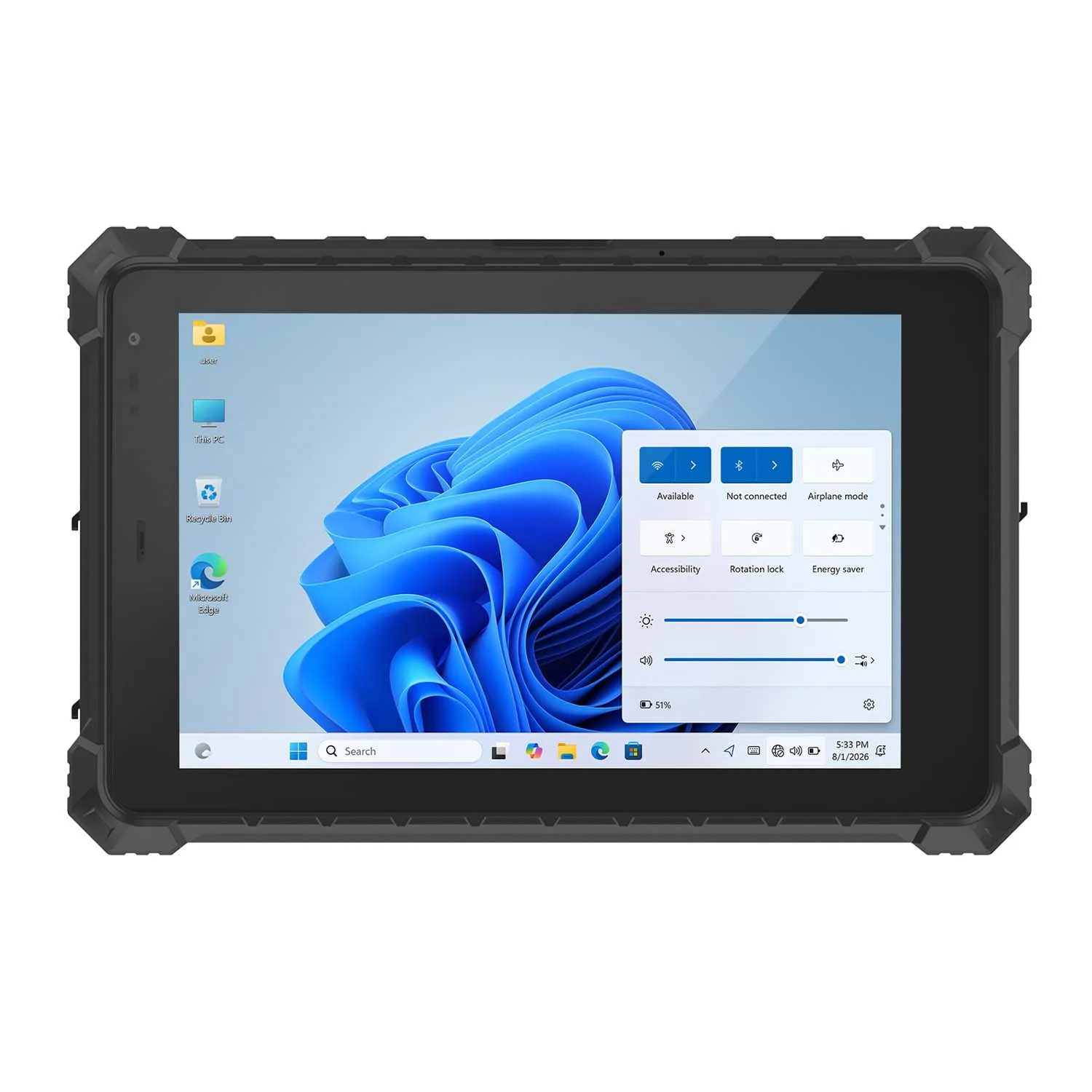
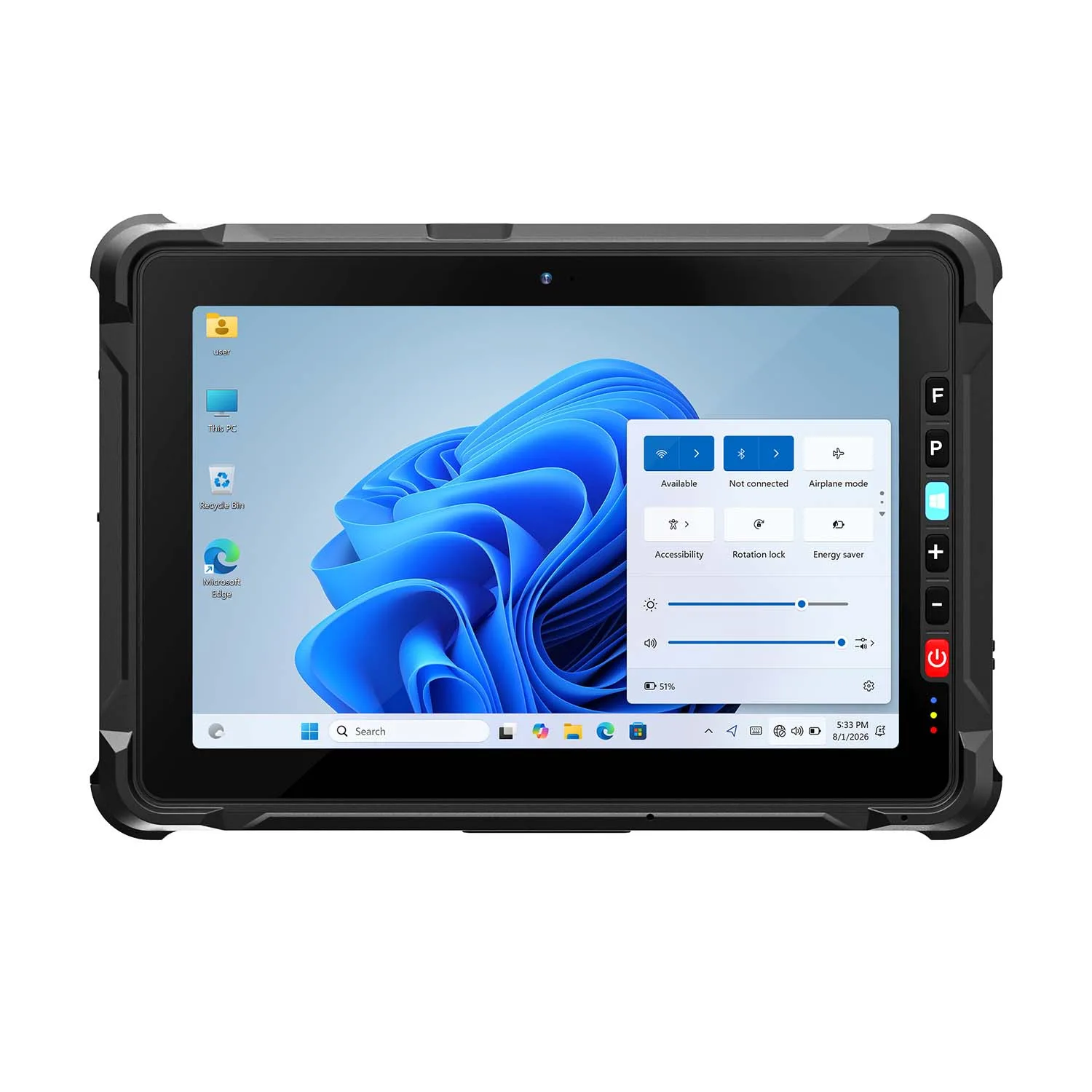
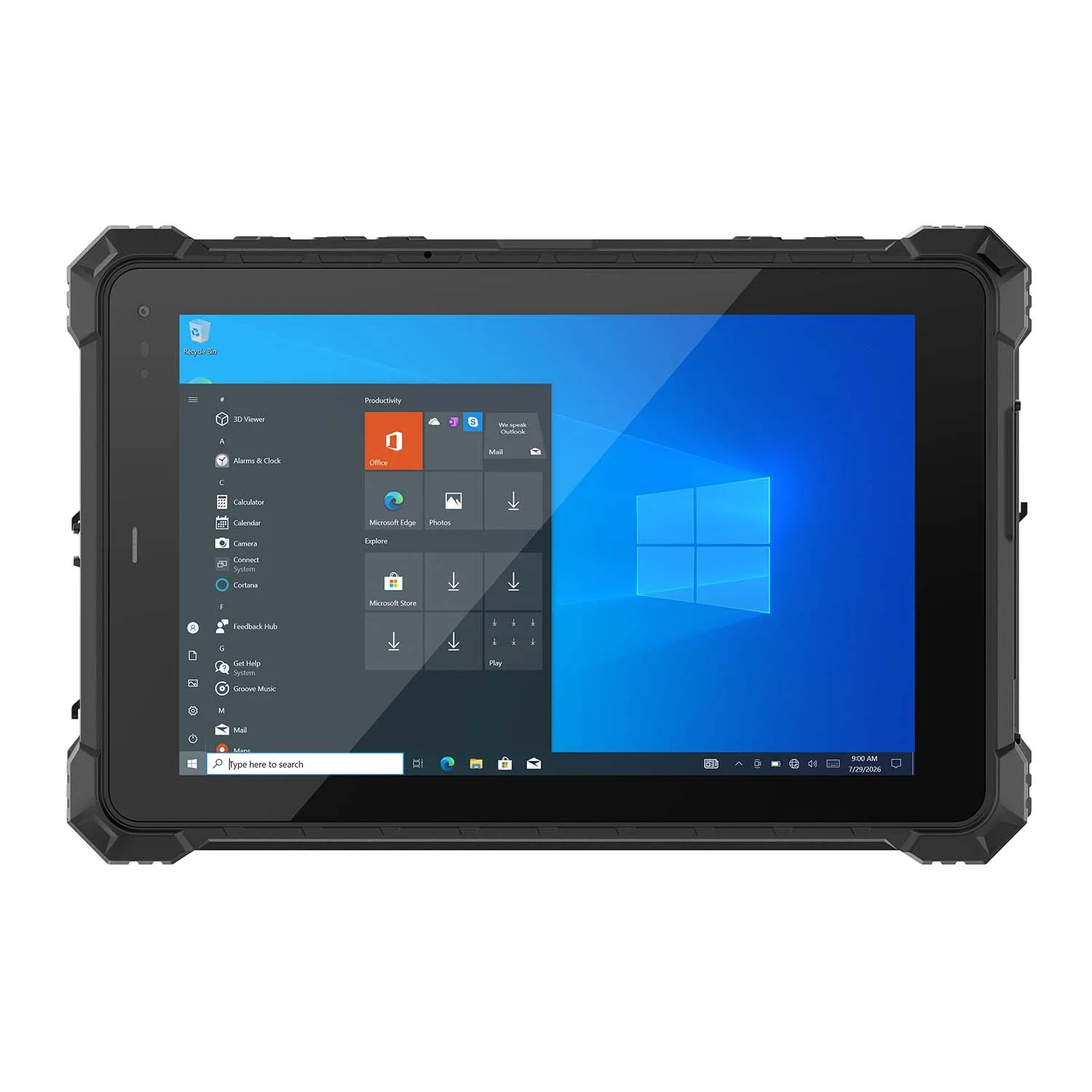
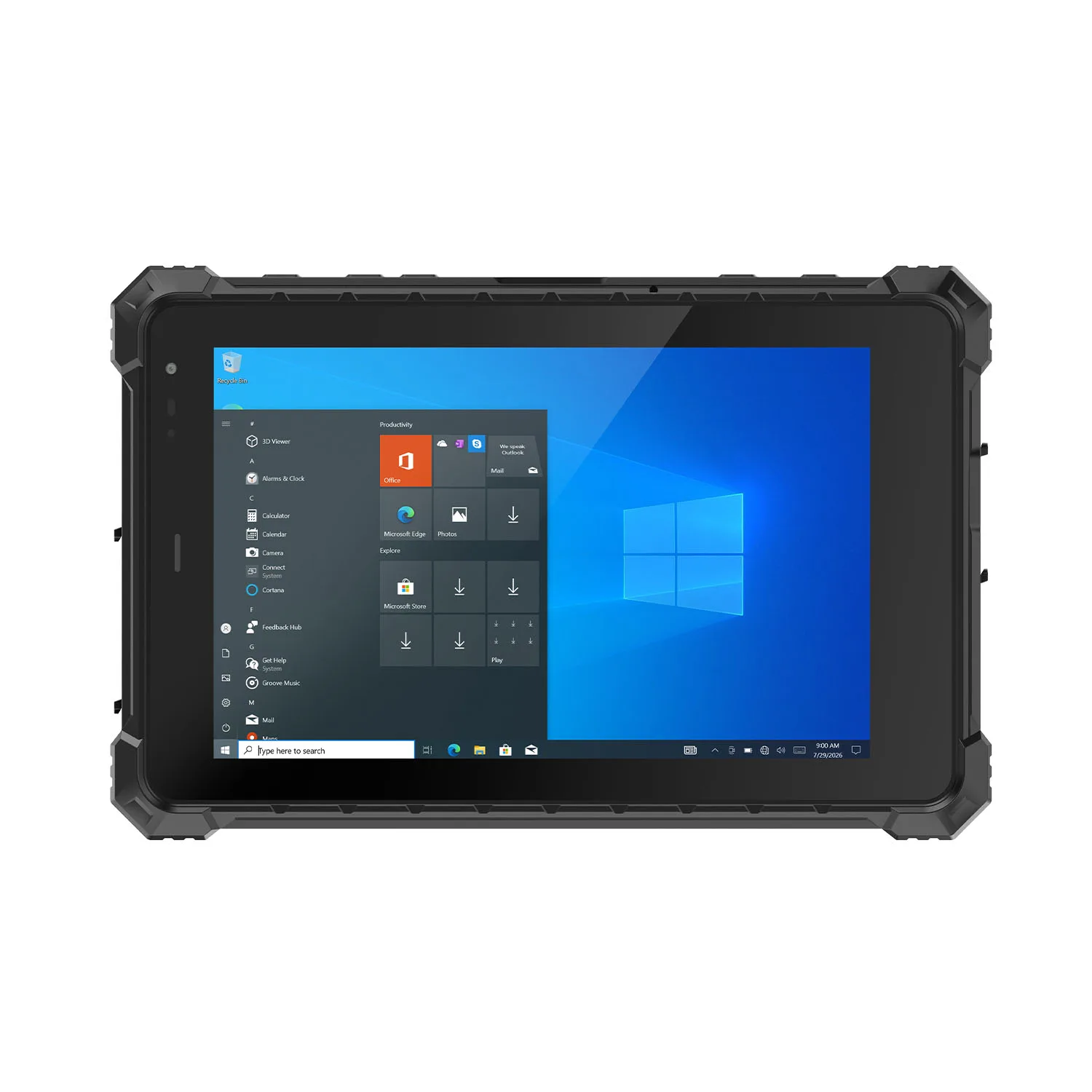
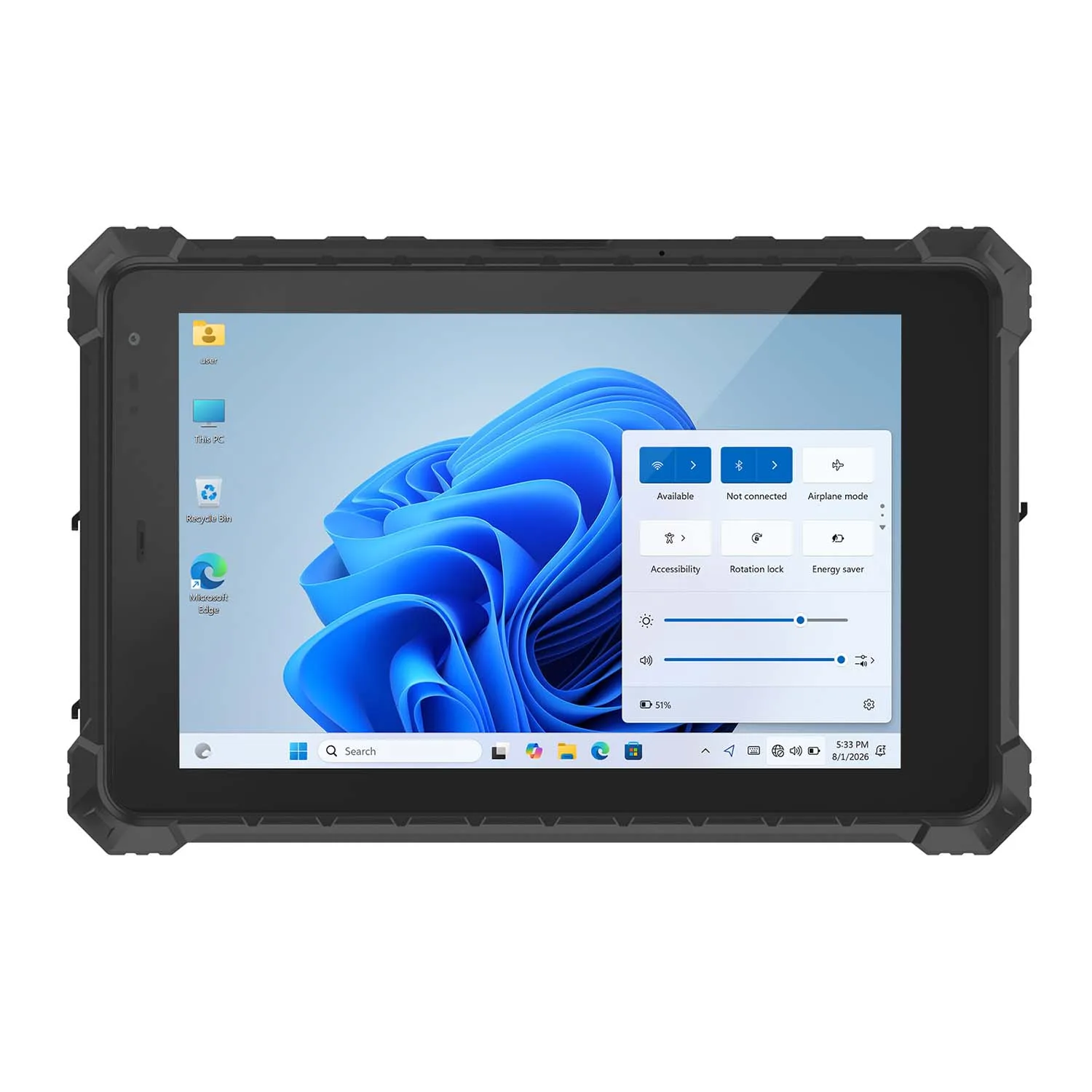
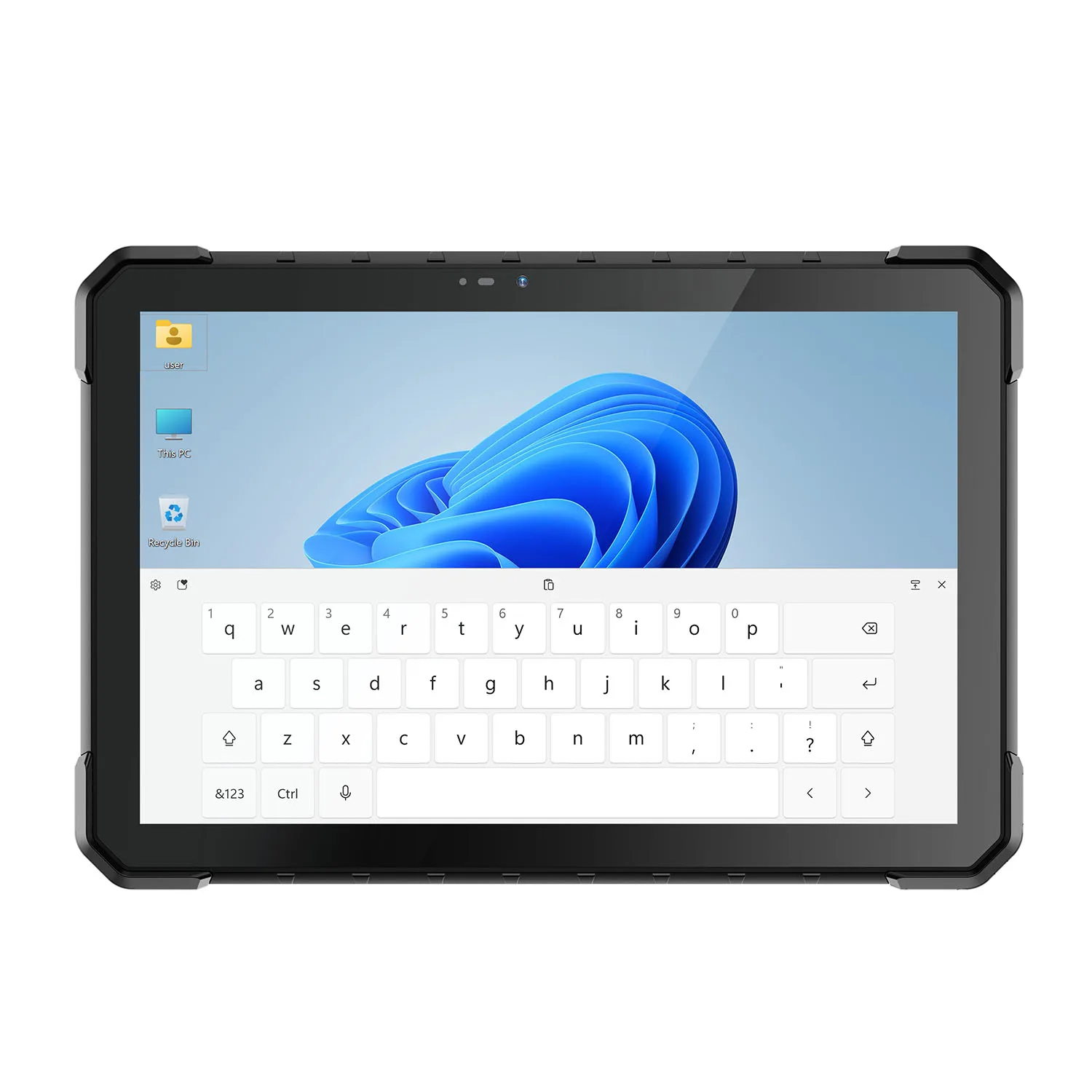
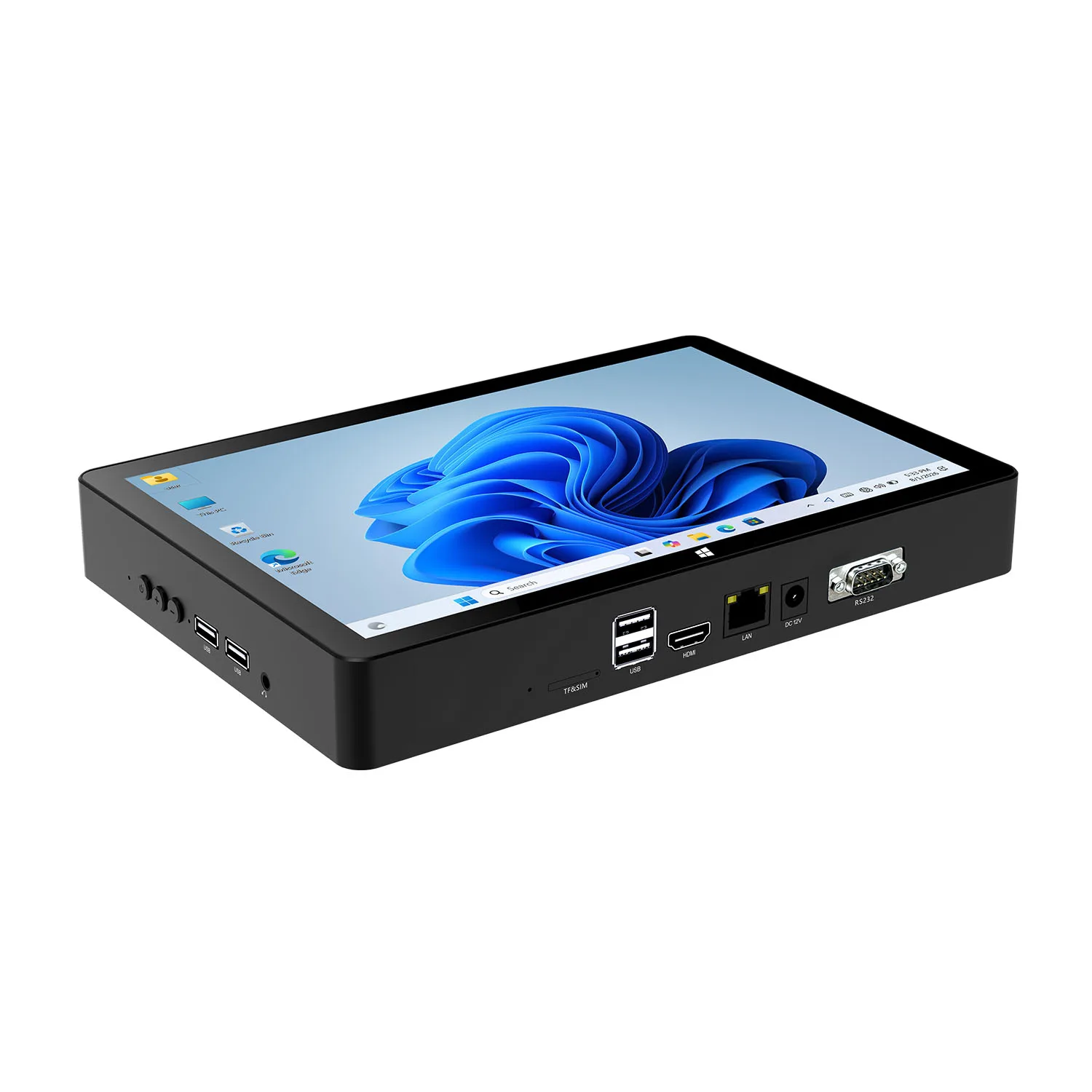
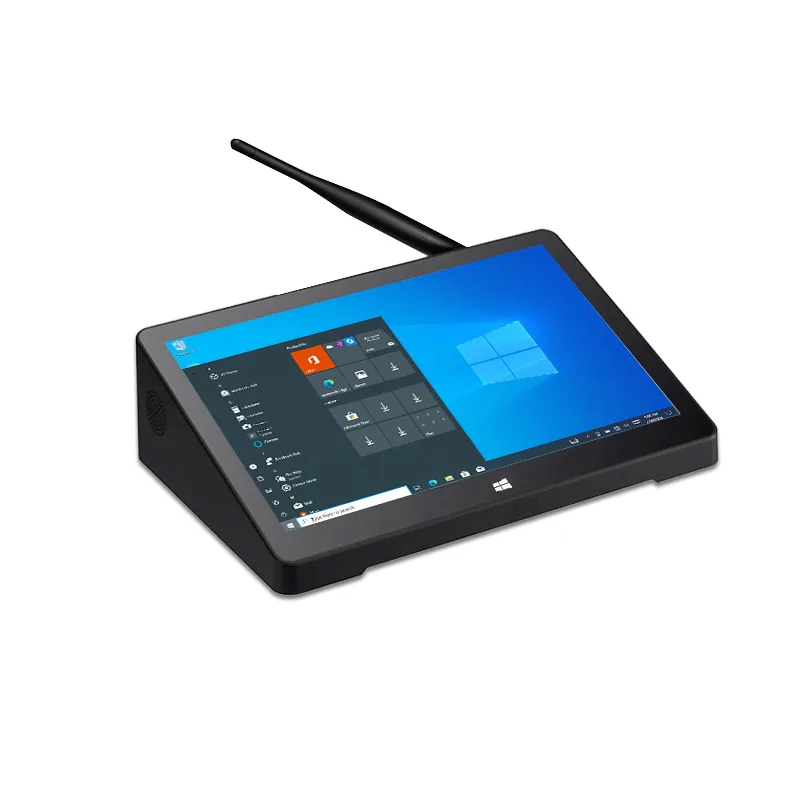
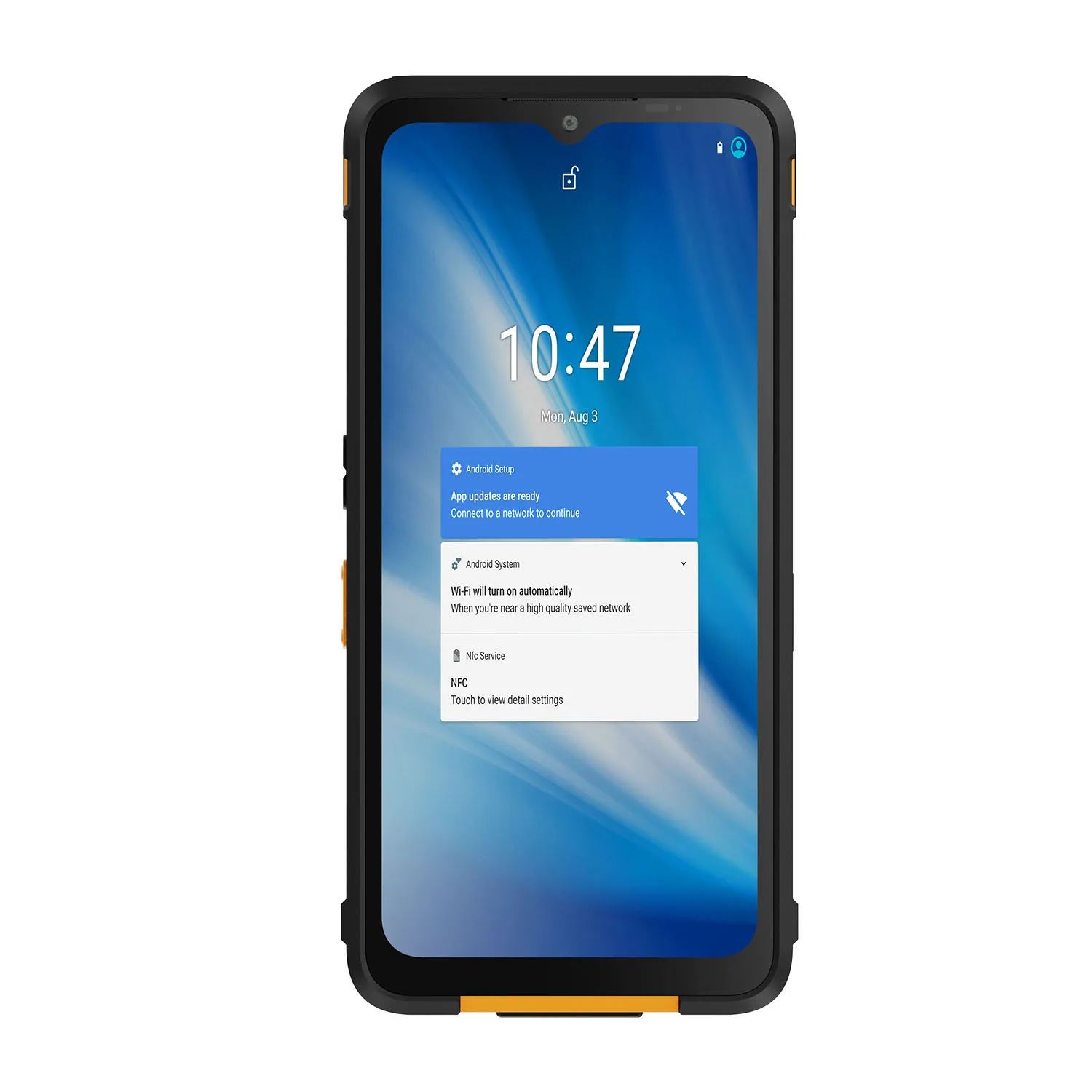
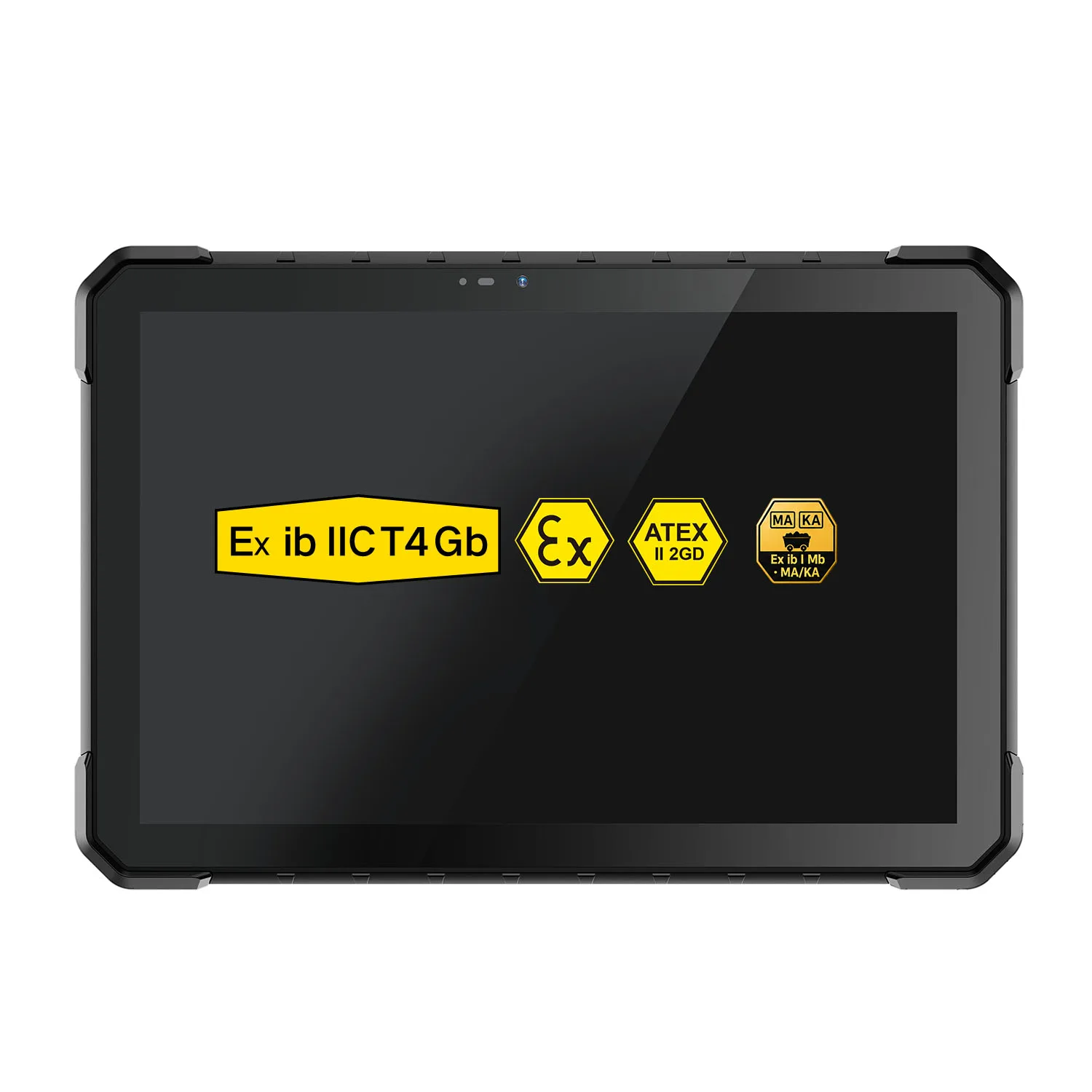
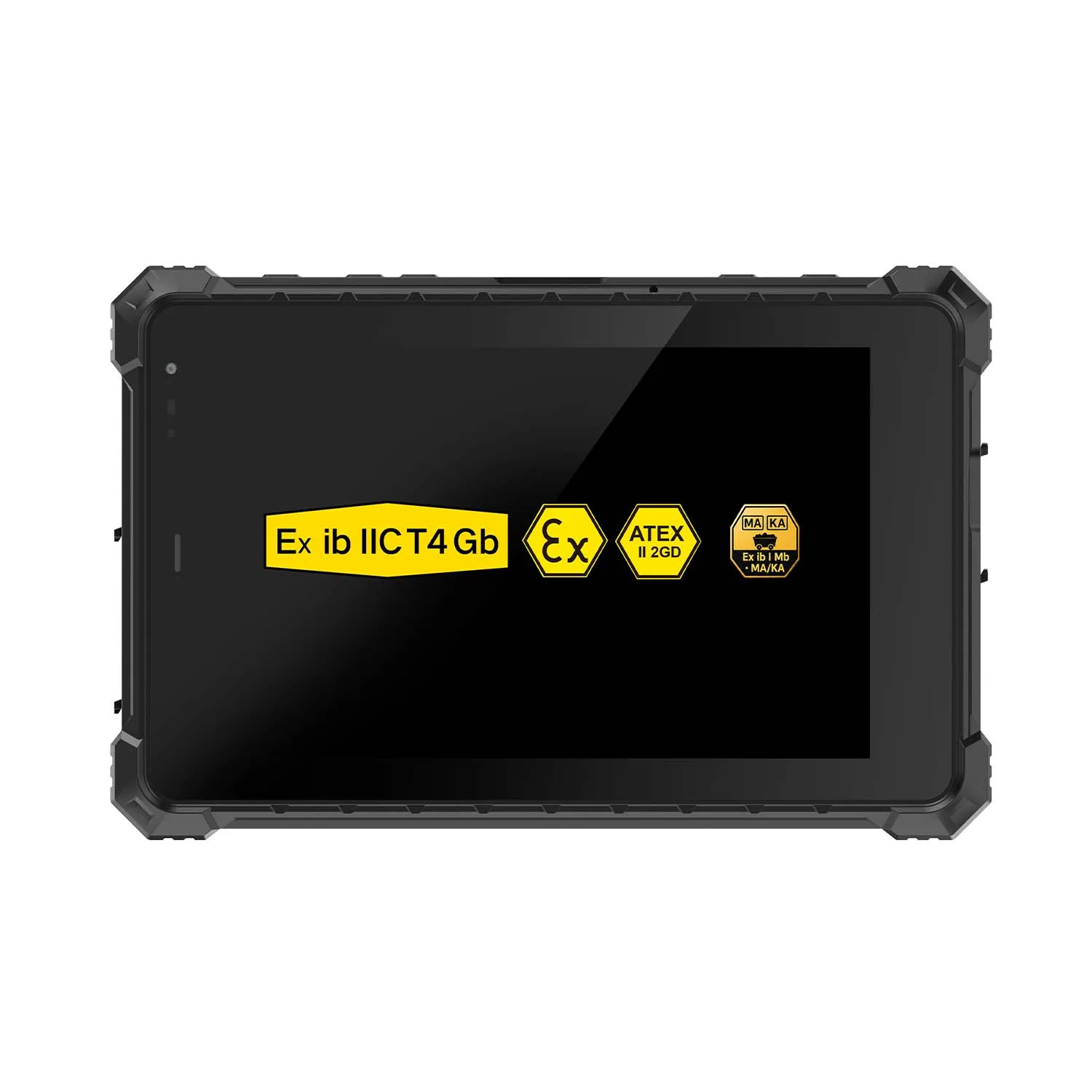
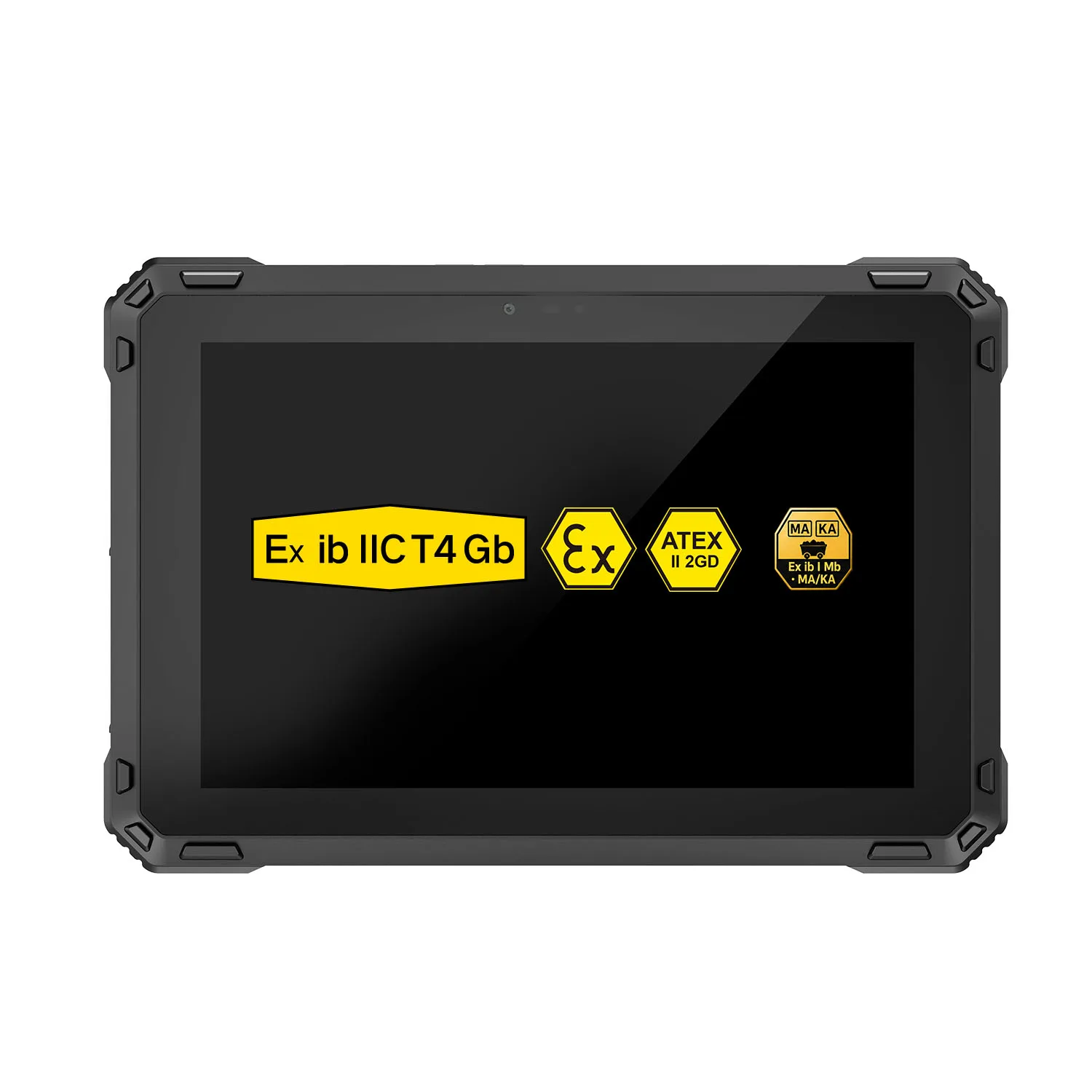
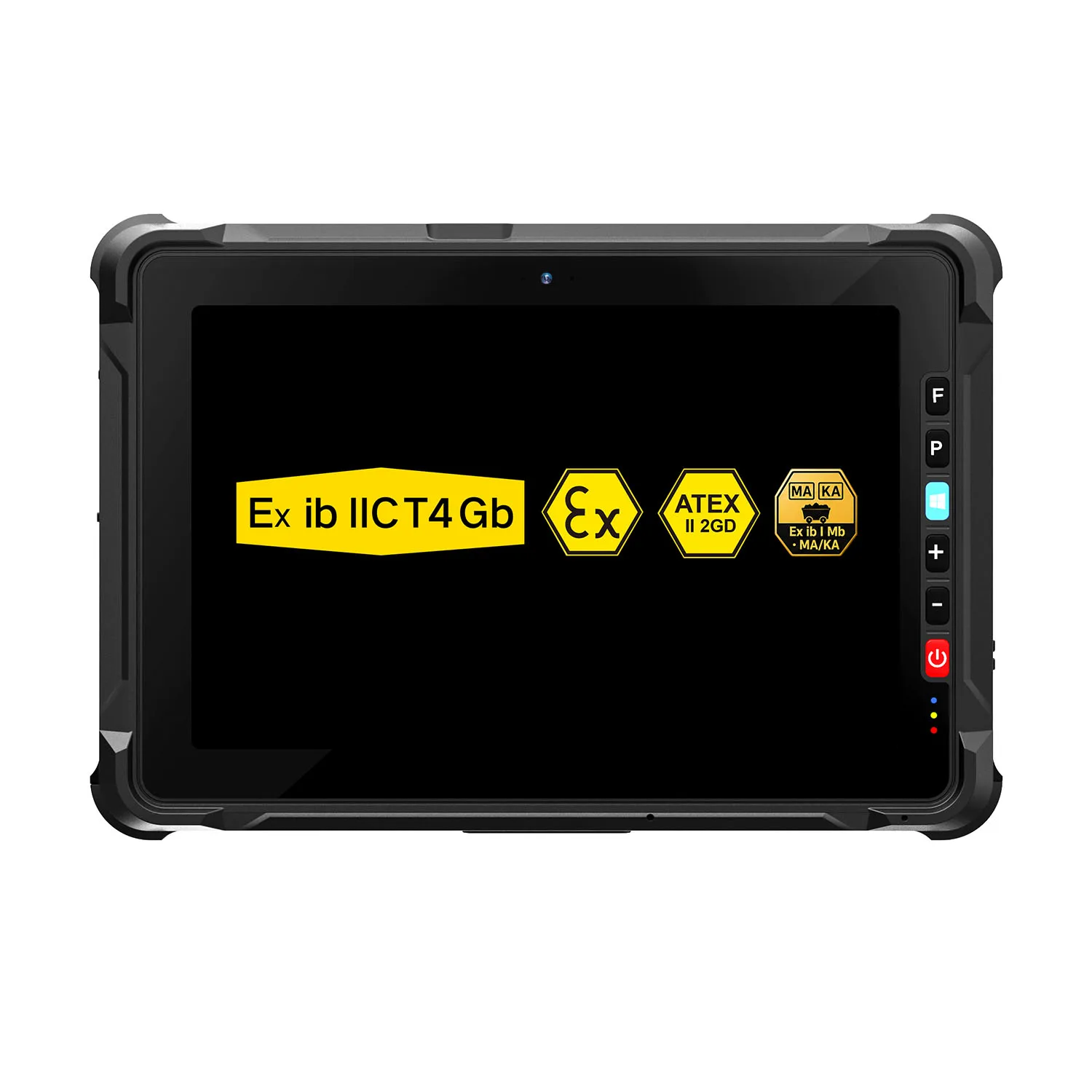
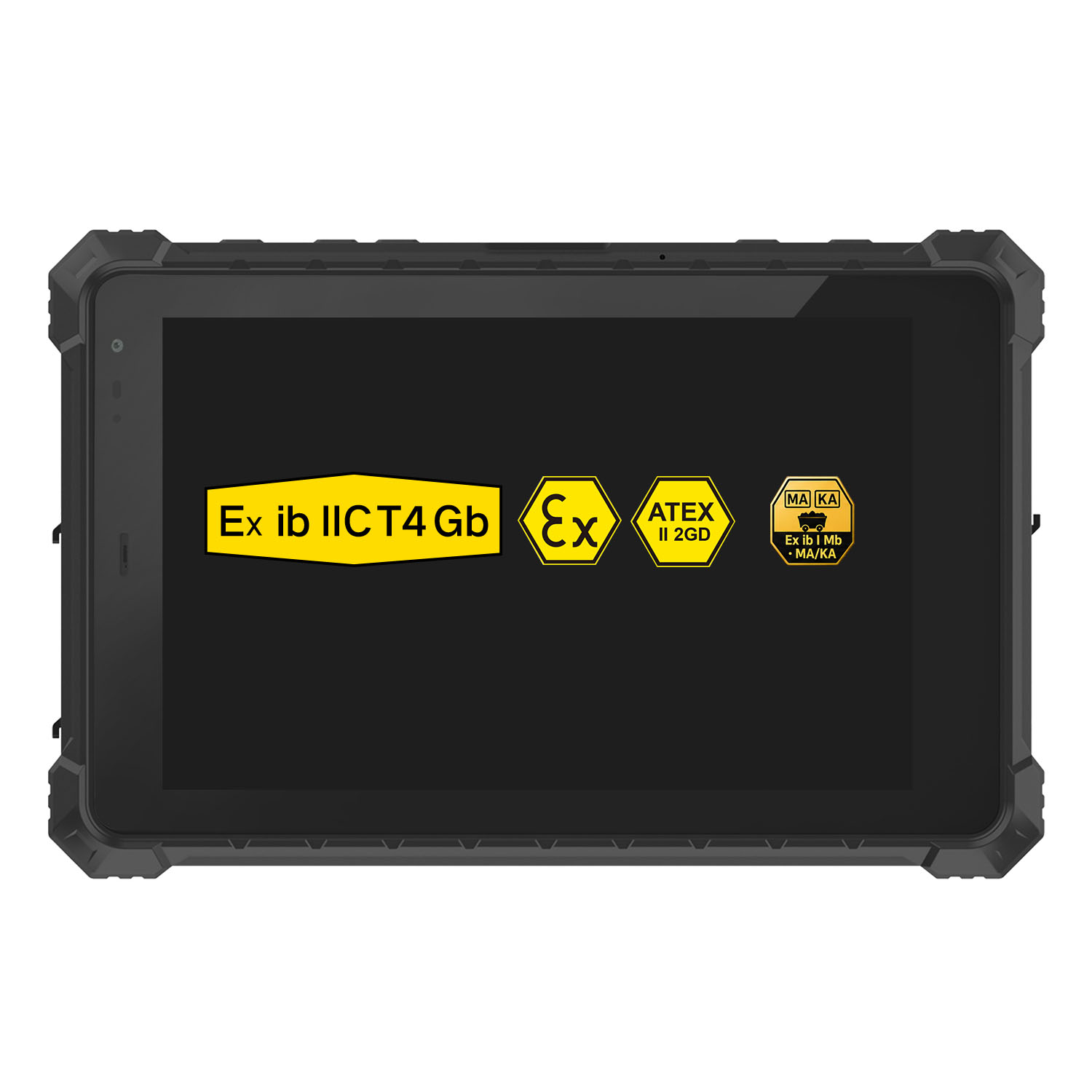
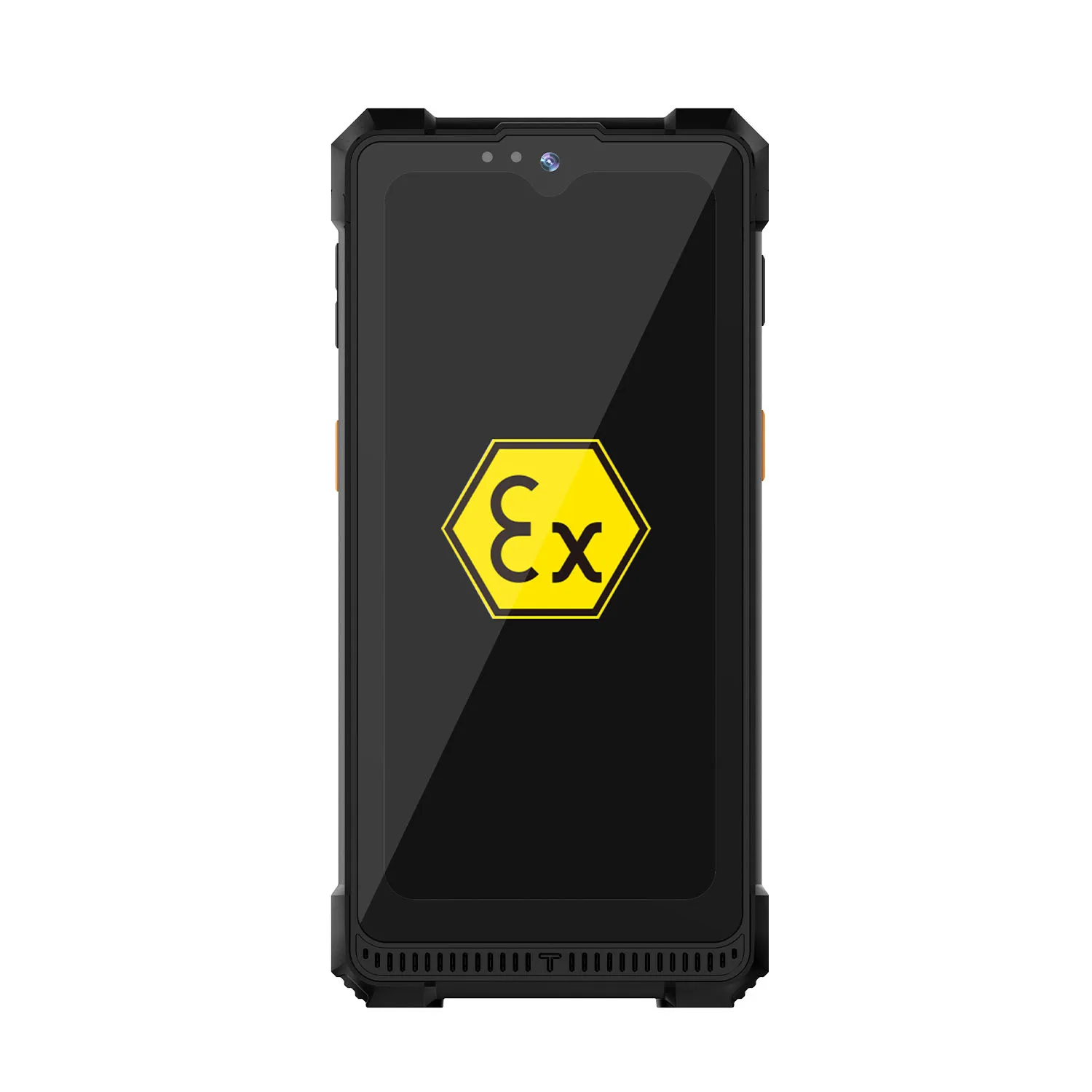
Rugged tablets support rehabilitation therapy by handling patient identity and data management (ID card, fingerprint, and QR-code capture), connecting to external medical monitoring devices and prosthetics for data logging, and — in a fixed-kiosk configuration — powering hospital self-service registration and reporting systems. CENAVA's A10ST handles the handheld data-capture role, while the H10PRO Box PC is built for the fixed self-service kiosk use case.
Medical tablets have become an important tool in rehabilitation therapy, whether in hospitals, rehabilitation centers, or home care — improving both treatment effectiveness and patient engagement. Here are five concrete ways a rugged tablet supports the rehabilitation process, along with which CENAVA hardware fits each role.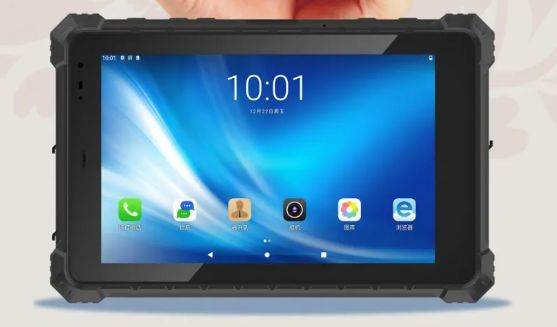
1. Intelligent Patient Data Management
CENAVA's rugged tablets support disability services organizations and rehabilitation centers in efficiently collecting and managing patient information. Equipped with ID card recognition, fingerprint capture, and QR-code scanning modules, a tablet like the A10ST can quickly and accurately log basic information, health status notes, and service needs — with data synced to a cloud or local server for ongoing access.2. Data Analysis for Service Planning
Once patient information is digitized, organizations can analyze it to understand service needs, health status trends, and rehabilitation progress across a caseload — supporting better-informed service planning and policy decisions than manual paper records allow.3. Compatibility with Medical Software and Devices
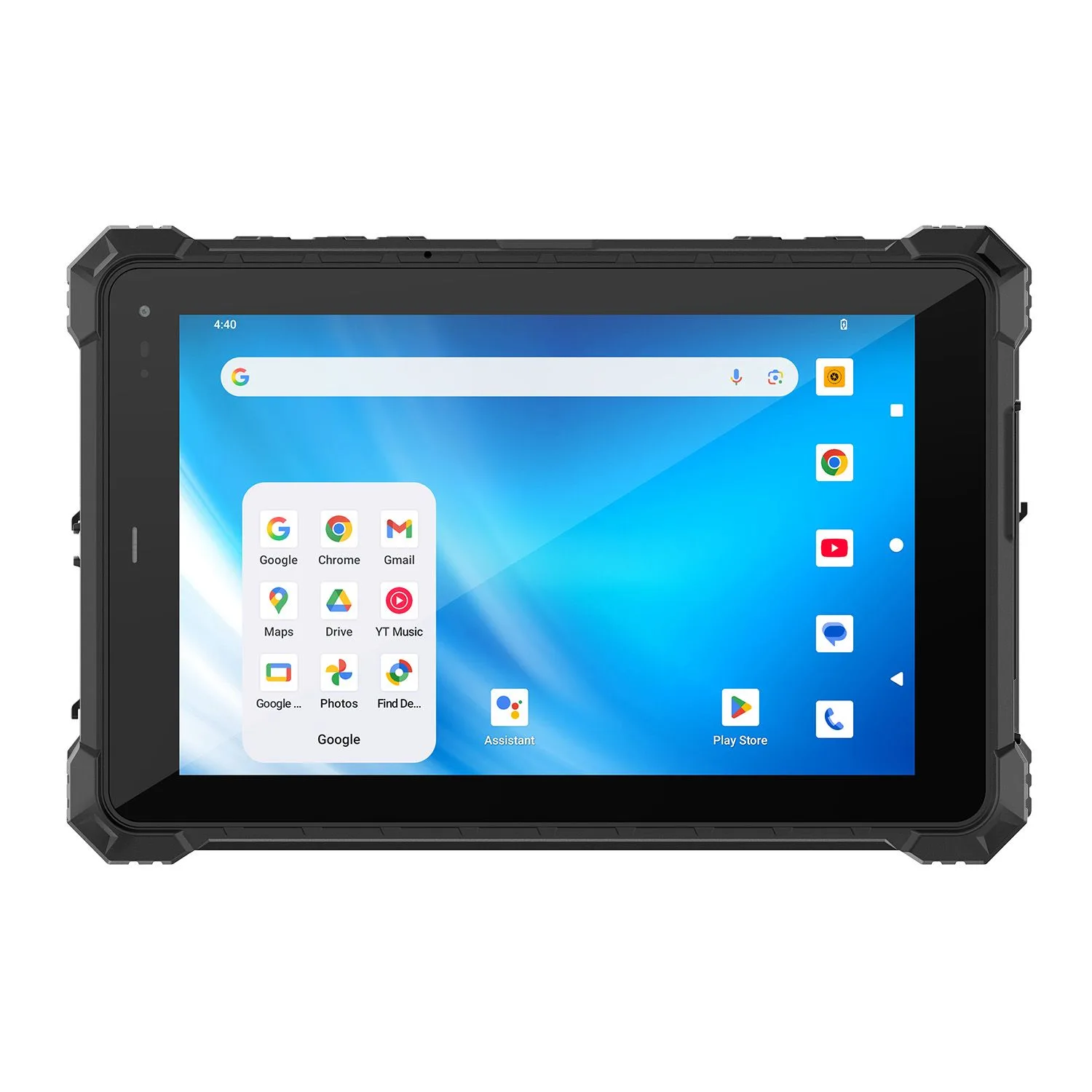
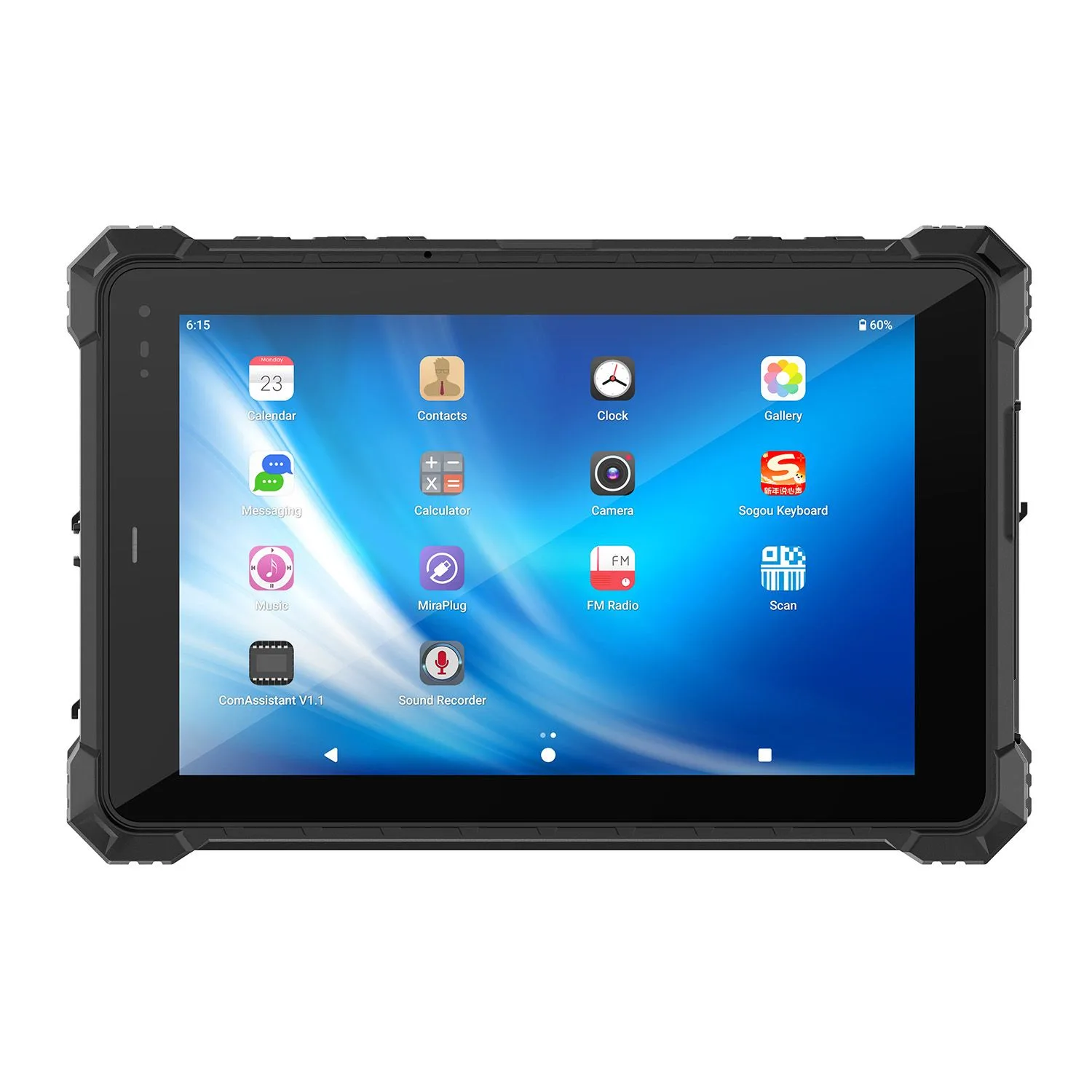
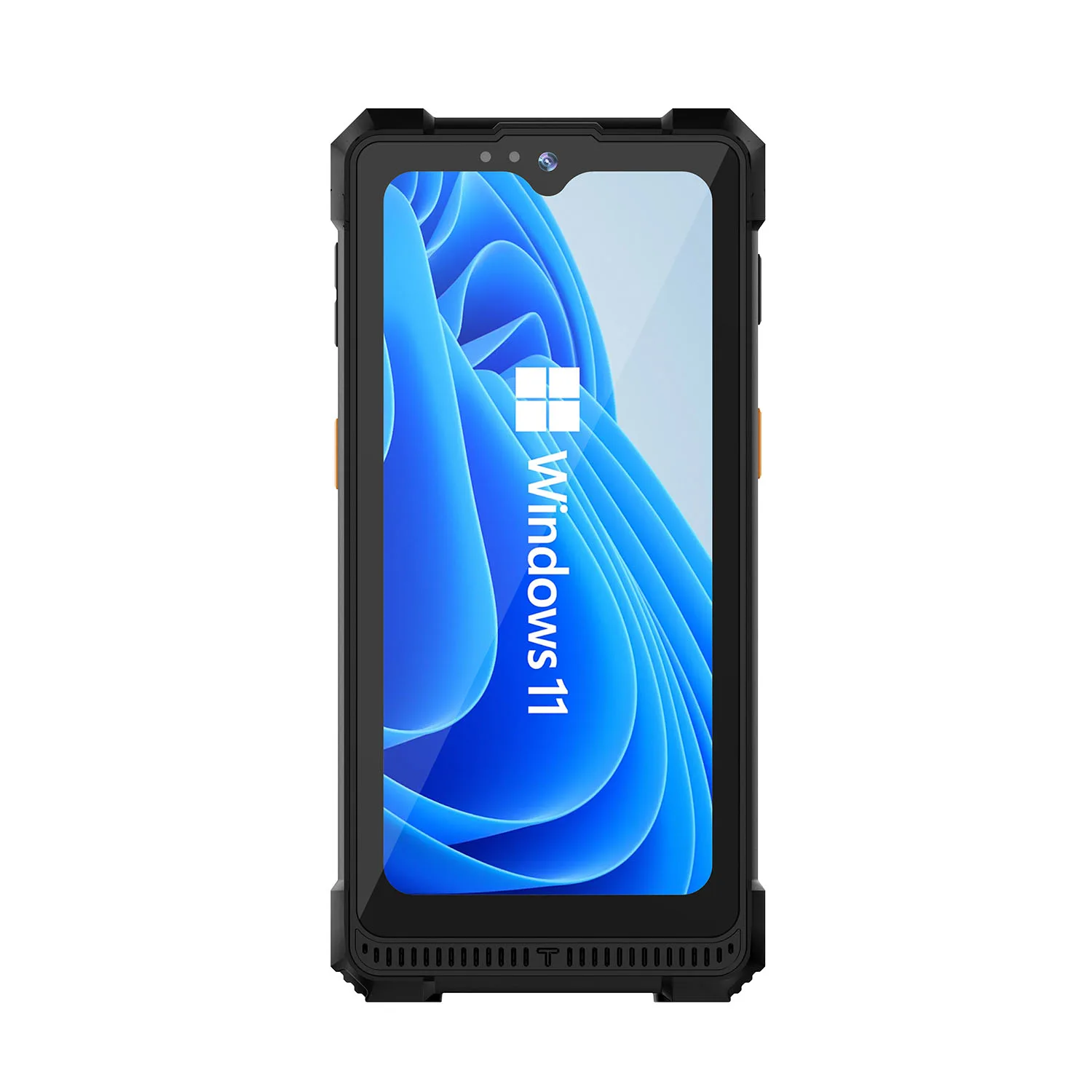
CENAVA's rugged tablets support Windows and Android operating systems, helping them integrate with a wide range of professional medical software. Their rich interfaces (USB, Bluetooth, Wi-Fi) also let them connect to external medical monitoring devices — heart rate monitors, pulse oximeters, and other vital-sign equipment — displaying that connected data in real time to help clinicians build more informed care plans.Accuracy note: CENAVA's standard rugged tablets do not have confirmed built-in vital-sign sensors (heart rate, respiration, blood oxygen, body temperature) as a standard catalog feature — these parameters are captured by connecting an external medical device to the tablet's available interfaces, not sensed by the tablet itself. If your workflow requires certified built-in physiological sensors, this should be scoped as a specific OEM/ODM requirement and confirmed with CENAVA's engineering team, since medical-grade sensor accuracy carries its own certification requirements. Similarly, support for Kirin/HarmonyOS beyond standard Windows/Android should be confirmed directly with CENAVA sales rather than assumed as a default feature.
4. Data Logging for Rehabilitation Equipment
CENAVA's rugged tablets can connect to rehabilitation equipment — such as prosthetic devices — to log physiological data and treatment feedback generated during use, giving clinical staff a data trail to refine rehabilitation plans over time. As with vital-sign monitoring, this depends on the specific equipment's data interface, so confirm compatibility with your prosthetic or rehab equipment vendor and CENAVA together.5. Hospital Self-Service Systems
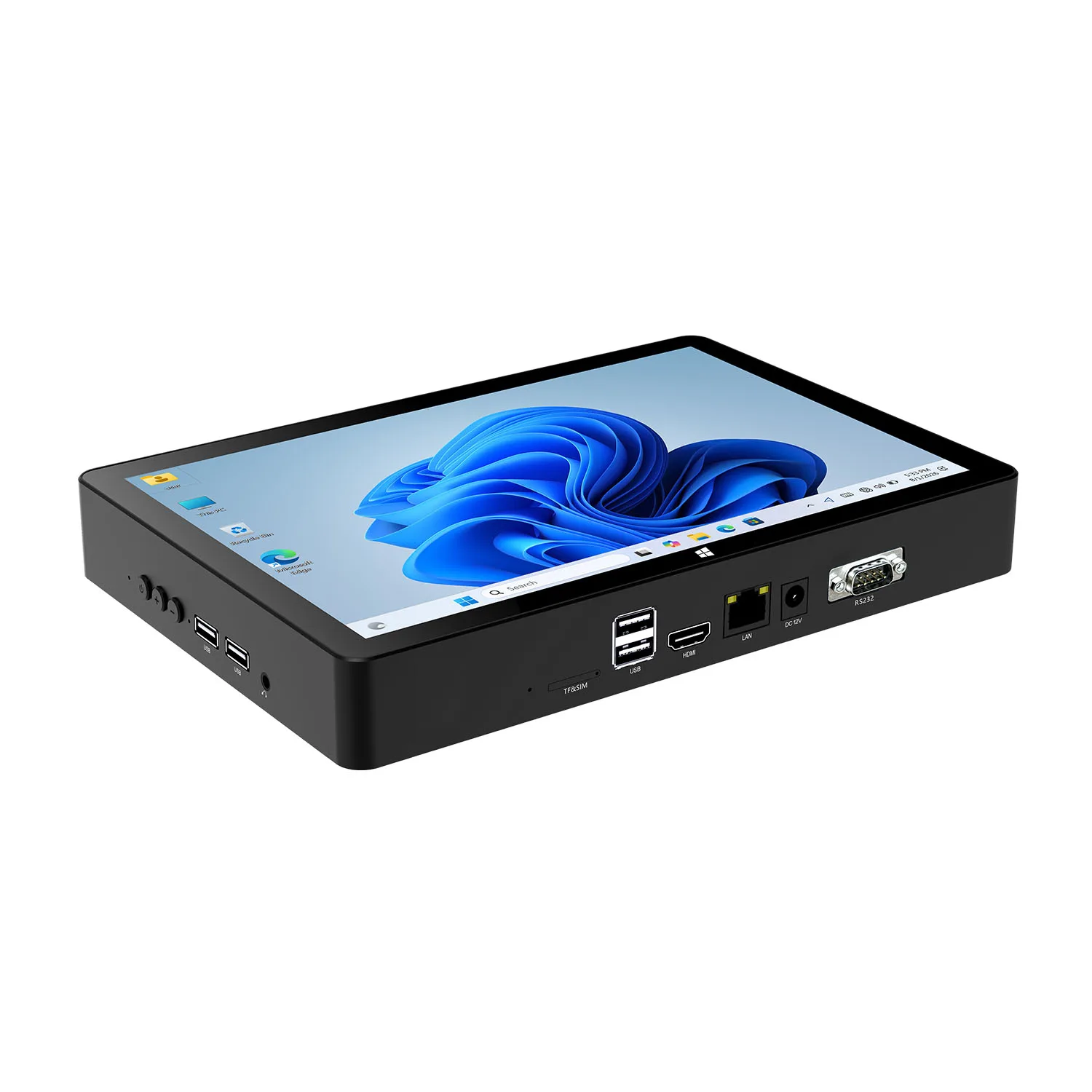
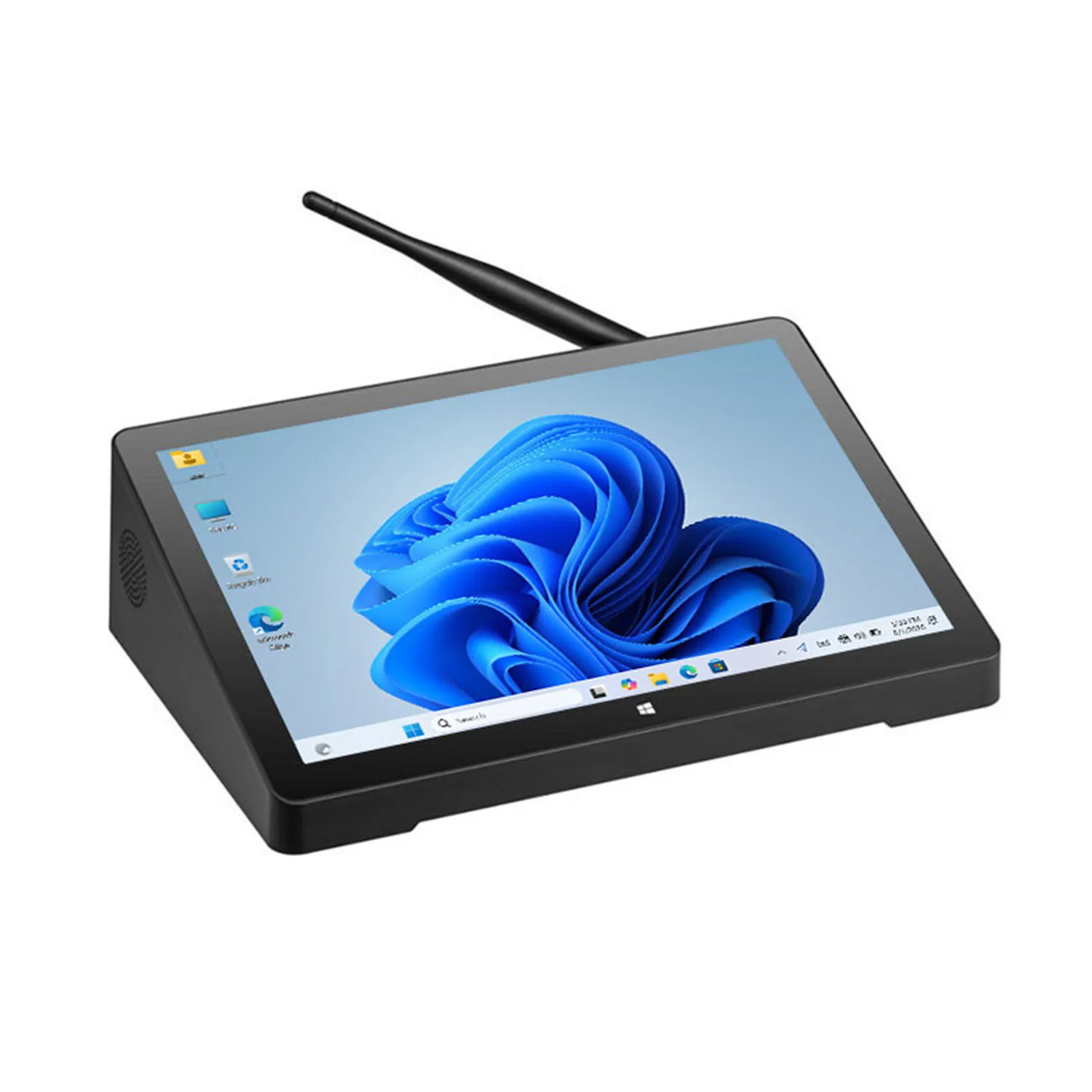
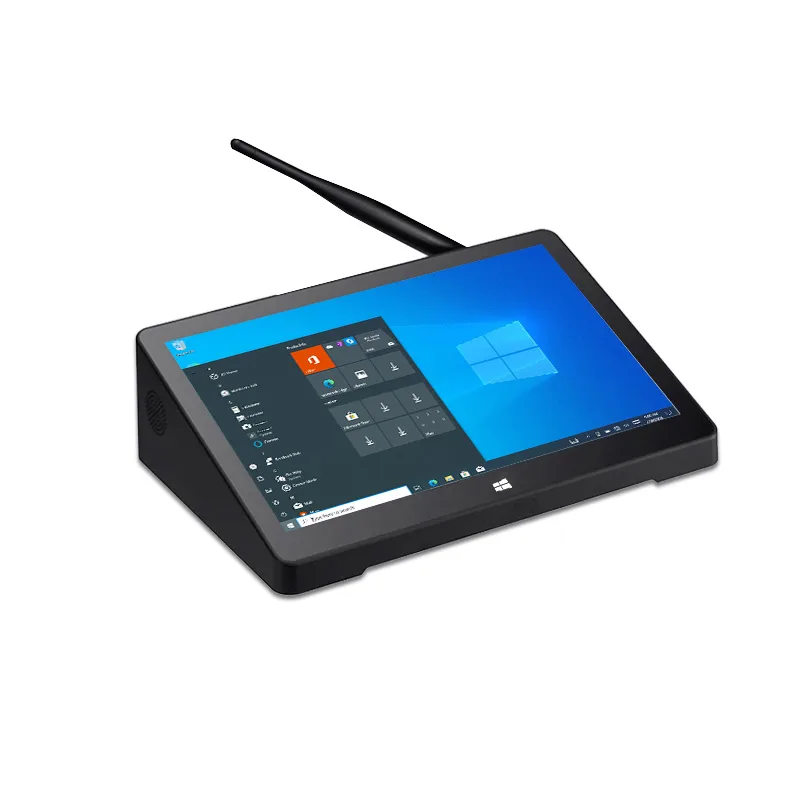
For self-service registration machines, prescription reporting systems, test-result printing, and recharge kiosks, the right form factor is a fixed-mount industrial computer rather than a handheld tablet — this is where CENAVA's H10PRO Box PC fits. Connected to hospital information systems over Wi-Fi/Ethernet, it lets patients complete registration, reporting, and payment steps independently, reducing front-desk bottlenecks.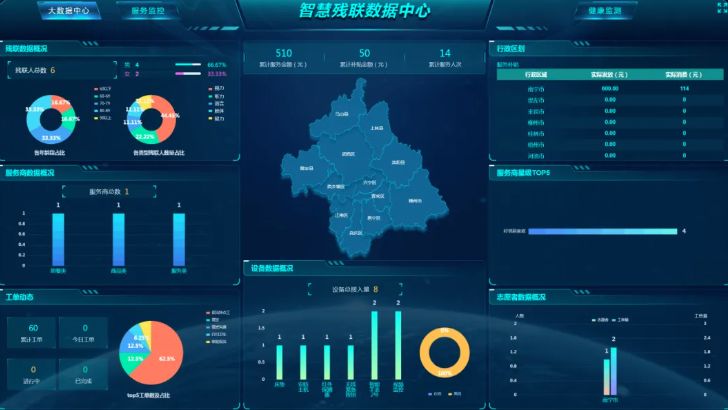
Which CENAVA Device Fits Which Rehabilitation Use Case?
| Use Case | Recommended Device | Why |
|---|---|---|
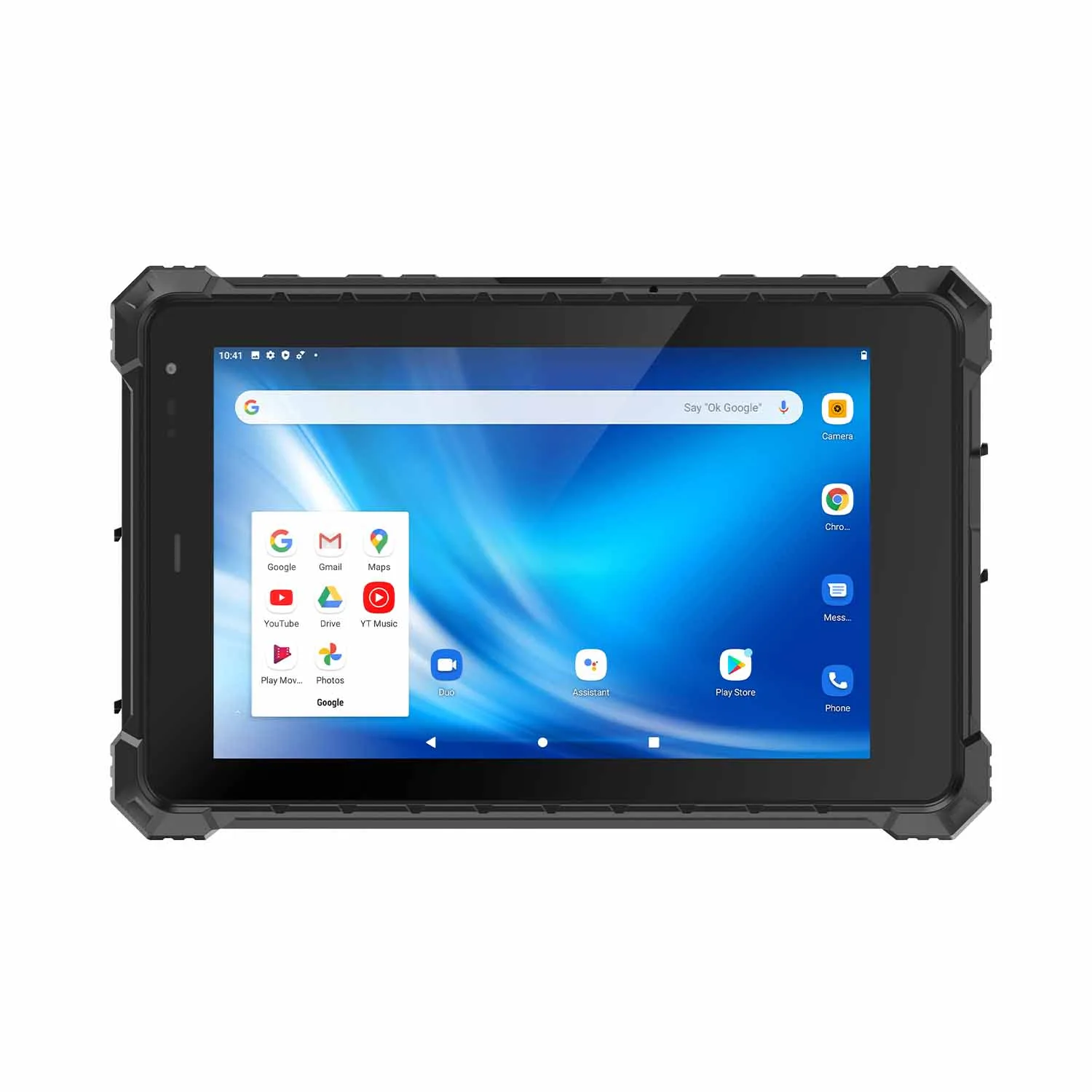
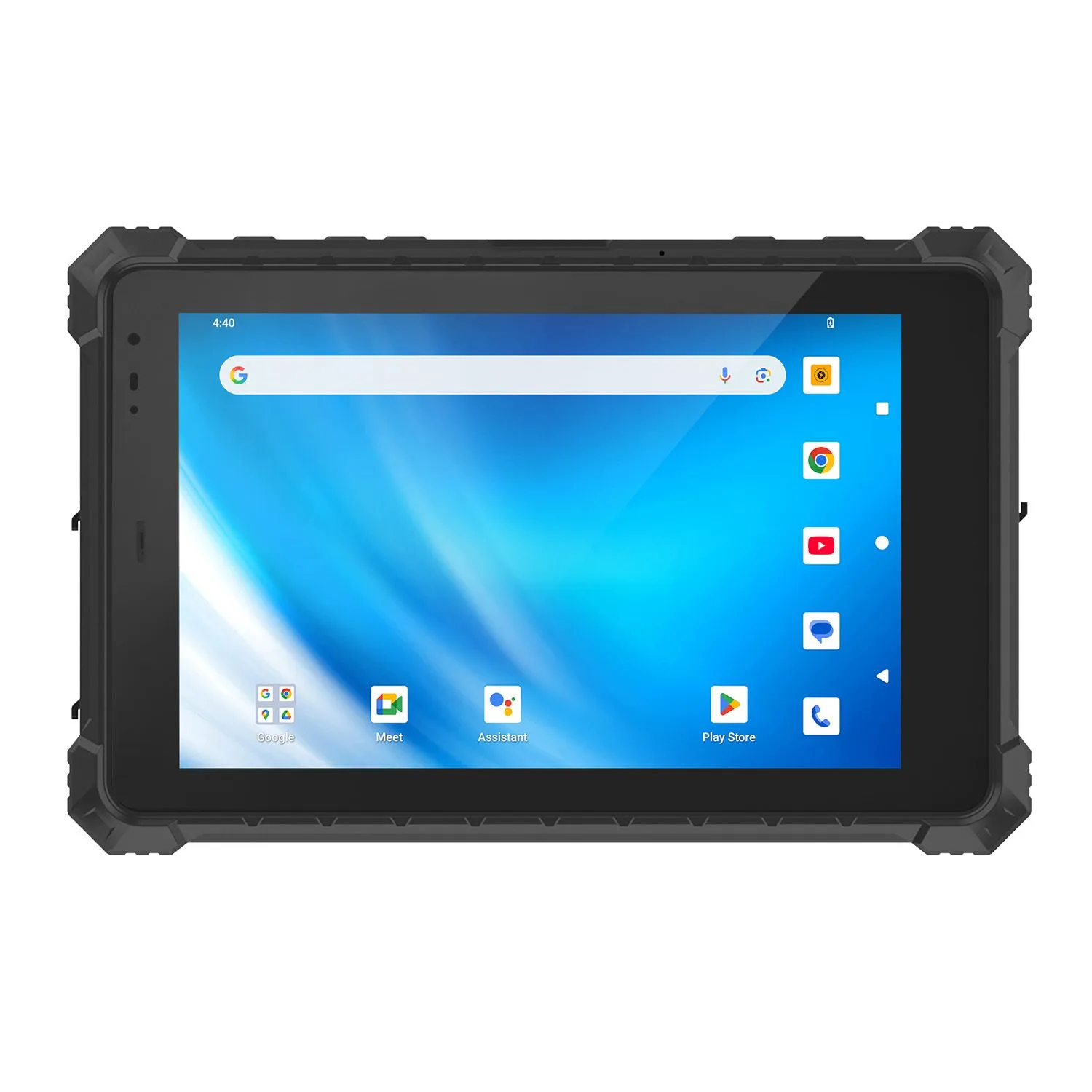
| Patient data collection (ID/fingerprint/QR capture) | A10ST rugged tablet | Portable, IP68-rated, biometric modules built for handheld field/ward use |
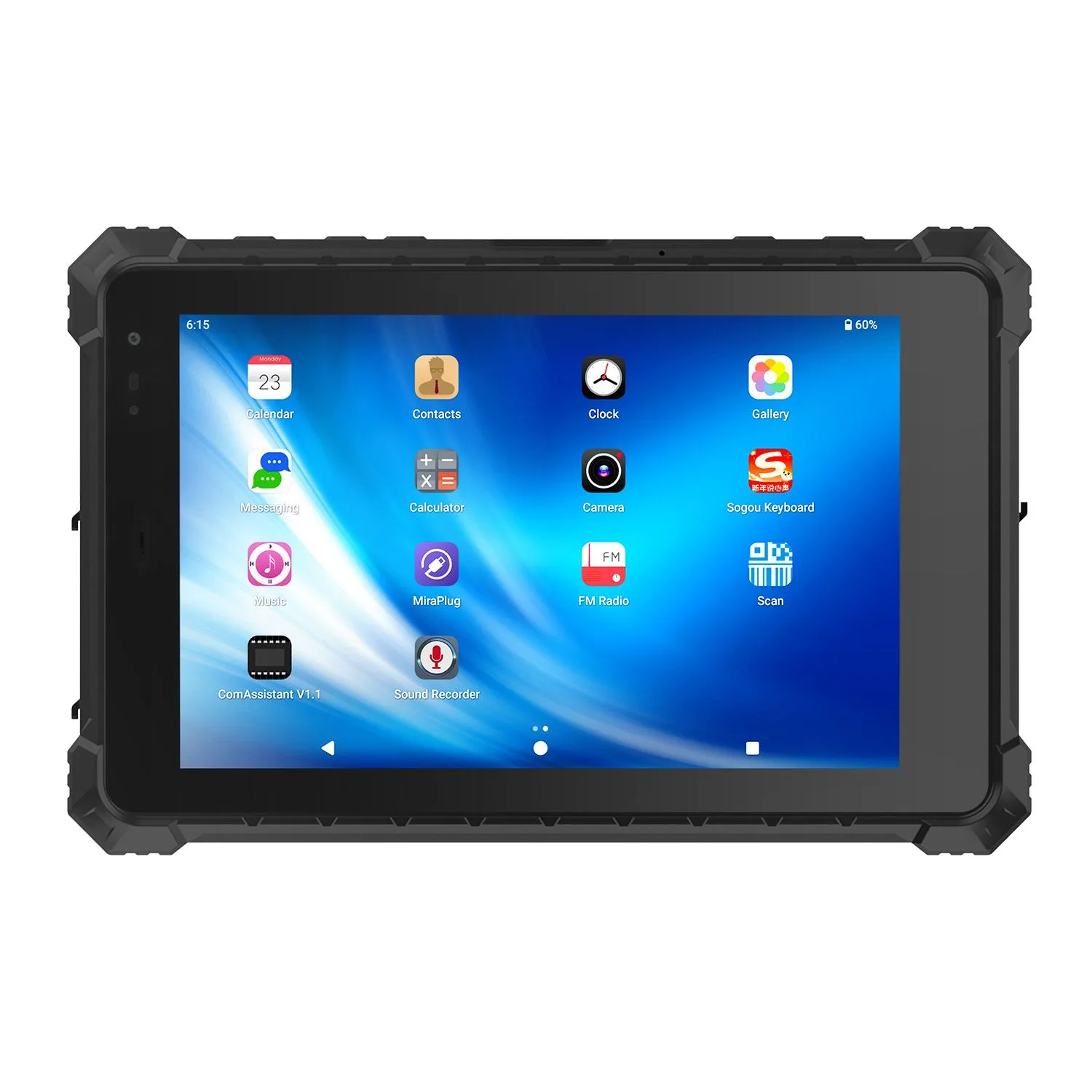
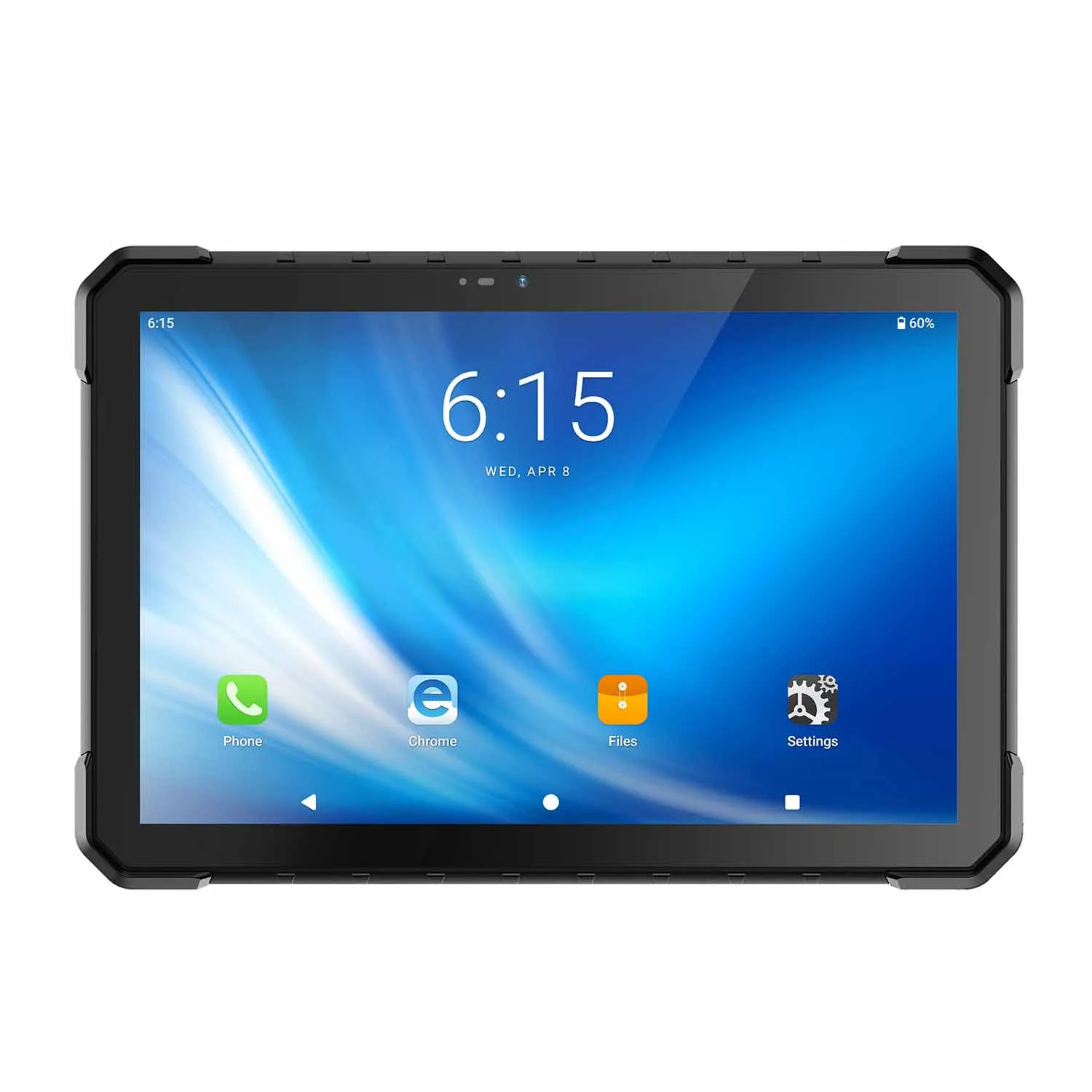
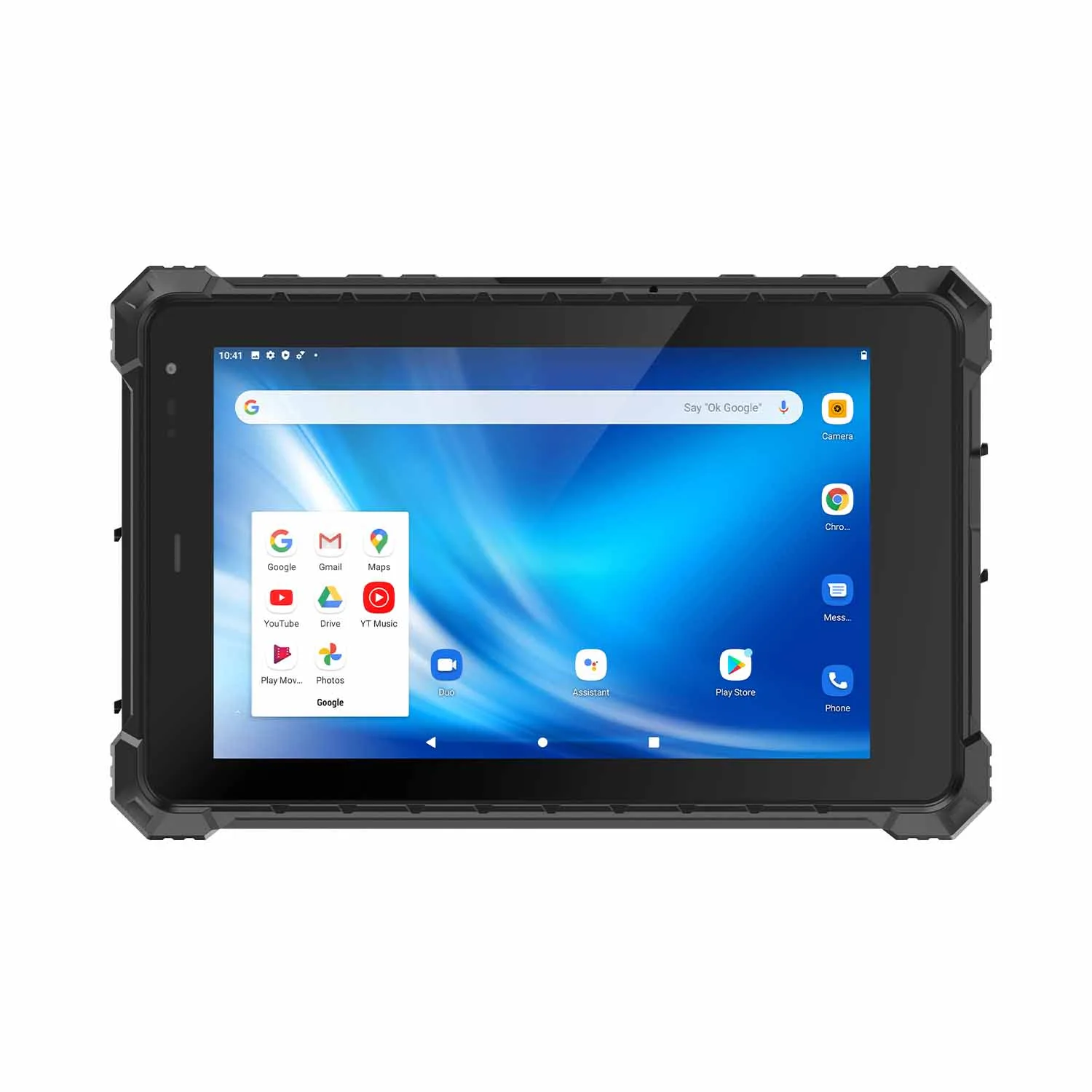
| Connected medical device / prosthetic data logging | A10ST or A109T rugged tablet | Rich interfaces for external device connection, all-day battery |
| Hospital self-service kiosk (registration, reporting, payment) | H10PRO Box PC | Fixed-mount industrial computer designed for kiosk deployment, not handheld use |
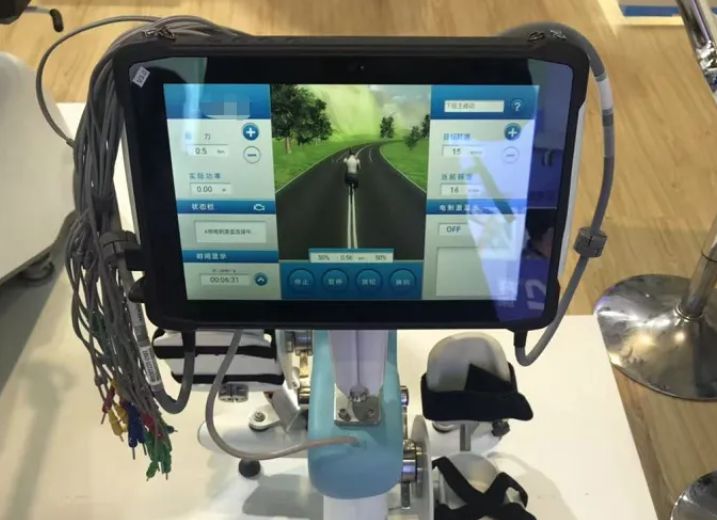
A10ST Specifications for Healthcare Data Collection
OS: Android 13, MediaTek MT8781 octa-core CPU
Optional modules: ID card reader (with photo display), fingerprint recognition (3 tiers), 1D/2D QR/barcode scanning, NFC
Connectivity: 4G LTE, Wi-Fi 5, Bluetooth 5.2
Protection: IP68, MIL-STD-810H — durable for repeated daily clinical or field handling
Battery: 10,000mAh (20,000mAh custom option)
Note: the original "2/3/4/5G" wireless claim isn't confirmed on CENAVA's standard rugged tablet line, which uses 4G LTE; confirm your specific connectivity requirement with CENAVA sales if 5G is required.
Why Choose CENAVA for Healthcare and Rehabilitation Technology?
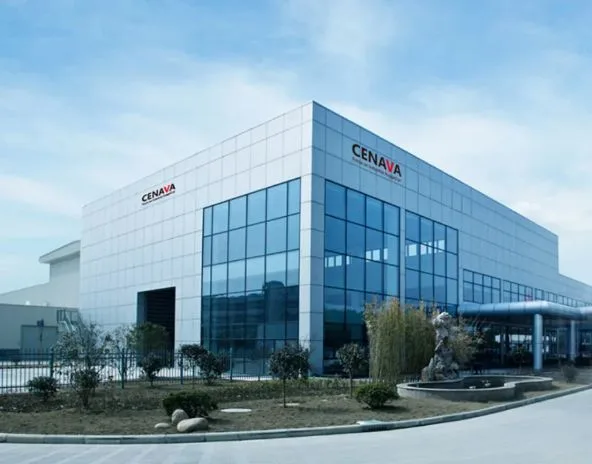
CENAVA is a professional rugged tablet manufacturer with 18 years of R&D experience and 700+ enterprise clients worldwide, supplying durable, configurable hardware across healthcare, disability services, education, and industrial applications. Rather than a single-purpose "medical tablet," CENAVA's product line lets rehabilitation centers, hospitals, and disability services organizations match the right form factor — handheld or fixed kiosk — to each part of their workflow.
Frequently Asked Questions
1. Do CENAVA's tablets have built-in heart rate or blood oxygen sensors?Not as a standard, confirmed catalog feature — these vital-sign parameters are captured by connecting an external medical monitoring device to the tablet's interfaces, with the tablet displaying and logging that data rather than sensing it directly.2. What's the difference between using a rugged tablet vs a Box PC for hospital use?
A rugged tablet like the A10ST suits portable, handheld data collection (patient intake, ward rounds), while a fixed-mount Box PC like the H10PRO is built for stationary self-service kiosks such as registration or payment terminals.3. Does CENAVA's rugged tablet support 5G connectivity?
No — CENAVA's standard rugged tablets use 4G LTE; confirm your specific connectivity requirement with CENAVA sales if 5G is a hard requirement for your deployment.4. Can a CENAVA tablet connect to prosthetic devices for rehabilitation data logging?
Yes, depending on the specific prosthetic equipment's data interface — confirm compatibility with both your equipment vendor and CENAVA before deployment.5. Does CENAVA's tablet support HarmonyOS or Kirin-based systems?
This isn't a confirmed standard feature on CENAVA's catalog products — if your organization specifically requires HarmonyOS/Kirin compatibility, confirm this directly with CENAVA sales as a potential custom configuration.6. Can CENAVA customize a device for a specific rehabilitation or disability-services workflow?
Yes — as an OEM/ODM manufacturer, CENAVA can configure ID/fingerprint/QR modules, connectivity, and form factor (handheld or fixed kiosk) to match your organization's specific patient data and service workflow; contact CENAVA sales for details.
Conclusion
Rugged tablets support rehabilitation therapy across patient data management, connected medical device logging, and hospital self-service systems — but getting the most value means matching the right device to each role. CENAVA's A10ST handles portable data capture and connected-device logging, while the H10PRO Box PC is purpose-built for fixed self-service kiosks, together bringing 18 years of rugged terminal manufacturing experience to healthcare and disability services organizations.Need a Rugged Device for Your Project?
Tell us your operating environment and requirements — our engineers will recommend a configuration and quote within 24 hours.
Get a Free Quote Back to Blog