Quick answer: A rugged tablet costs $300–$800 at entry level, $800–$1,500 for the mid-range tier where most industrial projects land, and $1,500–$5,000+ for high-performance or certified builds. The gap tracks three things: protection rating, certification scope, and hardware customization. Below — what each tier buys, what drives the price, and how to spec only what you'll use.
Rugged tablet prices range from about $300 to over $5,000, and the spread is not arbitrary — each tier buys a specific level of sealing, testing, and certification. This guide breaks down the three standard price tiers, what drives the cost, and where CENAVA's own models sit on the scale.
General Rugged Tablet Price Range
Three tiers cover standard models; custom builds quote per project. The ranges below are market reference points — the tier boundaries are set by protection rating and certification, not by screen size.
Rugged Tablet Category | Price Range (Reference) | Typical Configuration | Common Applications |
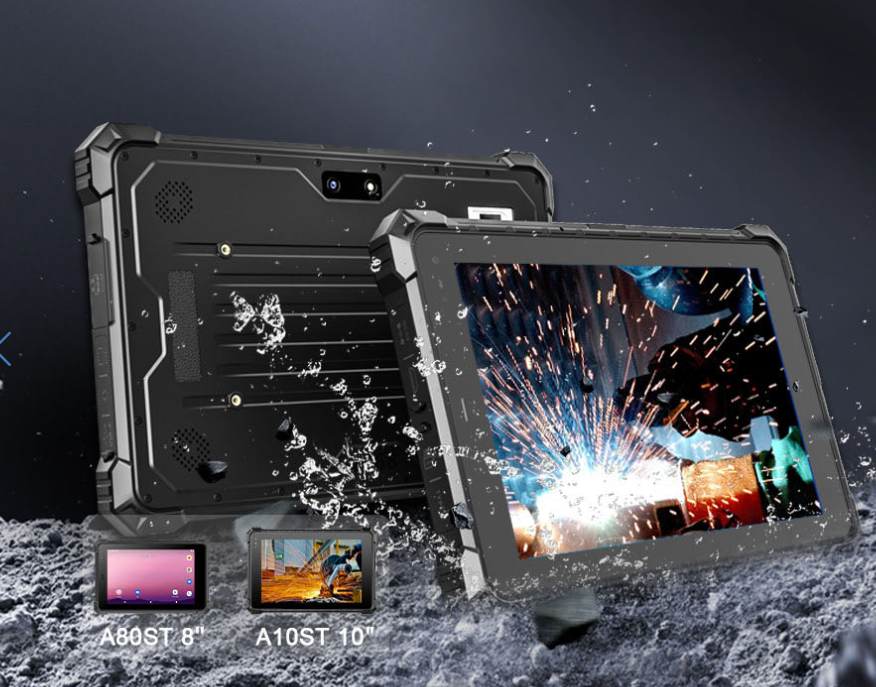
Entry-Level Rugged Tablet | $300–$800 | Android OS, basic IP65 protection, standard processors, medium-capacity batteries | Warehouse scanning, basic inspections, mobile data collection — e.g., our 8-inch Android line (A80ST class: IP68, 4G, glove touch) |
Mid-Range Rugged Tablet | $800–$1,500 | Android/Windows options, IP67/IP68 protection, MIL-STD-810H, high-brightness display, optional barcode scanner, GPS, NFC, and other modules | Logistics, manufacturing, field services |
High-End Rugged Tablet | $1,500–$5,000+ | Windows OS, high-performance processors, advanced communication capabilities, high-performance storage, and multiple expansion interfaces | Public safety, heavy industry, and mission-critical applications |
Customized Rugged Tablet | Based on requirements | OEM/ODM customization of hardware configuration, communication modules, interfaces, firmware, and structural design | Special industrial projects and industry-specific solutions |
Why Do Industrial Rugged Tablets Cost More?
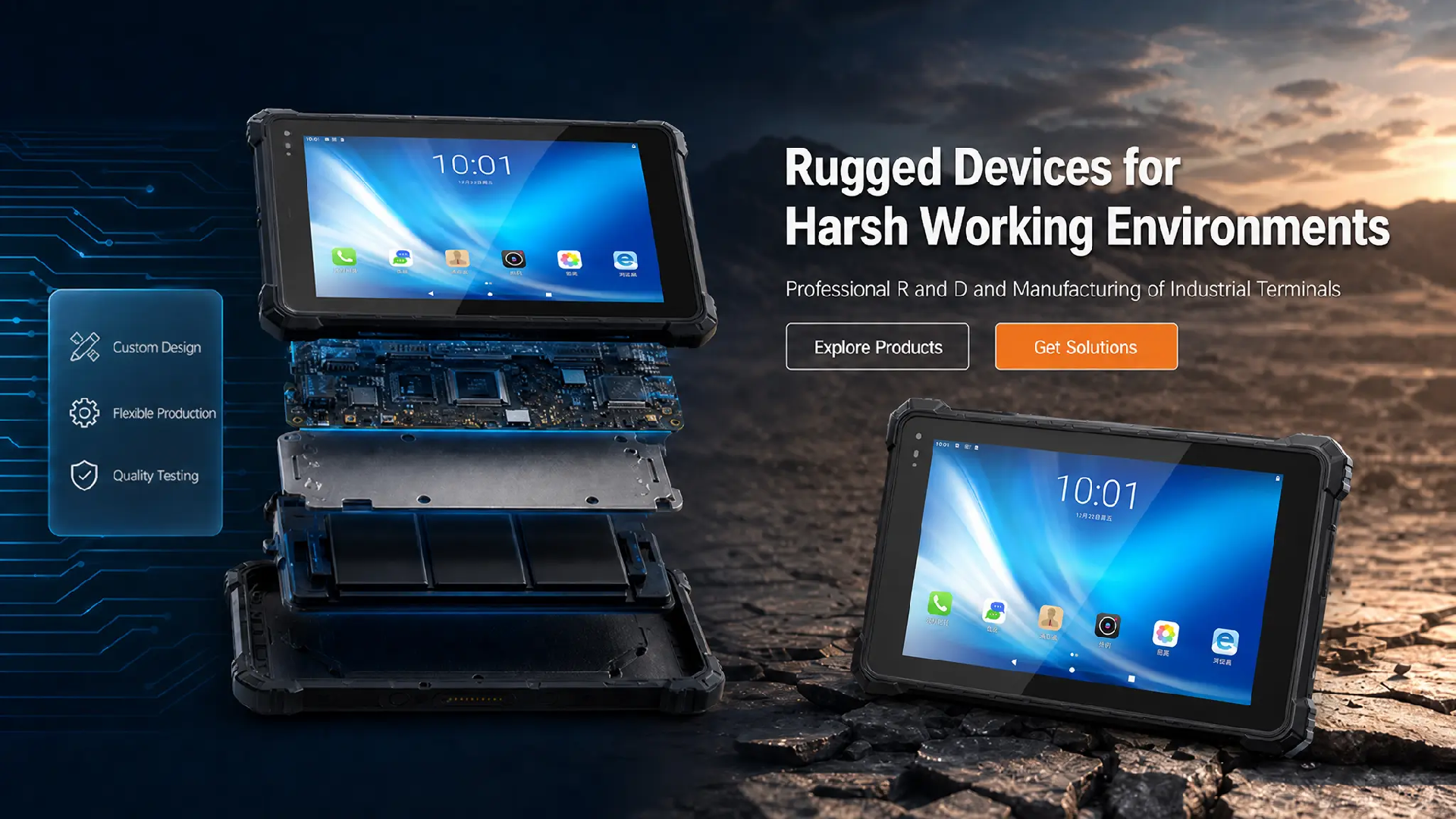
The premium buys three physical things: sealing (gaskets, port covers, bonded displays), structure (reinforced frames, shock-mounted internals), and testing (drop, vibration, thermal cycling — each round of which costs real lab time). A consumer tablet skips all three.
In addition, rugged tablets need to undergo strict testing, including drop, impact, vibration, and temperature/humidity cycle tests. They may also integrate industrial interfaces, communication modules, barcode scanning, positioning, and other professional functions, which increase development, manufacturing, and validation costs.
The fleet math is documented: unmanaged handheld fleets run 15–20% annual failure rates; fleets on a maintenance program run 3–5%. On 100 units, that's ~18 versus ~4 failure events a year — the purchase price is not where the money is. (The full maintenance arithmetic is in our PDA field checklist.)
What Factors Affect Rugged Tablet Prices?
1. Screen Size and Display Performance
The display is one of the important factors affecting rugged tablet costs.
Compared with consumer tablets, industrial rugged tablets usually feature:
• High-brightness displays for outdoor use
• Glove touch support
• Scratch-resistant glass
• Wide temperature operation capability
2. Hardware Configuration
Hardware configuration directly affects rugged tablet pricing.
A scanning app runs fine on an entry-level octa-core; a Windows CAD client does not. The honest test: install your actual software on a demo unit and open your largest real file. If it's smooth there, the cheaper configuration is the right one.
3. Operating System and Software Compatibility
The operating system is another important factor affecting price.
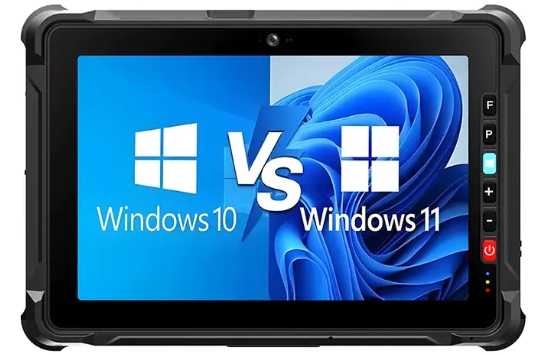
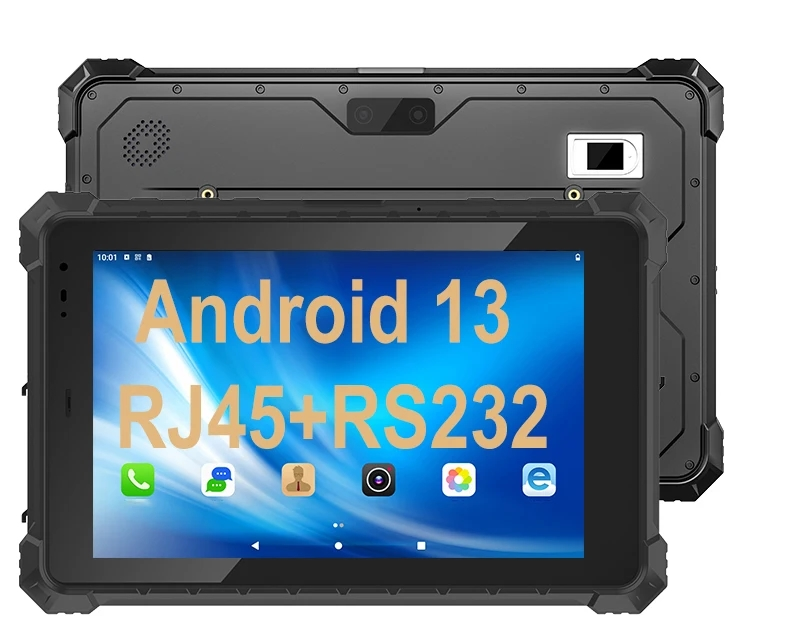
Android suits app-based fieldwork and carries no per-unit license; Windows suits industrial software written for desktop — MES clients, diagnostic tools, anything .NET — and needs stronger hardware to feel smooth. Windows units therefore quote higher even at the same screen size. (The full Windows-vs-Android breakdown is in our OS selection guide.)
4. Protection Rating and Durable Design
Durability is a key factor that differentiates rugged tablets from ordinary devices.
Industrial rugged tablets typically use:
• Reinforced housings
• Sealed structures
• Impact-resistant designs
• Water and dust protection
Protection standards such as IP65, IP67, IP68, and MIL-STD-810H improve device reliability in environments involving dust, water, drops, vibration, and harsh conditions. One pricing detail worth knowing: an IP68 rating has no universal depth figure — the manufacturer declares the test depth and duration on the datasheet. Two 'IP68' tablets can be rated for very different water columns, and priced accordingly. Ask for the declared conditions, not just the code.
5. Battery Capacity and Power Management
Battery performance affects both usage time and overall cost.
Industrial devices often need to support long-term operation, so they may include:
• Large-capacity batteries
• Optimized power management
• Replaceable battery designs
• Fast-charging solutions
6. Industrial Modules and Customized Features
Additional functions can further affect rugged tablet prices.
Depending on application requirements, devices may integrate:
• 4G/5G communication
• GNSS/RTK positioning
• Barcode scanning
• RFID/NFC
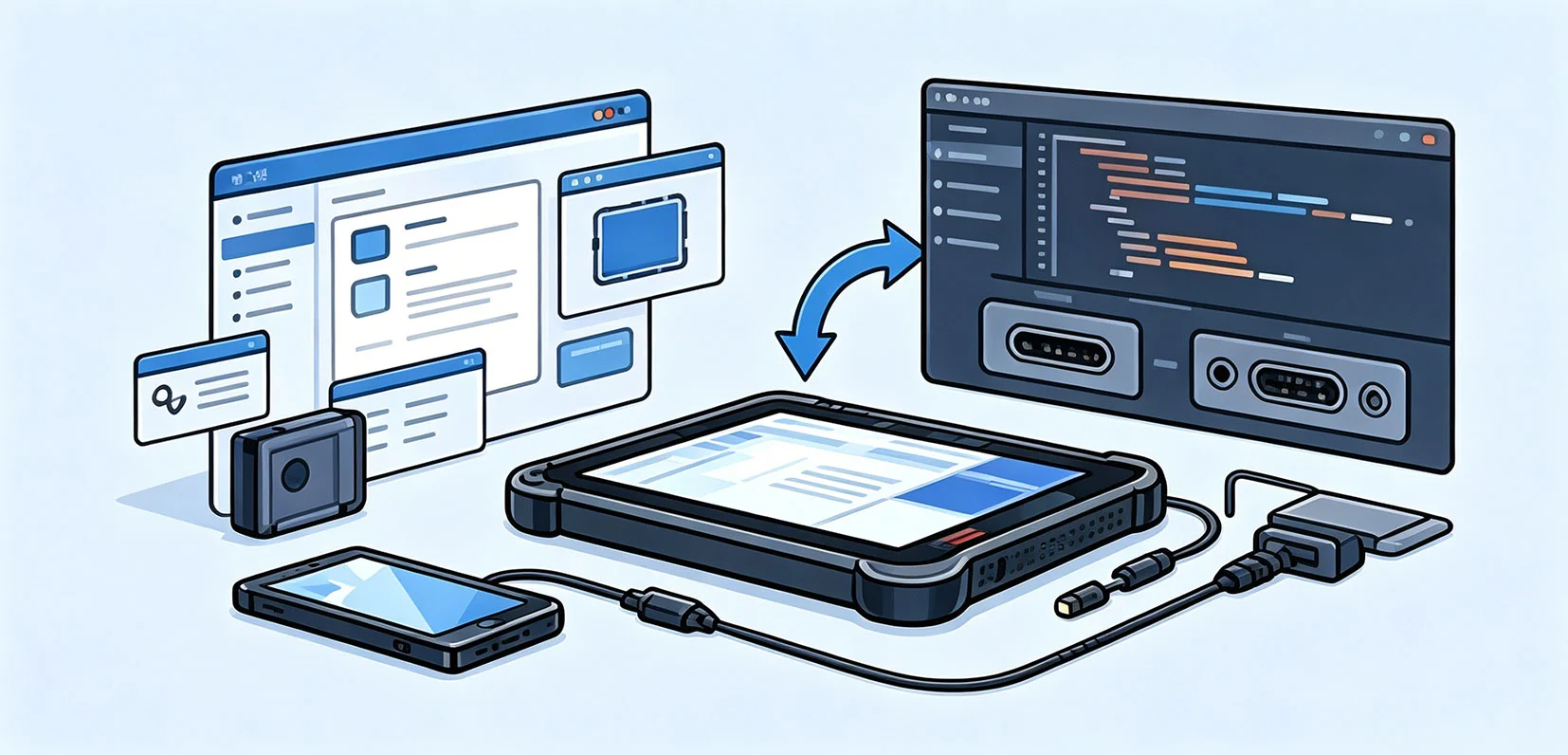
• RS232/RS485 and RJ45 industrial interfaces
7. Brand and Ecosystem
Brand reputation and product ecosystem can also affect rugged tablet prices.
Established brands often invest more in research and development, quality control, supply chains, and after-sales services, which may result in higher prices.
In addition, long-term software support, accessory availability, technical services, and industry application compatibility can influence the long-term value of the device.
How to Choose a Cost-Effective Rugged Tablet?
The most common overspend we see is paying for the highest tier 'to be safe.' The right sequence is the reverse: define the workflow first, then find the cheapest configuration that survives it.
Key considerations include:
• Working environment: Choose the appropriate protection level based on dust, water, impact, and temperature conditions.
• Software requirements: Select Android or Windows based on existing applications.
• Performance requirements: Avoid paying extra for unnecessary hardware performance.
• Communication requirements: Select 4G/5G, GNSS, barcode scanning, or RFID modules according to operational needs.
• Future expansion: If you might add a scanner or second radio later, choose a platform whose ports and firmware allow it — retrofitting a sealed unit means opening the housing and re-validating the IP rating.
A proper configuration choice can help maintain reliability while controlling overall investment.
Why Choose CENAVA Rugged Tablets?
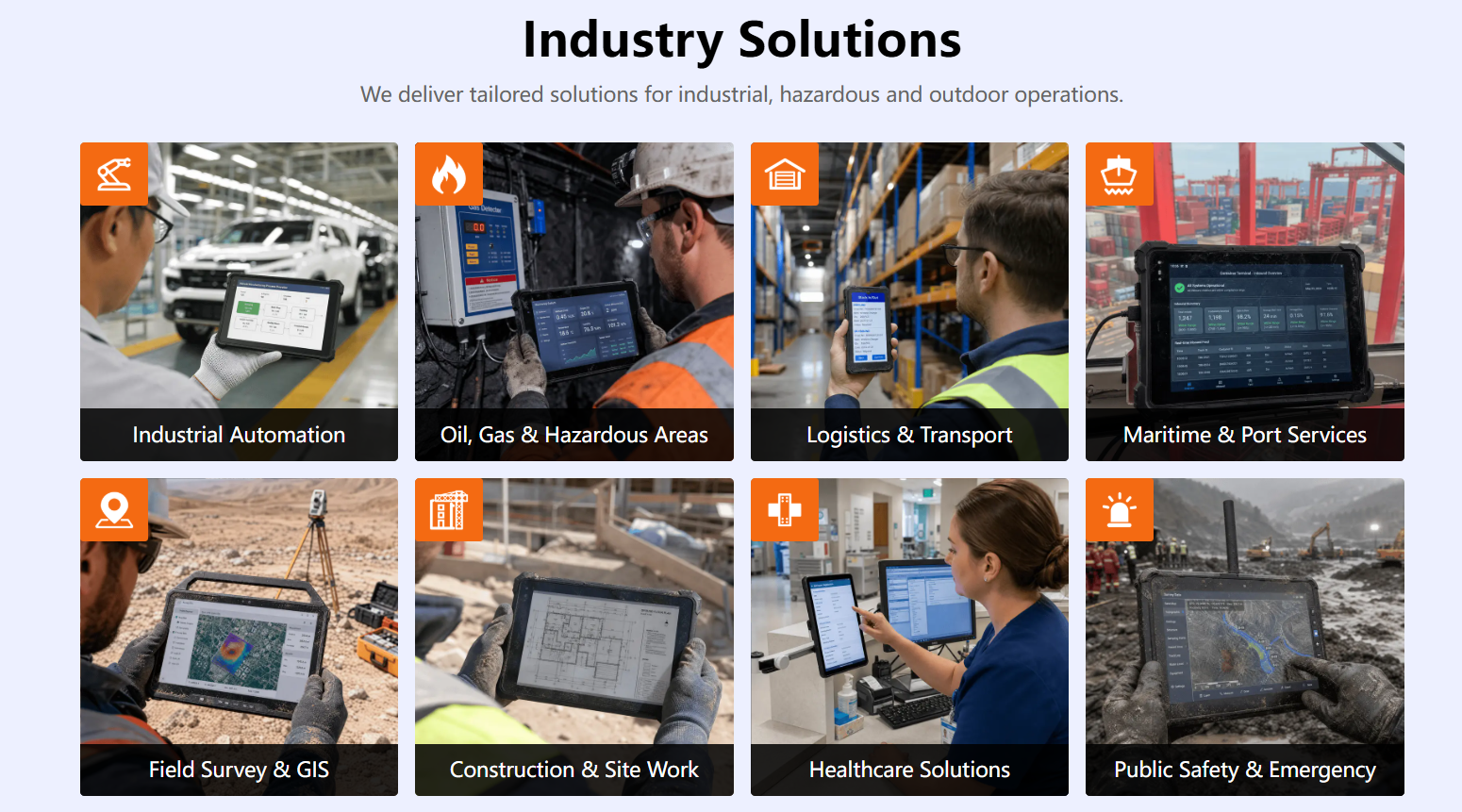
CENAVA's lineup spans the full price table above: 8-inch and 10-inch Android models at the entry and mid tiers, Windows tablets for desktop-software workloads, and ATEX/IECEx-certified builds for hazardous sites. Ratings run IP65–IP68 by model and are printed on each product page; MIL-STD-810H test reports are available per model on request.
Customization follows four fixed routes — software-only OEM (from one unit), hardware-modified OEM, mold modification, and full ODM with a private mold. Each has its own MOQ and lead time; the four-way breakdown is in our OEM/ODM guide. With engineering development capabilities and a quality control system, CENAVA helps customers develop industrial devices tailored to their specific application requirements.
Through flexible hardware configurations and customization options, CENAVA provides rugged tablet solutions suitable for different budgets and application scenarios, helping businesses select the right device configuration based on their working environment.
Conclusion
The short version: $300–$800 buys sealed and tough, $800–$1,500 buys certified and long-shift, and above $1,500 you're paying for compute, certification, or exclusivity. Send three things — your environment, your software stack, your quantity — and the reply is a configuration with a price, within one working day.


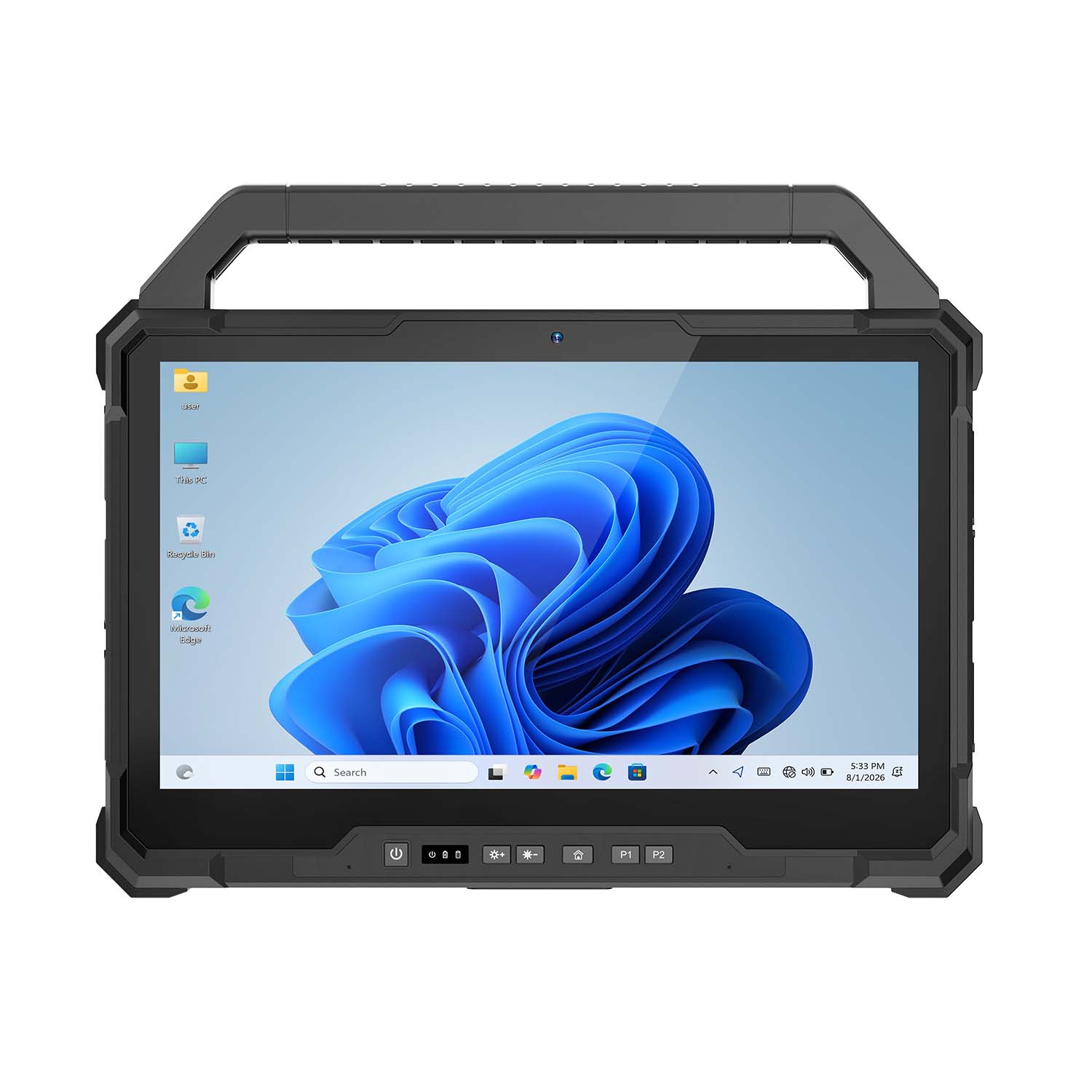 CENAVA W30U i5-1235U 13.3 Inch Win11 IP65 Rugged Tablet
 CENAVA W109U i7-1255U 10.95 Inch Win11 IP67 Rugged Tablet
 CENAVA A109TB MT6789V 10.95 Inch Android 14 IP68 Rugged Tablet
 CENAVA W10Y i7-10510Y 10.1 Inch Win11 IP68 Rugged Tablet Full I/O
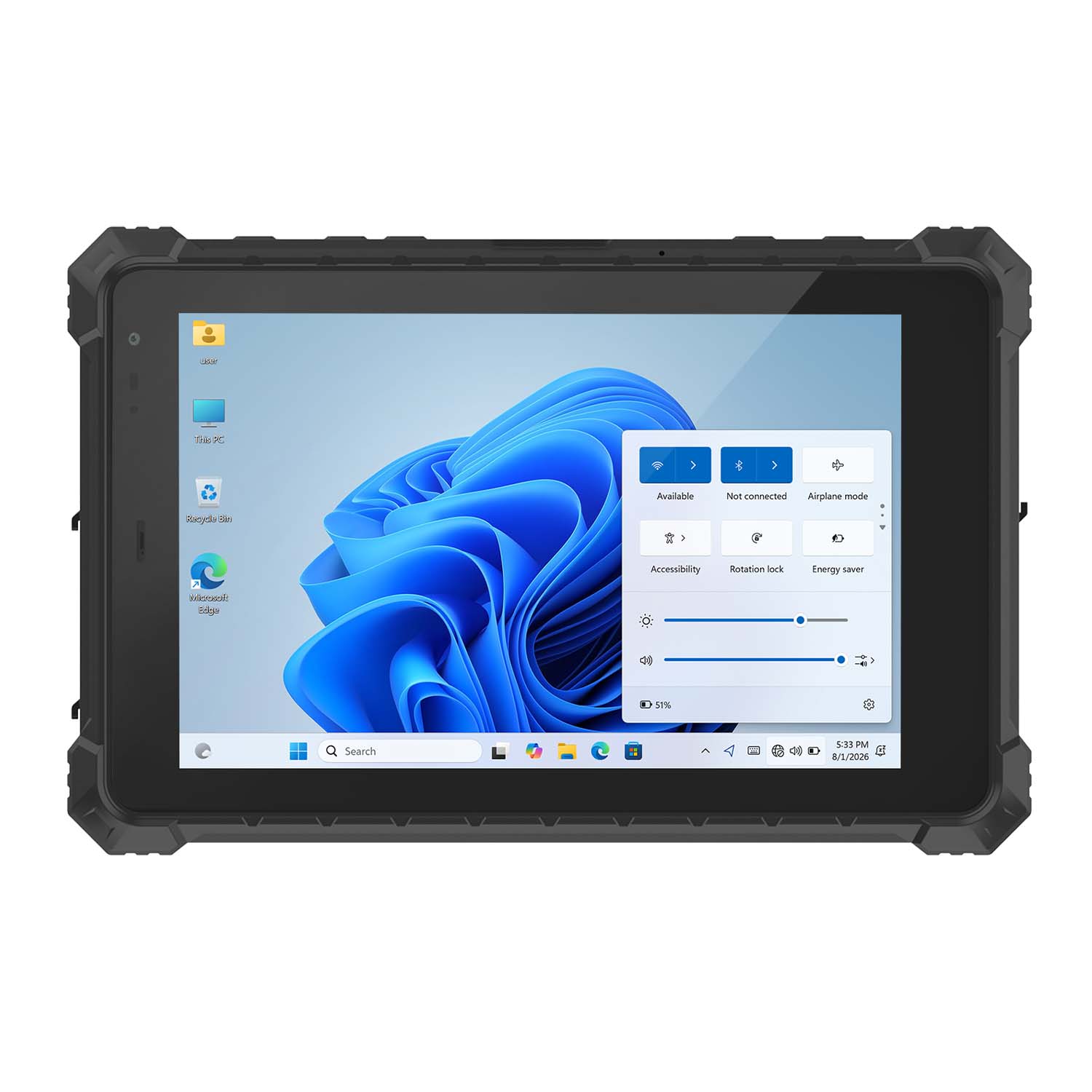 CENAVA W10N N5100 10.1 Inch Win11 IP68 Rugged Tablet Full I/O
 CENAVA A10RX RK3588 10.1 Inch Android 12 IP67 Rugged Tablet
 CENAVA A10ST MT8781 10.1 Inch Android 13 IP68 Rugged Tablet
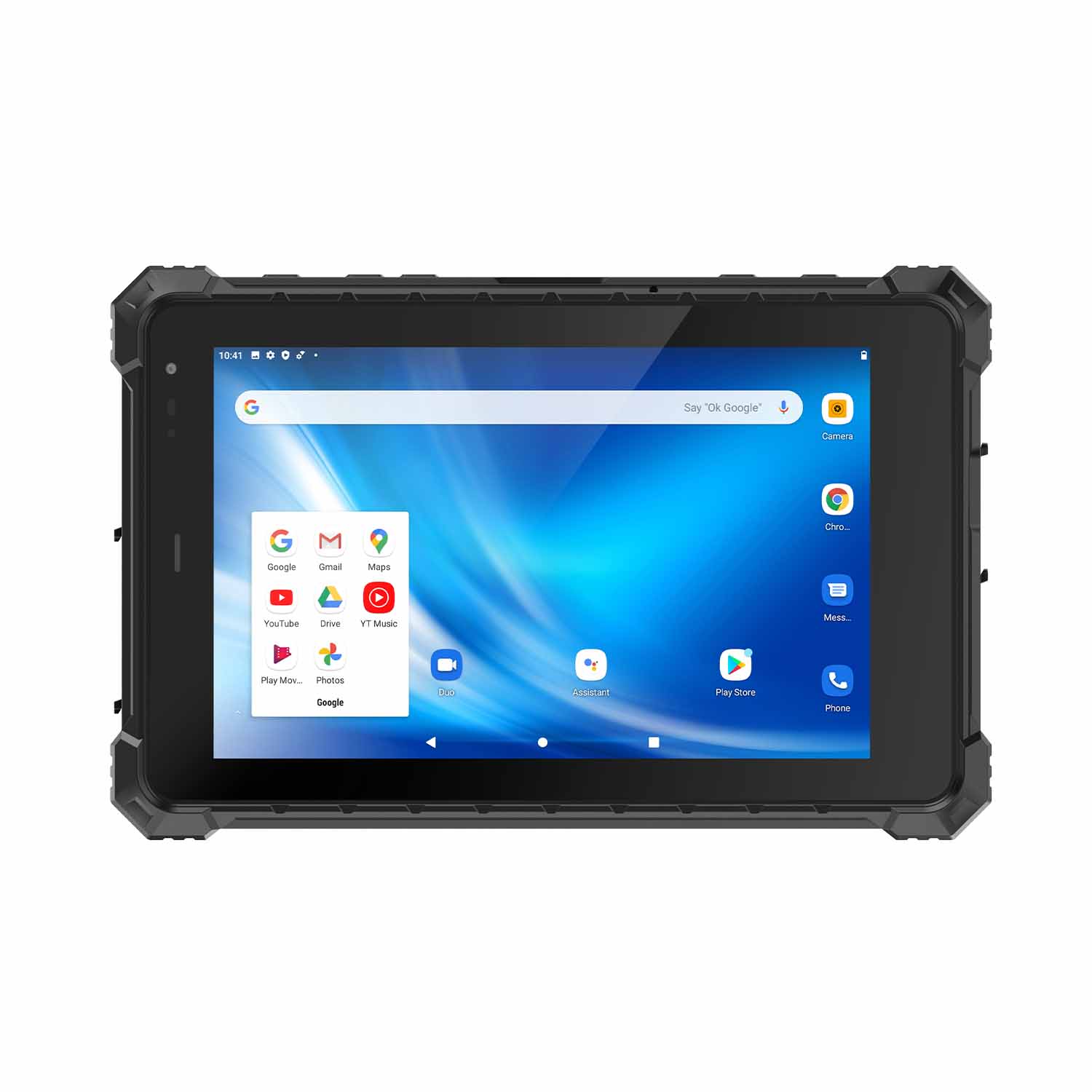 CENAVA A80ST MT6771 8 Inch Android 10 IP68 Rugged Tablet
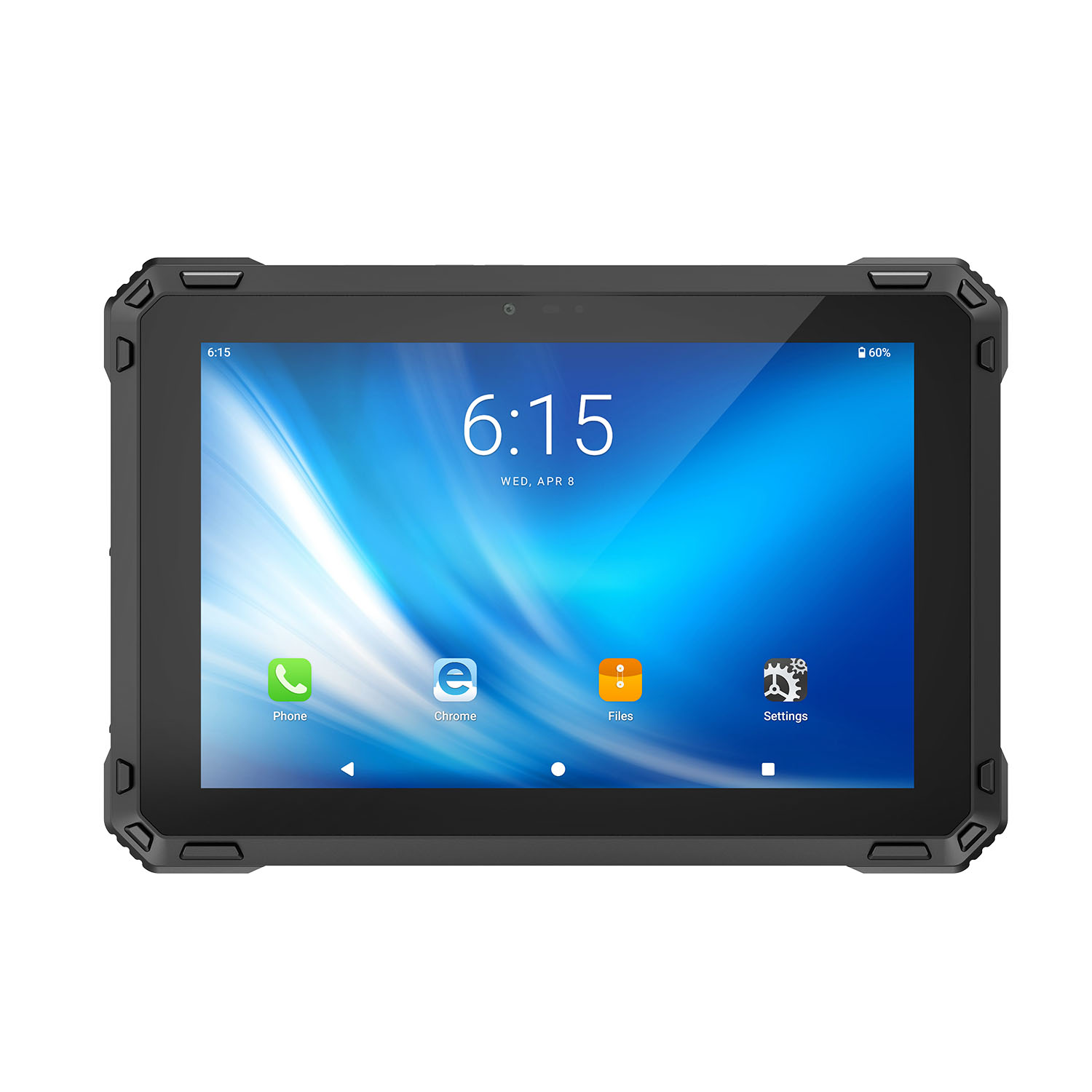 CENAVA A88ST MT6769 8 Inch Android 16 IP68 Rugged Tablet
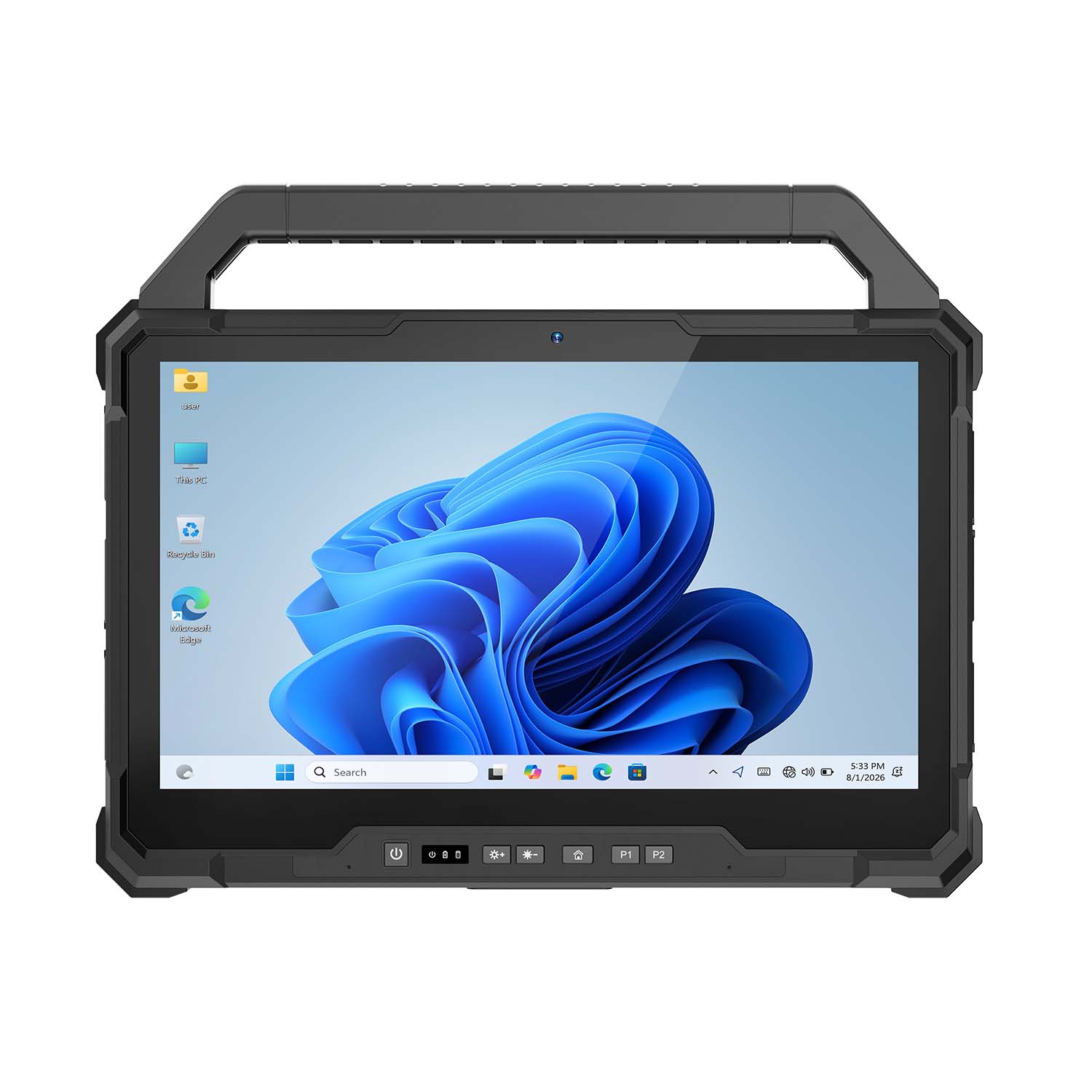 CENAVA W30NS N150 13.3 Inch Win11 IP65 Rugged Tablet
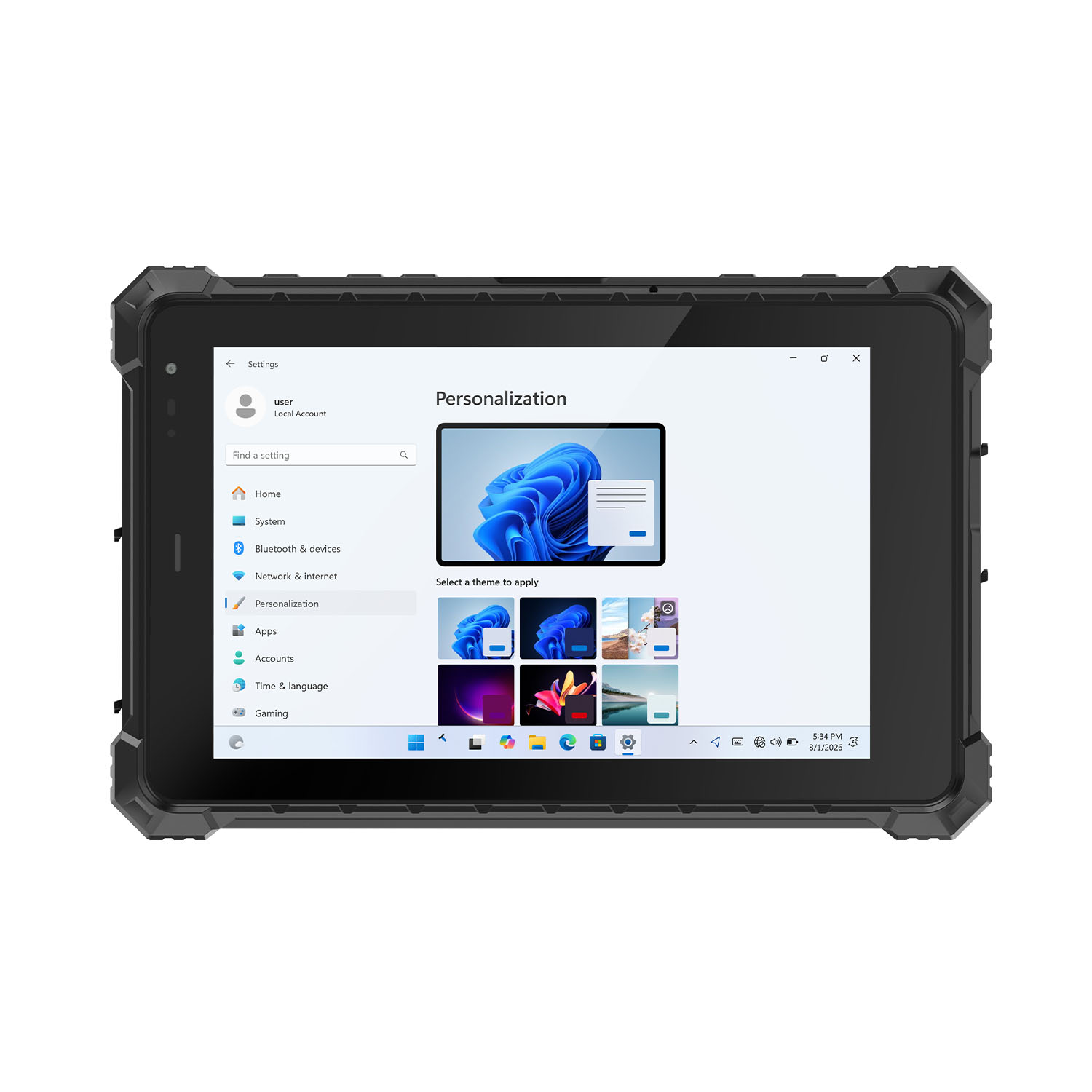 CENAVA W80Y i7-10510Y 8 Inch Win11 IP68 Rugged Gigabit
 CENAVA A10R RK3568 10.1 Inch Android 11 IP68 Rugged Tablet
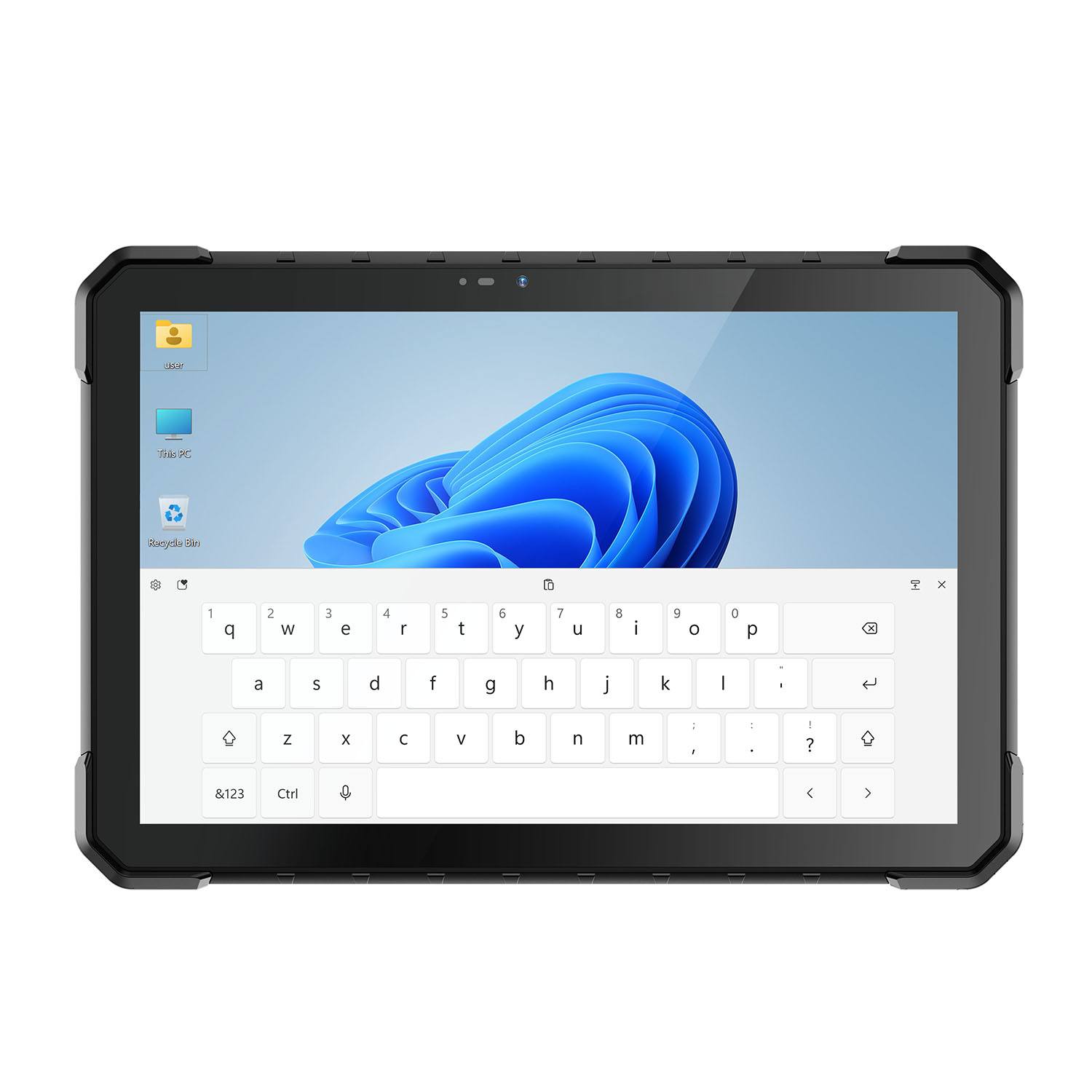 CENAVA W18Y i7-10510Y 10.1 Inch IP68 Industrial Tablet
 CENAVA CXE80C N2930 8 Inch Win10 IP65 Rugged Tablet
 CENAVA A18ST MT8781 10.1 Inch Android 13 IP68 Rugged Tablet
 CENAVA A10R RK3588 10.1 Inch Android 12 IP68 Rugged Tablet
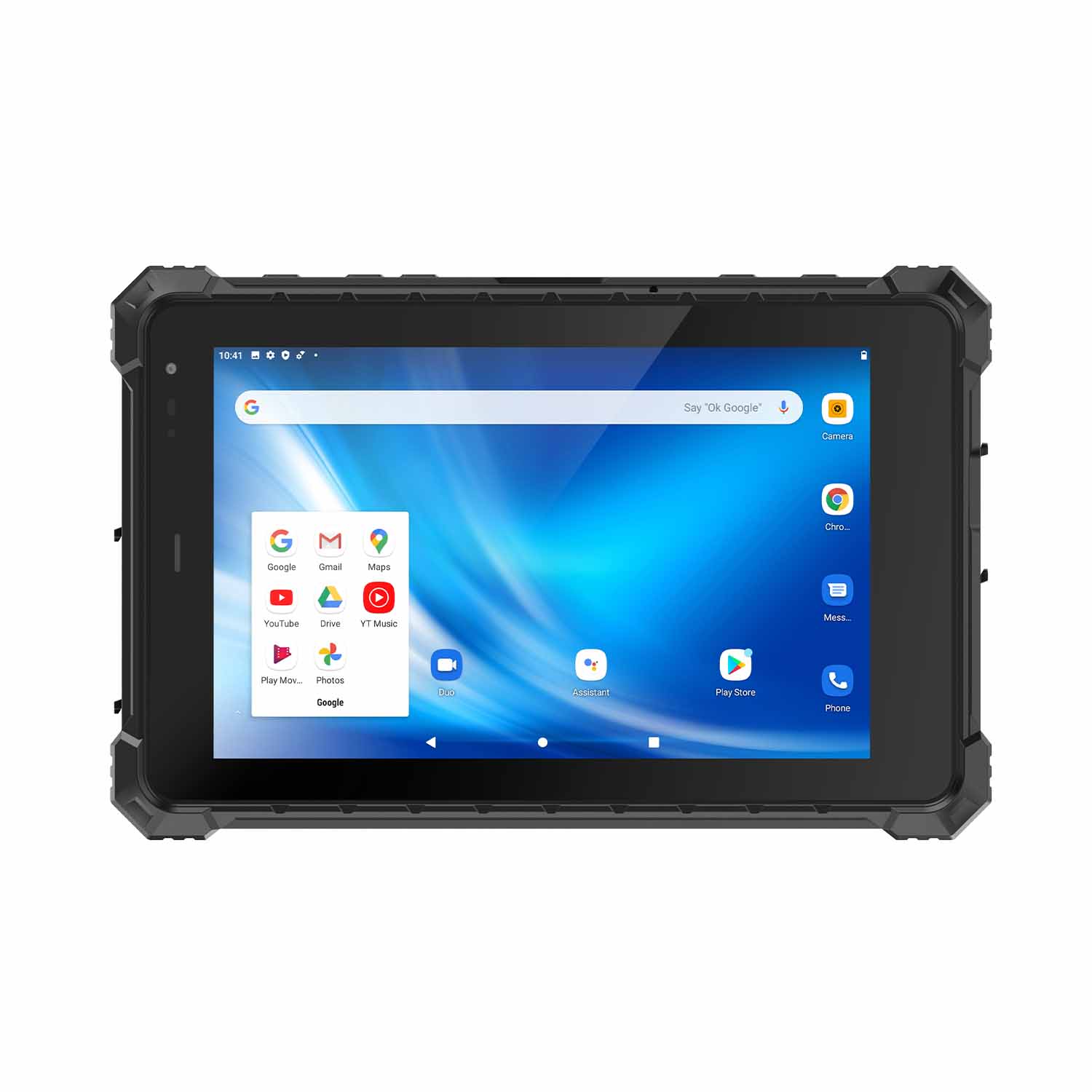 CENAVA A80ST-5G MT6877 8 Inch Android 12 IP68 Rugged Tablet
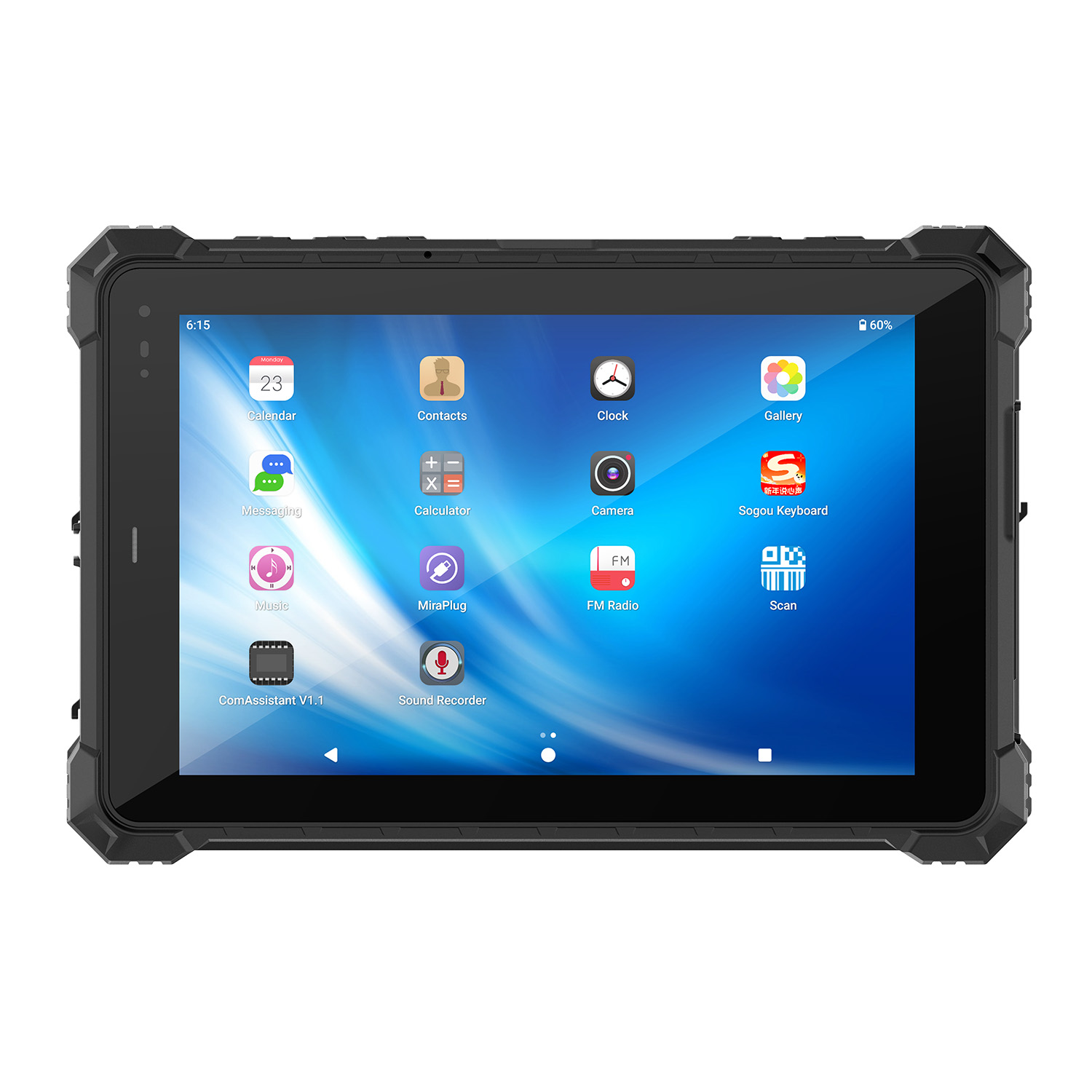 CENAVA A10STX MT8781 10.1 Inch Android 13 IP67 Rugged Tablet
 CENAVA A10ST-5G MT6877 10.1 Inch Android 12 IP68 Rugged Tablet
 CENAVA A10STX-5G MT6877 10.1 inch 5G Rugged Android Tablet
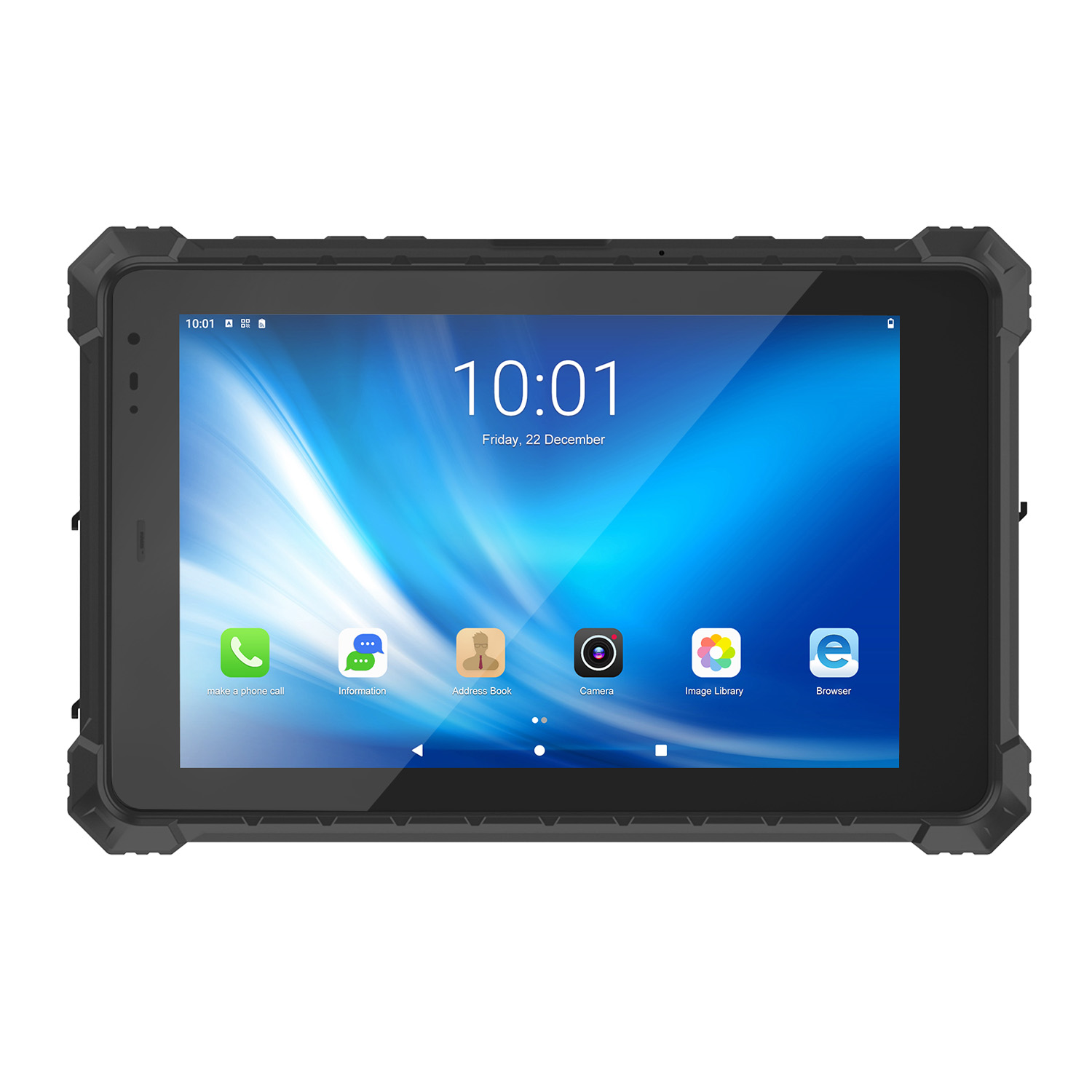 CENAVA A10ST MT6771 10.1 Inch Android 10 IP68 Rugged Tablet
 CENAVA A10STX MT6769 10.1 Inch Android 16 IP67 Rugged Tablet
 CENAVA A10ST MT6769 10.1 Inch Android 16 IP68 Rugged Tablet
 CENAVA A10STX MT6771 10.1 Inch Android 10 IP67 Rugged Tablet
 CENAVA A80ST MT8781 8 Inch Android 13 IP68 Rugged Tablet
 CENAVA A80R RK3588 8 Inch Android 12 IP68 Rugged Tablet
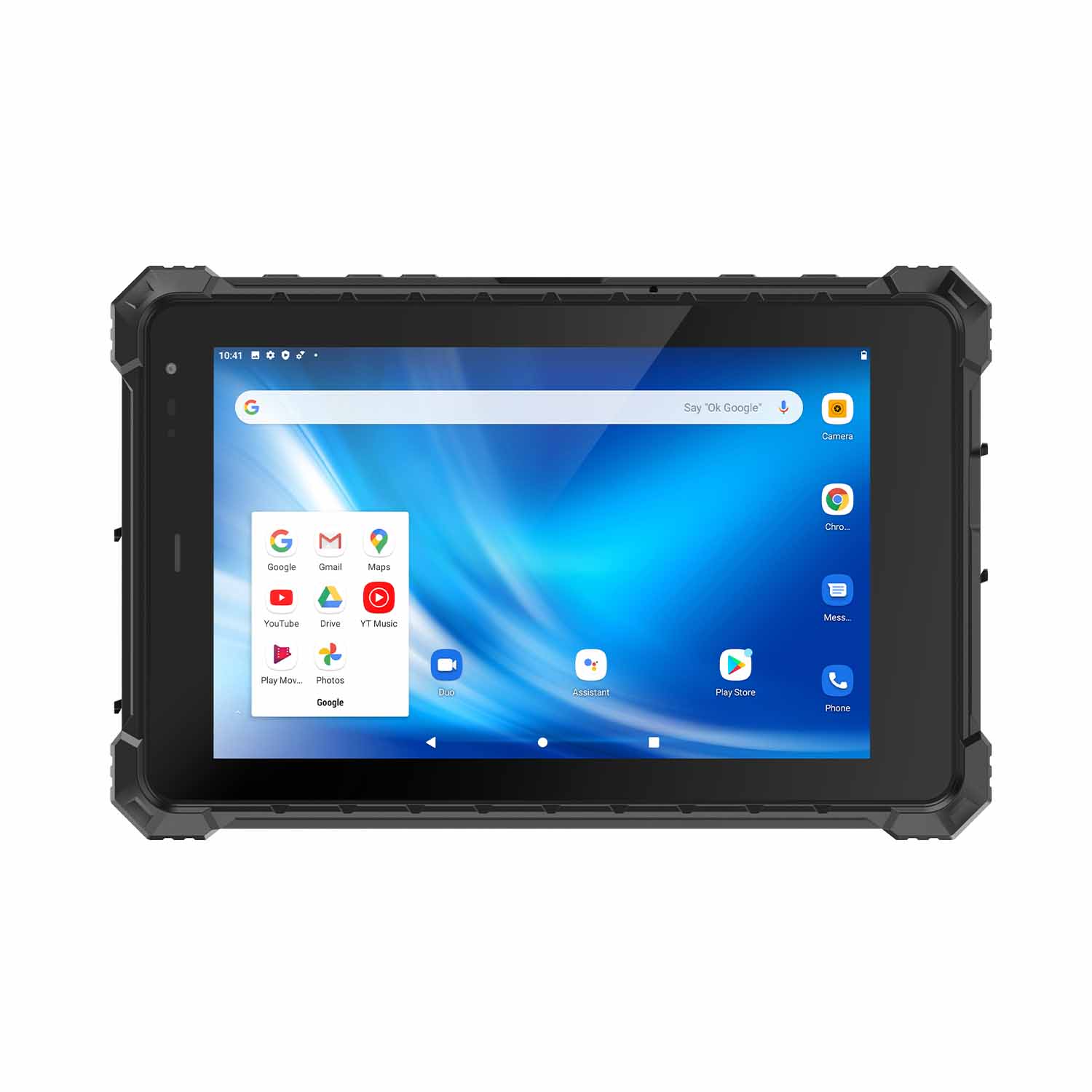 CENAVA A80STX-5G MT6877 8 Inch Android 12 IP67 Rugged Tablet
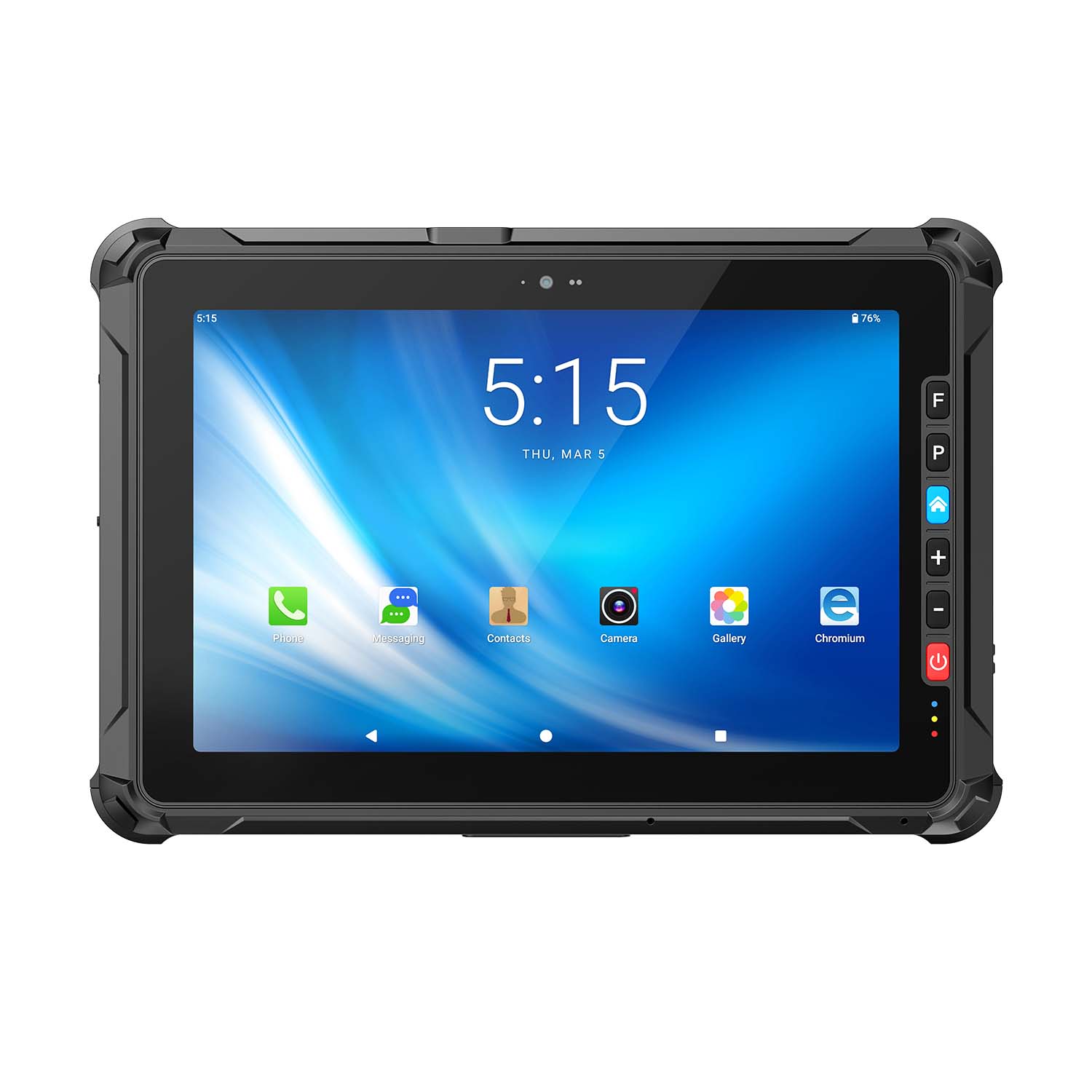 CENAVA A109ST MT8781 10.95 Inch Android 16 IP67 Rugged Tablet
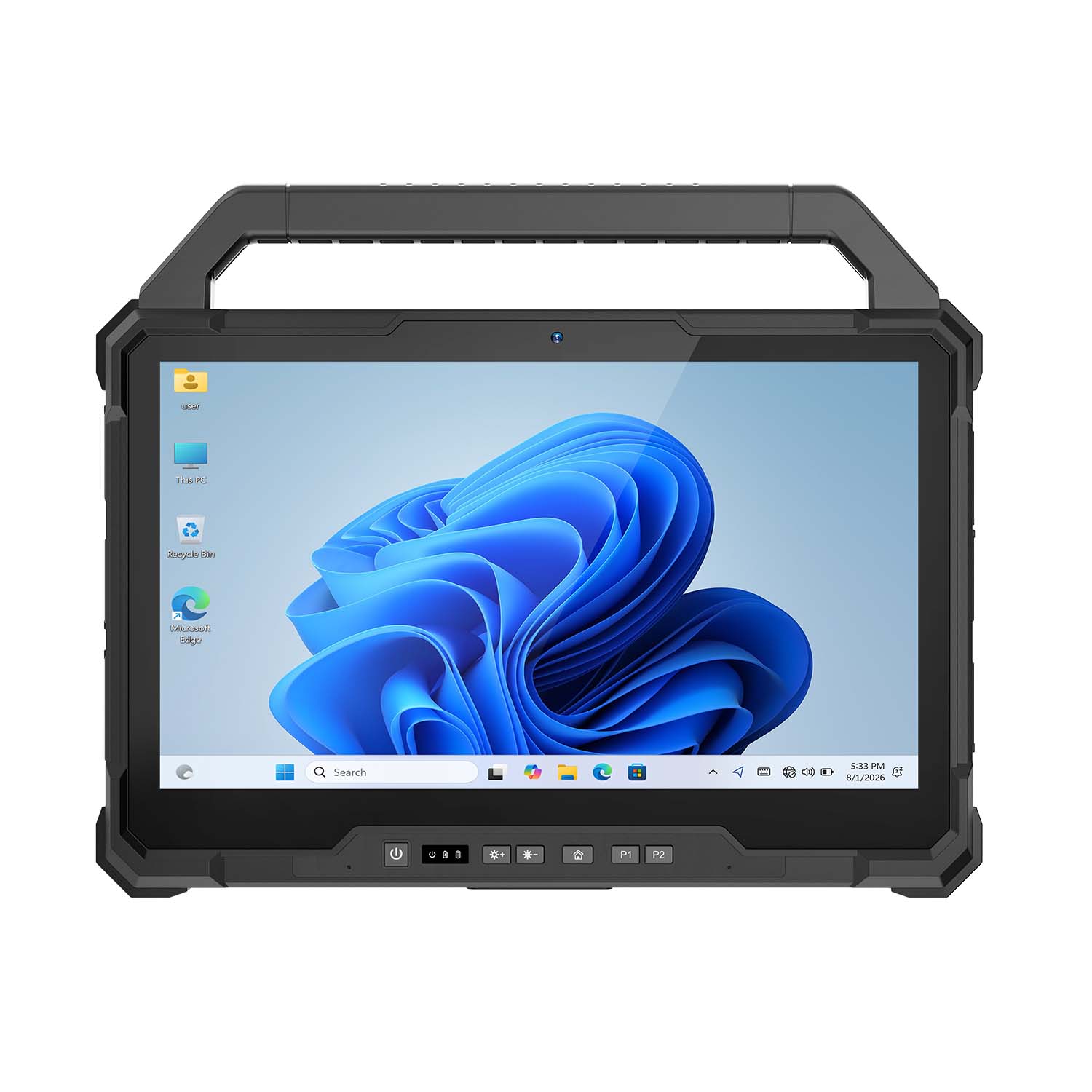 CENAVA W30U Pro Ultra7-155U 13.3 Inch Win11 IP65 Rugged Tablet
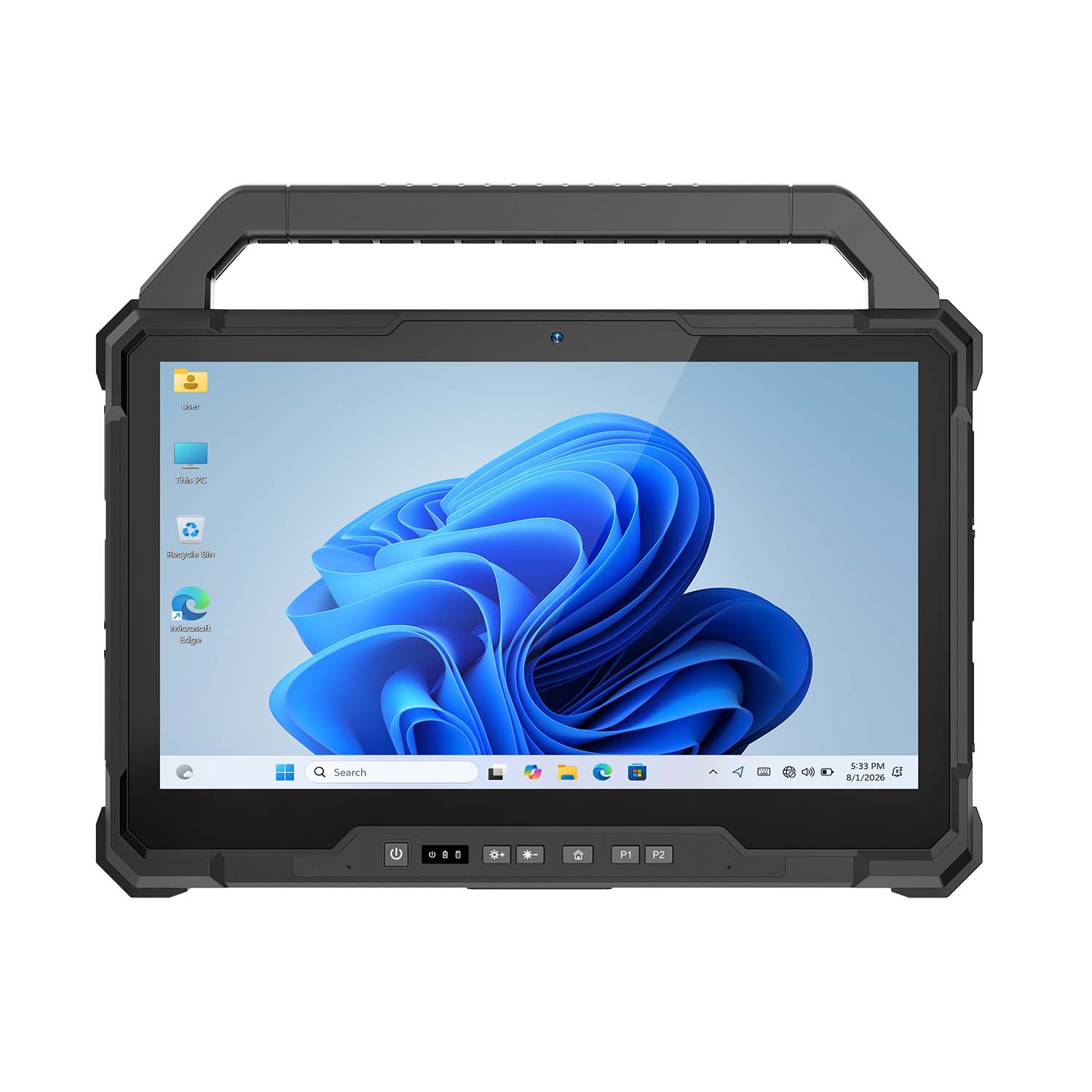 CENAVA W30U i7-1255U 13.3 Inch Win11 IP65 Rugged Tablet
 CENAVA W109NS N150 10.95 Inch Win11 IP67 Rugged Tablet GbE
 CENAVA W109U i5-1235U 10.95 Inch Win11 IP67 Rugged Tablet
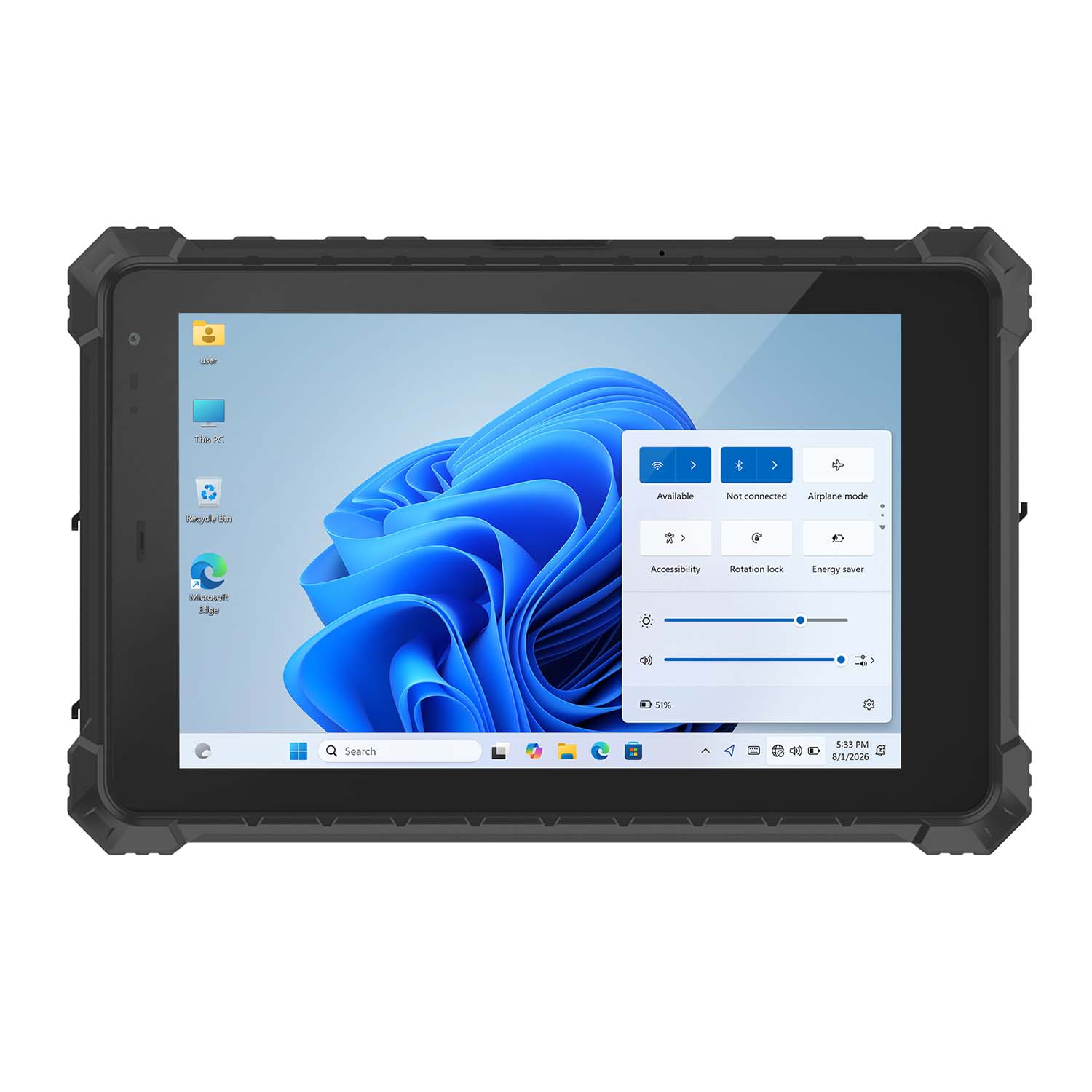 CENAVA W10Y i5-10210Y 10.1 Inch Win11 IP68 Rugged Tablet Full I/O
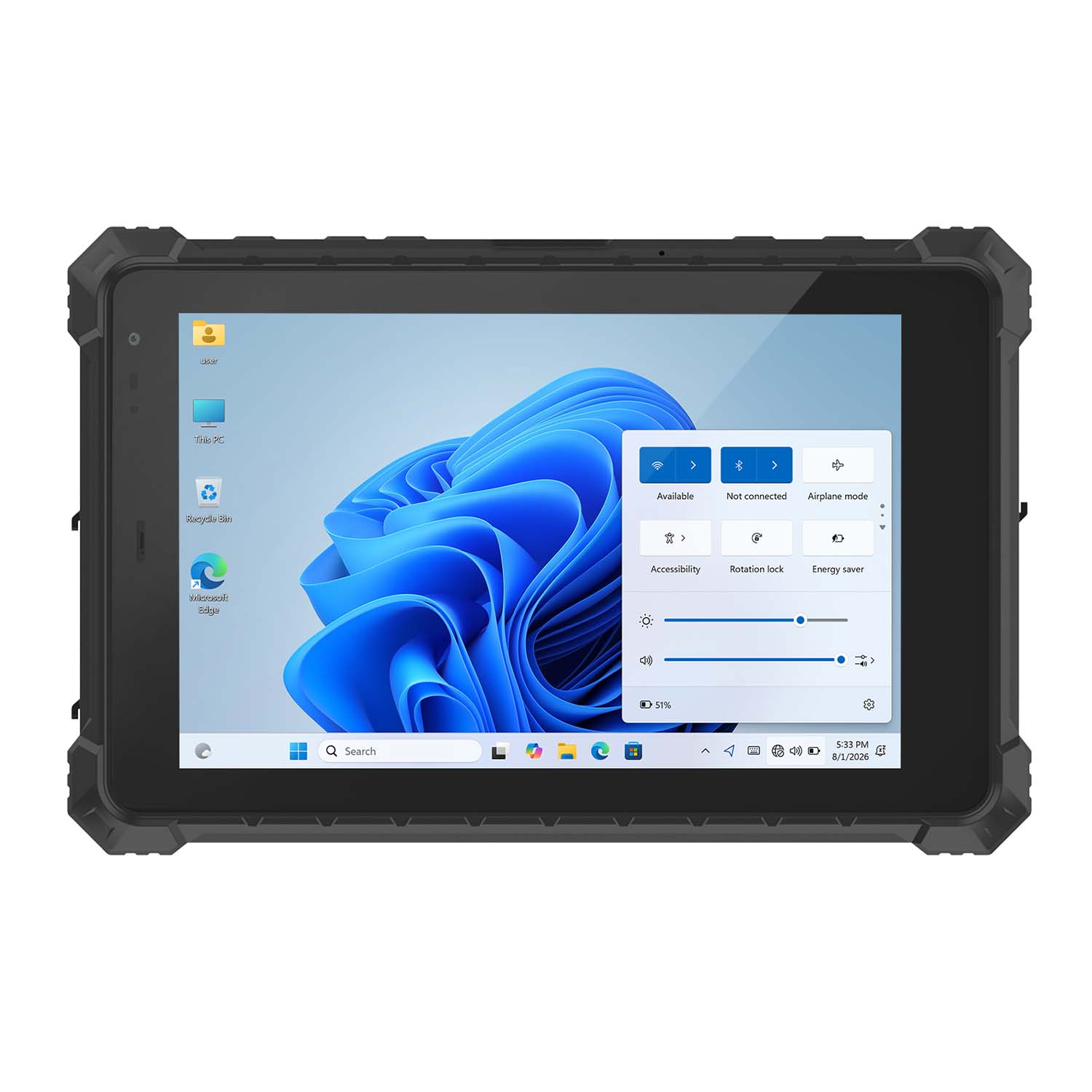 CENAVA W10NPRO N100 10.1 Inch Win11 IP68 Rugged Full I/O
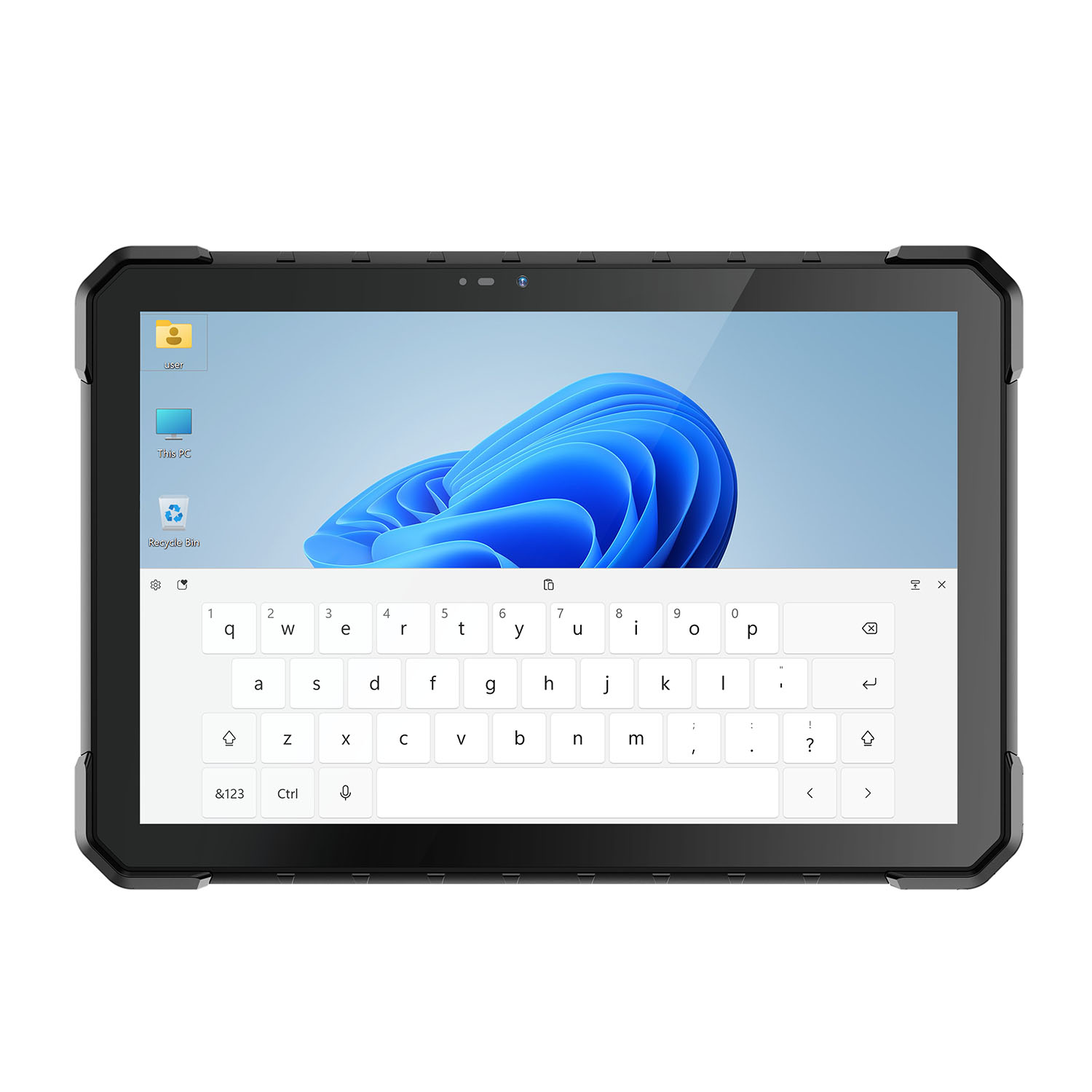 CENAVA W18Y i5-10210Y 10.1 Inch Win11 IP68 Rugged Slim
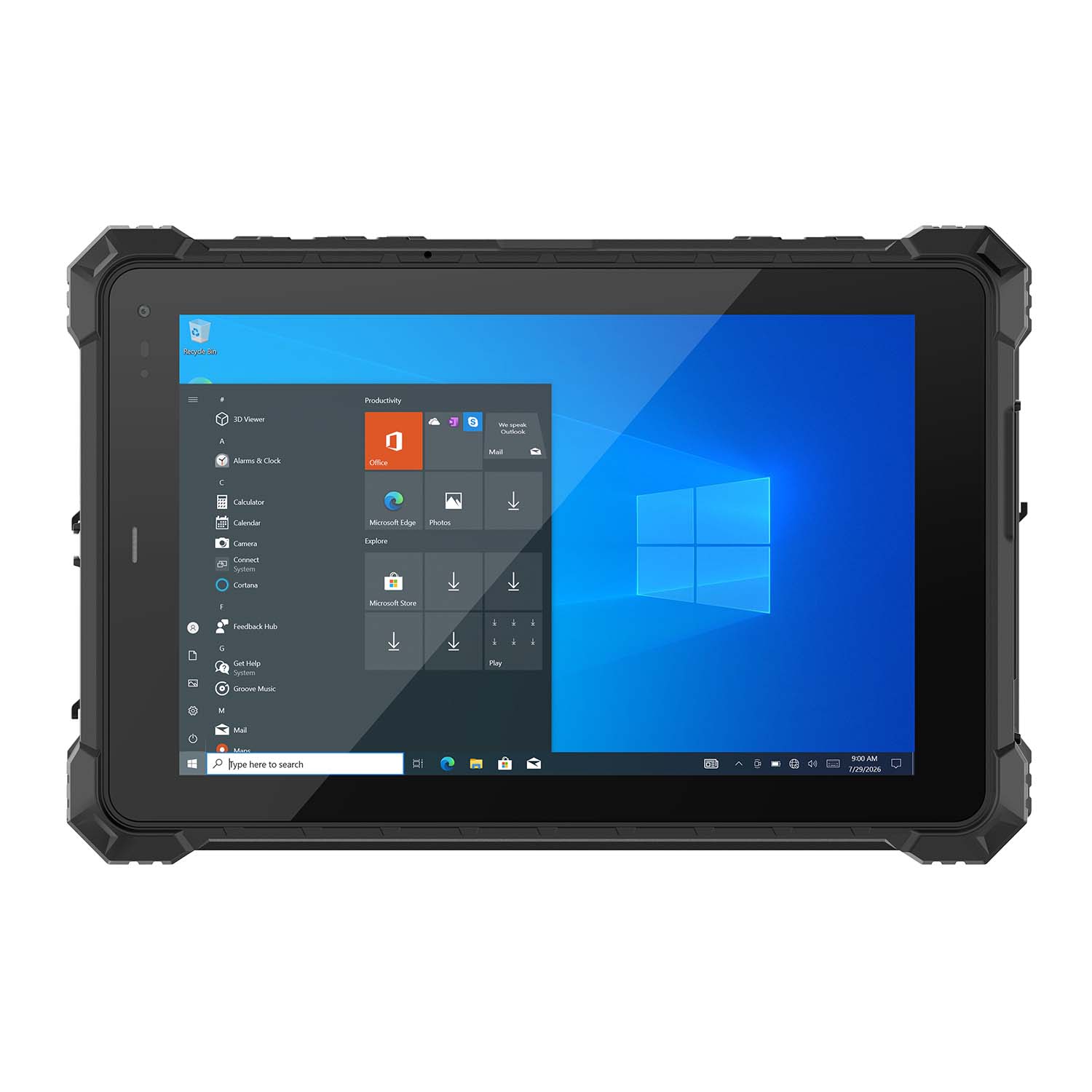 CENAVA W10NX N5100 10.1 Inch Windows IP67 Industrial Tablet
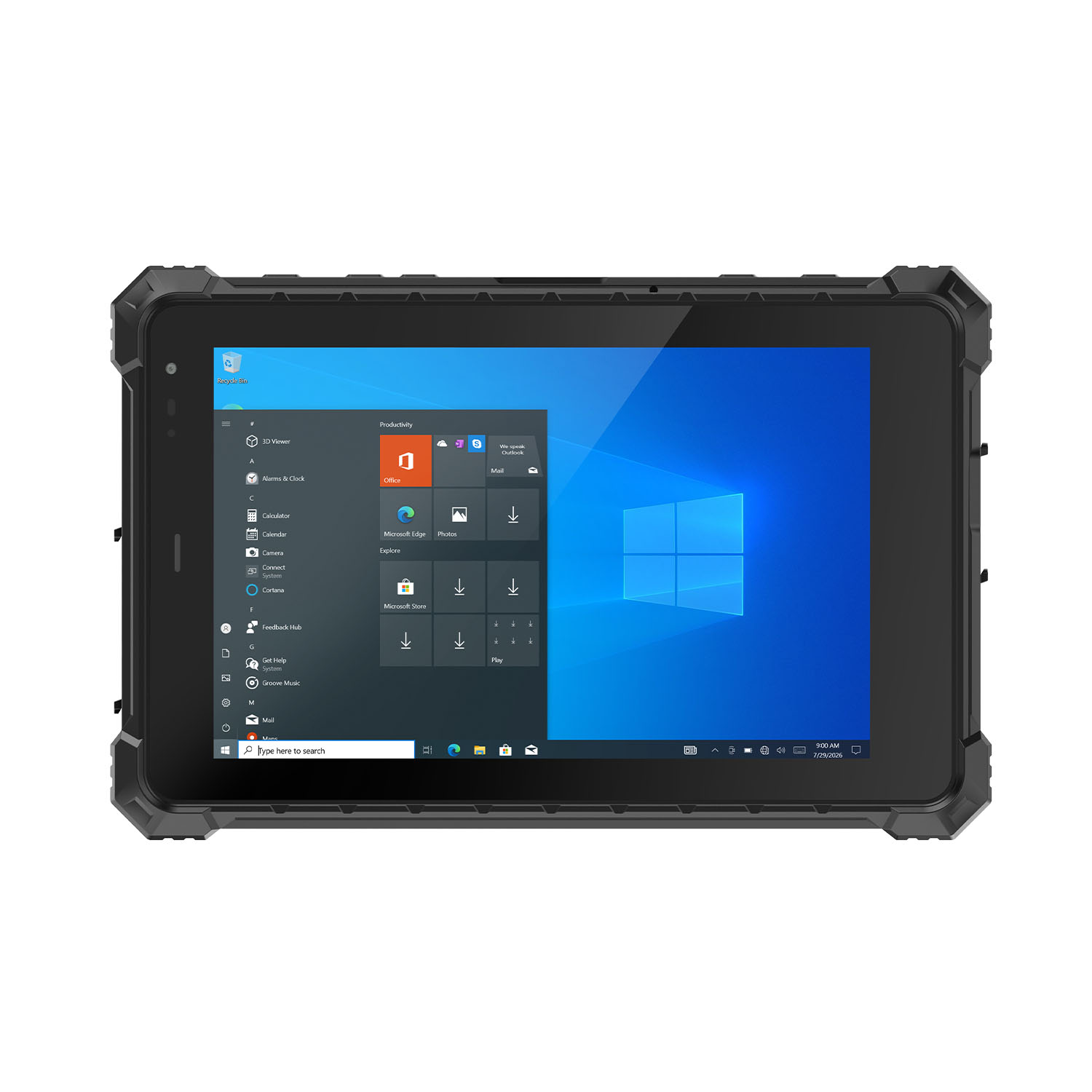 CENAVA W80N N5100 8 Inch Win11 IP68 Windows Rugged Tablet
 CENAVA H10PRO N100 10.1 Inch Win11 Industrial PC | WiFi6 Touch Panel
 CENAVA H55N N5100 5.5" Win11 Mini Industrial PC
 CENAVA H10F N100 10.1" Win11 Industrial Panel PC Touch Computer
 CENAVA H10F N95 10.1" Win11 Industrial Panel PC | WiFi6 Touch Computer
 CENAVA H7S N3350 7 Inch Win10 Entry Industrial PC | POE Fanless Touch Panel
 CENAVA H7 N4020 7" Win10 Compact Industrial PC | POE Fanless Touch Panel
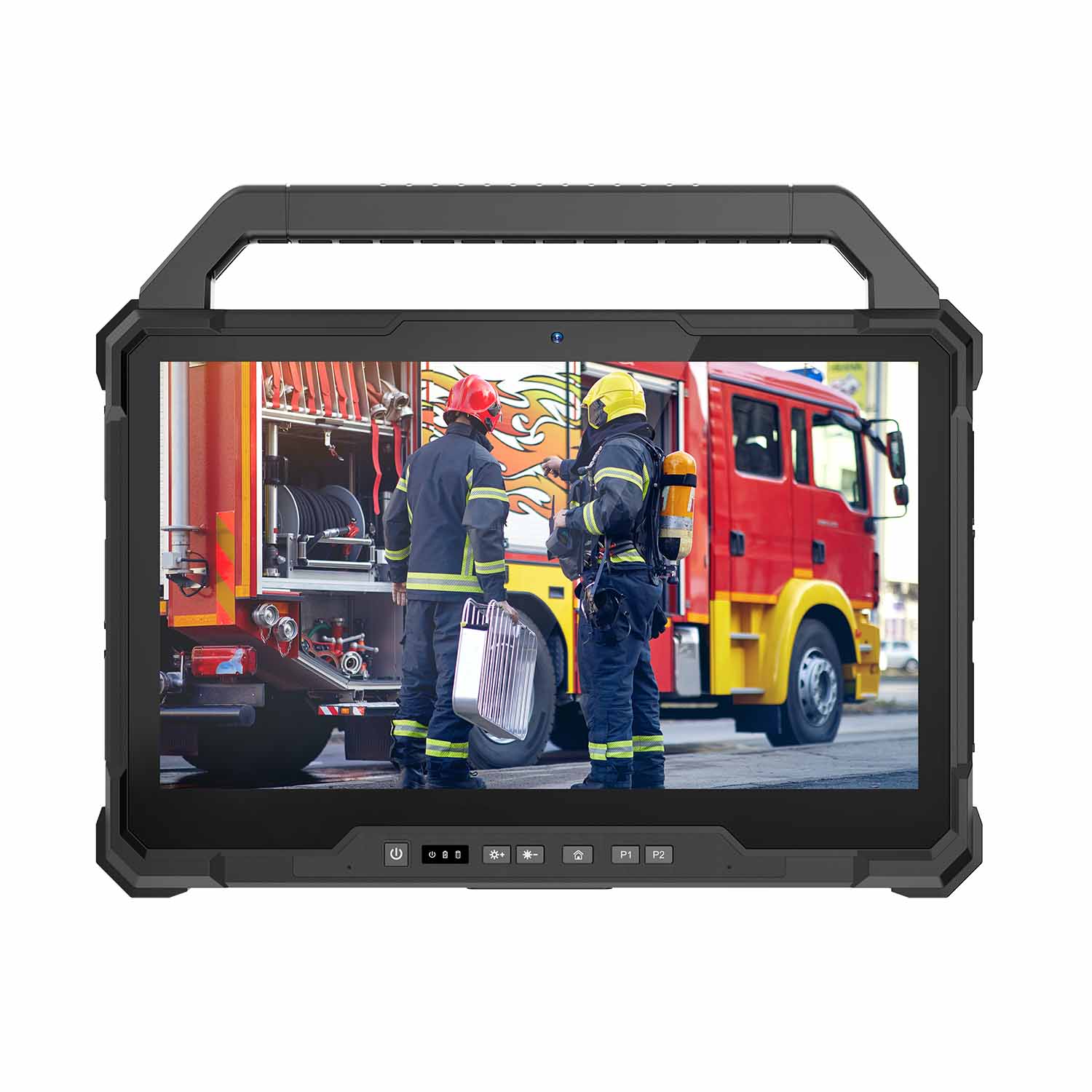 W30U-EX i7-1255U 13.3 Inch Explosion-Proof Windows Tablet
 W30UPro-EX Ultra7-155U ATEX II 2GD Ex ib IIC T5 Gb Explosion-Proof Tablet
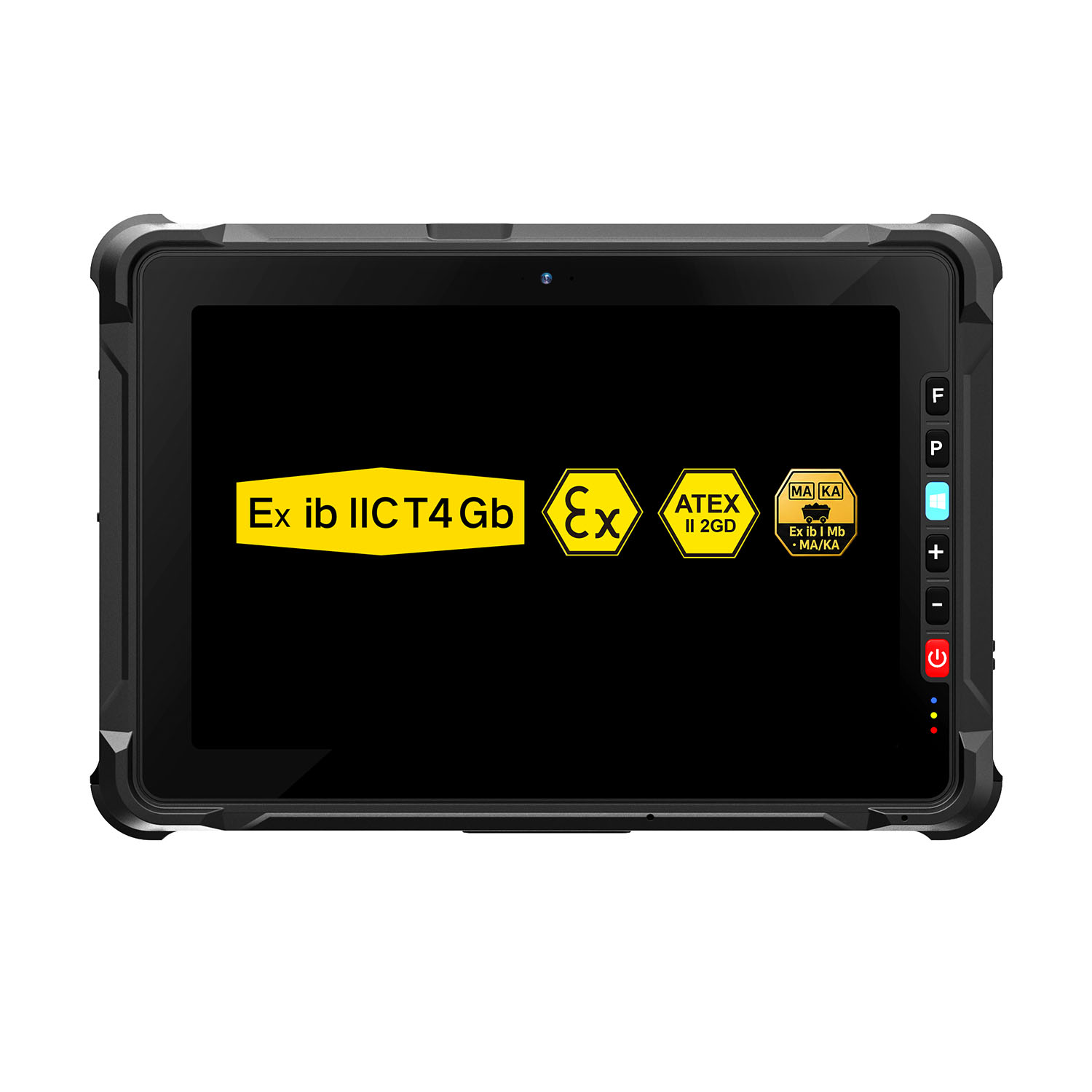 W109NS-EX N150 Explosion-Proof Hazardous Area Windows Tablet
 A109ST-EX MT8781 20000mAh Explosion-Proof ATEX II 2GD Android Tablet
 W10N-EX N5100 Explosion-Proof Intrinsically Safe Windows Tablet
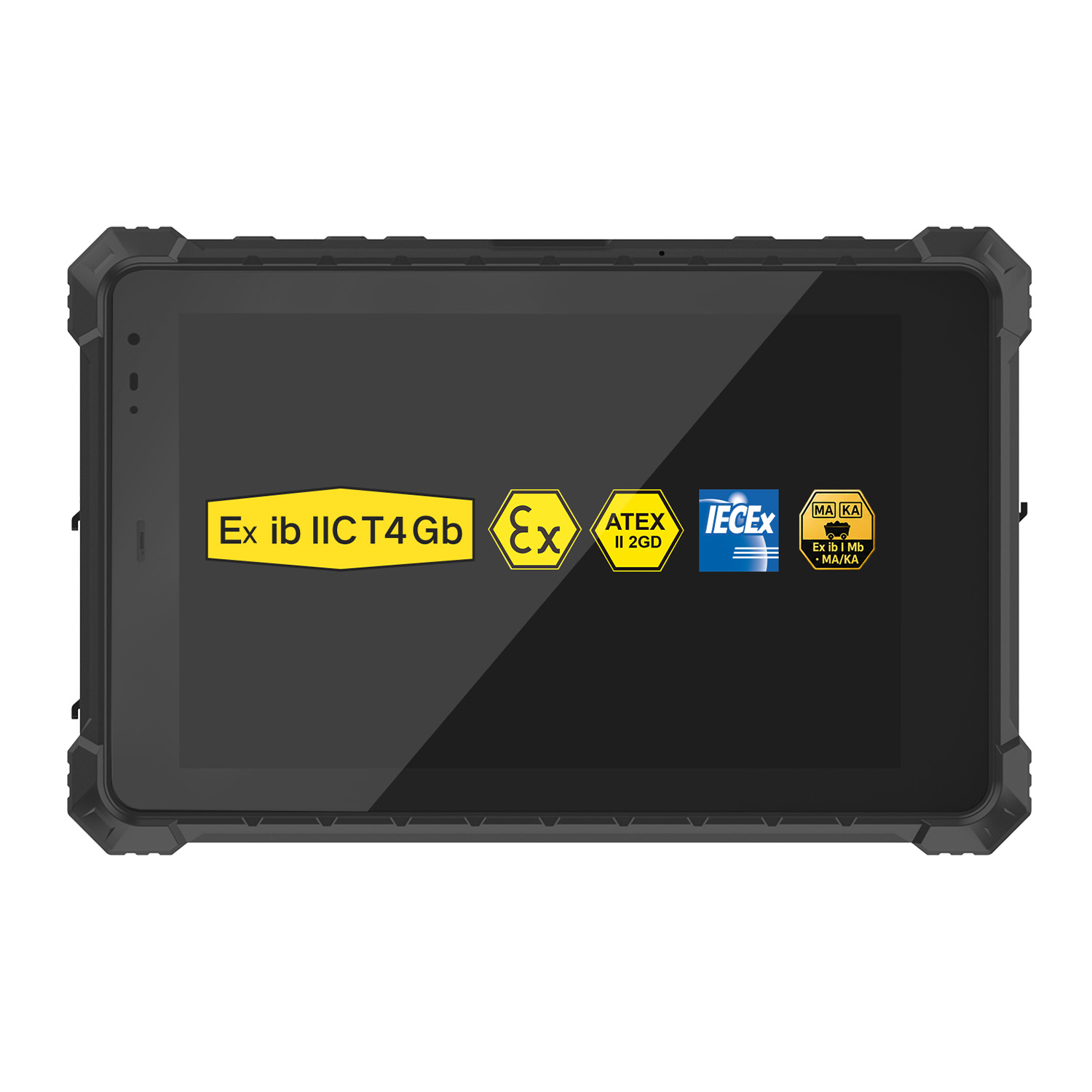 A10ST-EX MT8781 Ex ib IIC T5 Gb Hazardous Area Rugged Tablet
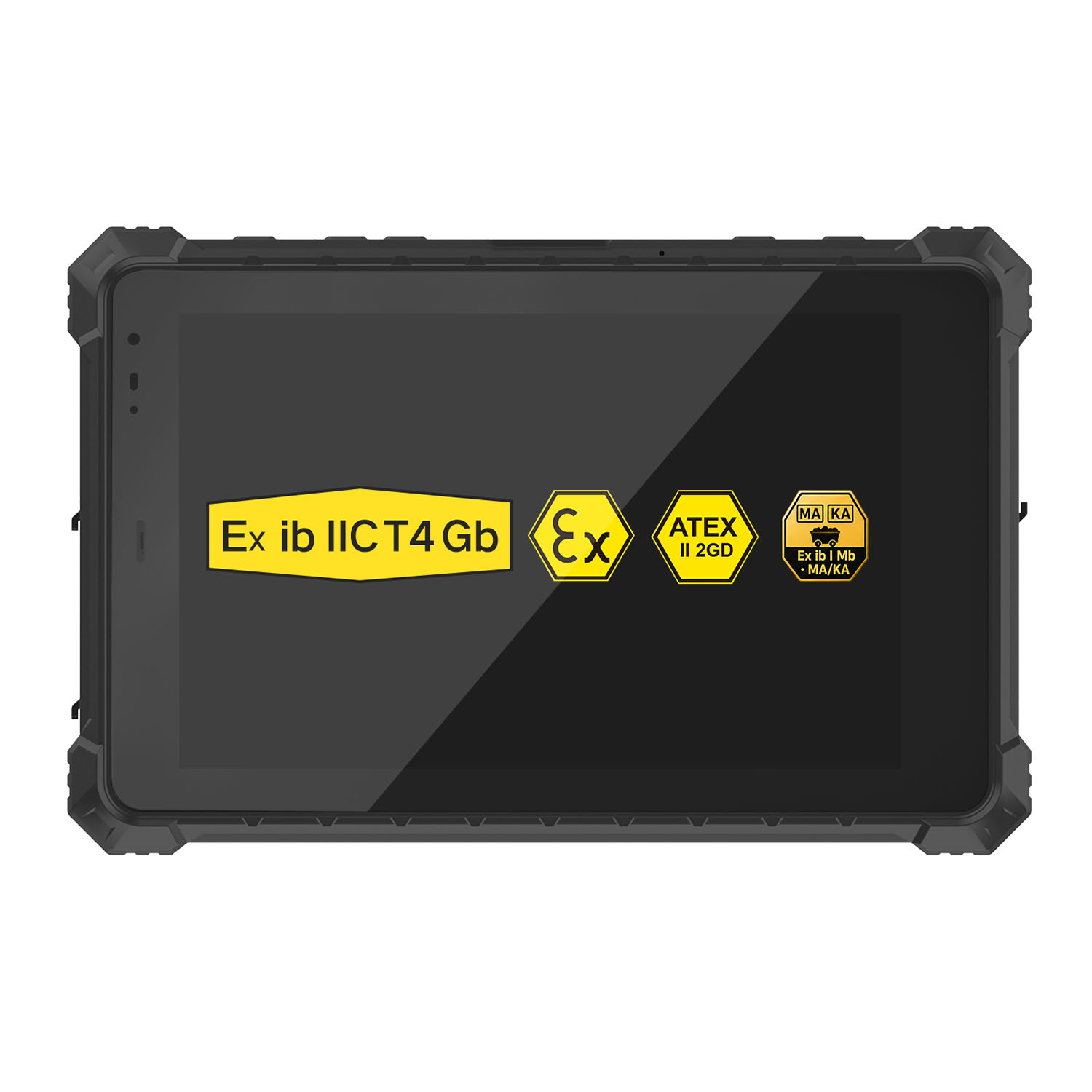 A10R-EX 10.1 Inch Explosion Proof RK3568 Industrial Tablet PC
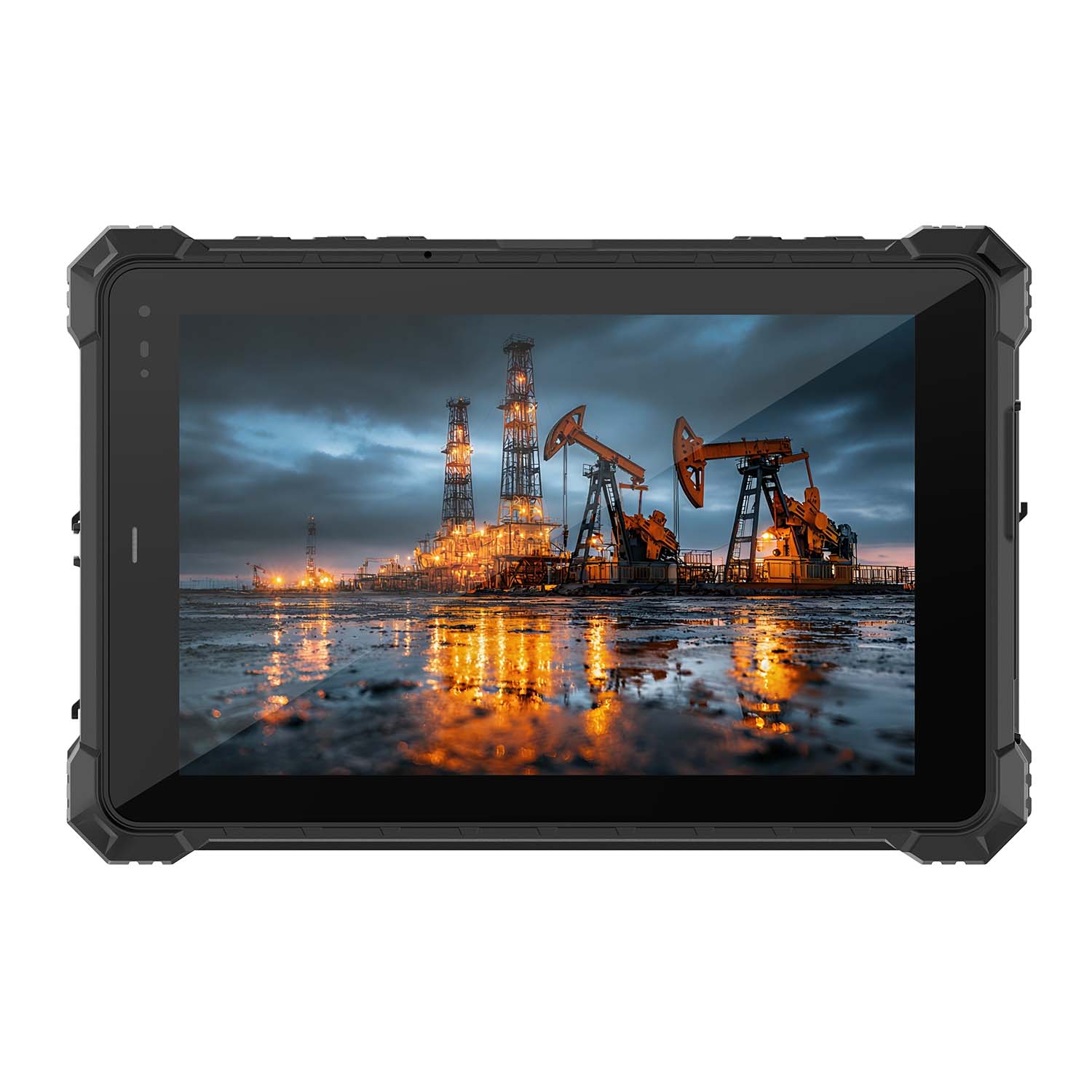 A10STX-EX MT8781 10.1 Inch ATEX II 2GD Android Tablet
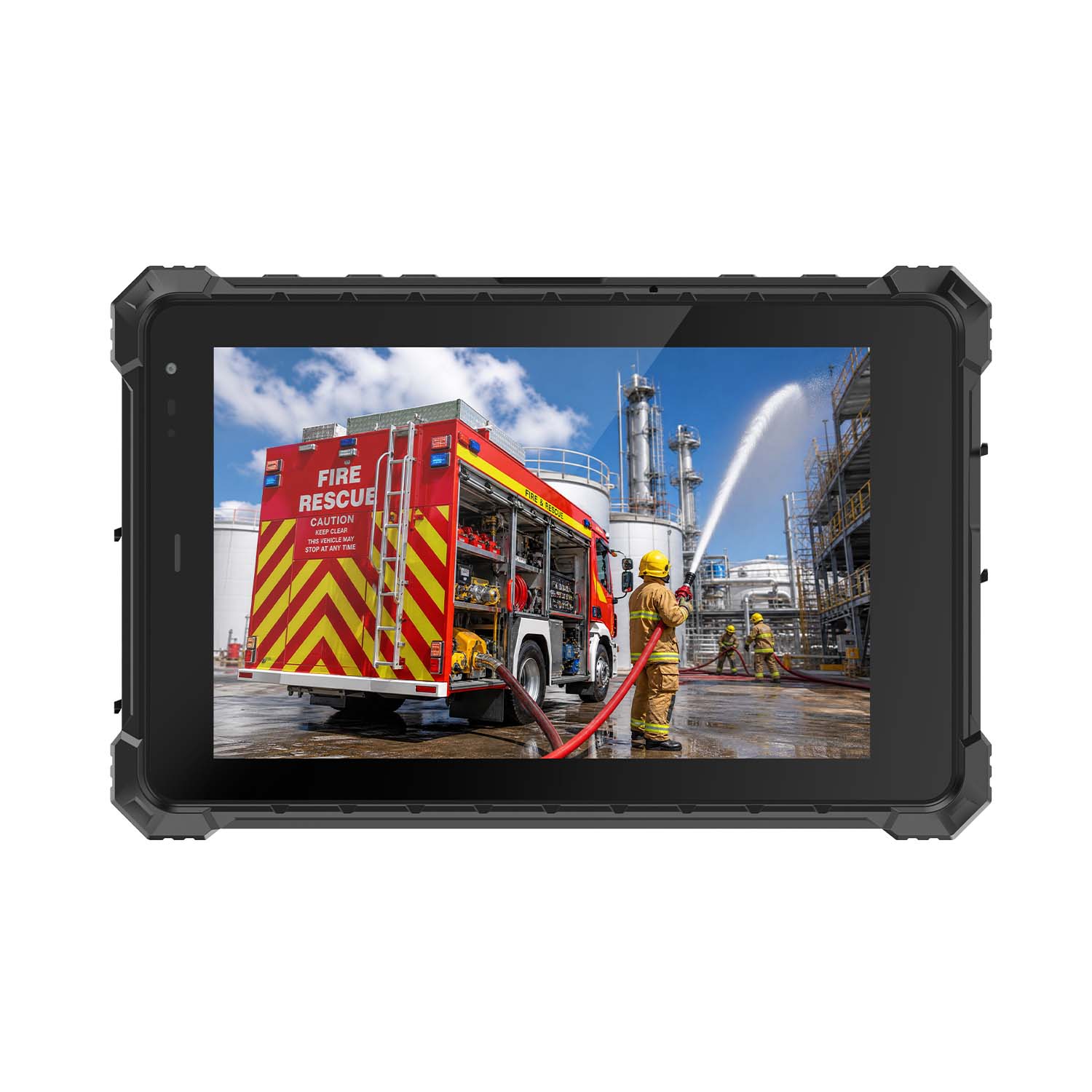 W80N-EX N5100 8 Inch Explosion-Proof Windows ATEX II 2GD Tablet
 A18ST-EX Slim 10.1-Inch Explosion-Proof Android Tablet
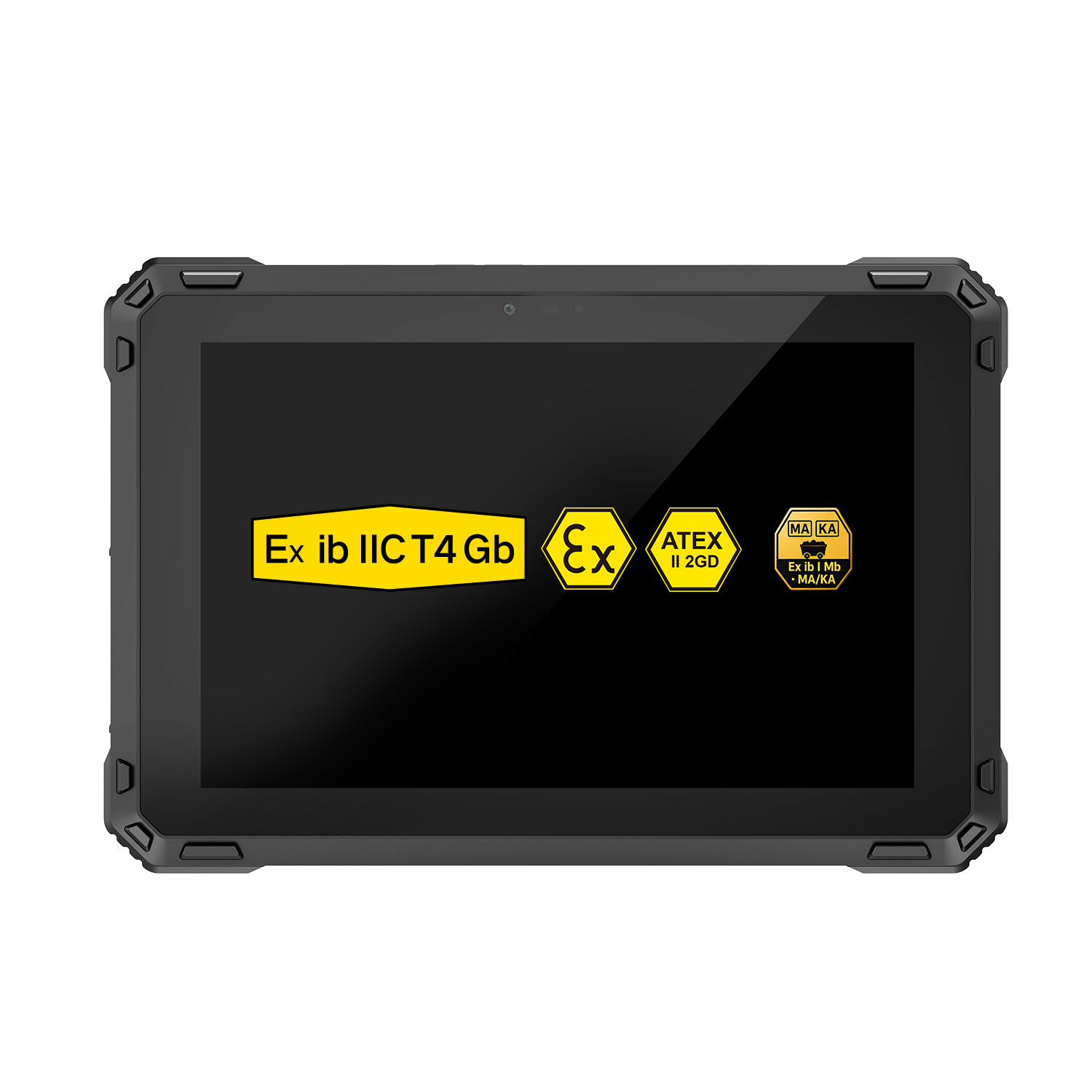 A88ST-EX MT6769 Hazardous Area 8-Inch Explosion-Proof Android Tablet
 A80ST-5G EX MT6877 8 Inch Ex ib ⅡC T4 Gb Explosion Proof Tablet
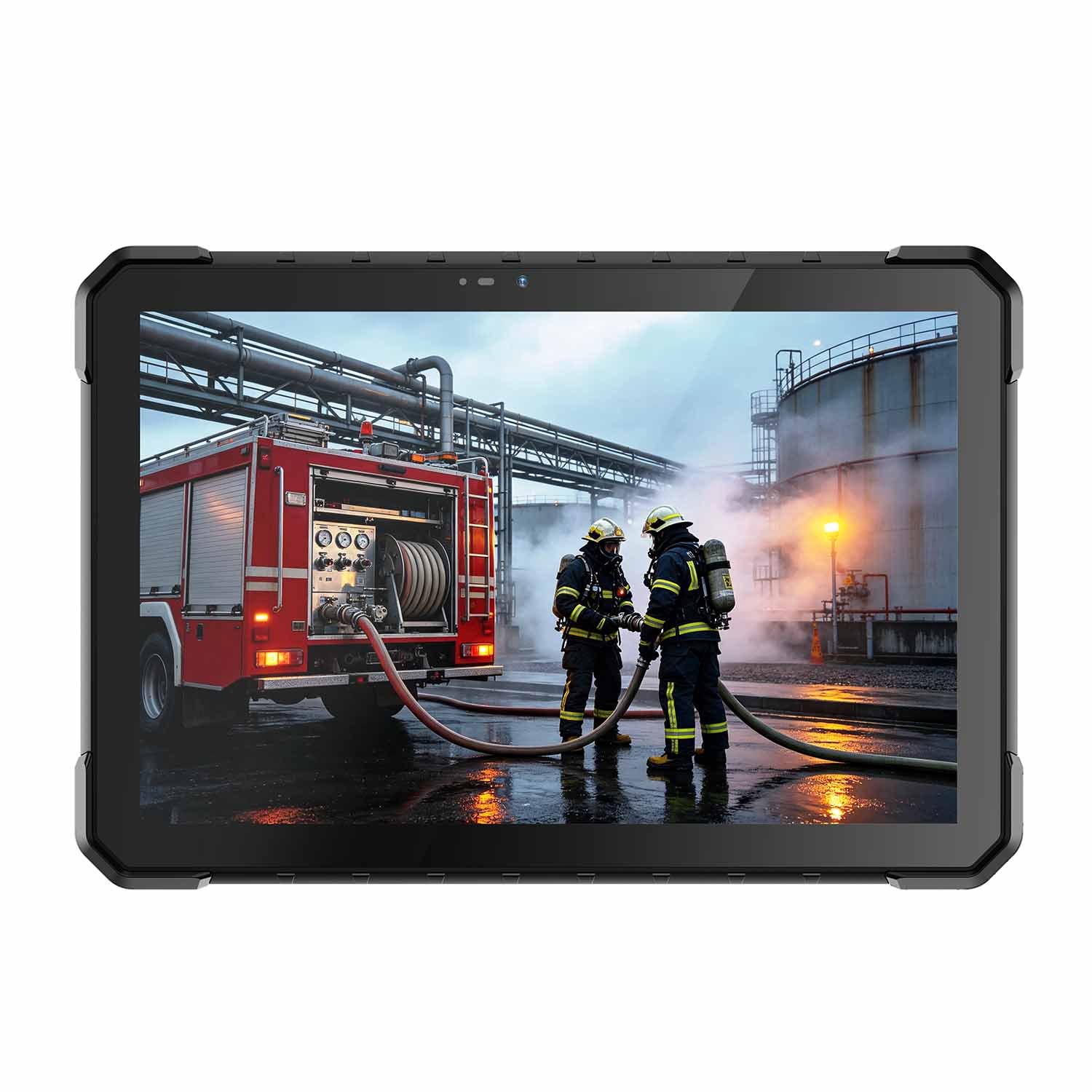 CENAVA W18Y-EX i7 10.1 Inch Explosion-Proof Windows 11 Tablet
 W65G-EX Explosion-Proof Windows Handheld Hazardous Area PDA