




What Tablet Is Safe During a Gas Leak Response?
Quick answer: The safe tablet during a gas leak response is the exact certified configuration the gas operator has released for the current incident state and every point on the responder's route — Zone 1 evidence (EPL Gb) or Zone 2 evidence (Category 3G / Gc) as each point requires, with the correct gas group, temperature class, ambient range and certificate conditions. IP68 or MIL-STD-810G/H results do not control ignition energy.
A certified tablet does not give a technician permission to ignore those controls or carry electronics into an unreleased space. PHMSA's public guidance tells occupants to leave the affected area and use a telephone from a location well away from the leak. Trained utility personnel work under the operator's written emergency procedures, approved instruments and command structure. A certified tablet does not give a technician permission to ignore those controls or carry electronics into an unreleased space.
The usable boundary can change during one call. A dispatch staging point, vehicle, property boundary, meter or regulator set, building threshold, interior investigation route and safe synchronization point may not share one status. Wind, gas migration through soil, ventilation changes, excavation damage or a single indoor reading can move the boundary mid-call — the meter set that was a safe work point at 14:00 may be inside the hot zone at 14:20. The tablet route must therefore be linked to the incident state, not copied from a normal-service map.
Durability still matters once hazardous-location admission is resolved. Gas crews work in rain, winter conditions, road dust, crawlspaces and traffic-adjacent locations while wearing task-specific gloves. An IP code covers defined enclosure tests but not every odorant residue, cleaner or hydrocarbon exposure. MIL-STD-810G or MIL-STD-810H results address defined environmental stresses; they do not replace ATEX, IECEx or North American hazardous-location approval.
We put the high-category candidates first because that's the honest order for a leak response — Zone 2 and Division 2 products follow, and they are not emergency shortcuts. The latter may suit released lower-category or safe-area tasks, but it is not an emergency shortcut. The sequence is not a universal performance ranking, and all field exercises below are proposed acceptance methods instead of claims about completed customer incidents.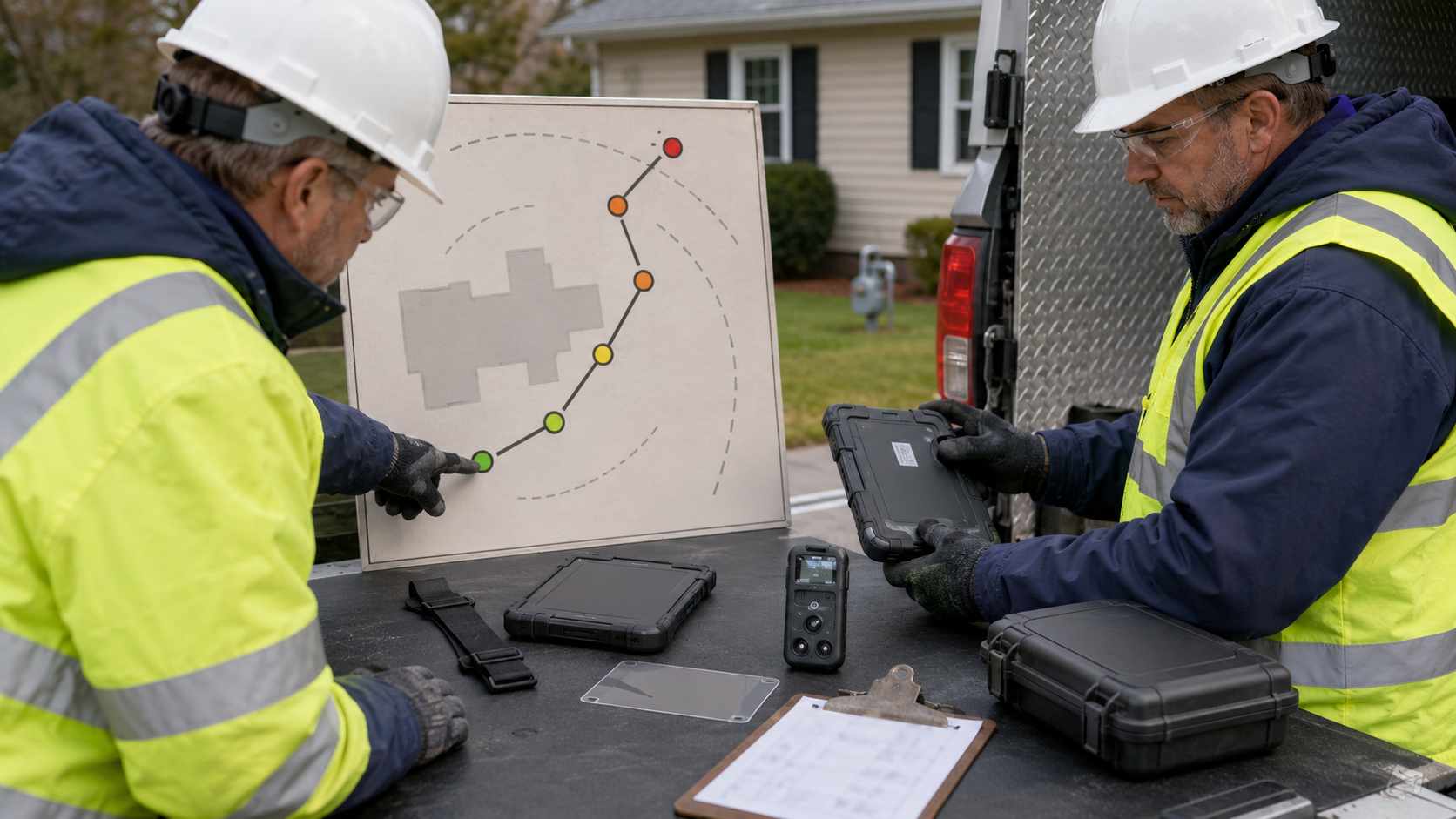
What Defines a Reliable Ex-Certified Tablet for Gas Distribution Response?
A dependable tablet under the IECEx route is one whose complete marking matches the gas operator's classified path after the response authority has released that path. IEC/ATEX surface-industry references commonly associate methane with IIA, while North American grouping maps IIA most closely to Class I, Group D without treating the systems as identical. In practice: ask the certificate, find 'IIA' or 'Group D' in the marking string, and stop. If the letters aren't there, the methane conversation is over regardless of what the datasheet says.
- Incident-state control: Define reported odor or damage, professional investigation, confirmed hazardous atmosphere and controlled recovery as separate states. Each state needs a permitted tablet location, stop condition and record owner. A color or app banner may communicate the state, but it cannot determine gas concentration or release a boundary.
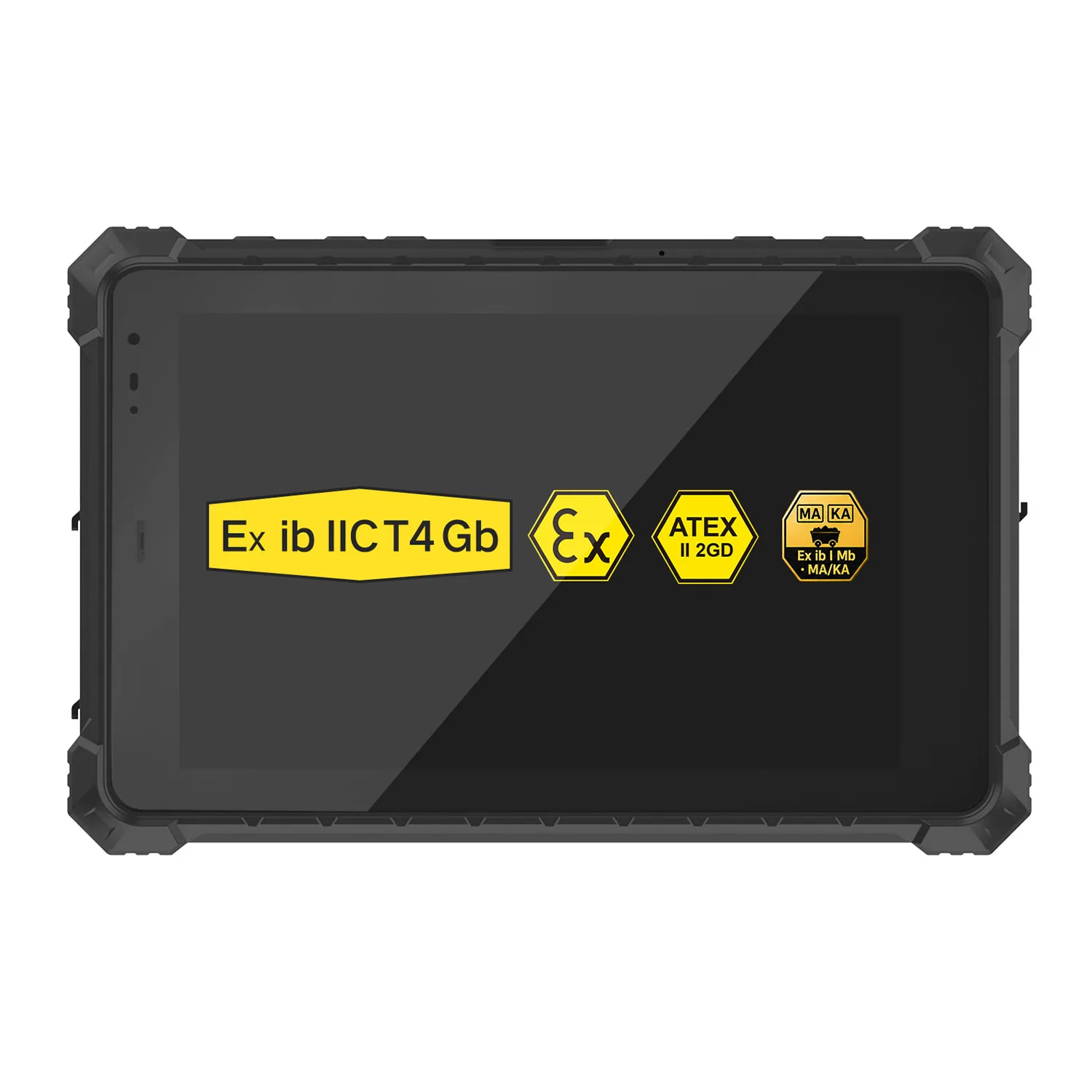
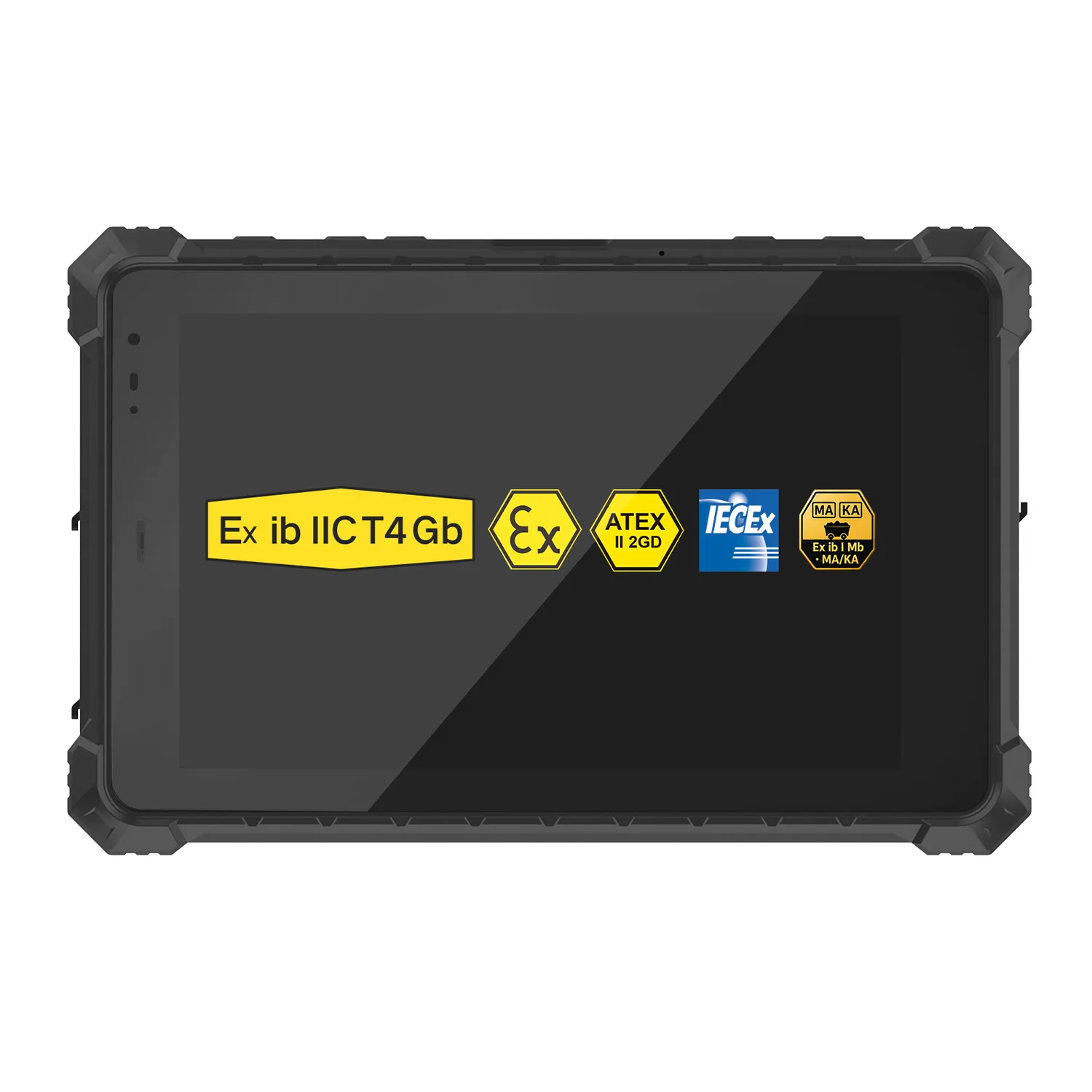
- Exact hazardous-location marking: Review protection concept, category or EPL, Zone or Division, gas group, temperature class, ambient range, certificate number and every special condition. Do not translate Zone 2 into Division 2 or IIA into Group D without an accepted conformity route for the actual project.
- Route-and-action match: Put the dispatch point, vehicle, property boundary, meter/regulator, building threshold, interior route and safe sync station on one seven-point card. Copy this card into your response plan. Include where the device is removed from its carrier, connected, photographed, handed over or returned.
- Operational evidence: Test the issued glove, screen protector, hand strap, rain state, offline form and immediate-exit behavior. A high IP rating cannot fix a protection-level mismatch, while an Ex label cannot make a crowded interface safe during a time-critical response.
49 CFR 192.615 requires gas pipeline operators to establish written emergency procedures, including receiving and classifying notices, prompt response, protecting people first and making hazards safe. The device-selection record should sit below that plan. It must never imply that carrying an approved tablet changes evacuation, communication, shutdown or public-safety coordination duties.
For a proposed 18-unit rollout, receiving personnel inspect all 18 units rather than opening a representative carton. Each release record ties the serial number to the physical marking, regional suffix, certified battery, approved strap, managed application, permitted incident states and last damage check. A cracked port cover, unreadable label, unknown stylus or changed battery produces “safe-area only” or “quarantined” until the responsible functions decide otherwise.
Class I Division 1 Gas Utility Tablet: Top 10 Manufacturers for 2026
Under the North American route, the ordered unit needs evidence for the required Class, Division, methane-relevant Group and temperature code. OSHA 1910.307 requires each room, section or area to be considered individually and equipment to be approved for the ignitable properties present. A Division 2 model does not become acceptable in Division 1 because the responder expects to stay for less than one minute.
1. i.safe MOBILE (Germany)
High-category Android mobility for controlled emergency workflows
i.safe MOBILE organizes its portfolio separation (Zone 1/21 vs Zone 2/22 vs mining) makes it hard to accidentally issue the wrong tablet from a shared depot.
2. Pepperl+Fuchs / ECOM (Germany)
Multi-region Zone 1 platform with traceable regional configurations
Pepperl+Fuchs has decades of explosion-protection experience, while its ECOM business focuses on mobile devices for classified locations. The combination is relevant to utilities operating under several regulatory systems because certificates, product suffixes and approved accessories can be managed through one controlled device family.
3. Aegex Technologies (United States)
Purpose-built Windows tablet for high-category gas locations
Aegex concentrates on intrinsically safe Windows mobile computers. It is useful where a gas operator has a validated Windows dispatch client, mapping system or controlled drawing package whose replacement would require a separate software and cybersecurity project.
4. CENAVA (China)
Project-configured field records tied to a controlled Ex build
CENAVA develops rugged tablets and supplies OEM/ODM industrial projects. In a gas-distribution response program, its practical value is aligning a certified device with the operator's incident-state form, asset identity and regional requirements while keeping hardware evidence attached to the delivered SKU.
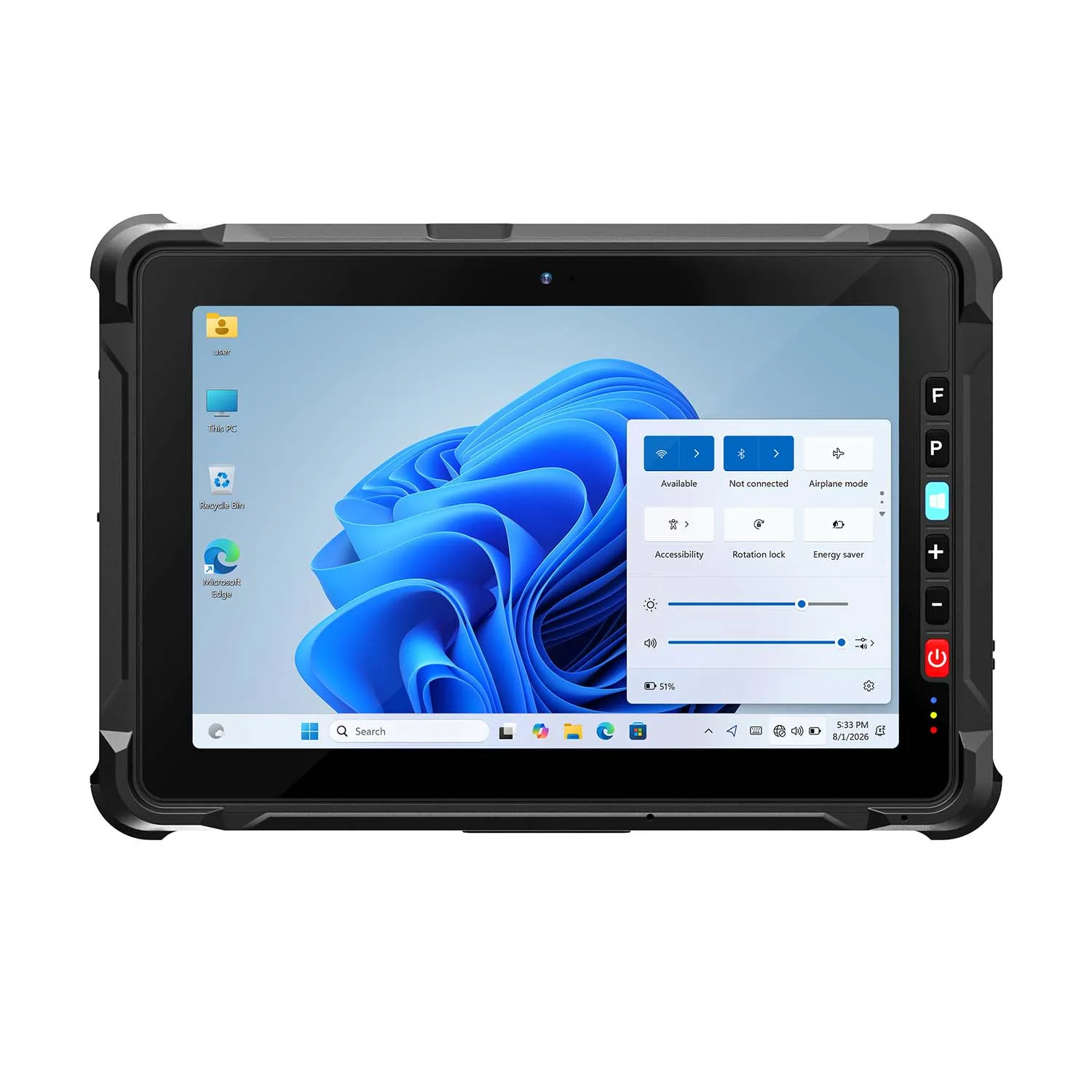
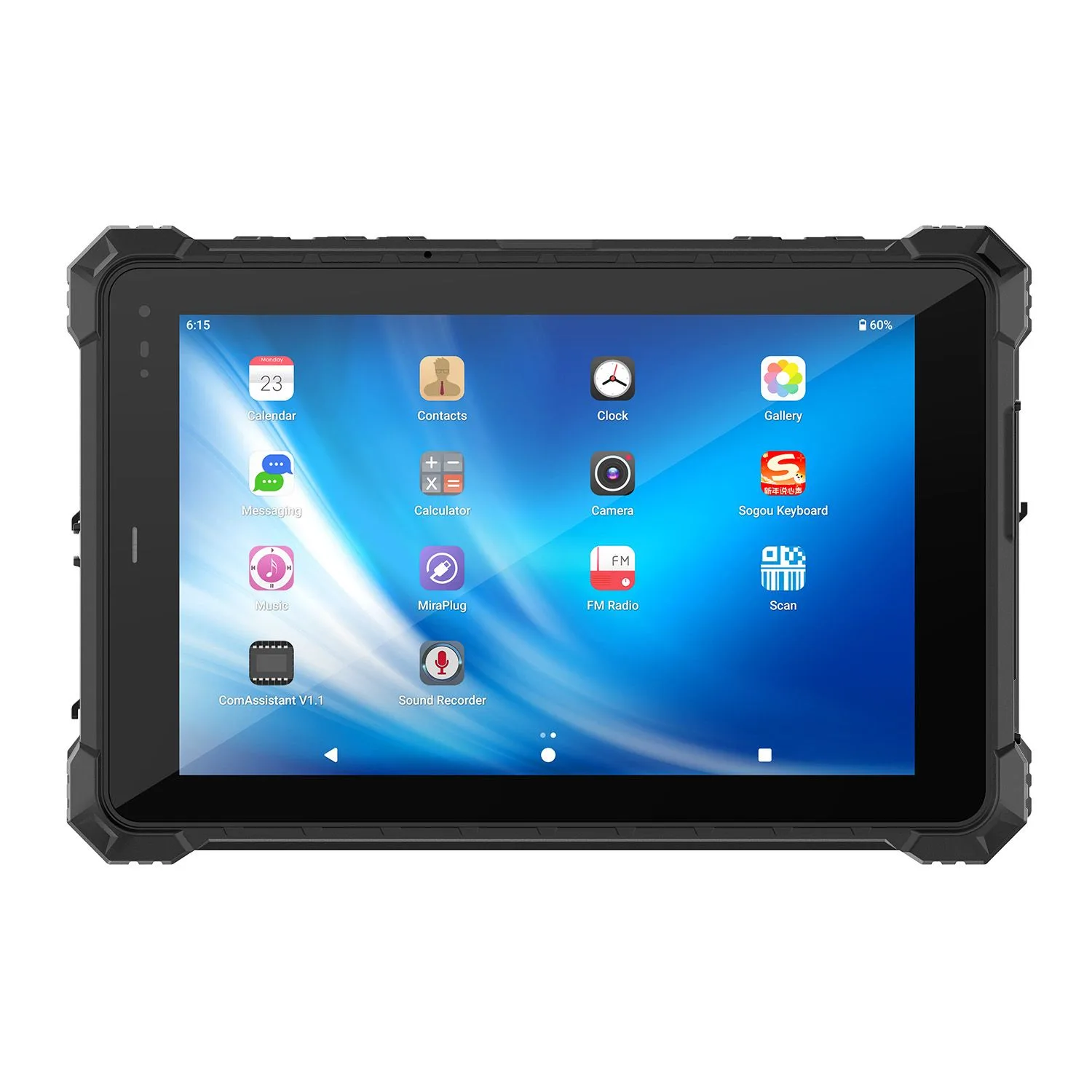
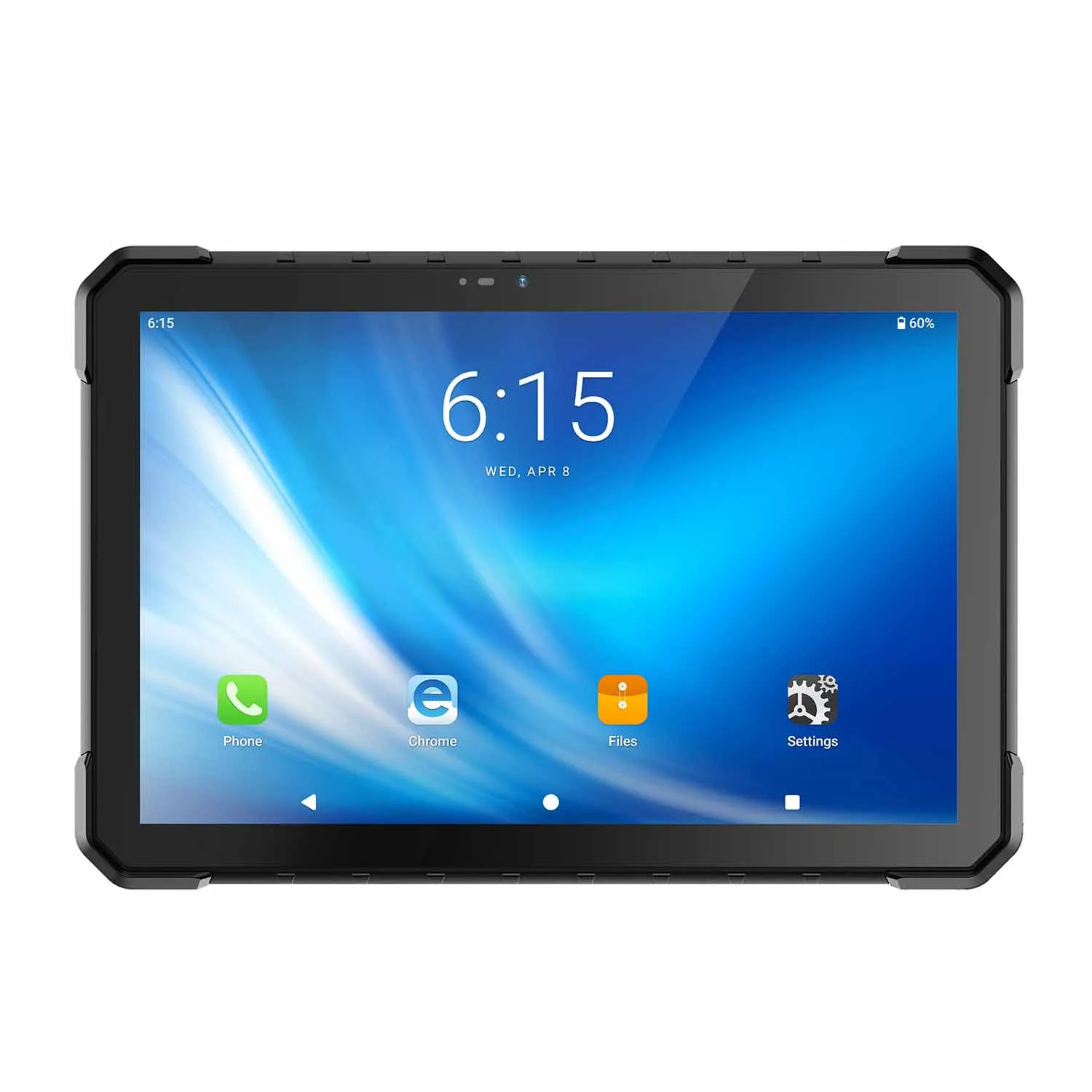
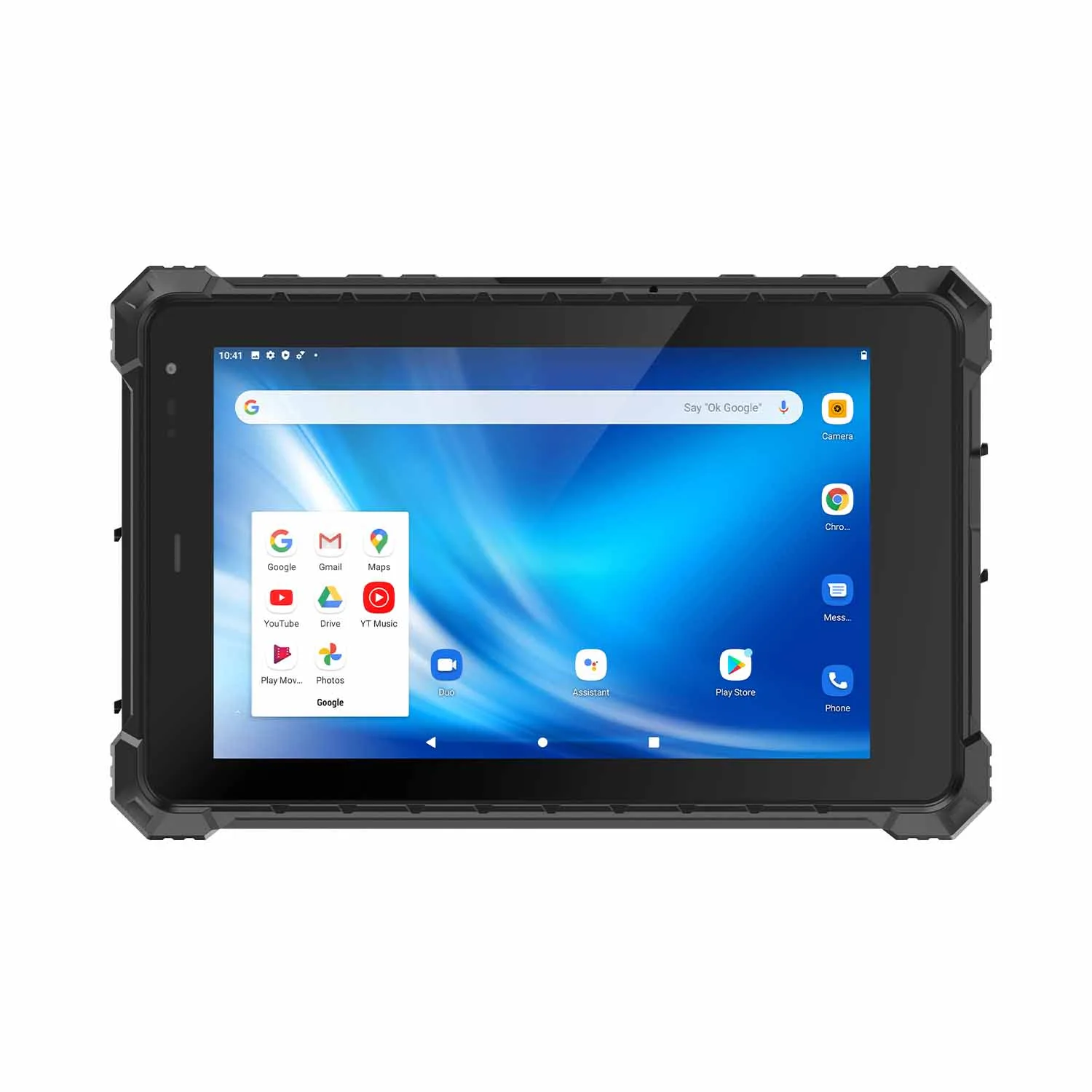
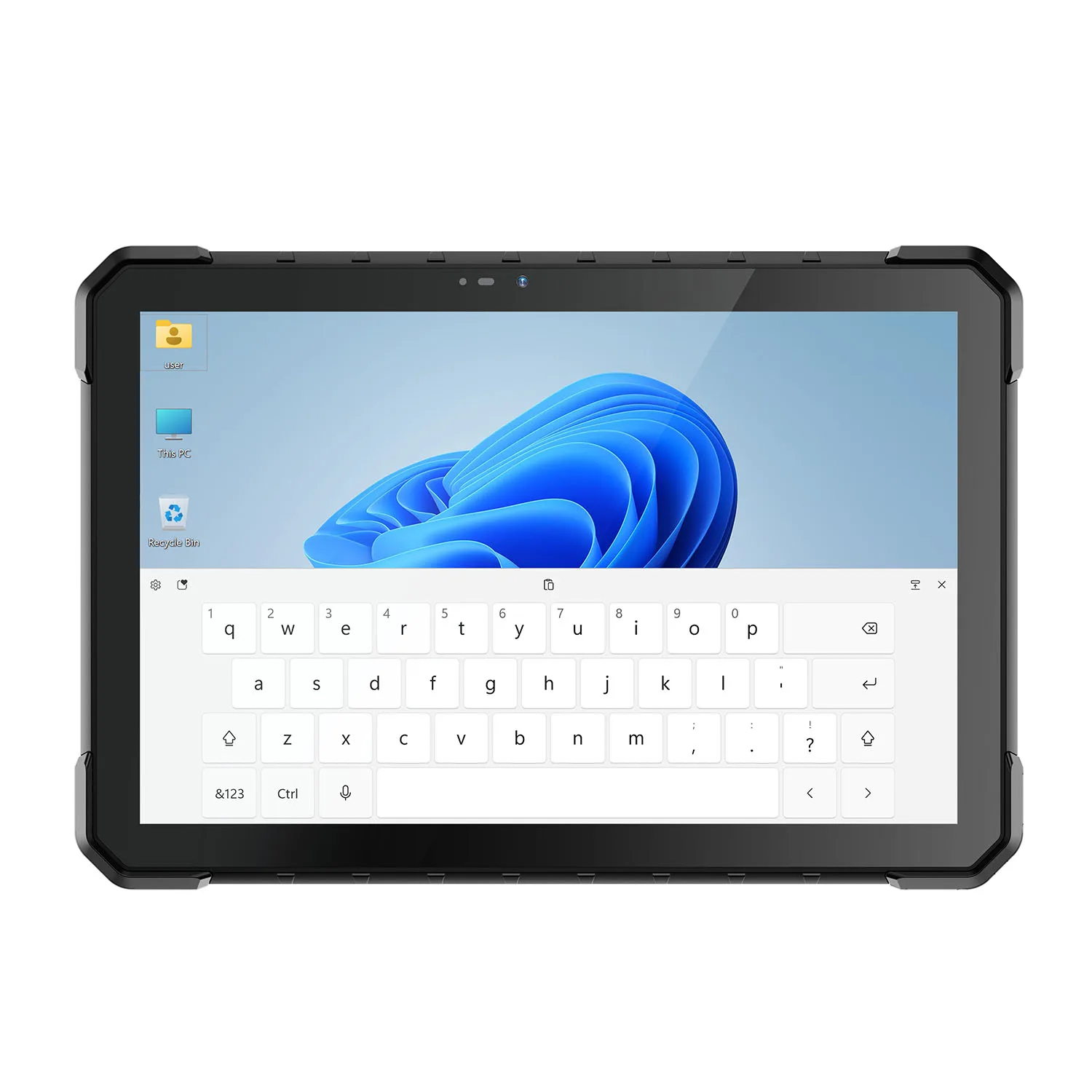
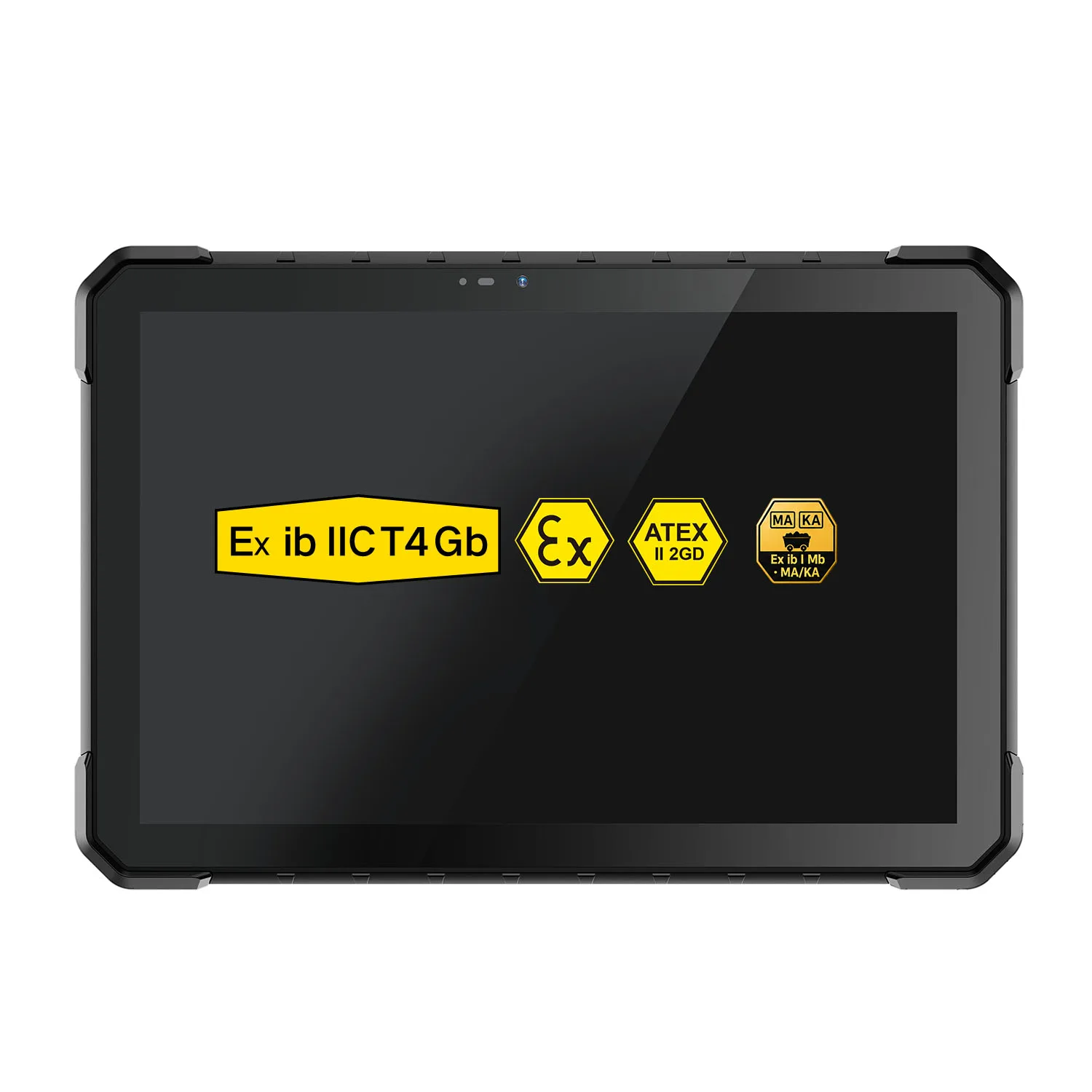
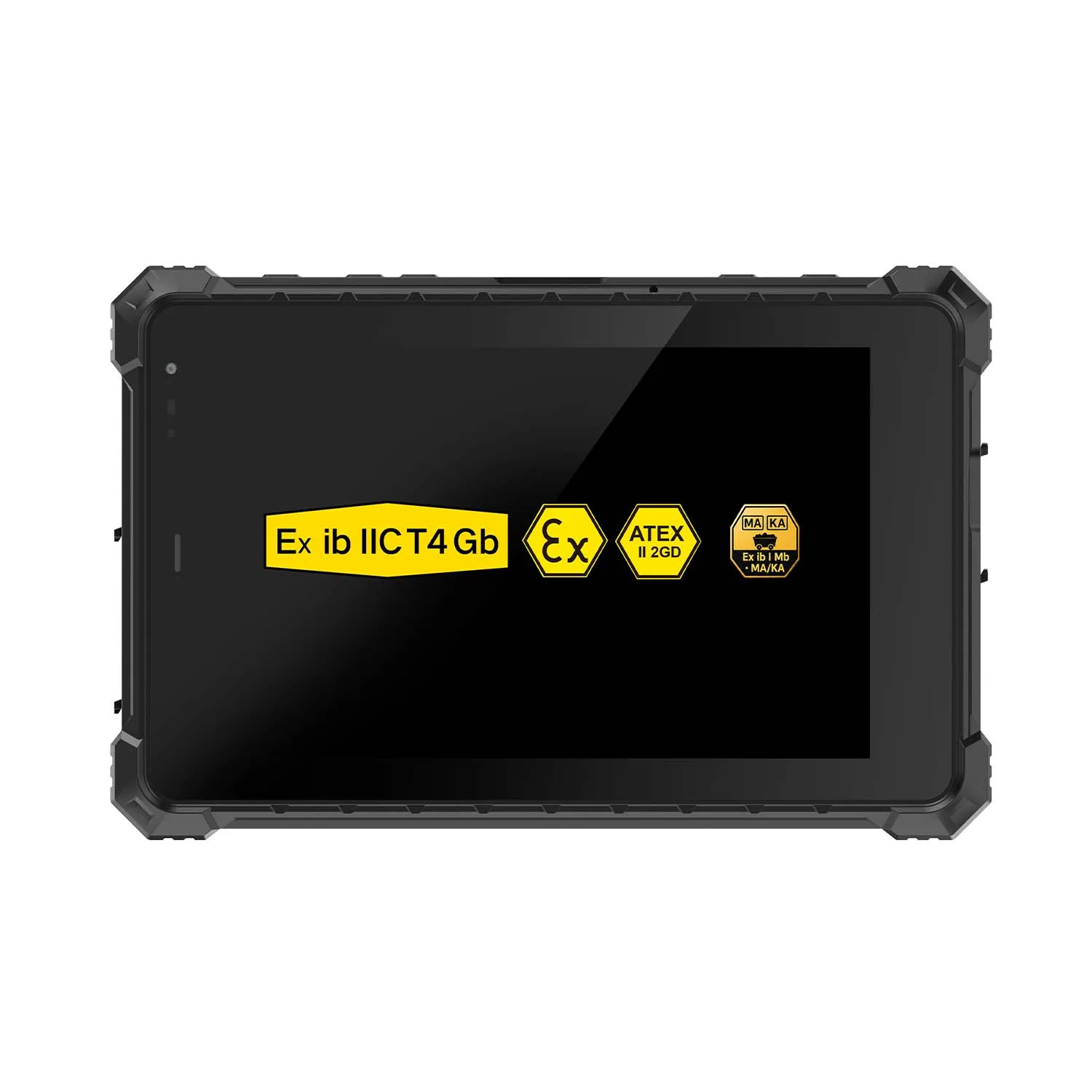
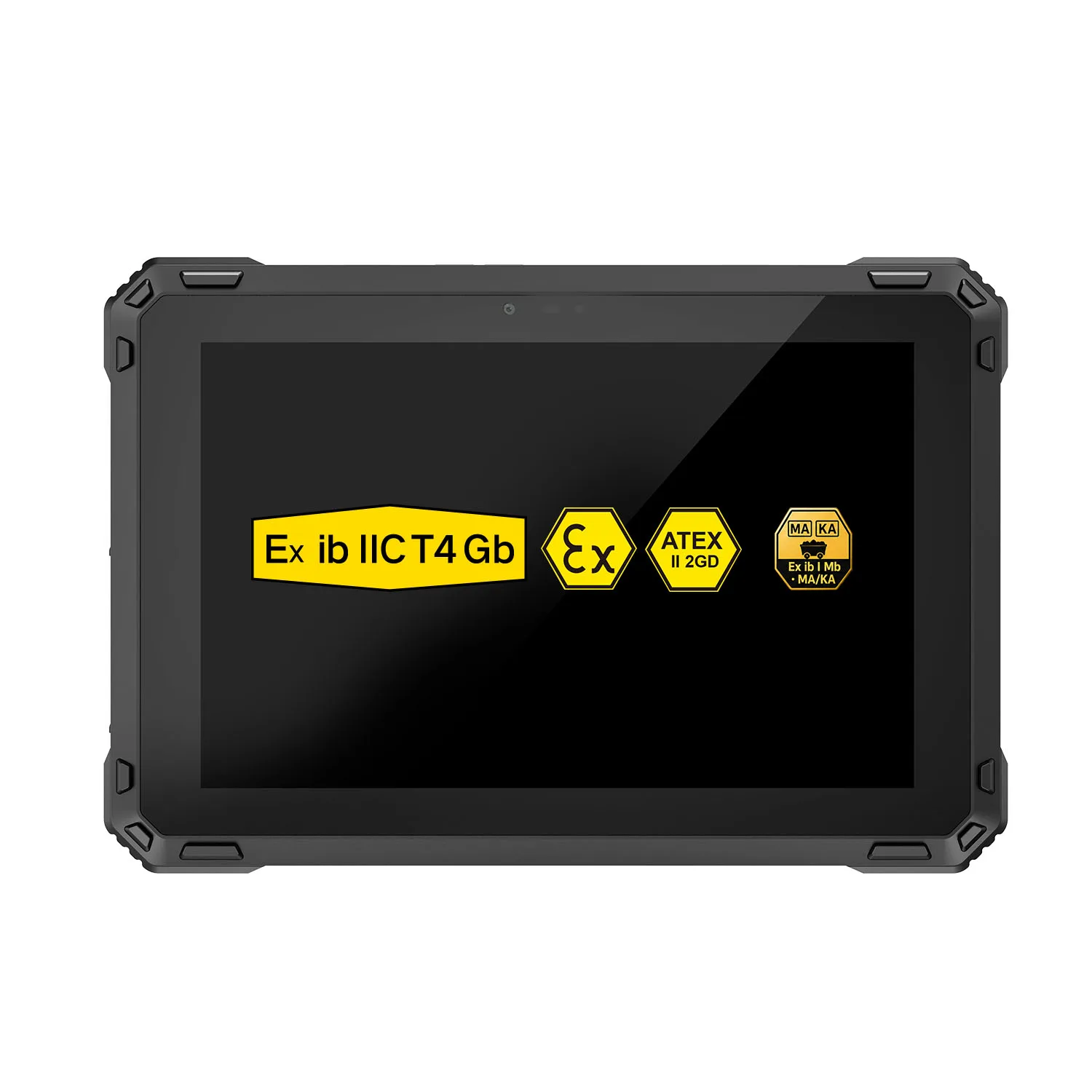
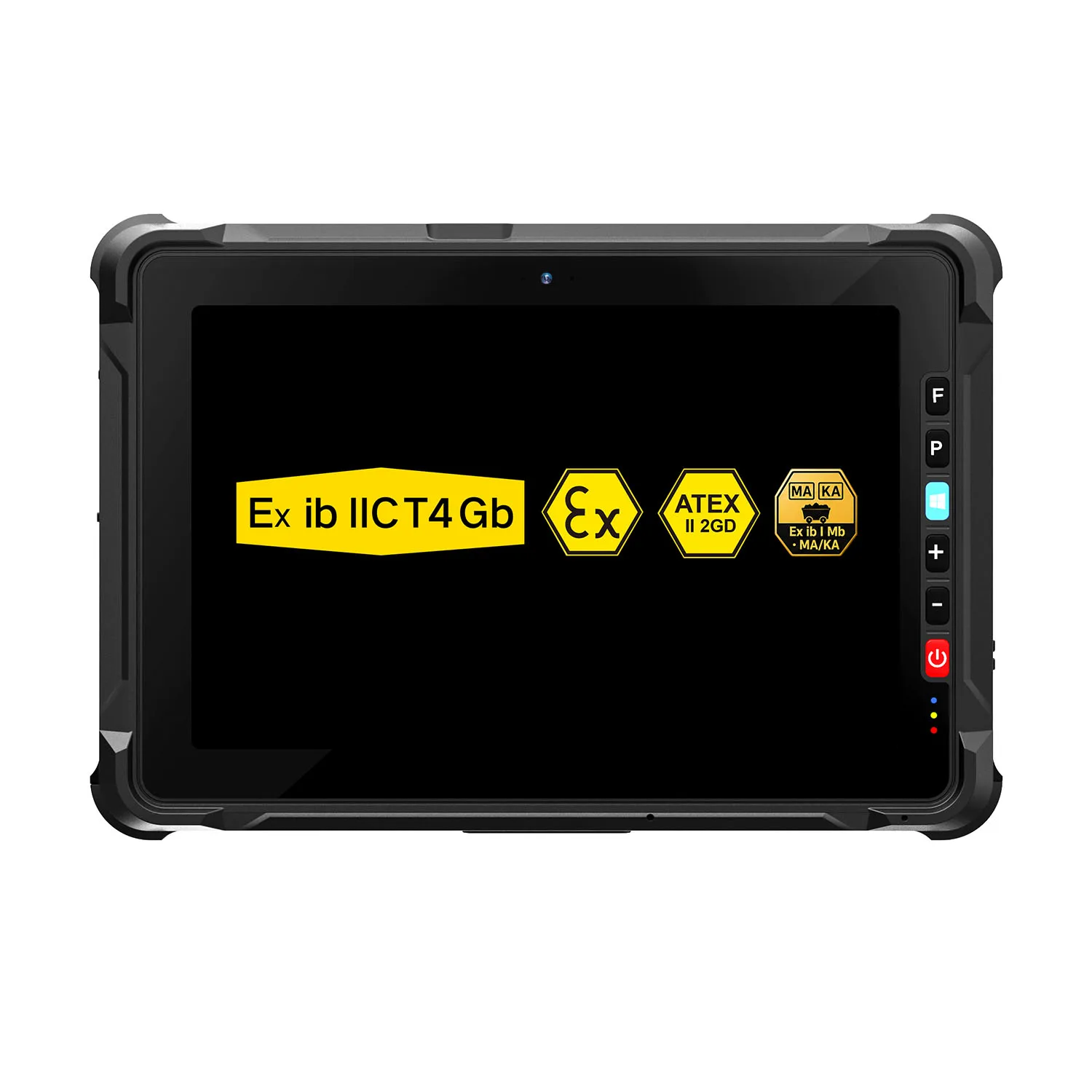
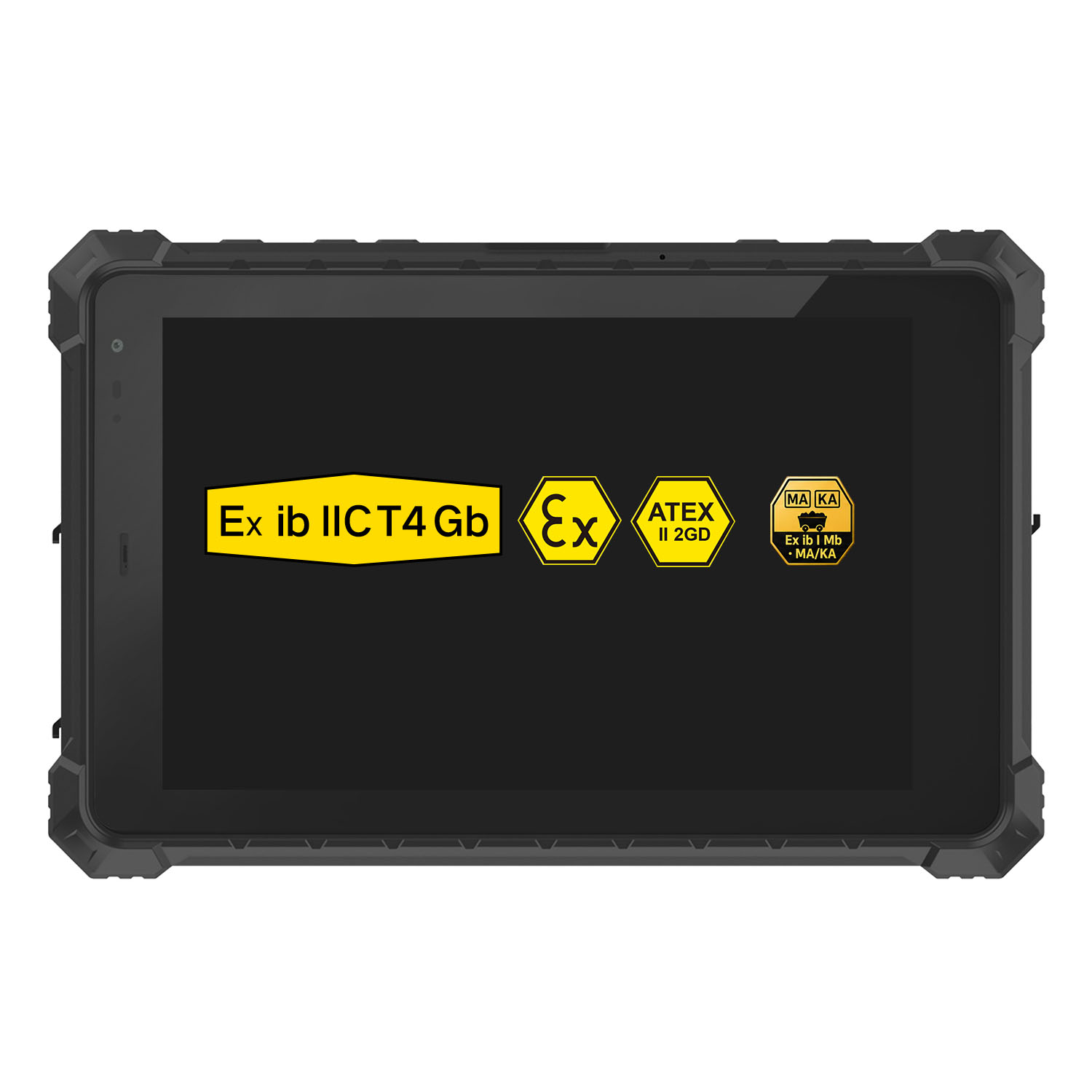
- Key Product: CENAVA's explosion-proof tablet portfolio identifies the 10.1-inch A10ST-EX MT8781 with Ex ib IIC T5 Gb and separates it from lower-category configurations. The current certificate, schedule, physical marking and ordered options determine acceptance in a jurisdiction.
- Technical Advantage: Android and Windows project paths allow the response form to follow an existing work-order environment or a purpose-built kiosk flow. Barcode, NFC and communication options must be specified within the exact reviewed build rather than added after field release.
A pilot for an intrinsically safe tablet for natural gas utility field service can use 36 safe-area tasks: eight address or meter IDs, six dummy readings copied from a training instrument, four photographs, four offline saves, four wrong-address attempts, three incident-state changes, three withdrawal cues, two technician handovers and two duplicate-sync checks. The test reports the errors, not just the completion time.
Software can stop a wrong-asset entry and keep a half-finished record. It cannot turn an IECEx marking into a North American approval or merge certificates from different product families.
5. BARTEC (Germany)
Zone 2/22 and Division 2 mobility with option-specific markings
BARTEC is an explosion-protection specialist offering enterprise mobile computers for lower-category hazardous areas. Its option discipline is useful for gas utilities that need scanning in one workflow and a simpler configuration in another without assuming both units share the same certification detail.
6. Getac (Taiwan)
Bright fully rugged Android device for defined Zone 2 work
Getac's ZX10-EX naming discipline is the control that matters here — routine service teams and emergency teams often draw from the same depot, and the EX suffix is what separates them.
7. Winmate (Taiwan)
Windows compatibility for Zone 2 and Class I, Division 2 routes
Winmate manufactures rugged mobile and industrial computers for process and field-service environments. Its hazardous-area Windows tablet is relevant where a gas utility relies on an x86 service application and the meter route falls entirely within the lower-category scope of the ordered model.
8. Zebra Technologies (United States)
Enterprise Android data capture with an optional C1D2 build
Zebra is a major enterprise-mobility and barcode supplier with established device-management tools. Its ET6x platform may suit North American distribution fleets where the hazardous-location option is specifically ordered and the incident plan limits the tablet to Division 2 or safe-area tasks.
9. Panasonic TOUGHBOOK (Japan)
Modular Windows platform with a North American C1D2 option
Panasonic TOUGHBOOK has a long rugged-computing history and a mature ecosystem of tablets, keyboards, docks and service programs. This may help a utility that already uses TOUGHBOOK units in dispatch vehicles, provided the C1D2 fleet and its accessories remain separately controlled.
10. DURABOOK (Taiwan)
Large-format Windows viewing for released Zone 2 tasks
DURABOOK focuses on rugged Windows computers for utilities, public-sector fleets and maintenance teams. The U11-EX's wider screen may suit distribution maps and service-line drawings when the response authority has released the specific point as Zone 2.
How to Choose the Right Manufacturer for Natural Gas Emergency Field Work
The defensible selection removes devices with the wrong protection level before comparing operating system, screen or price. Incident authority, hazardous-location approval, detector accuracy, PPE, physical ruggedness and data integrity are separate controls. No single specification can substitute for all six.
Define Your Operating Environment
Build the device plan from incident states rather than a fixed distance. A reported odor, excavation strike, indoor alarm and routine meter defect may begin with different information, yet all can change as instrument readings and site conditions develop. The gas operator's current emergency procedure decides who approaches, what instrument is used and where electronic equipment may go.
Walk the proposed seven points during a non-emergency exercise: dispatch or staging, vehicle safe zone, property boundary, meter/regulator set, building threshold, authorized interior route and safe synchronization station. Record where the tablet is carried, set down, handed to another responder or left behind. A map pin or geofence is an administrative aid, not a gas boundary.
Separate the public message from trained-operator procedure. PHMSA tells members of the public not to use phones or electrical switches in a potentially gaseous environment and to call from a safe location. Utility technicians may have approved instruments and certified equipment, but they still follow the incident commander and written plan.
Clarify Performance Requirements
Run the 36-task safe-area exercise with dummy addresses, training instruments and non-operational values. Measure wrong-property selections, omitted units, accidental submissions, missed withdrawal cues and duplicate records. Repeat the tasks after a glove change, in controlled rain and at the expected low-temperature limit without weakening any PPE requirement.
Test the actual issued glove rather than a generic “glove mode.” Material, thickness, fit, moisture and contamination affect touch behavior. A physical key may improve a stop or capture action, but only if its function remains stable after operating-system and application updates.
Power planning must leave margin for delayed demobilization and handover. Keep chargers, cables and docks at named safe locations unless the certificate instructions and operator procedure explicitly permit another action. A replaceable battery or charging contact is not evidence that it may be handled beside a leak investigation.
Consider Software & Integration
An emergency record needs explicit states: local entry, queued, transmitted, server accepted, superseded and closed. For the proposed test, store four dummy records offline for 70 minutes, transfer one device to a second technician and reconnect through the approved path. Reconcile timestamps, handover identity, photographs, corrections and duplicates against the server.
Detector data needs provenance. When a responder transcribes a value, retain the approved instrument's ID, unit, observation time and the exact location label. Do not allow the tablet application to display a copied reading as a live sensor value. Calibration and bump-test records remain attached to the instrument system, not inherited by the tablet.
Privacy also matters at residential calls. Limit customer data on the response screen, separate safety-critical fields from account details and define how photographs are framed and retained. Offline storage should use the operator's managed security controls, while screen lock and remote quarantine must not obstruct an immediate withdrawal action.
Analyze Total Cost of Ownership (TCO) vs. Initial Cost
Count the controlled system: approved carrying accessories, safe-location chargers, labeled spares, enrollment, certificate-record maintenance, glove testing, receiving inspection, training, post-drop review and repair release. Add the operational cost of maintaining separate high-category and Division 2 fleets when one route crosses different permissions.
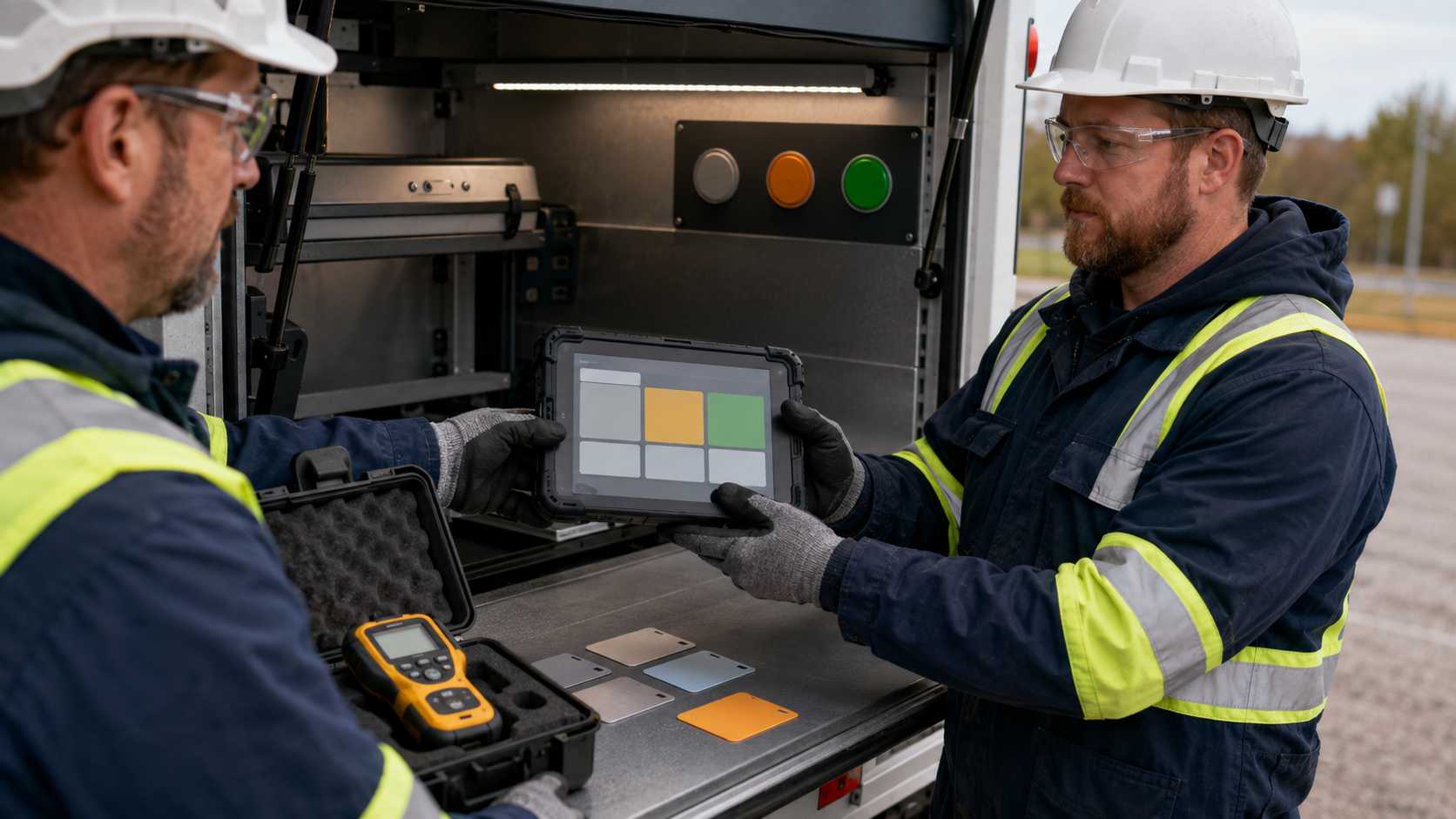
Use three device statuses after damage or repair. “Field released” means the serial number, physical condition, certificate configuration and software state all match its route. “Safe-area only” preserves office or vehicle use while blocking hazardous-location issue. “Quarantined” removes the unit until an authorized repair and evidence review are complete.
A business case should use measured pilot data. As an illustration, 4 technicians handling 5 calls with 3 minutes of later transcription each creates a gross opportunity of 60 staff-minutes per day. This is not a guaranteed saving: travel, detector use, evacuation, coordination, repair and supervisor review remain. Count wrong-address prevention and complete incident records as well as time.
Contact CENAVA only when an exact project configuration needs review. Provide the destination country; ATEX/IECEx or Class/Division framework; Zone or Division; IIA or Group D requirement as applicable; temperature class; ambient range; natural-gas composition or operator classification basis; exact incident states, route and task; PPE and cleaning exposure; and the operating system and application. Include the carrier and SIM/eSIM requirement only when cellular service is needed, and identify the NFC card or tag type only for an NFC workflow. Do not send customer records, passwords, access credentials or confidential emergency-control details.
The Future of Tablets in Natural Gas Leak Response: Trends to Watch
The most useful advances will shorten safe documentation steps without turning the tablet into an unverified safety instrument.
- Incident-state-aware forms: Dispatch, field investigation, confirmed hazard and controlled recovery will use visibly different screens and permissions. The state remains a decision of the operator's response structure, not an automatic conclusion drawn by the tablet.
- Instrument-to-record provenance: Approved gas instruments will transfer identifiers, units, time and location into the work record with fewer manual steps. The instrument remains the calibrated measurement source, and integration will preserve rather than blur that distinction.
- Serial-level route release: Procurement, EHS, field operations and IT will share one record linking the device label, certificate revision, approved accessories, incident states, damage history and software image. A QR code may retrieve that record but cannot replace the marking.
- Common applications on region-specific hardware: Utilities operating across jurisdictions will keep consistent response forms while assigning separate ATEX, IECEx and Class/Division configurations to each route. This is more auditable than describing one brochure family as universally approved.
Conclusion
The safe tablet for a natural-gas leak response is the serial-numbered configuration released for the current incident state and route. A Zone 1 / EPL Gb or Class I, Division 1 point cannot be served by a Zone 2 / Gc or Division 2 unit, whatever its IP rating or MIL-STD-810H result and however short the visit. Gas group, temperature class, ambient range, certificate conditions and accessories remain part of admission.
i.safe MOBILE, Pepperl+Fuchs / ECOM, Aegex and specific certified CENAVA configurations provide relevant high-category paths. BARTEC, Getac, Winmate, Zebra, Panasonic and DURABOOK address defined Zone 2, Division 2 or safe-area tasks. Their practical value depends on preserving those boundaries when a routine service visit changes into a suspected or confirmed leak.
Manufacturer selection is therefore an emergency-workflow and evidence decision, not a search for the longest specification sheet. Match the certificate to all seven route points, rehearse withdrawal and handover with the real PPE, verify offline records at the server and keep the tablet subordinate to the gas detector and written response plan. That gives you a deployment an auditor can trace serial number by serial number.
Need a Rugged Device for Your Project?
Tell us your operating environment and requirements — our engineers will recommend a configuration and quote within 24 hours.
Get a Free Quote Back to Blog