




Why 3 Upstream Projects Were Held at Customs — How to Avoid It
An ATEX tablet for upstream oil and gas operations is appropriate only when the exact delivered configuration matches the classified location, gas group, temperature class, ambient range and permitted accessories for the assigned task.
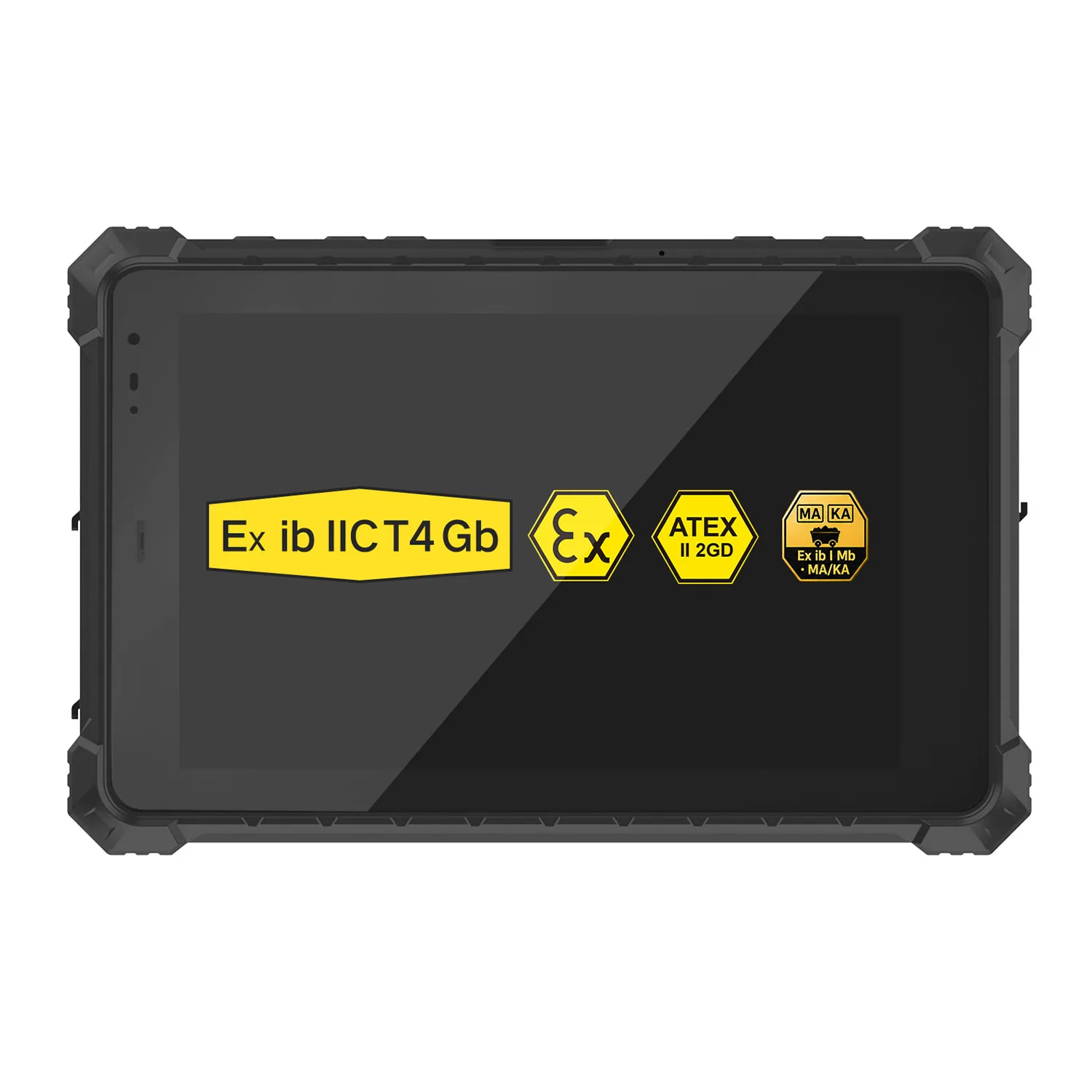
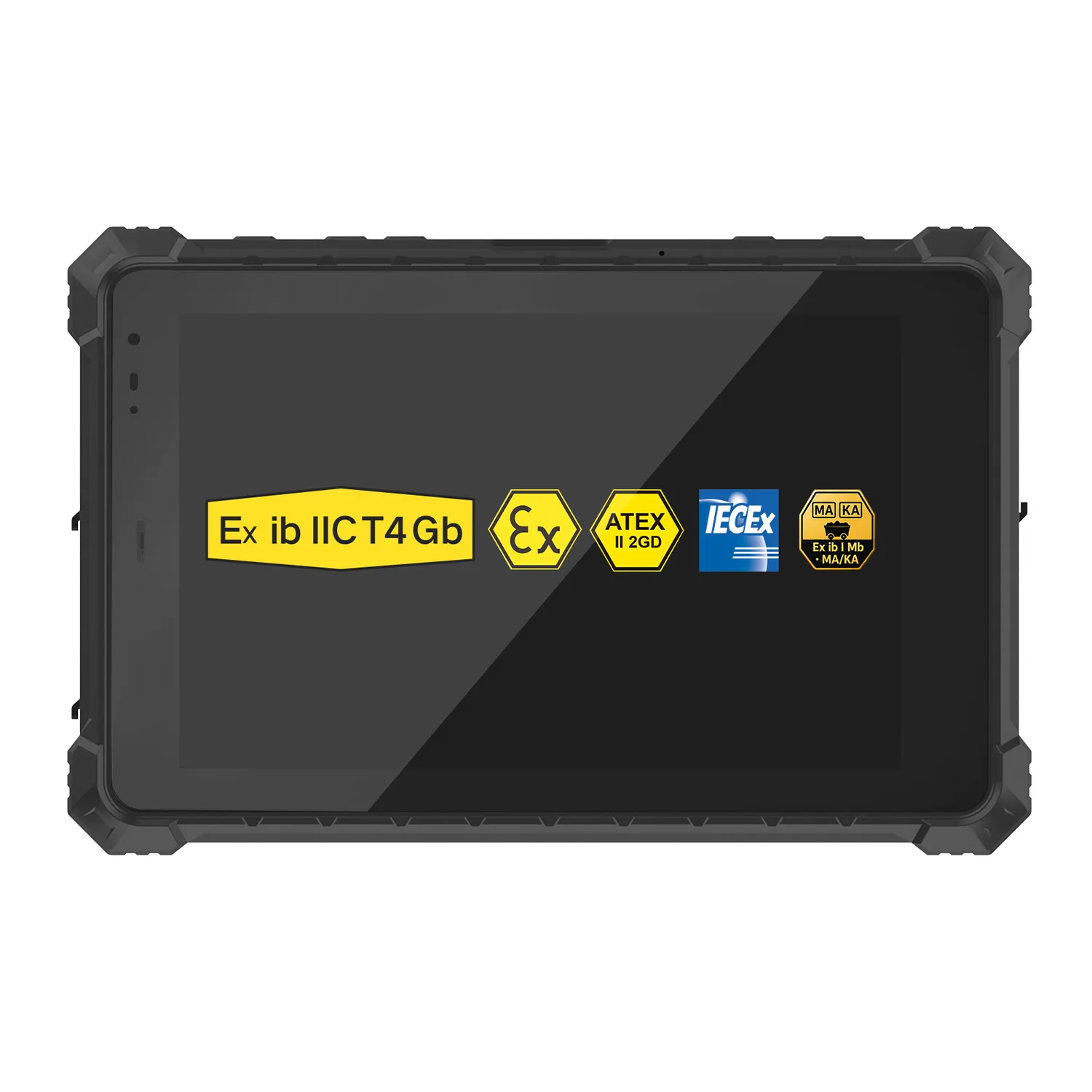
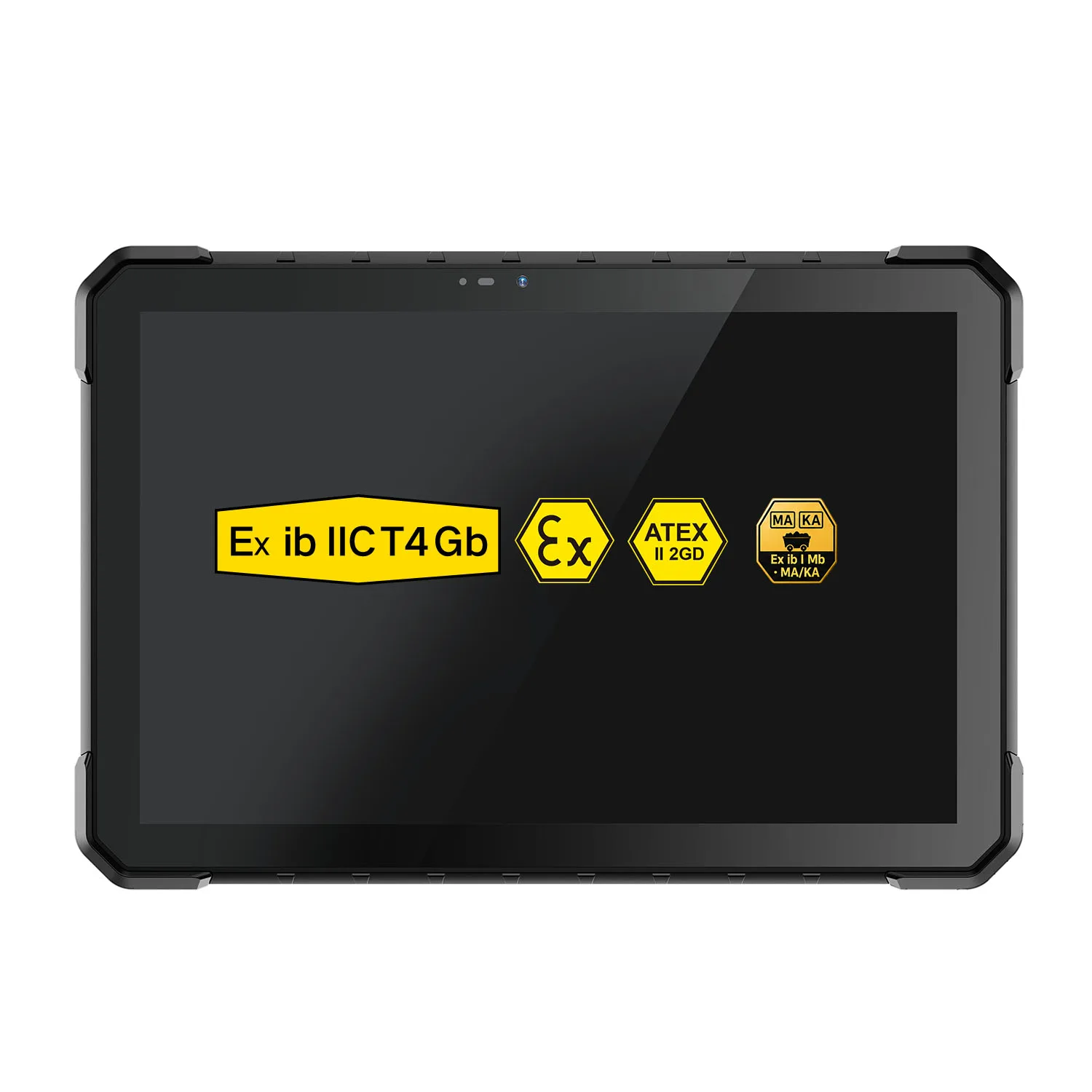
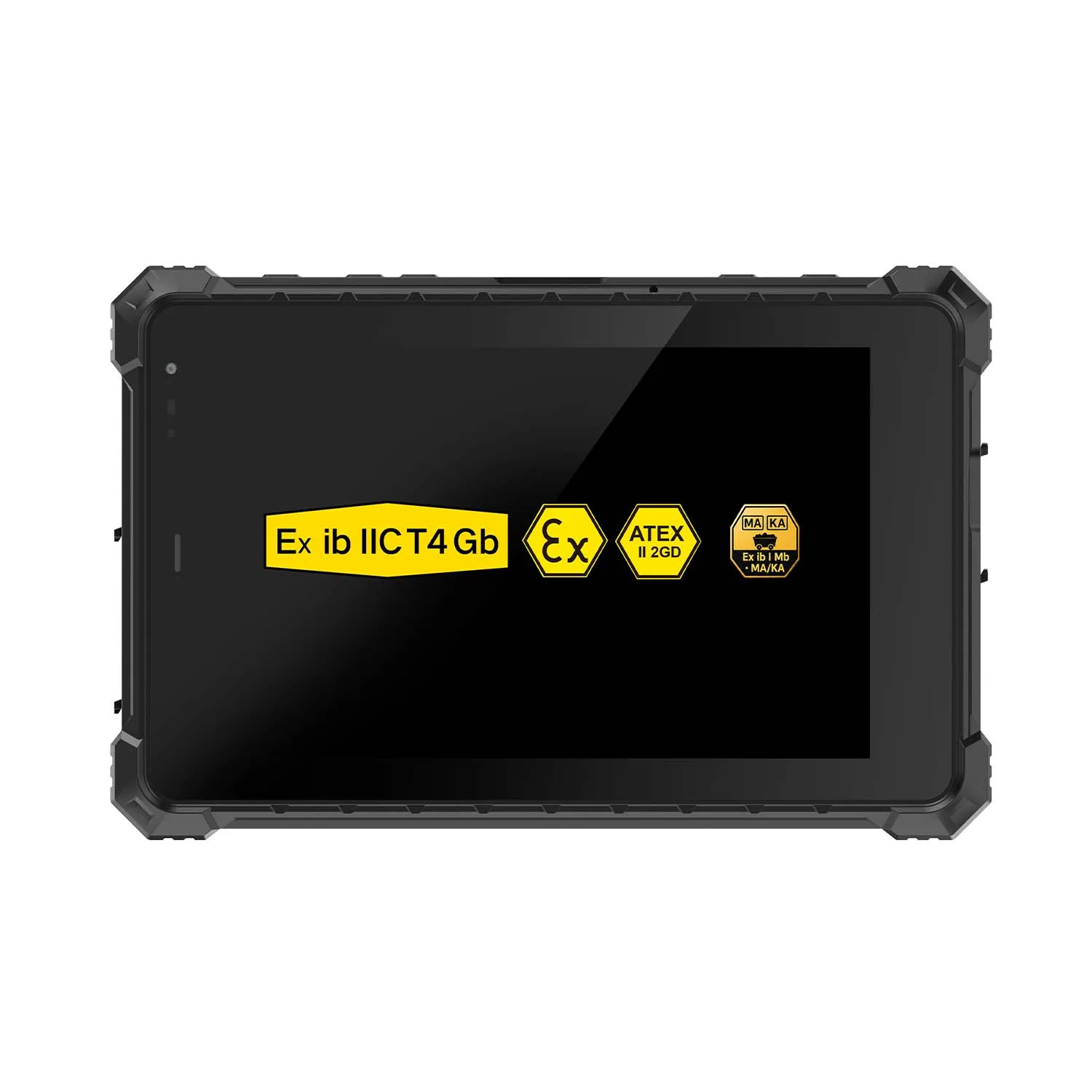
An ATEX tablet for oilfield Zone 1 normally follows a Category 2G route and carries marking consistent with Equipment Protection Level Gb. That statement is only a starting point. The full marking, certificate schedule and special conditions must still align with the operator's area-classification drawing and the device label.
North American approval answers a different compliance question. A Class I, Division 1 configuration is assessed under a Class/Division framework and should not be translated into “ATEX Zone 1” on a purchasing sheet. Likewise, an IECEx certificate is not a blanket promise of legal acceptance in every jurisdiction.
Ruggedness remains useful but separate. IP65, IP66 or IP68 describes resistance to dust and water under IEC 60529, while MIL-STD-810G or MIL-STD-810H refers to defined environmental test methods. Neither establishes ignition protection. A tablet may survive rain, vibration and a 1.2 m drop yet remain unsuitable inside a classified boundary.
The ten manufacturers below are divided by protection level. Entries 1–4 offer current Zone 1, Division 1 or stronger candidate routes worth detailed review. Entry 5 shows how an older Division 1 product can remain visible in document archives after sales and support have ended. Entries 6–10 illustrate Zone 2, Division 2 or region-specific boundaries that procurement teams often encounter. The numbering is not a revenue or market-share ranking.
What Defines a Top-Tier IECEx Tablet for Drilling Rig Use?
A credible hazardous-area mobility supplier does more than place an “EX” suffix beside a rugged model. It gives the operator enough traceable information to connect the ordered unit to the area drawing, the work instruction and the permitted accessory set.
Configuration traceability: The quotation, purchase order, rear label, declaration and certificate schedule identify the same model and suffix. A product-family brochure is not accepted as proof for an individual unit.
Protection-level clarity: Category, EPL, Zone or Division, gas group, temperature class and ambient limits are stated without merging ATEX, IECEx and NEC terminology into one generic badge.
Accessory discipline: The hand strap, protective film, scanner, dock and charger remain inside the documented approval conditions. A mechanically compatible accessory is not automatically part of the certified assembly.
Lifecycle control: Repair, battery replacement, firmware management and fleet reissue preserve the approved identity. A repaired unit returns to service with its configuration record intact.
One practical review uses a 12-field certificate matrix. The columns cover model, suffix, hardware revision, certificate number, protection concept, EPL or Division, gas group, temperature class, ambient range, special conditions, accessories and charging rules. The matrix takes less than 15 minutes per configuration once the documents are organized, and it catches errors that a photograph of an “Ex” label will not.
Field usability is the second gate. We would run an 18-task dry trial using the production app, issued winter glove and final screen protector. The sequence includes login, asset lookup, photograph capture, a 90-second form, offline save and later synchronization. A certificate opens the compliance review; it does not prove that a crew can finish the route safely.
The Top 10 Manufacturers to Review for Class I Division 1 Oilfield Tablet Selection
The first four entries provide a current candidate route for Zone 1, Division 1 or a higher protection level under at least one documented configuration. The other six are valuable because they expose legacy, Zone 2, Division 2 or ordinary-rugged boundaries that should remain visible during procurement.
1. Pepperl+Fuchs / ECOM Instruments (Germany)
Pepperl+Fuchs has worked in industrial sensing and explosion protection for decades, while its ECOM Instruments business specializes in mobile communication for hazardous areas. That background matters on a drilling or production site because the product family is organized around approval boundaries, not around a standard tablet placed in an aftermarket shell.
2. Aegex Technologies (United States)
Aegex develops Windows mobility for process industries with hazardous locations. Its value is strongest where an upstream operator has inspection or maintenance software built around a Windows client and cannot replace that workflow with a lightweight mobile form without significant validation work.
3. i.safe MOBILE (Germany)
i.safe MOBILE focuses on explosion-protected communication devices for process industries. The company separates product families by Zone and Division, which helps an operator avoid the common mistake of treating an IP68 tablet as intrinsically safe because both devices share a similar black elastomer housing.
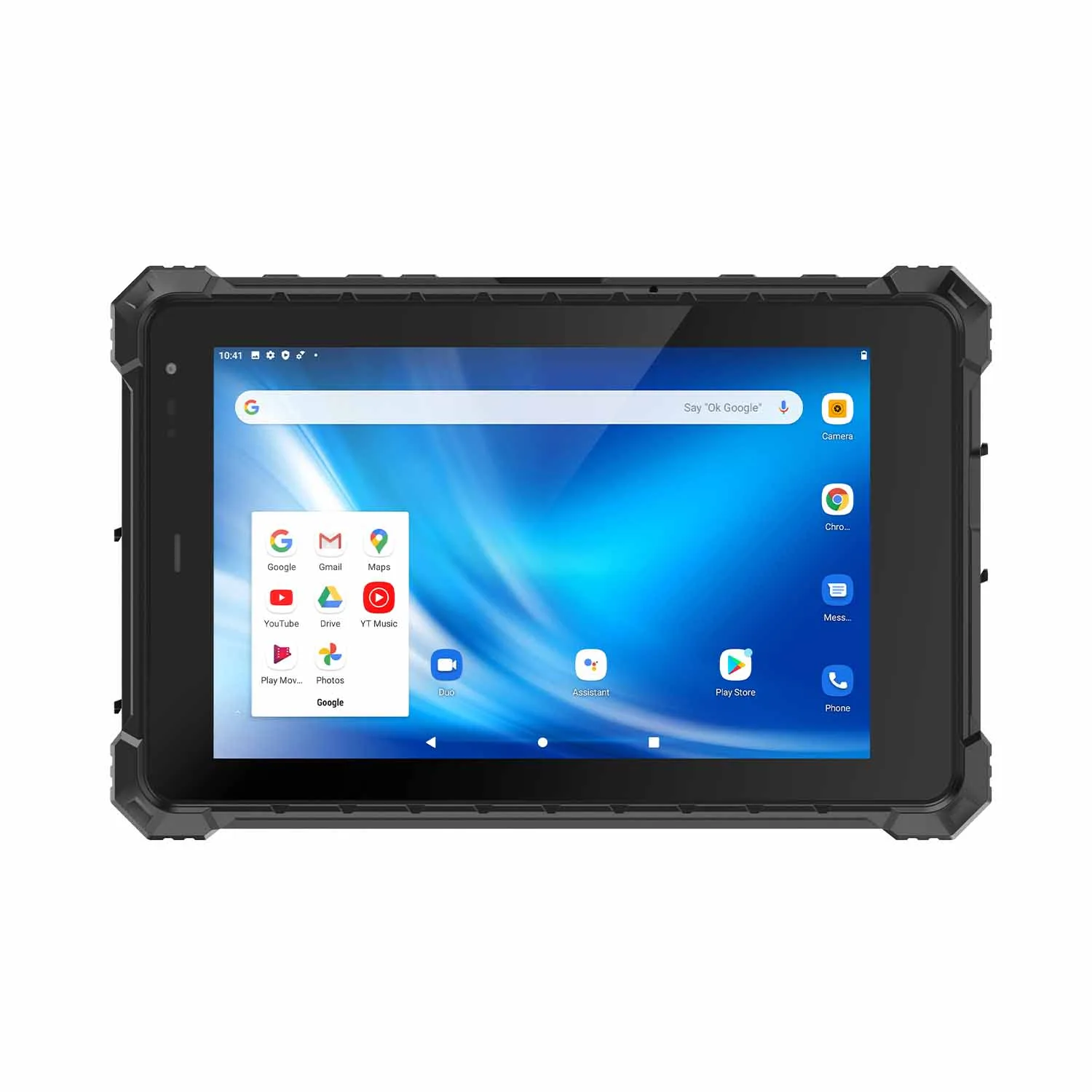
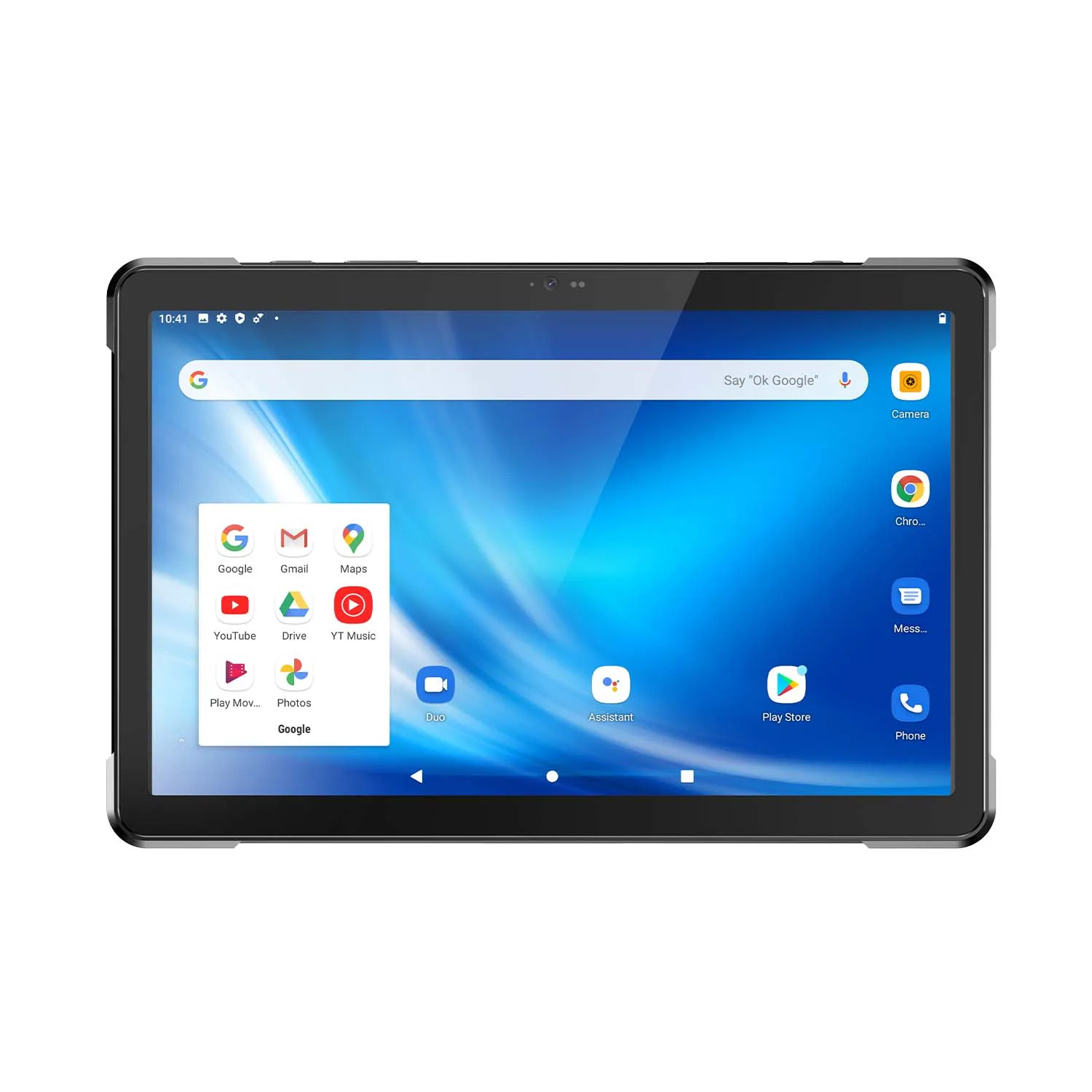
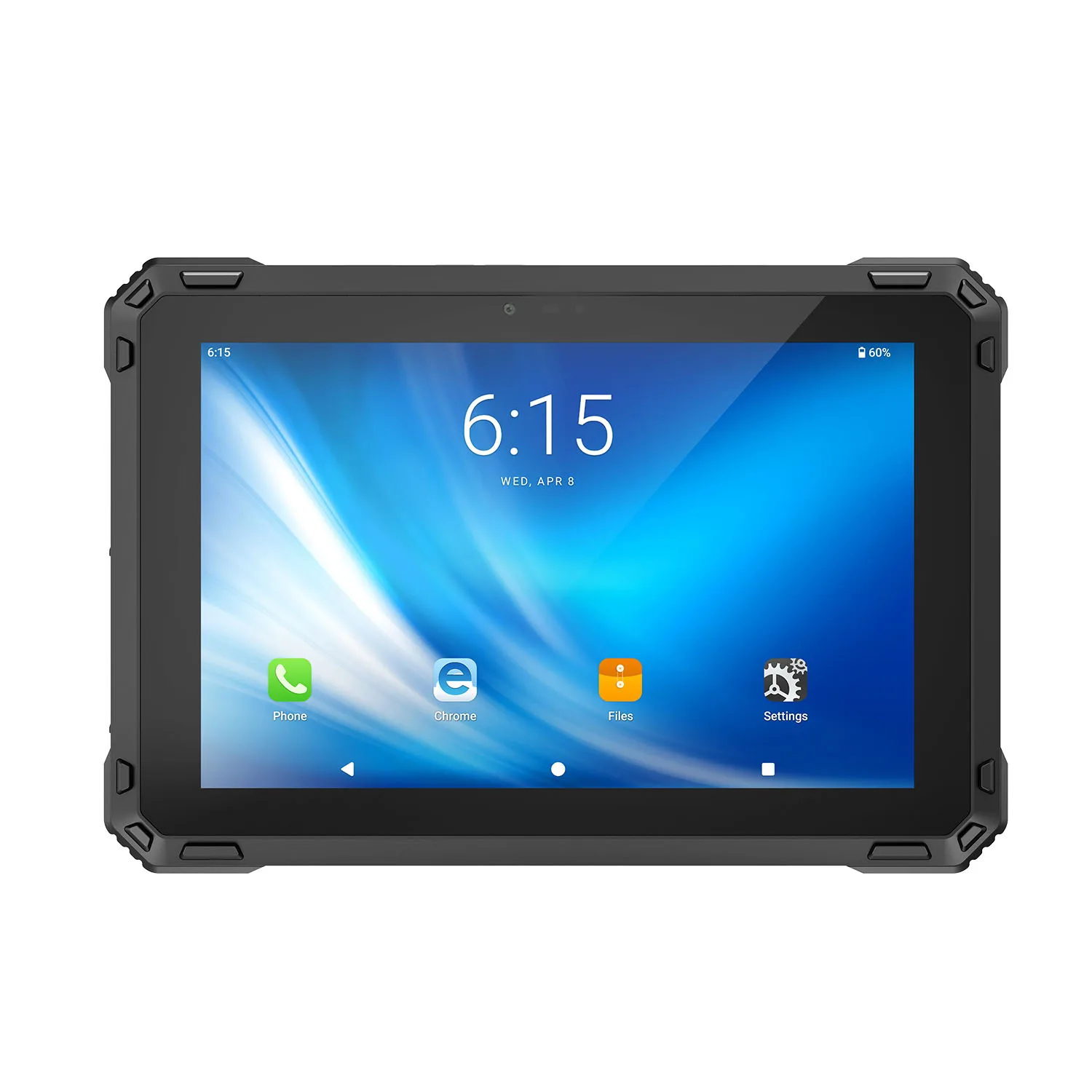
4. CENAVA (China)
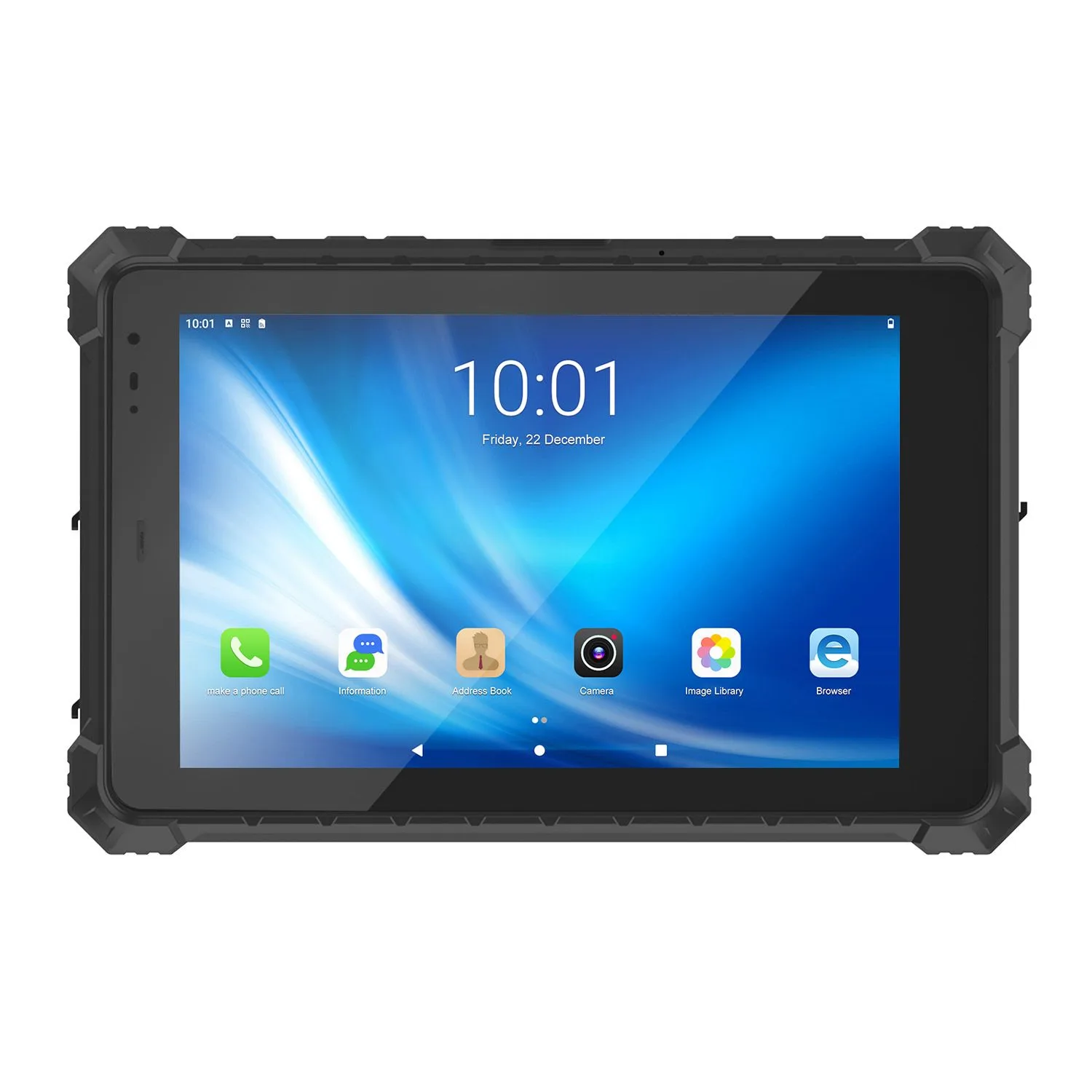
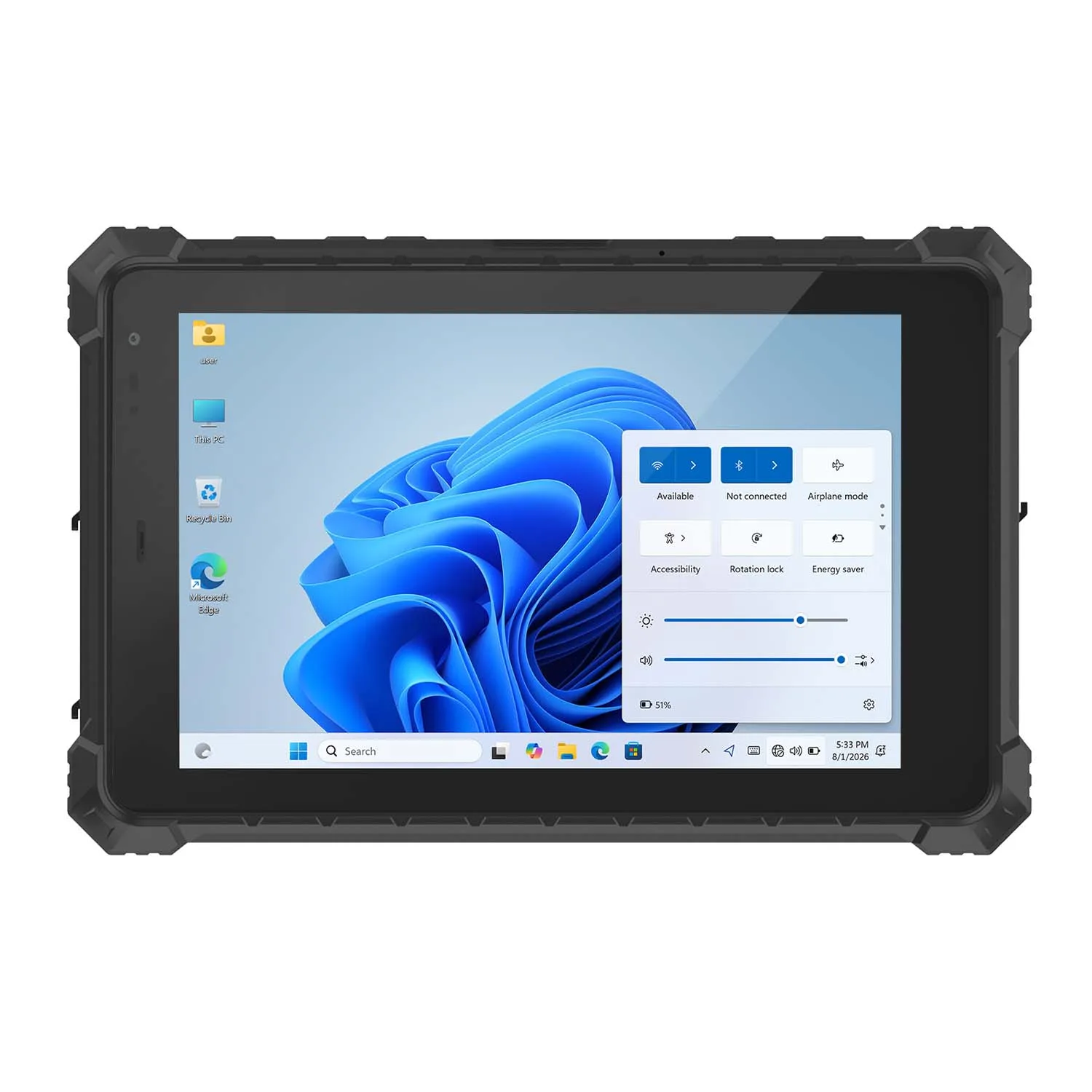
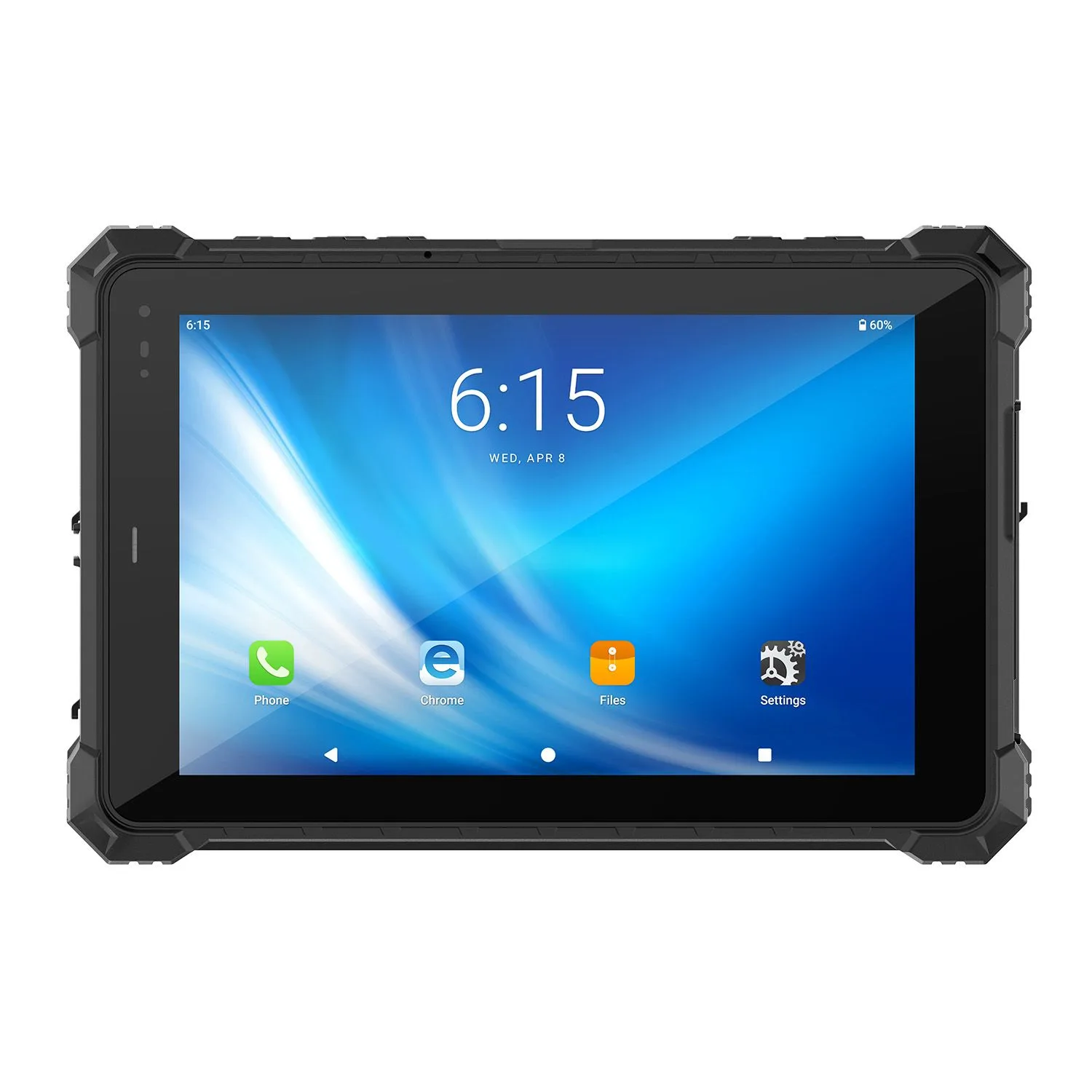
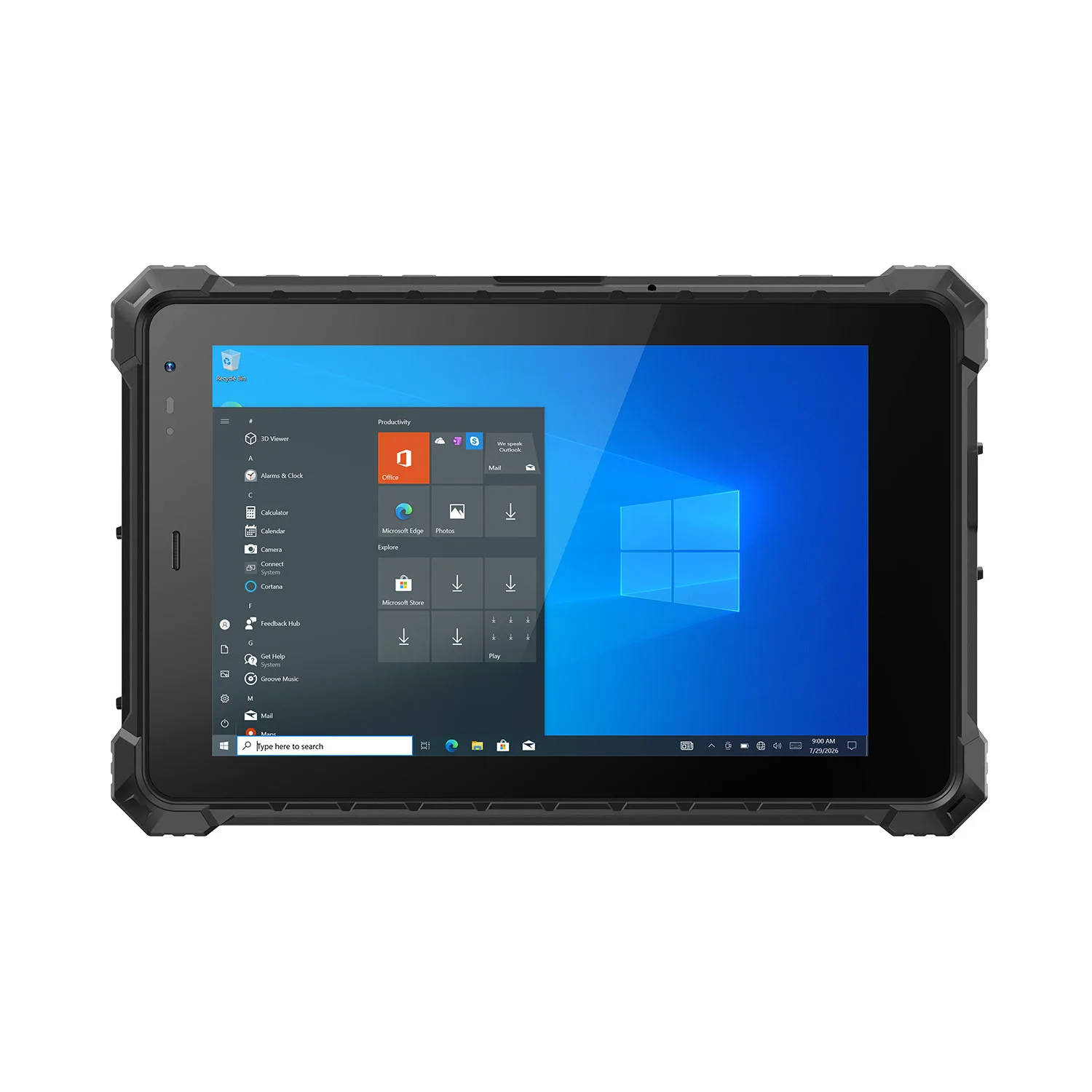
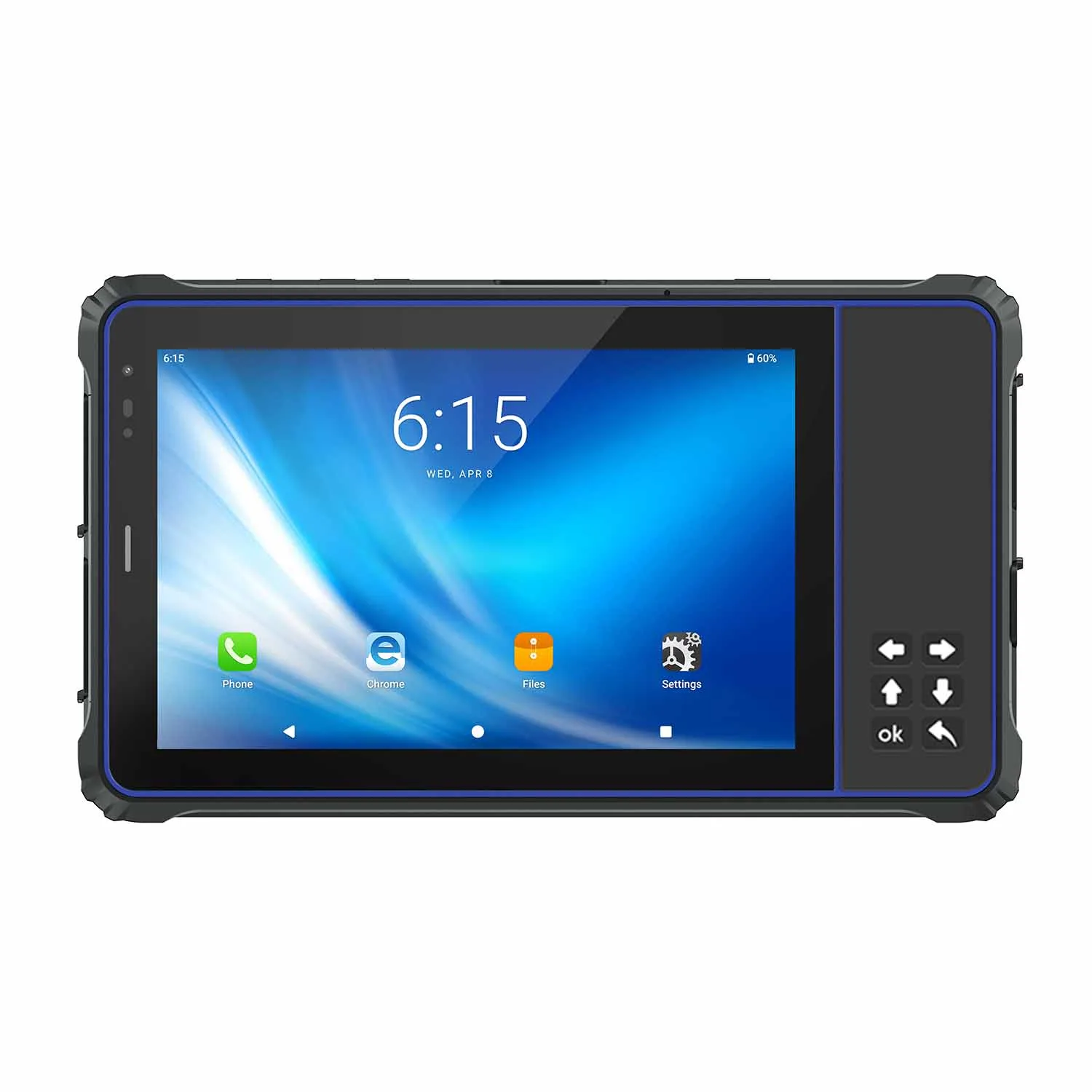
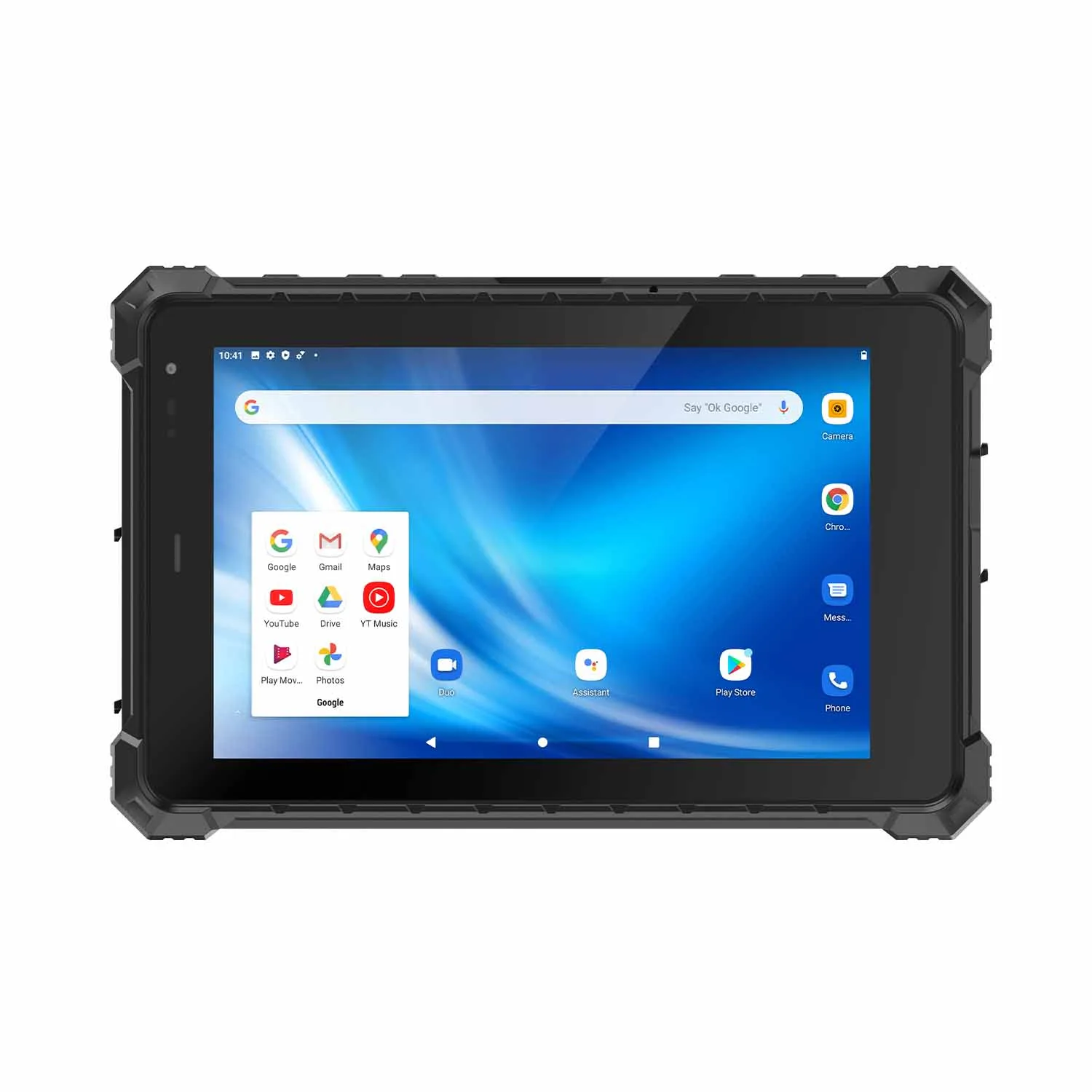
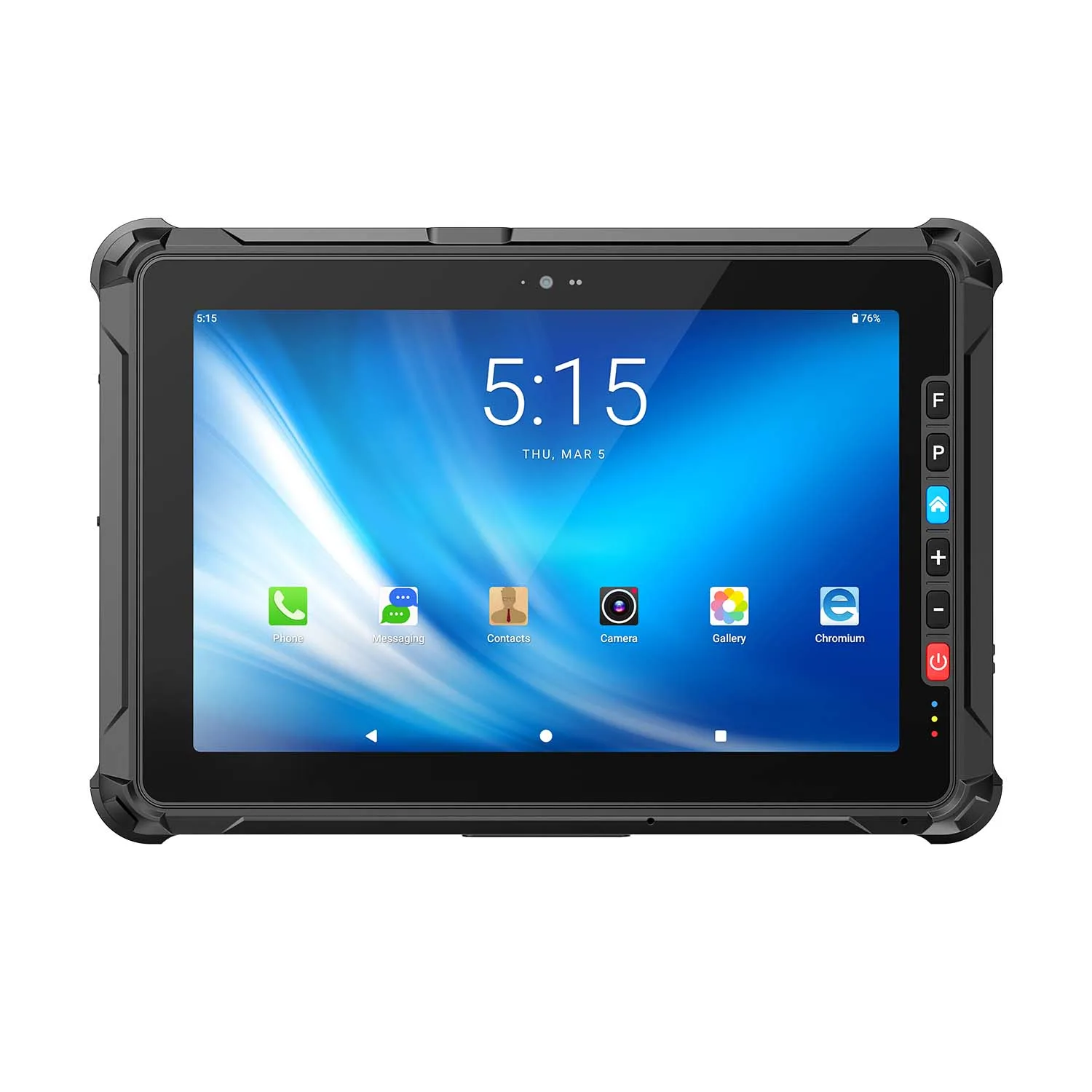
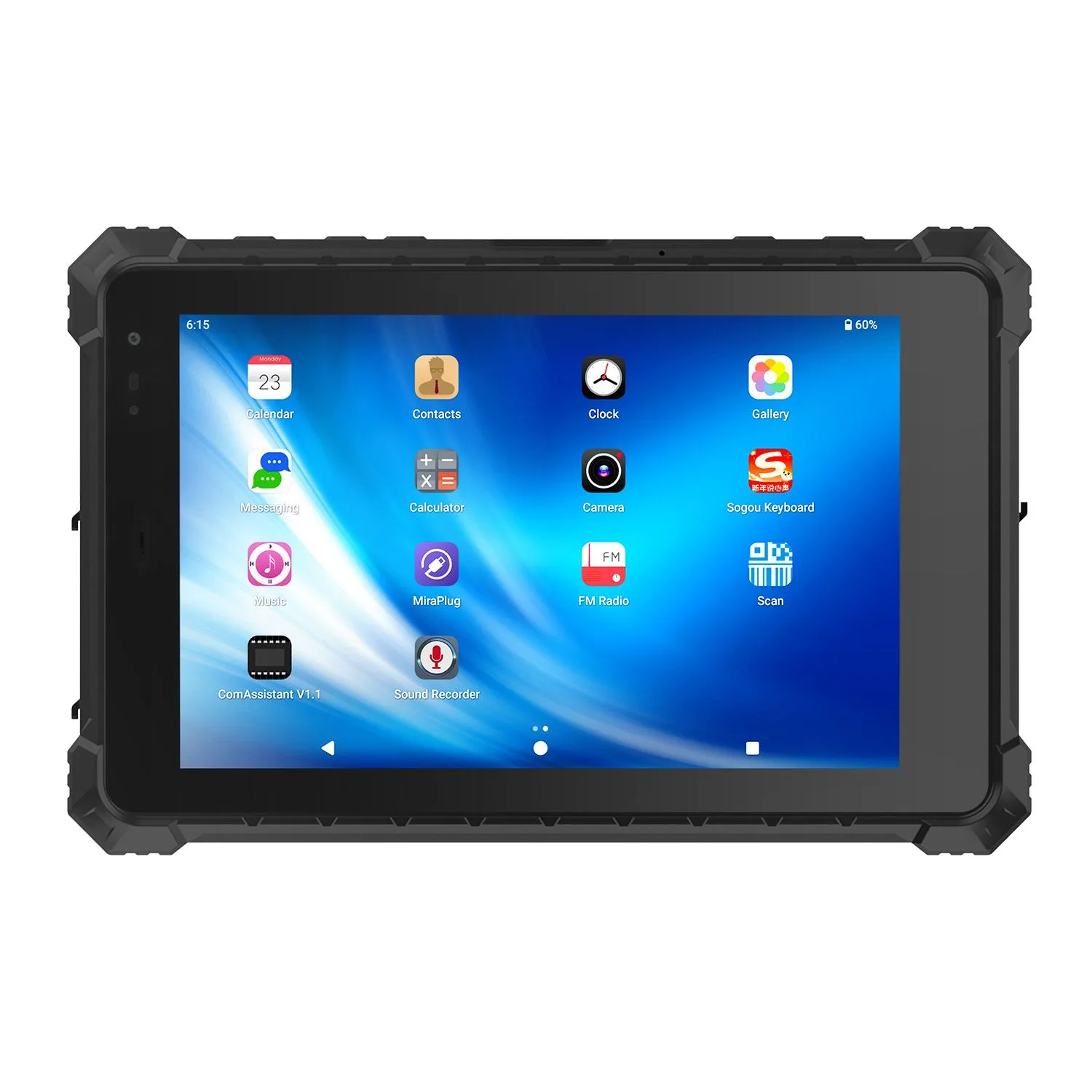
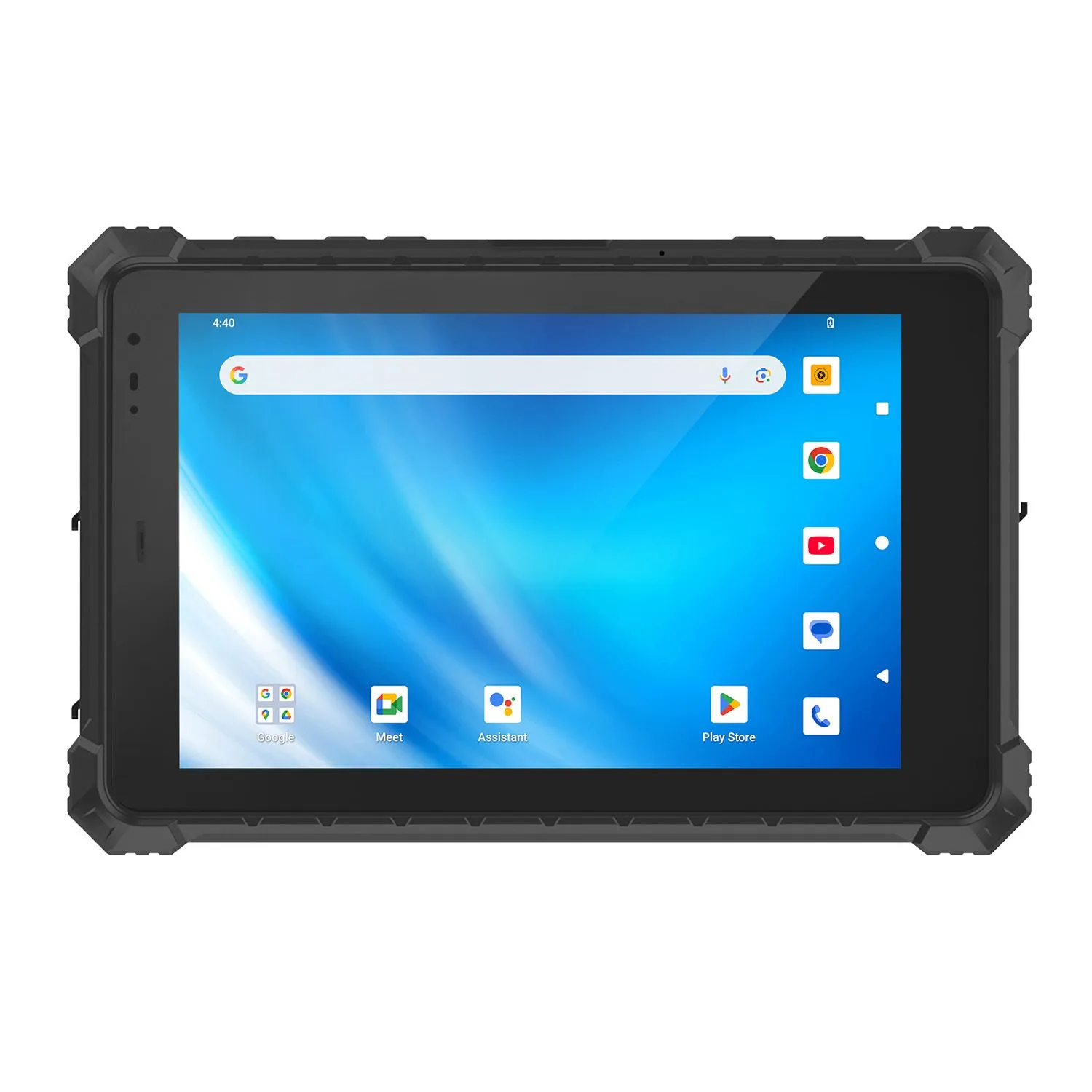
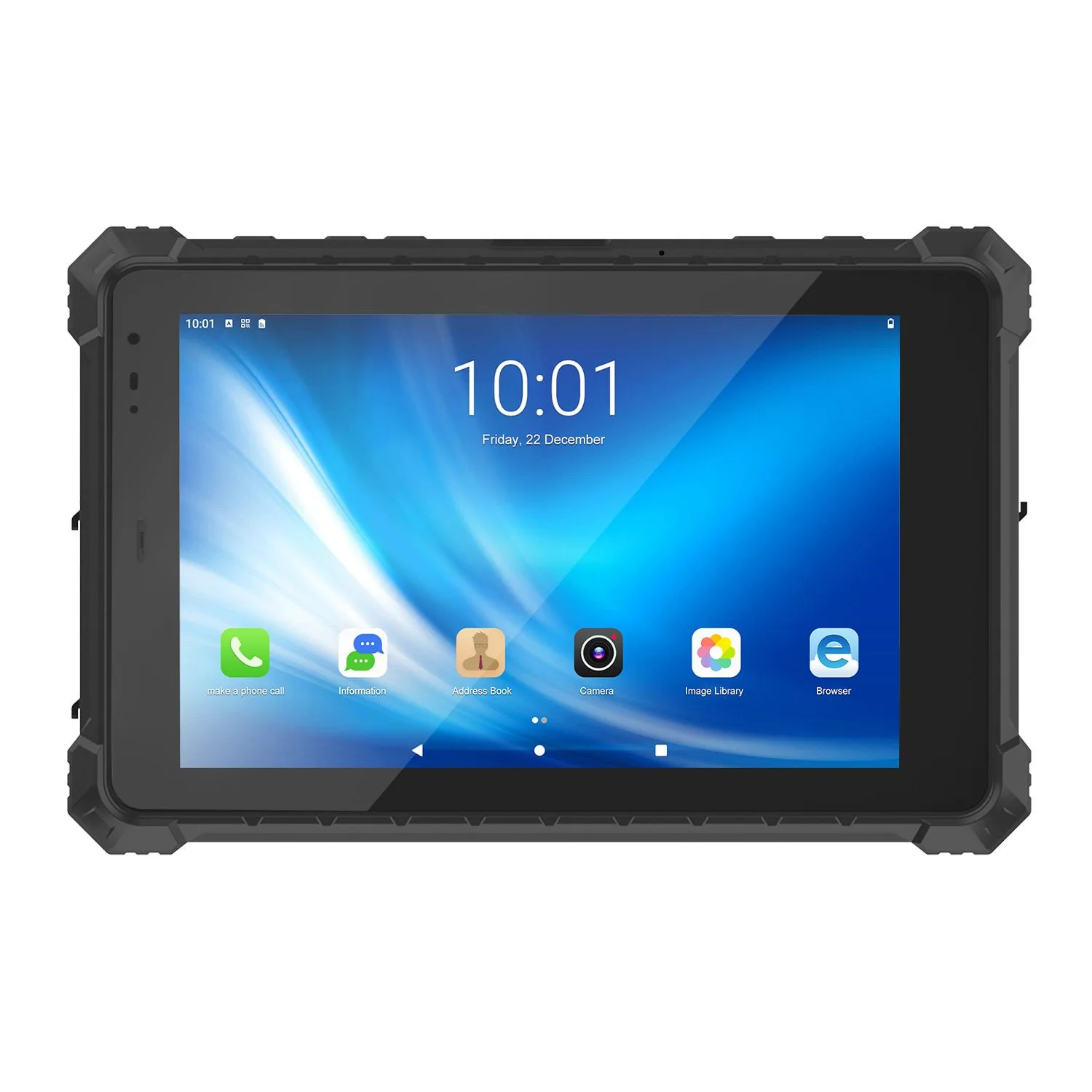
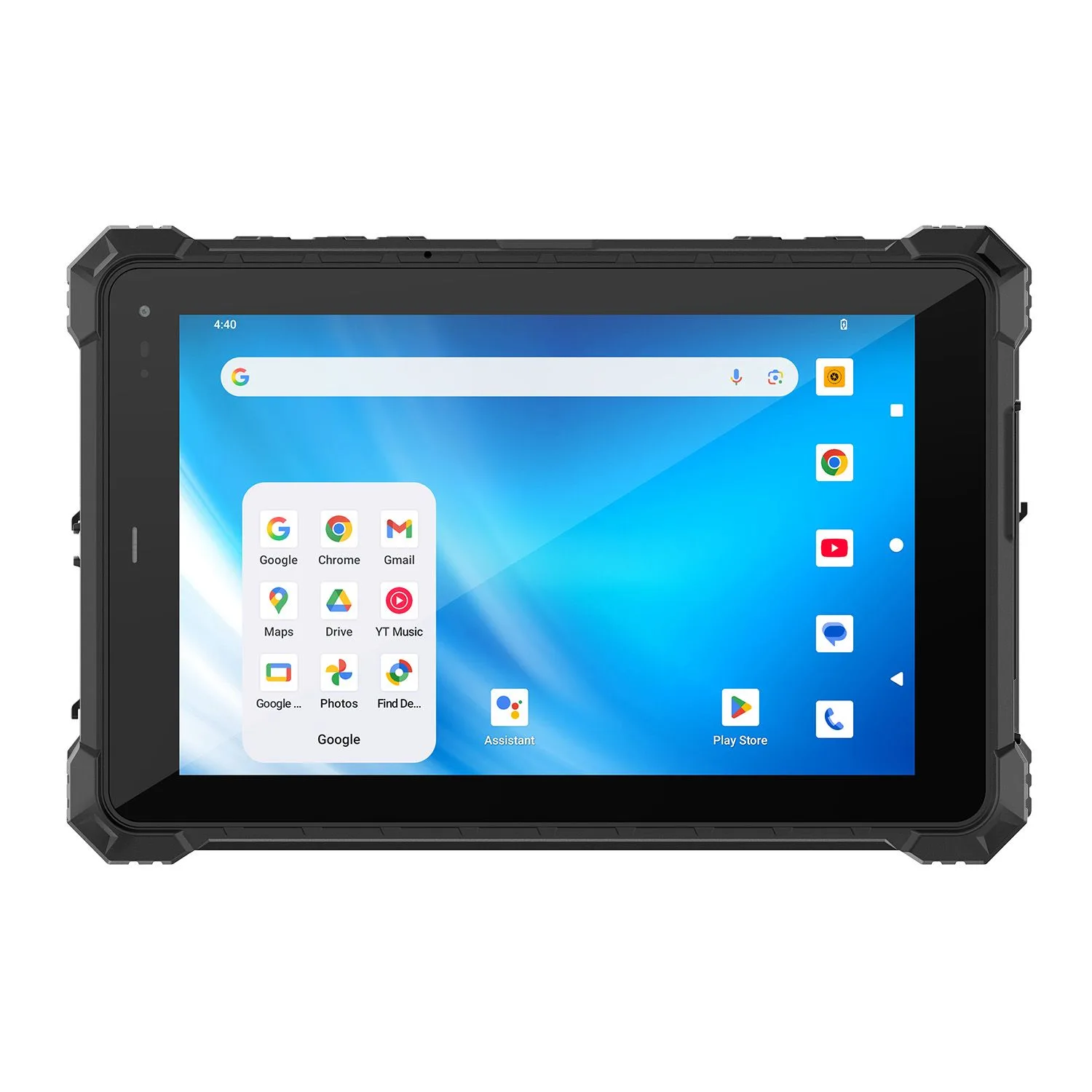
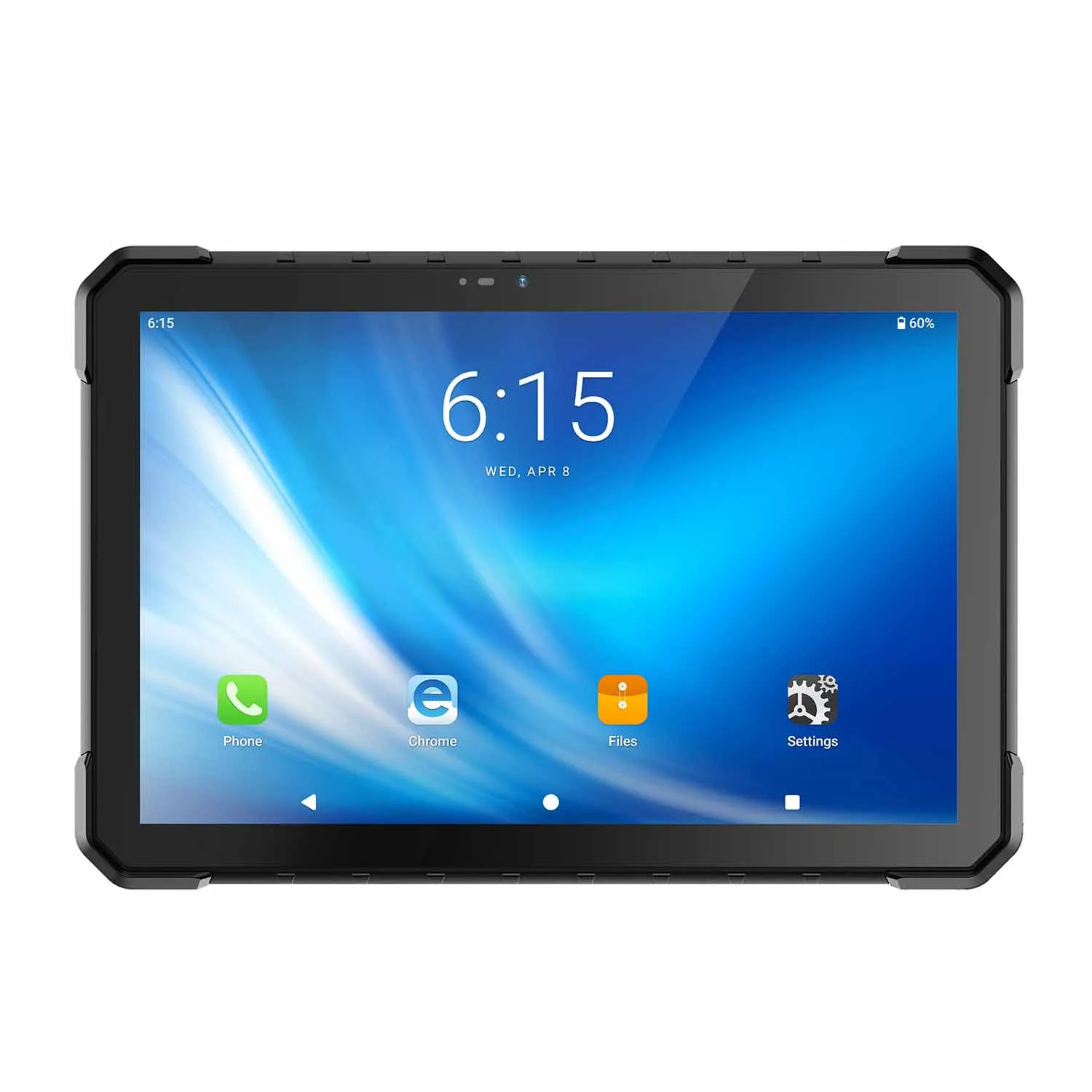
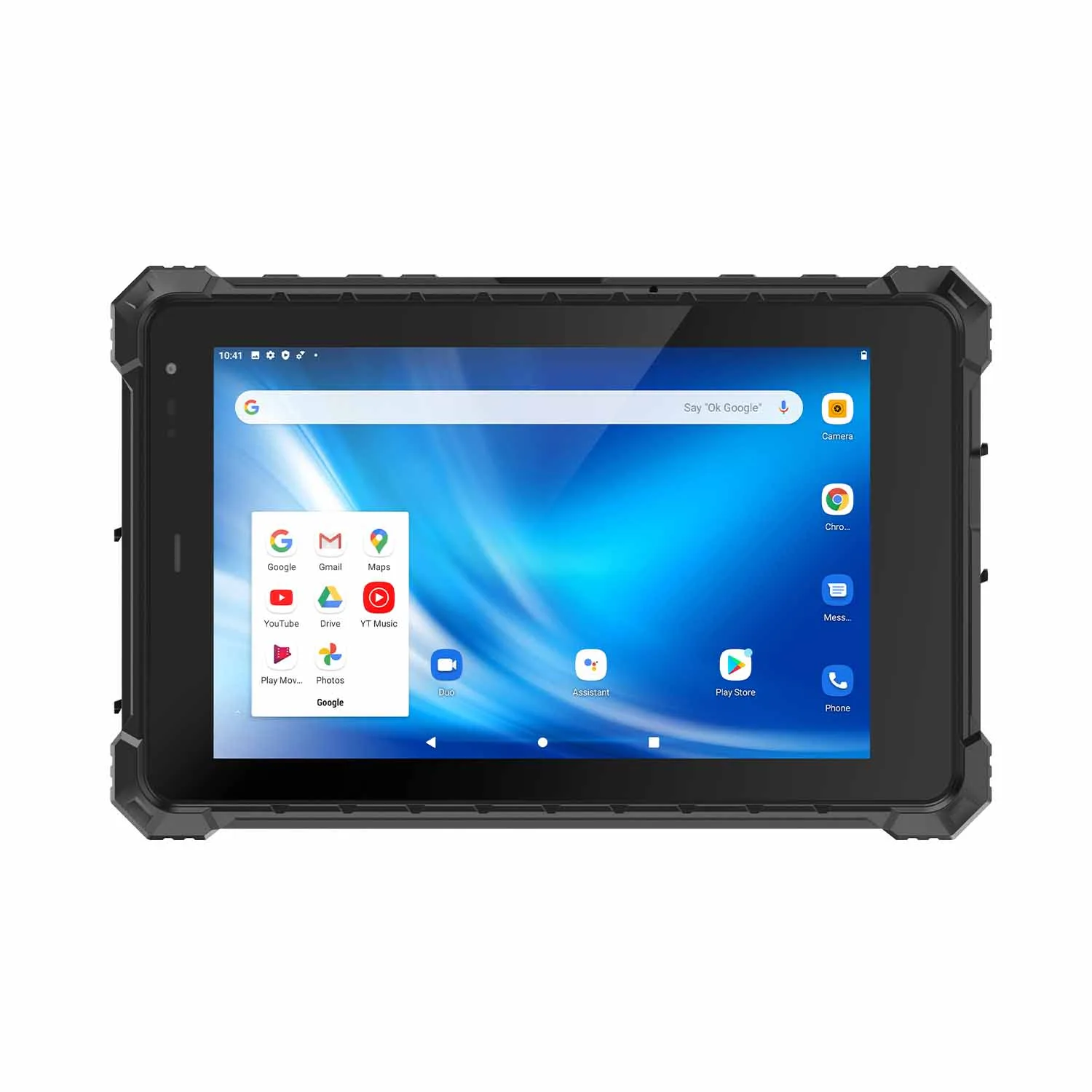
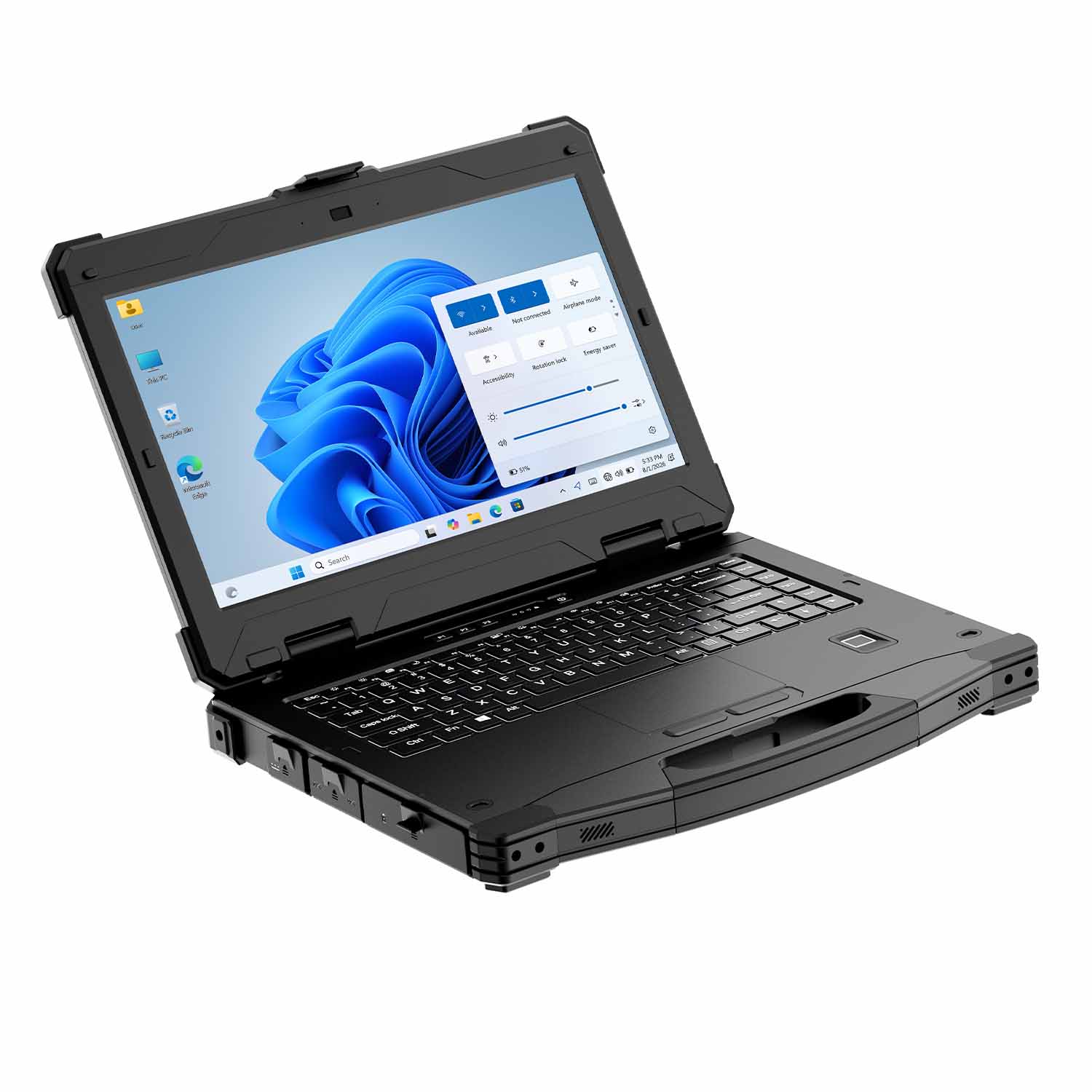
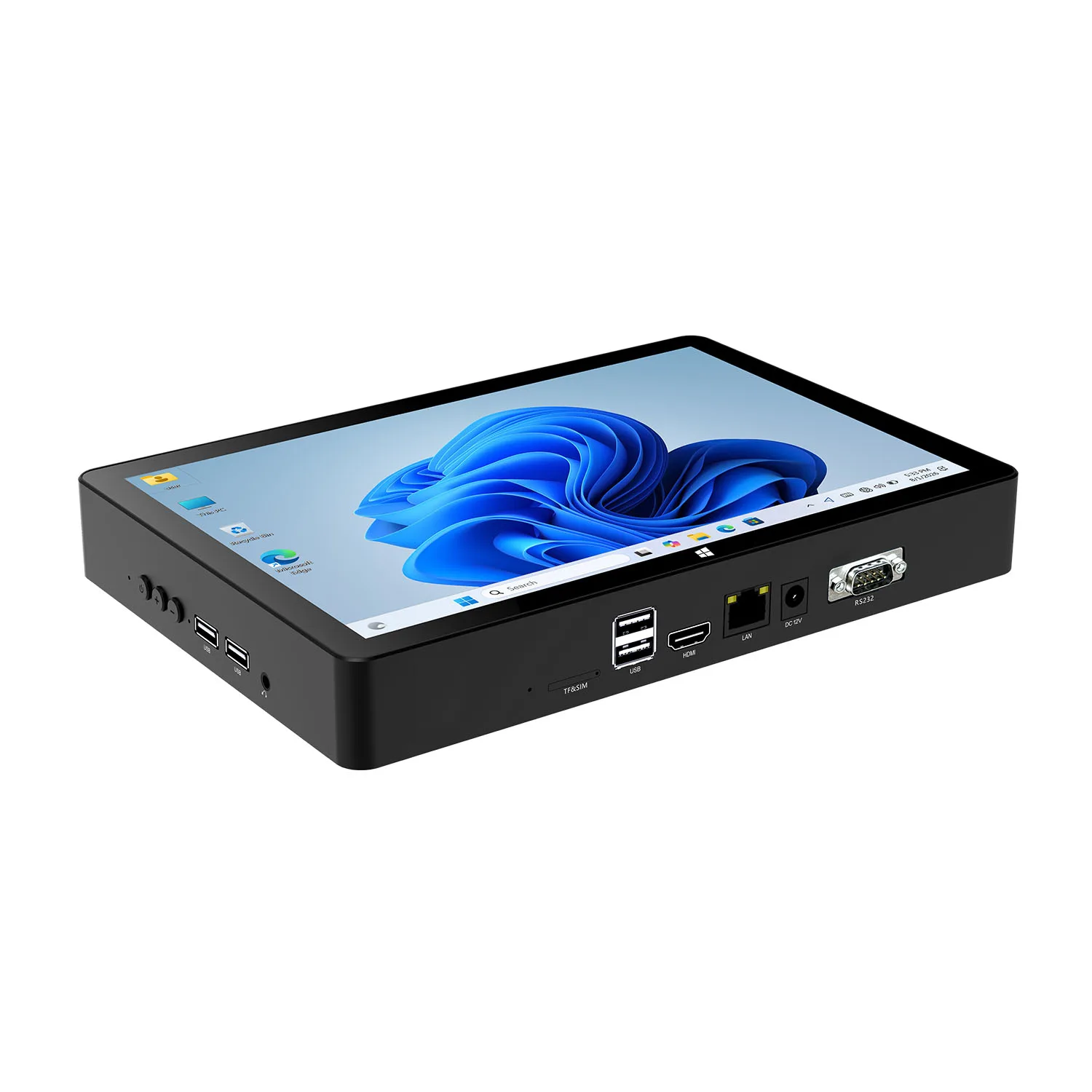
CENAVA develops rugged tablets and industrial mobile computers for inspection and project-based deployment. Its OEM/ODM position is useful when an oilfield integrator needs a defined Android image, tag-reading method and accessory package while keeping the hazardous-area bill of materials under configuration control.
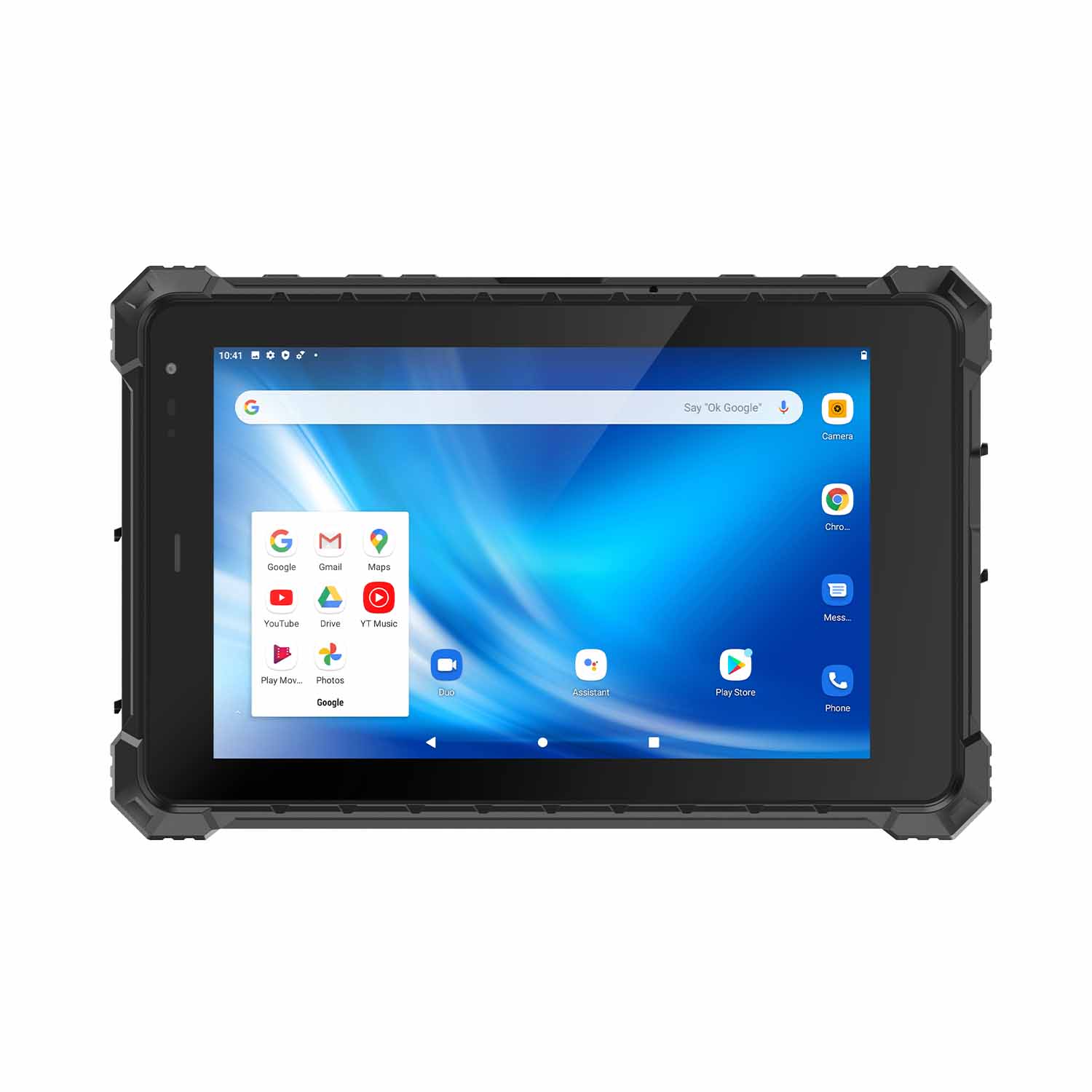
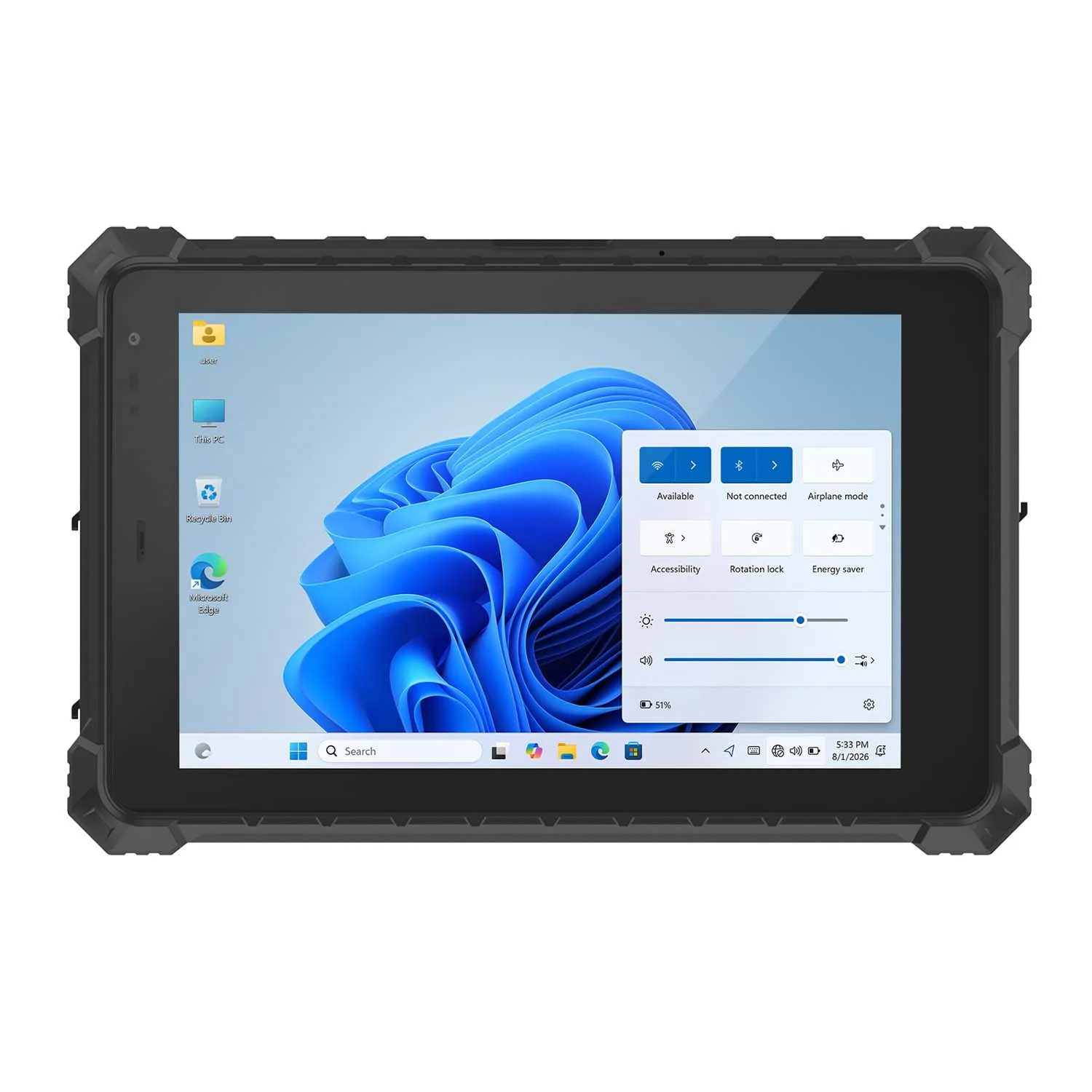
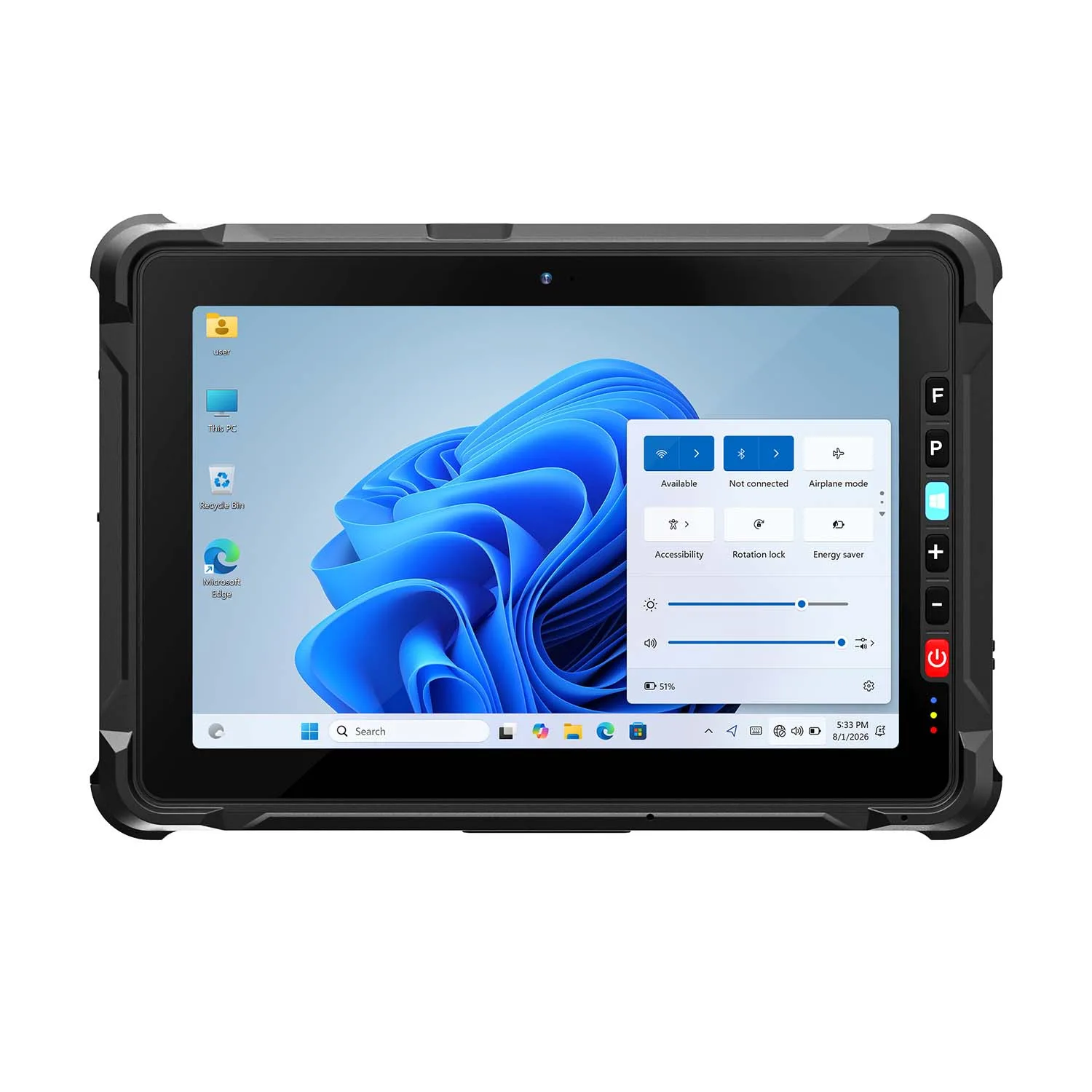
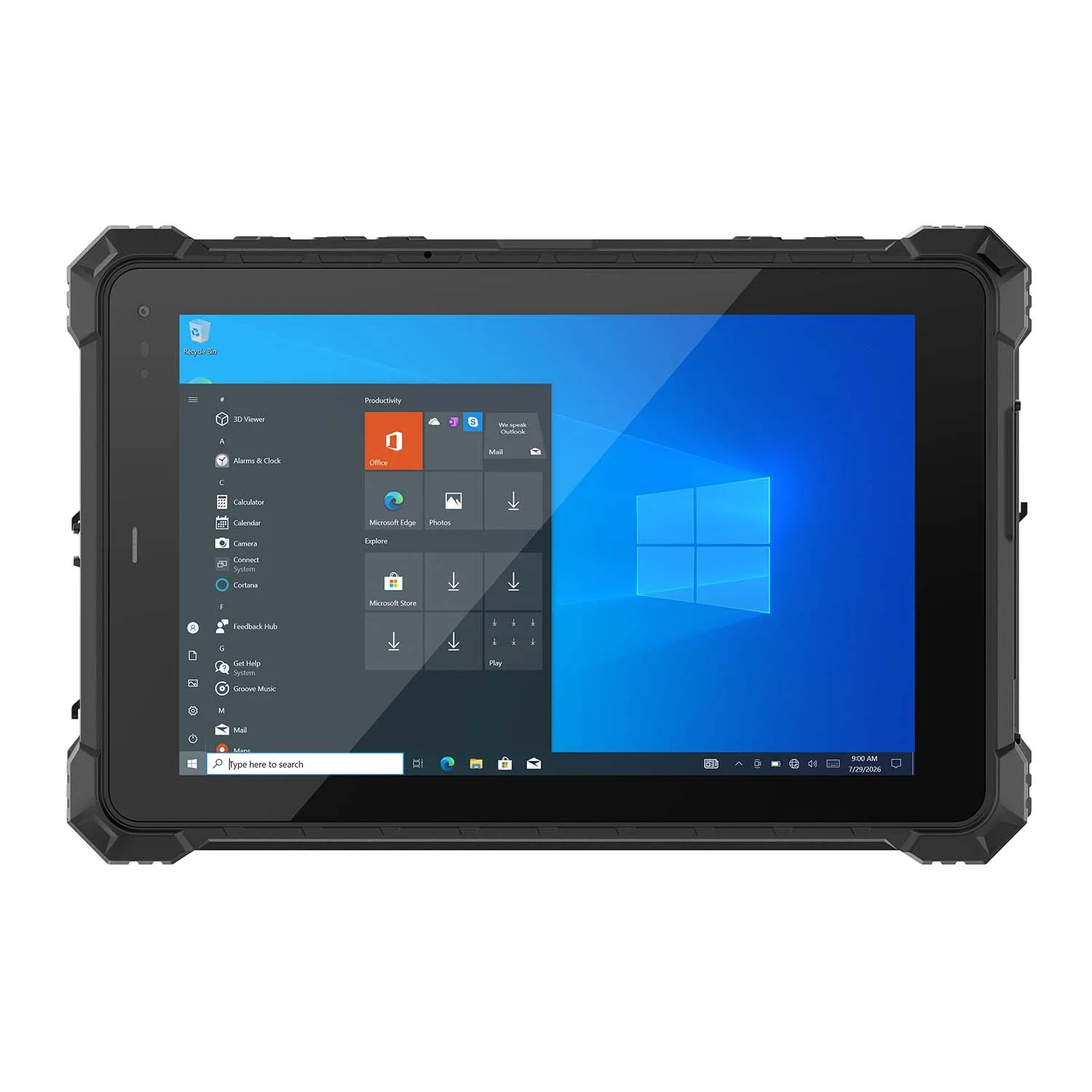
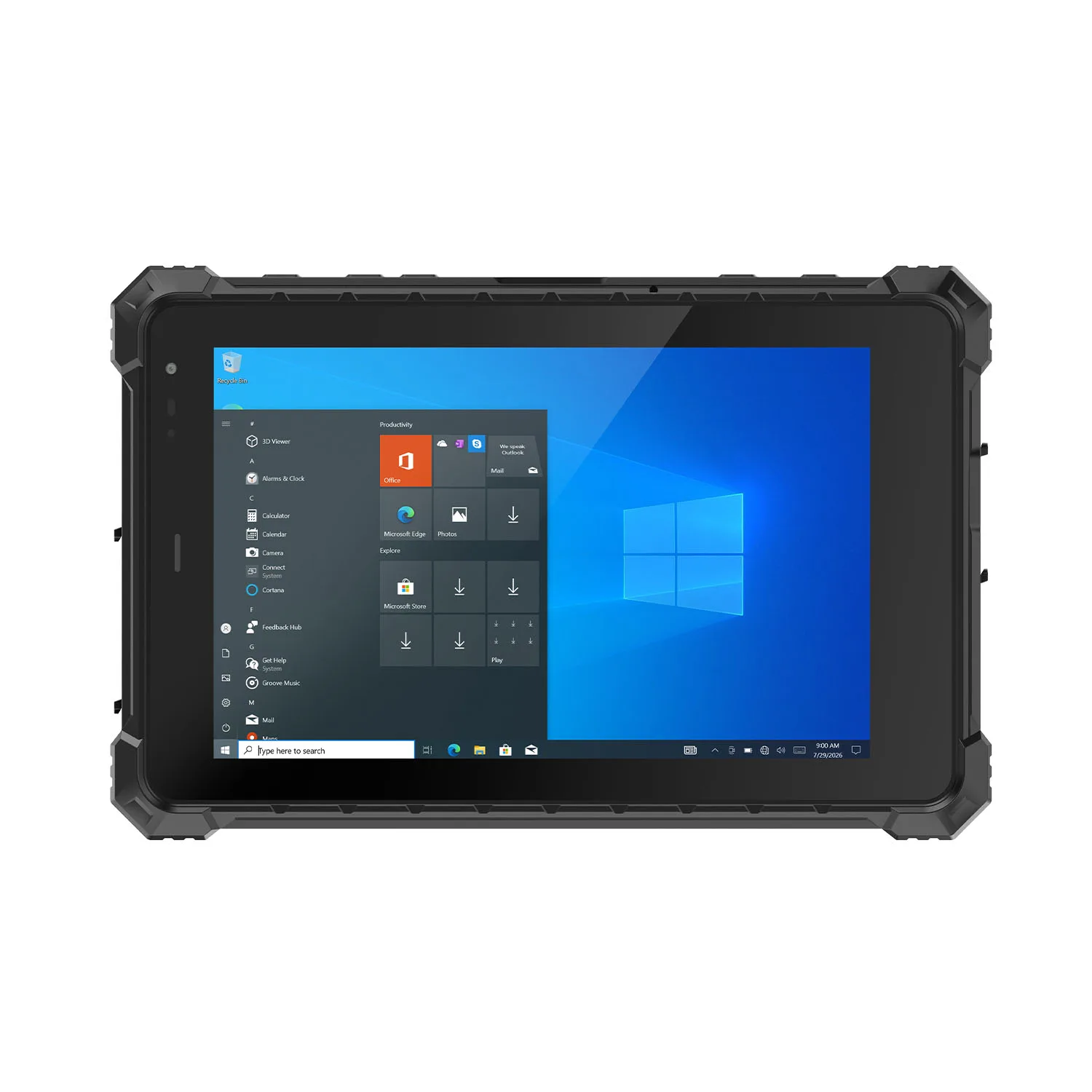
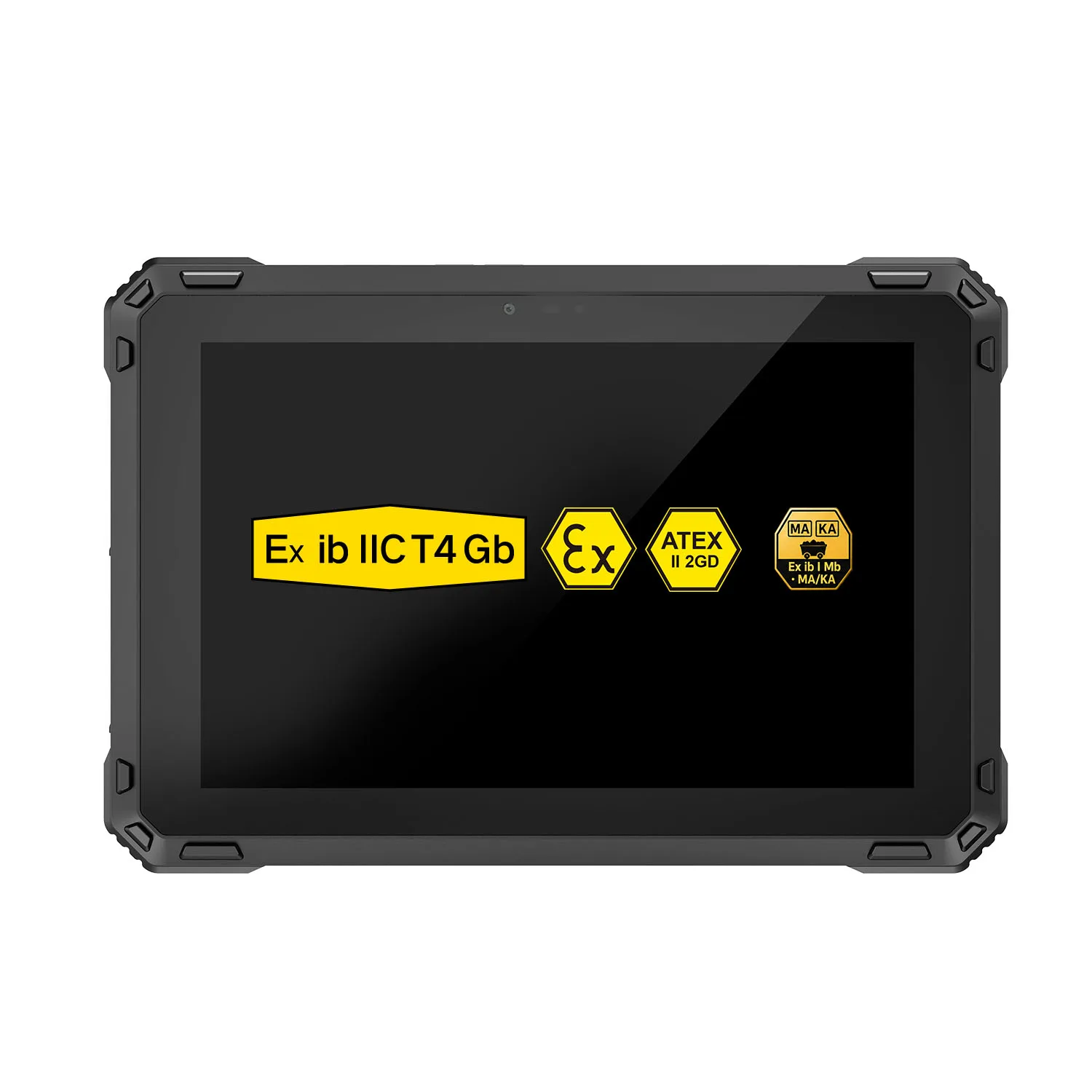
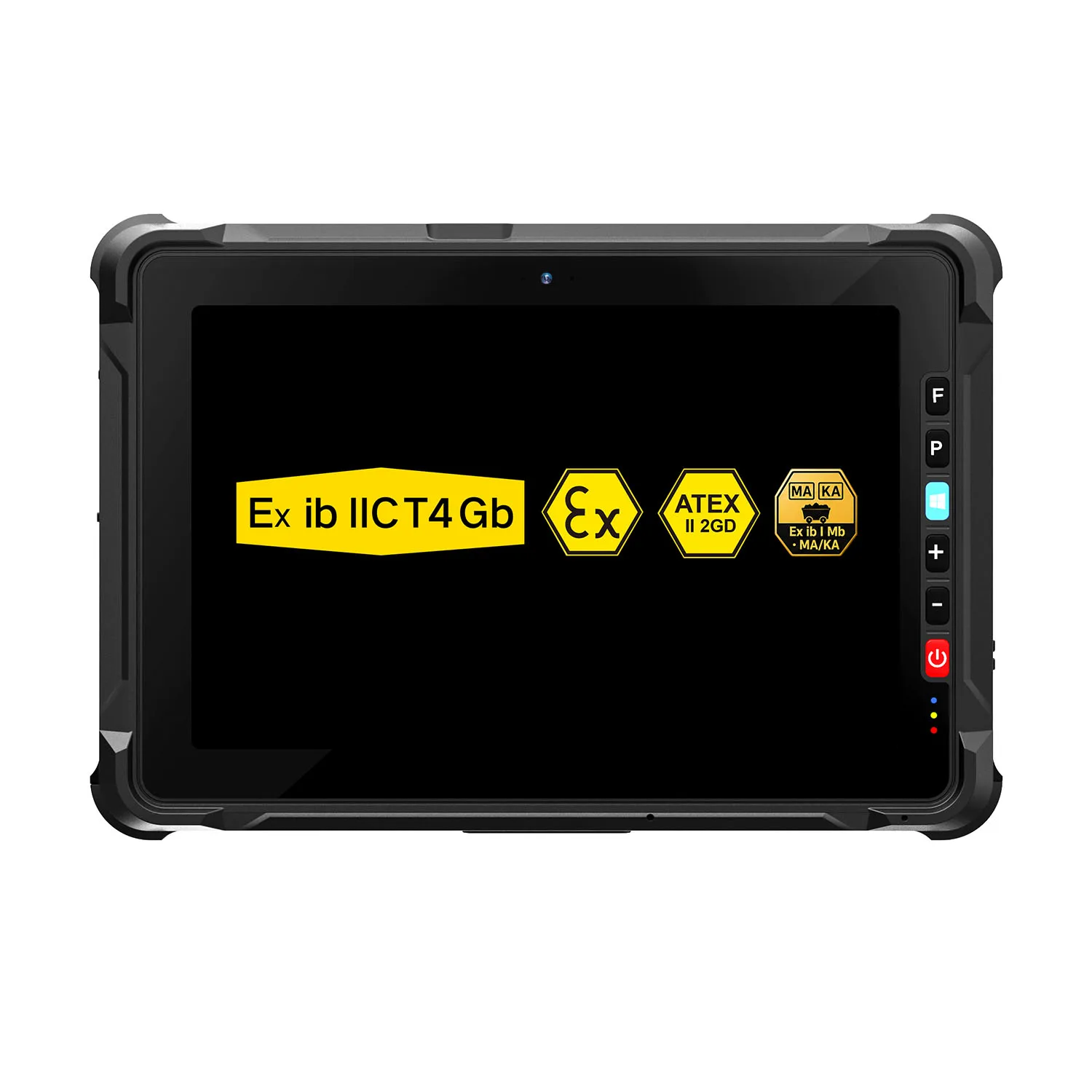
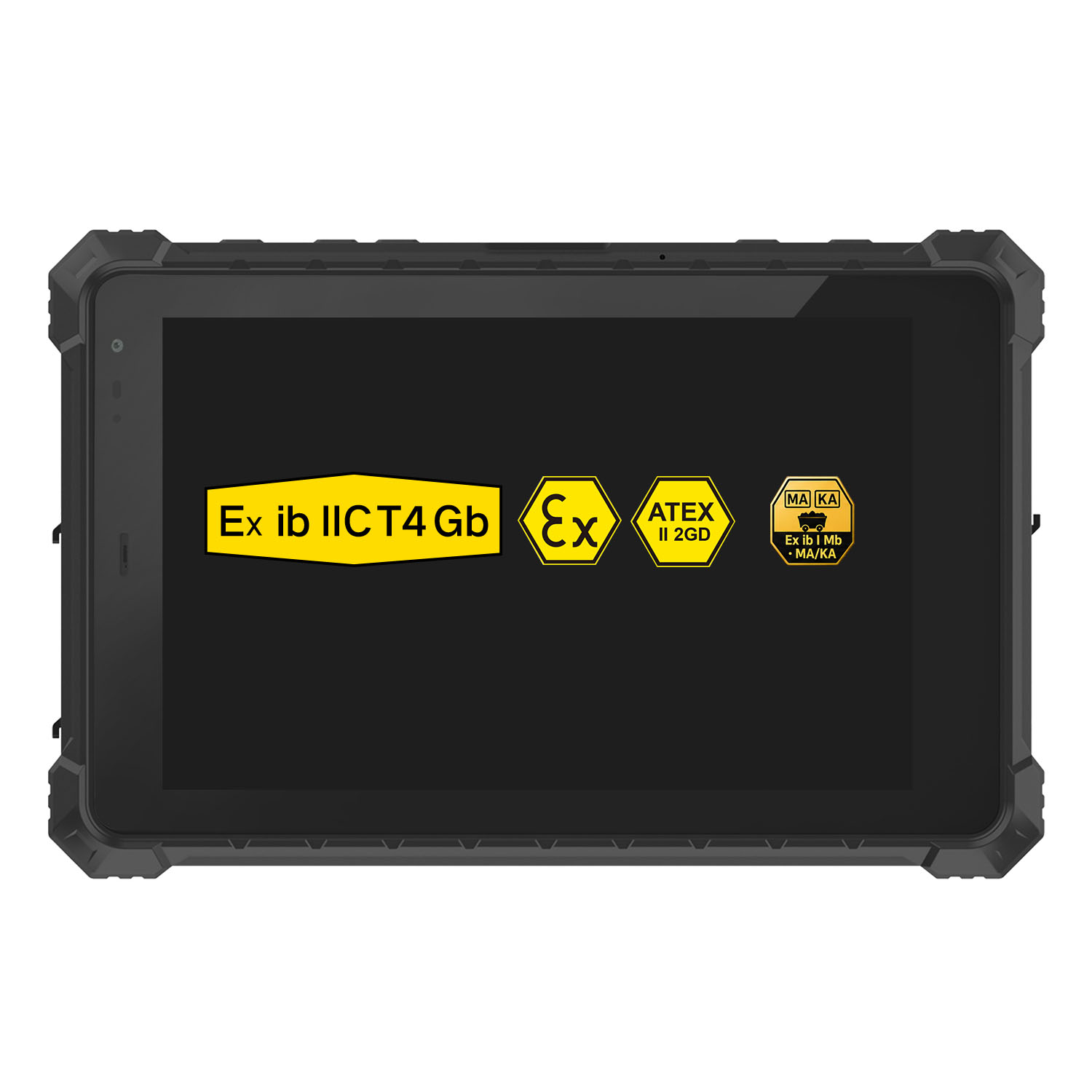
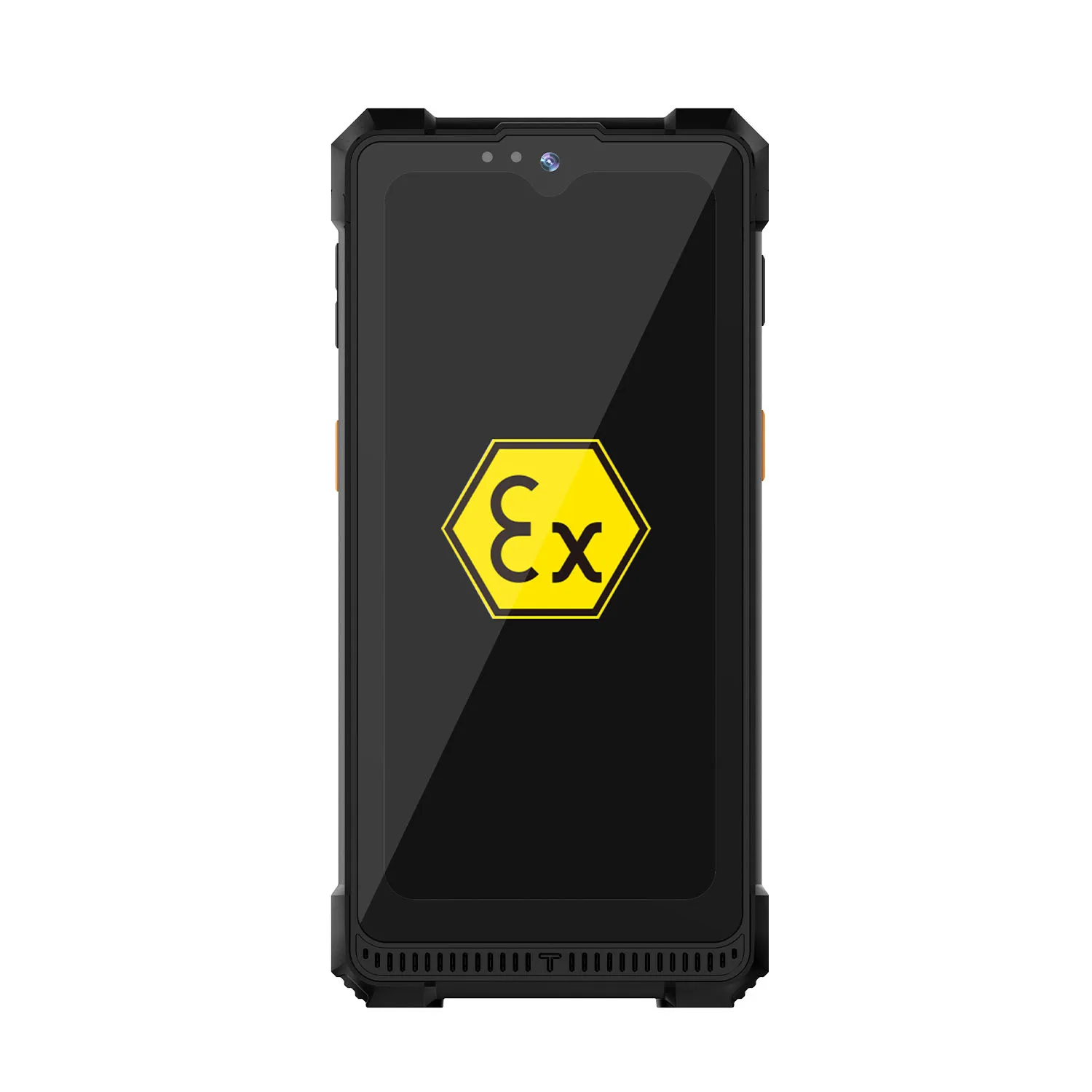
Key Products: A selected CENAVA A10ST-EX configuration carries the route
II 2GD Ex ib IIC T5 Gb / Ex ib IIIC T95°C Db. It must remain distinct from the separate Zone 2/22 configuration associated withIECEx CSAE 24.0031XandCSANe 24ATEX1144X; a shared base model does not make those certificates interchangeable.Why They're on the List — Technical Advantage: CENAVA offers a project-oriented route for aligning a named hazardous-area configuration with the field application, NFC or tag requirement and controlled accessory set. That flexibility is useful only when every change remains inside the applicable certificate scope.
An intrinsically safe tablet for upstream oil and gas work should arrive with a configuration matrix rather than a general catalog page. We would sample 5 units from the first production lot and match each rear label to the purchase line, certificate schedule and device-management record before any field issue.
Project confirmation is warranted when approval or interoperability depends on the build. Contact CENAVA with the destination country; required ATEX, IECEx or North American framework; Zone or Division; gas group and temperature class; minimum and maximum ambient temperature; application environment and operating system; mobile operator plus SIM/eSIM format; exact NFC card or tag technology; and the intended case, strap, dock and safe charging location.
5. BARTEC (Germany) — Legacy Division 1 / Current Division 2 Boundary
BARTEC has a long history in explosion protection and industrial mobility for chemical and energy operations. It remains an important manufacturer to understand in 2026 precisely because an older higher-protection tablet and a current lower-protection family appear in different parts of its documentation ecosystem.
6. Getac (Taiwan) — Zone 2 Boundary Reference
Getac is an established rugged-computing manufacturer serving industrial, utility and public-safety fleets. Its service and docking ecosystem is relevant to upstream work, but the protection level of the named EX product—not the company reputation—sets the classified-area boundary.
7. DURABOOK (Taiwan) — Zone 2 Boundary Reference
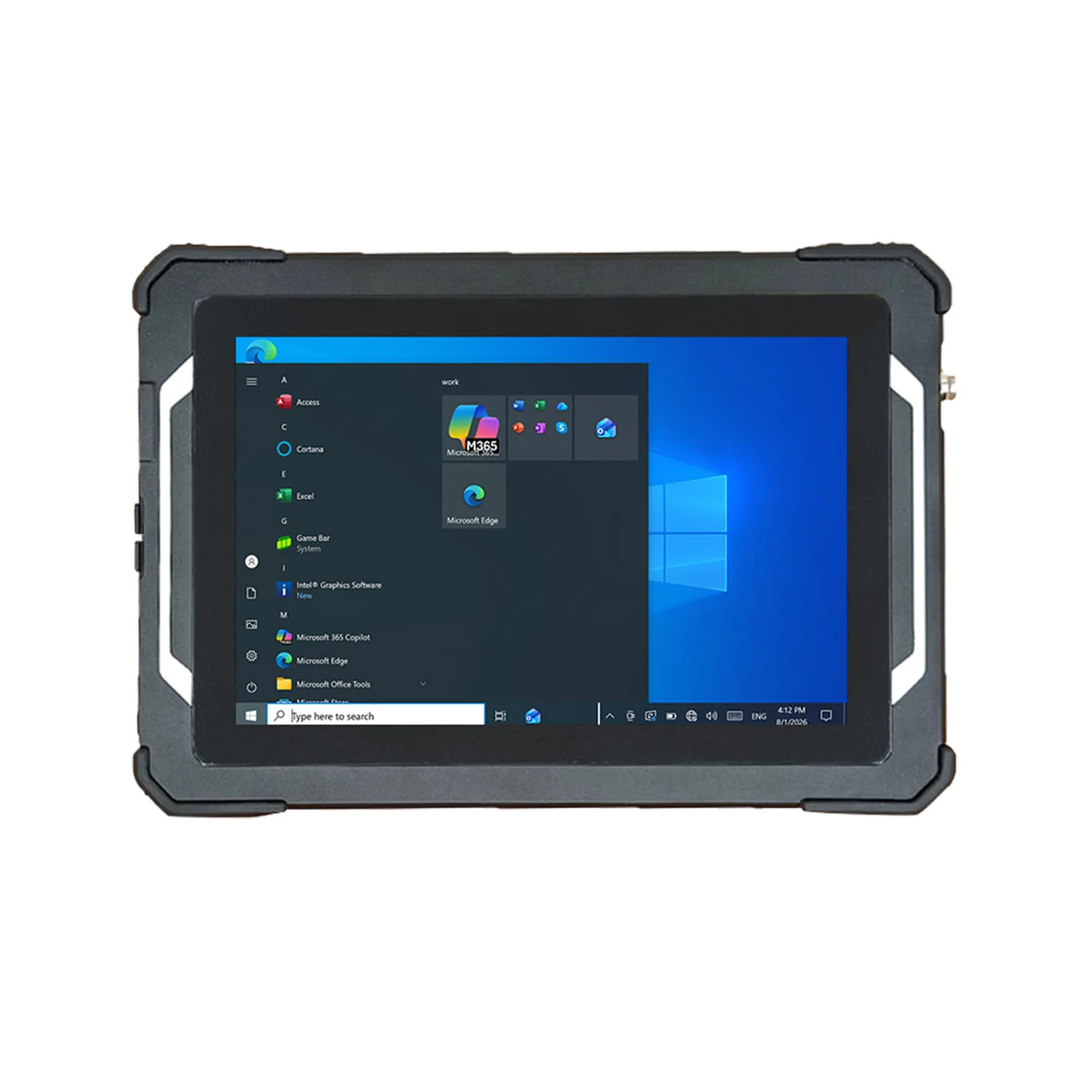
DURABOOK builds rugged Windows tablets and laptops for industrial, utility and public-safety work. Its fanless EX range is attractive where field teams still depend on full Windows applications and want a device designed for repeated movement between vehicle and walking tasks.
8. Winmate (Taiwan) — Zone 2 and Division 2 Boundary Reference
Winmate produces industrial displays, vehicle computers and rugged mobile devices. The adjacent vehicle-computing experience is useful for oilfield fleets, where cradle retention and power stability often create more downtime than the tablet enclosure itself.
9. Zebra Technologies (United States) — Division 2 Boundary Reference
Zebra is a major enterprise-mobility and automatic-identification supplier. Its strength lies in managed Android fleets, barcode capture and device lifecycle tools. Those capabilities can improve oilfield inventory and inspection accuracy, but they do not change the hazardous-location rating of the ordered configuration.
10. Panasonic TOUGHBOOK (Japan) — Division 2 Boundary Reference
Panasonic's TOUGHBOOK business has long served utilities, public safety and mobile field operations. The mature ecosystem of vehicle docks, keyboards and repair services makes the G2 relevant to upstream fleets with Windows applications and long replacement cycles.
How to Choose the Right Manufacturer for Your Application
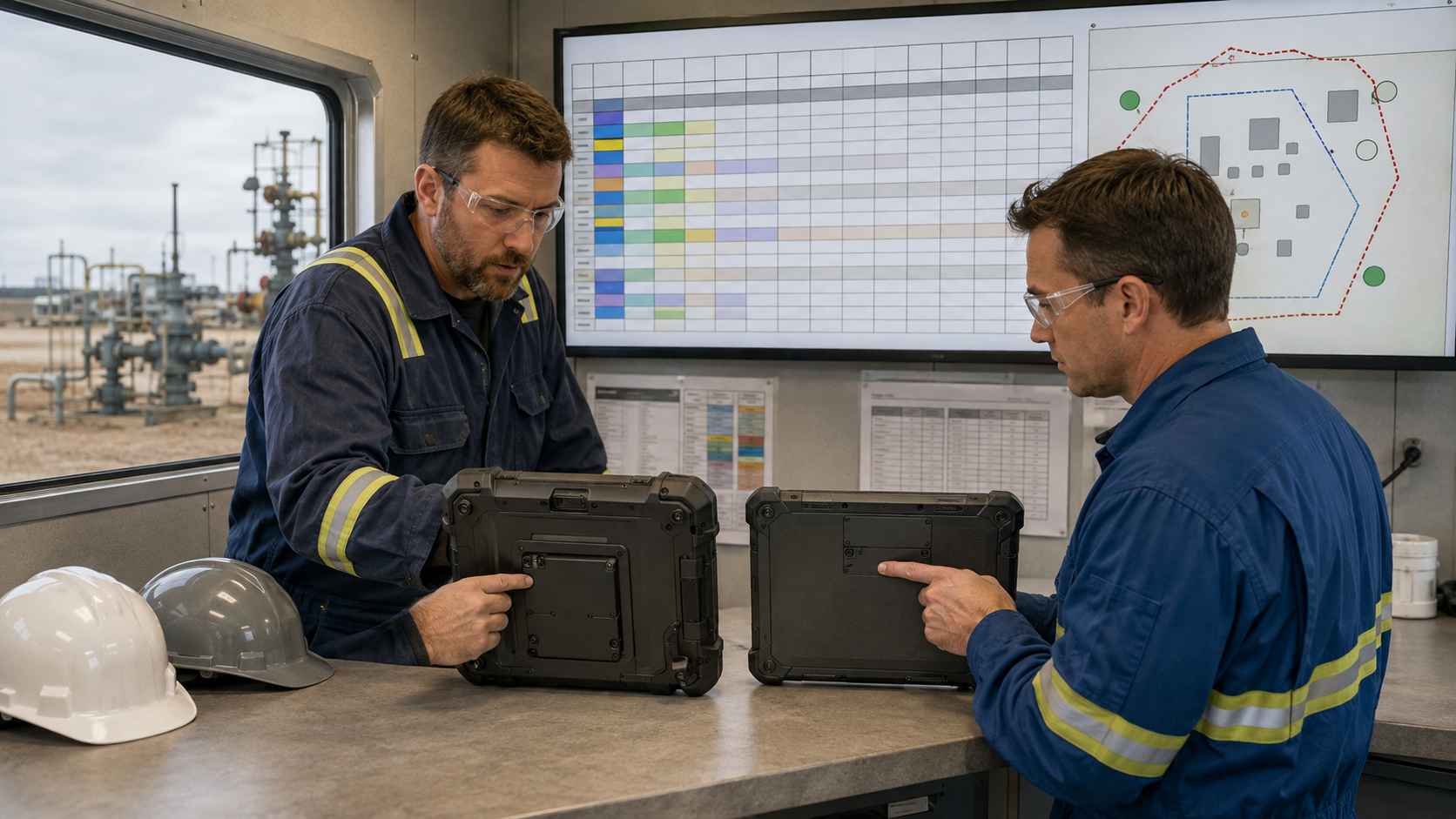
The best supplier is the one whose documented configuration fits the full work route. A Top 10 comparison narrows the market; it does not replace the operator's hazardous-area engineering, site procedure or acceptance test.
Define Your Operating Environment
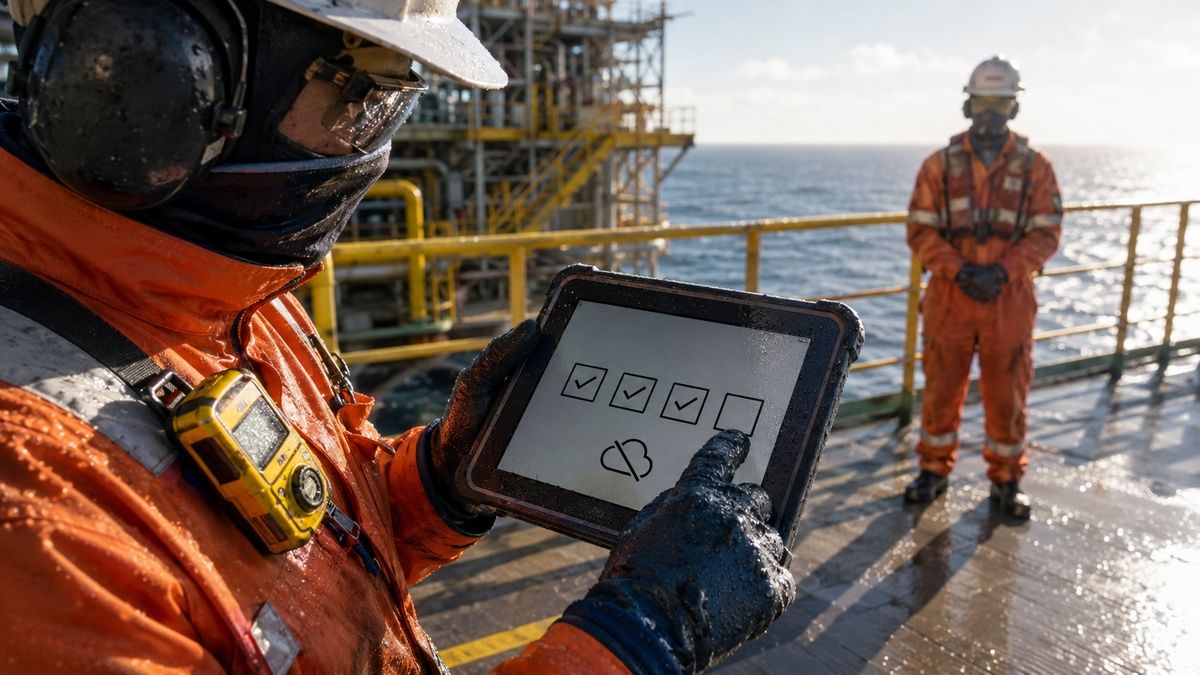
Map the route before comparing tablets. Mark the doghouse, mud system, wellhead, separator, tank battery, vehicle and workshop as separate work locations. Attach the area's Zone or Division, gas or vapor, group, temperature requirement and minimum ambient temperature to each task—not merely to the site name.
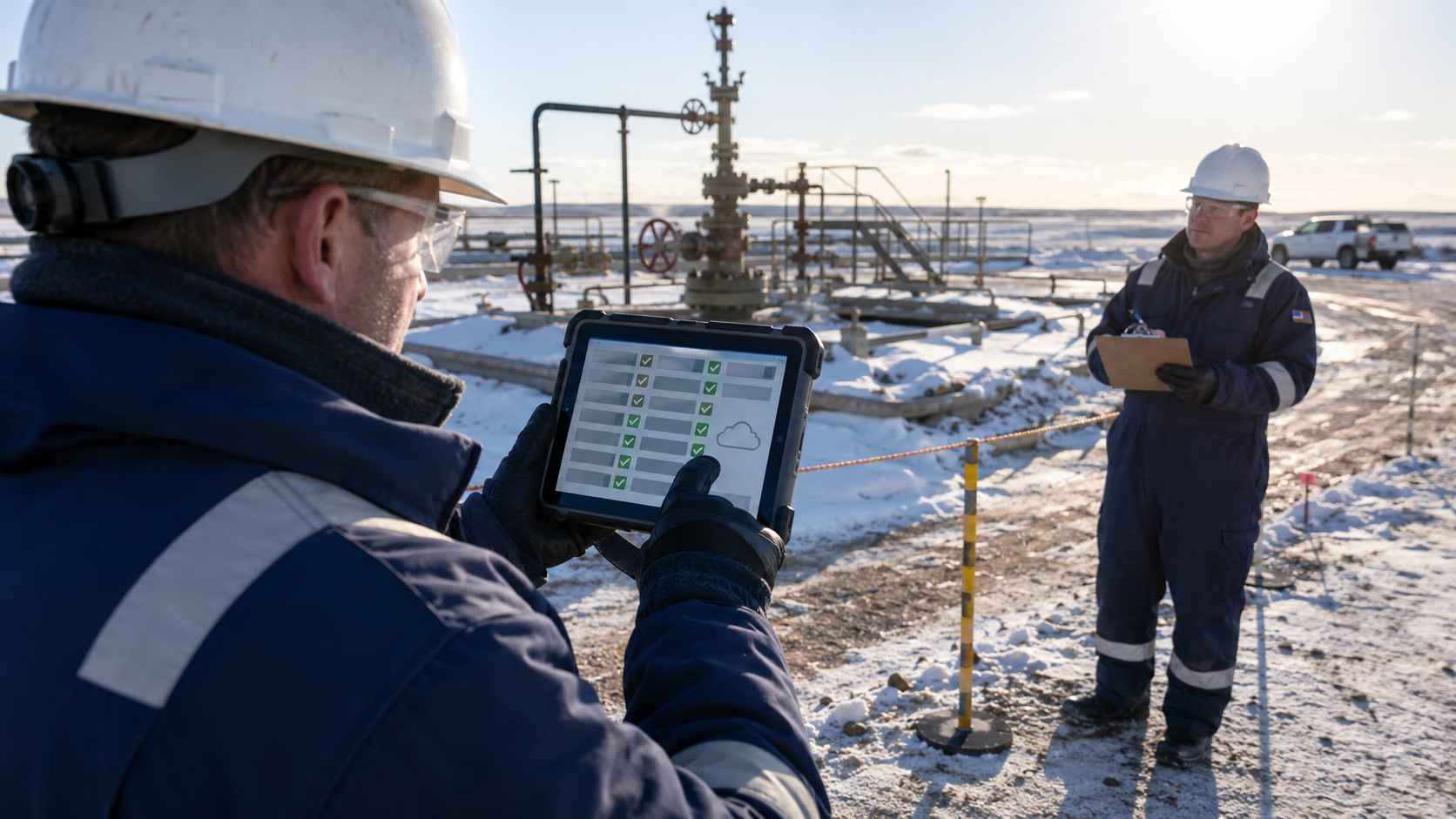
A winter pad can expose two different limits. The tablet may operate after a -20°C soak while the battery has a narrower charging condition. Record where the device will warm and charge during a 12-hour shift. “Wide temperature” is not a charging plan.
The classification can also change within a short walk. A technician may start a form in the truck, enter a classified boundary for observations and finish synchronization in a safe location. The application must preserve one record through those transitions without encouraging port access or accessory changes in the field.
Clarify Performance Requirements
Begin with the task, not the processor. A guided inspection, photograph set and tag scan may favor a managed Android workflow. Legacy diagnostics or drawing packages can justify Windows. Neither operating system changes the protection concept shown on the certificate.
Run the 18-task trial with the issued PPE. Touch targets should remain usable with the real winter or chemical glove; do not generalize a glove-mode statement into compatibility with every glove. Screen readability is checked at noon, after 10 minutes of use, with brightness and screen film set to the planned fleet configuration.
The device is a data tool. It does not measure combustible gas, prove the area is safe, issue a permit, authorize isolation or operate the emergency shutdown system. Those boundaries should appear in the work instruction and training, especially when the inspection app displays information imported from other systems.
Consider Software & Integration
Offline behavior matters at remote pads and behind steel rig structures. The field app should queue records locally, show an unambiguous pending state and reconcile them after the approved link returns. A 30-minute network interruption is long enough to expose many duplicate-ID and timestamp problems without staging an unrealistic full-day outage.
Satellite backhaul is normally external to the tablet. The rugged device connects through an approved site architecture or safe-area terminal; it should not be advertised as having native satellite service unless the exact configuration and service actually provide it. Cellular bands and certification also vary by country and operator.
NFC deserves the same precision. “NFC included” does not prove compatibility with a specific credential or industrial tag. The project record should name the card technology, frequency, security method and reading distance required by the application. This prevents a successful office badge test from being mistaken for field-tag acceptance.
Analyze Total Cost of Ownership (TCO) vs. Initial Cost
Initial device price is only one line. Add certificate-document review, approved accessories, spare batteries, controlled repairs, device management, app validation, worker training and the cost of keeping Zone 1, Zone 2 and ordinary units in separate asset pools.
A lower-priced unit becomes expensive when crews drive 60 km to replace it, repeat an inspection or re-enter a missing form. Conversely, a high-protection tablet should not be assigned to every safe-area task if a less complex rugged model can perform that work under a clear issue policy.
Use a 36-month model with measurable events: failure swaps, battery replacements, dock faults, app revalidation and certificate-controlled repairs. The result is more useful than a broad “rugged devices last longer” claim because it exposes which cost belongs to hardware and which belongs to deployment design.
The Future of ATEX Tablets in Upstream Oil and Gas: Trends to Watch
The next generation of hazardous-area mobility will improve, but certification boundaries will remain more important than headline speed.
Digital configuration identity: Fleet systems will increasingly connect the device's exact SKU, regional approval and accessory set to the work order. That reduces reliance on housing color or worker memory when similar tablets serve different zones.
Better offline reconciliation: Edge forms will detect duplicate records and preserve evidence during intermittent cellular, private-network or satellite backhaul. The operational gain is trustworthy recovery, not merely a faster radio.
More disciplined accessory ecosystems: Approved docks, straps, scanners and charging stations will be treated as controlled assemblies. Procurement teams will ask whether an accessory belongs to the certificate scope rather than whether its connector fits.
Field-first acceptance data: Buyers will place more weight on cold starts, glove input, sunlight readability and vehicle-dock retention measured with the production app. IP and MIL-STD-810 evidence will remain valuable, but it will no longer stand in for workflow proof.
Conclusion
Choosing an ATEX tablet for upstream oil and gas operations begins with the exact classified location, not with screen size or a generic rugged claim. Pepperl+Fuchs/ECOM, Aegex, i.safe MOBILE and selected CENAVA configurations provide current Zone 1, Division 1 or stronger routes worth detailed review. Each still requires model-level certificate and accessory matching.
BARTEC illustrates the lifecycle issue: its Agile X IS is a legacy higher-protection product, while the current ET60/65EX2 route is Zone 2/Division 2. Getac, DURABOOK, Winmate, Zebra and Panasonic also offer capable products for Zone 2, Division 2 or non-classified wellsite duties. Their rugged engineering can be valuable, but it does not move a Gc, Category 3G or Division 2 device into a Zone 1 or Division 1 task.
The defensible choice joins a 12-field certificate matrix with an 18-task field trial and a 36-month ownership model. That process keeps compliance, usability and cost in the same decision while preserving the central boundary: the tablet records the work; it does not replace the operator's gas detection, permit or process-safety systems.
Need a Rugged Device for Your Project?
Tell us your operating environment and requirements — our engineers will recommend a configuration and quote within 24 hours.
Get a Free Quote Back to Blog