




Best Explosion-Proof Tablets for Oil & Gas: Buying Guide
The right explosion-proof tablet for oil & gas depends on where the equipment operates, not just its brand. US refineries and Gulf of Mexico rigs need UL Class I Division certification; European, Middle Eastern, and Asia-Pacific offshore platforms need ATEX/IECEx Zone certification; and any device must also survive salt fog, wide temperature swings, and 10–12 hour shifts. Below, we compare certification levels, must-have specs, and real deployment results — including CENAVA's own certified rugged tablet range.
Why Oil & Gas Requires Specialized Explosion-Proof Tablets
Explosion safety & regional certification compliance — Oil & gas sites are flammable-gas zones where ordinary electronics can spark and trigger an explosion. North American mines and Gulf of Mexico rigs require UL/Division certification, while North Sea and European refineries follow ATEX/IECEx Zone rules.
Adaptation to extreme environments — Onshore fields and offshore platforms face temperature swings, salt fog, dust, and high-pressure washing; sealed, certified tablets reduce breakdowns and maintenance cost.
Real-time field data — Engineers moving between sites need instant access to inspection files and equipment drawings even on unstable field networks.
Long-shift continuous operation — Standard oil & gas shifts run 10–12 hours with limited charging opportunities, so long-life or hot-swappable batteries are a practical requirement, not a nice-to-have.
Hazardous Environment Challenges in Oil & Gas
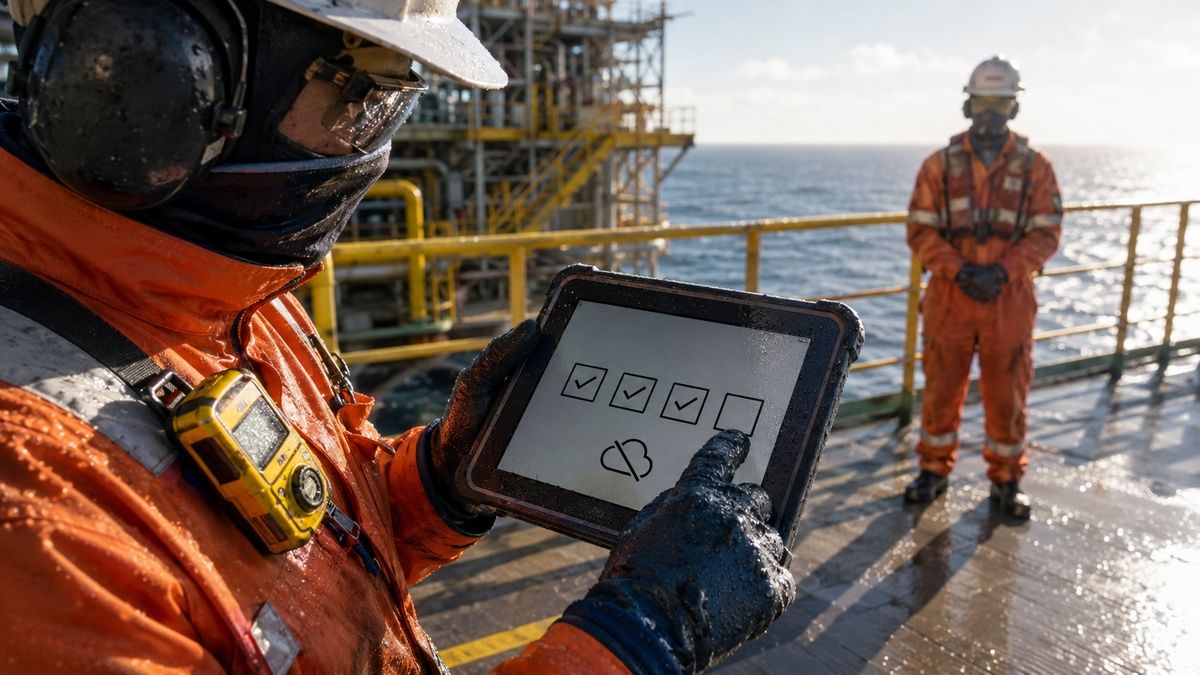
Offshore salt-spray corrosion. Offshore platforms endure constant high-salinity sea fog, which corrodes housings and interfaces on ordinary electronics within a short time. Certified explosion-proof tablets use anti-salt-fog coatings and fully sealed structures built for long-term unmanned offshore operation.Onshore desert temperature swings. Desert drilling sites can drop below freezing at night and exceed 60°C on exposed surfaces by day. Consumer tablets suffer screen failure, battery swelling, and thermal throttling under these swings; industrial rugged tablets are built for stable wide-temperature startup and operation.Volatile combustible gas exposure. Wellheads, refinery workshops, and storage yards are routinely filled with flammable gases. Uncertified electronics risk triggering an explosion; properly certified equipment strictly limits internal energy release so it cannot ignite surrounding gas mixtures.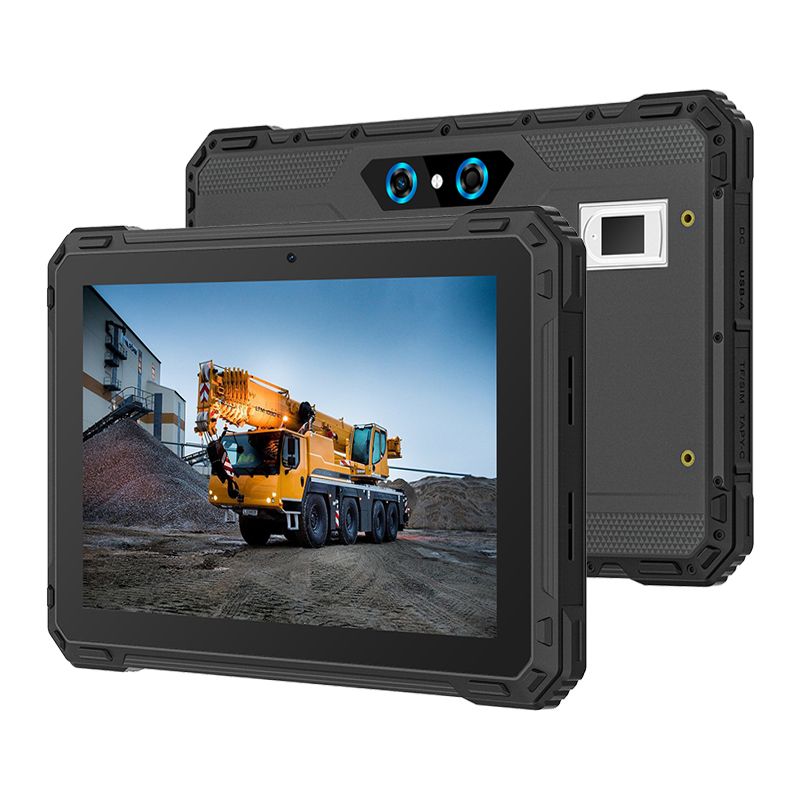
Must-Have Functions in an Oil & Gas Explosion-Proof Tablet
| Requirement | What to Look For |
|---|---|
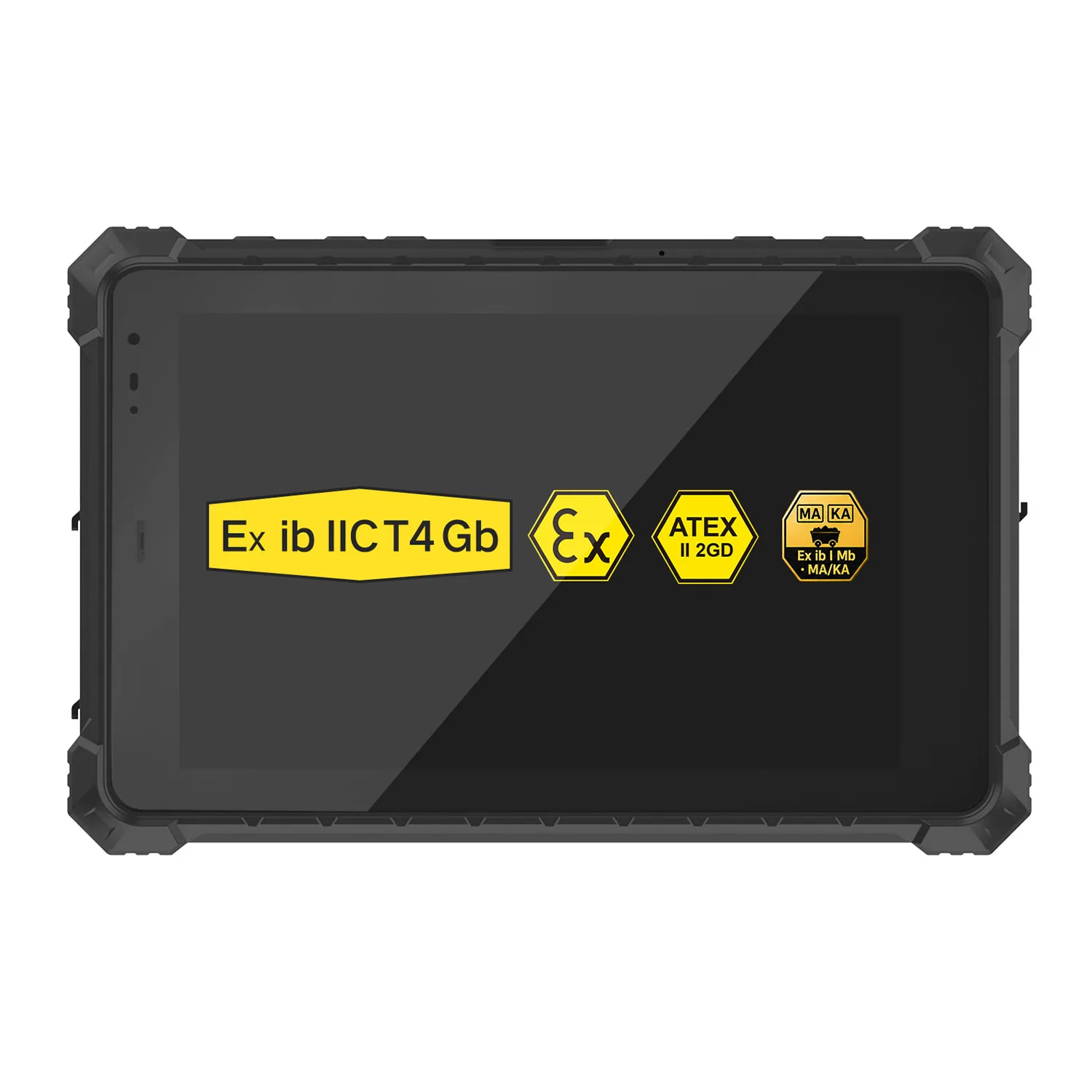
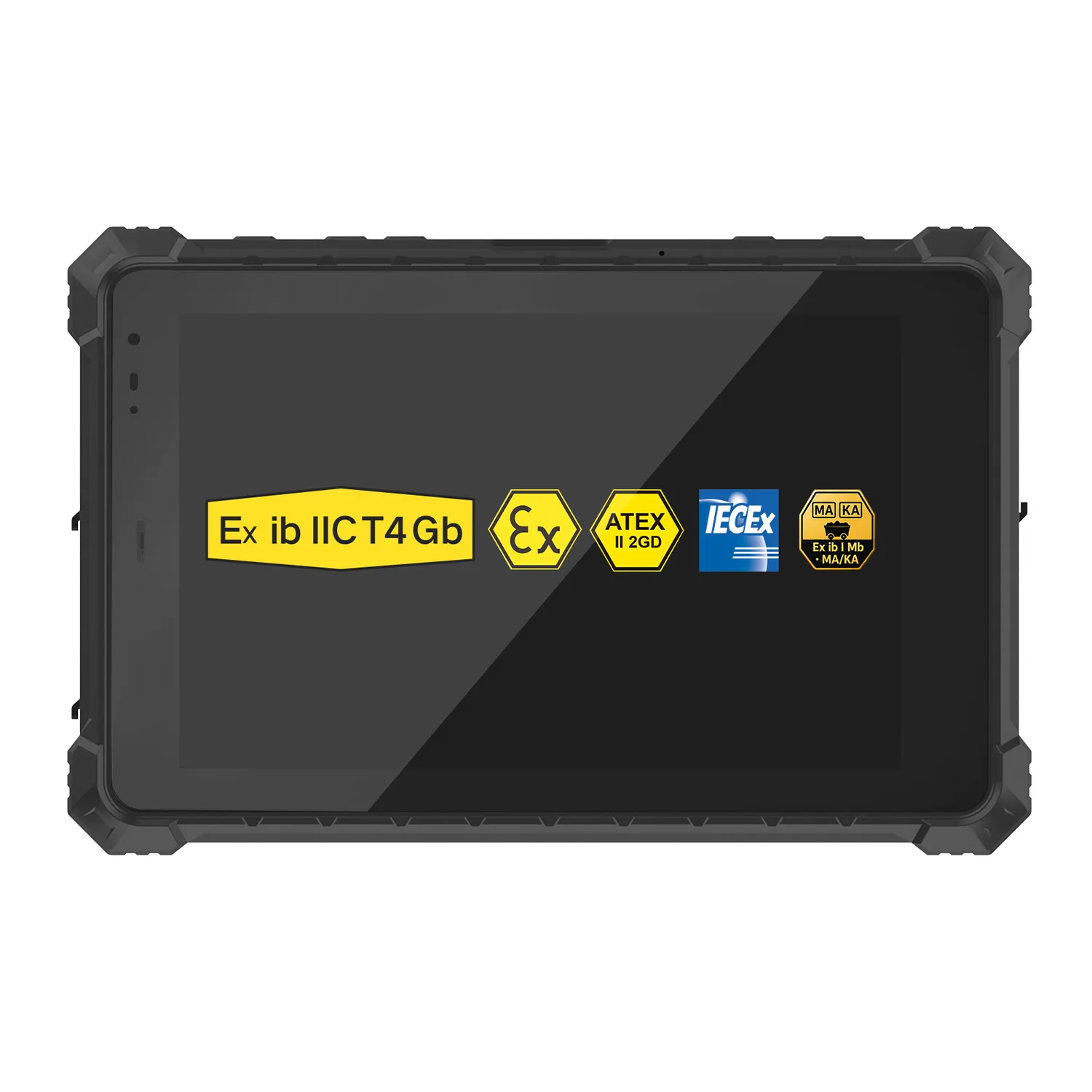
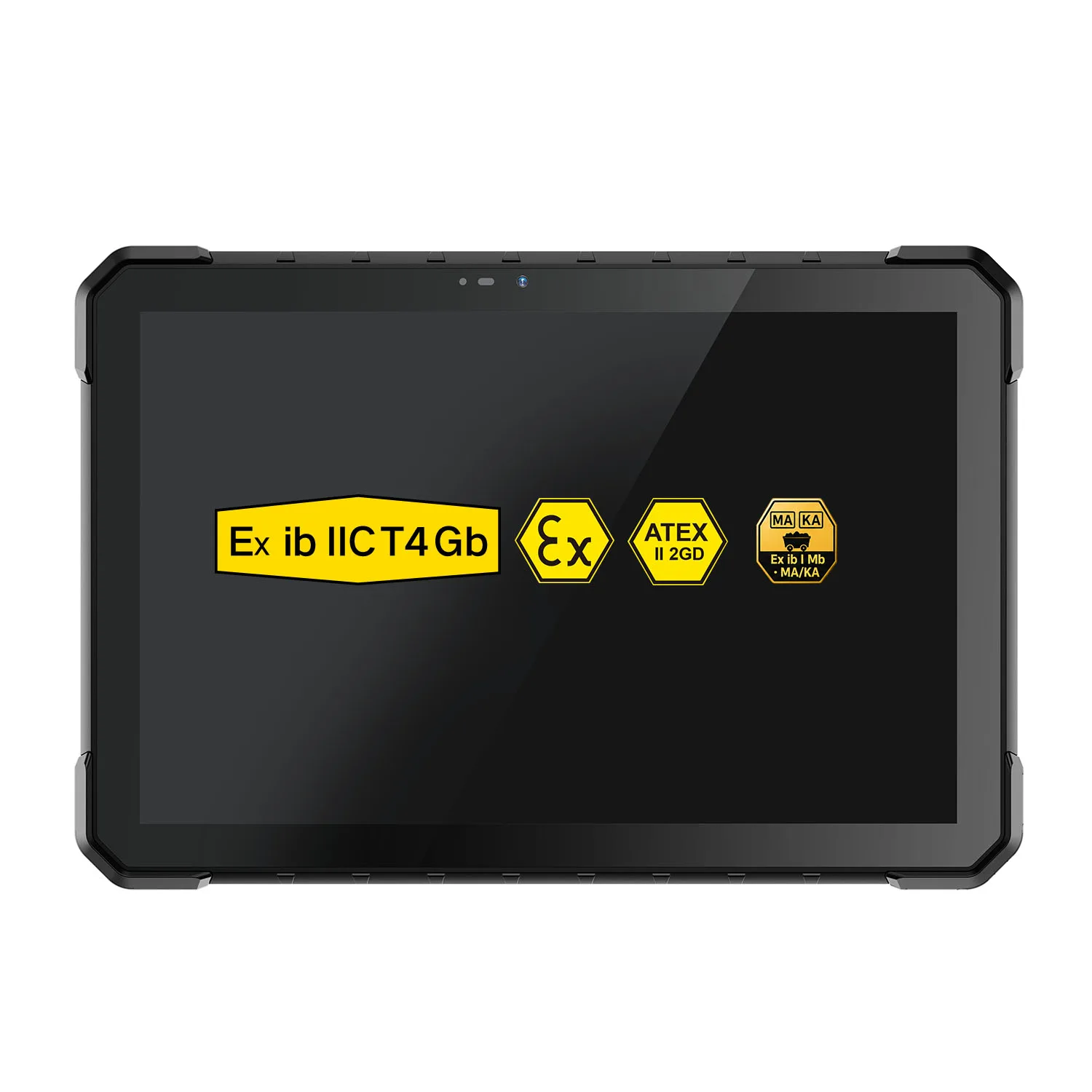
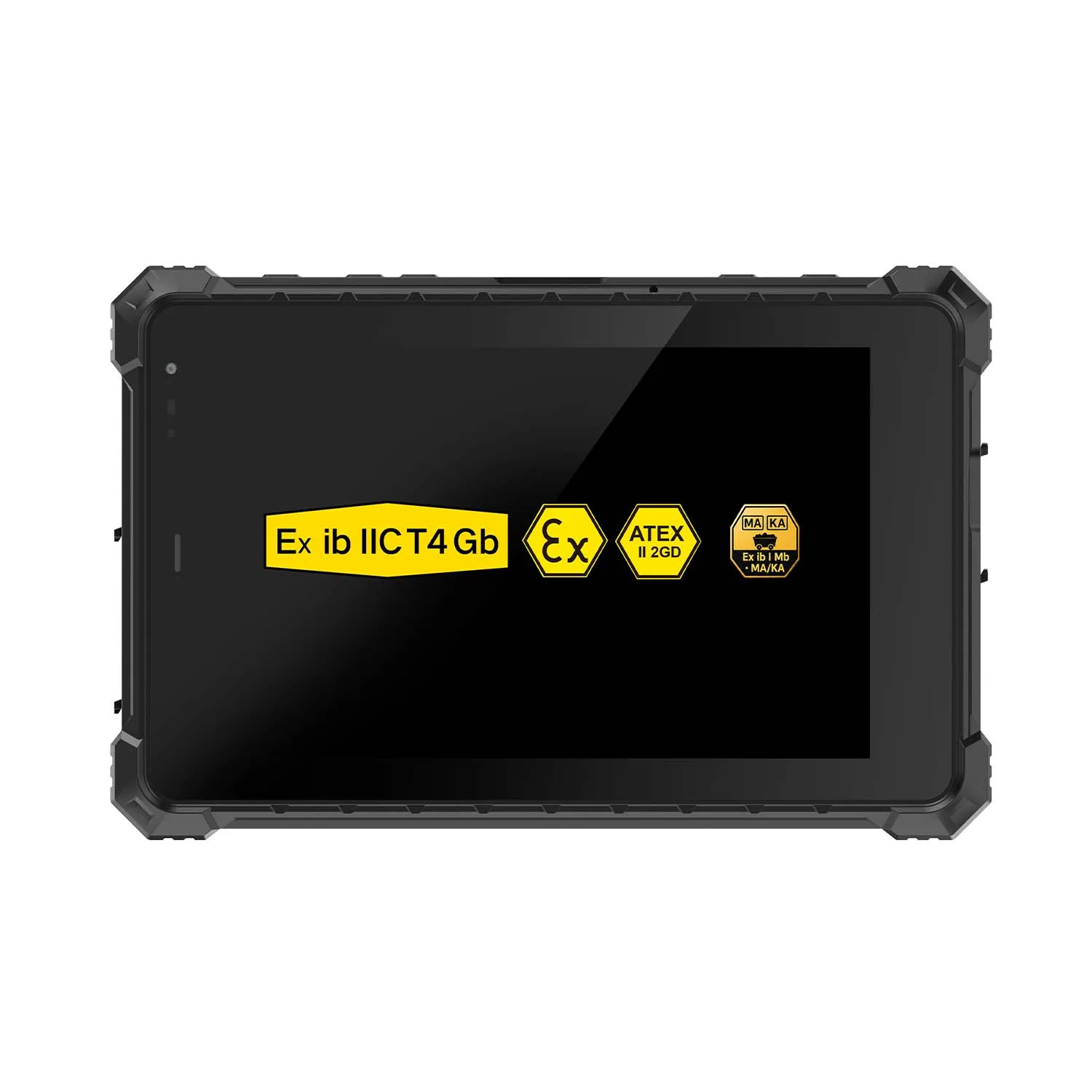
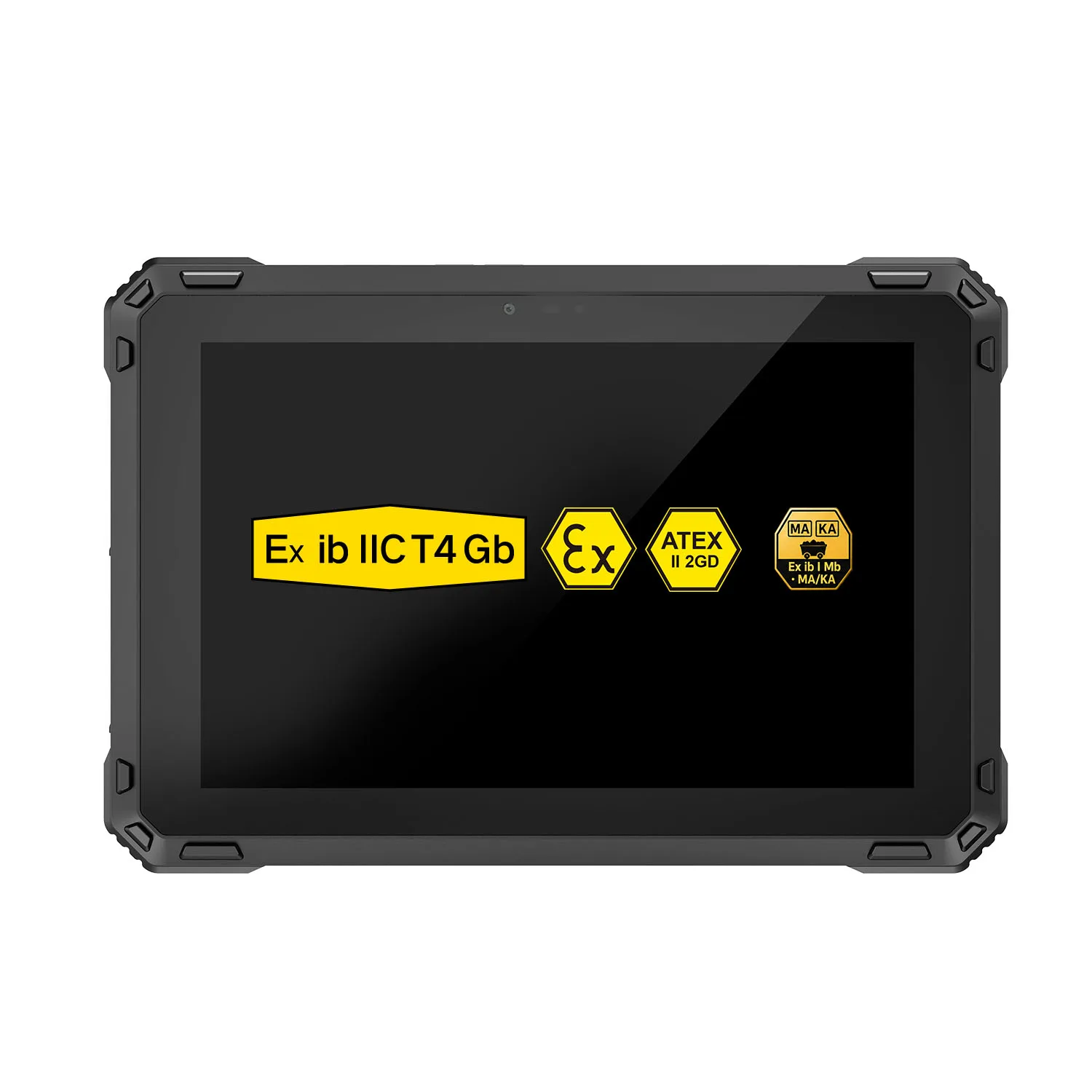
| Certification | Valid ATEX Zone 1/2/22 or UL/CSA Class I Division 1/2, matched to your project's actual jurisdiction |
| Ingress protection | IP66/IP67/IP68 dust and water resistance, tested to MIL-STD-810 for shock, vibration, temperature and humidity |
| Display | 1,000 nit, measured at panel center — spec sheet available |
| Imaging & endurance | Front/rear cameras for inspection recording, plus long-life or hot-swappable batteries for full-shift coverage |
Clear answer: A tablet that only meets IP65/66 and lacks a Zone or Division certificate is not explosion-proof — IP rating and explosion-proof approval are two separate requirements, and both must be satisfied for hazardous-area use.Optional add-ons worth specifying: dual ATEX + UL certification for cross-border fleets, salt-spray-resistant housings, vibration-proof industrial aviation connectors, and detachable encrypted storage for sensitive field data. Note that certified explosion-proof tablets should not be modified with uncertified accessories (including satellite or non-standard radio add-ons) after certification, since any hardware change can invalidate the safety certificate — non-certified connectivity devices belong in designated safe zones only, never inside the hazardous area.
Explosion-Proof Certification Levels & Applicable Scenarios
| Certification Standard | Risk Level | Typical Oil & Gas Application |
|---|---|---|
| UL Class I Division 1 | High risk | US refinery production units, active wellhead pumping stations |
| UL Class I Division 2 | Medium risk | Gulf of Mexico offshore rigs, pipeline storage yards |
| ATEX Zone 1 | High risk | EU closed distillation workshops, chemical processing units |
| ATEX Zone 2 | Medium risk | North Sea offshore platforms, onshore pipeline inspection routes |
| ATEX Zone 22 | Dust hazard | Petrochemical powder processing and mining auxiliary zones |

Comparing Explosion-Proof Tablet Options for Oil & Gas
The market splits into two sourcing strategies: standardized bulk products from established international brands, and flexible, lower-MOQ customization from manufacturers like CENAVA. Here's how the specs compare:| Model / Range | Certification | Display | Best Fit |
|---|---|---|---|
| Getac F110-EX | ATEX Zone 2/22 | 11.6", 1200 nit | Offshore large-scale pipeline and facility inspection |
| Panasonic Toughpad FZ-G1 ATEX | UL C1D2 + ATEX Zone 2 | 10.1", glove-touch | US refinery and onshore wellhead patrols |
| Durabook R8-EX | ATEX Zone 2/22 — salt-spray-resistant housing, hot-swap battery | 8", fanless | Narrow working spaces in chemical plants and offshore warehouses |
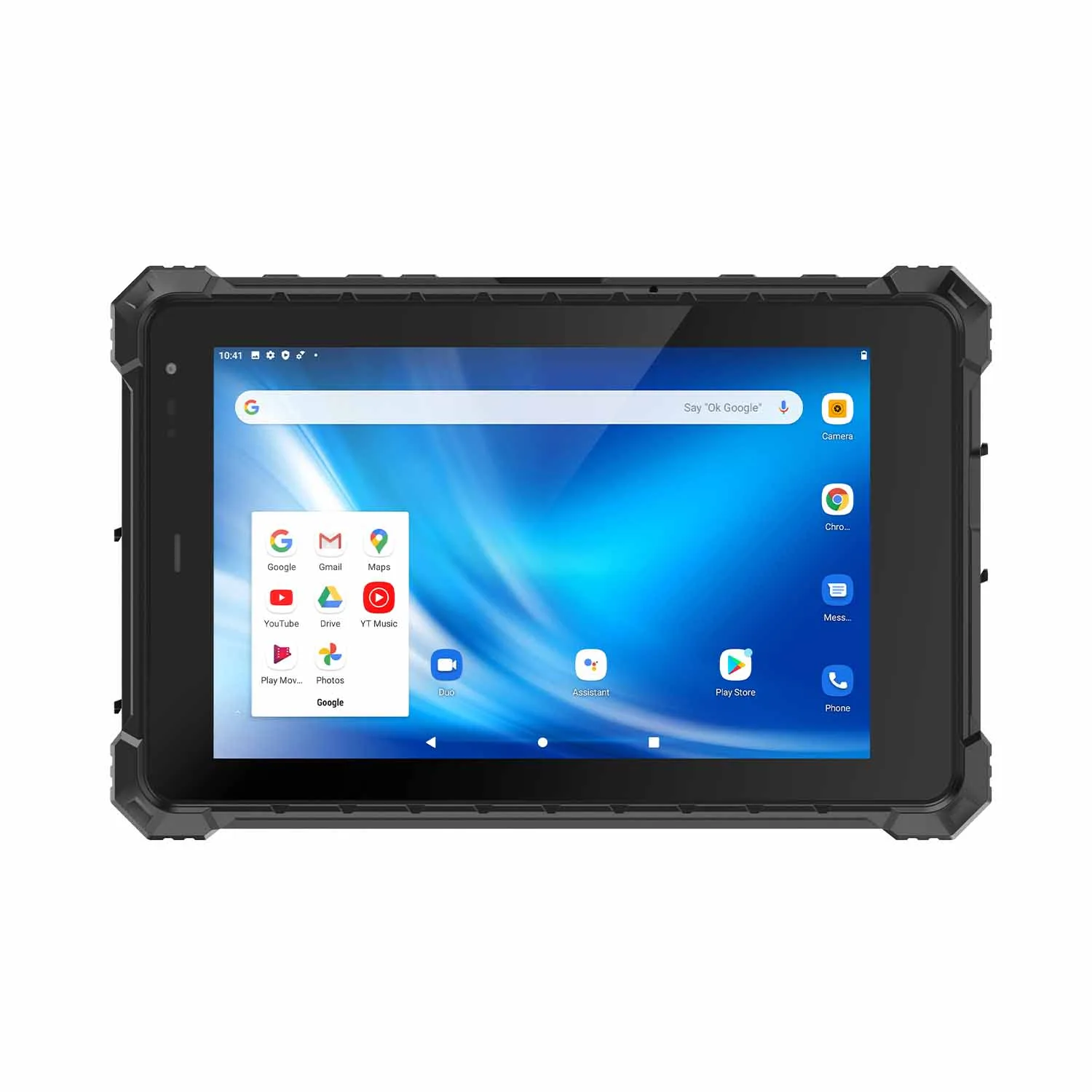
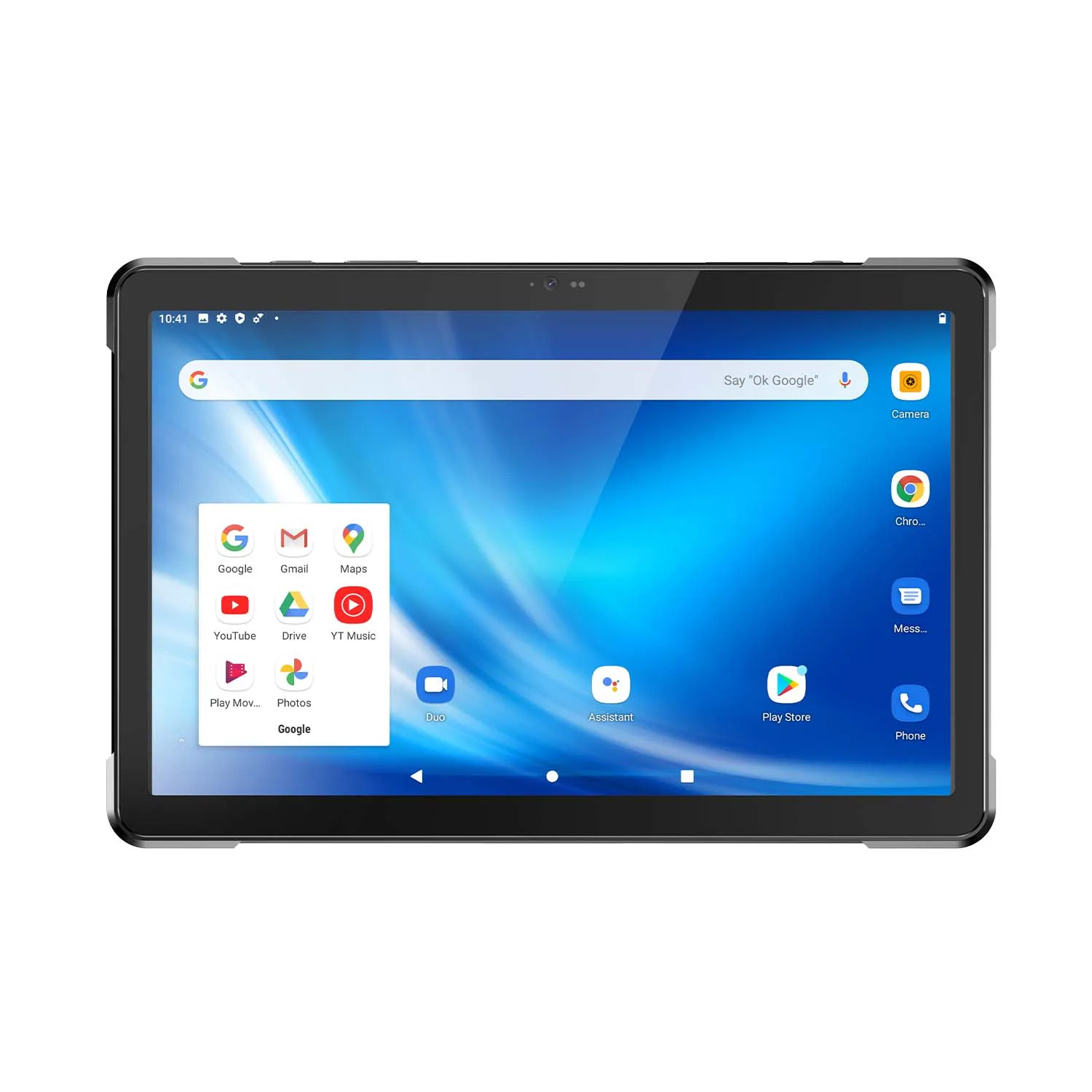
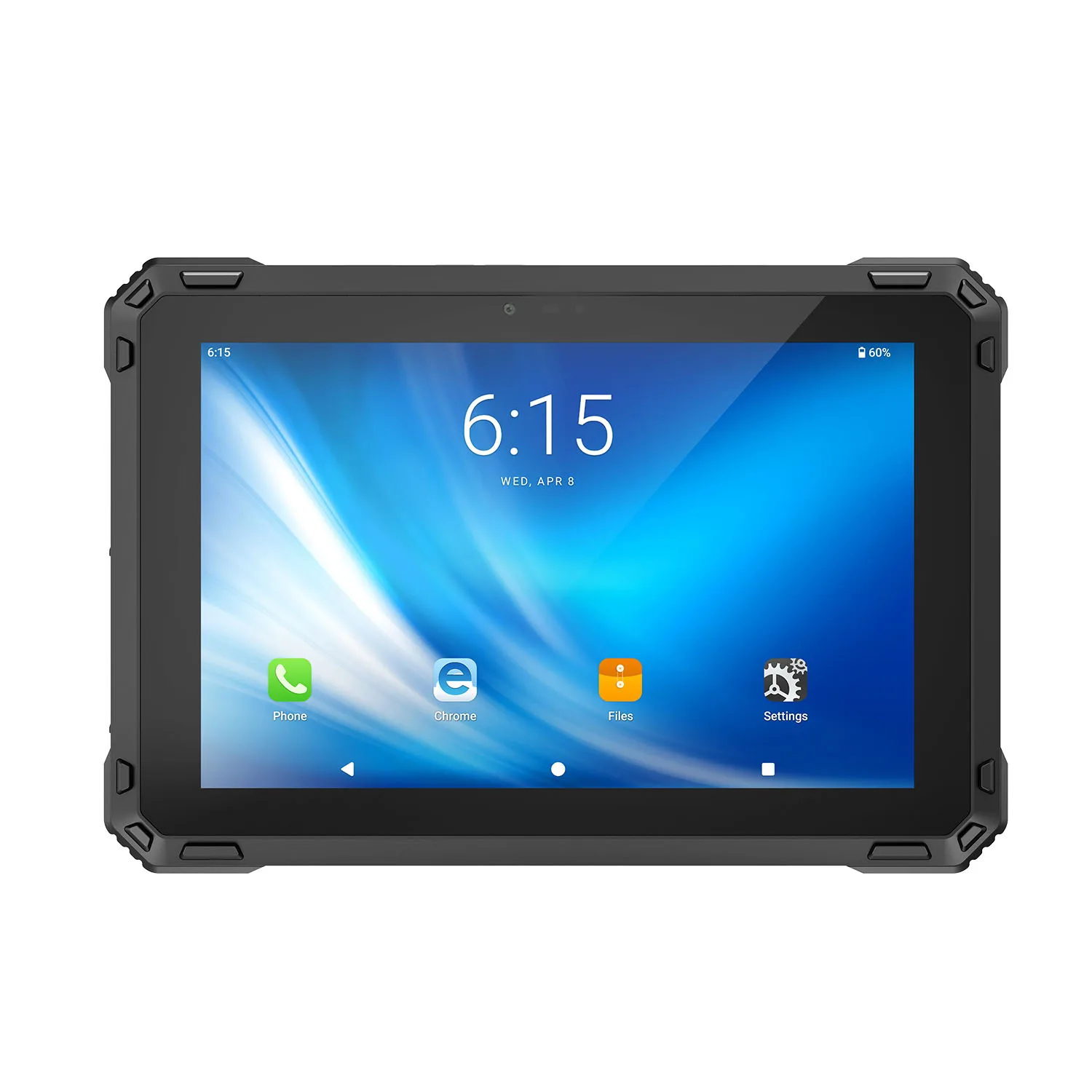
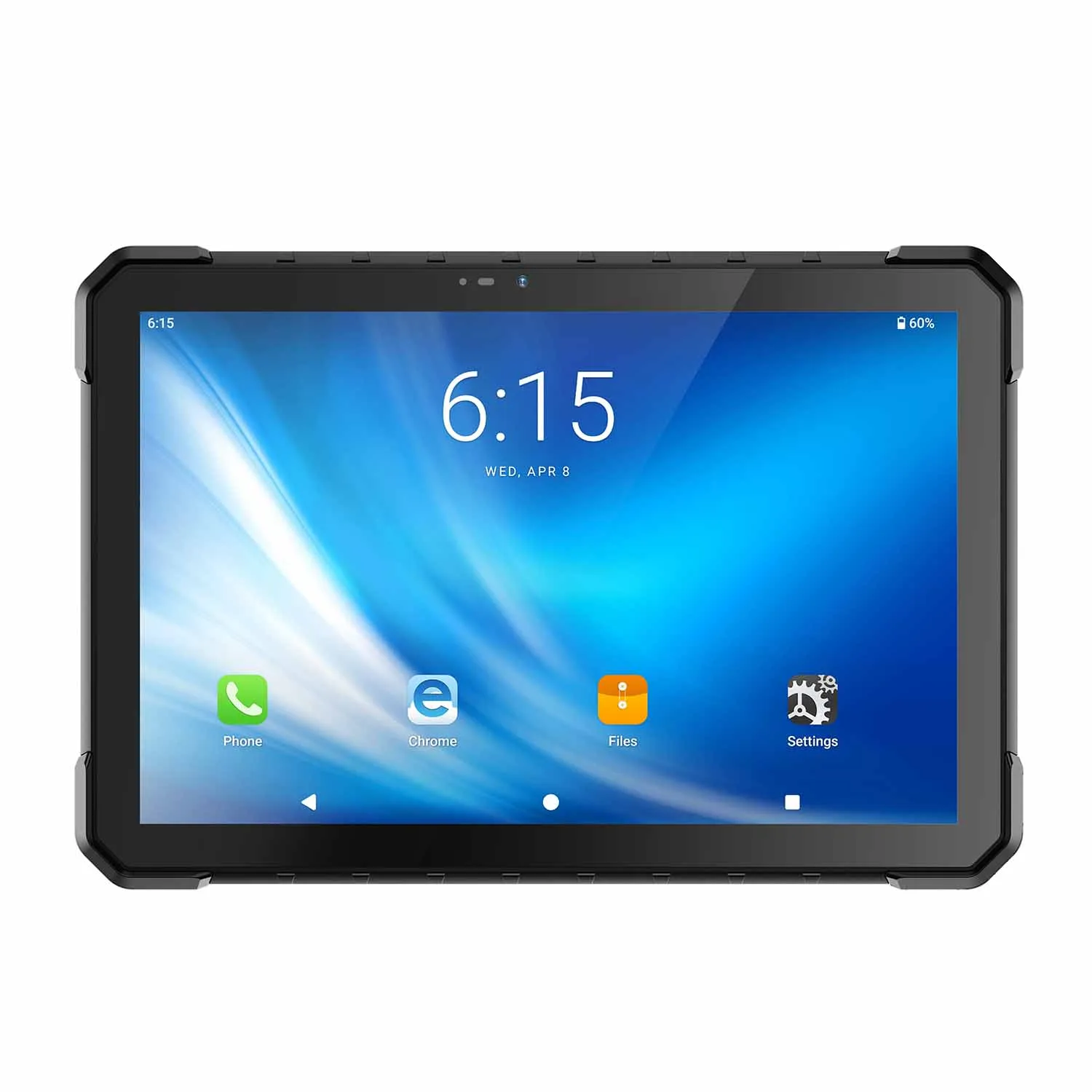
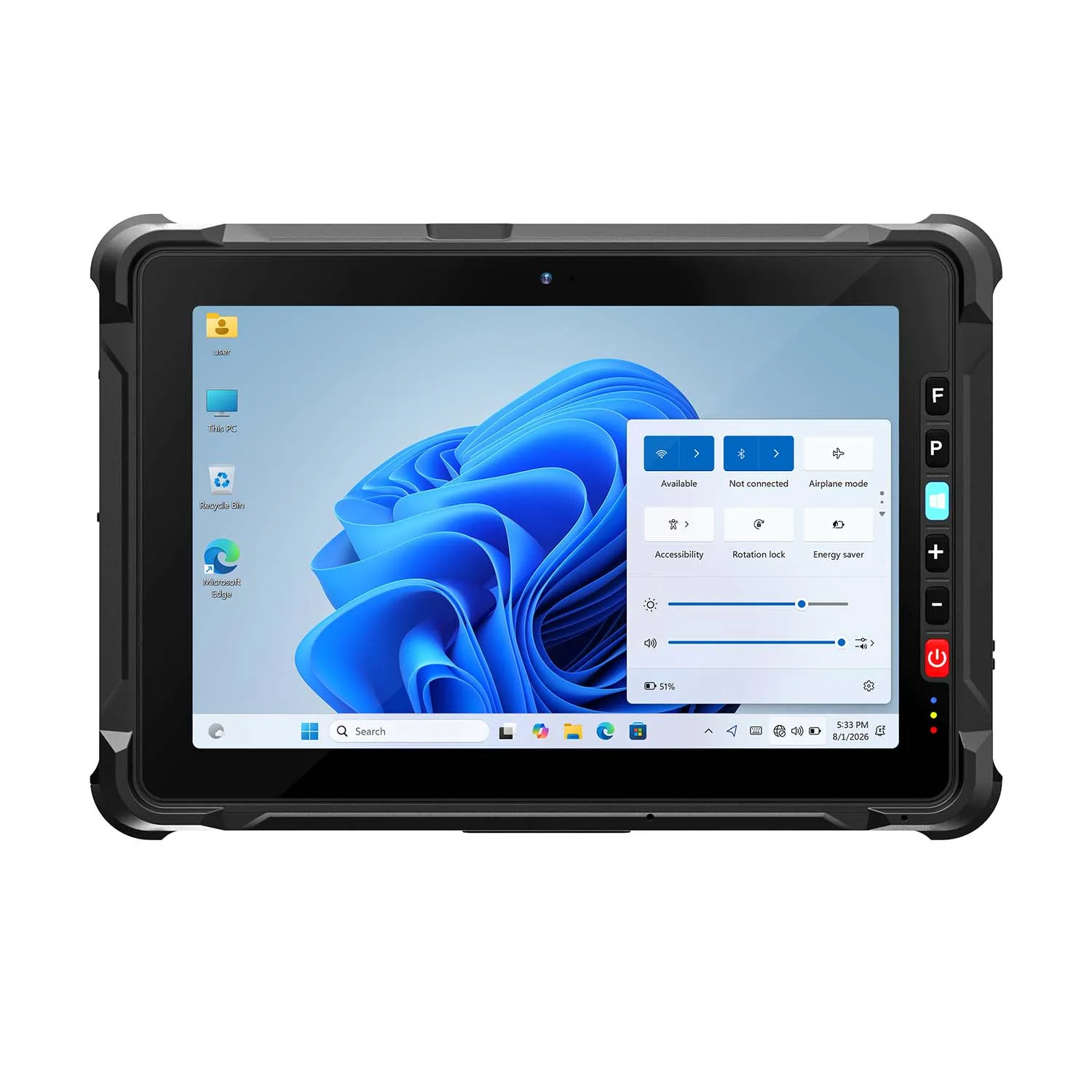
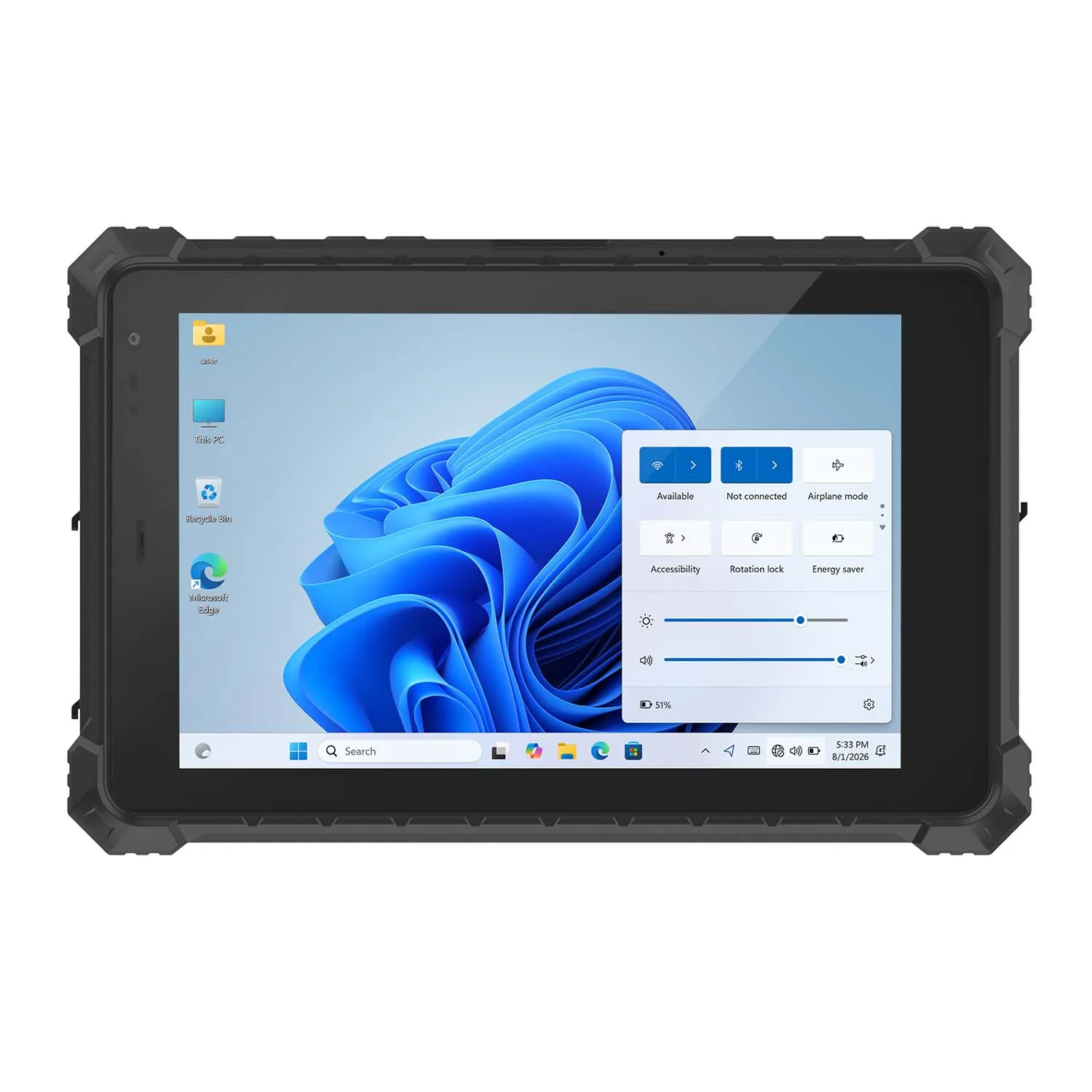
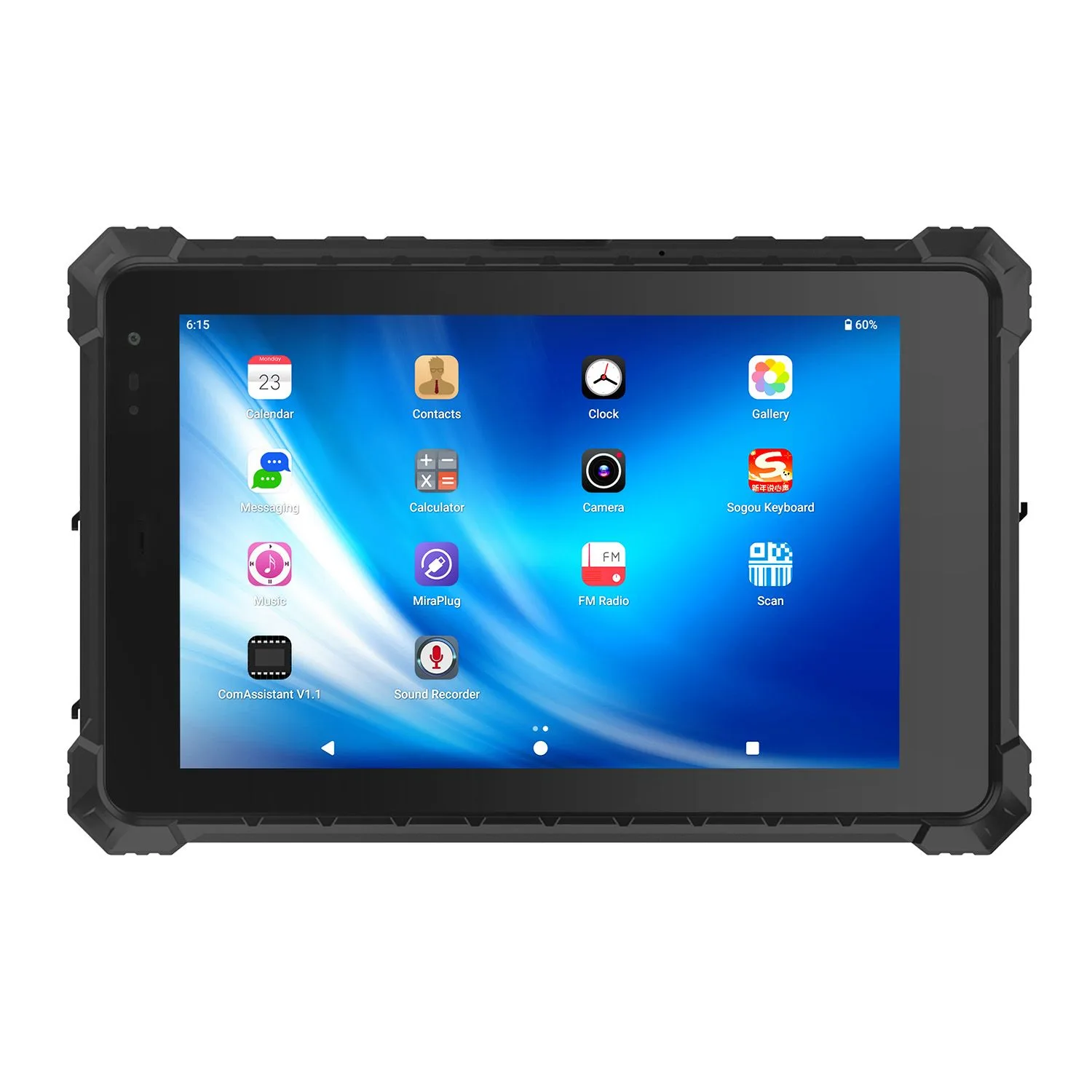
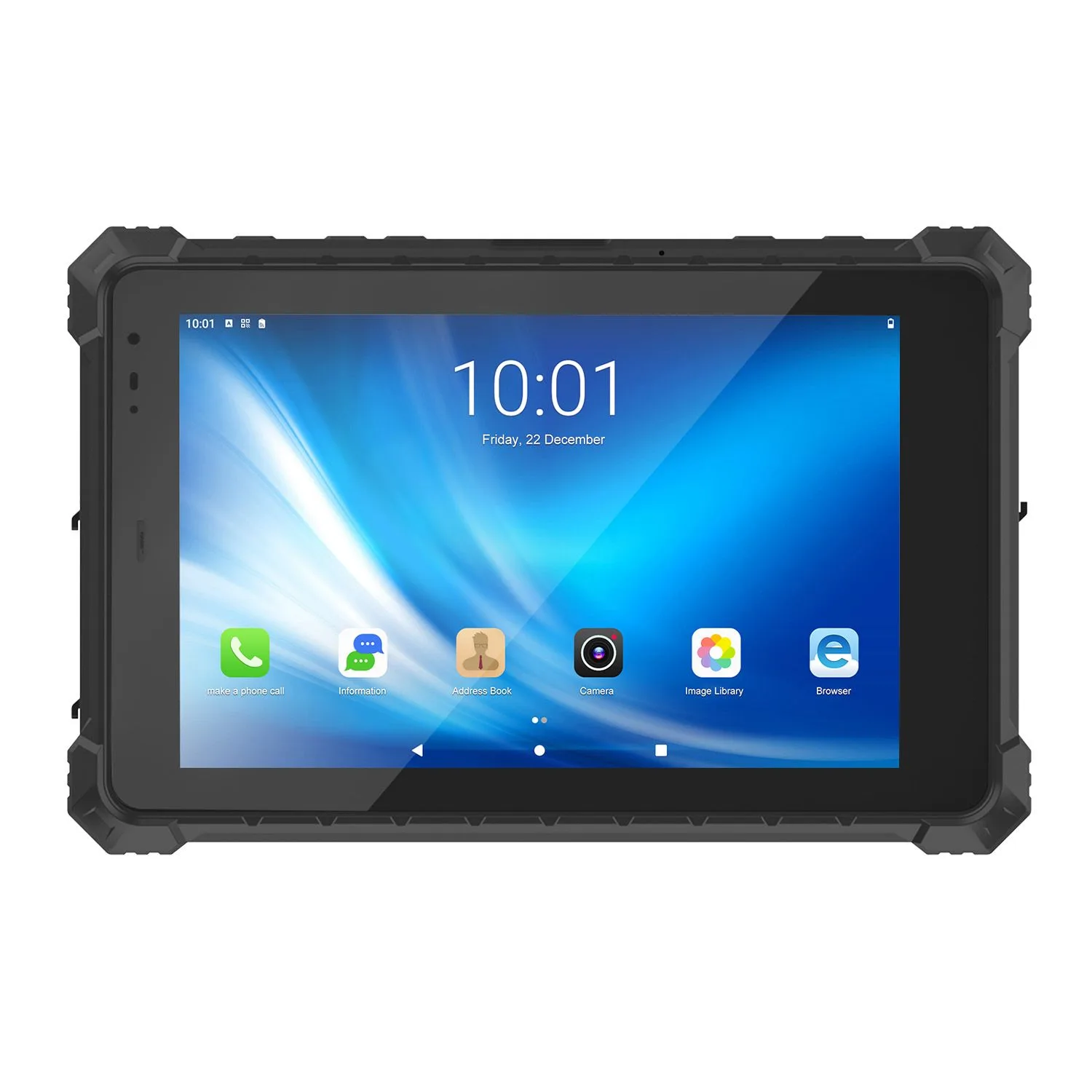
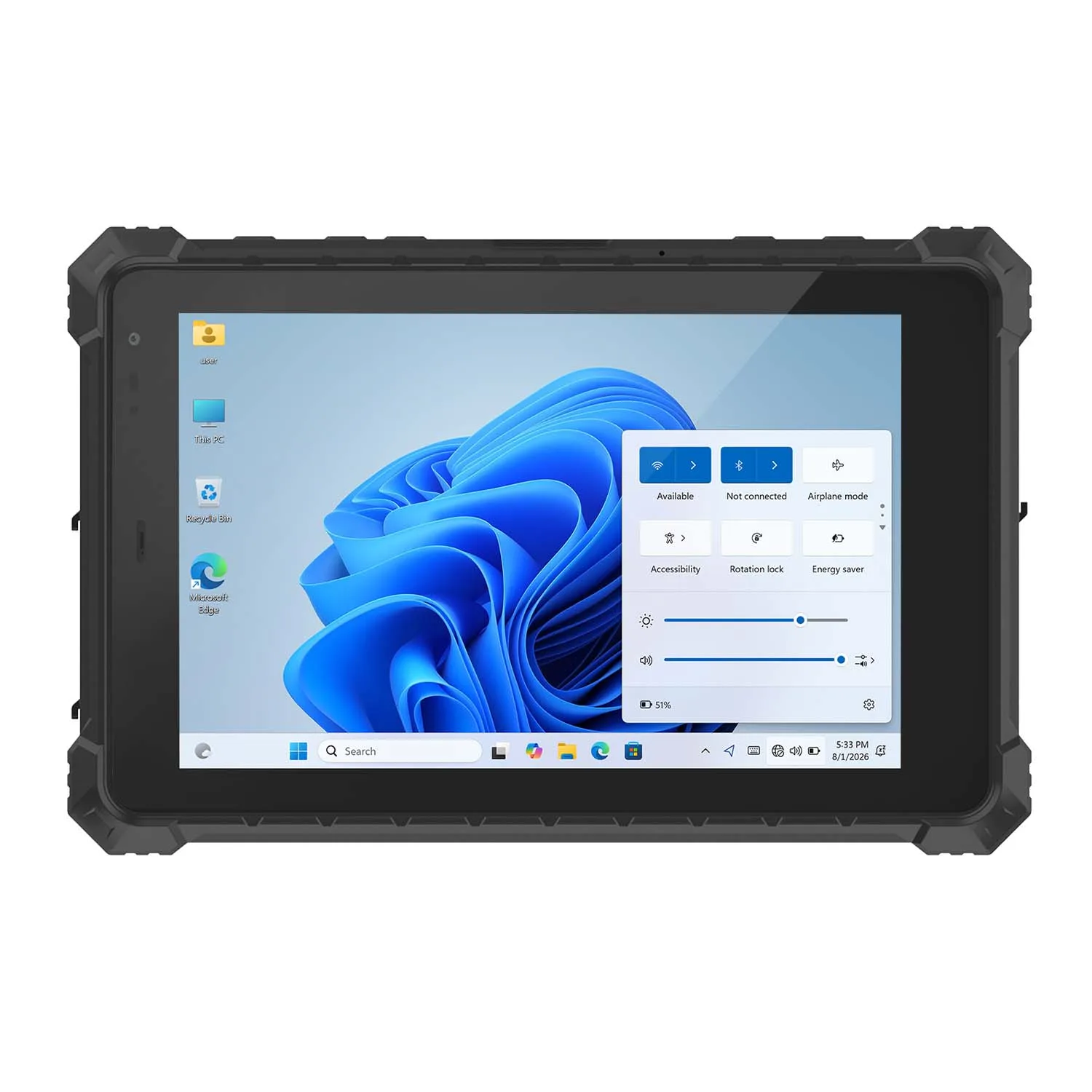
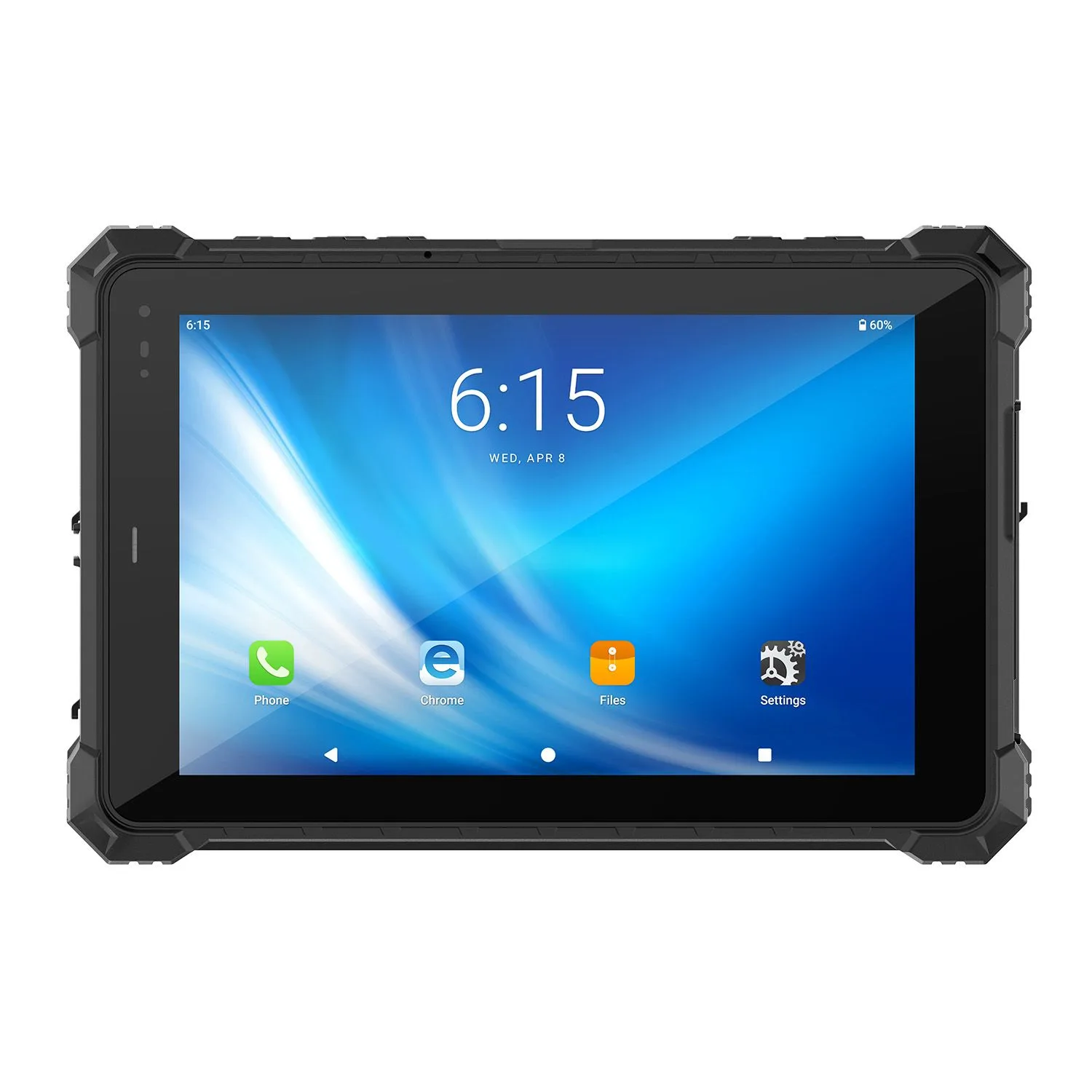
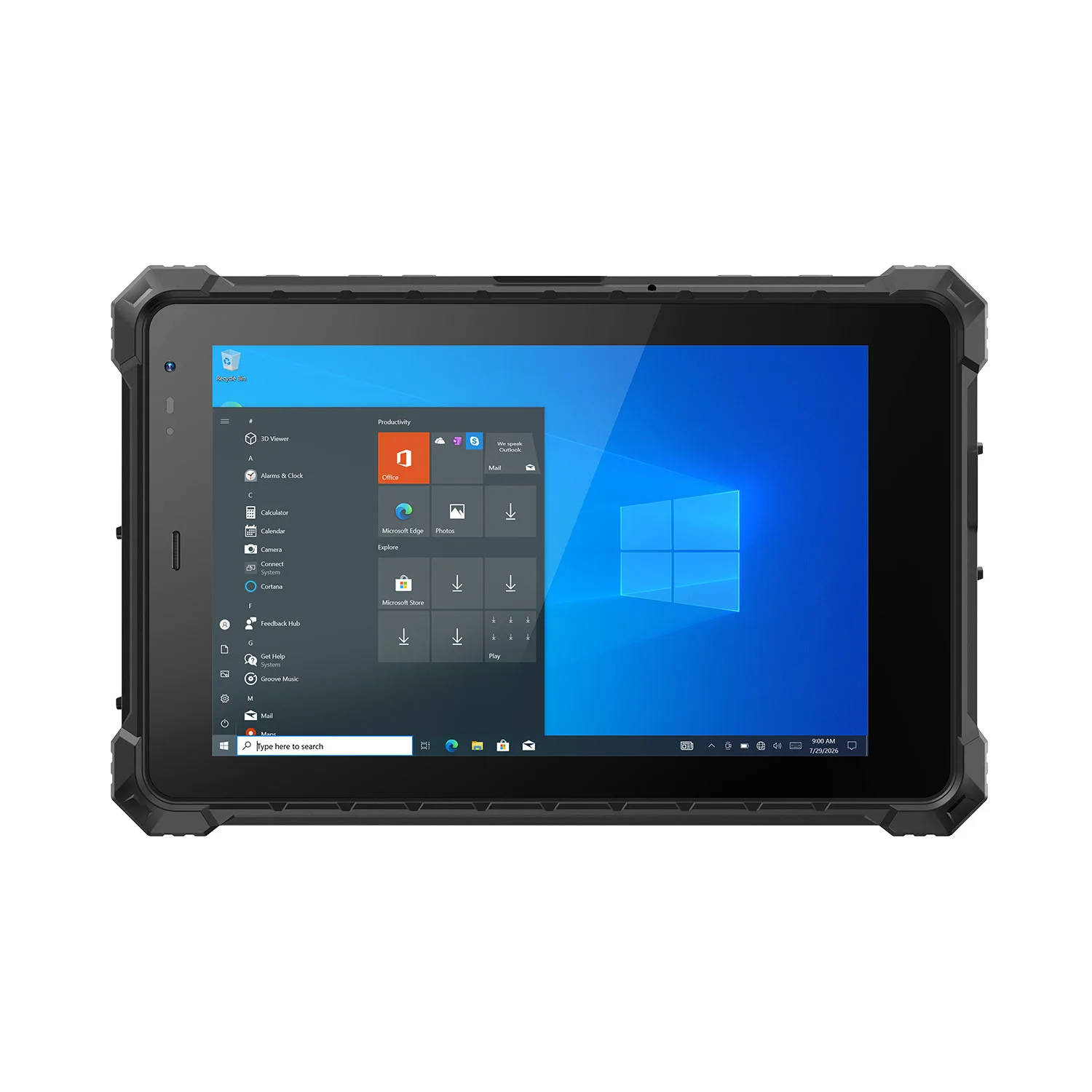
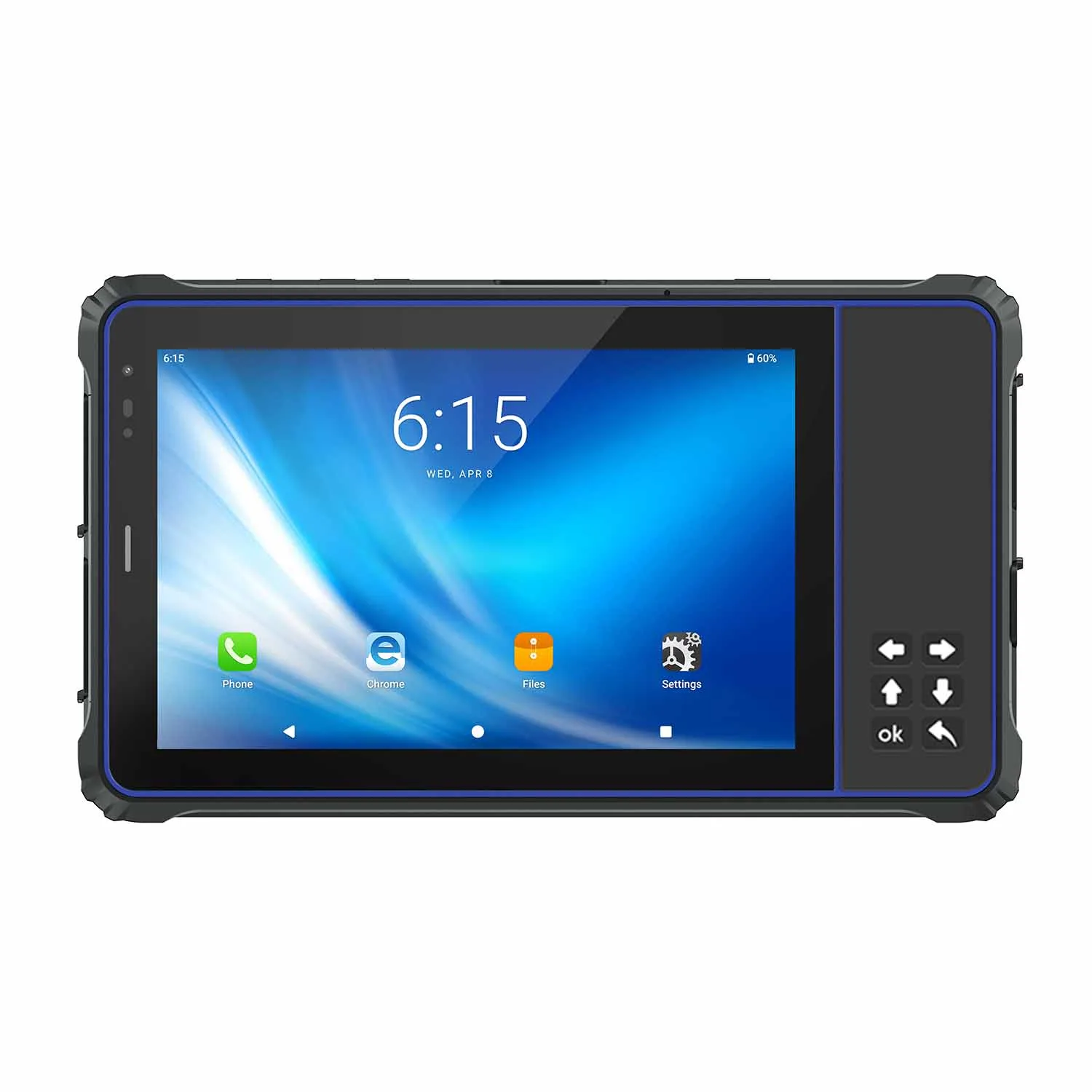
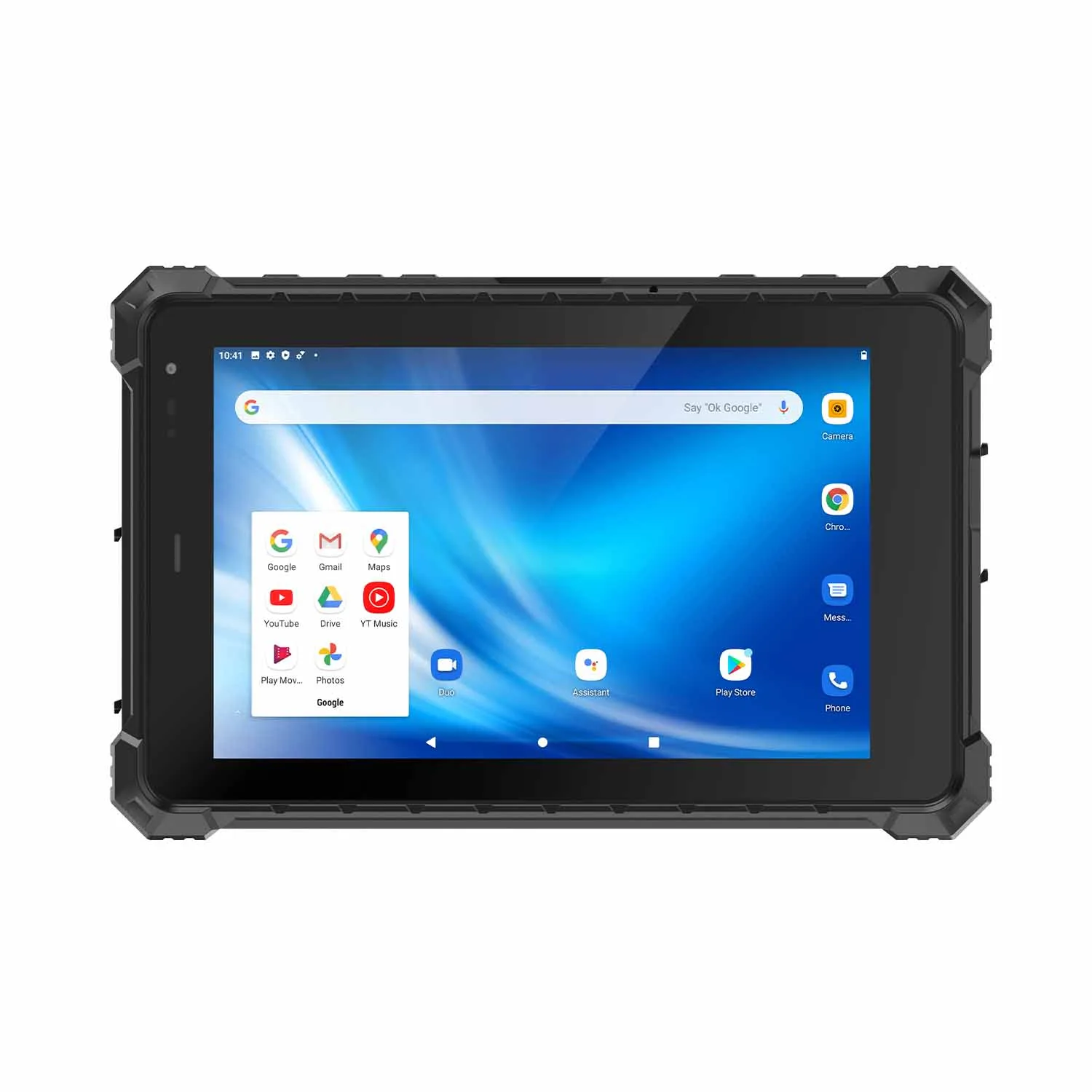
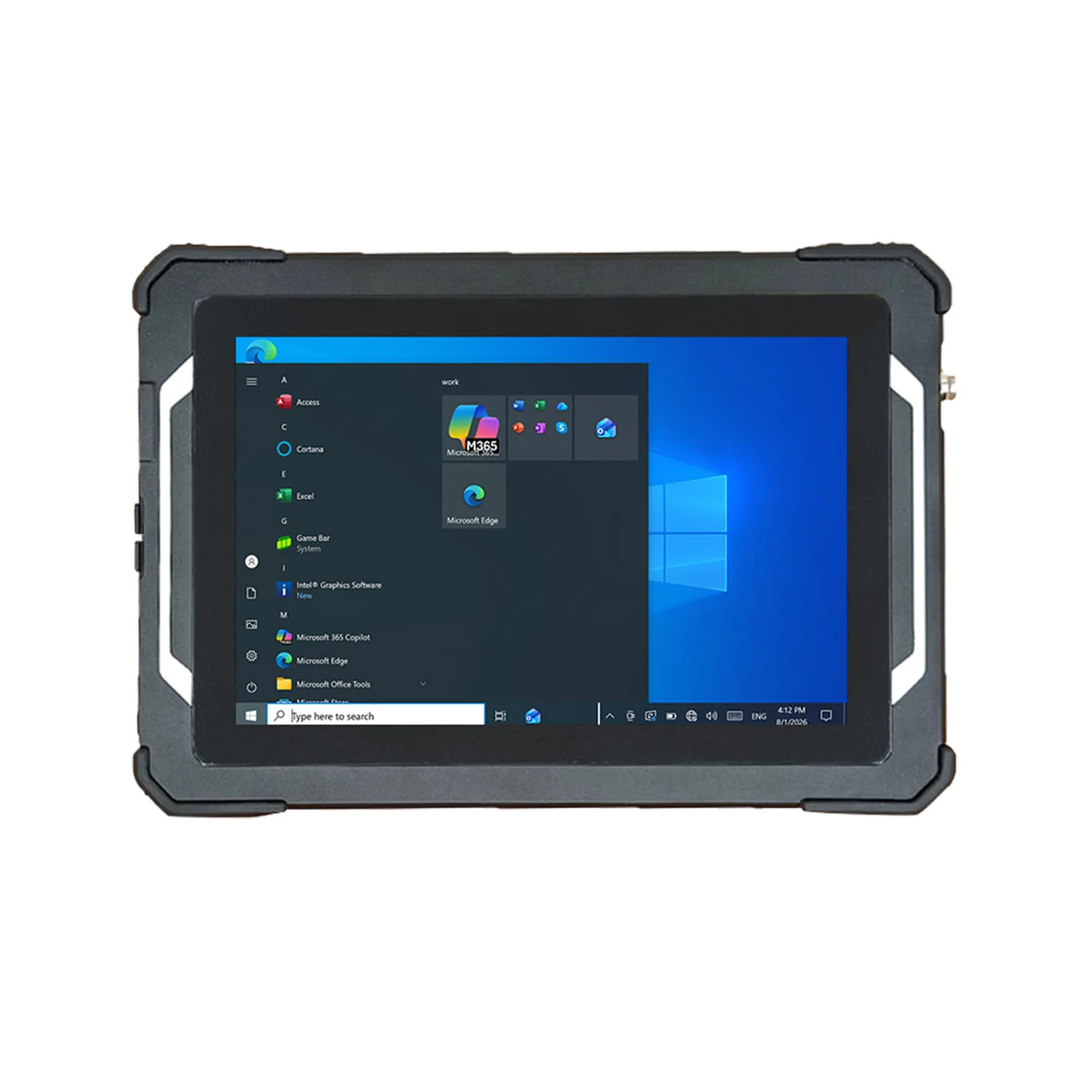
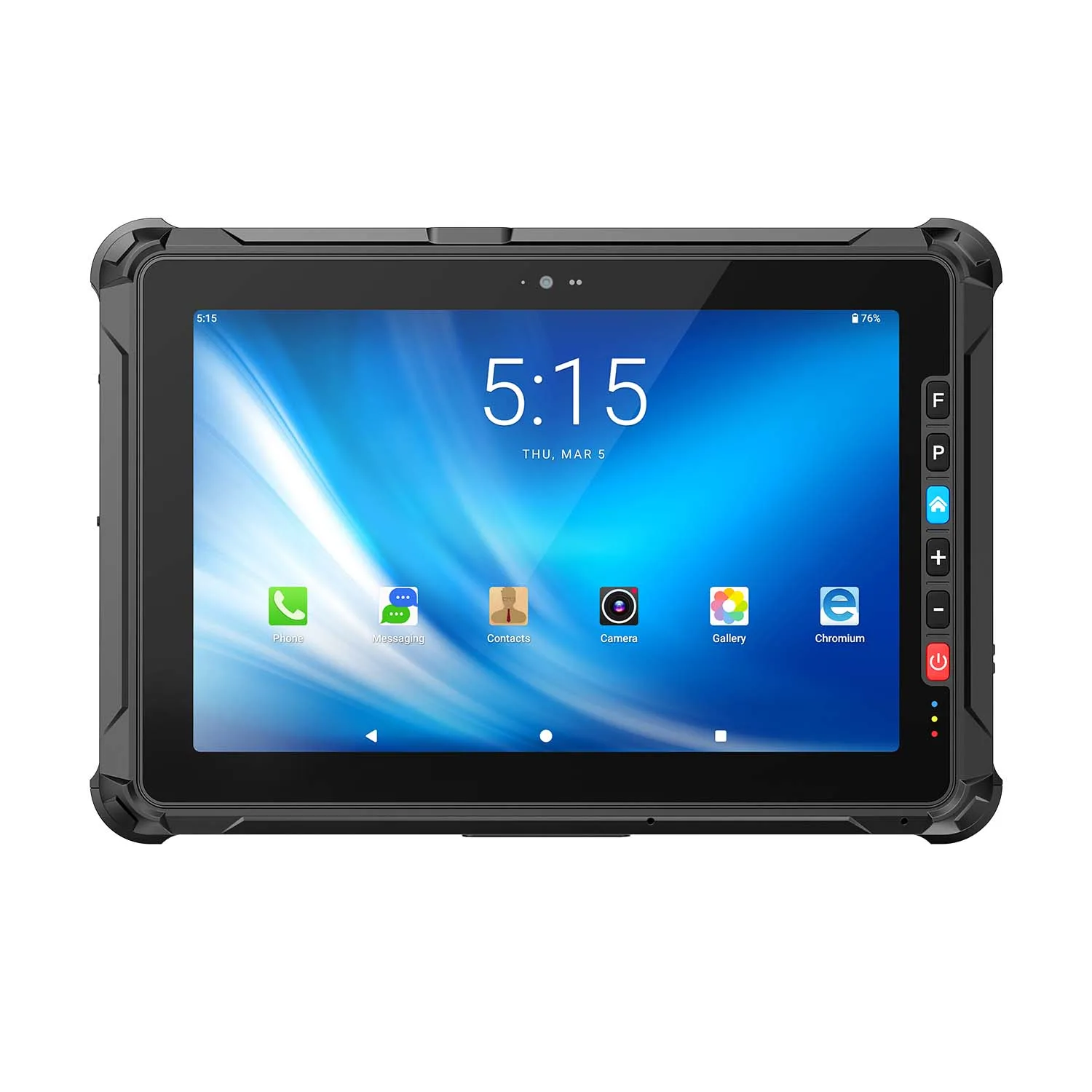
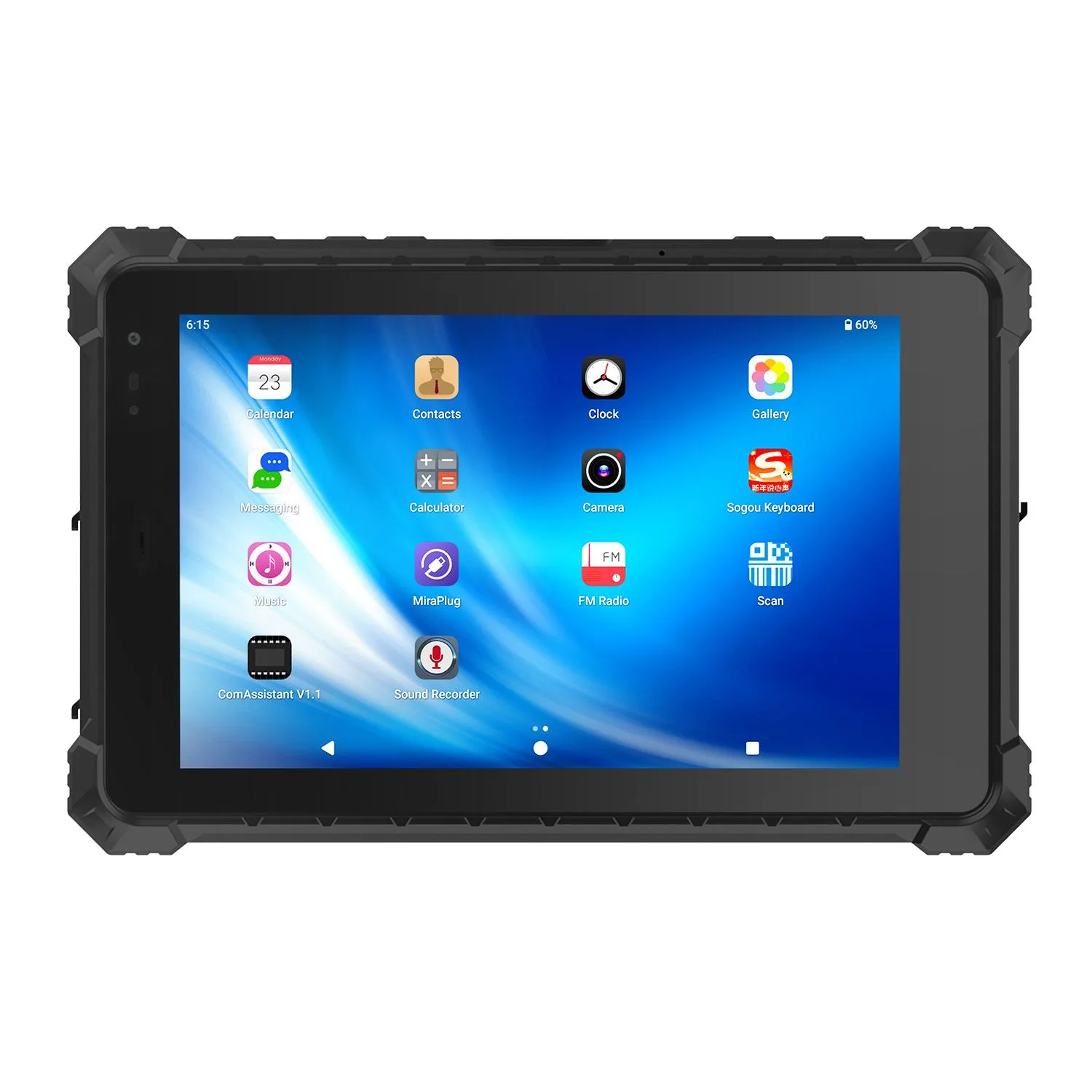
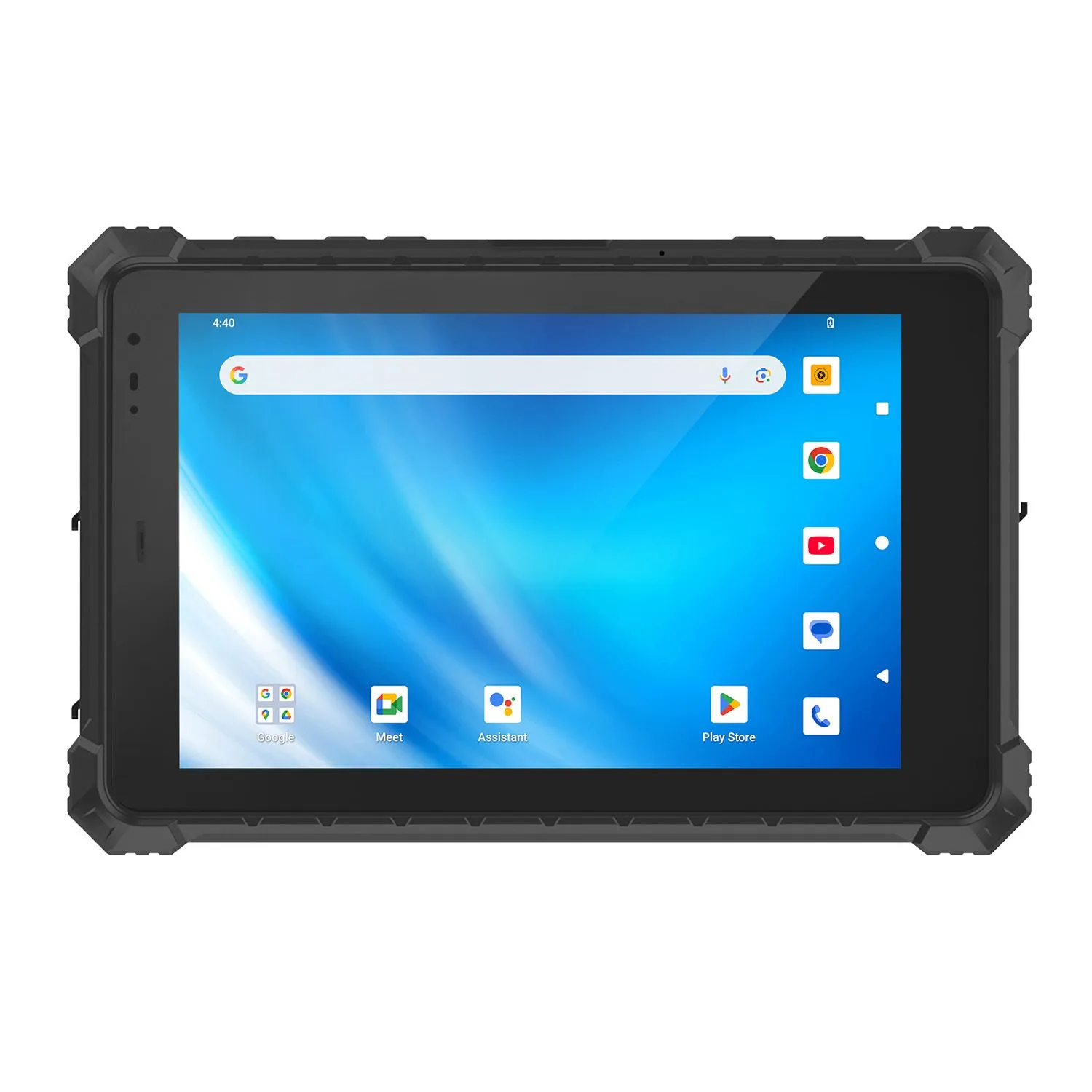
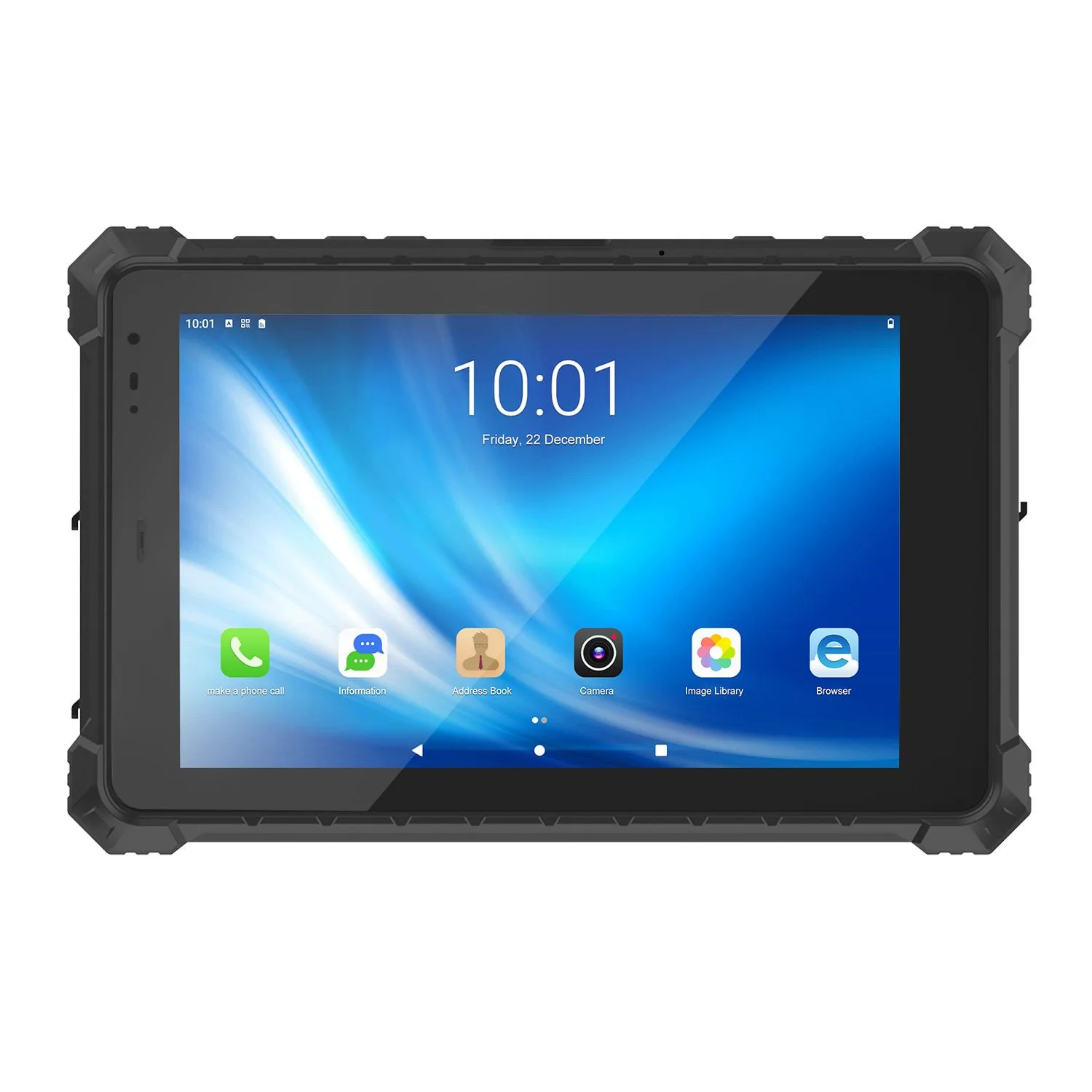
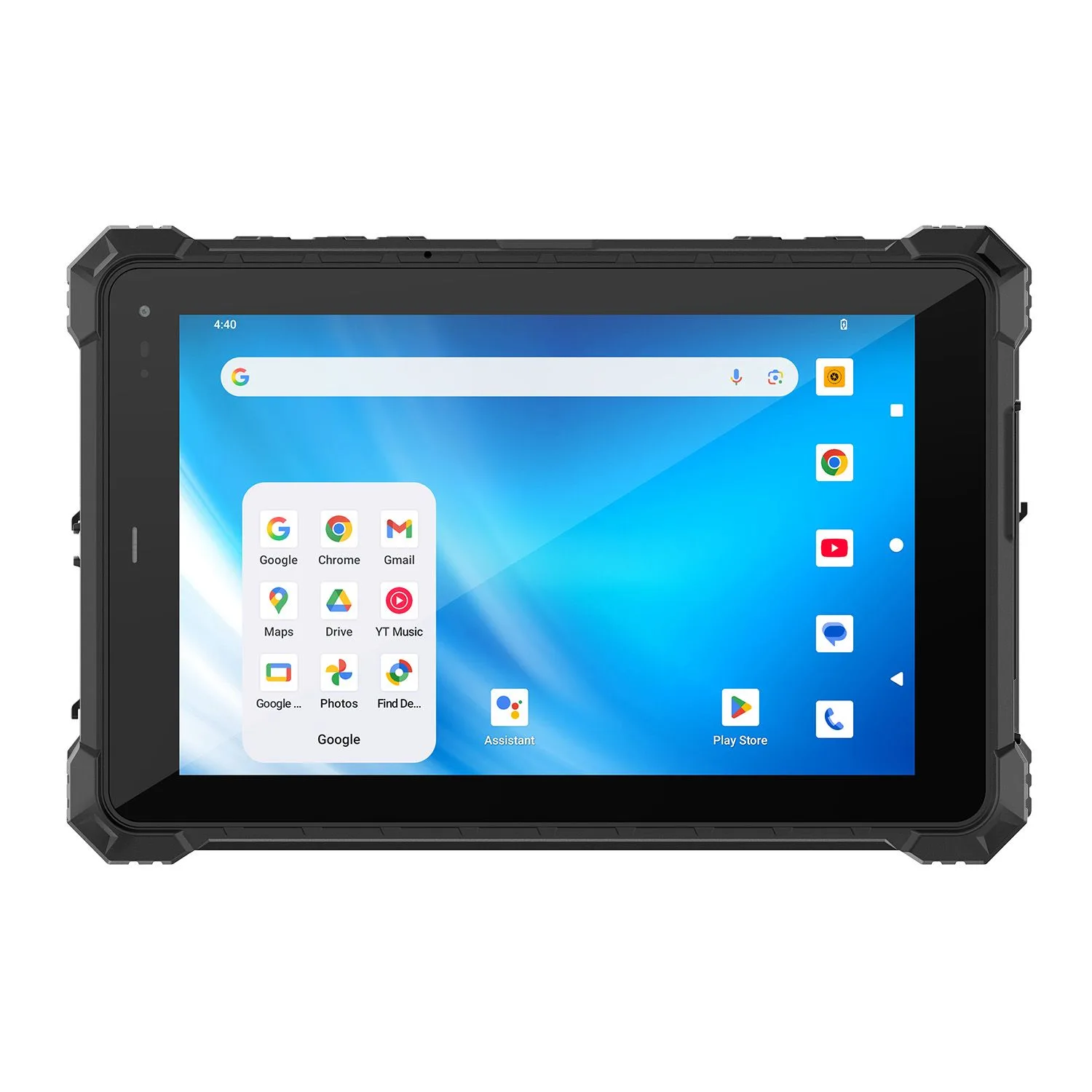
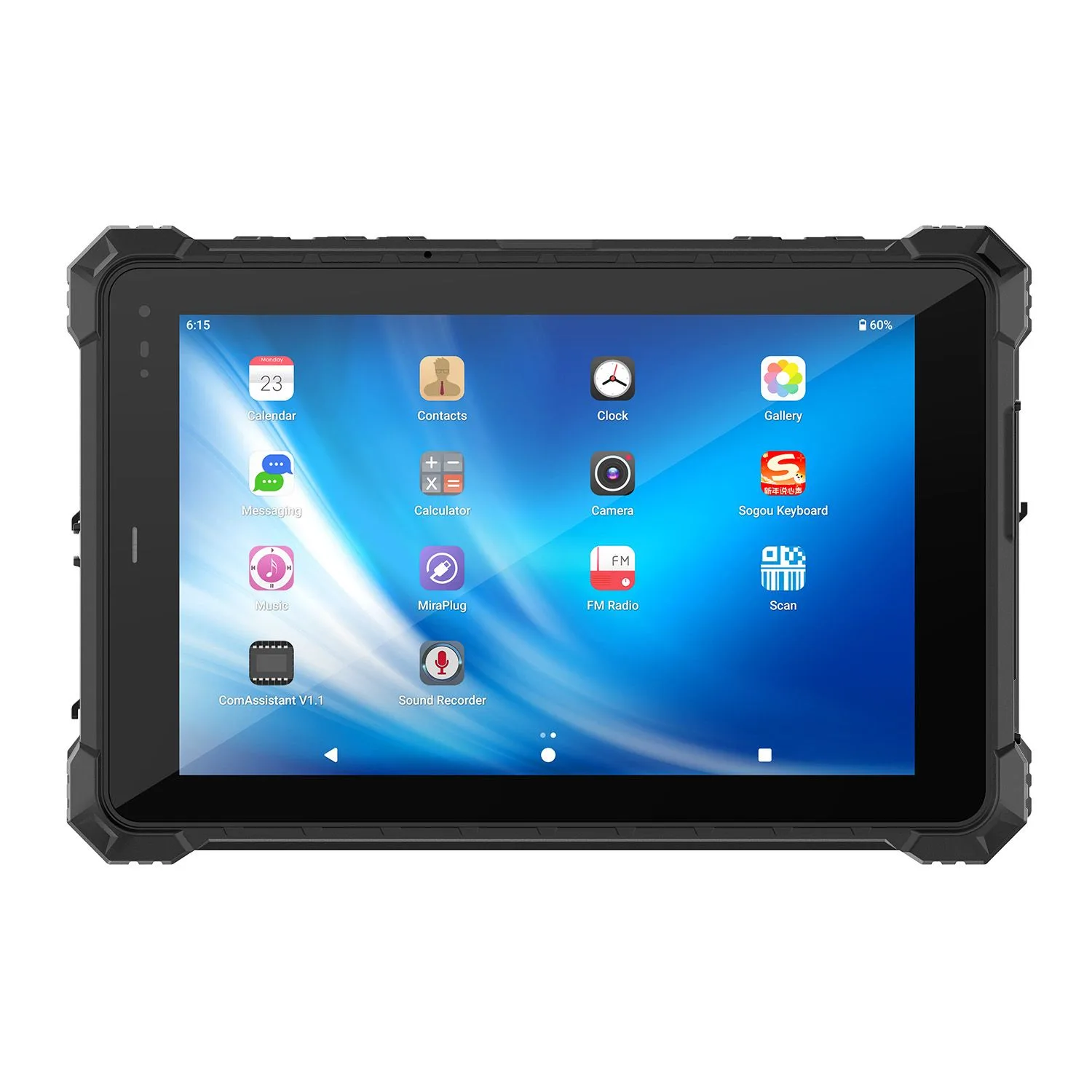
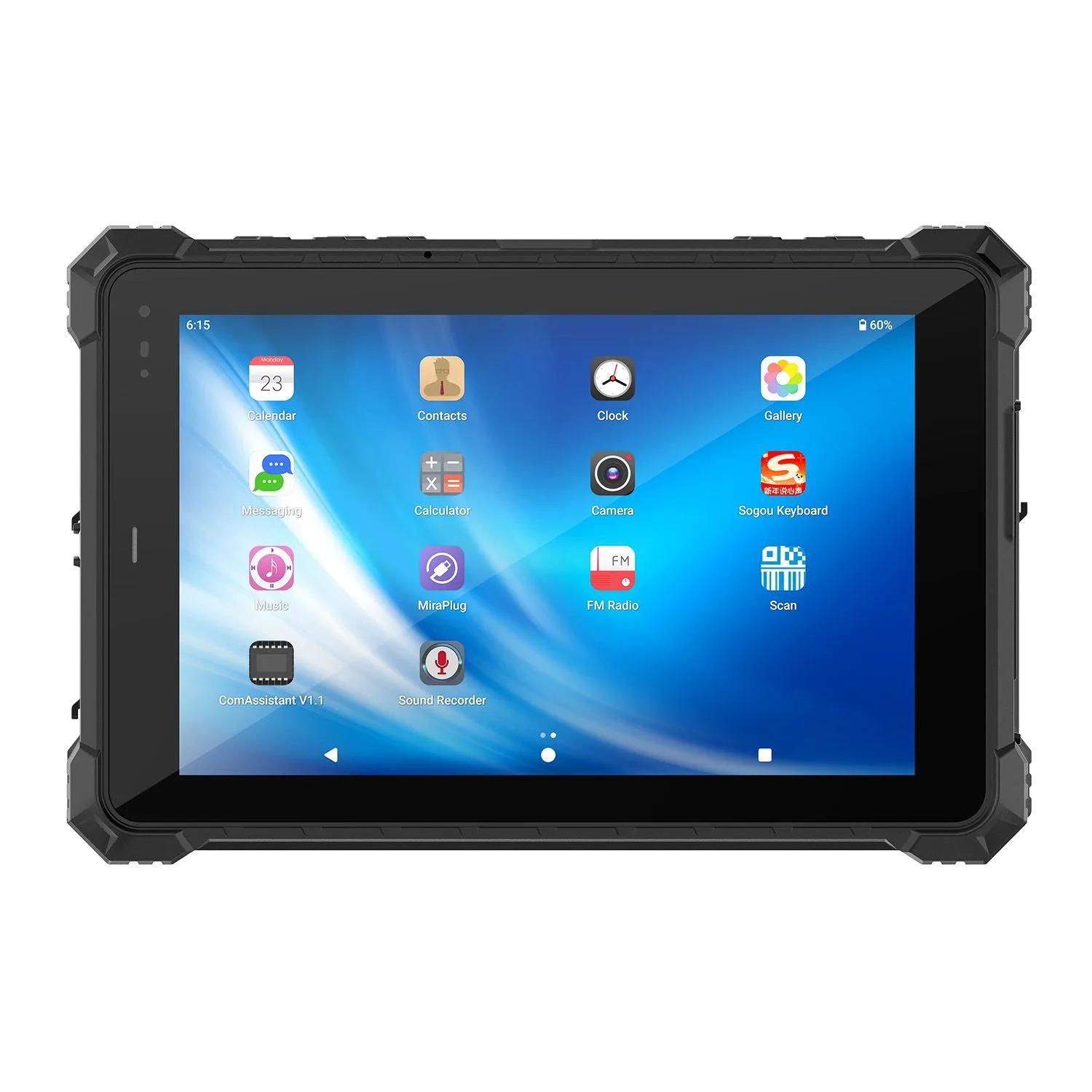
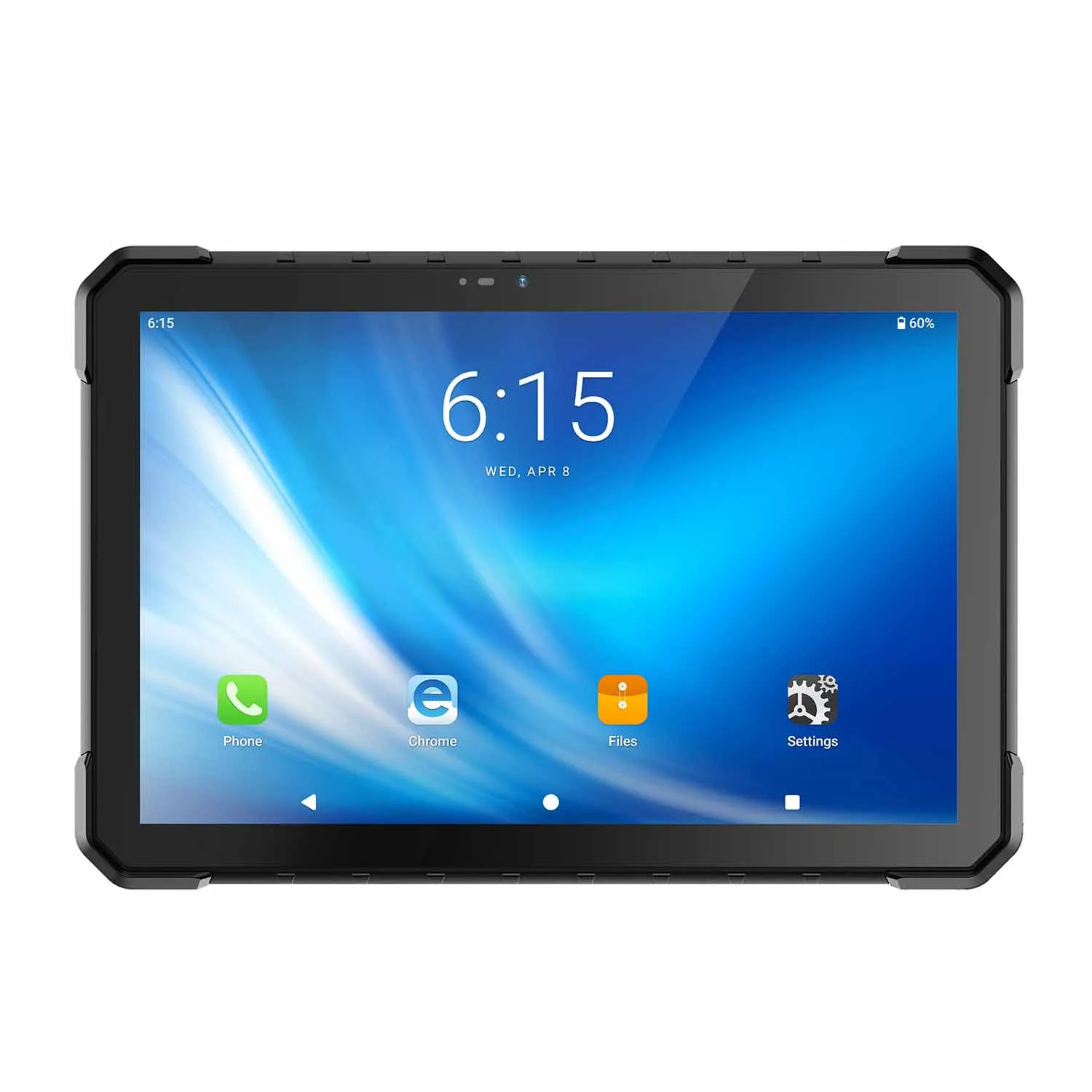
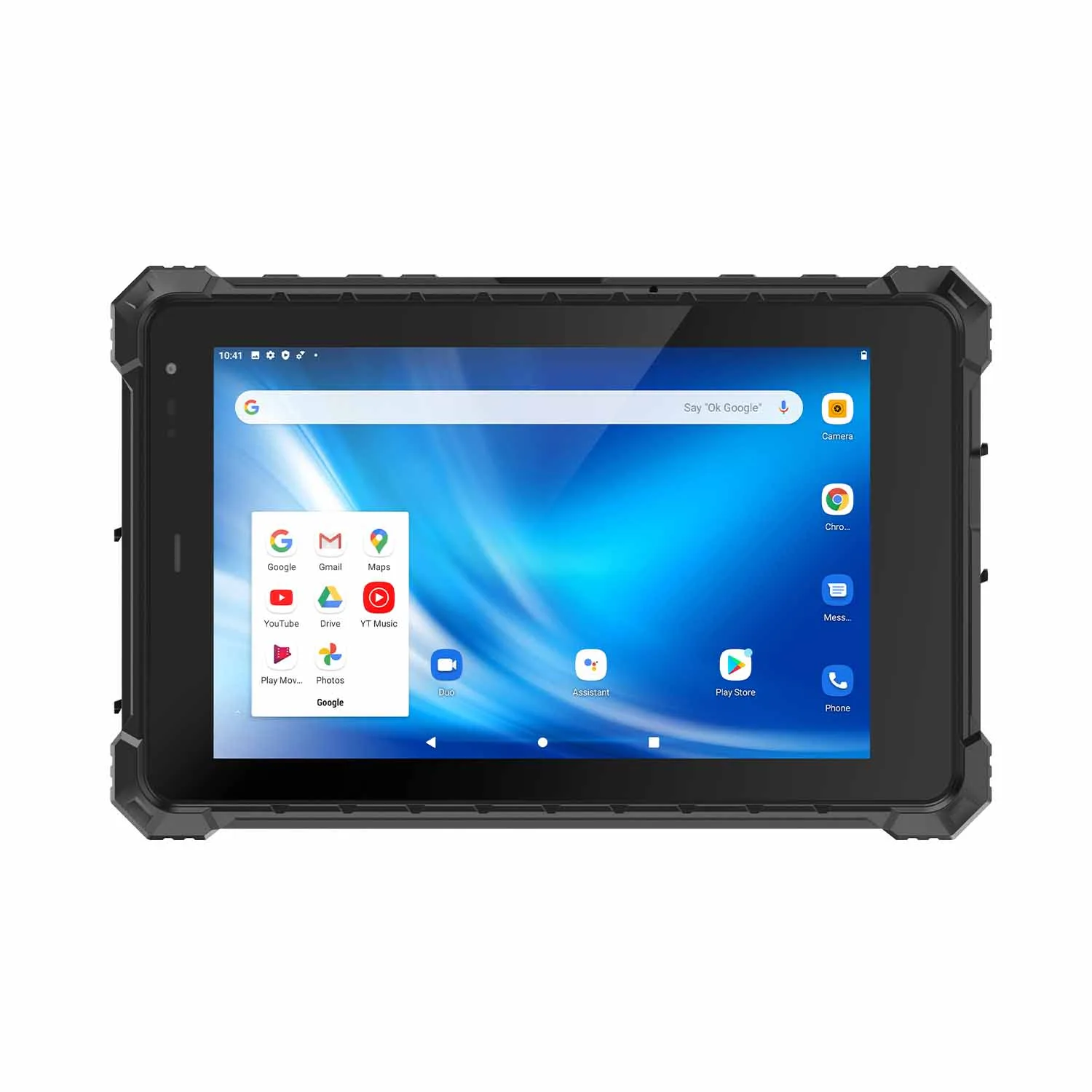
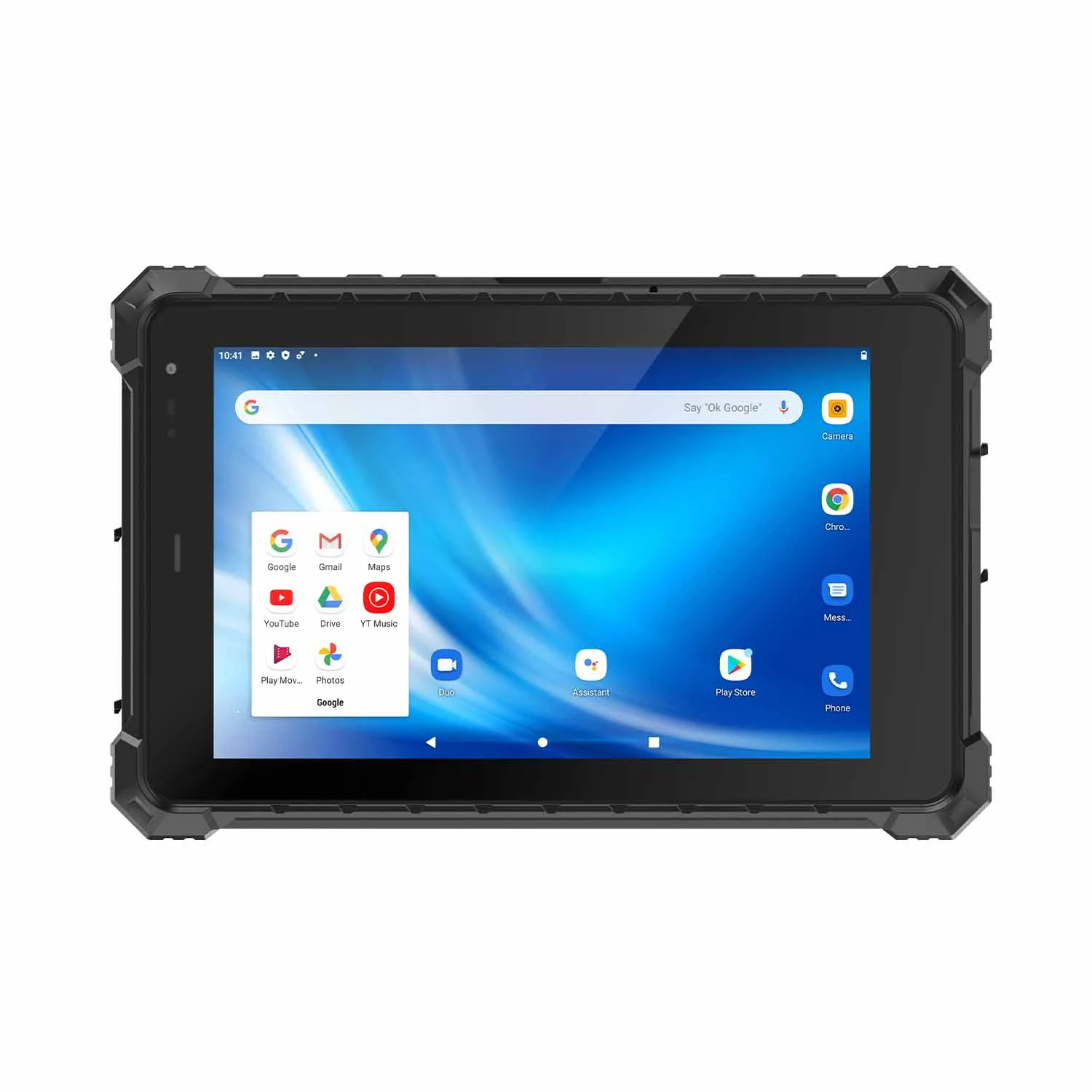
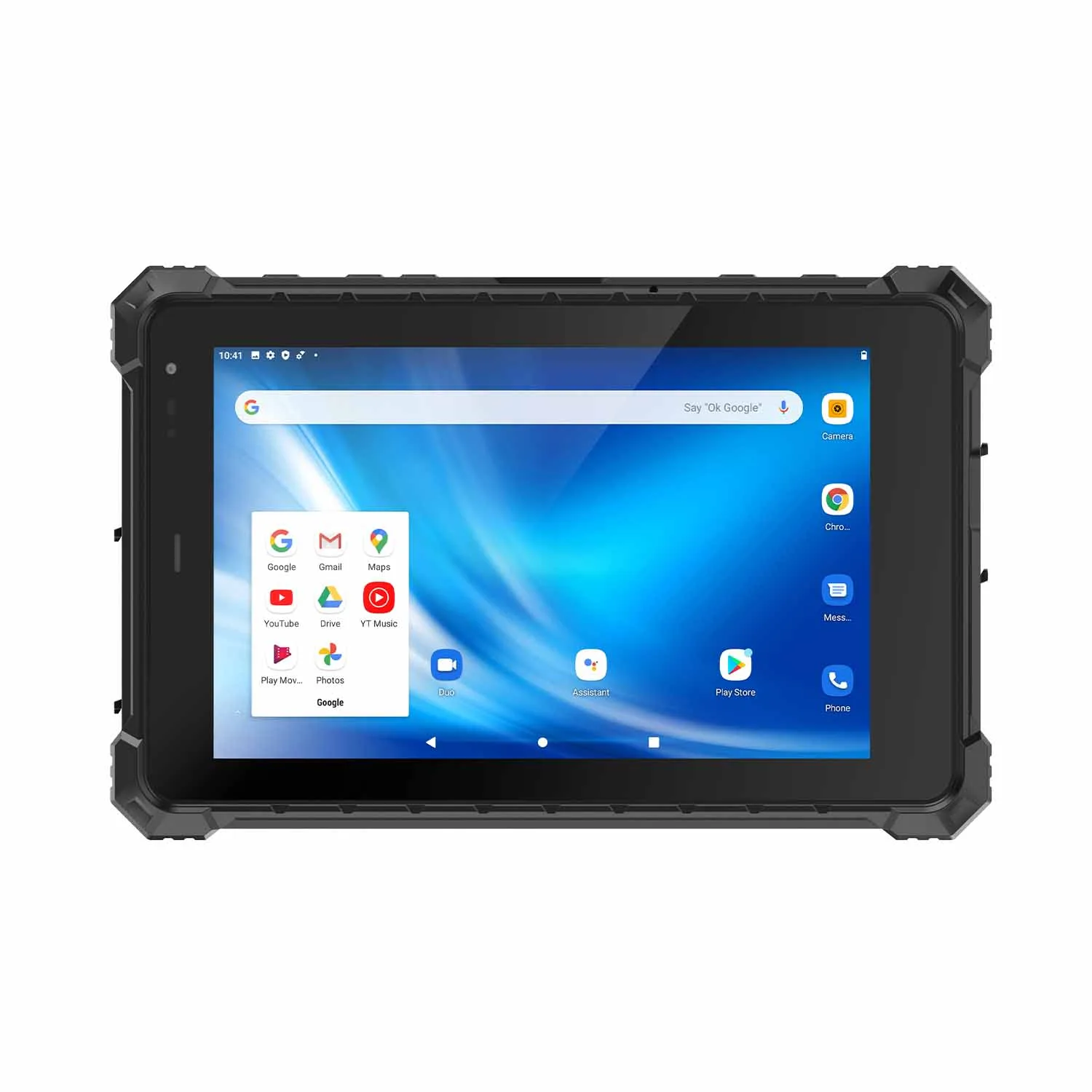
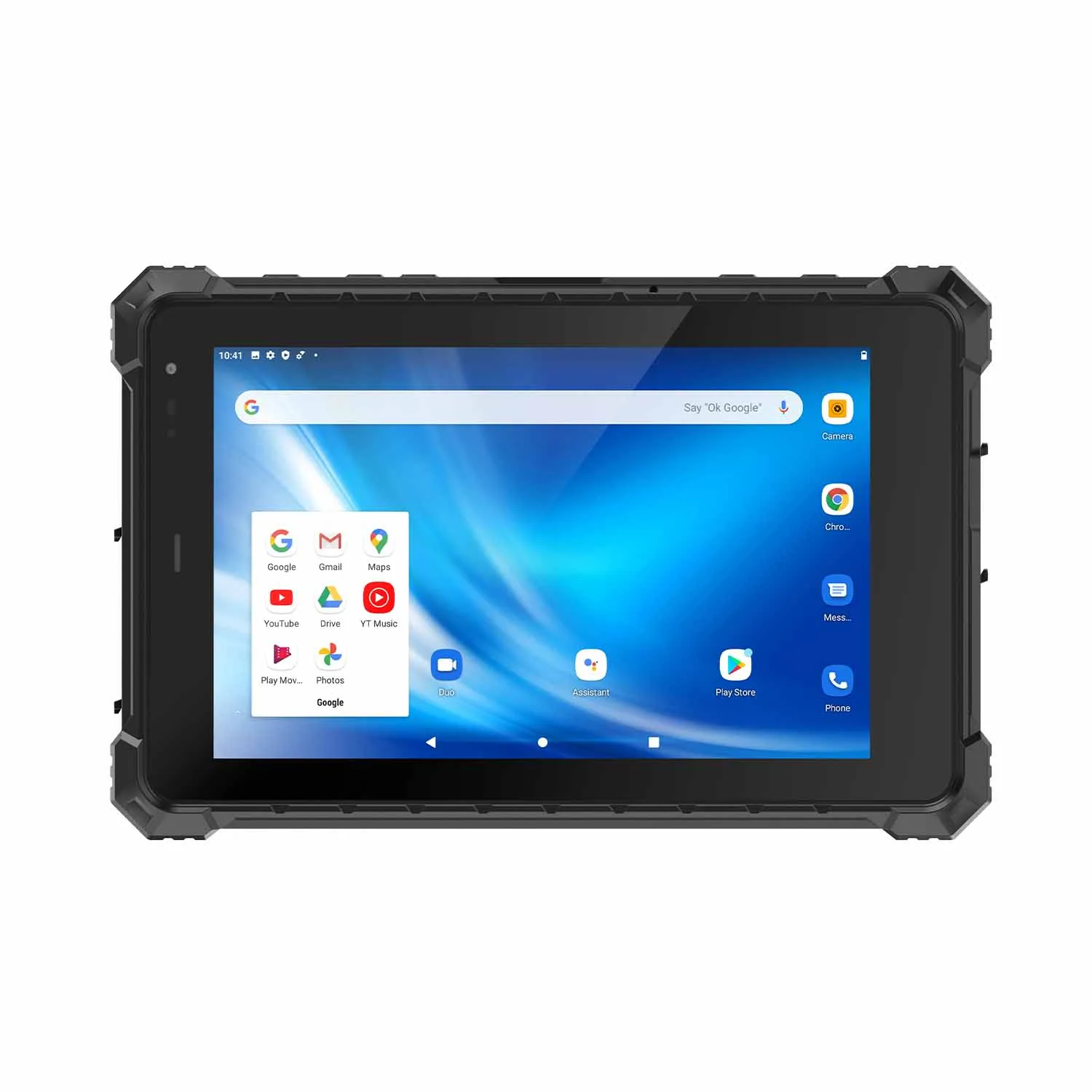
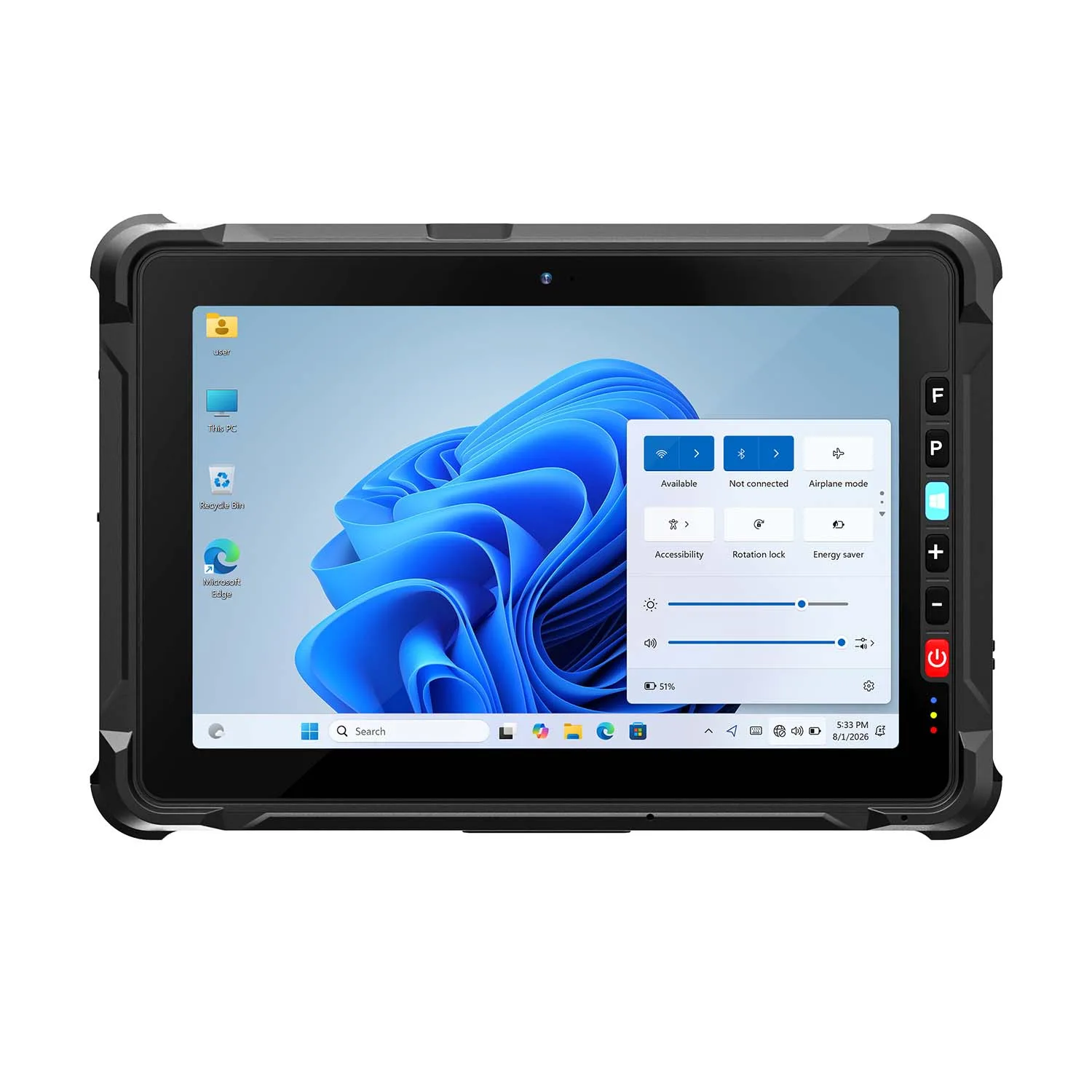
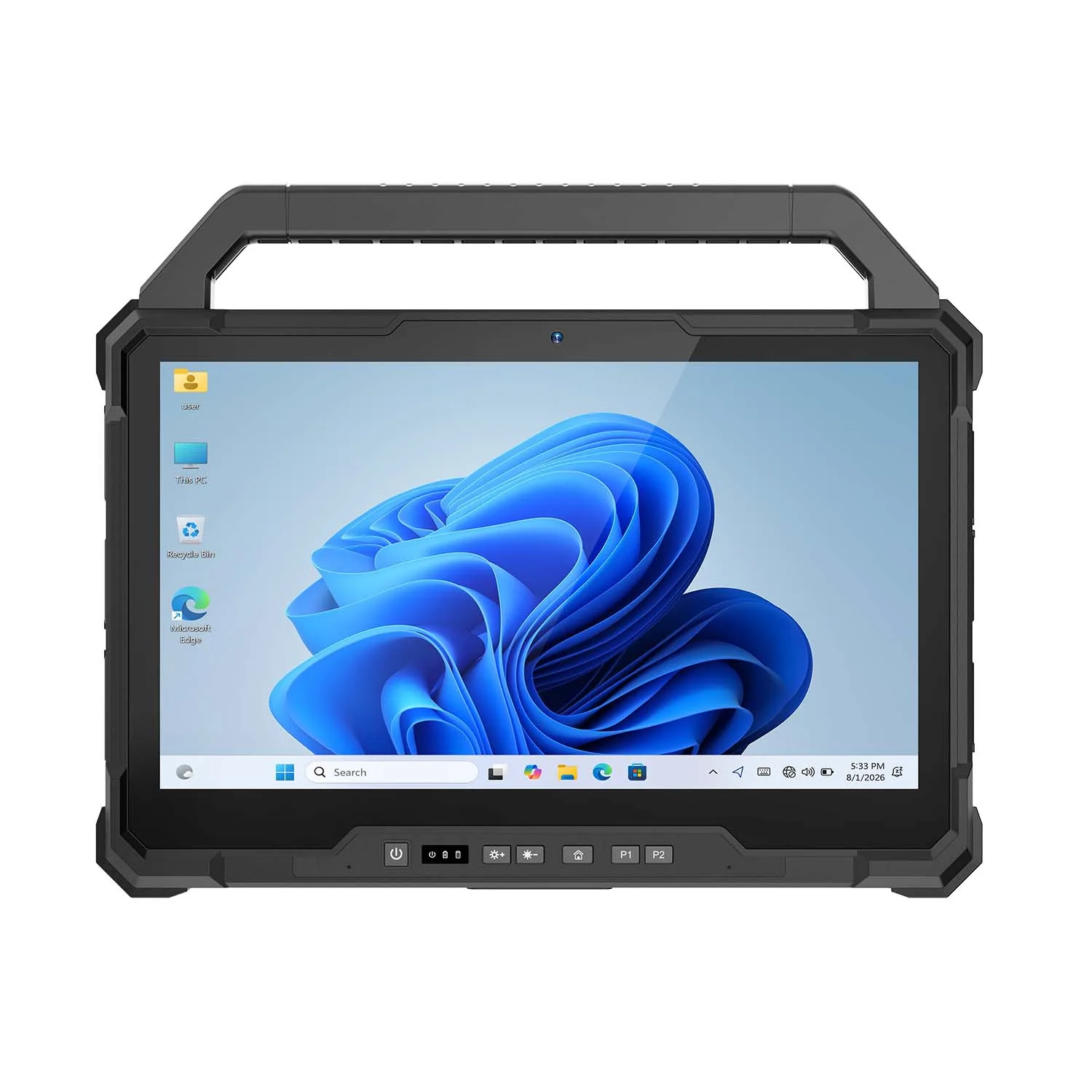
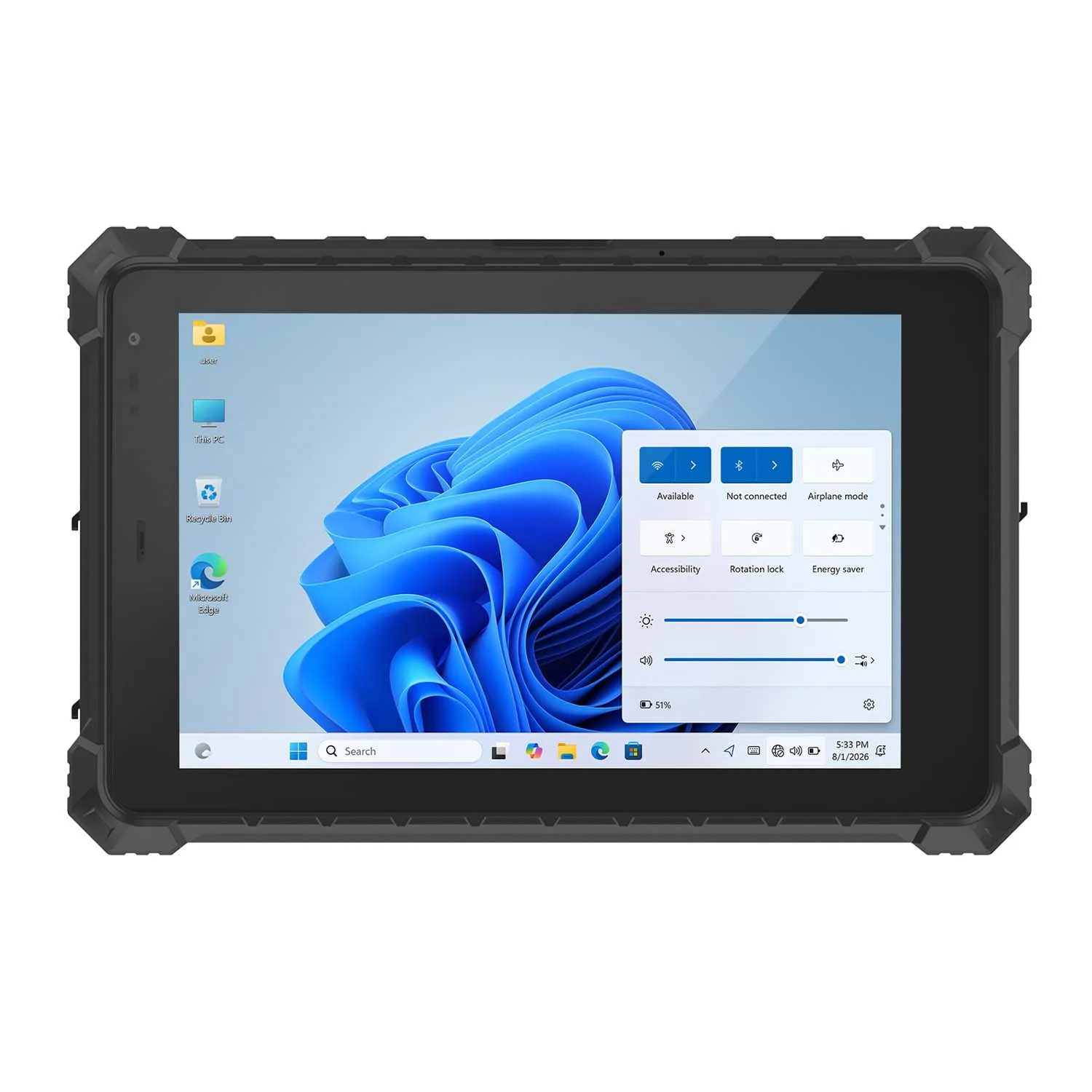
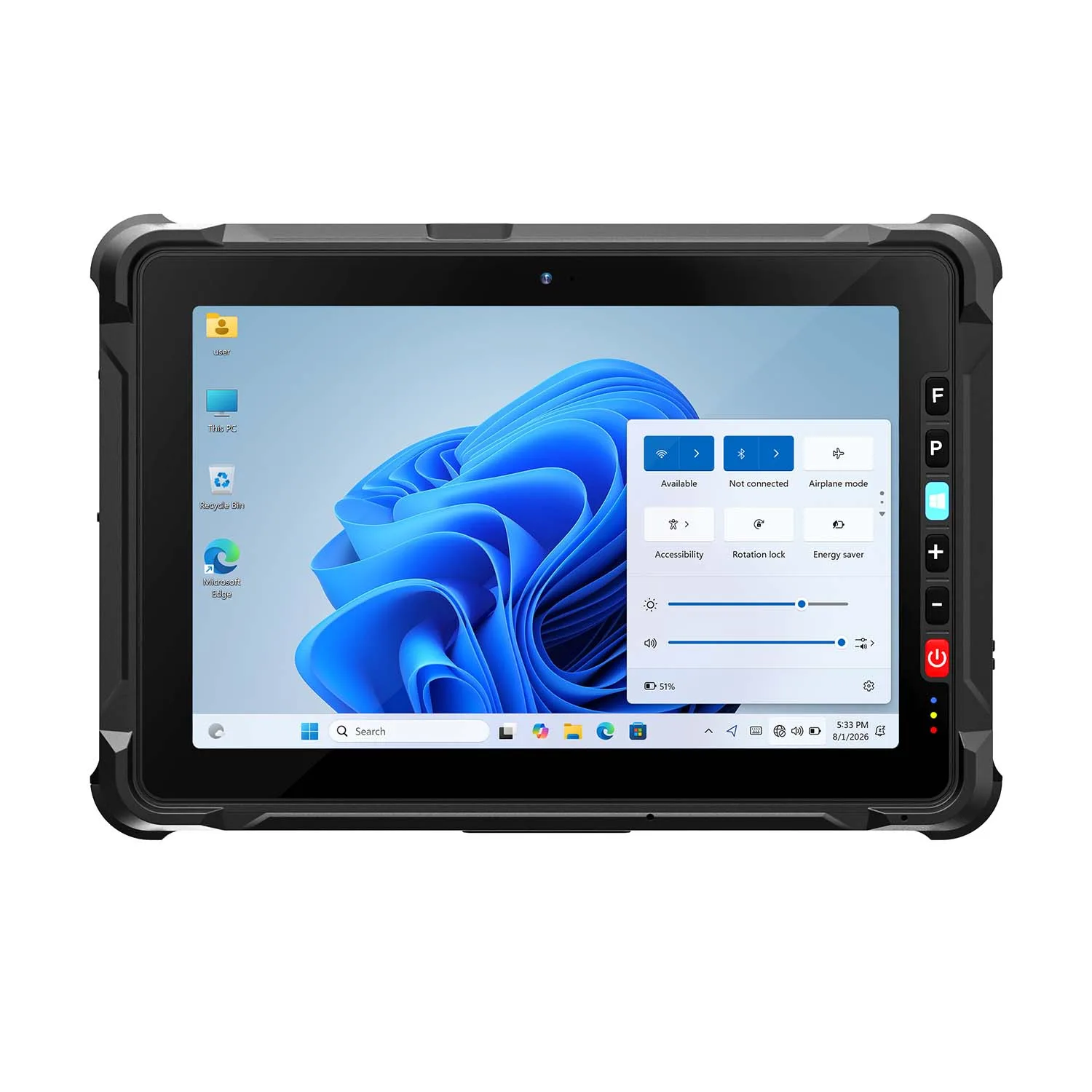
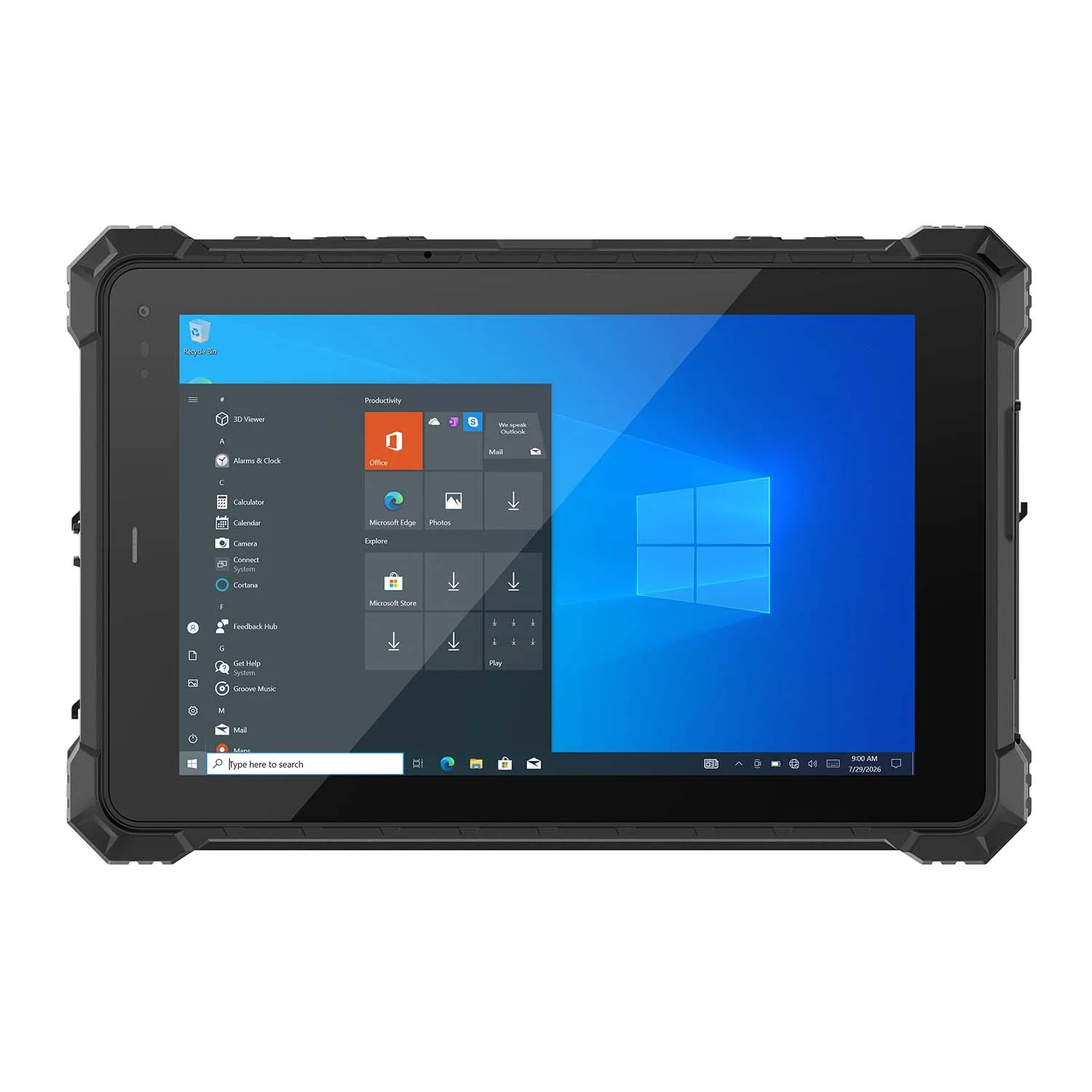
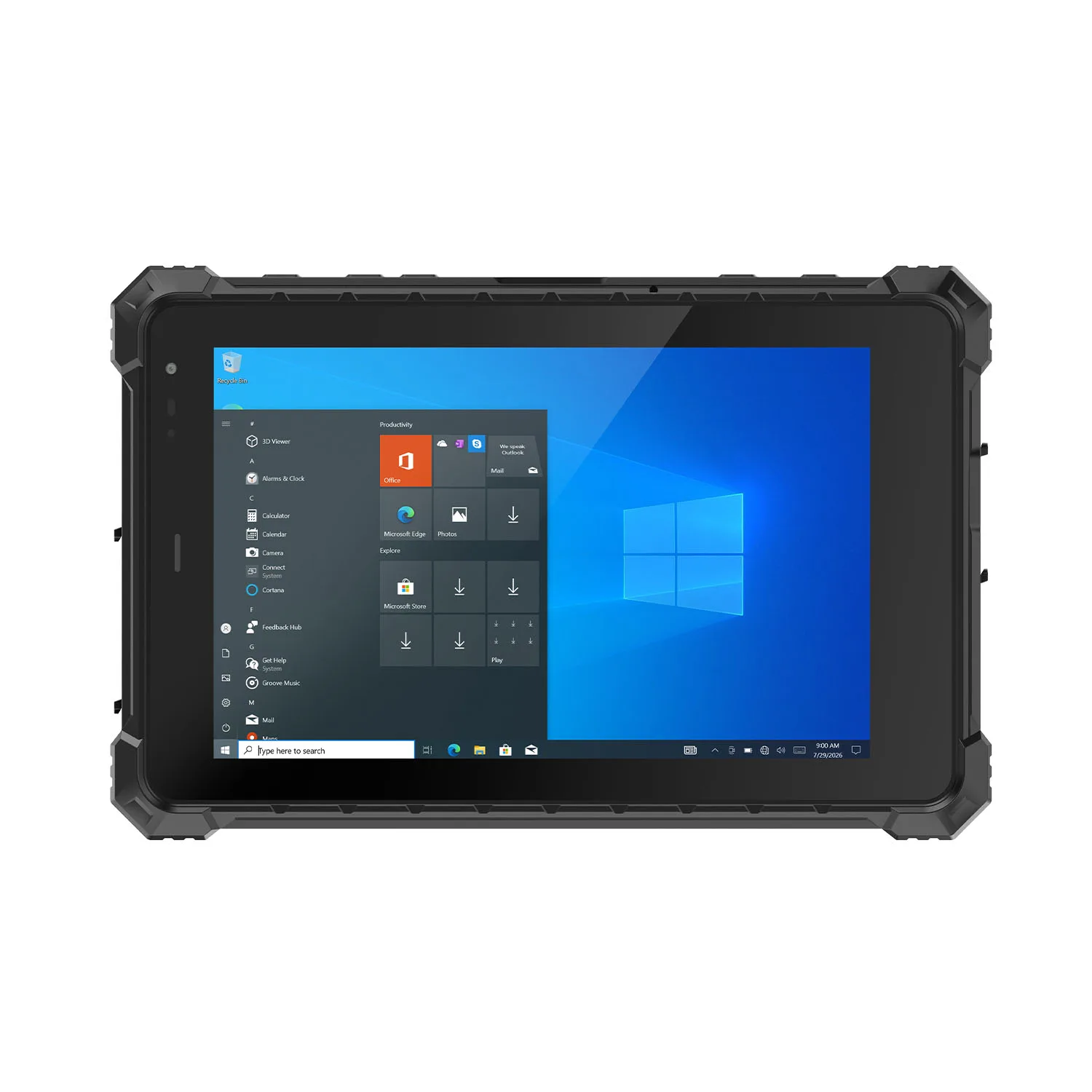
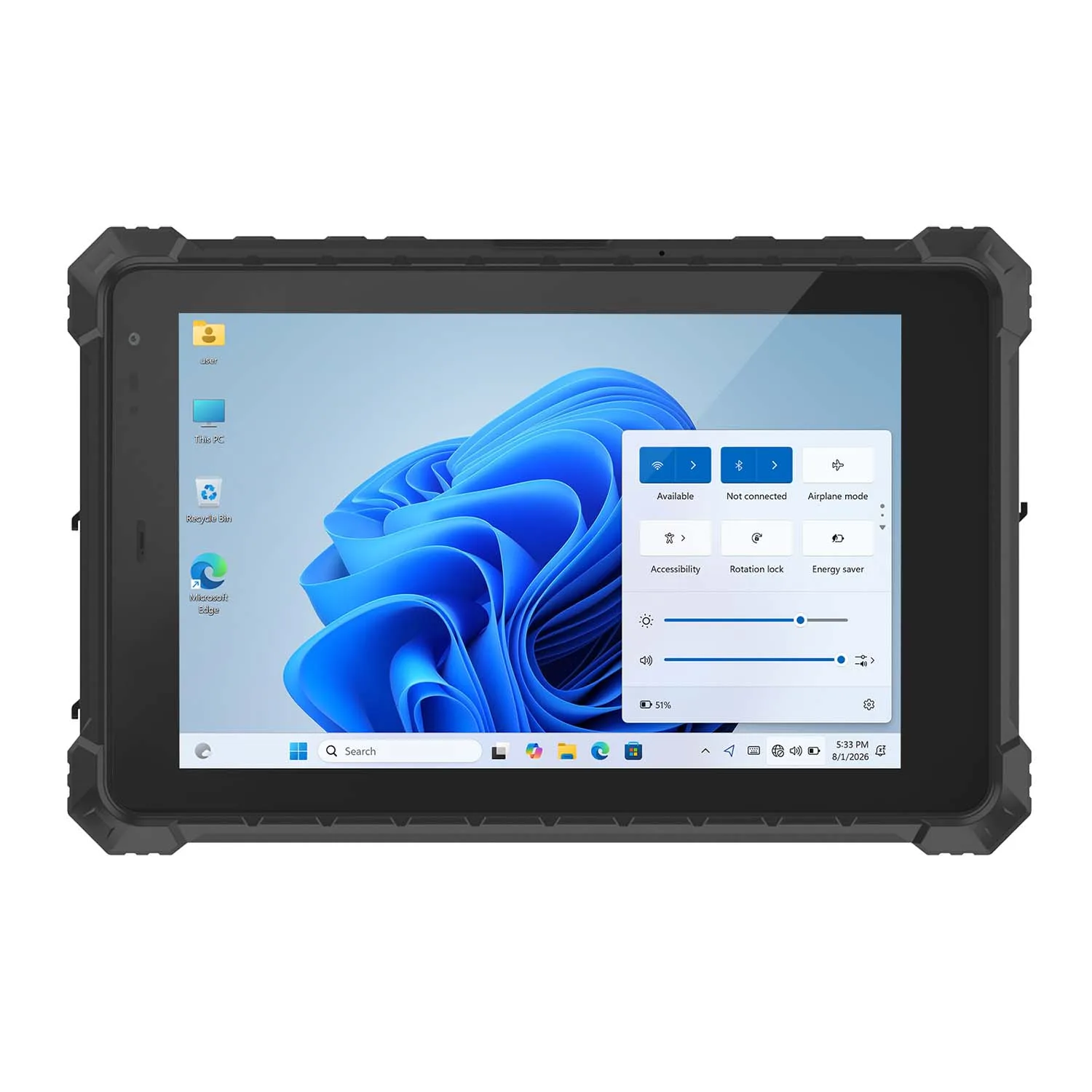
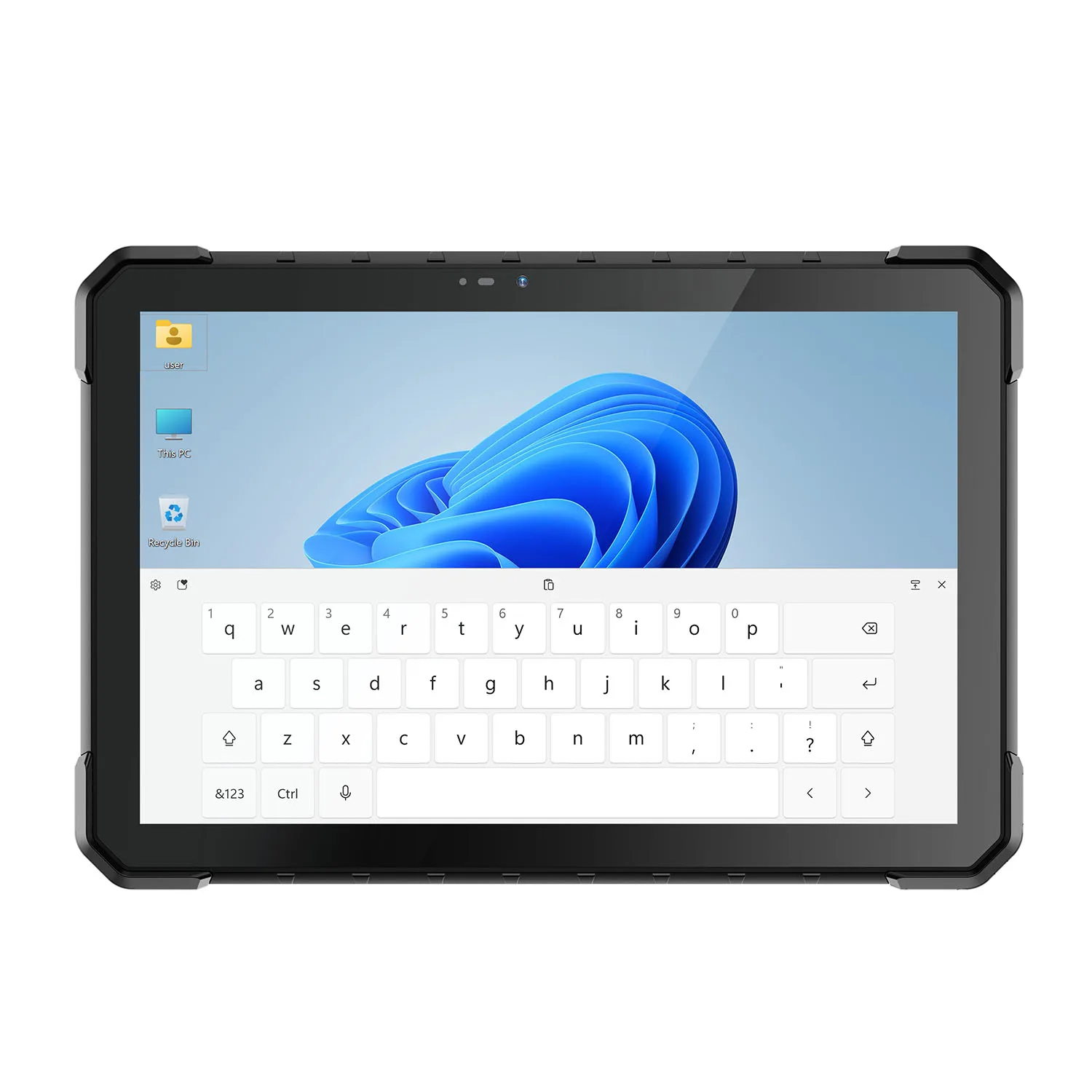
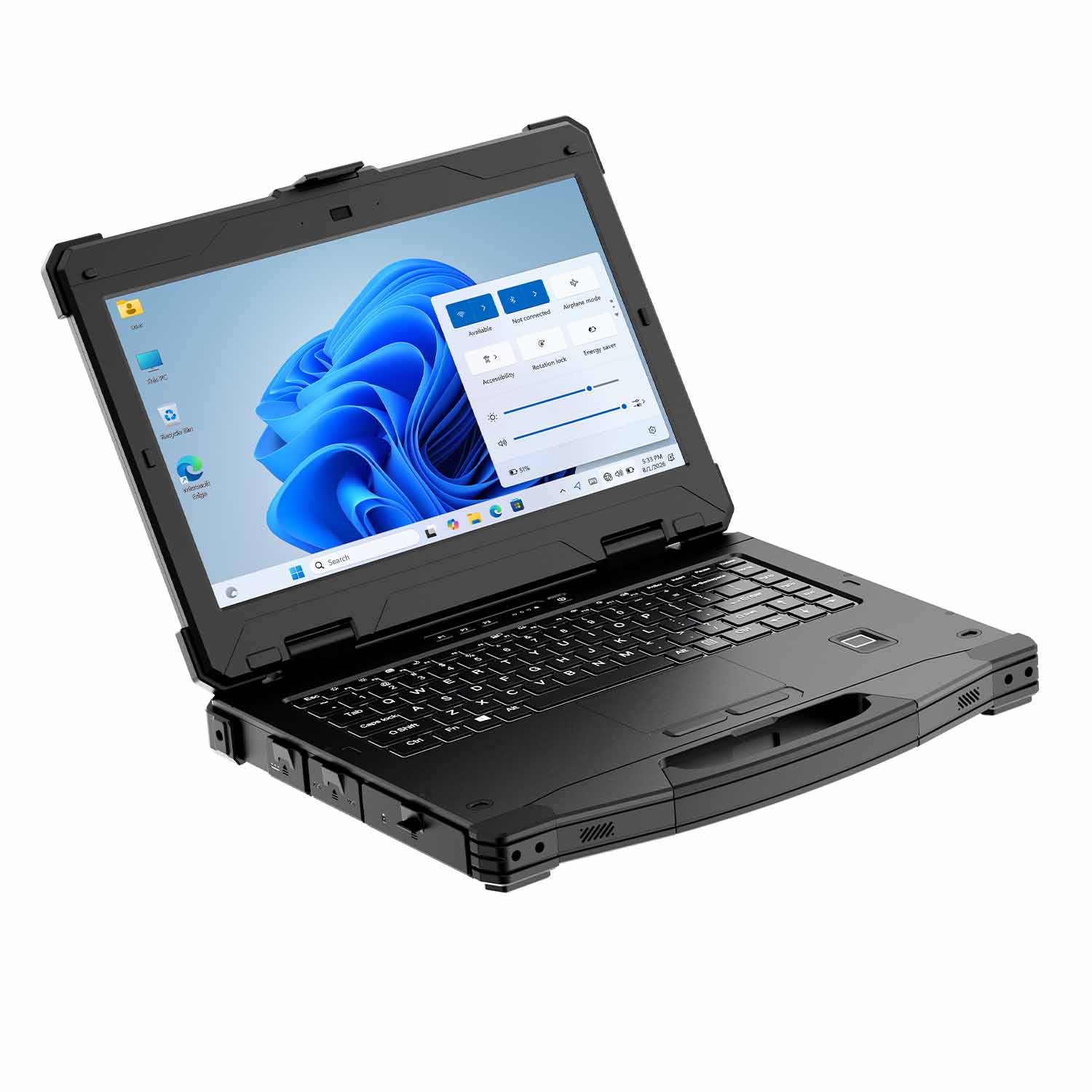
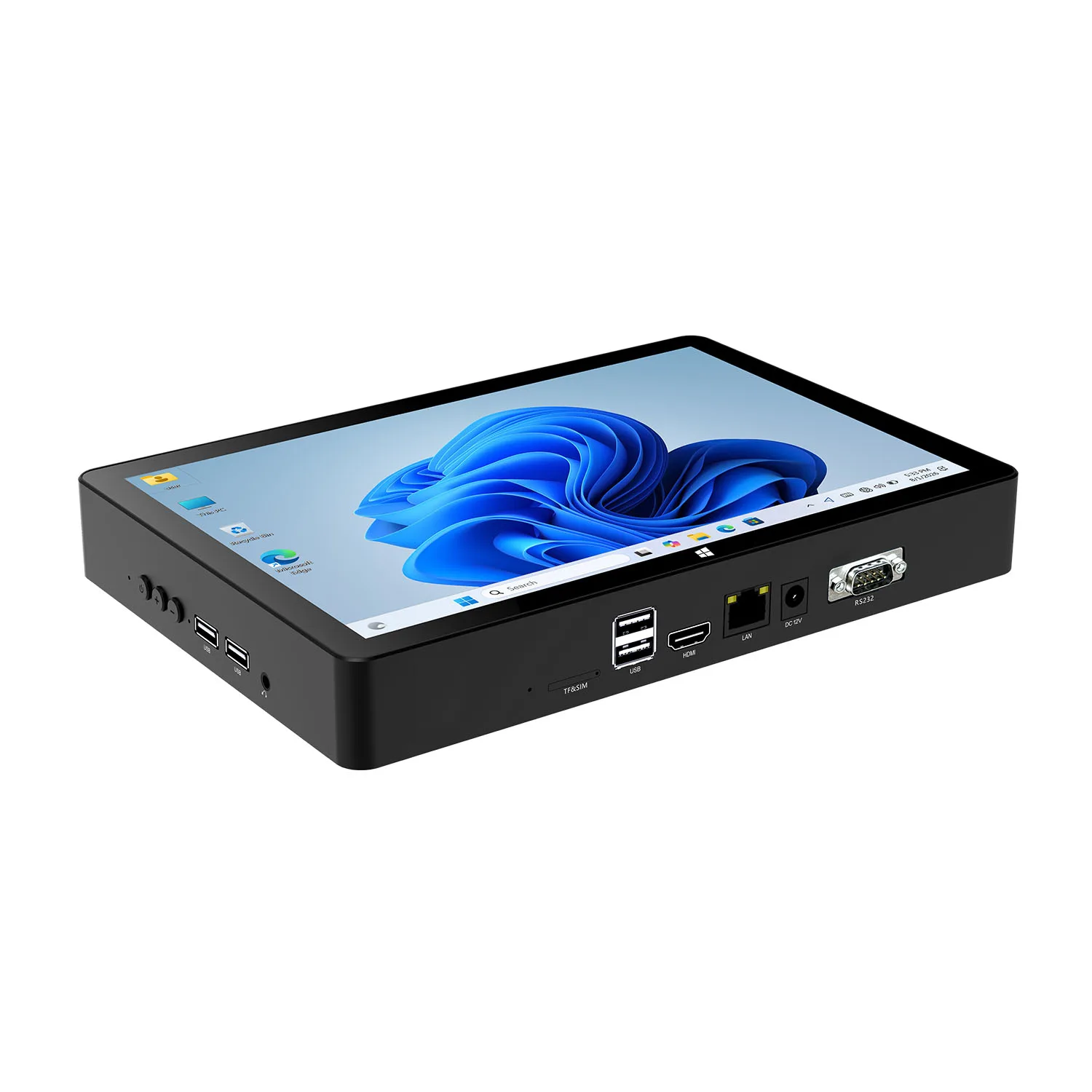
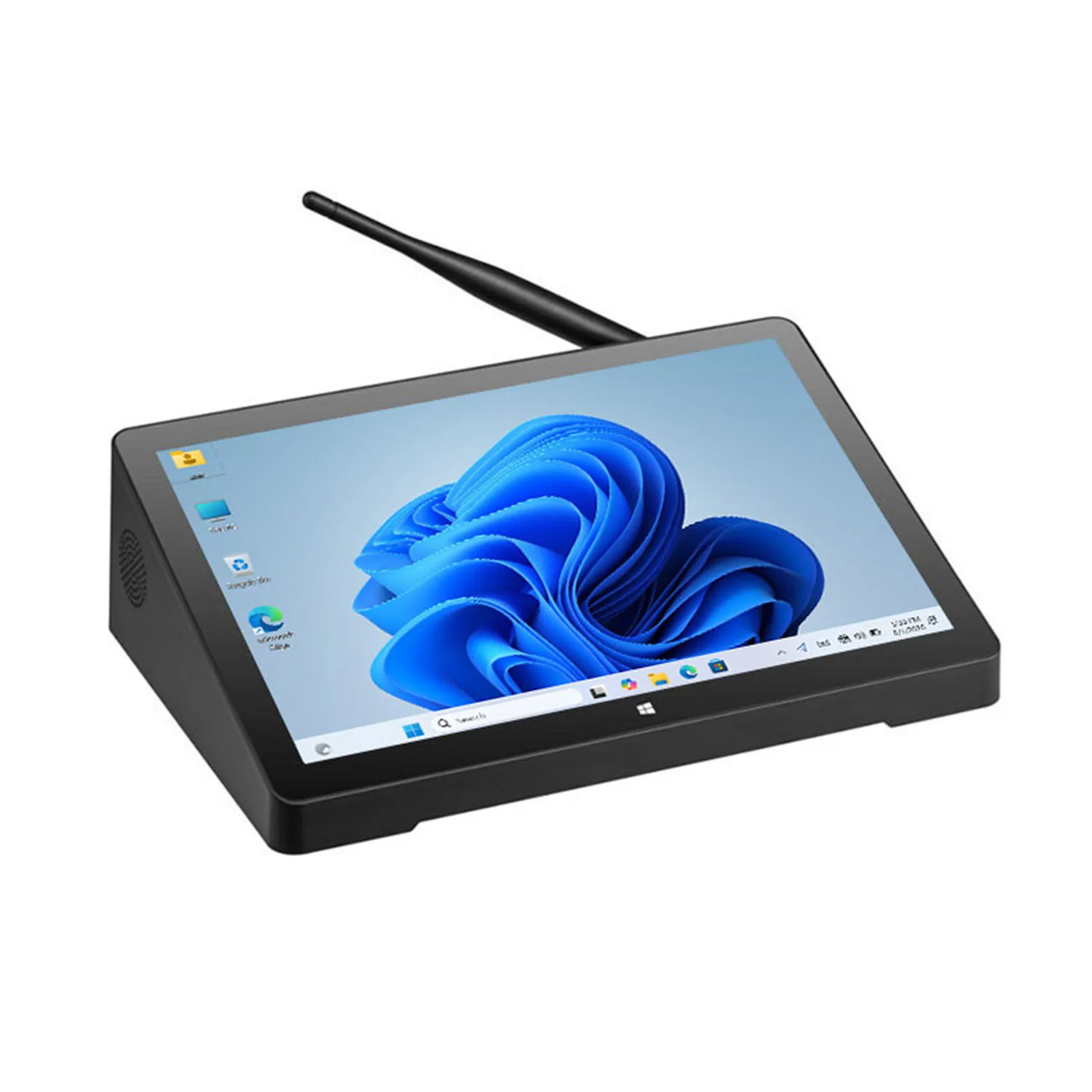
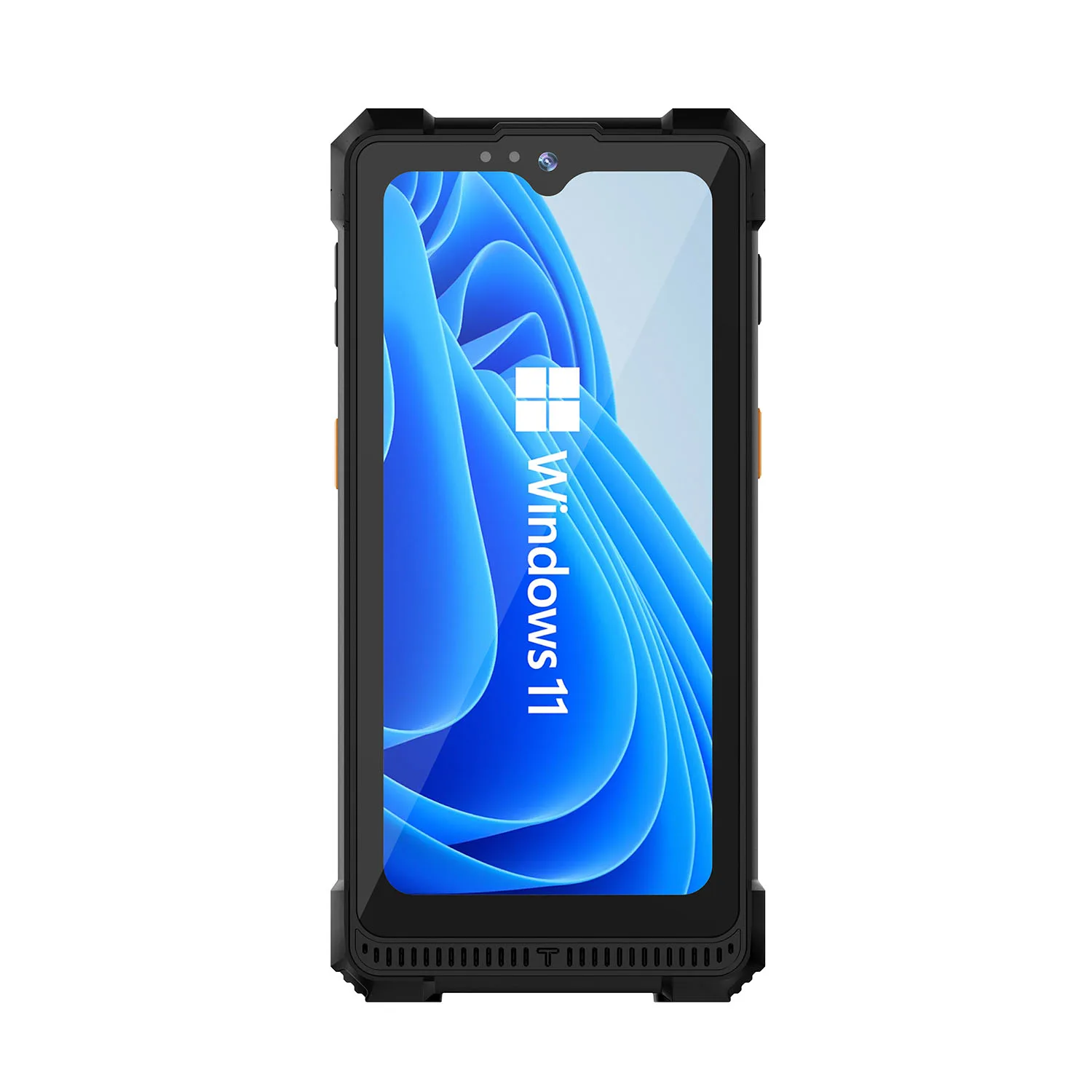
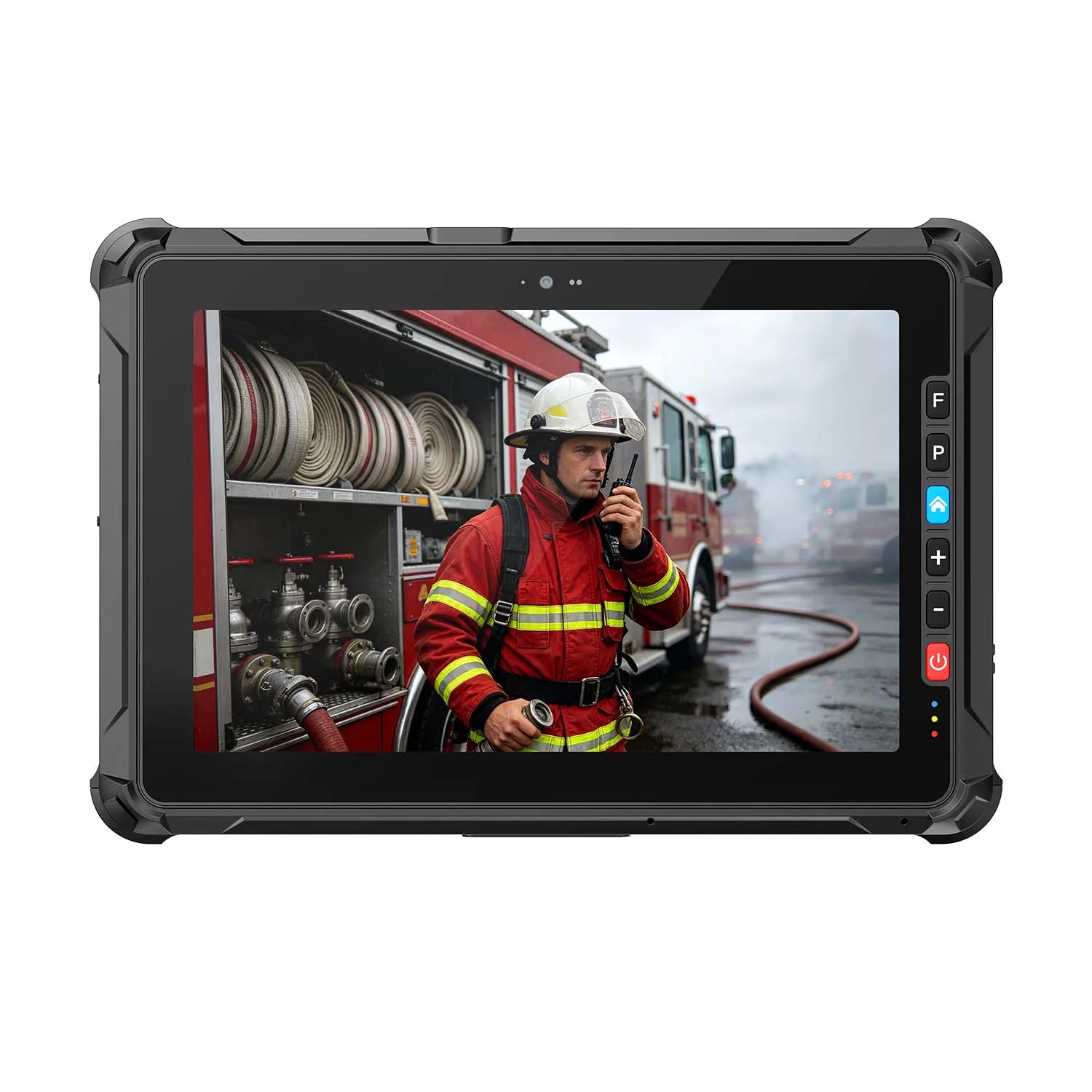
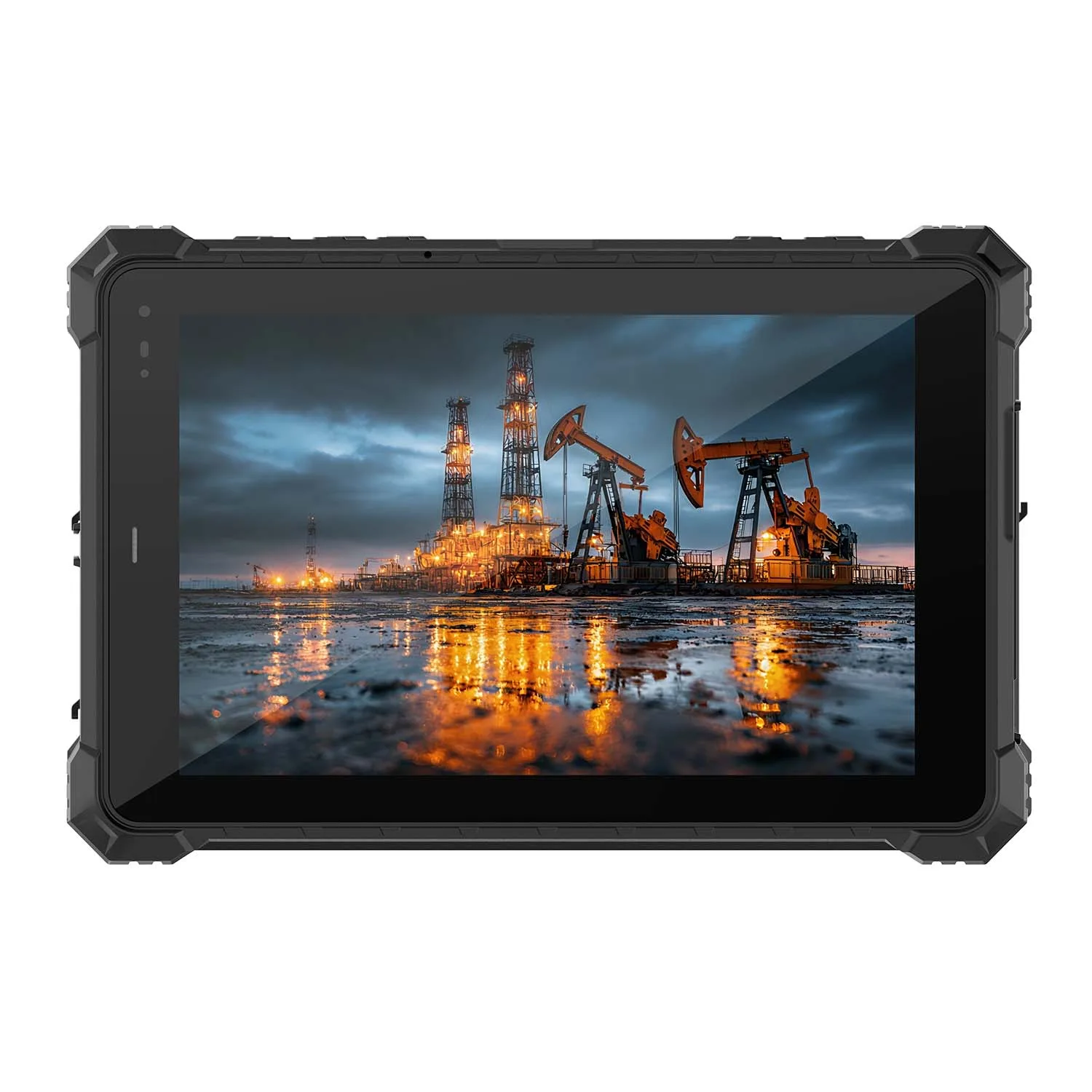
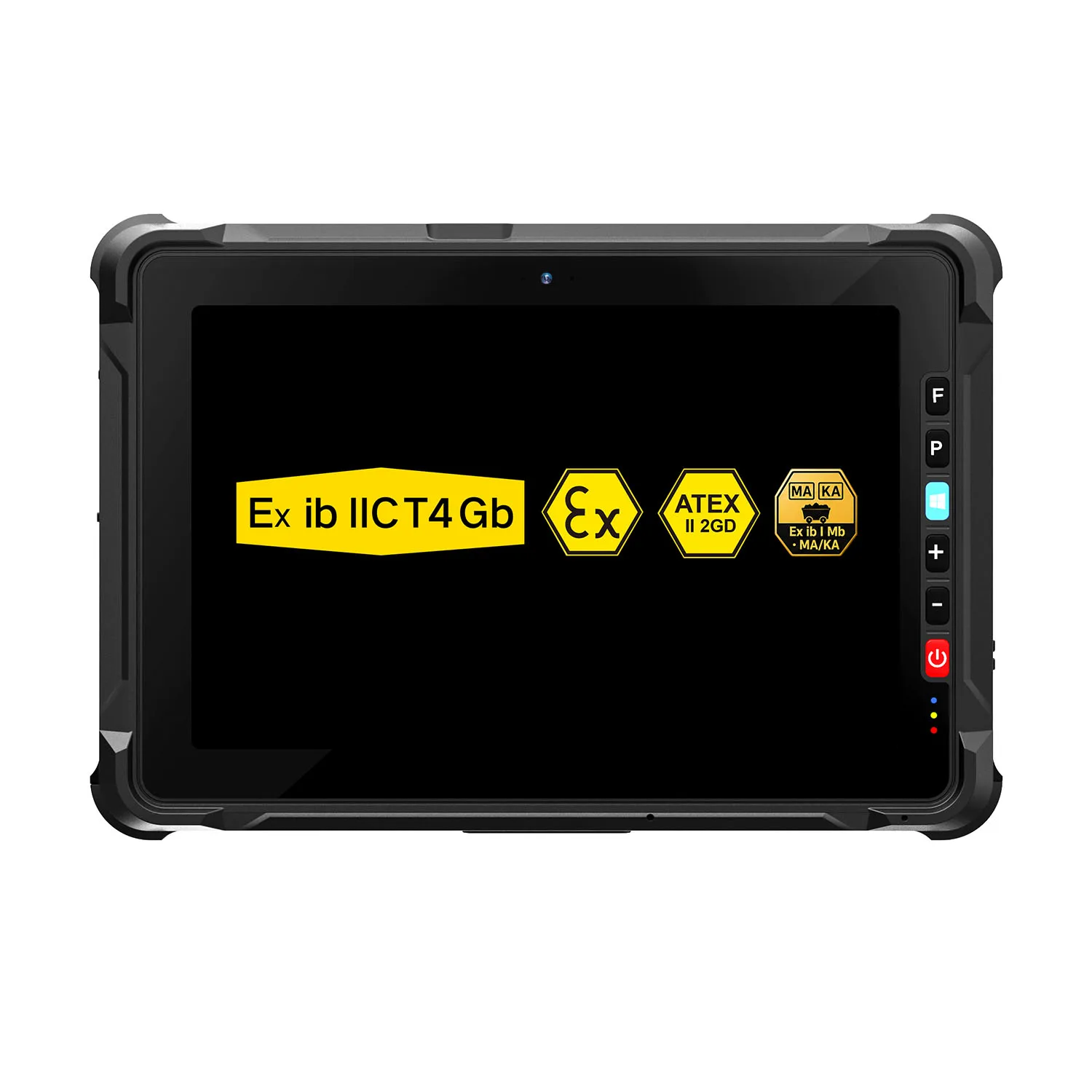
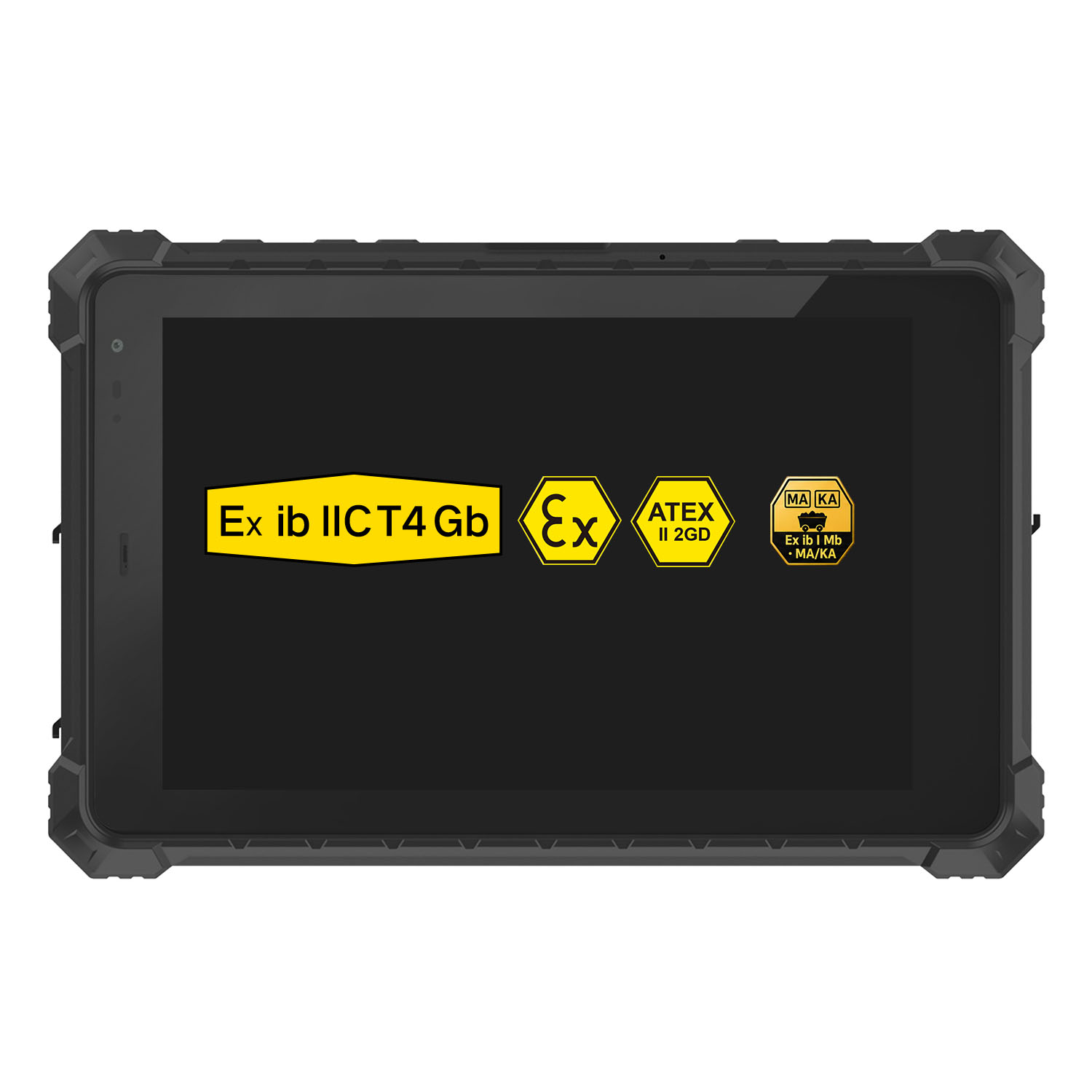
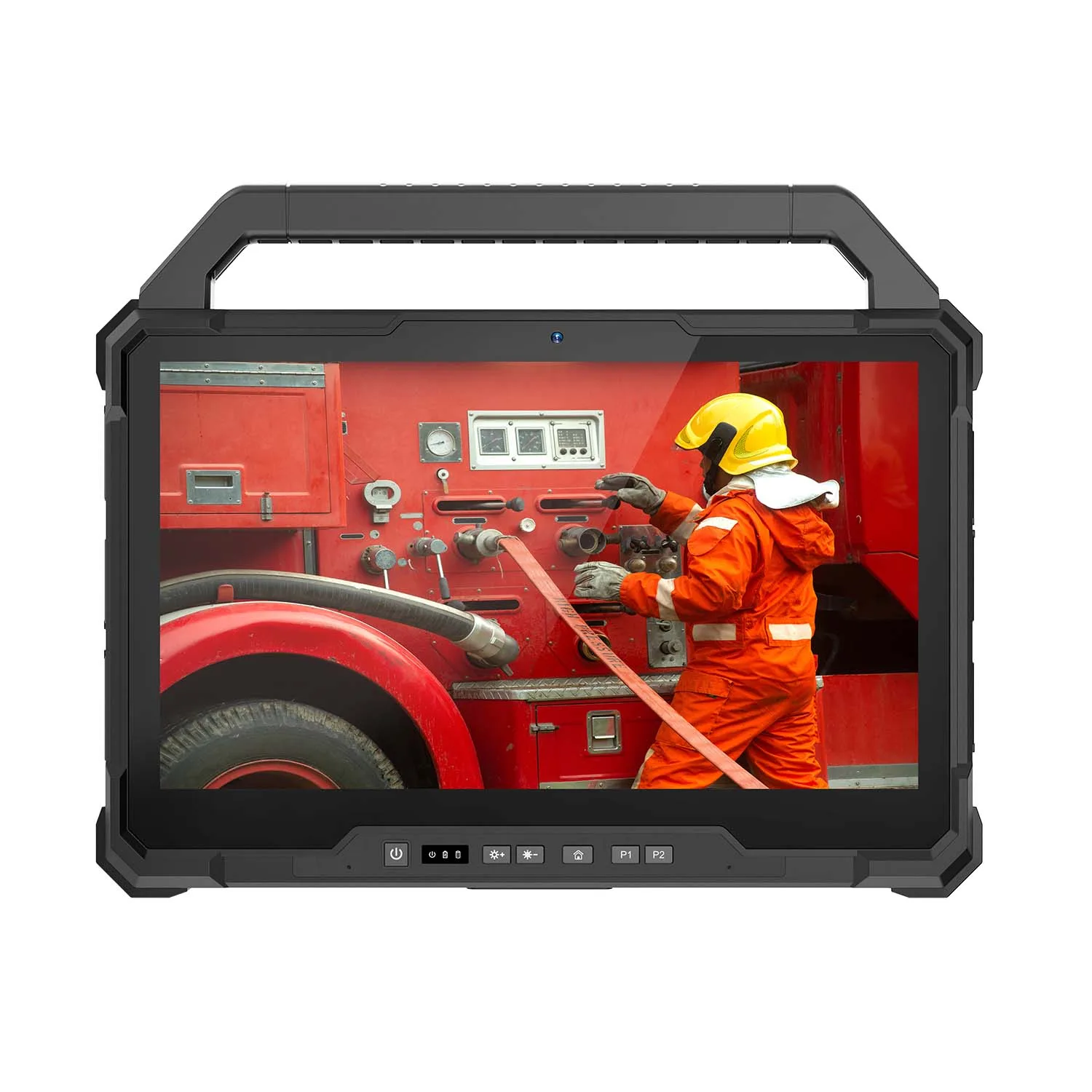
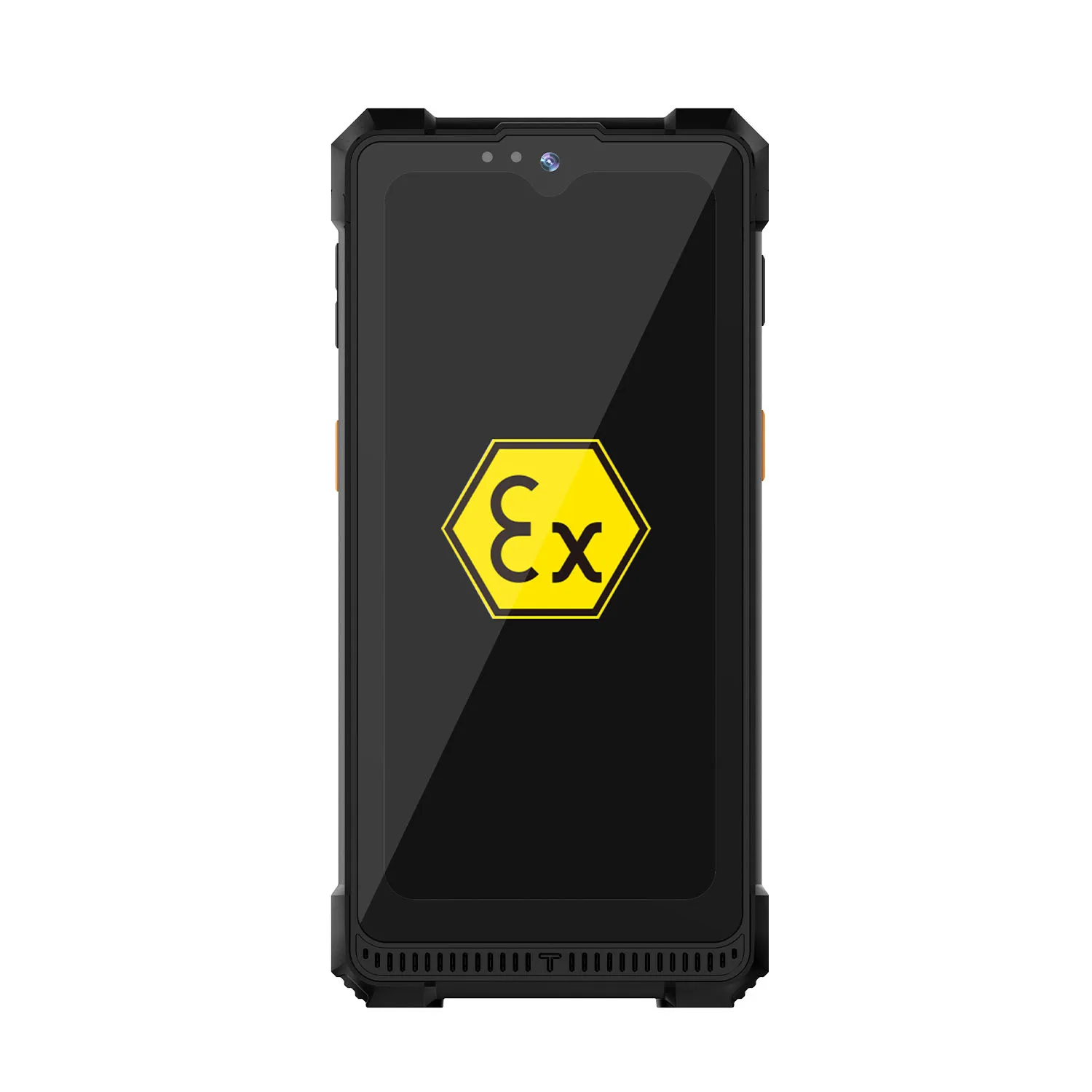
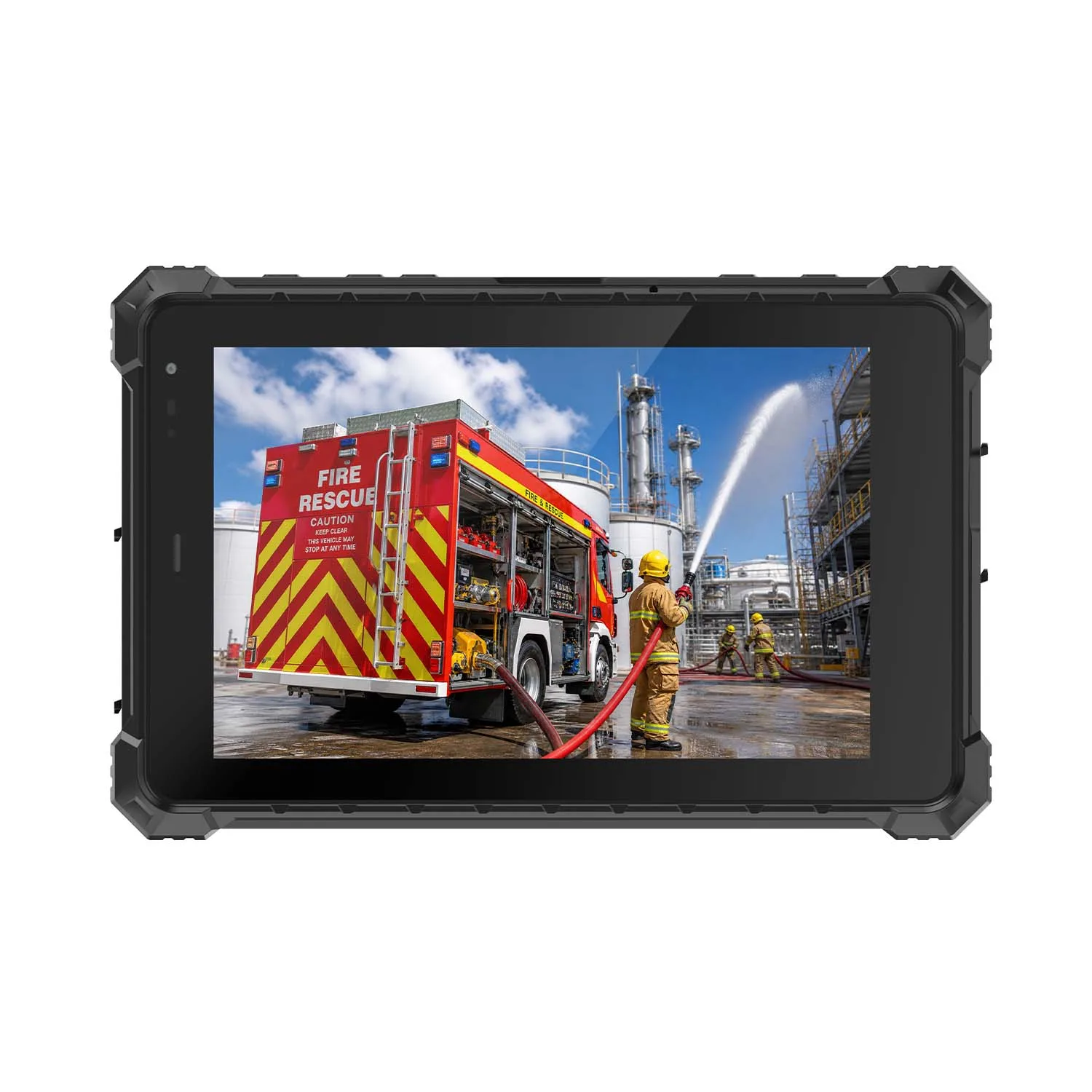
| CENAVA Explosion-Proof Rugged Tablet Series | ATEX Zone 1/21, IECEx Zone 2/22, CCRI, MA/KA | 8"/10"/12", up to 1000+ nit | IP68, -20°C to 60°C, gas group IIC & dust group IIIC — low-MOQ OEM/ODM customization |

Real Deployment: CENAVA in Oil & Gas Operations
| Deployment | Certification / Zone | Result |
|---|---|---|
| Oil & Gas Refinery (Middle East & Southeast Asia) | ATEX Zone 1/2, Gas Group IIC | Certified tablets replaced paper checklists for pipe inspection and valve monitoring, cutting inspection time by 40% and improving compliance traceability |
| Natural Gas & LNG (Central Asia & Australia) | Zone 1/2, Gas Group IIC | Spark-free devices supported pipeline integrity inspection and LNG terminal cargo tracking near high-pressure methane equipment |
Professional Selection Criteria for Oil & Gas Explosion-Proof Tablets
Regional certification matching — UL C1D2 for US/Gulf of Mexico projects; ATEX/IECEx for European and global offshore platforms; add CCRI/MA/KA for Chinese coal-adjacent sites.
Site environment adaptation — Prioritize salt-spray resistance and high waterproof grade offshore; prioritize wide-temperature tolerance and anti-glare brightness onshore/desert.
Continuous operation — Choose hot-swappable battery models for full-shift coverage in remote, charging-limited locations.
Standardized communication management — Never modify a certified tablet's circuitry or add uncertified radio/satellite modules; keep any non-certified connectivity device in a designated safe zone.
Zero tolerance for uncertified equipment — Consumer electronics are prohibited in Zone 1 / Division 1 high-risk areas, full stop.
Frequently Asked Questions
What certification does an oil & gas tablet need in the US vs Europe?US refineries and Gulf of Mexico rigs typically require UL Class I Division 1 or 2 certification, while European and North Sea platforms require ATEX Zone 1, 2, or 22 certification — the two systems are not interchangeable.
Does ATEX Zone 2 certification include water protection?
No — ATEX says nothing about water. You need both ratings on the label, and they come from different test regimes. A Zone 2 tablet with IP54 is a rain risk on a North Sea deck.
Can I add a satellite communication module to a certified explosion-proof tablet?No — modifying a certified tablet with uncertified accessories, including satellite or non-standard radio modules, can invalidate its safety certification; non-certified connectivity devices should stay in designated safe zones.Does CENAVA offer explosion-proof tablets for both ATEX and UL markets?
Yes — CENAVA's certified rugged tablet range covers ATEX Zone 1/21, IECEx Zone 2/22, CCRI, and MA/KA, and supports dual ATEX/UL certification builds for clients running cross-border fleets.What is the minimum order quantity for a customized CENAVA explosion-proof tablet?
CENAVA offers low-MOQ customization specifically to serve small-and-medium oil & gas contractors and specialized projects that don't fit fixed-configuration catalog products from larger international brands.Can the same explosion-proof tablet be used on an LNG terminal and a coal-adjacent mining site?
Only if it's certified for both contexts — CENAVA's range covers Zone 1/2 gas group IIC (suited to LNG/refinery gas hazards) as well as CCRI/MA/KA (required for Chinese coal-adjacent mining sites), so the same certified line can serve both, provided the specific site's required certificate is confirmed first.
Conclusion
Explosion-proof rugged tablets are core digital tools for modern oil & gas safety and field management. Matching certification and rugged performance to actual site conditions reduces safety risk and improves operational efficiency. Large enterprise projects often suit standardized bulk products from established brands; CENAVA's flexible, low-MOQ customized solutions are typically more cost-effective for small-batch and project-specific deployments.Need a Rugged Device for Your Project?
Tell us your operating environment and requirements — our engineers will recommend a configuration and quote within 24 hours.
Get a Free Quote Back to Blog