






Best Rugged Tablets for Marine Applications: IP68 & Salt-Spray Resistant Options
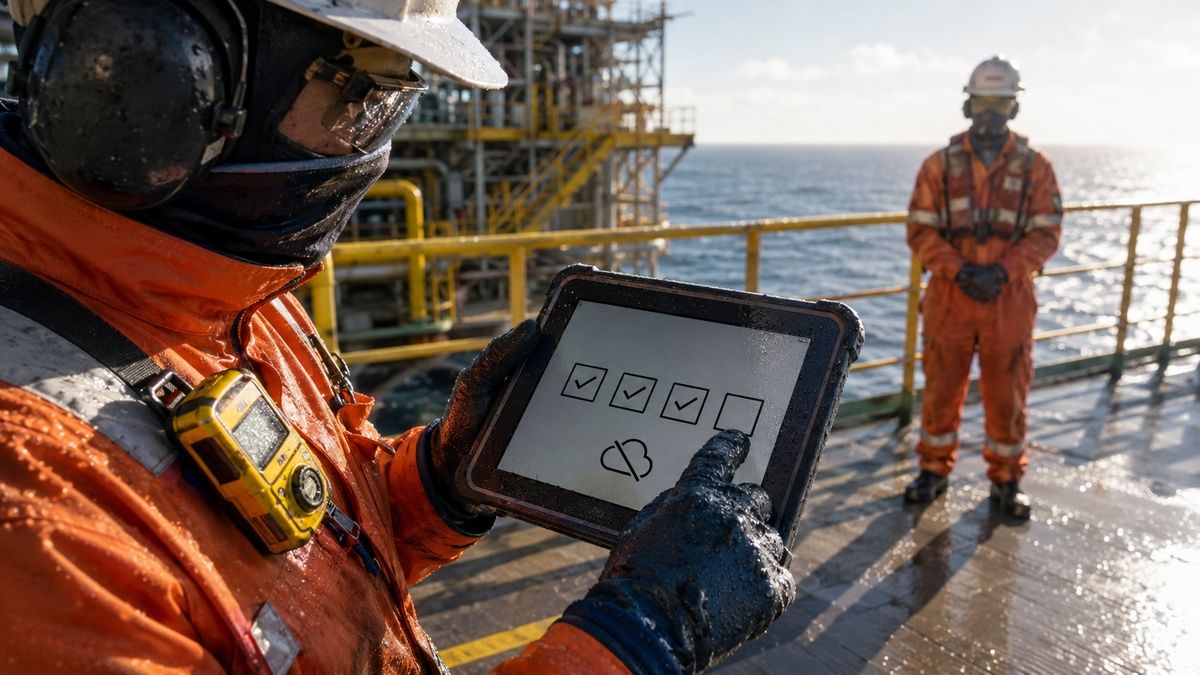
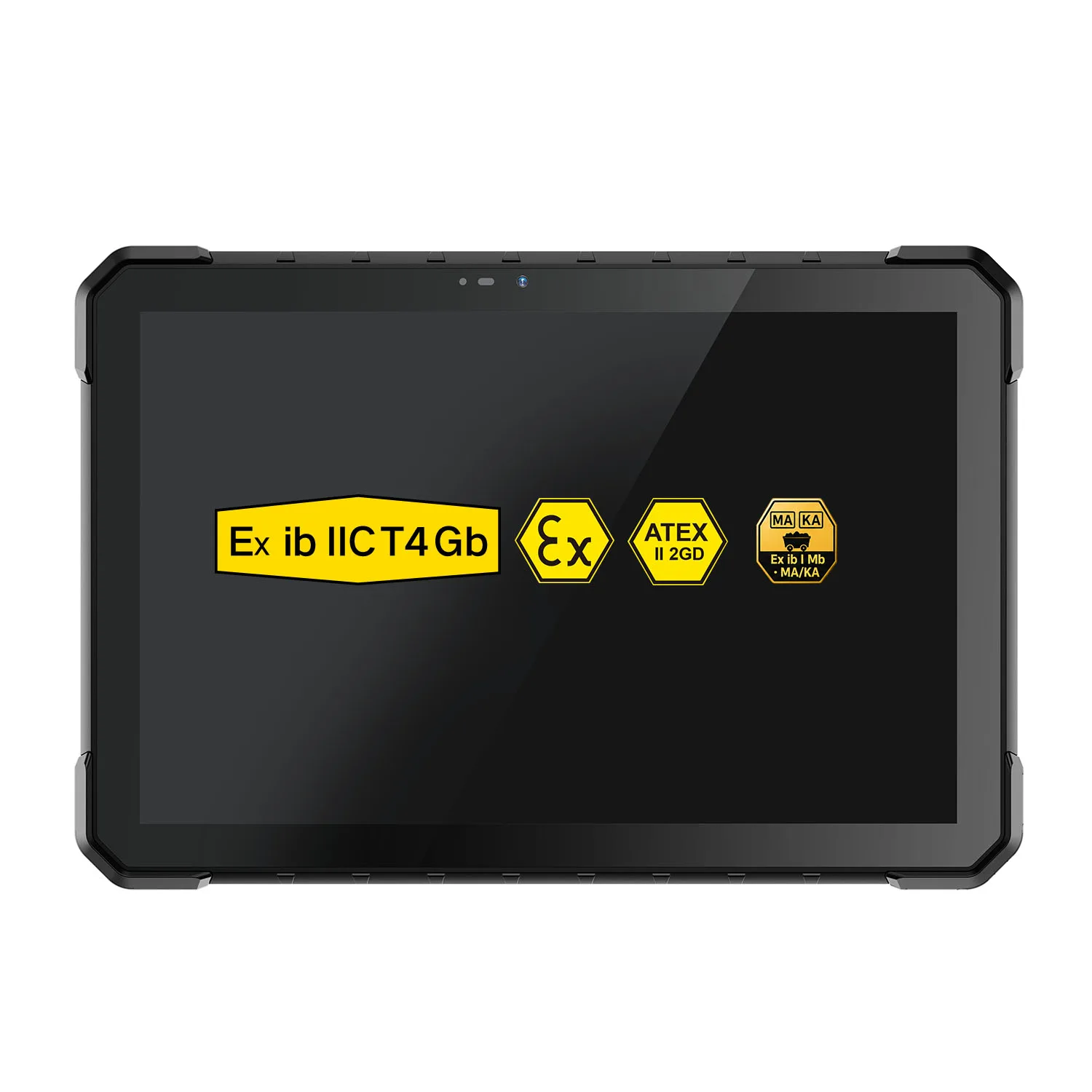
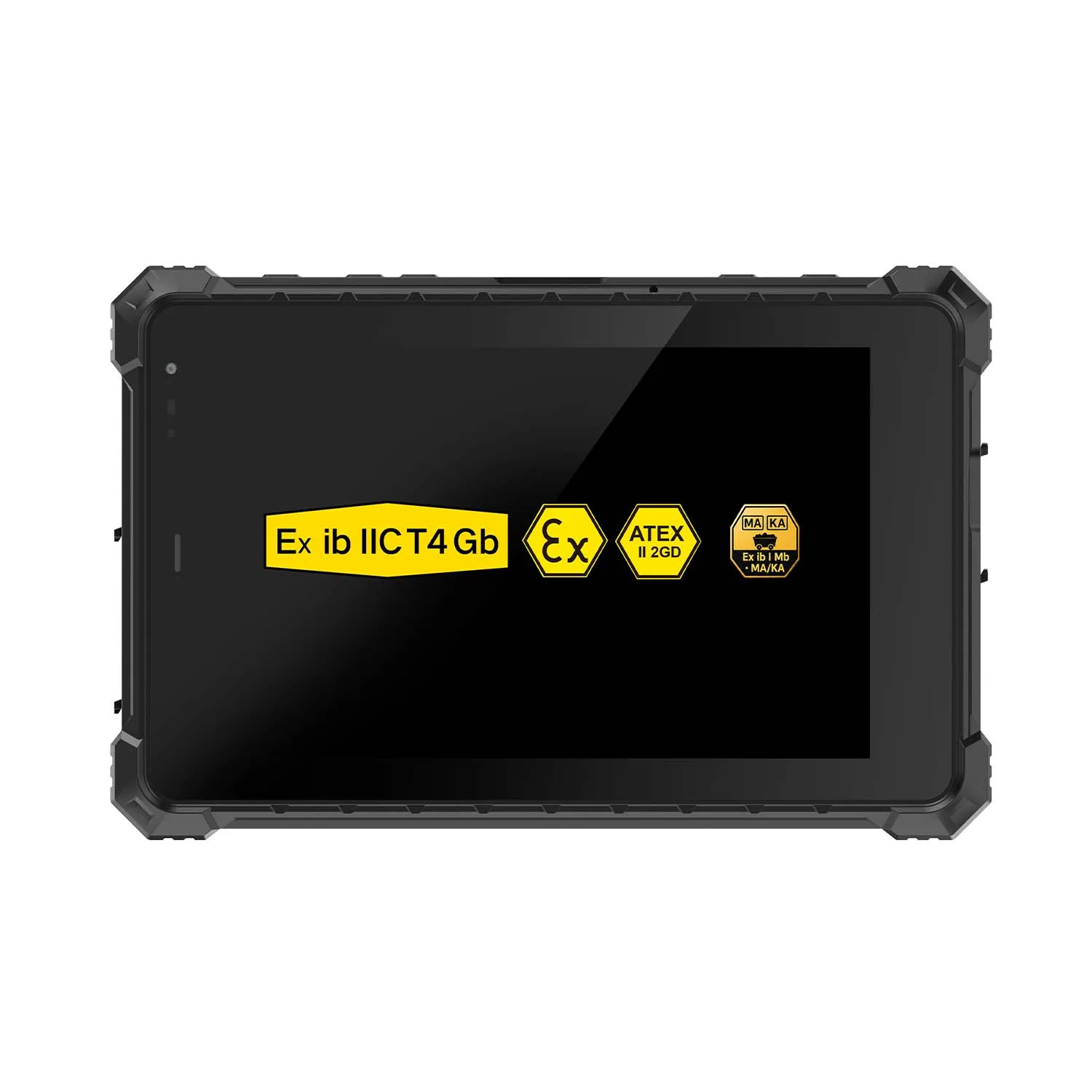
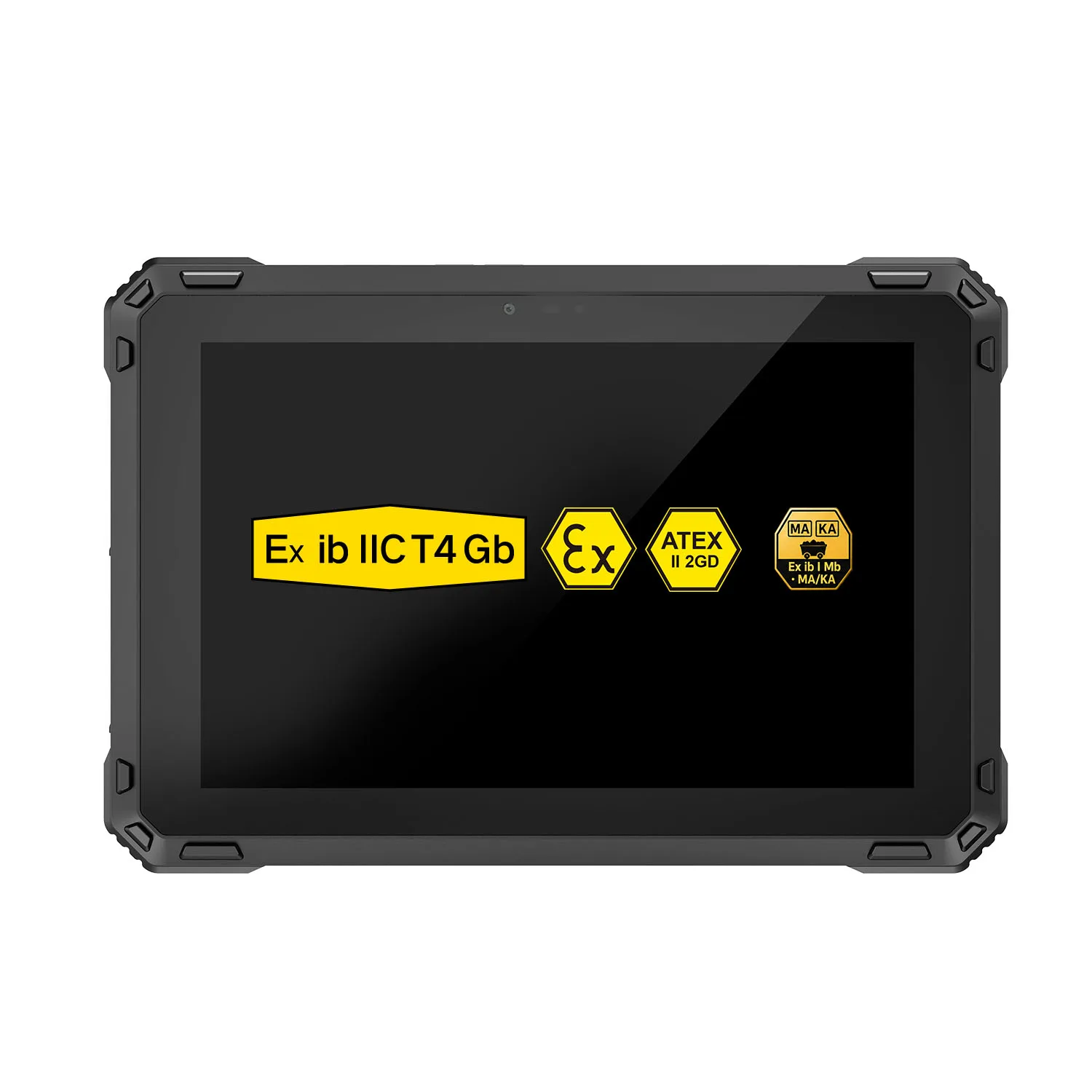
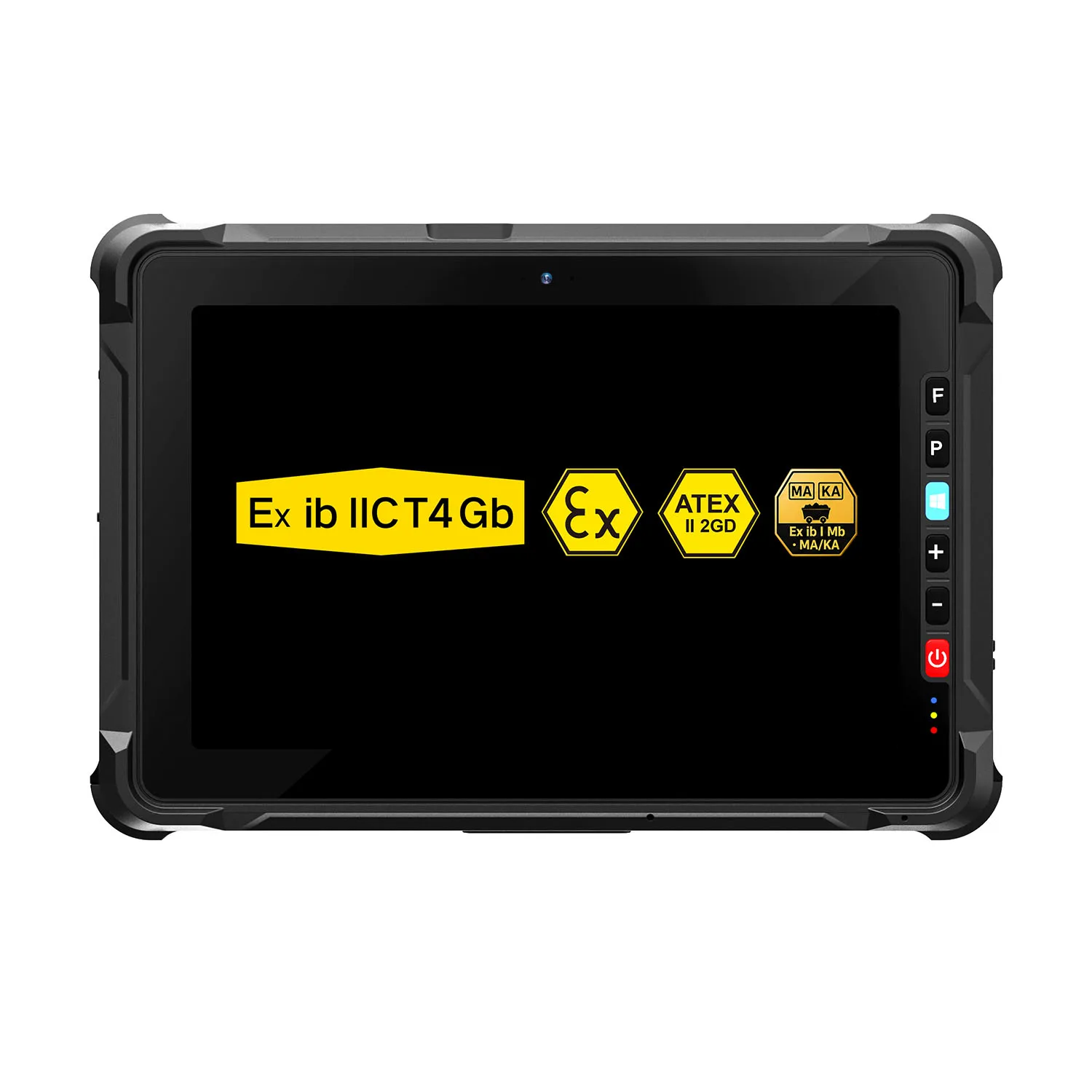
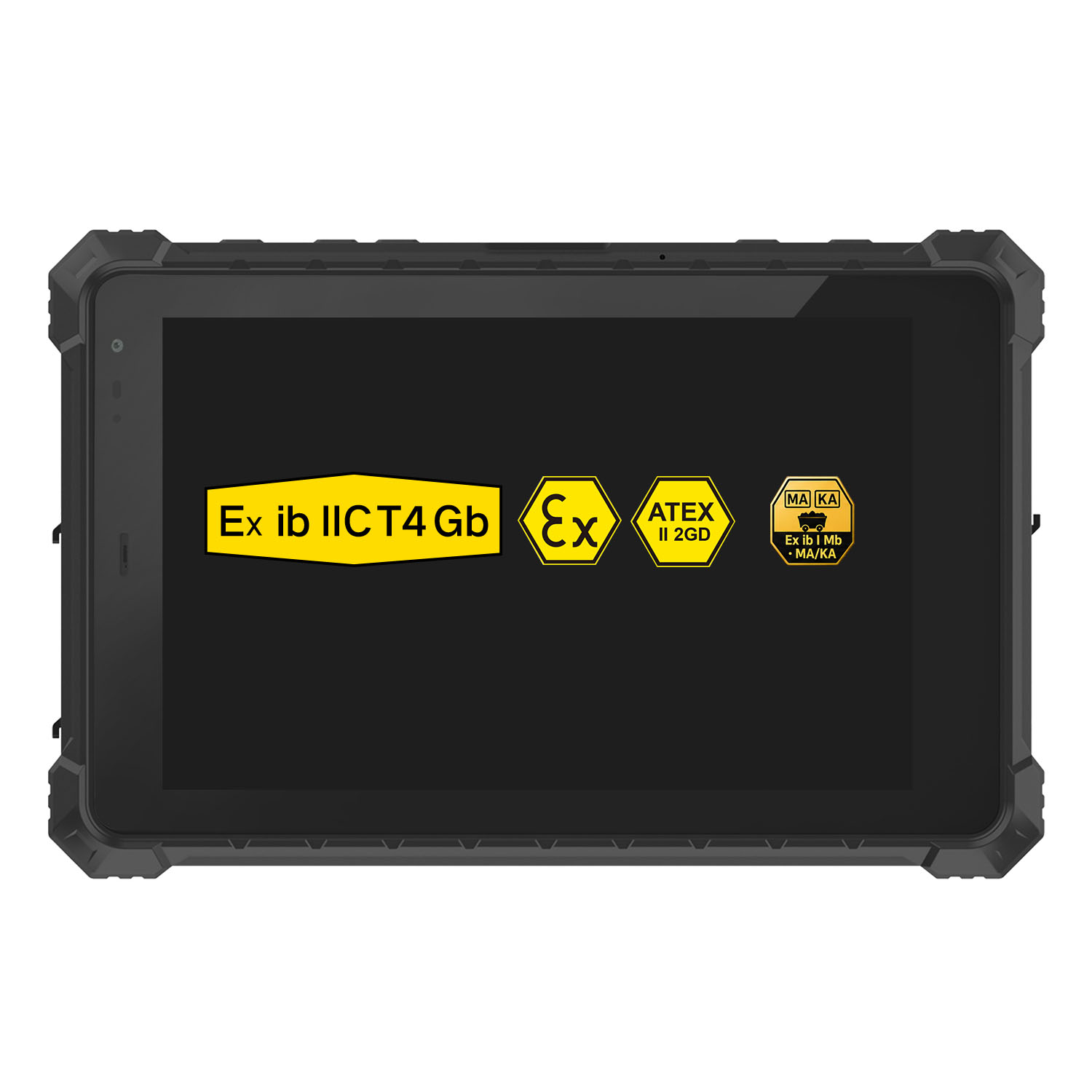
A marine rugged tablet is designed for maritime work where ordinary consumer tablets fail under water exposure, salt mist, humidity, vibration, temperature swings, and rough handling. The right choice depends on the exact zone: a non-explosion-proof IP68 tablet suits deck, bridge, fishing, and maintenance work, while hazardous cargo areas on oil tankers, LNG carriers, or chemical ships require certified explosion-proof models — not just a "rugged" one.
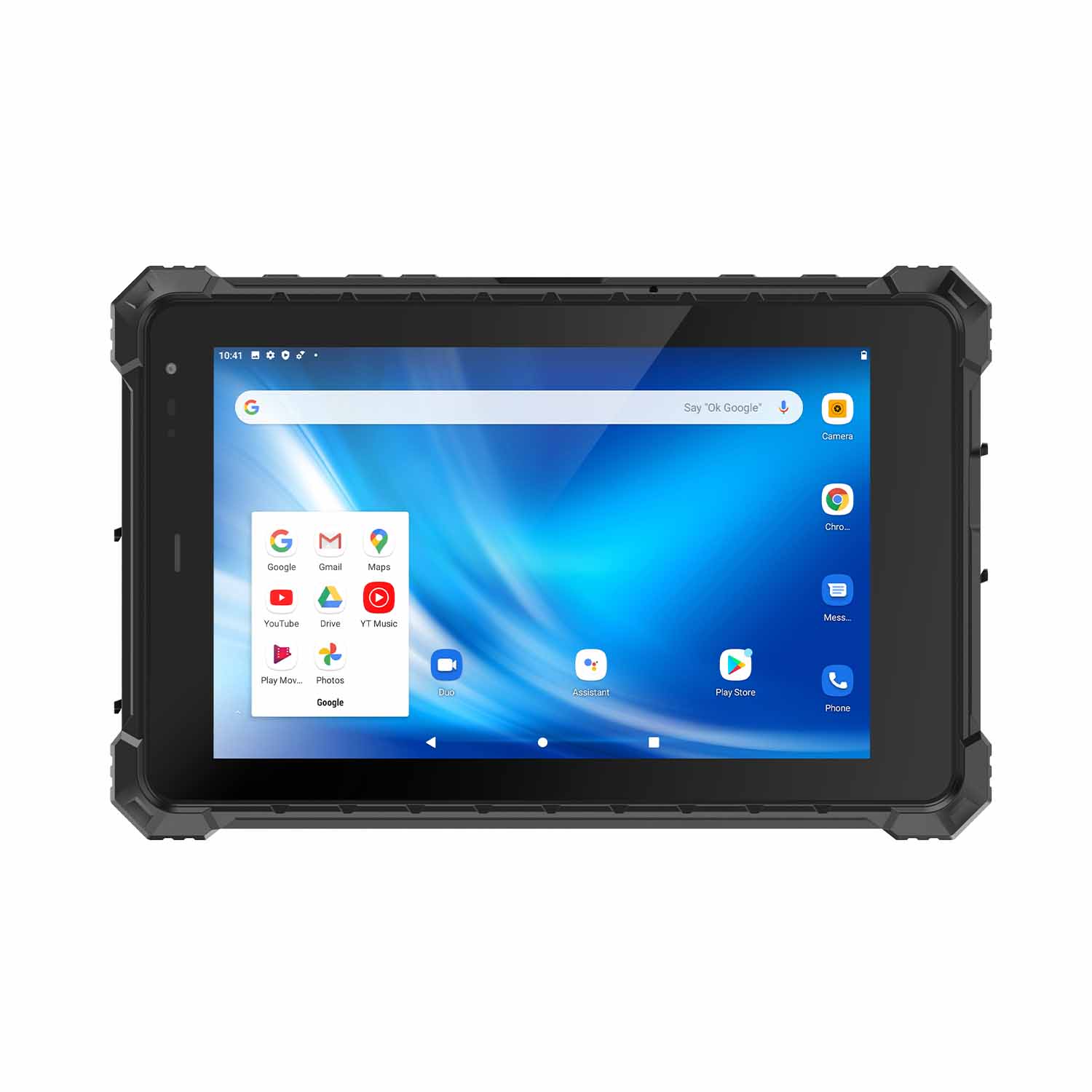
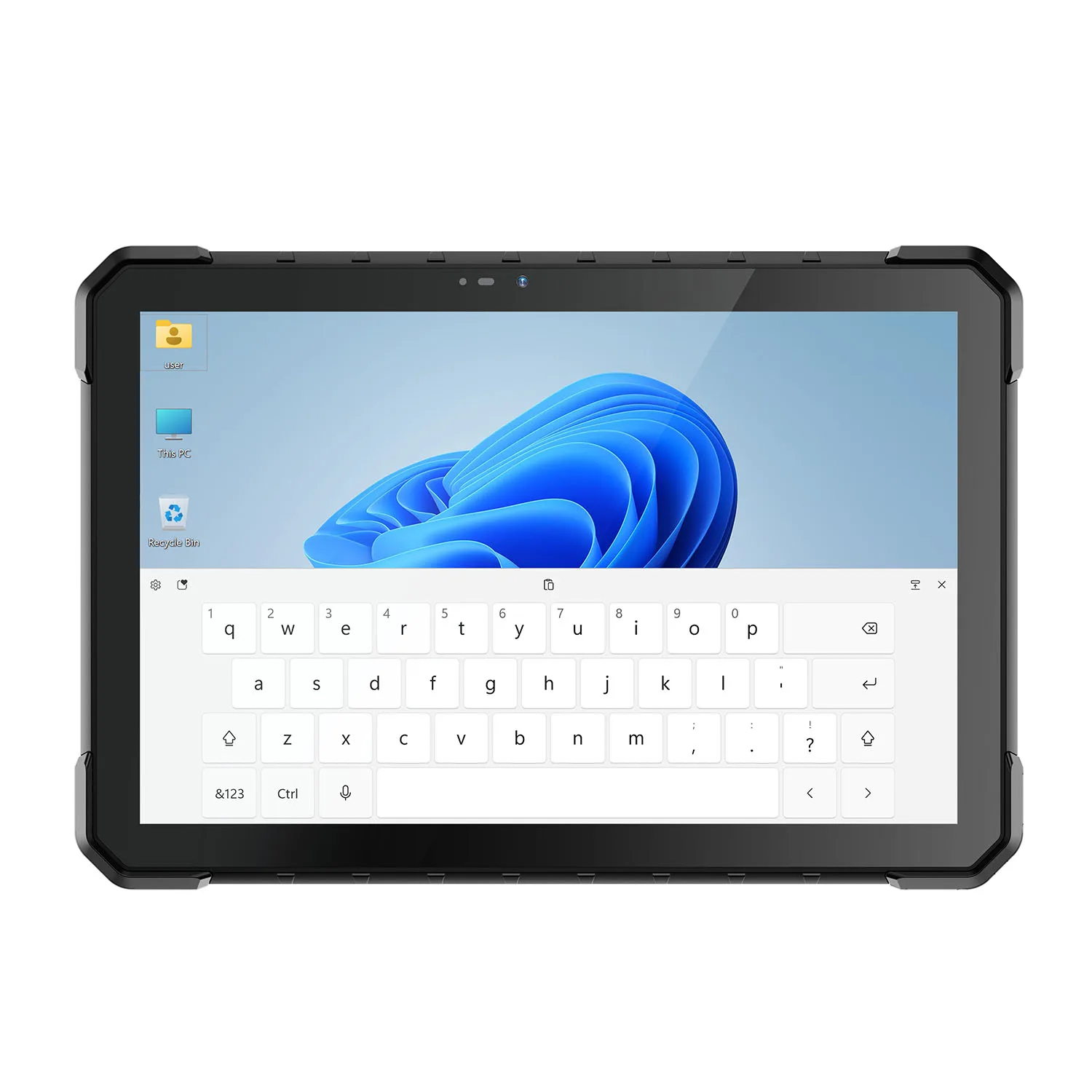
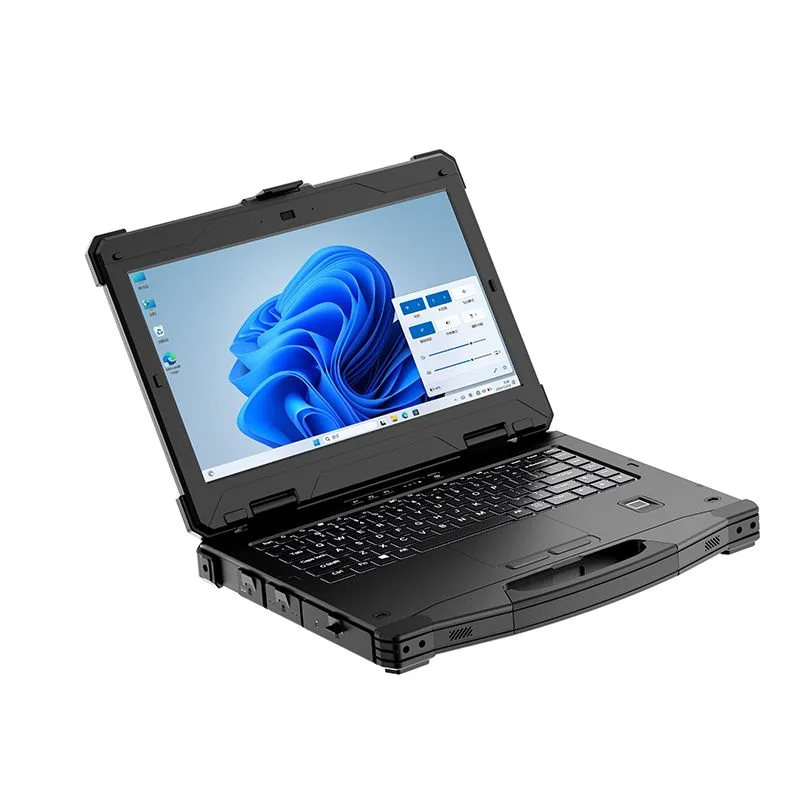
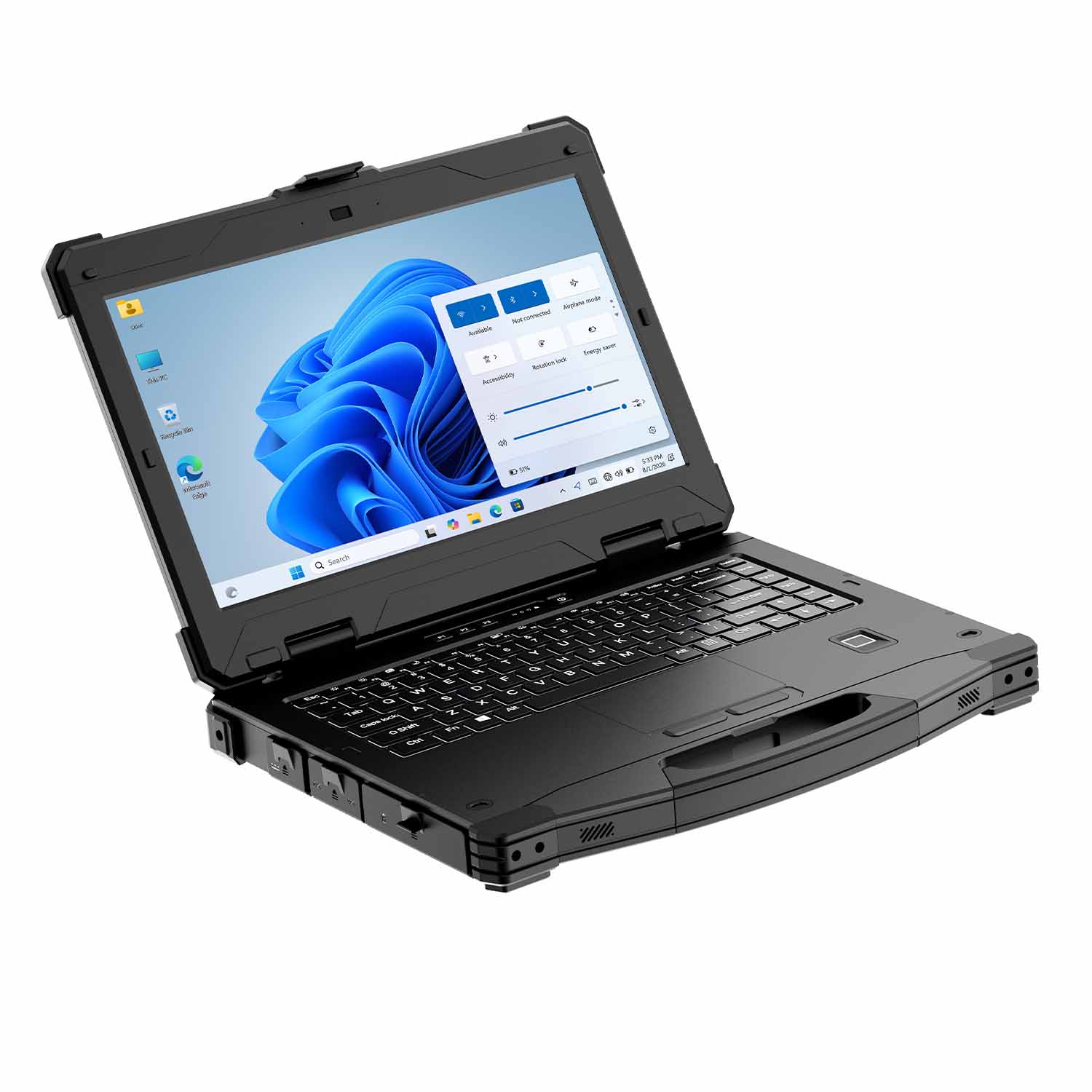
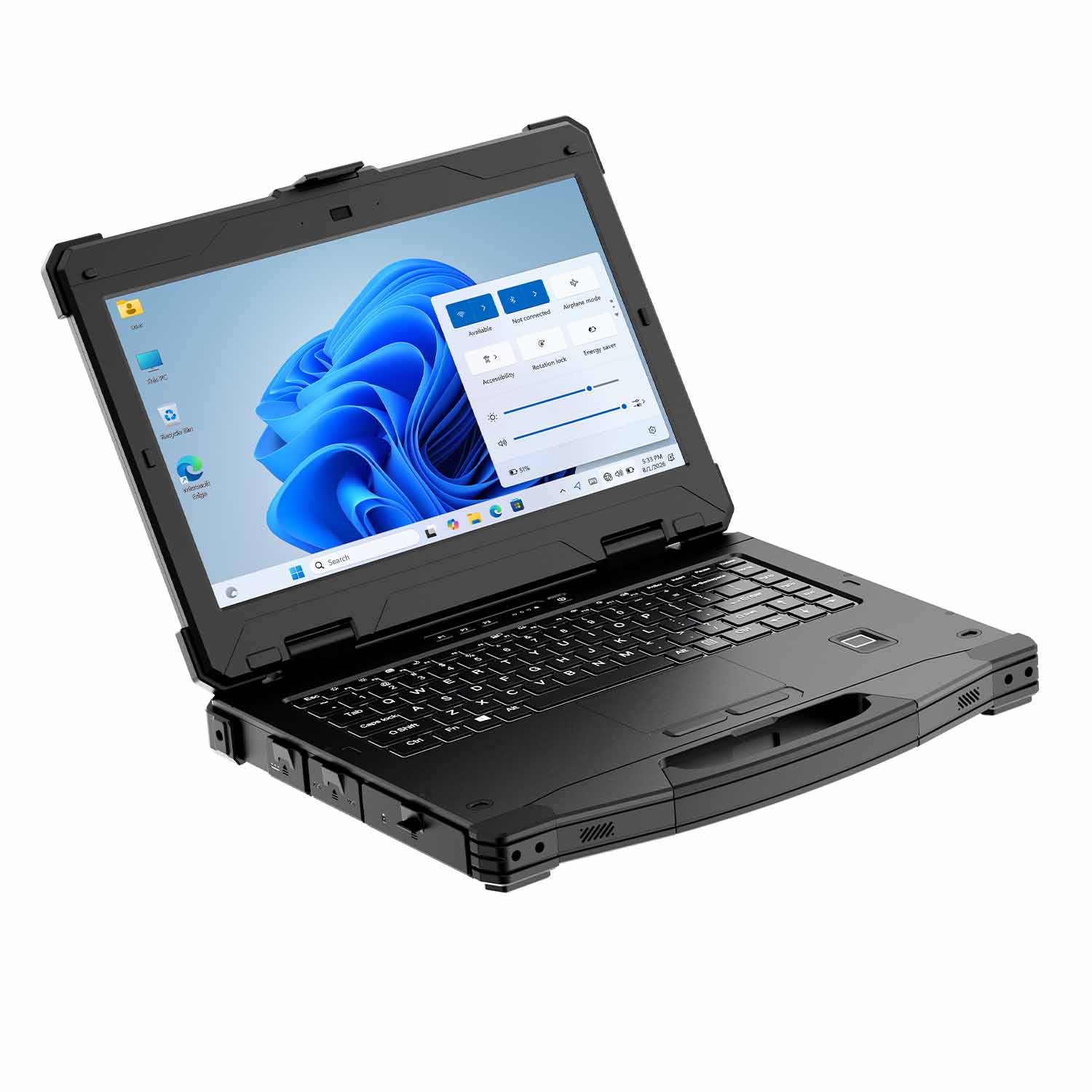
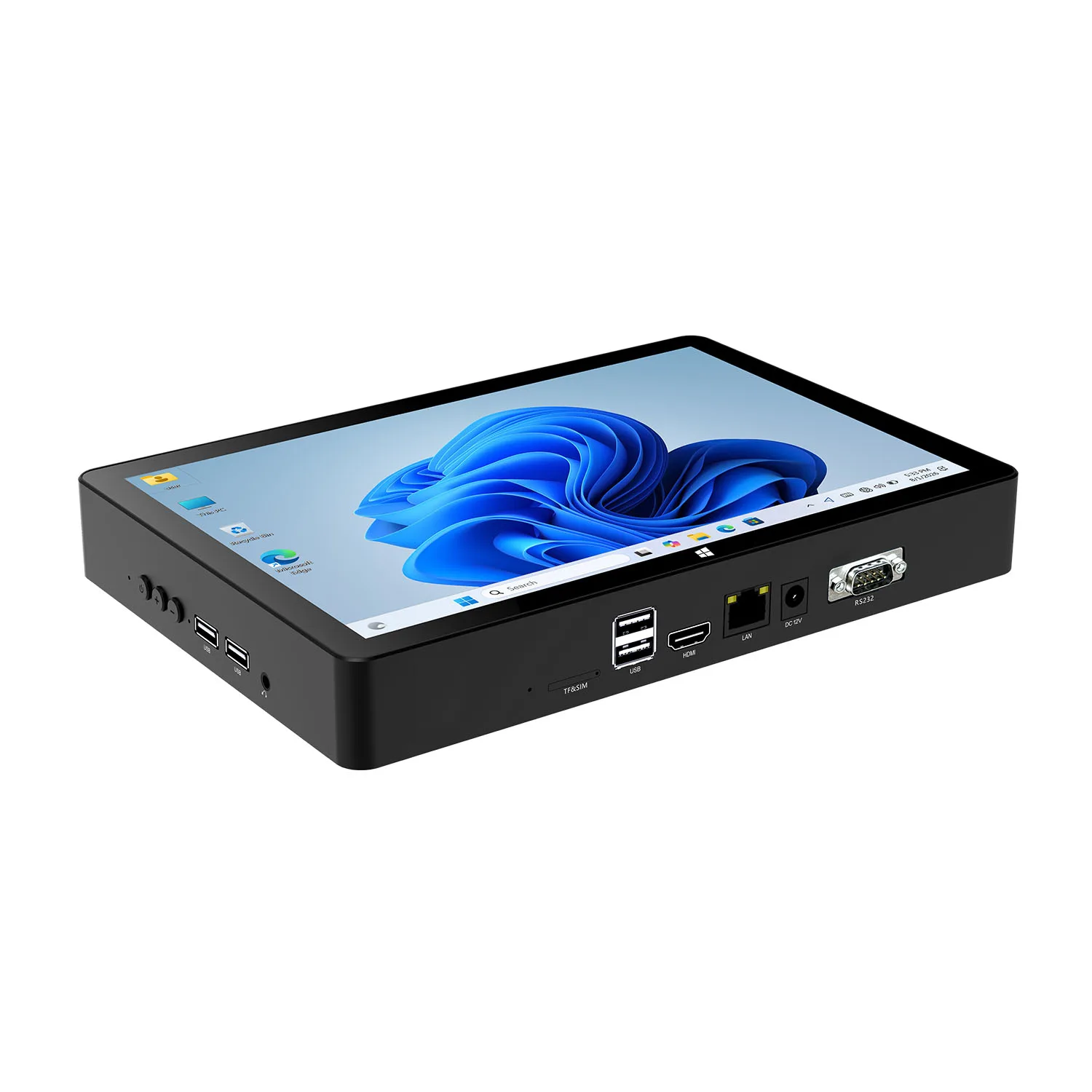
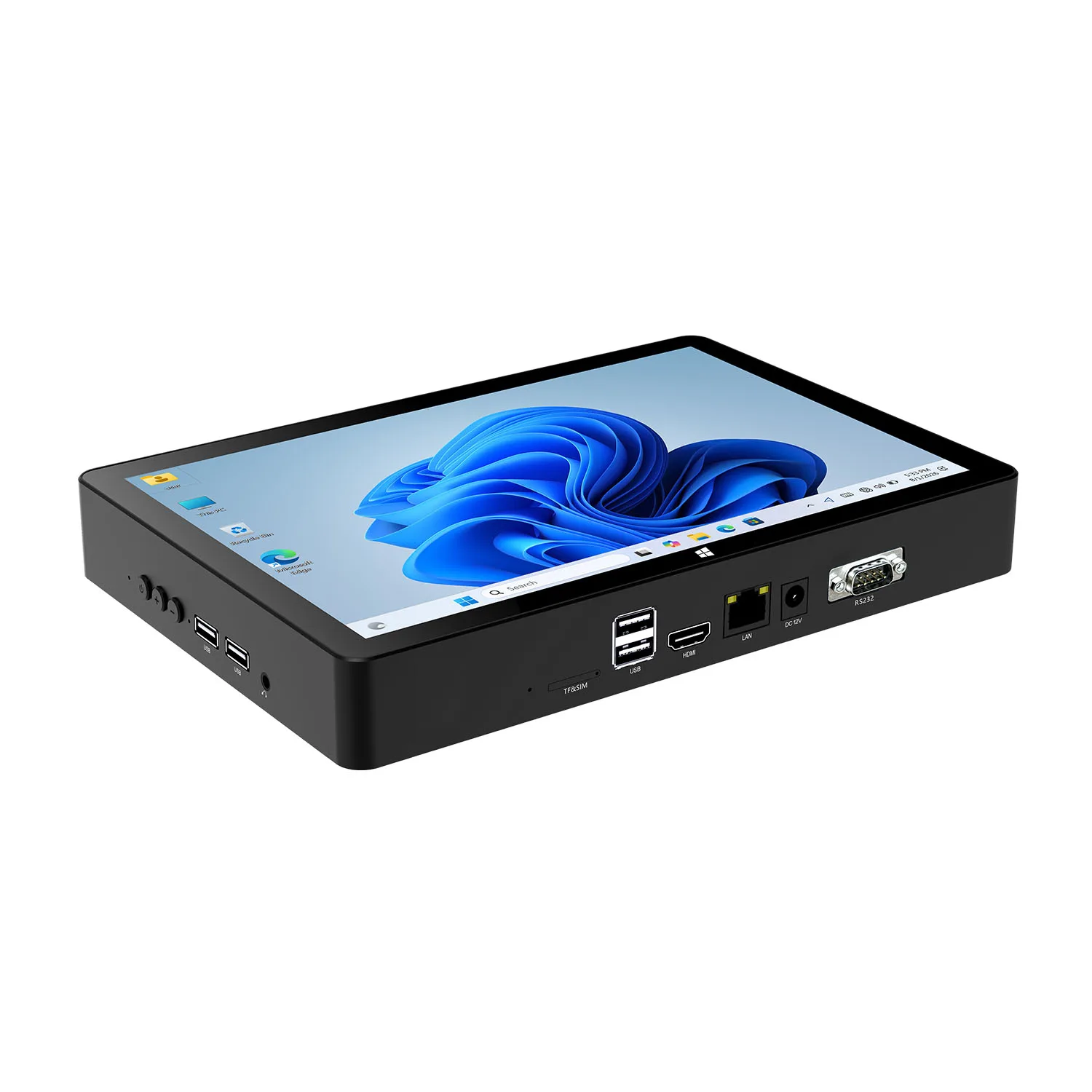
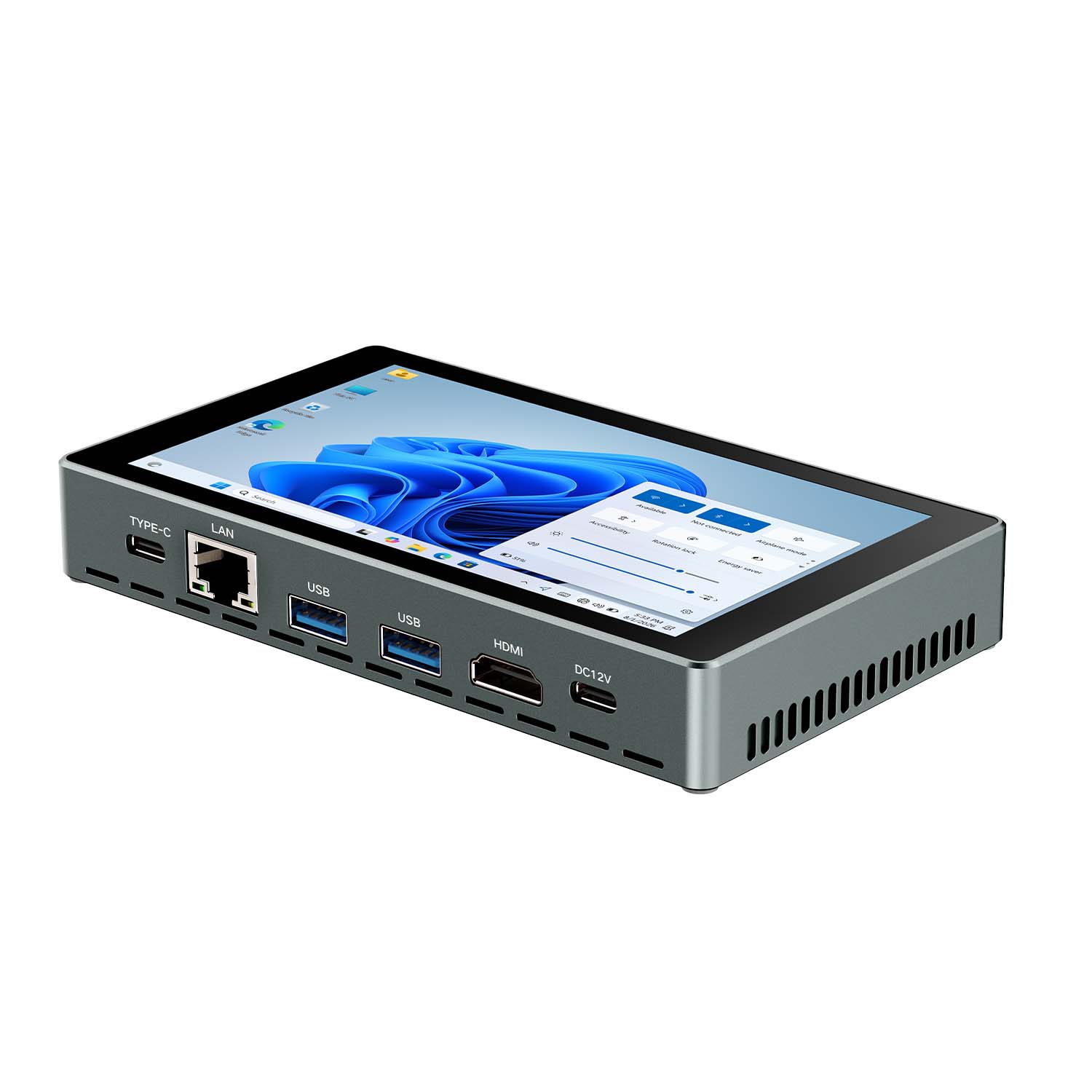
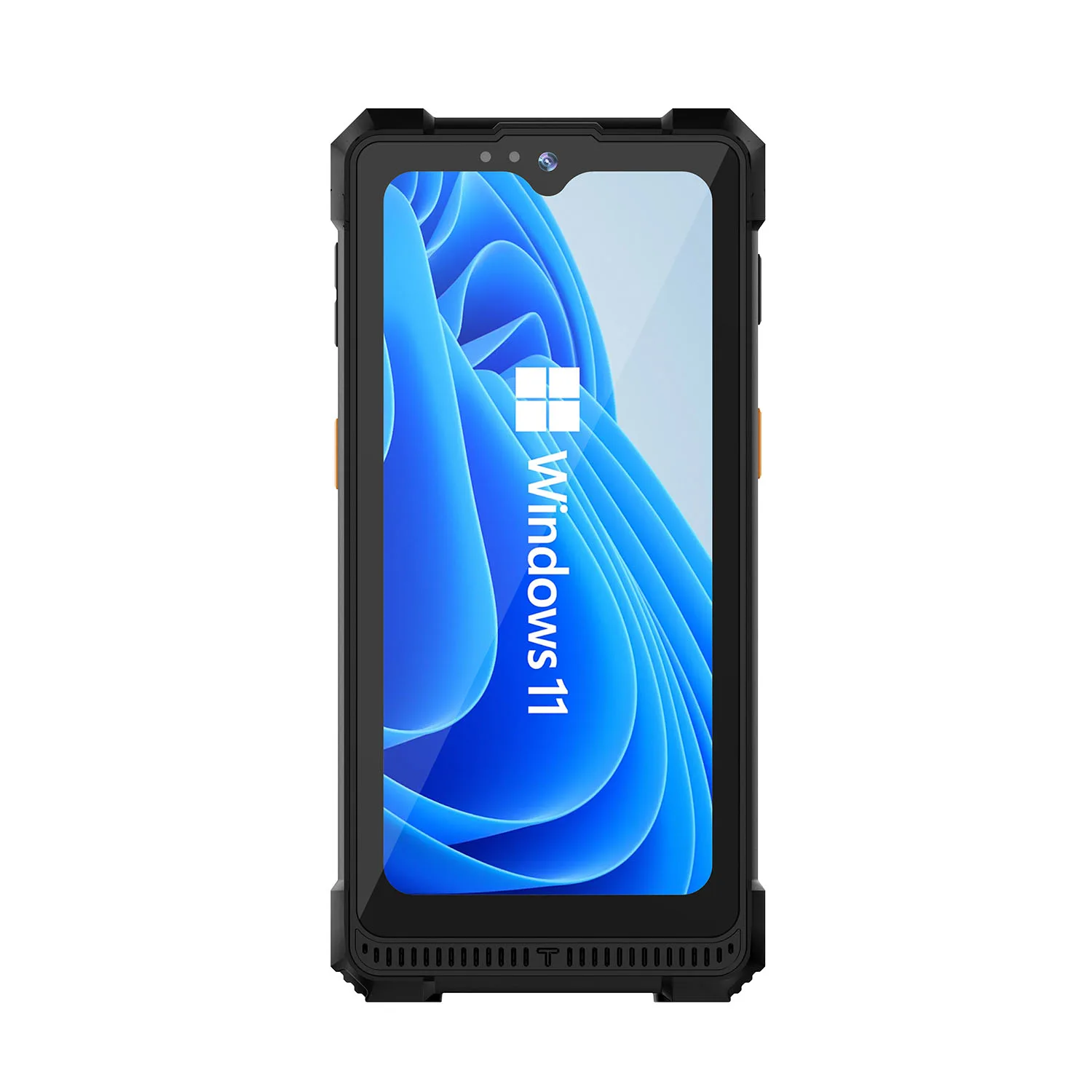
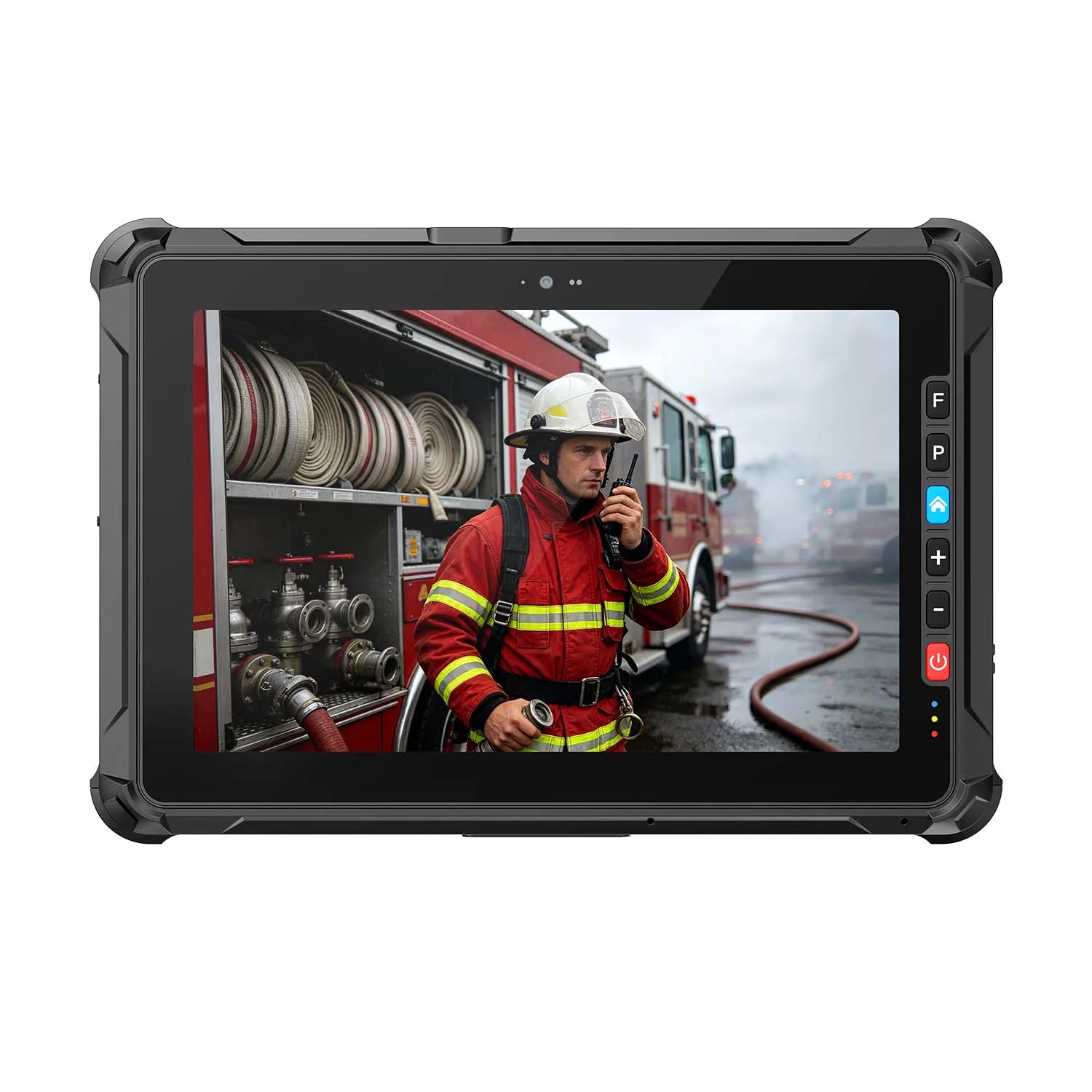
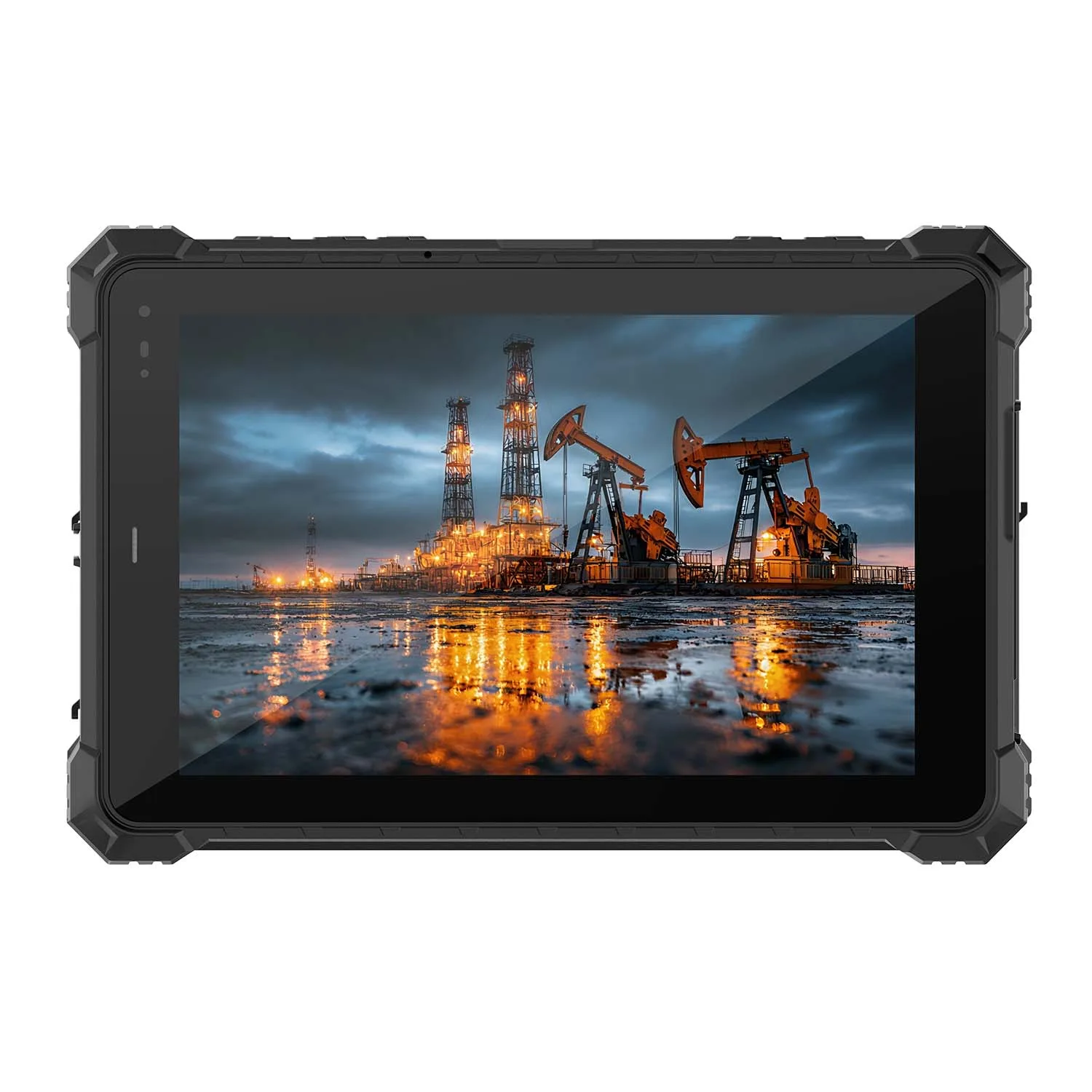
We build rugged tablets, handhelds, laptops and industrial PCs in Shenzhen. For marine work specifically, here's what we've learned matters and what doesn't. Its Rugged Tablet lineup includes Windows and Android models with optional 4G/5G, 2D scanning, NFC, ID card, fingerprint, HF/UHF, RJ45, and RS232 configurations, making it relevant for marine and port digital operations.
Why Marine Industries Need Professional Rugged Tablets
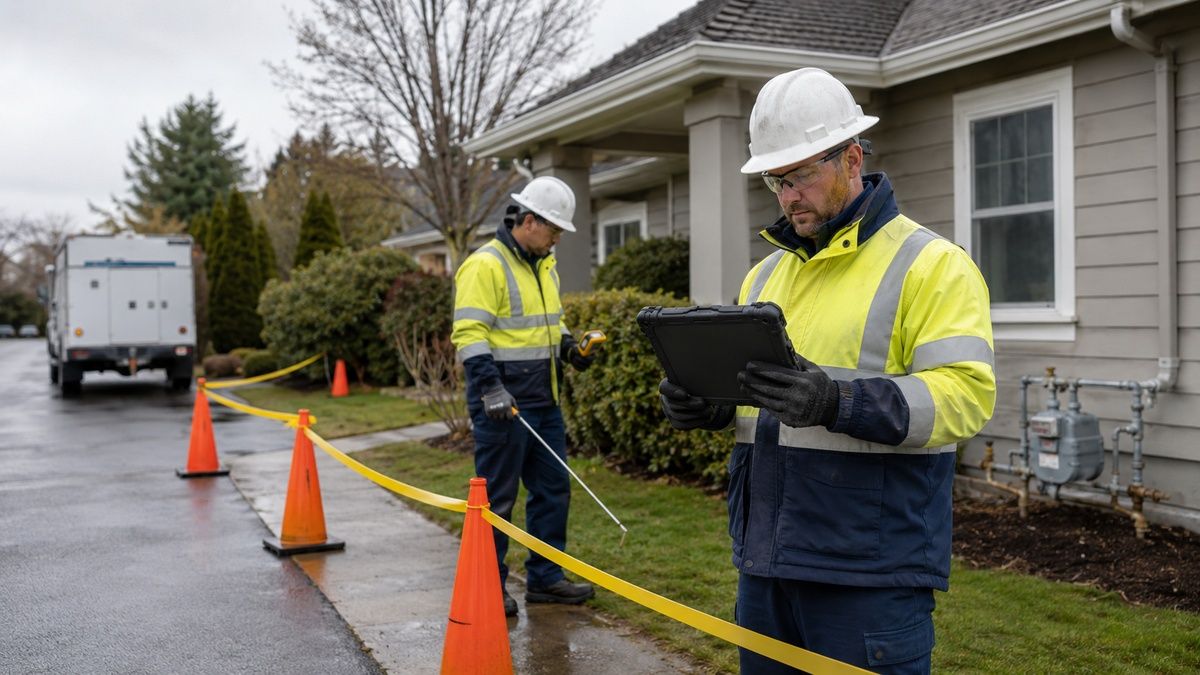
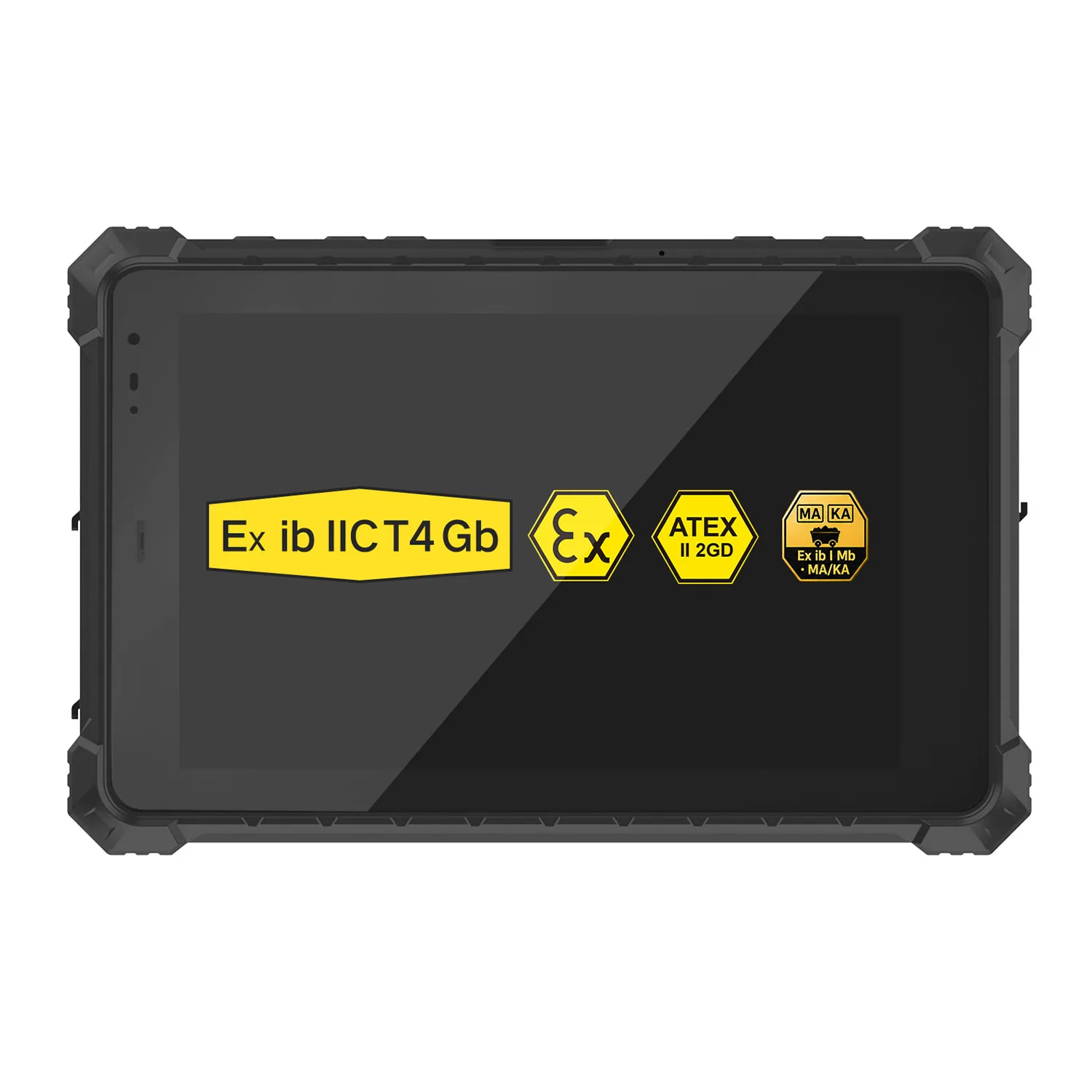
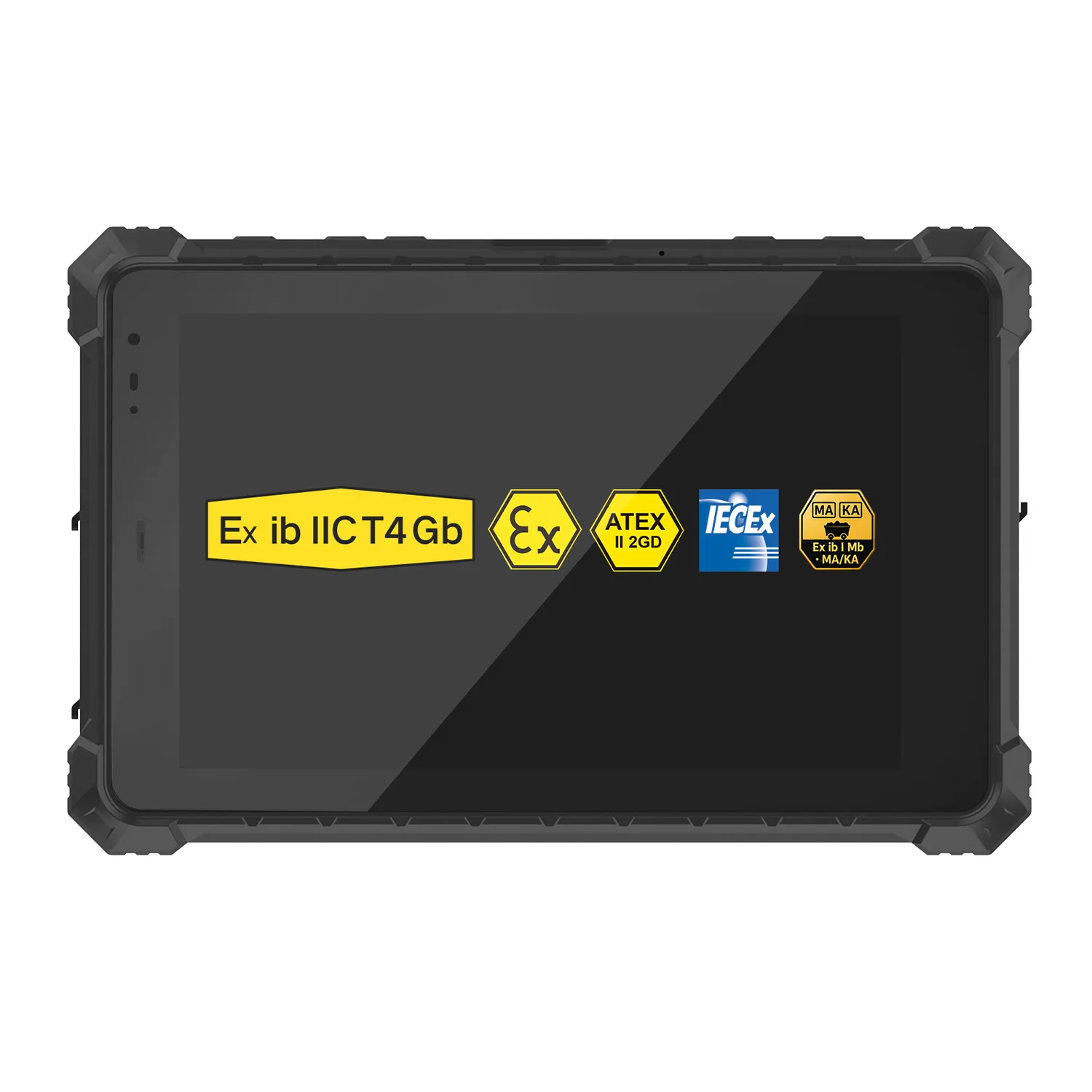
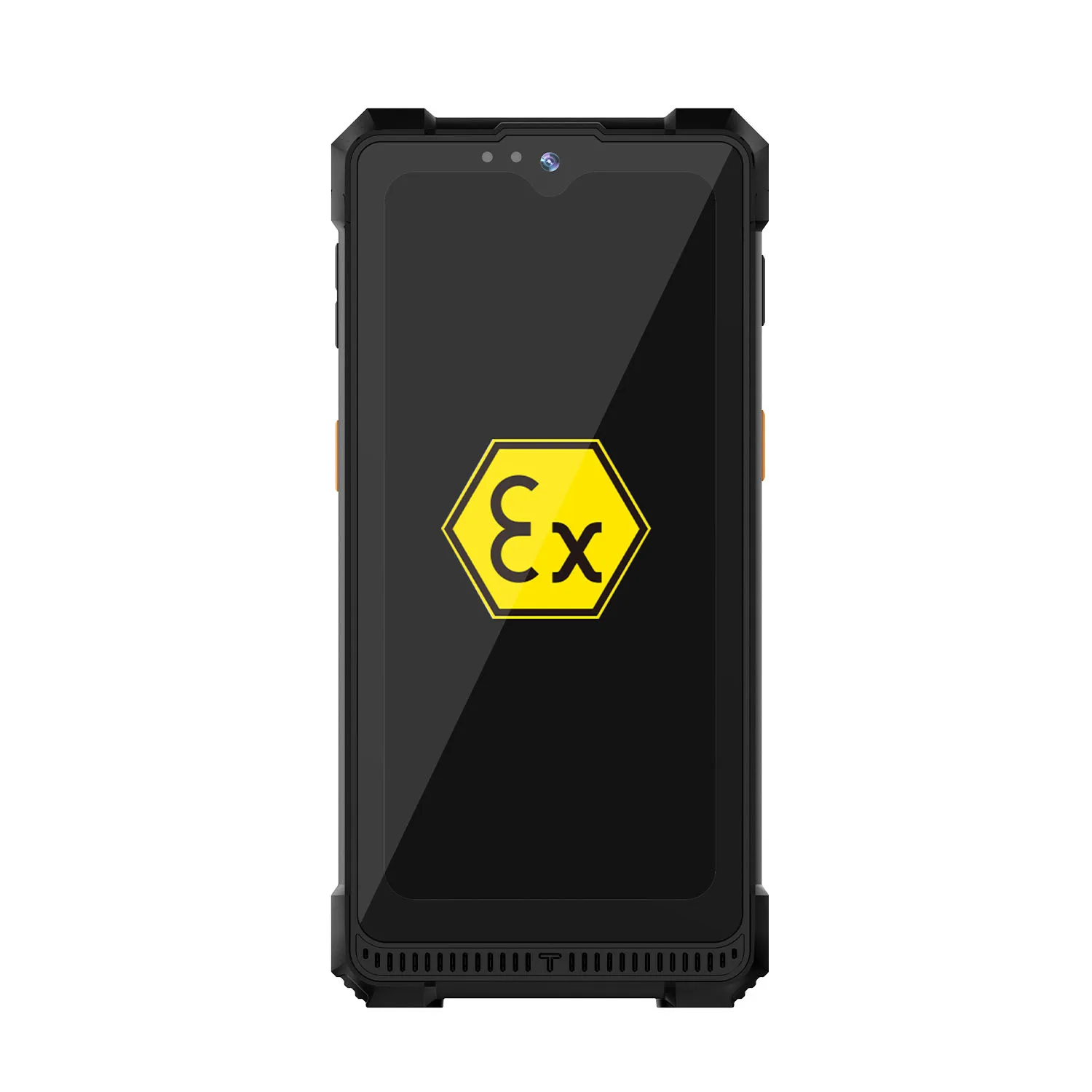
Marine environments aren't one single use case. Ocean-going vessels need reliable devices for the daily trio: inspection rounds, maintenance logs, and work orders. Offshore wind farms need tablets for turbine maintenance, checklist completion, remote reporting, and site documentation. Ports and terminals use rugged tablets for cargo handling, yard management, forklift operations, and equipment inspection. Distant-water fishing vessels need mobile devices for catch data, crew communication, inventory, and vessel operation records.Commercial ship decks and bridge areas usually don't require explosion-proof devices. However, hazardous cargo holds, oil and gas-related zones, LNG areas, and chemical tanker spaces may require ATEX, IECEx, or other certified explosion-proof rugged devices. This is the same mistake buyers make with IP ratings, one level up: a certified tablet with an uncertified module added is no longer the certified tablet, buyers should avoid unnecessary satellite or non-approved communication modules unless they're included in the certified configuration.Marine Environmental Challenges for Electronics
Marine tablets face salt spray, high humidity, condensation, rapid temperature change, and high-frequency mechanical vibration. Salt mist can corrode connectors, charging contacts, screws, and internal components if sealing and material protection are weak. High humidity and condensation can damage displays, boards, and batteries. Vibration from engines, deck machinery, vehicles, and offshore platforms can loosen interfaces or reduce long-term stability.
For marine projects, buyers often ask for requirements such as 168-hour salt spray resistance, repeated high/low temperature cycling, high humidity condensation resistance, and vibration testing. These requirements should be confirmed against the exact model, configuration, and test report before purchase.
Key Features a Marine Rugged Tablet Should Have
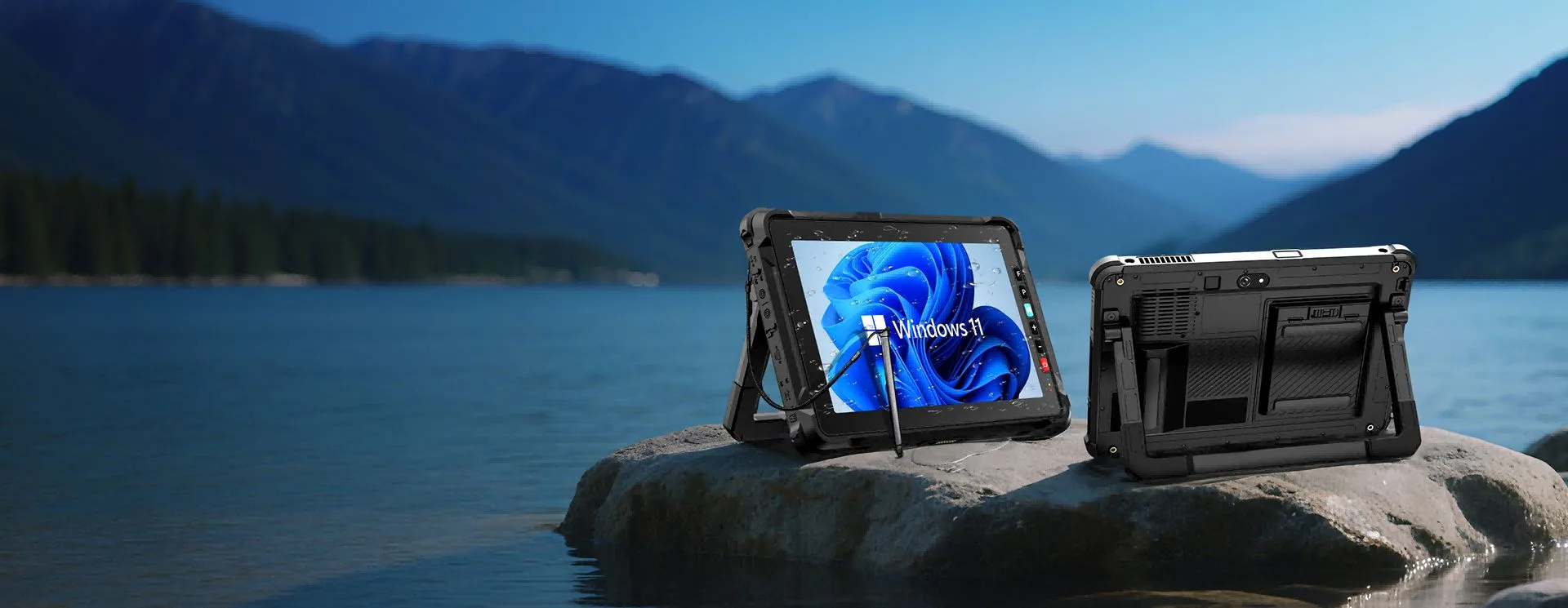
A waterproof marine tablet should be selected according to two categories: explosion-proof models for hazardous cargo areas and non-explosion-proof models for deck, port, fishing, and general maritime operations.
Scenario | Recommended Device Type | Key Requirements |
Hazardous cargo hold or oil/gas zone | Explosion-proof rugged tablet or handheld | ATEX/IECEx or equivalent certification, approved configuration, no unverified modules |
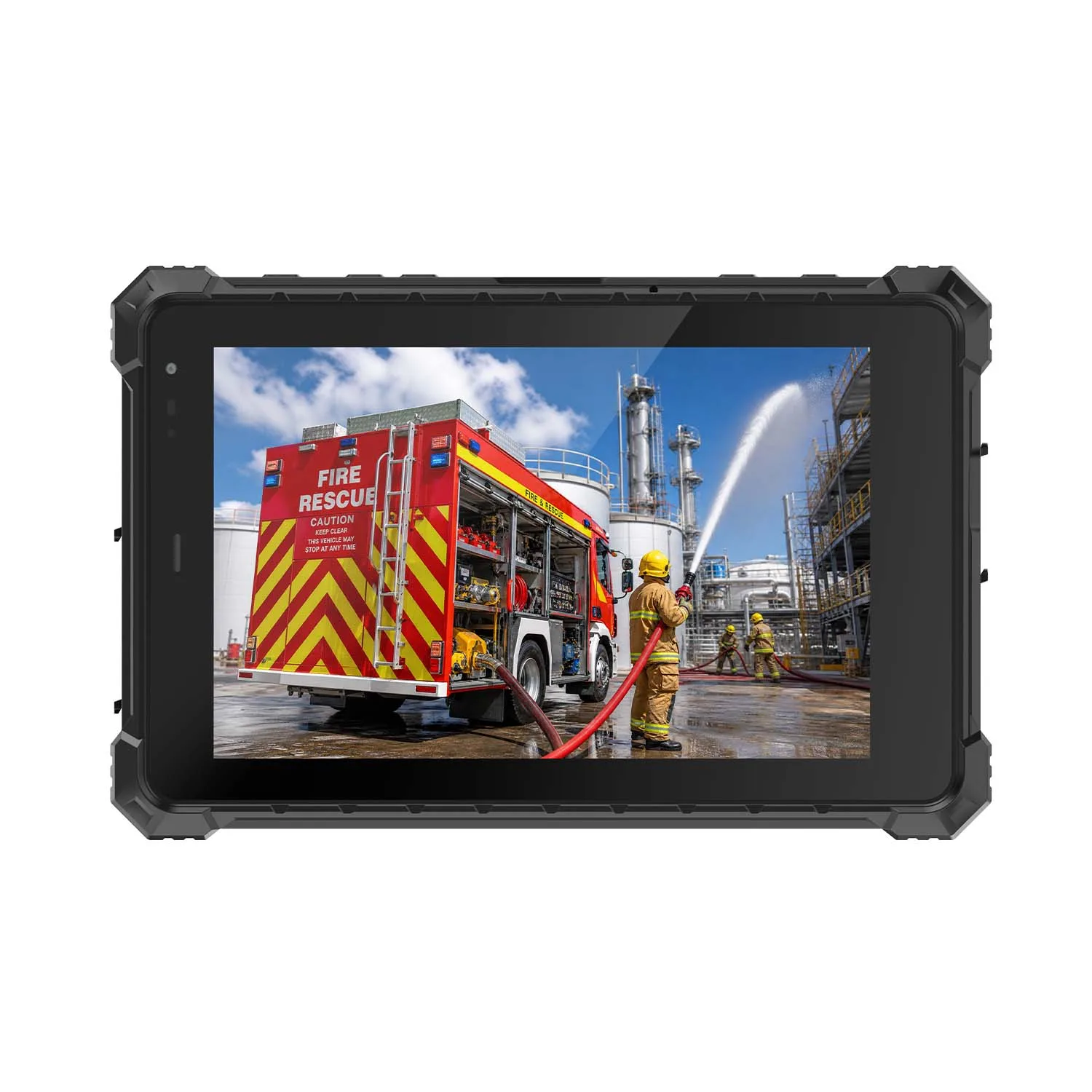
Ship deck and bridge support | Non-explosion-proof rugged tablet | IP68 or IP67/IP68 protection, sunlight-readable display, wet/glove touch |
Fishing vessel operations | Waterproof rugged tablet or rugged handheld | IP68, 4G/5G where available, optional GPS/BeiDou, scanning or data collection |
Offshore wind maintenance | Rugged tablet with field service functions | Waterproofing, vibration resistance, long battery life, data capture, docking or mounting |
Port and terminal operations | Rugged tablet or vehicle-mounted solution | RJ45/RS232, barcode/QR scanning, vehicle bracket, stable wireless connectivity |
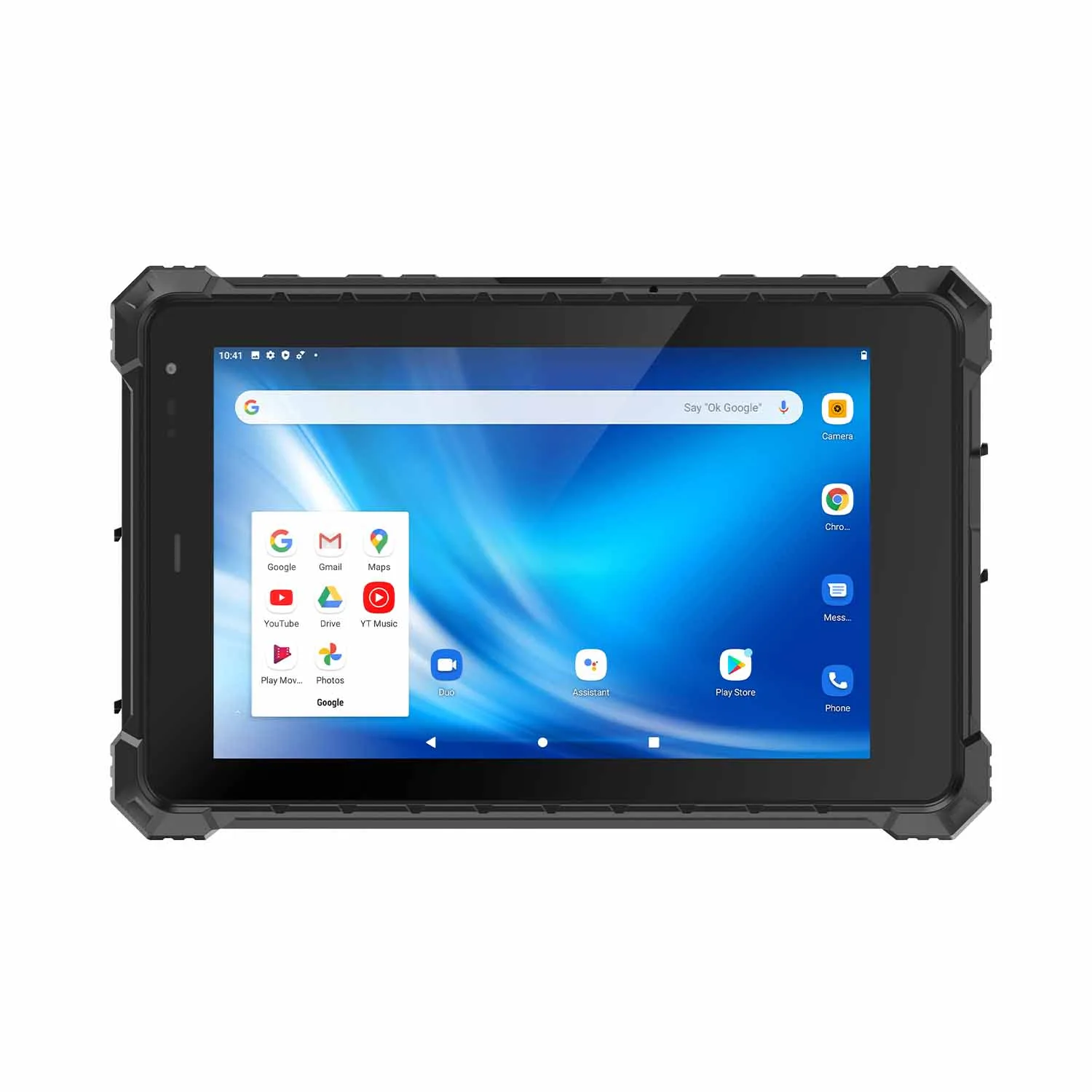
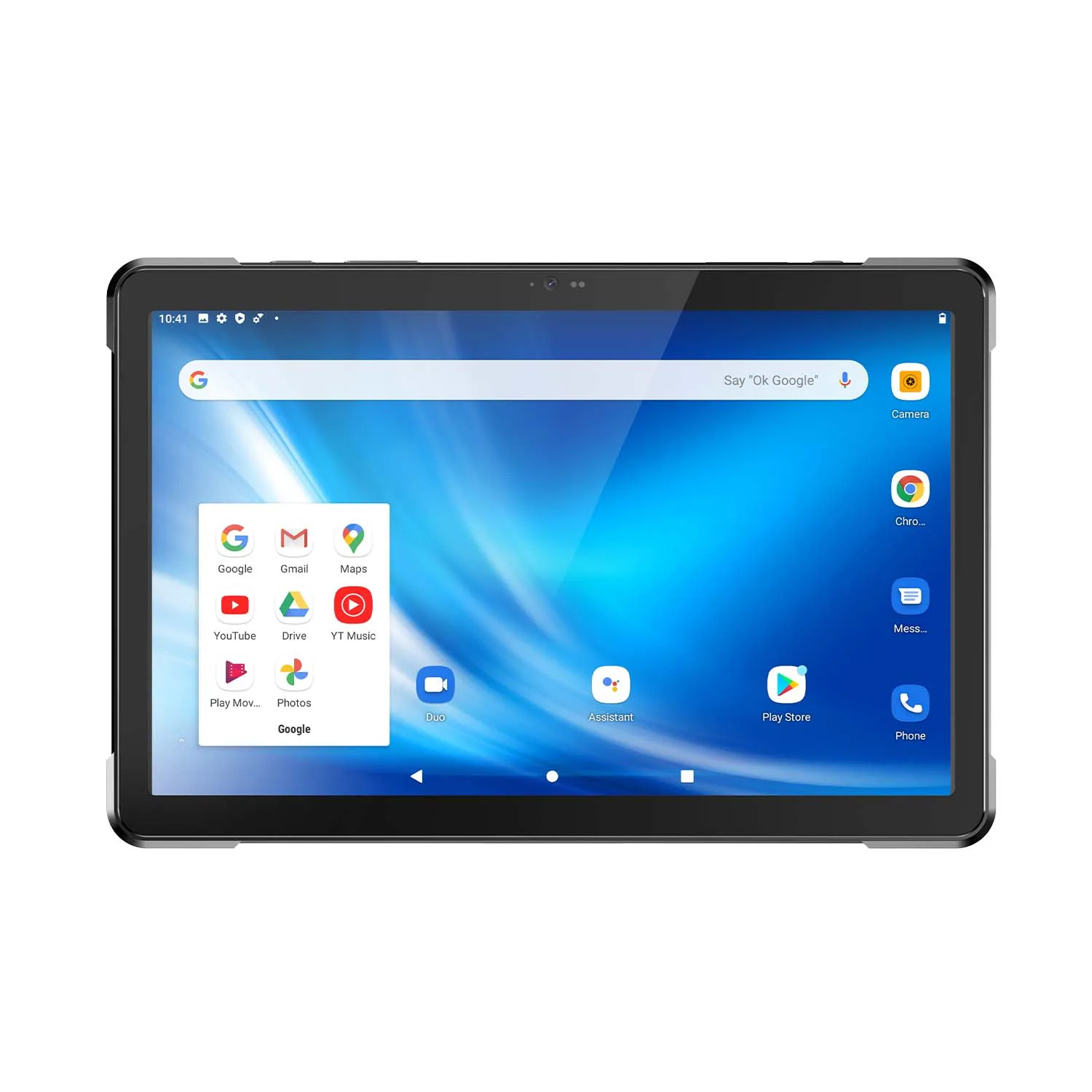
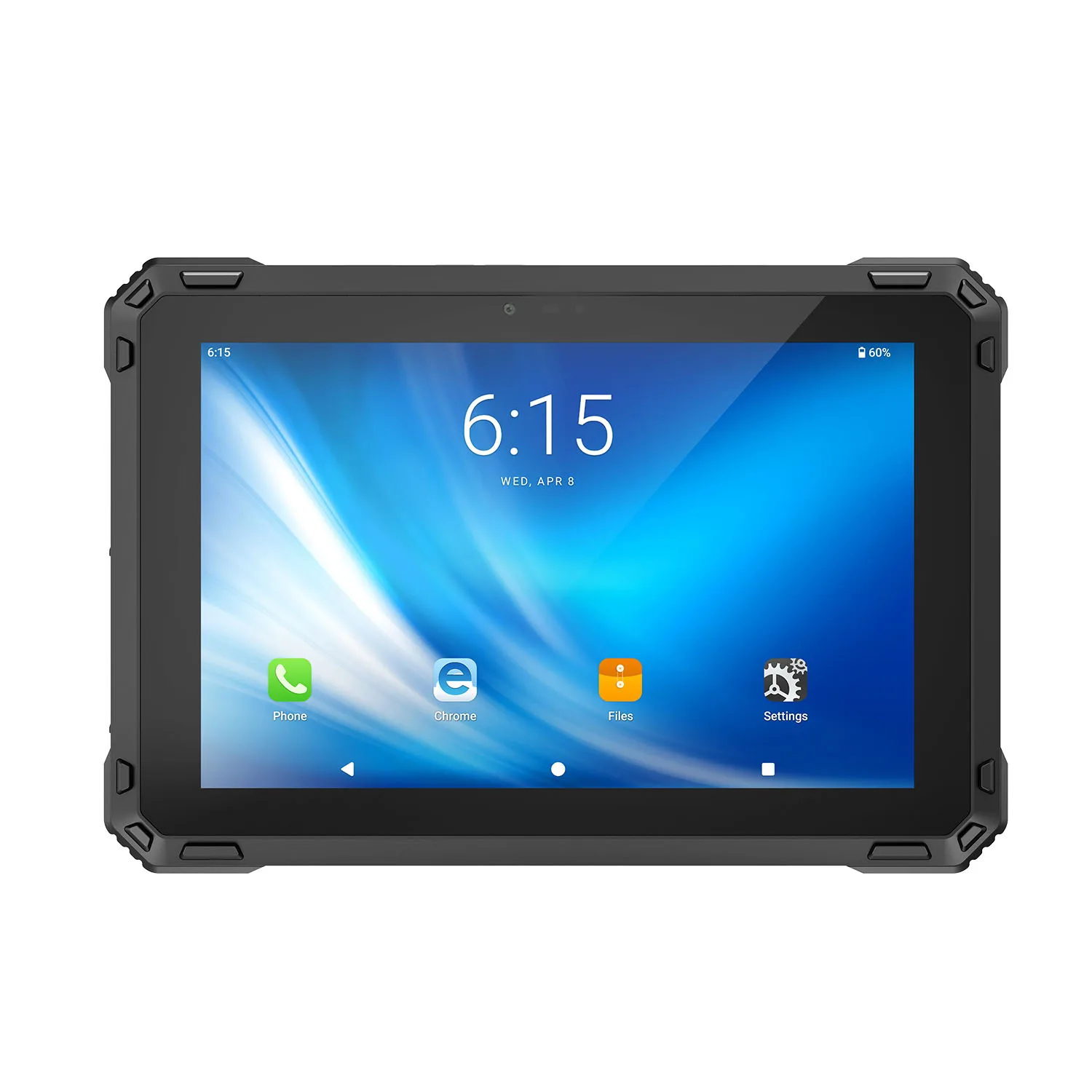
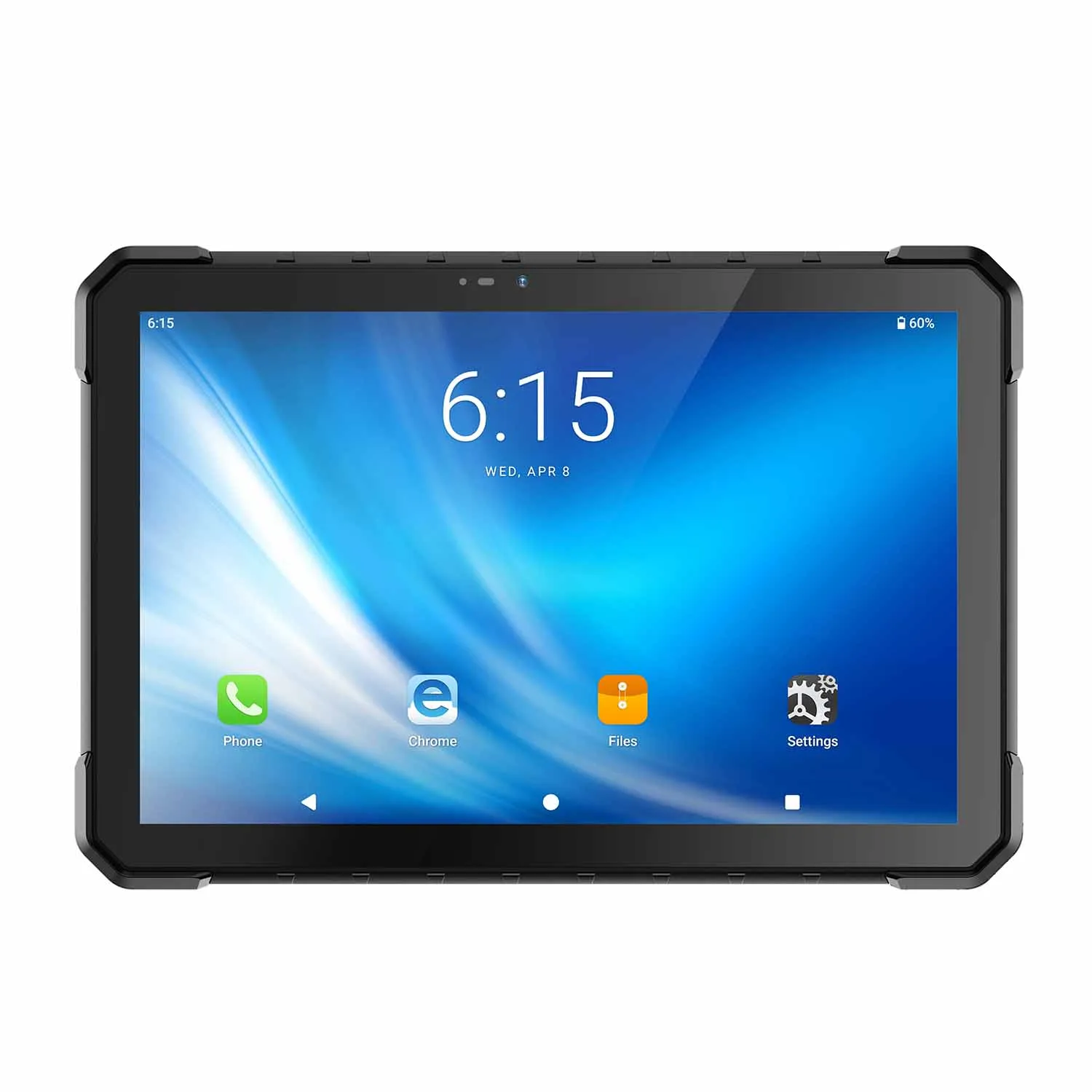
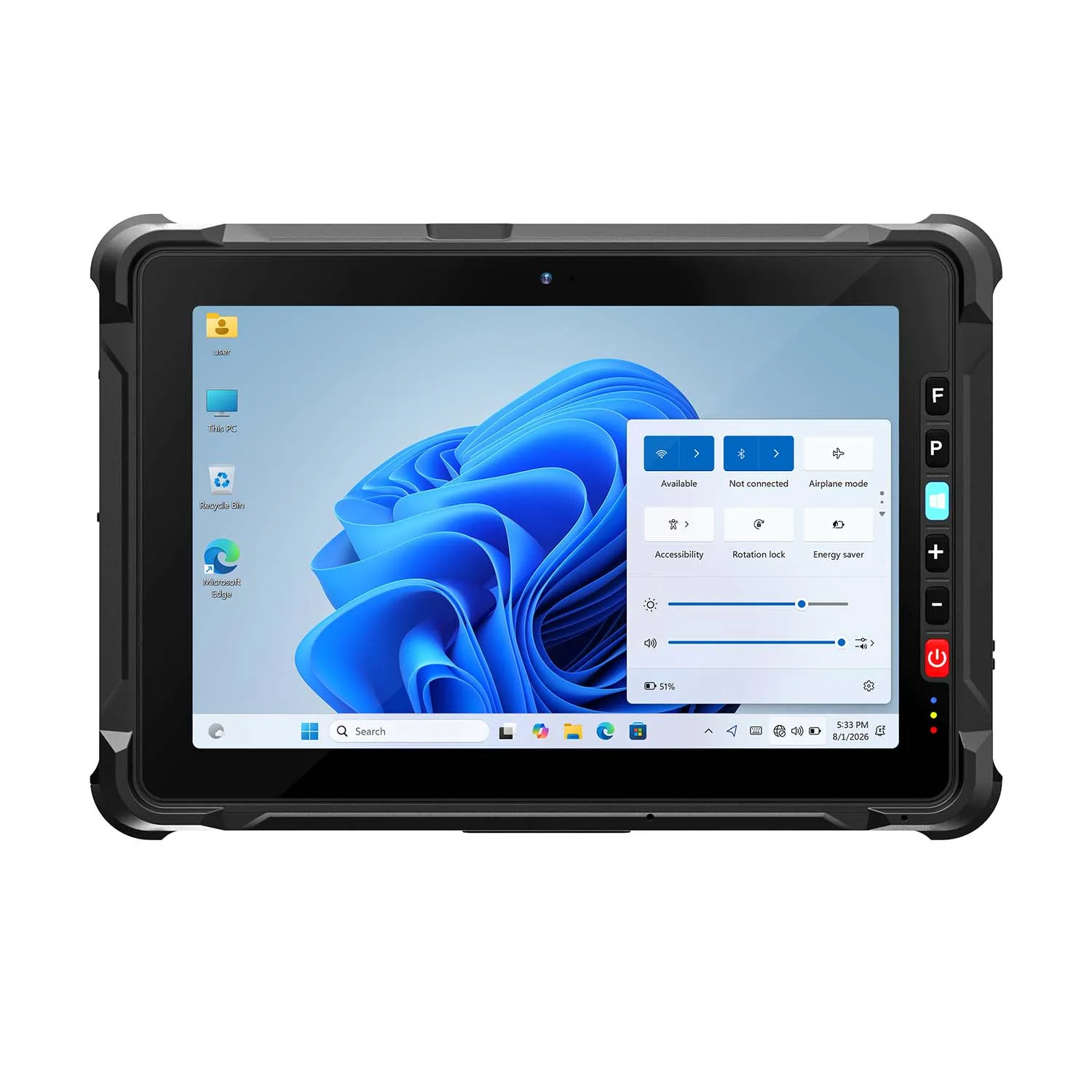
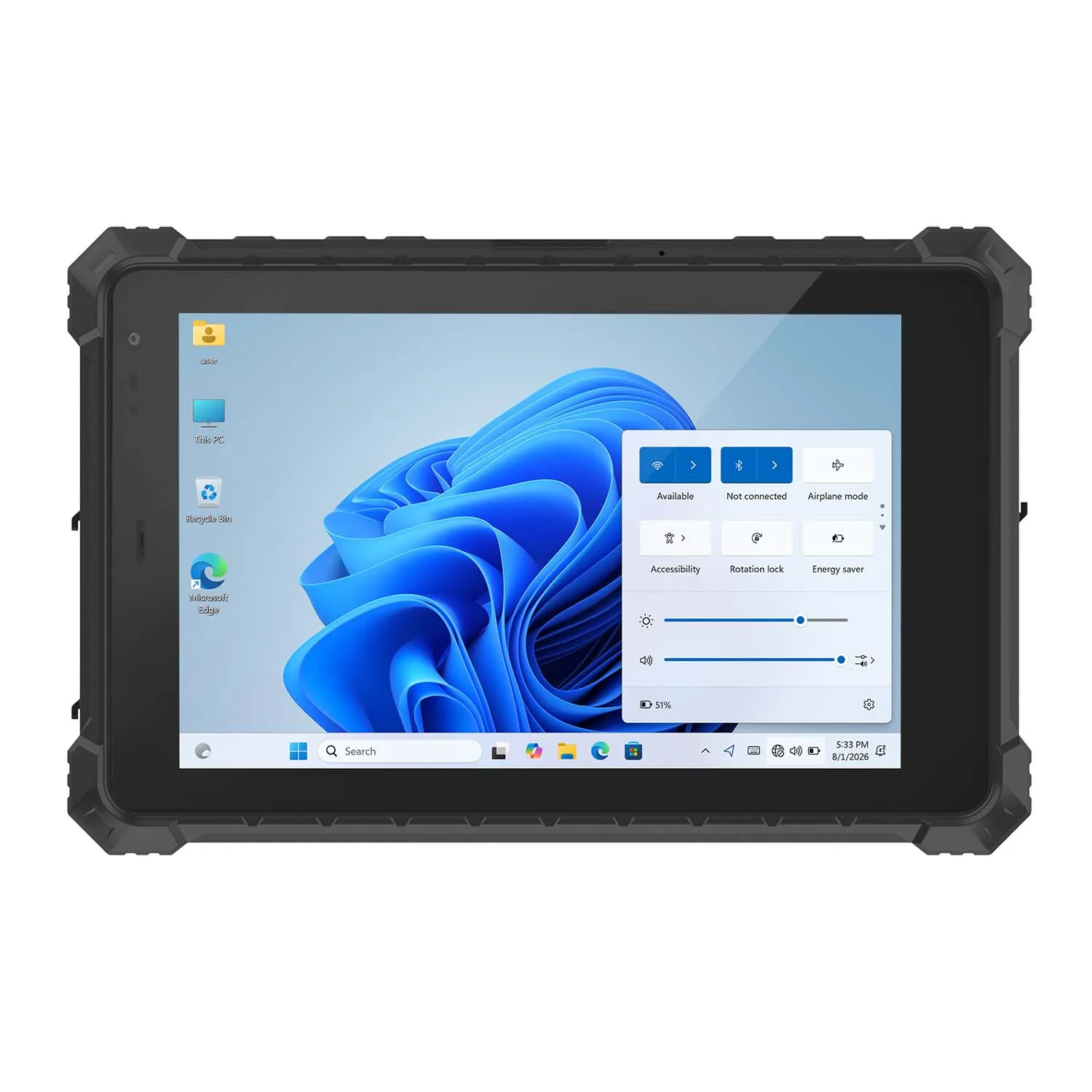
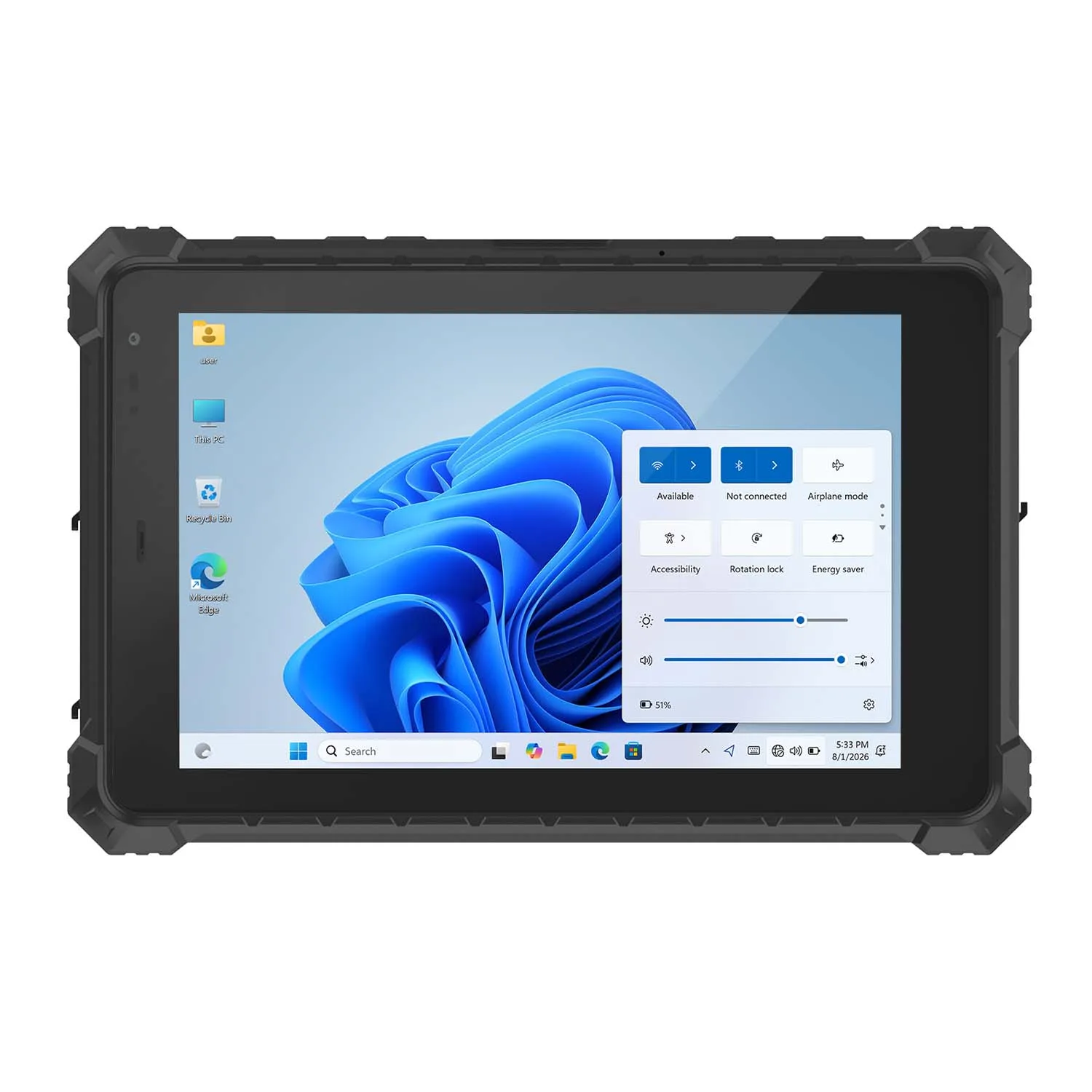
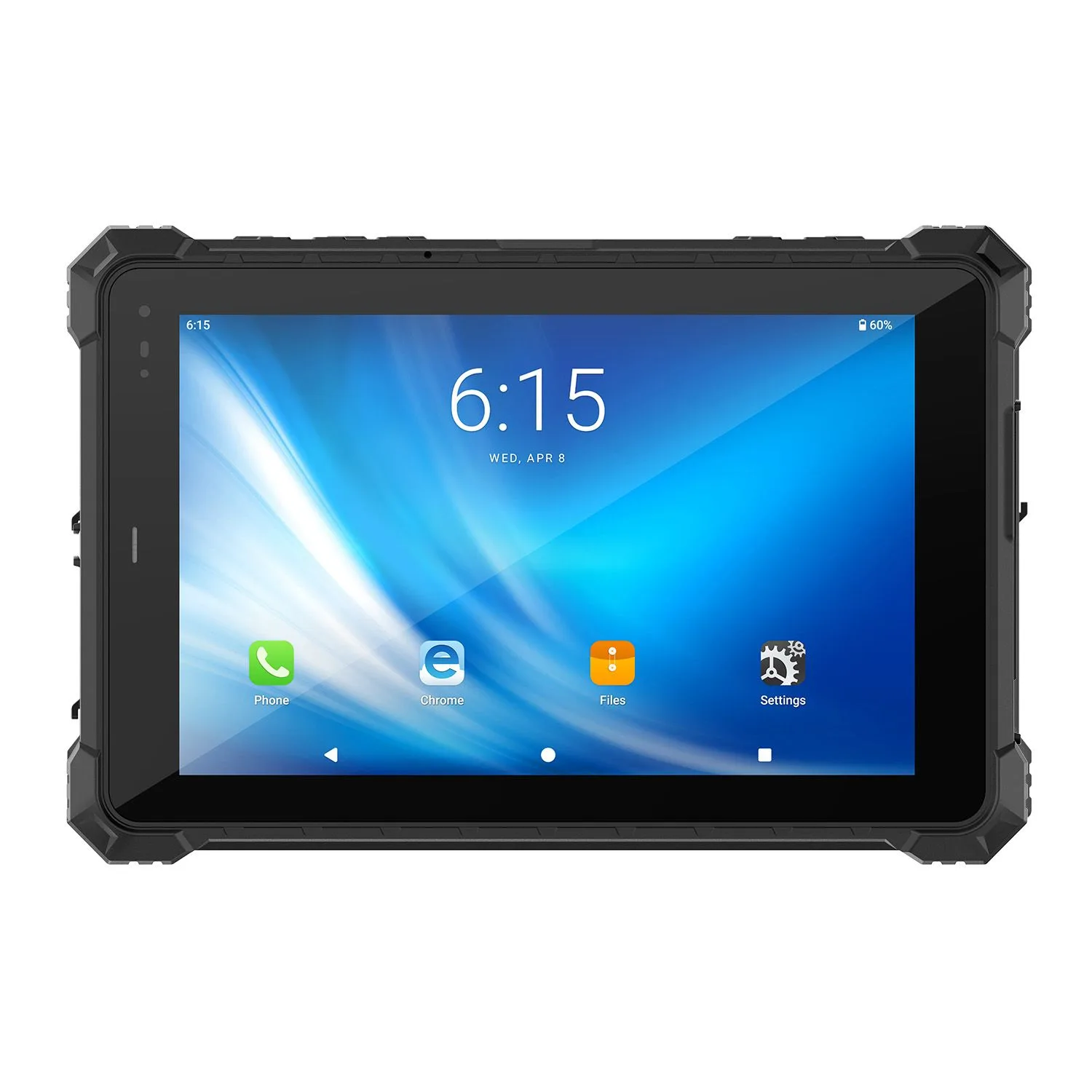
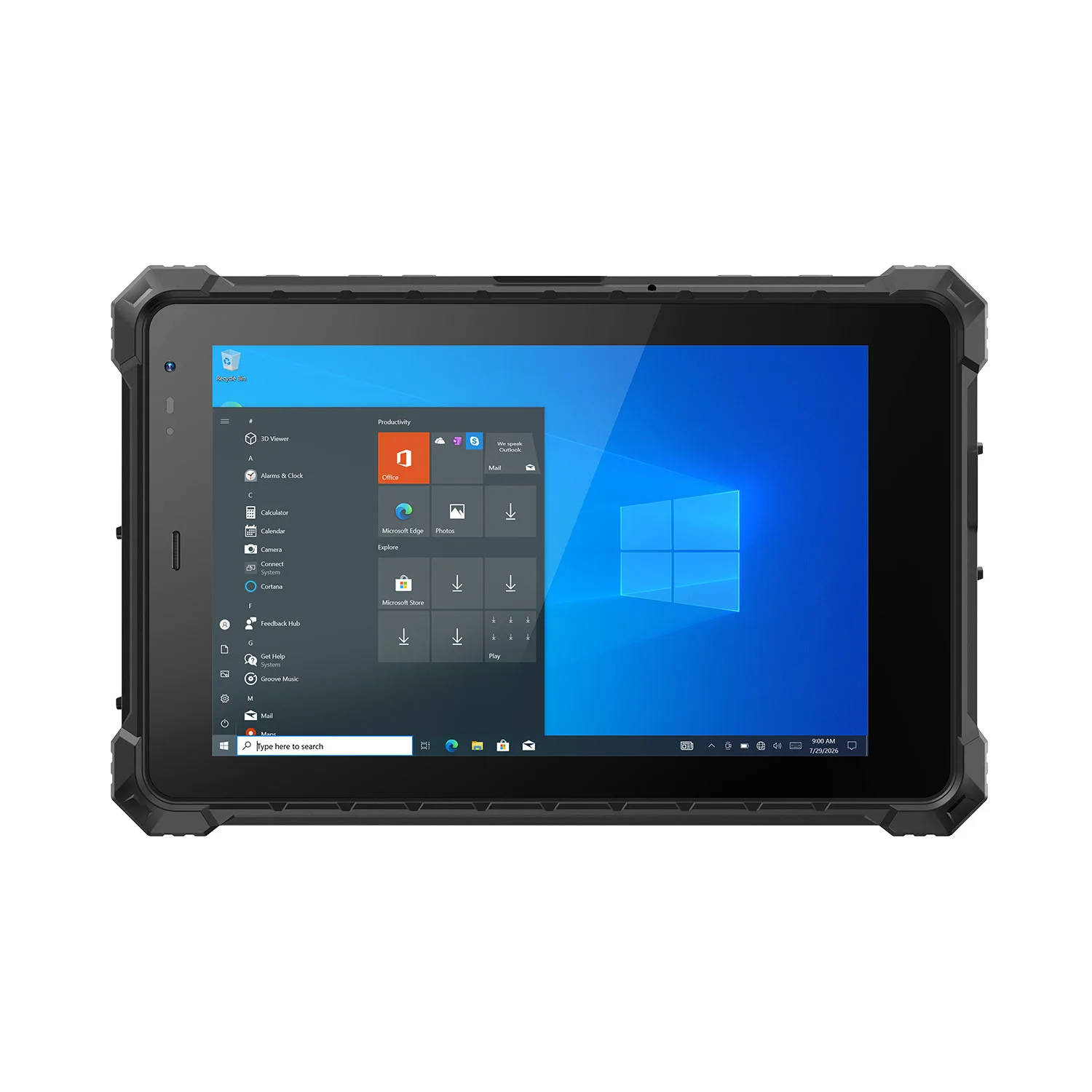
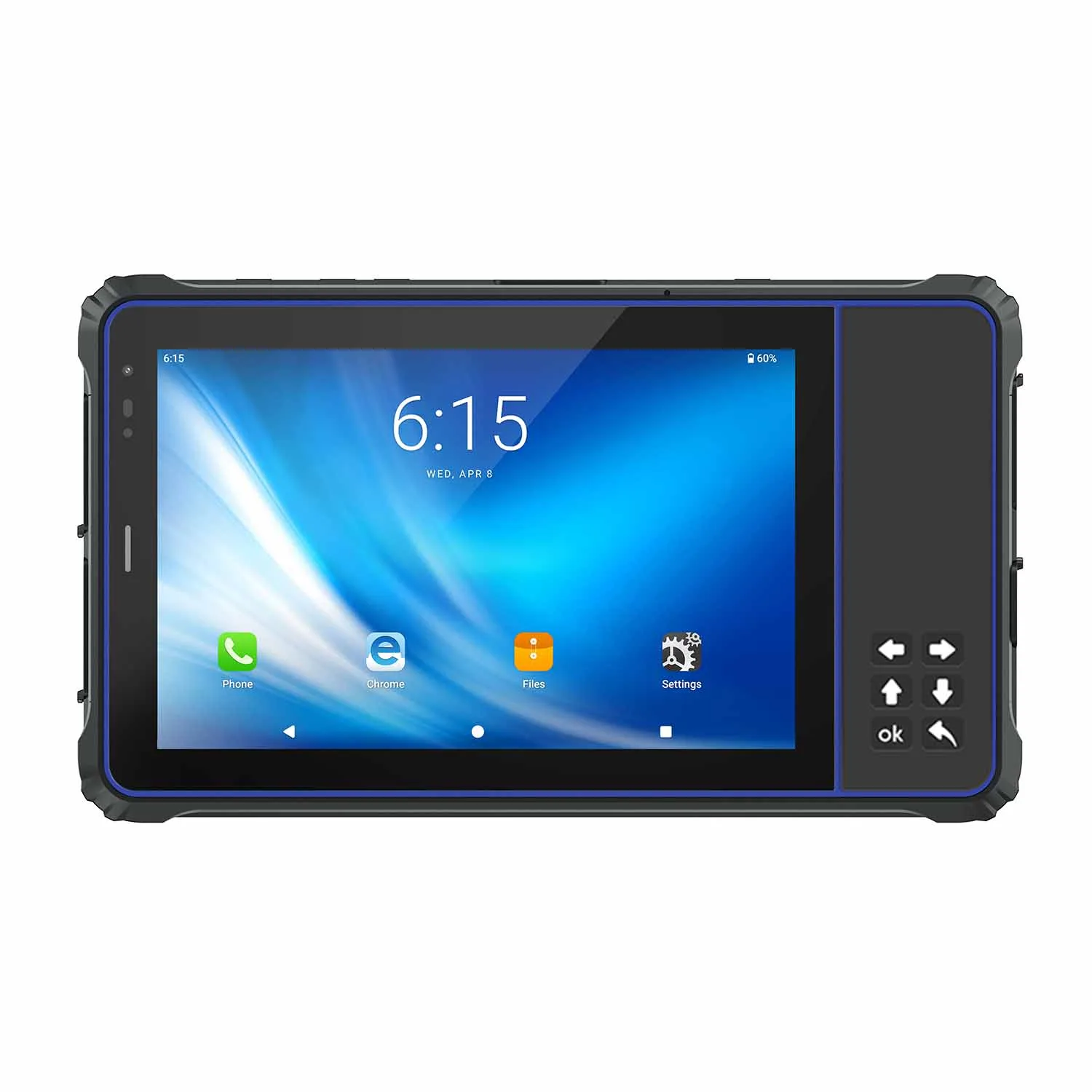
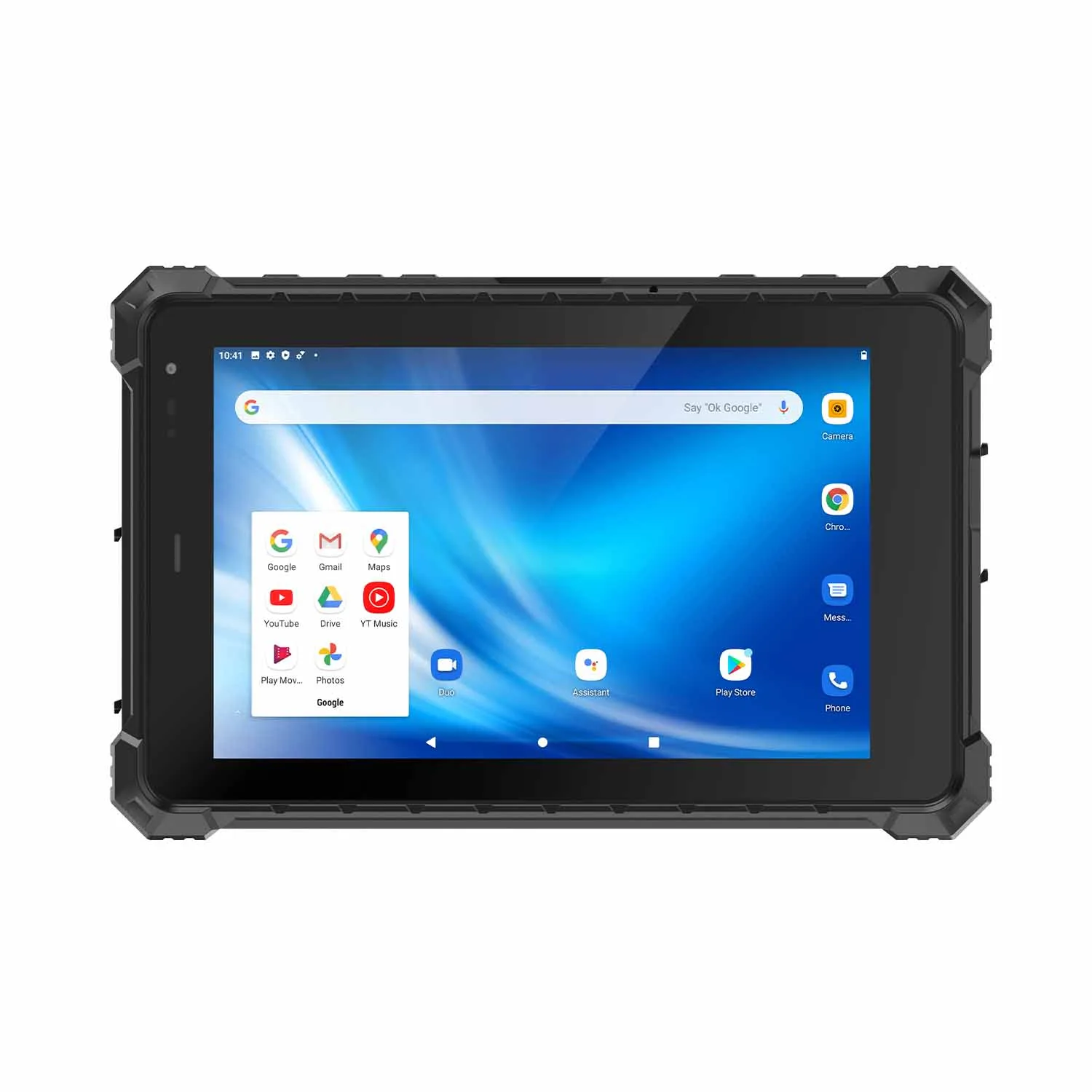
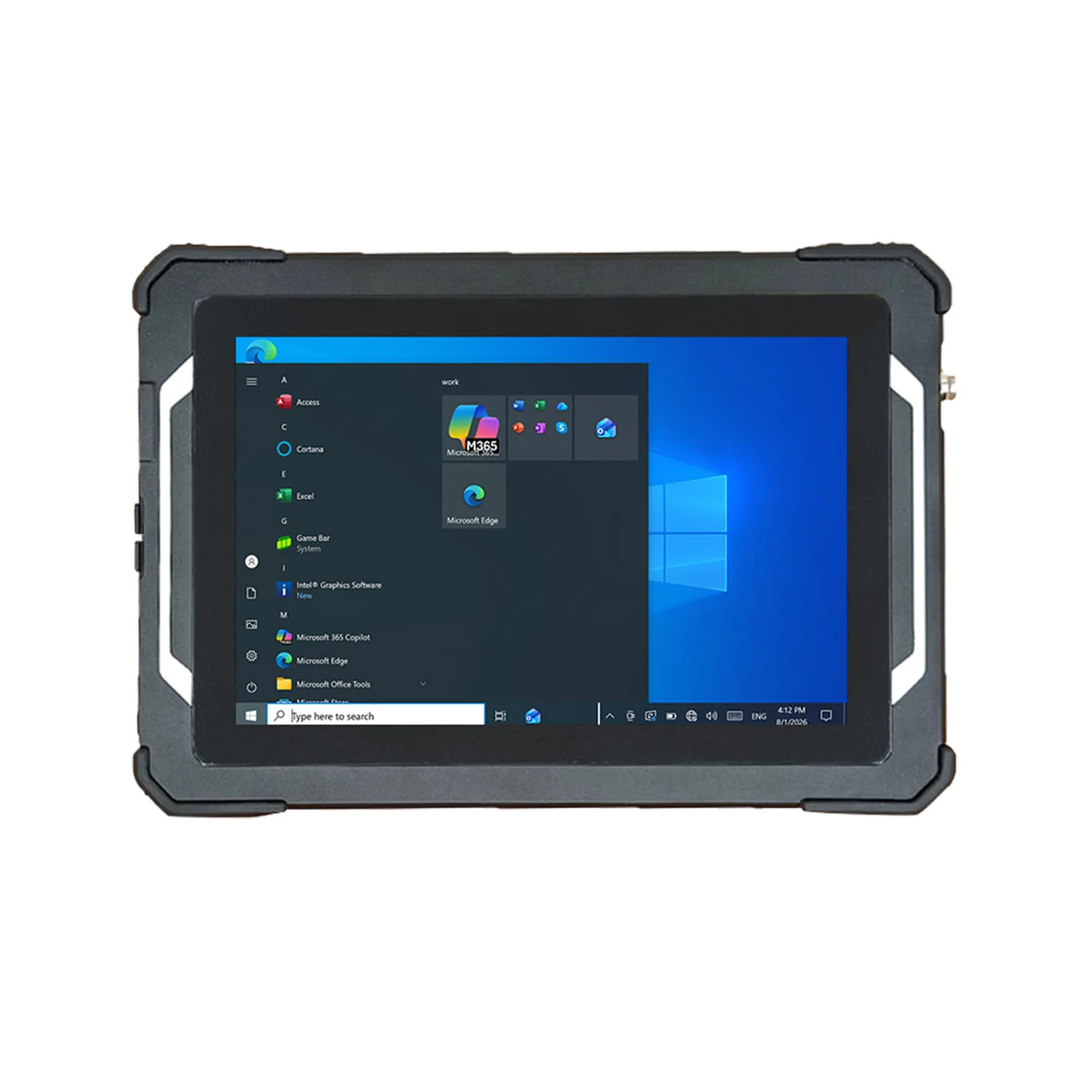
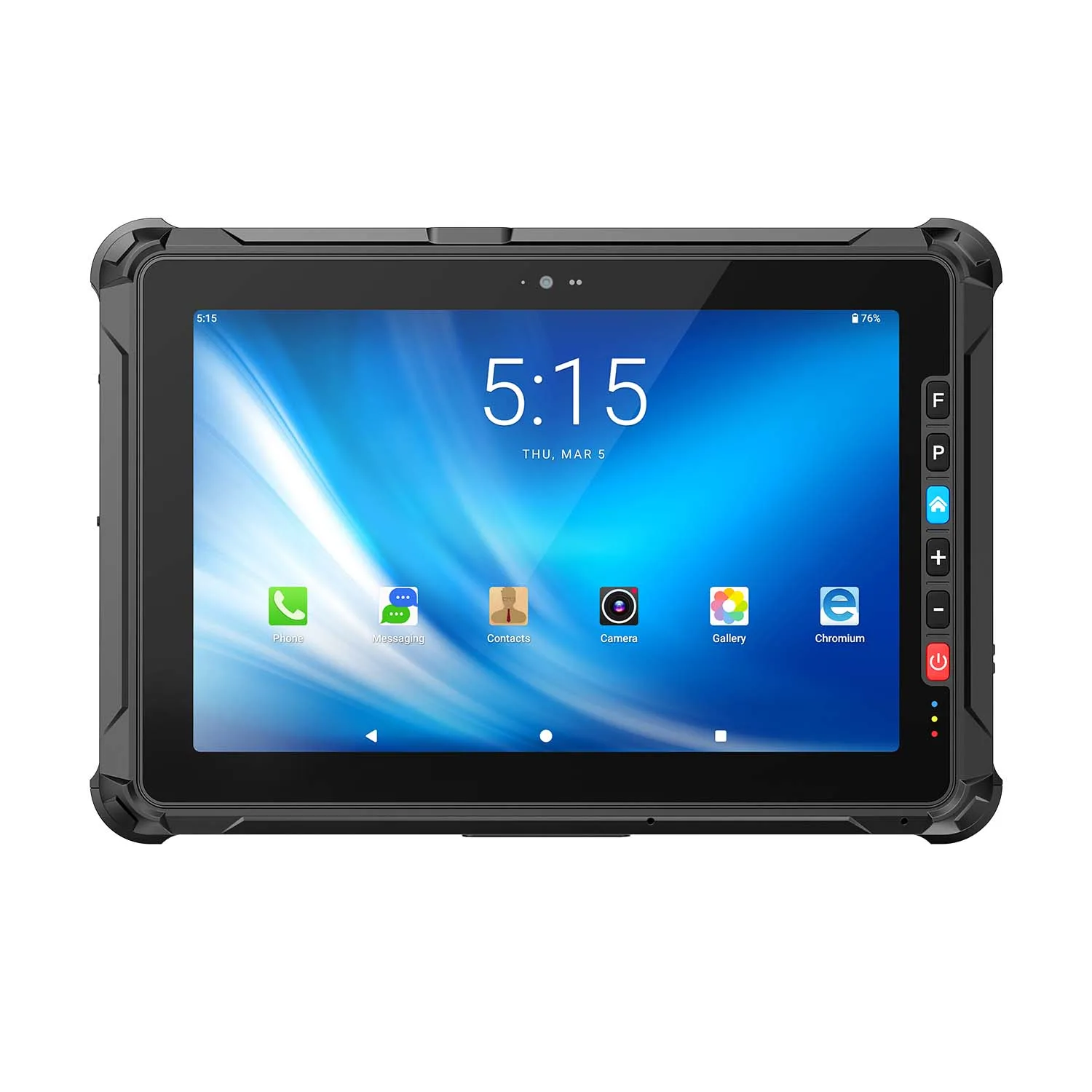
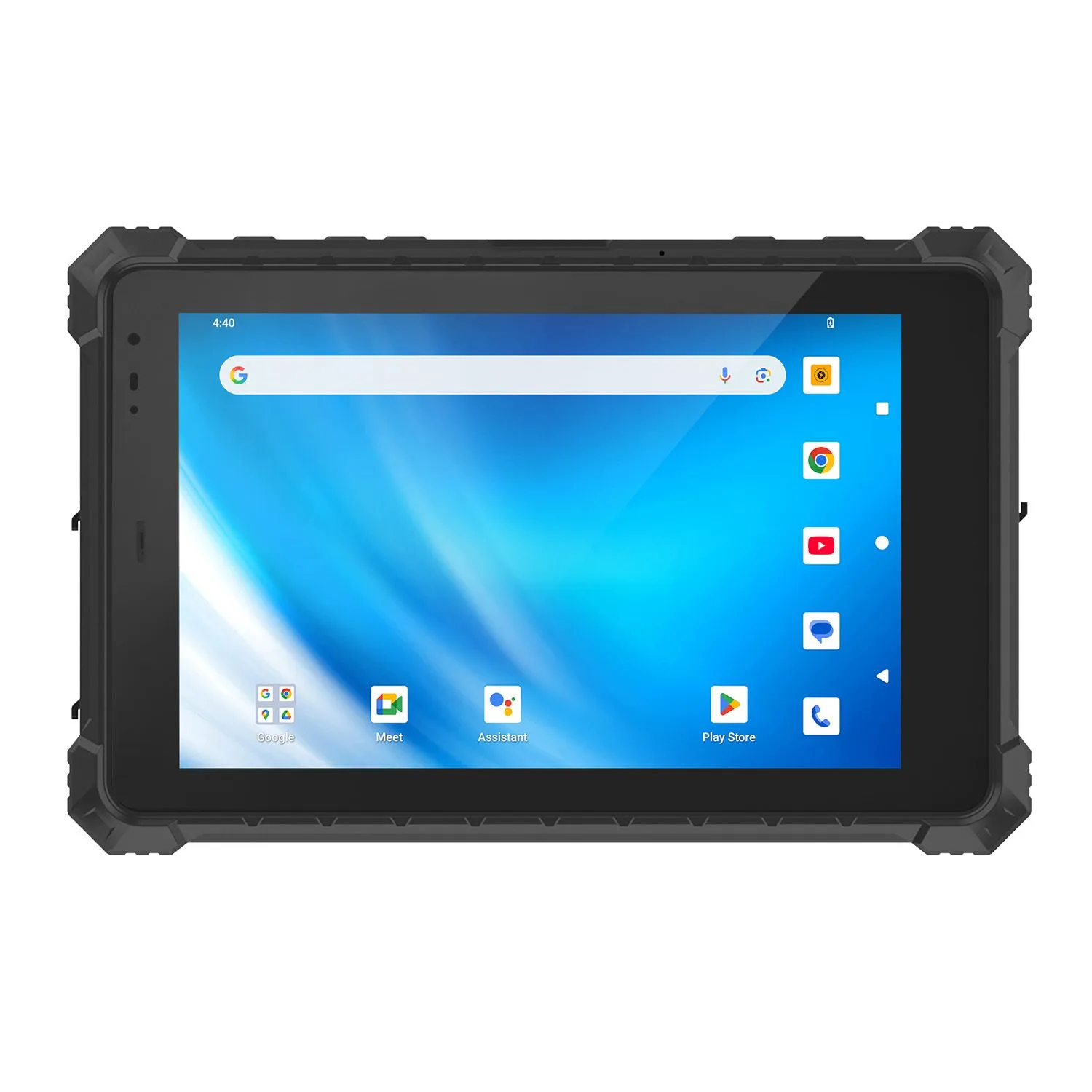
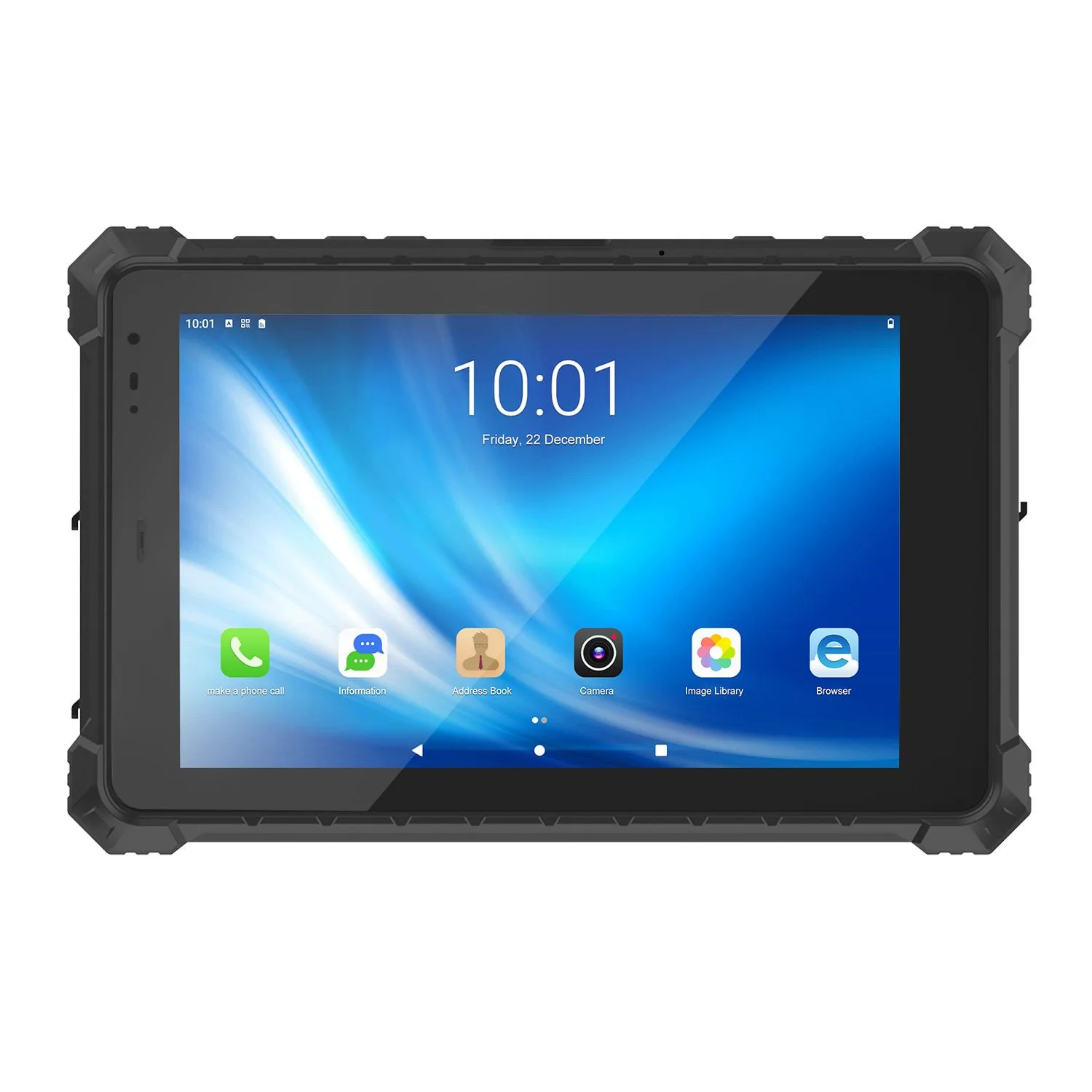
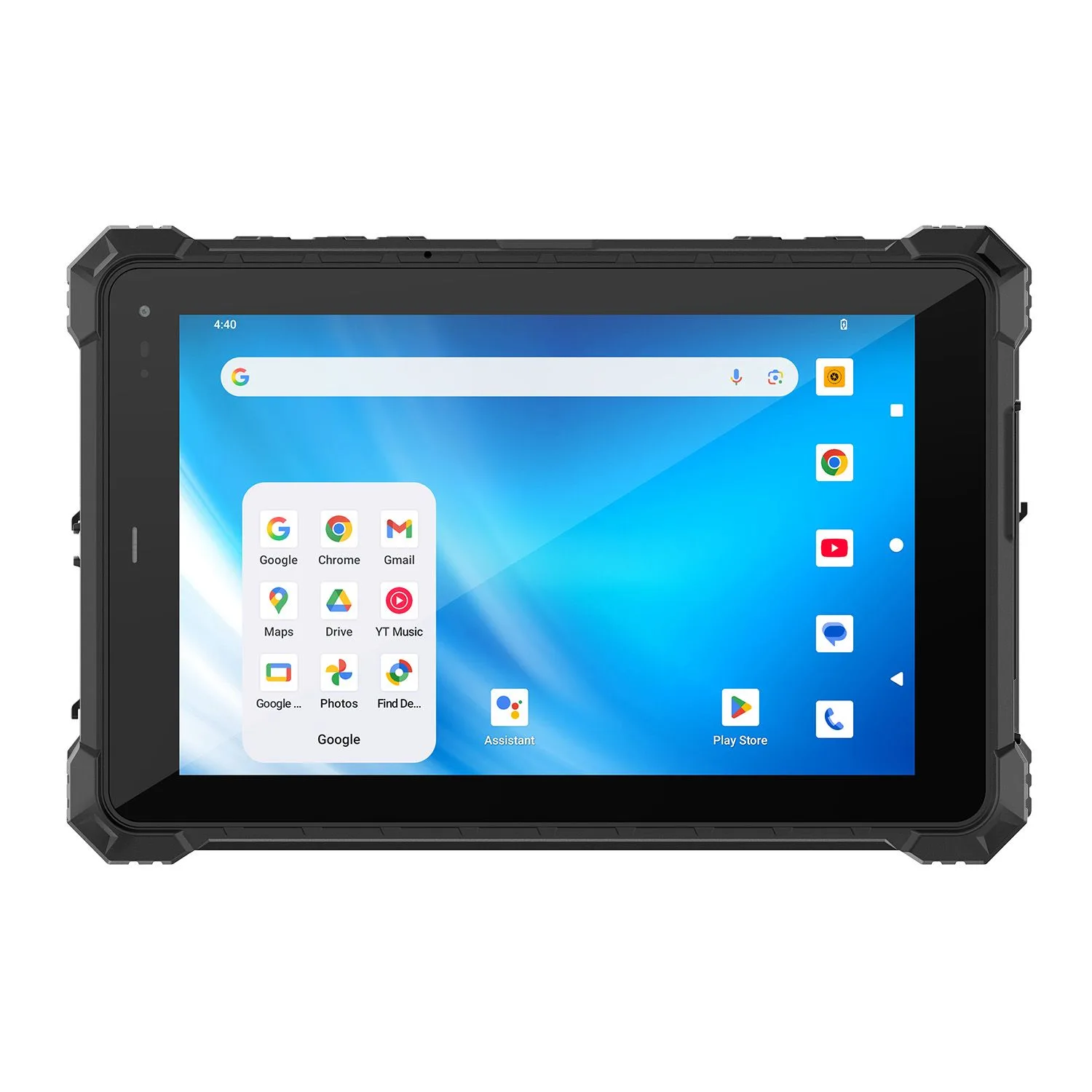
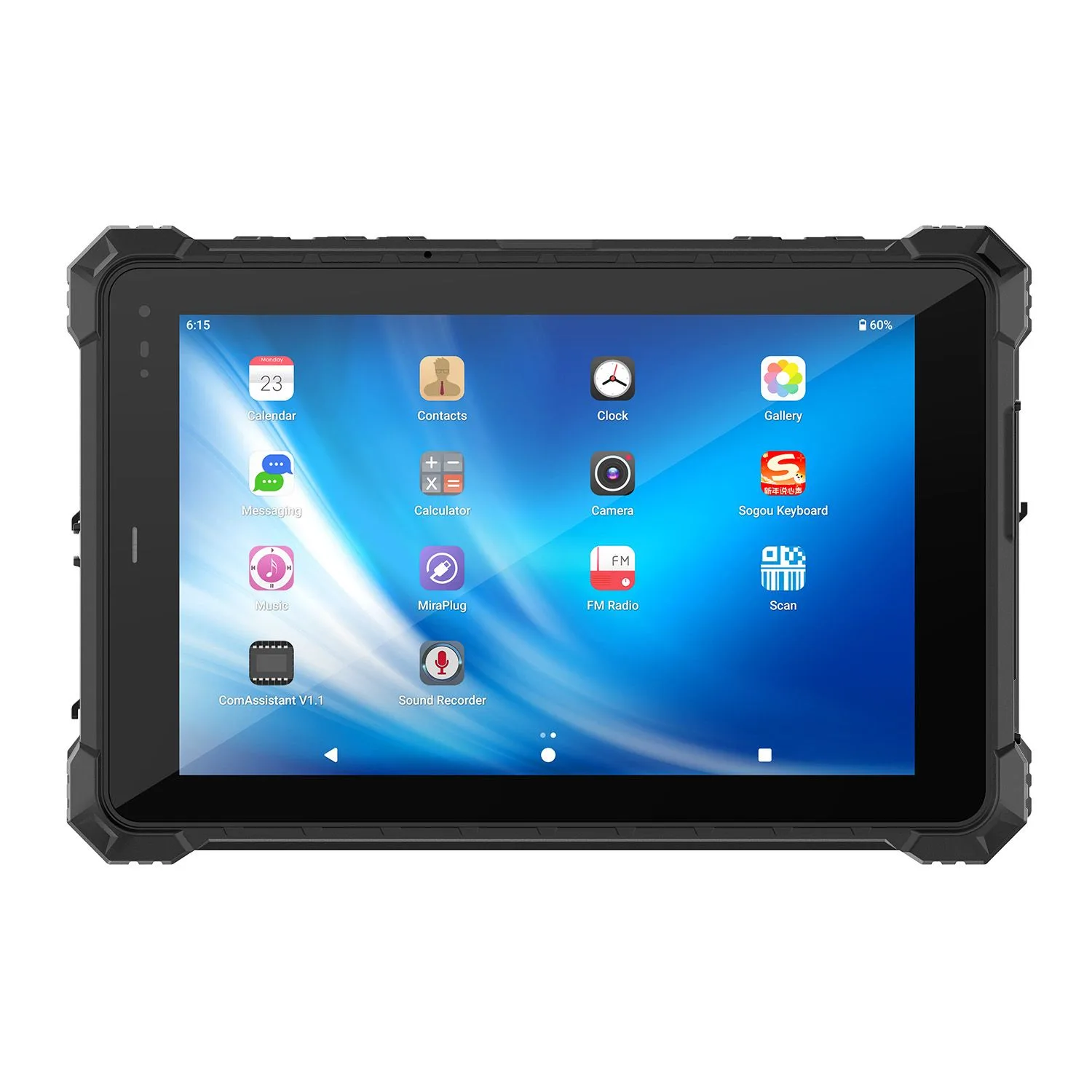
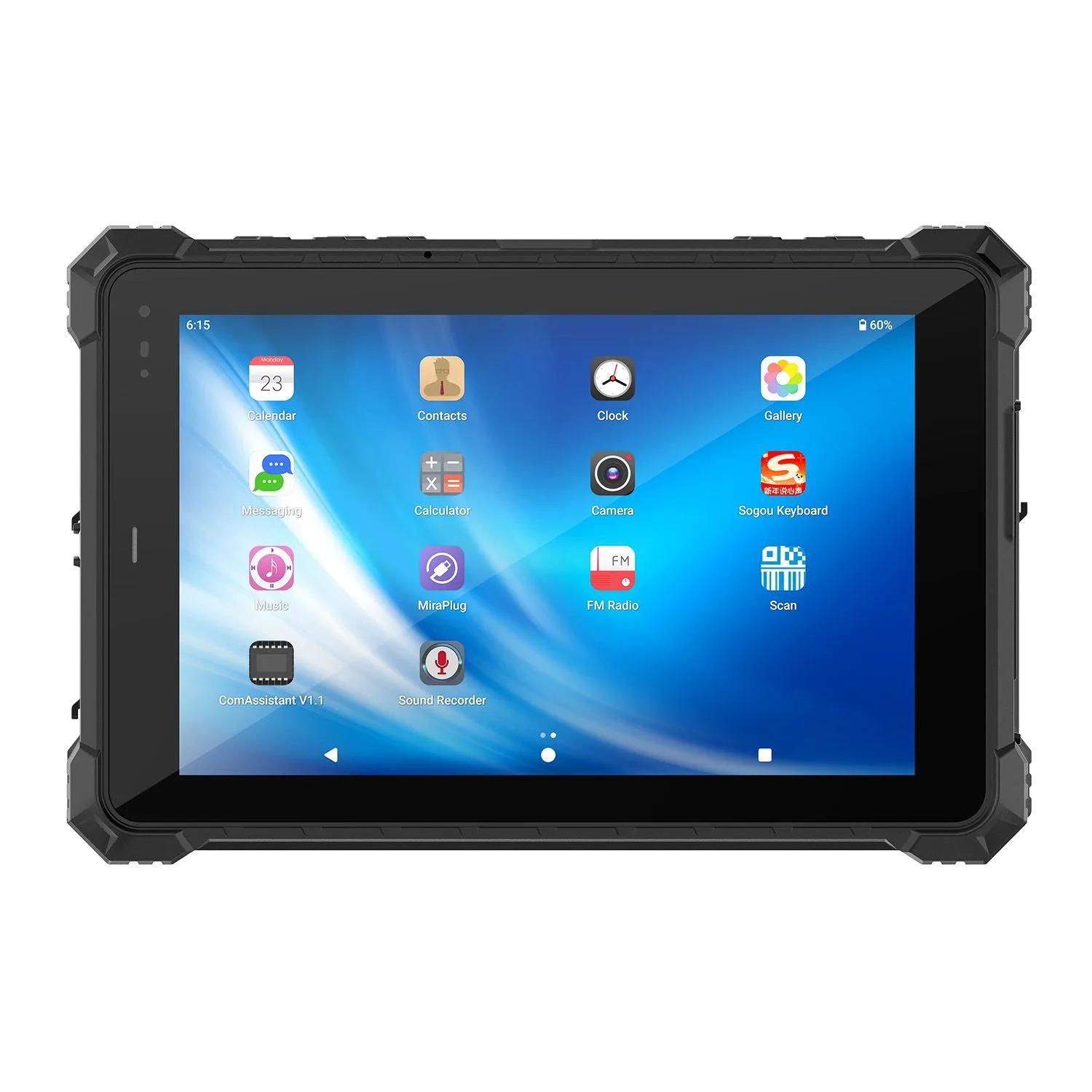
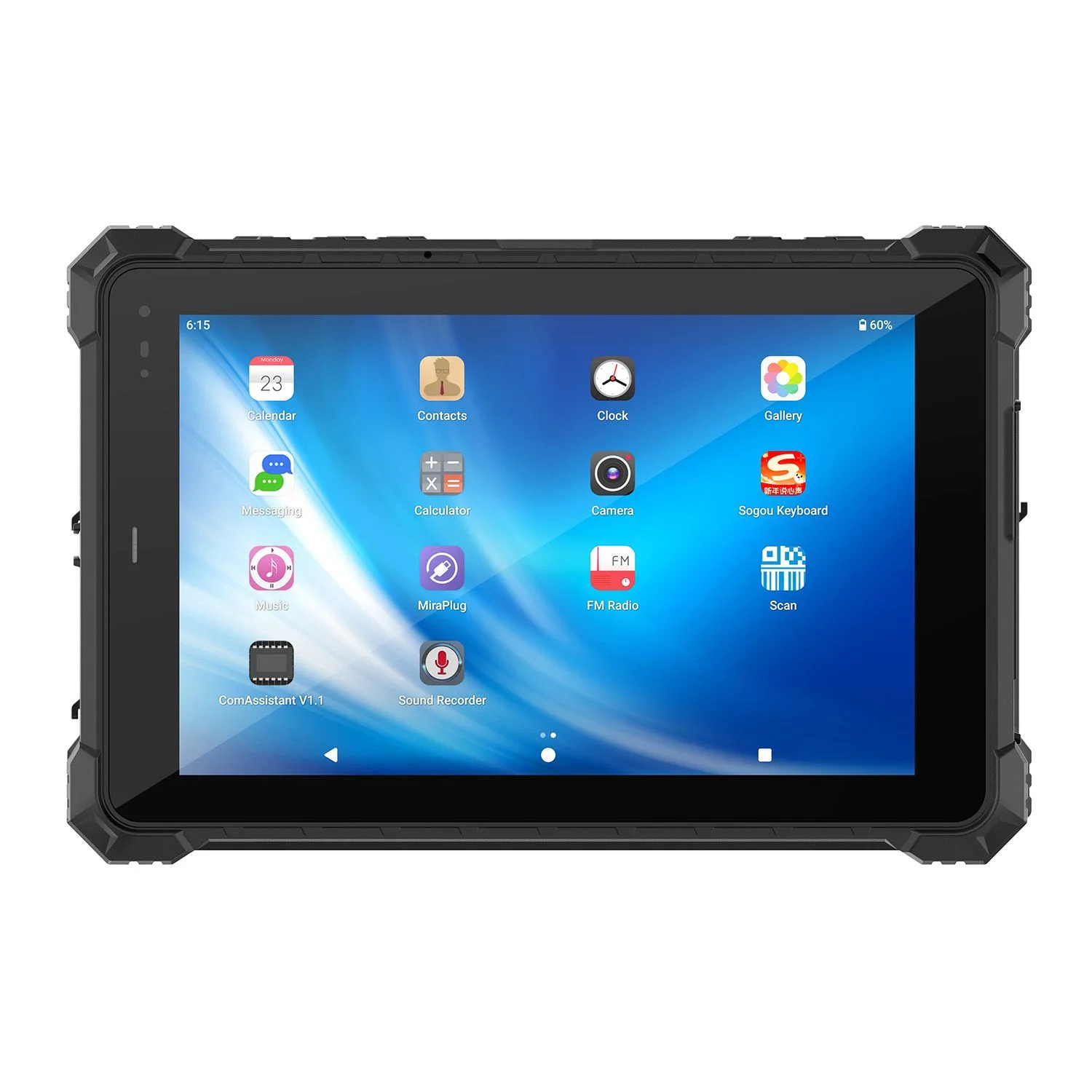
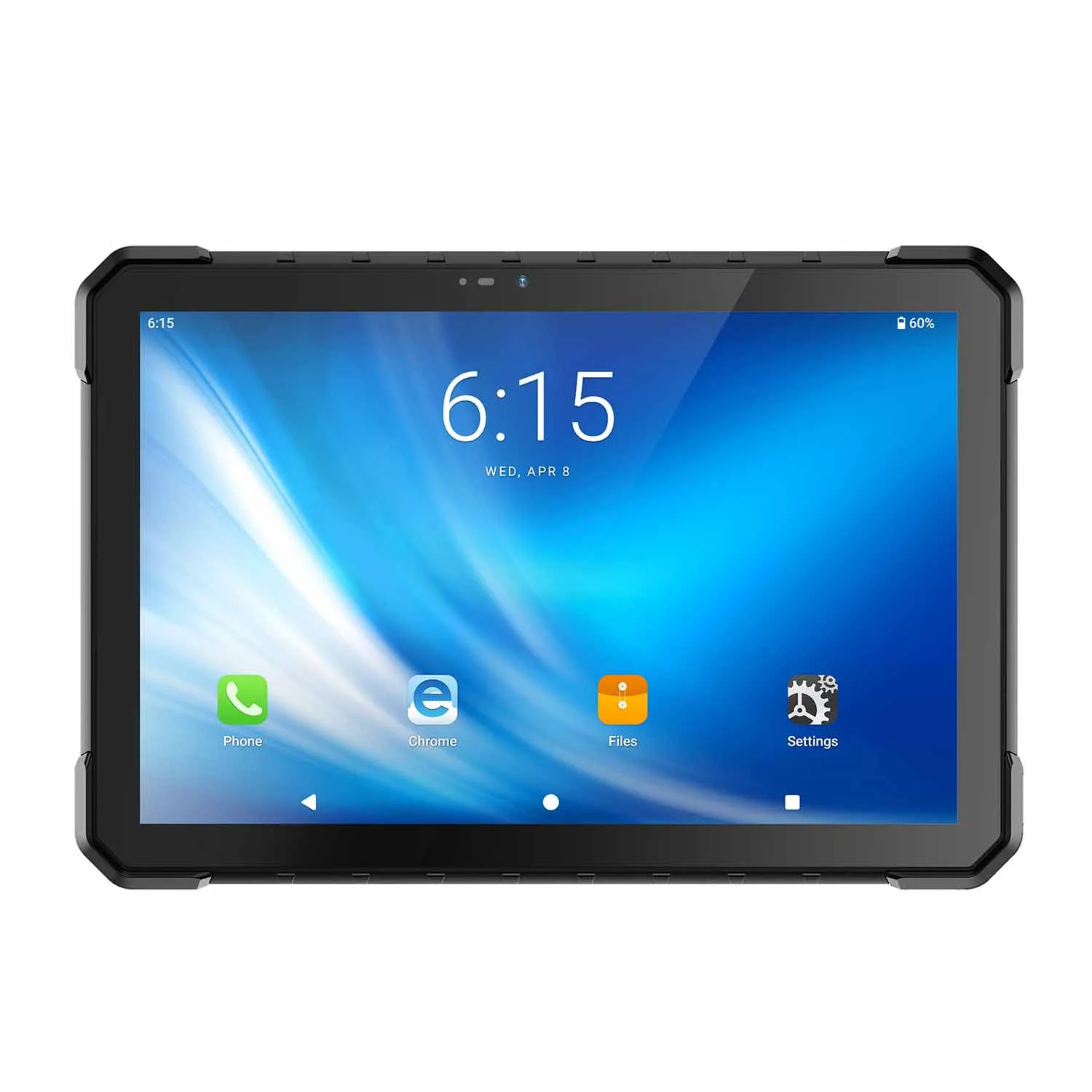
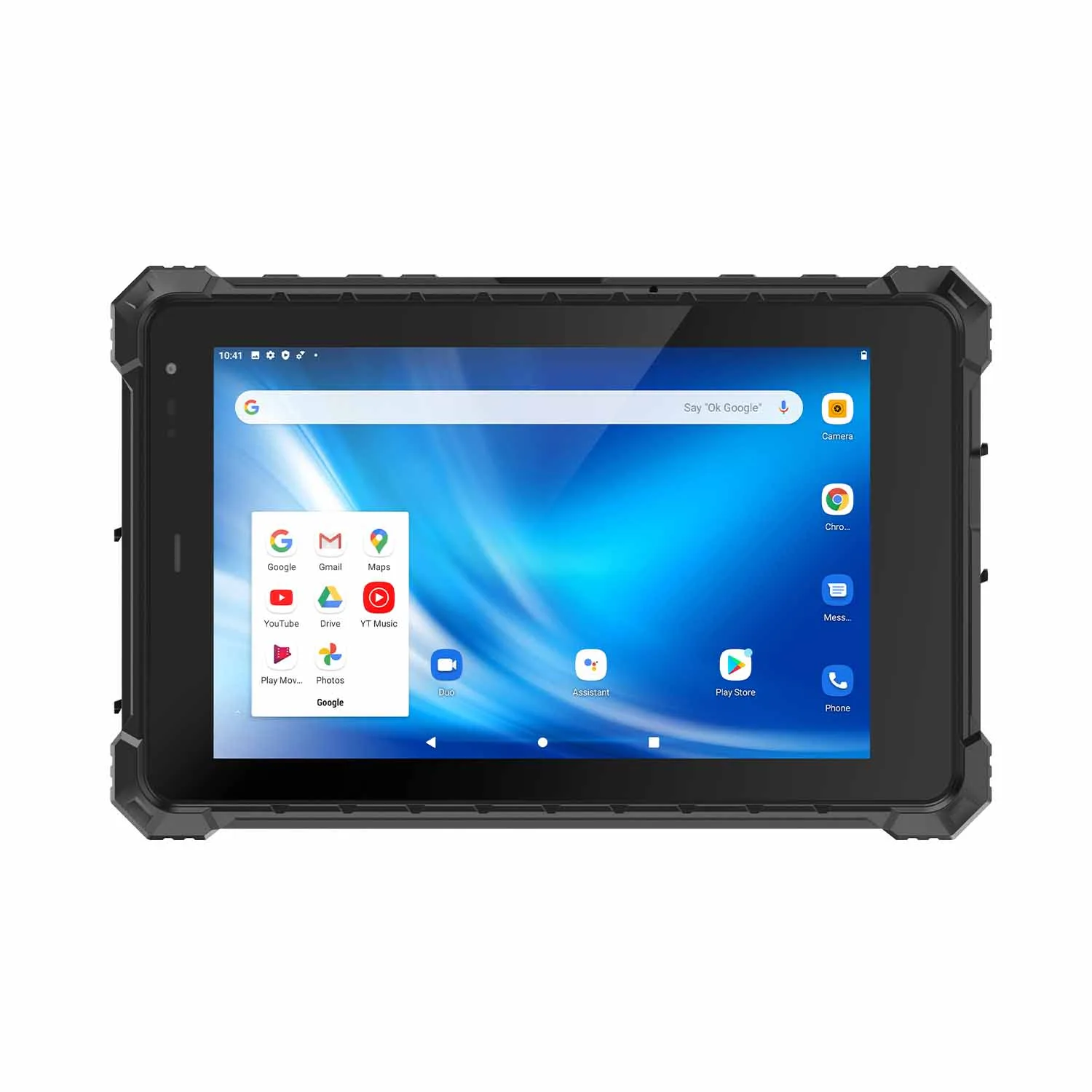
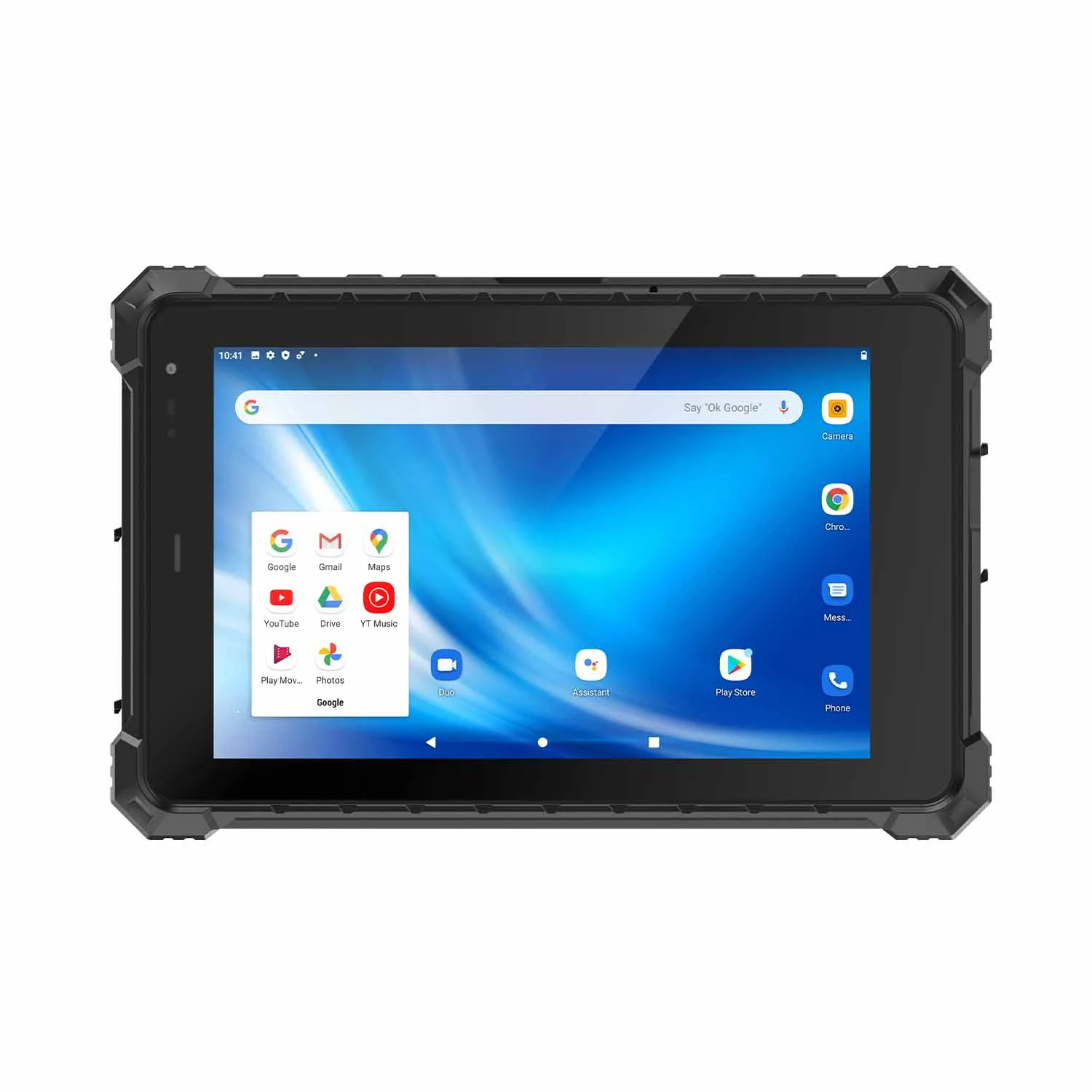
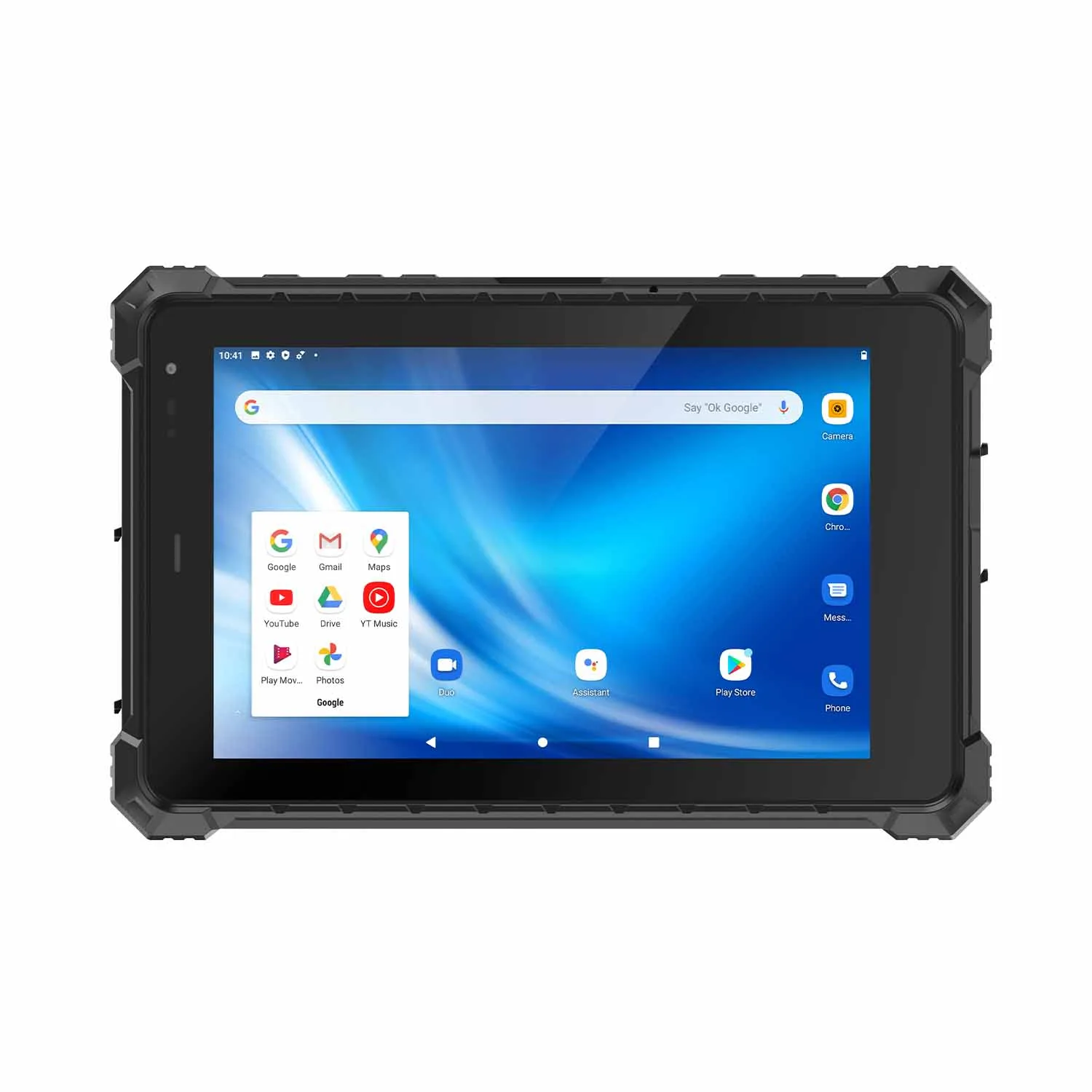
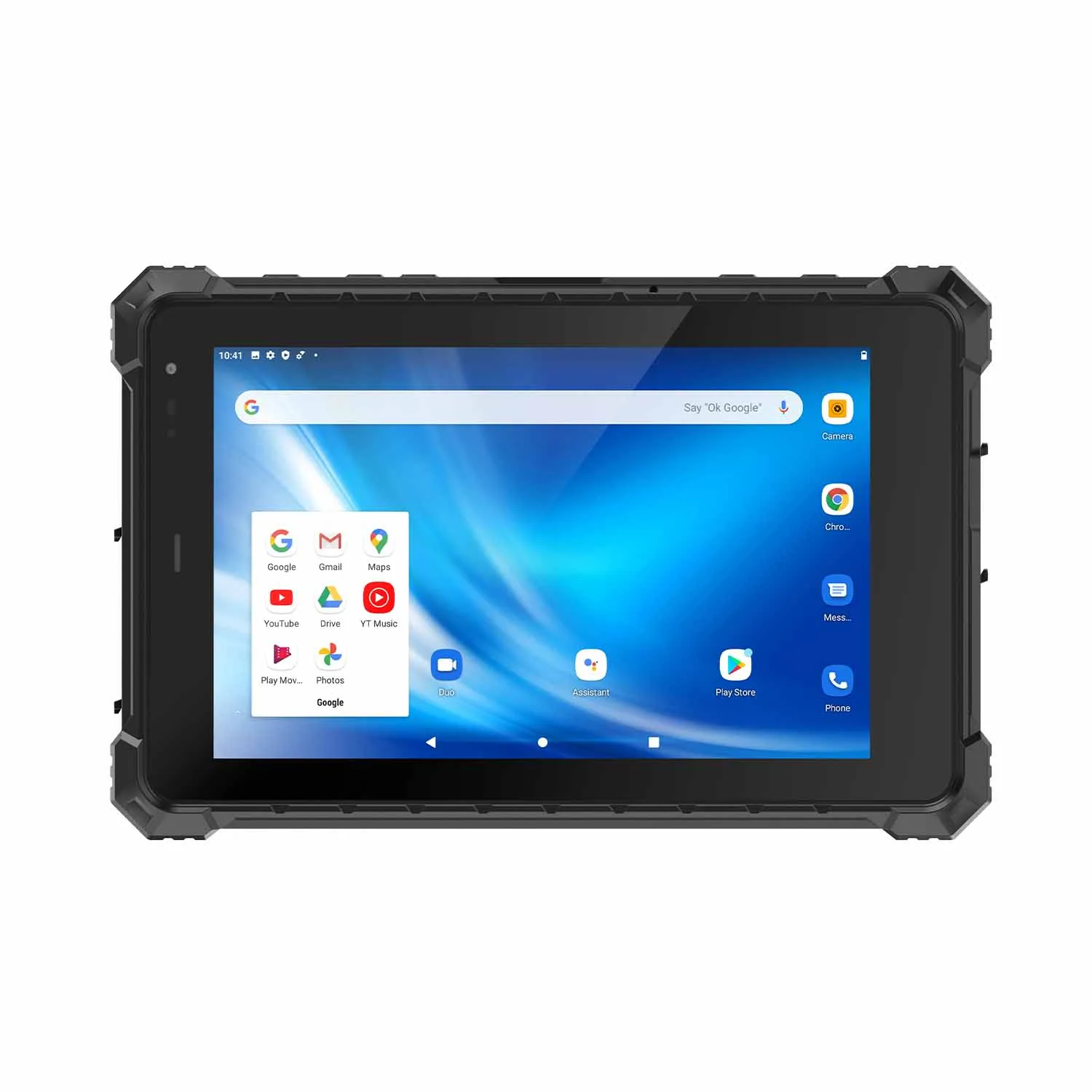
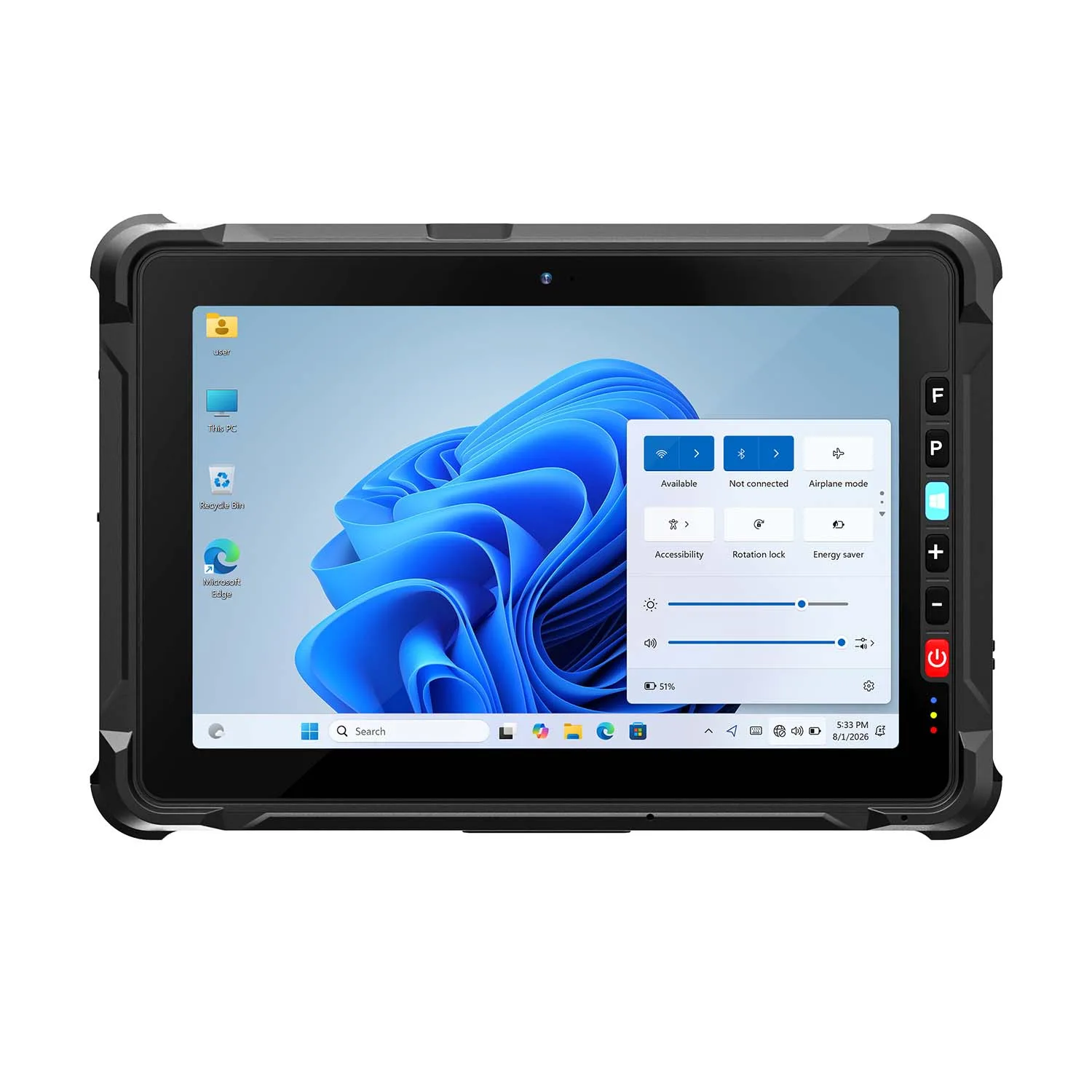
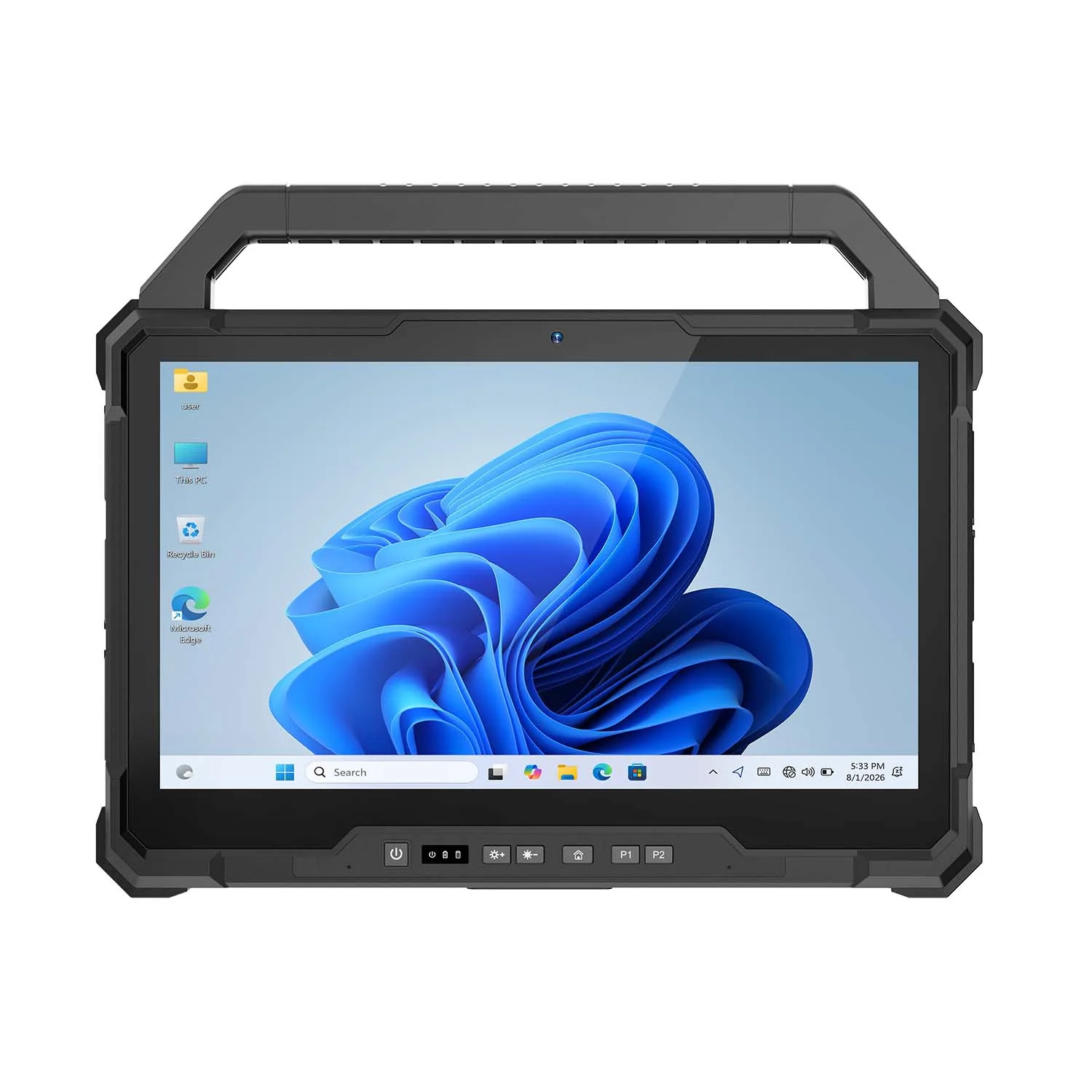
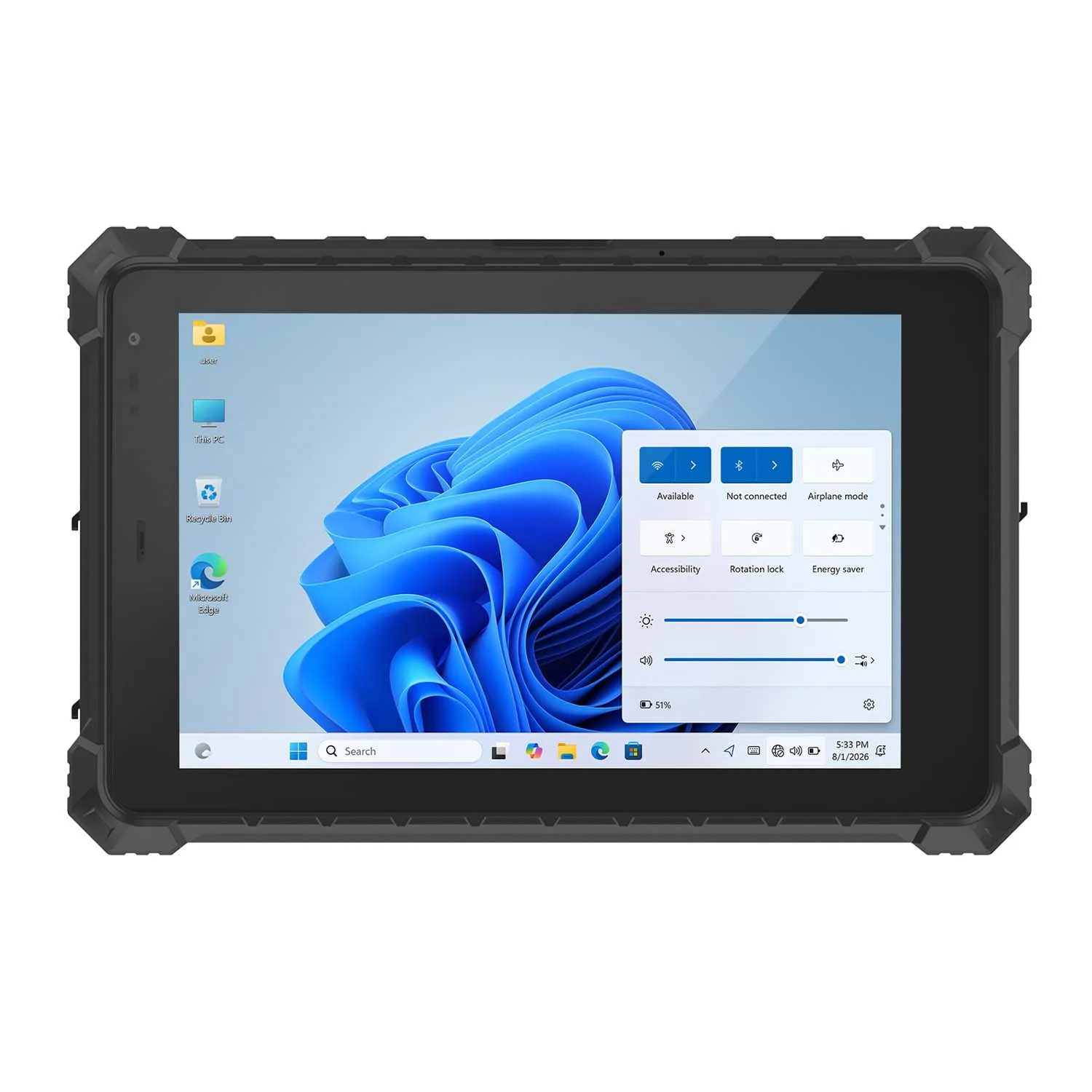
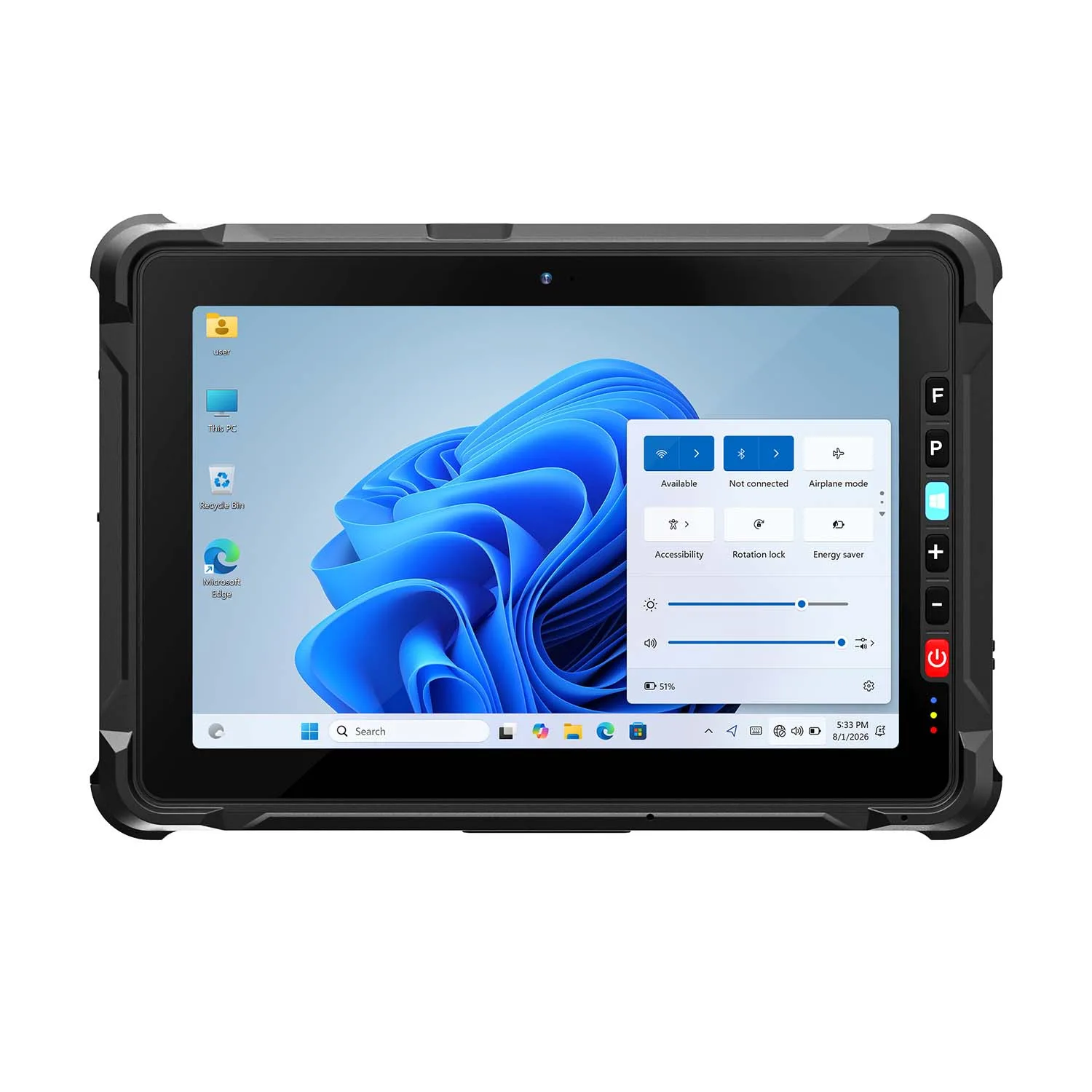
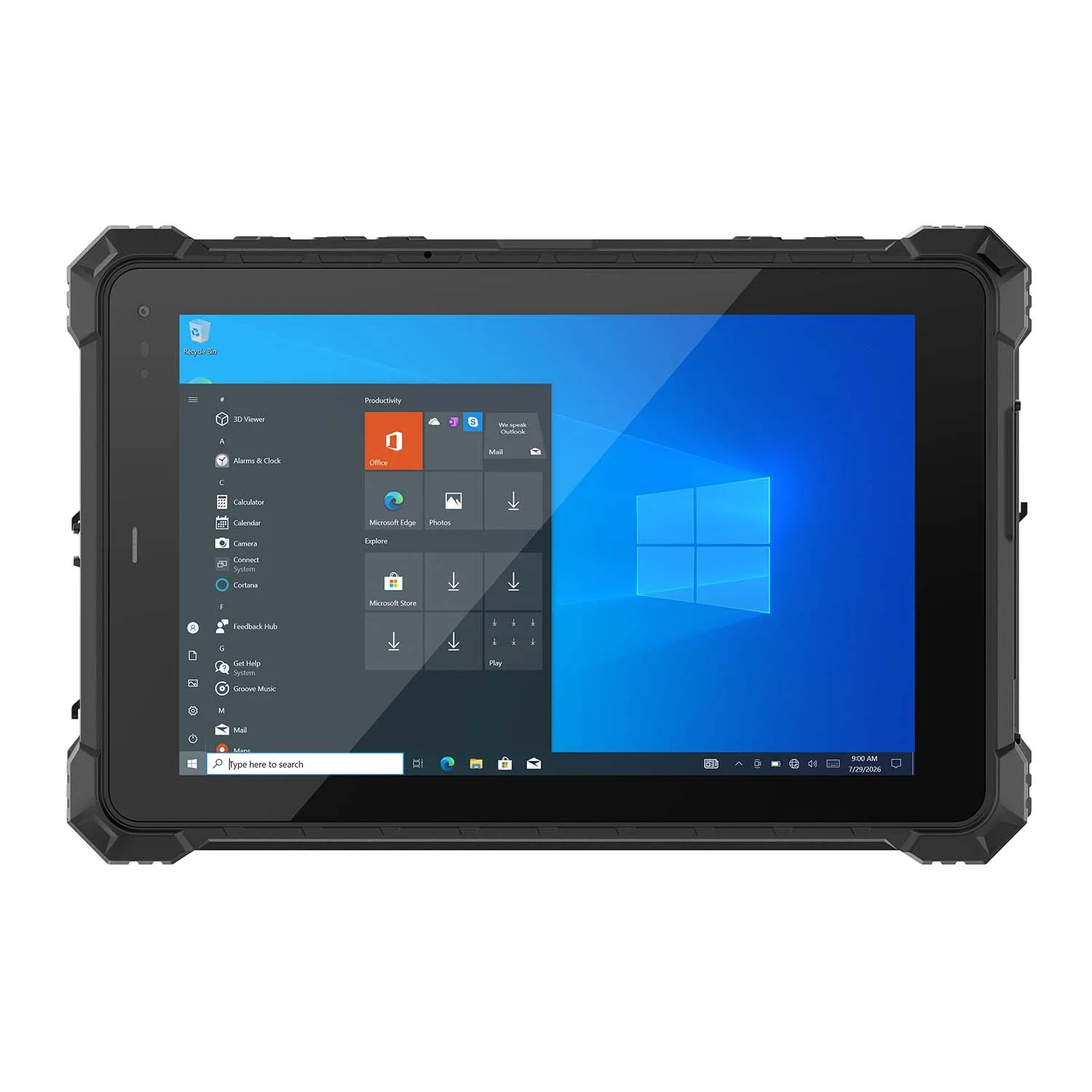
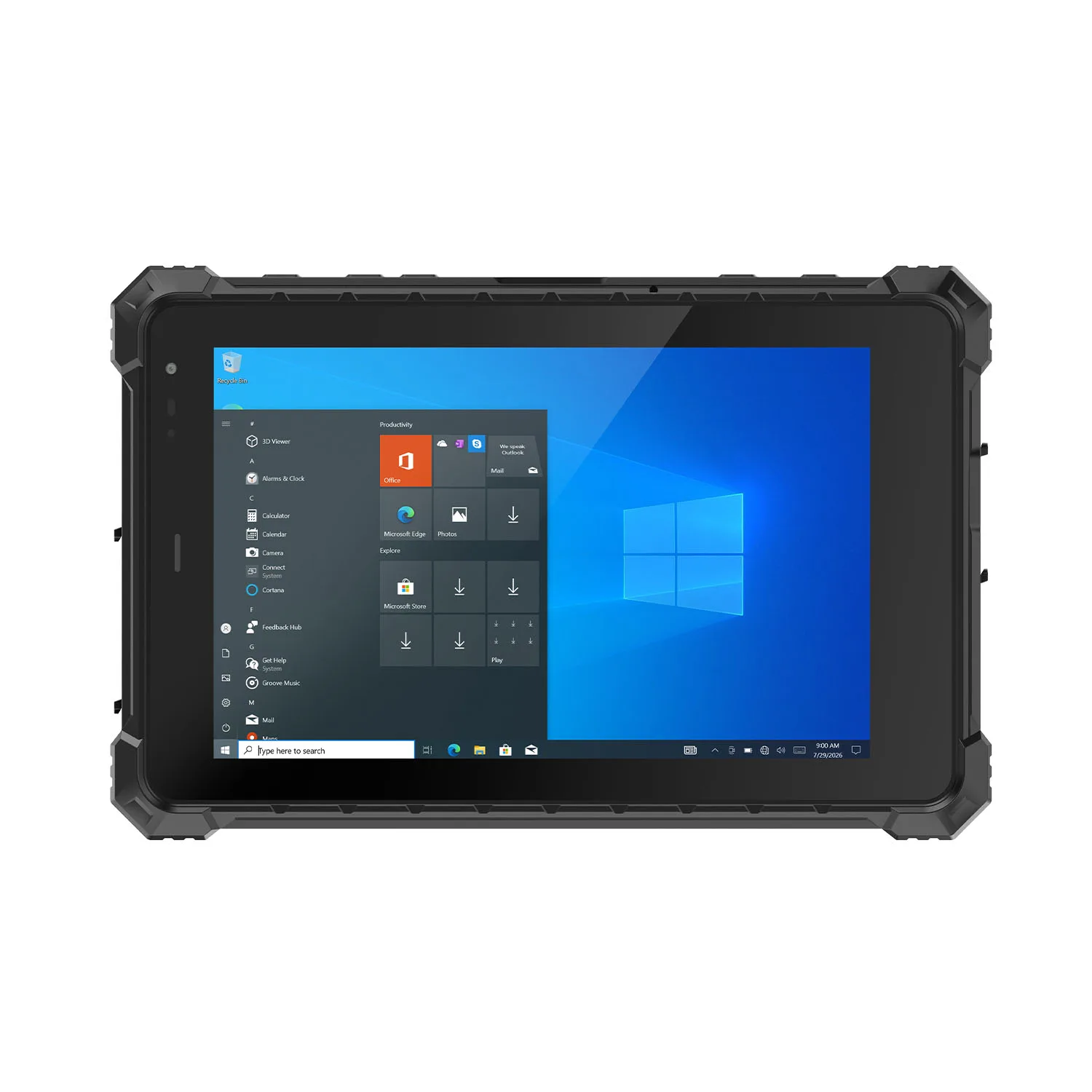
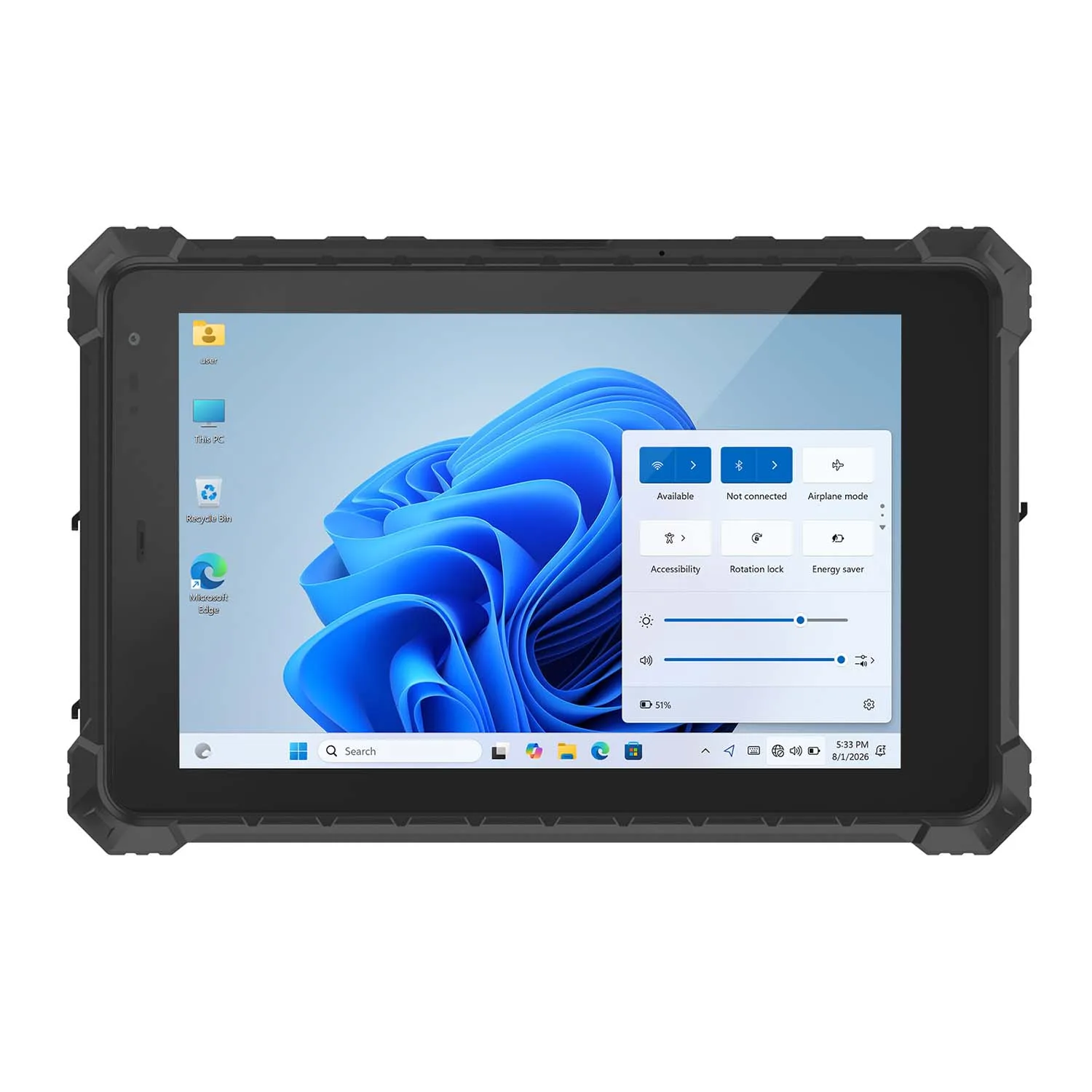
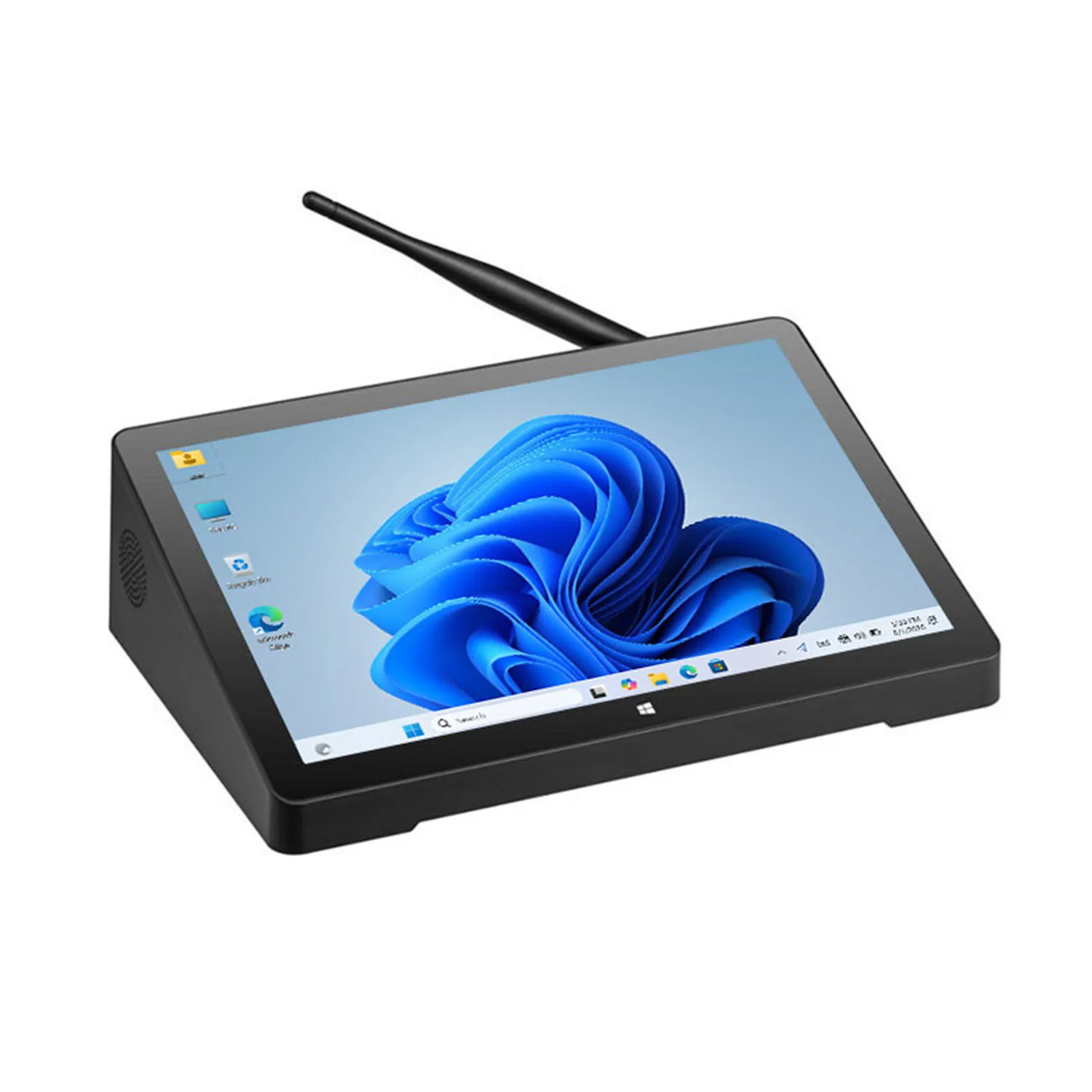
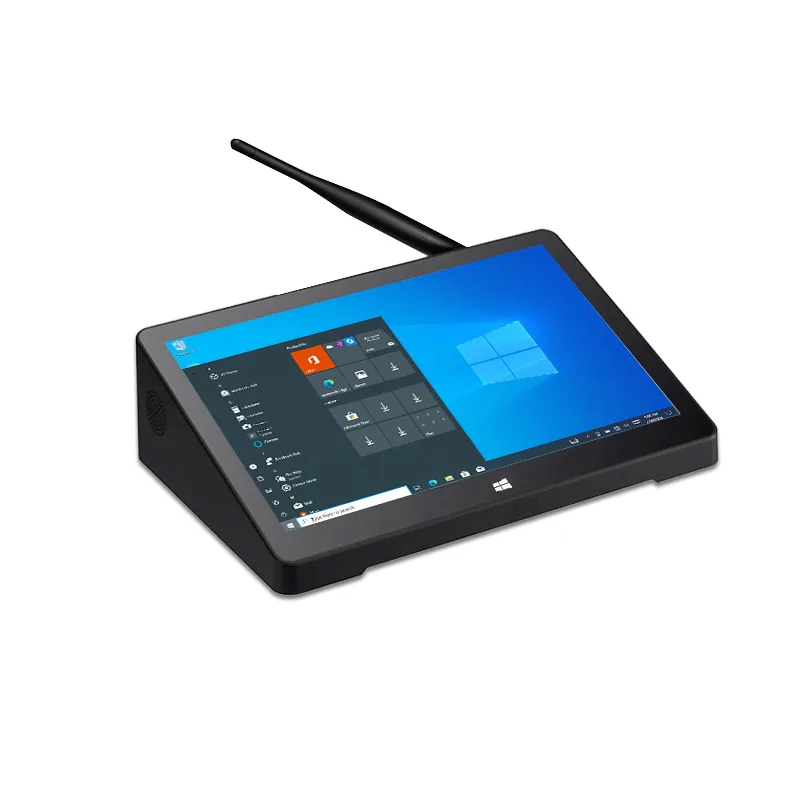
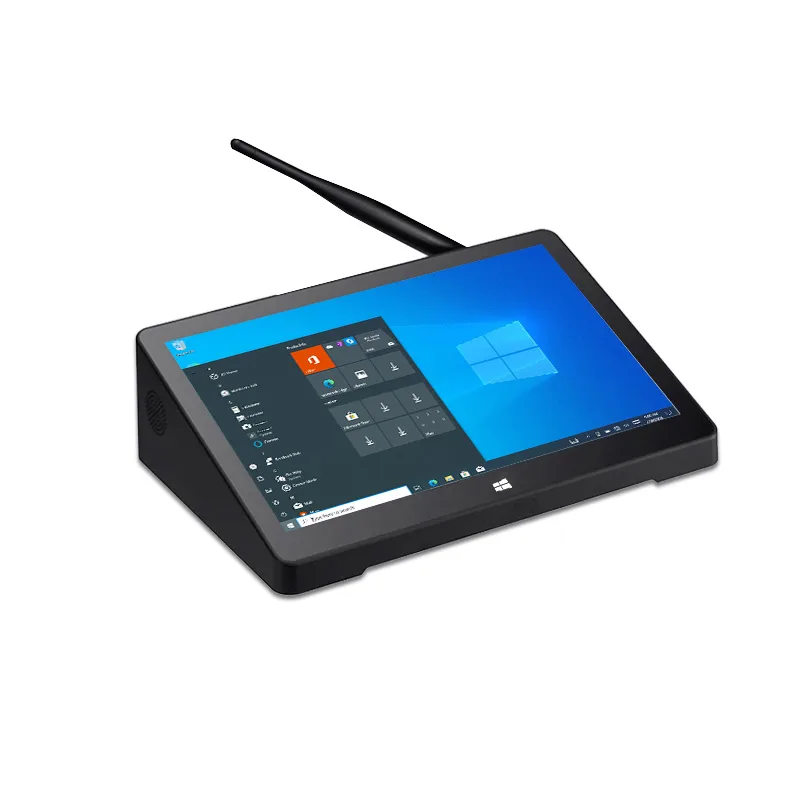
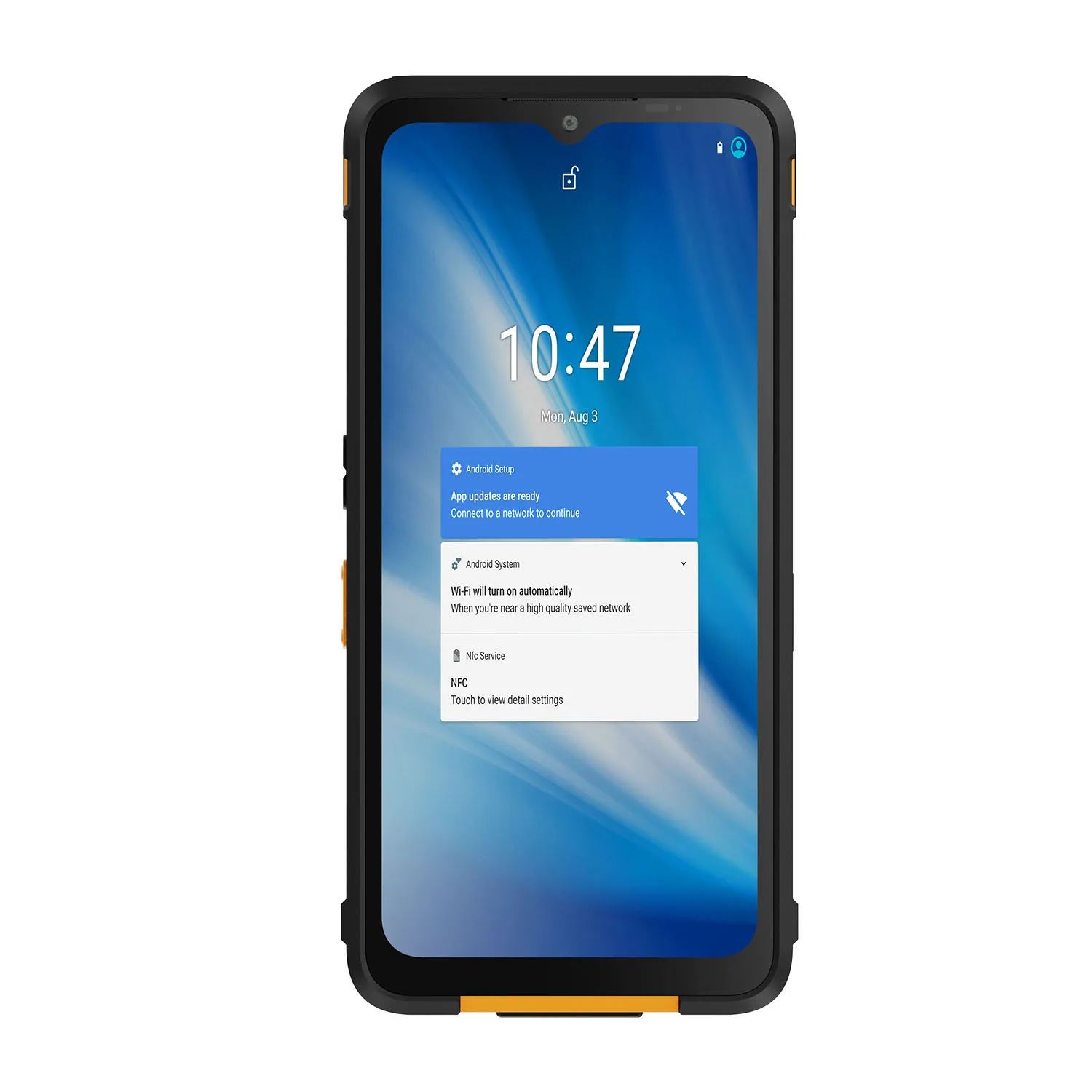
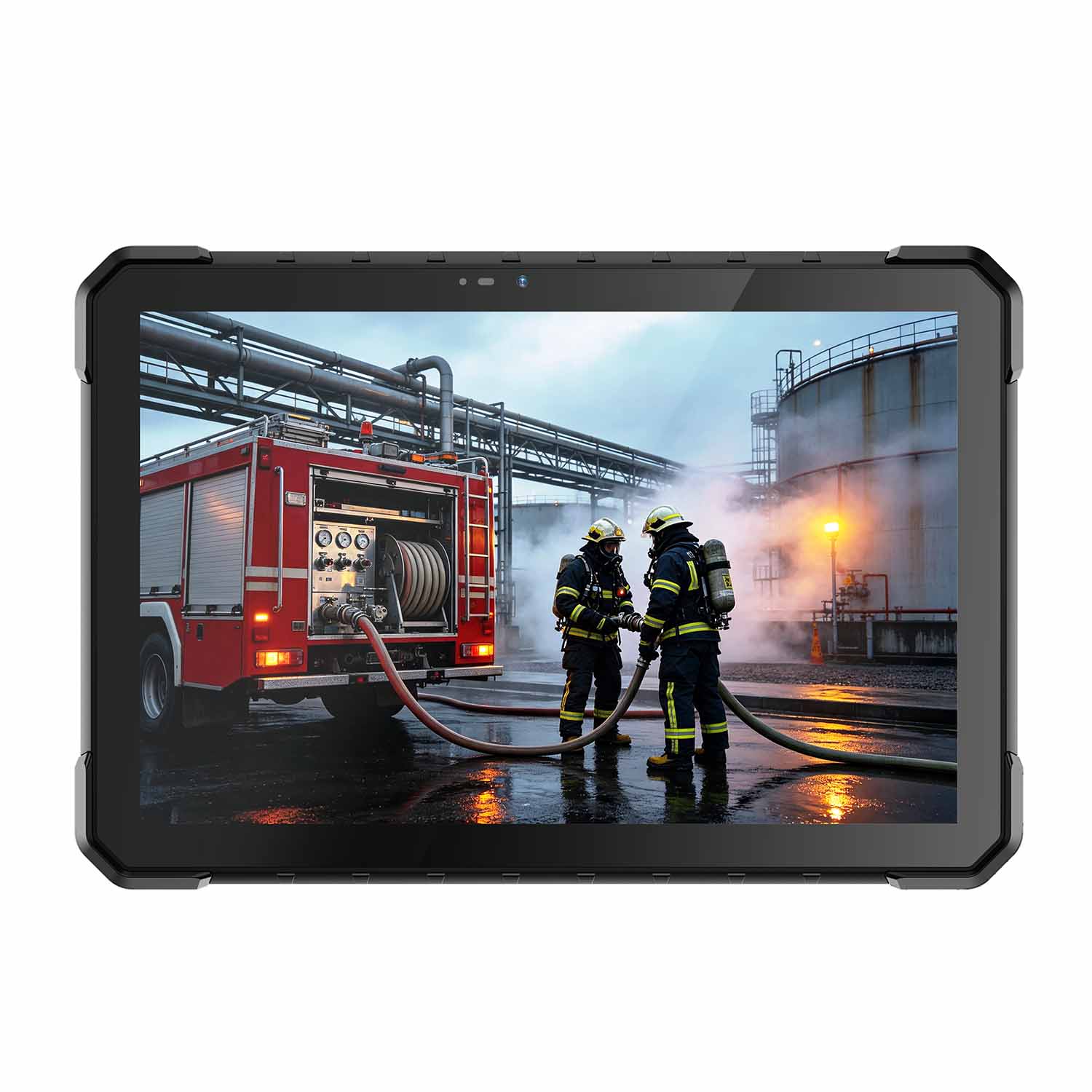
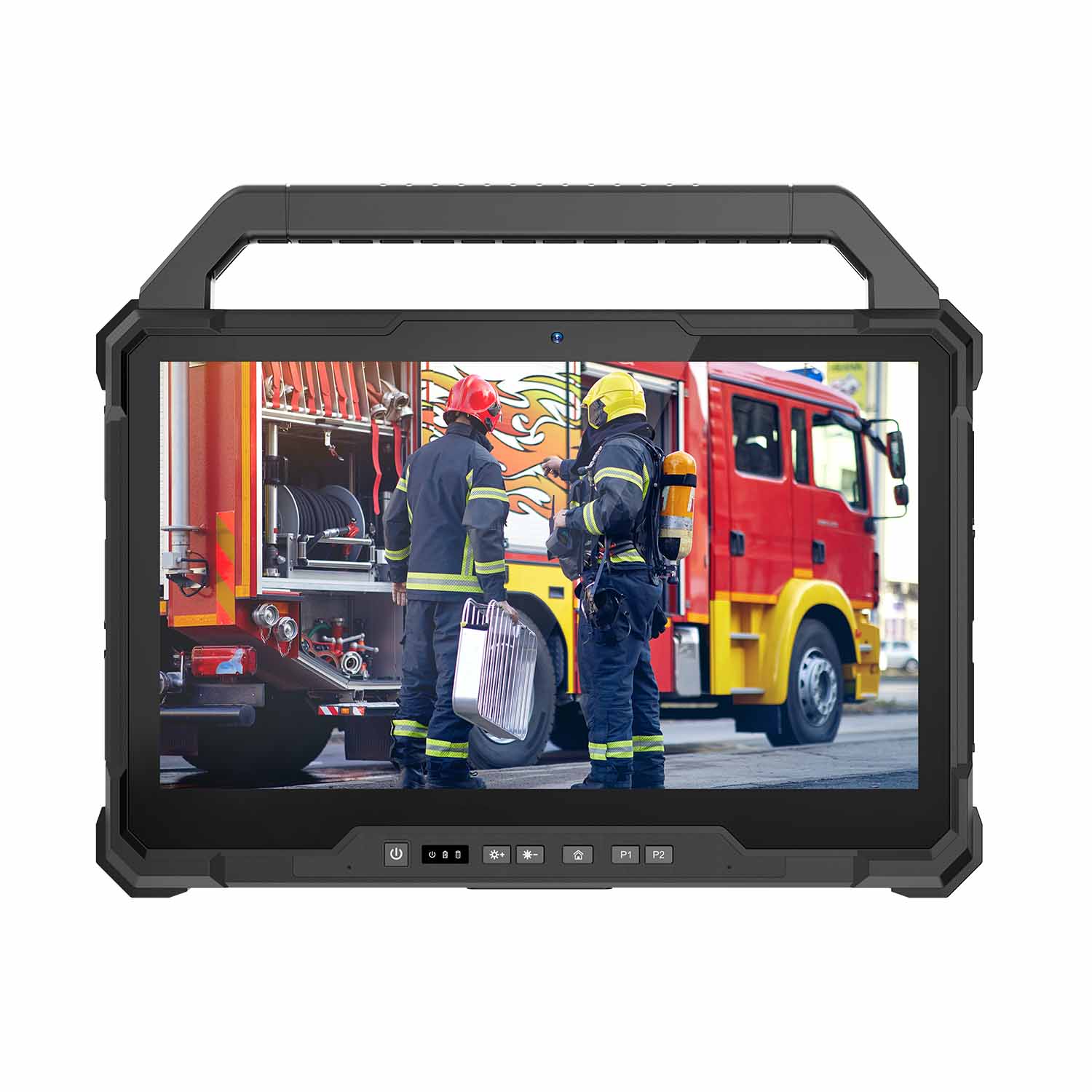
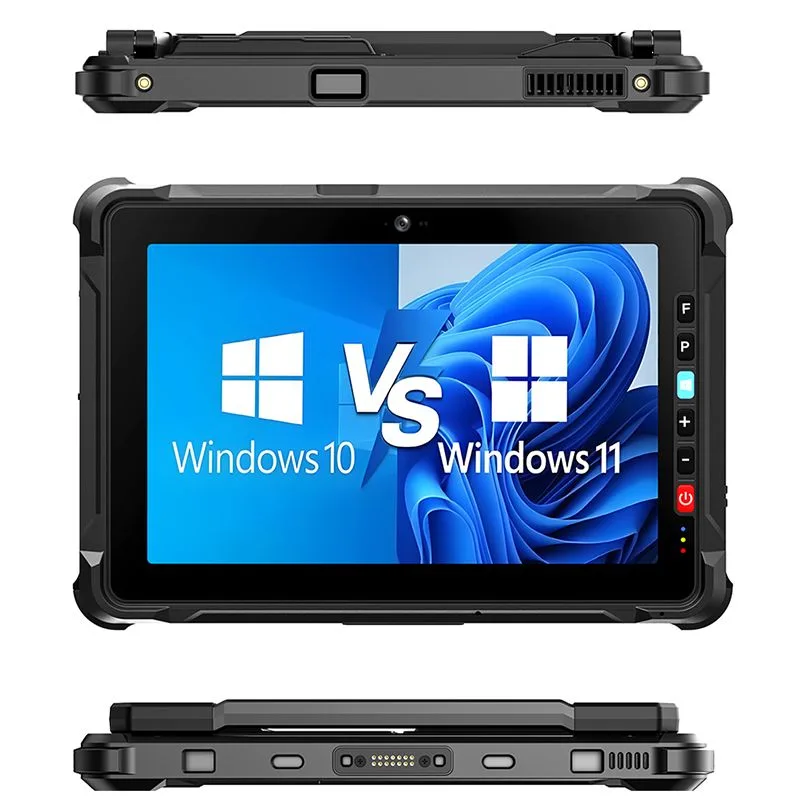
Our W109U is a 10.95-inch Windows tablet rated IP67 — dust-tight and safe against washdown and brief immersion. If your crew routinely works where the device can go overboard or sit in standing water, step up to the IP68-rated A10ST or A109T instead.
Why IP68, Salt Spray Resistance and Corrosion Protection Matter
IP68 protection is important because marine work often includes spray, rain, wet gloves, deck washdown, and accidental exposure to water. A consumer tablet may work in a clean cabin, but it is not designed for repeated salt exposure, vibration, temperature cycling, or field drops. In real maritime operation, failure can mean a failed tablet mid-inspection means the round gets done on paper and re-typed in port — we've seen the handwritten stack during port and offshore work.
Salt spray resistance and corrosion control should be treated as procurement requirements, especially for fishing vessels, offshore wind, deck equipment, and port vehicles. Buyers should check sealing, port covers, pogo pins, brackets, charging bases, and accessories, not only the tablet body. Accessories such as car mount brackets, wall mount brackets, four-point straps, charging bases, and back clamp brackets can also affect marine usability.
Typical Marine Application Cases
For distant-water fishing vessels, a fishing vessel rugged PC or tablet can support catch data collection, barcode or QR identification, crew records, equipment inspection, and communication where network coverage is available. Optional GPS/BeiDou/GLONASS, 4G/5G, scanning, NFC, and UHF modules can help integrate the tablet with vessel data workflows, depending on the project configuration.
For offshore wind maintenance, rugged tablets can support work orders, torque records, inspection photos, equipment status updates, and remote reporting. A sunlight-readable display, glove touch, wet touch, durable battery, and reliable wireless connection are important when technicians work on turbines, transfer vessels, or offshore platforms.
How to Choose a Rugged Tablet for Ships and Port Operations
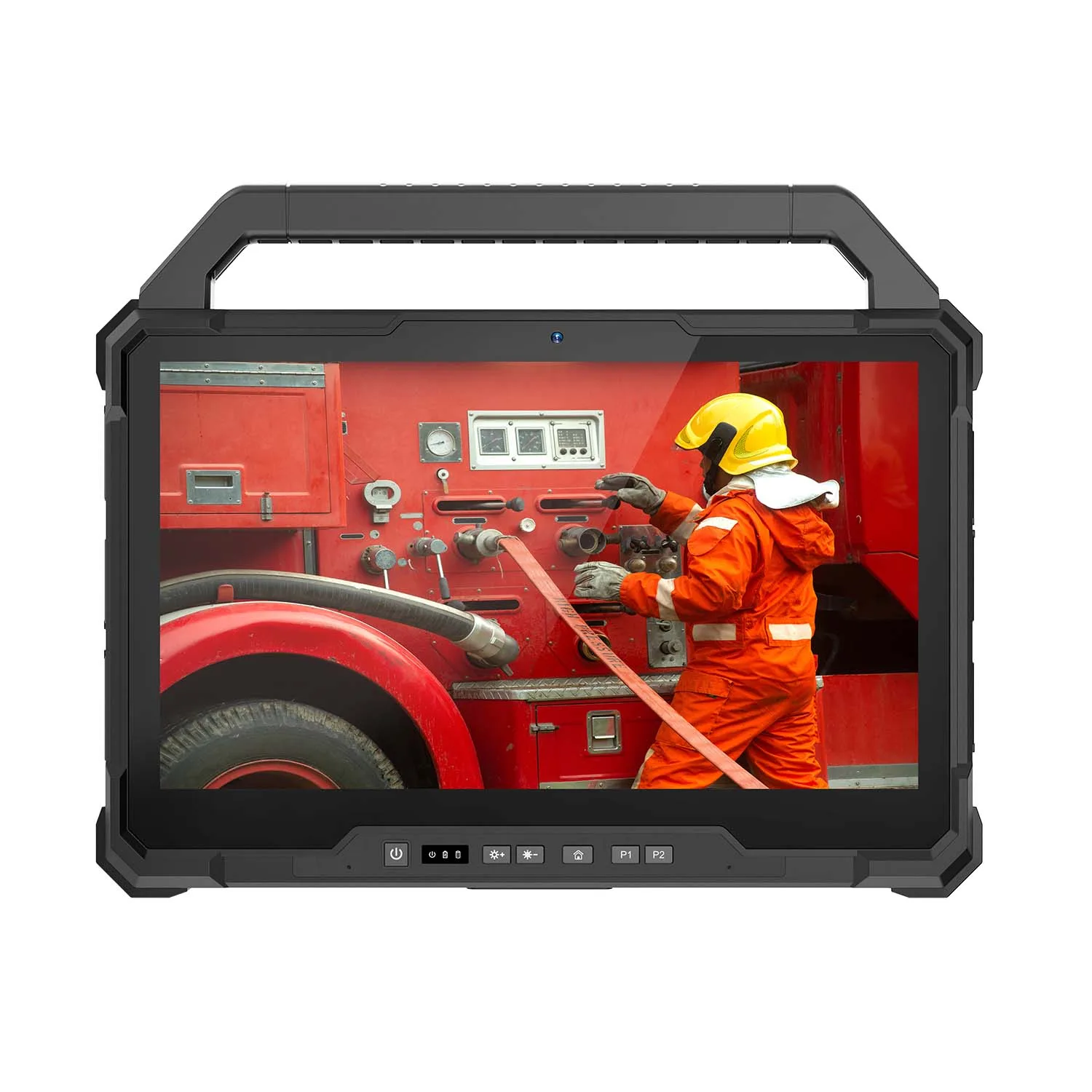
Start with the working zone. If the device will be used in hazardous cargo or explosive atmospheres, evaluate CENAVA’s ATEX IECEx explosion-proof rugged devices and confirm the certified configuration. If the device is used on ordinary decks, fishing vessels, offshore service tasks, or ports, choose a waterproof rugged tablet with the right IP rating, interface, screen, battery, and mounting accessories.
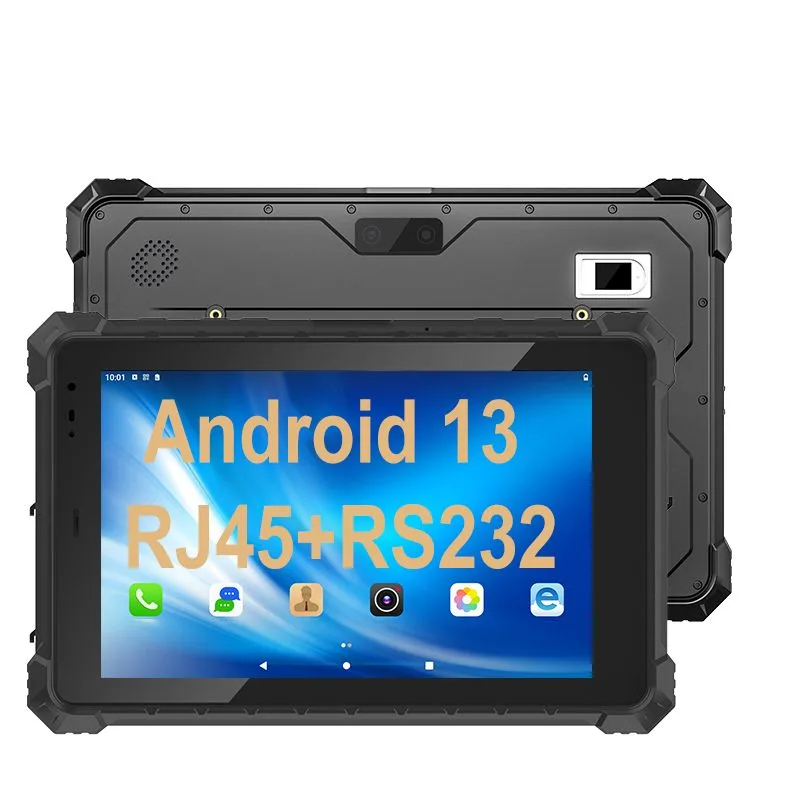
Next, define the required system and modules. Windows tablets may be preferred for industrial software, fleet management, and PC-based workflows, while Android tablets may be easier for mobile apps and data collection. For marine work, three module choices actually matter: GNSS (GPS/BeiDou) if positions feed your logbook, a 2D scanner if you track cargo or spares, and RS232/RJ45 if the tablet talks to onboard equipment. The rest — NFC, fingerprint, UHF — only earns its cost and its battery draw if a named workflow uses it. List your workflows first; we'll map modules to them.
Large global brands may have long modification cycles or high minimum order quantities for hardware changes. If your project needs a port layout or bracket that standard models don't offer, that's an OEM conversation — send us the mounting drawing and we'll tell you within a day whether it's a configuration change or a tooling job. Buyers can review CENAVA service and industrial rugged tablet applications before discussing a marine project configuration.

FAQ
1. Is IP68 enough for a marine rugged tablet?IP68 is important but not the only requirement — also check salt spray, wet/glove touch, and the battery — in that order for most vessels.2. Can a rugged tablet be customized for fishing vessels or ports?
Yes — many marine projects need custom interfaces, scanning modules, wireless modules, brackets, charging bases, software settings, or system integration; confirm exact customization with the manufacturer based on your application and order requirements.3. What battery design suits long offshore or fishing vessel shifts?
A removable, hot-swappable battery (like the W109U's 8,300mAh removable pack plus 300mAh built-in backup) supports continuous operation without powering down mid-shift — a practical advantage for extended vessel work away from reliable charging access.
4. How do I keep salt out of the charging contacts?
Rinse with fresh water after deck washdown, dry before docking, and inspect pogo pins monthly. Corroded contacts are the #1 marine-tablet failure we repair — and the most preventable.
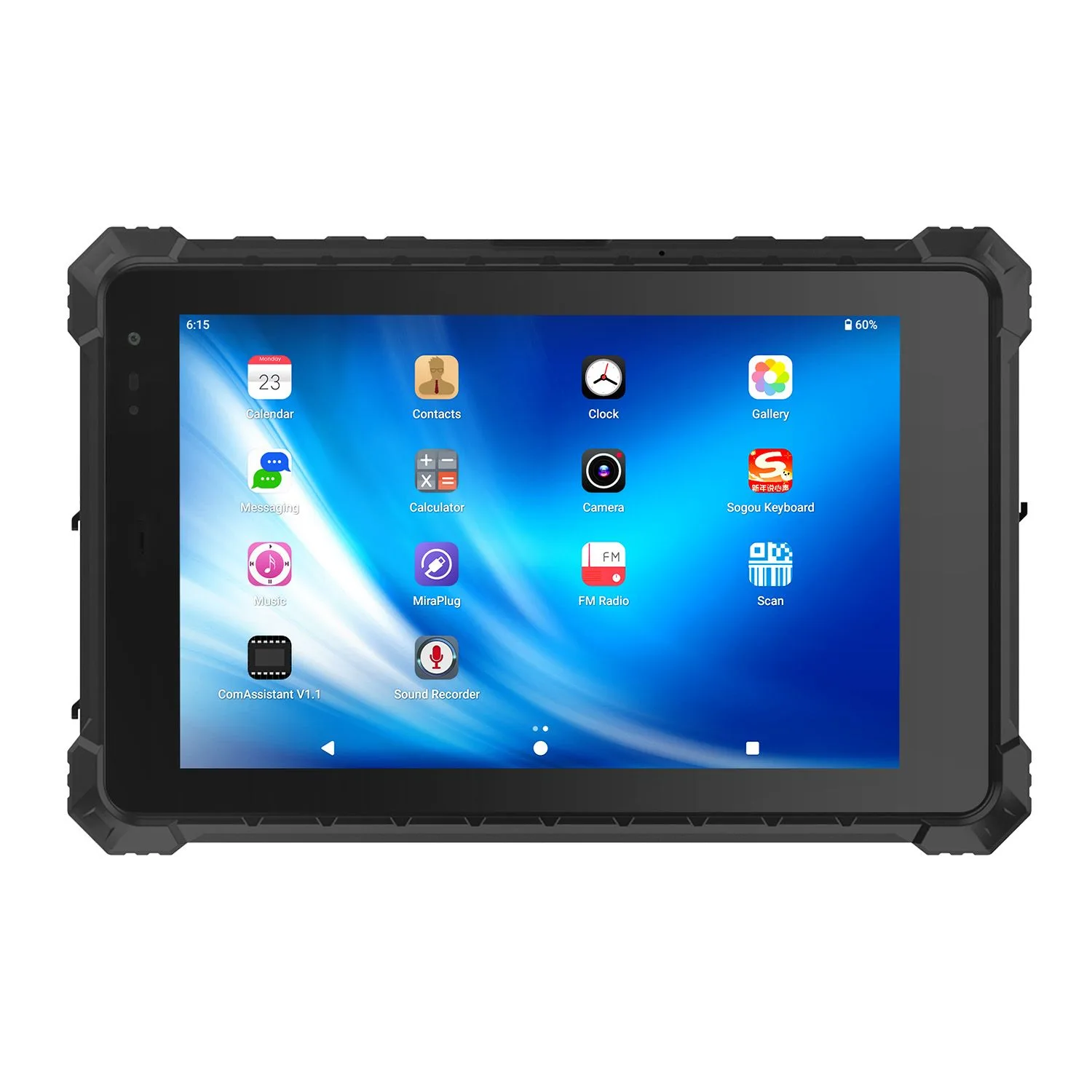
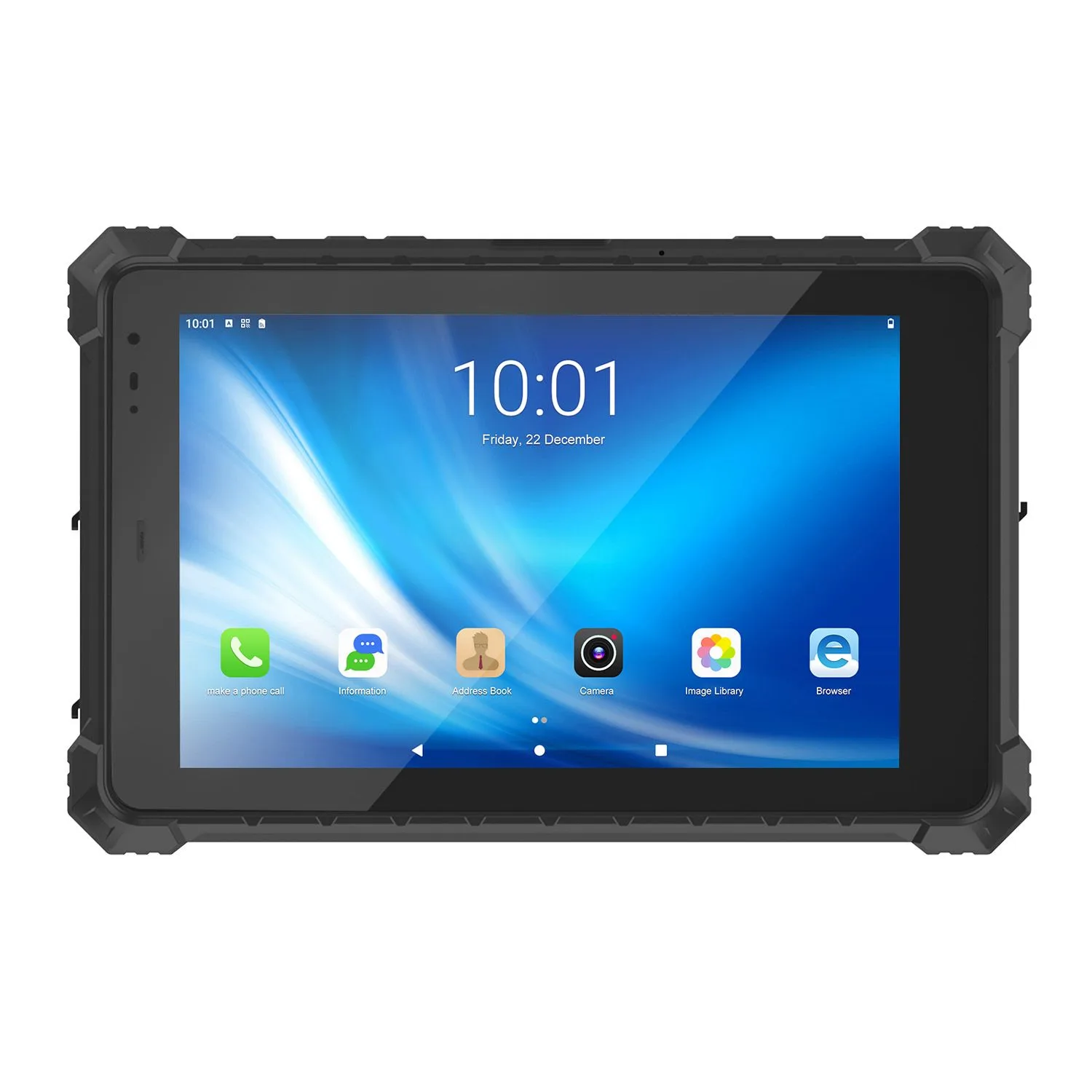
5. Should I choose a Windows or Android rugged tablet for marine use?Windows tablets (like the W109U) suit industrial software, fleet management, and PC-based workflows, while Android tablets (like the A10ST or A109T) are often easier for mobile apps and general data collection — match the choice to your existing software ecosystem.
Conclusion
The short version: IP68 handles the water, not the salt. Salt needs sealed contacts, tested gaskets and a supplier who'll show you the test report. Hazardous cargo zones are a separate conversation entirely — that one starts with the certificate, not the datasheet. Send us the vessel type and the working zones; we'll reply with a configuration and the test documents behind it.
Need a Rugged Device for Your Project?
Tell us your operating environment and requirements — our engineers will recommend a configuration and quote within 24 hours.
Get a Free Quote Back to Blog