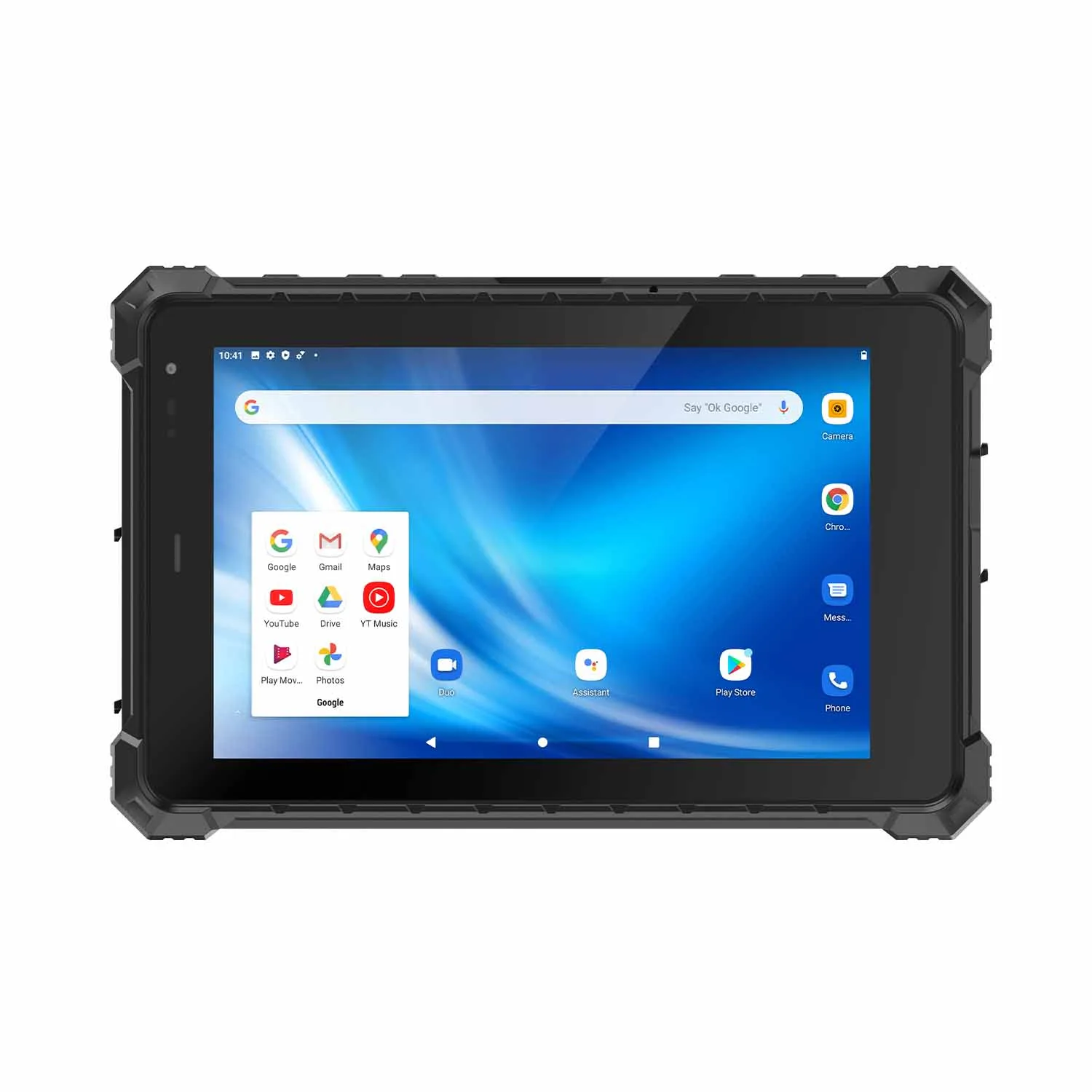
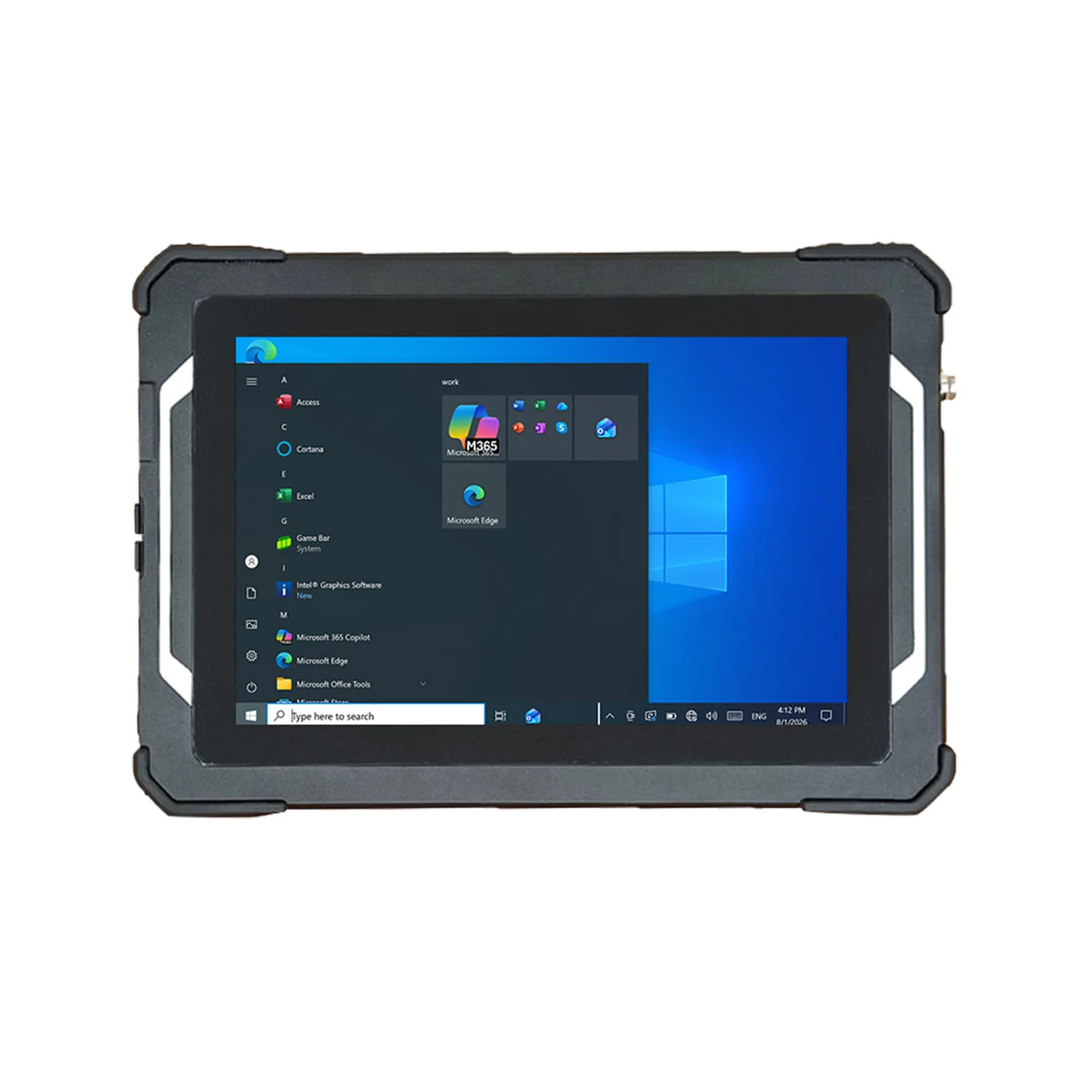
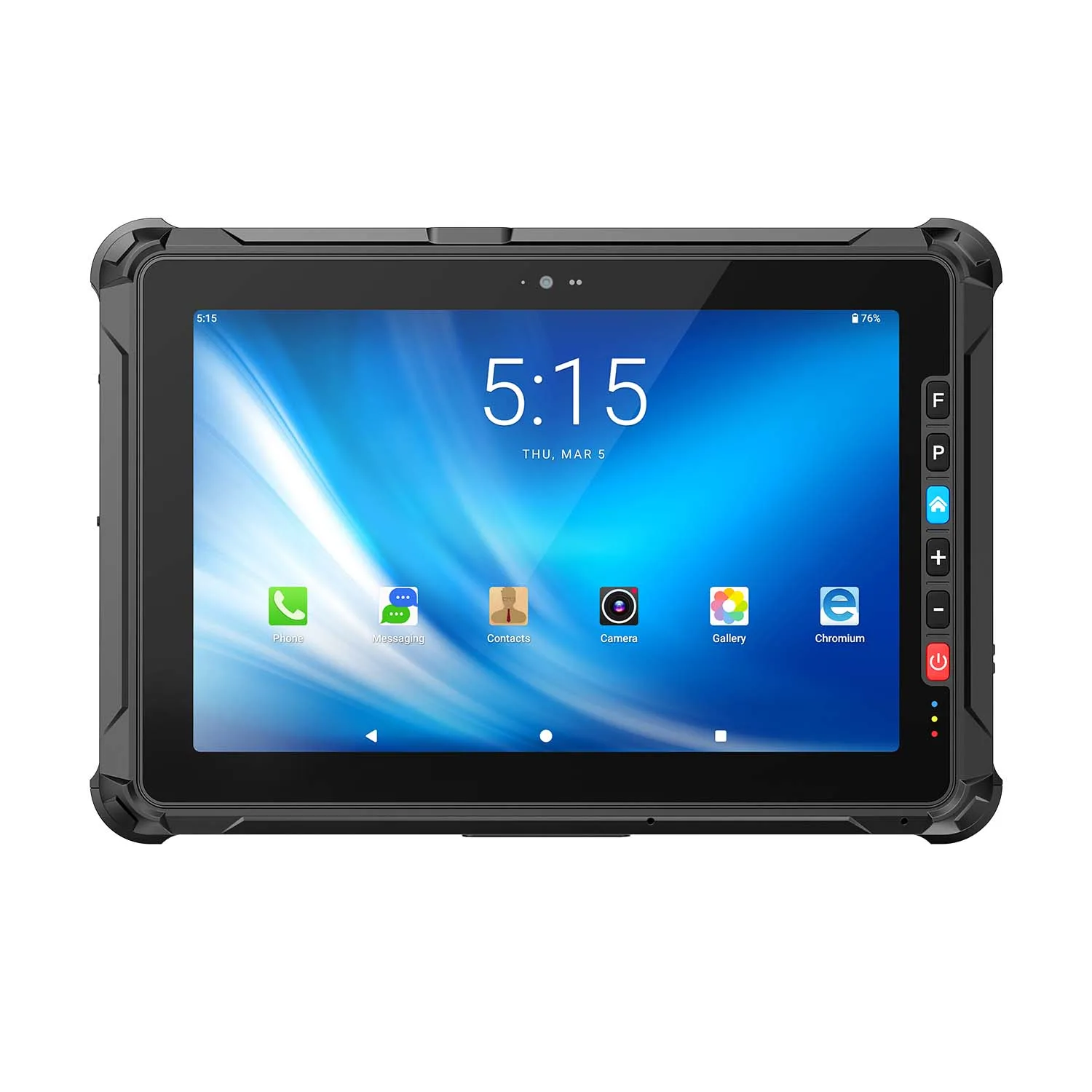
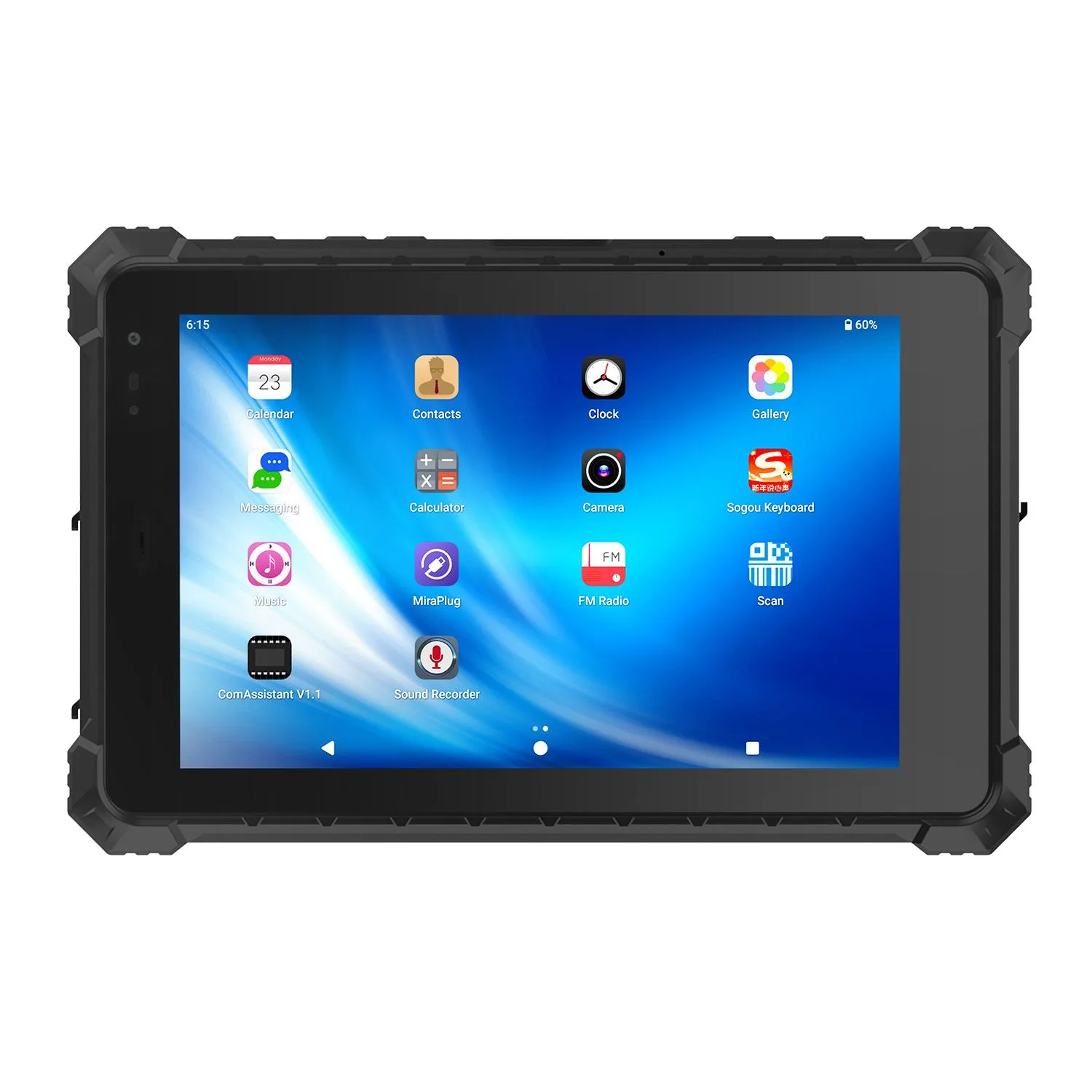





Electronic Batch Records: 10 Rugged Tablets Reviewed
The practical answer to how to digitize electronic batch records on rugged tablets is to issue the approved master-record version, bind every significant step to the correct batch, material, equipment, person and time, and keep corrections, exceptions, signatures and MES receipts reviewable. An electronic batch record tablet for pharma succeeds only when that evidence chain survives gloves, cleaning, user changes and network interruption; replacing paper boxes with touch fields is not enough.
An electronic batch record is also not one long checklist. Dispensing, charging, blending, filtration, in-process control, equipment cleaning and packaging may belong to one batch while relying on different systems and responsible roles. The design has to show which system owns the recipe, material status, equipment state, process value, signature and final review instead of copying all of them into an ambiguous mobile form.
Most commissioning failures appear at handoffs. An operator may start an effective record and resume after a recipe revision, scan a valid but wrong material container, inherit another person's open session, or see “sent” after the integration layer has rejected the equipment code. A photograph or barcode makes the record richer only when the original event, author, source, reason for change and destination response remain linked.
Environmental suitability is a separate gate. A cleanable enclosure is not a cleanroom qualification, IP65–IP68 is not chemical-compatibility evidence, and MIL-STD-810G/H testing is not hazardous-area approval. Where solvent vapour or combustible dust creates a classified location, the exact device, battery and accessory configuration must match the applicable Zone or Class/Division scope before the workflow is considered.
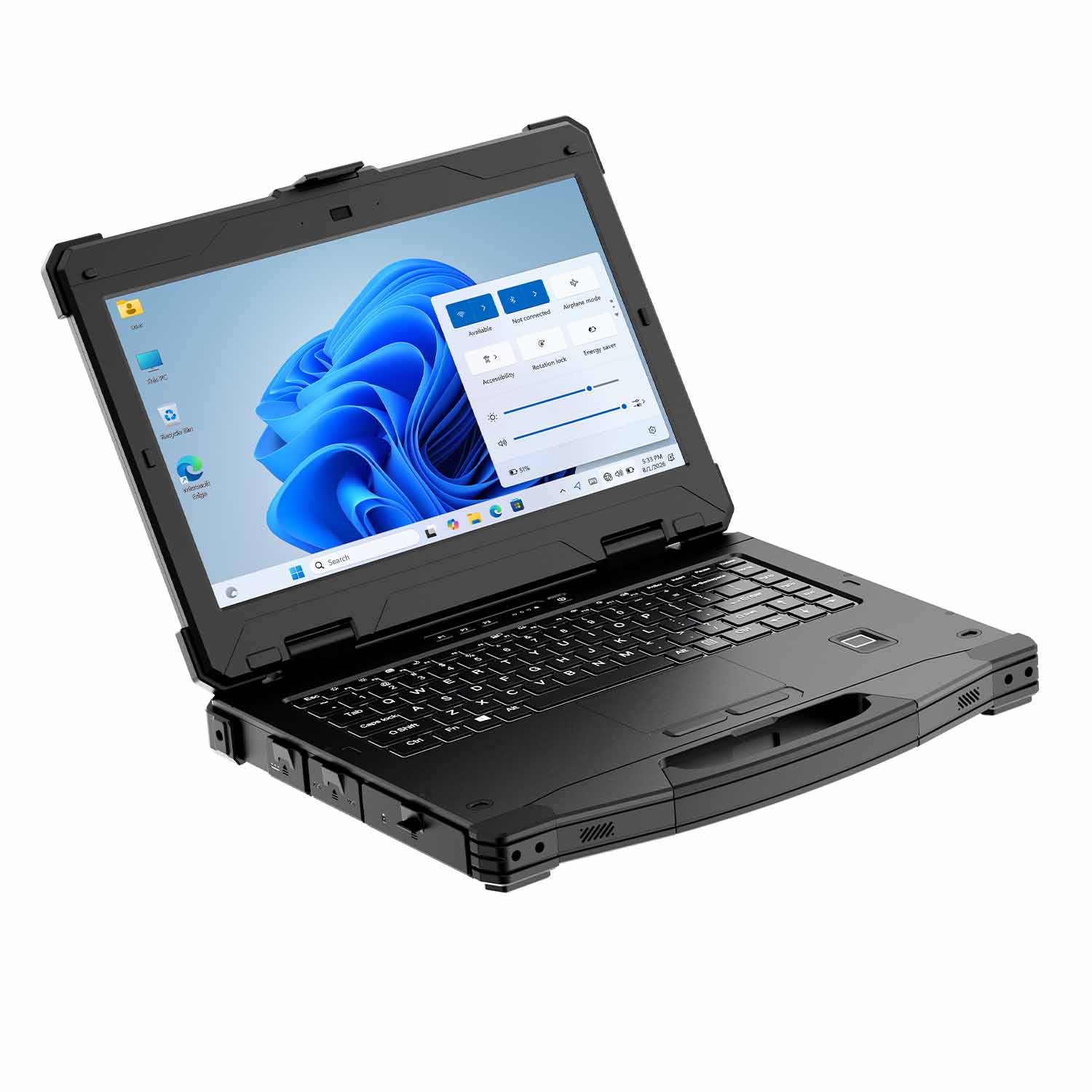
This 2026 guide compares ten manufacturers as endpoints for a controlled batch workflow. Higher-category hazardous-area candidates appear first, followed by Zone 2 or Division 2 options and cleanable devices for non-classified areas. Each model's principal environmental specification is stated once in its own entry; the surrounding analysis concentrates on record integrity, usability and system acknowledgement.
Pharmaceutical MES Tablet: What Defines a Reliable Electronic Batch Record Workflow?
A reliable program begins with the released master production or control record, not with a blank form builder. 21 CFR 211.188 calls for complete batch information, including the appropriate master-record reproduction, significant manufacturing steps, major equipment and lines, component batches, weights and measures, control results and identification of people performing or checking significant steps. The mobile design should preserve those relationships without implying that every field must be typed on the tablet.
- Control the effective record package: Give each recipe, instruction, form and calculation rule a version, effective time, withdrawal state and approved owner. Work already performed should retain its historical version; a superseded package should not start new execution.
- Separate identity from authority: Unique login identifies the user, but role, training and step-specific authorization determine what that person may perform, verify, correct or sign. Shared accounts and unattended open sessions break this distinction.
- Preserve source and sequence: Distinguish a manual observation, instrument result, imported MES value, calculated value and second-person verification. Store the original unit and timestamp, and make skipped, repeated or out-of-order steps explicit exceptions.
- Retain corrections, deviations and receipts: 21 CFR 11.10 addresses controls for closed systems, including validation, accurate copies, record protection, access limitation, operational checks and secure time-stamped audit trails. Locally saved, queued, transmitted, accepted and rejected should remain different states.
21 CFR 211.68 permits computer-related systems when suitable controls protect authorized changes and the accuracy of input and output. The FDA data-integrity guidance adds a practical review lens: records should remain complete, consistent, accurate and available across their lifecycle. For EU-regulated operations, EU GMP Annex 11 places computerized systems within lifecycle risk management and validation. A rugged enclosure may protect access to the application; it cannot validate the application or define its intended use.
Our proposed dry run uses 3 training batches and 28 controlled events: 10 normal production steps, 4 wrong-material or wrong-equipment attempts, 3 obsolete instruction packages, 3 out-of-limit values, 2 unauthorized signature attempts, 2 corrections, 2 offline submissions and 2 MES rejections. The objective is not a perfect demo. It is to reveal whether the system keeps the original event and explains every blocked, changed or unresolved state before live production.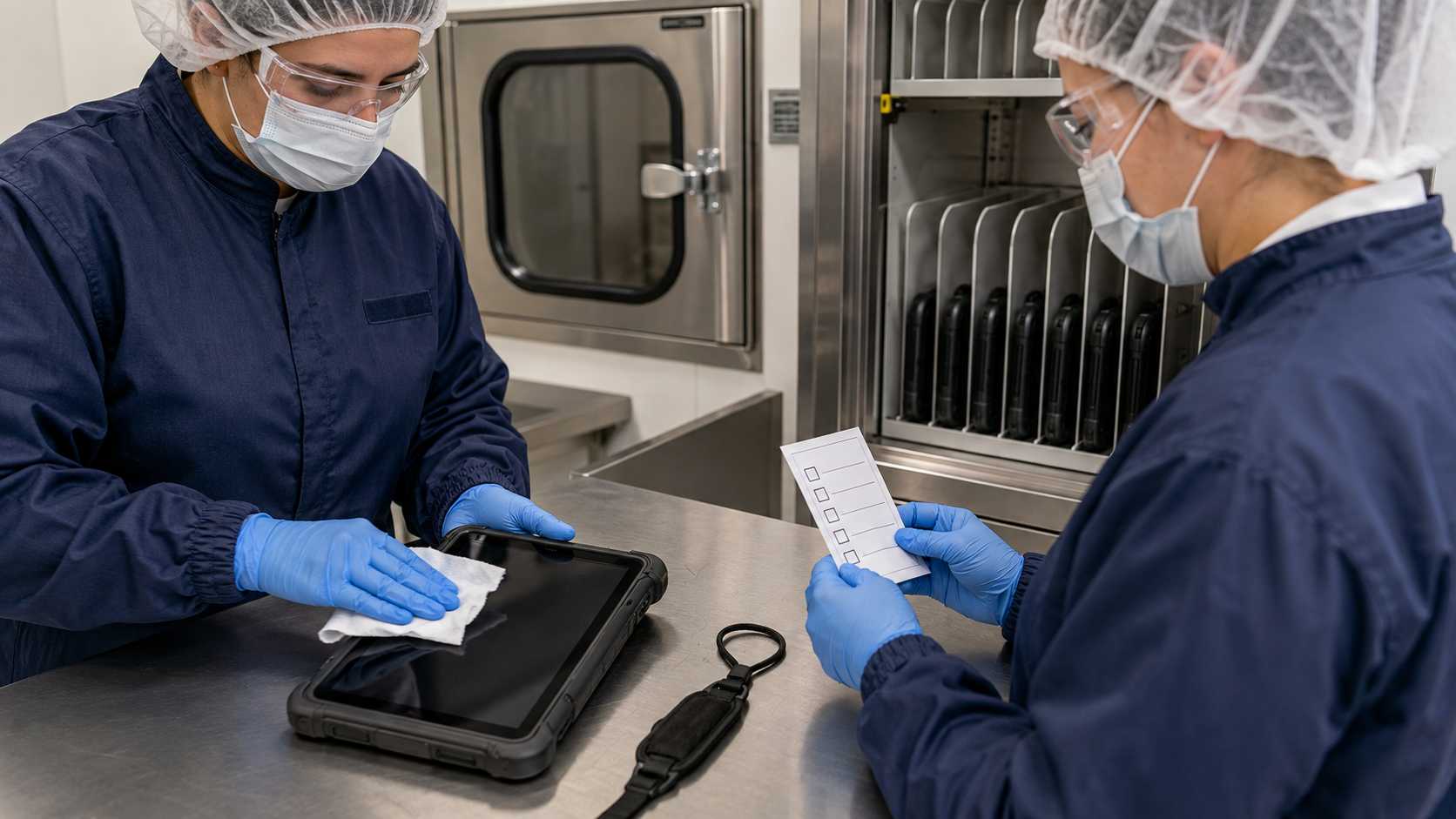
Cleanroom SOP Tablet: Top 10 Manufacturers for 2026
The tablet belongs inside a larger validated system. Hardware can provide a managed display, scanner, NFC reader, camera or local encrypted queue, but the site still owns master-data governance, identity, signature meaning, procedural controls, cleaning approval and batch disposition. The ten manufacturers below are therefore compared by credible workflow roles rather than by one headline specification.
1. CENAVA (China)
Core Strength: Project-controlled hardware and data-capture configurations
CENAVA develops rugged Android and Windows mobile computers for industrial deployments, including hazardous-area product families. Its configurable approach is relevant when a pharmaceutical project wants to freeze one operating-system image, reader choice and accessory set under a controlled device specification.
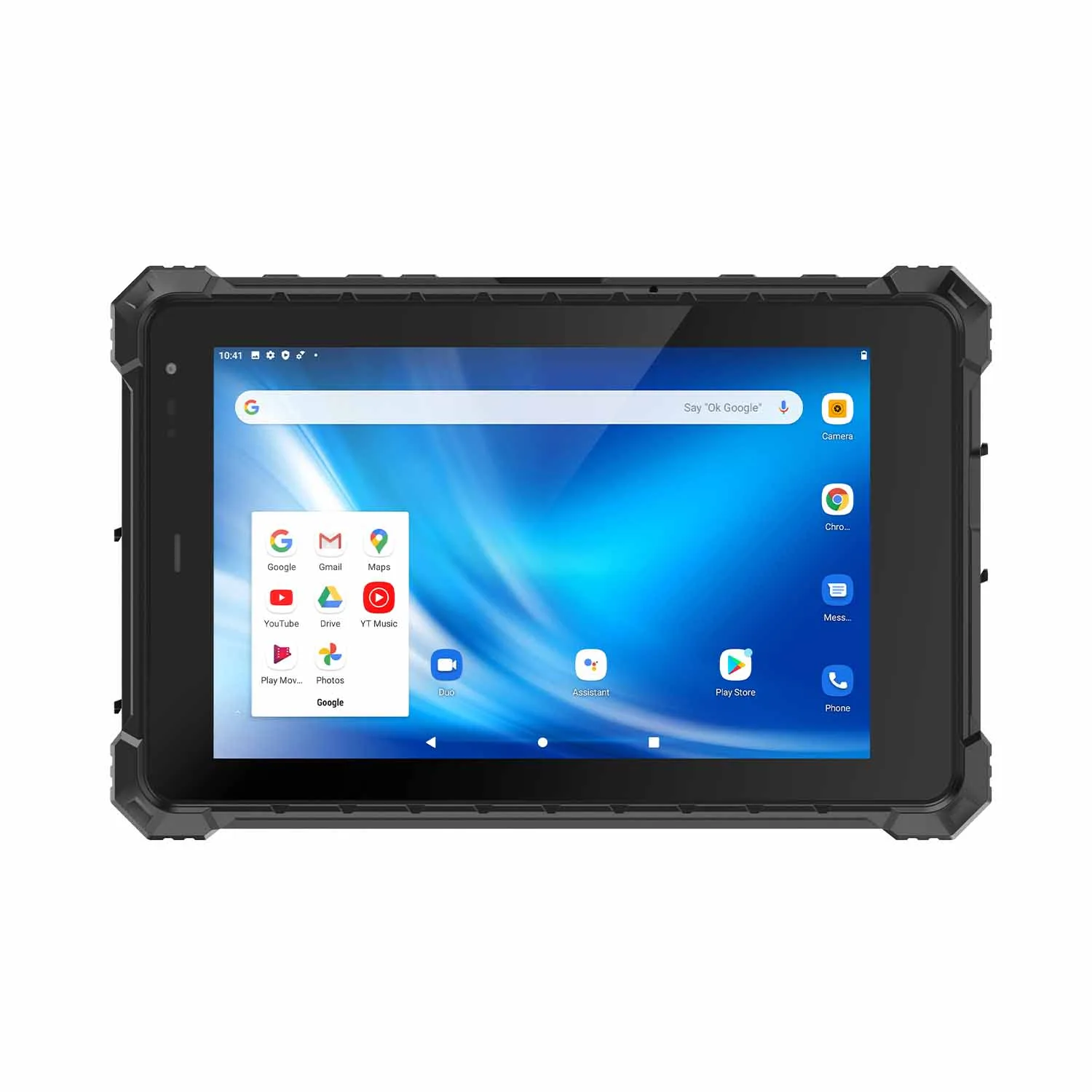
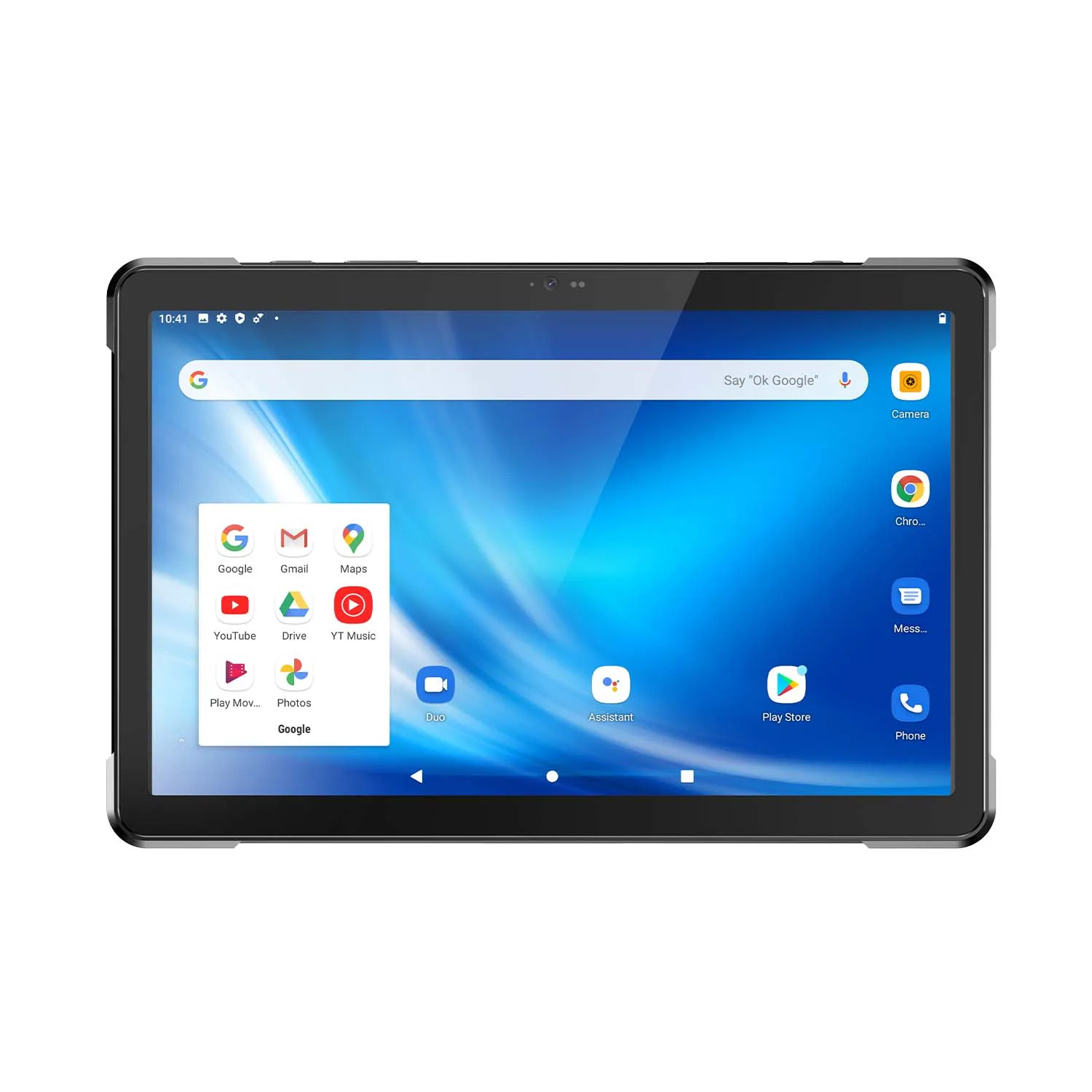
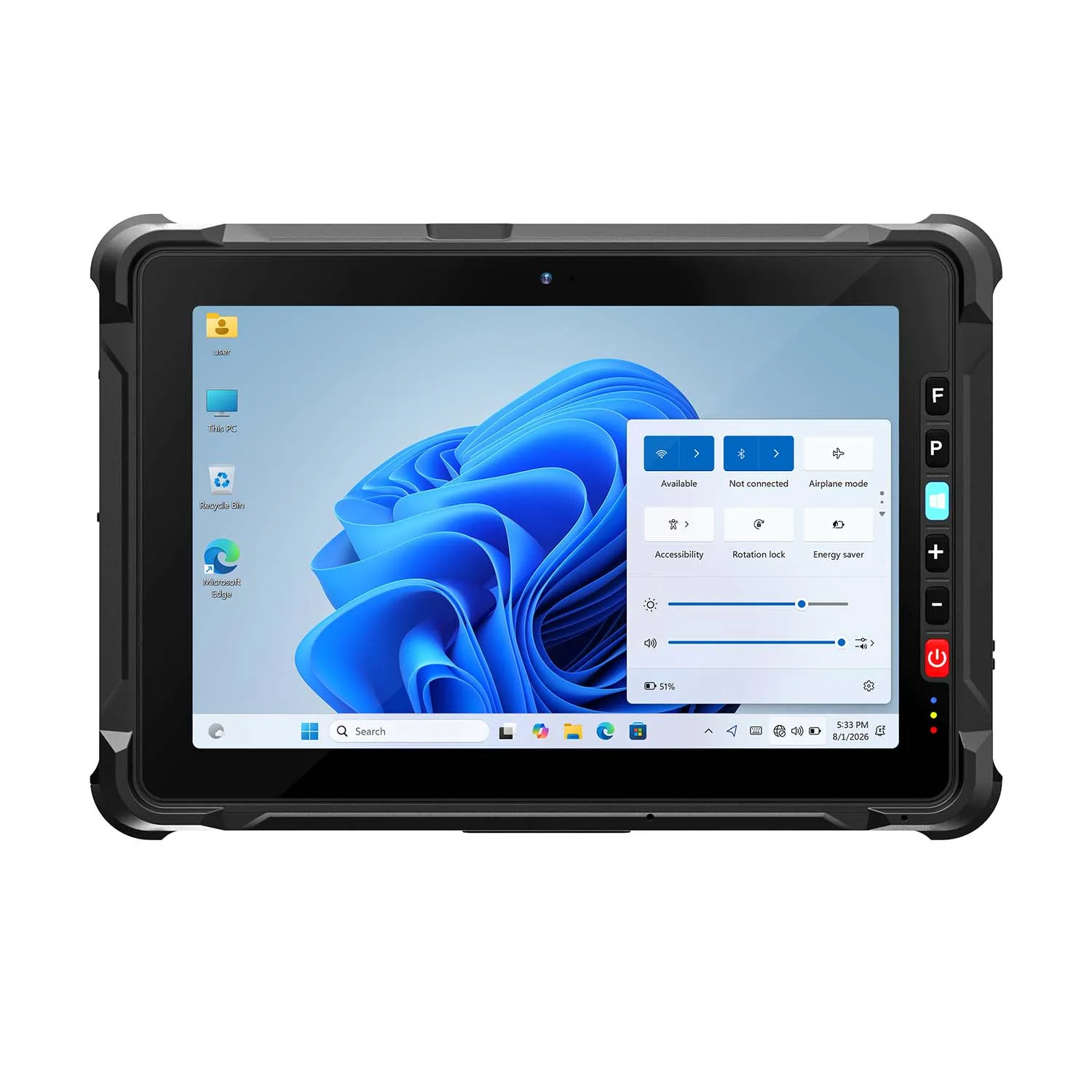
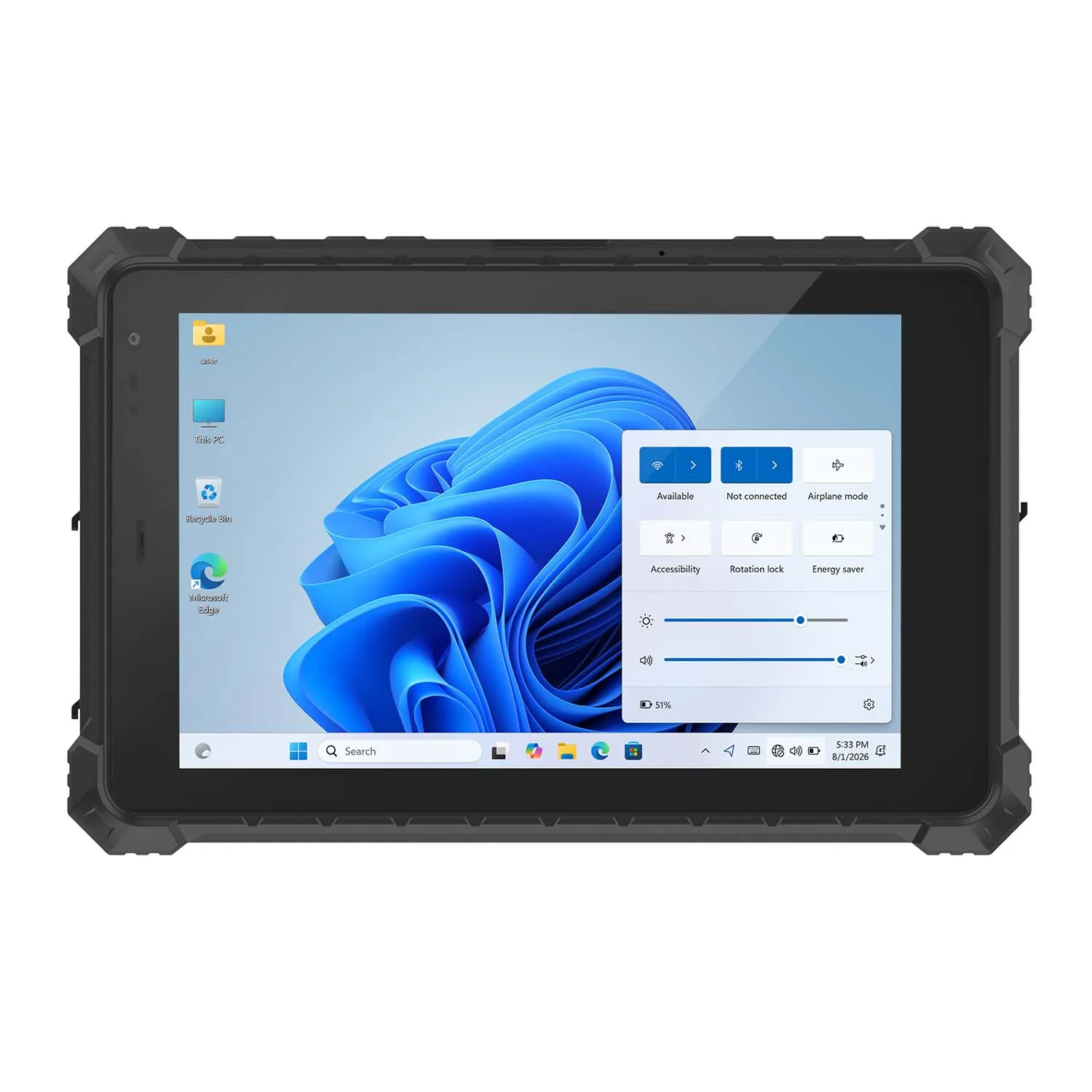
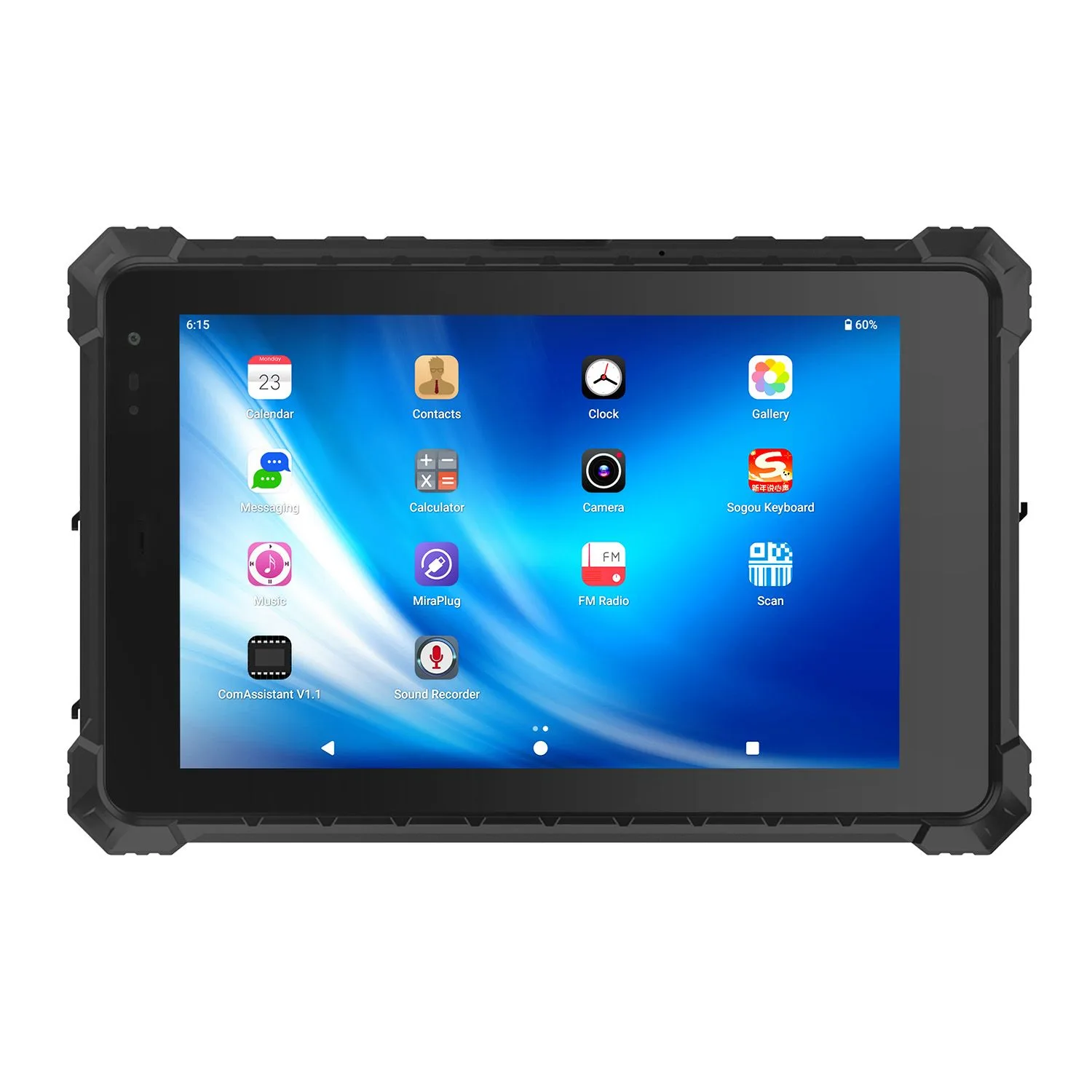
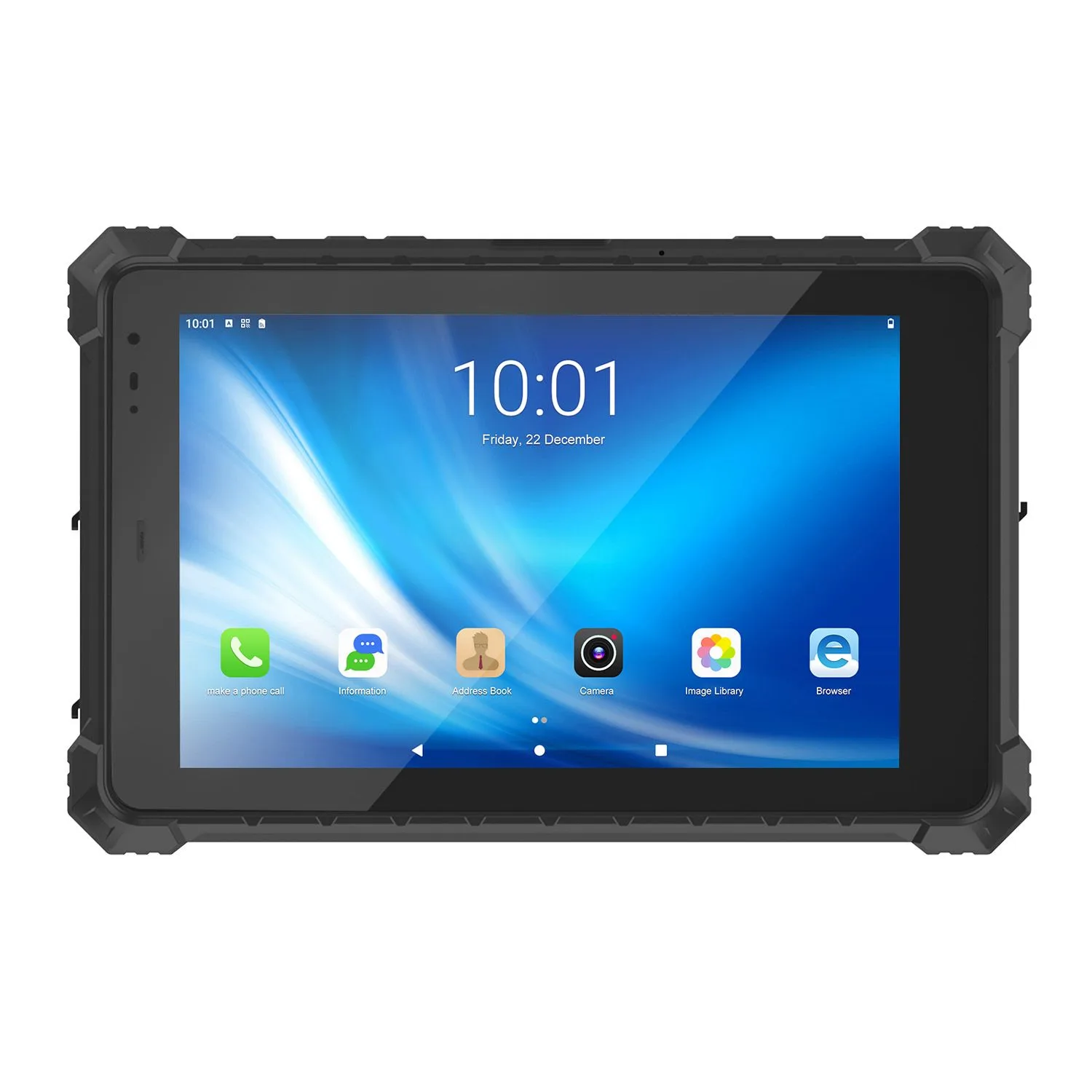
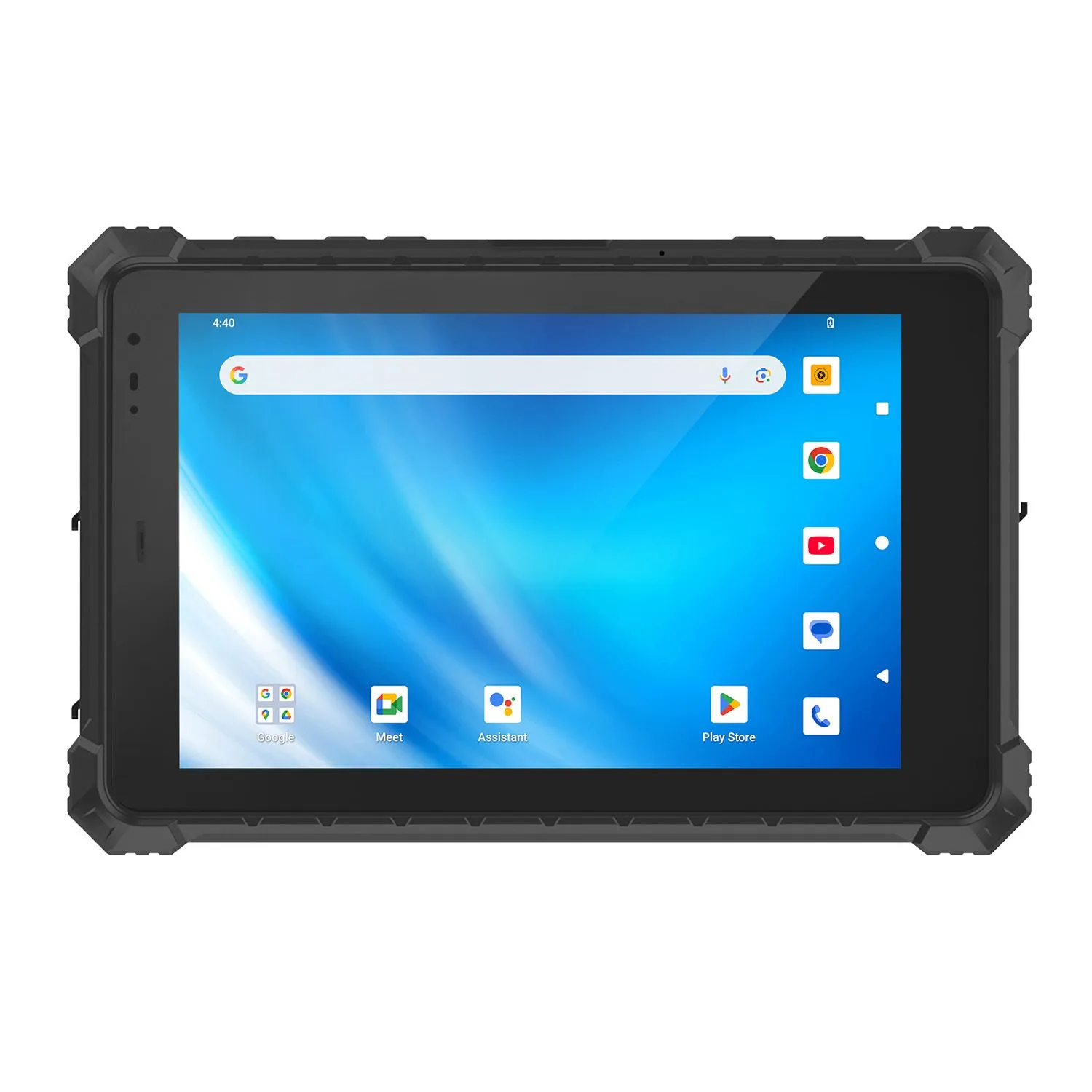
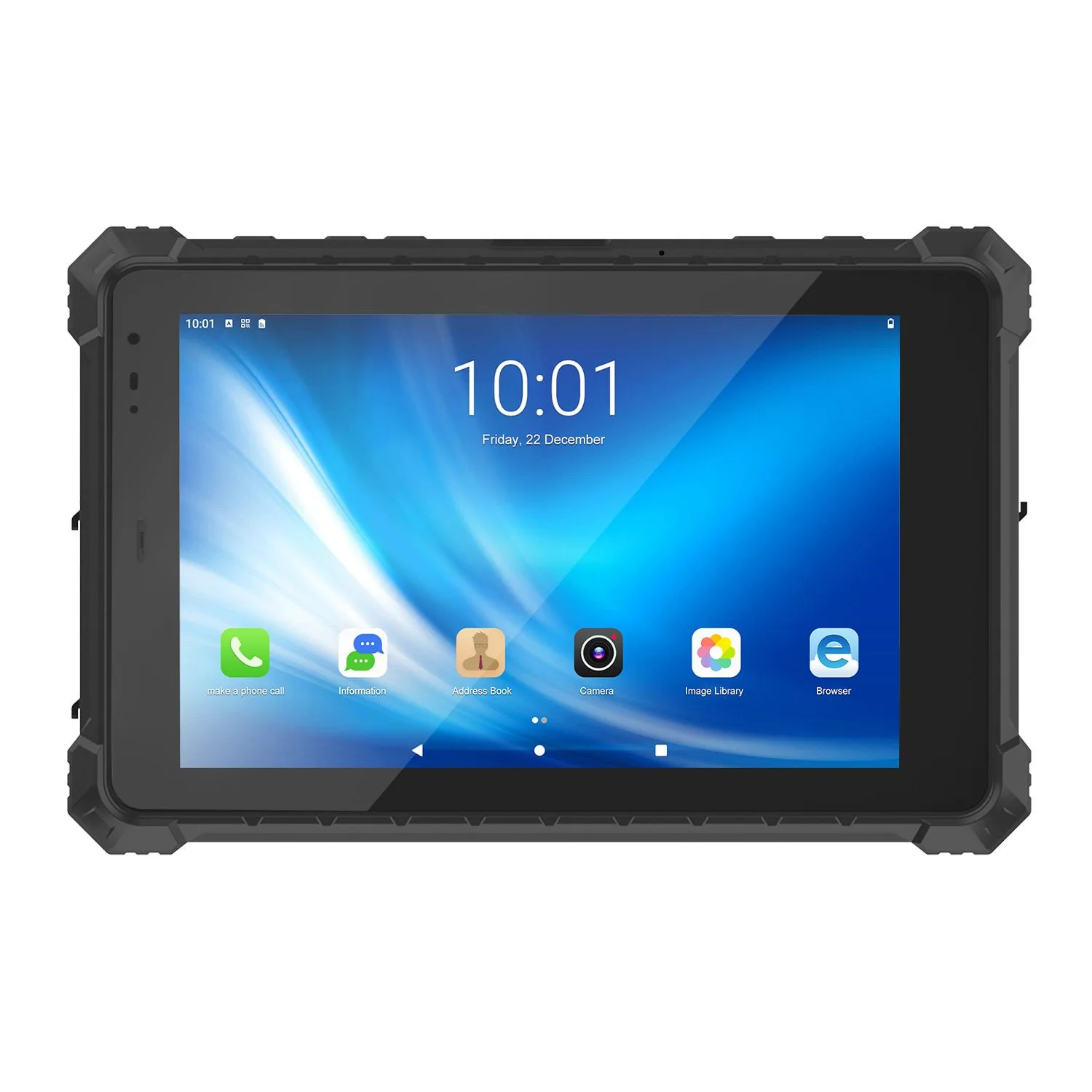
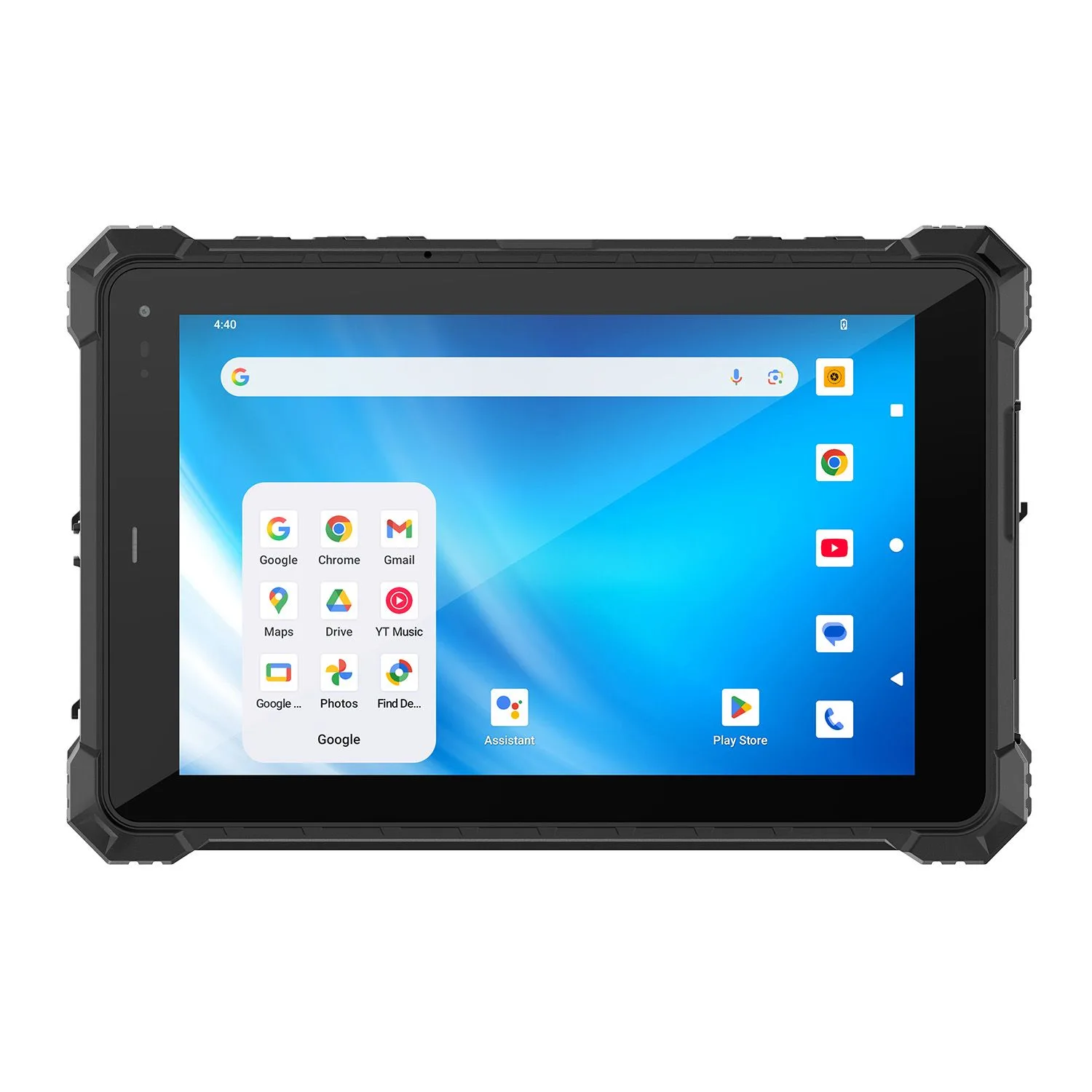
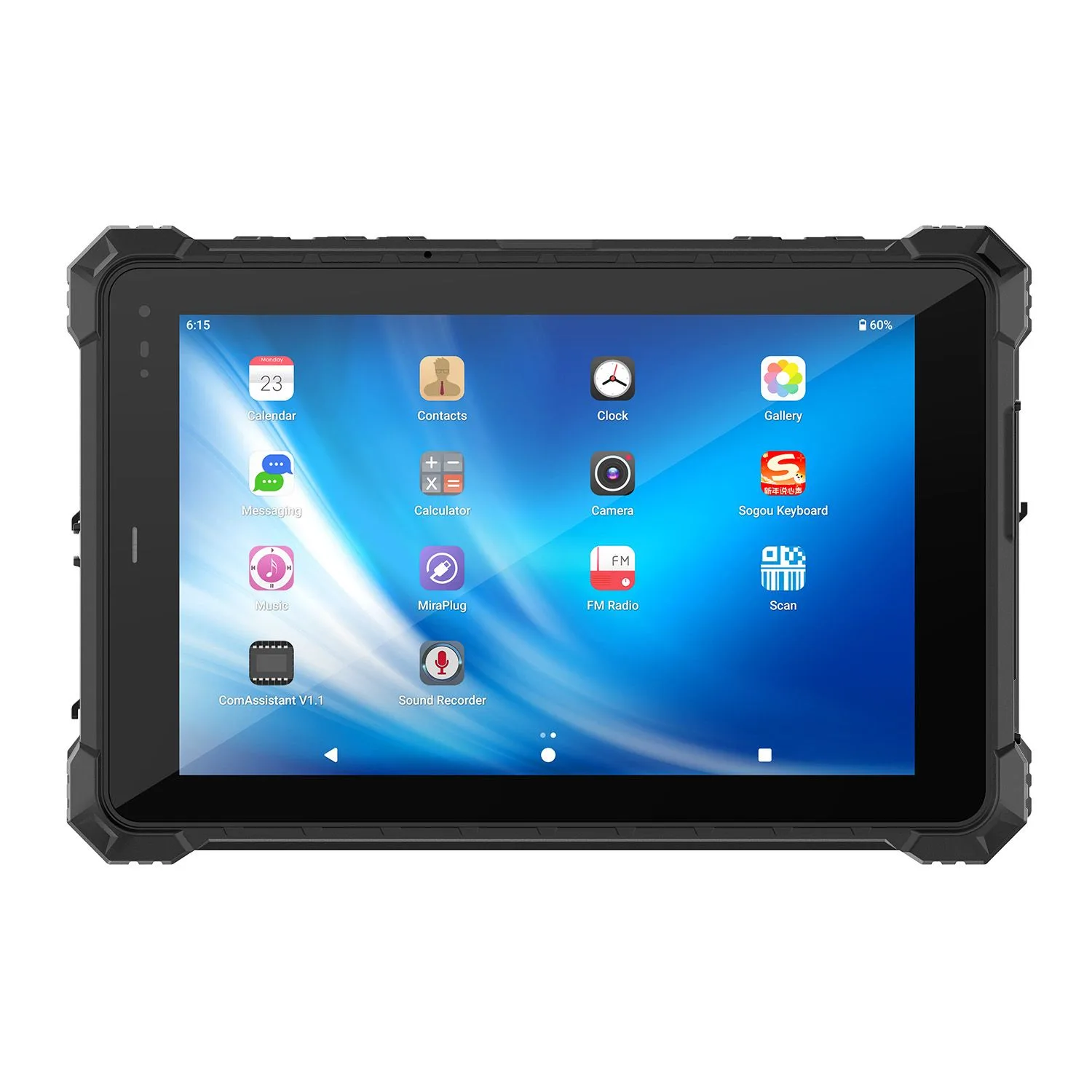
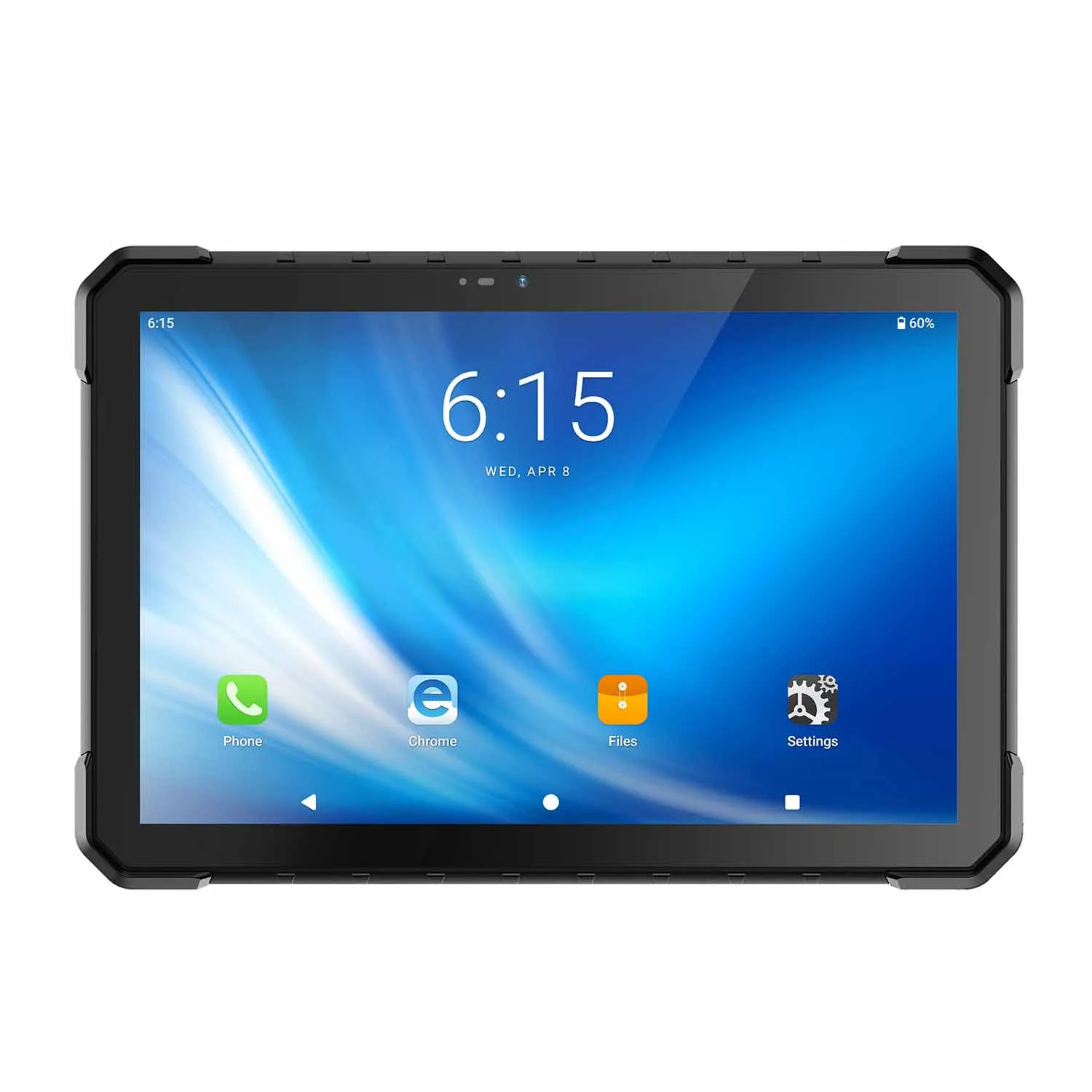
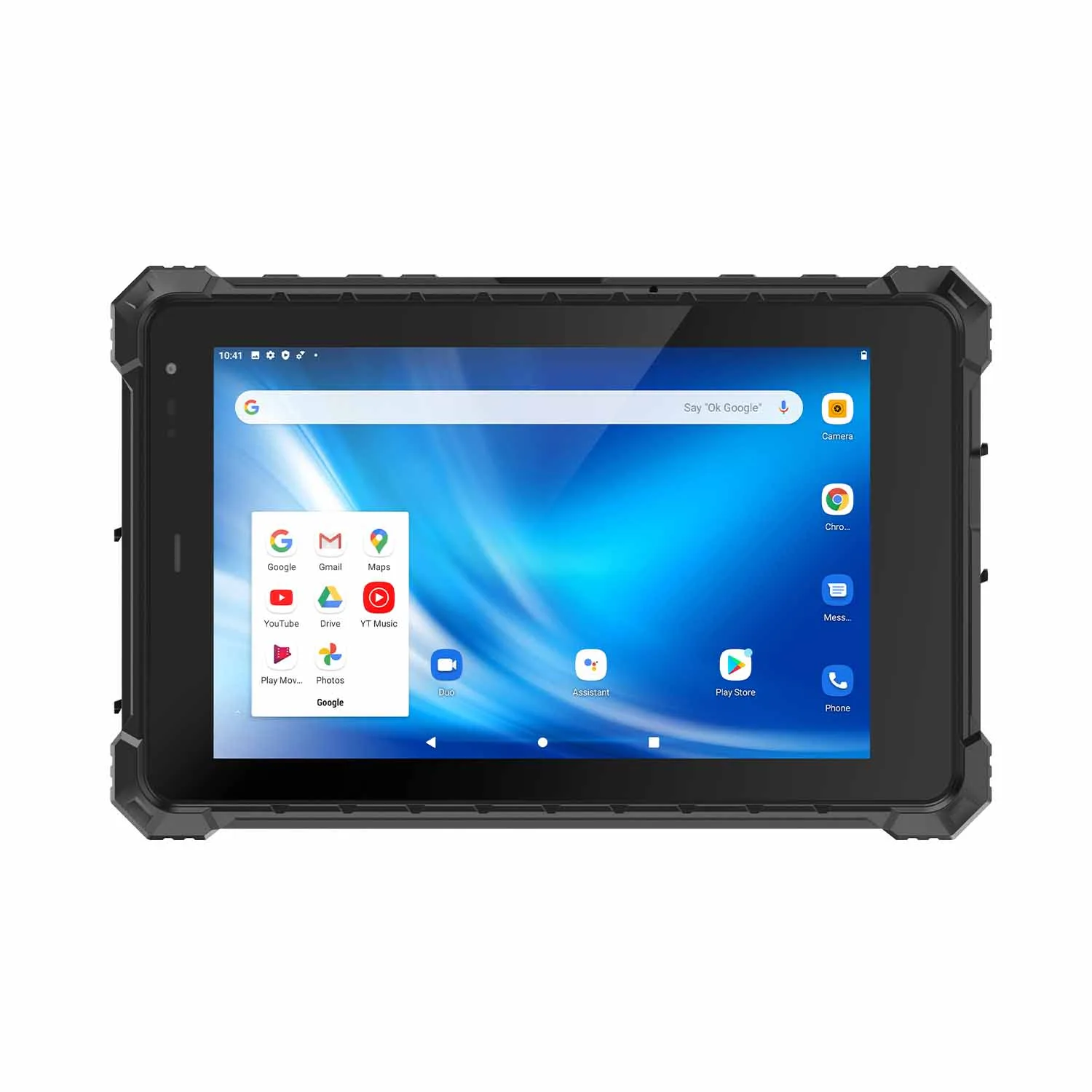
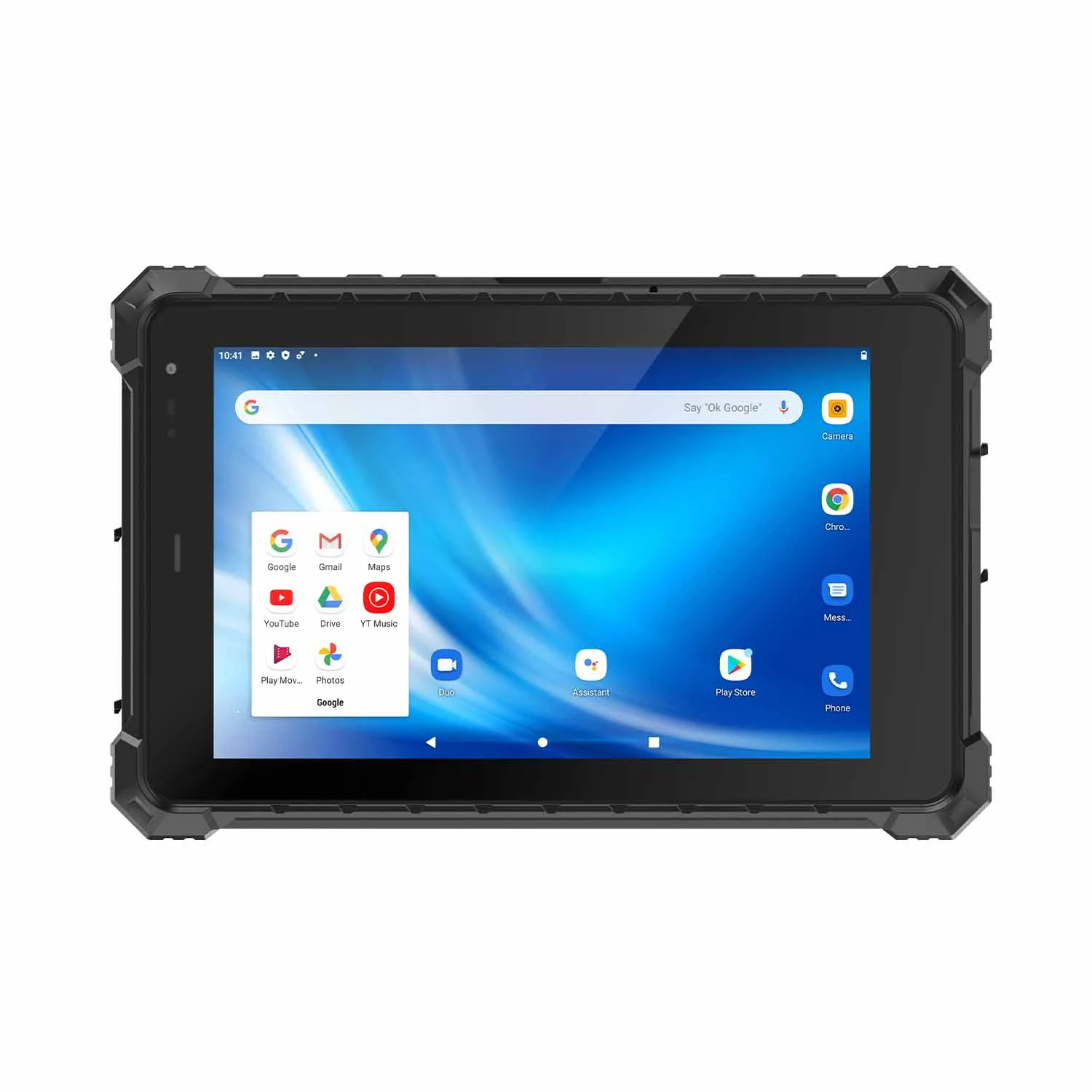
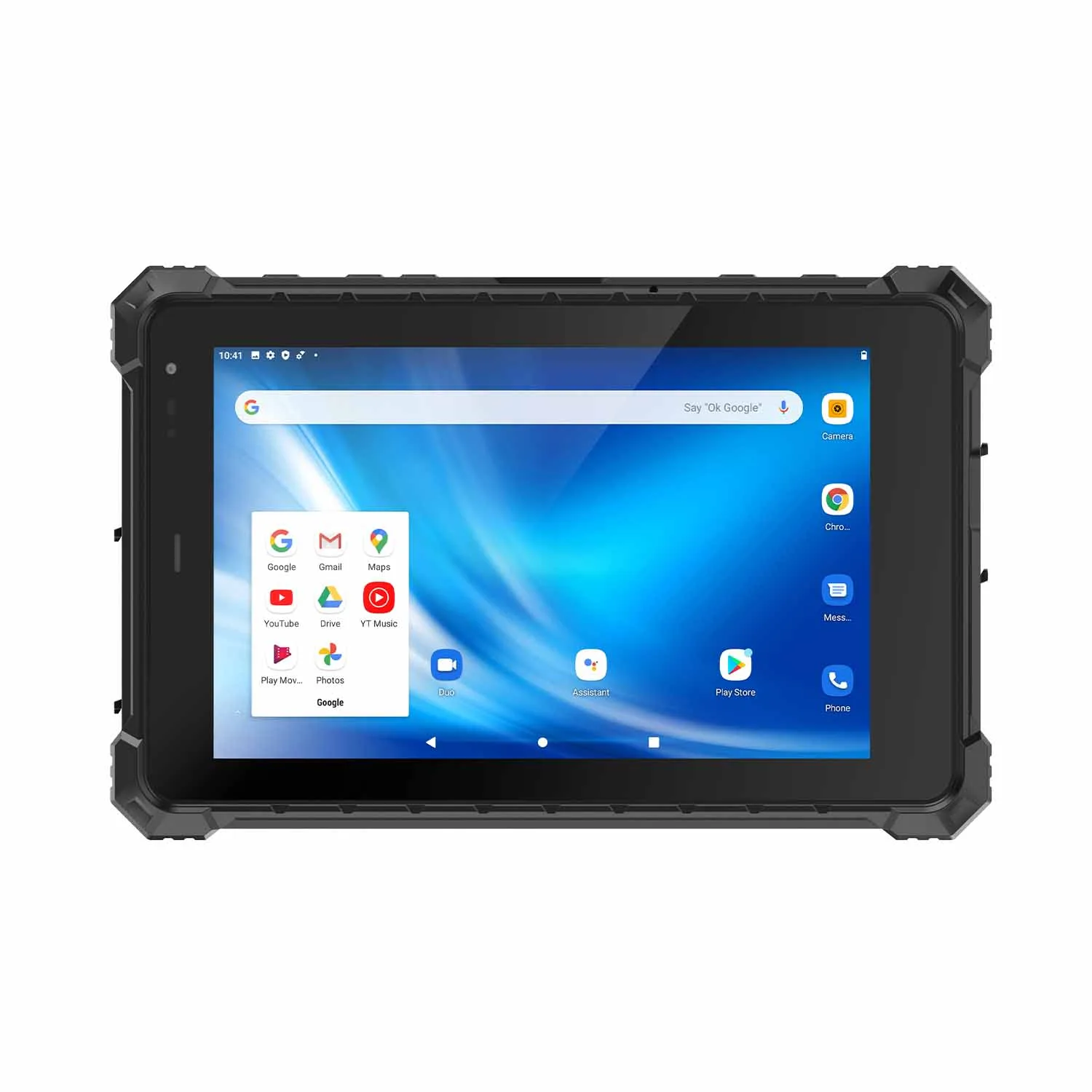
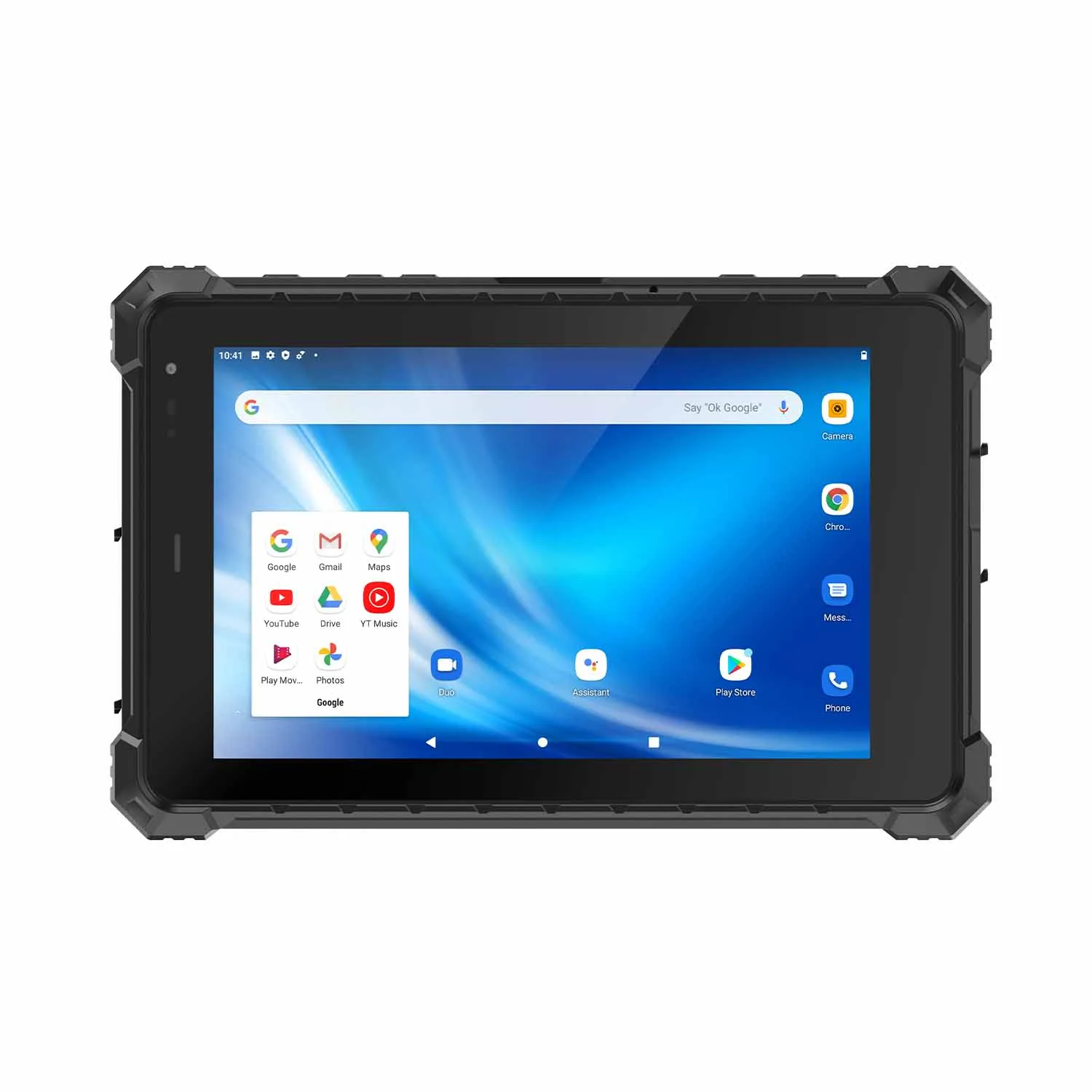
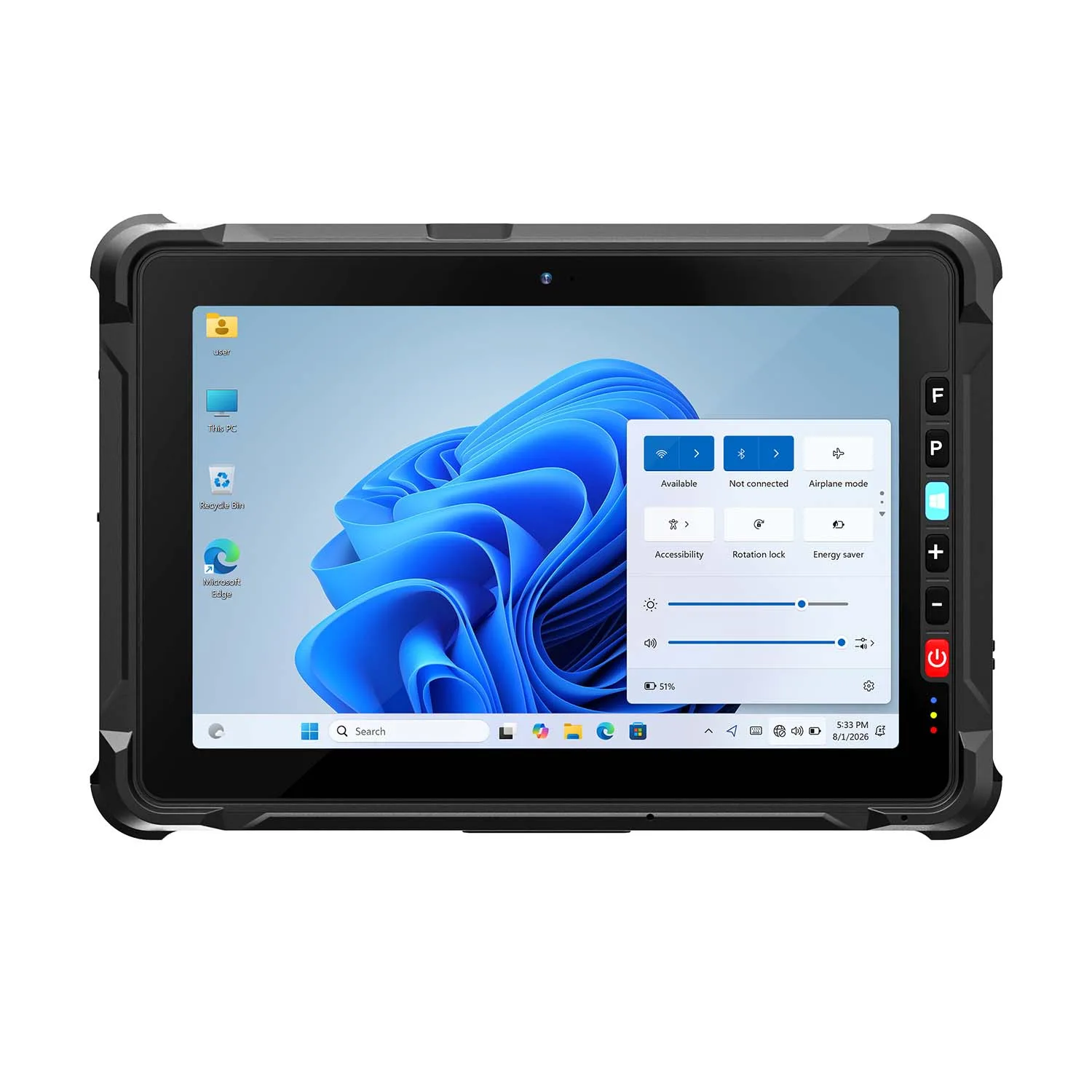
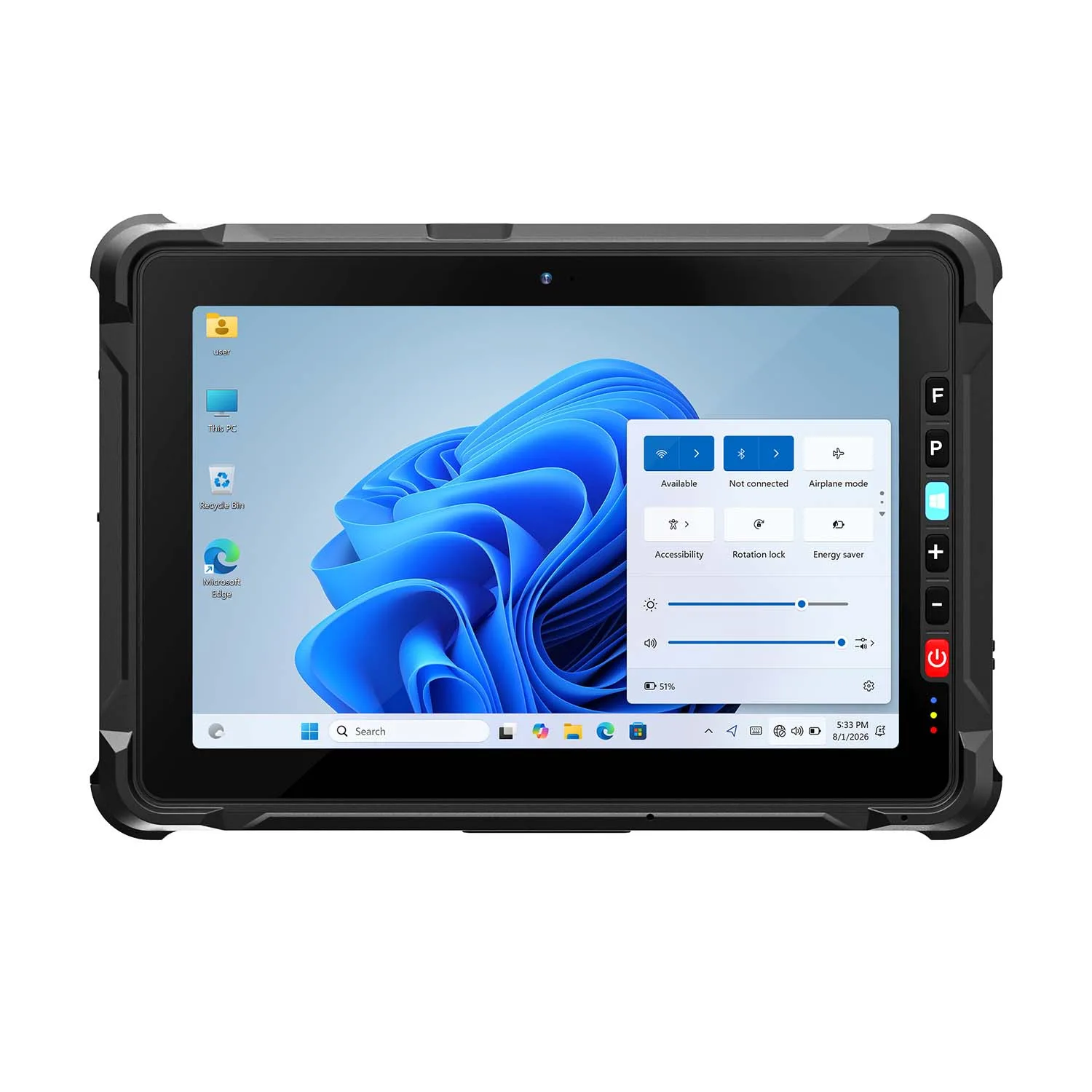
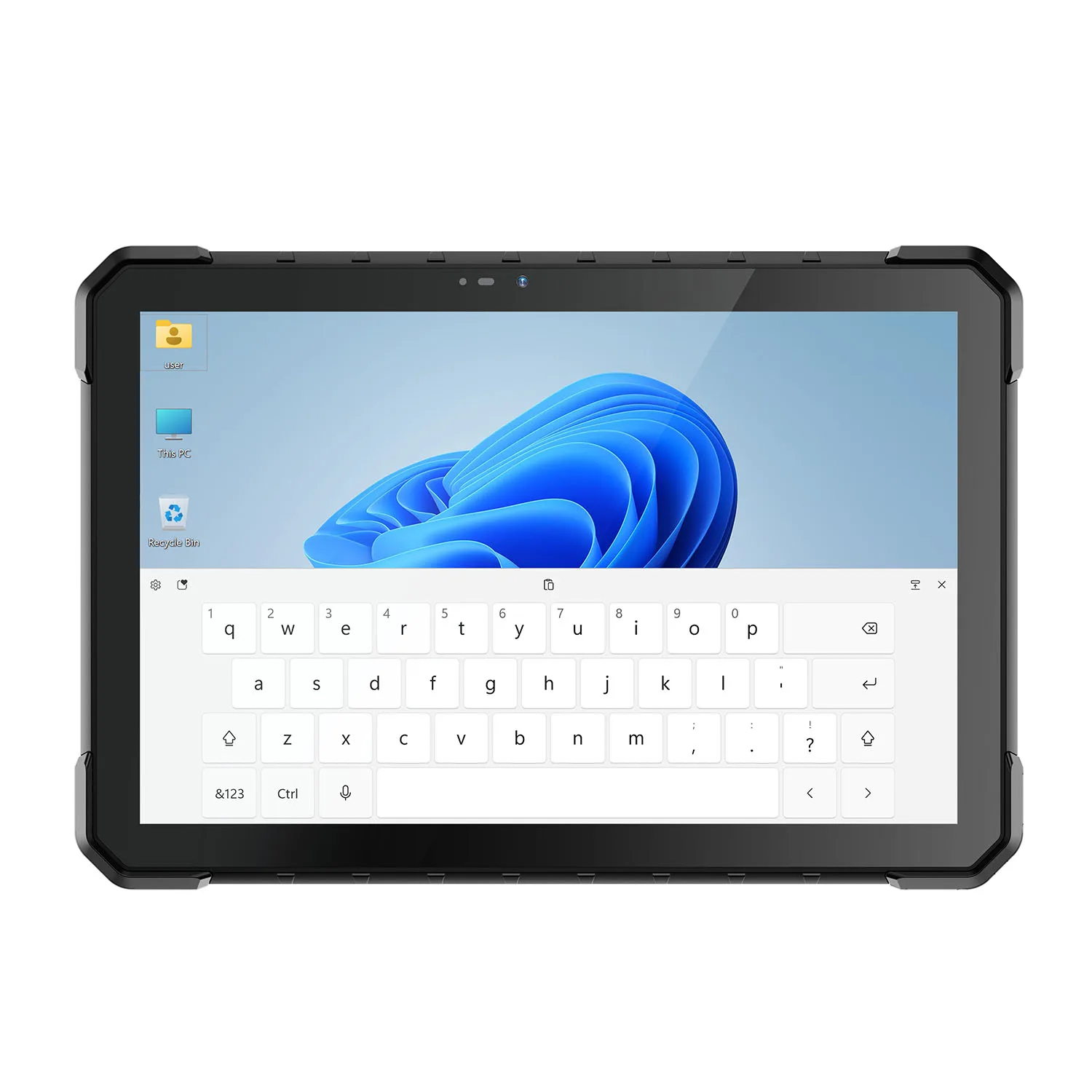
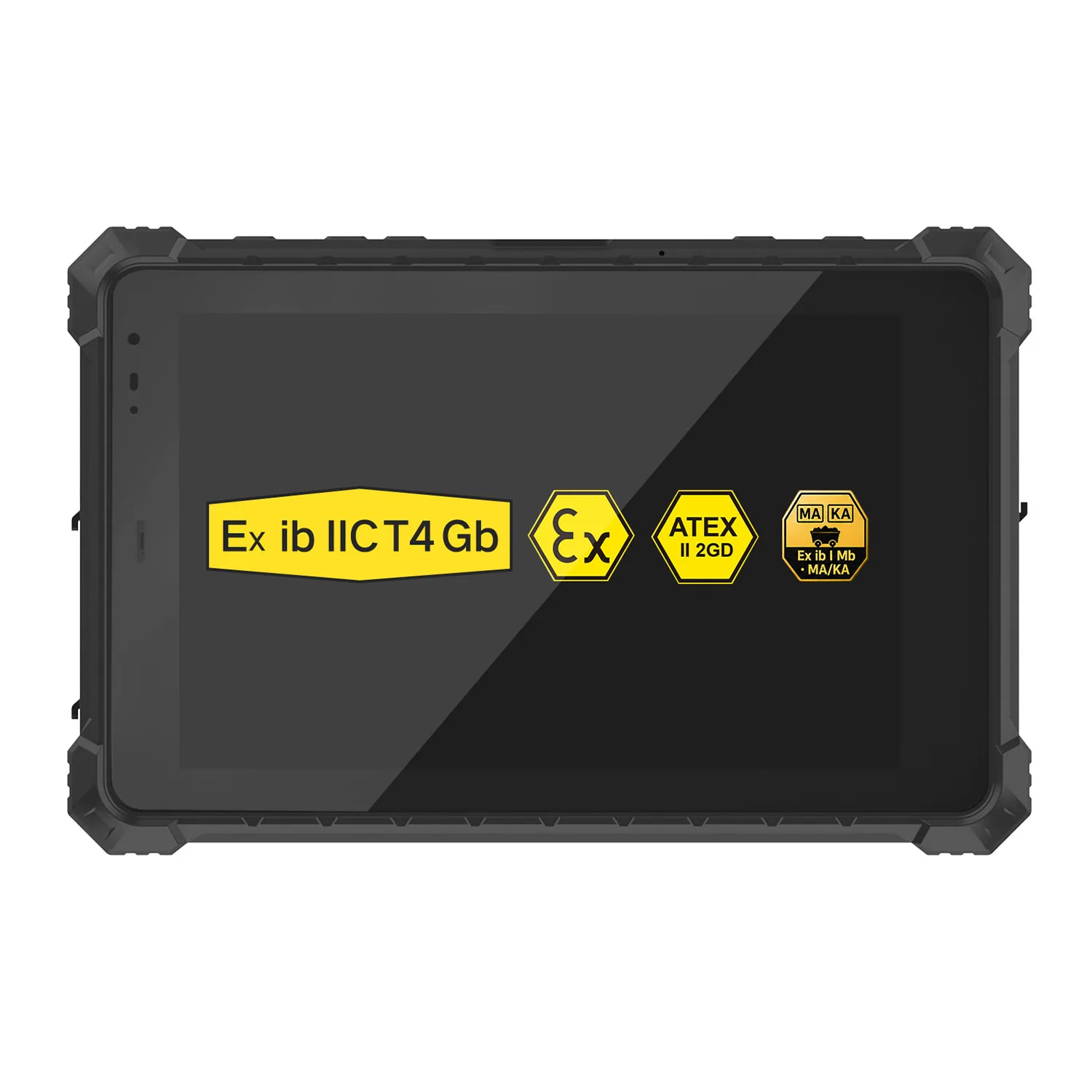
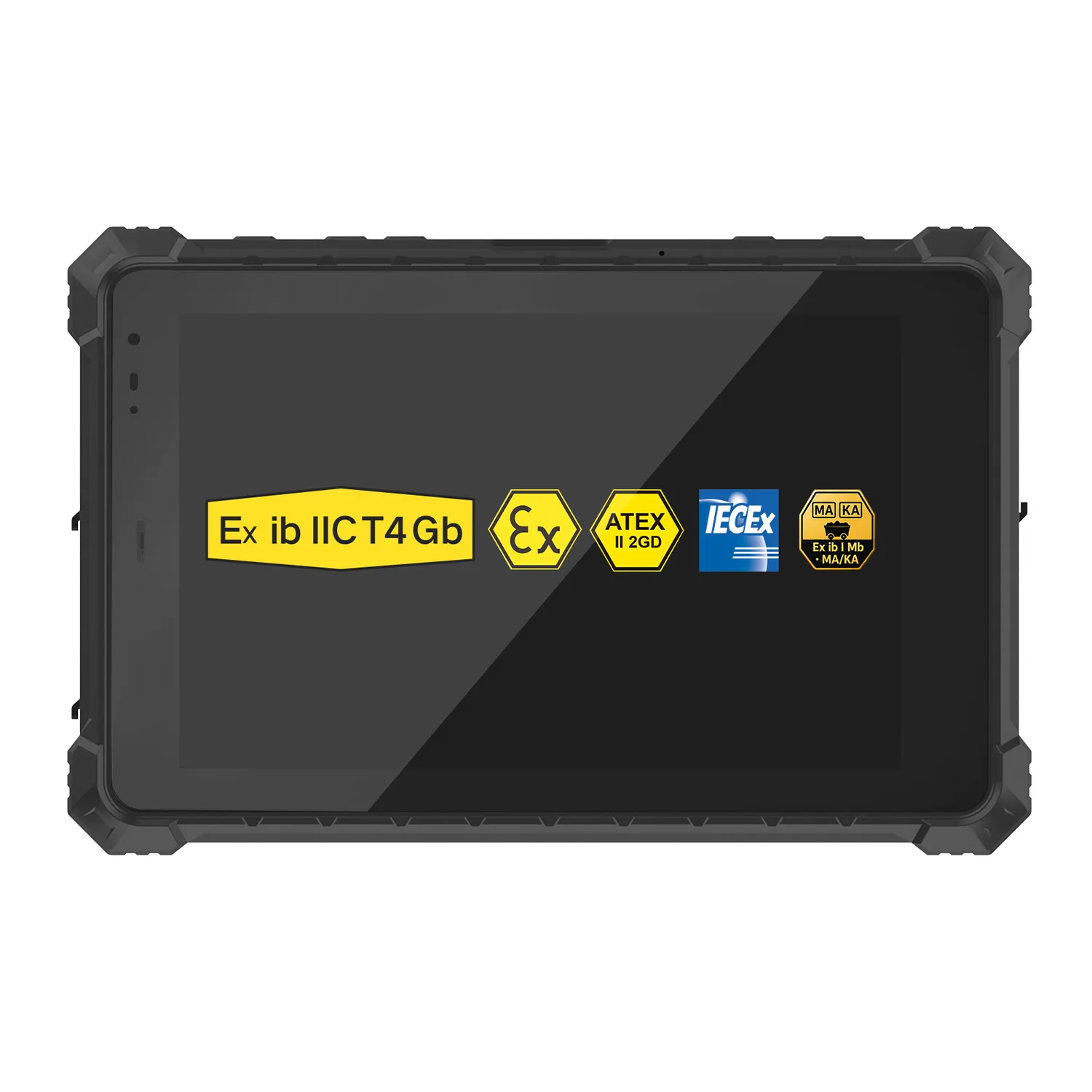
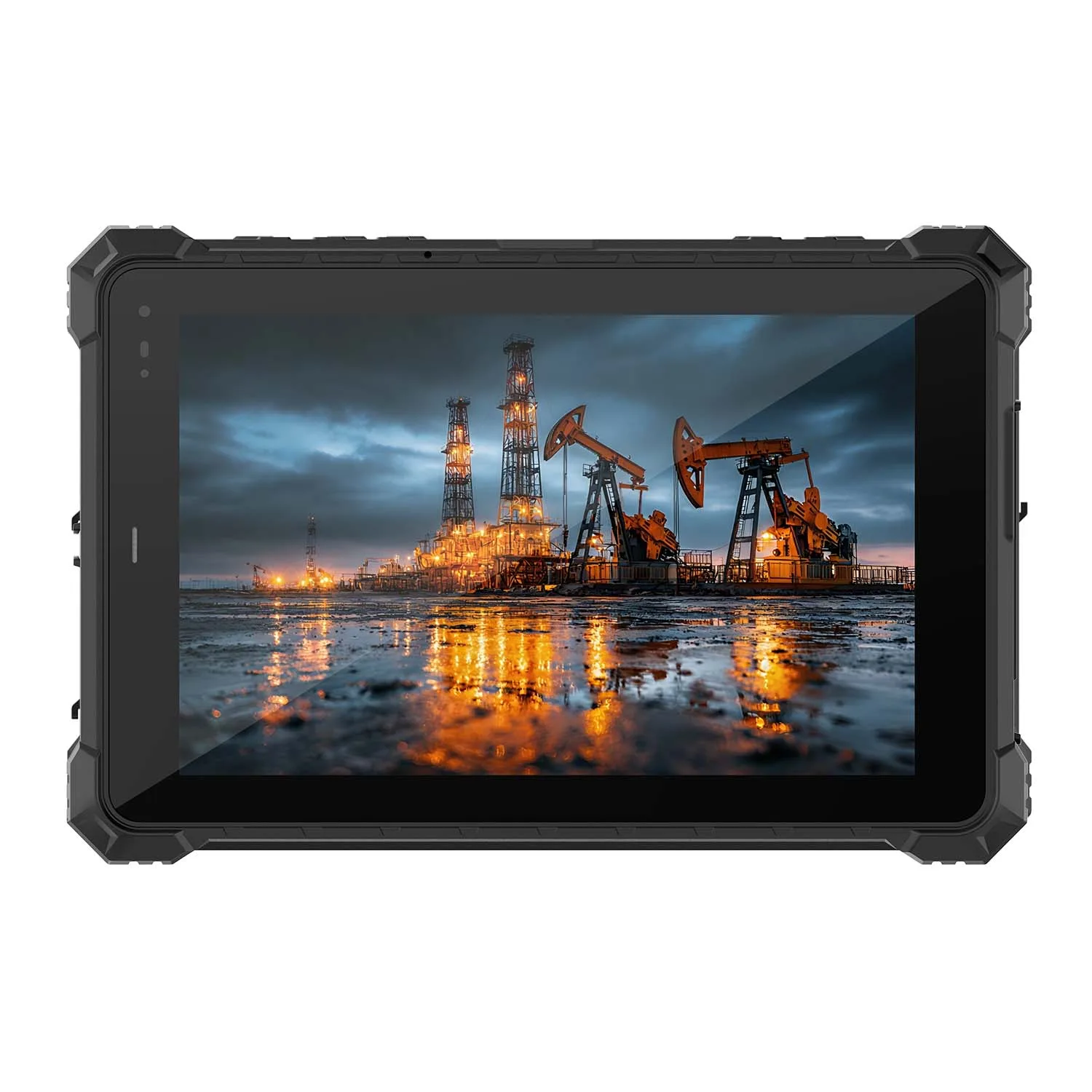
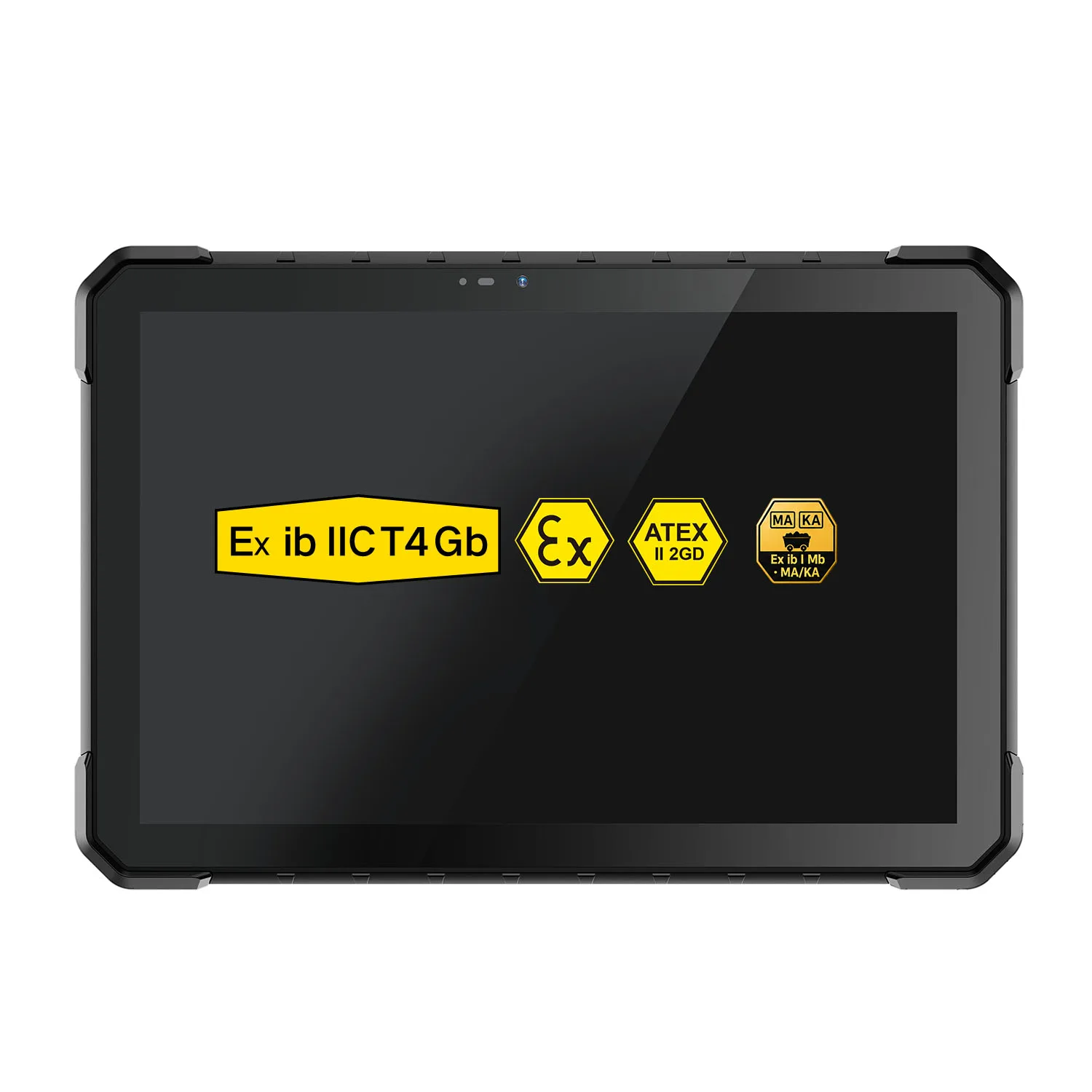
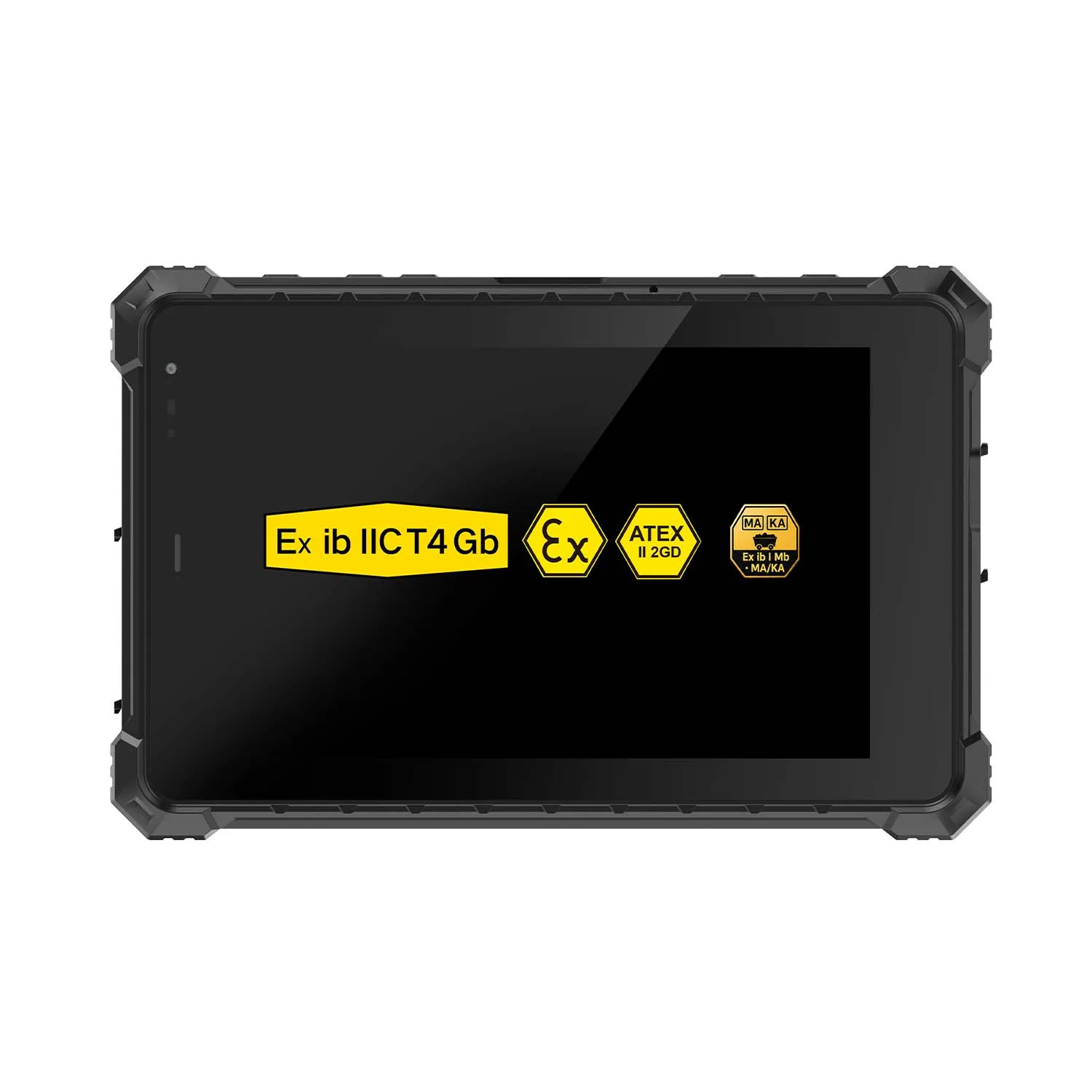
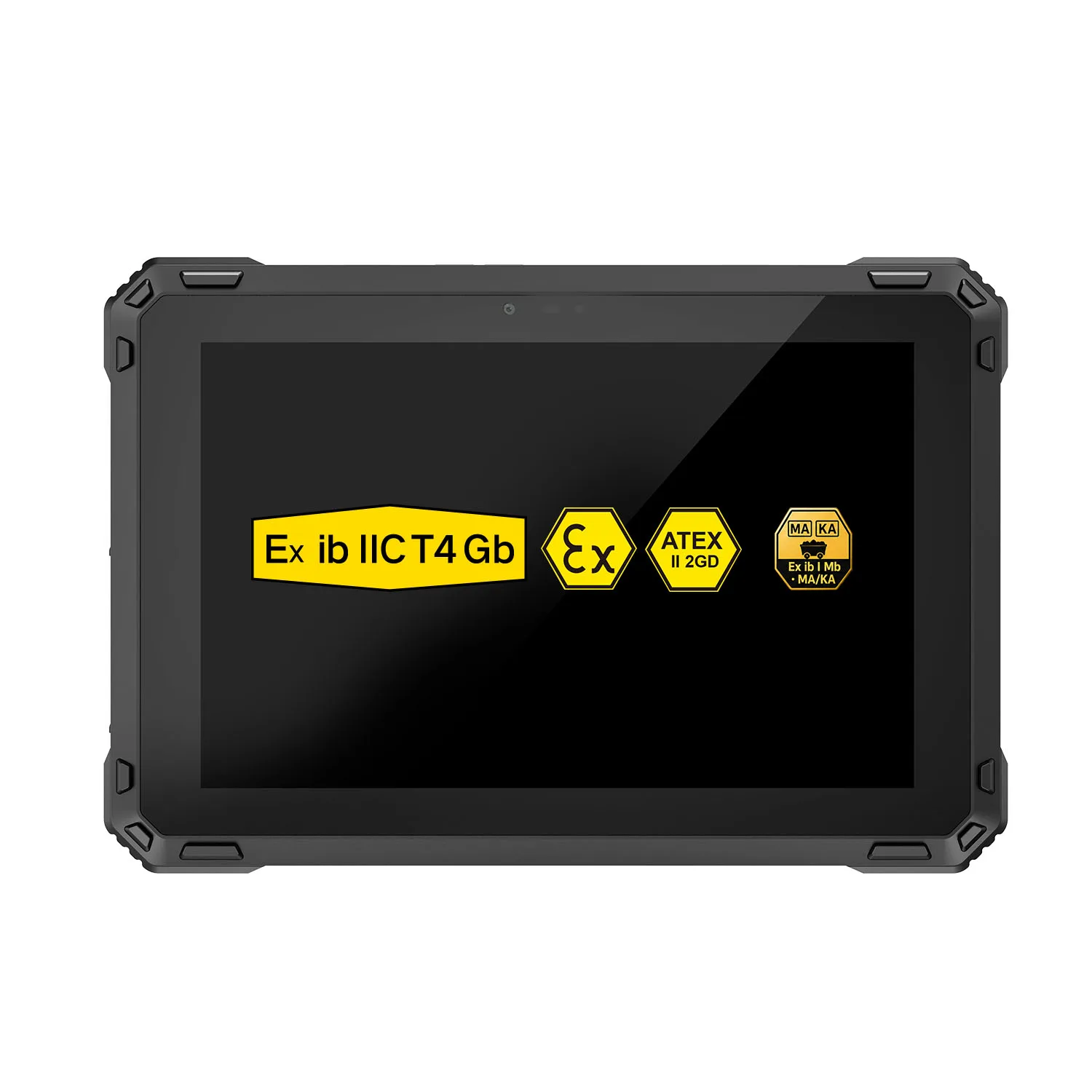
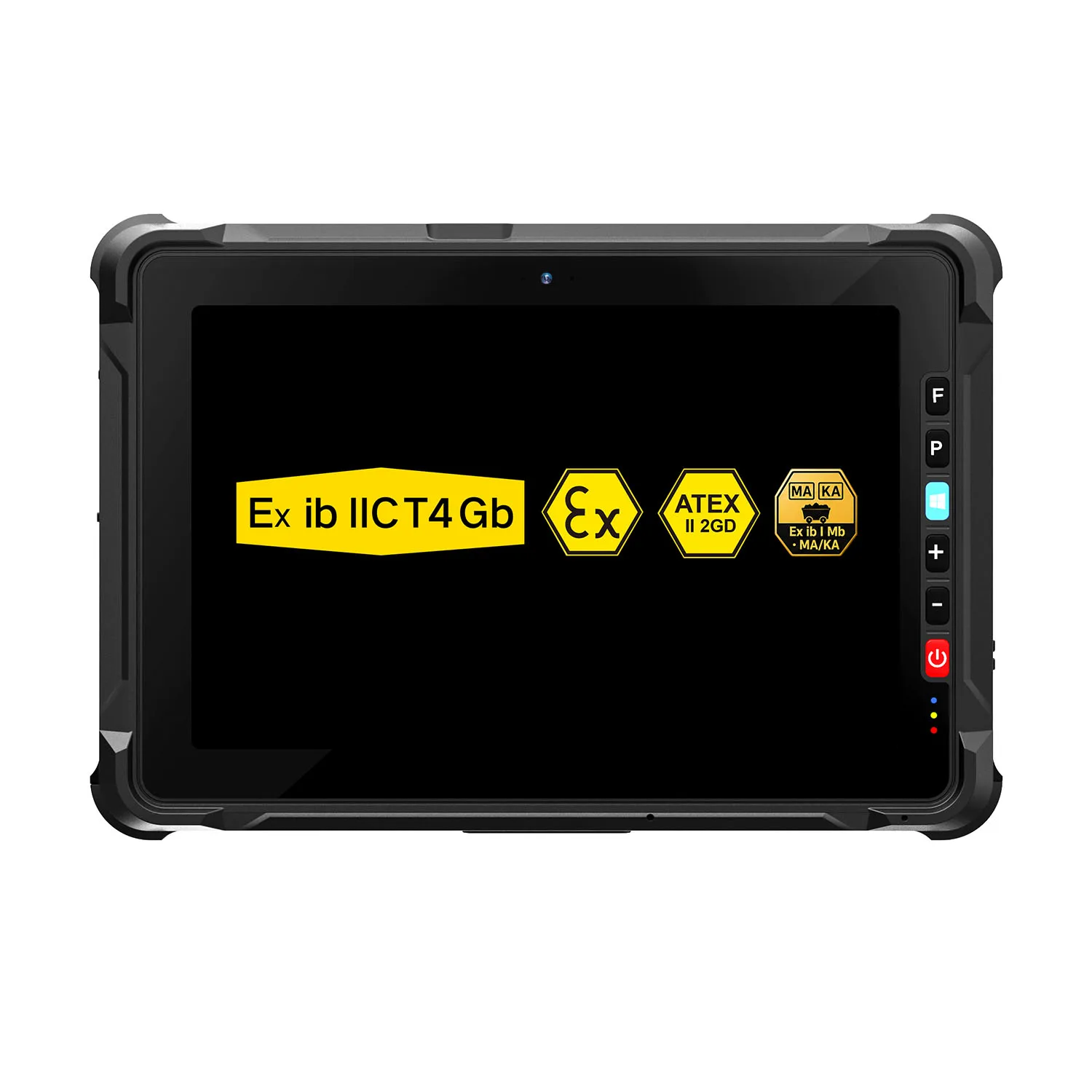
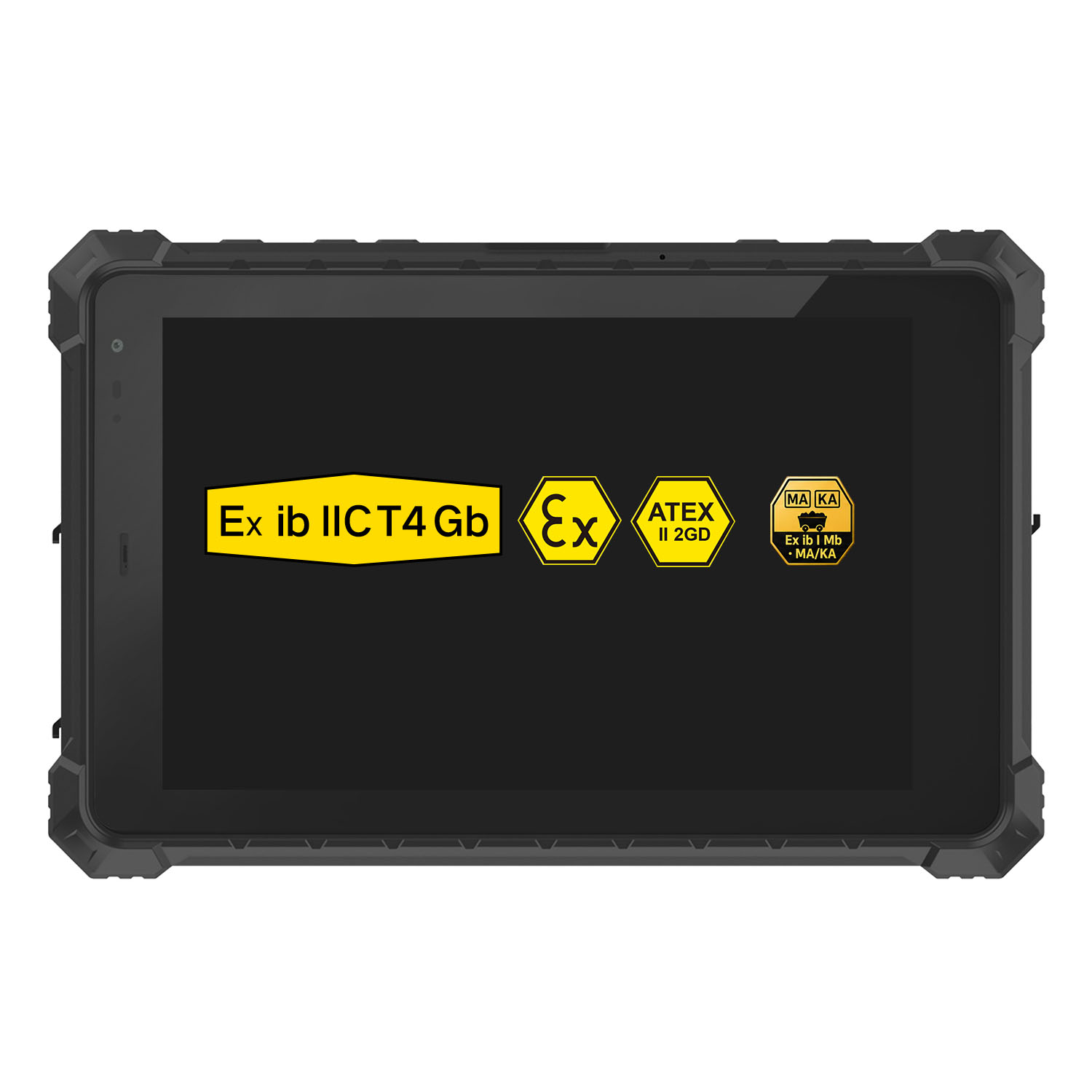
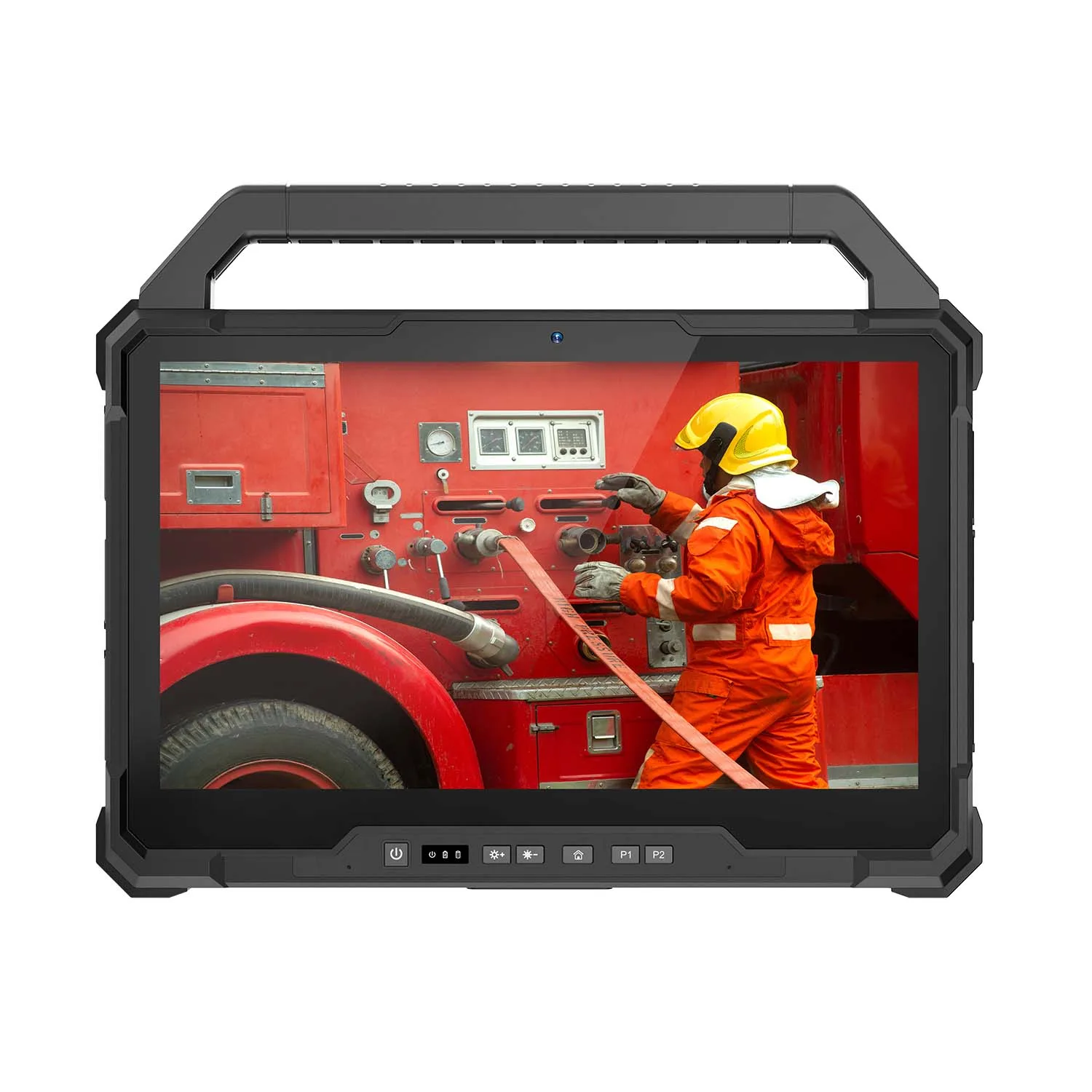
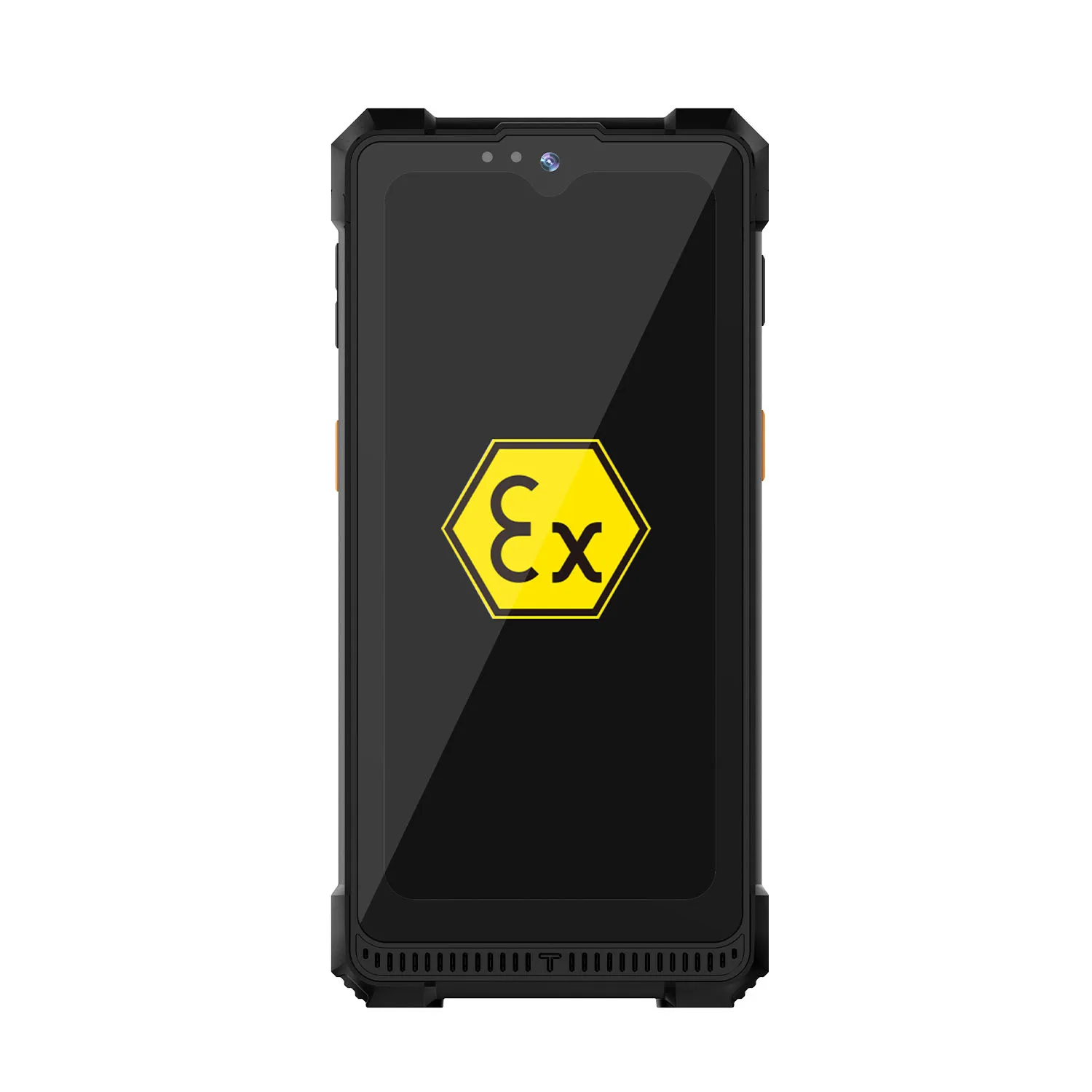
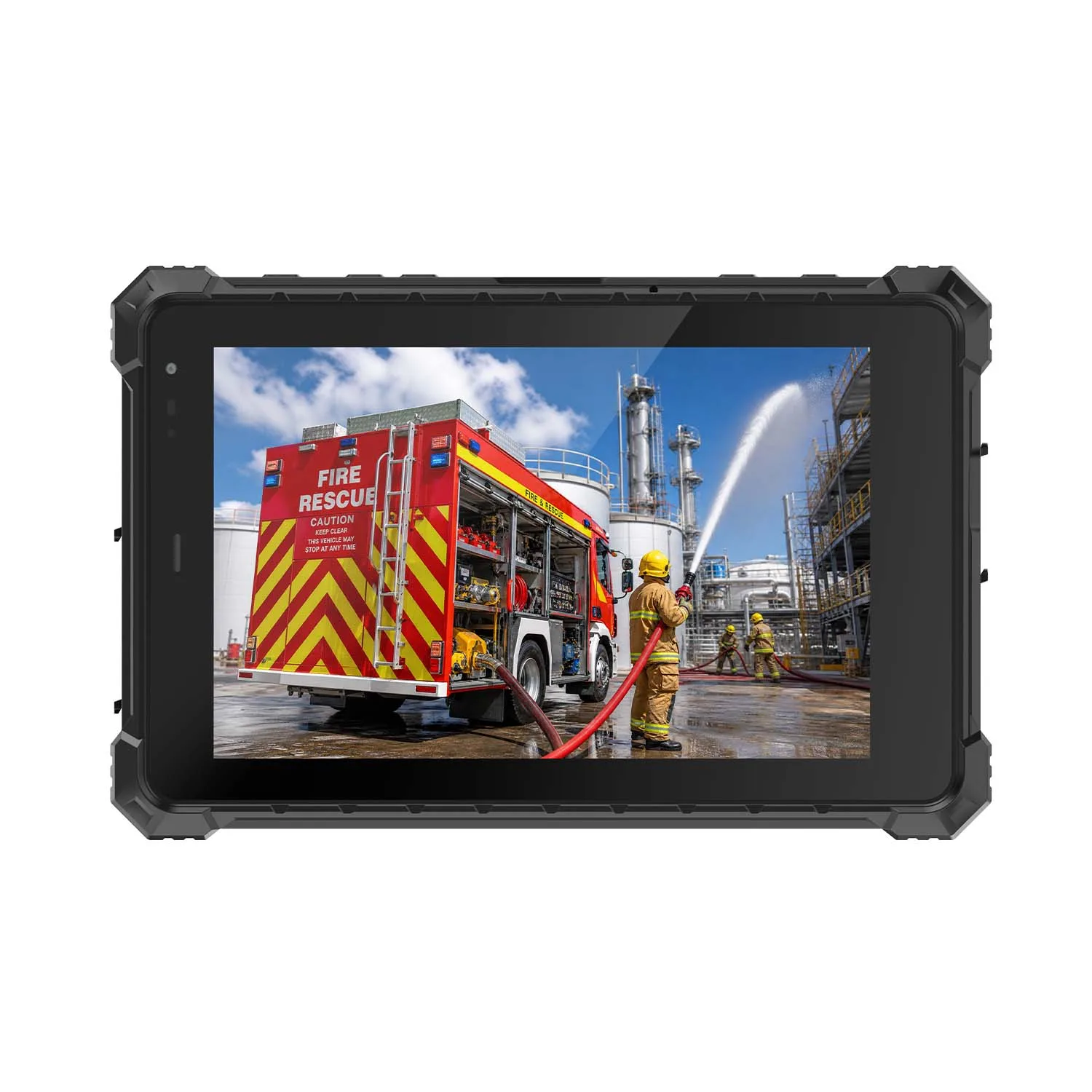
- Key Product: The A10ST-EX page describes a 10.1-inch Android tablet with IP68 protection, MIL-STD-810H evidence and a −20°C to +60°C range. It presents ATEX Zone 1/21 and separate IECEx Zone 2/22 documentation; the ordered configuration must follow the applicable certificate rather than combining those scopes.
- Technical Advantage: Optional barcode or NFC capture can bind a device interaction to a material, equipment or cleaning asset without adding a separate handheld. That flexibility is useful only when the project bill of materials, reader service, battery, case and software image stay under change control.
A fine chemical production tablet may open the released step after reading an equipment tag, then require the operator to confirm the full vessel identity, batch and task. The scan selects an identifier; MES rules decide whether the asset is released, clean, calibrated and eligible. Making those two actions visually distinct prevents a successful read from looking like production authorization.
Run a proposed 24-label trial with 12 correct identifiers, 4 near-match equipment tags, 4 expired material statuses, 2 damaged codes and 2 valid codes assigned to the wrong room. Review both prevented errors and the reason shown to the operator. A generic “invalid” message is difficult to investigate and encourages manual workarounds.
2. Pepperl+Fuchs / ECOM (Germany)
Core Strength: Compact enterprise Android mobility for Zone 1 and Division 1 tasks
Pepperl+Fuchs combines process-automation and explosion-protection experience with ECOM's mobile-device portfolio. That background suits solvent handling or fine-chemical routes where the tablet must enter a classified location and still participate in enterprise enrollment and controlled application delivery.
3. i.safe MOBILE (Germany)
Core Strength: Large-format Android workspace for governed Zone 1/21 execution
i.safe MOBILE specializes in communication and computing devices for explosive atmospheres. Its larger tablet format gives batch instructions enough room for the current step, key material identity and exception action without compressing every item into a sequence of pop-ups.
4. Aegex Technologies (United States)
Core Strength: Windows continuity for higher-category hazardous areas
Aegex develops intrinsically safe Windows mobile systems for process industries. It is especially relevant where a validated batch-support or maintenance client depends on Windows and moving the application to another operating system would create a separate redevelopment and validation program.
5. BARTEC (Germany)
Core Strength: Enterprise scanning workflows in eligible Zone 2 and Division 2 areas
BARTEC has five decades of explosion-protection experience and an enterprise-mobility portfolio. Its current Android tablets fit lower-category classified pharmaceutical and chemical tasks where controlled scanning and fleet management matter, provided the room classification matches the product.
6. Getac (Taiwan)
Core Strength: Fully rugged Windows workspace for Zone 2/22 engineering records
Getac produces rugged computers for industrial, utility and field-service work. Its EX models are relevant where Windows drawings, calibration support or maintenance history must be available beside appropriately classified equipment.
7. DURABOOK (Taiwan)
Core Strength: Large fanless Windows platform for Zone 2/22 review-intensive work
DURABOOK, a Twinhead brand, focuses on rugged laptops and tablets for industrial and mobile users. Its larger EX tablet can serve engineers who need room for controlled schematics, histories and exception review rather than rapid one-handed data capture.
8. Zebra Technologies (United States)
Core Strength: Disinfectant-ready Android capture for non-classified controlled areas
Zebra develops enterprise mobile computers, barcode systems and device-management tools. Its healthcare tablets offer a cleanable, managed starting point for non-hazardous dispensing, packaging or support rooms after Quality compares the approved procedure with the complete device and accessories.
9. Advantech (Taiwan)
Core Strength: Medical Android hardware with explicit cleaning boundaries
Advantech supplies industrial and medical computing platforms. Its medical tablet line can fit non-classified controlled rooms where a site values a fanless mobile device and documentation that states both permitted cleaning methods and material exclusions.
10. Panasonic TOUGHBOOK (Japan)
Core Strength: Mature Windows fleet management for selected Division 2 and safe-area roles
Panasonic has a long history in rugged mobile computing for field and industrial organizations. TOUGHBOOK may be attractive where a site already has Windows images, repair procedures and dock governance, but the hazardous-location option must remain distinct from general fleet stock.
How to Choose the Right Manufacturer for Electronic Batch Record Workflows
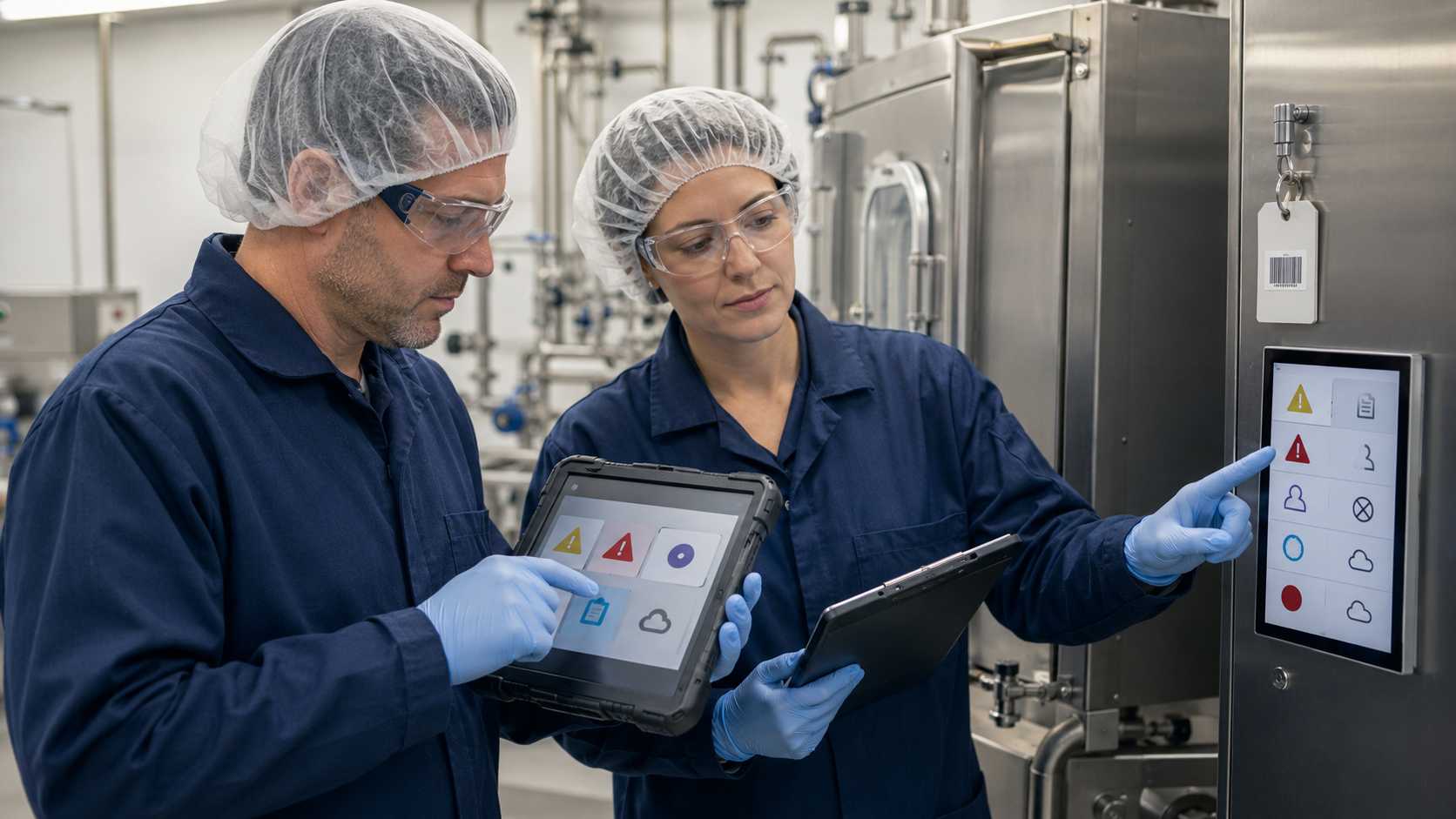
Hardware becomes comparable only after production, Quality, validation, IT and environmental owners agree on the record map. Start with exclusion criteria, then test two or three remaining devices with representative dummy data in a controlled environment.
Define Your Operating Environment
Create a room-and-task register before requesting quotations. For each step, record the room or line, cleanroom grade or controlled-area status, hazardous-area classification where applicable, operating temperature, approved cleaning agent and method, issued gloves, charging point, carrying set, reader requirement and authoritative application. The same batch may cross areas that require different device pools.
Map record ownership beside physical movement. The master recipe may belong to MES, material status to ERP or LIMS, equipment clean state to MES or CMMS, and a process value to an instrument or automation system. Copying these values into the tablet creates another record unless the integration preserves source, timestamp and reconciliation status.
Use a two-gate release where both contamination control and hazardous-area admission apply. Quality approves entry and cleaning; the competent electrical owner approves the exact Ex configuration. Passing one gate leaves the device on hold. IP rating, MIL-STD evidence, wipeability and hazardous-area marking answer different questions.
Begin with the 3-batch, 28-event dry run, then move to an 8-shift pilot in the approved training or validation environment. Track wrong selections, obsolete packages, signature failures, unresolved queues, MES rejections, abandoned entries and paper fallbacks. A high completion percentage can coexist with weak exception control.
Clarify Performance Requirements
Translate every hardware claim into an issued-task test. A wipeable rugged tablet for pharma should be assessed with the exact agent, concentration, wipe material, contact time, drying step, screen protector, hand strap and room procedure. Spray application, immersion or autoclaving should not be introduced unless the device instructions and site assessment explicitly permit it.
Glove performance is combination-specific. Test the issued nitrile or chemical-resistant glove, double-glove condition where required, dry and approved damp-screen states, and the intended stylus. Use 20 actions: 6 scans, 5 numeric entries, 3 corrections, 2 signatures, 2 document lookups and 2 safe stows. Count wrong digits and unintended approvals separately from total time.
Visibility should be tested with decisions, not a brightness setting. Ask operators to distinguish two near-match material IDs, confirm a decimal and unit, identify an obsolete instruction banner and read a server rejection. If a critical state depends only on color, add text and icon cues for accessibility and dirty-screen conditions.
The proposed 44-event exercise contains 12 normal steps, 6 wrong-material or wrong-equipment attempts, 4 expired instructions, 4 out-of-limit values, 4 sequence-bypass attempts, 4 duplicate or unauthorized signature attempts, 4 offline submissions, 3 MES rejections and 3 post-reconnection conflicts. Each expected result should be approved before execution so the team tests control behavior rather than improvising acceptance afterward.
Consider Software & Integration
Define one event contract across the tablet, integration service and system of record. At minimum, preserve batch and step IDs, master-record version, equipment and material IDs, user and role, source type, original value and unit, capture time, correction reason, signature meaning, device event ID, queue state, server response and final acknowledgement.
A pharma equipment cleaning log tablet should not reduce cleaning evidence to a checked box. 21 CFR 211.182 addresses chronological records of major equipment cleaning, maintenance and use, including date, time, product and lot information and the people performing and checking specified work. The application should link the execution event to the equipment state without letting a scan or signature claim that physical cleaning occurred.
Keep batch, step and integration states separate. A step may be assigned, started, held, completed, corrected or reviewed. Its event may be local, queued, transmitted, accepted, rejected or duplicated. The batch may remain in process, on hold, under review or released. A green local icon must not change the batch state by implication.
Run a proposed 90-minute disconnected test in the training or validation environment. If the approved process forbids offline continuation, the application should stop at the correct boundary and expose the reason. Where controlled offline work is permitted, change one authorized user, withdraw one package and create one duplicate event before reconnection; then reconcile every attachment, correction, signature and server response.
Analyze Total Cost of Ownership (TCO) vs. Initial Cost
Price the controlled configuration rather than the tablet box. Include approved cases and straps, safe-location chargers, spare batteries, readers, screen films, device enrollment, application validation, cleaning studies, role administration, interface monitoring, training, repair quarantine, requalification and released spares. Separate Zone 1, Zone 2 and nonhazardous pools even when they share an application.
Baseline review work before claiming savings. Suppose a proposed pilot has 16 operators and each spends 6 minutes per shift reconciling paper corrections, status calls and rejected entries: that is 96 staff-minutes per shift. Measure whether the digital process reduces this rework while adding the justified time for identity, exception handling and review. The figure is planning arithmetic, not a promised result.
Repair governance must include unresolved records. Before a damaged device leaves the controlled pool, secure or reconcile its queue under the site's procedure. On return, inspect the serial number, enclosure, label and approved accessories; restore the released image; confirm cleaning status; and repeat the affected workflow checks before reissue.
Contact CENAVA only when an exact project configuration requires assessment. Provide the destination country and regulatory market; dosage form or fine-chemical process; cleanroom grade or controlled-area classification; Zone or Class/Division, gas or dust group and temperature class where applicable; cleaning agents, concentration and method; operating-temperature range; issued gloves; operating system and MES application; permitted offline behavior; scanner requirement; carrier and bands only when cellular service is part of the design; NFC card or tag family only when NFC is used; charging location; and the required case, strap and dock. Do not send credentials, formulas, live batch data, patient information, secret keys or unredacted deviation records.
The Future of Electronic Batch Records on Rugged Tablets: Trends to Watch
Released record packages tied to physical identity
Master-record version, material status, equipment identity and room assignment will increasingly travel as one controlled execution context. The useful advance is not a faster scan; it is the rule that prevents a valid identifier from starting the wrong step.
Review by exception with raw evidence preserved
Reviewers will see missing, corrected, out-of-sequence, out-of-limit and rejected events first. The original data and audit history still need to remain available; an exception dashboard should shorten navigation, not summarize evidence out of existence.
Signatures carrying explicit meaning and authority
Systems will make clearer whether a signature records performance, verification, review, approval or disposition. Identity alone is insufficient when training status, role and current assignment do not authorize that action.
Offline queues and cleaning lifecycle linked to device identity
Device records will connect local event state, approved software image, room assignment, cleaning release and repair history. A replacement tablet will not inherit production permission merely because the same application opens on it.
Conclusion
A credible electronic batch record begins with the released master package and preserves the relationship among batch, step, material, equipment, source, person, time, correction, signature and destination receipt. The tablet is the controlled interaction point; MES and the Quality system retain their defined authority.
The ten manufacturers offer different strengths across Zone 1 execution, Zone 2 engineering work, Windows application continuity, automatic identification and cleanable non-classified rooms. Their IP ratings, MIL-STD-810G/H evidence and hazardous-area markings narrow the hardware shortlist, but none of those specifications validates the batch application or establishes compatibility with a site's cleaning procedure.
Start with 3 training batches and 28 events, execute the 44-event exception script, run the approved offline boundary test and complete an 8-shift pilot. Then have named production, Quality, validation and MES personnel replace the proposed figures with attributable observations and approved lessons. That is the practical route to digitizing electronic batch records with rugged tablets without turning a regulated workflow into a generic device comparison.
Need a Rugged Device for Your Project?
Tell us your operating environment and requirements — our engineers will recommend a configuration and quote within 24 hours.
Get a Free Quote Back to Blog