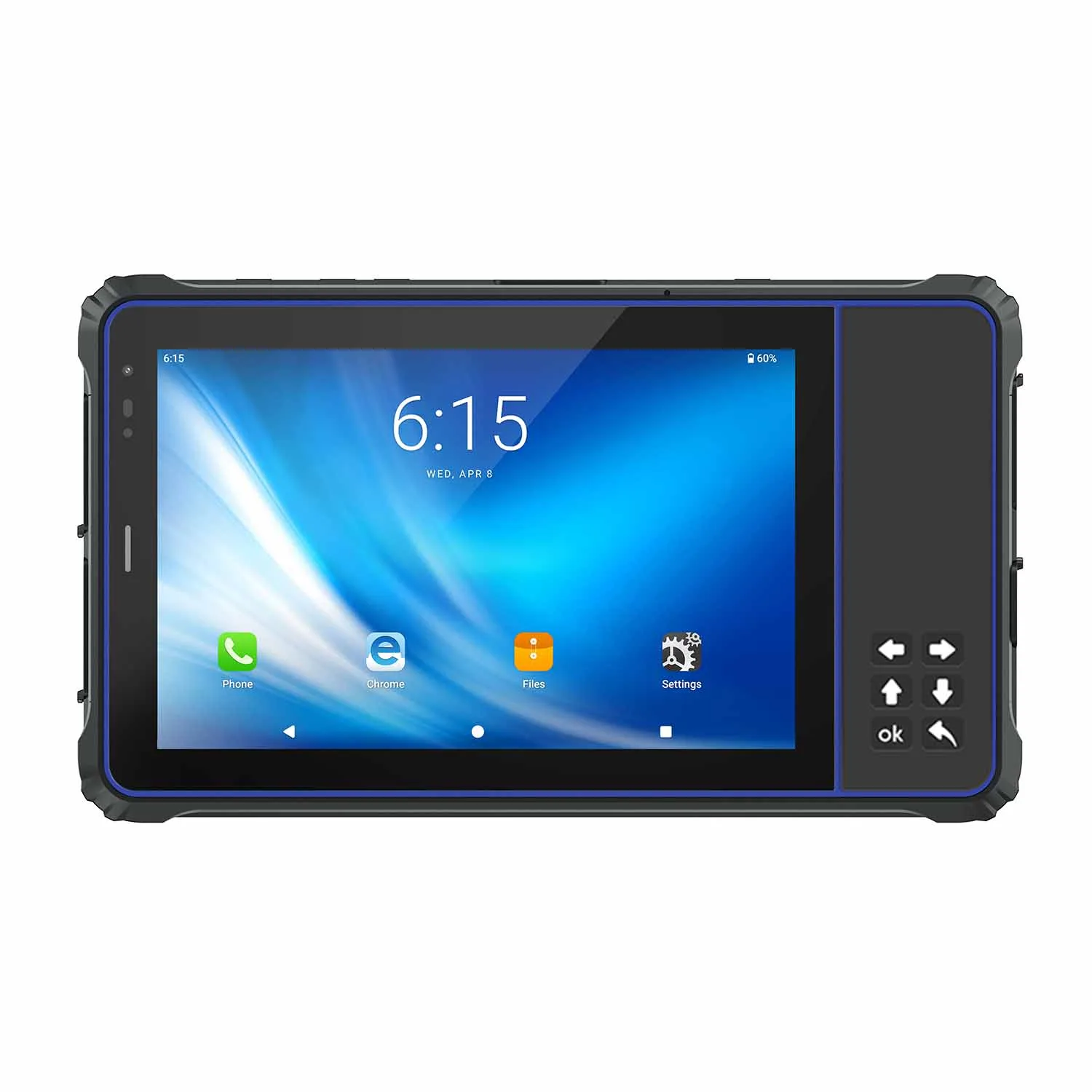
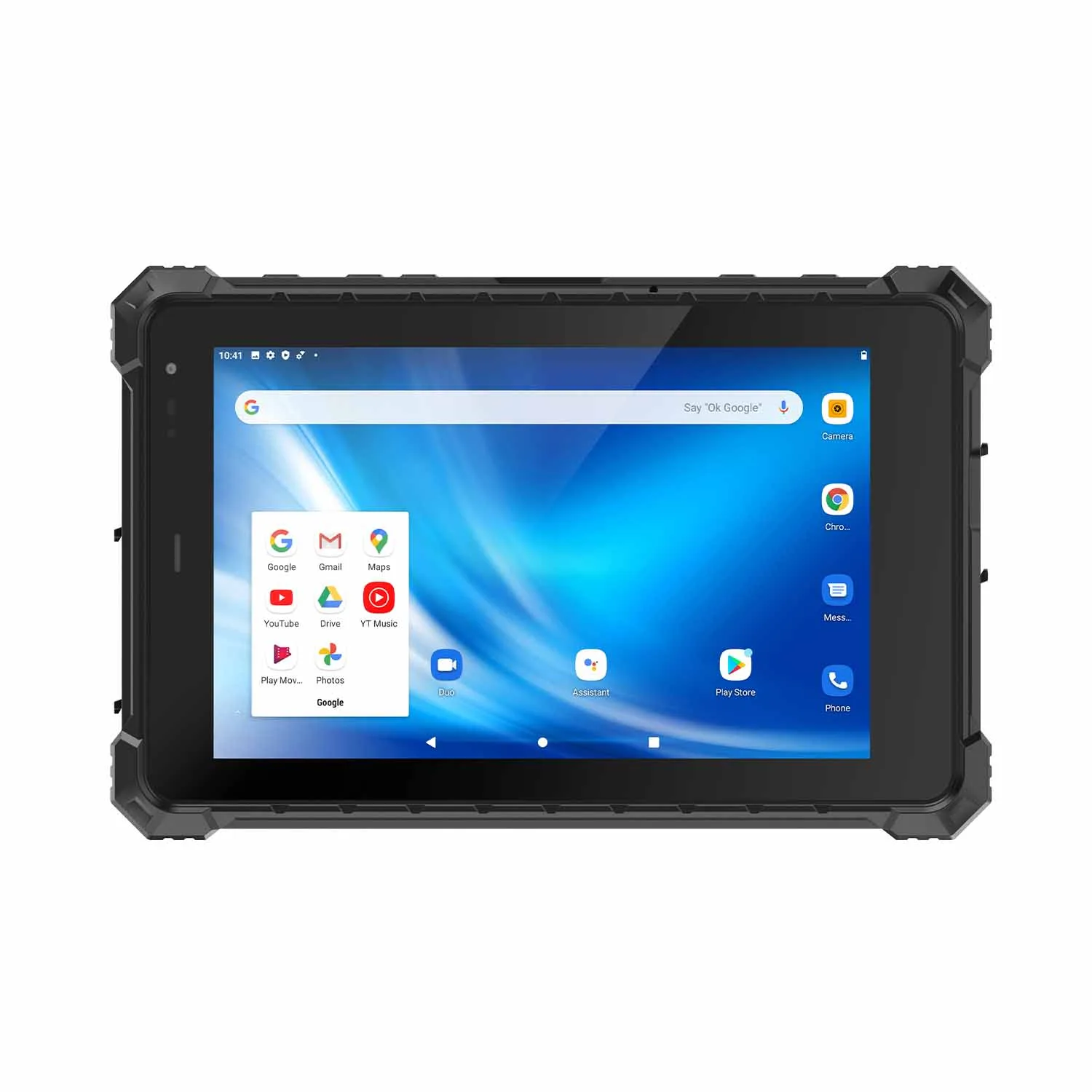
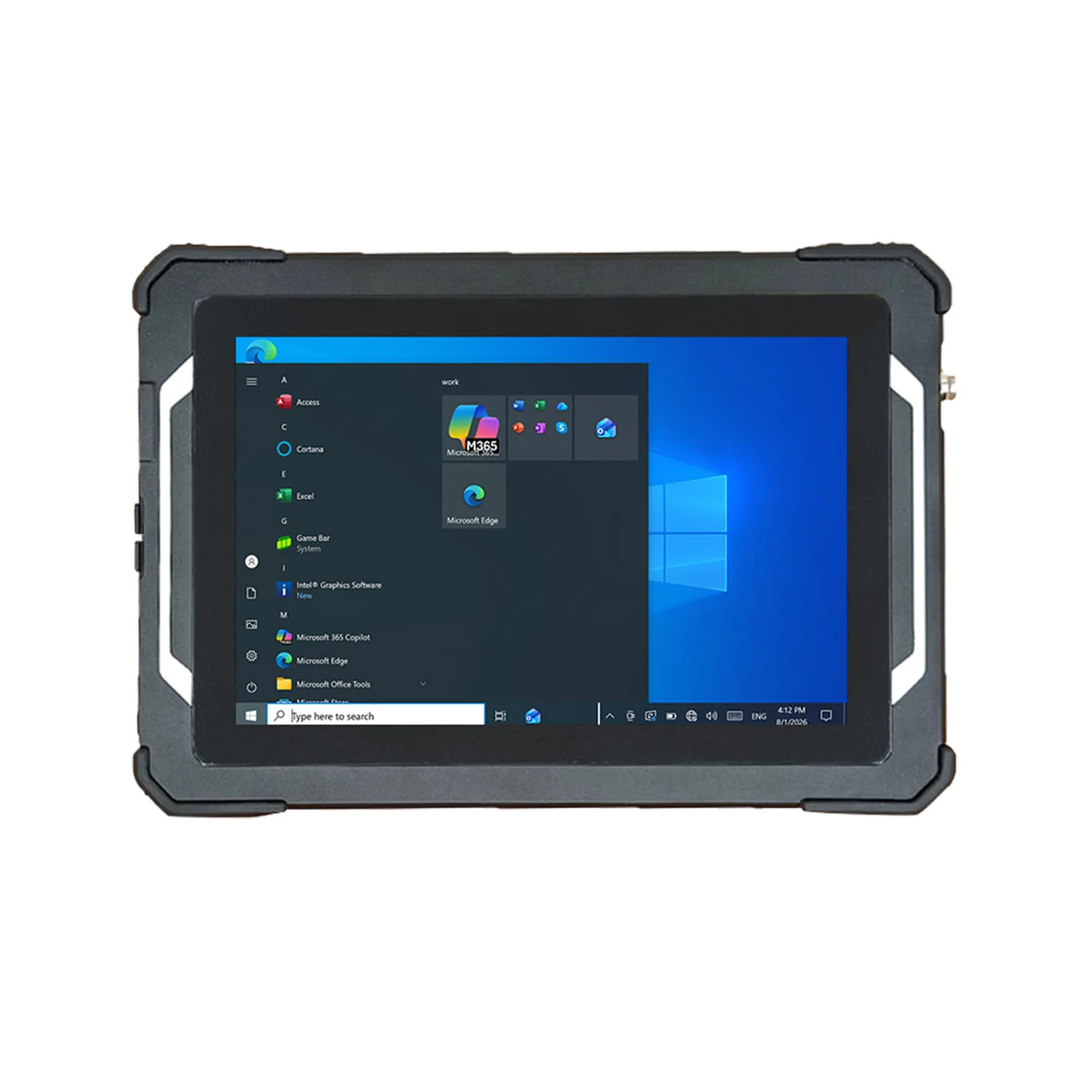
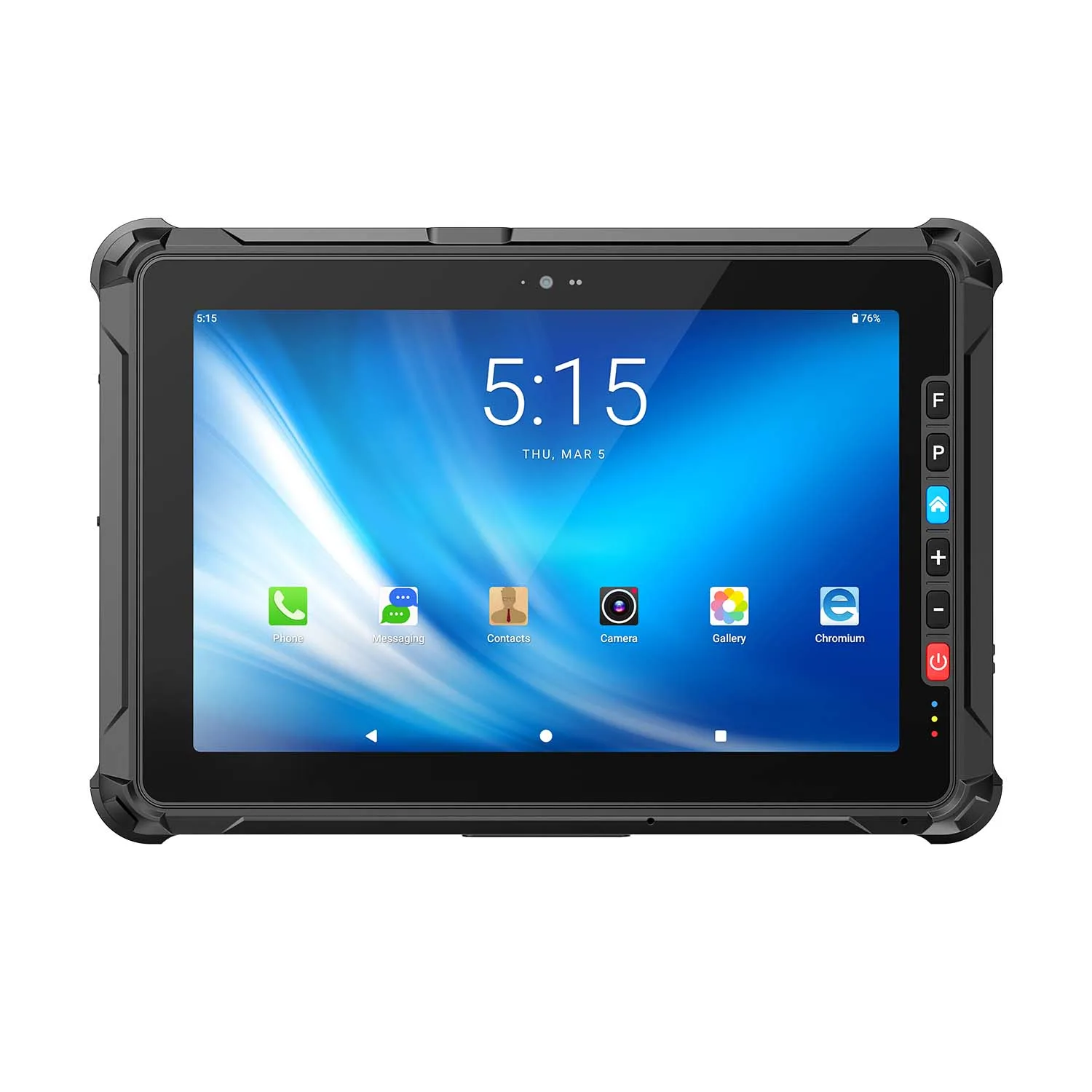
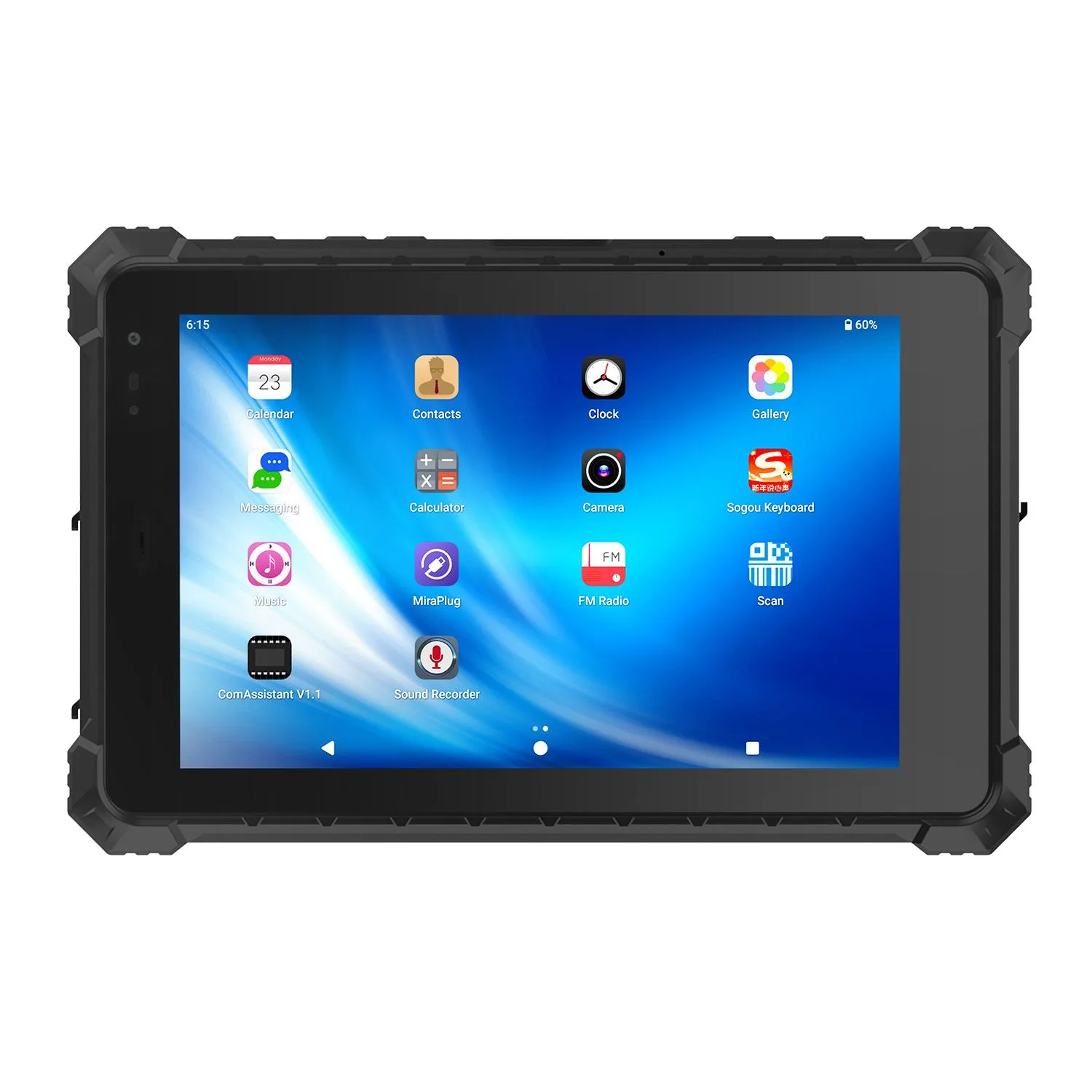
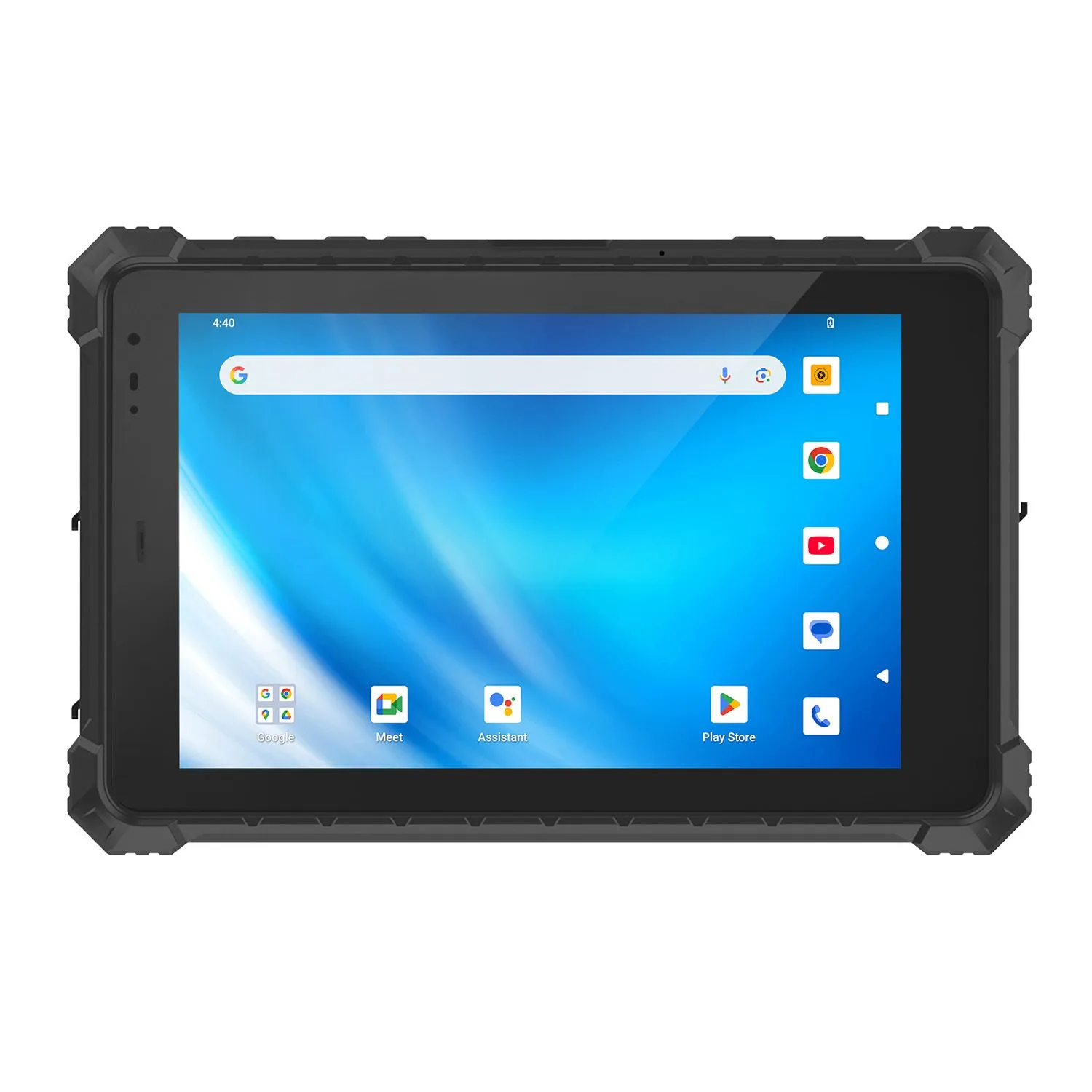
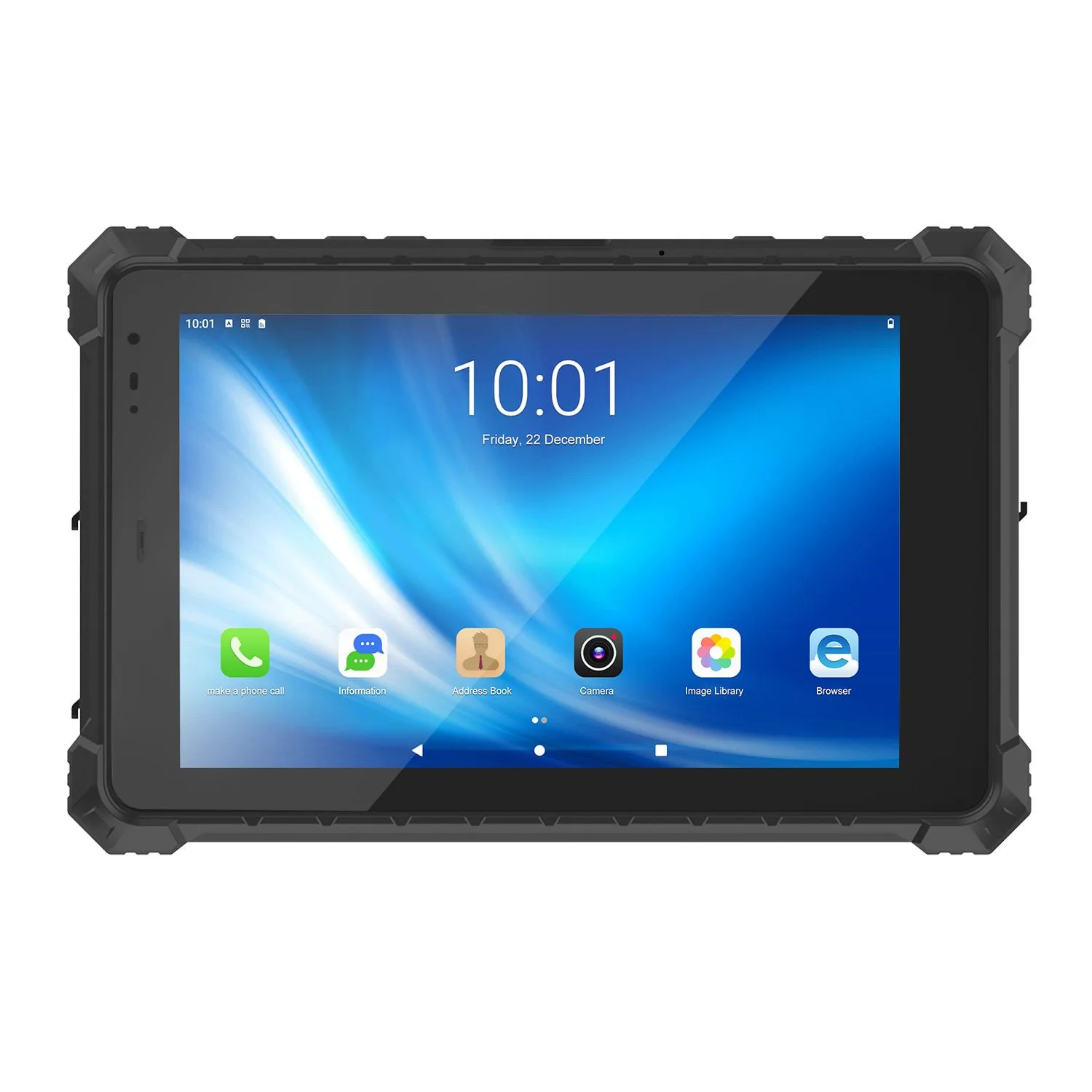
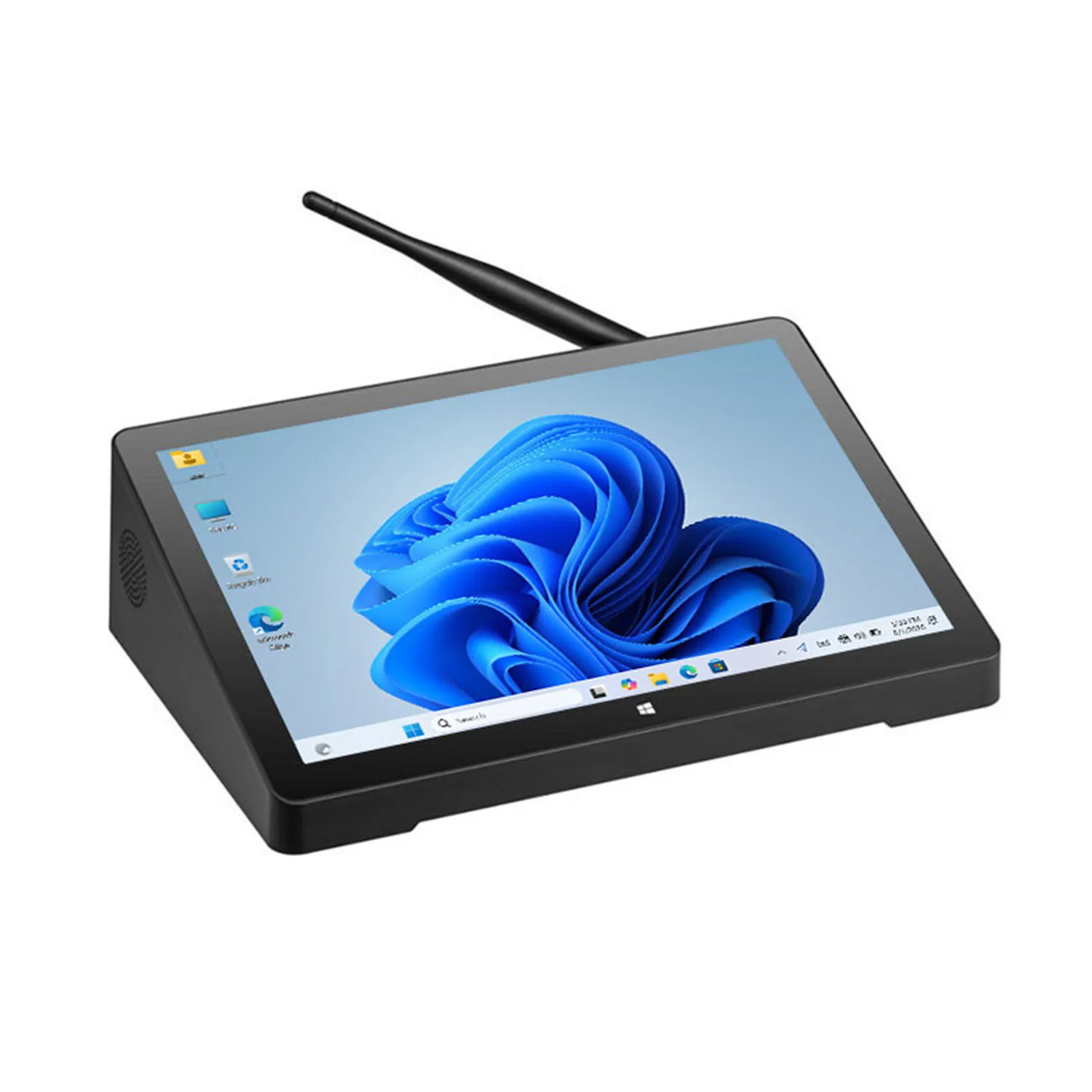
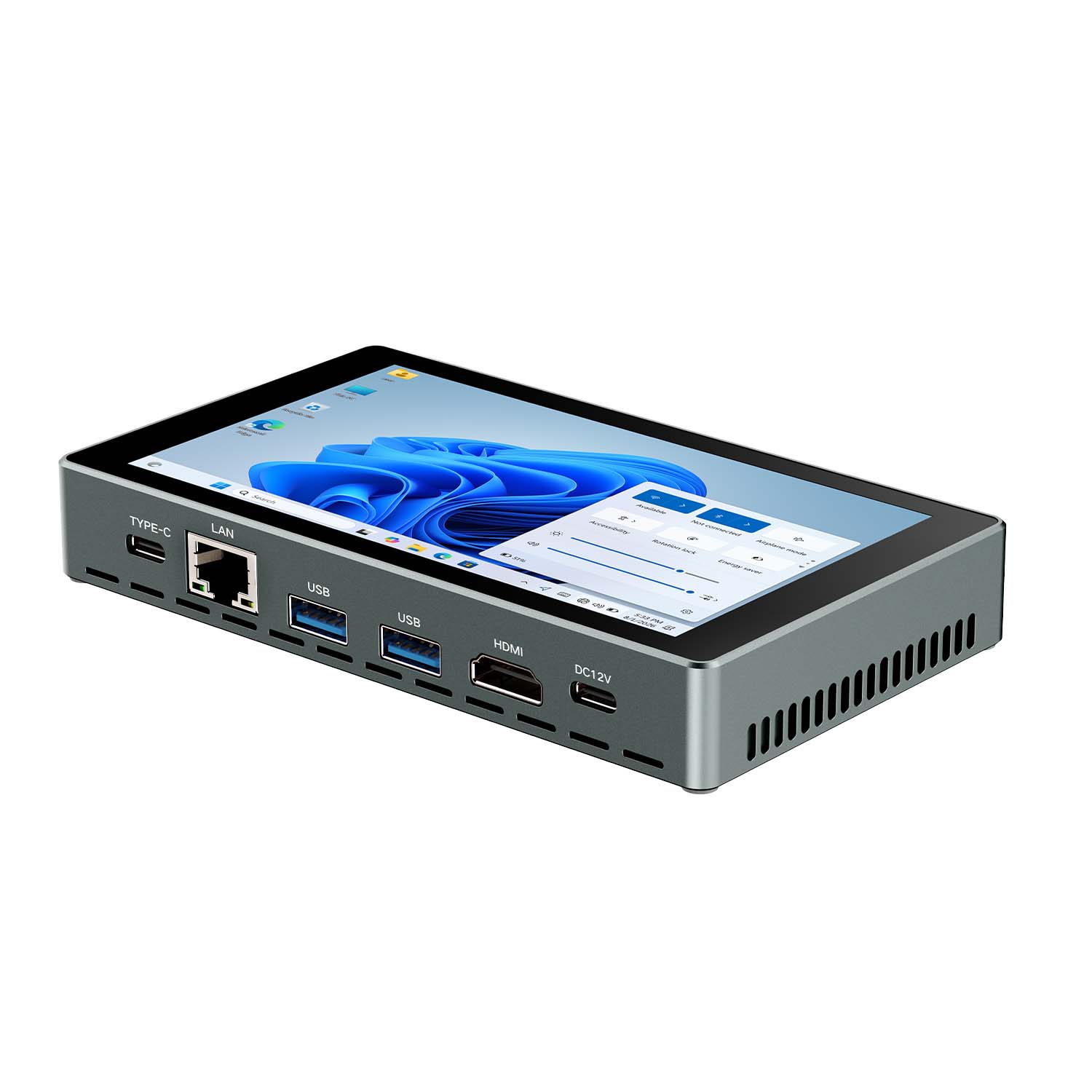
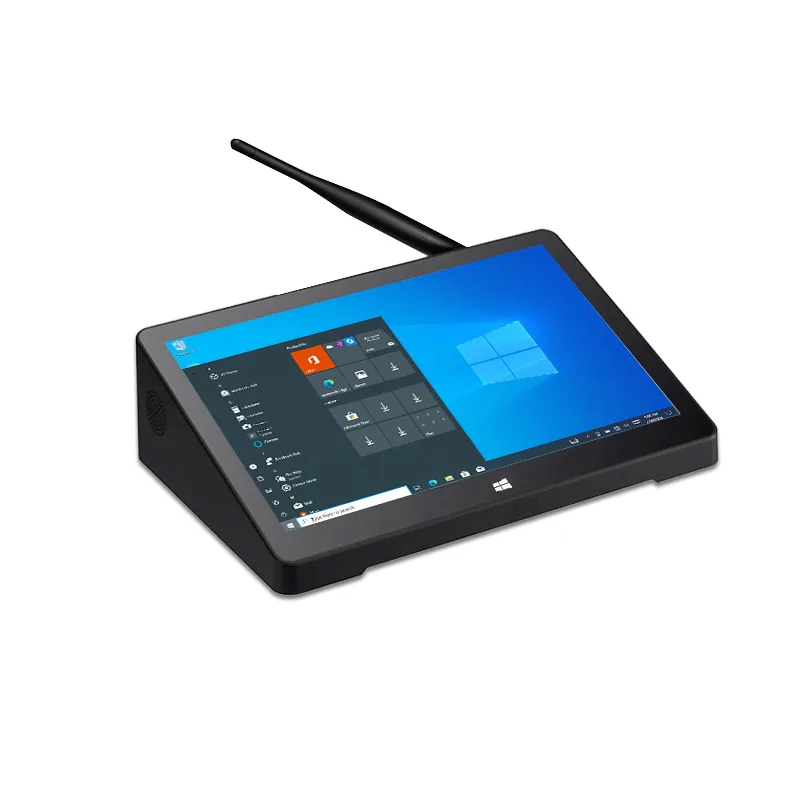
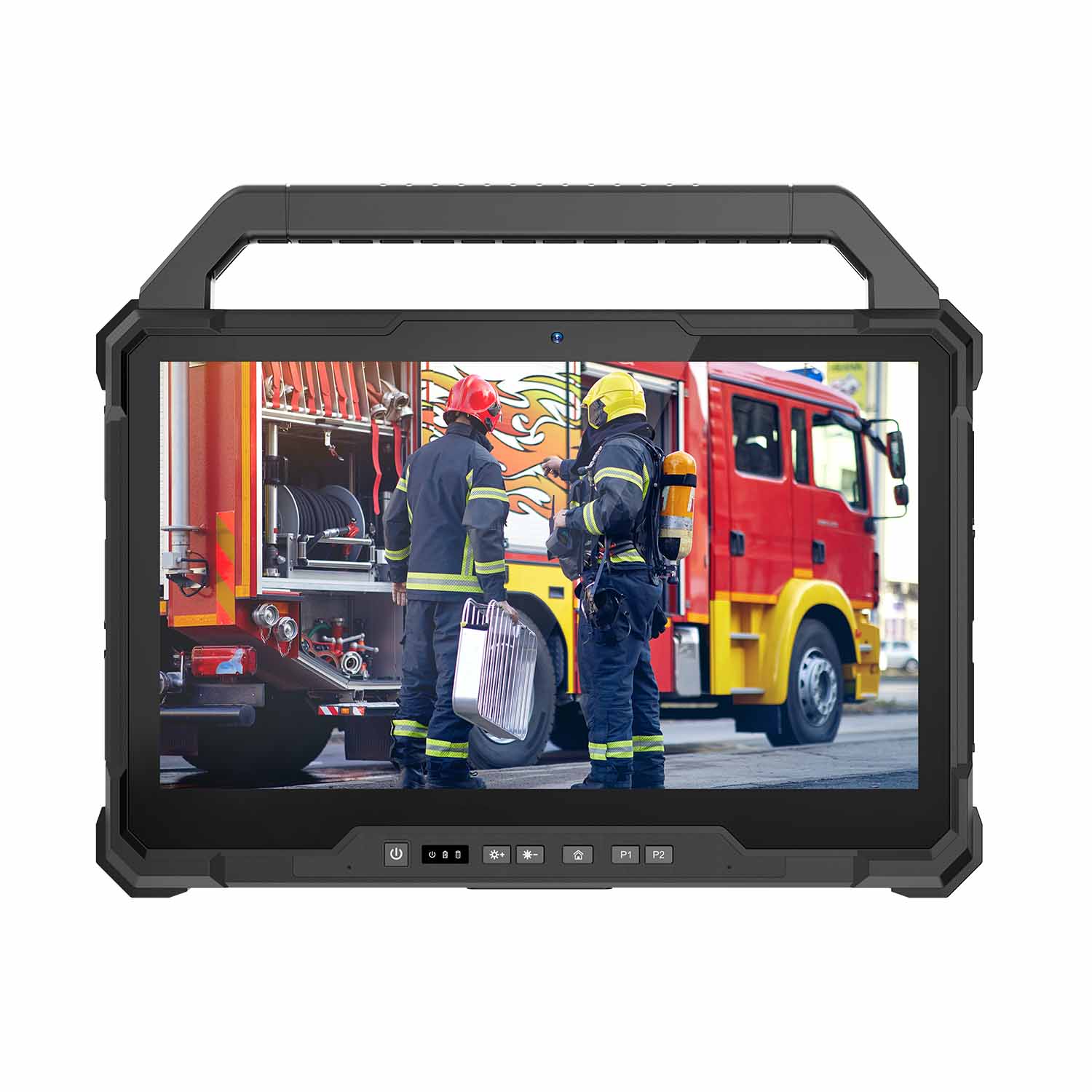
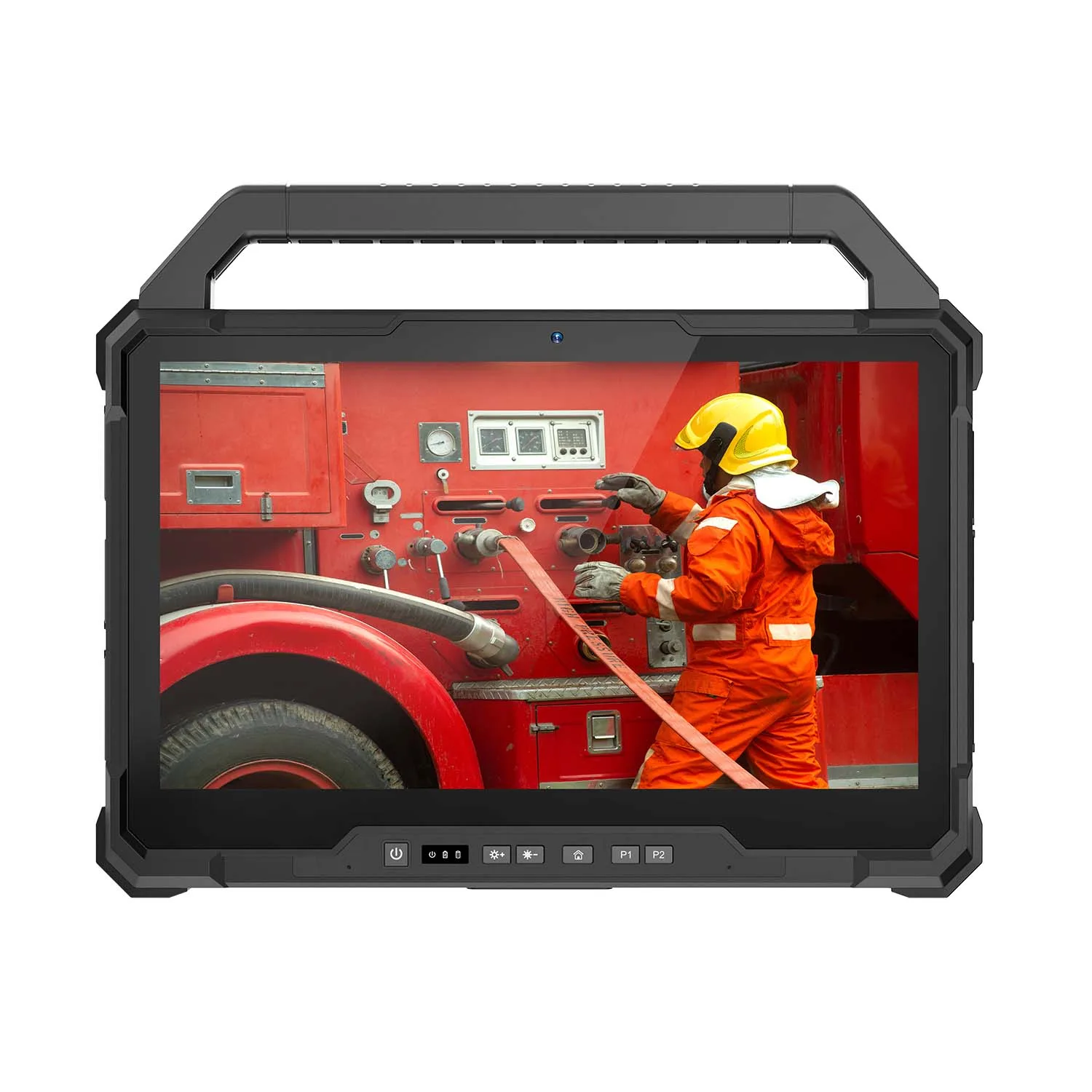
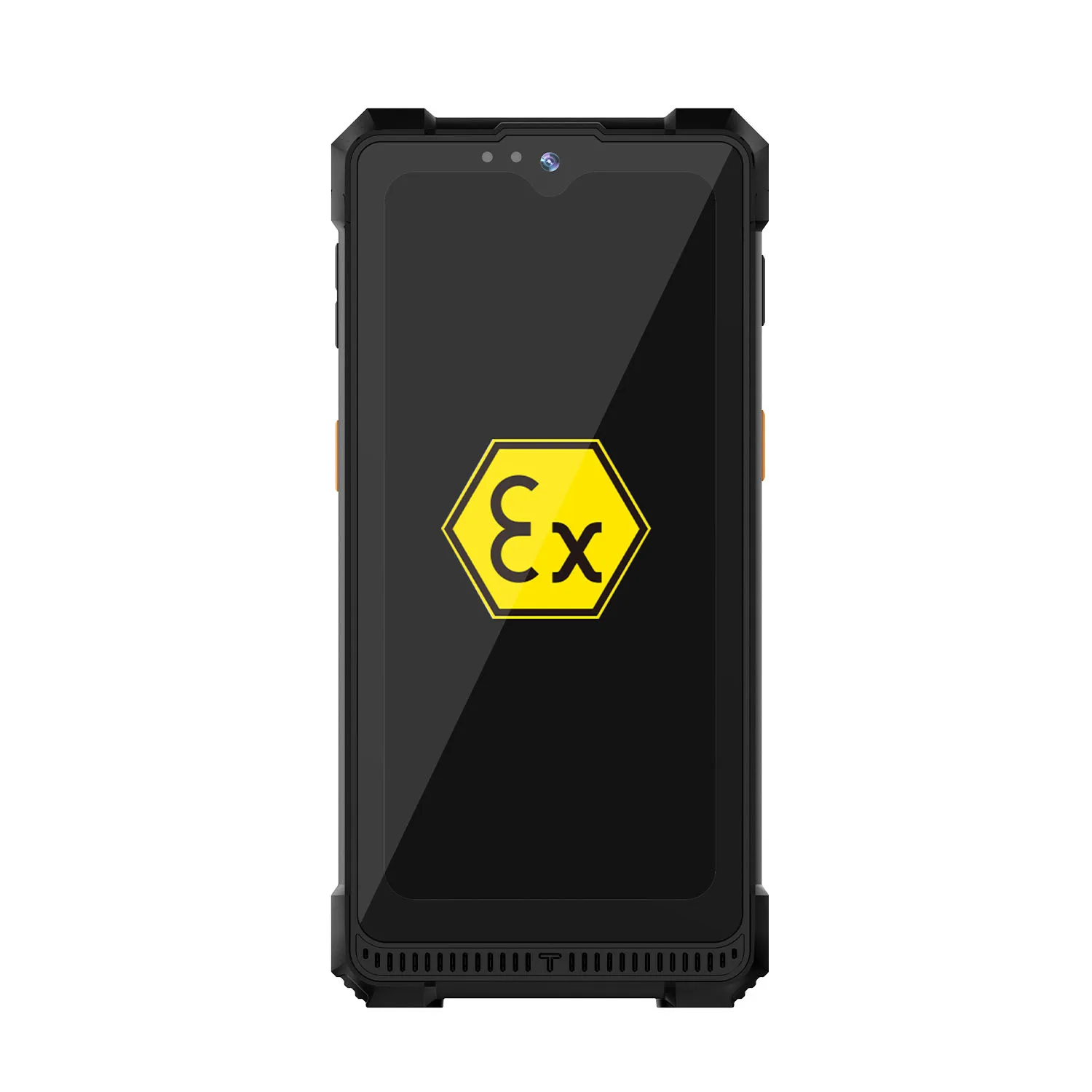
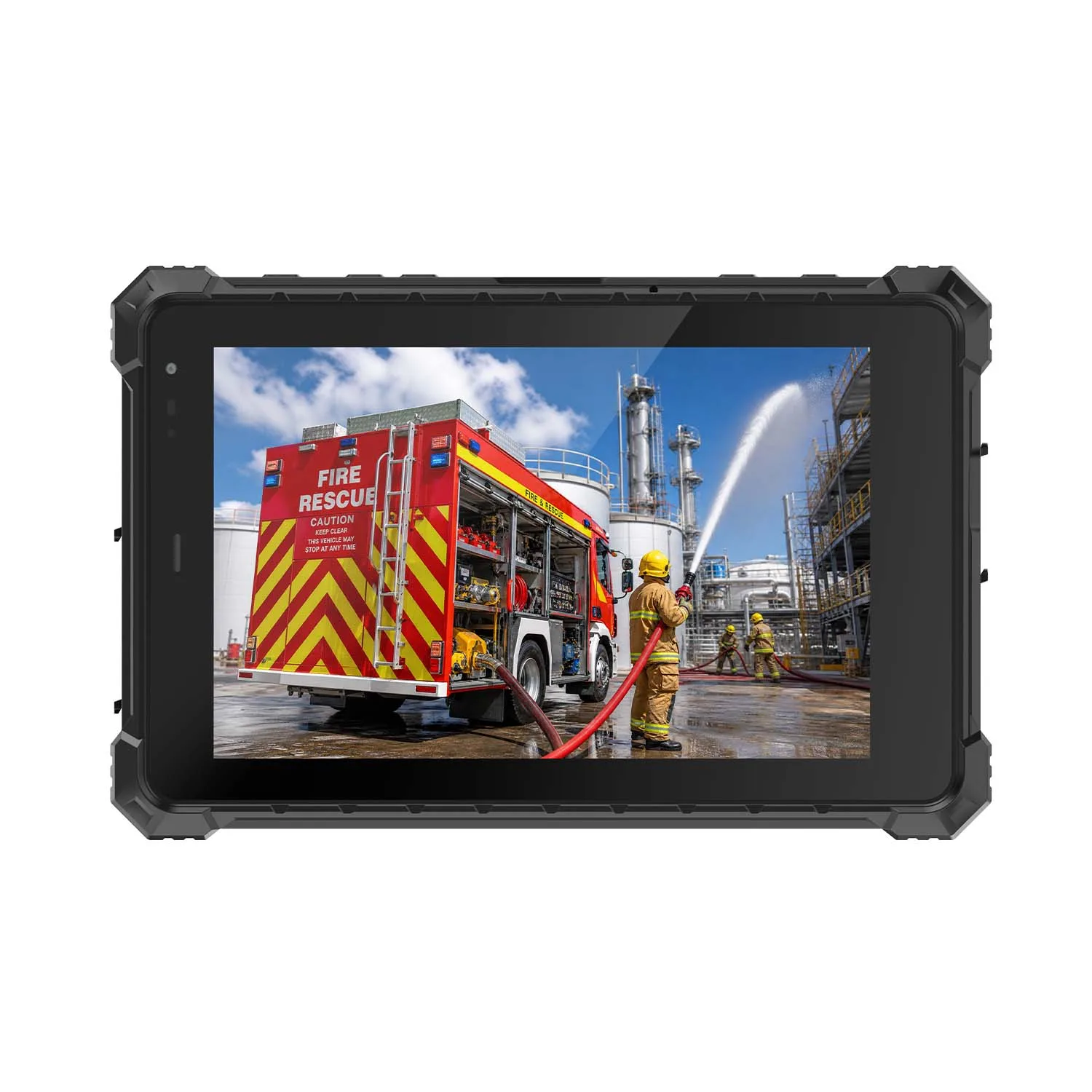





Underground Mine Inspections: 10 Tablets Tested on Real Rounds
The practical answer to how to digitize underground mine inspections is to release a controlled route to an authorized examiner, bind every result to the correct section and location, preserve the source instrument and time, and treat the record as complete only after the required surface review and countersignature. An underground coal mine inspection tablet is useful only when it strengthens that chain rather than replacing it with a generic checklist.
Coal-mine examinations are not interchangeable. Preshift, on-shift, belt-haulage, weekly and equipment-maintenance activities have different responsible persons, locations and actions. A single “pass/fail” form may appear efficient, yet it strips away the difference between an examination required by law, an operational observation and a maintenance task raised after a defect is found.
Digitalization introduces its own failure modes. A route can be opened for the wrong section, a cached location list can lag a ventilation change, and an underground submission can appear green even though the official surface record rejected it. A reliable design exposes route version, examiner identity, queue state and record authority instead of hiding them behind a sync icon.
The tablet also remains separate from the measurement and the physical safety response. Methane, oxygen, air quantity and velocity must come from the approved method or instrument required by the mine's rules. Posting an area, withdrawing people and correcting a hazard are physical actions; tapping “create defect” is neither a danger sign nor corrective work.
This 2026 guide evaluates ten manufacturers through the digital-inspection workflow. Two entries have explicit mining-oriented paths; the remaining products are assessed for surface workshops, lamp rooms, training areas or other locations matching their exact approval. IP65–IP68 and MIL-STD-810G/H evidence do not create a Group I mining approval, so every application paragraph states where the boundary lies.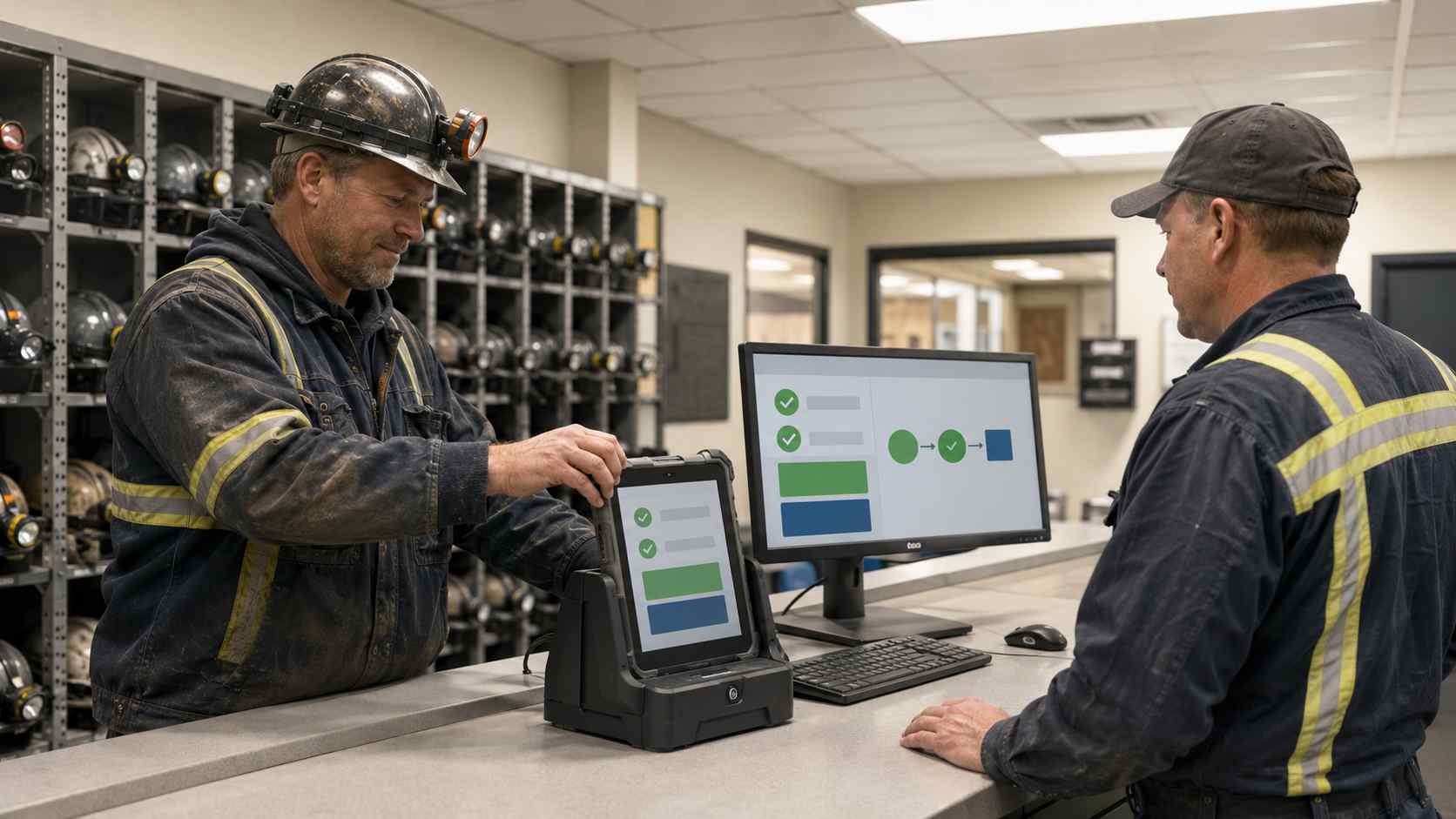
Coal Mine Equipment Maintenance Tablet: What Defines a Reliable Digital Inspection?
A dependable maintenance workflow begins with location and authority, not with a photograph of a machine. The route package should identify the mine, district or panel, section, entry, crosscut or station, asset, examination type, route version, assigned examiner role and effective period. If any level is unknown, the form should stop the assignment rather than attach the observation to the nearest similar name.
- Controlled route release: Generate each route on the surface from approved location and equipment masters. The package should show its version, issue time and expiry rule. A later map or ventilation-plan change must create a new release; it should not silently rewrite the route already used for an examination.
- Source-instrument lineage: Store the approved instrument ID or other source, its applicable check status, the observed value, unit and location. The tablet records what the examiner obtained. Its internal sensors are not substitutes for mine examination instruments.
- Hazard-first behavior: A hazardous condition should open the approved physical response without forcing the examiner to finish a screen. The application may record posting, withdrawal, notification and corrective-action linkage after the immediate steps have been taken.
- Protected electronic record: Keep the original examination event, verification, surface-recorded time, amendment and countersignature as distinct entries. Editing a spelling error should append a traceable correction rather than alter the examiner's original observation.
For United States underground coal mines, 30 CFR 75.360 requires preshift results, identified conditions and air or methane measurements to be recorded on the surface. It permits an electronic system when the record is secure and not susceptible to alteration, and it specifies verification, countersignature and retention requirements. That means “saved underground” and “officially recorded” are different states in a digital design.
30 CFR 75.363 also separates discovery from resolution: a hazardous condition is posted and corrected, people are withdrawn for imminent danger, and the record includes the nature, location and corrective action. A mobile application should mirror that order. It must not turn work-order creation into evidence that the area was posted or made safe.
Our proposed starting exercise uses an 18-point training route: six belt and drive mock-ups, four travelway locations, four ventilation-control stations and four longwall-equipment points. Keep the first run in a surface training area. This exposes naming, handover and record-authority errors without presenting synthetic conditions as an underground examination.
Mine Safety Checklist Tablet: Top 10 Manufacturers for 2026
A mine inspection platform needs two independent releases: the exact device must be admitted to the assigned location, and its application must preserve the examination record required by that mine. The ten entries below are therefore not ten interchangeable underground products. Each manufacturer is assessed according to its published scope and its most credible role in the workflow.
1. i.safe MOBILE (Germany)
Core Strength: Group I mining hardware with large-format inspection and document access
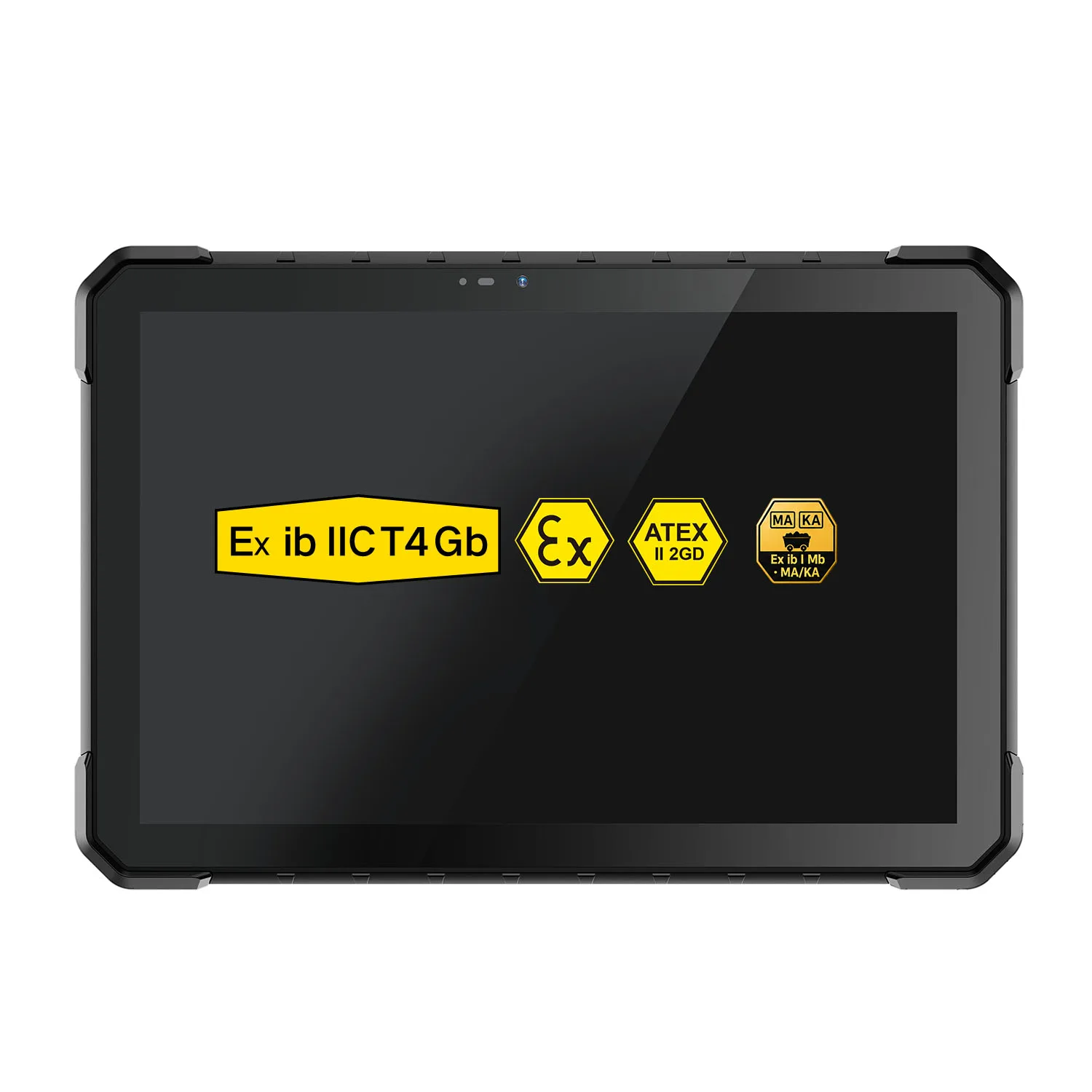
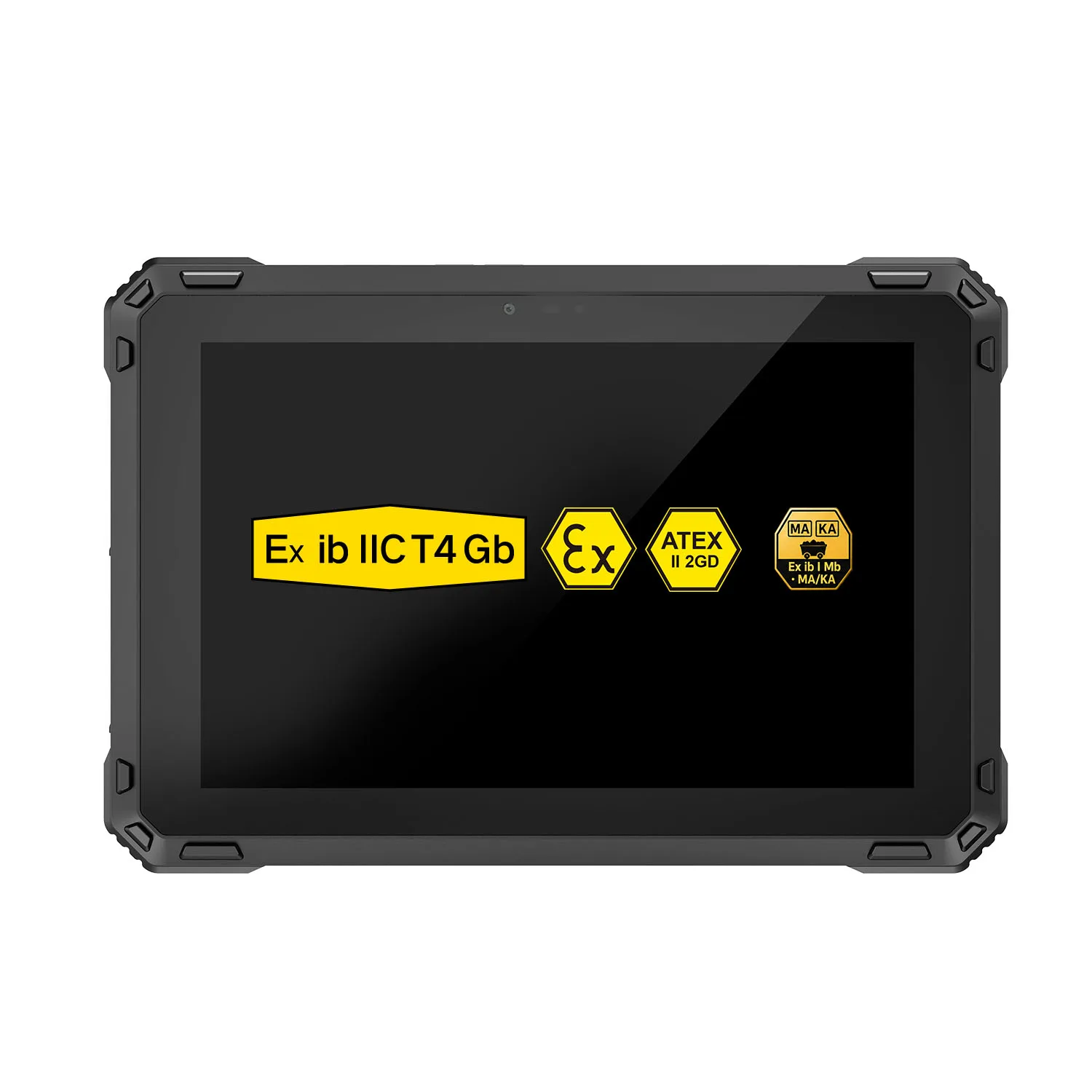
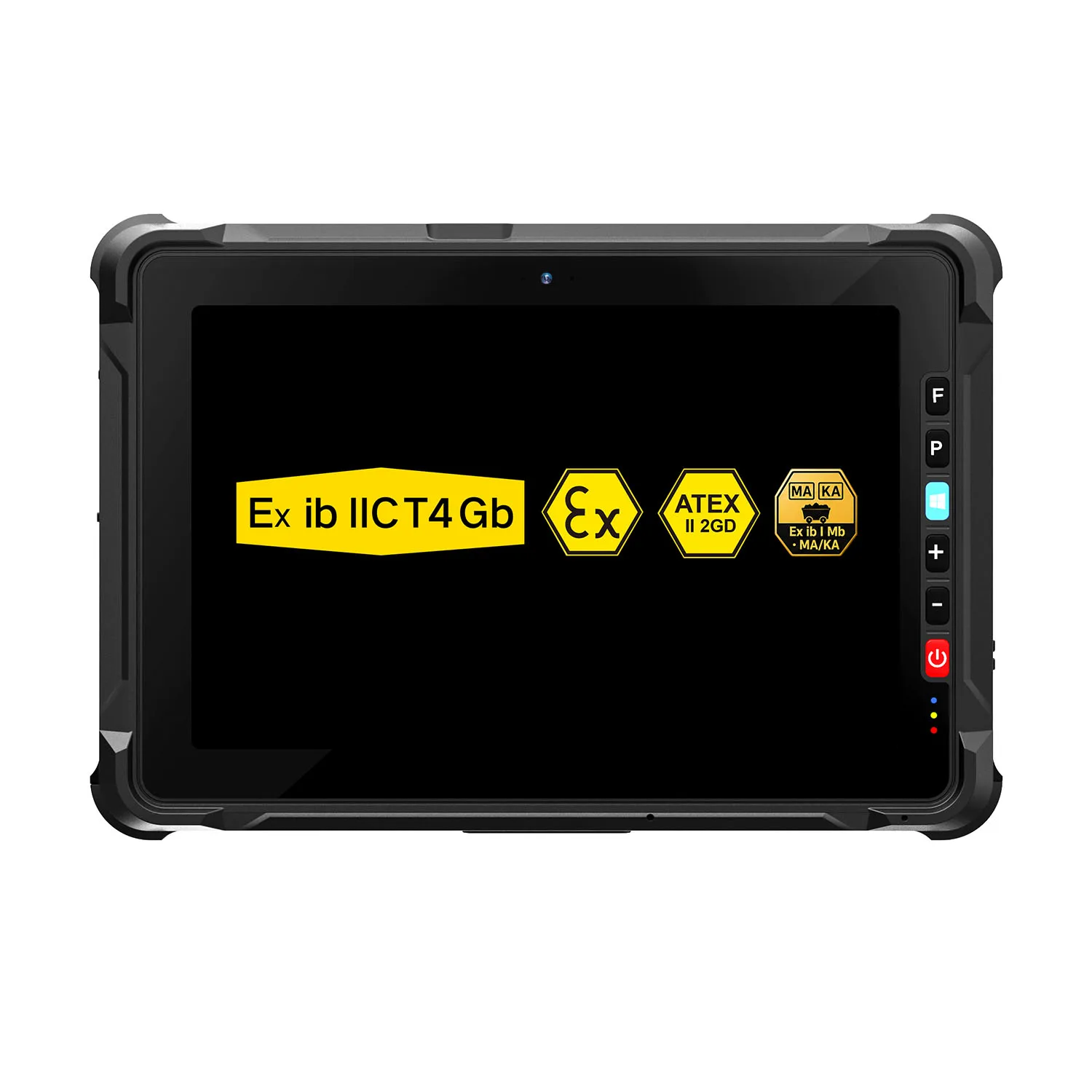
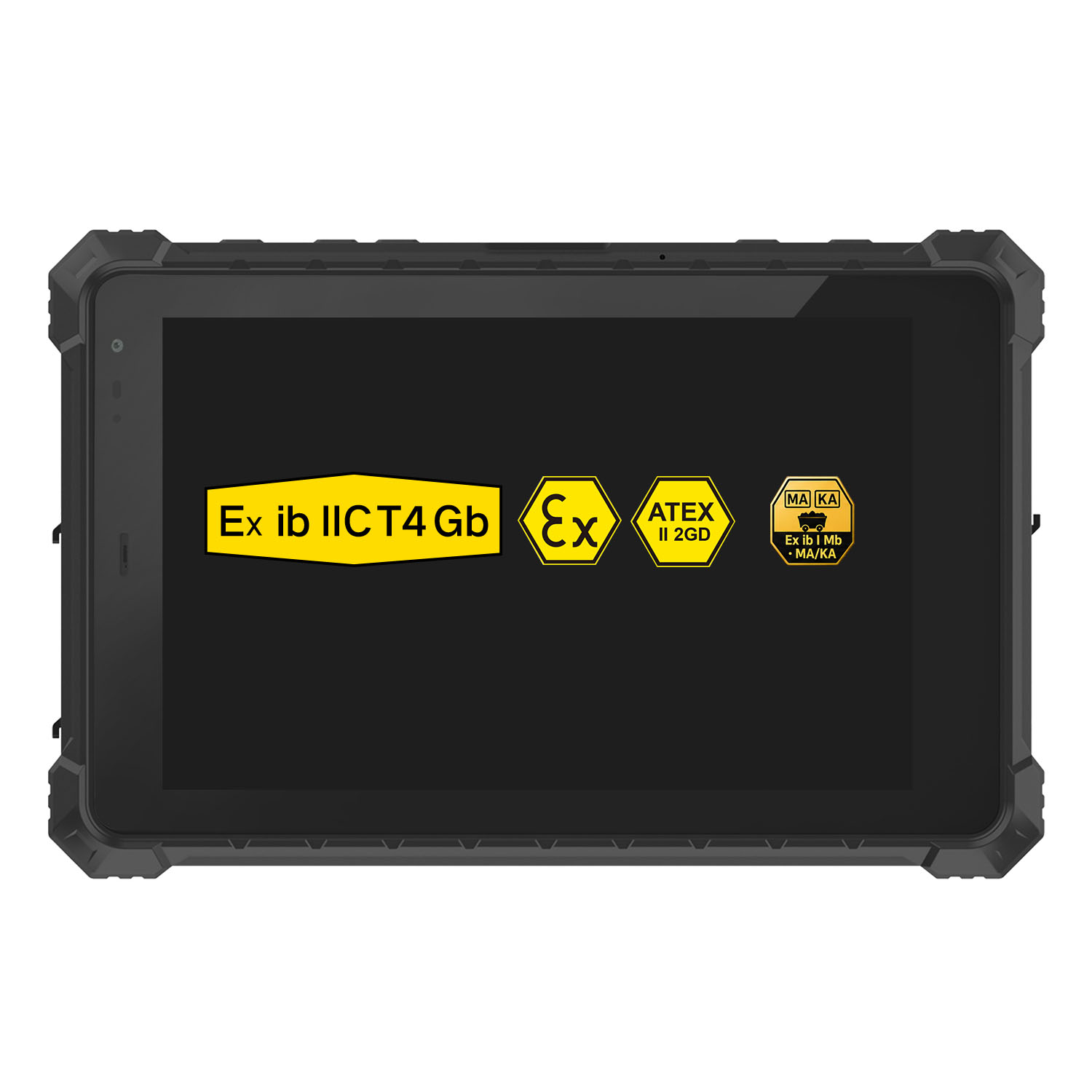
i.safe MOBILE develops explosion-protected communication and computing equipment for mining and process industries. Its dedicated M1 portfolio makes it the clearest starting point when a project needs a tablet whose published approvals explicitly address firedamp mining rather than only industrial gas or dust zones.
2. CENAVA (China)
Core Strength: Project configuration around MA evidence, mine forms and equipment identity
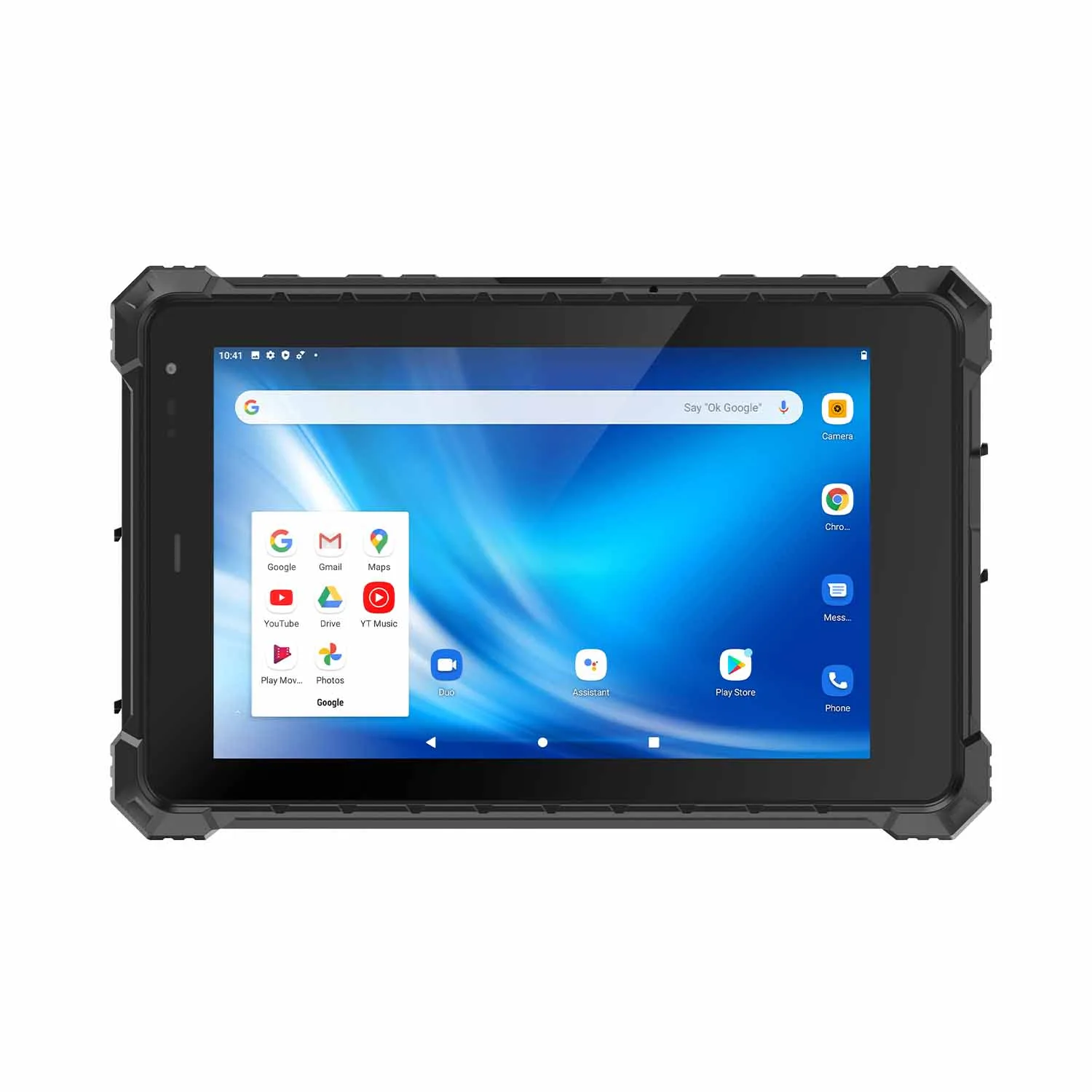
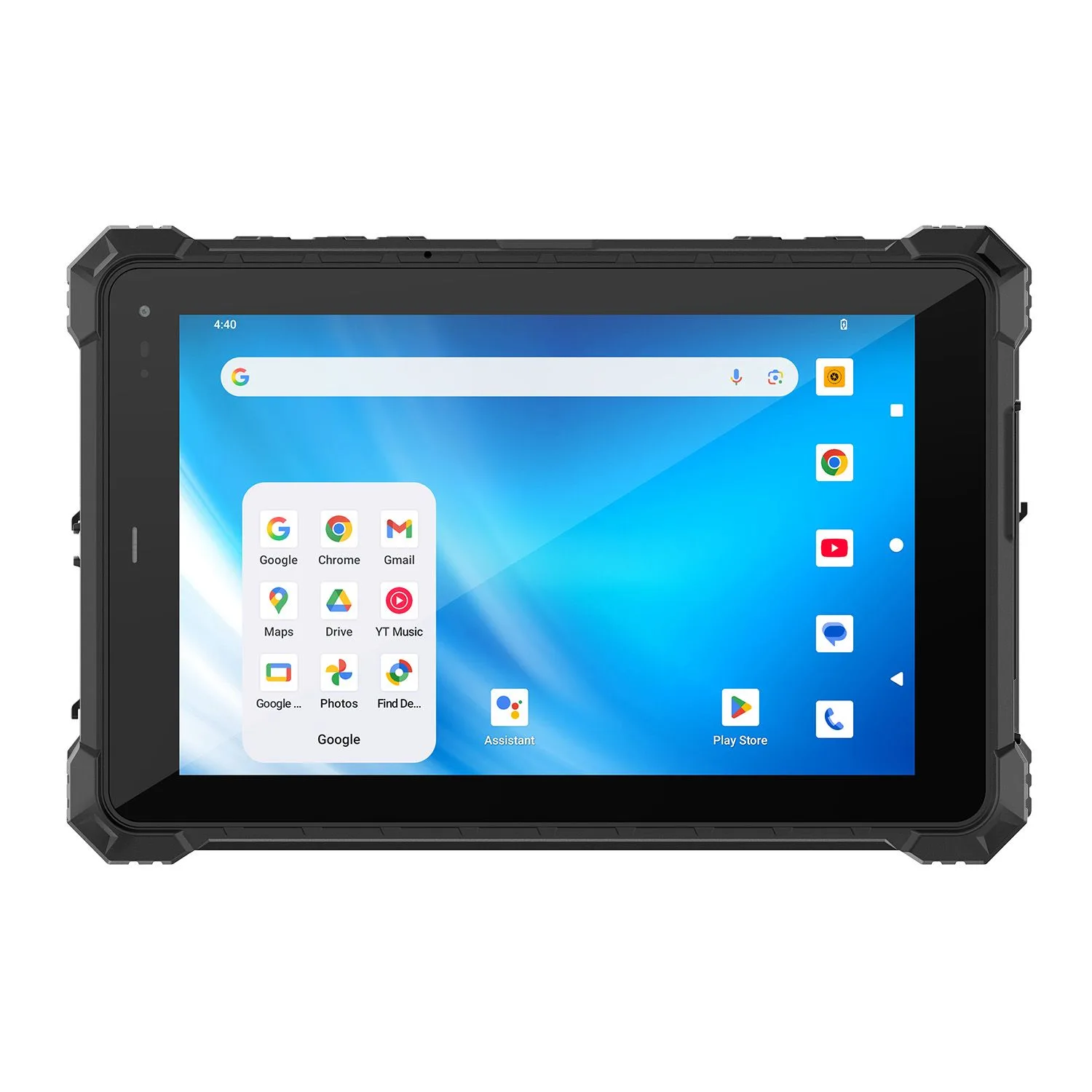
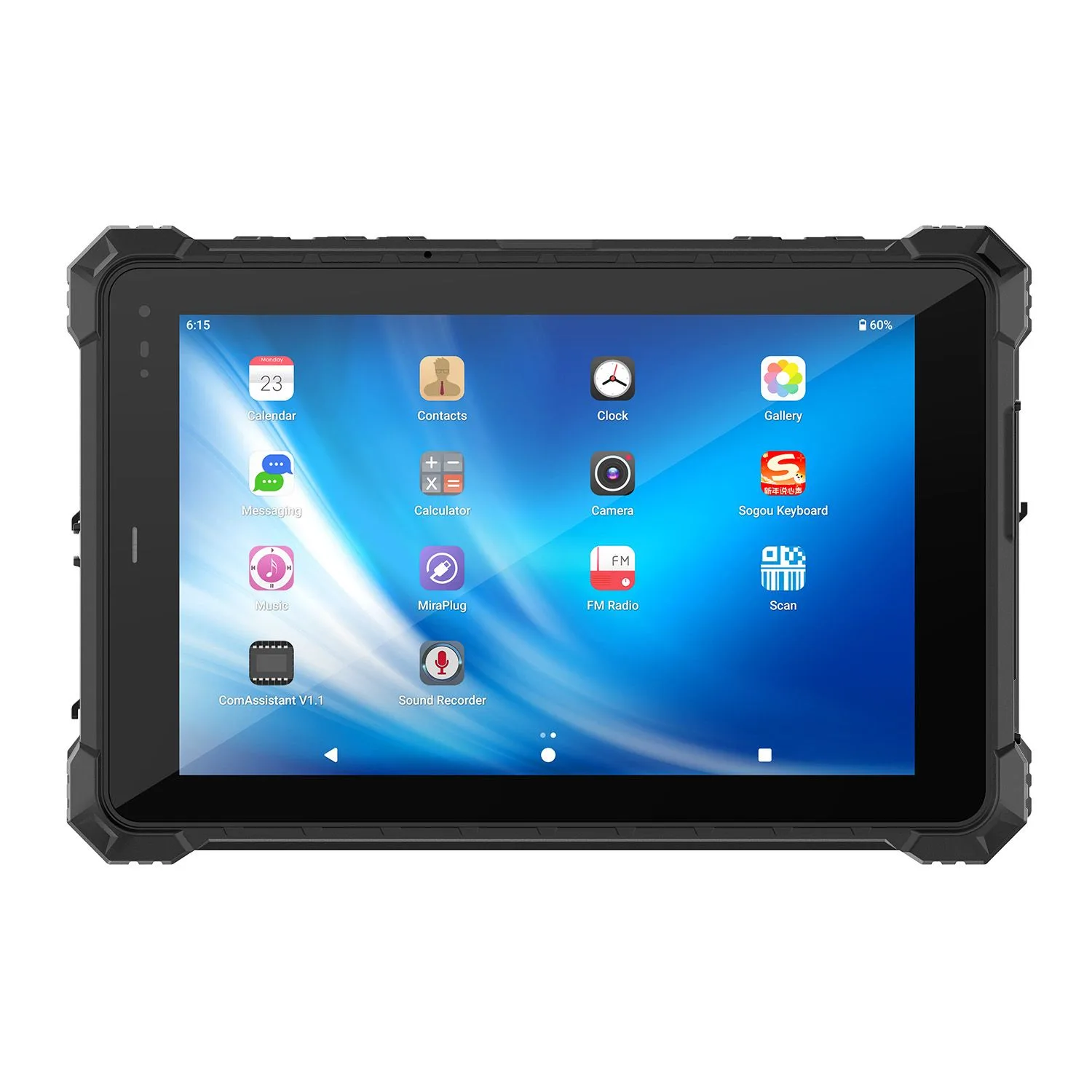
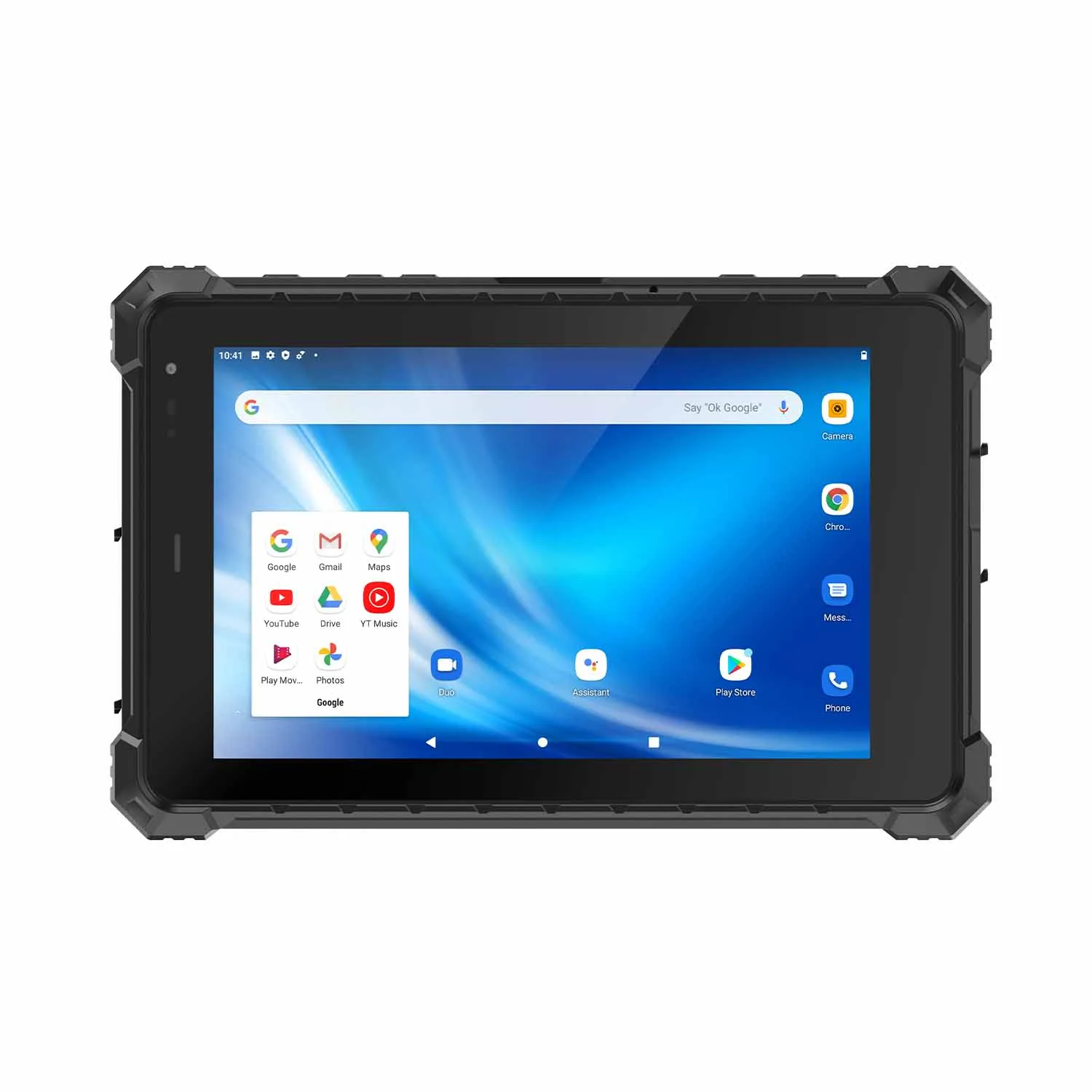
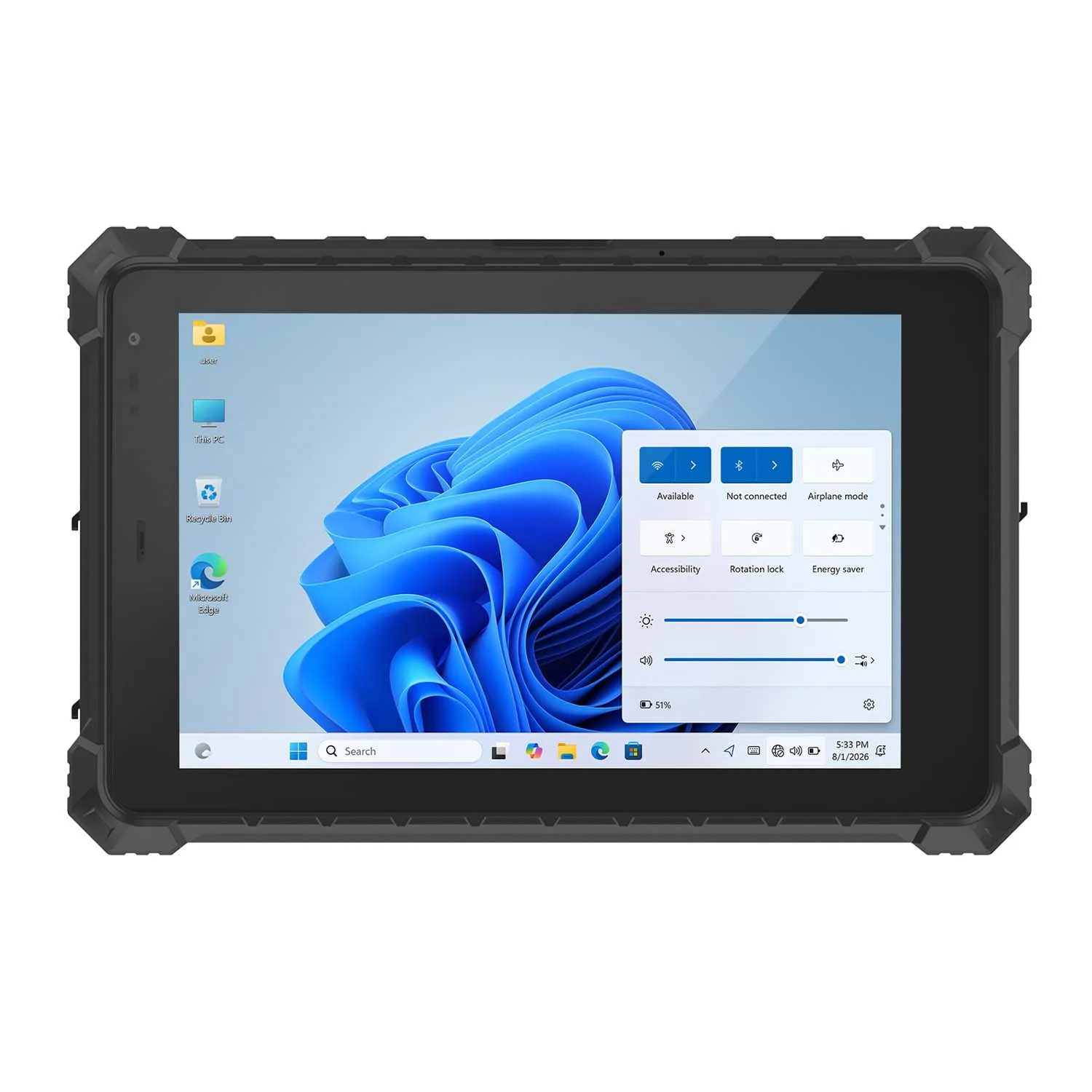
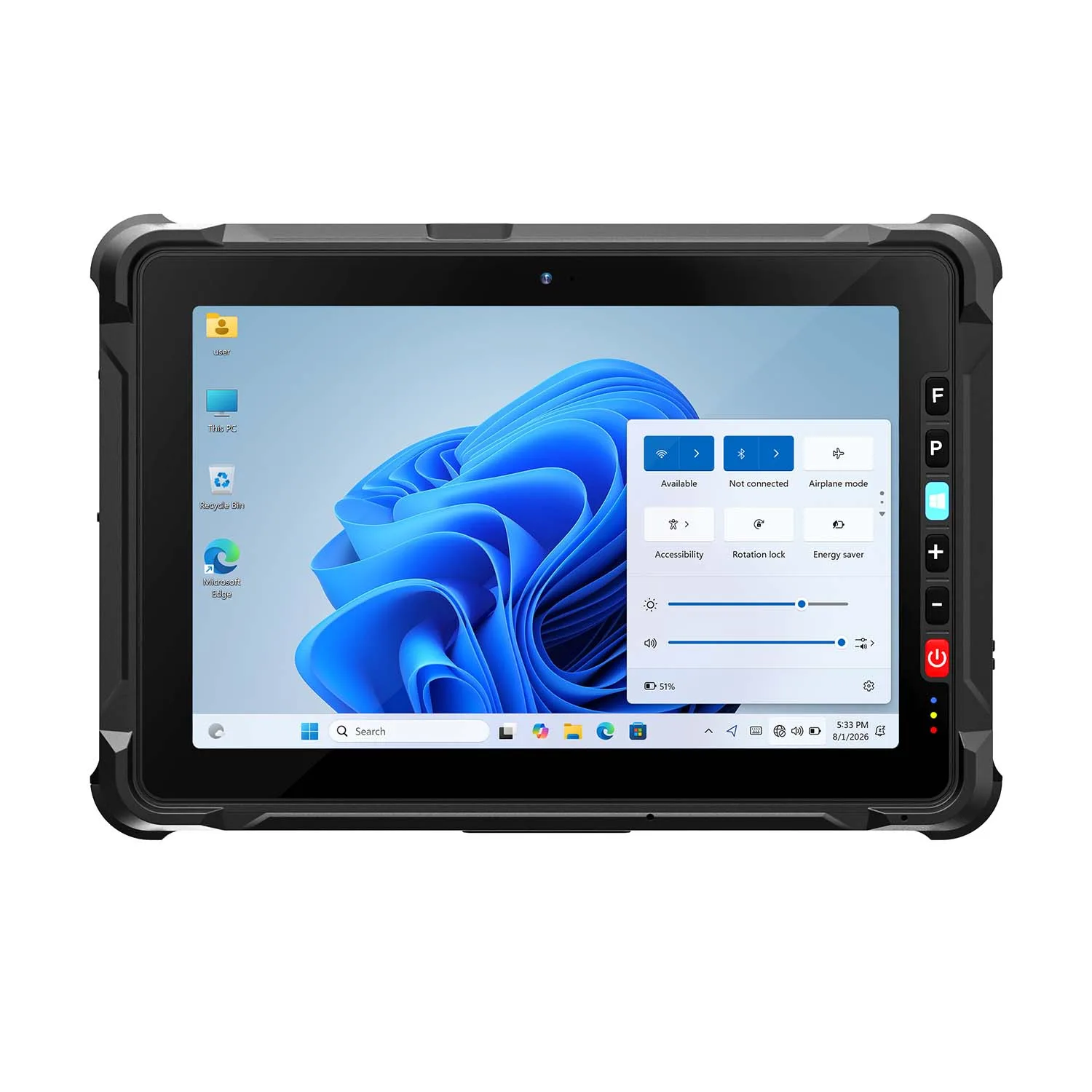
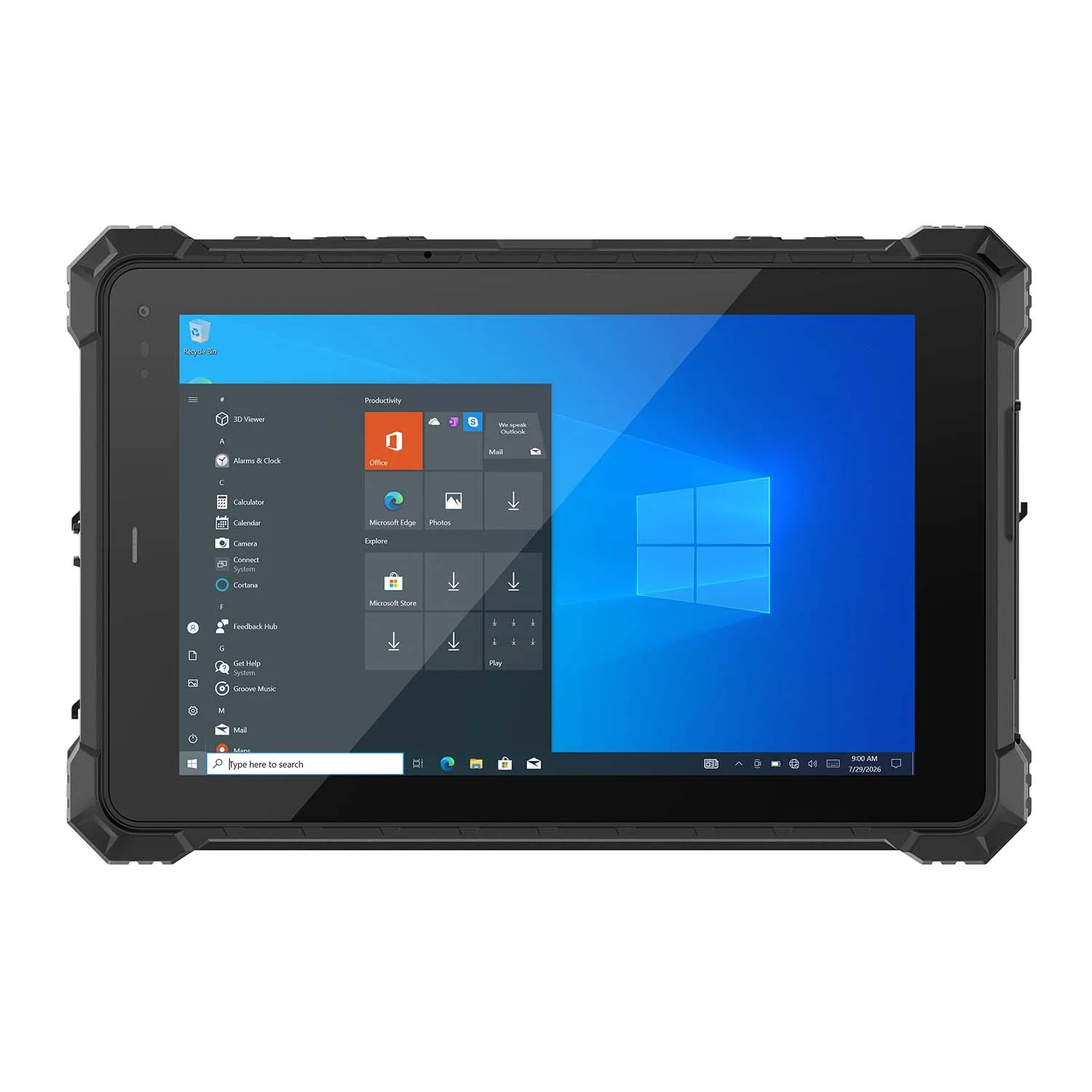
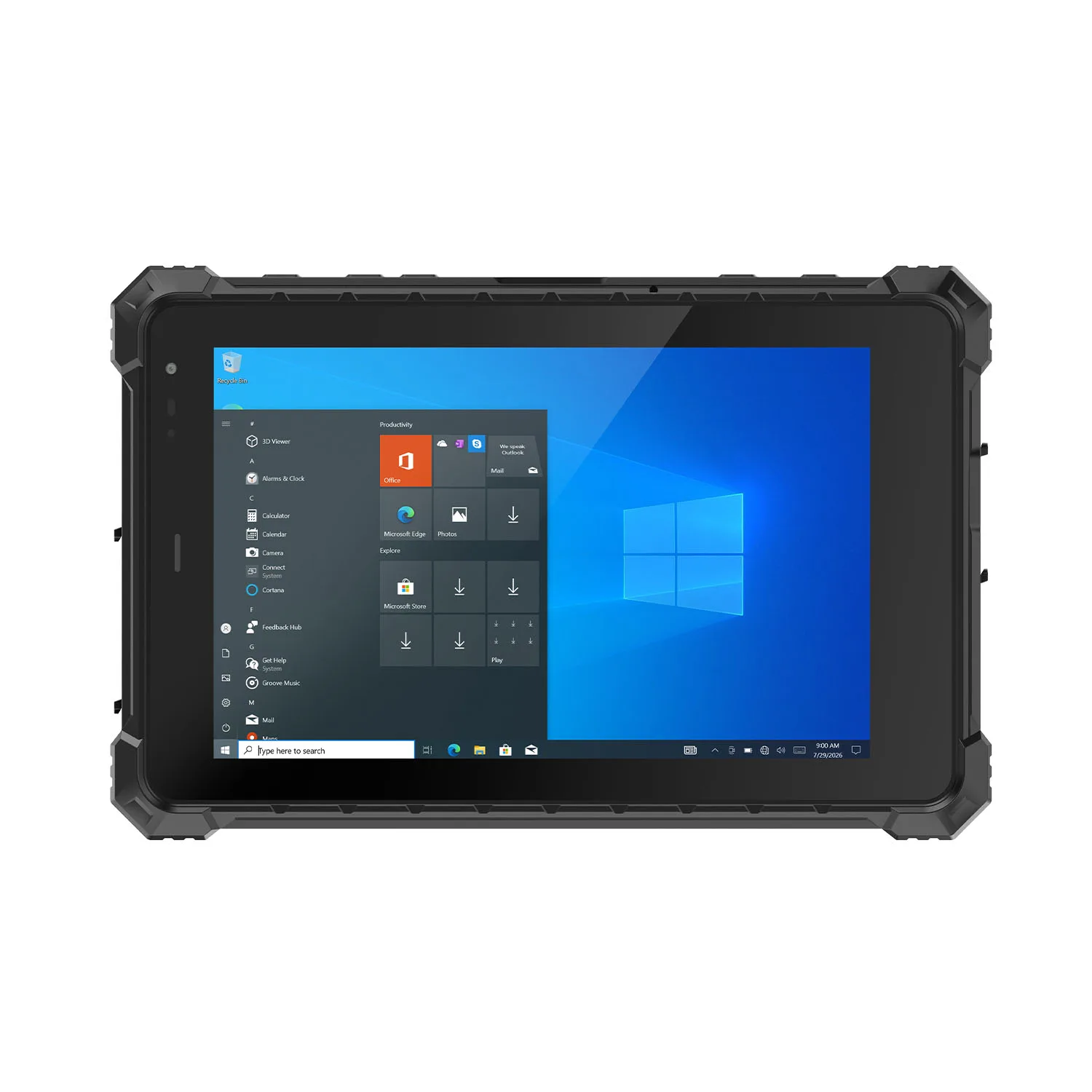
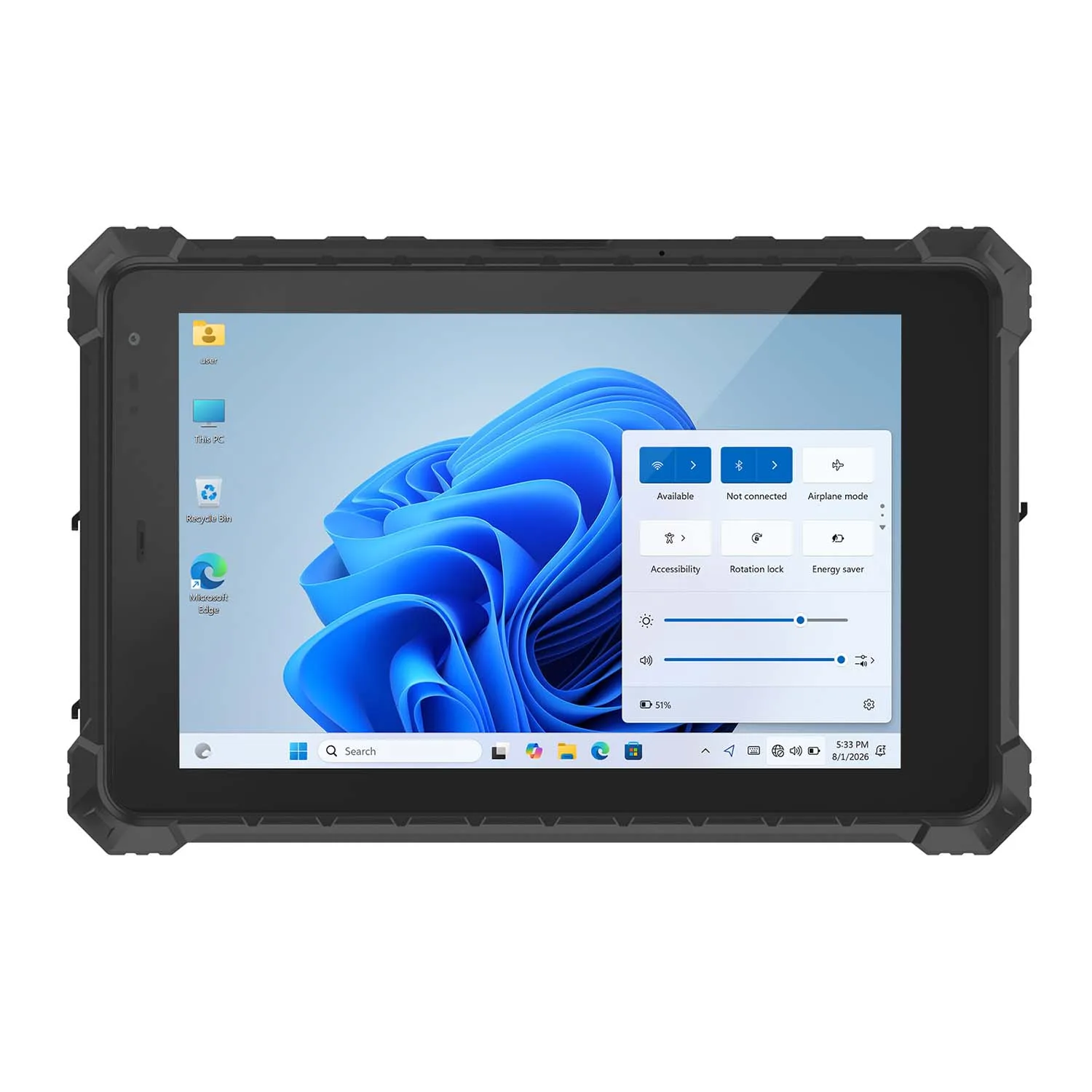
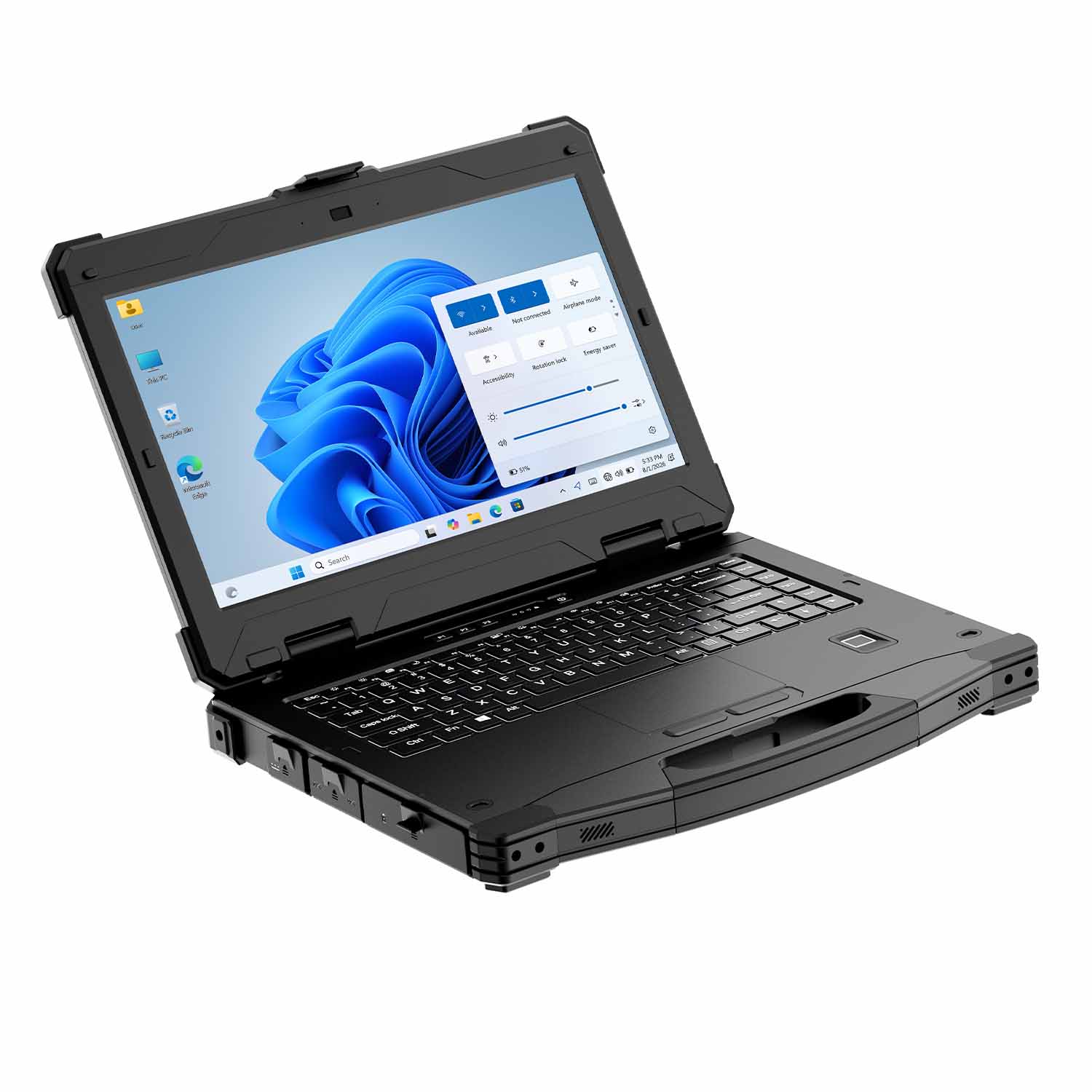
CENAVA develops rugged and explosion-protected mobile devices for industrial OEM/ODM projects. Its value in underground coal workflows lies in aligning the delivered hardware, operating image and identification method with a specific national approval route and a mine's own examination structure.
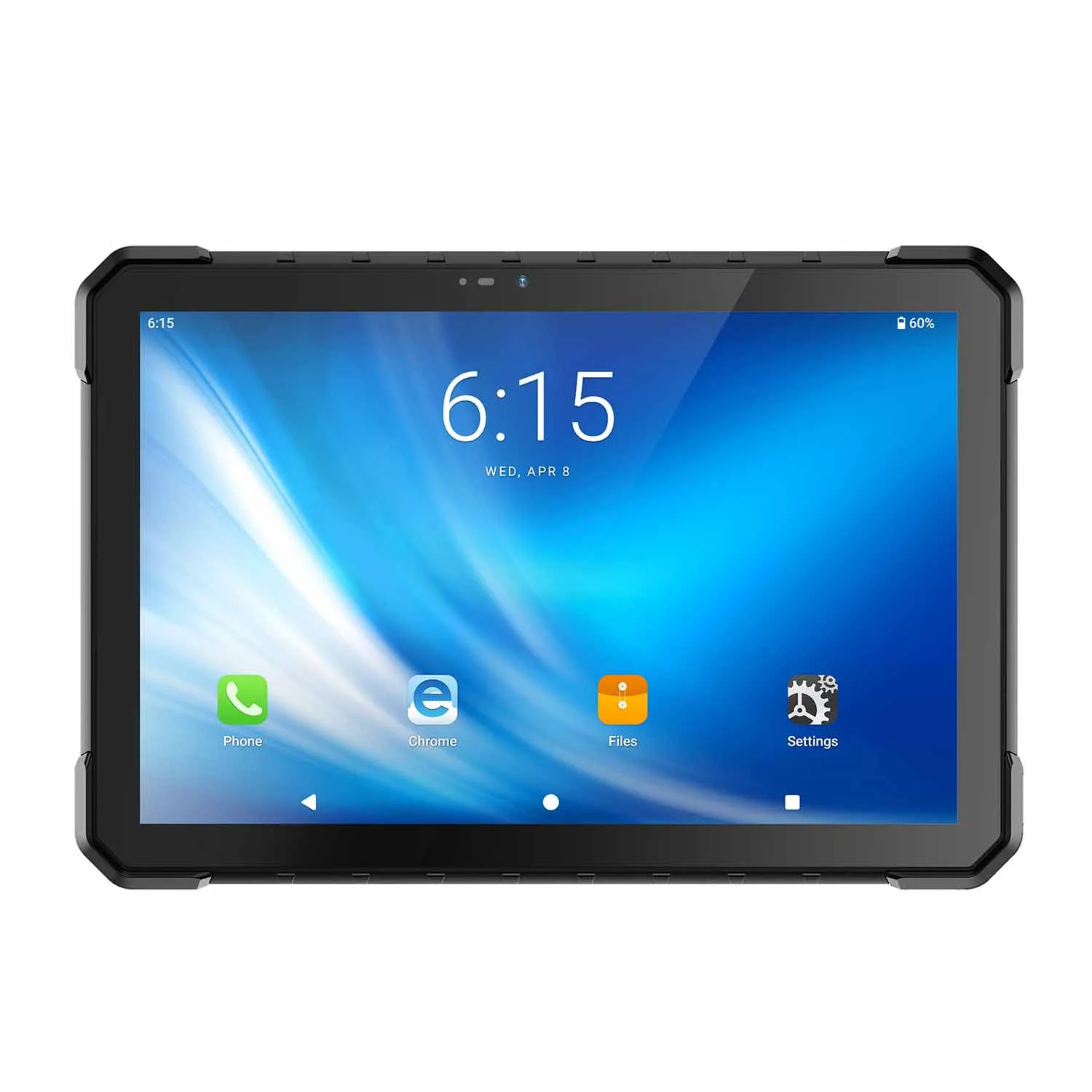
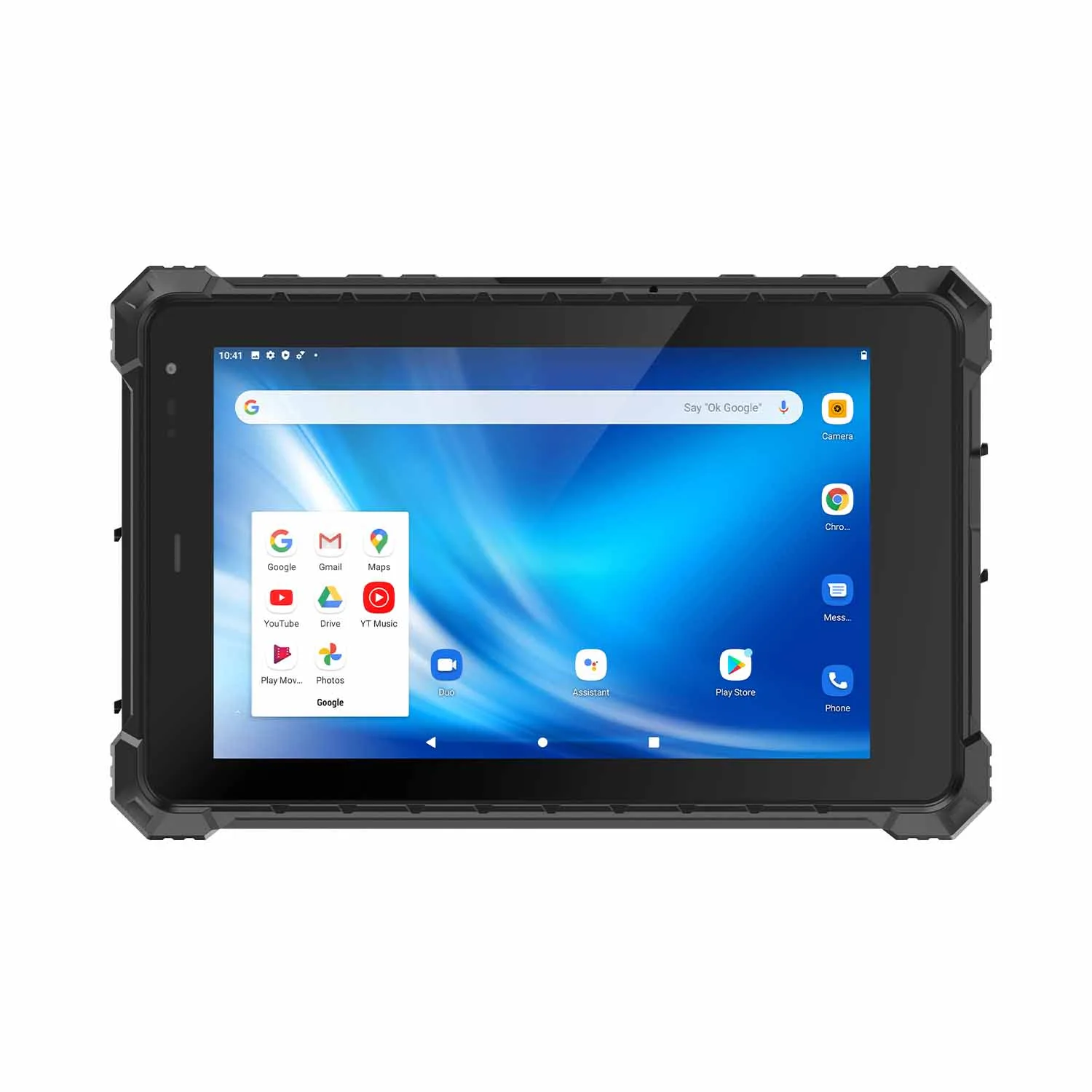
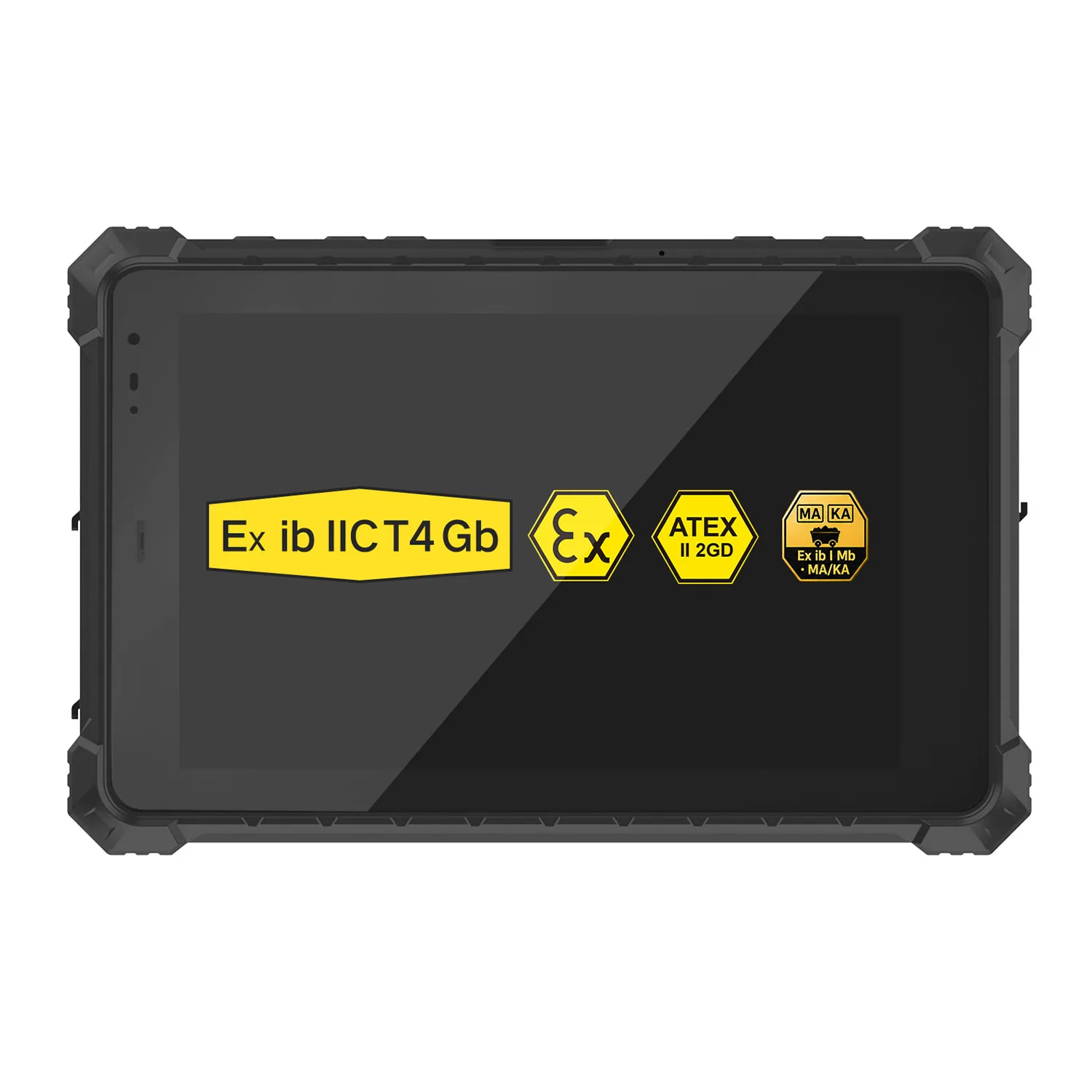
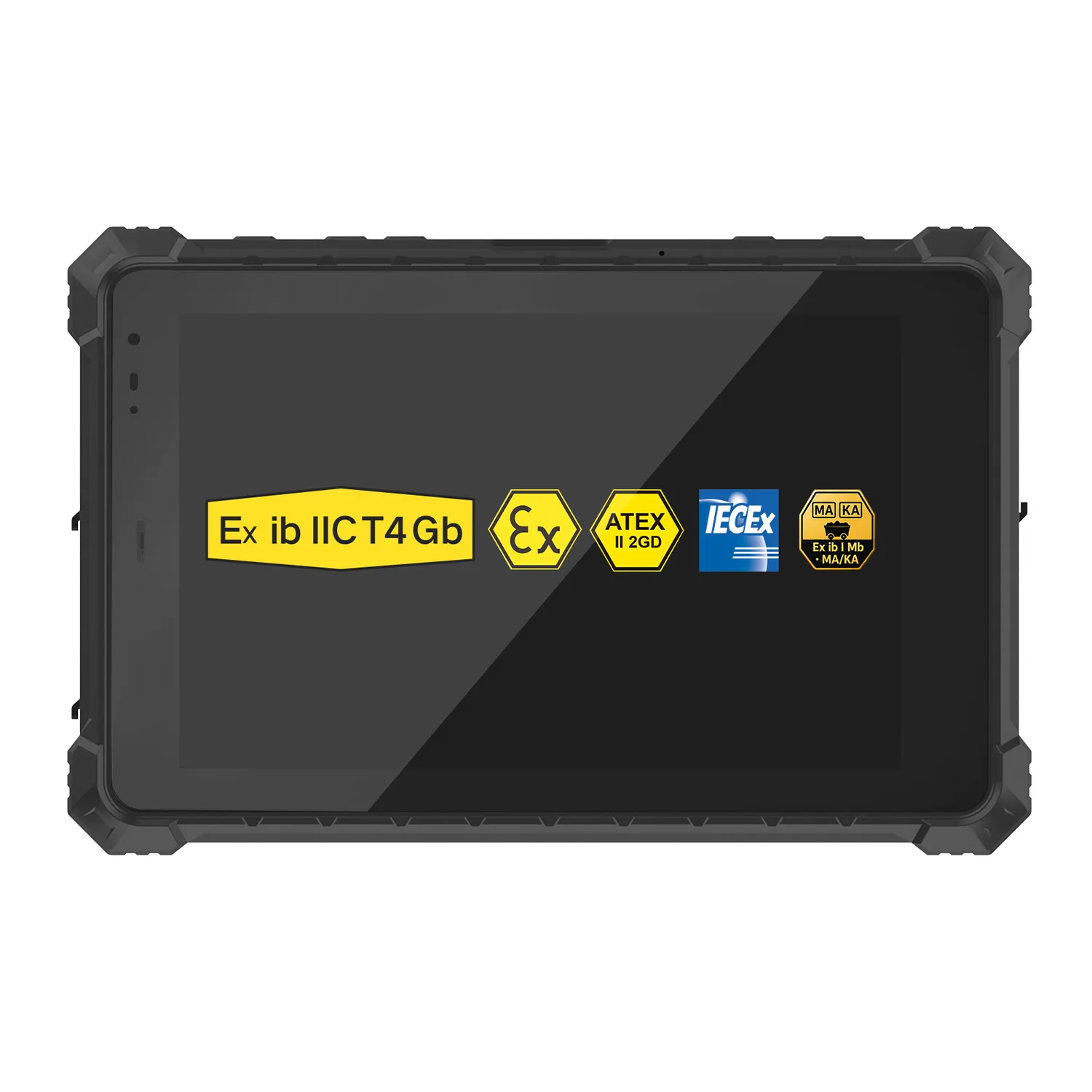
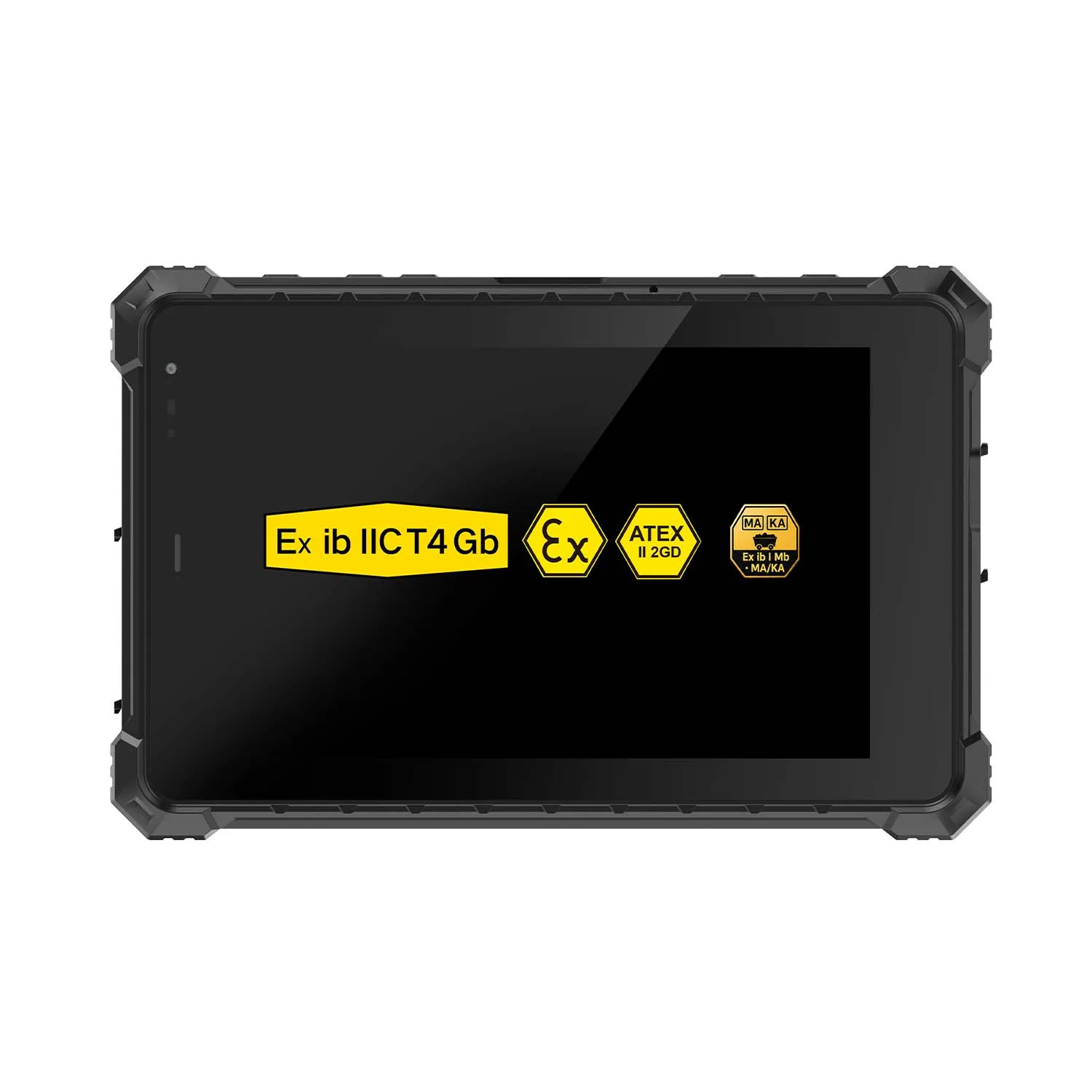
- Key Product: The A10ST-EX mining project configuration is specified with
Ex ib I Mband an MA-oriented approval path. The delivery record must connect the exact model and physical label to its approval document, battery, selected modules and permitted accessories; a similar ATEX or ordinary A10ST specification cannot be merged into that evidence. - Technical Advantage: Scanner, NFC and application-image choices may be frozen against one configuration ID. This lets the project define a single location-selection method and a controlled manual fallback instead of leaving several ungoverned shortcuts in the field interface.
A coal mine inspection tablet may open an equipment point from an engraved code, approved tag or hierarchical search. When the label is unreadable, the fallback should require section, entry and asset-class agreement, then display the full location before accepting data.
The proposed CENAVA pilot includes two wrong-entry attempts and two deliberately damaged labels. Count prevented misassignments and documented fallbacks. A clean submission attached to the wrong belt drive is worse than an incomplete record that exposes its uncertain identity.
3. Pepperl+Fuchs / ECOM (Germany)
Core Strength: High-category process-industry mobility with mature accessory governance
Pepperl+Fuchs has decades of experience in industrial automation and explosion protection, while ECOM focuses on mobile equipment for classified work. That background is relevant to mine operators that also manage surface gas plants, coal preparation facilities or maintenance workshops under hazardous-location rules.
4. Aegex Technologies (United States)
Core Strength: Windows inspection applications for industrial Division 1 and Zone 1 environments
Aegex concentrates on intrinsically safe Windows tablets and related mobility software. Its platform may preserve a validated desktop inspection client in high-category industrial locations where rebuilding the application for another operating system would add project risk.
5. BARTEC (Germany)
Core Strength: Zone 2/22 enterprise capture for surface maintenance and materials workflows
BARTEC has extensive hazardous-area engineering experience and supplies mobile computers for industrial maintenance and logistics. Its enterprise Android platform is relevant where a coal operation wants consistent asset identification across stores, workshops and selected surface process areas.
6. Getac (Taiwan)
Core Strength: Outdoor Android operation for approved Zone 2/22 surface routes
Getac is an established rugged-computing manufacturer serving utilities, industrial service and mobile workforces. Its Android hazardous-location model is relevant to coal operations with exposed surface equipment and managed mobile applications.
7. Winmate (Taiwan)
Core Strength: Windows continuity for lower-category surface inspection software
Winmate manufactures rugged tablets and industrial computers for field and vehicle-based work. Its Windows Ex tablet may suit a coal preparation plant or surface maintenance shop that retains desktop-compatible CMMS extensions and engineering viewers.
8. DURABOOK (Taiwan)
Core Strength: Fanless Windows mobility for detailed surface engineering work
DURABOOK produces rugged Windows systems for energy, manufacturing and field service. Its large-format U11-EX provides room for drawings and equipment history in documented lower-category surface locations.
9. Zebra Technologies (United States)
Core Strength: Enterprise Android lifecycle and automatic identification at the surface
Zebra is widely used for enterprise mobility and automatic identification. Its management tools are attractive when stores, maintenance bases and surface inspection teams share governance while keeping hazardous-location variants distinct from ordinary units.
10. Panasonic TOUGHBOOK (Japan)
Core Strength: Modular Windows platform for lamp-room, training and surface record review
Panasonic TOUGHBOOK has a long history in field computing for transportation, public service and utilities. Its modular platform belongs in this comparison because underground digitalization depends on surface route preparation, secure record review and deterministic device handback.
How to Choose the Right Manufacturer for Underground Mine Inspections
Hardware selection becomes meaningful after the mine defines who examines, what is examined, where the official record is made and who may verify or countersign it. The following four steps keep the reference article's selection logic while moving the evidence into a measurable mine-inspection pilot.
Define Your Operating Environment
Build a route-location register. For every task, record the mine, district or panel, section, entry, crosscut or station, asset, examination type, responsible role, approved source instrument, required observation, physical stop condition, device-approval requirement and official record destination. Keep route order separate from location identity so a detour does not rename the place examined.
Map preshift, on-shift, weekly and maintenance activities independently. Under 30 CFR Part 75, these categories carry different locations, measurements and certifications. Other jurisdictions use their own mine acts, approval systems and examiner roles, so an American electronic-record design should not be copied internationally without a rule-by-rule mapping.
Include temporary conditions. Roof-control work, a ventilation change, standing water, equipment movement or an existing danger posting may make a location inaccessible. “Not safely accessible” needs a defined outcome and escalation; forcing a result encourages the examiner to guess or cross a boundary.
Begin with the 18-point surface training route and then conduct an eight-shift pilot only on locations admitted by the mine. Track wrong-location attempts, stale routes, incomplete instrument attribution, hazard-response delay, server rejection, amendment frequency and countersign rework. A high completion rate can hide a weak record.
Clarify Performance Requirements
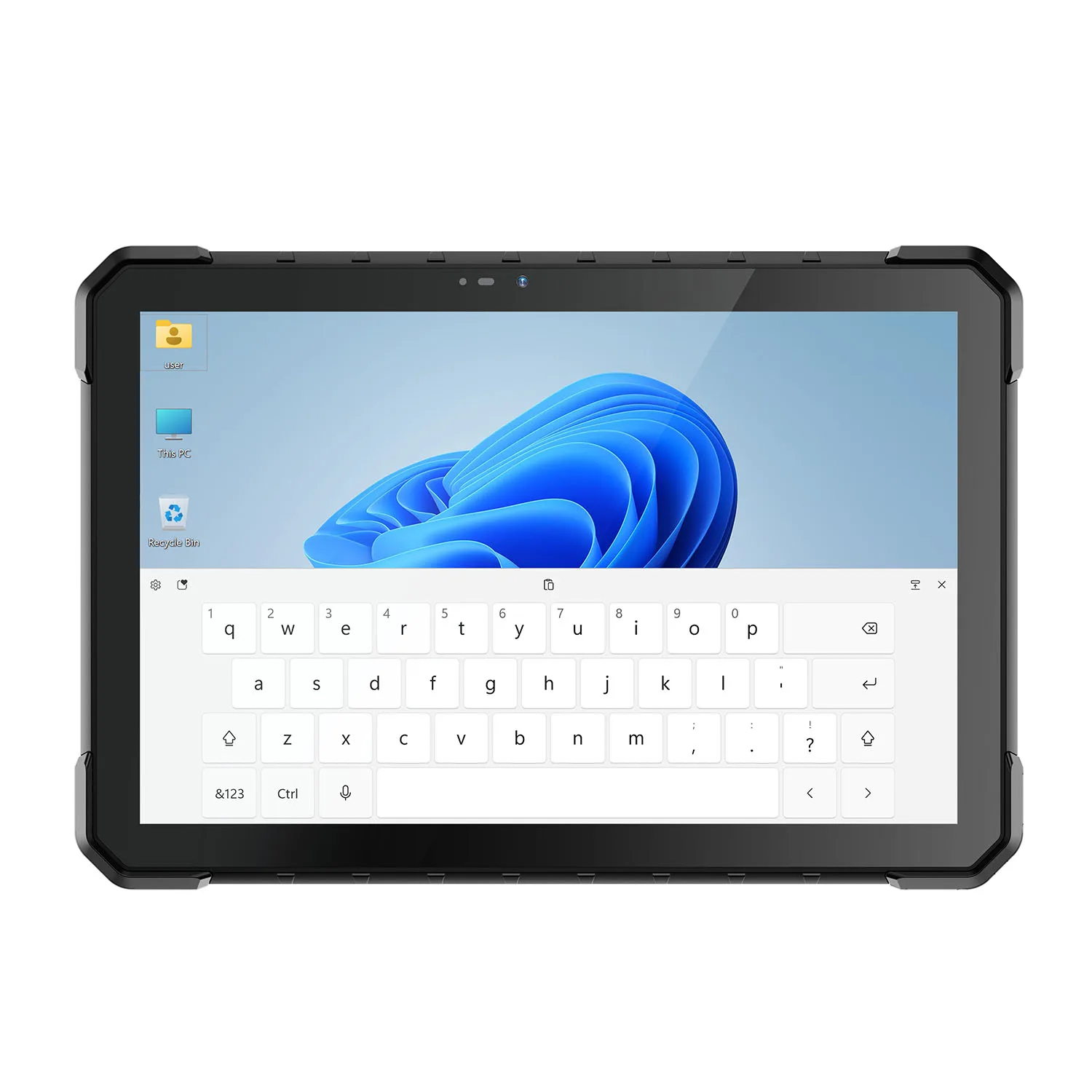
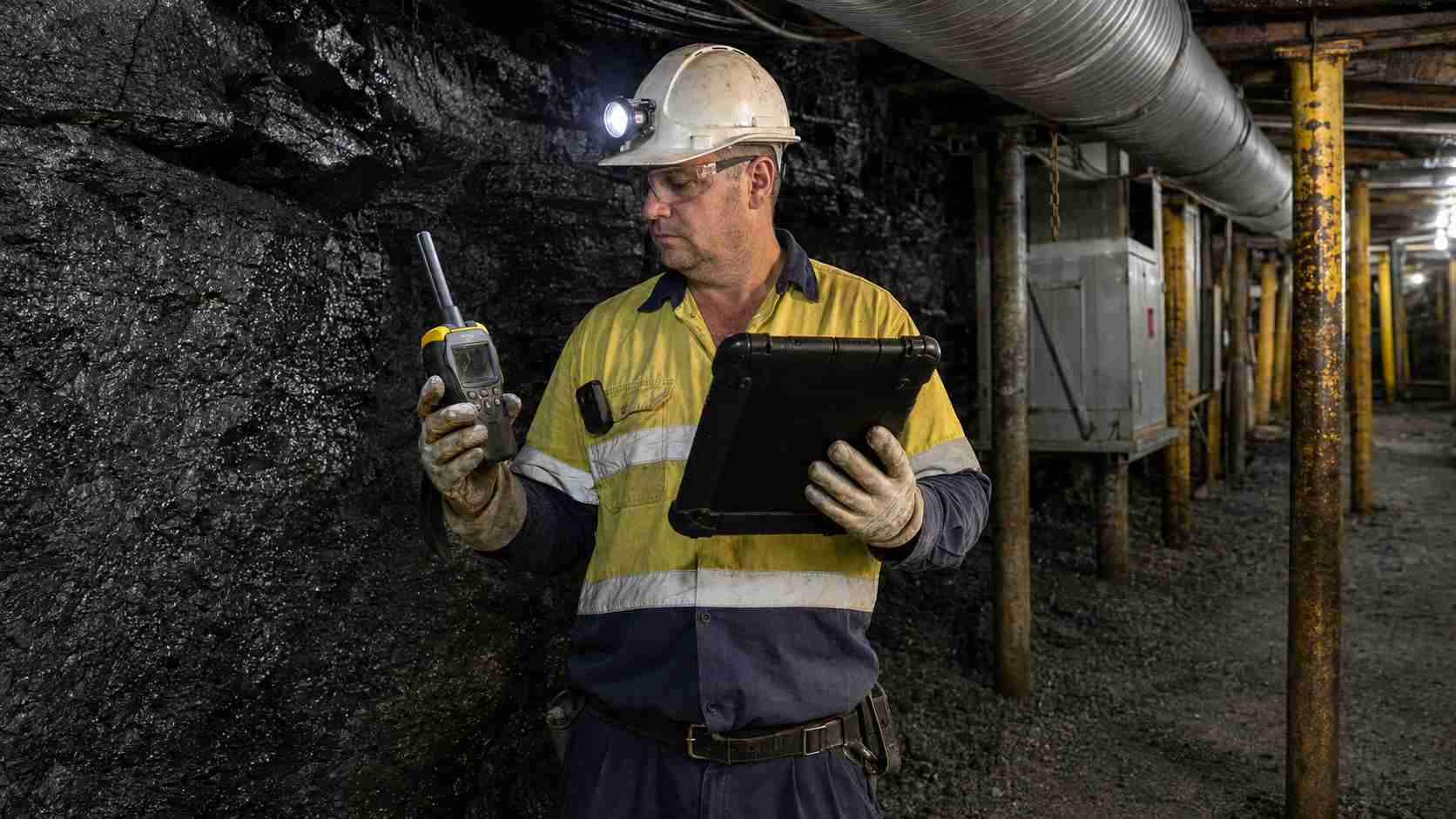
Translate conditions into actions with the issued PPE. A search for a glove touch underground mining tablet should lead to a test with the mine's actual gloves, screen film, stylus and carrying system. Ask examiners to select an entry, enter a reading, choose an inaccessible outcome and open an immediate-action screen under dust and controlled moisture. No touch mode proves compatibility with every glove.
Low light changes error patterns. Brightness alone does not prevent confusing Entry 5 with Entry 6 or selecting the wrong drive from a long dropdown. Use high contrast, large location text and a short hierarchy; dim the application as required by site practice without hiding hazard severity or queue state.
Our proposed 44-event drill contains twelve normal observations, eight location-identity checks, six readings transcribed from training instruments, four seeded defects, four inaccessible or withdrawal outcomes, four permitted photographs, two clock changes, two examiner handovers and two duplicate synchronization attempts. The exercise uses training instruments and conditions; it is not a statutory mine examination.
Test interruption deliberately. When an instructor gives a simulated withdrawal direction, the examiner should leave the form immediately and later recover the completed events without being forced to close the checklist first. Software that competes with a physical safety response fails the pilot.
Consider Software & Integration
Define one examination event across the tablet, integration queue and official system: route ID and version, examiner identity and role, location hierarchy, examination type, observation, source instrument, value and unit when applicable, underground event time, surface-recorded time, hazard-action link, verifier, countersignature, amendment and server receipt. Unmatched destination fields need an explicit owner rather than being concatenated into a comment.
Use visible record states: assigned, downloaded, in examination, hazard action opened, examiner verified, surface-recorded, countersigned and rejected. A second track should show corrective action as open, controlled, completed and accepted. Examination completion and hazard correction are related, but they are not the same status.
Original events should be append-only. If an examiner or supervisor corrects a location description, the system retains the first value, amendment reason, author and time. This is a workflow interpretation of the eCFR requirement for an electronic record that is secure and not susceptible to alteration; the mine and its legal adviser decide the implemented record architecture.
Run a 96-minute disconnected exercise with one application restart, two handovers and one controlled reconnect at the surface. Reconcile all 44 events, attachments, hazard actions and amendments across the tablet, middleware and official system. Acceptance requires authoritative receipts and documented rejection handling, not a green local icon.
Analyze Total Cost of Ownership (TCO) vs. Initial Cost
Include mine-approved hardware, permitted carrying and charging equipment, spares, serial-level issue control, application configuration, route administration, integration, examiner training, physical inspection, cleaning, security maintenance, repair quarantine and re-release. Add the effort needed to keep panel, section and equipment hierarchies current as the mine advances.
Create a baseline without promising savings. If five examiners each spend nine minutes per shift reconciling notes and clarifying location names, the current process uses 45 staff-minutes per shift. Compare the pilot against that figure while adding surface rejection review, countersignature time and route-package preparation; 45 minutes is a workload baseline, not a guaranteed reduction.
Repair handling needs a record decision. Quarantine the returned unit, resolve any local examination events under the mine's procedure, inspect the approval identity, install only the current application package and conduct a short location-and-surface-acceptance check before reissue. Restoring an old device image may restore expired routes or duplicate submission identifiers.
Contact CENAVA only when an exact mining configuration needs project review. Provide the destination country; coal-mine type; required approval system such as MA, MSHA, ATEX Group I, IECEx Mining, ANZEx or SANS; exact underground and surface locations; firedamp or methane context; temperature, humidity, coal-dust and low-light conditions; examiner roles; route and shift length; electronic-record, retention, verification and countersign rules; application and operating-system requirements; expected offline duration and approved surface sync point; carrier details only if a permitted service is required; NFC card or tag technology only if NFC is included; and the issued glove/PPE combination. Do not send credentials, detailed mine maps, ventilation plans, live methane records, personnel-location data or worker personal information.
The Future of Digital Underground Mine Inspections: Trends to Watch
Route releases becoming controlled mine records
Inspection packages are moving beyond downloaded checklists. Each release will carry a location hierarchy, examiner role, effective period and form version, while amendments remain visible. This makes route administration an operational responsibility rather than an unnoticed application setting.
Measurement lineage separating instruments from tablets
Mature systems will retain the approved source instrument, observation place, unit and event time. The mobile device records the examiner's work without impersonating the methane detector, anemometer or atmospheric monitoring system.
Physical hazard action linked to digital evidence
Future workflows will keep posting, withdrawal and corrective action distinct from the inspection form. A hazard record may connect them, but software completion will not be allowed to imply that the location was made safe.
Surface acceptance defining electronic completion
Mines will increasingly judge a digital examination by the official system's receipt, examiner verification, amendment history and required countersignature. Device fleets will also link each serial number to its mine approval, application version and permitted route, joining hardware admission with record governance.
Conclusion
A practical digital underground inspection program begins with controlled routes, exact locations and examiner authority. Every observation should preserve the source instrument, underground event time and required safety action, while the original record remains traceable through surface acceptance, amendment and countersignature.
The ten manufacturers occupy different boundaries. i.safe MOBILE and a correctly documented CENAVA mining configuration provide explicit mining-oriented paths; industrial Zone 1 or Zone 2 tablets belong only in surface or other approved roles unless separate mining evidence covers the exact build. IP ratings, MIL-STD-810H tests and glove modes answer environmental questions, not mine-admission questions.
Start with an 18-point training route, a 44-event offline drill, one surface reconciliation and an eight-shift pilot. Then add a named examiner's real route logic, measured location errors, rejection records and authorized lessons. That is the credible way to improve underground mine inspection digitalization without turning safety obligations into marketing claims or repeated specification lists.
Need a Rugged Device for Your Project?
Tell us your operating environment and requirements — our engineers will recommend a configuration and quote within 24 hours.
Get a Free Quote Back to Blog