






Rugged Tablets for Automotive Diagnostics
User Background
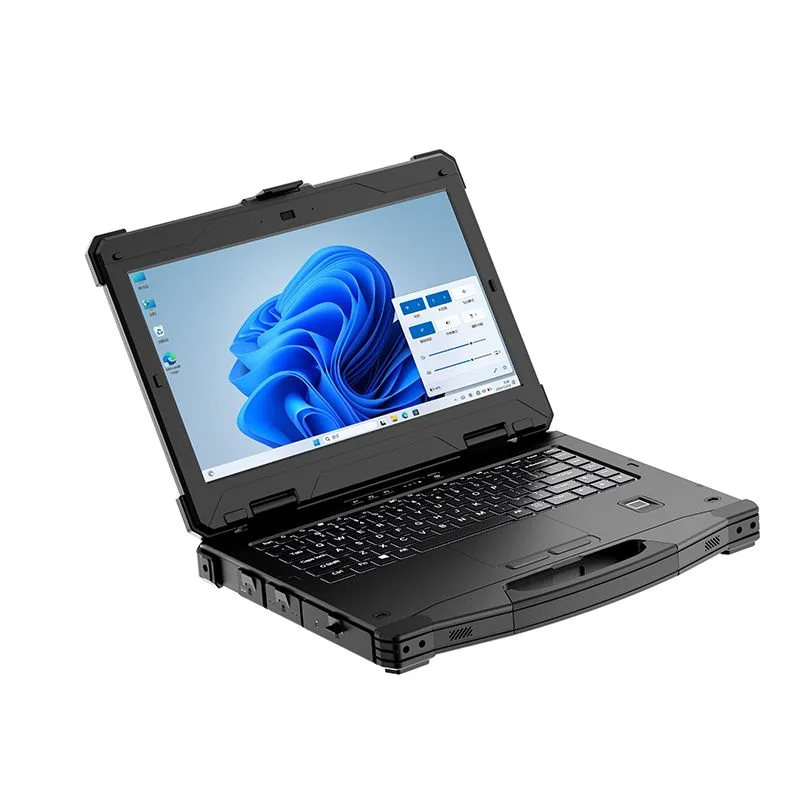
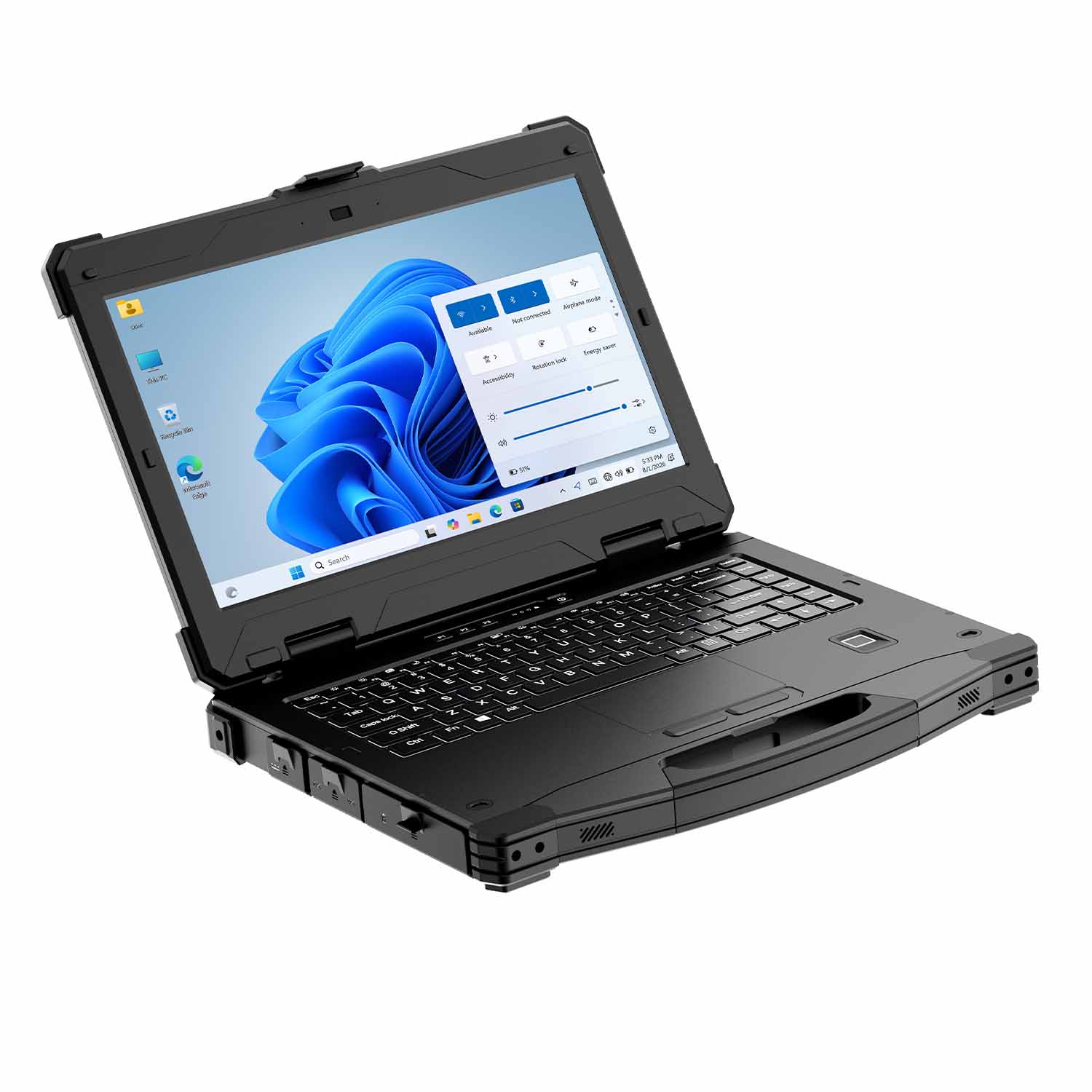
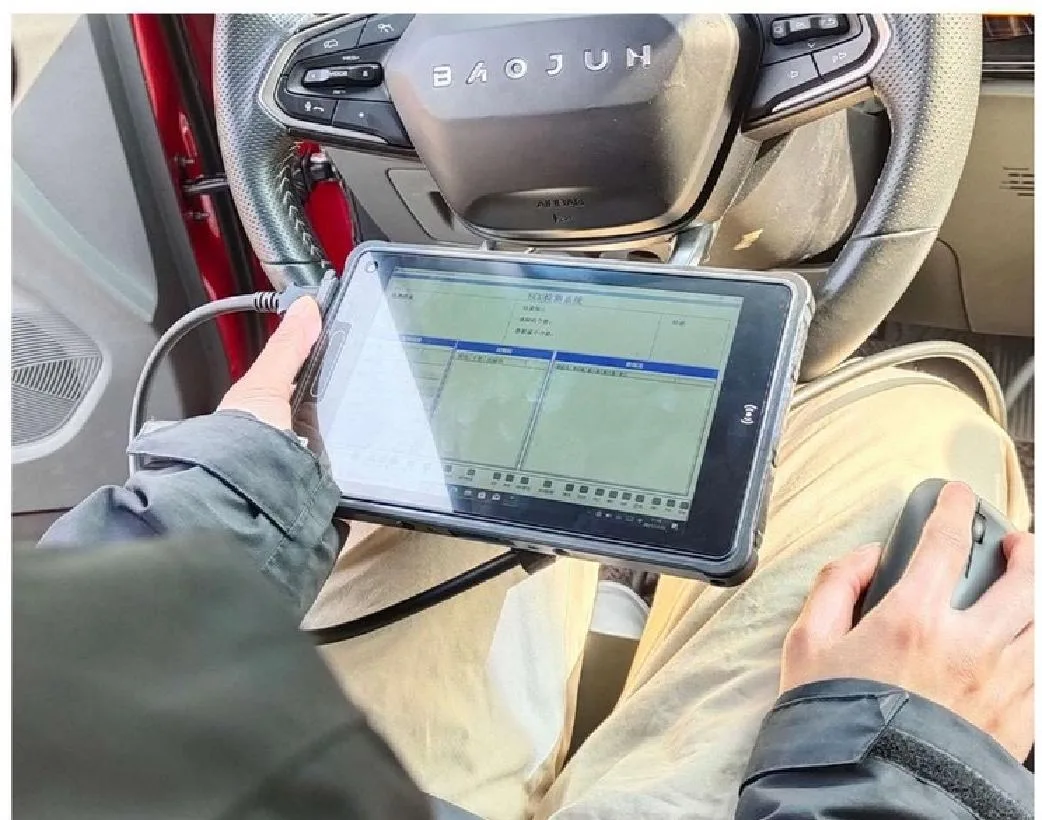
Wuling Hongguang — referenced in the original case study as a major automotive manufacturer — had been using consumer smart tablets to read and record vehicle inspection data before switching to a CENAVA rugged tablet. Testing was carried out in a hot environment where bumps and drops were common, and standard consumer tablets couldn't withstand the harsh workshop conditions, leading to frequent crashes and downtime.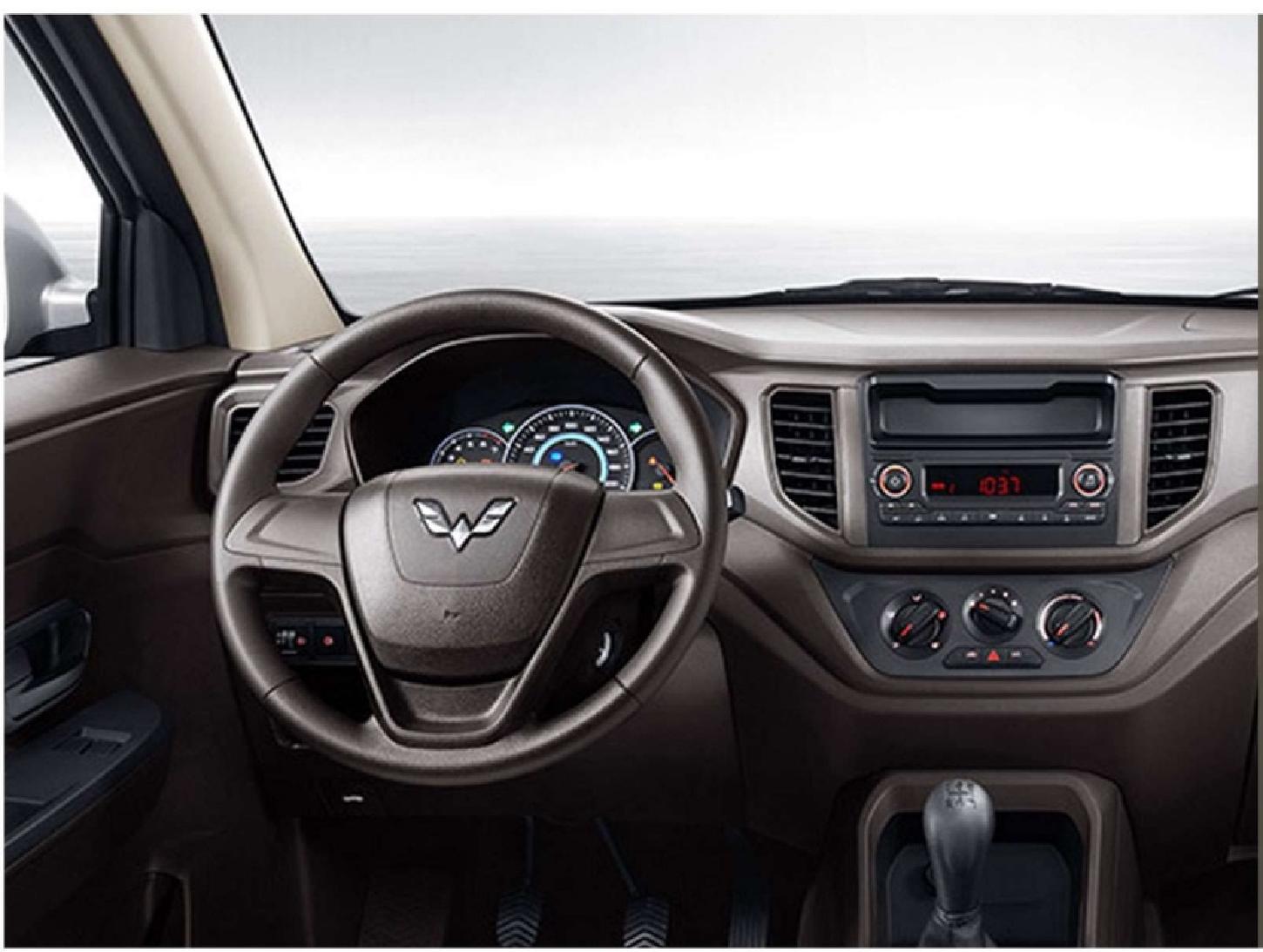
Challenges
Poor durability caused mechanical failures — the consumer tablets previously in use had weak waterproofing, dustproofing, and shock resistance, and regularly failed after exposure to water or impacts, causing data loss and delaying work.
Inadequate battery life for long testing sessions — the consumer tablet in use didn't support battery replacement, making it a genuine hassle to find charging access during long inspection shifts.
High equipment loss rate — the complex inspection environment exposed devices to constant risk of scratches and damage, with the resulting waste contributing to rising operating costs.
Solution
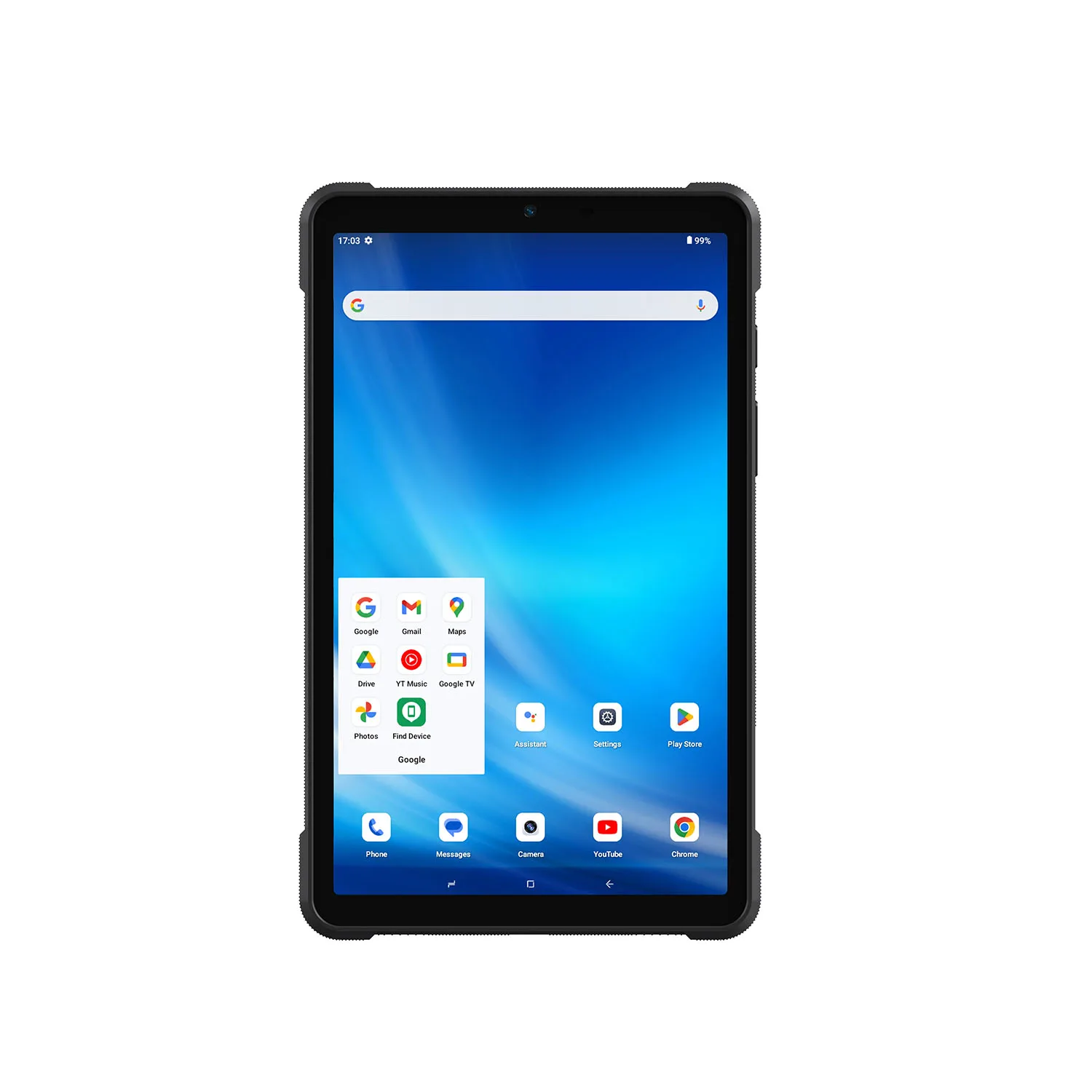
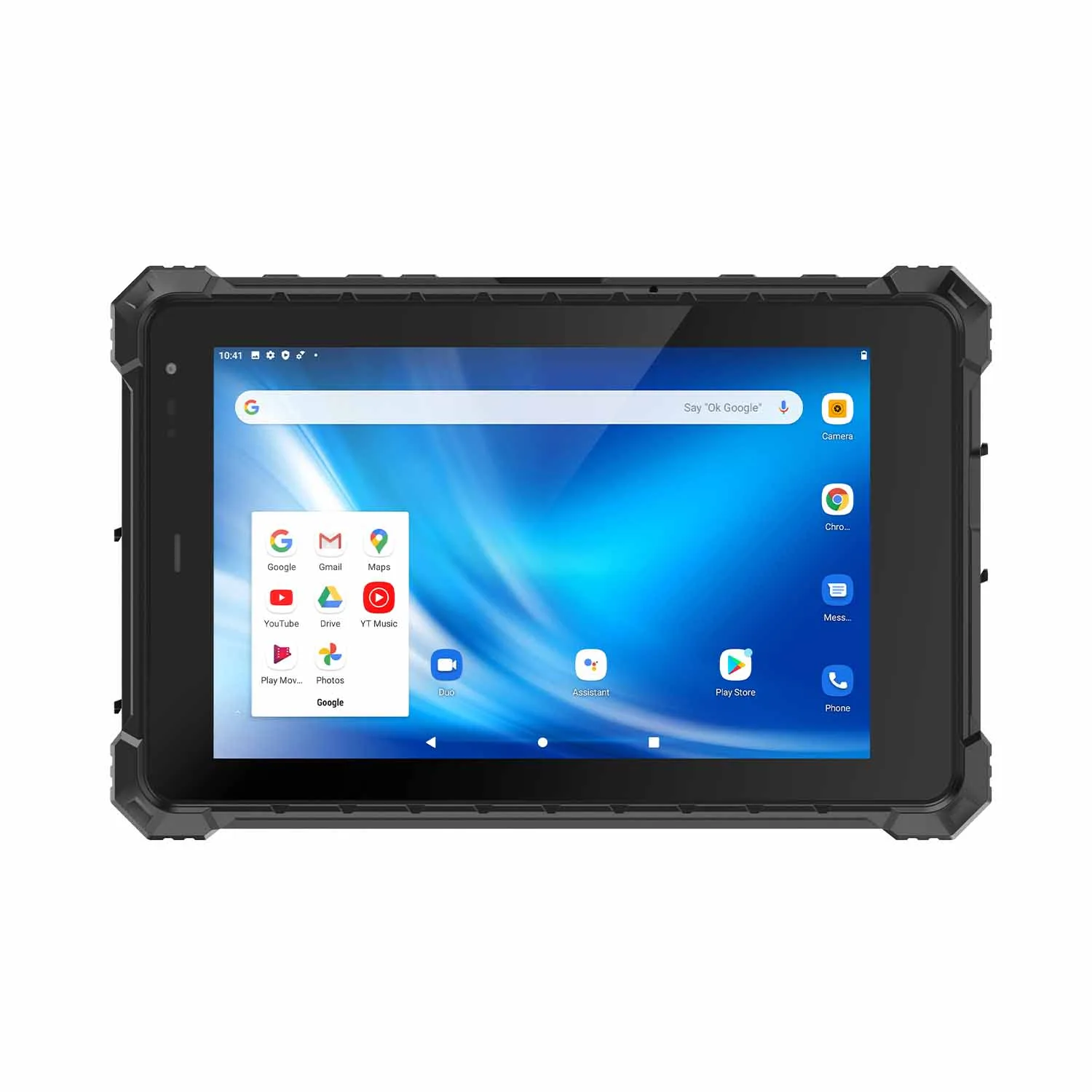
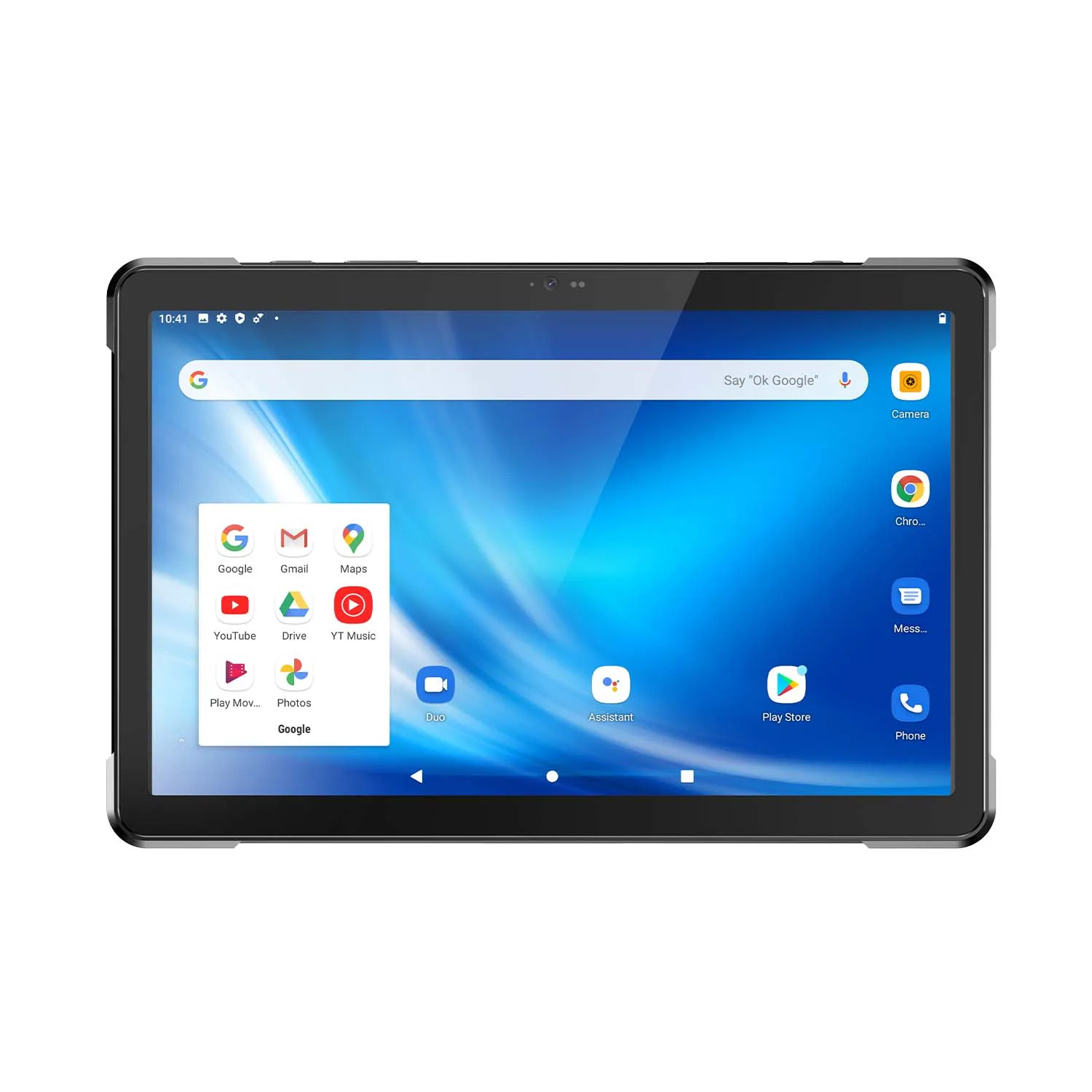
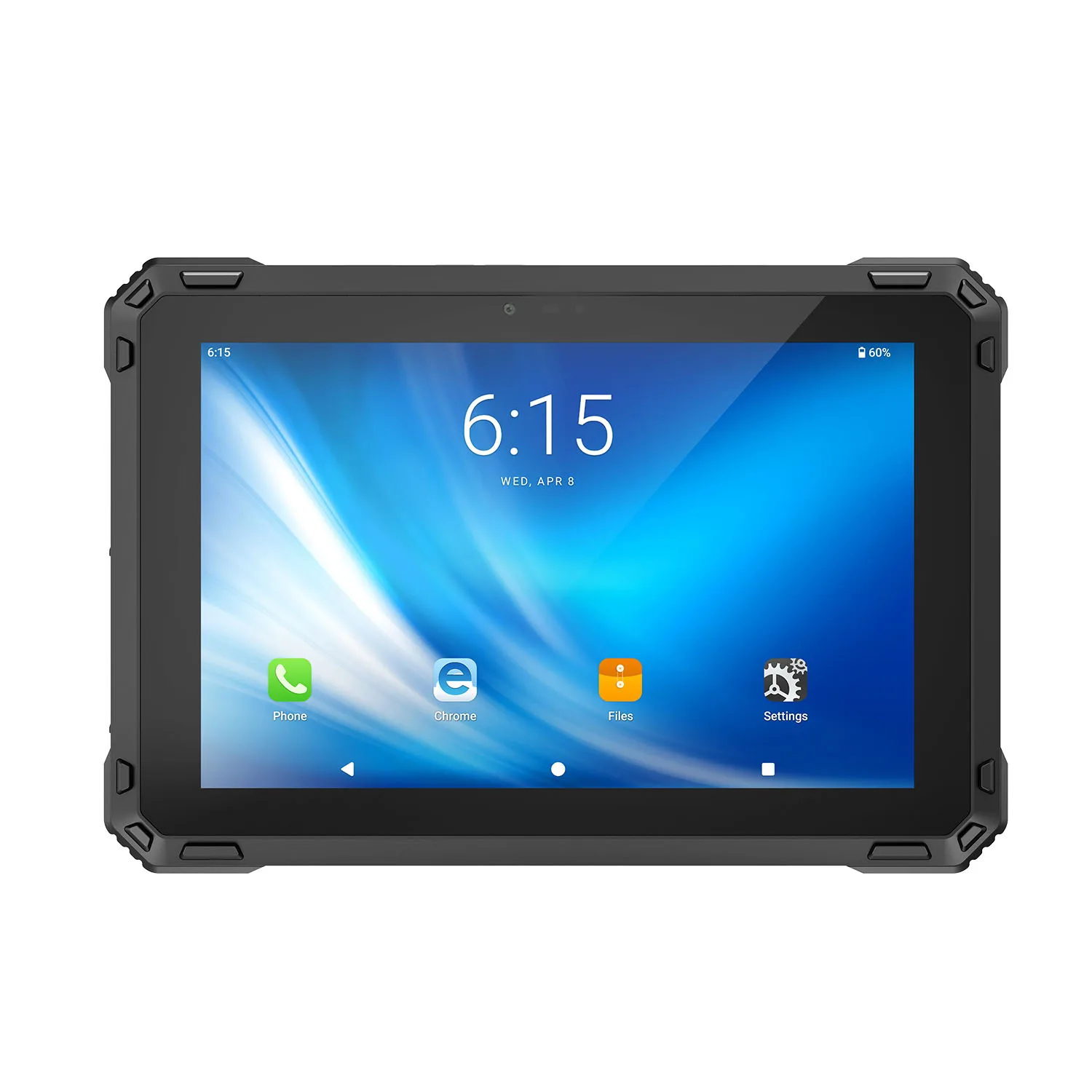
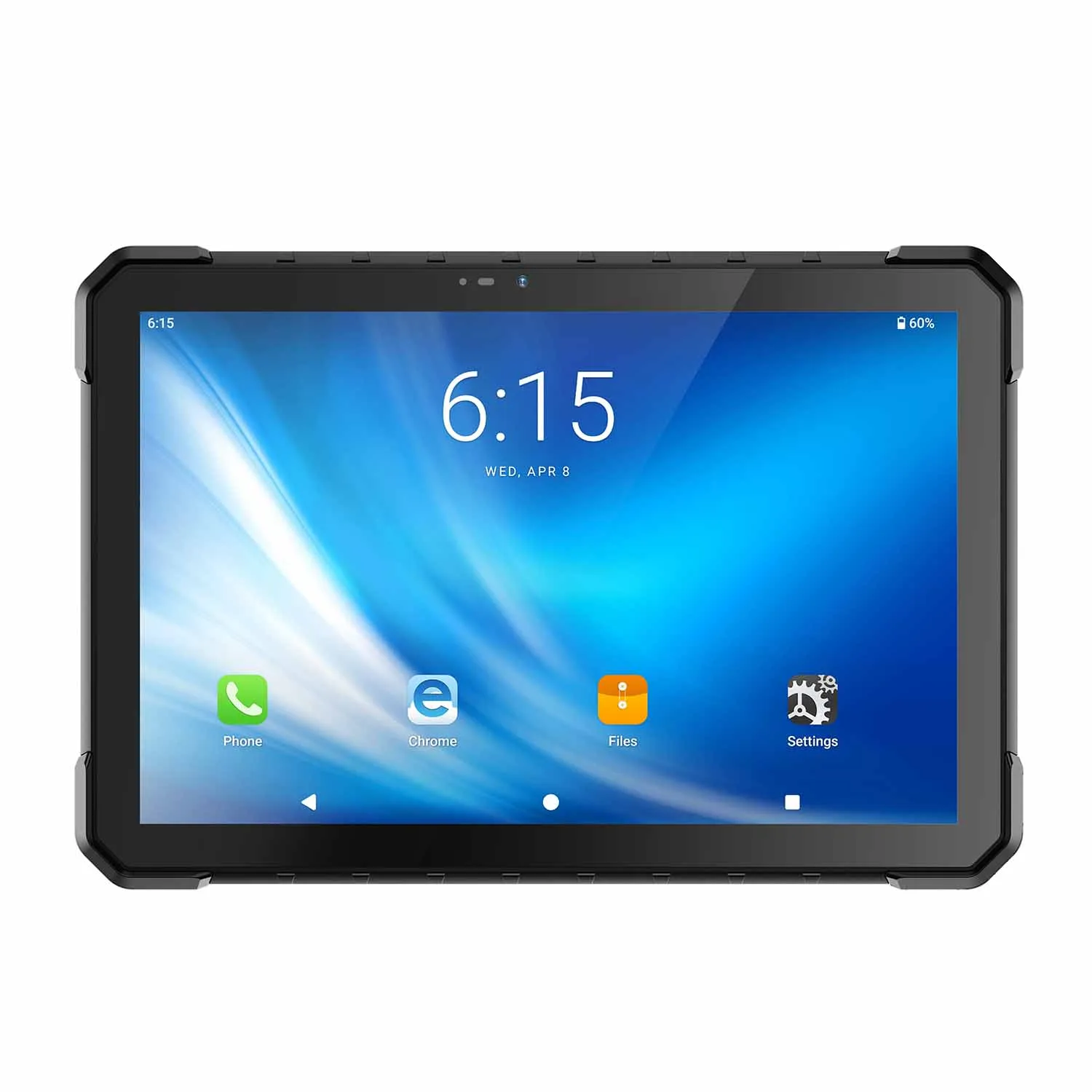
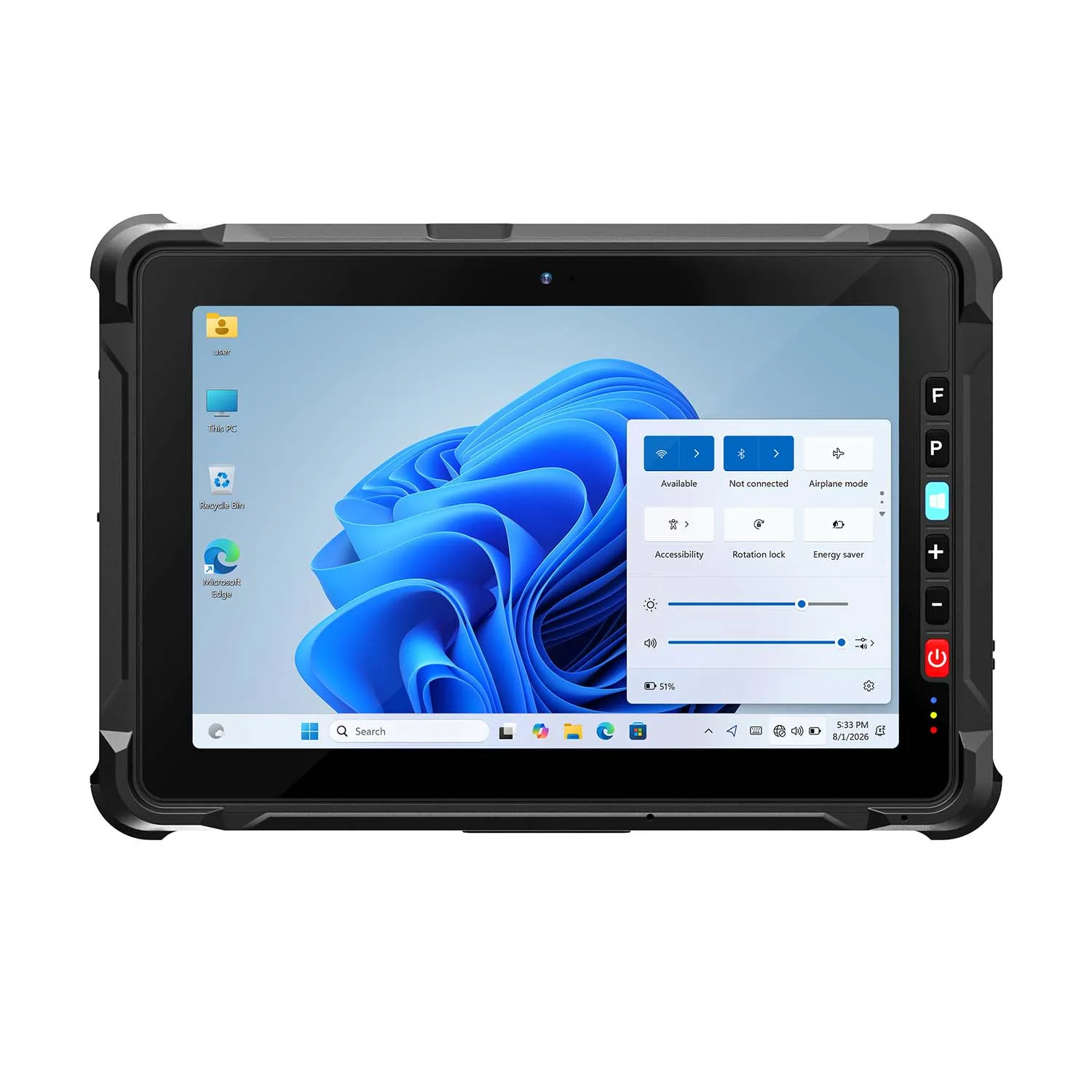
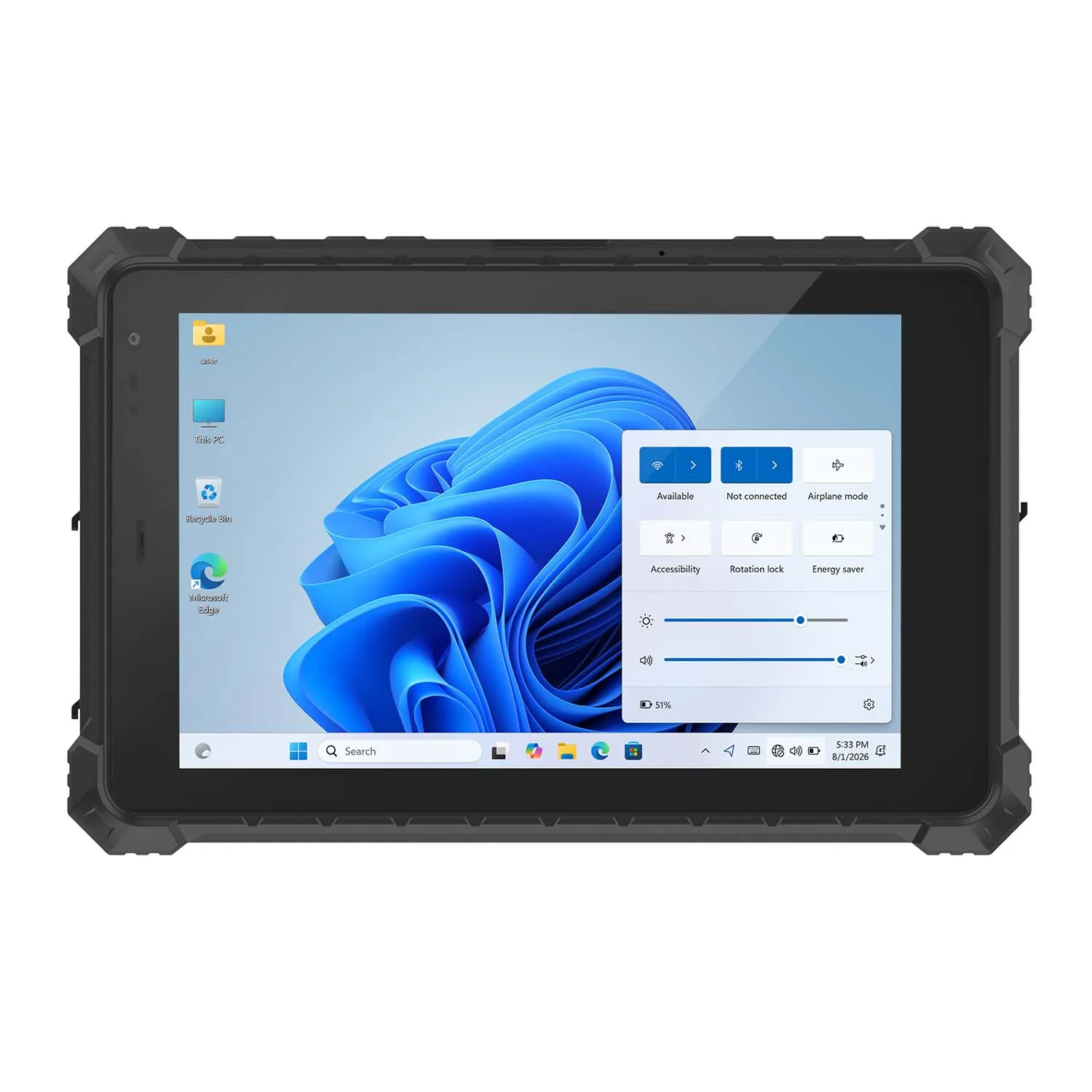
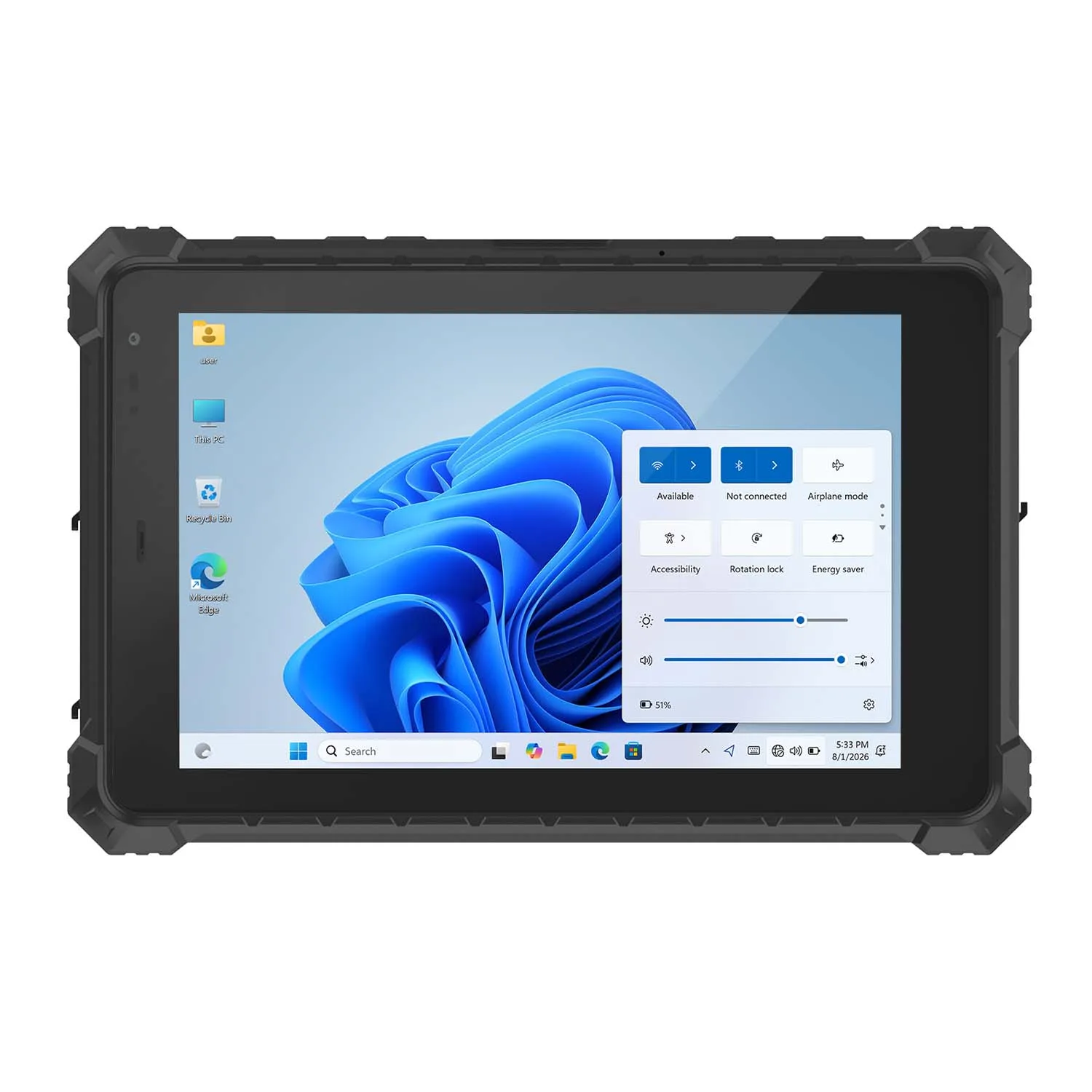
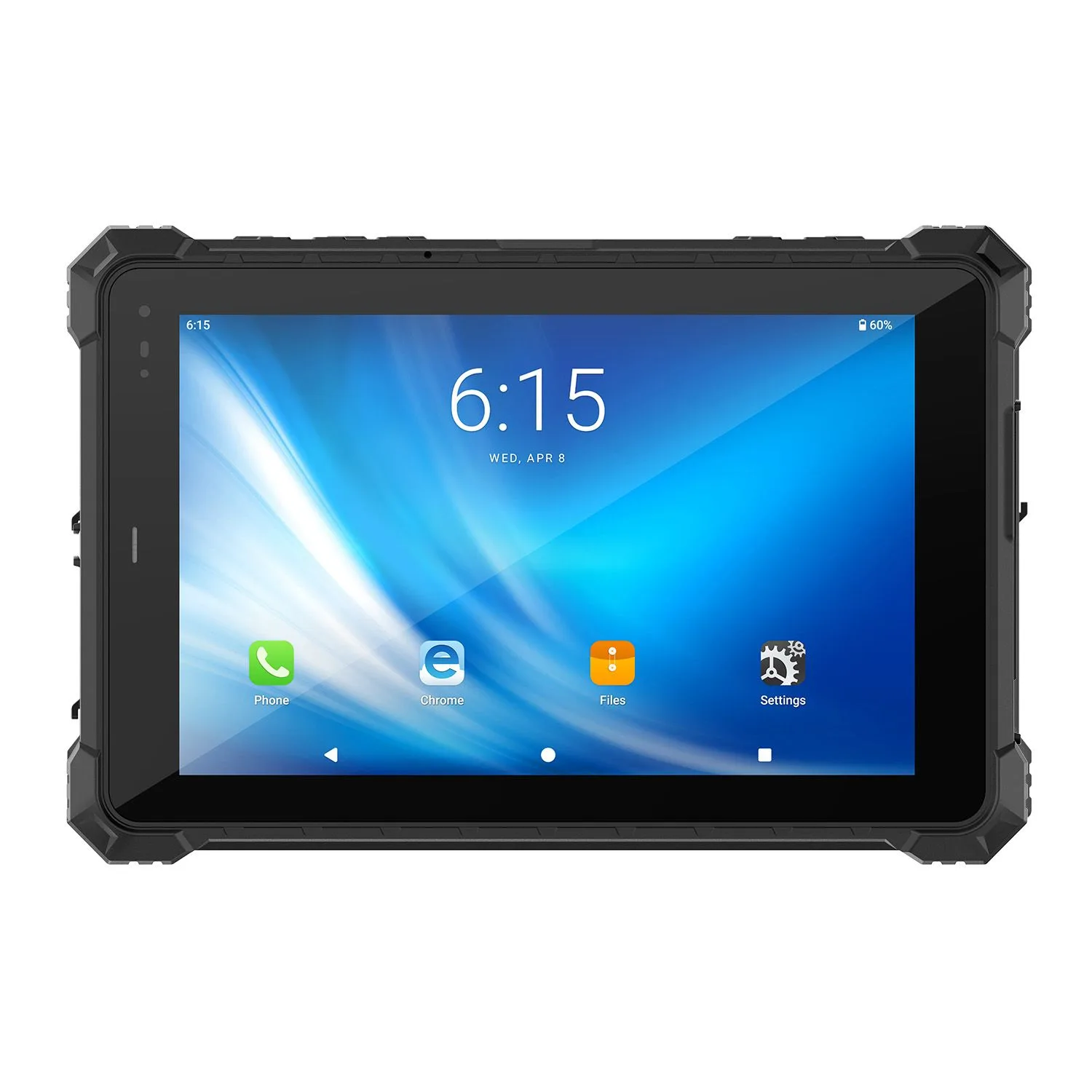
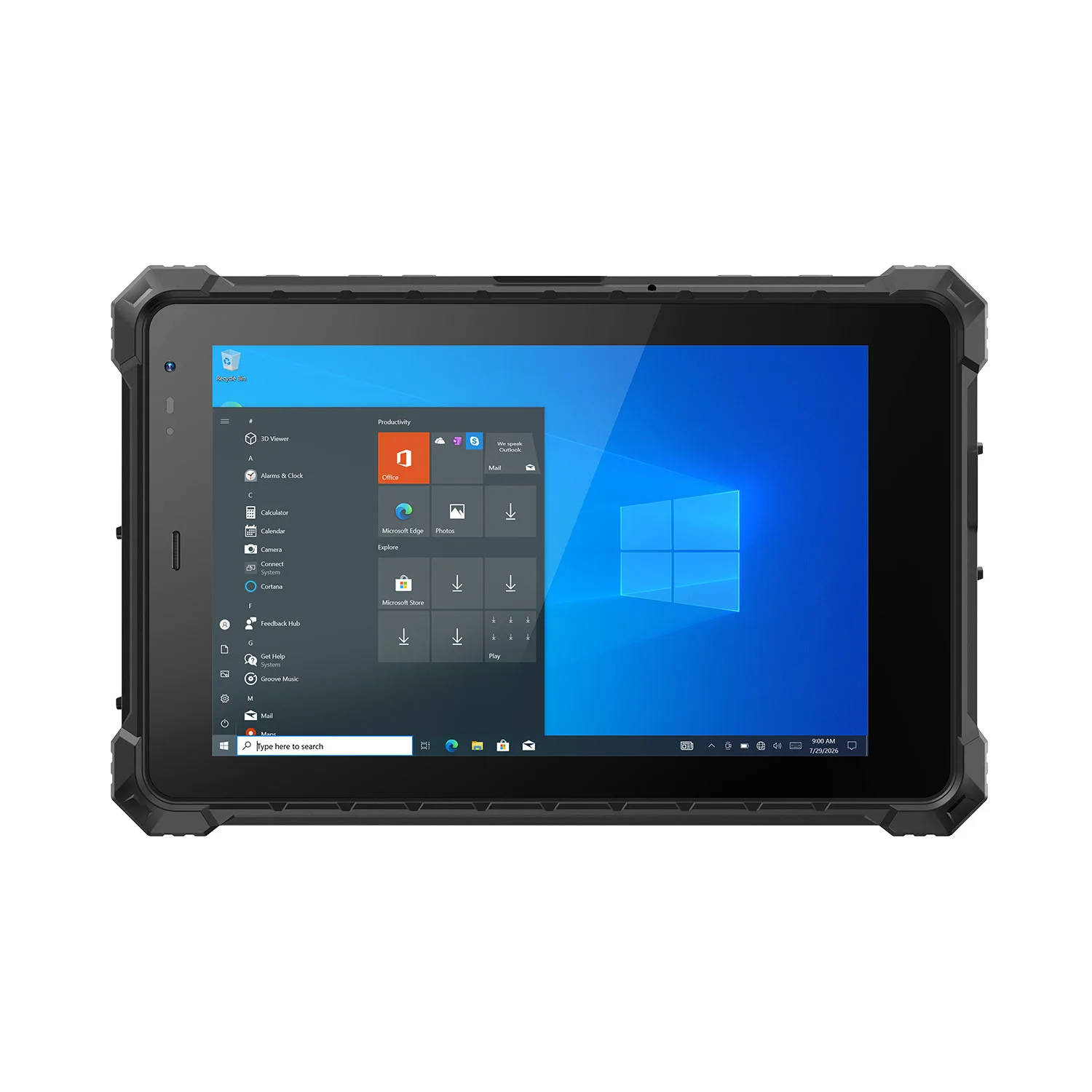
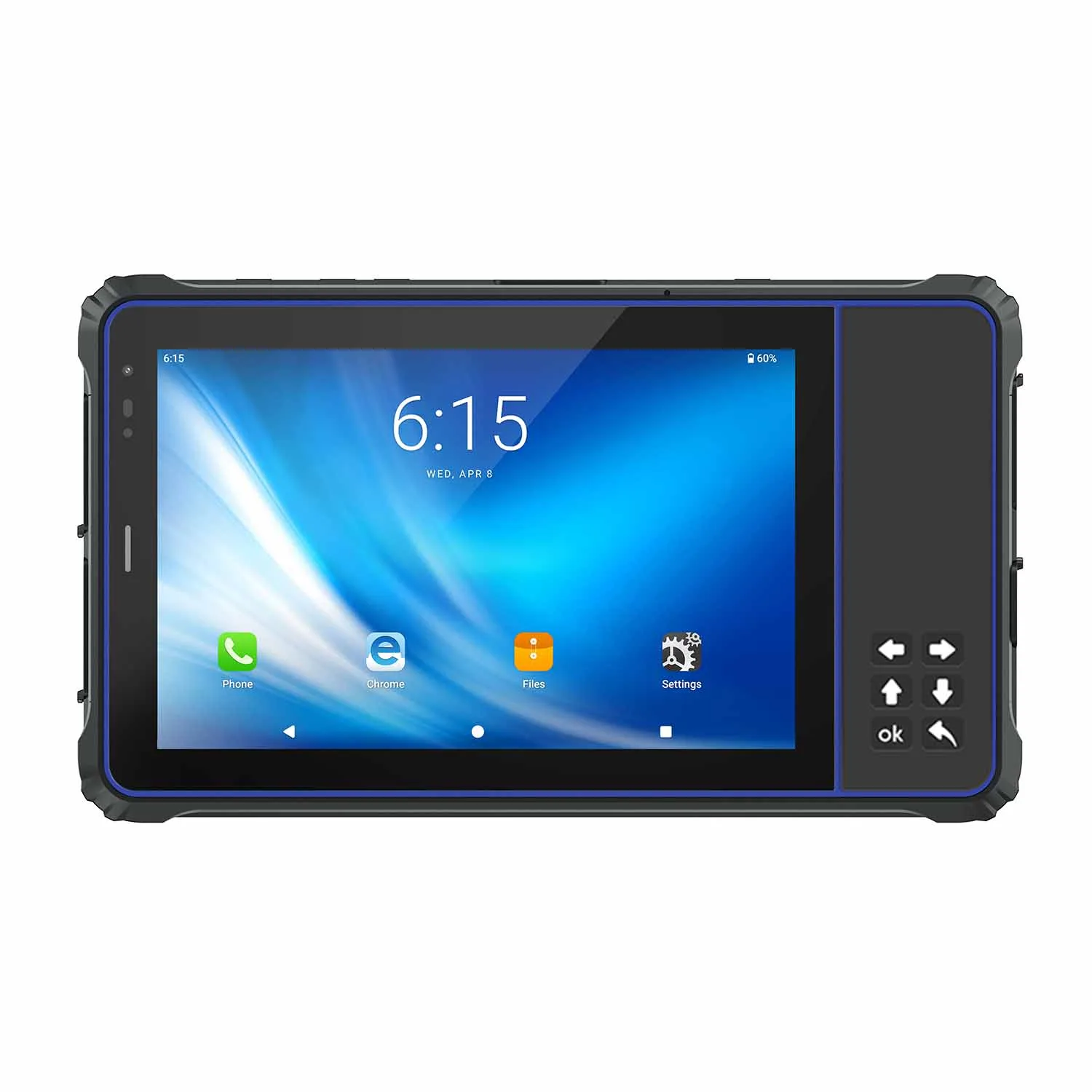
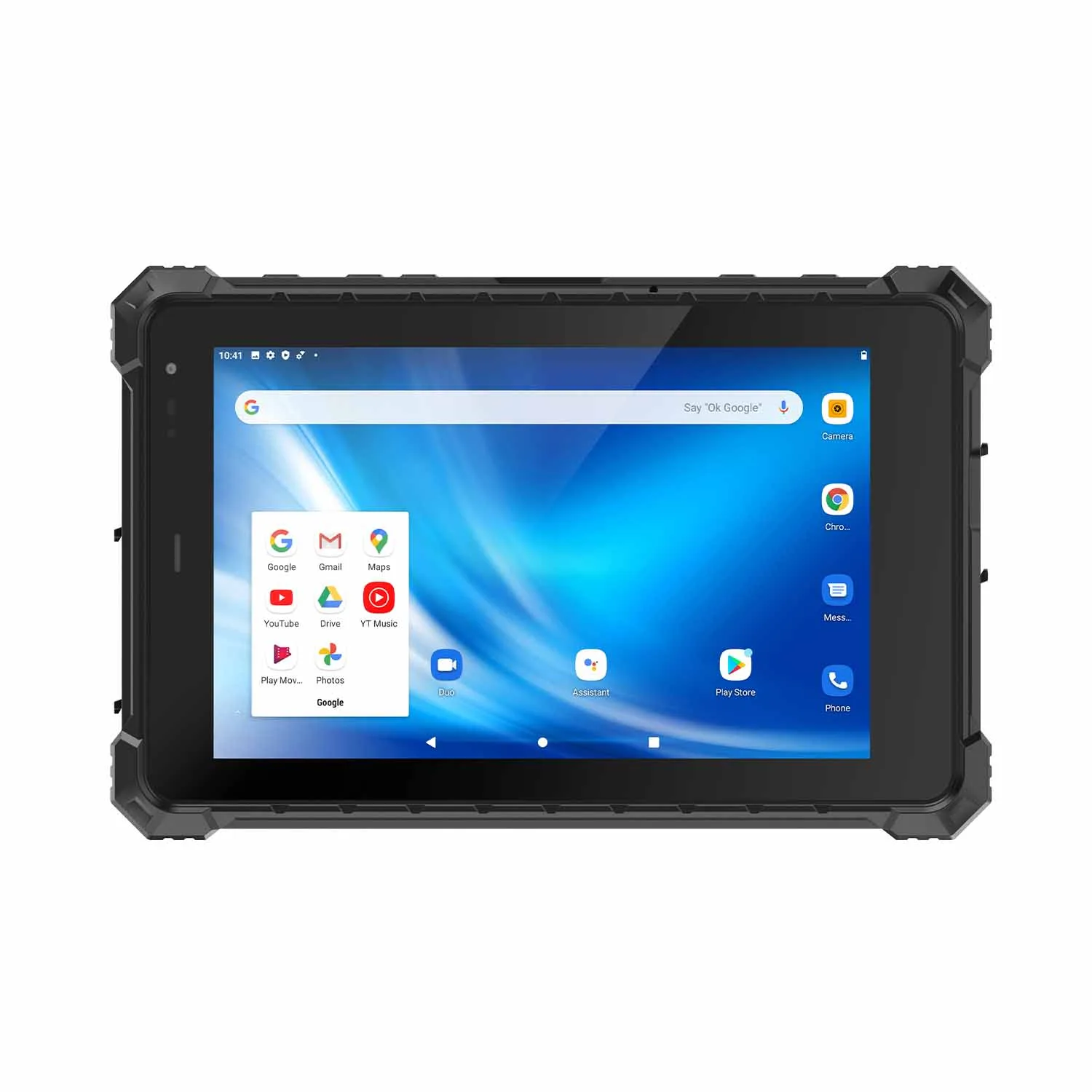
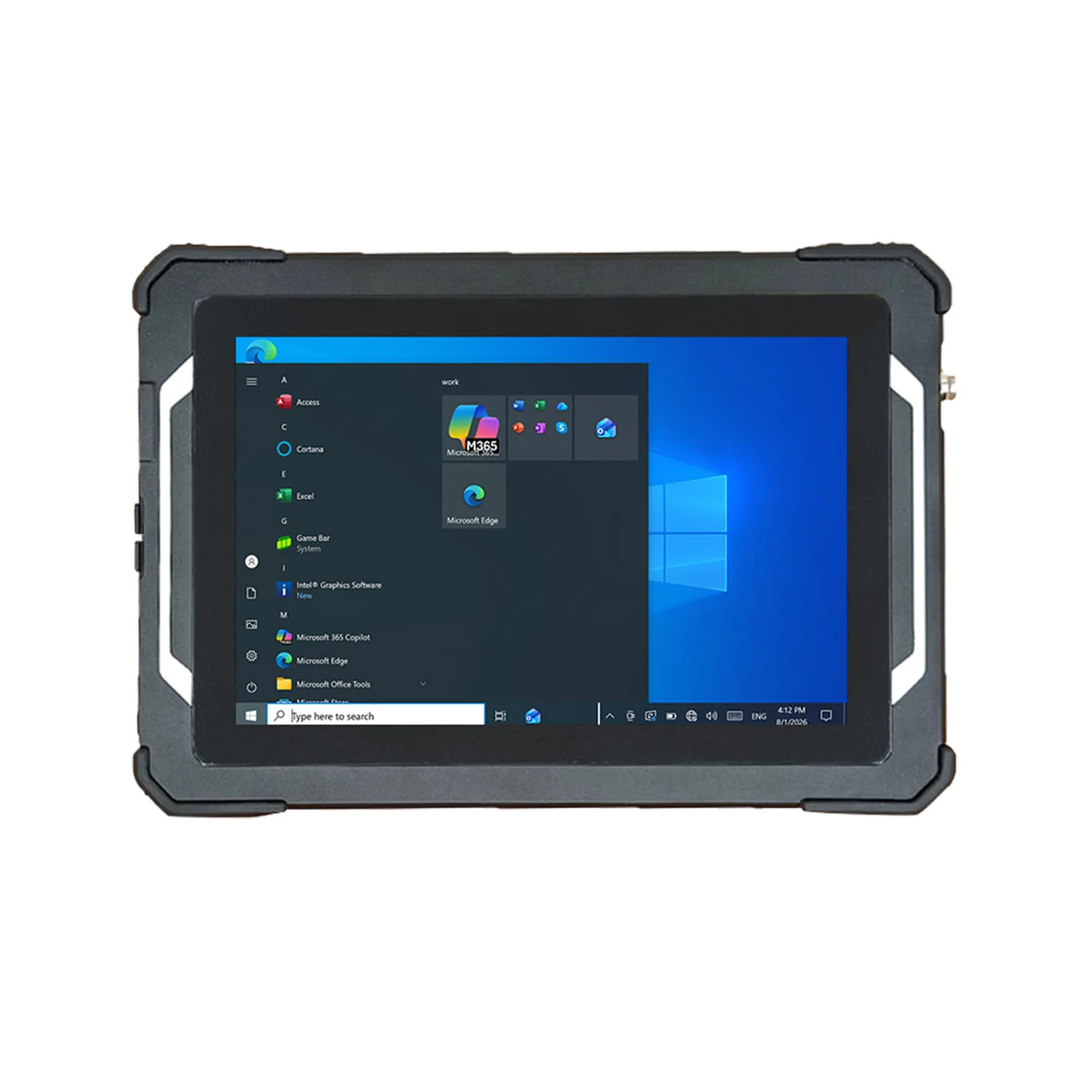
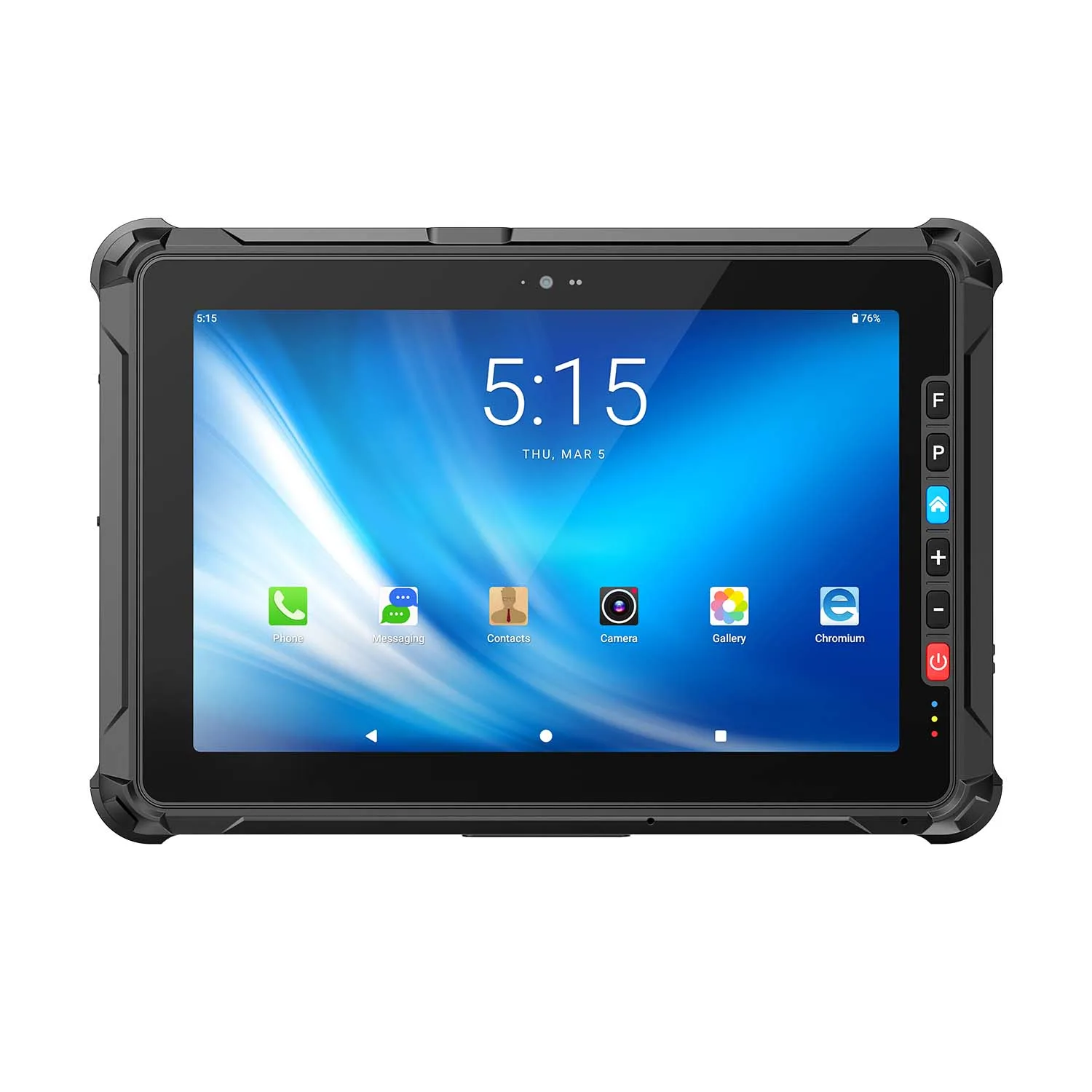
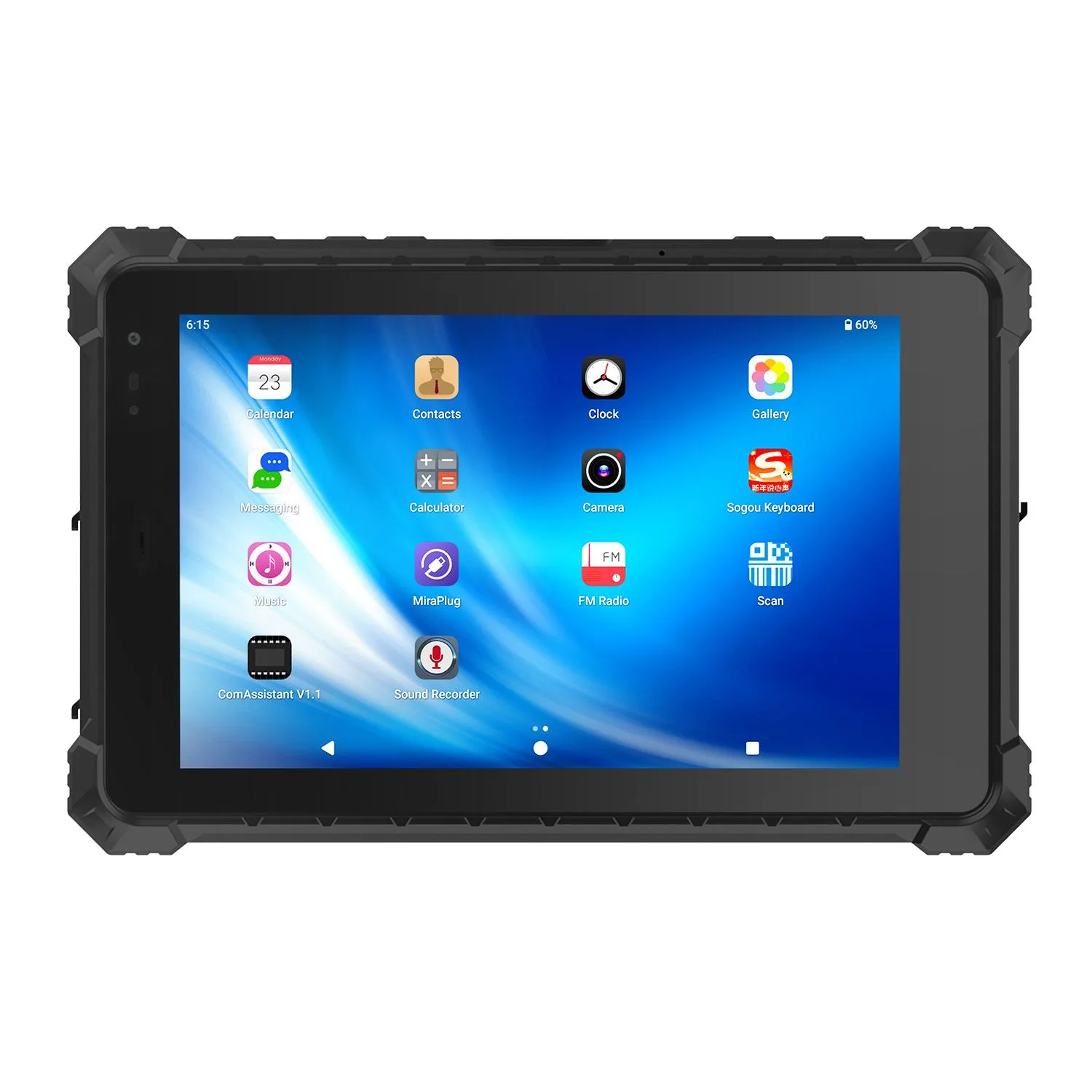
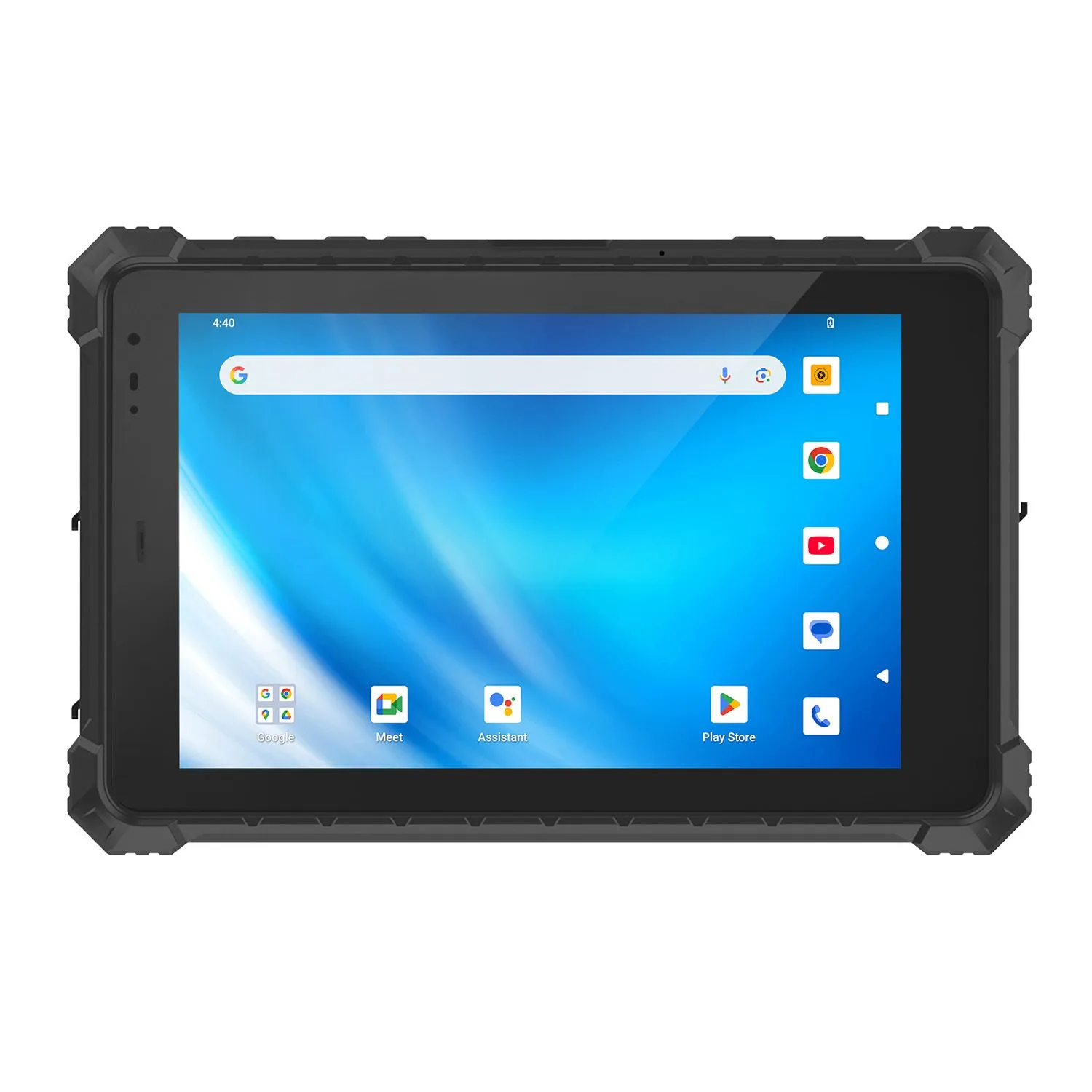
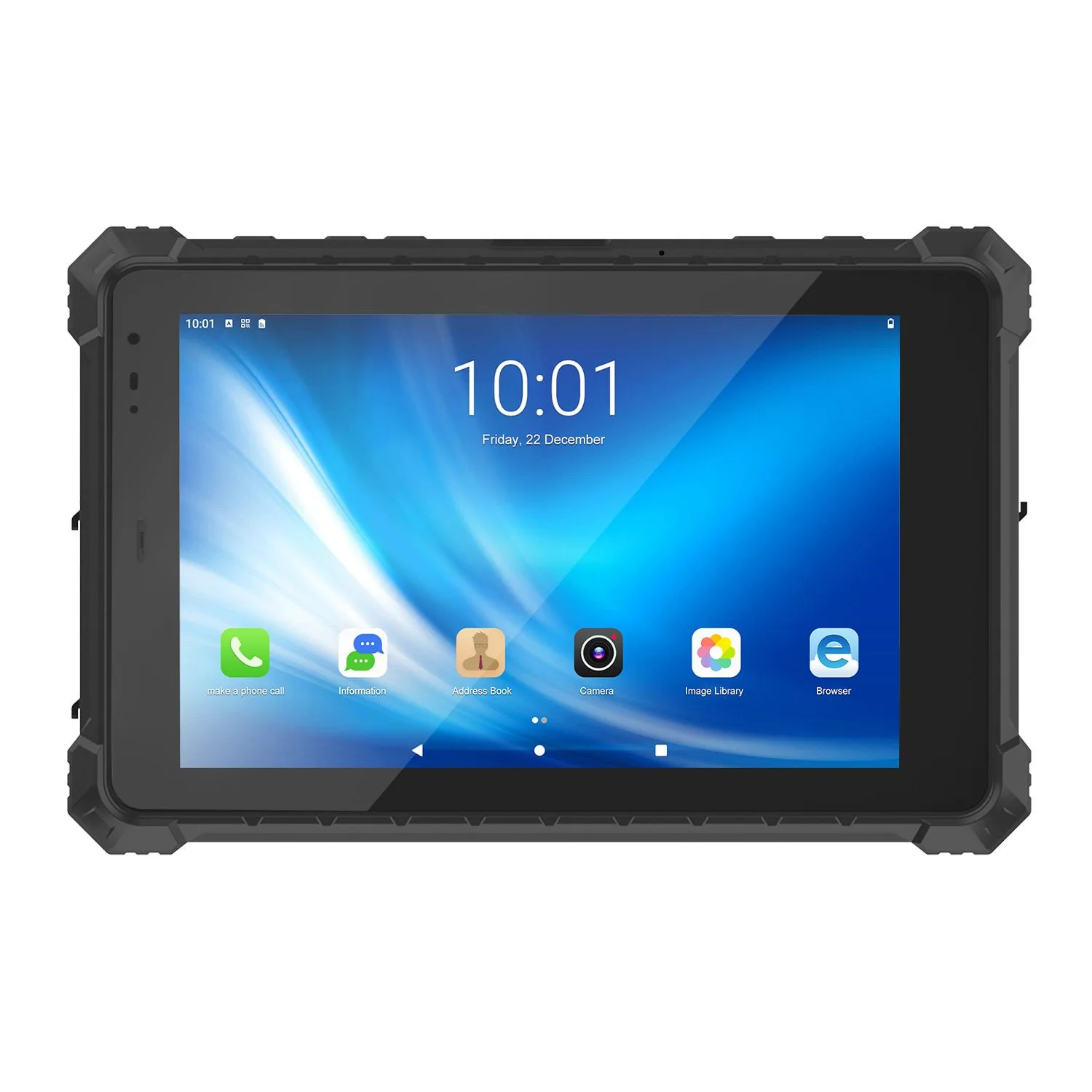
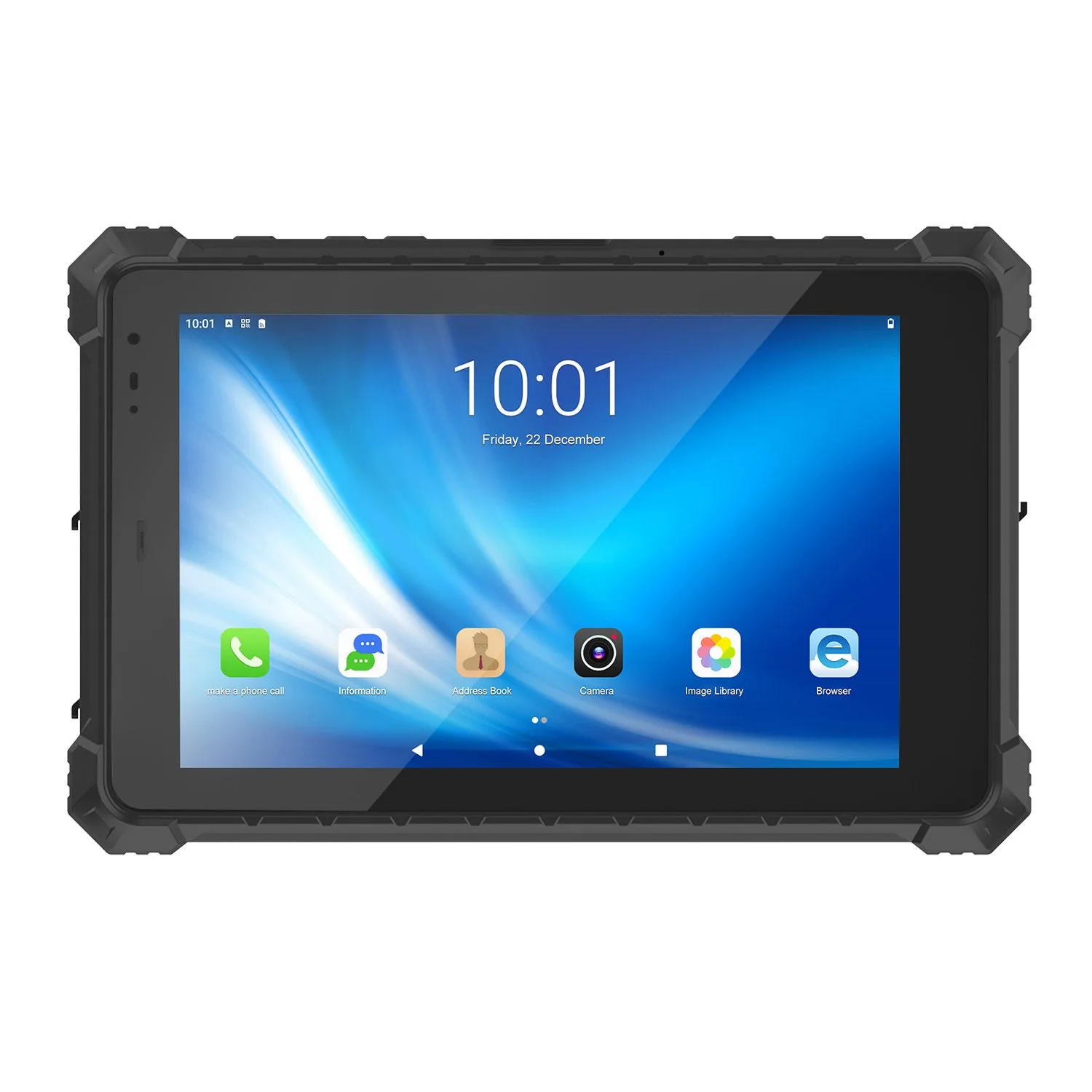
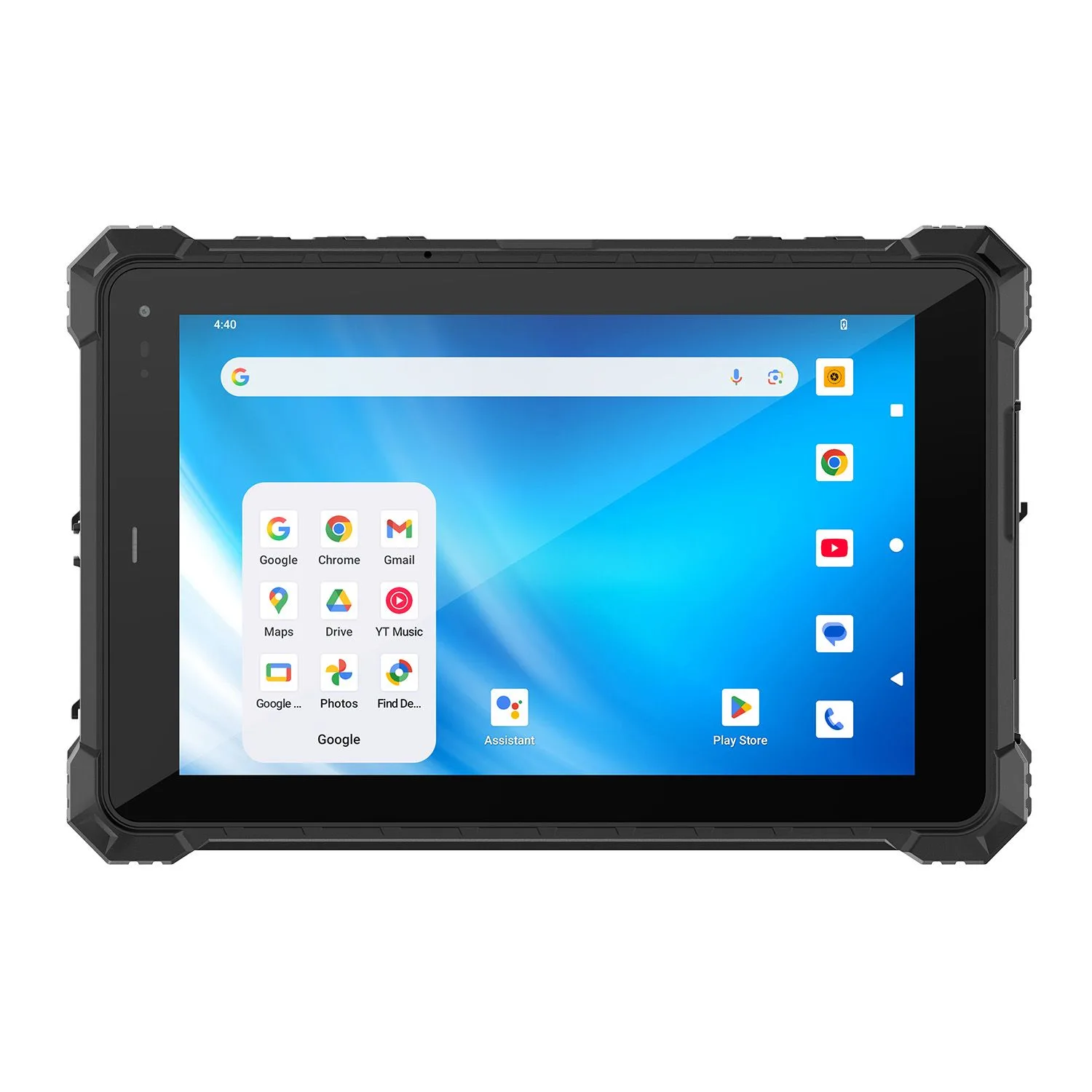
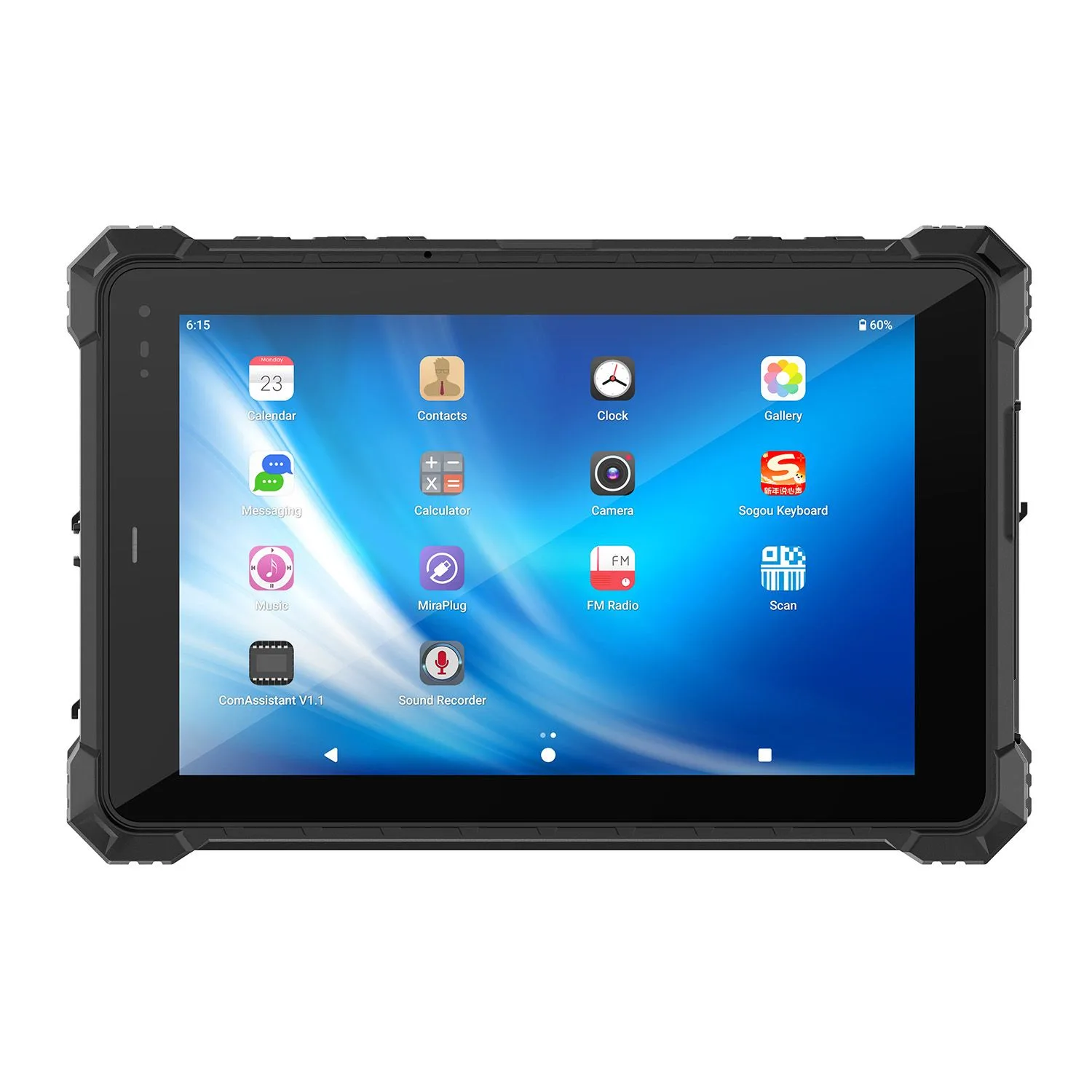
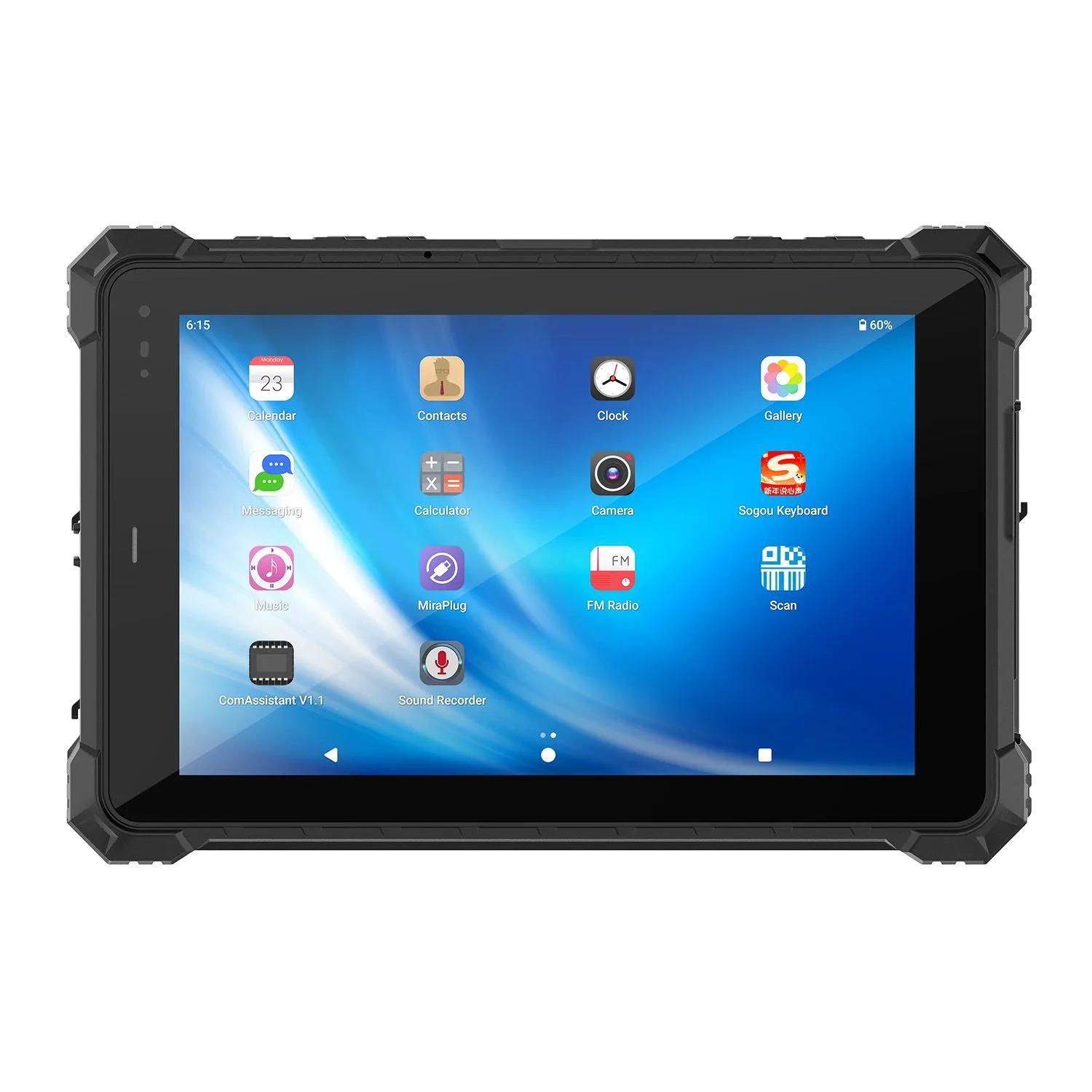
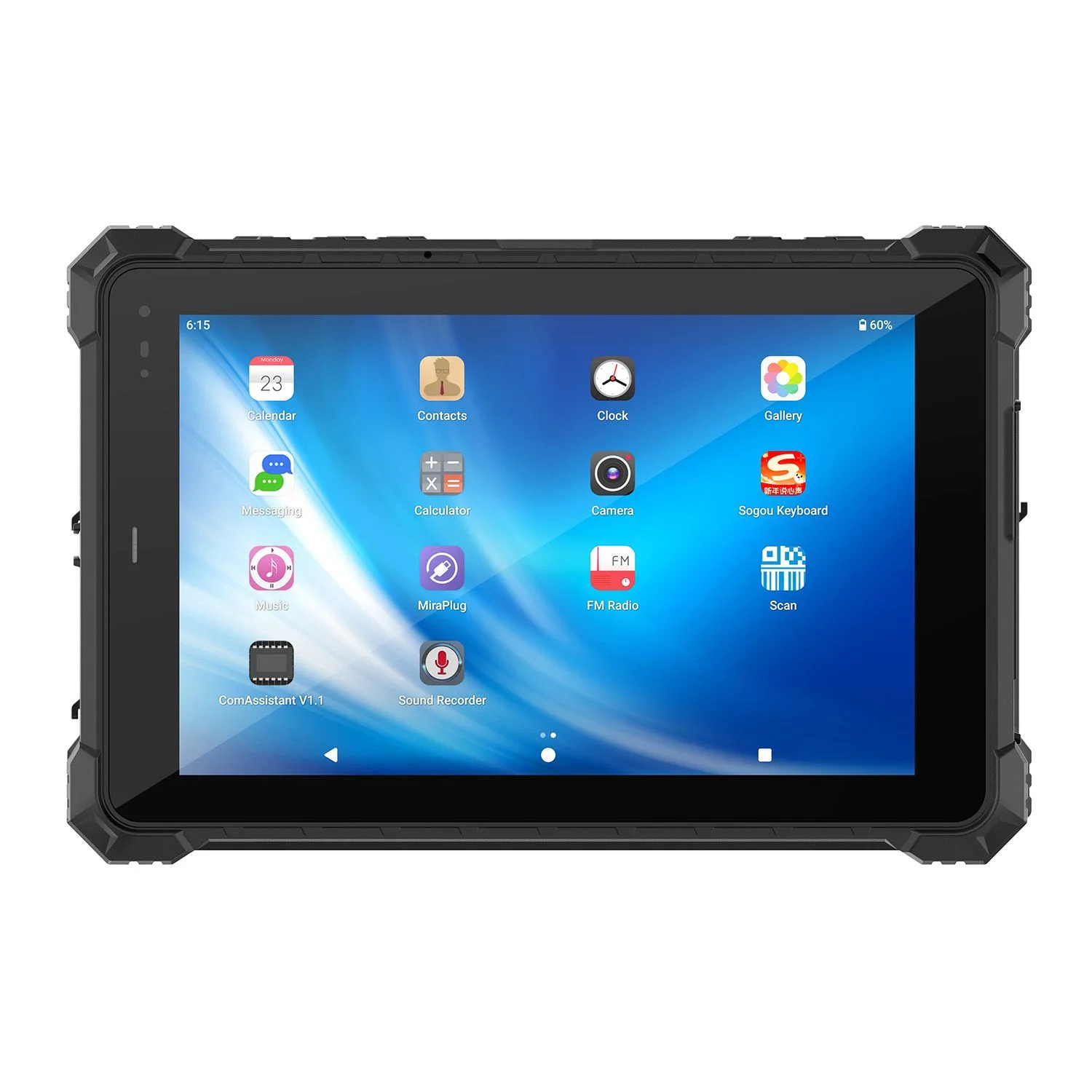
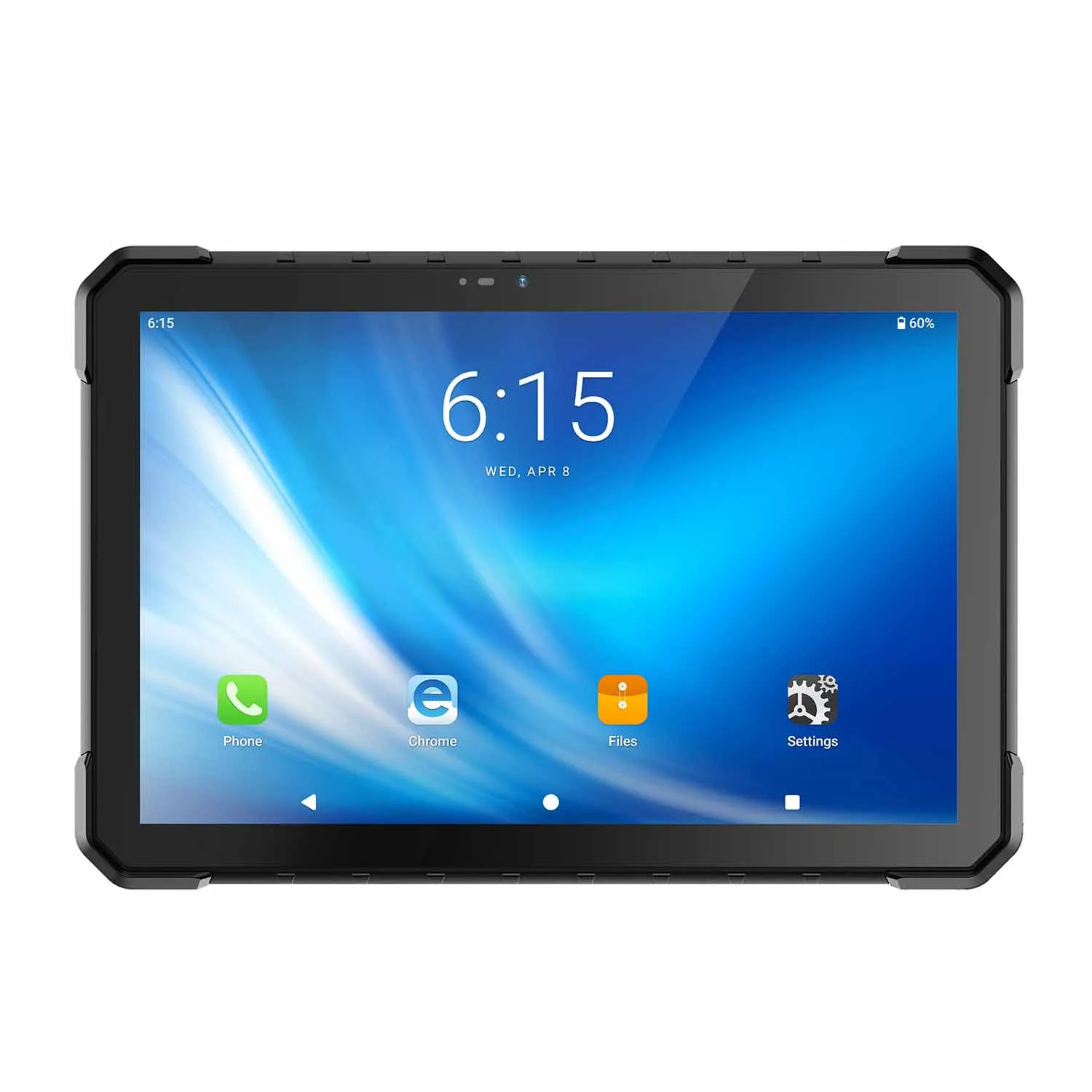
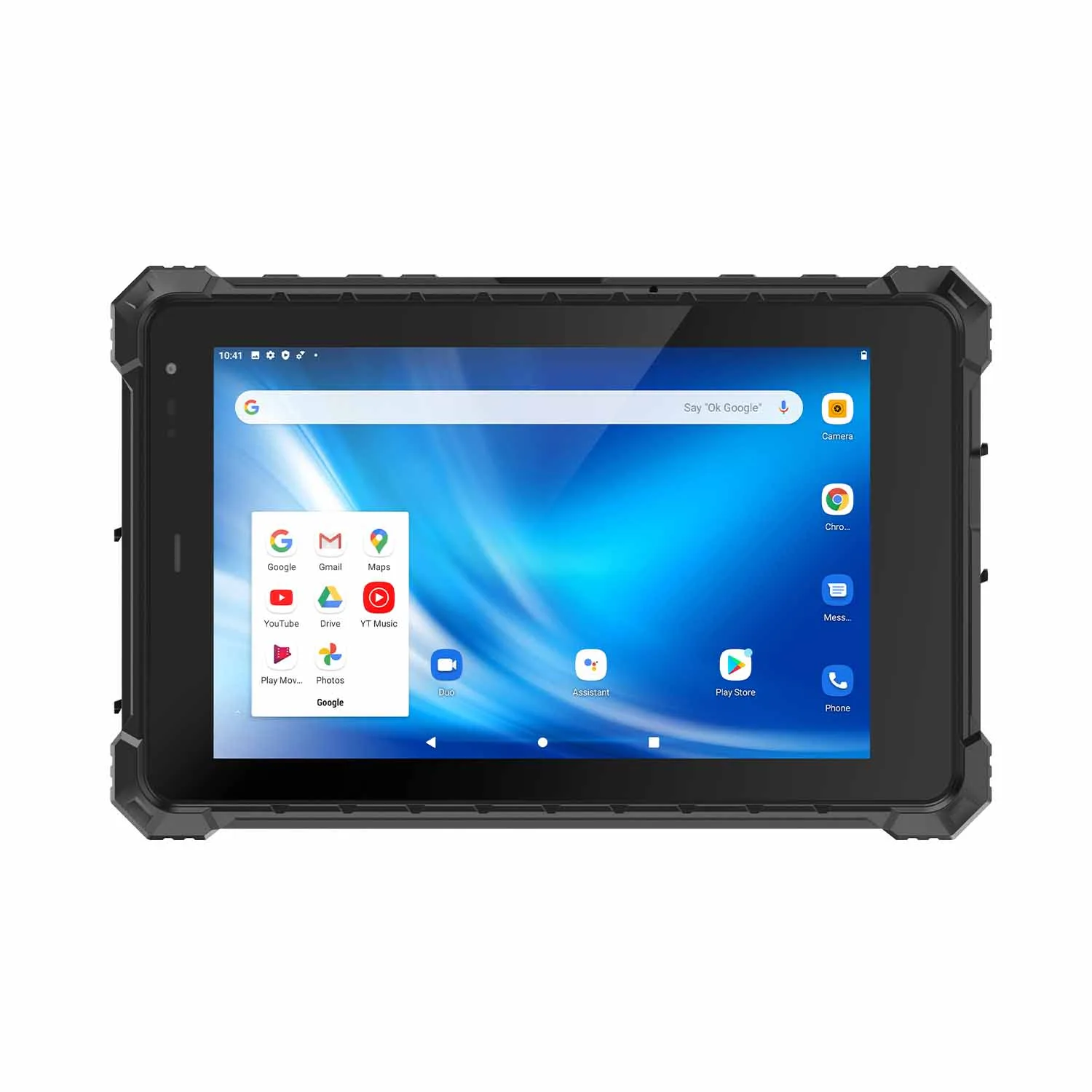
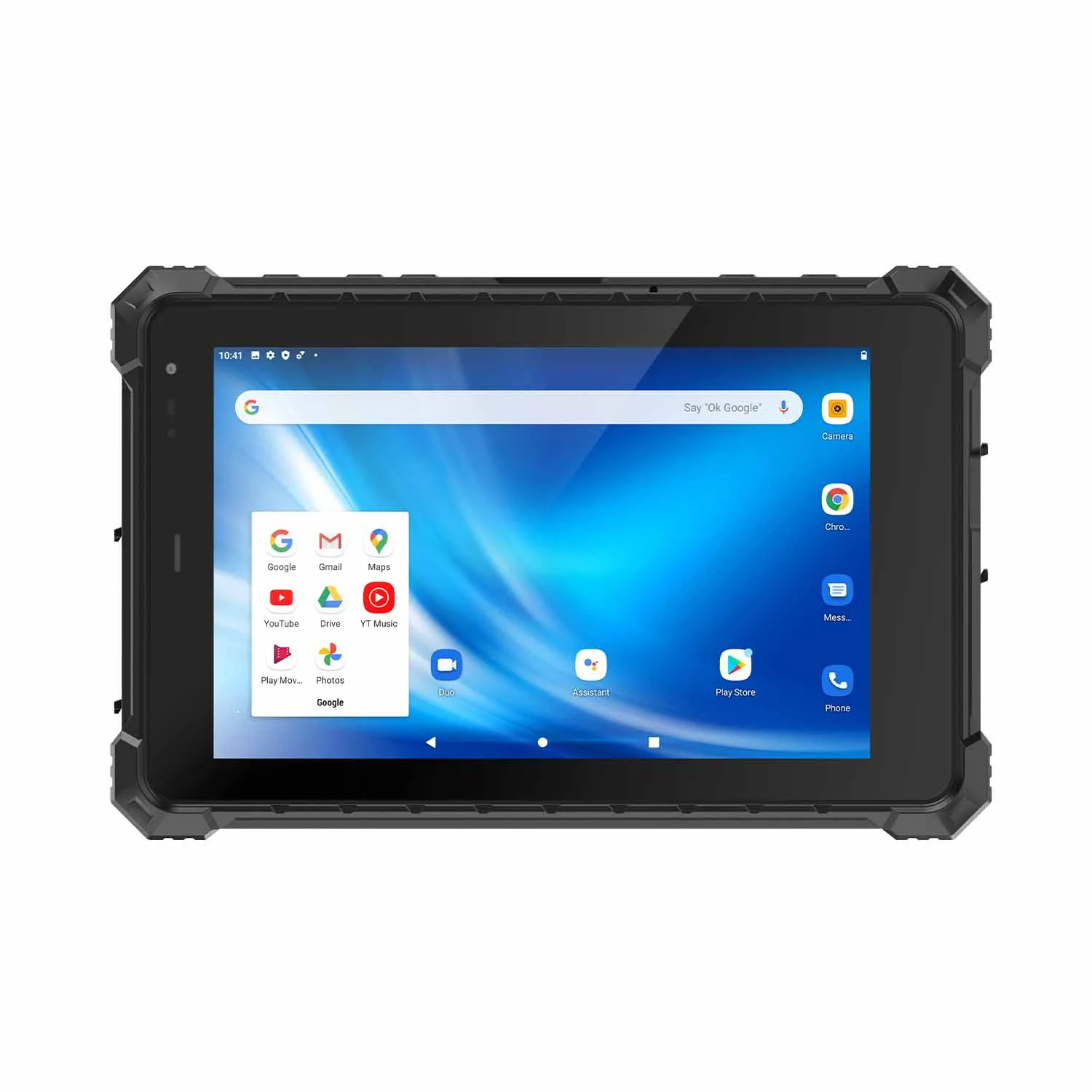
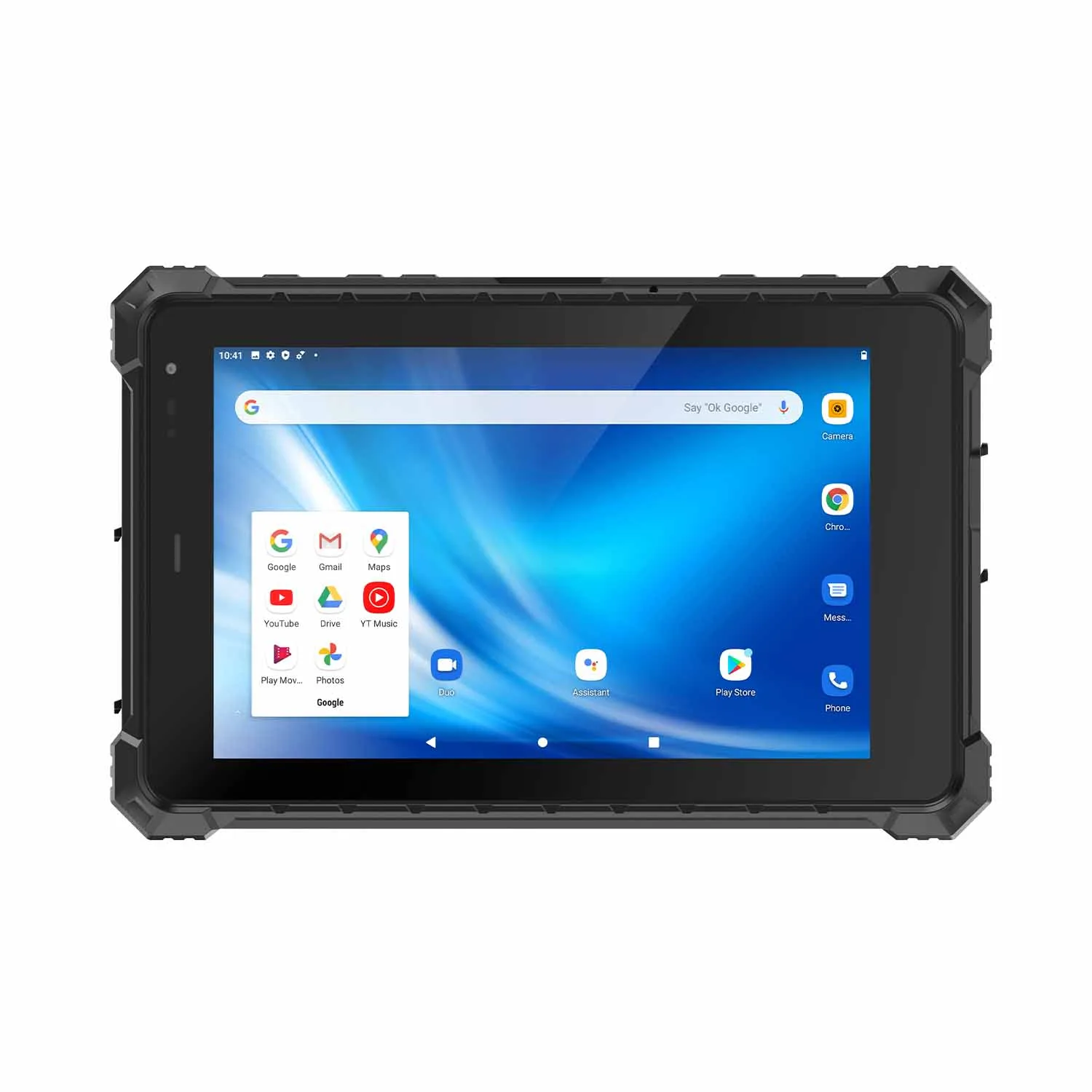
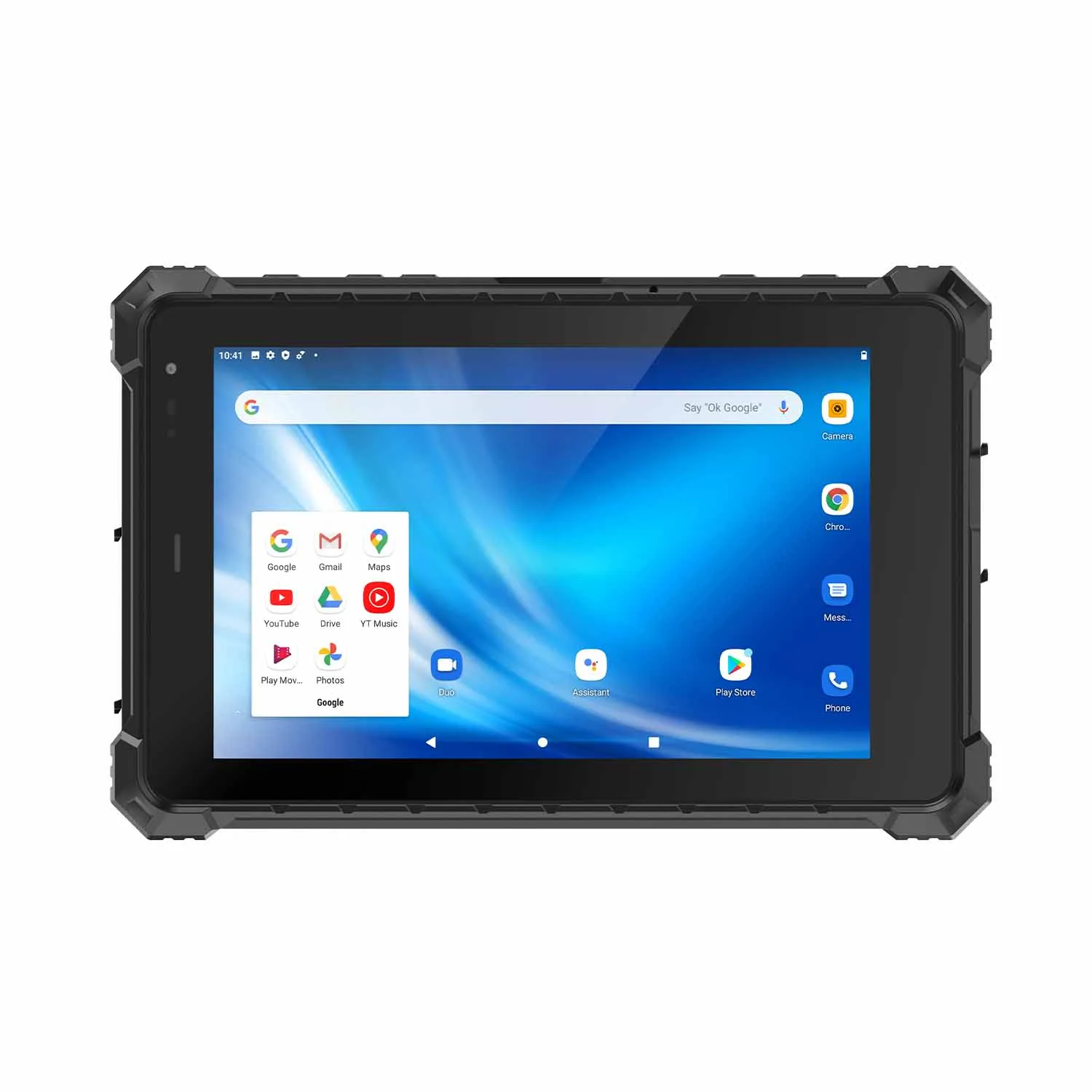
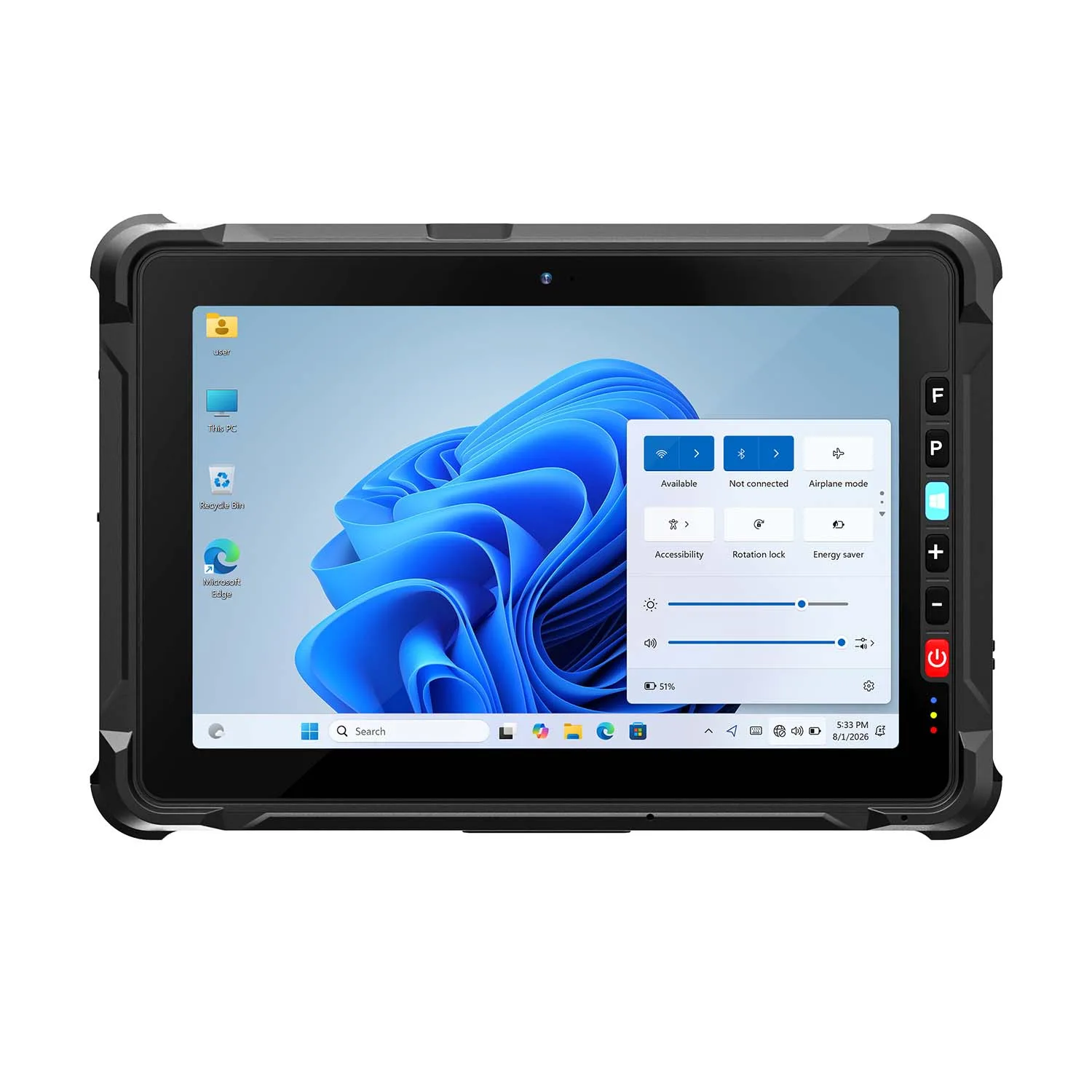
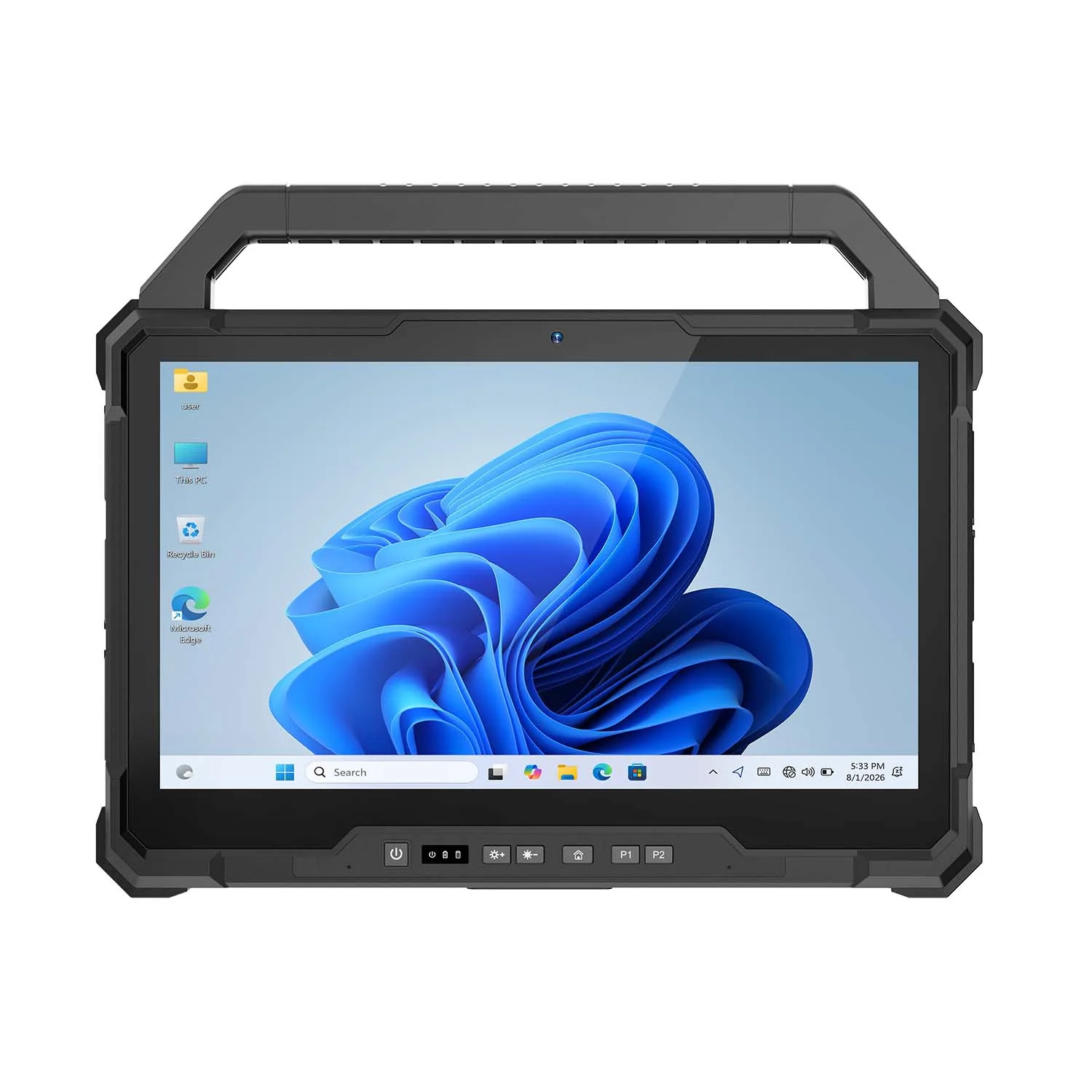
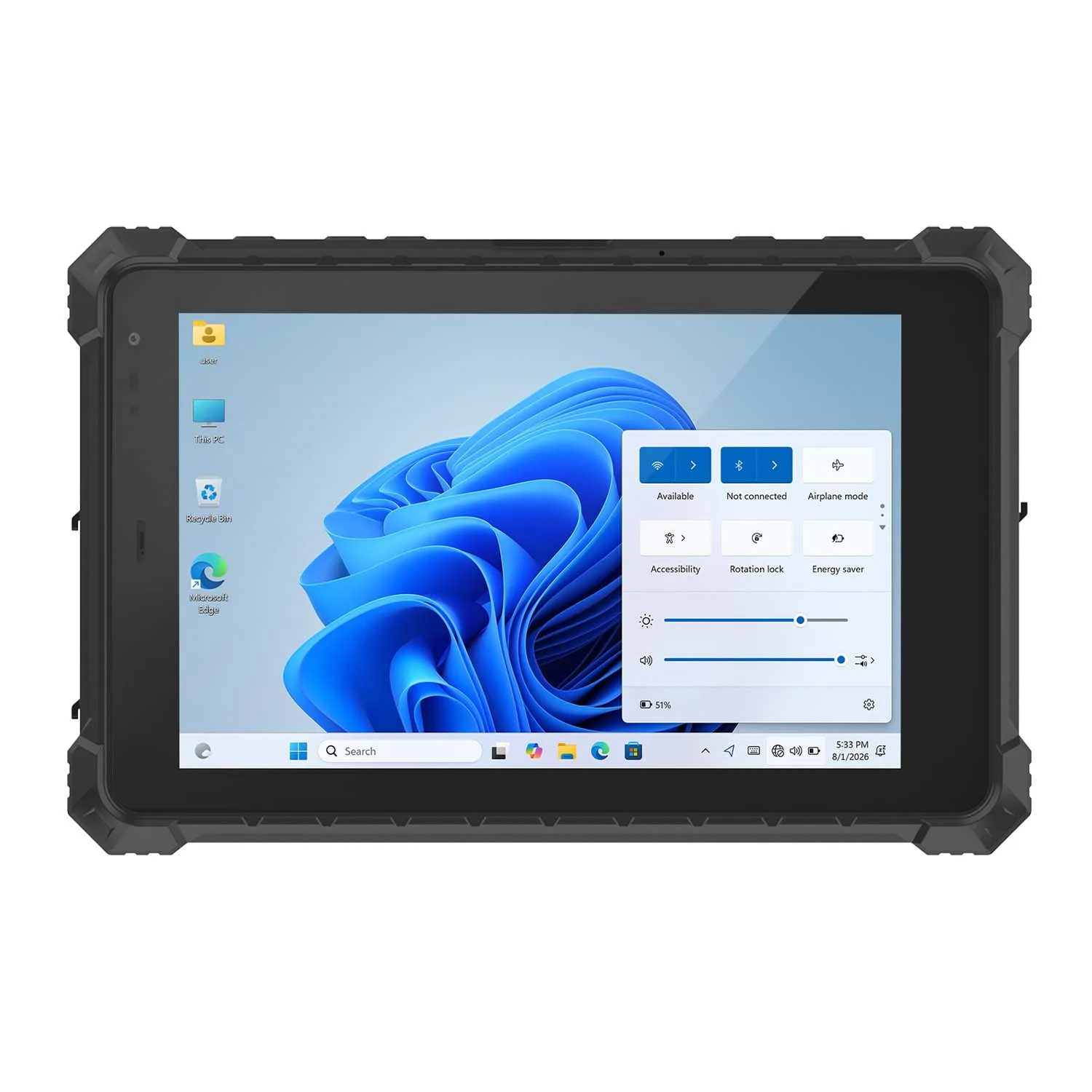
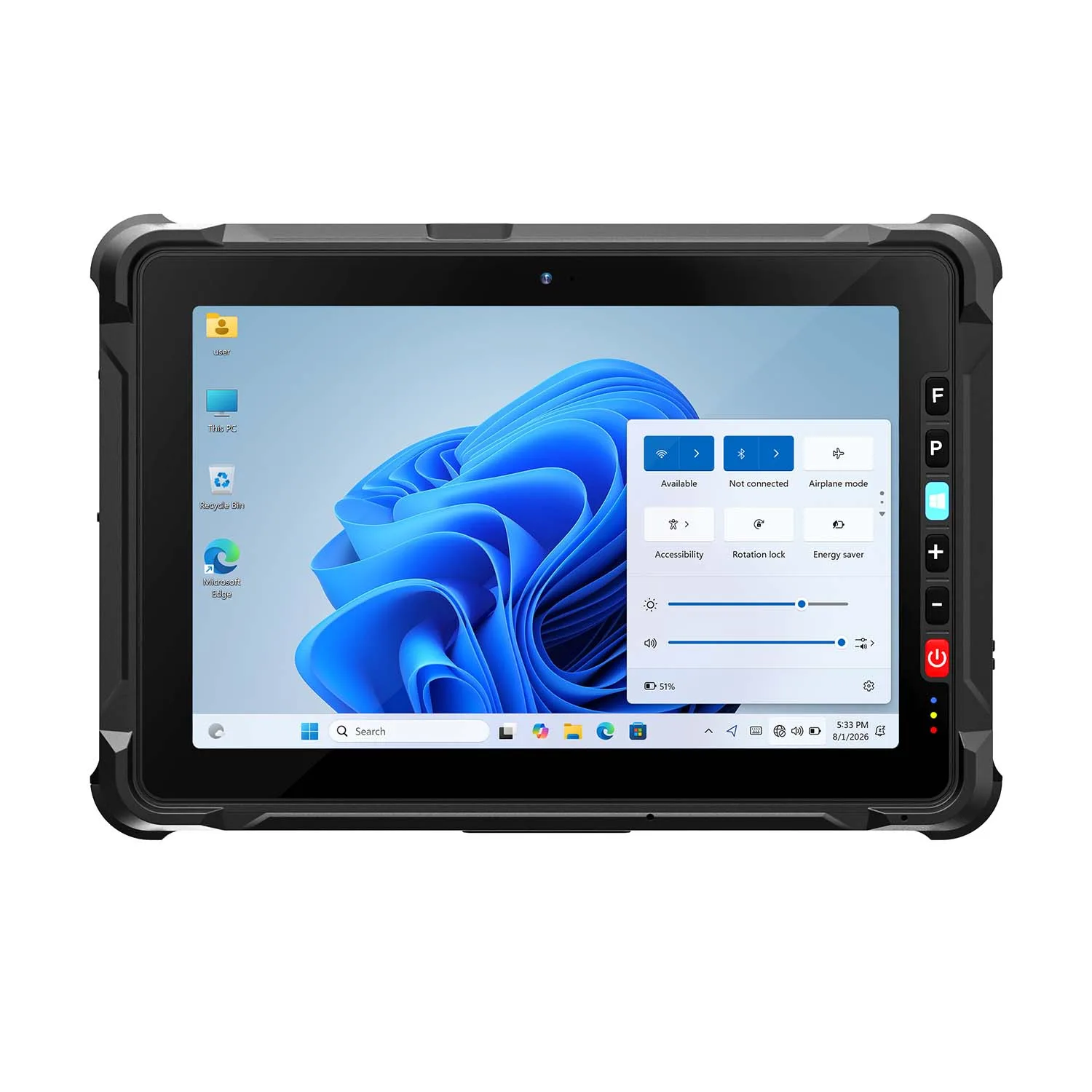
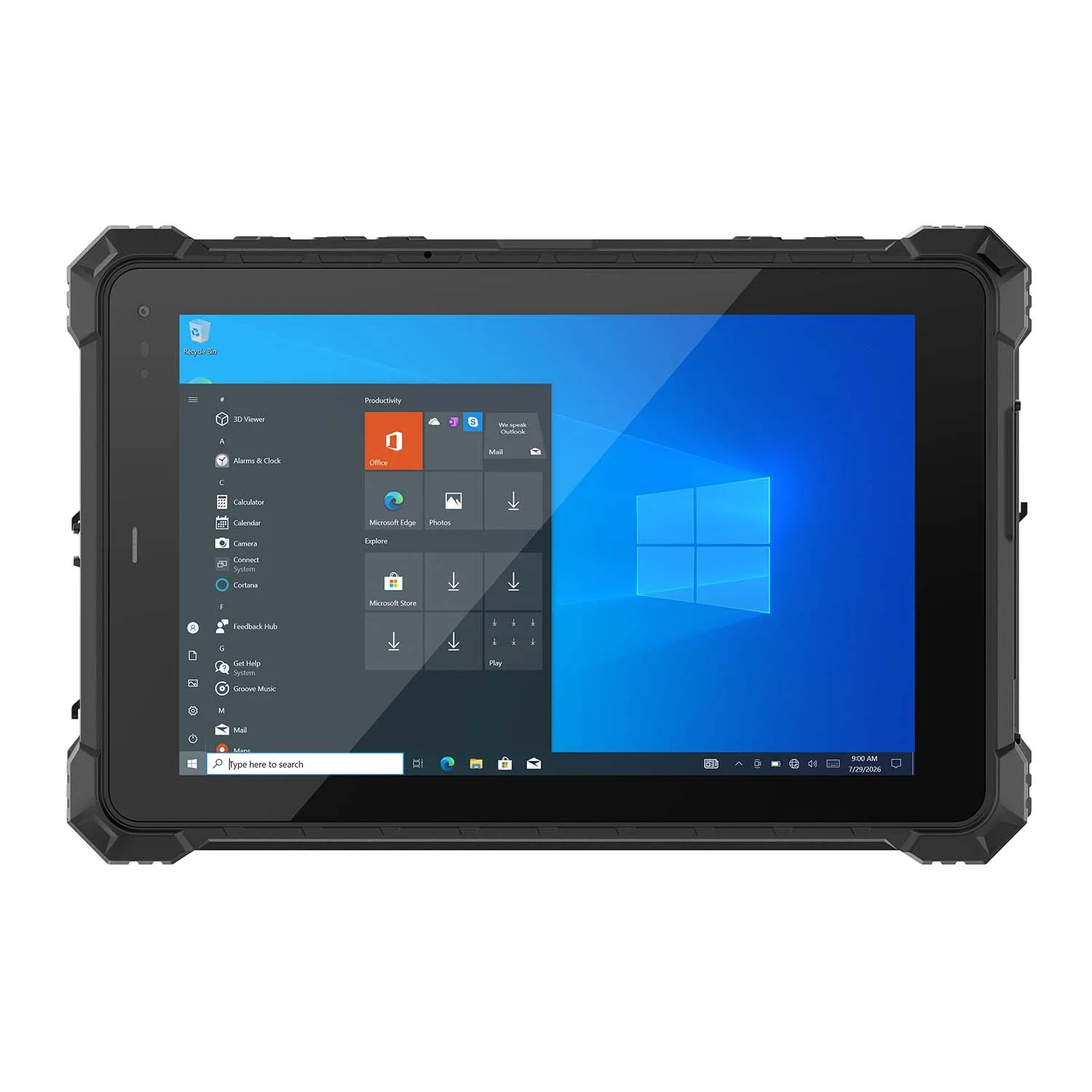
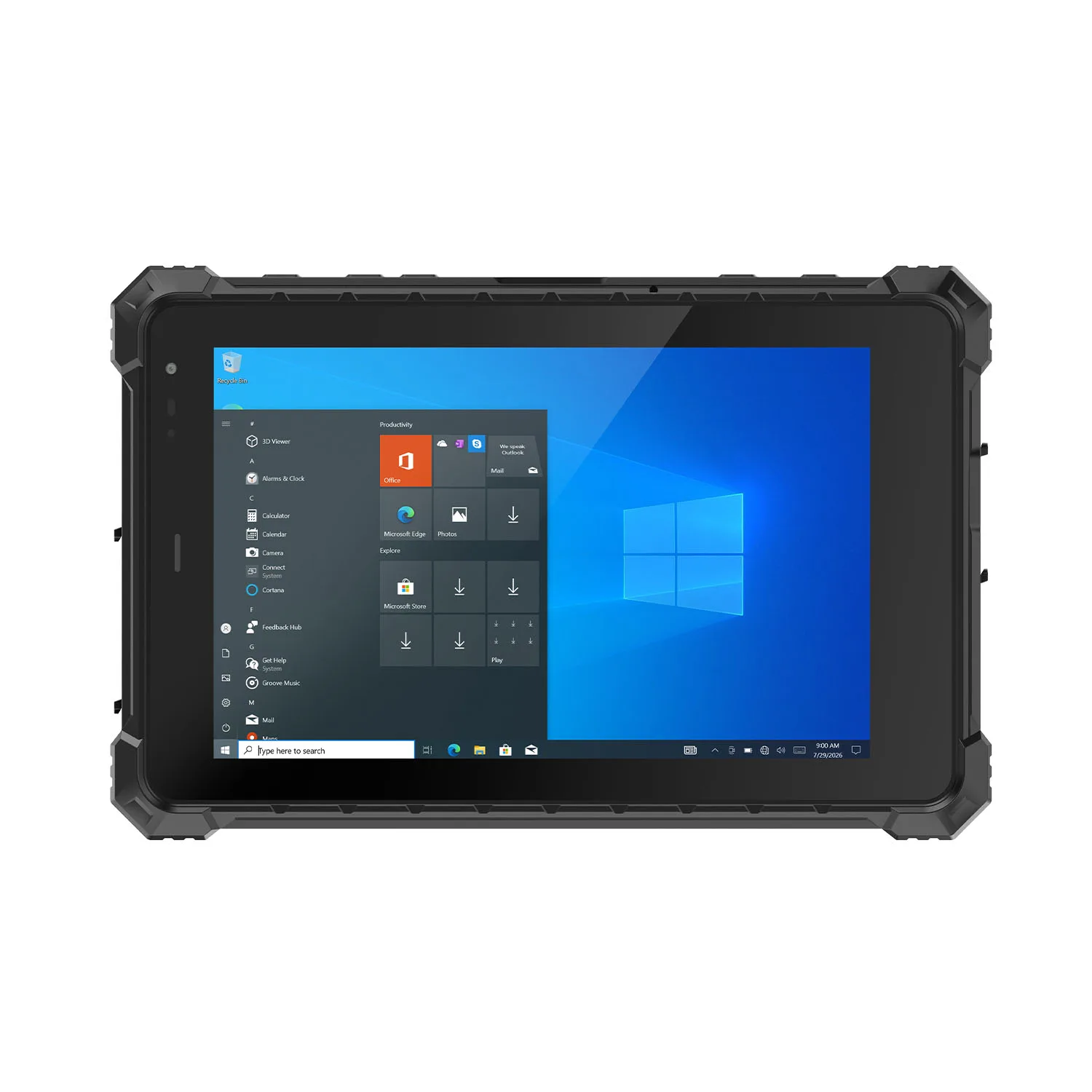
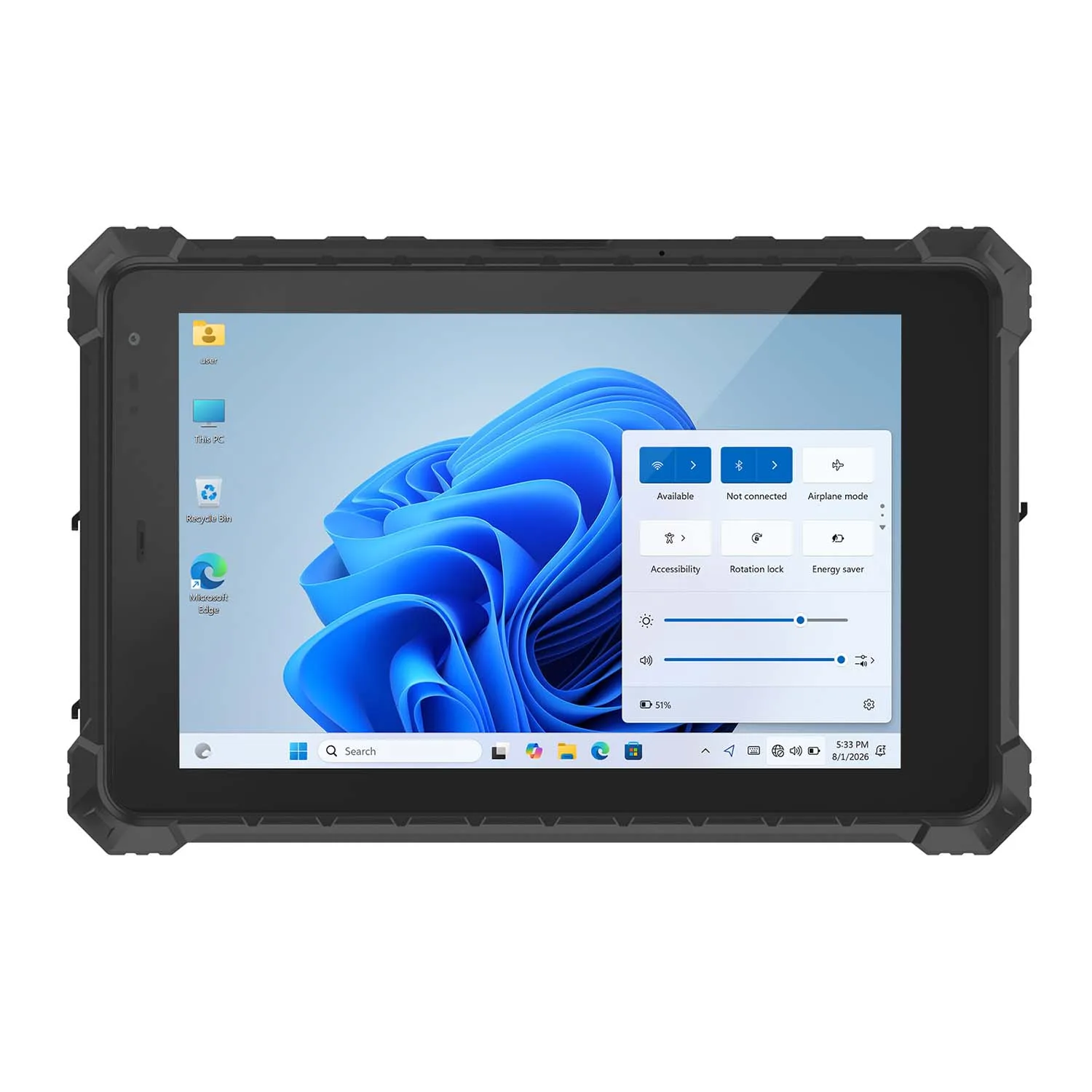
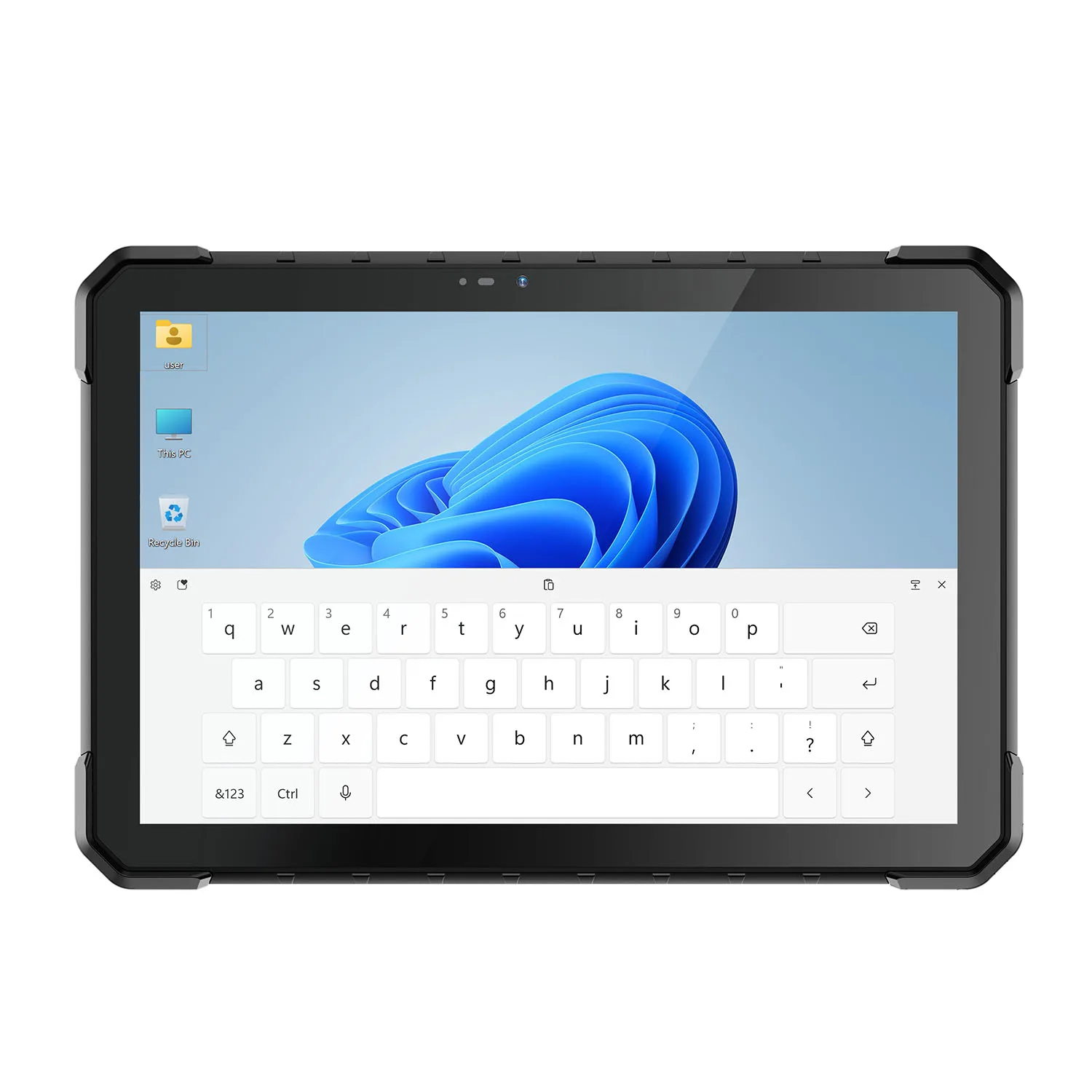
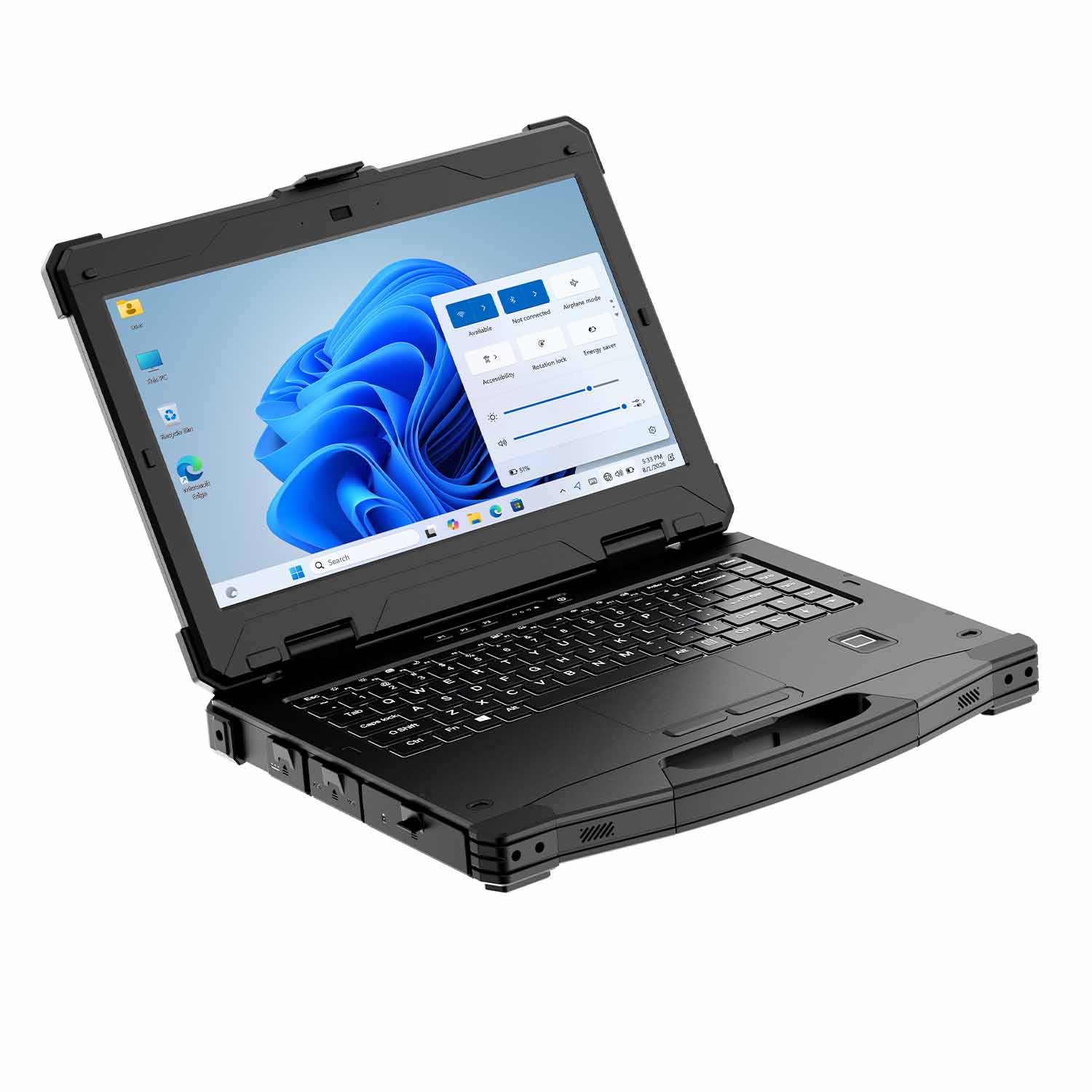
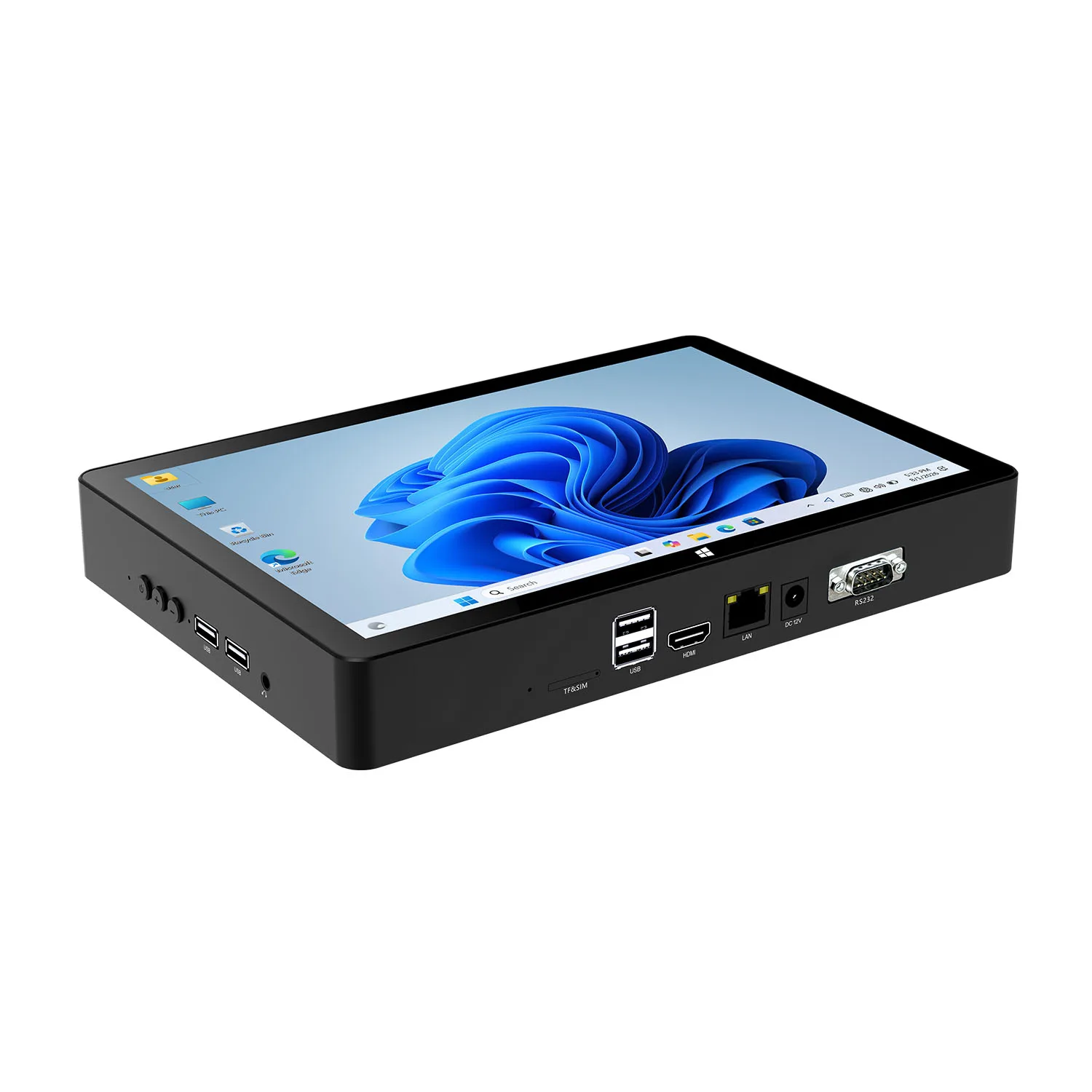
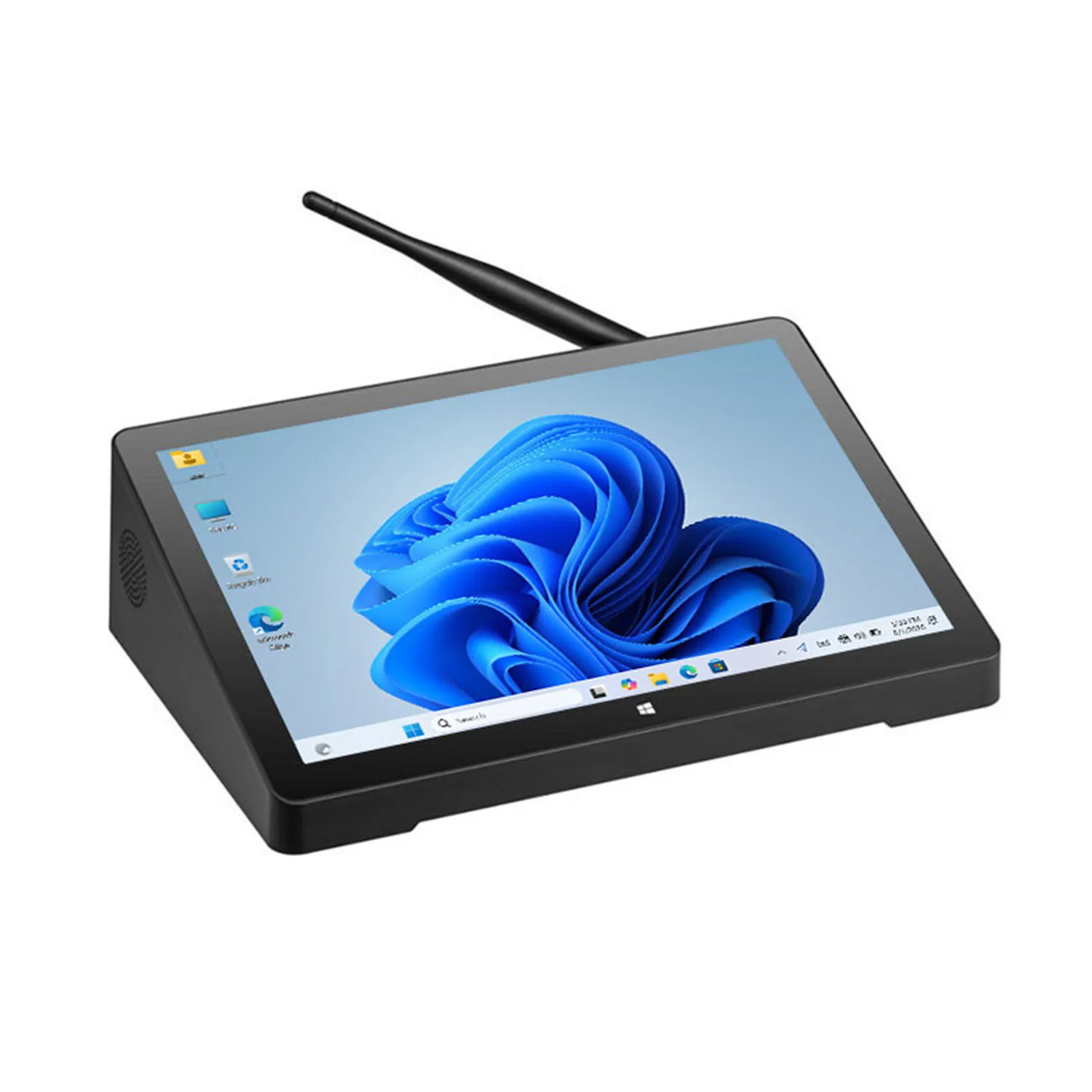
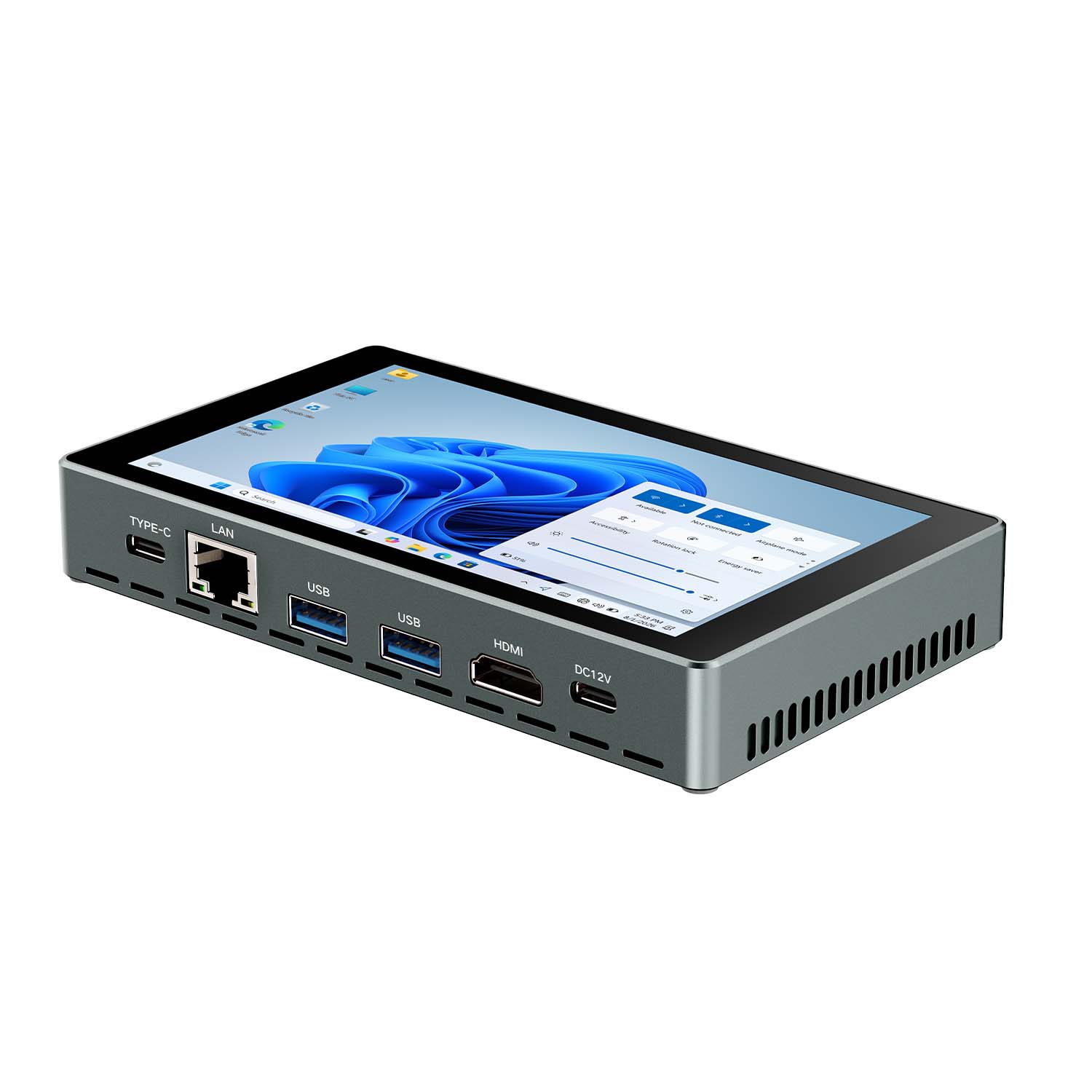
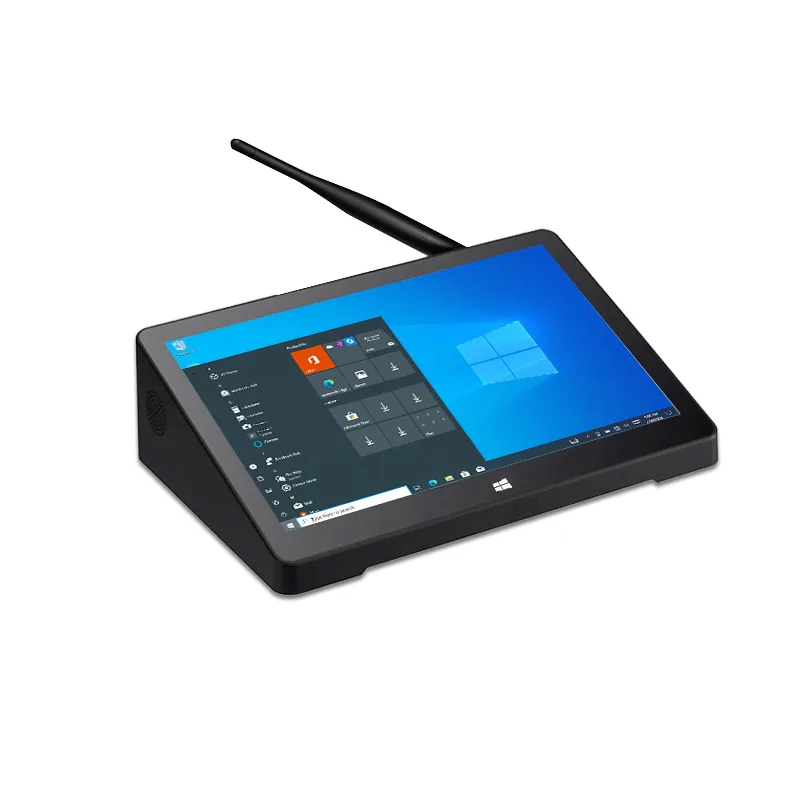
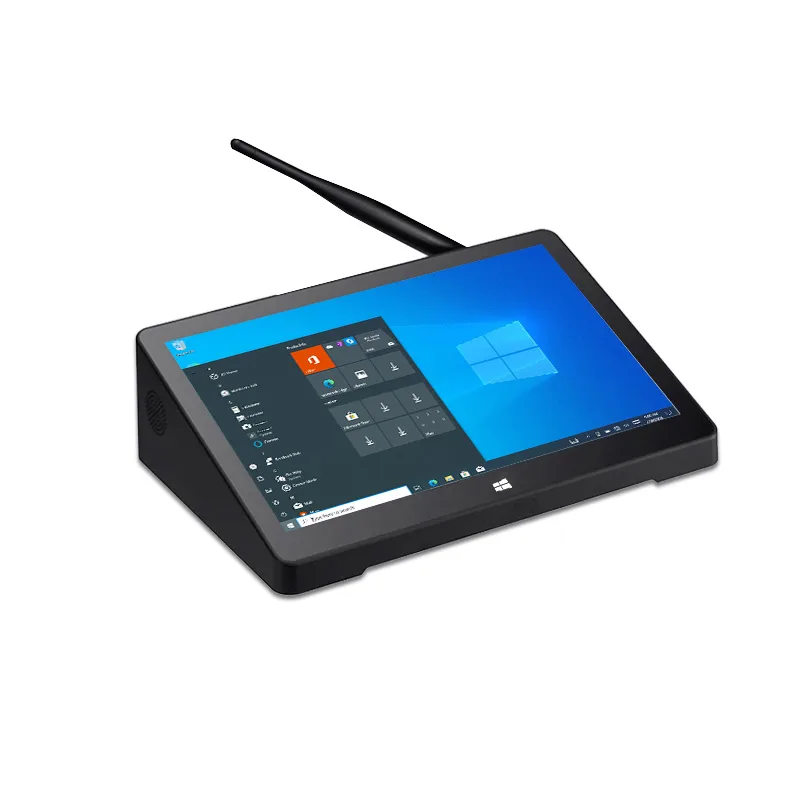
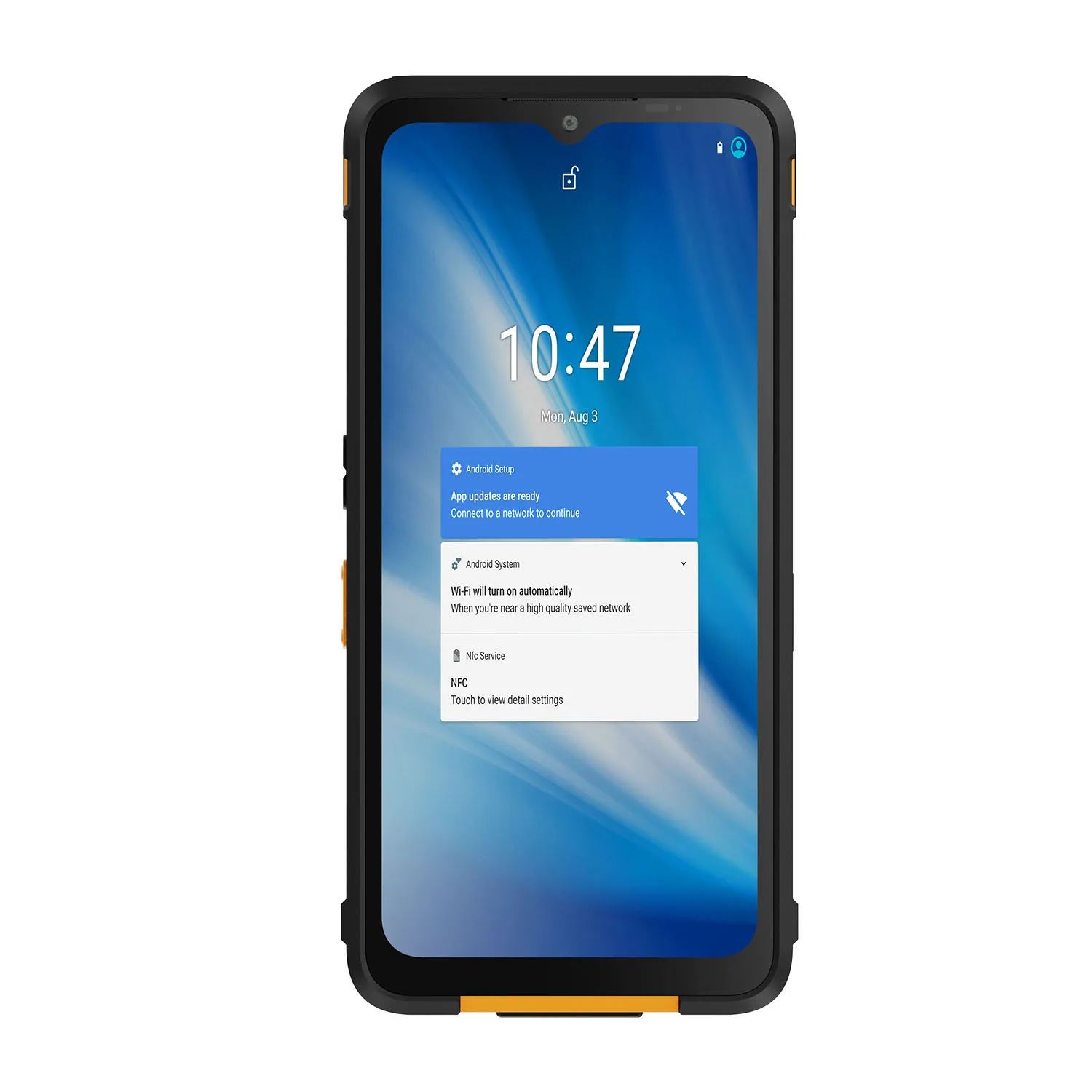
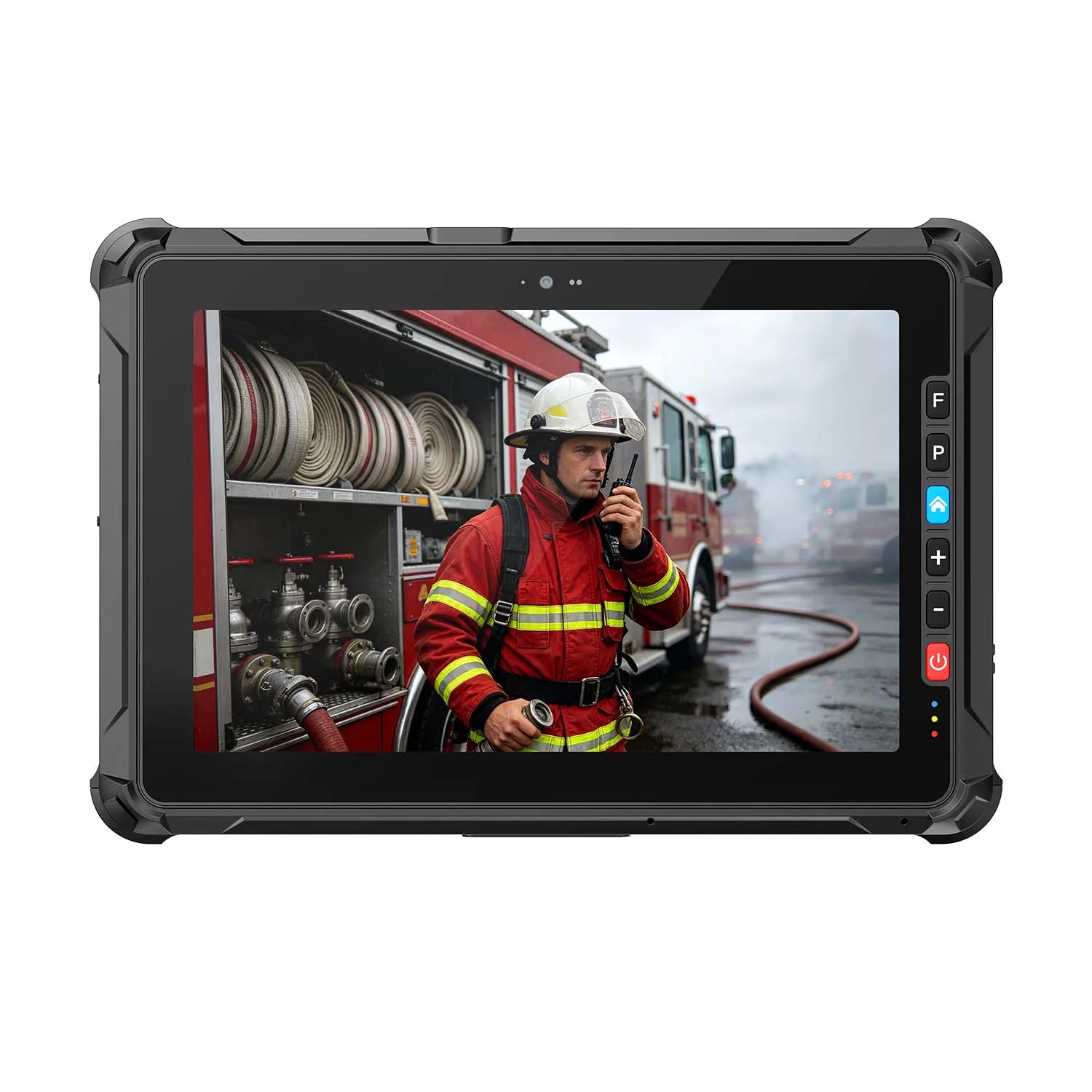
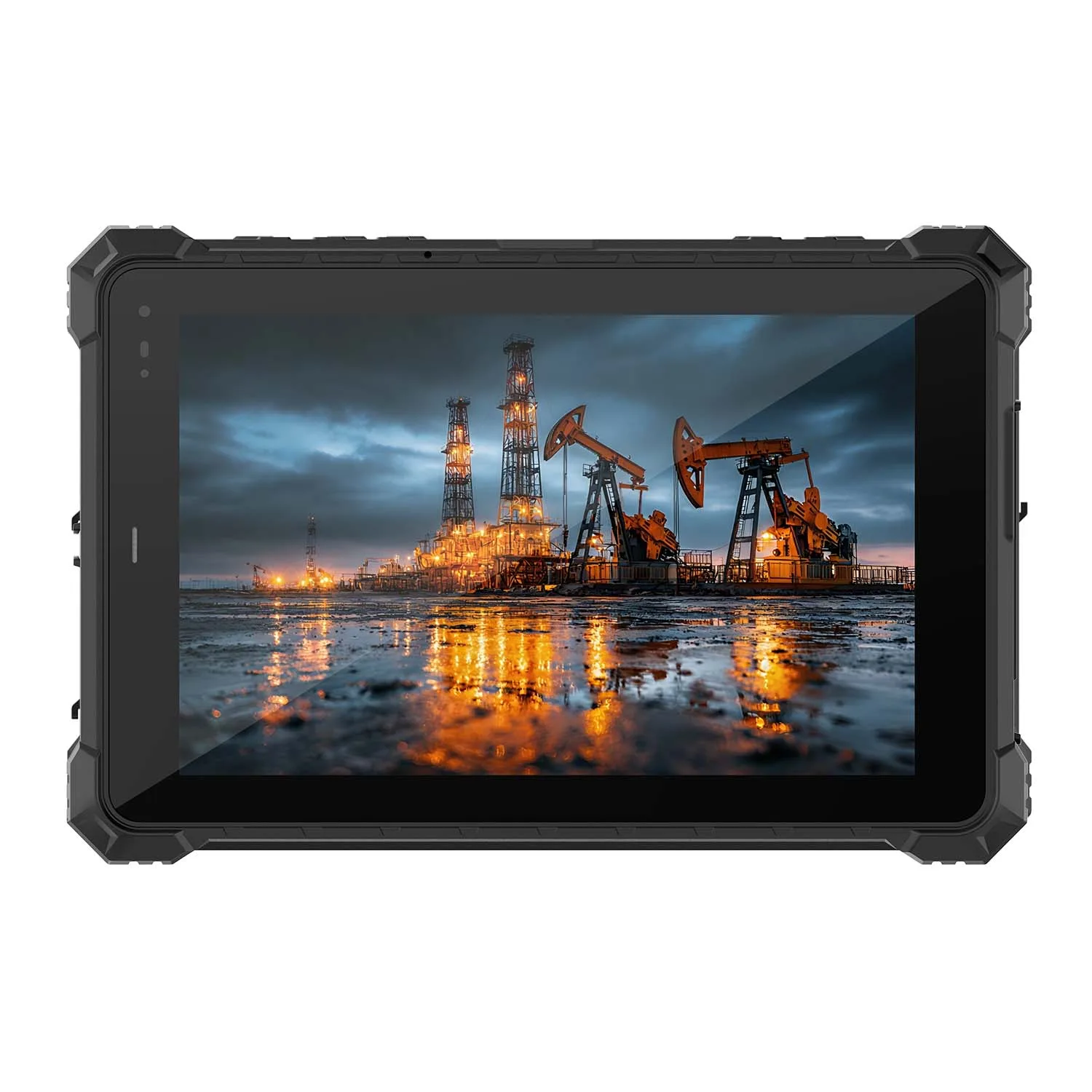
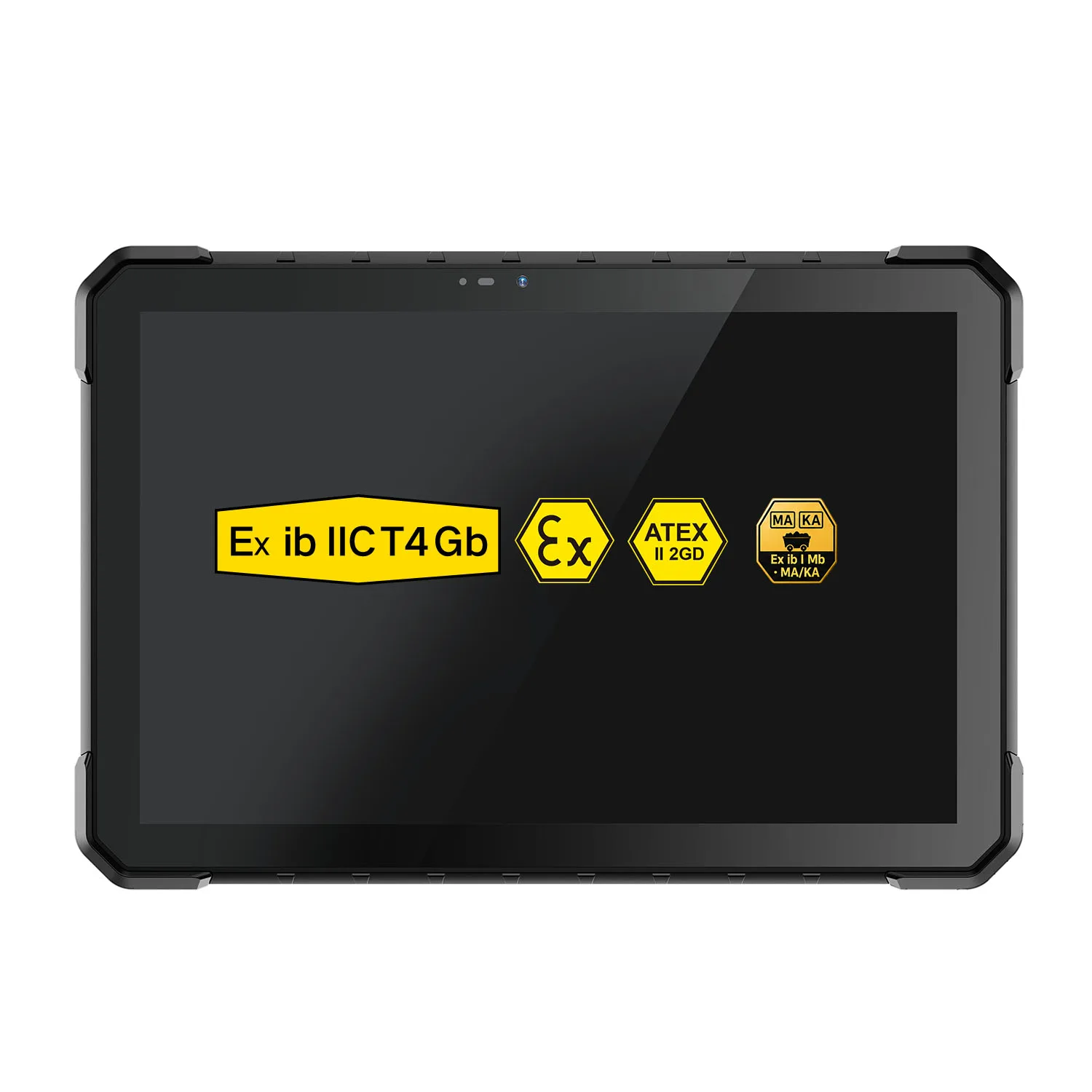
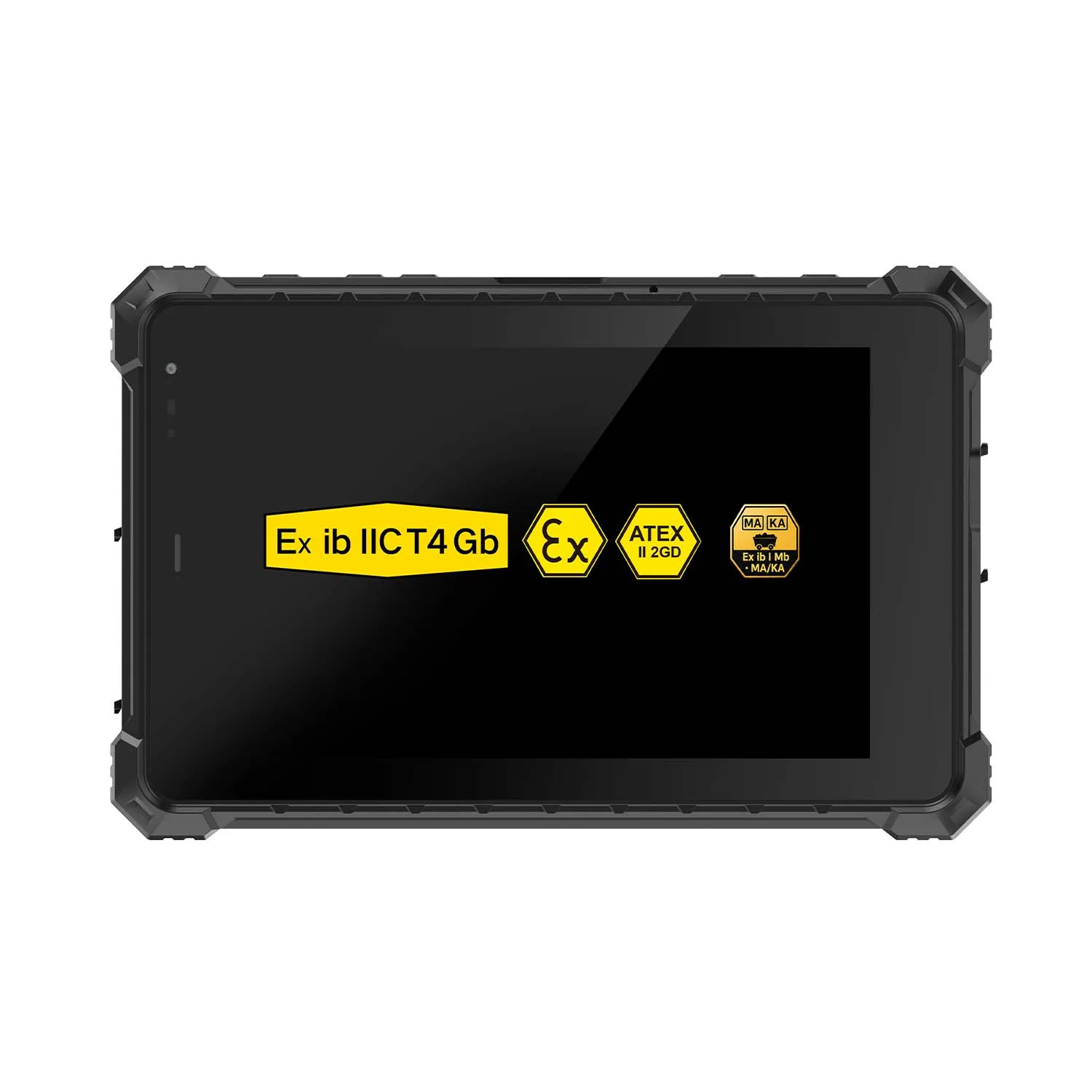
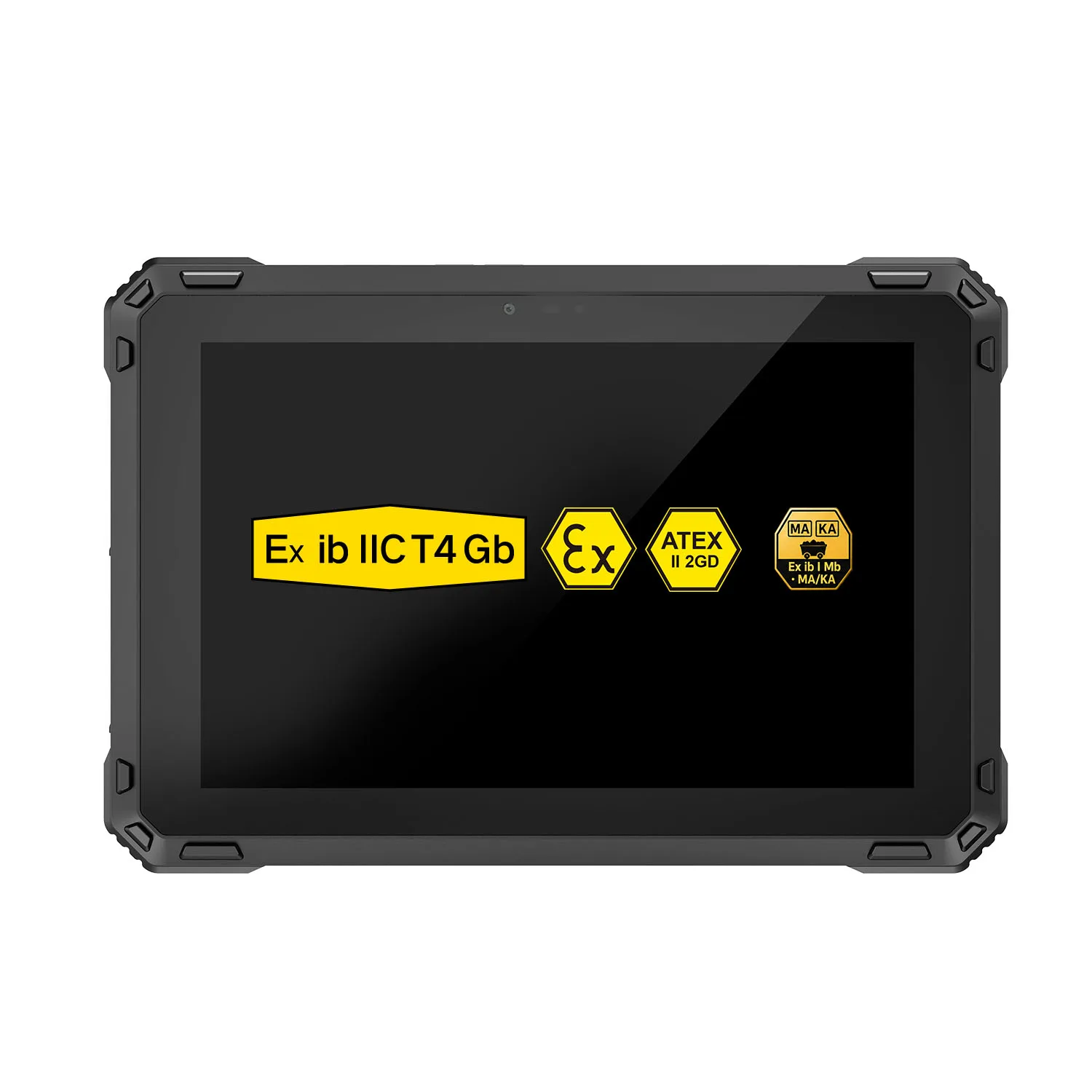
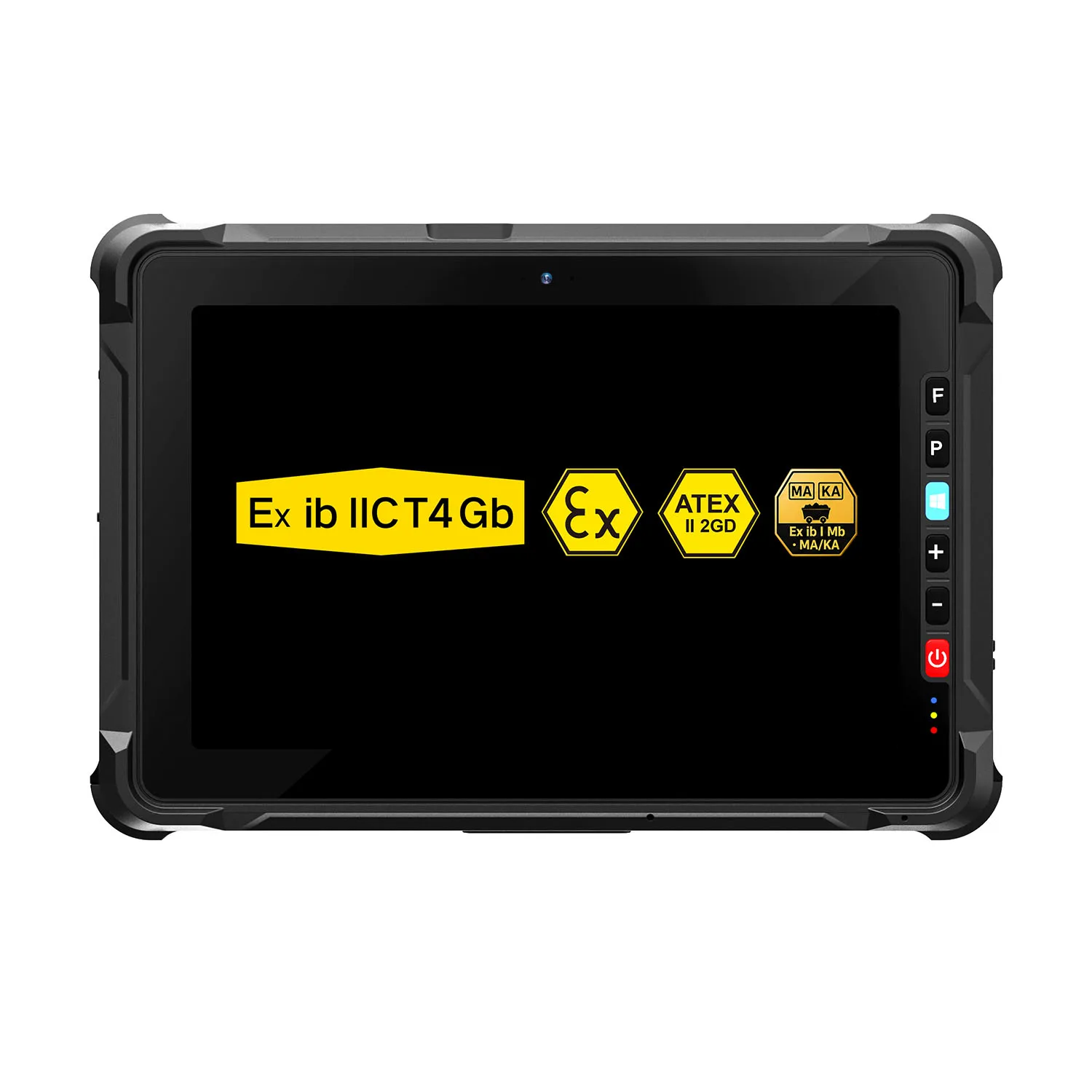
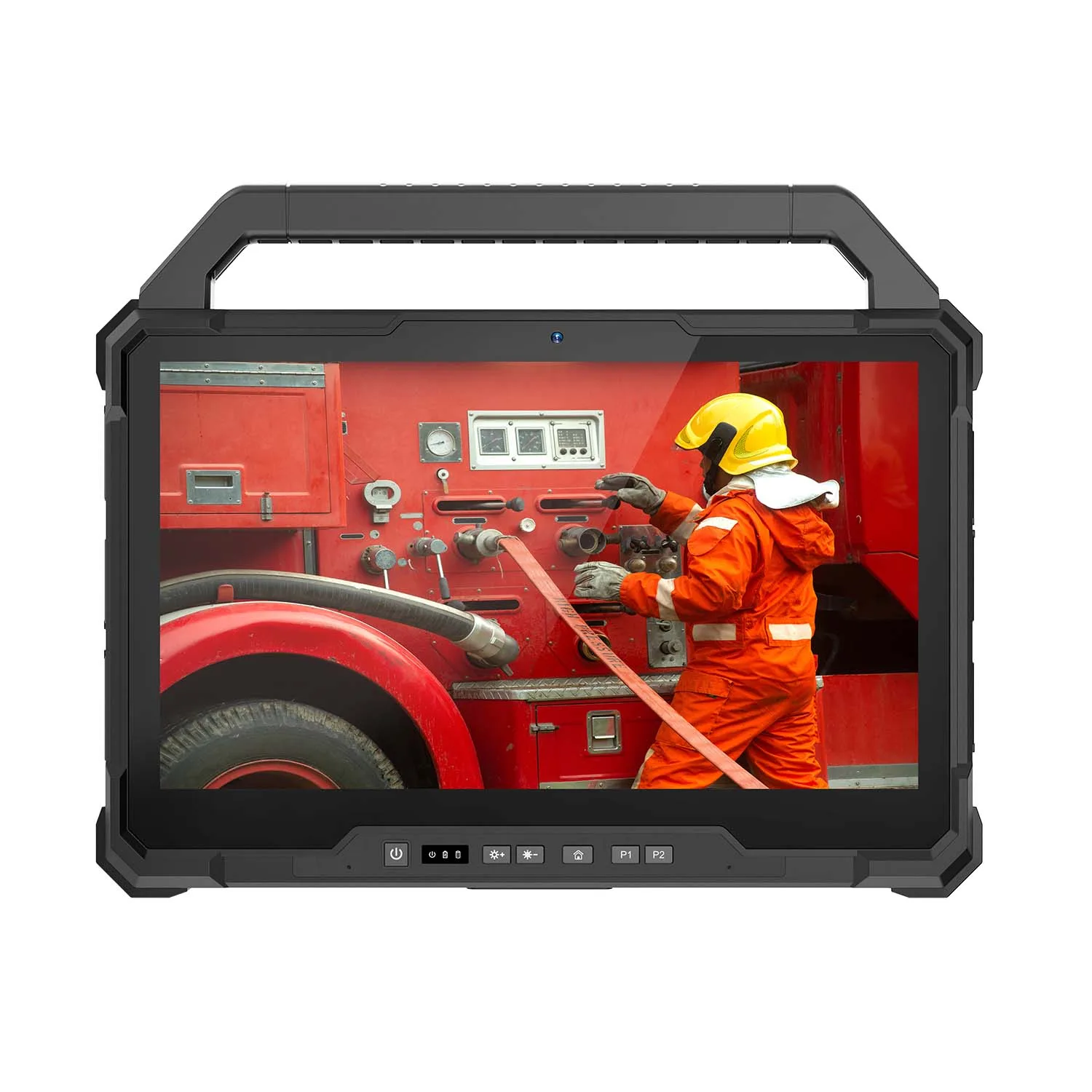
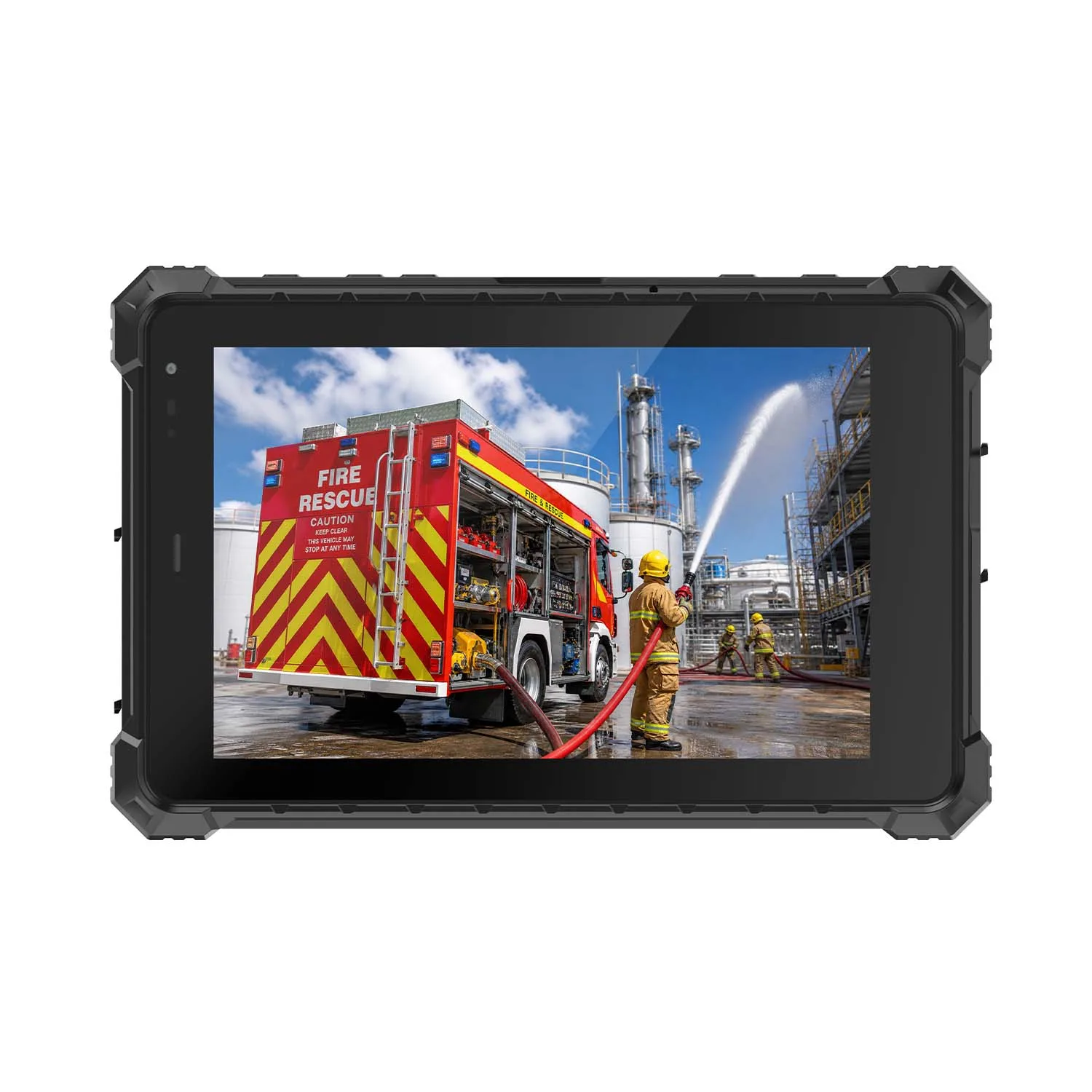
After comparing rugged tablets available on the market, the customer selected CENAVA's W16H rugged tablet as a replacement for the consumer devices previously in use.Its durability held up to the harsh workshop environment, its stable wireless connectivity kept data transmitting reliably from any corner of the facility, and its long battery life let inspectors work uninterrupted for extended periods. Its expandable functionality proved fully capable of supporting the complex work of intelligent vehicle safety information detection.W16H Specifications
OS: Windows 10
CPU: Intel Atom x5-Z8350
RAM/Storage: 4GB, 64GB
Display: 10.1", capacitive touch
Protection: Rugged, MIL-STD-810G rated
Connectivity: Wi-Fi, Bluetooth
Optional modules: NFC reader, fingerprint reader
Note: the W16H is the same earlier-generation, entry-tier CENAVA tablet referenced in other case studies from this period — for a new automotive diagnostics deployment today, CENAVA's current A10ST or W109U offer newer chipsets and stronger IP68/MIL-STD-810H-class protection worth comparing.Why Rugged Hardware Matters for Automotive Diagnostic Work
Shop floor conditions are genuinely harsh — heat, dust, chemical exposure, and the risk of drops or bumps during inspection work all shorten a consumer tablet's usable life significantly.
Long inspection sessions need real battery endurance — a device that can't be recharged easily mid-shift becomes an operational bottleneck, not just an inconvenience.
Data continuity matters — a crash that loses recorded inspection data doesn't just cost time; it can compromise the integrity of a vehicle's inspection record.
Frequently Asked Questions
1. Why did consumer tablets fail for this automotive inspection work?Consumer tablets had weak waterproofing, dustproofing, and shock resistance, and failed regularly after exposure to water or impacts on the shop floor, causing data loss and work delays.2. Is the W16H still a current CENAVA model?
No — the W16H is an earlier-generation, entry-tier tablet; for a new automotive diagnostics deployment, CENAVA's current A10ST or W109U offer newer chipsets and stronger protection ratings worth comparing.3. Why does battery replaceability matter for long inspection shifts?
A tablet that can't have its battery swapped forces inspectors to find charging access mid-shift, which becomes a real operational bottleneck during long, continuous testing sessions.4. What kind of environment does automotive inspection hardware need to survive?
Heat, dust, and the risk of drops or bumps during shop floor work are all real durability demands that shorten a consumer tablet's usable life much faster than a rugged, IP-rated device.5. How does device reliability affect vehicle inspection data integrity?
A crash that loses already-recorded inspection data doesn't just cost time — it can compromise the completeness and reliability of a vehicle's inspection record, which matters for quality and safety documentation.6. Can CENAVA customize a tablet for a specific automotive diagnostic workflow?
Yes — as an OEM/ODM manufacturer, CENAVA can configure connectivity, battery type, and durability rating to match a specific vehicle inspection or diagnostic system; contact CENAVA sales to scope your deployment.
Conclusion
Vehicle inspection work on a busy, hot shop floor puts real strain on hardware, and consumer tablets weren't built for it — leading to data loss, downtime, and rising equipment costs for this automotive manufacturer. Switching to CENAVA's W16H rugged tablet solved the durability, battery, and connectivity problems directly. For a similar deployment today, CENAVA's current A10ST or W109U extend that same reliability with newer hardware.Need a Rugged Device for Your Project?
Tell us your operating environment and requirements — our engineers will recommend a configuration and quote within 24 hours.
Get a Free Quote Back to Blog