



How Rugged Tablets Enable Intelligent Energy and Power Inspections
User Background
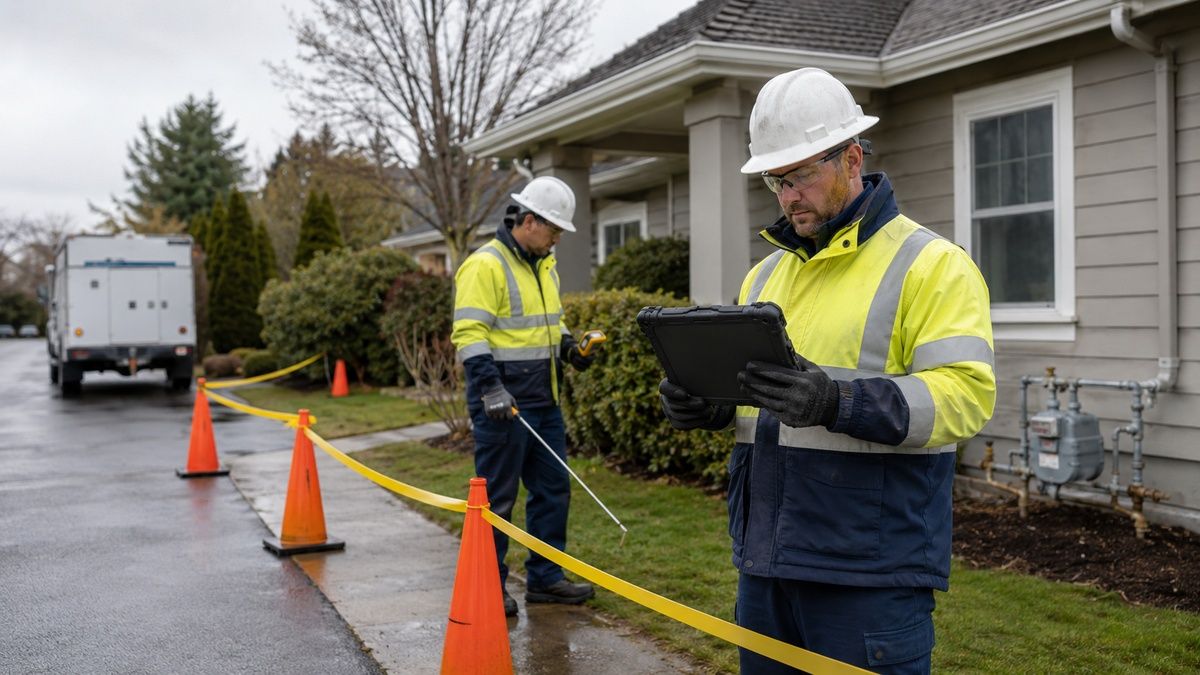
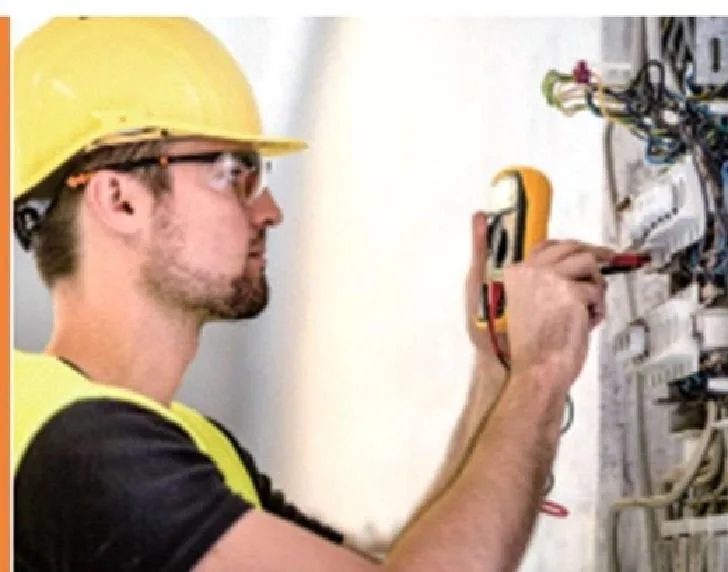
The stability of a national power system is closely tied to broader national and social development, and power inspection work is fundamental to ensuring the safety of transmission and distribution lines and the stability of the power system. Inspectors must regularly (and irregularly) inspect power equipment and transmission/distribution lines, checking operating conditions and parameters, recording and archiving results, and identifying equipment defects or safety hazards in time to keep equipment running normally. Traditional inspection was a meticulous, complex process, hampered by inconsistent oversight, irregular inspection schedules, and low digitization of inspection data — making modern information technology for intelligent inspection management an urgent need.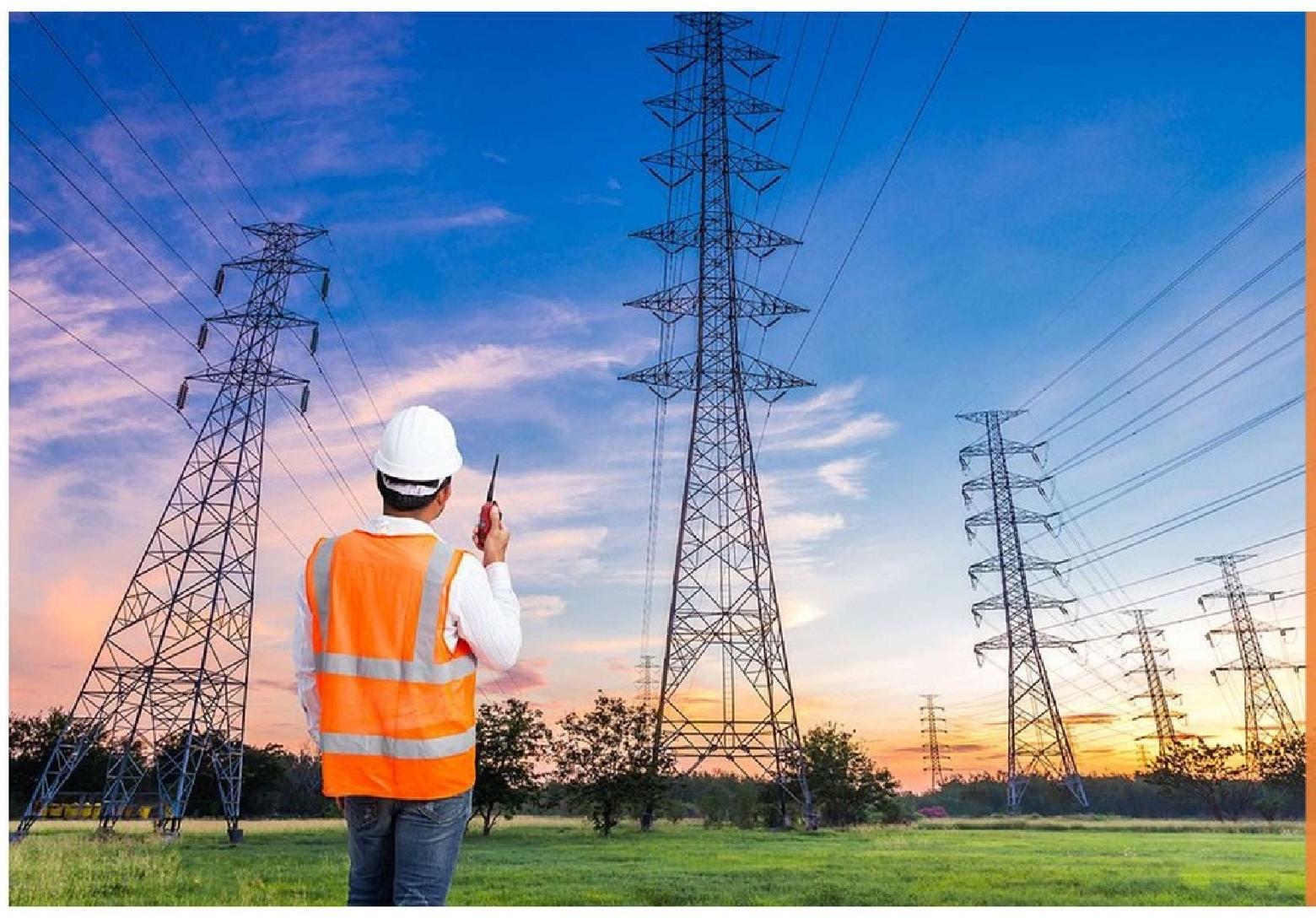
Challenges
Human-factor inconsistency in manual records — inconsistent terminology and formatting, inaccurate data, and unclear handwriting all reduced record quality and usability.
Slow reporting of collected information — inspection findings couldn't be reported quickly, delaying the handling of hidden dangers and faults.
Weak inspector supervision — inspections could end up incomplete or even skipped entirely without an effective way to track and verify inspector activity.
Solution
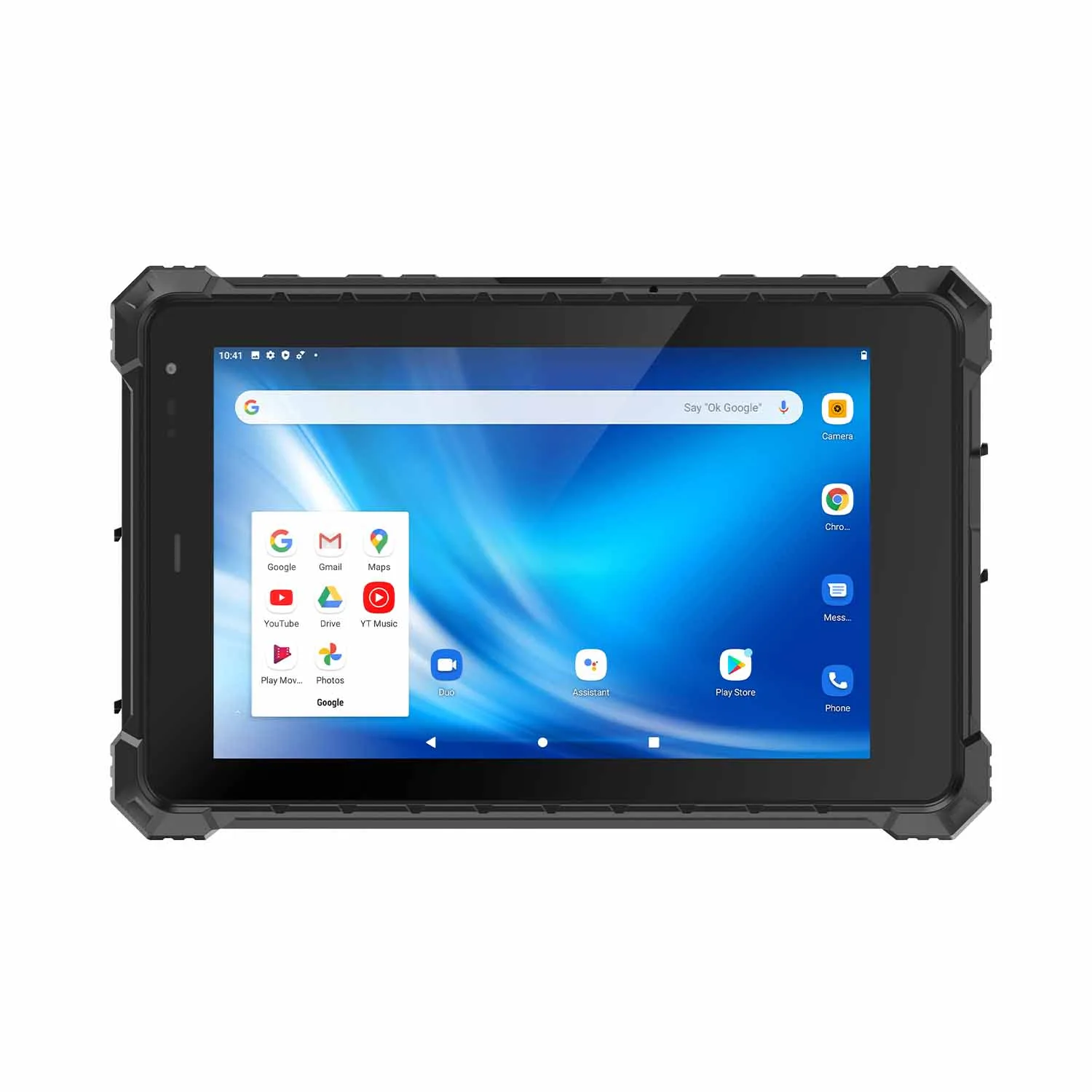
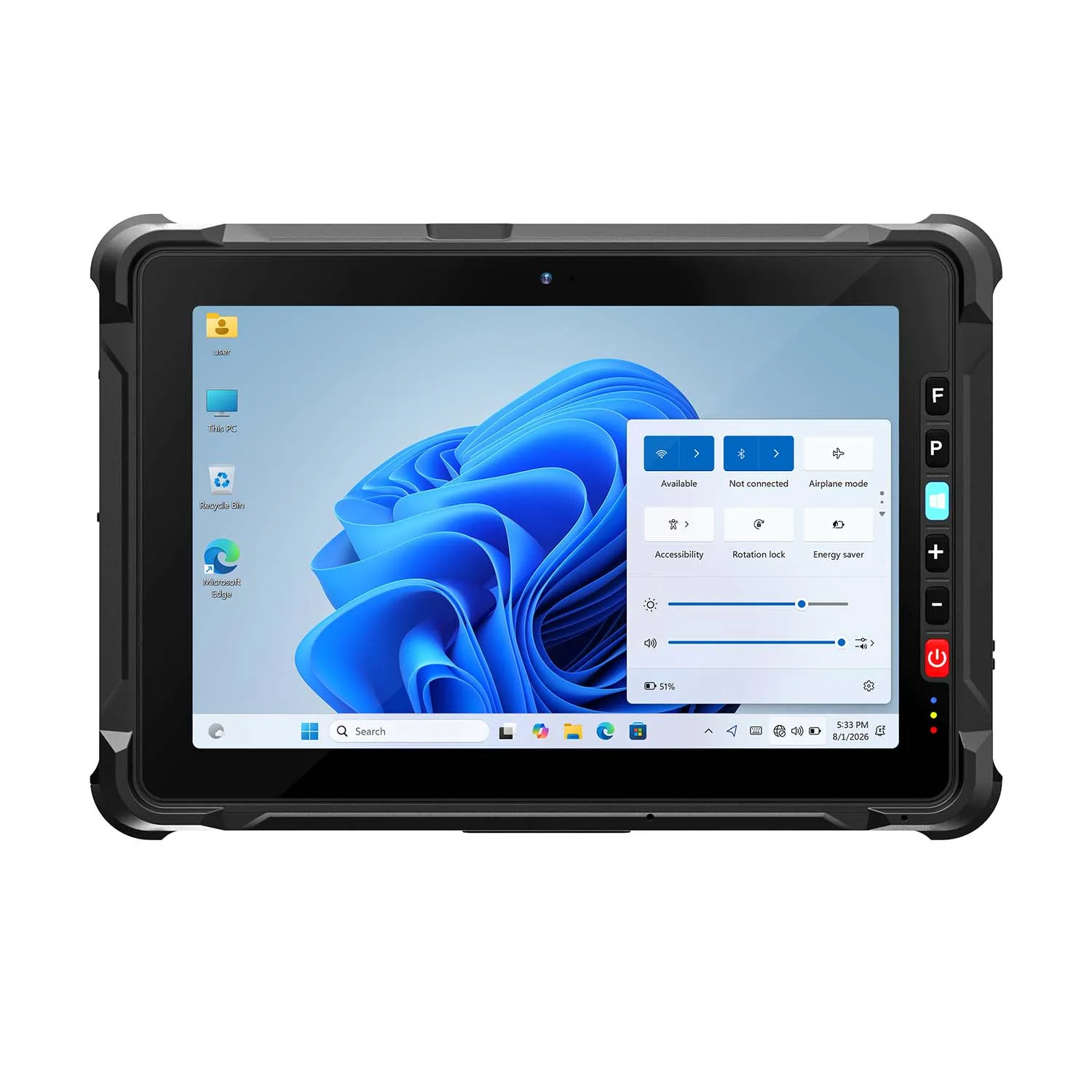
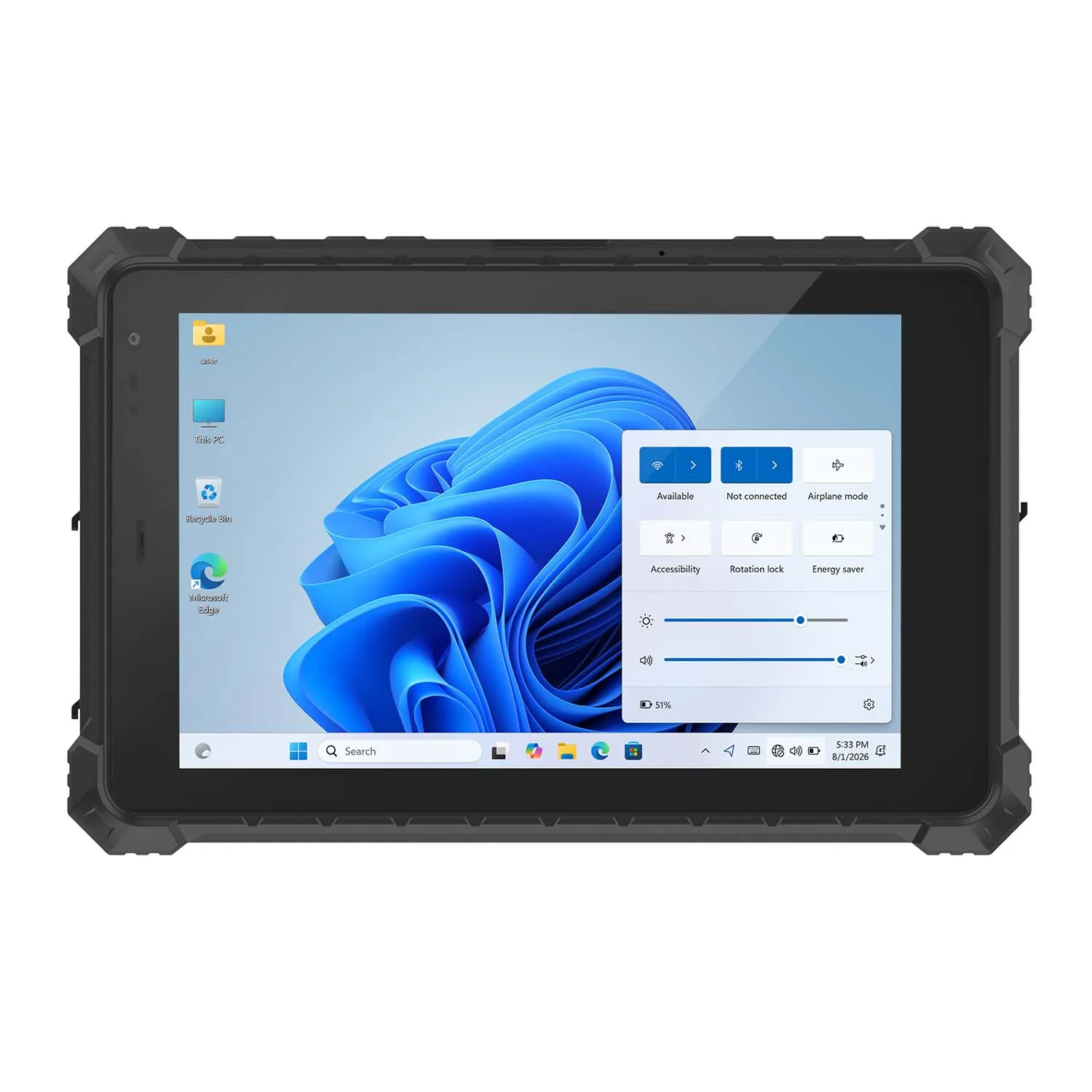
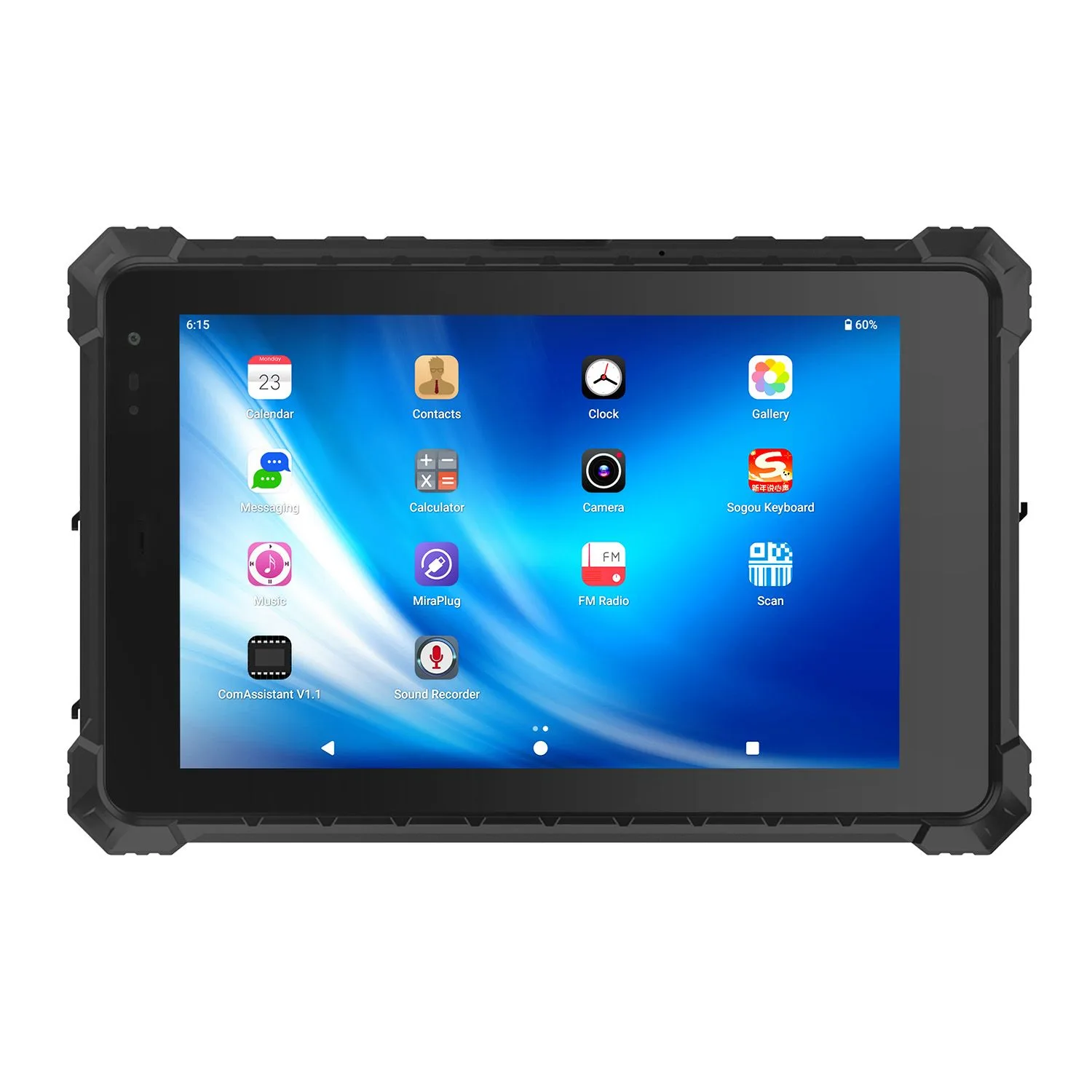
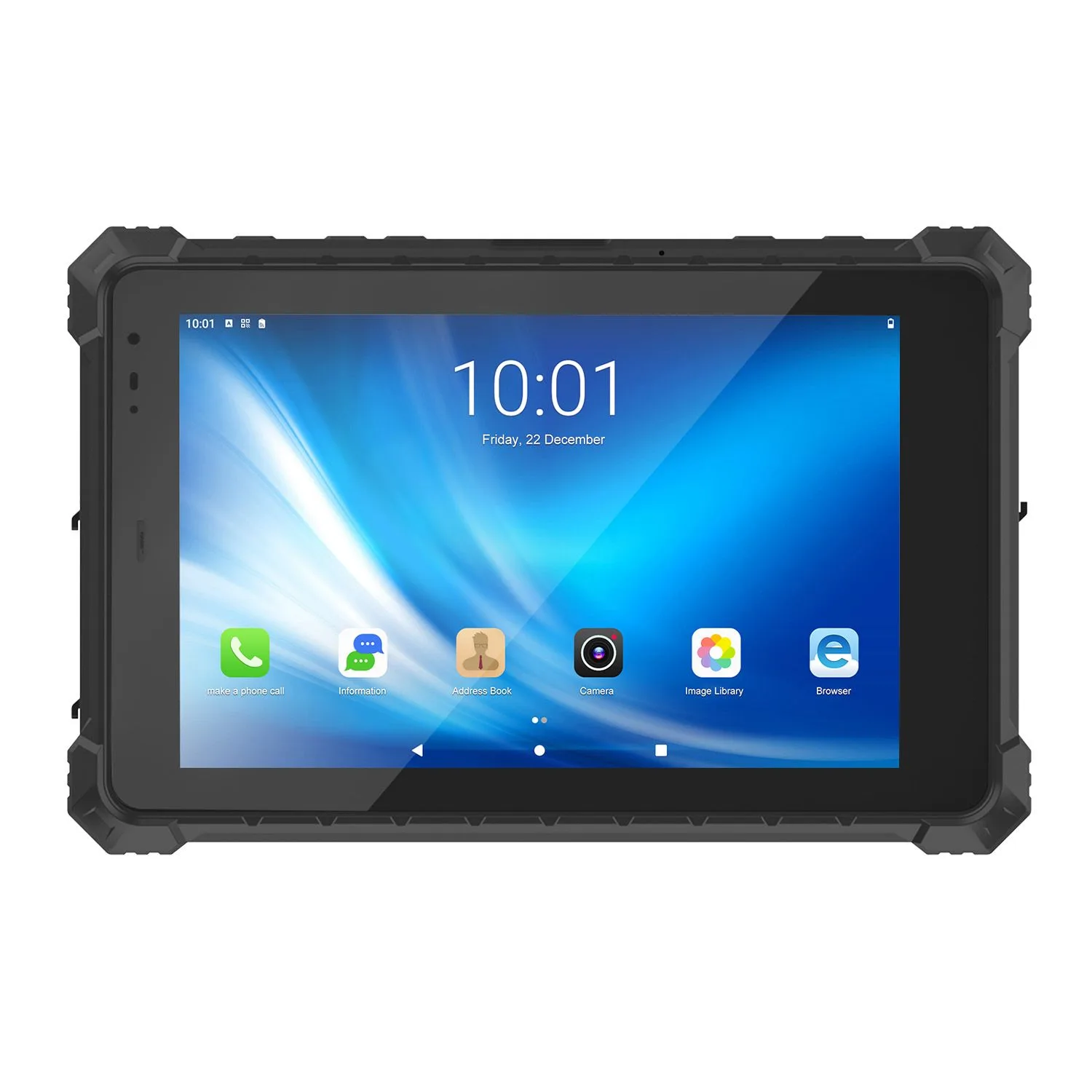
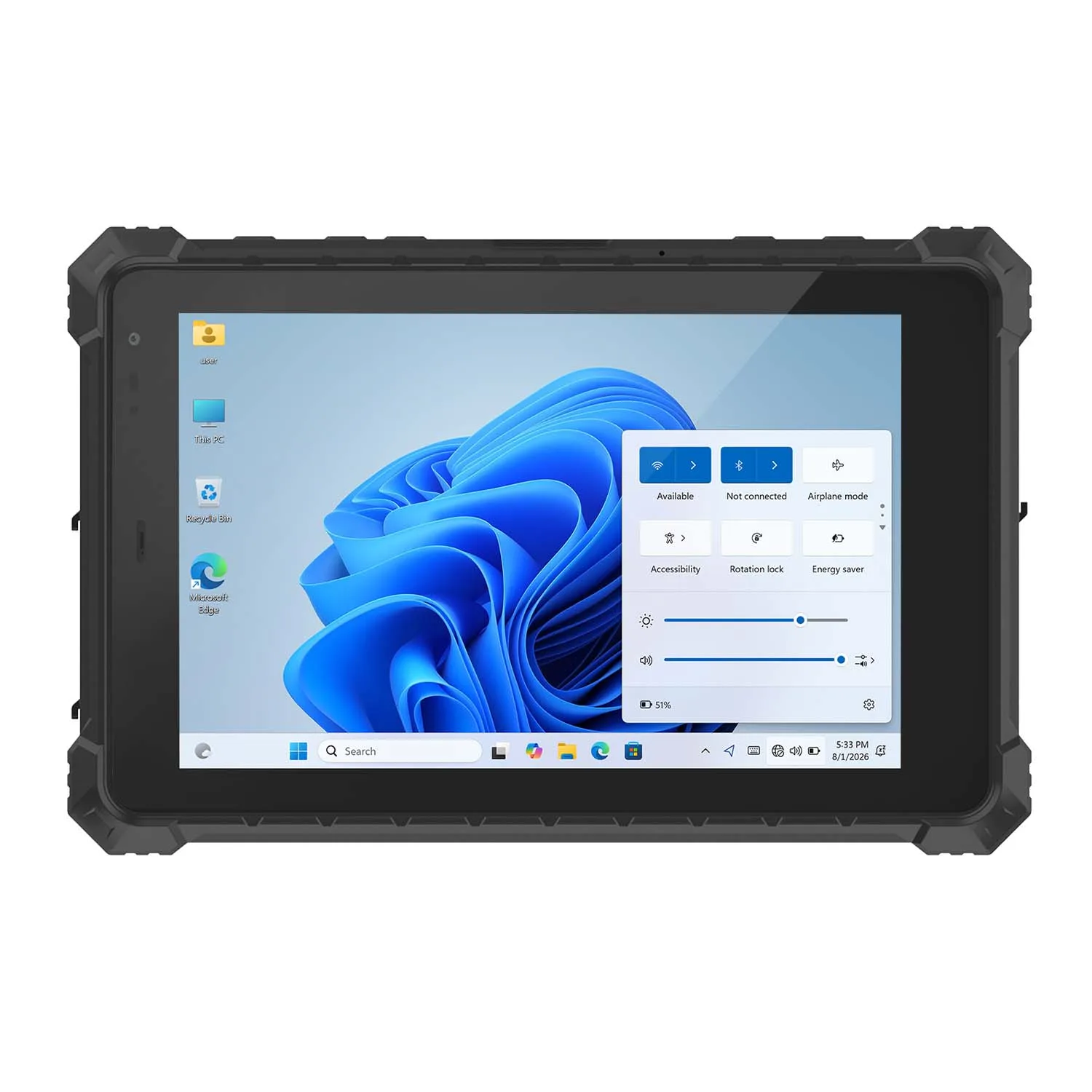
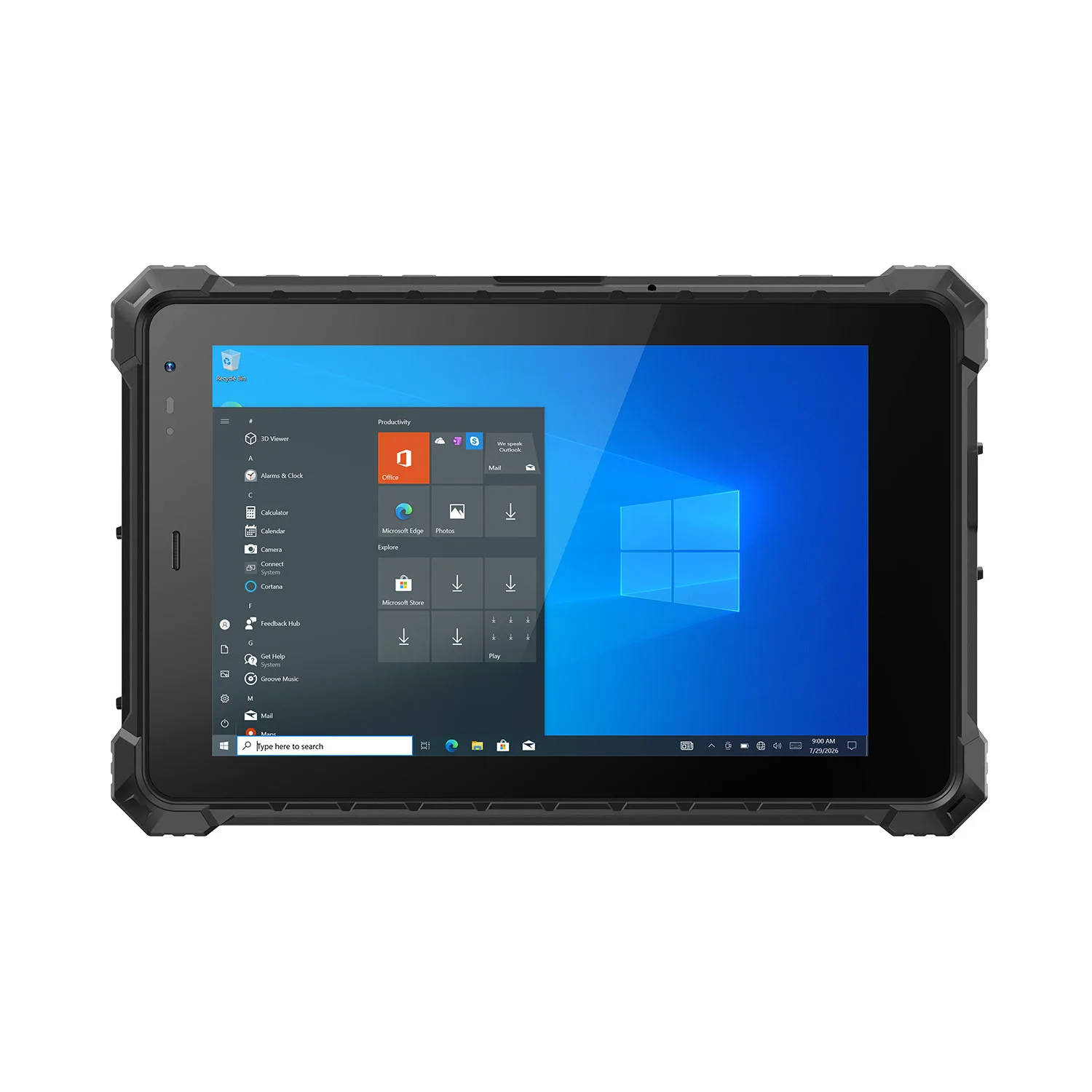
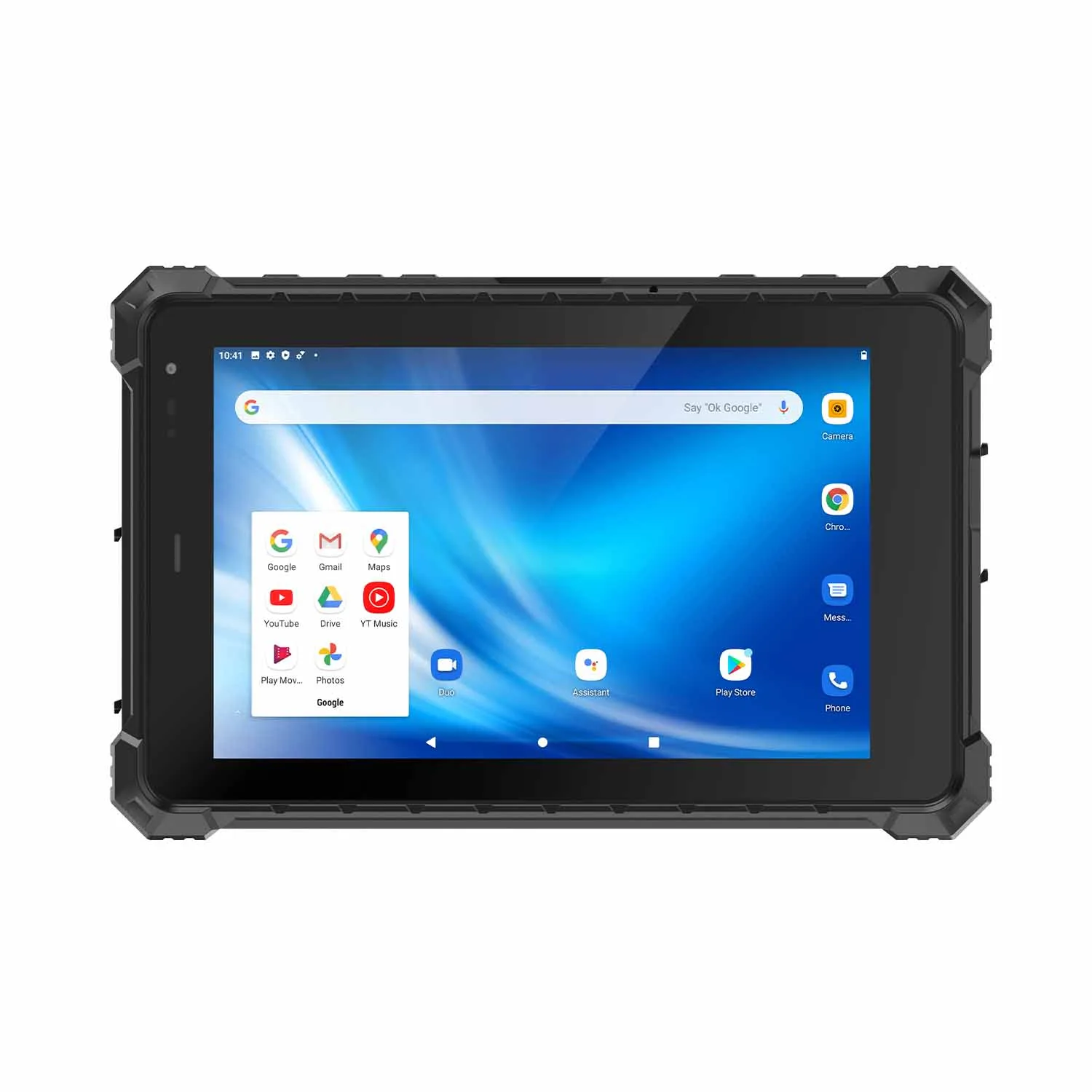
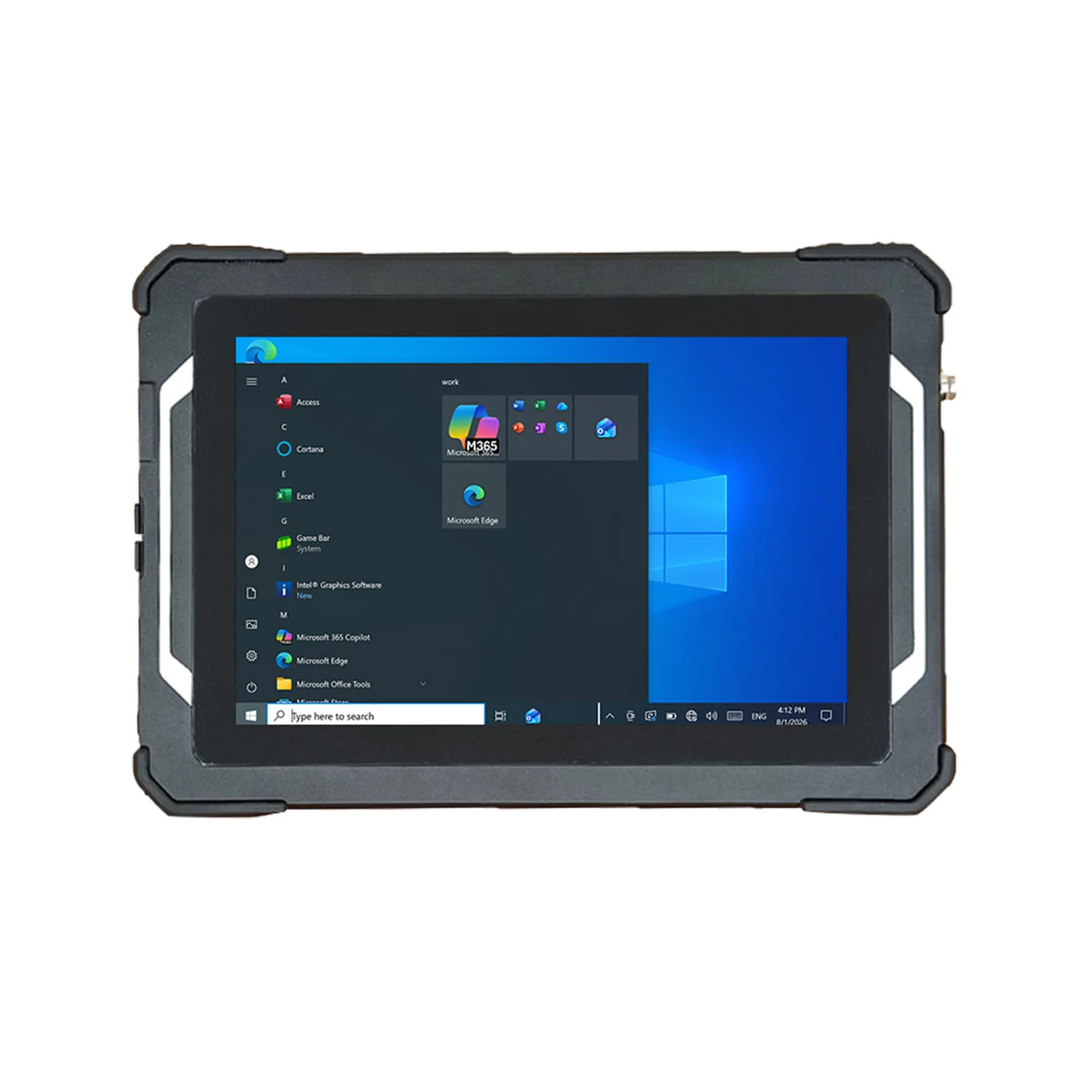
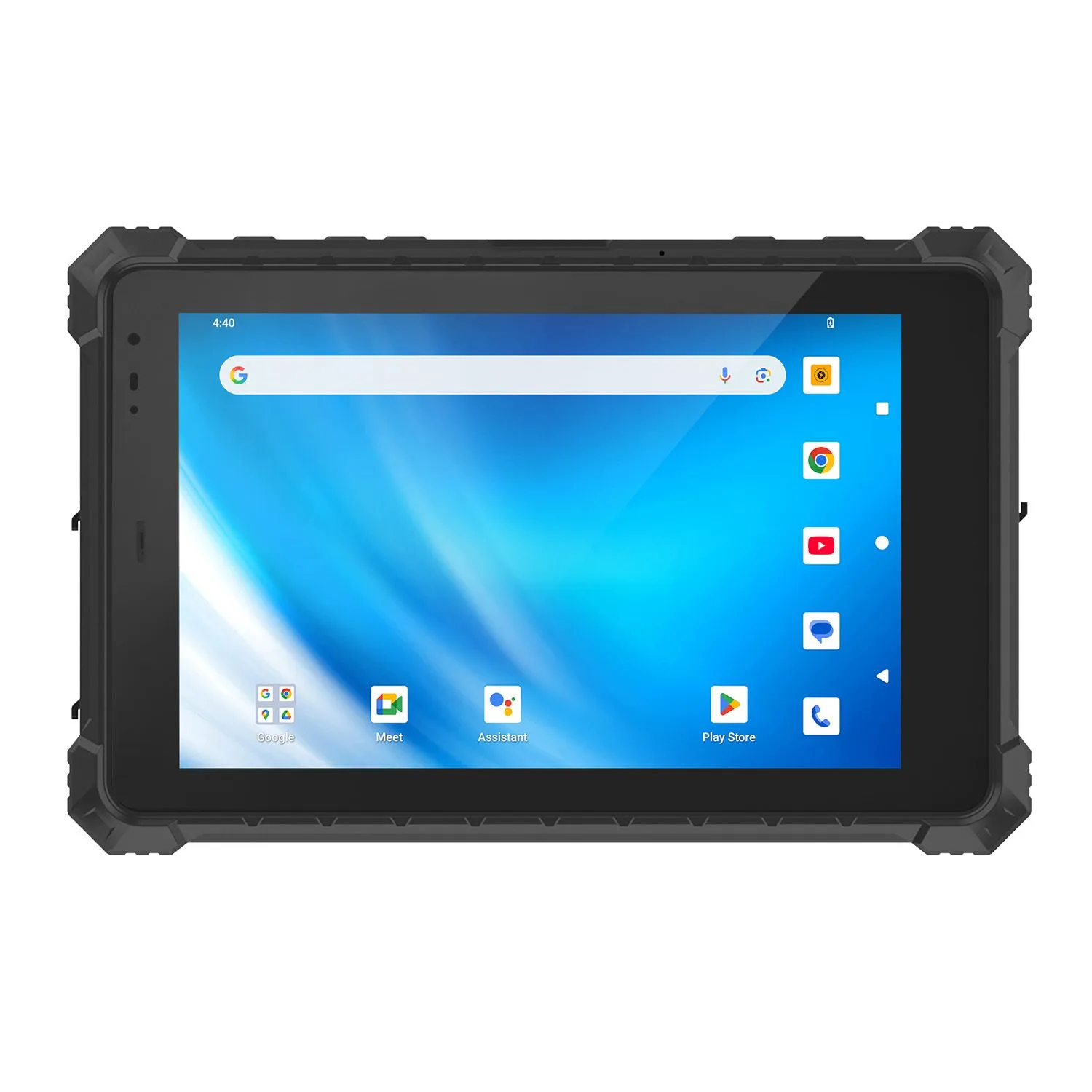
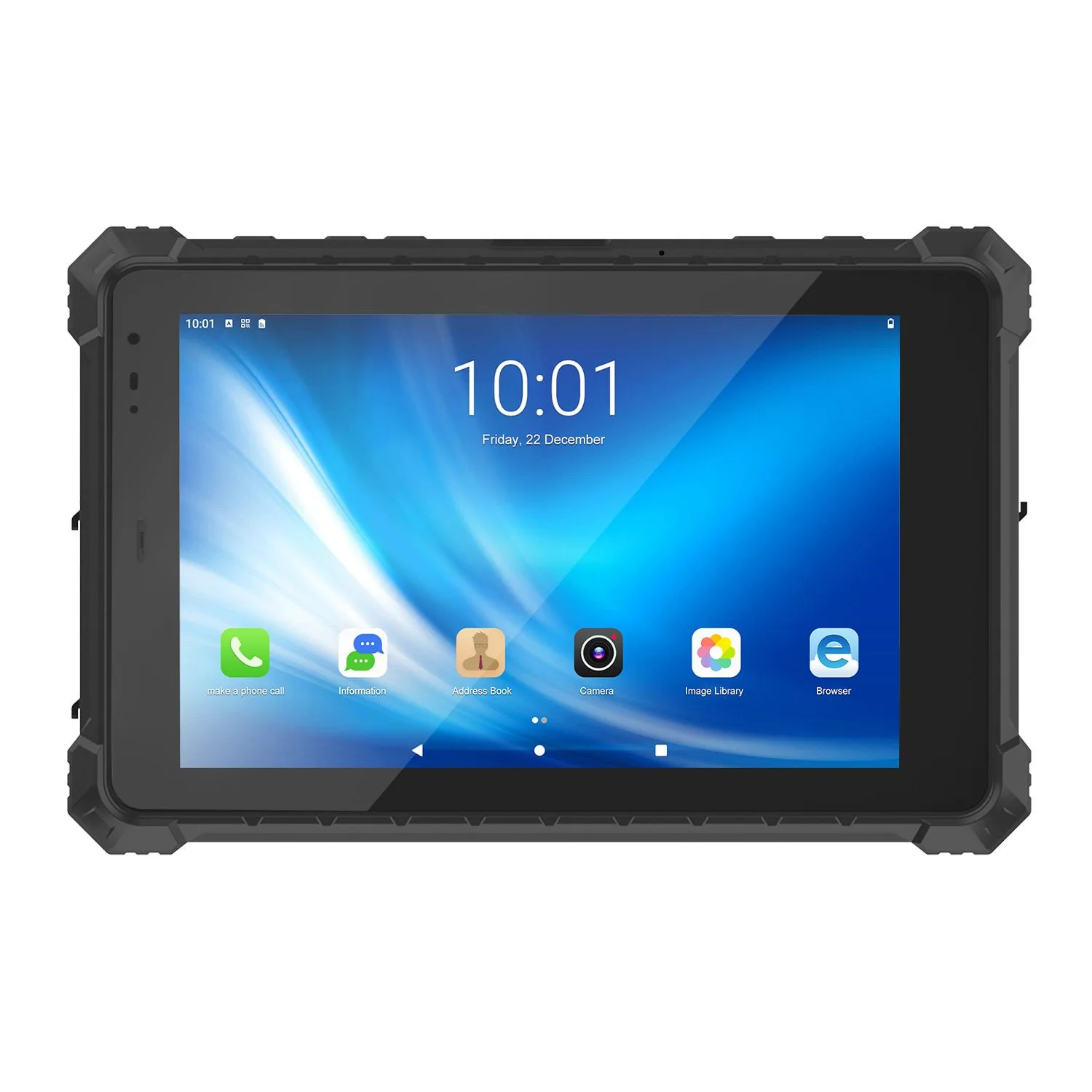
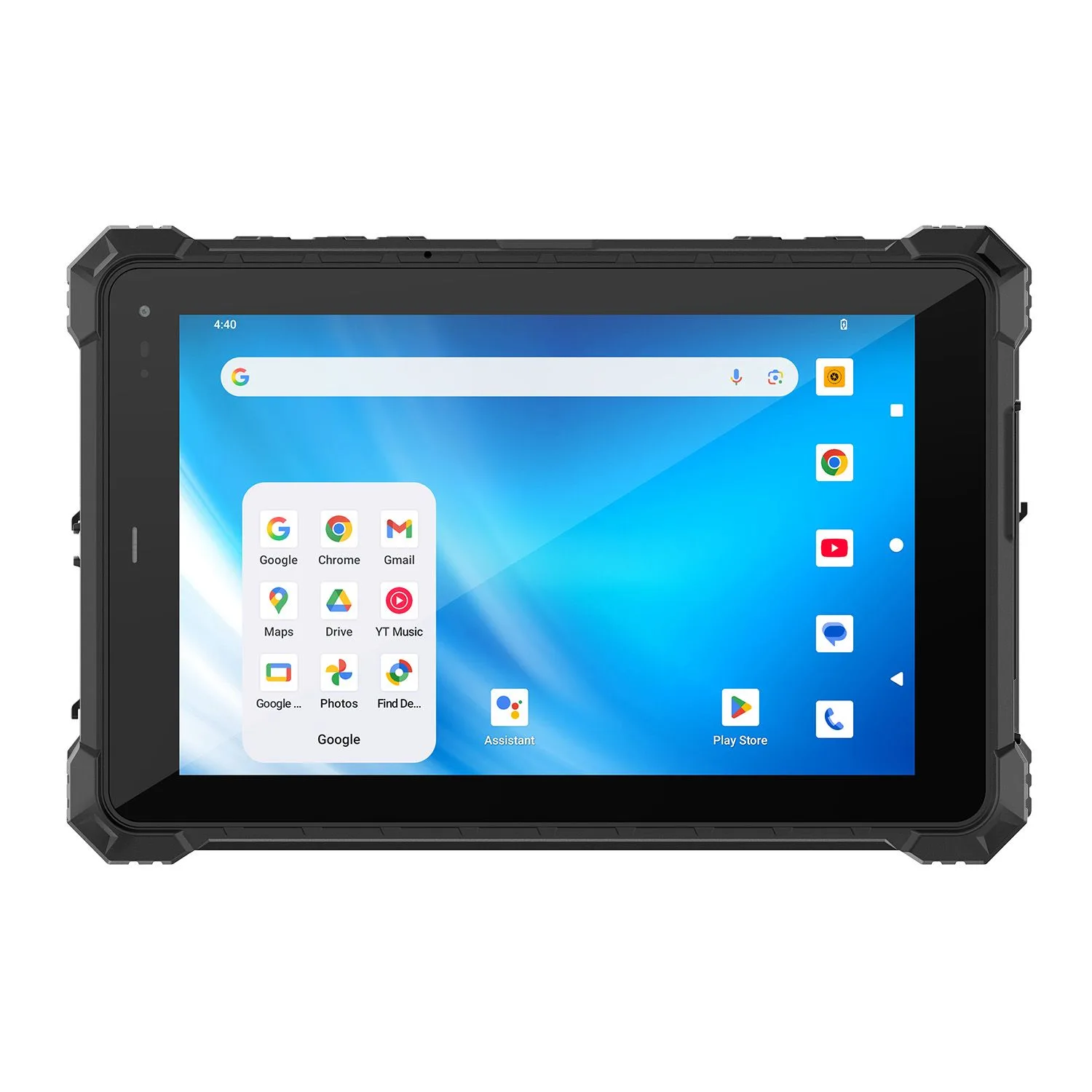
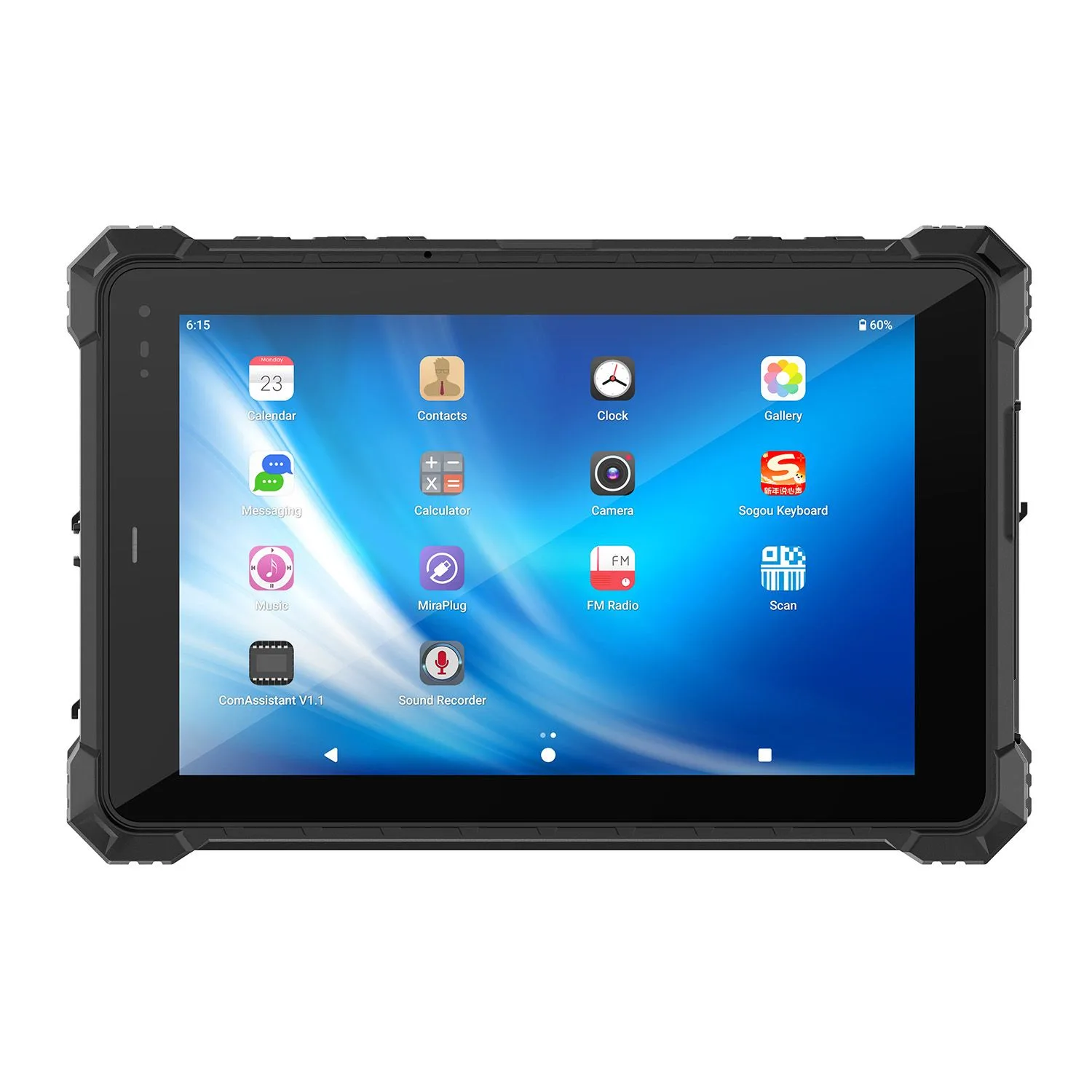
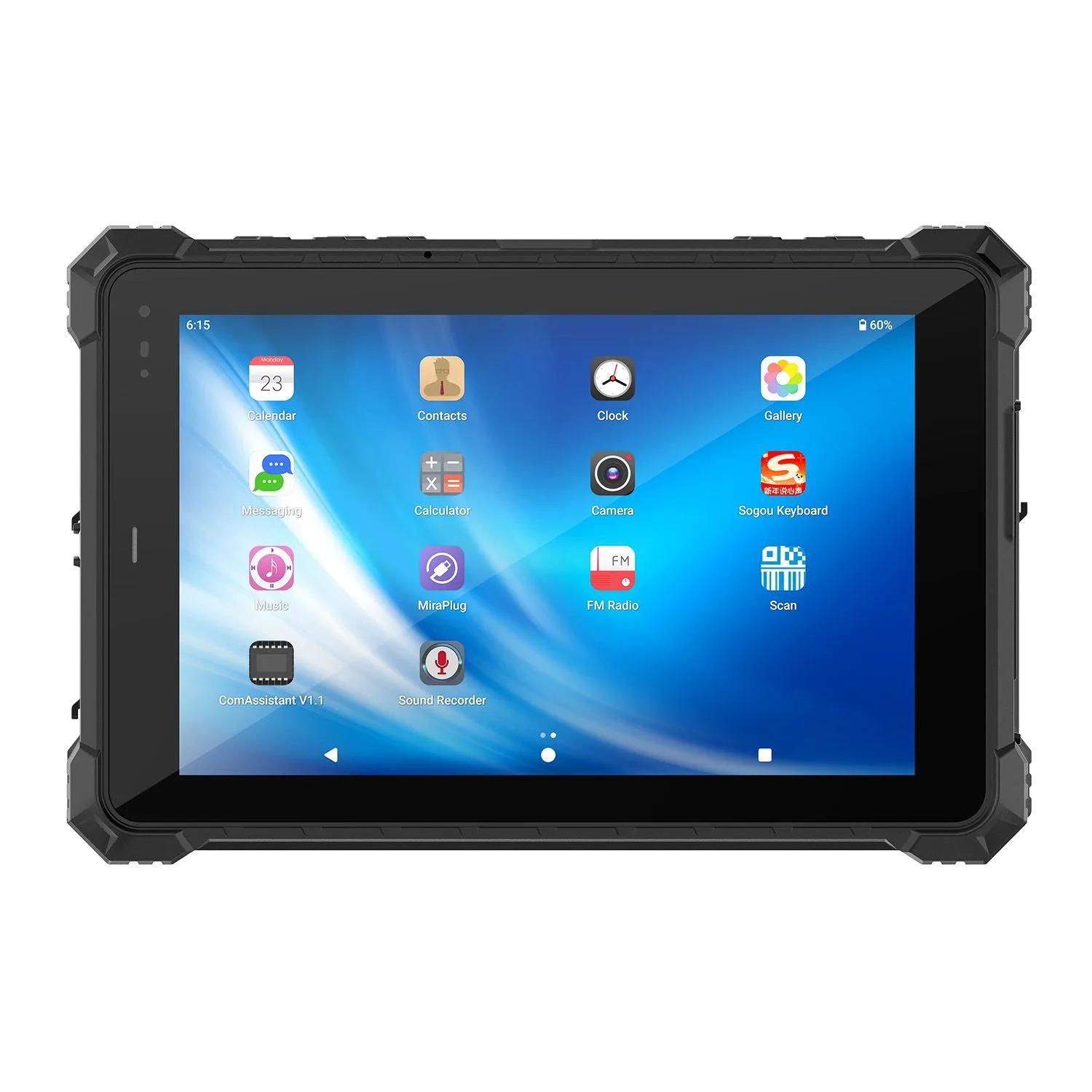
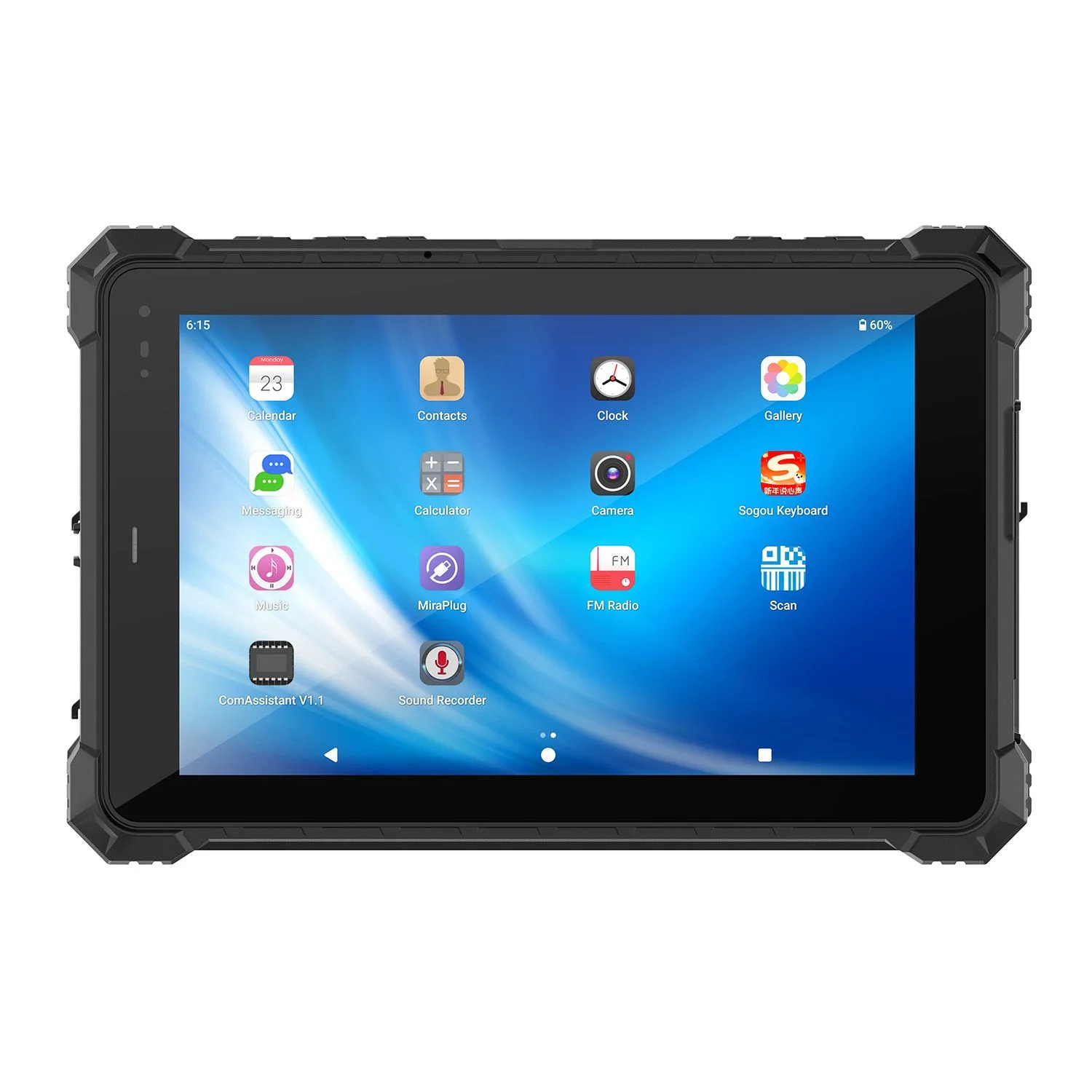
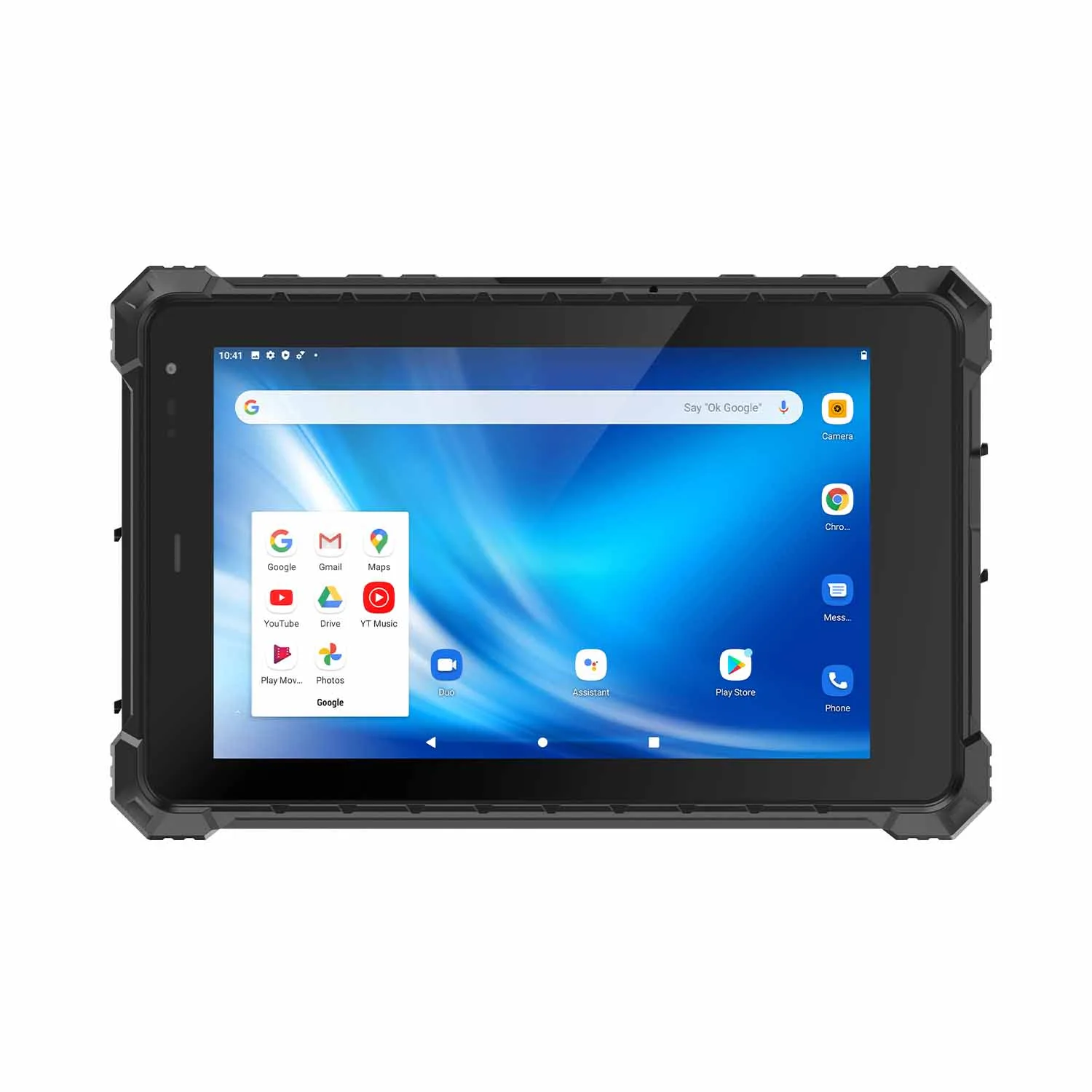
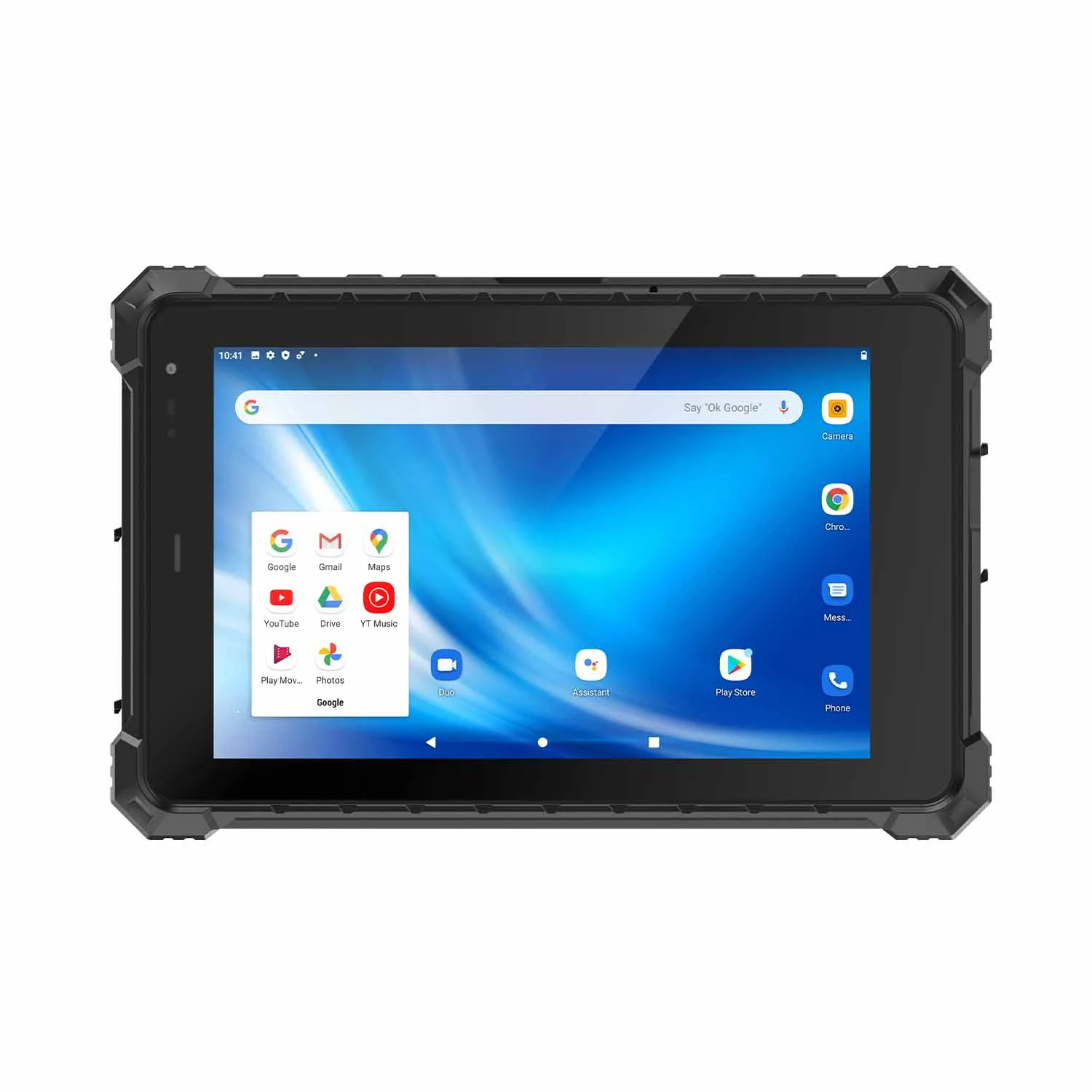
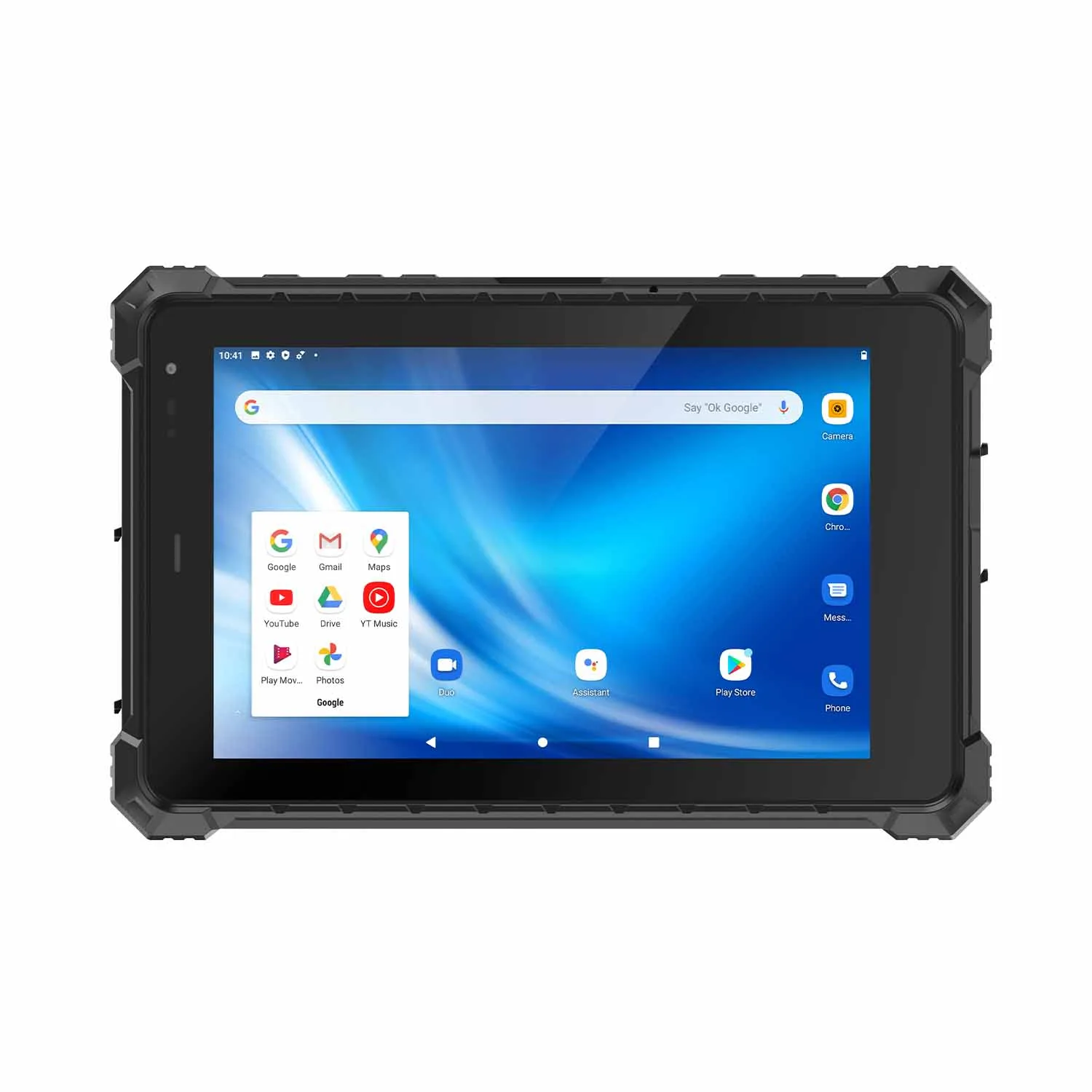
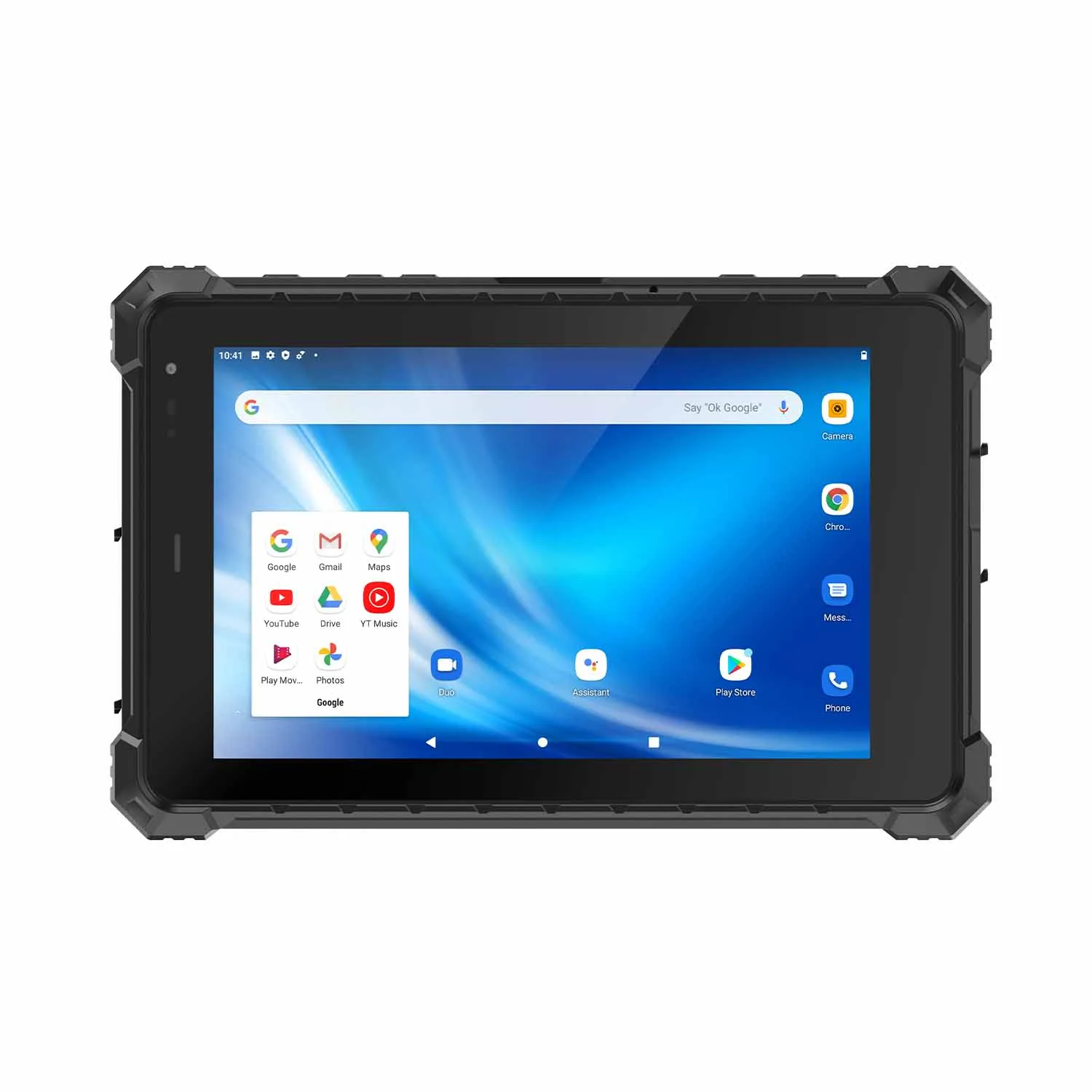
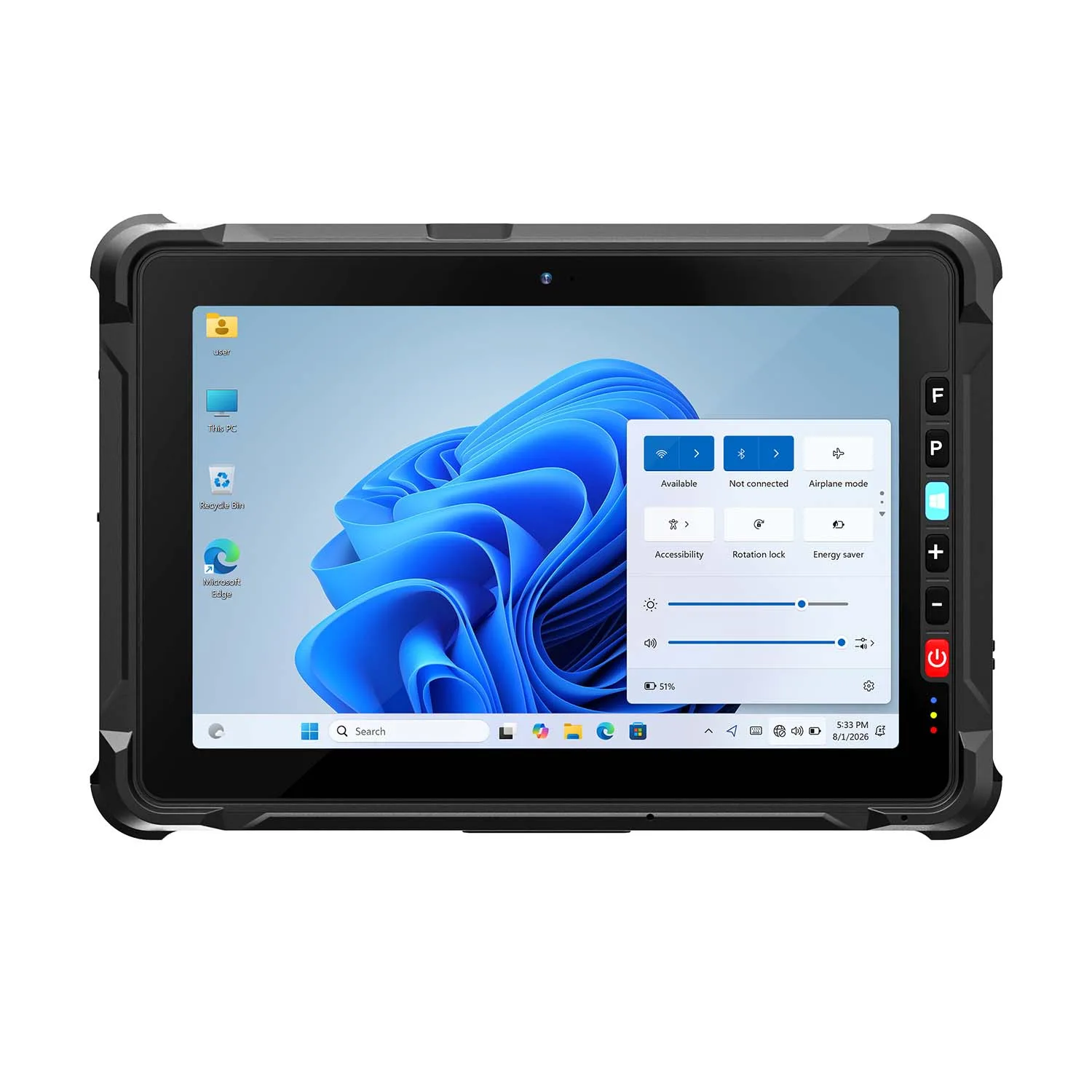
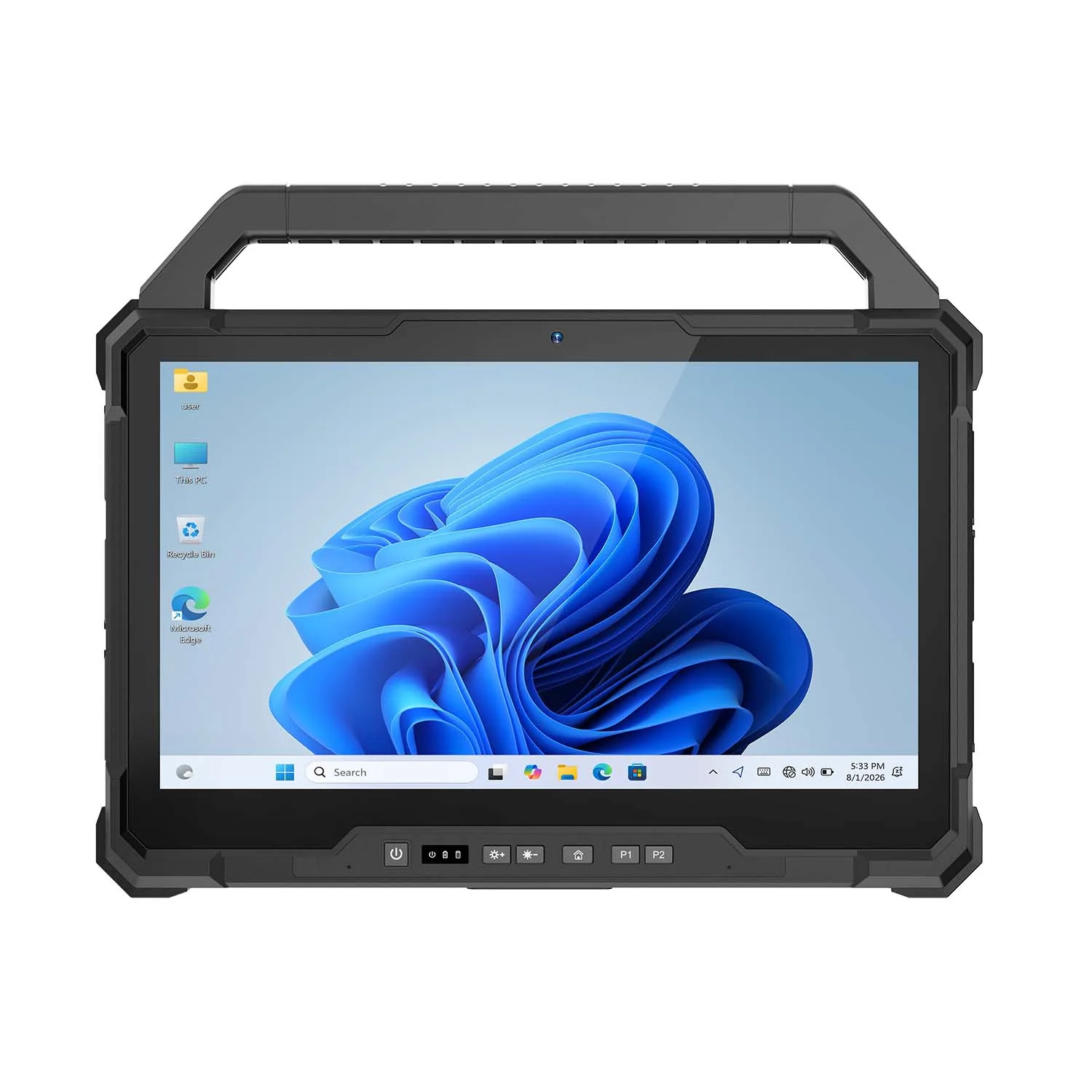
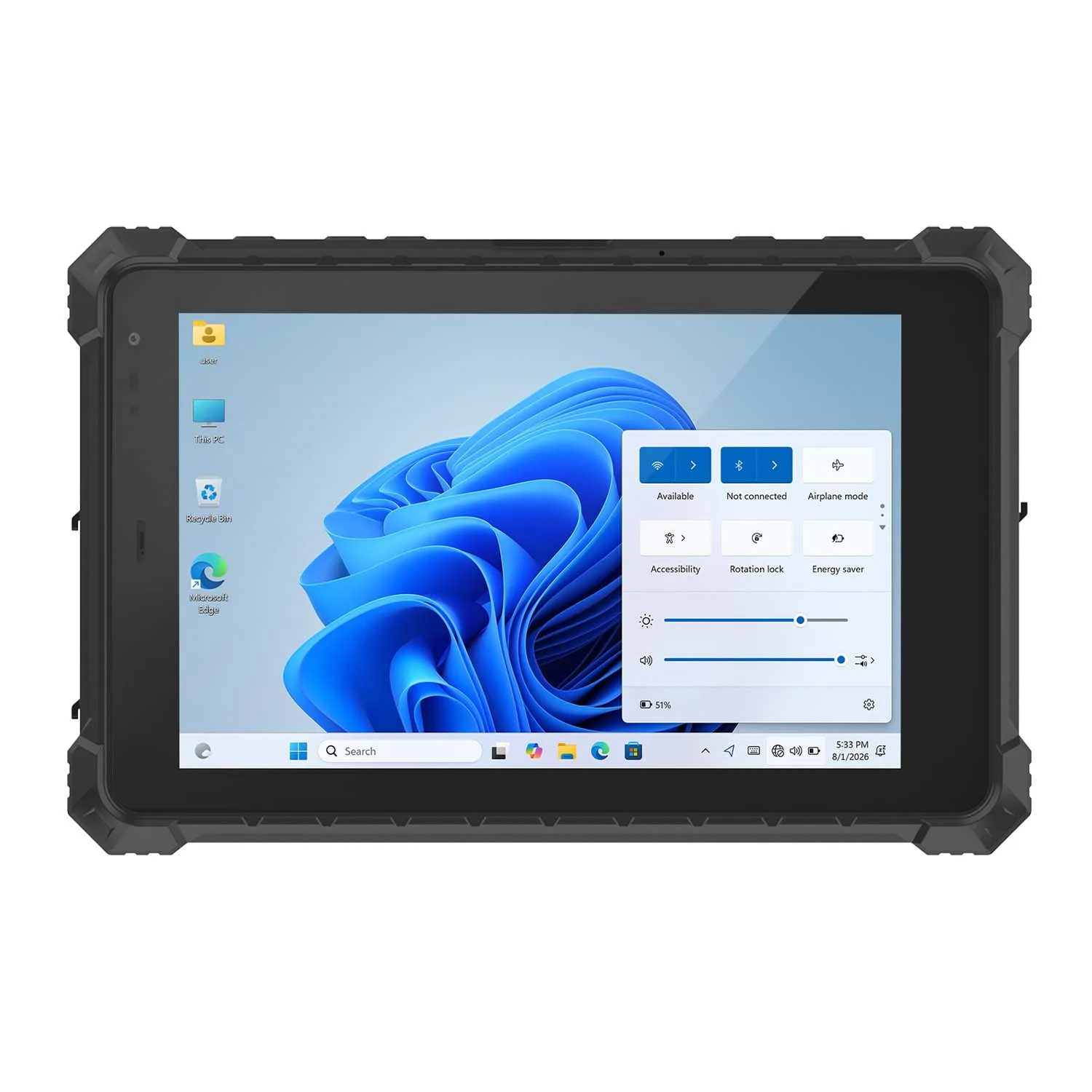
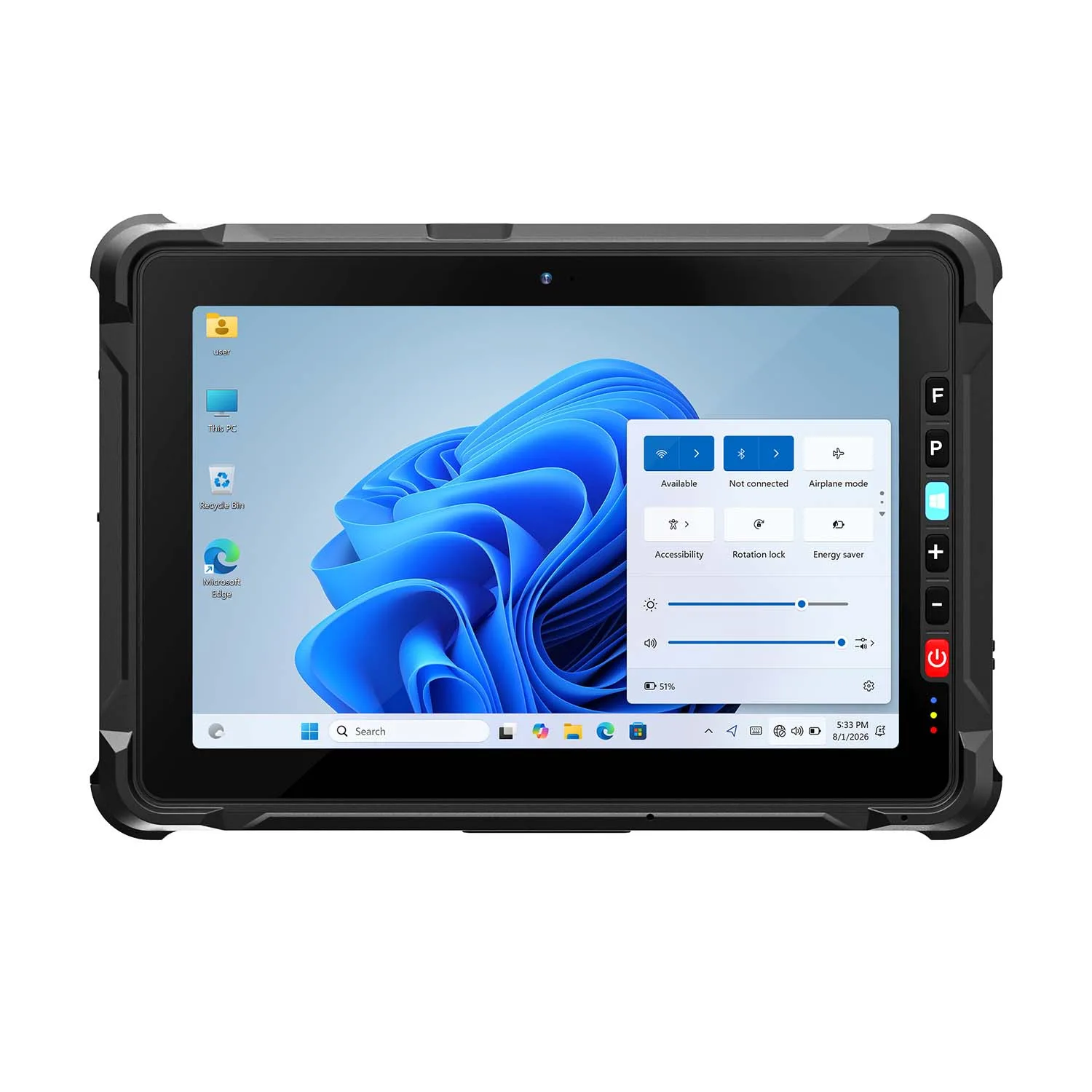
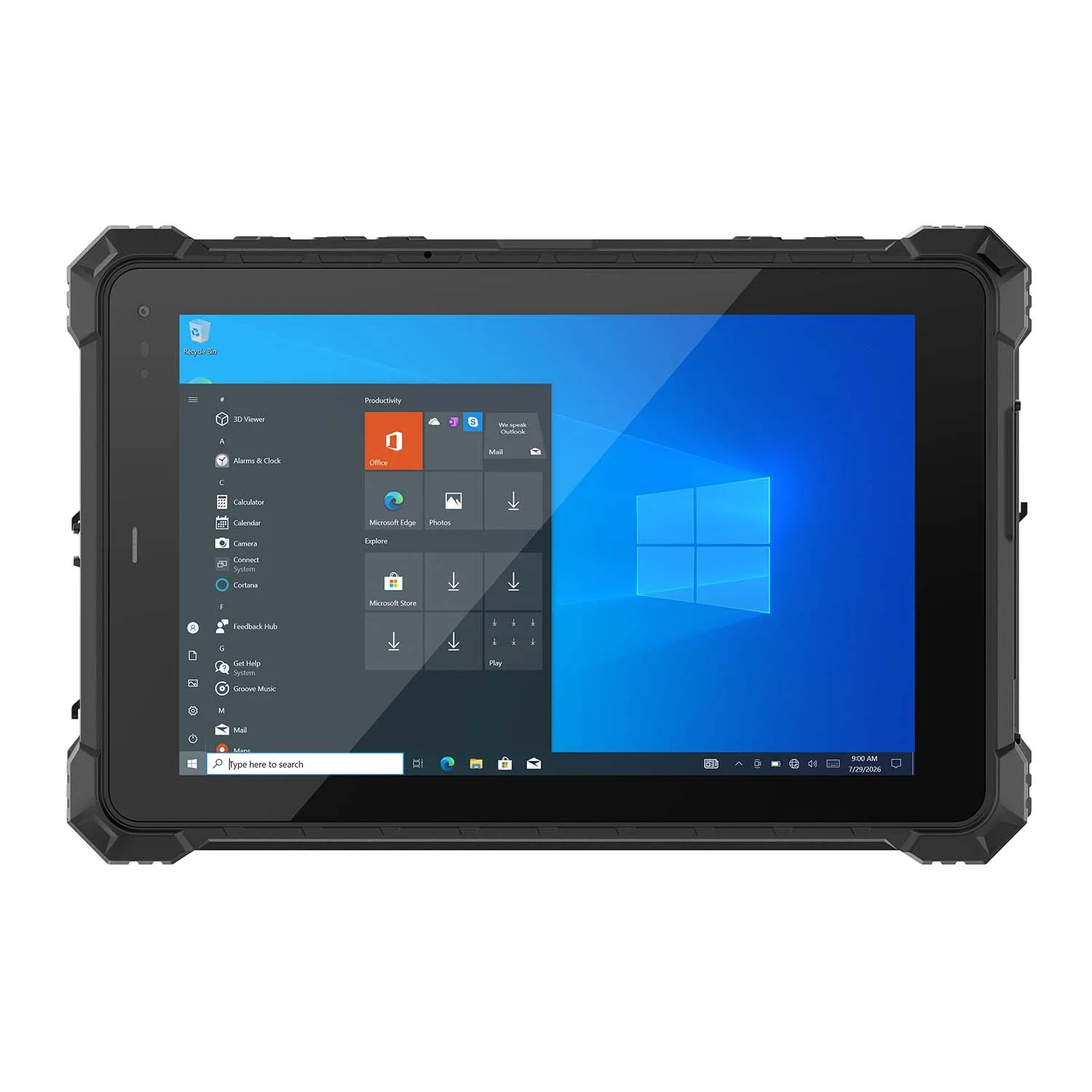
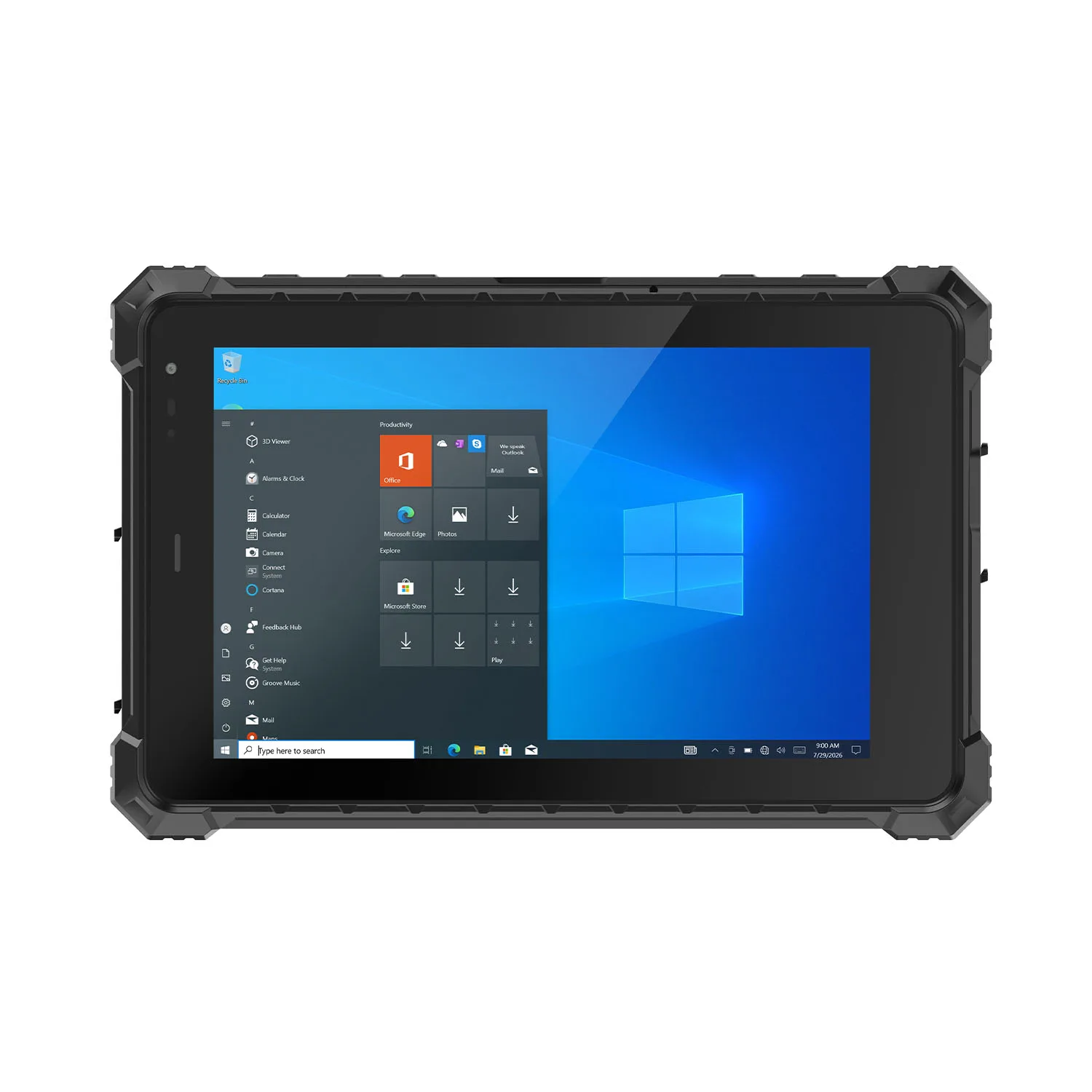
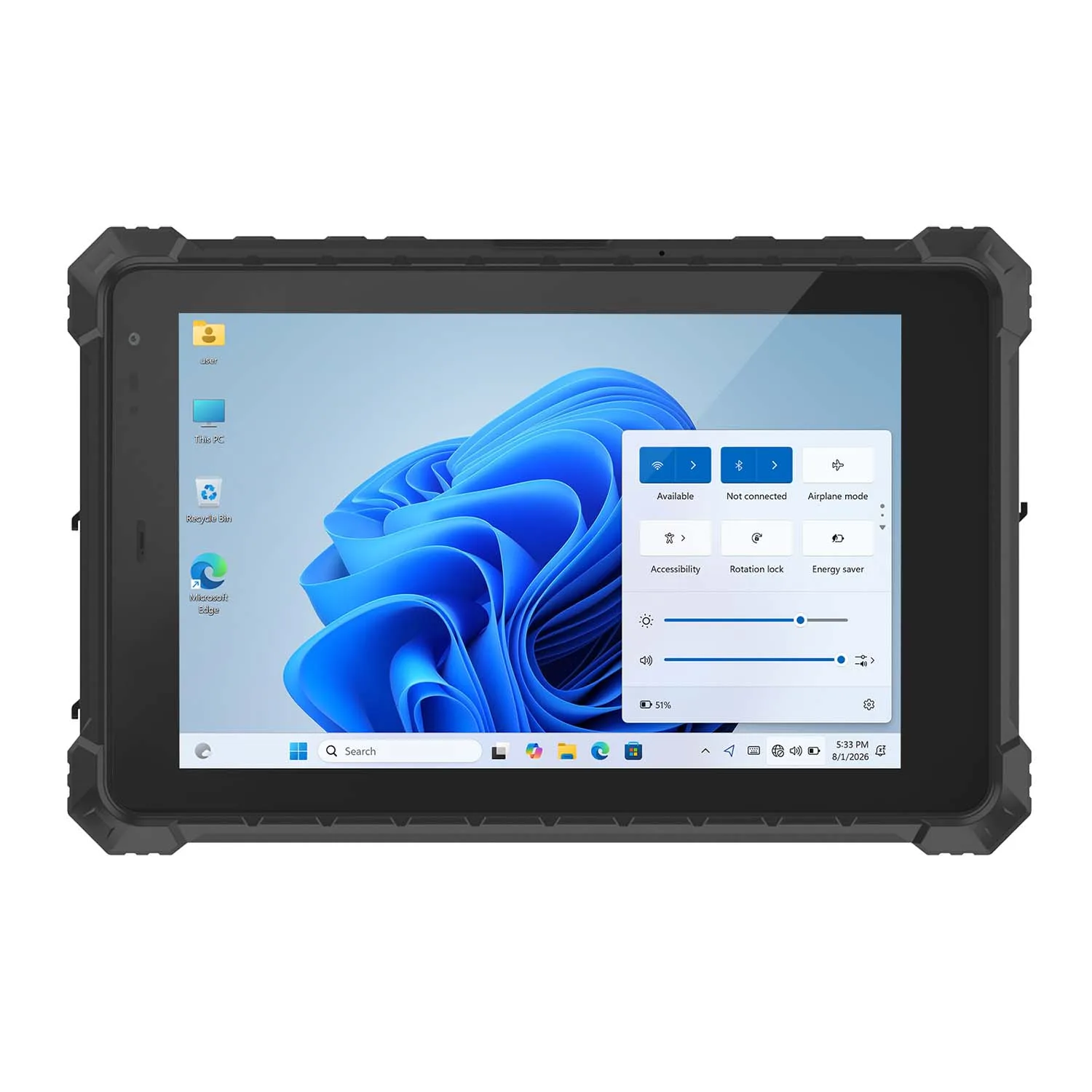
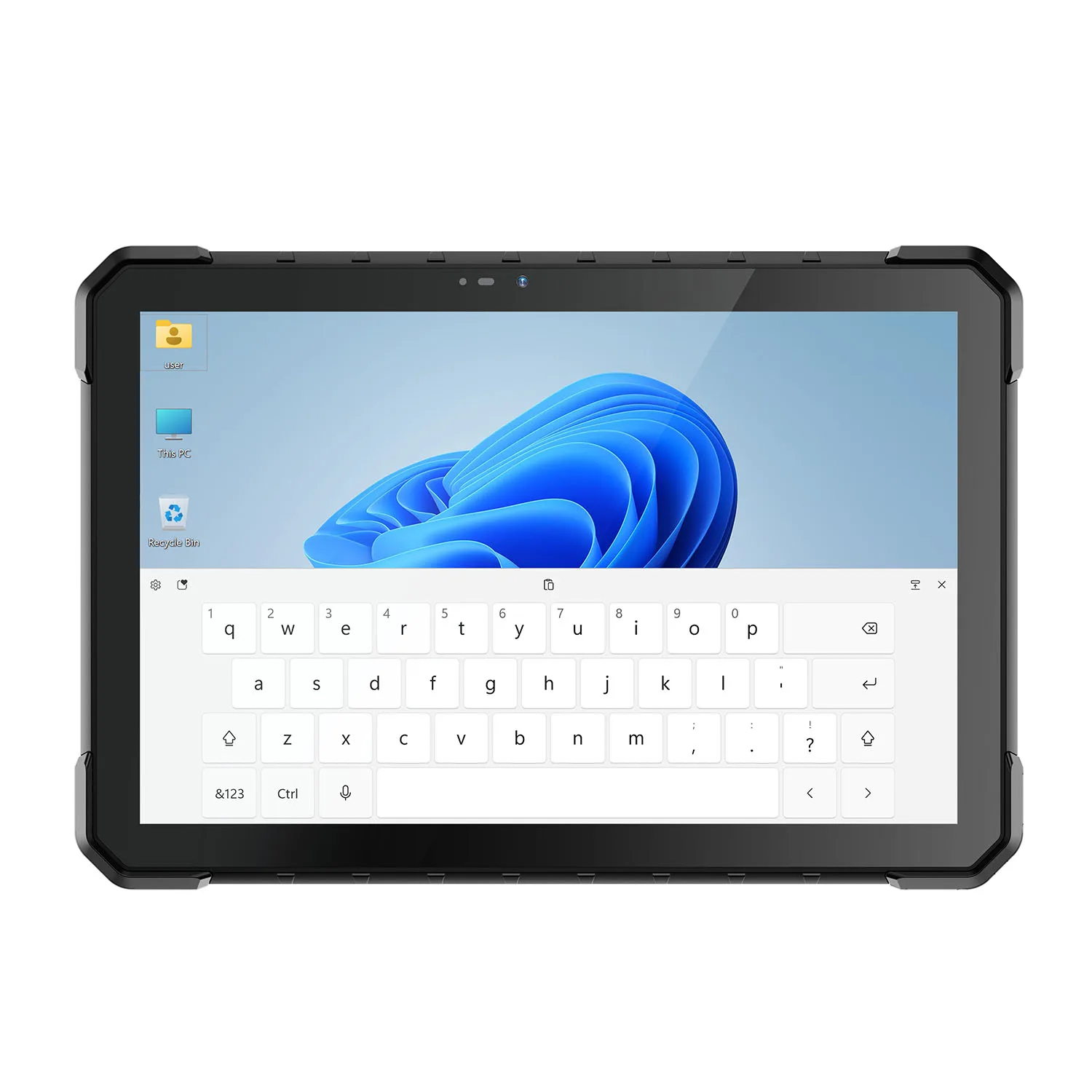
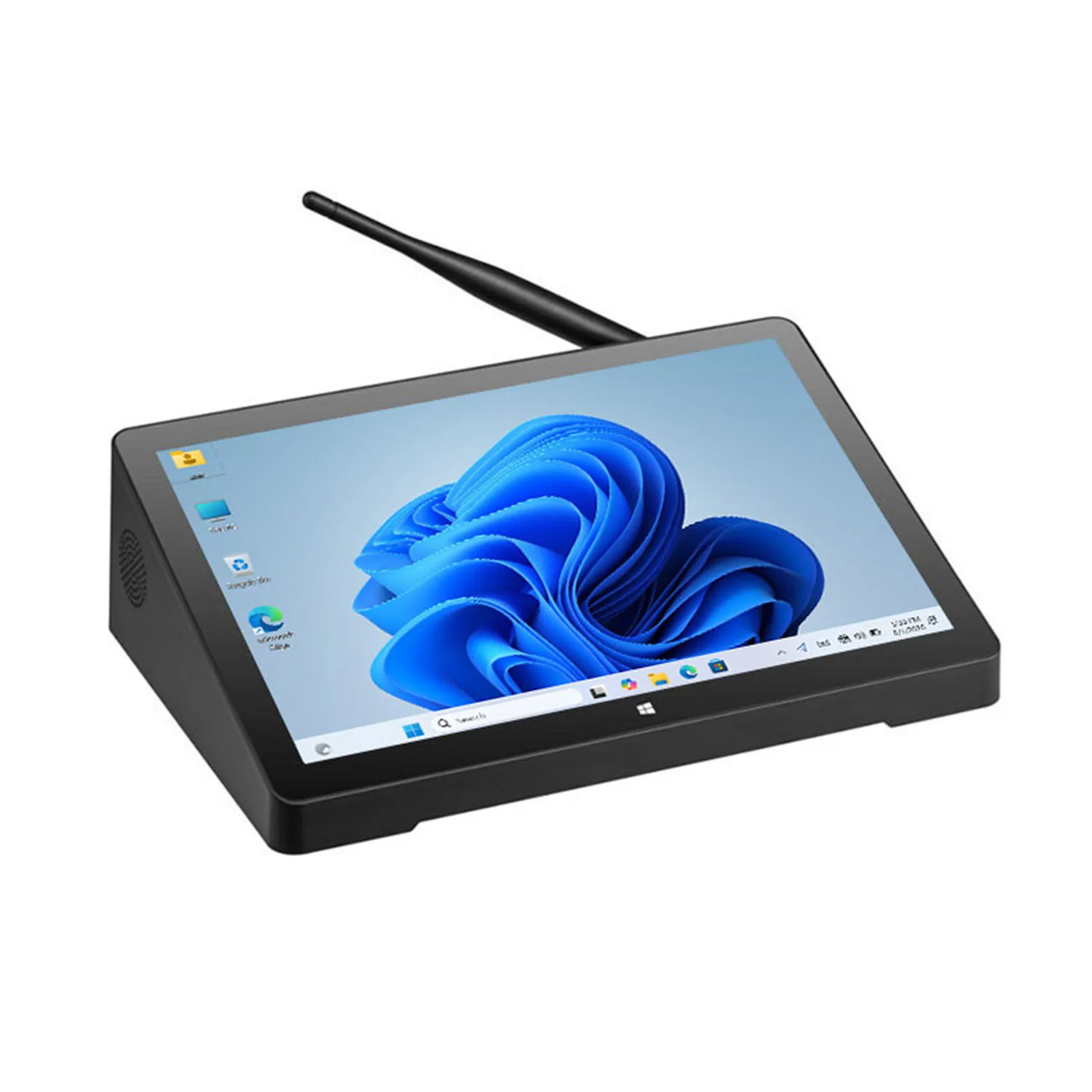
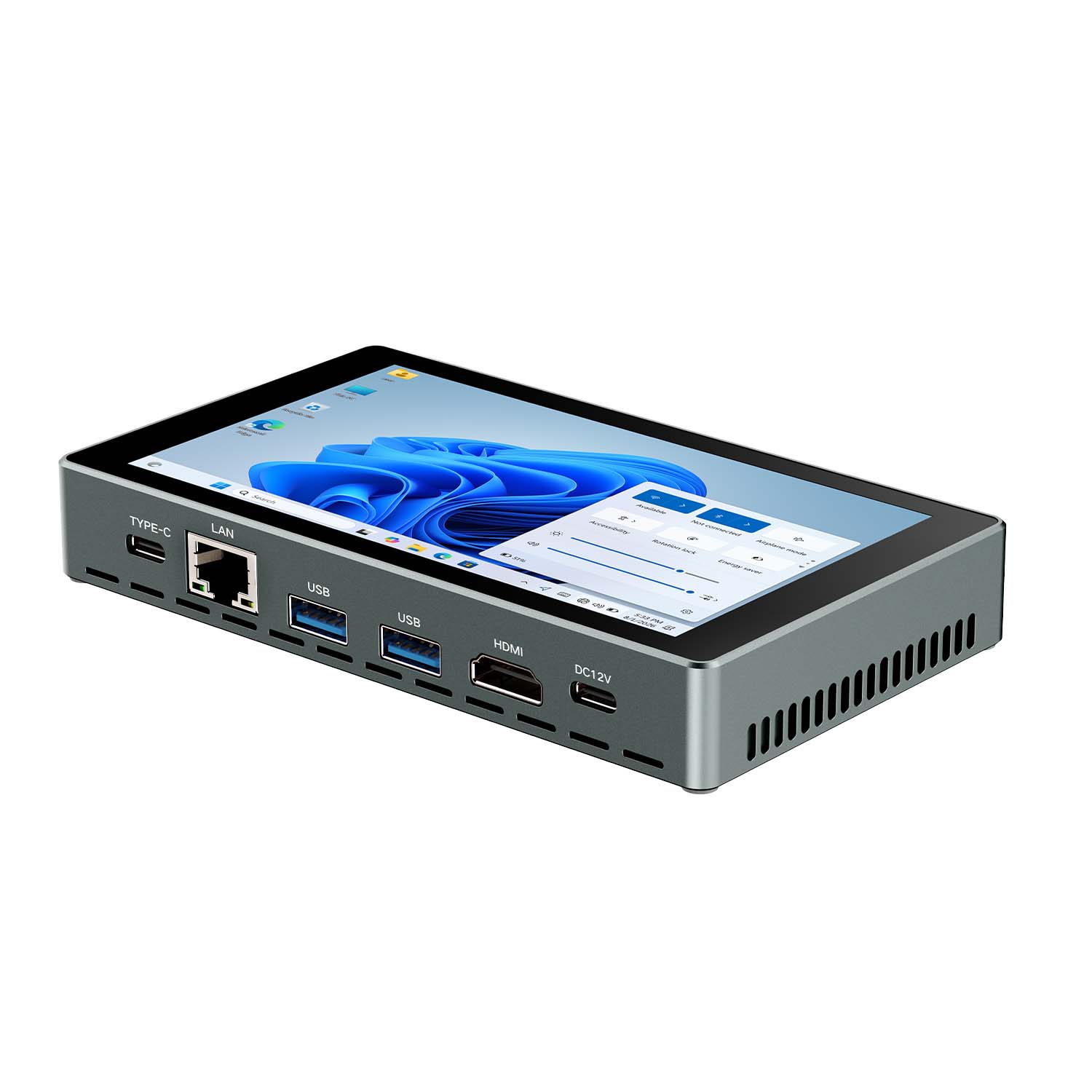
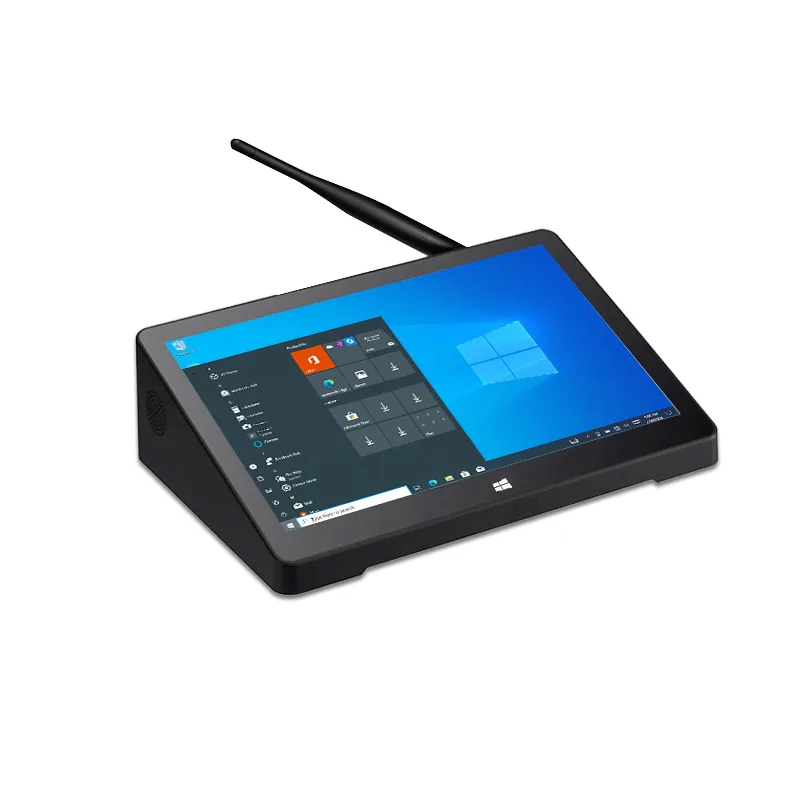
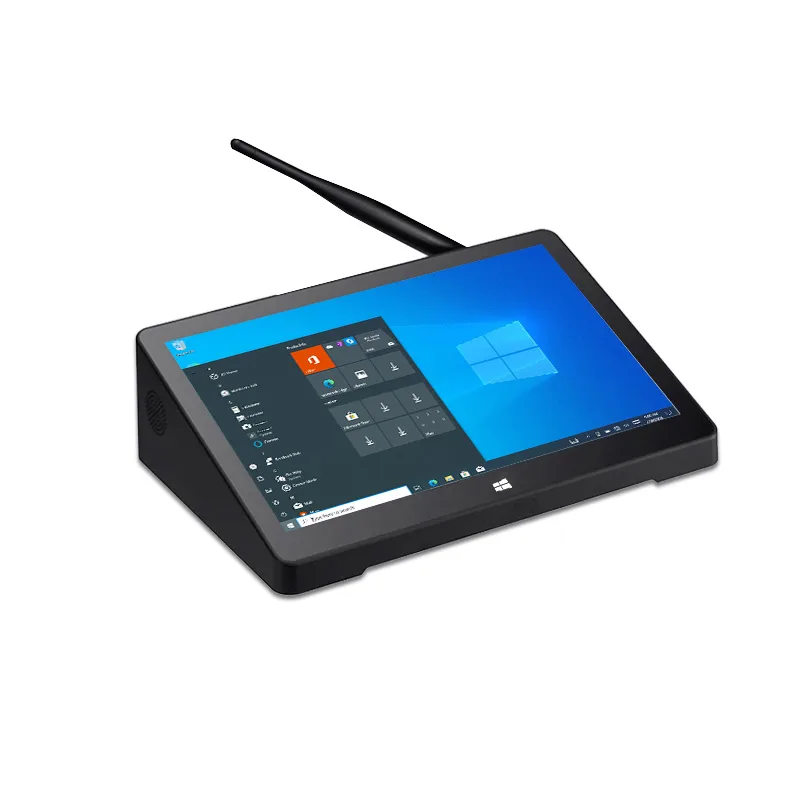
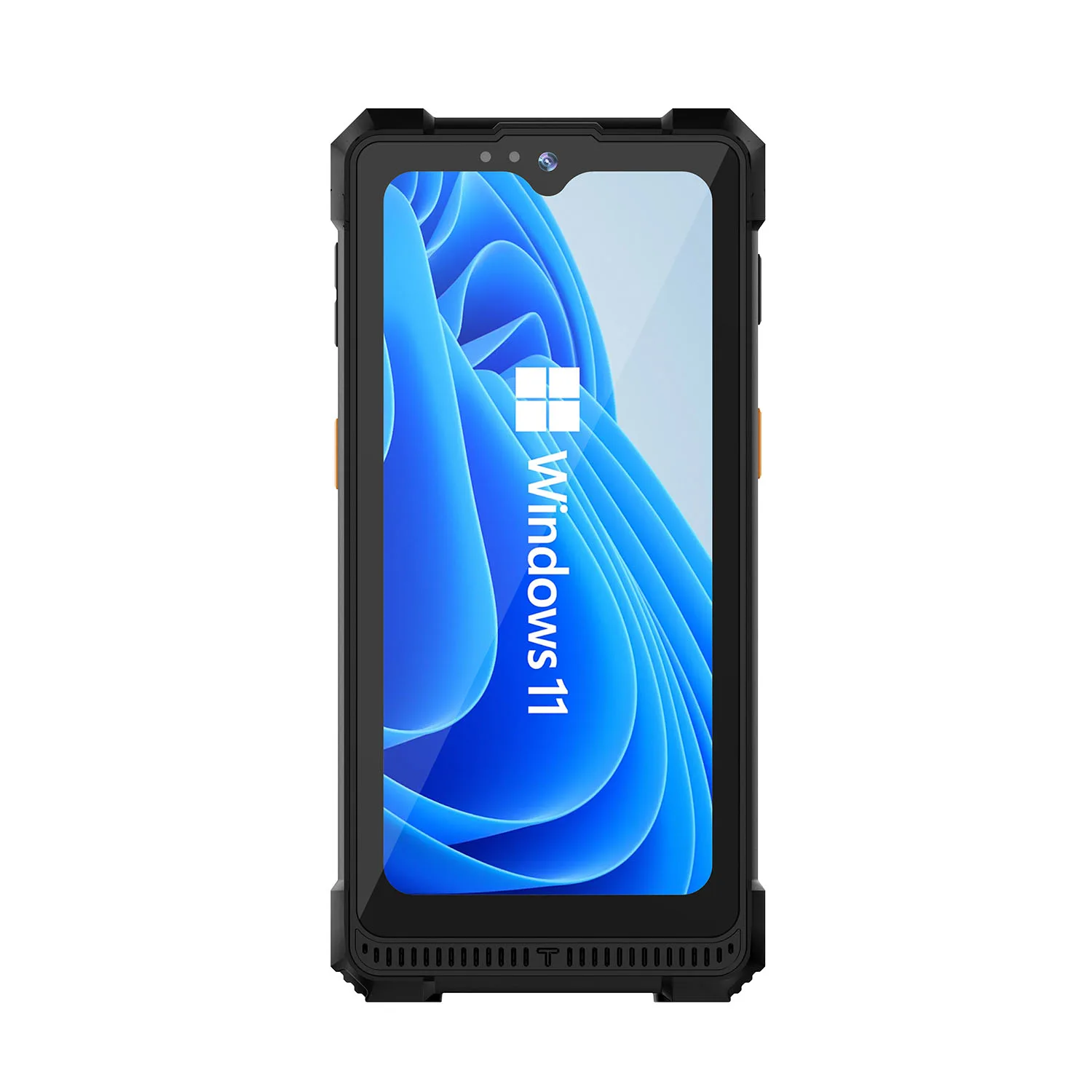
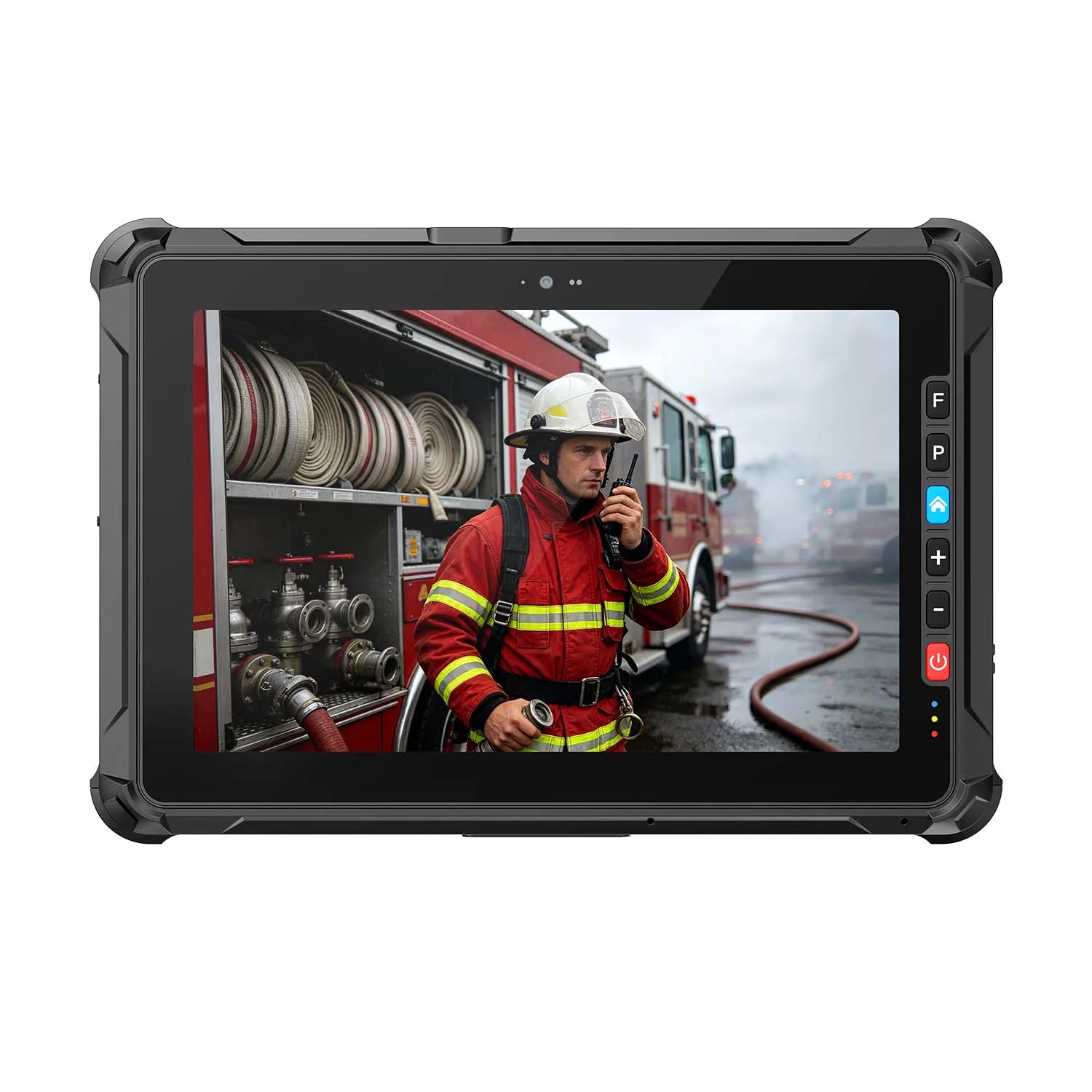
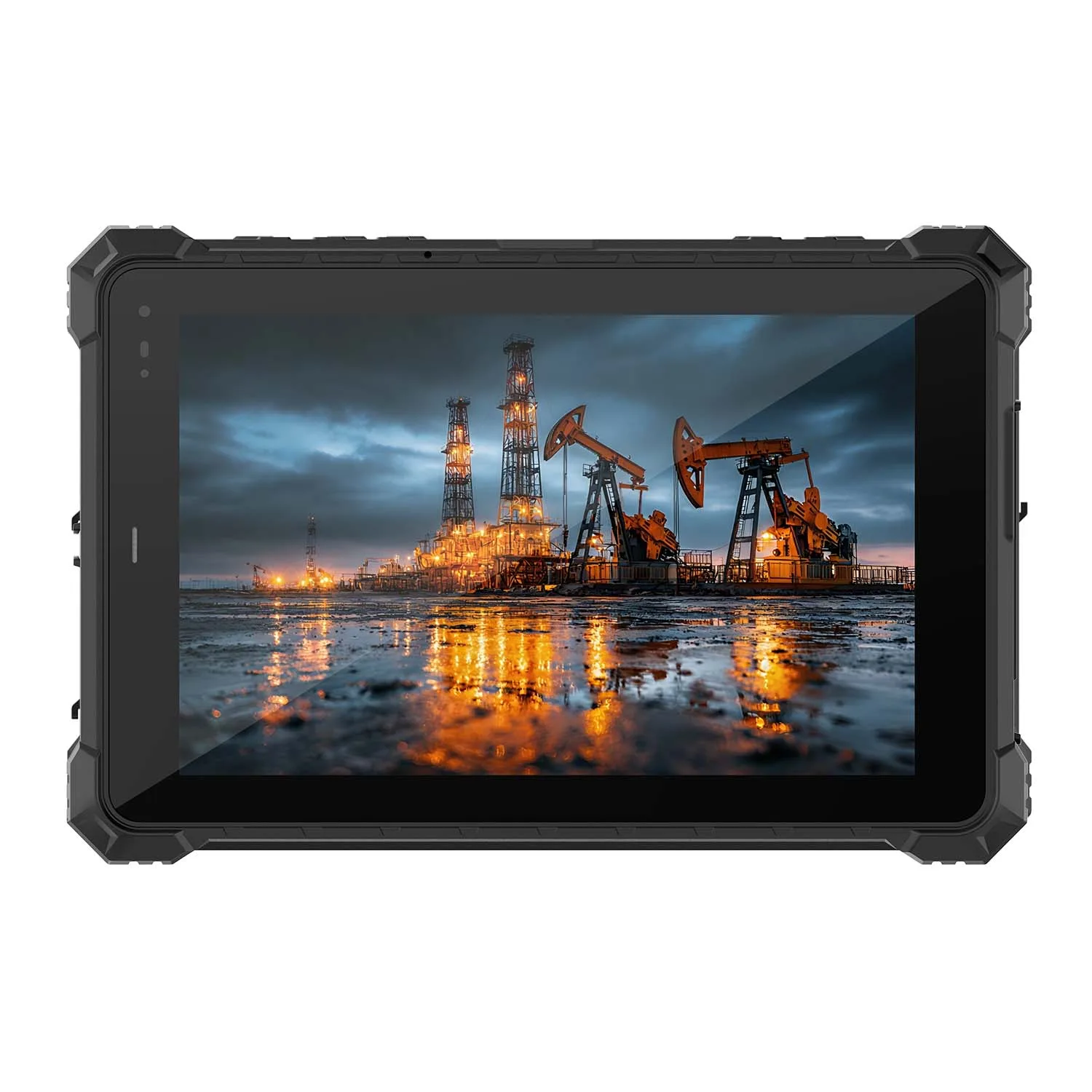
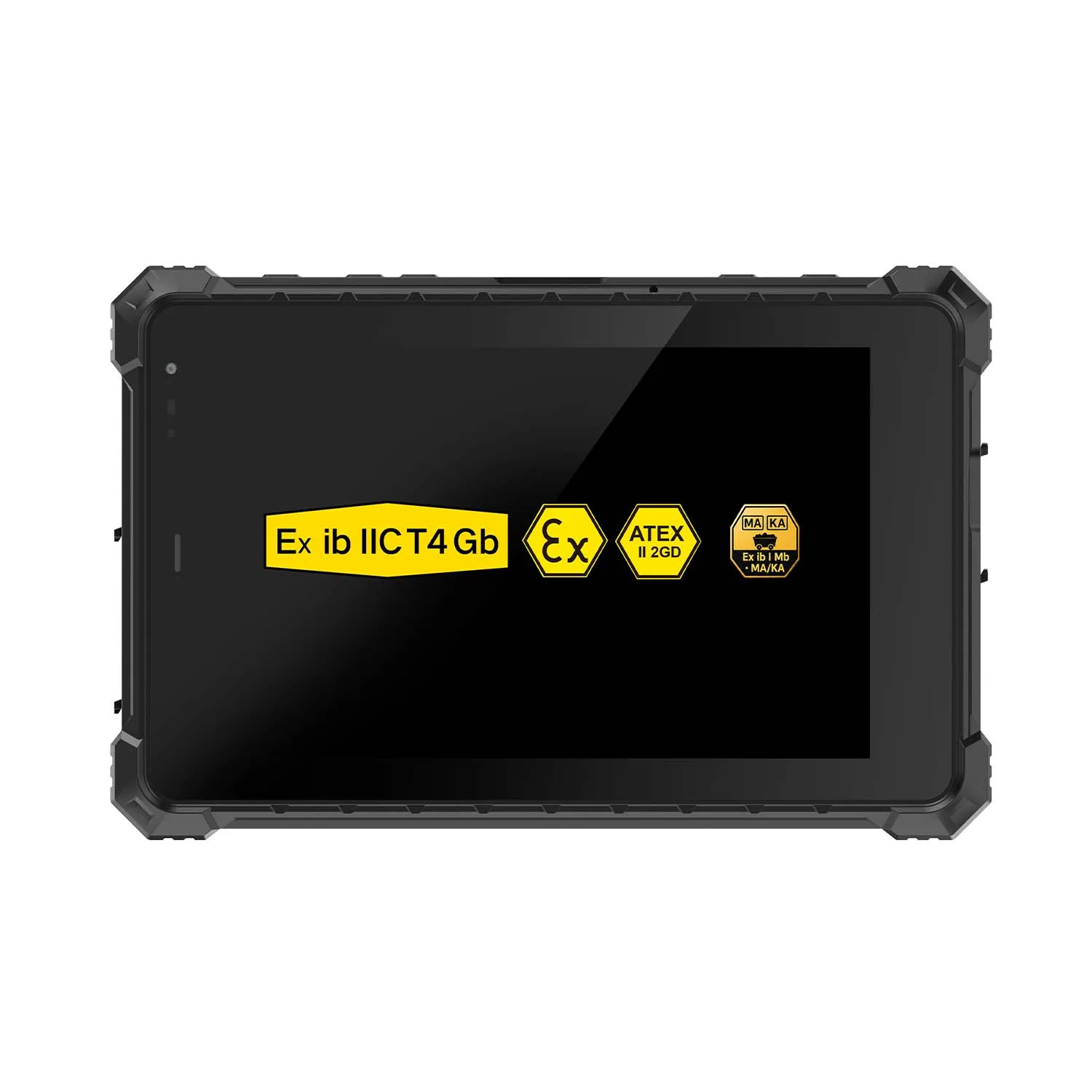
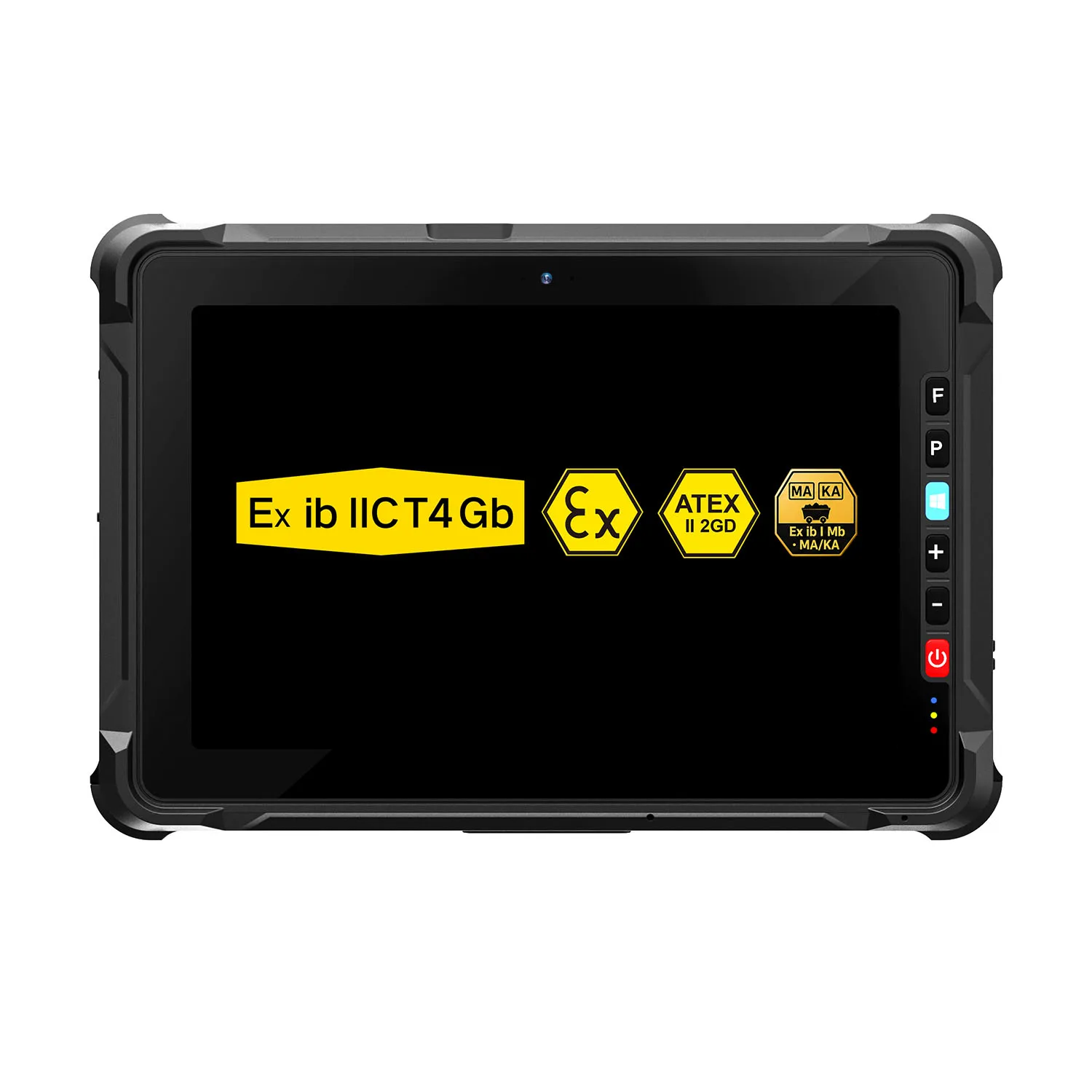
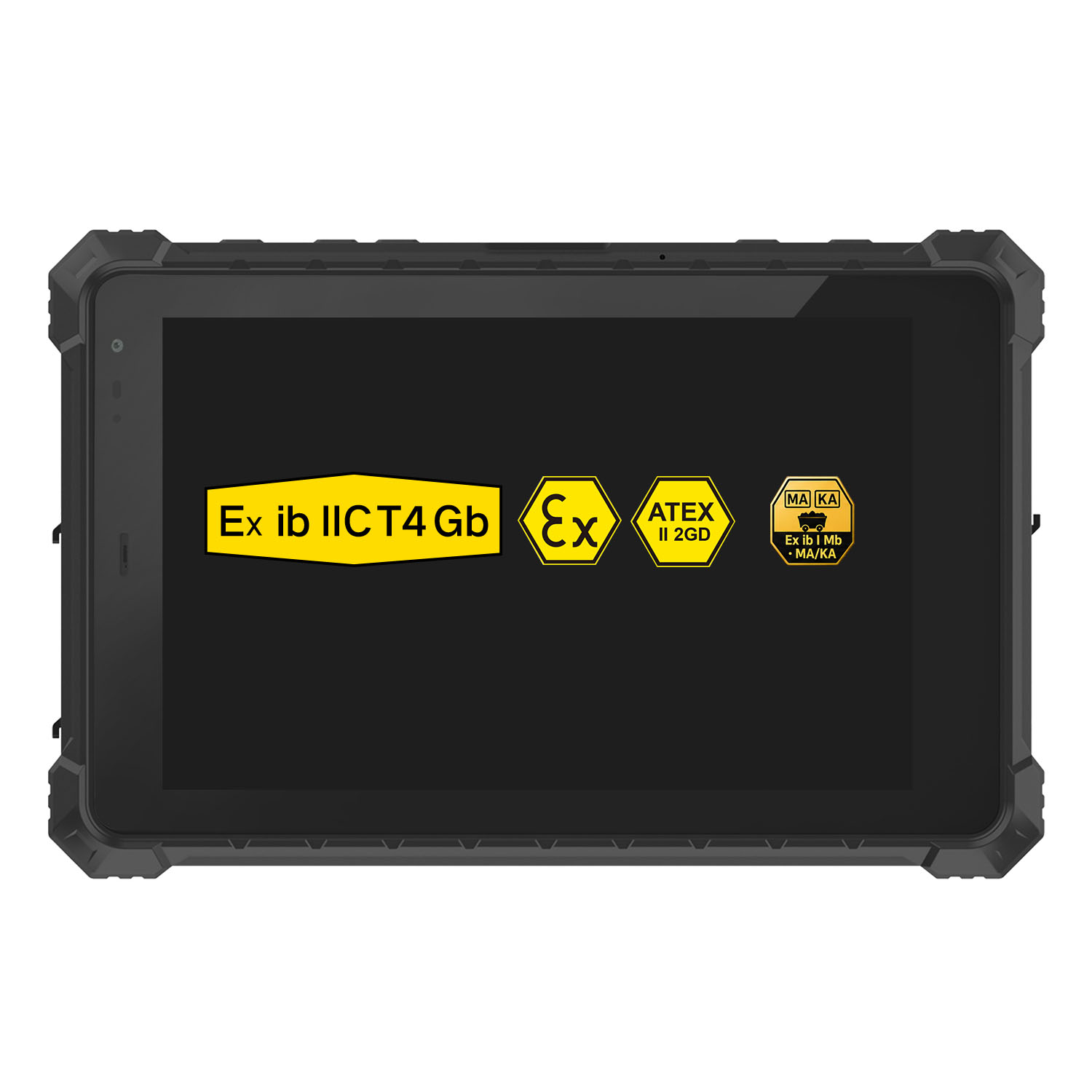
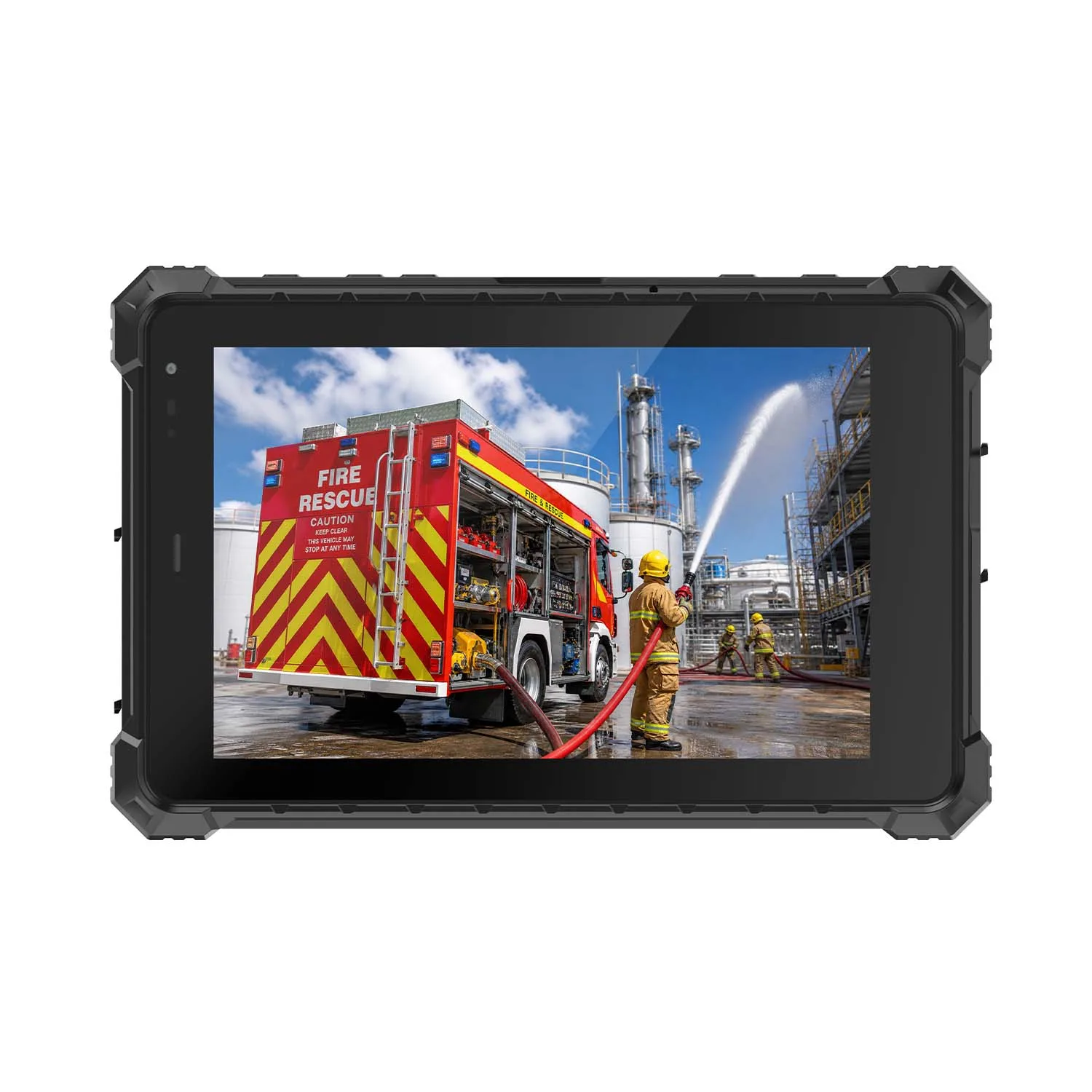
CENAVA recommended its W86H rugged tablet to address these gaps in traditional inspection methods.During power inspections, inspectors use the terminal to view inspection tasks, inspect assigned areas, and collect equipment information, uploading it promptly. Managers can then remotely review the safe operating status of the site and surrounding facilities and decide on an appropriate response. The terminal covers three core functions — equipment status data collection, inspection personnel management, and backend data analysis — standardizing and digitizing power inspection operations and strengthening information management around potential power safety hazards.W86H Specifications
OS: Windows 10
CPU: Intel Atom x5-Z8350
Display: 8"
Connectivity: Wi-Fi, Bluetooth
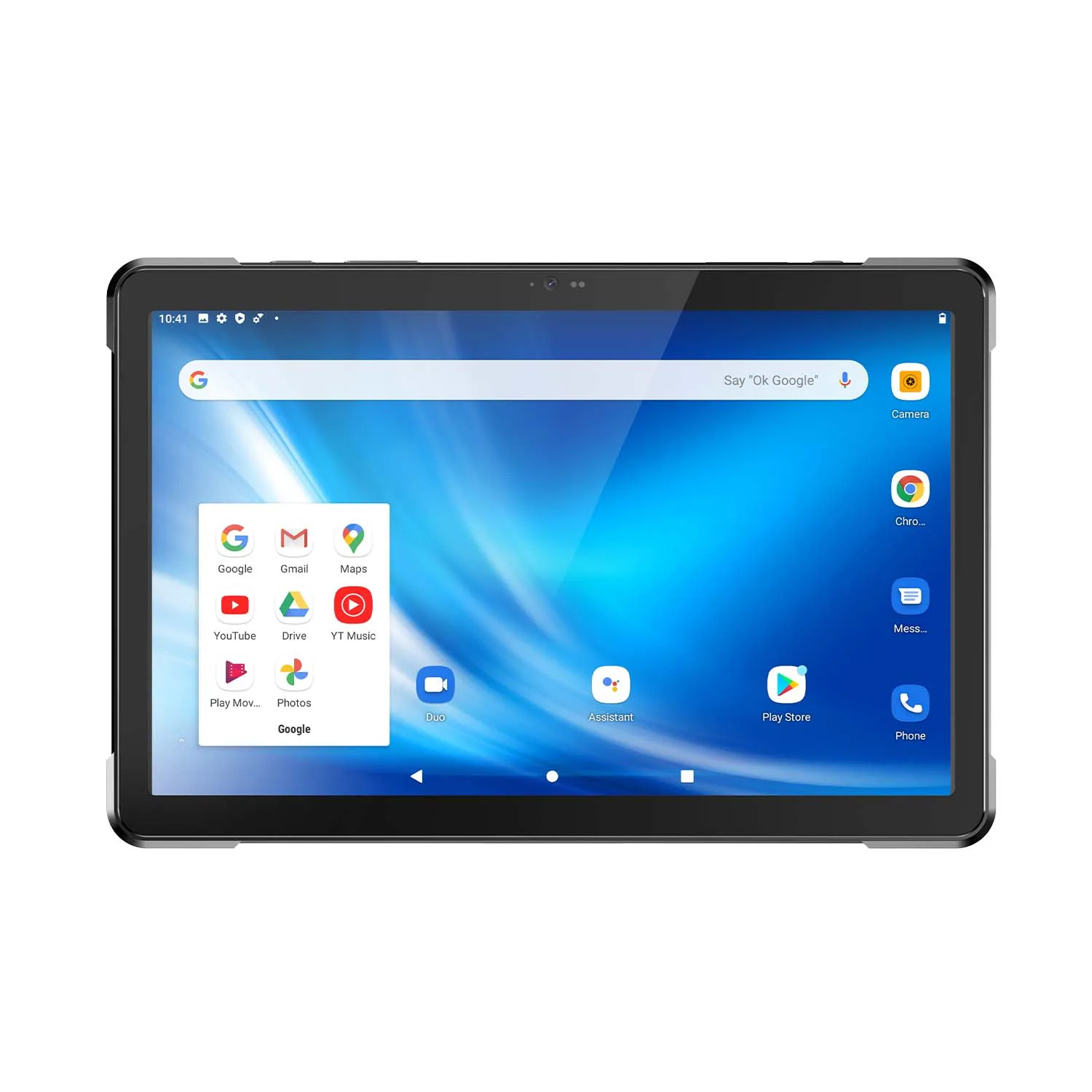
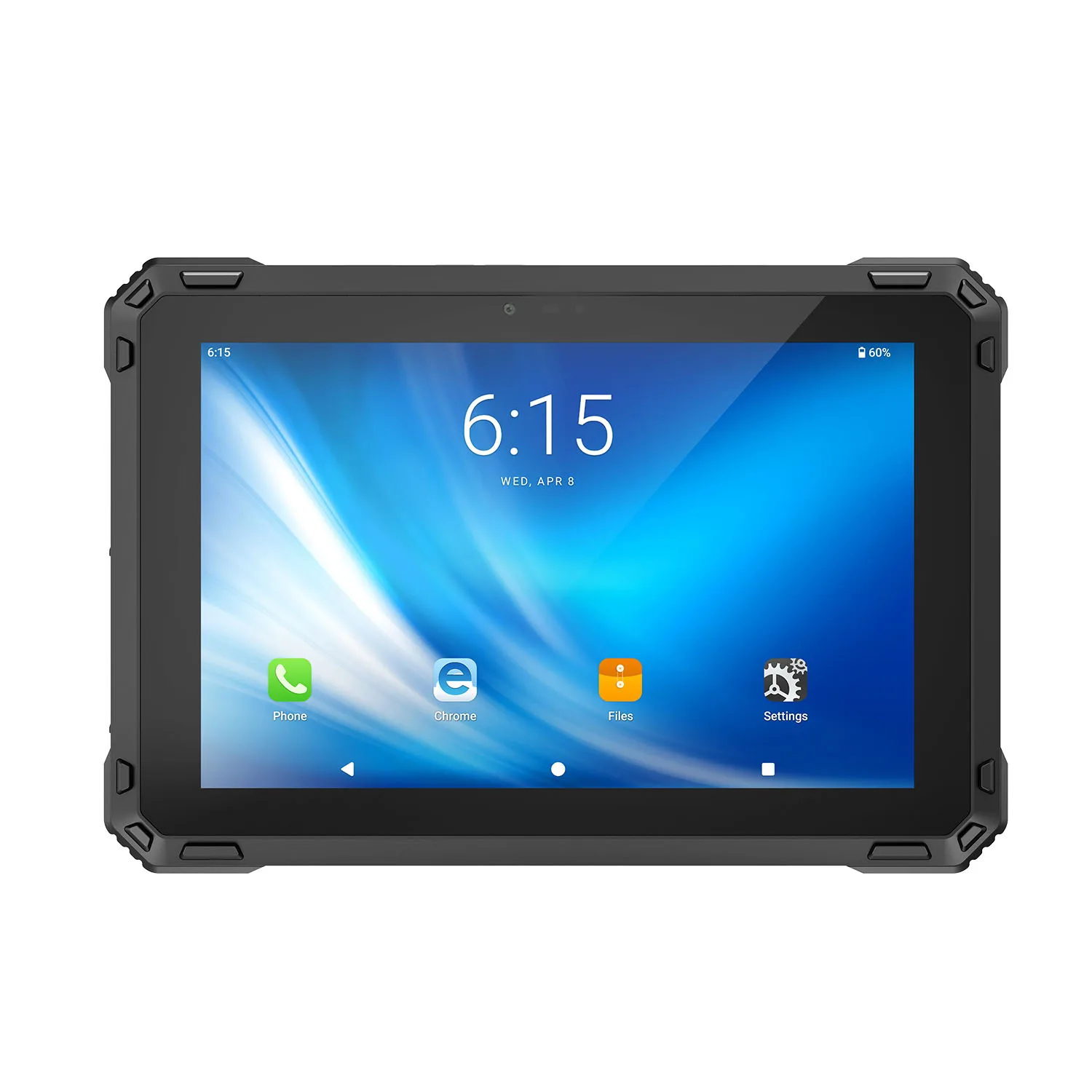
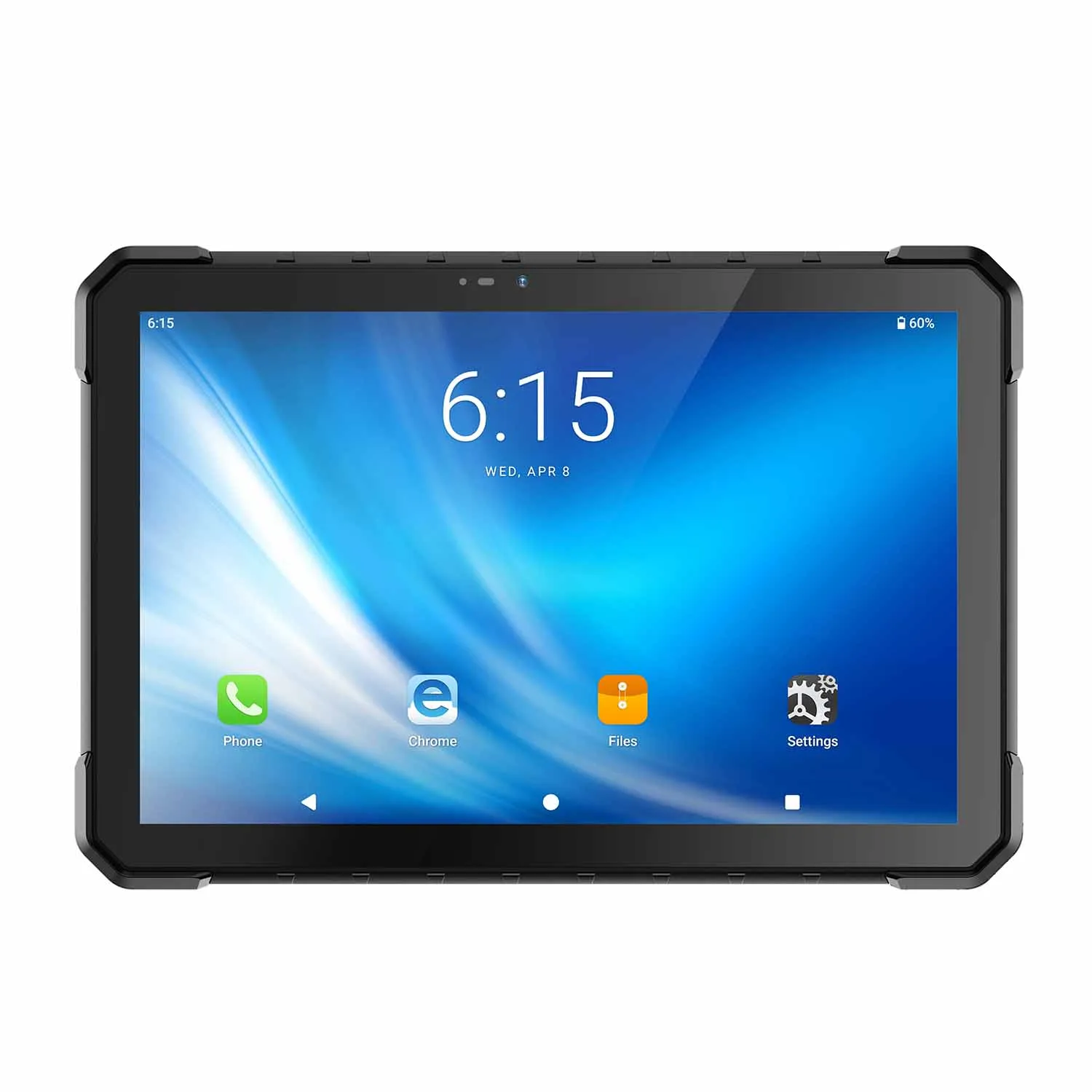
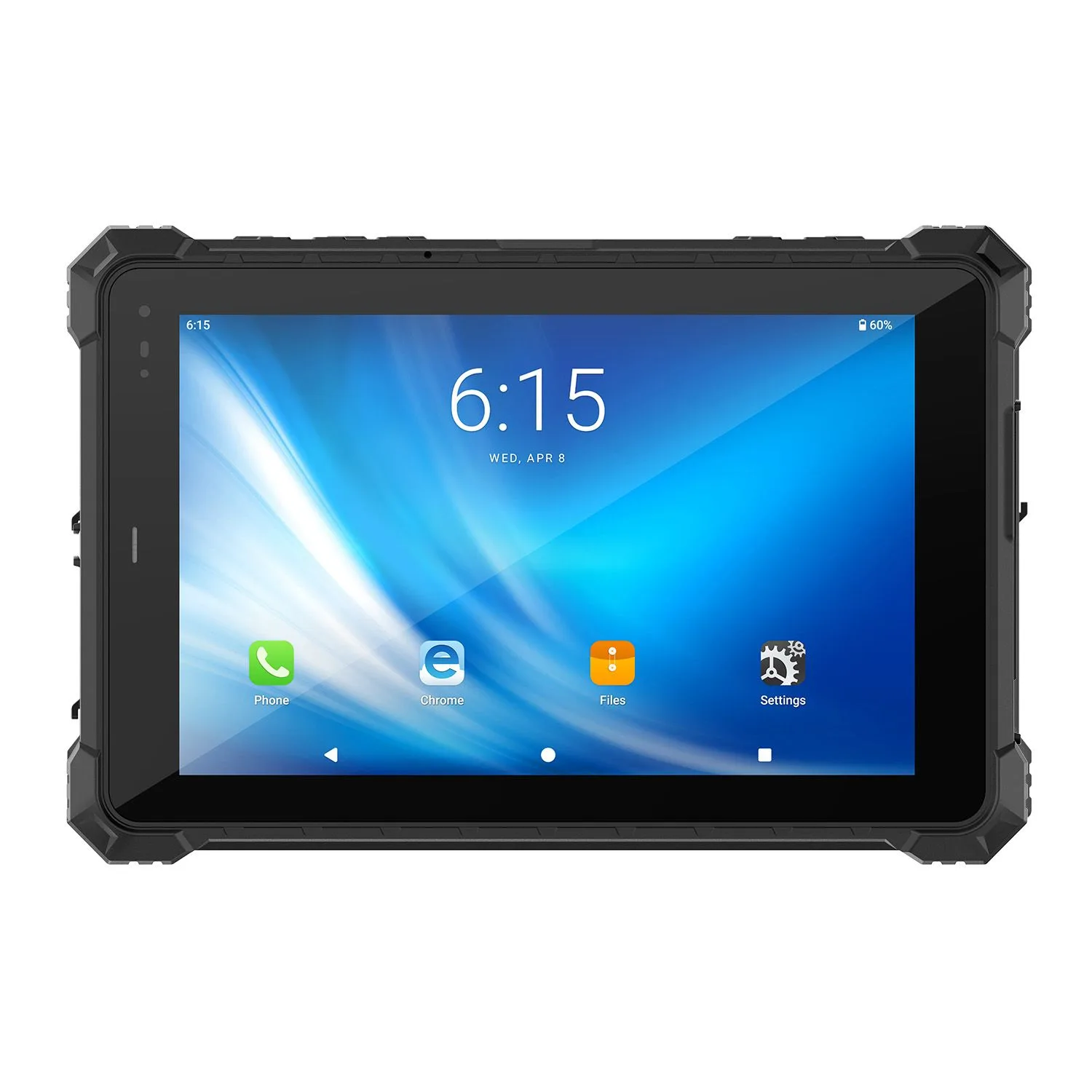
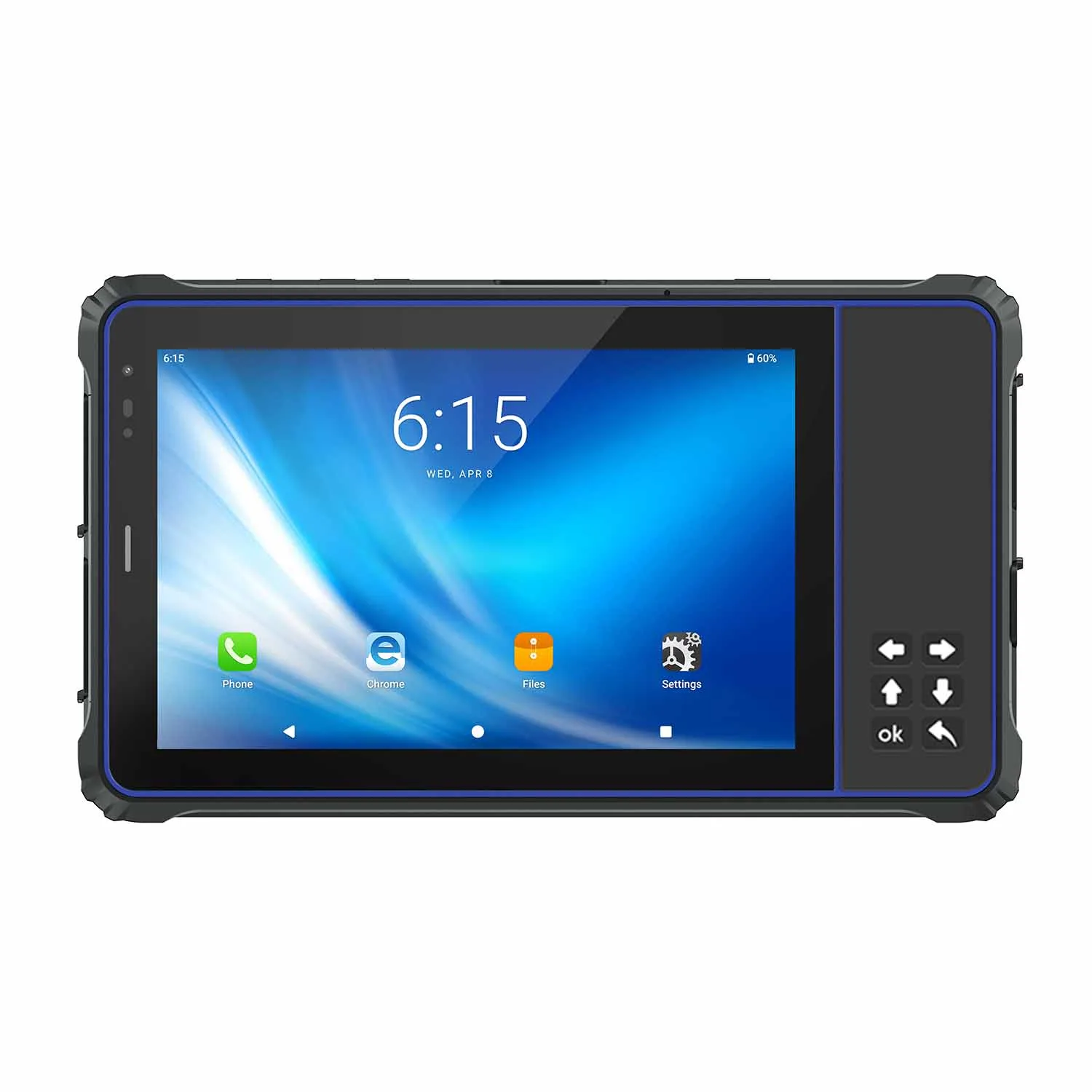
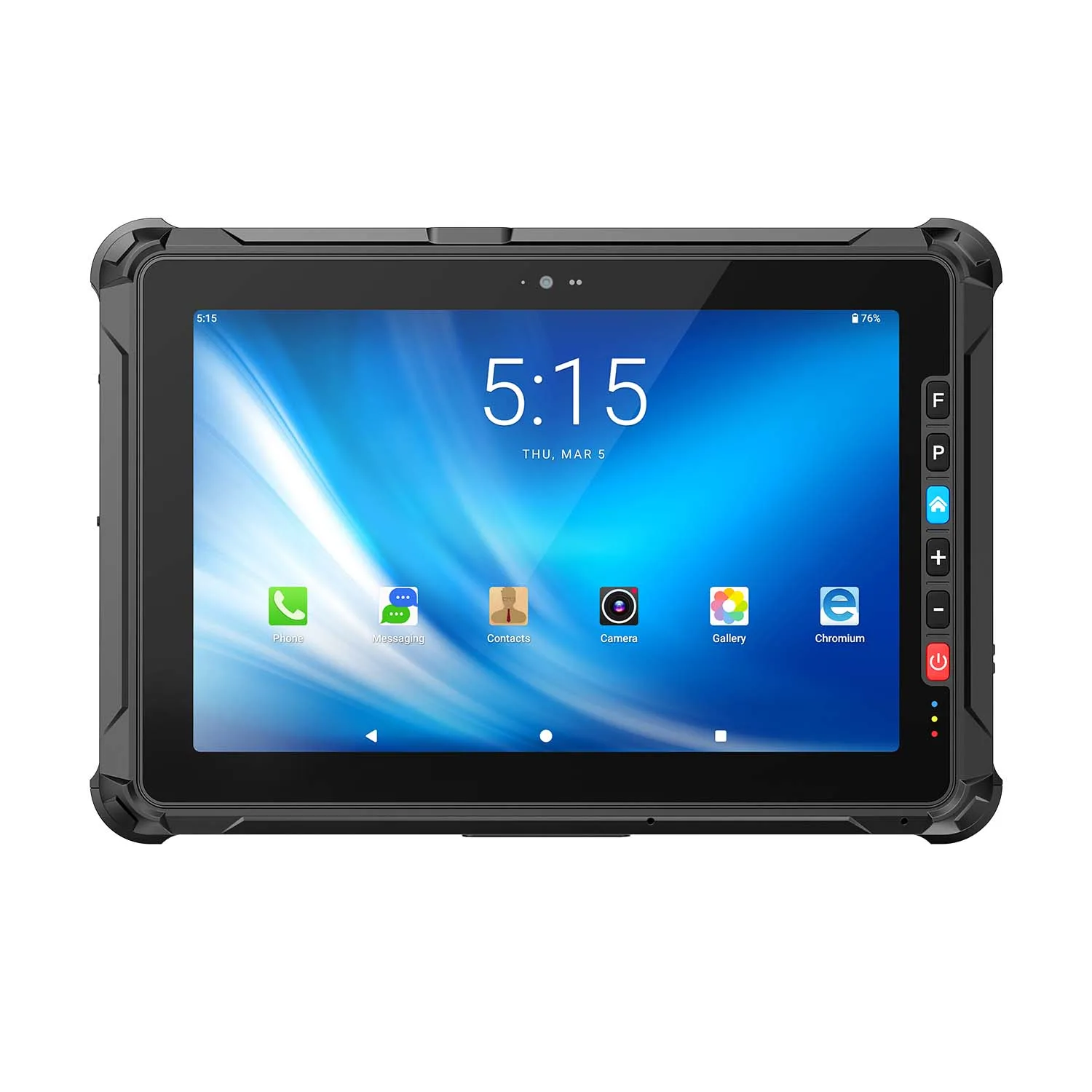
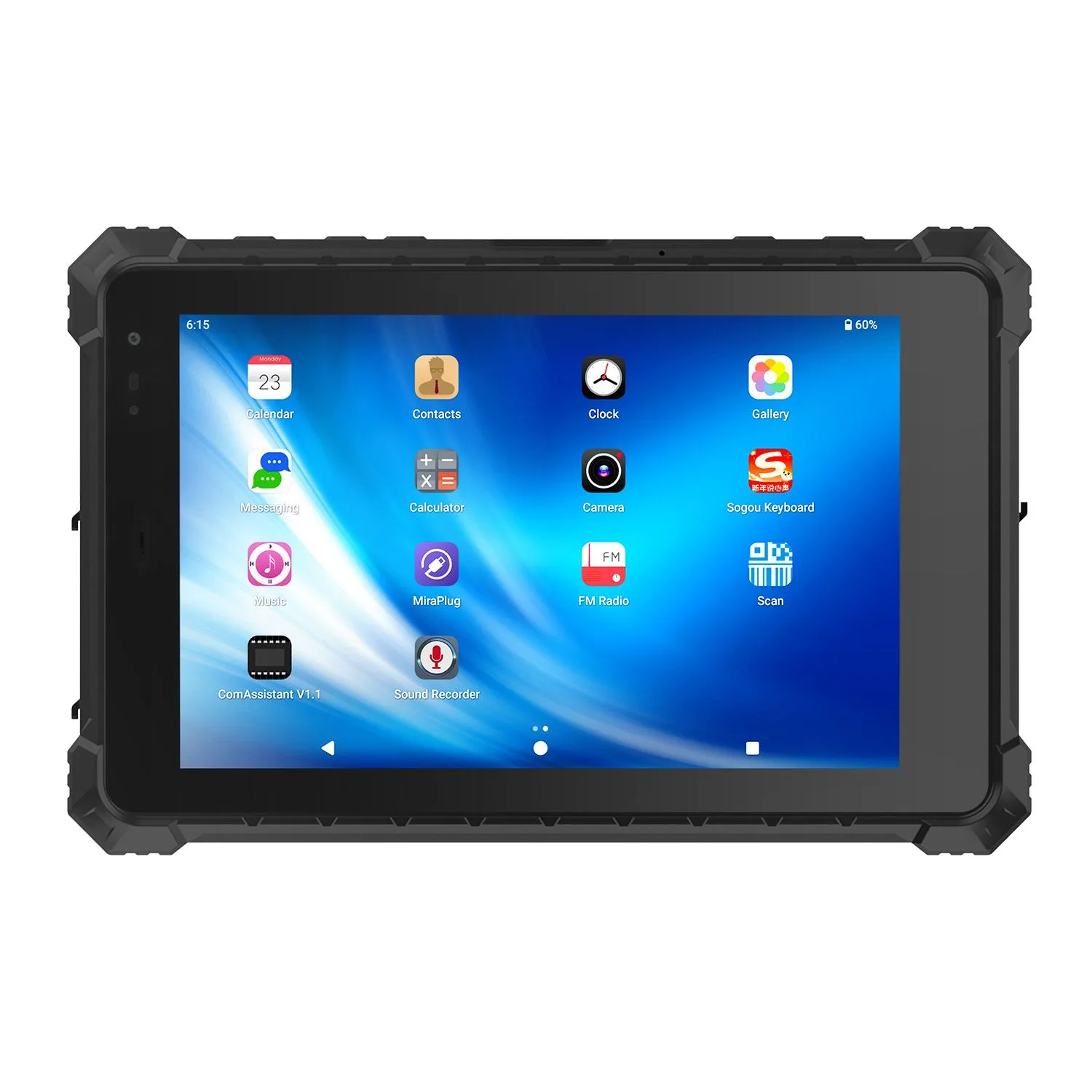
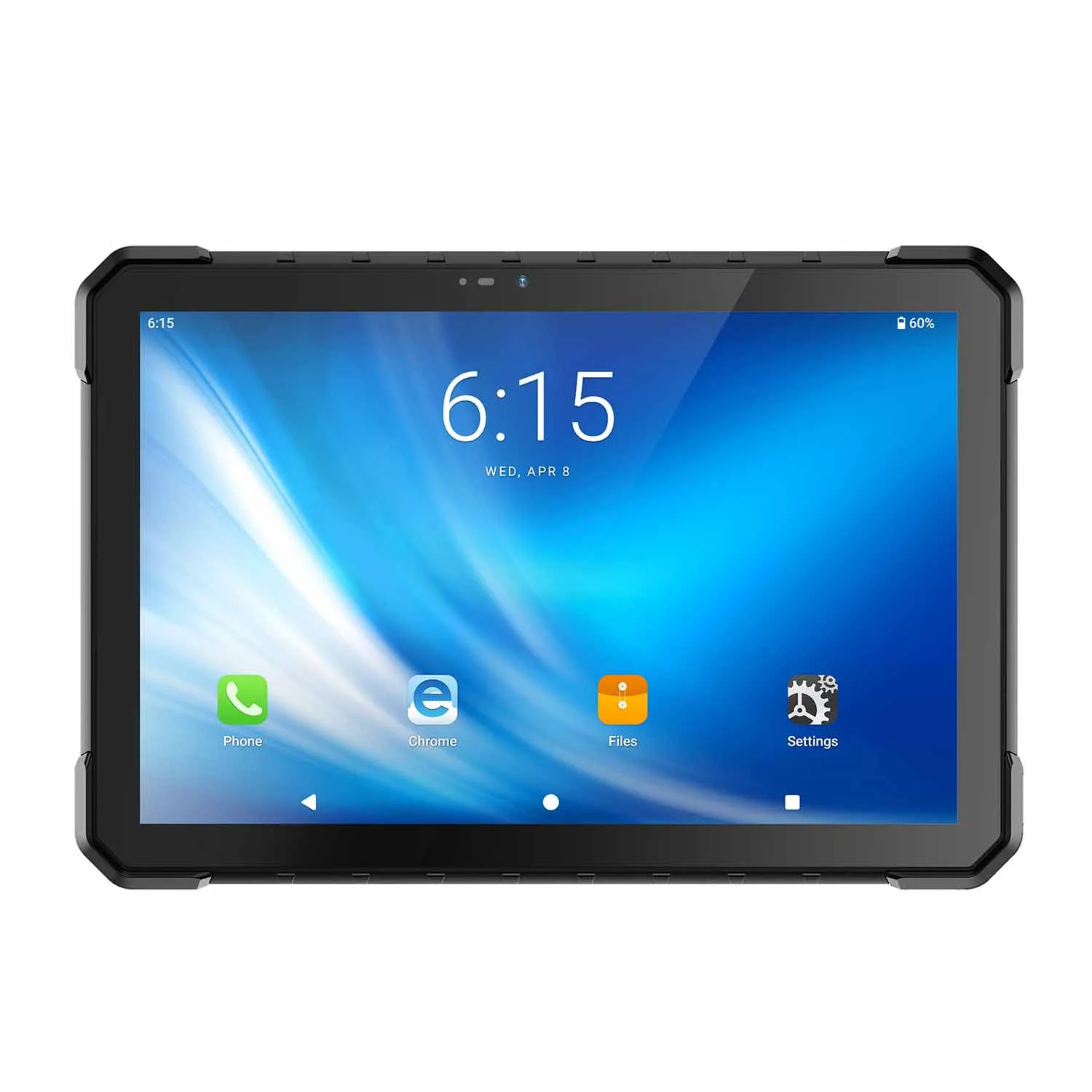
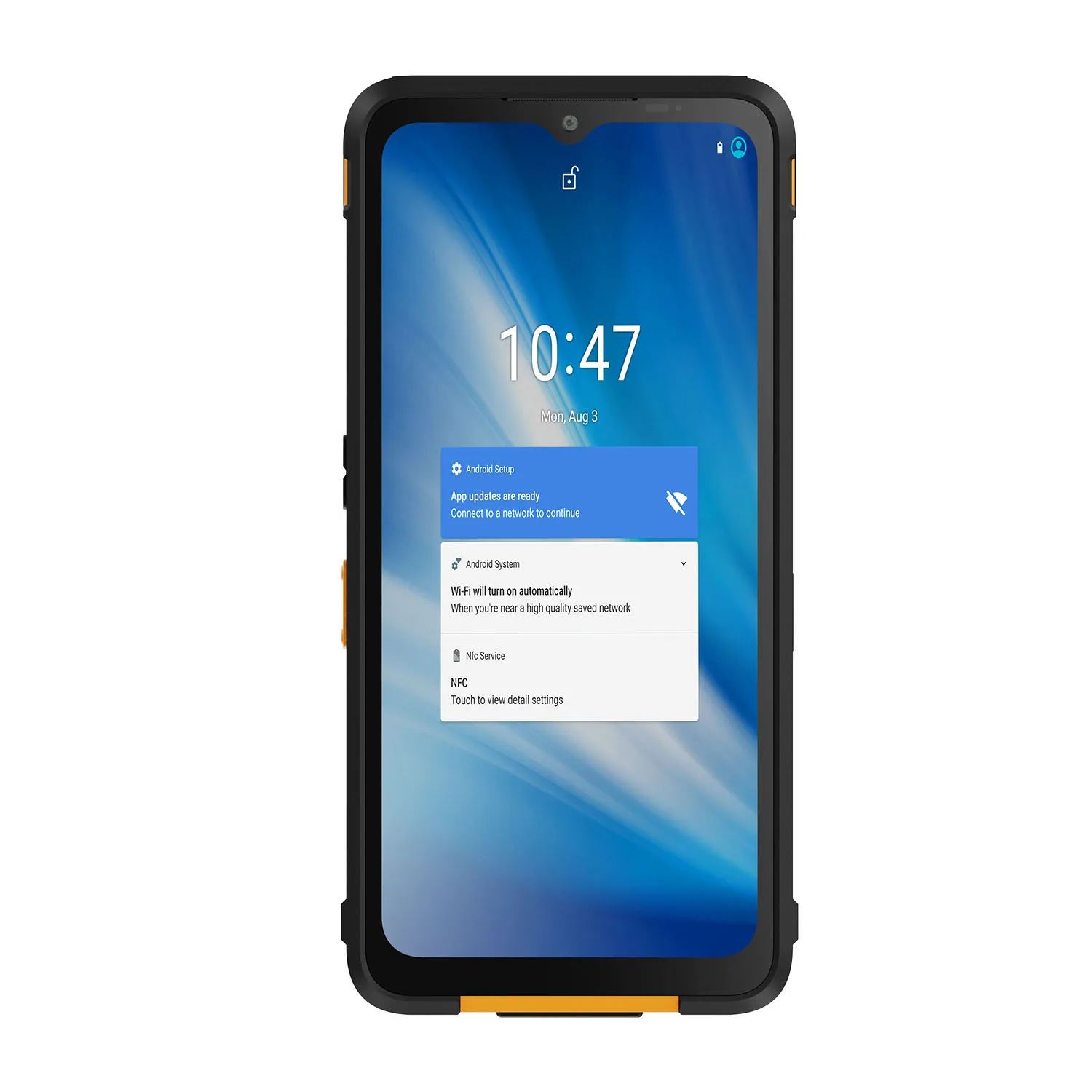
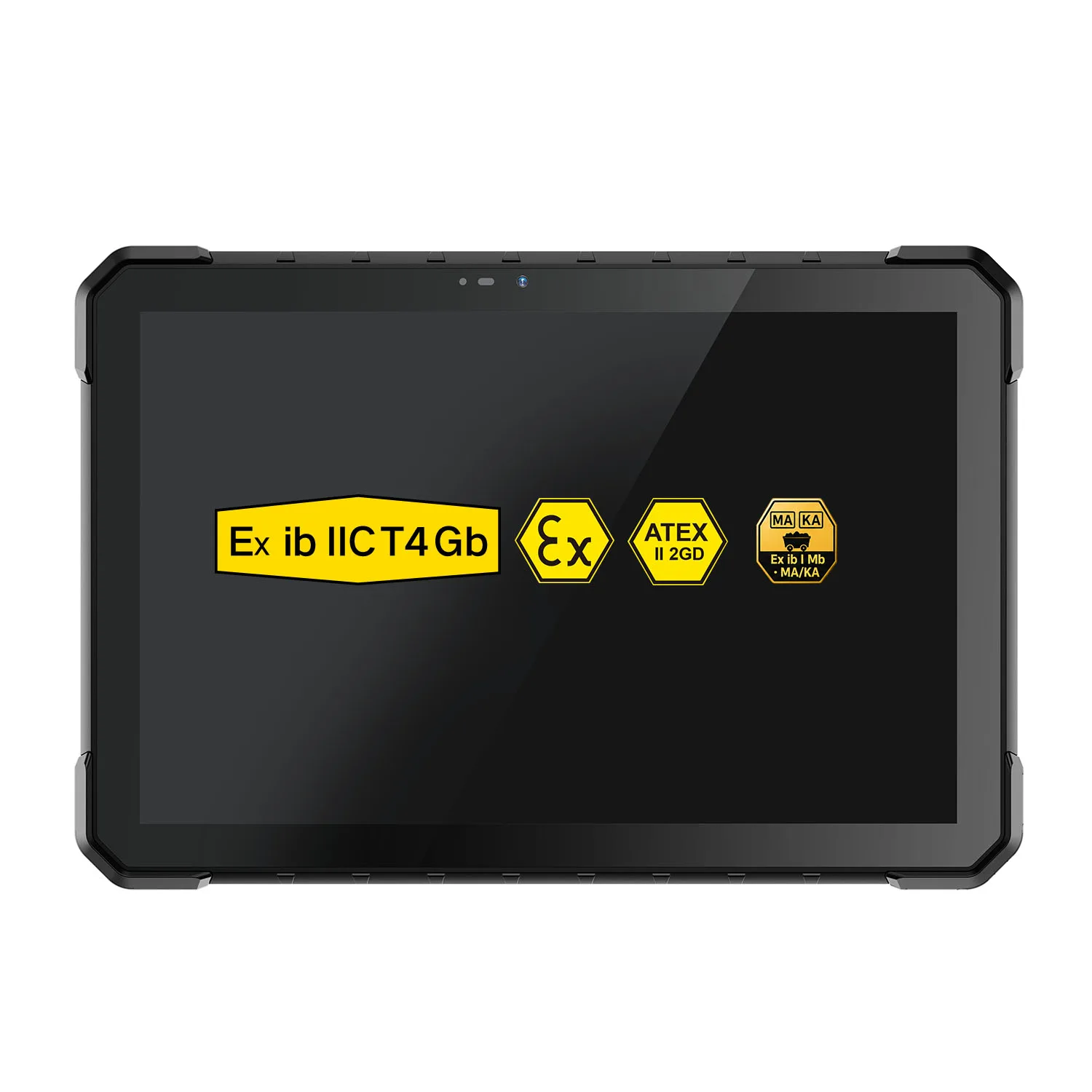
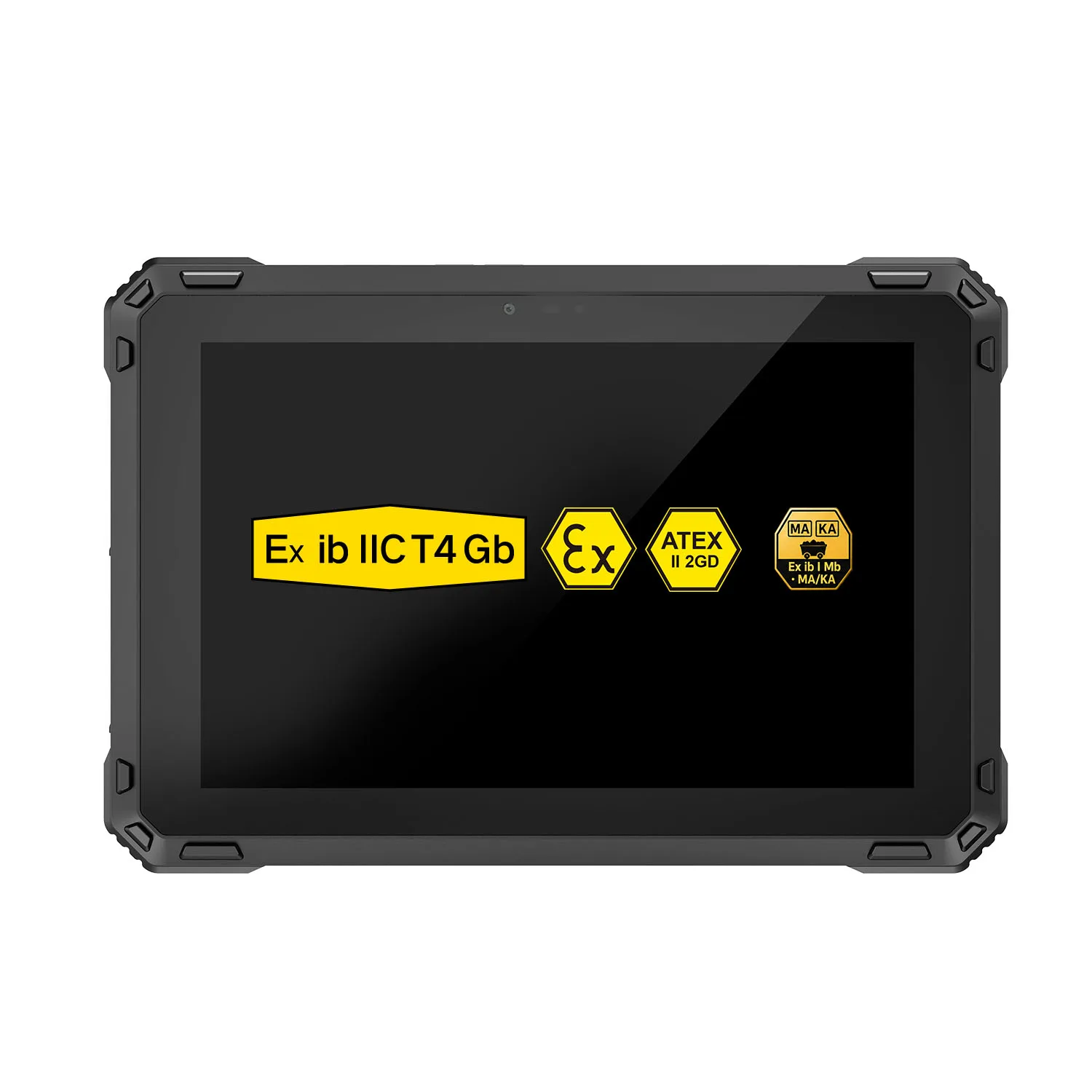
Note: the W86H is an earlier-generation, entry-tier CENAVA tablet built around a low-power Atom processor — for a new power inspection deployment today, CENAVA's current A10ST (Android 13, IP68, MIL-STD-810H, optional RTK GPS for precise equipment location tagging) or W109U (Windows, higher-performance i5/i7) are worth considering depending on your inspection software's OS requirements.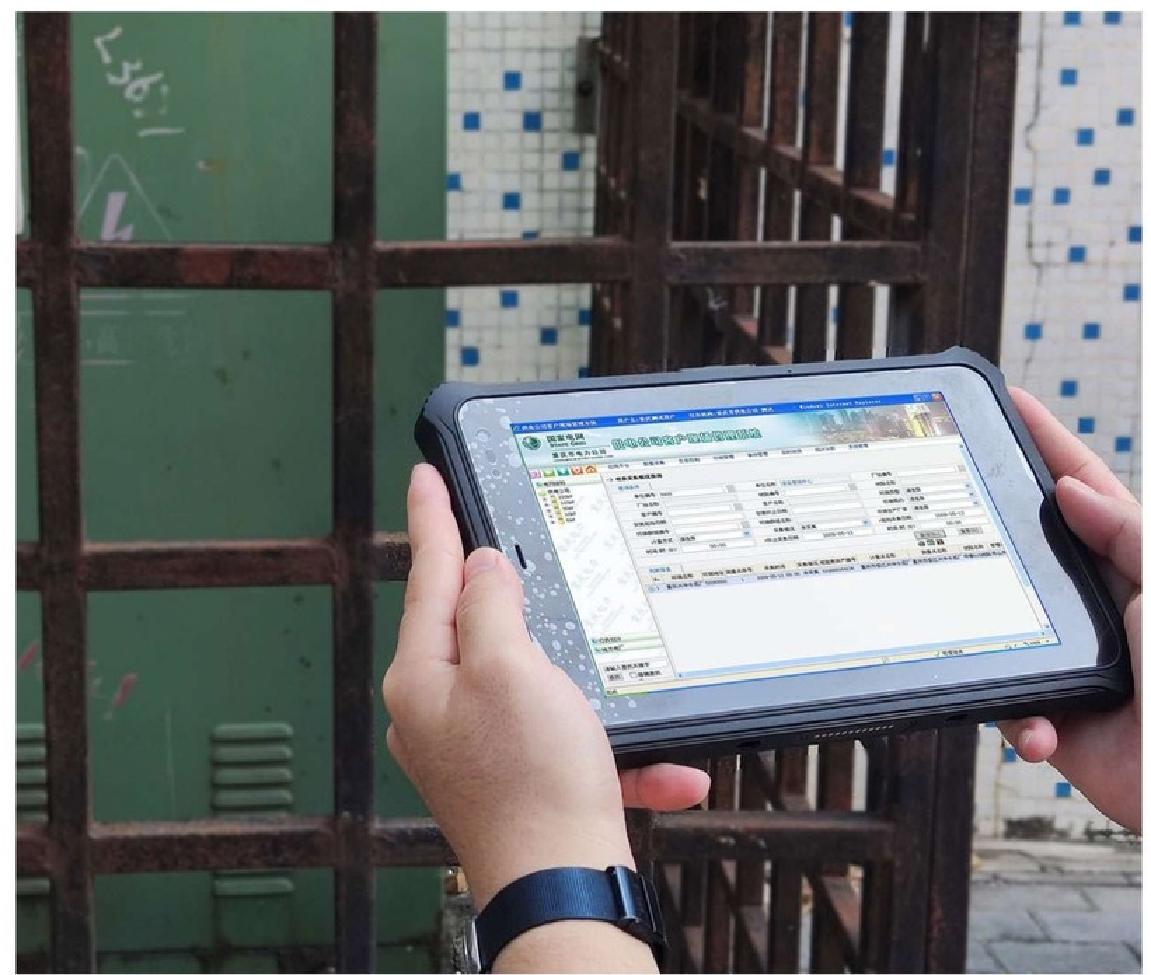
Why Digital Inspection Tools Matter for Power Utilities
Consistent, structured data replaces handwriting variability with standardized digital entry, making records easier to search, compare, and archive.
Faster fault response — uploading findings immediately (rather than after a manual paper round-trip) shortens the time between spotting a hazard and acting on it.
Accountable inspection coverage — task assignment and tracking through the terminal make it harder for inspections to be skipped or left incomplete unnoticed.
Remote oversight — managers can review site conditions and inspector activity without being physically present at each location.
Frequently Asked Questions
1. What problems does digitizing power inspection actually solve?It replaces inconsistent, error-prone handwritten records with standardized digital data collection, speeds up reporting of hazards and faults, and makes it possible to track and verify that inspections are actually being completed as assigned.2. Is the W86H still a current CENAVA model?
No — the W86H is an earlier-generation, entry-tier tablet built around a low-power Intel Atom processor; for a new deployment, CENAVA's current A10ST or W109U are worth considering depending on your inspection software's requirements.3. Can managers monitor inspection status remotely?
Yes — the system lets managers remotely review the safe operating status of inspected sites and surrounding facilities and decide on a response, without needing to be physically on-site.4. Does GPS help with power line inspection specifically?
Yes — location data helps tag exactly where equipment defects or hazards were found along a transmission line; CENAVA's current A10ST offers an optional RTK module for centimeter-level location accuracy if that precision is needed.5. How does this system improve inspector accountability?
Task assignment and tracking through the terminal make inspection coverage visible to management, reducing the risk of incomplete or skipped inspections going unnoticed.6. Can CENAVA customize a tablet for a specific power utility's inspection software?
Yes — as an OEM/ODM manufacturer, CENAVA can configure connectivity, positioning modules, and durability rating to match a utility's specific inspection system; contact CENAVA sales to scope your deployment.
Conclusion
Power line inspection depends on accurate, timely, well-supervised data — problems handwritten paper records struggle with at scale. This utility's shift to a CENAVA rugged tablet standardized data collection, sped up fault reporting, and improved inspector accountability. For a similar deployment today, CENAVA's current A10ST or W109U extend that same approach with newer hardware and optional RTK-precision positioning.Need a Rugged Device for Your Project?
Tell us your operating environment and requirements — our engineers will recommend a configuration and quote within 24 hours.
Get a Free Quote Back to Blog