




Rugged Handhelds for Meat Traceability & Slaughterhouse Management
User Background
Food safety issues receive growing public attention, and in the slaughtering industry specifically, the complex production environment, numerous procedures, and long processes involved make traditional manual data collection extremely inconvenient. As a result, many food safety problems in this link can't be tracked or supervised, making this the weakest link in the meat product traceability chain. Improving how production information is collected during slaughtering — and strengthening the overall meat product traceability system — had become an urgent problem for slaughtering enterprises to solve.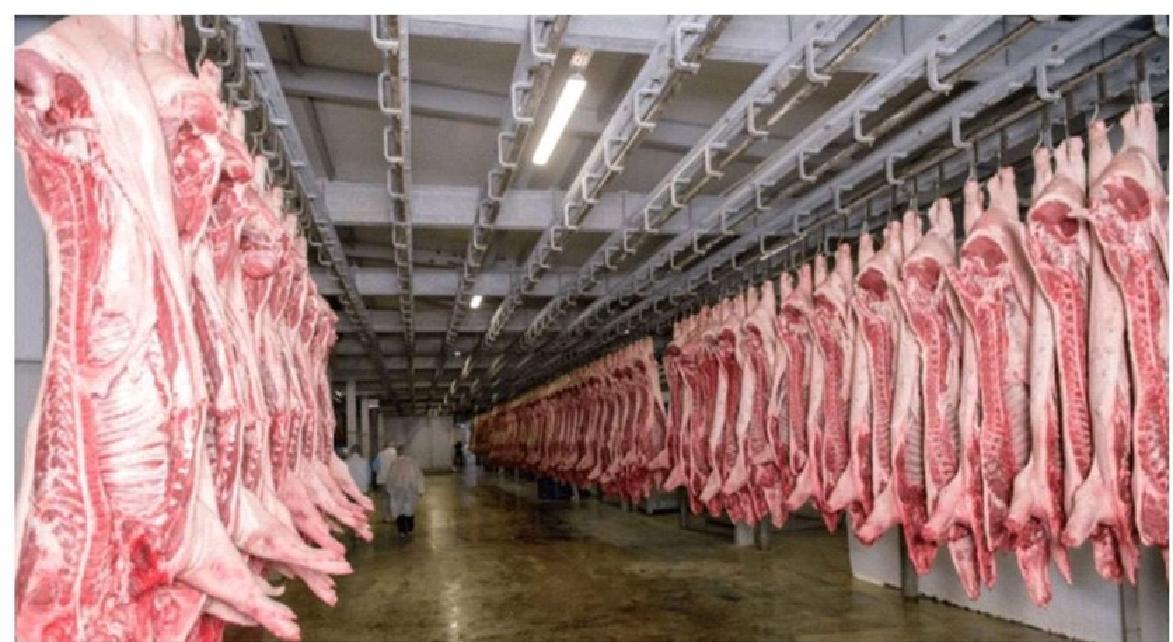
Challenges
Unclear slaughter batches — multiple batches mixed together made it impossible to distinguish timing and optimize delivery scheduling.
No way to query or monitor slaughtering personnel's health information, leaving a gap in guaranteeing meat product food safety.
Manual data entry for weight, quantity, and related information was prone to errors or intentional fraud, with no effective way to guarantee data accuracy.
Concealed or falsely reported data at each link left managers unable to accurately know the slaughtering and shipping status of each livestock batch in time, complicating management.
Solution
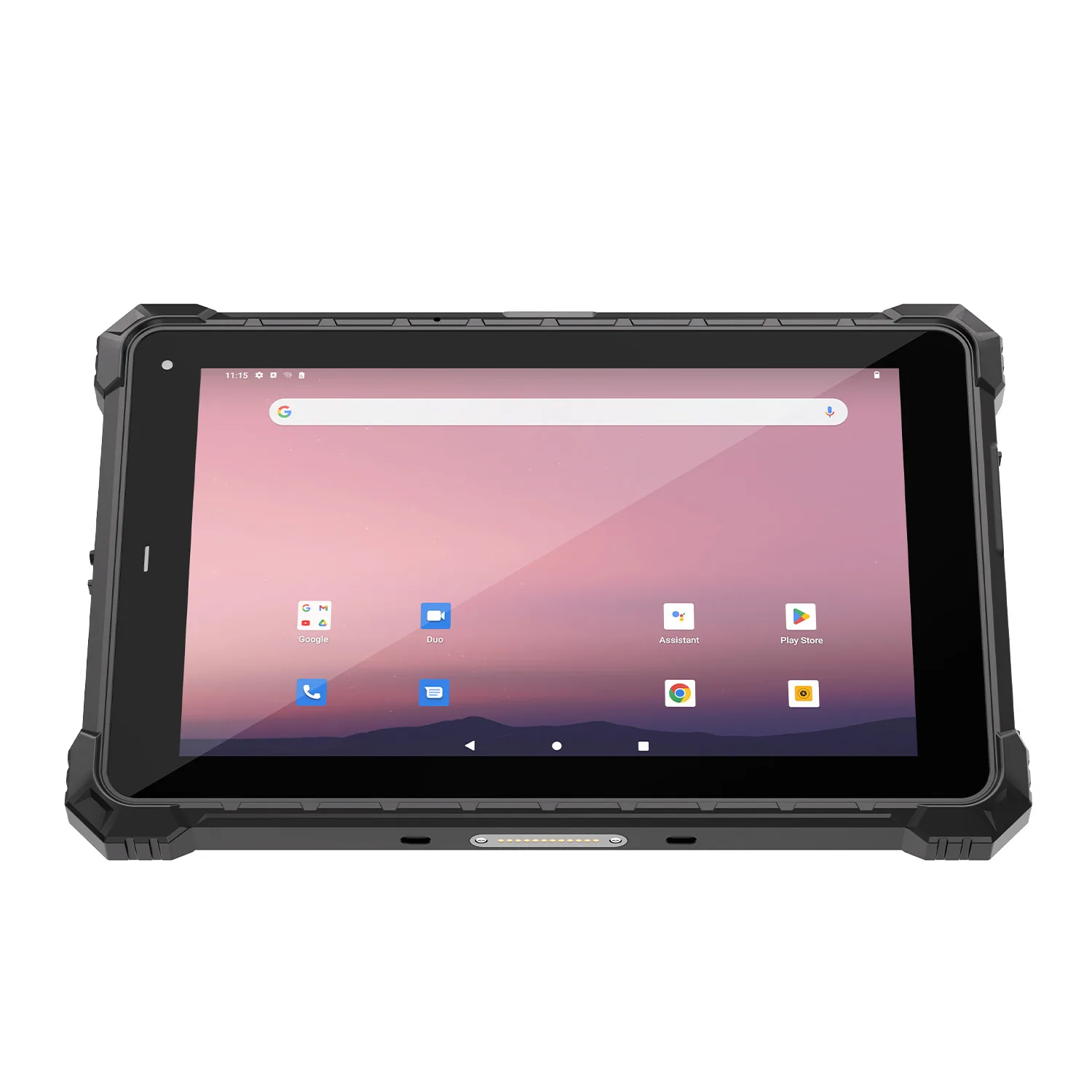
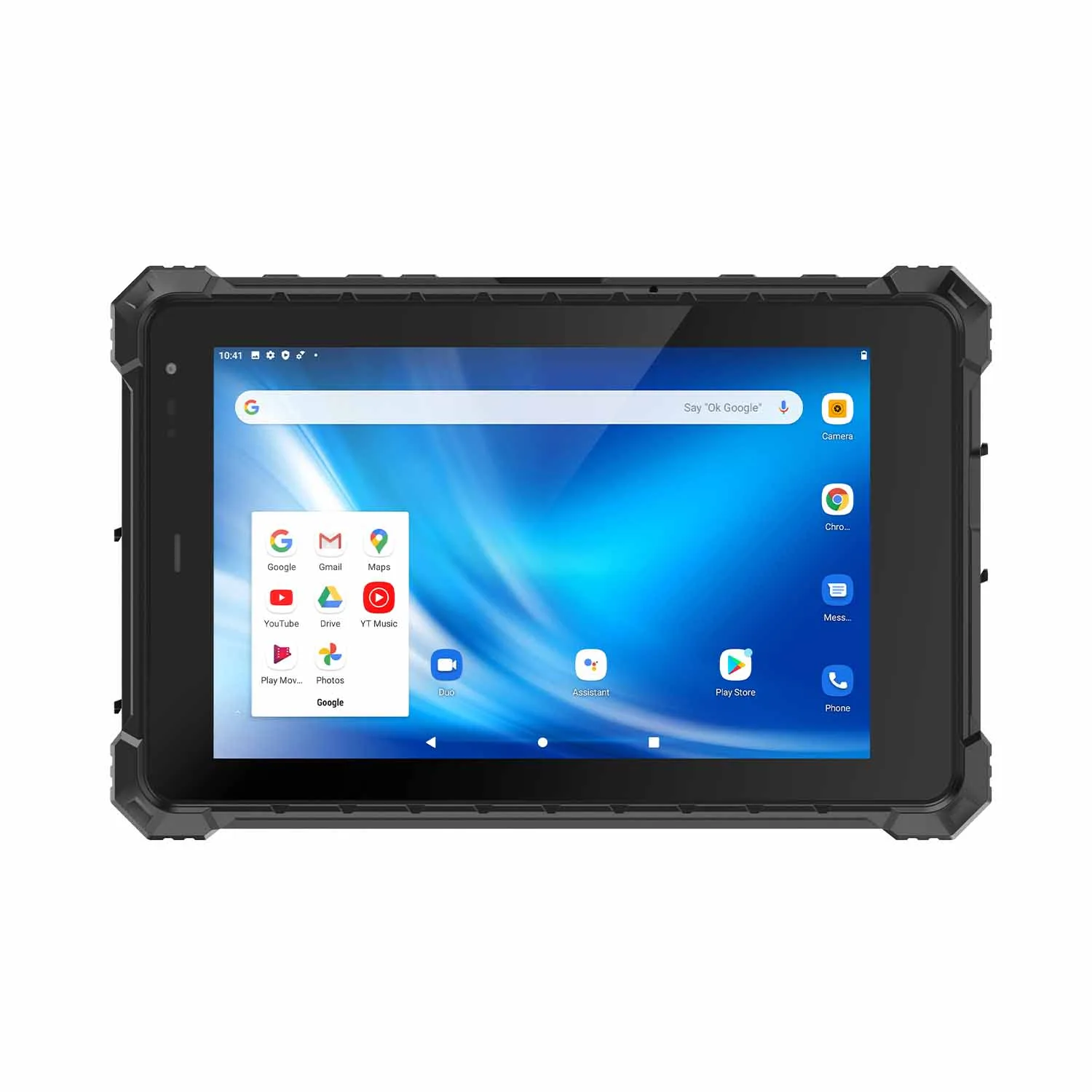
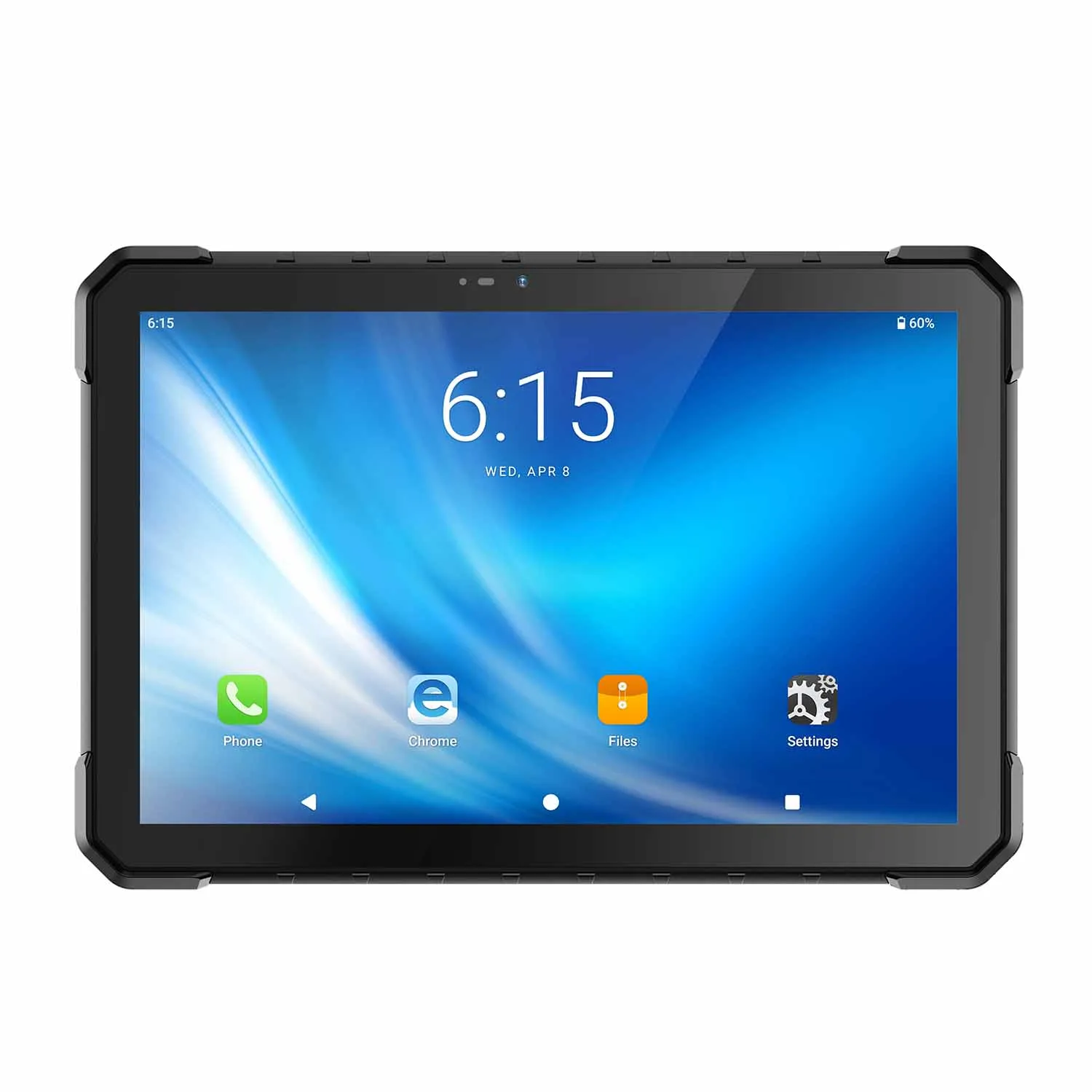
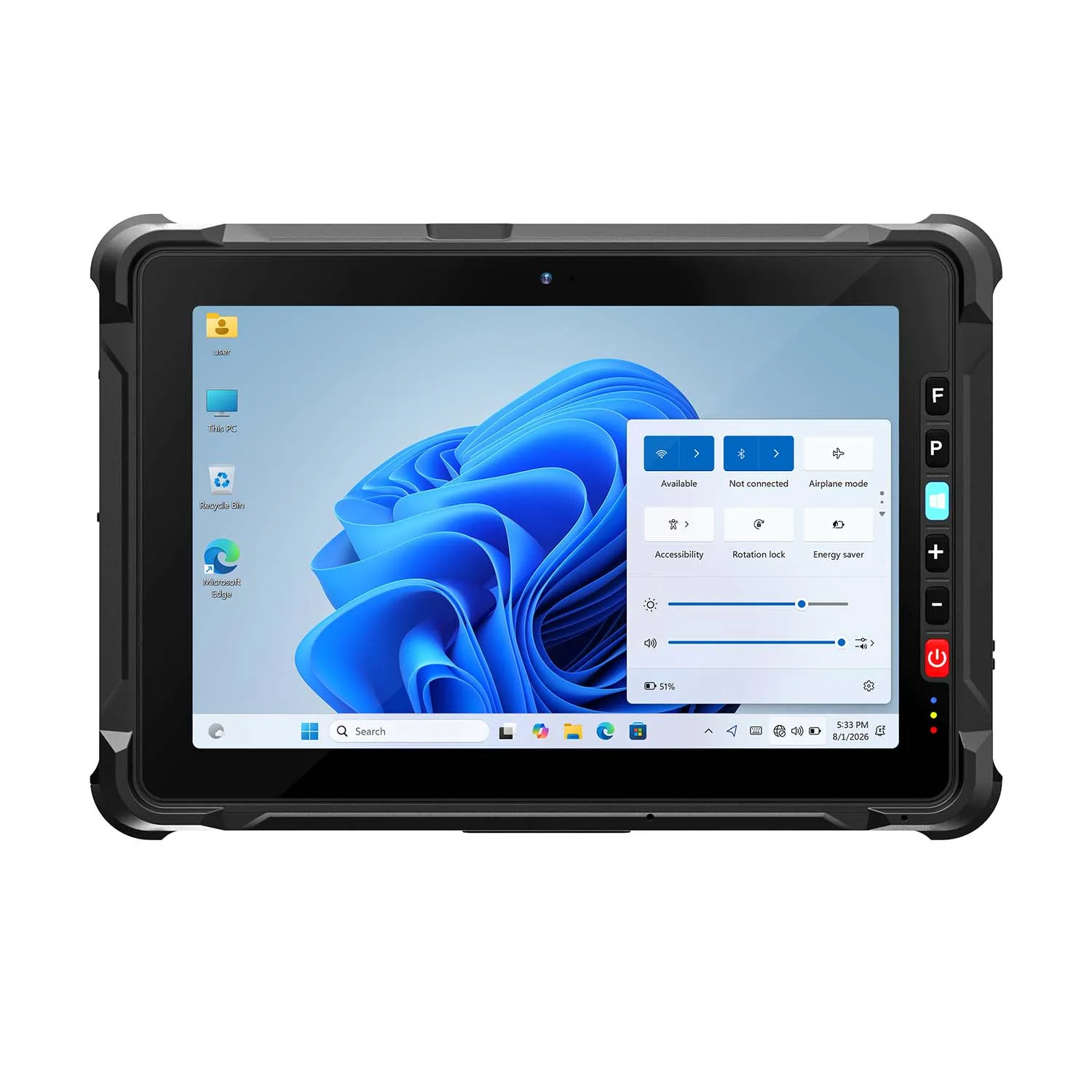
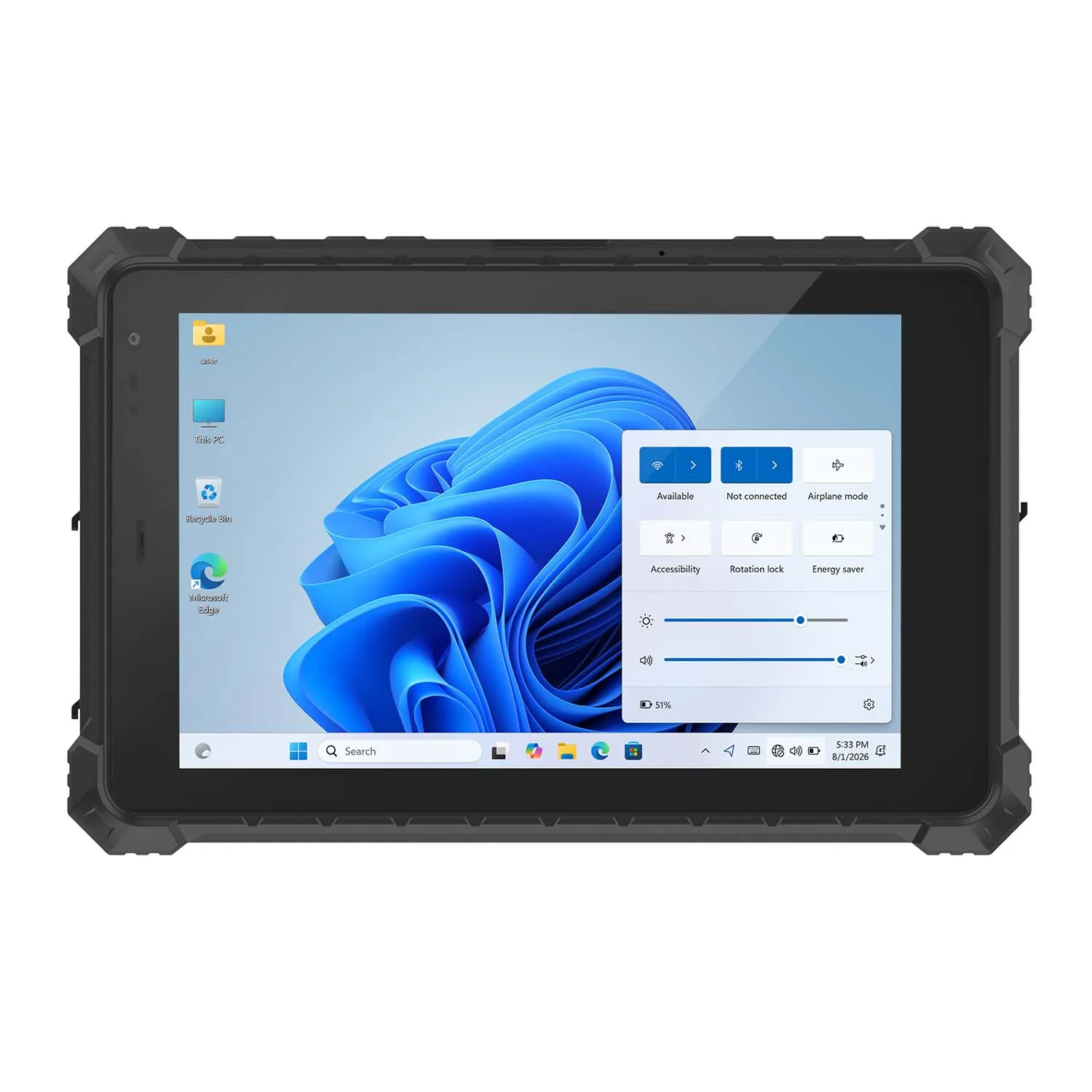
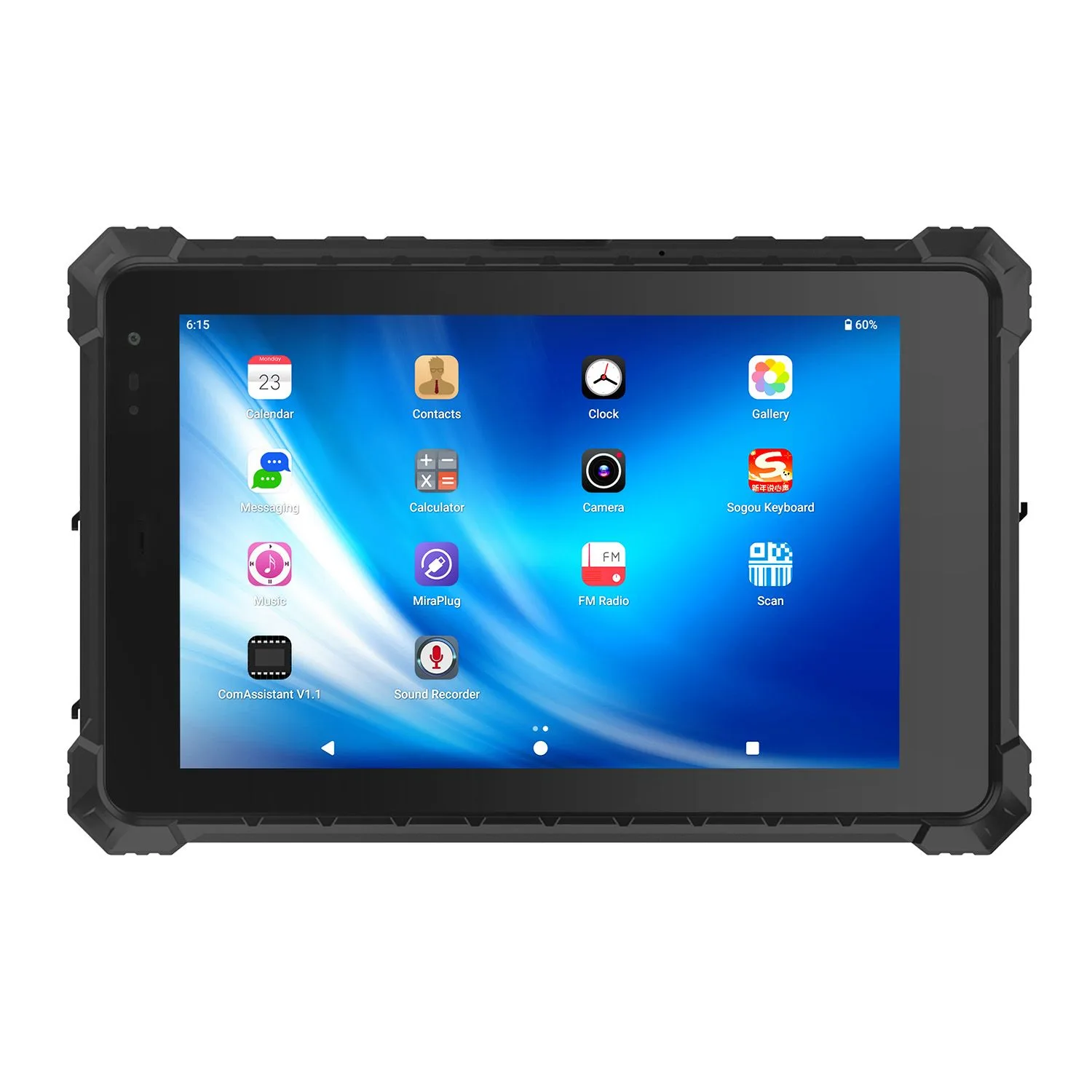
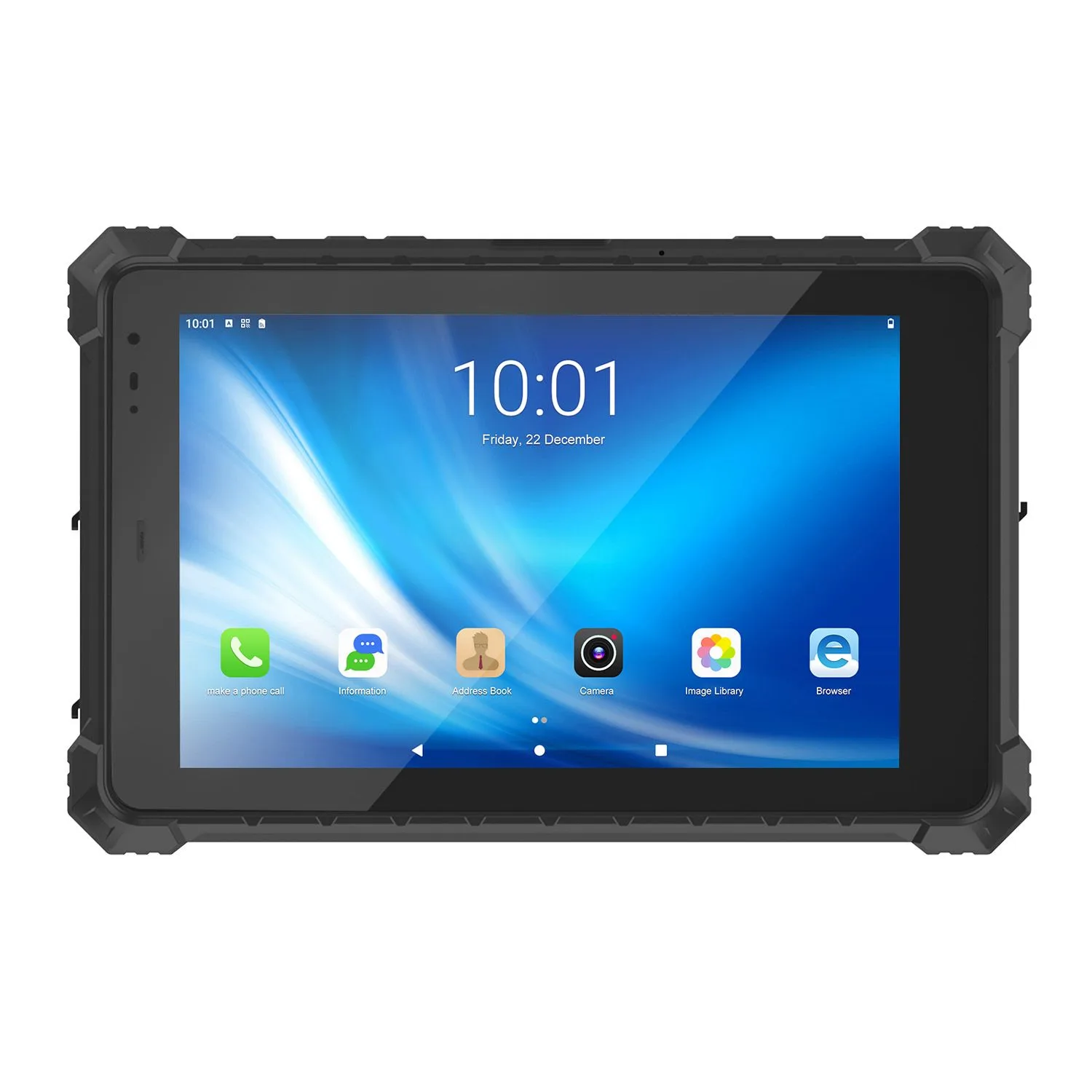
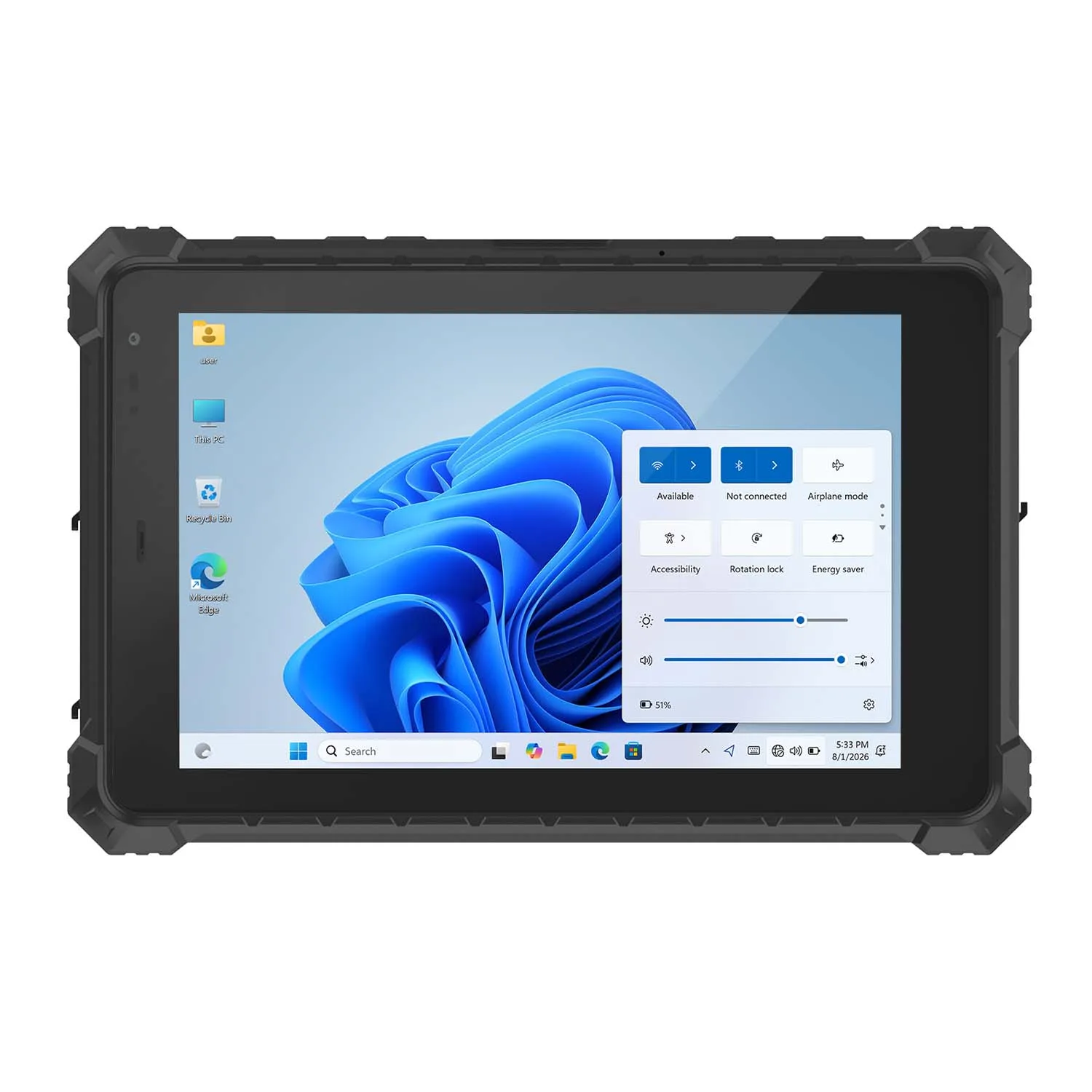
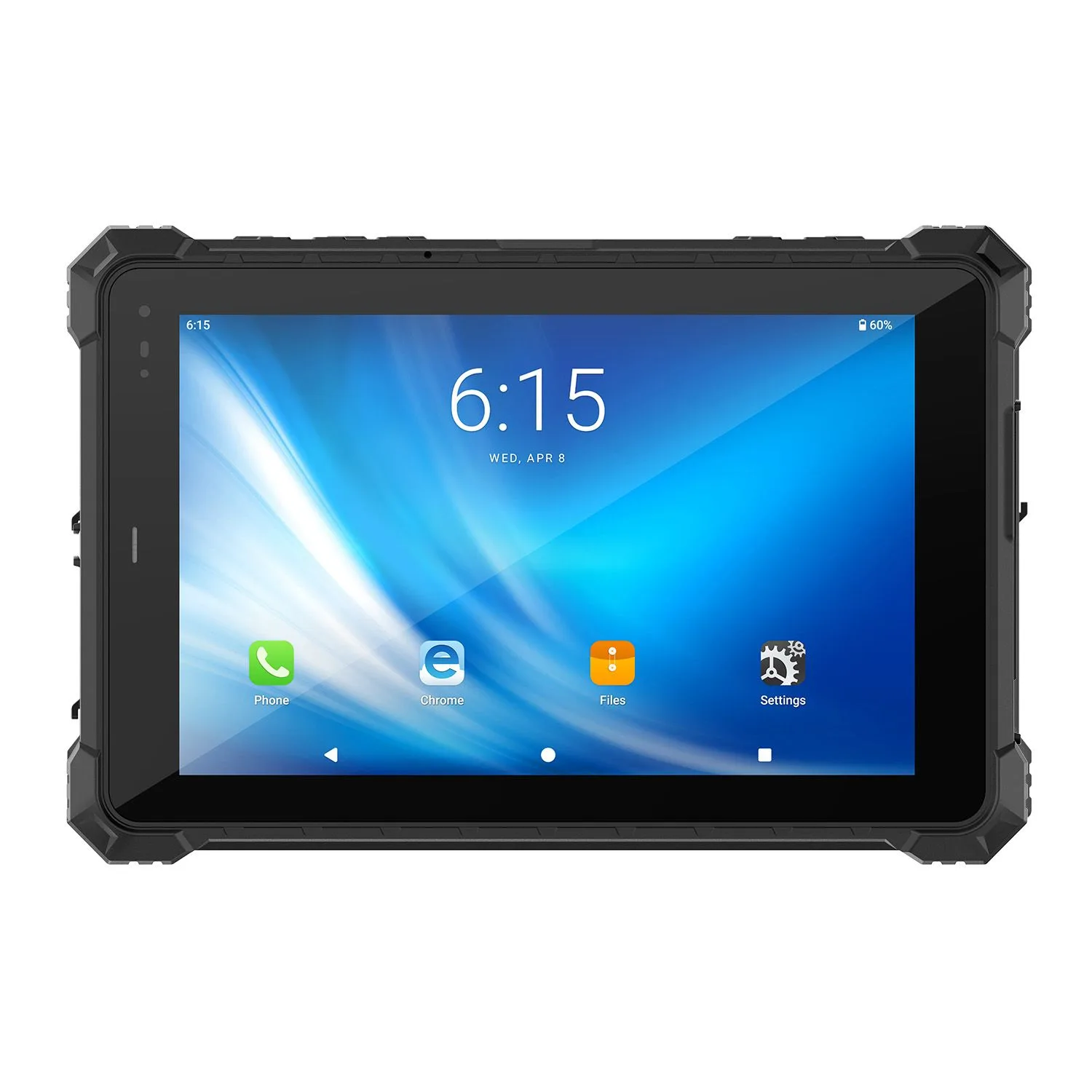
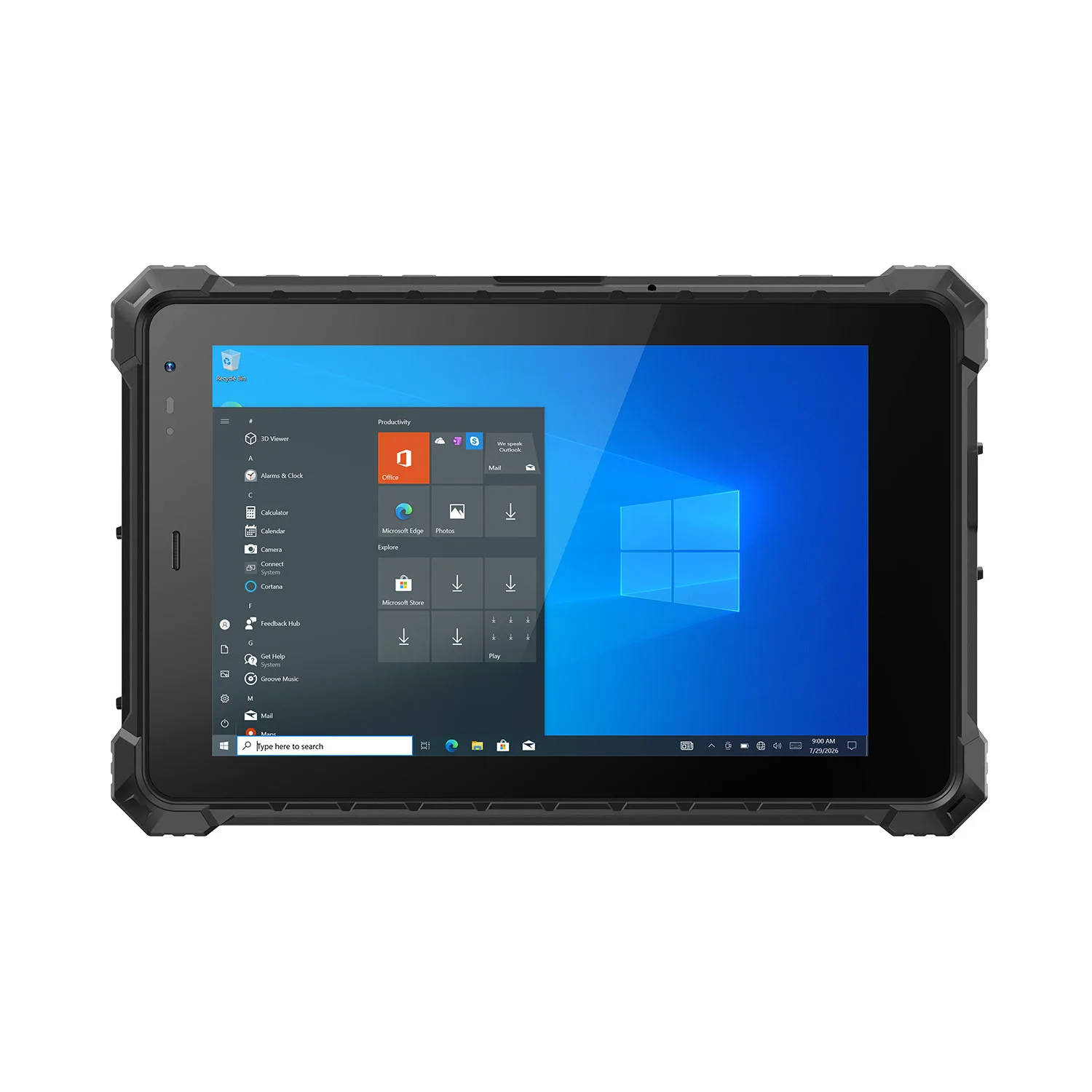
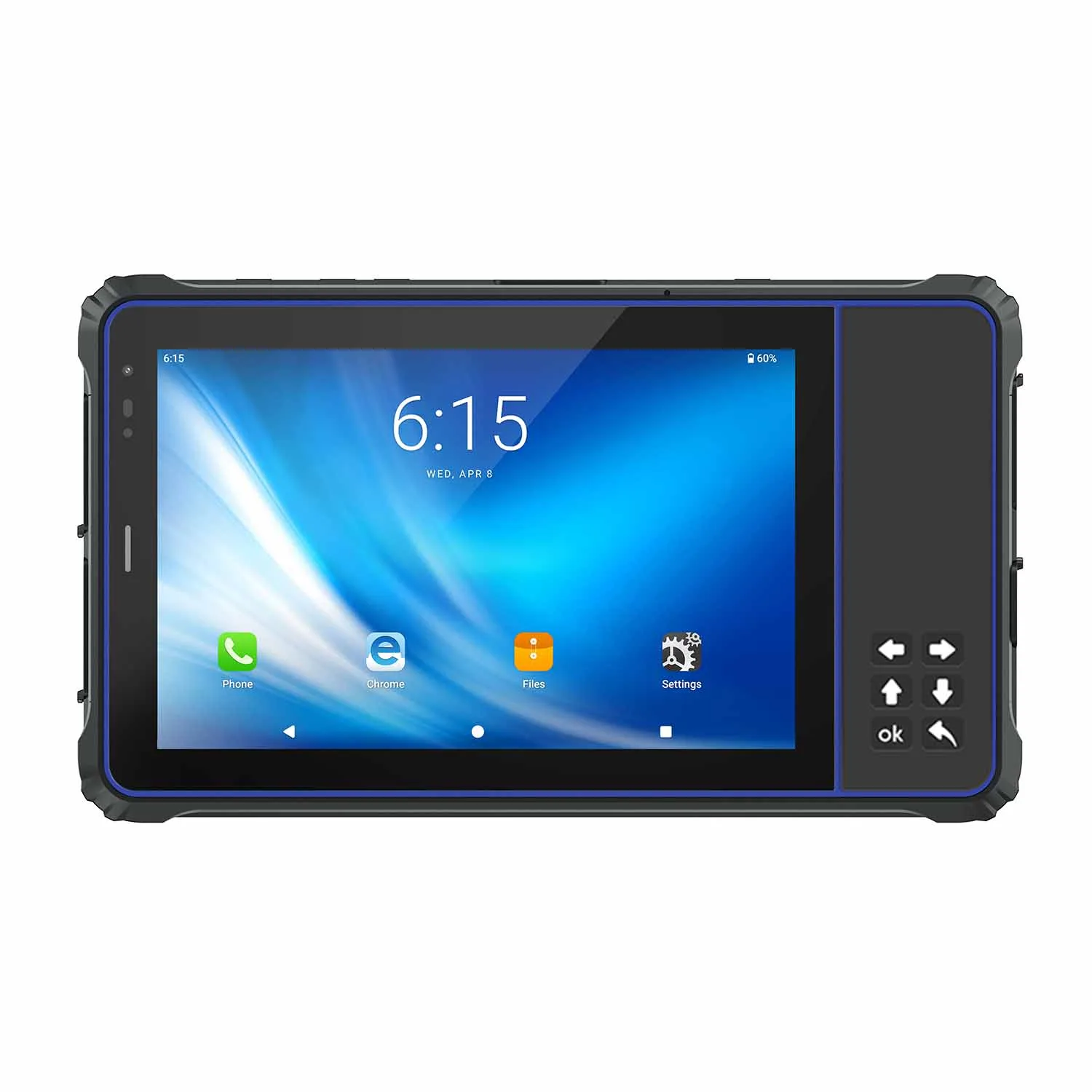
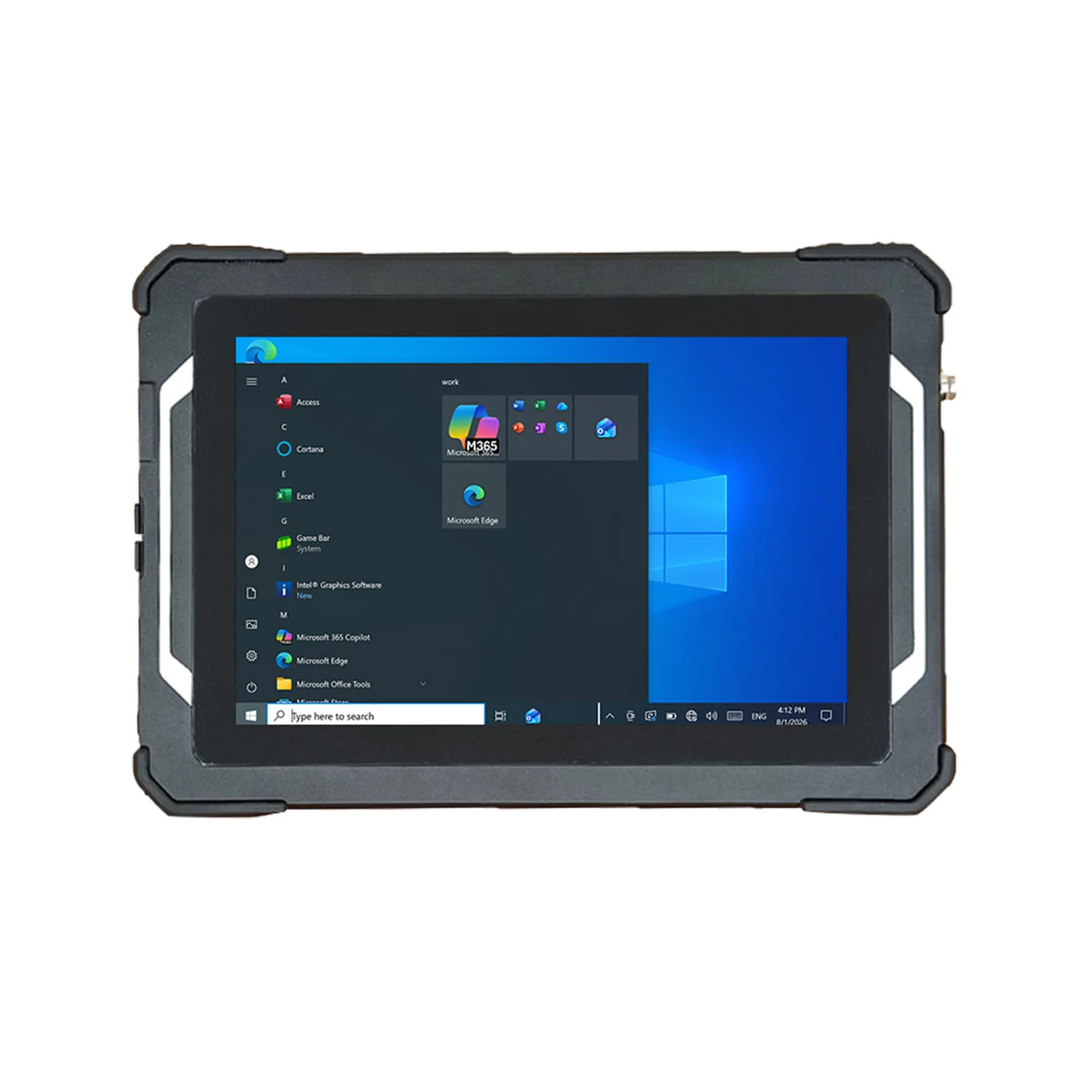
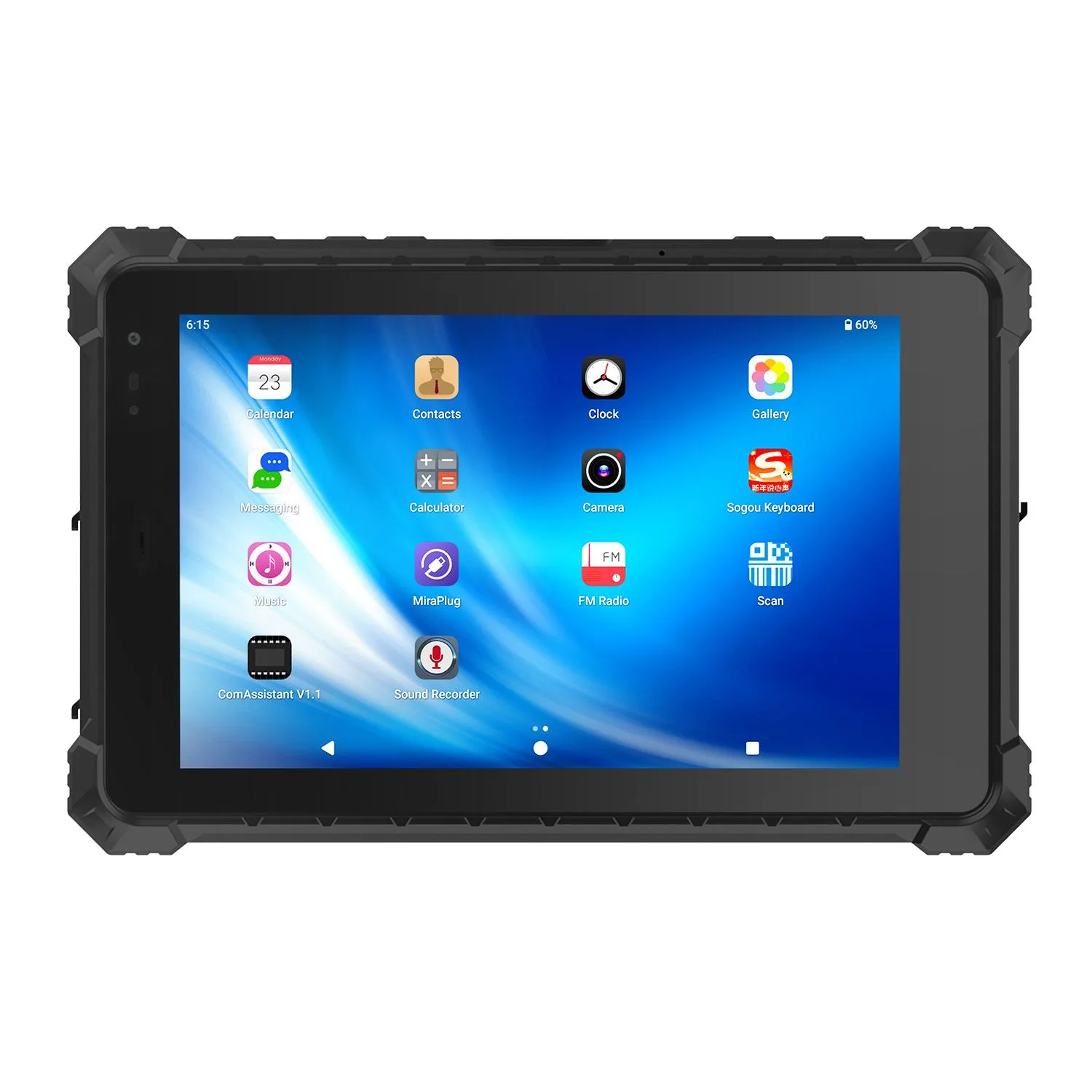
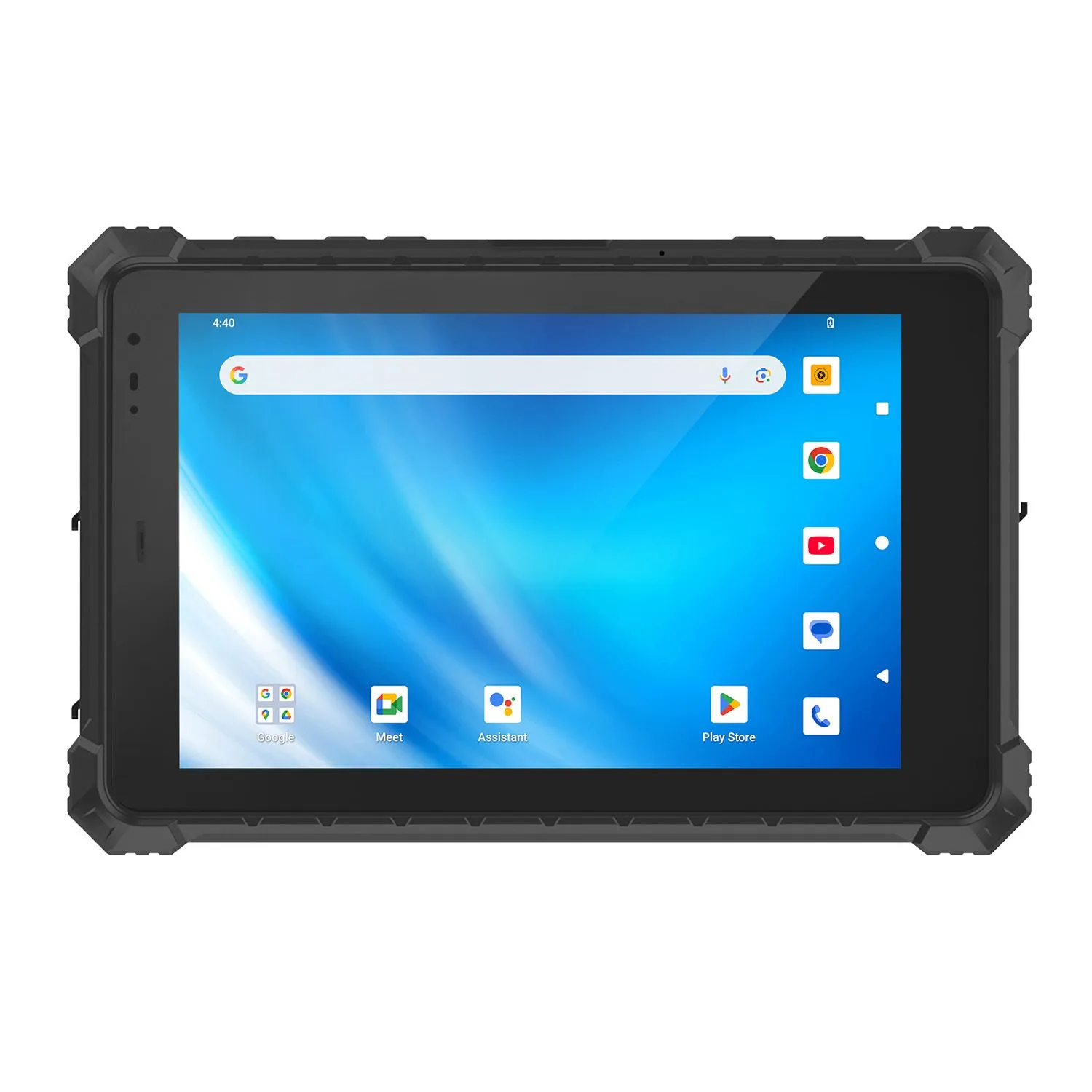
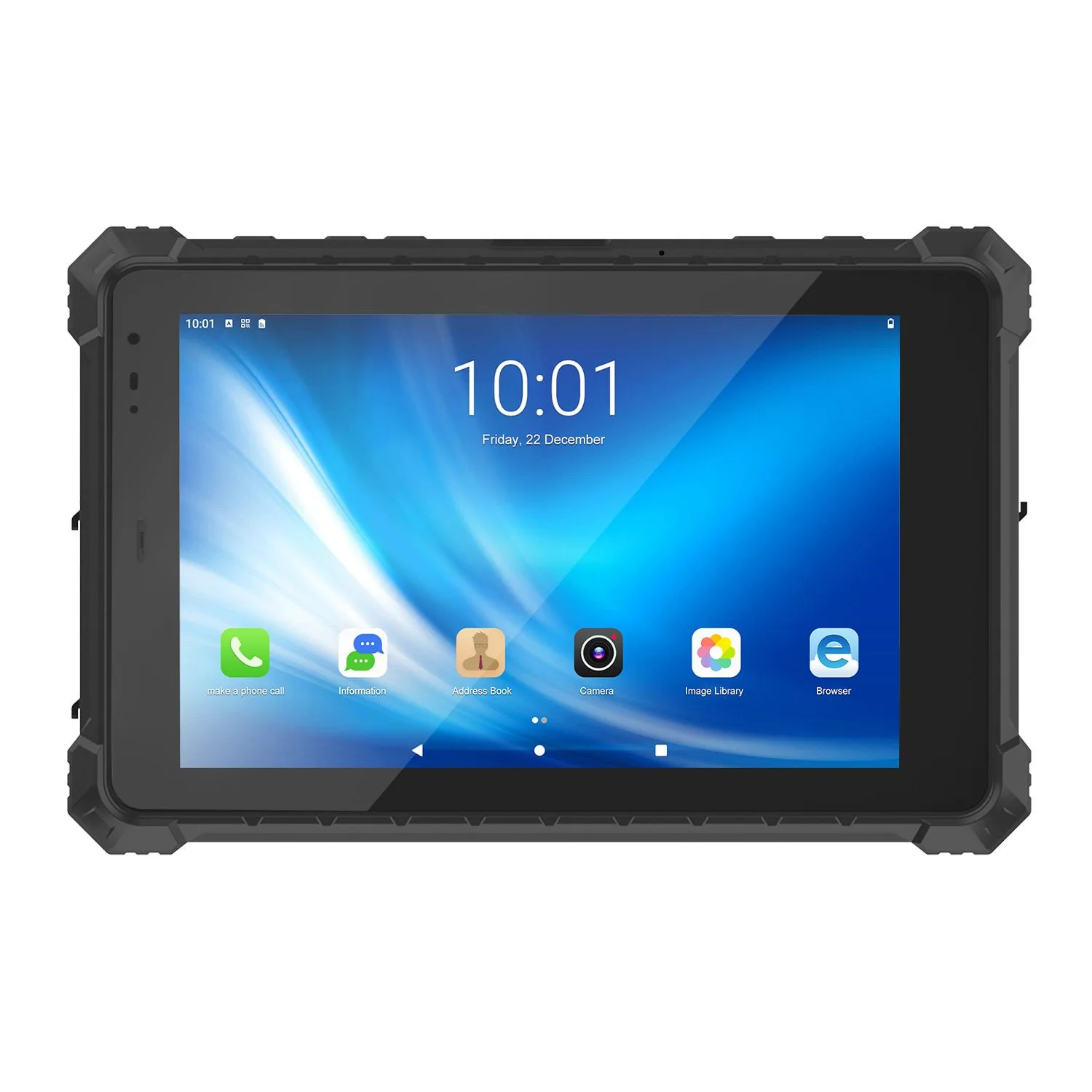
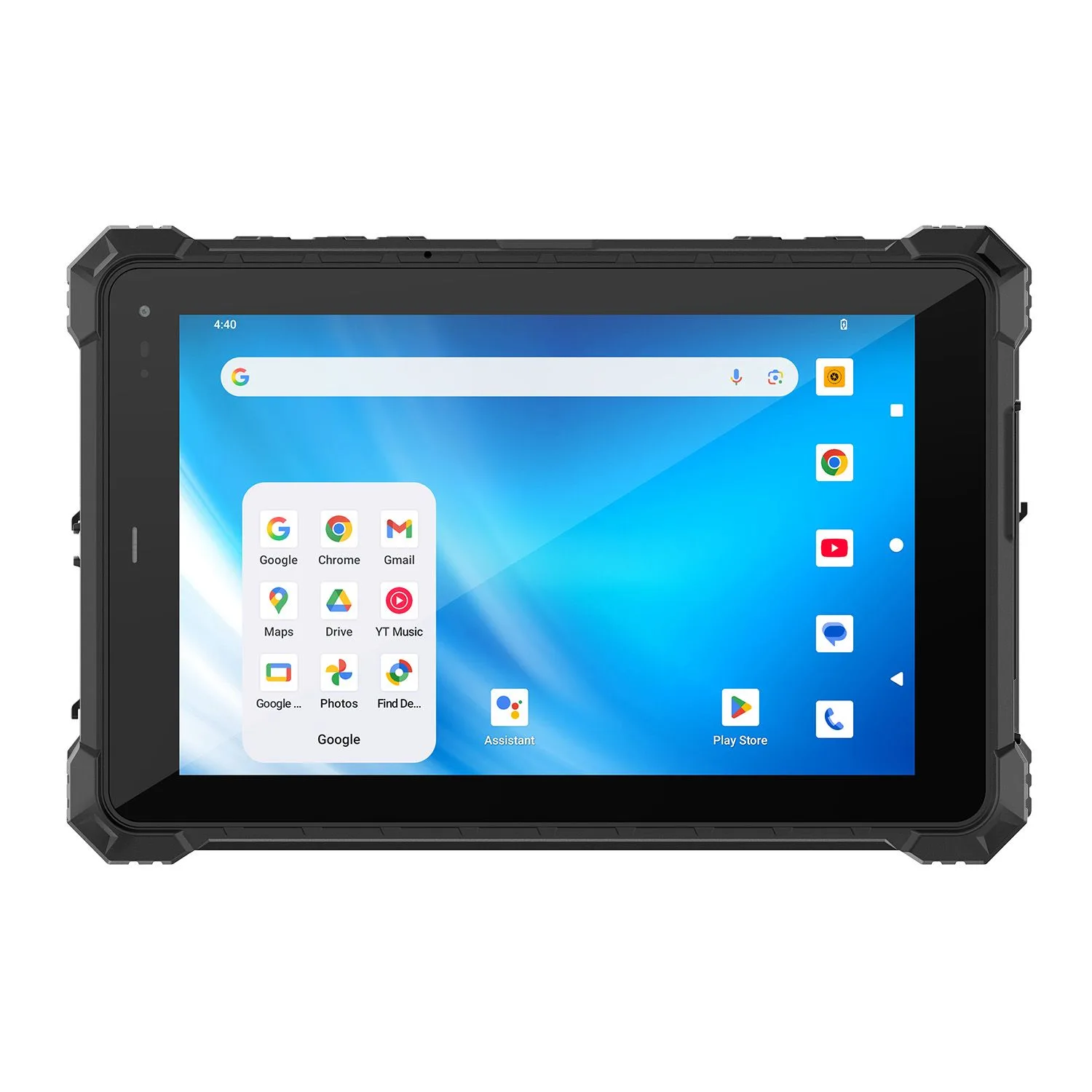
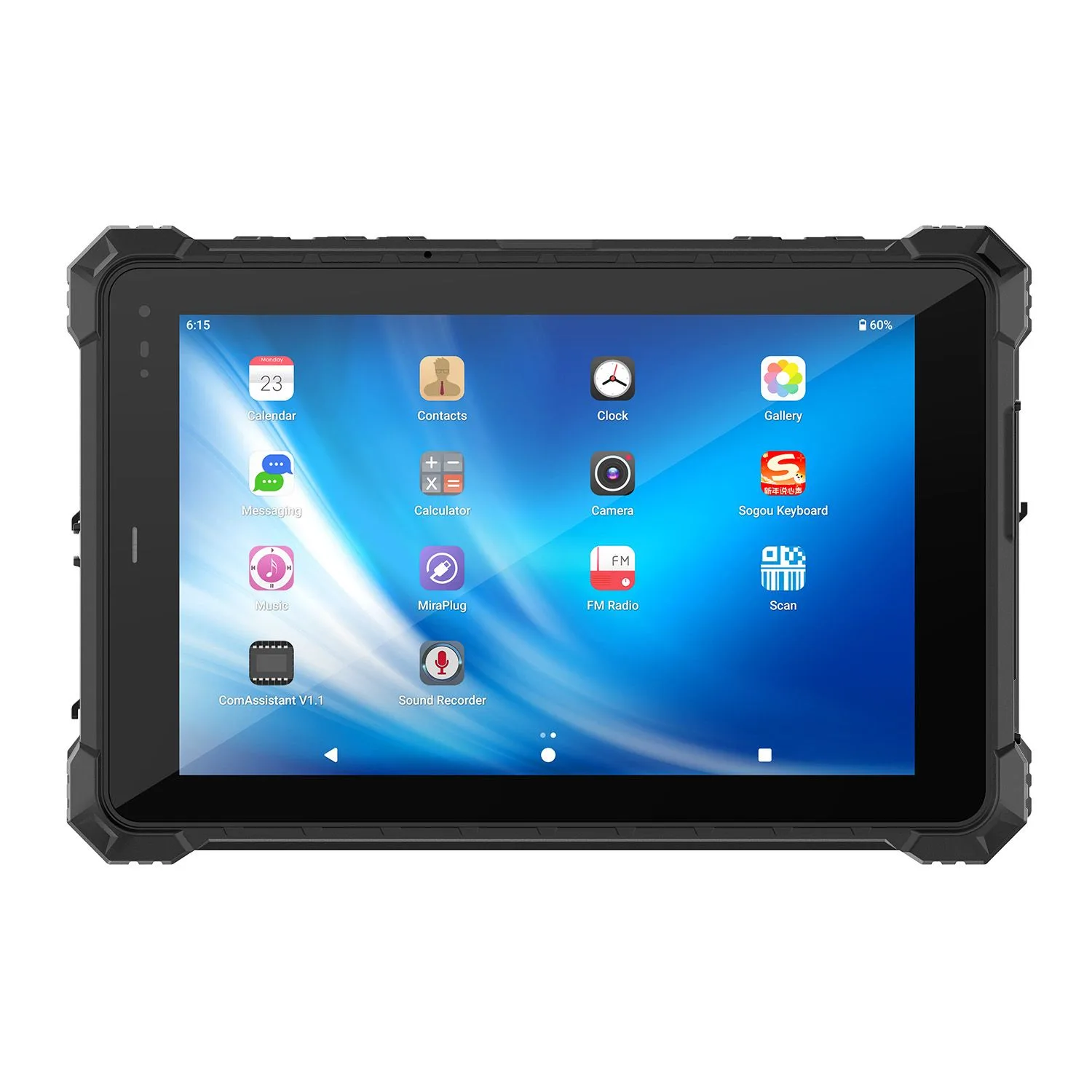
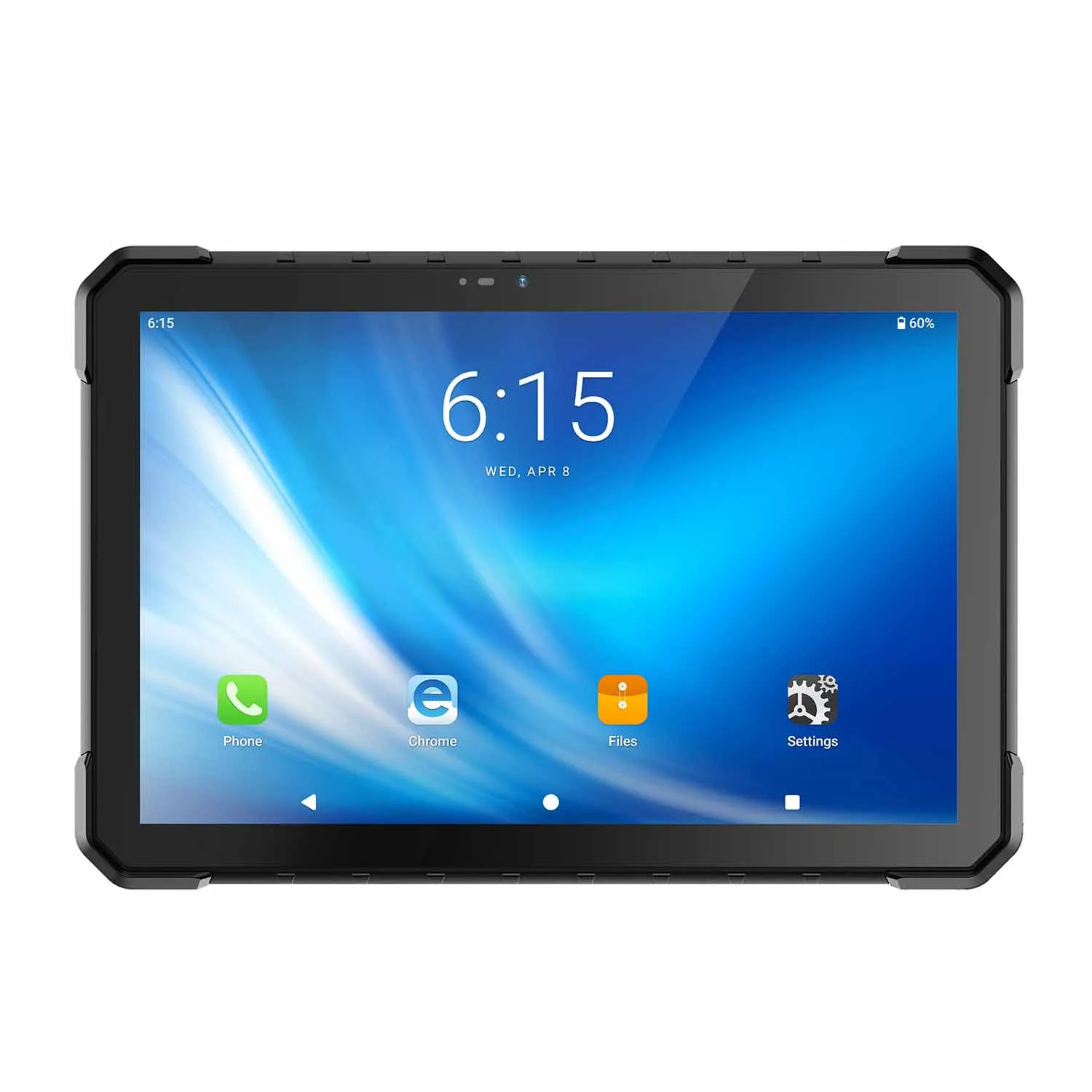
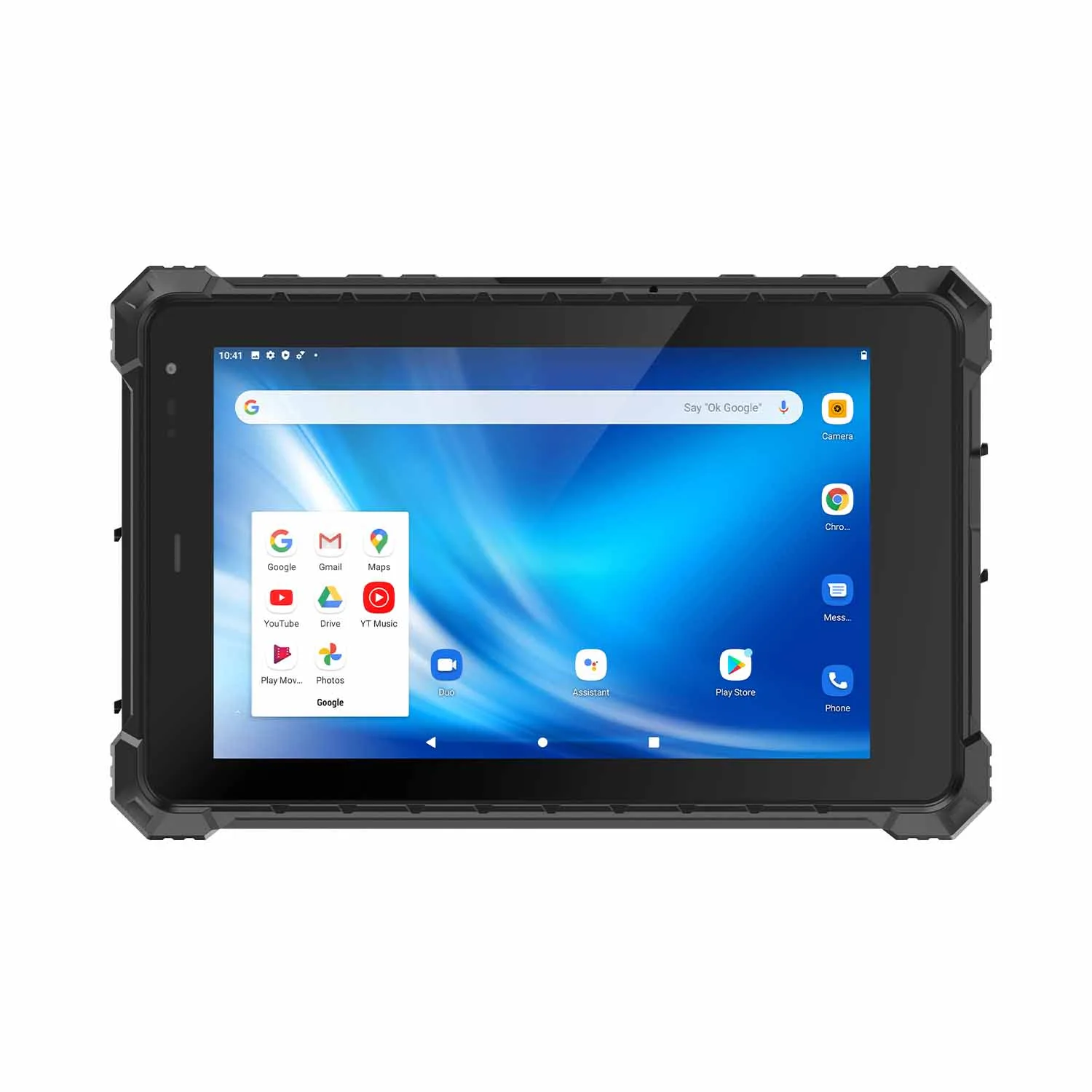
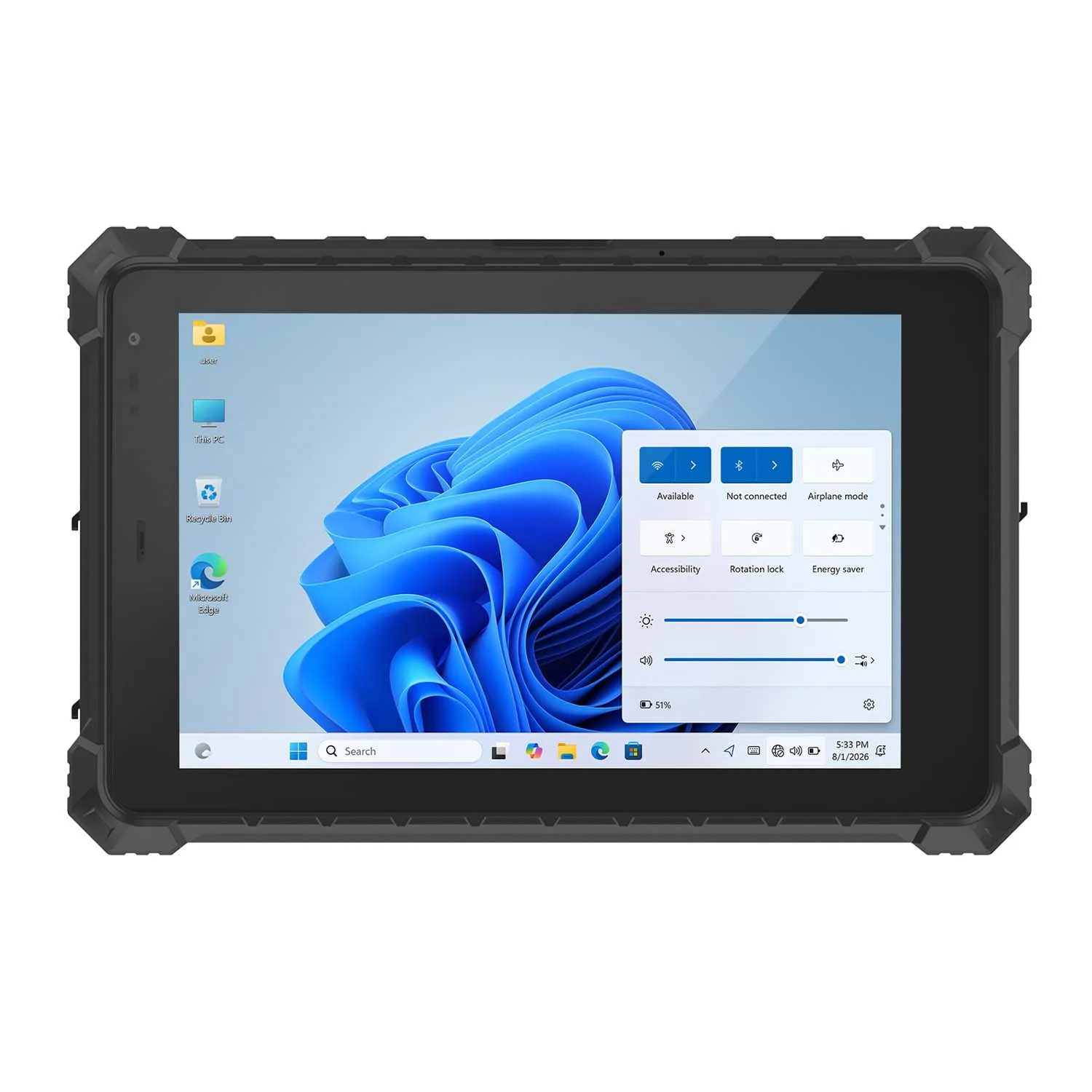
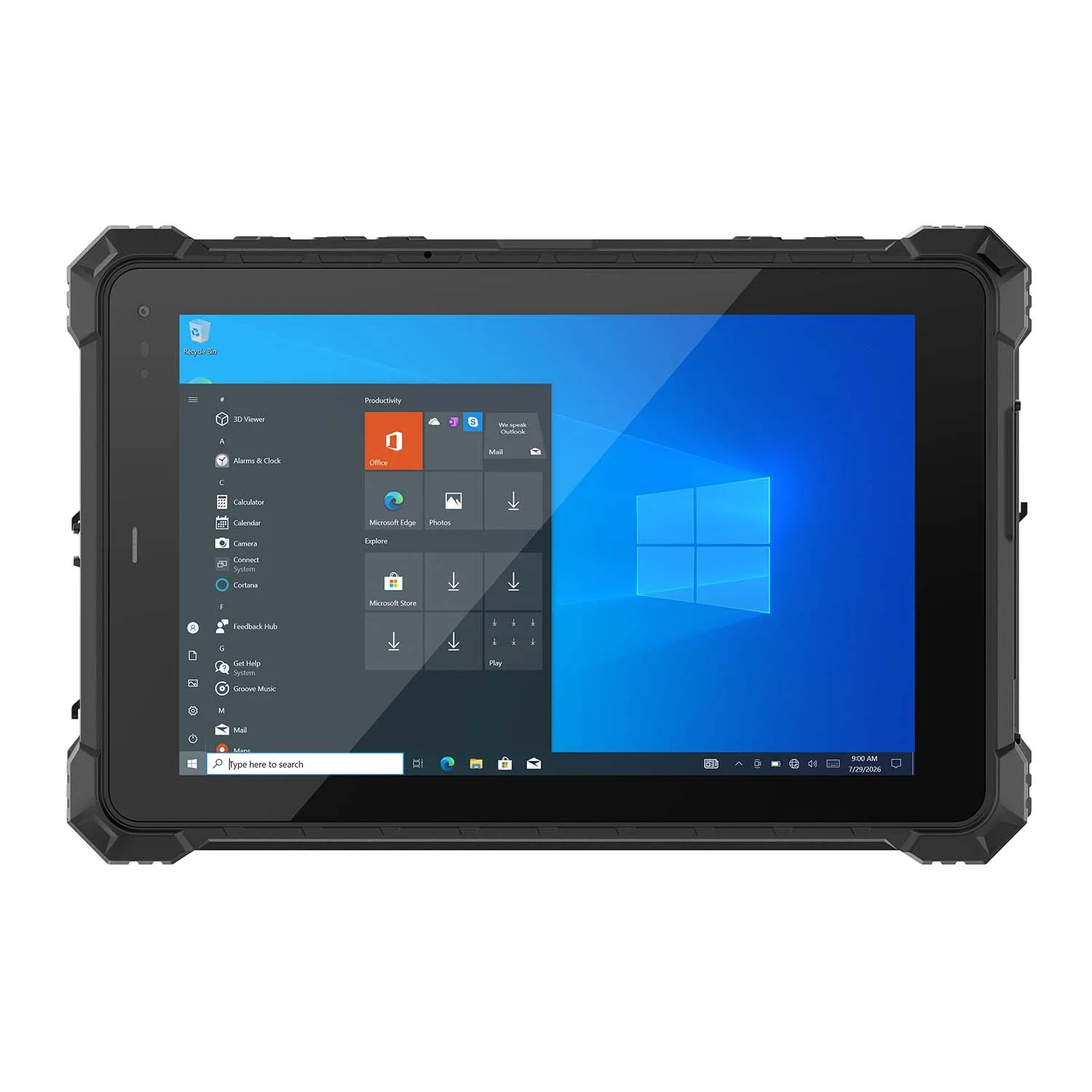
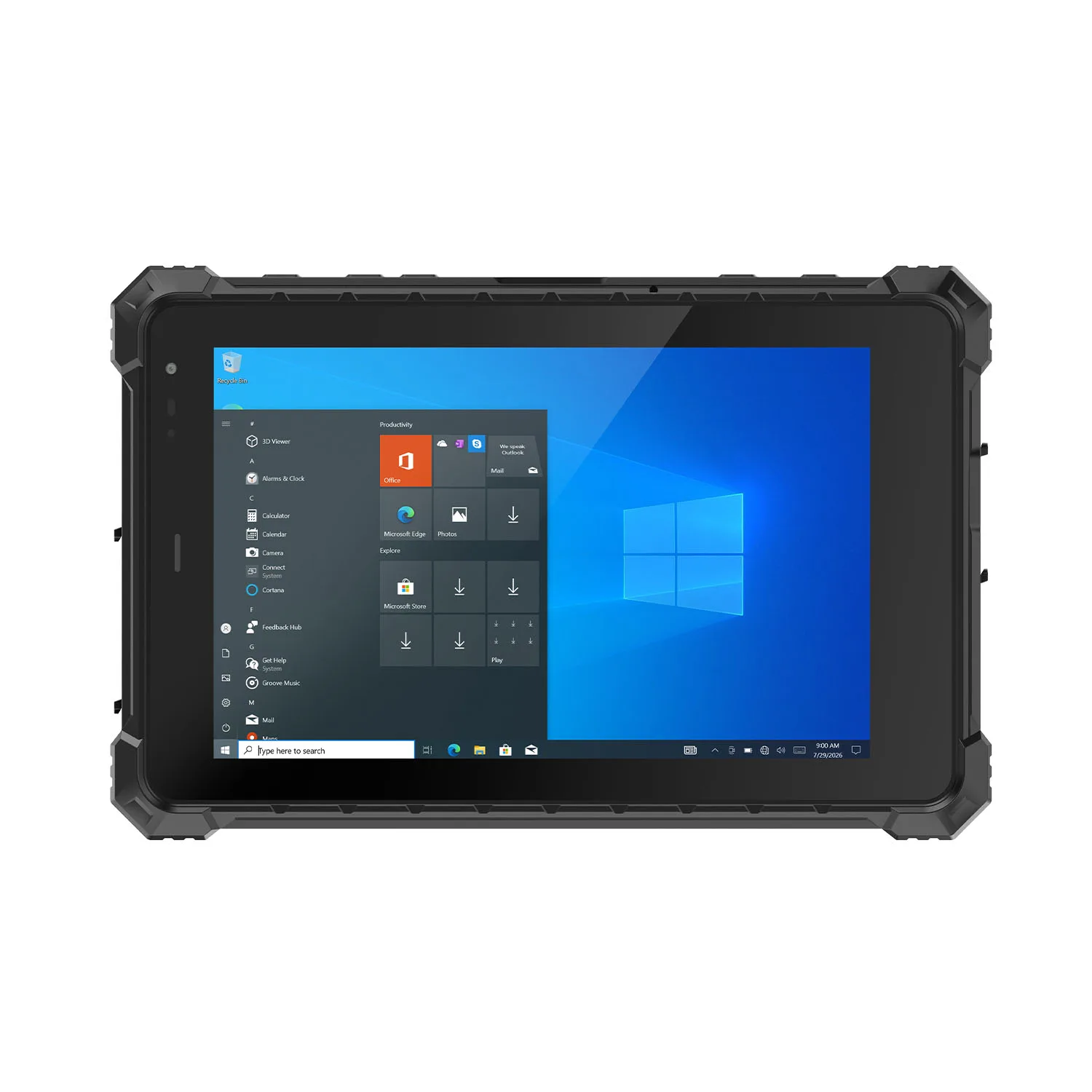
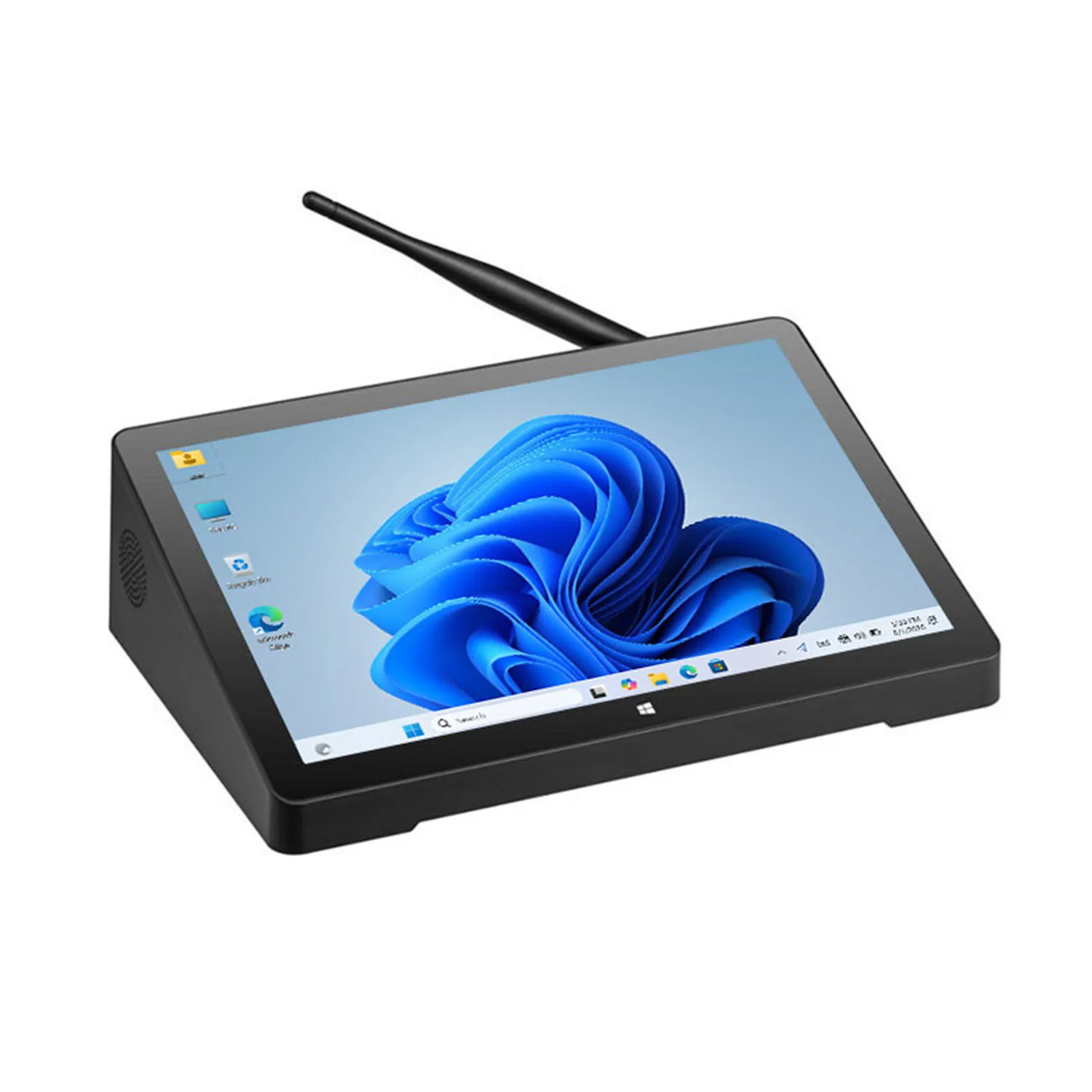
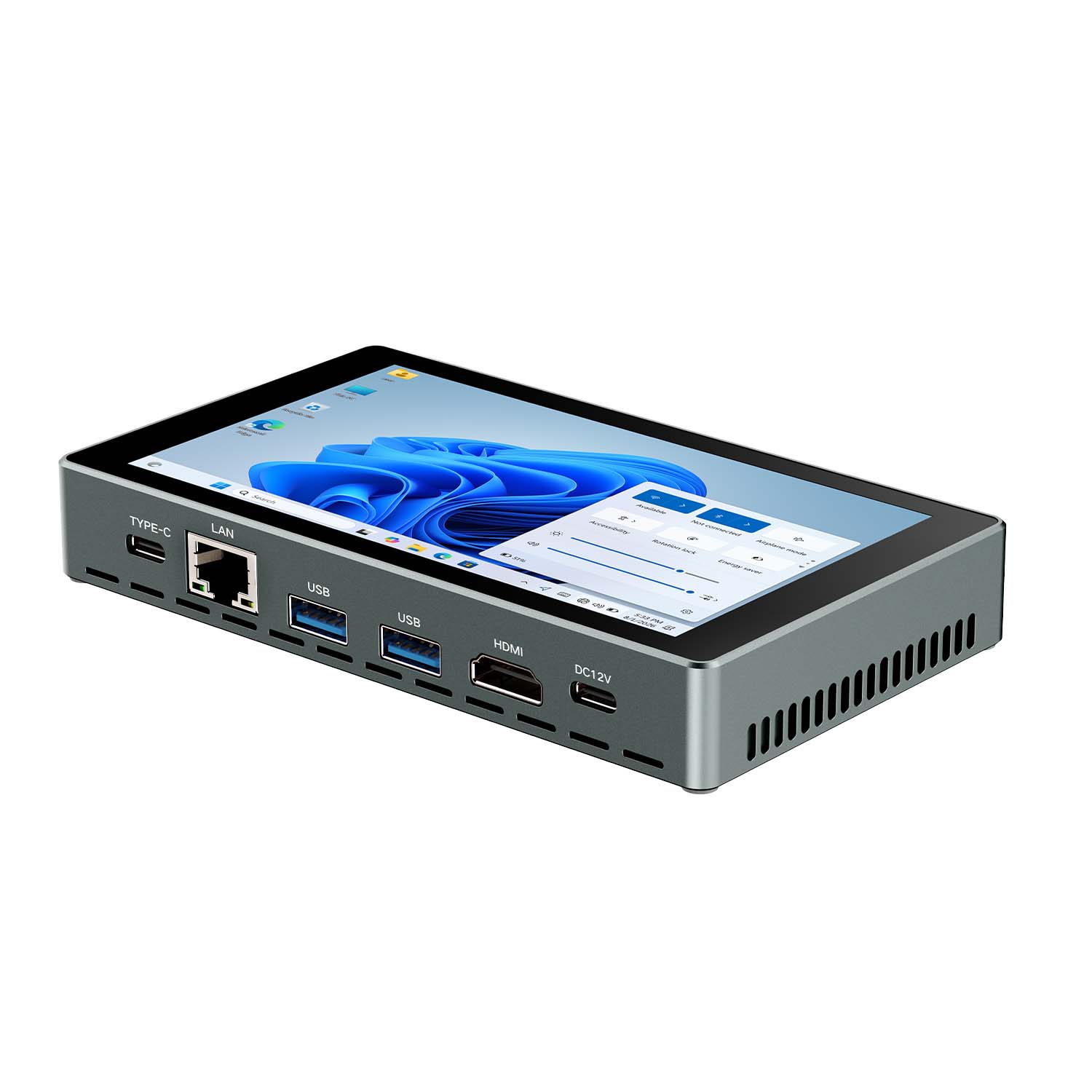
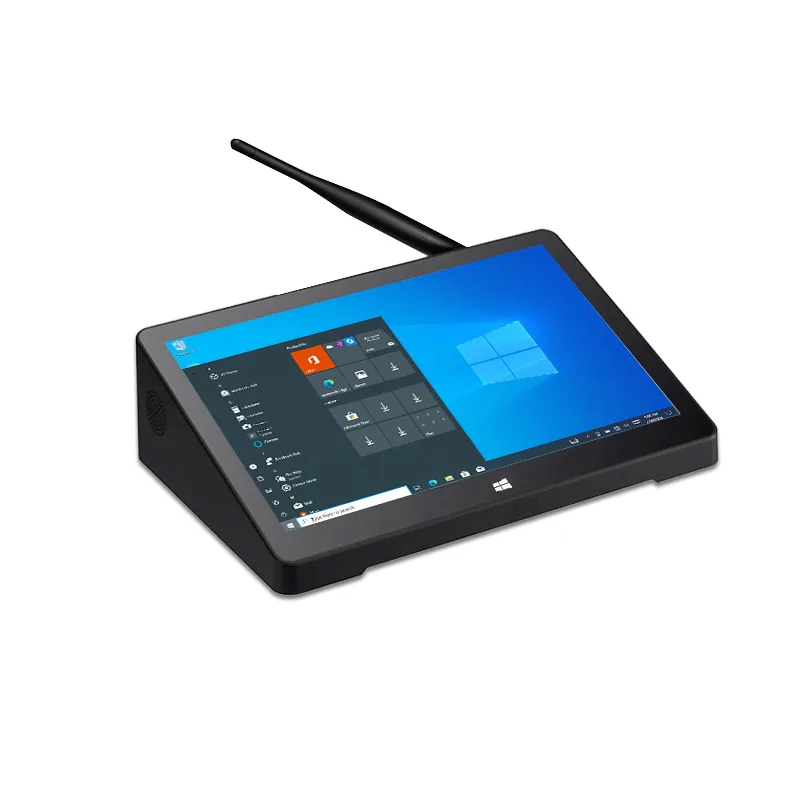
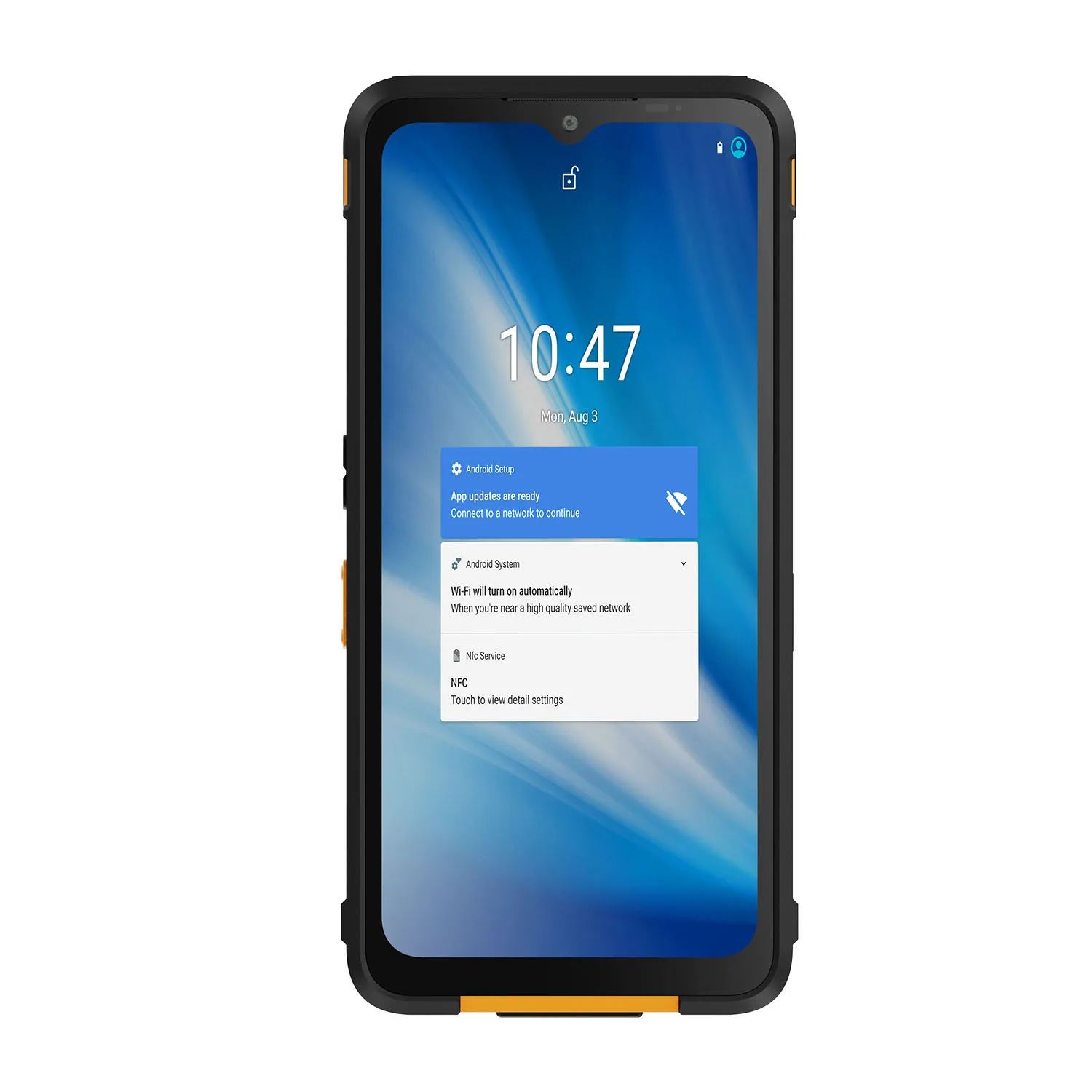
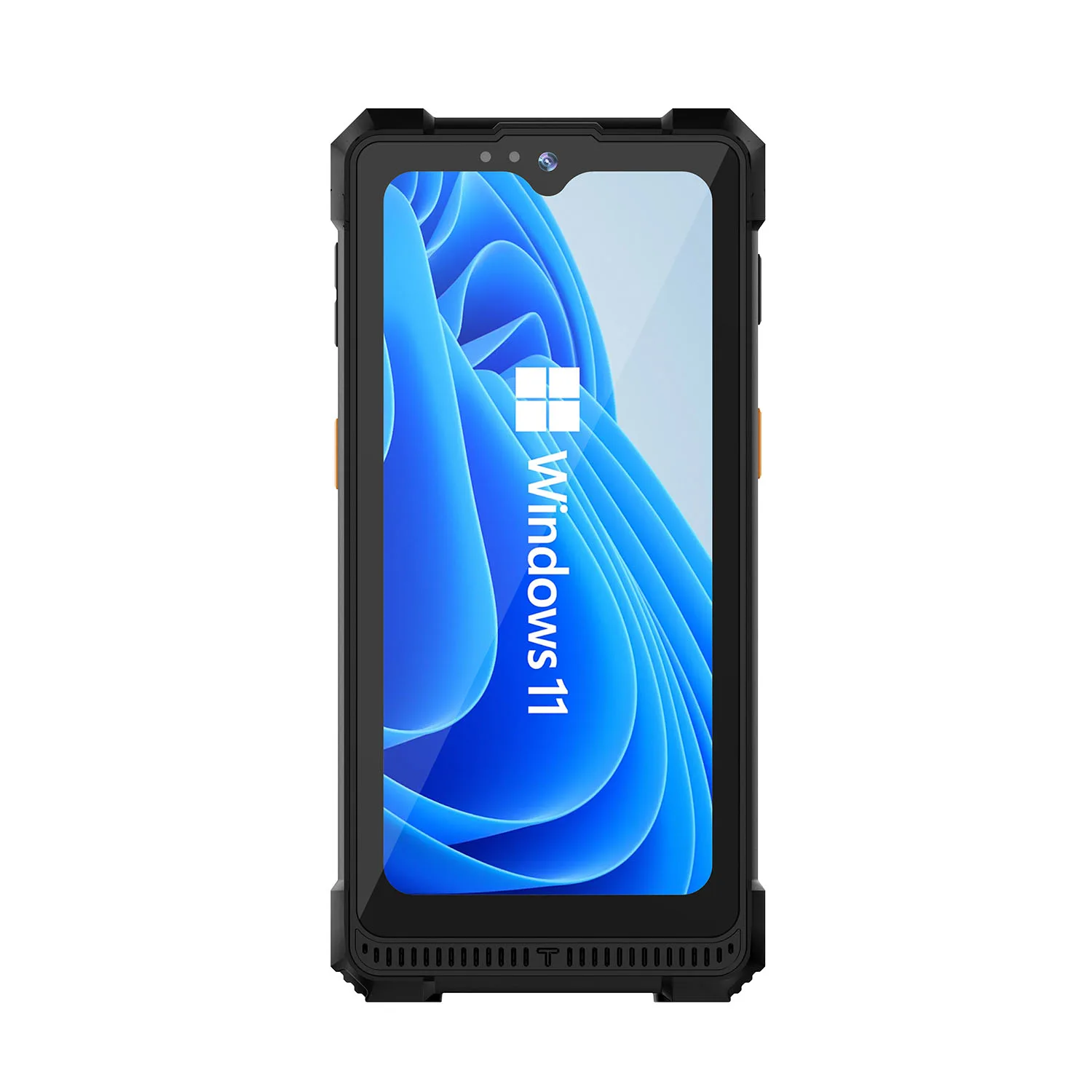
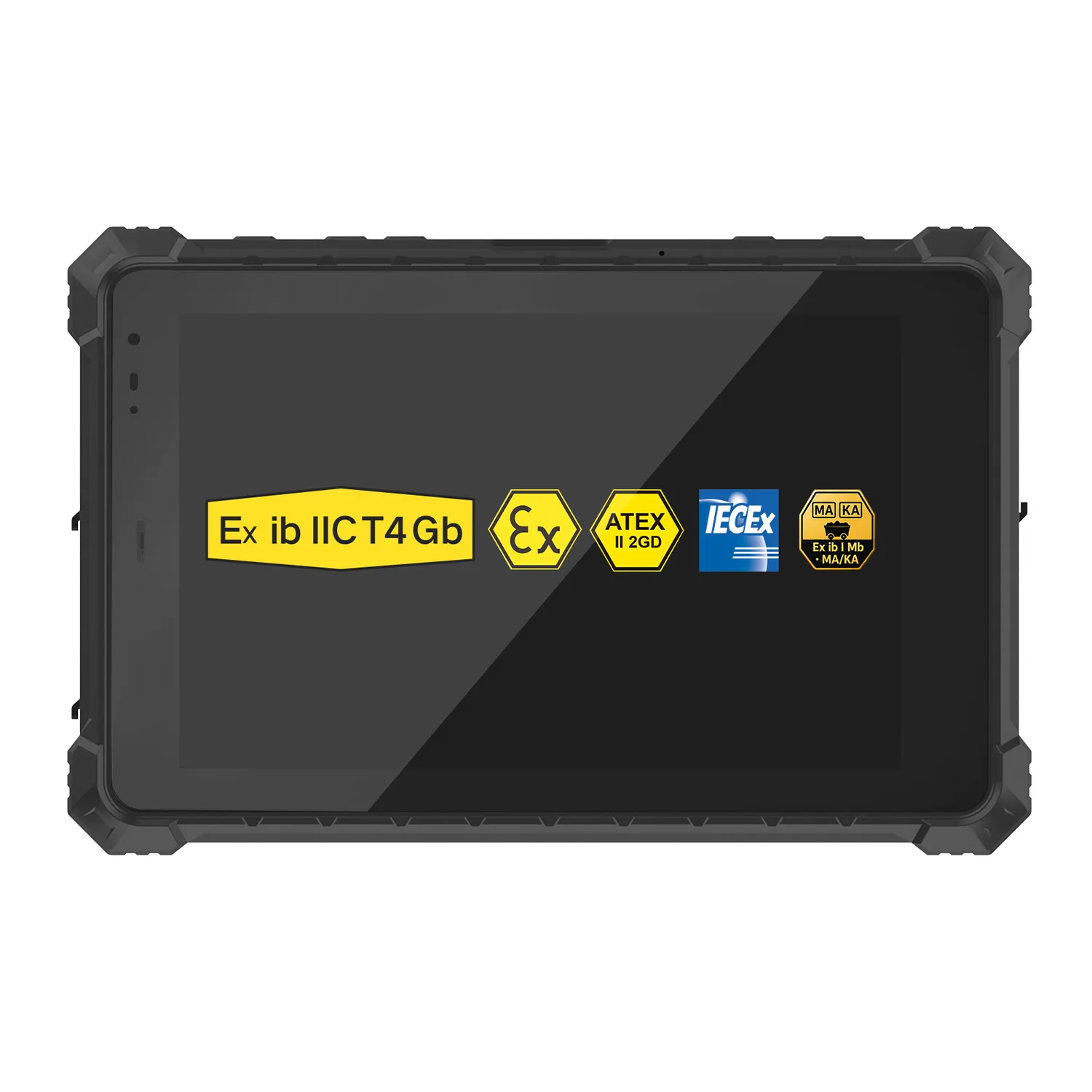
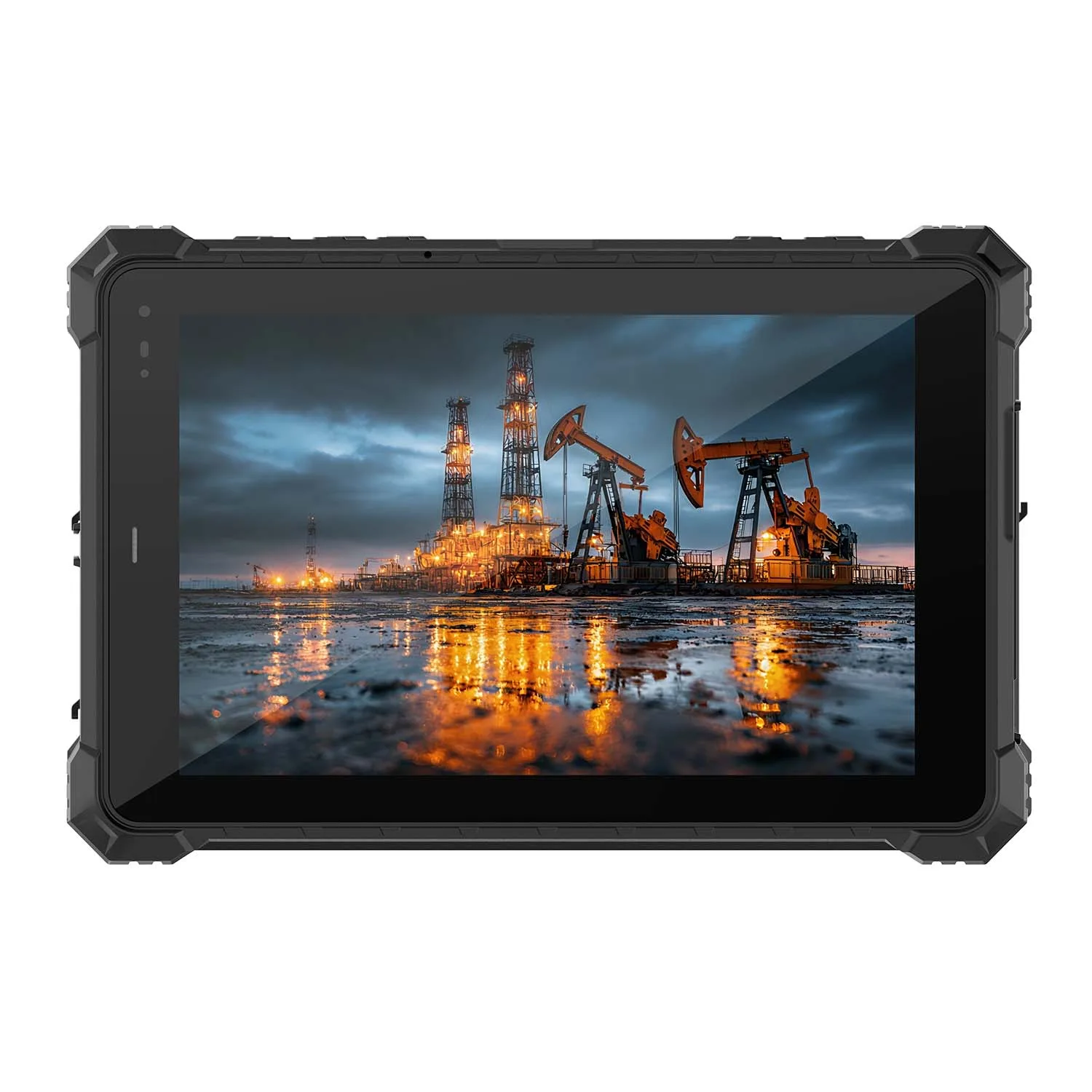
Shenzhen Chenxiang Intelligent Technology Co., Ltd. (CENAVA) provided an effective solution for a slaughtering company in Guangxi. RFID technology tags identify each batch of livestock individually.At each key link in the slaughtering process, staff use the W58 smart handheld terminal to scan the RFID tags, quickly and easily recording the information for each operation and saving it to the backend system over wireless network connectivity. Managers can then track and query the operation results for different livestock batches through the backend information system, monitoring production status and daily shipment status for each batch — making management significantly more convenient than manual, paper-based tracking.W58 Specifications
OS: Windows
Display: 5.5" — compact handheld form factor
Protection: IP67
Connectivity: GSM, WCDMA, 4G LTE, 3G, Wi-Fi, USB
Positioning: GPS
Note: the W58 is an earlier-generation CENAVA handheld PDA and isn't part of the current core lineup — confirm availability with CENAVA sales, or consider the current W65G rugged handheld PDA (Windows 10/11, optional 2D barcode scanning) as a modern equivalent for a new RFID/barcode traceability deployment.Why RFID Beats Manual Data Entry for Meat Traceability
Eliminates batch confusion — each livestock batch gets its own unique, scannable tag identity, rather than relying on staff to keep batches physically and administratively separate.
Removes manual entry errors and fraud risk — scanning a tag records data automatically, rather than depending on staff to accurately (and honestly) hand-enter weight and quantity figures.
Gives managers real-time visibility — backend tracking replaces the lag and potential concealment risk of paper-based, after-the-fact reporting.
Frequently Asked Questions
1. How does RFID tagging solve the batch-mixing problem in slaughterhouses?Each livestock batch gets a unique RFID tag scanned at every key production step, so batches stay distinguishable and trackable throughout processing rather than being confused or mixed together.2. Does this system also monitor slaughtering personnel's health information?
The original case study's described solution focuses on RFID-based livestock batch tracking; it doesn't specify a mechanism for personnel health monitoring — if that's a requirement for your facility, discuss it separately with CENAVA's team as a potential additional system component.3. Is the W58 still available for a new slaughterhouse deployment?
The W58 is an earlier-generation handheld PDA and isn't part of CENAVA's current core lineup — the current W65G rugged handheld PDA is a modern equivalent worth considering for RFID/barcode traceability needs.4. How does this system reduce data entry fraud risk?
Scanning an RFID tag records operation data automatically at each step, removing the opportunity for manual entry errors or intentional misreporting that comes with hand-entered figures.5. Can managers see slaughtering and shipping status in real time?
Yes — data scanned at each step syncs to a backend system that managers can query directly, rather than waiting for periodic paper reports that could be delayed, incomplete, or altered.6. Can CENAVA customize a handheld for a specific meat traceability system?
Yes — as an OEM/ODM manufacturer, CENAVA can configure RFID range, connectivity, and durability rating to integrate with a specific traceability platform; contact CENAVA sales to scope your deployment.
Conclusion
Meat traceability depends on accurate, tamper-resistant data at every step of the slaughtering process — a challenge manual recordkeeping struggles with at scale. This Guangxi slaughtering company solved it with RFID batch tagging and a CENAVA rugged handheld terminal, giving managers real-time, accurate visibility into production and shipping status. For a similar deployment today, CENAVA's current W65G brings the same RFID/barcode traceability capability forward on newer hardware.Need a Rugged Device for Your Project?
Tell us your operating environment and requirements — our engineers will recommend a configuration and quote within 24 hours.
Get a Free Quote Back to Blog