






Rugged Tablets for Automated Range Target Systems
User Background
As national defense modernization and "modernization of training methods" have advanced, live ammunition shooting has begun shifting from manual target reporting — time-consuming, labor-intensive, inaccurate, and dangerous — toward automated target reporting. Troops urgently needed modern equipment: the small number of automatic target reporting systems already in use had relatively low reliability, practicality, and reporting accuracy, and existing equipment couldn't meet actual operational demand despite strong need.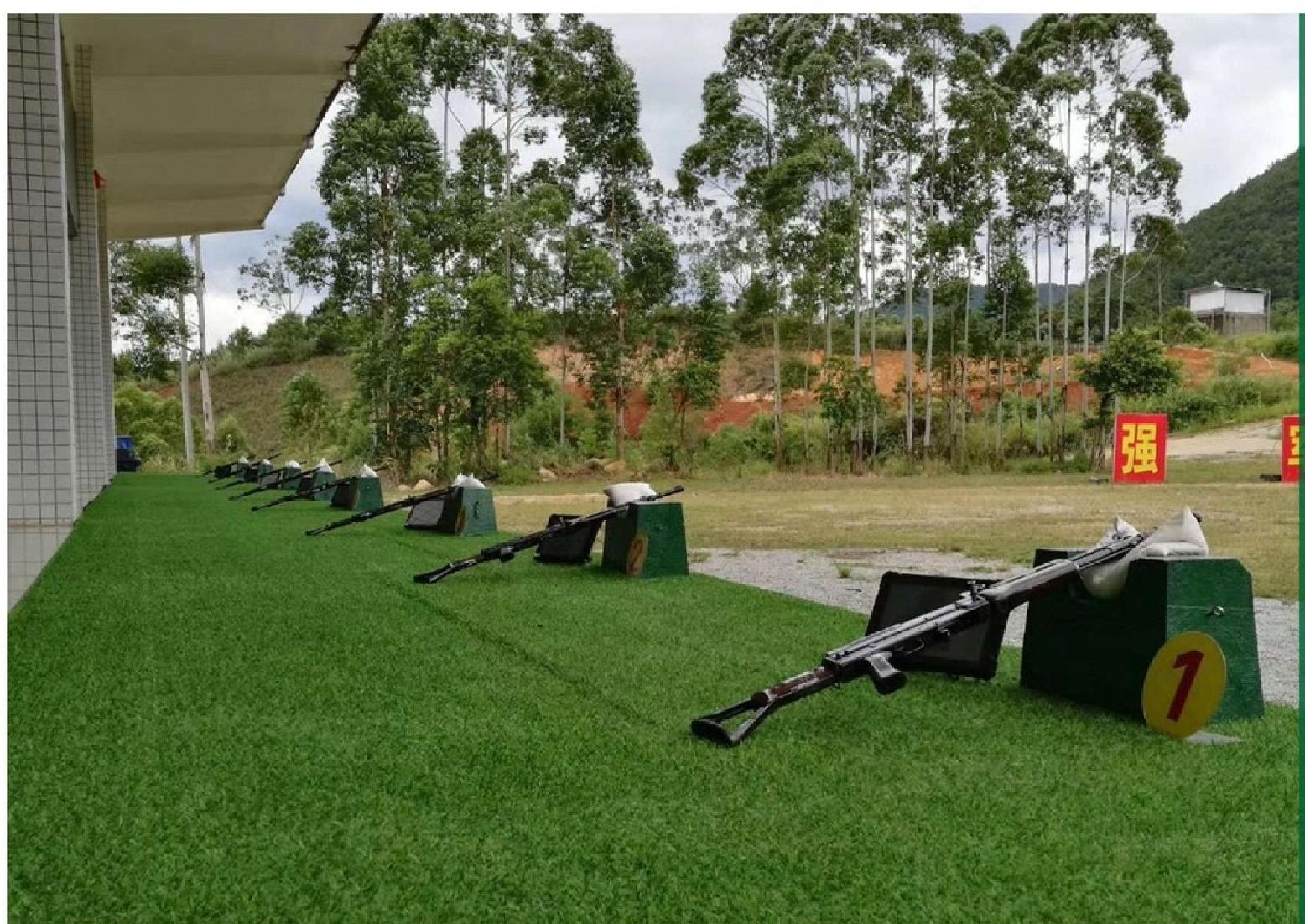
Challenges
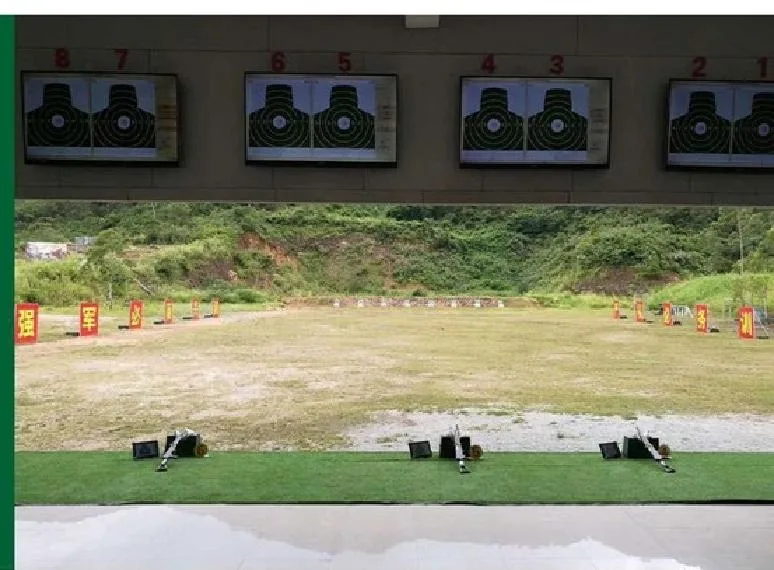
Manual target reporting is inefficient and unsafe. Range support tasks — target placement, reporting — were carried out manually, often with roughly half a company supporting a single company's shooting session. This created real safety hazards: round-trip transport of firearms, non-enclosed outdoor firearm management, and direct personnel safety risk for staff reporting targets downrange.
The process took too long — with roughly five minutes each for preparation, shooting, and target inspection, low automation meant substantial wasted time per session.
Low realism relative to actual combat. Fixed targets in traditional ranges have known, visible positions, and moving-target trajectories are fixed — far removed from unpredictable real combat conditions.
Score statistics were difficult and error-prone. Manual target inspection and handwritten statistics carried a high error rate, with results lagging behind the actual shooting — reducing training efficiency and leaving trainees without an intuitive, immediate view of their own performance.
Weak overall combat assessment, since evaluation based solely on hit rate assessed performance but not tactical decision-making or technique.
Solution
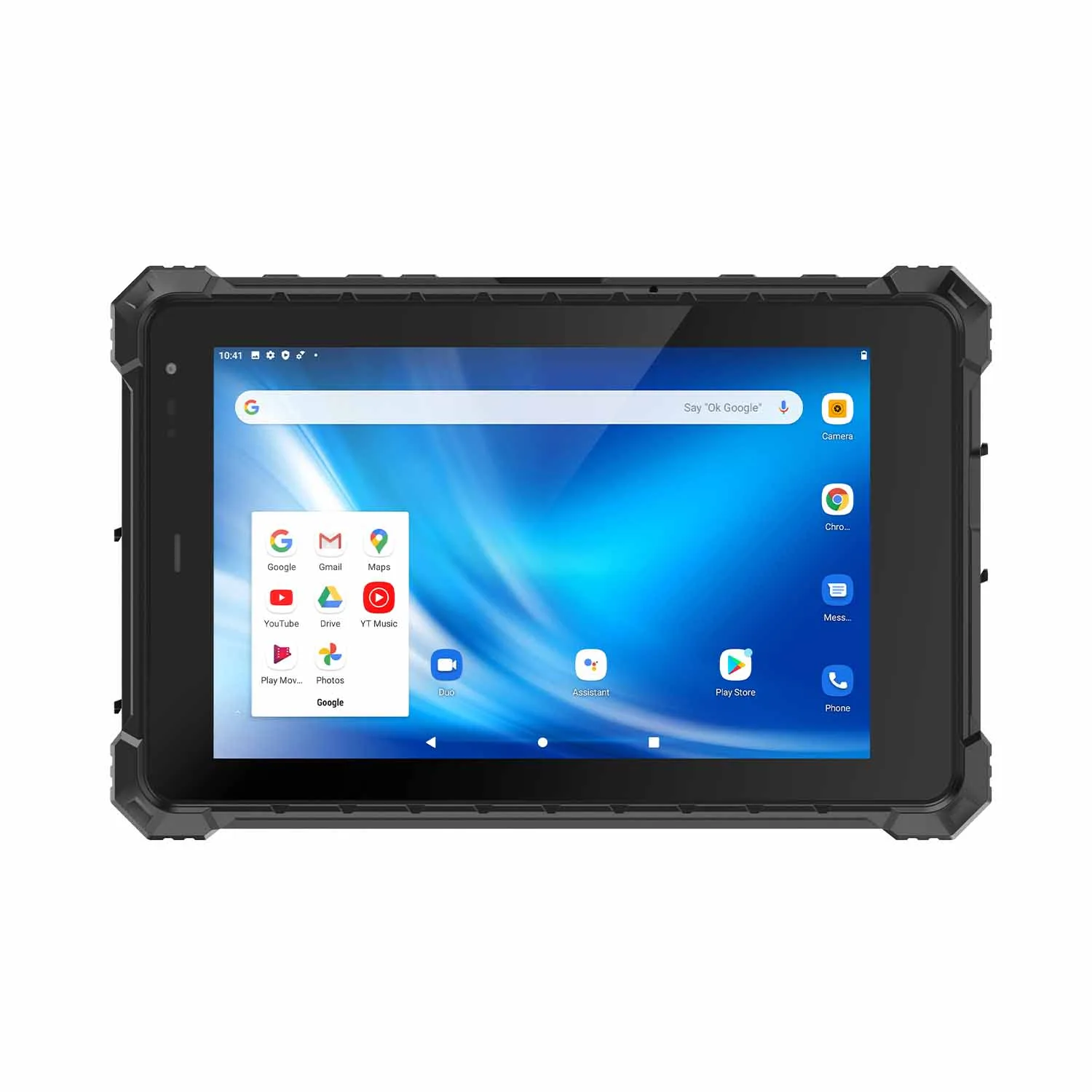
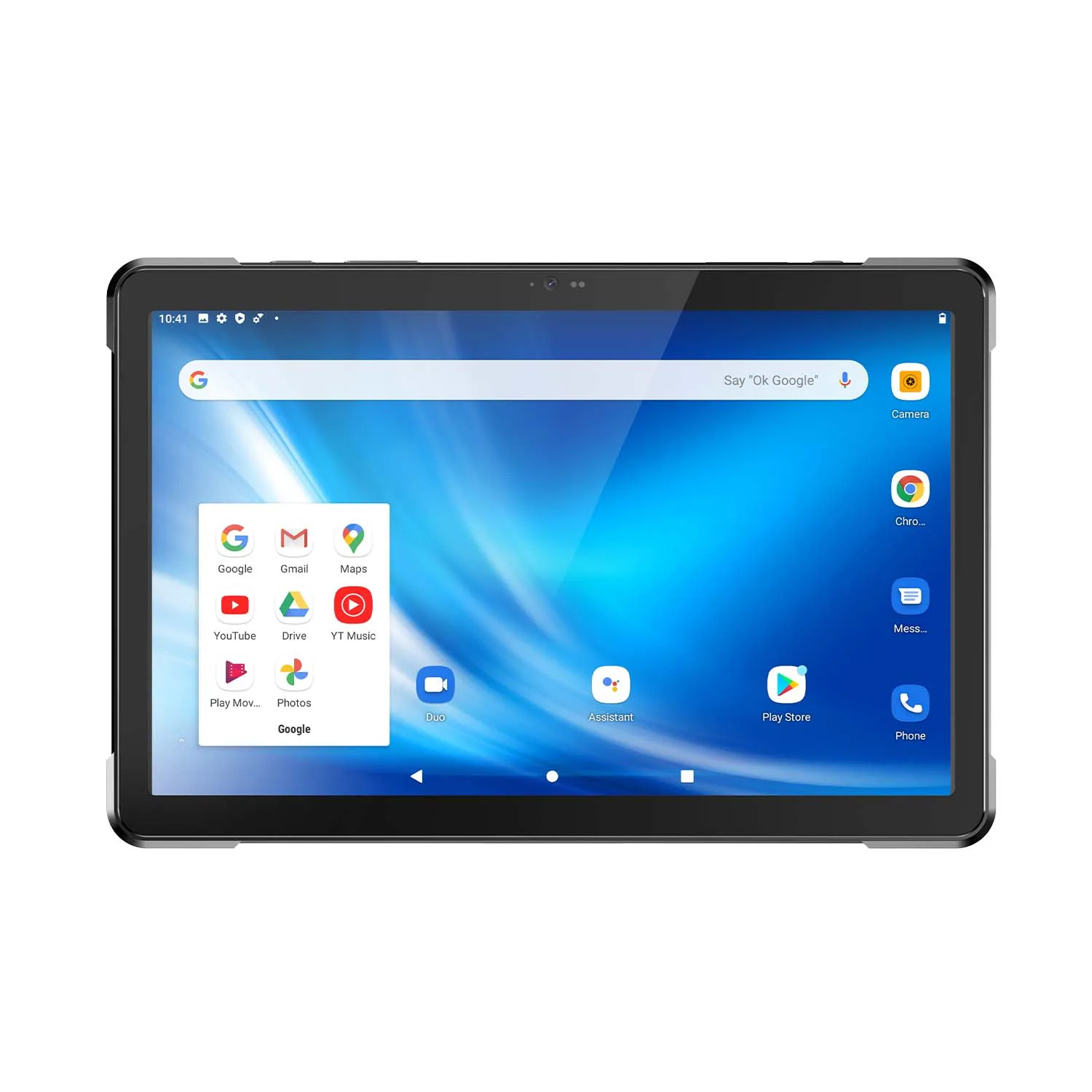
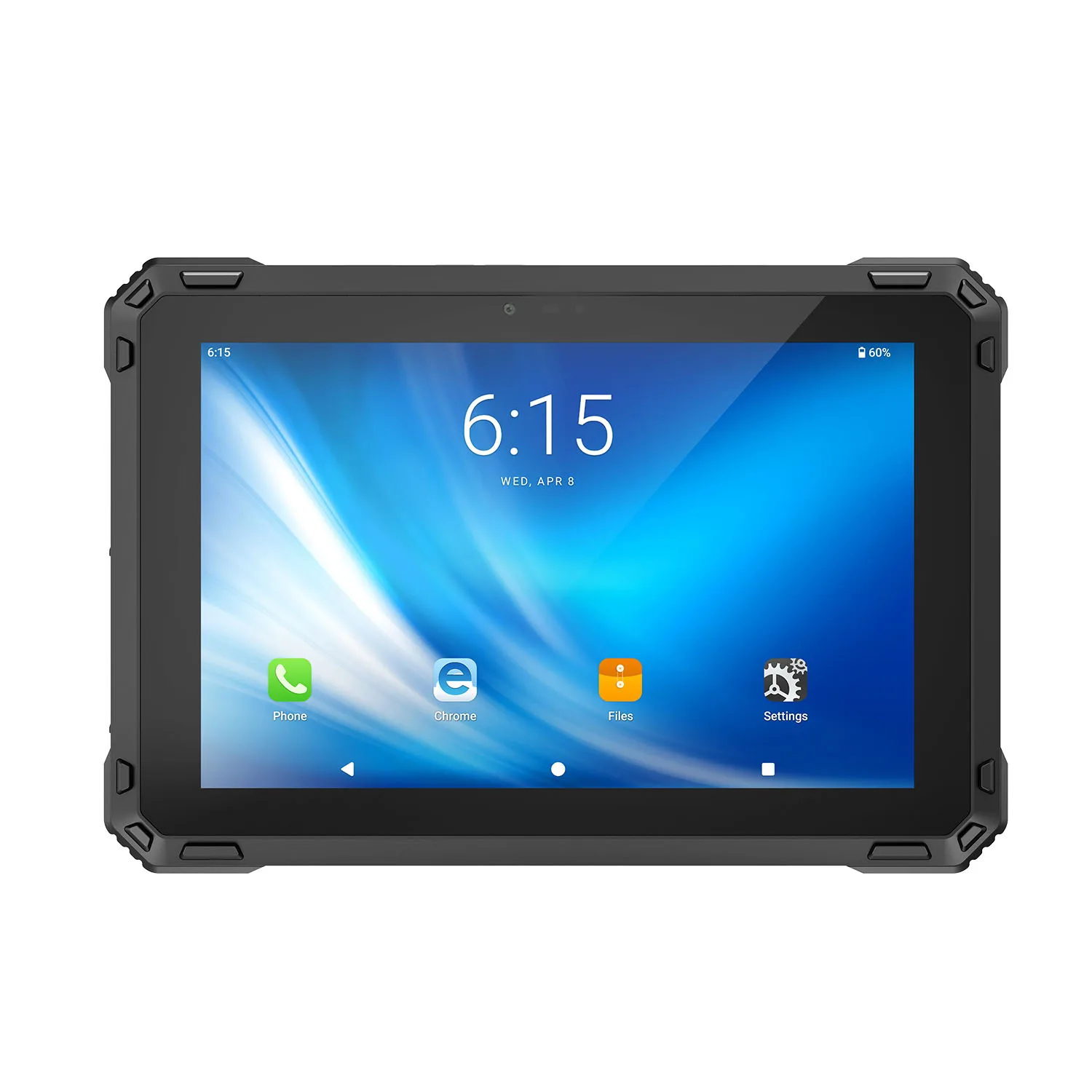
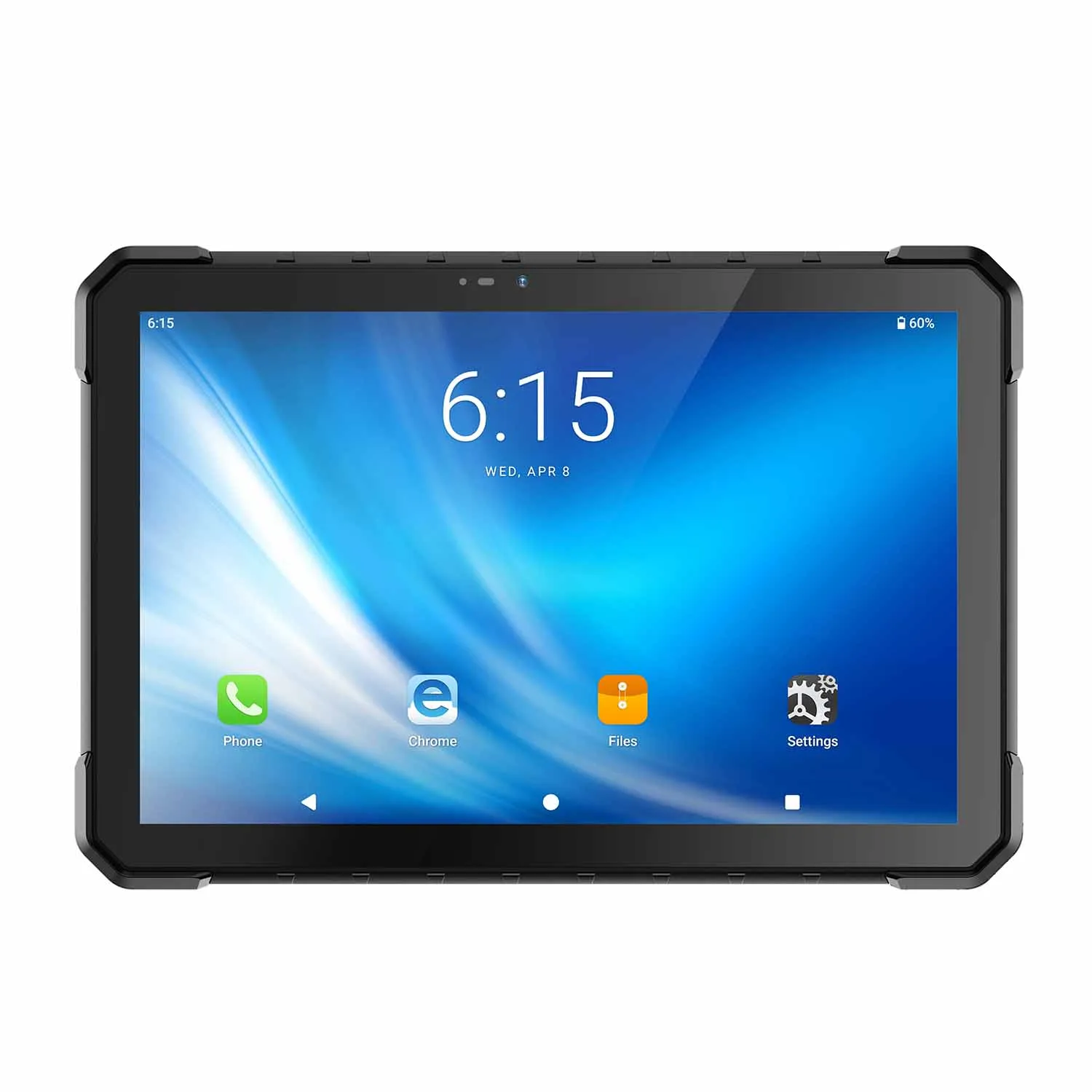
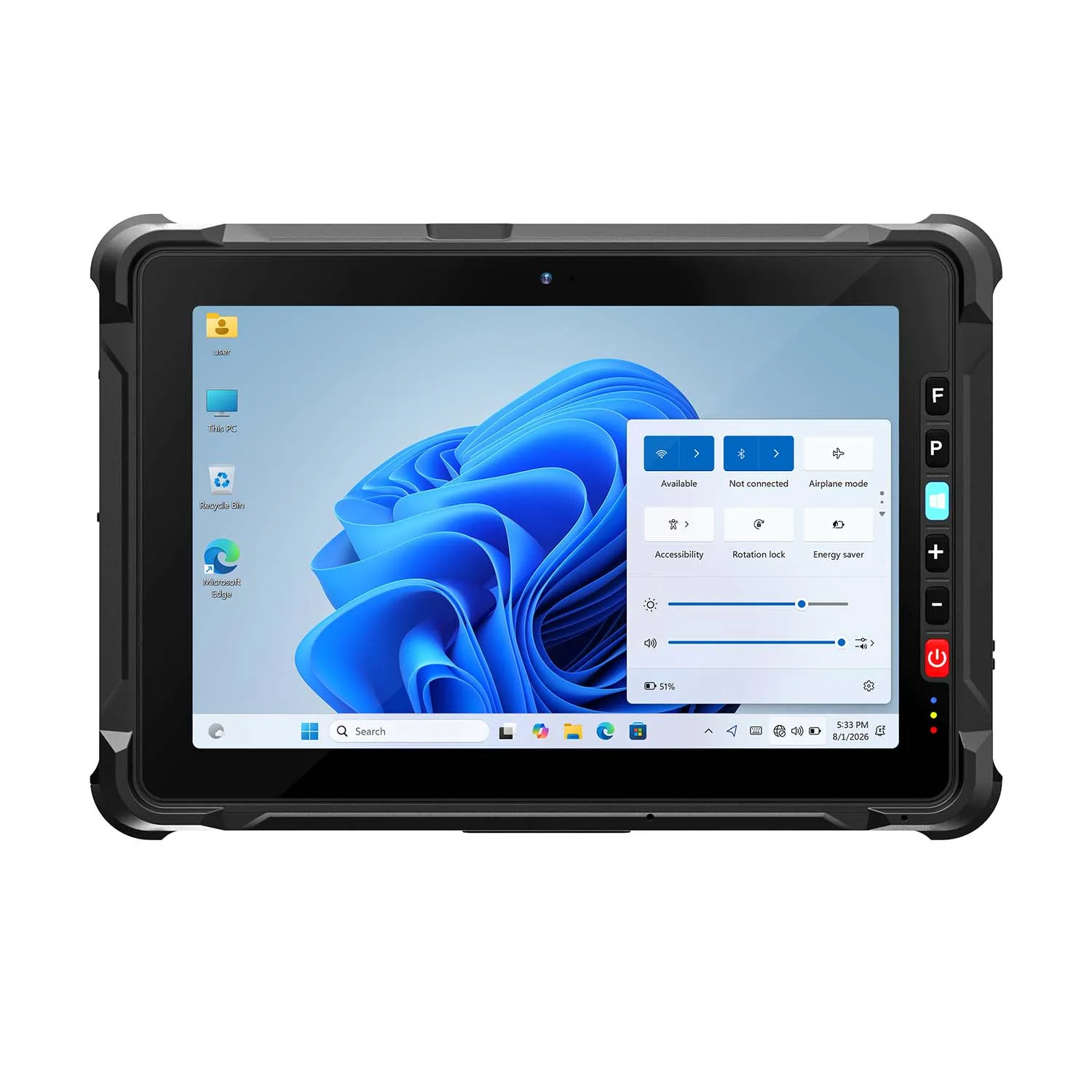
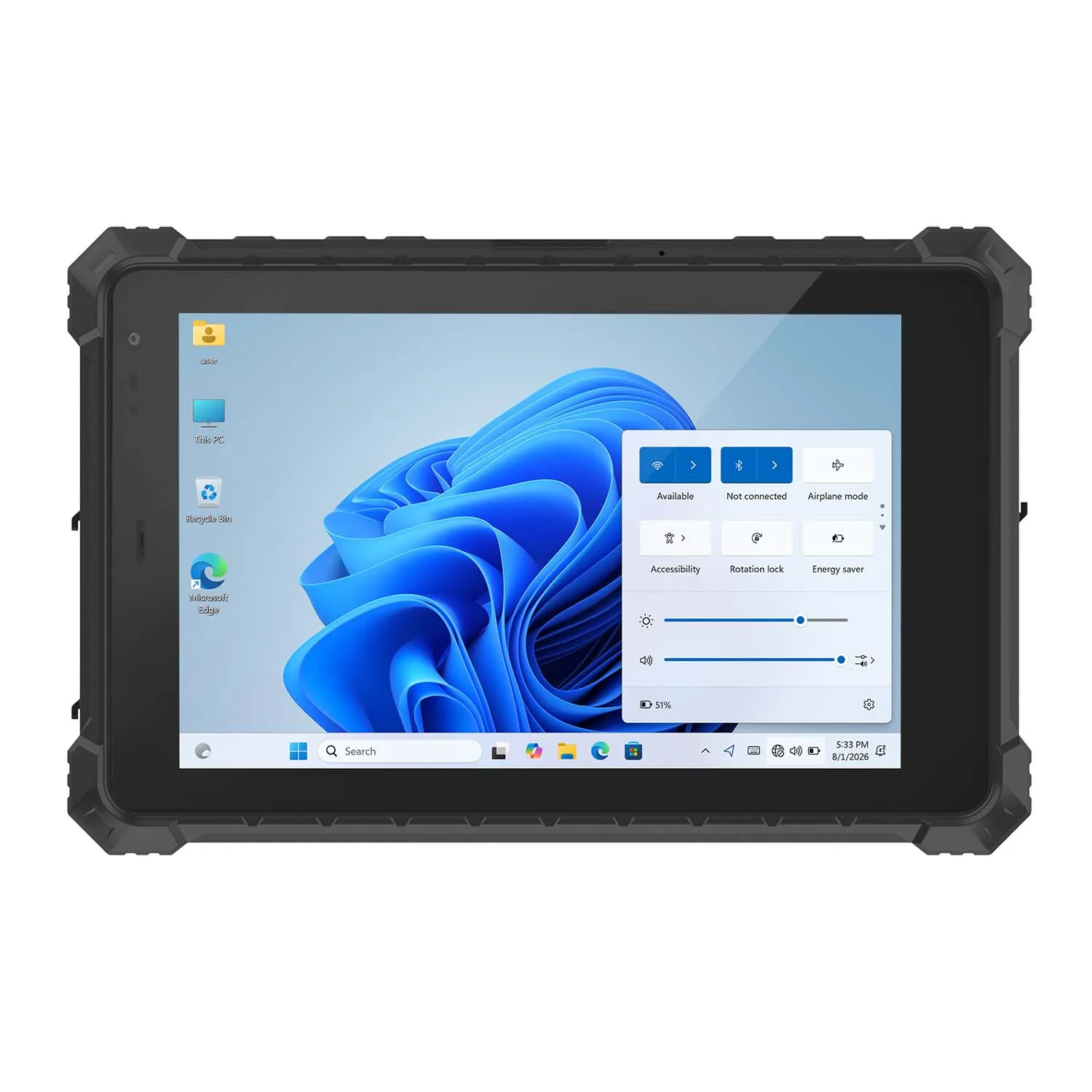
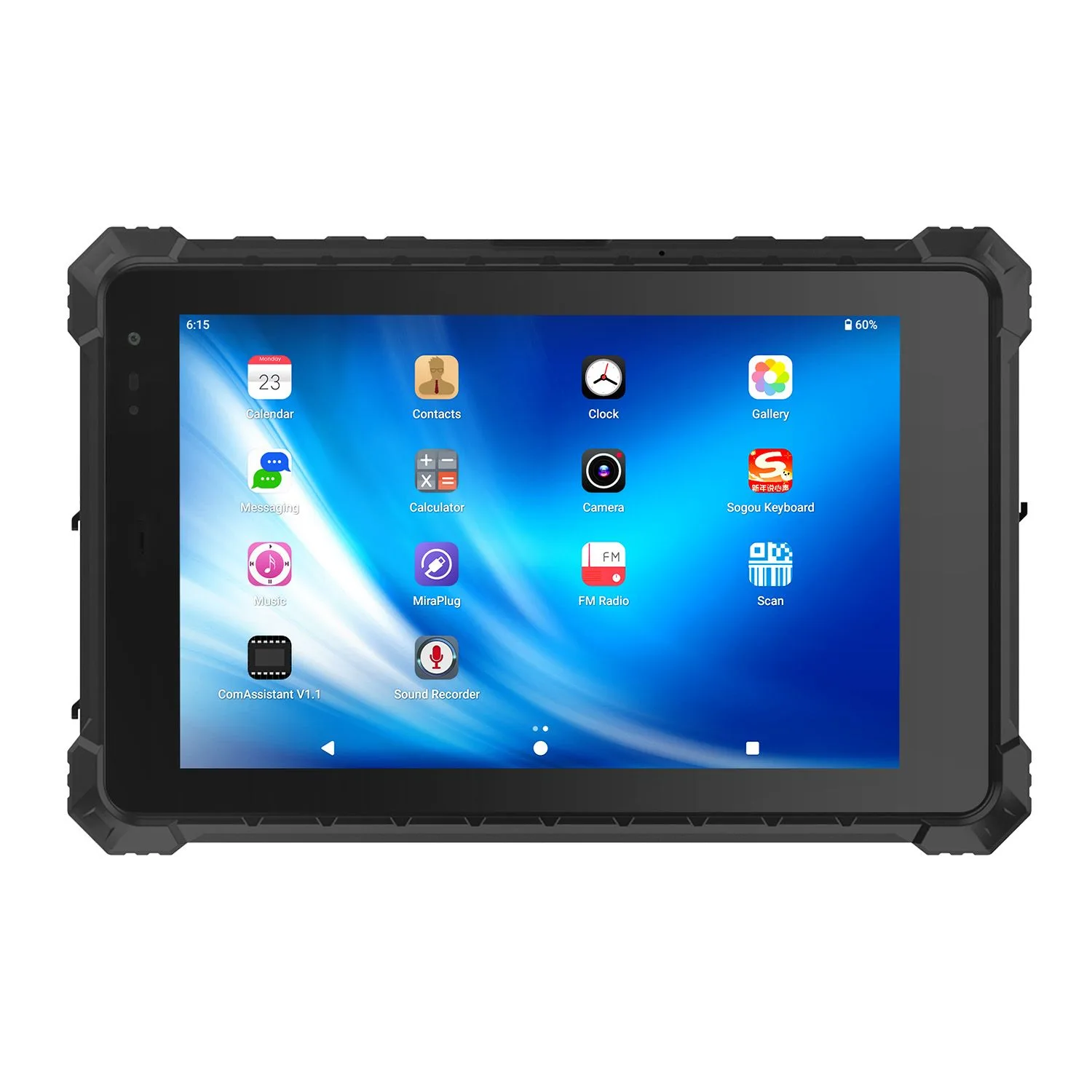
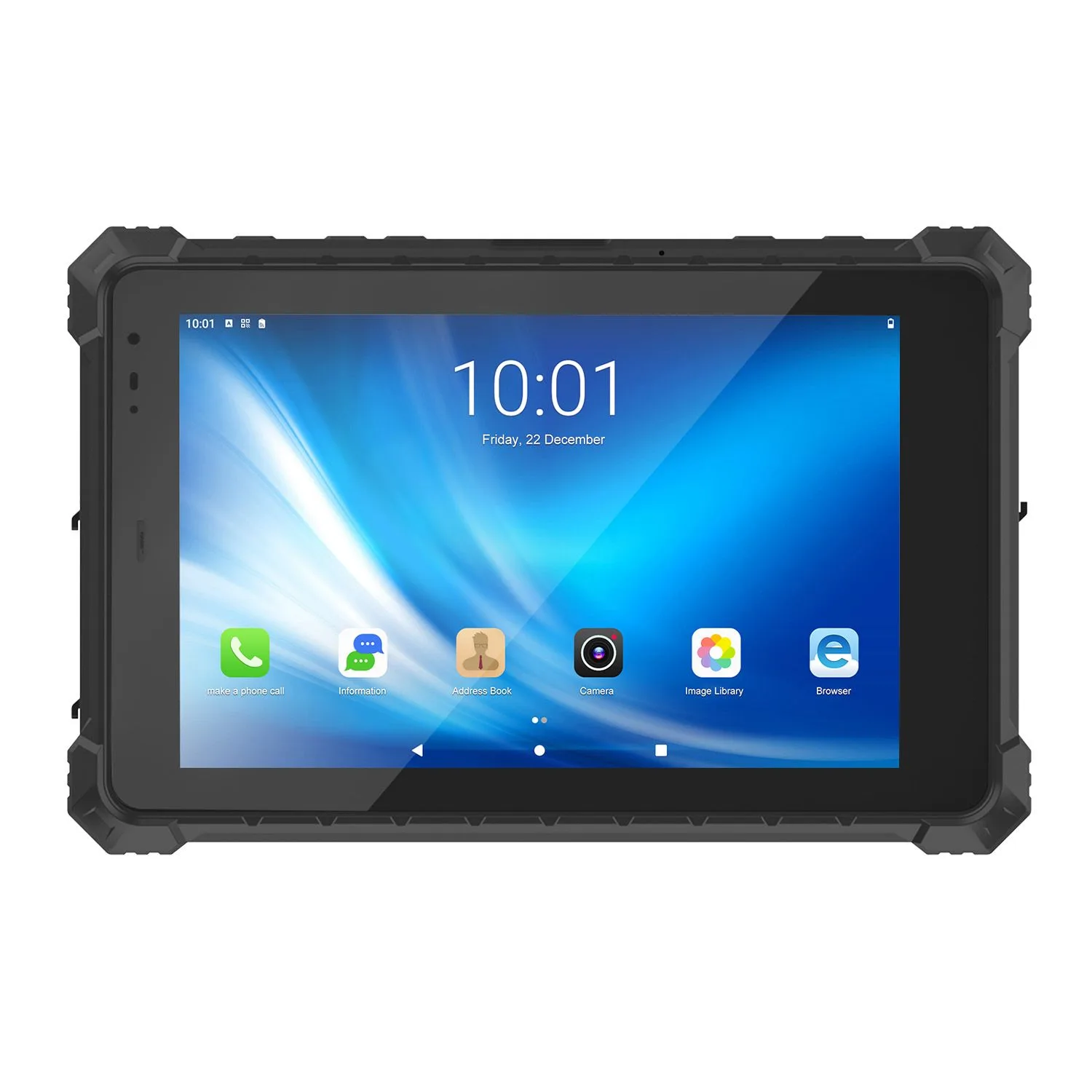
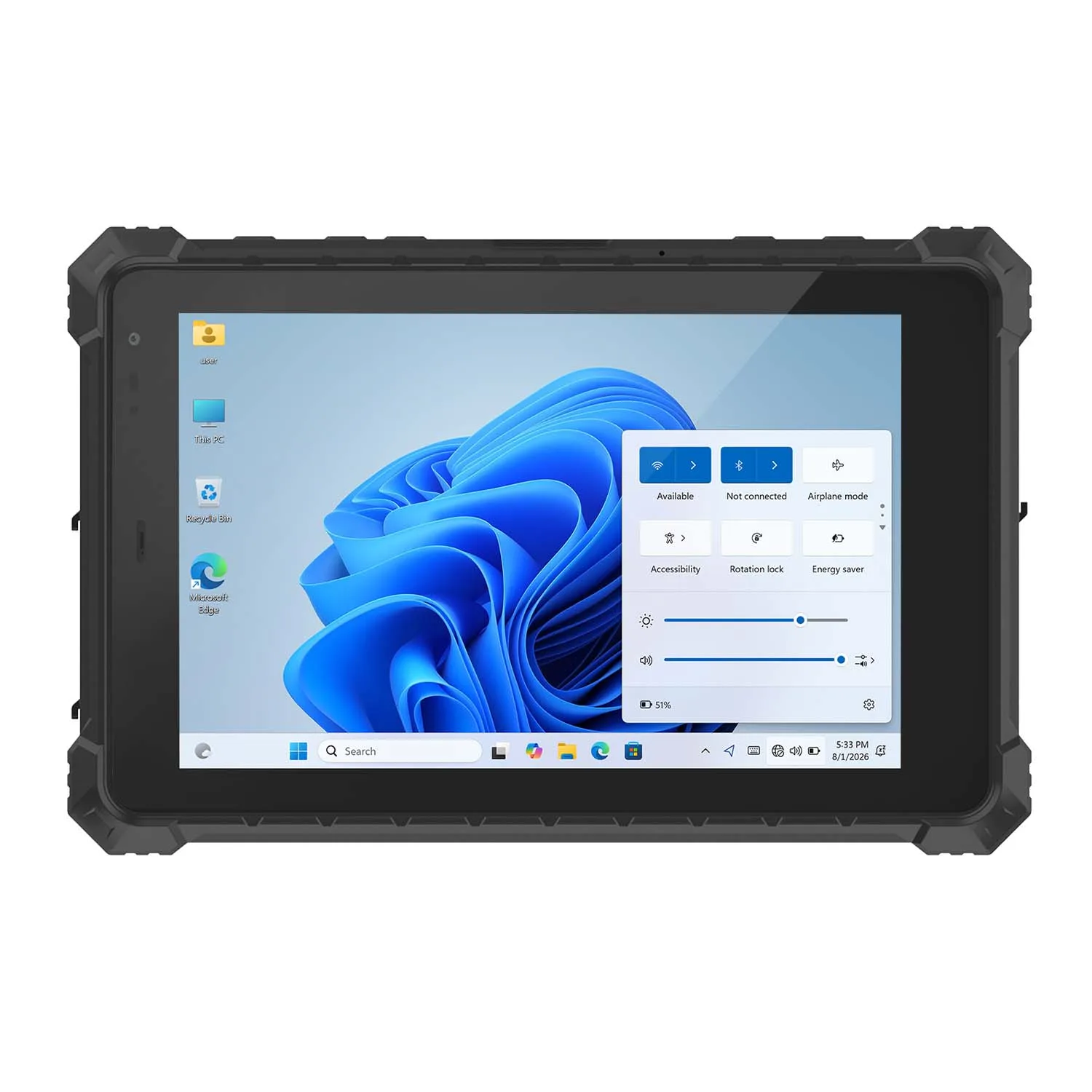
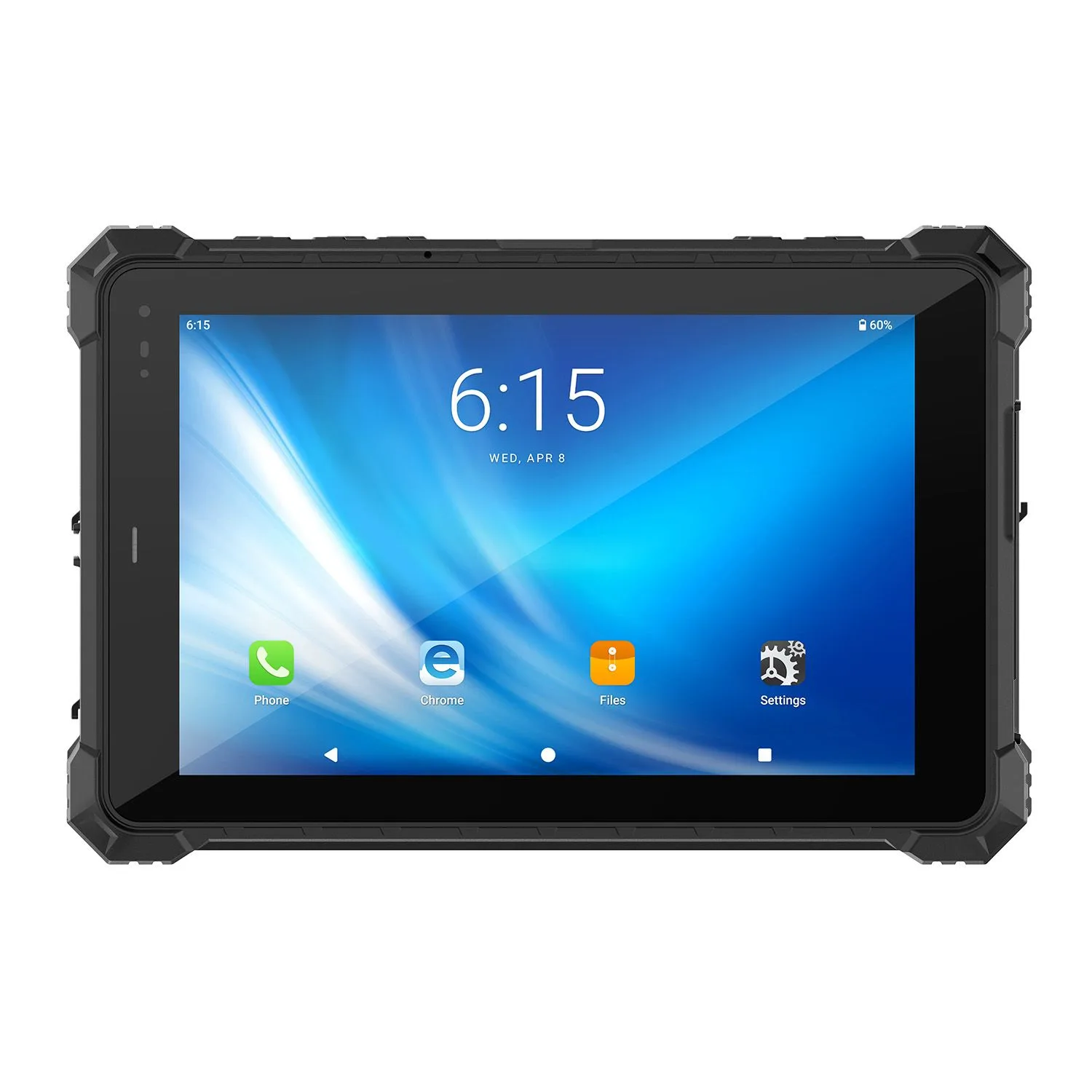
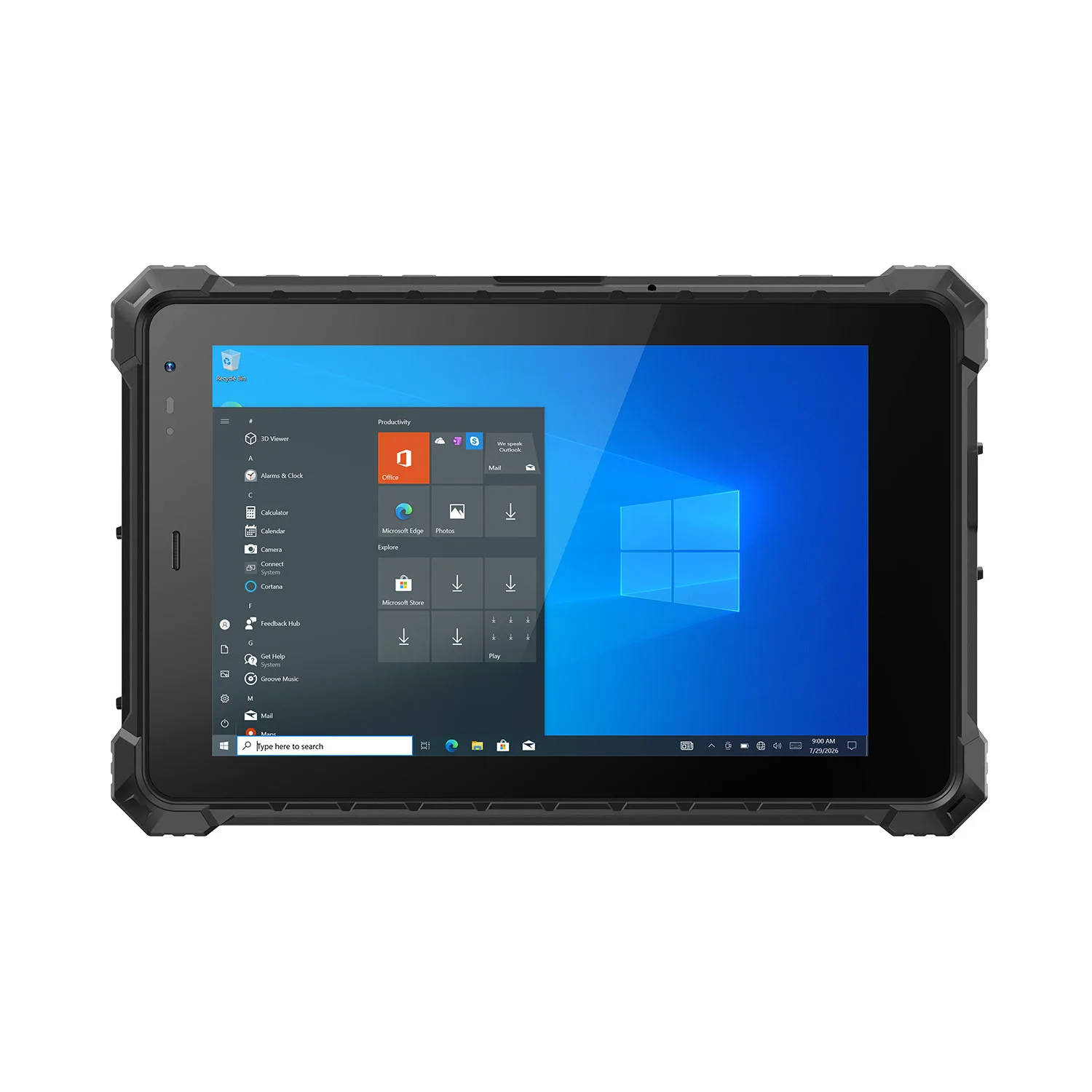
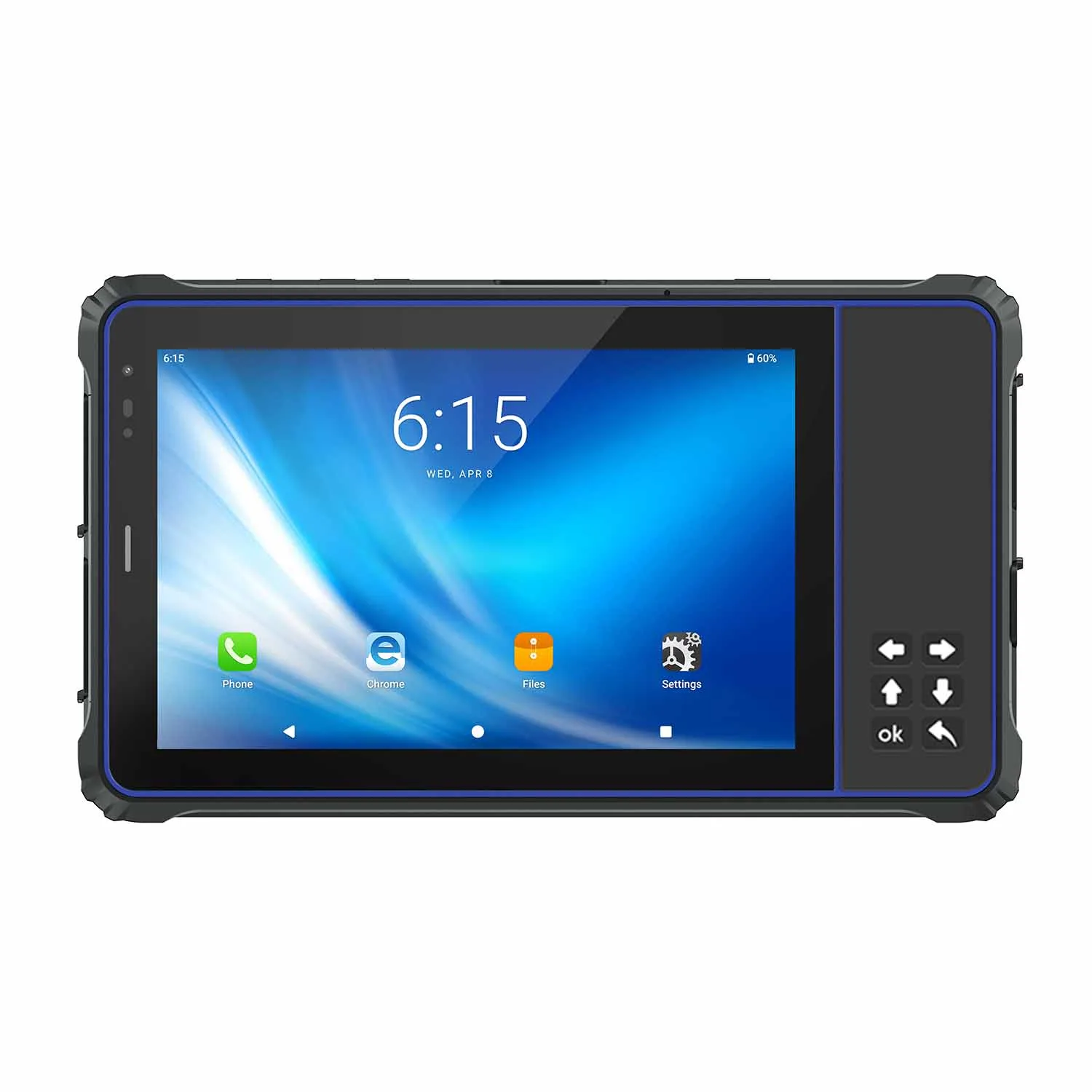
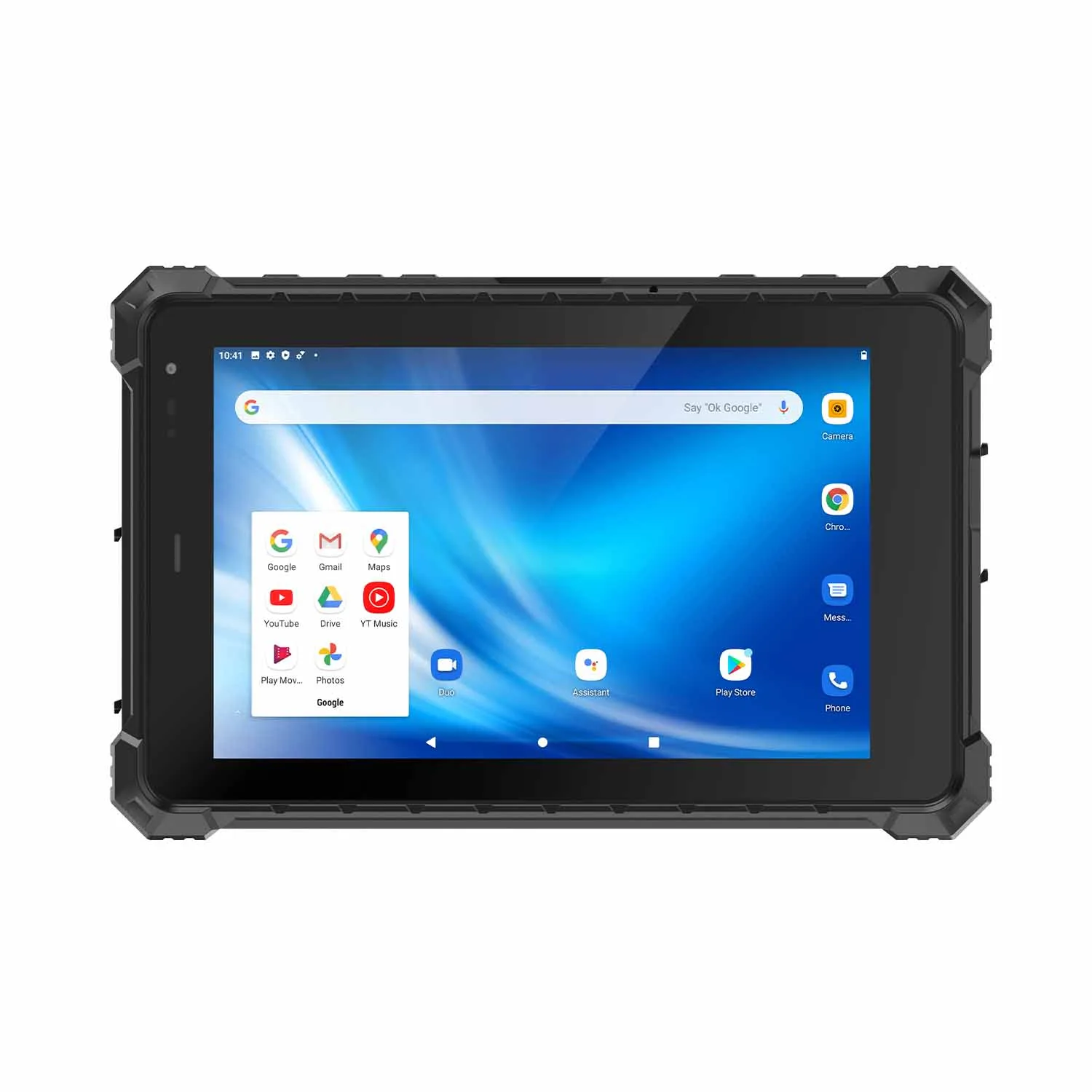
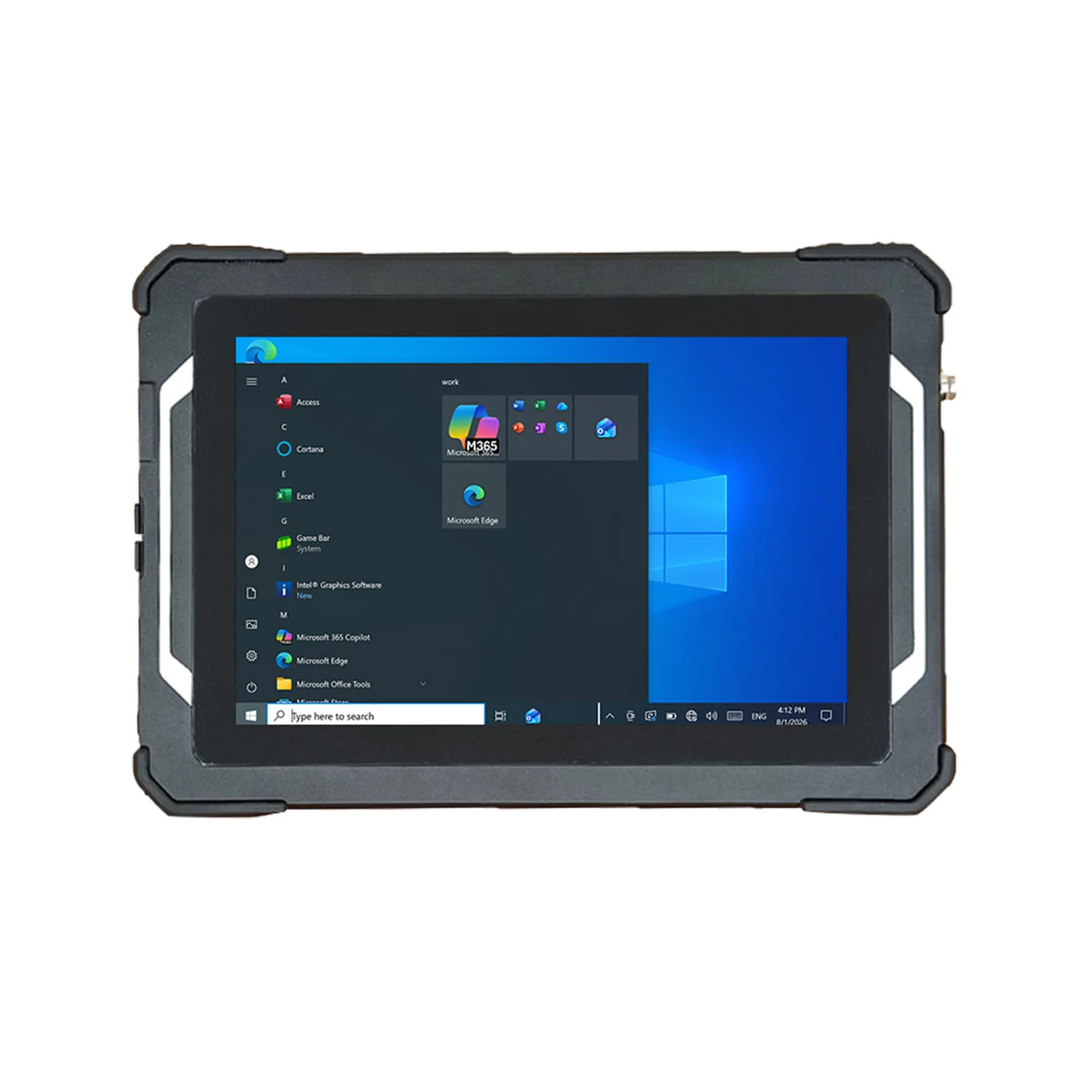
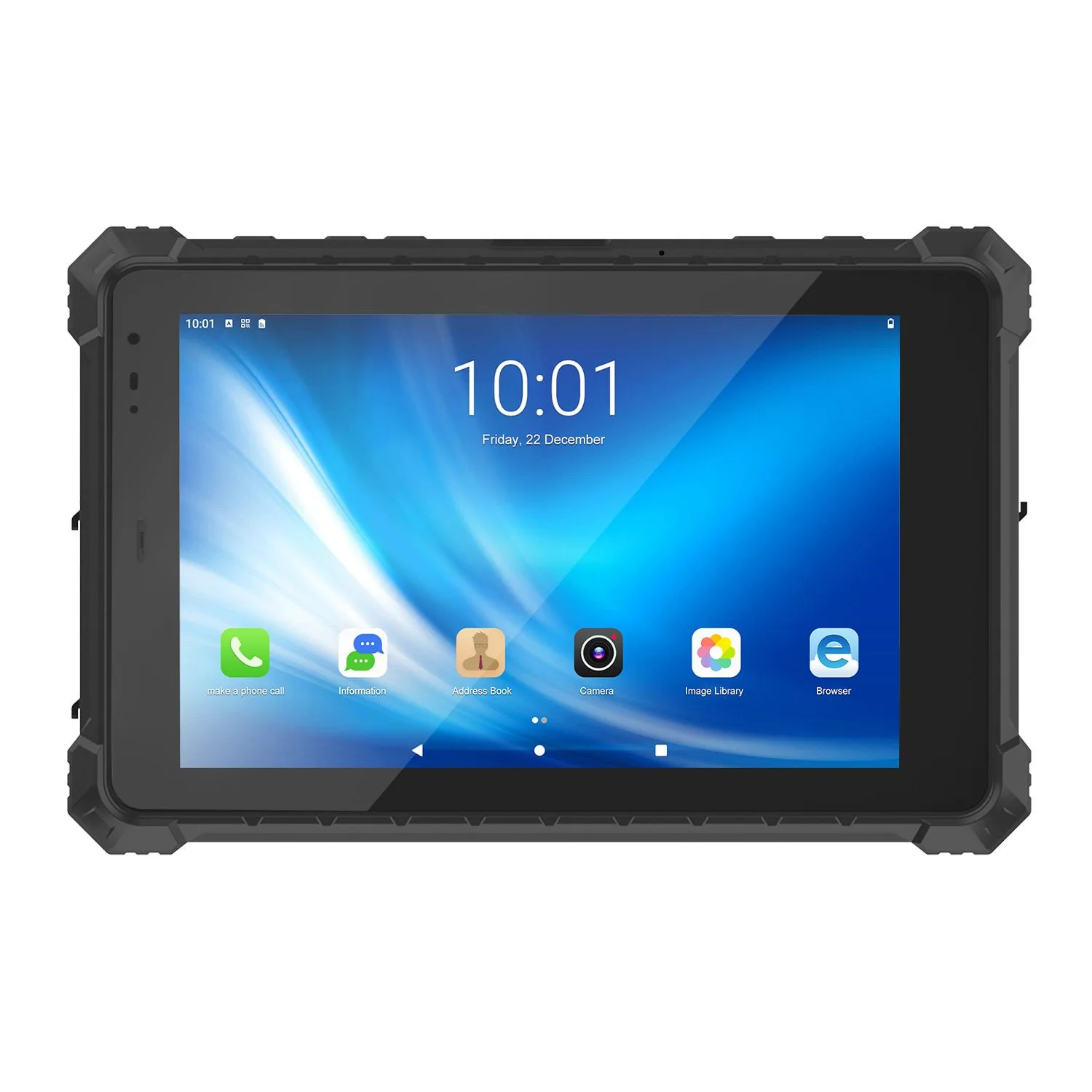
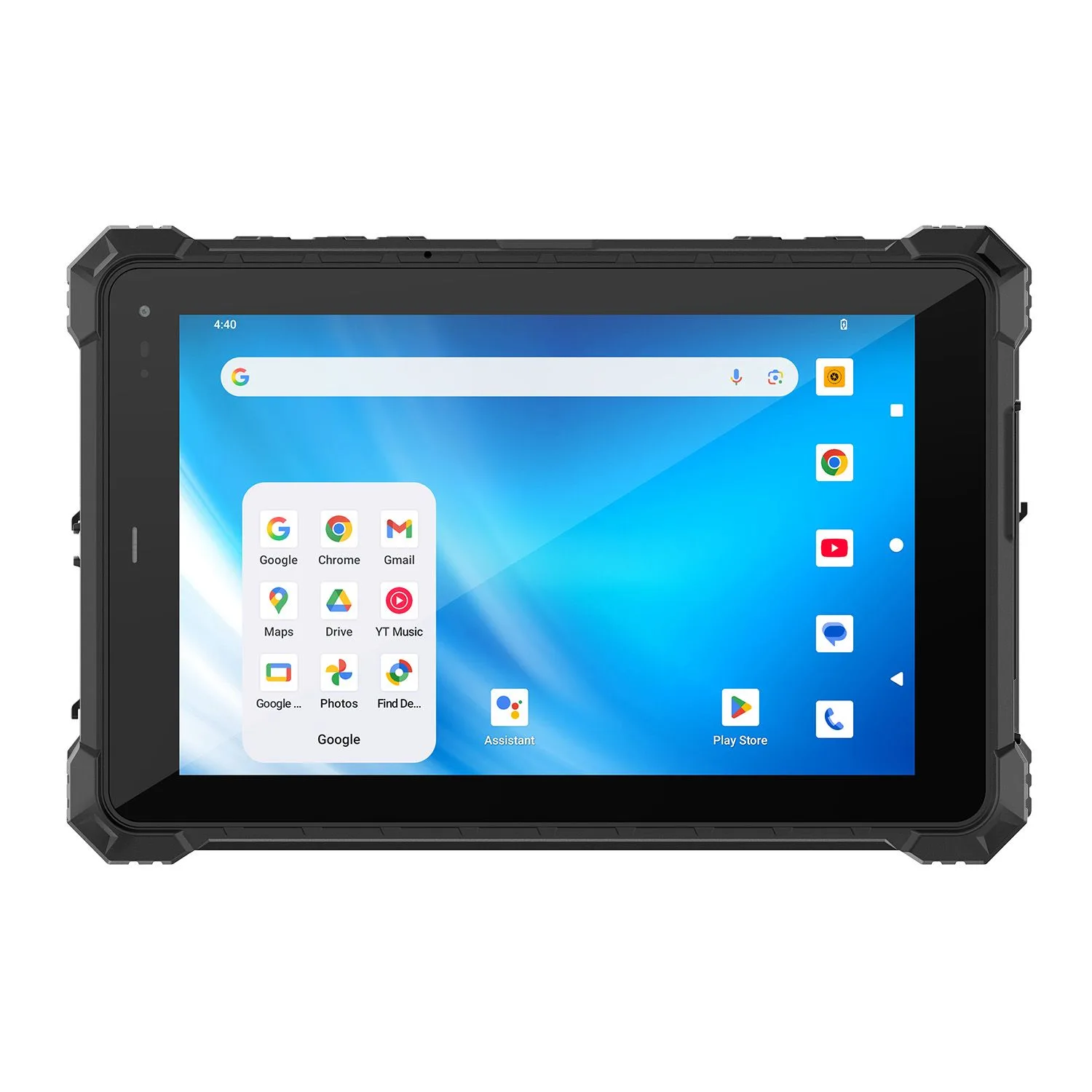
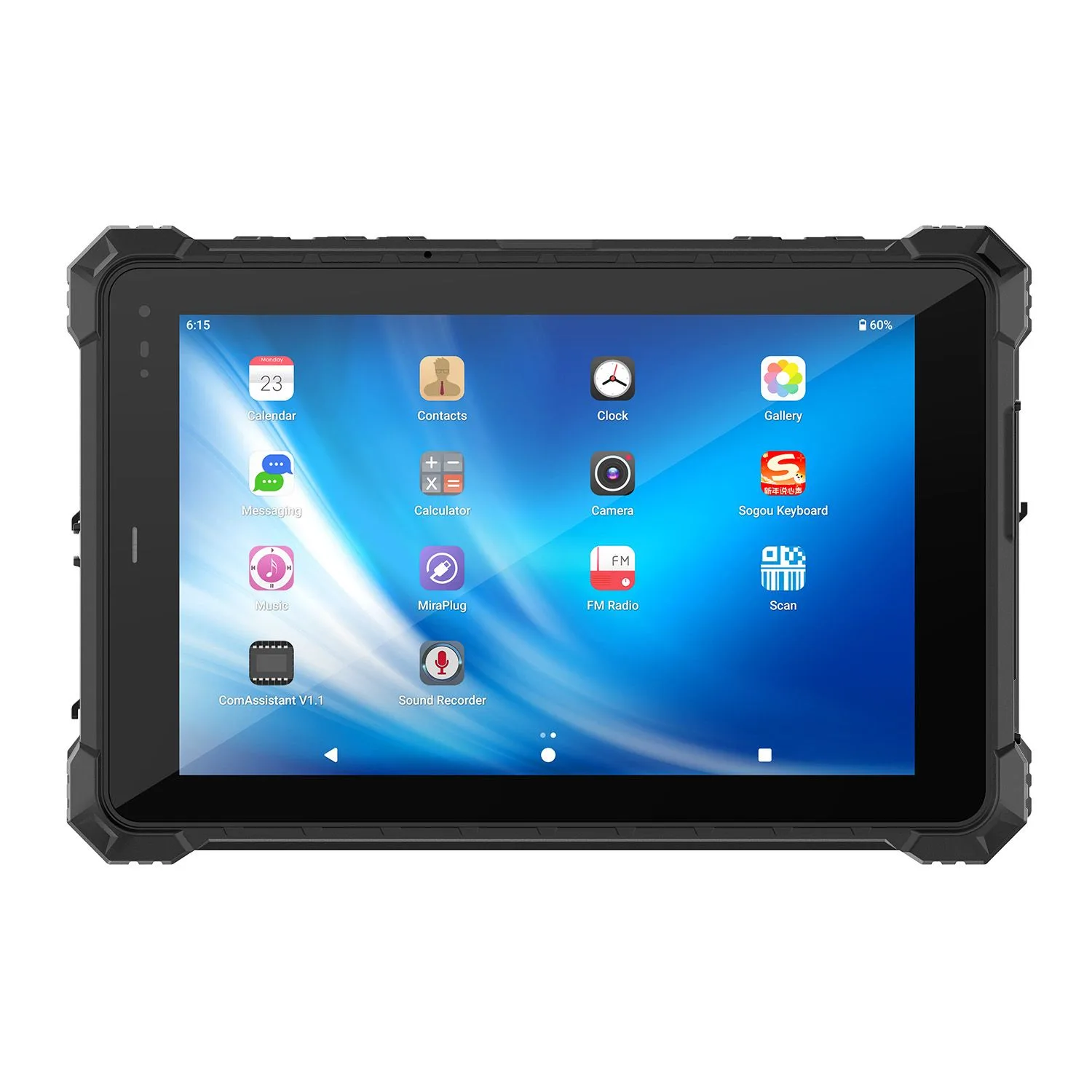
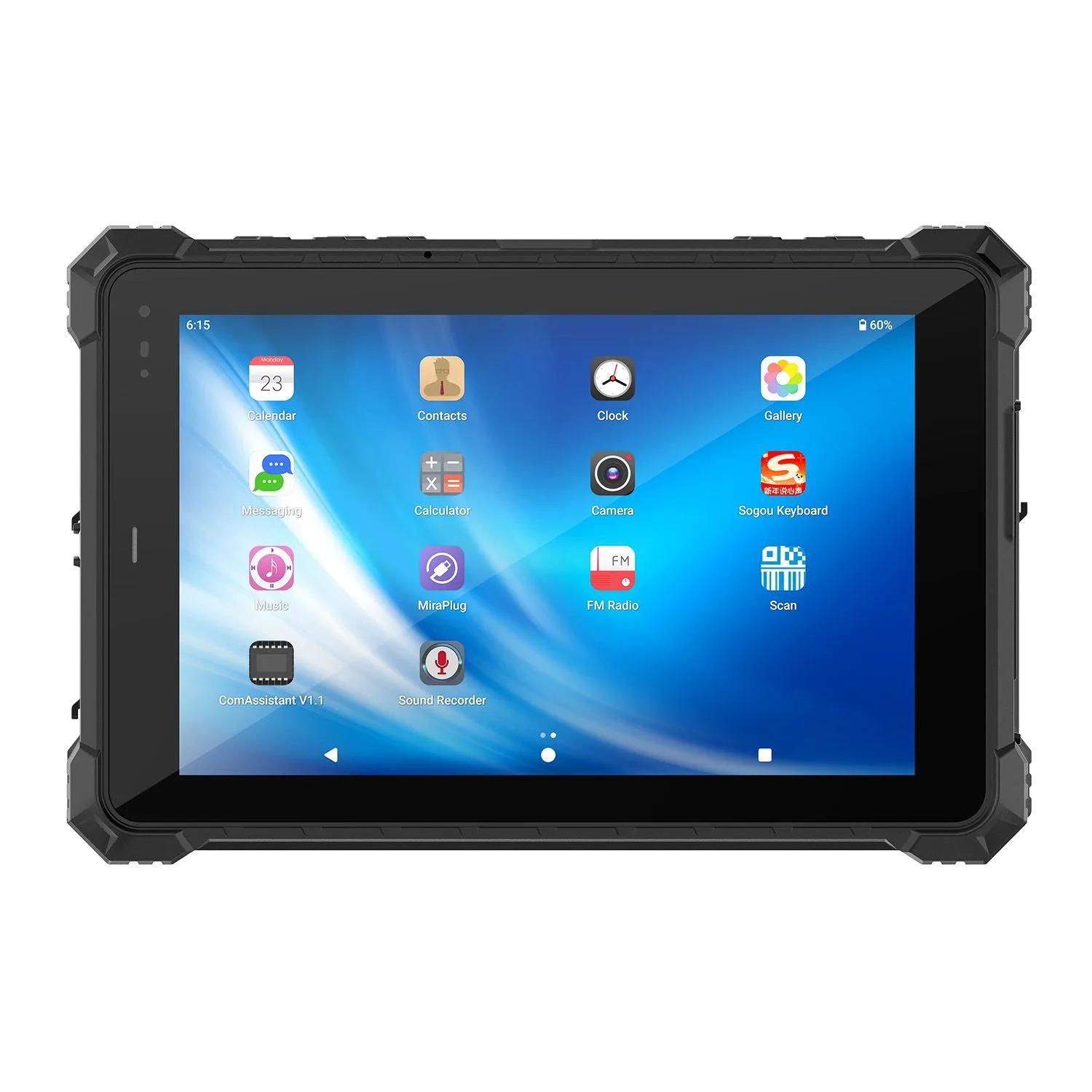
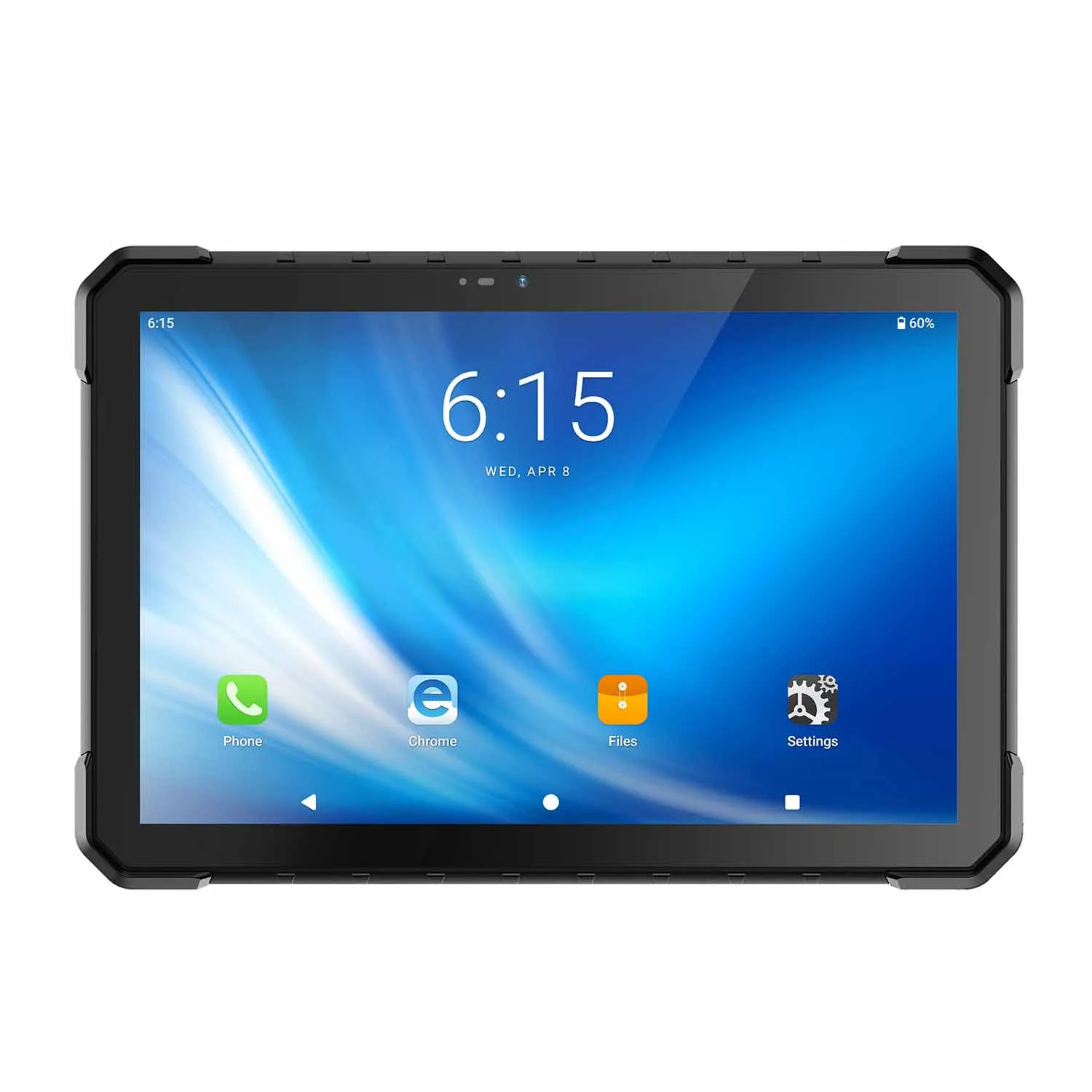
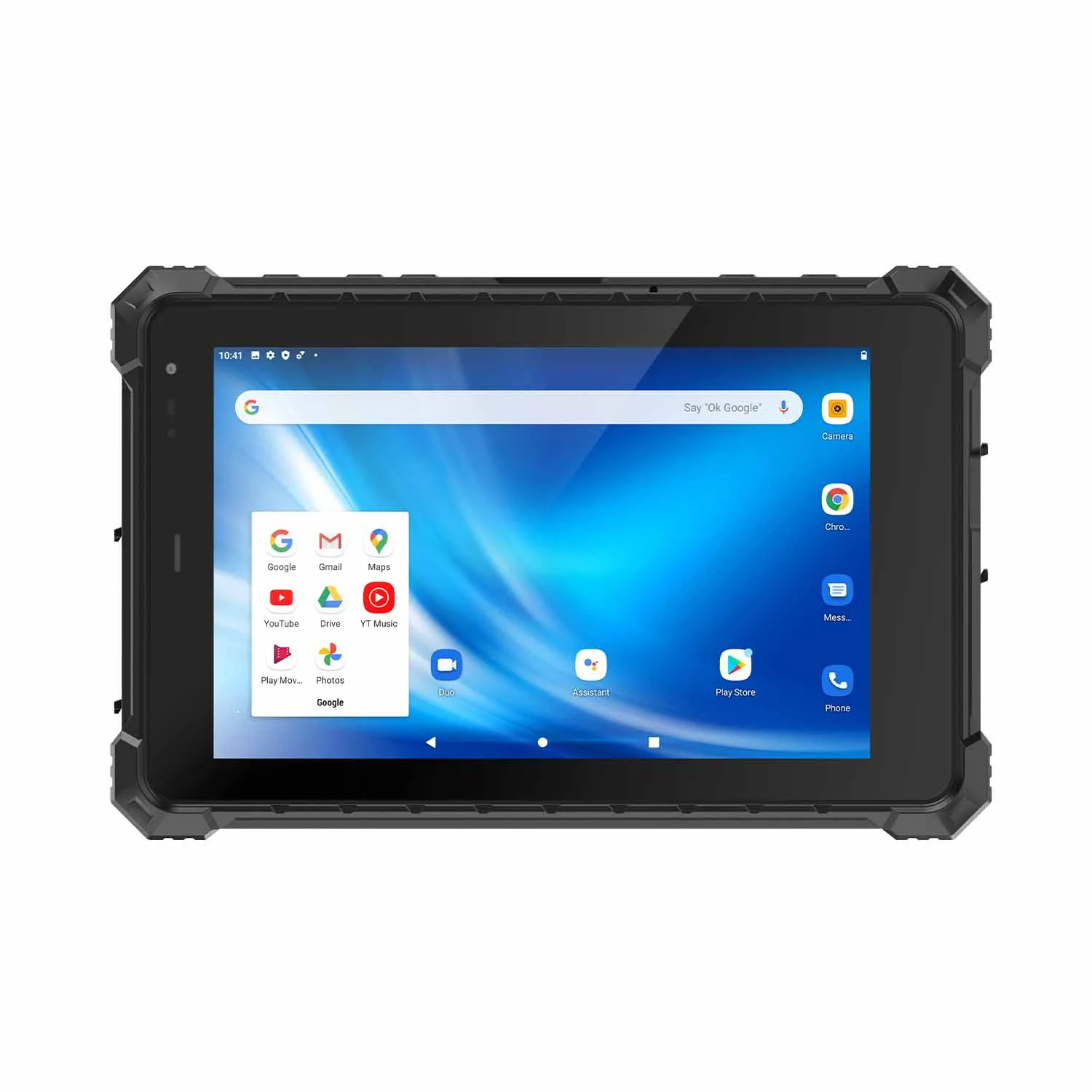
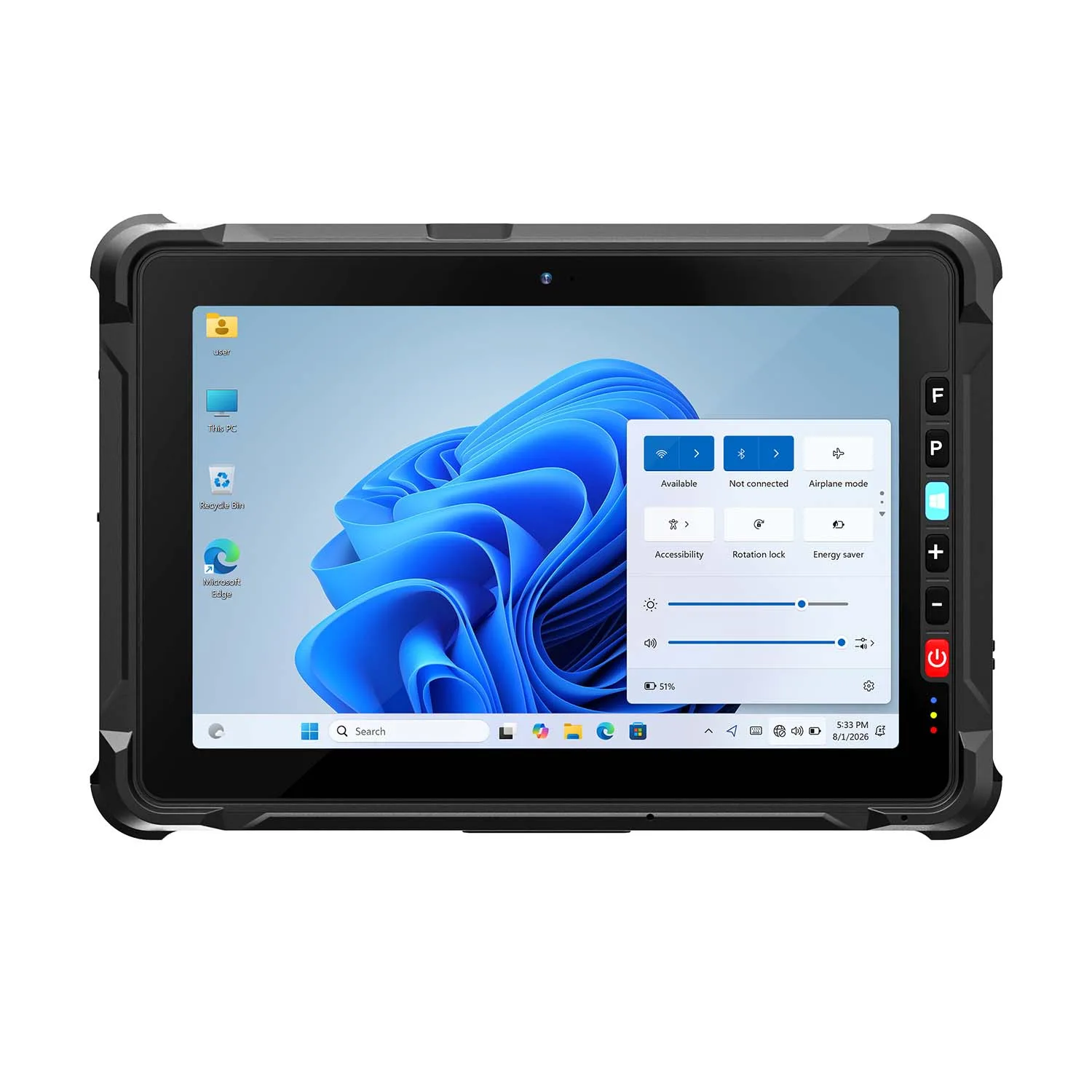
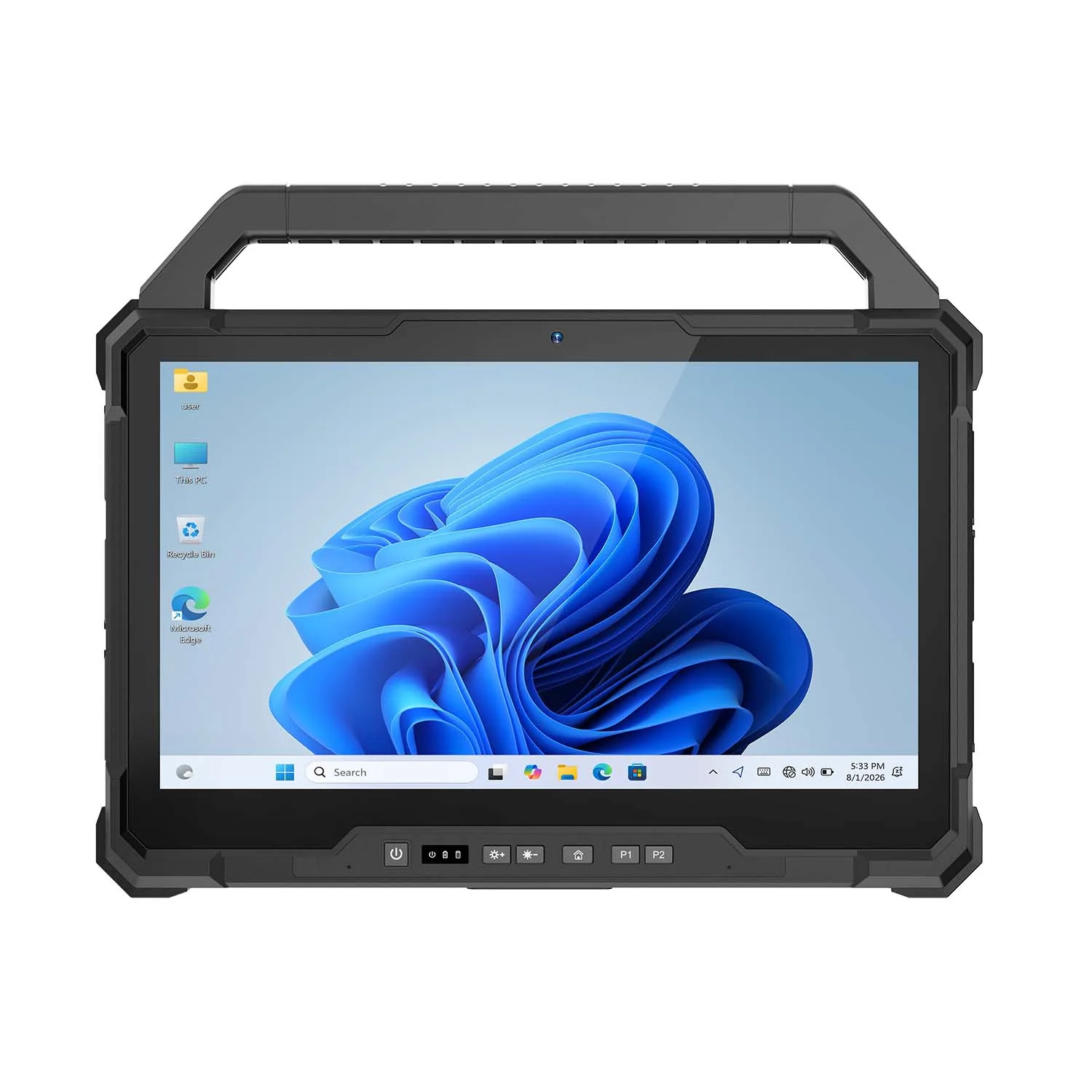
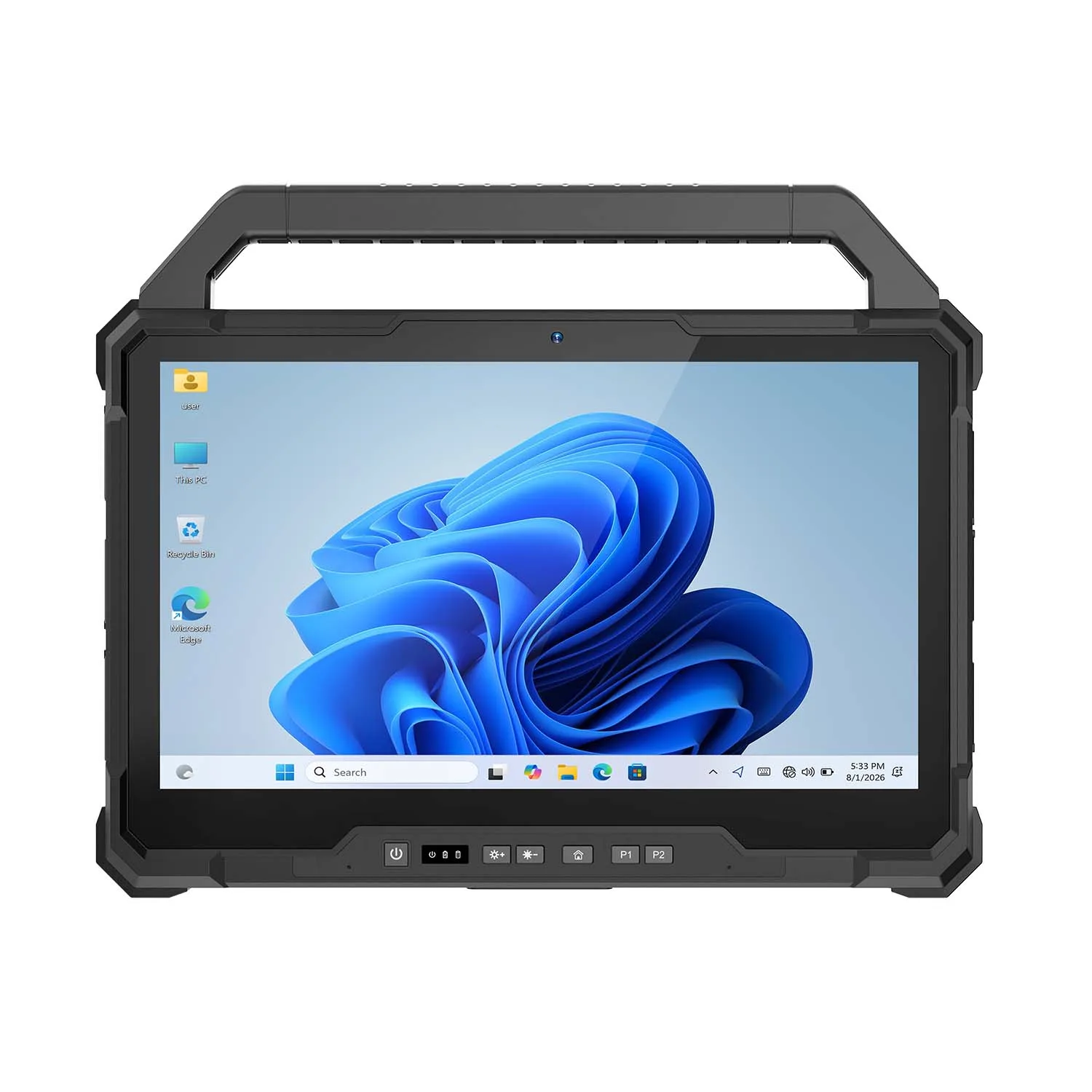
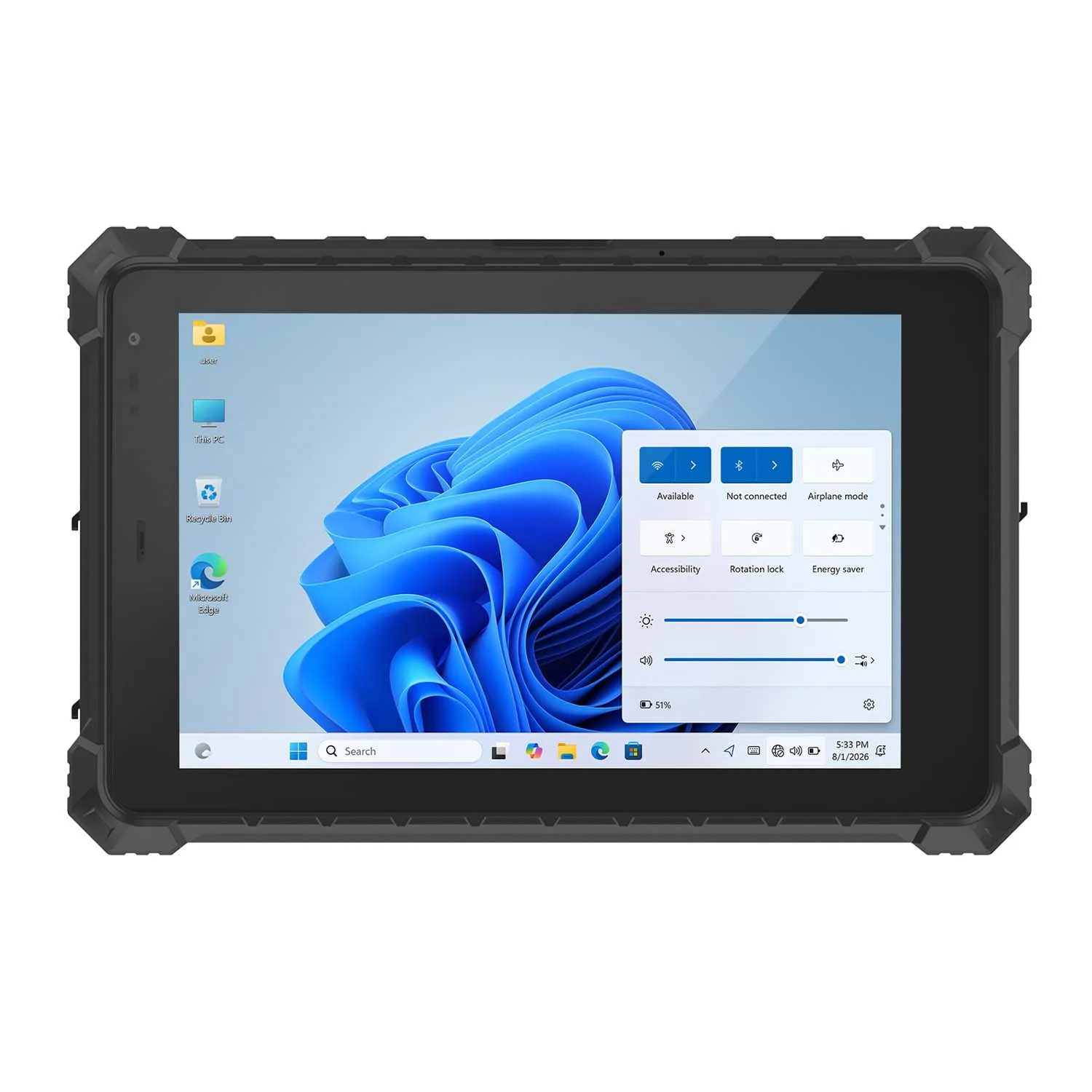
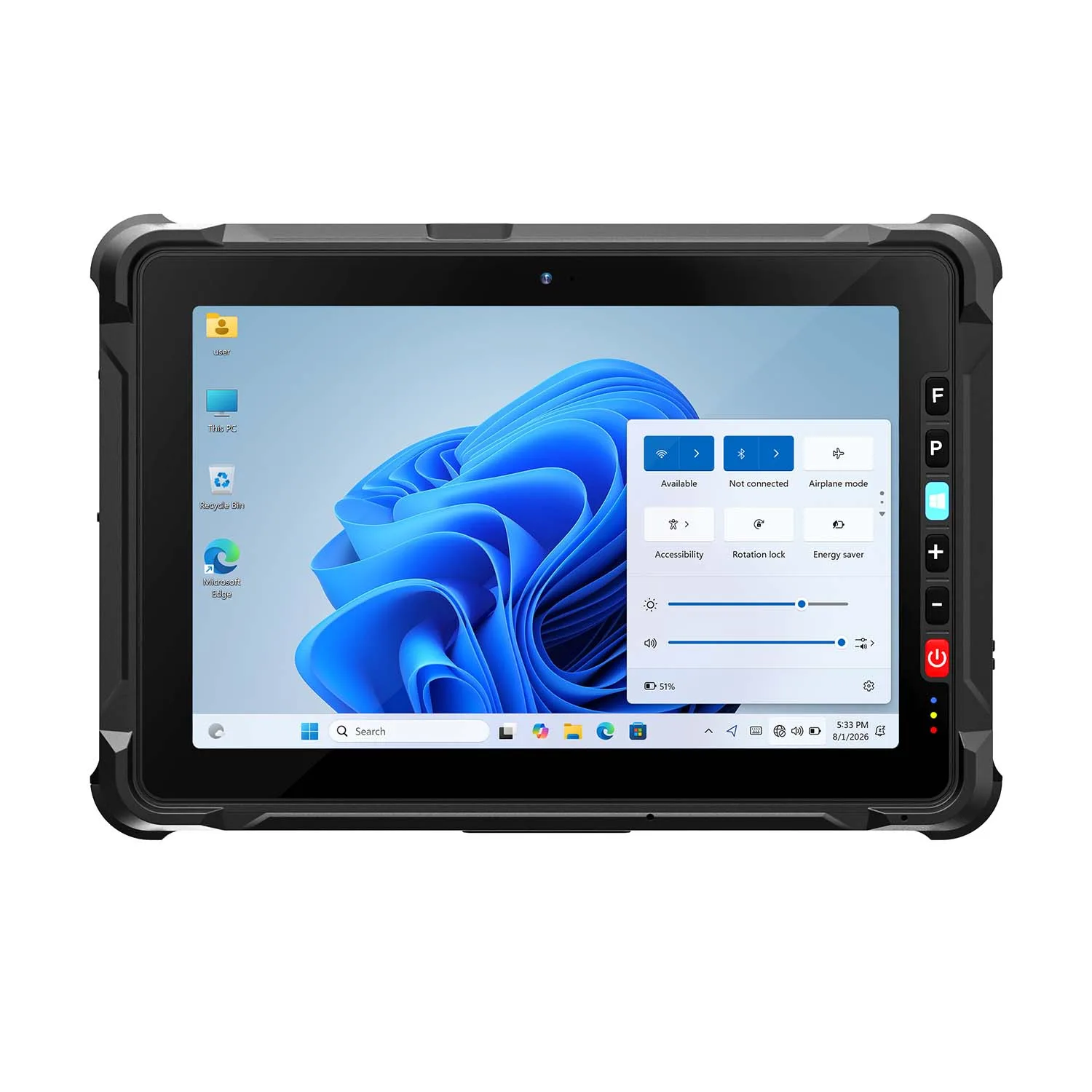
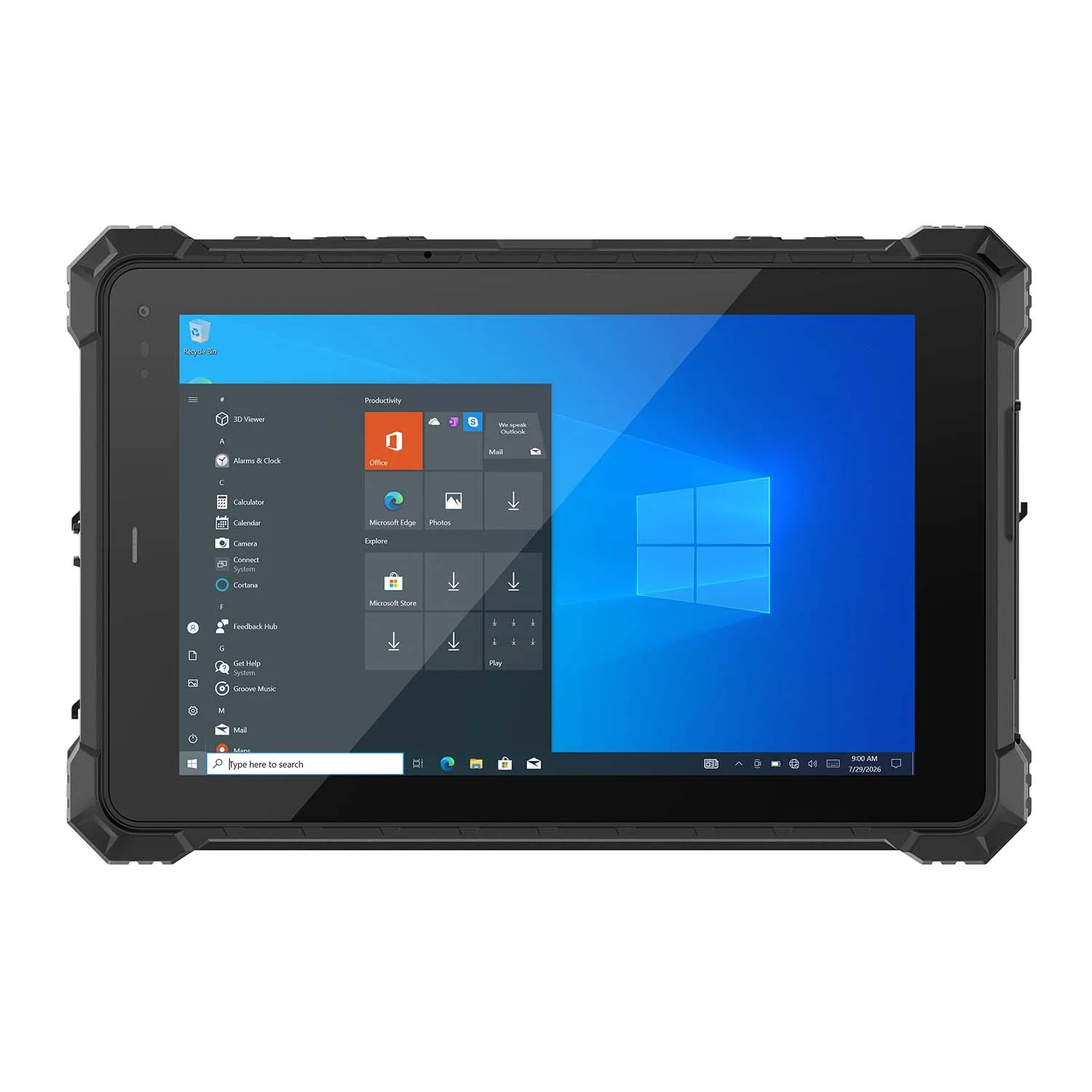
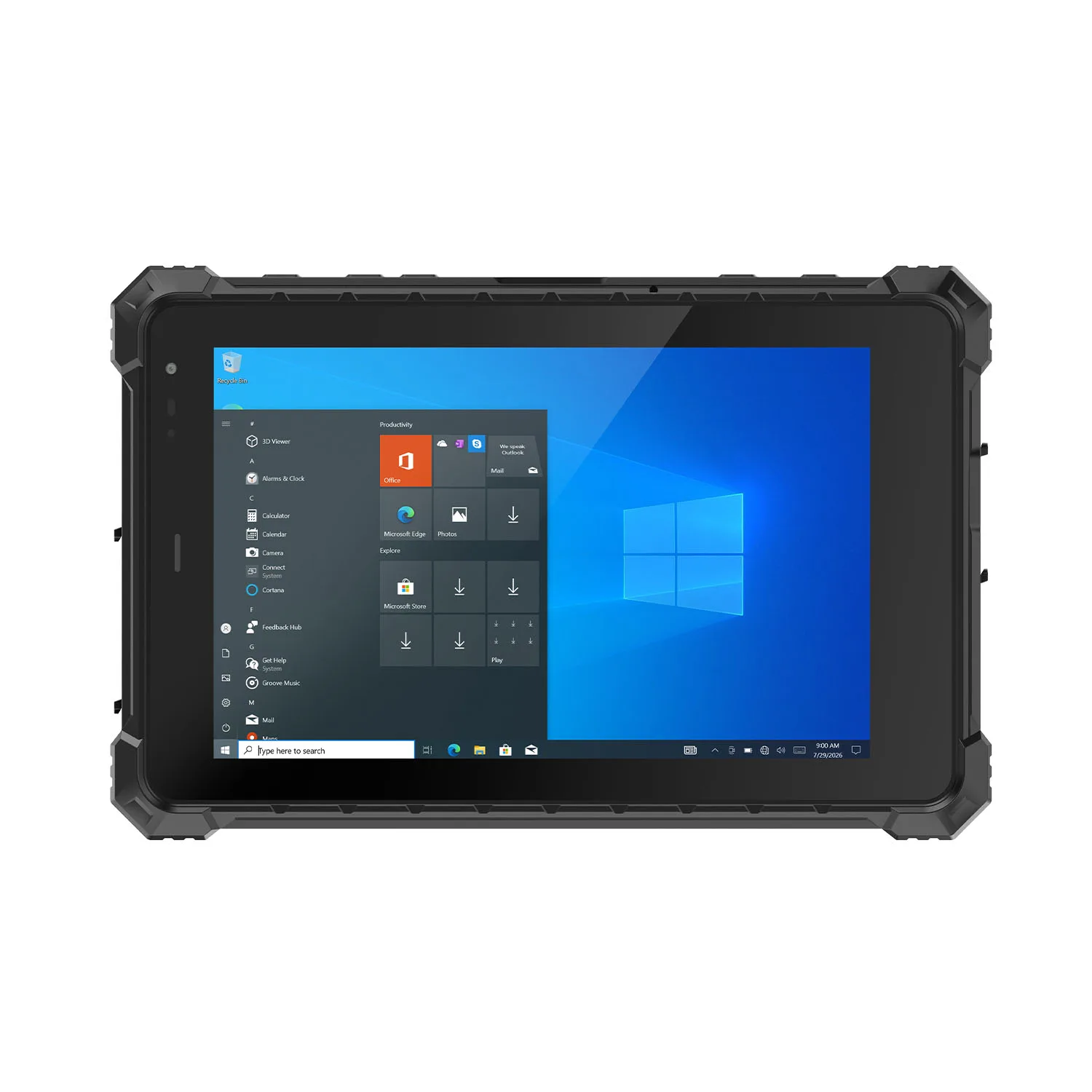
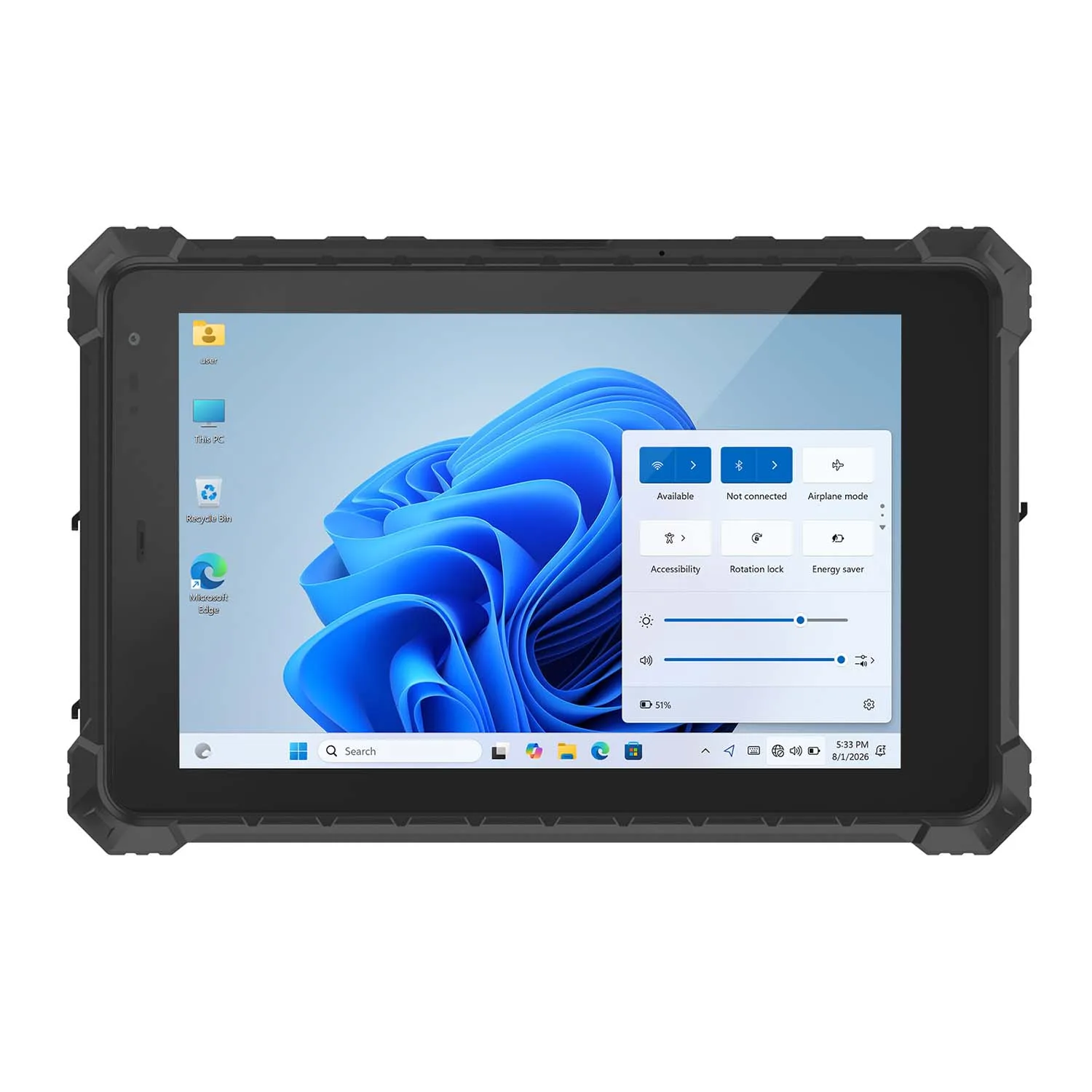
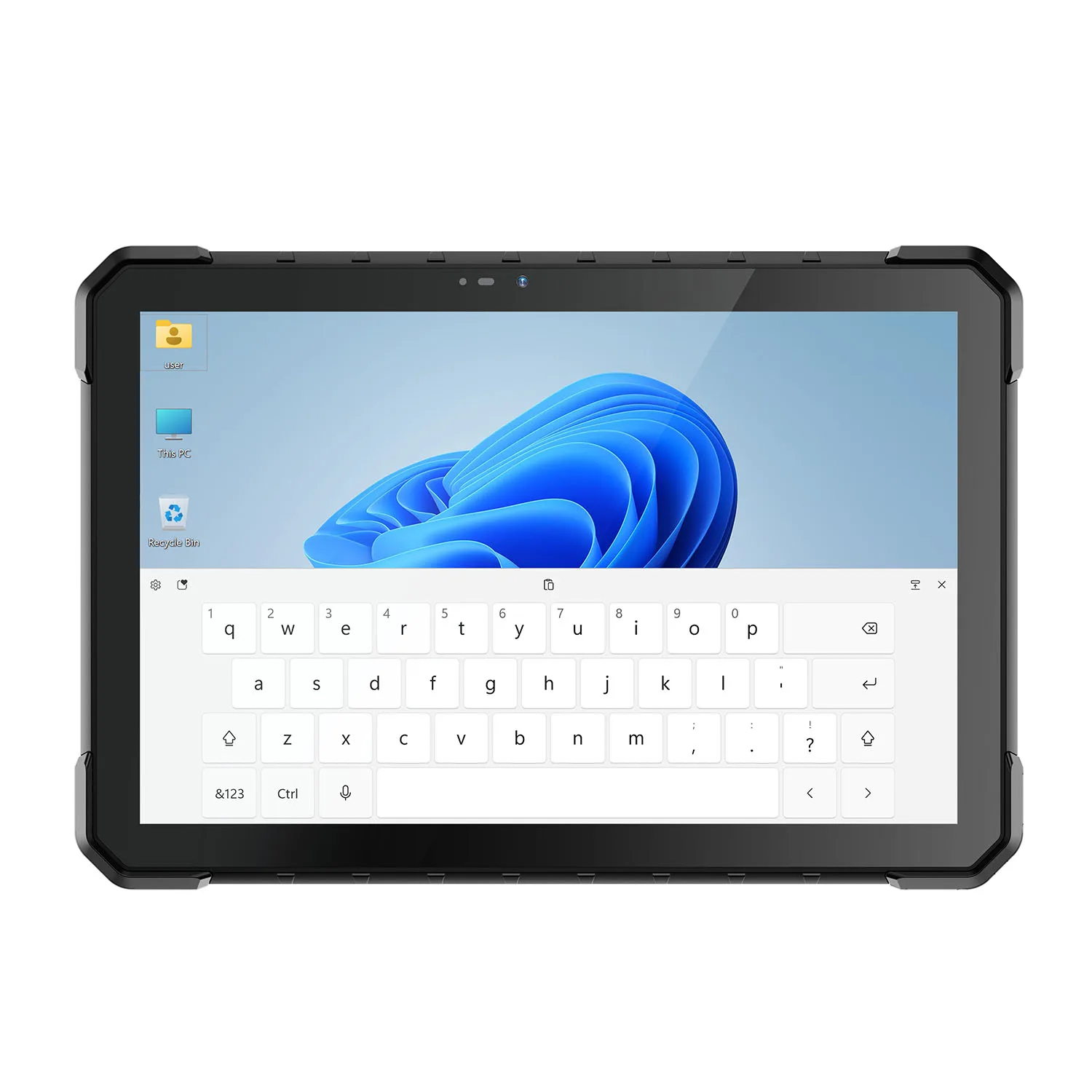
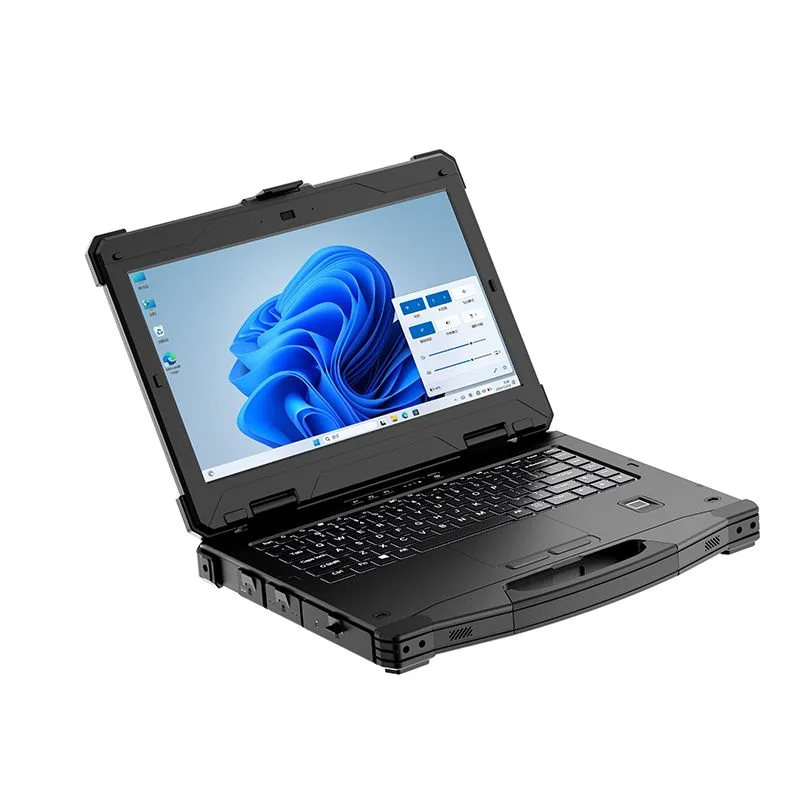
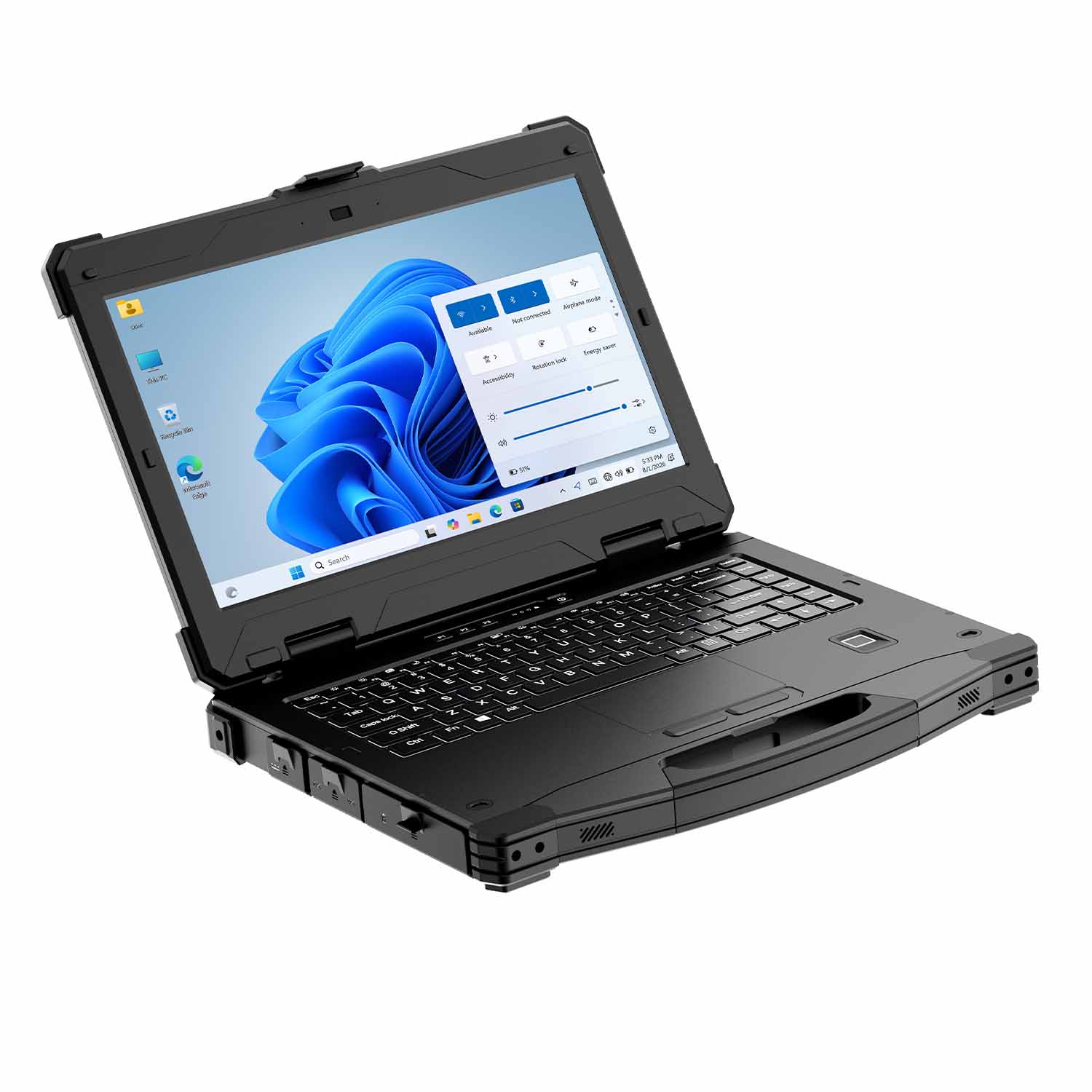
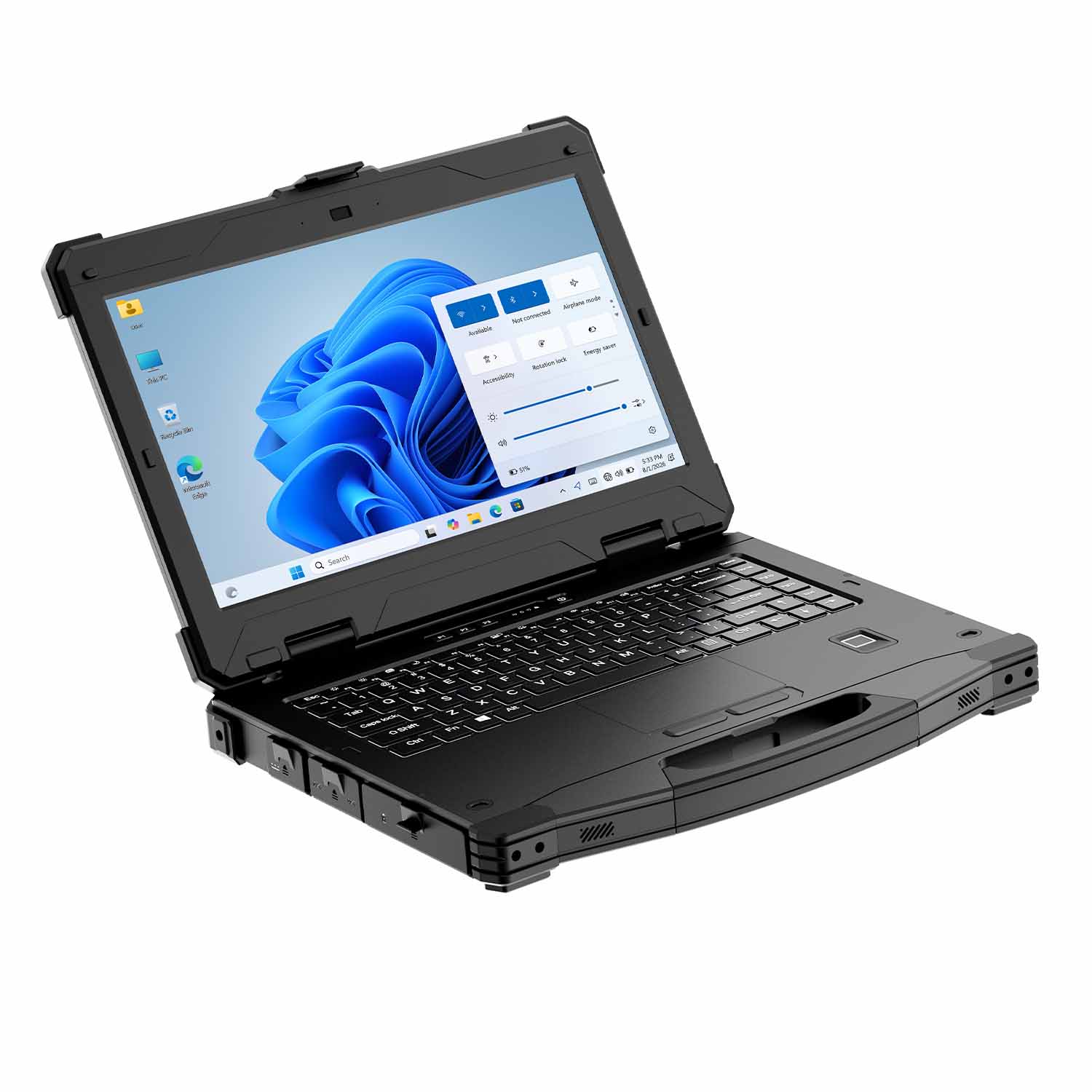
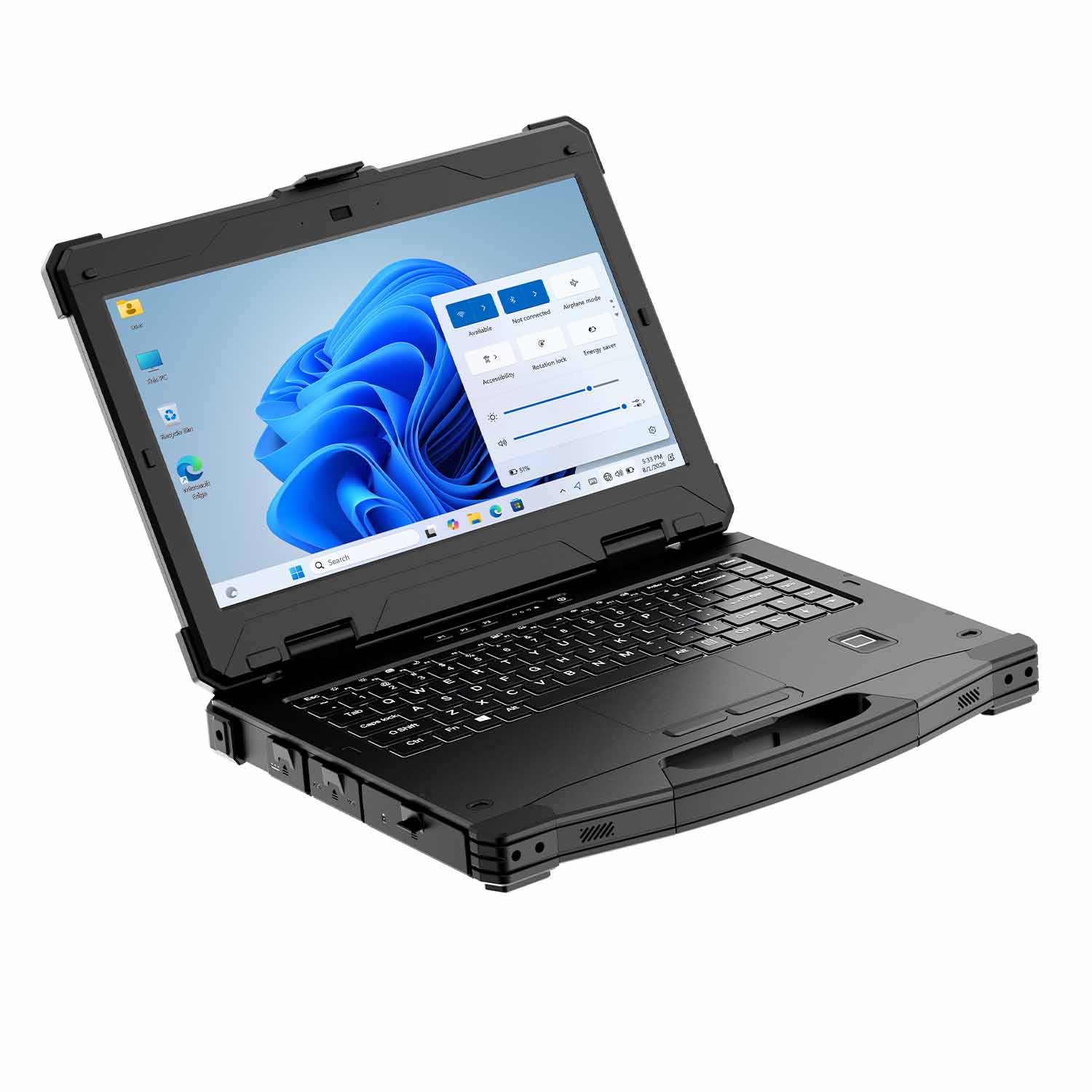
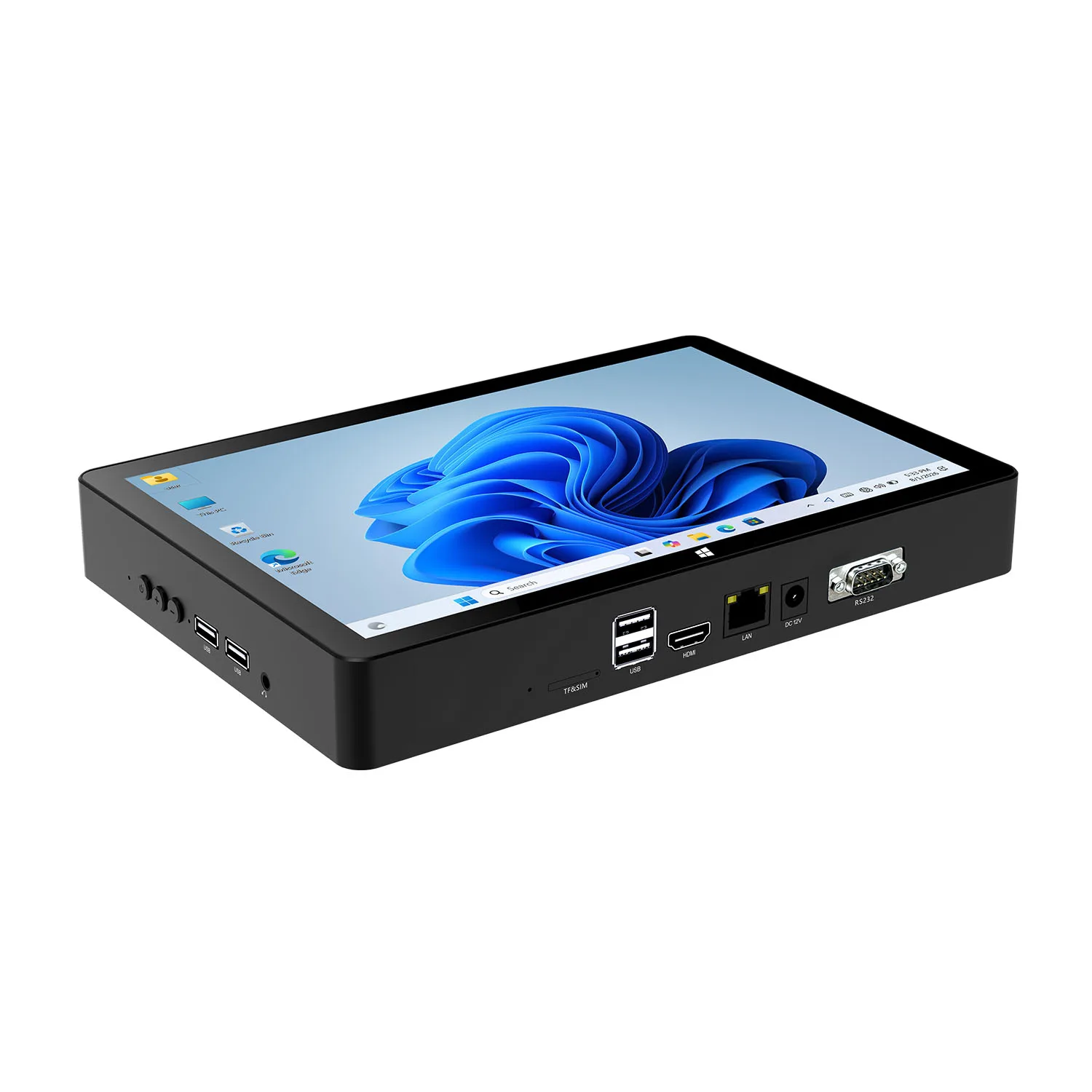
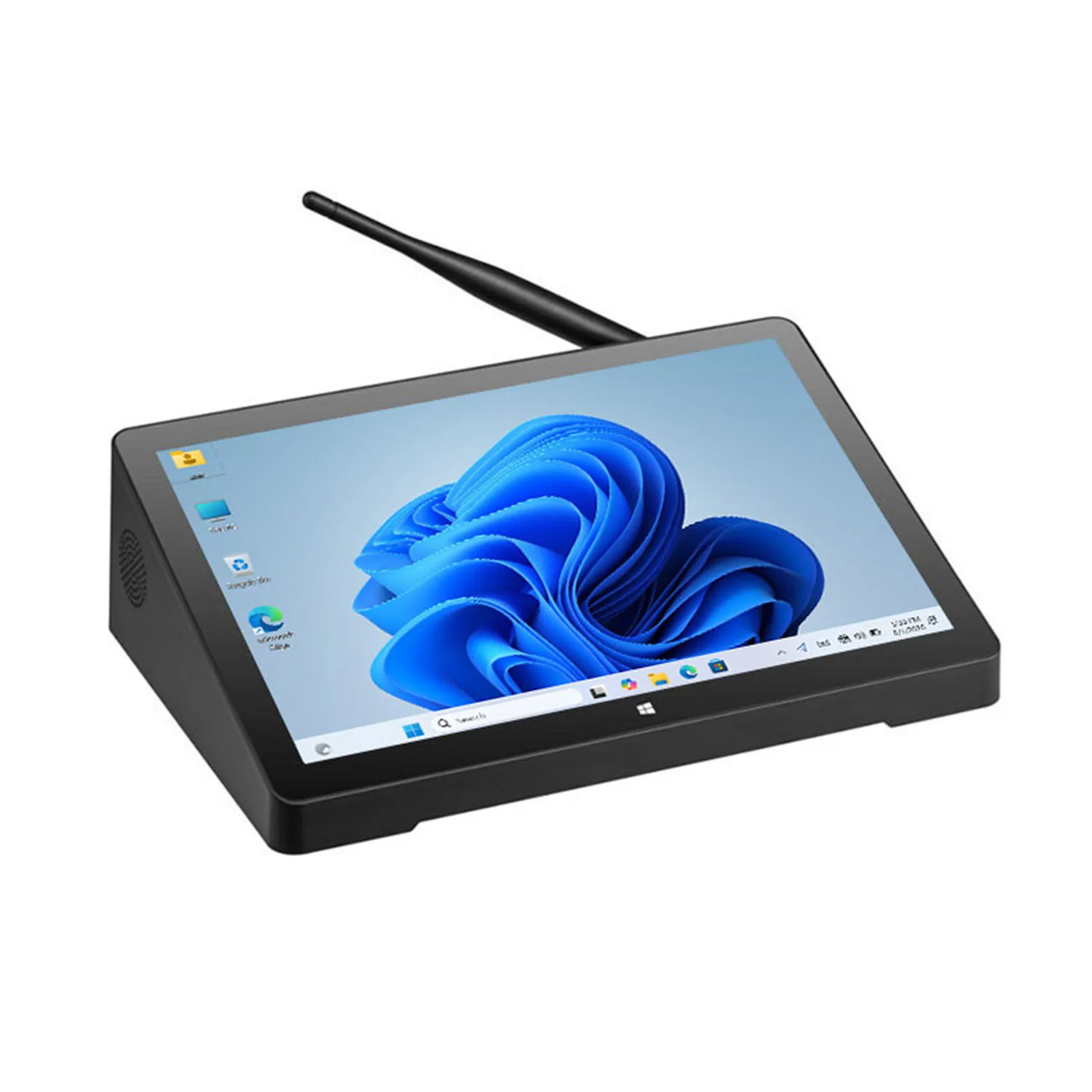
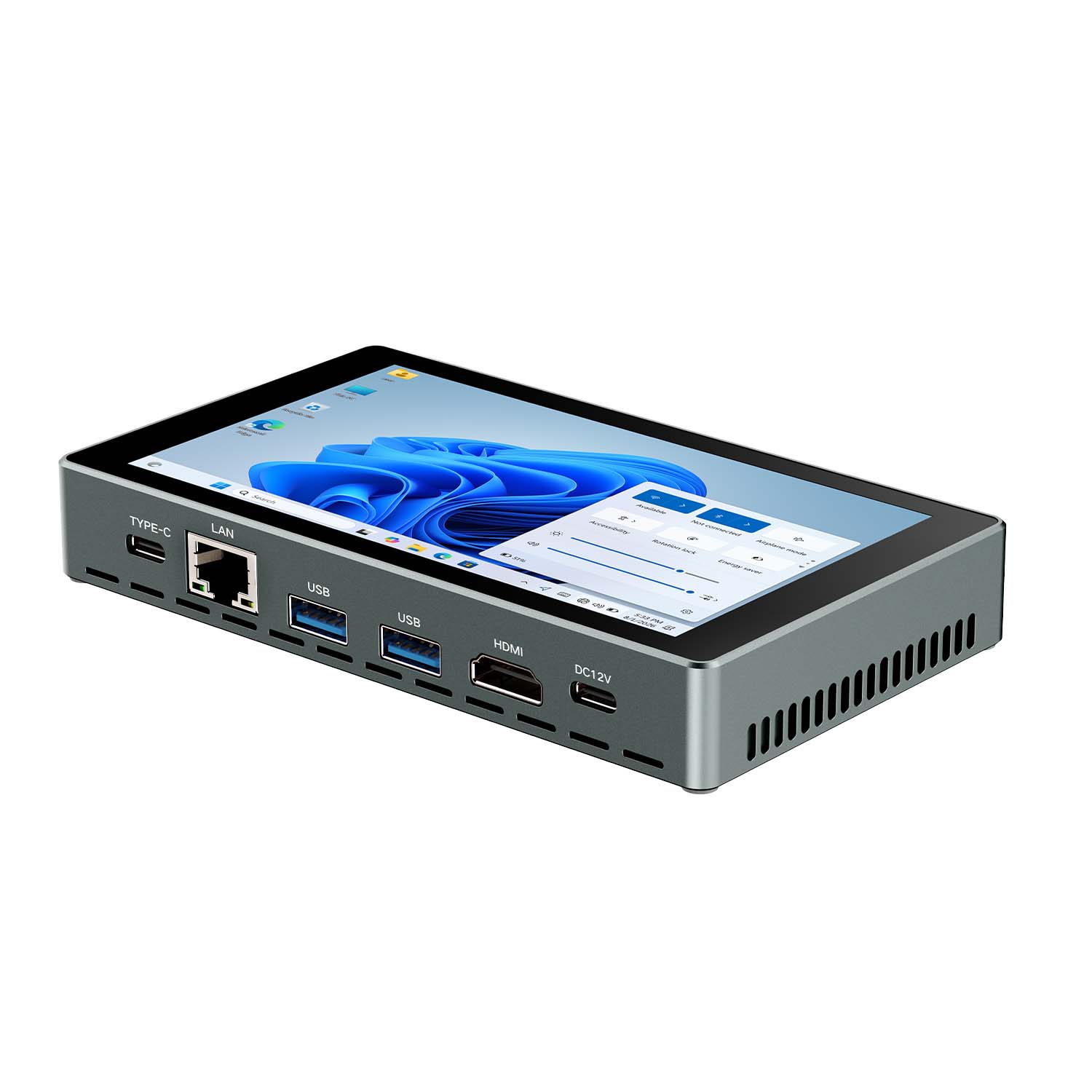
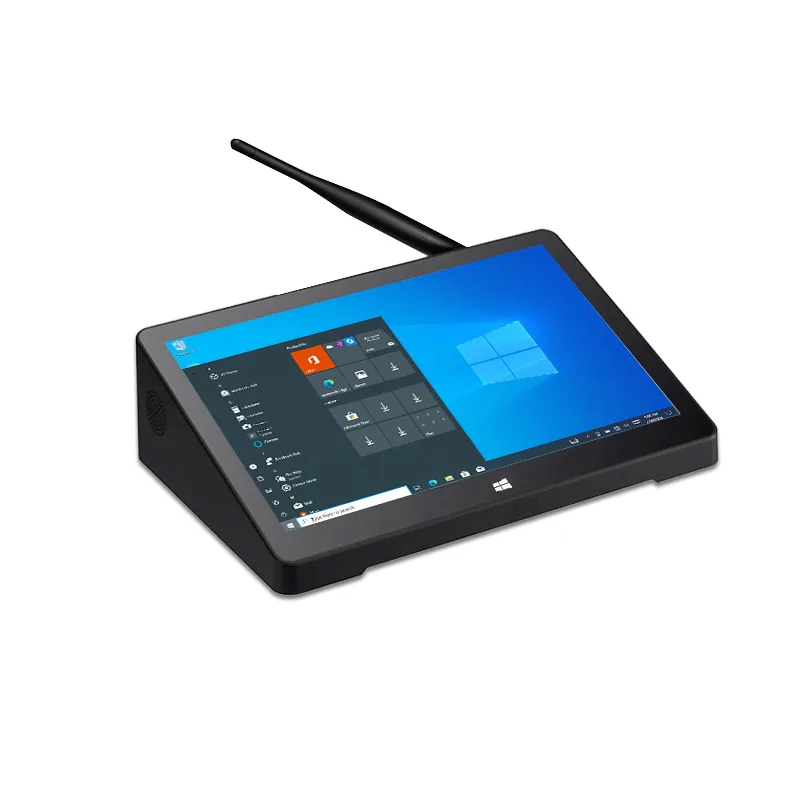
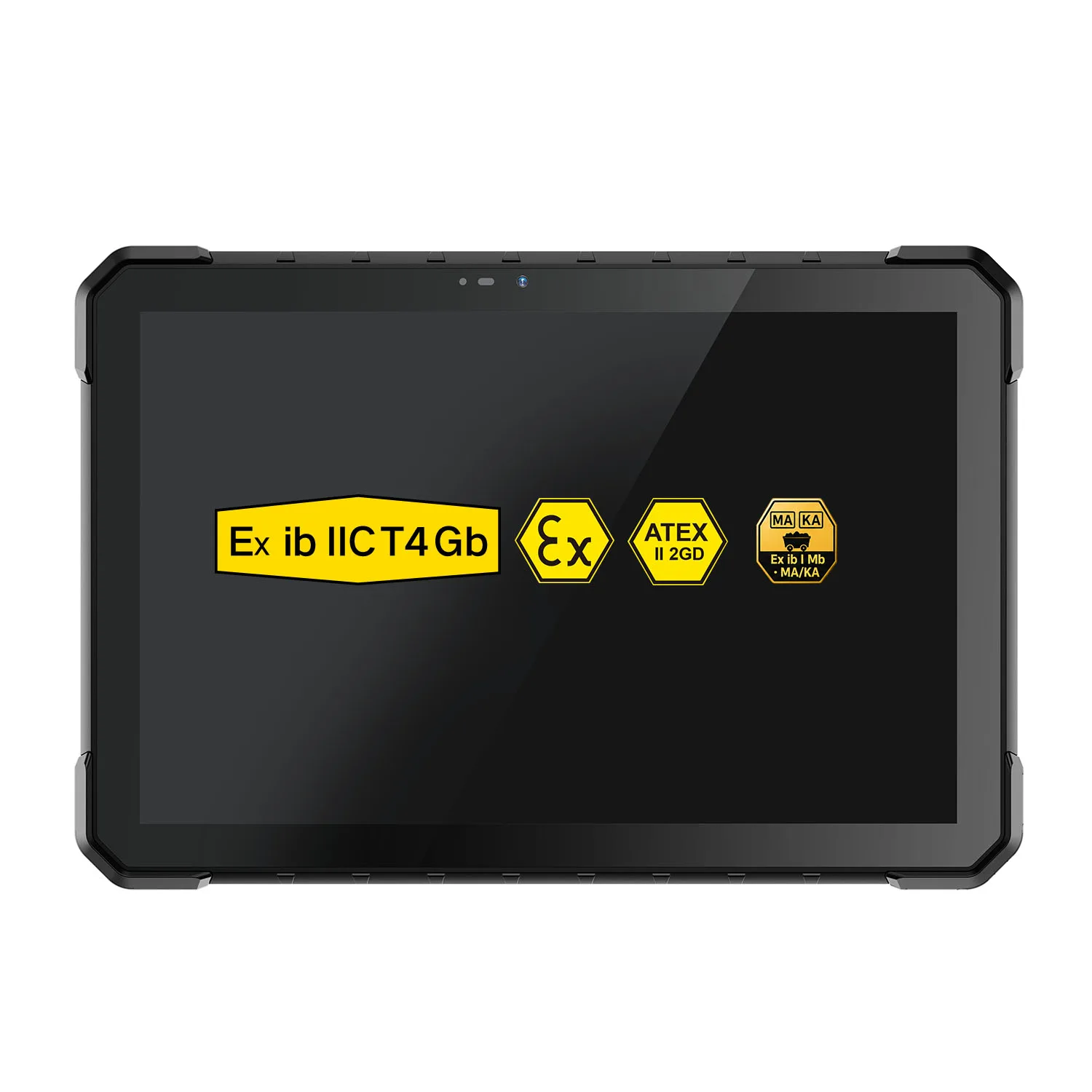
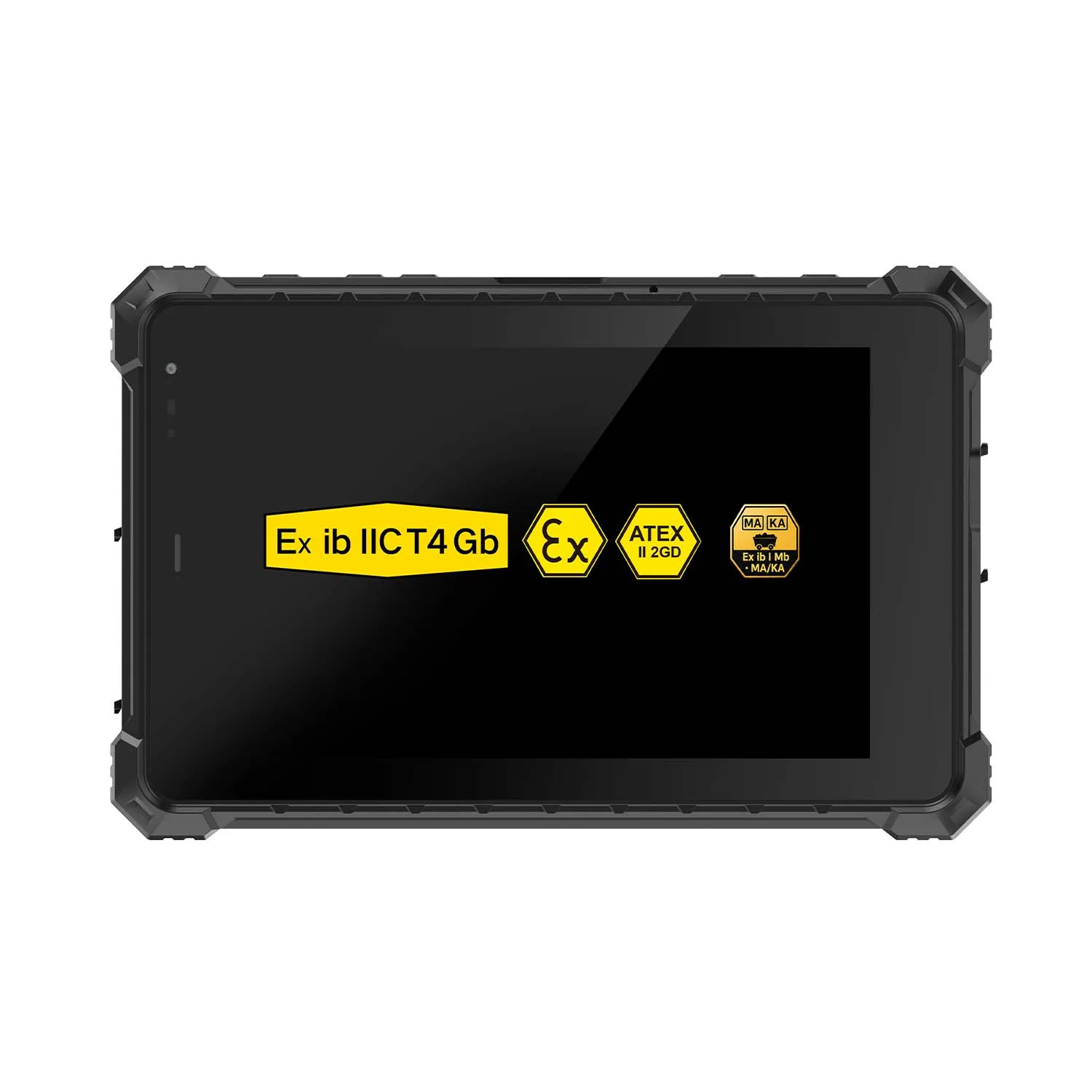
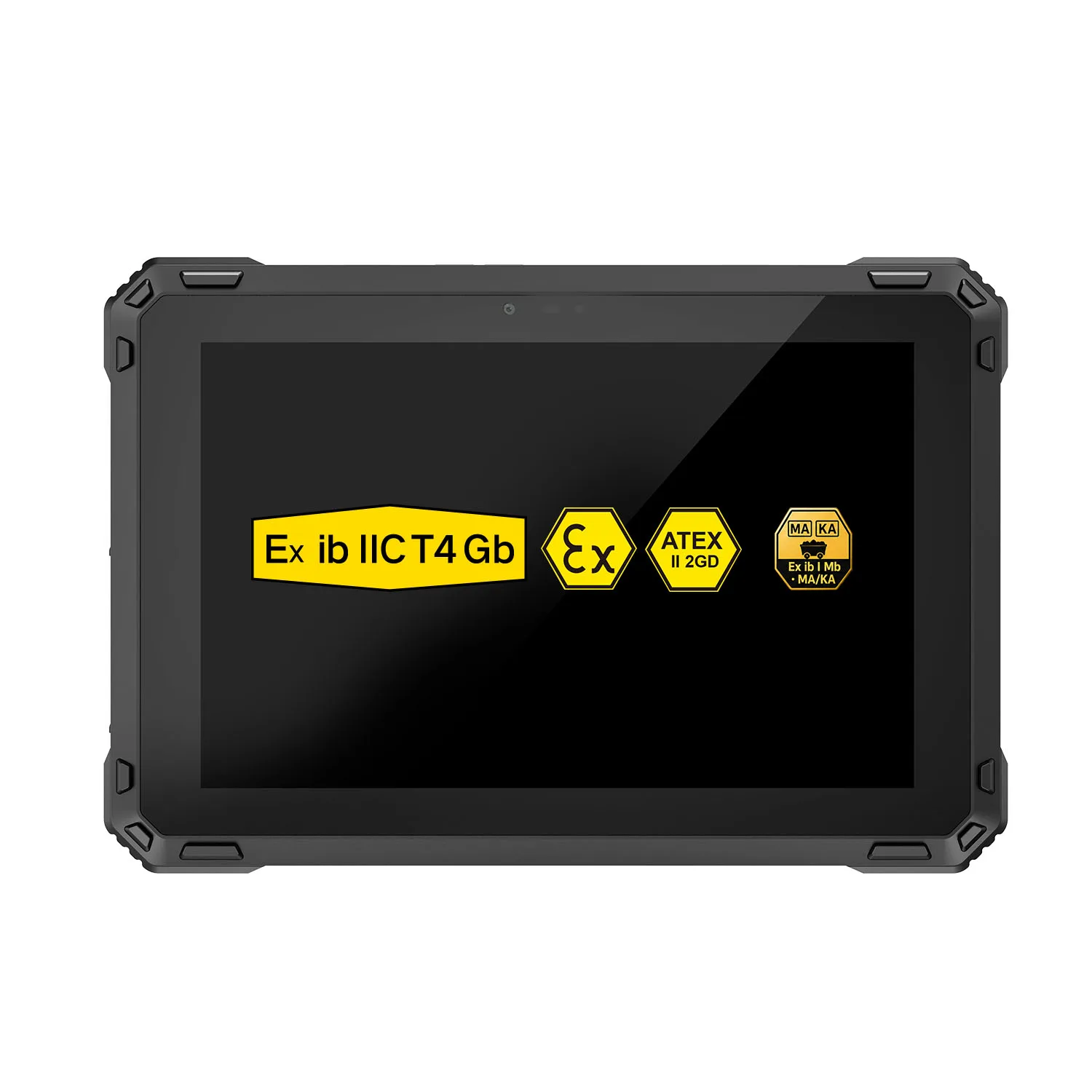
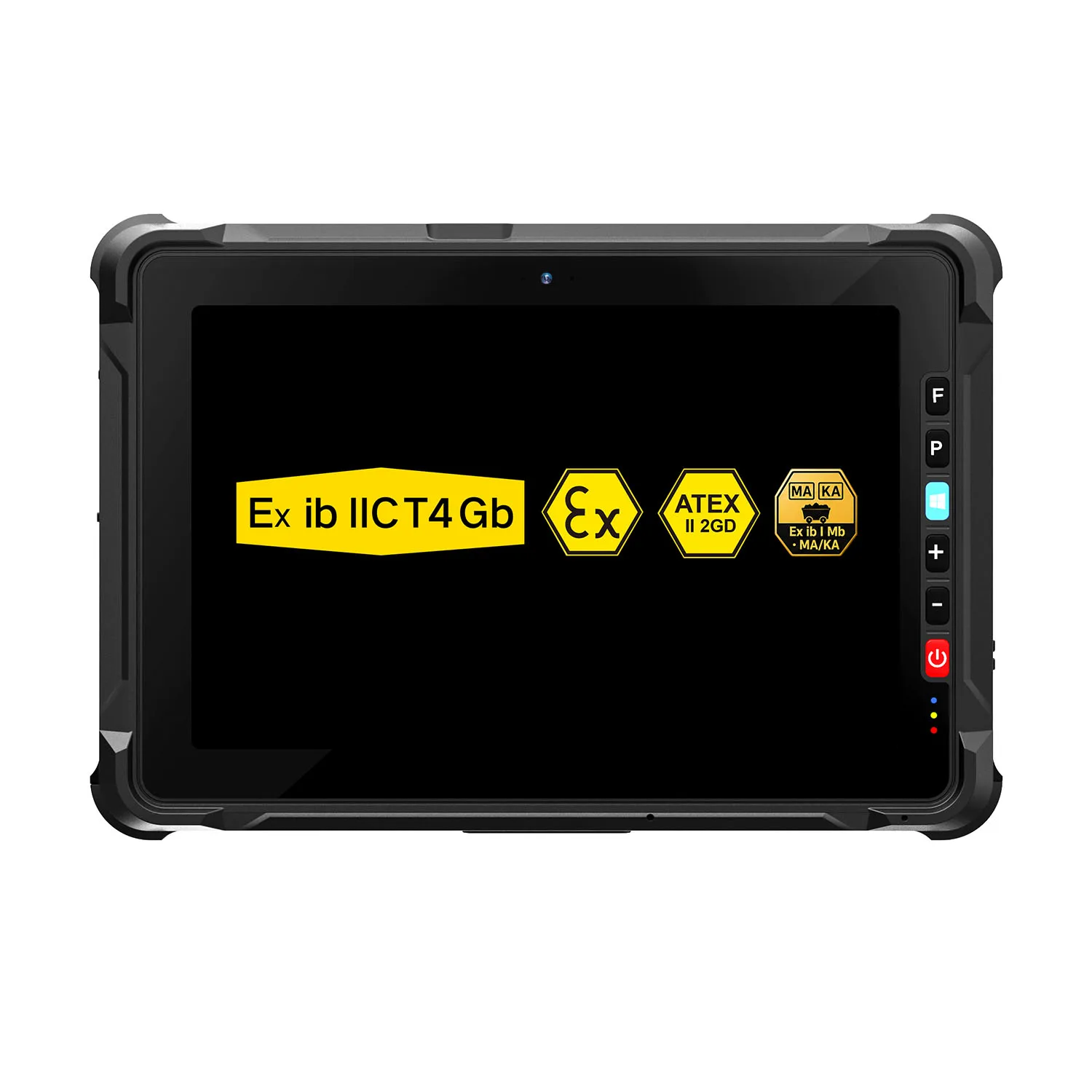
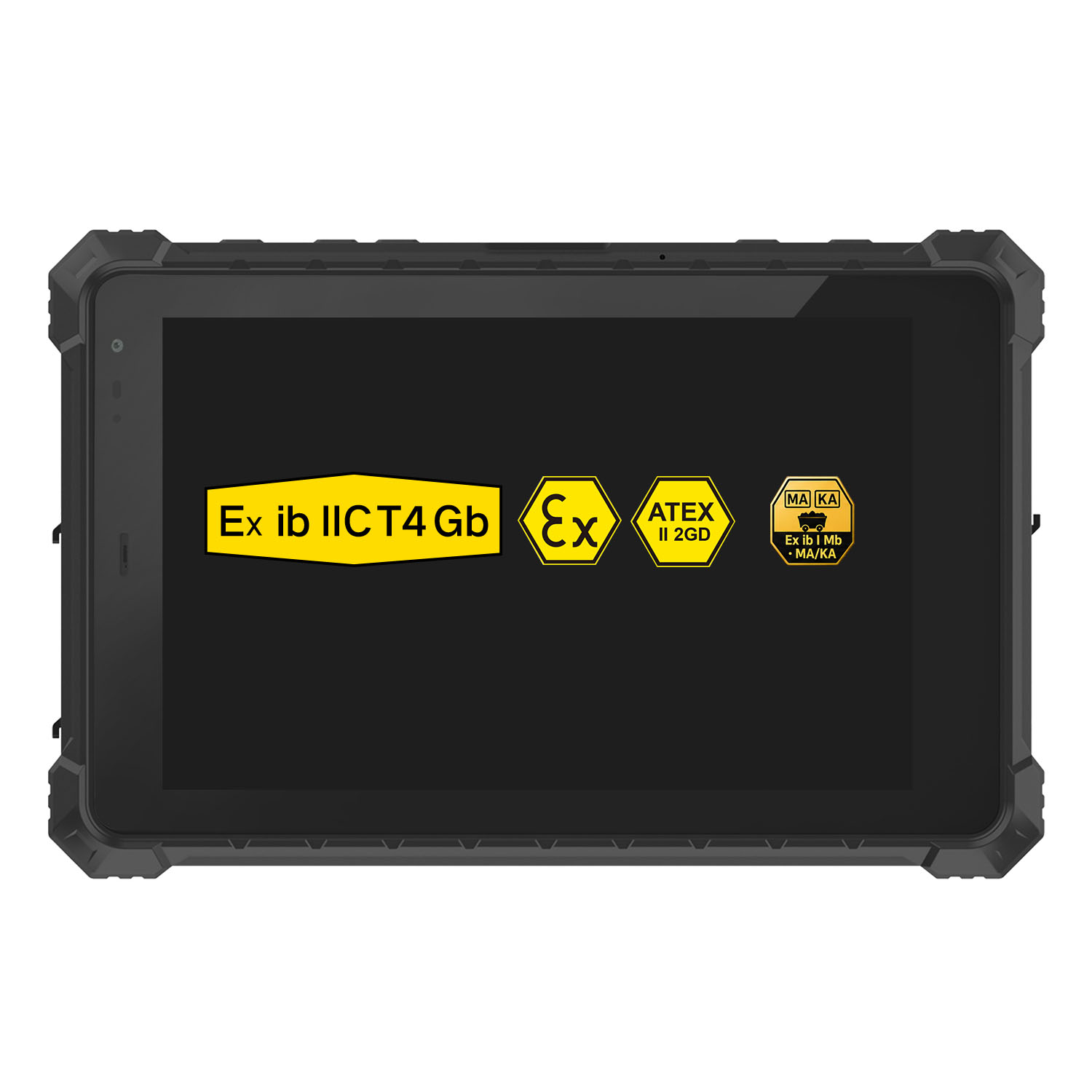
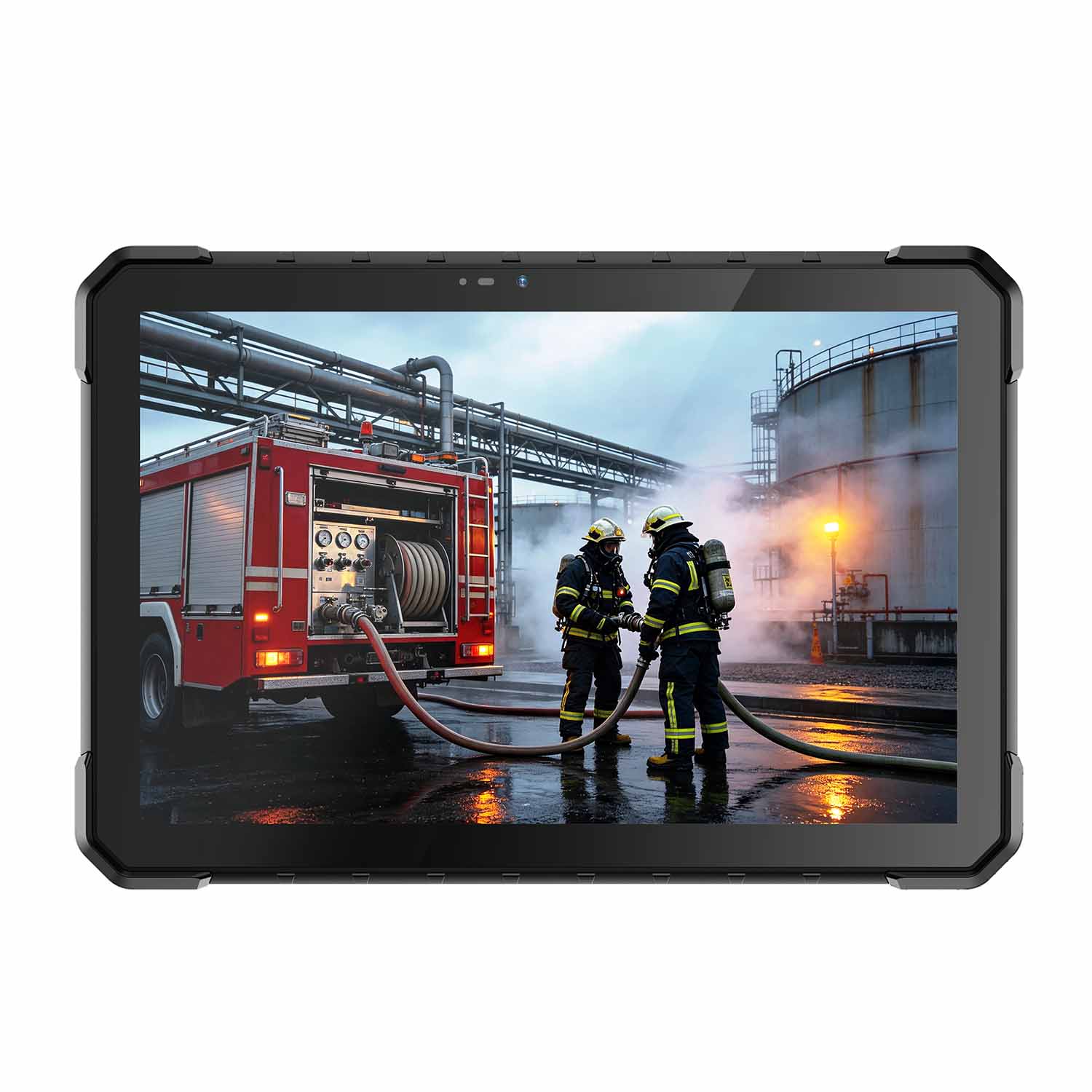
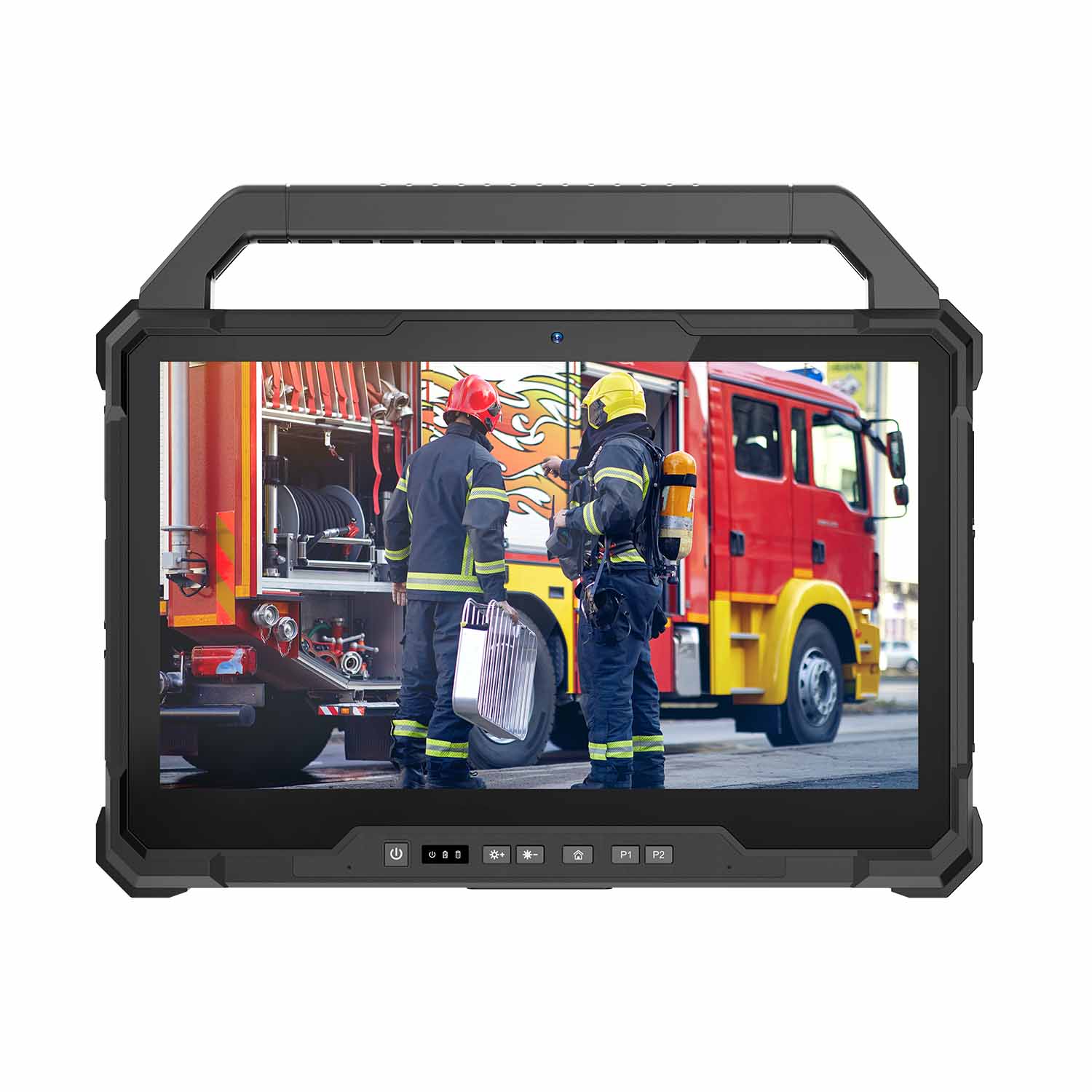
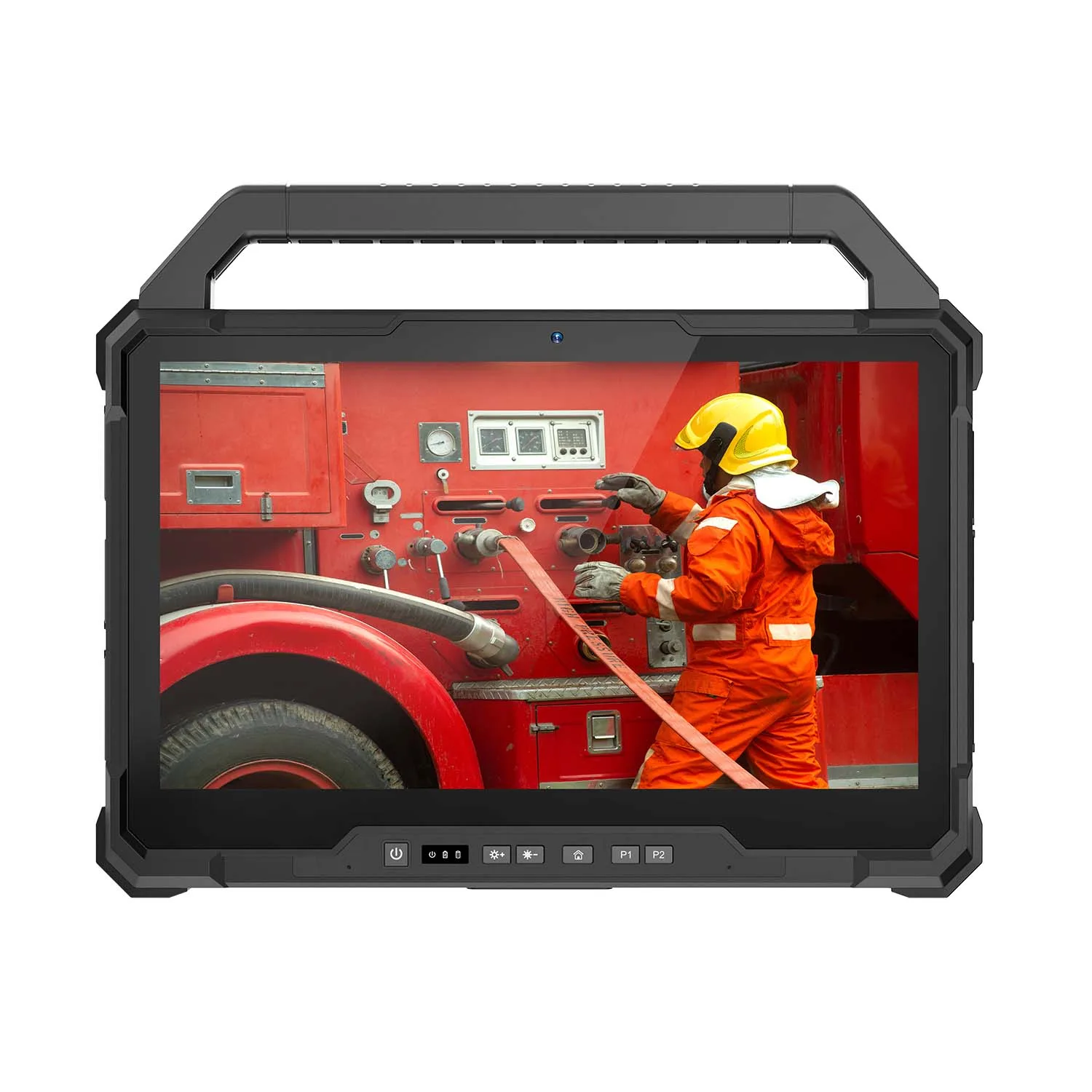
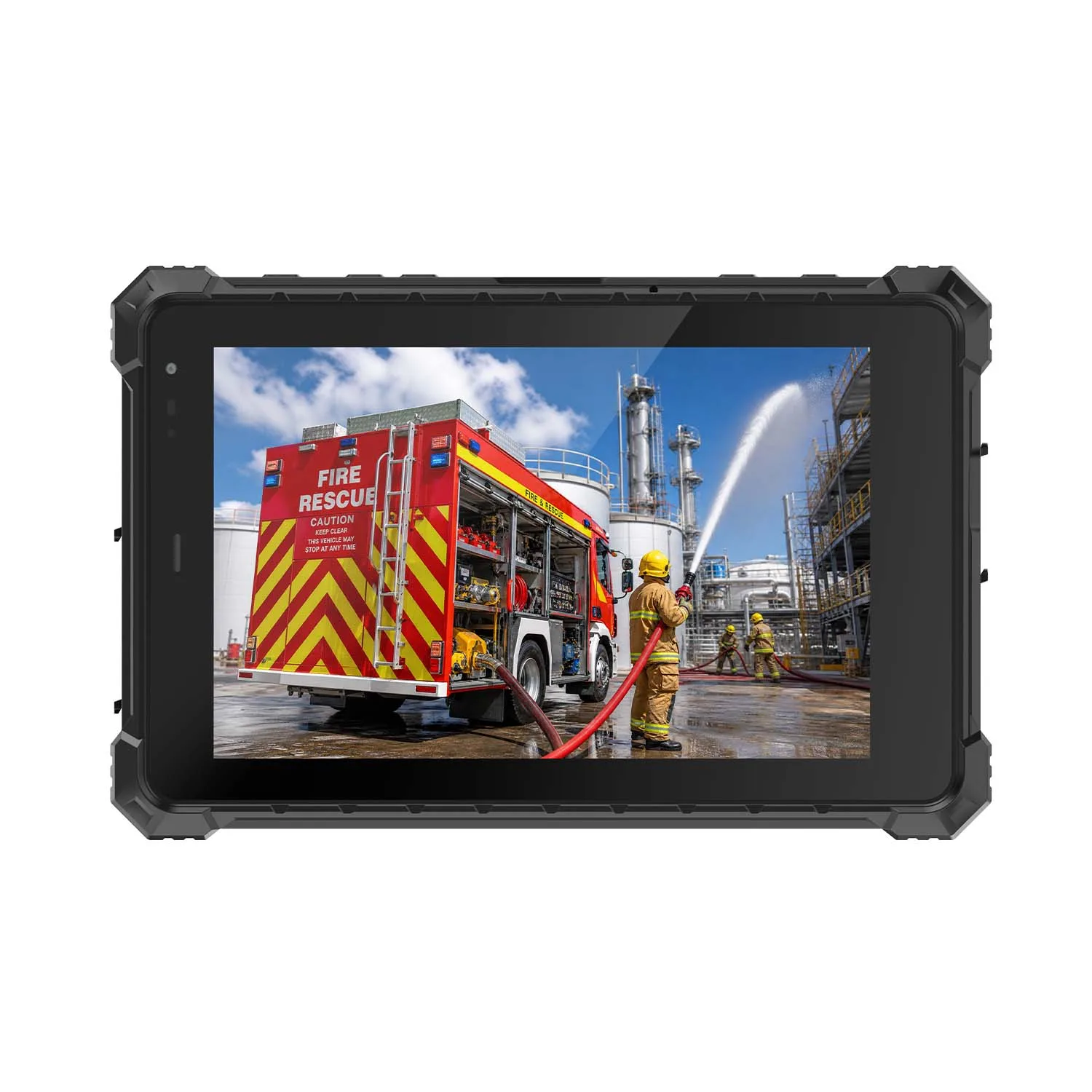
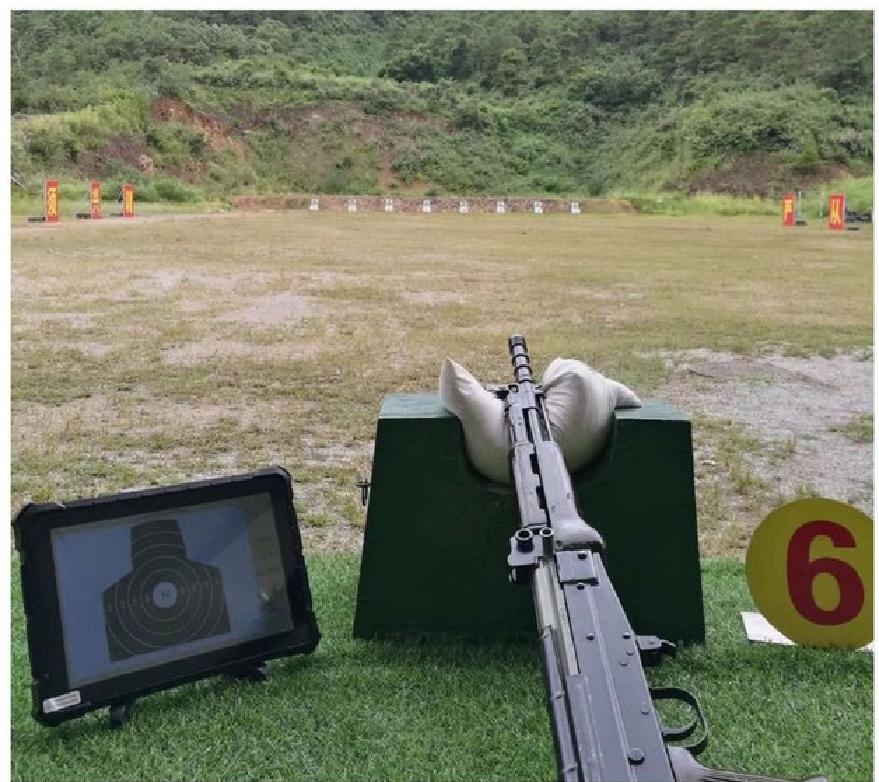
CENAVA recommended its W16H rugged tablet to address these shooting-range pain points, with IP-rated protection and a bright display suited to complex, changeable outdoor range conditions. Paired with an automated target execution system, it improved efficiency and enabled an intelligent shooting and target-reporting mode — replacing manual reporting with real-time, automated scoring.W16H Specifications
OS: Windows 10
CPU: Intel Atom x5-Z8350
RAM/Storage: 4GB RAM, 64GB storage
Display: 10.1", capacitive touch
Protection: Rugged, MIL-STD-810G rated
Connectivity: Wi-Fi, Bluetooth
Optional modules: NFC reader, fingerprint reader
Why Automated Target Systems Improve Both Safety and Training Value
Removes personnel from the downrange hazard zone — automated reporting eliminates the need for staff to physically place and report targets while live fire may be occurring nearby.
Cuts total range time — automating preparation and target inspection reduces the "five minutes here, five minutes there" overhead of manual sessions.
Enables realistic, unpredictable target behavior — automated systems can vary target position and movement in ways fixed manual ranges can't replicate.
Real-time, accurate scoring — automated data capture removes handwritten statistics and their error rate, giving trainees immediate, accurate feedback on performance.
Frequently Asked Questions
1. How does an automated target system improve range safety?It removes the need for personnel to manually place and report targets downrange, eliminating a genuine safety hazard tied to firearm transport and non-enclosed range management during manual reporting.2. Is the W16H still a current CENAVA model?
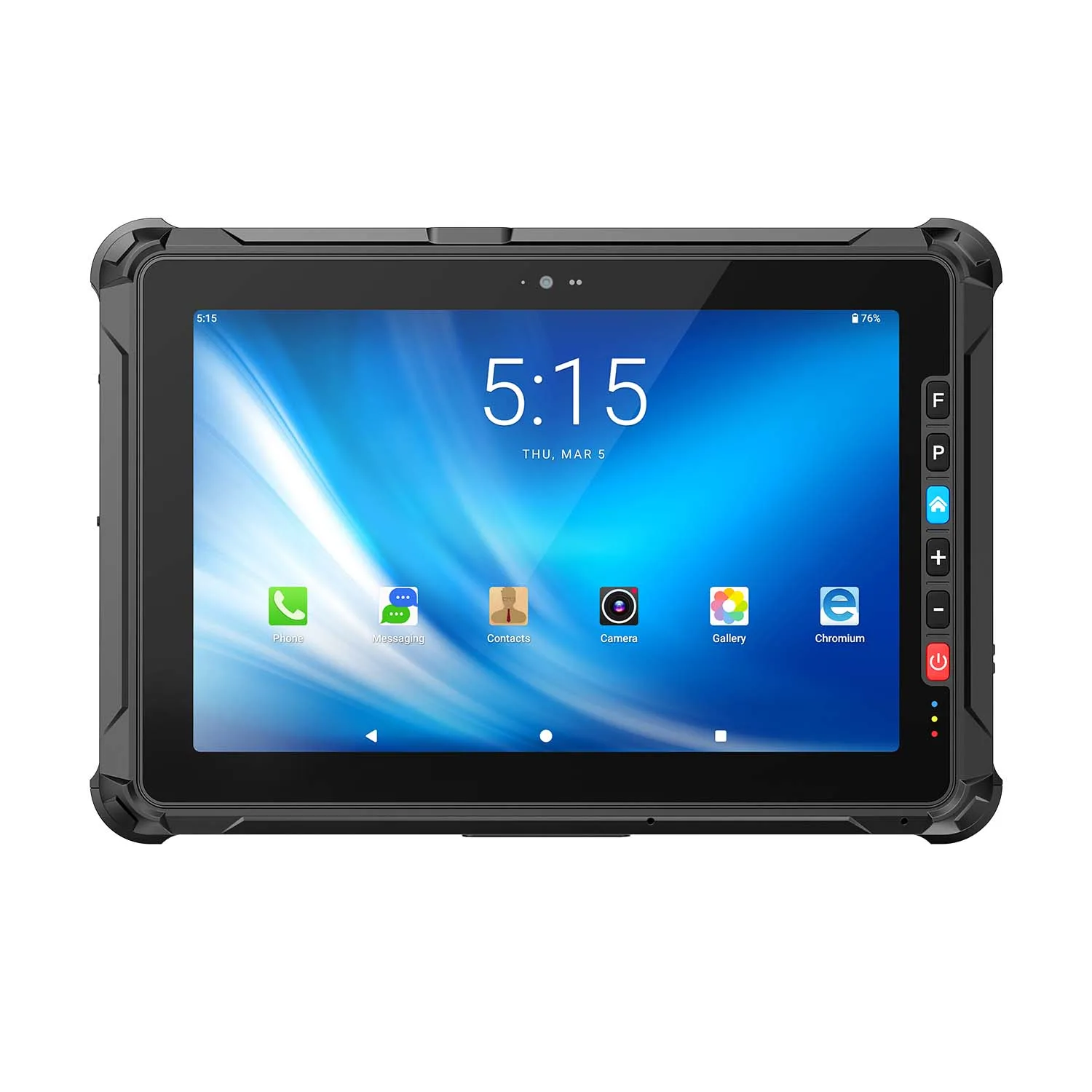
No — the W16H is an earlier-generation, entry-tier tablet built around a low-power Intel Atom processor; for a new deployment, CENAVA's current A10ST or W109U are worth considering depending on your target system's OS and performance requirements.3. How much time does automation save compared to manual target reporting?
Manual sessions typically involved roughly five minutes each for preparation, shooting, and target inspection — automation reduces this overhead directly by removing manual placement and inspection steps.4. Can automated target systems support more realistic combat training?
Yes — unlike fixed manual targets with known positions and fixed movement trajectories, automated systems can vary target position and behavior for more unpredictable, combat-realistic training.5. Does this system improve scoring accuracy?
Yes — real-time automated data capture removes the error rate and lag associated with manual target inspection and handwritten statistics, giving trainees immediate, accurate performance feedback.6. Can CENAVA customize a rugged tablet for a specific range automation system?
Yes — as an OEM/ODM manufacturer, CENAVA can configure connectivity, durability rating, and modules to integrate with a specific target reporting or range automation system; contact CENAVA sales to scope your deployment.
Conclusion
Manual target reporting is slow, error-prone, and genuinely unsafe for range support personnel — problems an automated target system with a rugged tablet interface solves directly. This training range's deployment cut preparation and inspection time, improved scoring accuracy, and removed personnel from a real safety hazard. For a similar deployment today, CENAVA's current A10ST or W109U extend that same approach with newer hardware.Need a Rugged Device for Your Project?
Tell us your operating environment and requirements — our engineers will recommend a configuration and quote within 24 hours.
Get a Free Quote Back to Blog