
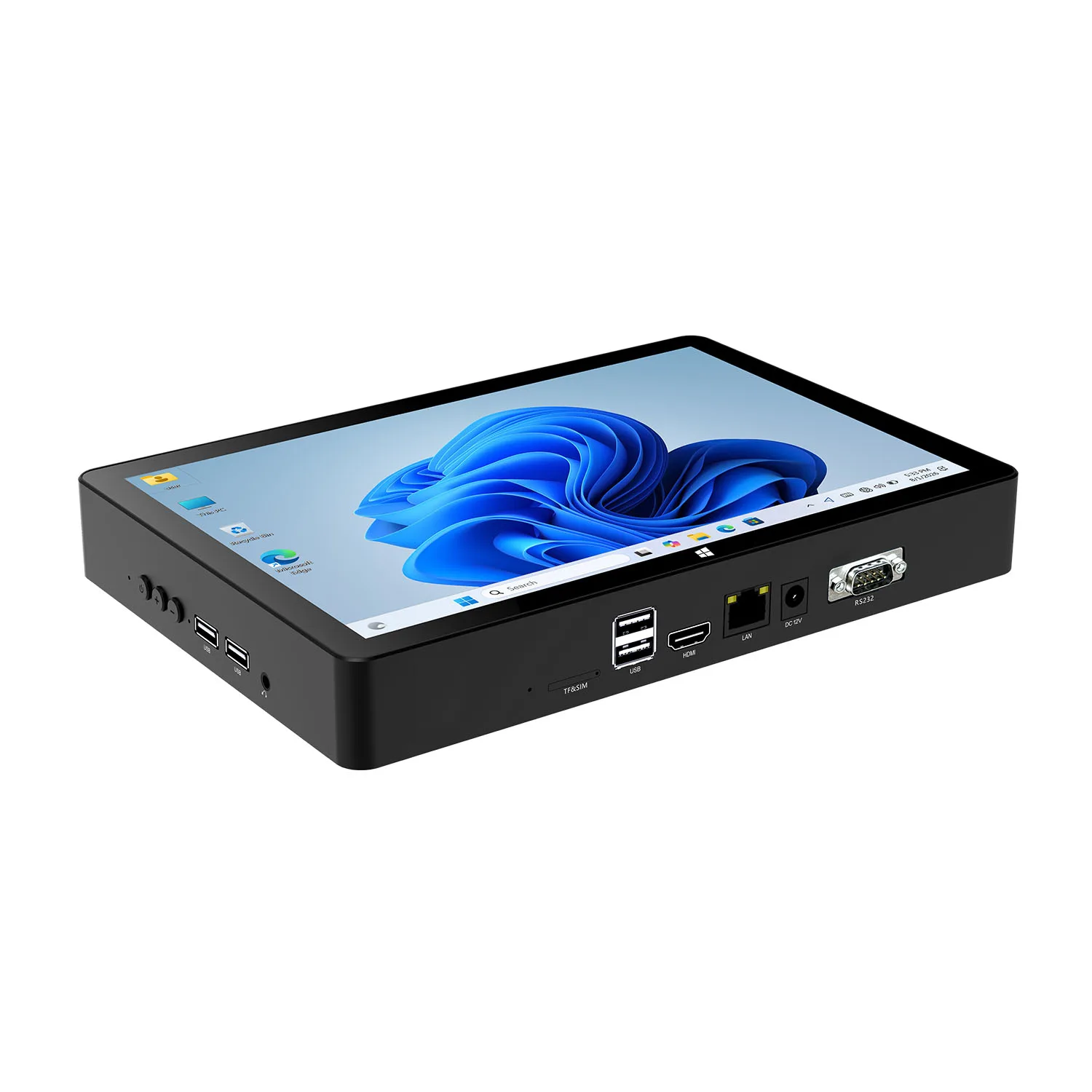
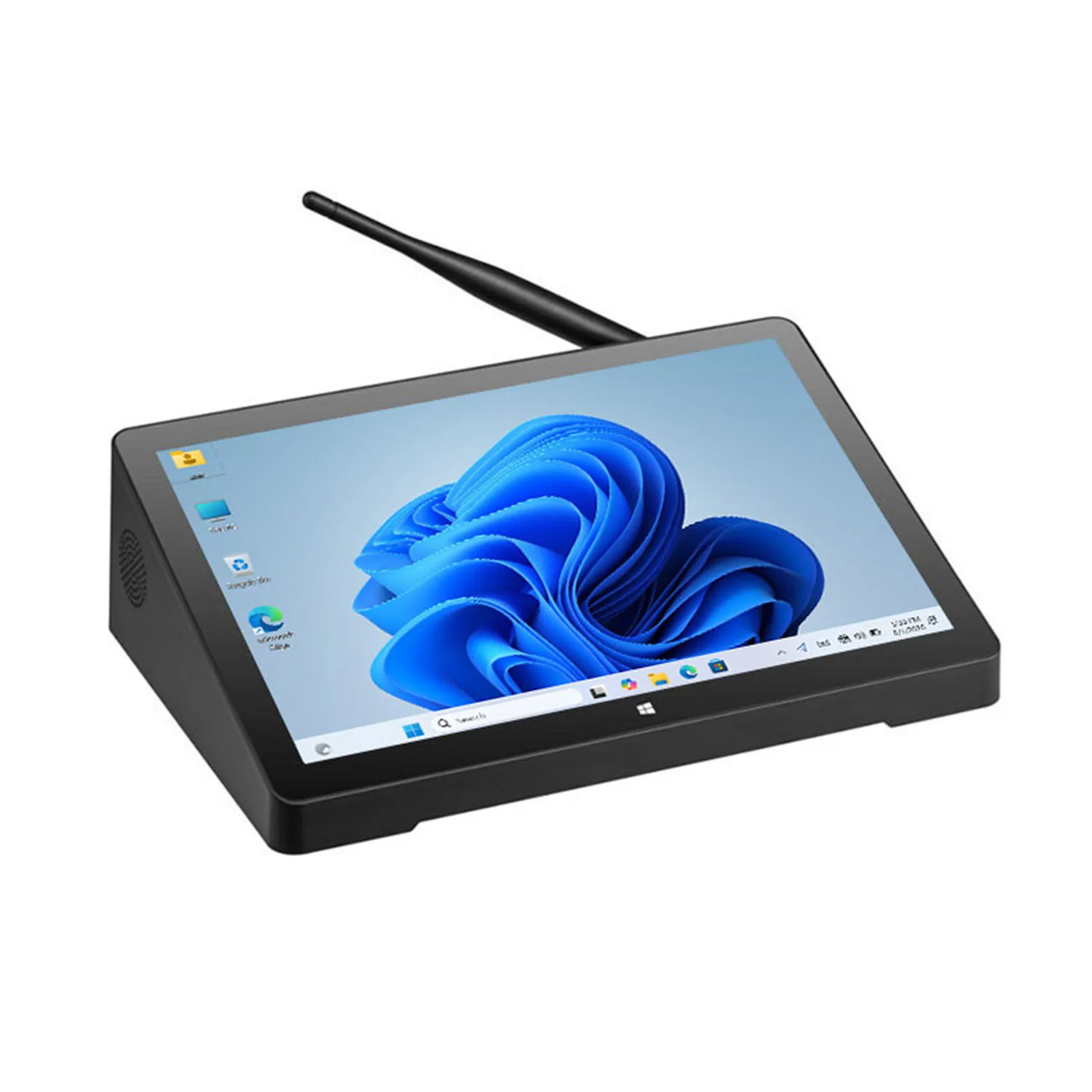
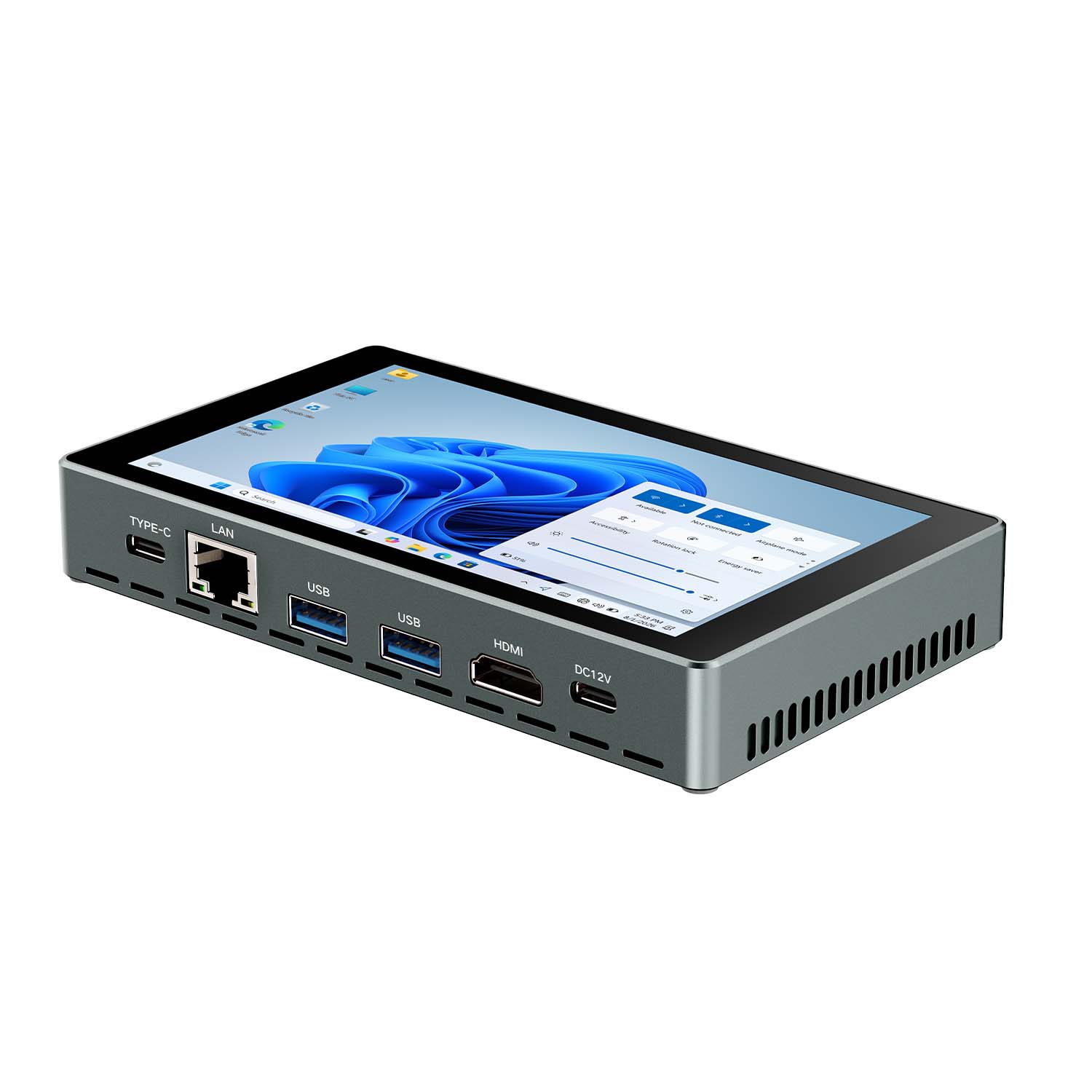






Communication & GNSS Positioning in Rugged Tablets: NTN vs BeiDou vs Tiantong vs GPS
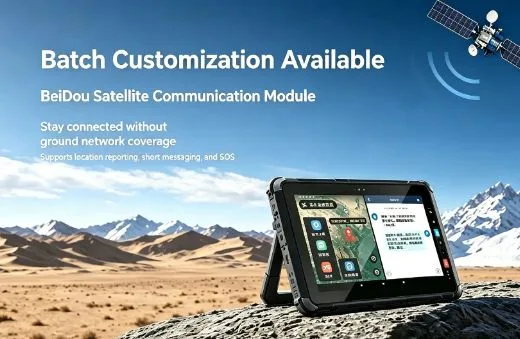
GNSS positioning (GPS, GLONASS, Galileo, BeiDou) is standard across CENAVA's current rugged tablet lineup for location tracking. Two-way satellite communication (5G NTN, BeiDou Short Message, Tiantong-1) — for staying connected with zero cellular coverage — is a specialized capability CENAVA can integrate as a custom OEM/ODM project, not a feature built into any standard catalog model today. If your field operation needs satellite messaging or calling specifically, confirm this as a dedicated custom configuration with CENAVA's engineering team, including lead time and minimum order requirements.This guide compares mainstream satellite positioning and communication solutions and offers selection advice for off-grid field work.
What is a Satellite Communication Rugged Tablet?
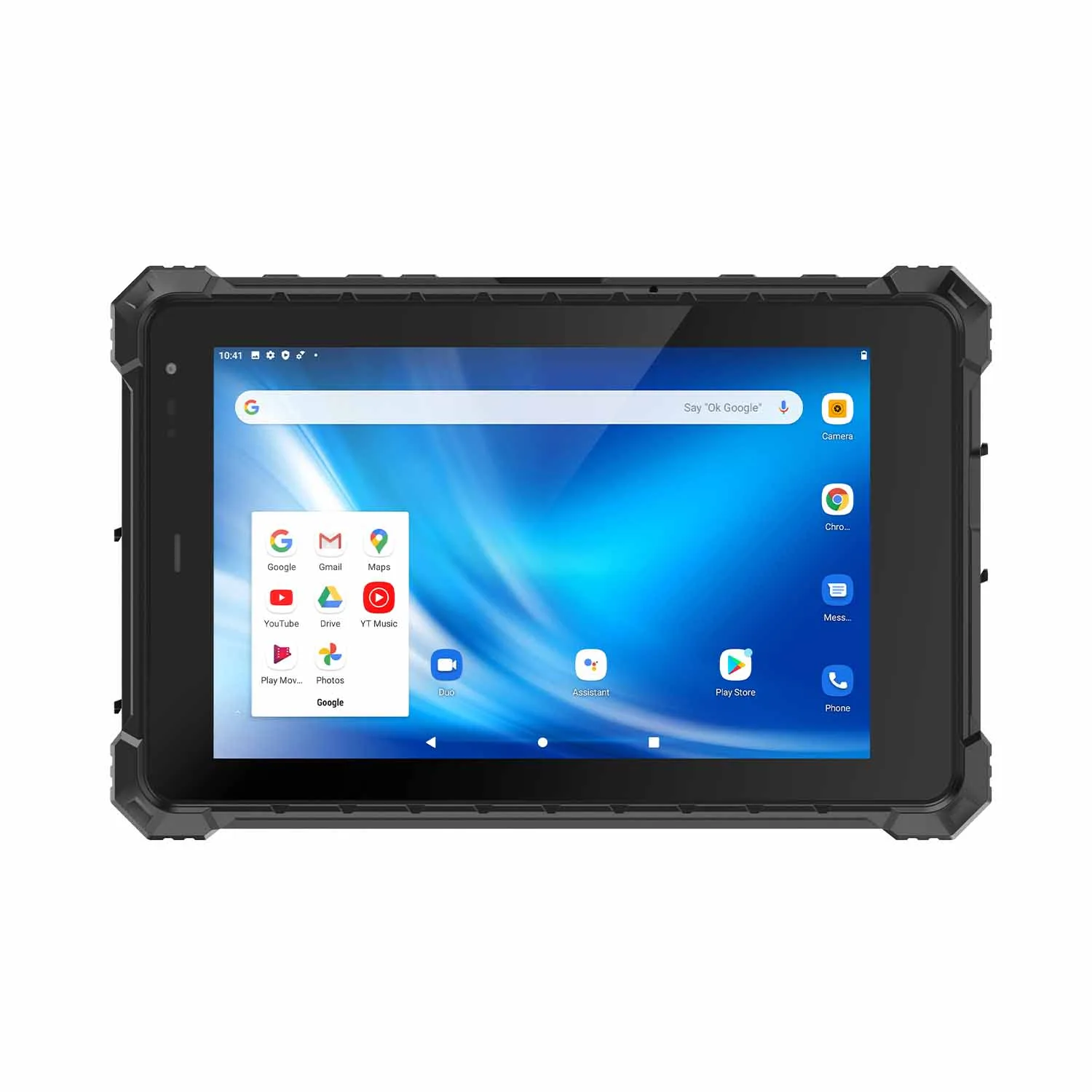
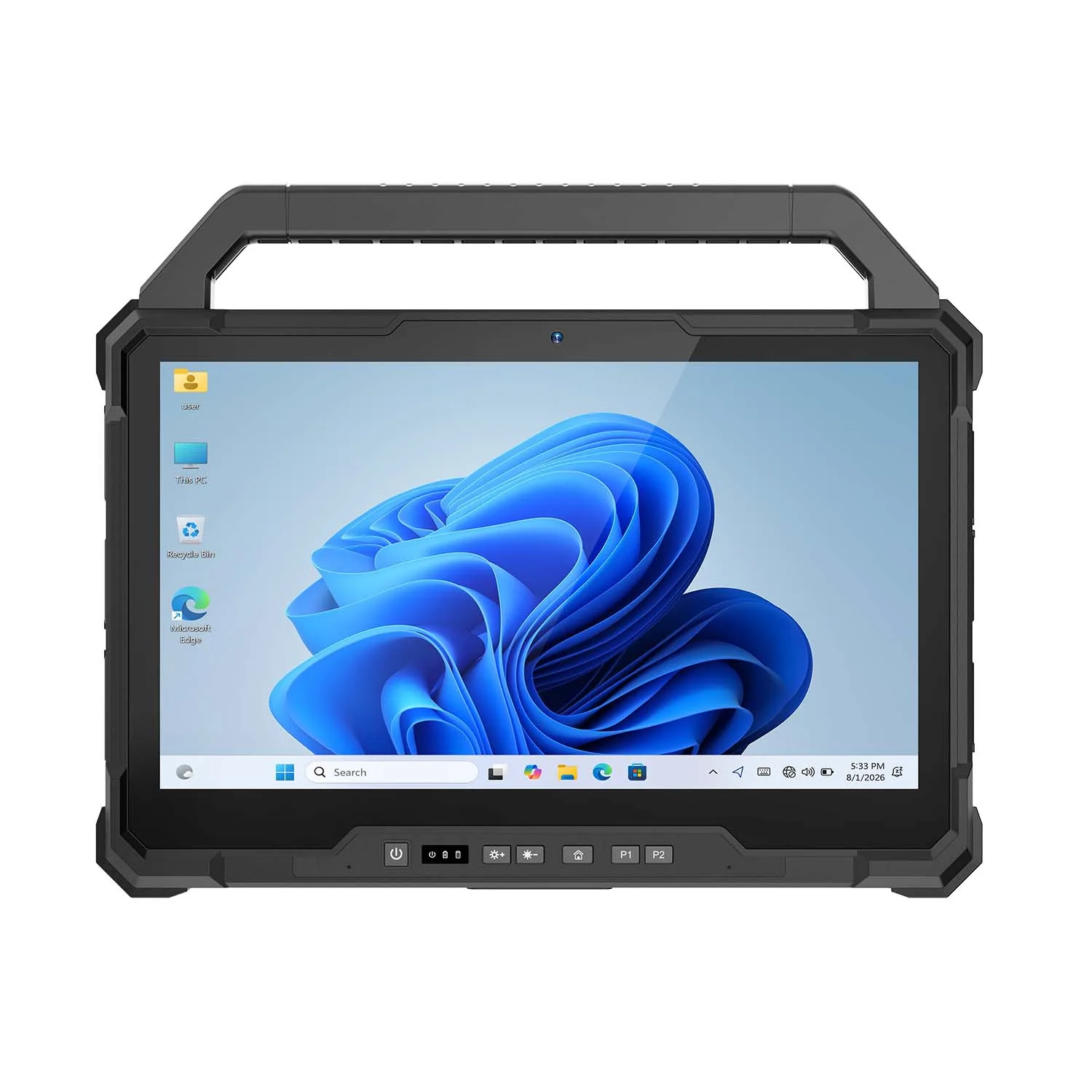
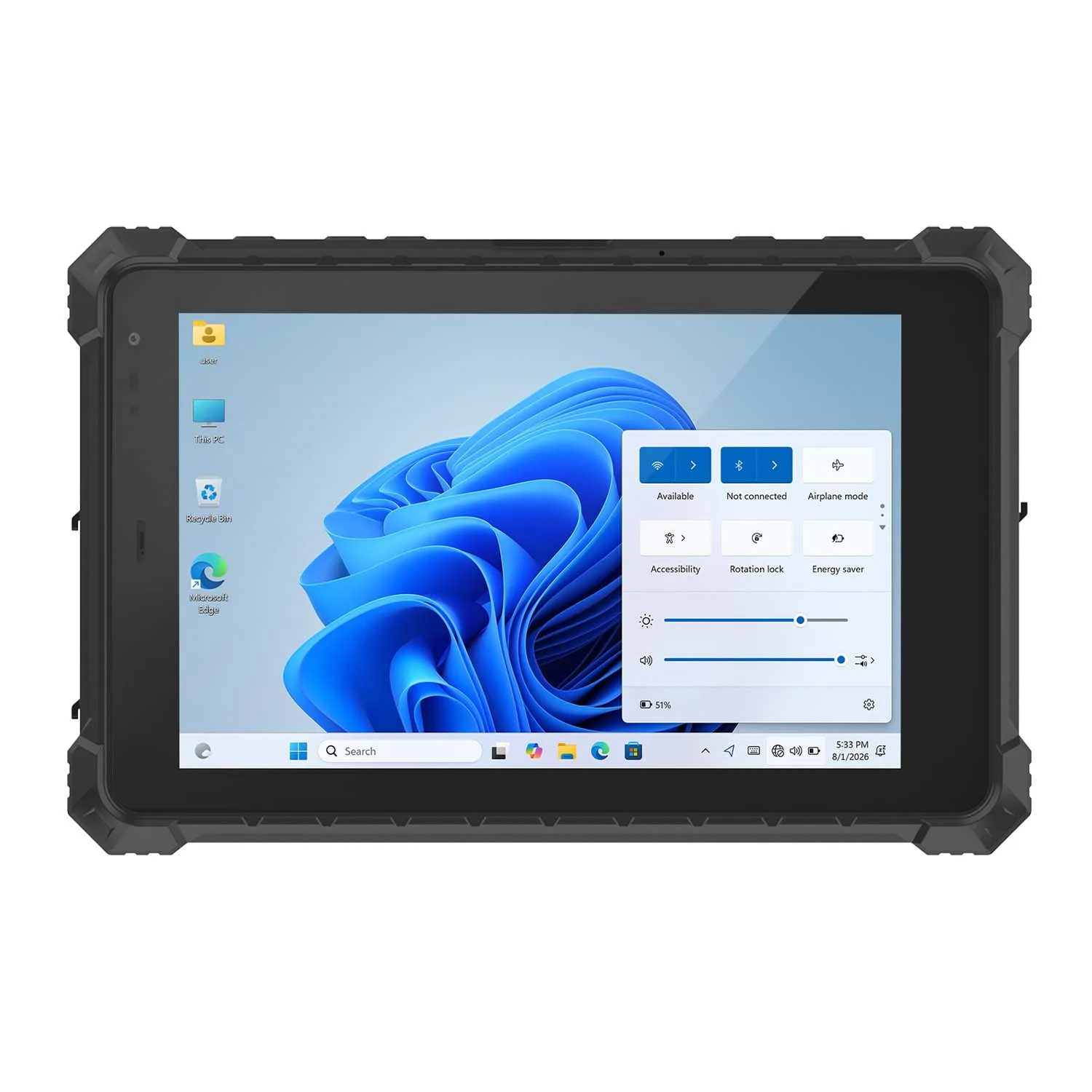
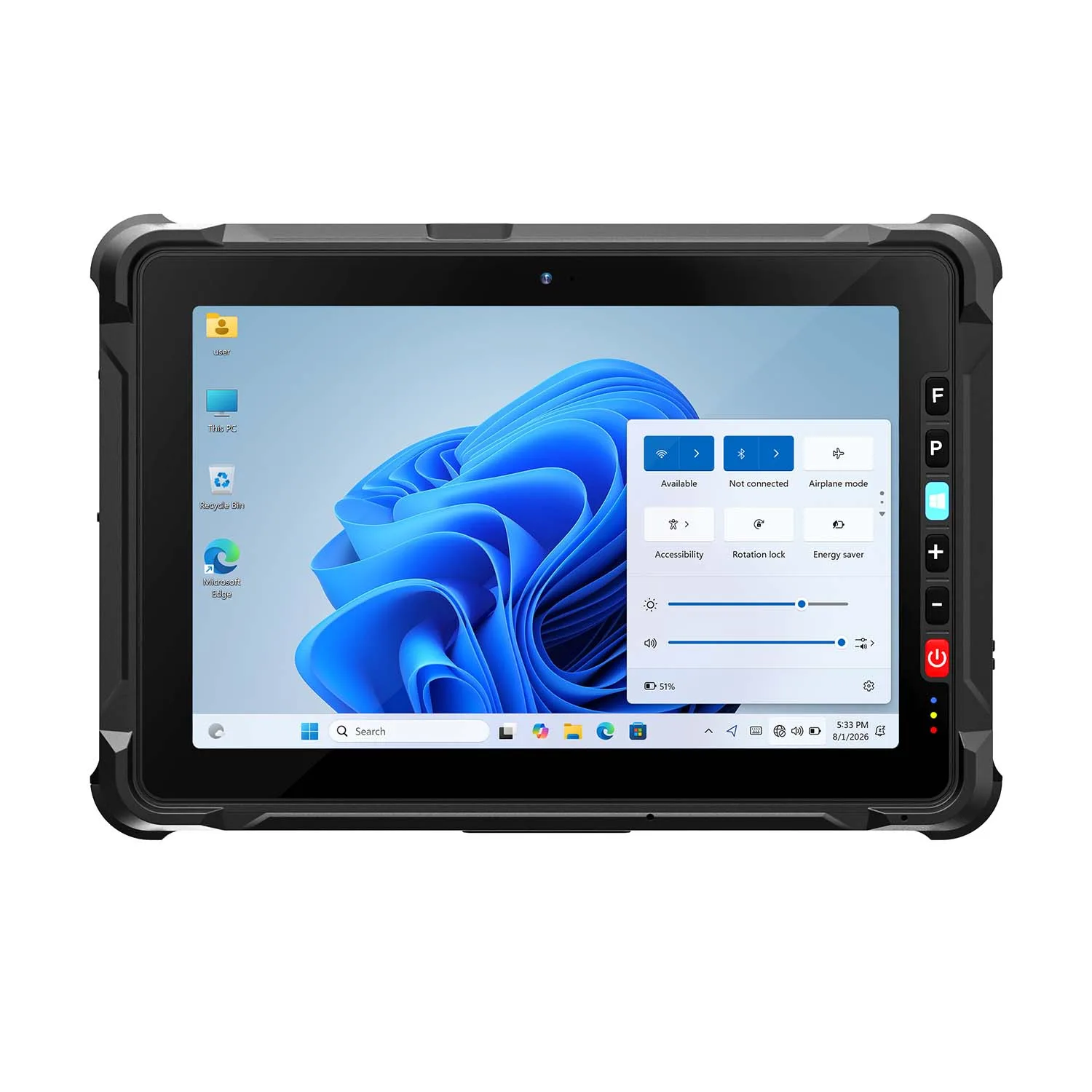
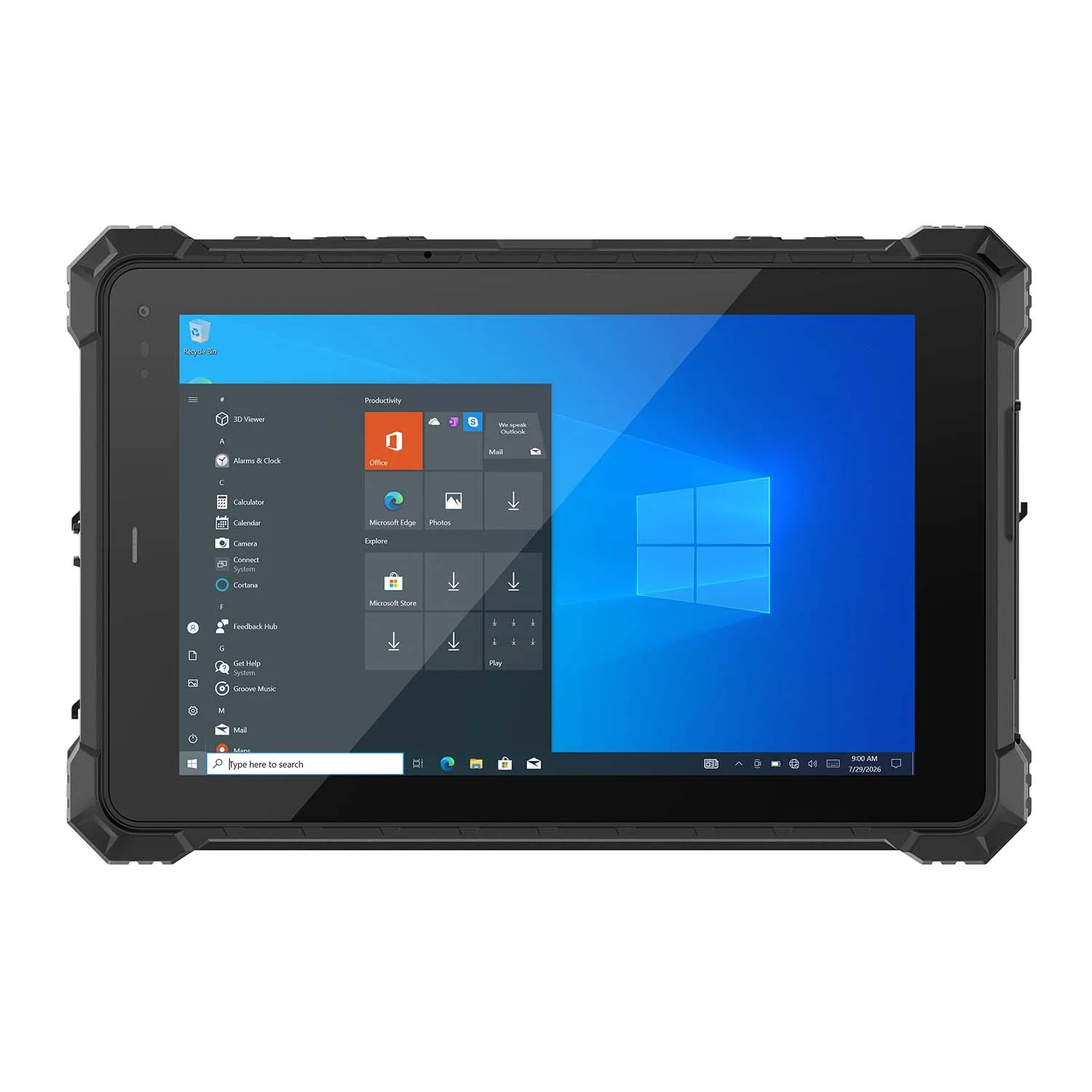
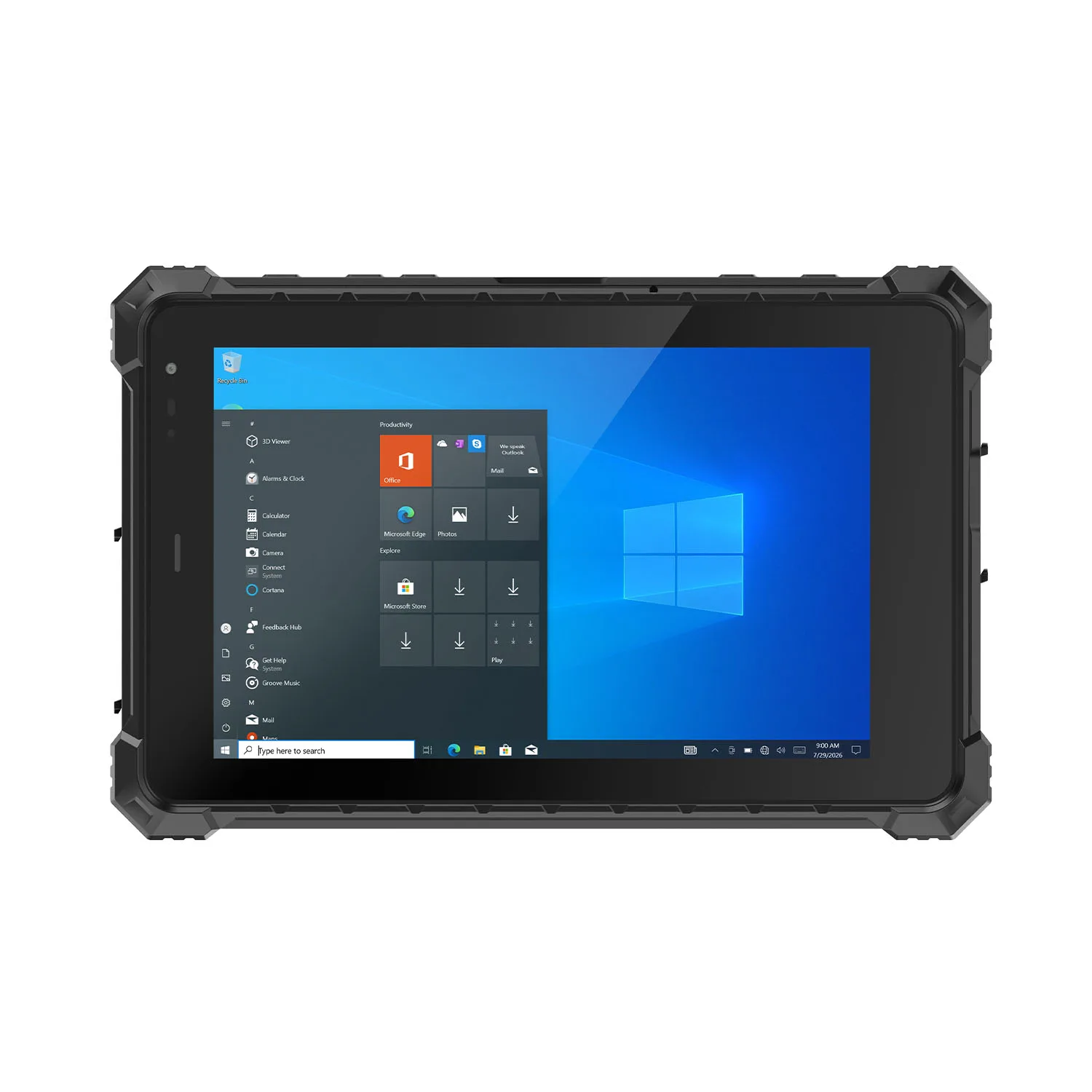
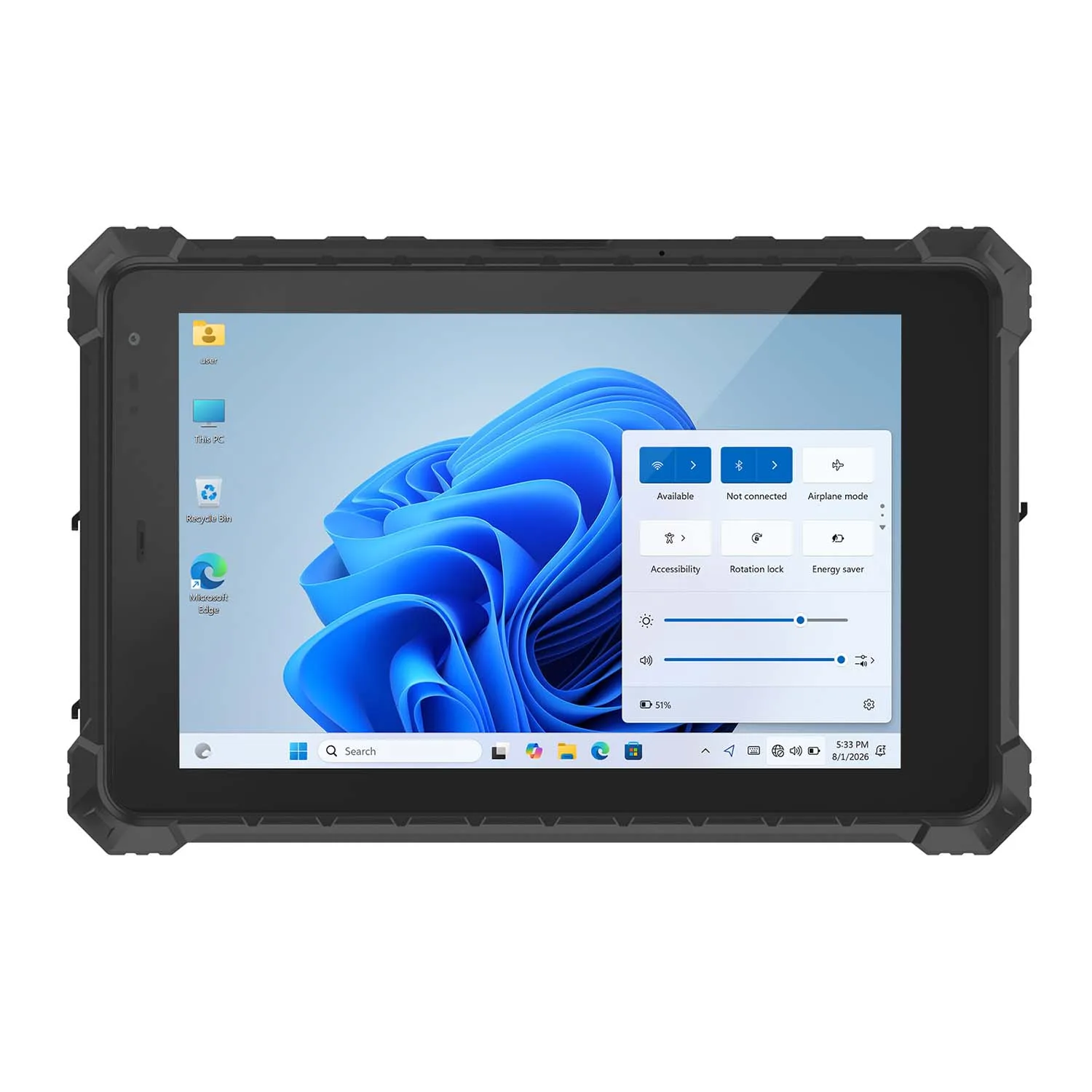
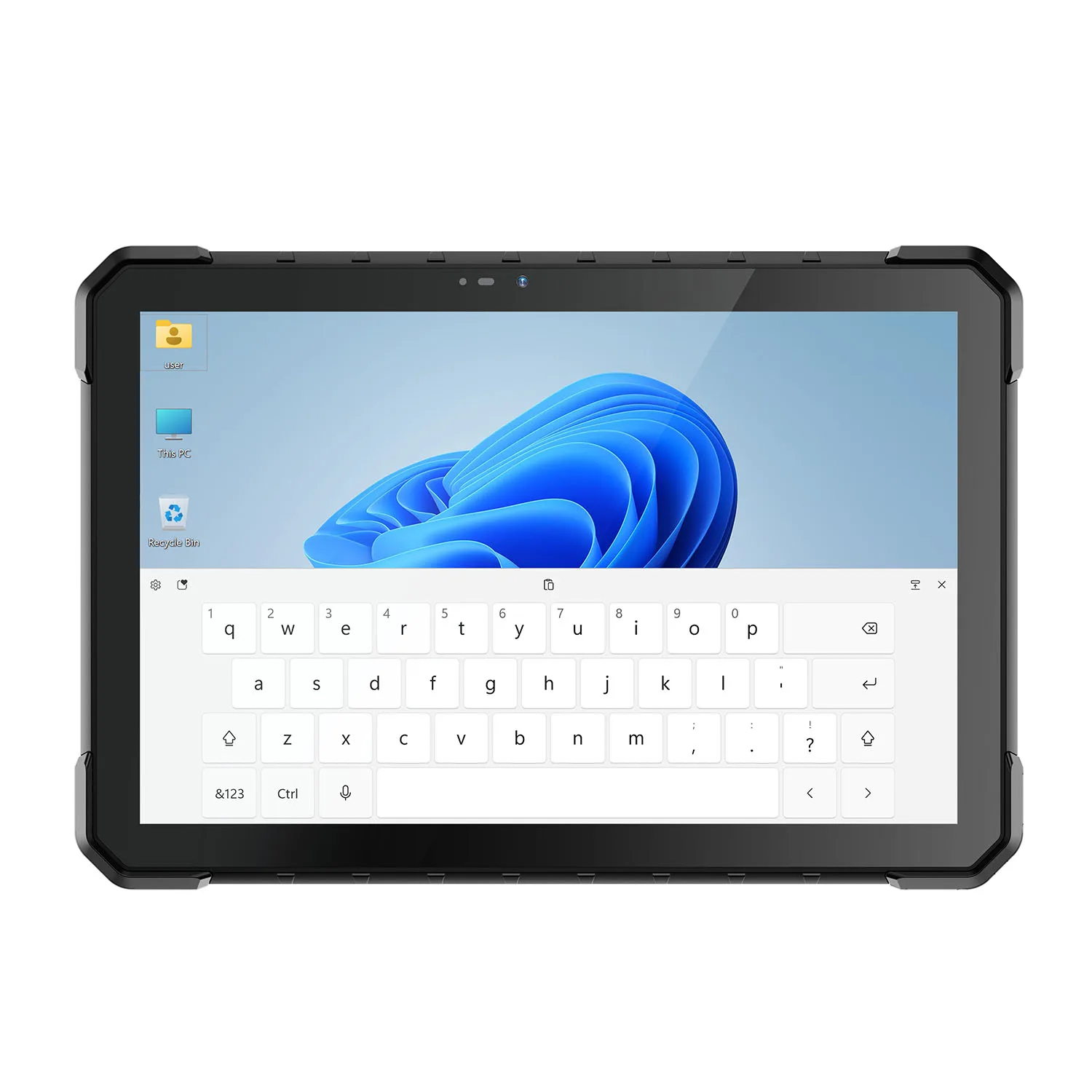
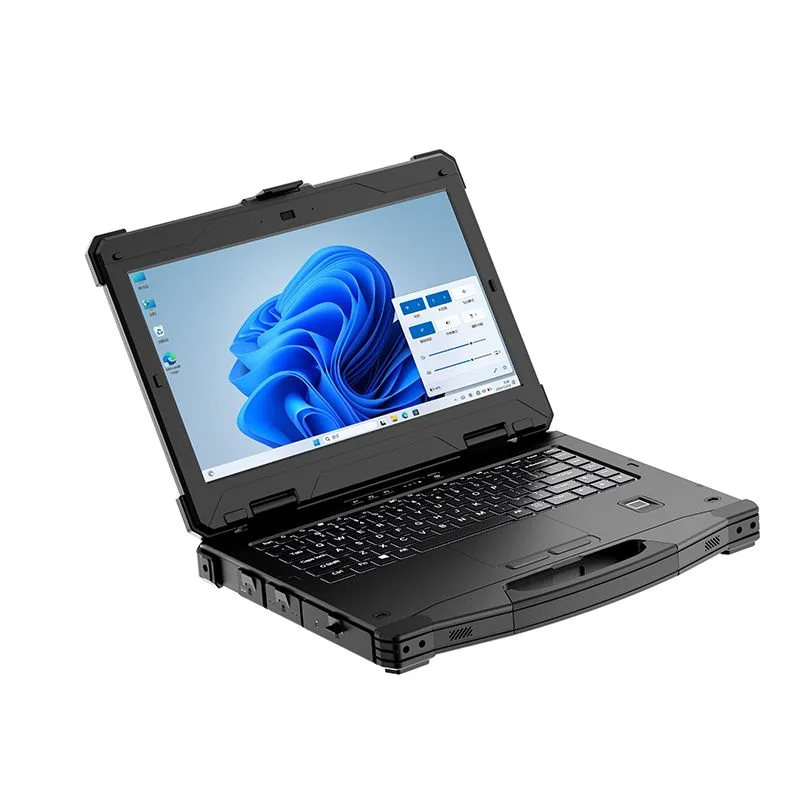
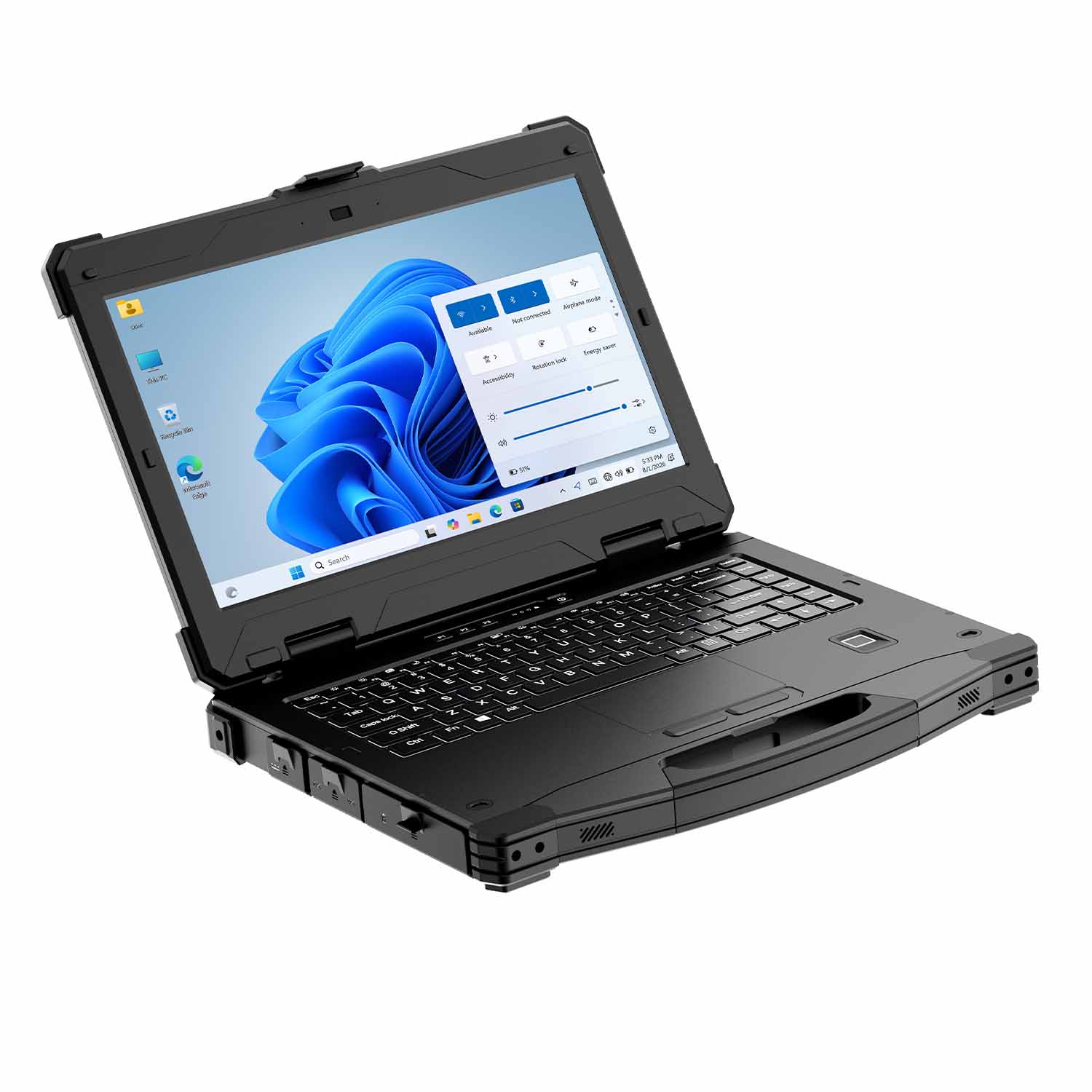
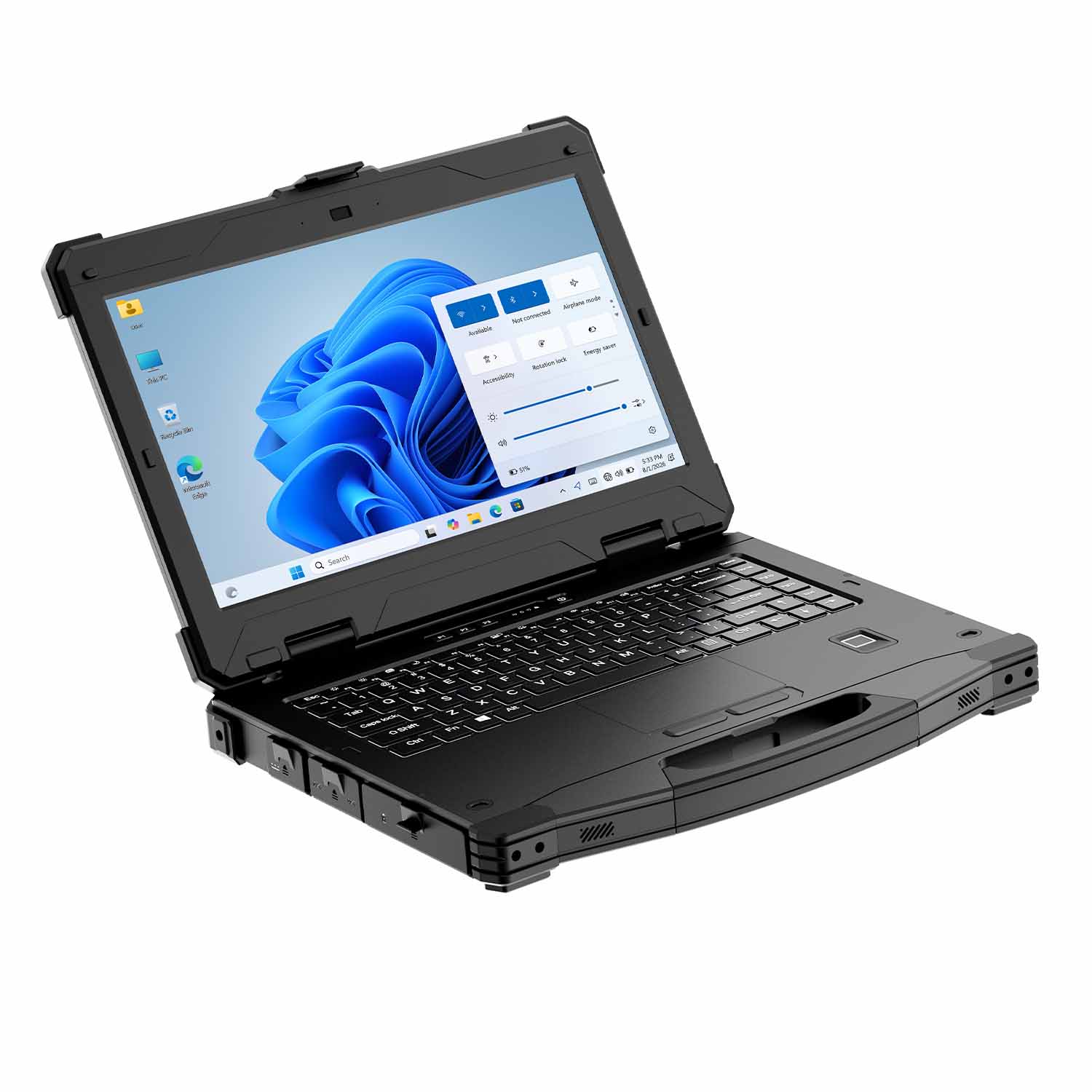
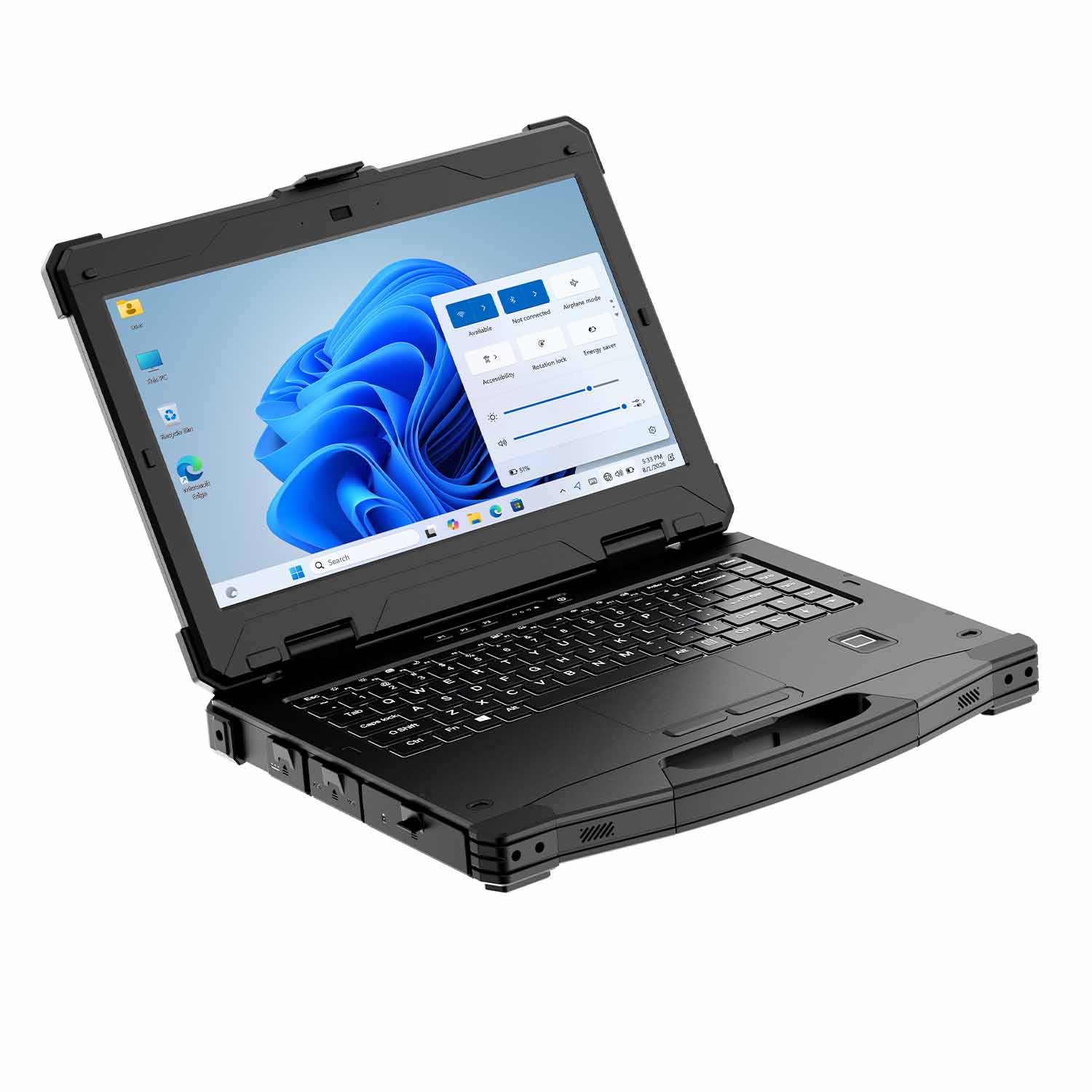
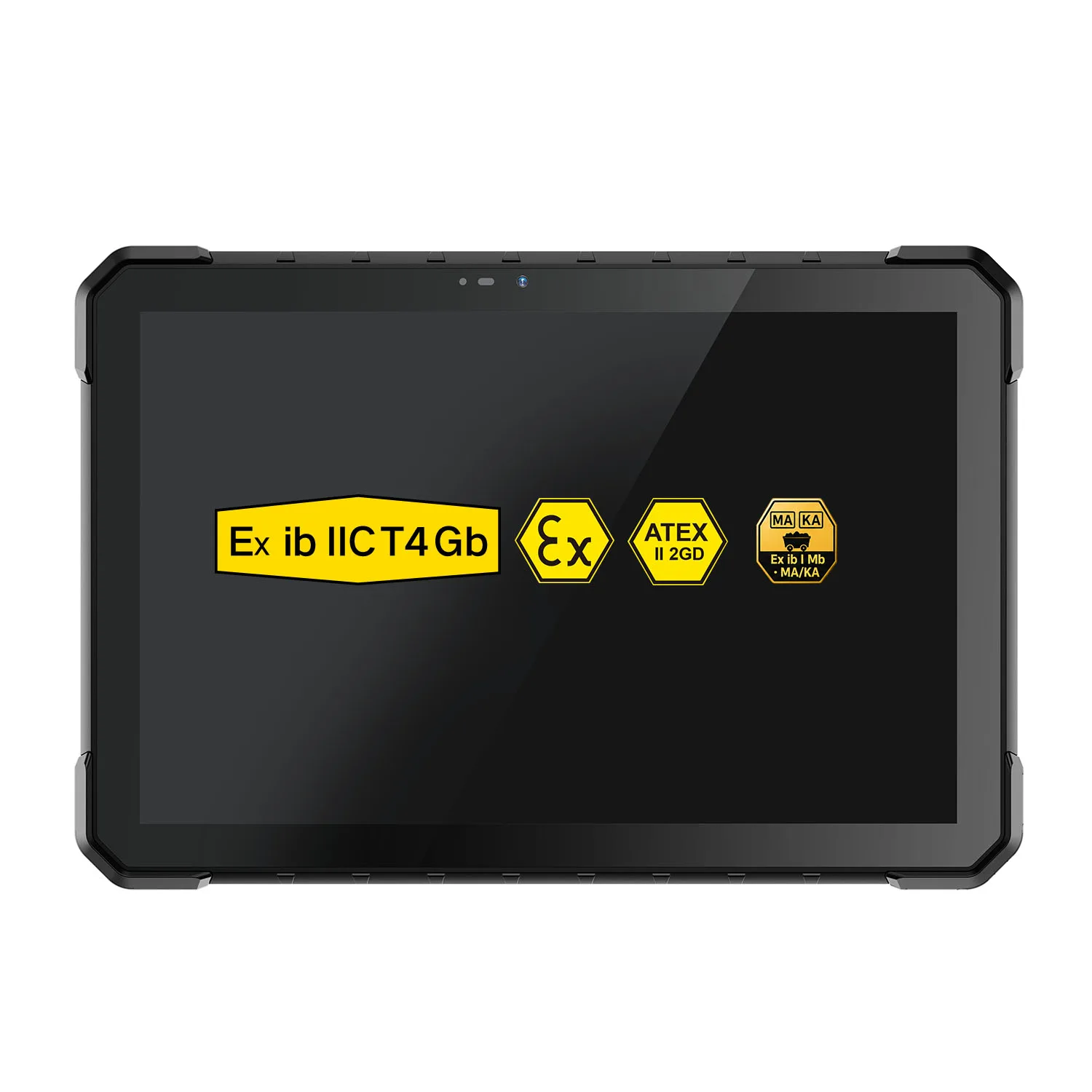
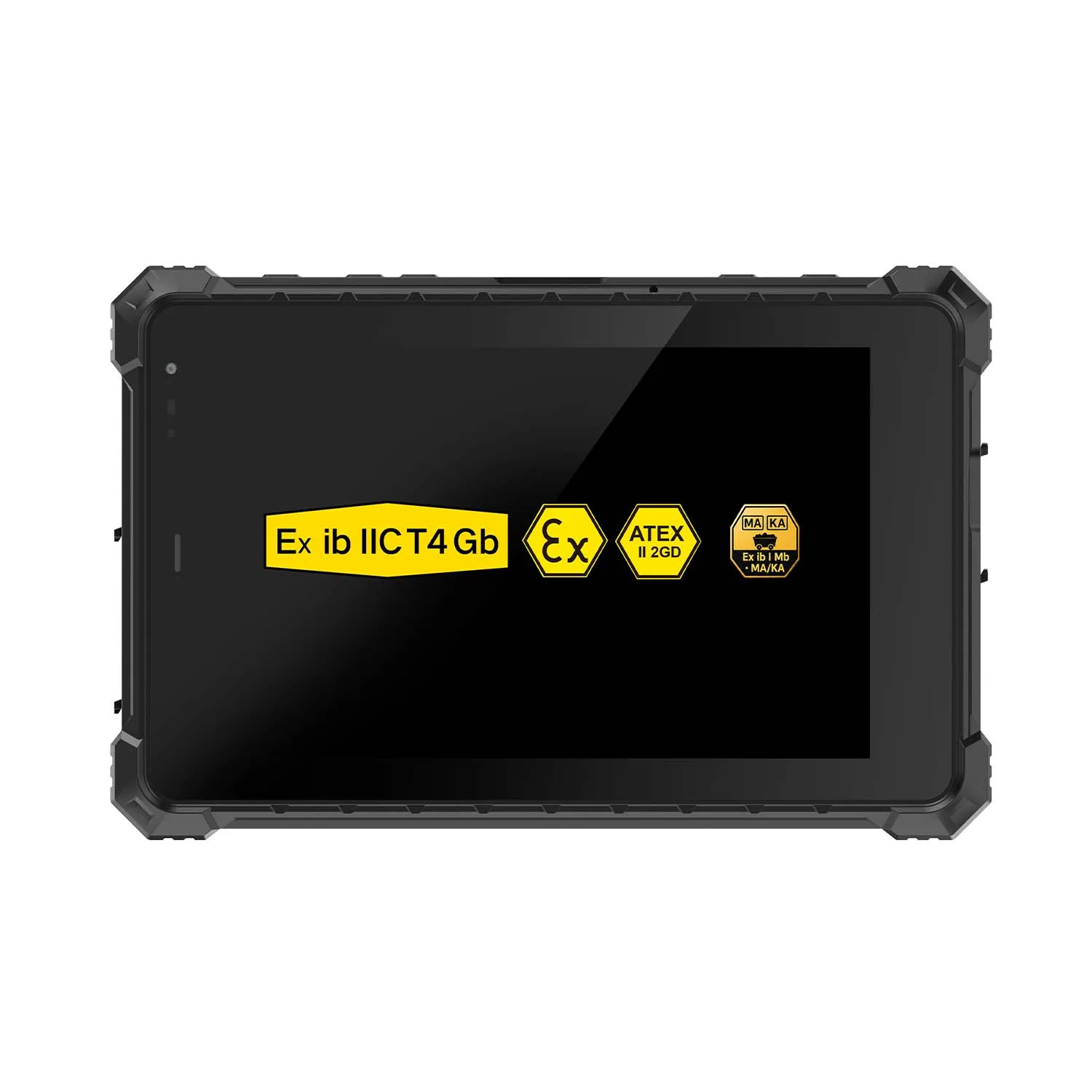
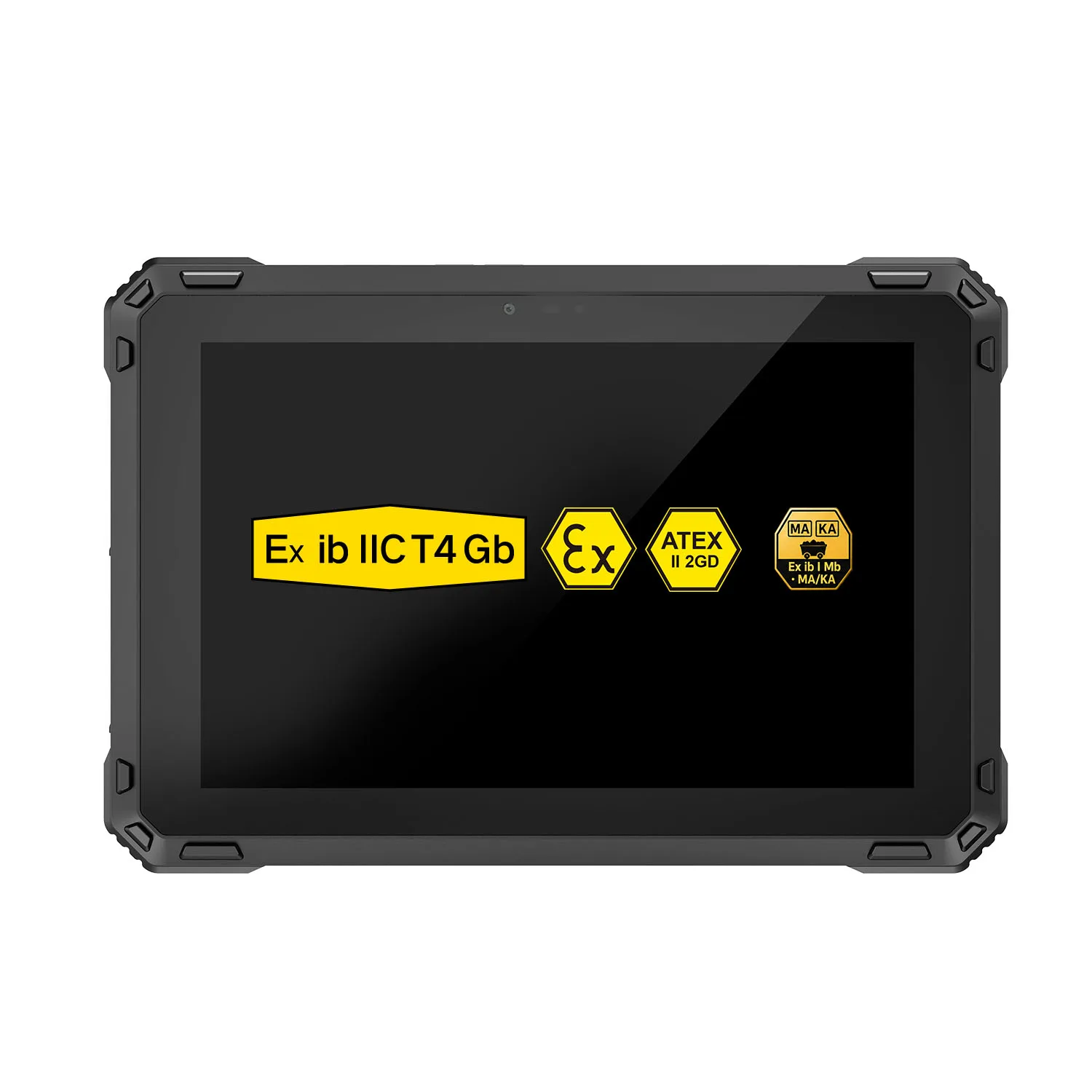
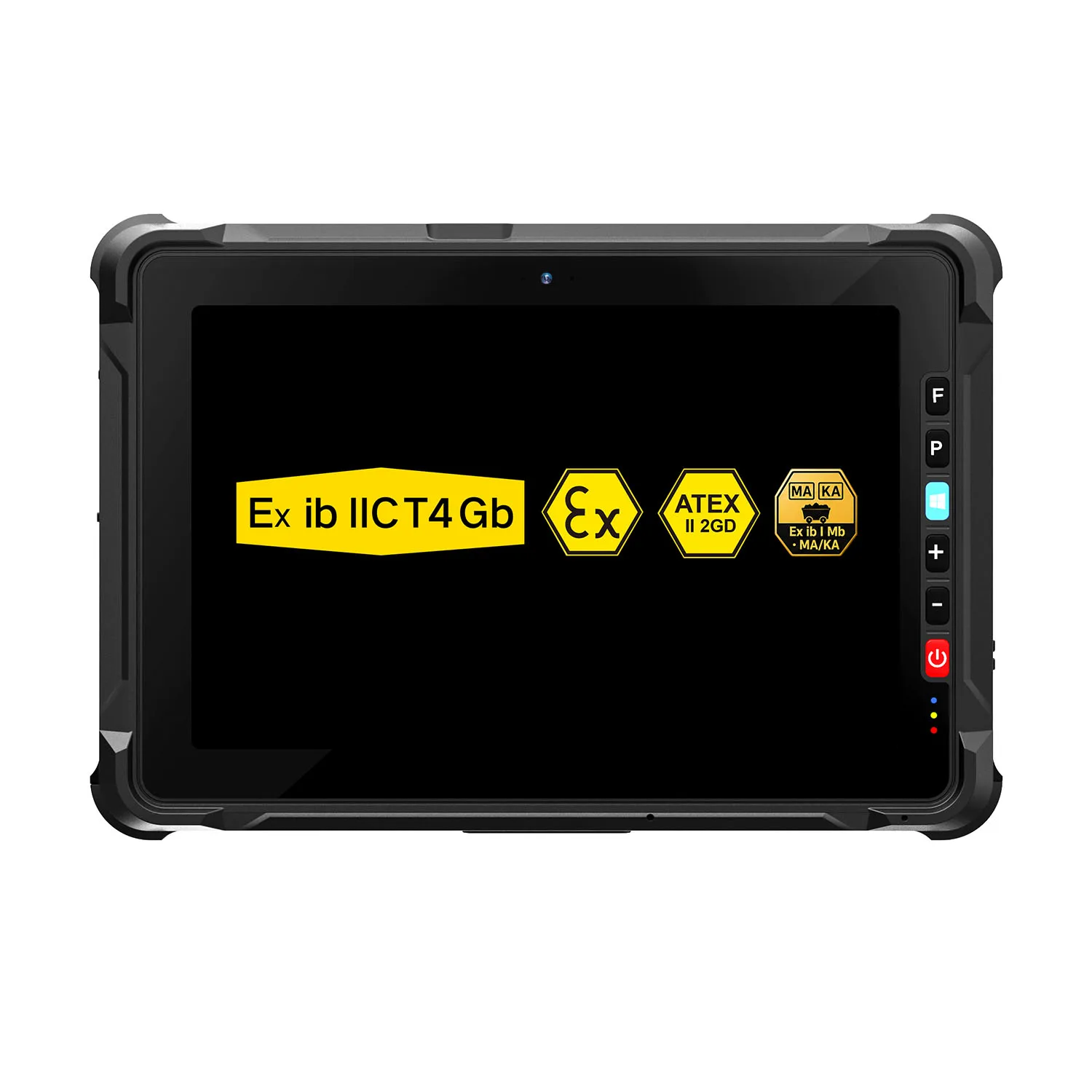
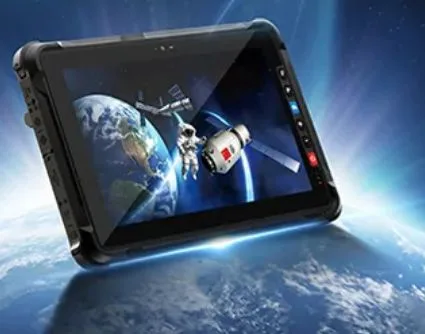
A satellite communication rugged tablet is an industrial mobile terminal equipped with satellite links — Non-Terrestrial Network (NTN), BeiDou short message service, or Tiantong satellite calling — in addition to standard cellular connectivity.
Its core difference from standard cellular tablets lies in the capability to deliver communication and positioning services without terrestrial base station coverage. It fills signal blank zones in remote wild areas and guarantees continuous on-site communication for off-grid field operations.
GNSS Satellite Positioning Tech Comparison: GPS, GLONASS, Galileo & BeiDou
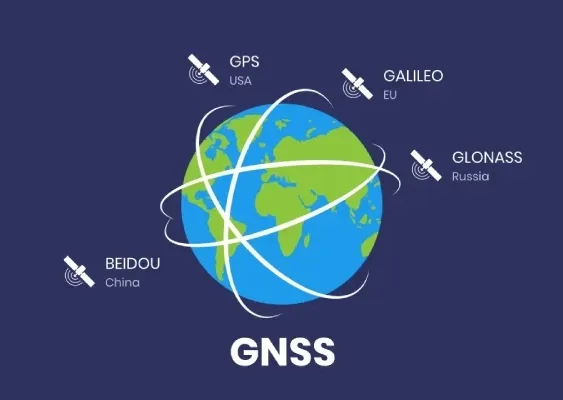
Global Navigation Satellite Systems (GNSS) deliver location data for all rugged field tablets, with clear gaps in coverage, frequency and precision:
System | Coverage | Frequency & Accuracy | Pros & Cons for Industrial Use |
GPS (US) | Worldwide | L1 single band (3–5m); L1+L5 dual band (sub-meter) | Global stable signal; weak anti-blocking in mountains/valleys |
GLONASS (Russia) | Global, strong polar signals | L1/L2 dual-frequency capable; meter-level standalone | Strong at high latitudes; commonly included alongside GPS in multi-constellation receivers |
Galileo (EU) | Worldwide, best in Europe | Dual-band, sub-meter standalone; centimeter-level requires RTK correction | Stable in European regions; less mature for Asia-Pacific offshore and inland remote projects |
BeiDou (China) | Positioning: global. Short message: Asia-Pacific only (roughly 75°E–135°E, 10°N–55°N) — the two are separate services and are certified separately | B1I+B2a dual band (meter to centimeter) | Supports positioning + Asia-Pacific short message; ideal for mining, forestry, fisheries across the Asia-Pacific region |
Why multi-constellation positioning matters in extreme environments?
Single GNSS systems easily lose signals in urban canyons and deep mountains. Multi-constellation redundant positioning guarantees continuous signal reception, while dual-band technology reduces multipath interference to boost field positioning stability.
Important distinction: GNSS positioning (knowing your location via GPS/BeiDou/etc.) is standard, receive-only technology built into most of CENAVA's current rugged tablets. Two-way satellite communication (sending messages or making calls via satellite with no cellular network at all) is a fundamentally different, more specialized capability — see the OEM/ODM section below for how CENAVA currently offers this.
Satellite Communication Technology Comparison: 5G NTN vs BeiDou Short Message vs Tiantong-1
Three mainstream off-grid satellite communication solutions are built into rugged tablets, compared across coverage, bandwidth, cost and power draw:
Metric | 5G NTN (3GPP R17, MT6825 chip) | BeiDou Short Message | Tiantong-1 Satellite |
Coverage | Multi-region coverage via NTN operators, subject to regional availability | Asia-Pacific regional coverage only | China inland & offshore waters |
Charging Model | Operator-billed satellite data plans | Low-cost per-message regional text tariff | Monthly & per-call voice/sms billing |
Bandwidth Capacity | Low-bandwidth IoT data and two-way text; voice is not commercially viable over R17 NTN today — if voice matters, look at Tiantong-1 | Ultra-low bandwidth limited to short texts | Medium bandwidth for stable satellite voice |
Power Consumption | Medium standby power consumption | Ultra-low standby power for long patrols | High power draw during satellite calls |
Every current CENAVA rugged tablet ships with multi-constellation GNSS (GPS, BeiDou, Galileo, GLONASS) as standard. RTK centimeter-level positioning is an optional module on models such as the A10ST.
Core Communication & Positioning Challenges in Extreme Off-Grid Environments
All satellite rugged tablets must overcome harsh field conditions with zero cellular infrastructure:
● Remote terrain interference: Mountain, forest and metal ship hulls block weak satellite radio signals, causing positioning drift and communication dropouts.
● Power limits: Long-duration field missions lack charging access, demanding low-power satellite modules and large-capacity batteries.
● Climate durability: Desert high temperature, offshore salt spray, polar cold and heavy rainfall damage unprotected antennas and circuit boards.
● Device ruggedness: Mining, construction and fishing operations expose equipment to frequent drops, vibration and impact.
● Antenna design constraints: Compact tablet size restricts antenna layout, easily leading to poor satellite signal reception.
Mandatory Hardware Specs for Satellite Communication Rugged Tablets
Trusted off-grid rugged PCs integrate these non-negotiable configurations:
● Multi-mode satellite communication modules: Optional built-in 5G NTN, BeiDou short message or Tiantong satellite chips, supporting dual/triple satellite combo as required.
● Multi-system dual-band GNSS receiver: Concurrent GPS/GLONASS/Galileo/BeiDou reception for high-precision positioning.
● Wide-temperature large-capacity lithium battery: Works stably under extreme high and low temperatures.Low-power satellite circuits and wide-temperature packs extend single-charge field runtime; actual hours are quoted against each project's duty cycle.
● Military & IP certification: IP68 dust/waterproof rating, MIL-STD-810H shock, drop and vibration compliance.
● Optimized satellite antenna layout: Built-in high-gain RF antennas with external antenna ports for signal boosting in weak coverage zones.
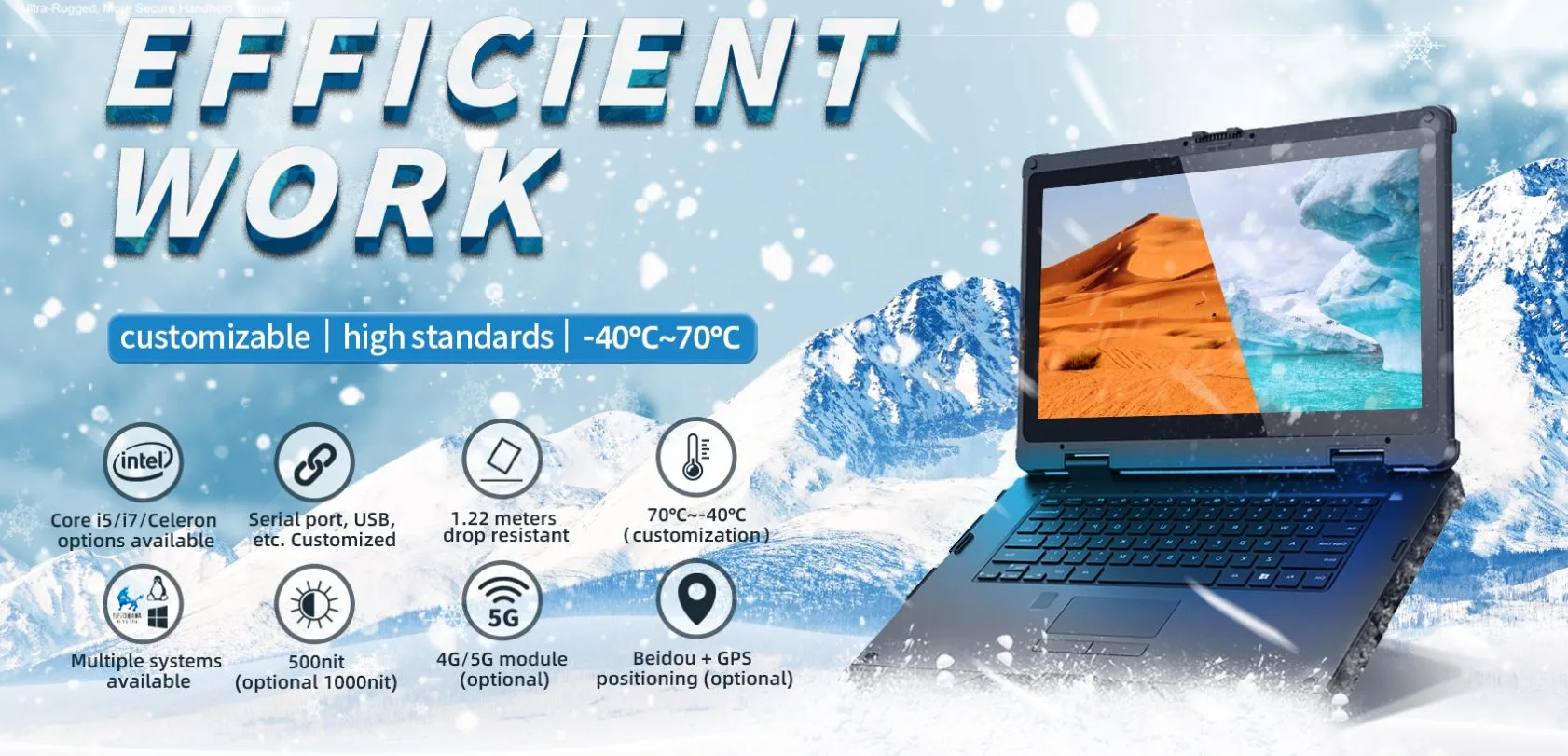
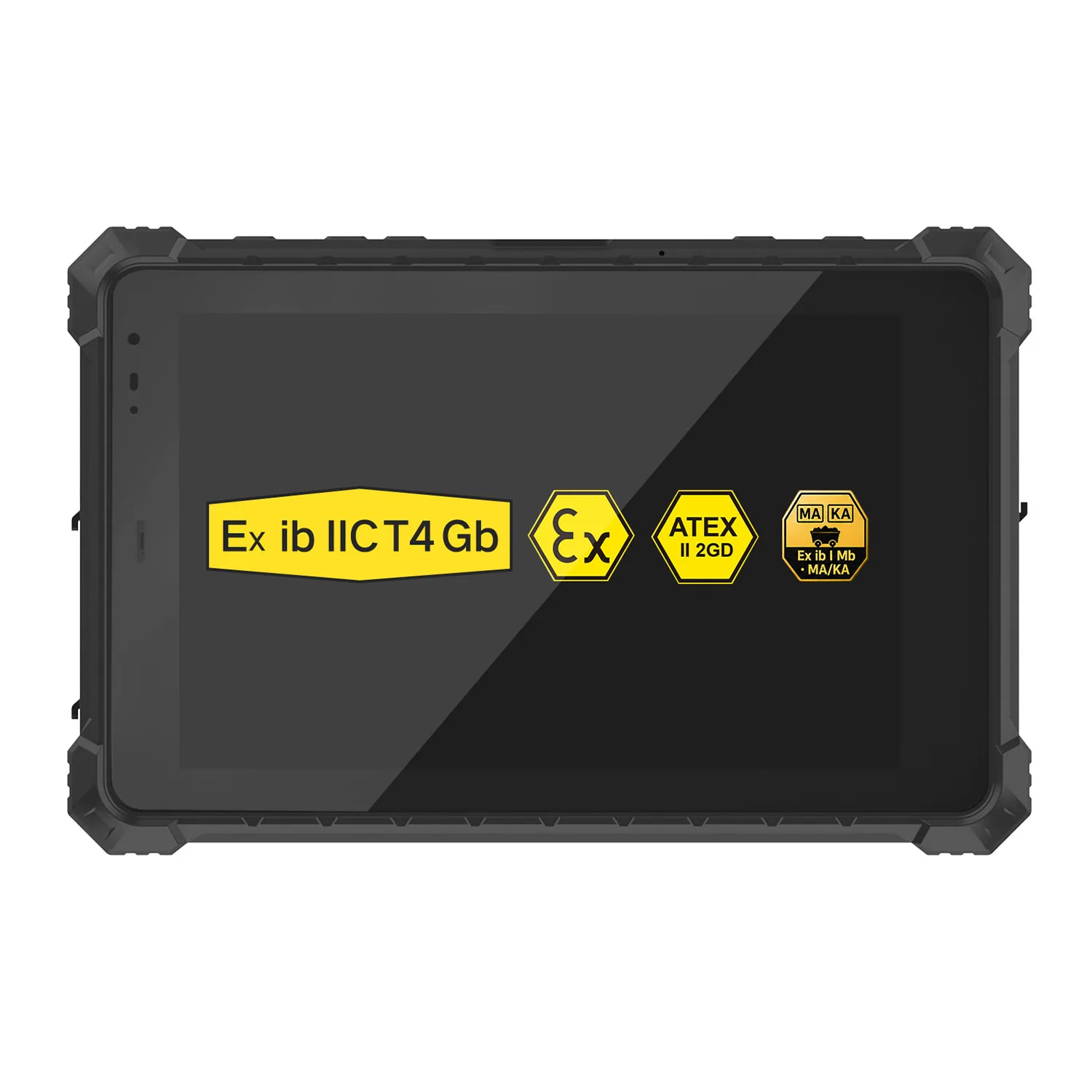
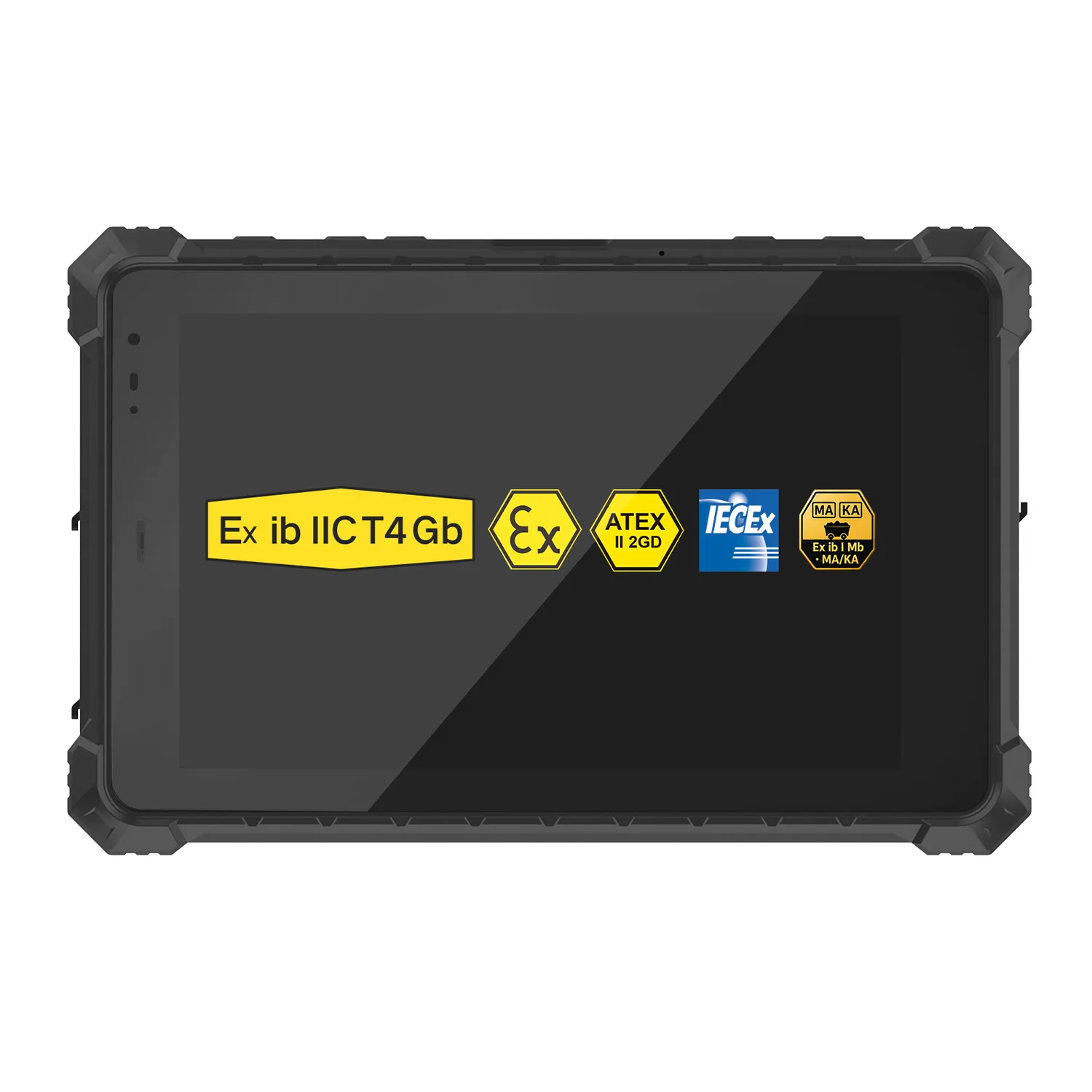
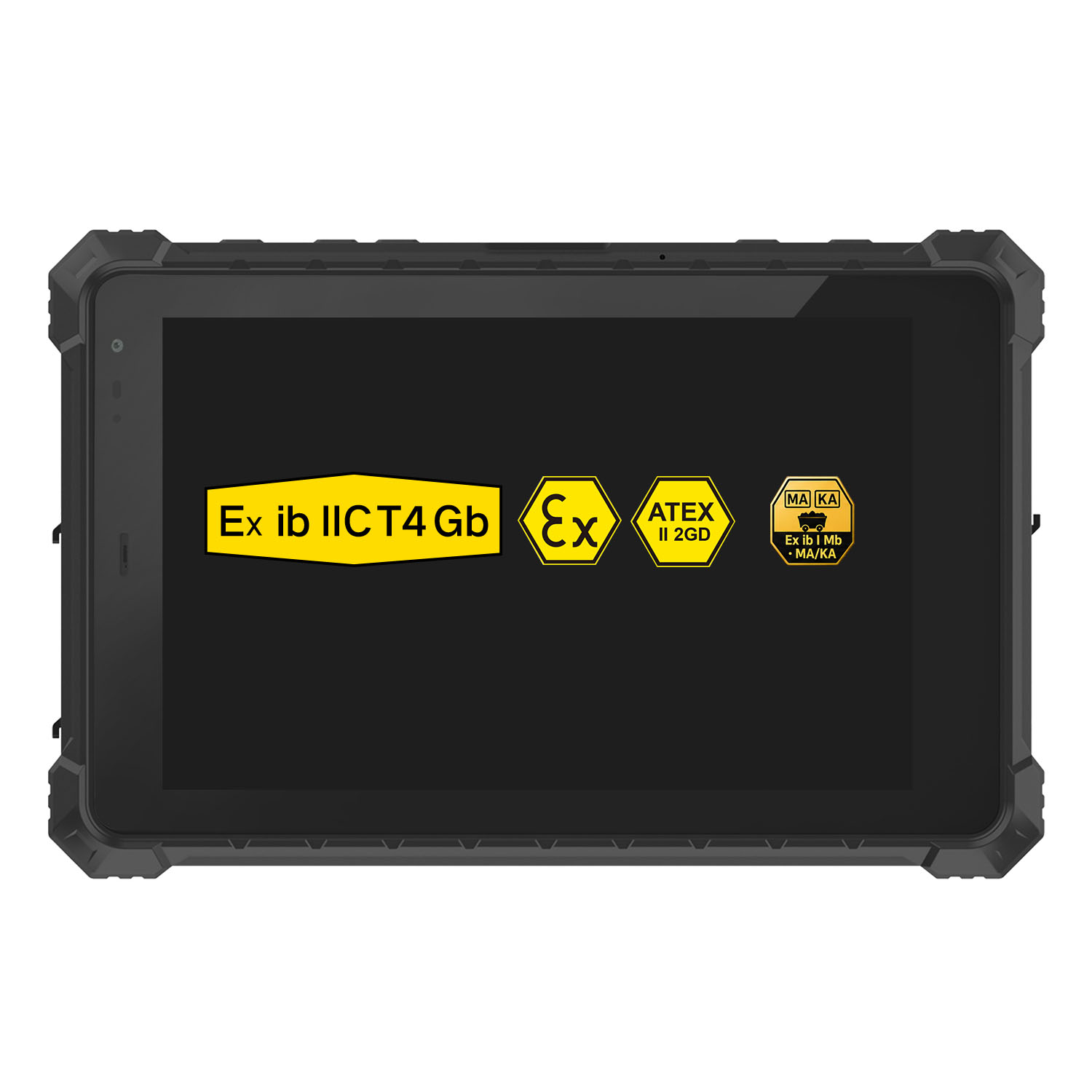
Note: All satellite communication rugged tablets covered in this guide are non-explosion-proof, designed only for regular remote field sites without flammable gas hazards. Operations in hazardous explosive zones require dedicated ATEX/IECEx certified explosion-proof rugged lines.
Industry-Specific Rugged Tablet Selection Guide
Match satellite configurations to your field operation scenarios:
● Desert cross-border exploration: NTN + BeiDou dual-mode rugged tablet — global NTN satellite coverage for international zones, BeiDou short message for regional backup reporting.
● Offshore fishing vessels: Tiantong-1 voice module + BeiDou GNSS positioning — real-time satellite calls for ship safety, continuous coordinate tracking during voyages.
● Forestry and open-air agriculture: a BeiDou short-message-only tablet. Don't pay for NTN here — patrol teams work inside the Asia-Pacific footprint all year, and the BeiDou module's standby draw is the reason a 10,000 mAh pack lasts a full week of check-ins instead of three days.
● Emergency disaster rescue: Triple redundant NTN + BeiDou + Tiantong multi-satellite rugged PC — multiple satellite links as mutual backups when all ground networks collapse.
How to Select a Reliable Satellite Rugged Tablet Manufacturer
Opt for manufacturers with independent R&D and integration of satellite modules, mature rugged hardware, customization support, full environmental testing and flexible minimum order quantities.
● Independent full satellite integration capacity: Choose manufacturers that independently develop and integrate NTN, BeiDou and Tiantong satellite modules rather than simple assemblers. Because the module, antenna and firmware come from one team, the radio coexistence problems that plague module-bolt-on designs — GNSS drift when the satellite modem transmits, desensitization near the antenna feed — get solved at the design stage, not in your field trial.
● Mature industrial rugged hardware design: Verify the devices are equipped with wide-temperature batteries, high-level dustproof & waterproof structure, shock and vibration resistance to adapt to harsh outdoor scenarios including mines, fisheries and field patrols.
● Customization support & flexible minimum order quantity: Pick suppliers that support personalized function adjustment, antenna layout redesign and system configuration customization to meet batch demands of various projects.
● Comprehensive field environmental testing: Reliable brands conduct strict tests under low temperature, high temperature, salt spray and sheltered mountain terrain conditions to ensure steady satellite signal reception in complex remote areas.
Plenty of good brands buy third-party NTN modules — that route works fine for standard catalog orders. It starts to hurt when you need the antenna moved, a second satellite standard added, or 50 units instead of 500. Professional integrated manufacturers like CENAVA deliver unique advantages:
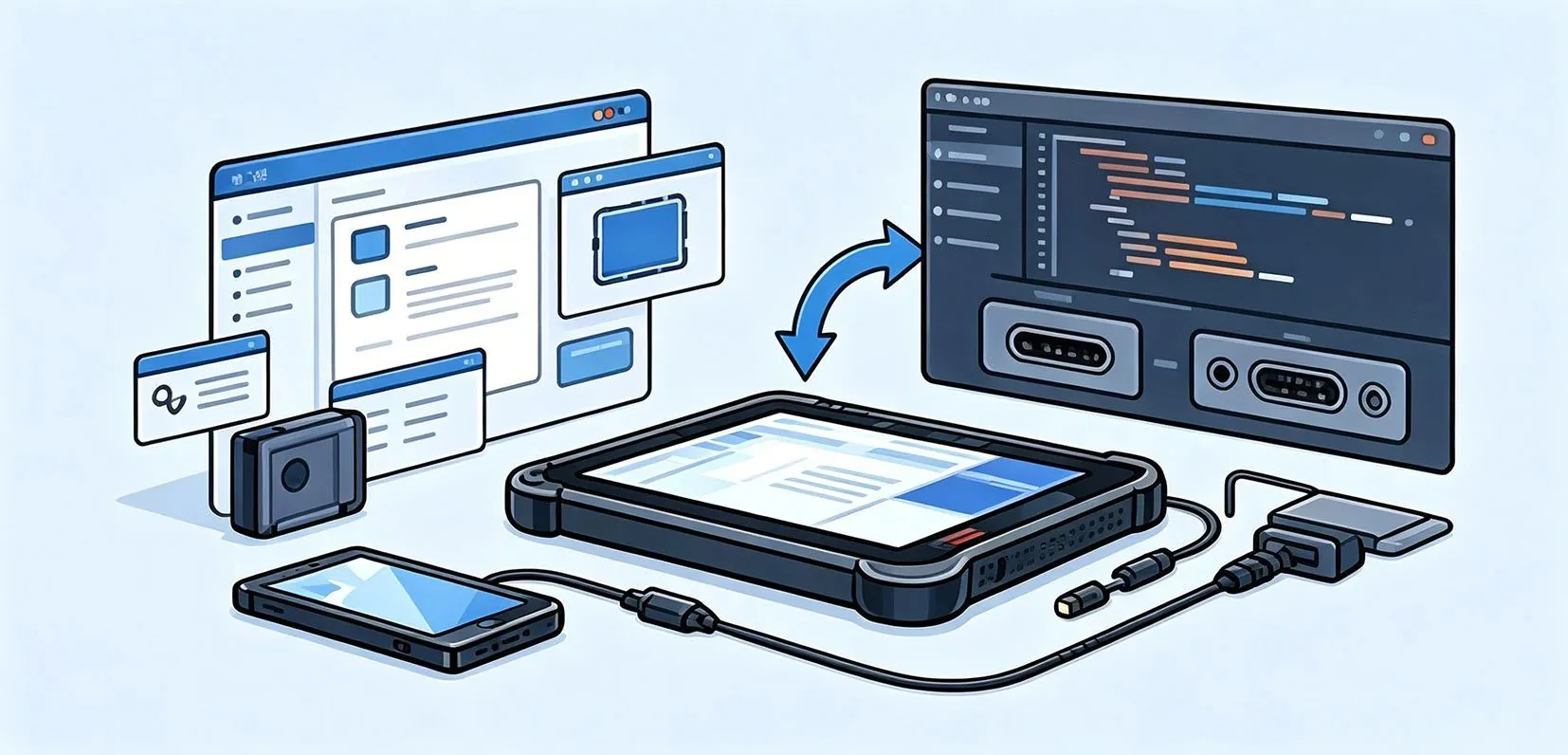
● Full self-developed hardware & software chain: Freely pre-install NTN, BeiDou or Tiantong satellite modules based on project demands.
● Flexible OEM/ODM customization: Adjust antenna layout, physical function keys and system satellite software without rigid standard product limits.
● Low minimum order support: Small-batch prototype delivery for field test projects, ideal for small-scale field teams and research institutes.
● One-stop technical service: Integrated debugging of satellite communication and GNSS positioning systems, no third-party module coordination delays.
Conclusion
The short version: positioning is solved — every tablet we ship does GPS/BeiDou/Galileo/GLONASS. Two-way satellite messaging is not solved, and anyone who tells you it's a standard catalog feature is selling you a render. If your project needs it, send us the coverage map and the message volume per day; we'll tell you which of the three systems fits and what the lead time is.
Need a Rugged Device for Your Project?
Tell us your operating environment and requirements — our engineers will recommend a configuration and quote within 24 hours.
Get a Free Quote Back to Blog