
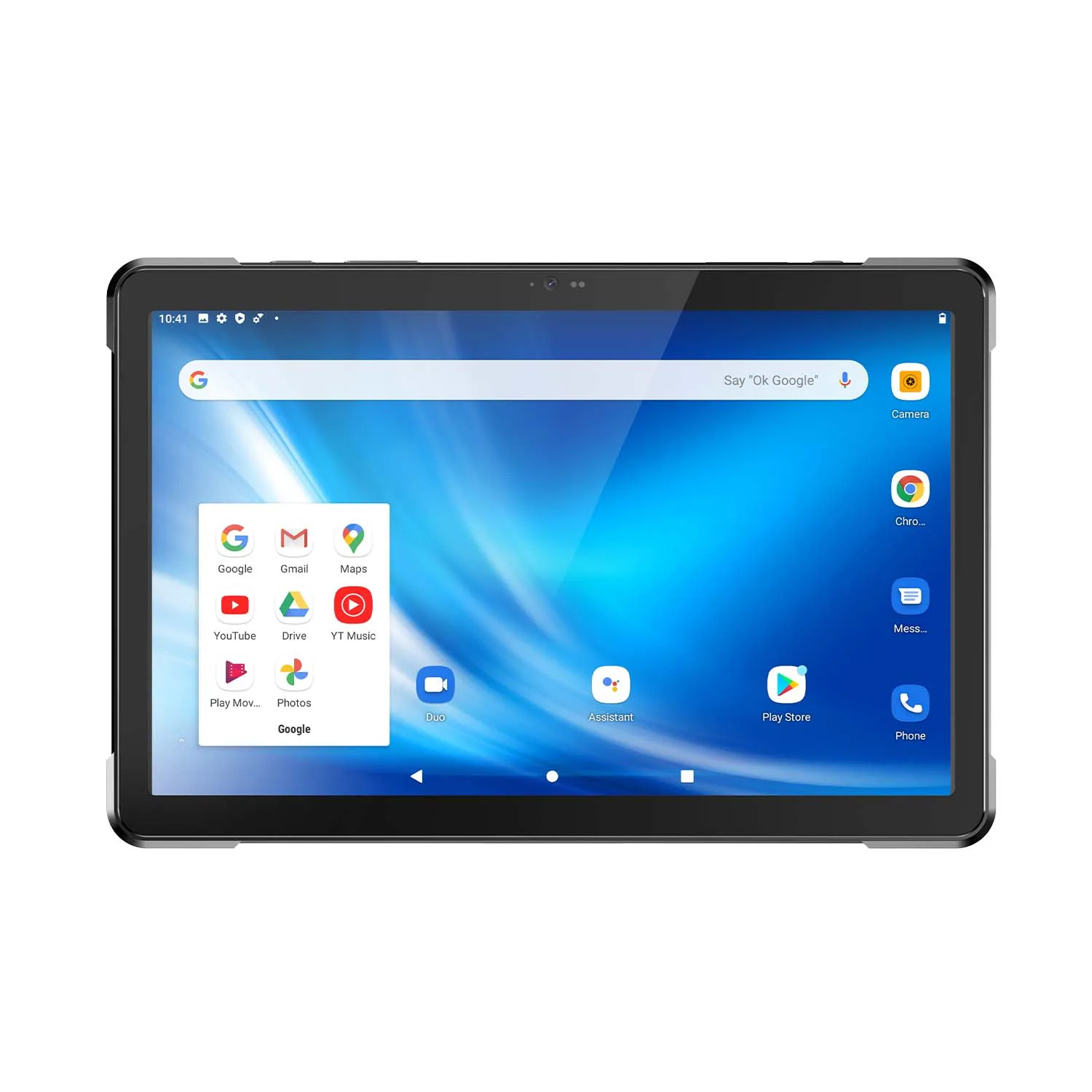
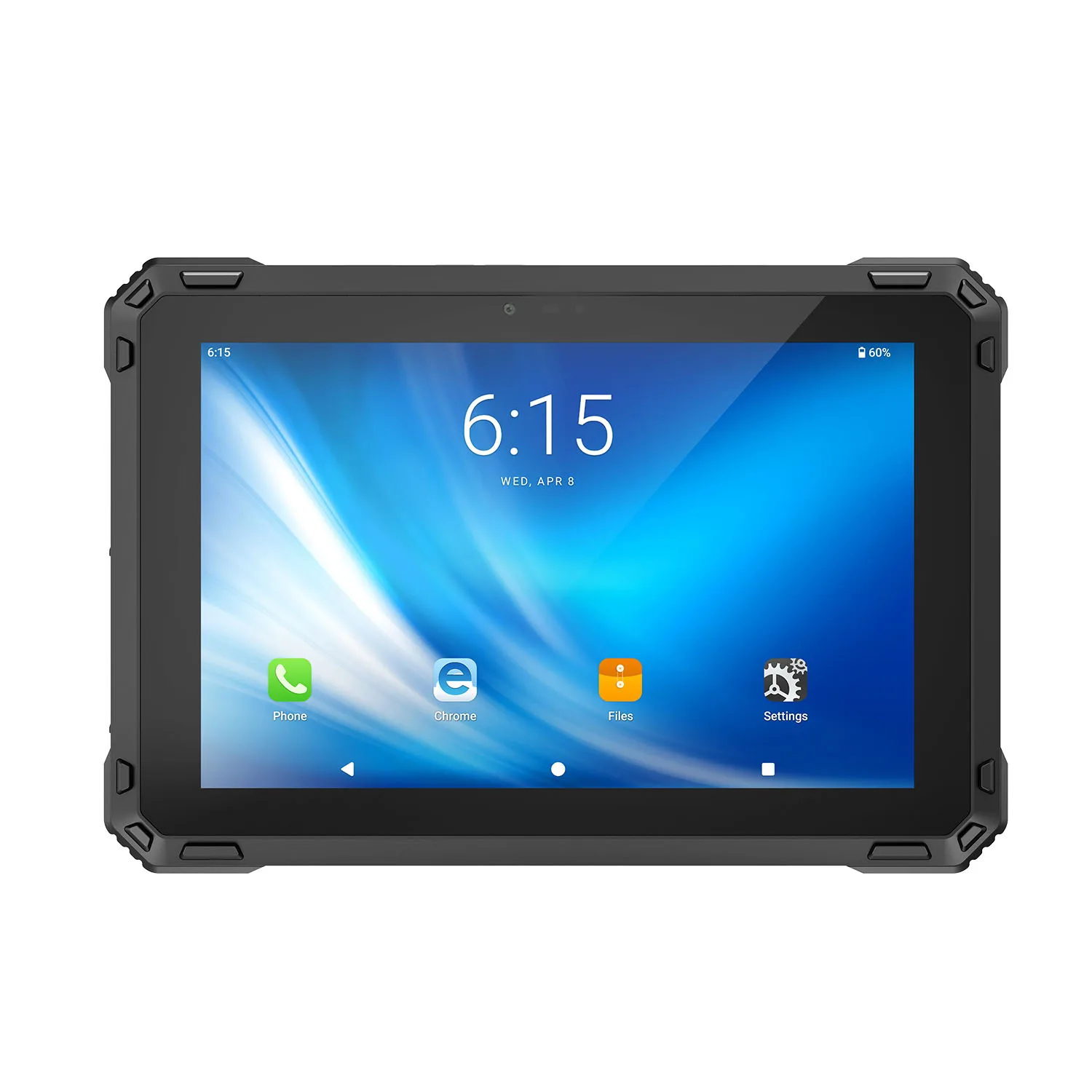
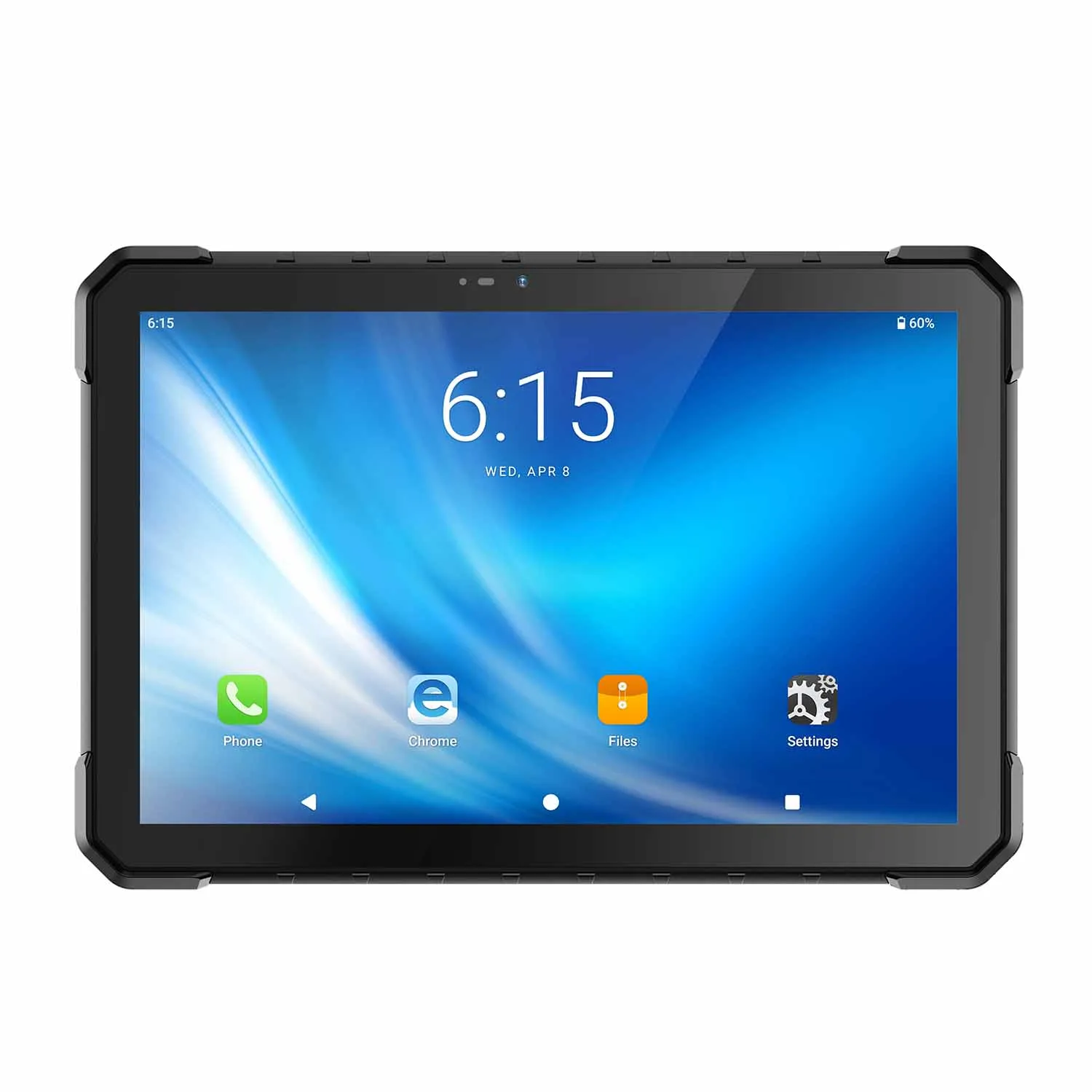
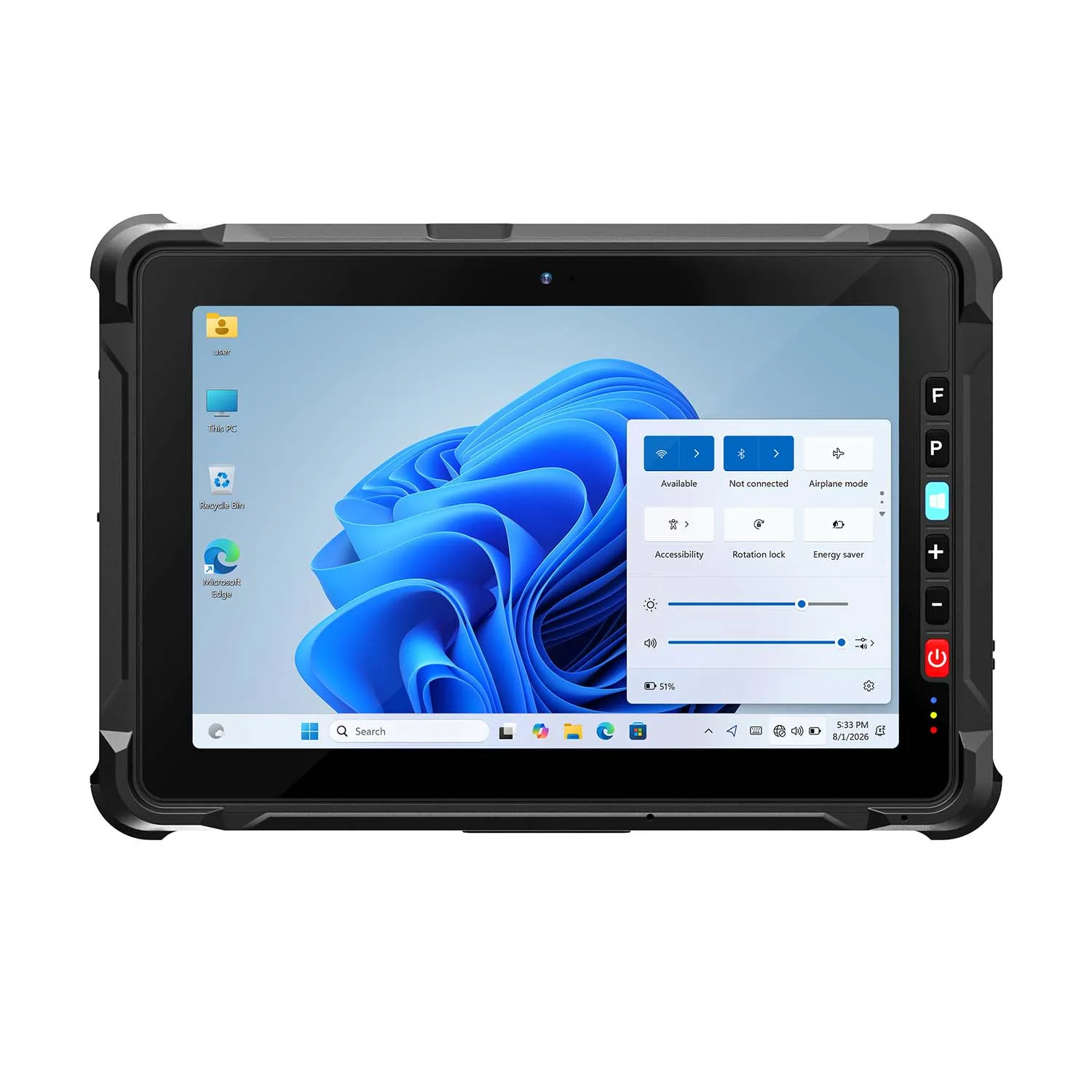
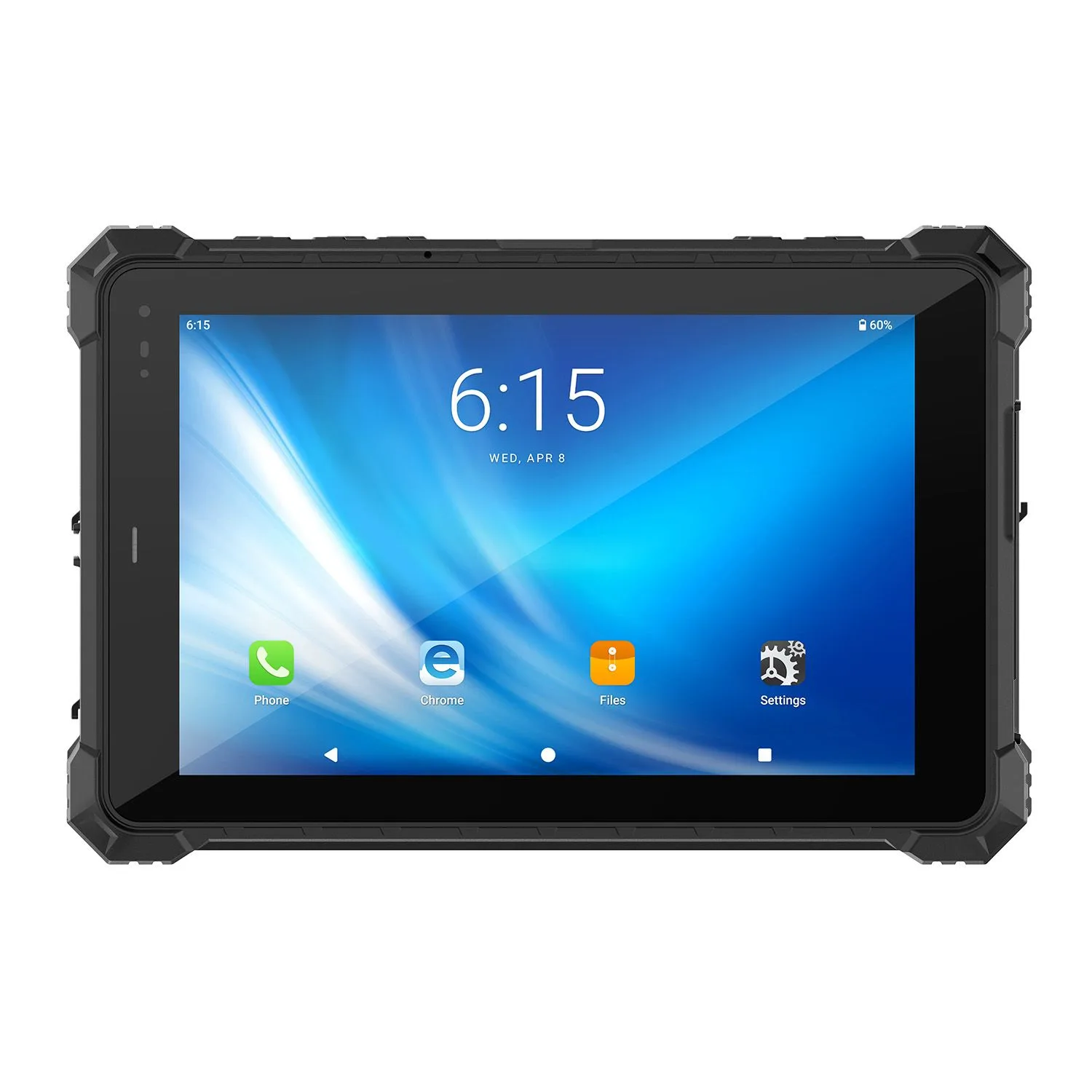
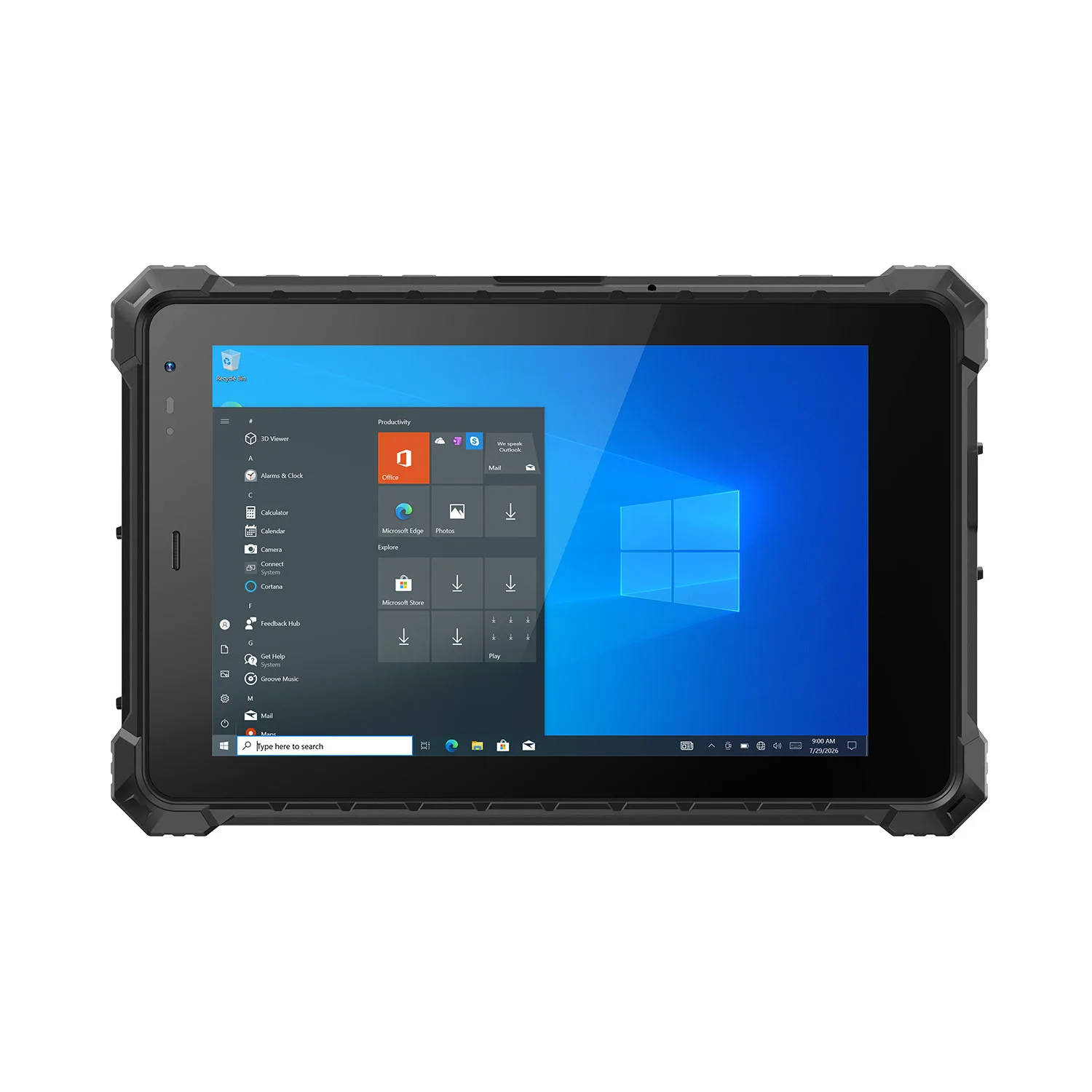
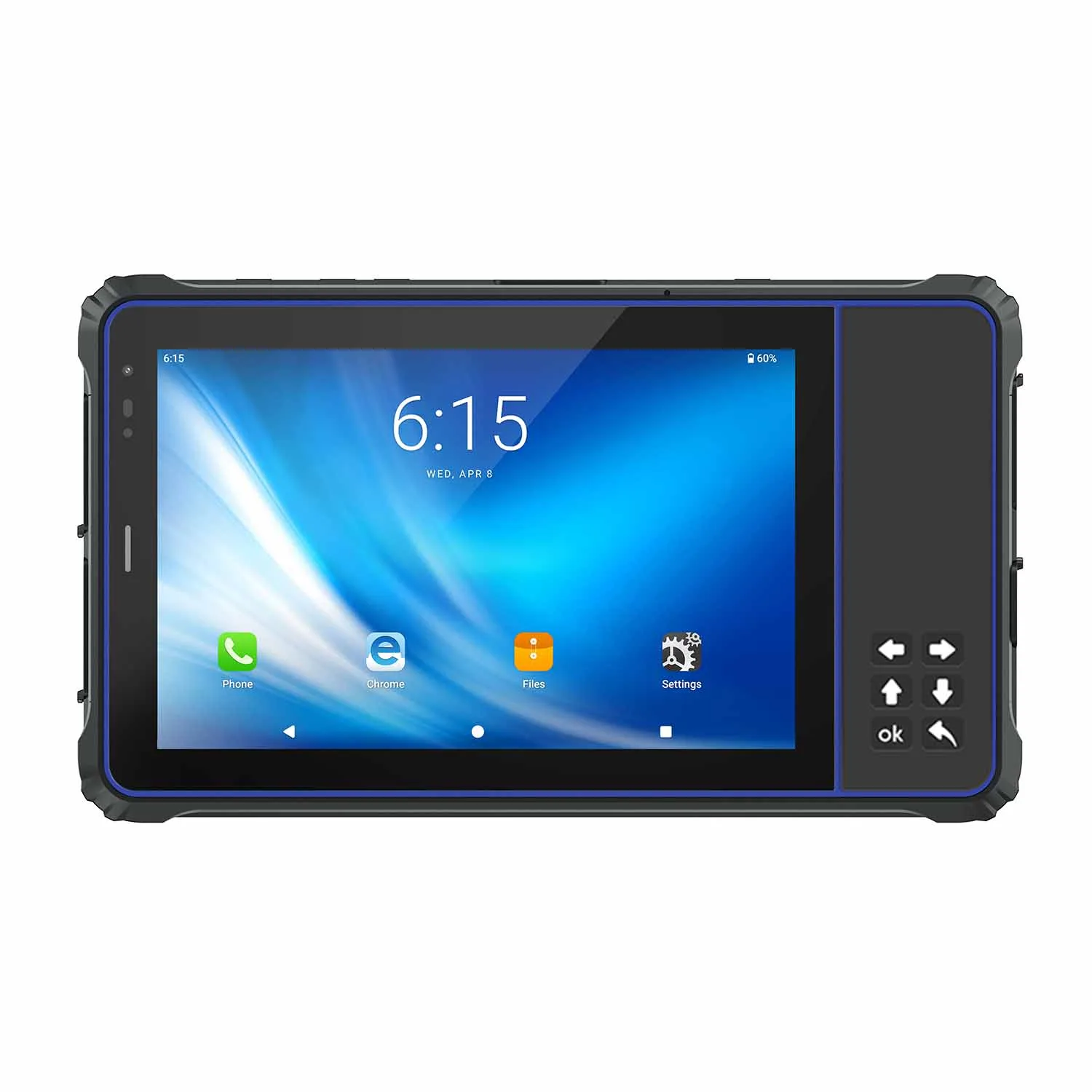
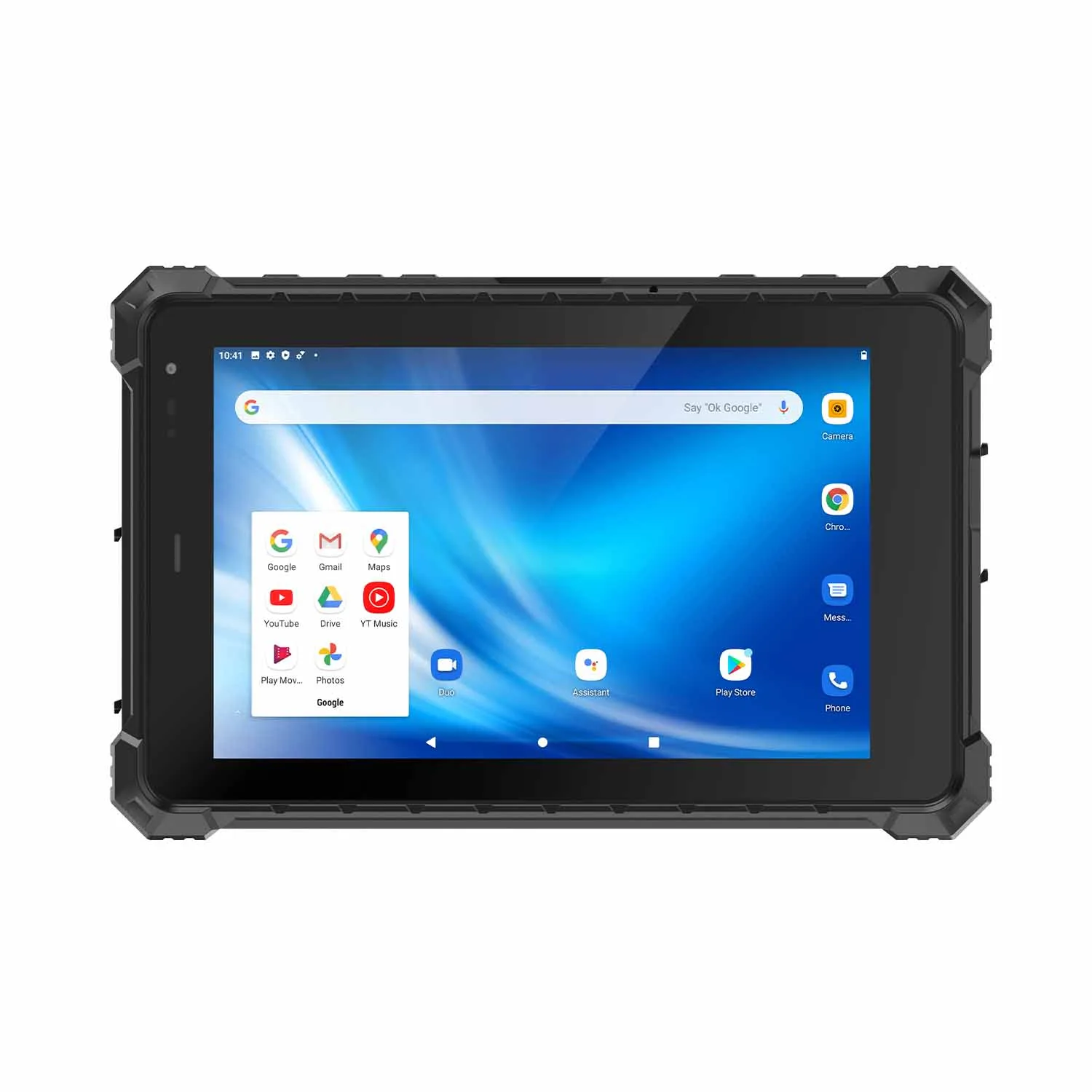
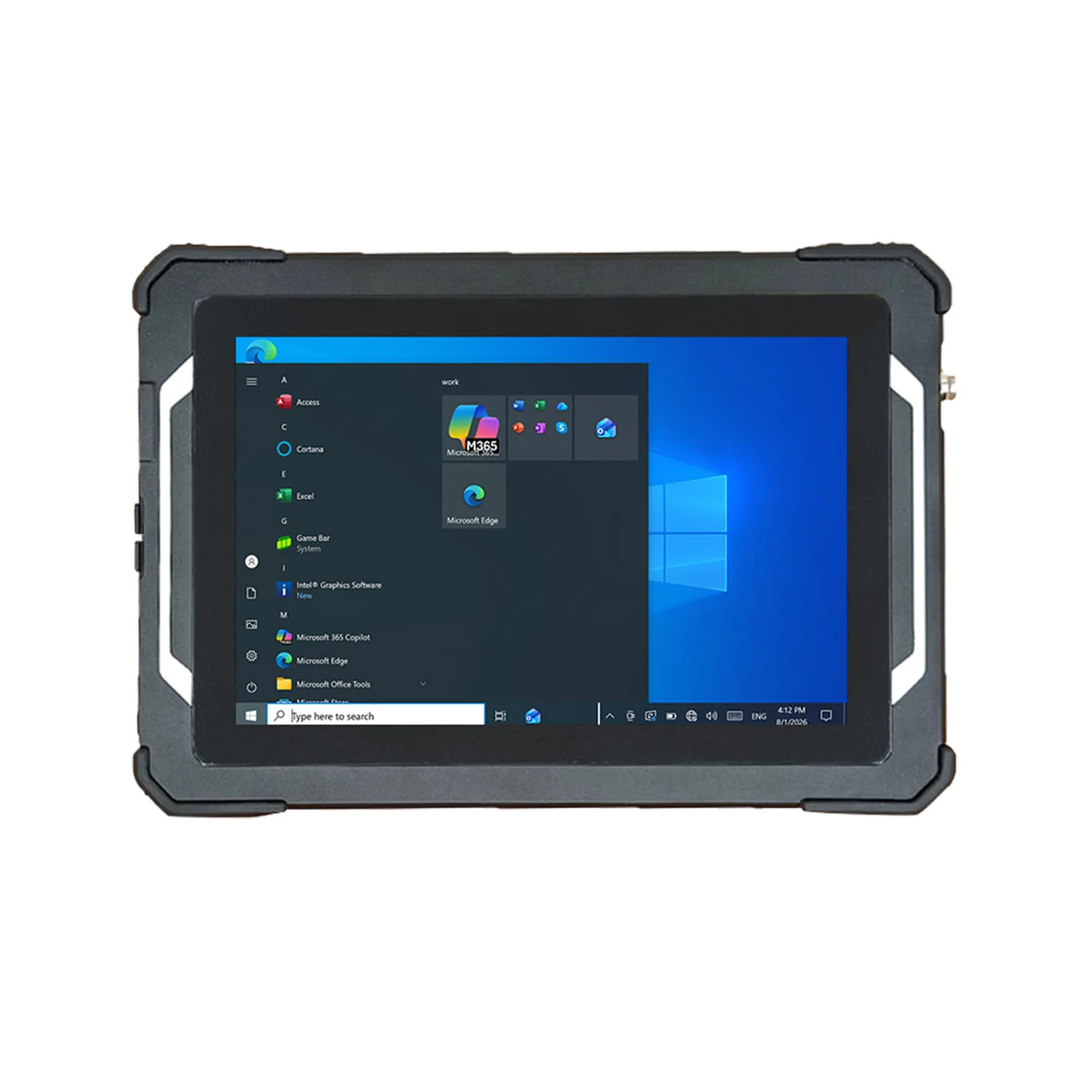
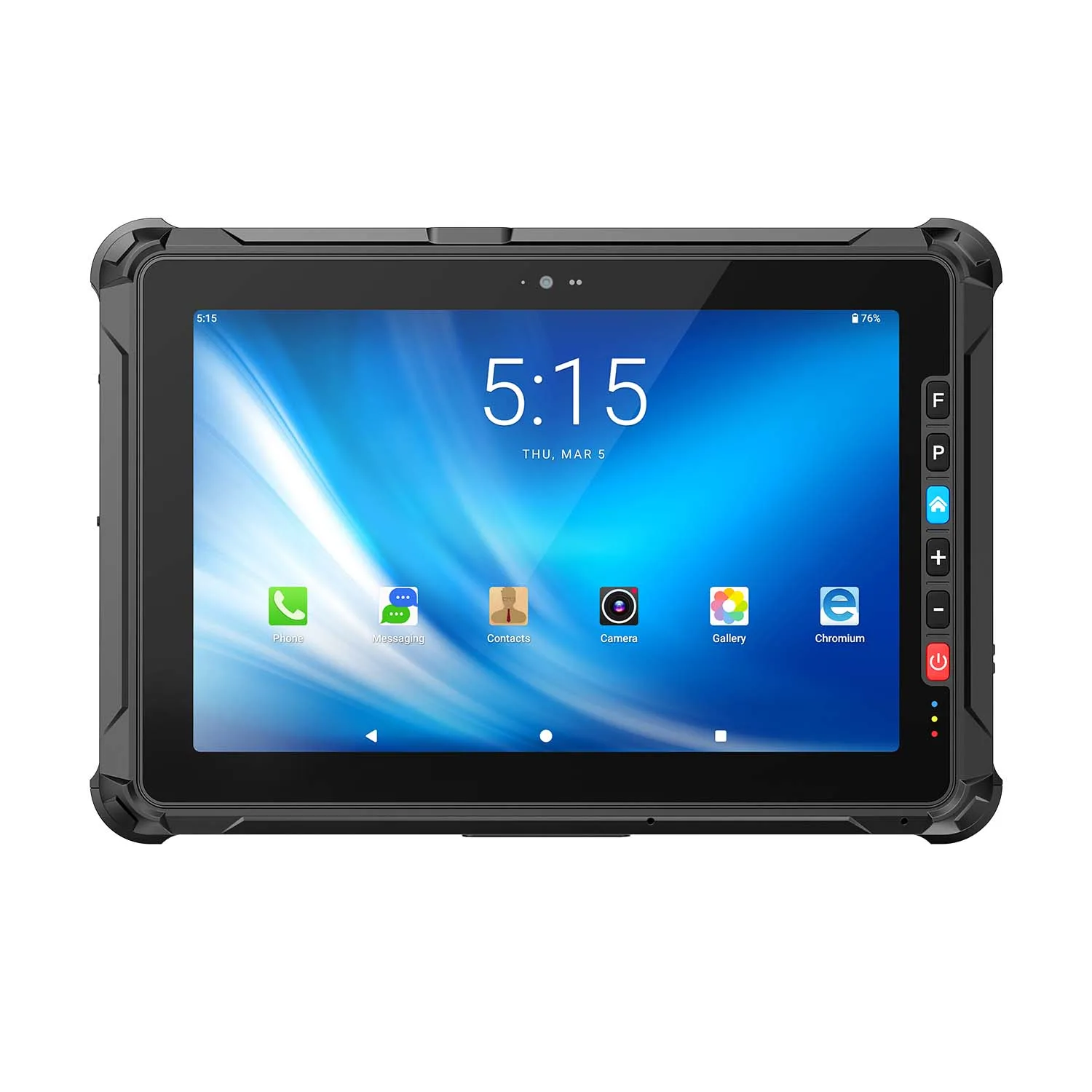
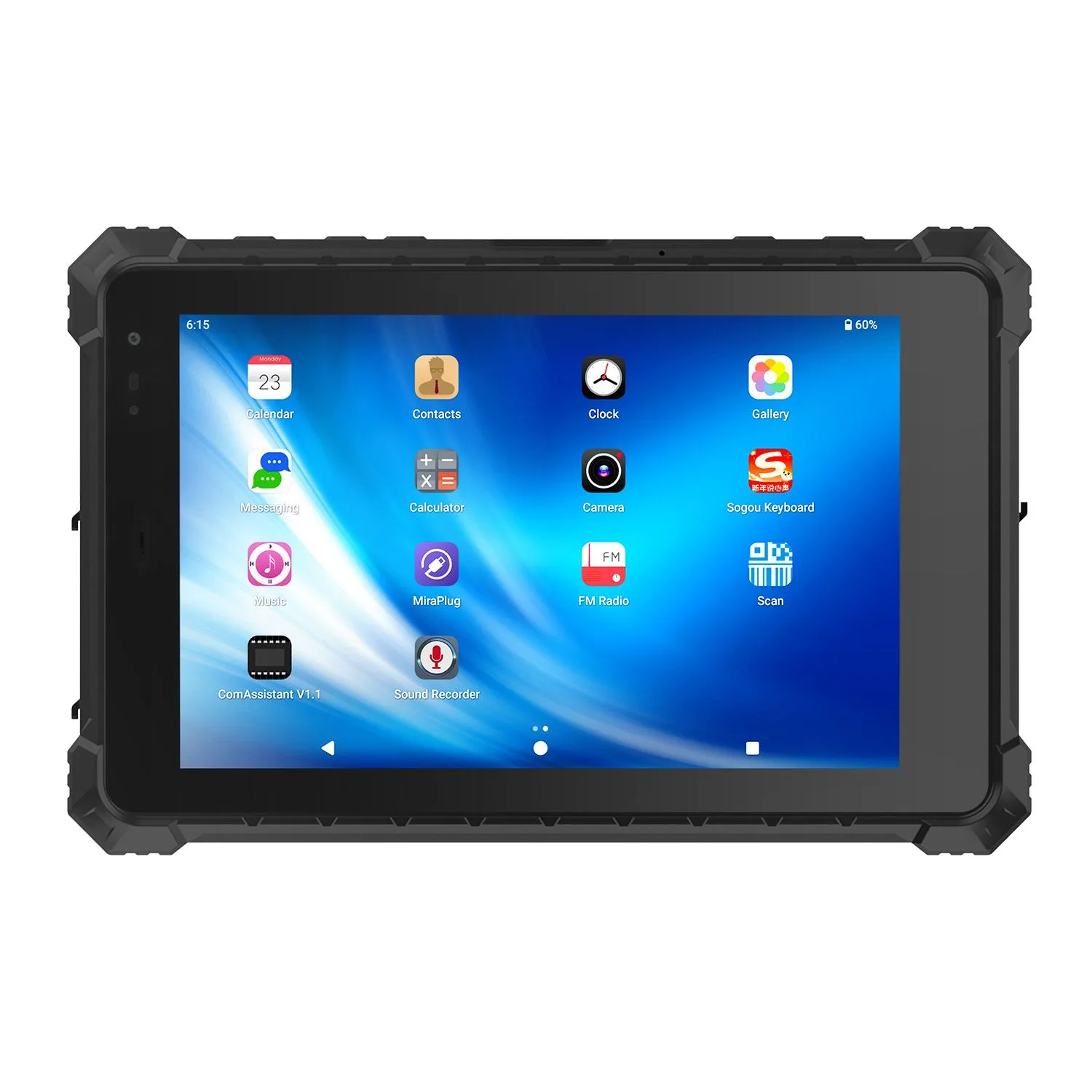
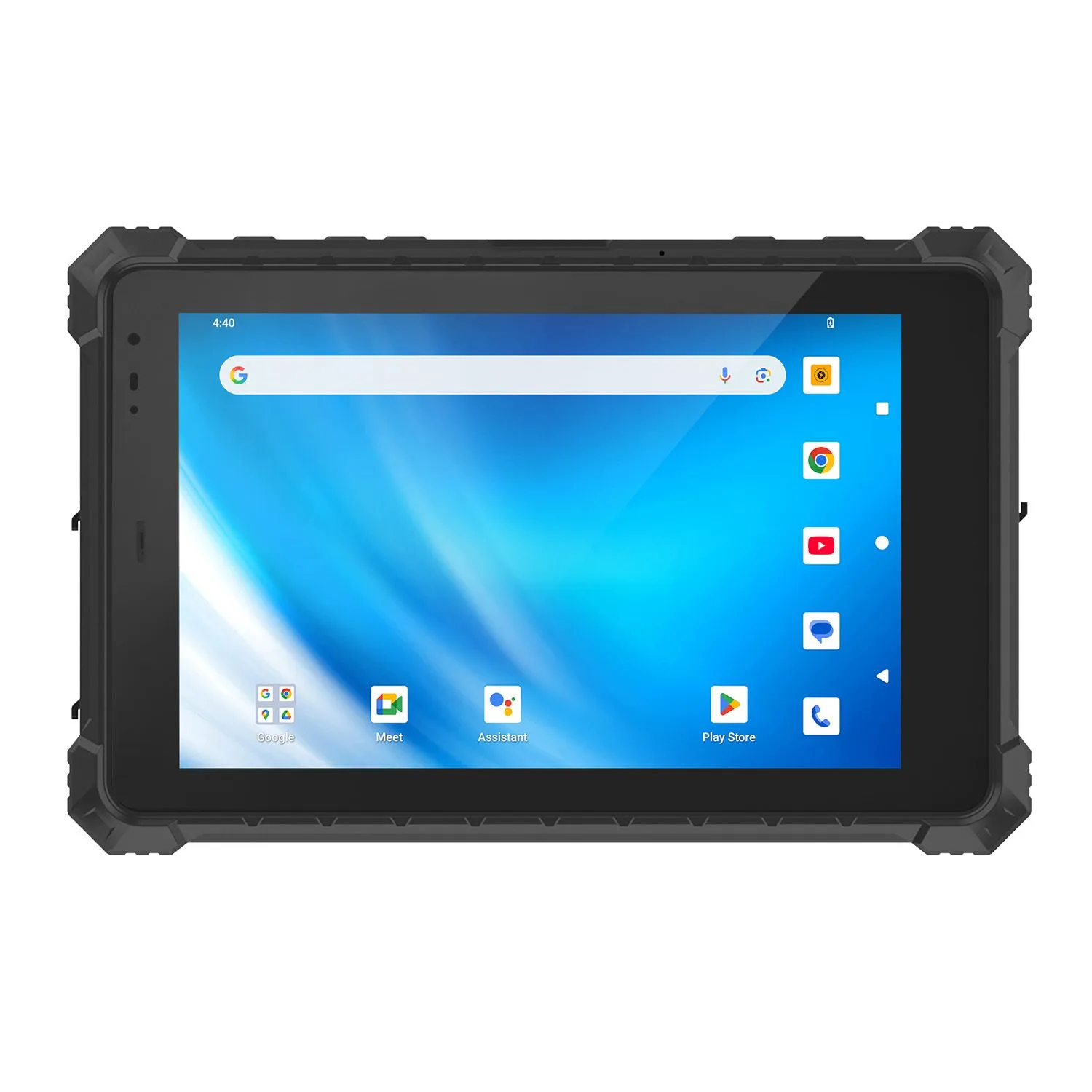
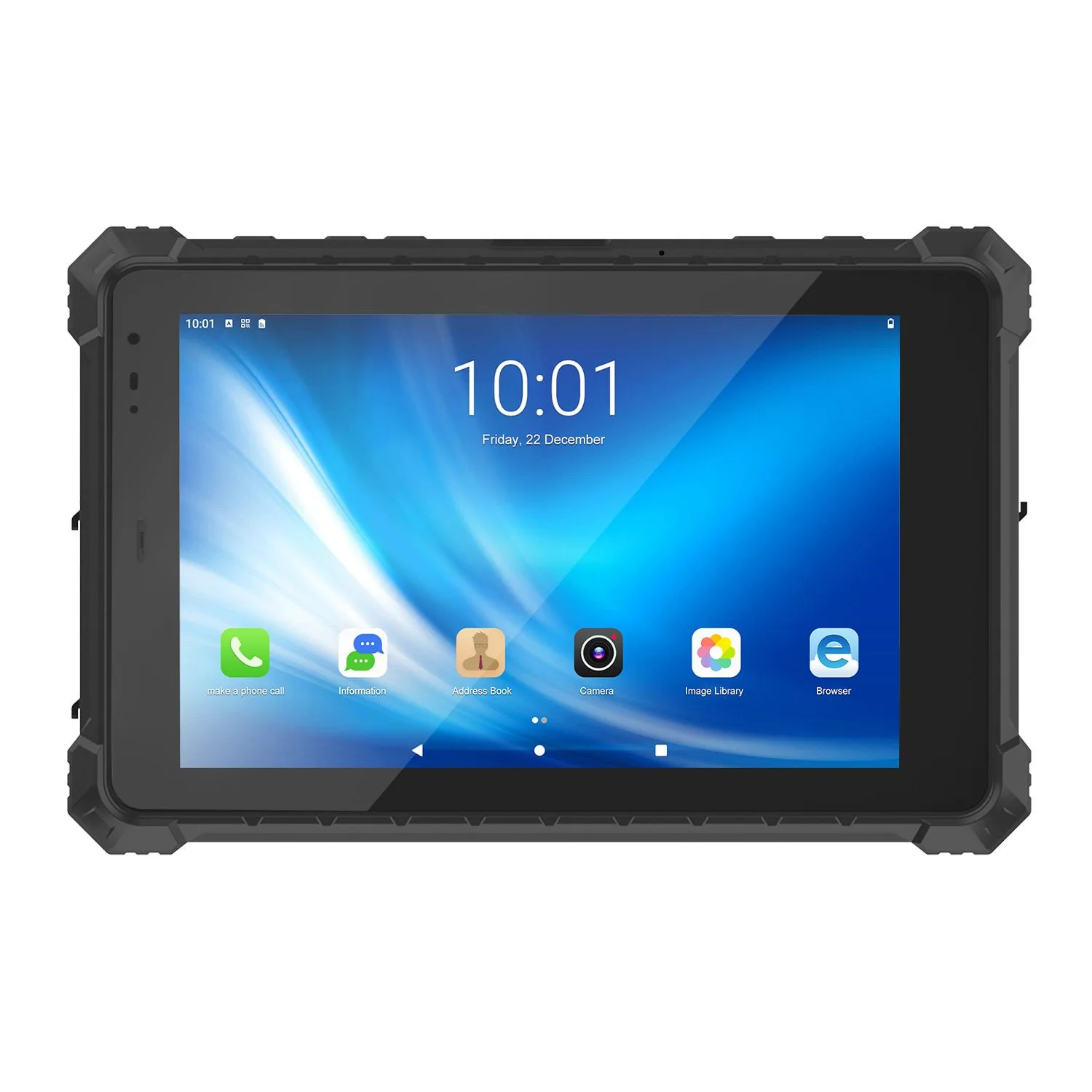
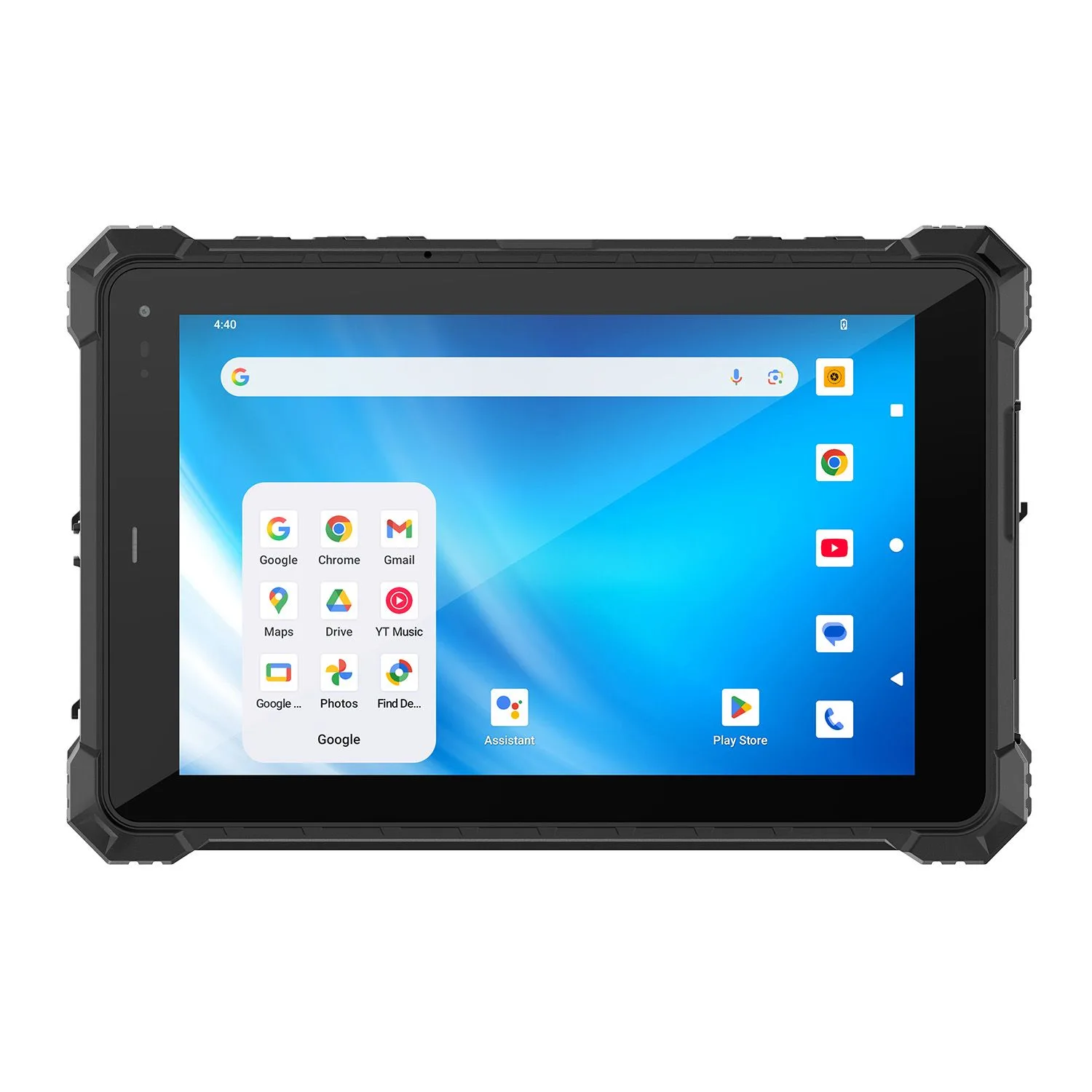
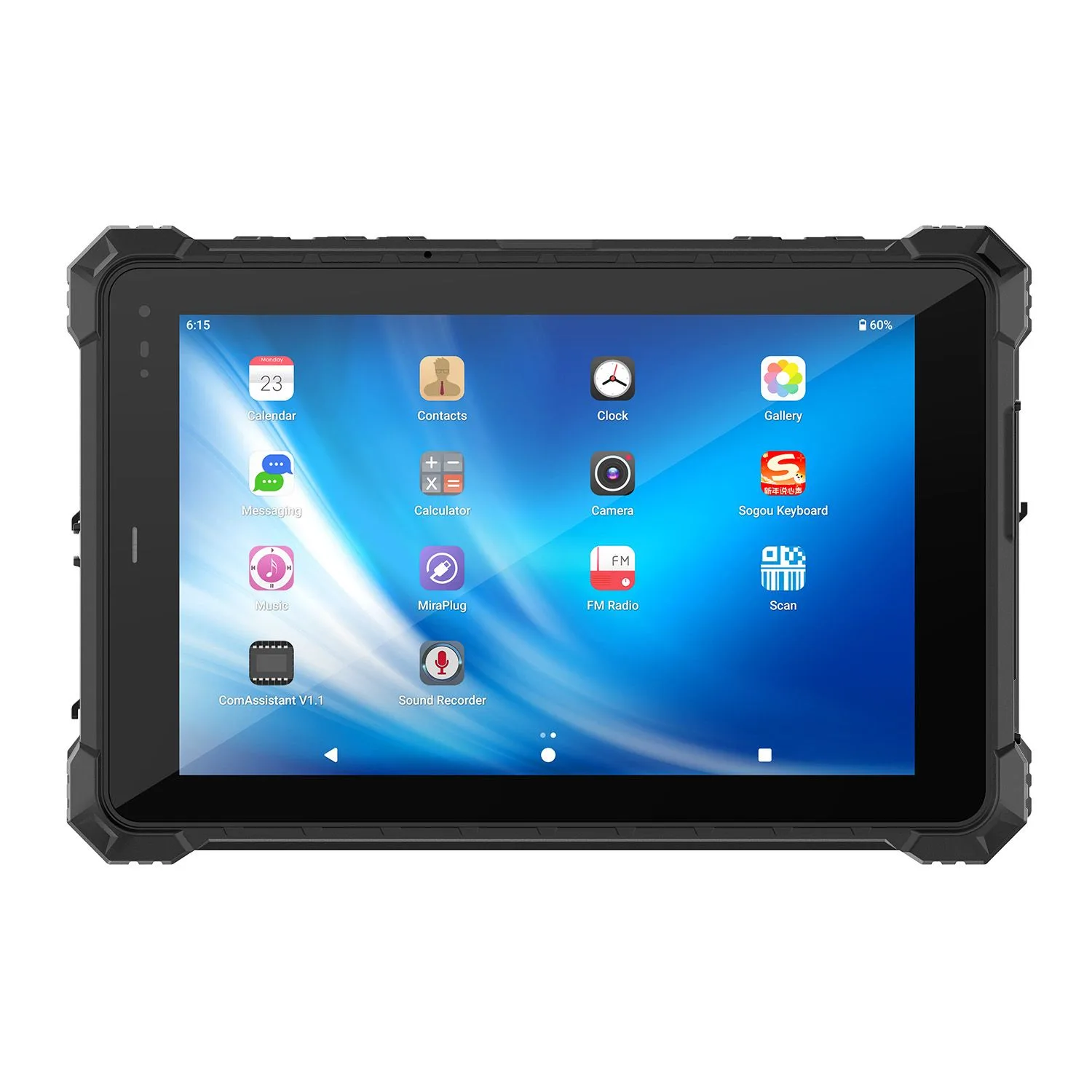
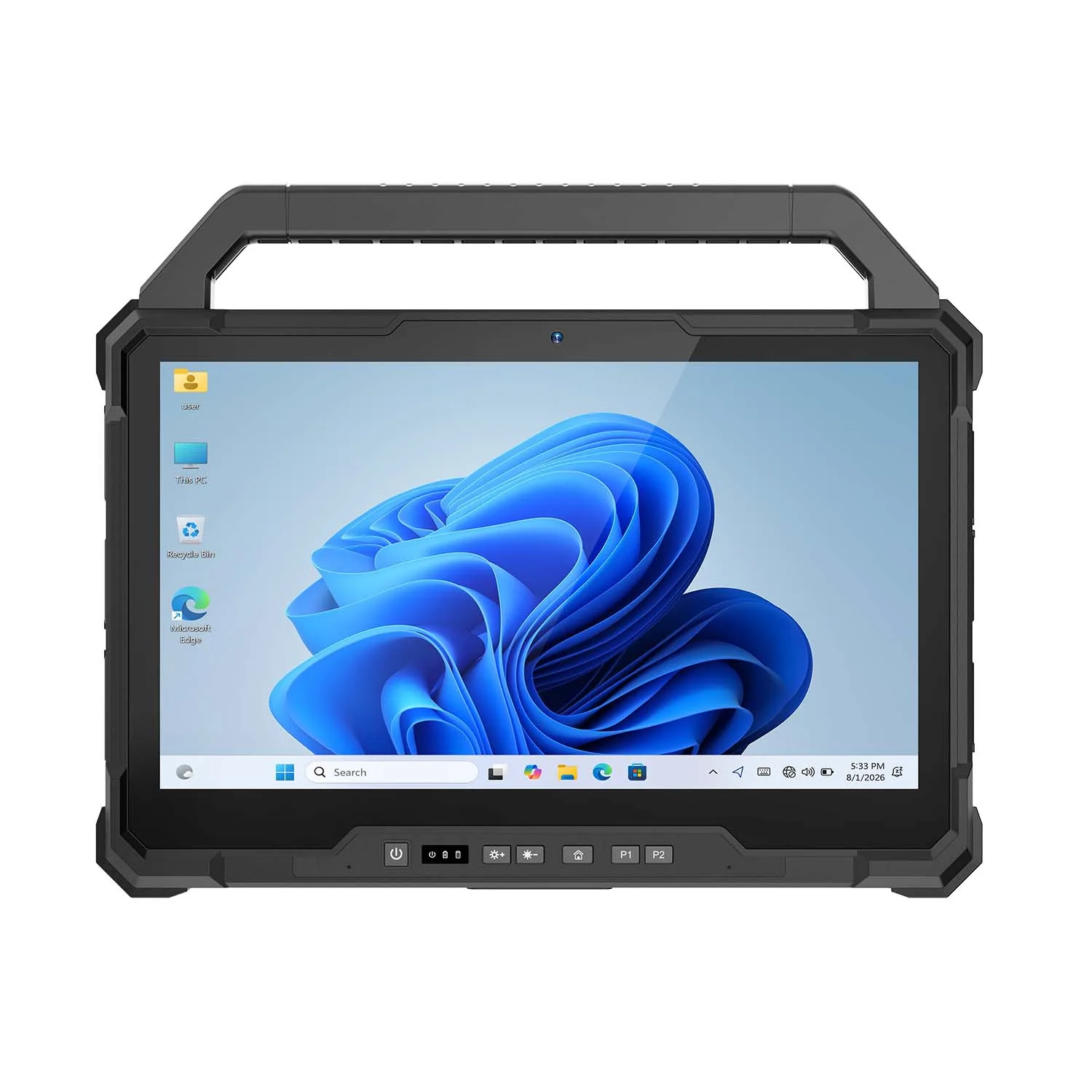
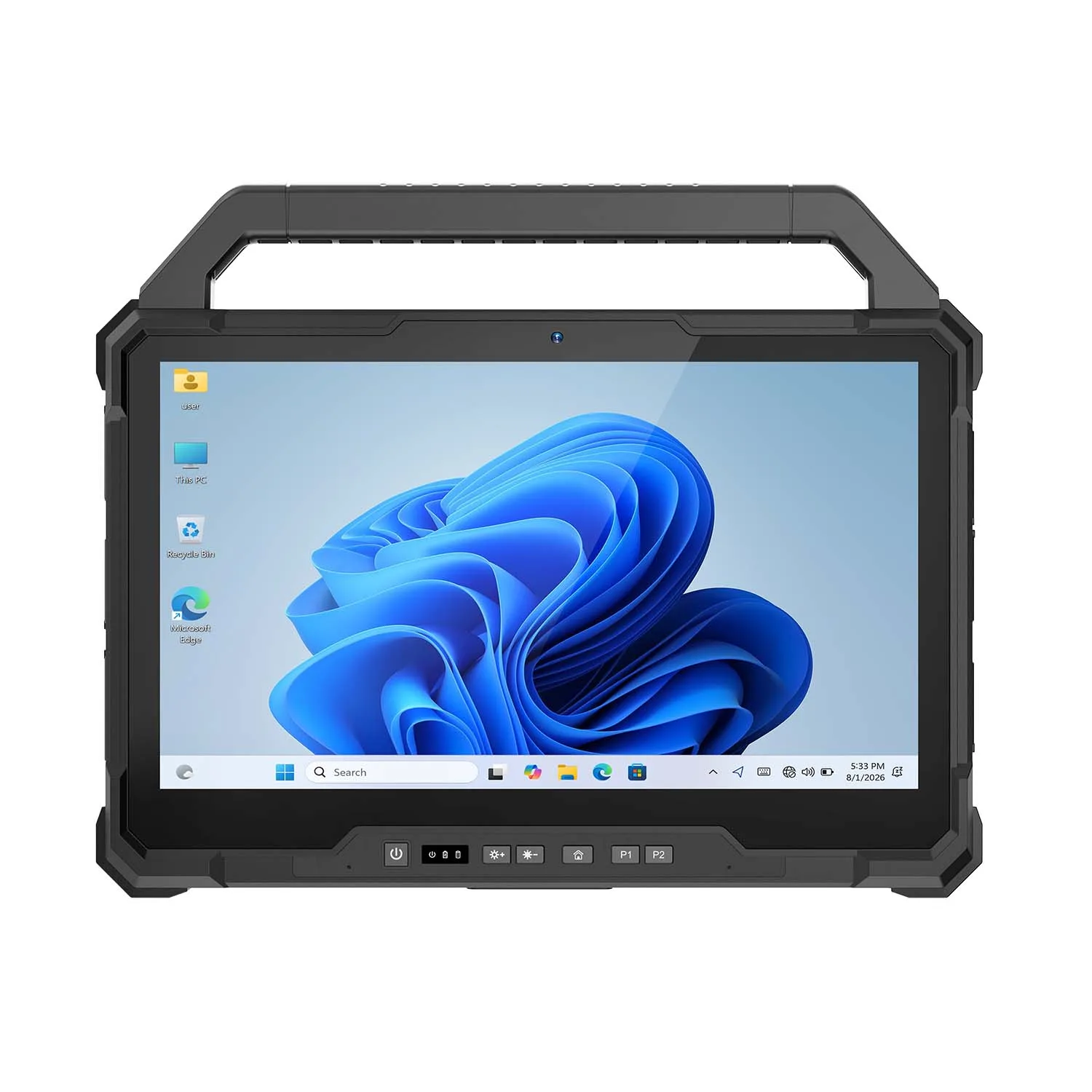
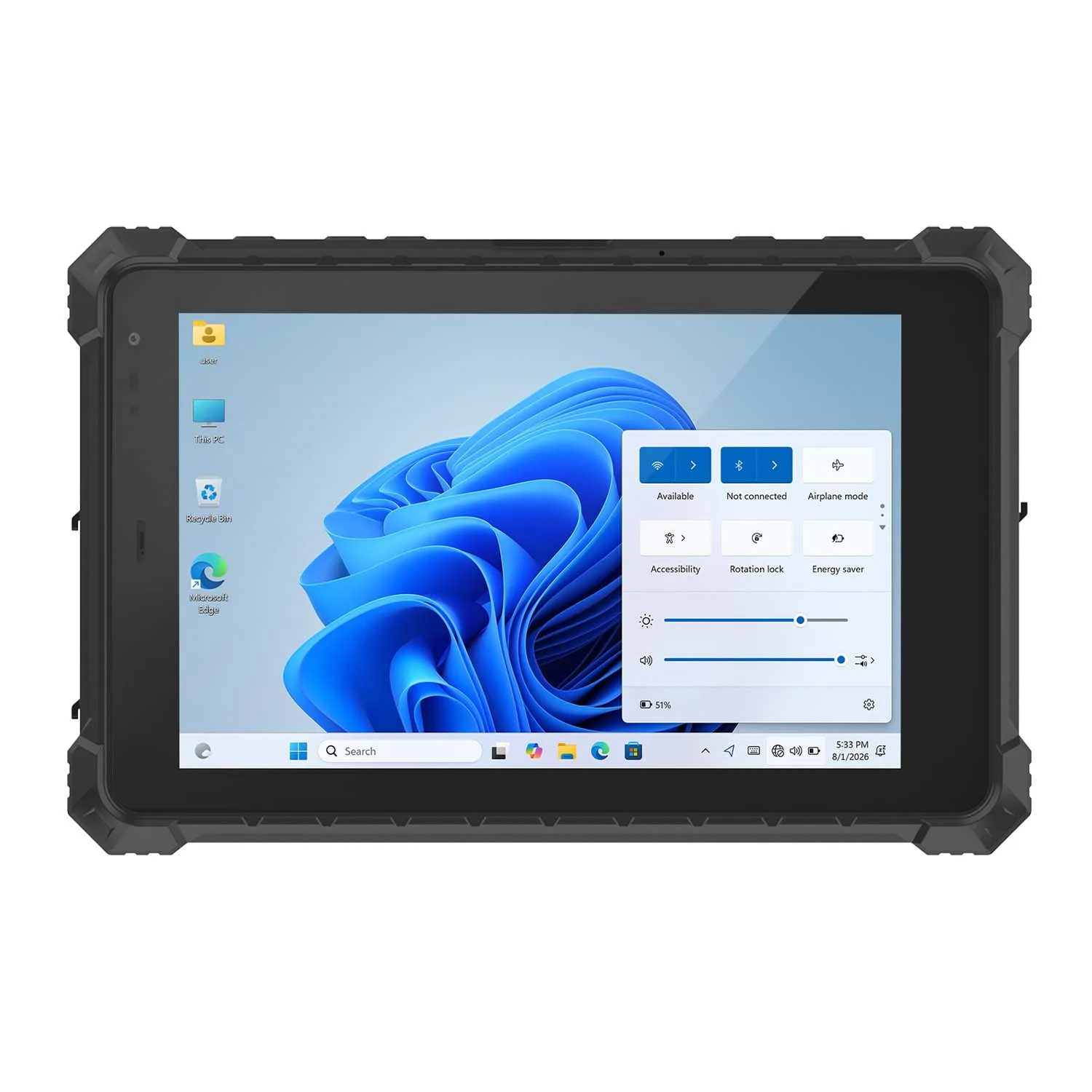
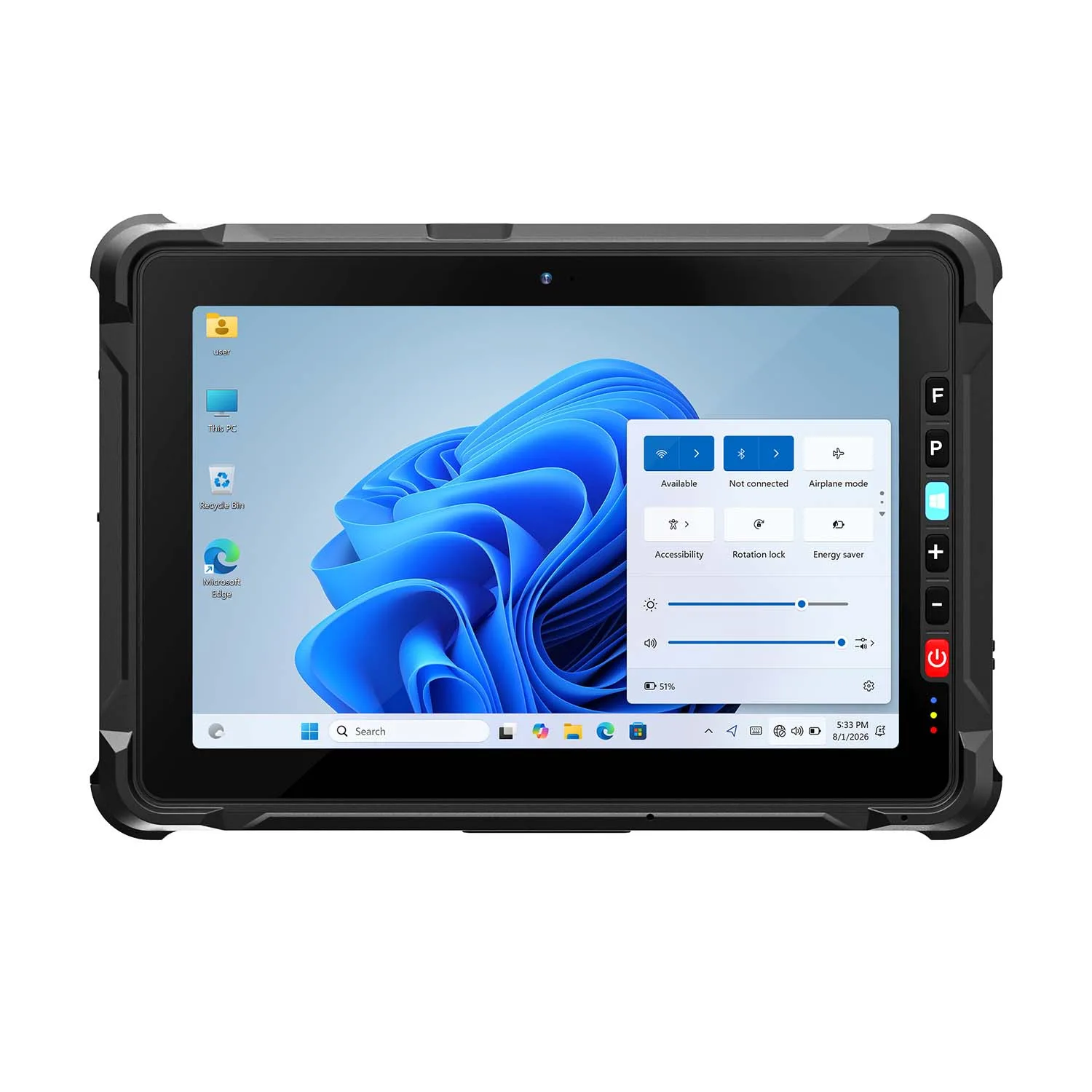
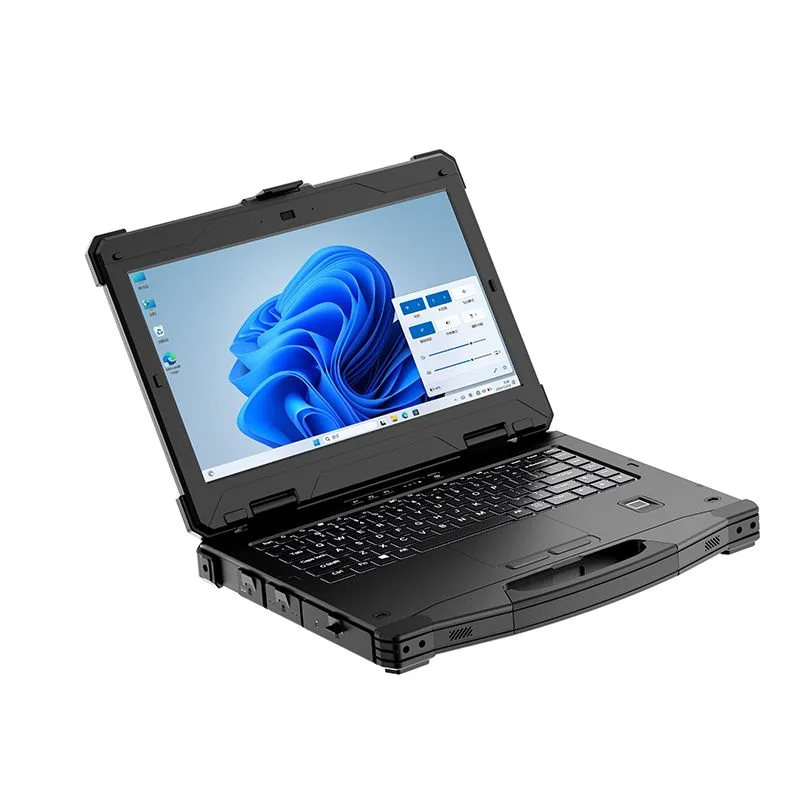
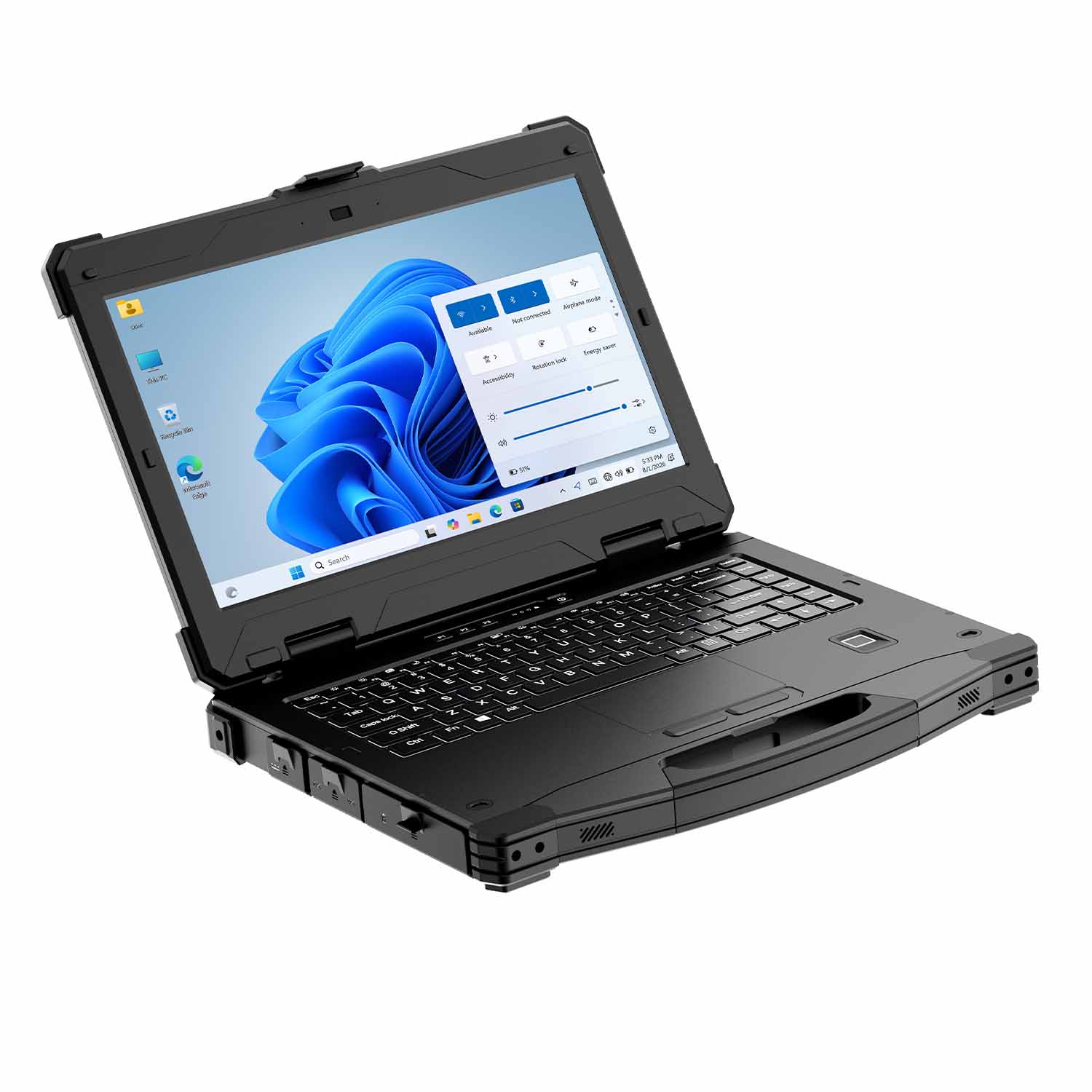
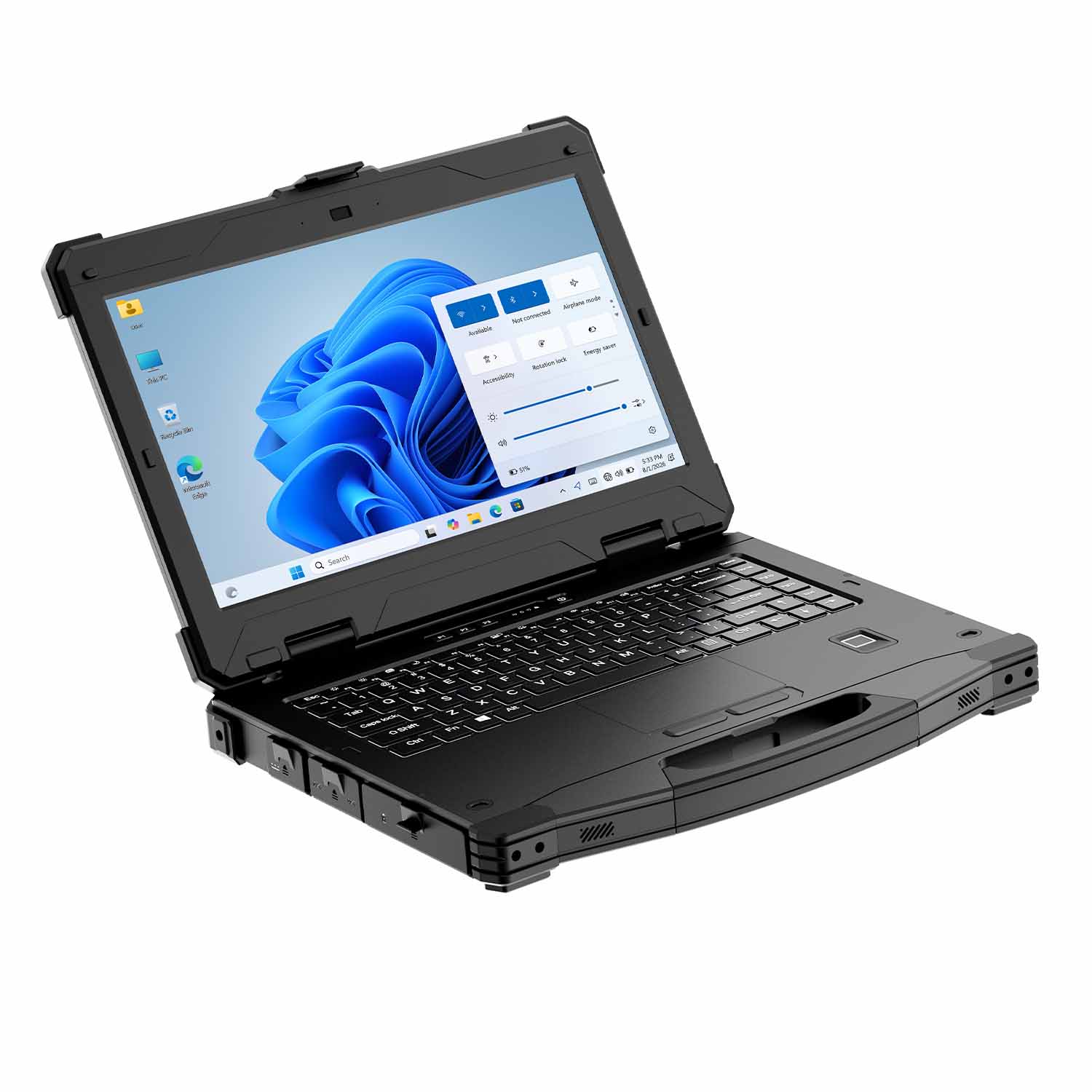
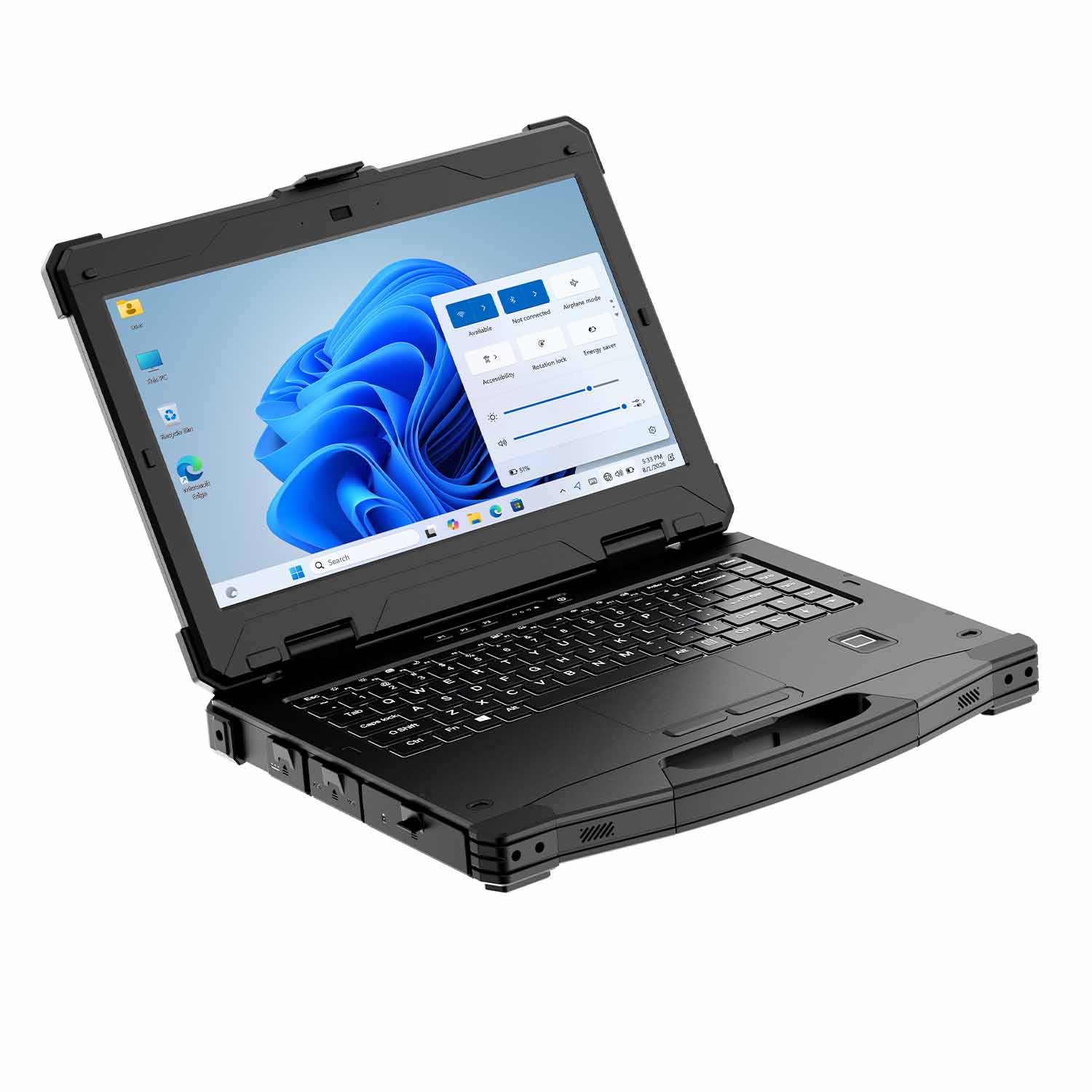
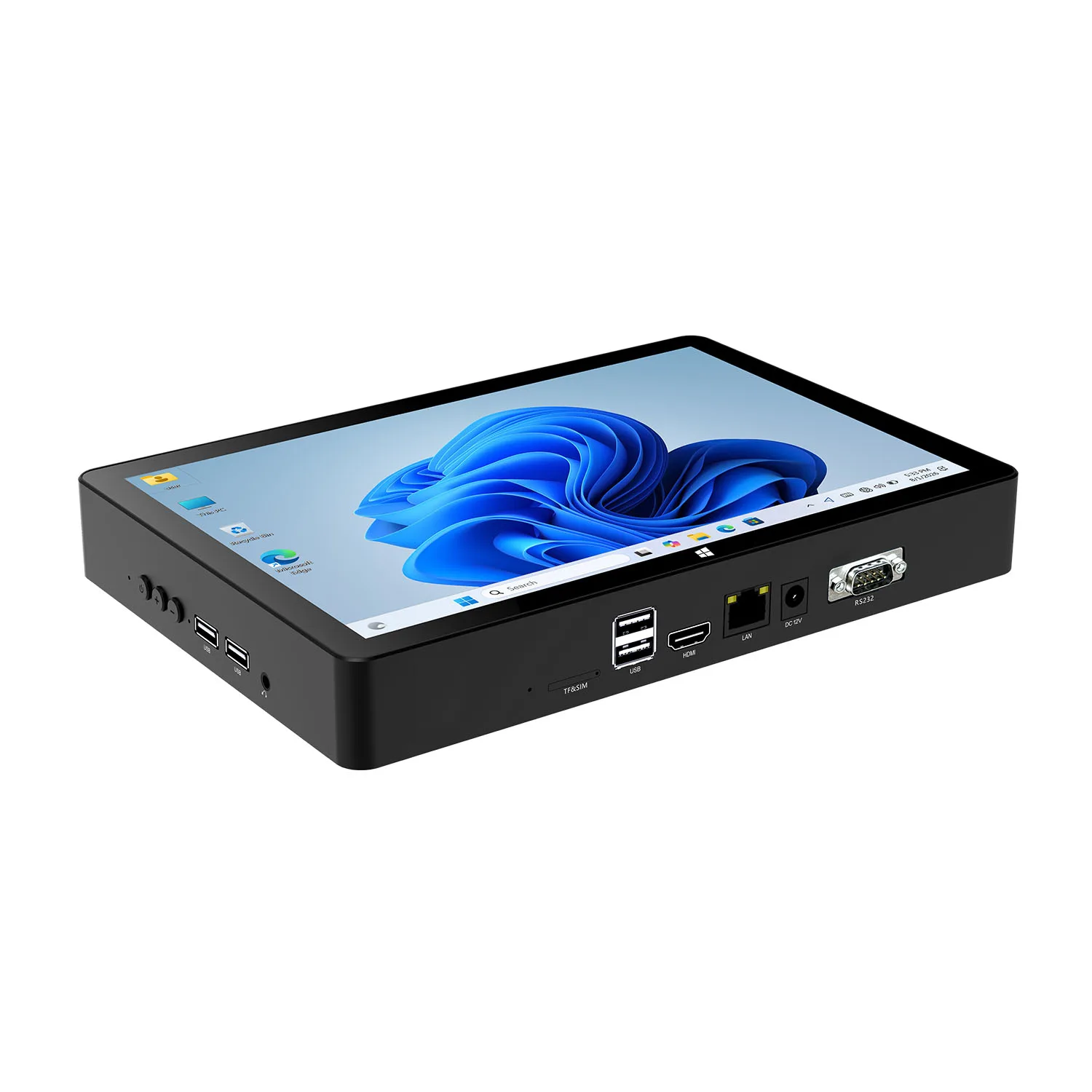
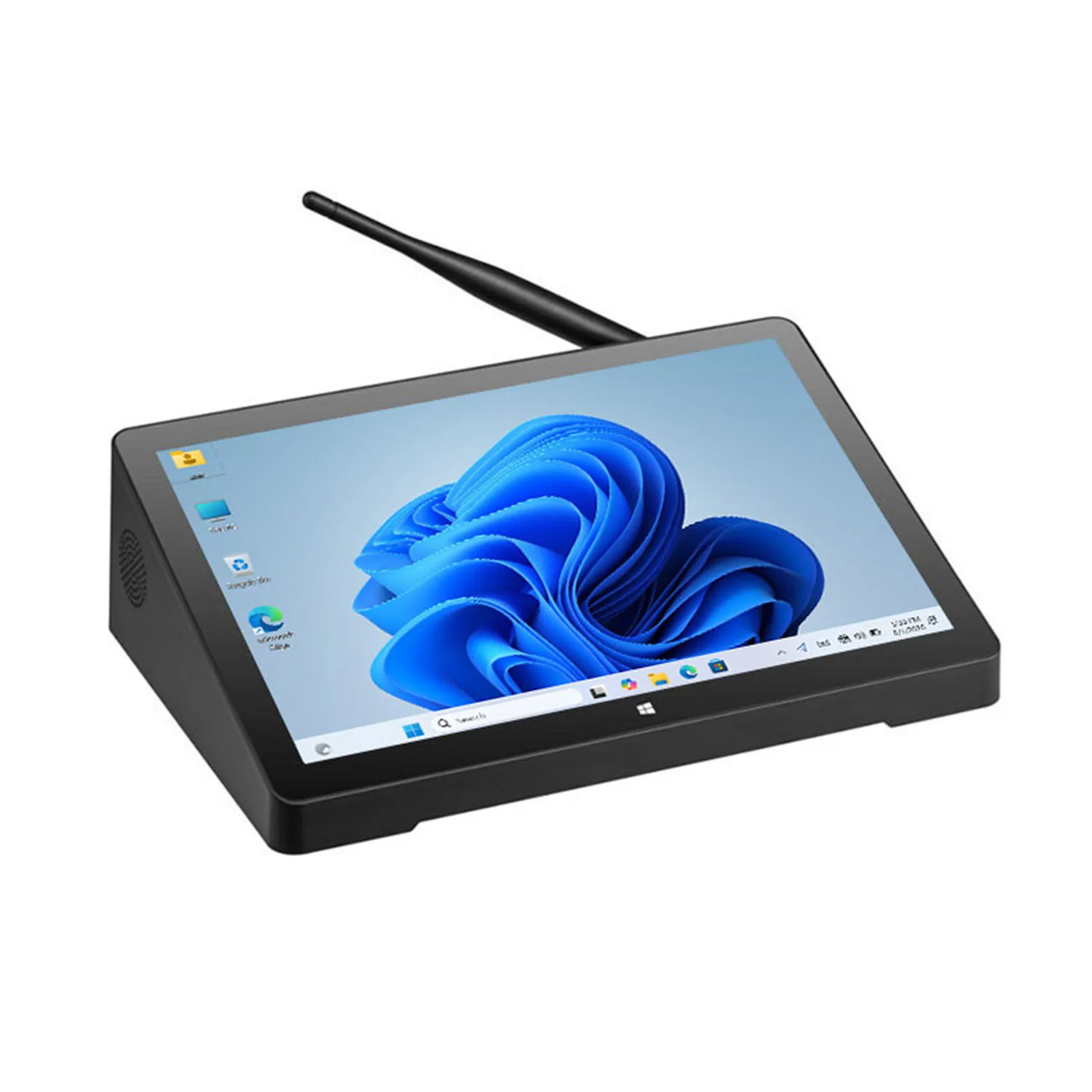
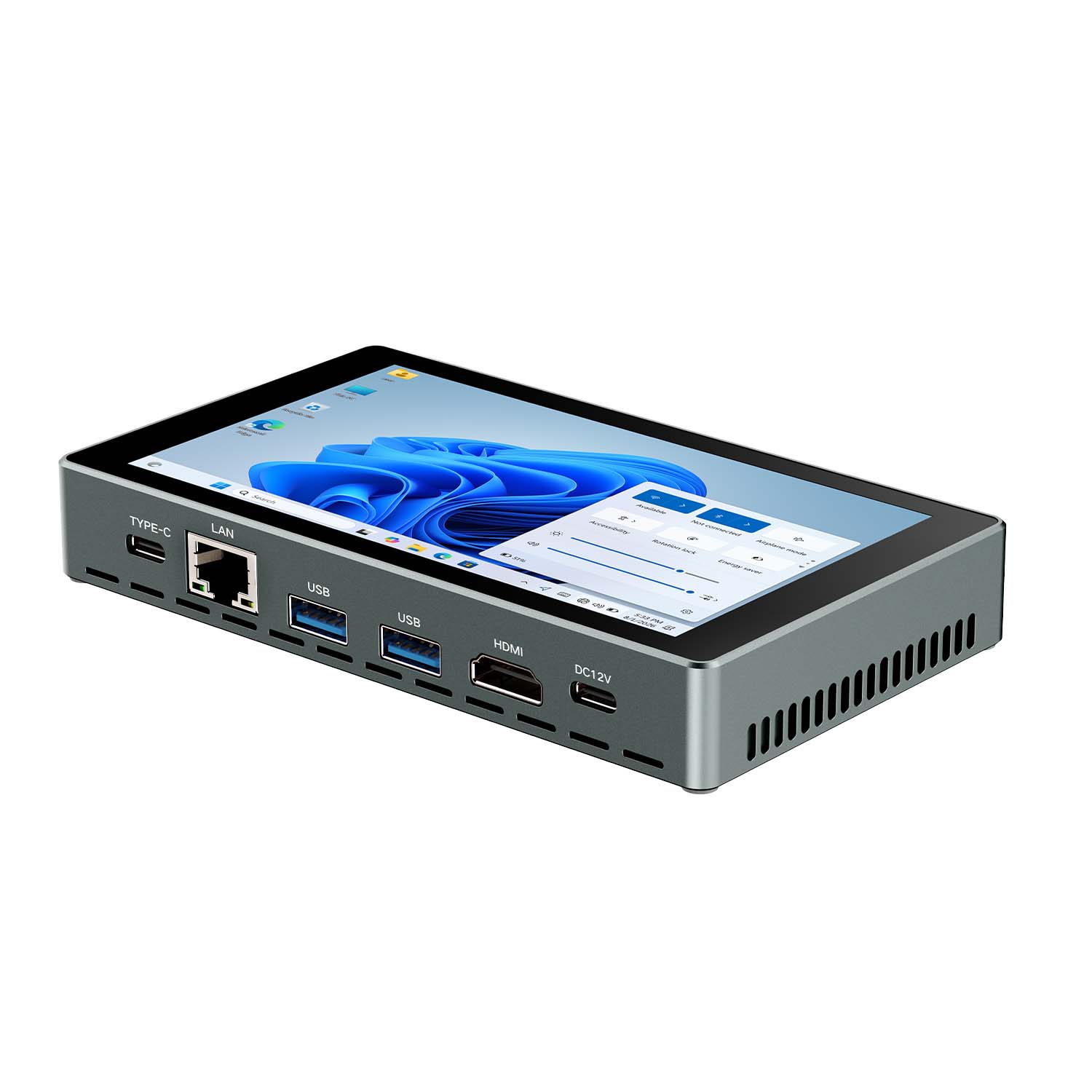
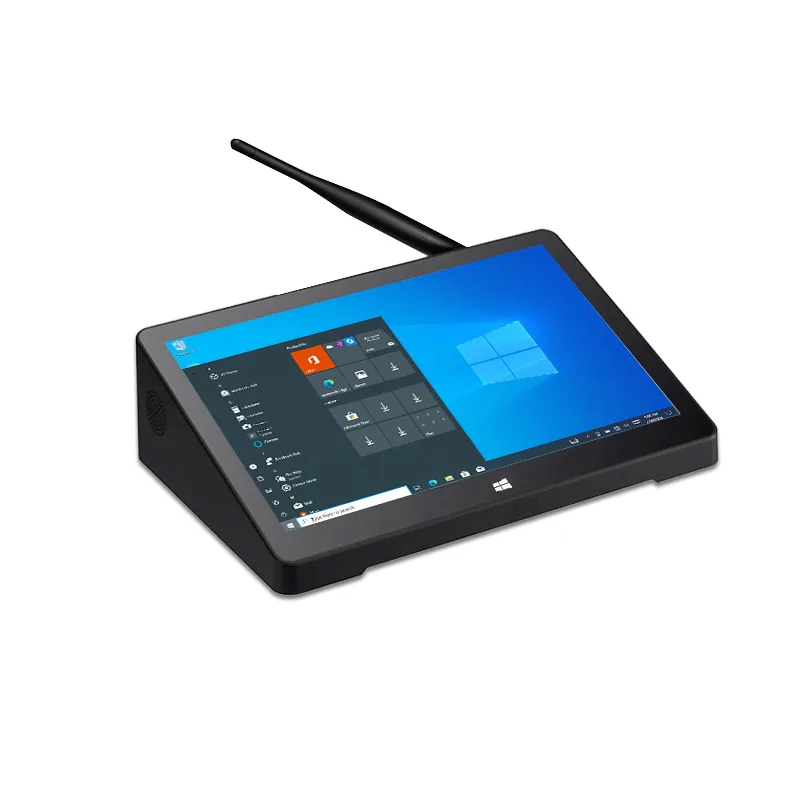
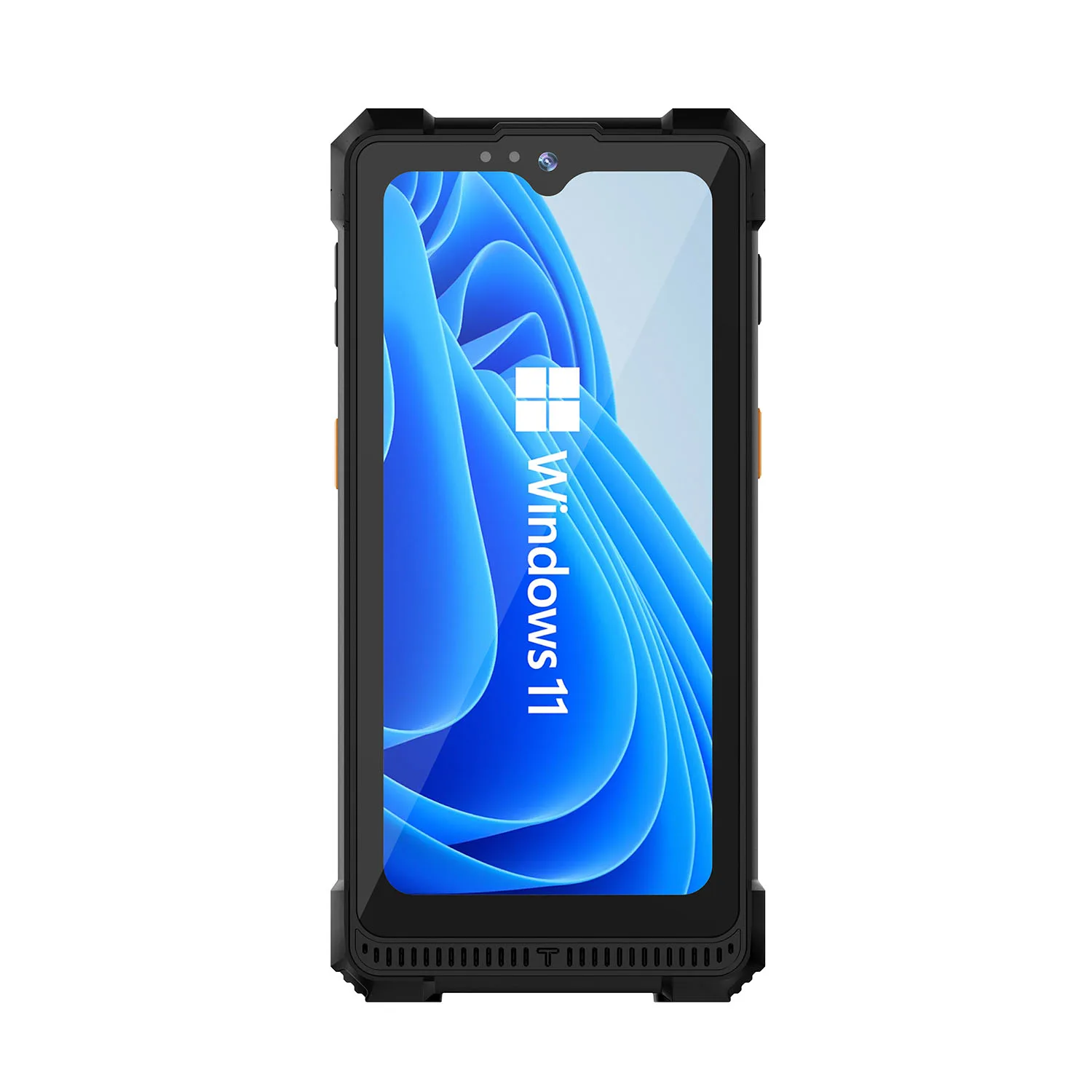
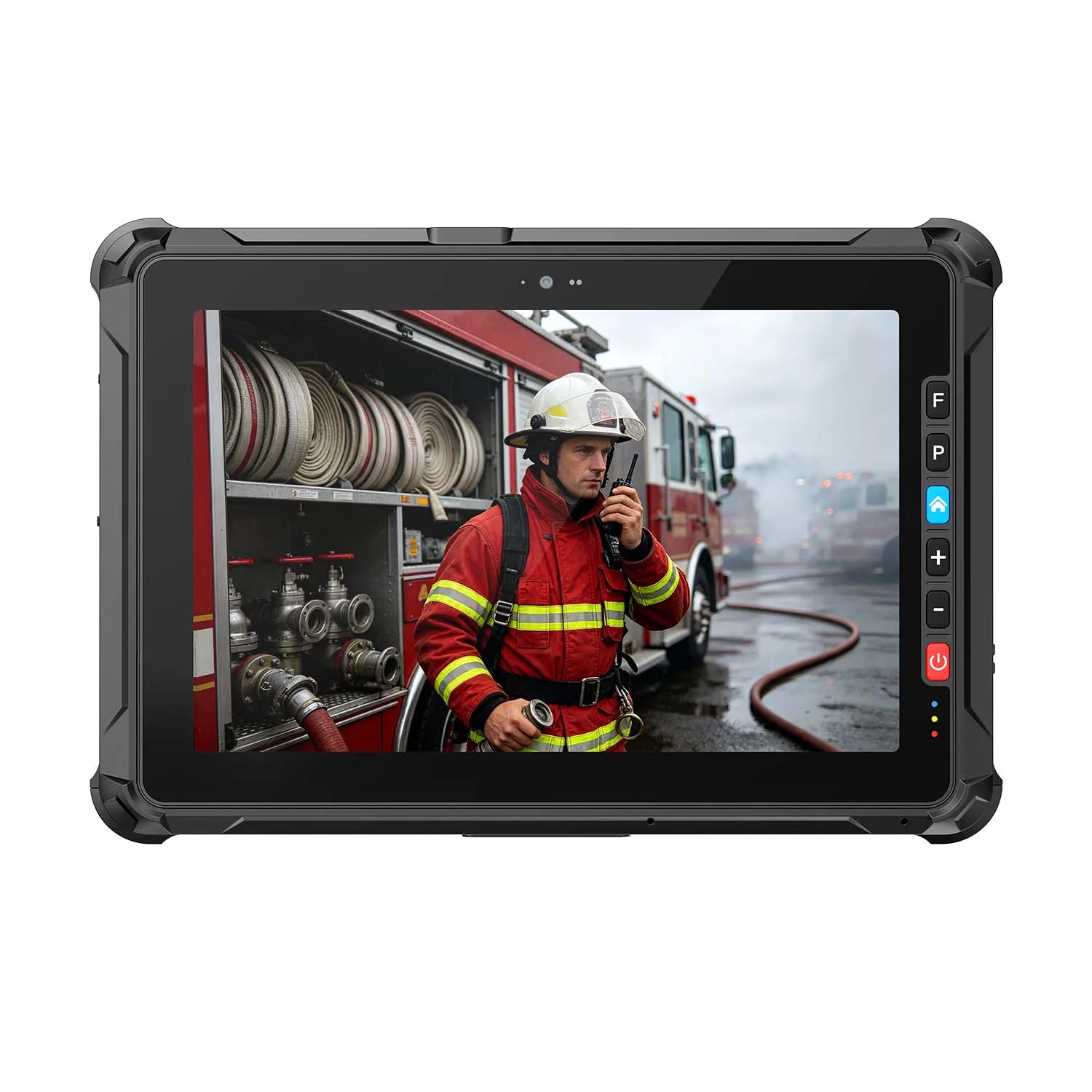
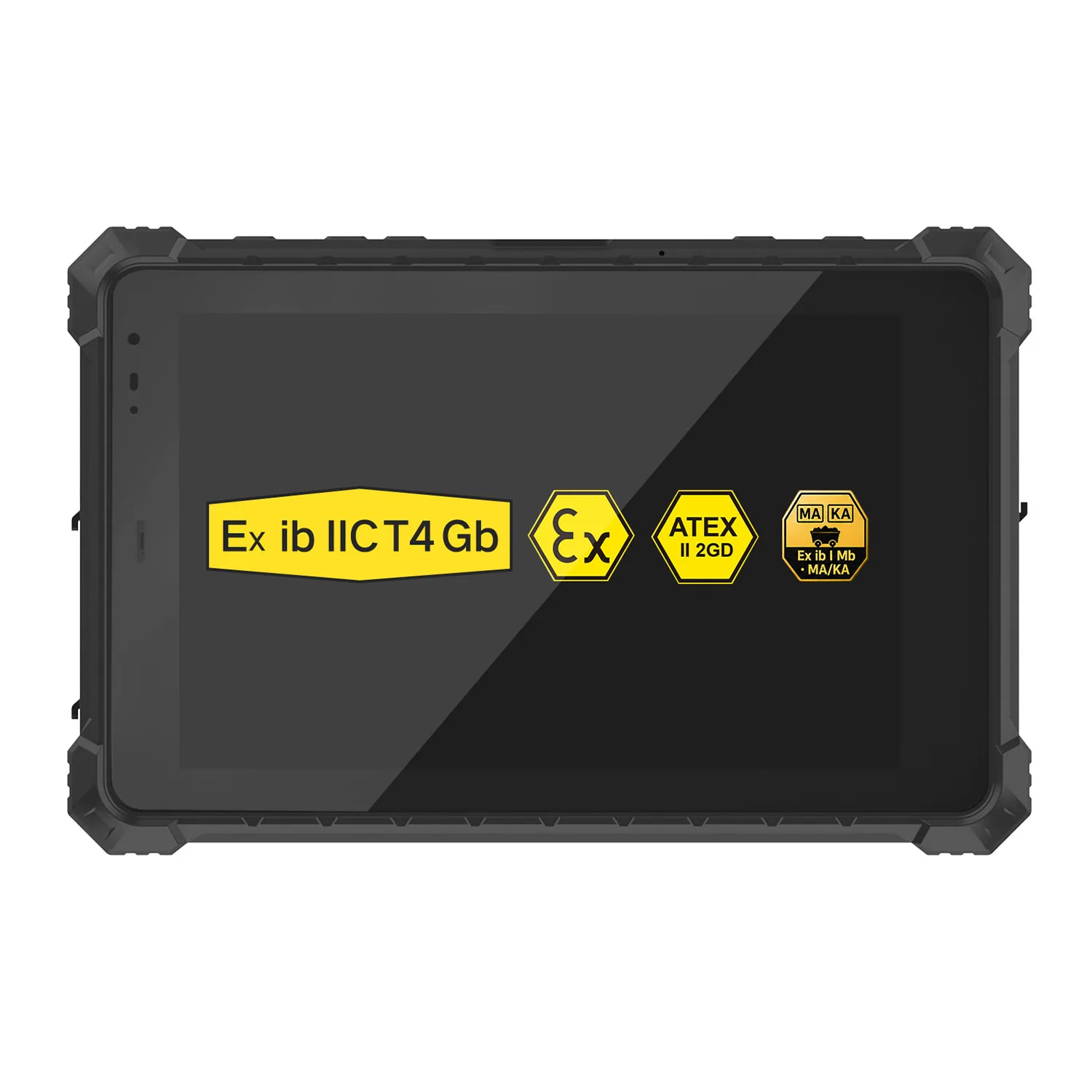
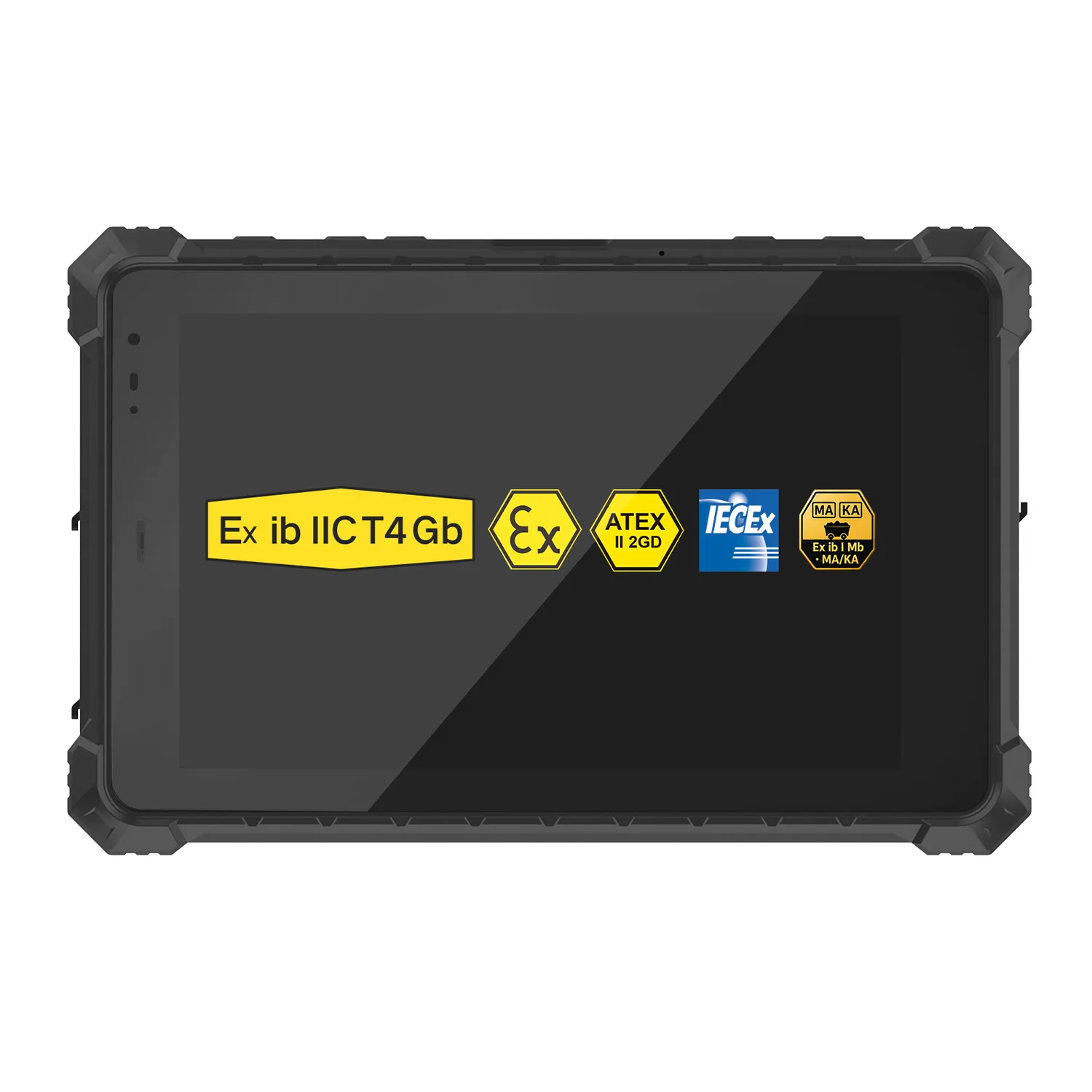
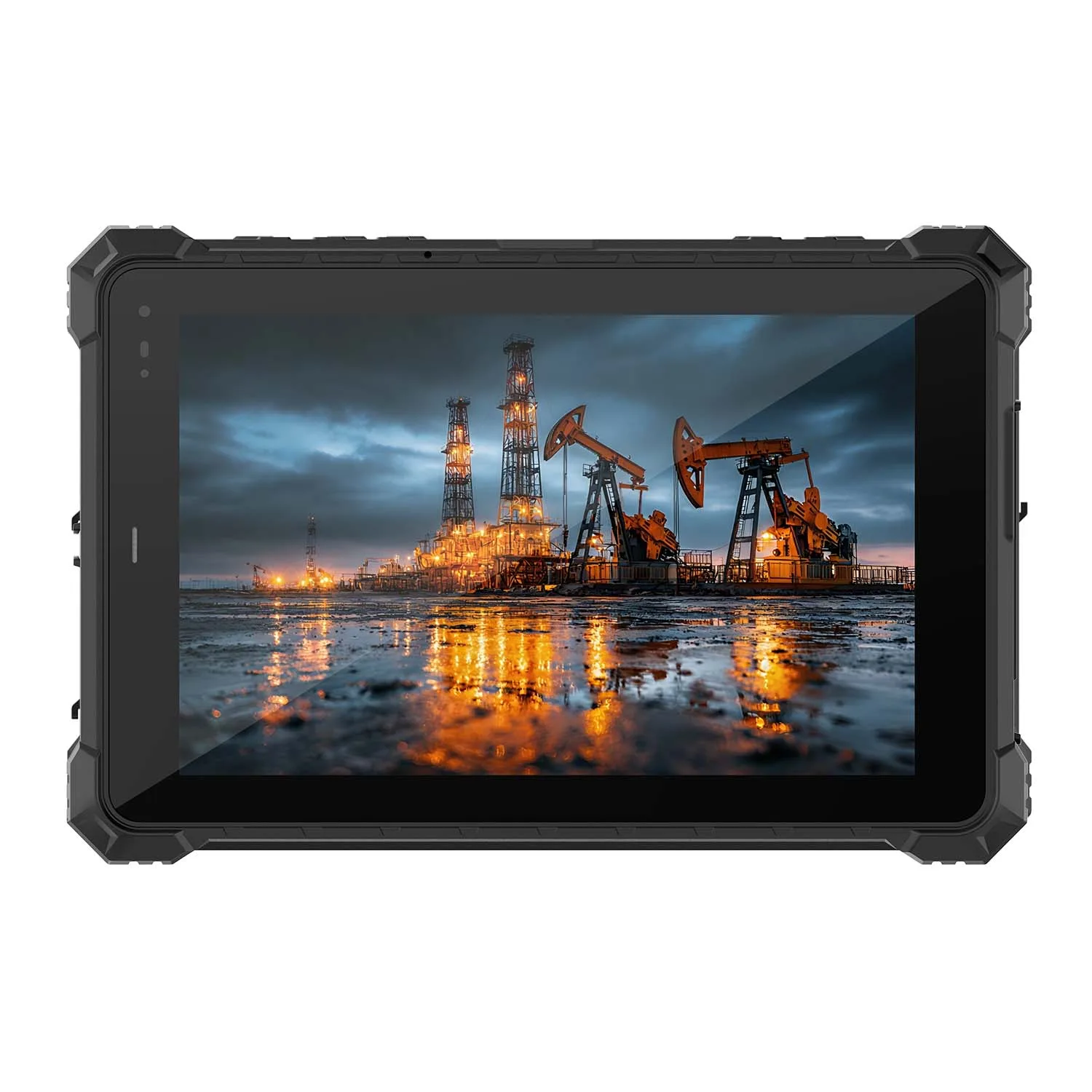
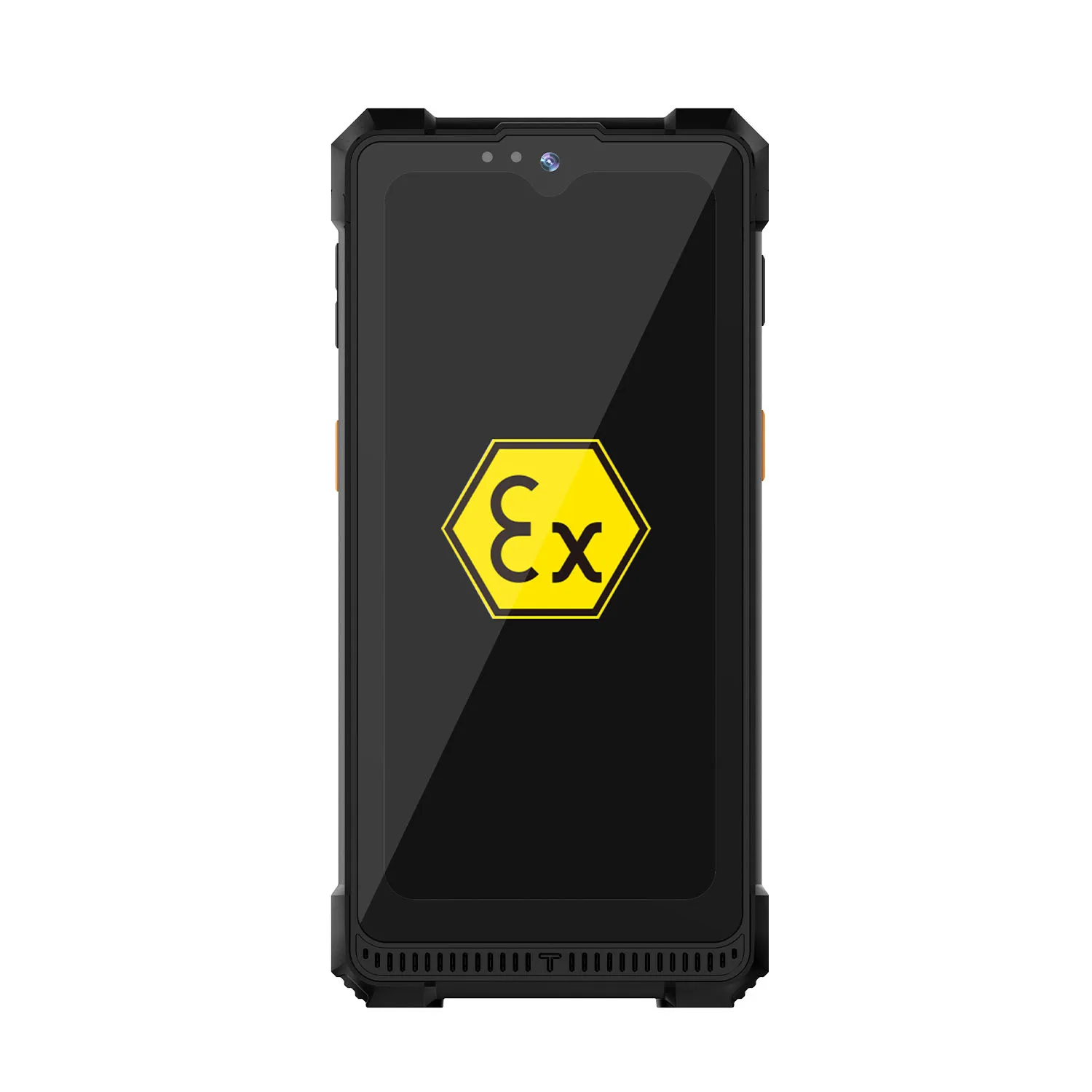
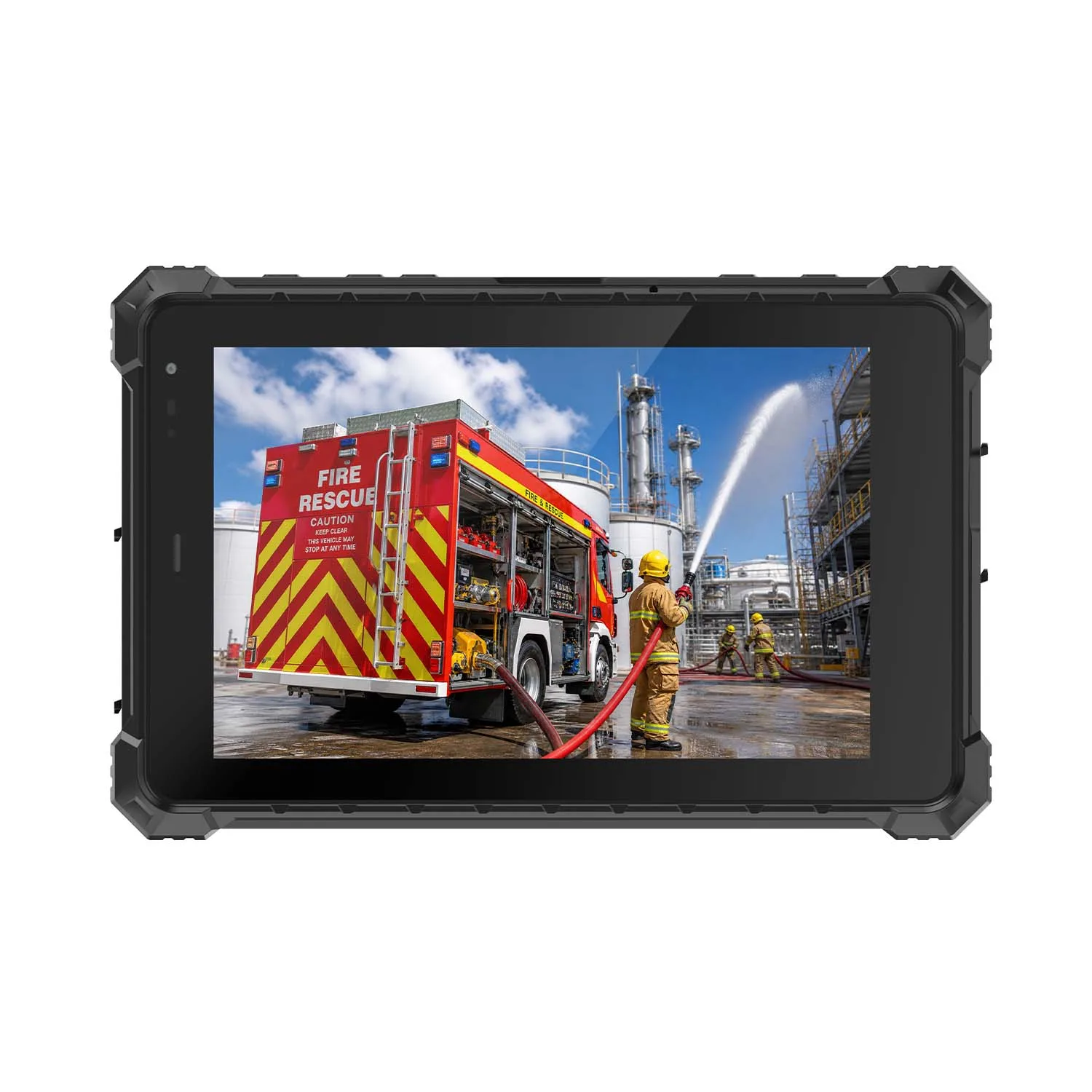






Rugged Tablets for Data Collection & Vehicle-Mounted Use
Rugged tablets outperform consumer devices for data collection because they survive the wet, dusty, and vibration-heavy conditions field and vehicle-mounted work actually involves — IP68 sealing, MIL-STD-810H shock resistance, EMI shielding, and multi-GNSS positioning all support more reliable, accurate data capture than a standard tablet could deliver in the same environment.
The Importance of Data Collection
Data collection — gathering and organizing information about a specific topic or field — provides critical support for decision-making, business analysis, and trend discovery.For decision-making: reliable data from multiple sources gives decision-makers a more comprehensive, accurate basis for informed choices.For business analysis: in-depth data analysis helps companies understand product, market, and customer performance, spot opportunities and problems, and benchmark against competitors.For spotting trends: historical data analysis reveals patterns that guide future planning, while market research and customer feedback help predict shifts in demand and behavior.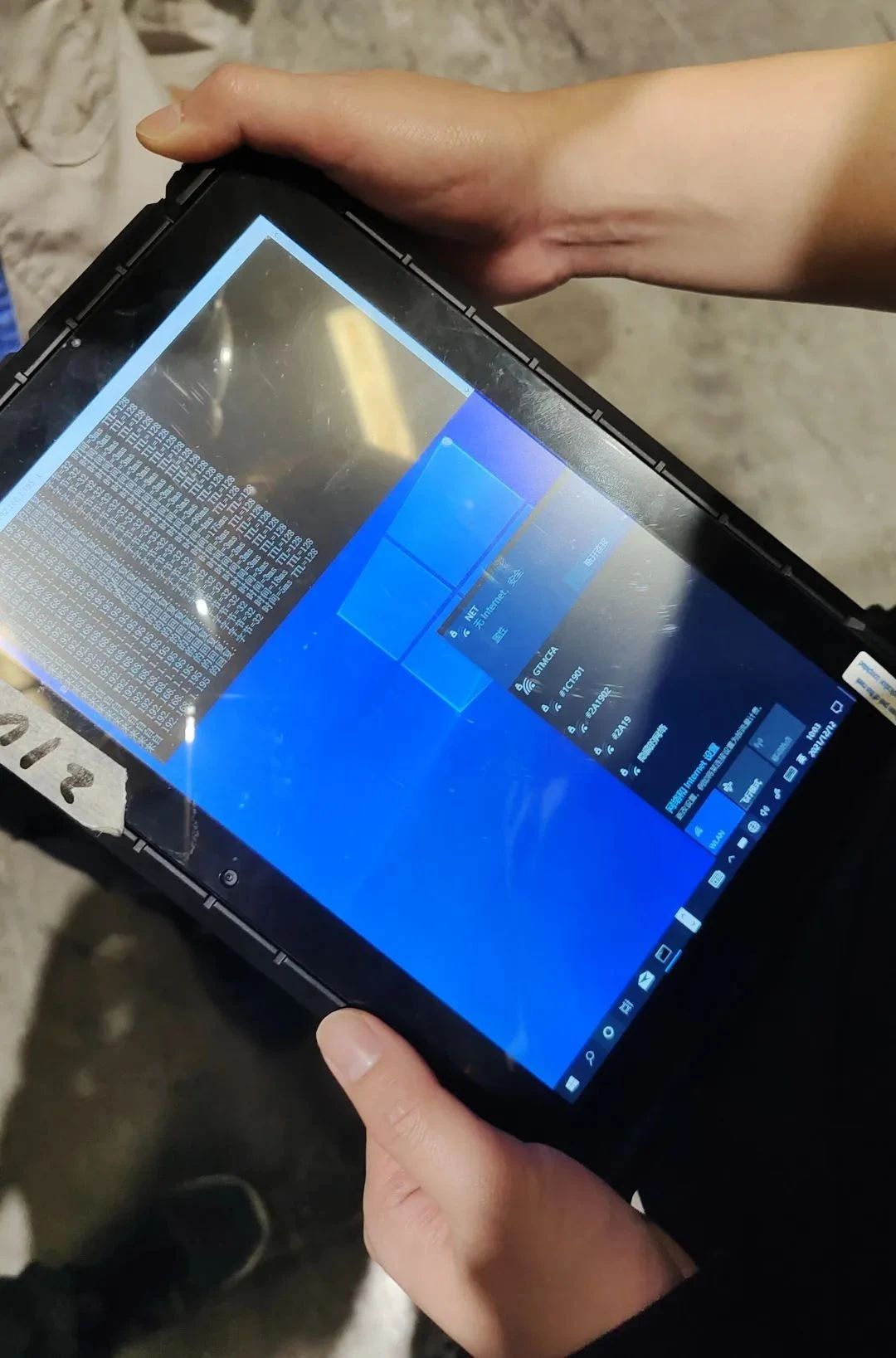
Why Rugged Tablets Suit Data Collection Work
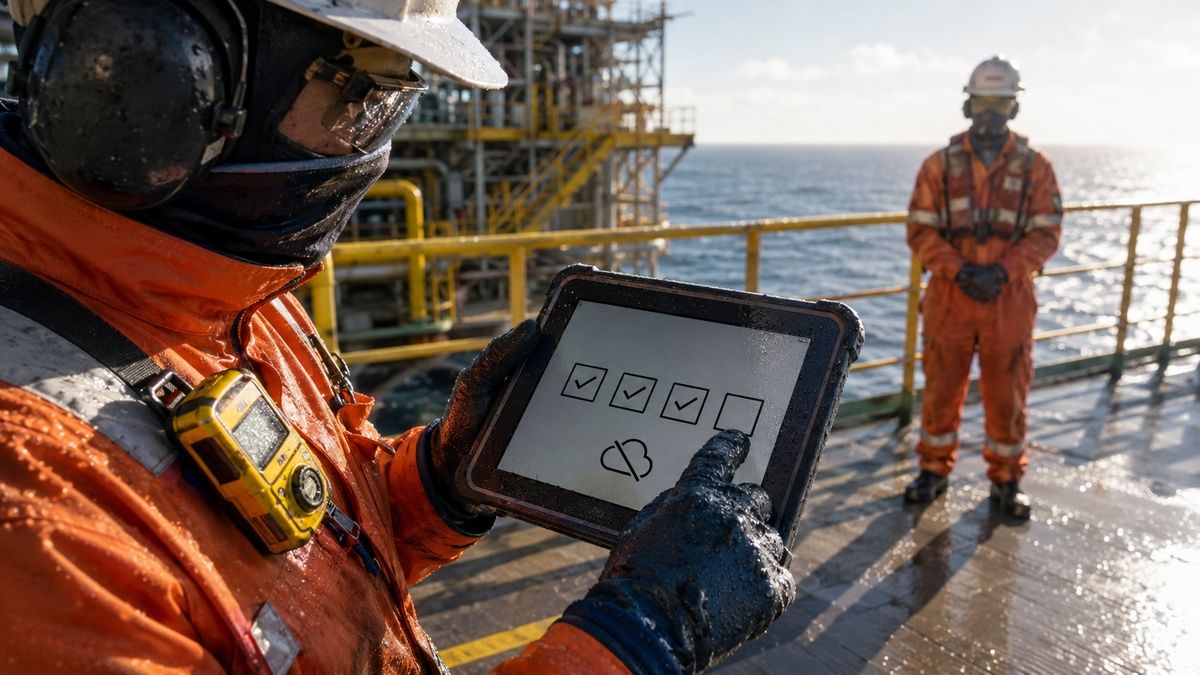
Data collection spans collecting, storing, processing, and analyzing large amounts of data — often in environments that punish standard hardware. A rugged tablet's IP68 waterproof/dustproof/shockproof design keeps it operating reliably where a consumer tablet would fail.Waterproofing matters for fieldwork near water — ponds, rivers, and generally humid conditions. It's worth being precise here: IP68 certification confirms a device can survive brief, limited water immersion (typically around 1 meter for 30 minutes) without internal damage — it does not mean the tablet functions normally for active data entry while actually submerged. Touchscreens (particularly capacitive ones) generally don't register touches reliably underwater, since water itself conducts and interferes with touch detection. The real-world benefit is resilience against splashes, rain, and accidental brief immersion — not underwater operation.Dust resistance matters in mining, construction, and other particulate-heavy environments, where dust ingress causes device failure or performance degradation in standard tablets. Rugged tablet housings are specifically sealed against this.Shock resistance matters anywhere vibration or impact is routine — mining, transportation, and similar settings — where a standard tablet risks damage that disrupts data collection mid-task.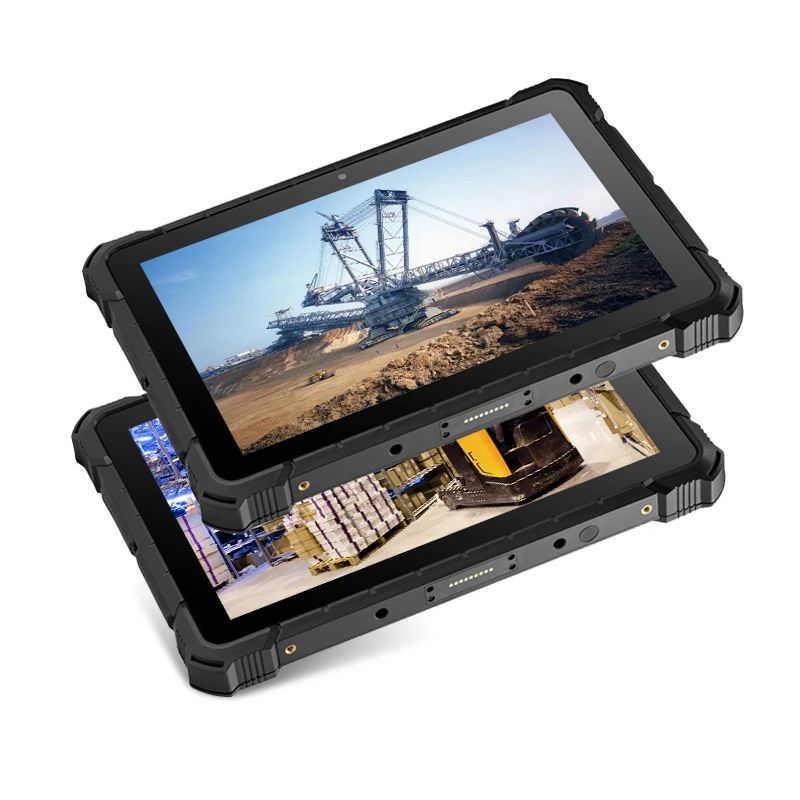
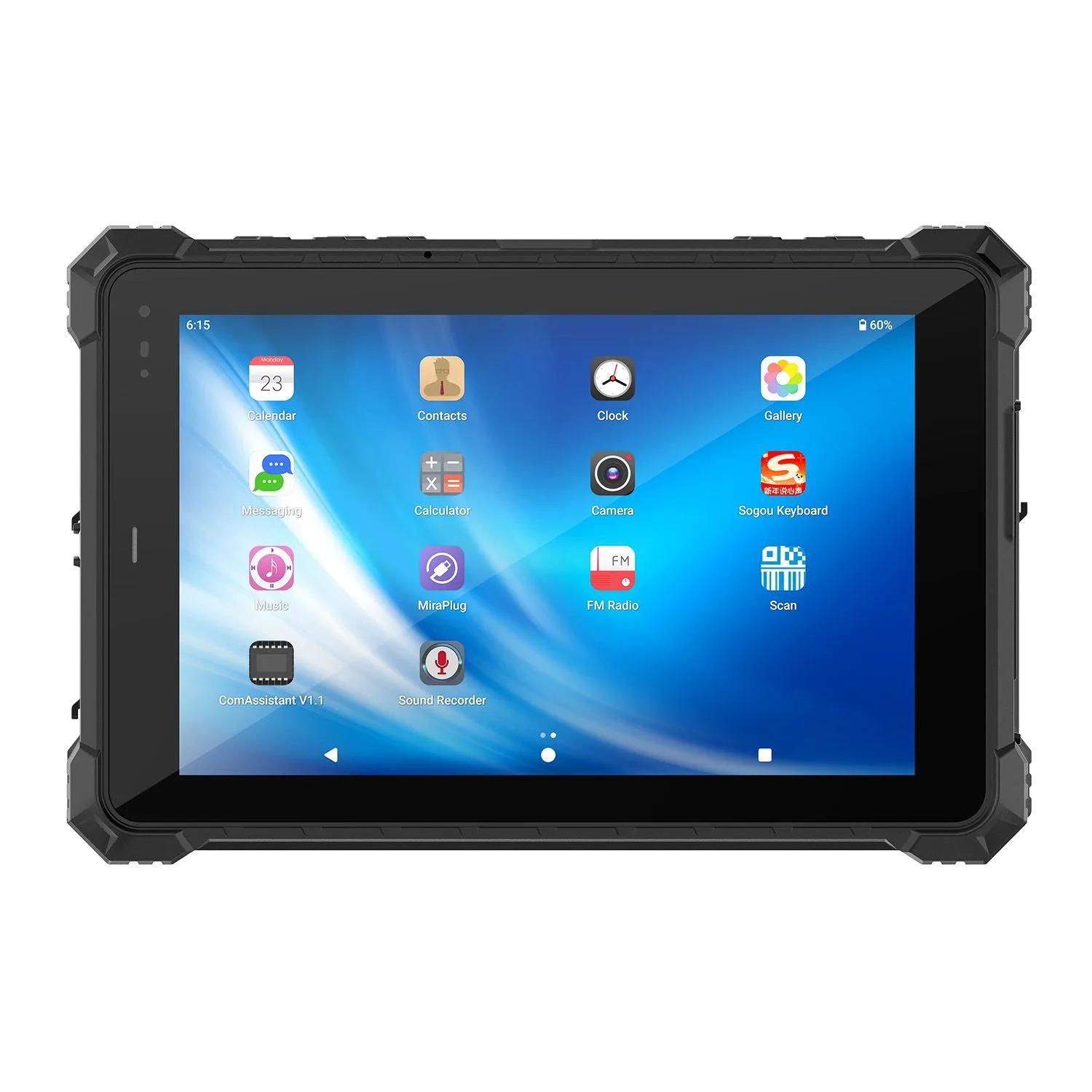
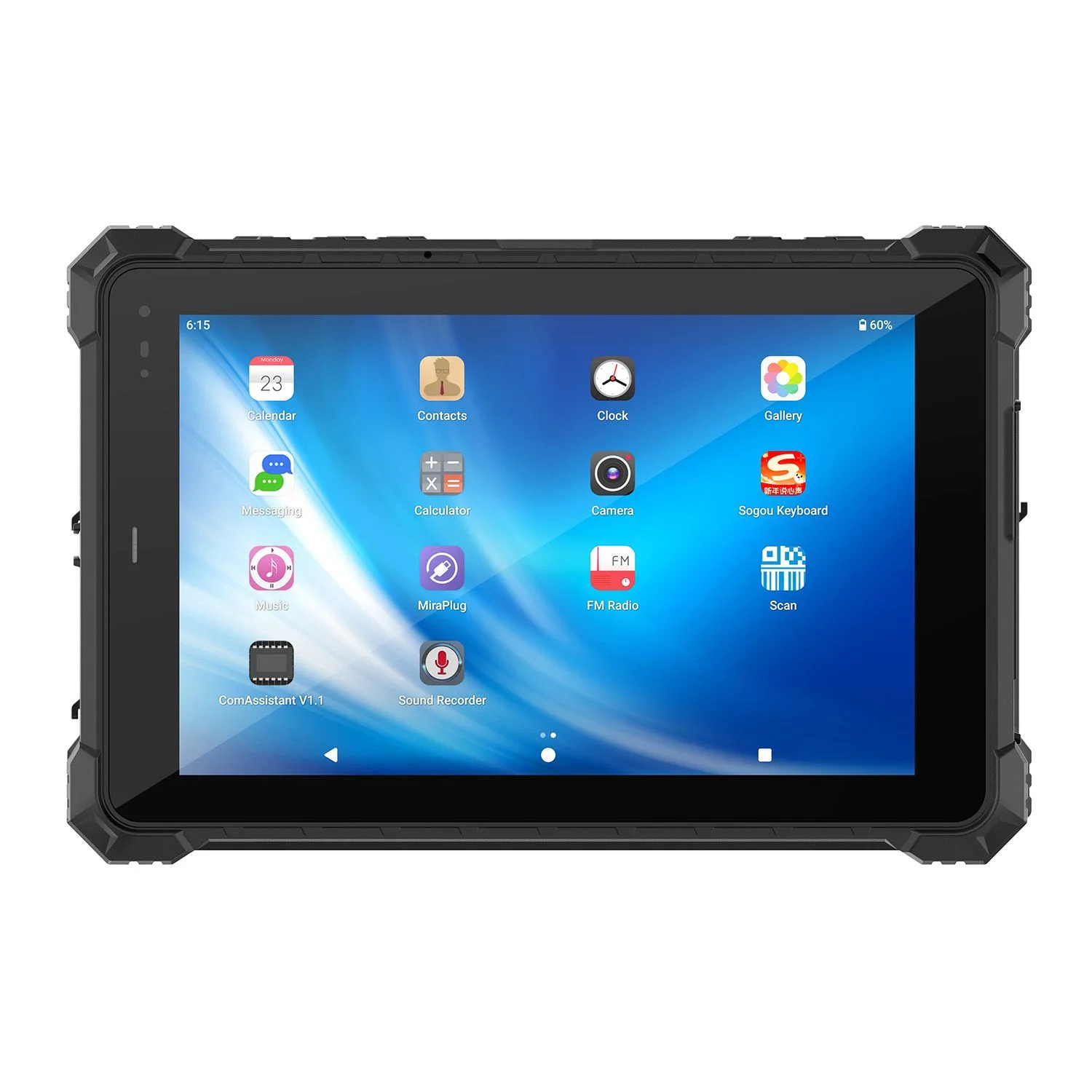
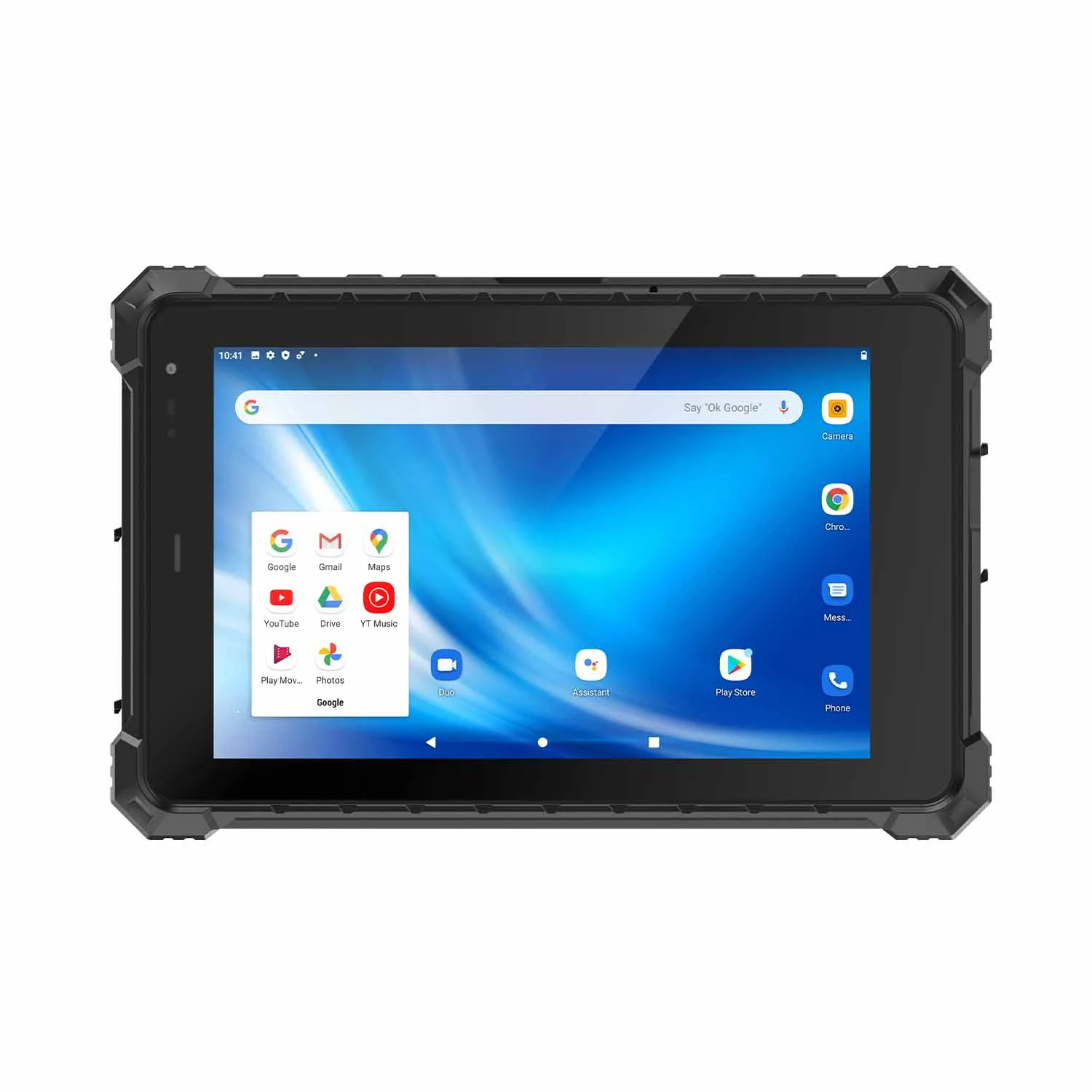
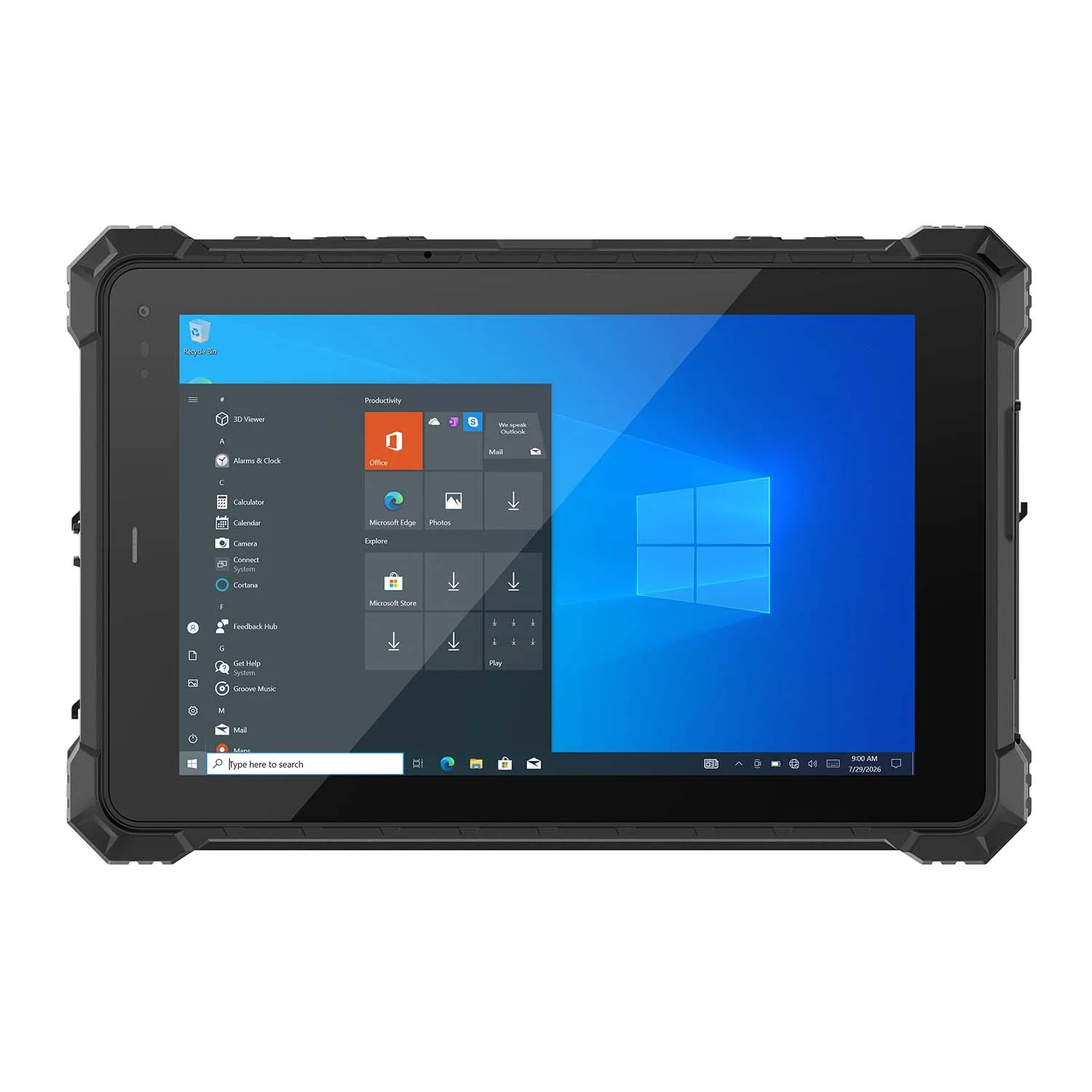
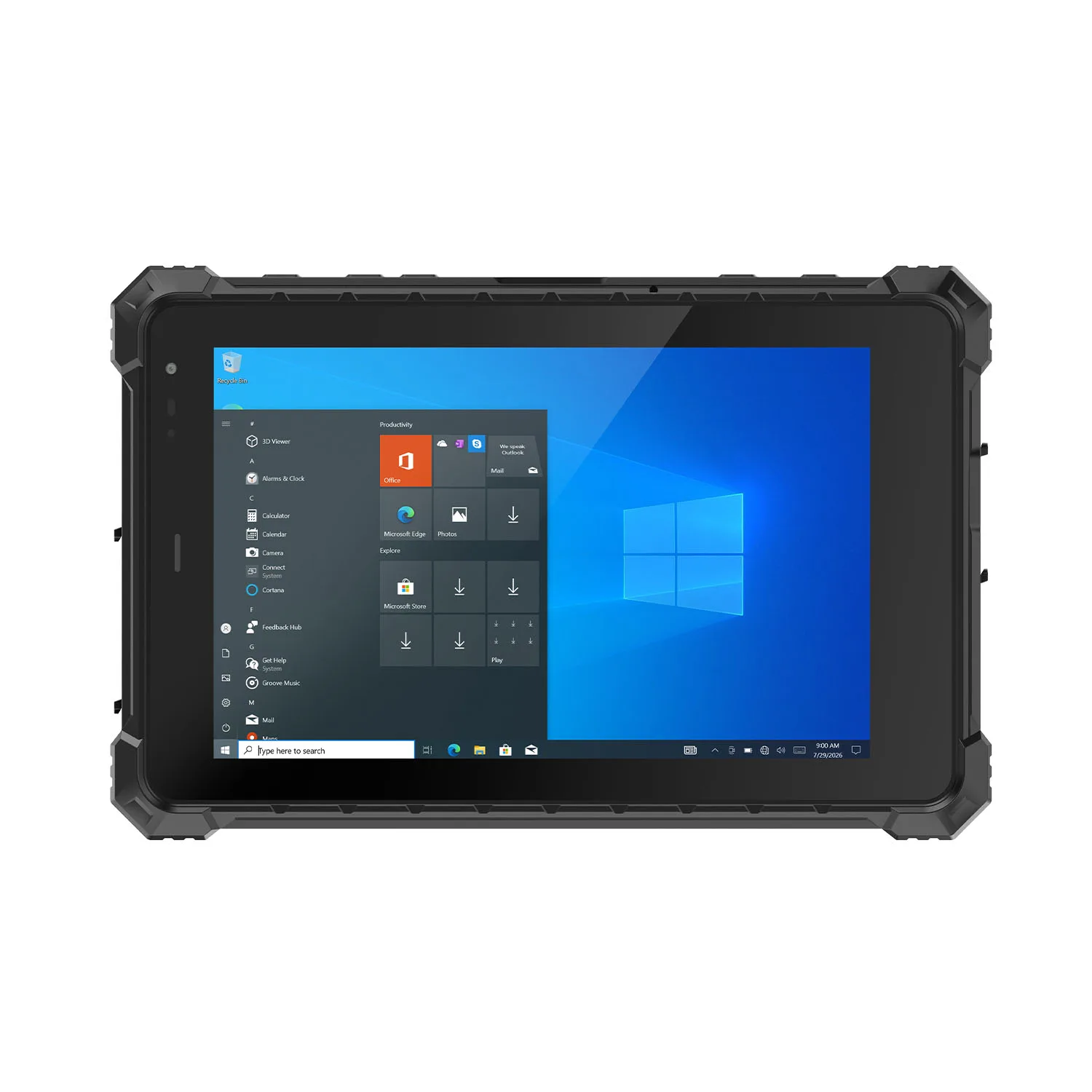
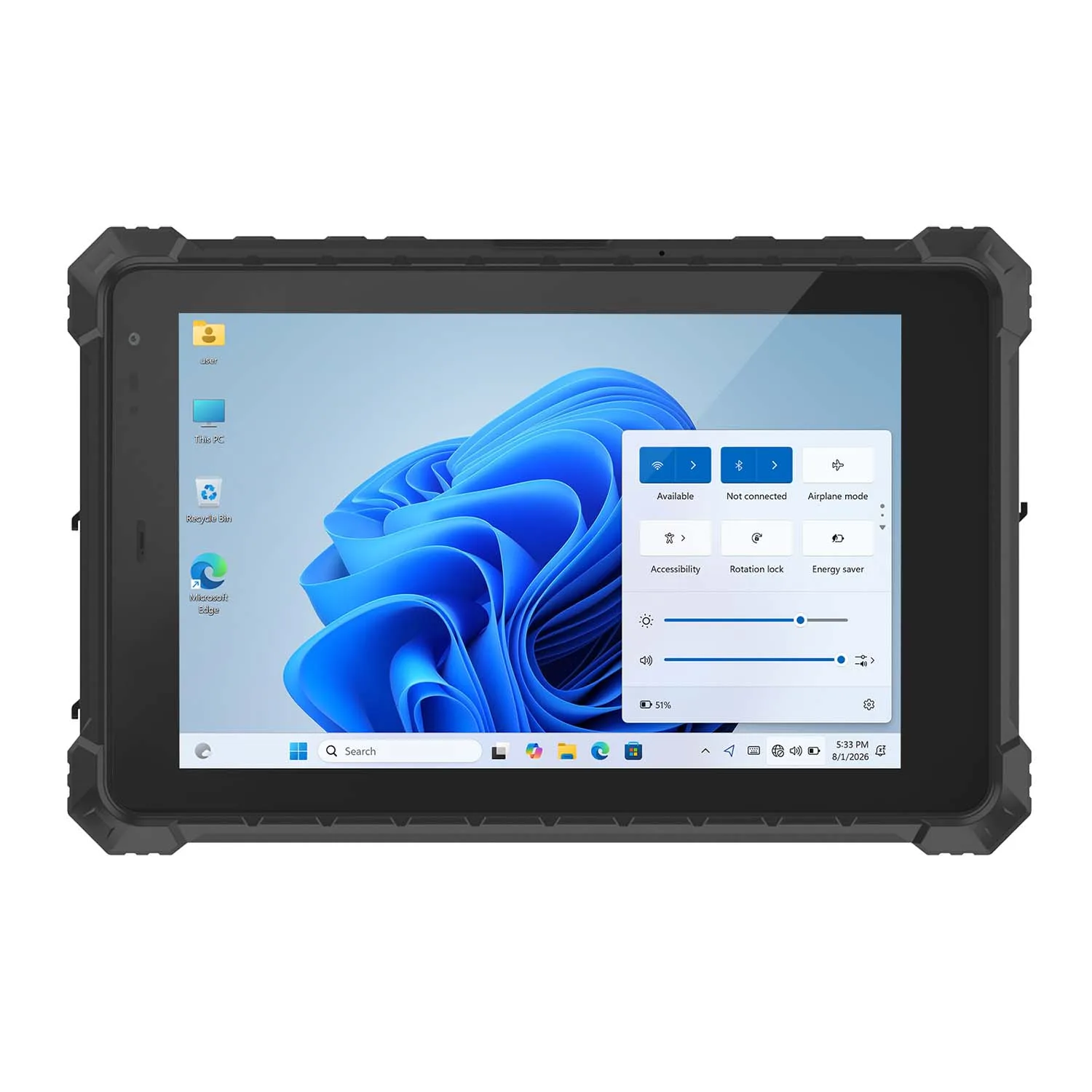
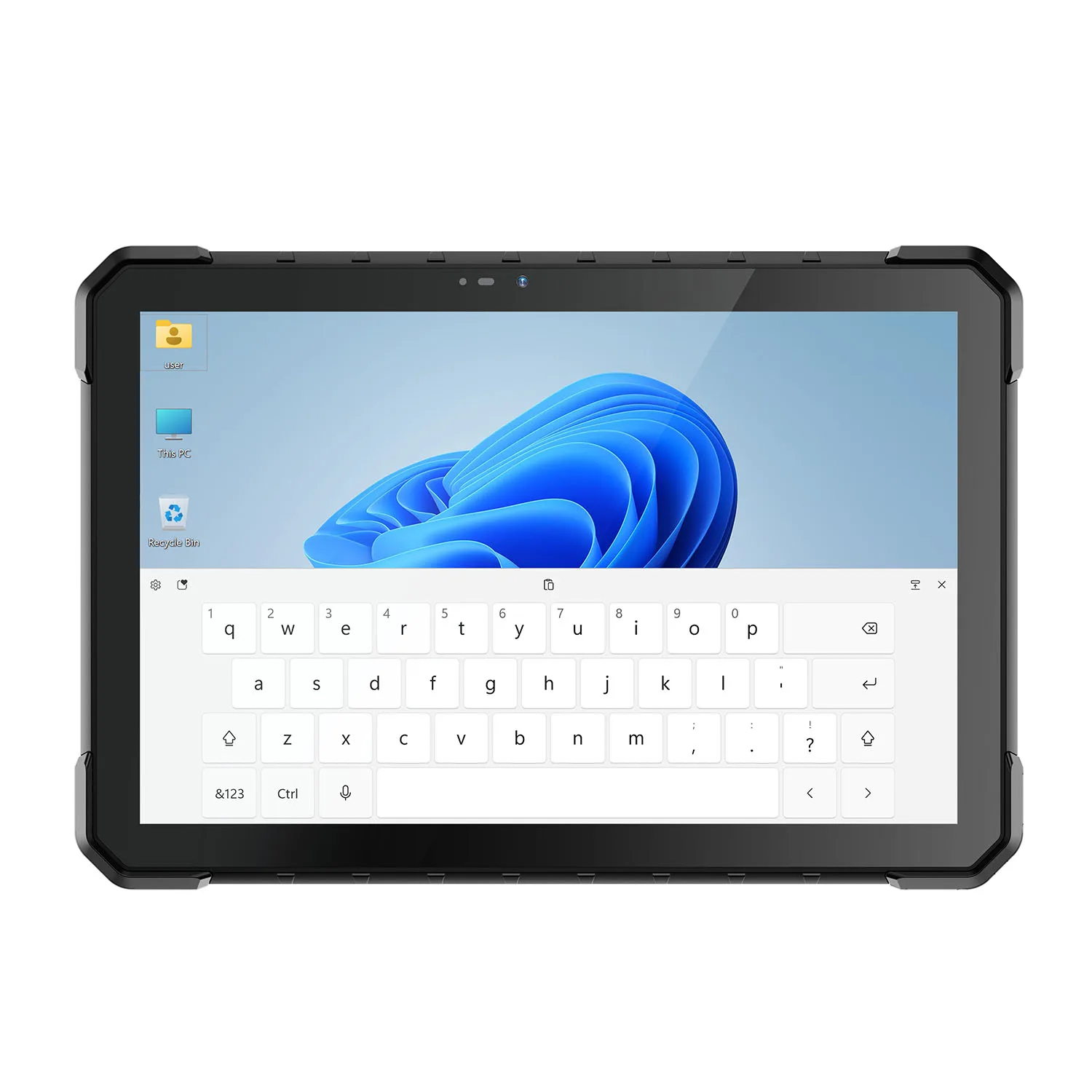
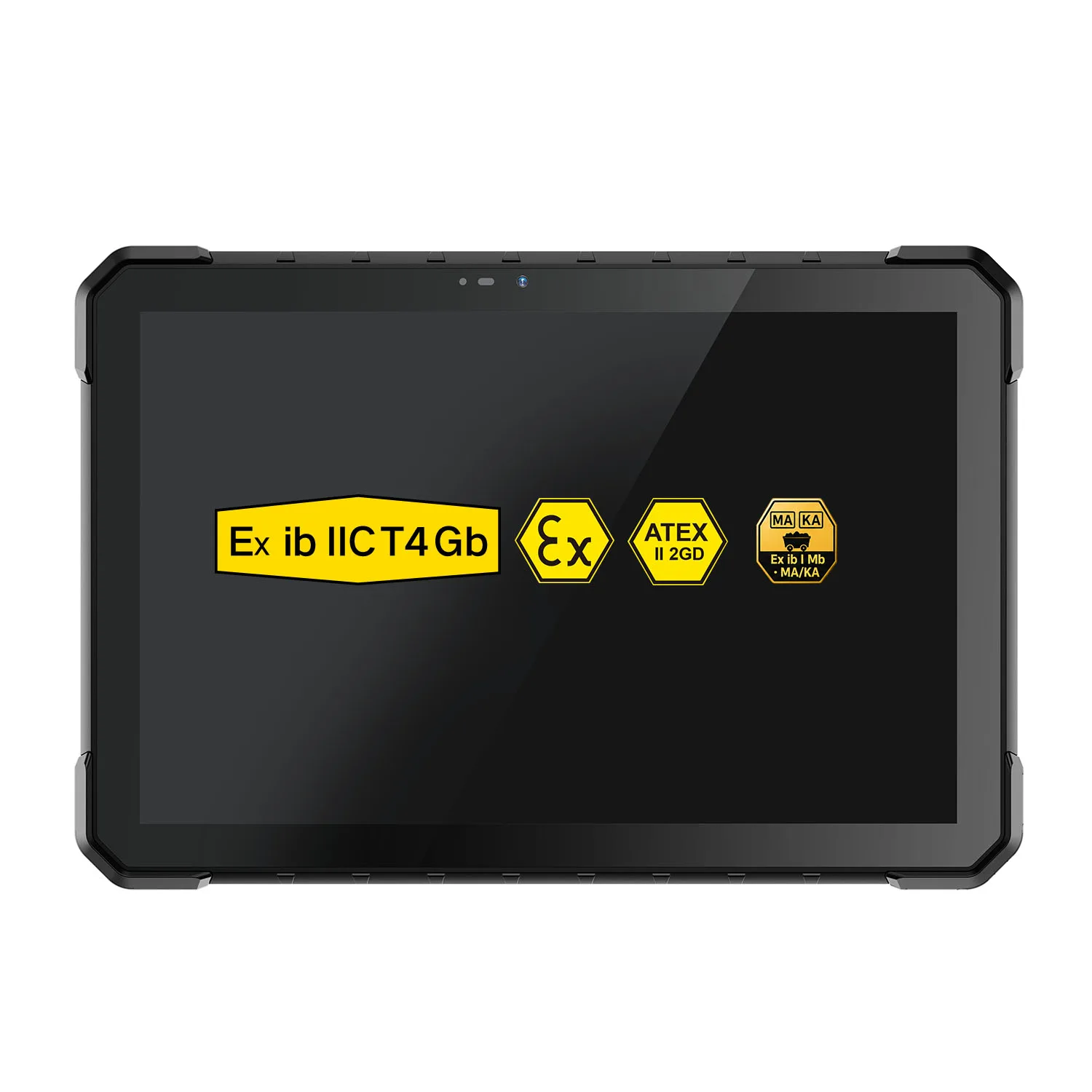
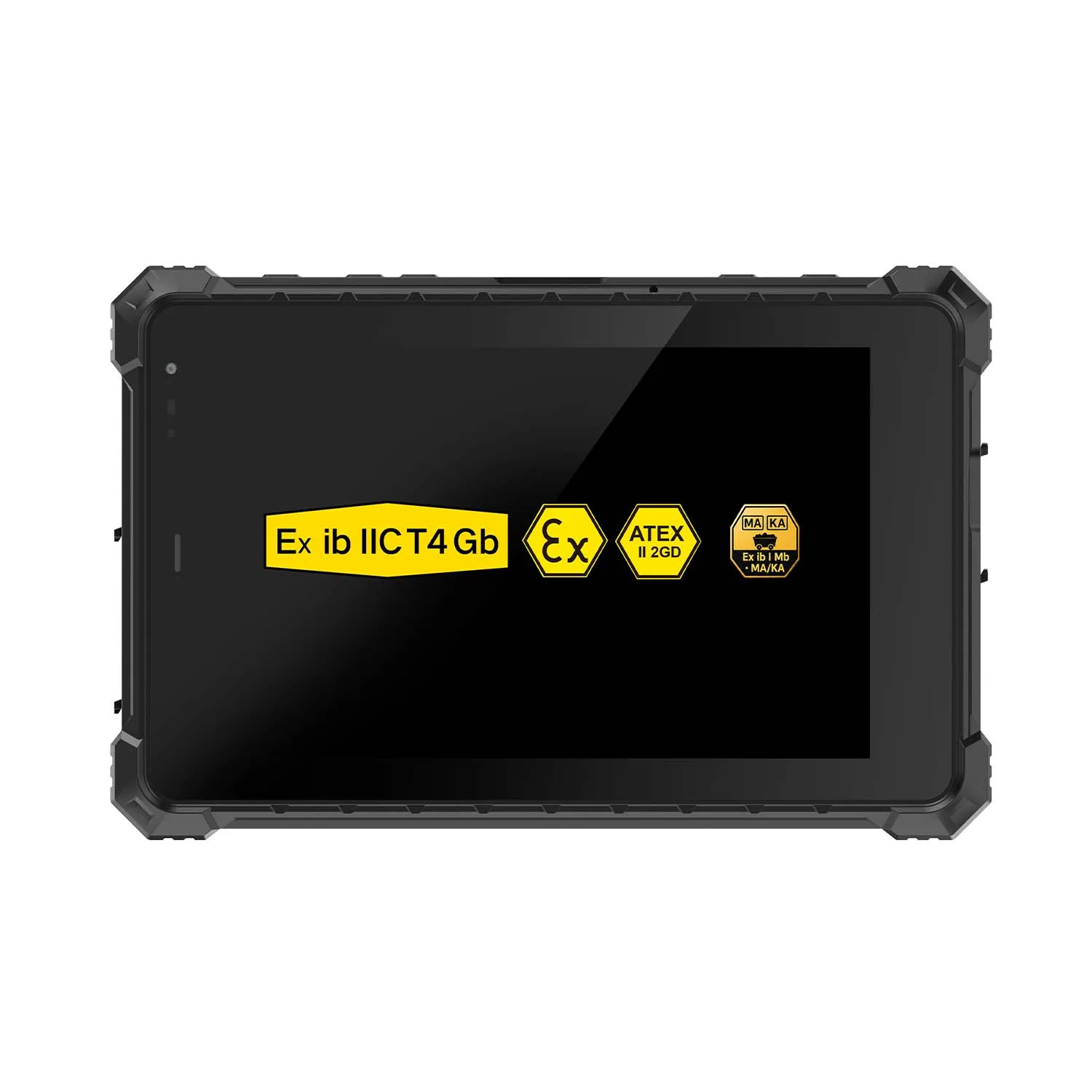
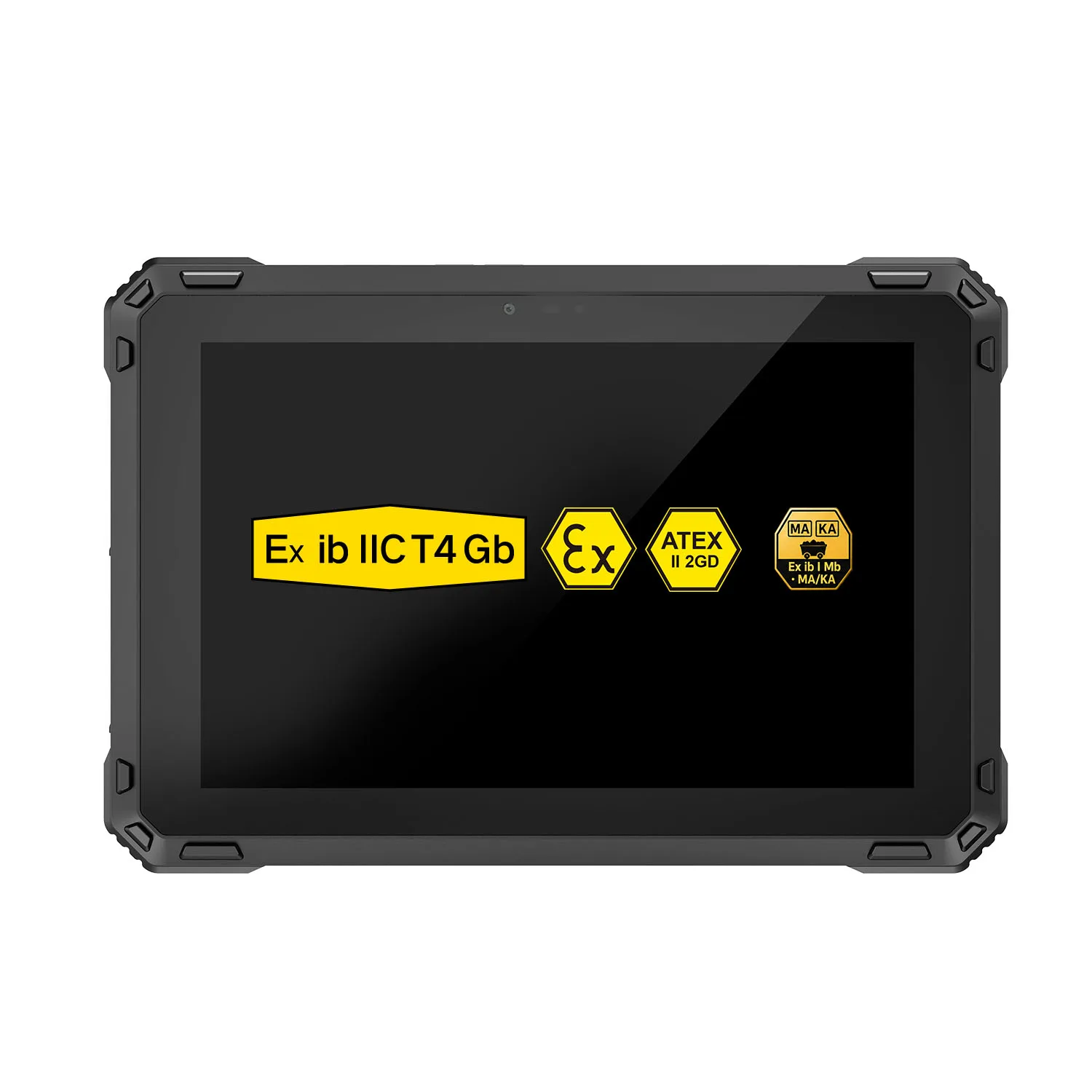
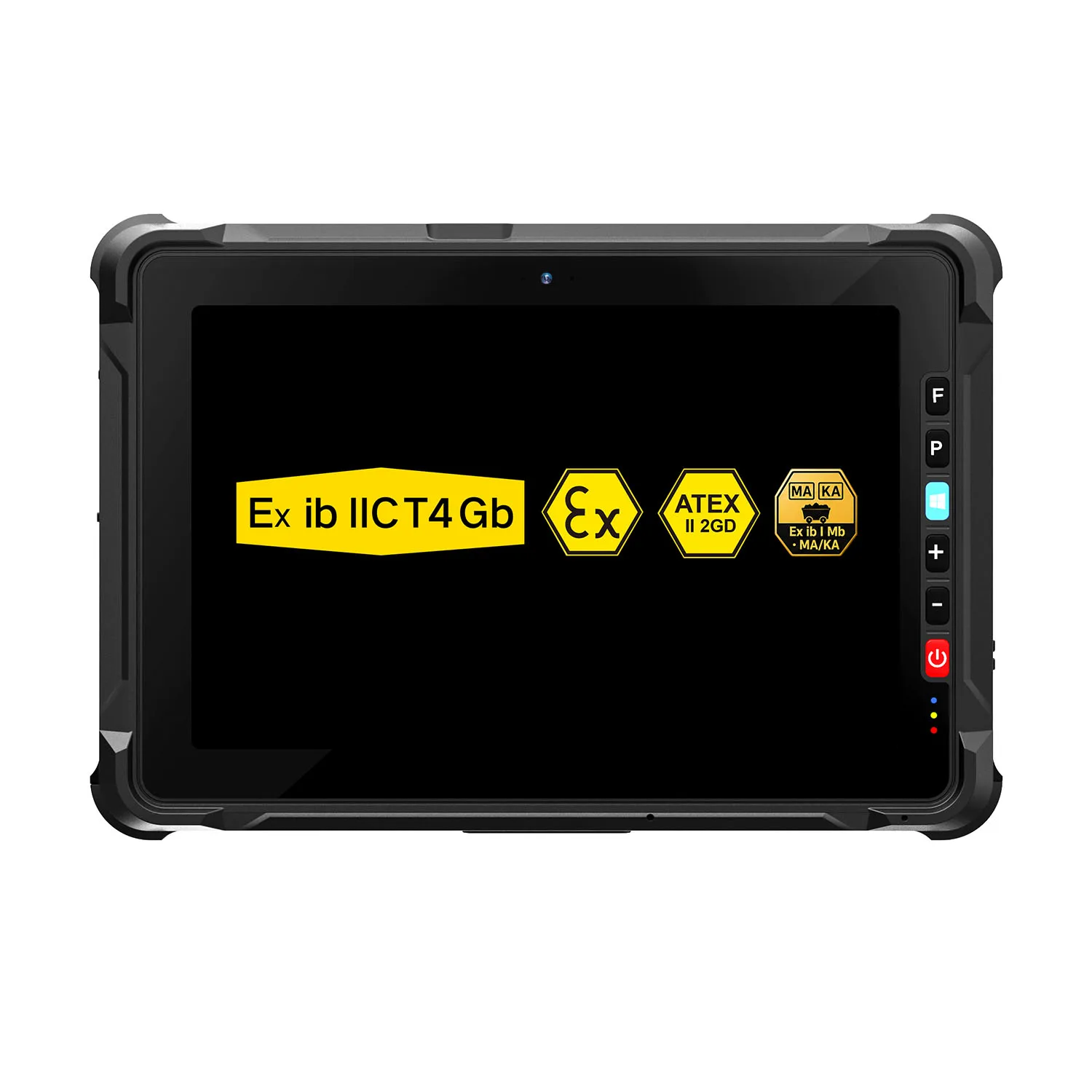
Rugged Tablet for Data Collection
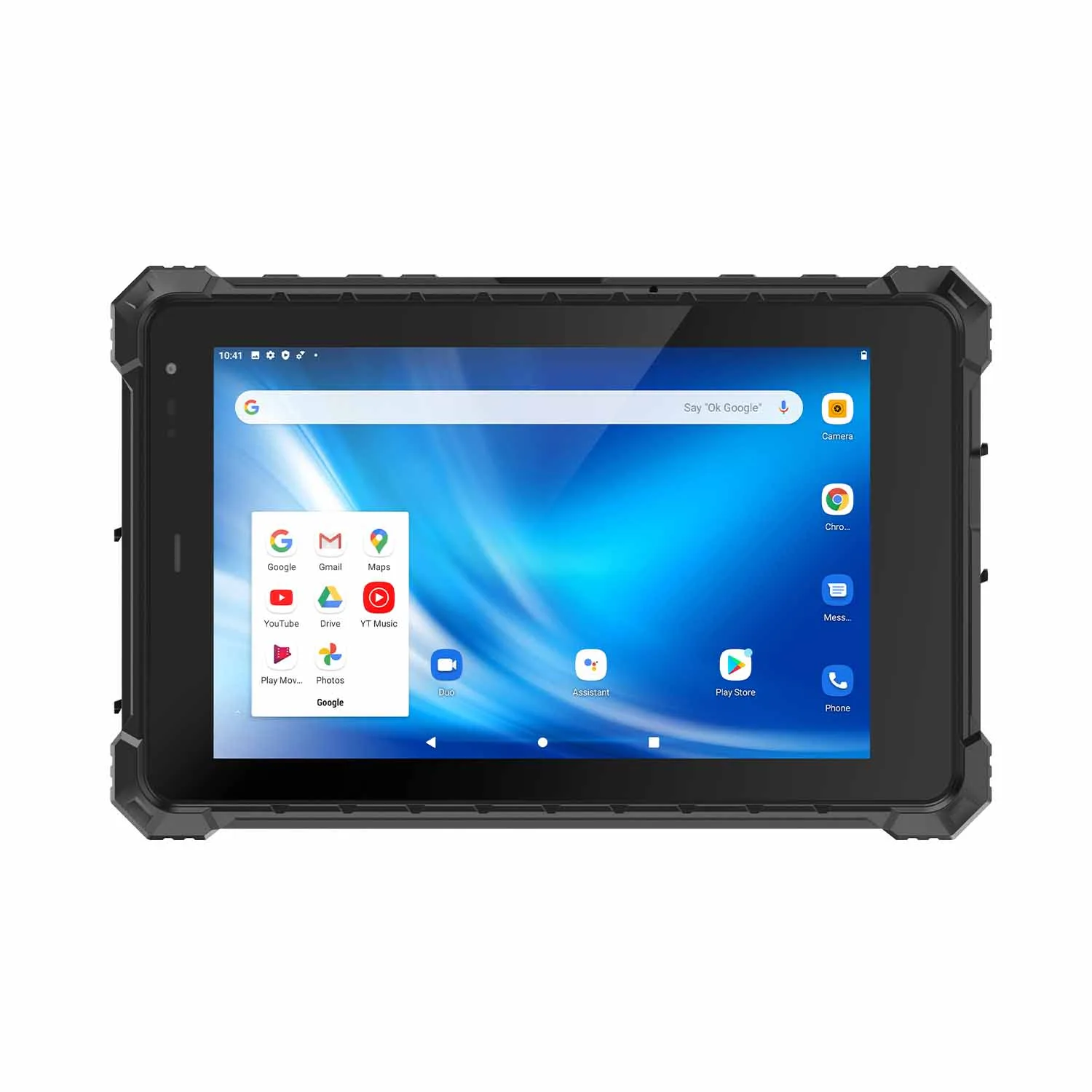
Rugged Tablets for Vehicle-Mounted (On-Board) Data Collection
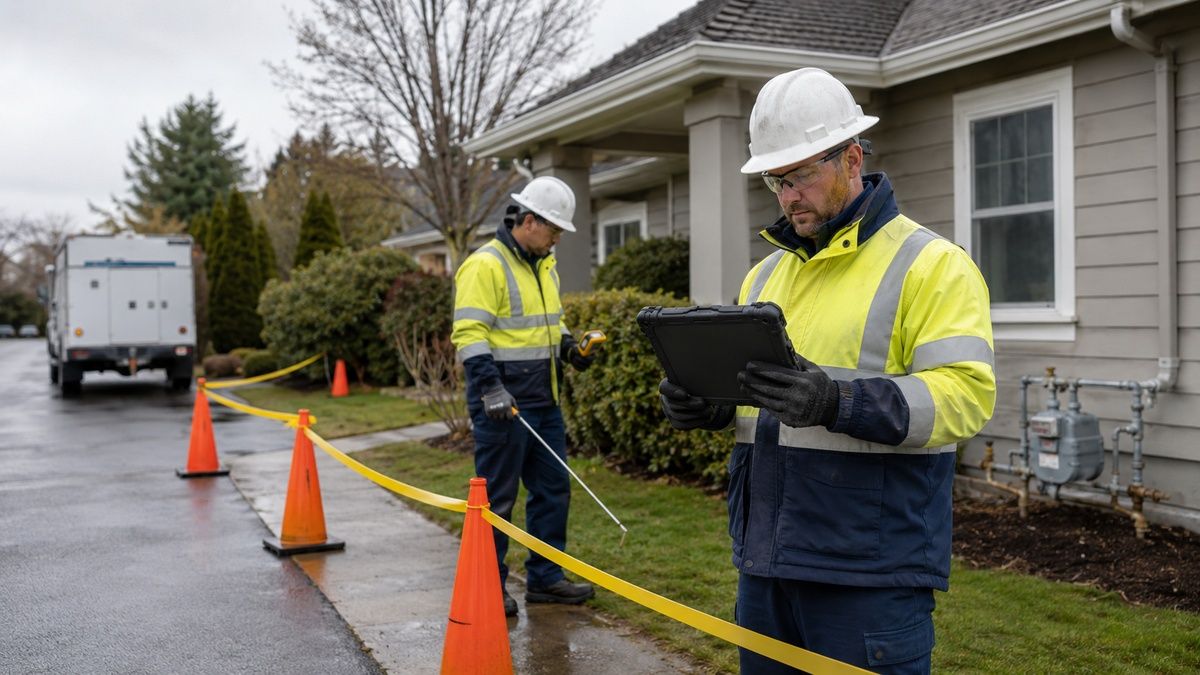
Rugged tablets increasingly replace factory-installed on-board computers in vehicles used for data collection or operation in harsh conditions.Easy installation — CENAVA equips its rugged tablets with a car mount, so the device installs in a vehicle much like a phone mount, with far more flexibility to adjust and reposition than a built-in vehicle computer.Durability during vehicle movement — drop, shock, and dust resistance ensures stable data collection while the vehicle is in motion, a reliability standard consumer devices can't match.EMI shielding — a rugged tablet's anti-interference design helps isolate electromagnetic interference during data collection, protecting the integrity of the collected data.Multi-GNSS positioning — accurate location data is essential for collecting and analyzing data from moving vehicles; rugged tablets typically support multiple positioning modules simultaneously, improving accuracy and compatibility with different software requirements.Flexible system and interfaces — rugged tablets can be configured to the OS your workflow requires, with rich interface options supporting multiple simultaneous data sources during collection.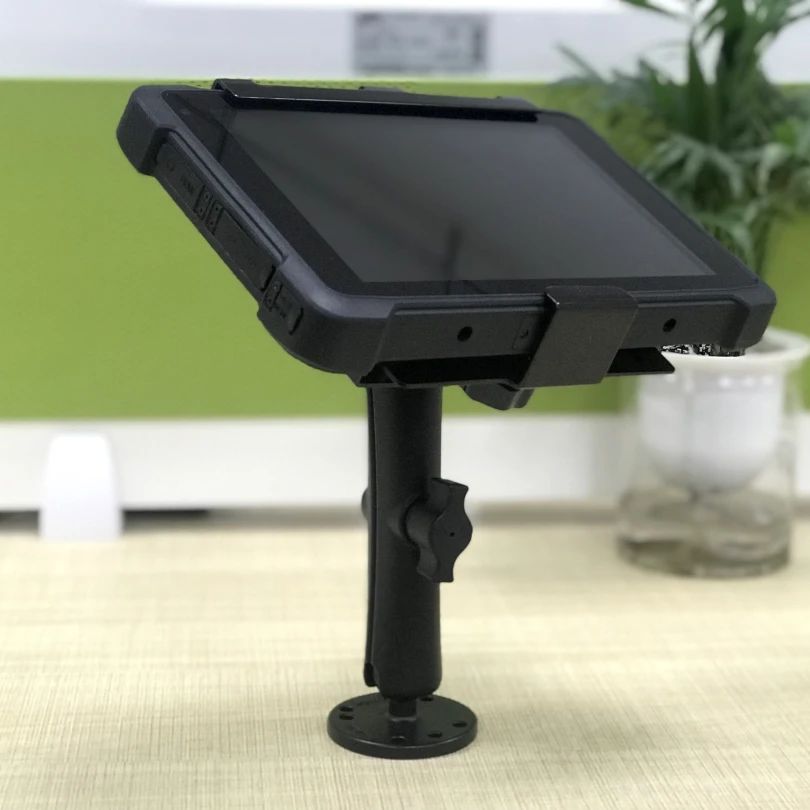
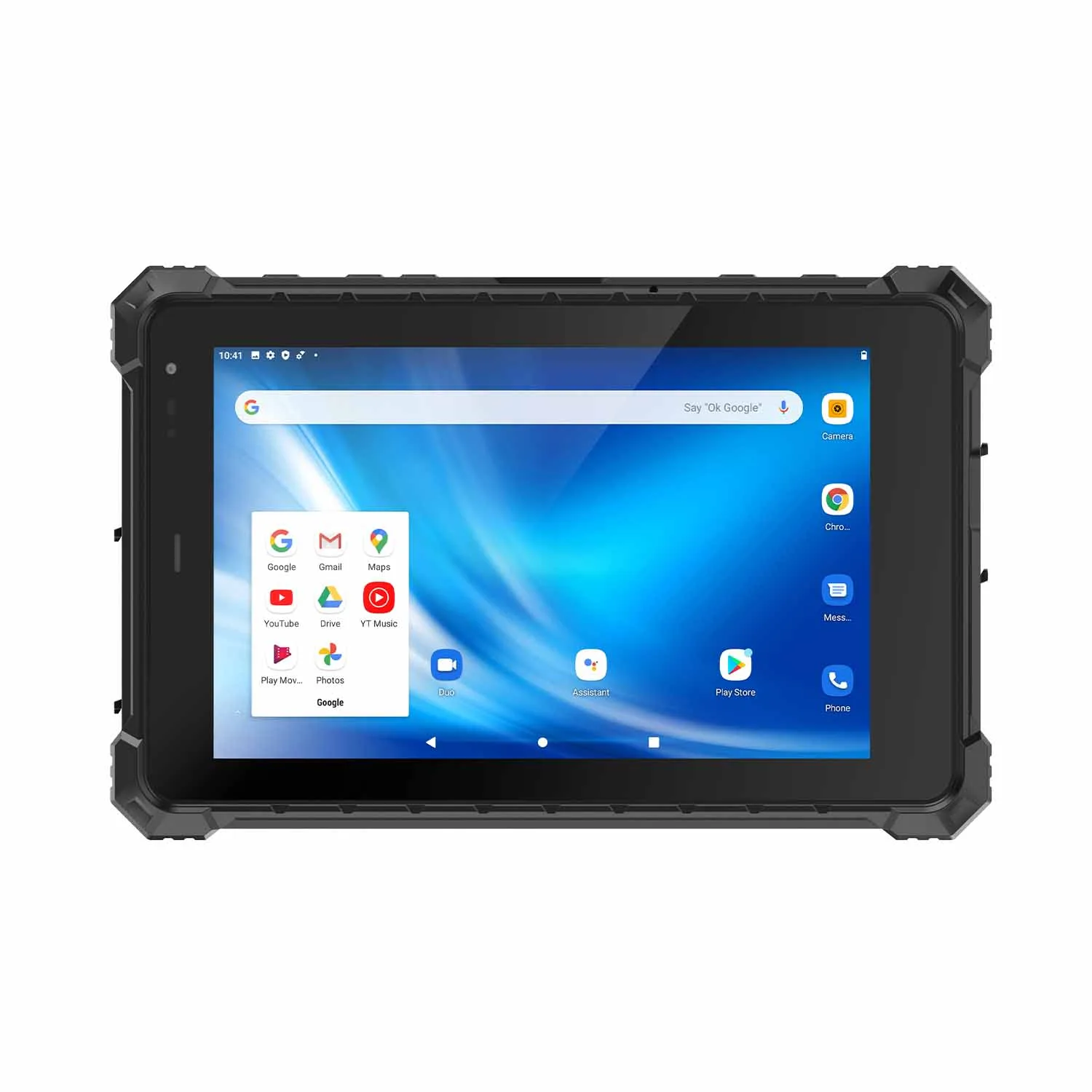
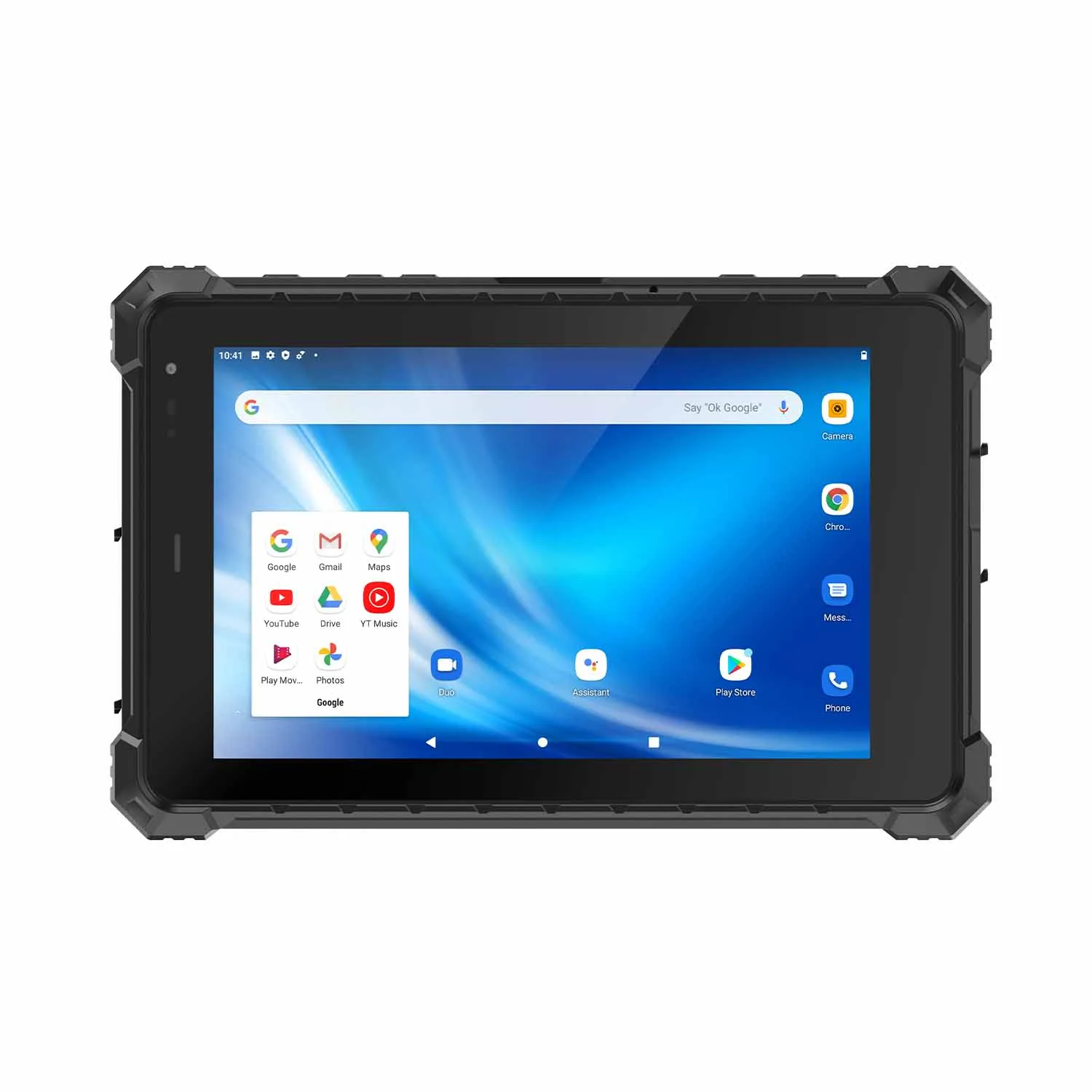
CENAVA Fixed Bracket for Rugged Tablet
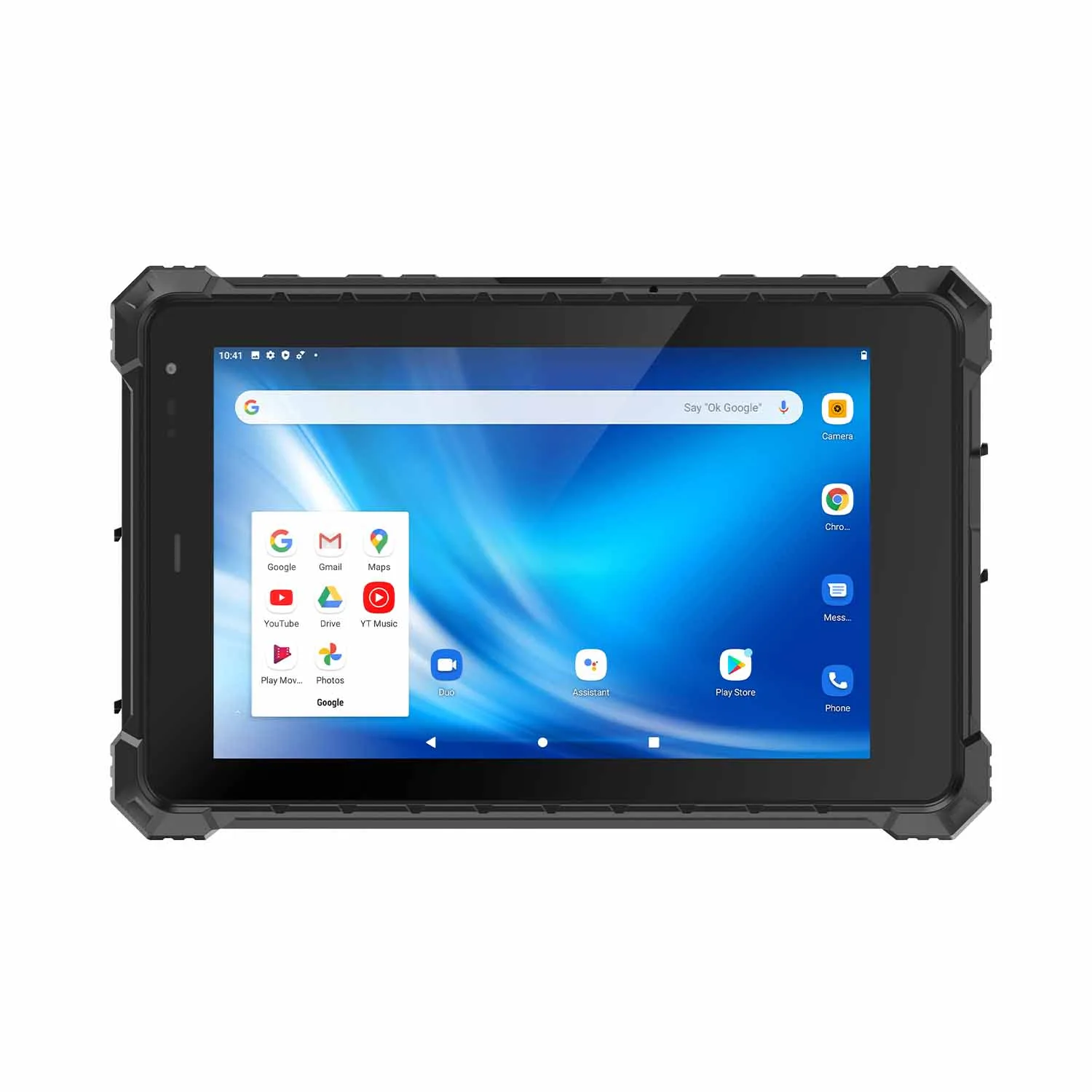
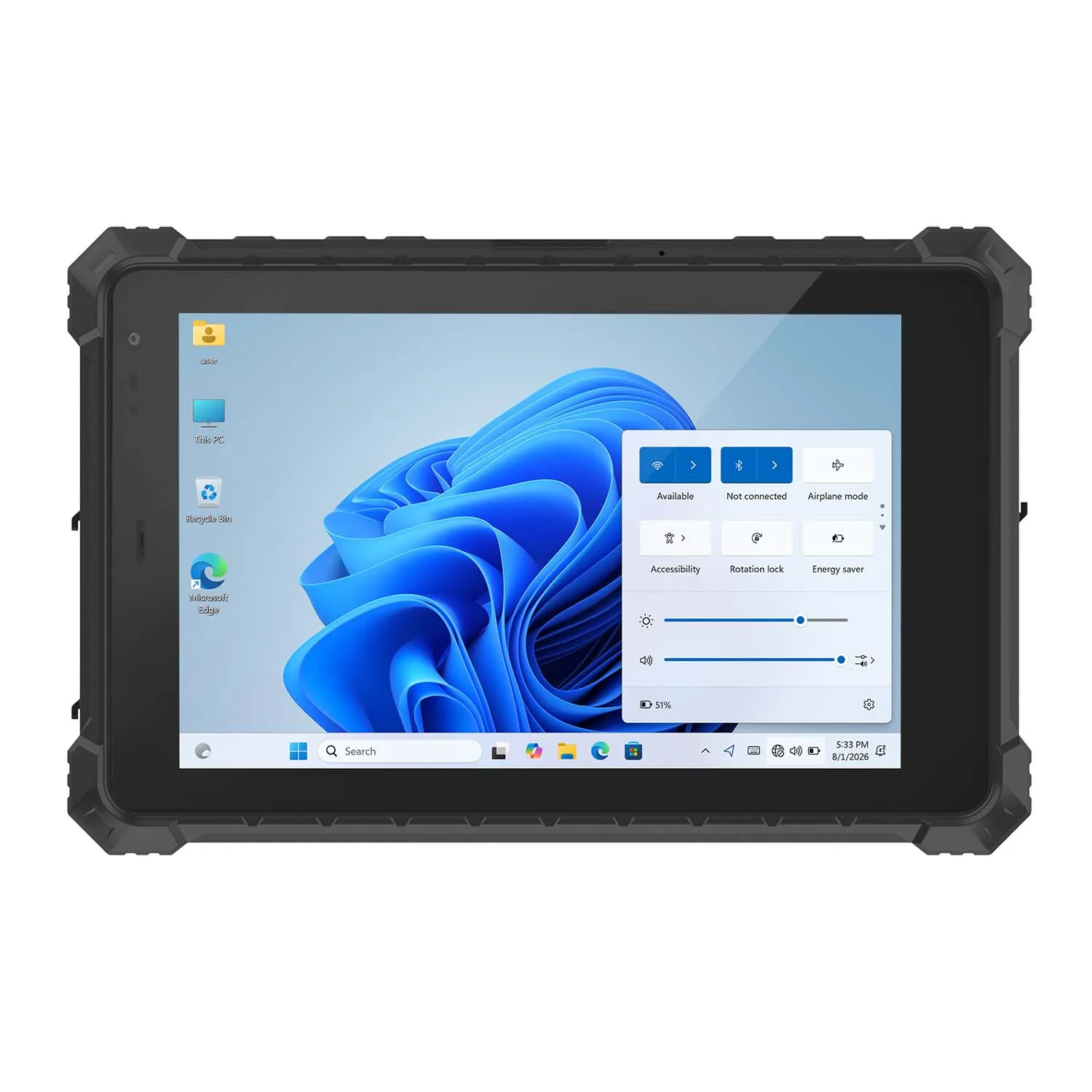
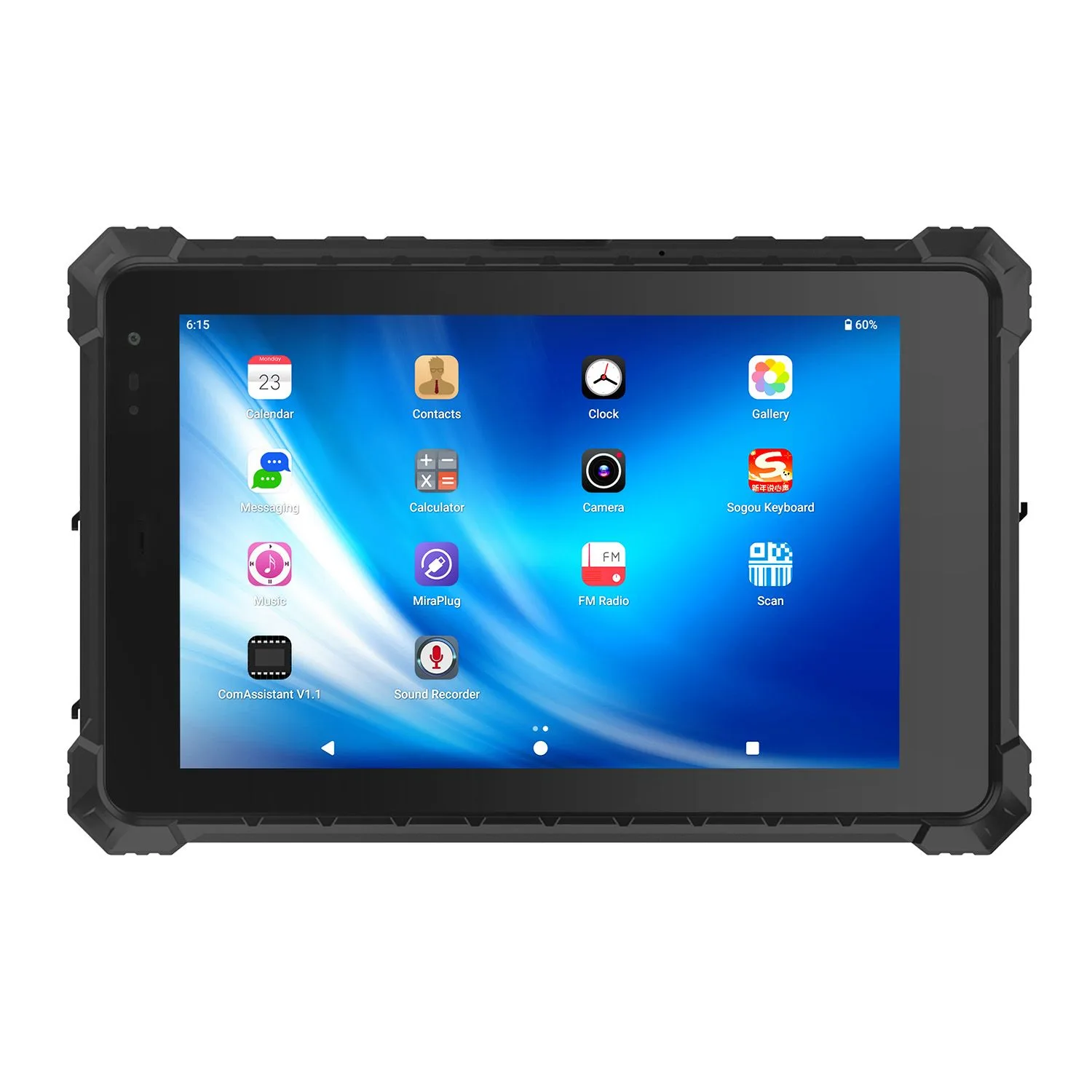
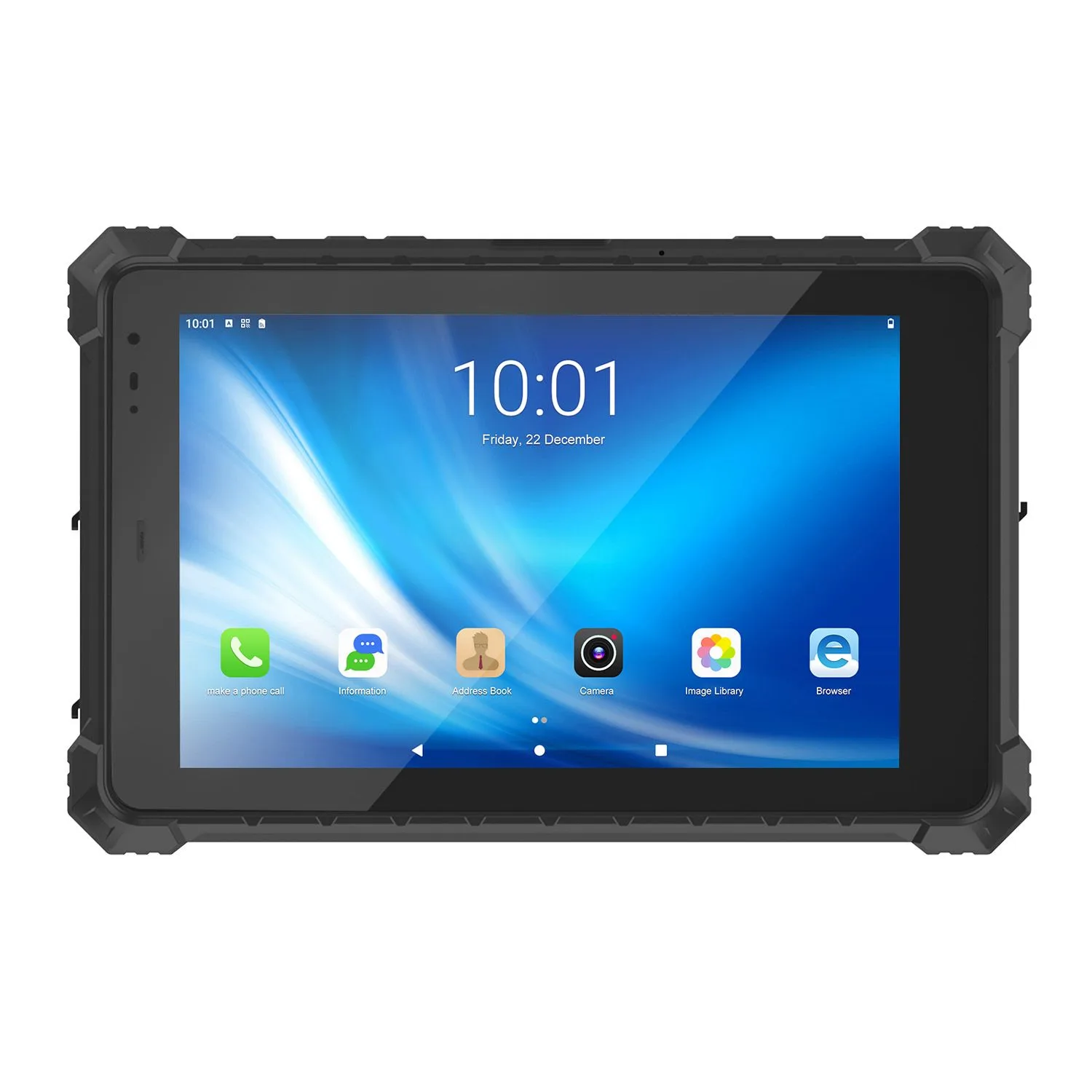
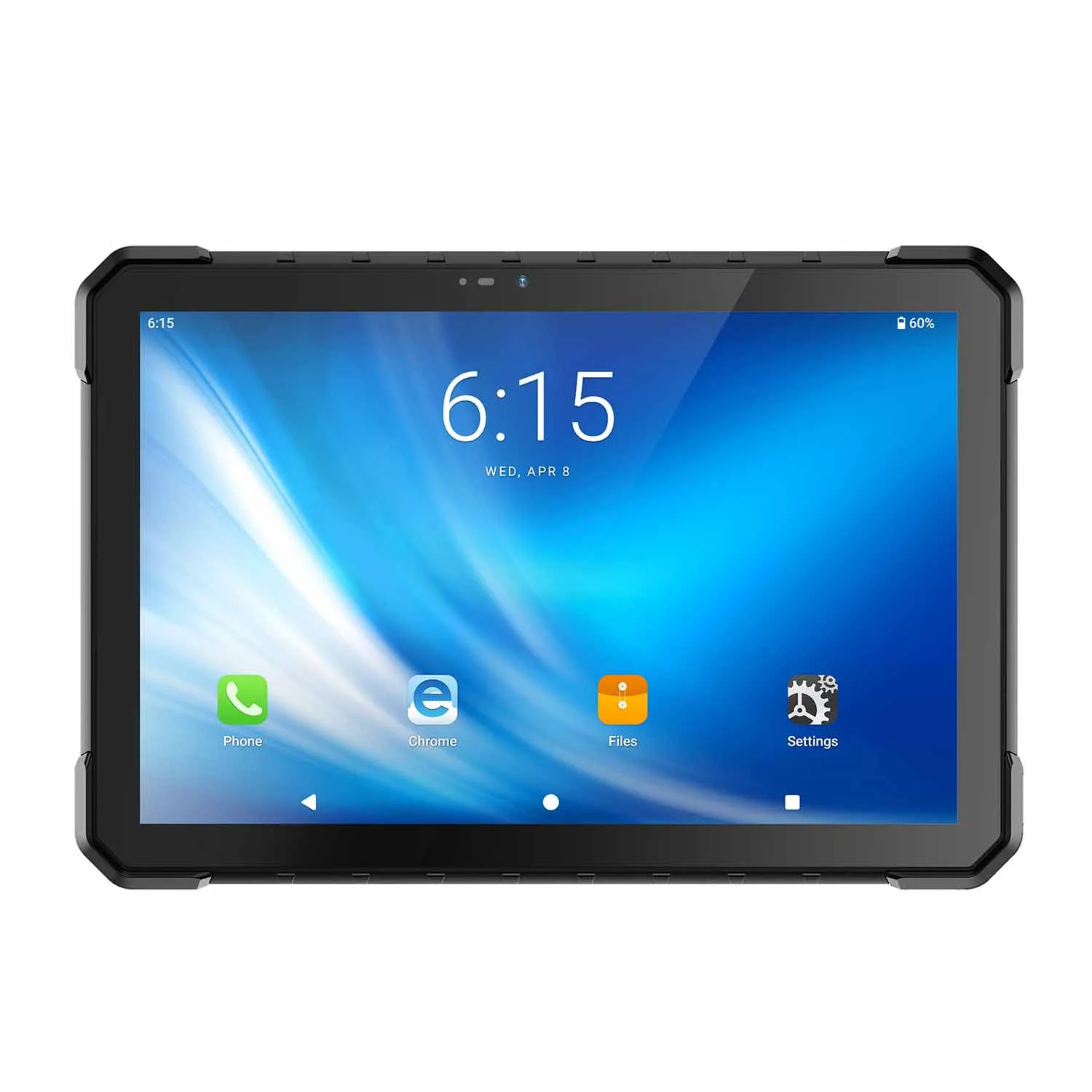
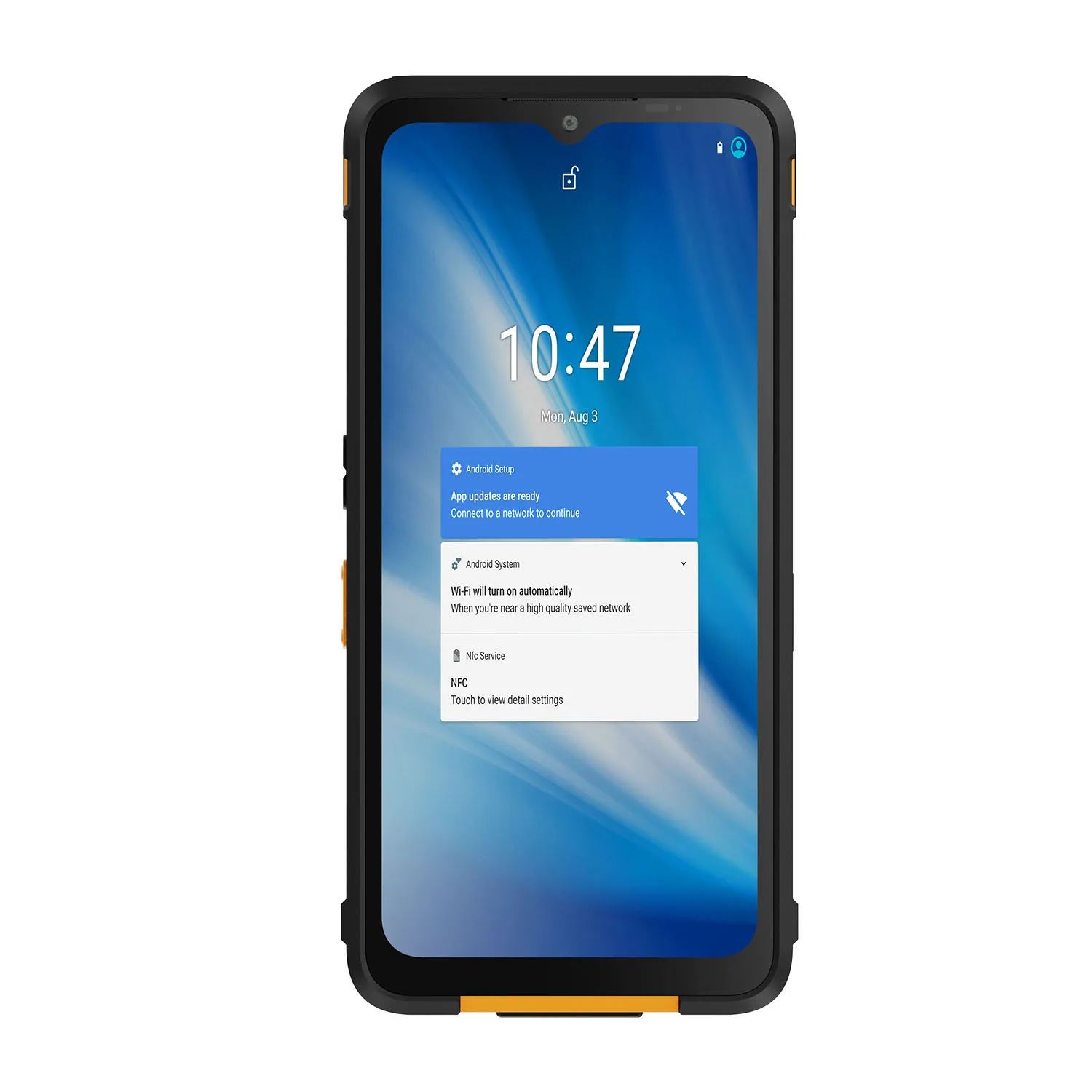
CENAVA's Data Collection Rugged Tablet: A10ST
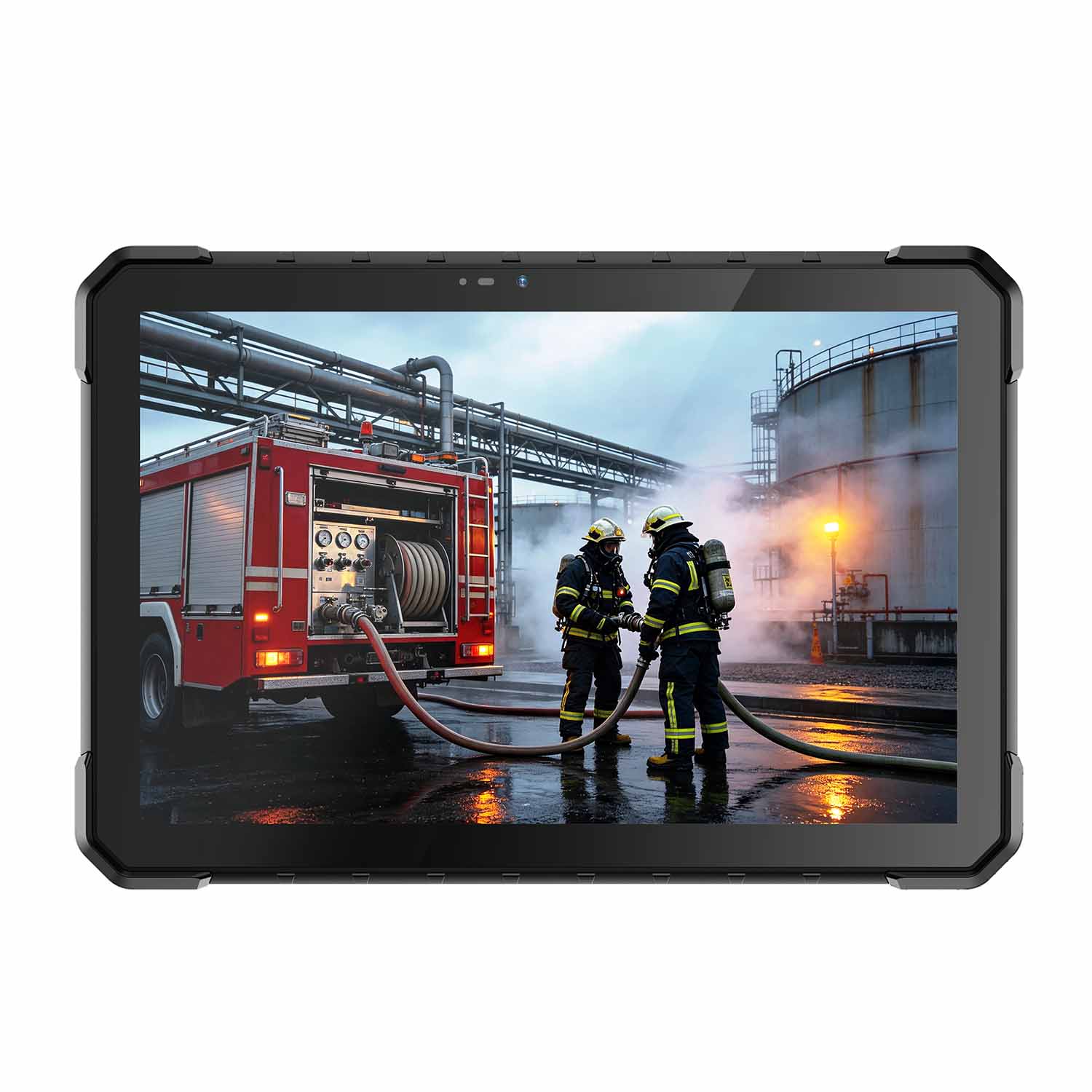
The A10ST is CENAVA's current rugged tablet for data collection applications, including vehicle-mounted use:OS: Android 13, MediaTek MT8781 octa-core CPU
Protection: IP68, MIL-STD-810H — survives splash, dust, and brief water exposure; -20°C to 60°C operating range
Positioning: GPS, BeiDou, Galileo, GLONASS, with an optional RTK module for centimeter-level accuracy
Connectivity: 4G LTE, Wi-Fi 5, Bluetooth 5.2
Optional modules: Fingerprint recognition, NFC, 1D/2D barcode scanning, UHF/HF RFID
Mounting: Compatible with CENAVA's vehicle mount accessories for on-board installation
Note: this article originally referenced an S10PRO mounting-bracket product page that no longer resolves on CENAVA's site — the A10ST above is the confirmed current model for this use case.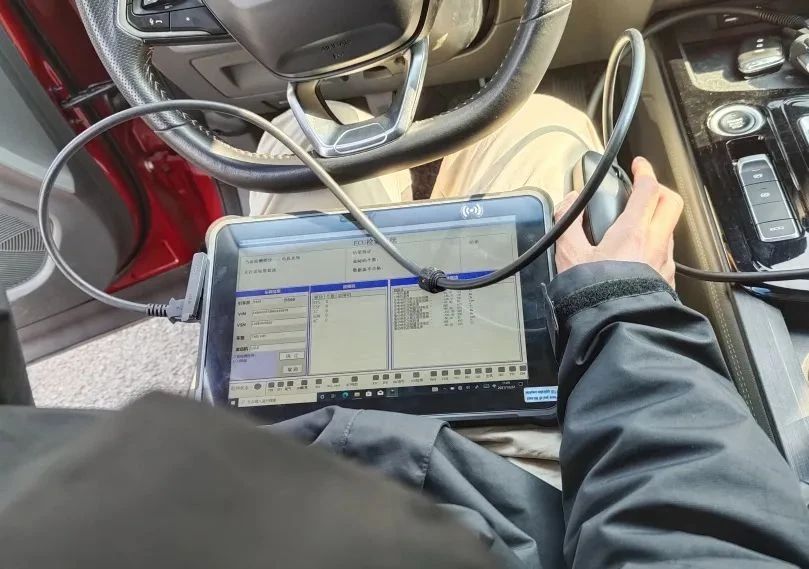
Why Choose CENAVA for Data Collection Equipment?
CENAVA is a professional manufacturer of customizable data collection hardware, with 18 years of R&D experience and 700+ enterprise clients worldwide, serving logistics, mining, agriculture, construction, and manufacturing. Devices use durable casings with genuine water/dust resistance ratings and shock/drop/impact resistance, backed by an engineering team that supports hardware, software, and appearance customization to specific customer requirements. Advanced data collection technology — high-definition cameras, GPS positioning, fingerprint recognition — combines with Bluetooth, Wi-Fi, and 4G connectivity for fast data transmission and real-time sharing.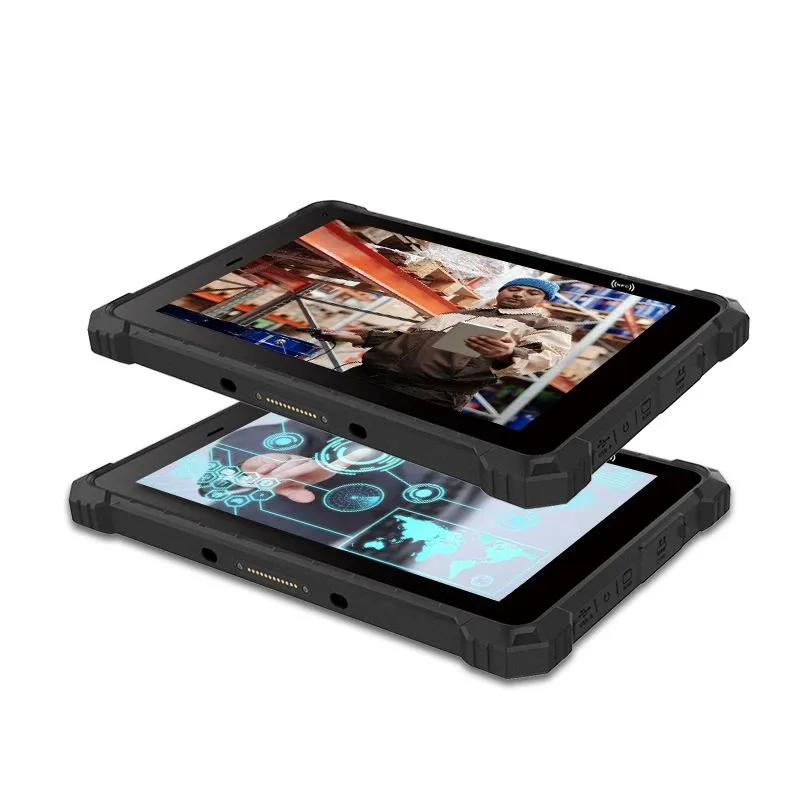
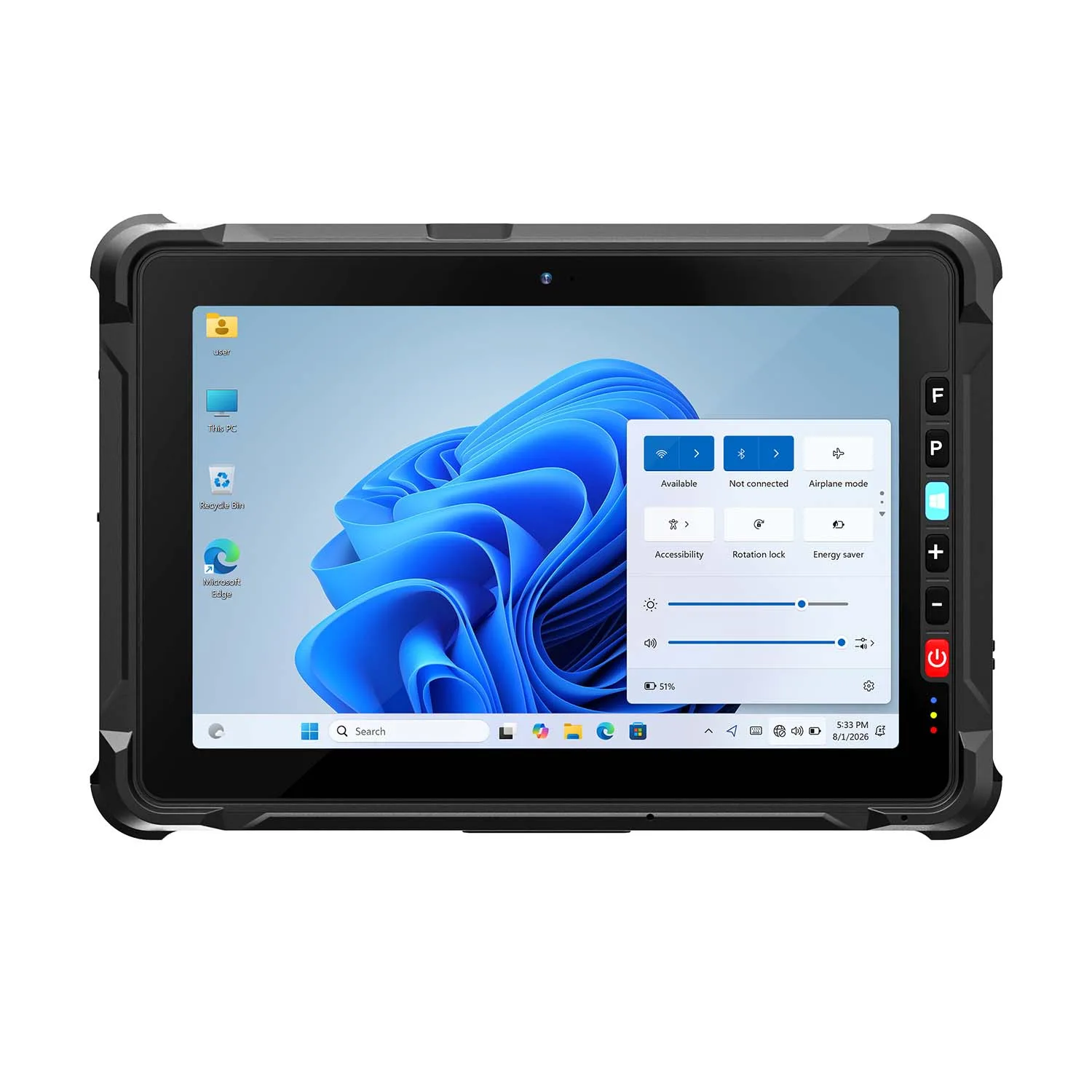
Customizable Data Collection Rugged Tablet
Frequently Asked Questions
1. Does IP68 mean a rugged tablet can be used underwater?No — IP68 confirms the device survives brief, limited water immersion (typically around 1 meter for 30 minutes) without internal damage, but touchscreens (especially capacitive ones) generally don't register touches reliably underwater; the real benefit is resilience to splashes, rain, and accidental brief submersion, not active underwater operation.2. Why replace a vehicle's built-in computer with a rugged tablet?
Rugged tablets offer easier installation via mounting brackets, more flexible repositioning than a fixed on-board computer, and durability (shock, dust, EMI resistance) built specifically for data collection during vehicle movement.3. How does GNSS positioning improve vehicle data collection accuracy?
Supporting multiple positioning systems (GPS, BeiDou, Galileo, GLONASS) simultaneously improves location accuracy for tracking moving vehicles, and CENAVA's A10ST offers an optional RTK module for centimeter-level precision where needed.4. Does EMI shielding actually affect data quality?
Yes — in vehicle and industrial environments with significant electromagnetic interference, a rugged tablet's shielding helps ensure the data being collected reflects real conditions rather than being corrupted by interference.5. Can a rugged tablet handle multiple simultaneous data sources?
Yes — CENAVA's current tablets offer rich interface options supporting multiple data sources and connectivity types (Bluetooth, Wi-Fi, 4G) during a single collection session.6. Can CENAVA customize a rugged tablet for a specific data collection workflow?
Yes — as an OEM/ODM manufacturer, CENAVA offers hardware configuration, software customization, and appearance design tailored to specific customer requirements; contact CENAVA sales to scope your project.
Conclusion
Rugged tablets bring genuine, verifiable advantages to data collection work — durability that survives field and vehicle-mounted conditions, EMI shielding that protects data integrity, and multi-GNSS positioning for accurate location tracking. It's worth being precise about what "waterproof" actually guarantees, though: IP68 protects against splashes and brief immersion, not active underwater use. CENAVA's current A10ST brings all of this together for data collection applications across industries.Need a Rugged Device for Your Project?
Tell us your operating environment and requirements — our engineers will recommend a configuration and quote within 24 hours.
Get a Free Quote Back to Blog