




Underground Coal Mine Tablet Buying Guide
Choose an underground coal-mine tablet by the approval required for its exact use location, then assess whether it preserves inspection records and remains usable throughout the shift.
This underground coal mine tablet buying guide compares 10 manufacturers across that decision. Some offer dedicated mining configurations. Others are relevant to replacing an older fleet, evaluating a smaller handheld, or equipping an unclassified surface workshop. They do not all belong on the same underground purchase order.
The difficult part is often the handover. A technician may finish a pump inspection while disconnected, then return with a photograph that has no reliable asset identifier. The tablet has completed a task on screen, but the supervisor still lacks a usable maintenance record. Our purchasing priority is to close that gap after the safety requirements have been met.
Published product information establishes the hardware baseline. The practical exercises below are proposed acceptance methods, not reports of completed customer deployments. CENAVA is included as the intended publisher's brand; this is an editorial comparison, not an independent laboratory ranking.
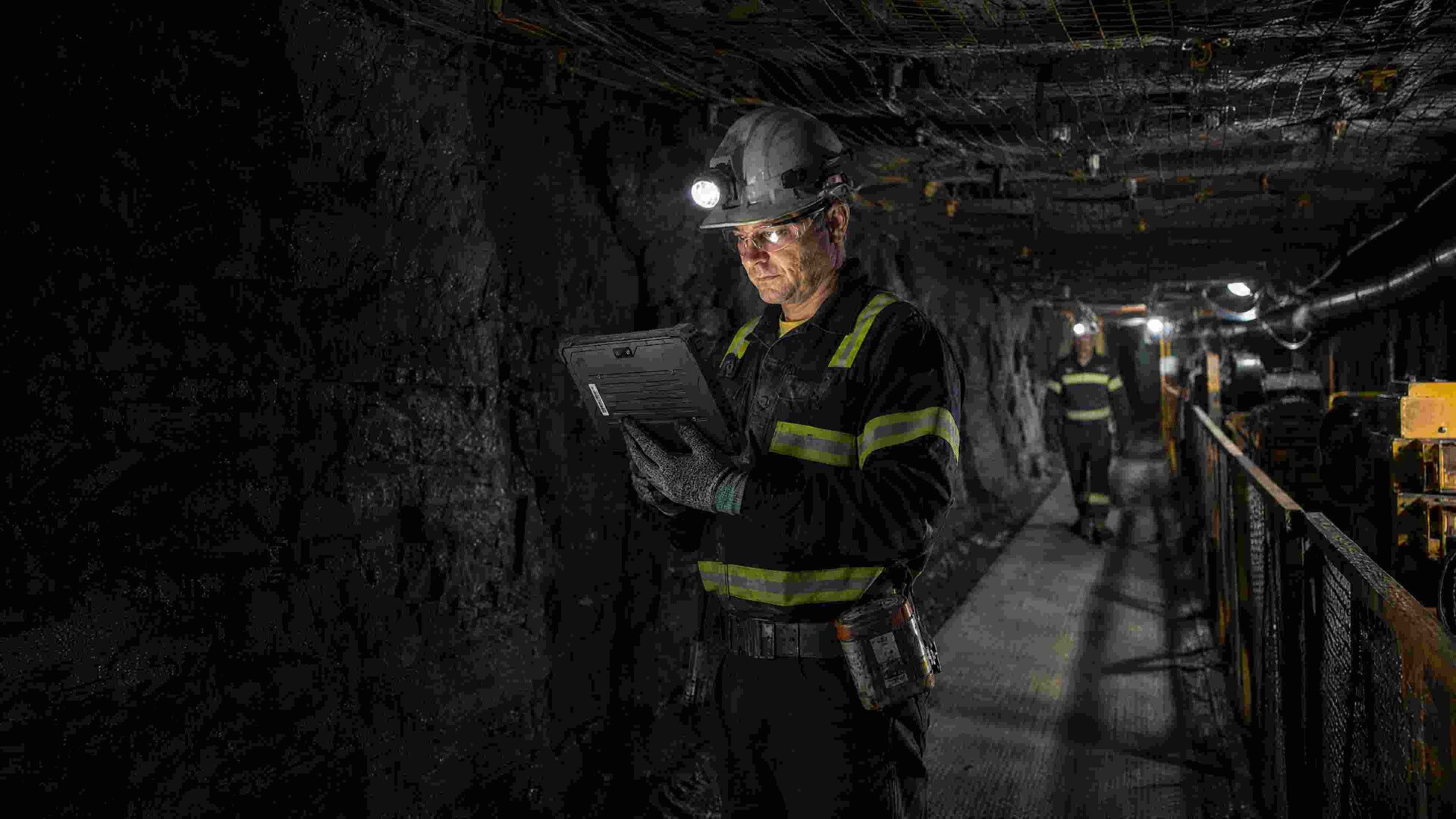 What Defines a Strong Underground Mining Tablet Manufacturer?
A credible supplier separates permission to enter the mine from durability and application performance. We recommend four evaluation criteria, with safety treated as a pass/fail requirement rather than a score that a lower price can offset.
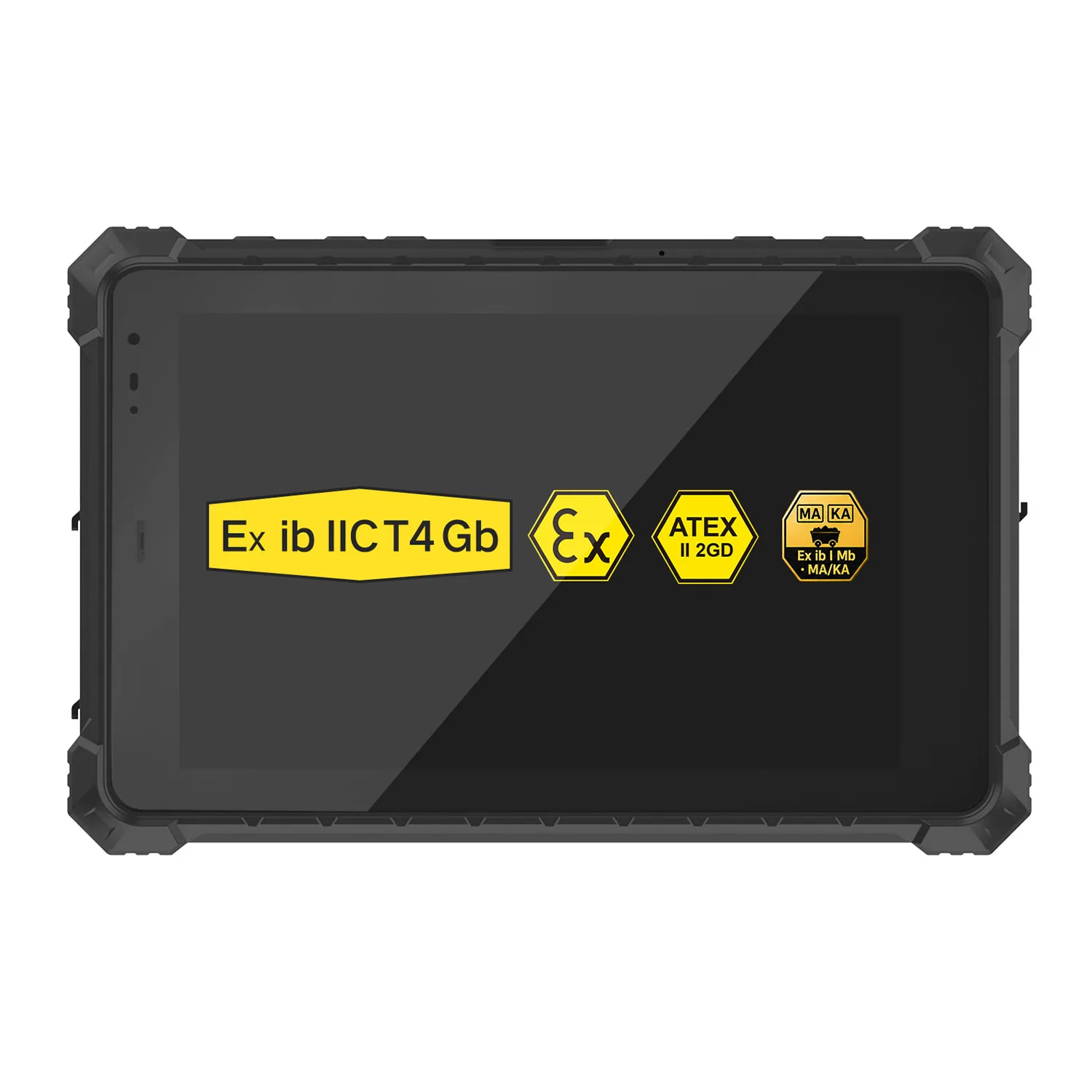
A clear approval route. In China, MA identifies coal-mine product safety approval; KA addresses metal and non-metal mining products. The two are not interchangeable. Applicability follows the current product catalogue and intended use. For a United States project, use the applicable MSHA requirements and official product records; an industrial hazardous-location certificate alone is not evidence of MSHA approval.
Correct explosion-protection terminology. Group I concerns mines susceptible to firedamp. Group II gas markings such as IIC, and Group III dust markings such as IIIC, do not establish that mining scope. ATEX uses mining categories M1/M2, while equipment protection levels use Ma/Mb. Ma addresses a very high protection level, including remaining energized during an outbreak of gas; Mb addresses a high protection level with de-energization anticipated. Neither label overrides withdrawal procedures or makes an inspection tablet an emergency safety system.
Environmental evidence tied to the configuration. Under IEC 60529, an IP code addresses enclosure ingress protection. IP65 concerns dust exclusion and water jets; IP67 includes temporary immersion; IP68 uses specified immersion conditions, not unlimited underwater service. MIL-STD-810G/H are environmental test-method standards: describe the relevant methods and conditions, not a universal military approval. Keep the operating range separate from storage and charging limits. Where an Ex certificate imposes a narrower ambient range, that restriction governs the hazardous-area application.
A maintainable deployment. The supplier should identify the exact battery and permitted accessories in the configuration record, then give a credible software and service timeline. Our example tender would require a replacement unit to recover its assigned inspection route without importing another worker's credentials. That is a more useful lifecycle requirement than an unsupported promise of 10 years of trouble-free service.
Treat document identity carefully. A catalogue model, certificate model and purchase-order description may use different codes. The procurement record should explain their relationship and identify the manufacturer, rather than relying on similar product photographs.
The Top 10 Manufacturers to Evaluate for Coal-Mine Mobility in 2026
The order below is not a claim about sales volume or absolute product quality. Four entries concern mining-oriented catalogue candidates; two address legacy tablet families. One presents a mining handheld alternative, and the final three concern unclassified surface support. Each profile states its role so an attractive feature does not imply permission to take that device underground.
1. i.safe MOBILE (Germany)
i.safe MOBILE develops mobile equipment for hazardous environments and maintains a dedicated mining range. The IS940.M1 provides a concrete starting point for an underground coal mining tablet shortlist because the manufacturer publishes a mining-specific model and its associated documents.
Core Products: The IS940.M1 is a 10.1-inch Android tablet. Its published baseline includes IP68 protection and an operating range of −20°C to +55°C. The linked IECEx certificate, EPS 25.0003X, identifies model M940A01 with the mining marking Ex ia I Ma.
Technical Advantage: The important distinction is the exact mining variant, not the shared appearance of the IS940 family. The certificate also contains conditions of use, including impact protection where Group I equipment faces high mechanical risk. A ruggedness headline does not remove that condition.
Application Fit: Consider it for diagram viewing and inspection records where the relevant approval route accepts the configuration. Our proposed trial would compare a belt-drive drawing with the same drawing on a smaller device, then record whether an inspector can select the correct component without repeated zooming. A larger screen earns its place only if the handling arrangement is practical.
2. BARTEC (Germany)
BARTEC's industrial mobility portfolio includes explosion-protected equipment, but its Agile X IS belongs in a 2026 guide as a legacy fleet reference, not a routine new-purchase recommendation. The manufacturer's service notice sets its end of support at 30 April 2026.
Core Products: Historical Agile X IS configurations have published mining variants with Ex ia op is I Ma or Ex ia op is I Mb markings. Those variants must be distinguished from the company's other tablet configurations.
Technical Advantage: For an existing Windows deployment, the engineering question is how to preserve the application and controlled peripheral arrangement during migration. Retaining a familiar screen can reduce retraining, but that benefit must be weighed against the documented support endpoint. Our preference would be to plan migration around the software dependency, rather than purchase more old hardware solely because the forms already fit.
Application Fit: Use this entry when reviewing an installed Agile X IS fleet. Record the application's licensing method and whether replacement hardware can recover historical records. BARTEC's service notice names alternatives with different hazardous-area scopes; it does not make them equivalent mining replacements. Move the approval review and the software migration together, rather than letting either team assume the other has resolved the change.
3. Pepperl+Fuchs / ECOM (Germany)
Pepperl+Fuchs combines ECOM's hazardous-area mobility experience with industrial computing expertise from Aava Mobile. Its mining-specific Smart-Ex 03 DZ1M is useful in this comparison because it challenges the assumption that every underground task needs a tablet-sized screen.
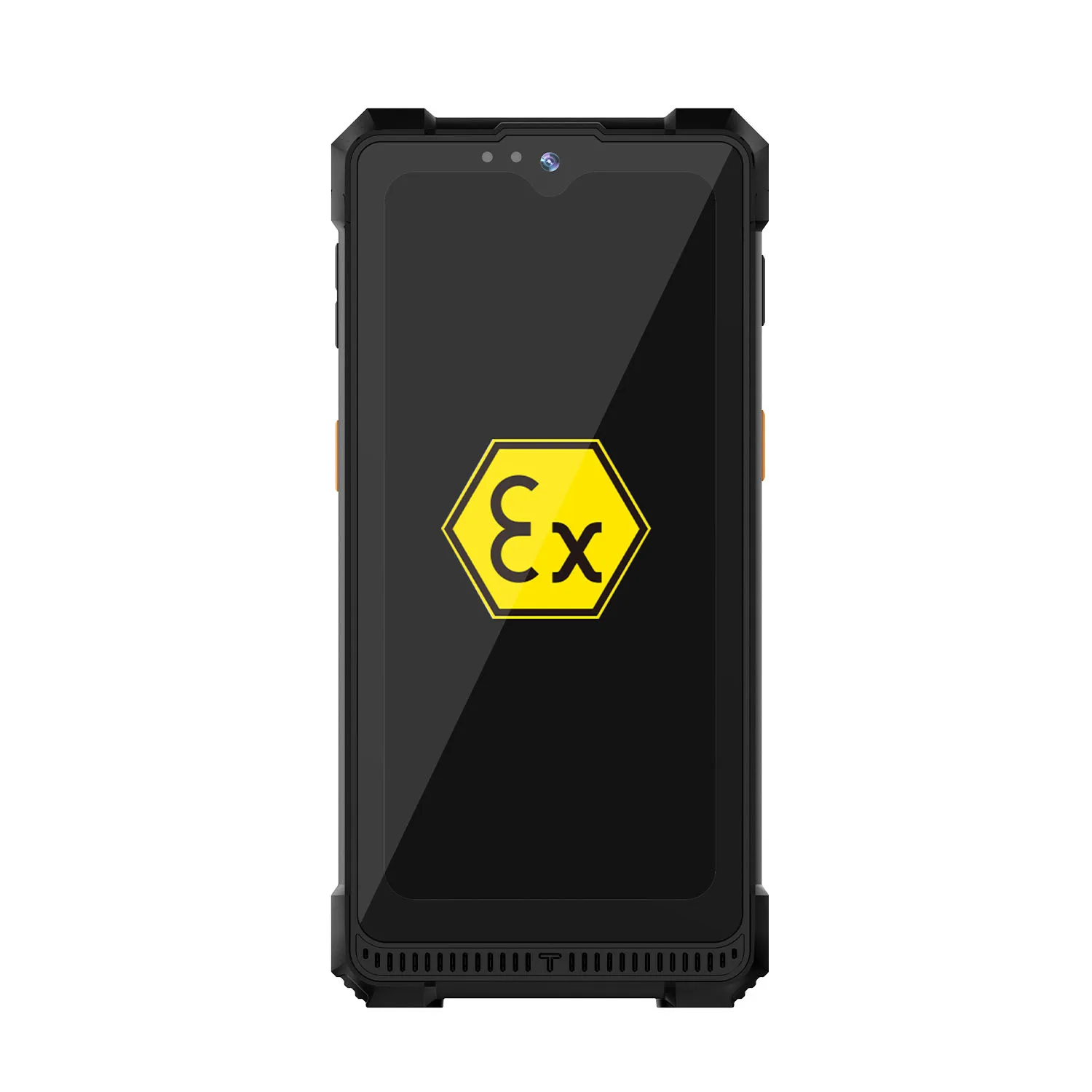
Core Products: The Smart-Ex 03 DZ1M is a 6-inch smartphone, not a tablet. Its published mining approvals include the ATEX marking I M1 Ex ia I Ma. That scope belongs to the specified mining product; it should not be attributed to the separate Tab-Ex tablet range.
Technical Advantage: The smaller form factor creates a different handling proposition for short inspection entries. We would test whether the worker can capture a defect note while keeping the device securely carried, then compare the result with a larger display. Screen size is a task choice, not a quality ranking.
Application Fit: A handheld may suit brief records and communication workflows where approved for the project. For a detailed electrical drawing, the same compact display may introduce too much navigation. Keep this manufacturer in the evaluation when the task permits a smaller device; exclude the handheld if full-size drawing review is a firm requirement.
4. Aegex Technologies (United States)
Aegex develops intrinsically safe tablets and has a documented history in mining mobility. The distinction between its older Aegex10 and newer Aegex100M matters more than a broad statement that the brand serves mines.
Core Products: A 2016 mining announcement identifies the Aegex10's I M2 Ex ib I Mb approval. Distribution sources now describe that product as discontinued. Aegex's current Aegex100M page describes industrial hazardous-area use; the older model's mining approval must not be transferred to it.
Technical Advantage: For an installed Aegex10 fleet, the valuable work is preserving the business process while changing the endpoint. Our migration exercise would start with an unfinished work order, including its attachments, rather than a clean demonstration account. A replacement is not operationally ready if only newly created records work correctly.
Application Fit: Treat Aegex as a legacy migration and supplier-review option. A mine evaluating a successor needs that successor's own approval evidence. Industrial certification and a familiar brand name do not resolve the gap. For a new underground deployment, do not base the purchase on an old press release or remaining distributor inventory.
5. Sichuan Xuxin (China)
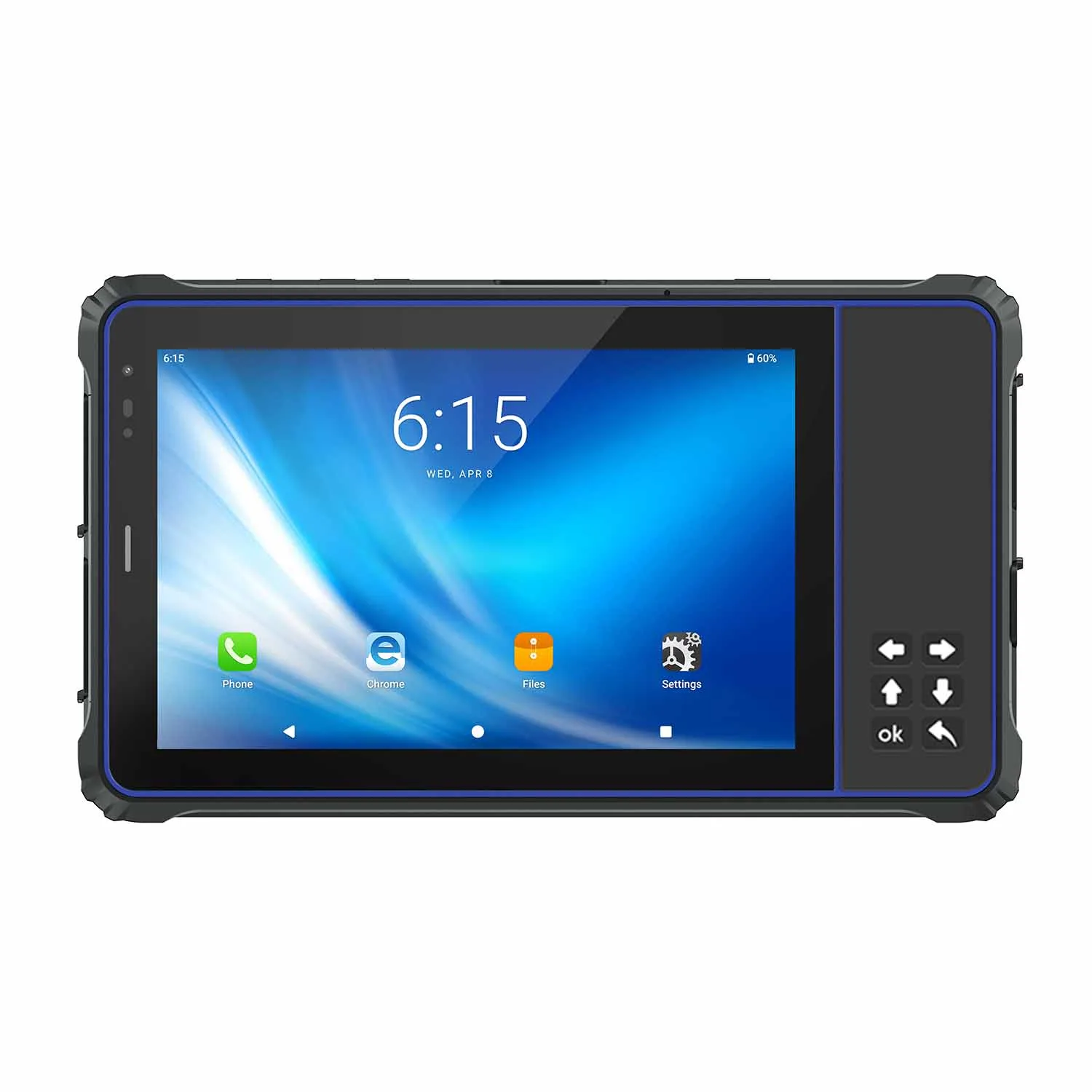
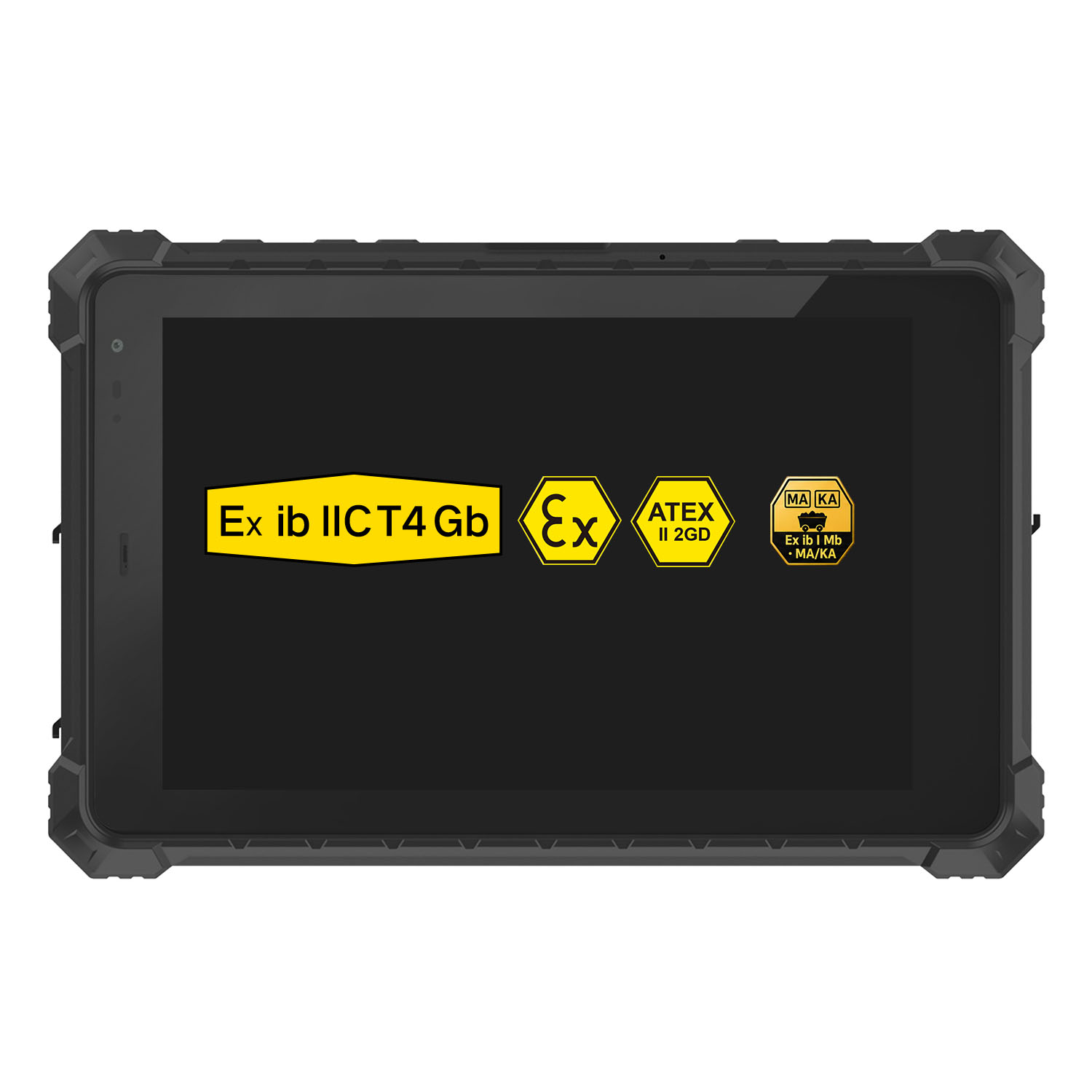
Sichuan Xuxin supplies rugged mobile devices and explosion-protected equipment. Its KJD3.7(5G) catalogue entry directly targets underground coal-mine work, making it a relevant supplier candidate rather than a general industrial tablet adapted only in marketing language.
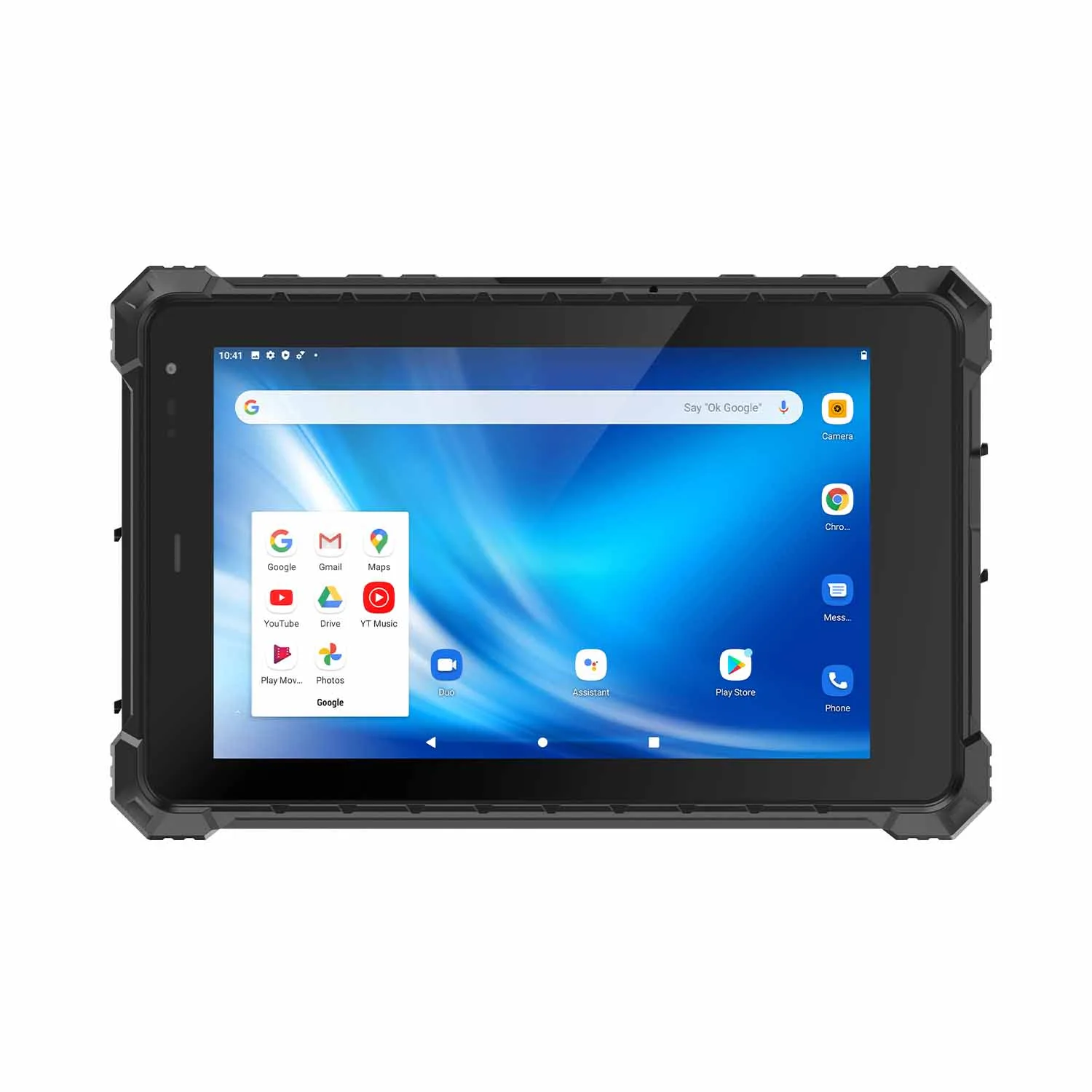
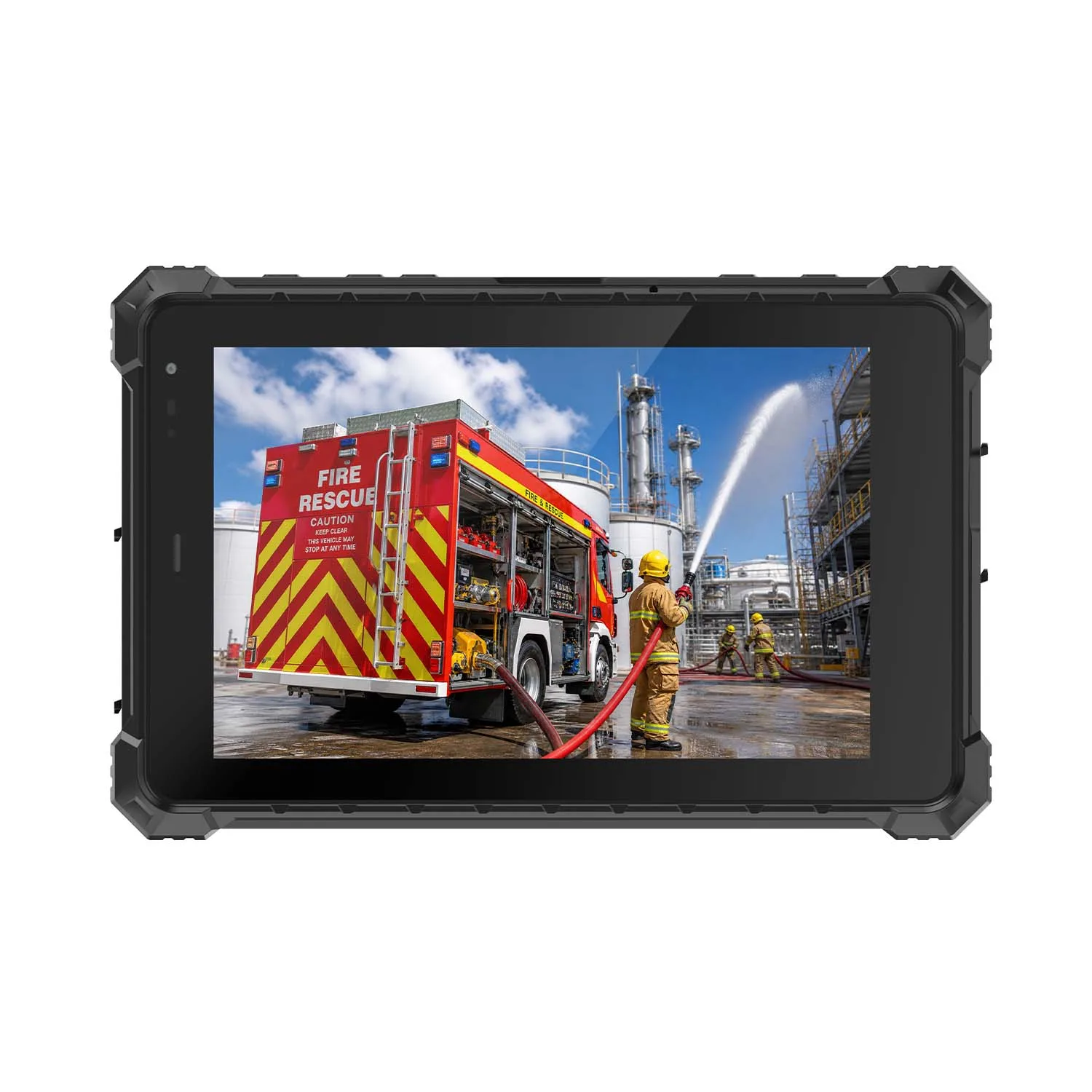
Core Products: Xuxin describes the KJD3.7(5G) as an 8-inch Android device with the marking Ex ib I Mb. The published operating range is 0°C to +40°C, distinctly narrower than its storage range. These are manufacturer statements; the coal-mine approval decision still requires a matching, valid approval record.
Technical Advantage: A compact device with programmable physical controls provides a useful basis for reducing touch interaction. Our proposed acceptance task would assign one key to the inspection application and measure the steps needed to resume the current record. A convenient shortcut should not create accidental entries when the device presses against clothing.
Application Fit: Evaluate it for routine equipment rounds on routes inside the permitted operating conditions. The temperature boundary deserves attention during winter transport to the portal as well as underground use. Do not derive cold-start capability from the storage specification, and do not substitute a large battery-capacity number for a measured shift profile.
6. CENAVA (China)
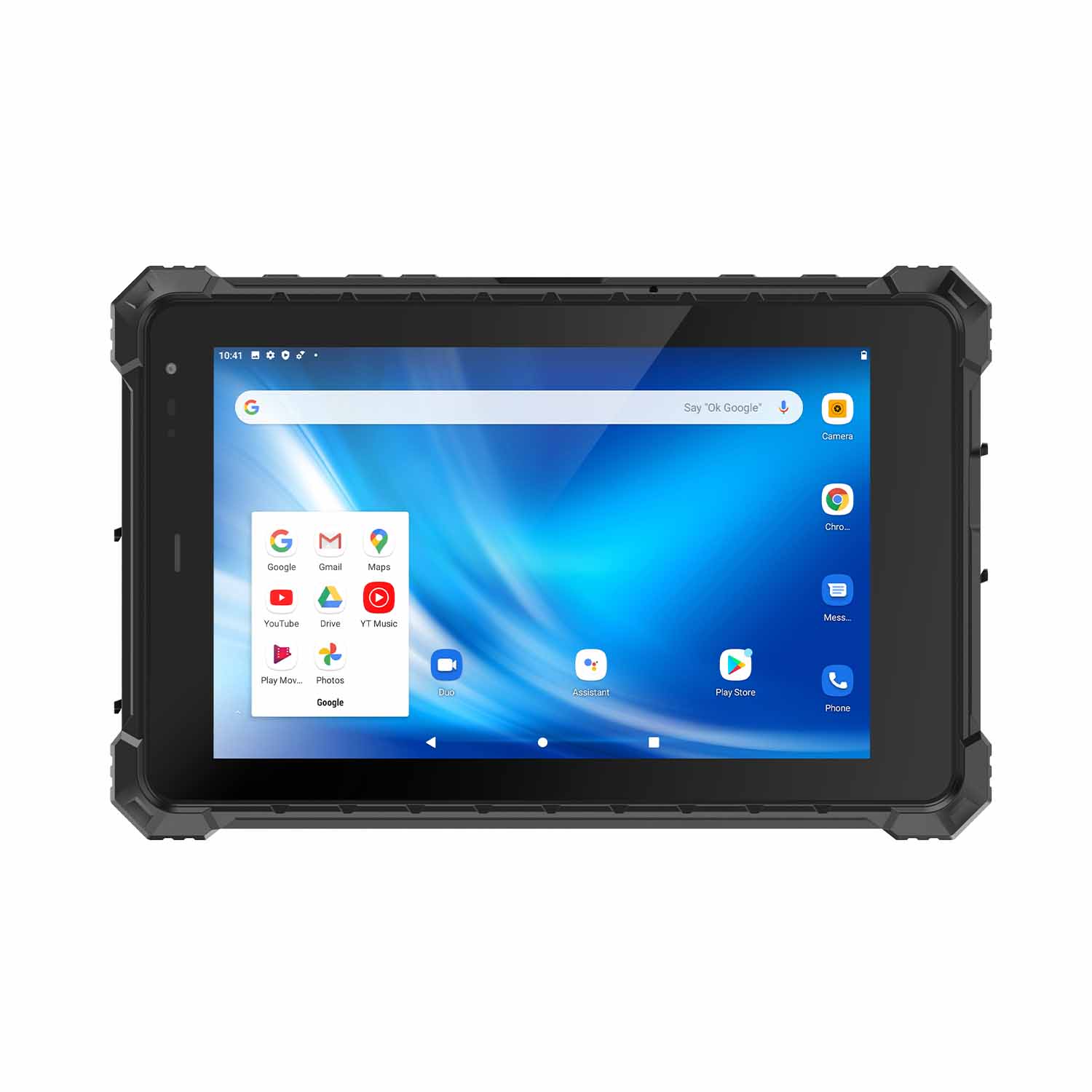
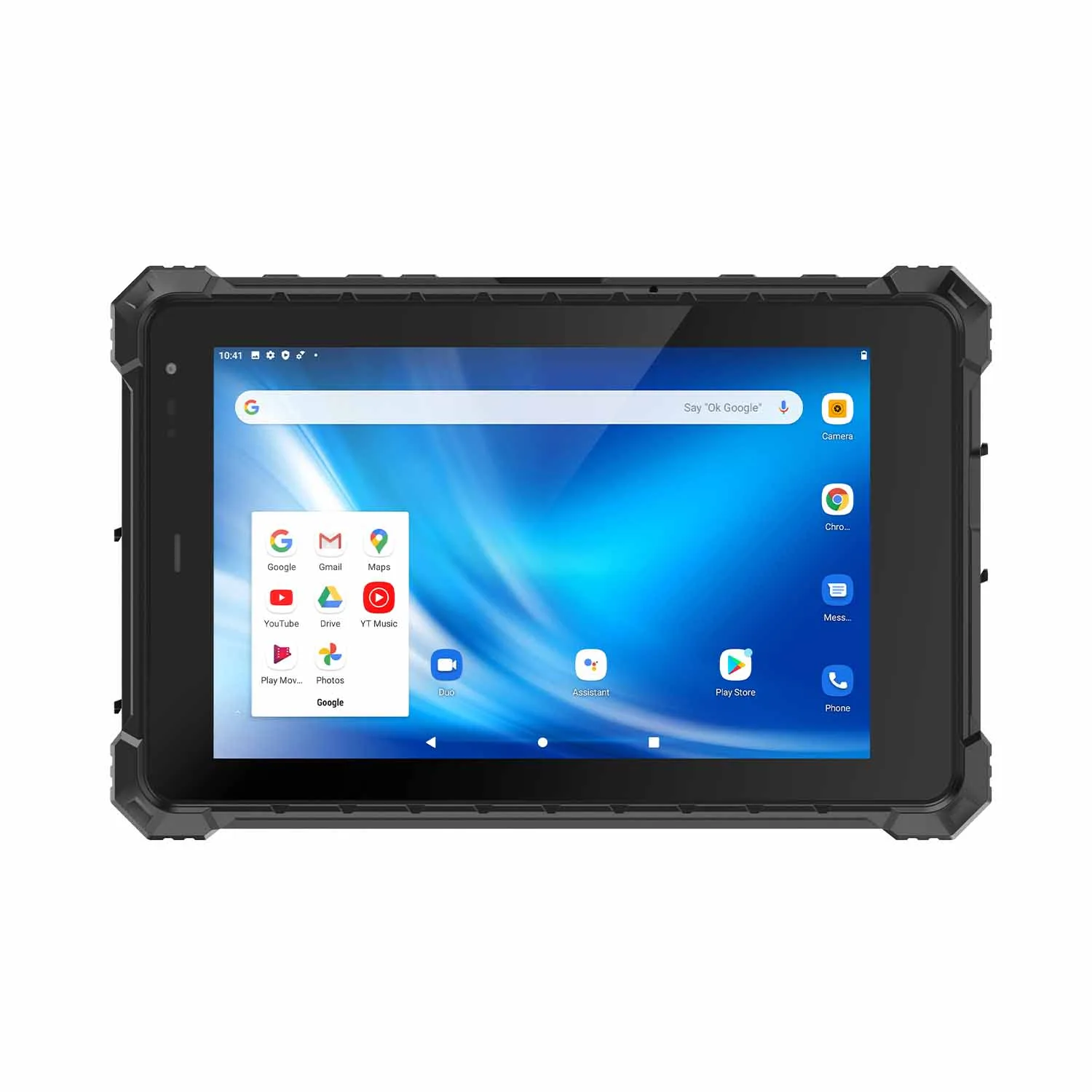
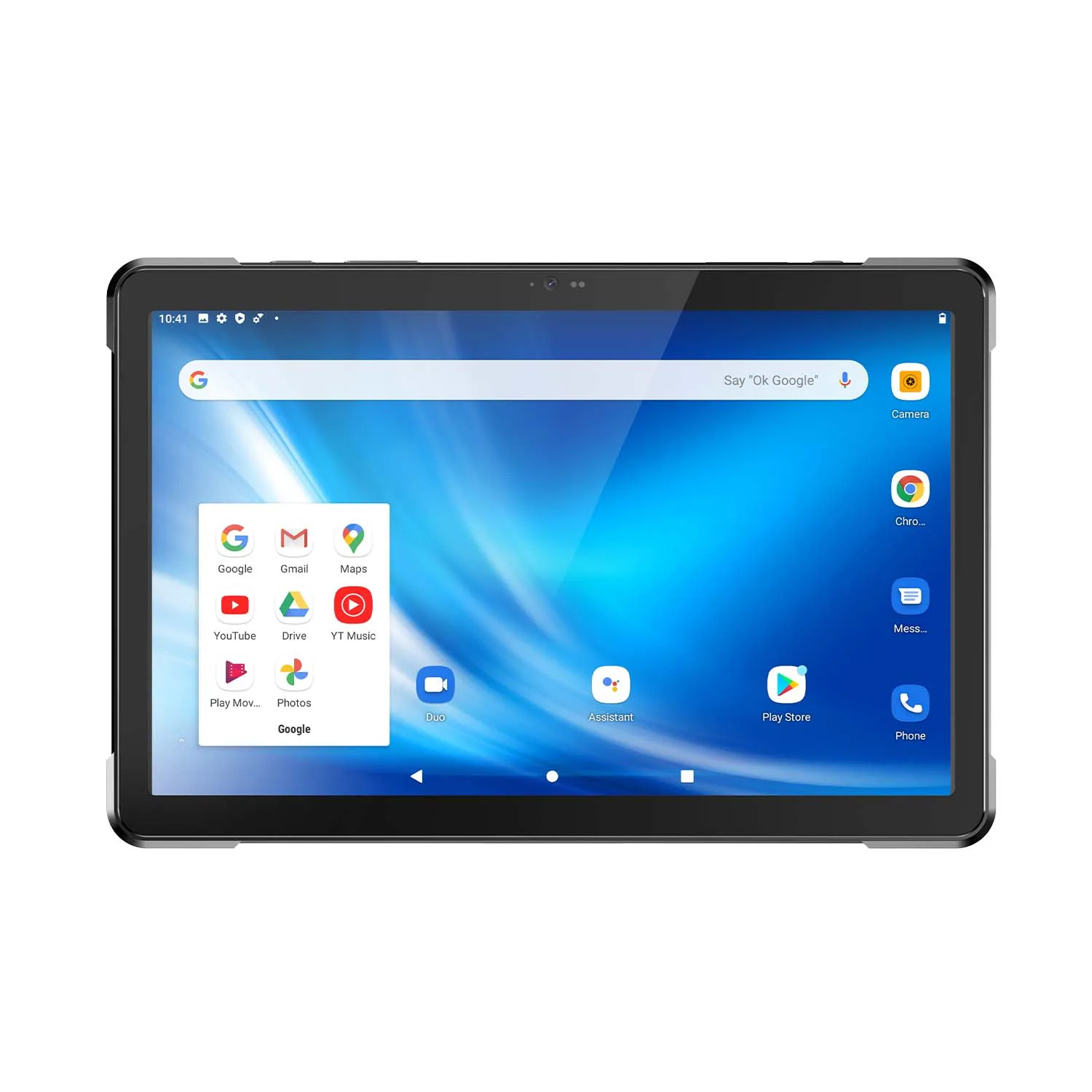
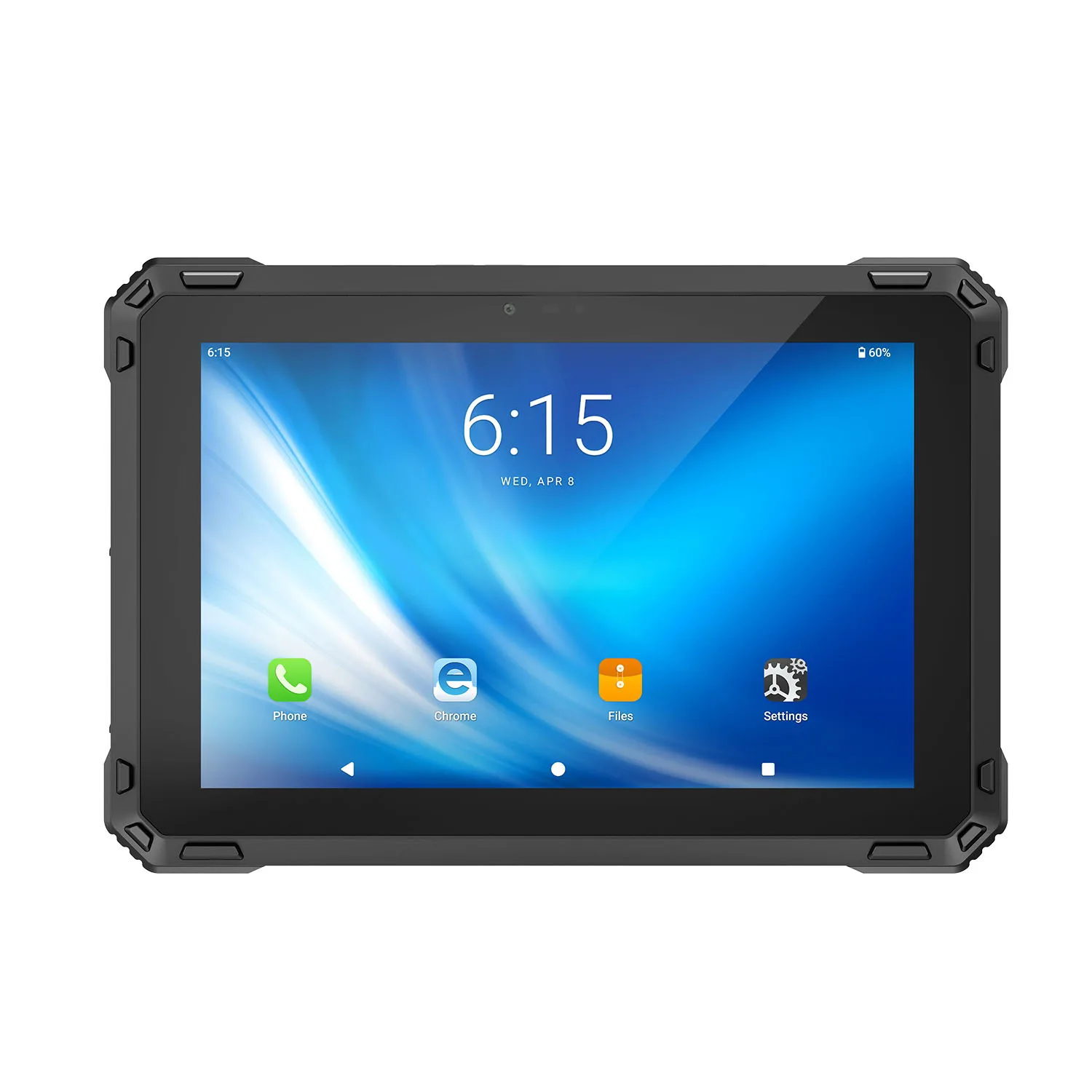
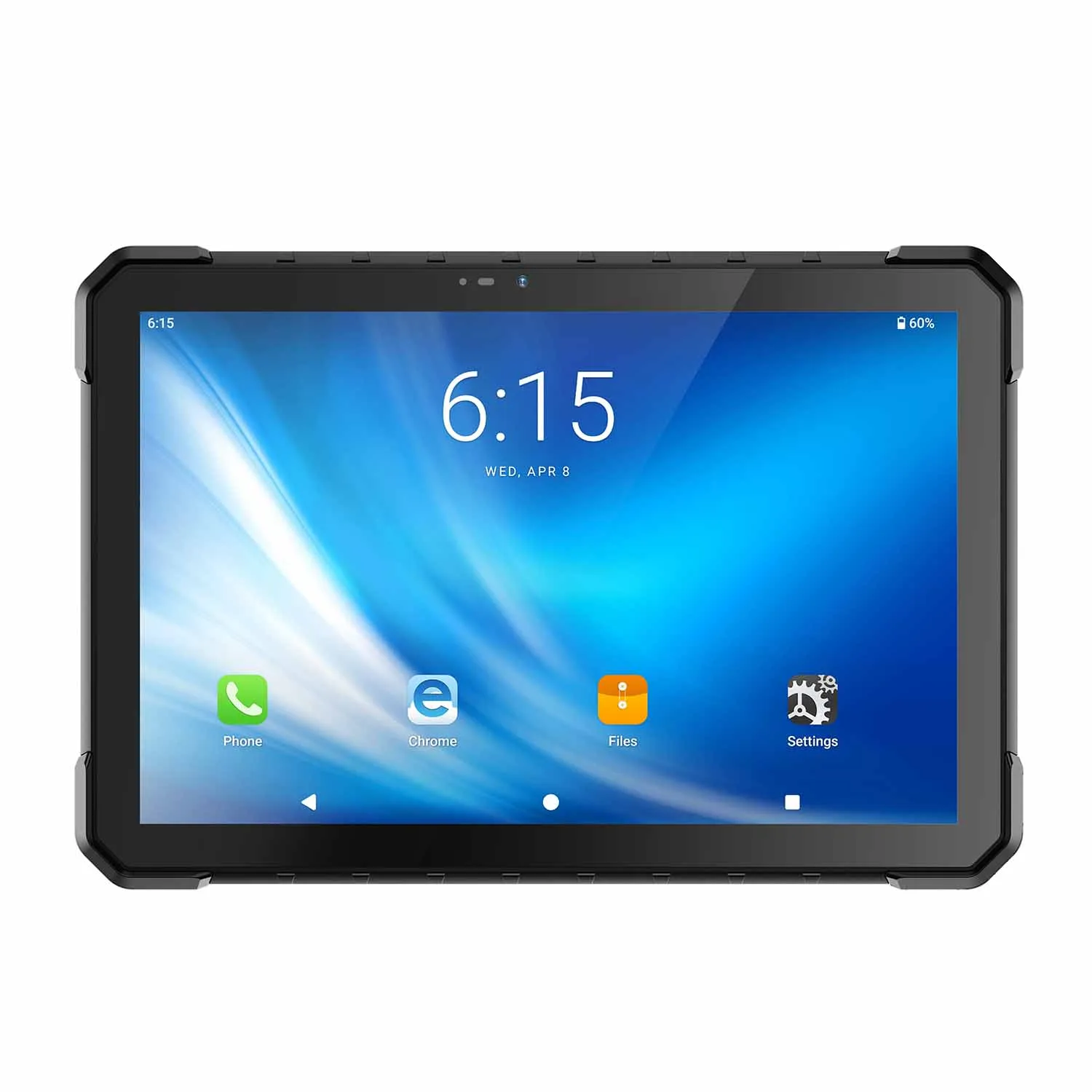
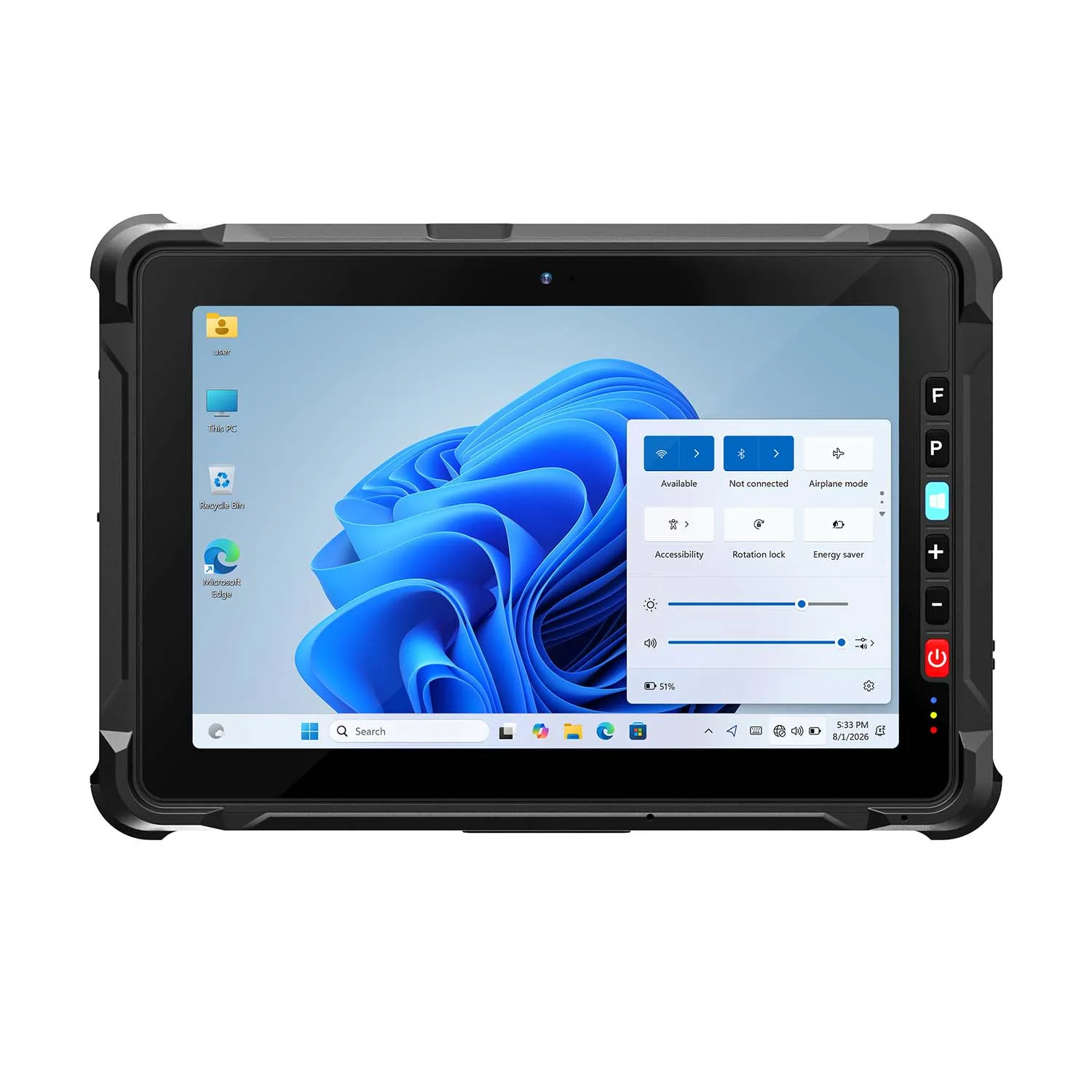
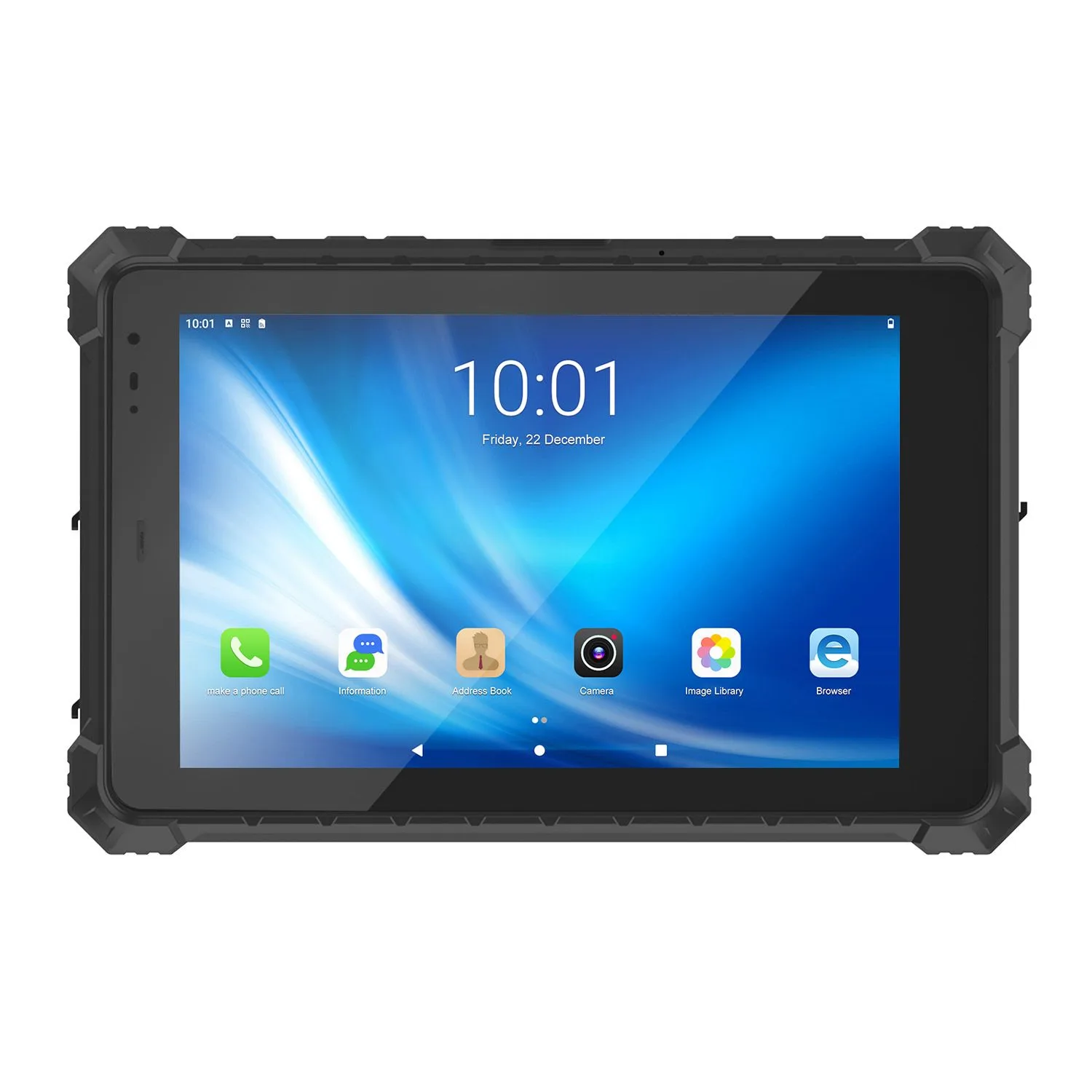
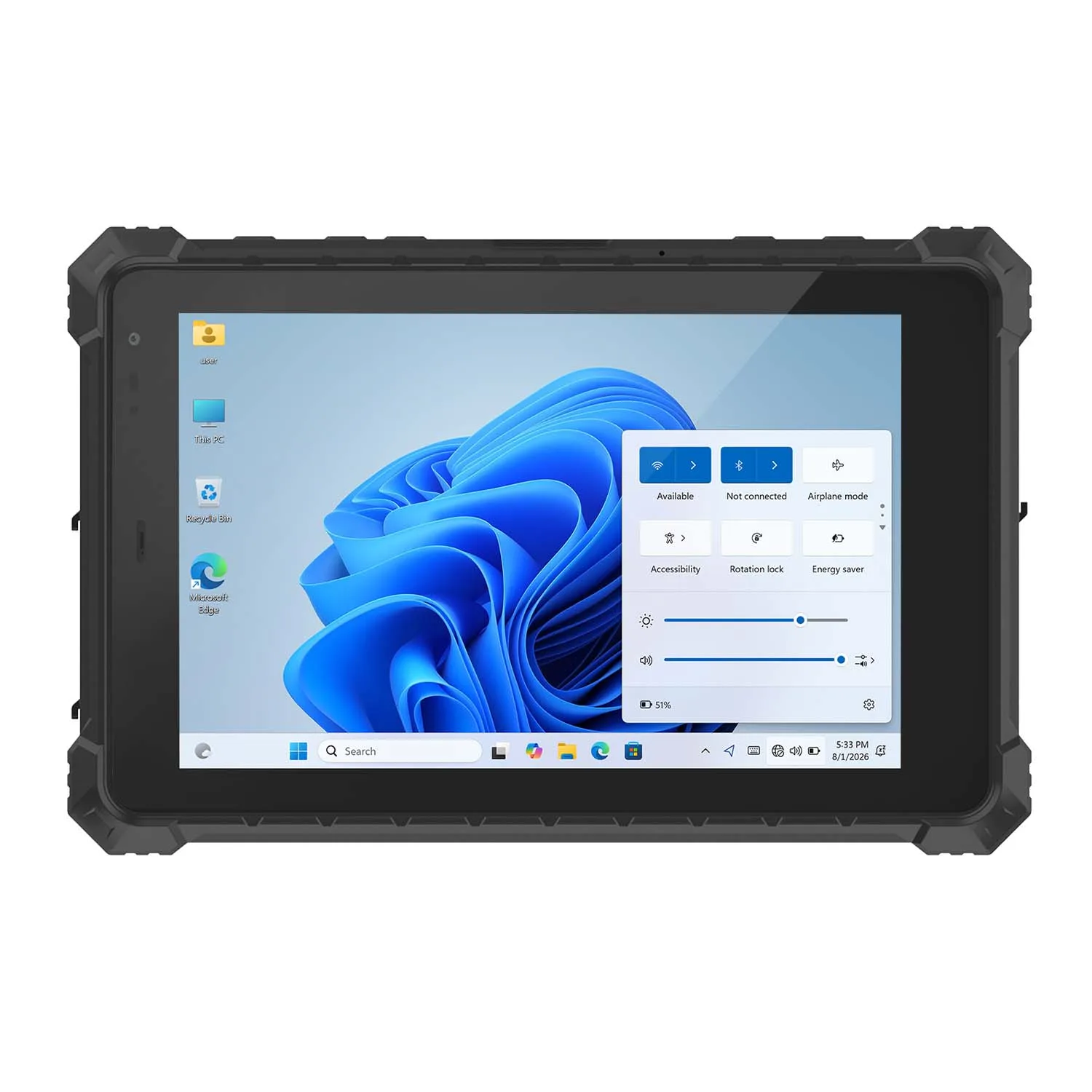
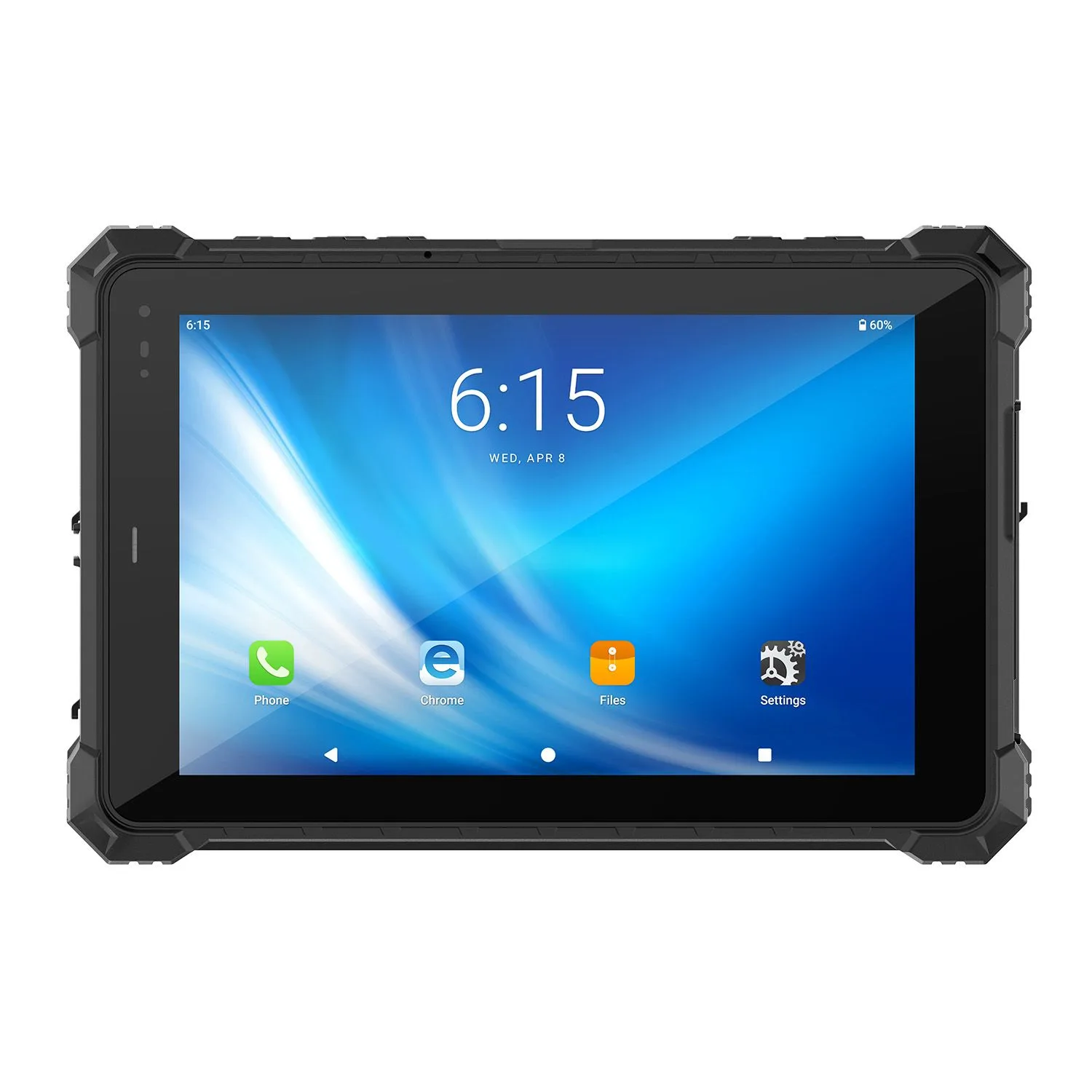
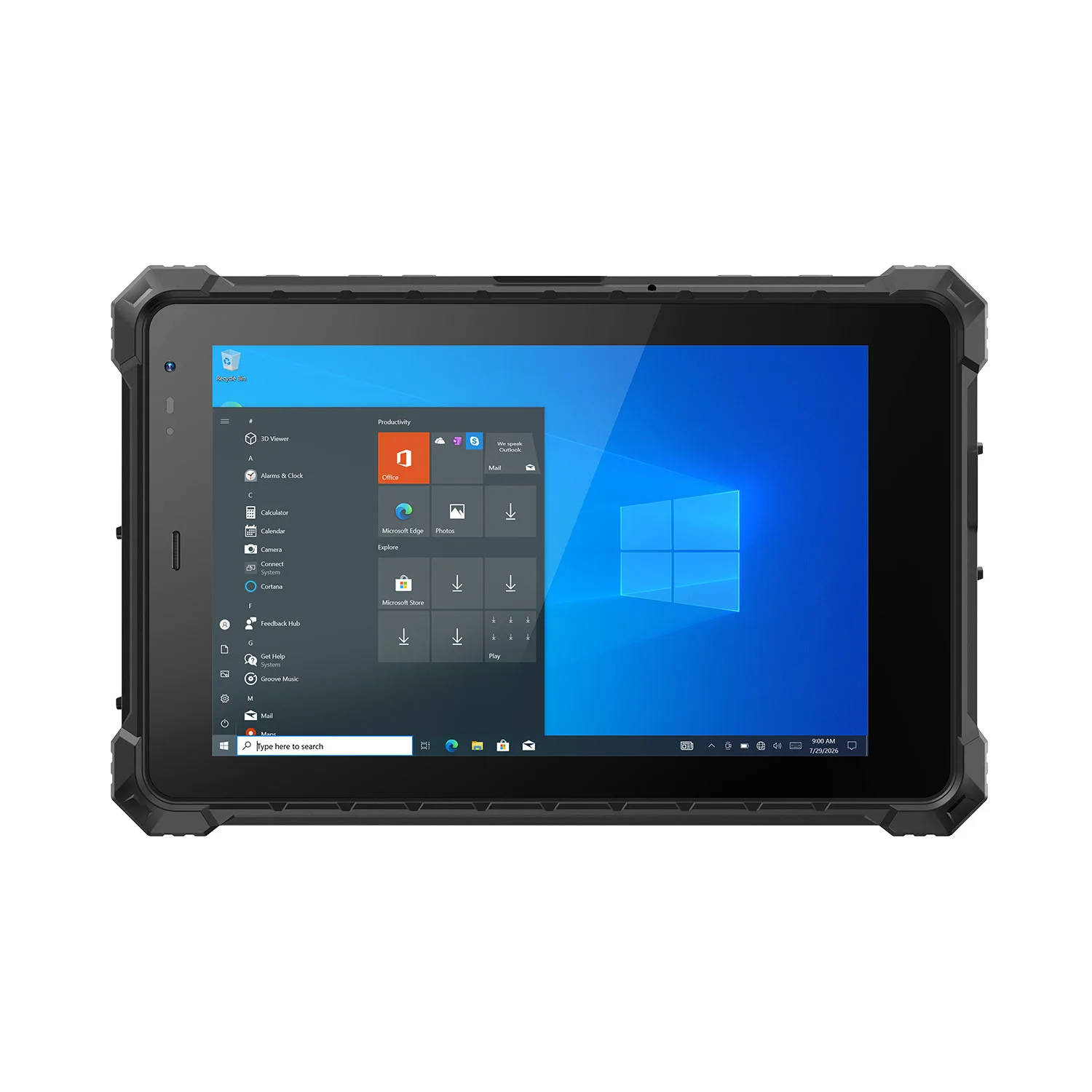
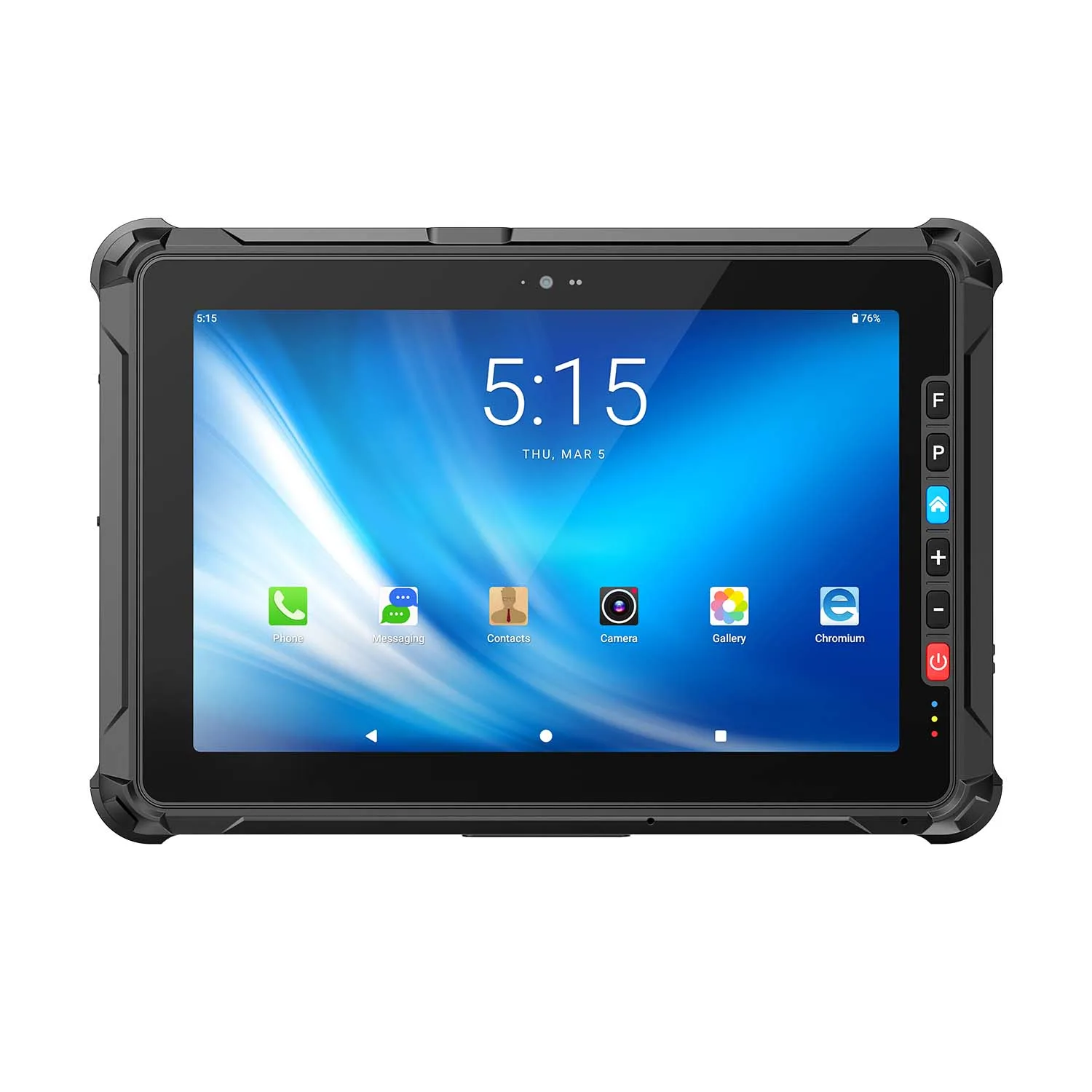
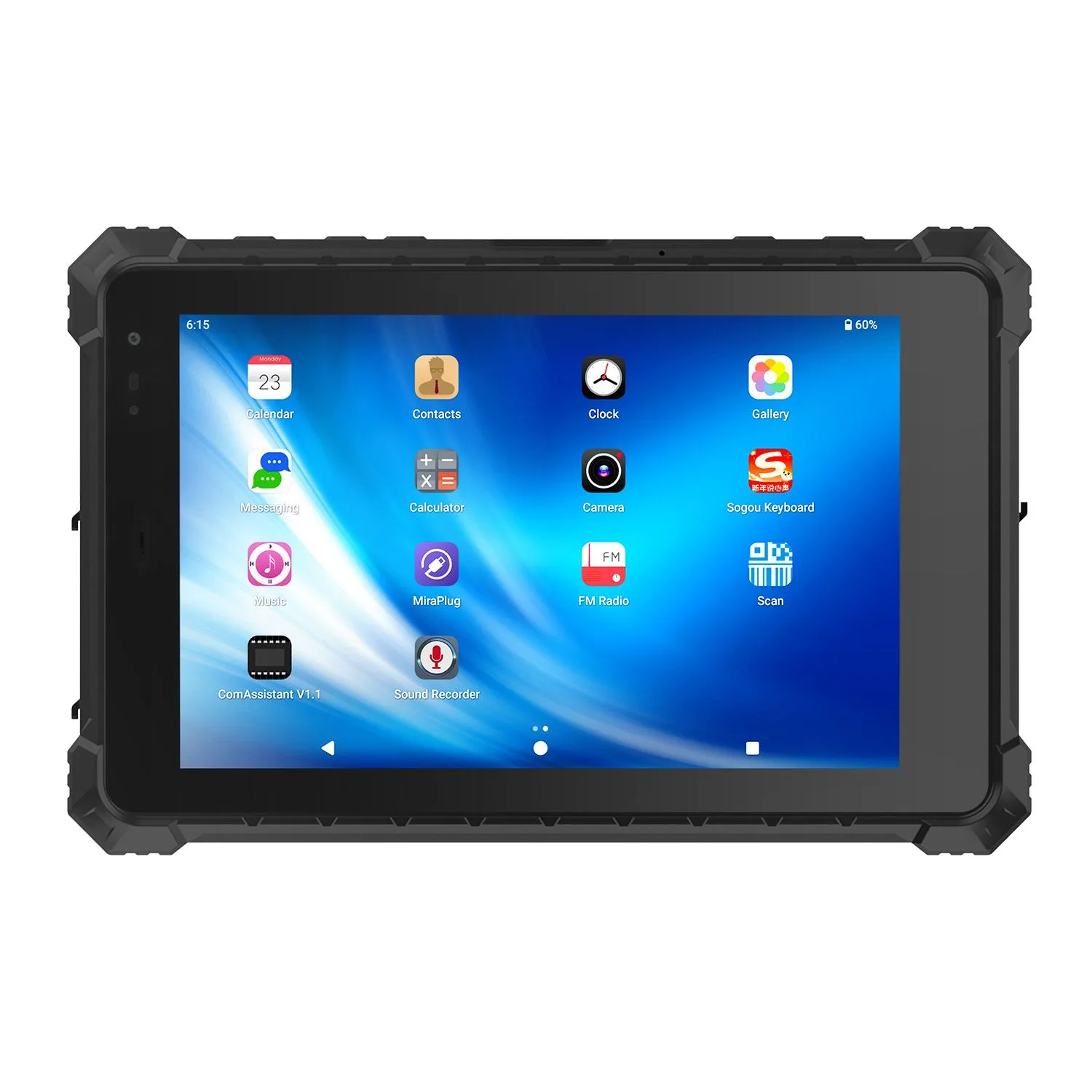
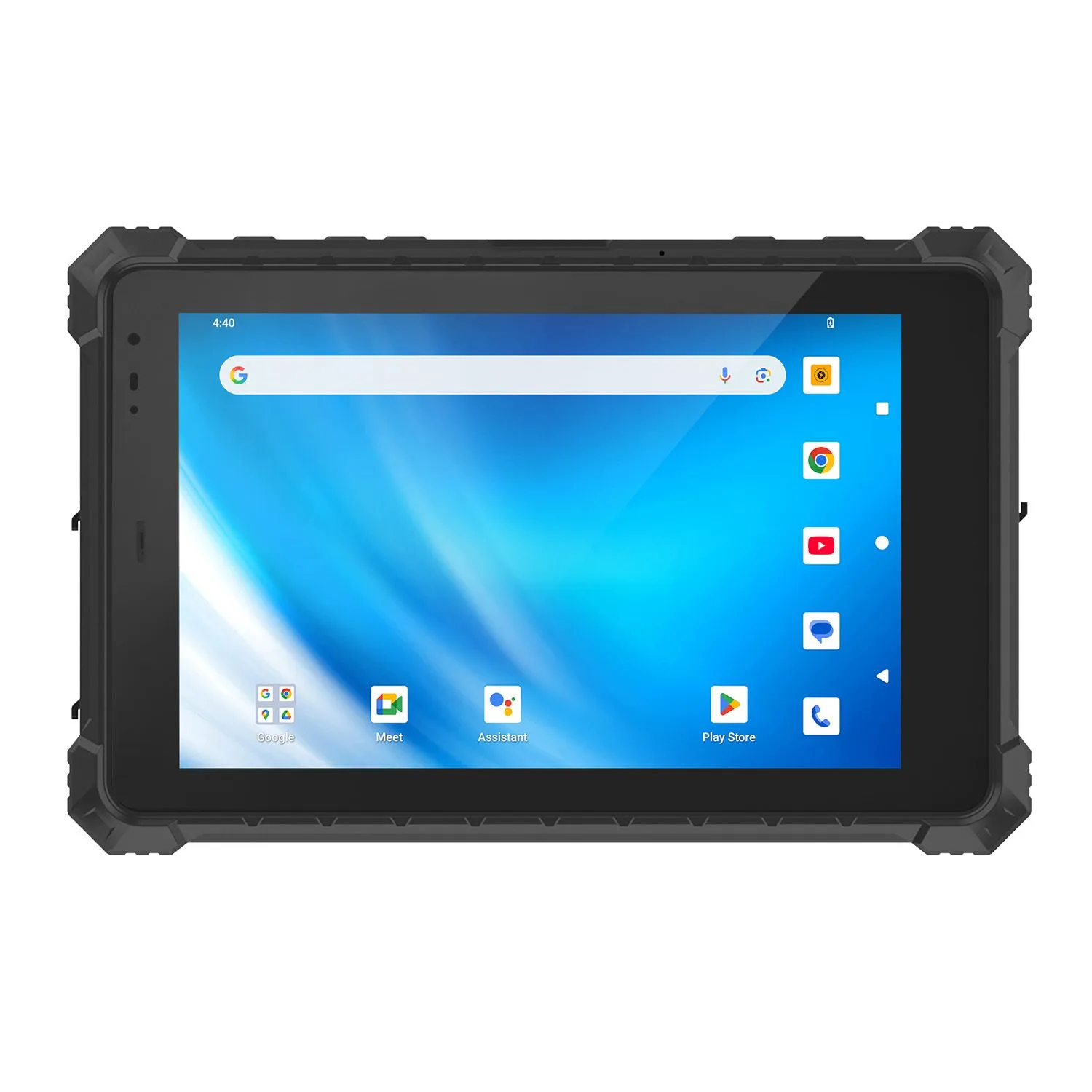
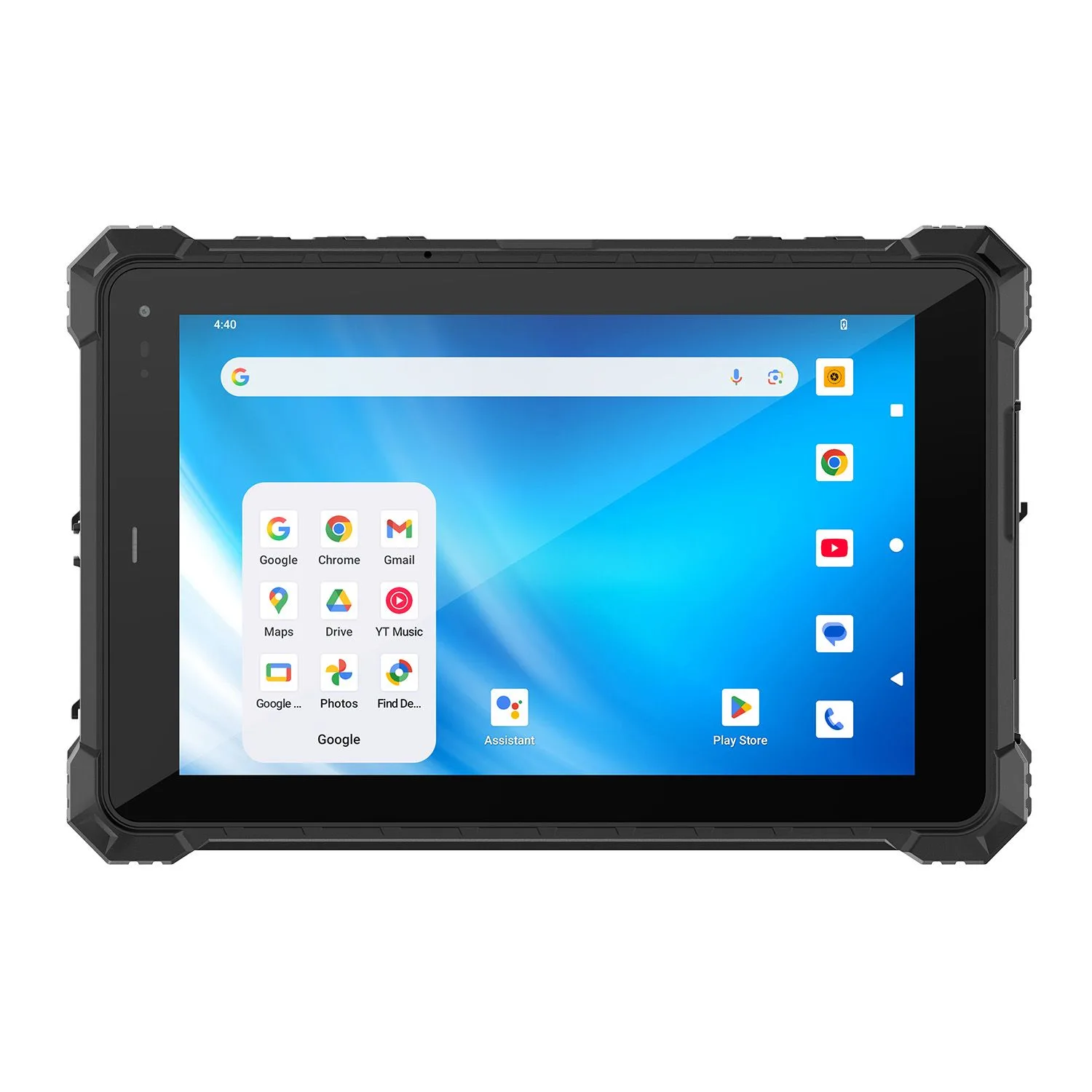
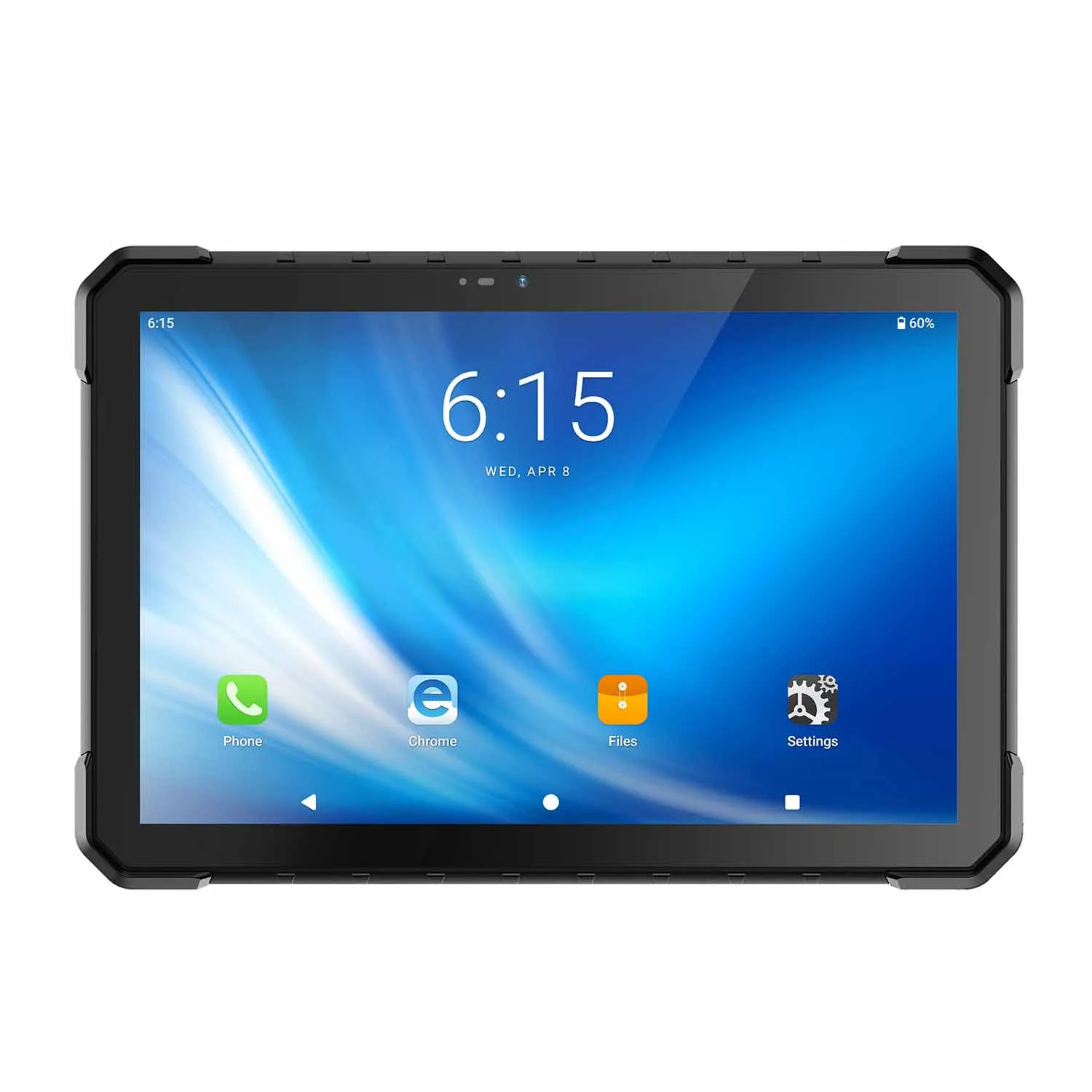
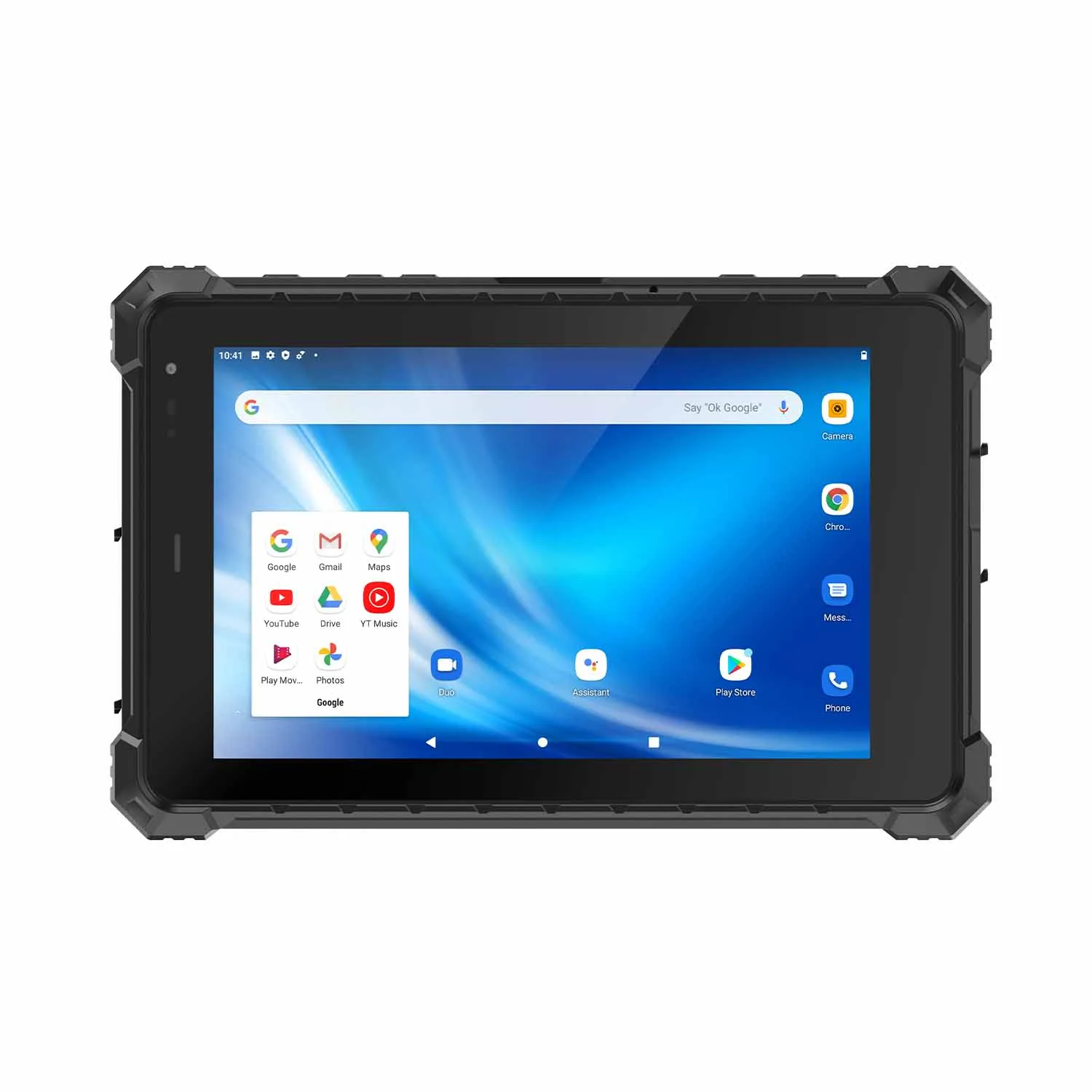
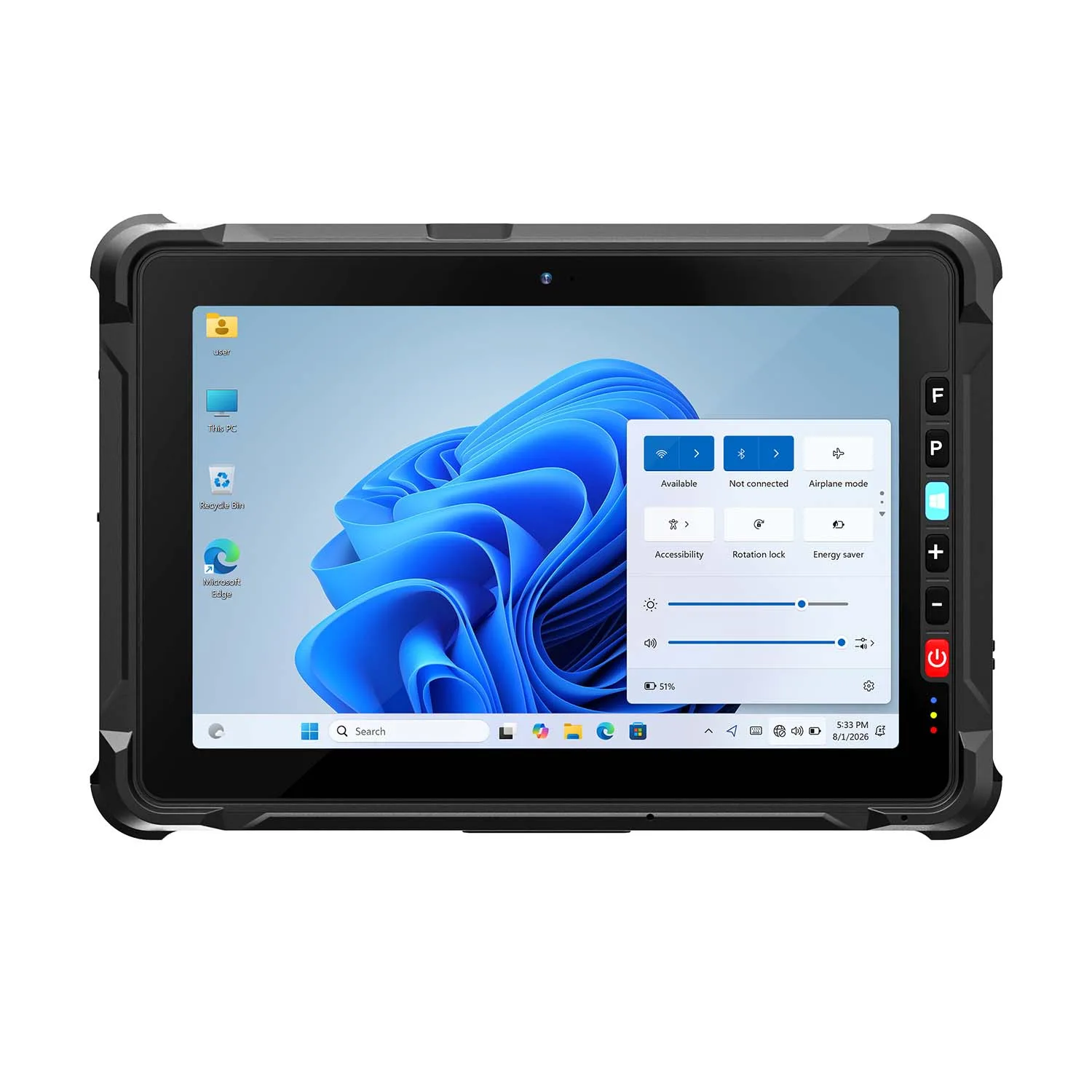
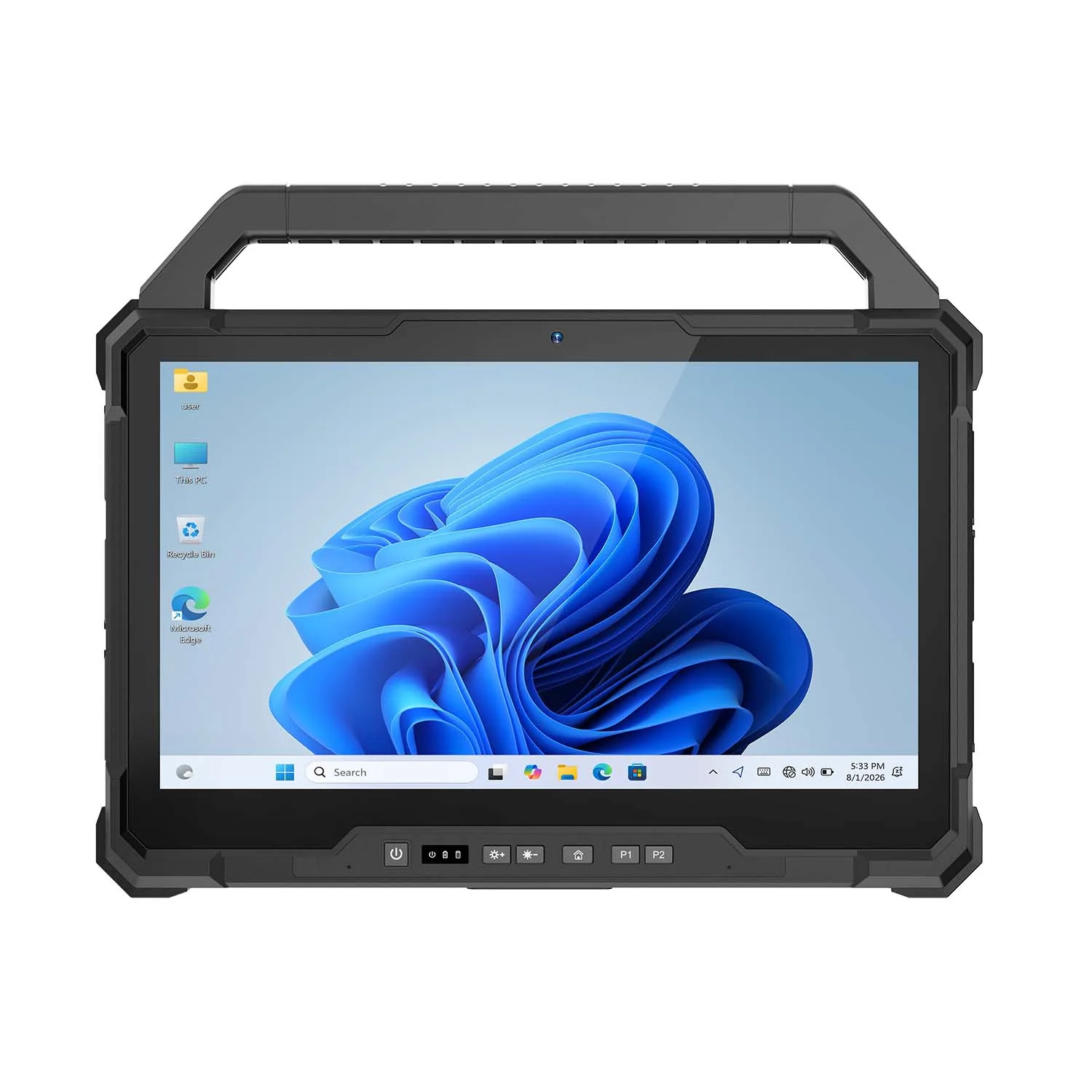
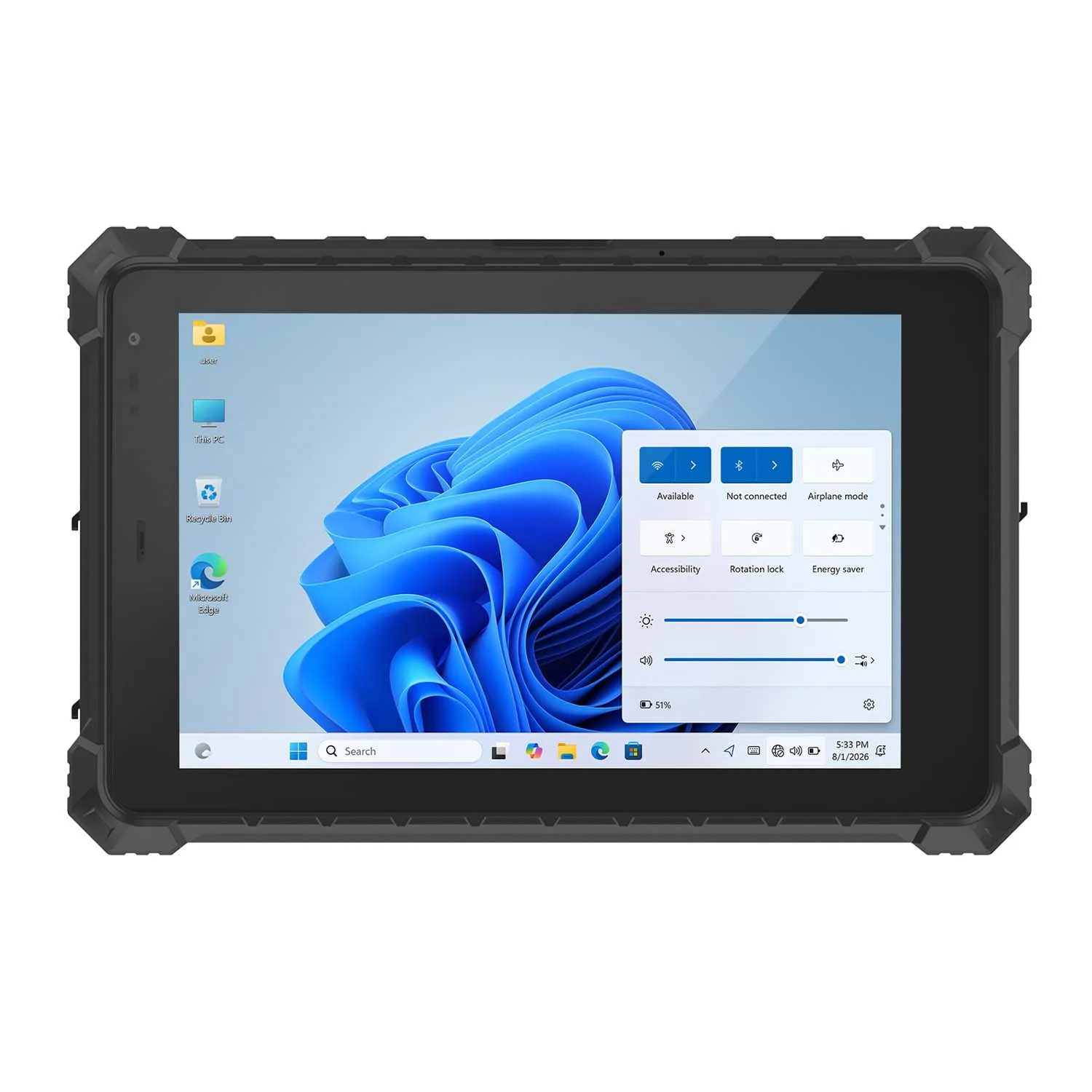
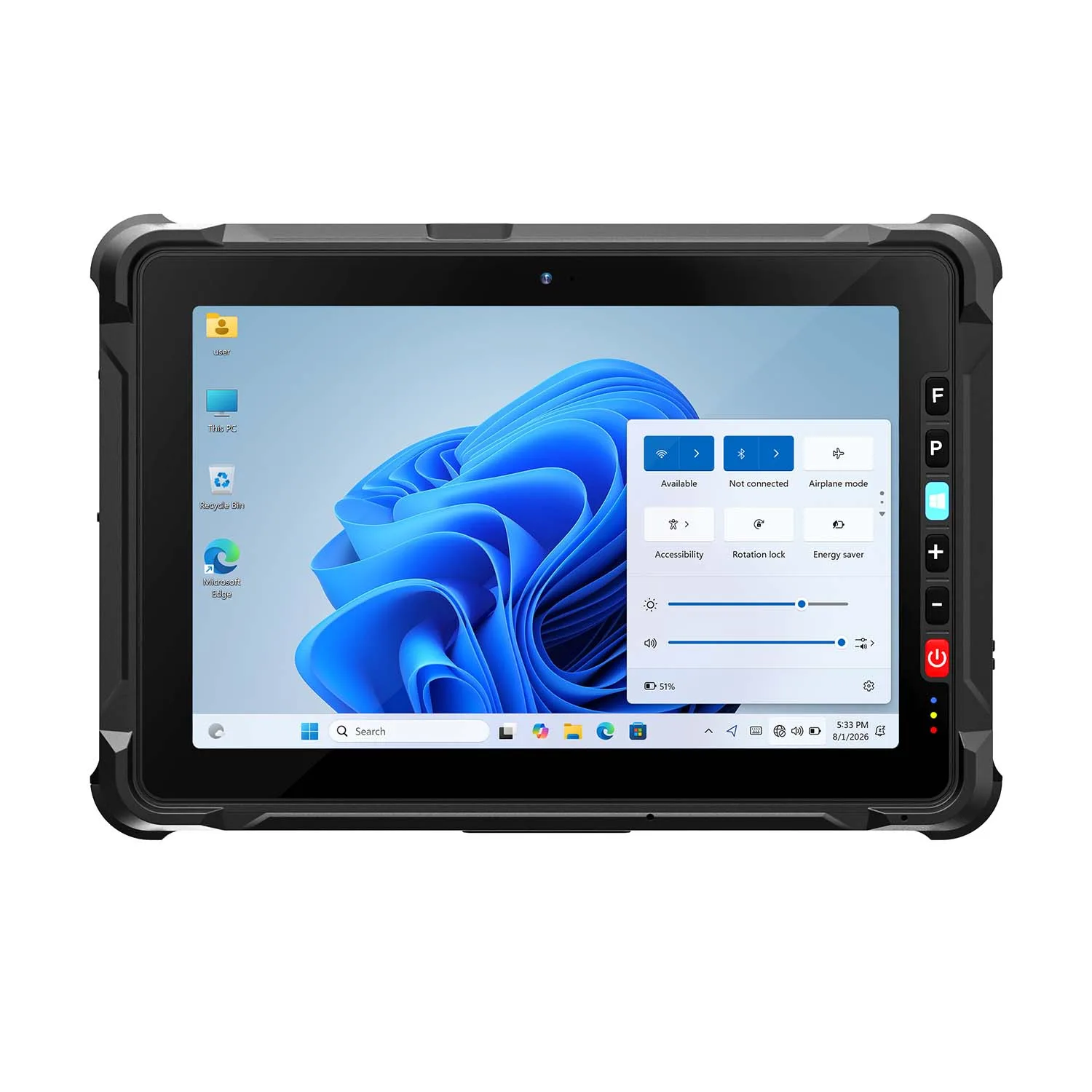
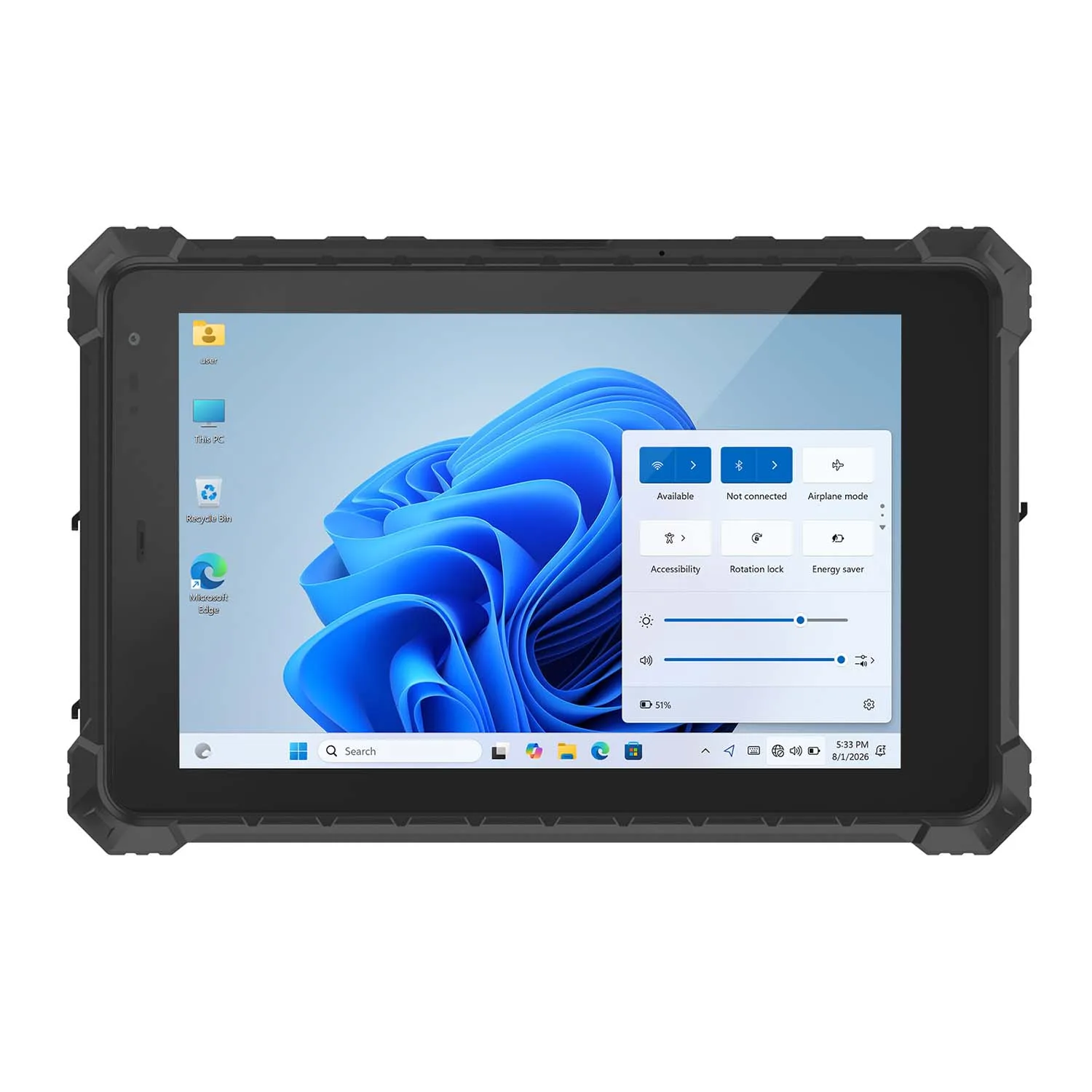
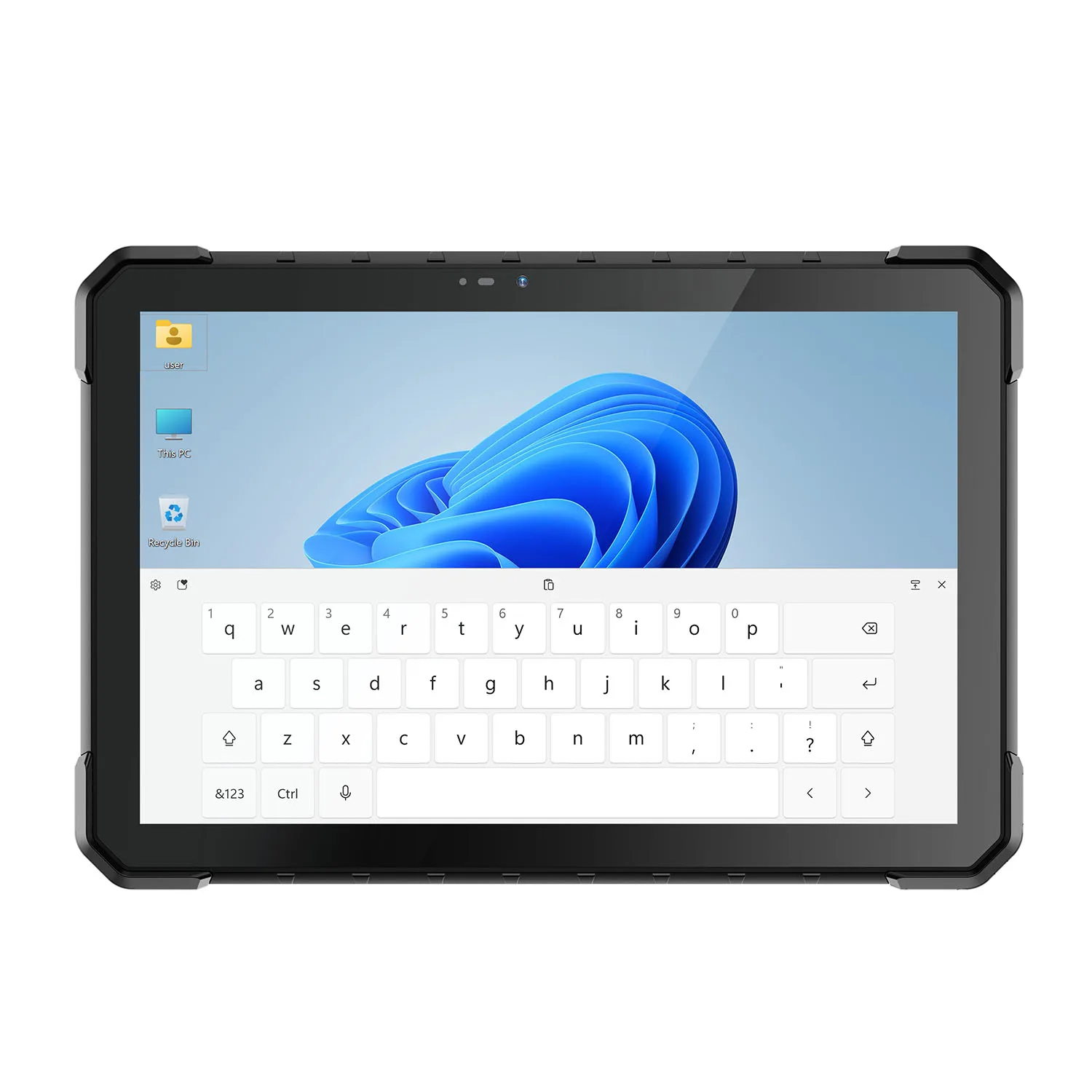
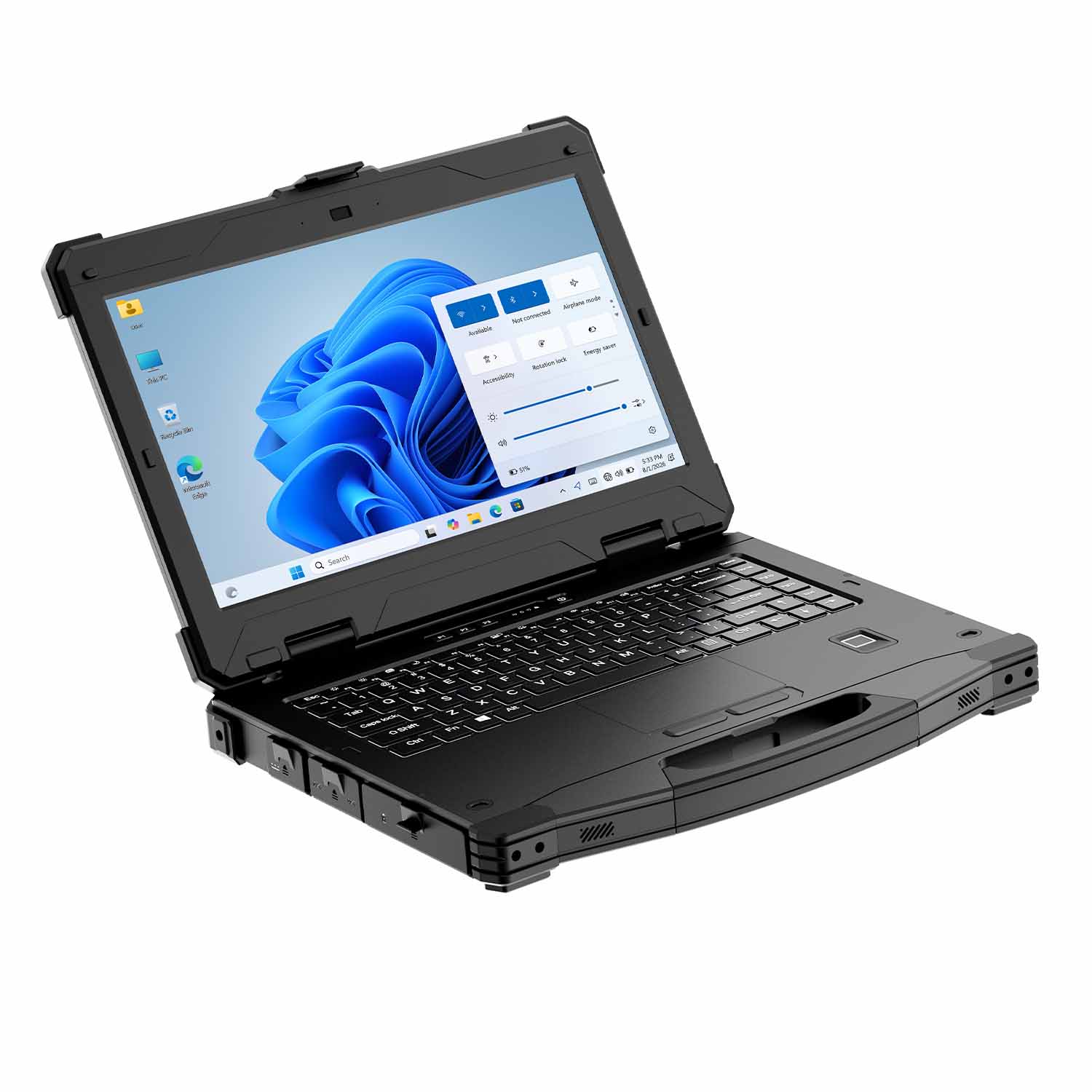
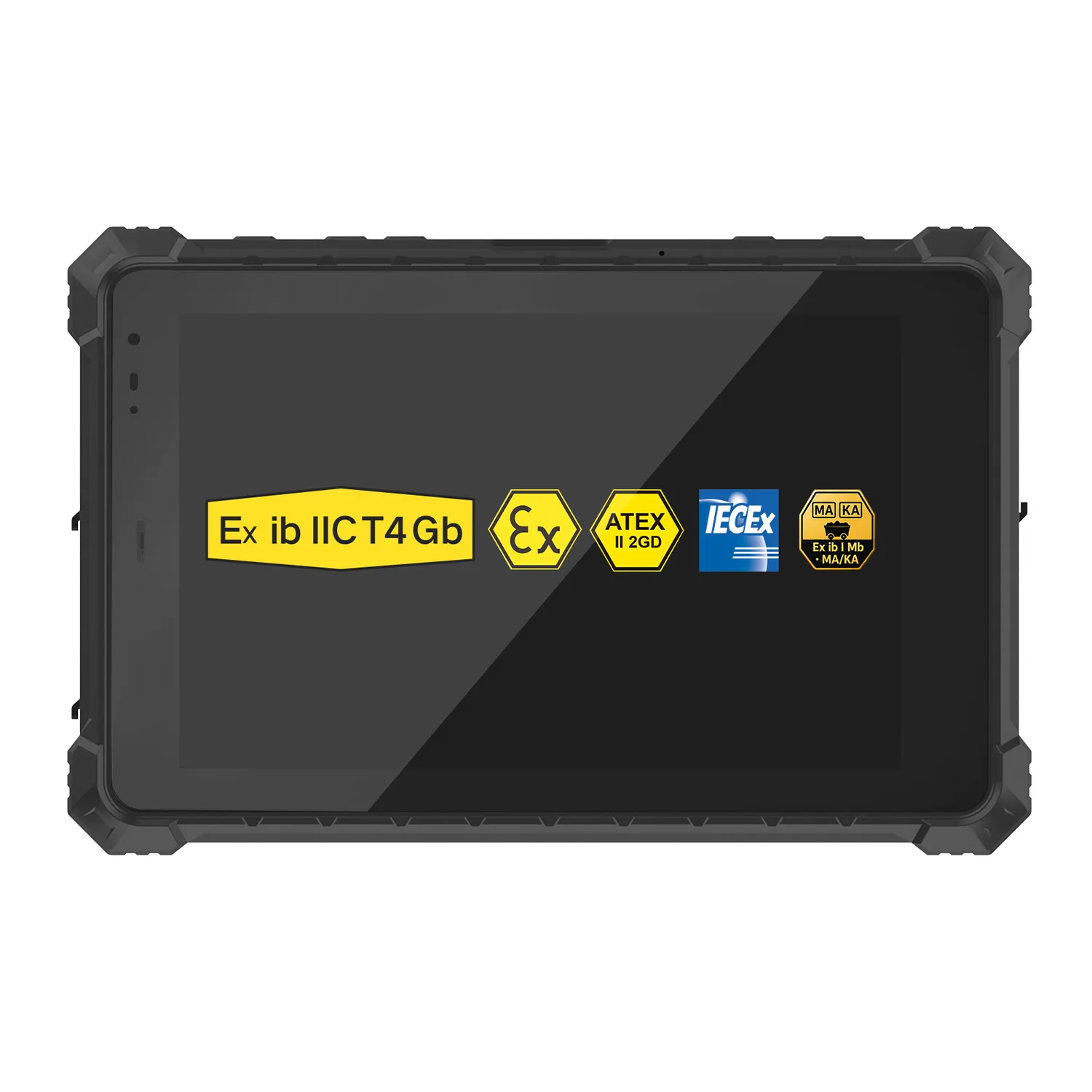
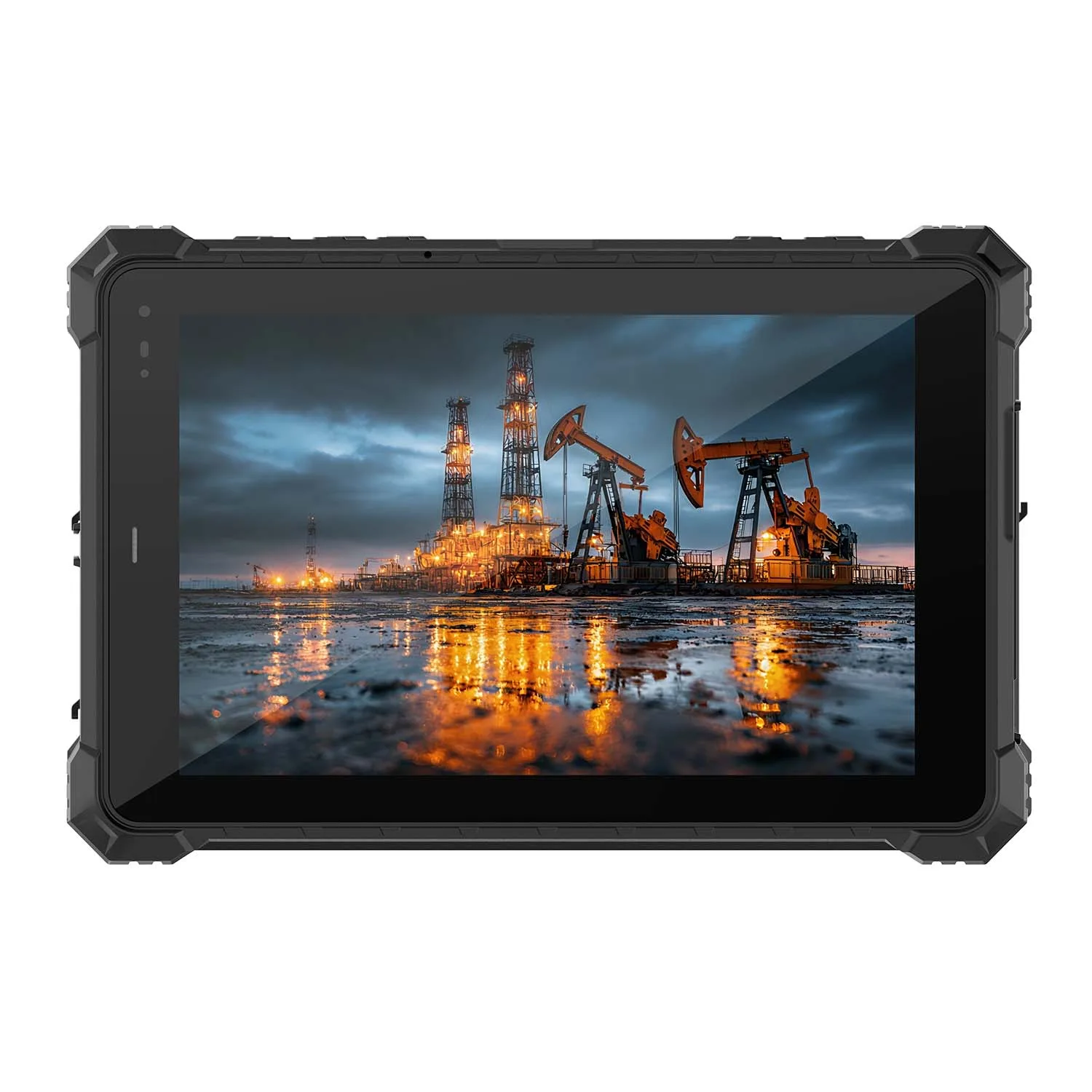
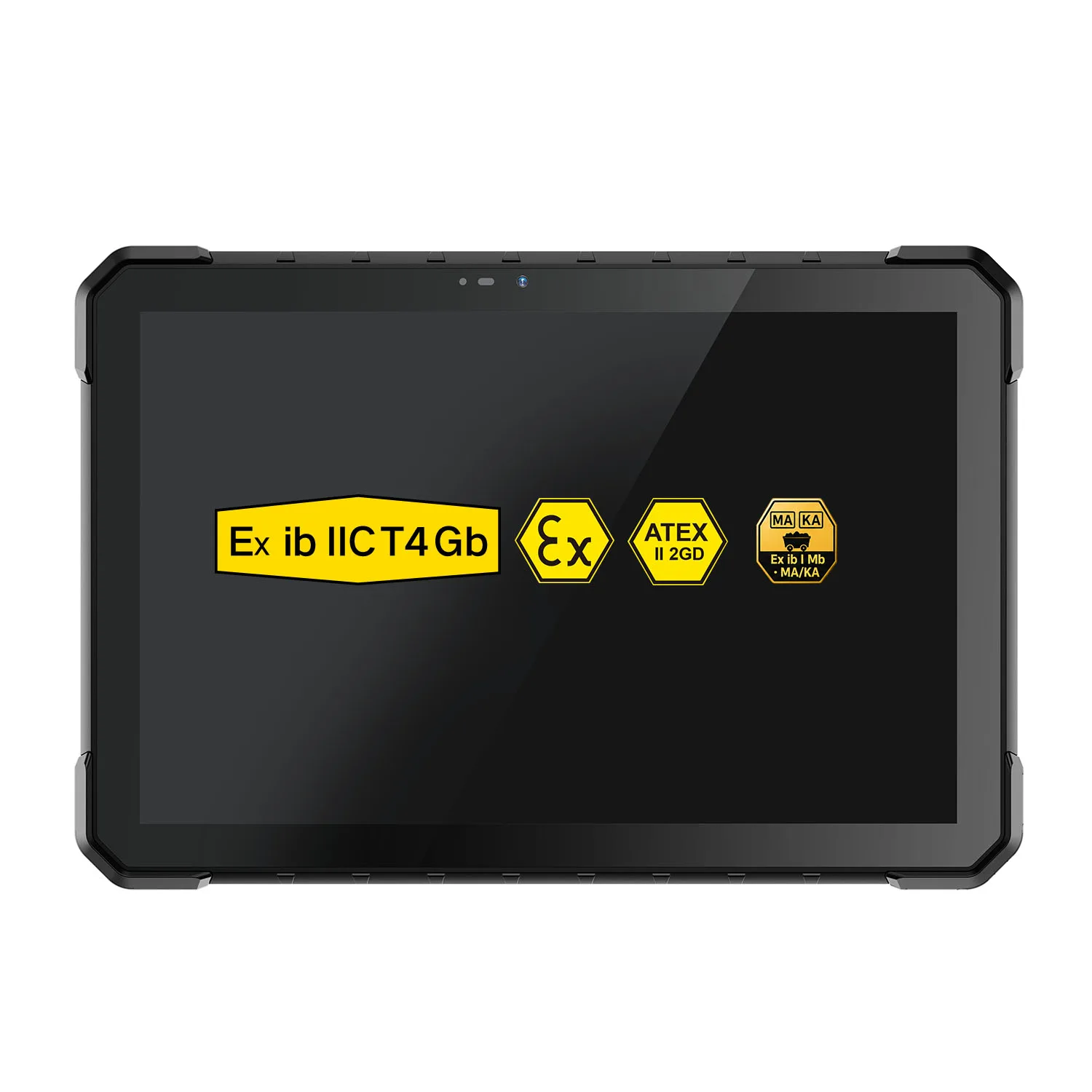
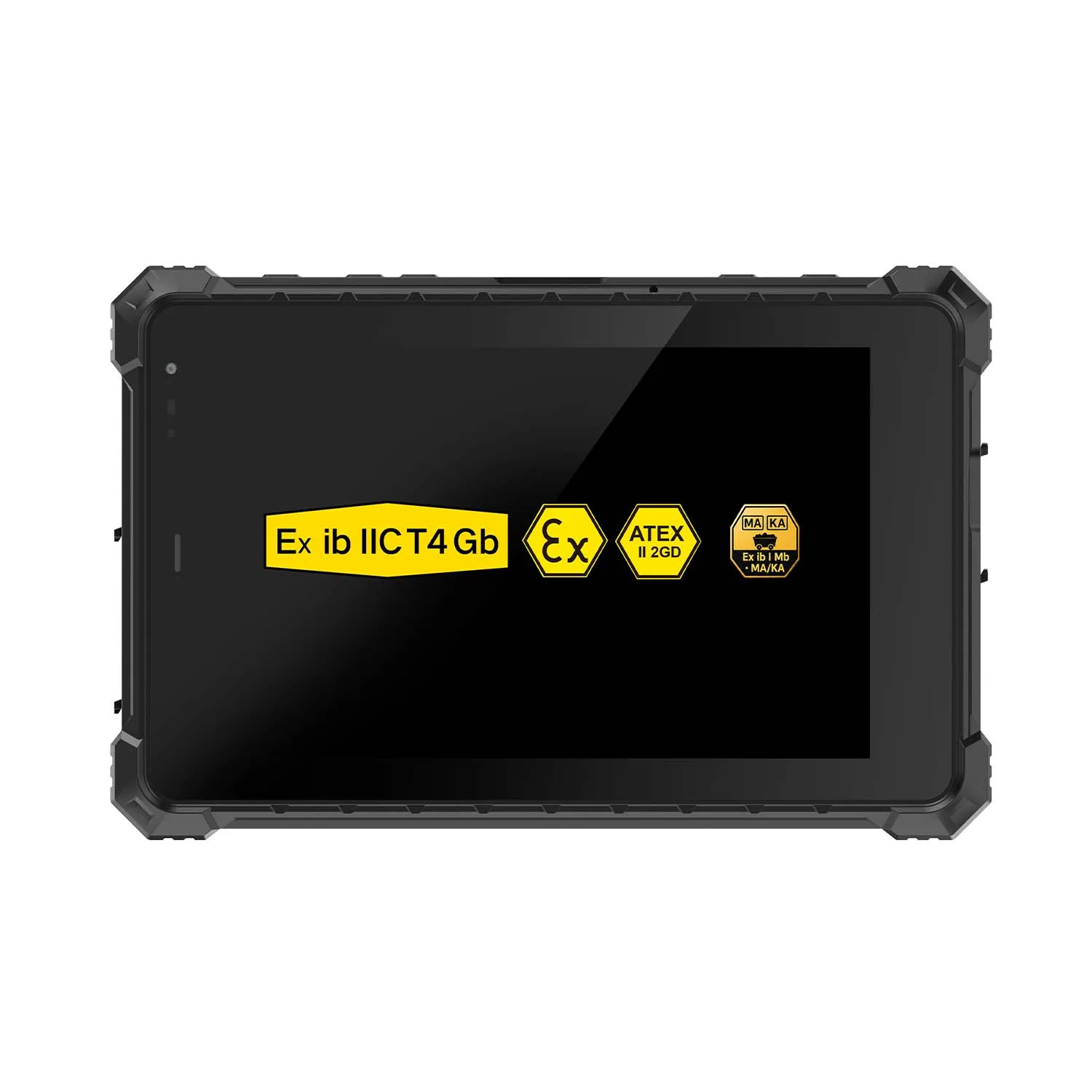
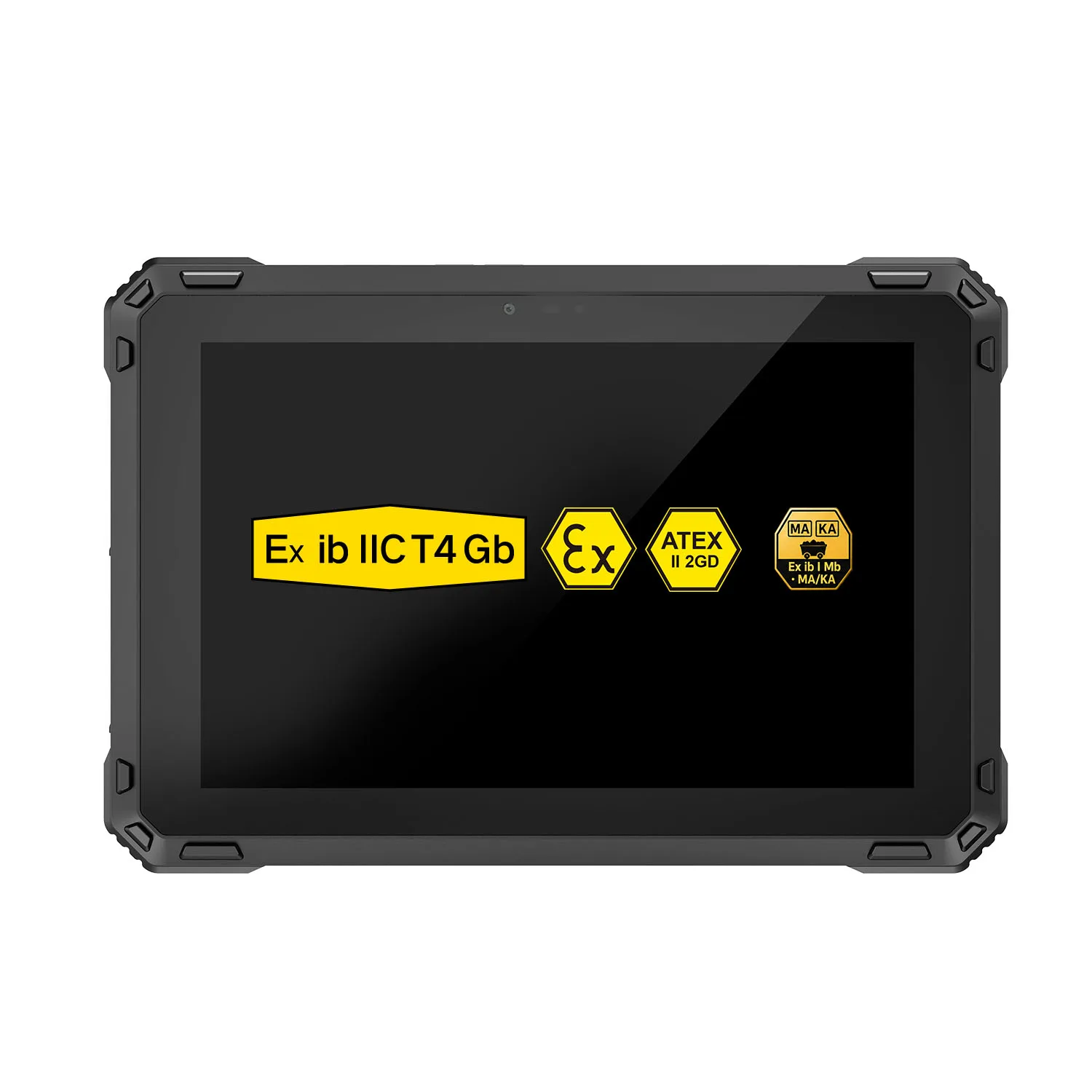
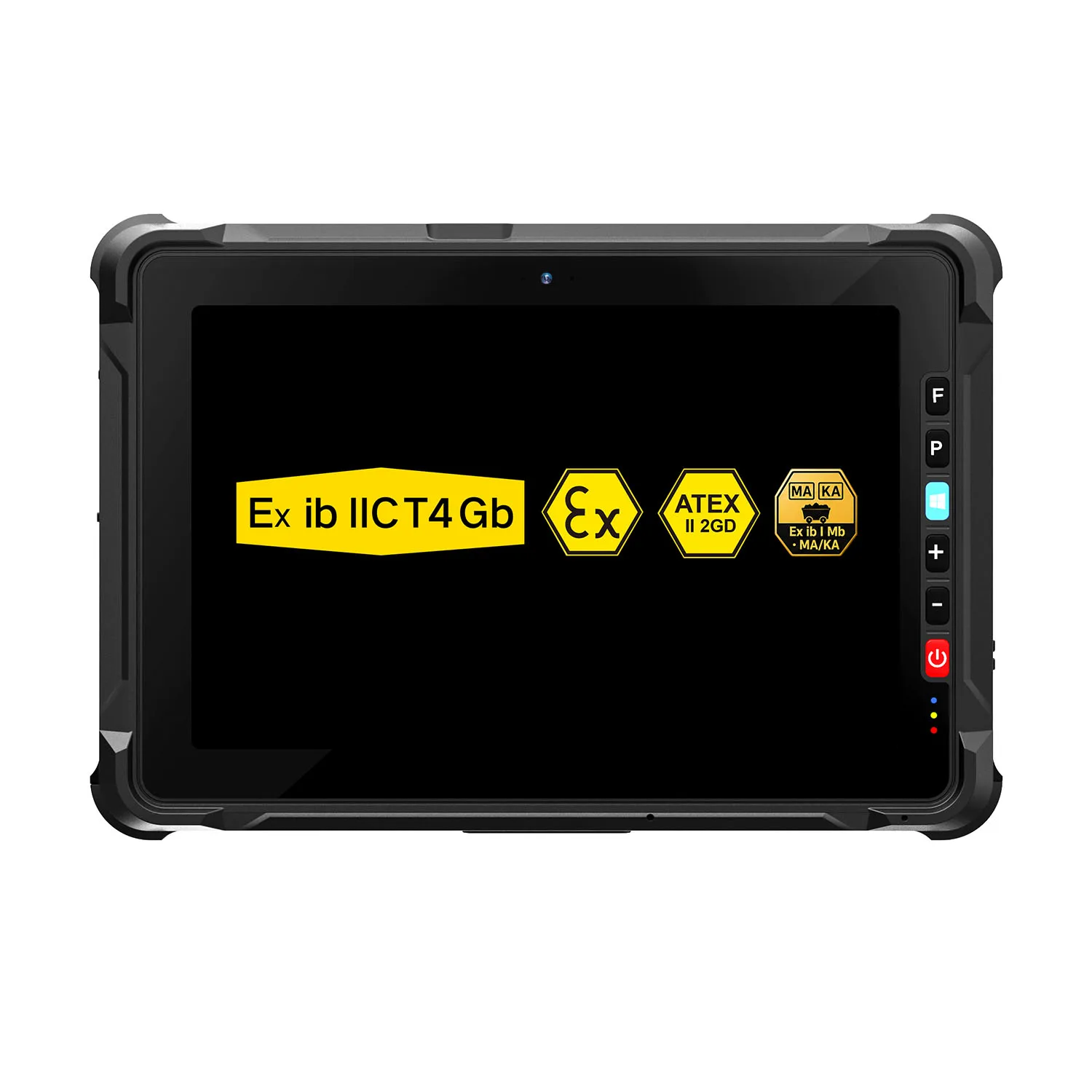
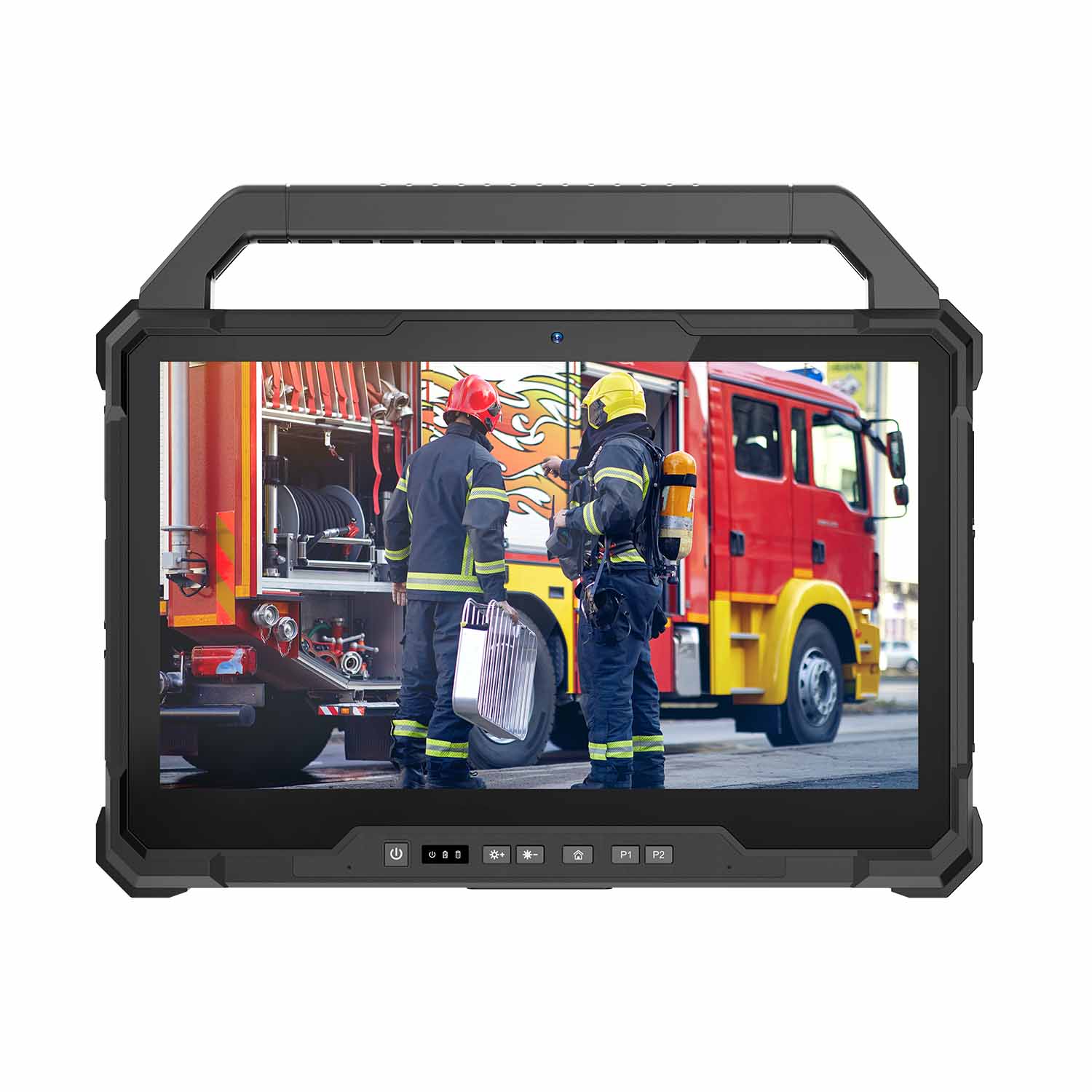
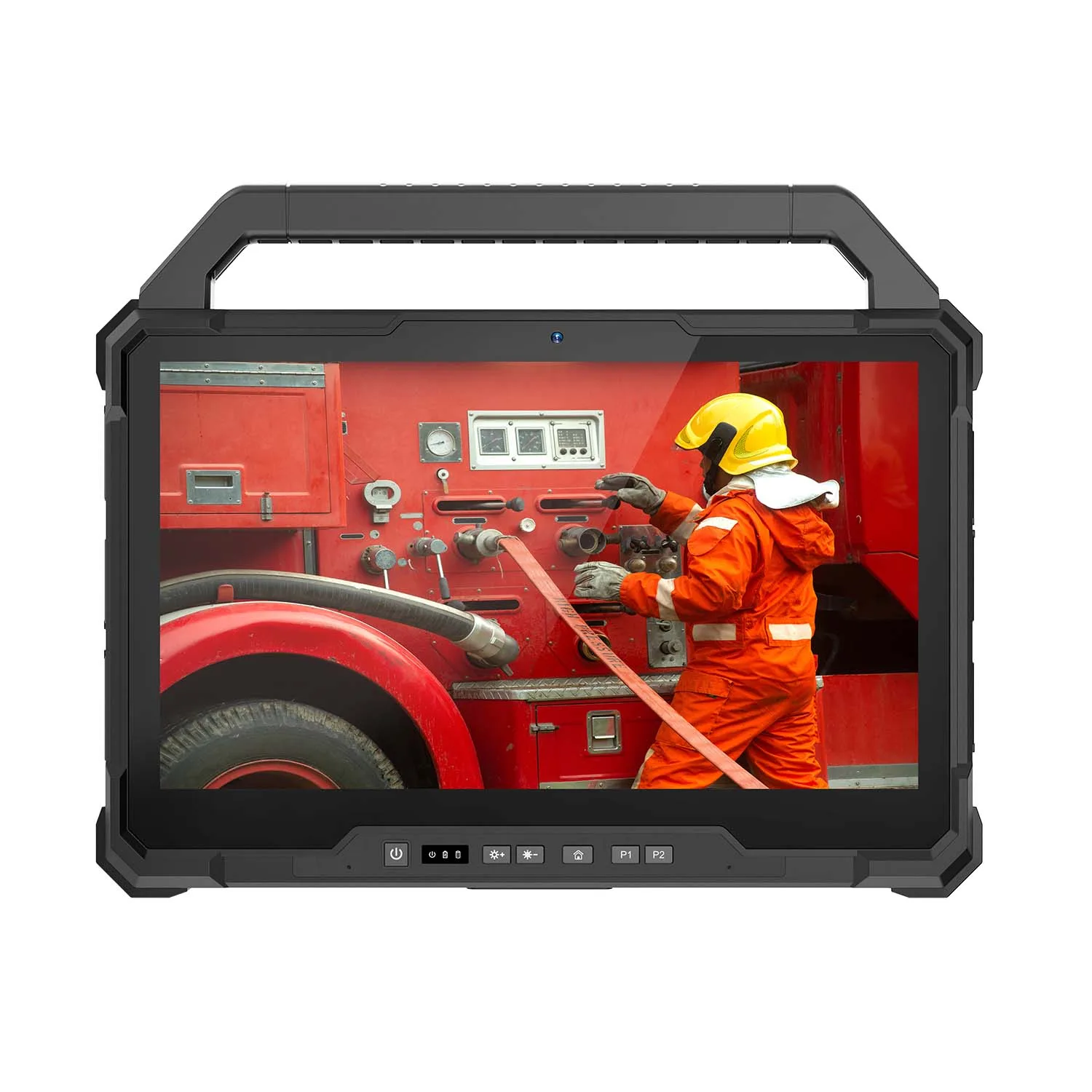
CENAVA's catalogue spans Android and Windows rugged tablets, including the A10ST-EX family. For coal-mine procurement, the useful starting point is its stated mining configuration, kept separate from the industrial gas and dust variants on the same product page.
Core Products: The A10ST-EX page describes a 10.1-inch Android platform and a mining configuration. Its certification matrix combines MA/KA wording and references KHC230065. This guide does not treat that combined entry as verified coal-mine MA evidence; a Chinese coal-mine order needs its own model-matched MA record.
Technical Advantage: CENAVA is worth evaluating where the inspection application requires a particular hardware arrangement. That is a configuration exercise, not permission to add every catalogue option to an approved unit. We would begin with a sample production form and identify which inputs actually require a physical reader, rather than specifying extra modules by default.
Application Fit: A coal mine rugged tablet project could use the approved configuration for pump-round records and maintenance photographs, subject to the mine's acceptance. In a proposed trial, the useful question is whether the record reaches the supervisor with the correct asset identity. Copying the standard tablet's entire feature list into the tender would not establish that result—or the permitted mining configuration.
7. Fuzhou Huahong (China)
Fuzhou Huahong's mining instrument catalogue includes a KJD3.7 intrinsically safe tablet alongside measurement equipment. This gives it a different procurement context from a supplier whose main business is general enterprise mobility.
Core Products: The company's KJD3.7 tablet description states a mining application and an Ex ib I Mb marking. Its separate handheld entry is a different product page; approval information must not be copied between those entries merely because their names resemble each other.
Technical Advantage: A mine-focused instrument supplier offers an opportunity to evaluate the data path between a measurement task and its digital record. That is an integration question to investigate, not a claim that every instrument connects directly to the tablet. Our acceptance record would identify which values are entered manually and which arrive through a documented interface.
Application Fit: Consider this supplier for measurement-led inspection projects where the exact tablet and software arrangement are documented. The shared designation KJD3.7 also appears in other suppliers' catalogues. Matching that designation alone does not establish common hardware, a common manufacturer, or a transferable approval.
8. Getac (Taiwan)
Getac supplies rugged mobile computing for field operations. Its UX10 offers a useful Windows reference for the unclassified surface workshop, where maintenance staff may need to review the same records that an approved underground device collects.
Core Products: The current UX10 has a 10.1-inch display and optional industrial interfaces. Its product page also describes an optional Class I, Division 2 configuration; that is not presented here as underground coal-mine approval.
Technical Advantage: The value is continuity between the workshop application and the wider maintenance system. We would open a returned inspection record and test whether the technician can diagnose the issue without retyping the asset number.
Application Fit: Restrict the proposed role to an unclassified maintenance bay or planning station under site rules. There is no need to force one hardware model into both that role and the underground role. A common record format can connect them while the devices retain separate permission boundaries.
9. Panasonic TOUGHBOOK (Japan)
Panasonic's TOUGHBOOK G2 is a modular rugged computing platform. Its manufacturer describes two expansion areas and compatibility with many earlier docks, which makes it relevant to sites already maintaining a surface TOUGHBOOK fleet.
Core Products: The G2 uses the FZ-G2 model designation and offers a detachable keyboard arrangement. This profile concerns the standard rugged platform in unclassified surface support, not a claim of mining certification.
Technical Advantage: Reusing suitable existing infrastructure may reduce migration work. Our review would inventory the actual dock part numbers and test the complete station; a broad family-level compatibility statement is not enough to budget every dock as reusable.
Application Fit: Evaluate it for maintenance planning and shift review where that location permits the device. Keep the economic comparison specific: avoided dock replacement has value, but it does not justify moving a surface device across an underground equipment boundary.
10. Zebra Technologies (United States)
Zebra's ET60/ET65 enterprise tablets are relevant to the material-handling side of a mine. The manufacturer emphasizes managed data capture and fleet tools, including Mobility DNA and battery-health information.
Core Products: The ET60/ET65 family is an Android enterprise-tablet platform. The standard Zebra products discussed here are surface support candidates, not underground coal-mine devices. A separately certified third-party conversion would require its own evaluation.
Technical Advantage: Structured scanning and device management can help connect parts issuance with a work order. We would test the complete transaction: a storekeeper assigns a replacement part, and the maintenance record preserves that identity when the work is completed.
Application Fit: Consider the family for an unclassified stores area. That role can complement an approved underground tablet without creating a claim that both endpoints share the same certification. The benefit is traceable information across the maintenance process, not a single enclosure specification for every worker.
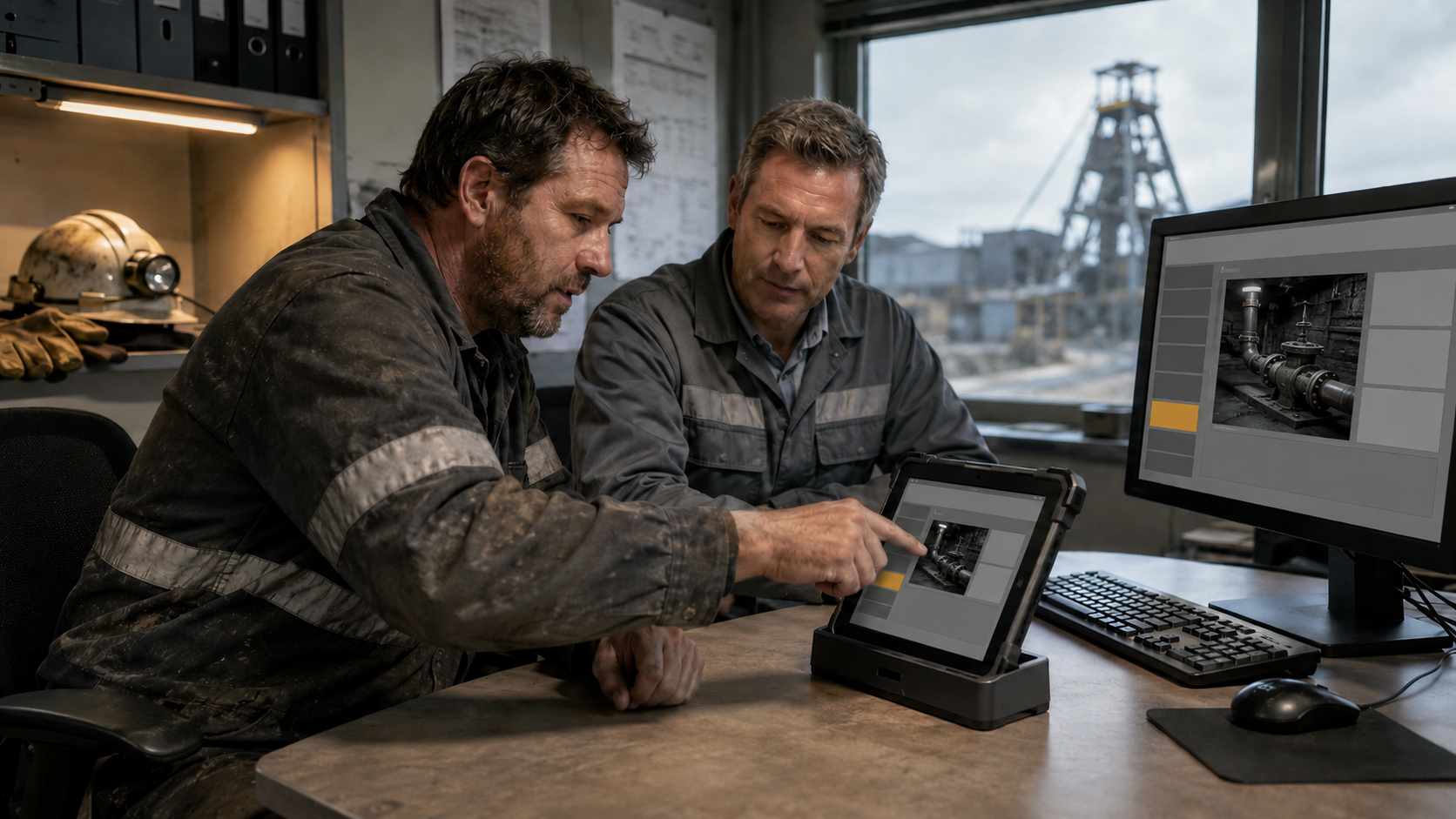
How to Choose a Manufacturer for Your Mine
Turn the shortlist into an acceptance plan. Our suggested sequence separates the mine's entry decision from the usability trial, then follows the record from the inspector to the maintenance supervisor.
Define the Mine Environment and Approval Boundary
Mark the complete route on the site plan, including where the device is issued and returned. Name the responsible mine authority and identify the equipment approval basis for each permitted work location. Perform initial usability exercises in a controlled safe area; an underground pilot begins only after the mine authorizes the exact configuration and procedure.
Specify the real operating conditions. A cold surface journey and a humid roadway are different exposures. Record the required temperature envelope, and use the environmental evidence already described above rather than adding another generic ruggedness checklist. Charging and battery replacement follow the exact product instructions and the mine's procedure; removability does not mean permission to exchange a battery in a hazardous atmosphere.
A low light mining tablet with high brightness screen needs a usable dimming range, not simply a high peak value. Our proposed display exercise uses the real inspection form in a safe mock-up with representative cap-lamp illumination. Start with a dark screen, open a warning dialog, and check whether it suddenly changes to a glaring white background. Then assess readability at the portal.
Keep the workers' required lighting in service. Do not turn off safety equipment to make a display demonstration more convincing. Wet-surface reflections and a poorly chosen screen protector are useful observations; creating a hazardous test condition is not.
Define Performance Through the Actual Inspection Task
A rugged tablet for underground coal mining should be evaluated with the production application's workflow. Processor names do not reveal whether a long form remains usable after the screen locks or whether a photograph stays attached to the correct asset.
For an illustrative acceptance exercise, load 40 inspection points and require 2 photographs at each point. Start with one worker's assigned route. Midway through the exercise, lock and unlock the screen, then resume the unfinished entry. These numbers define a proposed workload, not a benchmark or a claimed customer result.
Use the actual glove model. Count missed selections during 20 entries, including correction of an intentionally mistyped value. If a screen works with one glove construction but not another, retain that distinction in the result. A blanket claim about glove compatibility would hide the information the mine needs.
Battery acceptance should follow the longest planned route with the agreed brightness policy. Record screen-on time alongside the remaining charge. We would set the required reserve with the operator, allowing for delays, rather than present one universal percentage as a safety standard. The test must not depend on an unapproved charging stop.
Evaluate Software, Records and Mine-Network Integration
An inspection application should distinguish saved locally from received by the server. Those are separate states. A completed form that is still on the device must not appear to the control room as a received inspection.
Our proposed offline exercise blocks the tablet application's connection in a safe test environment for 2 hours. It does not interrupt mine infrastructure. During that period, complete several records and restart the application through its normal controls. After restoring the connection, check the attachment counts and ensure that retrying an upload does not create duplicate work orders.
A second exercise tests disagreement rather than disconnection. Let a supervisor update an asset record while the inspector holds an older local copy. The application should expose the conflict or apply a documented rule; silently overwriting the newer entry makes synchronization look successful while degrading the record.
Map the tablet to the mine's actual communications architecture. Ordinary cellular capability does not create a direct connection to a leaky-feeder voice system, and a surface satellite service is not an underground radio link. Assess gateway arrangements with the network owner. For location, do not rely on satellite positioning through overlying rock; a scanned location marker or mine-installed positioning service needs its own documented method.
Keep emergency communication separate from this inspection acceptance plan. A push-to-talk feature or red programmable key does not by itself establish that the device meets the mine's emergency-system requirements.
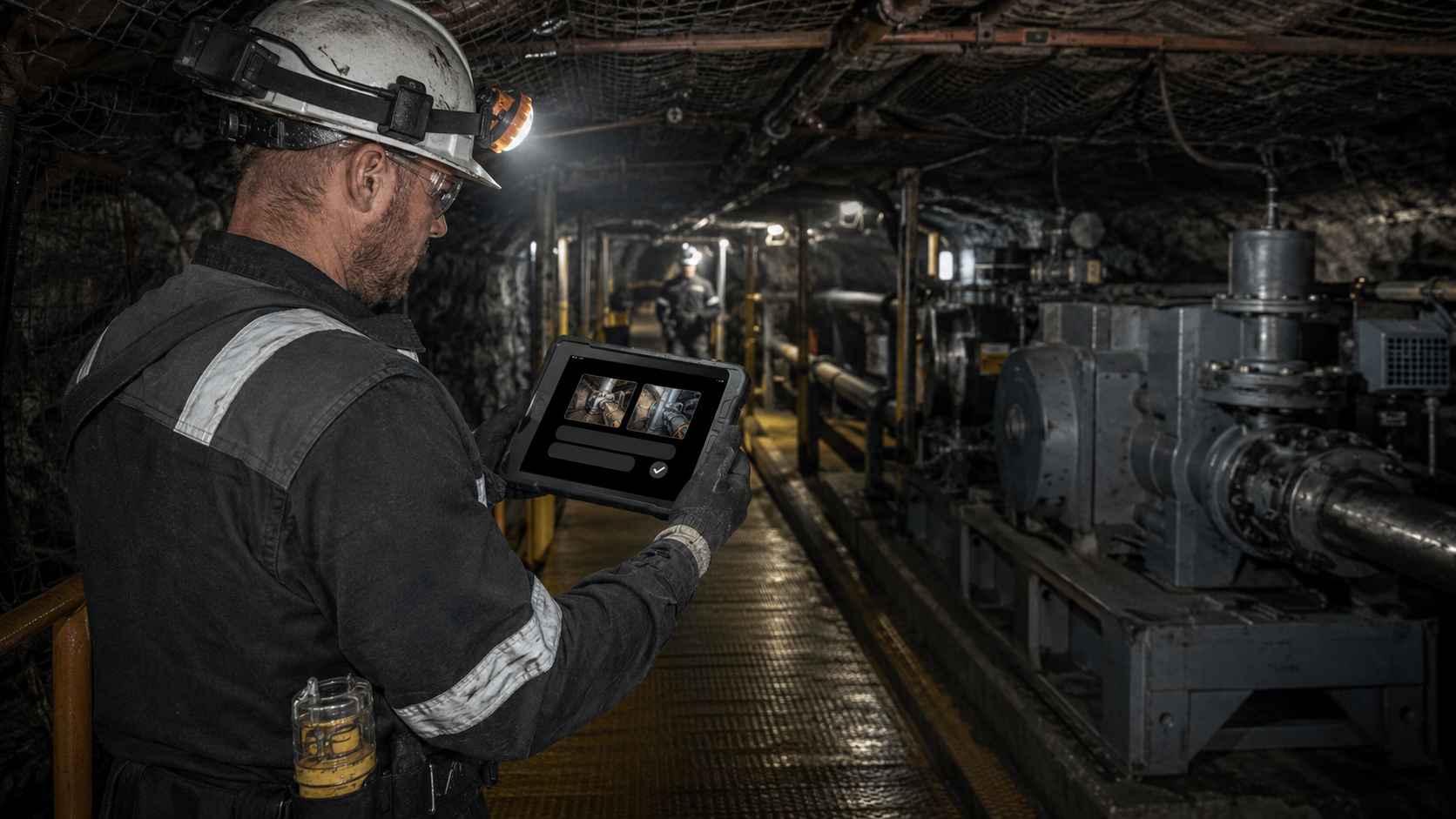 Compare Ownership Cost and the Replacement Plan
The best intrinsically safe tablet for coal mining is the permitted configuration that completes the required task and remains maintainable for the intended programme. A scoring sheet should evaluate usability only after the approval requirement is satisfied.
Consider a hypothetical fleet of 30 inspectors. If each spends an avoidable 5 minutes re-entering records on 220 working days, the annual effort is 550 hours: 30 × 5 × 220 ÷ 60. Multiply that by the site's actual labour cost. This illustrates how to price a workflow problem; it is not a promised saving from any manufacturer.
Include repair transport and the time needed to restore a managed replacement. The least expensive spare is not useful if its approved battery differs from the fleet or its application cannot recover an unfinished route. Keep hardware substitutions under technical review, and stage software changes through the site's normal change process.
Our suggested pilot uses 3 to 5 units over a 14-day window, adjusted to the operator's work cycle. That is an evaluation design, not a certification test. Record the reasons for returning to paper and review one complete shift handover. A short list of unresolved problems is more valuable than a satisfaction score that hides them.
The Future of Underground Coal-Mine Tablets: Priorities to Watch
For the next deployment cycle, we would watch four developments without treating them as guaranteed market outcomes:
More visible offline state. Applications should make the age of cached information obvious. A worker needs to know whether a procedure is locally available and whether its revision is still accepted for the task.
Better control of display behaviour. Night interfaces need consistent brightness across login screens and system dialogs. Our purchasing brief would include that transition, not just a dark theme inside one app.
Task-specific on-device processing. A useful first application of AI is flagging a blurred inspection photograph for human review. It should not infer that an area is safe or replace the mine's approved gas-monitoring system.
Explicit lifecycle planning. The BARTEC example shows why service dates belong in the original comparison. Our next tender would define an application migration path and an accountable owner for the replacement configuration.
Conclusion
The coal-mine mobility market brings together distinct supplier roles. i.safe MOBILE has a dedicated mining tablet; Xuxin and Huahong present mining-oriented catalogue candidates requiring model-level approval checks. BARTEC and Aegex also matter when an older deployment needs a controlled migration. Those roles should not be collapsed into a list of supposedly equivalent approved devices.
CENAVA belongs in the configuration discussion when its proposed mining variant matches the project's actual approval basis. ECOM provides a smaller mining-handheld alternative, while Getac, Panasonic and Zebra are considered here for unclassified surface support. Our preference is to connect the records across those roles rather than force every worker onto one device family.
Use this underground coal mine tablet buying guide to select the permitted configuration first, then judge the complete shift and handover. For a CENAVA project review, send the deployment country and required mine-approval scheme, together with the intended route and application. If reader or radio compatibility needs confirmation, add the exact NFC card type or the operator/private-network details. Those specifics make a configuration review useful; a generic request for a tablet “for every mine” does not.
Need a Rugged Device for Your Project?
Tell us your operating environment and requirements — our engineers will recommend a configuration and quote within 24 hours.
Get a Free Quote Back to Blog