






What Is a Rugged Industrial Tablet? Specs, Standards & How to Choose
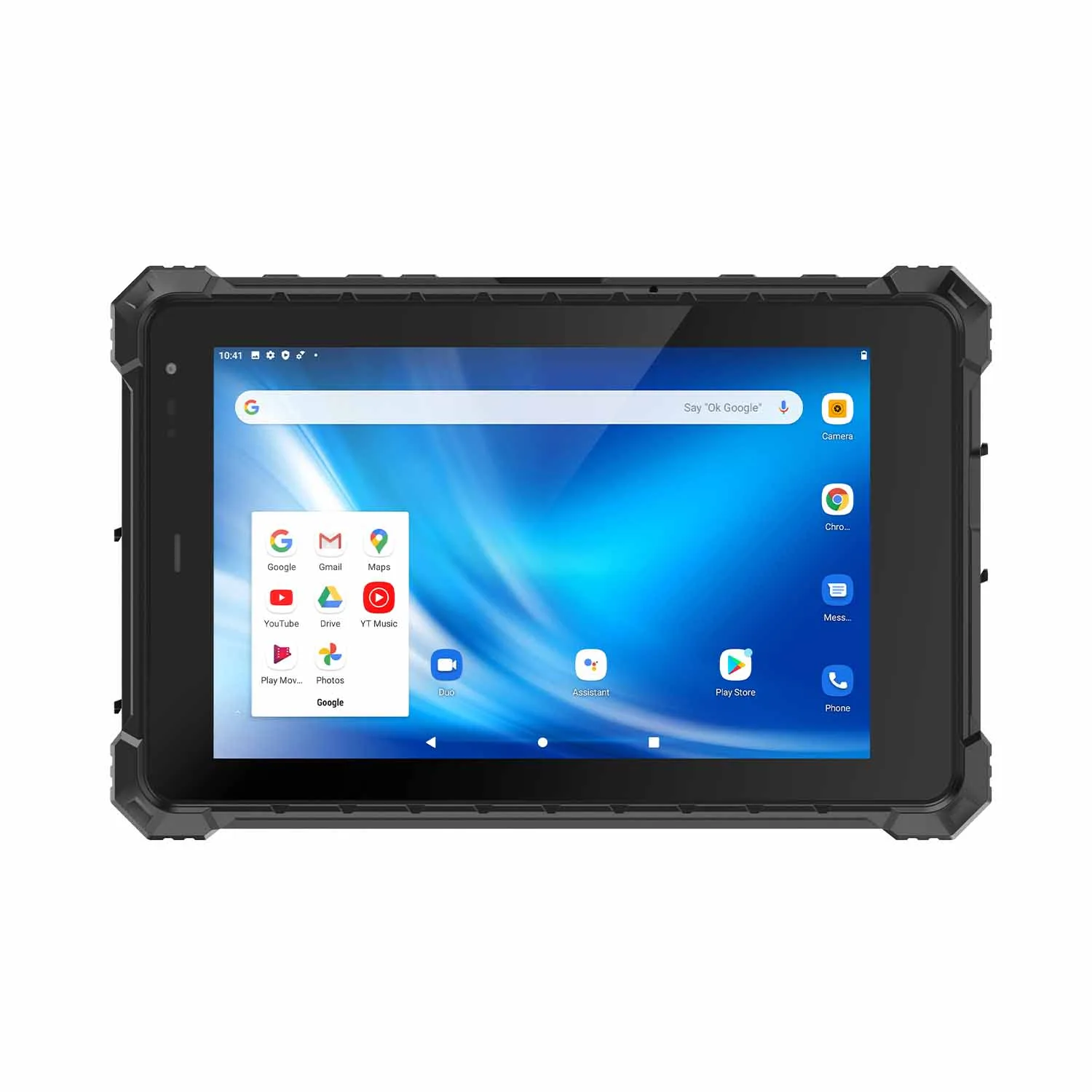
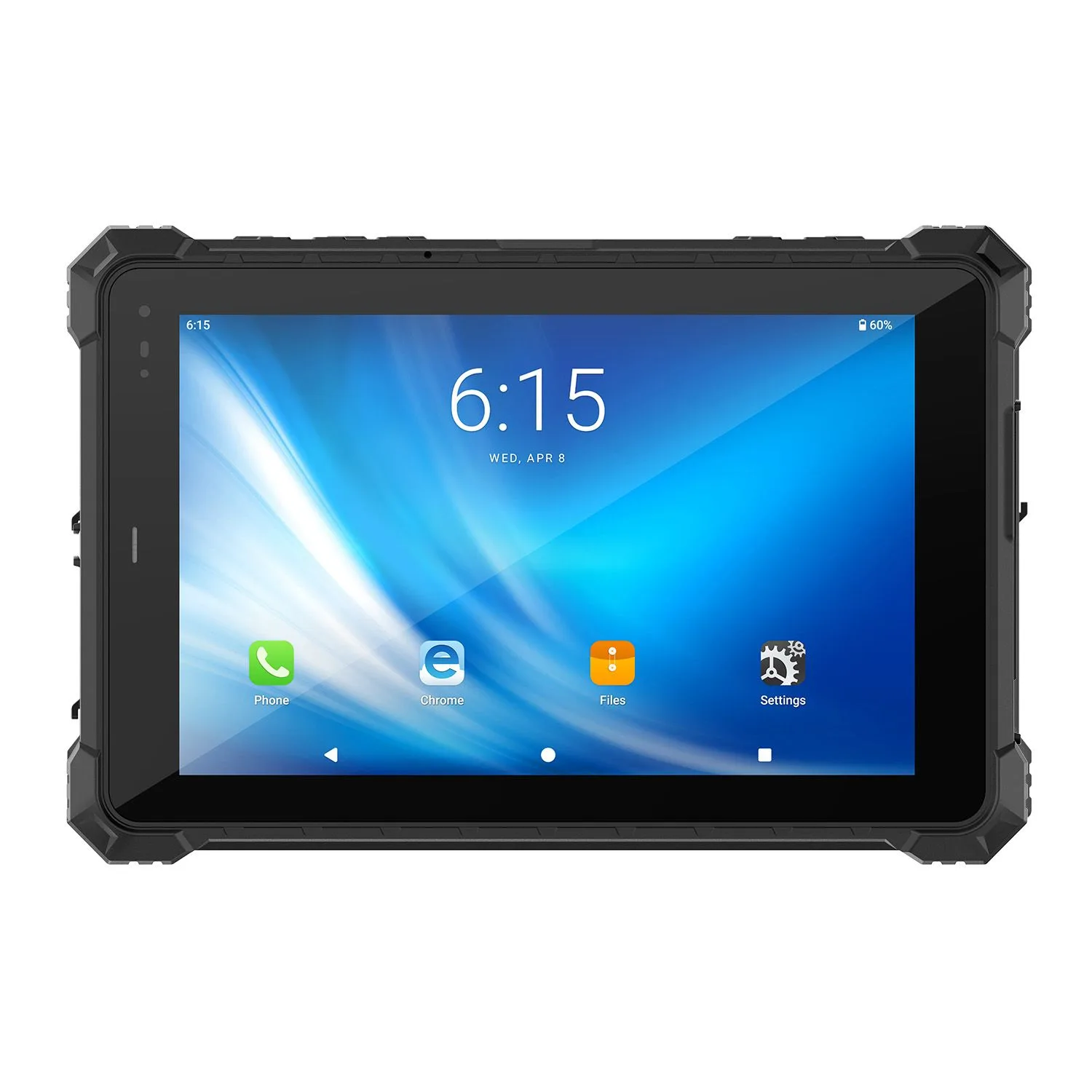
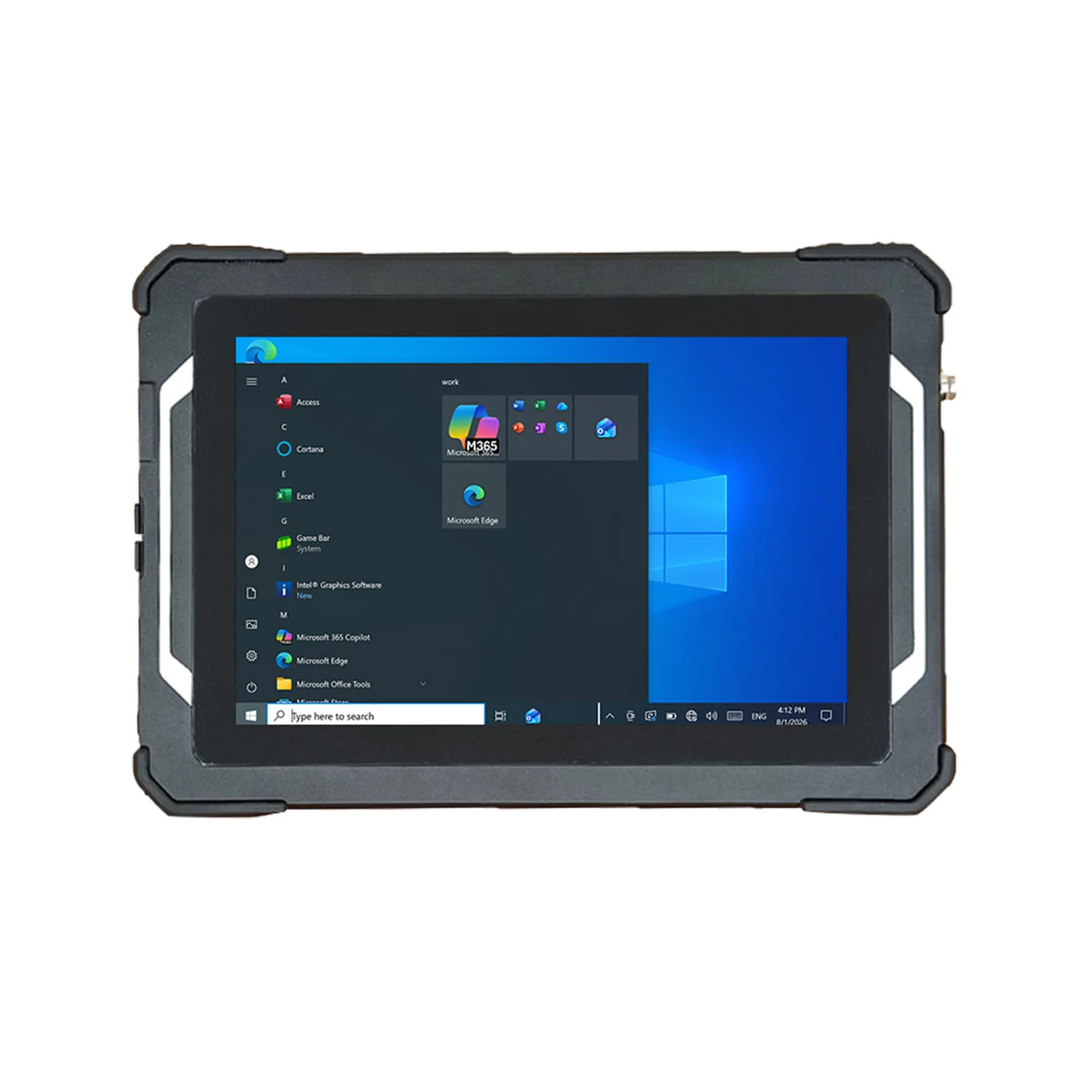
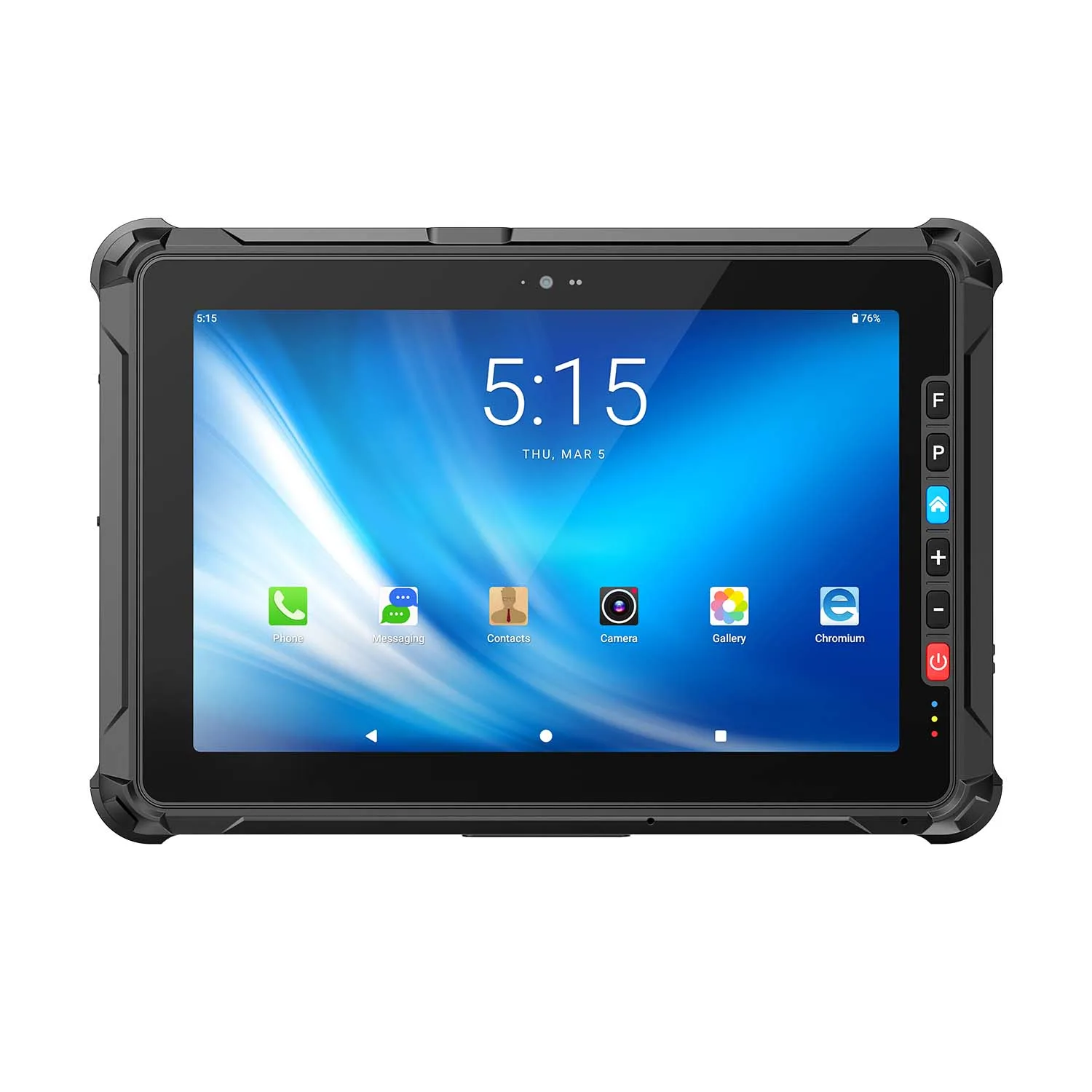
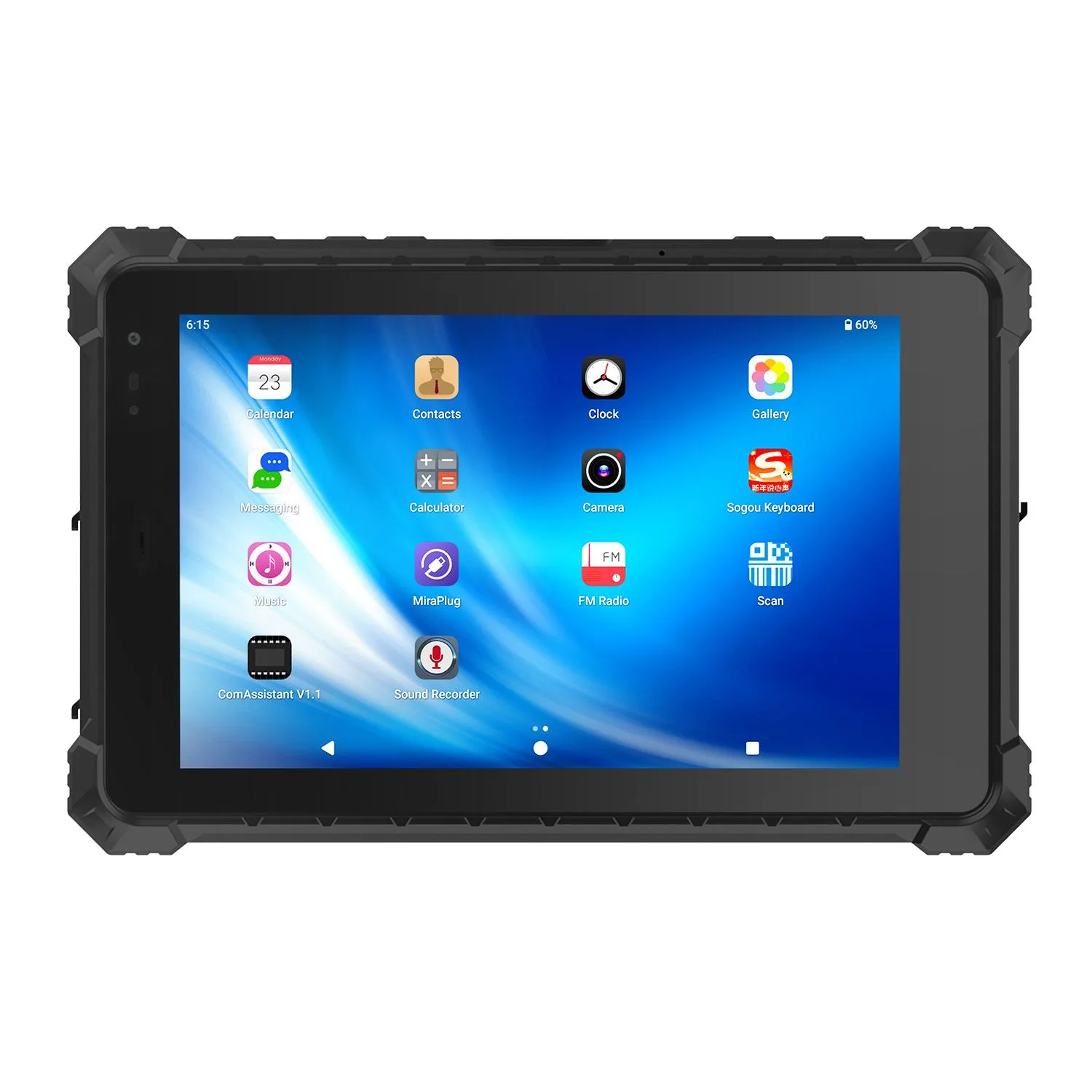
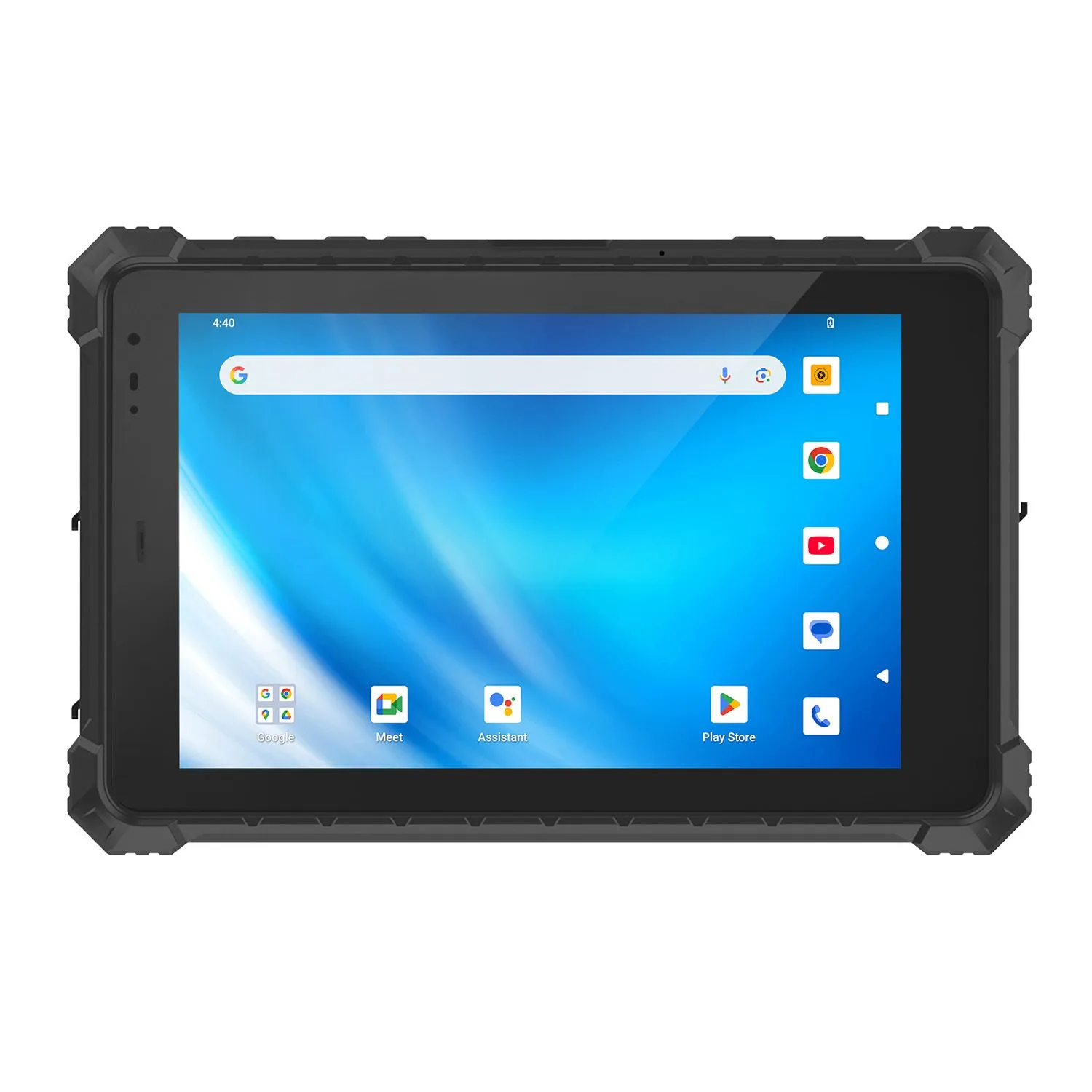
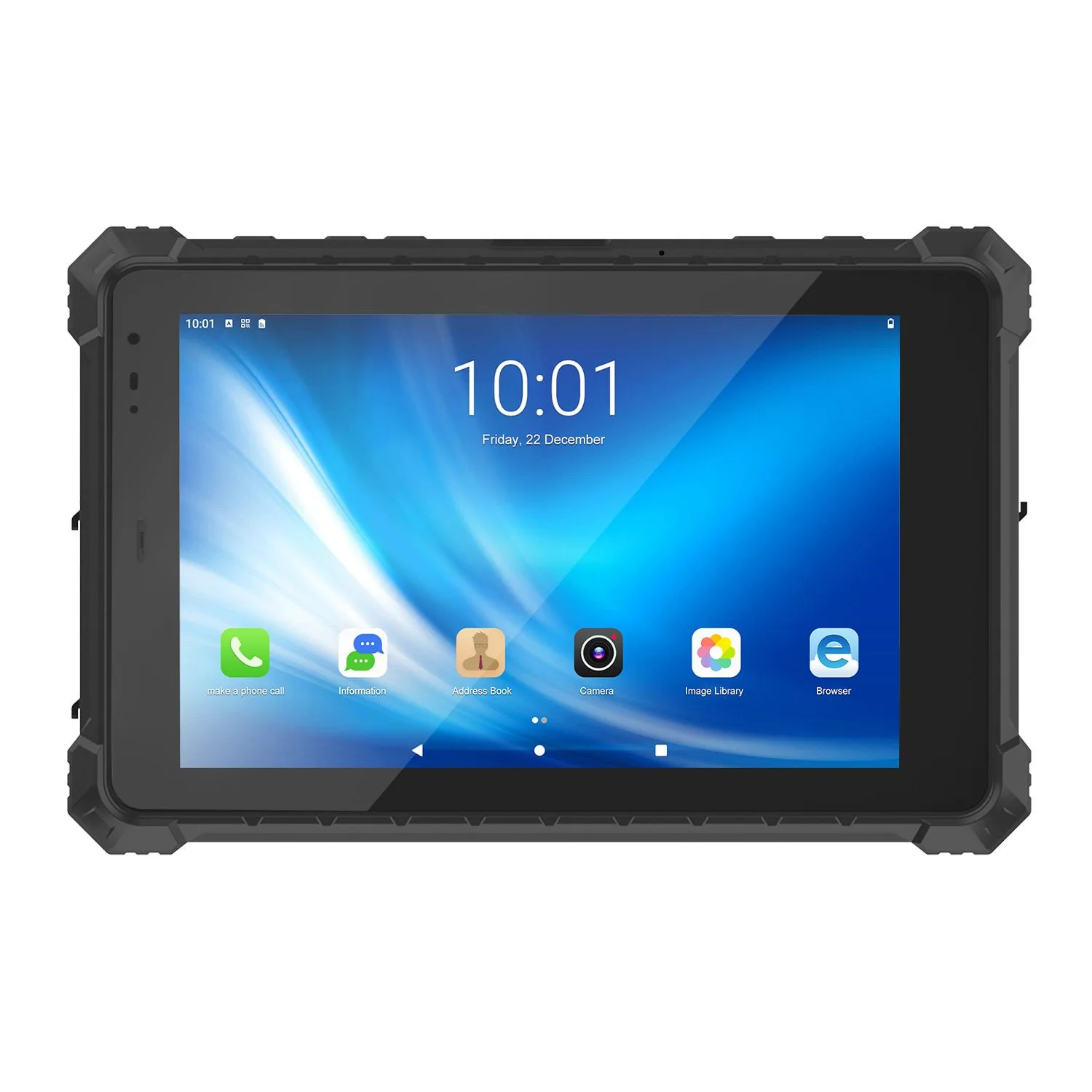
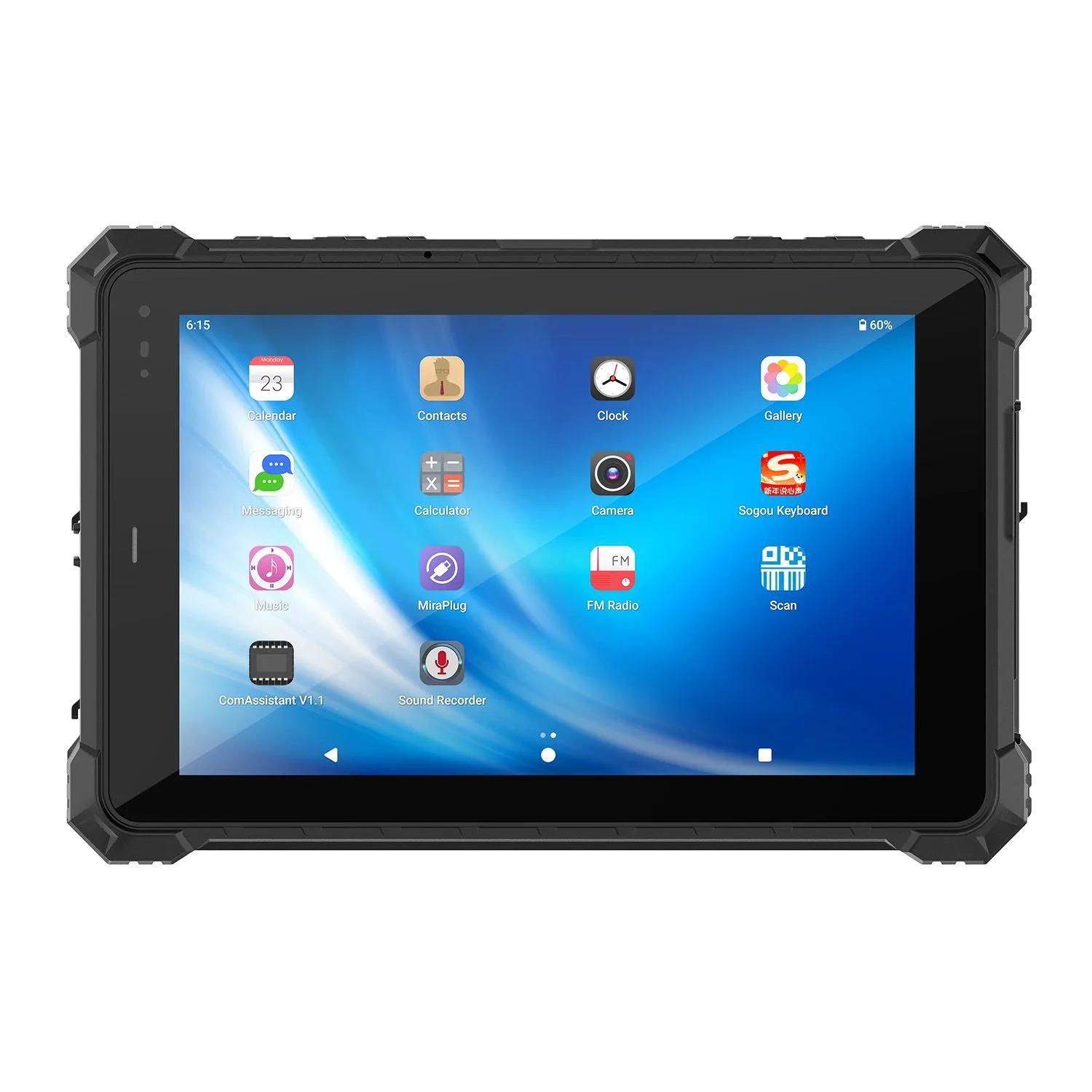
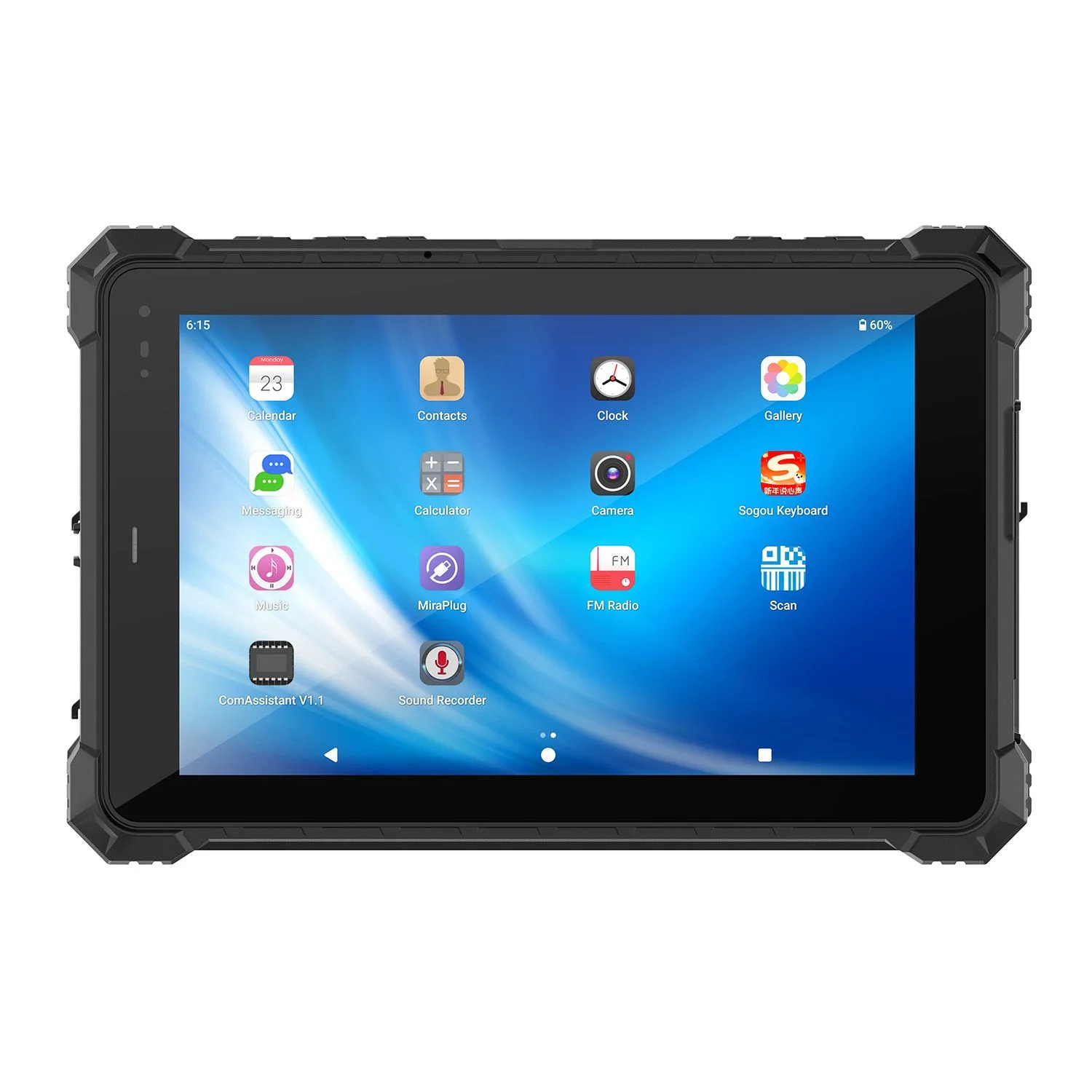
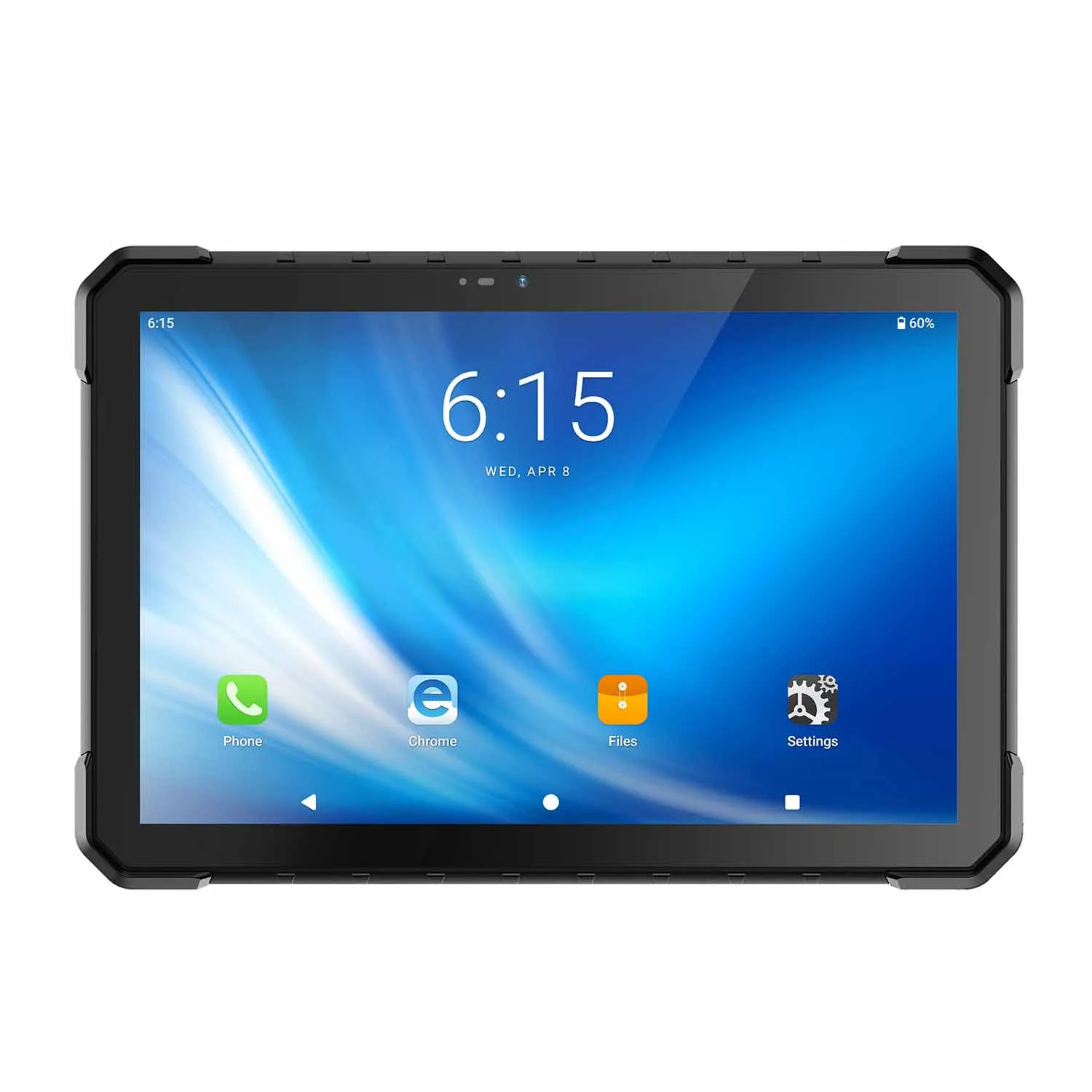
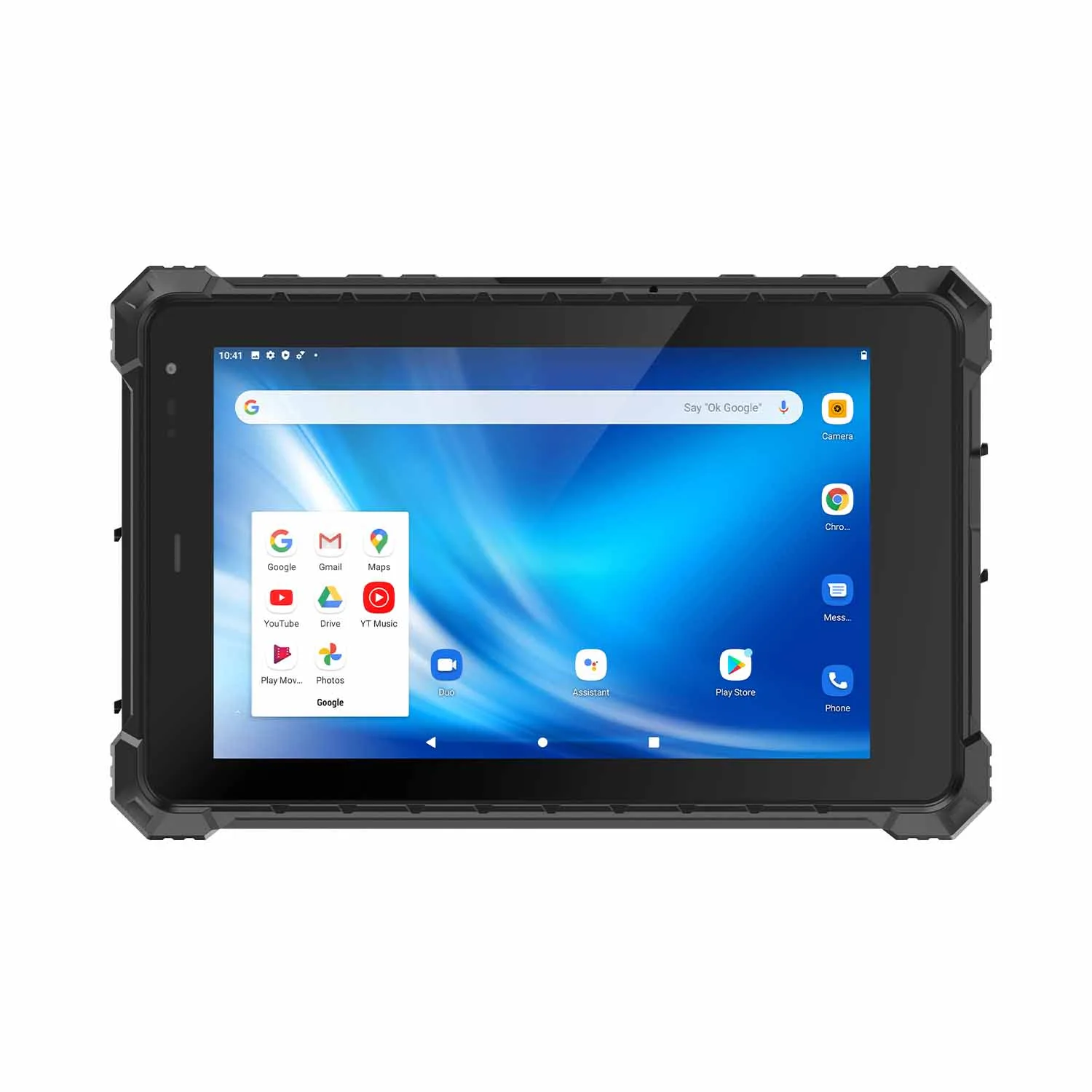
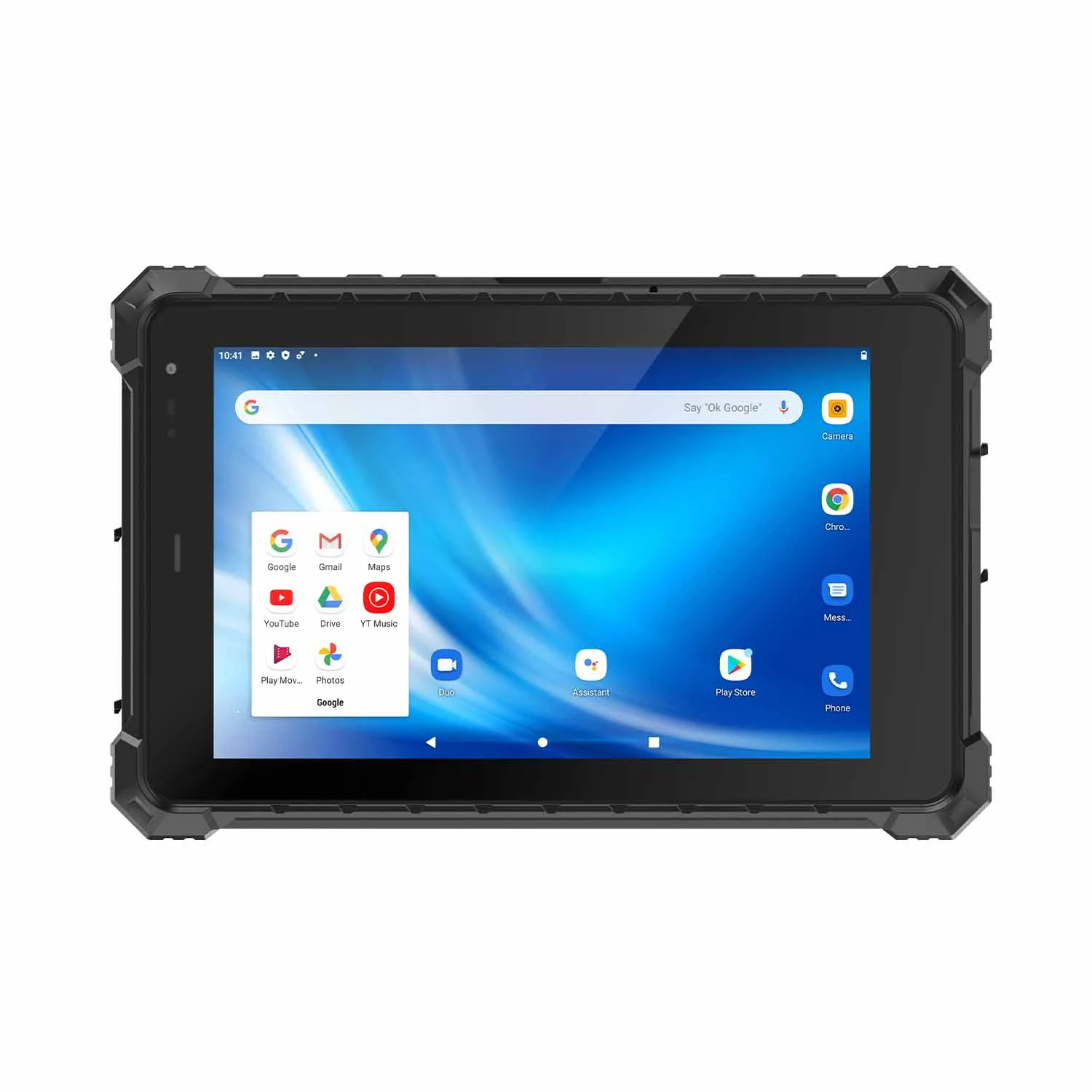
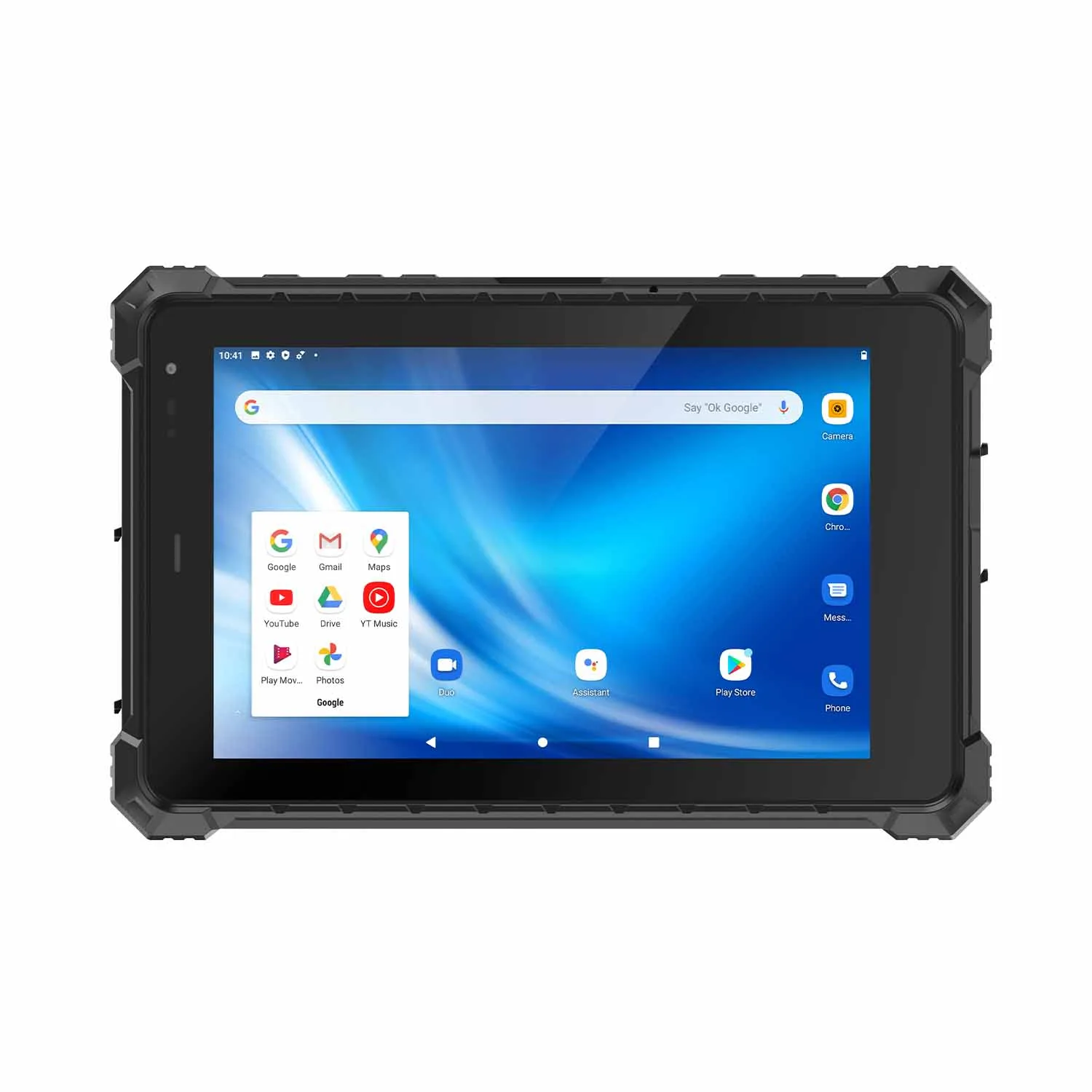
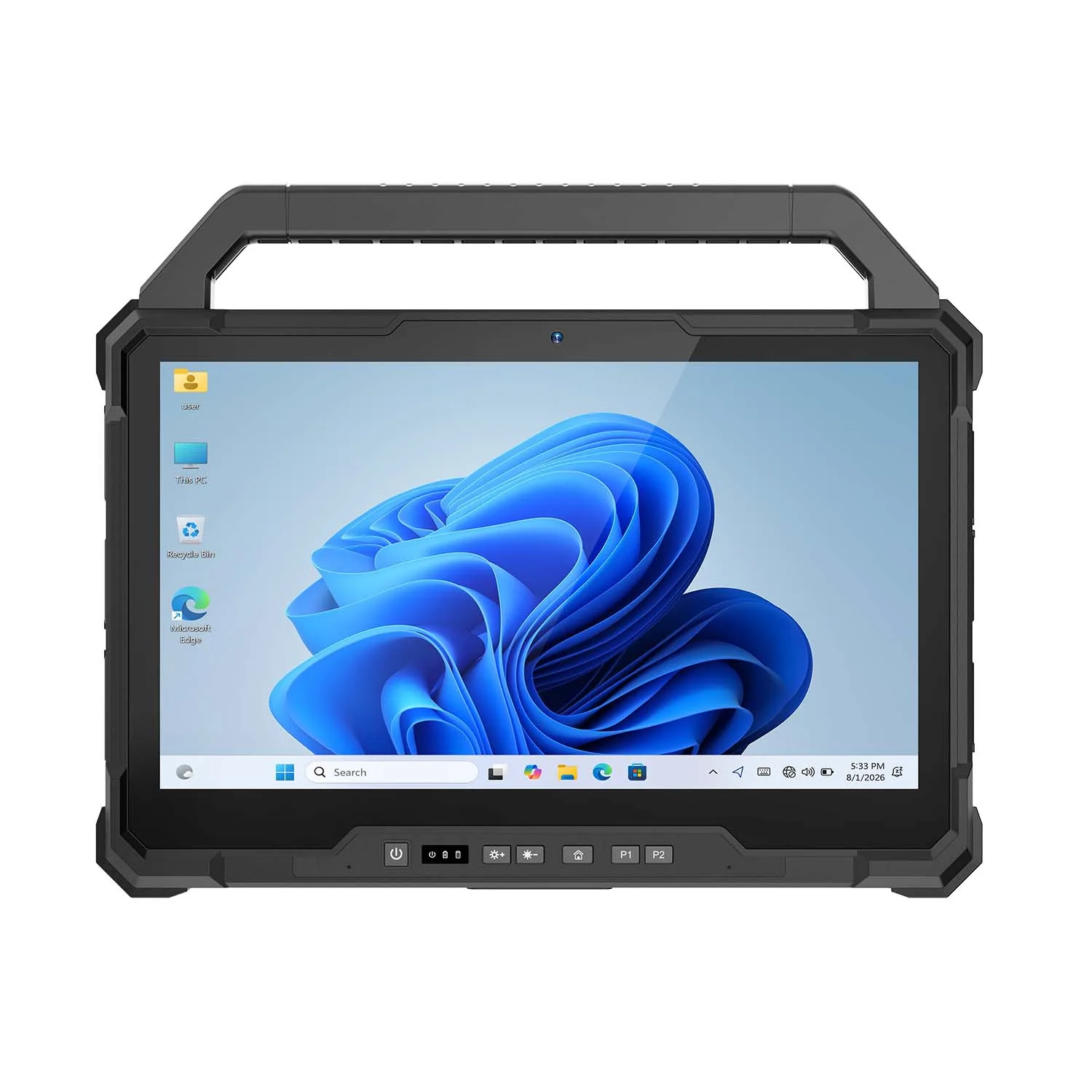
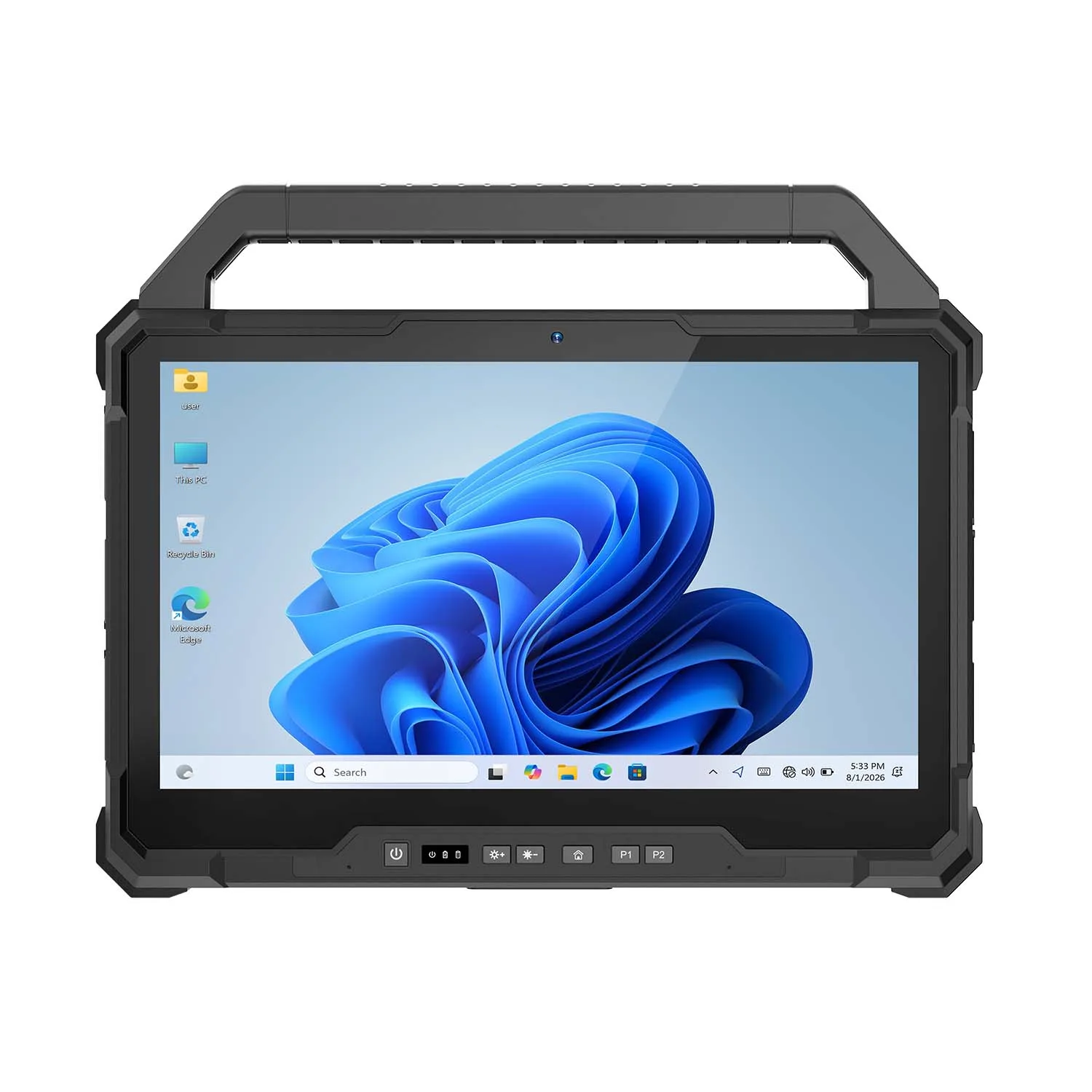
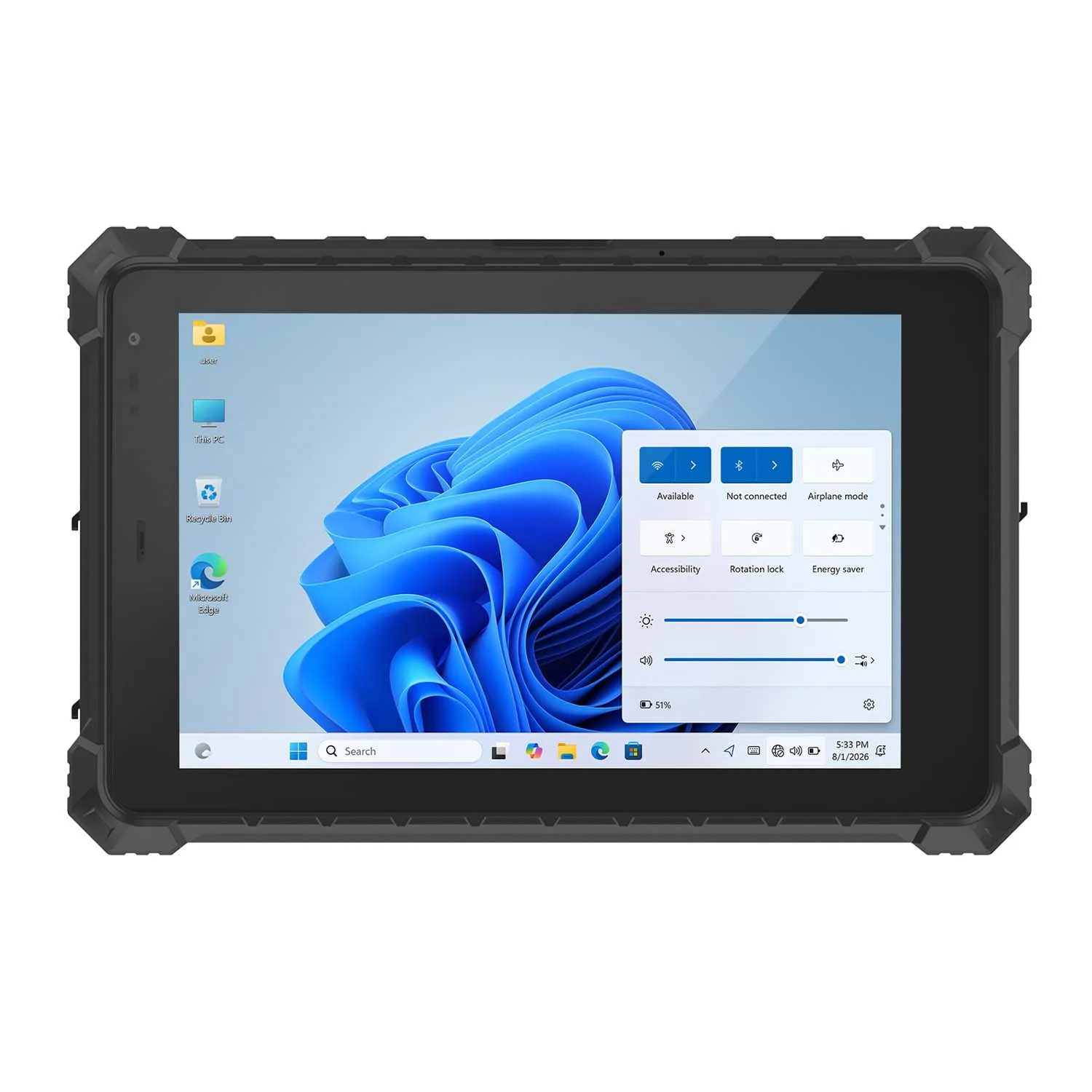
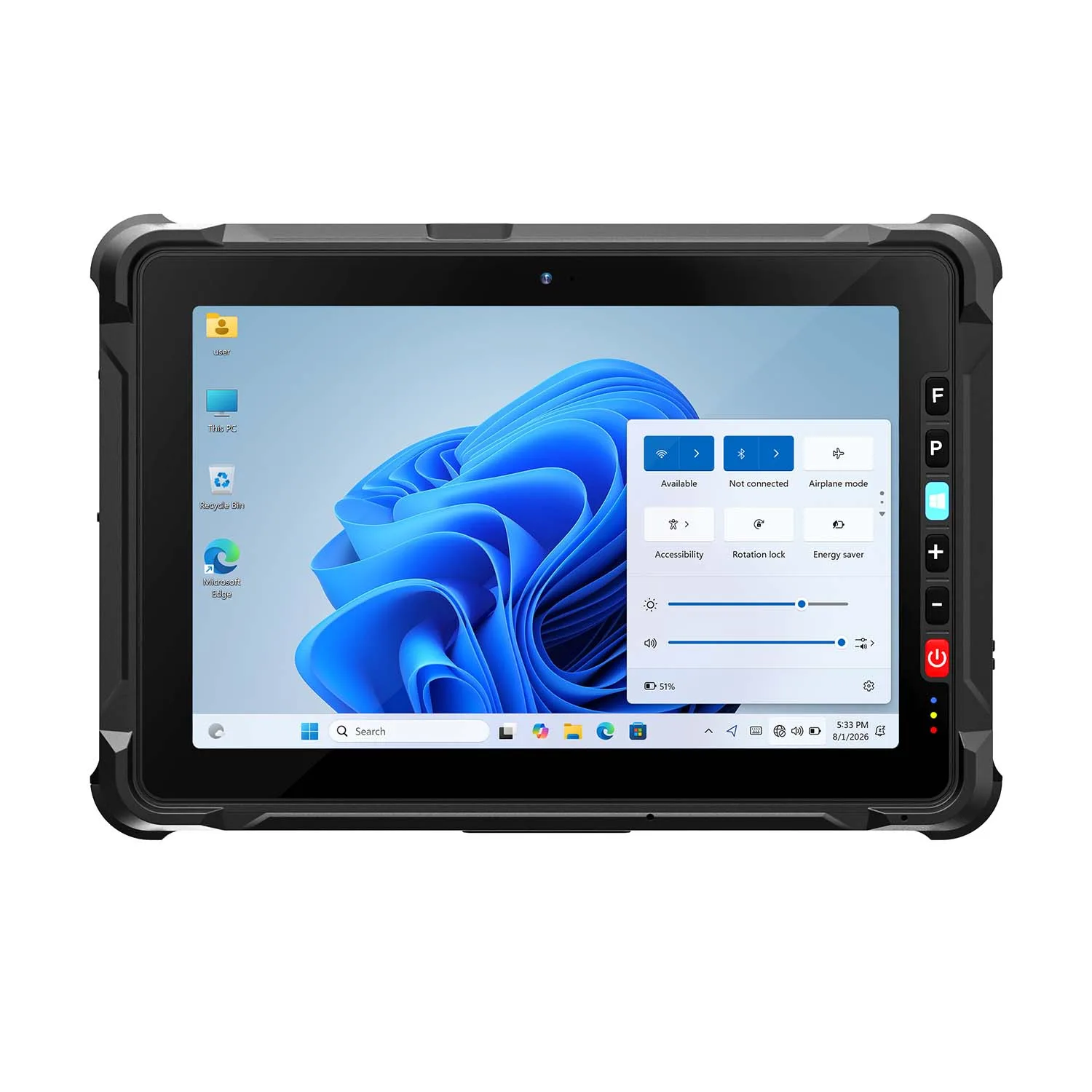
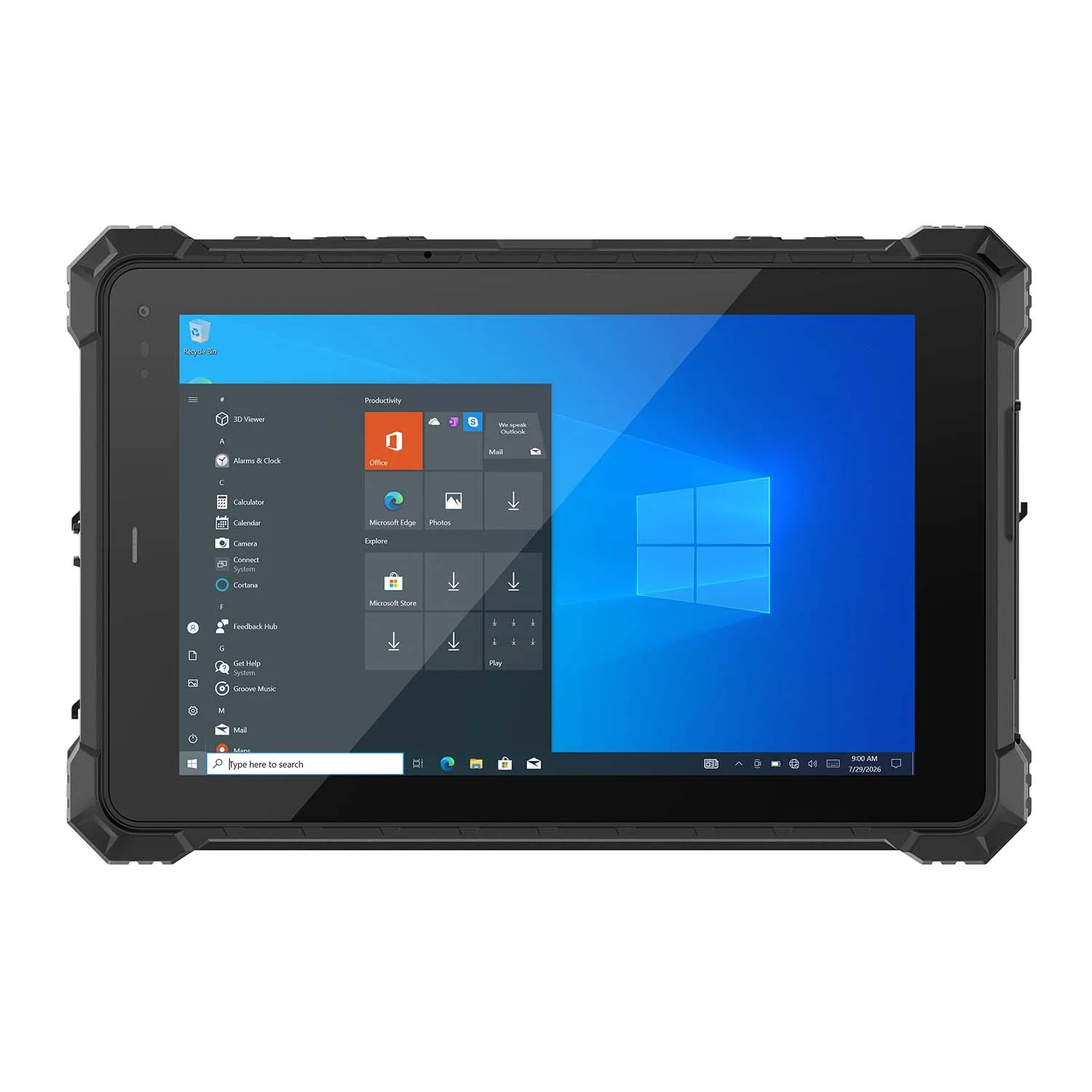
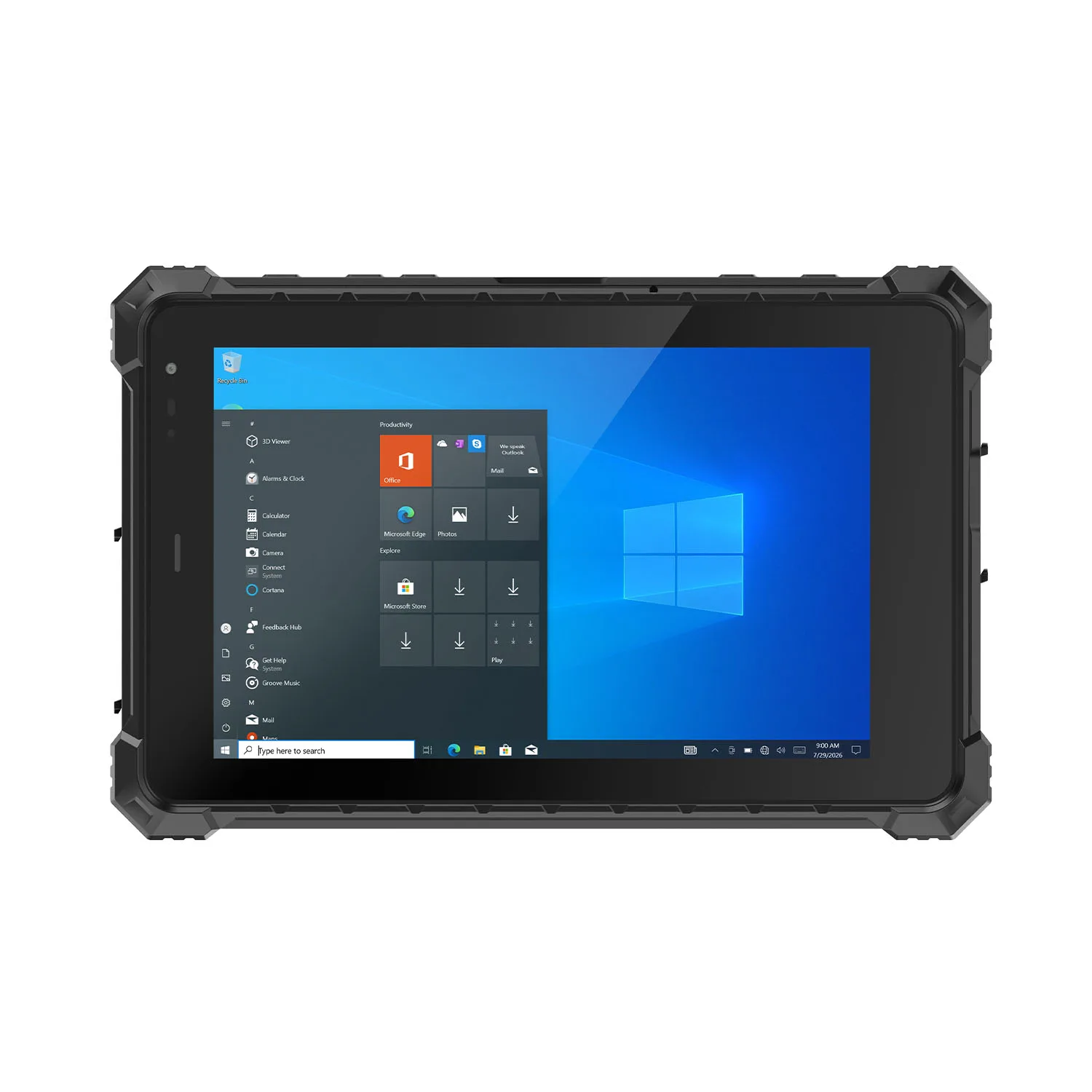
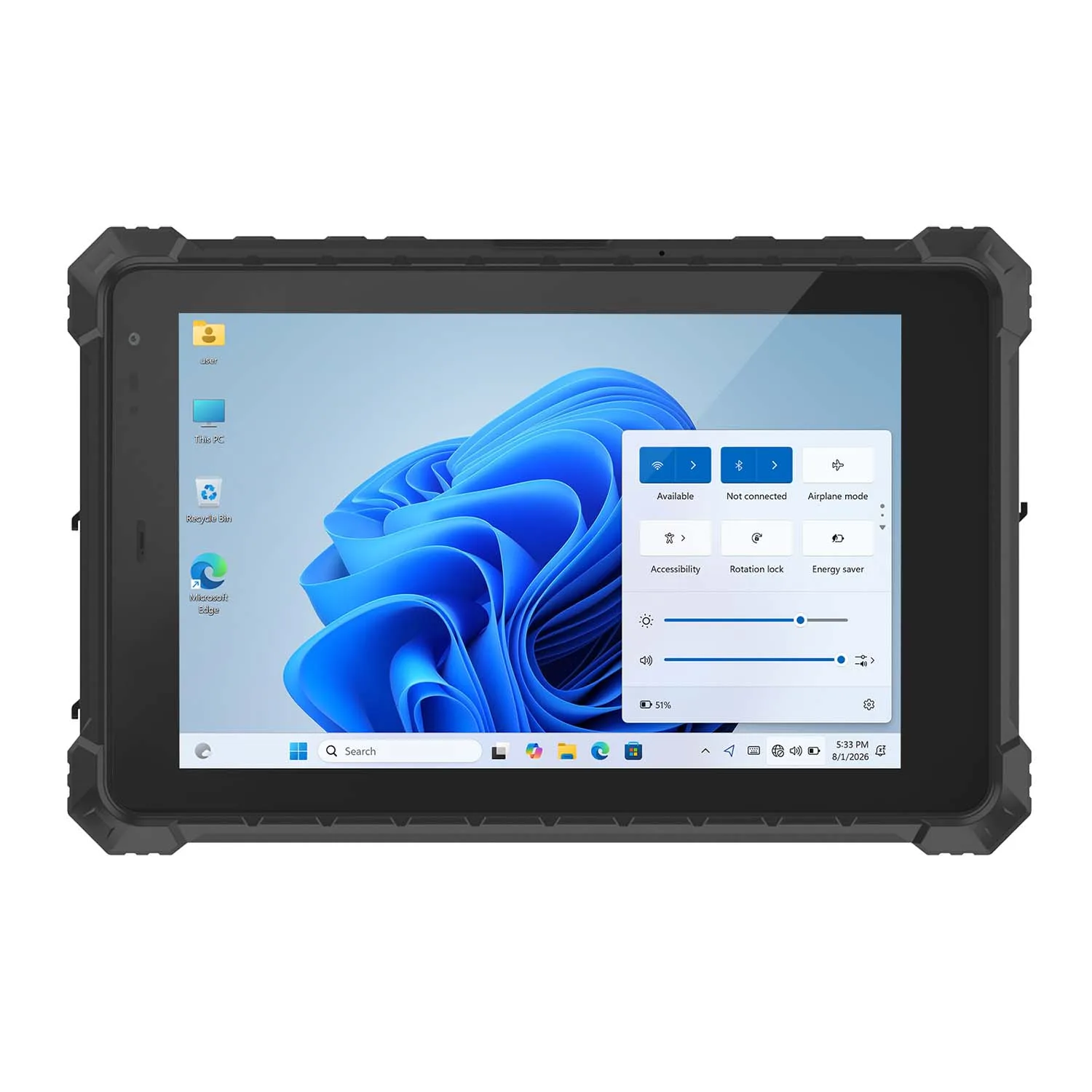
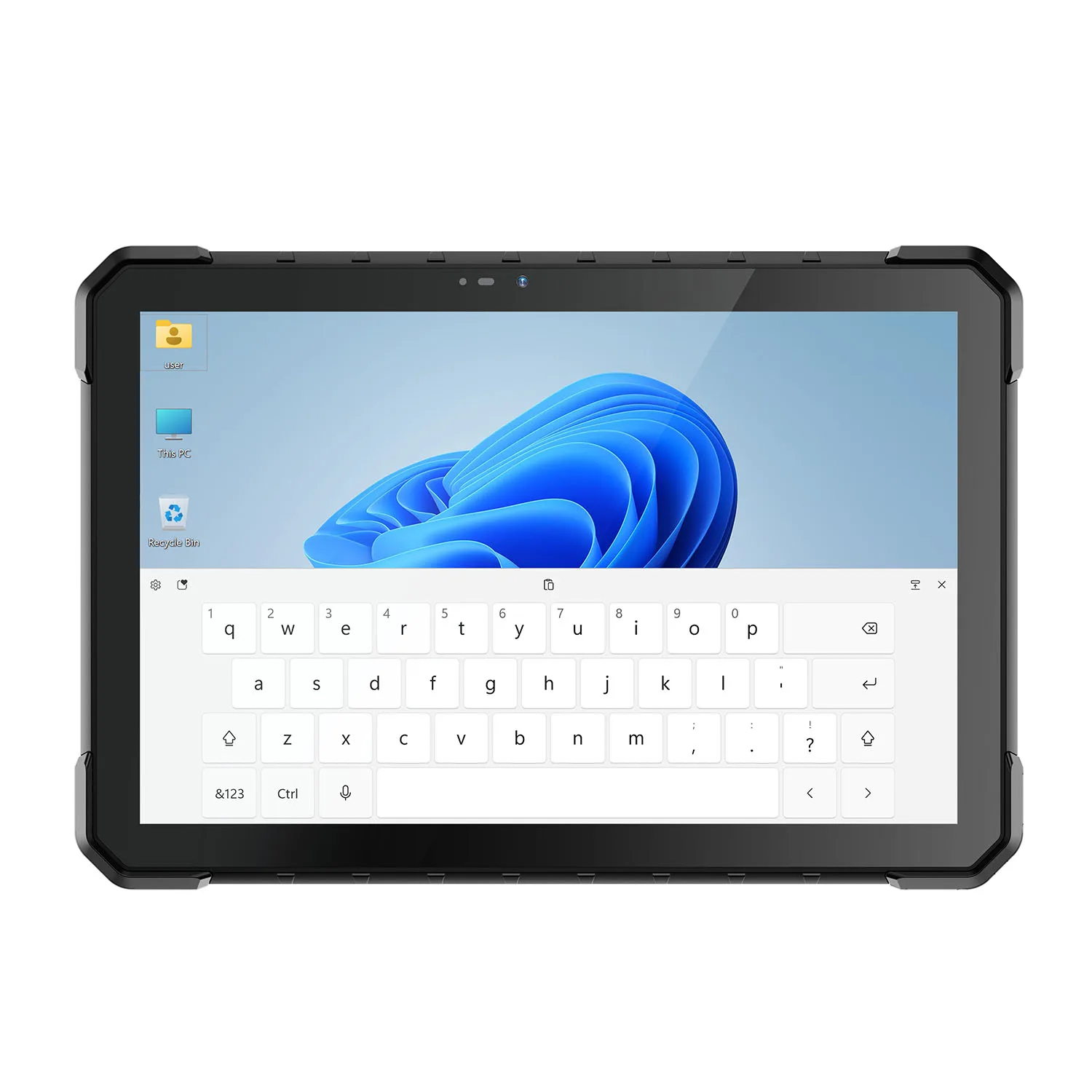
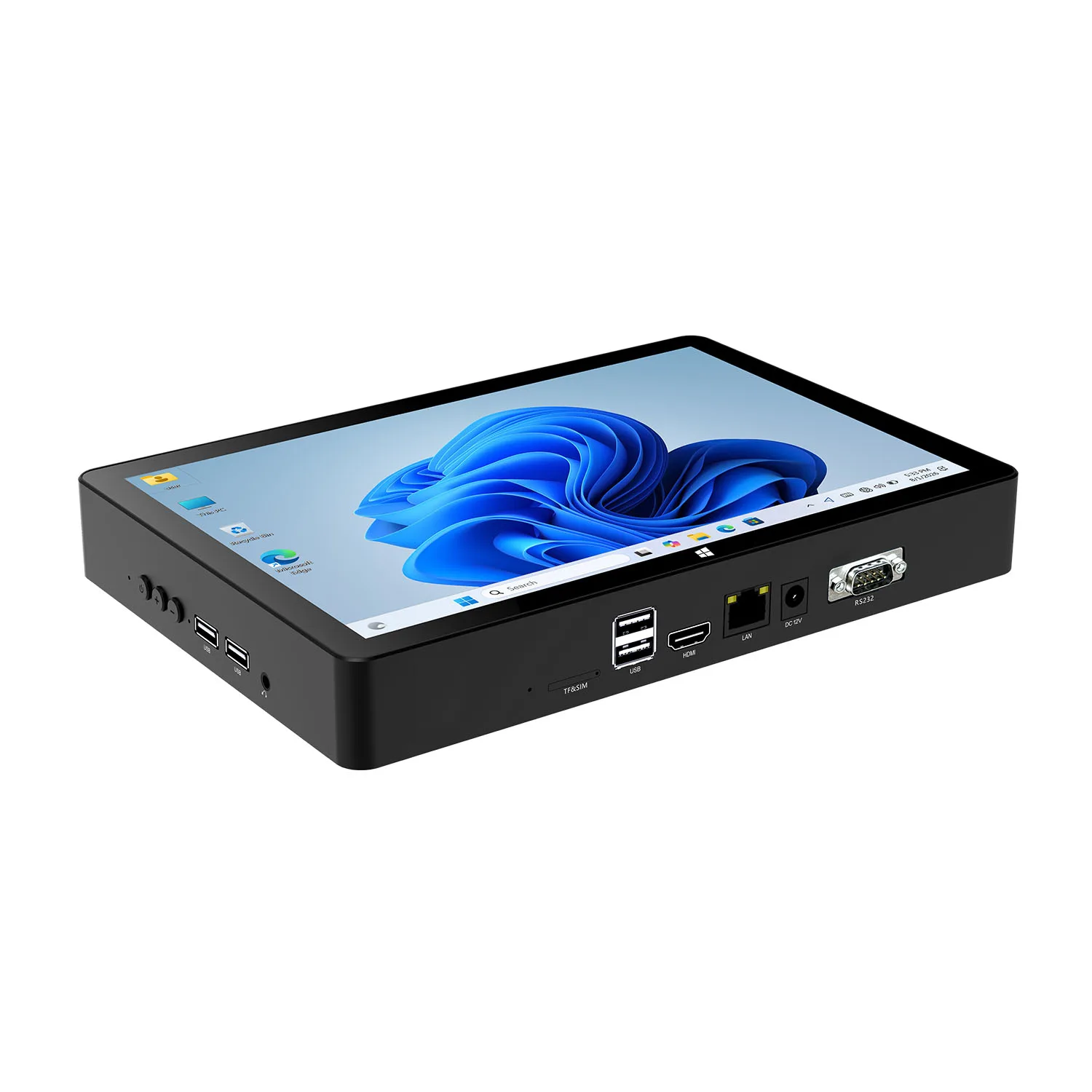
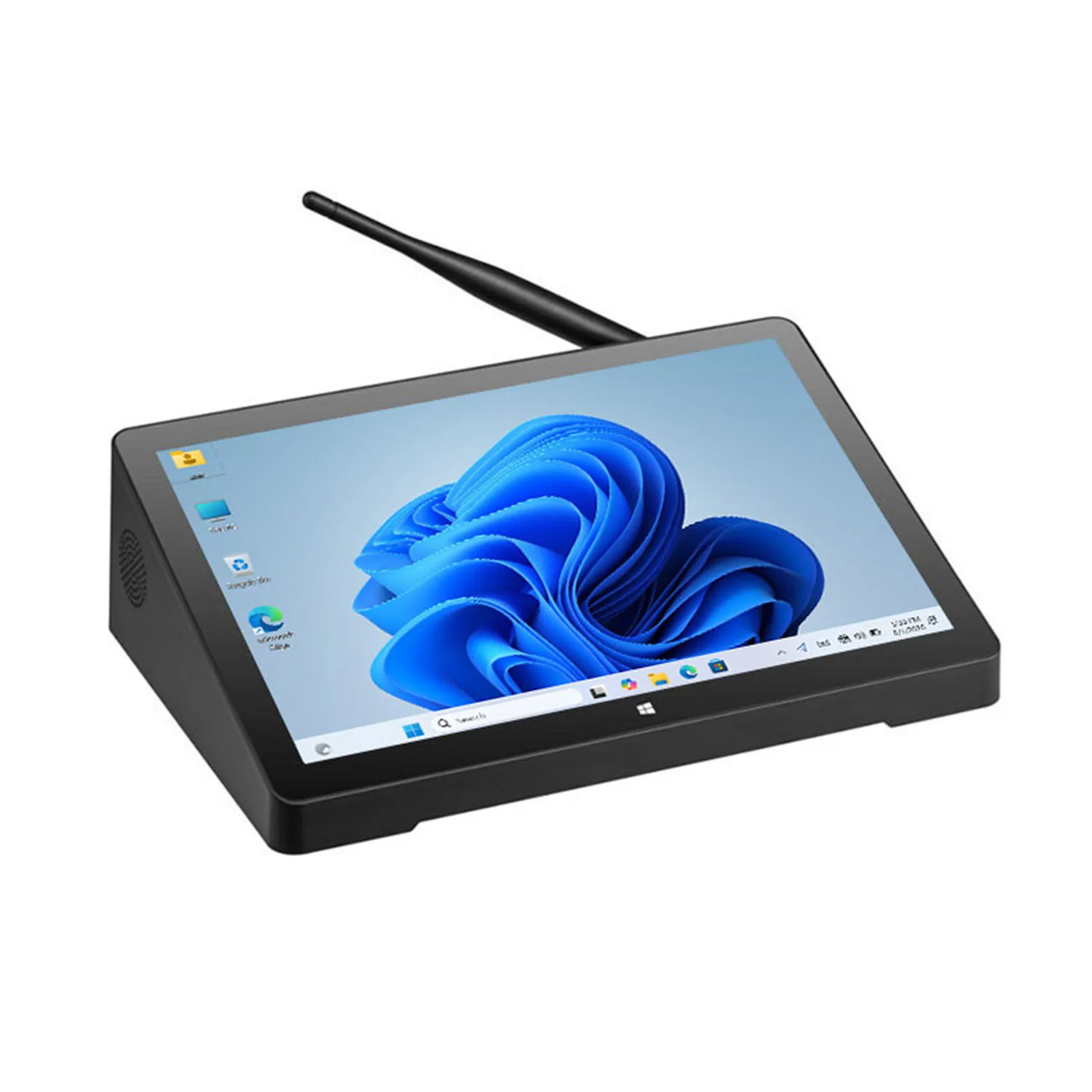
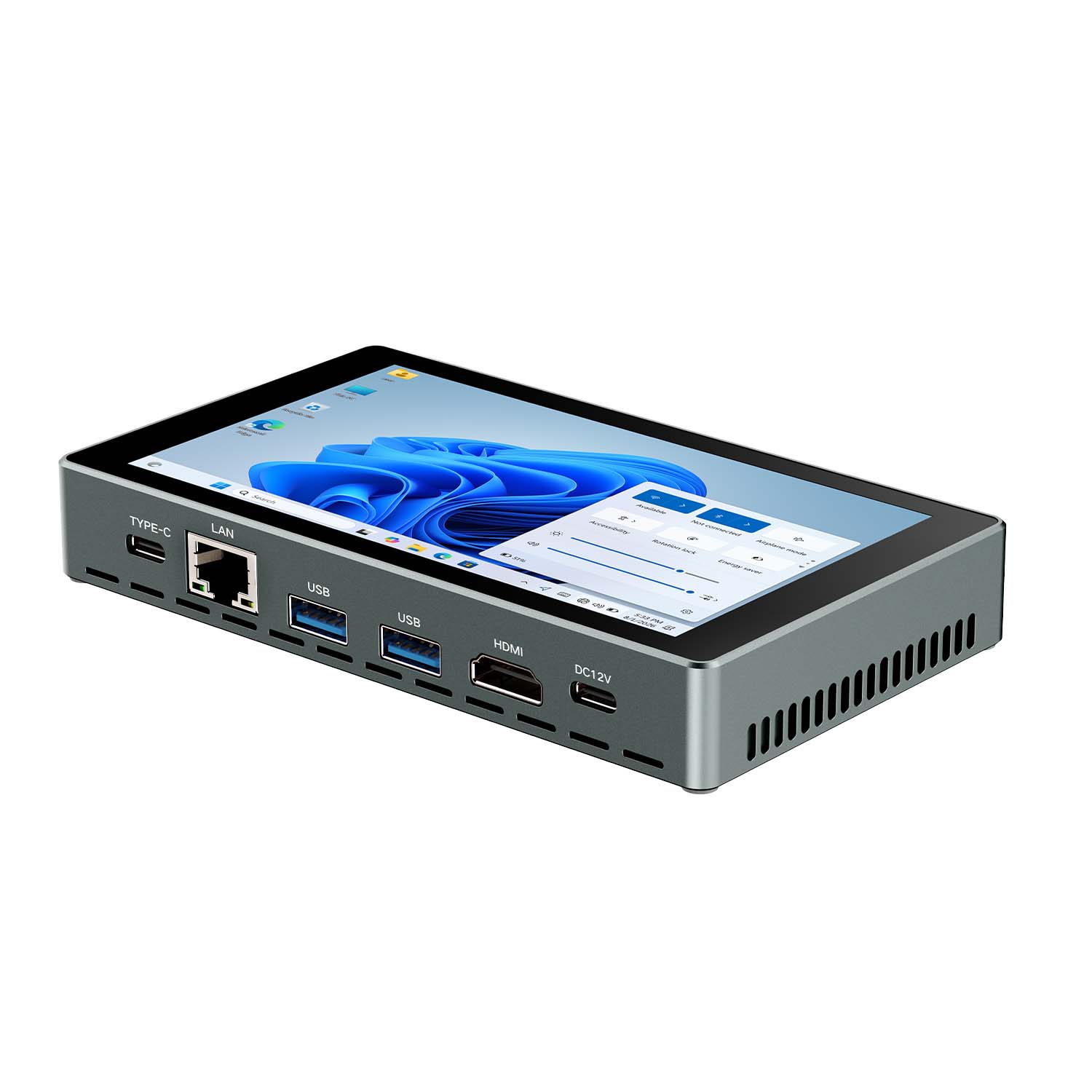
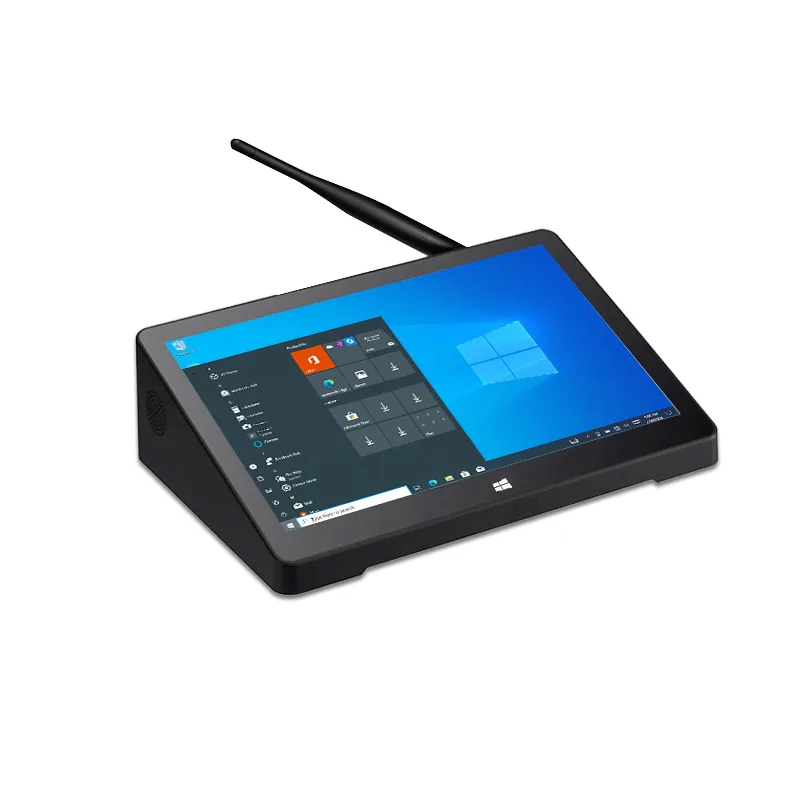
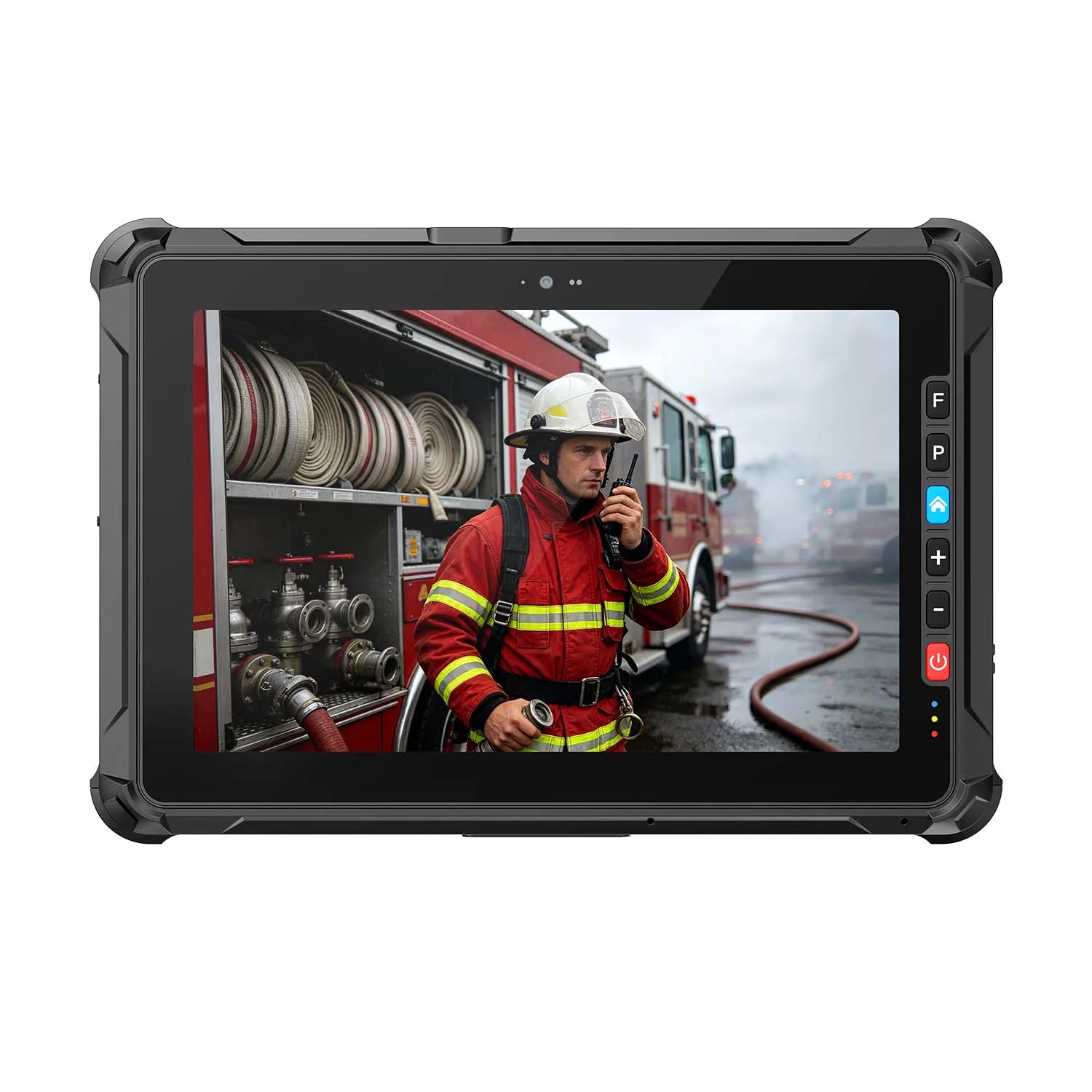
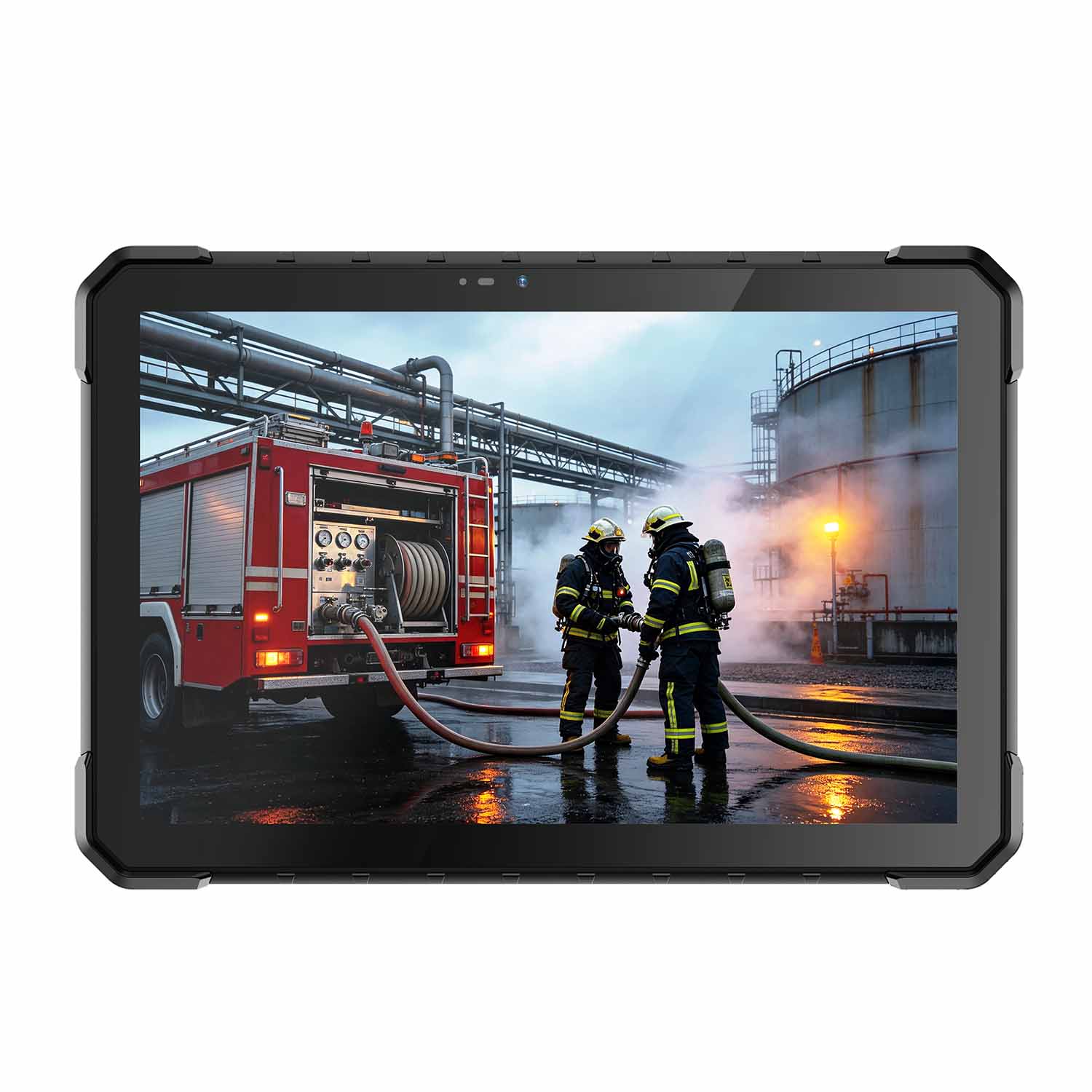
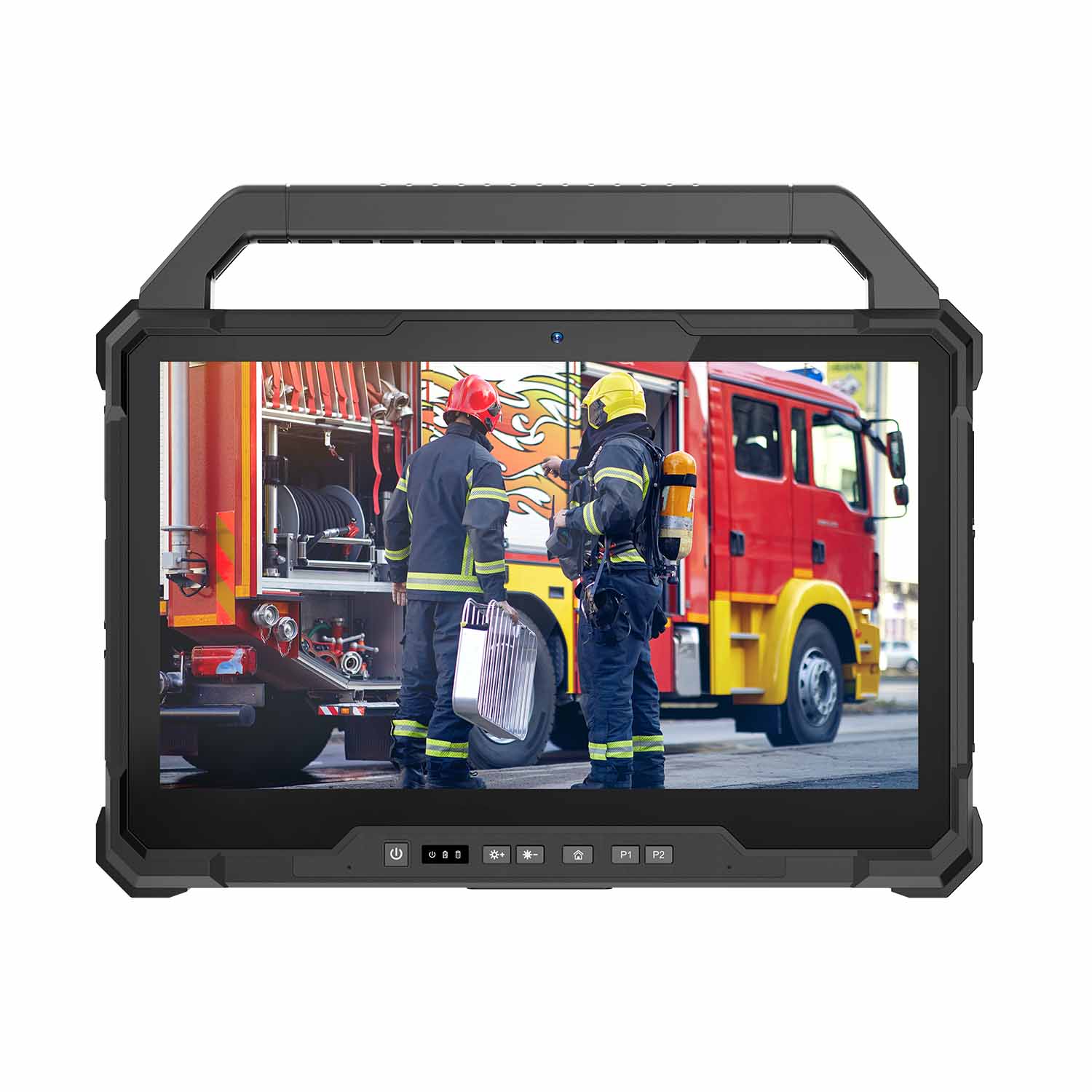
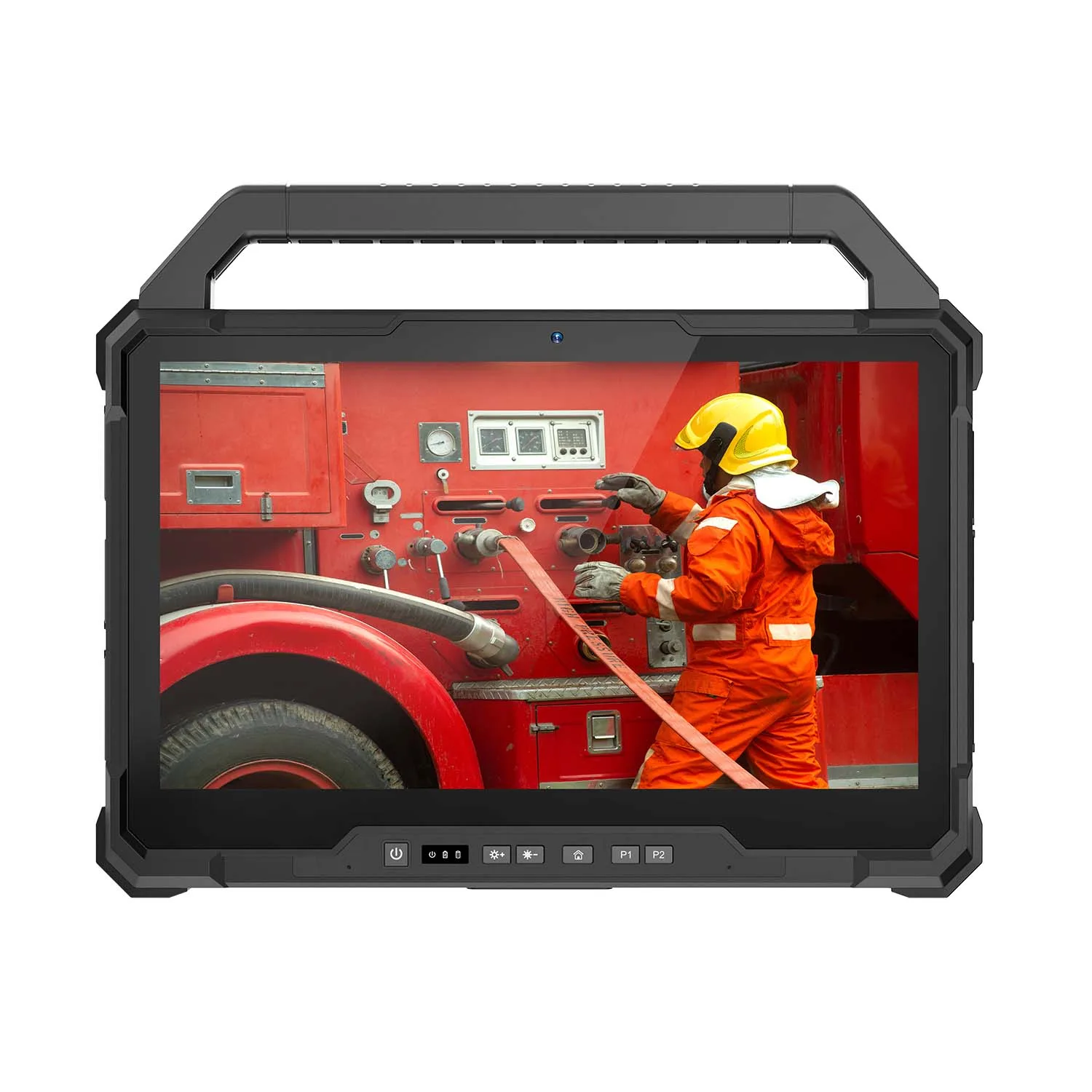
A rugged industrial tablet is a mobile computer designed and tested for specified industrial conditions such as drops, vibration, dust, water and temperature extremes. Depending on the model, it may also include sealed ports, glove-capable touch, vehicle docking, barcode or RFID modules and long-term supply. Ruggedness should be judged by the exact test conditions and reports for that model—not by the word “rugged” alone.
1. Rugged Industrial Tablet vs Consumer Tablet: What's Actually Different
A rugged industrial tablet is an industrial-grade mobile terminal tested to MIL-STD-810H procedures and certified to IP65/IP68.
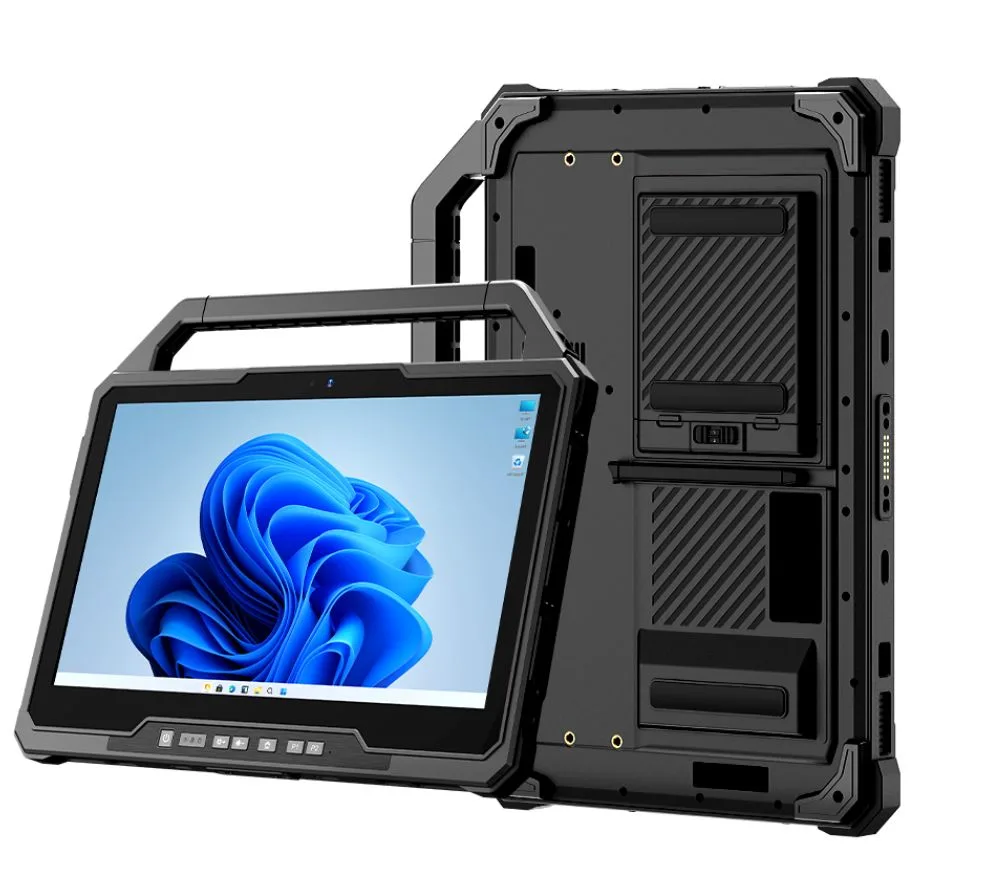
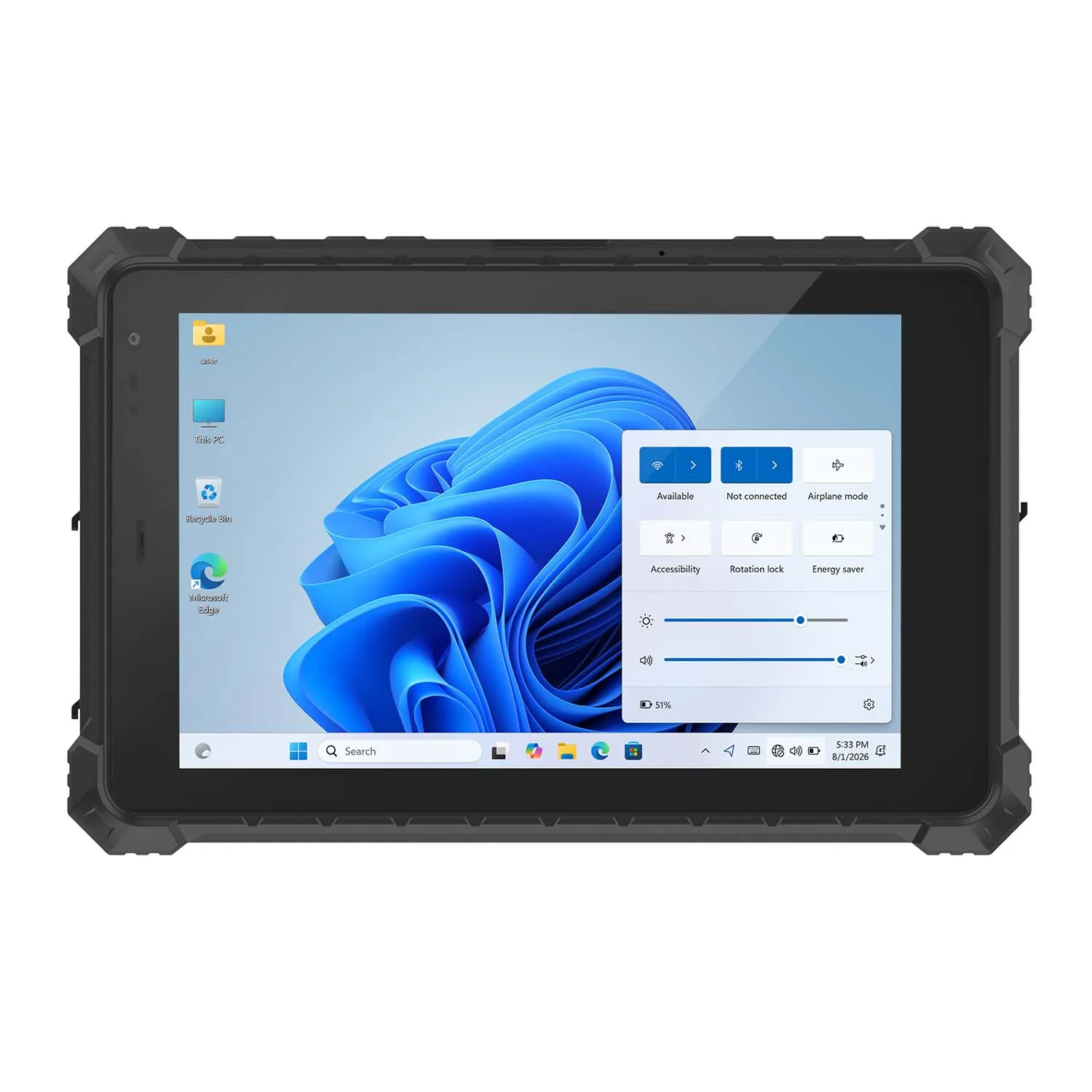
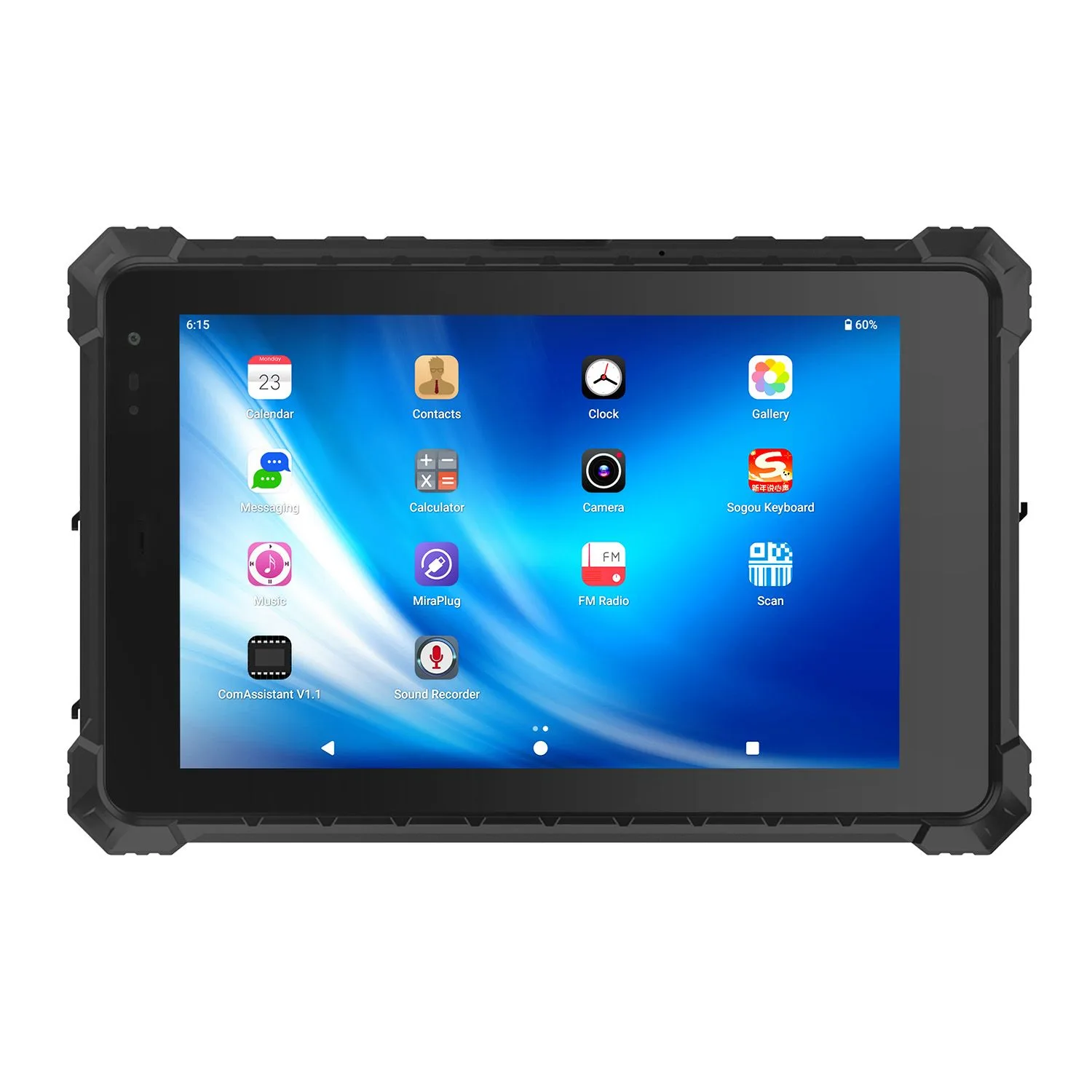
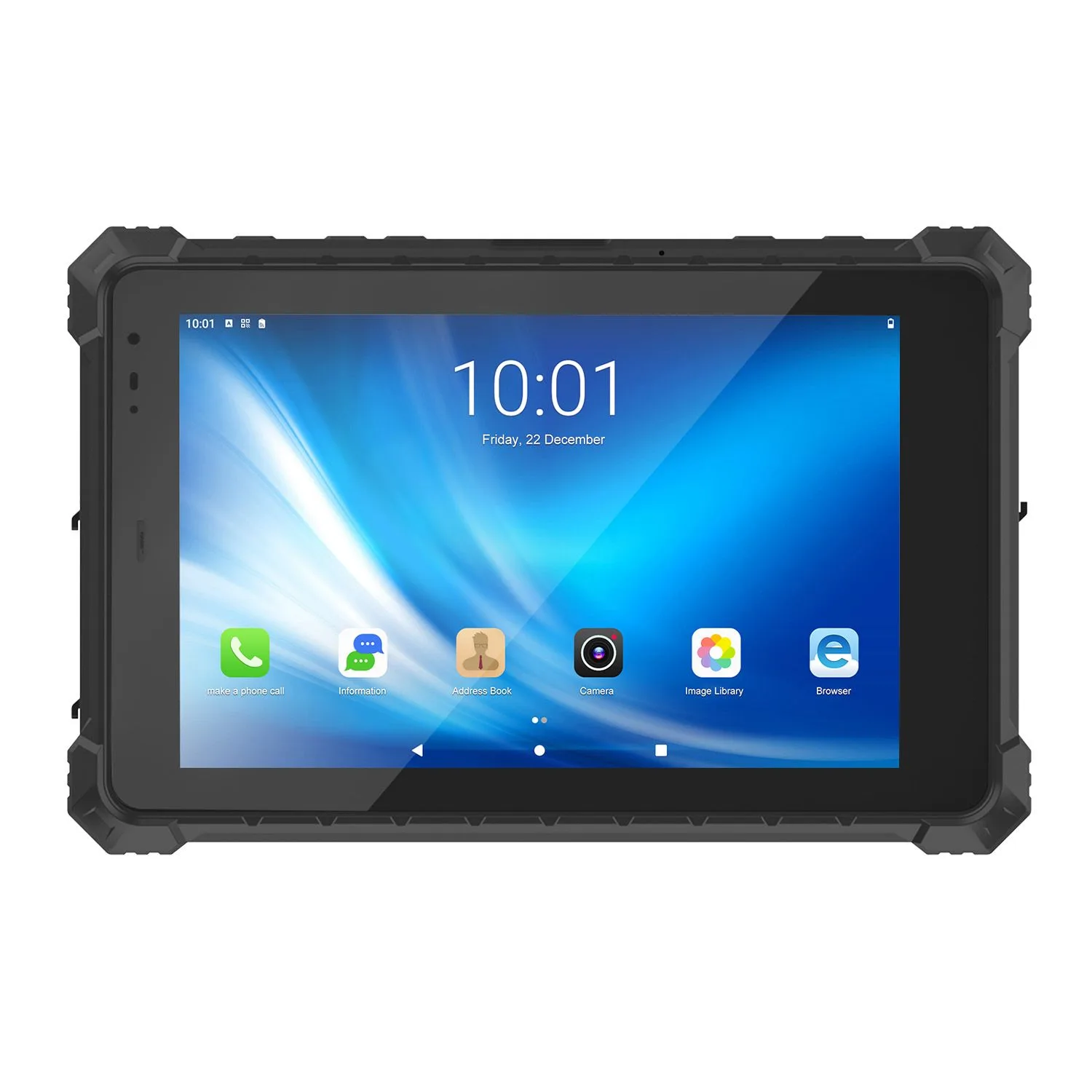
Rugged Industrial Tablet vs Consumer Tablet
Different from consumer tablets, rugged industrial tablet adopts reinforced structural design, industrial materials and fully sealed casing to resist shocks, moisture, dust and extreme ambient conditions.
Item | Rugged Industrial Tablet | Consumer Tablet (iPad / Android) |
Structure Design | Reinforced internal magnesium alloy shockproof frame, impact-resistant structural design | Thin integrated body without reinforced shockproof structure |
Housing Material | High-strength industrial magnesium alloy, wear and corrosion resistant | Thin plastic or lightweight aluminum housing with low structural strength |
Testing Standard | MIL-STD-810H military standard & IP65/IP68 fully sealed certification | No military-grade test, only basic splash-proof, no dust-proof certification |
Drop Resistance | 1.22 m drop onto composite wood (MIL-STD-810H procedure) | Anti-drop capacity less than 0.5m |
Temperature Range | -20℃ ~ 60℃ wide operating temperature | Limited operating range: 0℃ ~ 35℃ |
Water & Dust Proof | IP65 / IP68 full sealing for dust & water immersion | Only simple splash-proof, no dust protection |
Interfaces | Industrial serial ports, LAN port, aviation connectors | Only standard Type-C port |
Service Cycle | 5–8 years long-term stable supply | Short iteration cycle of 1–2 years |
2. MIL-STD-810H and IP Ratings: What the Certifications Actually Test
Certifications are the most direct way to judge true rugged performance.
MIL-STD-810H Military Standard
MIL-STD-810H simulates real harsh working conditions, including these key tests:
● 1.2m free drop, continuous vibration and mechanical shock
● Salt spray corrosion resistance for coastal and marine scenarios
● Thermal cycling under ultra-low and ultra-high temperatures
● Humidity, sand, dust and heavy rain aging tests
● Solar radiation and high-altitude environment adaptation
Tip: Products without MIL-STD-810H cannot be defined as fully rugged industrial tablets.
IP65 vs IP68: Which Rating Does Your Site Need?
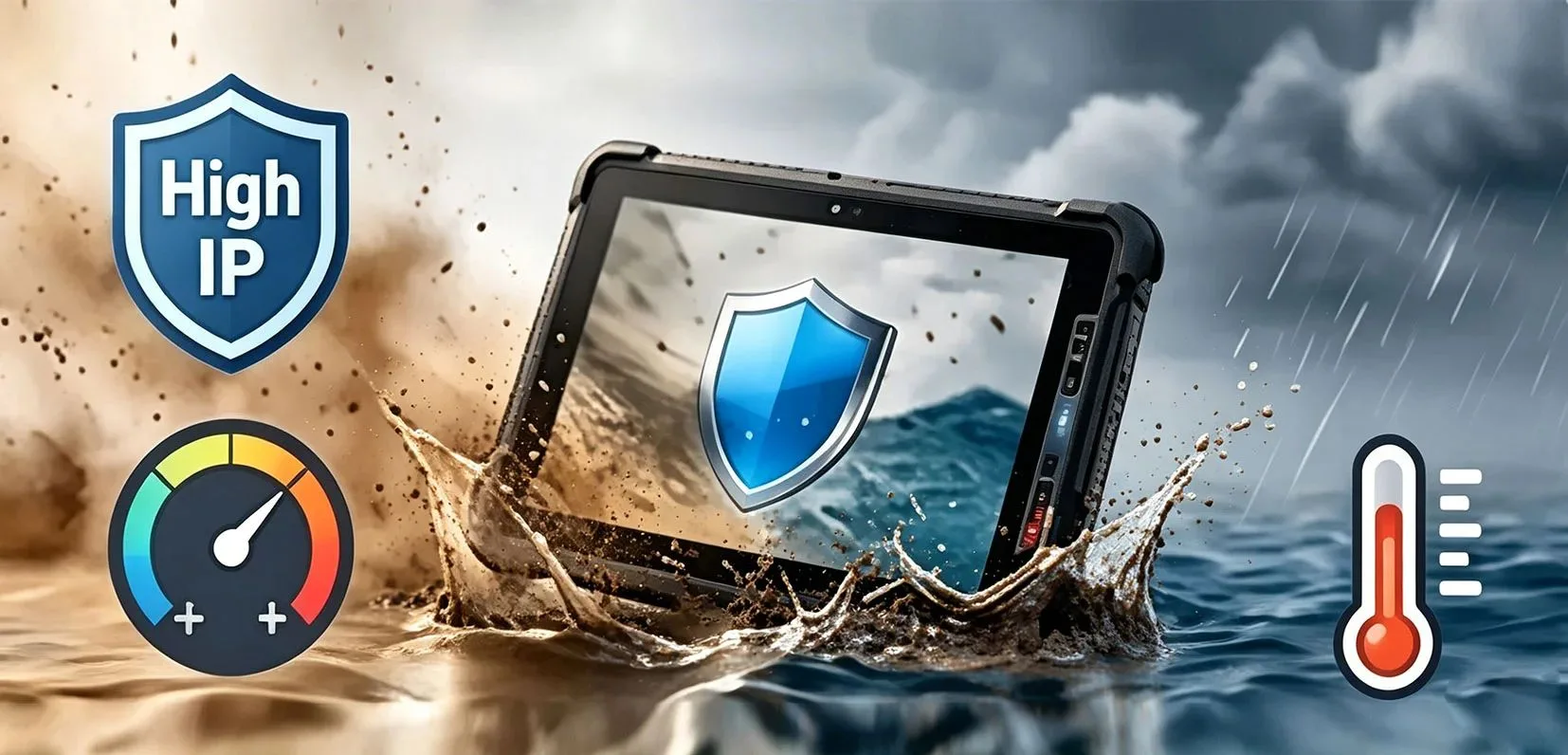
The two-digit IP rating separately certifies dust tightness and waterproof capacity:
First digit “6”: 100% dust-tight, zero fine particle penetration
Second digit defines water resistance:
● IP65: Resists low-pressure water jets from any direction (6.3 mm nozzle test); suits indoor factories and covered warehouses. For high-pressure wash-down, look for IPX6-rated equipment.
● IP68: Supports continuous submersion at a manufacturer-declared depth and duration (commonly 1.5 m for 30+ minutes — confirm the exact figure on the datasheet); for construction, flood response, marine logistics
● IP65 is enough for most indoor manufacturing and covered warehouse scanning
● IP68 is mandatory for fully outdoor field service, offshore, flood, and muddy construction sites
3. Hardware That Matters: Display, I/O, Battery & Data Capture
A qualified rugged tablet integrates industry-specific hardware unavailable on consumer devices:
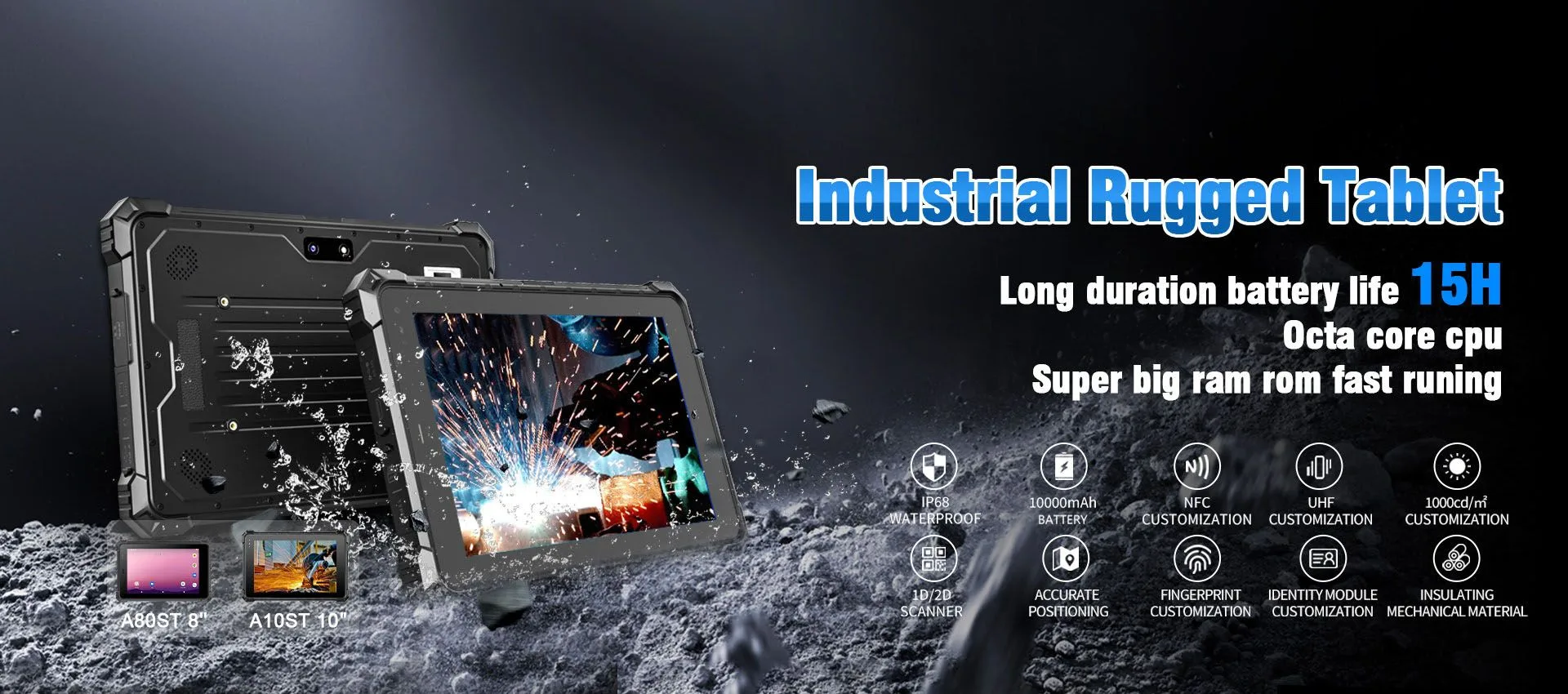
Outdoor Visible High-Bright Display
1000+ nits sunlight-readable screen
Dual-mode touch: supports bare fingers, thick wet safety gloves, with rain-drop rejection
Optical bonding eliminates internal screen condensation caused by temperature fluctuations
Expandable Industrial I/O Interfaces
Sealed waterproof aviation connectors for connection with factory equipment:
Serial ports: RS232 / RS485 for communication with PLCs, sensors and machinery
CAN bus ports for forklifts, vehicles and new energy equipment
Gigabit RJ45 LAN, multiple USB-A ports, 12–24V DC vehicle power input
Industrial Power System
Hot-swappable removable batteries. Batteries can be replaced without powering down the device, supporting uninterrupted 24-hour shift operations.
Built-in Modular Data Capture Peripherals
Integrated Zebra/Honeywell 1D/2D barcode scanning engine for inventory counting
Embedded UHF RFID & NFC modules for asset tracking and access control
Optional Expansion Accessories
Vehicle docking station, shoulder strap, rugged hand grip to facilitate field operators
4. Windows, Android, or Linux — Pick the OS First
The OS decides more about daily usability than any line on the spec sheet, so choose it before the hardware.
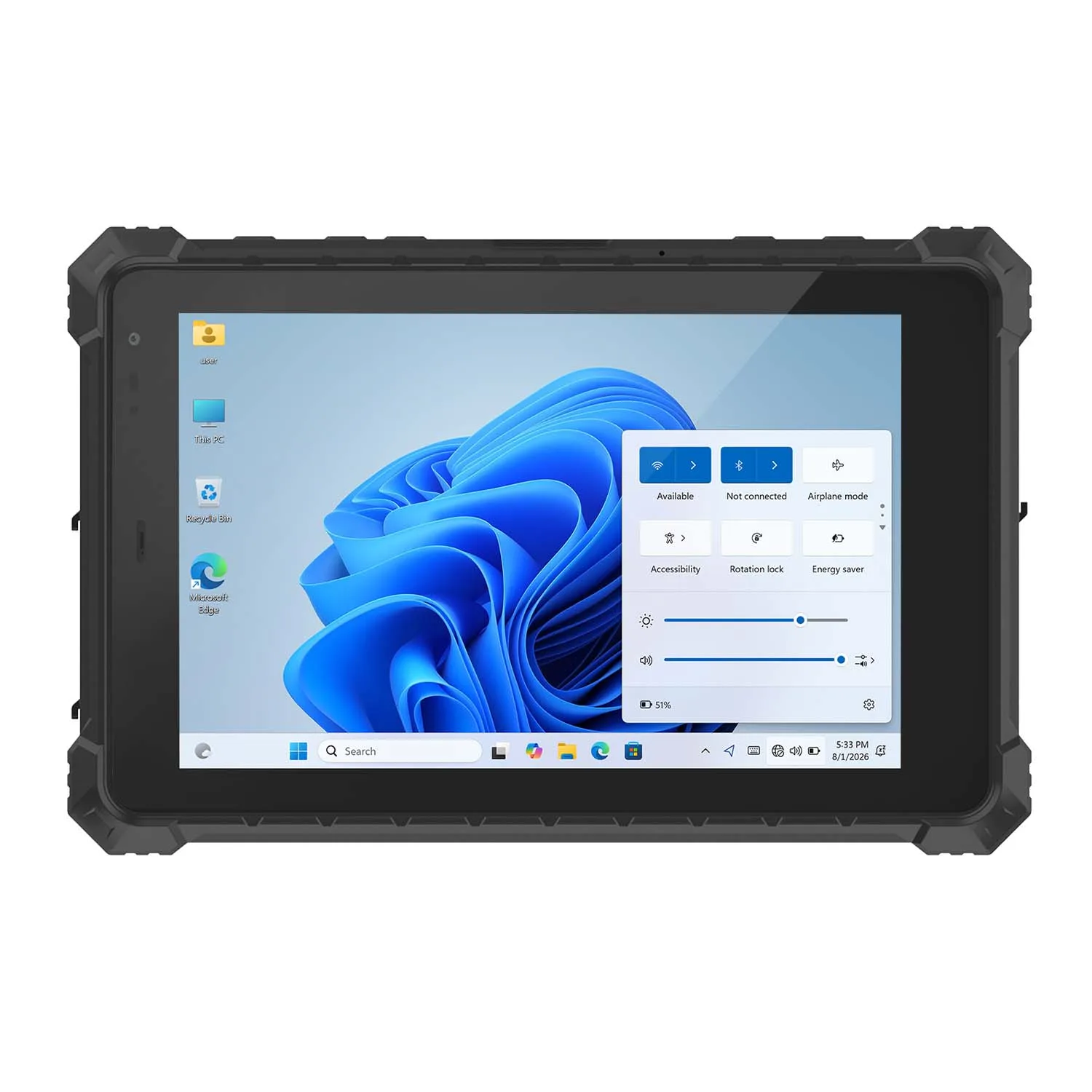
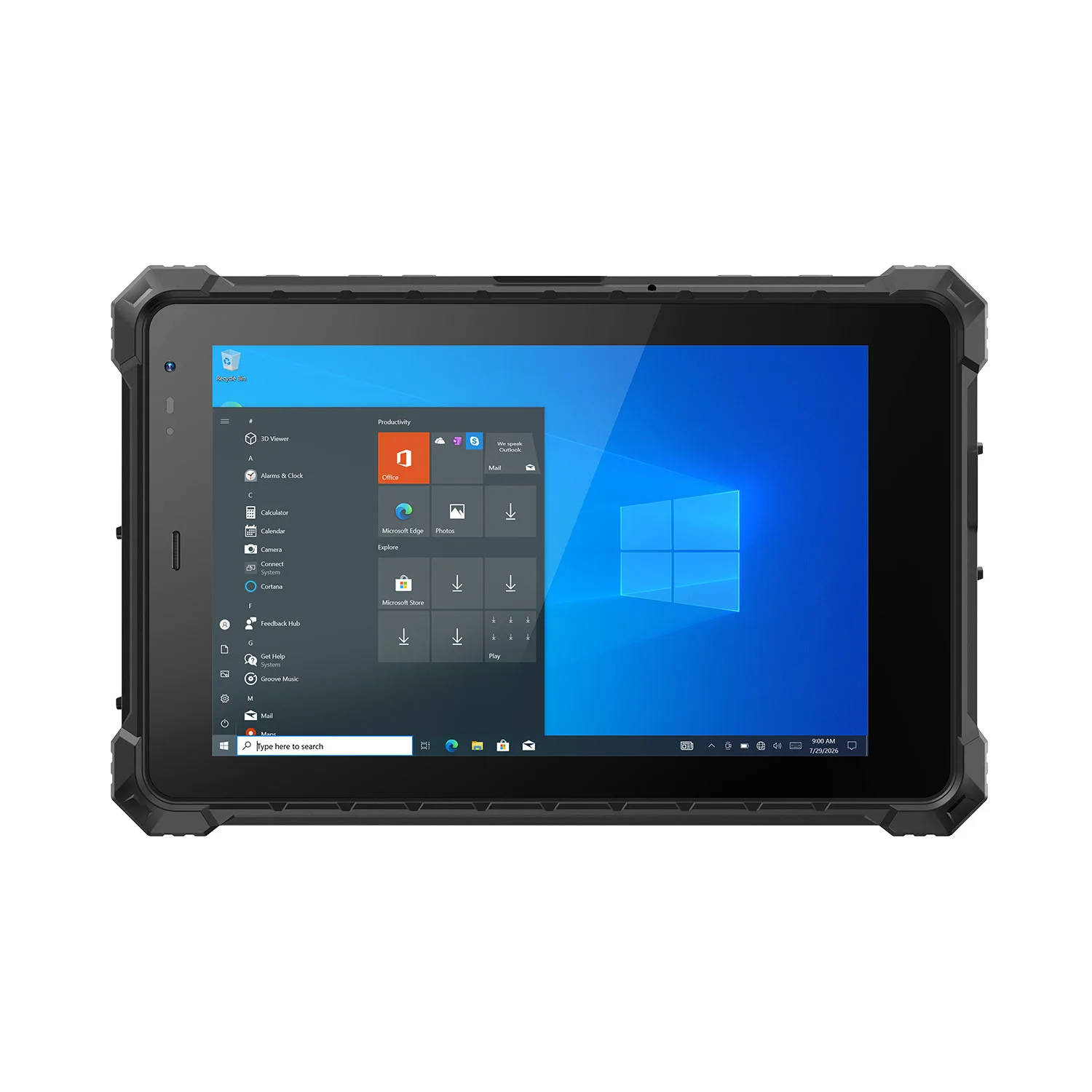
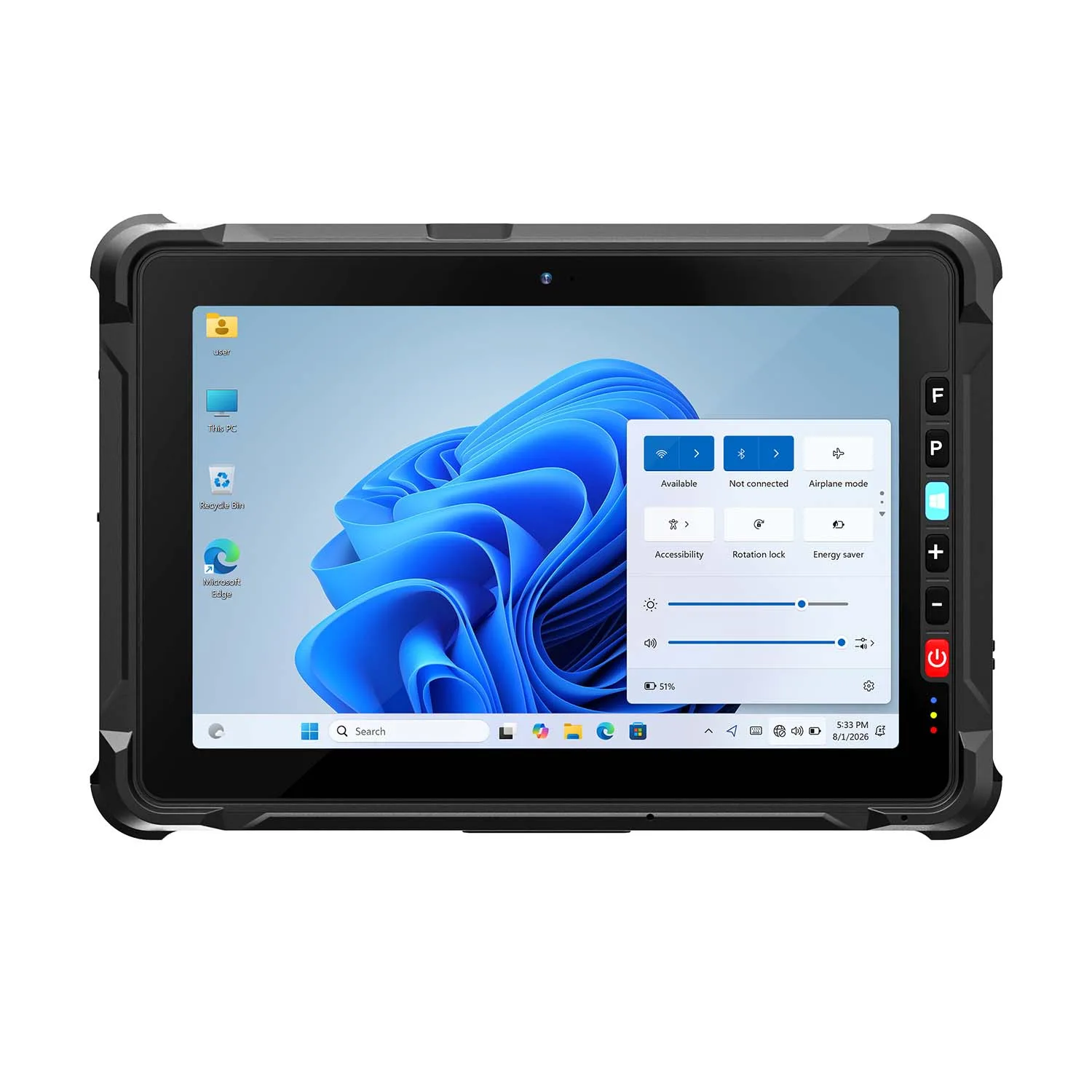
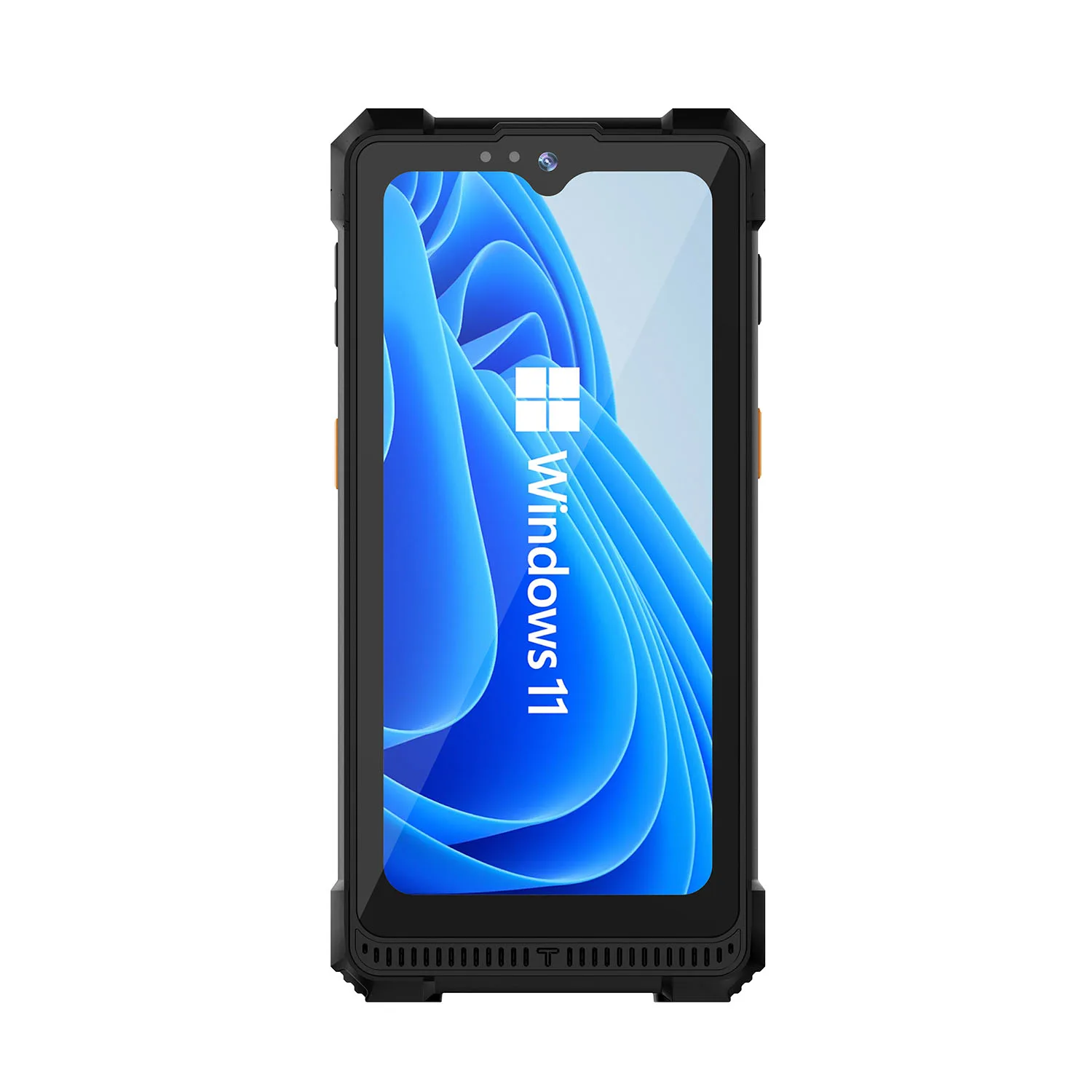
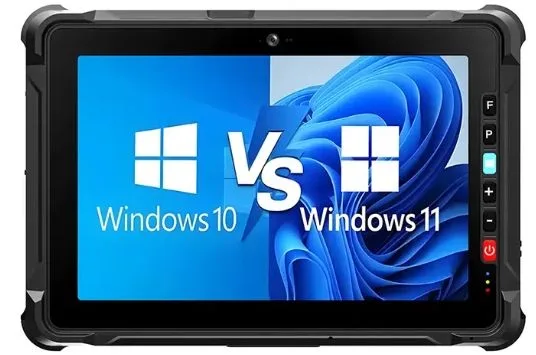
Windows 10/11 IoT is the default when the tablet has to run existing industrial software. MES clients, equipment monitoring dashboards, anything built on .NET — they just work. Active Directory support means your IT team manages these tablets like any other company PC. The trade-off: higher power draw, slower boot, and more IT overhead per unit.
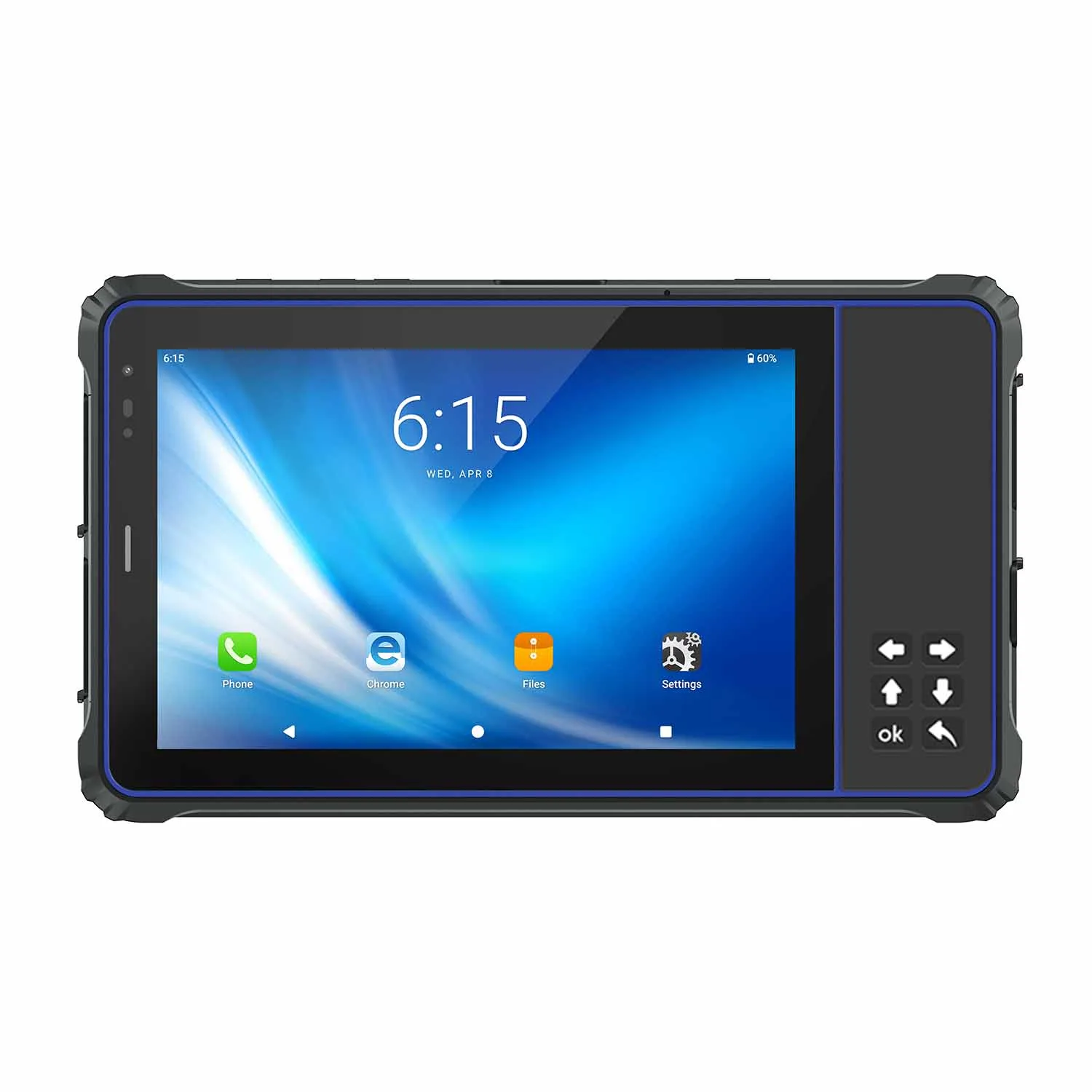
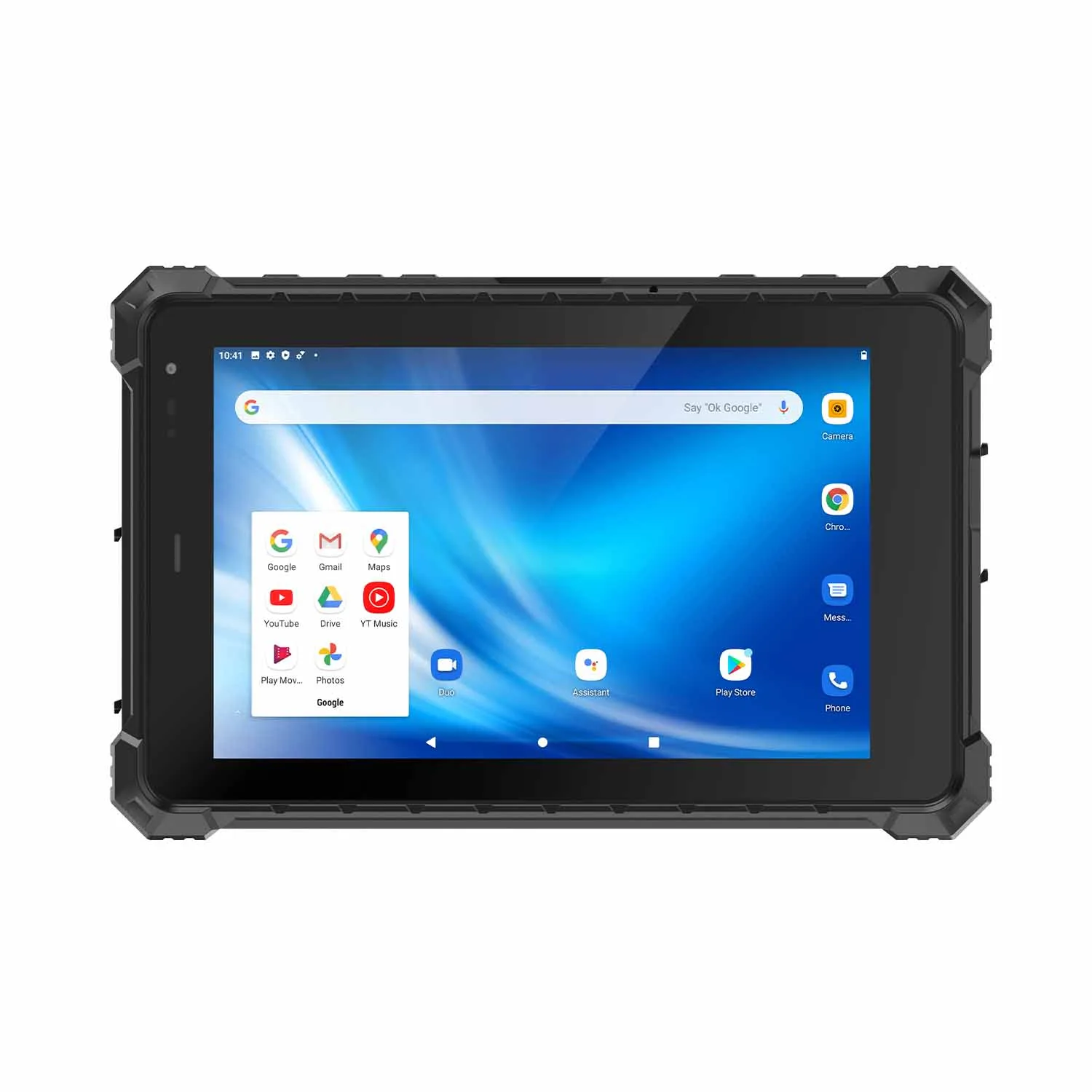
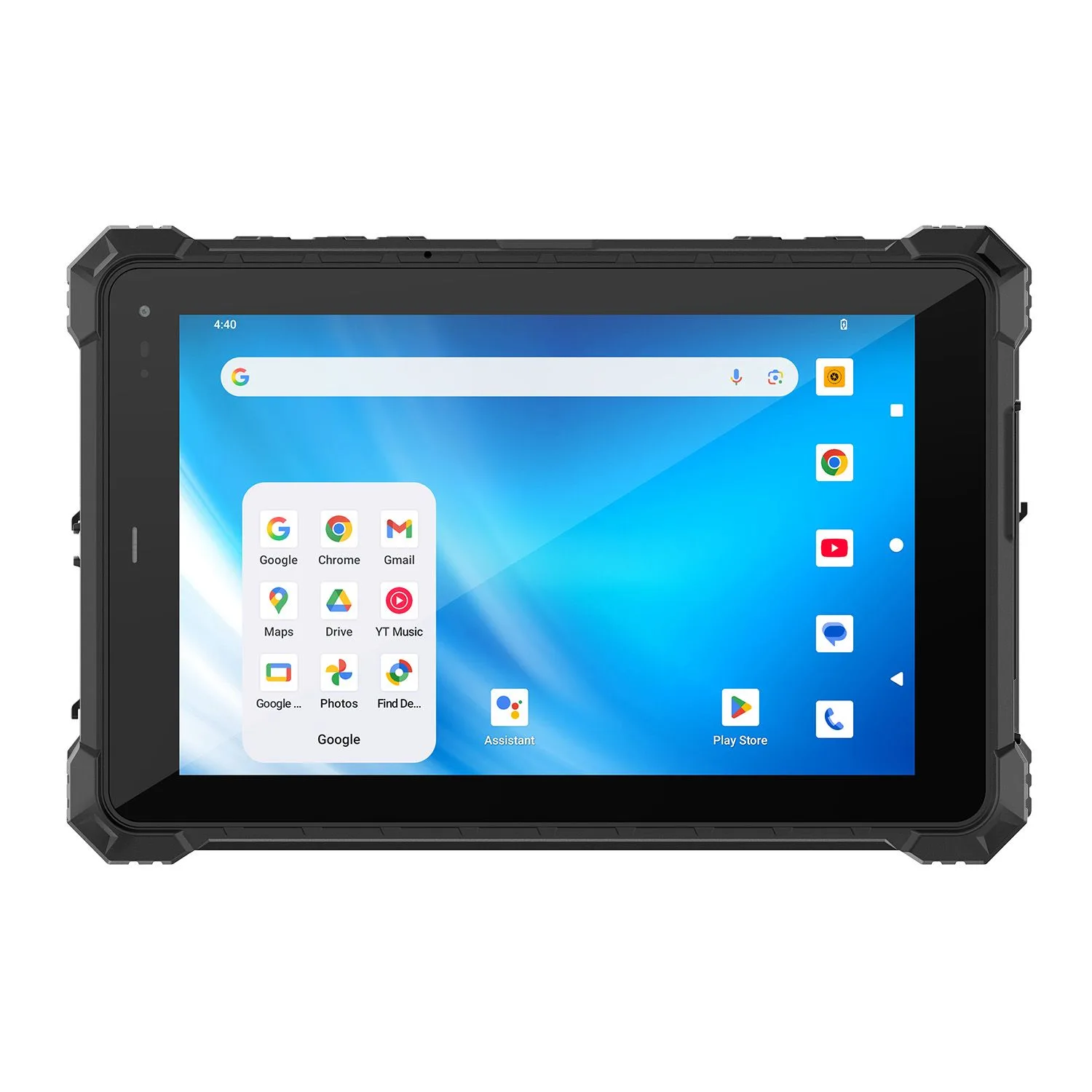
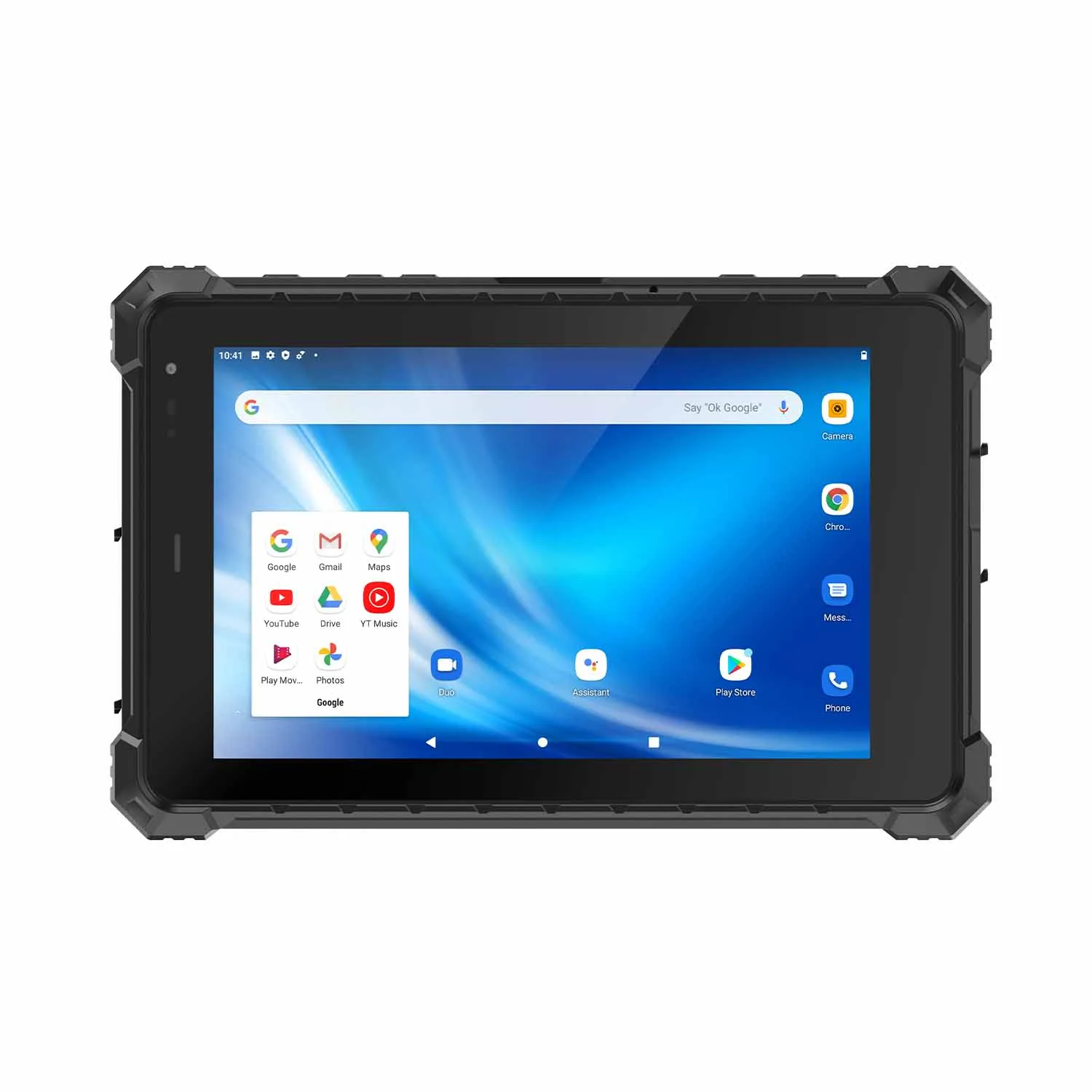
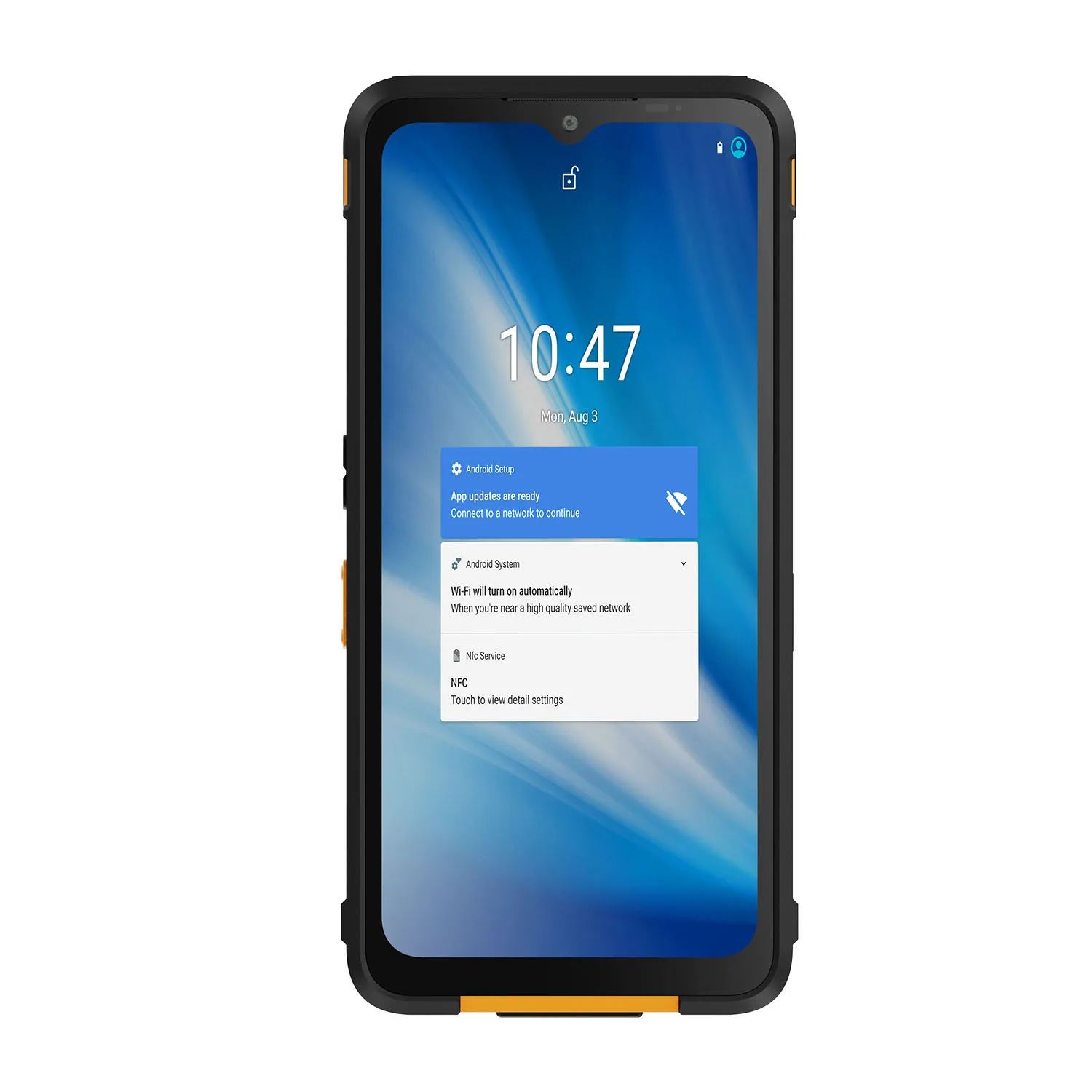
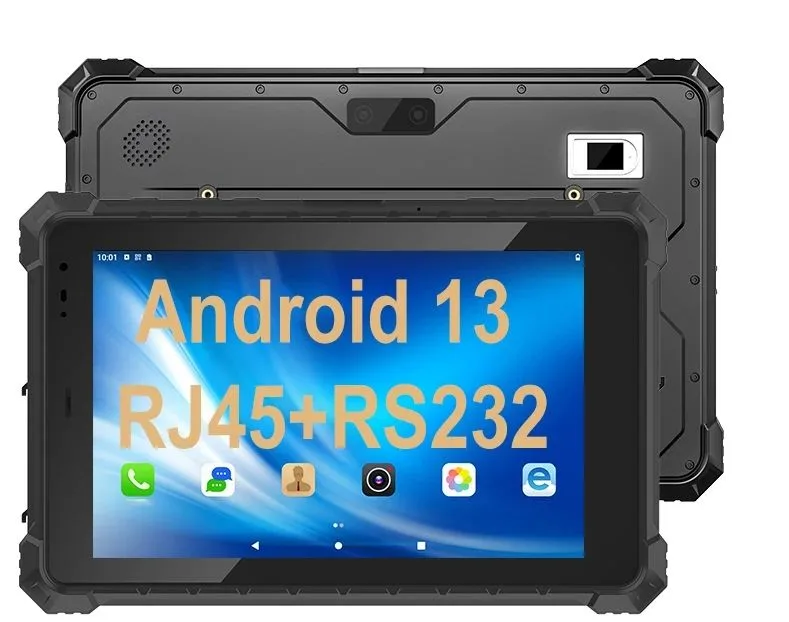
Most of our warehouse customers end up on Android. A WMS scanning app that boots in seconds and lasts a 10-hour shift on one charge matters more to them than desktop software compatibility. Two builds are available: the GMS version if you need Google services and Play Store apps, and an AOSP industrial build for locked-down, single-purpose terminals — easier to harden, with nothing extra running in the background.
Linux is a niche choice, and a deliberate one: IoT data collection gateways and unmanned monitoring terminals where you want low latency, edge computing, and no OS vendor in the loop. If your team doesn't already run Linux somewhere, this option probably isn't for you
5. Where Rugged Tablets Get Used: Five Industries
Smart Manufacturing
Workshop MES data collection, equipment inspection, quality testing, PLC data interaction.

Warehouse & Logistics
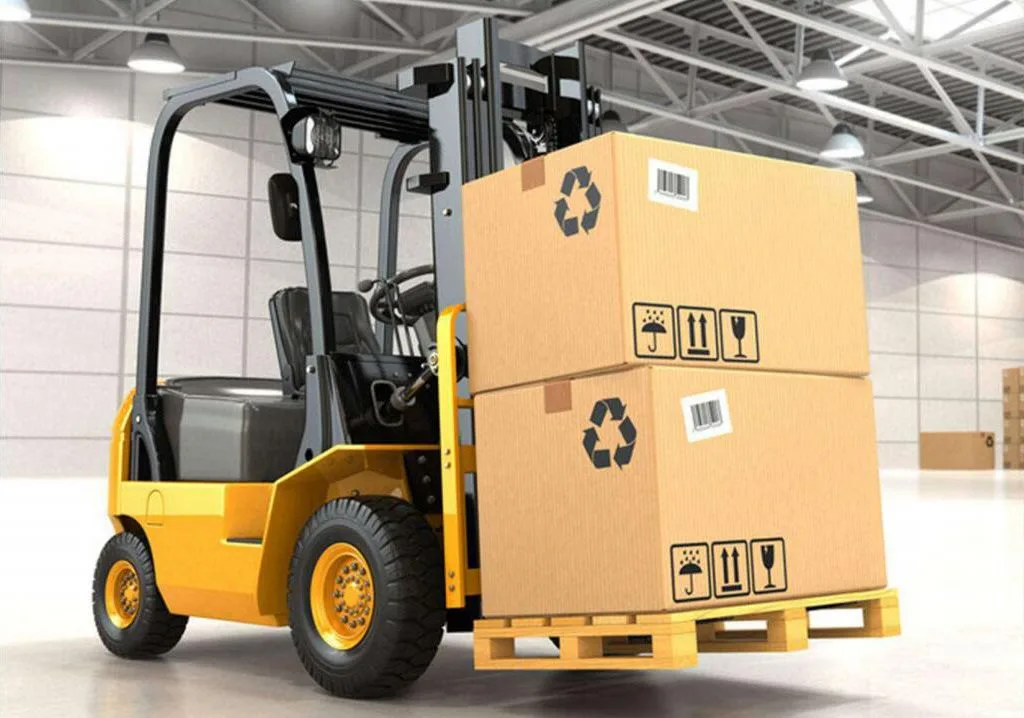
Inventory scanning, forklift on-board terminals, cargo checking, electronic signature confirmation.
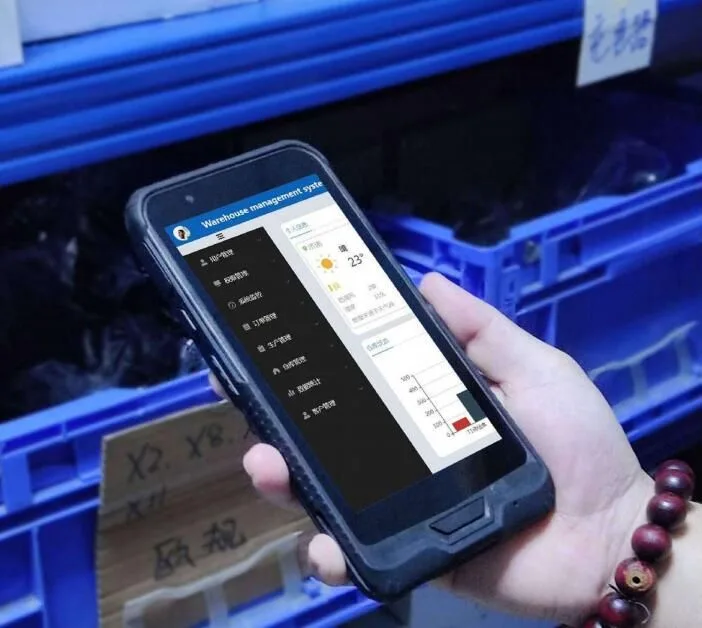
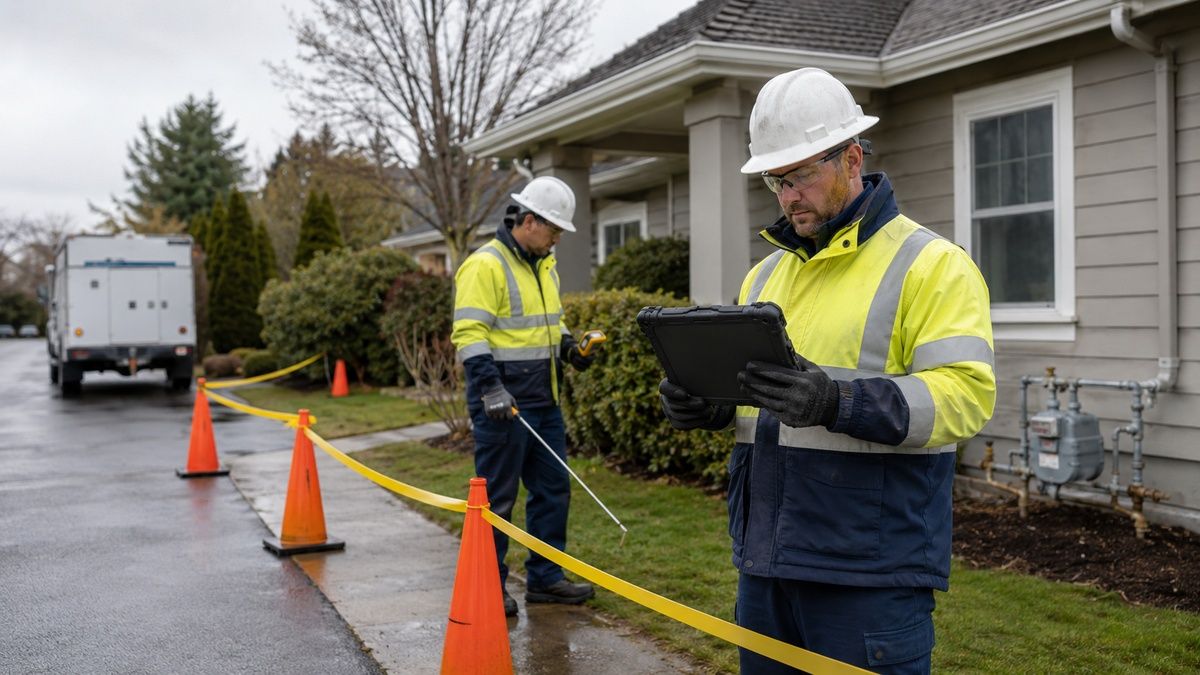
On-site maintenance, engineering drawing viewing, equipment patrol and asset auditing.

Public Utilities
Power grid inspection, water supply meter reading, new energy station monitoring.

Transportation & Marine
Fleet scheduling, port cargo management, offshore equipment data recording.
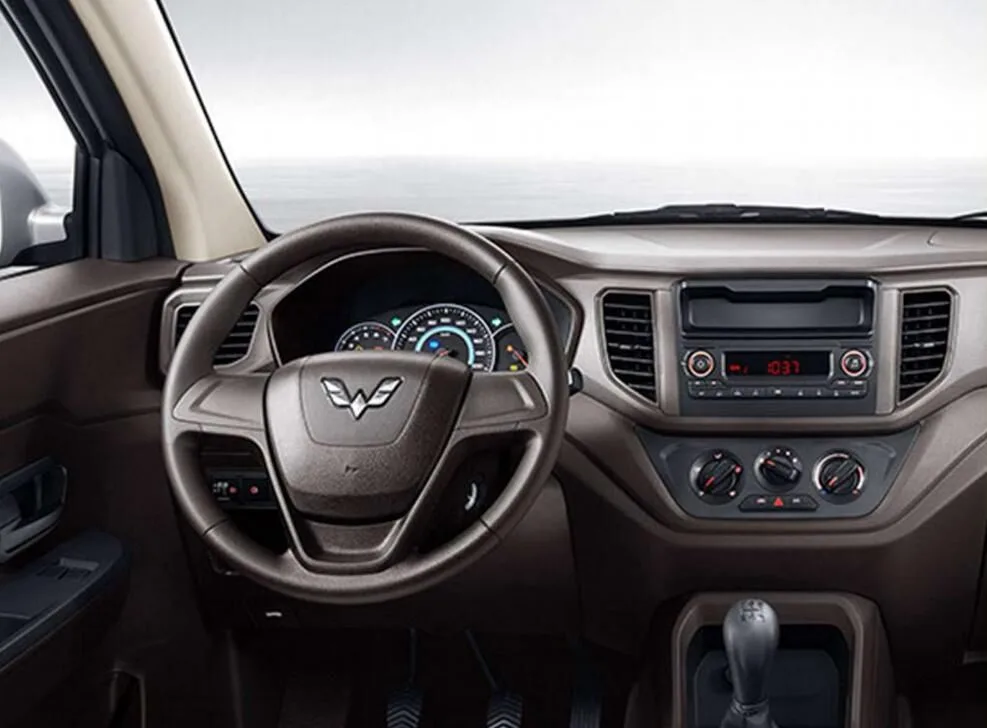
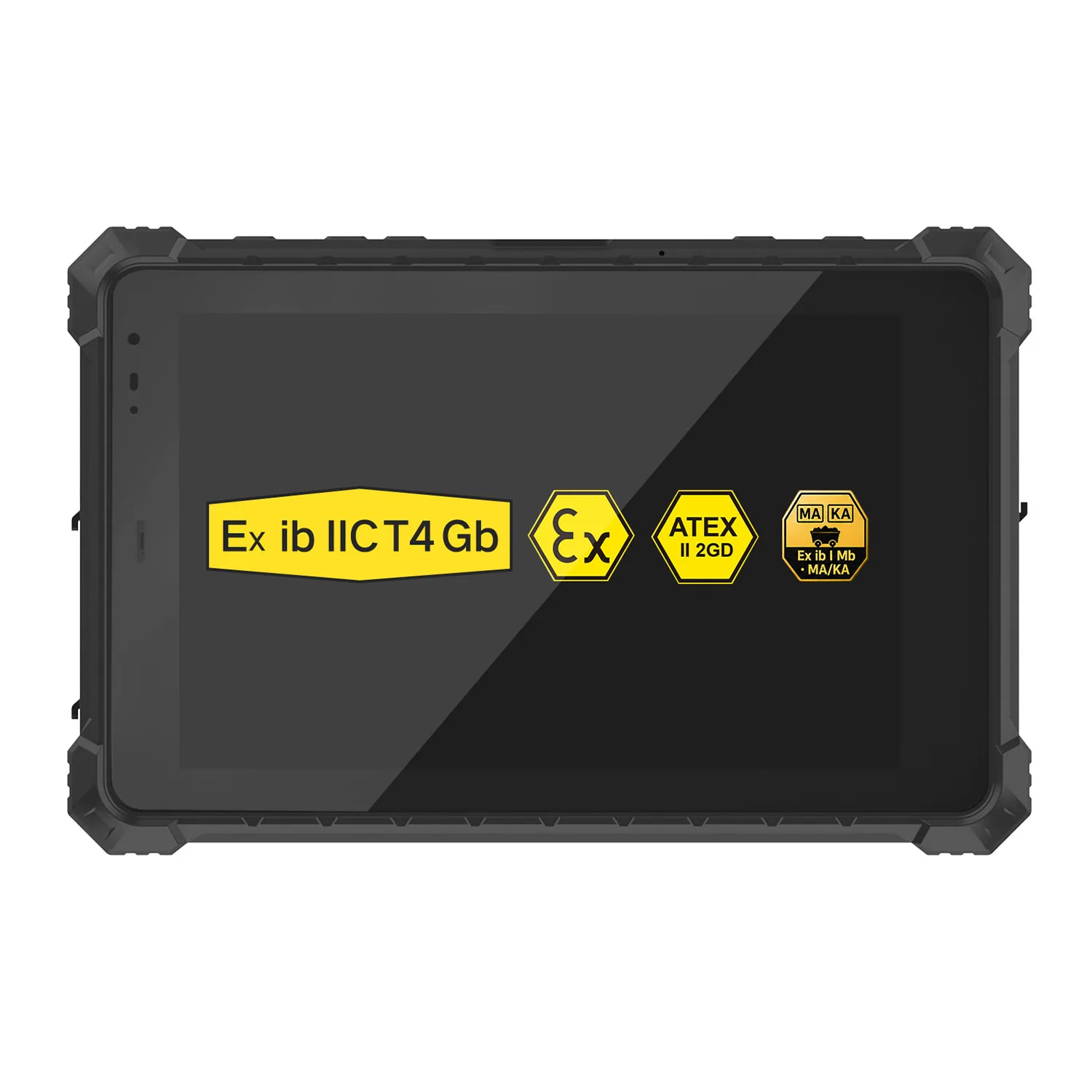
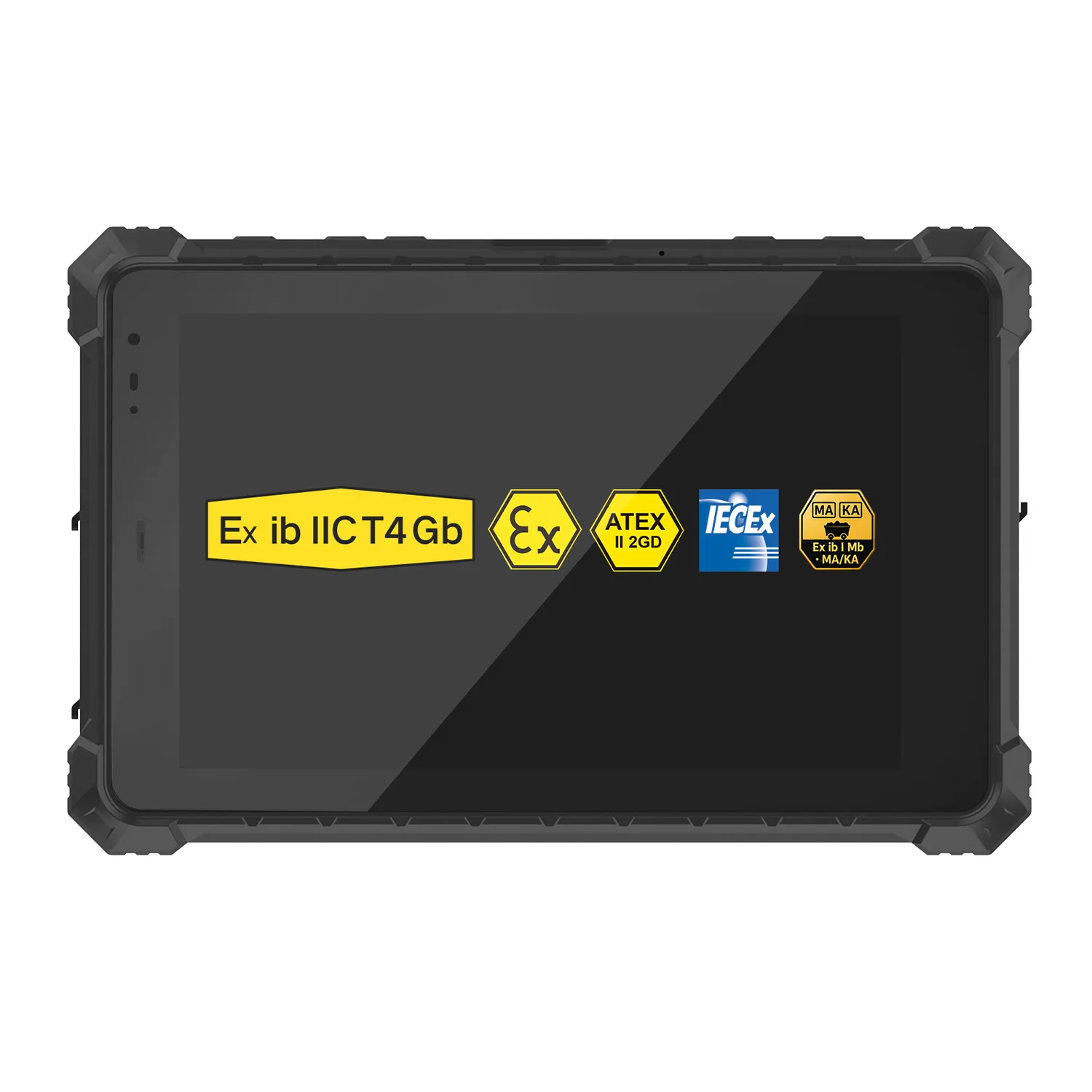
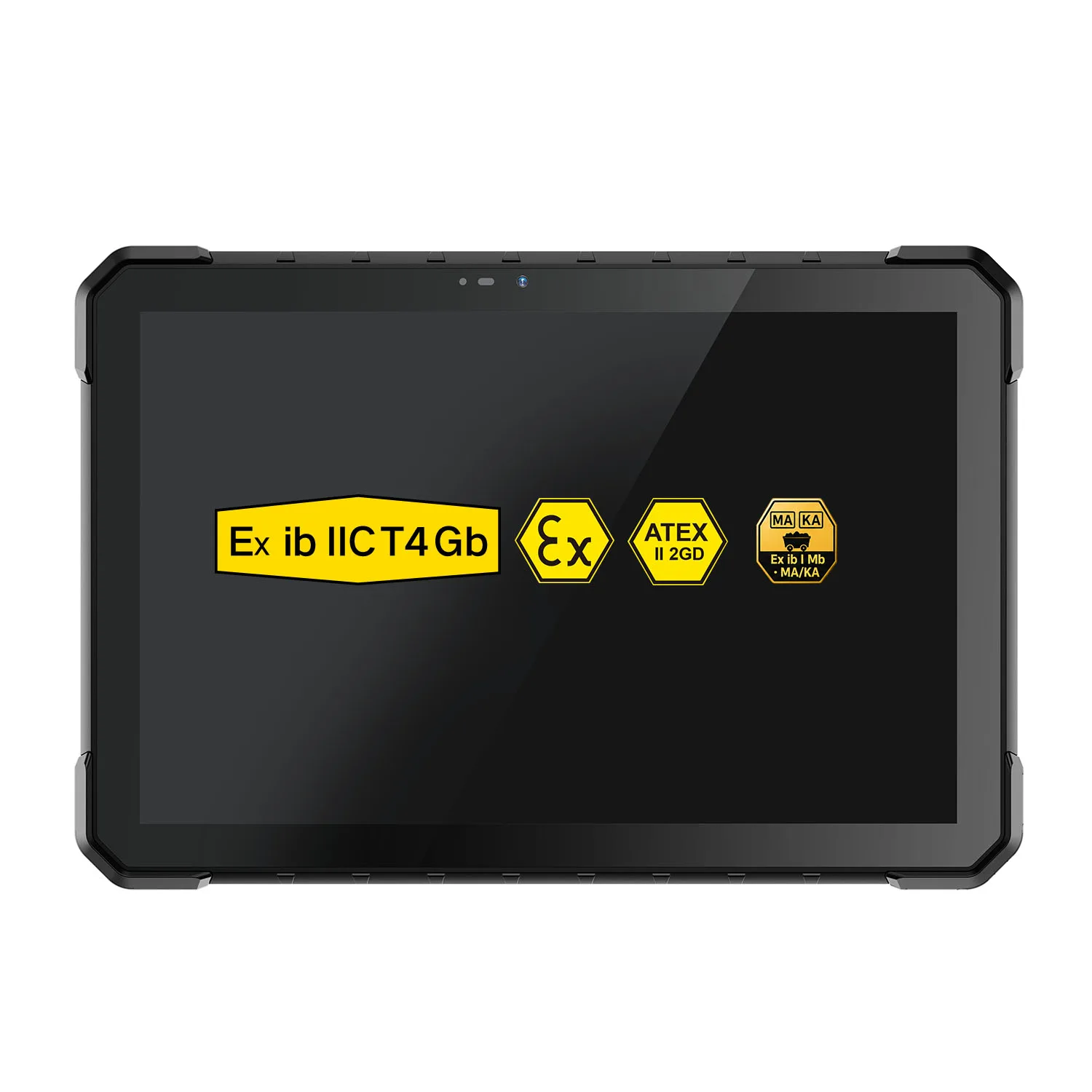
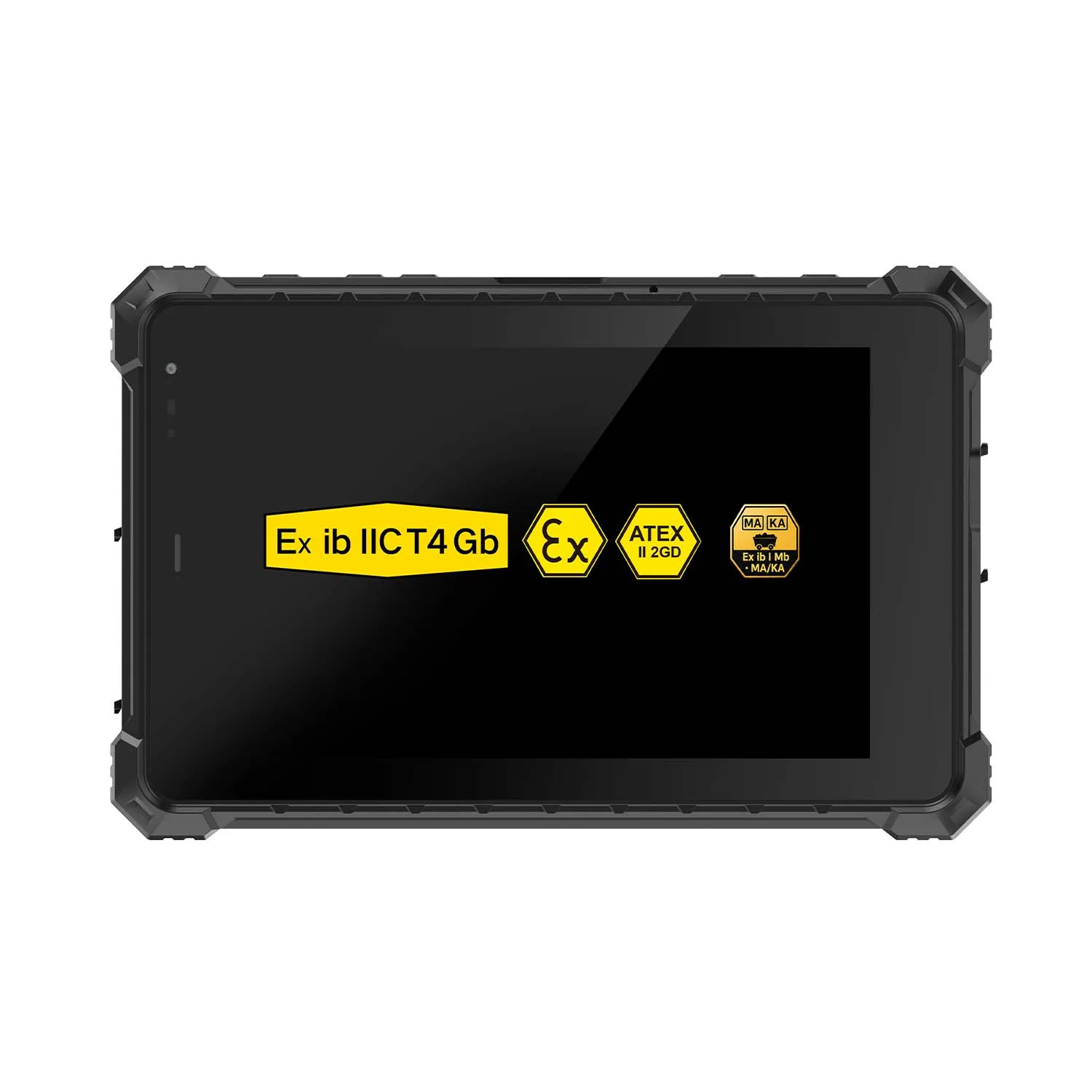
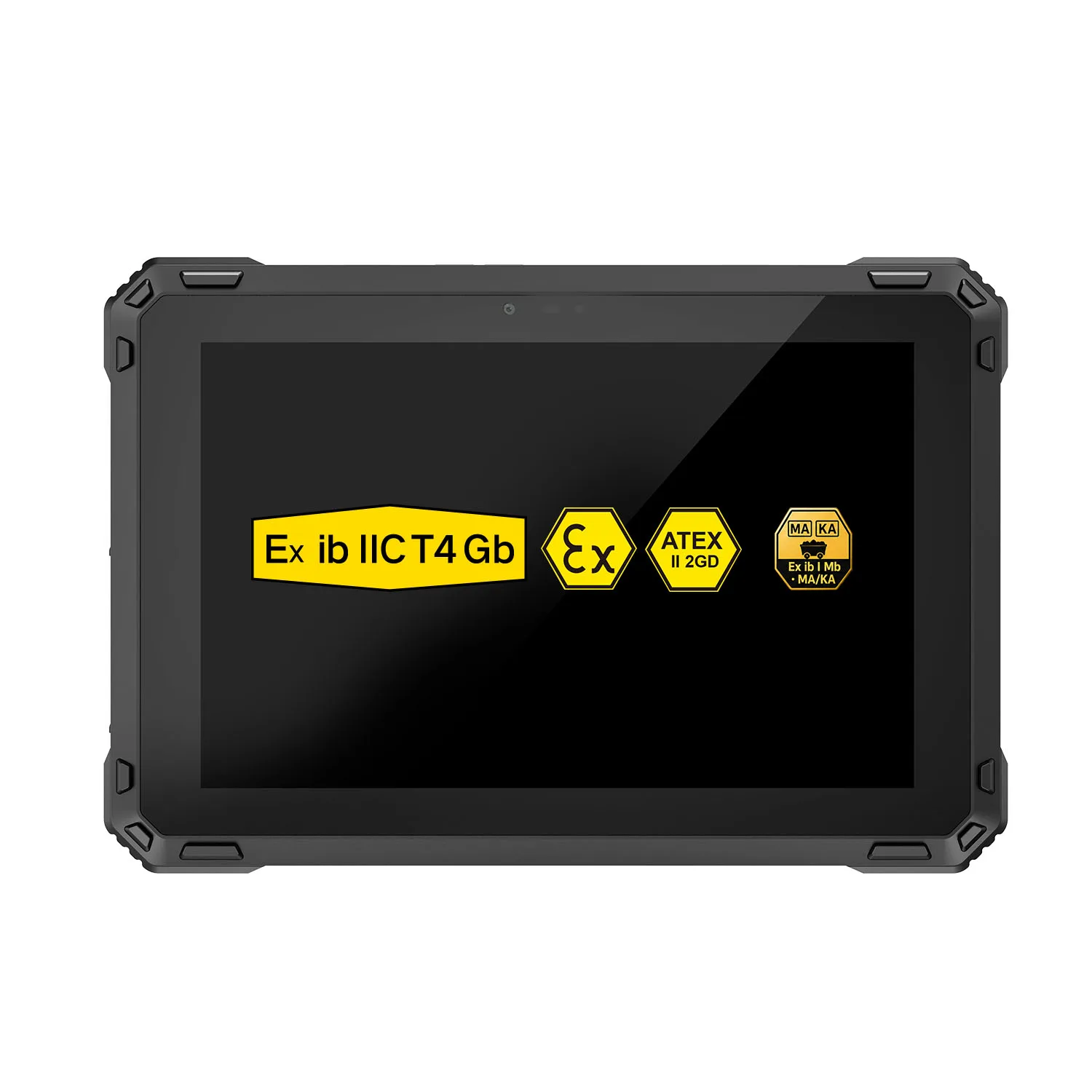
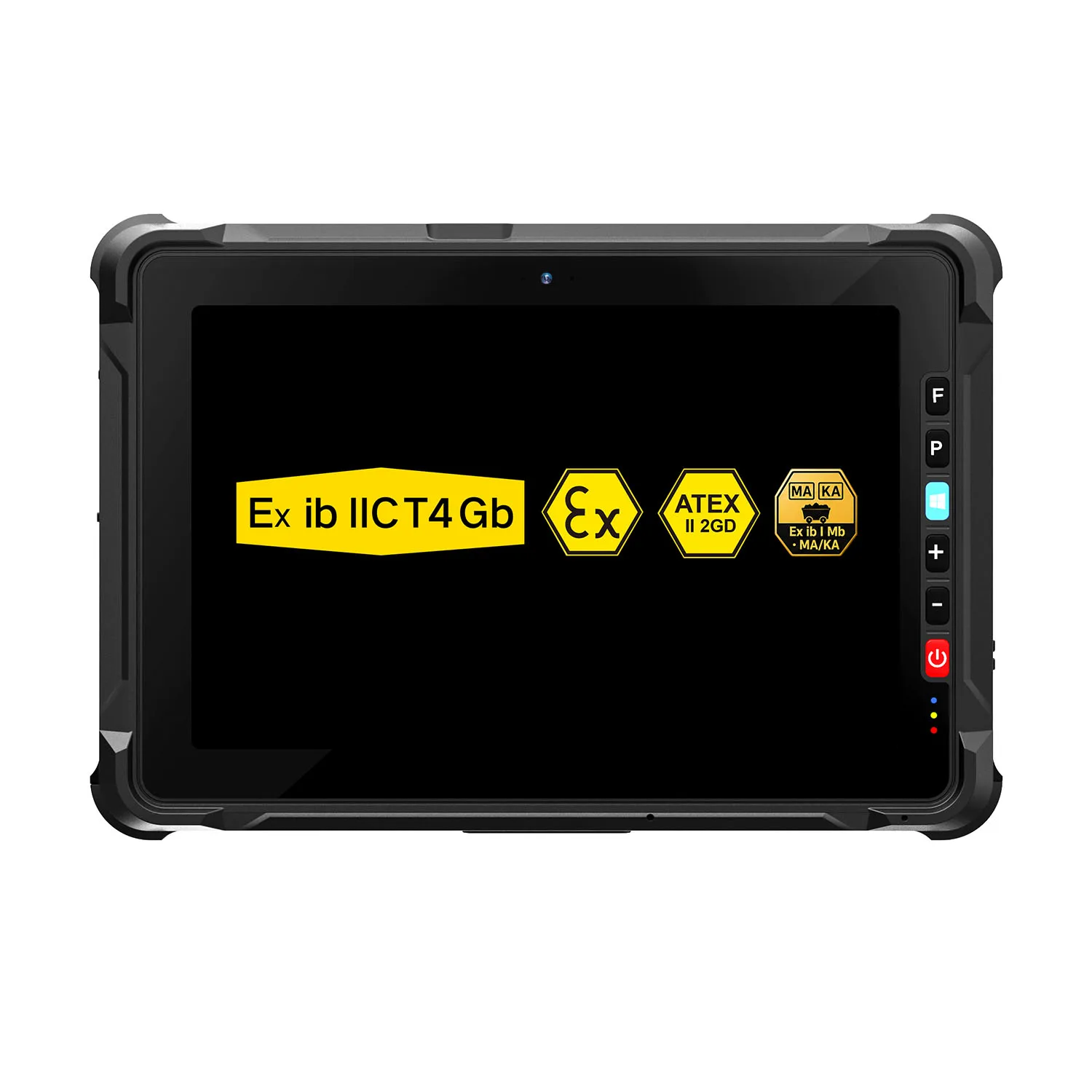
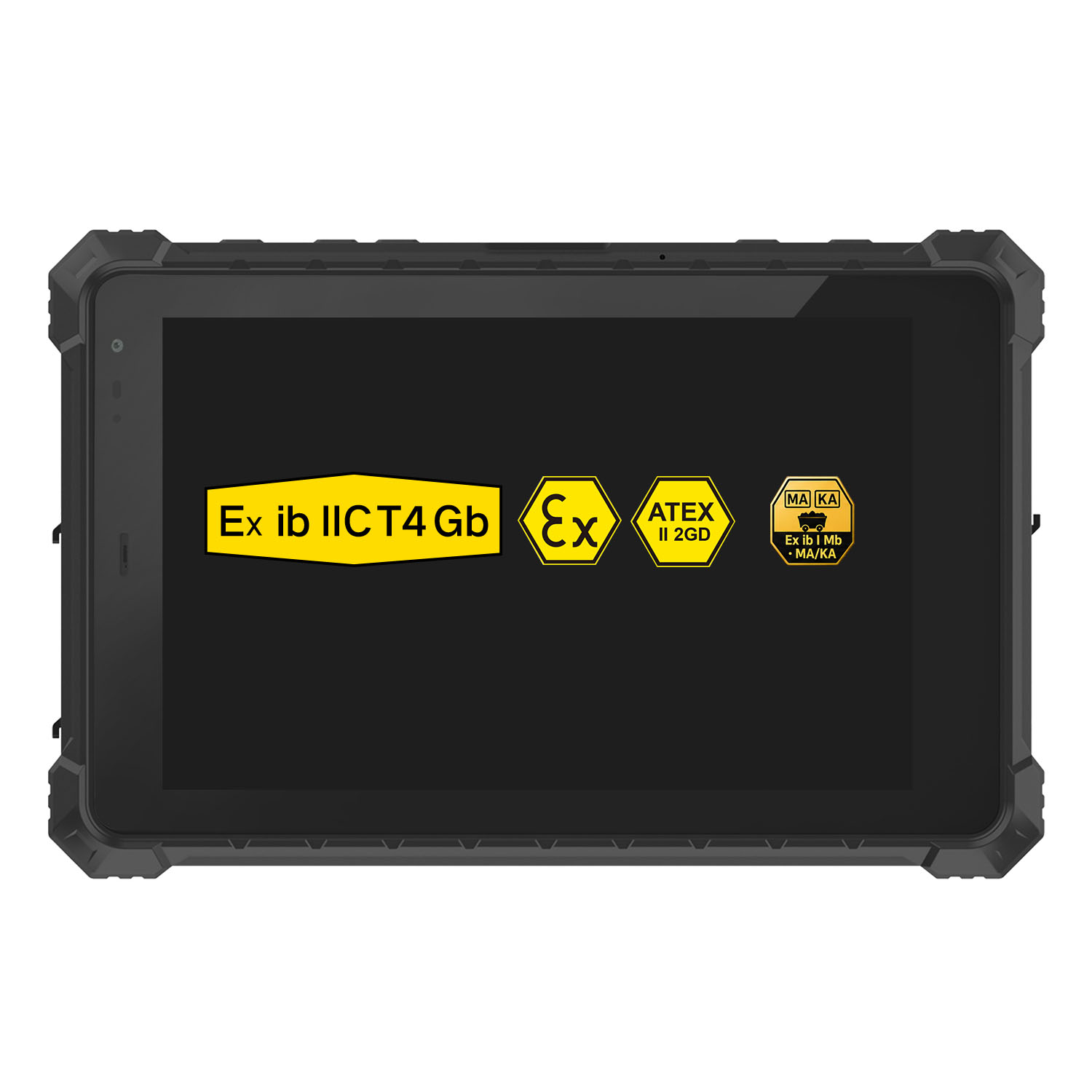
6. Rugged vs Explosion-Proof (ATEX/IECEx): Know the Line Before You Buy
Many buyers confuse these two categories, which may lead to safety risks or unnecessary overspending.
When a Standard Rugged Tablet Is Enough
● Applicable scenarios: Ordinary factories, warehouses, municipal construction sites
● Environment: No flammable gas, flammable liquid or combustible dust
● Advantages: Lower cost, richer optional interfaces and flexible customization.
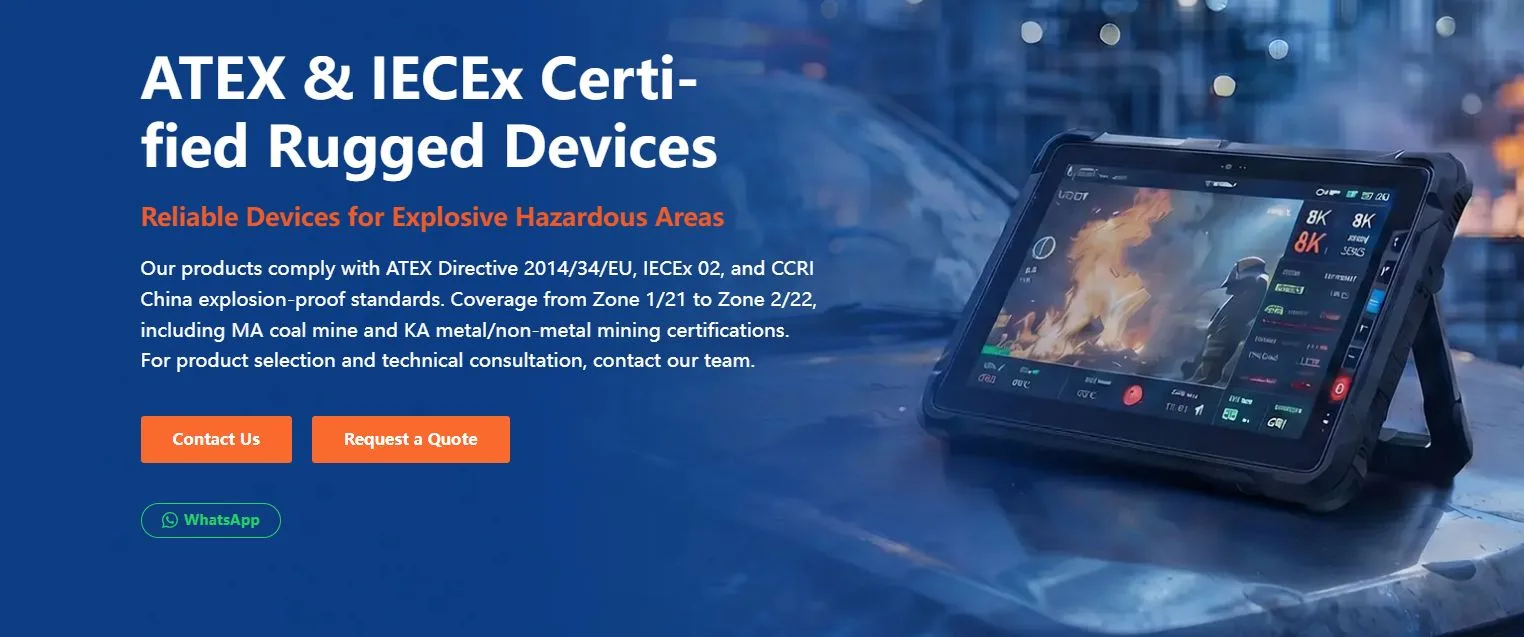
When You Legally Need ATEX/IECEx
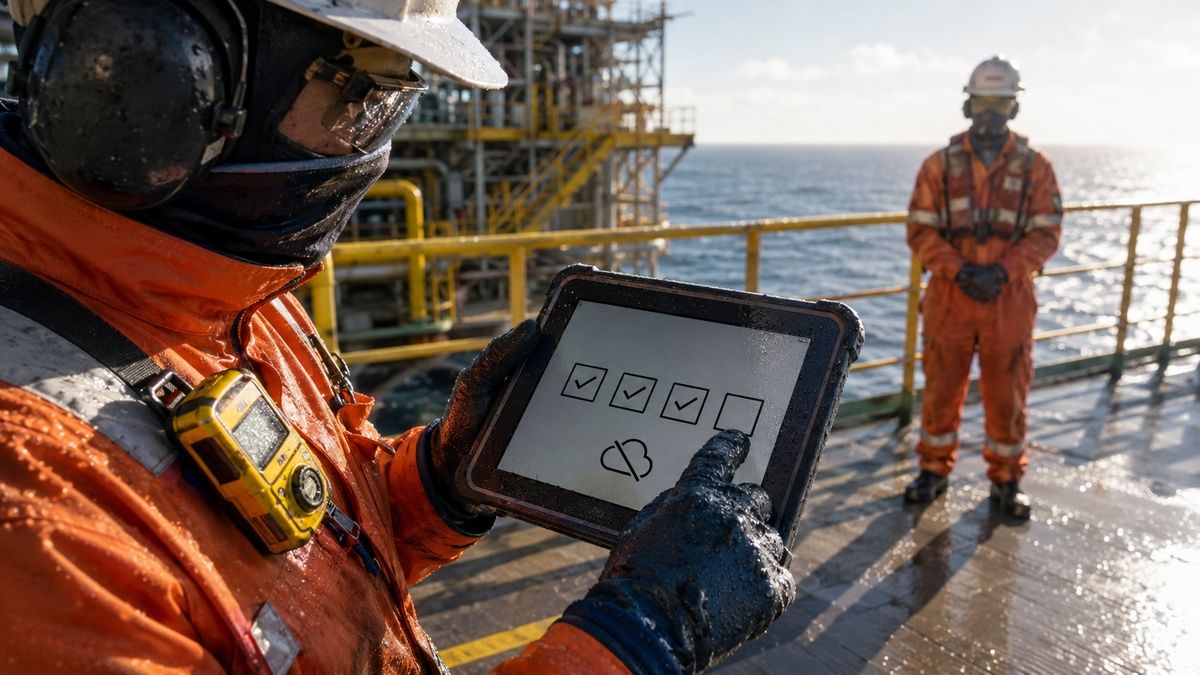
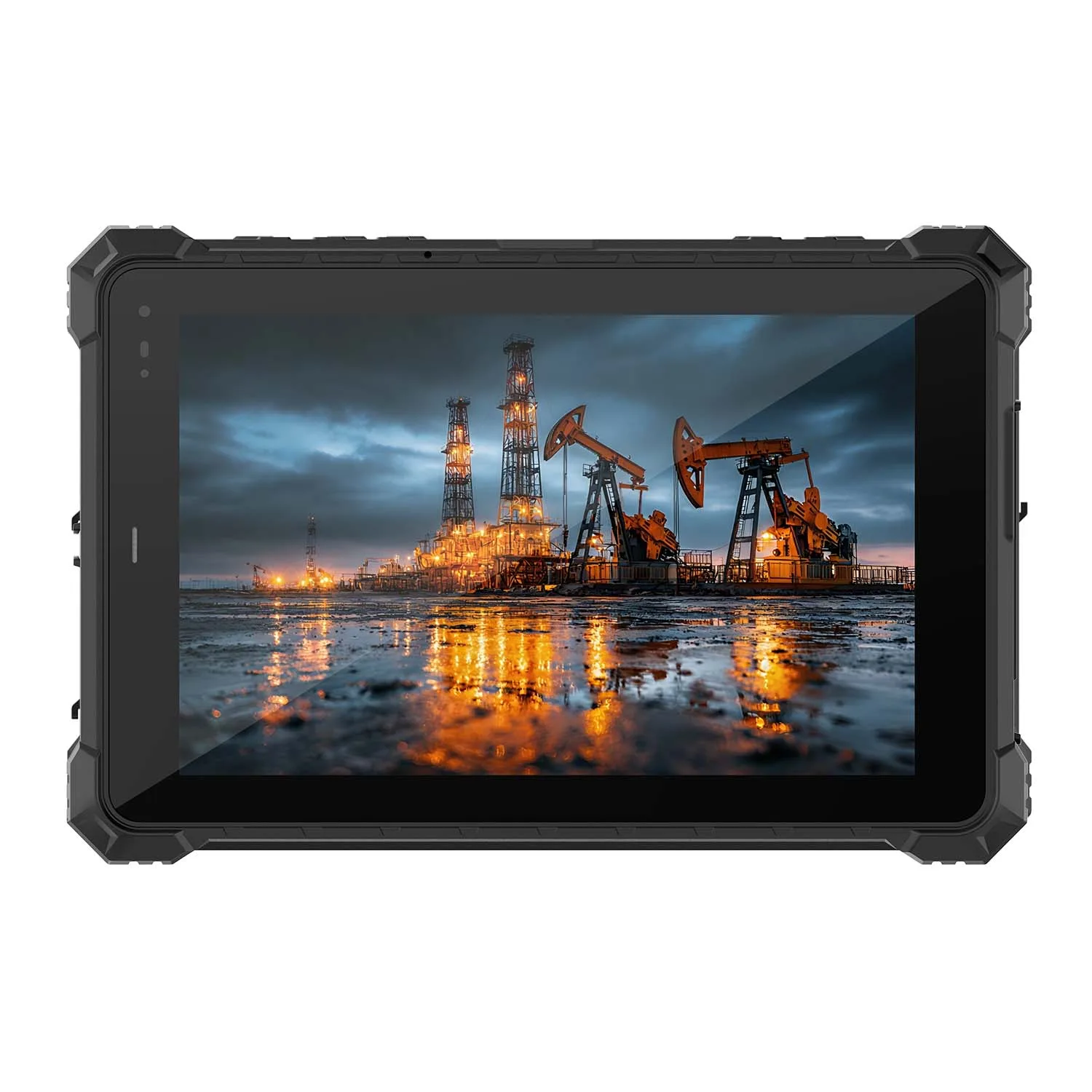
● Applicable scenarios: Oil & gas plants, chemical workshops, underground mines
● Environment: Hazardous explosive zones
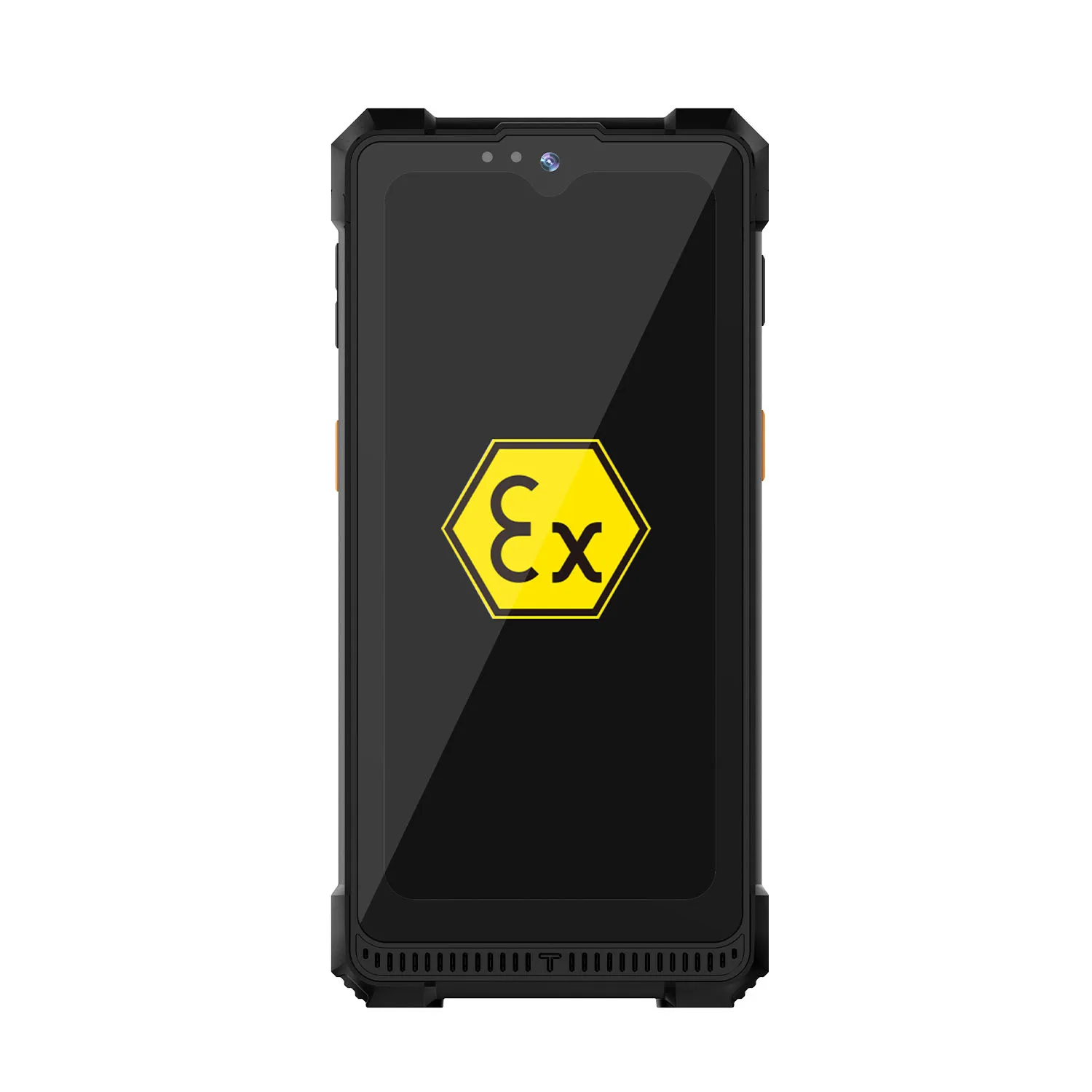
● Important reminder: Common IP68 rugged tablets cannot replace explosion-proof models, which will violate safety regulations.
7. How to Choose: Four Checks Before You Order
In order. Skipping any of them is how procurement projects end up with pallets of the wrong device.
1. Match the IP rating to the actual site, not the worst case you can imagine.
IP65 covers indoor manufacturing and covered warehouses. Pay the IP68 premium only where units face rain, mud, or wash-down every day — offshore platforms, flood response, open construction sites. Over-specifying across a 200-unit order is real money spent on nothing.
2. Write down every interface you need before requesting a quote.
RS485, CAN bus, LAN, scanner — list them all. Retrofitting a sealed unit means opening the housing and re-validating the IP rating.
3. Price the whole lifecycle, not the unit.
A $300 consumer tablet replaced three times in five years costs more than one $800 rugged unit — and that's before counting the half-day of lost scanning every time one dies on the floor. Ask vendors for their annual failure rate. If they won't give you a number, that tells you something.
4. Test your software on the actual device before volume orders.
Demo units exist for exactly this. Run your MES or WMS client on the tablet for a full week on the real floor — gloves, glare, Wi-Fi dead zones and all. A week of testing is cheaper than a container of returns.
8. Why Cenava: Sizes, Customization & OEM/ODM Support
As a professional rugged tablet manufacturer, we provide targeted solutions for global enterprise buyers with competitive strengths:
● Complete size lineup: 6.5-inch handheld rugged PDA up to 15.6-inch vehicle-mounted industrial terminals
● Dual optional OS: Windows industrial tablet and Android rugged tablet available for all industries
● Flexible customization services
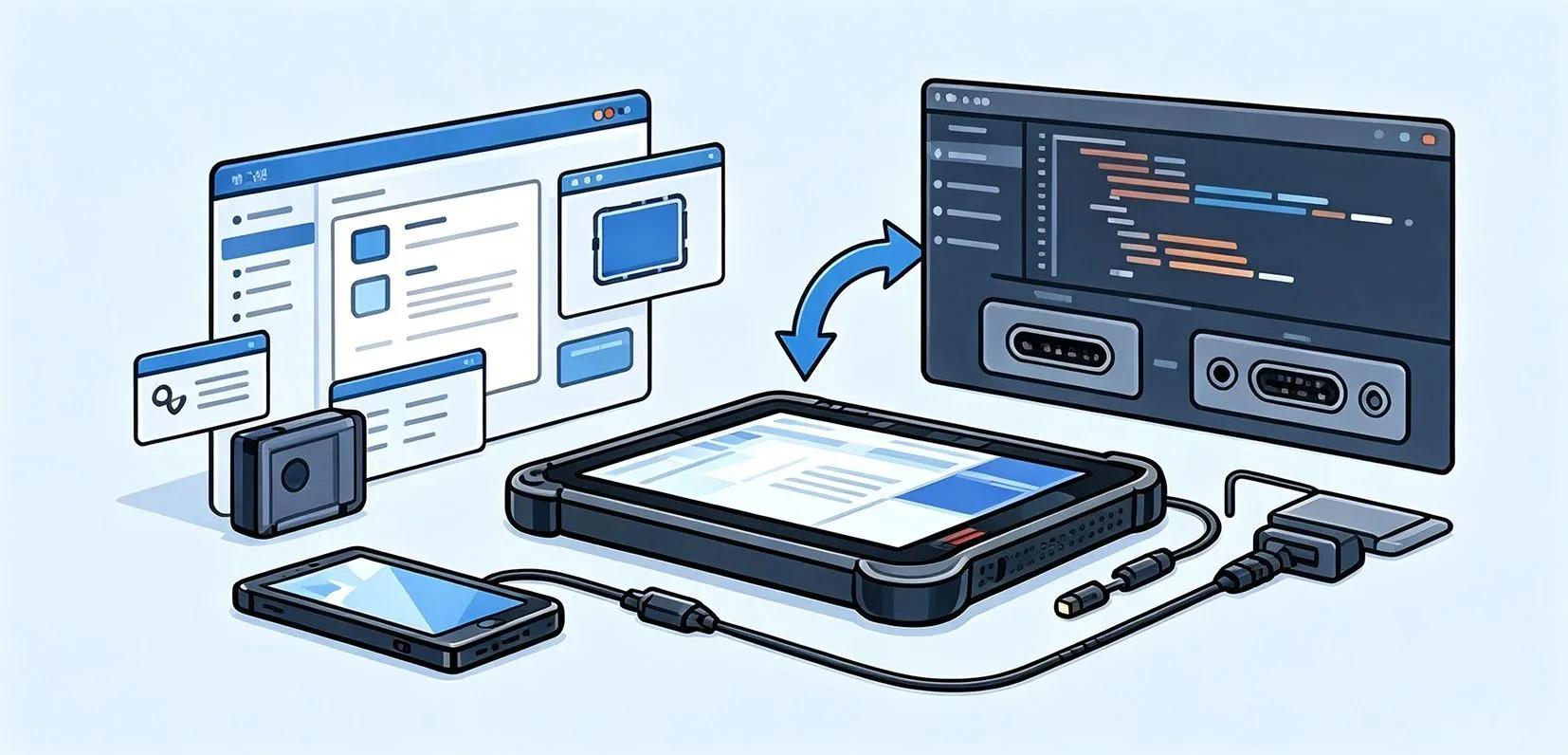
▫ Expand industrial I/O ports and functional modules (scanner, RFID, extended serial ports)
▫ Custom large-capacity hot-swappable batteries for long shifts
▫ System image simplification, pre-install industrial software
▫ OEM & ODM private logo branding for distributors and brand owners
● All products pass MIL-STD-810H procedure testing and IP65/IP68 certification, with complete export documentation with complete export certification documents
Conclusion: Choosing the Right Rugged Industrial Tablet
Rugged industrial tablets are essential mobile hardware for teams working in non-office harsh environments. Military-grade durability, industrial connectivity and long service life effectively avoid frequent failures and production downtime caused by ordinary consumer tablets.
Before placing orders, you should confirm certification standards, hardware interfaces, operating system compatibility and workplace safety requirements. Also distinguish common rugged devices and explosion-proof equipment to avoid compliance risks.
If you are sourcing rugged tablets for manufacturing, warehousing, logistics or field inspection projects, feel free to contact the Cenava team. We can provide specification sheets, sample support and competitive OEM wholesale quotations.
Rugged Industrial Tablet FAQ
Q: What's the difference between a rugged PC and a rugged industrial tablet?
"Rugged PC" is the umbrella term — it covers rugged laptops, tablets, and handhelds. A rugged industrial tablet specifically means a touch-screen mobile terminal certified to MIL-STD-810H plus an IP rating.
Q: Can I charge the tablet in a vehicle overnight at -10°C?
Standard lithium batteries should not be charged below 0°C — charging frozen cells permanently damages them. For cold storage or winter field work, ask about the wide-temperature battery option.
Q: Can I just put an iPad in a rugged case for a construction site?
People try. The case helps with drops, but it does nothing for the 0–35°C operating range, the unsealed speakers and ports, or a touchscreen that stops responding to gloved hands. We regularly hear from buyers who tried this route first and came to us after the second or third replacement cycle.
Q: When do I legally need an explosion-proof (ATEX) model?
Whenever the site is a classified hazardous zone — flammable gas, chemical vapor, or combustible dust. Oil fields, chemical plants, underground mines, grain silos. No IP rating substitutes for ATEX/IECEx certification: a standard rugged tablet in a hazardous zone is a compliance violation, not a cost saving.
Need a Rugged Device for Your Project?
Tell us your operating environment and requirements — our engineers will recommend a configuration and quote within 24 hours.
Get a Free Quote Back to Blog