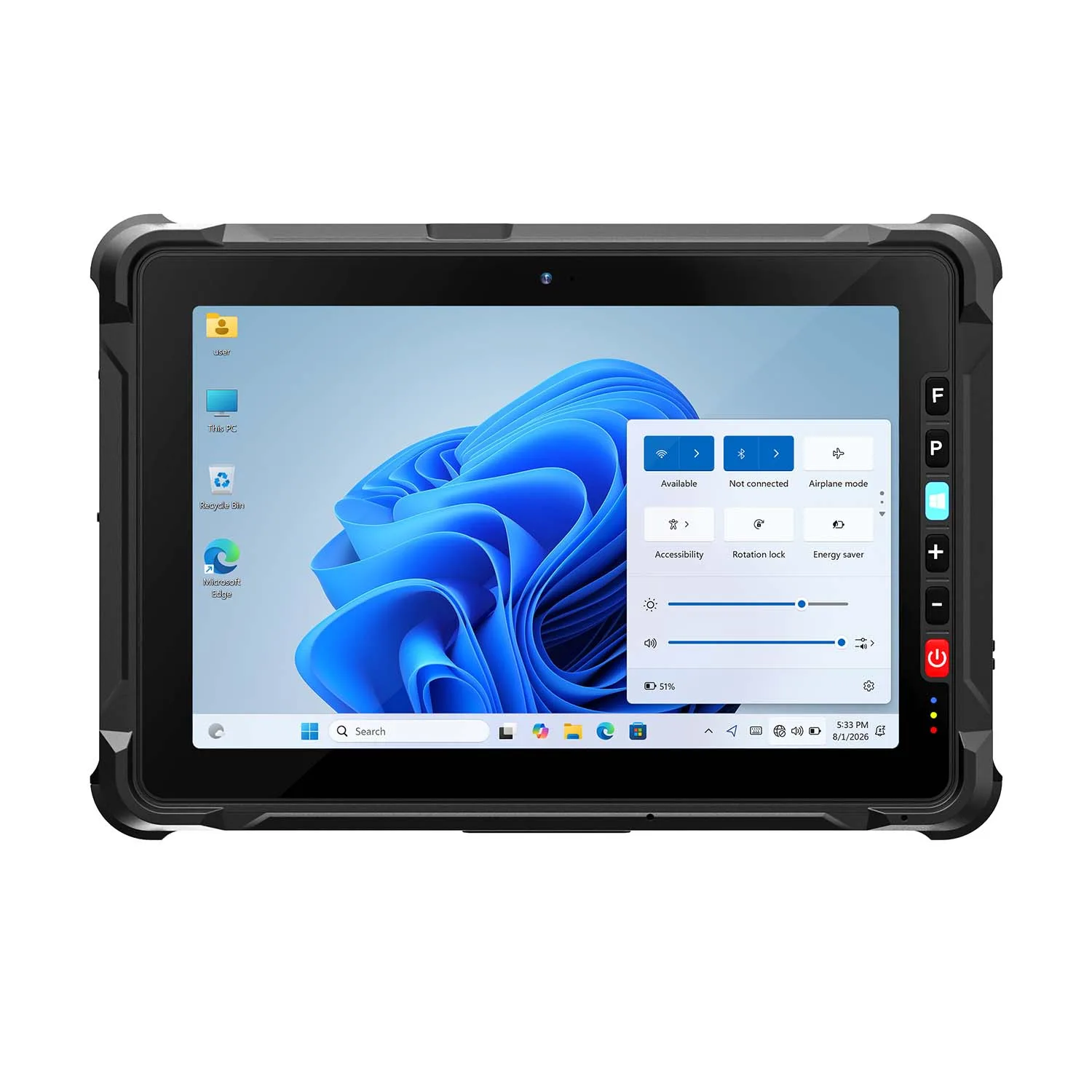
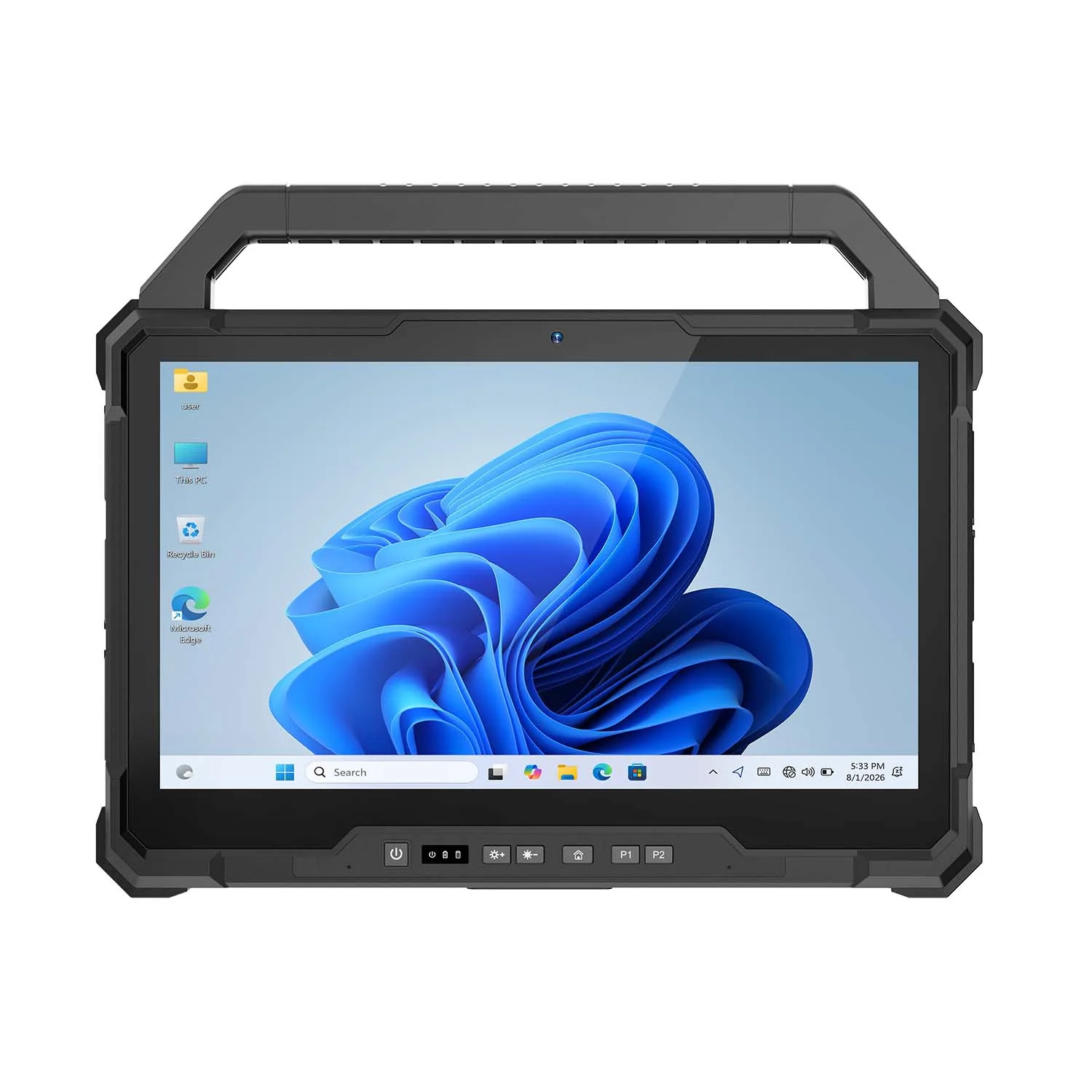
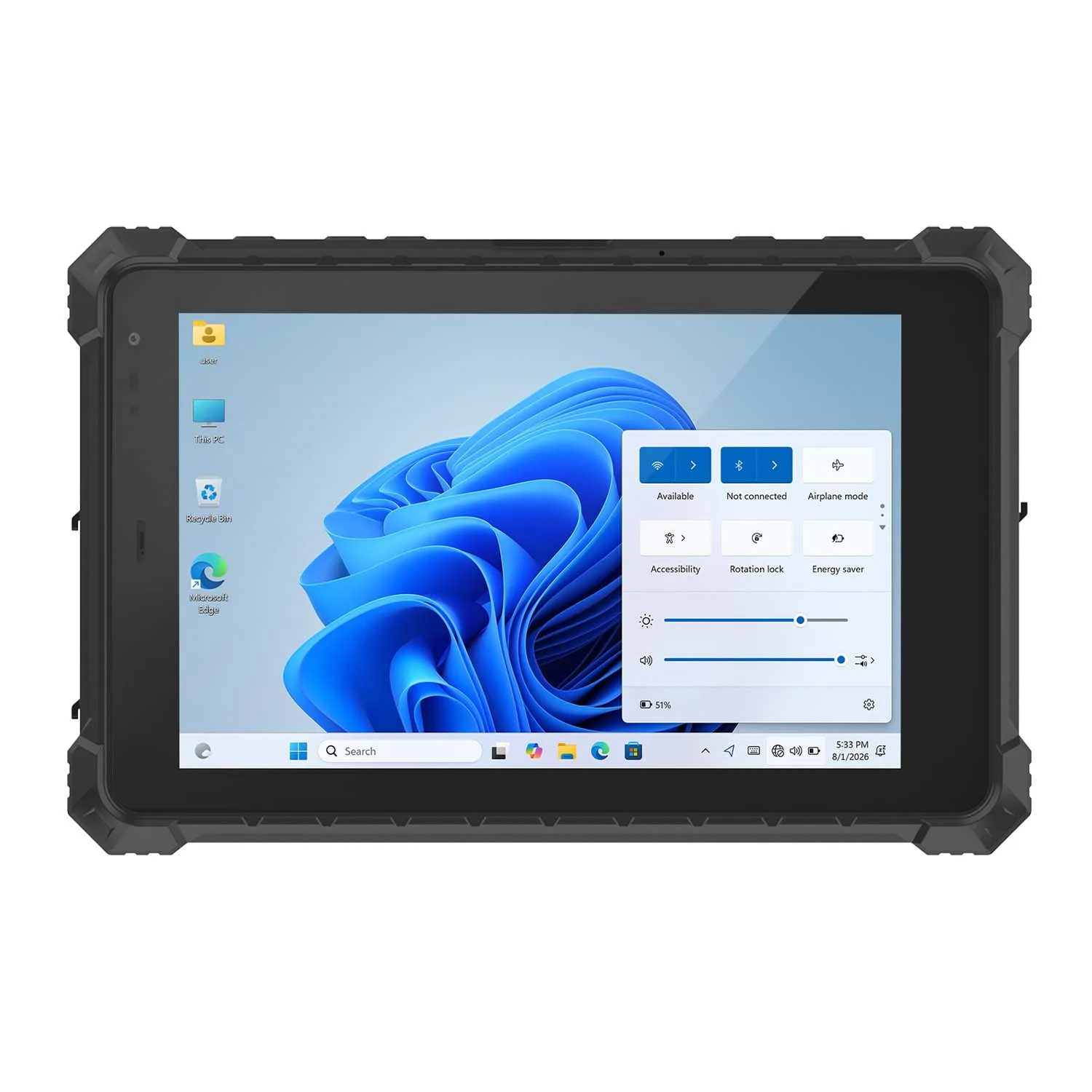
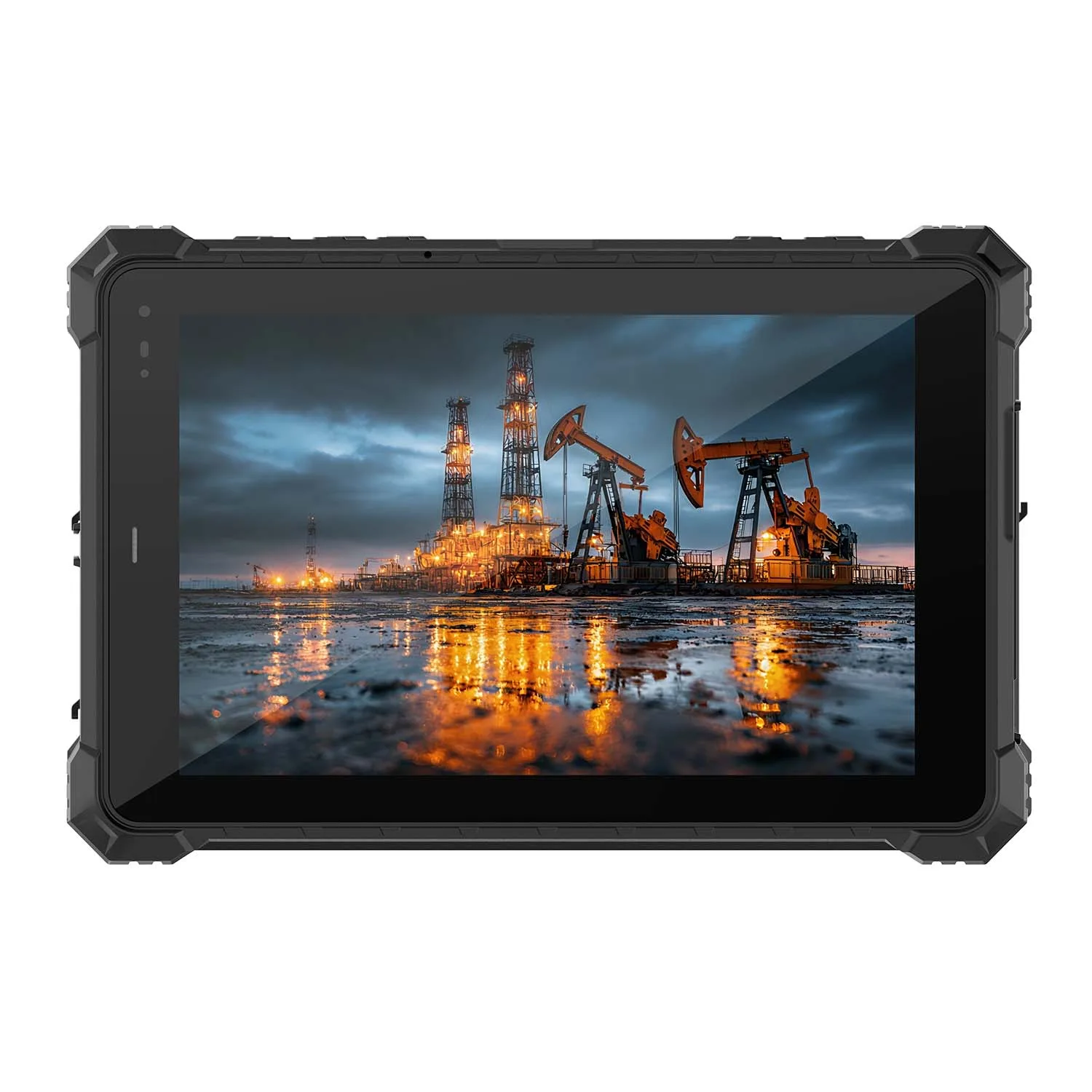
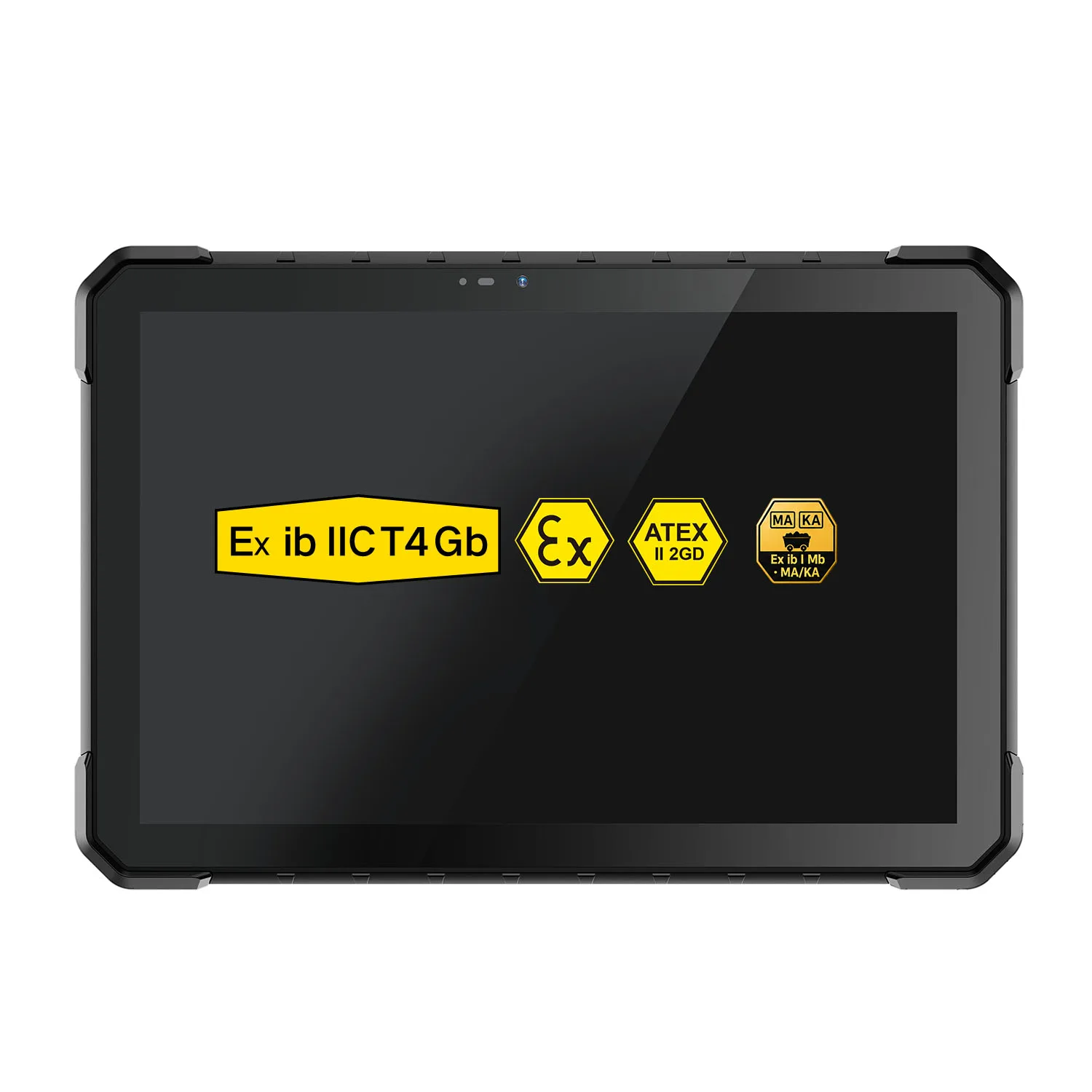
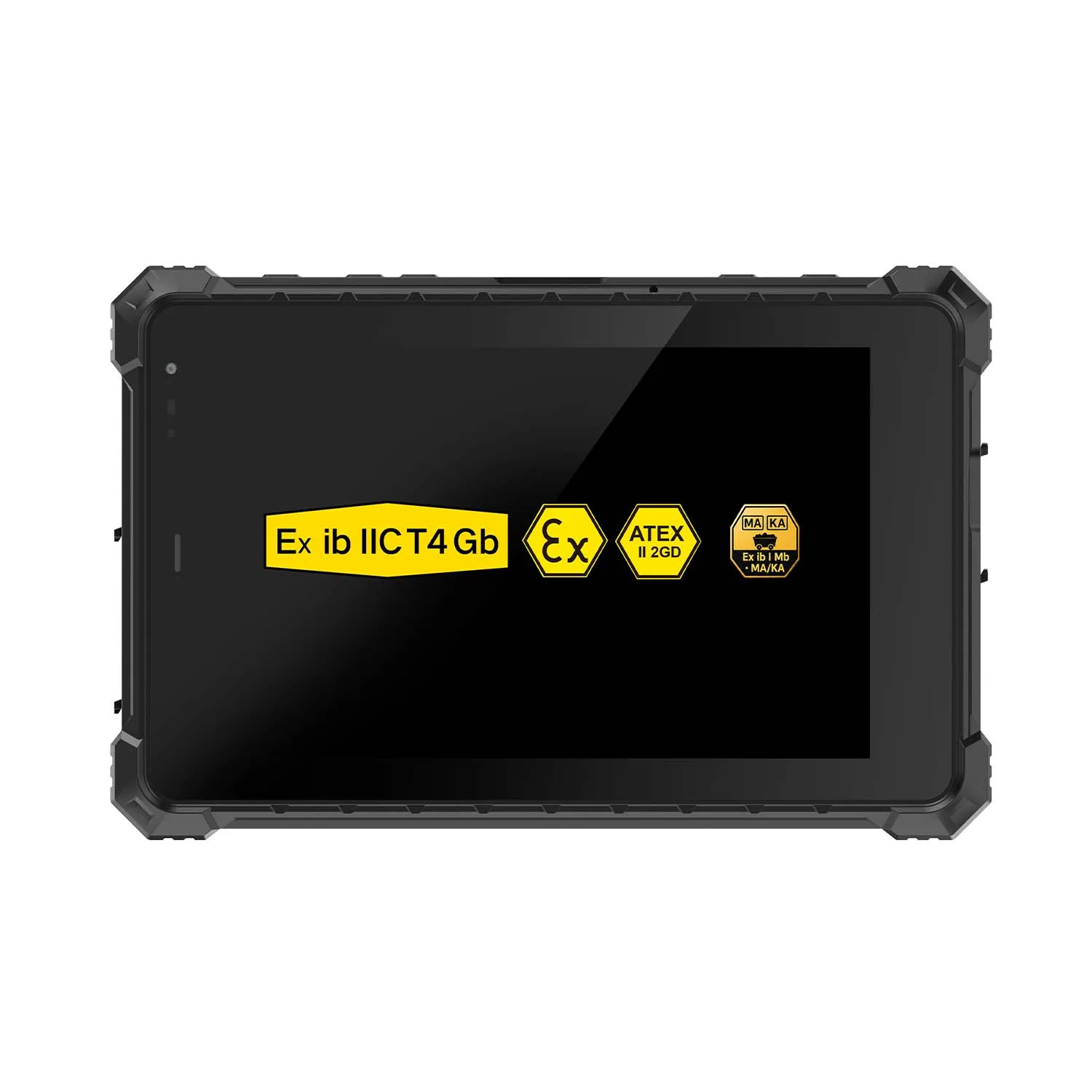
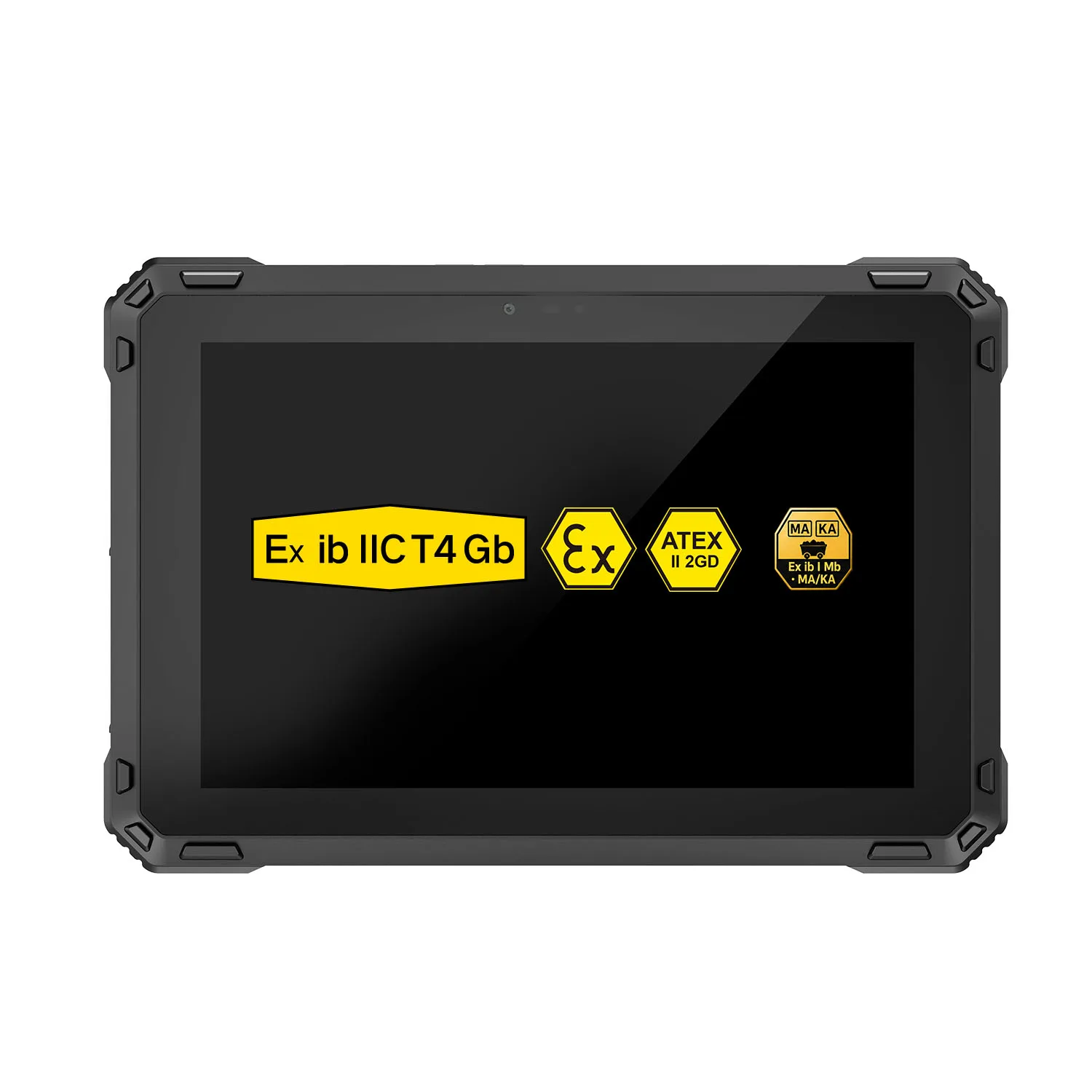
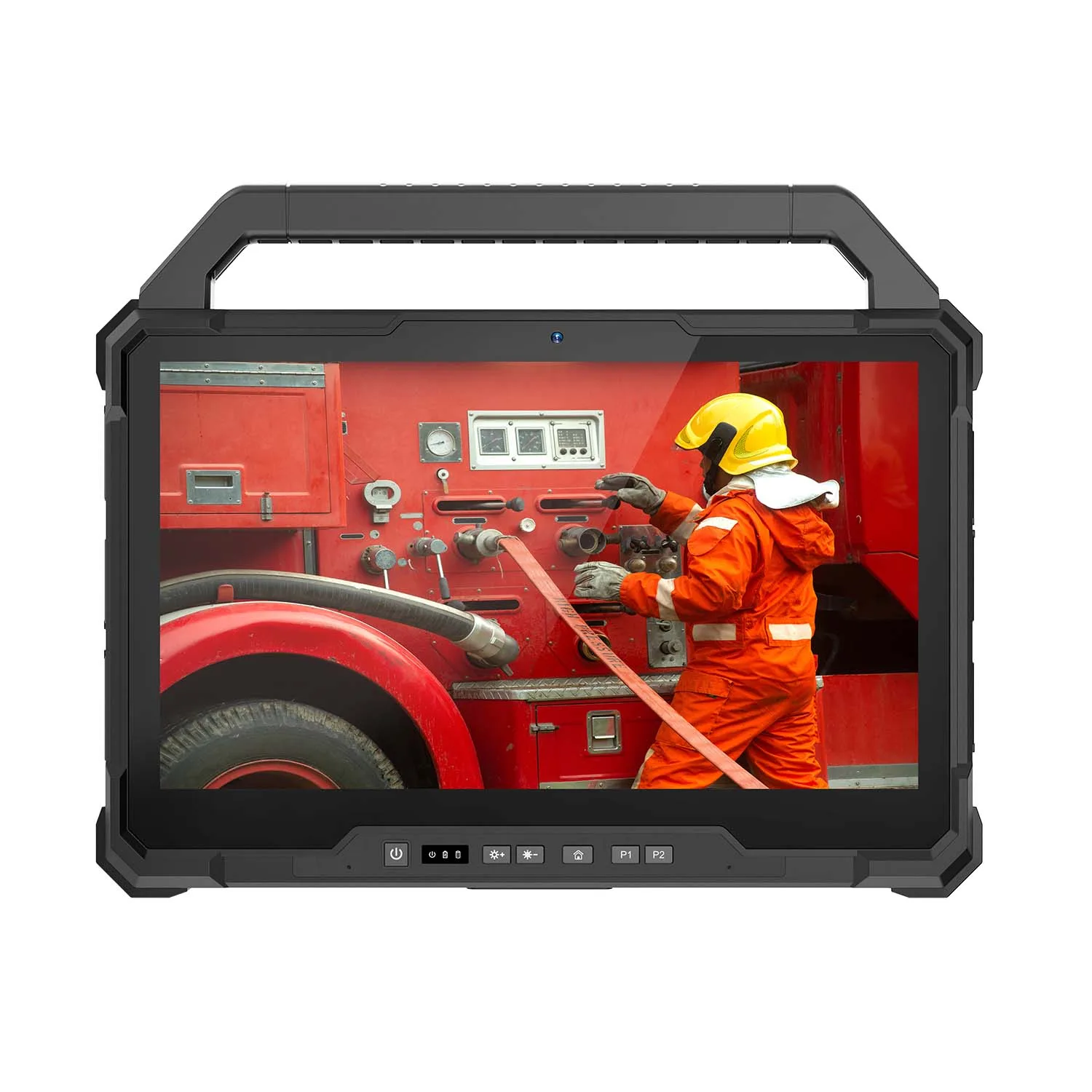





Hot, Warm, Cold: 10 Tablets Checked for Hazardous Materials Zones
The answer to what tablet can enter a hazardous materials zone is an exact device configuration that the incident command structure permits for the assigned task, contaminant and atmosphere. An ATEX tablet for hazmat response may be a candidate where a flammable gas or vapor risk requires Category 2G / EPL Gb evidence, but its gas group, temperature class, ambient range and certificate conditions still have to match. IP68, MIL-STD-810G or MIL-STD-810H testing cannot create explosion protection.
Emergency control zones and electrical hazardous-area zones solve different problems. The US EPA describes the Hot or Exclusion Zone as the area with actual or potential contamination, the Warm or Contamination Reduction Zone as the transition and decontamination area, and the Cold or Support Zone as the clean planning area. ATEX Zone 1 and Zone 2 instead classify the expected frequency and duration of an explosive atmosphere. A Hot Zone is therefore not automatically “ATEX Zone 1,” and a Cold Zone is not automatically electrically unclassified.
An industrial facility can have both systems at once. A pre-incident drawing may classify a pump bay as Zone 2, while an accidental release creates a larger dynamic control perimeter. Conversely, a toxic material may require respiratory protection and decontamination even when it is not flammable. We evaluate the fixed electrical classification, current monitoring, incident-control boundaries and independently instead of using one label as a shortcut for the others.
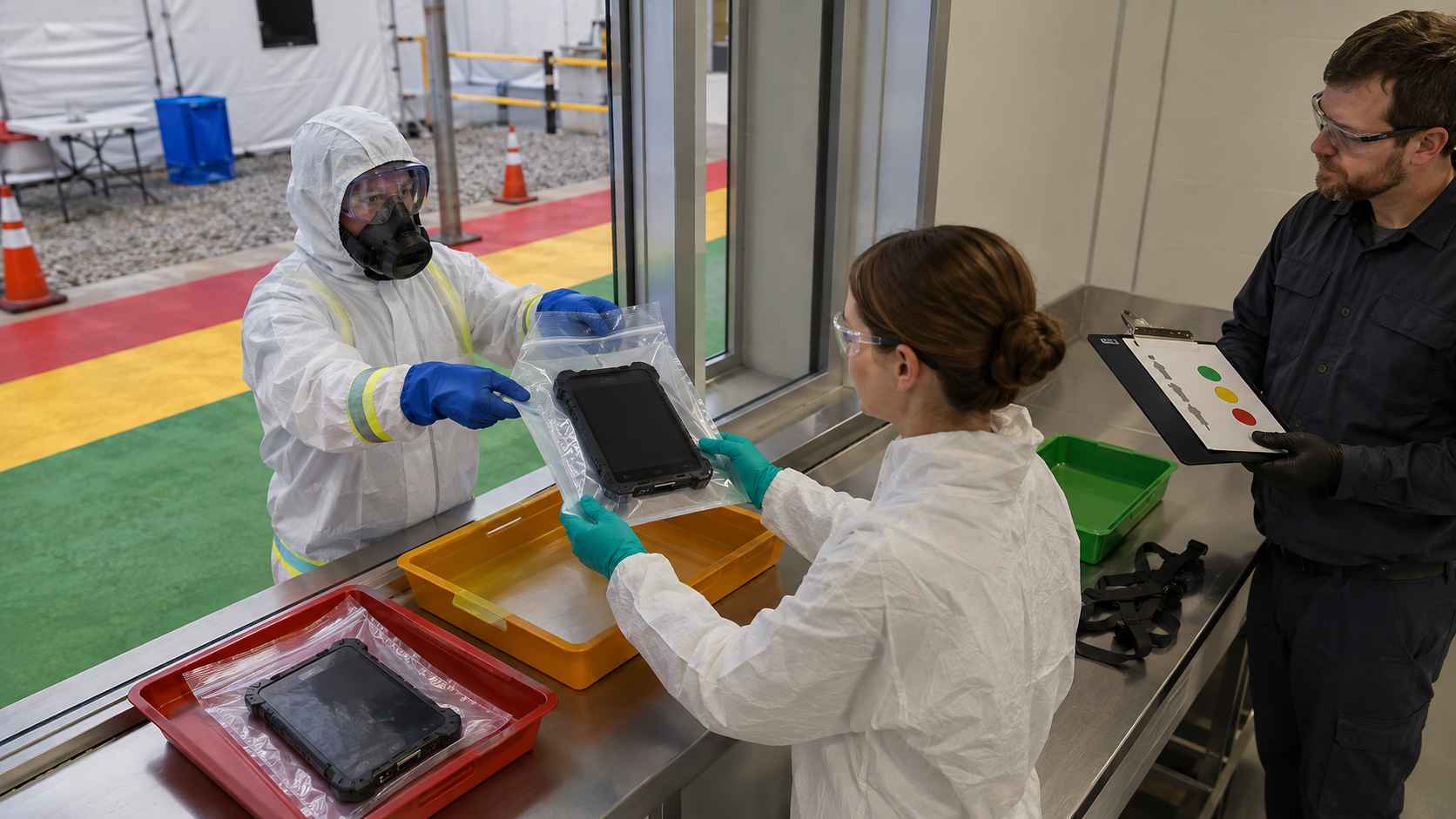
Contamination adds a separate limit. An IP code addresses dust and water ingress under defined tests; it does not demonstrate compatibility with every acid, solvent, oxidizer or decontamination agent. A sealed tablet can also carry contamination on its strap, protector, recesses and charging contacts. The device needs a predefined disposition—clean, bag, quarantine or discard—without delaying responder withdrawal or spreading material into the support area.
This 2026 guide places specific Zone 1 or Class I, Division 1 candidates first, followed by tablets published for Zone 2 or Division 2. The later products may serve a correctly classified industrial brigade route or the Cold Zone, but they are not replacements for the first group. Every exercise number below is a proposed acceptance method, not an anonymous customer result, and no entry authorizes use in an unknown atmosphere.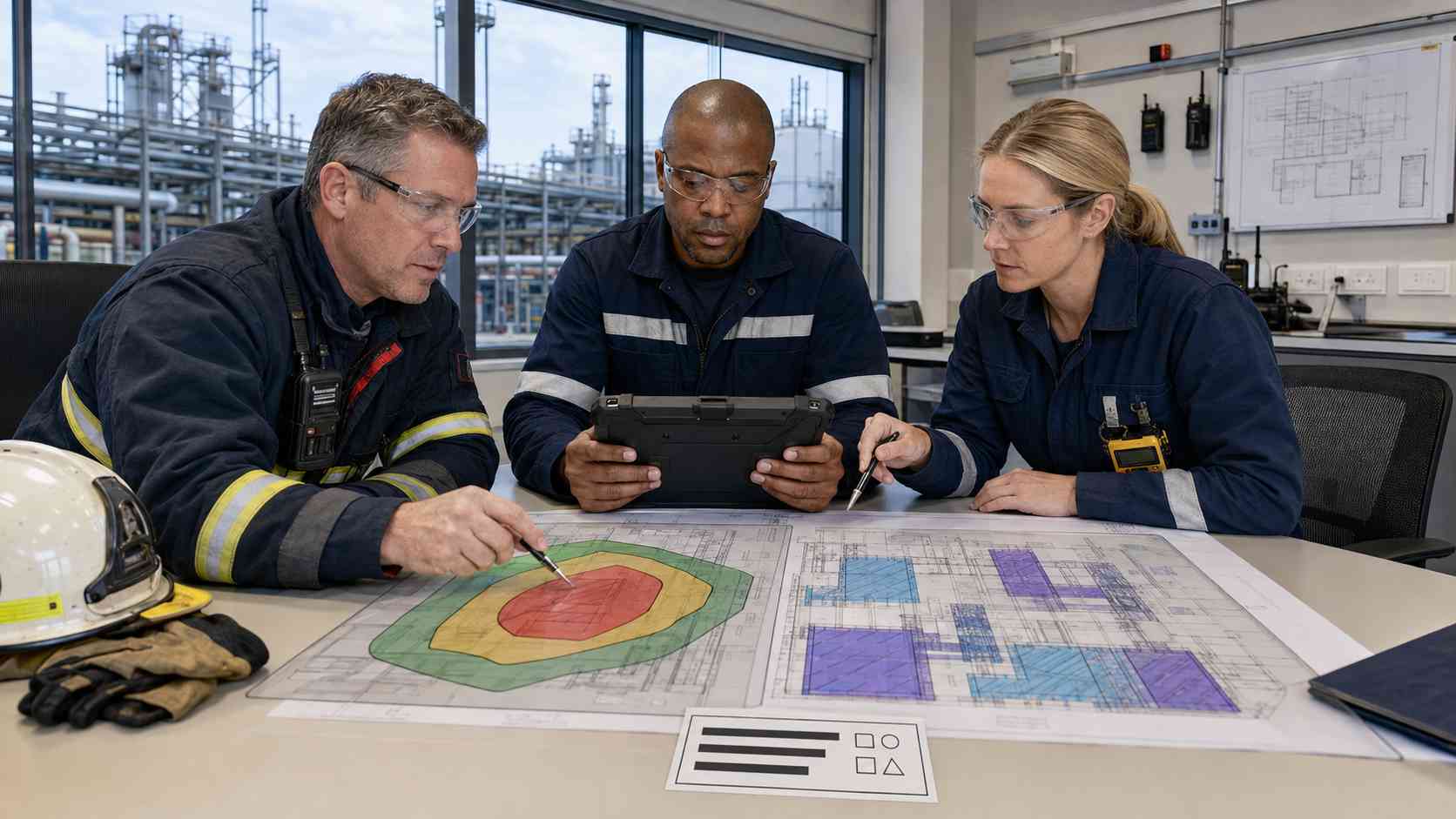
What Defines a Reliable IECEx Tablet for Industrial Firefighting?
A reliable device is one whose release record joins the incident role to the exact equipment evidence. IEC 60079-14:2024 applies to fixed, transportable, portable and personal Ex equipment, while IEC TS 60079-48:2023 provides guidance concerning portable electronic equipment without a hazardous-area certificate. Neither document makes a consumer tablet acceptable through an IP rating or a rugged case; local rules and the responsible authority still control use.
- Two-map agreement: Overlay the pre-incident hazardous-area drawing with the current Hot/Warm/Cold control-zone plan. Record the tablet's exact path, task and hand-off point. The incident commander can move control boundaries, while the site electrical owner retains the basis for fixed Zone or Division classification.
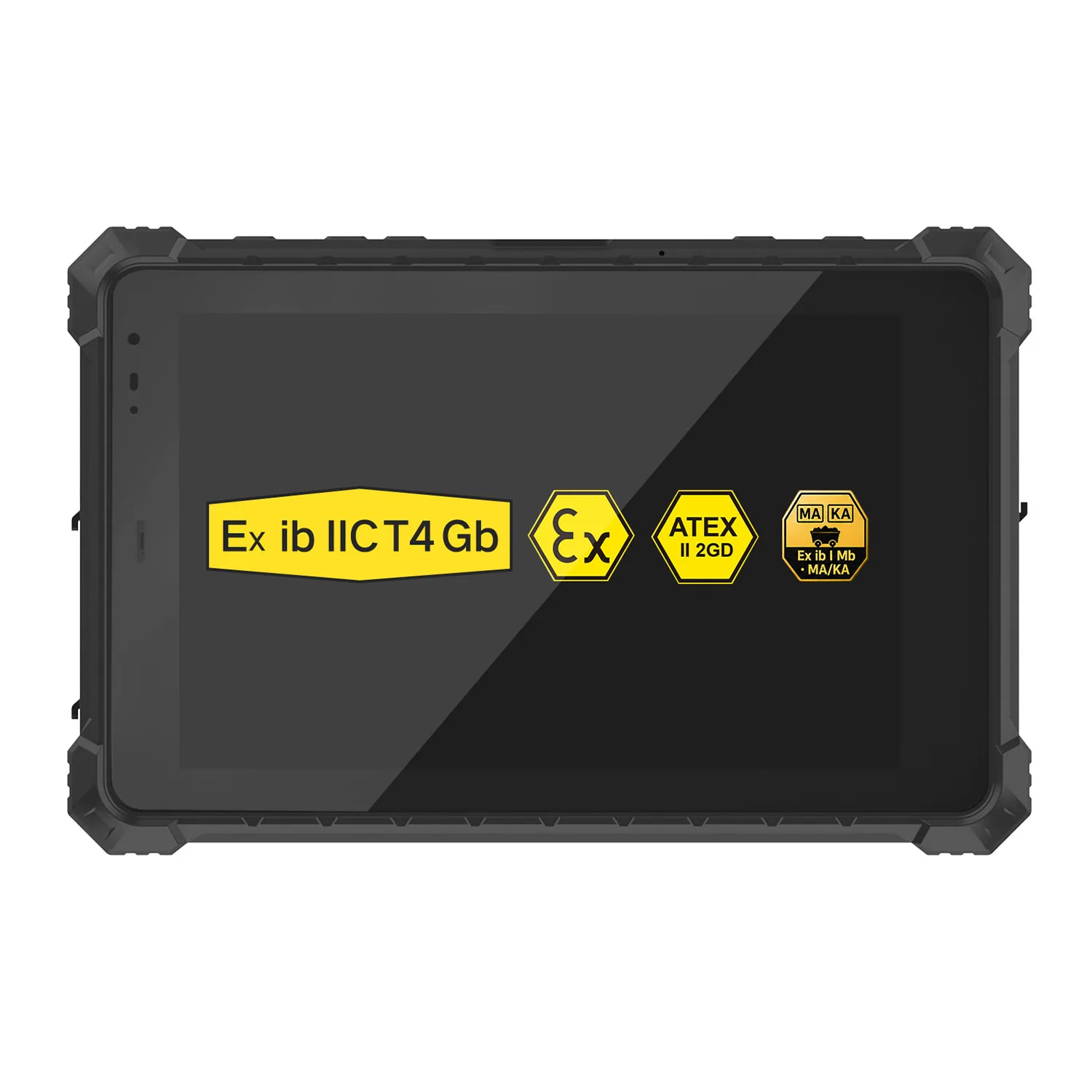
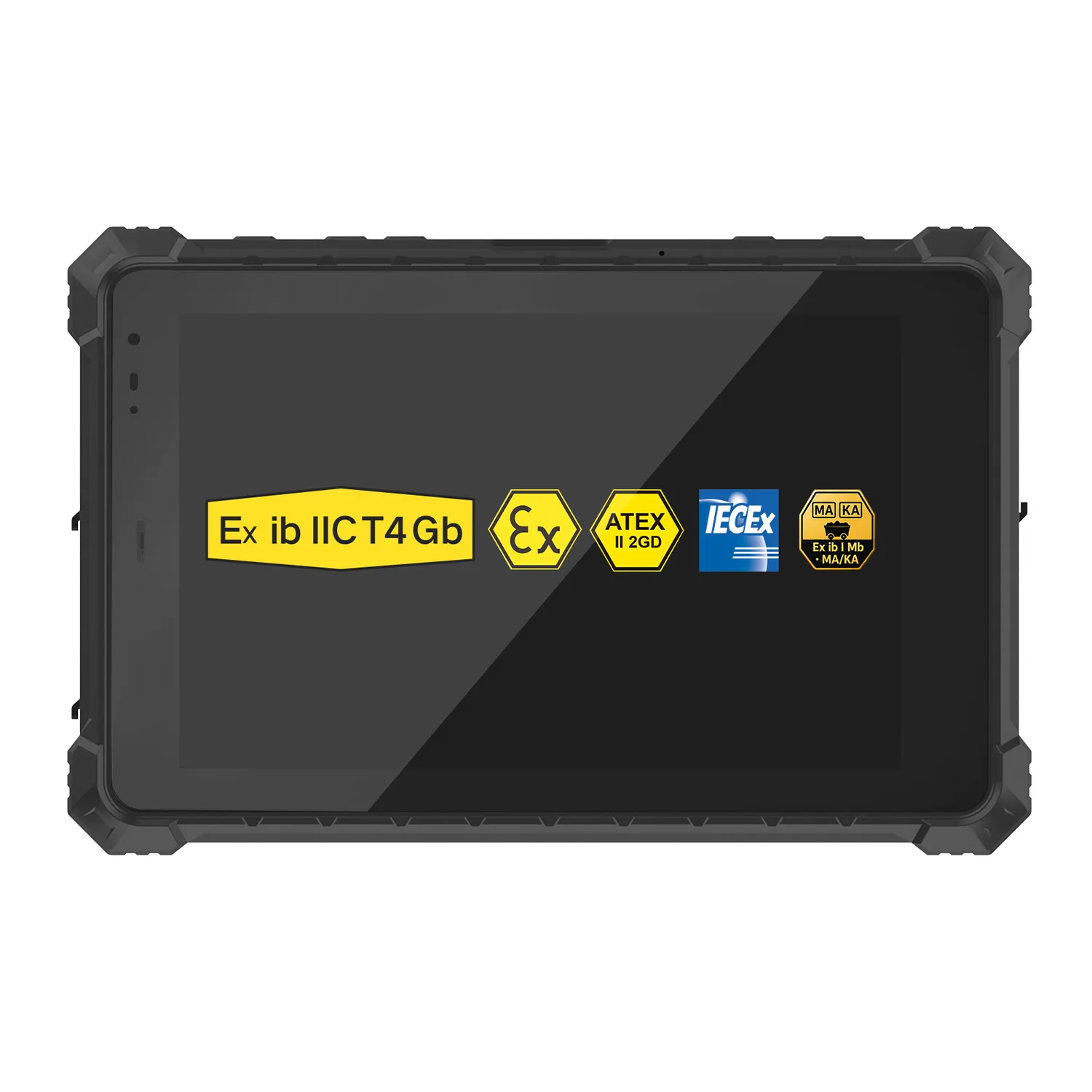
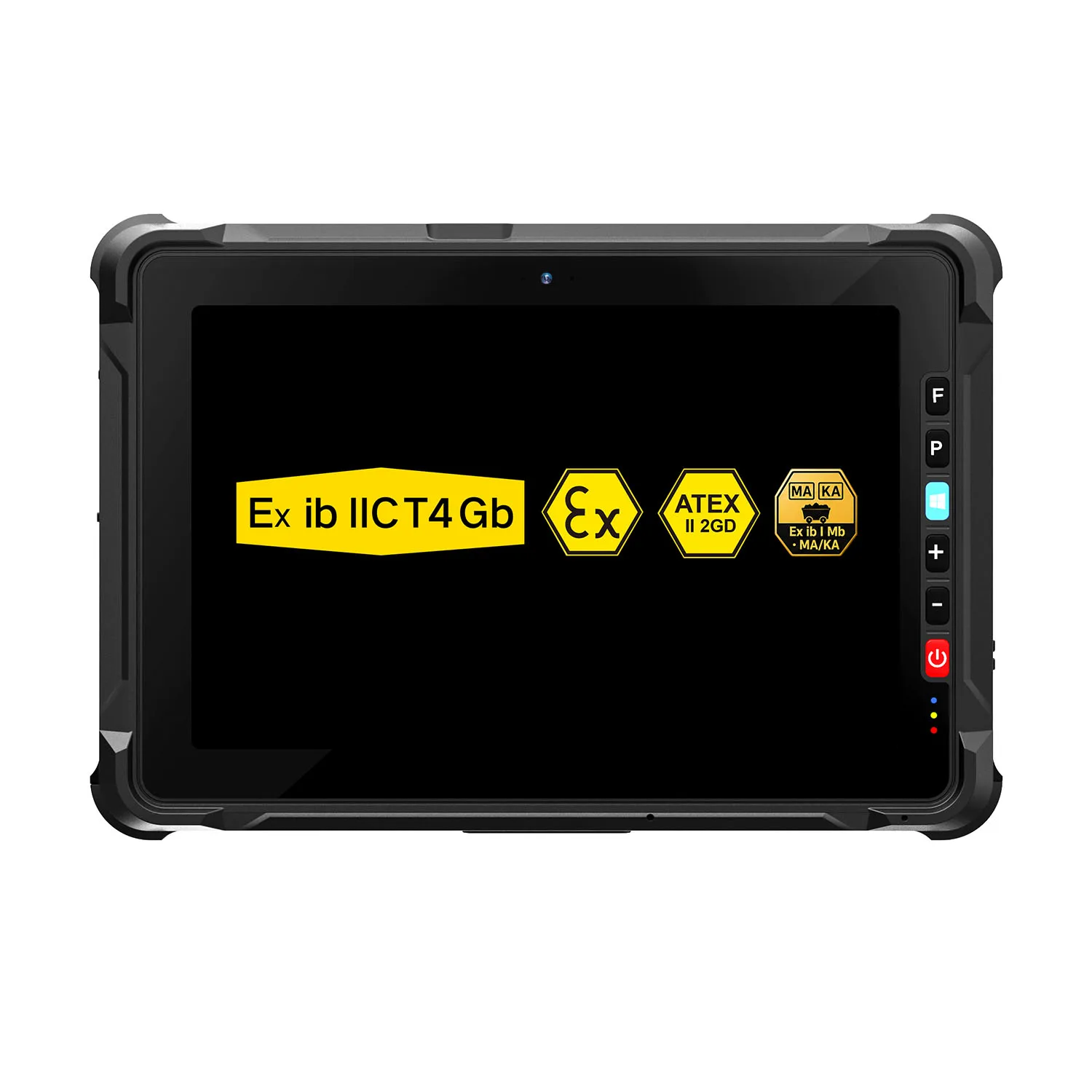
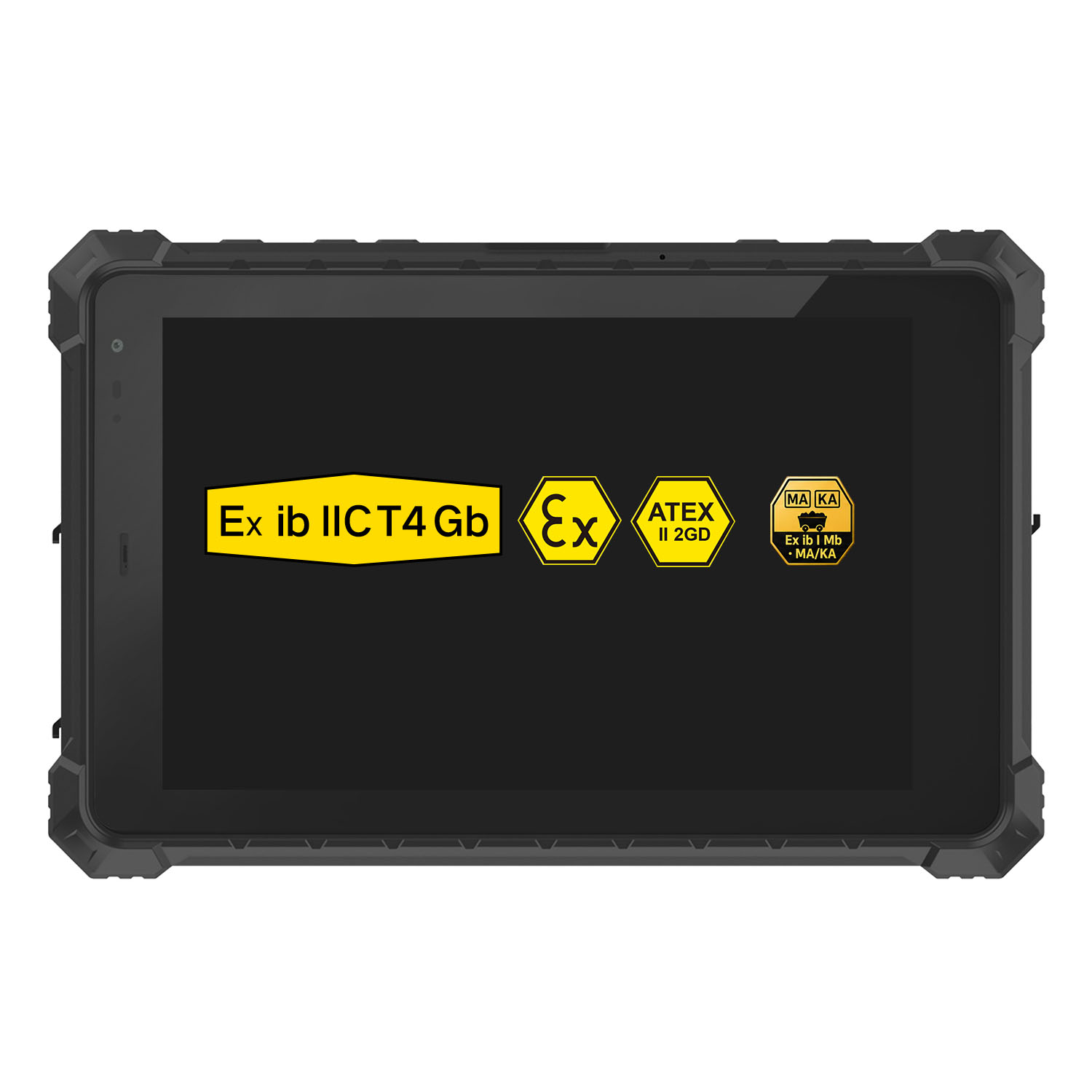
- Complete Ex marking: Check the protection concept, equipment category or EPL, gas group, temperature class, ambient range, certificate number and any “X” suffix. T4 denotes a maximum equipment surface temperature of 135°C under approved conditions; it is not a 135°C ambient-temperature rating.
- Contamination compatibility: Identify the expected contaminant class, exposure route and authorized cleaning or bagging procedure. Obtain manufacturer evidence for the tablet, protector and strap materials when the device will be reused after decontamination. IP68 is not a general chemical-resistance claim.
- Responder-centered workflow: Test the issued glove, limited visibility, water droplets, offline form and withdrawal action. A tablet should never block an evacuation cue behind required fields or become a reason to keep a responder inside a zone longer.
Our proposed incident device card has 15 fields: incident or exercise ID, operational zone, fixed electrical classification, task, approved model, serial number, protection marking, gas group, temperature class, ambient limit, accessory set, contamination disposition, safe charging location, managed application version and release owner. During receiving, check all 18 devices and their accessory kits rather than relying on carton sampling.
Use three physical status states. Green means released for a named role; amber means technically functional but awaiting electrical, EHS or software review; red means quarantined after unknown contamination, label damage, a cracked cover or unauthorized repair. Color helps issue control, but the serial-number record—not a sticker alone—carries the decision.
Class I Division 1 Emergency Response Tablet Manufacturers: Top 10 for 2026
North American equipment must be approved for the exact Class, Division, group and temperature code required at the assigned point. OSHA 1910.307 treats nonincendive circuits as a Division 2 protection technique, not a Division 1 shortcut. ATEX and IECEx markings do not by themselves create a North American approval. Entries 1–4 below provide relevant high-category routes for specific configurations; entries 5–10 remain lower-category or support-zone candidates.
1. Pepperl+Fuchs / ECOM (Germany)
Core Strength: Multi-region Zone 1 mobility with current, traceable variants
Pepperl+Fuchs has a long explosion-protection history, and its ECOM business concentrates on mobile devices for classified industry. This combination is useful to an industrial fire brigade that needs device approval, accessory governance and lifecycle documentation tied to one product family without treating a general rugged tablet as equivalent.
2. i.safe MOBILE (Germany)
Core Strength: Zone 1/21 Android platform built for repeated field operations
i.safe MOBILE separates its Zone 1/21, Zone 2/22, mining and ordinary industrial products. That visible segmentation can help a brigade keep command-post tablets away from the certified entry cache and reduce incorrect substitutions during a fast equipment issue.
3. Aegex Technologies (United States)
Core Strength: Purpose-built Windows tablet for high-category gas locations
Aegex specializes in intrinsically safe Windows mobility. It is relevant where an industrial emergency team already uses a controlled Windows preplan, chemical database or drawing viewer and needs that same application family in a classified part of the facility.
4. CENAVA (China)
Core Strength: Project-configured hardware and workflow under one controlled Ex build
CENAVA develops rugged mobile computers and offers OEM/ODM configuration for industrial projects. Its practical role in emergency response is to align a certified hardware build with a locked application, clear device identity and customer-defined release states while preserving the evidence for the final configuration.
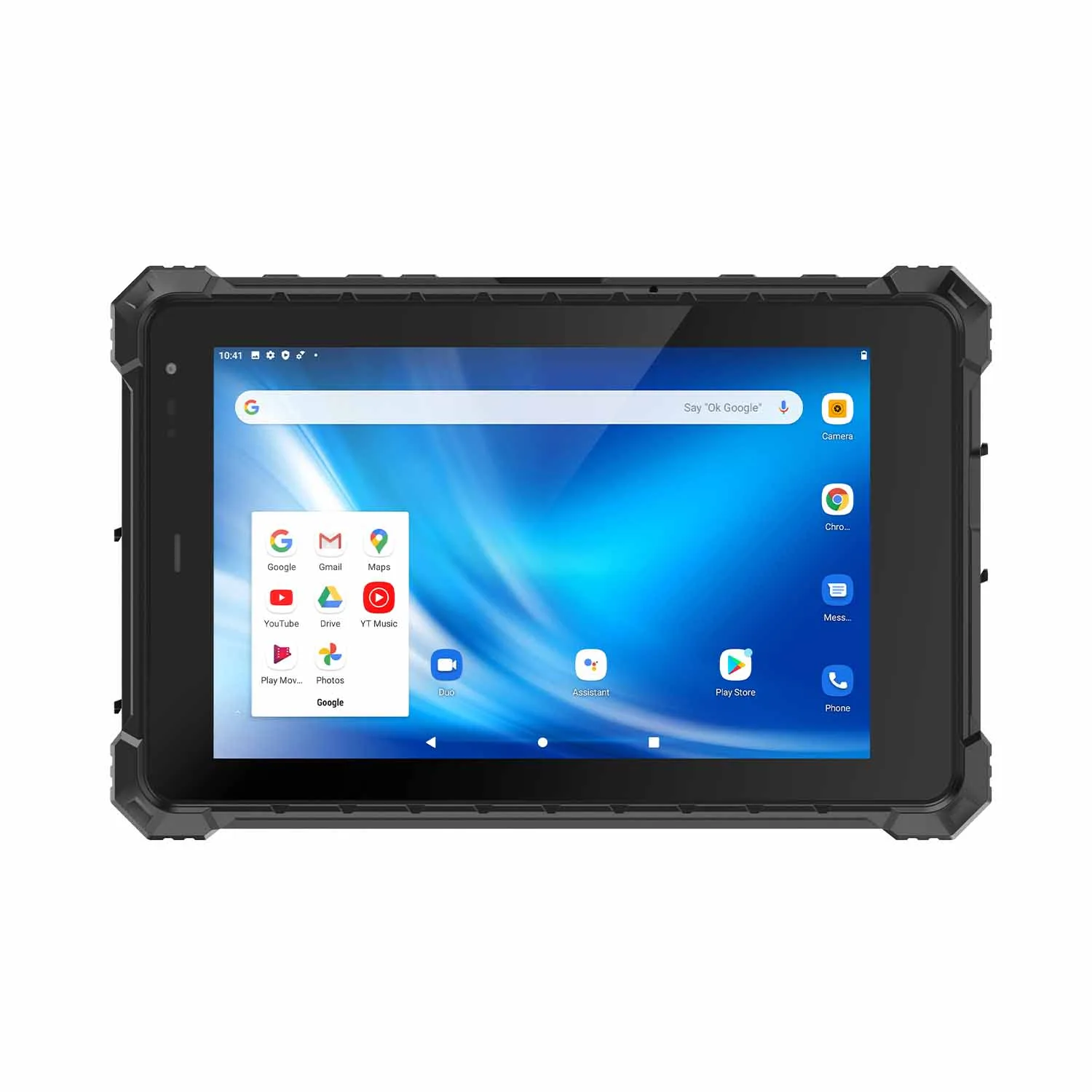
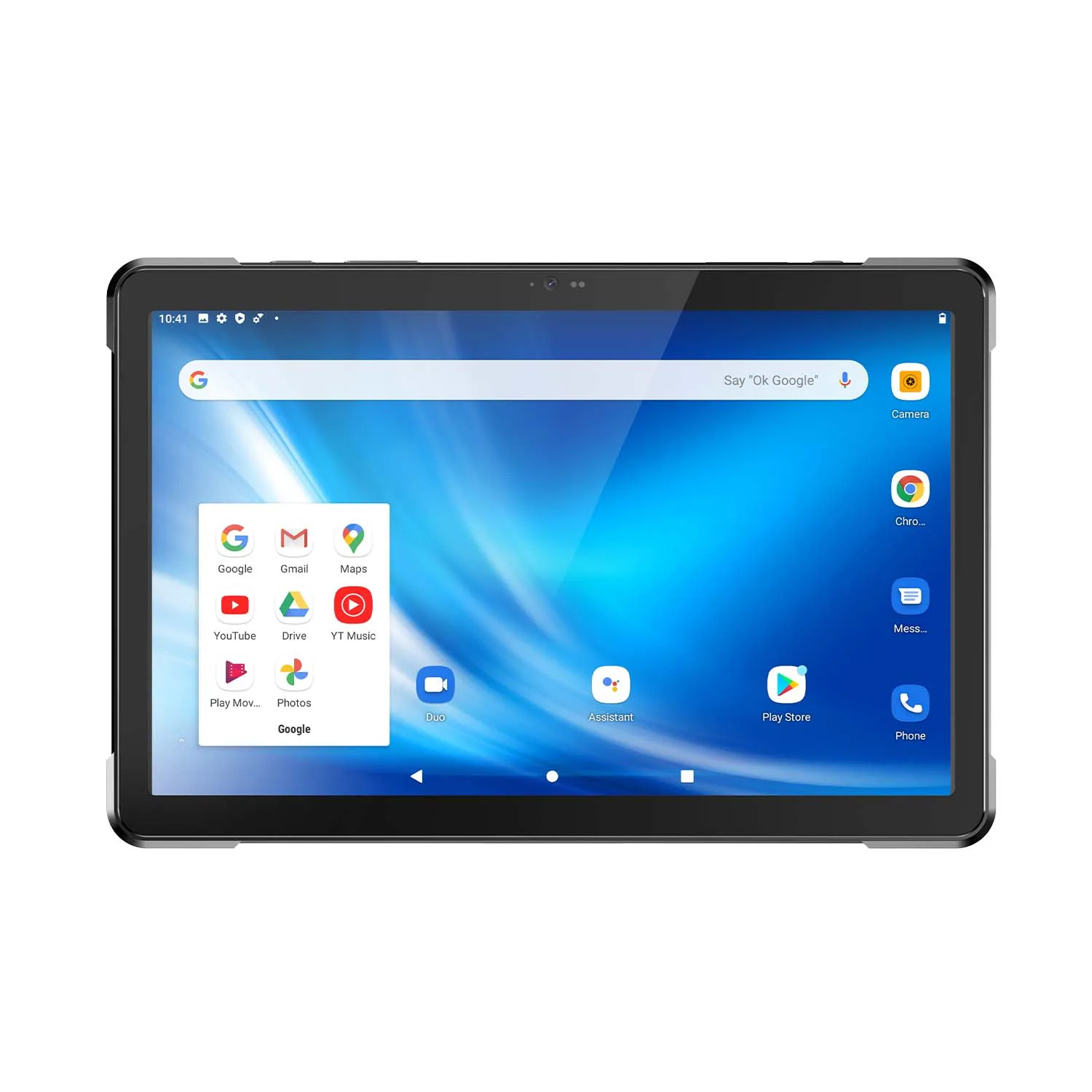
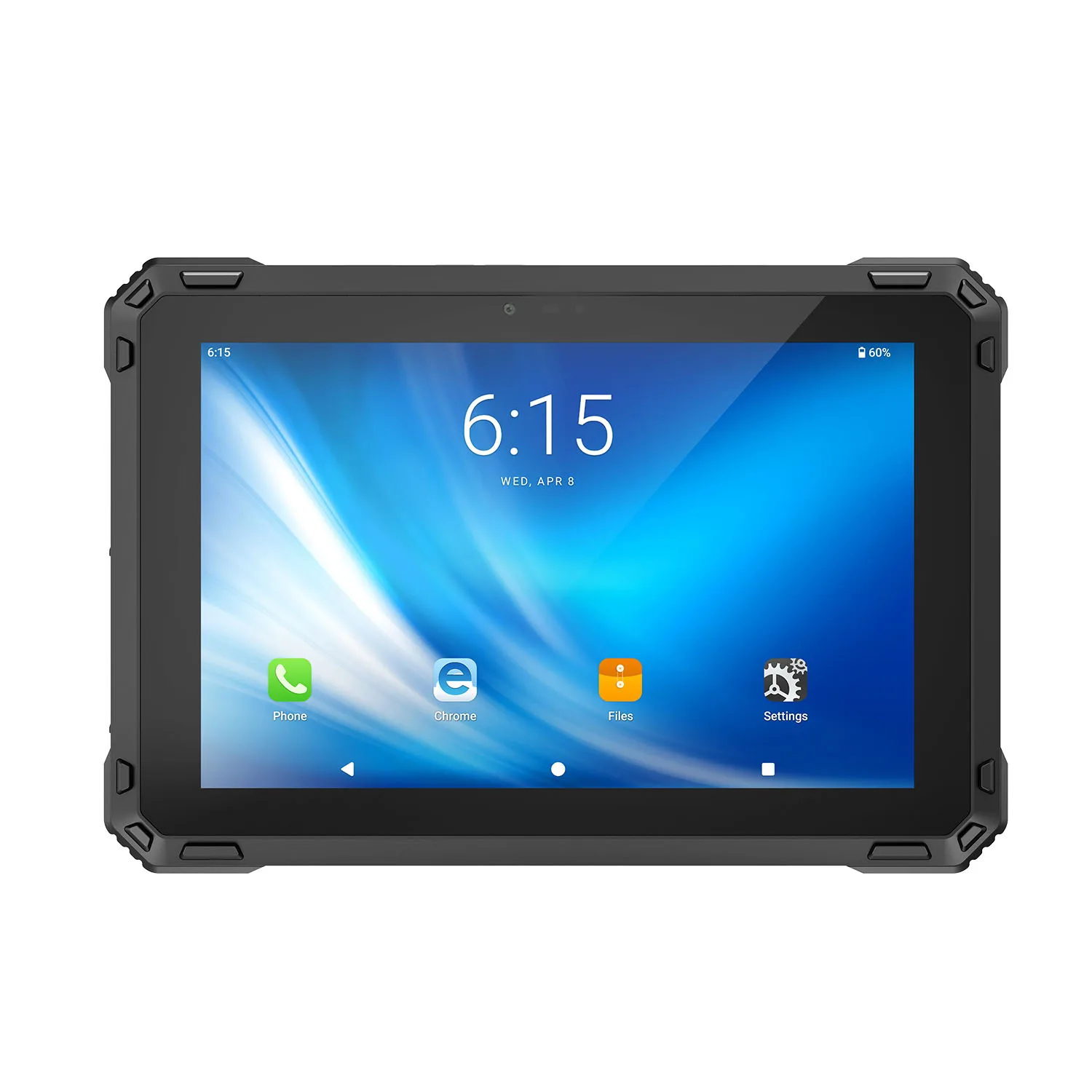
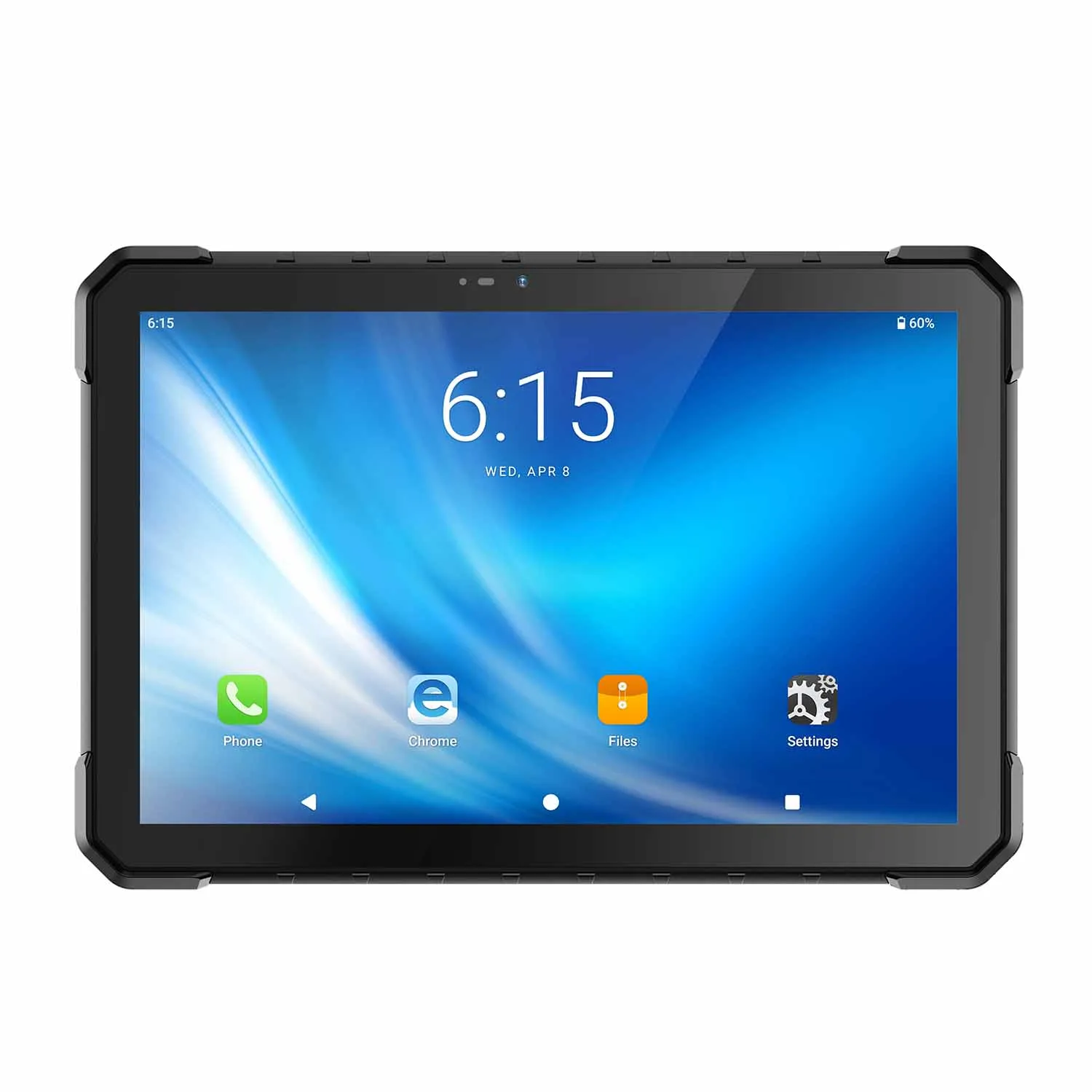
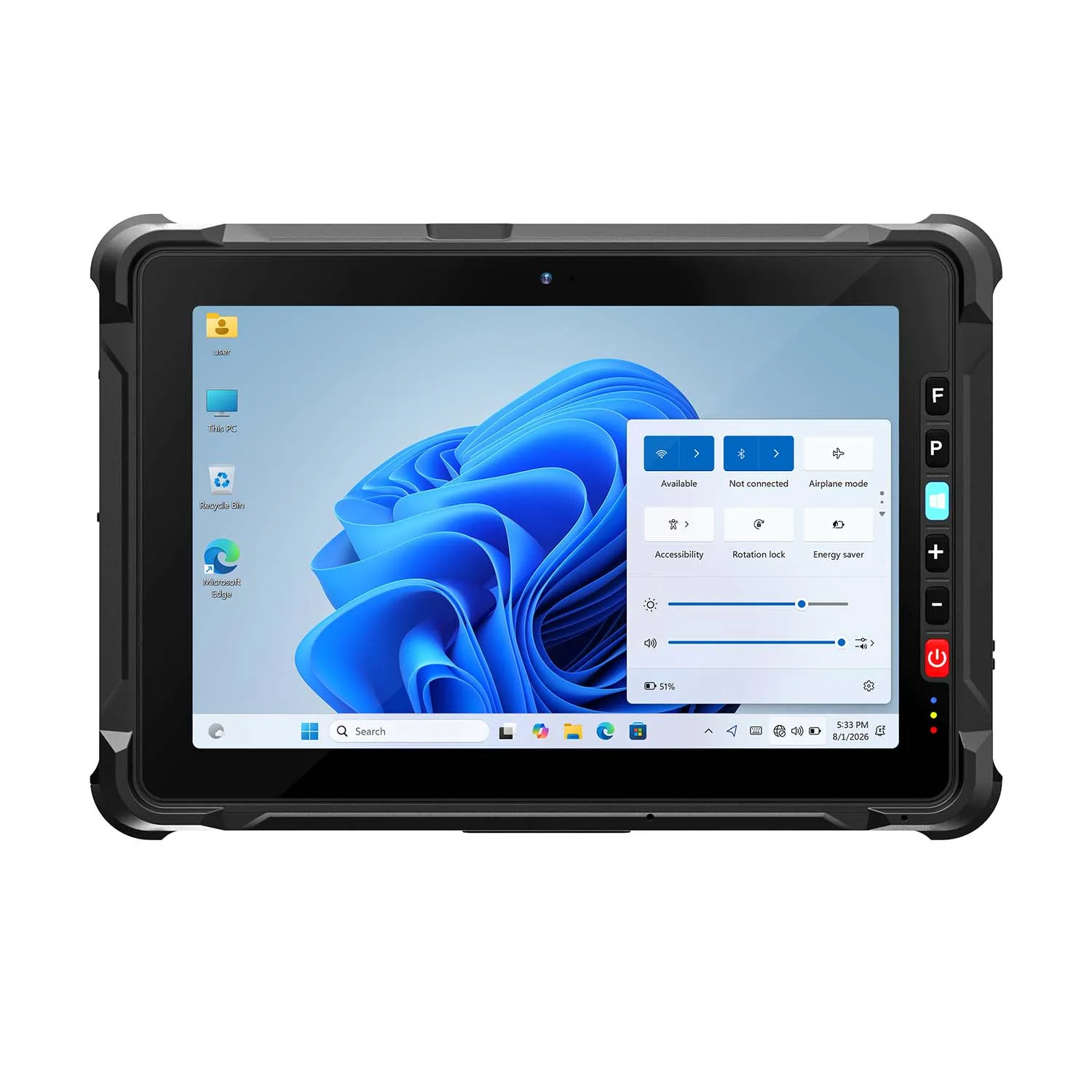
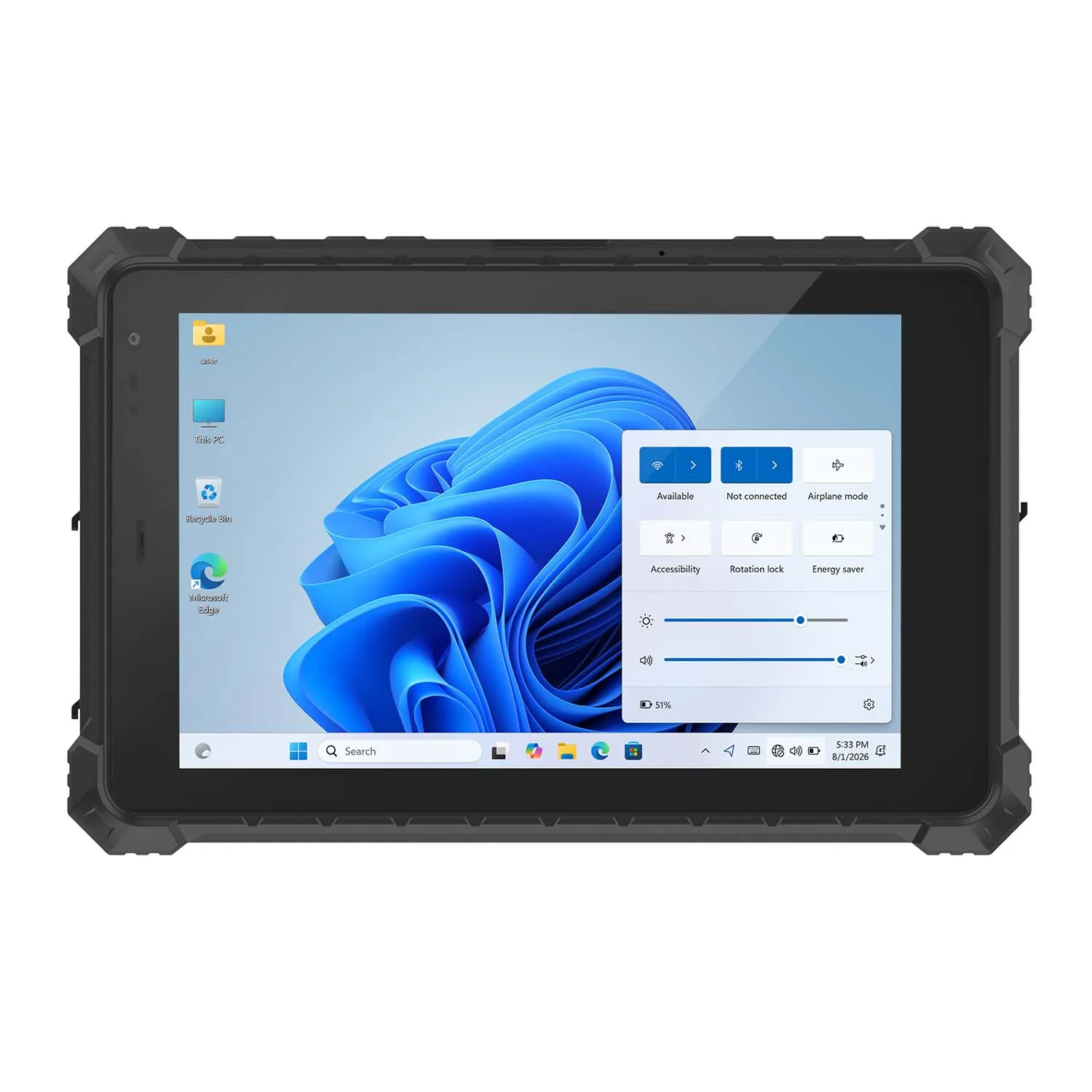
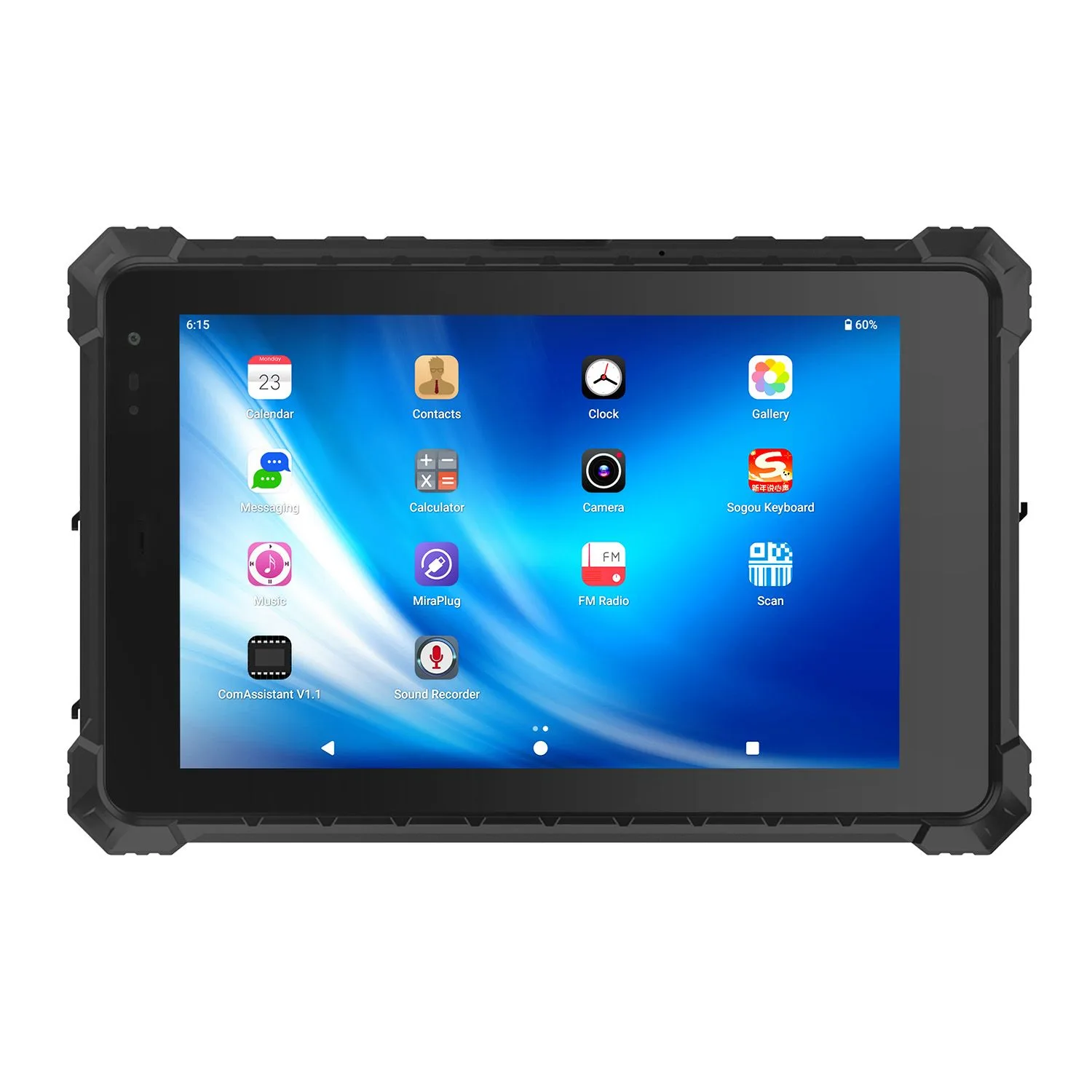
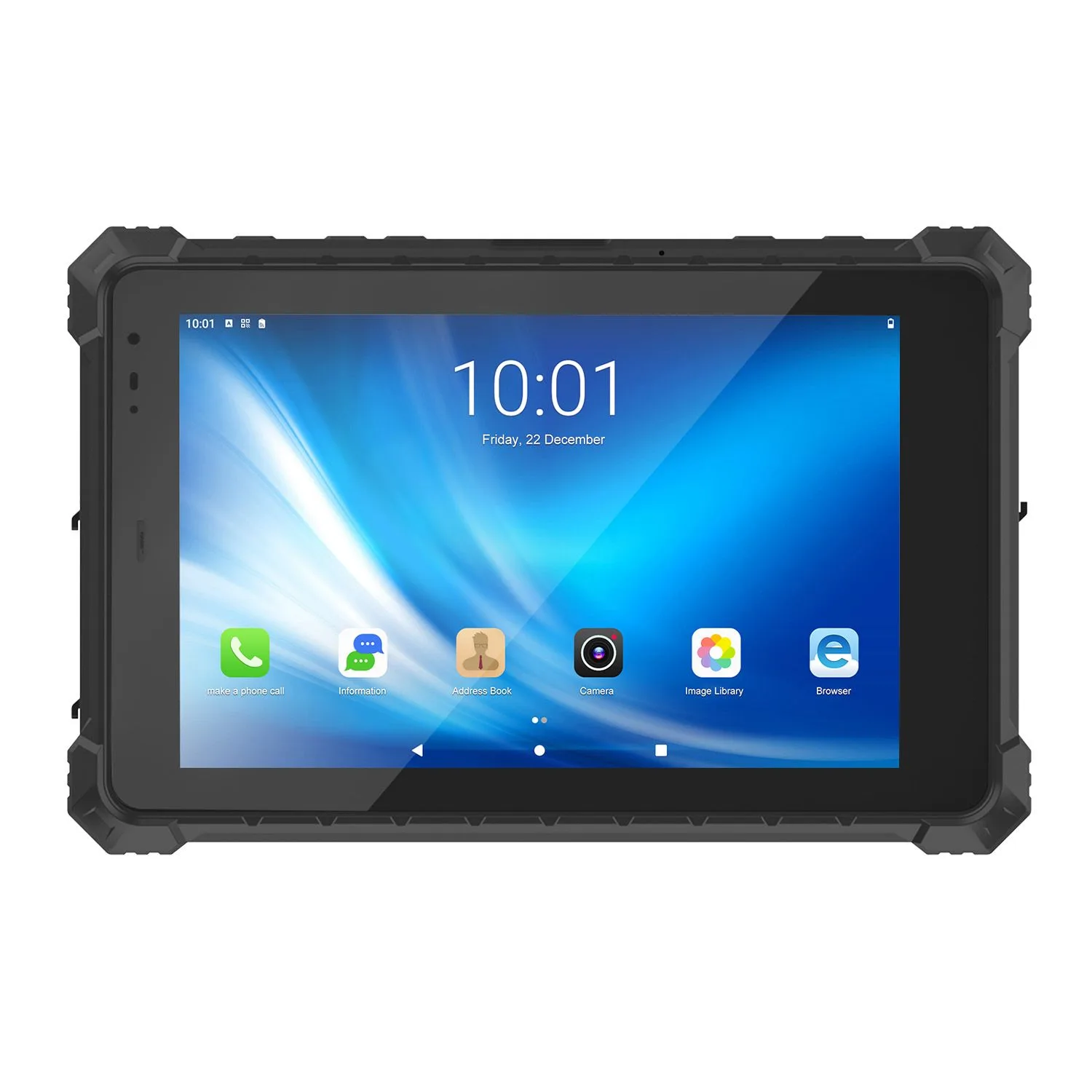
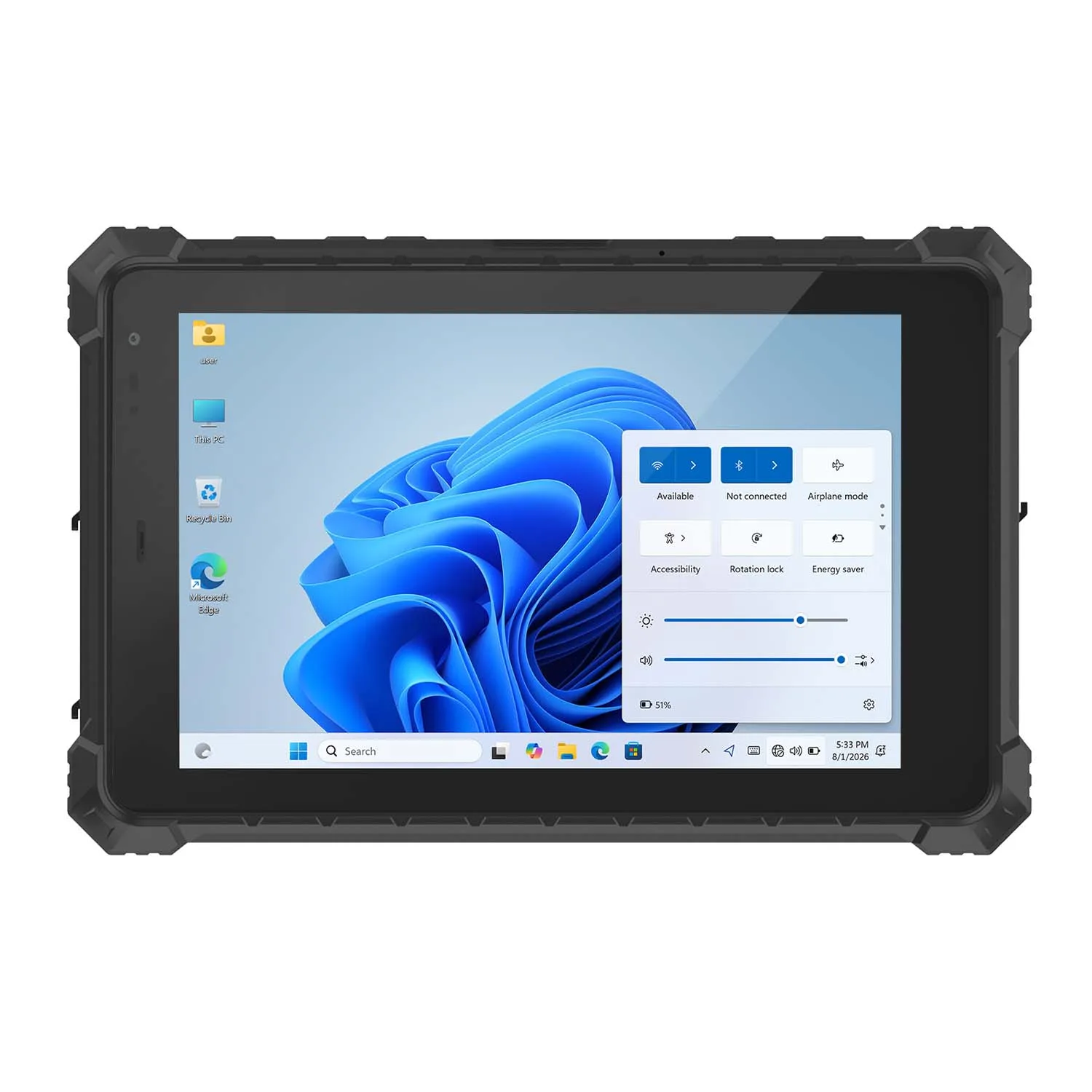
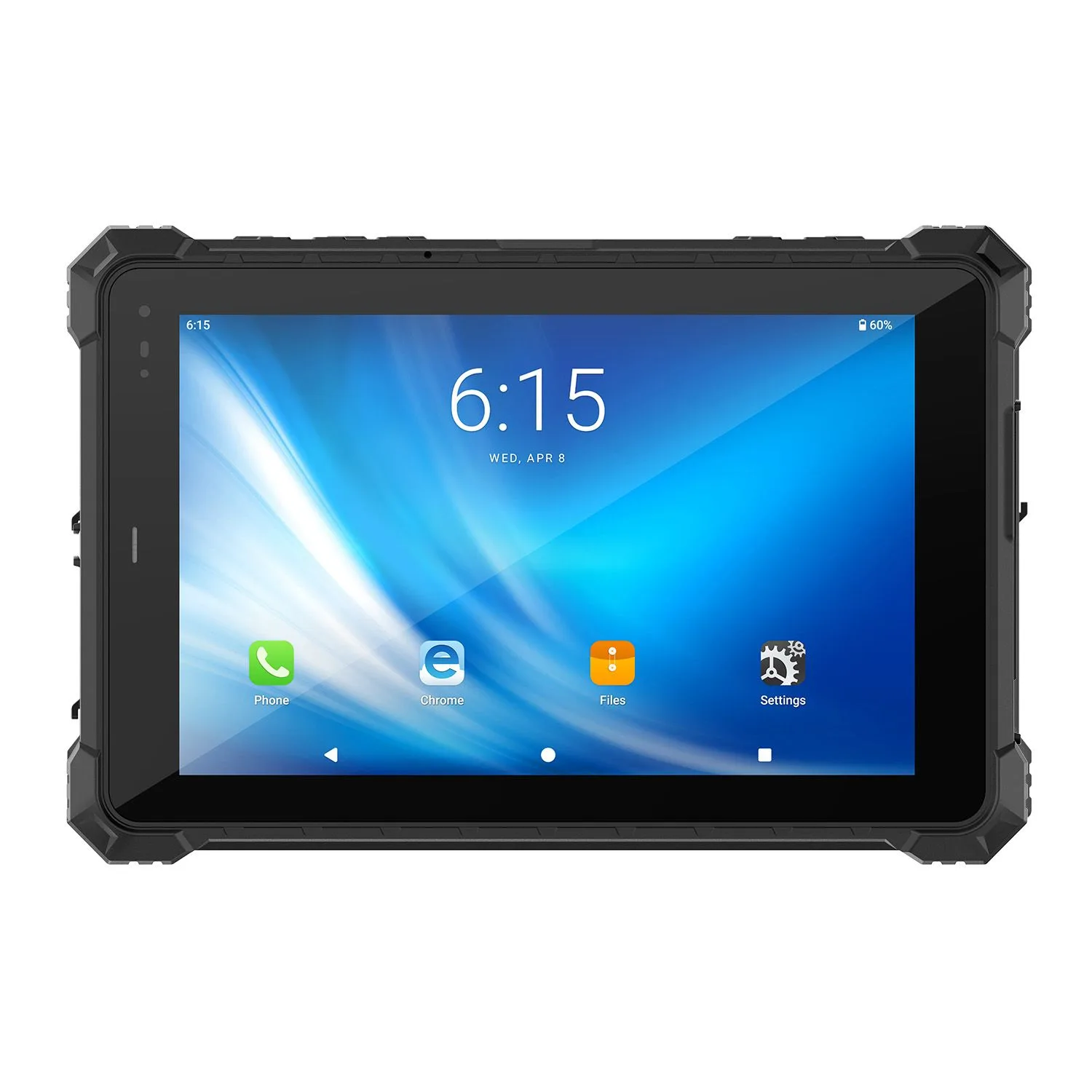
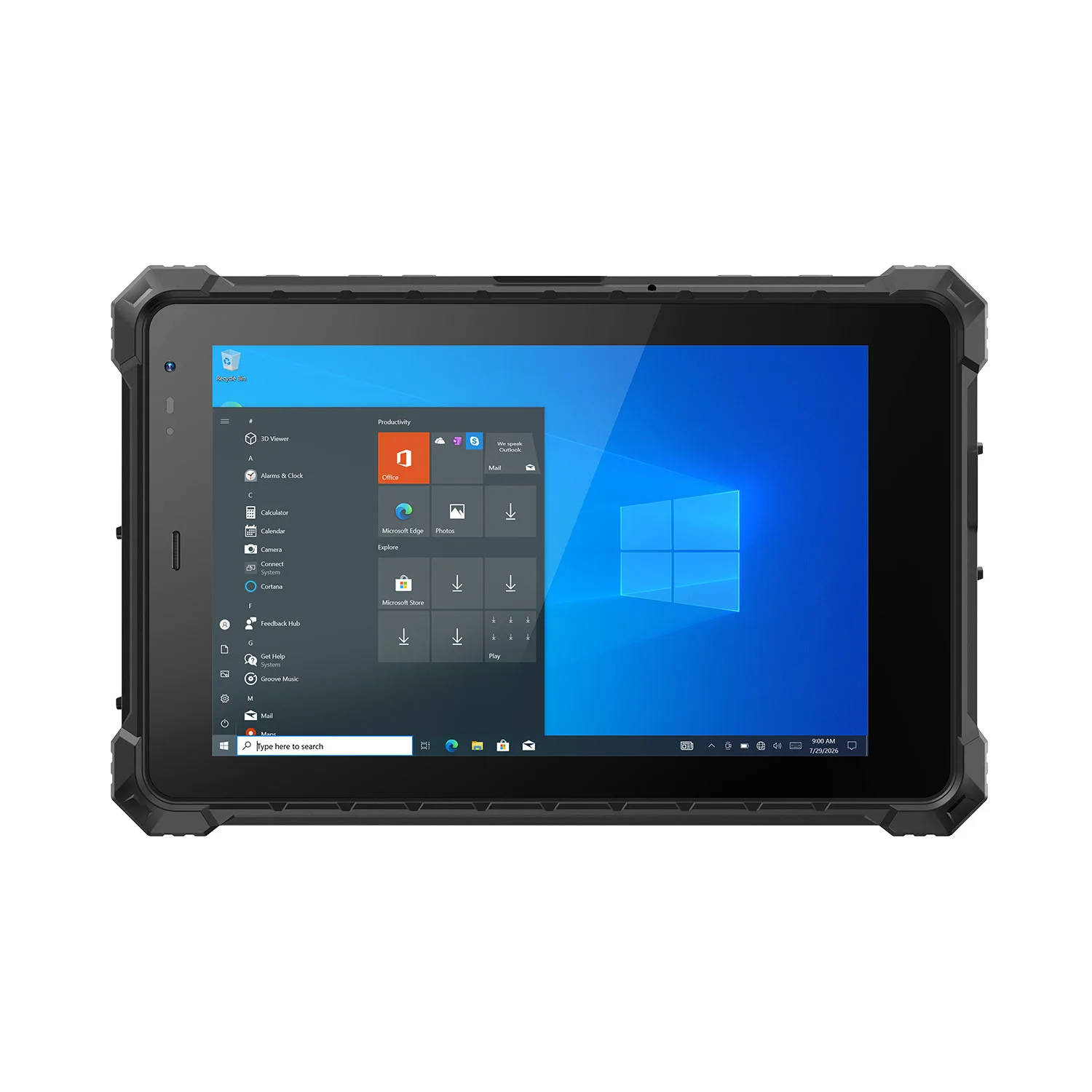
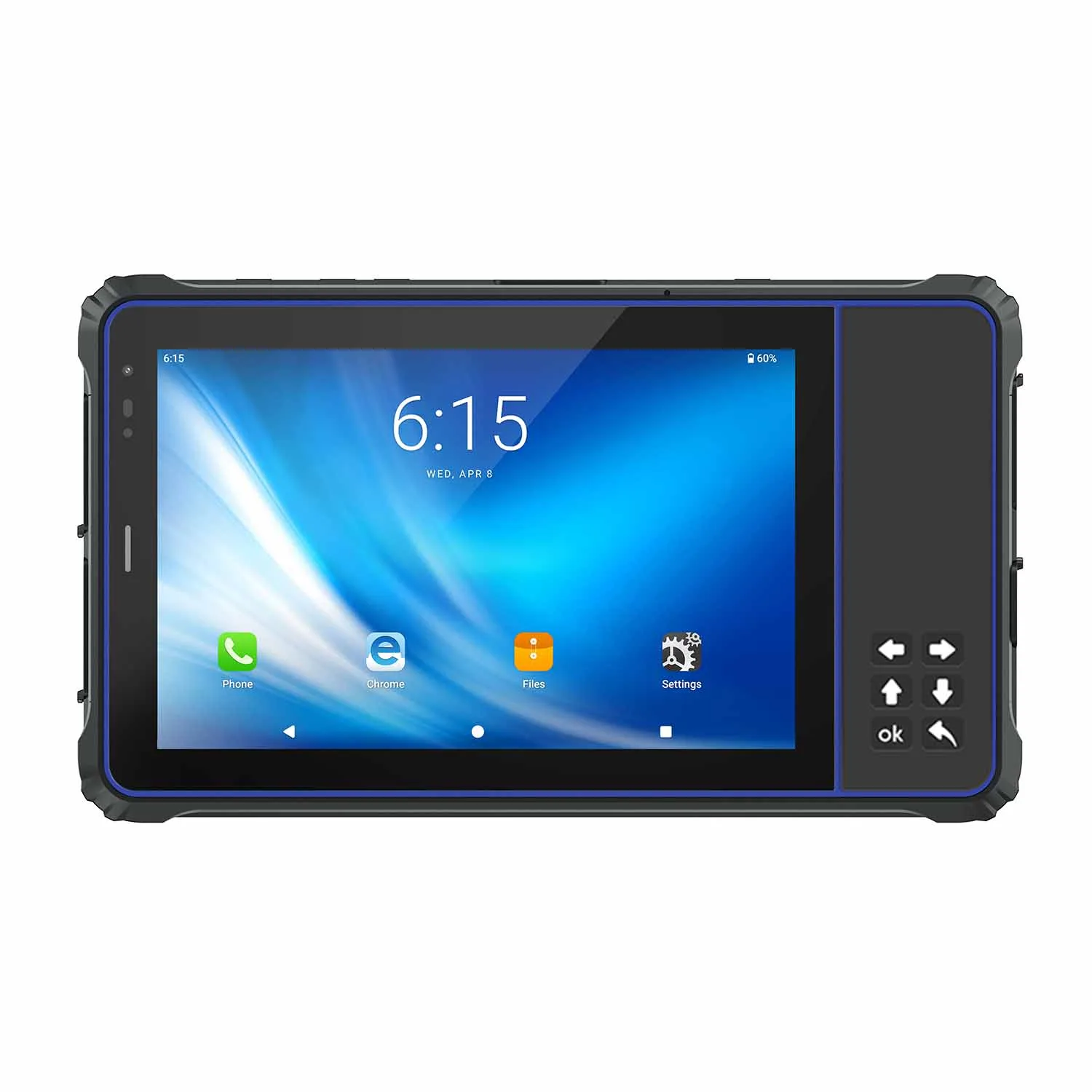
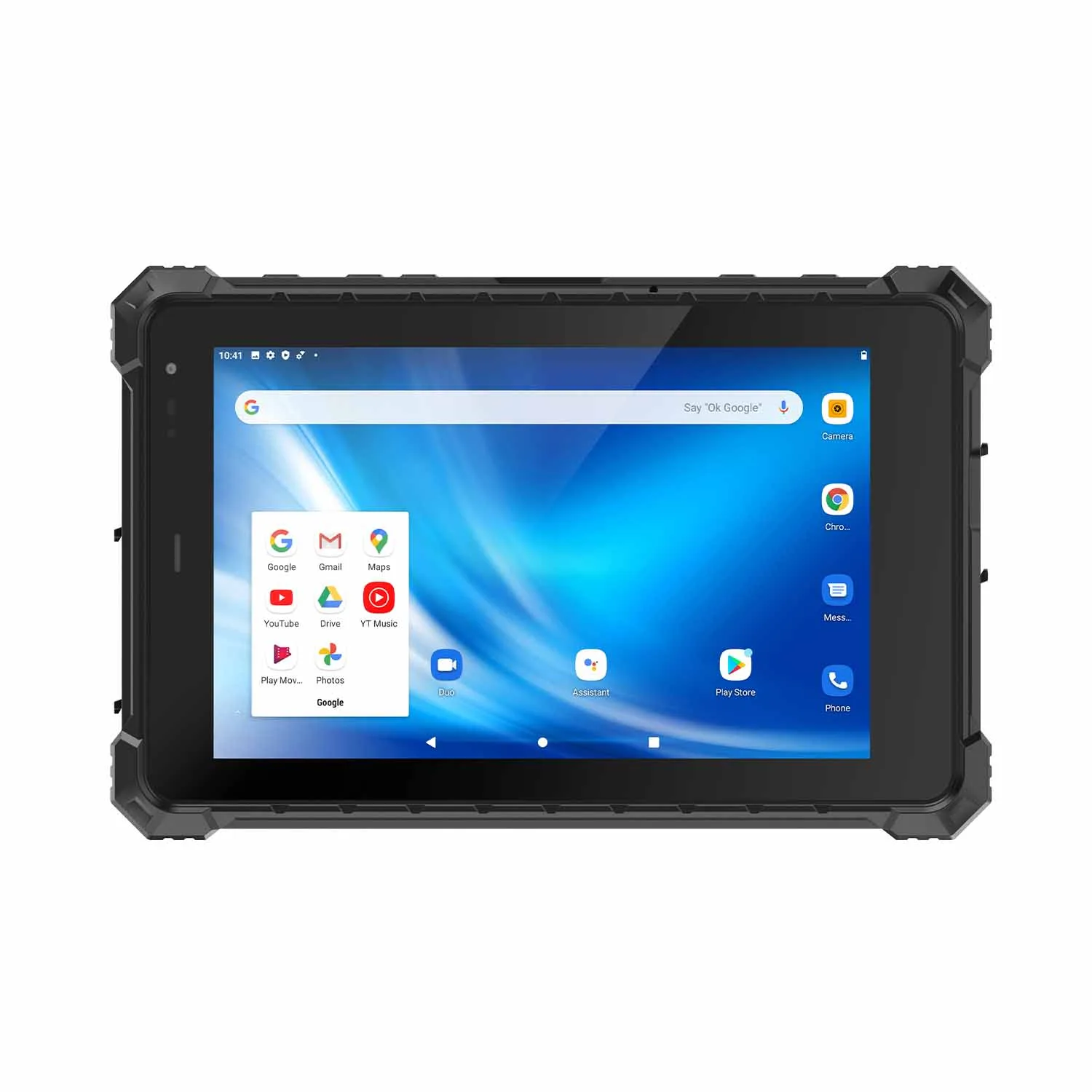
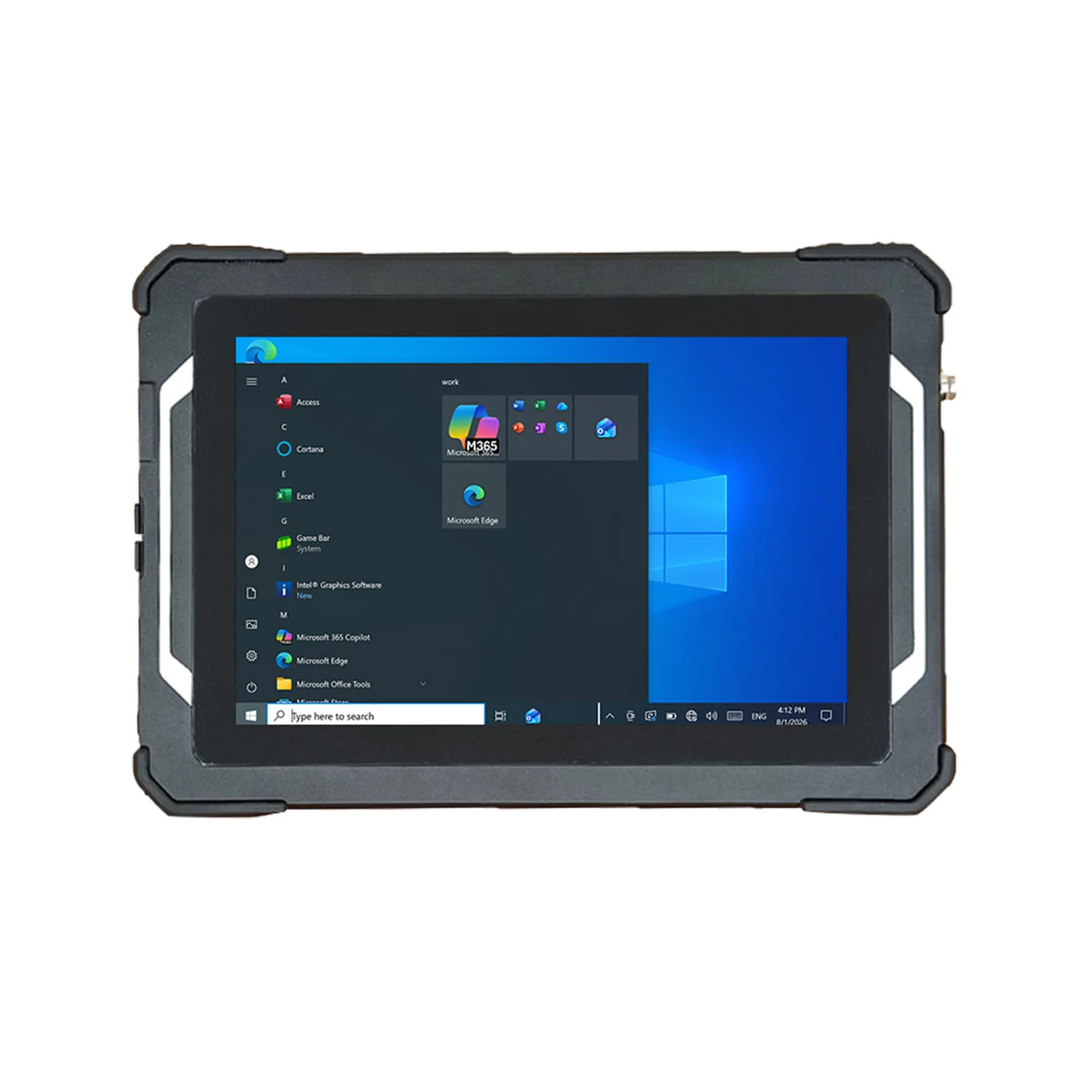
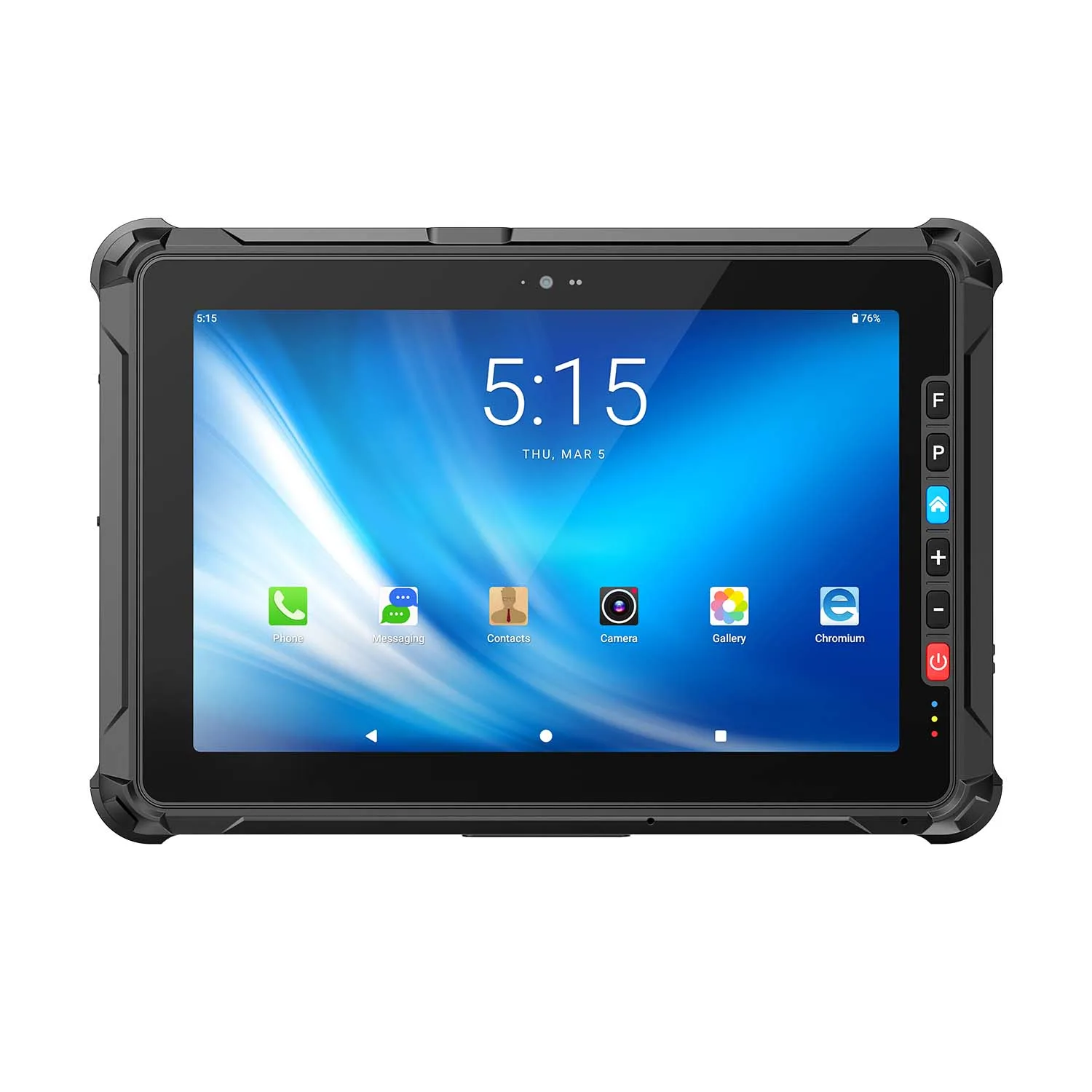
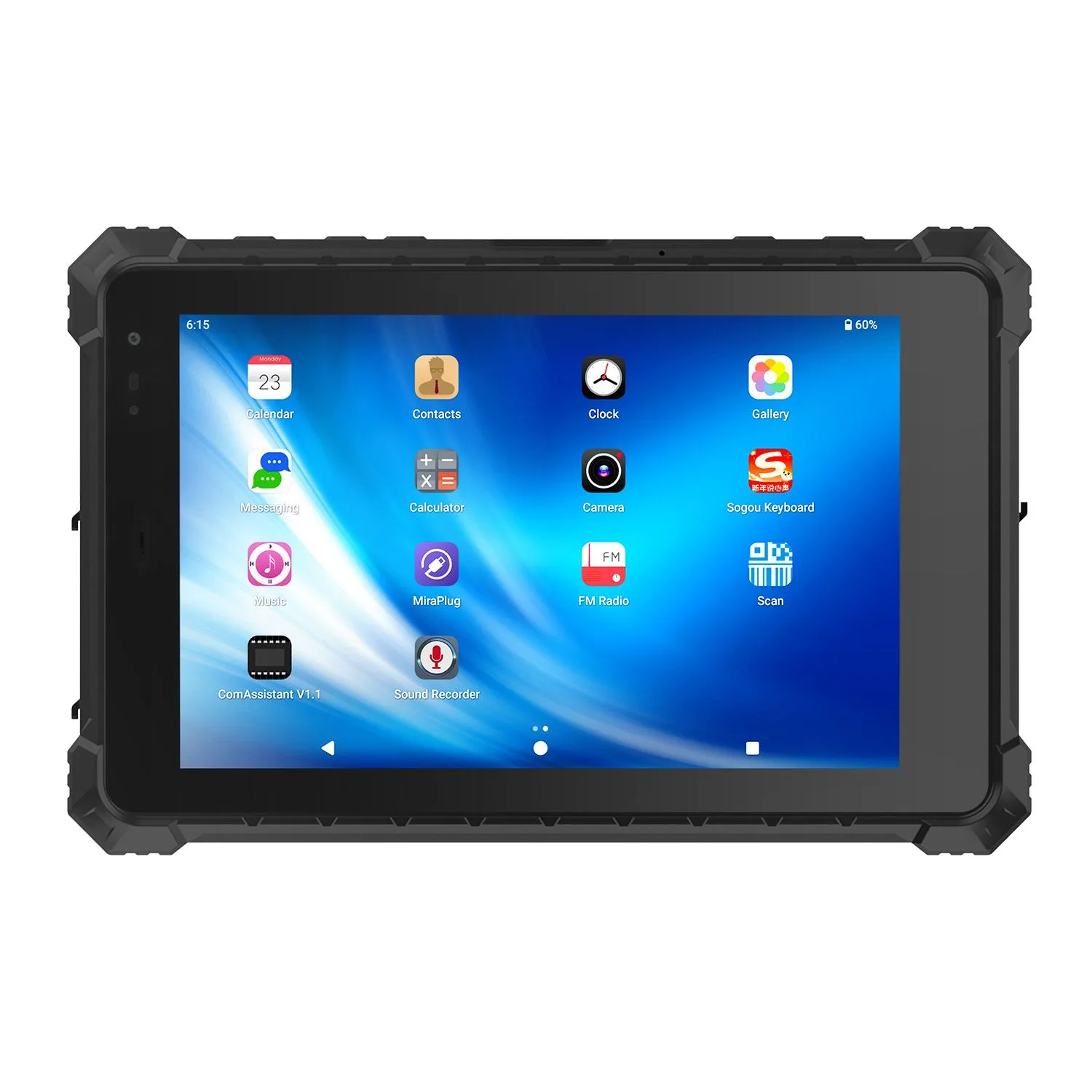
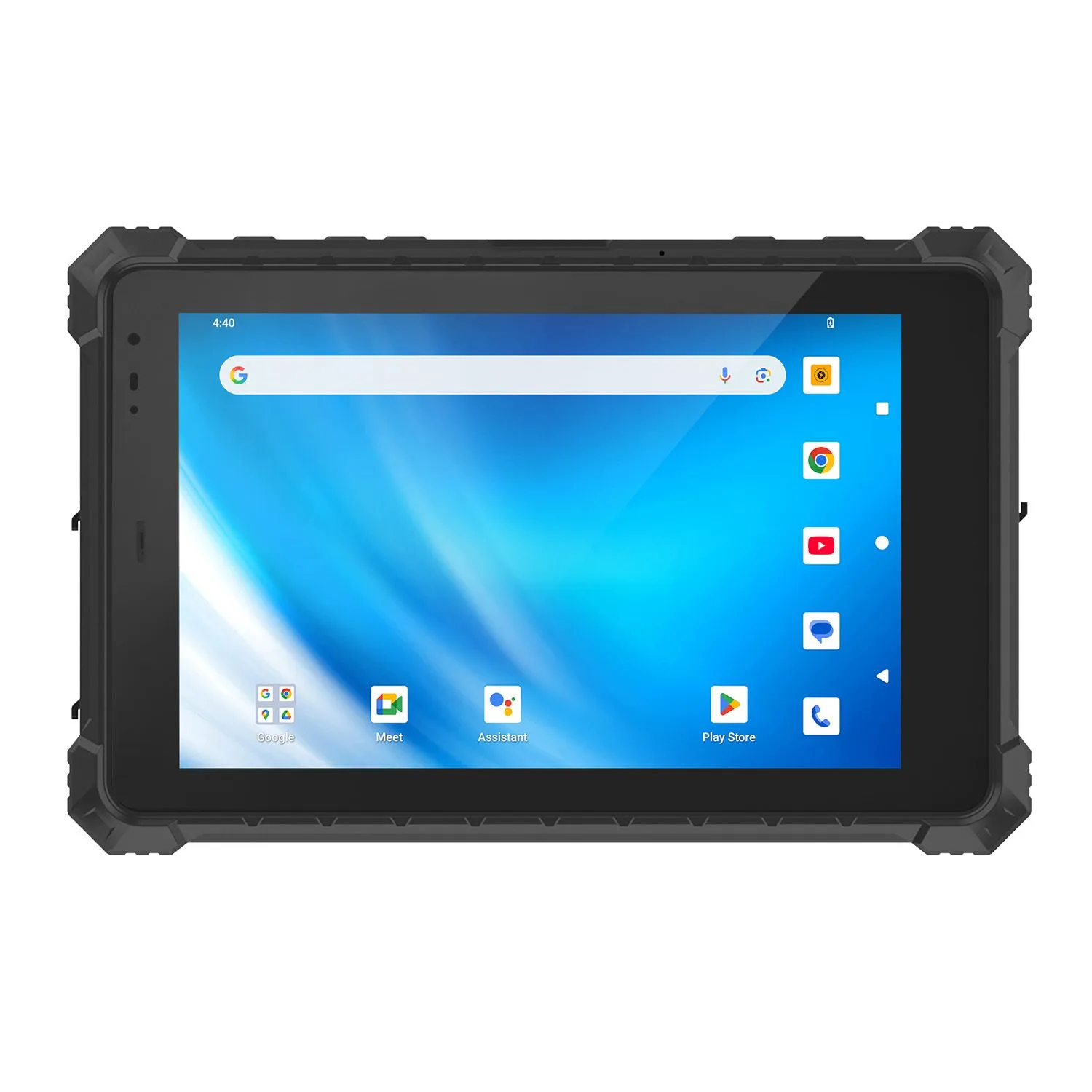
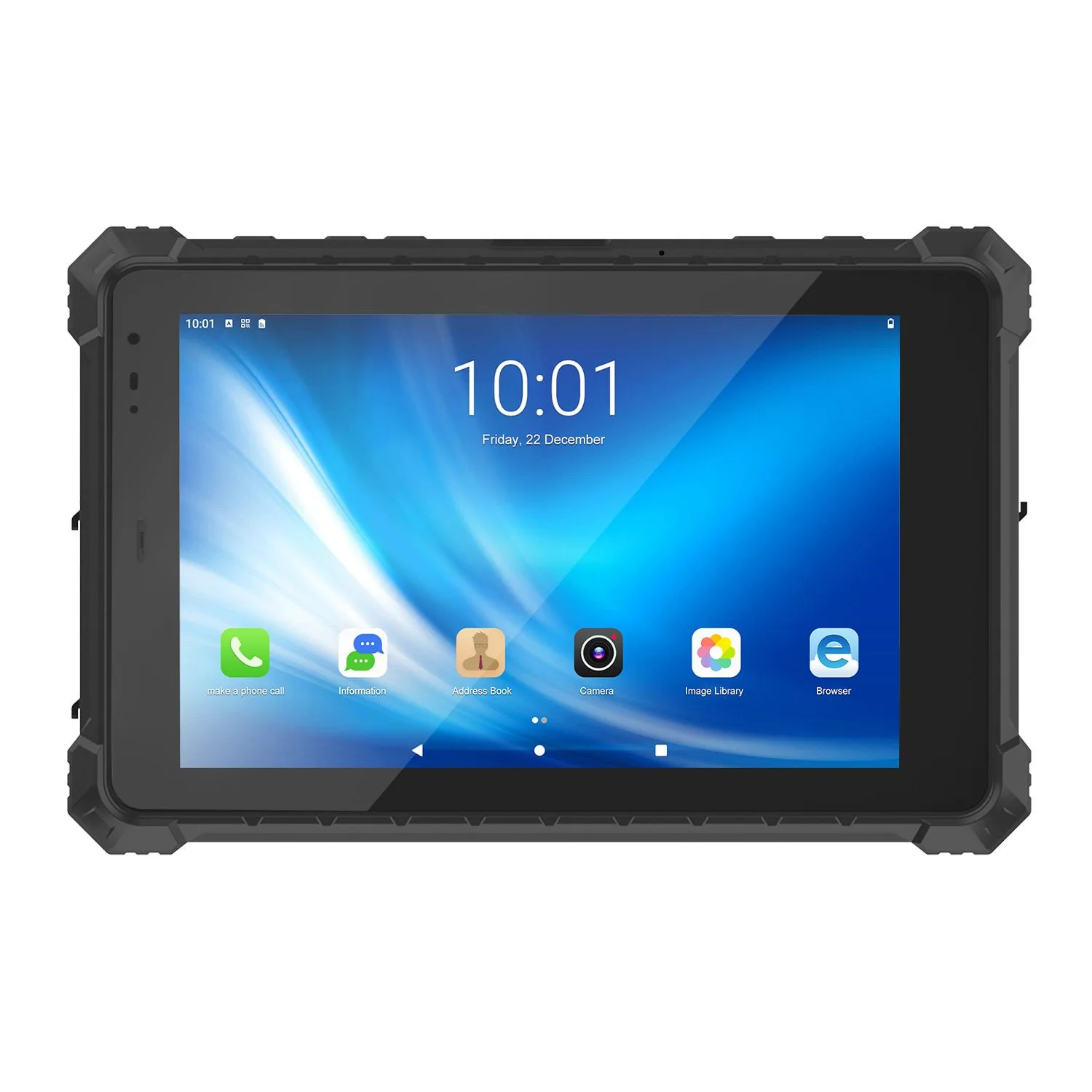
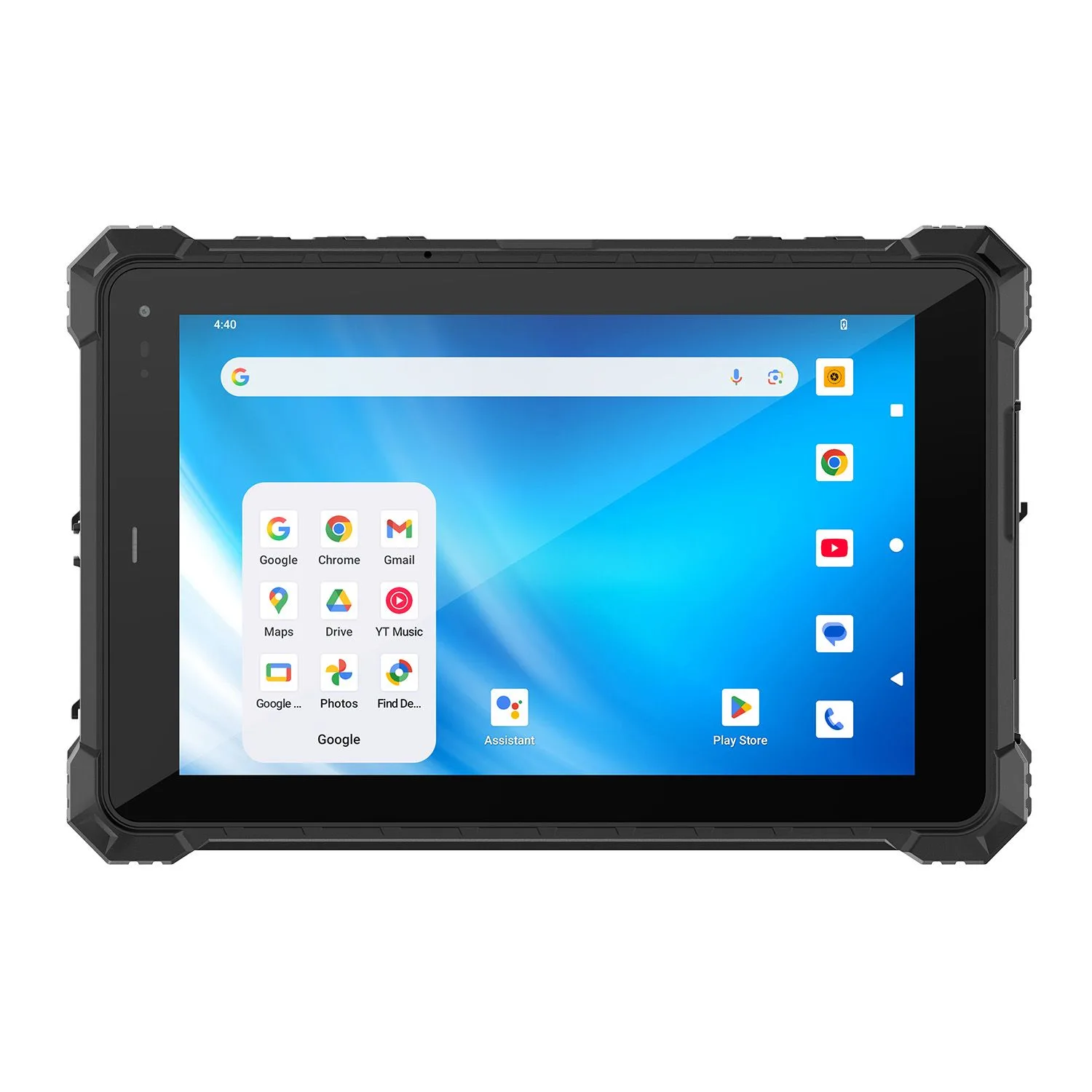
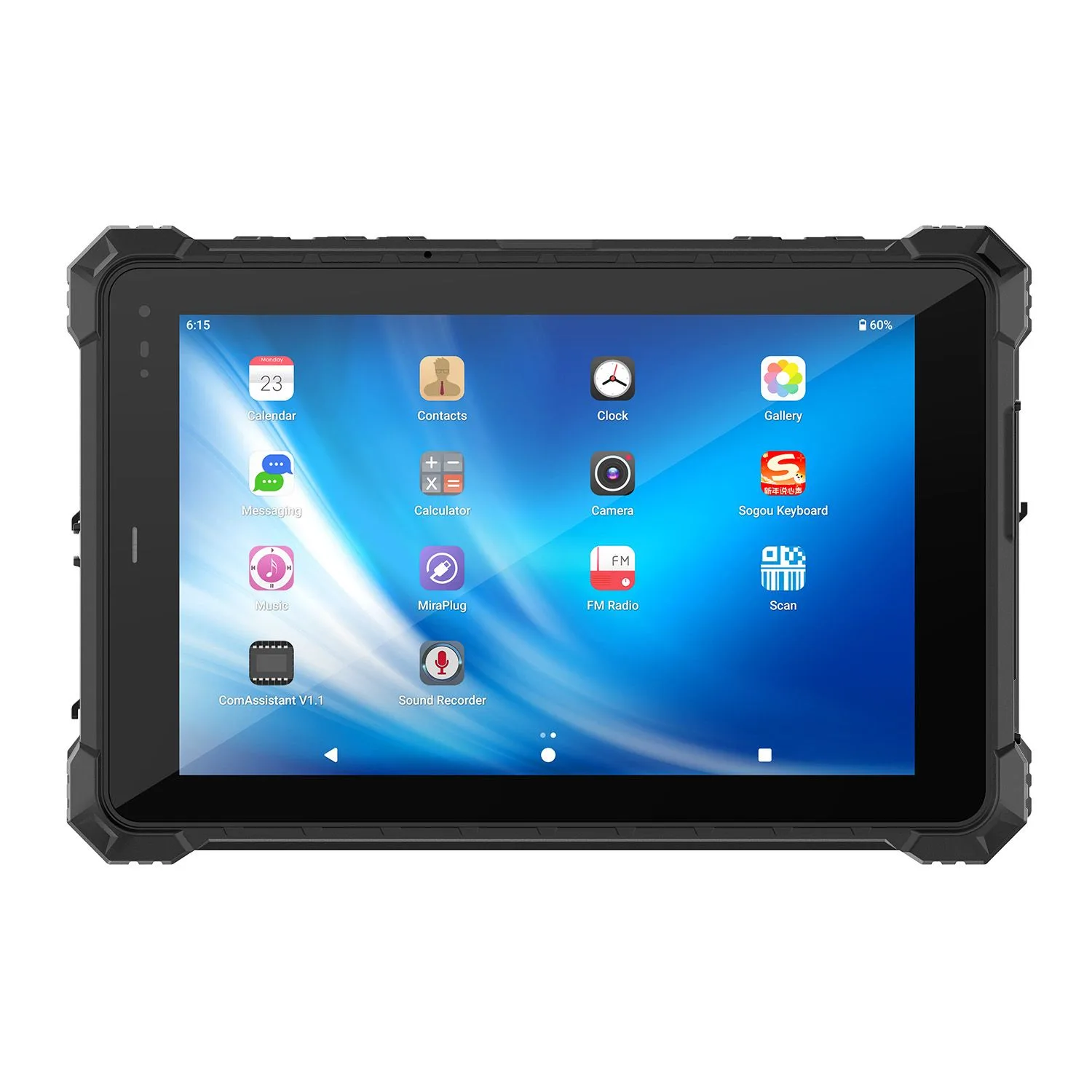
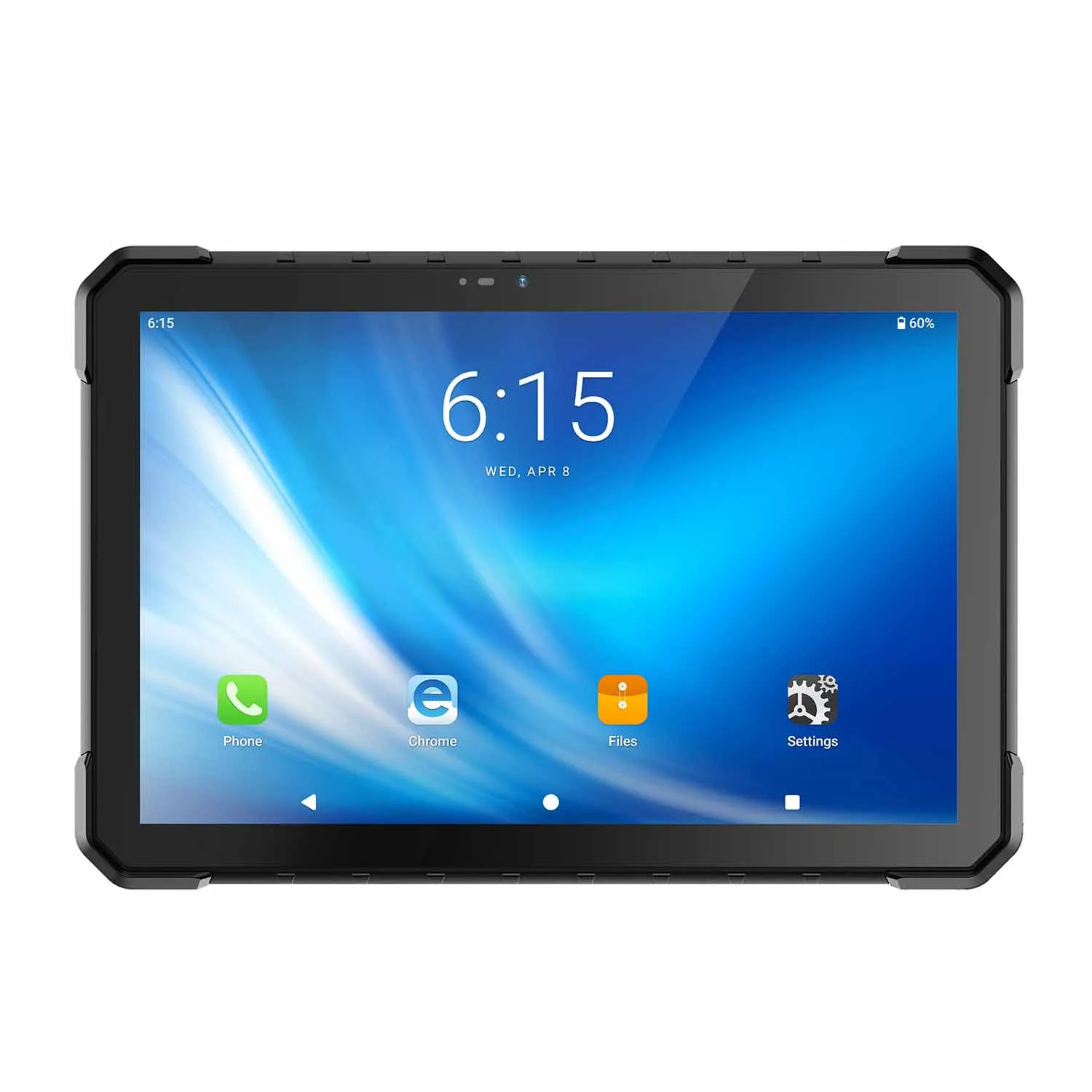
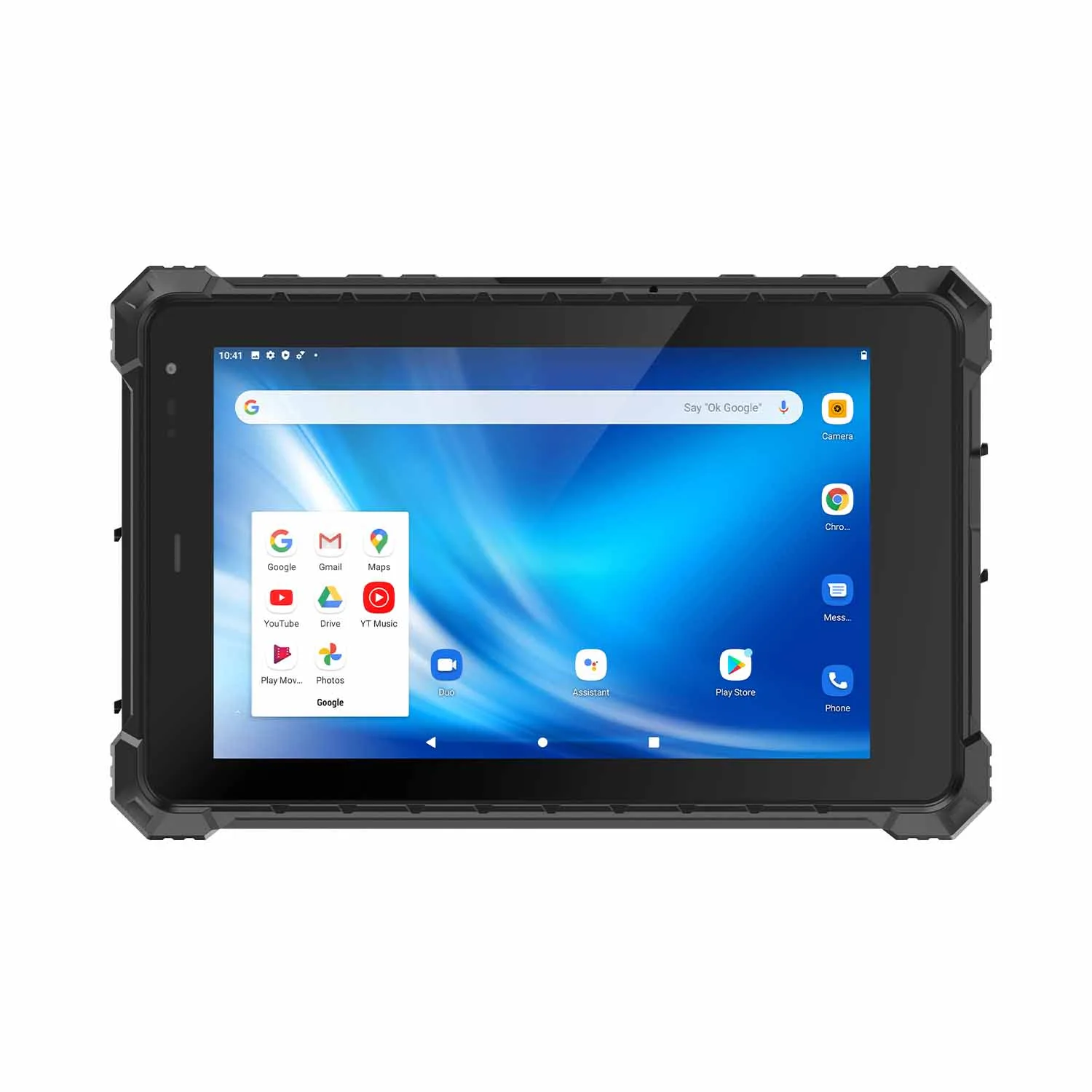
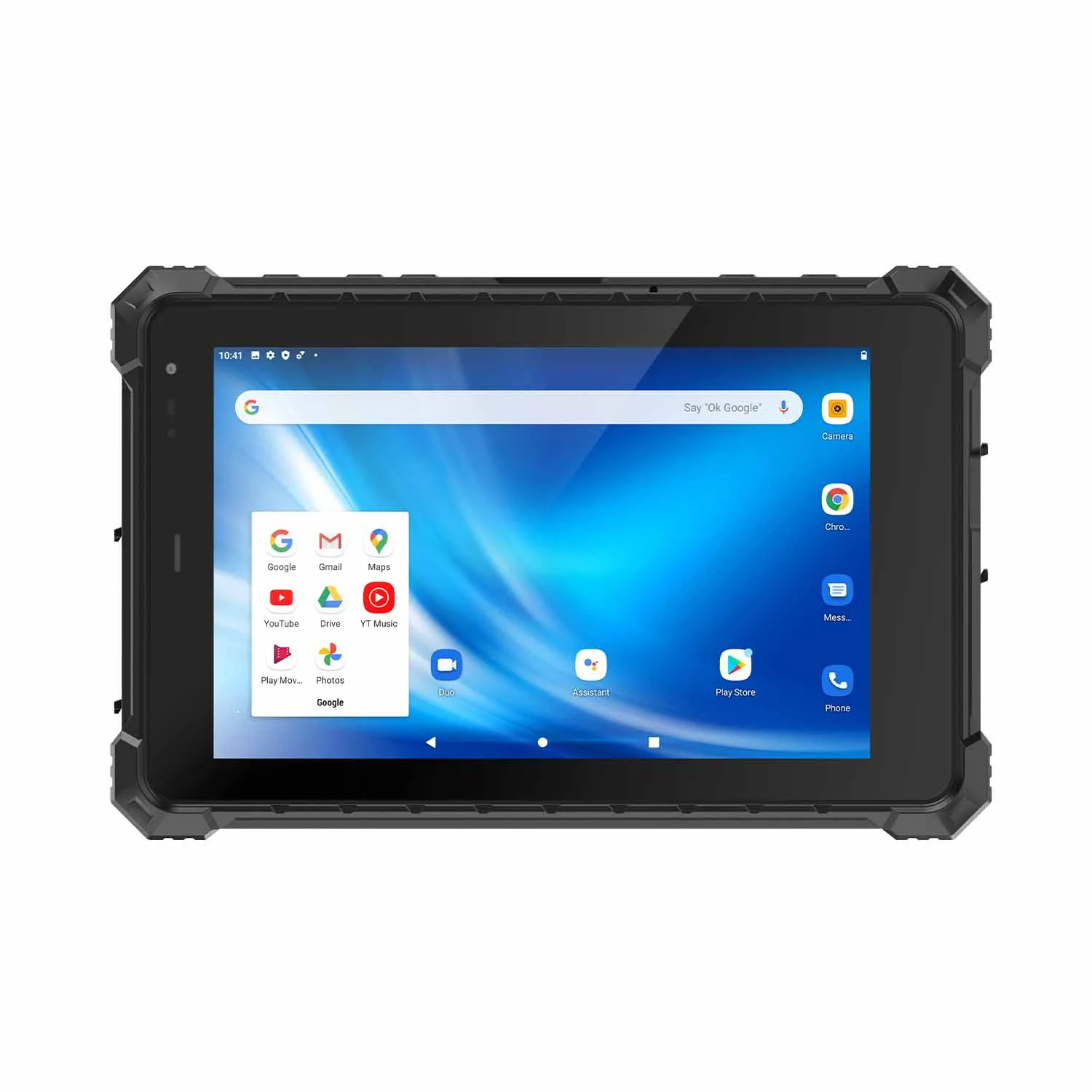
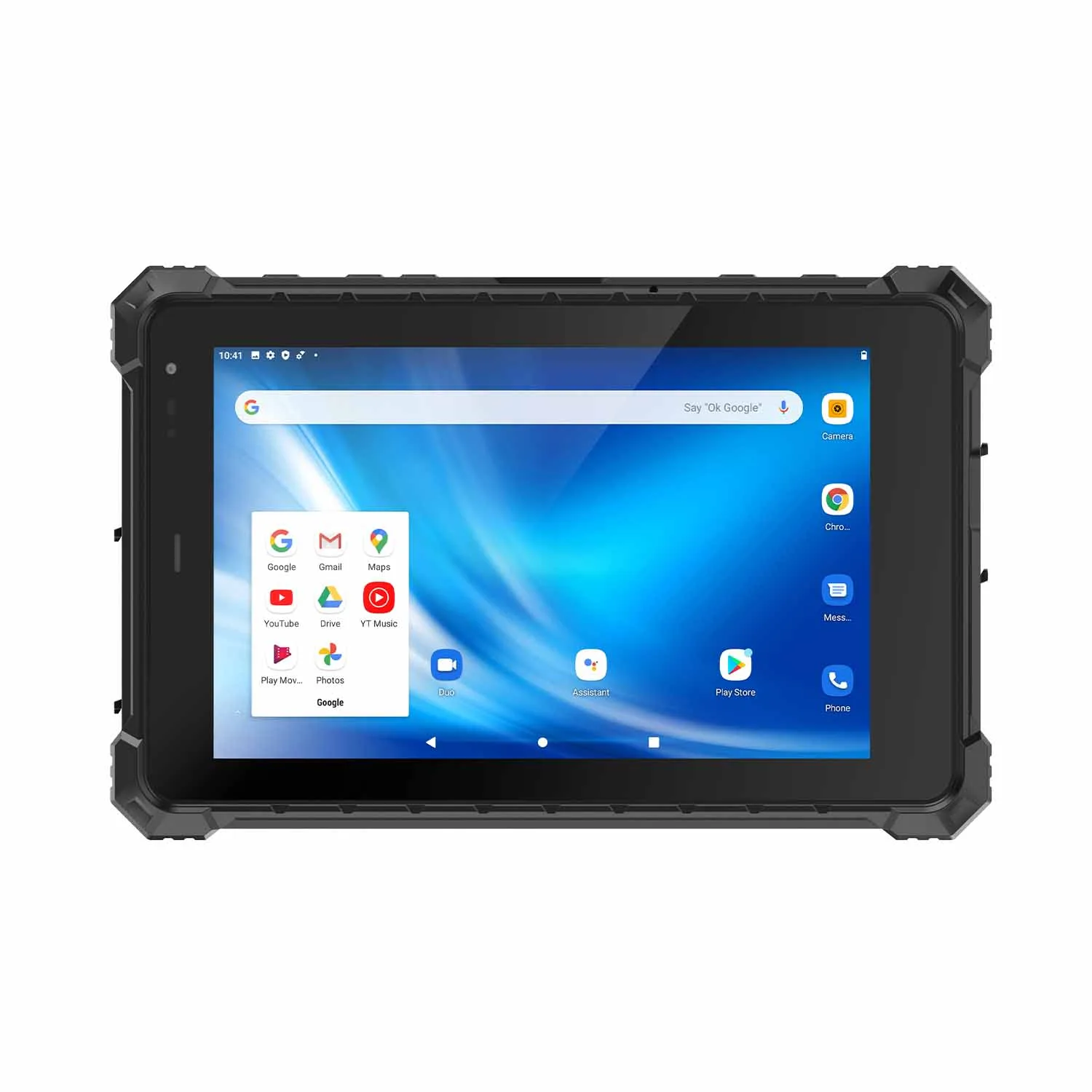
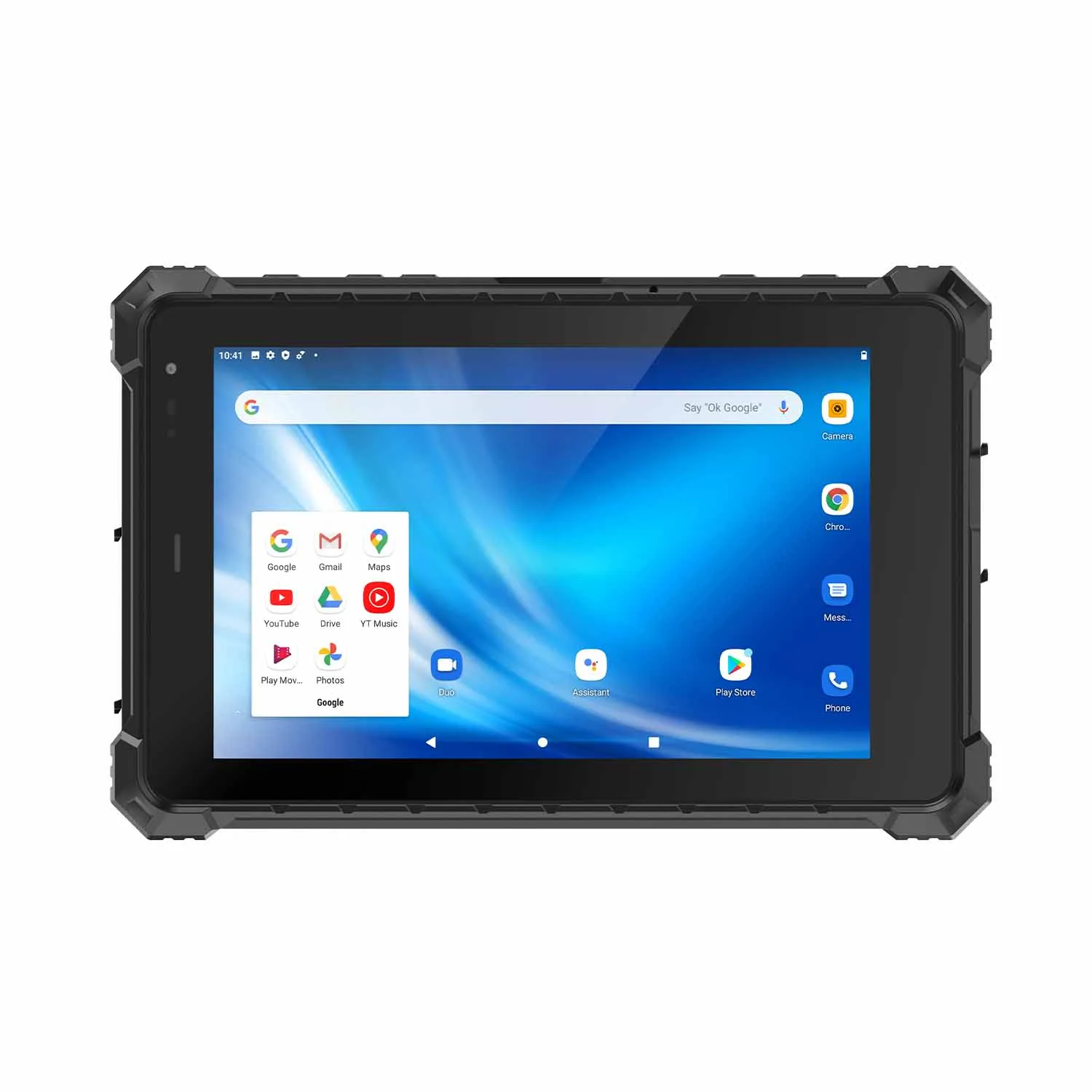
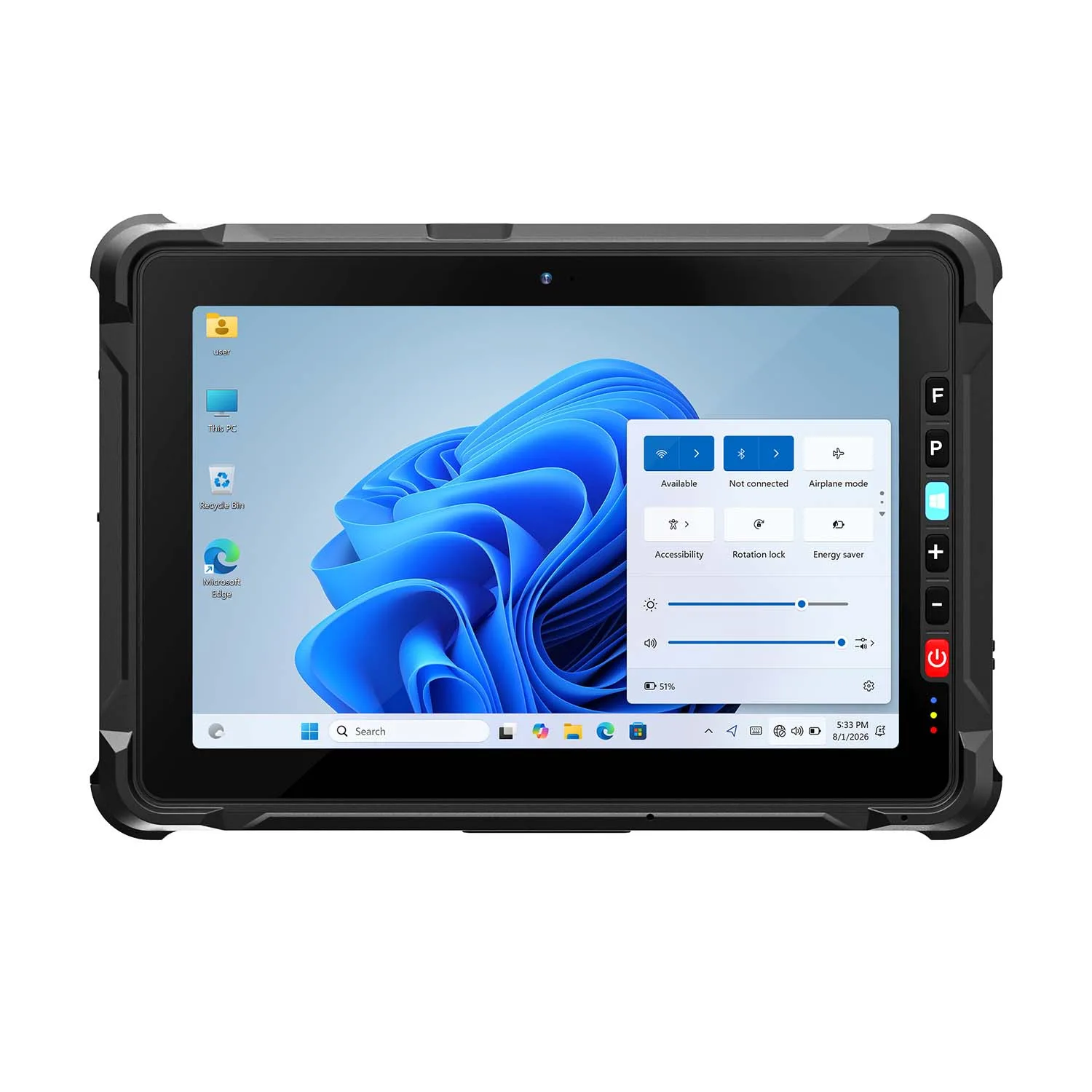
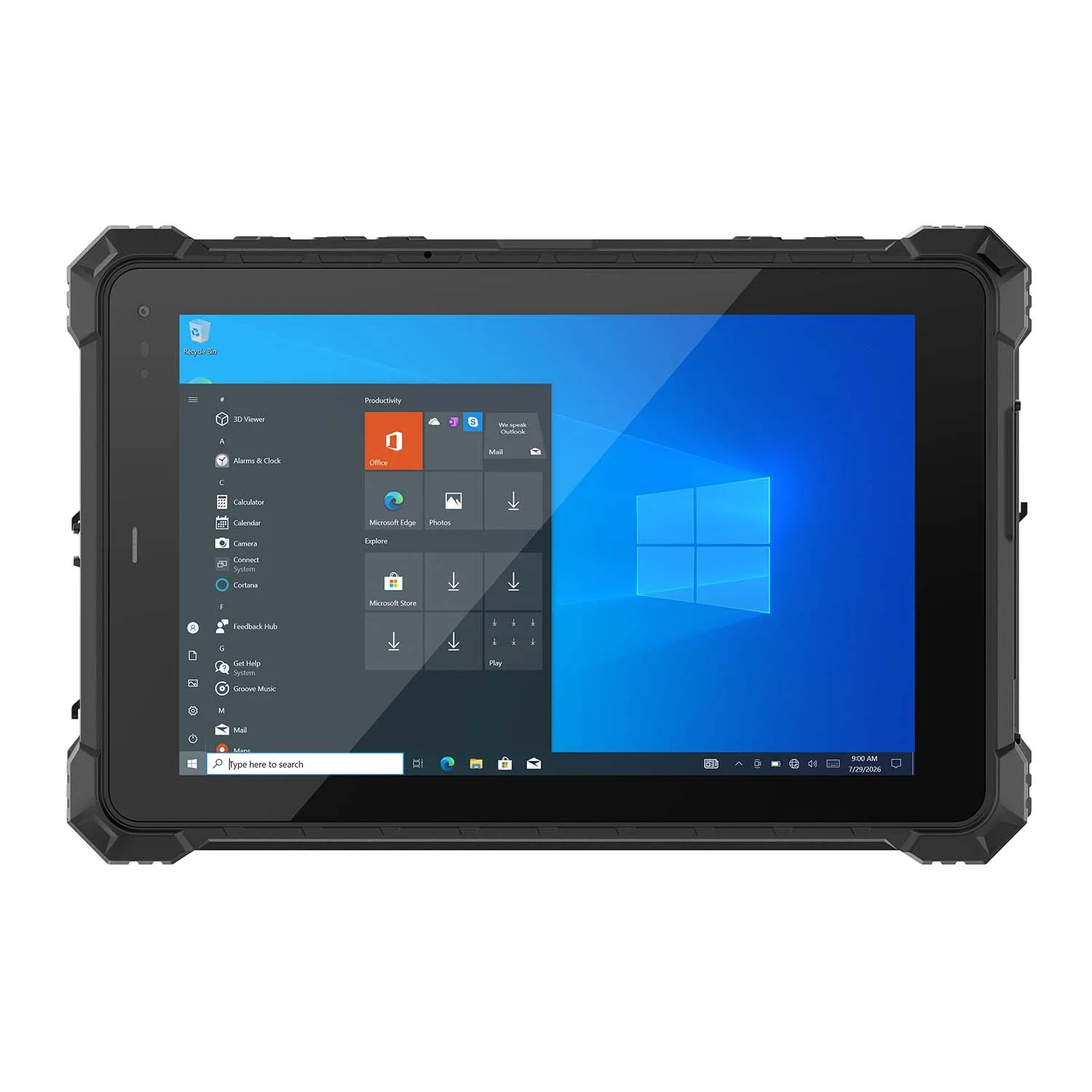
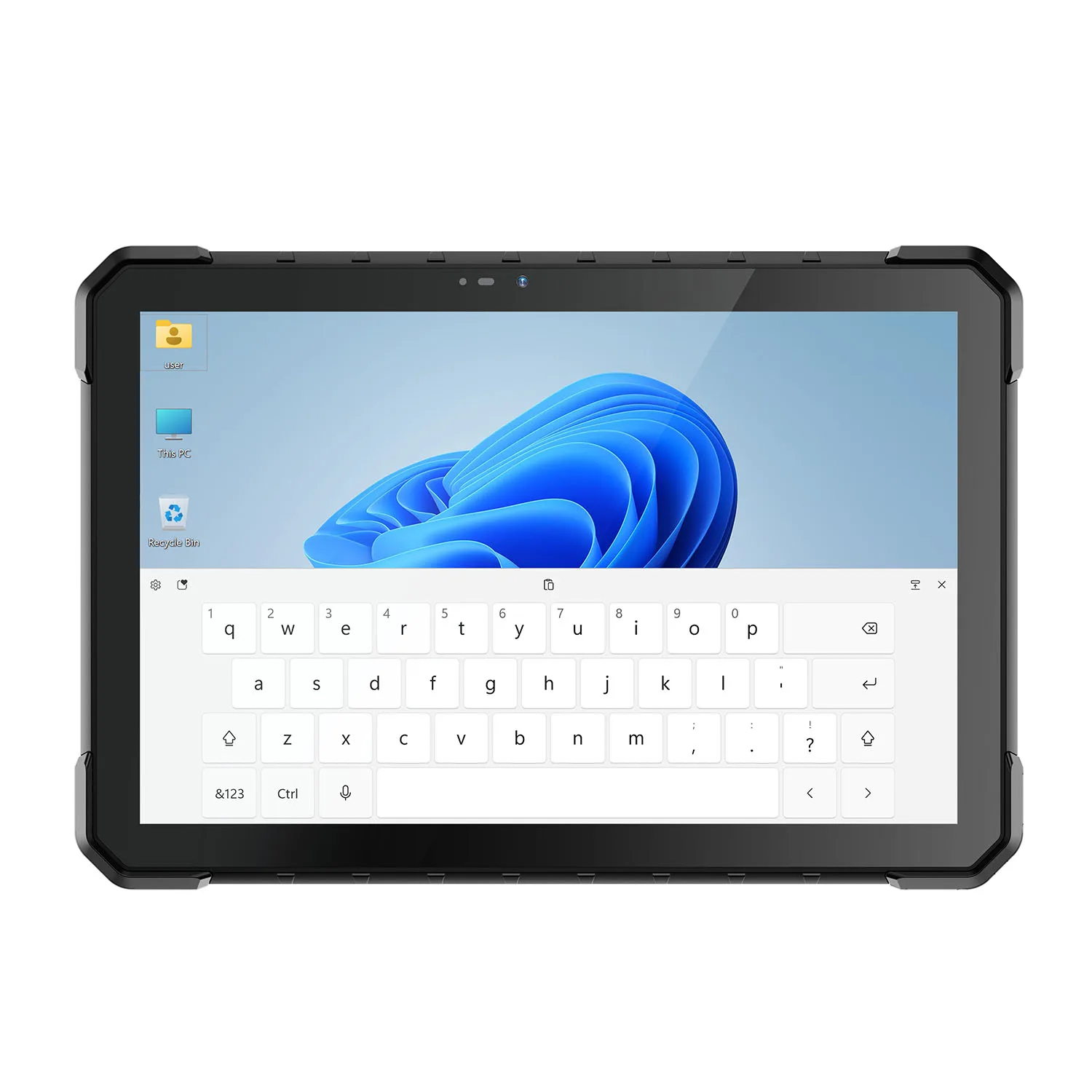
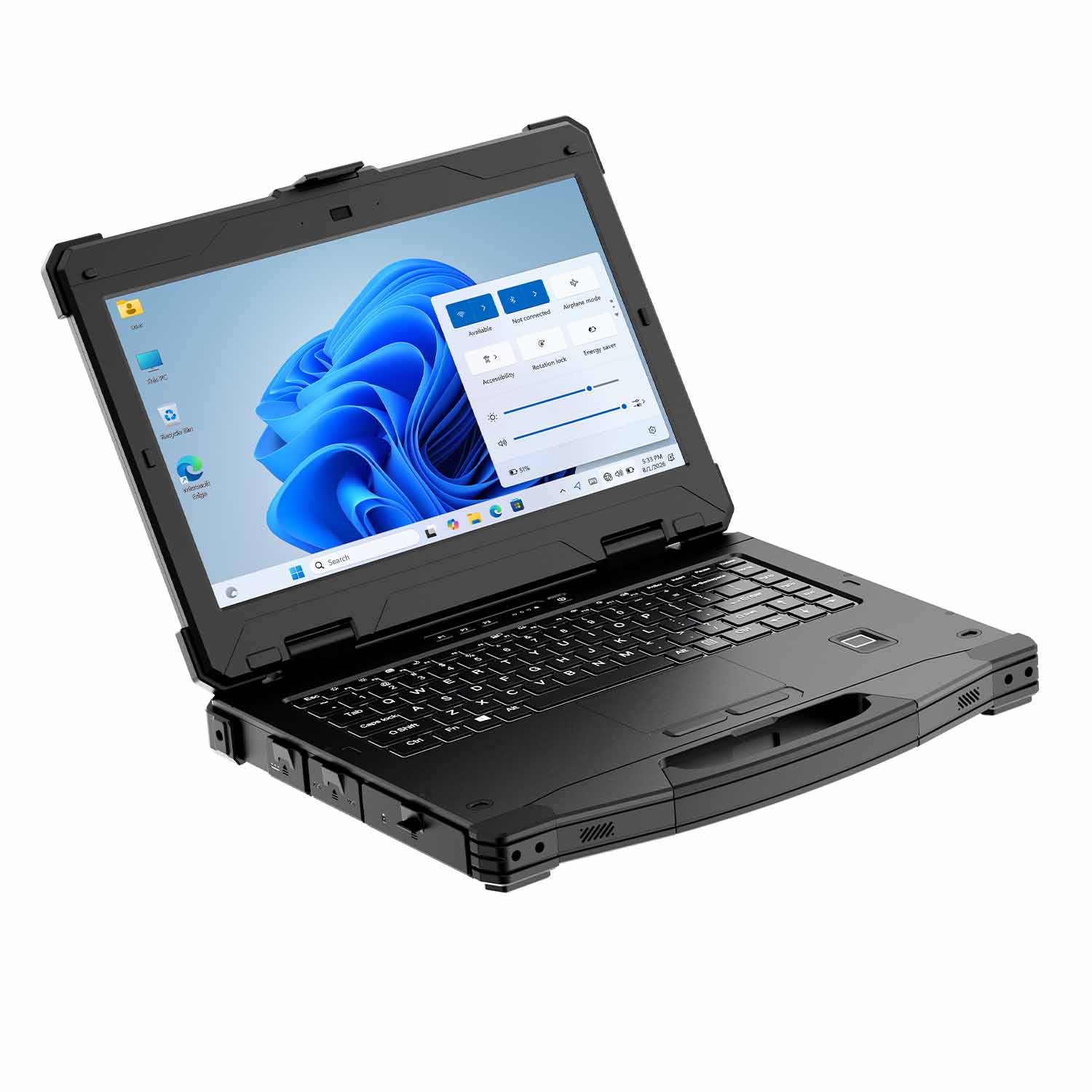
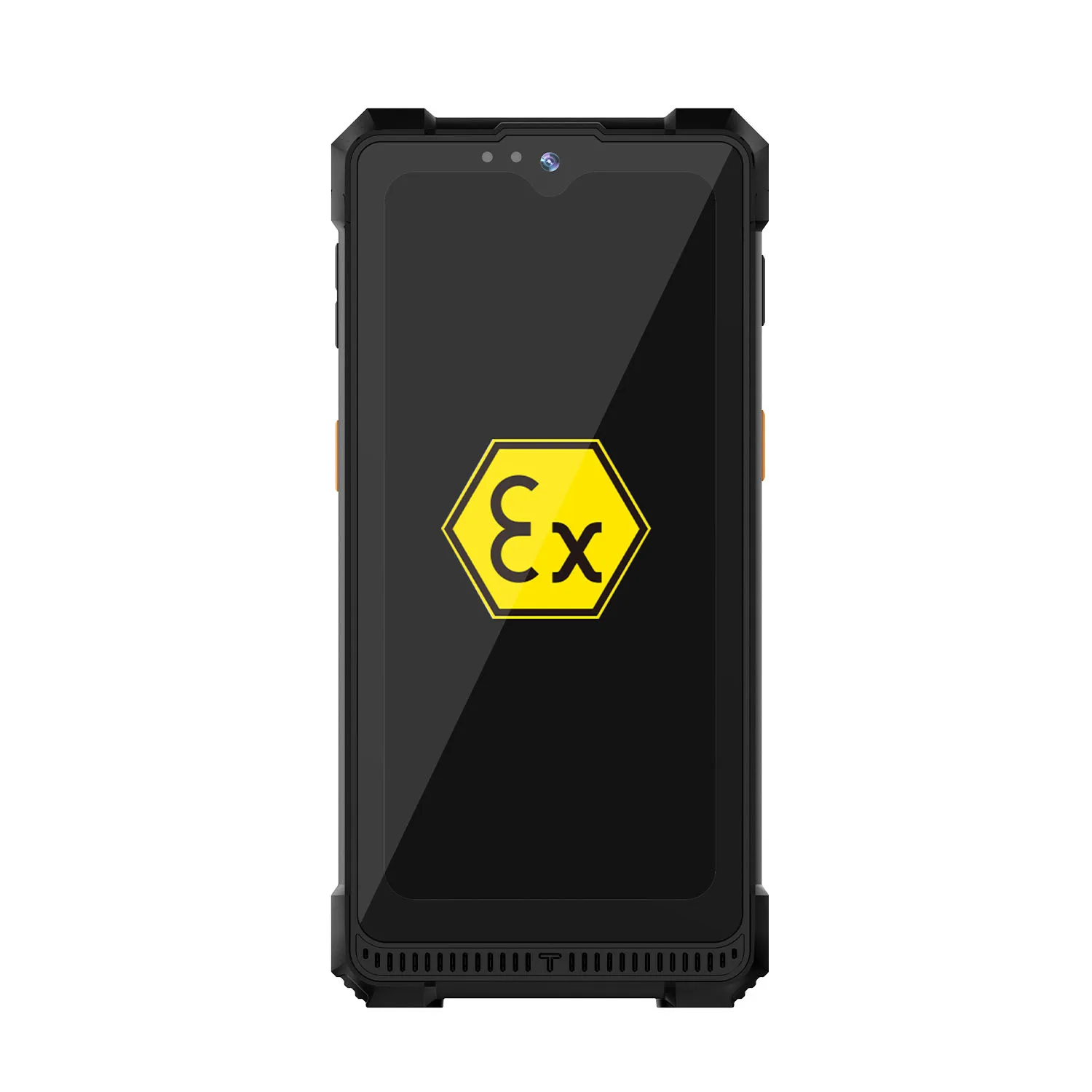
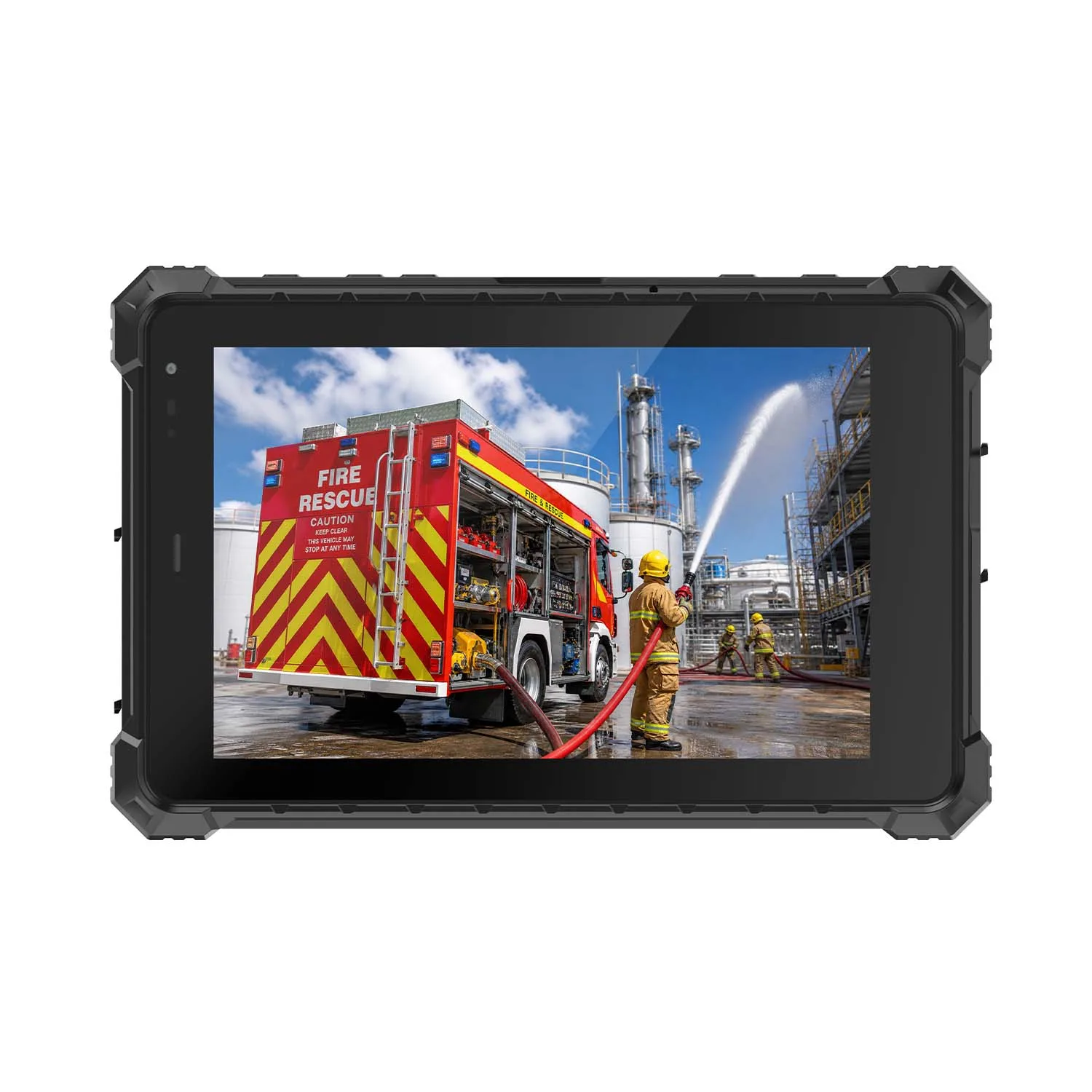
- Key Product: CENAVA's explosion-proof tablet portfolio identifies the 10.1-inch A10ST-EX MT8781 with Ex ib IIC T5 Gb and keeps it separate from lower-category paths. Acceptance depends on the current certificate, schedule, delivered label and exact options rather than the portfolio page title.
- Technical Advantage: Android and Windows families let a project retain an existing incident form or deploy a simpler kiosk interface. Barcode, NFC and wireless modules must be agreed during configuration review because the installed option has to remain within the approved build.
An intrinsically safe tablet for firefighter field operations should make route and status errors visible. Our proposed pilot uses 10 dummy asset IDs, four offline photographs and three simulated boundary changes. It measures wrong-asset openings, stale control-zone displays, missing attachments and timestamps instead of claiming success from one completed sync.
Only the corresponding certified CENAVA model belongs in the high-category group. A project cannot combine the gas marking from A10ST-EX with a battery, scanner or radio from another model to construct broader approval. Custom application work does not authorize an unreviewed hardware modification.
5. Getac (Taiwan)
Core Strength: Fully rugged Android mobility for ATEX/IECEx Zone 2/22
Getac supplies rugged computers for field service, utilities and regulated industries. Its EX suffix helps distinguish the hazardous-area ZX10 from visually similar standard units that may be used in an incident command vehicle or training room.
6. BARTEC (Germany)
Core Strength: Zone 2/22 and Division 2 mobility with explicit option-level markings
BARTEC is an explosion-protection specialist whose current tablet uses an enterprise Android platform. It can fit industrial emergency teams that value managed devices and scanning but need hazardous-area documentation attached to an exact order code.
7. Winmate (Taiwan)
Core Strength: Windows compatibility for Zone 2 and Class I, Division 2 tasks
Winmate manufactures rugged mobile and industrial computers for process and field environments. Its hazardous-area Windows model is relevant when a North American industrial brigade uses a legacy desktop application.
8. DURABOOK (Taiwan)
Core Strength: Fanless Windows tablet for document-heavy Zone 2/22 work
DURABOOK focuses on rugged Windows computers for field maintenance and public-sector fleets. Its larger display can help an industrial response team compare preplans, container diagrams or photographs at a lower-category classified point or in the support area.
9. Zebra Technologies (United States)
Core Strength: Enterprise Android data capture with a specific North American C1D2 path
Zebra is a major enterprise-mobility and barcode manufacturer with mature device-management tools. Its ET6x family can serve North American industrial response logistics when the Class I, Division 2 option is explicitly ordered and the task stays outside Division 1.
10. Panasonic TOUGHBOOK (Japan)
Core Strength: Modular Windows ecosystem with an optional C1D2 configuration
Panasonic TOUGHBOOK has a long rugged-computing history across mobile public-safety and field-service fleets. Its ecosystem may help an agency already using TOUGHBOOK devices in command vehicles, but ordinary units and accessories must remain separate from any hazardous-location configuration.
How to Choose the Right Manufacturer for a HazMat Deployment
The correct process removes devices with the wrong protection level before comparing display, operating system or price. Electrical ignition protection, contaminant exposure, responder PPE, radio communication and evidence integrity are different decisions. A strong result in one category cannot compensate for failure in another.
Define Your Operating Environment
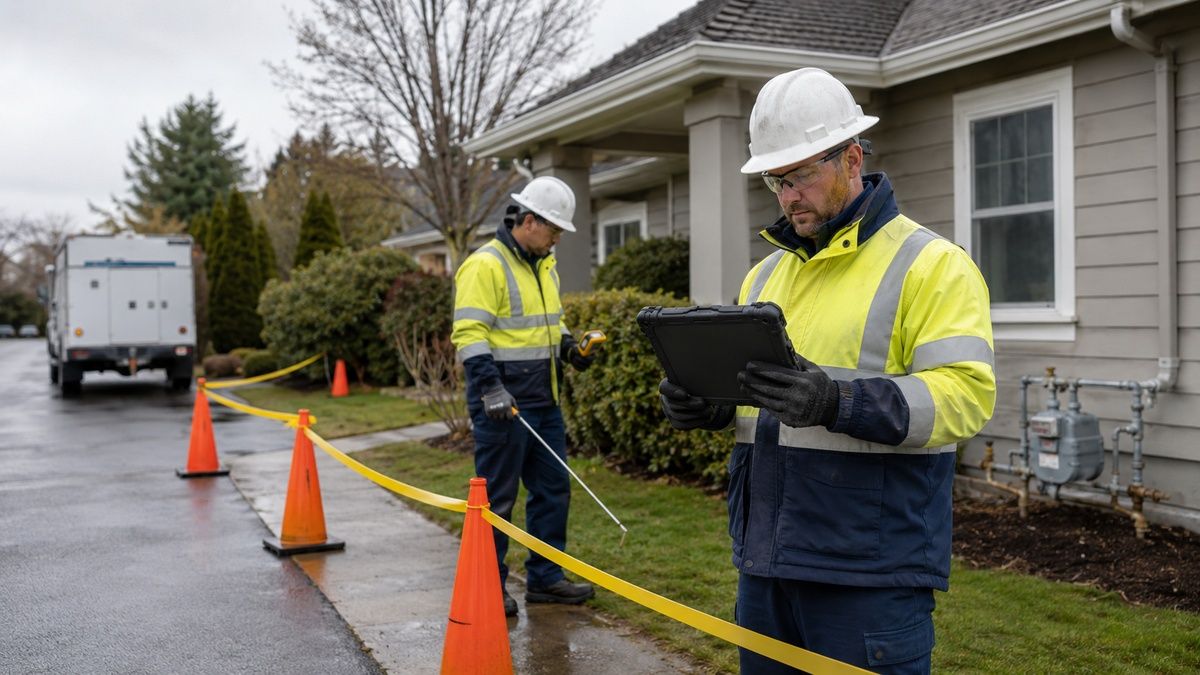
Start with the pre-incident plan and current facility hazardous-area drawing, then overlay the incident commander's Hot/Warm/Cold boundaries. Mark where the tablet is carried, set down, passed to another person, bagged or left for decontamination. The Cold Zone may be clean from the incident contaminant yet still overlap a permanently classified plant location.
Document the material state and uncertainty. A flammable vapor, combustible dust, corrosive liquid, toxic gas or radiological contaminant creates different equipment and cleaning questions. When the material or concentration is unknown, a brochure comparison cannot authorize entry. The responsible command and monitoring process must establish the action.
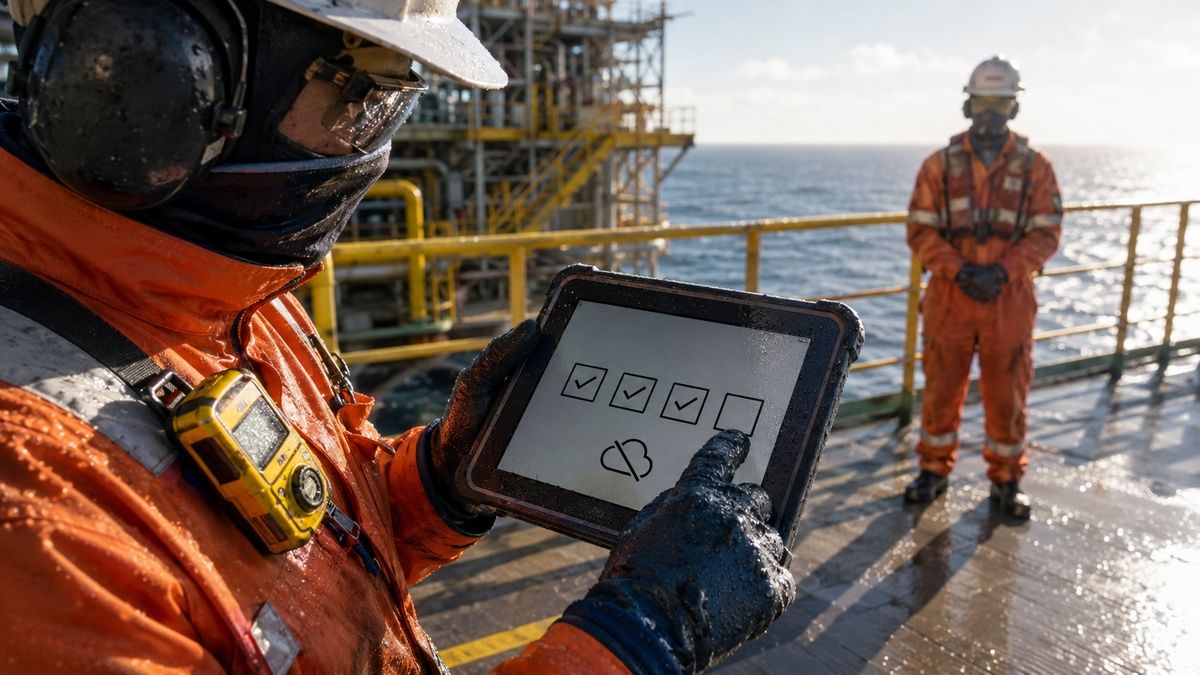
Keep the tablet out of life-critical roles. It is not the breathing apparatus, personal gas detector, radiological dosimeter, thermal-imaging instrument, accountability tag or emergency radio. If the task conflicts with withdrawal, decontamination or medical monitoring, the device and its unfinished form are secondary.
Clarify Performance Requirements
Build a 30-task drill in a safe training area: 10 asset selections, 6 photographs, 4 approved-instrument transcriptions, 4 offline updates, 3 wrong-zone attempts and 3 simulated withdrawal cues. Use training values and clean equipment. Record wrong screens, hidden exit controls, unintended taps and records that fail to reach the server.
Repeat key tasks with the issued structural or chemical-protective glove, required hood or facepiece and the approved strap. Test direct light, reduced light and permitted water droplets without spraying a live device inside a classified area. “Glove mode” is not evidence for every glove type, thickness, surface coating or level of dexterity.
Plan contamination control before the drill. Use a harmless surrogate approved by the training lead to verify bagging, hand-off and status labeling; do not improvise with a hazardous chemical. After the exercise, inspect recessed areas and straps, then record whether the device returns green, remains amber or moves to red quarantine.
Consider Software & Integration
The application should distinguish device location, team assignment and server state. Enter a dummy observation, remove network access for 40 minutes, restart the managed application and reconnect through the approved network. Reconcile the timestamp, attachment, author, zone status and correction history against the server record.
Control-zone information must be visibly time-stamped. A cached map can become wrong as the plume, wind or operations change. The interface should display when the boundary was last updated and avoid presenting a locally stored screen as live command. A location service may issue a prompt; it cannot determine atmosphere safety.
Preserve measurement provenance. When a responder copies a detector or instrument reading, keep the instrument ID, unit and observation time. The tablet must not relabel a transcribed number as its own sensor result. Mobile device management can lock an app and quarantine a serial number, but it cannot alter the Ex scope or decontamination decision.
Analyze Total Cost of Ownership (TCO) vs. Initial Cost
Price the controlled system rather than the tablet alone. Include approved carrying equipment, safe-location chargers, clean and contaminated storage, spare labels, managed enrollment, training, quarantine capacity and the labor for certificate, decontamination and repair records. A lower purchase price loses relevance if the configuration cannot enter the assigned point.
Use measured exercise data for the business case. For illustration, 5 technicians completing 6 checks with 2 minutes of later transcription each creates a gross opportunity of 60 staff-minutes per exercise cycle. This is not a promised saving. Entry briefing, monitoring, PPE checks, decontamination and command review remain, and real rework must be measured during the pilot.
Contact CENAVA only when an exact project configuration needs review. Provide the destination country, ATEX/IECEx or Class/Division framework, fixed Zone or Division, gas group, temperature class, ambient range, assigned Hot/Warm/Cold role and expected contaminant or cleaning method. Add the operating system and application; include the carrier and SIM/eSIM requirement only when cellular service is needed, and identify the NFC card or tag type only for an NFC workflow. Do not send incident credentials, personal card data or confidential response plans. The other manufacturer comparisons do not require a sales inquiry.
The Future of Hazardous-Materials Response Tablets: Trends to Watch
The most valuable developments will strengthen operational traceability without turning the tablet into a substitute for command or monitoring.
- Dual-layer incident maps: Applications will show the permanent electrical classification separately from dynamic Hot/Warm/Cold control zones. Each layer will carry its own owner and update time so responders can see that one does not override the other.
- Contamination-aware asset records: Serial-level histories will connect the entry task, suspected contaminant, bagging state, approved cleaning method and EHS/IT release. This will make “the tablet still turns on” insufficient evidence for reissue.
- Faster withdrawal-centered interfaces: Large physical actions, short forms and offline suspend states will reduce interaction when a responder must leave. Voice or glove features may help, but each remains subject to PPE, noise, radio discipline and exact-device testing.
- Common workflows on region-specific hardware: Multinational industrial brigades will keep consistent incident forms while deploying separate ATEX, IECEx or Class/Division configurations. That is more defensible than claiming one product family has every regional approval.
Conclusion
Which tablet may enter a hazardous-materials area depends on two separate maps and one exact device record. Hot, Warm and Cold Zones manage incident exposure and contamination; ATEX Zone 1/2 and Class I, Division 1/2 manage ignition risk for classified electrical locations. Neither system can be inferred from the other, and IP68 or MIL-STD-810H does not close that gap.
Pepperl+Fuchs / ECOM, i.safe MOBILE, Aegex and specific certified CENAVA configurations provide relevant high-category paths. Getac, BARTEC, Winmate, DURABOOK, Zebra and Panasonic address defined Zone 2, Division 2 or support-area tasks. Their value depends on keeping every certificate, accessory, control boundary and contamination status visible from receiving through post-incident release.
Selection is therefore an engineering and incident-command process, not a comparison of the longest specification sheet. Match the exact approval to the fixed classification, obey the current control-zone plan, rehearse the real workflow with representative PPE and preserve evidence at serial-number level. That approach creates an auditable deployment without making absolute safety promises.
Need a Rugged Device for Your Project?
Tell us your operating environment and requirements — our engineers will recommend a configuration and quote within 24 hours.
Get a Free Quote Back to Blog