
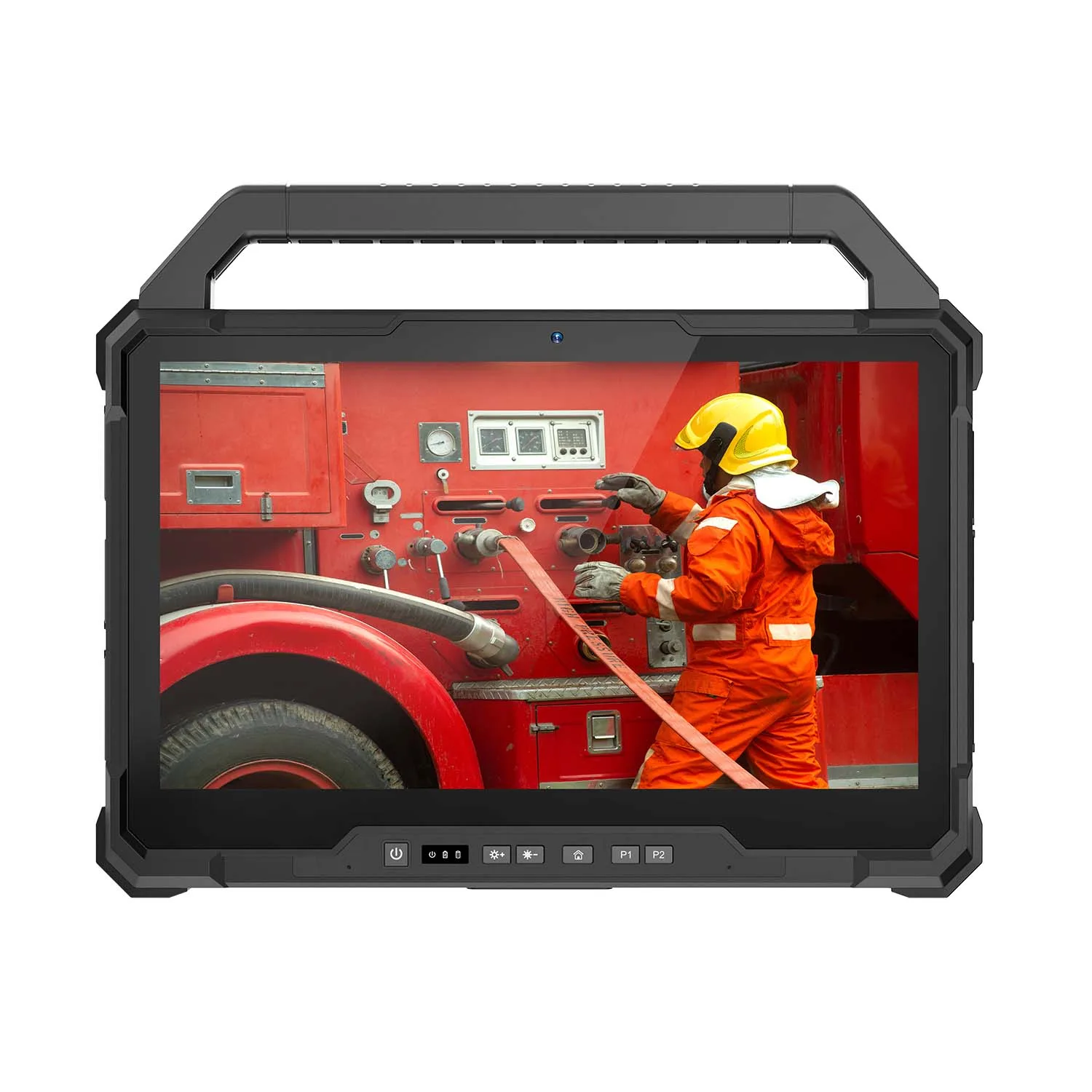
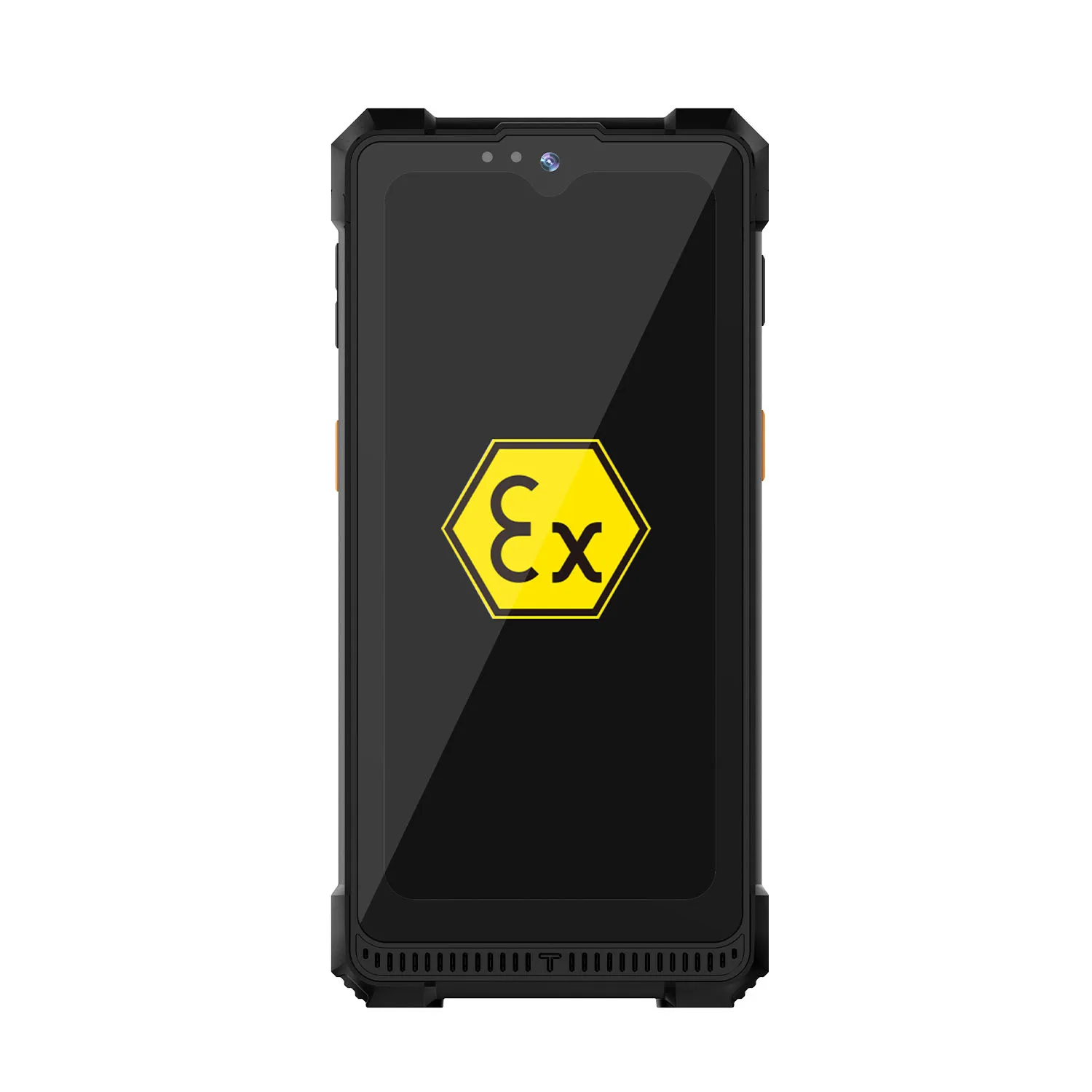
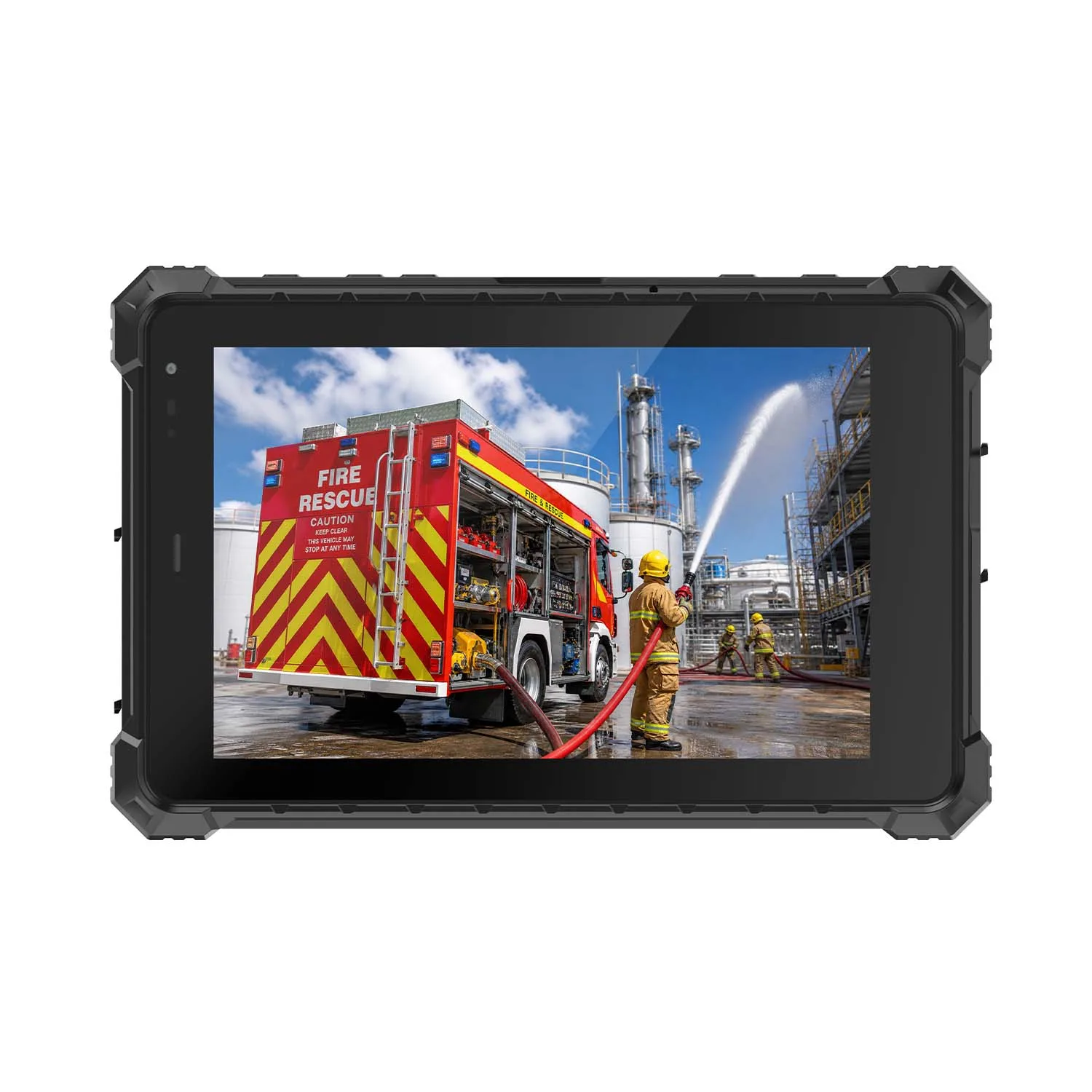






What Our Engineering Team Checks Before Approving a Coal Mine Tablet (MA + Ex ib I Mb)
The tablet allowed in an underground coal mine is the exact configuration approved by the applicable mining authority and authorized by the operator for that work location—not a device selected only because it carries IP68 or an industrial ATEX claim.
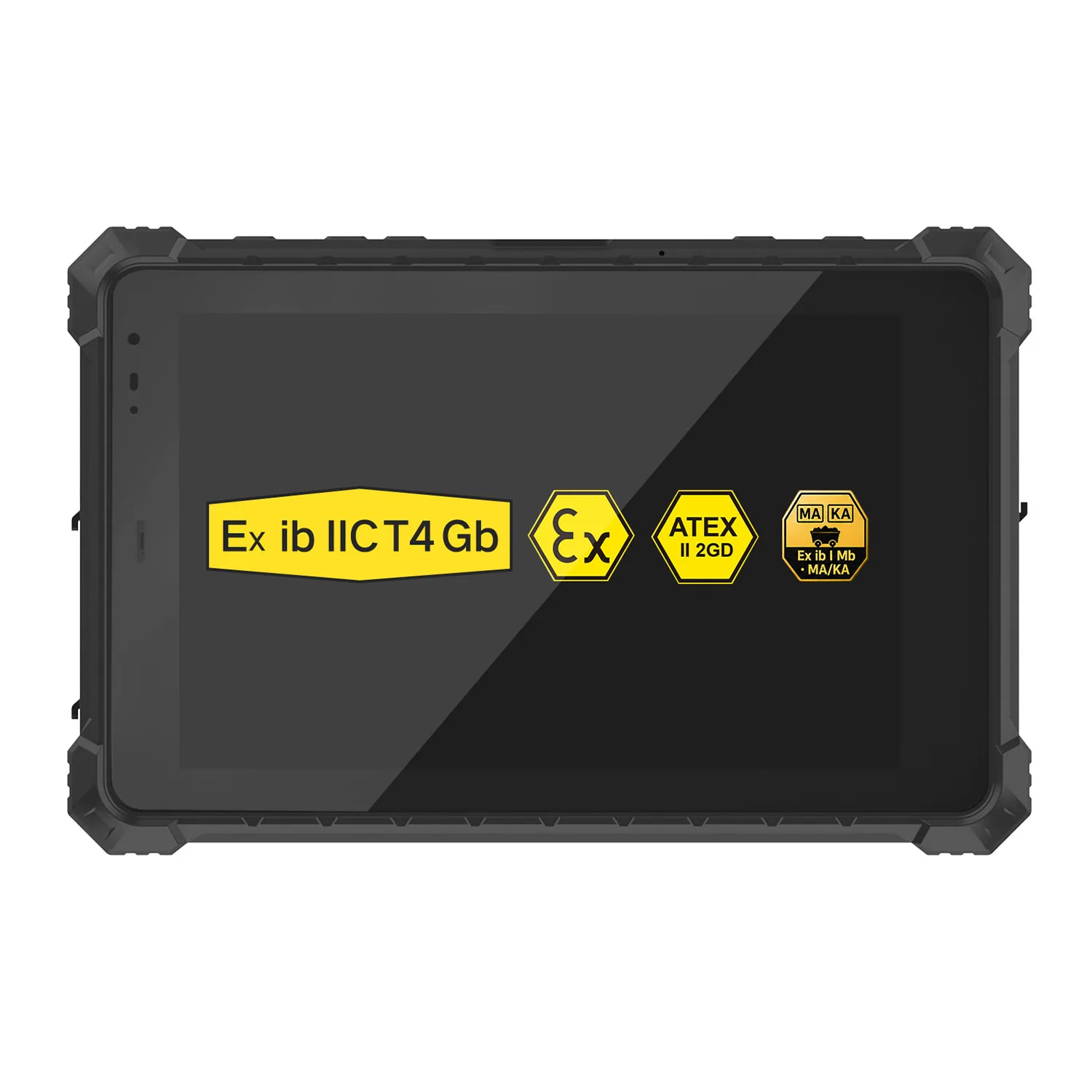
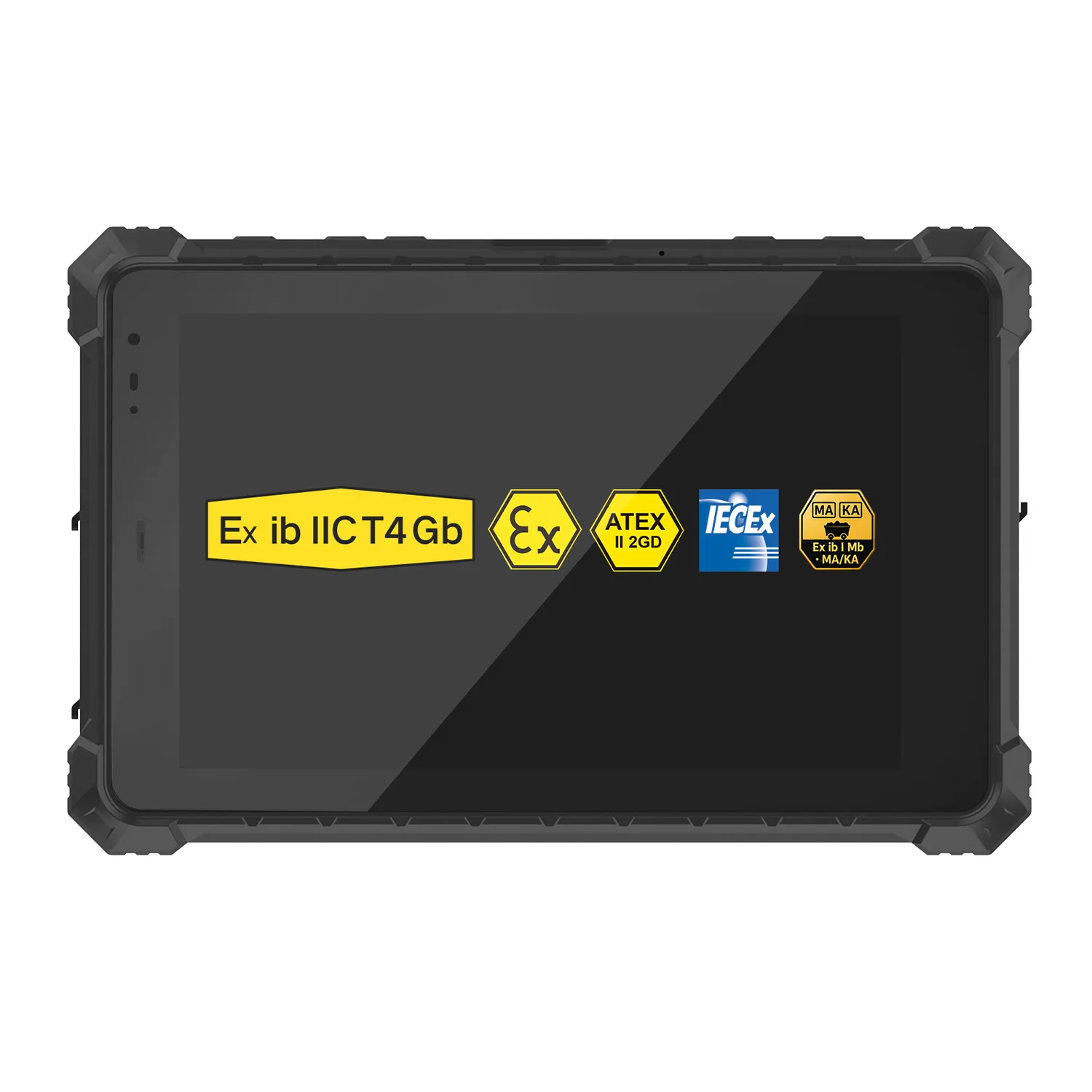
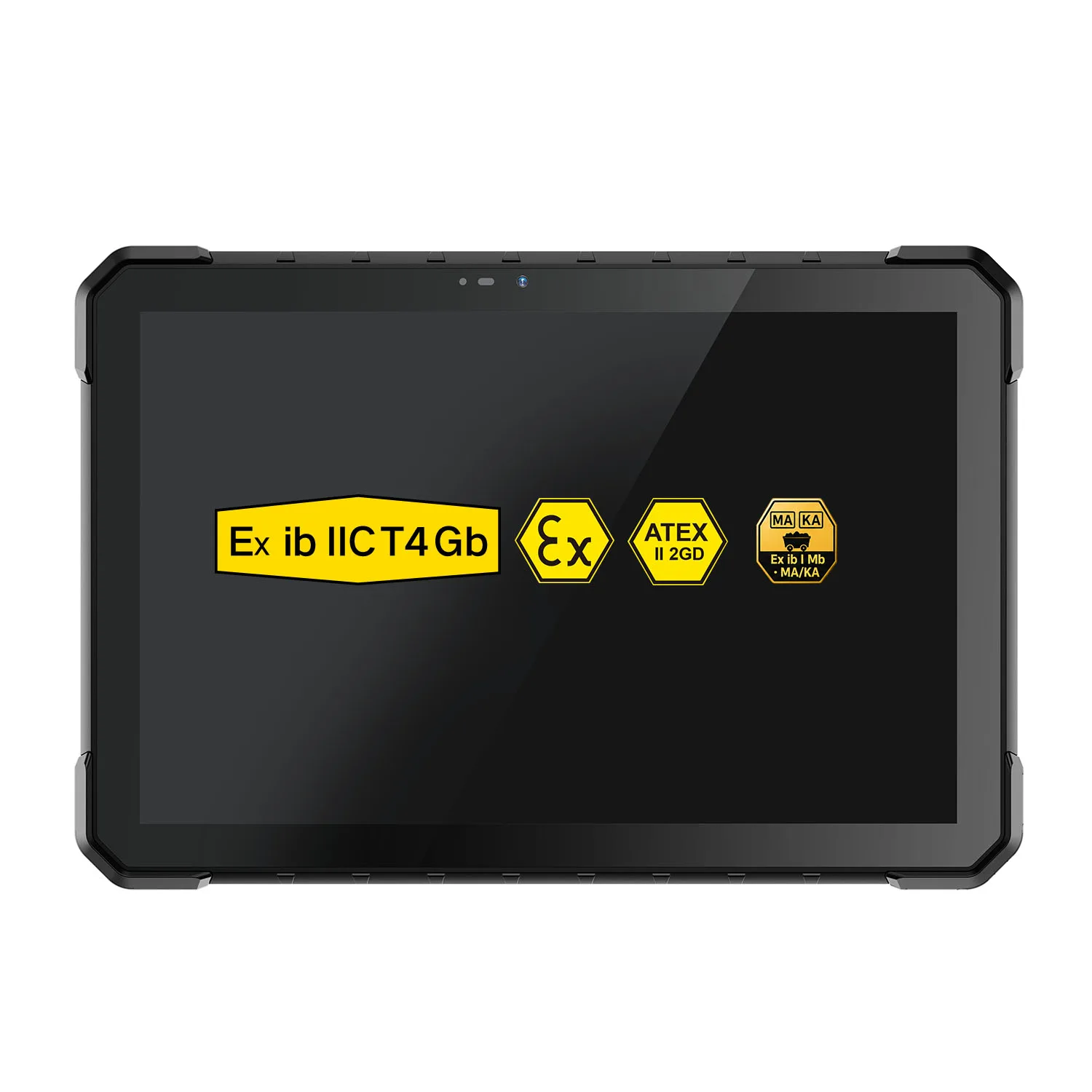
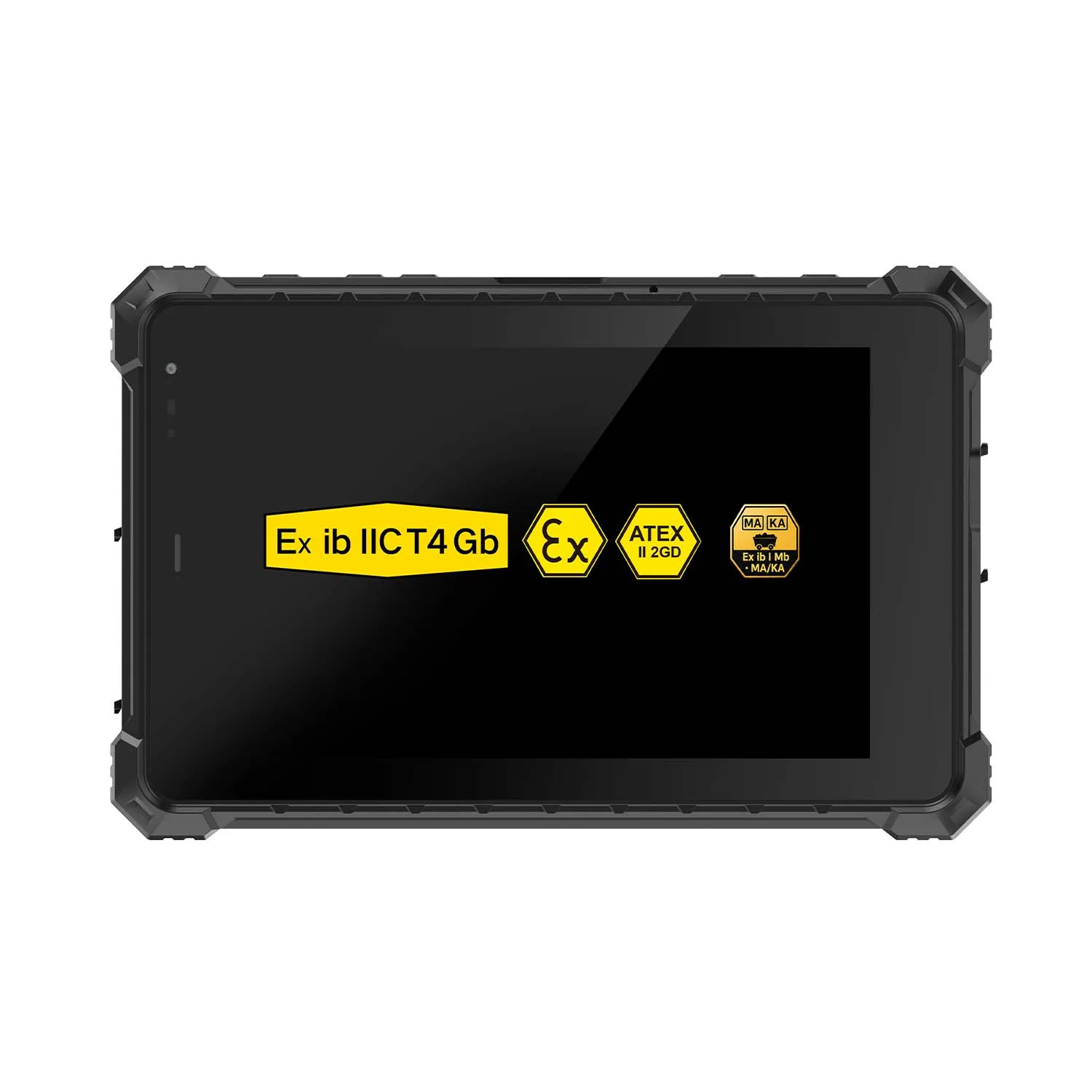
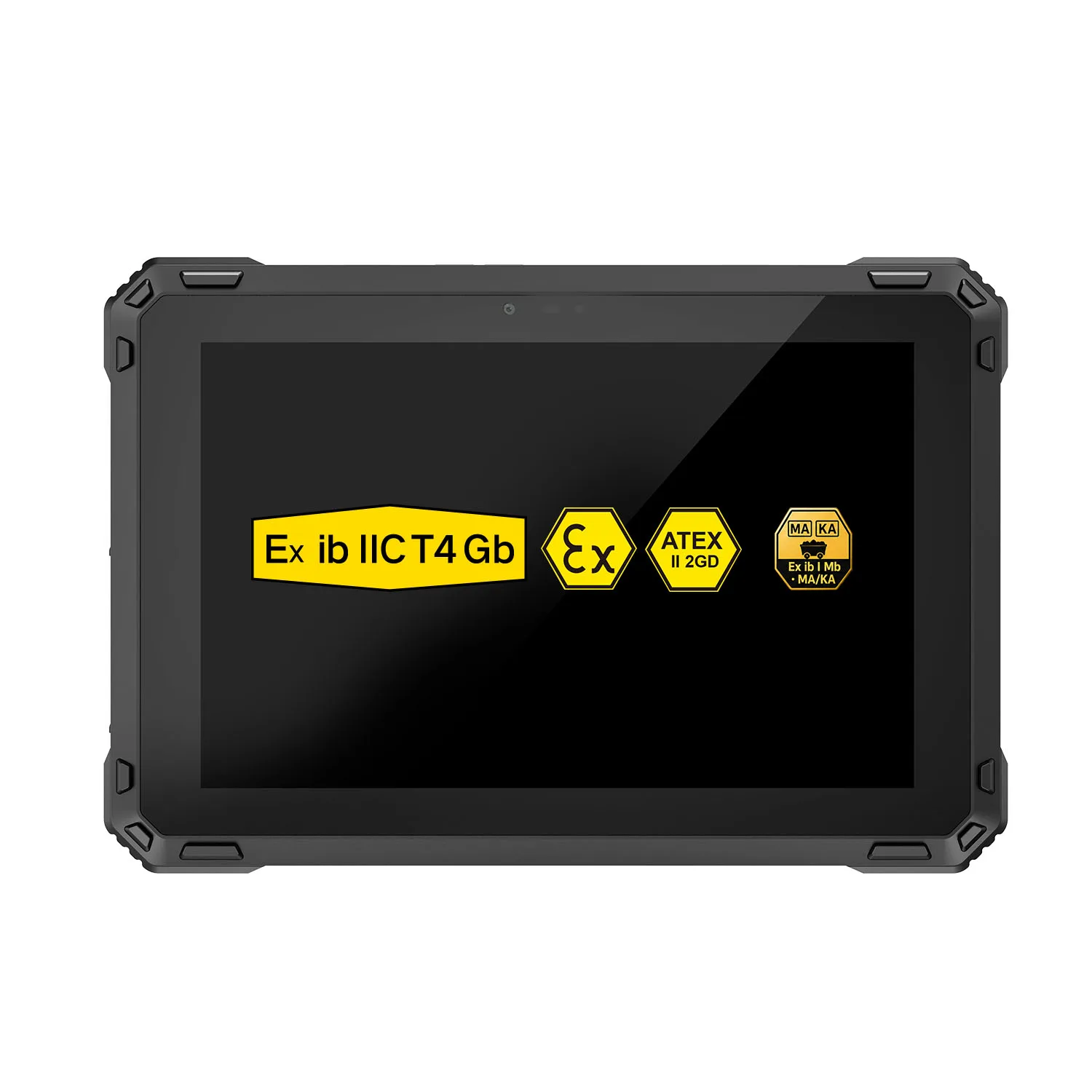
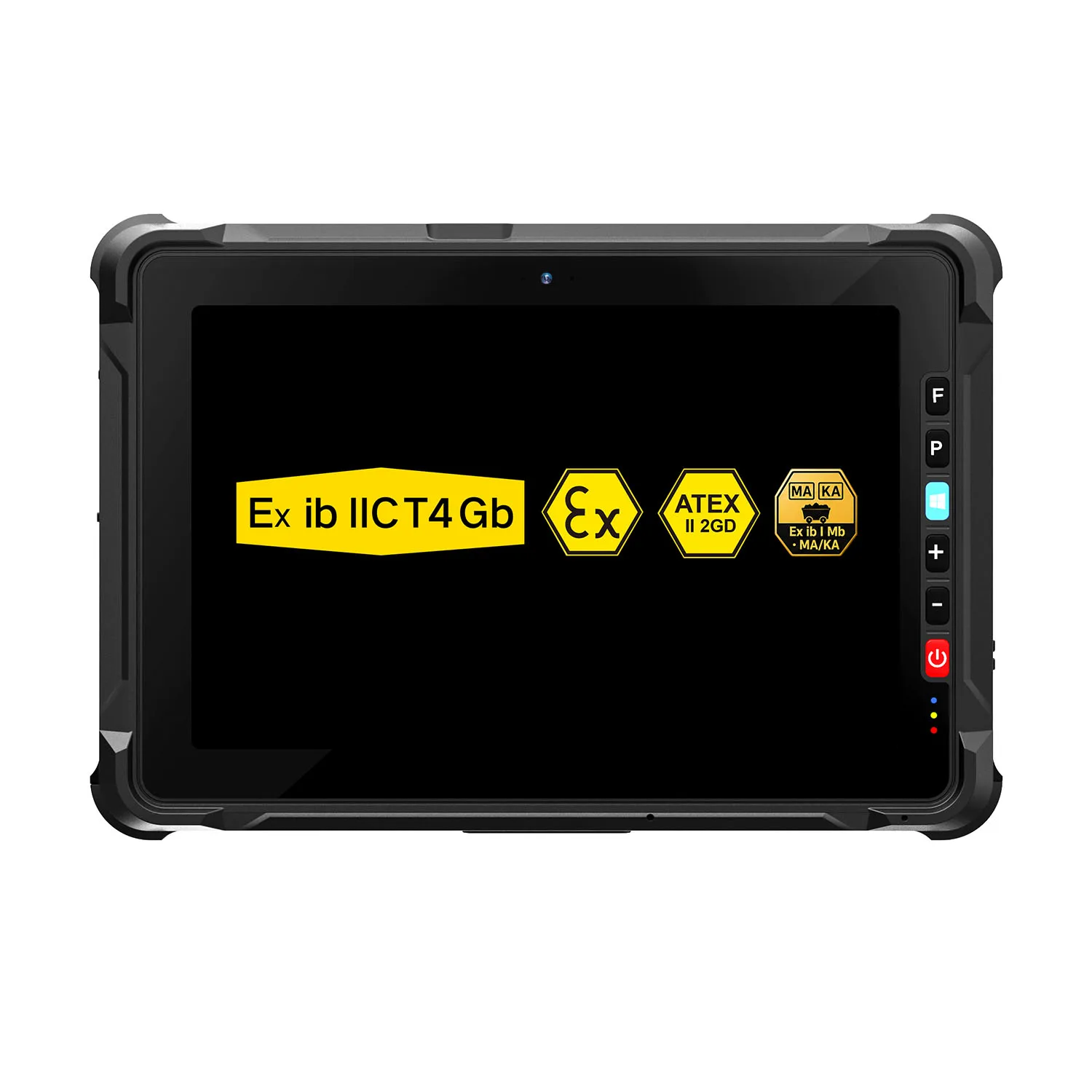
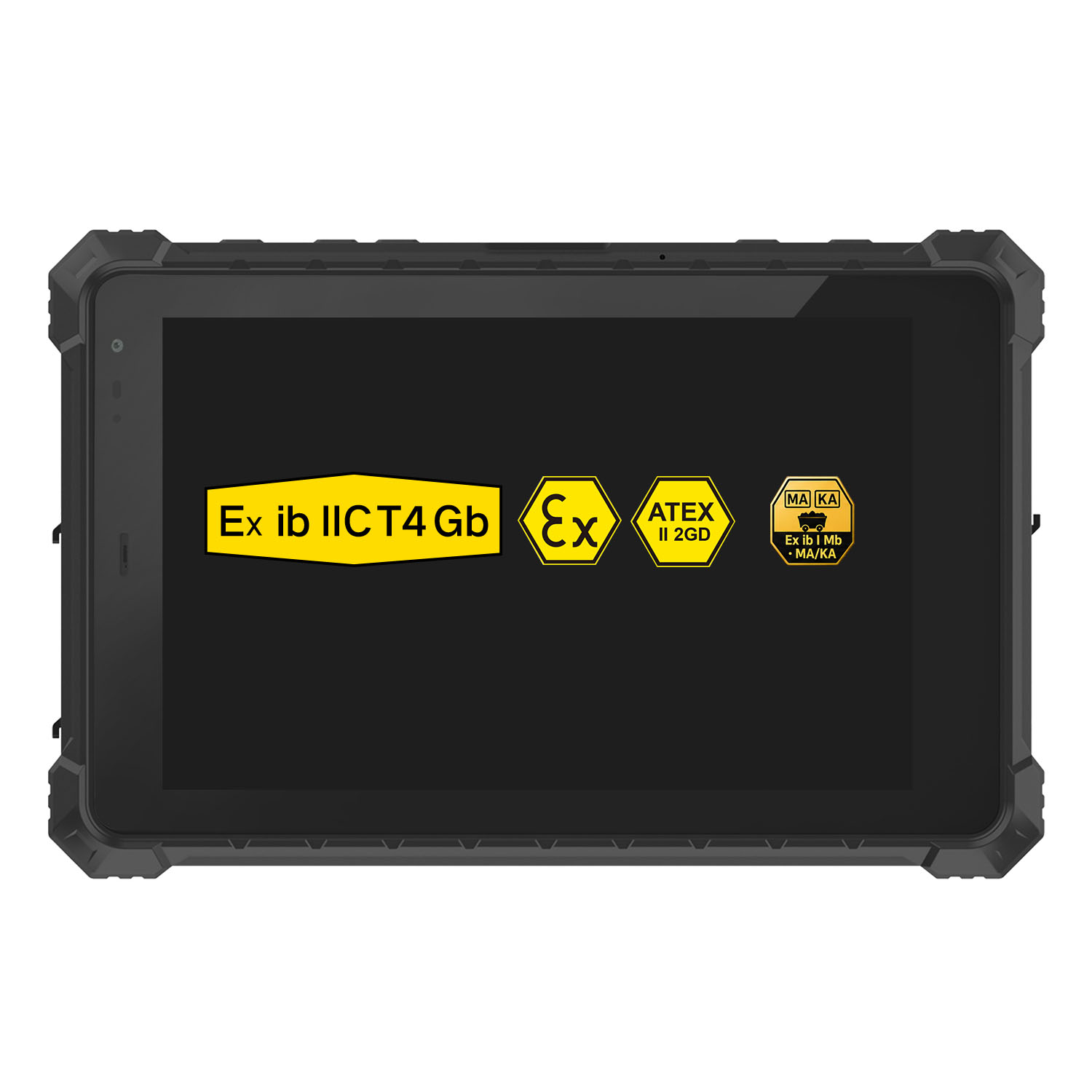
For a Chinese project, a MA certified mining tablet requires a current model-matched Mining Product Safety Mark record within the relevant catalogue scope. MA applies to coal-mine products; KA addresses non-coal mining products. A supplier showing both abbreviations on one marketing page has not proved that every configuration carries both approvals.
Under ATEX and IECEx mining terminology, Group I addresses mines susceptible to firedamp. Ex ia I Ma and Ex ib I Mb describe different mining equipment protection levels. They should not be replaced with the Group II marking used for surface gas hazards or the Group III marking used for combustible dust.
The United States uses another route. MSHA's Approval and Certification Center evaluates specified products for underground coal and gassy mines under federal requirements. An IECEx certificate, UL hazardous-location document or overseas mining mark does not automatically become MSHA permission.
The ten manufacturers below therefore form a technical review list, not ten globally interchangeable “approved tablets.” Entries 1–4 offer current mining-oriented products or configurations requiring model-level evidence. Entries 5–7 show legacy or different-form-factor limits. Entries 8–10 are surface-support platforms that should remain outside the underground permissible-equipment pool.
What Defines a Top-Tier Coal Mine Safety Certified Tablet Manufacturer?
A credible supplier makes the permission boundary easier to audit. It connects one delivered unit to one approval route and states where the device stops being suitable. Four capabilities matter more than a long standard specification:
Approval traceability: The product label, order code, approval number, certificate issue and mine register identify the same model and hardware revision.
Mining-scope clarity: Group I, Ma or Mb and the applicable national approval remain separate from Zone 1/21, IIC gas or IIIC dust statements.
Controlled accessories: The issued case, hand strap, screen film, dock and charger stay within the approved documentation and the mine's electrical rules.
Lifecycle discipline: Repair, battery replacement and firmware changes preserve the approved construction. A service exchange does not silently introduce a different radio or enclosure revision.
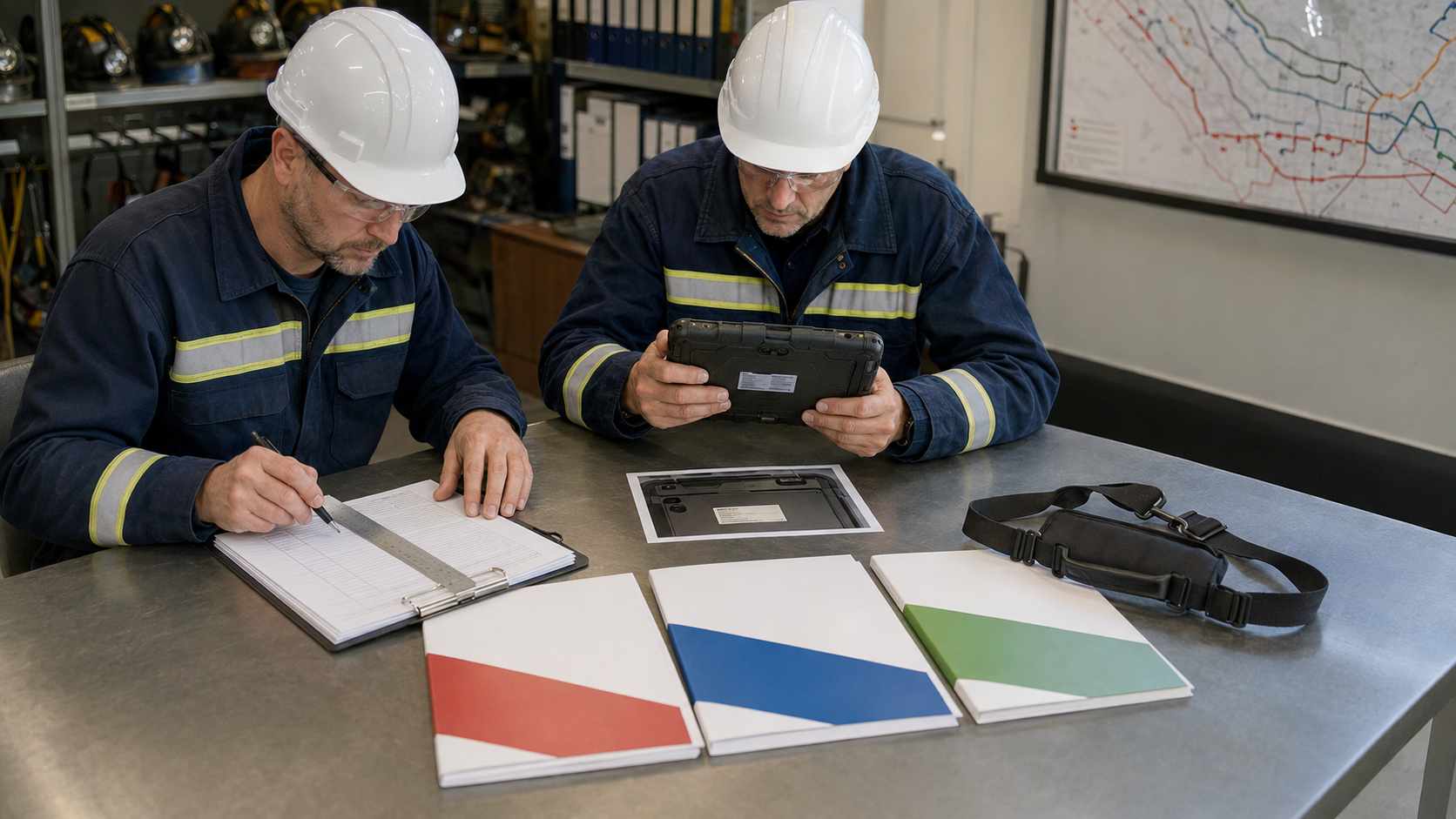
Our proposed gate review uses 11 fields: manufacturer, exact model, suffix, hardware revision, approval authority, approval number, Group I marking, EPL, ambient range, special conditions and approved accessories. A photograph of the rear label is attached to the record. This takes about 12 minutes per configuration once the documents are organized.
The American search phrase MSHA approved intrinsically safe tablet should lead to an MSHA approval record for the exact equipment—not to a reseller page that says “intrinsically safe.” MSHA notes that certain mining products are evaluated and approved by its Approval and Certification Center; other certificates may still be insufficient under the federal route.
Usability follows permission. We would test 20 gloved entries, one low-light warning dialog, an unfinished inspection after screen lock and a 2-hour offline queue in a safe mock-up. None of those exercises creates an approval. They reveal whether the permitted device actually completes the mine's work.
The Top 10 Manufacturers to Review for Ex ib I Mb Mining Tablet Selection
Only the exact configuration and current approval evidence decide underground use. The entries below deliberately include exclusion examples because procurement teams often see an “EX,” “ATEX” or “Class I” label and assume it covers firedamp mines.
1. i.safe MOBILE (Germany)
i.safe MOBILE specializes in explosion-protected communication equipment for process industries and mining. Its product catalogue separates mining variants from visually similar industrial Zone 1 devices, making it easier for an operator to keep Group I approval attached to the correct asset record.
2. CENAVA (China)
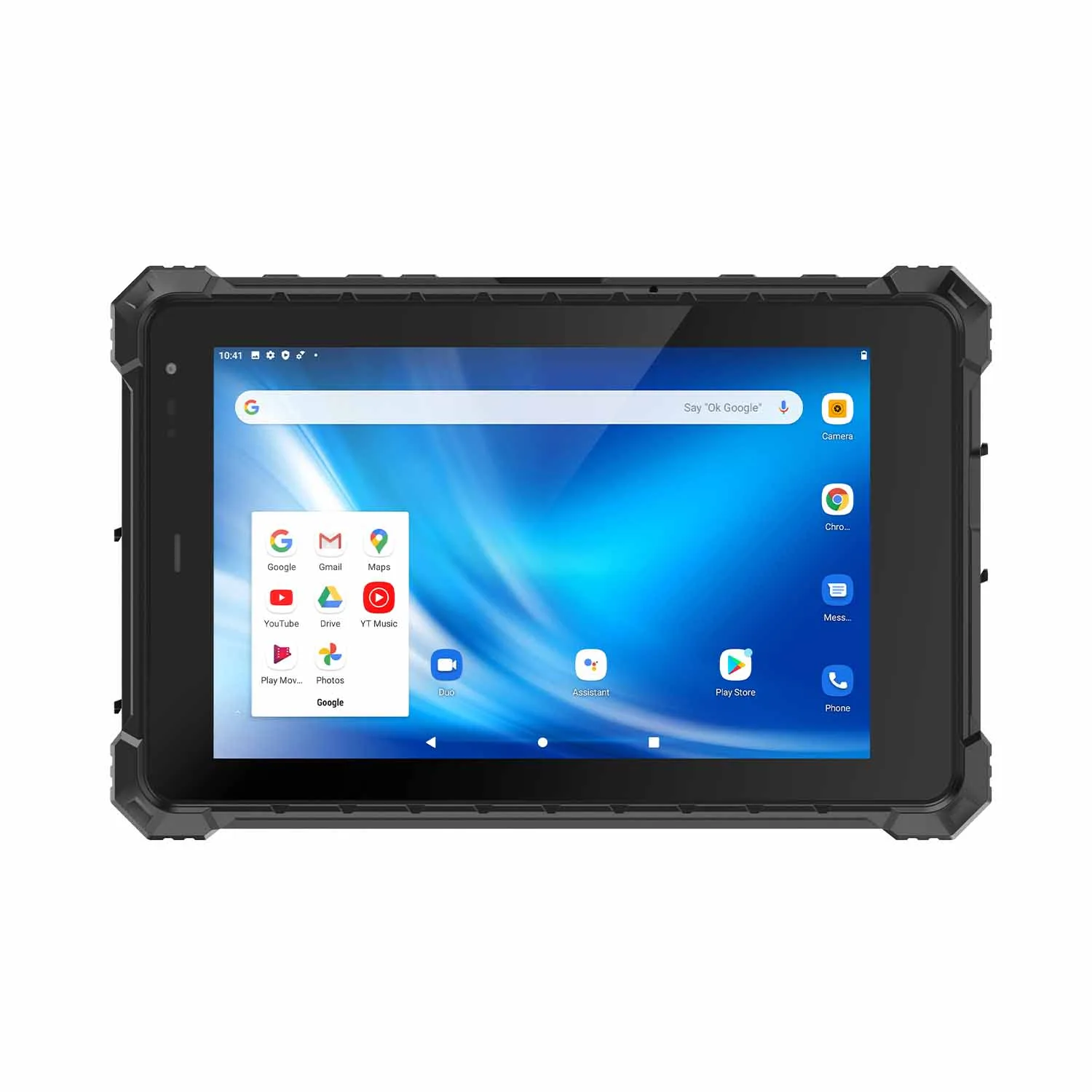
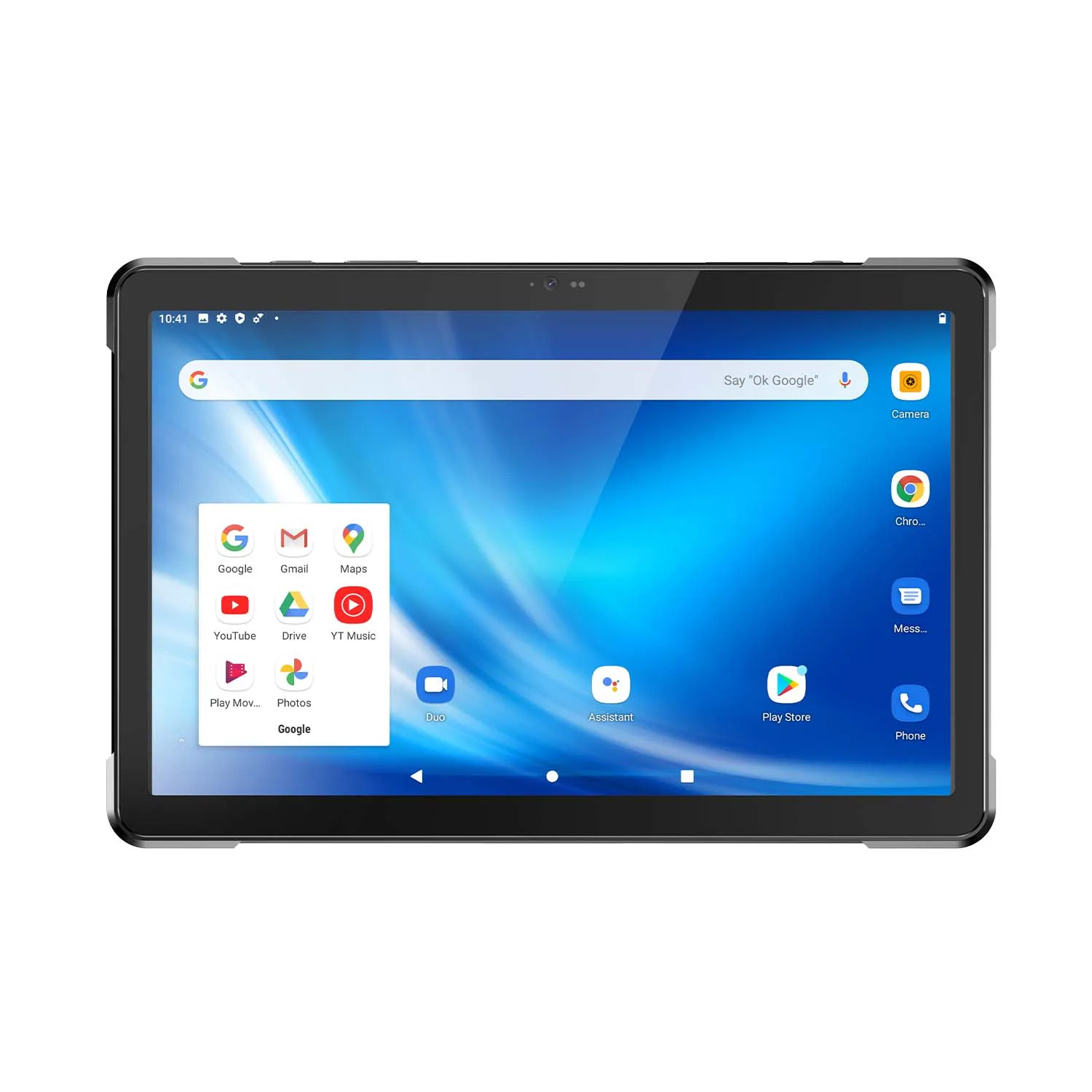
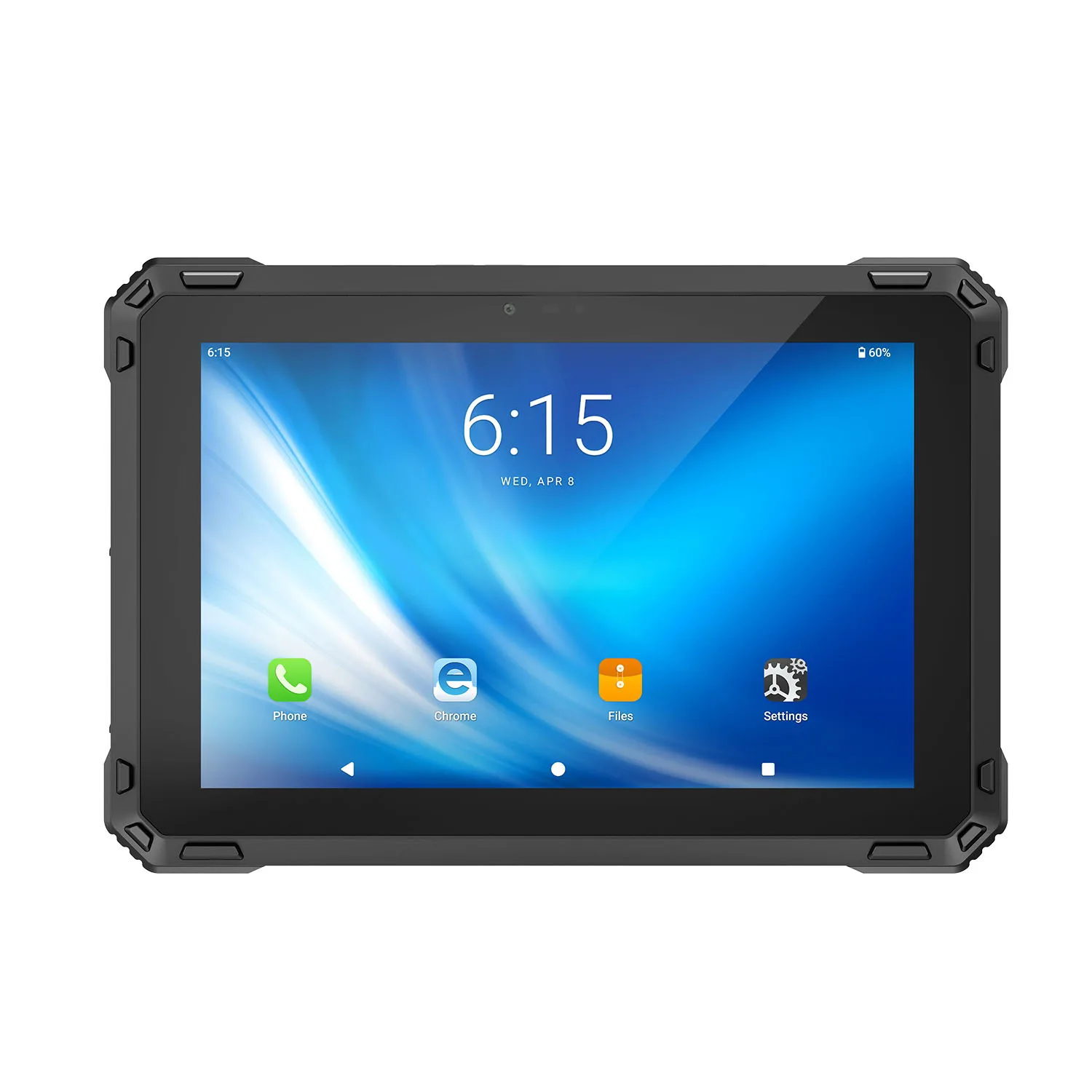
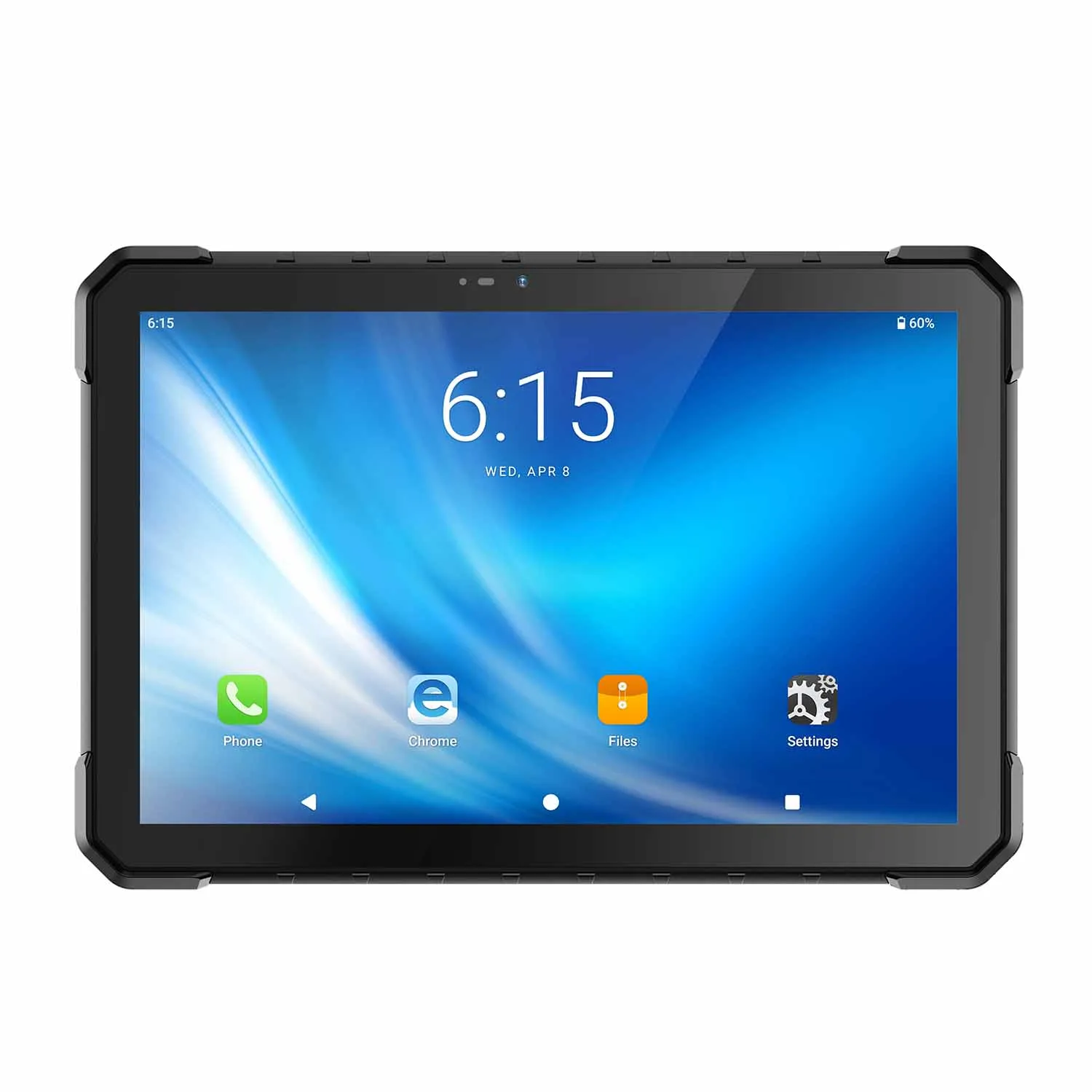
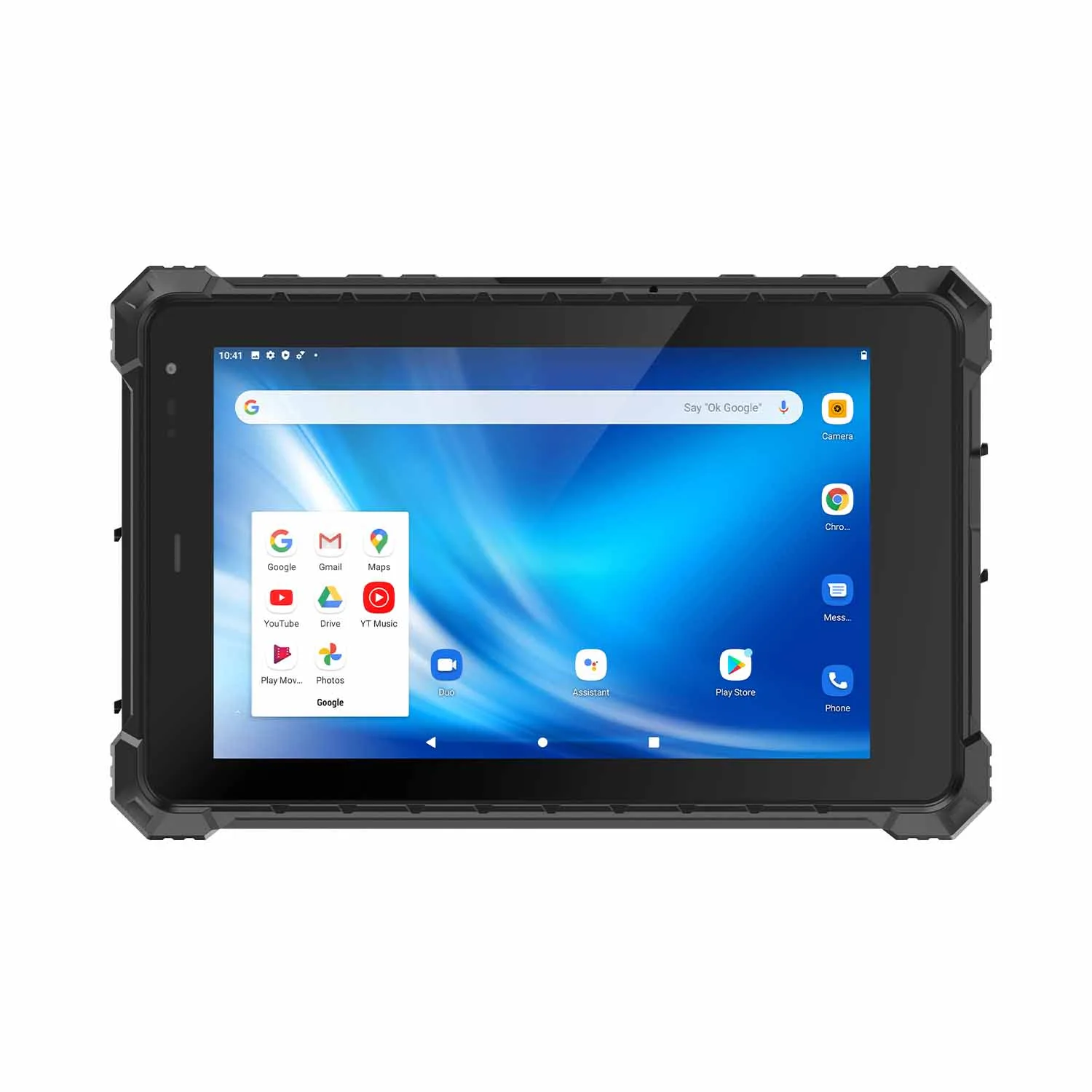
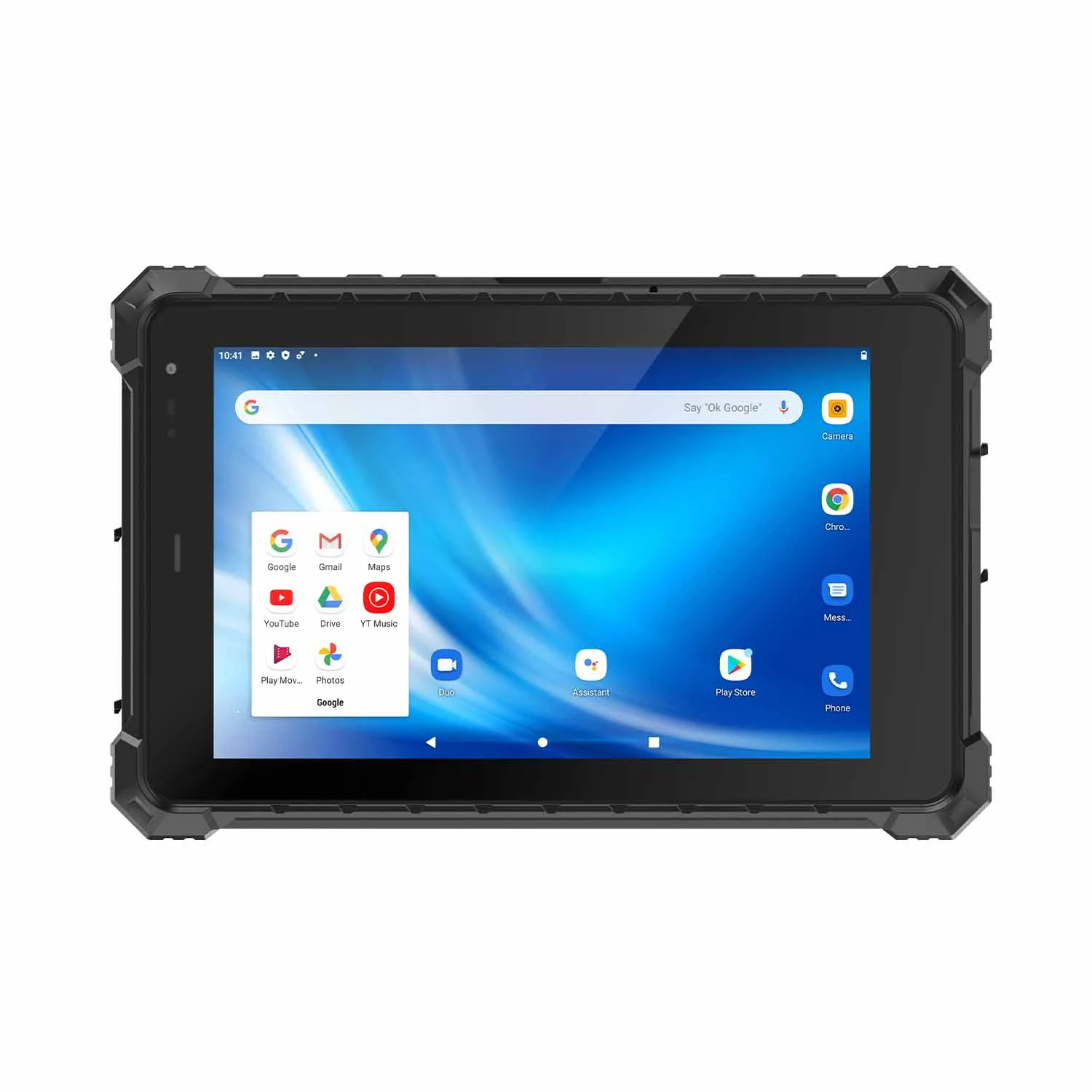
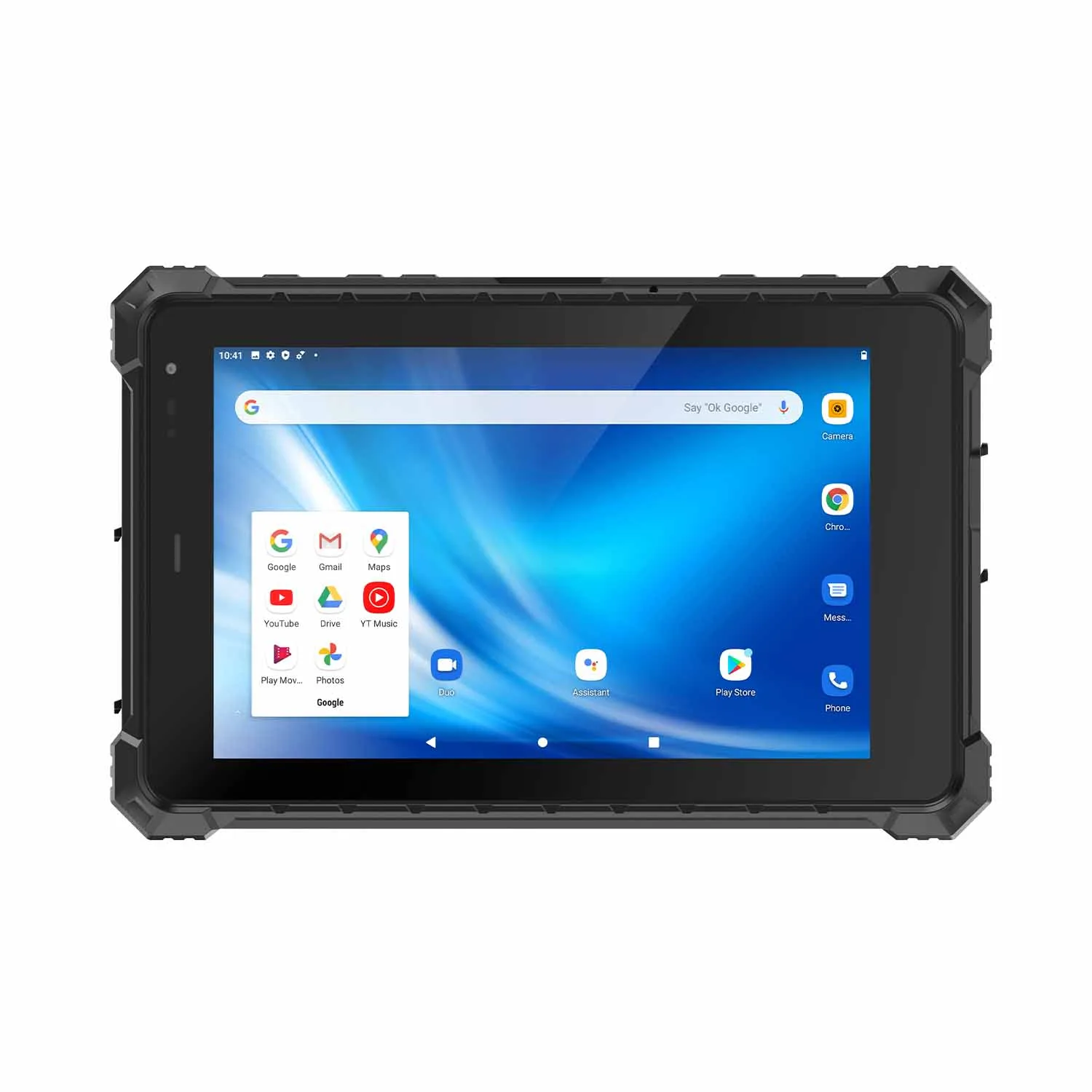
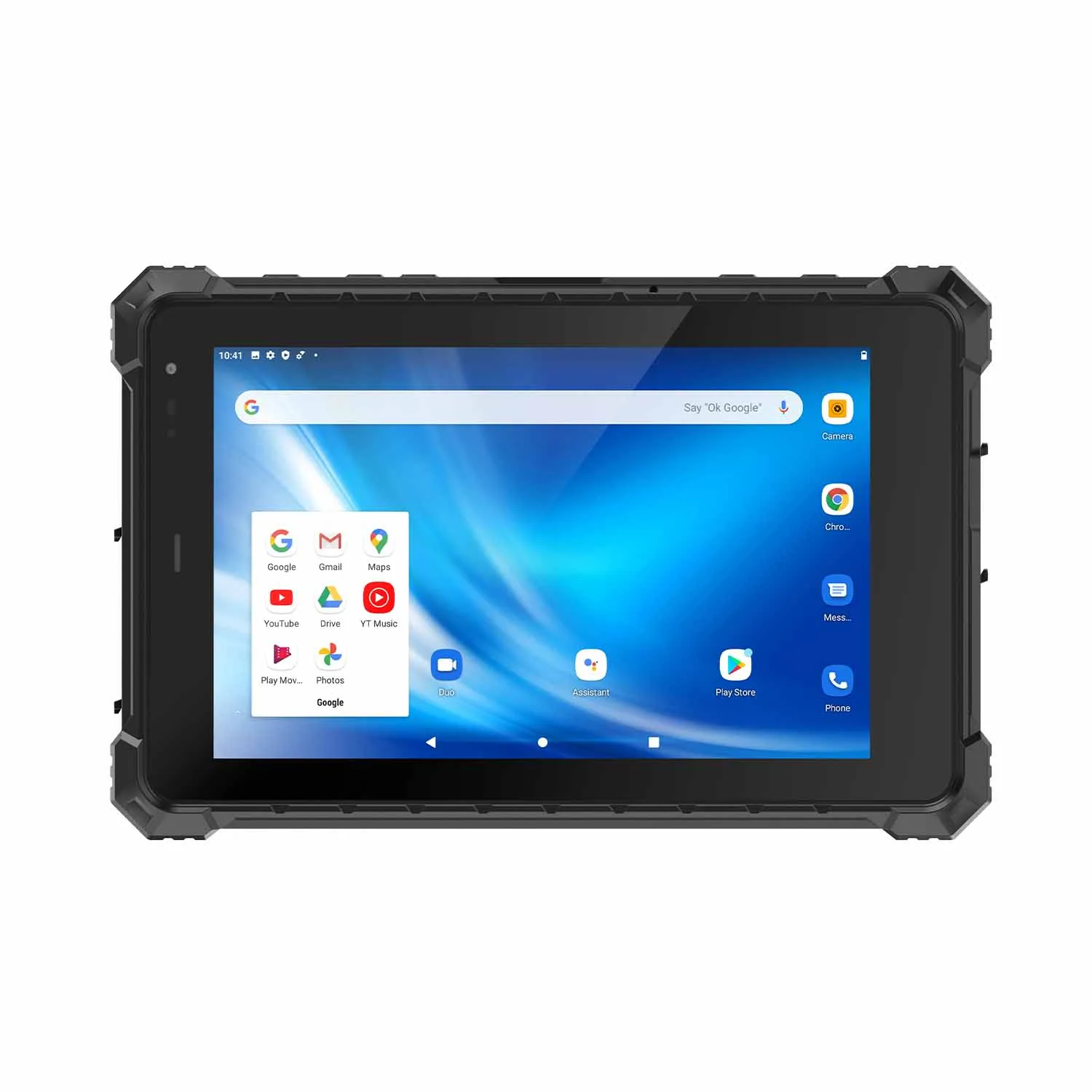
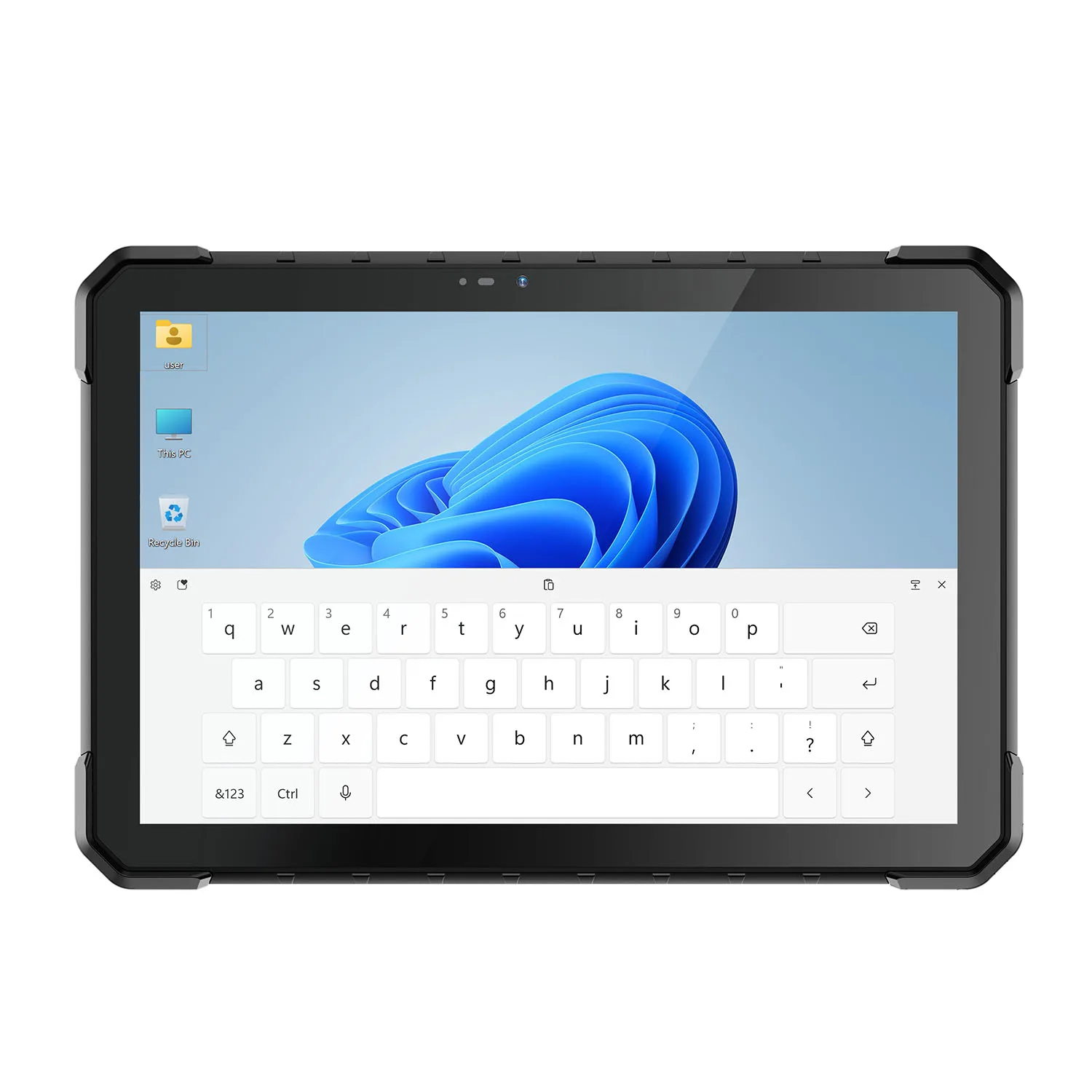
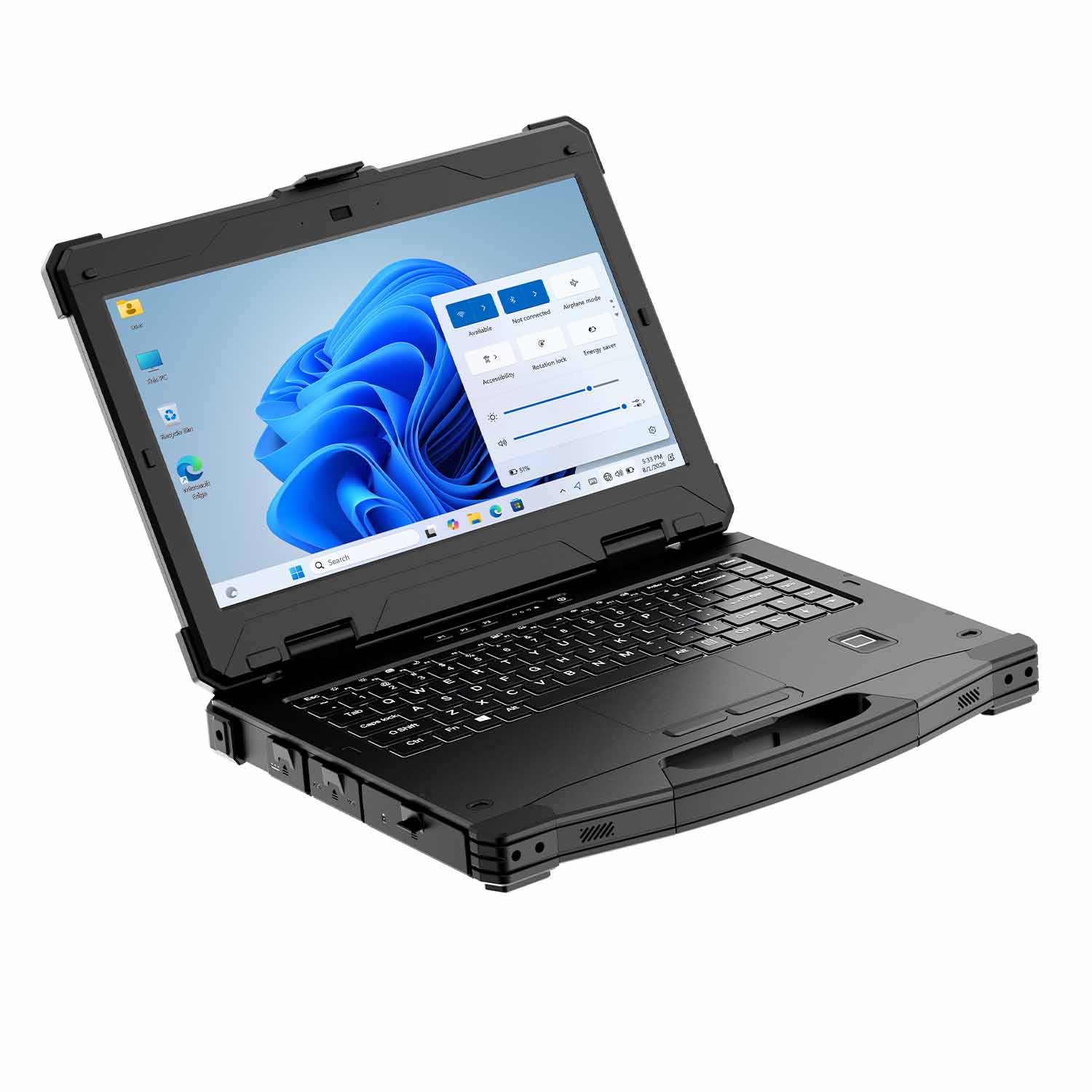
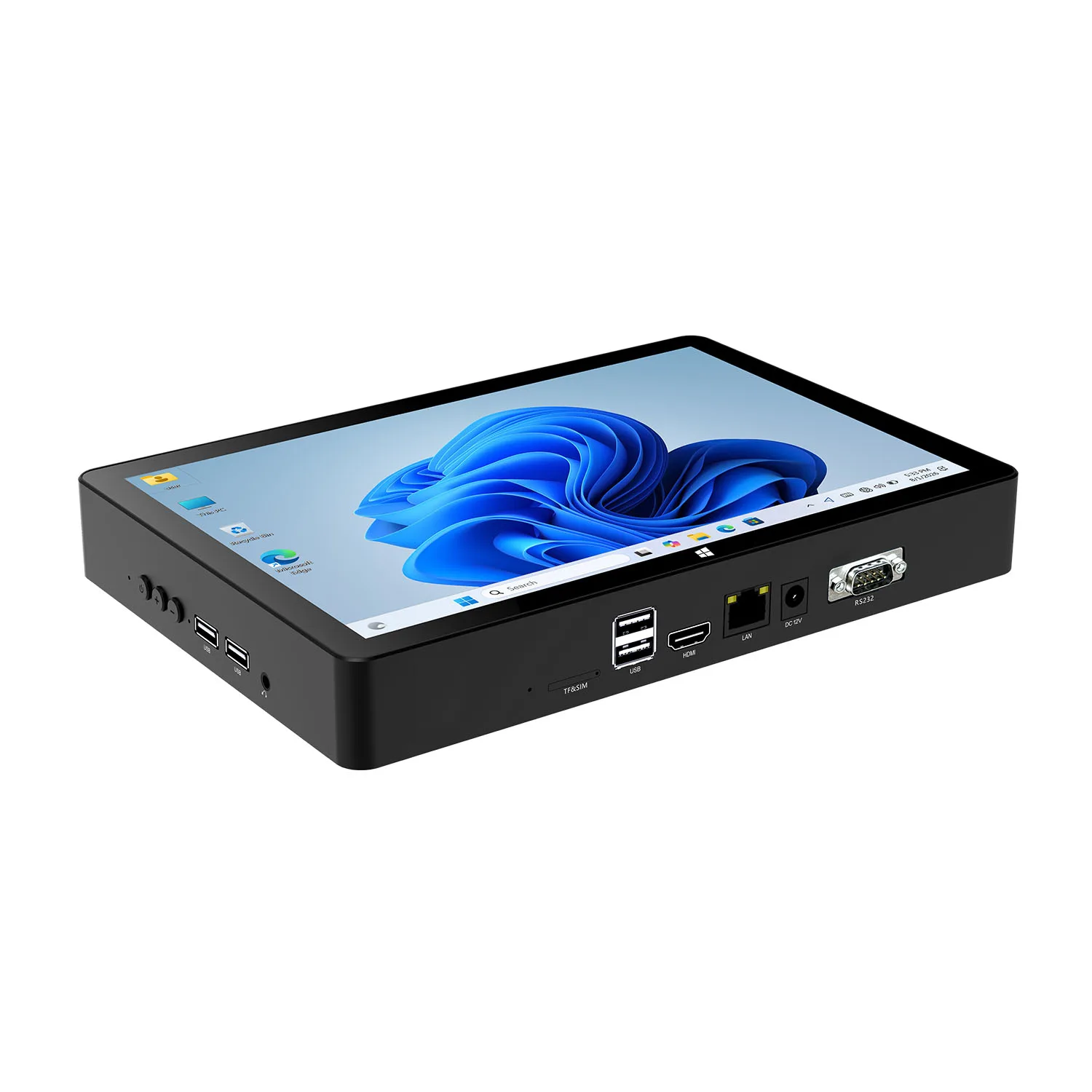
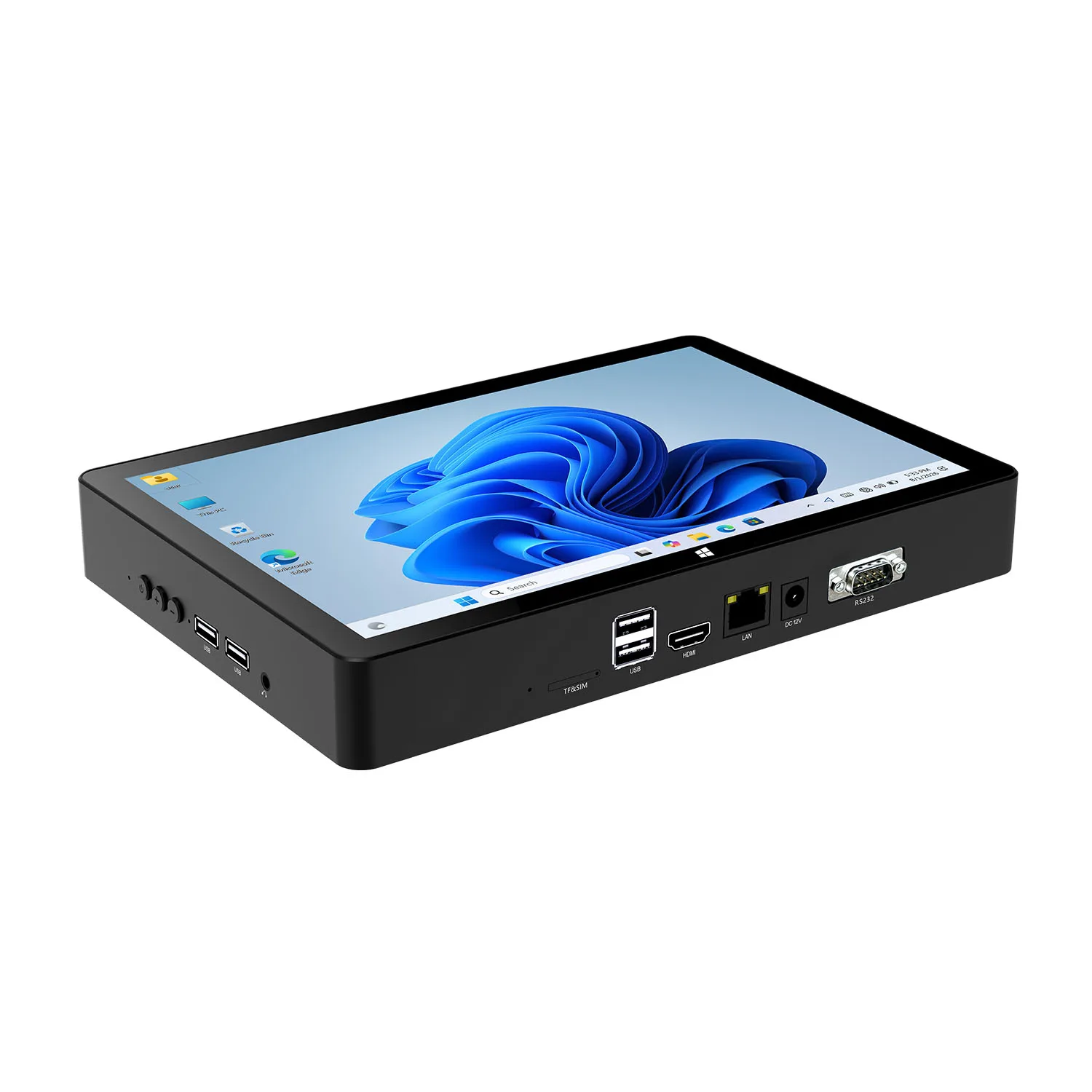
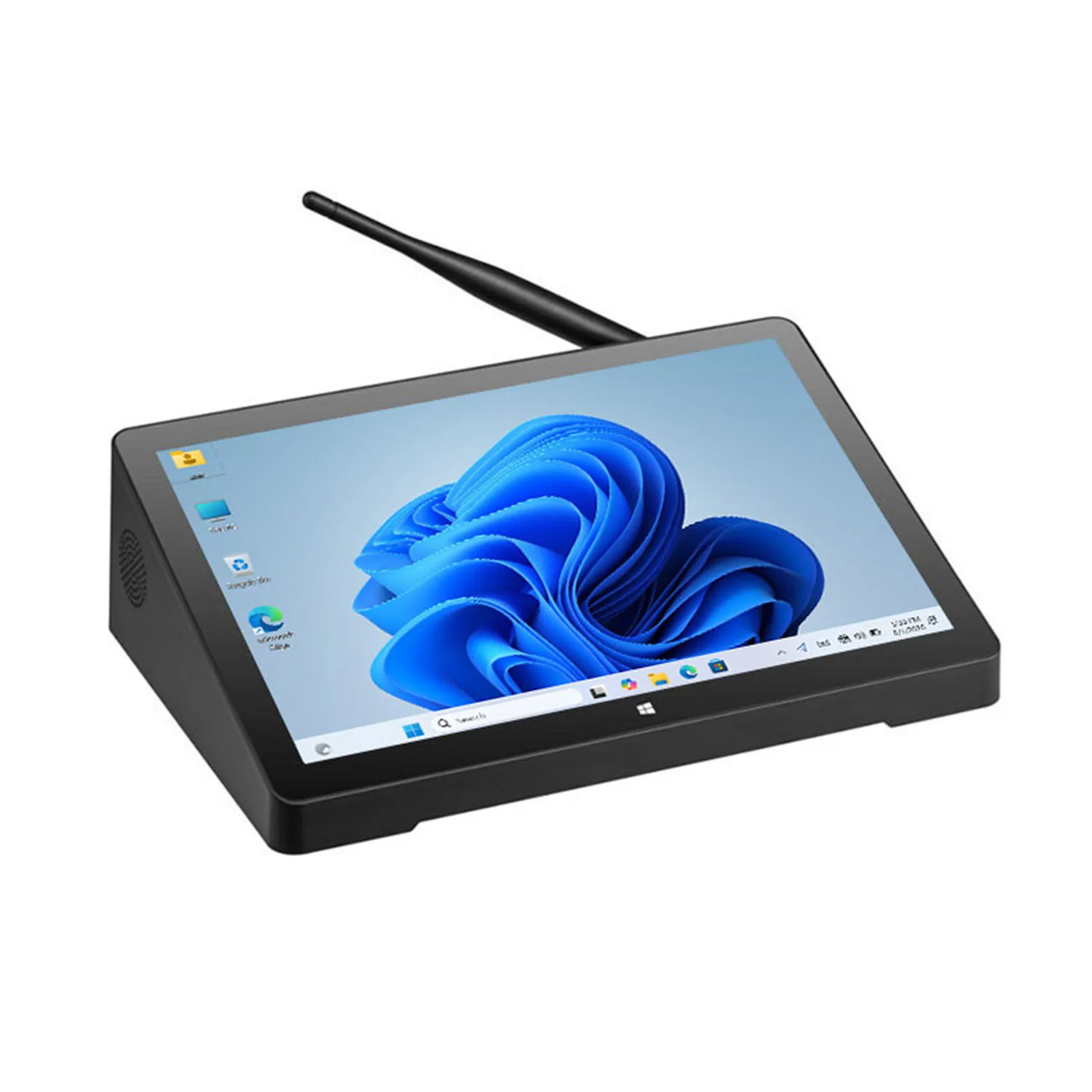
CENAVA develops rugged tablets and project-configured industrial mobile computers. Its value in mining projects lies in controlled customization, provided the approved bill of materials is not mixed with the broader options available on an ordinary rugged product page.
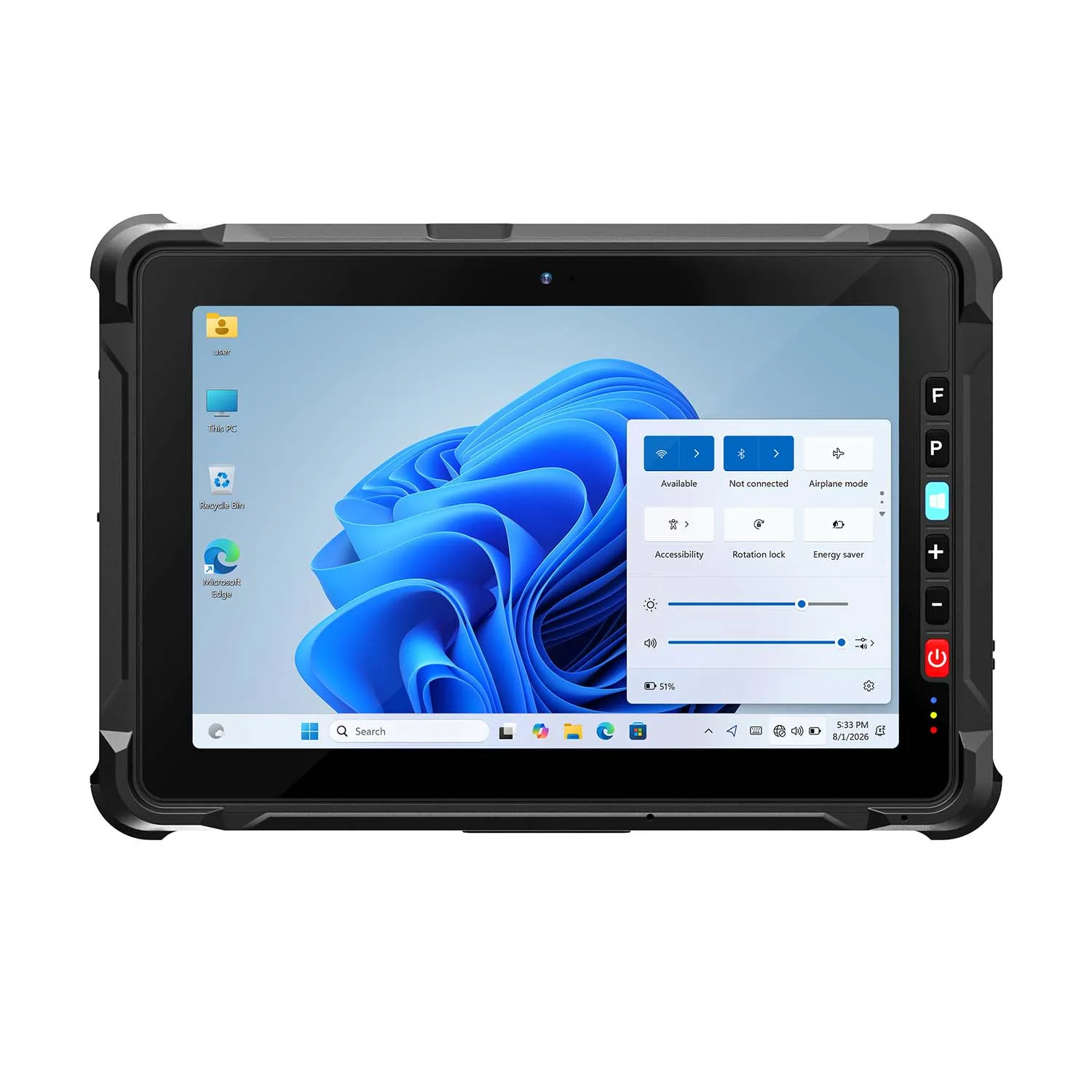
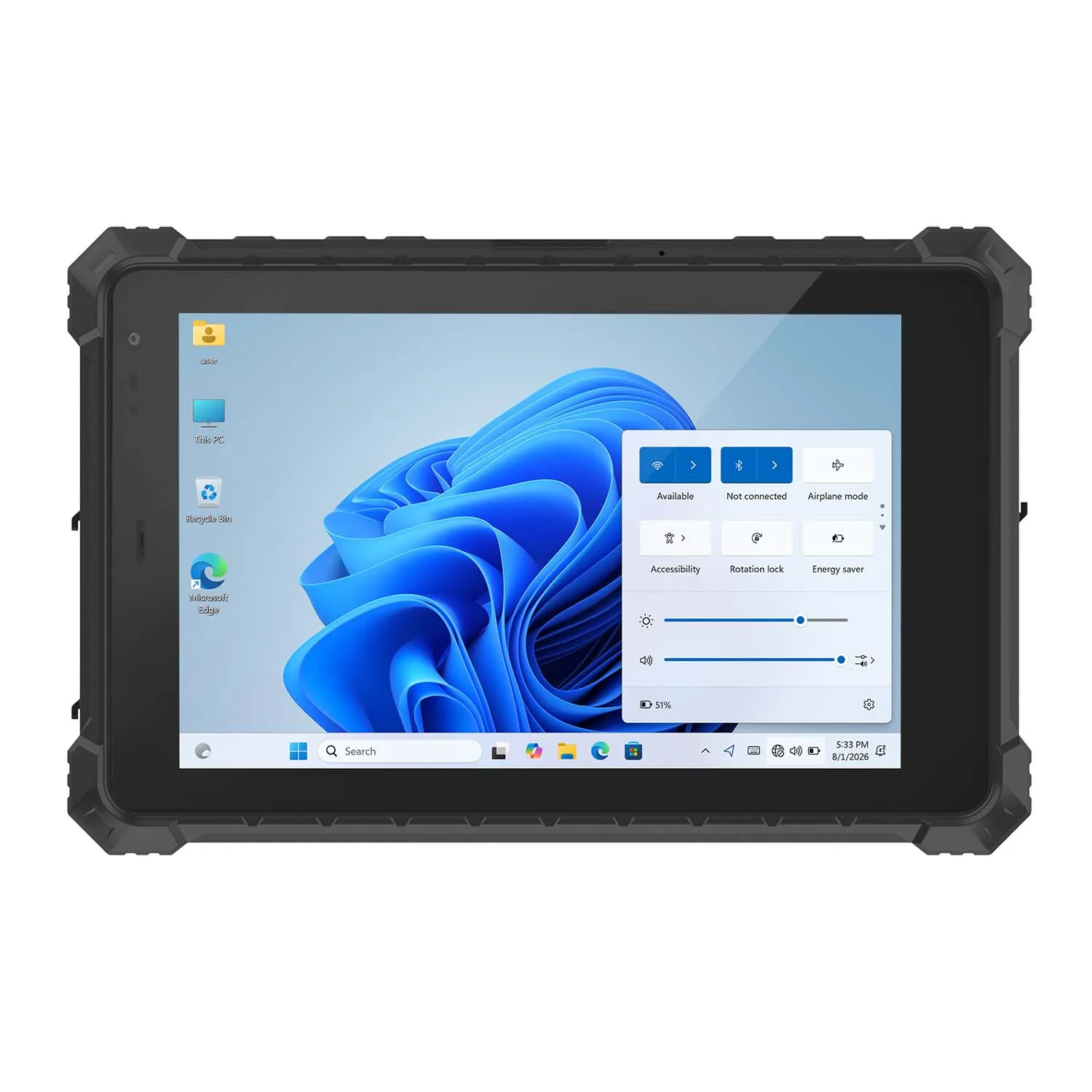
Key Products: A selected CENAVA mining configuration may be proposed with
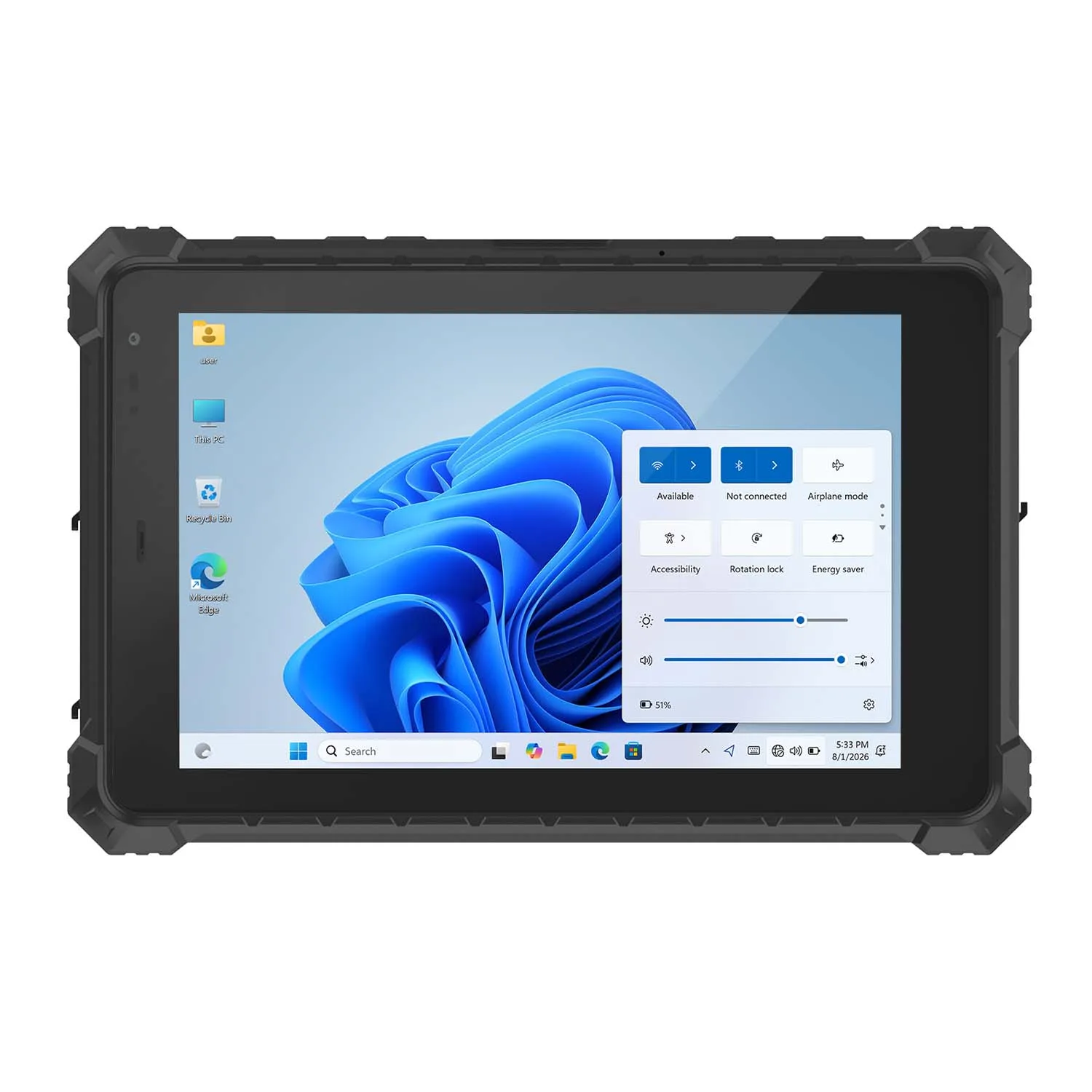
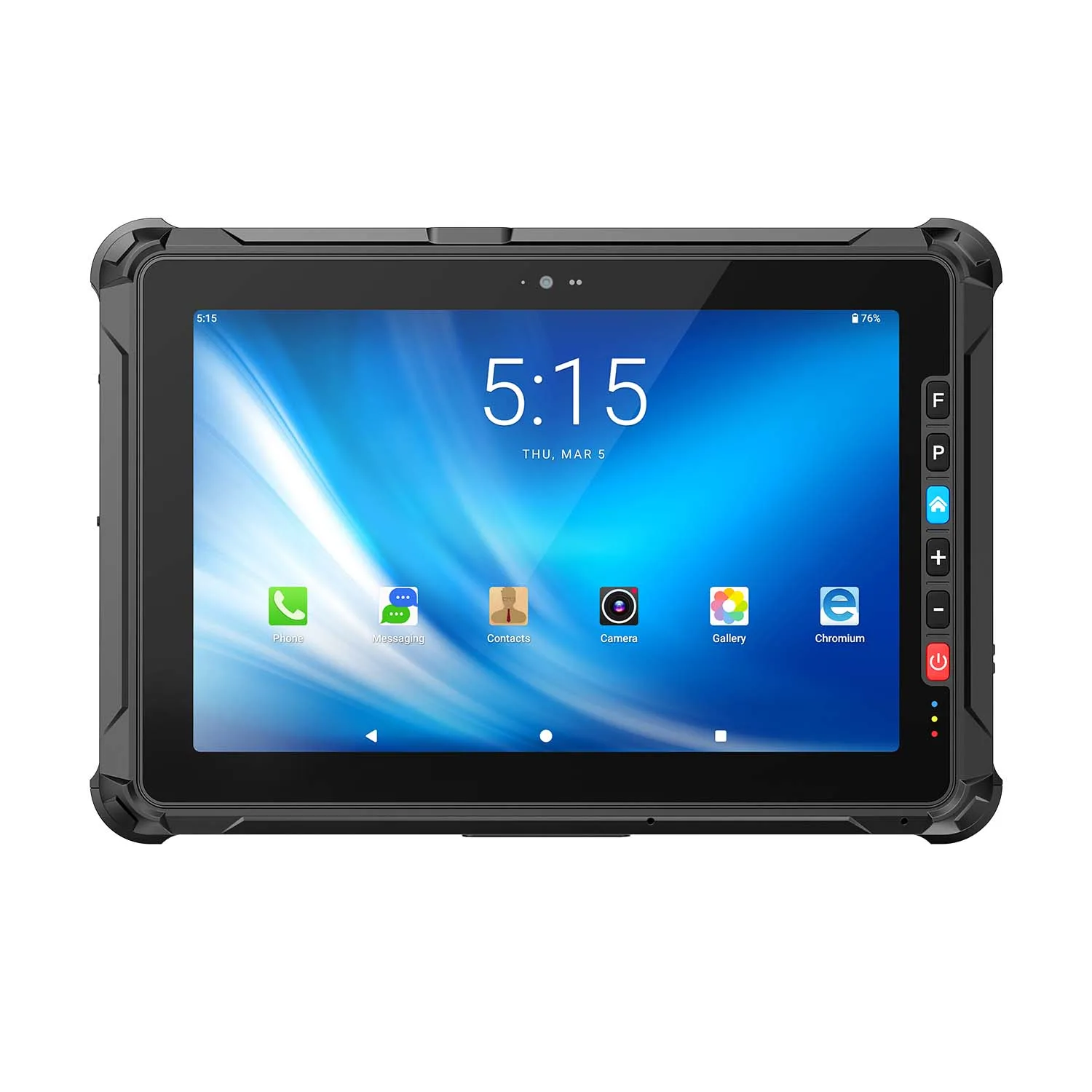
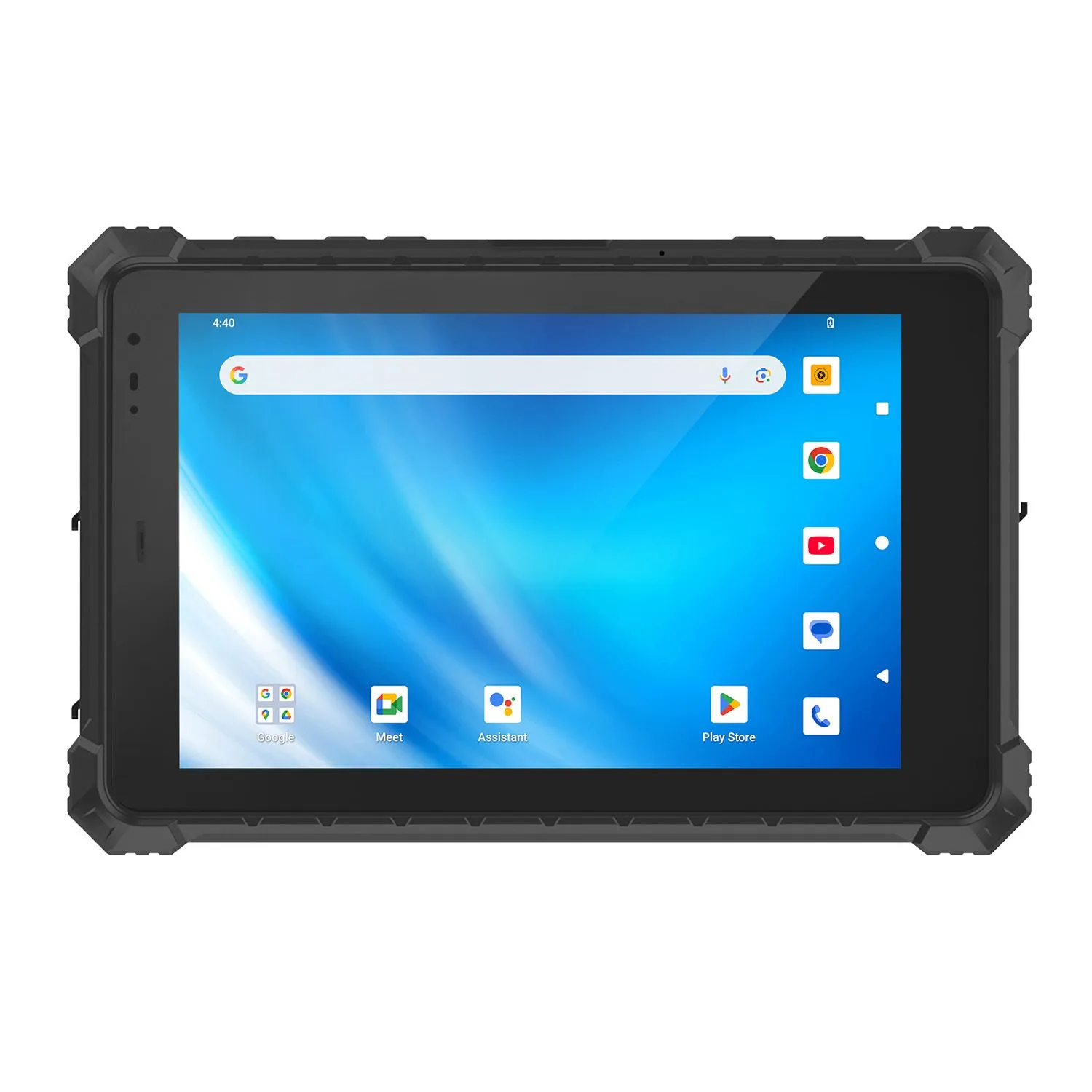
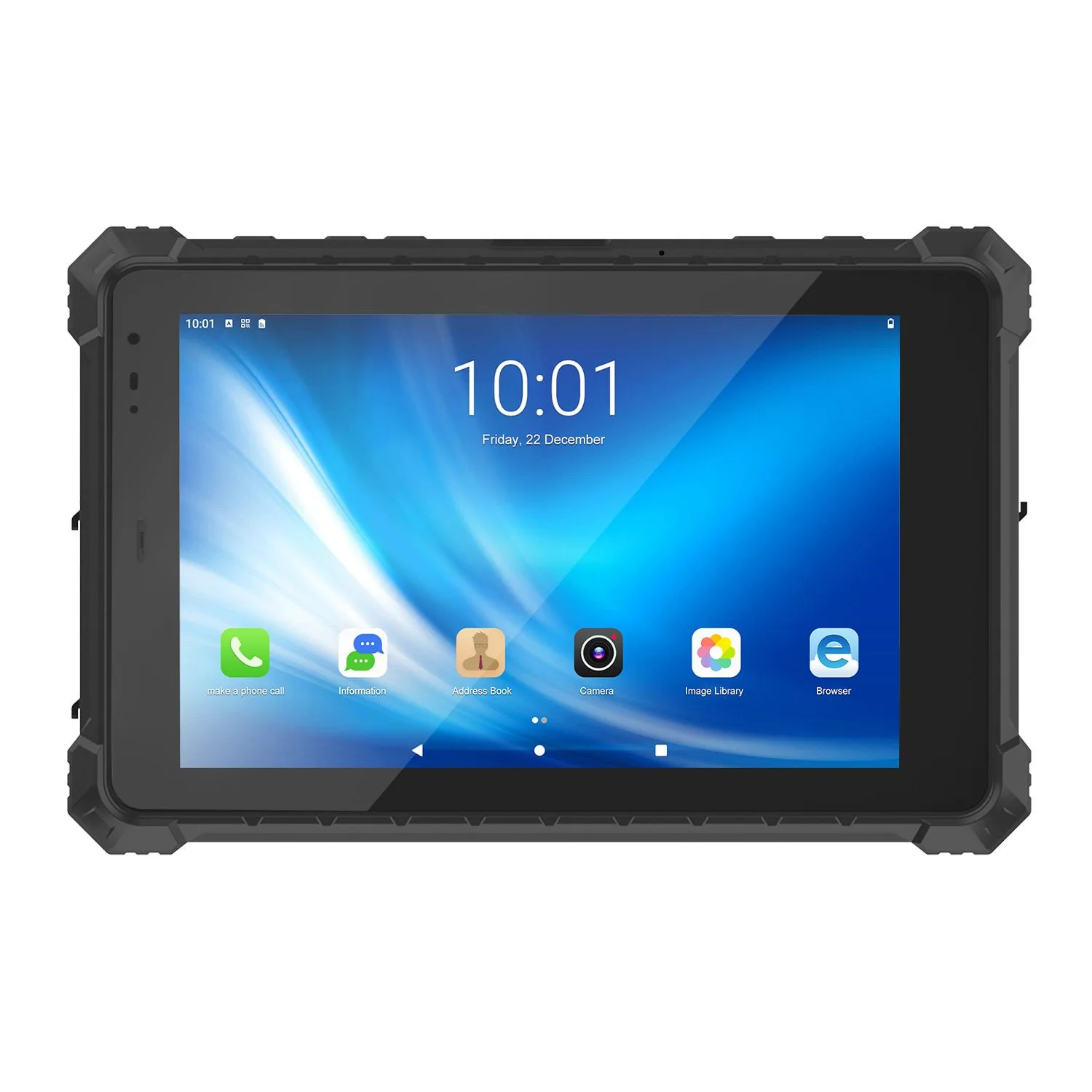
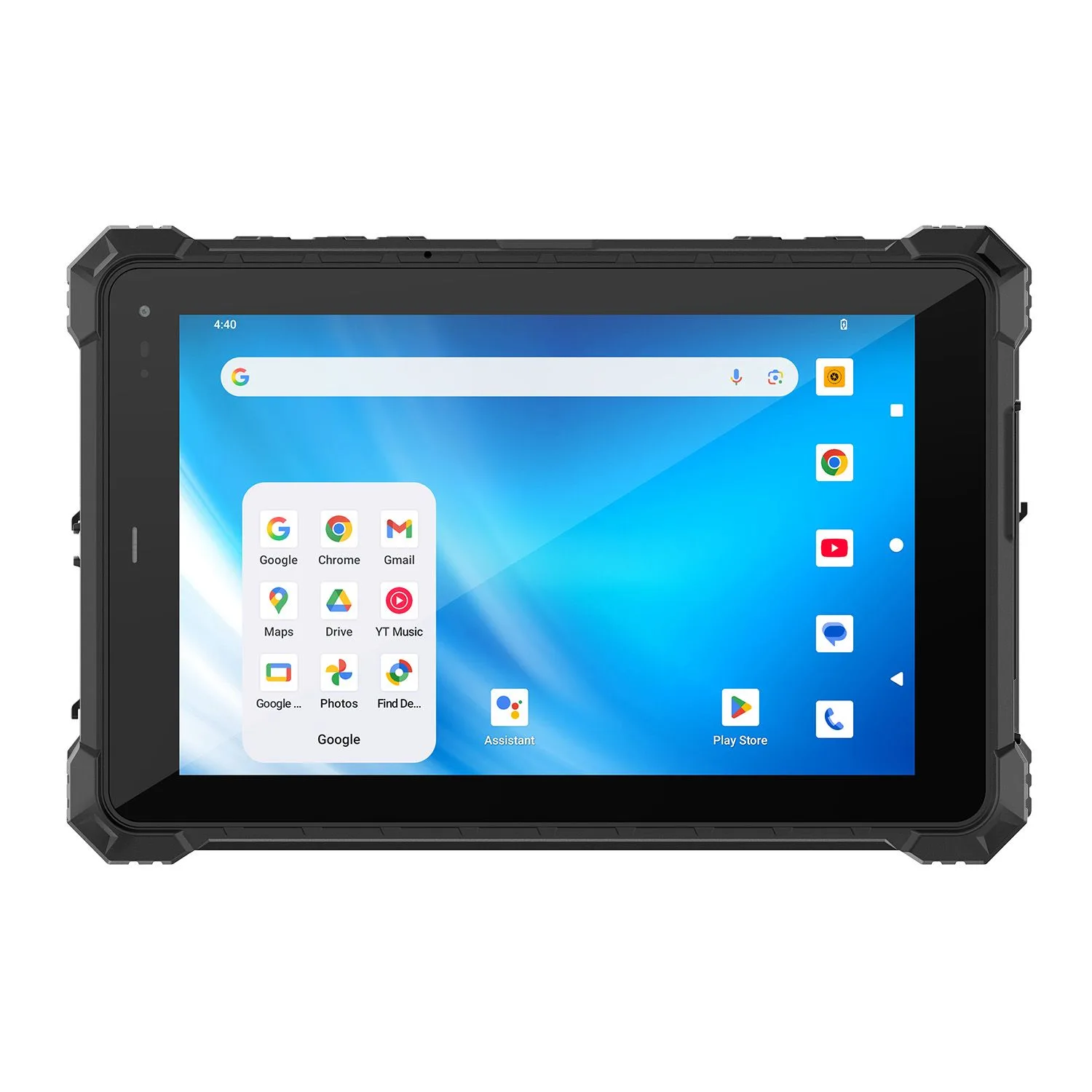
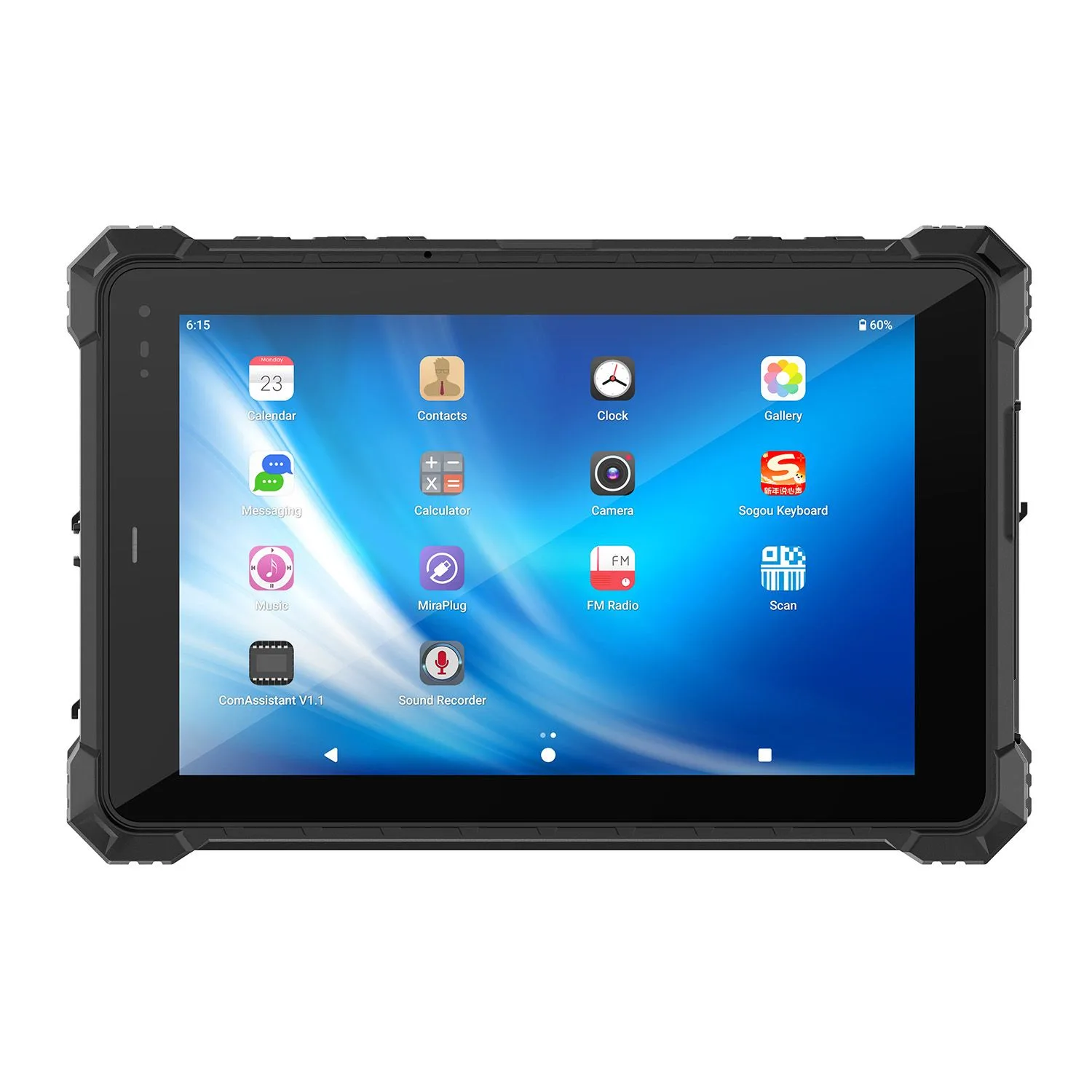
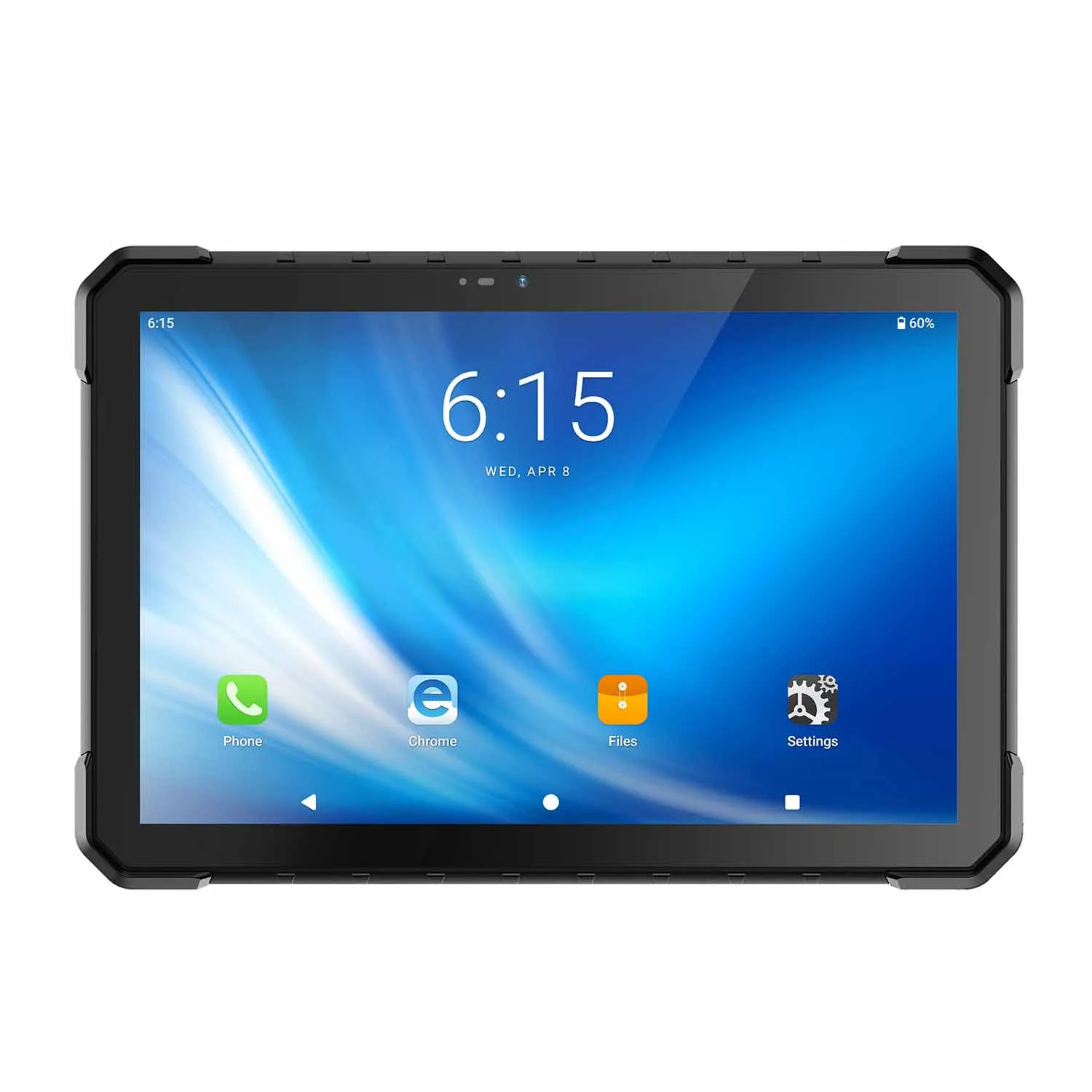
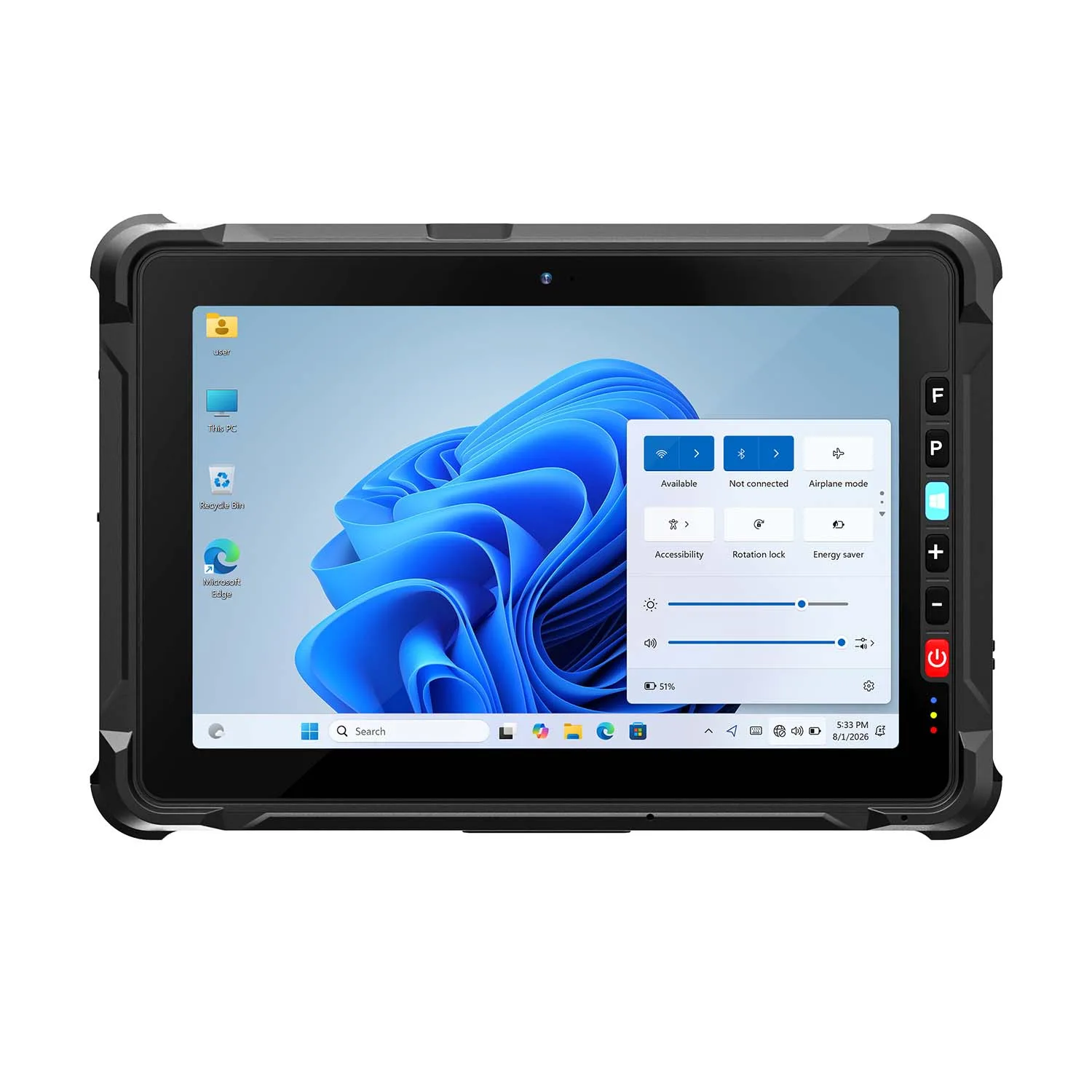
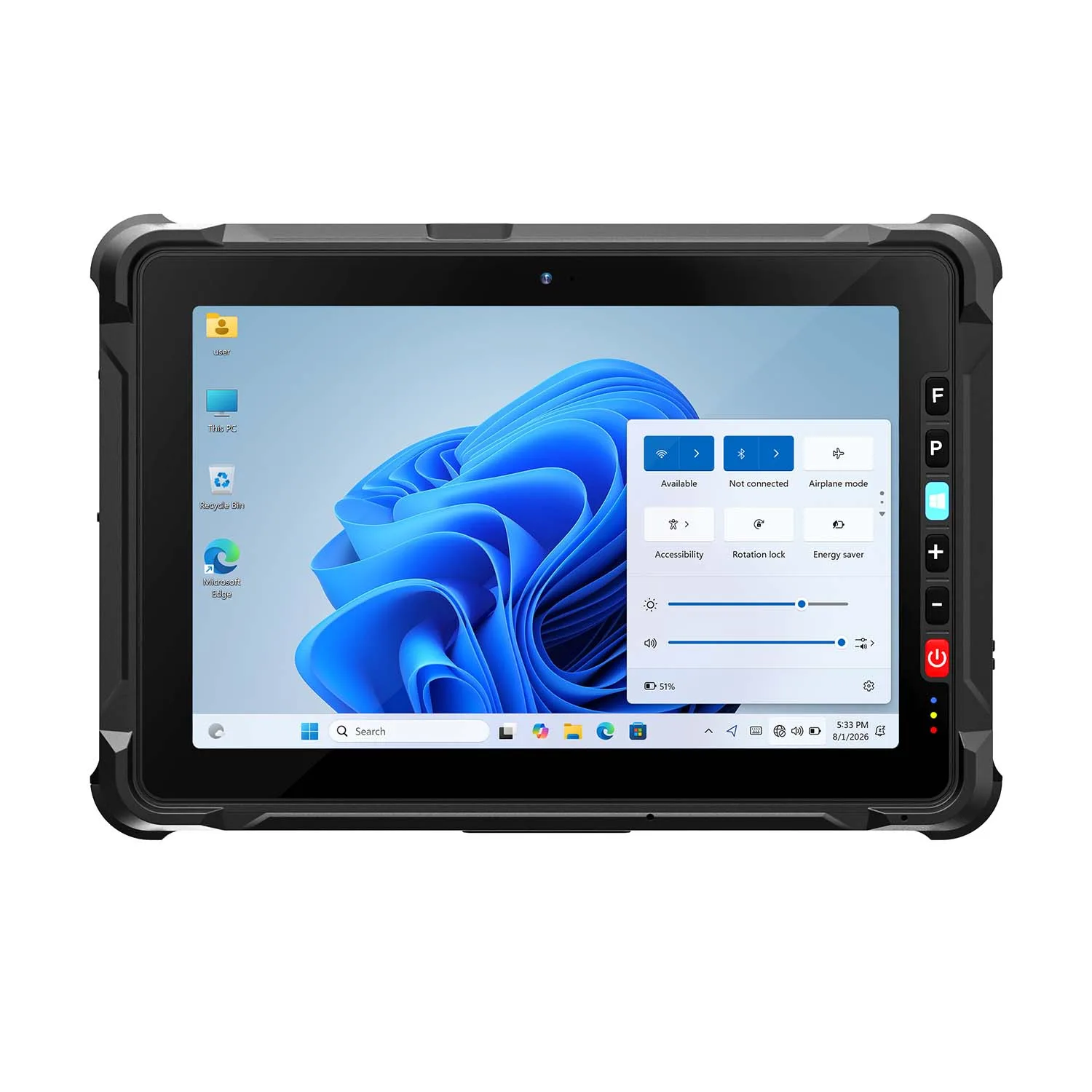
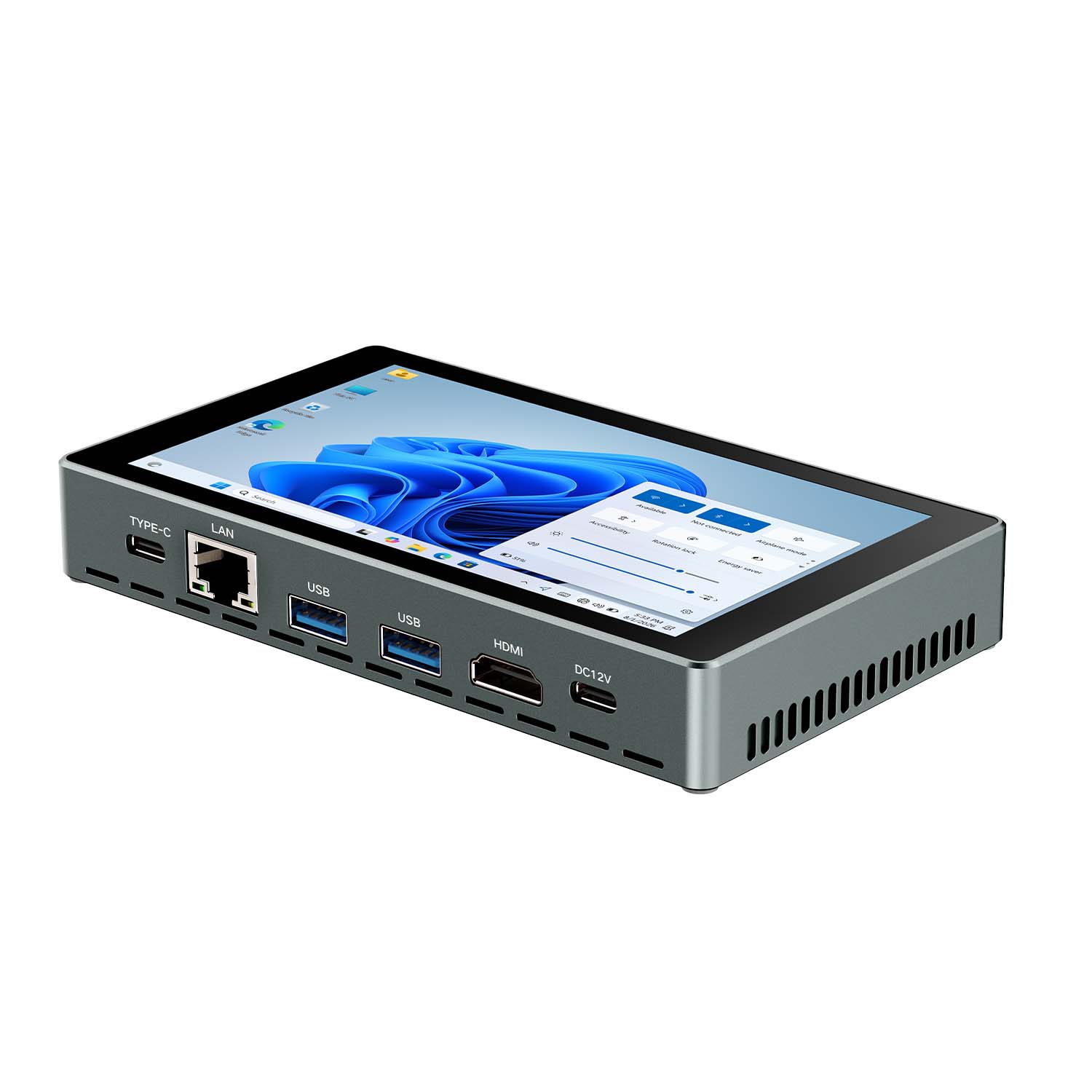
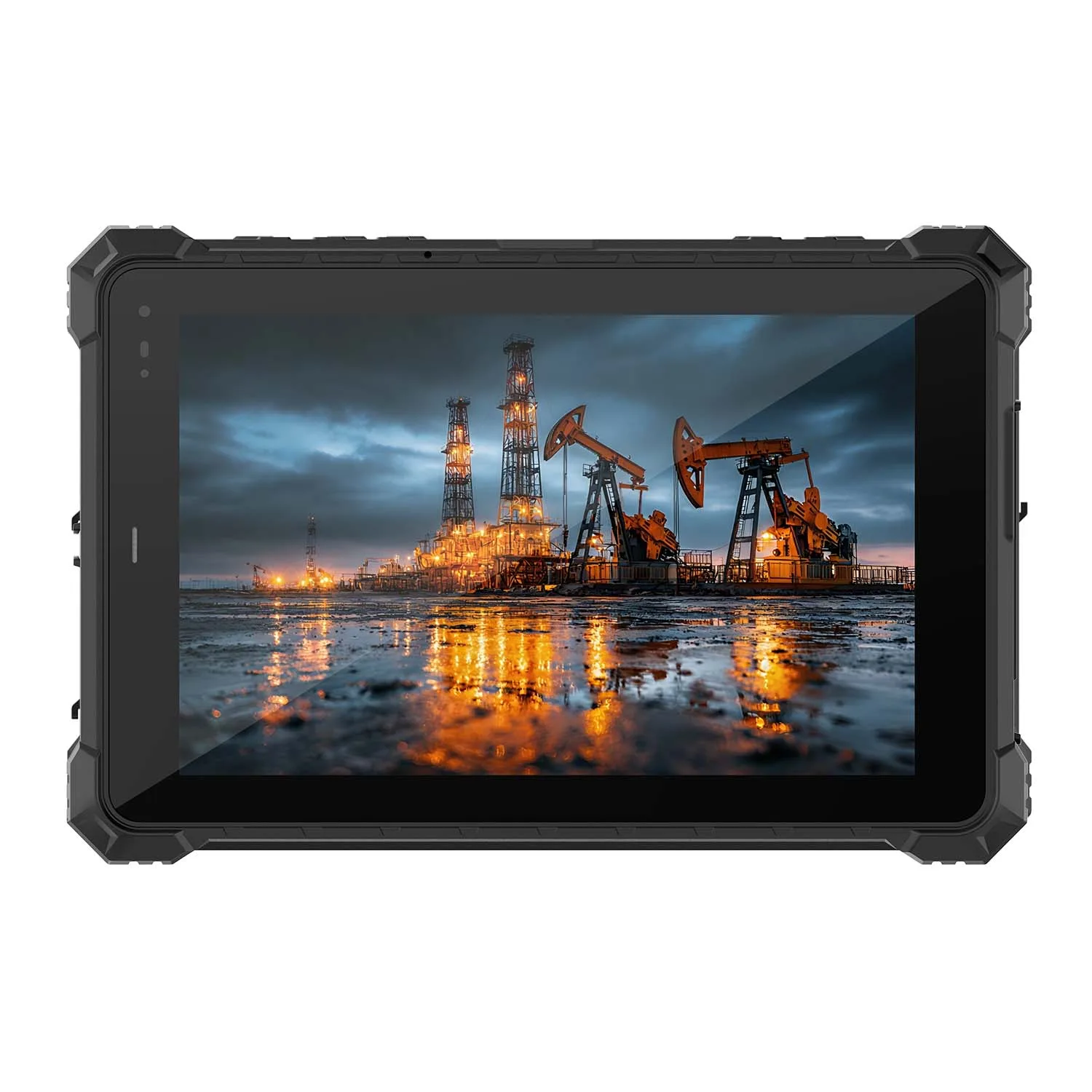
Ex ib I Mb, while the A10ST-EX project page describes the wider 10.1-inch platform. A Chinese coal-mine order still needs its own current, model-matched MA record; an industrial ATEX or IECEx certificate does not fill that requirement.Why They're on the List — Technical Advantage: CENAVA can align the Android image, physical data-capture method and carrying system with an inspection project. That flexibility is useful only when each requested change remains inside the approval scope and is recorded on the order.
An intrinsically safe tablet for underground coal mining should be issued from a separate asset pool, even if its exterior resembles a standard CENAVA tablet. We would sample 5 units from the first lot and compare the label, approval record, purchase line and device-management identity before the mine authorizes underground issue.
Project confirmation is warranted because approval and interoperability depend on the configuration. Contact CENAVA with the destination country; required MA, ATEX Mining, IECEx Mining or other national scheme; exact mine area and work route; required Ma or Mb level; minimum and maximum temperature; application and operating-system requirement; underground network architecture; exact NFC card or tag type; plus the intended case, strap and surface charging location.
3. Sichuan Xuxin (China)
Sichuan Xuxin supplies rugged mobile devices and explosion-protected equipment for industrial and mining projects. Unlike a general rugged-tablet catalogue, its mining entry uses a product designation associated with underground data collection.
4. Fuzhou Huahong (China)
Fuzhou Huahong supplies mining instruments and underground measurement products. Its catalogue context is relevant because a tablet used beside measurement work needs a defined data path rather than a generic promise that every instrument connects automatically.
5. BARTEC (Germany) — Legacy Mining Fleet Reference
BARTEC has decades of experience in explosion protection and industrial mobility. It remains relevant to mines with installed Windows workflows, but its historical mining tablet is now a lifecycle case rather than a new 2026 purchasing recommendation.
6. Aegex Technologies (United States) — Legacy Mining Approval Reference
Aegex develops Windows tablets for hazardous industrial environments. Its earlier Aegex10 gained attention because it brought a full Windows workflow into classified process and mining applications, but the older product's mining scope must not be transferred to the current family.
7. Pepperl+Fuchs / ECOM Instruments (Germany) — Mining Handheld Boundary
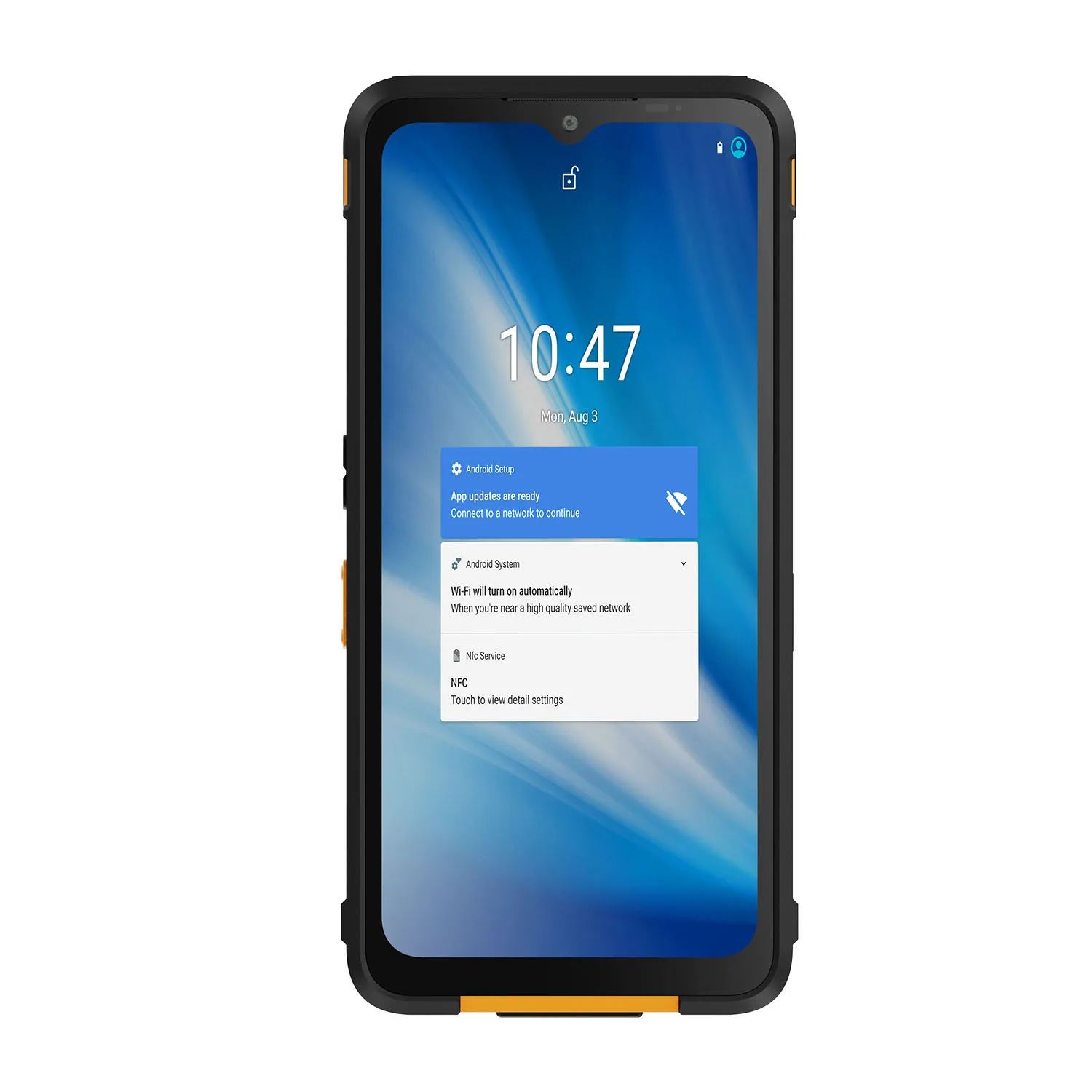
Pepperl+Fuchs and ECOM Instruments are established hazardous-area mobility suppliers. Their current mining portfolio is important to this comparison because it demonstrates that a manufacturer's approved mining device may be a smartphone rather than a full-size tablet.
8. Getac (Taiwan) — Surface Support Only
Getac manufactures rugged Windows and Android computers for utilities, public safety and industrial field work. Its docking and service ecosystem can be useful to a coal mine's maintenance organization, but that value belongs on the surface side of the equipment boundary unless a specific mining approval says otherwise.
9. Panasonic TOUGHBOOK (Japan) — Surface Planning Only
Panasonic's TOUGHBOOK business has a long history in mobile field computing. Coal operators may already own its vehicle docks, keyboards and Windows management tools, making the platform economical for surface planning even though those assets do not establish underground mining approval.
10. Zebra Technologies (United States) — Surface Stores and Parts Control
Zebra specializes in enterprise Android mobility, barcode capture and device management. Those strengths fit a mine's surface stores and repair logistics, where traceable parts issuance improves the quality of an underground maintenance record.
How to Choose the Right Manufacturer for Your Mine
The best manufacturer is the one whose exact approved configuration completes the required route and remains maintainable. A product comparison narrows the field; it does not authorize underground use.
Define the Mine Environment and Approval Boundary
Start with the mine's approved equipment register. Map the lamp room, shaft or slope, main roadway, belt entry, pump room, working section, workshop and surface office as separate locations. Attach the governing approval route to each location rather than writing “coal mine” once at the top of the specification.
For China, match the tablet to the current MA catalogue entry and the delivered model. For an ATEX or IECEx mining project, record Group I plus the Ma or Mb level. For the United States, a search for a MSHA approved tablet for coal mines should end at MSHA's product-approval resources or another accepted site-specific legal route—not at an ATEX reseller description.
Charging and battery exchange receive their own locations. The mine procedure and approved manual determine where ports may be opened or a battery changed. A removable battery is a service feature; it is not automatic permission for an underground swap.
Clarify Performance Requirements
Load the production inspection route before discussing processors. A useful exercise includes 40 points and 2 photographs at each point. Halfway through, lock the screen, resume the unfinished record and correct one intentionally mistyped value. These numbers define a test workload, not a promised benchmark.
Use the issued glove and cap lamp. Count missed selections over 20 entries, then inspect a warning dialog at the planned brightness. A touchscreen may work with one glove construction and fail with another. Preserve that difference rather than turning it into a universal glove claim.
The tablet records observations. It does not measure methane, replace the cap lamp, issue a permit or declare a roadway safe. An emergency button inside an app also does not establish compliance with the mine's emergency communications system.
Consider Software and Mine-Network Integration
The app must distinguish “saved on device” from “received by server.” In a safe test environment, block only the application's connection for 2 hours, complete several records and restart the app through normal controls. When the link returns, check attachment counts, timestamps and duplicate work orders.
Underground connectivity follows the mine's architecture. Cellular capability on a product sheet does not create a connection to a leaky-feeder system, and satellite positioning does not operate through overlying rock. Use a documented gateway, scanned location tag or mine-installed positioning service where the workflow requires it.
Software changes belong to configuration management. Test the login, offline database and screen-brightness behavior after every major application or operating-system update. The goal is to preserve both the approval-controlled device and the validated workflow.
Analyze Total Cost of Ownership (TCO) vs. Initial Cost
Calculate the cost of approval review, controlled accessories, spare batteries, repairs, device management, app validation and migration from any legacy BARTEC or Aegex fleet. A lower purchase price can disappear when a repair returns a non-matching hardware revision.
For a hypothetical 30-inspector fleet, 5 avoidable minutes of re-entry across 220 working days equals 550 hours: 30 × 5 × 220 ÷ 60. Apply the mine's actual labour and delay costs. This is a planning method, not a guaranteed saving from one manufacturer.
Our proposed pilot uses 3–5 approved units across a 14-day work cycle. Record every return to paper, one complete shift handover and the time needed to restore a managed spare. A short unresolved-issue list is more useful than a satisfaction score that hides field friction.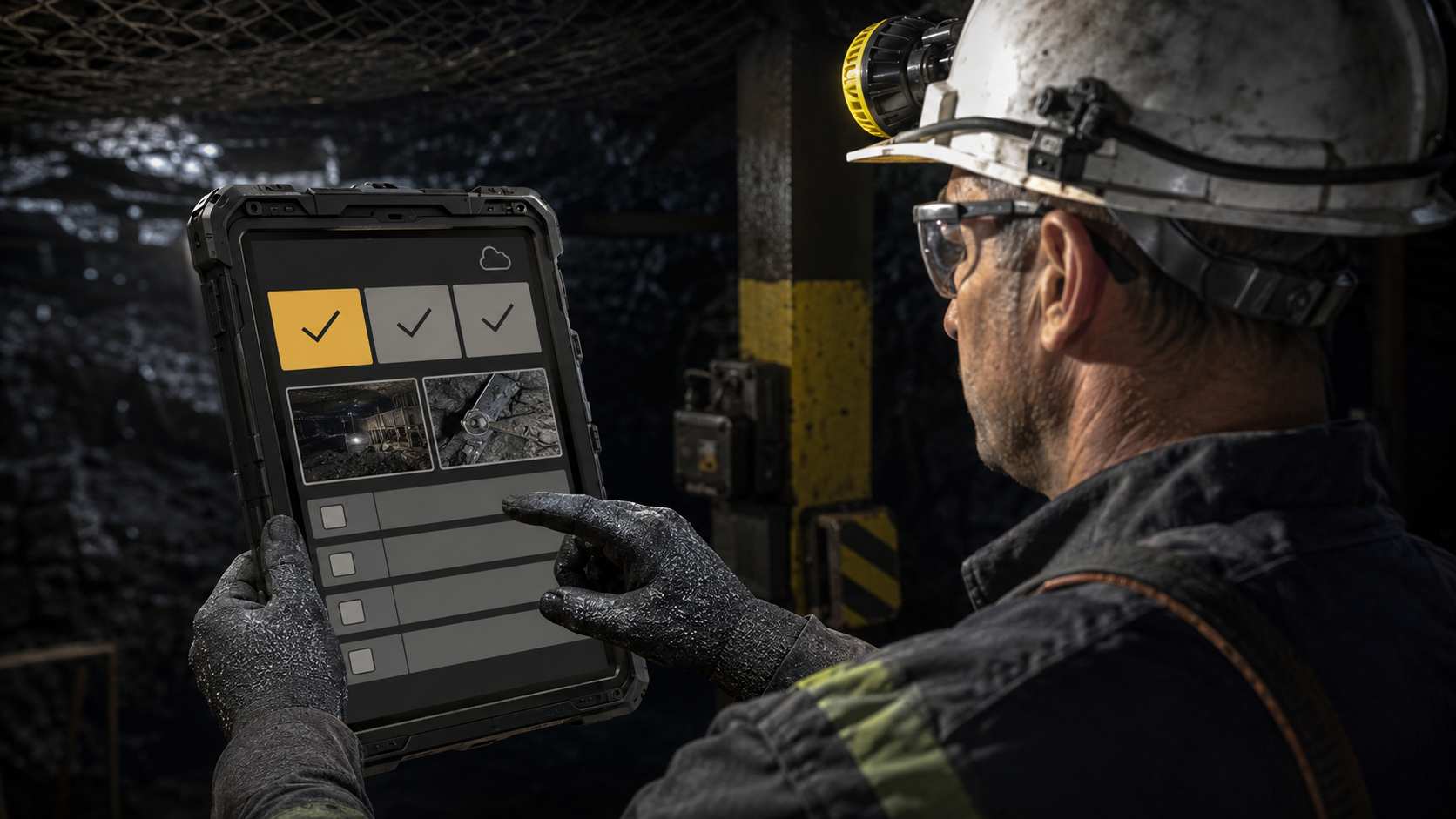
The Future of Underground Coal-Mine Tablets: Trends to Watch
Mining tablets will evolve, but approval and task discipline will continue to decide whether new features deliver value underground.
Approval-linked digital identity: Fleet systems will connect the approval number, hardware revision and accessory set to the issue record. That reduces reliance on housing color and worker memory.
Clearer offline state: Applications will show the age of cached procedures and whether a completed inspection has reached the supervisor. A green checkmark should not hide a pending upload.
Better low-light behavior: Dark interfaces will extend beyond the main app to login, camera and warning screens. The useful metric is a consistent transition under cap-lamp illumination, not peak brightness alone.
Planned legacy migration: The BARTEC and Aegex examples show why the replacement path belongs in the original tender. Mines will assign an accountable owner for data migration before hardware support ends.
Conclusion
Answering what tablet is allowed in underground coal mines begins with the applicable mine approval and exact delivered configuration. i.safe MOBILE offers a current M1/Ma tablet route; CENAVA, Xuxin and Huahong provide mining-oriented configurations that require model-level approval matching for the project.
BARTEC and Aegex matter mainly where legacy fleets need controlled migration, while ECOM shows that an approved mining handheld is not automatically an approved tablet. Getac, Panasonic and Zebra remain useful for surface support without being moved into the underground permissible-equipment pool.
The defensible selection joins an 11-field approval review with a 20-entry glove trial, a 2-hour offline exercise and a 14-day pilot. That sequence keeps permission, usability and ownership cost in the same decision while preserving the central boundary: the tablet records mine work; it does not replace gas monitoring, lighting or the operator's safety systems.
Need a Rugged Device for Your Project?
Tell us your operating environment and requirements — our engineers will recommend a configuration and quote within 24 hours.
Get a Free Quote Back to Blog