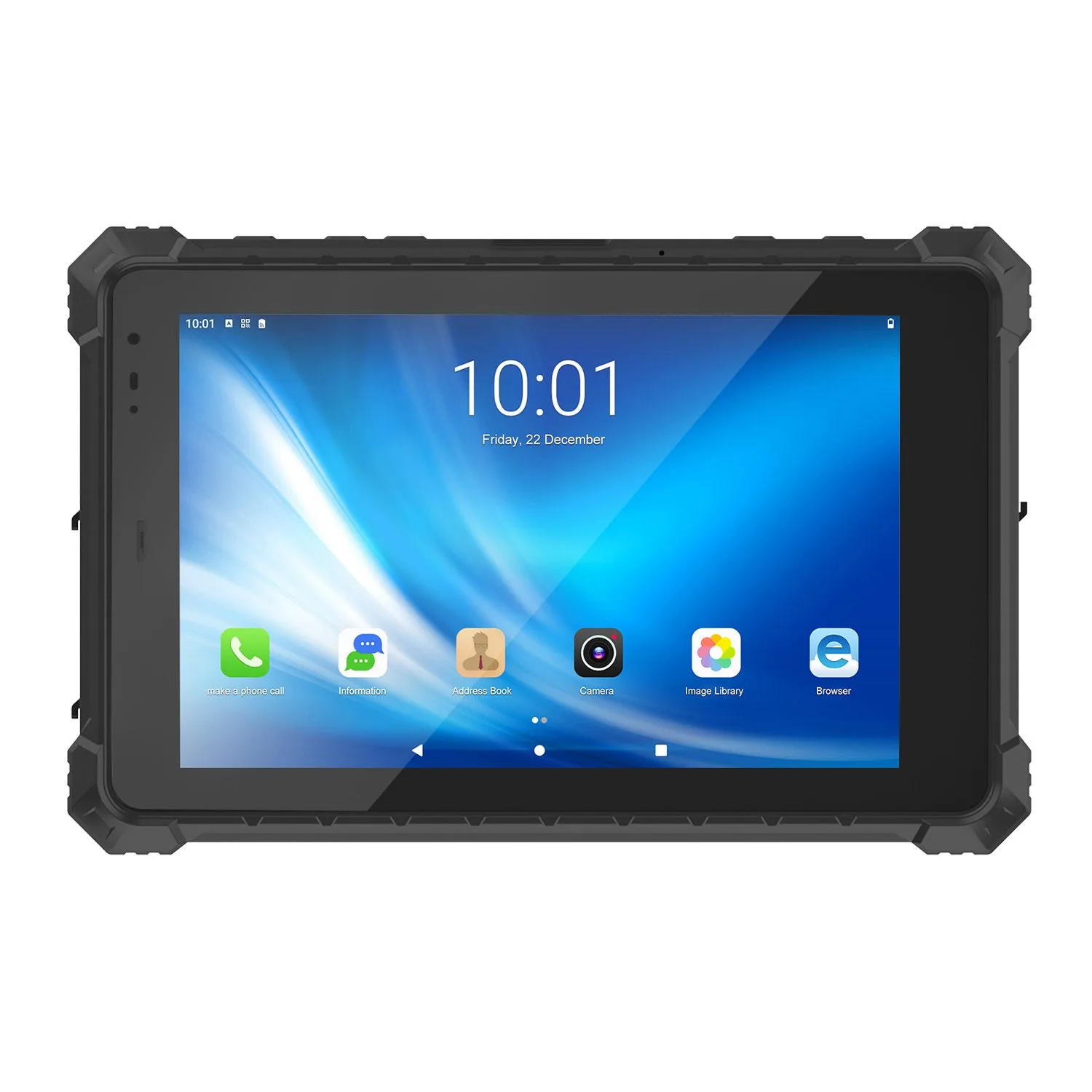
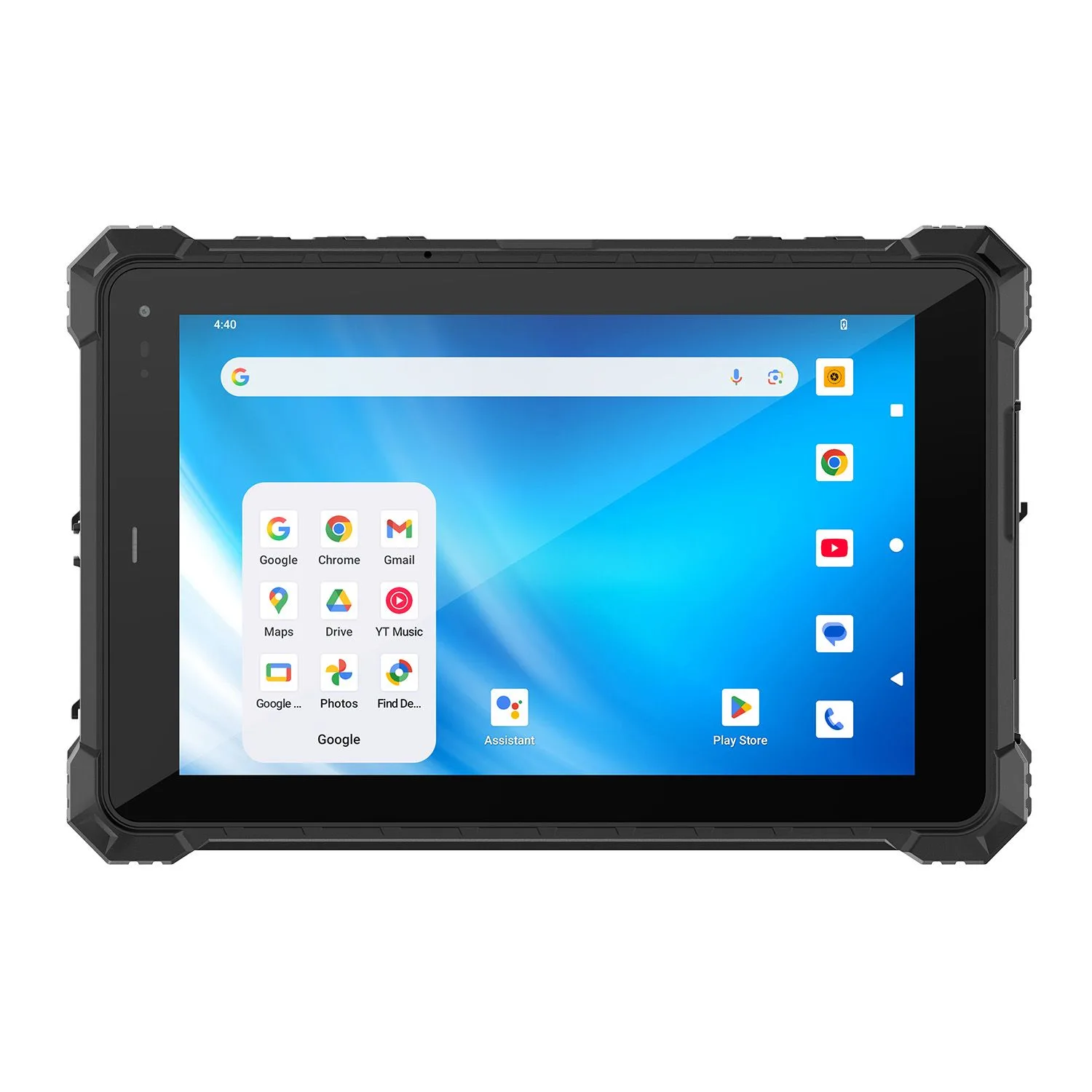
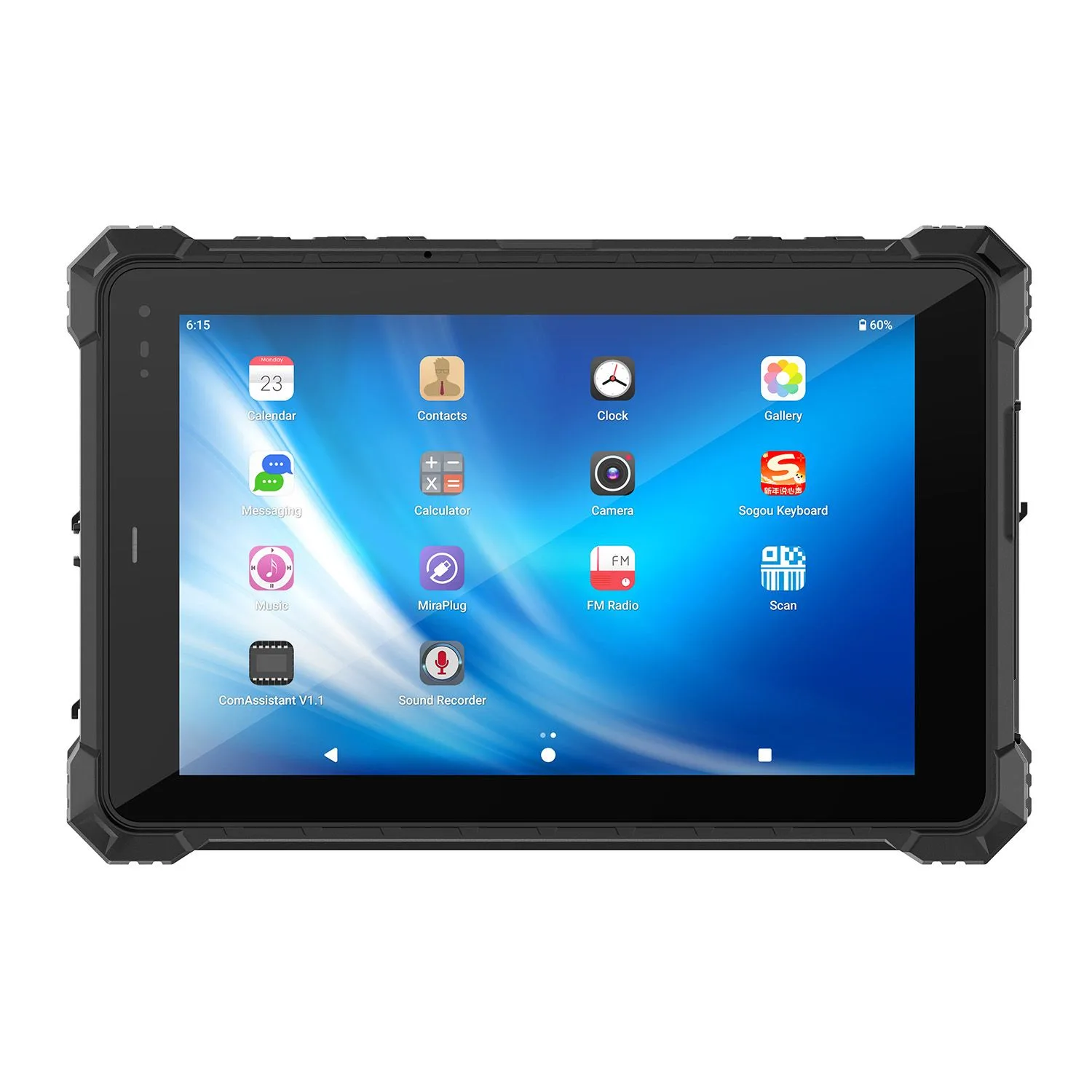
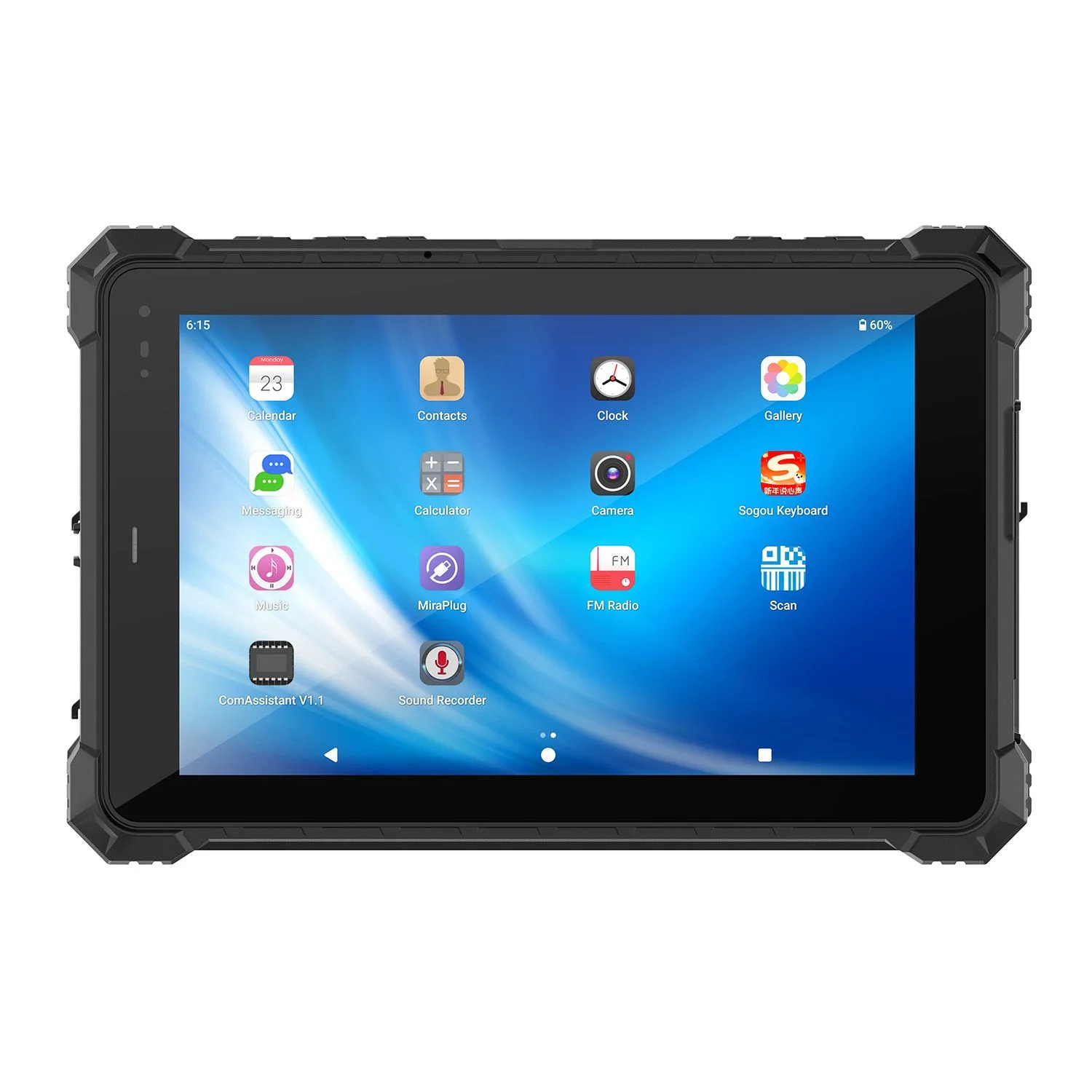
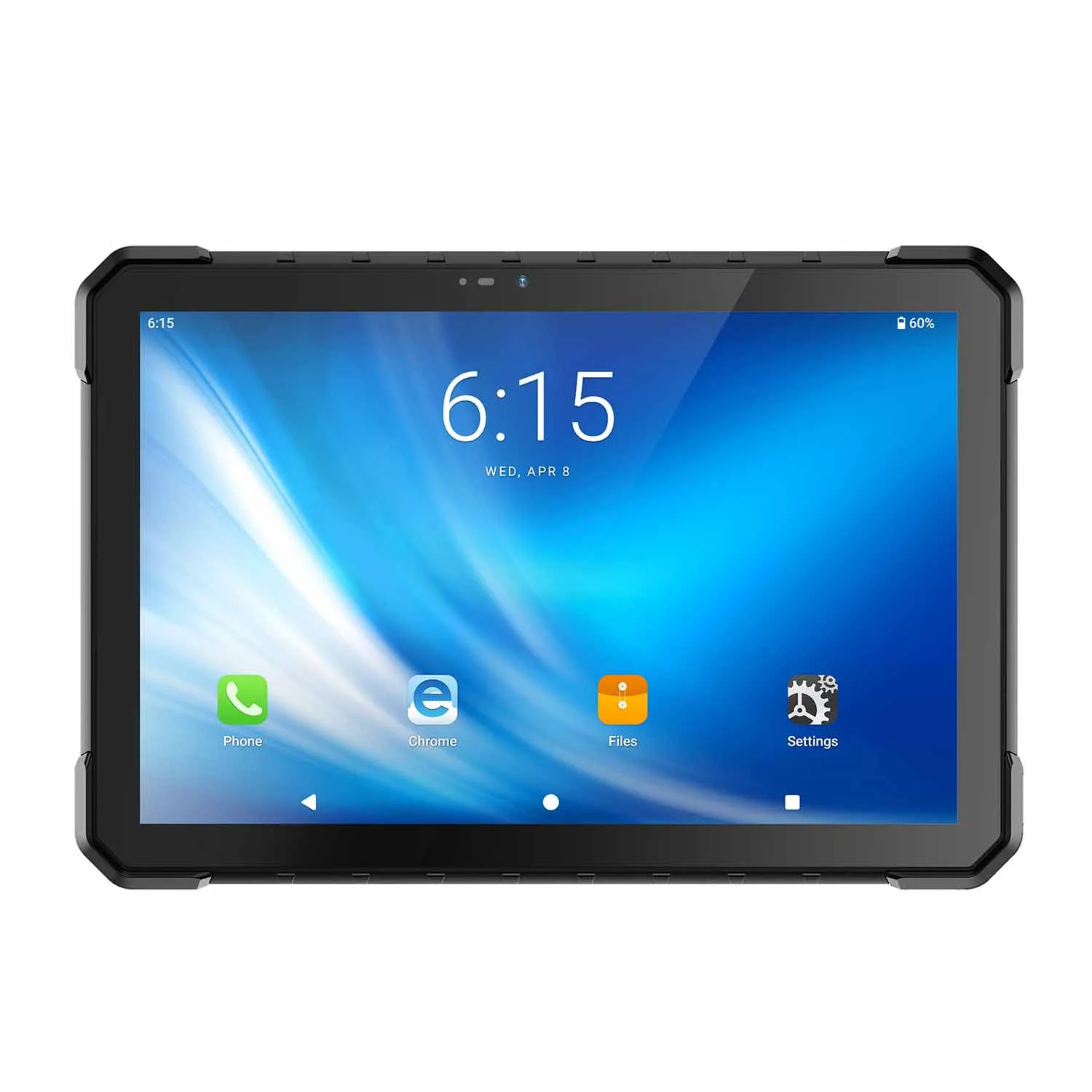
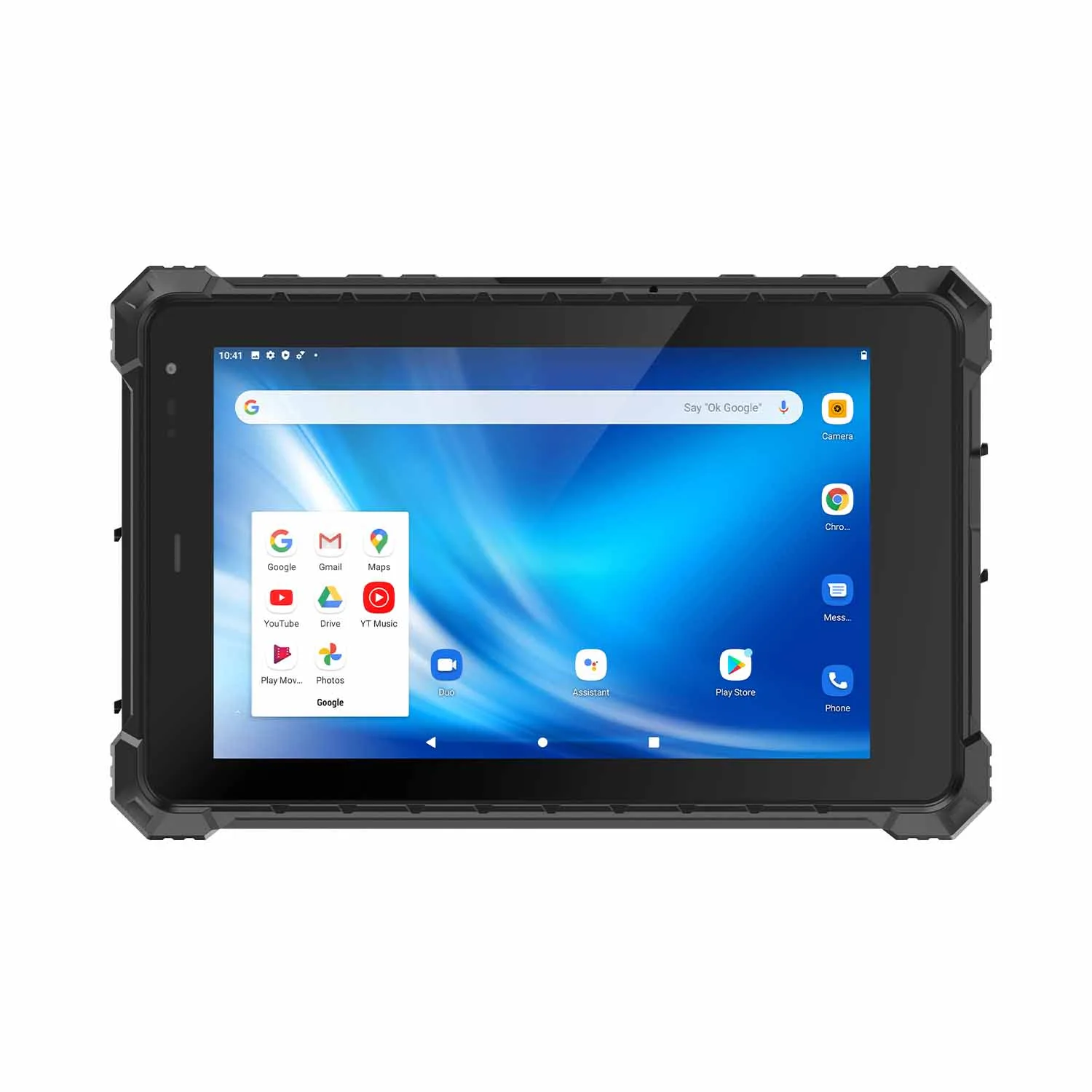
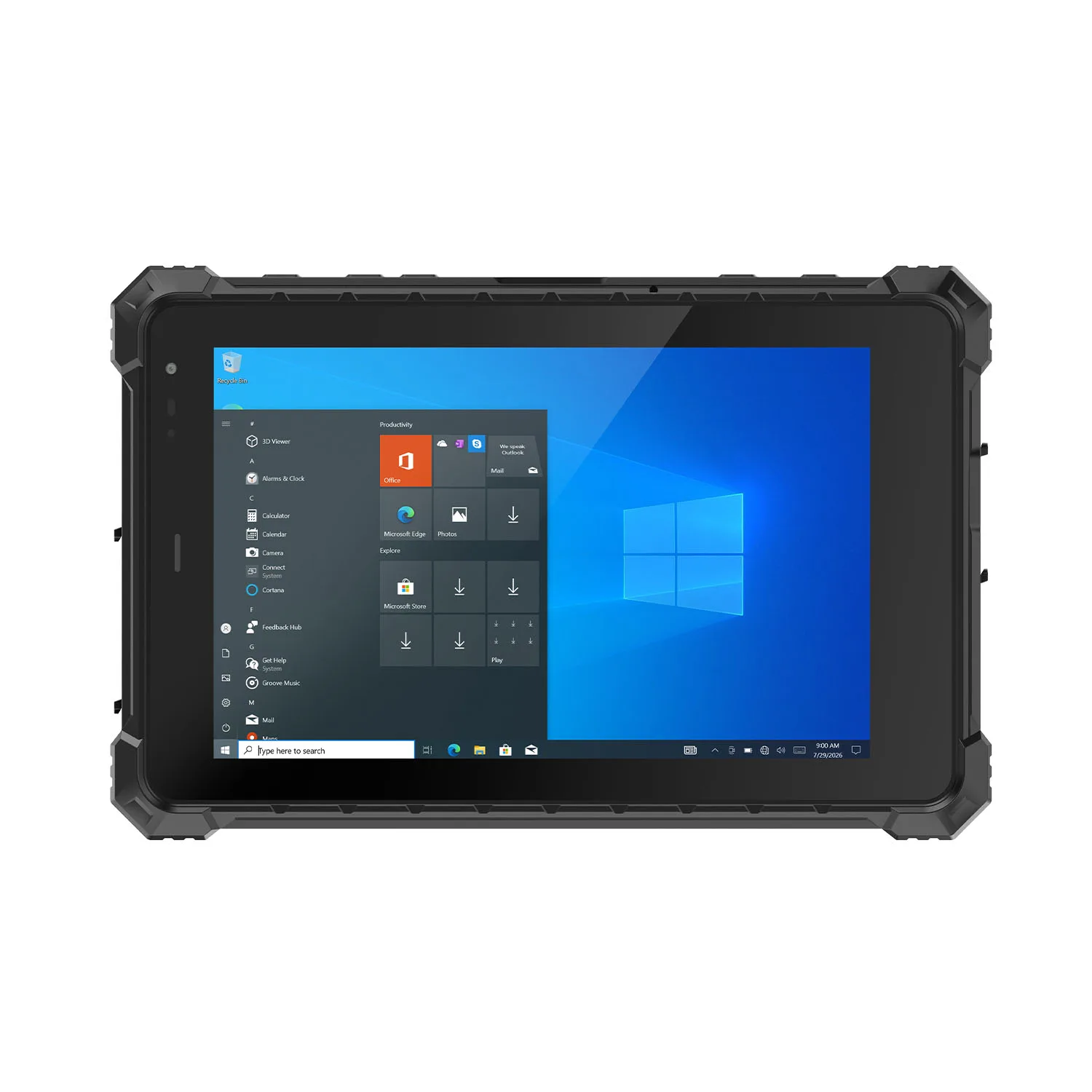
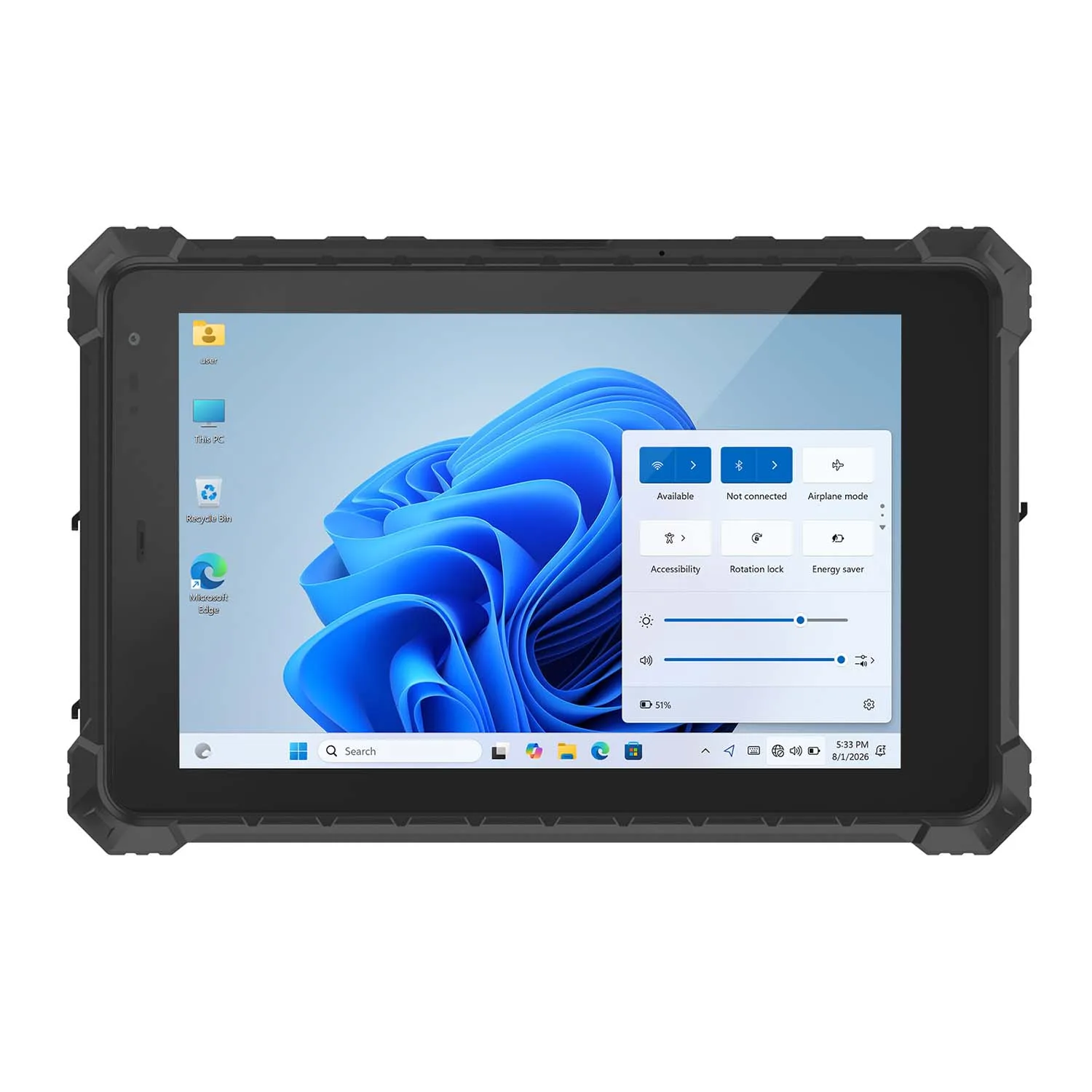
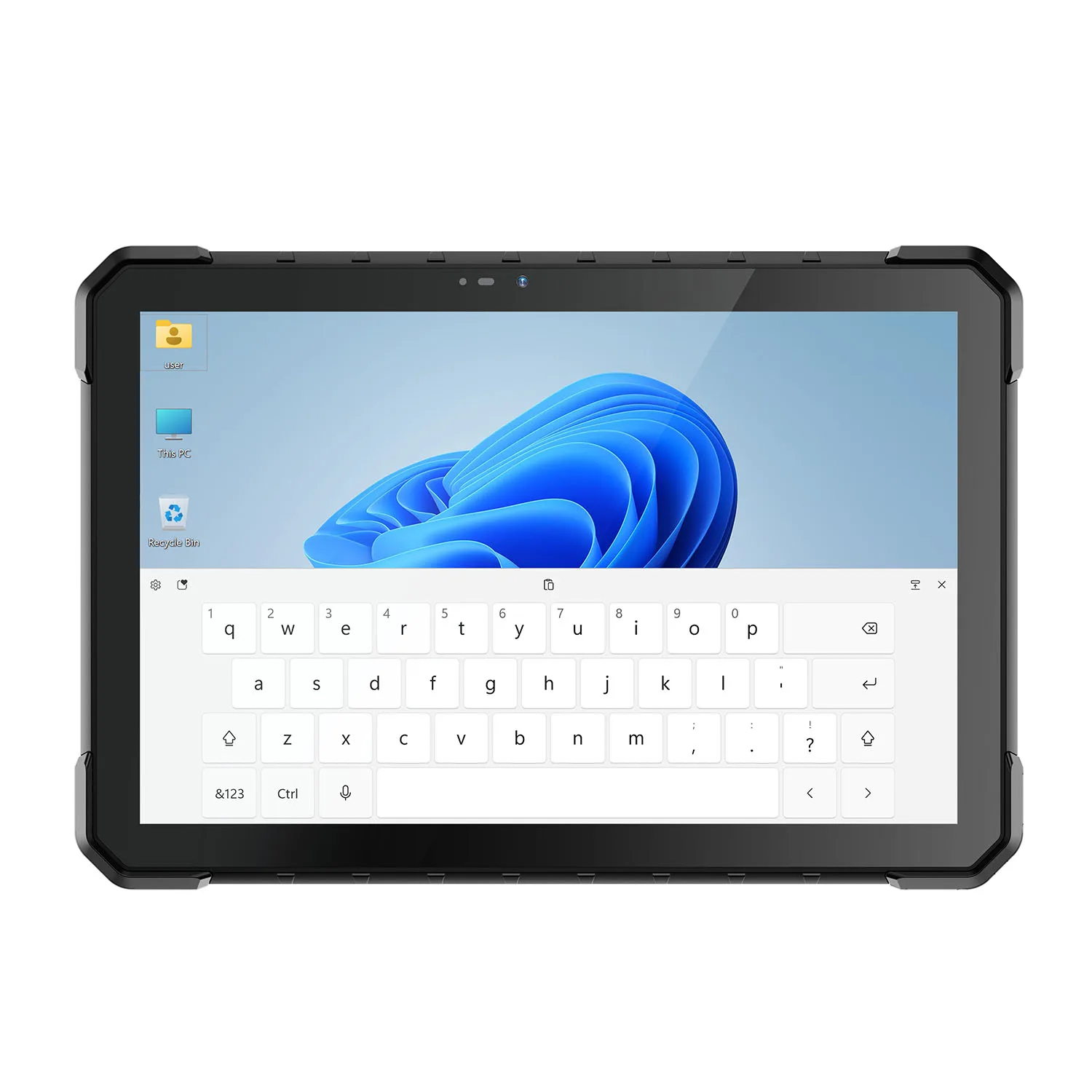
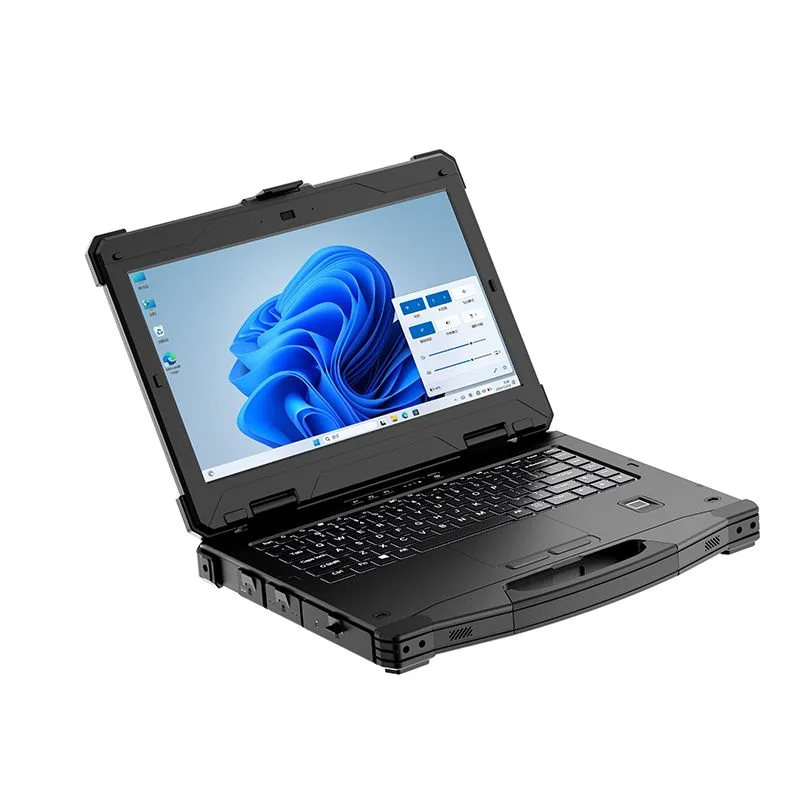
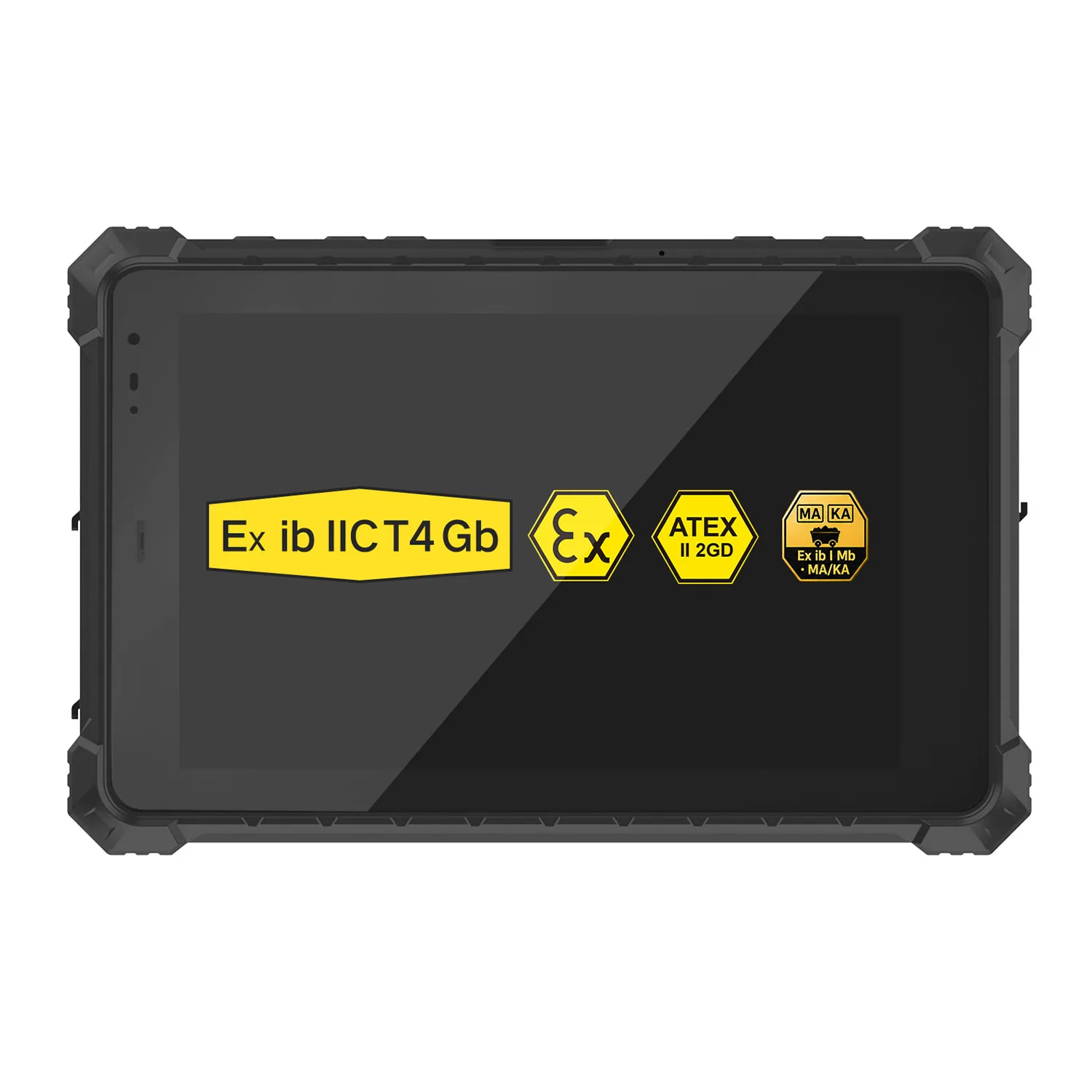
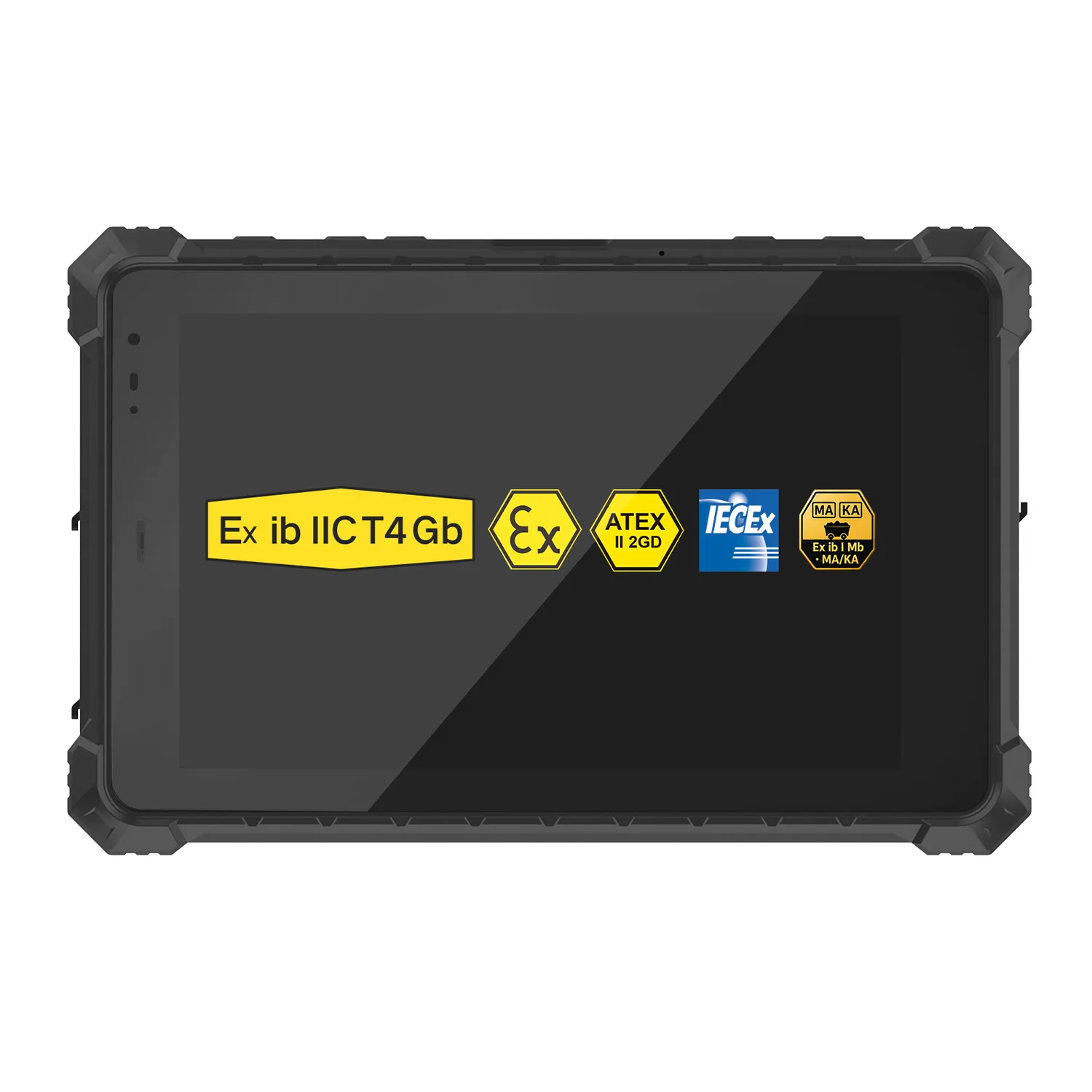
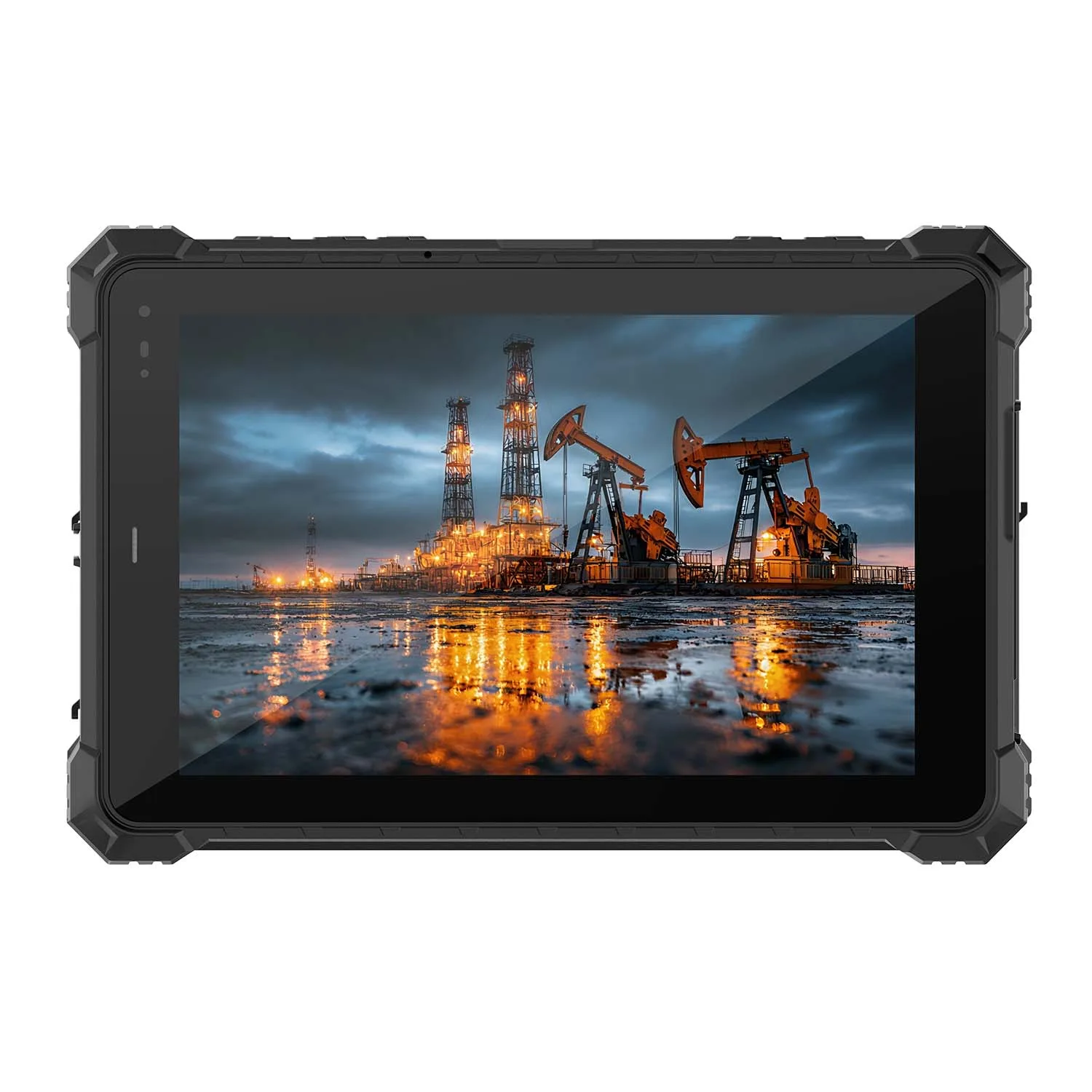
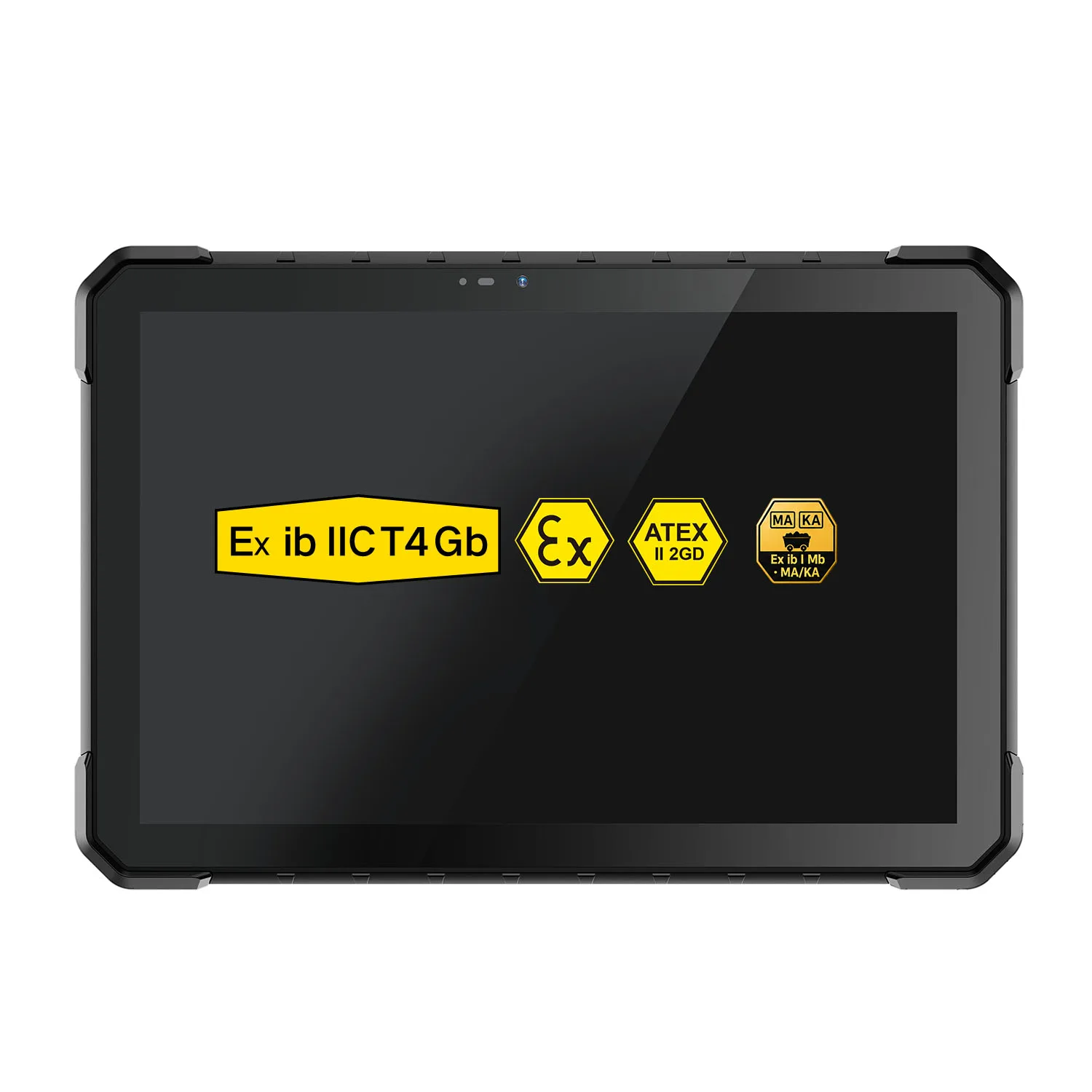
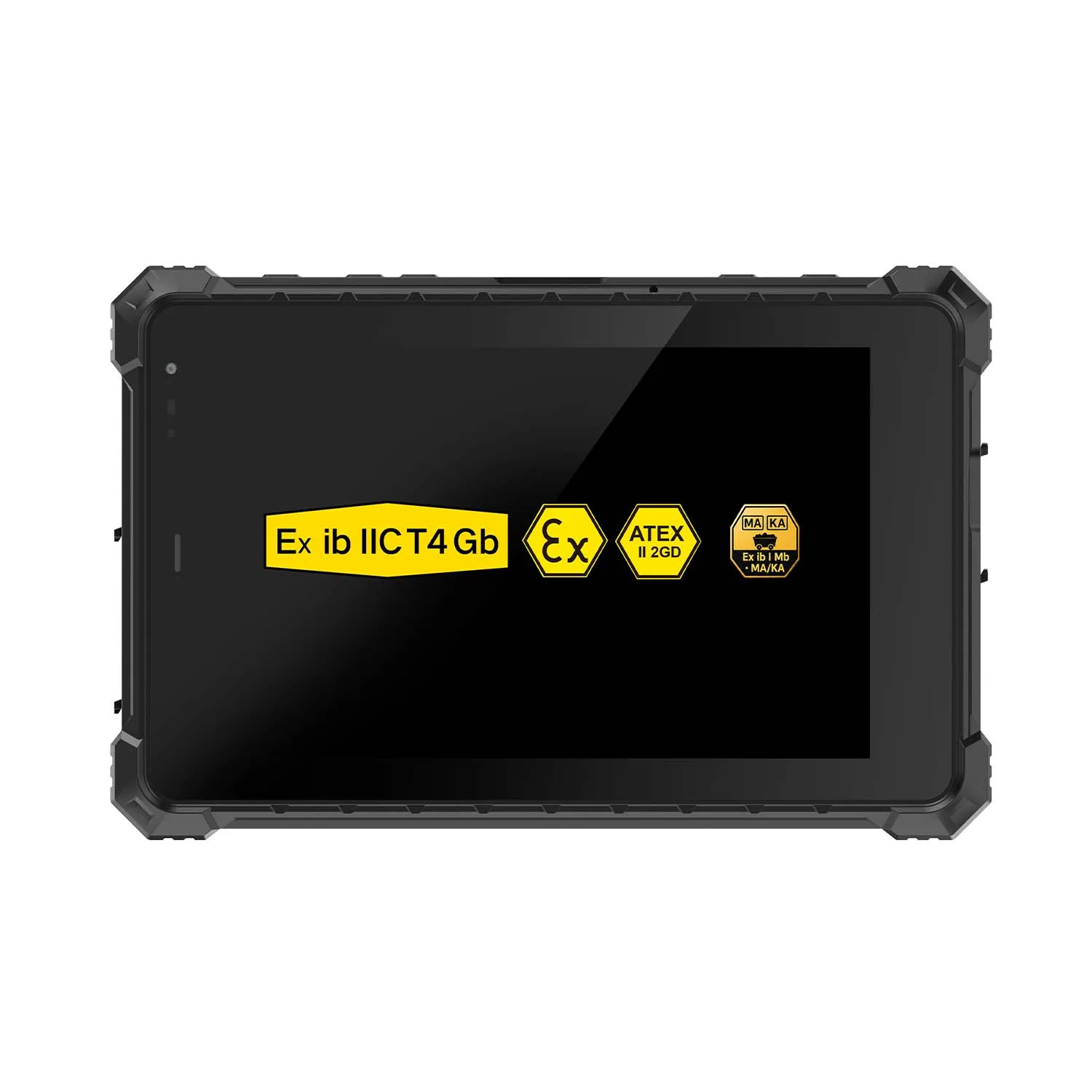
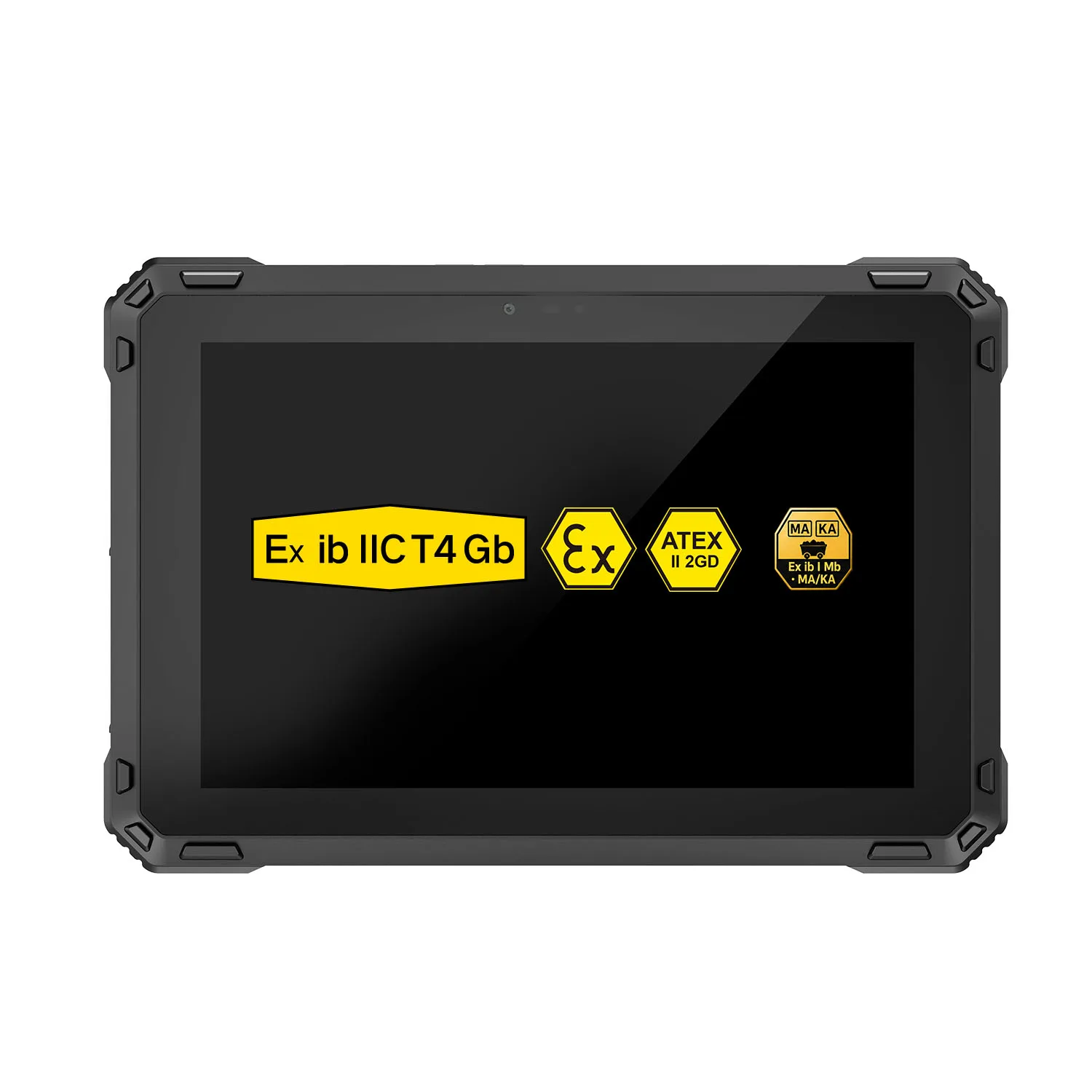
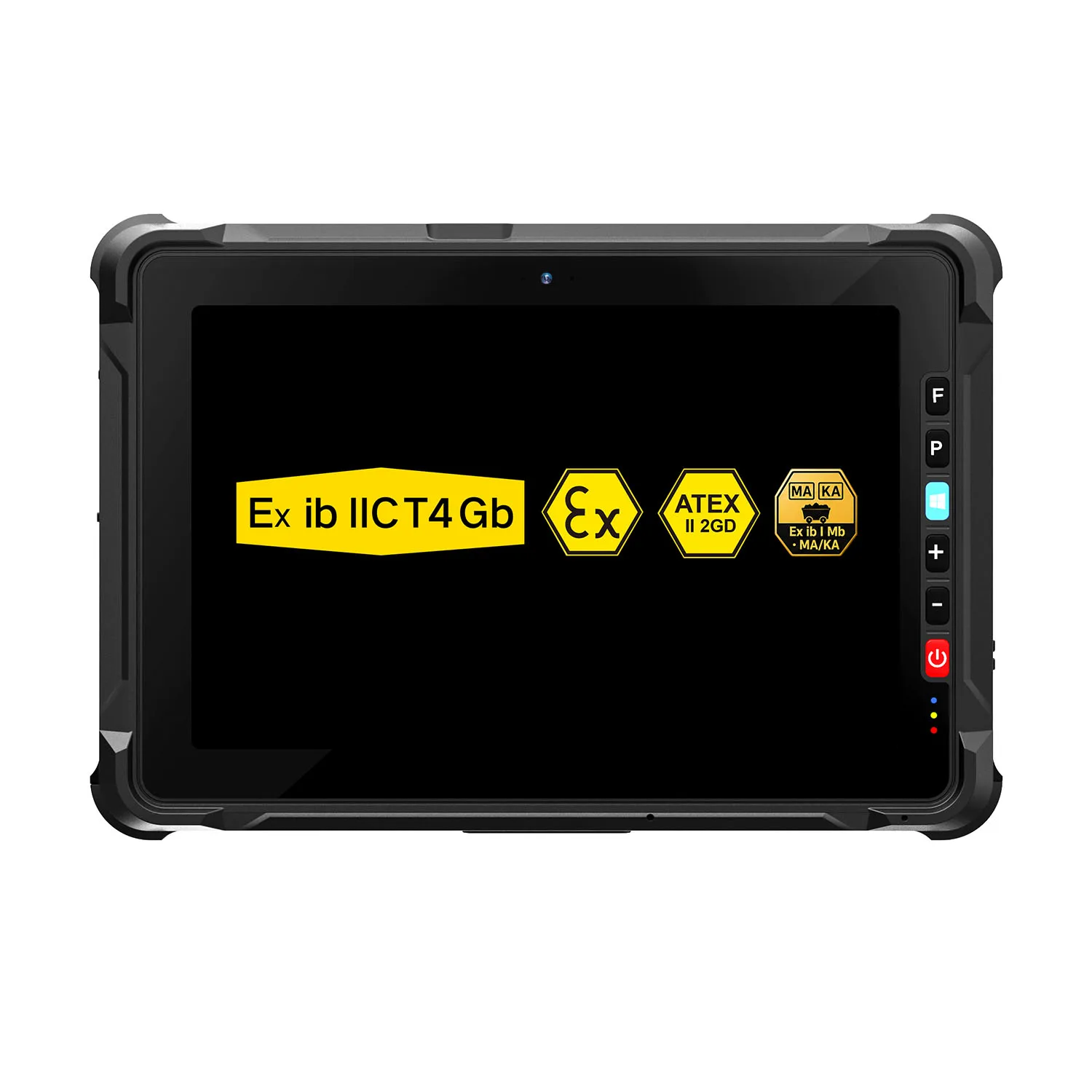
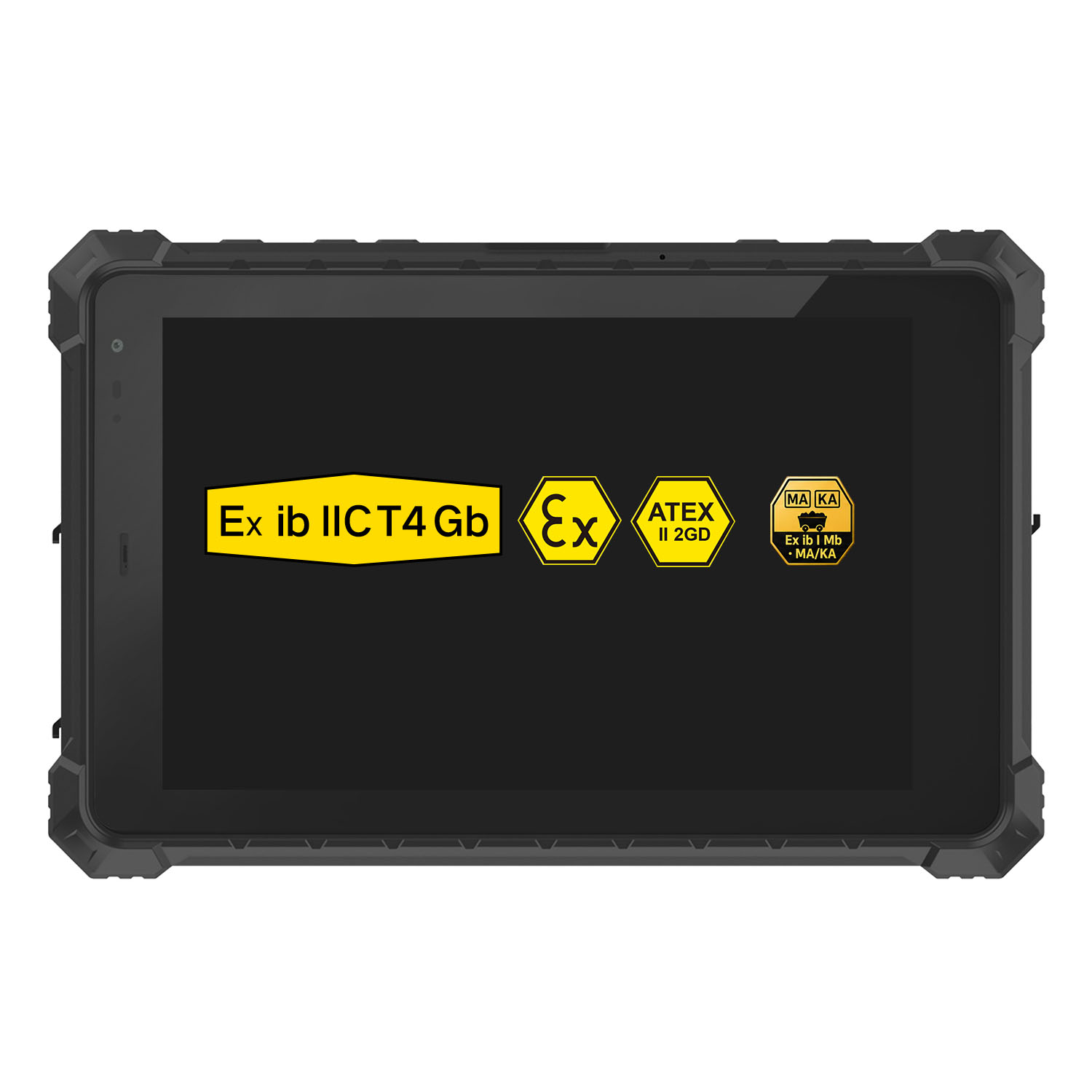
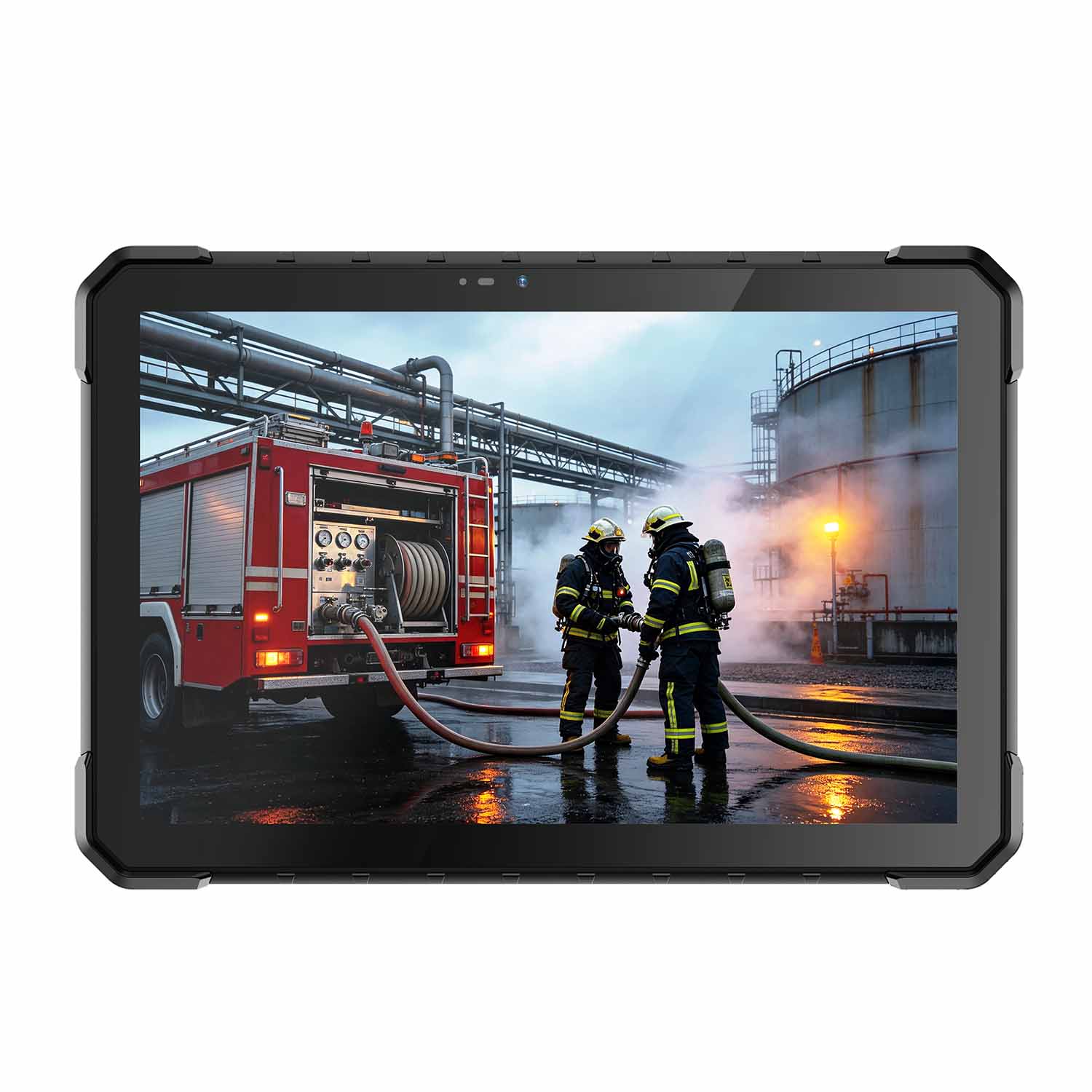
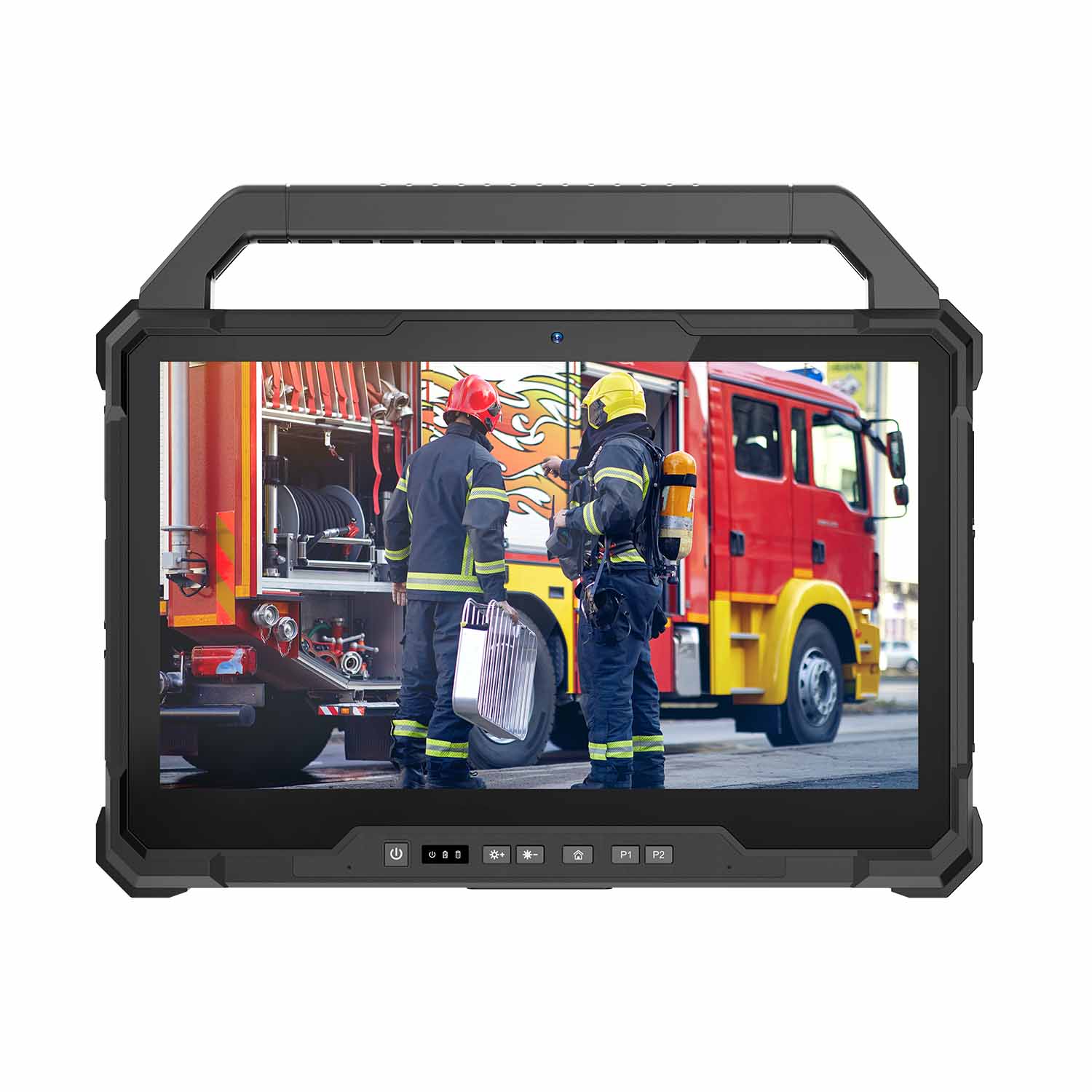
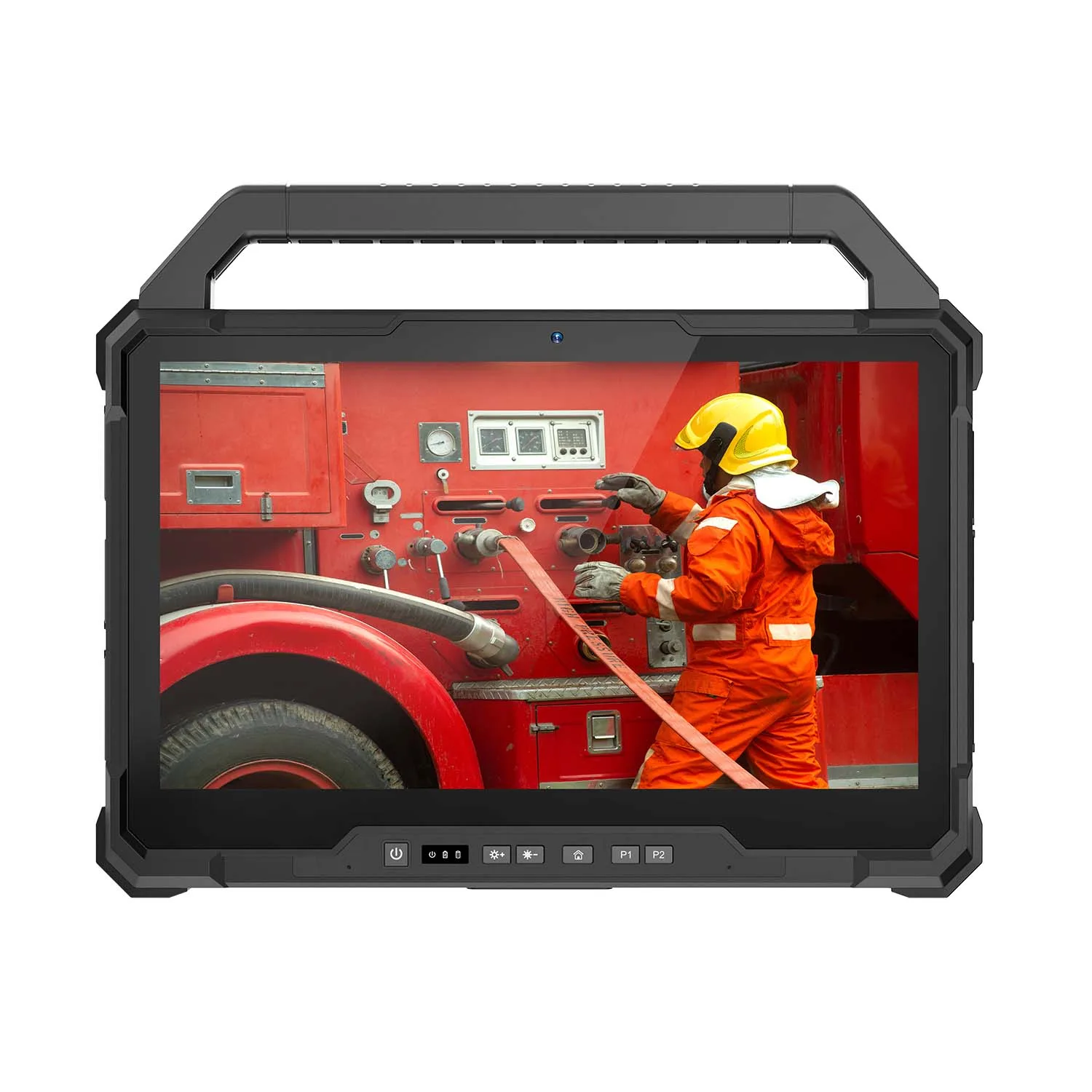
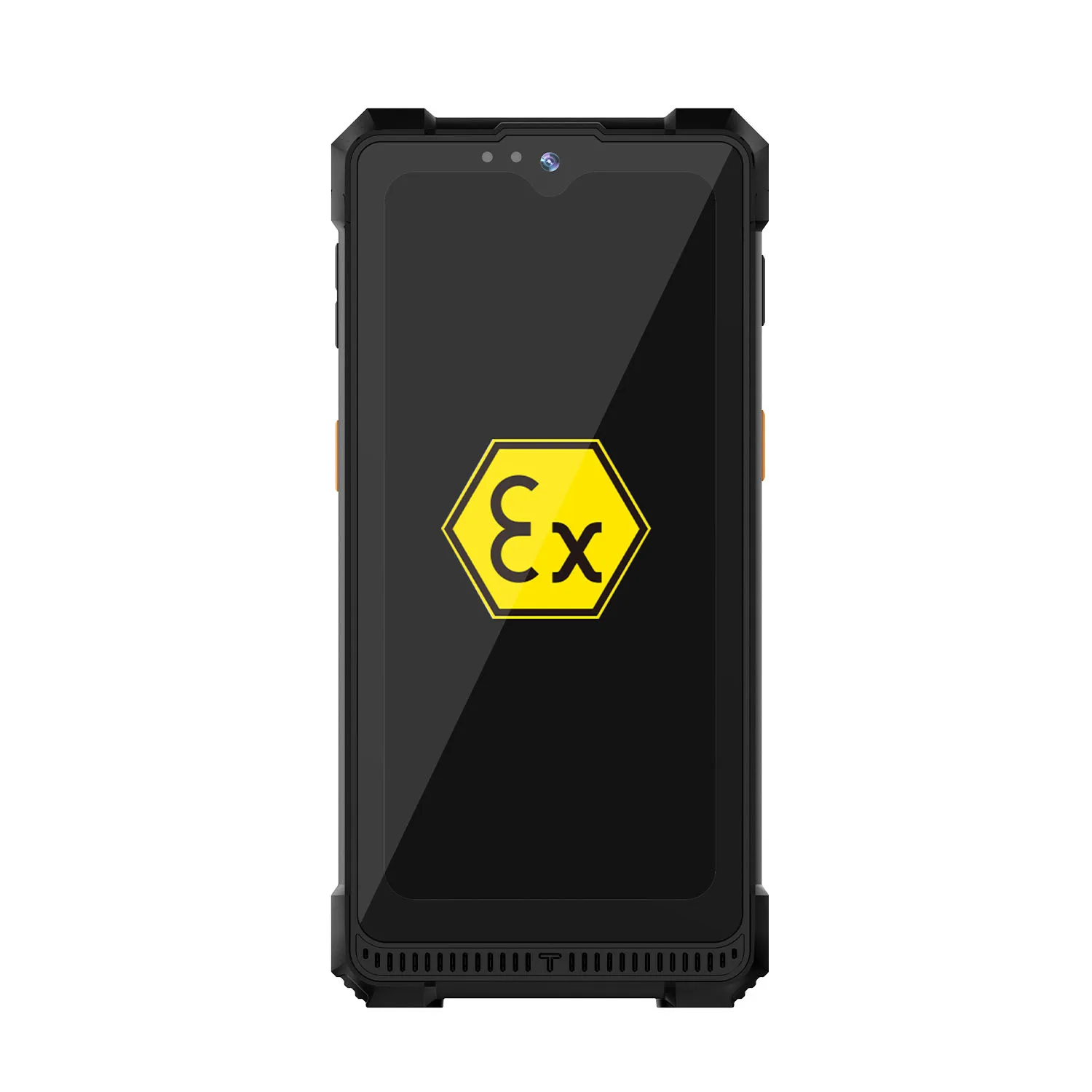





KA Certified Mining Tablets: 10 Manufacturers for Non-Coal Mines
Quick answer: A KA-certified mining tablet is the exact model whose current metal-and-nonmetal-mine safety-mark record matches the delivered configuration and the mine's authorized work location. For a Chinese project, the search ends with the product record — holder, manufacturer, model, applicable standard, scope, current status — not with a photograph of a KA logo. KA covers metal and nonmetal mining; MA covers coal. One mark does not substitute for the other.
The first practical split is underground versus surface work. China's National Mine Safety Administration states that products within the applicable catalogue used from 10 December 2022 require the metal-and-nonmetal-mine safety mark. That date matters for used fleets: a tablet bought before the catalogue took effect is not grandfathered onto a new site's equipment register. Its September 2024 guidance also distinguishes non-coal underground equipment from open-pit equipment. A purchasing team should therefore map the product category and location rather than apply a blanket “KA required” label to every tablet at a quarry.
Other markets follow different routes. MSHA's Approval and Certification Center evaluates certain products for underground coal and gassy underground metal and nonmetal mines; this is not a general approval badge for every tablet at a U.S. surface mine. ATEX and IECEx add another distinction between mining Group I and surface gas or dust groups. IP68 or MIL-STD-810H remains environmental evidence, not proof of permission in an explosive atmosphere.
The ten manufacturers below form a procurement review list. Entries 1–4 concern Chinese mining-oriented products whose exact KA status needs a current record. Entry 5 offers an international mining-specific route. Entries 6–10 fit defined surface or adjacent hazardous-location roles and should not be moved into a KA-controlled or gassy underground area without separate evidence.
What Defines an Intrinsically Safe Tablet for Gassy Metal Mines?
A device intended for a gassy metal mine must match the legal approval route and the actual hazard—not merely survive dust, rain and vibration. We use four gates before comparing price or screen size:
Traceable permission: The product label, purchase description, certificate or safety-mark record and mine equipment register point to the same model and hardware revision. China's 2022 safety-mark catalogue notice and the regulator's 2024 public response provide the starting point for a Chinese review.
Correct explosion-protection scope: A mine susceptible to firedamp may require Group I evidence such as
Ex ia I MaorEx ib I Mb— the 'I' is the mining group, the 'a/b' is the protection level, and 'Ma' is the higher of the two, intended for atmospheres that remain hazardous even during faults.A classified surface fuel point may instead use Group II gas marking. The mine's hazard assessment decides which evidence belongs in the file.Separated ruggedness evidence: IEC 60529 explains enclosure ingress protection. MIL-STD-810G/H provides environmental test methods that must be read with the applied procedure and severity. Neither standard grants mining permission.
Configuration control: The approved battery, case, strap, dock and charging method remain connected to the delivered unit. Adding a radio or changing an enclosure component is not a casual field upgrade when the approved construction depends on it.
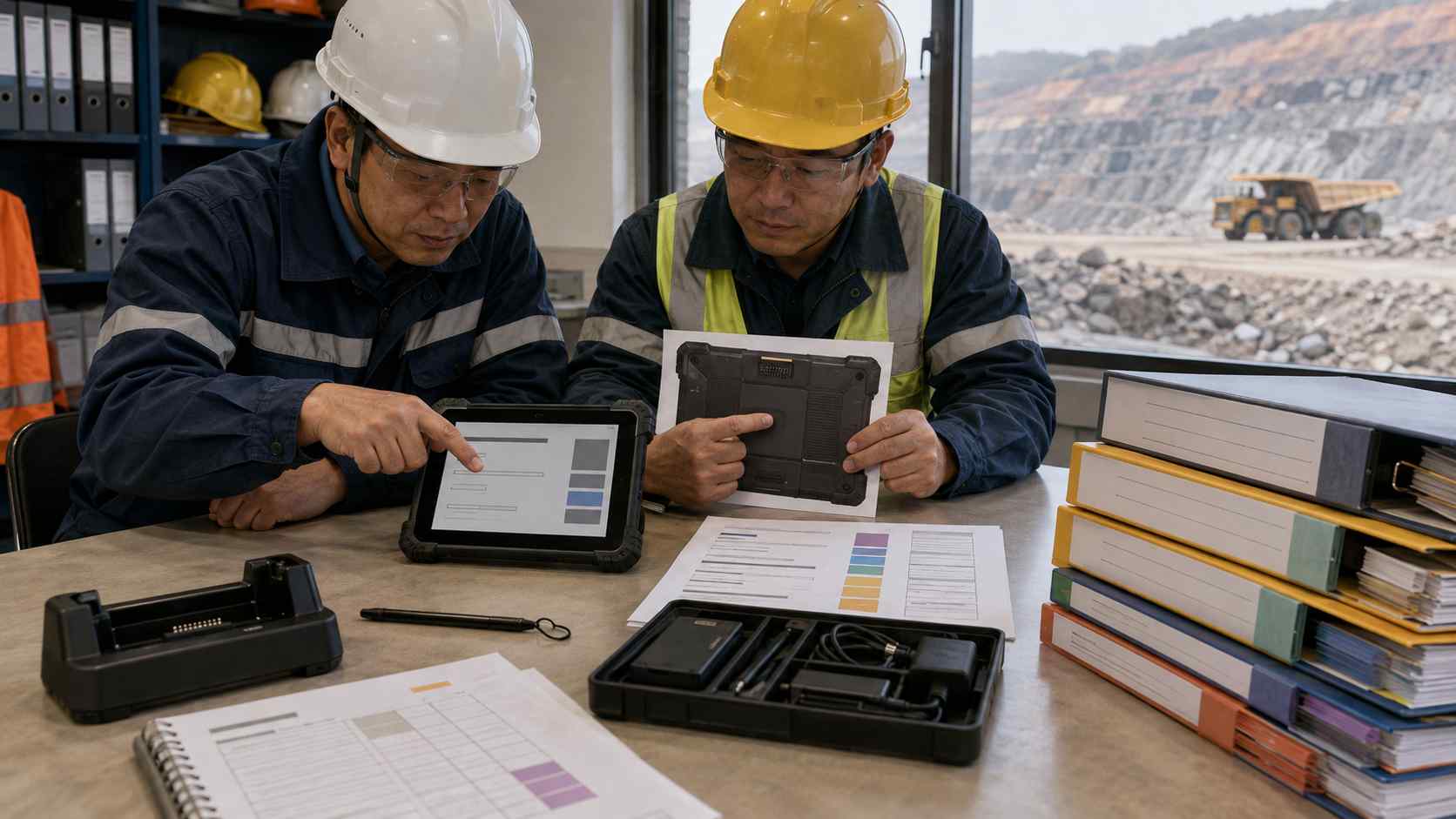
Our proposed document gate uses 12 fields: mine, location, task, product category, manufacturer, exact model, hardware revision, approval route, record number, special conditions, permitted accessories and responsible reviewer. A photograph of the nameplate sits beside the record. On a 30-unit project, sampling only one box is weak practice; we would check all 30 labels at receipt and repeat a smaller audit after device enrollment.
Usability comes next. In a safe test area, use the issued glove for 20 entries, open one drawing under the planned lighting and recover an unfinished record after a normal restart. The exercise does not create approval. It reveals whether an approved unit will be abandoned for paper once the shift becomes busy.
The Top 10 Manufacturers for MSHA-Regime Metal and Nonmetal Mine Tablets
The MSHA phrase in the heading needs a location qualifier. MSHA explains that federal approval or certification applies to certain mining products used in underground coal and gassy underground metal and nonmetal mines. Surface metal/nonmetal work follows the applicable federal rules and the mine's own hazard controls; an MSHA logo should not be invented for a general rugged tablet.
The order below is editorial, not a claim of market share. Each entry states what the product may contribute and where the approval boundary remains.
1. Xuzhou Kuangyi Automation Equipment (China)
Mining safety-mark inspection equipment with a documented KA reference
Xuzhou Kuangyi earns its place for an unusual reason: it builds the inspection tools used to verify safety-marked products — a tablet designed around the equipment register, not around office work.
2. CENAVA (China)
Configurable rugged and explosion-protected tablet projects
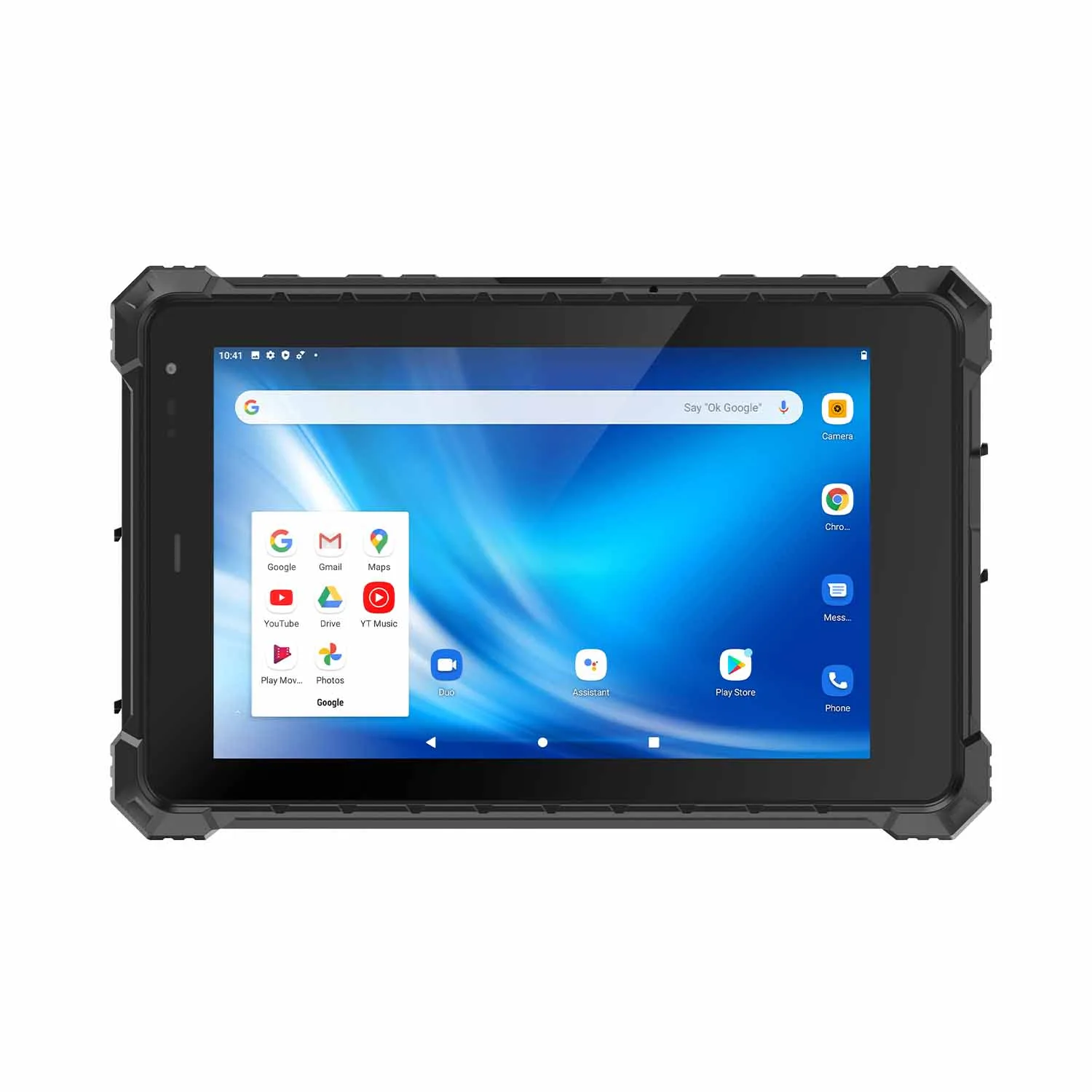
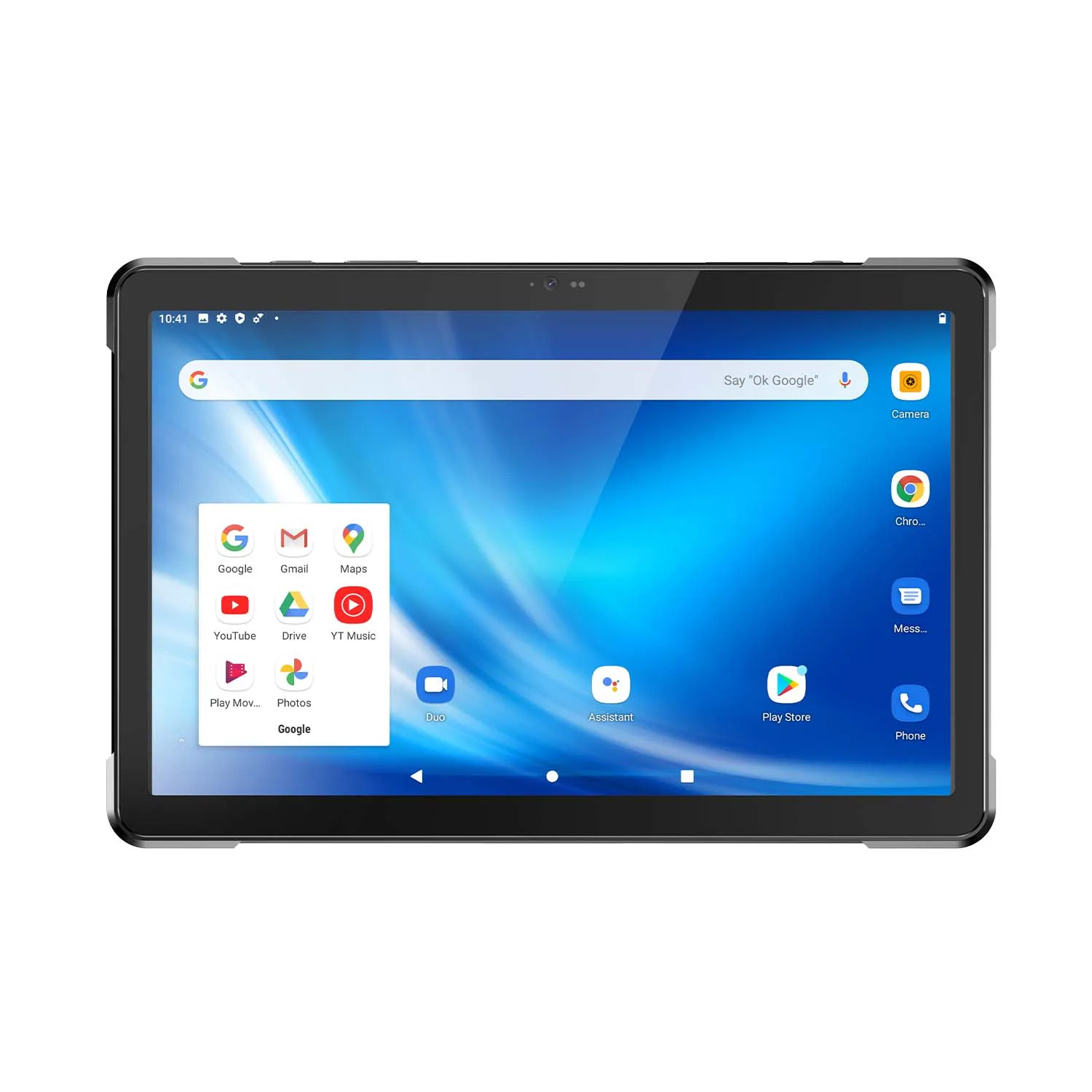
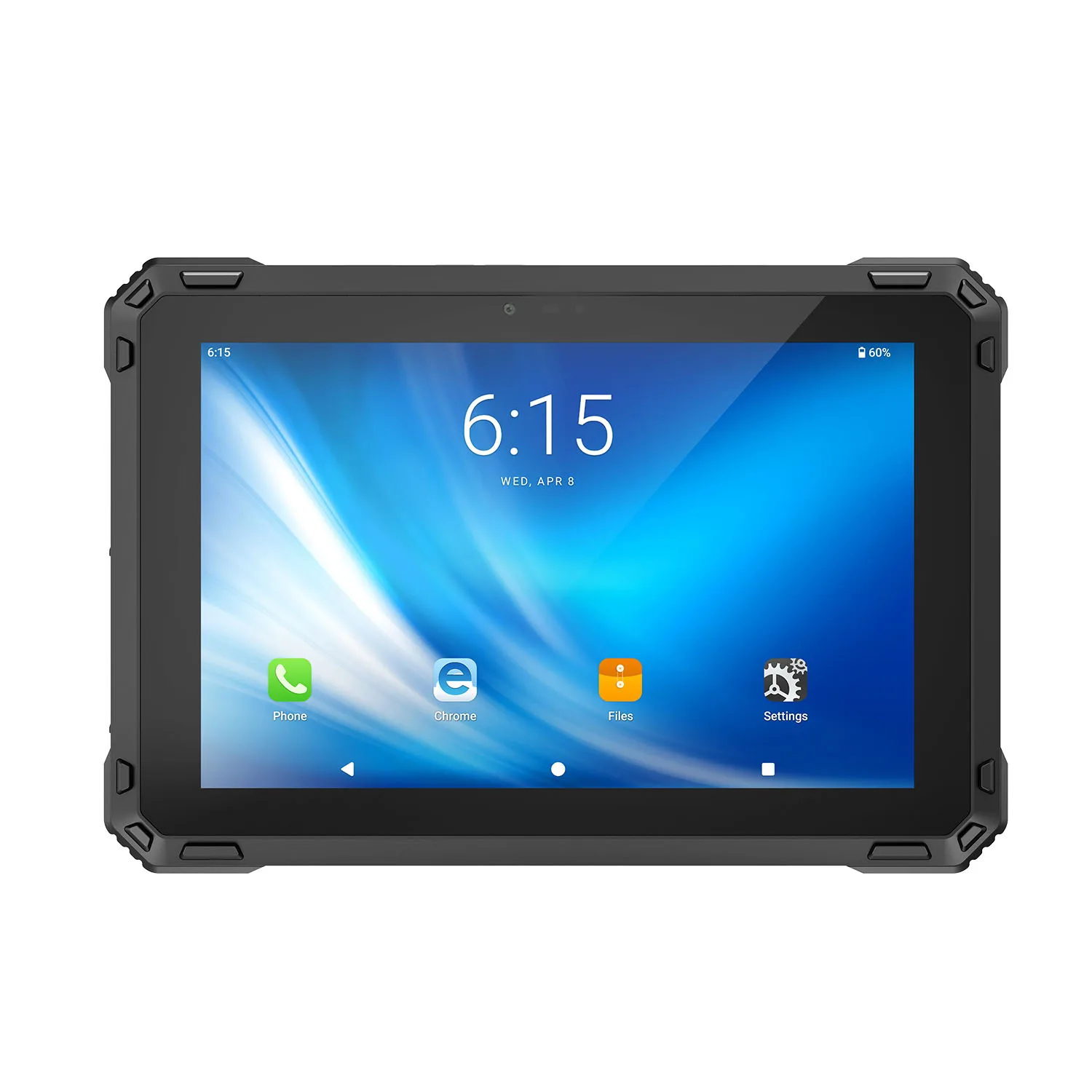
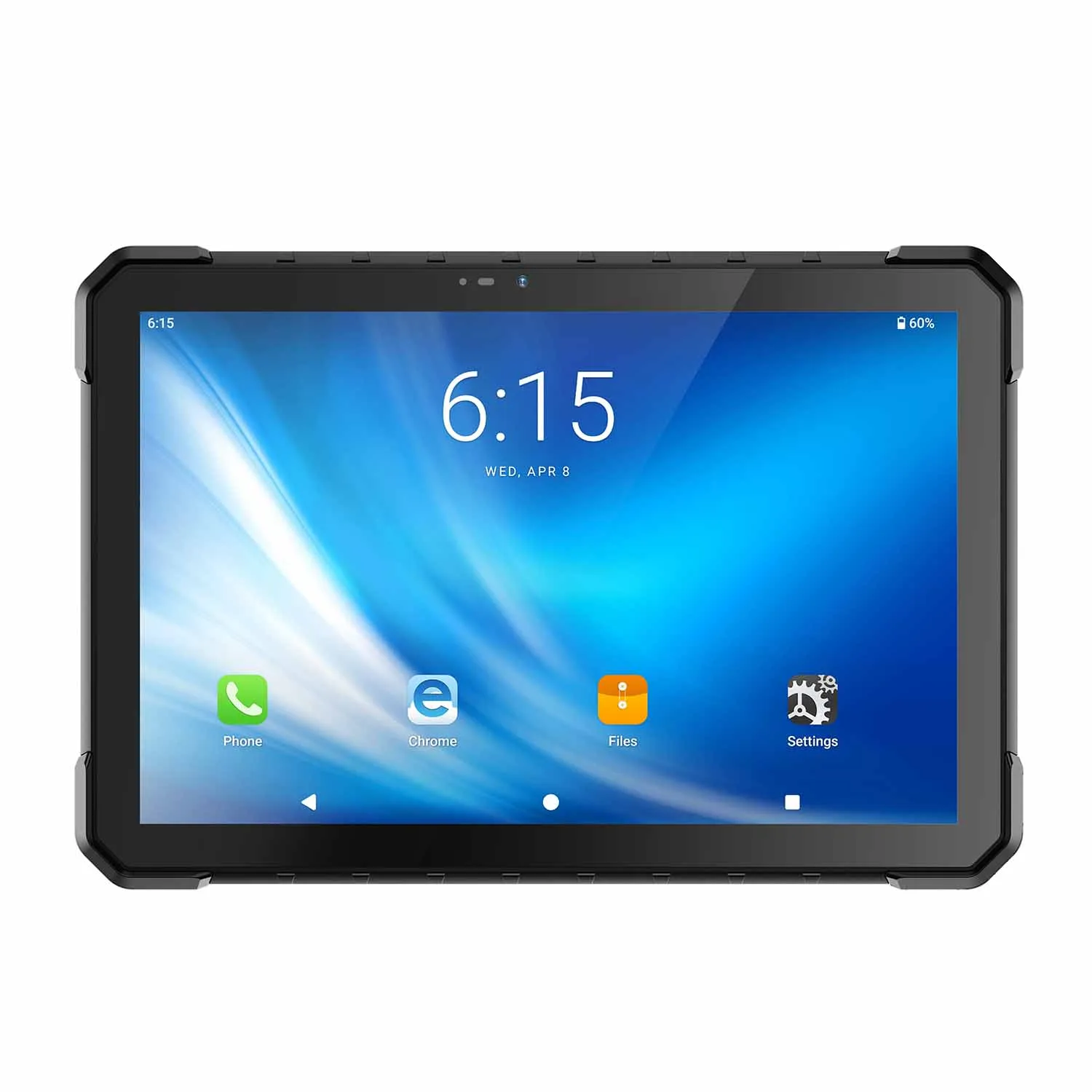
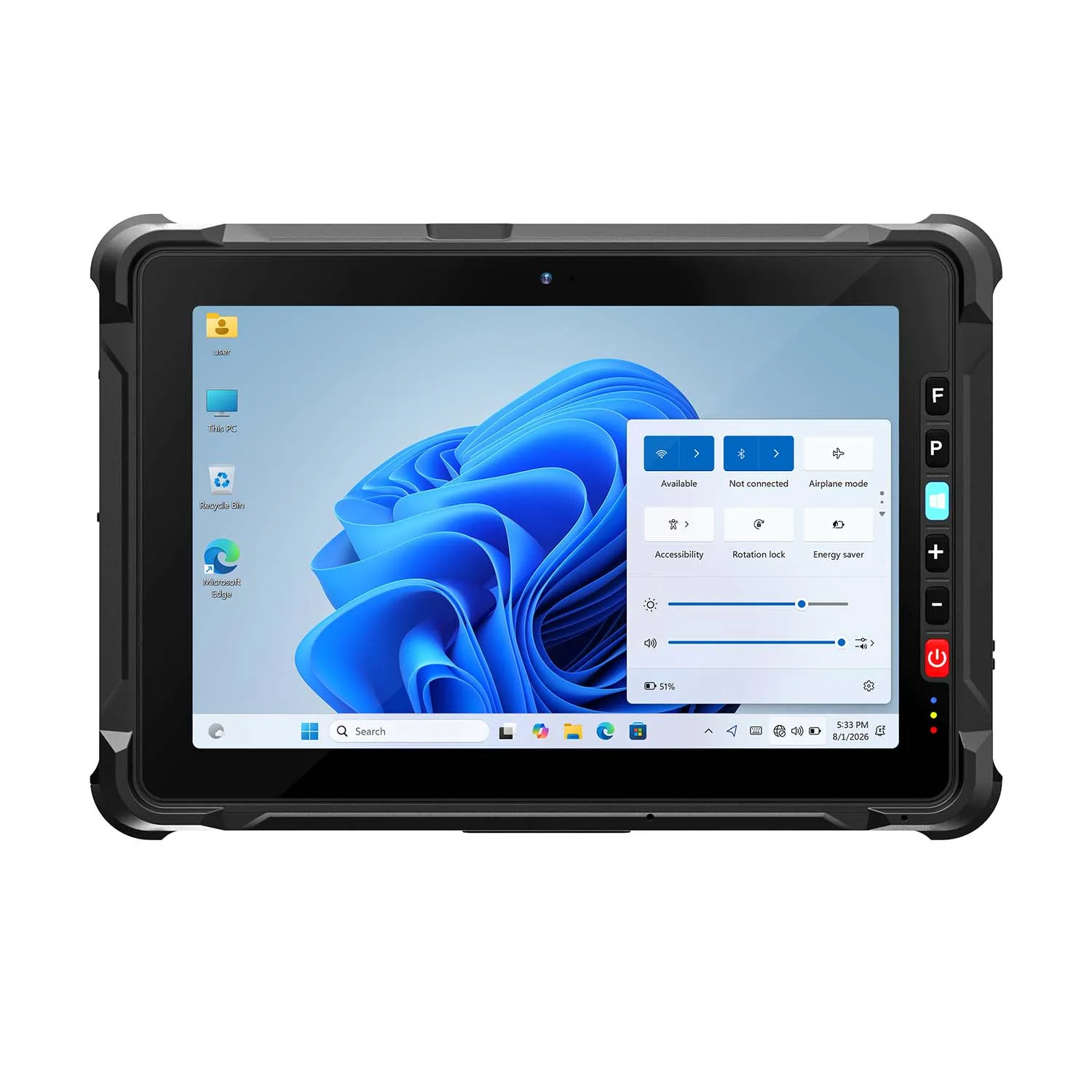
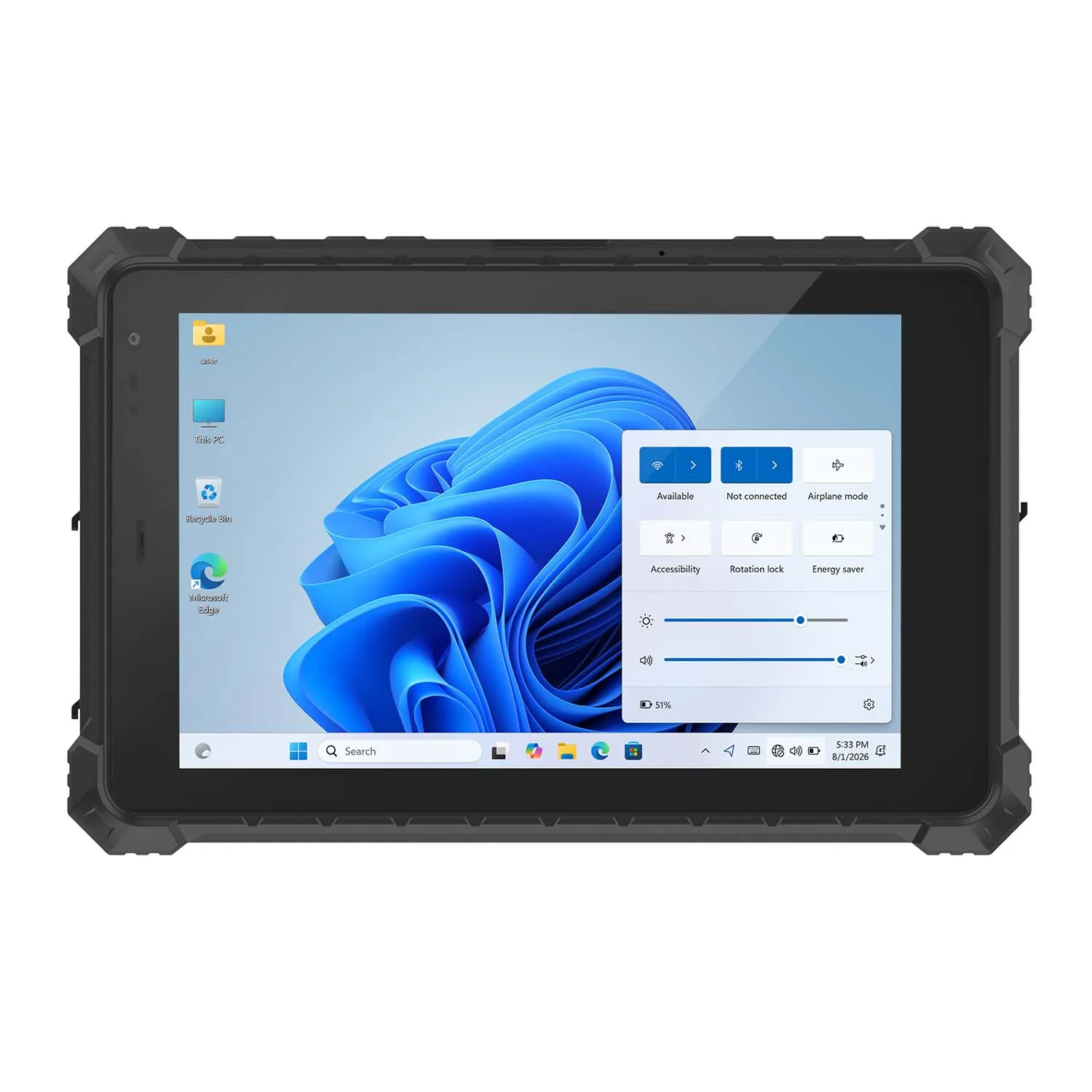
CENAVA develops Android and Windows rugged tablets and offers project-specific explosion-protected variants. Its fit is strongest when an operator needs the hardware, application image and carrying or vehicle arrangement managed as one configuration.
Key Products: CENAVA's explosion-proof tablet portfolio includes industrial gas/dust models, while selected project configurations may use the mining marking
Ex ib I Mb. A Chinese metal or nonmetal mine still needs a current, exact-model KA record when the applicable catalogue requires it; an industrial ATEX/IECEx document does not fill that role.Technical Advantage: OEM/ODM control allows the project to define the required data-capture method and mounting arrangement. The same flexibility creates a discipline requirement: an optional NFC reader, battery or enclosure change must remain within the documented configuration.
We would separate three asset pools at a combined open-pit and underground operation: ordinary surface units, surface hazardous-area units and KA-controlled mining units. Different prefixes in device management and storeroom bins are more reliable than asking workers to recognize a subtle housing change.
Project confirmation is warranted because approval and interoperability depend on the order. Send us the destination country, mine type; required KA, MSHA, ATEX or IECEx route; classified location; minimum operating temperature; vehicle and mount; mine-network design; exact NFC card or tag technology; issued glove; and the planned charging location. Do not send NFC authentication keys in the initial inquiry.
3. Hangzhou Hualuo Communication Equipment (China)
Mining communications terminals with integrated field identification options
Hualuo's terminals sit inside a broader mine-communications catalogue — useful when the tablet is one piece of a voice-and-identification system, not a standalone purchase.
4. Sichuan Xuxin Technology (China)
Mining-oriented mobile terminals in compact form factors
Sichuan Xuxin develops explosion-protected phones and tablets for mining and process-industry use. Its mining catalogue provides a candidate for buyers who need a device smaller than the 10- or 11-inch Windows platforms common in service vehicles.
5. i.safe MOBILE (Germany)
Current Group I mining tablets with published international approvals
i.safe MOBILE specializes in explosion-protected communication equipment and maintains a dedicated mining range. It offers a useful international benchmark because the mining suffix and approval scope are explicit on the current product page.
6. Getac (Taiwan)
Rugged Windows tablets for surface duty and defined Zone 2/22 locations
Getac manufactures fully rugged mobile computers with vehicle and field-service accessories. Its products are relevant to open-pit operations, but the standard and EX variants belong in different location records.
7. Zebra Technologies (United States)
Managed Android data capture for surface mining workflows
Zebra's mining play is the depot workflow: inspection, parts control and field communications on managed Android — surface roles only, and the mine's classified areas stay out of scope.
8. DURABOOK (Taiwan)
Fanless Windows tablets for classified surface process areas
DURABOOK, the rugged computing brand of Twinhead, supplies Windows tablets for industrial field service. Its EX range is relevant to an open-pit mine with a separately classified processing or fuel location.
9. Panasonic TOUGHBOOK (Japan)
Modular surface field computing with mature accessory management
The TOUGHBOOK G2's value on a mine site is the dock ecosystem already in the workshops — surface maintenance and survey prep, never the KA-controlled pool.
10. Juniper Systems (United States)
Compact rugged tablets for surface mapping and walking inspection
Juniper Systems focuses on field data collection and mapping equipment. Its smaller devices fit inspectors who walk long routes and do not need a full desktop engineering interface.
How to Choose the Right Manufacturer for Your Mine
The right manufacturer is the one whose exact configuration belongs in the intended location and completes the assigned work without losing traceability. We recommend four steps, using a small pilot rather than a broad promise of mine-wide compatibility.
Define the Mine Environment and Approval Boundary
Divide the operation by location, not by company name. At minimum, distinguish the unclassified open pit, a classified surface process or fuel area, and any non-coal underground workings. Add the operator's blasting restrictions and equipment-register rules to the map.
For China, check whether the product category and use location fall under the current safety-mark catalogue. If so, match the KA record to the delivered label. For the United States, use MSHA's approval resources for the products and locations within its approval regime. For ATEX or IECEx, record the exact group, zone or mining category and equipment protection level.
Charging receives its own location. A removable battery does not authorize a swap beside a fuel dispenser or underground heading. The approved instructions and mine procedure govern where a cover may be opened and what charger belongs to the configuration.
Clarify Performance Requirements
Use the real route. For a vehicle role, run a 2-shift mount test on the mine's authorized roads with driver interaction disabled while moving. Log power interruptions, latch movement and cable strain. A generic vibration claim does not evaluate a locally fabricated bracket.
For a walking role, load 40 inspection points with 2 photographs at each point. The worker should use issued gloves and safety glasses. Test the screen from 11:30 to 13:30 at the actual viewing angle — midday sun is the honest test; a morning reading tells you nothing about glare; a peak-brightness number does not capture glare from a protective film or cab window.
Temperature needs three lines in the specification: operation, storage and charging. Use the standard/wide-temperature split from our lineup (−20 °C standard, −30 °C wide-temperature builds) and let the certificate's ambient range override both for hazardous-area tasks.
Consider Software and Mine-Network Integration
In a controlled test, block only the application's connection for 2 hours. Complete several records, restart the app normally and restore the link. The supervisor should see the correct attachment count and one copy of each work order. “Saved on device” and “received by server” need visibly different states.
Network design follows the mine. Public cellular coverage on the rim does not describe a deep pit or underground decline. NFC also needs specificity: identify the card or tag technology, intended read operation and application interface. A generic NFC option does not establish access to a protected credential.
Application updates belong to configuration management. Repeat the offline test, camera attachment and brightness behavior after a major operating-system or app release. The tablet should preserve the validated workflow without turning the safety-marked hardware into an uncontrolled software exception.
Analyze Total Cost of Ownership (TCO) vs. Initial Cost
Price the working system: device, permitted accessories, dock, power conversion, enrollment, application validation, spare pool and repair logistics. Keep surface and KA-controlled fleets separate in the calculation; a cheaper shared pool is not cheaper if it creates an approval-control problem.
For a hypothetical 36-unit fleet, 6 avoidable minutes of re-entry across 220 working days equals 792 hours: 36 × 6 × 220 ÷ 60. Apply the mine's own labor and delay cost. This arithmetic does not predict savings from any manufacturer.
Our proposed pilot uses 4–6 correctly configured units for 21 days. Record each return to paper, every unplanned reboot and the time needed to restore a managed spare. The decision file should preserve unresolved issues instead of compressing them into a single satisfaction score.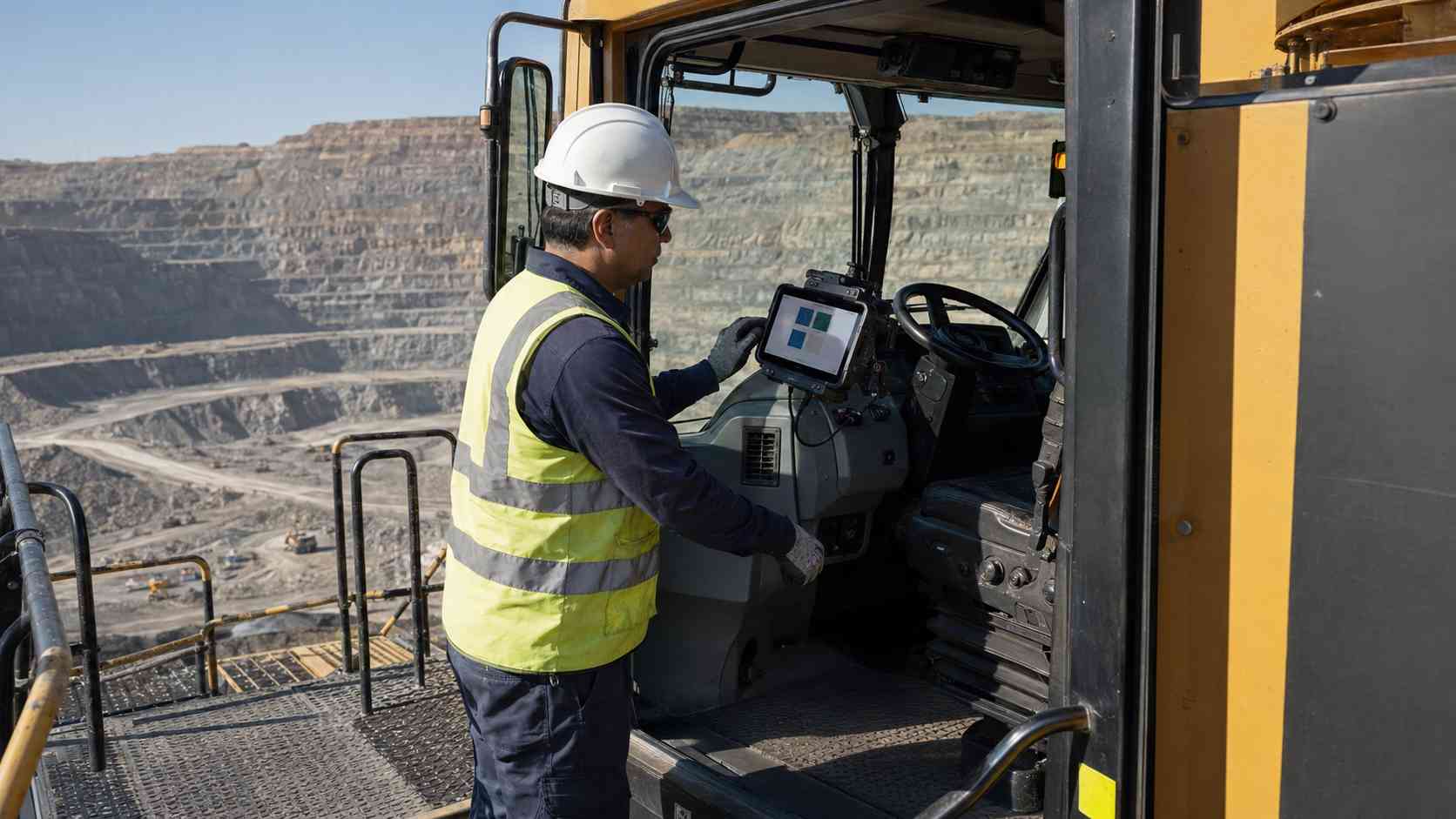
The Future of Mining Tablets: Trends to Watch
The useful trends are those that improve permission control and field completion, not merely the number of functions printed on a datasheet.
Approval-linked device identity: Asset systems will connect the KA or other approval record, hardware revision and accessory set to the issued device. A scanned label can then warn when a surface unit enters the wrong equipment pool.
Visible offline accountability: Applications will show record age, attachment count and server acknowledgement separately. Faster radios help where coverage exists; they do not repair a weak synchronization model.
Measured vehicle integration: Mines will treat the mount and power converter as part of the endpoint, with logged voltage interruptions and controlled part numbers. This shifts purchasing from “tablet plus bracket” to an installed configuration.
Purpose-specific fleets: One mine may retain compact mapping tablets, bright vehicle tablets and safety-marked underground units. Central management can unify data while the physical devices remain separated by hazard boundary.
Conclusion
In practice, a KA certified mining tablet is selected through the applicable Chinese safety-mark catalogue and an exact match between the record and delivered unit. Xuzhou Kuangyi, CENAVA, Hualuo and Xuxin provide Chinese mining-oriented starting points, but each order still requires current model-level evidence.
i.safe MOBILE offers a clear international Group I benchmark. Getac, Zebra and DURABOOK address defined surface or Zone 2/Division 2 roles, while Panasonic and Juniper Systems fit surface maintenance, mapping and inspection without becoming KA or MSHA-approved mining tablets by association.
The defensible decision combines a 12-field approval review with a 20-entry glove test, a 2-hour offline exercise and a 21-day pilot. That process keeps legal permission, field usability and ownership cost in one record—and prevents a ruggedness specification from being mistaken for mining approval.
Need a Rugged Device for Your Project?
Tell us your operating environment and requirements — our engineers will recommend a configuration and quote within 24 hours.
Get a Free Quote Back to Blog