




Refinery Zone 1: 6 Distributor Mistakes With Ex d IIB T4
A tablet is suitable for refinery Zone 1 only when its exact configuration is approved for that hazardous area, gas group, temperature class and ambient range, and the refinery procedure permits the intended task.
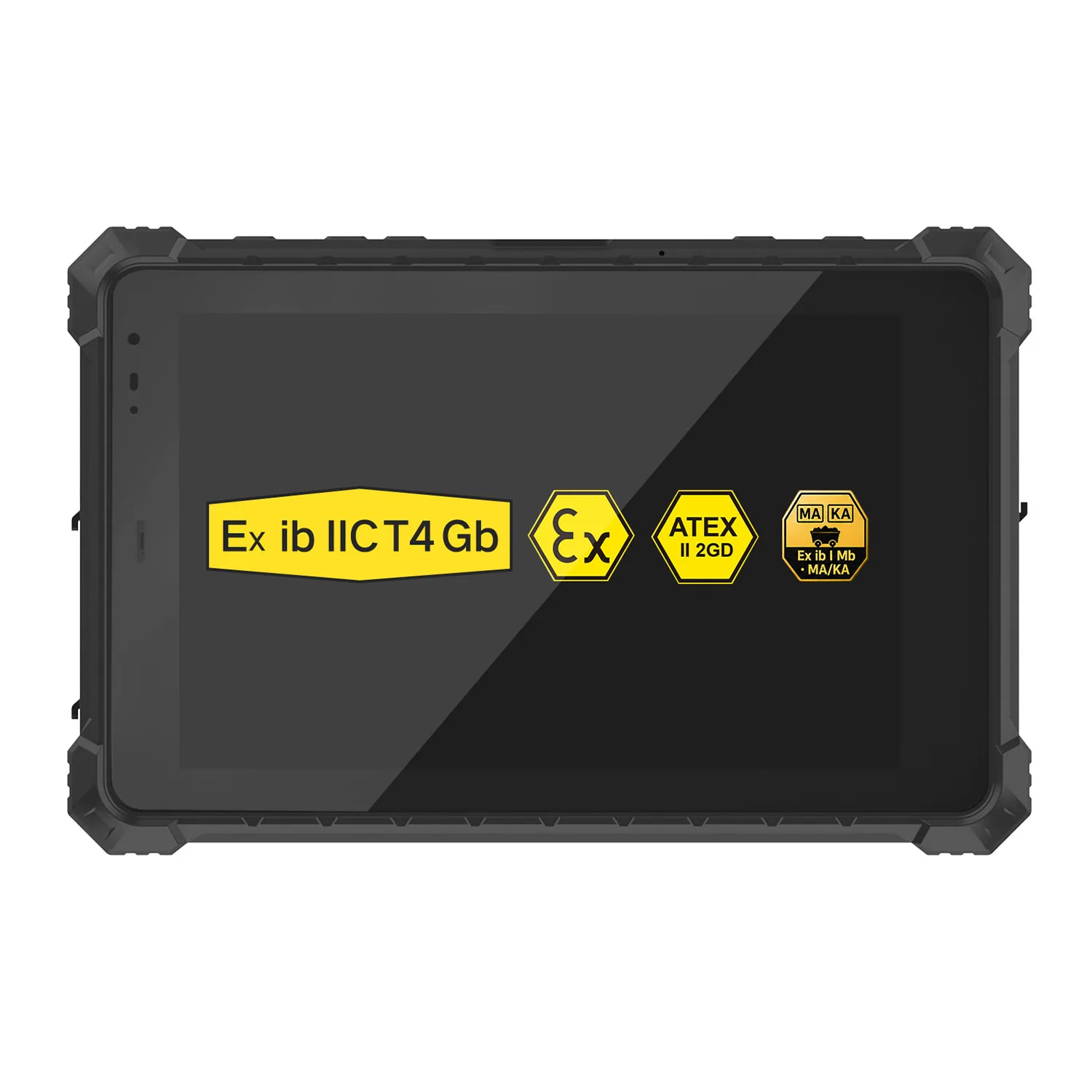
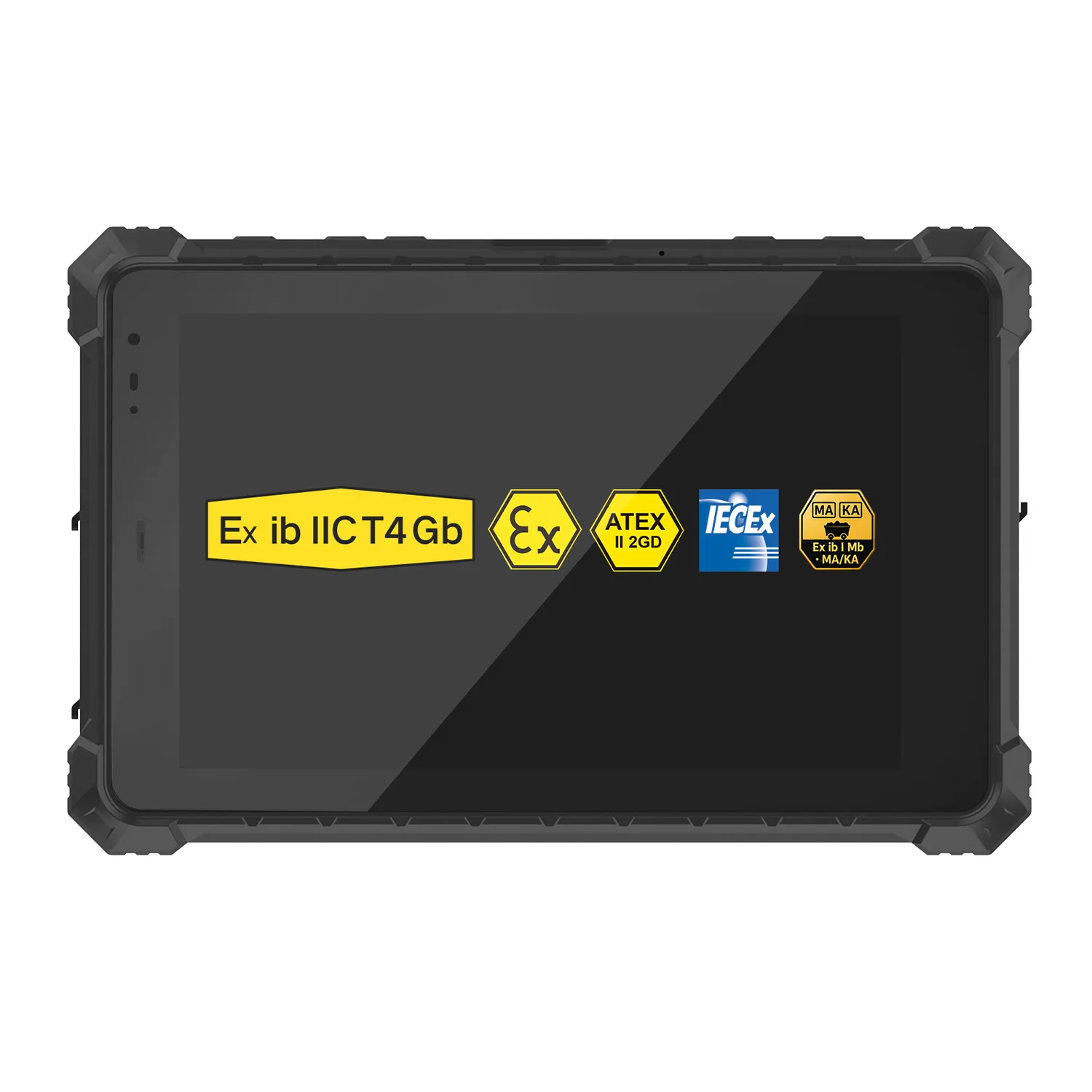
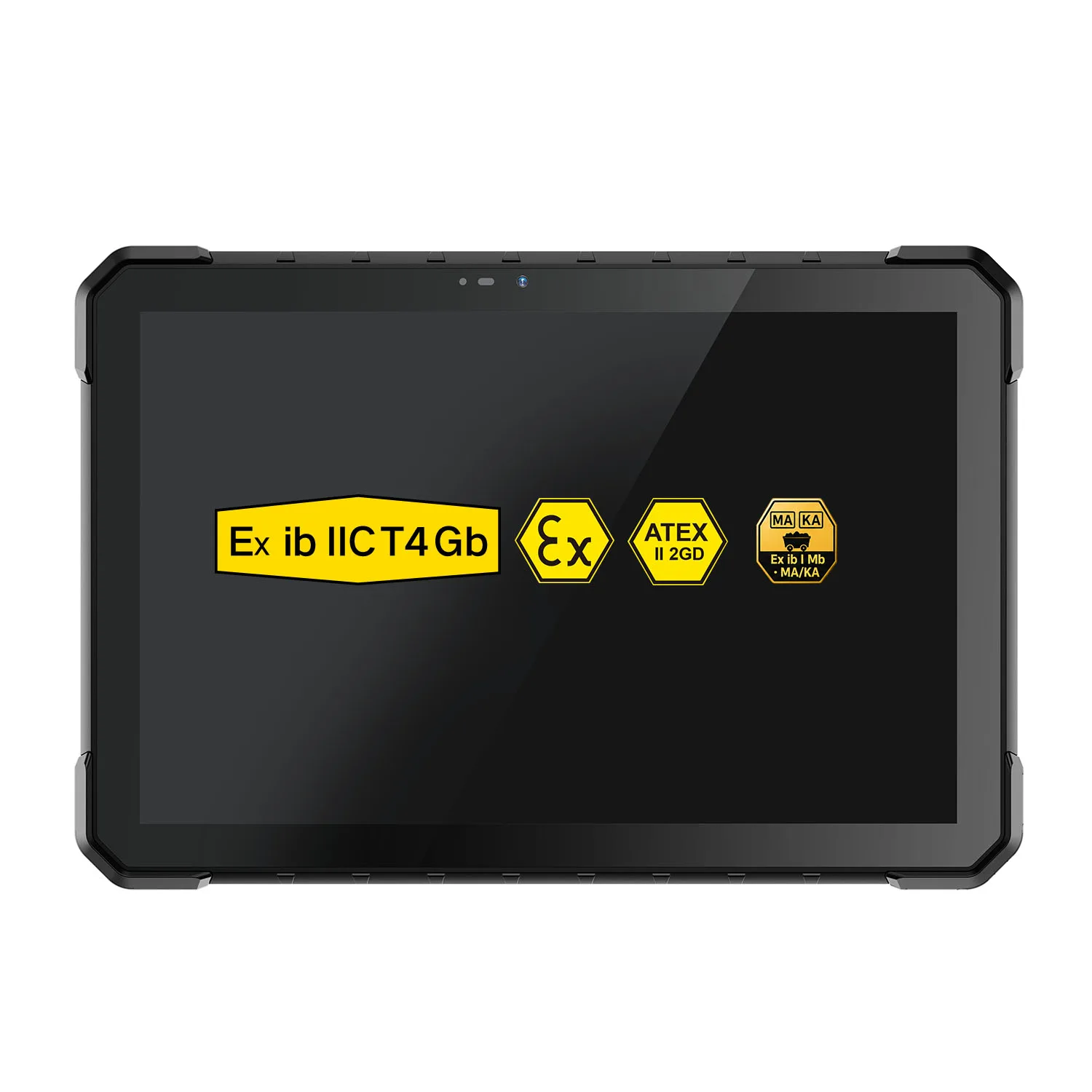
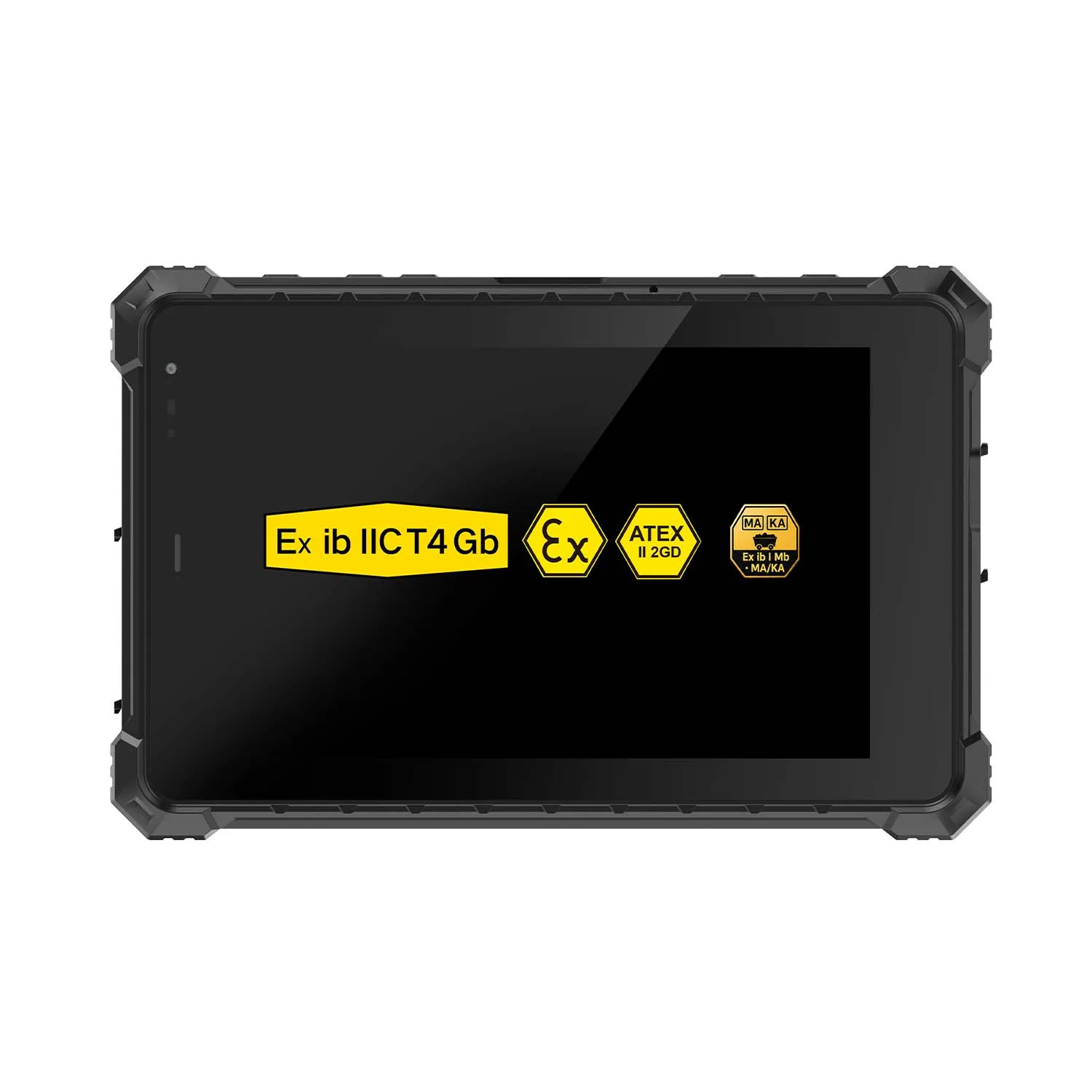
An ATEX tablet for refinery Zone 1 normally needs Category 2G equipment for the relevant EU use case, while an IECEx route typically shows Equipment Protection Level Gb. The complete marking matters. A rugged Android tablet with IP68 and MIL-STD-810H evidence does not become Zone 1 equipment through enclosure strength alone.
Gas group is another hard boundary. IIC is the most demanding gas subdivision in the IIA/IIB/IIC sequence and is relevant where gases such as hydrogen or acetylene drive classification. Yet a refinery should not label every unit IIC by habit; the approved area study identifies the substance, extent and temperature requirement.
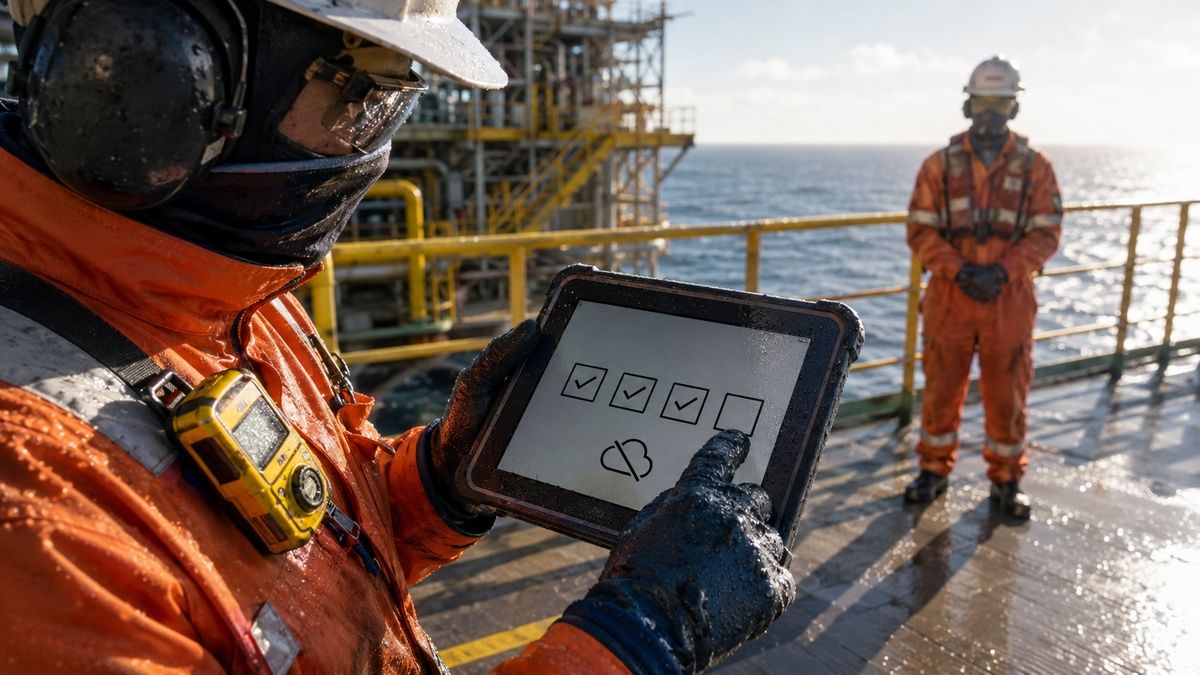
The task remains limited even with the right tablet. An inspector may open a checklist, photograph a nameplate and record an instrument indication. The device does not detect gas, issue a permit, authorize entry or replace the process interlock behind the displayed status.
The ten manufacturers below are deliberately divided by approval level. The first five provide Zone 1 or stronger product routes worth technical review. The remaining five are established rugged suppliers whose named EX or hazardous-location products are Zone 2 or Division 2 references—not substitutes for a Zone 1/IIC requirement.
What Defines a Top-Tier IECEx Tablet for Petrochemical Plant Use?
A credible supplier makes certificate matching easier than marketing interpretation. Four capabilities matter most when a refinery moves from a 5-unit trial to a controlled fleet:
Certificate traceability: The model, suffix, protection concept, EPL or category, gas group, temperature class, ambient range and special conditions match the delivered unit and certificate schedule.
Approved accessory control: The case, hand strap, stylus, scanner and charging equipment are included only where the documentation permits them. A visually compatible accessory is not assumed to be part of the certified assembly.
Operational restrictions stated plainly: Charging, battery exchange, physical connections and port access are mapped to designated safe locations. The supplier does not hide these restrictions behind a general ruggedness claim.
Lifecycle identity: Repair, replacement and firmware management preserve the approved configuration. A fleet record distinguishes Zone 1, Zone 2 and ordinary tablets even when the housings look similar.
The Top 10 Manufacturers to Review for IIC Gas Group Intrinsically Safe Tablet Selection
Entries 1–5 provide candidate Zone 1 or higher-protection routes. Entries 6–10 are included because their Zone 2 or Division 2 products are frequently encountered during procurement and are sometimes misassigned. The comparison is useful only if the exclusion boundary remains visible.
1. Pepperl+Fuchs / ECOM Instruments (Germany)
Pepperl+Fuchs and its ECOM Instruments brand have a long history in explosion protection and industrial mobile communication. Refineries often encounter ECOM through phones, tablets and accessories designed around hazardous-location requirements rather than through ordinary devices placed in aftermarket cases.
2. i.safe MOBILE (Germany)
i.safe MOBILE specializes in communication equipment for potentially explosive atmospheres. Its product families are organized around defined Zone and Division use instead of a universal rugged enclosure. That focus helps refineries separate approved field devices from office or workshop tablets.
3. Aegex Technologies (United States)
Aegex develops Windows tablets for hazardous industrial environments. Its platform is relevant where a refinery relies on desktop-oriented maintenance software that cannot be replaced easily by a mobile Android form. The protection route includes configuration-specific conditions that must remain attached to the device record.
4. BARTEC (Germany)
BARTEC has decades of experience in explosion protection and enterprise mobility for energy and chemical facilities. Its tablet portfolio combines hazardous-area engineering with enterprise Android data capture. Regional and scanner options require controlled ordering rather than family-level assumptions.
5. CENAVA (China)
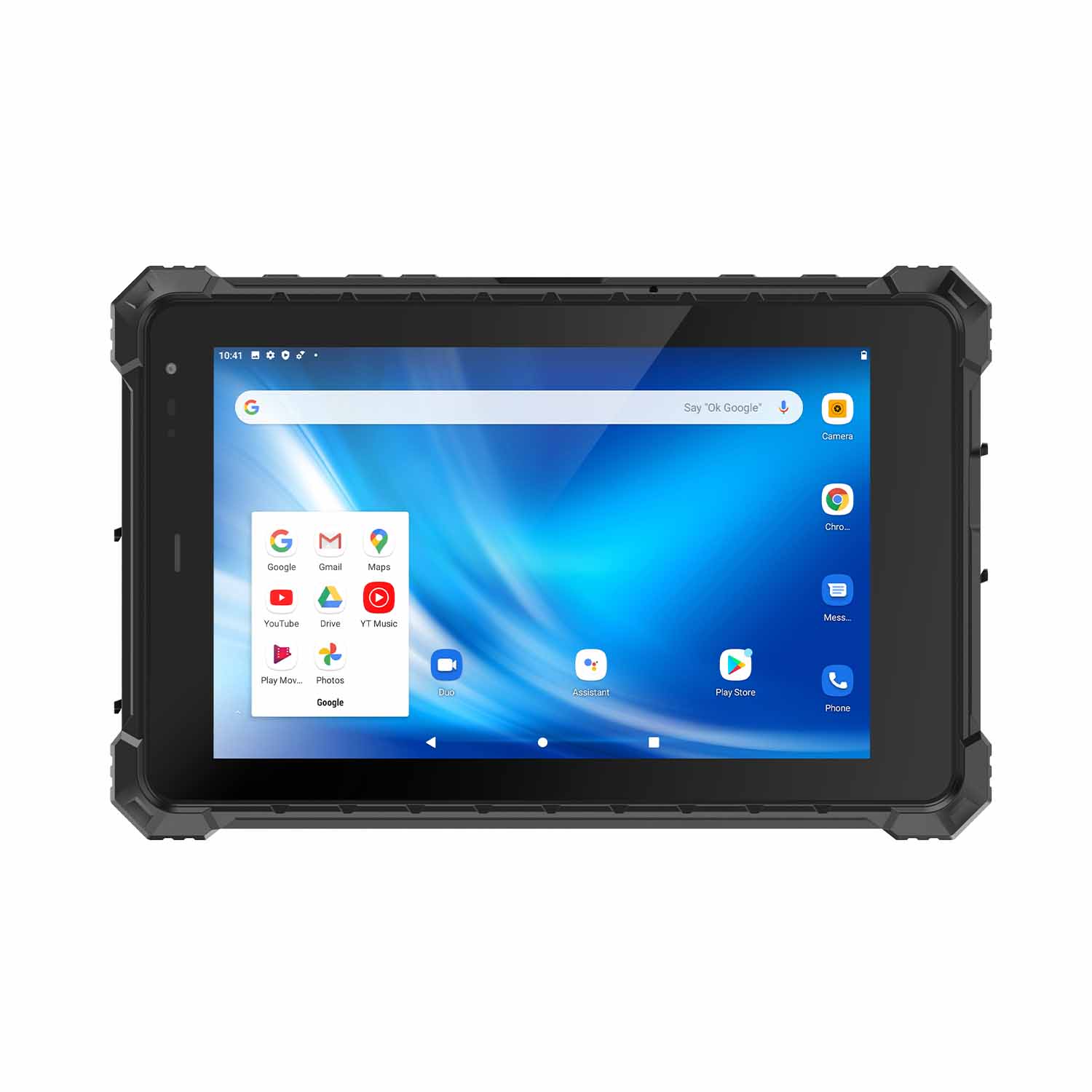
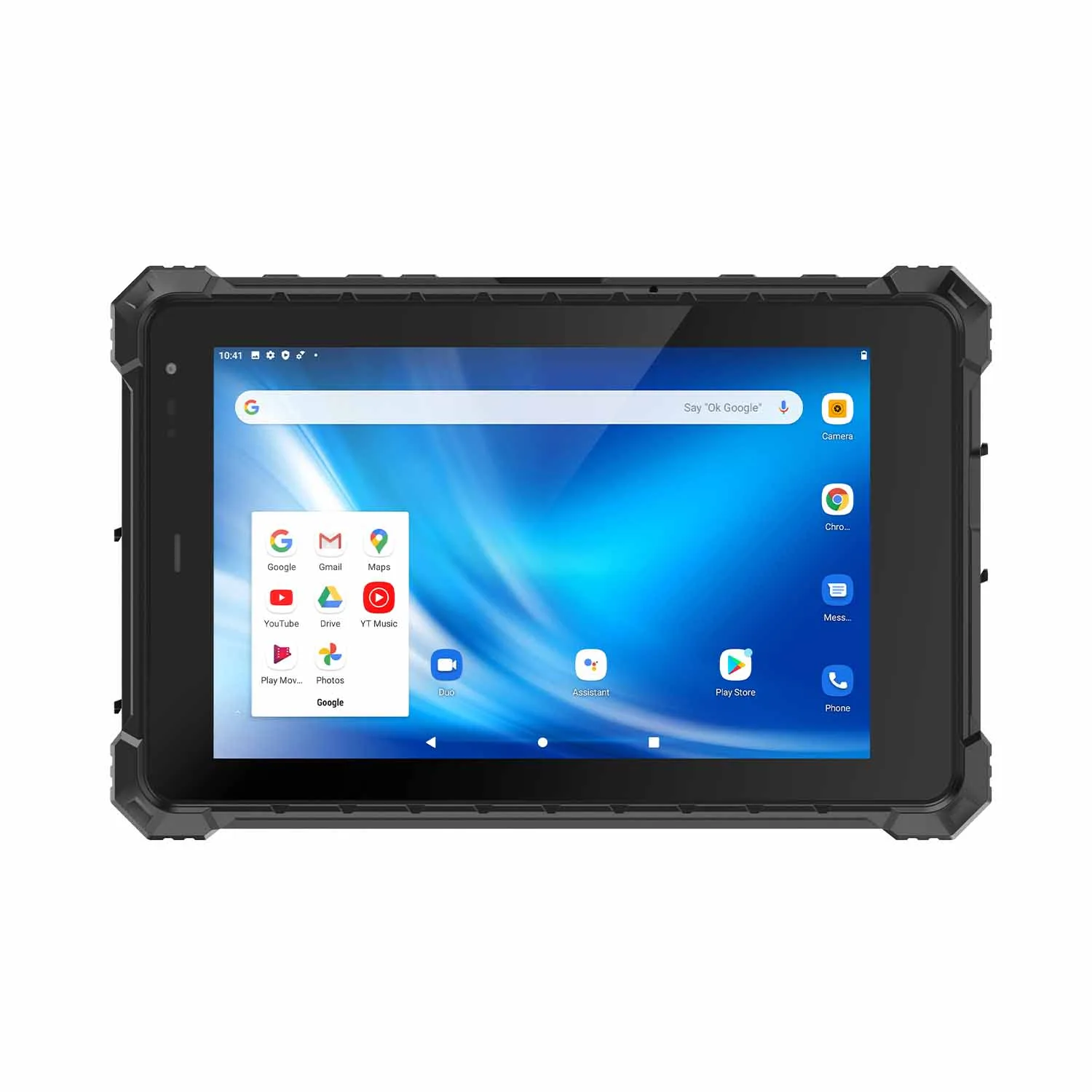
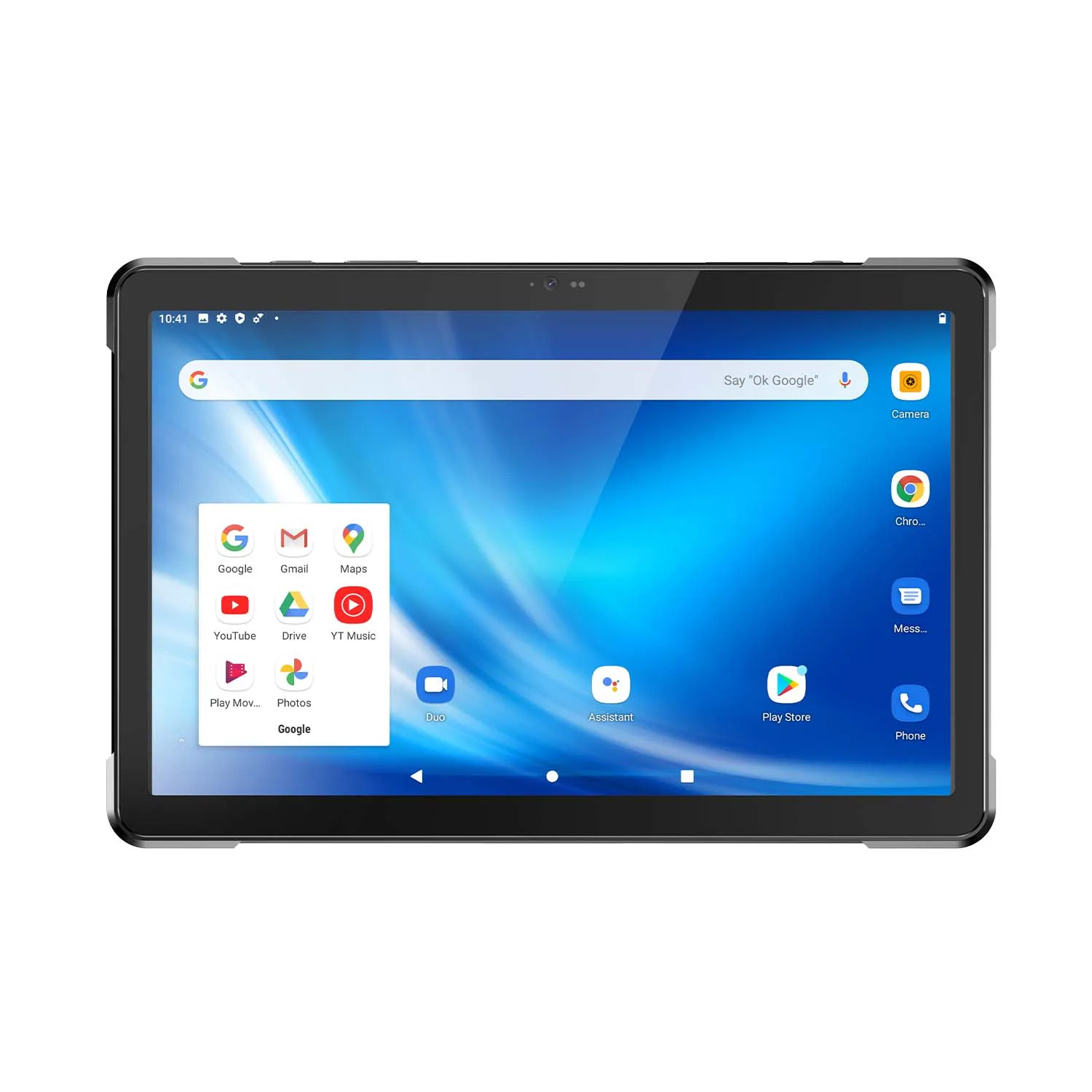
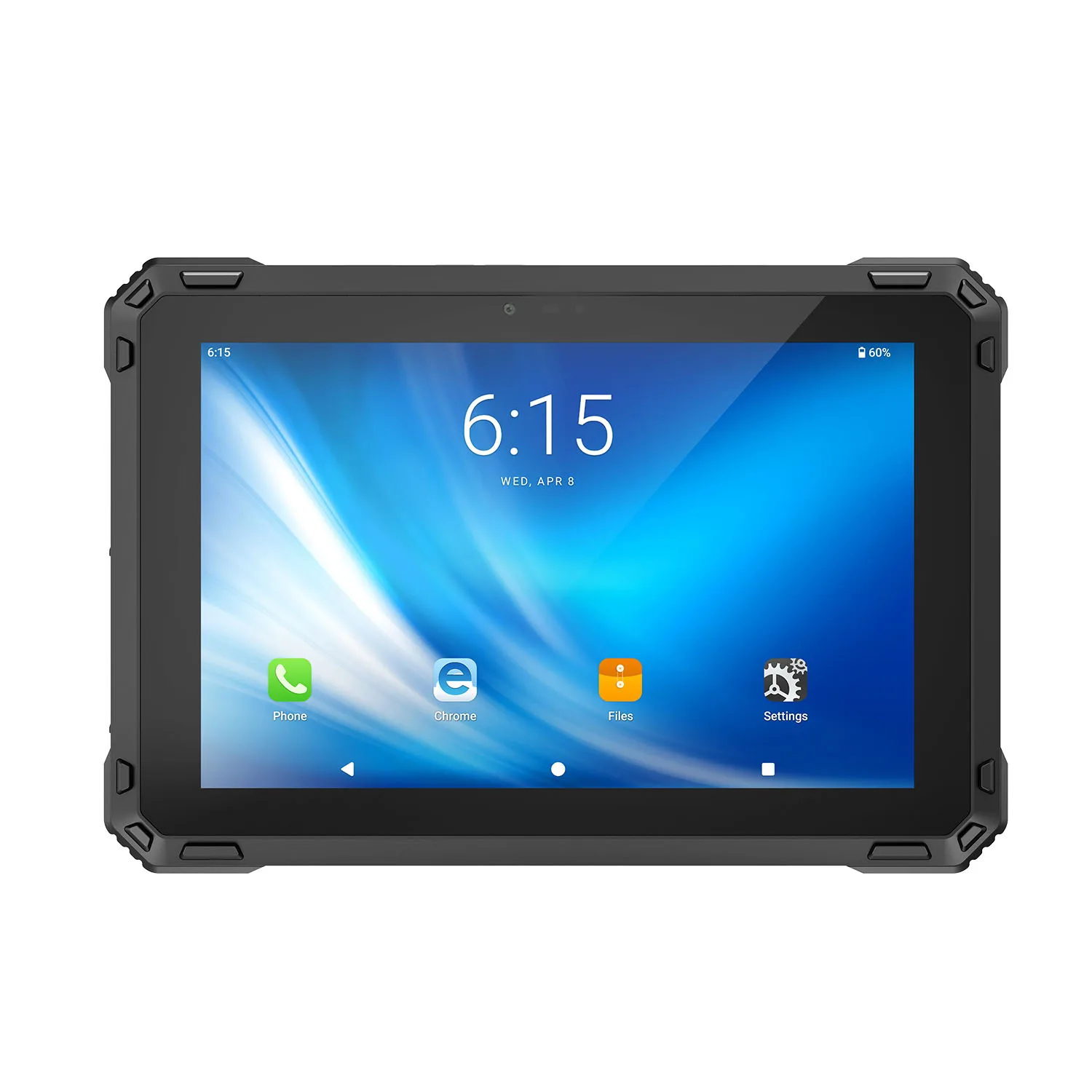
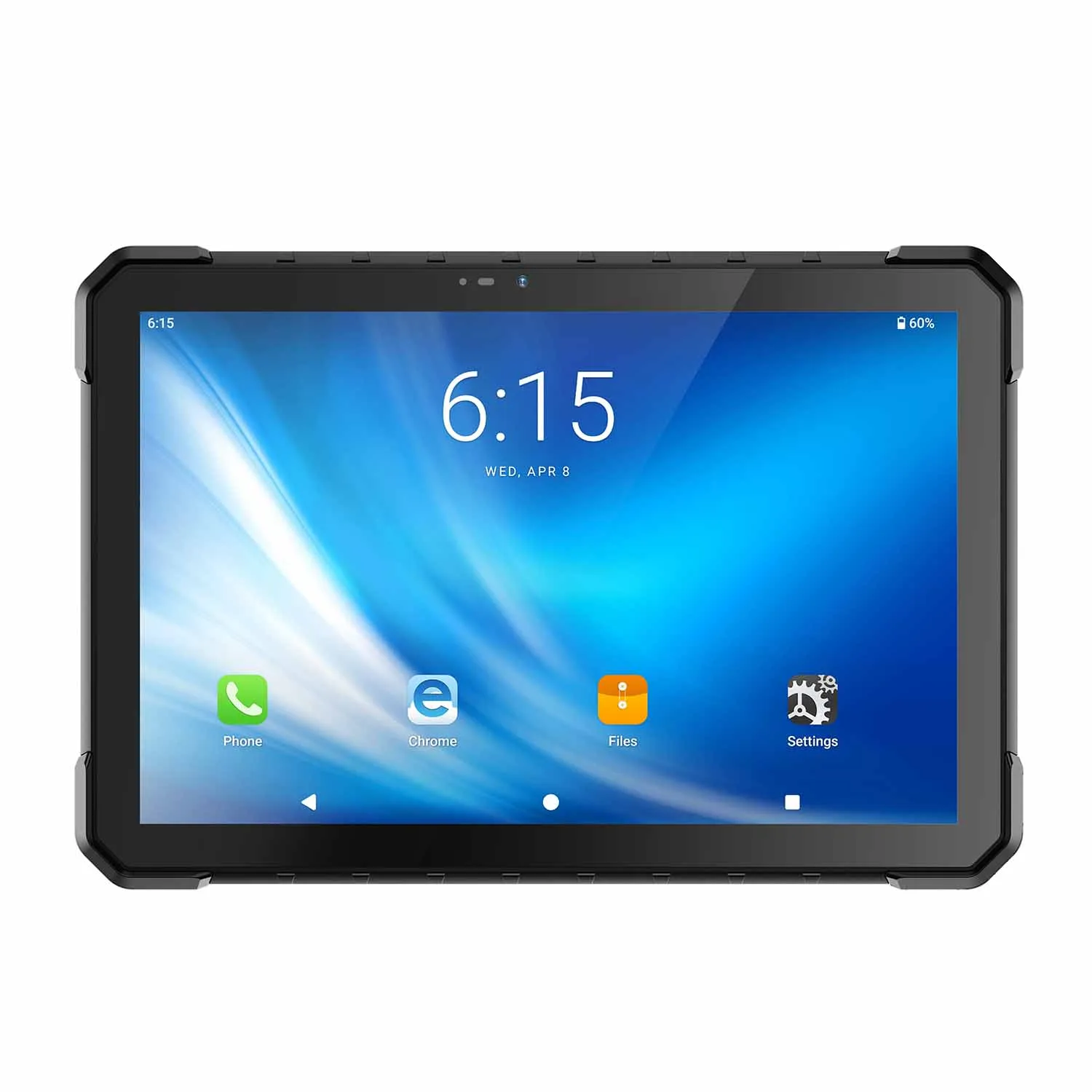
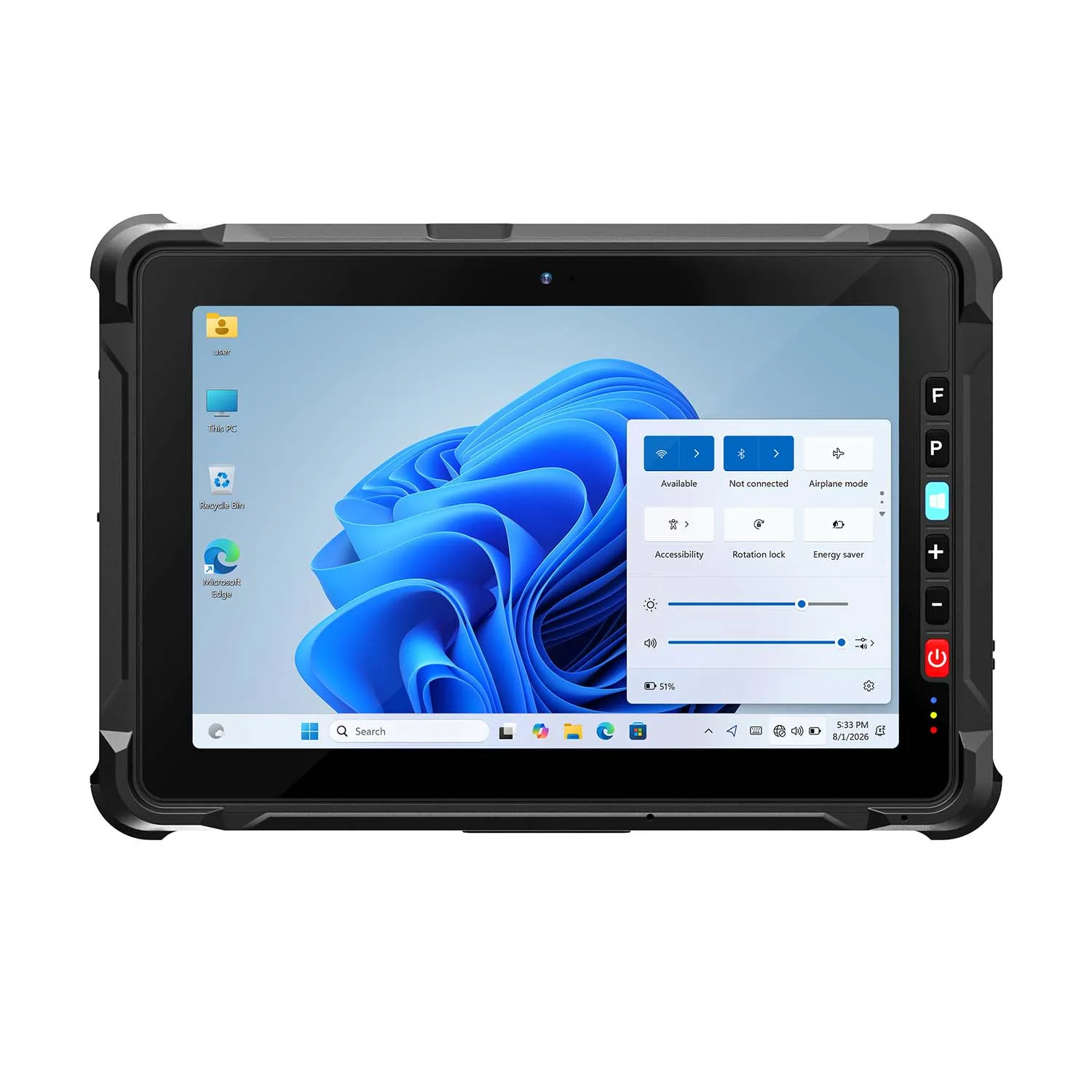
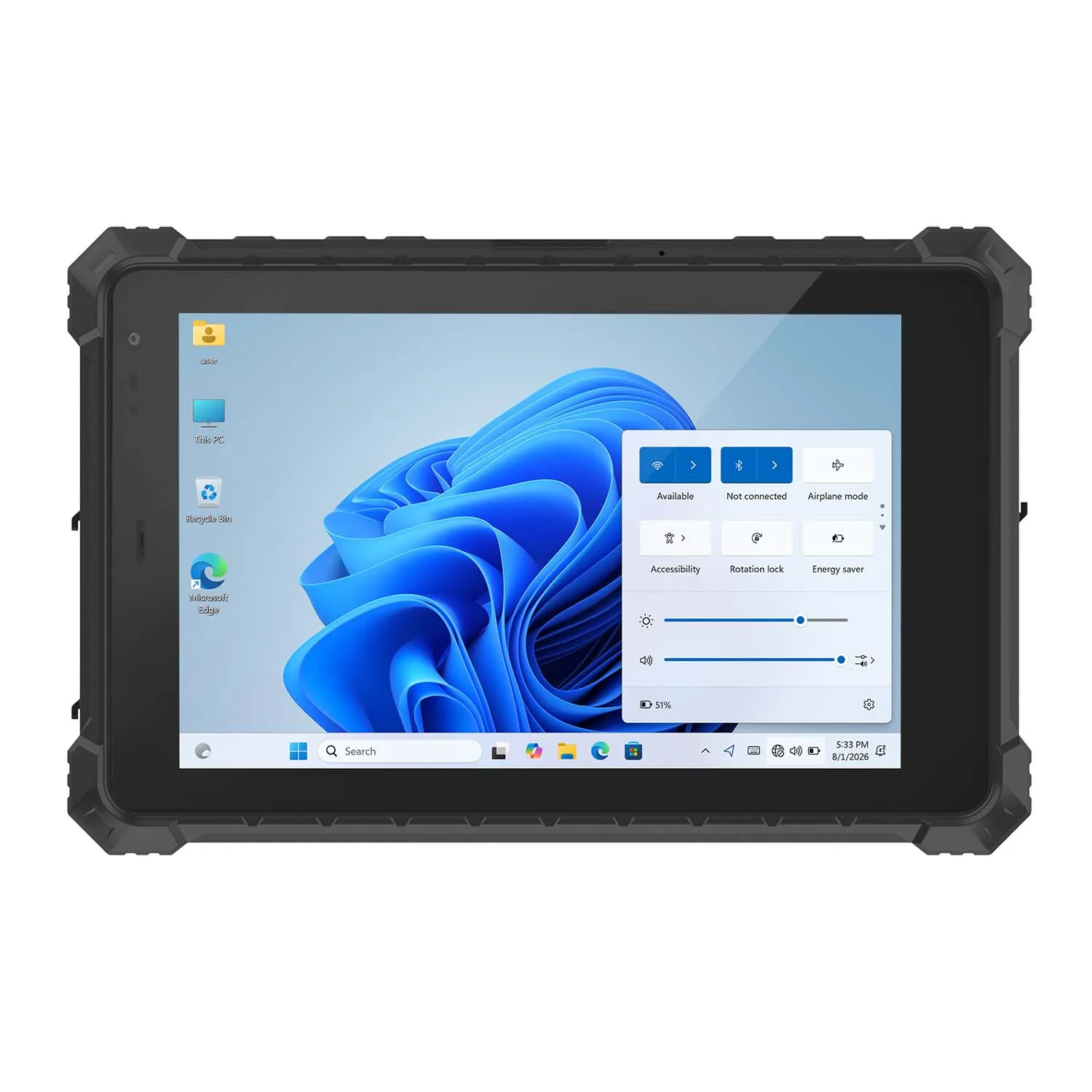
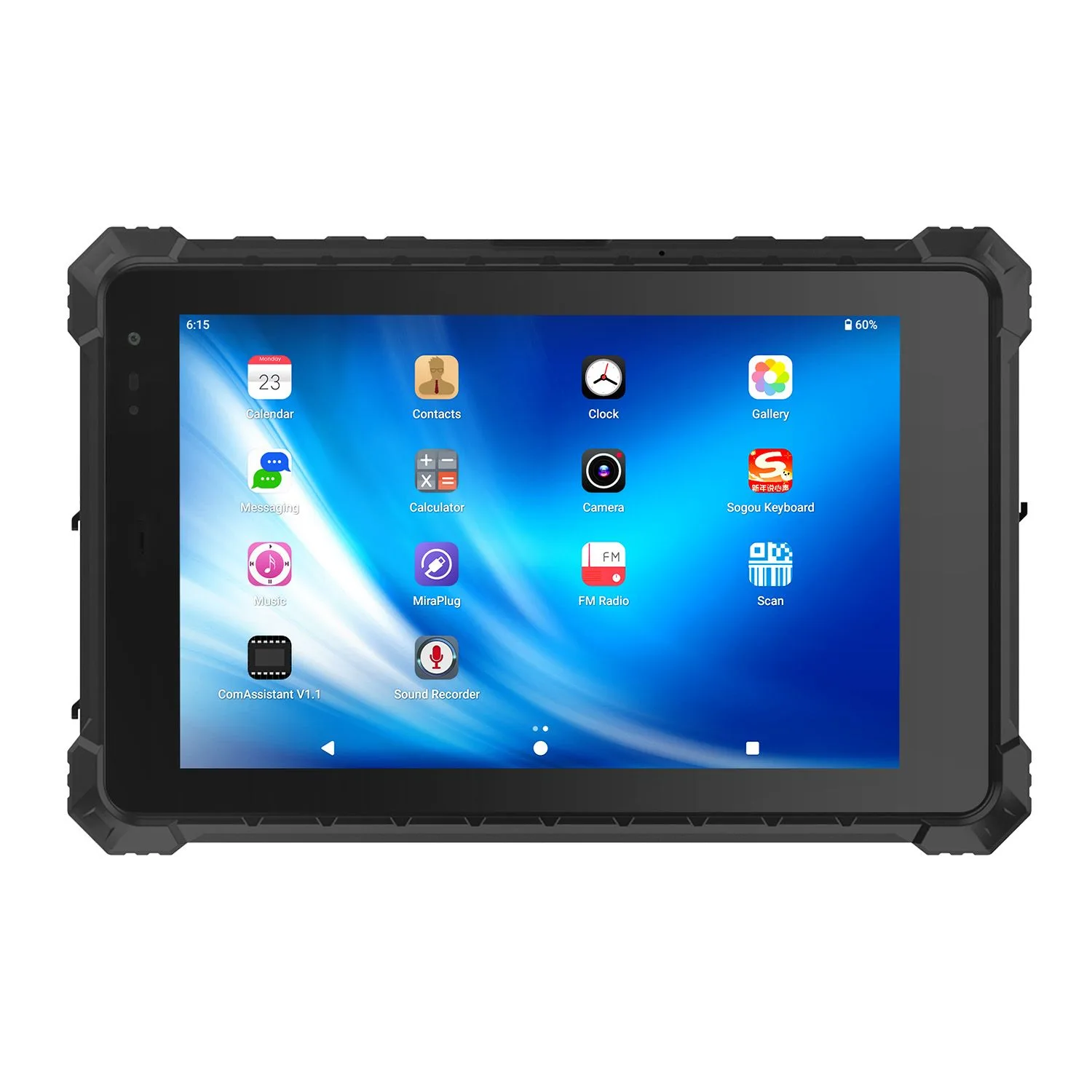
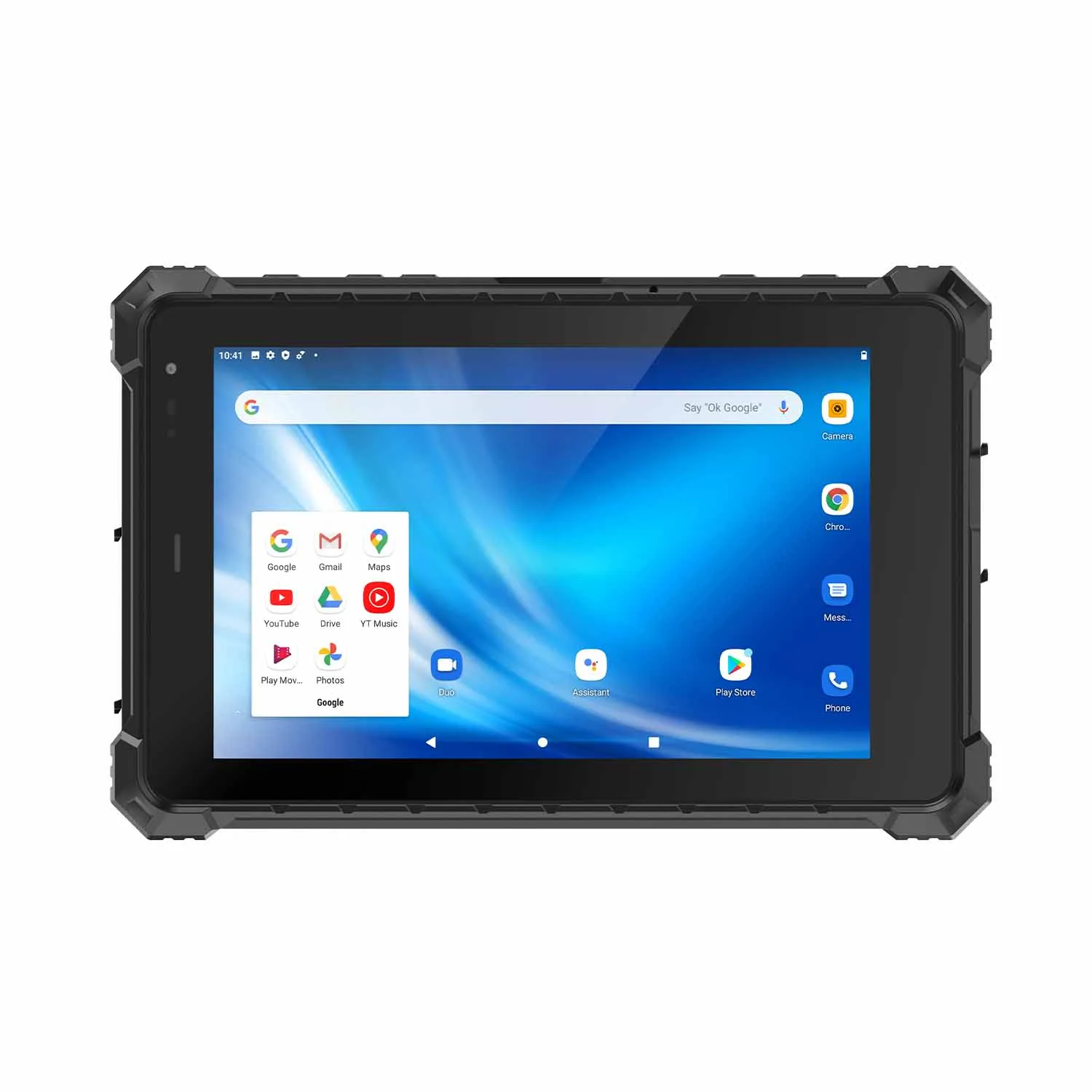
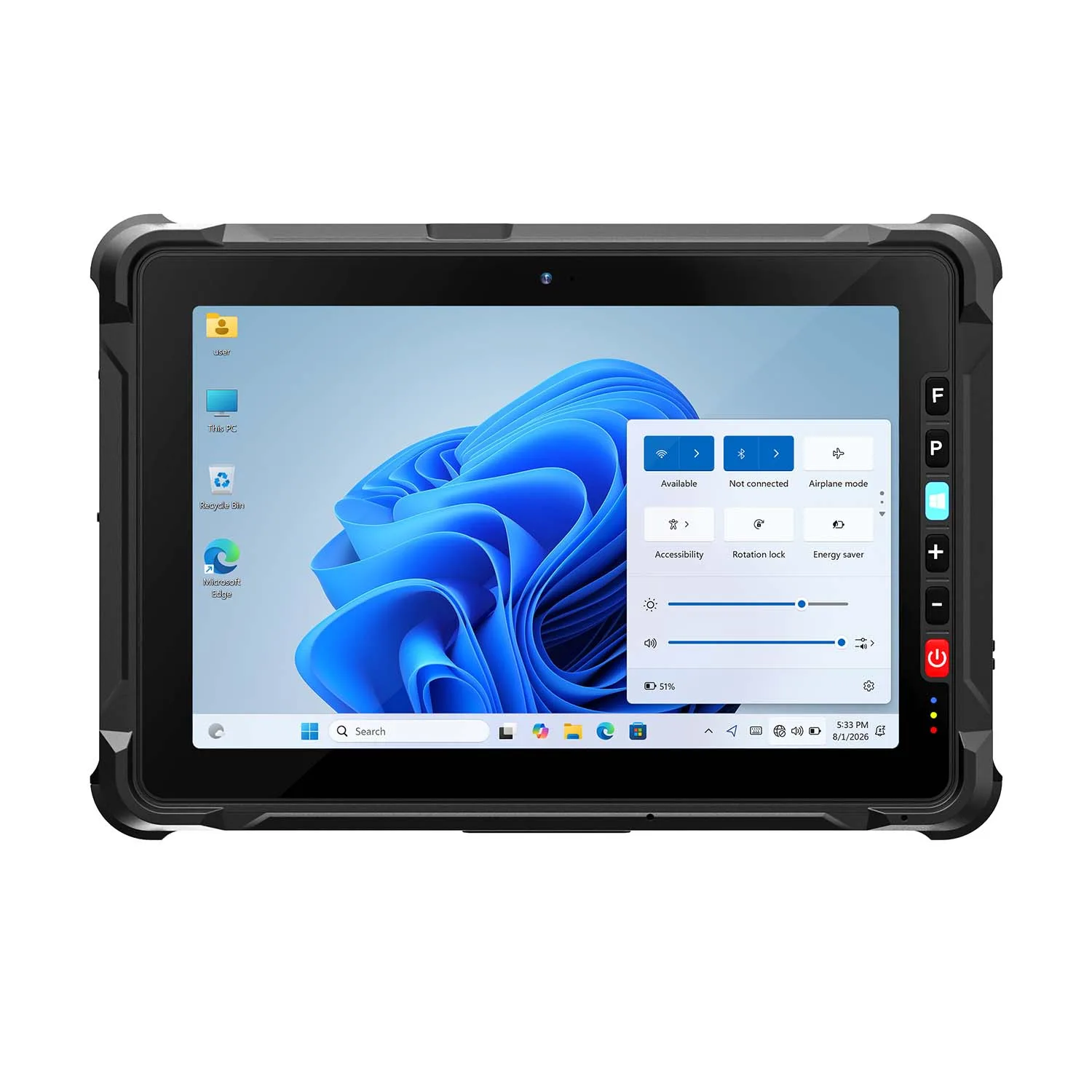
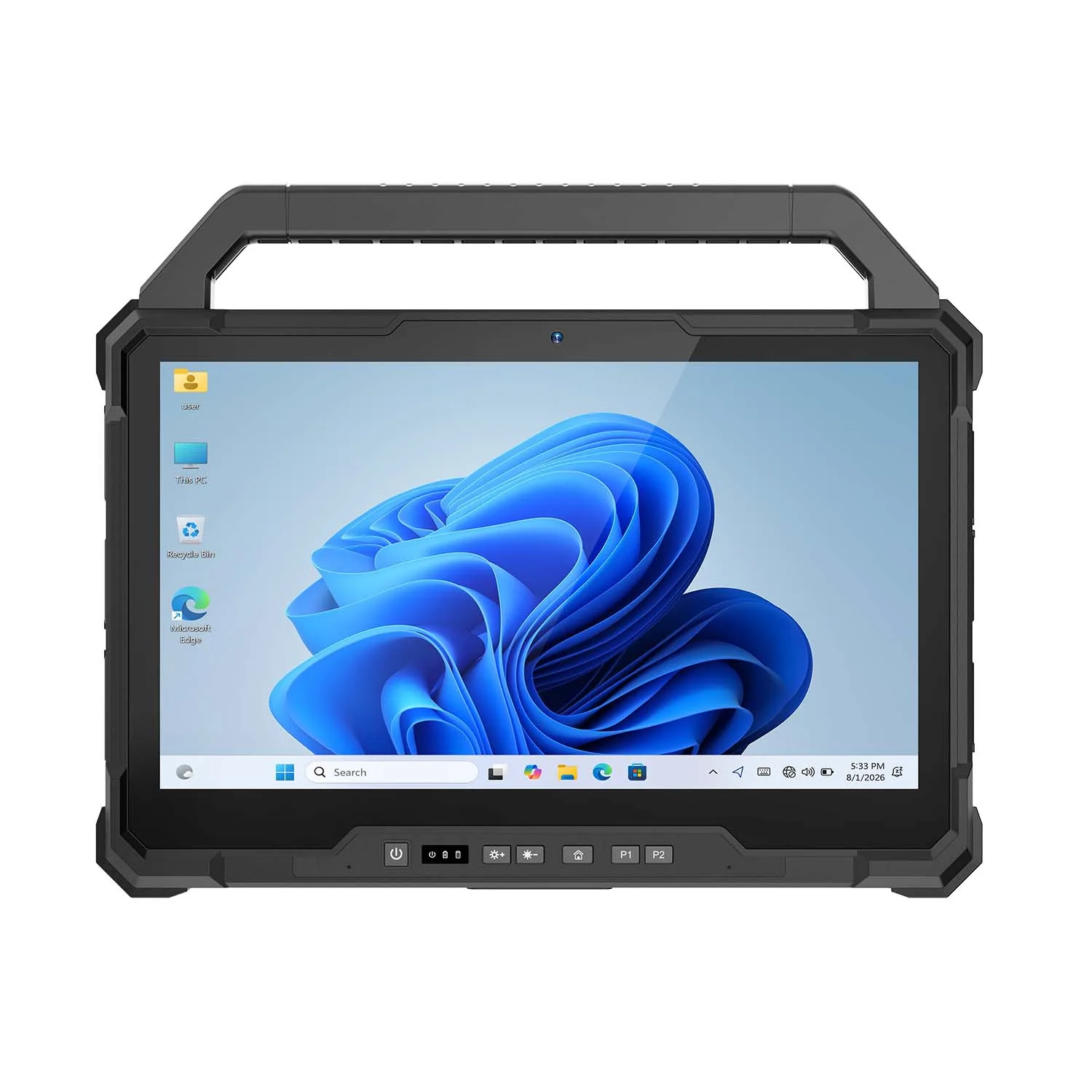
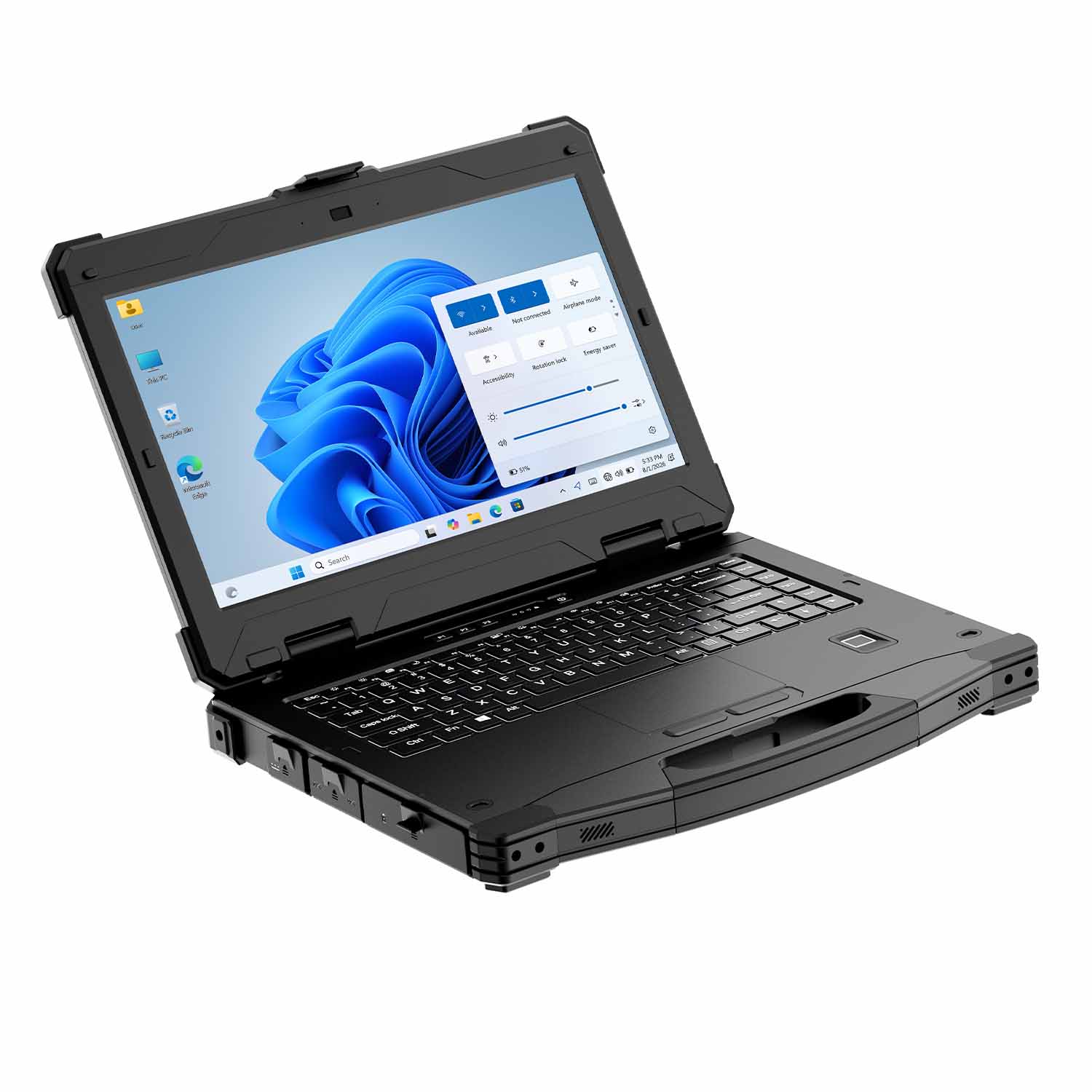
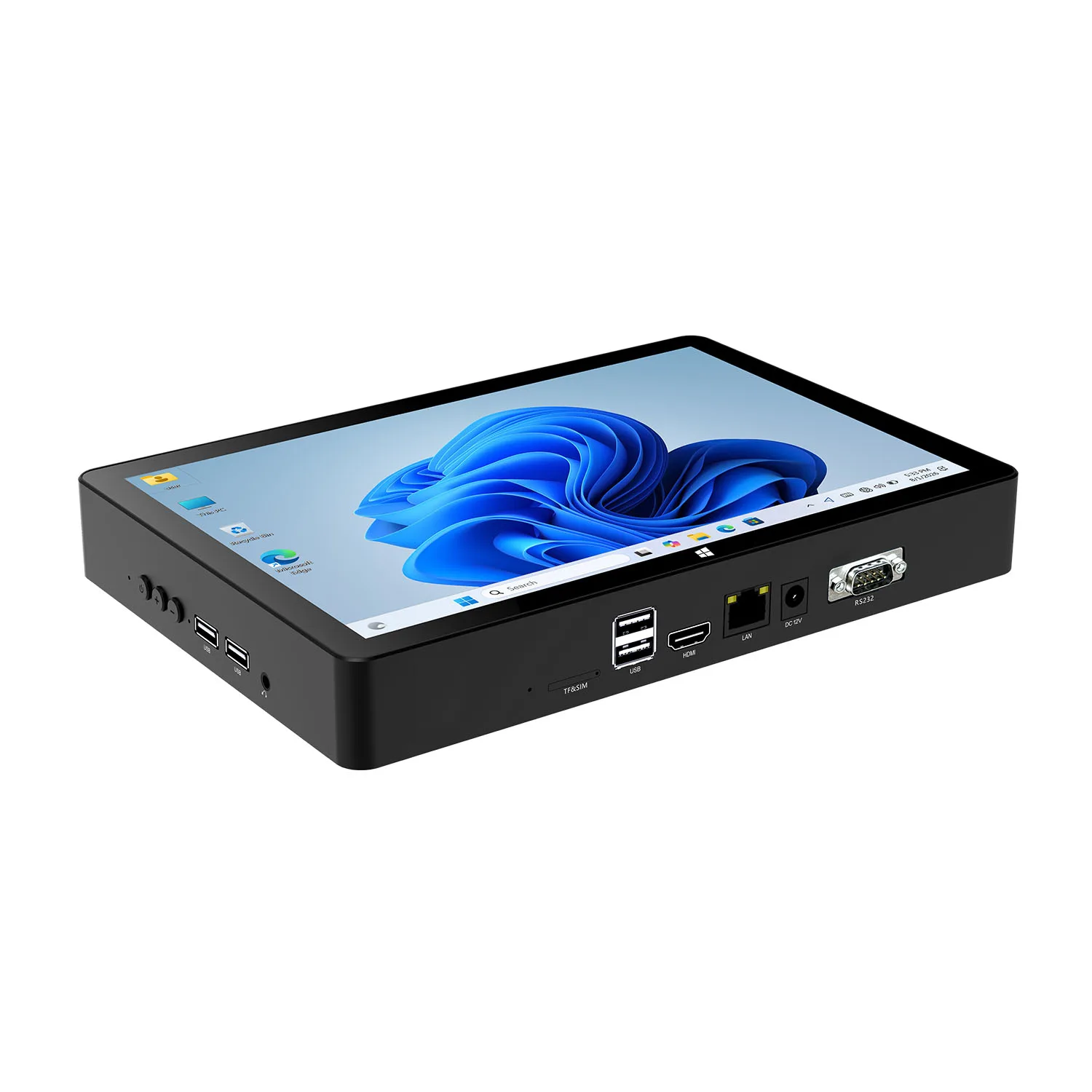
CENAVA develops rugged tablets and industrial mobile devices for inspection and hazardous-area projects. Its OEM/ODM route is relevant when a refinery or integrator needs a defined Android build, application package and accessory set under configuration control. The certificate scope must remain tied to the bill of materials.
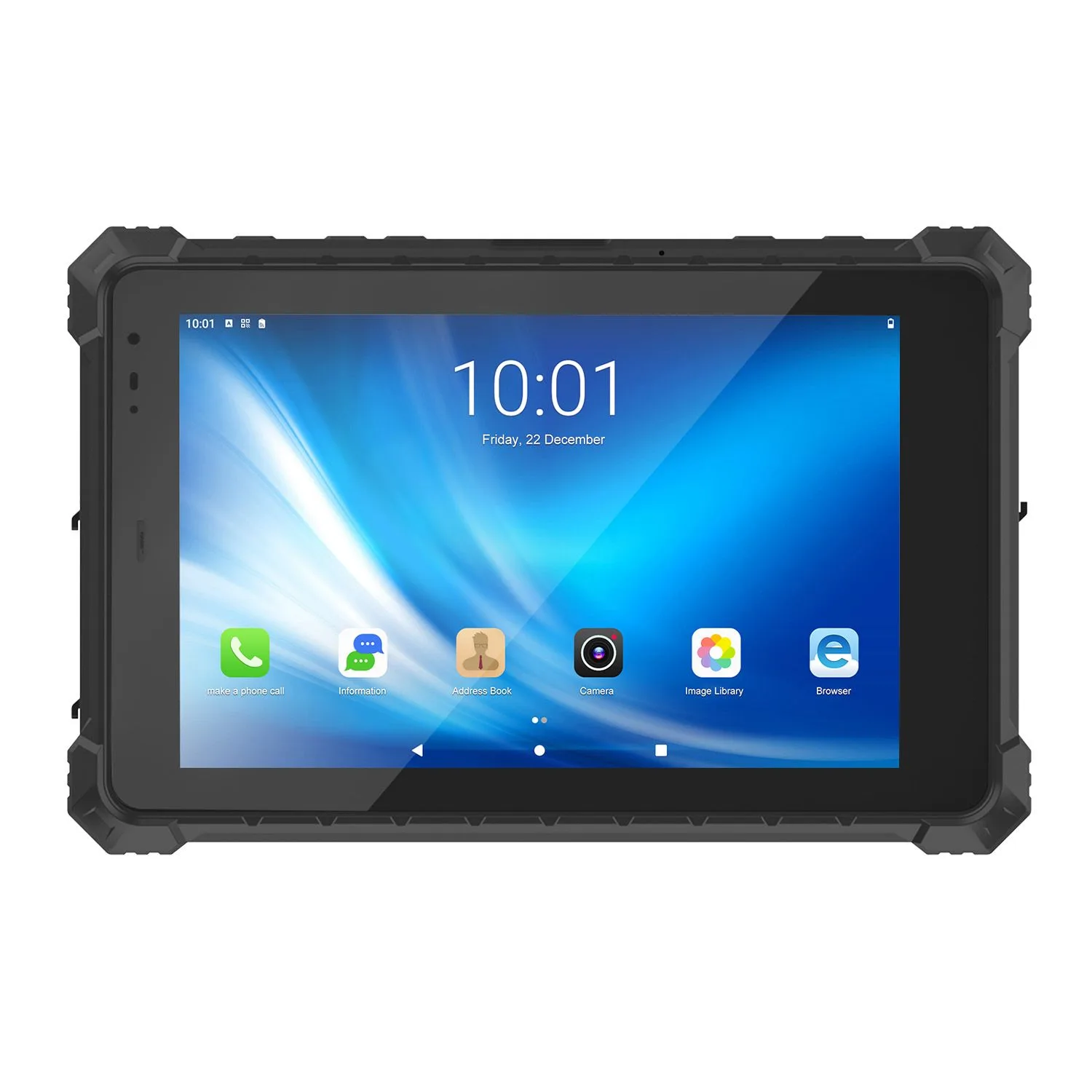
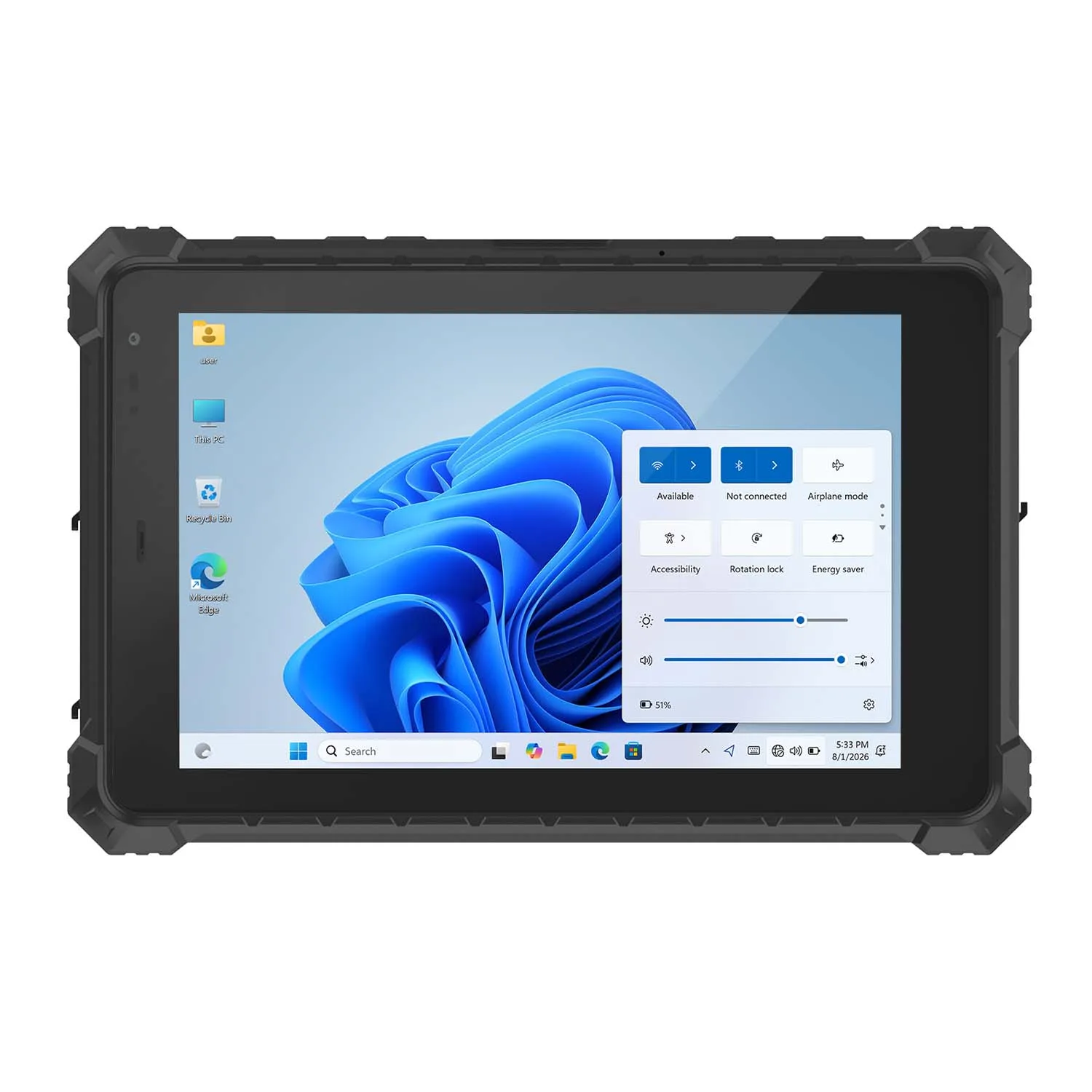
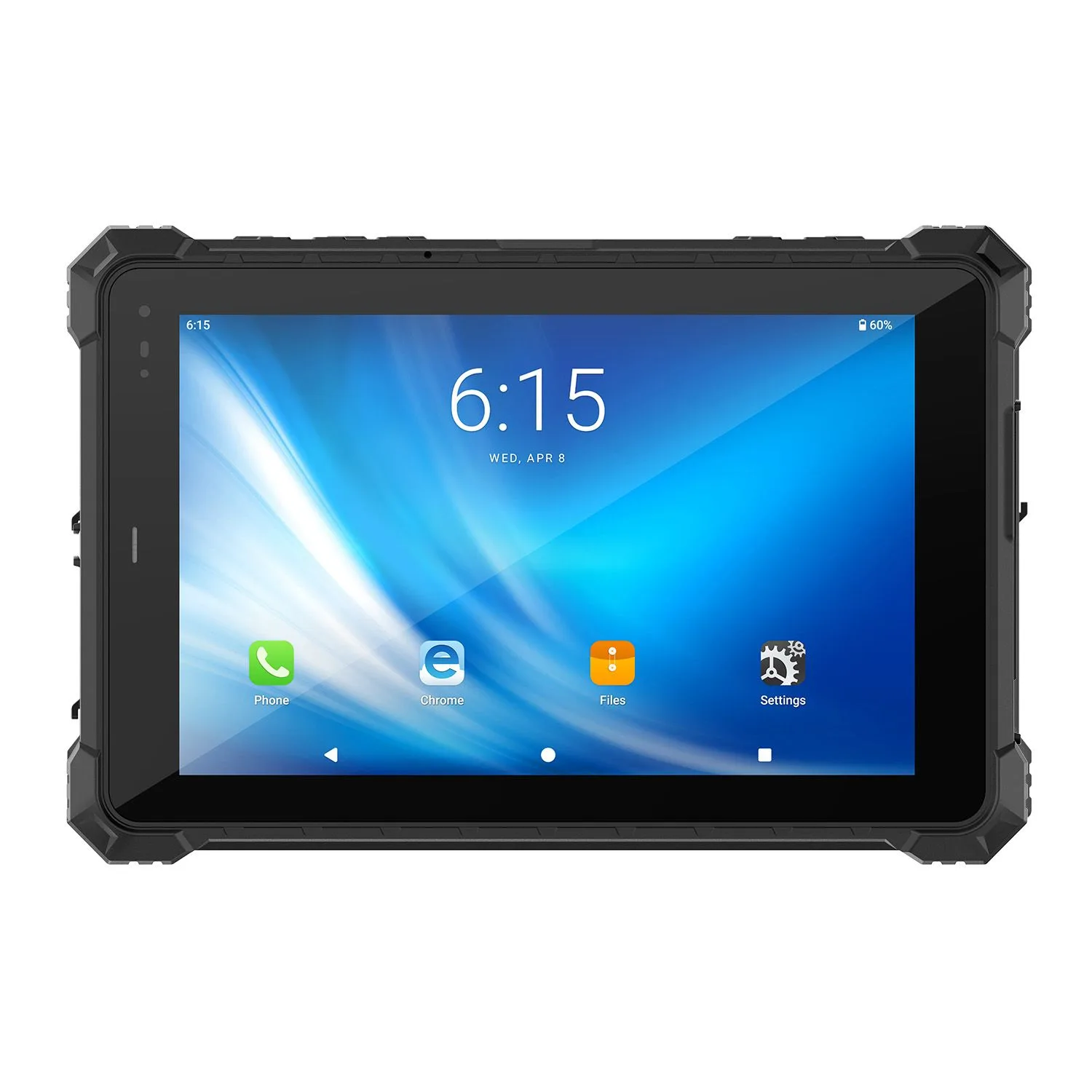
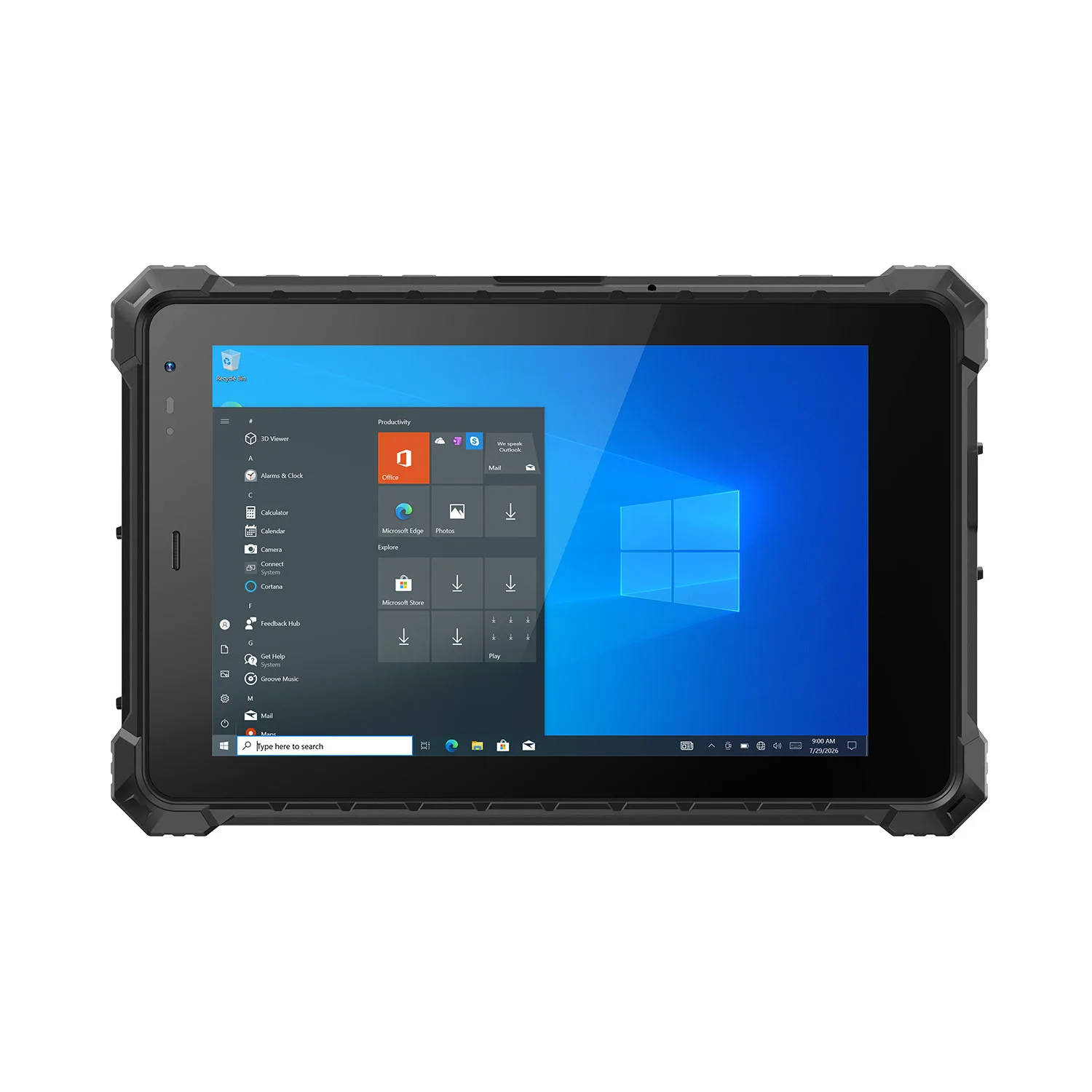
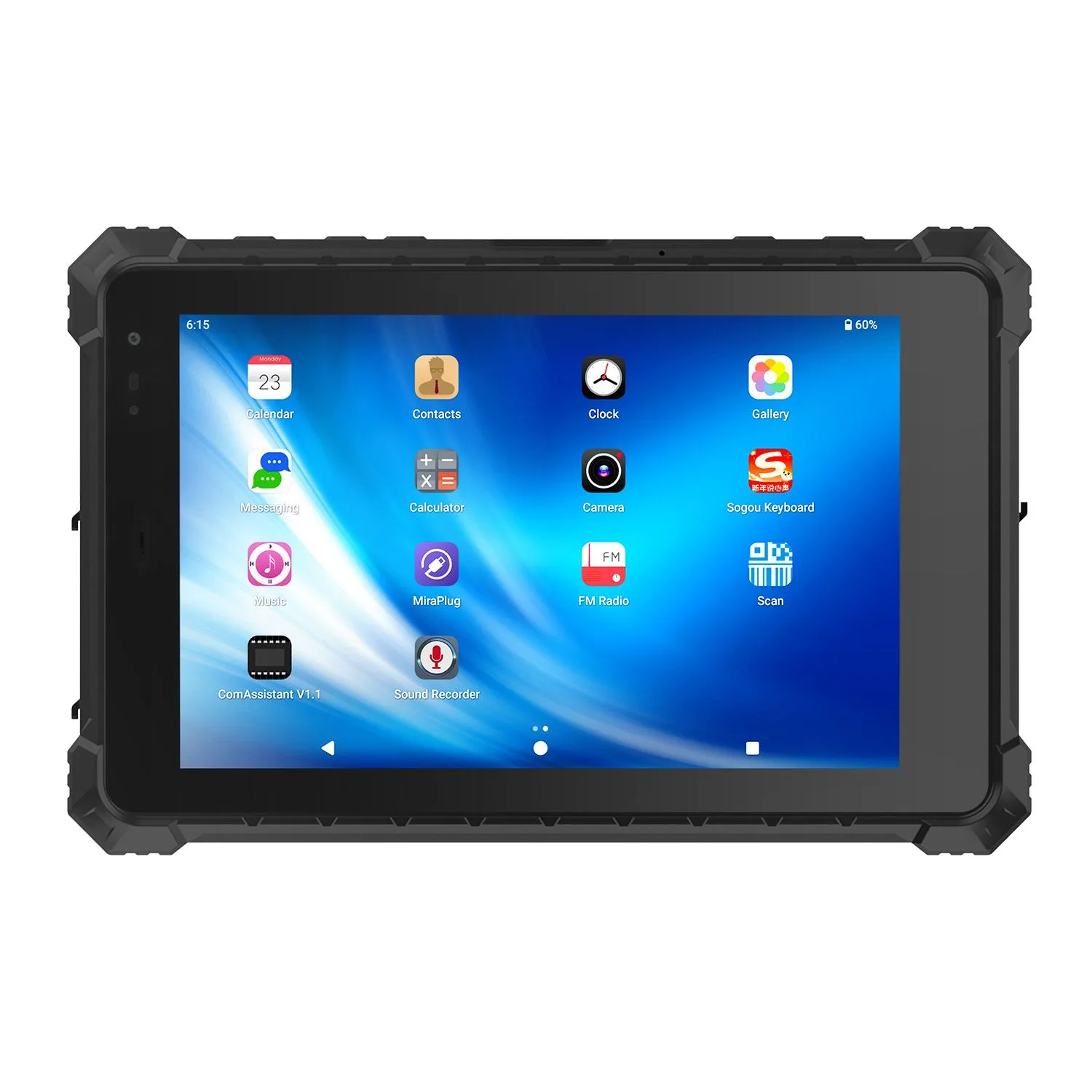
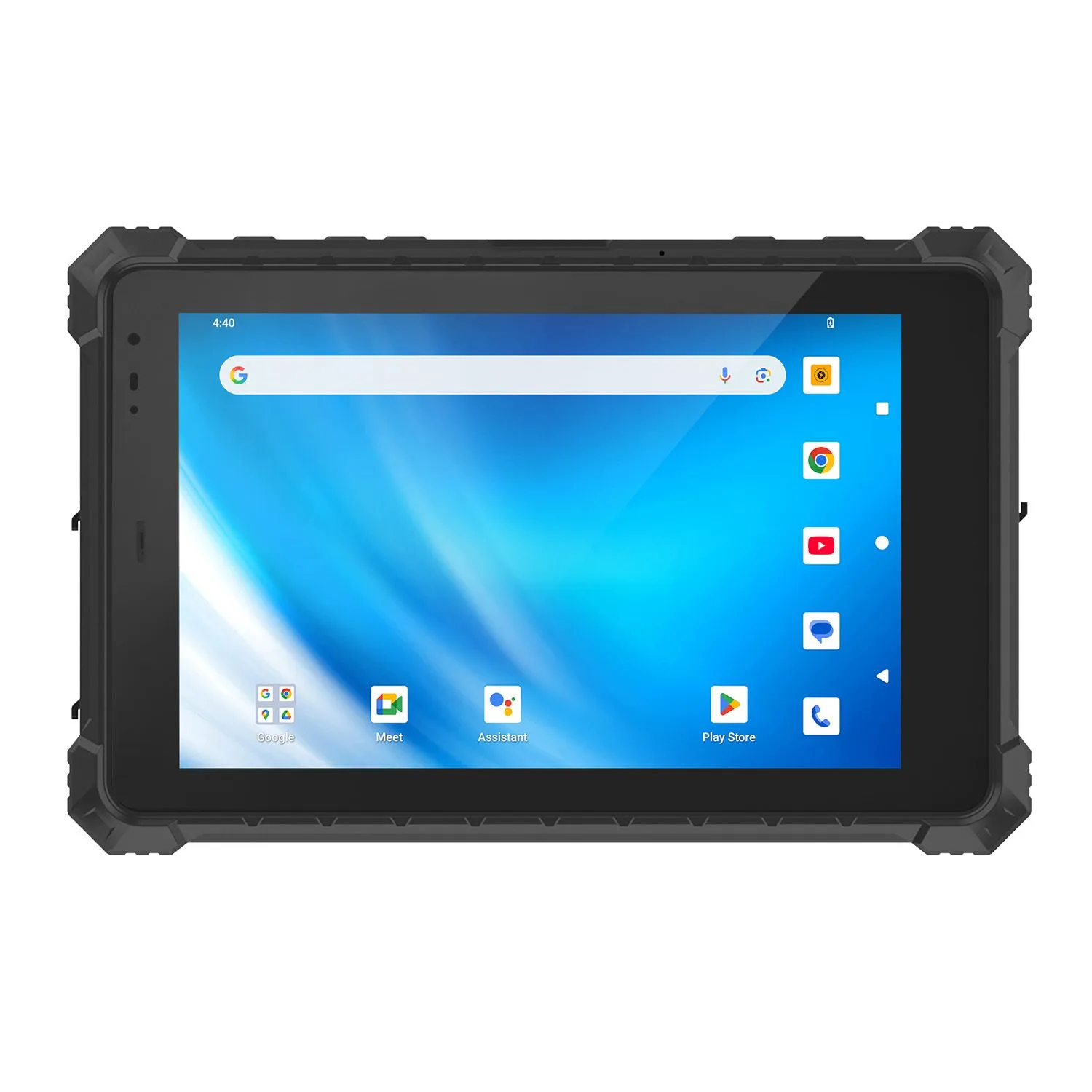
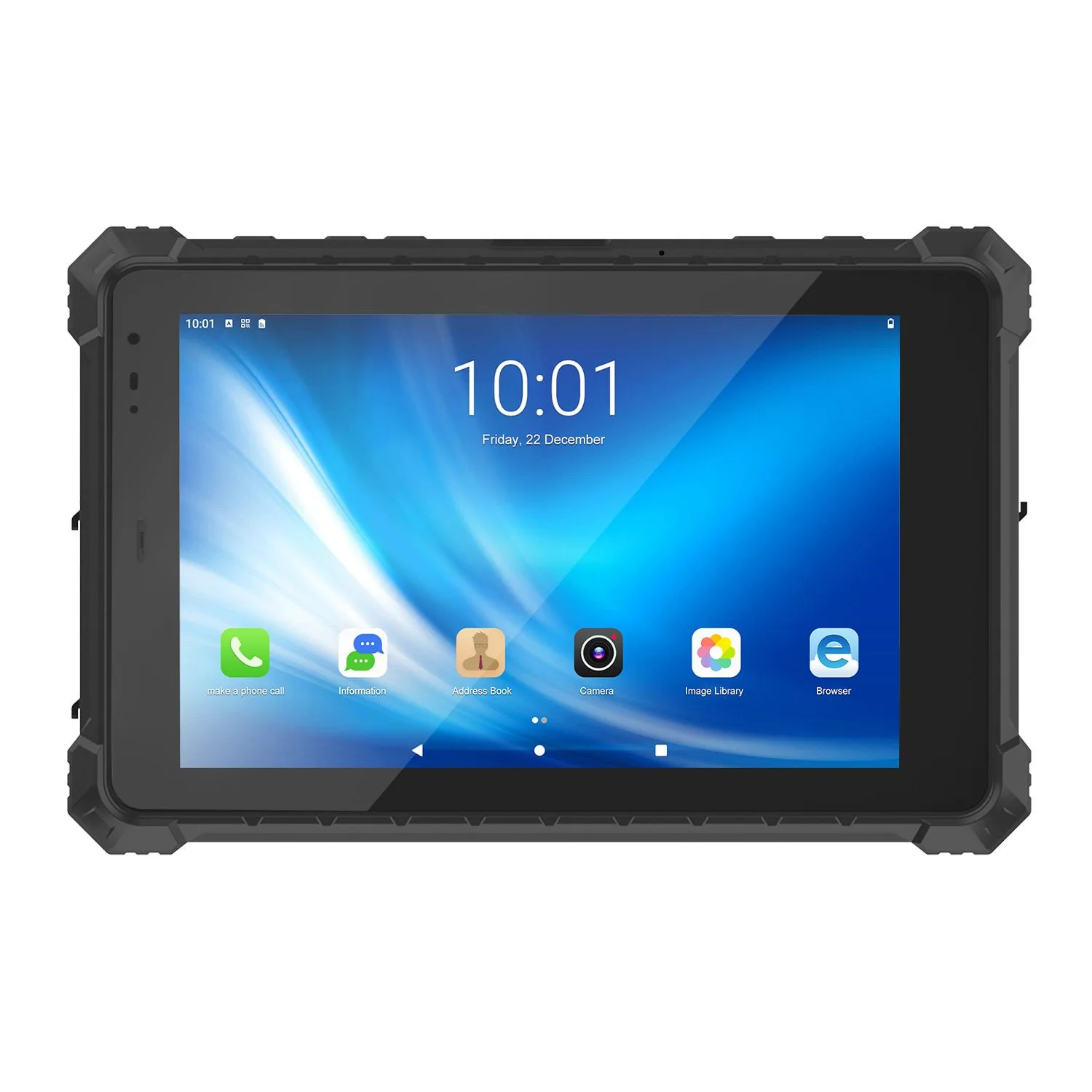
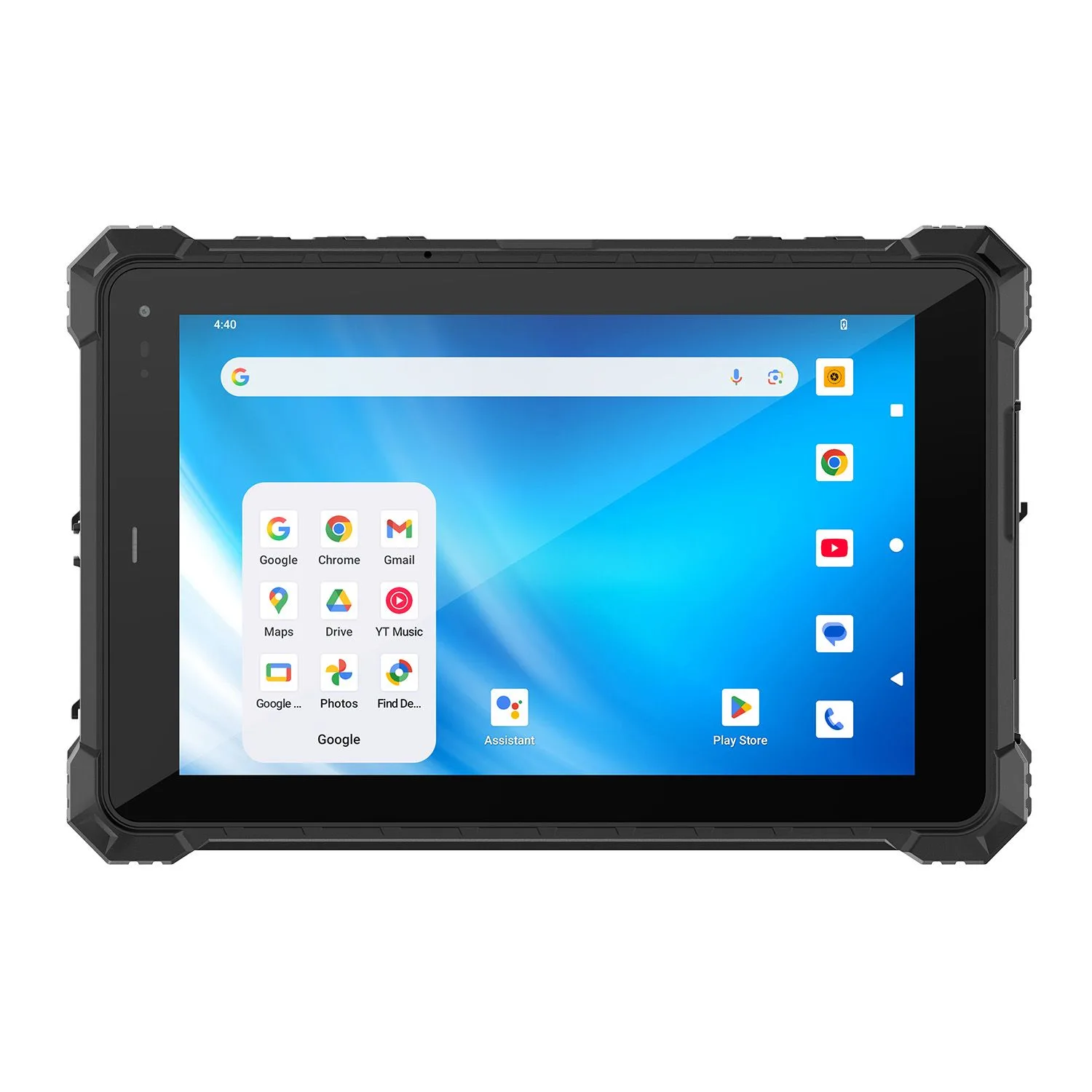
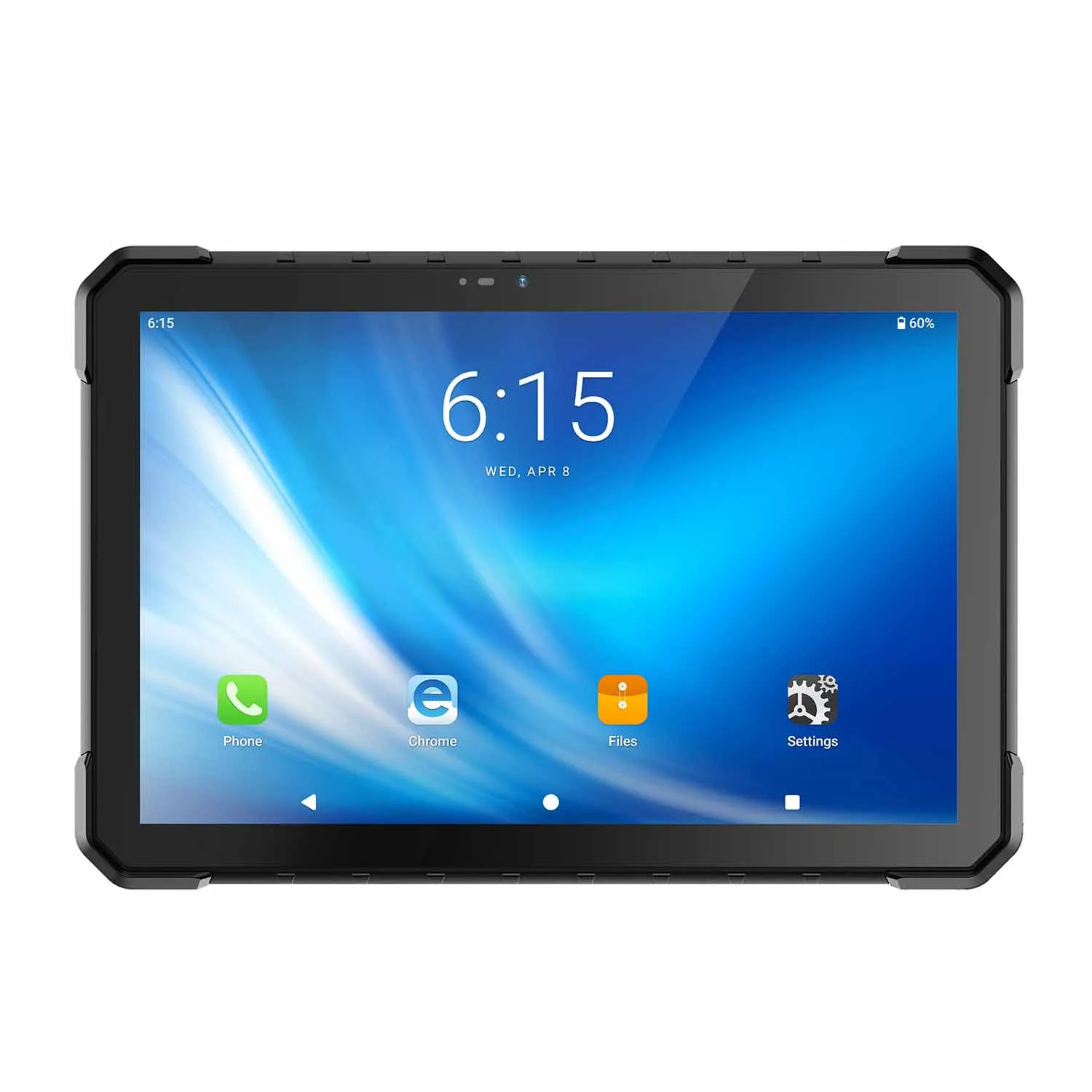
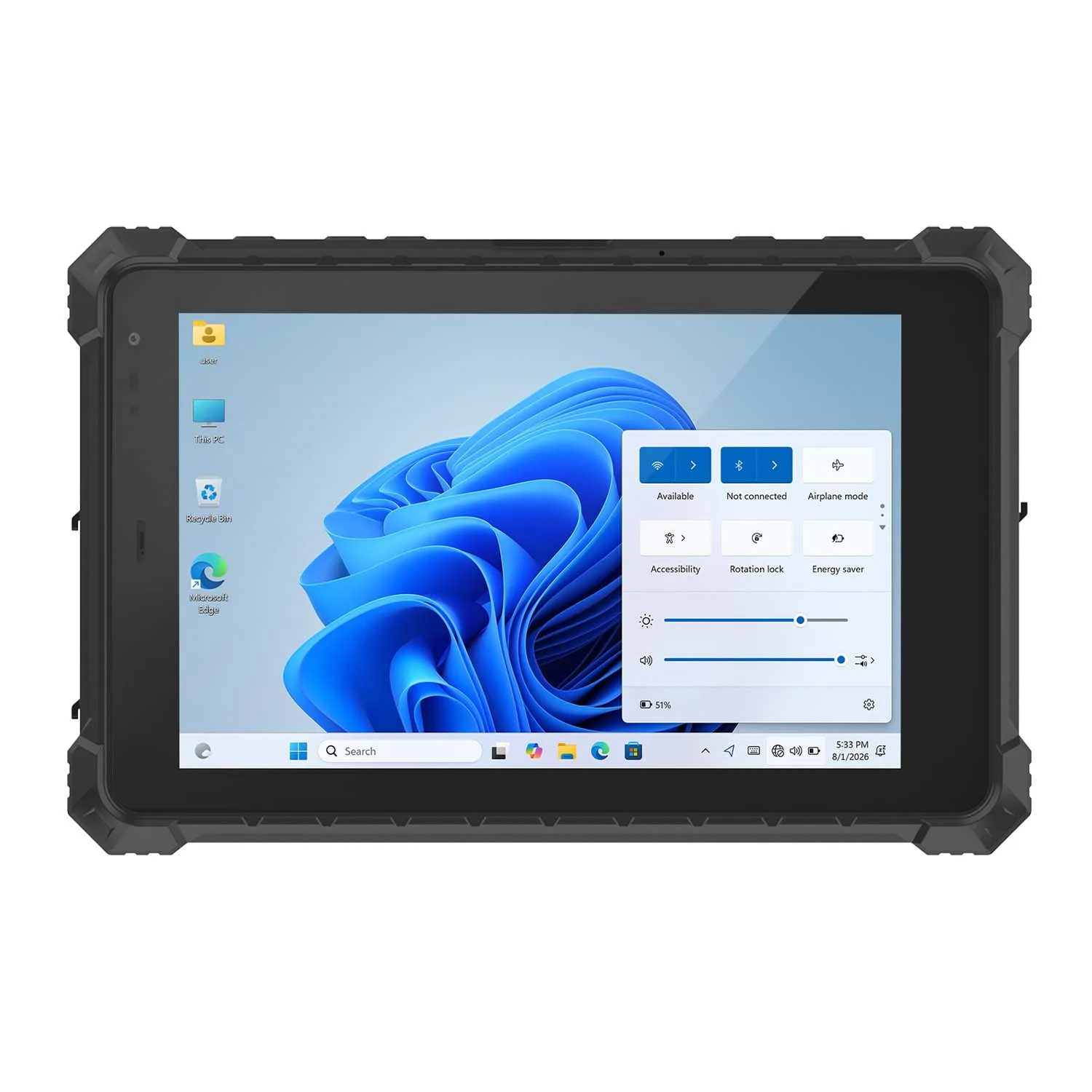
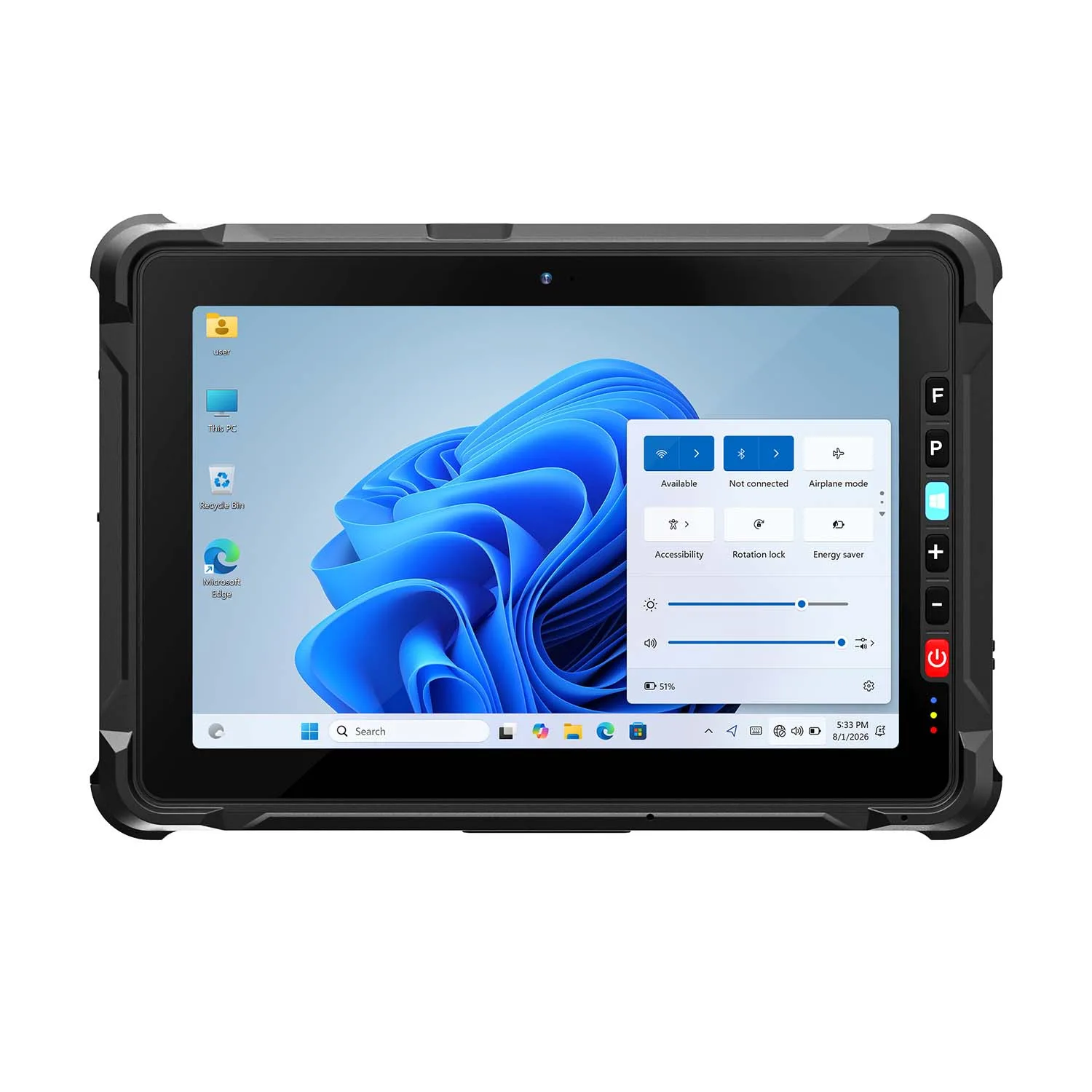
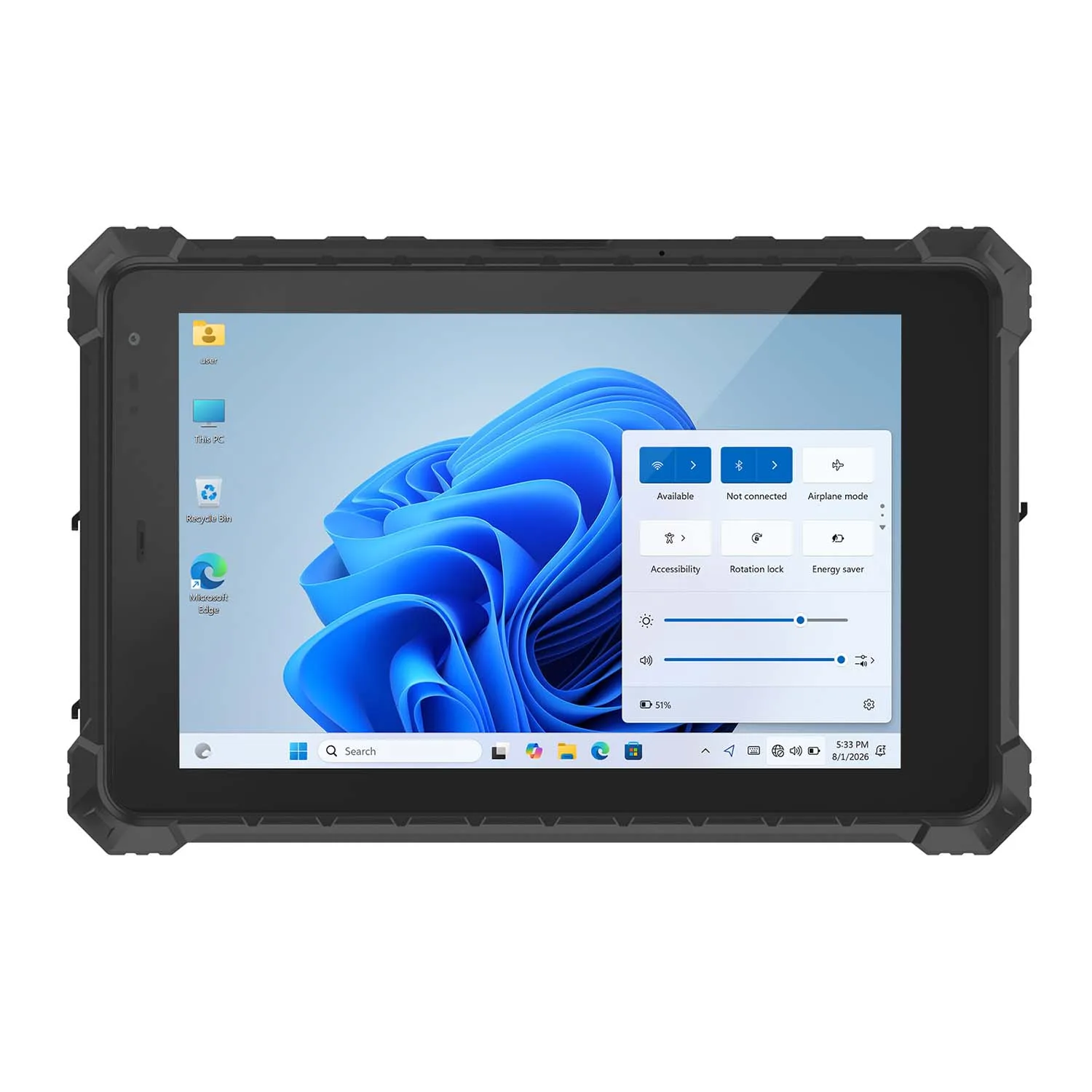
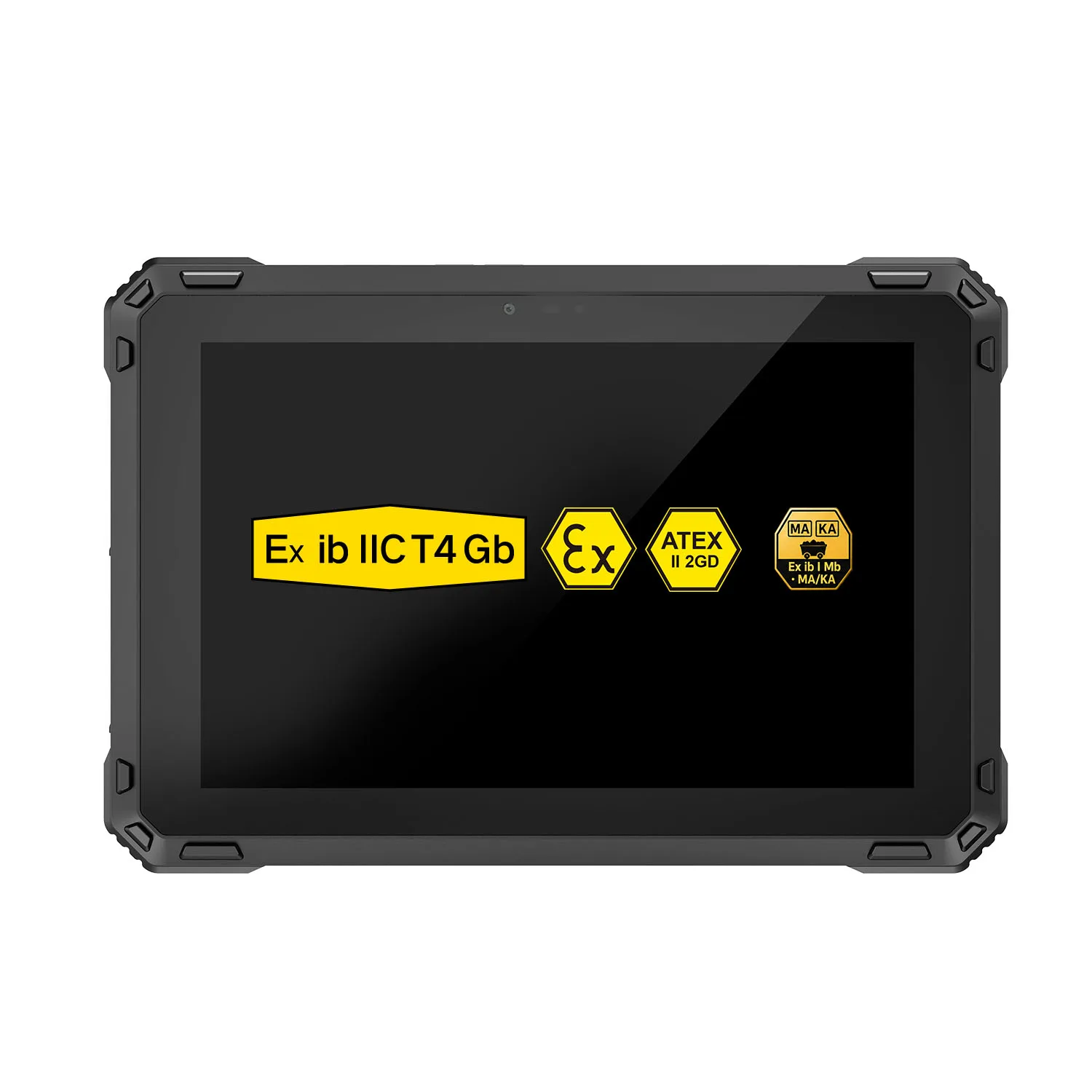
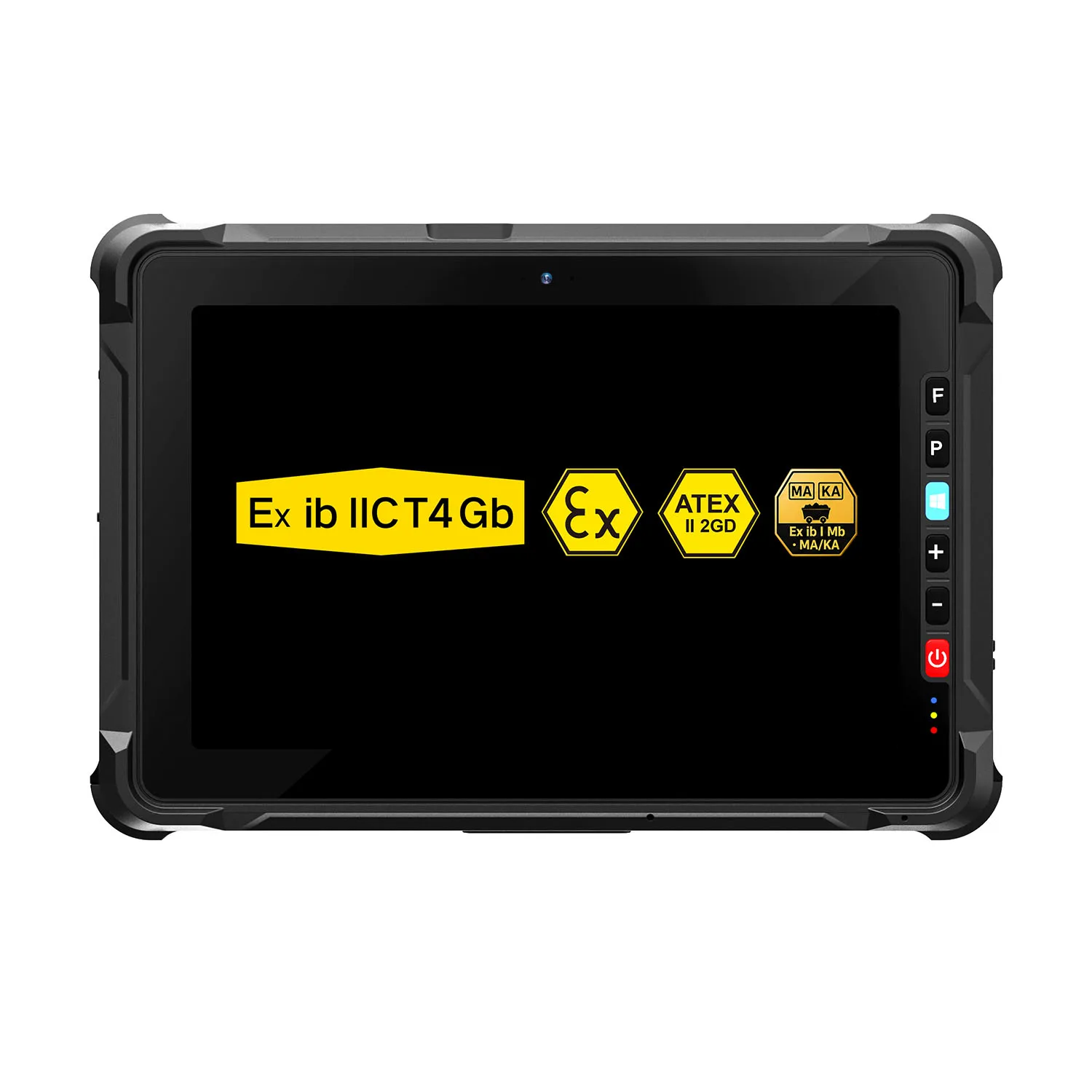
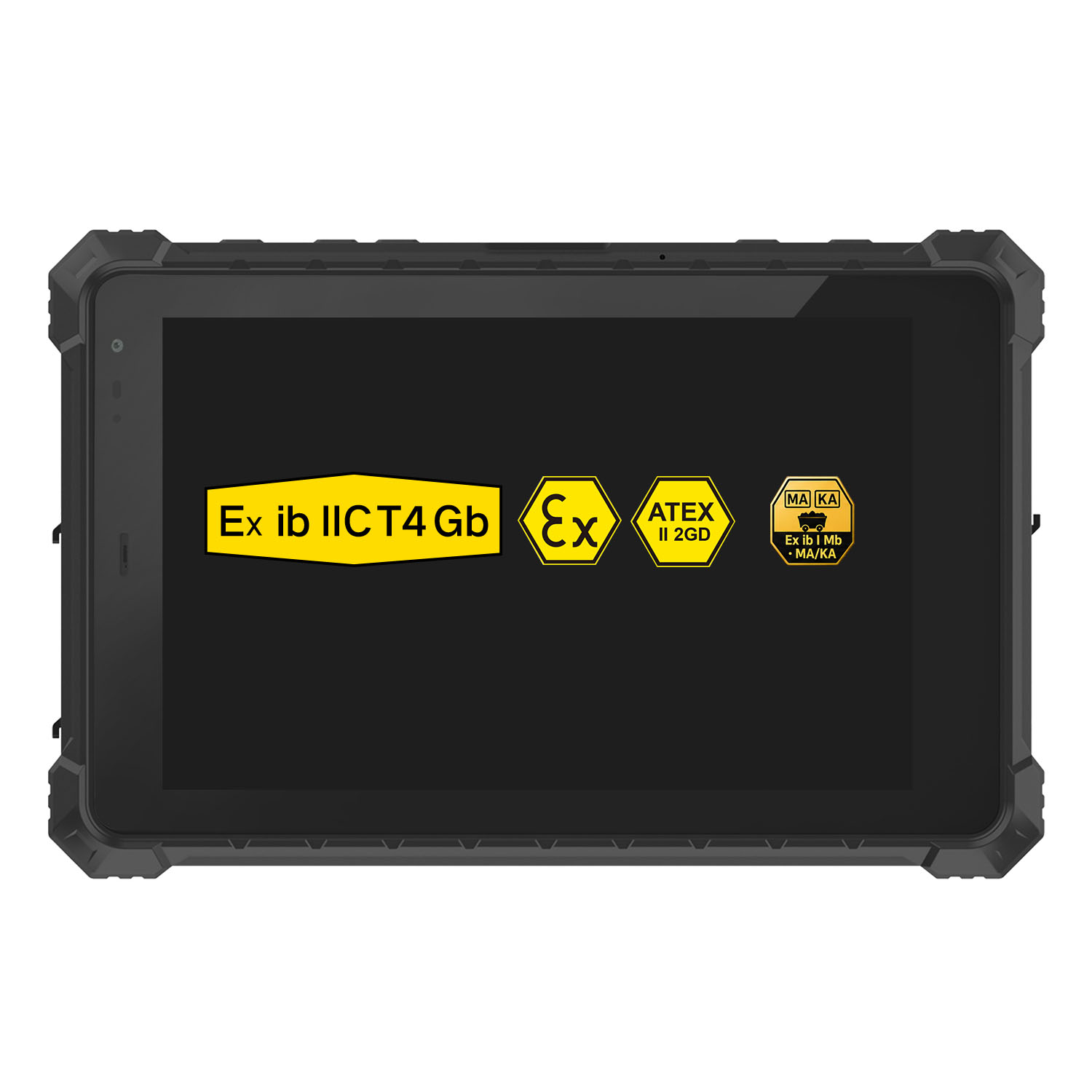
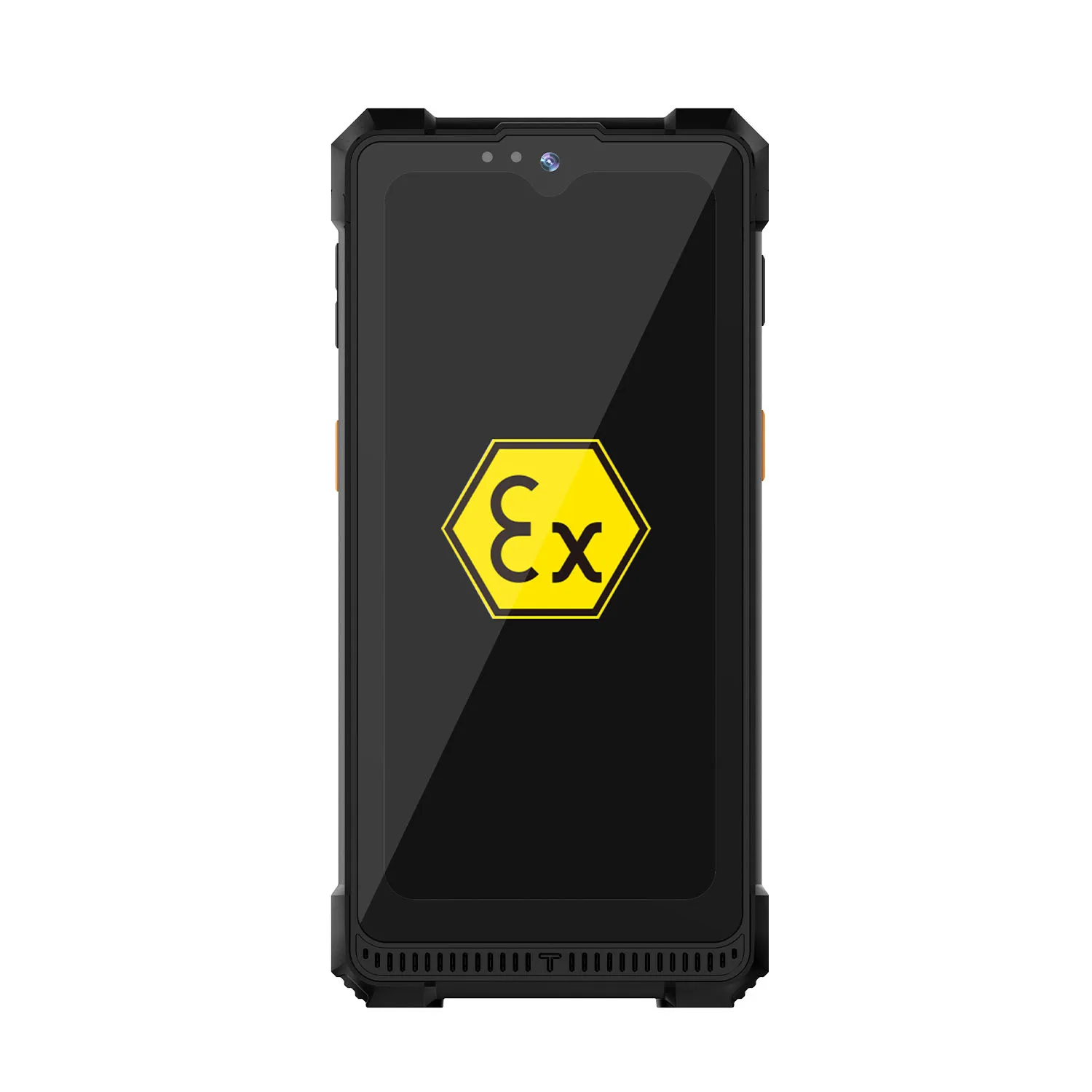
Key Products: The CENAVA A10ST-EX has a selected Zone 1/21 configuration marked
II 2GD Ex ib IIC T5 Gb / Ex ib IIIC T95°C Db. This configuration must not be conflated with the separate Zone 2/22 route documented underIECEx CSAE 24.0031XandCSANe 24ATEX1144X.Why They're on the List — Core Strength: CENAVA offers a project-oriented route for linking a named Zone 1/IIC configuration with refinery forms, tag requirements and controlled accessories.
An Ex ib IIC tablet for refinery work is a credible candidate only when the marking, certificate and area study align. Ex ib commonly supports EPL Gb/Zone 1, while IIC and T5 answer different hazard questions; neither term should be omitted from the review.
Project confirmation is warranted because configuration changes affect approval and interoperability. Contact CENAVA with the destination country; refinery unit and application environment; Zone, gas group and temperature class; certificate route required; minimum and maximum temperature; required OS and application; country, mobile operator and SIM/eSIM format when cellular service is needed; exact NFC card or tag technology; plus the intended case, hand strap and safe charging point.
6. Getac (Taiwan) — Zone 2 Boundary Reference
Getac produces rugged Windows computers for industrial, utility and public-safety work. The company has a mature docking and service ecosystem, and its EX product is useful in the protection level for which it is approved. It is included here because buyers sometimes treat any “EX” suffix as permission for Zone 1.
7. Winmate (Taiwan) — Zone 2 Boundary Reference
Winmate supplies industrial displays and rugged mobile computers for manufacturing, transport and hazardous-area projects. Its M101-EX line serves Windows workflows under named regional approvals. This product is a useful illustration of why Zone level must be read separately from gas group.
8. DURABOOK (Taiwan) — Zone 2 Boundary Reference
DURABOOK supplies rugged Windows tablets and notebooks for utilities, public safety and industrial work. Its EX range includes compact devices that reduce carrying bulk during field rounds. The product's protection level remains more important than its small form factor.
9. Zebra Technologies (United States) — Division 2 Boundary Reference
Zebra is known for enterprise Android mobility, barcode capture and centralized device management. Those strengths fit refinery logistics and asset identification. Its North American hazardous-location option follows Class/Division terminology and should not be translated into ATEX Zone 1 by analogy.
10. Panasonic TOUGHBOOK (Japan) — Division 2 Boundary Reference
Panasonic has supplied TOUGHBOOK mobile computers to utilities, public safety and field-service fleets for decades. Refineries may value the ecosystem of docks, keyboards and repair services for vehicles and workshops. Its selected hazardous-location route is North American Division 2, not ATEX Zone 1.

How to Choose the Right Manufacturer for Your Application
An intrinsically safe tablet for petrochemical plant inspection must first pass a certificate and route review, then prove that workers can complete the assigned task without violating the approved conditions. Four workstreams turn that requirement into evidence.
Define Your Operating Environment
Start with the refinery's area-classification drawing. Mark Zone 0, Zone 1 and Zone 2 boundaries, the actual gas or vapor, gas group, temperature class, ambient range, safe charging points and transitions between process and nonprocess spaces. The device role stops where the permit or approved procedure says it stops.
The search phrase ATEX vs IECEx tablet for petrochemical plants hides an important distinction. ATEX is a legal conformity framework for the EU market, while IECEx is an international certification system. Similar technical standards may underpin both, but one document should not be presented as automatic legal acceptance in every jurisdiction.
For North America, OSHA 1910.307 addresses electrical equipment in hazardous locations. The European Commission's ATEX guidance explains the EU framework, and IECEx describes its international system. The project must use the framework accepted by the site and authority.
Clarify Certificate and Performance Requirements
Build a 12-point certificate matrix: manufacturer, exact model, suffix, certificate number, schedule revision, protection concept, equipment category or EPL, gas group, temperature class, ambient range, X conditions and approved accessories. Compare that matrix with the physical label and purchase order.
Then run an 18-task trial in a safe, isolated or otherwise approved setting. Include 4 form steps, 4 equipment photographs, 4 tag reads, 3 exception records and 3 offline handoffs. Add one wet screen, one wrong device ID and one glove-input failure. Measure correction behavior rather than merely recording completion.
Temperature class should be read correctly. T4 corresponds to a maximum surface temperature of 135°C, T5 to 100°C and T6 to 85°C under the marked conditions. Those values do not authorize placing the tablet against hot process equipment or operating outside its certified ambient range.
Consider Software, Accessories and Integration
Begin the application test offline. Cache the route, complete 3 records, attach 3 photographs and change one equipment identifier. After 30 minutes, restore service and inspect the pending queue before synchronization. A visible conflict is preferable to a silent duplicate.
Accessories are configuration items. Use the actual case, hand strap, stylus, screen protector, scanner and charging equipment included in the approval or permitted by the instructions. Similar dimensions do not establish certification.
Keep operational technology separate. The tablet may display a work package or receive read-only equipment context through an approved interface. It should not gain process-control, interlock or ESD authority merely because it is managed by the refinery.
Analyze Total Cost of Ownership (TCO) vs. Initial Cost
Include approved accessories, safe-location chargers, spare devices, device-management licensing, application validation, training and repair logistics. Maintain separate asset groups for Zone 1, Zone 2, Division 2 and ordinary tablets; a single generic stock code defeats configuration control.
Use measured work data. As an illustrative calculation, 14 technicians completing 6 rounds per day and avoiding 70 seconds of duplicate transcription would recover about 98 staff-minutes daily. Replace those assumptions with pilot results before comparing annualized savings with fleet cost.
Inspect replacement identity. Ask how a repaired unit retains its suffix and label, what happens when an approved case is damaged and whether the same configuration remains orderable in year 4 of a 5-year program. The cheapest unit is expensive when its certificate trail cannot survive service.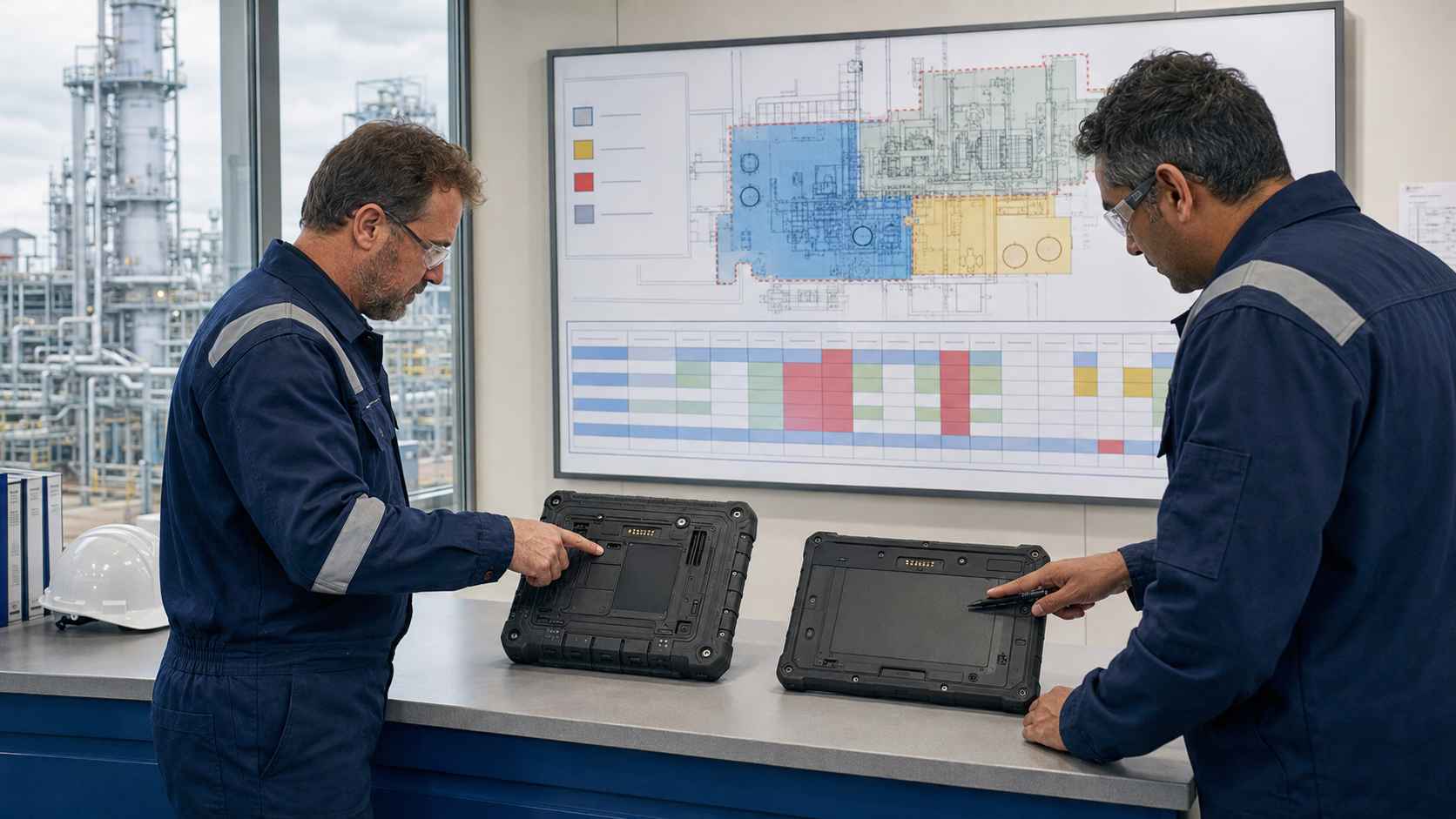
Future Trends in Zone 1 Refinery Tablets
Hazardous-area mobility is moving toward tighter configuration evidence rather than broader marketing claims. Four developments will shape the next procurement cycle:
Certificate-aware device management: Each serial number will carry its certificate route, approved accessories and permitted work groups. A Zone mismatch can be blocked when the job is issued.
Digital label verification: Mobile applications will compare the issued device identity with the task requirement at the controlled entry point, reducing reliance on housing color or worker memory.
Offline-first safe-use workflows: Inspection packages will remain usable through network loss, while visible queues and conflict review preserve record integrity without granting control-system access.
Bounded image assistance: On-device models may flag an unreadable nameplate, incomplete photograph or wrong tag for human review. They should not declare the atmosphere safe or interpret a certificate as site authorization.
Conclusion
Pepperl+Fuchs/ECOM, i.safe MOBILE, Aegex, BARTEC and the selected CENAVA Category 2G configuration provide credible starting points for Zone 1/IIC assessment. Their markings, certificate schedules, ambient limits and approved accessories still need to match the refinery's exact area and task.
Getac, Winmate and DURABOOK offer useful Zone 2 routes, while Zebra and Panasonic provide selected North American Division 2 configurations. These products may be strong choices in their approved locations, but IIC wording, IP65/IP68 or MIL-STD-810G/H evidence does not elevate them to Zone 1.
A defensible refinery program ends with a 12-point certificate matrix, an 18-task safe-setting trial and serial-number-controlled issuance. Keep the tablet separate from gas detection, entry authorization, process control and ESD functions, and the device remains a dependable information tool without being assigned a safety role its approval never granted.
Need a Rugged Device for Your Project?
Tell us your operating environment and requirements — our engineers will recommend a configuration and quote within 24 hours.
Get a Free Quote Back to Blog