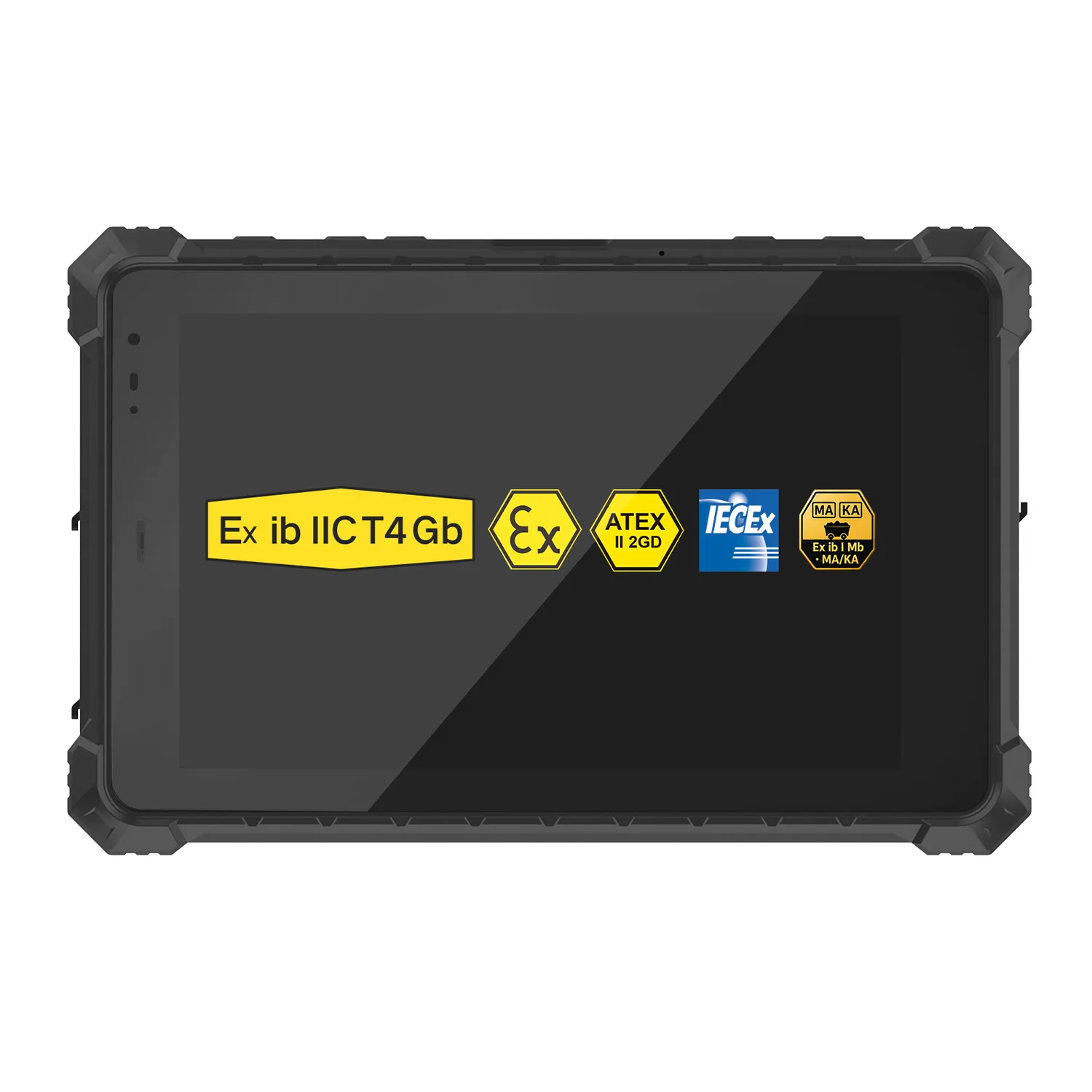
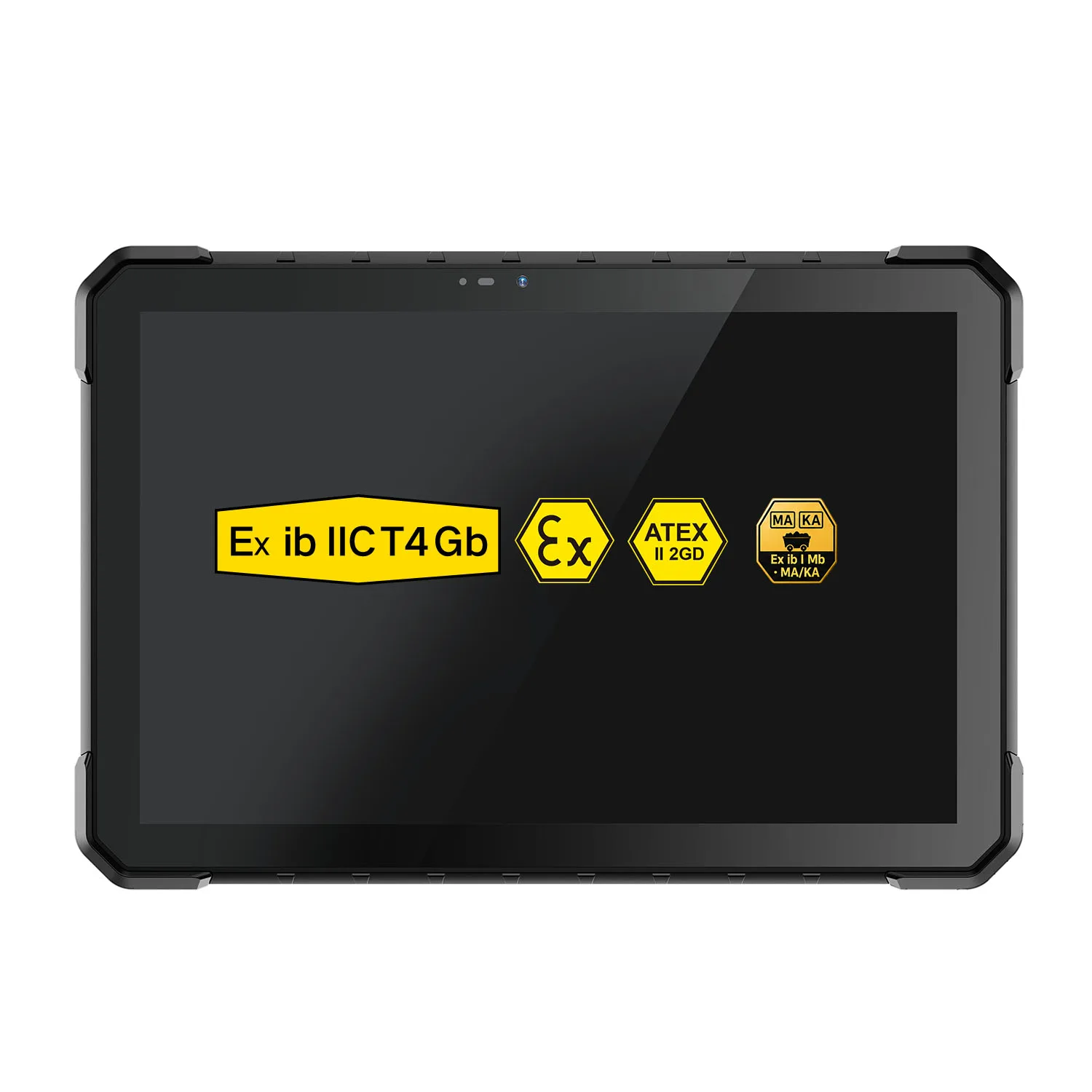
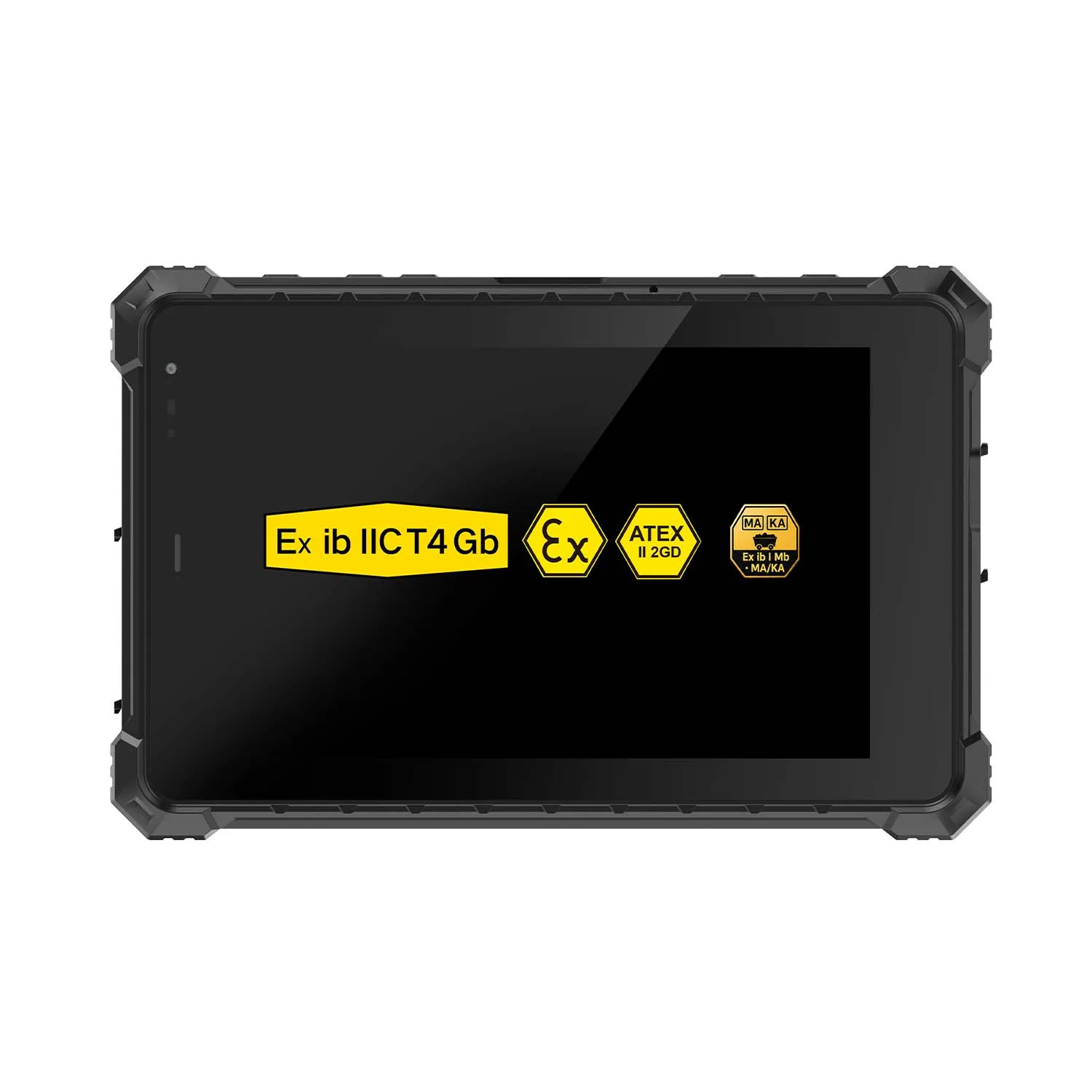





What Tablet Is Safe in a Grain Elevator? Zone 21/22 Rules Checked
Quick answer: The safe tablet for a grain elevator is the exact configuration whose dust approval matches the classified route, dust subgroup, maximum surface temperature and permitted ambient range. For a Zone 21 location that normally means Category 2D / EPL Db scope — but the complete marking and its 'X' conditions still control the decision. IP68 alone is not ignition protection.
A grain elevator rarely has one uniform electrical environment. The bucket-elevator leg, headhouse, basement, gallery and truck-loading area may present different release patterns or classification boundaries. A tablet that is legal at the truck-loading apron may be illegal twenty meters away in the basement — the same device, two different classifications. OSHA 1910.307 requires hazardous locations to be documented and each room, section or area to be considered individually. The safest fleet design follows that route map.
Dust changes the thermal question as well. A fine layer can insulate an enclosure or block a cooling path even when no visible cloud surrounds the operator. The UK Health and Safety Executive's HSG103 guidance notes that deposits may interfere with electrical-equipment cooling and that the selected surface temperature must account for ignition as a layer and as a cloud.
The weak point in many deployments appears after purchase: a standard battery enters an approved case, a third-party strap covers the nameplate, or a repaired tablet returns directly to the shift. We treat those moments as admission controls. Processor speed and radio options matter later, after the device has passed its electrical and operational gates.
We group the ten manufacturers here by usable scope instead of pretending they are interchangeable. Only the first three carry current higher-protection (Zone 21 / Db or better) dust options. Four more are Zone 22 or configuration-specific. The last three are not Ex devices at all — they appear here because buyers keep shortlisting them for classified rooms, which is a mistake we see repeatedly. No tablet below replaces dust collection, housekeeping, lockout/tagout or a grain-bin entry procedure.
What Defines a Safe ATEX Zone 22 Tablet for Grain Facilities?
A credible manufacturer makes the approval boundary easier to audit. Four tests separate a defensible shortlist from a catalogue of rugged devices:
- The location and dust basis are explicit. Under the ATEX/EPL framework, Zone 20 corresponds to Category 1D / Da, Zone 21 to 2D / Db, and Zone 22 to 3D / Dc. Dust subgroup is a second choice: IIIA covers combustible flyings, IIIB non-conductive dust and IIIC conductive dust. Grain or sugar should not be called IIIC merely because IIIC offers broader subgroup coverage; the facility's material data and selection basis control the requirement. Grain dust is typically IIIB. Calling it IIIC doesn't add safety — it adds cost and narrows your hardware options.
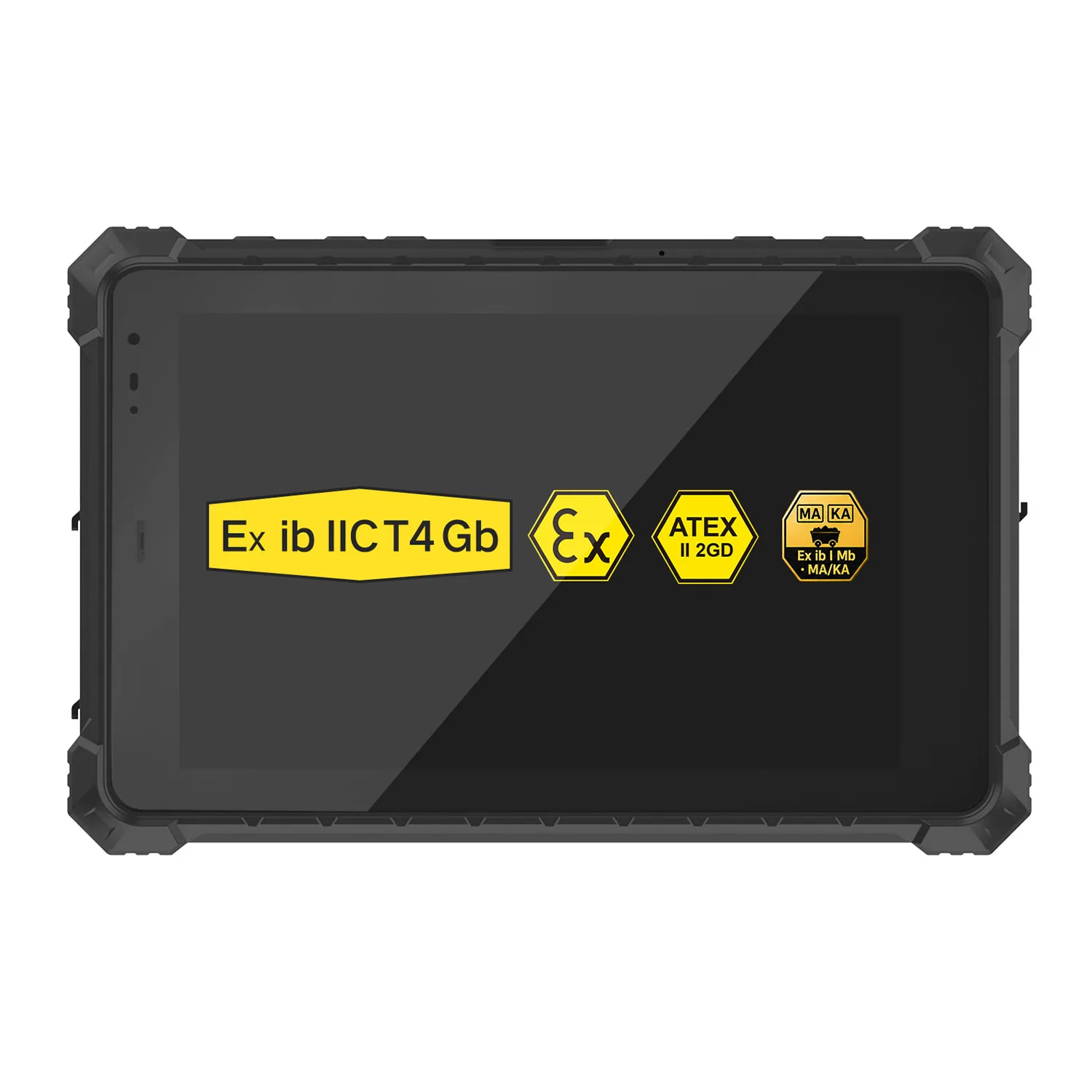
- The full marking is read as one specification. Protection concept, subgroup, temperature, EPL, ambient range and any “X” conditions belong together. T130°C or T135°C is a maximum surface-temperature marking under stated conditions, not the surrounding air limit. A lower number may help a thermal selection, but it does not cure a wrong zone, subgroup or accessory.
- Ruggedness is kept in its proper lane. IEC 60529 IP65, IP66 or IP68 describes enclosure ingress testing. MIL-STD-810G and MIL-STD-810H are environmental test-method frameworks for defined procedures such as shock, vibration or temperature exposure. Neither designation turns an ordinary tablet into equipment approved for combustible dust.
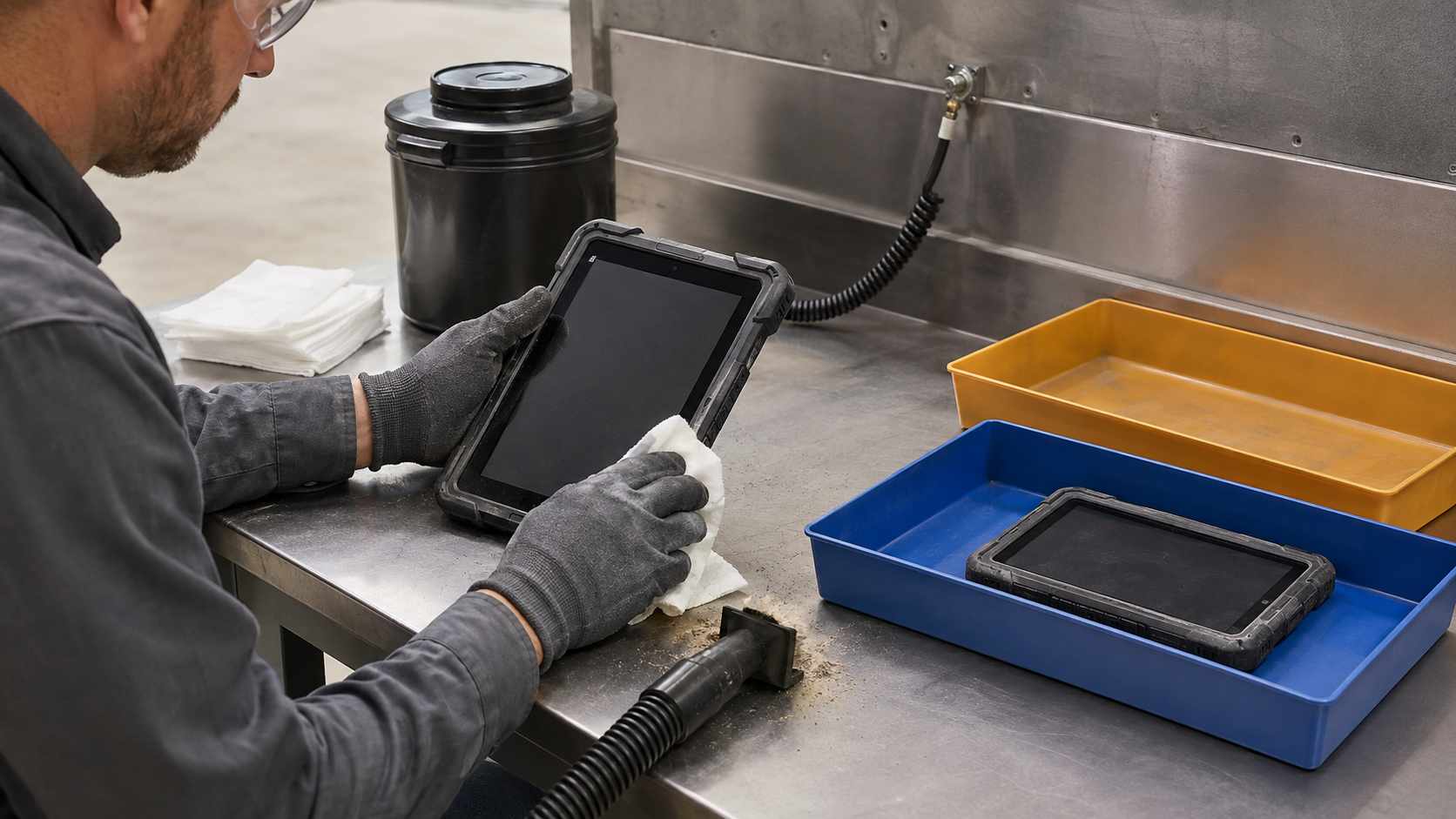
- The operating system includes physical control. Purchase code, battery, case, scanner, stylus and charging location should be recorded with the serial number. Dust removal must follow the facility procedure; OSHA 1910.272(j)(3) restricts compressed-air cleaning to conditions where machinery ignition sources are shut down and other known ignition sources are removed or controlled.
The Top 10 Manufacturers to Evaluate: Dust-Certified Tablet Options
This is not a performance ranking. Compare each model with the route it is permitted to enter. A Zone 22 tablet does not become a Zone 21 device because it has a brighter screen, and a non-Ex unit does not gain dust approval from an IP6X enclosure.
1. Pepperl+Fuchs / ECOM (Germany)
Pepperl+Fuchs owns ECOM, and that matters for procurement: the tablet is sold inside a managed Ex portfolio, so the certificate, the battery and the docking station all come with one accountability chain. For a grain operator, that means the site auditor gets one folder instead of three. Their current Zone 21 mobile platforms carry some of the lowest surface-temperature markings in this list — which is what opens up dust groups with lower ignition points.
2. i.safe MOBILE (Germany)
Core Strength: Large-format Zone 21 tablet with documented regional approvals
i.safe MOBILE builds the tablet, the battery and the carrying system as one certified set — and publishes the regional approval documents alongside each model, which saves your safety officer a document chase at audit time.
3. Aegex Technologies (United States)
Aegex is the only Windows-native option in this top group — its Class I/II/III Division 1 certification covers dust atmospheres at a level most Zone 22 tablets cannot enter. Two cautions before shortlisting: confirm the certification is current (the company has restructured in recent years), and note that Division 1 is a North American classification, not an EPL Da rating — a European site audit will ask for the ATEX/IECEx route separately.
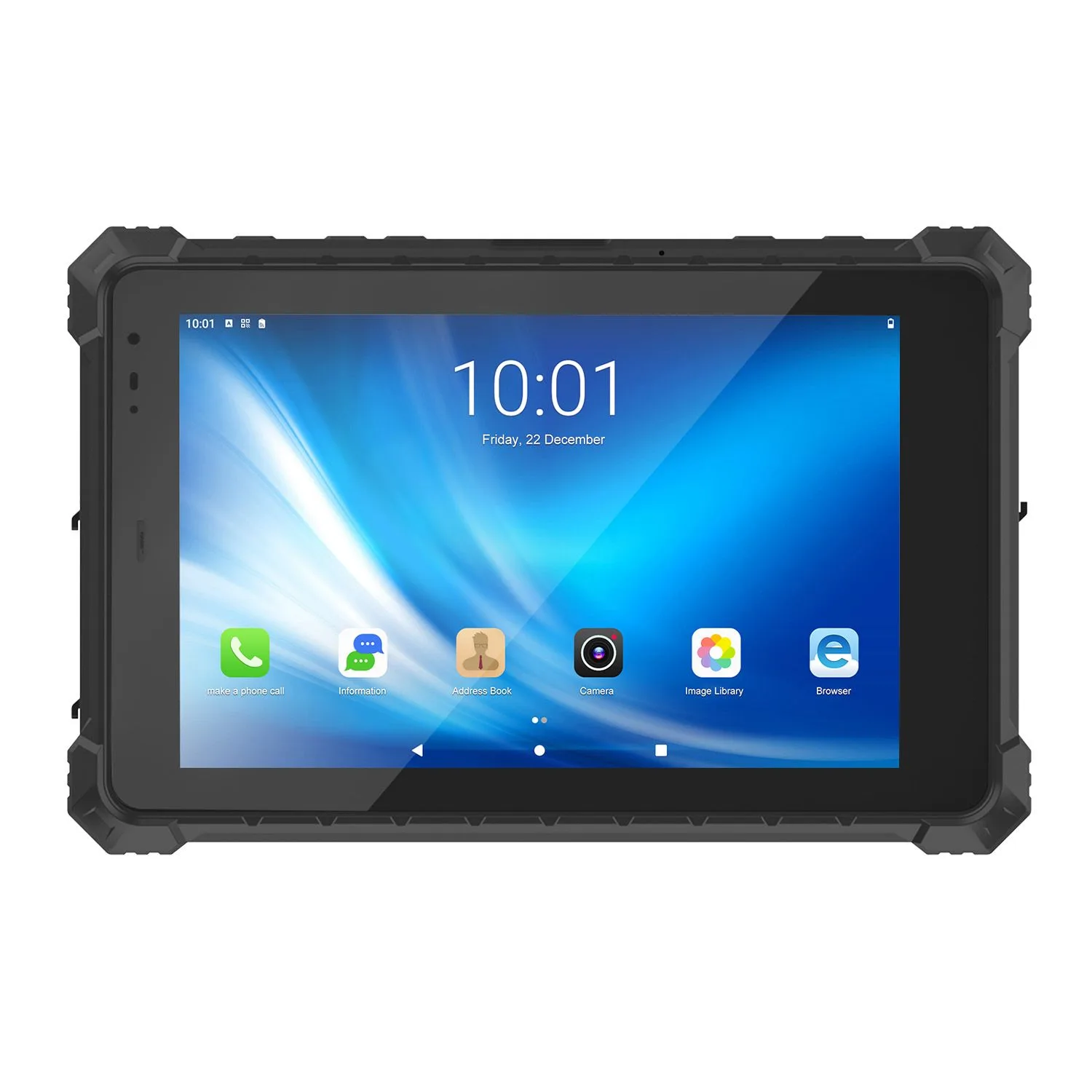
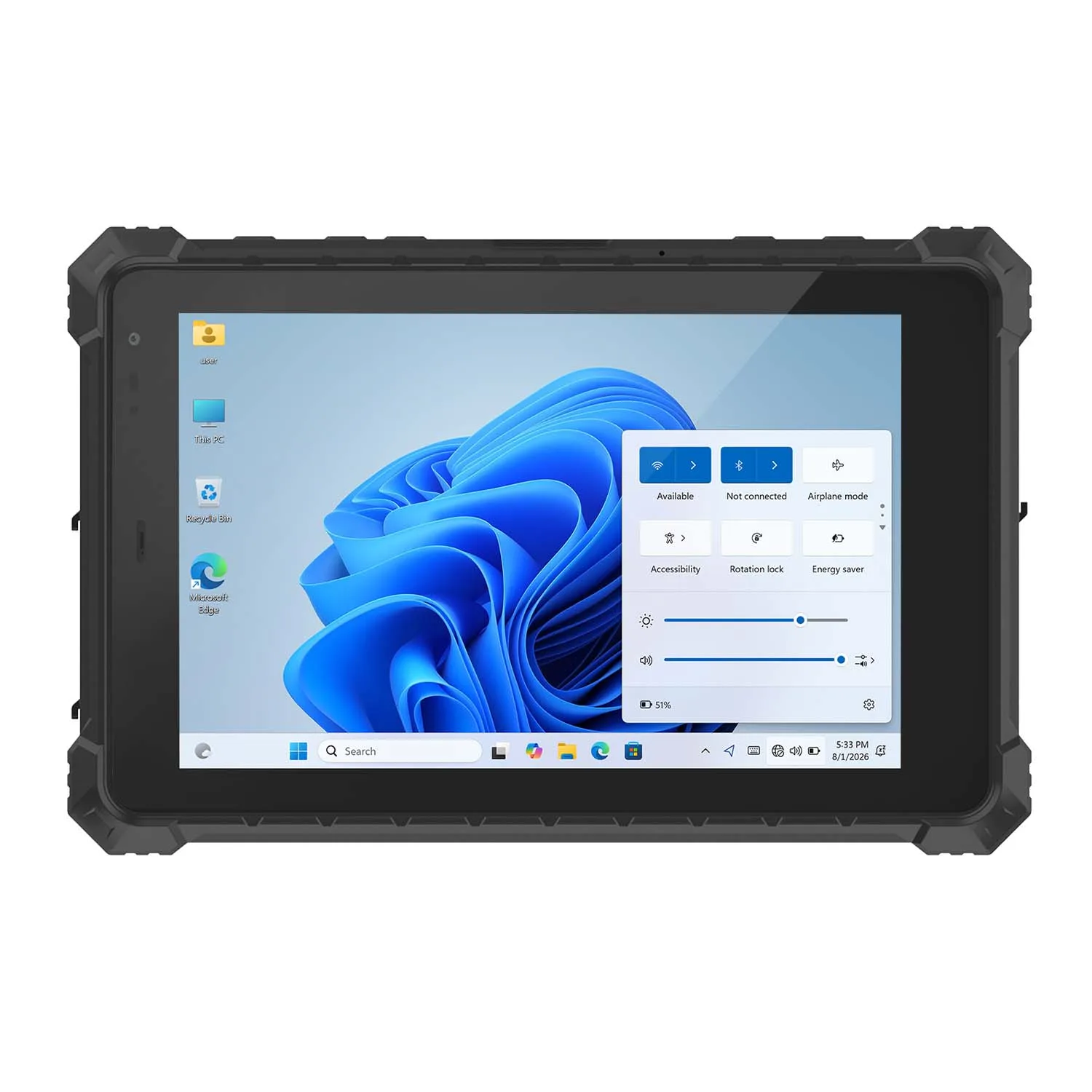
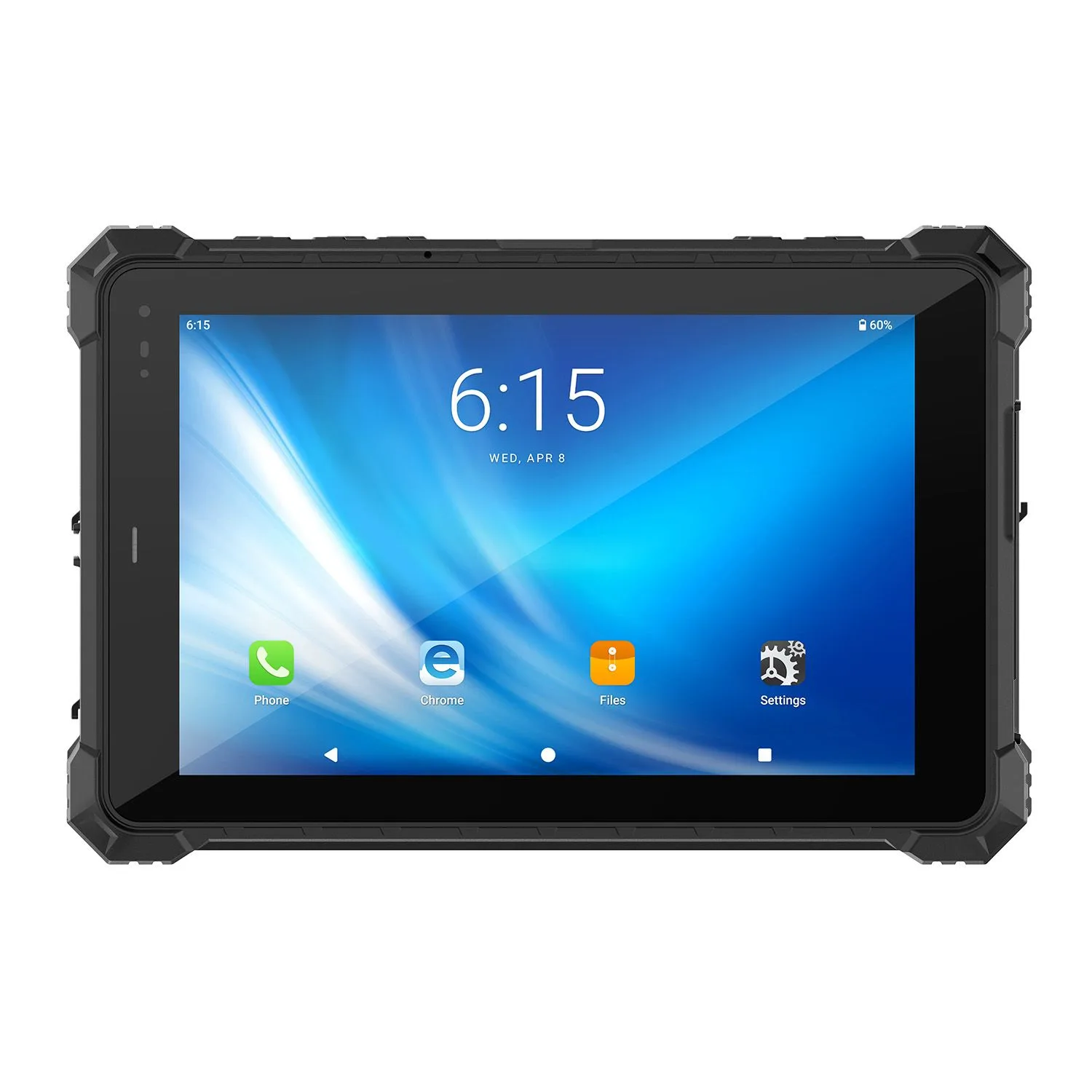
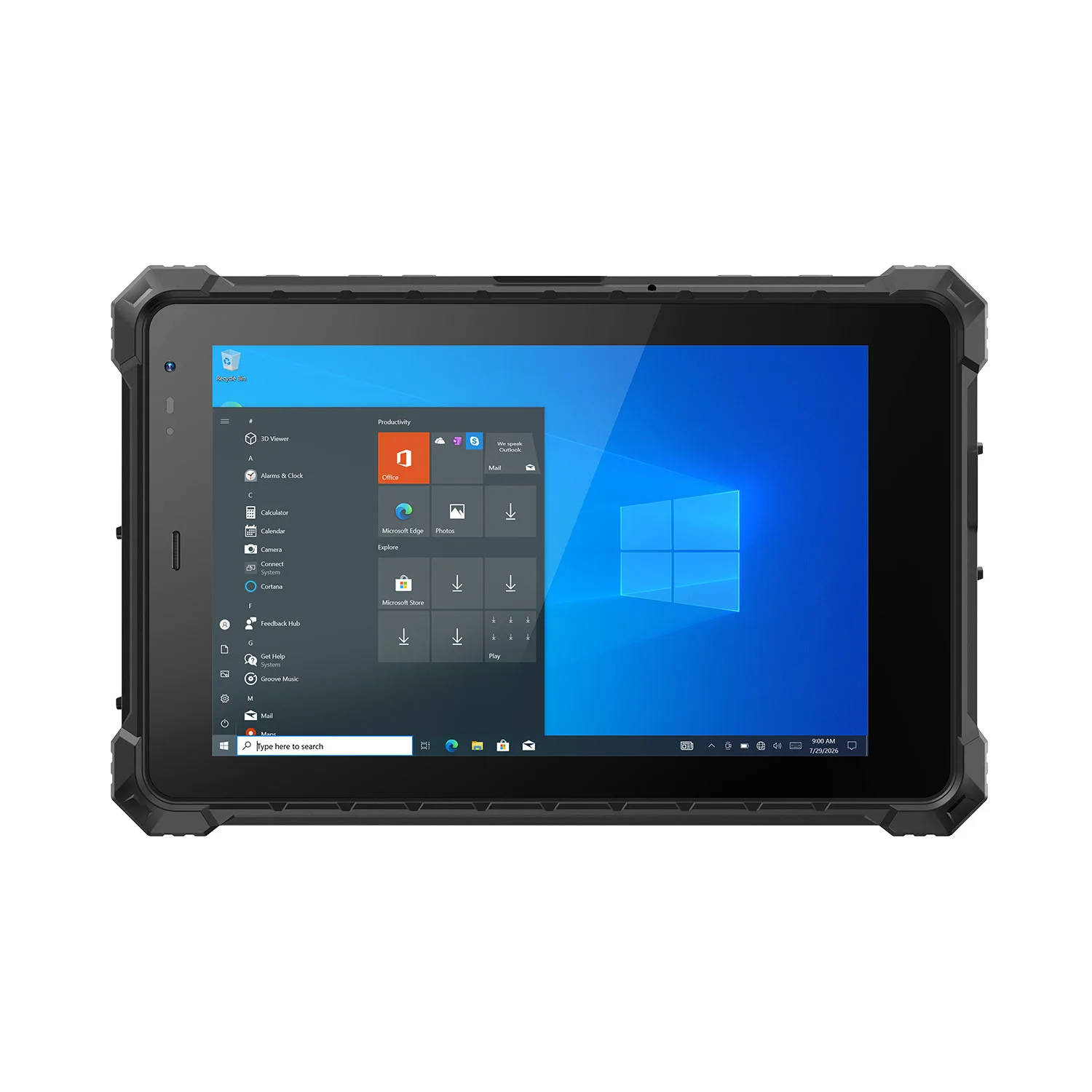
4. CENAVA (China)
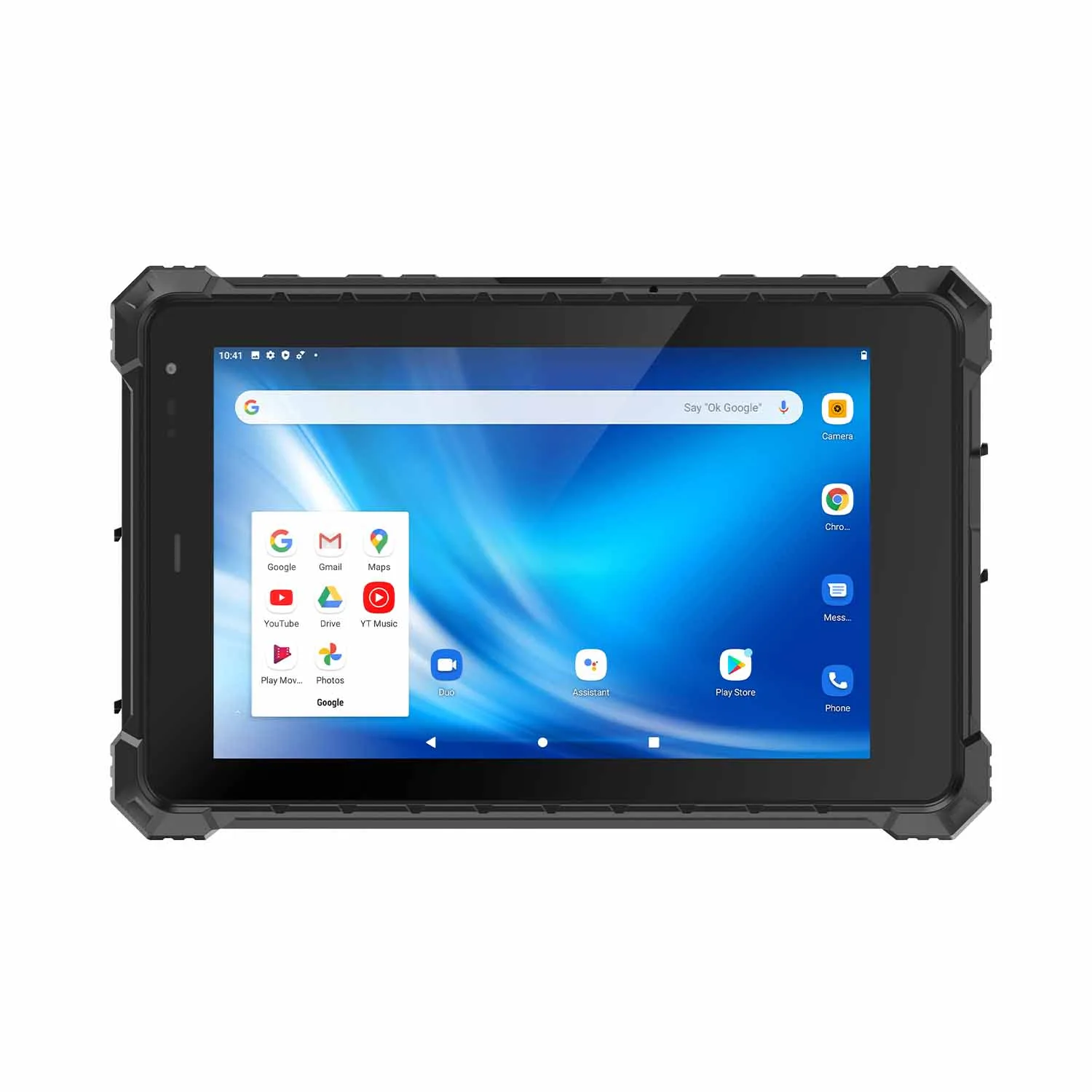
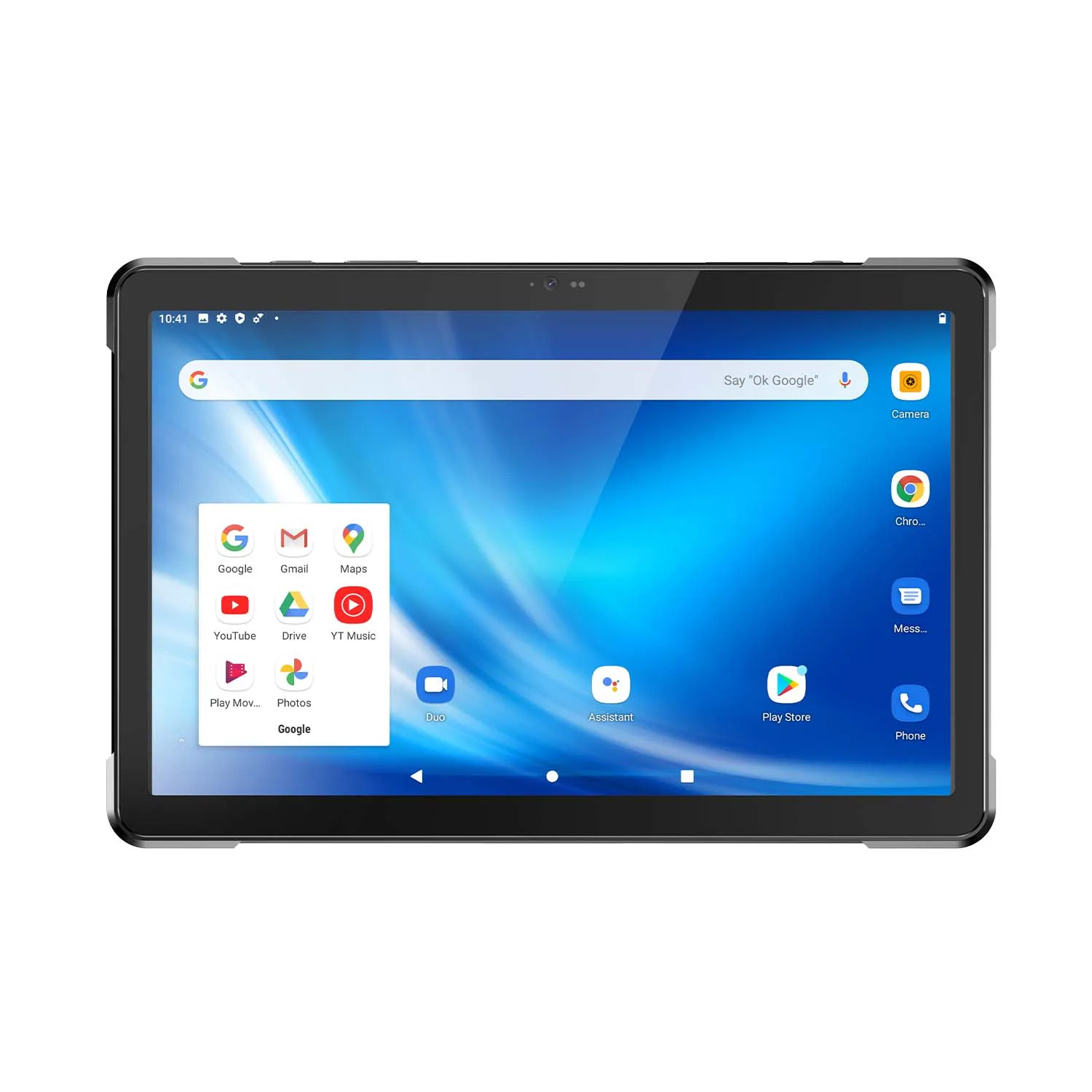
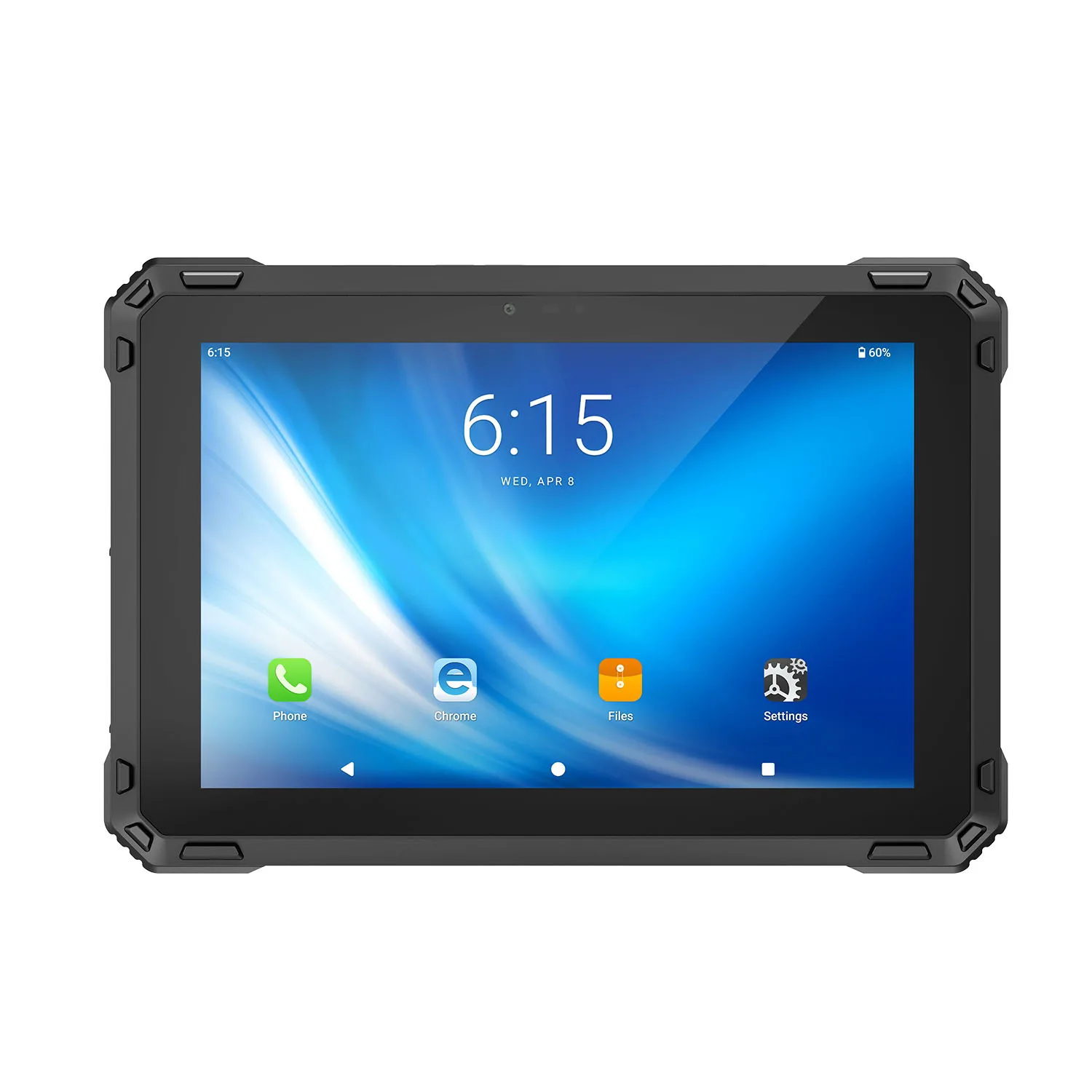
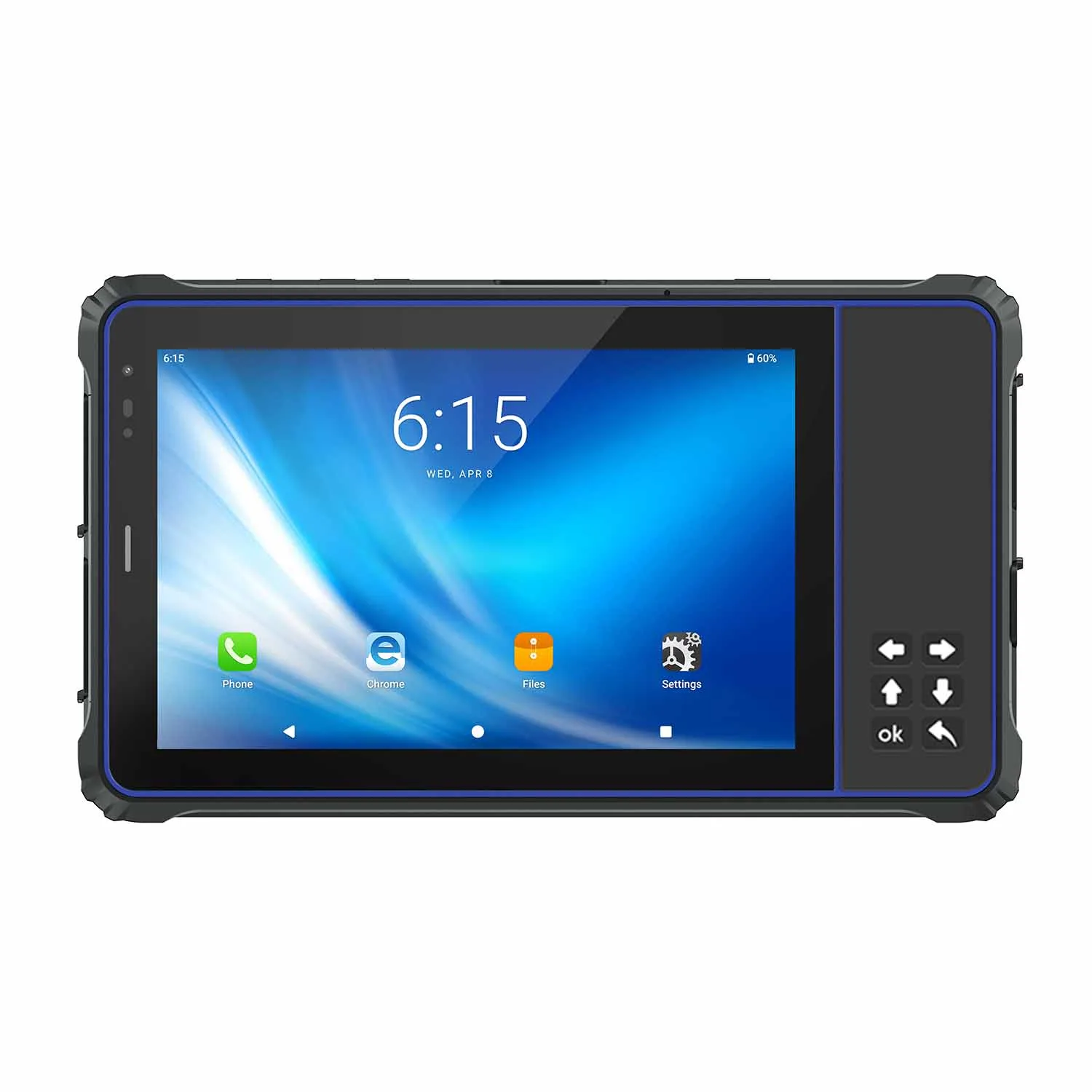
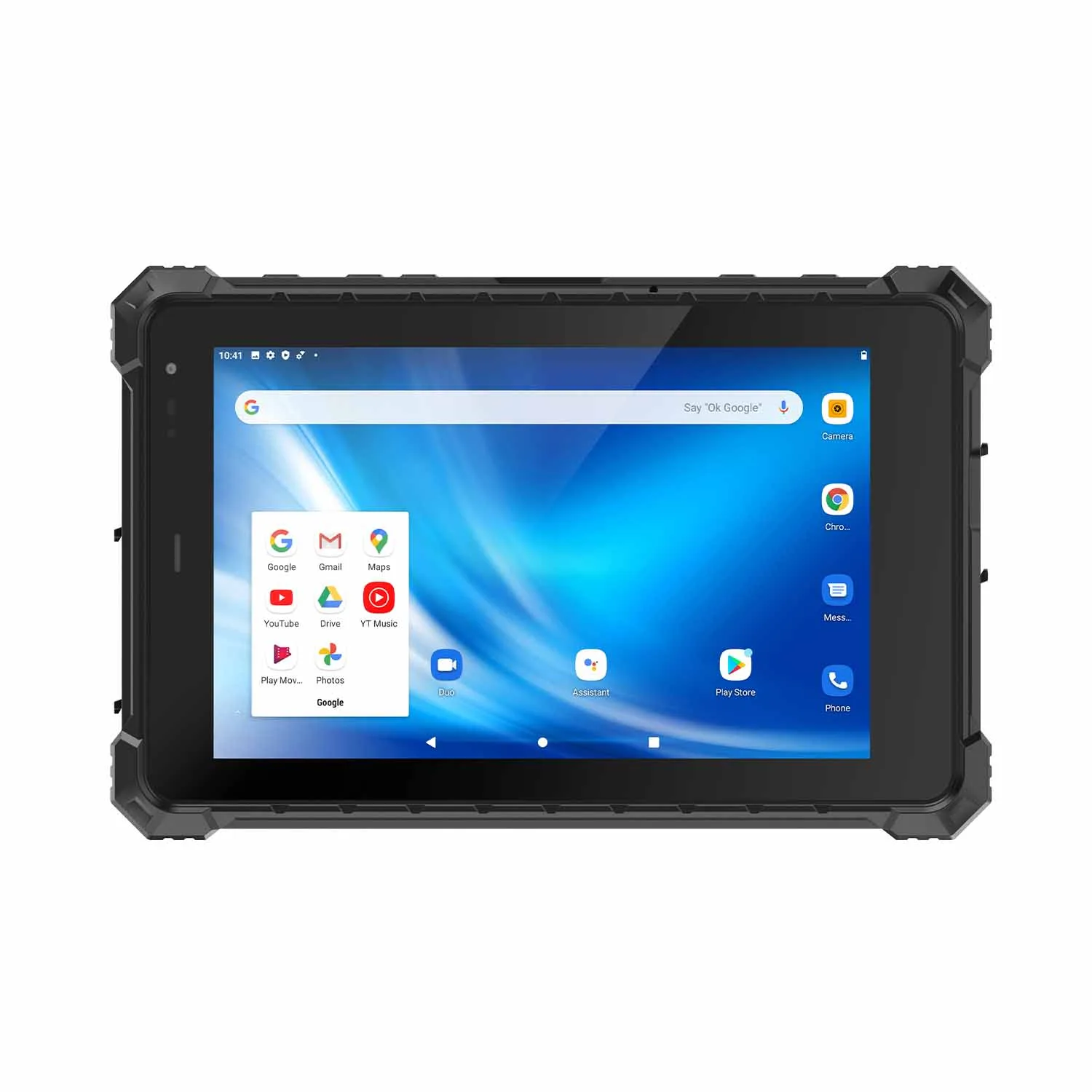
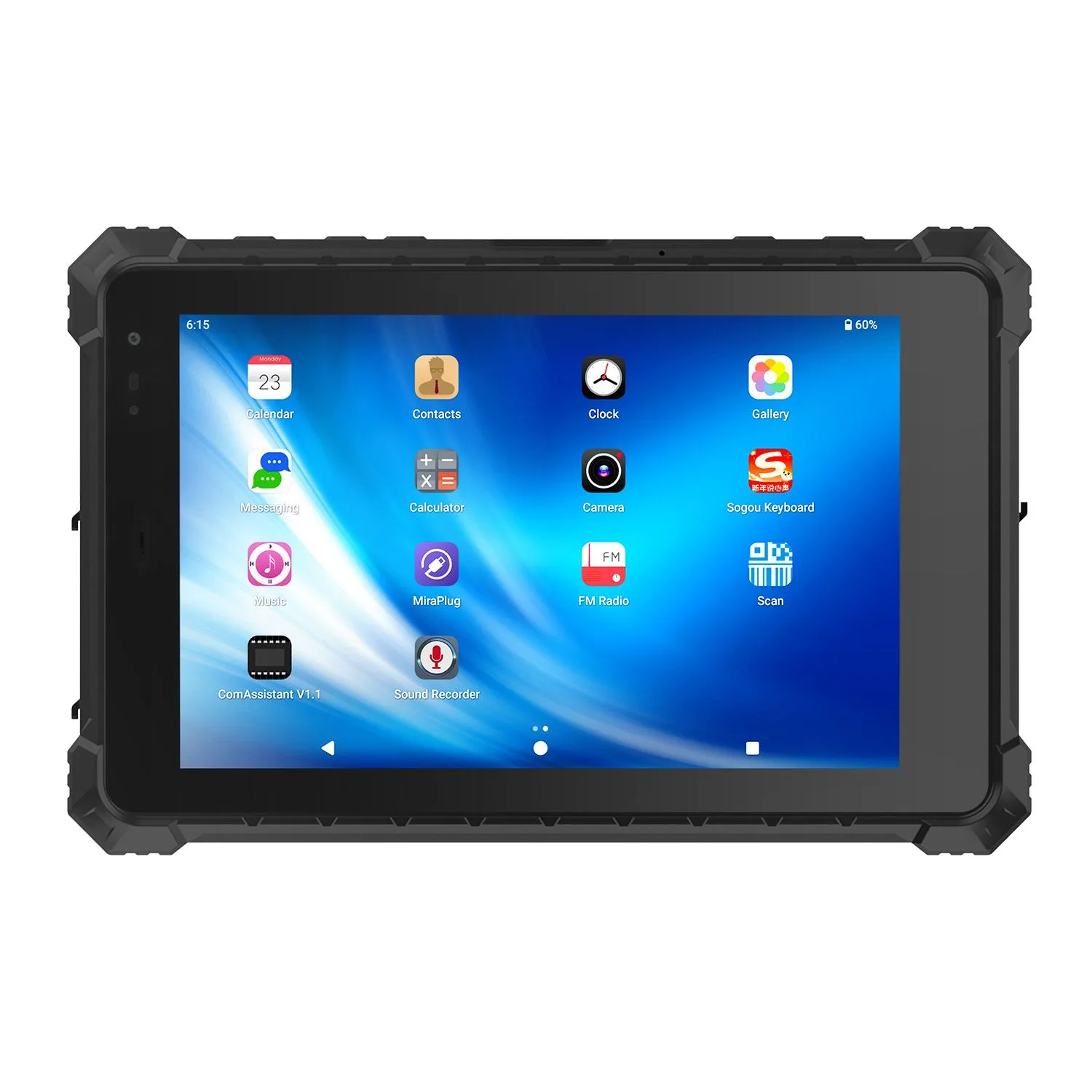
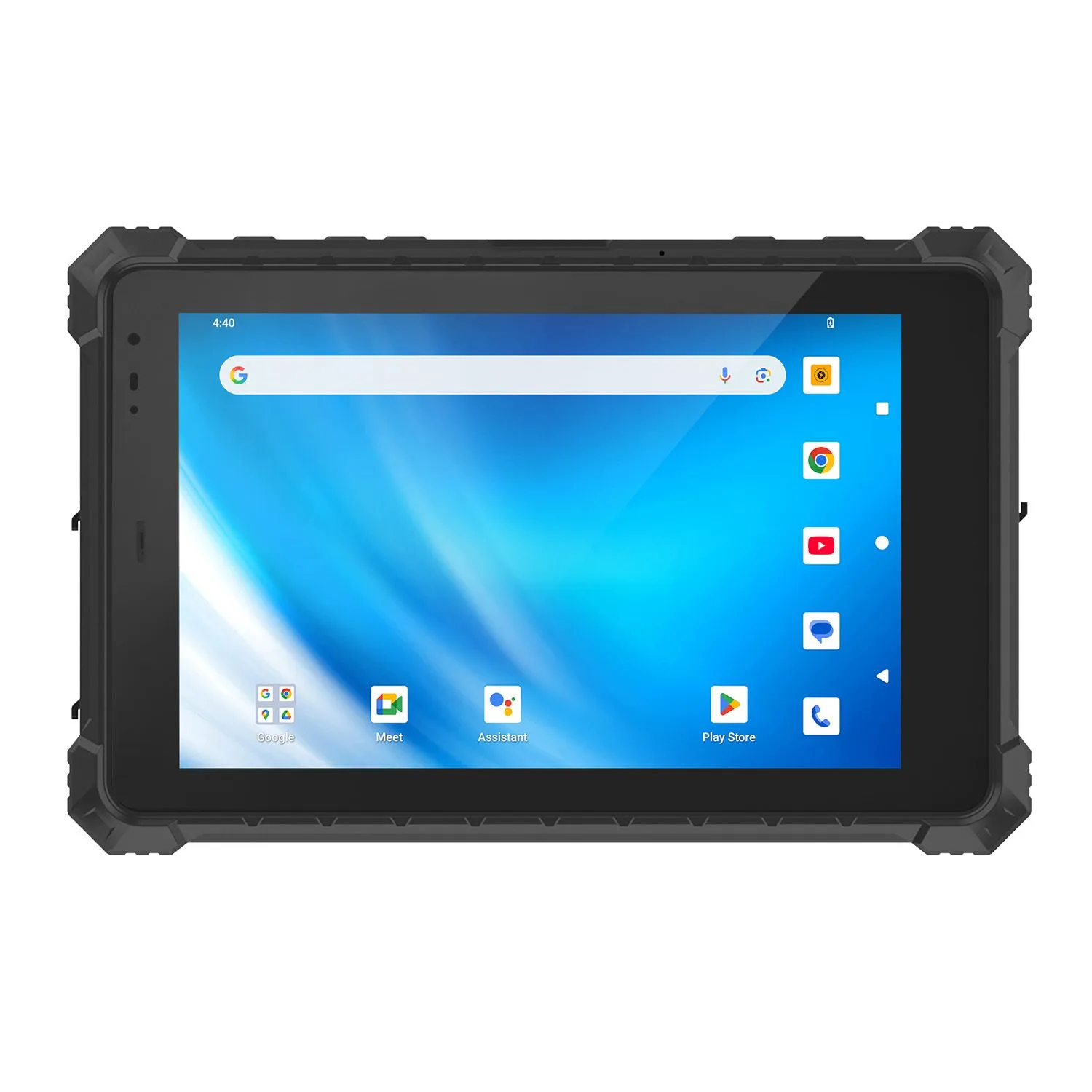
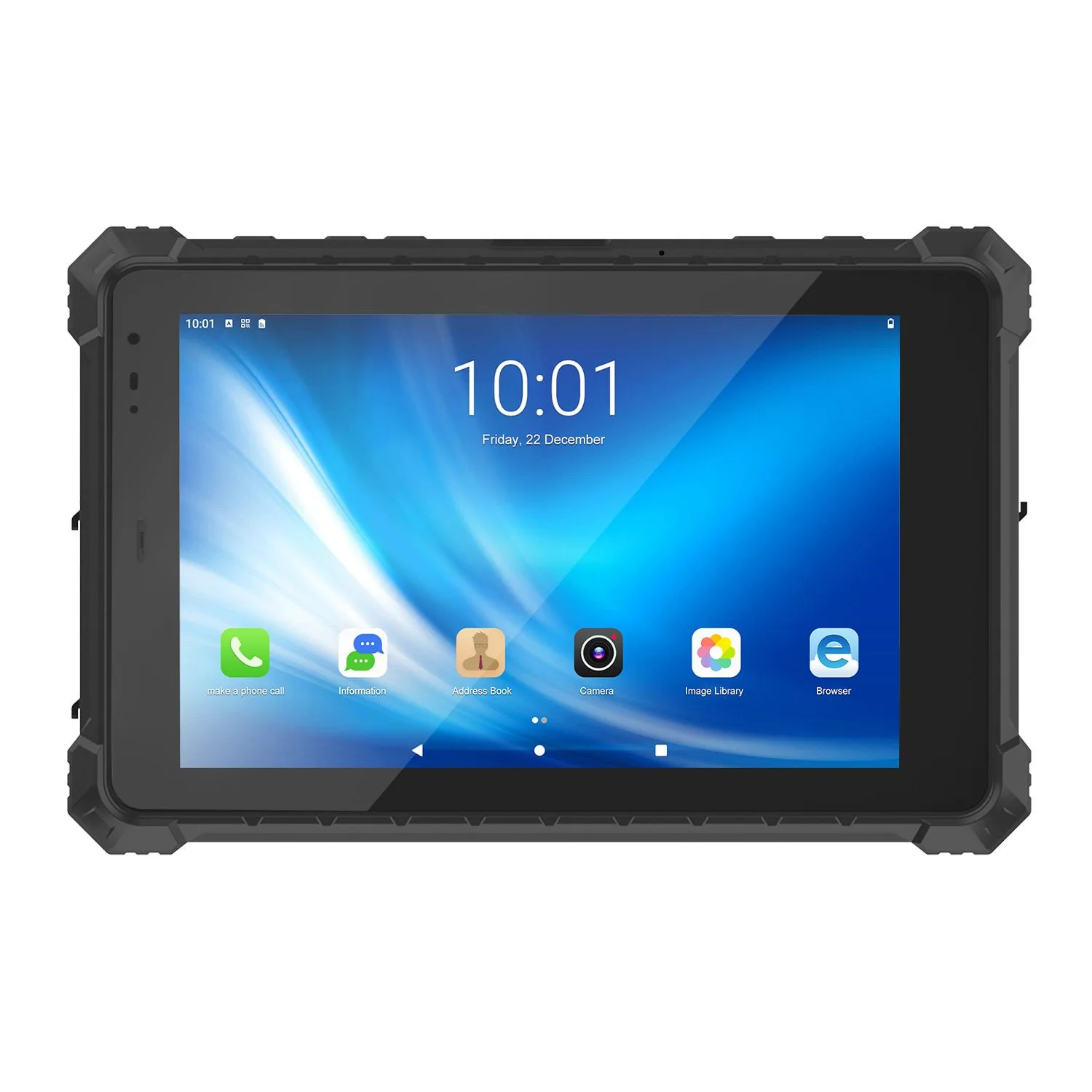
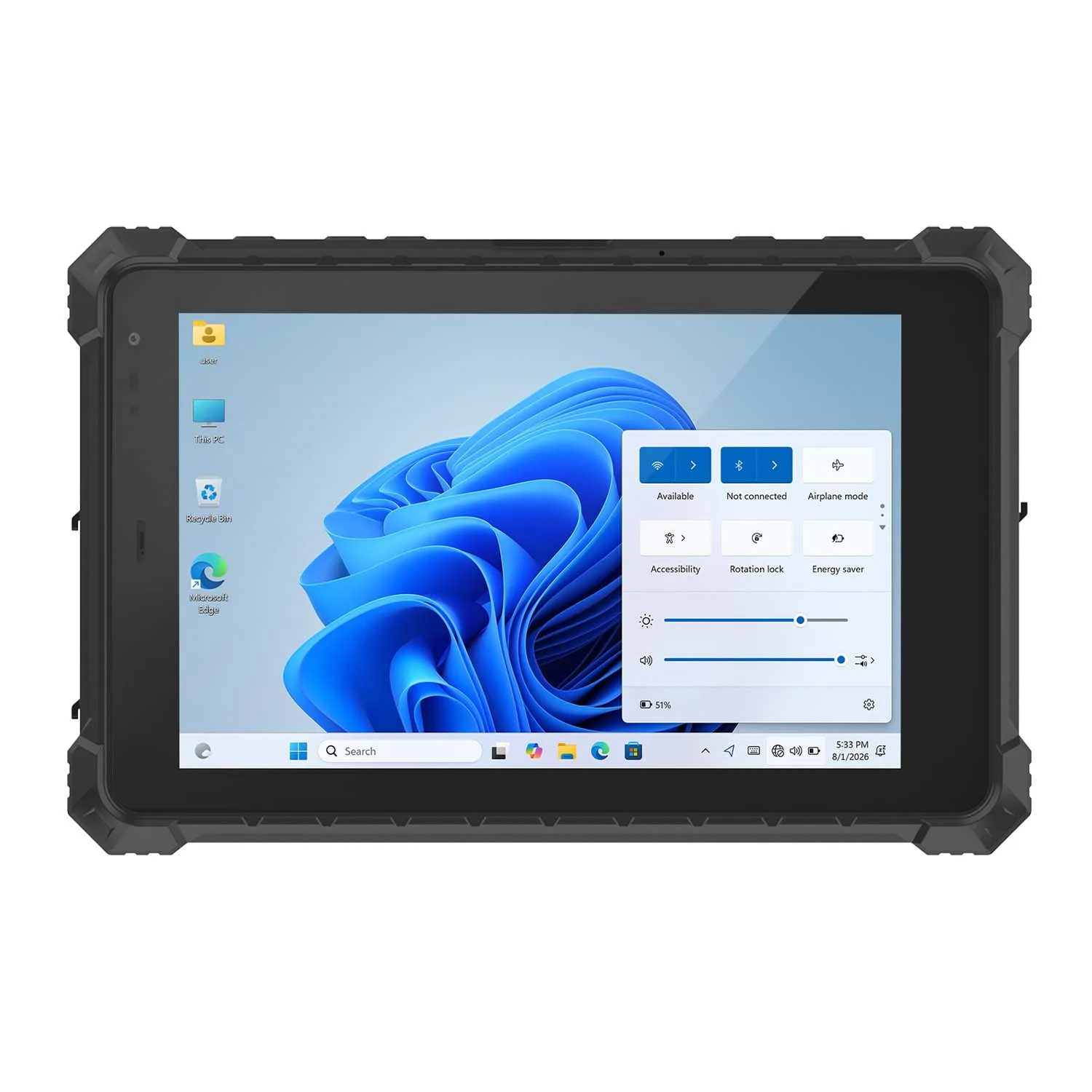
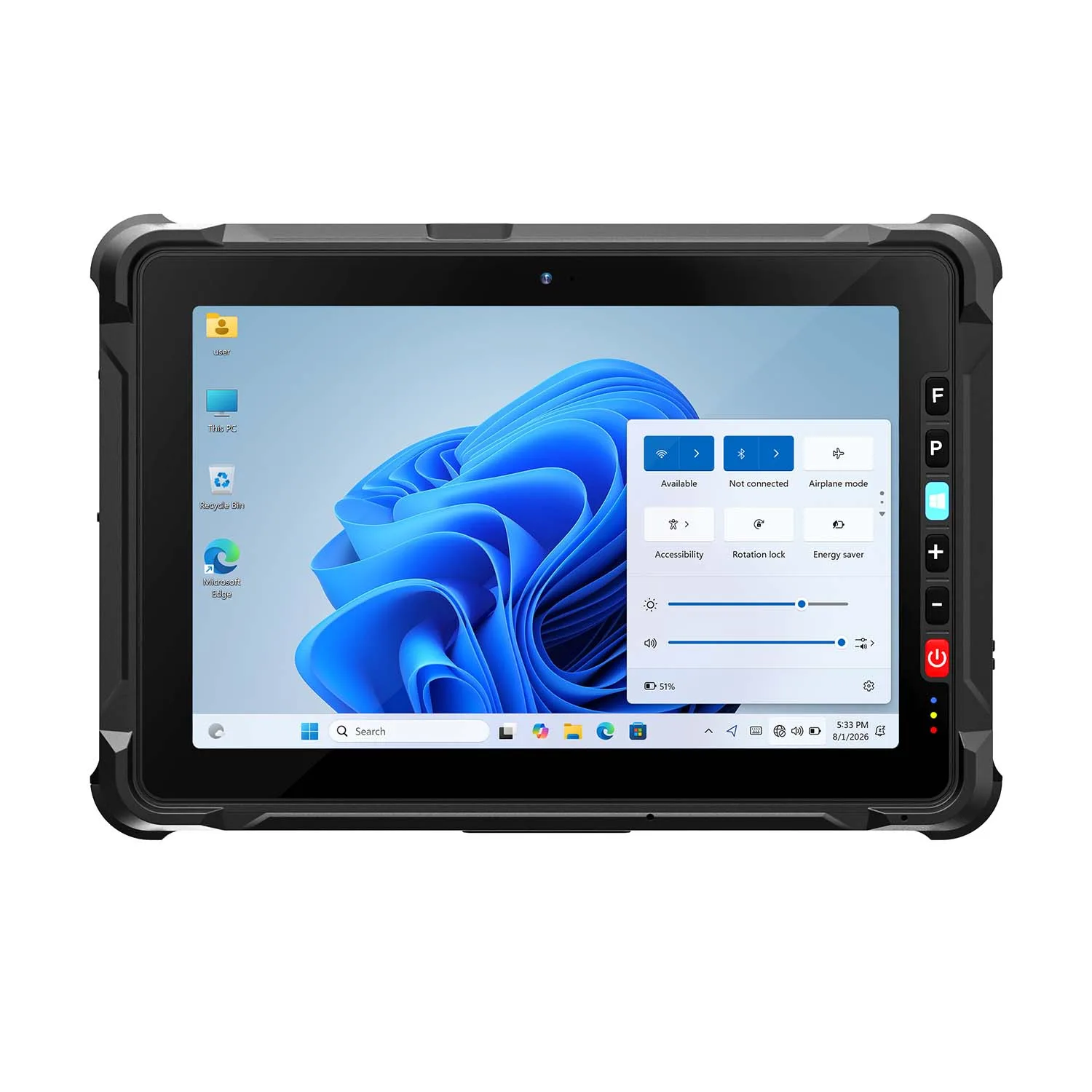
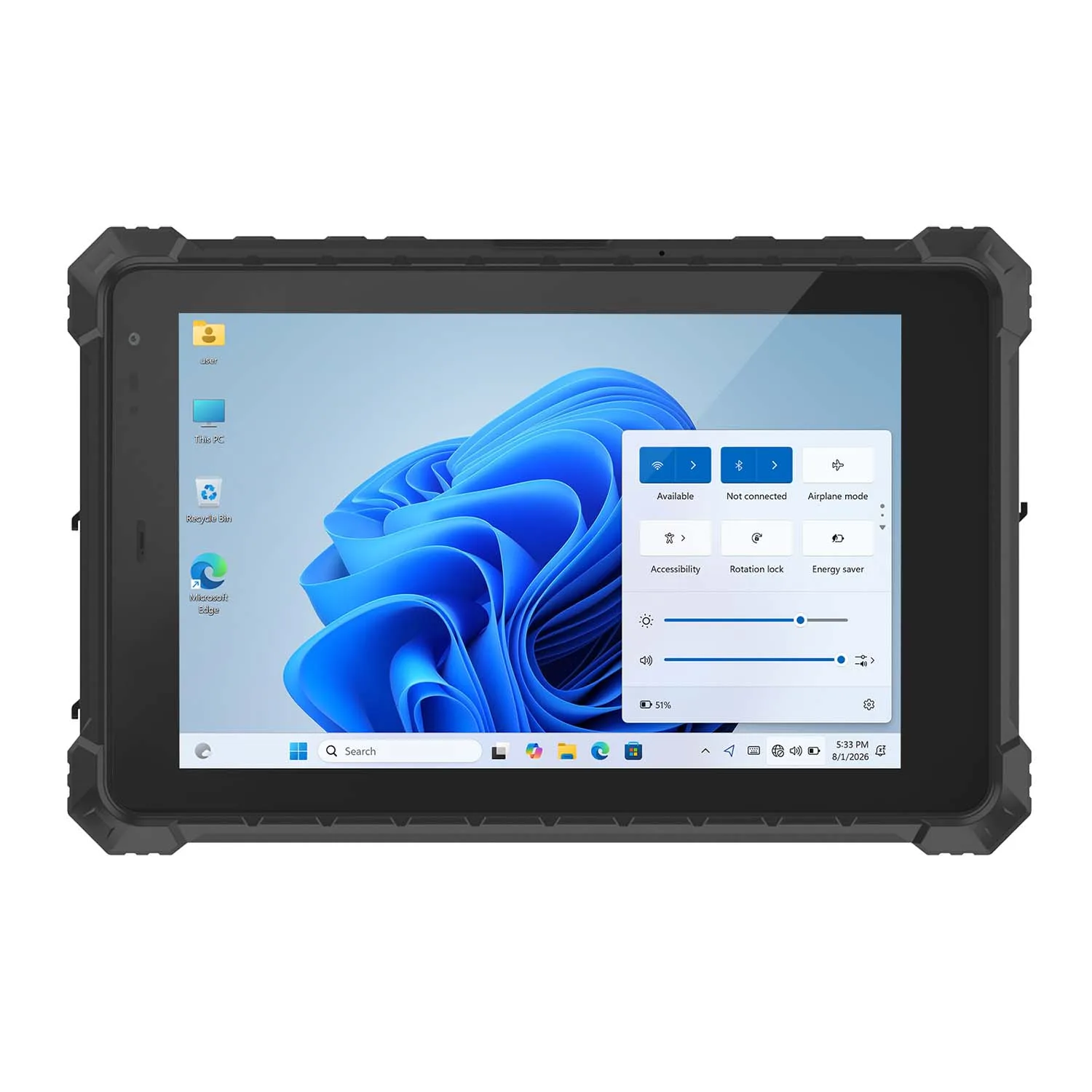
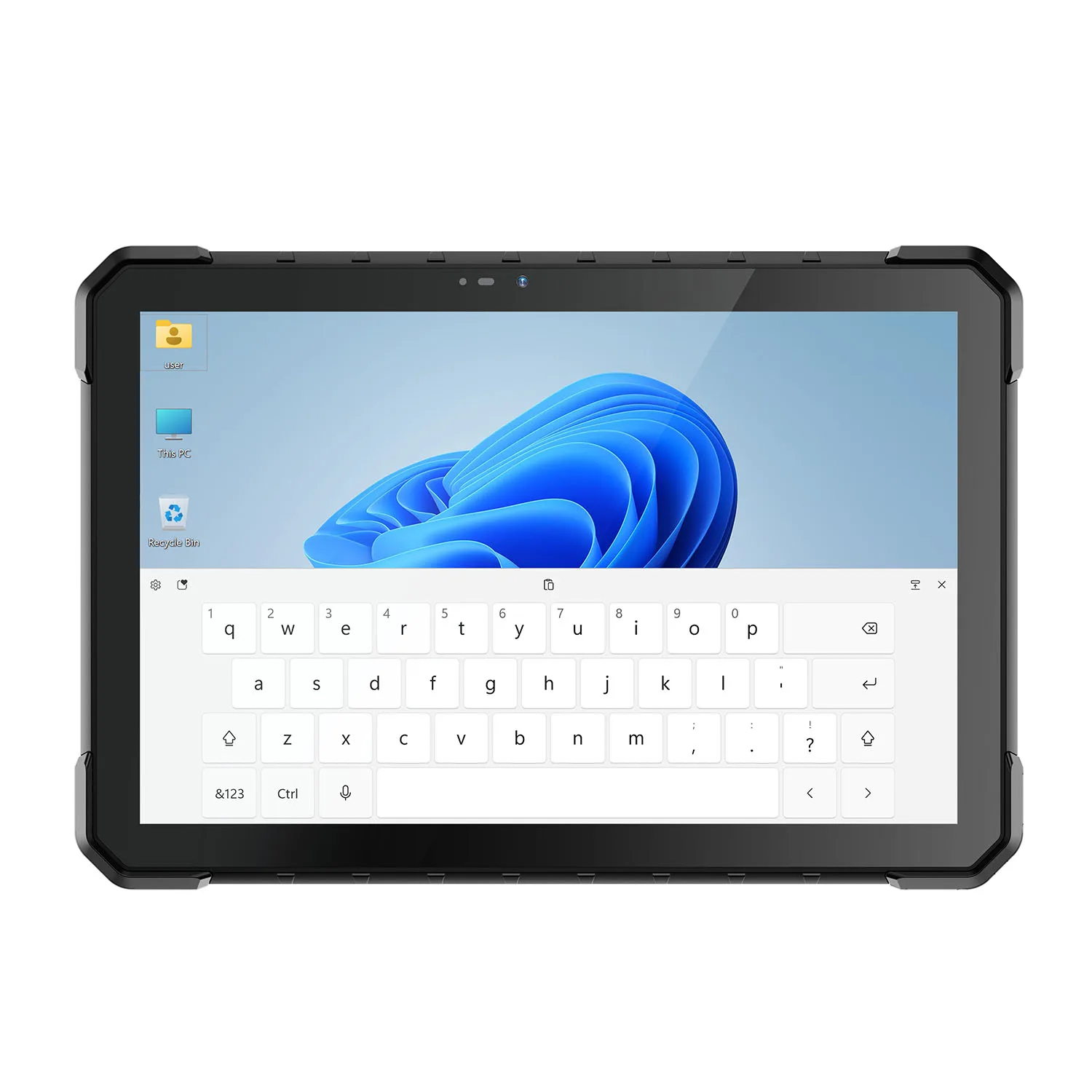
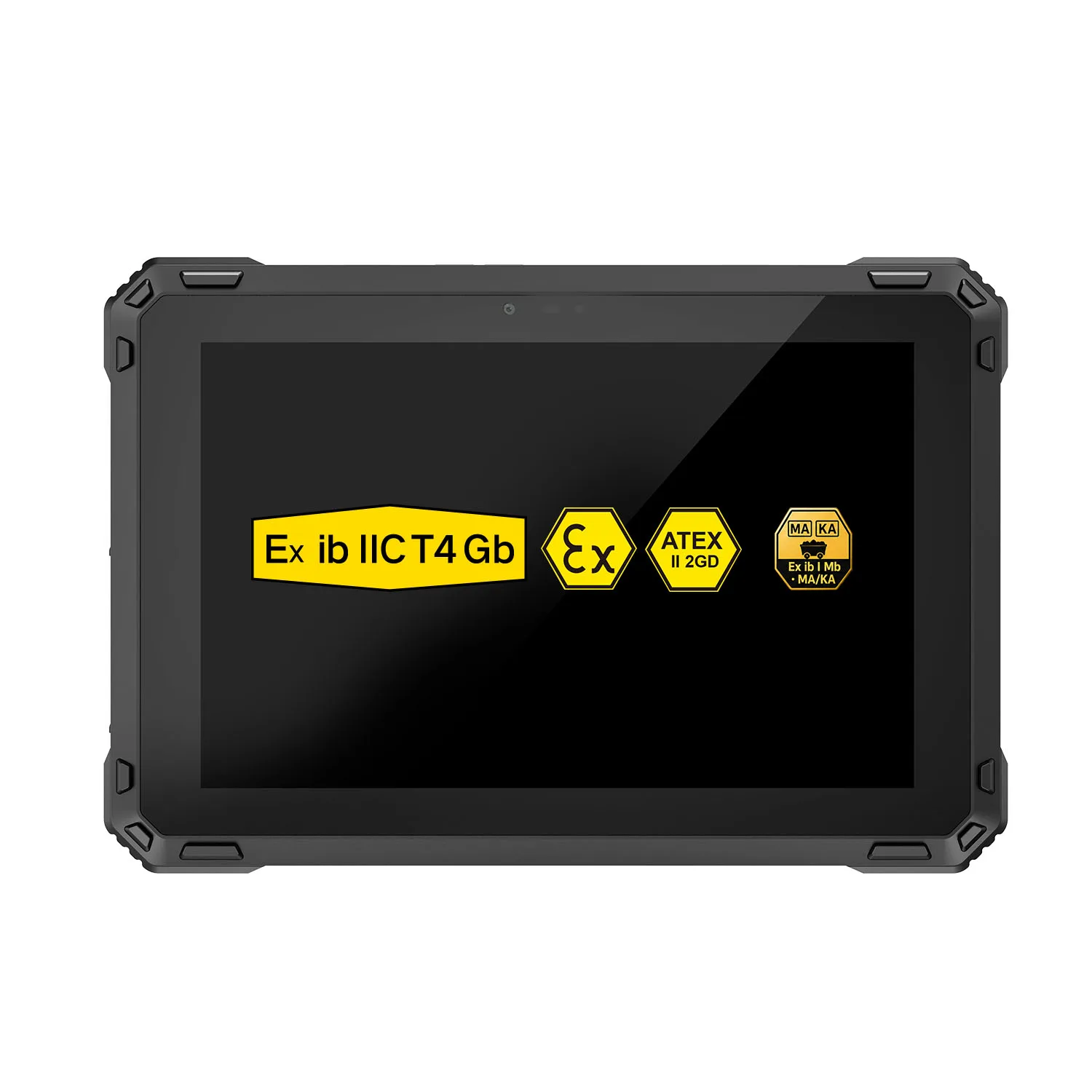
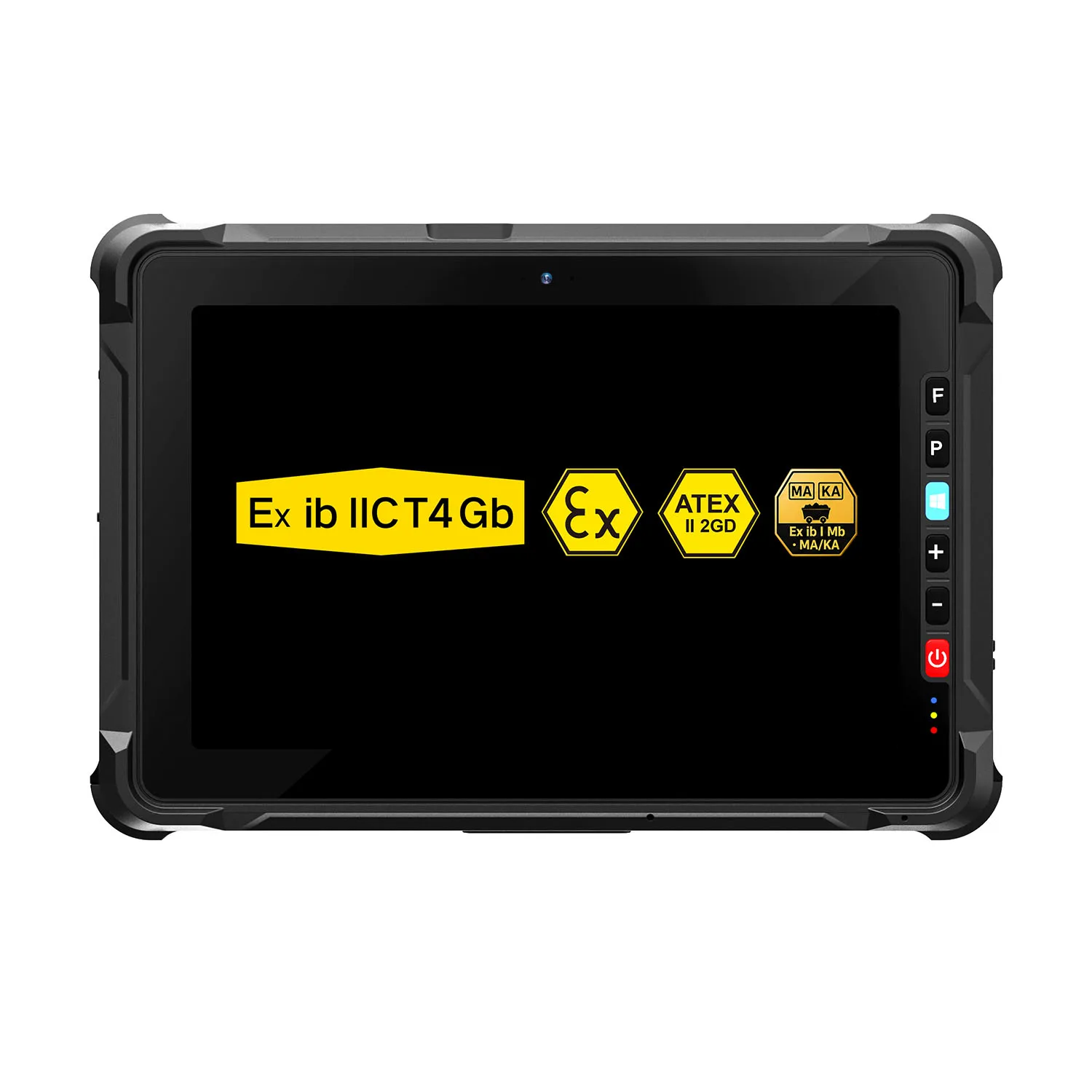
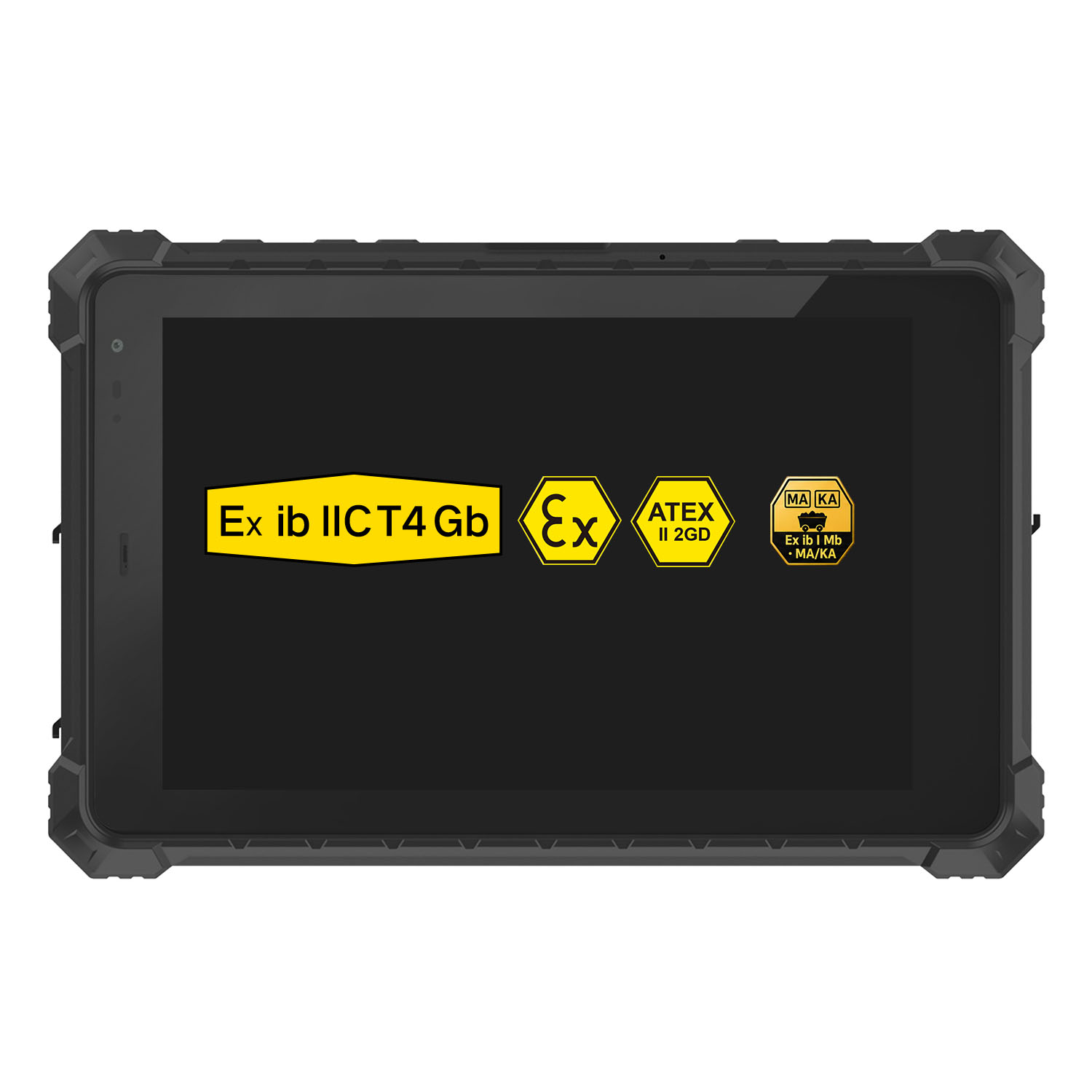
CENAVA is our own line, so we will state the trade-off plainly: you give up the 50-year brand file of a BARTEC, and in exchange you get project-level configuration — reader, battery, firmware and certificate route specified as one controlled request — at a price point the first three entries in this list do not reach. The certificate-route separation matters: our II 2D wording applies only to the configuration in the certificate copy, and we will tell you which SKU that is rather than letting a family name do the talking.
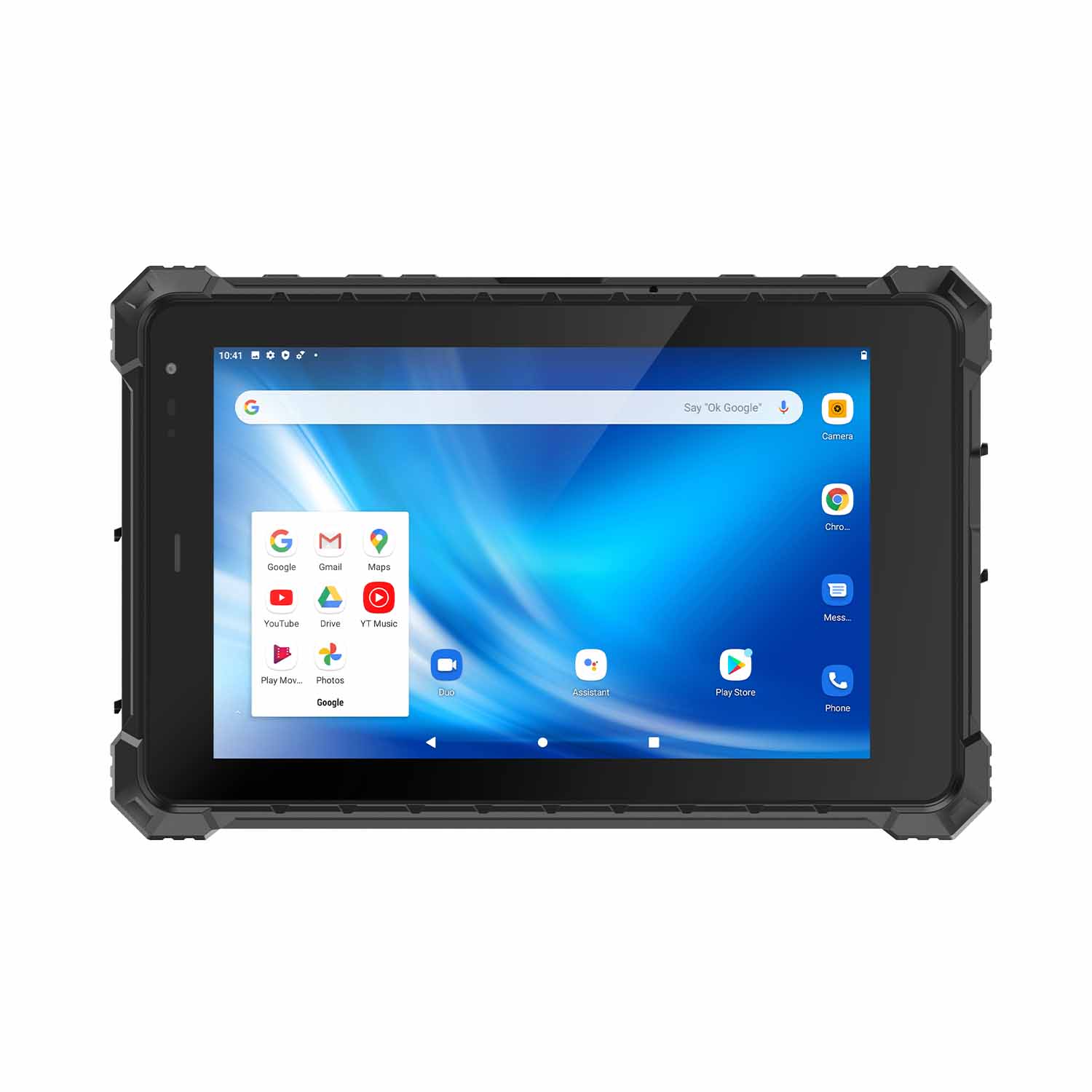
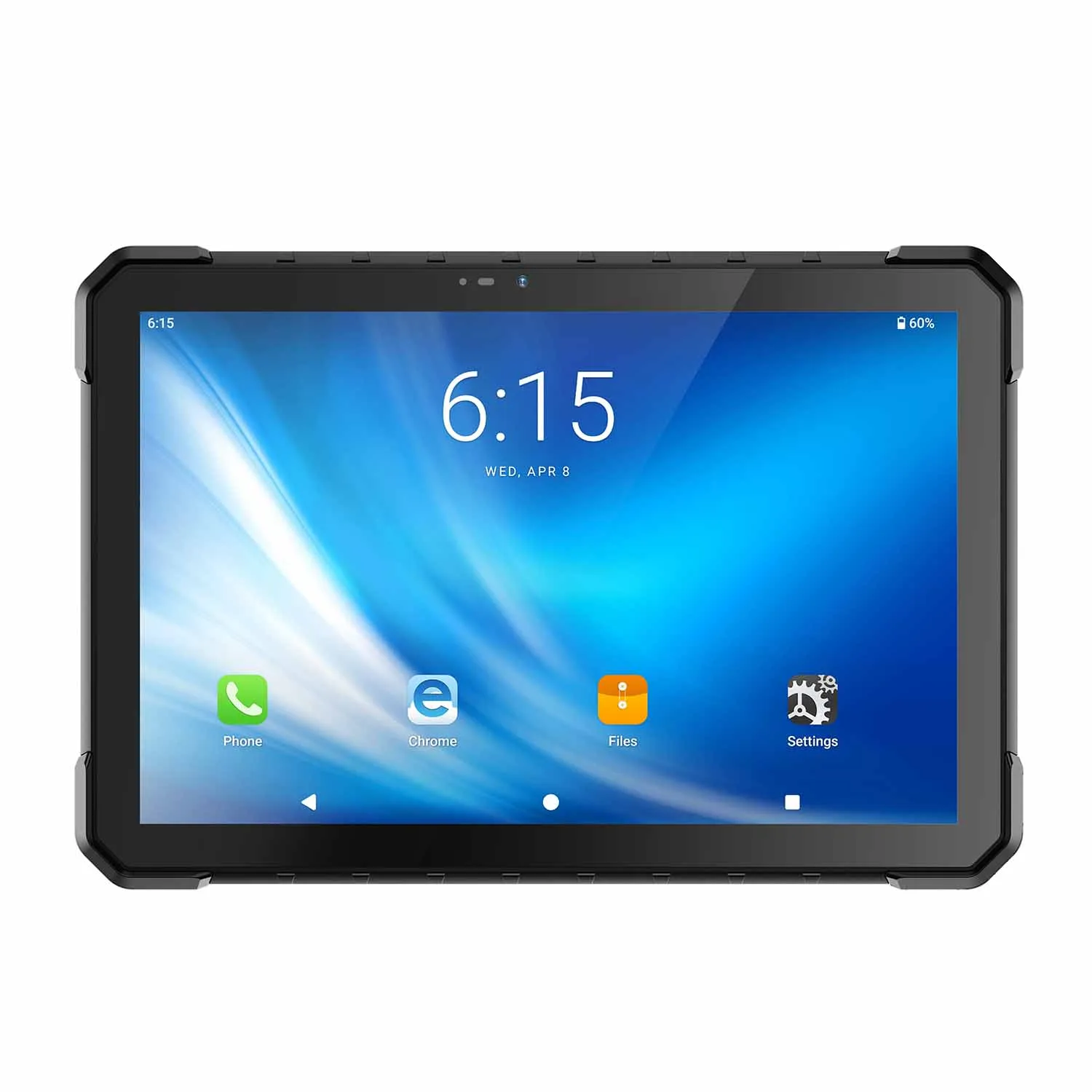
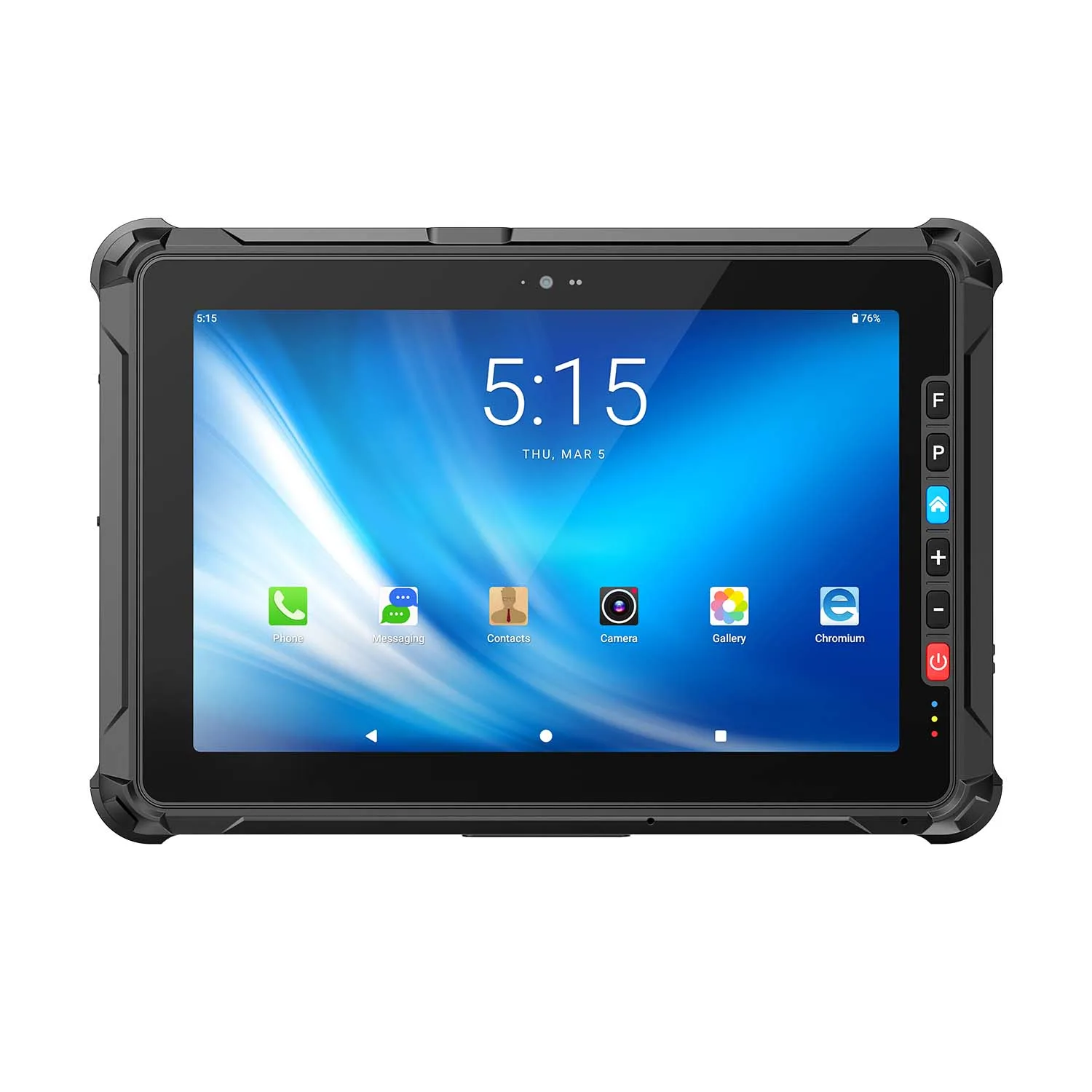
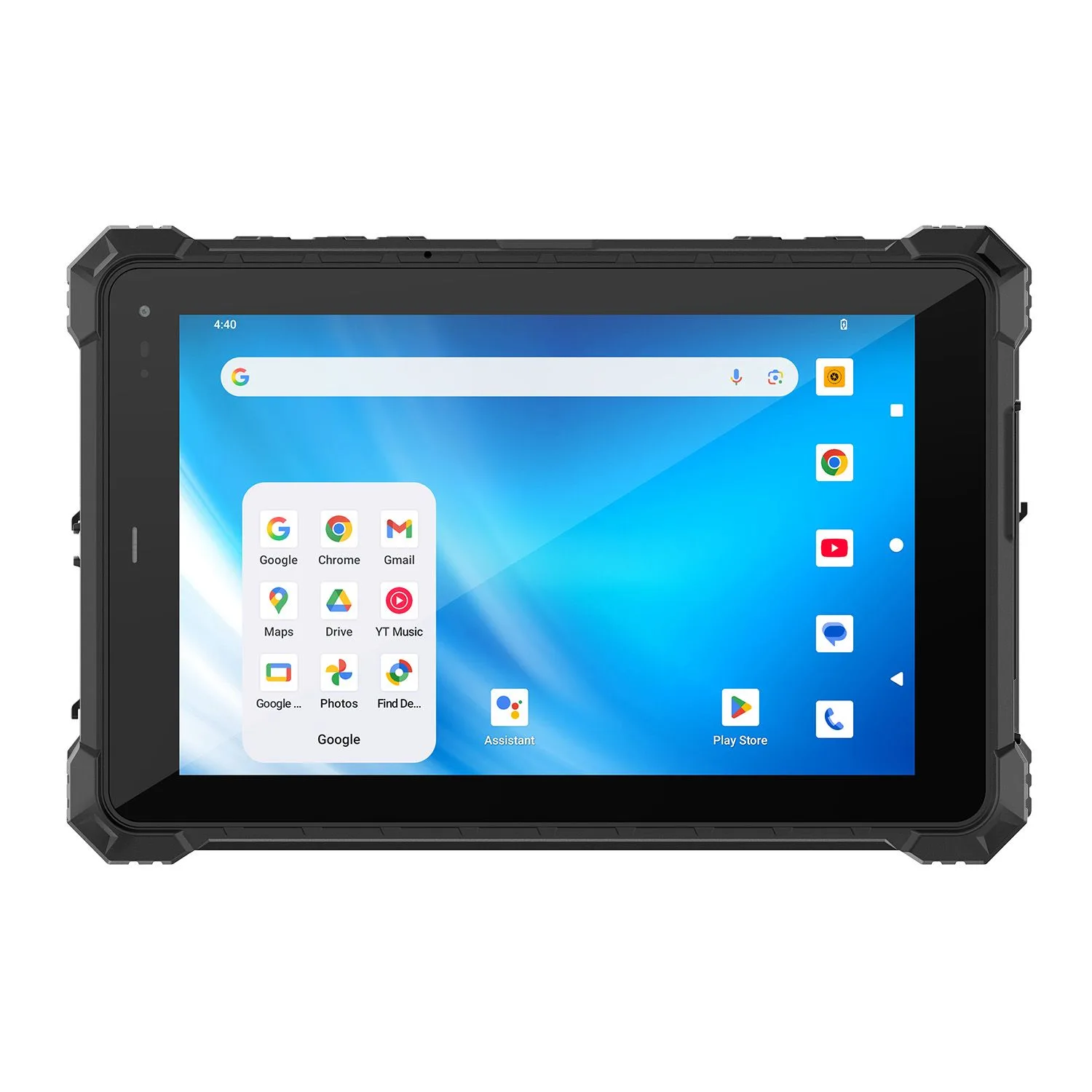
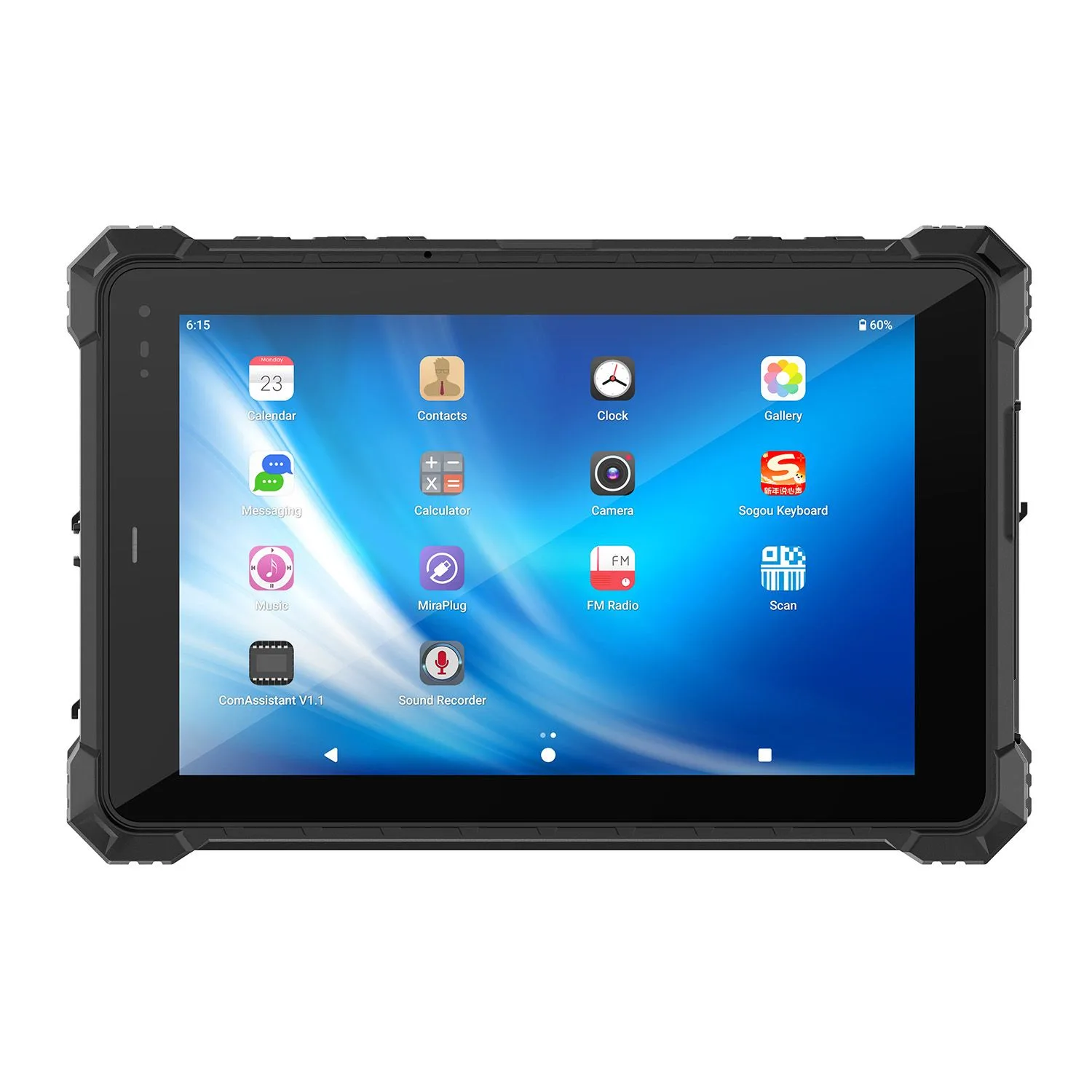
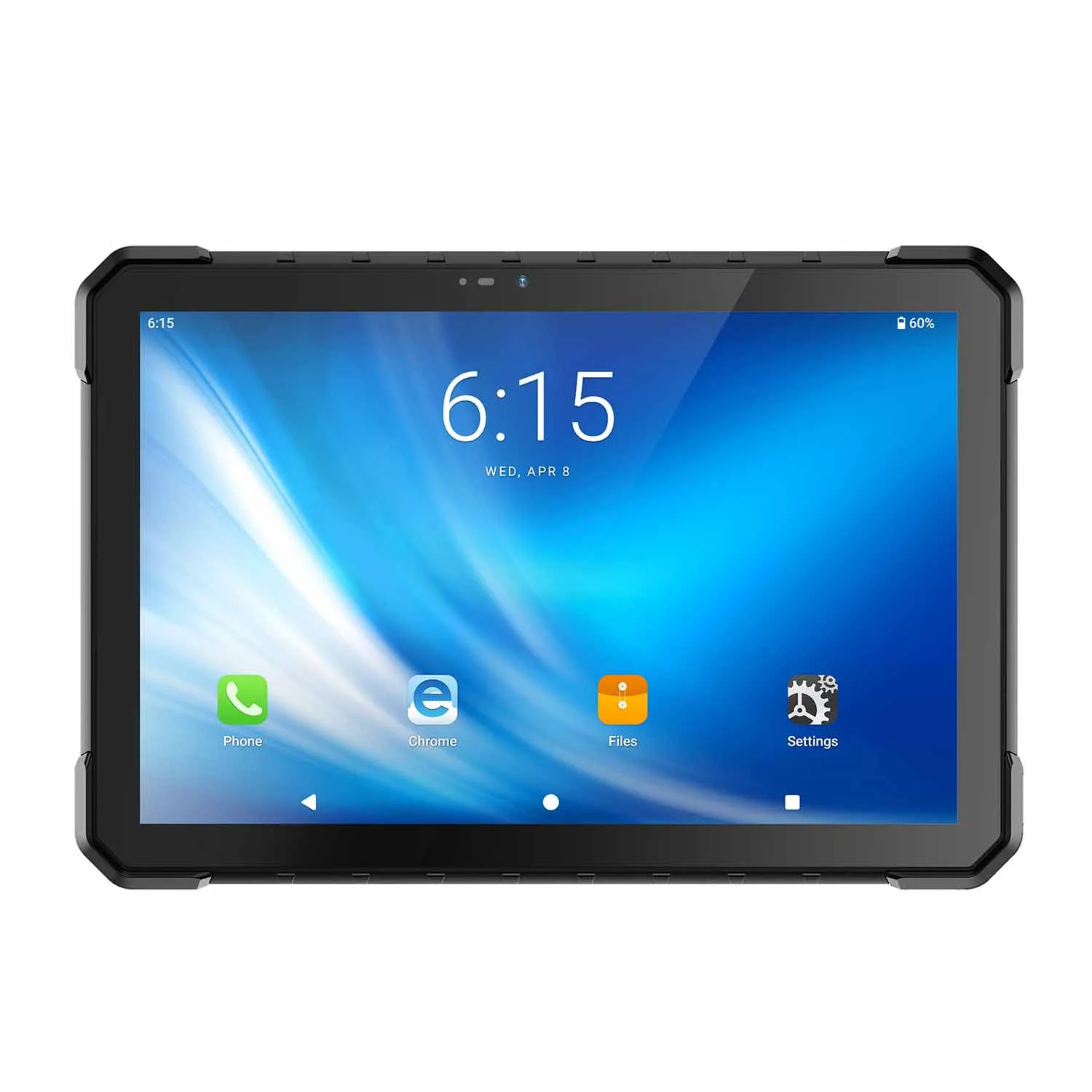
- Key Products: The A10ST-EX product family describes a 10.1-inch Android platform. Its numbered routes include IECEx CSAE 24.0031X, Ex ic IIIC T135°C Dc, and ATEX CSANe 24ATEX1144X, II 3D for the corresponding Zone 22 configuration. The page also states IP68, MIL-STD-810H and −20°C to +60°C operation.
- Technical Advantage: Barcode and NFC configurations let the device be built around an inspection transaction instead of a generic office form. The advantage depends on the quotation, certificate copy, reader, battery and nameplate describing the same unit.
An intrinsically safe tablet for grain elevator inspection should be released by document reconciliation, not by family name. CENAVA's higher-category II 2D wording needs the applicable conformity route and exact configuration evidence; it must not be combined with the numbered Dc documents to create a broader claim.
For a proposed conveyor-round pilot, use dummy asset tags representing a correct bearing, a neighboring bearing and a retired identifier. The scan event should open the correct record but should never close the inspection automatically. The operator still owns the observation, and the application must show which asset is active before data entry.
5. BARTEC (Germany)
Core Strength: Scanner-integrated Zone 22 enterprise tablet with distinct markings
BARTEC has 50 years of explosion-protection experience and develops mobile equipment for industrial environments. Its current tablet collaboration with Zebra fits a grain facility already operates a structured barcode and Android-management environment.
6. Getac (Taiwan)
Core Strength: T130°C Zone 22 Windows platform for drawing-heavy maintenance work
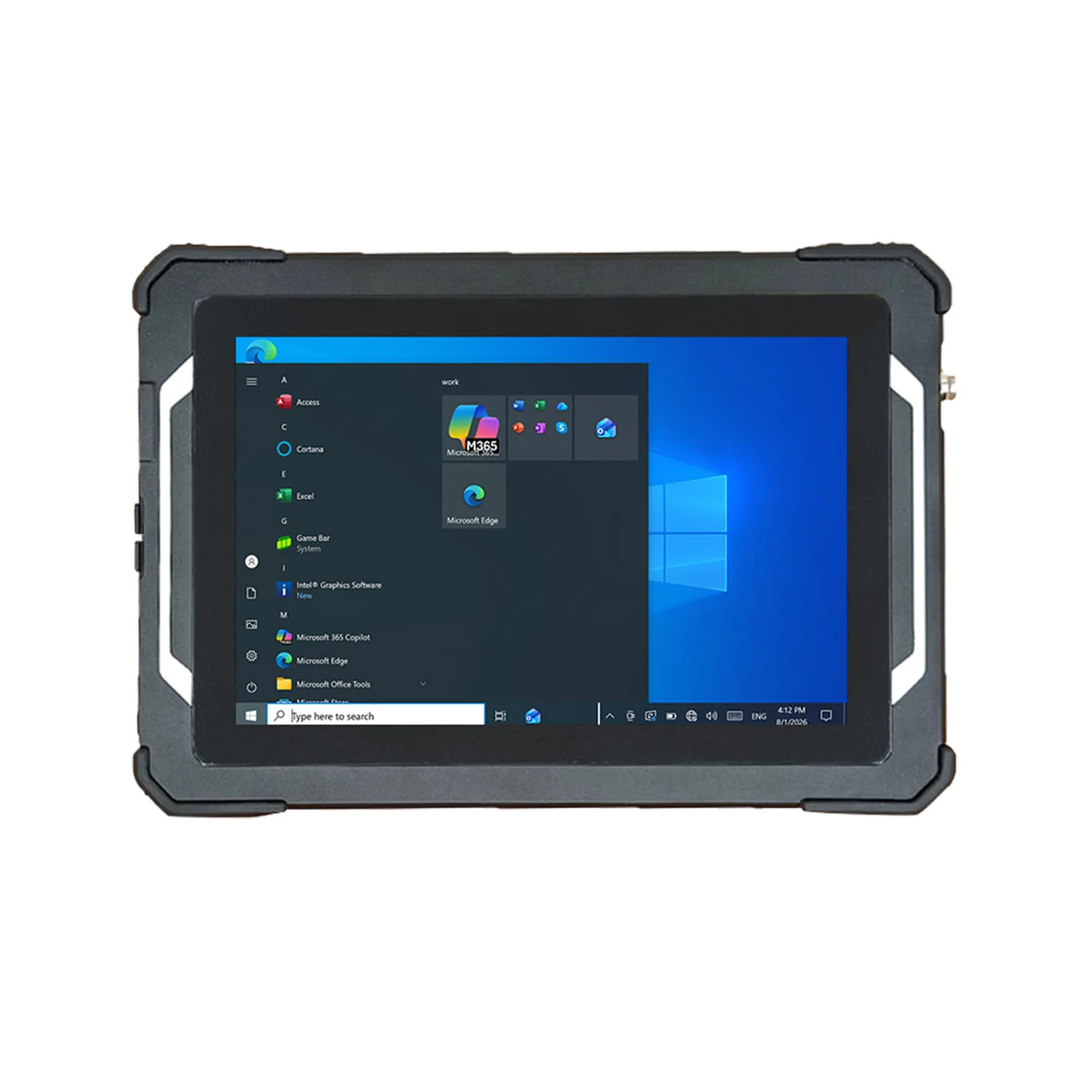
Getac develops rugged Windows computers for industrial and field teams. The company suits grain plants whose technicians need a full desktop maintenance package and larger technical drawings on the route.
7. DURABOOK (Taiwan)
Core Strength: Compact Zone 22 Windows option with an explicit IIIB boundary
DURABOOK produces rugged laptops and tablets for industrial users. Its compact R8-EX gives technicians a different ergonomic choice.
8. Honeywell (United States)
Core Strength: Long-range data capture for assessed non-classified logistics zones
Honeywell supplies automation and productivity equipment, including industrial mobile computers. Its rugged tablets earn their place on the logistics side of a grain facility when the location assessment does not require Ex electrical equipment.
9. Zebra Technologies (United States)
Core Strength: Enterprise Android fleet management outside classified process routes
Zebra is a major enterprise-mobility and automatic-identification supplier. Its standard tablets are relevant to office, vehicle and assessed non-classified warehouse work, especially where a facility already manages Zebra handhelds.
10. Juniper Systems (United States)
Core Strength: Field-data collection for outdoor non-classified routes
Juniper Systems specializes in rugged field computers and data collection. The Mesa line works for exterior inspection routes where compact size and physical controls matter more than a large desktop interface.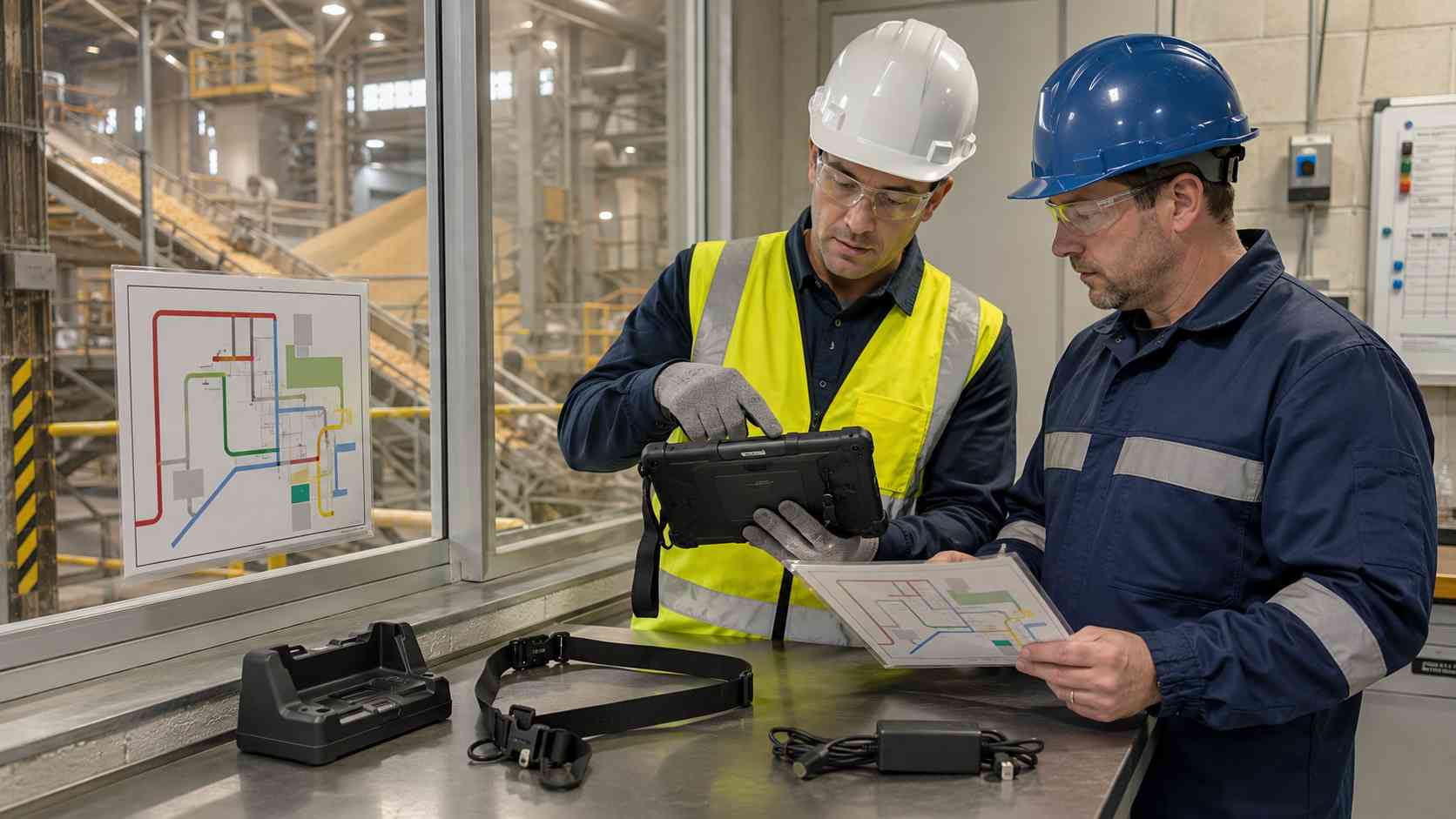
How to Choose the Right Manufacturer for a Grain Elevator
We would remove unsuitable approval scopes first, then compare the remaining tablets with one controlled application script. The method is intentionally asymmetric: electrical admission is a pass/fail gate, while usability is a scored choice among devices that already passed.
Define Your Operating Environment
Create a route card with 12 fields: building, level, task, material, release source, Zone or Division, dust group, equipment-temperature limit, ambient range, required accessories, cleaning method and charging point. Attach the current classification drawing reference. A room name such as “mill floor” is too broad to purchase against.
Do not turn a housekeeping number into a tablet temperature rule. OSHA 1910.272(j)(2)(ii) requires immediate removal when fugitive grain dust exceeds ⅛ inch (0.32 cm) in specified priority housekeeping areas, unless equivalent protection is provided through the program. That is not a universal safe layer thickness, and it does not prove that energized equipment may remain covered below the threshold.
Photograph the issued device label outside the classified area and link the image to the asset record. After cleaning, inspect label legibility, case closure and scanner window. A unit with a damaged seal or unreadable marking goes to quarantine; it does not return to the route because the application still opens.
Clarify Performance Requirements
Run our proposed 24-task test with dummy data. Include two wrong-asset scans, one interrupted record and one alarm that requires the operator to leave the area. The application should make withdrawal easier, not hold the worker in place while it waits for an upload.
Measure three outcomes: correct asset selection, input error and completed record. Time is secondary until accuracy is acceptable. Test the actual glove material and approved stylus arrangement, then store that PPE detail with the result. A touch setting is not a fleet-wide conclusion.
Never create dust on the screen by deliberately contaminating energized equipment in a classified room. Use a safe test method approved by EHS, or evaluate cleaning and visibility outside the hazardous area. The acceptance exercise must not create the hazard it is supposed to study.
Consider Software & Integration
Assign the authoritative record to the CMMS or inspection system, not to the tablet's local database. In a safe test environment, interrupt connectivity for 90 minutes after saving a dummy observation. Add a correction, reconnect and check that the original value, author and synchronization state remain understandable. Pass criteria: the reconnected system shows both the original and the correction with authors intact, and nothing syncs twice. Anything less fails the test.
The application should distinguish a local save from a submitted inspection. A green check used for both states creates ambiguity. When a supervisor reviews an exception, the original observation remains visible; an edit should not erase the reason the work order was escalated.
Asset identification needs a business rule behind it. Barcode or NFC confirms which identifier was read, not whether the equipment is on the correct route or safe to approach. Test a valid tag from the adjacent conveyor. The system should reject the context mismatch without inviting the operator to bypass it.
Analyze Total Cost of Ownership (TCO) vs. Initial Cost
Price the released assembly, including its approved case, reader, charger and spare battery. Add incoming inspection, application testing, user training and post-repair release. A less expensive tablet is not cheaper if every replacement arrives with a reader or enclosure that needs a fresh assessment — a single re-assessment cycle can cost more than the price gap between two shortlisted units.
Consider an illustrative fleet of 12 devices with two issue/return cycles per day. A 3-minute manual configuration check represents 72 minutes daily (12 devices × 2 cycles × 3 minutes) — before counting the errors a manual check misses. Scanning the serial number into a controlled route record may reduce administrative time, but the actual benefit should be measured at the site; the calculation is not permission to skip physical inspection.
Keep one released spare for each approval group. A standard rugged loan unit should never bridge a Zone 21 outage. After repair, require both an electrical/configuration release and an IT/application release, then return the unit to its assigned pool. A successful boot test covers only one part of that decision.
The Future of Tablets in Grain, Feed and Sugar Dust Facilities: Trends to Watch
- Machine-readable approval identity: Serial-level records will increasingly link a tablet to its certificate, accessory set and authorized routes. The useful change is an issue process that blocks a mismatch, not another QR label with no operating rule behind it.
- Thermal selection based on site dust data: A T80°C marking is not automatically better than T135°C — the right number comes from your site's layer-ignition data, and buyers are starting to ask suppliers to show that data.
- Offline records with visible status: The gallery and basement connectivity gaps that interrupt an inspection today will still be there in five years. What changes is that procurement teams now test recovery before purchase, not after.
- Controlled repair as a sustainability measure: Replaceable batteries and longer software maintenance can reduce waste. For Ex equipment, a battery you can replace only matters if the repair path is authorized to return the exact certified configuration to service.
Conclusion
The practical answer to what tablet is safe in a grain elevator starts with the route's dust classification. Pepperl+Fuchs/ECOM and i.safe MOBILE provide current Db / Zone 21 choices, while Aegex offers a current Da route. Their temperature markings and protection concepts differ, so they remain separate engineering options rather than a single “dust-certified” category.
CENAVA, BARTEC and Getac provide IIIC Zone 22 routes under the corresponding configurations; DURABOOK's R8-EX is a Zone 22 IIIB boundary example. Honeywell, standard Zebra and Juniper devices belong only in assessed non-classified tasks described above. IP65–IP68 and MIL-STD-810G/H improve ruggedness evidence but do not move those devices into a classified dust area.
A defensible deployment uses a route card, serial-level issue control, safe cleaning and two-part repair release. If a CENAVA configuration requires project review, send us: destination country · Zone or Class/Division · dust material and subgroup · maximum permitted surface temperature · ambient range · inspection application · accessory needs. Add carrier bands and SIM/eSIM format only when cellular service is required; for NFC, provide the card or tag family plus the read/write action you expect to perform — never secret keys.
Need a Rugged Device for Your Project?
Tell us your operating environment and requirements — our engineers will recommend a configuration and quote within 24 hours.
Get a Free Quote Back to Blog