






ATEX & IECEx Explosion-Proof Certification
The certifications that allow computing equipment into hazardous locations with flammable gas or dust — Zone 1 / Zone 21 and beyond.
ATEX & IECEx Explosion-Proof Certification
ATEX and IECEx certification help buyers determine whether electrical equipment is suitable for use in potentially explosive atmospheres containing flammable gases, vapors or combustible dust.
ATEX is the European regulatory framework established under Directive 2014/34/EU for equipment and protective systems intended for use in potentially explosive atmospheres. IECEx is an international conformity-assessment system based on IEC standards for equipment used in explosive atmospheres.
For rugged tablets, certification must be evaluated at the exact model and configuration level.
A standard rugged tablet with IP68 or MIL-STD-810H protection is not automatically suitable for a hazardous area.
Likewise, certification for one EX configuration should not automatically be transferred to another processor, battery, scanner, RFID module, enclosure or accessory configuration.
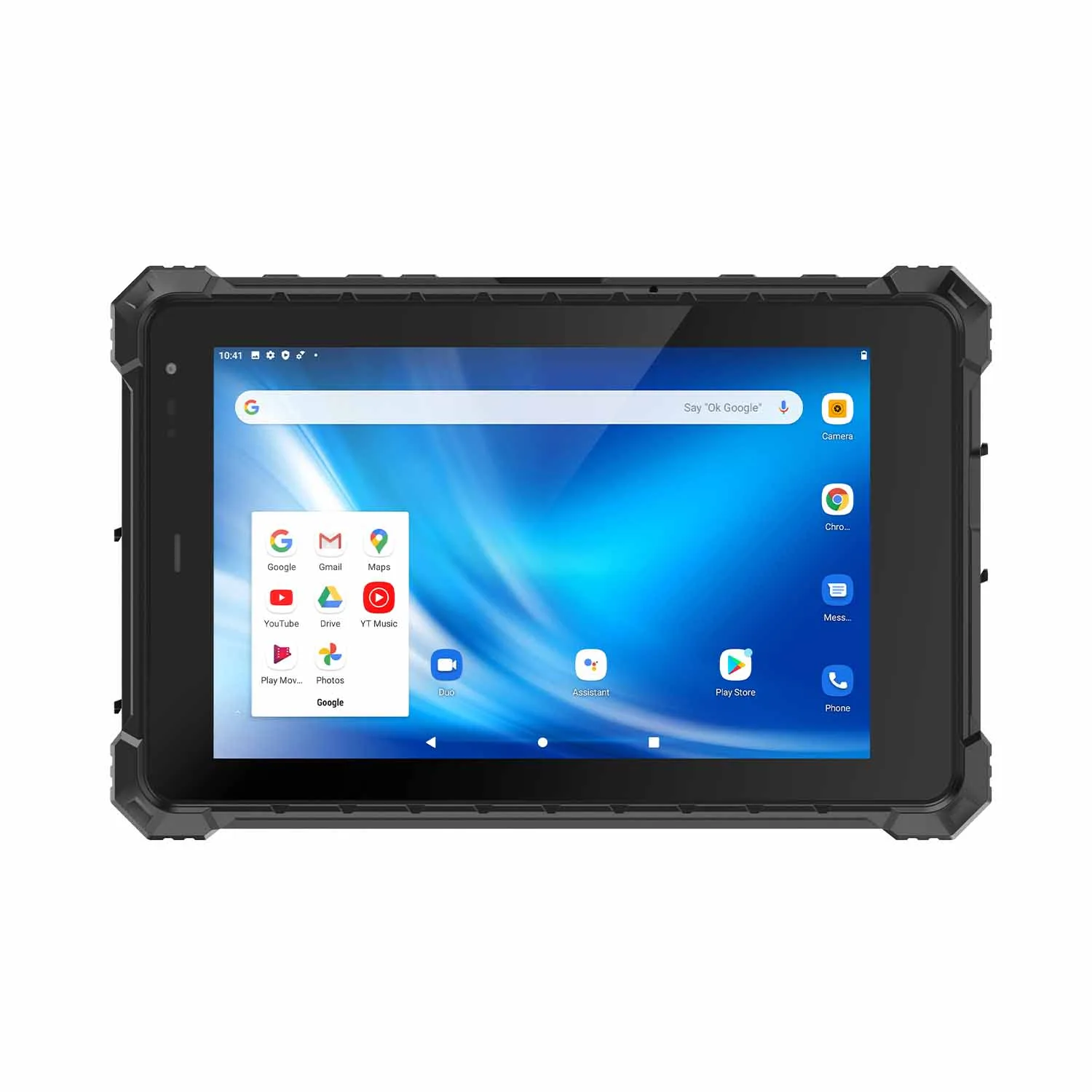
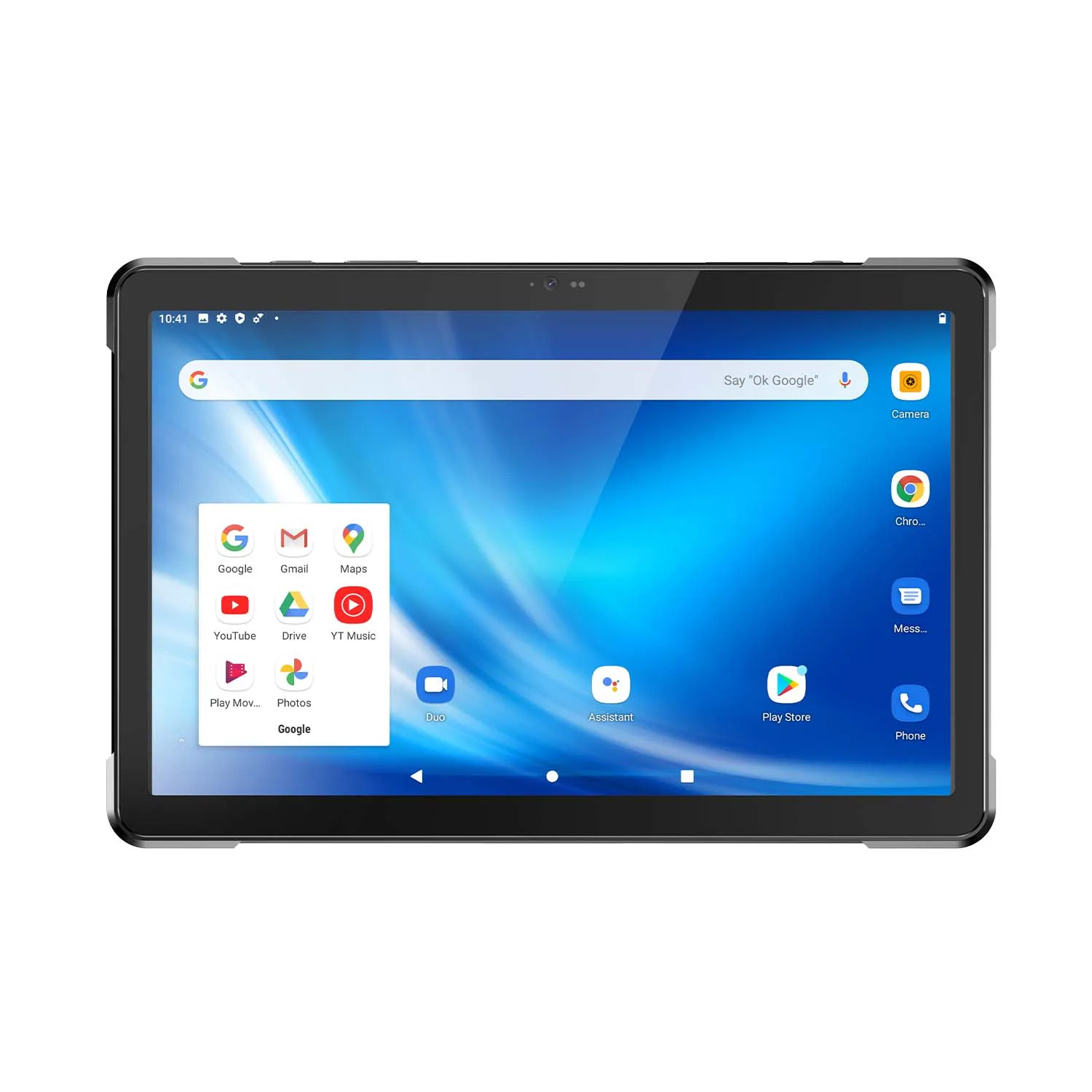
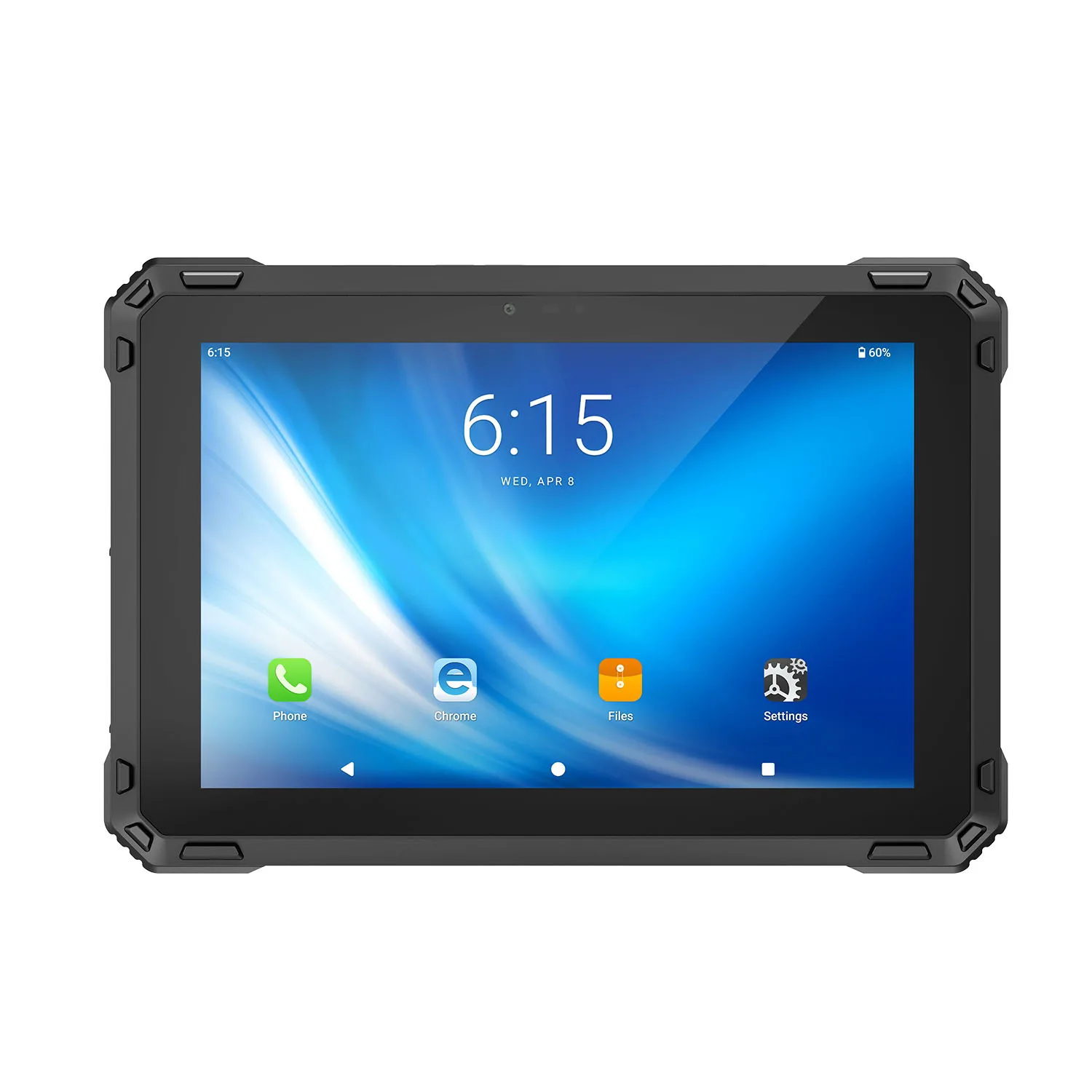
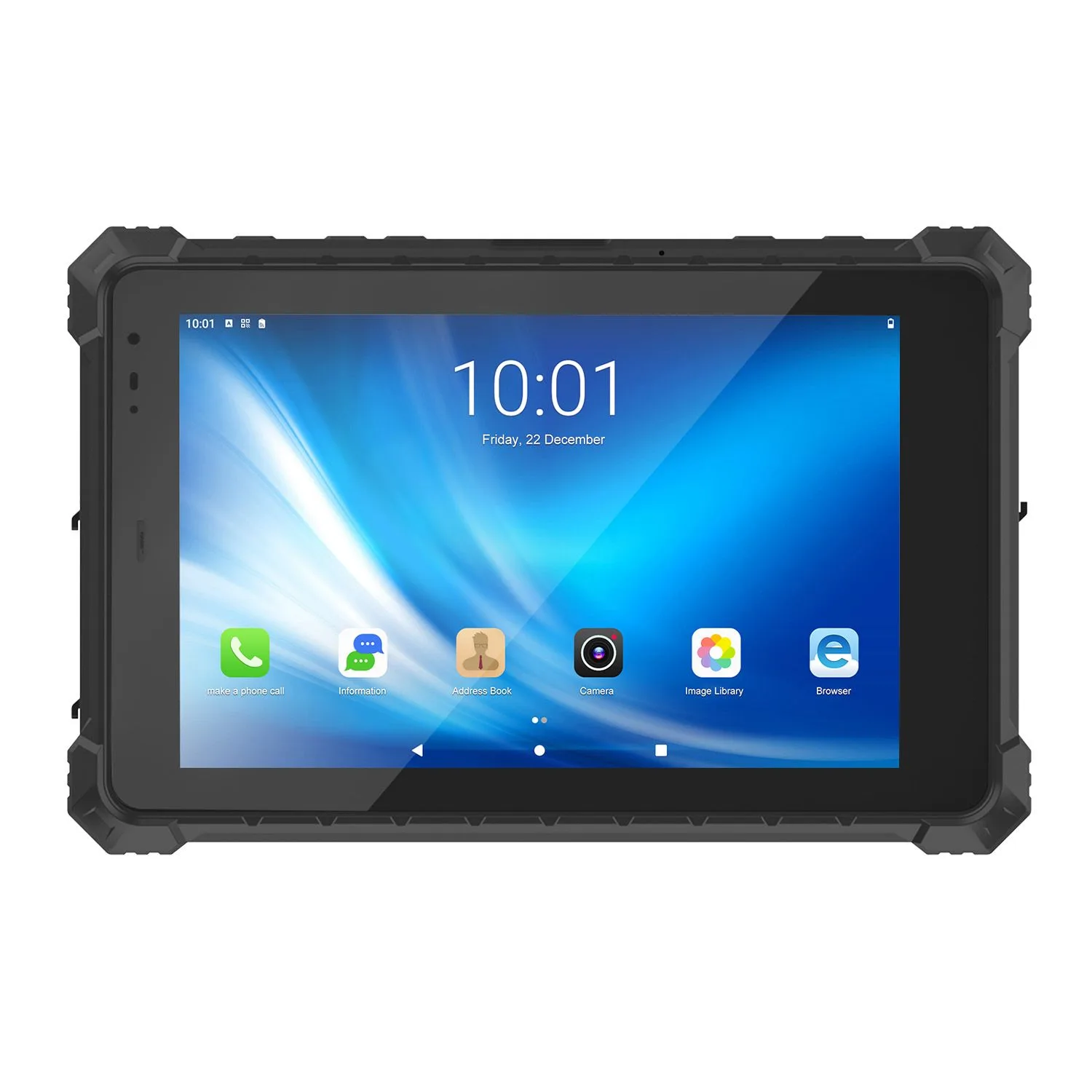
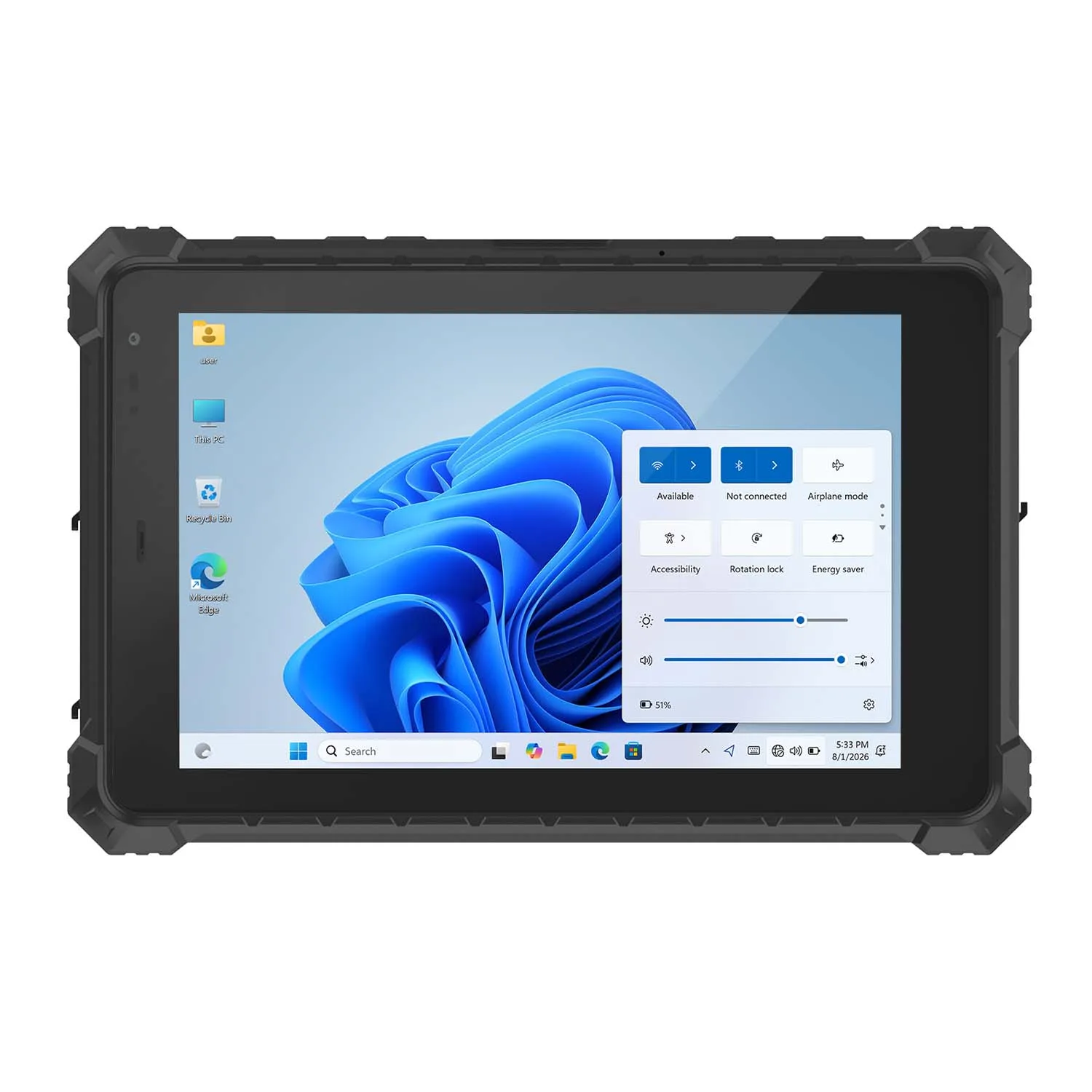
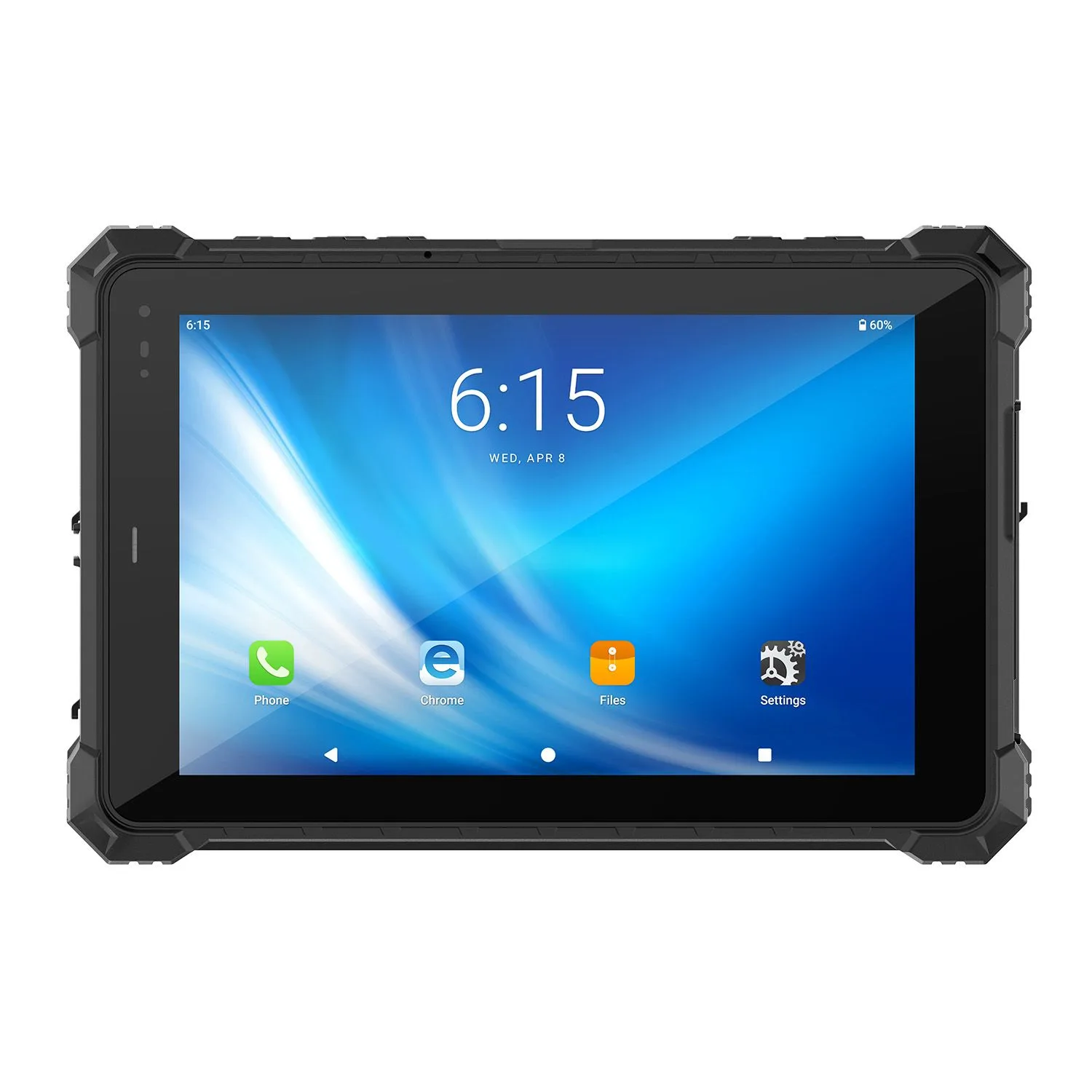
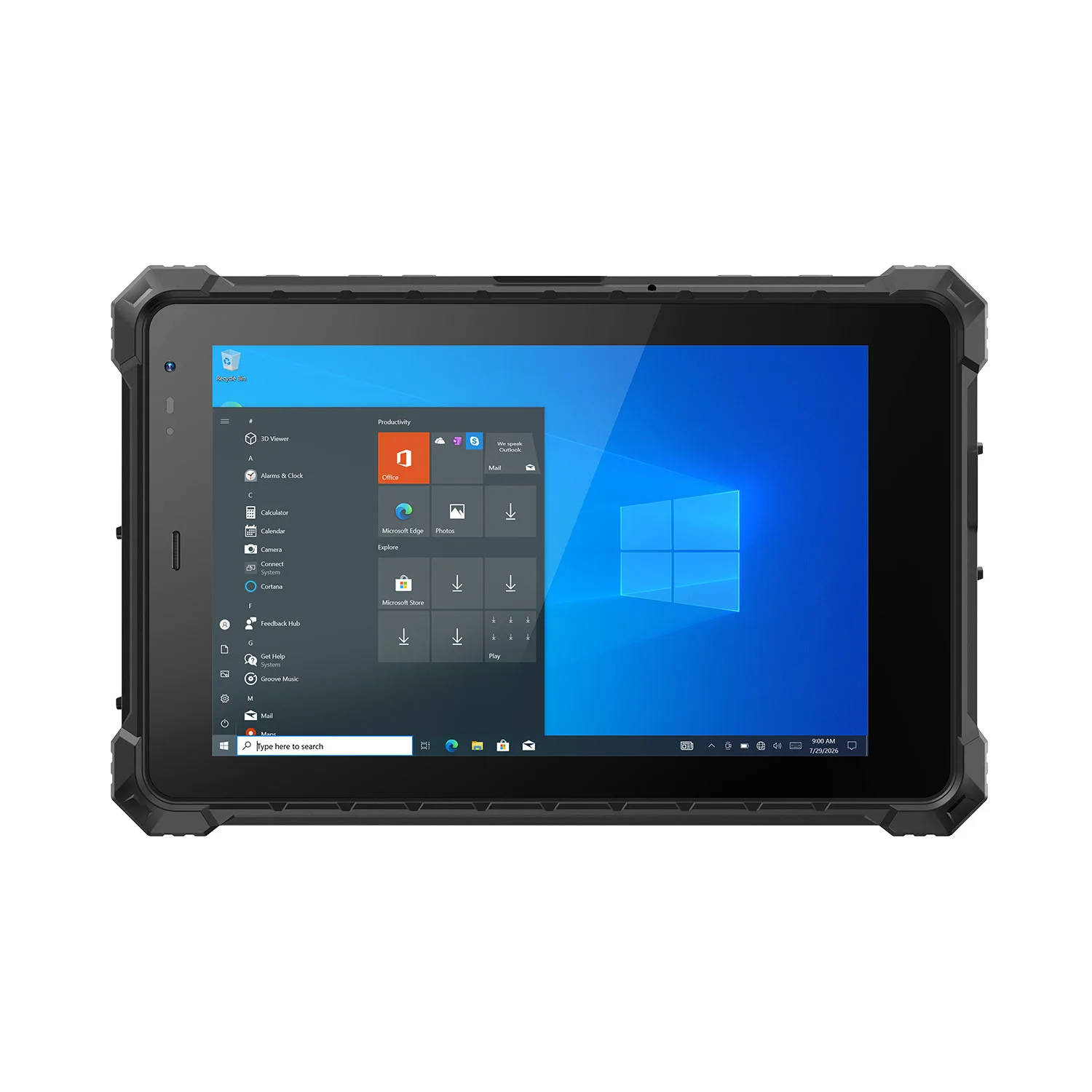
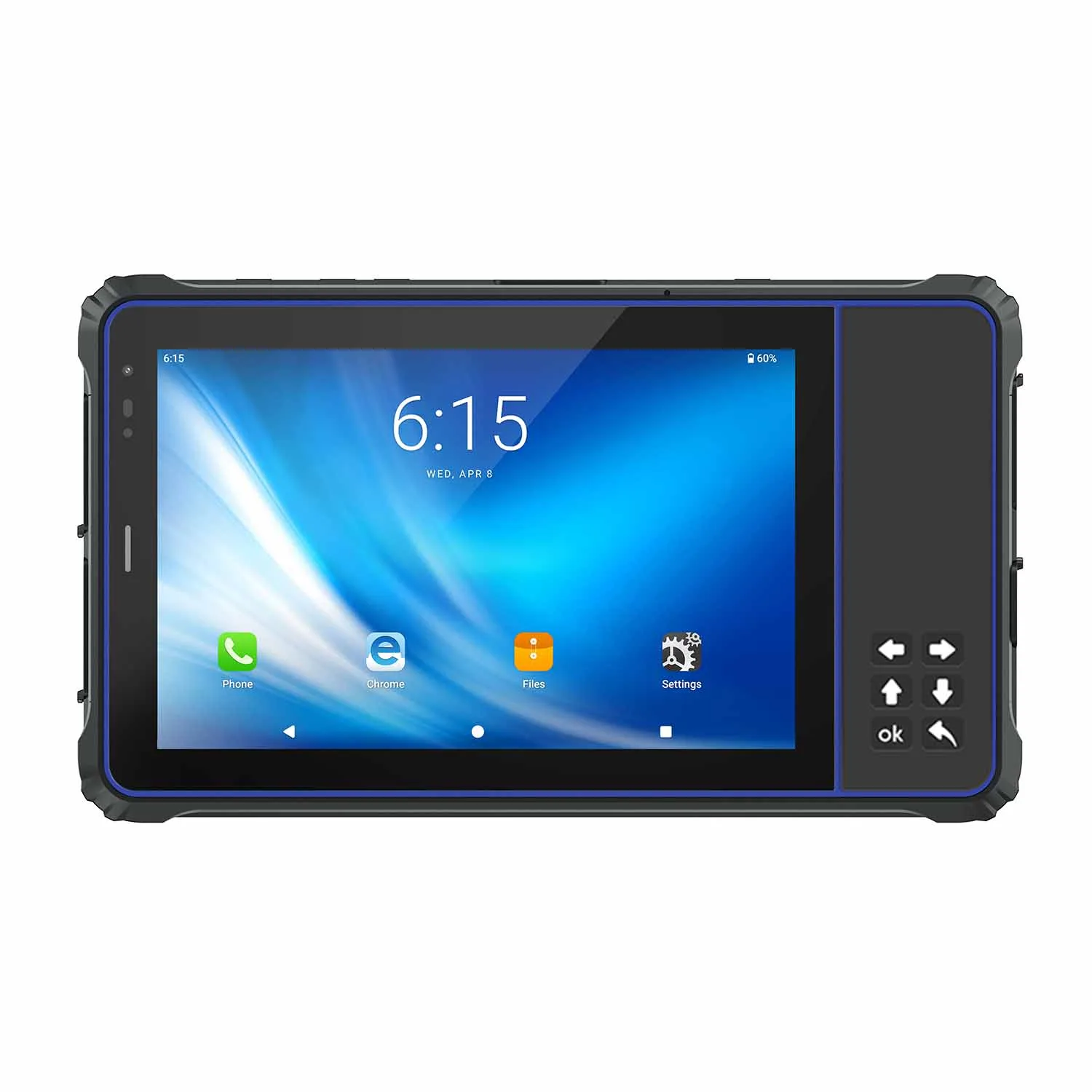
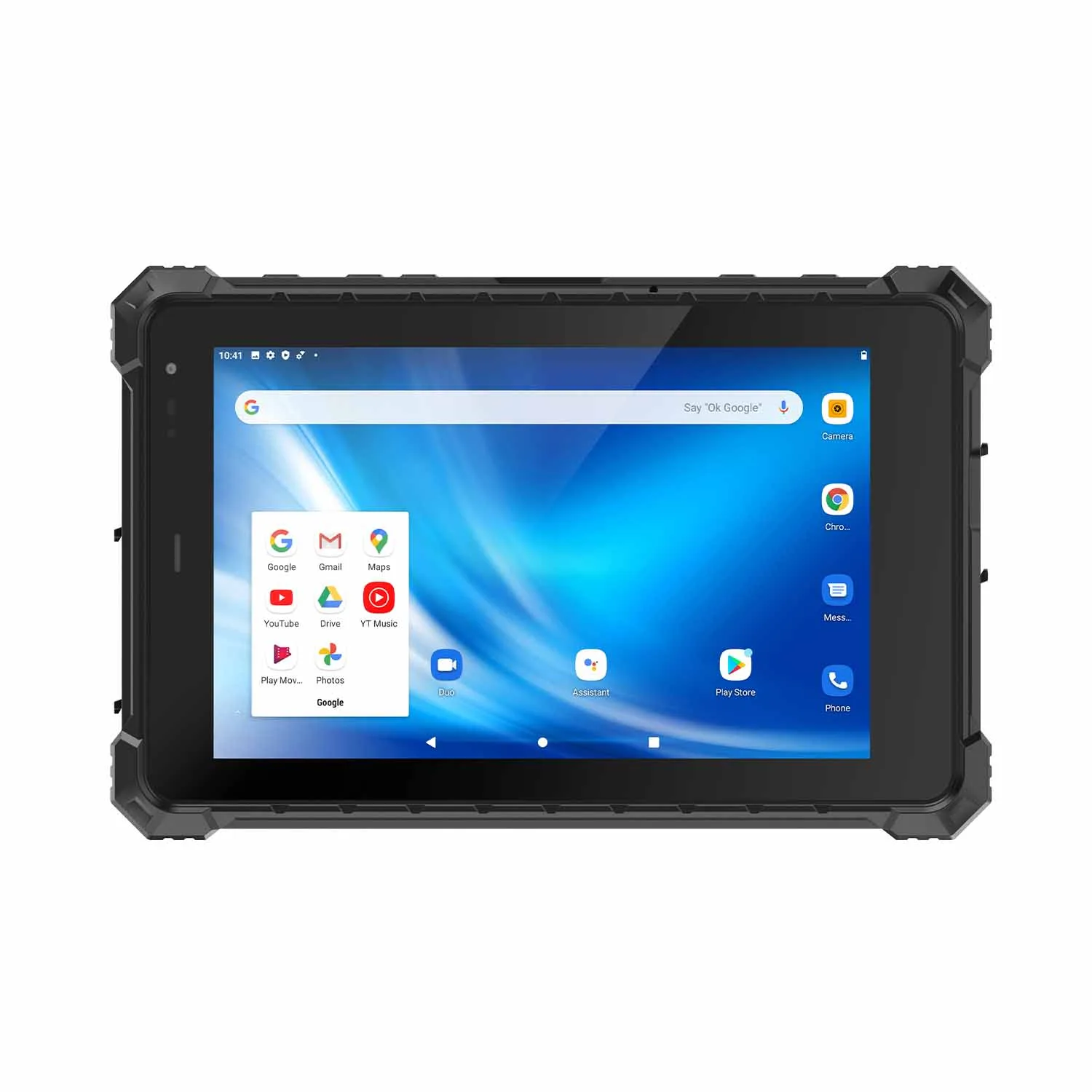
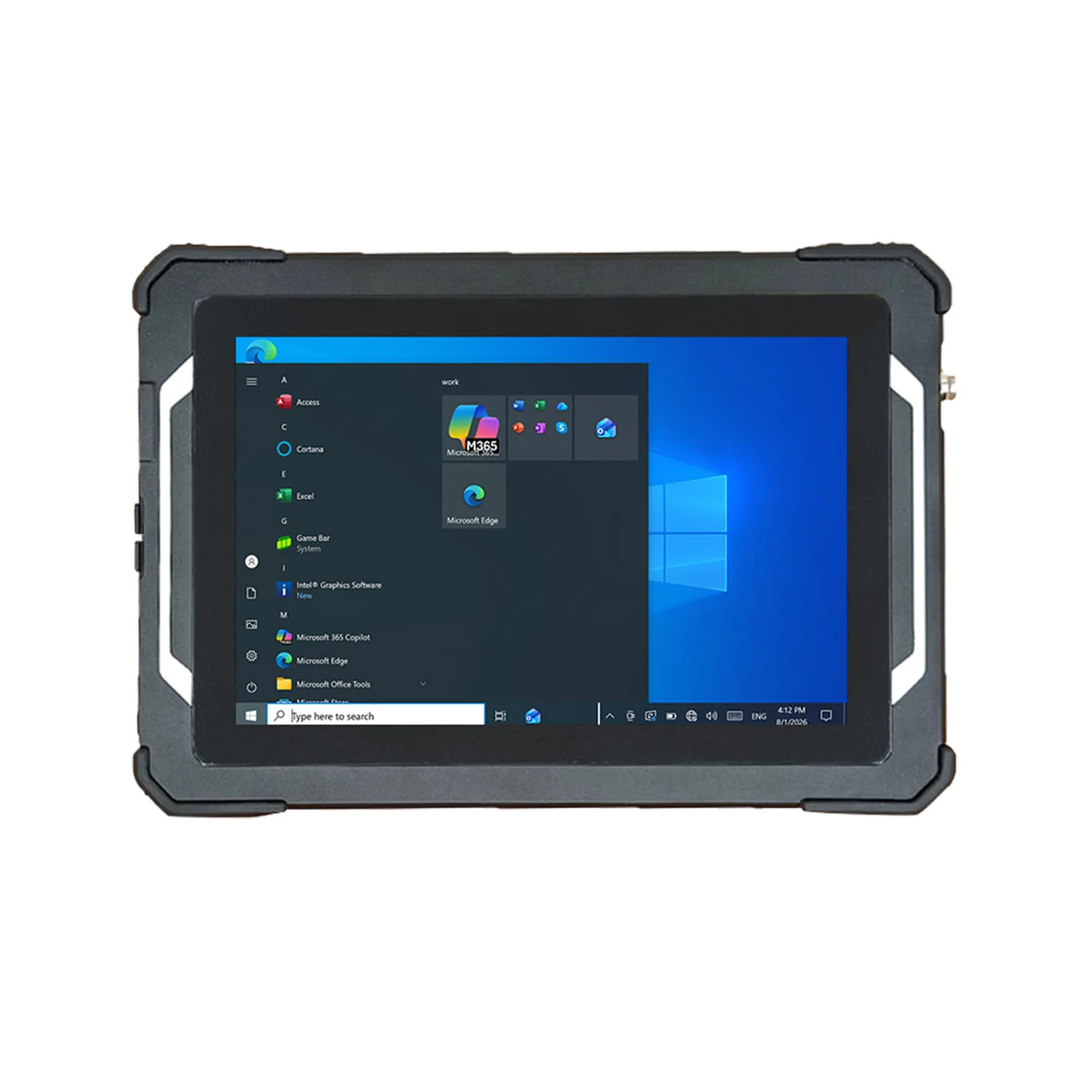
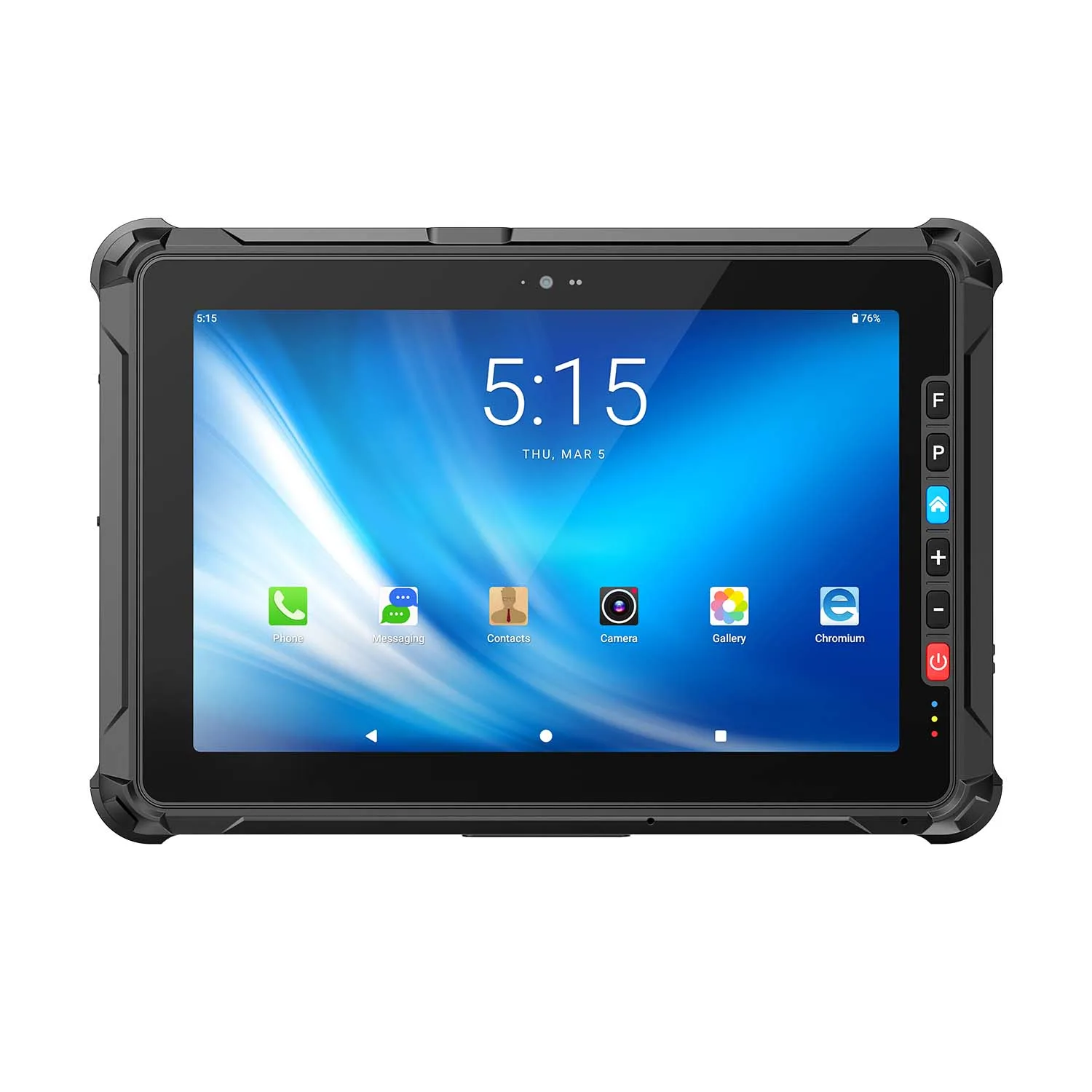
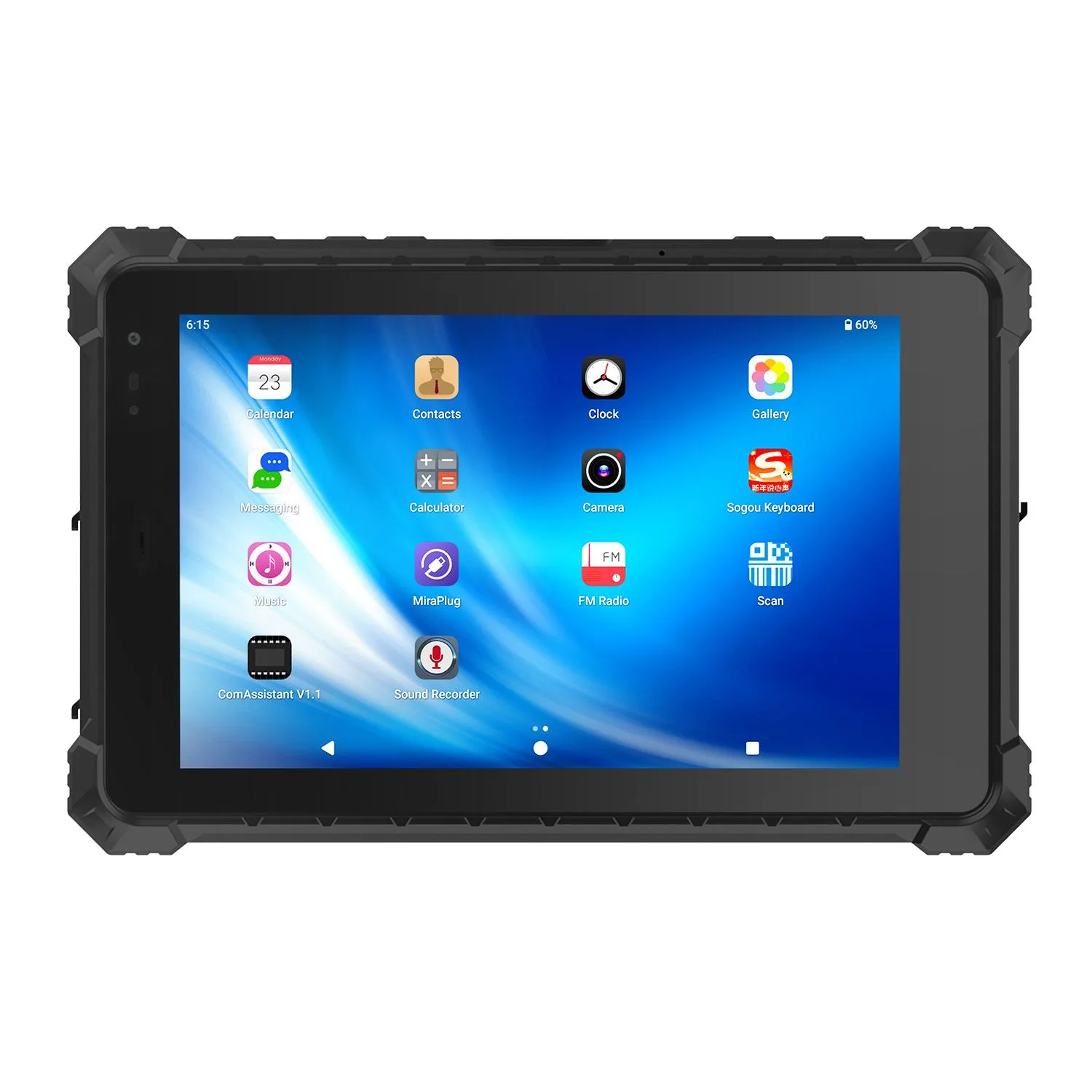
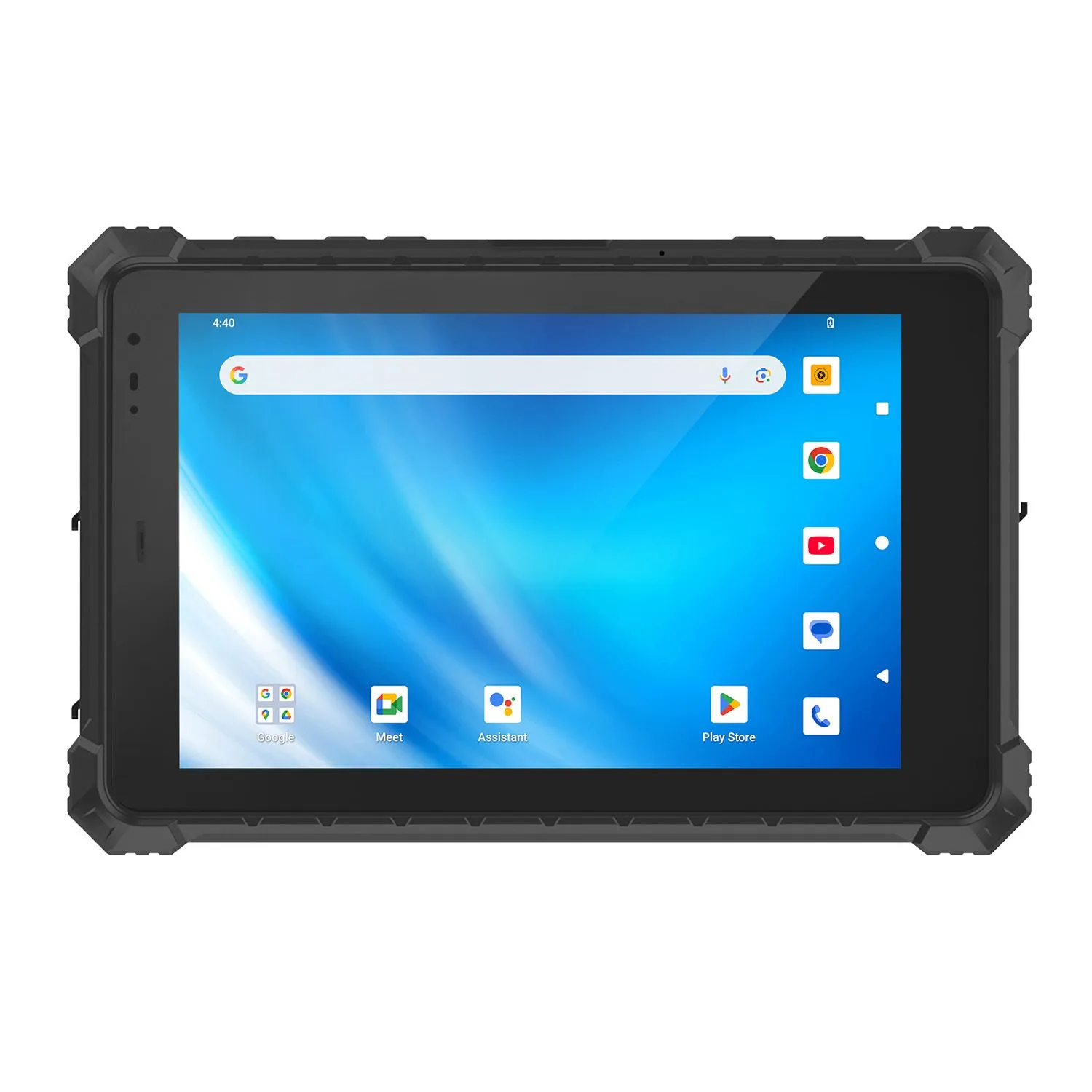
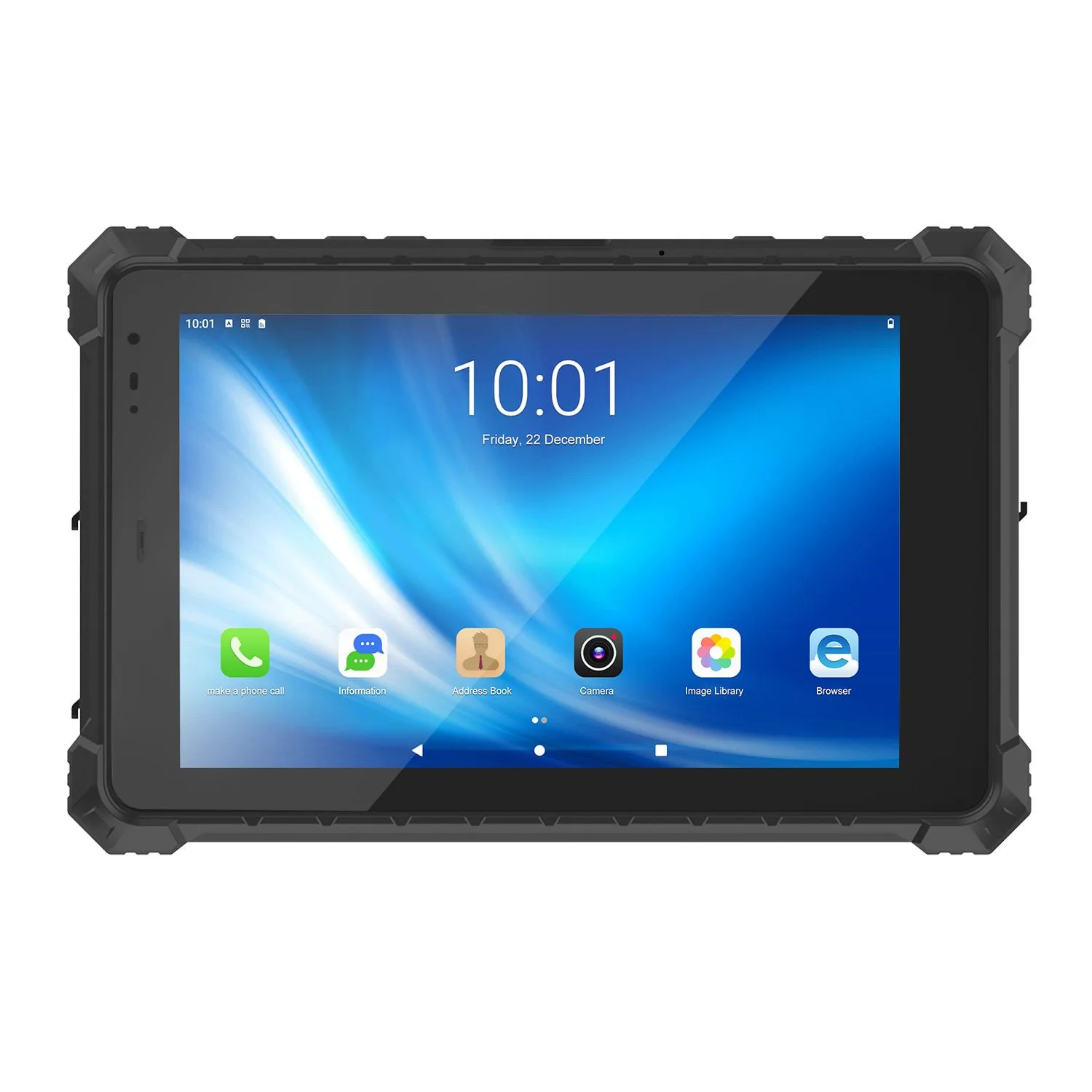
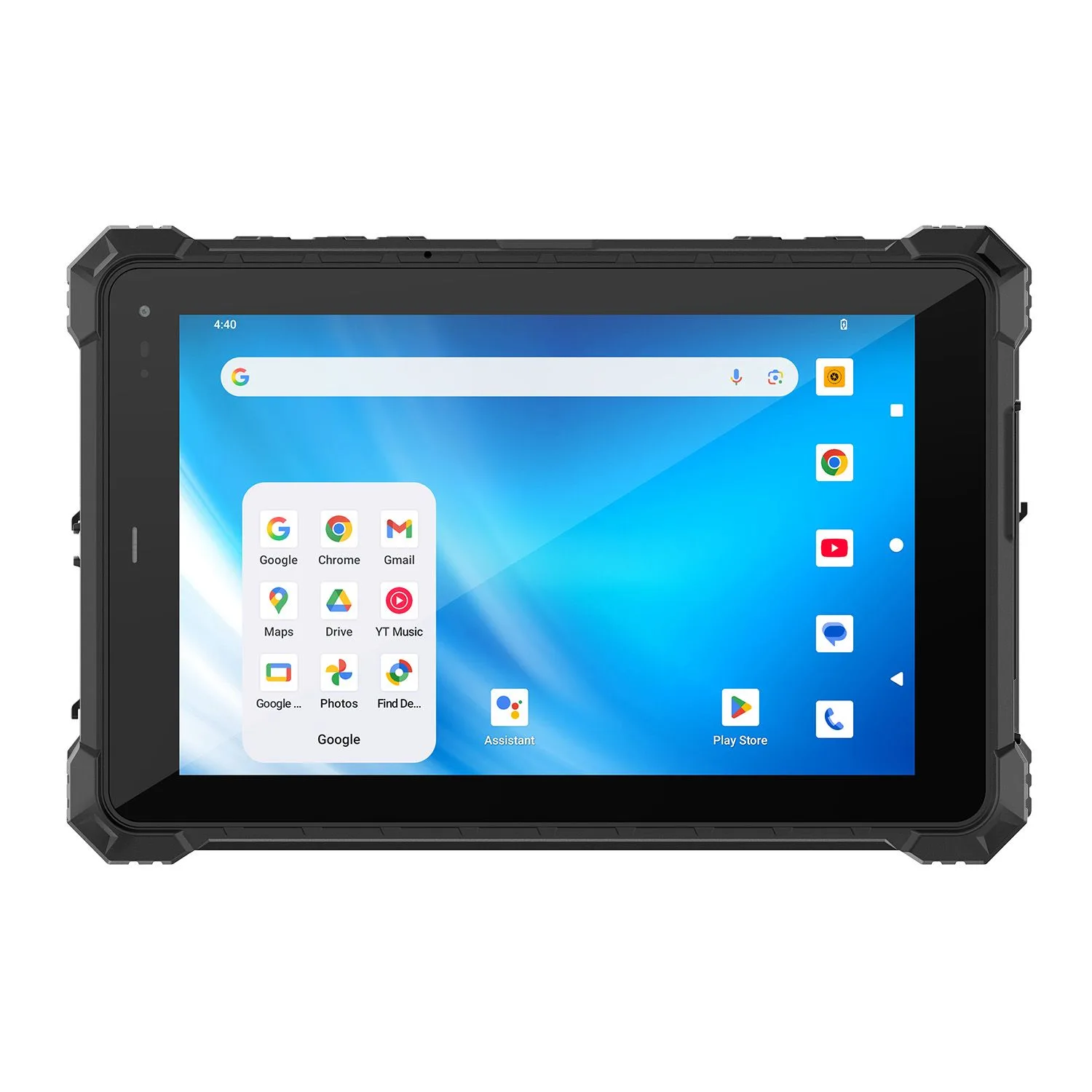
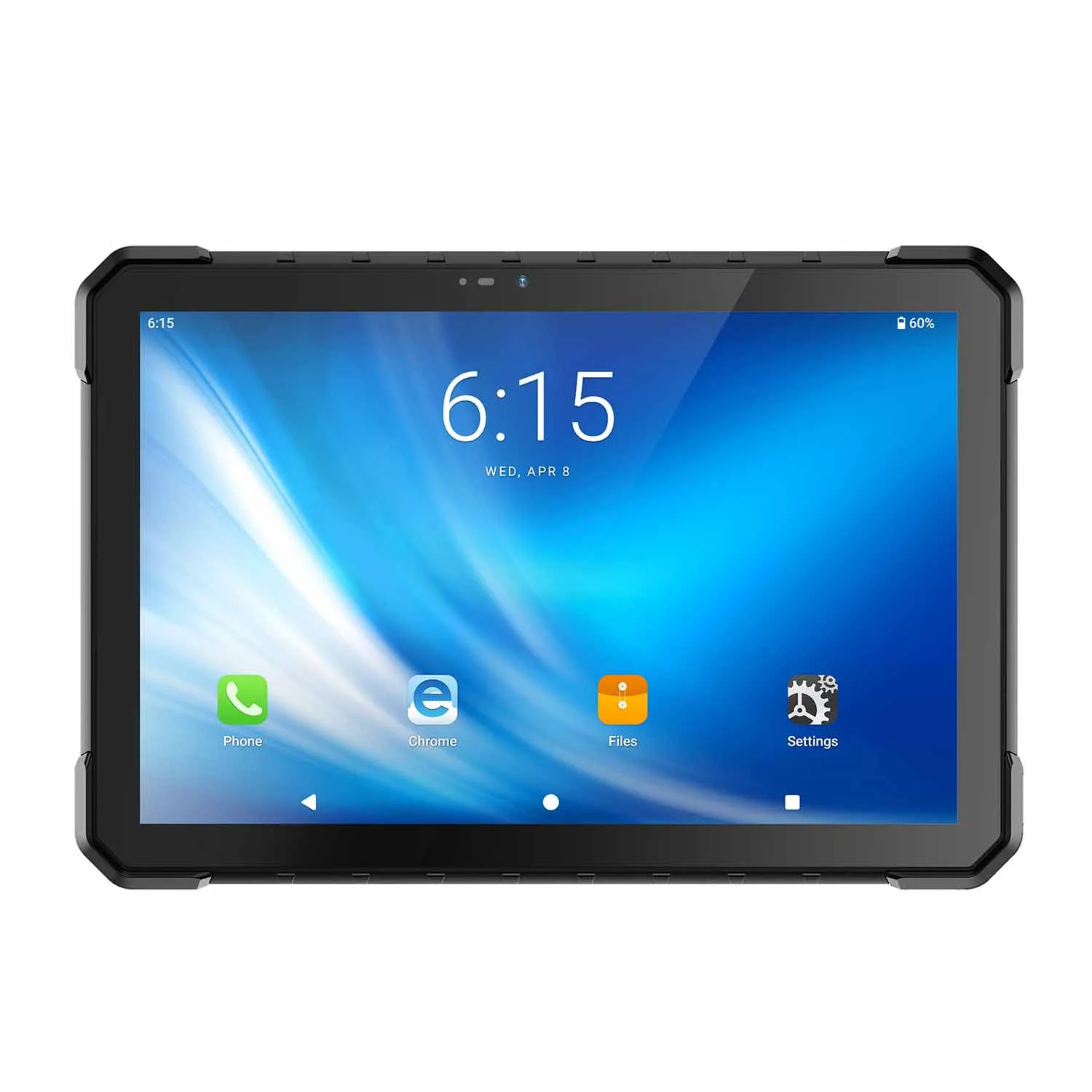
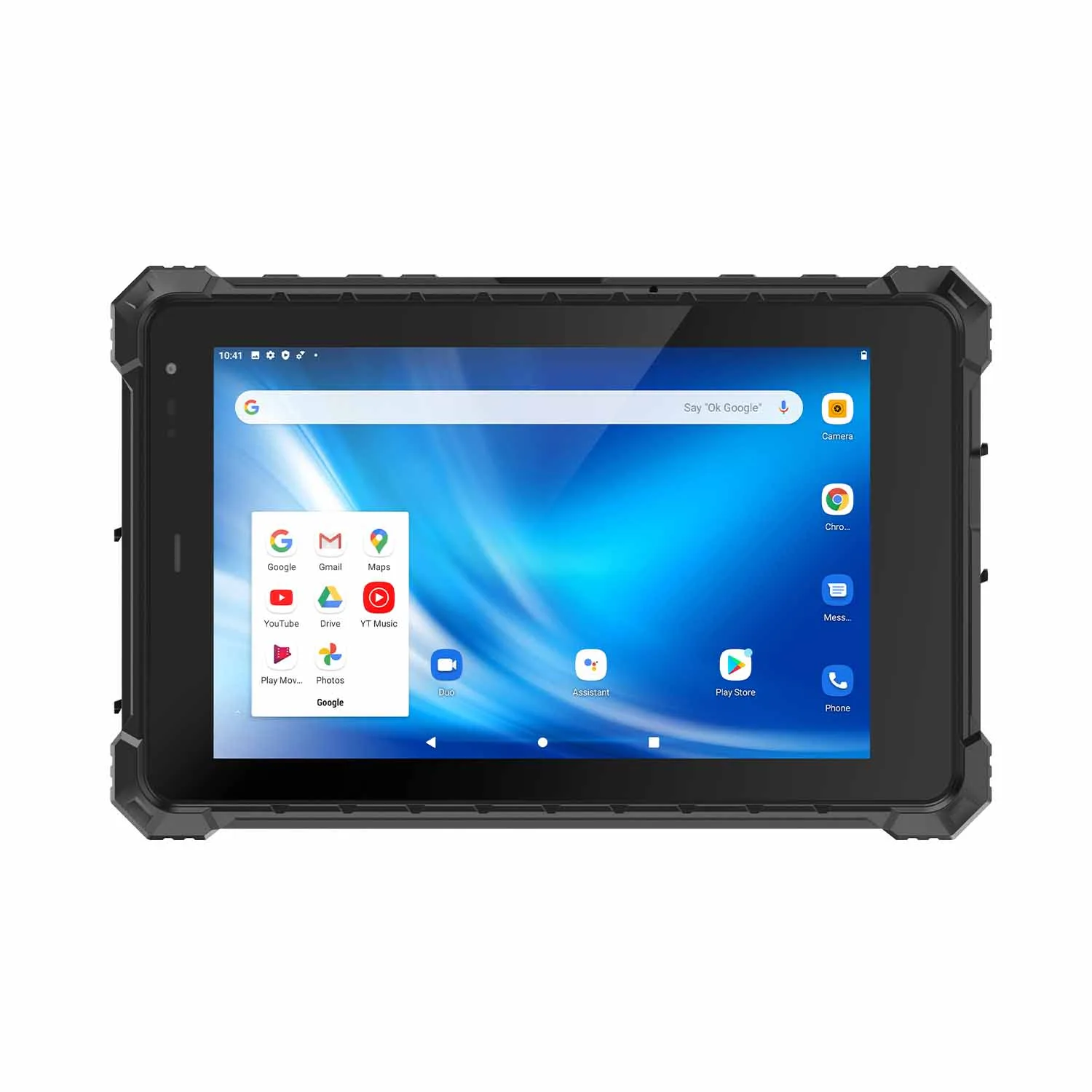
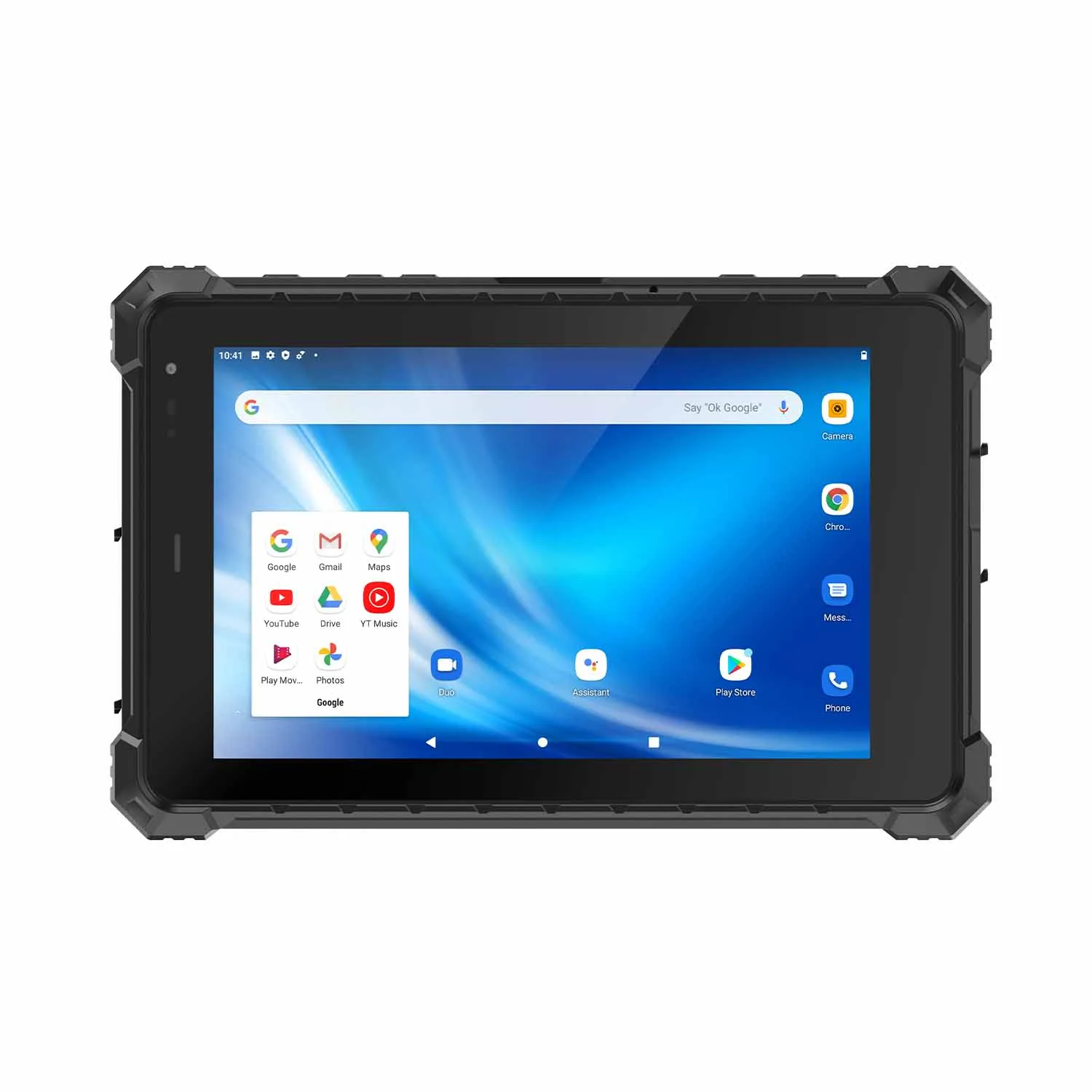
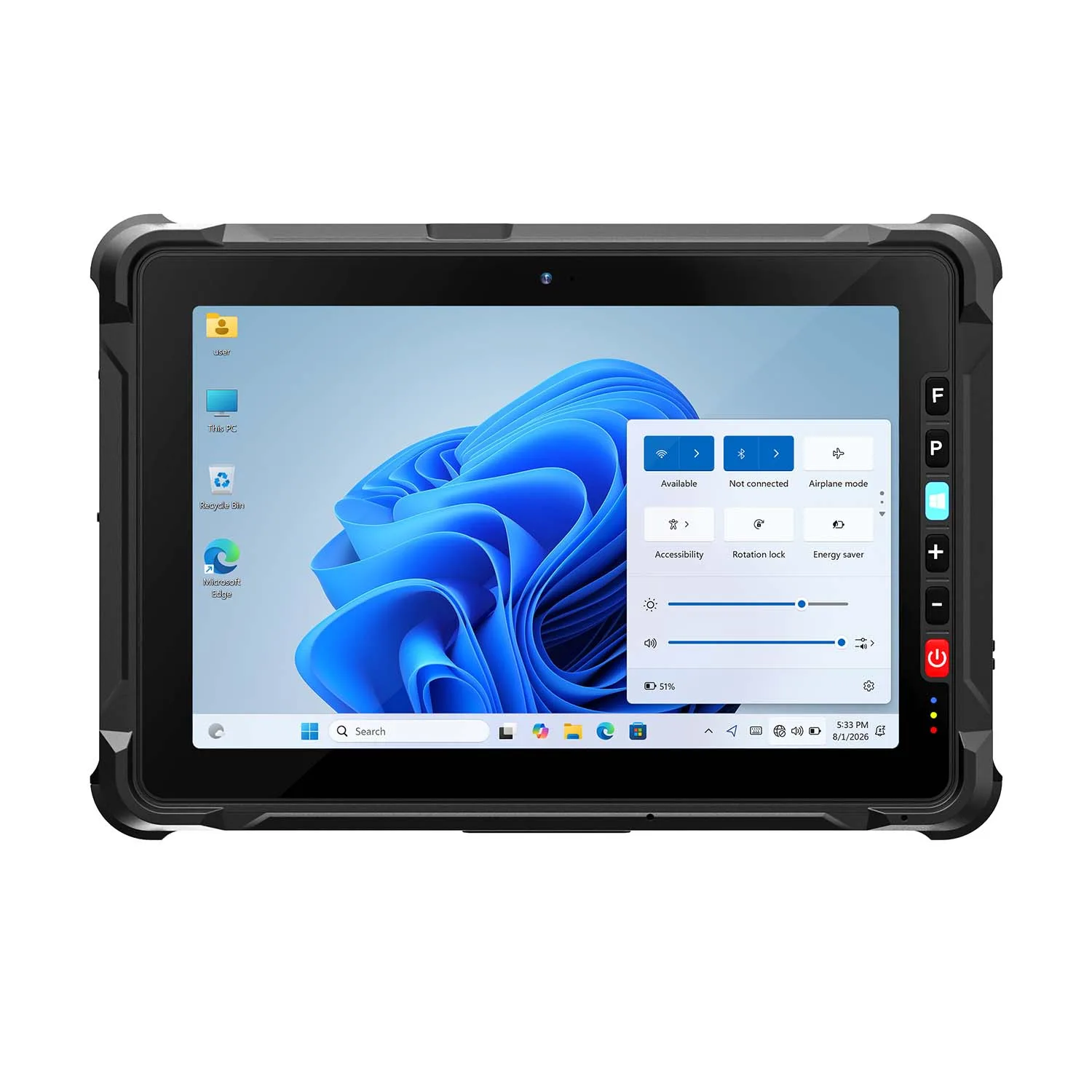
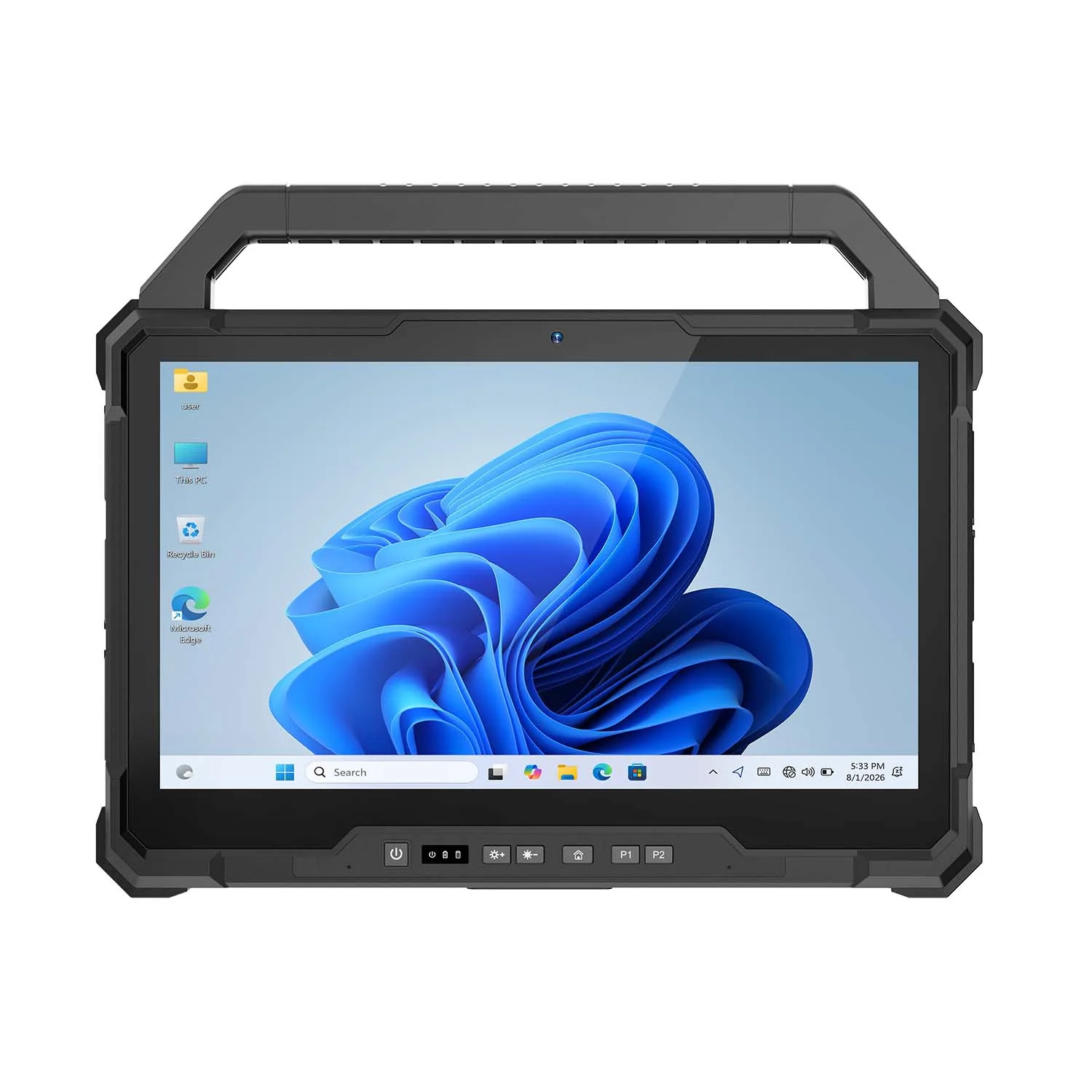
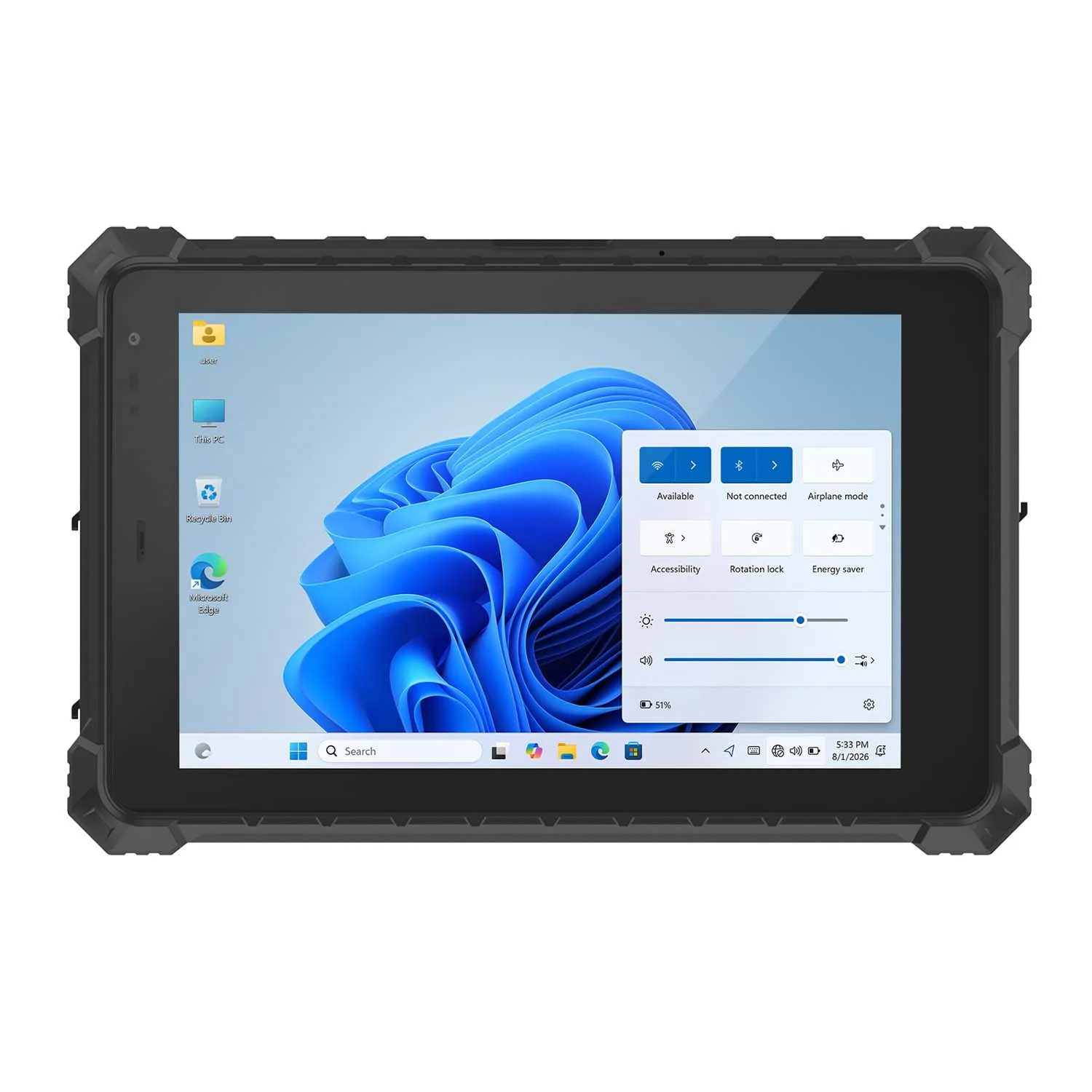
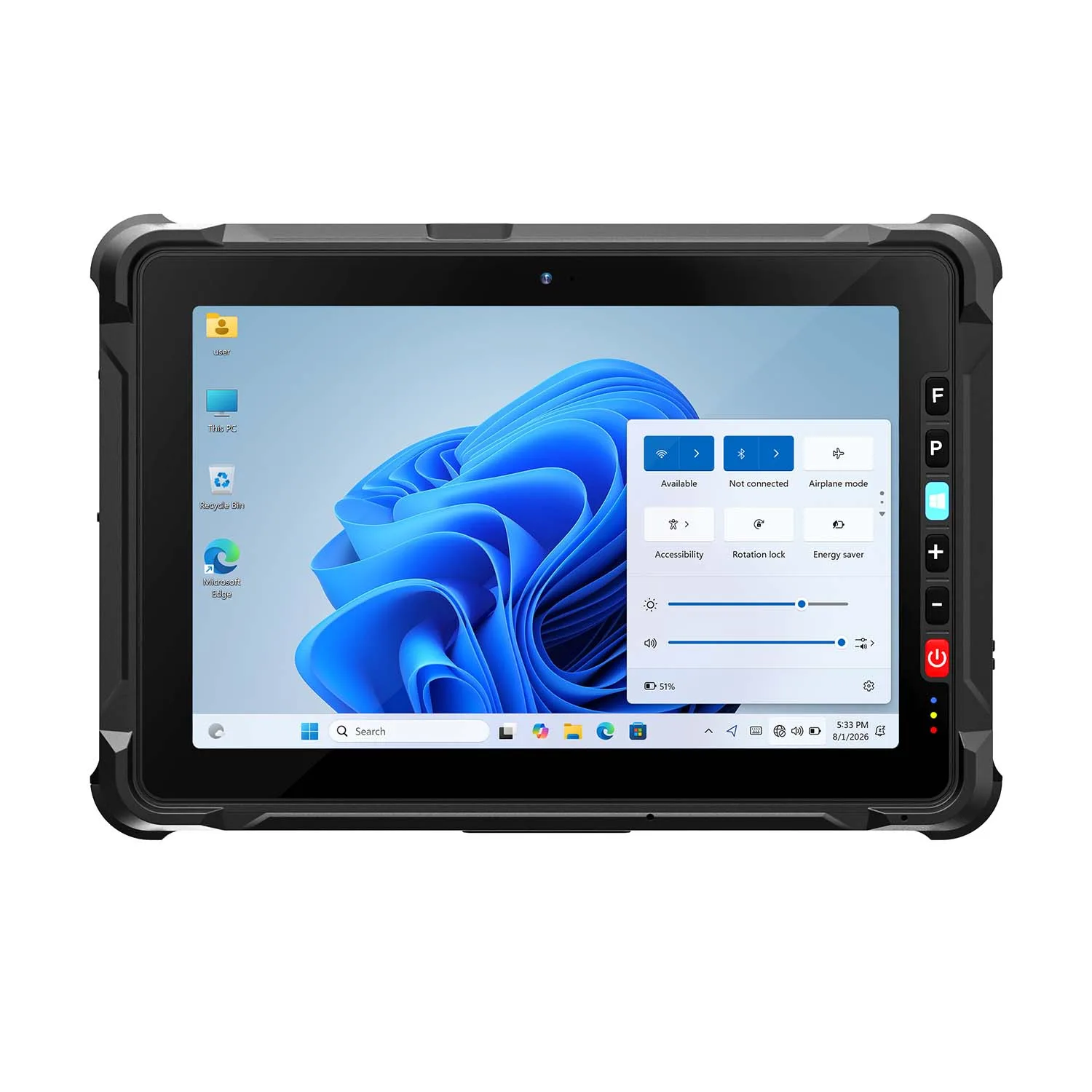
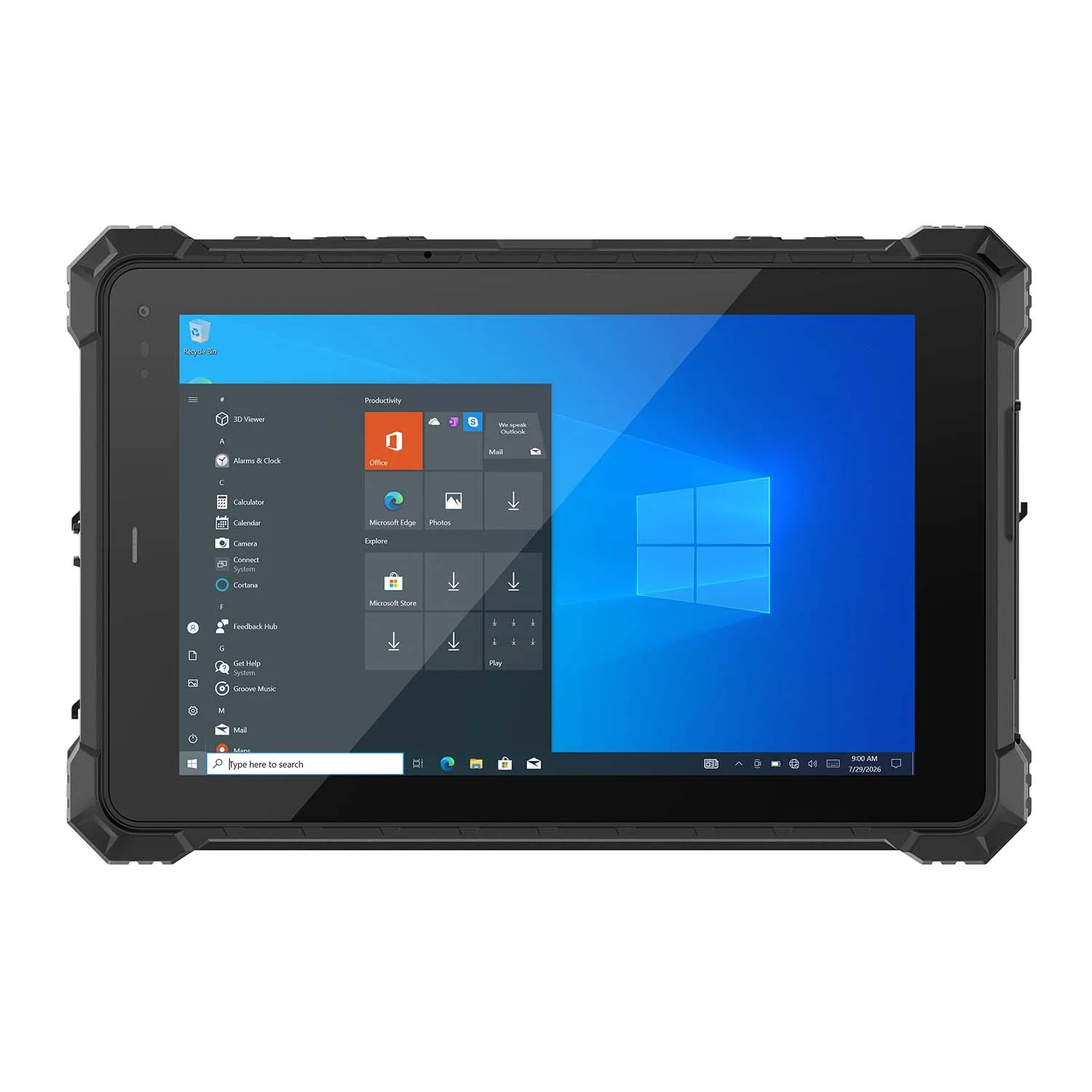
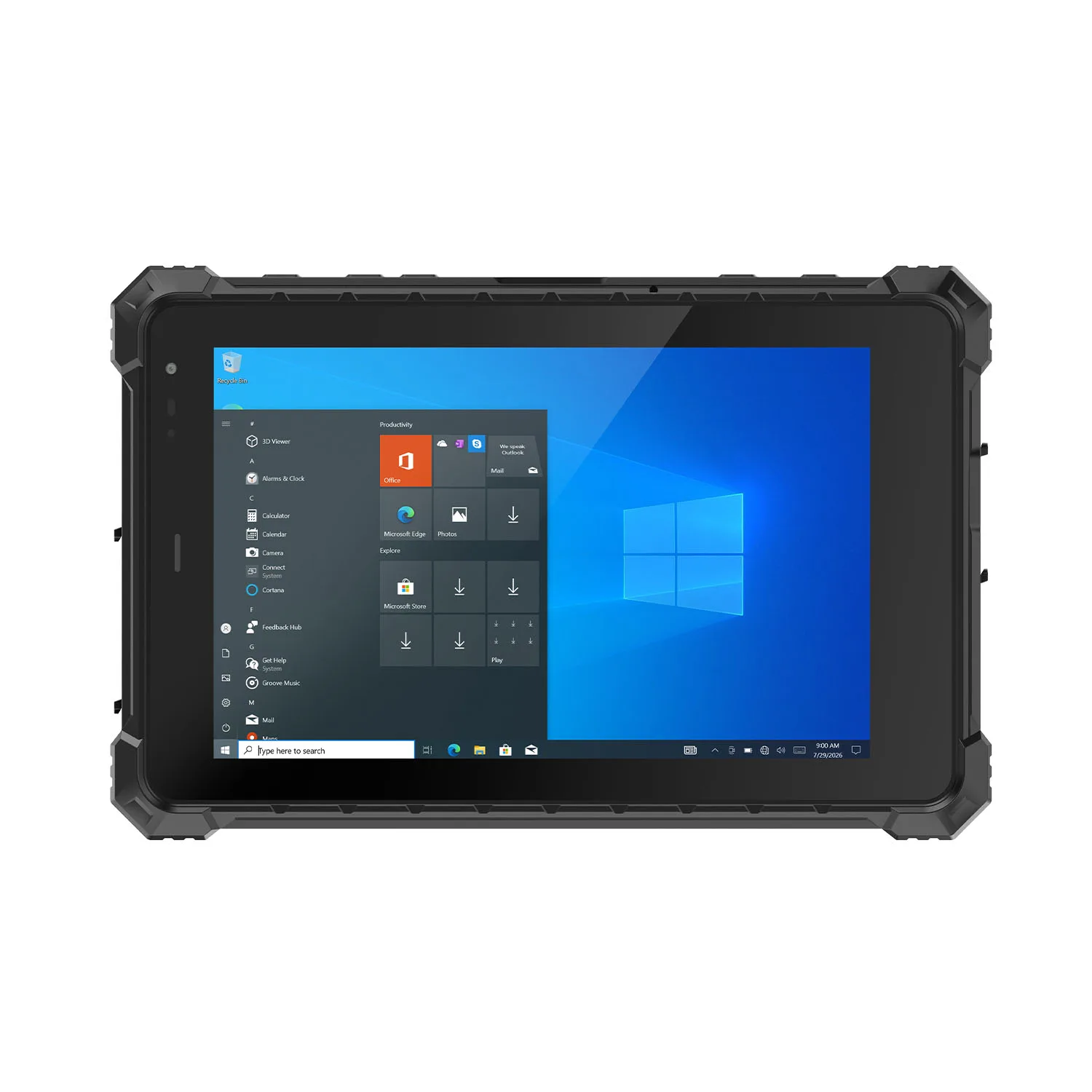
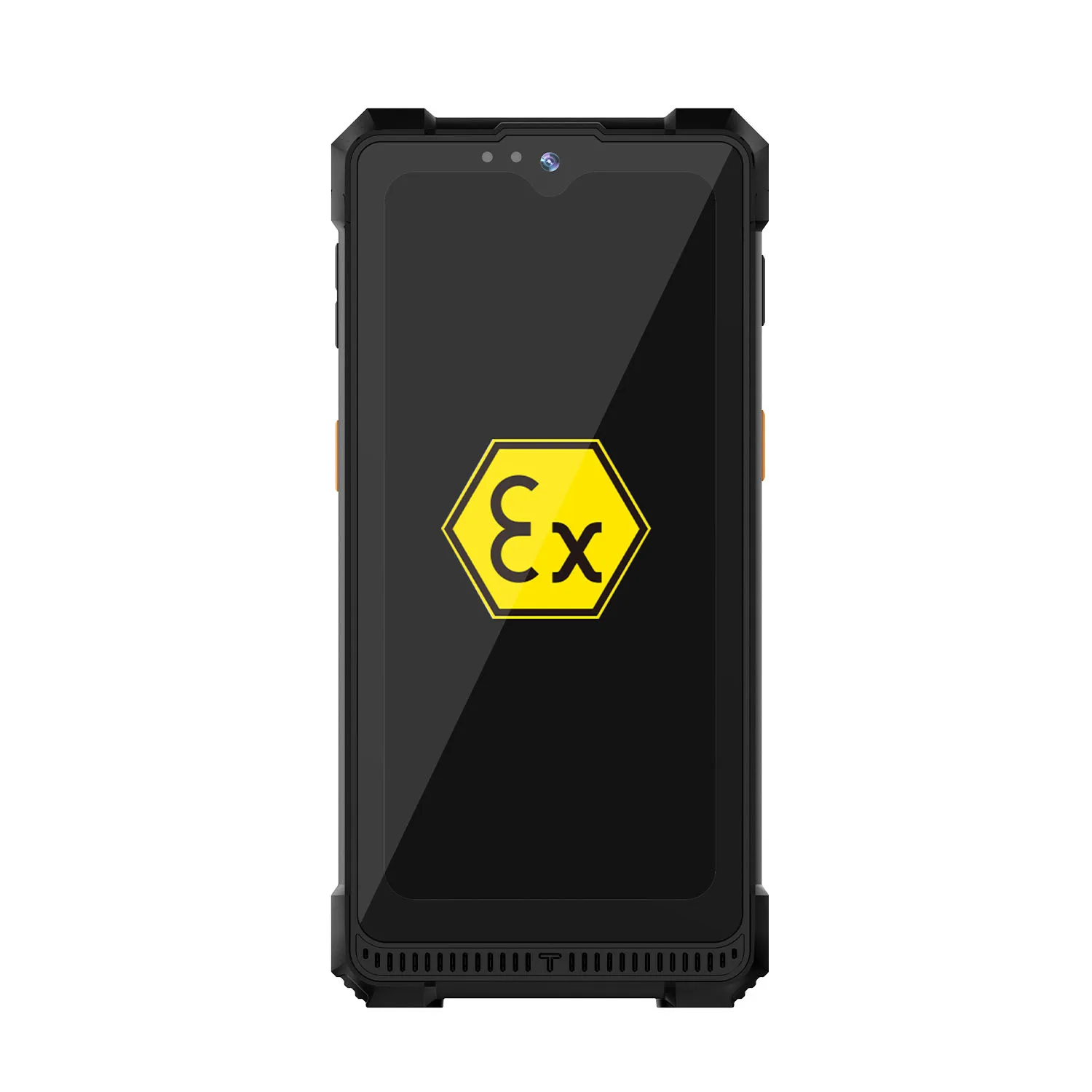
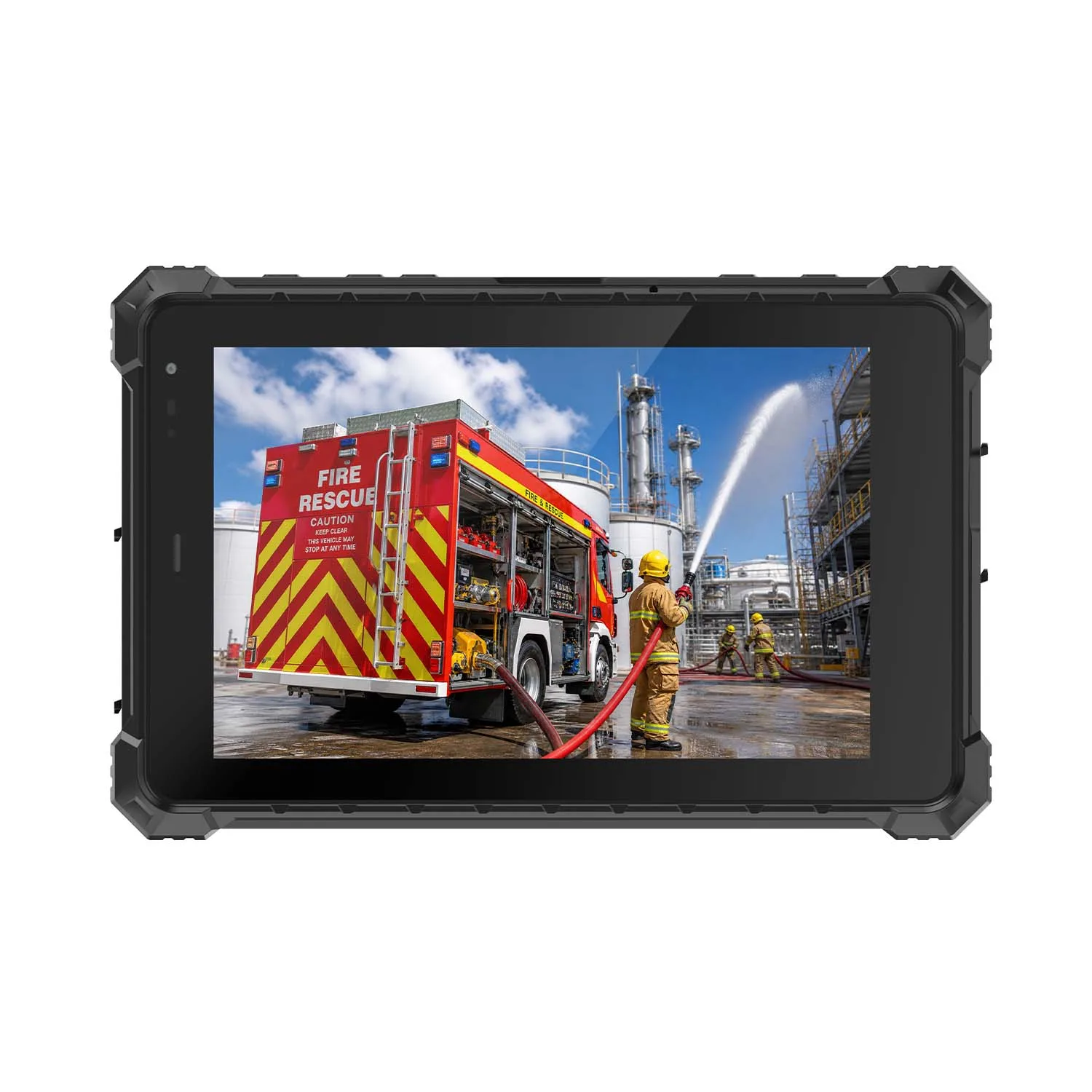
CENAVA provides selected explosion-protected rugged tablet configurations for petrochemical, oil and gas, chemical processing, mining, pharmaceutical, grain handling and other hazardous-area applications.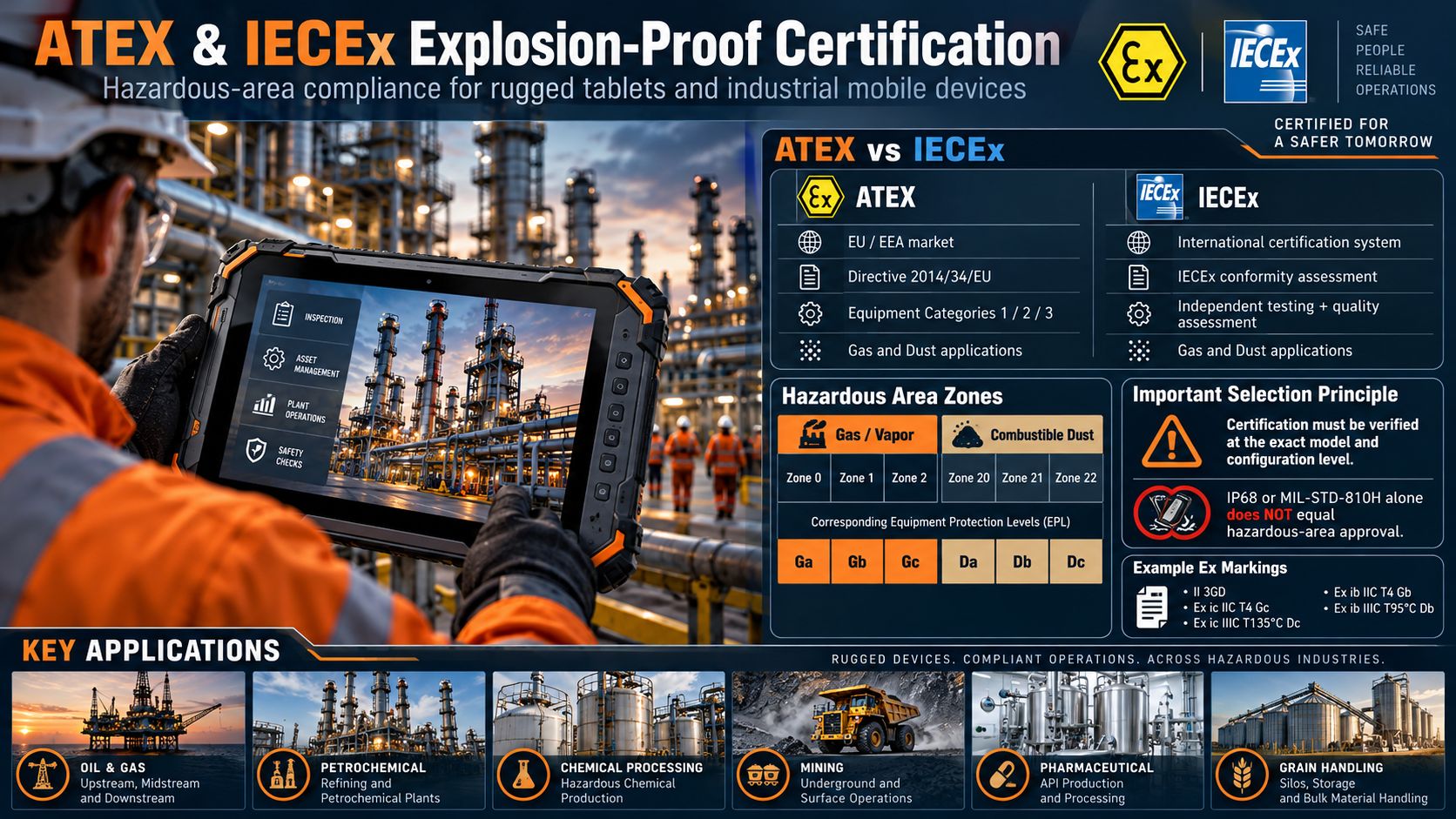
ATEX vs. IECEx: What Is the Difference?
ATEX and IECEx address similar explosion-protection risks but operate within different regulatory and conformity-assessment structures.
| Requirement | ATEX | IECEx |
|---|---|---|
| Primary Scope | European Union / EEA market | International certification system |
| Legal Basis | Directive 2014/34/EU | IECEx conformity-assessment rules |
| Technical Standards | EN harmonized Ex standards | IEC / ISO Ex standards |
| Equipment Categories | 1, 2, 3 | Equipment Protection Levels |
| Typical EPL References | Ga/Gb/Gc, Da/Db/Dc | Ga/Gb/Gc, Da/Db/Dc |
| Zone Applications | Zone 0/1/2 and 20/21/22 | Zone 0/1/2 and 20/21/22 |
| Certificate Database | ATEX documentation depends on conformity route | Central IECEx online certificate system |
| Third-Party Certification | Depends on equipment category/conformity route | Certified equipment requires IECEx third-party conformity assessment |
IECEx states that its Certified Equipment Scheme uses independent testing together with factory quality assessment and surveillance before an IECEx Certificate of Conformity can be maintained.
ATEX operates under EU Directive 2014/34/EU and provides different conformity-assessment procedures depending on equipment category and application.
Therefore, ATEX certification and IECEx certification should not be treated as interchangeable documents, even when the underlying technical standards are closely aligned.
What Is ATEX Certification?
ATEX refers to the European Union requirements governing equipment and protective systems intended for potentially explosive atmospheres.
The principal equipment directive is:
Directive 2014/34/EU
It applies to manufacturers placing relevant equipment and protective systems on the European market. The European Commission maintains the current list of harmonized standards associated with the Directive.
For rugged computing equipment, the ATEX marking communicates information such as:
- Equipment group
- Equipment category
- Gas or dust application
- Protection method
- Gas or dust group
- Temperature class or maximum surface temperature
- Equipment Protection Level
An example published by CENAVA for selected A10ST-EX configurations is:
II 3GD
Ex ic IIC T4 Gc
Ex ic IIIC T135°C Dc
CENAVA associates this configuration with ATEX certificate reference CSANe 24ATEX1144X.
The exact certificate schedule and specific conditions of use should be reviewed before deployment.
What Is IECEx Certification?
IECEx is the IEC System for Certification to Standards Relating to Equipment for Use in Explosive Atmospheres.
Its purpose is to establish an internationally consistent framework for testing and certification of equipment intended for hazardous locations.
Under the IECEx Certified Equipment Scheme, an IECEx Certificate of Conformity is supported by:
ExTR — Ex Test Report
Evidence that the relevant equipment has been evaluated against applicable IEC explosion-protection standards.
QAR — Quality Assessment Report
Assessment of the manufacturer's quality system and its ability to reproduce equipment consistent with the certified design.
CoC — Certificate of Conformity
The IECEx certification document covering the approved equipment.
IECEx explains this relationship as the combination of product testing and ongoing manufacturer quality assessment.
IECEx Certificate Verification
IECEx maintains an online certification system where equipment certificates can be searched.
For procurement projects, the buyer should verify:
Manufacturer
Model
Certificate number
Issue number
Ex marking
Standards
Specific Conditions of Use
Approved configuration
rather than relying only on a marketing page or product photograph.
IECEx specifically recommends checking equipment certificates through its online certificate system.
Understanding Hazardous Area Zones
Hazardous areas are classified according to how frequently an explosive atmosphere may be present.
Gas and Vapor Zones
| Zone | General Condition | Typical EPL |
|---|---|---|
| Zone 0 | Explosive gas atmosphere present continuously, frequently or for long periods | Ga |
| Zone 1 | Explosive atmosphere expected occasionally during normal operation | Gb or Ga |
| Zone 2 | Explosive atmosphere not normally expected, or present only briefly | Gc, Gb or Ga |
IECEx publishes this Zone/EPL relationship in its hazardous-area guidance.
Combustible Dust Zones
| Zone | General Condition | Typical EPL |
|---|---|---|
| Zone 20 | Combustible dust atmosphere present continuously/frequently | Da |
| Zone 21 | Combustible dust atmosphere expected occasionally | Db or Da |
| Zone 22 | Combustible dust atmosphere unlikely or short duration | Dc, Db or Da |
A purchaser should identify the site's classified Zone before selecting the tablet.
The tablet certification should follow the site classification—not the other way around.
Zone 1 vs. Zone 2 Rugged Tablets
Zone 1 and Zone 2 represent different levels of hazardous-atmosphere probability.
Zone 1
A flammable gas atmosphere can occur periodically or occasionally during normal operation.
Equipment normally requires a higher Equipment Protection Level such as Gb.
For example:
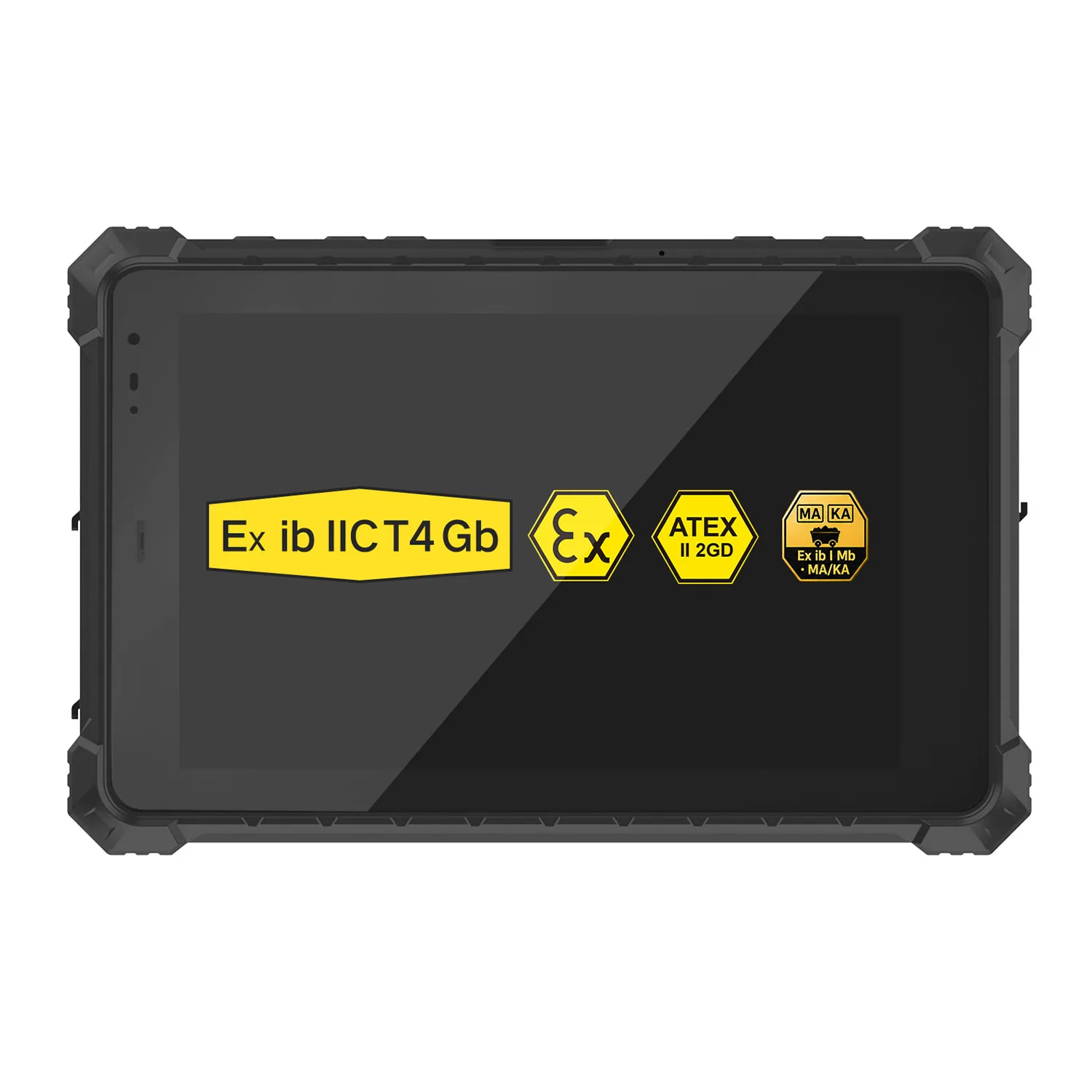
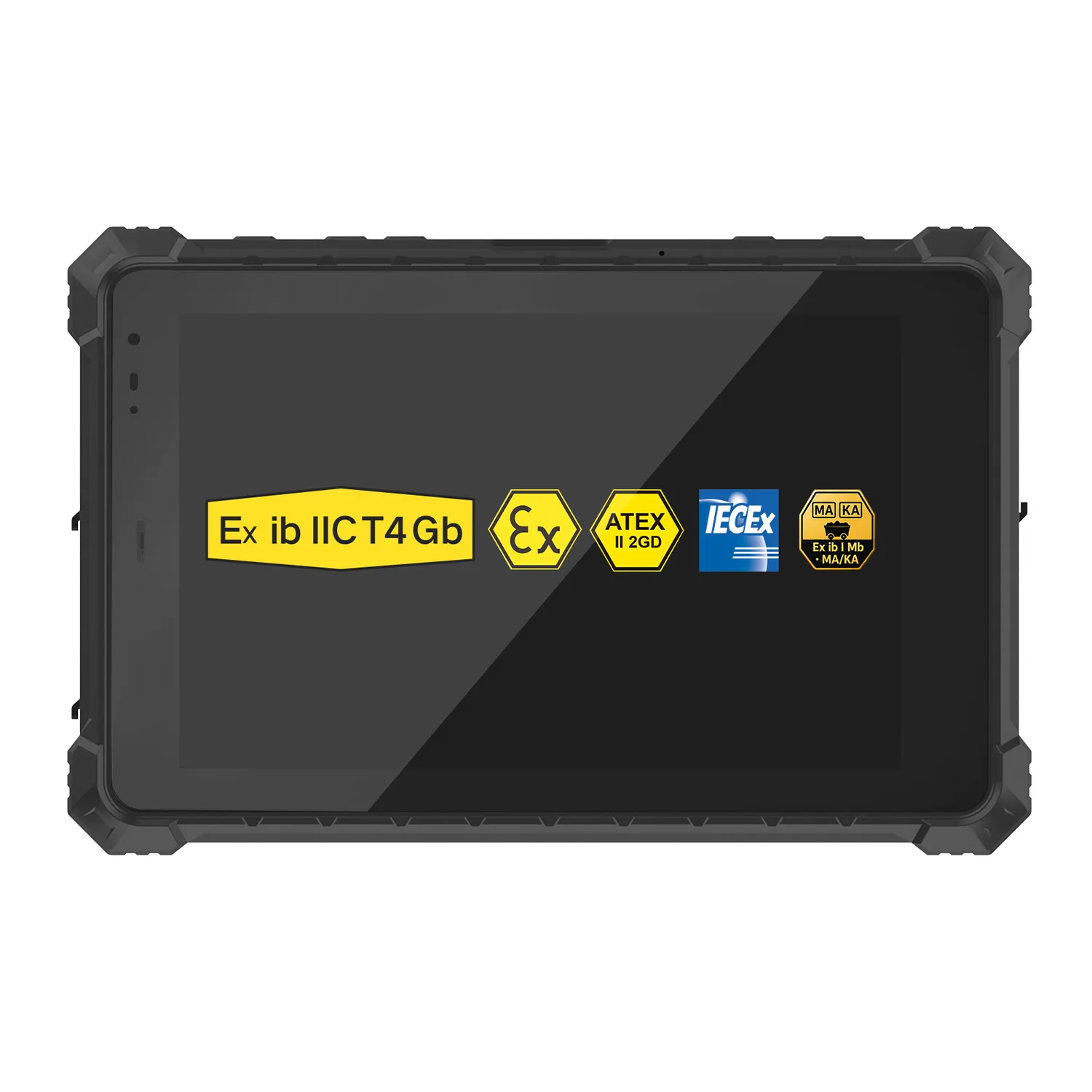
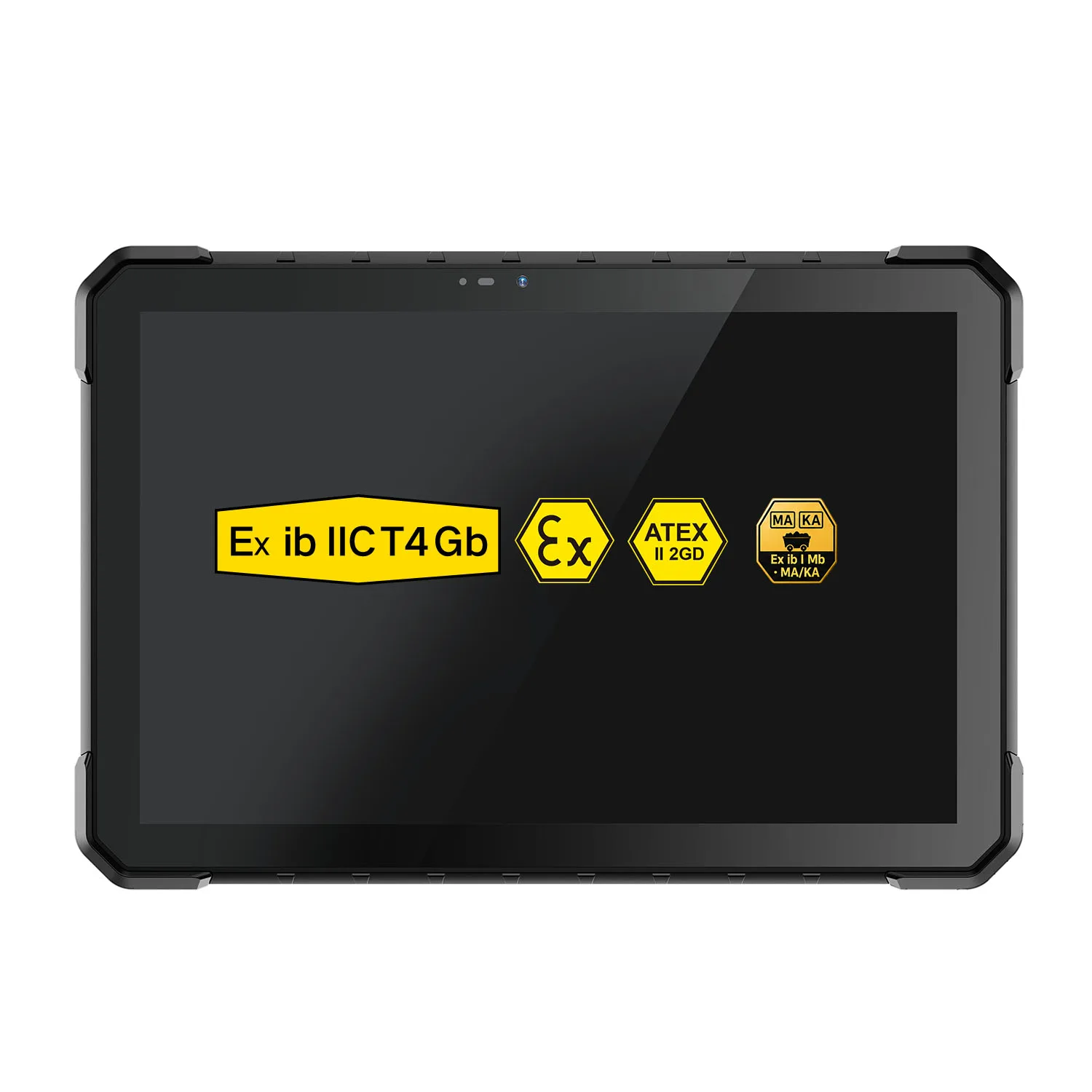
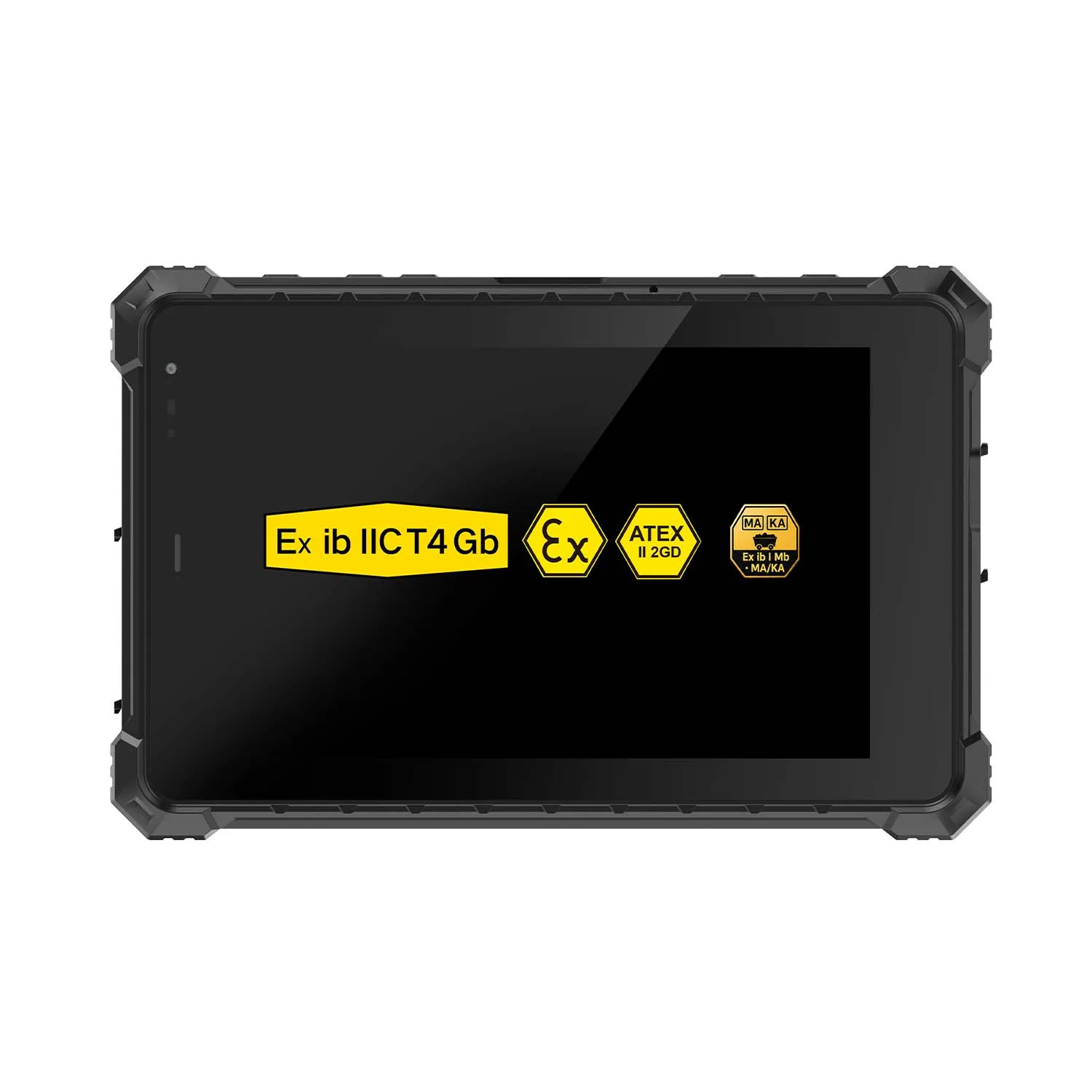
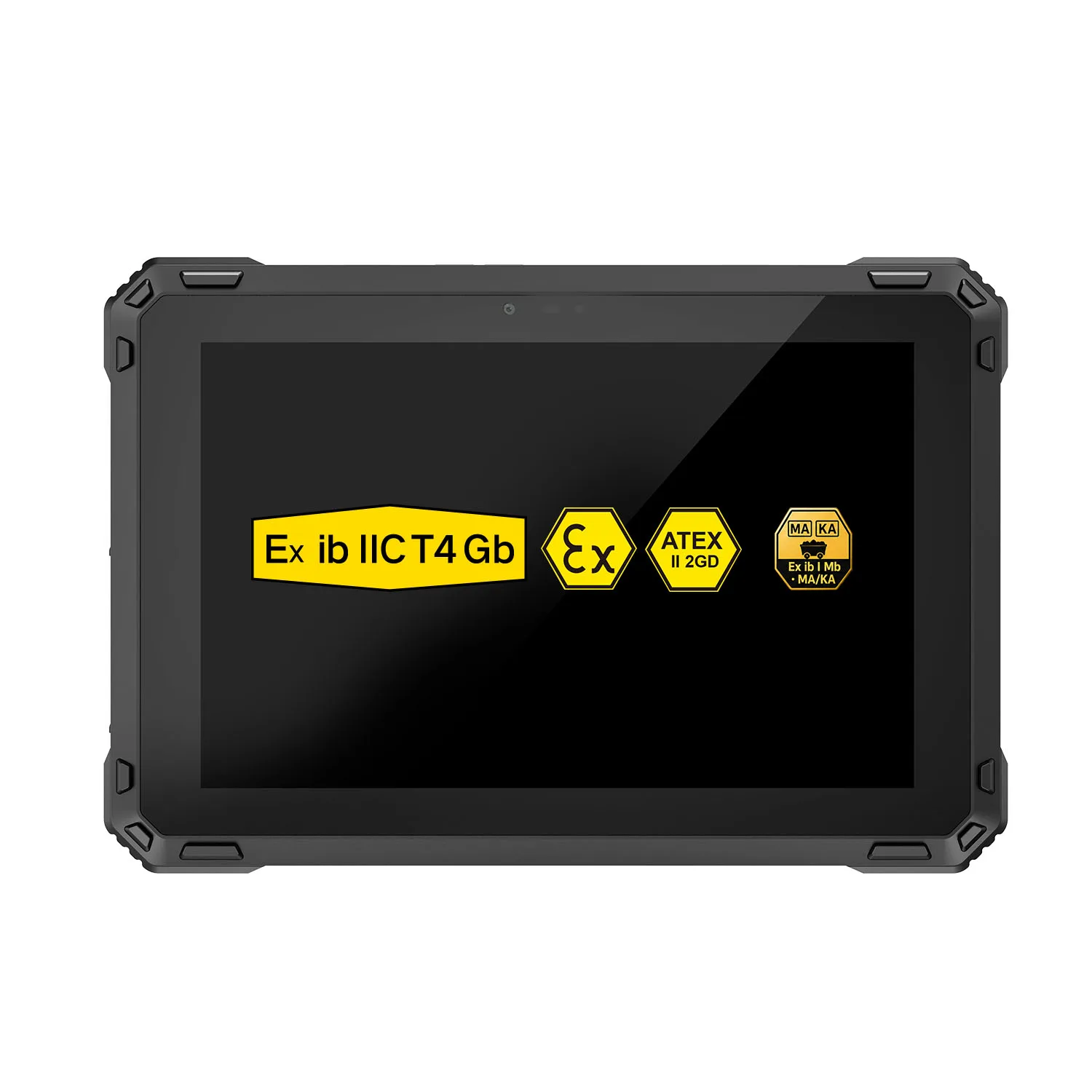
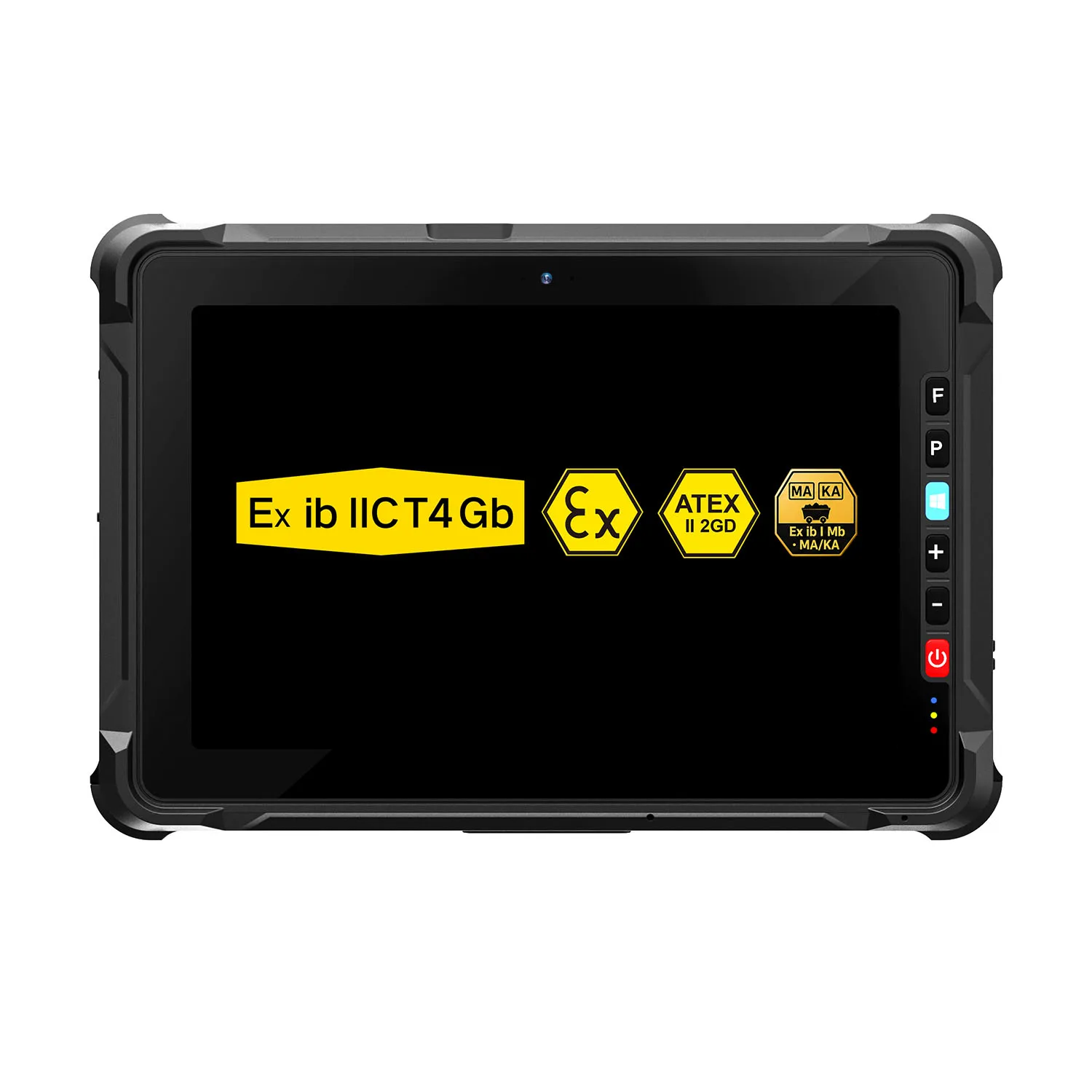
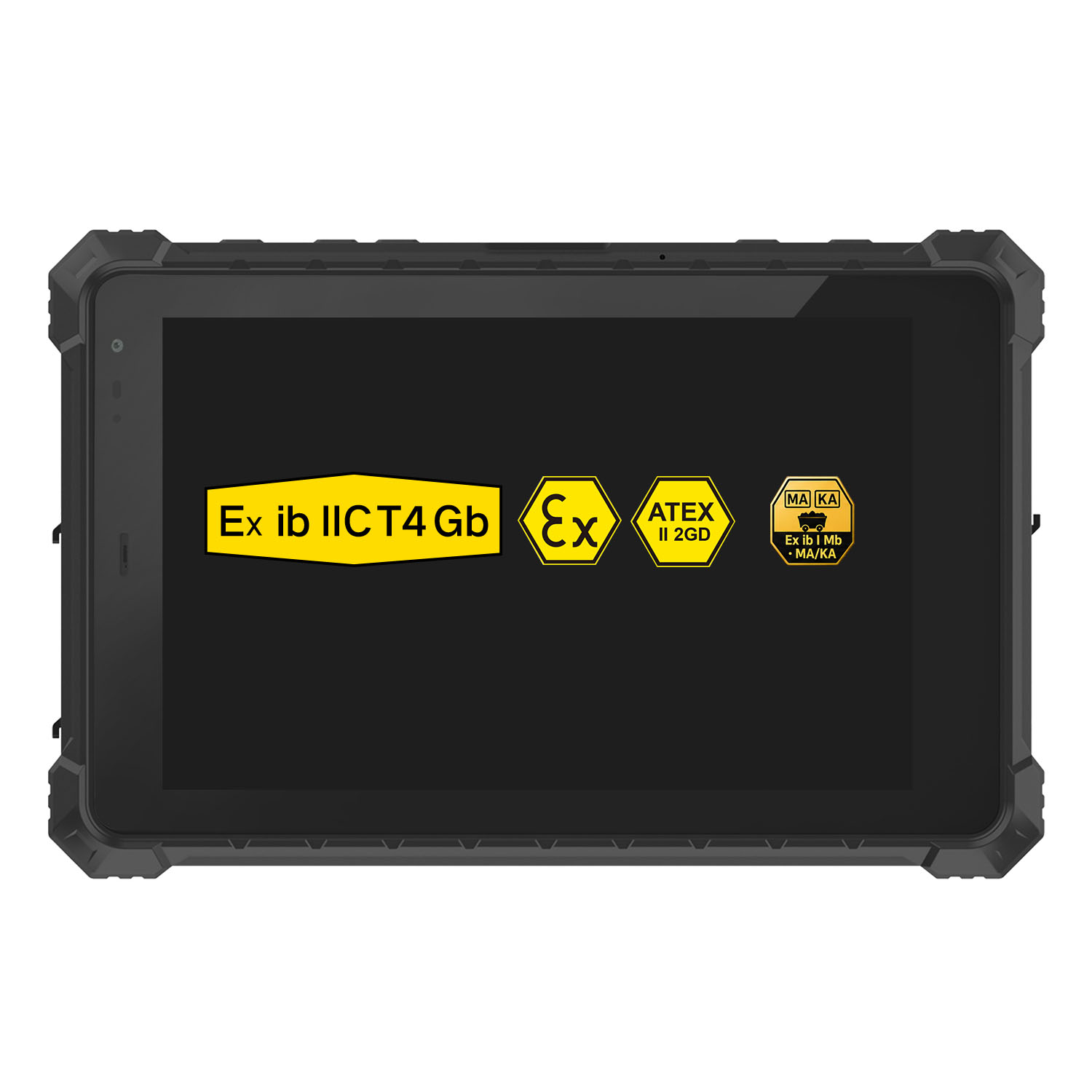
Ex ib IIC T4 Gb
is a marking published on selected CENAVA explosion-protected tablets.
Zone 2
A flammable gas atmosphere is not expected during normal operation, or is expected only for a short duration.
A typical EPL is:
Gc
For example:
Ex ic IIC T4 Gc
is published for selected CENAVA Zone 2 configurations.
Equipment approved only for a Zone 2 configuration should not be presented as Zone 1-certified unless the exact alternative certified configuration supports Zone 1.
Zone 21 vs. Zone 22
The same general principle applies to combustible dust.
Zone 21
Combustible dust clouds can occur occasionally during normal operation.
An example marking is:
Ex ib IIIC T95°C Db
Zone 22
Combustible dust is not normally expected in explosive concentrations and, if it occurs, typically exists for a limited duration.
An example marking is:
Ex ic IIIC T135°C Dc
CENAVA currently publishes both types of markings across selected explosion-protected configurations.
Understanding ATEX II 2GD
A marking such as:
II 2GD
contains several pieces of information.
II
Equipment Group II.
This applies to non-mining surface industries rather than Group I underground mining equipment.
2
Equipment Category 2.
In the relevant gas or dust context, Category 2 equipment is associated with applications such as Zone 1 or Zone 21 and can also be used in lower-risk zones where otherwise appropriate.
G
Gas, vapor or mist explosive atmosphere.
D
Combustible dust atmosphere.
Therefore:
II 2GD
indicates a Group II Category 2 device intended for relevant gas and dust explosive-atmosphere applications.
CENAVA publishes II 2GD configurations for selected explosion-protected tablet platforms including A18ST-EX.
Understanding ATEX II 3GD
A marking such as:
II 3GD
indicates Group II Category 3 equipment for relevant gas and dust applications.
Category 3 corresponds to lower-probability hazardous areas such as:
Gas → Zone 2
Dust → Zone 22
CENAVA publishes II 3GD together with the following marking on selected A10ST-EX configurations:
Ex ic IIC T4 Gc
Ex ic IIIC T135°C Dc
and references ATEX certificate CSANe 24ATEX1144X for the named configuration.
What Does “Ex” Mean?
The Ex marking indicates that equipment uses an explosion-protection concept defined by the relevant Ex standards.
It does not automatically tell the buyer which protection technique is being used.
Different protection concepts include technologies such as:
- Intrinsic safety — Ex i
- Flameproof enclosure — Ex d
- Increased safety — Ex e
- Encapsulation — Ex m
- Pressurization — Ex p
IECEx certification bodies operate across standards covering these different protection methods.
For CENAVA rugged tablets discussed here, markings such as Ex ib and Ex ic indicate intrinsic safety, not an Ex d flameproof enclosure.
What Is Intrinsic Safety?
Intrinsic safety limits electrical and thermal energy so that the equipment does not become an ignition source under the conditions addressed by its protection level and certification.
The protection code begins with:
Ex i
and can include levels such as:
ia
ib
ic
For example, CENAVA publishes configurations carrying:
Ex ib IIC T5 Gb
and others carrying:
Ex ic IIC T4 Gc
These are two different certified protection levels and should not be presented as equivalent.
Ex ib vs. Ex ic
For the CENAVA markings discussed on this page:
Ex ib … Gb corresponds to a higher protection level suitable for a Zone 1-type gas application when all certificate requirements are met.
Ex ic … Gc corresponds to a Zone 2-type gas application.
The same distinction appears for dust:
Ex ib … Db → Zone 21-type protection level.
Ex ic … Dc → Zone 22-type protection level.
The exact certificate—not only the shorthand label—should determine where a device may be installed.
What Does IIC Mean?
Gas equipment is divided into groups based on ignition characteristics.
Common subdivisions include:
IIA
IIB
IIC
IIC represents the more demanding gas subgroup and includes representative hazardous gases such as hydrogen and acetylene.
IECEx selection guidance shows that IIC-rated equipment can satisfy IIC group requirements when all other applicable conditions are also met.
CENAVA publishes selected rugged tablets with markings including:
Ex ib IIC T4 Gb
or:
Ex ib IIC T5 Gb
depending on the certified configuration.
What Does IIIC Mean?
Dust environments are also divided into groups.
IECEx guidance identifies:
IIIA — combustible fibers/flyings
IIIB — non-conductive dust
IIIC — conductive dust
IIIC is the conductive-dust subgroup.
An example CENAVA dust marking is:
Ex ib IIIC T95°C Db
Another configuration may use:
Ex ic IIIC T135°C Dc
The required marking depends on the classified location and certified product configuration.
Understanding T4 and T5 Temperature Classes
For explosive gas atmospheres, temperature class limits the maximum surface temperature associated with the certified equipment.
IECEx guidance identifies:
T4 → maximum surface temperature associated with 135°C class
T5 → maximum surface temperature associated with 100°C class
T6 → maximum surface temperature associated with 85°C class
Therefore:
Ex ib IIC T5 Gb
and:
Ex ib IIC T4 Gb
are not identical certifications.
A T5 marking represents a lower permitted maximum surface-temperature class than T4.
The correct class must match the ignition characteristics of the hazardous material present at the site.
Understanding Dust Temperature Markings
Dust equipment often states the maximum surface temperature directly.
For example:
Ex ib IIIC T95°C Db
means the certified marking includes a maximum surface-temperature value of 95°C for the relevant dust protection configuration.
Another example is:
Ex ic IIIC T135°C Dc
The appropriate equipment must be selected according to the combustible-dust characteristics, layer/cloud conditions and site risk assessment.
What Does Gb Mean?
Gb is an Equipment Protection Level for gas atmospheres.
IECEx guidance associates Gb equipment with Zone 1 applications, while Ga equipment provides the higher level needed for Zone 0.
Therefore:
Ex ib IIC T4 Gb
indicates, among other information:
Intrinsic safety protection
Gas Group IIC
Temperature Class T4
Equipment Protection Level Gb
Each part of the marking matters.
What Does Gc Mean?
Gc is associated with Zone 2 gas applications.
An example is:
Ex ic IIC T4 Gc
CENAVA publishes this marking for selected Zone 2 explosion-protected rugged tablet configurations.
Gc does not provide the same protection level as Gb.
A Gc-only configuration should therefore not be marketed as a Zone 1 configuration.
What Does Db Mean?
Db is associated with Zone 21 combustible-dust applications.
IECEx guidance maps Zone 21 to Db or Da protection levels.
A CENAVA example is:
Ex ib IIIC T95°C Db
published for selected ATEX II 2GD configurations.
What Does Dc Mean?
Dc is associated with Zone 22 combustible-dust applications.
A representative CENAVA marking is:
Ex ic IIIC T135°C Dc
published alongside selected II 3GD configurations.
How to Read an Ex Marking
Consider this example:
Ex ib IIC T5 Gb
Read it from left to right.
| Marking | Meaning |
|---|---|
| Ex | Explosion-protected equipment |
| ib | Intrinsic-safety protection level |
| IIC | Gas subgroup |
| T5 | Gas temperature class |
| Gb | Equipment Protection Level for gas |
Now consider:
Ex ib IIIC T95°C Db
| Marking | Meaning |
|---|---|
| Ex | Explosion-protected equipment |
| ib | Intrinsic-safety protection |
| IIIC | Conductive-dust group |
| T95°C | Maximum surface-temperature marking |
| Db | Equipment Protection Level for dust |
This approach makes certificate markings easier for procurement and engineering teams to compare.
What Does the “X” After a Certificate Number Mean?
This is especially important because several CENAVA-published certificate references end with X.
Under IECEx/IEC 60079 terminology, an X suffix identifies that the certificate contains Specific Conditions of Use.
Therefore, a certificate such as:
…24.0031X
should not be interpreted from its Ex marking alone.
The purchaser and installer must review the conditions listed in the certificate and product instructions.
Specific Conditions of Use can affect:
- Installation
- Use
- Maintenance
- Accessories
- Charging
- Connections
- Environmental limits
IECEx explicitly states that these certificate conditions must be followed.
CENAVA ATEX & IECEx Rugged Tablet Configurations
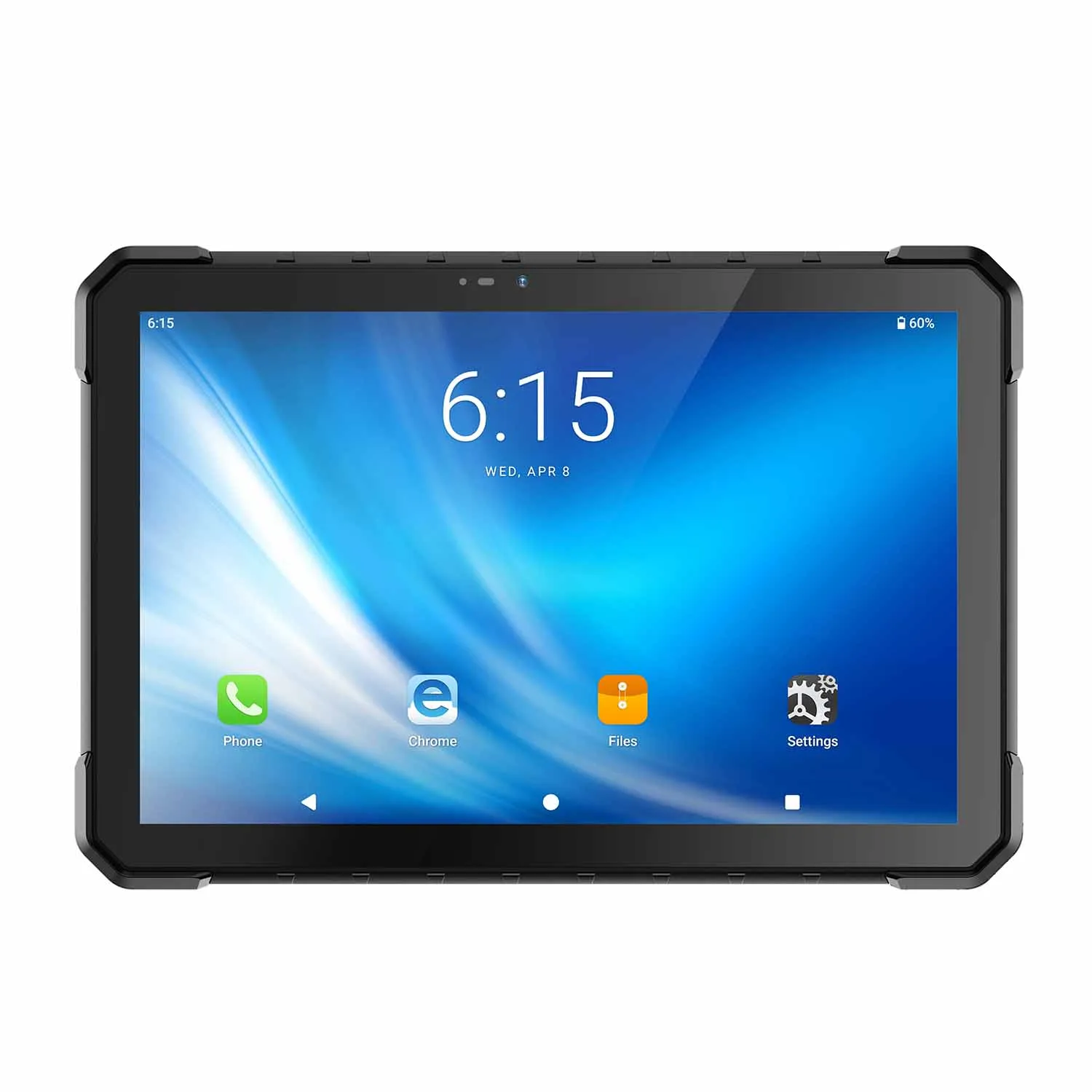
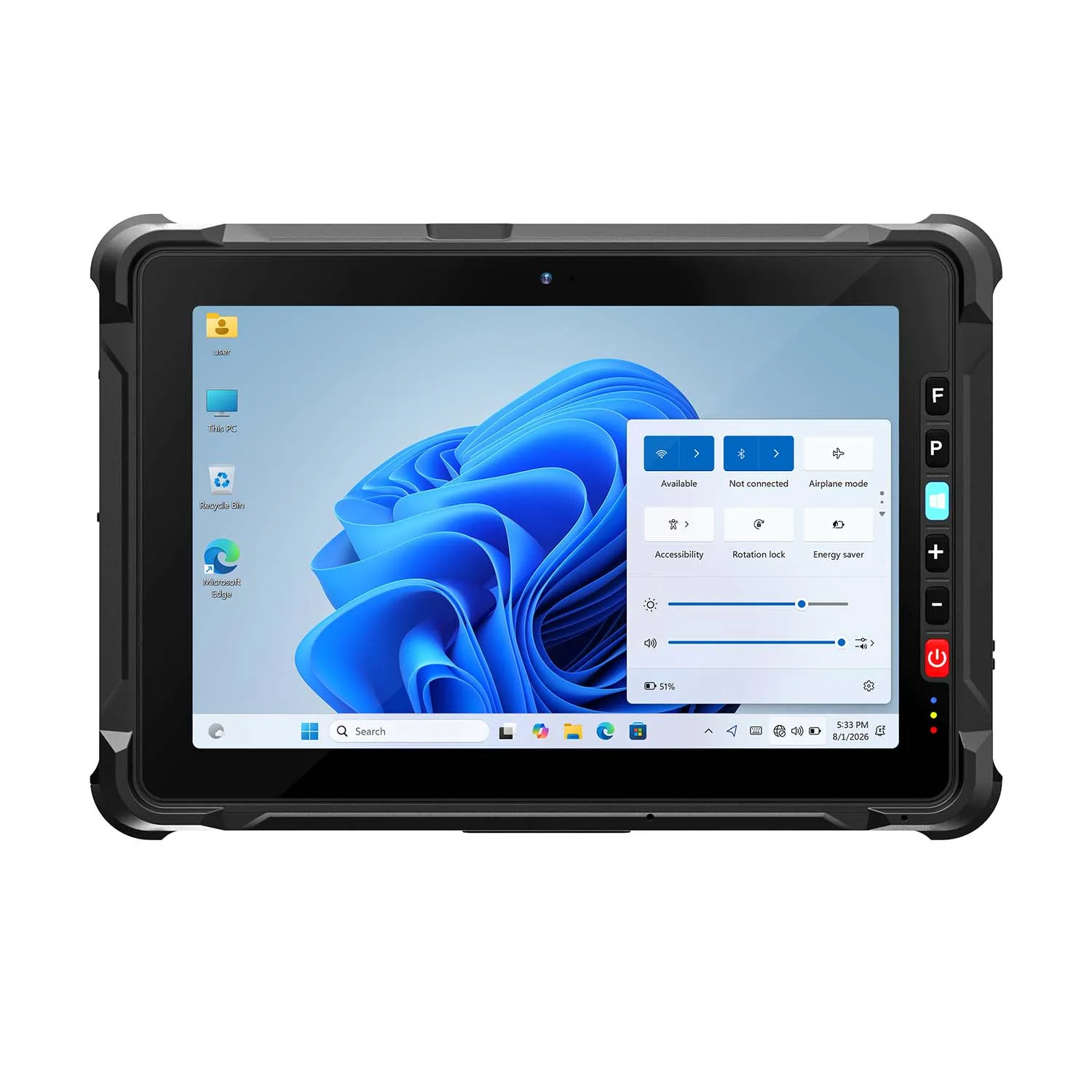
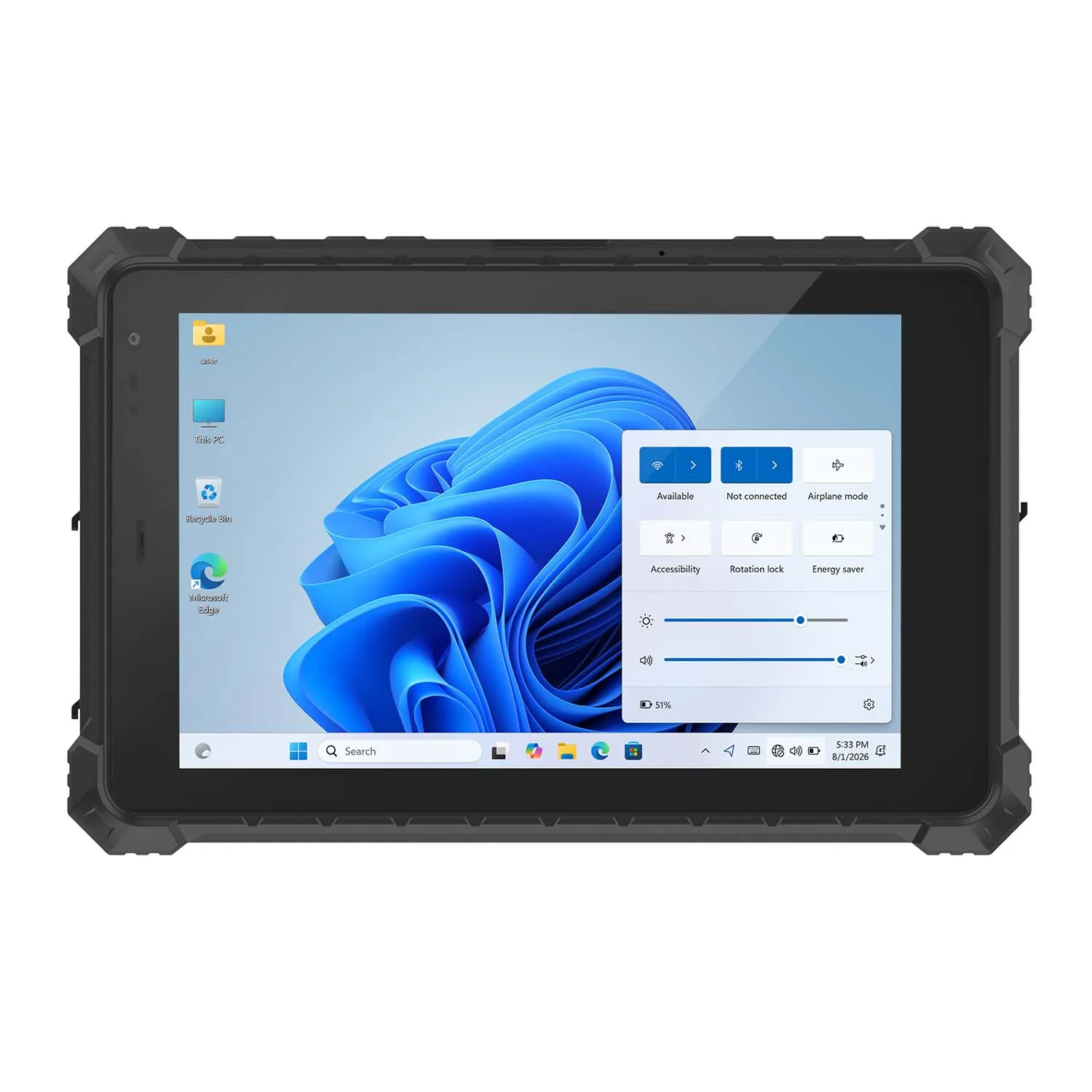
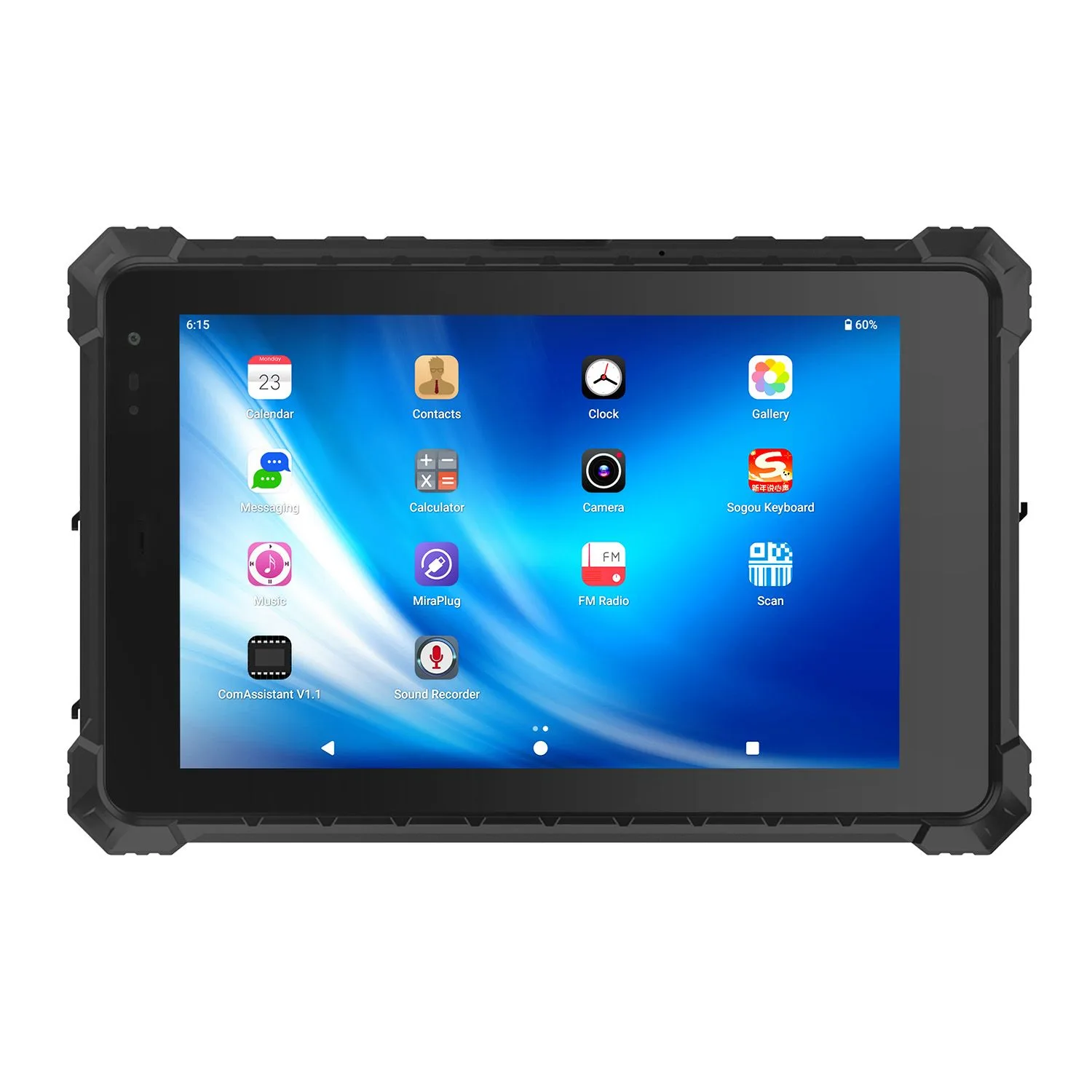
CENAVA currently lists a dedicated Explosion-Proof Tablet category containing Android and Windows devices including W109NS-EX, W30U-EX, A88ST-EX, A18ST-EX, W80N-EX, W30UPro-EX, W65G-EX and W18Y-EX.
Certification varies by product and configuration.
Do not assume every EX product has the same:
Zone
ATEX category
IECEx marking
Gas group
Dust group
Temperature class
Battery
Optional modules
The exact certificate documentation must be checked for the ordered model.
A10ST-EX ATEX & IECEx Configuration
CENAVA currently publishes selected A10ST-EX configurations with:
IECEx reference: CSAE 24.0031X
IECEx marking: Ex ic IIC T4 Gc / Ex ic IIIC T135°C Dc
and:
ATEX reference: CSANe 24ATEX1144X
ATEX marking: II 3GD
CENAVA also publishes separate II 2GD / Ex ib configurations within the A10ST-EX family.
Because different certification packages exist within the family, procurement documents should identify the exact certified configuration rather than simply specifying “A10ST-EX.”
A18ST-EX Zone 1/21 Configuration
CENAVA publishes A18ST-EX with:
ATEX Configuration: II 2GD
Gas marking:
Ex ib IIC T5 Gb
Dust marking:
Ex ib IIIC T95°C Db
The model is positioned for petrochemical and other hazardous-area inspection workflows.
This marking differs substantially from an II 3GD / Ex ic configuration and should be treated as a separate certification scope.
A80ST-5G-EX Hazardous-Area Configuration
CENAVA's A80ST-5G-EX product page publishes:
Ex ib IIC T4 Gb
Ex ib IIIC T130°C Db
together with certificate reference:
CCRI 23.7118X
and identifies Gas Zone 1/2 and Dust Zone 21/22 applications for the certified configuration.
The device combines the hazardous-area configuration with Android, 5G, Wi-Fi 6, 10,000mAh battery, GPS/Galileo/GLONASS and IP68 rugged protection.
Optional modules must still be included within or explicitly permitted by the certified configuration before they are used in the hazardous area.
ATEX / IECEx Certification Does Not Automatically Cover Optional Modules
This is one of the most important issues when configuring an explosion-protected tablet.
A standard rugged tablet may support optional:
- Barcode scanner
- UHF RFID
- Fingerprint reader
- RTK
- Cellular modem
- Dock
- External accessory
But an explosion-protected version cannot automatically inherit every option from the standard device.
CENAVA's A80ST-5G-EX instructions explicitly state that optional scanners, RFID, RTK, cellular or other modules can only be used in a hazardous area when they are included in the certified configuration or explicitly permitted by the certificate schedule and manual.
This principle should be applied to all EX equipment procurement.
Charging an Explosion-Protected Tablet
Charging is another area where users should follow the certificate and manual rather than making assumptions.
A tablet may be certified for operation in a hazardous area but not necessarily for charging there.
CENAVA's A80ST-5G-EX guidance states that the approved charger and certificate instructions must be followed and that, unless charging in the classified area is expressly allowed, the device should be charged in a designated safe area.
Therefore, procurement should consider both:
Where will the tablet be used?
and:
Where will the tablet be charged?
ATEX / IECEx vs. IP68
ATEX/IECEx and IP ratings solve completely different problems.
IP68
Addresses ingress protection against dust and water under specified IEC 60529 test conditions.
ATEX / IECEx
Addresses potential ignition risks associated with explosive atmospheres.
An IP68 tablet is therefore not automatically an explosion-protected tablet.
Likewise, an Ex-certified device may have a separate IP rating that addresses environmental sealing.
CENAVA's hazardous-area devices often combine both technologies, but each specification must be evaluated independently. CENAVA itself emphasizes that rugged environmental testing and hazardous-location certification are different claims.
ATEX / IECEx vs. MIL-STD-810H
MIL-STD-810H is also different from hazardous-area certification.
MIL-STD environmental testing can address factors such as:
- Drop
- Vibration
- Temperature
- Transportation stress
It does not determine whether an electrical device can become an ignition source in an explosive atmosphere.
Therefore:
MIL-STD-810H ≠ ATEX
and:
MIL-STD-810H ≠ IECEx
A device may need both ruggedness and explosion-protection certification for an oil-and-gas or mining application.
Explosion-Protected vs. Flameproof
“Explosion-proof tablet” is commonly used as a commercial search term.
Technically, however, not every Ex-certified tablet uses a flameproof enclosure.
For example:
Ex d relates to flameproof enclosure protection.
Ex i relates to intrinsic safety.
CENAVA tablet markings such as:
Ex ib IIC T5 Gb
use intrinsic-safety protection.
Therefore, technical documentation should preferably say:
ATEX/IECEx certified hazardous-area tablet
or:
intrinsically safe rugged tablet
when referring specifically to Ex ib / Ex ic technology.
Where Are ATEX and IECEx Tablets Used?
IECEx identifies hazardous locations across industries including oil refineries, offshore rigs, chemical processing, hydrogen/ammonia applications, pharmaceutical manufacturing, underground coal mines, sewage treatment, grain handling, woodworking and other locations where flammable gases or combustible dust may occur.
CENAVA hazardous-area rugged tablets can therefore be evaluated for applications such as:
Oil & Gas
Inspection, maintenance and work orders around classified production areas.
Petrochemical
Tank farms, processing units and refinery inspections.
Chemical Manufacturing
Digital forms and equipment maintenance around classified process areas.
Mining
Special configurations may require mining-specific approvals in addition to general industrial Ex certification.
Pharmaceutical Manufacturing
Operations where combustible powders or solvents create classified areas.
Grain Handling
Dust hazards around storage and processing areas.
Wastewater
Methane and other hazardous gases may create classified locations.
Marine & Offshore
Inspection and maintenance on vessels and offshore installations where the area classification requires suitable Ex equipment.
ATEX Tablets for Oil and Gas
Oil and gas facilities may contain Zone 1 and Zone 2 classified locations.
Tablet selection should start with the site's hazardous-area classification.
A buyer should identify:
Zone
Gas group
Temperature class
Required EPL
Ambient temperature
Wireless requirements
Battery and charging requirements
before selecting a specific device.
A tablet carrying only a Gc/Zone 2 configuration should not be substituted where the site requires Gb/Zone 1 equipment.
Explosion-Protected Tablets for Combustible Dust
Hazardous areas are not limited to flammable gas.
Combustible dust can create explosion hazards in industries such as:
- Grain
- Food processing
- Pharmaceuticals
- Chemicals
- Wood processing
- Metal processing
IECEx separates combustible dust into IIIA, IIIB and IIIC groups, with IIIC covering conductive dust.
The required tablet should therefore carry an appropriate dust marking rather than relying only on a gas certification.
Explosion-Protected Tablets for Hydrogen Applications
Hydrogen belongs to the IIC gas grouping used in IEC/EN explosion-protection standards.
Therefore, hydrogen applications require careful attention to the equipment's actual gas-group marking.
A tablet marked:
IIC
provides the relevant gas-group classification, but the complete suitability decision must also consider:
- Zone
- EPL
- Temperature class
- Ambient-temperature range
- Certificate conditions
The presence of “IIC” alone is not sufficient to approve a device for a specific hydrogen installation.
Explosion-Protected Tablets for Mining
Mining requires special attention because underground mines susceptible to firedamp use Equipment Group I, separate from Group II surface-industry markings.
A mining marking may include:
Ex ib I Mb
CENAVA publishes this mining-related marking on selected A10ST-EX family configurations together with MA/KA-related certification claims.
An ATEX Group II petrochemical tablet should not automatically be considered suitable for underground coal mining.
Mining approvals must be evaluated separately.
How to Choose an ATEX or IECEx Rugged Tablet
1. Determine the Classified Zone
Identify whether the site is:
Zone 0 / 1 / 2
or:
Zone 20 / 21 / 22
2. Identify Gas or Dust
Determine whether the hazard is:
Gas / vapor
Combustible dust
or both.
3. Determine the Group
For gas, identify whether the required grouping is IIA, IIB or IIC.
For dust, identify IIIA, IIIB or IIIC.
4. Determine Temperature Requirements
For gas, confirm the required T-class.
For dust, determine the allowable maximum equipment surface temperature based on the combustible material and applicable design rules.
5. Select the Required EPL
Examples include:
Gb / Gc
Db / Dc
depending on the Zone and installation.
6. Check the Exact Certificate Number
Do not rely only on “ATEX certified” or “IECEx certified” in marketing text.
7. Review Specific Conditions of Use
If the certificate has an X suffix, review those conditions before installation or operation.
8. Check Optional Modules
Confirm that barcode, RFID, cellular, RTK, docks and accessories are covered by the approved configuration.
9. Verify Charging Requirements
Determine whether charging is allowed inside or only outside the classified area.
10. Verify the Exact Production Configuration
Before volume procurement, compare:
Model number + hardware configuration + Ex marking + certificate + accessory list + destination market + site classification
Why Choose CENAVA Hazardous-Area Rugged Tablets?
Multiple Hazardous-Area Configurations
CENAVA offers selected products for Zone 1/21 and Zone 2/22 applications according to the certification held by the exact model/configuration.
ATEX Configurations
Selected products carry ATEX markings including II 2GD and II 3GD configurations.
IECEx Configurations
Selected CENAVA products publish IECEx certificate references and IECEx-style Ex markings.
Gas and Dust Protection
Available markings include IIC gas and IIIC dust configurations.
Android and Windows
The current CENAVA explosion-proof tablet category includes both operating-system families.
Rugged Environmental Protection
Selected EX devices also combine IP68 and MIL-STD-810H-related rugged characteristics.
Industrial Connectivity
Selected models provide interfaces such as RJ45, RS232, USB and POGO.
Wireless Communication
4G/5G, Wi-Fi and positioning options are available depending on the certified configuration.
Data Capture
Barcode, NFC or RFID capabilities may be available where included in the approved configuration.
OEM/ODM Project Evaluation
For qualified projects, CENAVA can evaluate operating system, interfaces, wireless connectivity, data capture and accessories against the requirements of a specific hazardous-area deployment.
Certification scope must be confirmed before customized changes are introduced.
Frequently Asked Questions About ATEX & IECEx Certification
1. What is the difference between ATEX and IECEx?
ATEX is the European legal framework for equipment intended for potentially explosive atmospheres.
IECEx is an international conformity-assessment system for equipment and services associated with explosive atmospheres.
2. Is ATEX the same as IECEx?
No.
They use closely related technical concepts and standards, but they operate under different conformity-assessment and regulatory systems.
3. What does ATEX II 2GD mean?
It identifies Group II Category 2 equipment intended for relevant gas and dust explosive atmospheres.
Such configurations are associated with applications including Zone 1/21, subject to the complete Ex marking and certificate.
4. What does II 3GD mean?
It indicates Group II Category 3 equipment for relevant gas and dust applications, generally associated with Zone 2/22.
5. What does Ex ib IIC T5 Gb mean?
It indicates an intrinsic-safety protection marking with IIC gas grouping, T5 temperature class and Gb Equipment Protection Level.
The exact suitability must still be established using the complete certificate and site classification.
6. What does Ex ic IIC T4 Gc mean?
It indicates an intrinsic-safety ic configuration with IIC gas grouping, T4 temperature class and Gc Equipment Protection Level, generally associated with Zone 2 applications.
7. What does Ex ib IIIC T95°C Db mean?
It identifies an intrinsic-safety configuration for IIIC conductive-dust environments, with a T95°C surface-temperature marking and Db Equipment Protection Level.
8. Is an IP68 rugged tablet suitable for Zone 1?
Not automatically.
IP68 addresses dust and water ingress.
Zone 1 suitability requires appropriate explosion-protection certification and marking.
9. Is MIL-STD-810H an explosion-proof certification?
No.
MIL-STD-810H environmental testing and ATEX/IECEx explosion protection address different risks.
10. What does “X” mean after an IECEx certificate number?
The X suffix indicates that the certificate contains Specific Conditions of Use that must be reviewed and followed.
11. Can I add any barcode scanner or RFID module to an ATEX tablet?
No.
Accessories and optional modules need to be part of, or explicitly permitted by, the certified configuration.
Changing hardware can affect certification.
12. Can I charge an explosion-protected tablet in Zone 1?
Do not assume that hazardous-area operation also authorizes charging.
Follow the exact certificate and user manual. Unless hazardous-area charging is specifically allowed, charging should be performed in the designated safe area according to the product instructions. CENAVA provides this restriction explicitly for A80ST-5G-EX.
13. Does IIC include hydrogen?
IIC is the gas subgroup that includes representative gases such as hydrogen and acetylene.
The complete Zone, EPL, temperature class and certificate conditions must still be checked.
14. Is an Ex ib tablet flameproof?
Not in the technical Ex-protection sense.
Ex ib denotes intrinsic safety.
Ex d denotes flameproof enclosure protection.
Both are explosion-protection techniques, but they work differently.
15. Which CENAVA explosion-proof tablet should I choose?
Start with the hazardous-area classification rather than processor or screen size.
First define:
Zone → Gas/Dust → Group → Temperature Class → EPL → Certification → Required OS → Interfaces → Wireless → Optional Modules
Then select only a CENAVA model/configuration whose documentation matches those requirements.
What ATEX and IECEx Cover
ATEX (EU directives 2014/34/EU) and IECEx are the two dominant certification schemes for equipment used in explosive atmospheres — oil & gas terminals, chemical plants, grain silos, mines and pharmaceutical facilities. A device certified for Zone 1 (gas) or Zone 21 (dust) is engineered so it can never ignite the surrounding atmosphere, through explosion-proof enclosures, intrinsically safe circuits, and thermal limits on every surface.
Marking Decoded
A typical marking such as Ex ib IIC T4 Gb tells you the protection technique (intrinsic safety), gas group (IIC — the most demanding, including hydrogen and acetylene), temperature class (T4 — surfaces stay below 135°C) and equipment level (Gb — Zone 1).
Why You Cannot "Retrofit" Certification
Explosion safety is designed in, not bolted on: energy-limiting circuits, antistatic housings and certified batteries are all part of the platform. CENAVA offers ATEX/IECEx-certified rugged tablet platforms with 1D/2D scanning and RFID options for inspection, asset-tracking and permit-to-work workflows in hazardous areas. See our explosion-proof lineup or request the certification matrix.
Need a Custom Rugged Solution?
Our engineering team can tailor rugged hardware to your exact environment, certifications and workflow. Tell us your requirements.
Talk to an Engineer All Technologies