

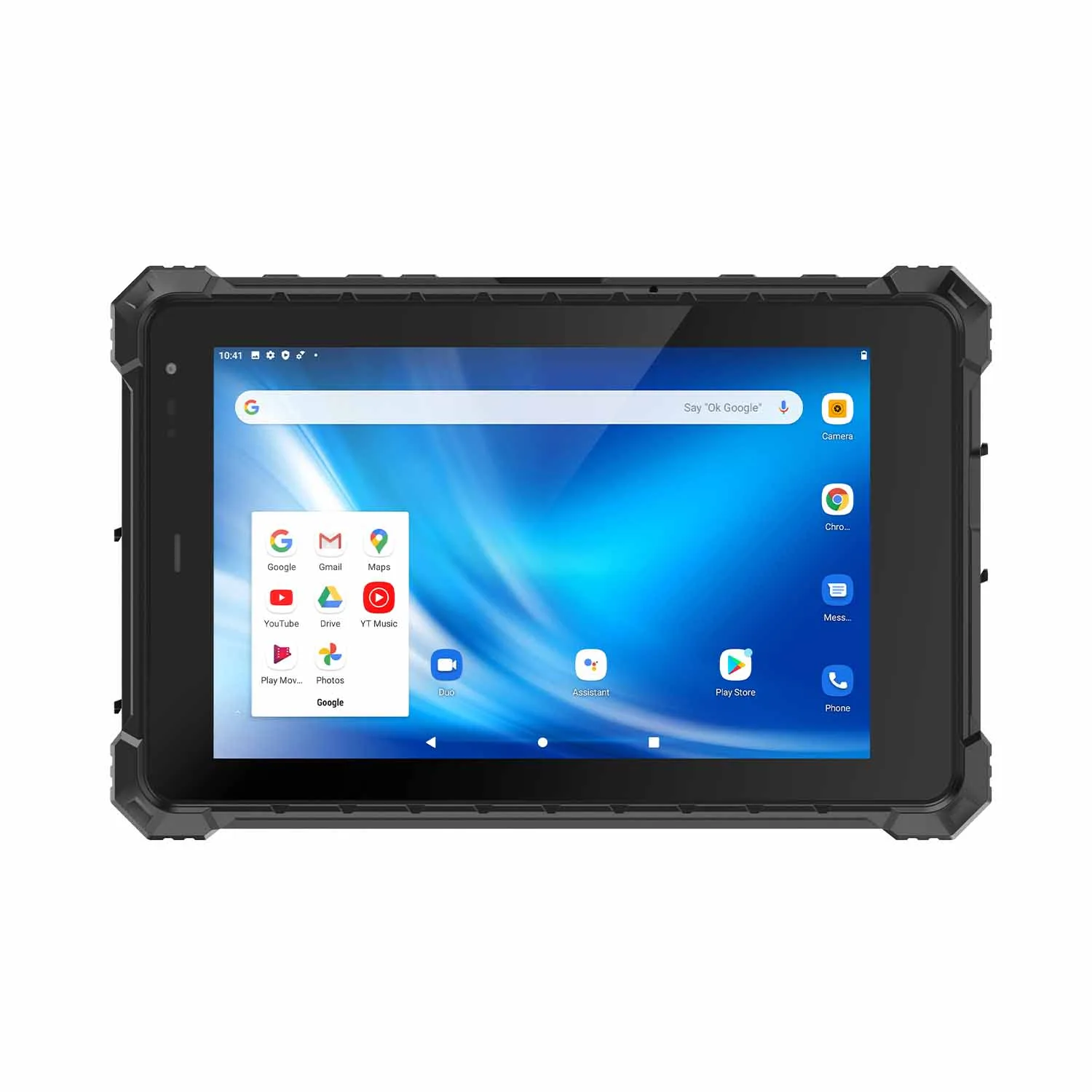
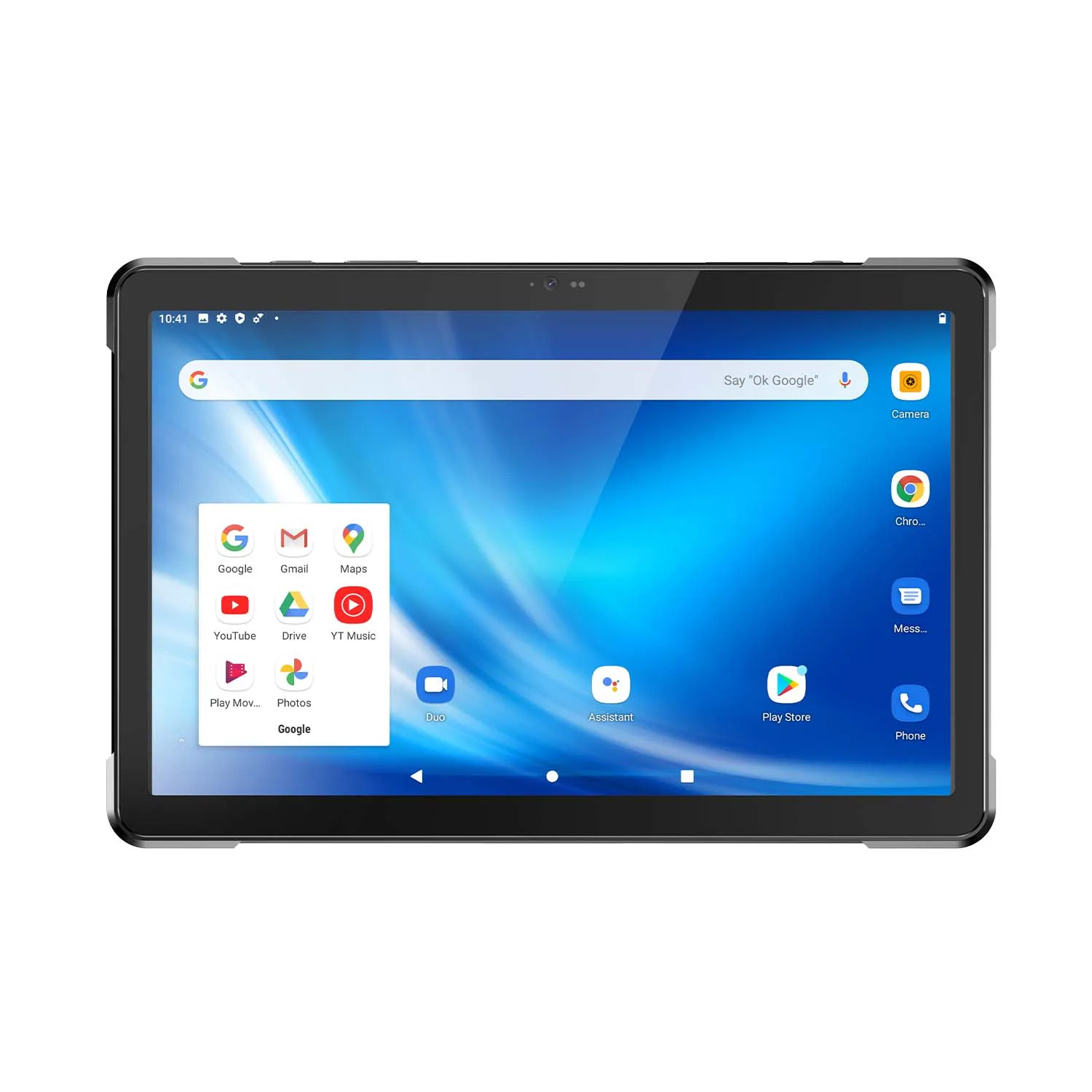
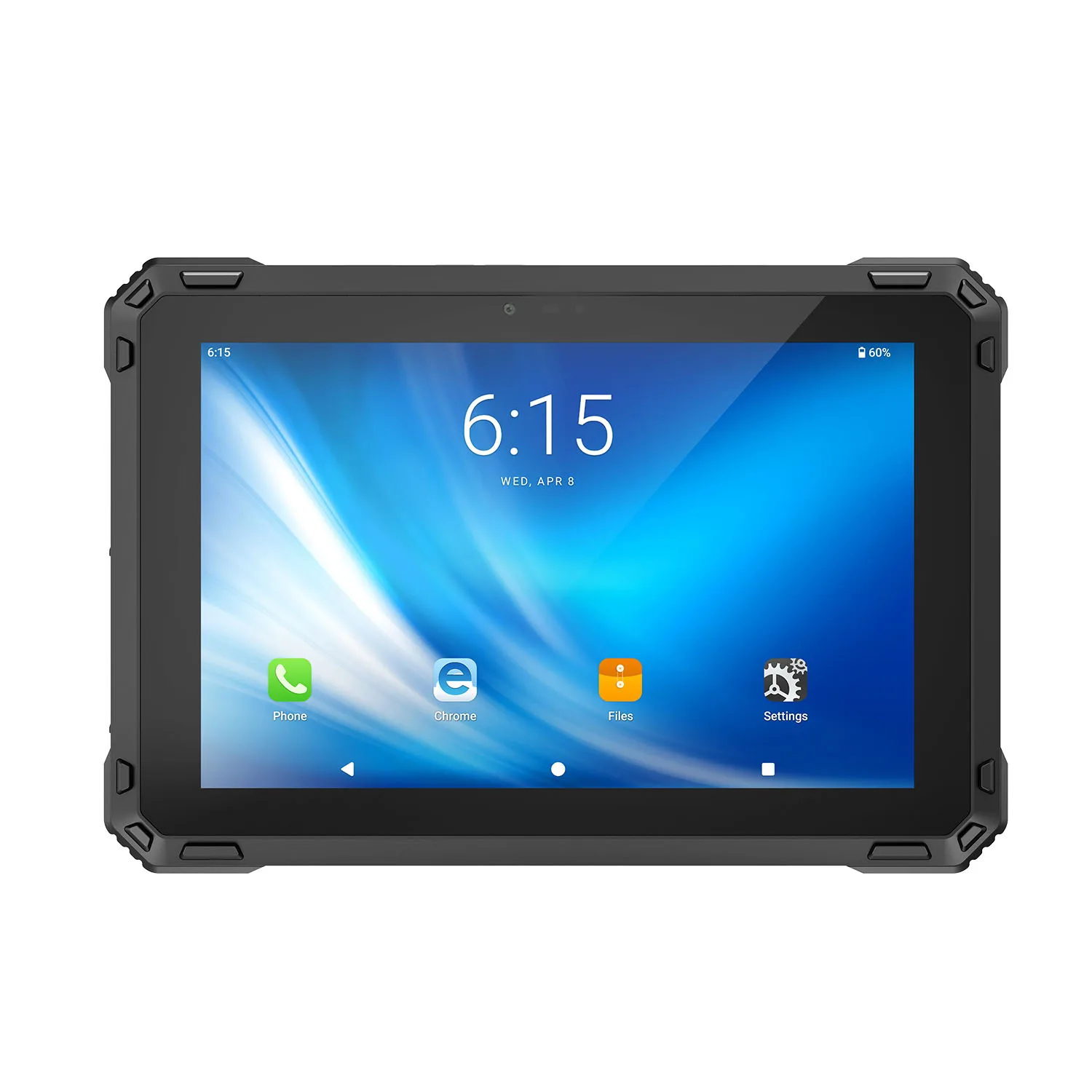
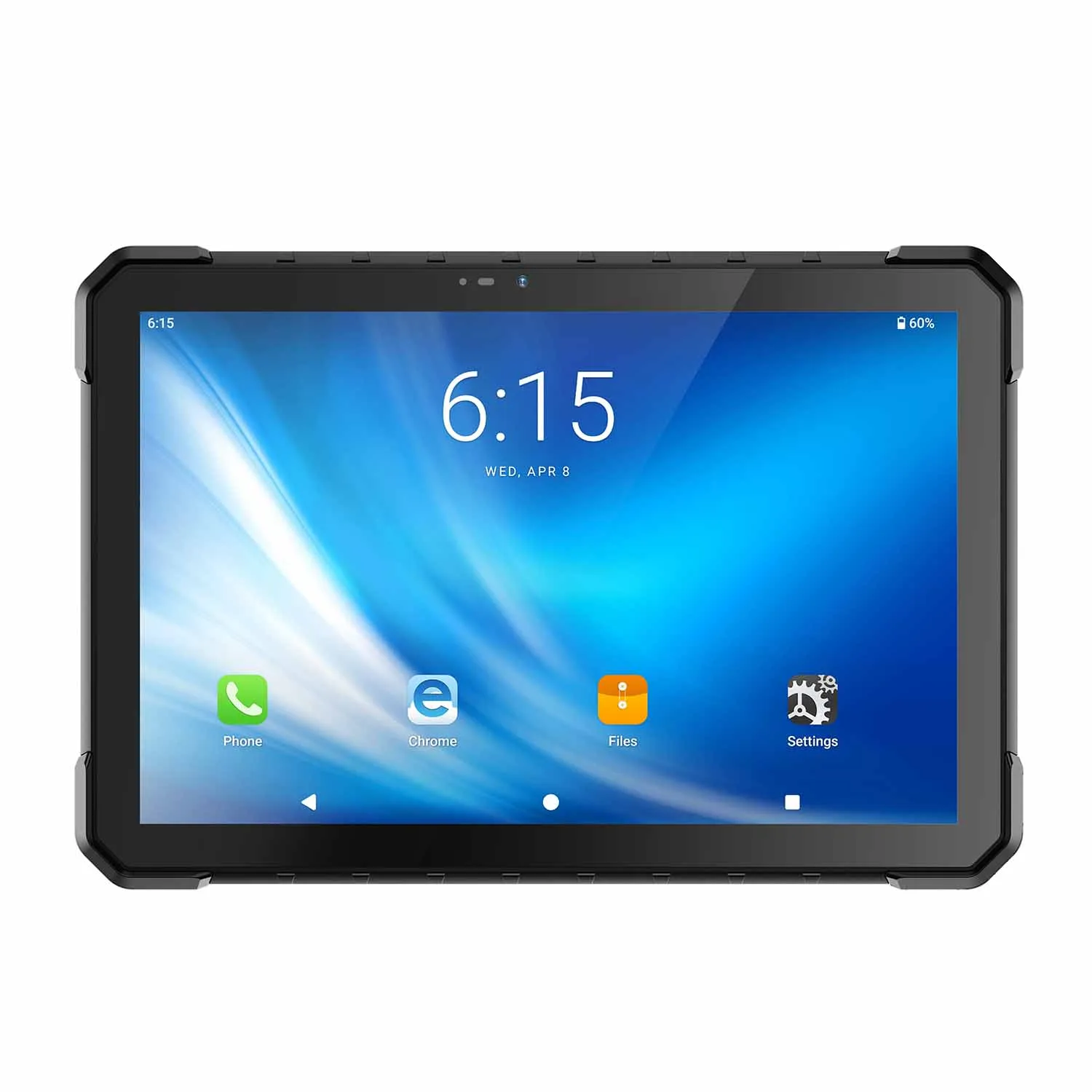
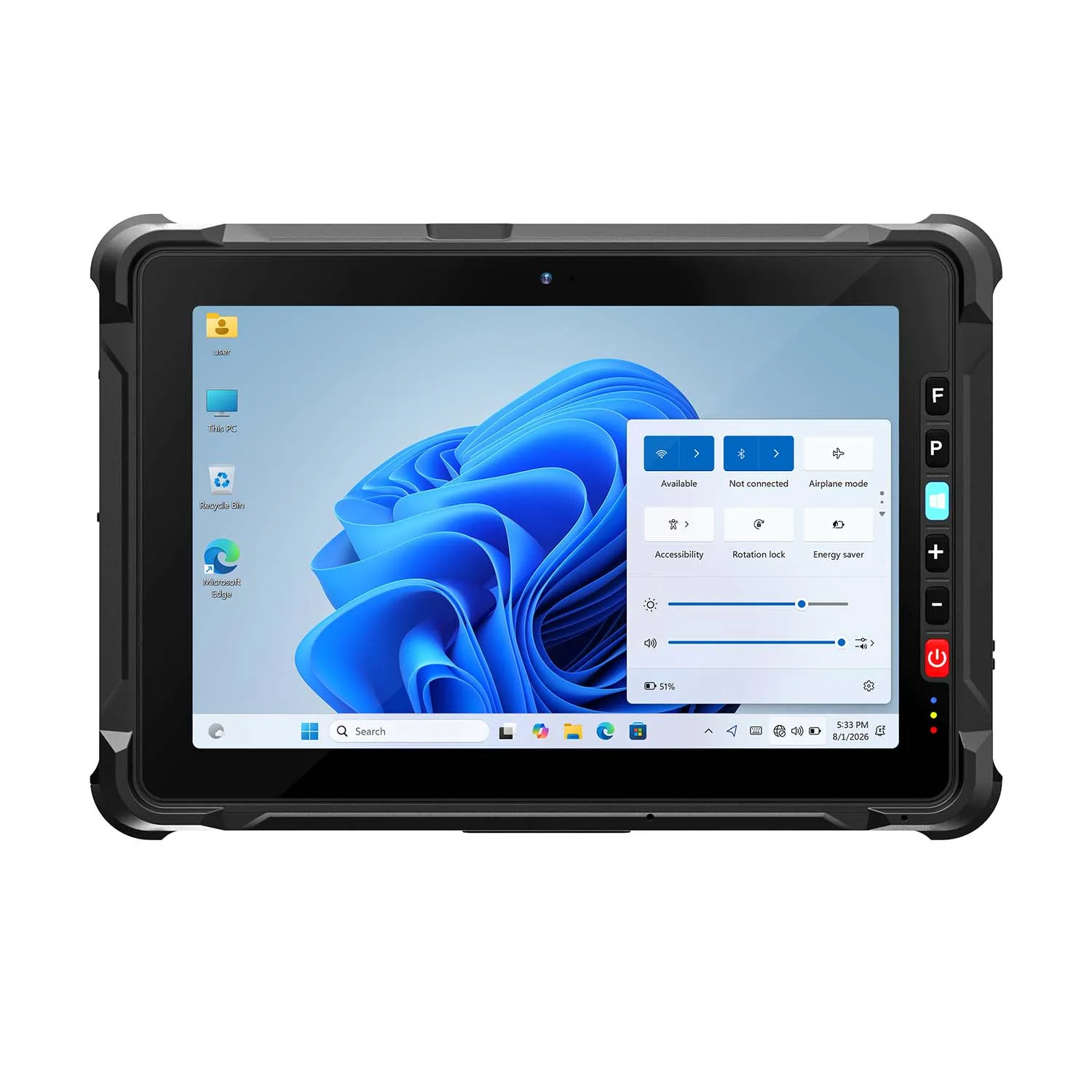
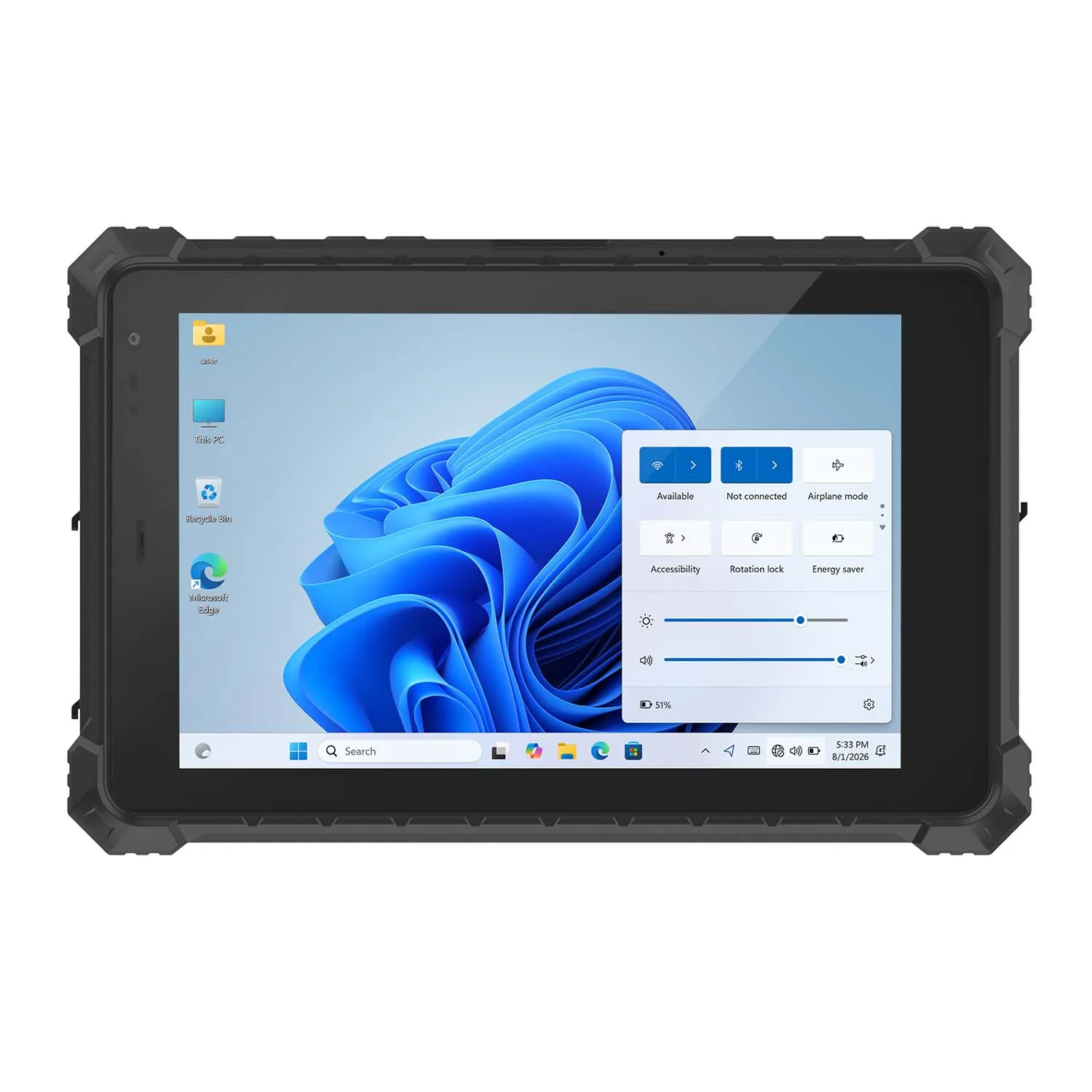
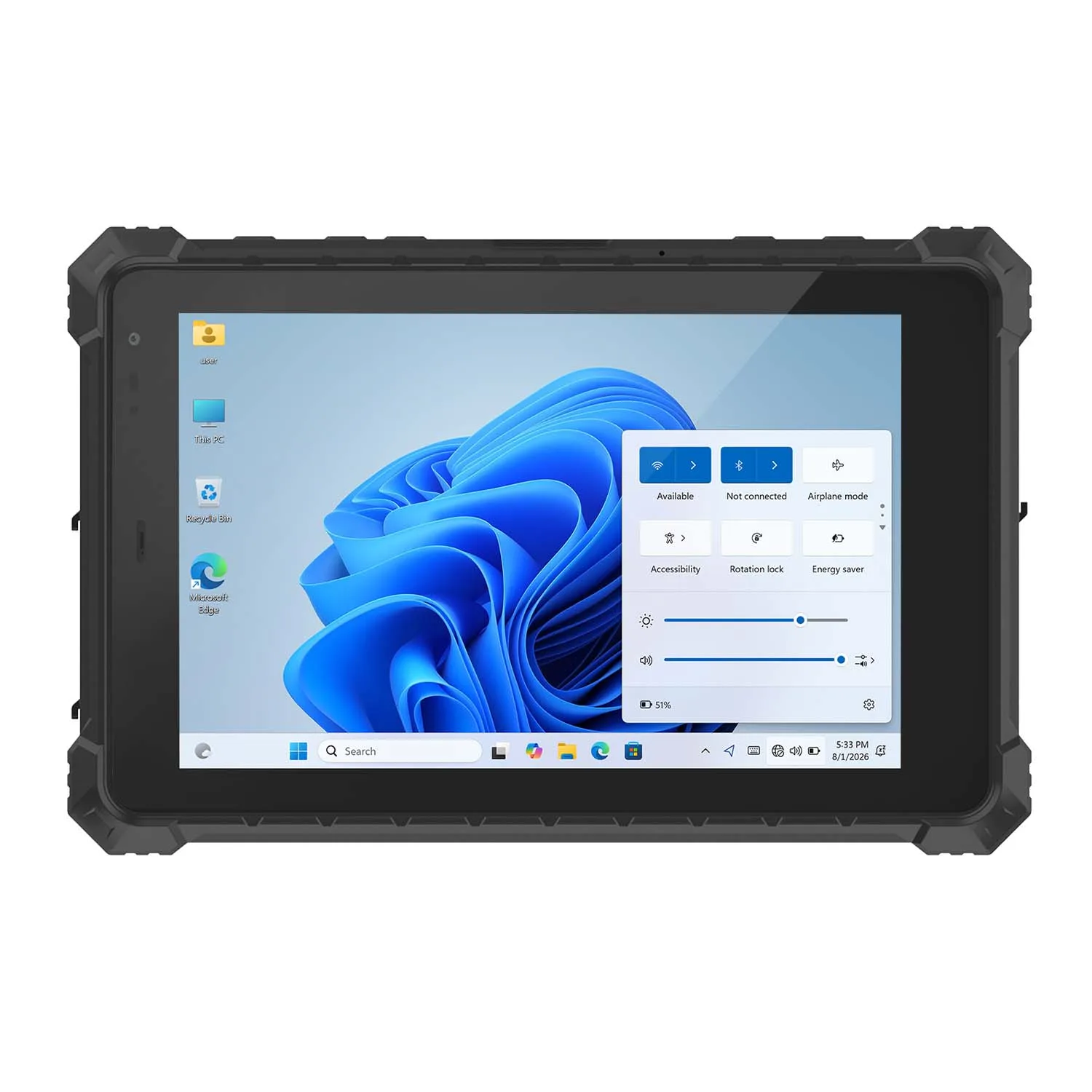
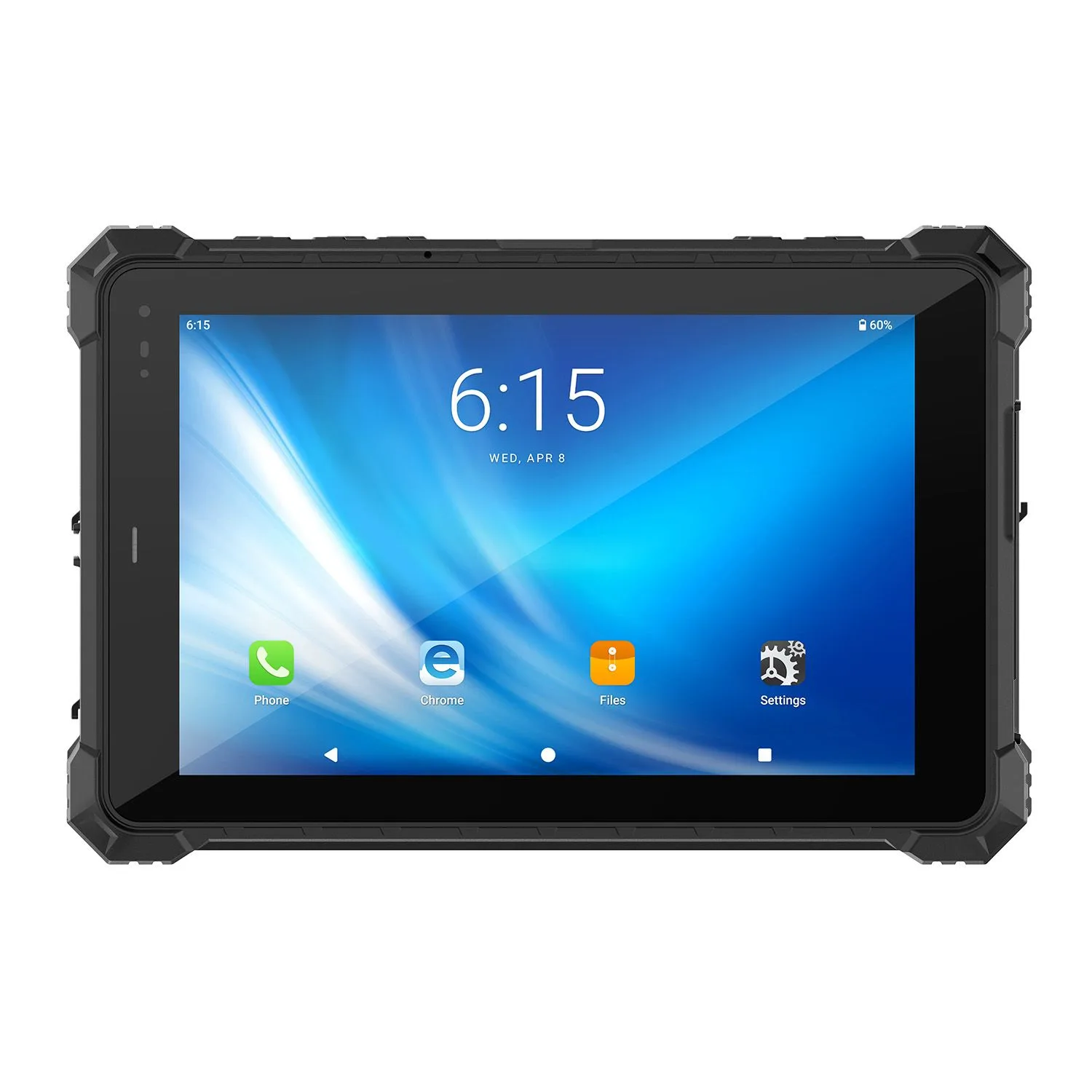
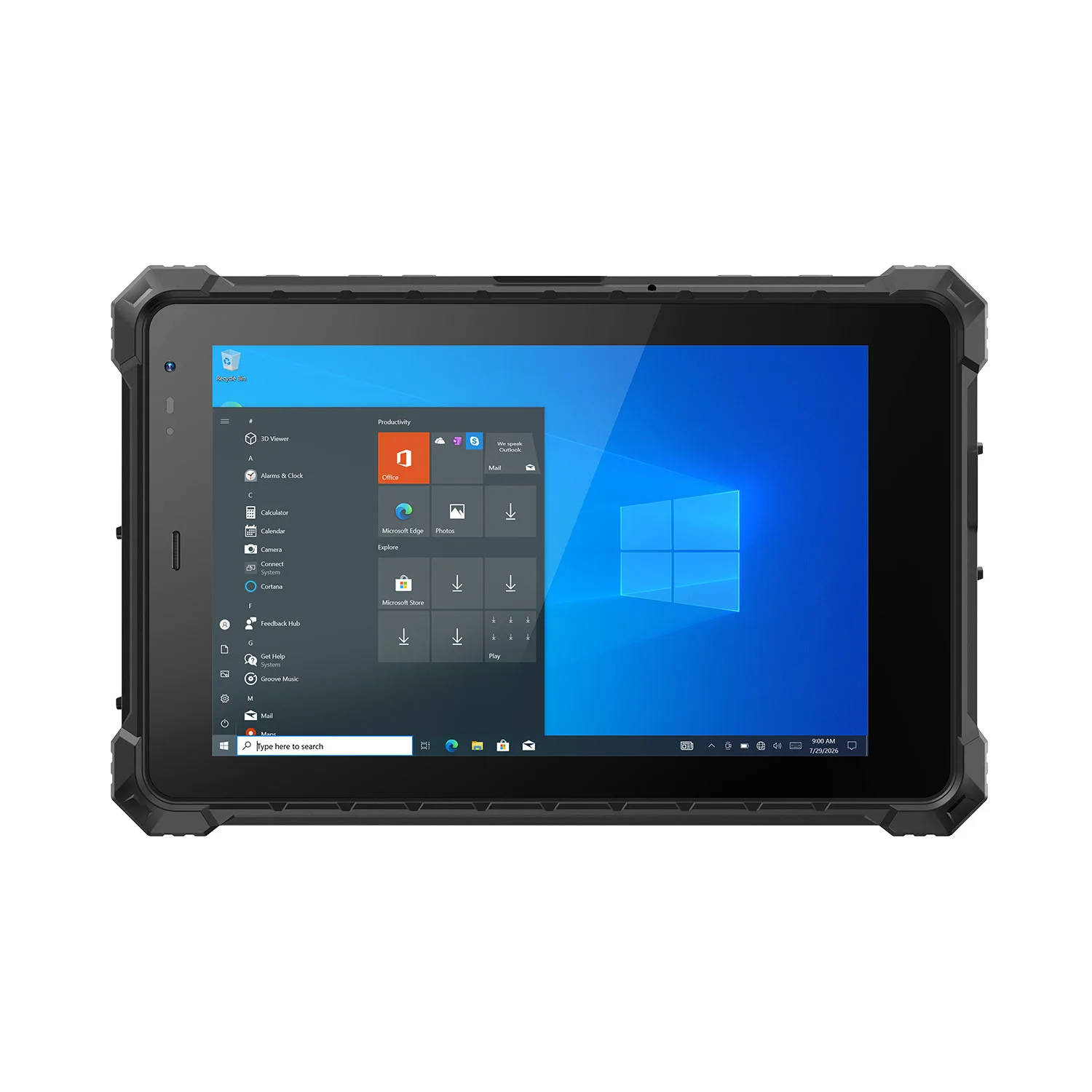
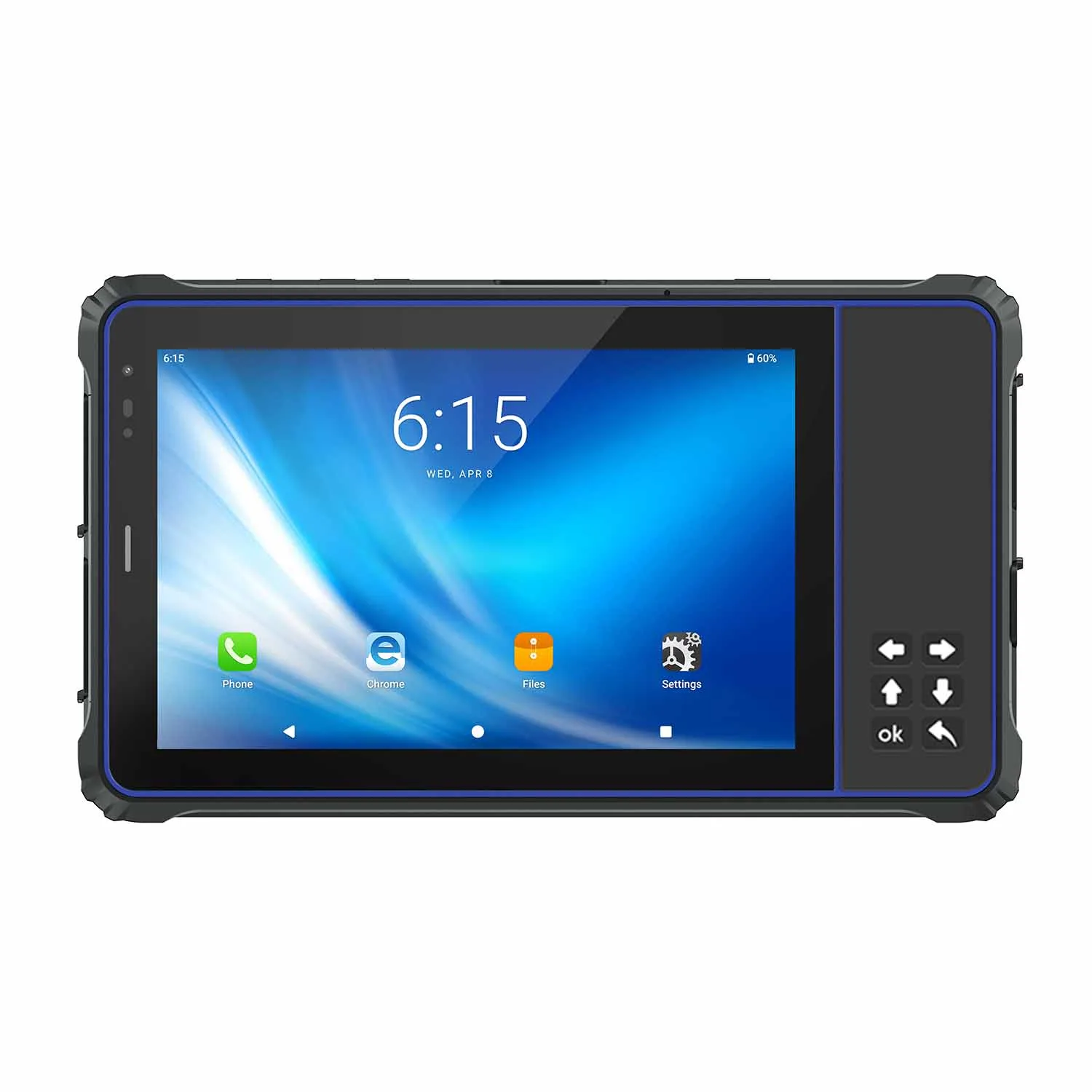
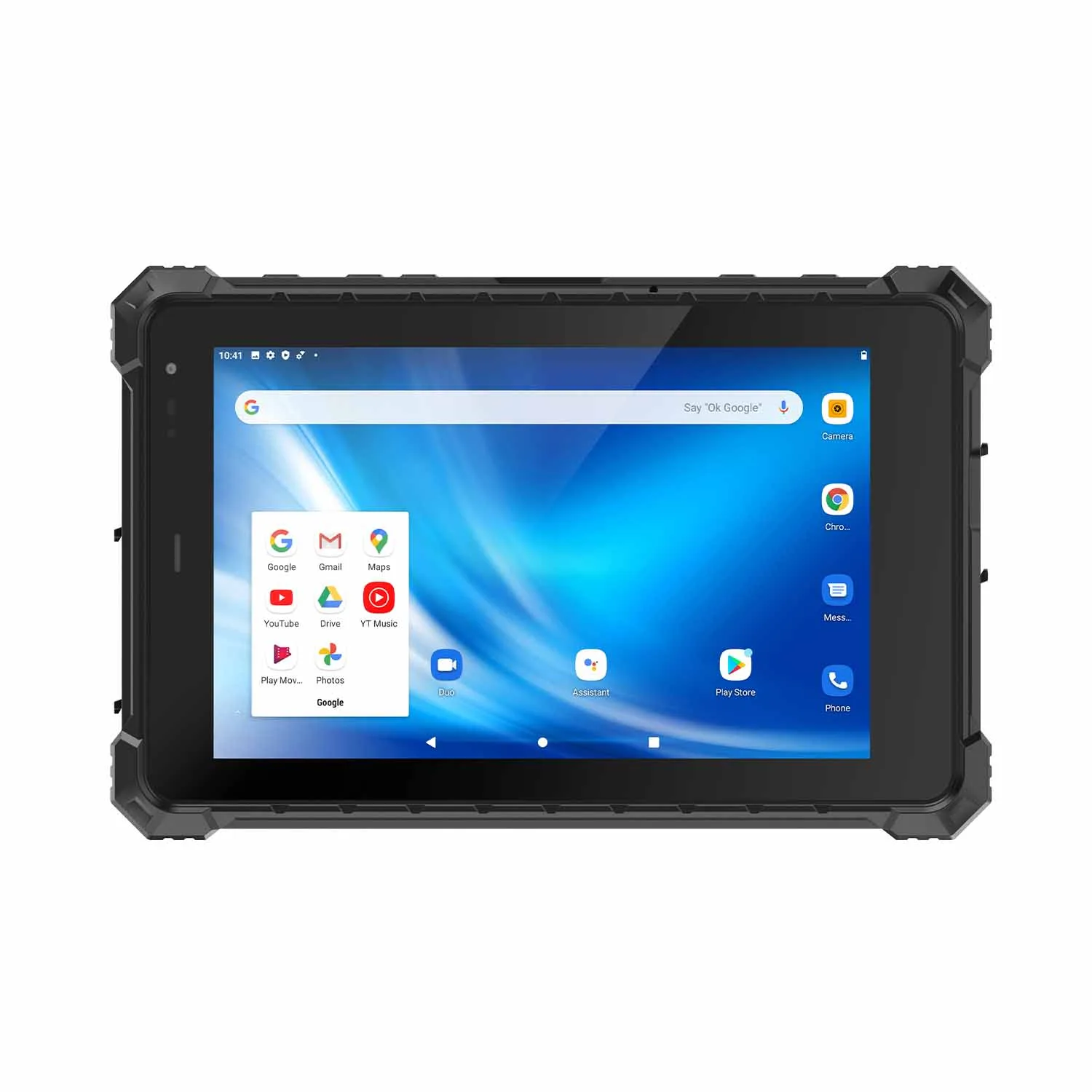
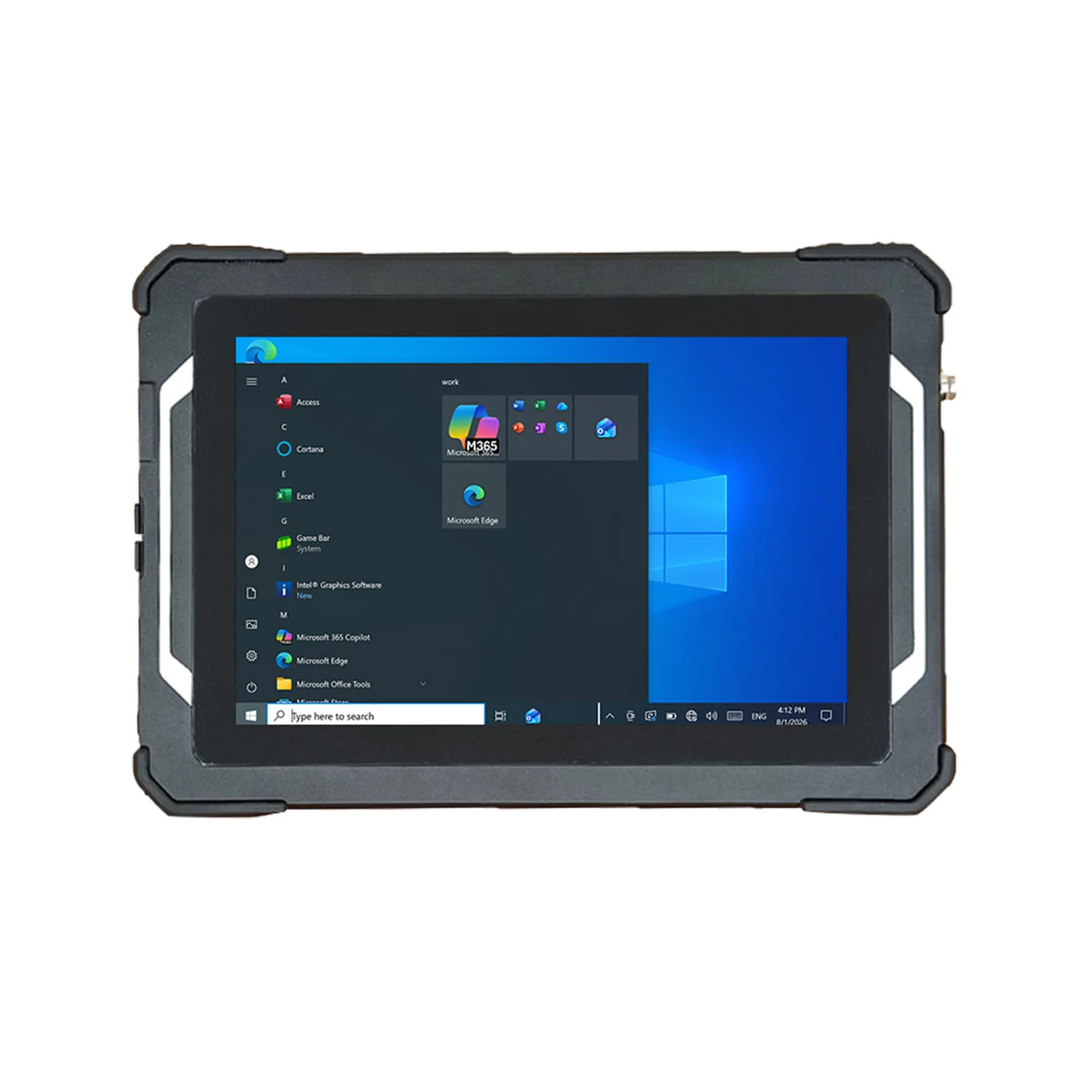
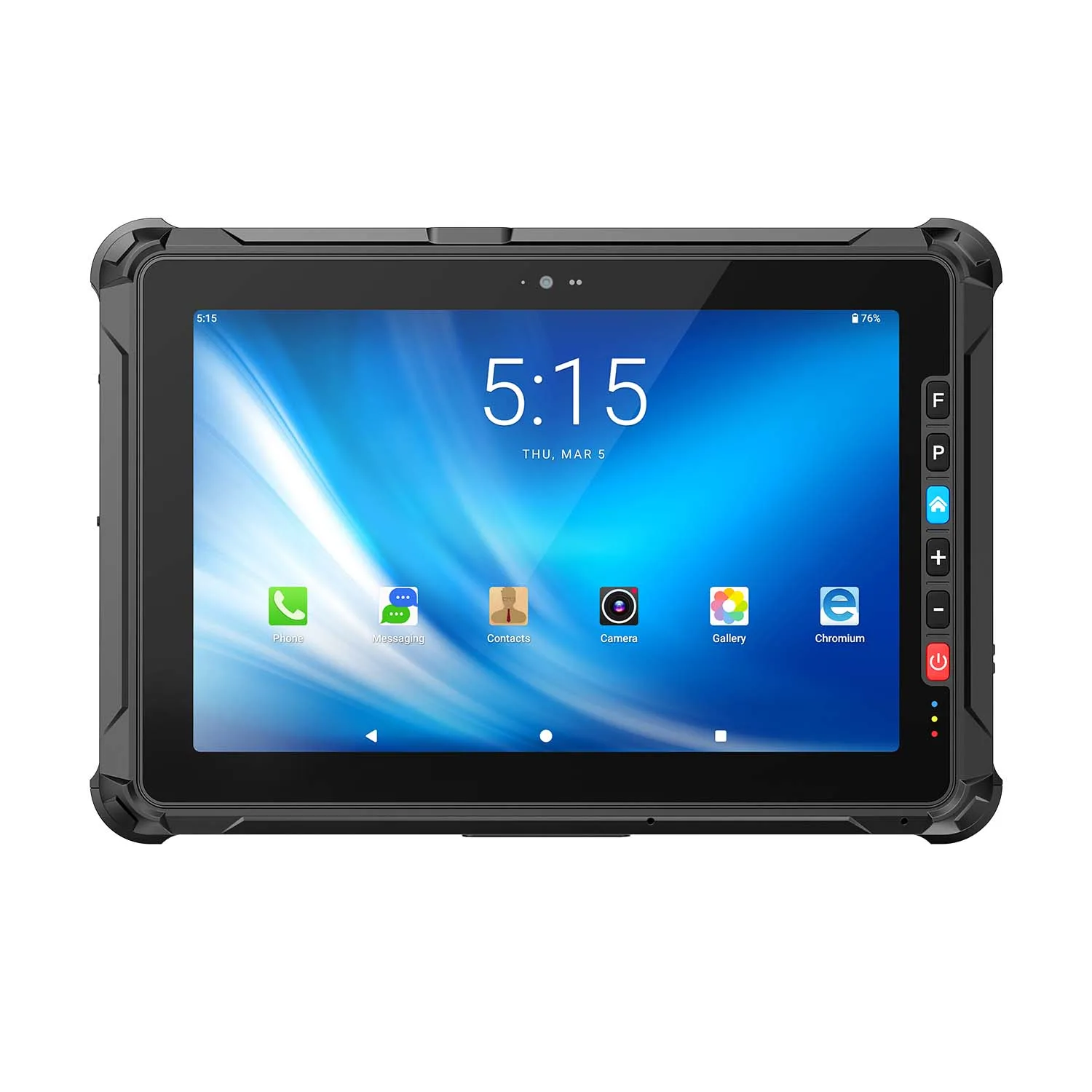
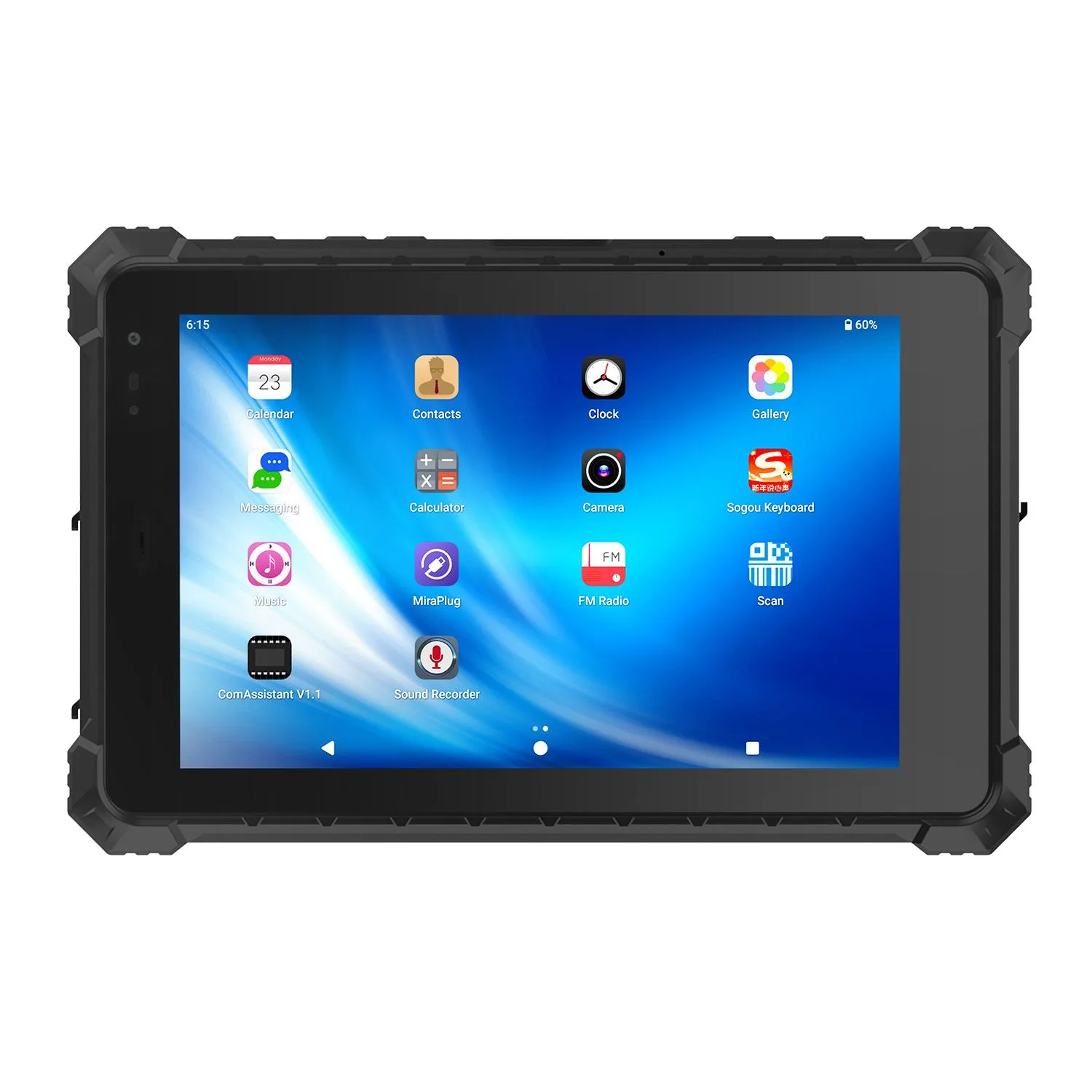
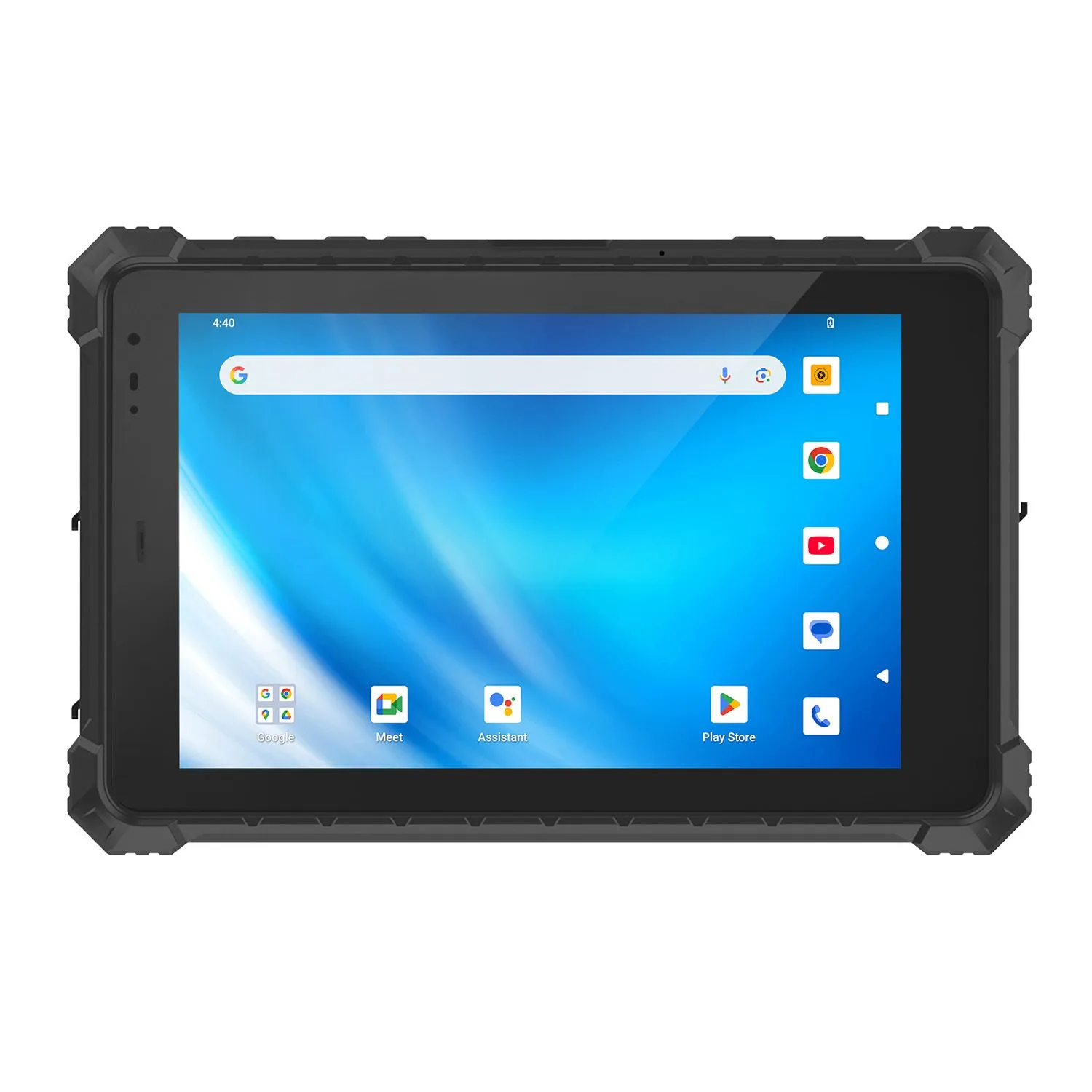
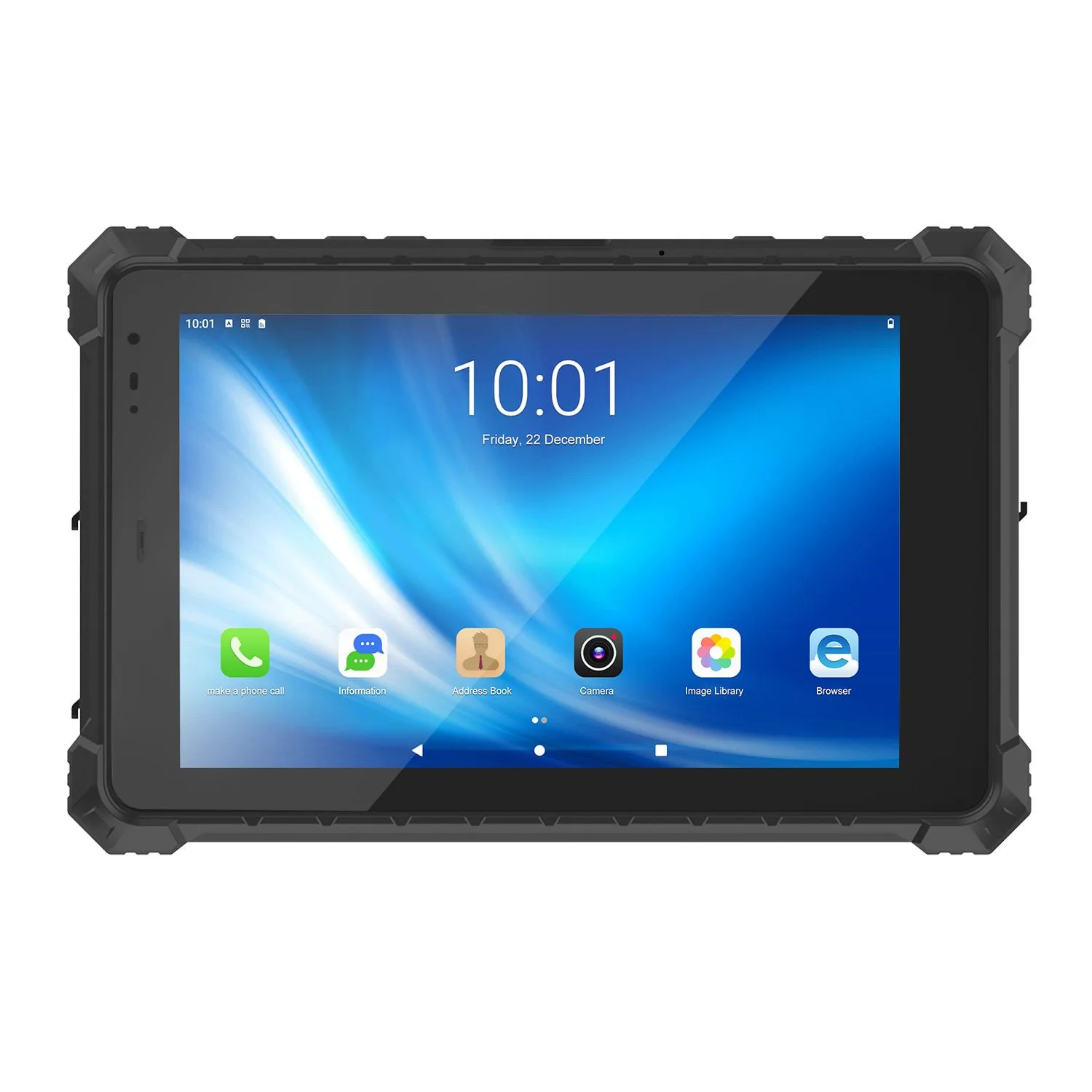
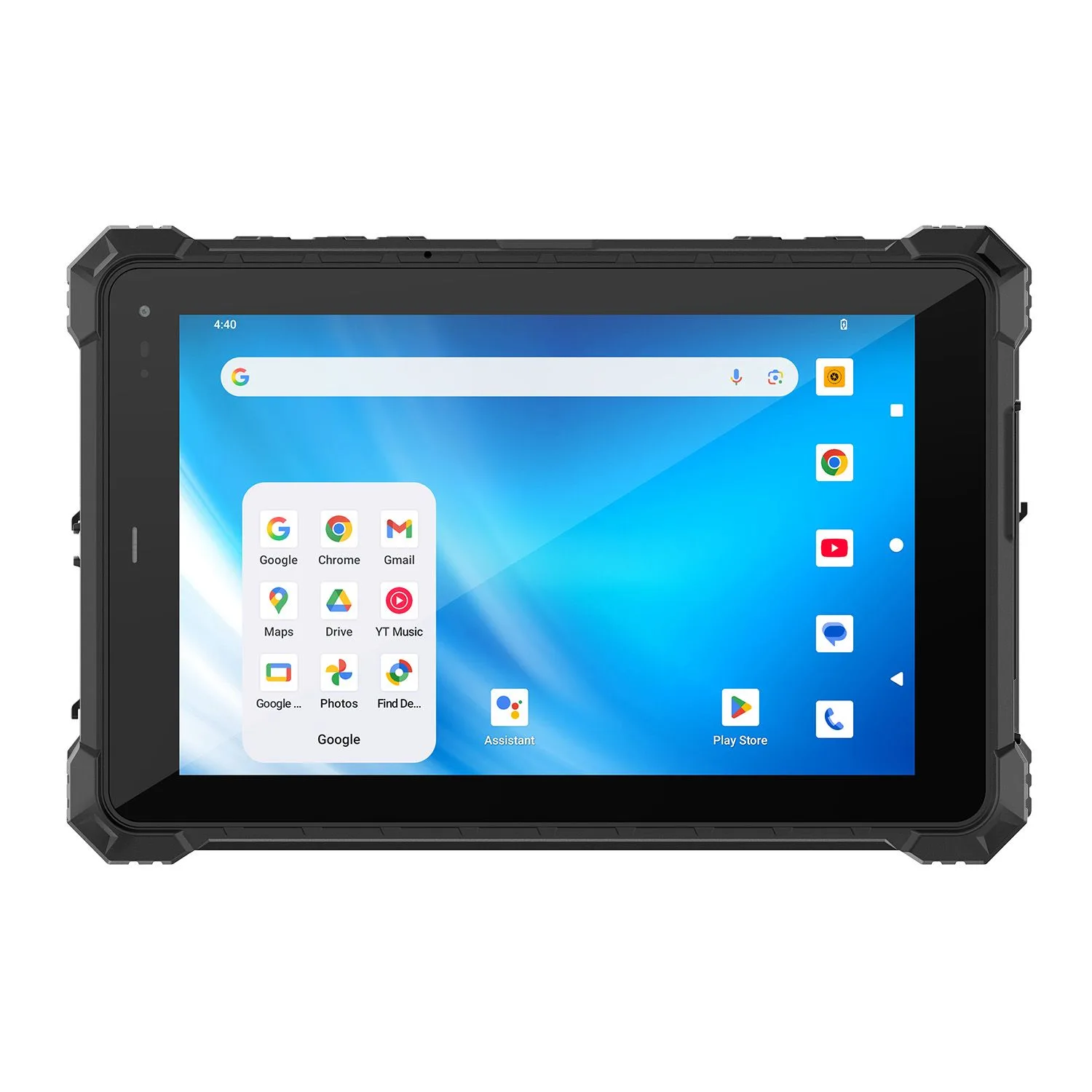
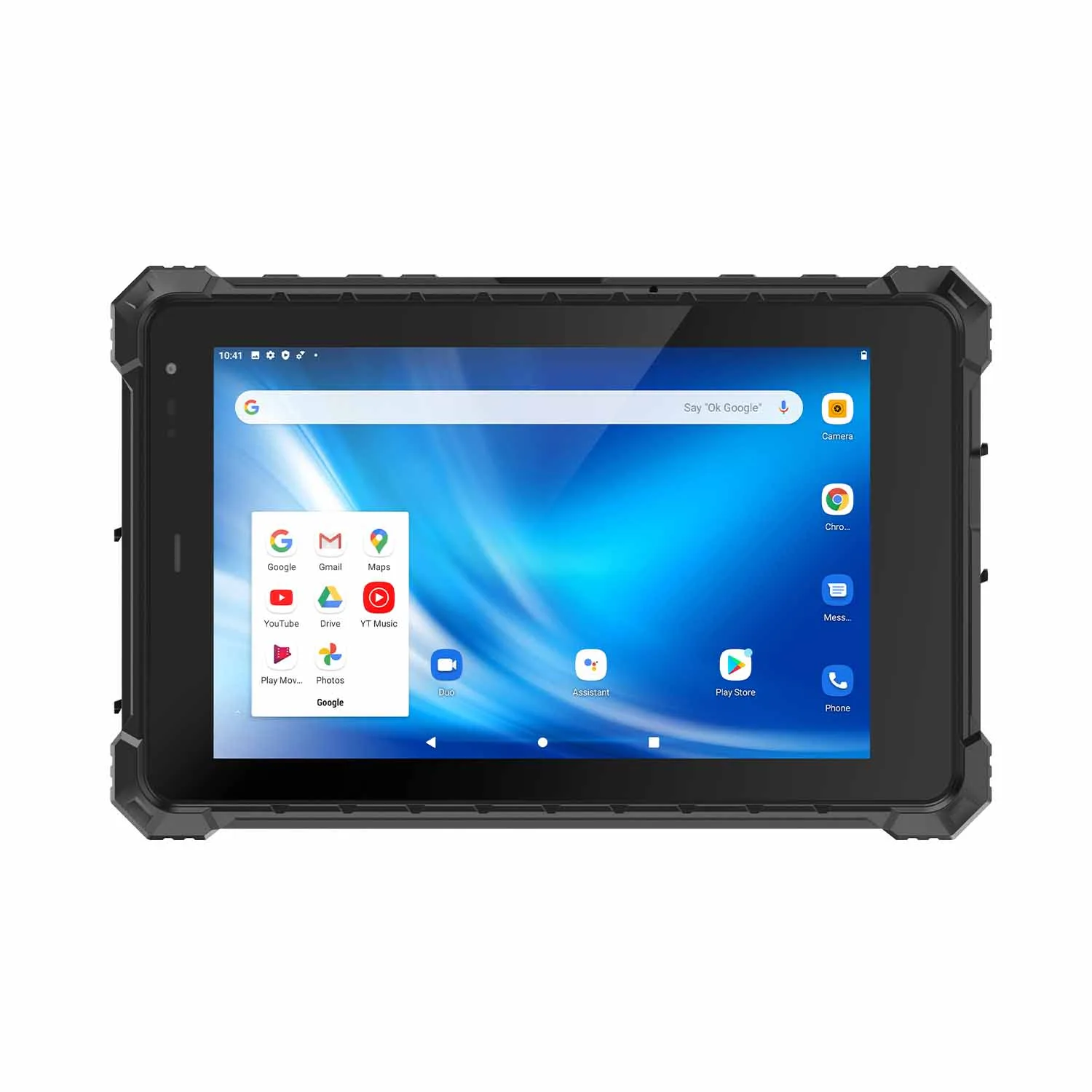
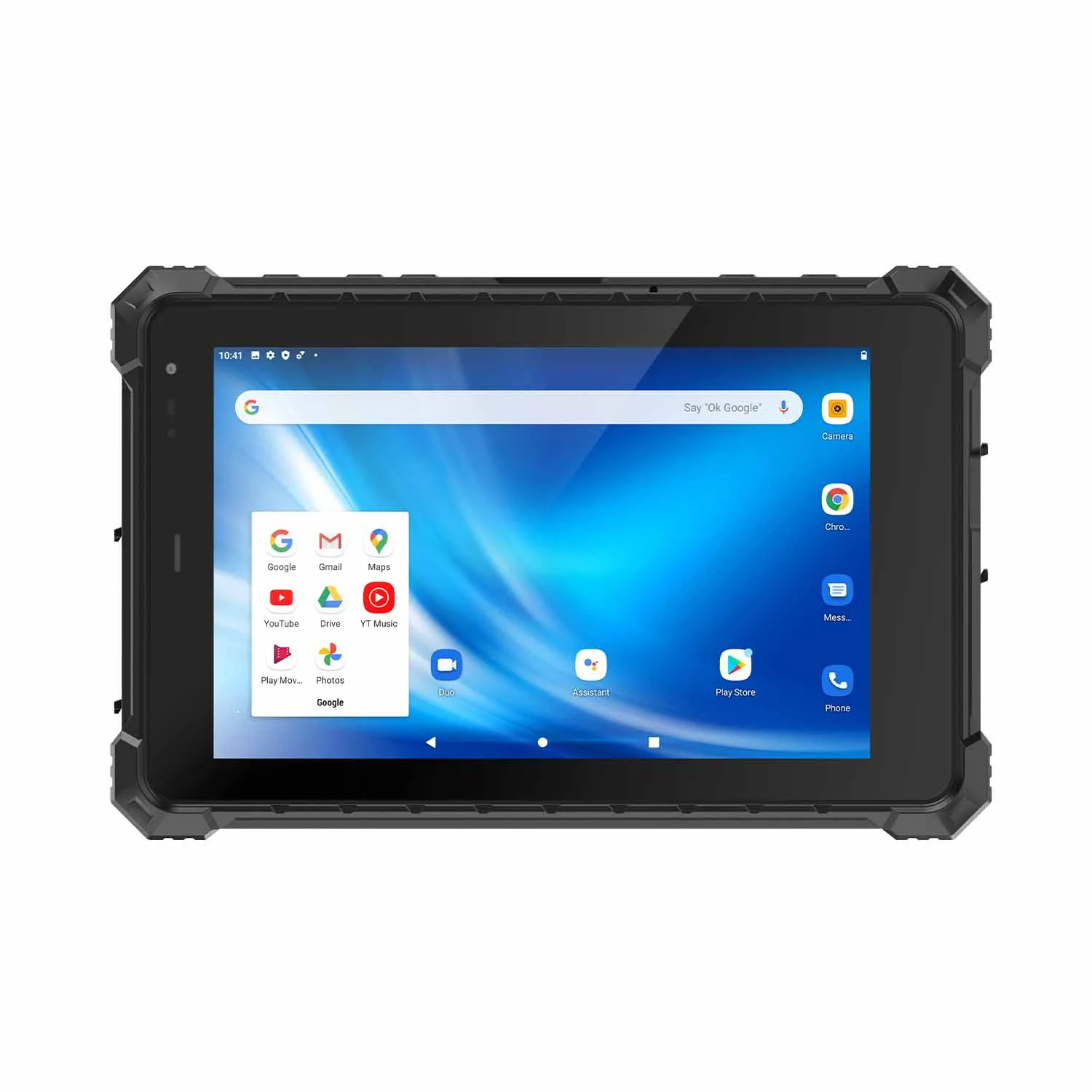
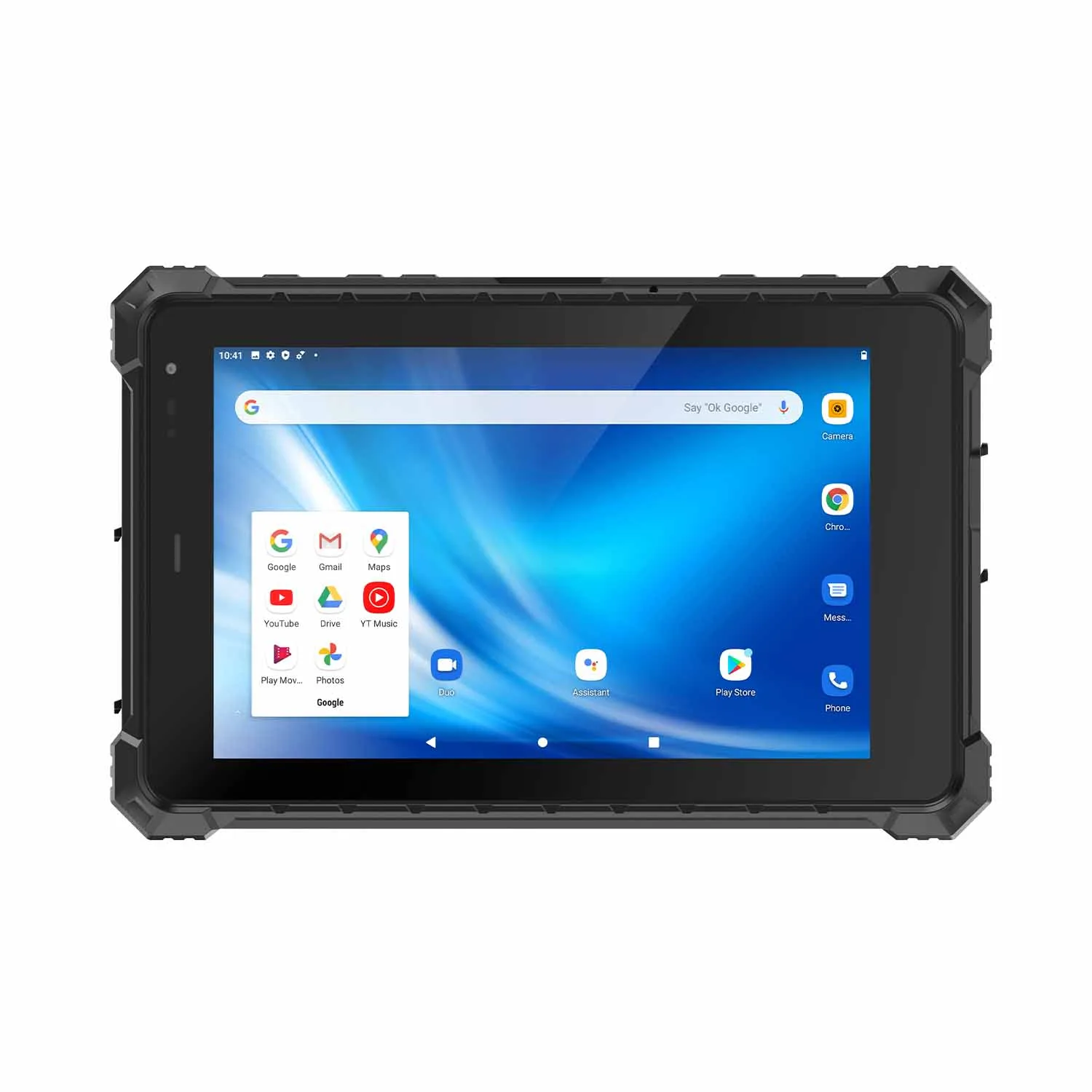
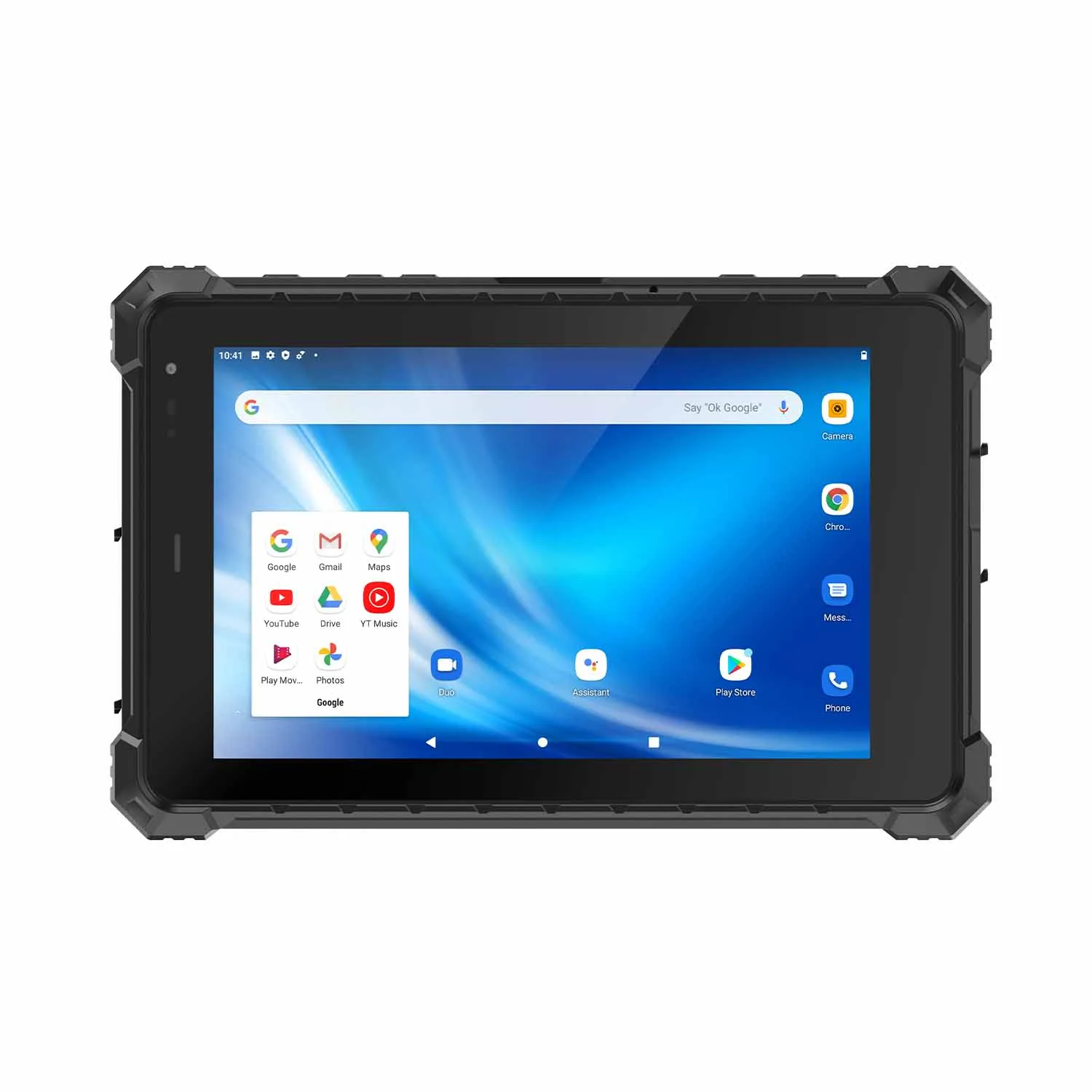
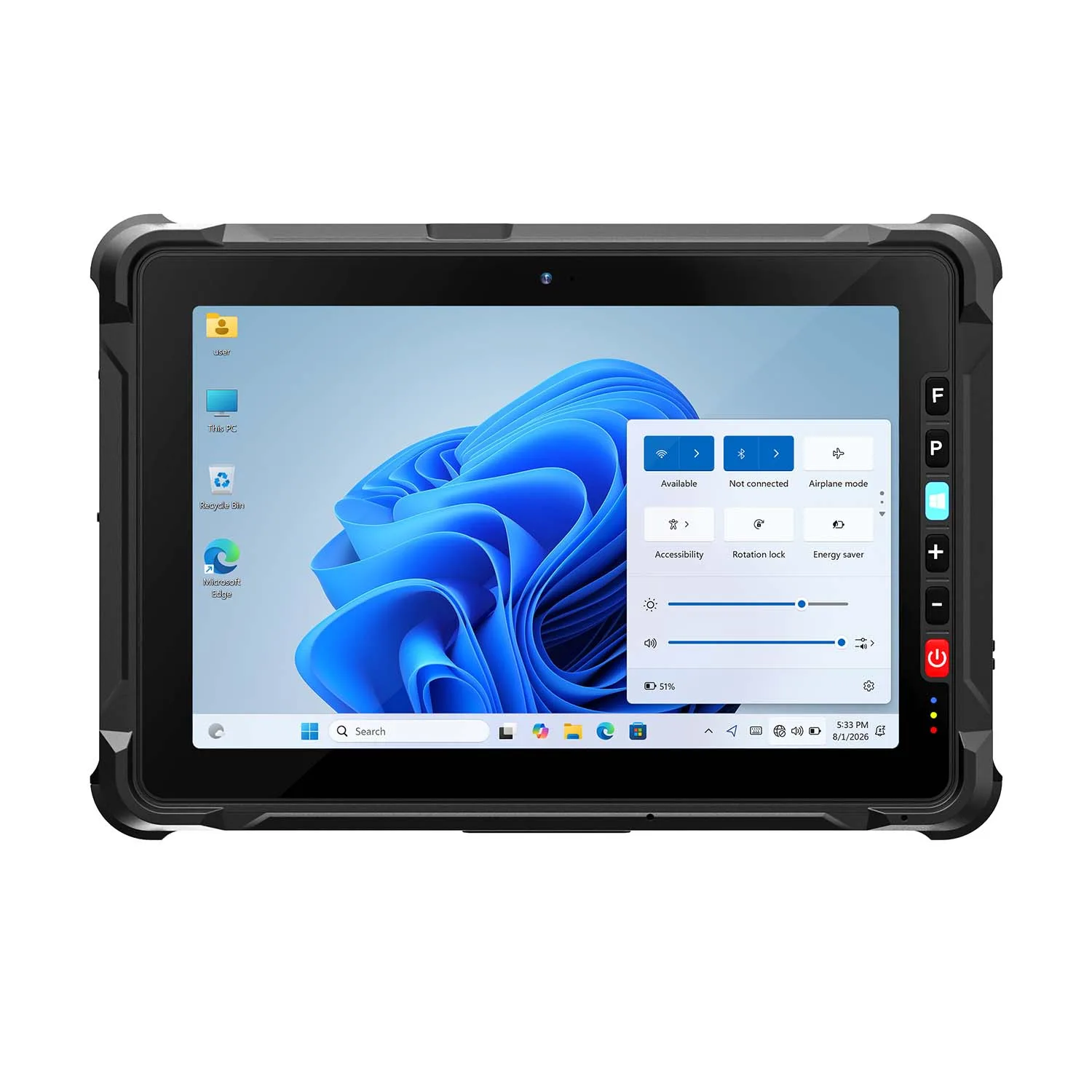
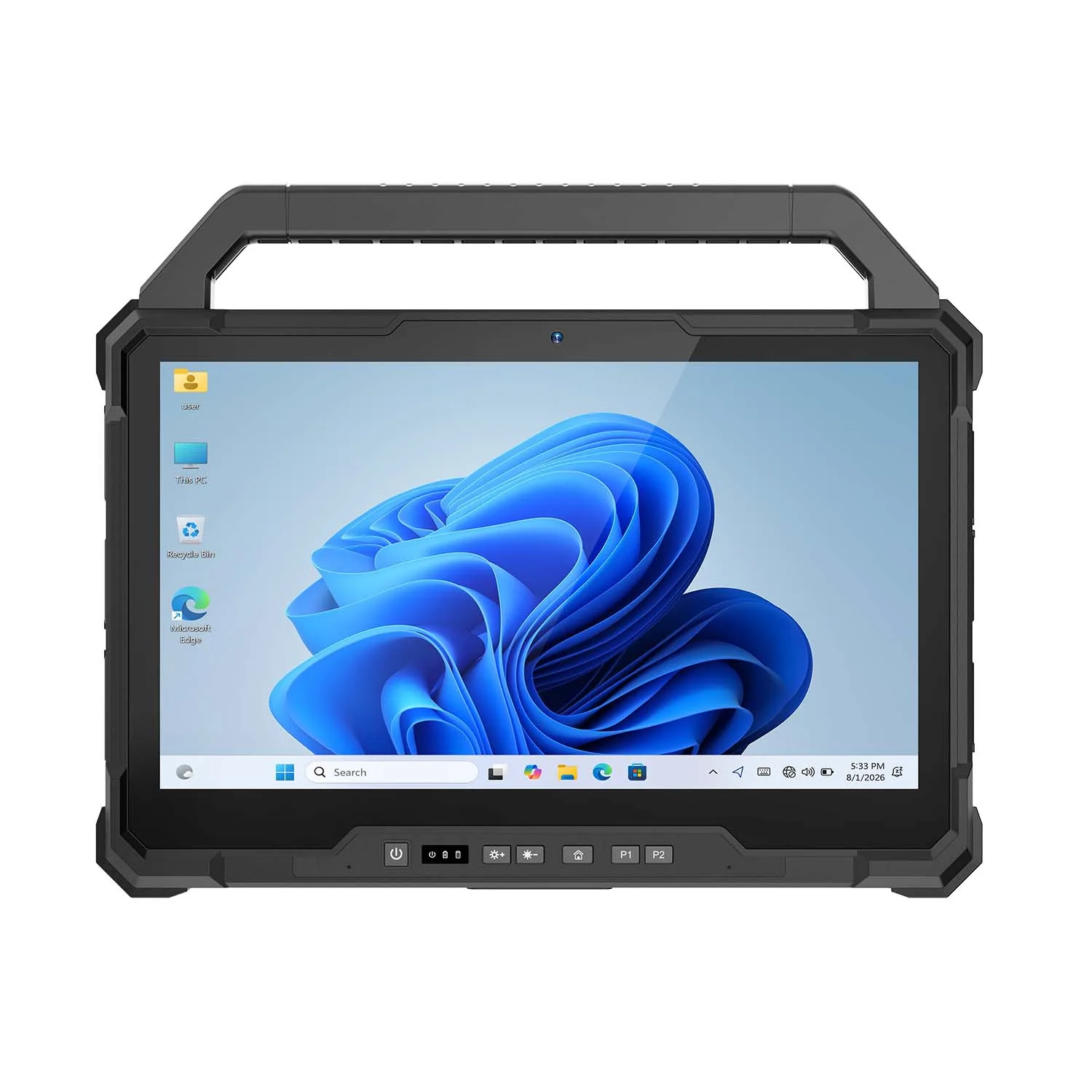
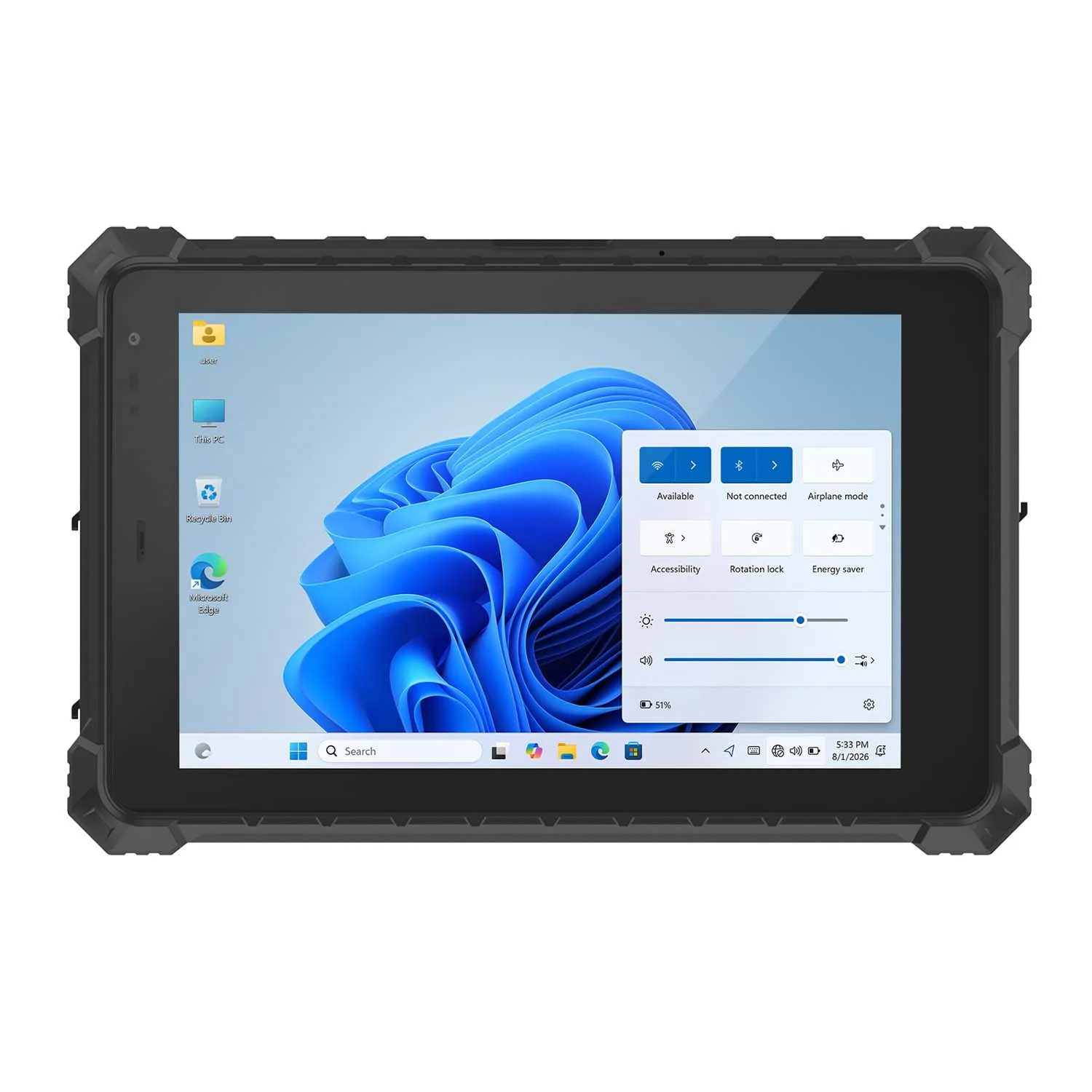
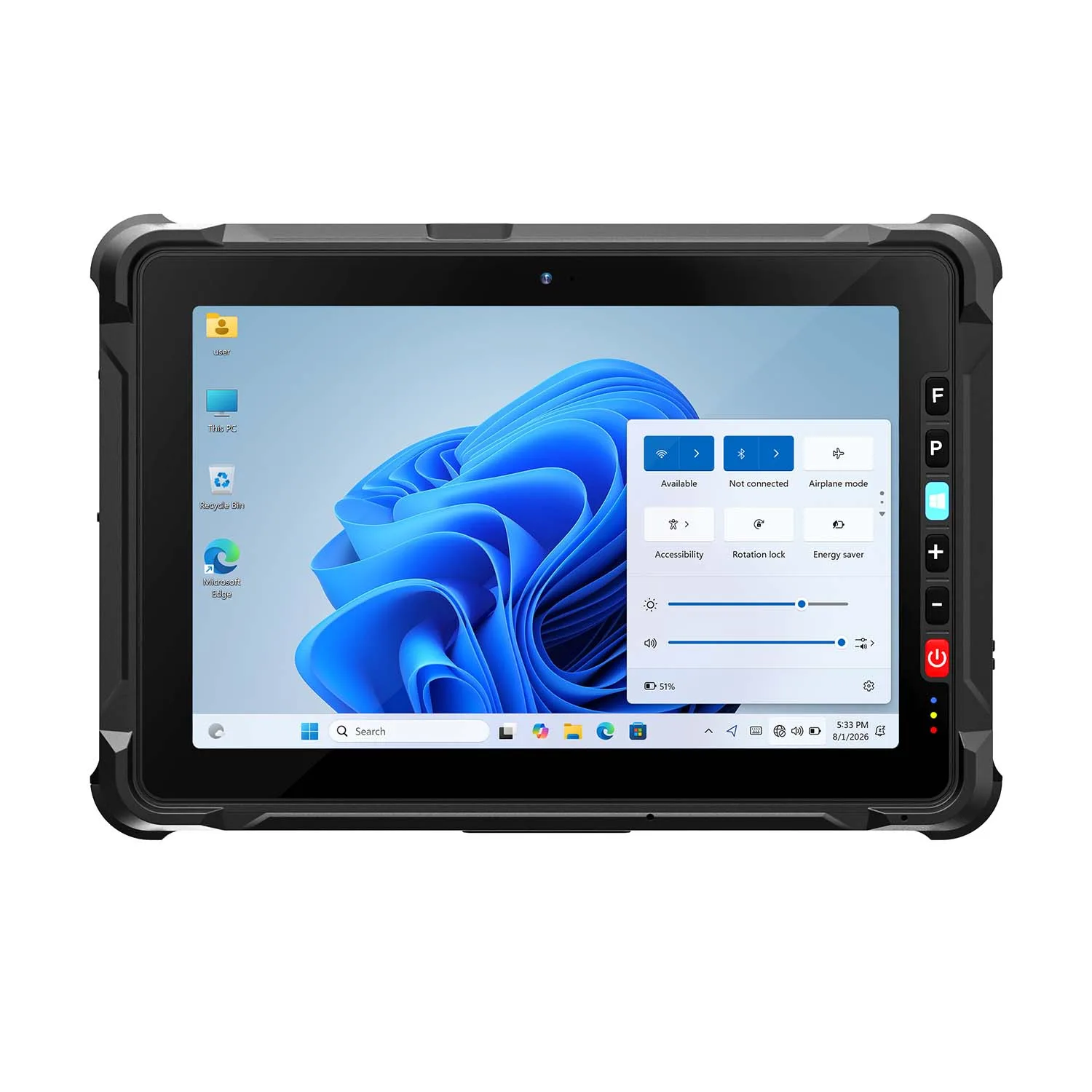
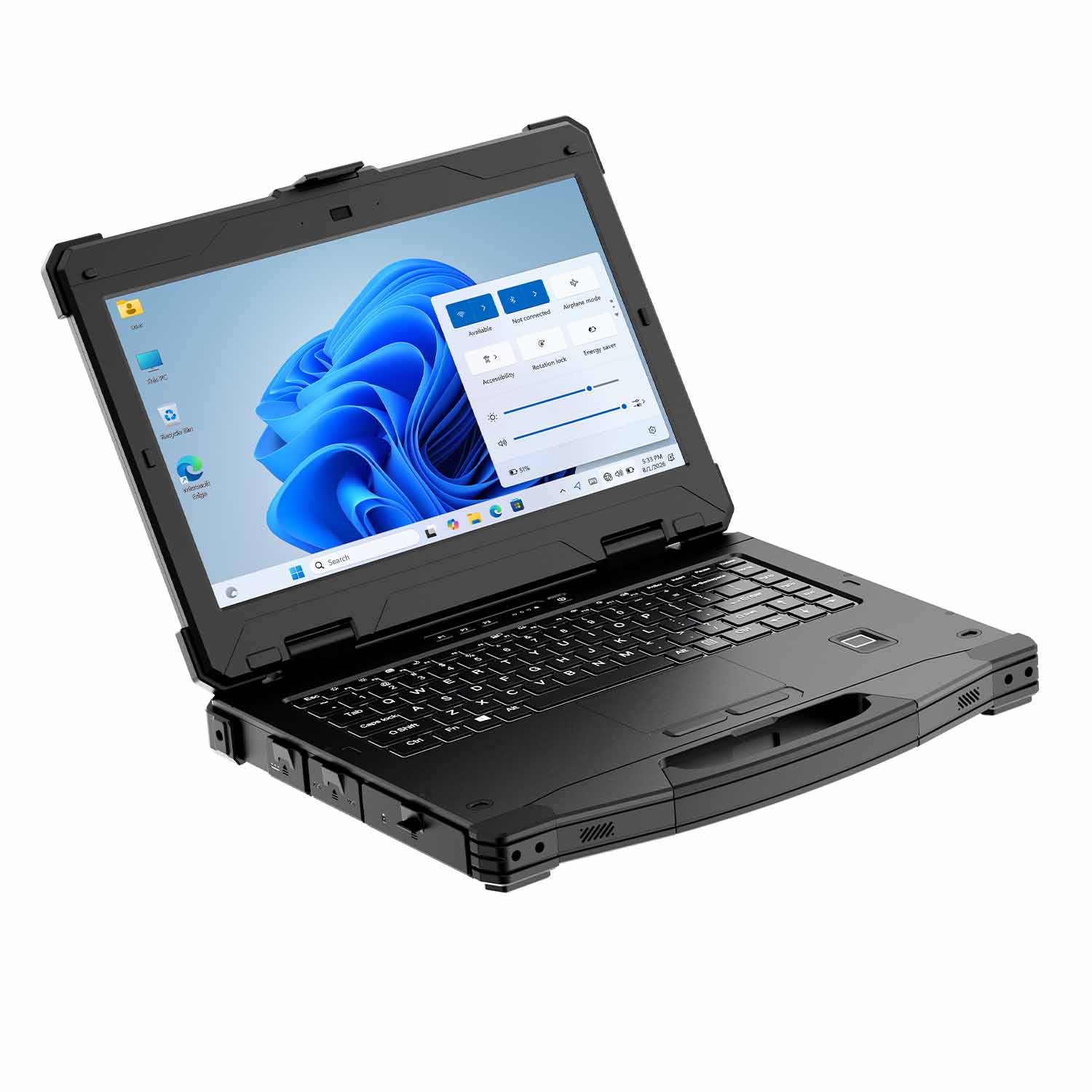
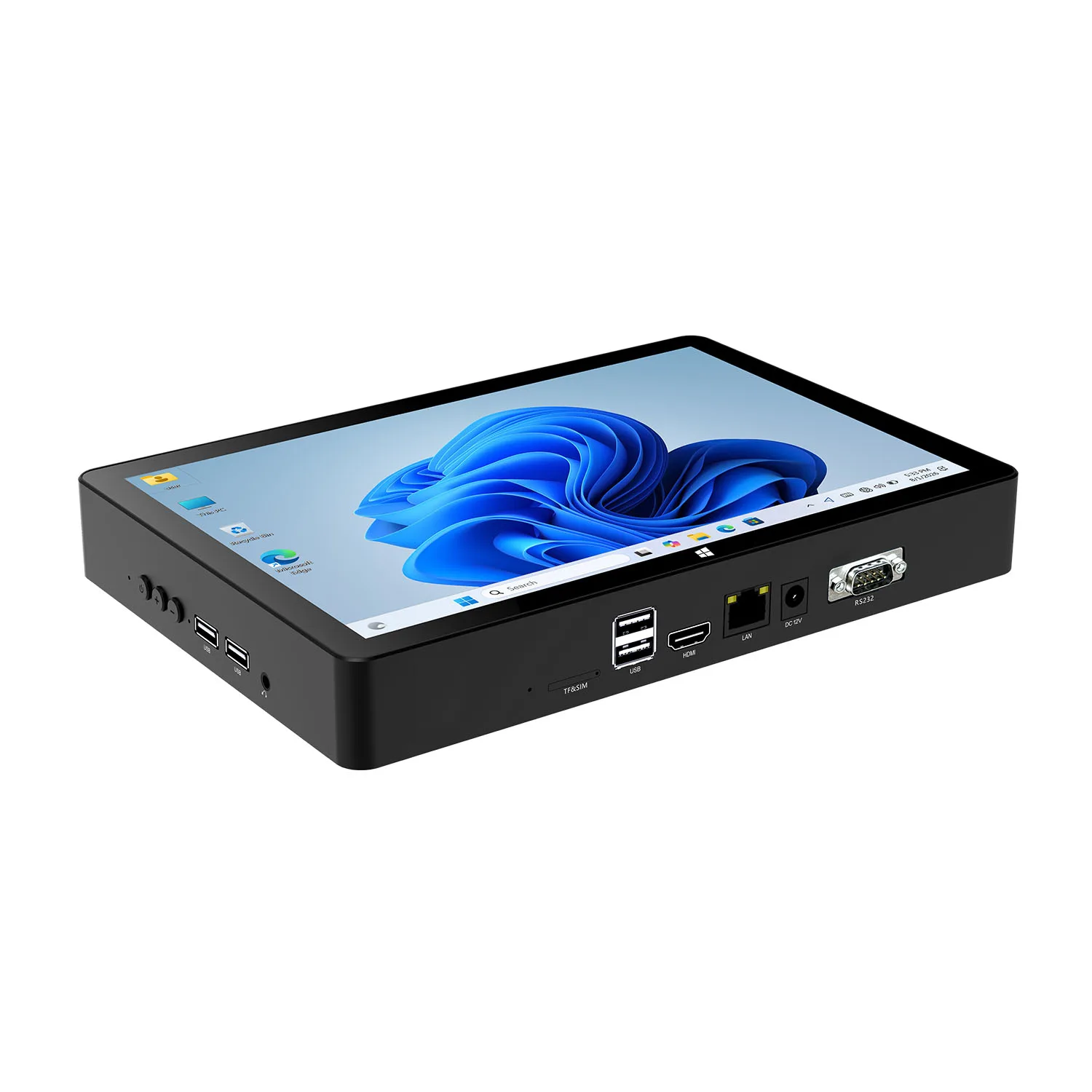
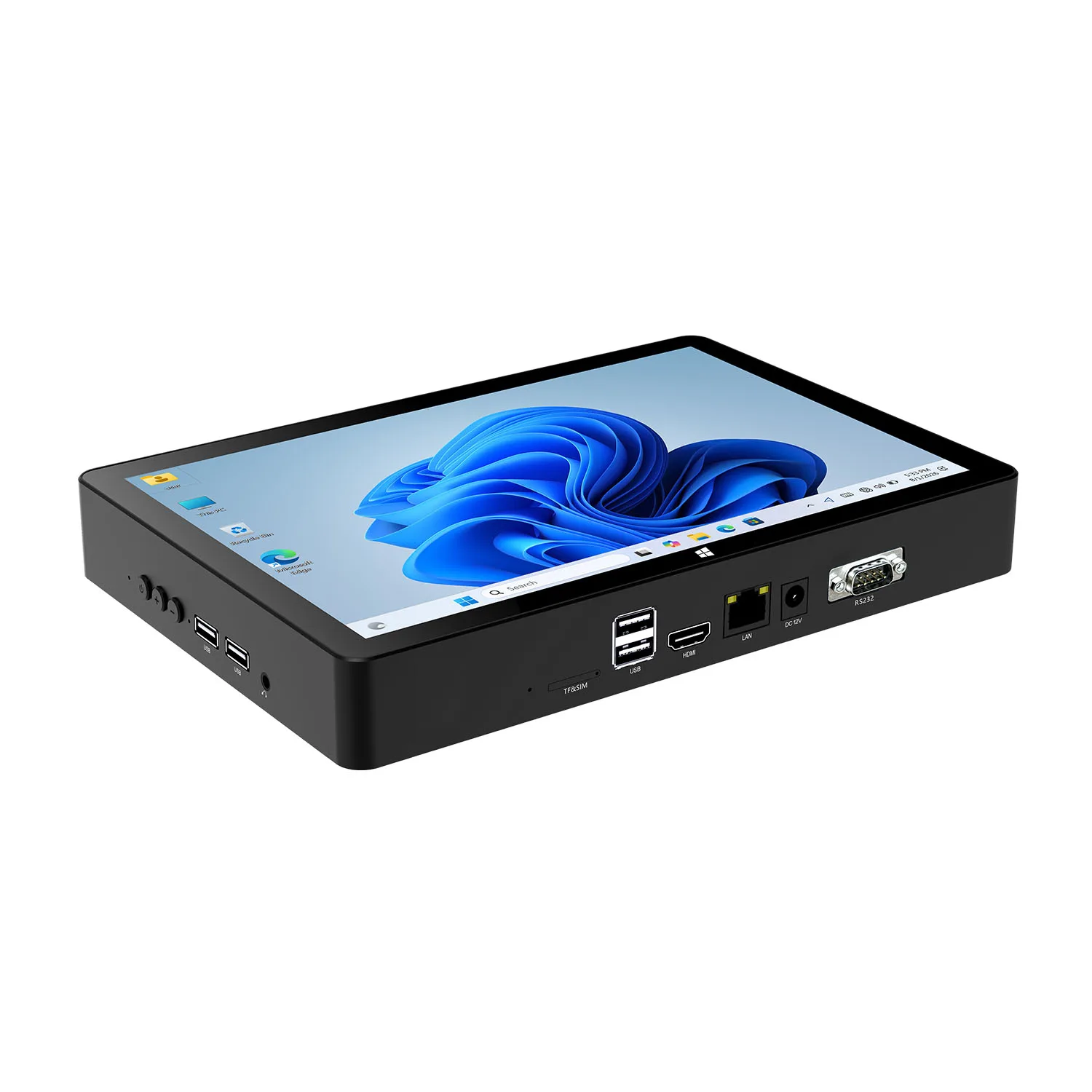
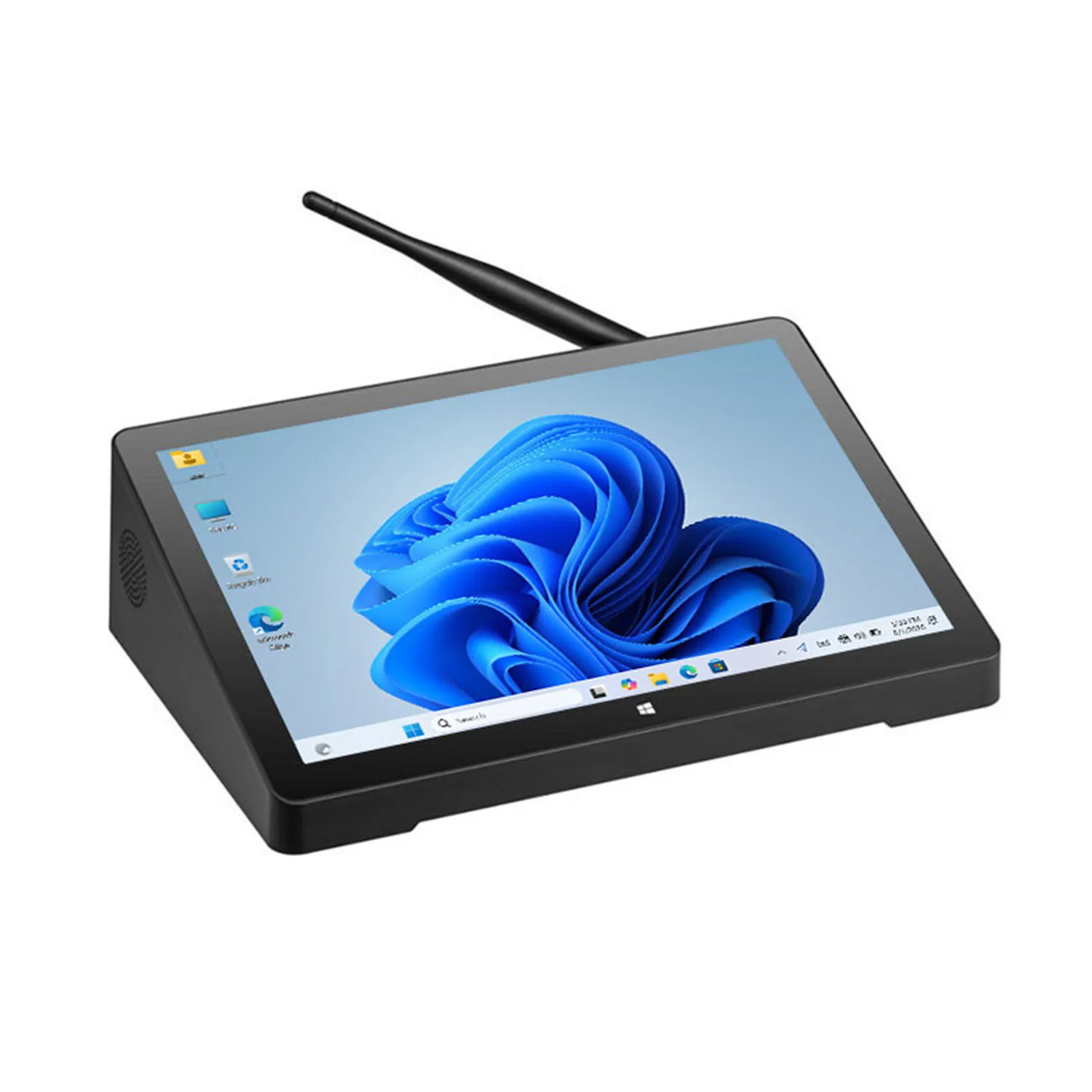
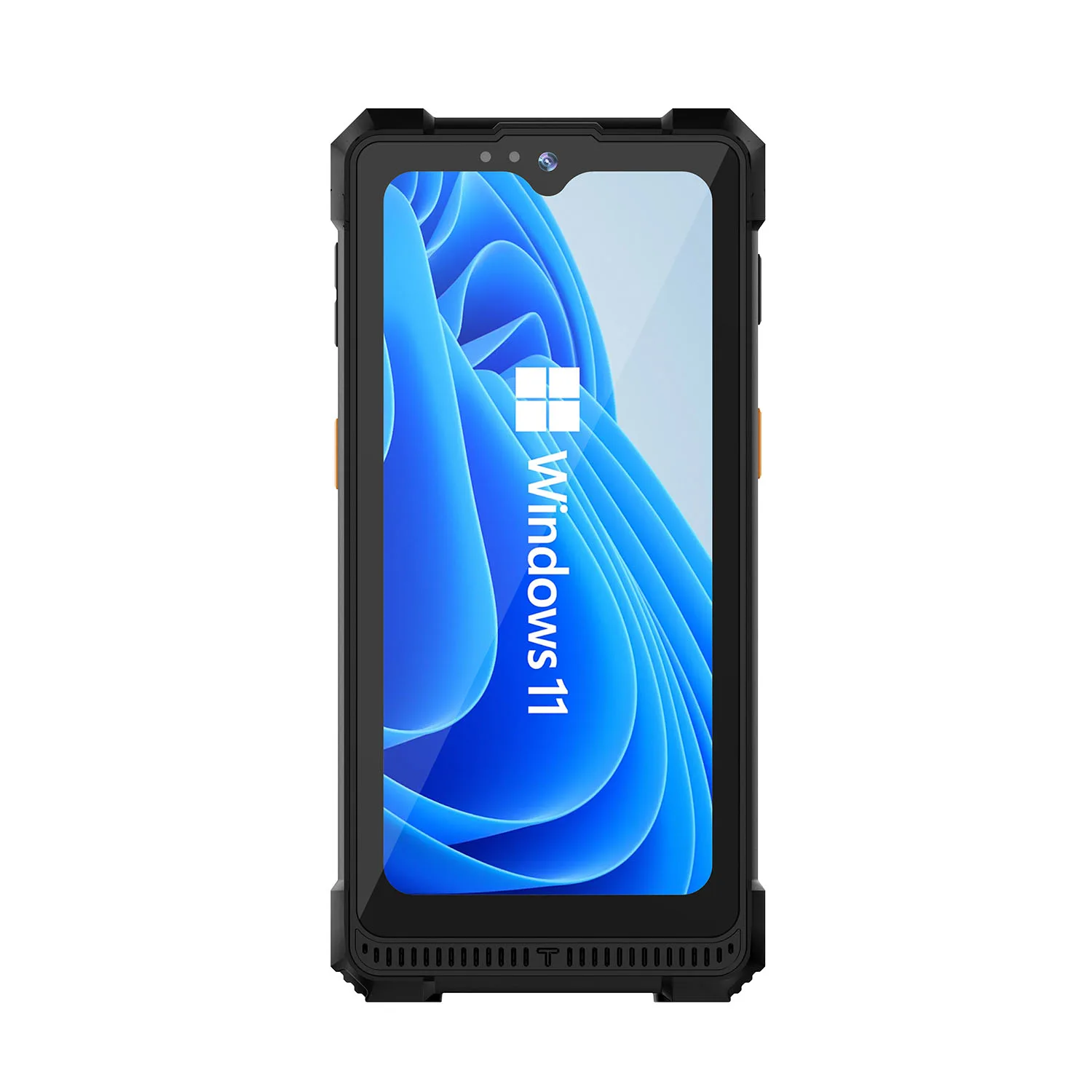
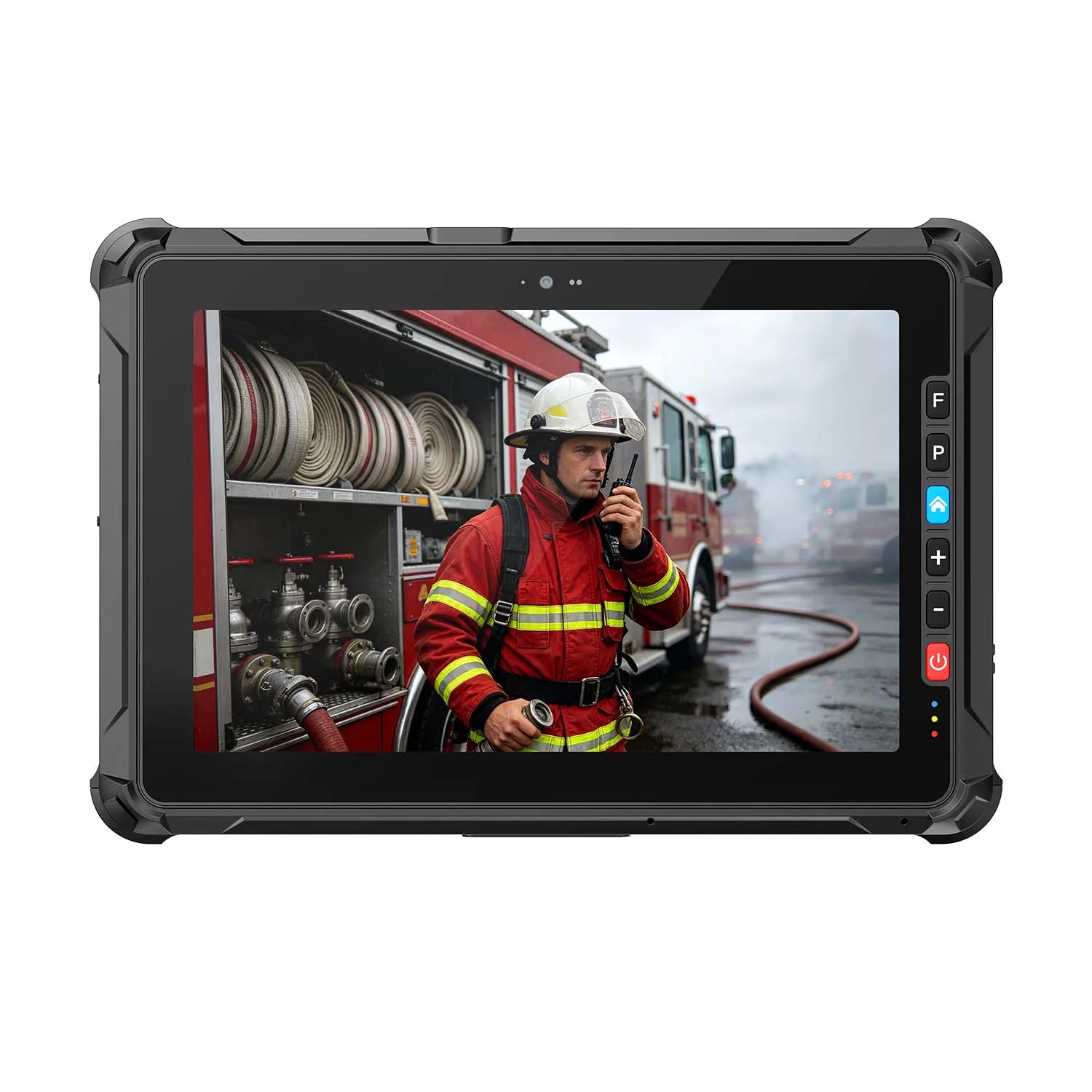
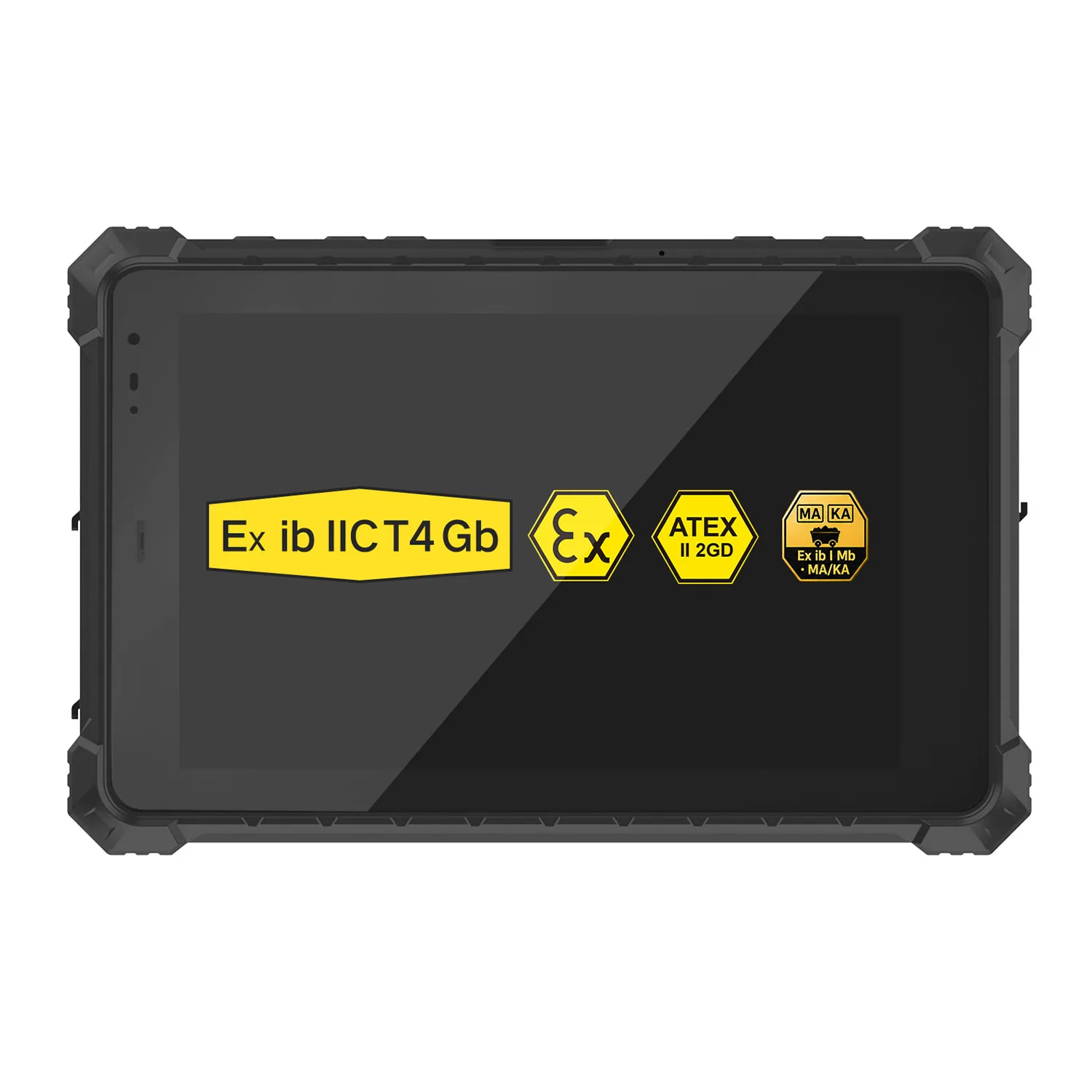
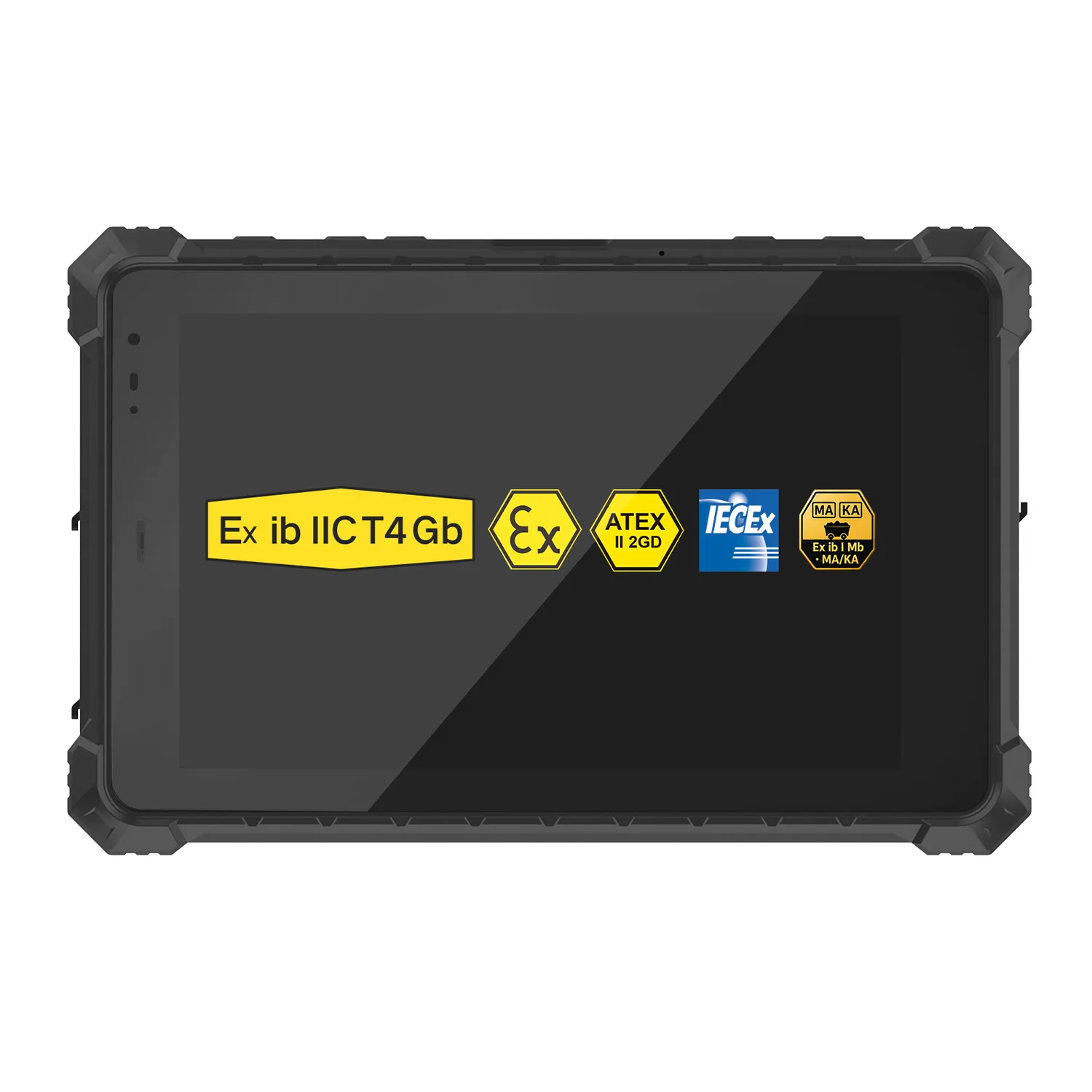
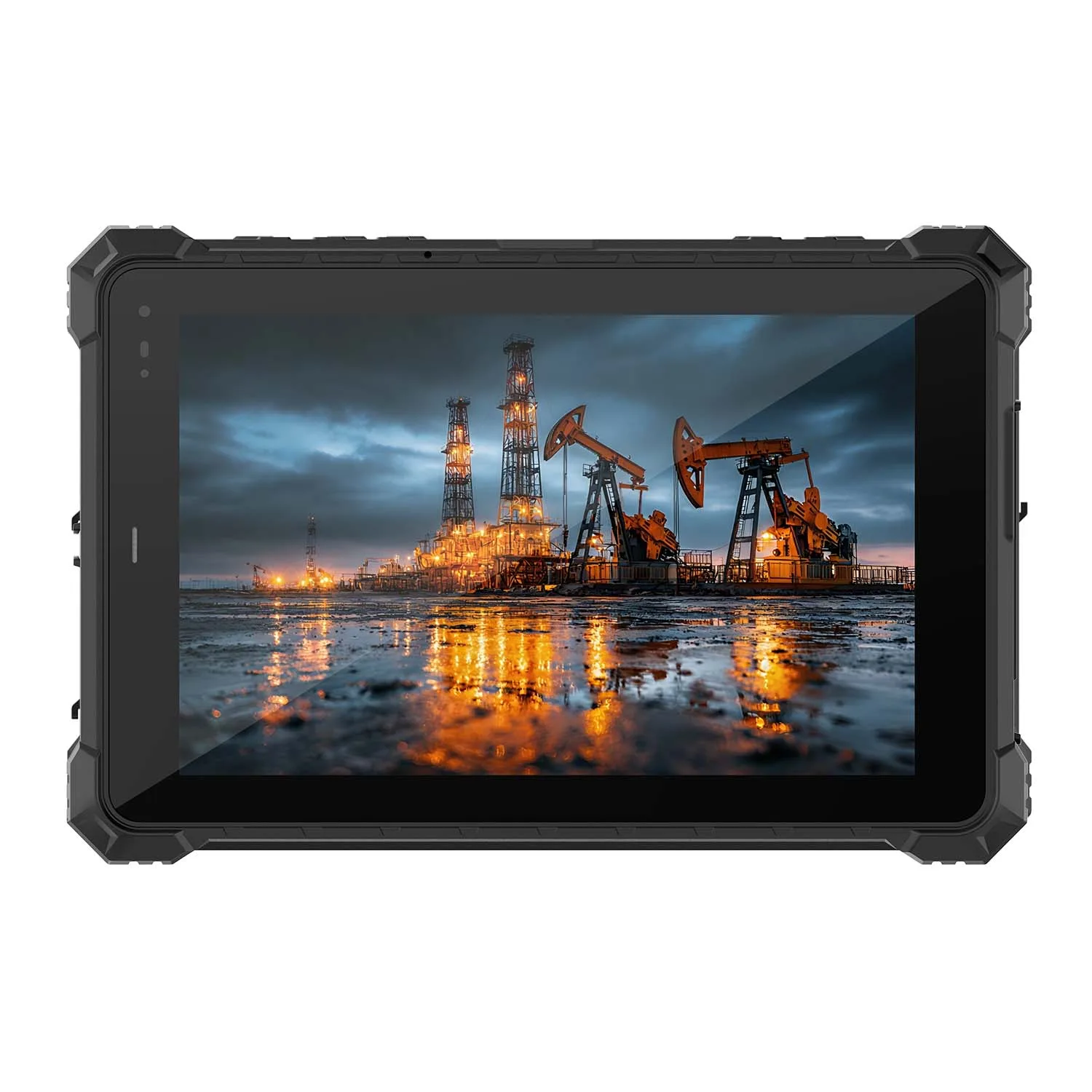
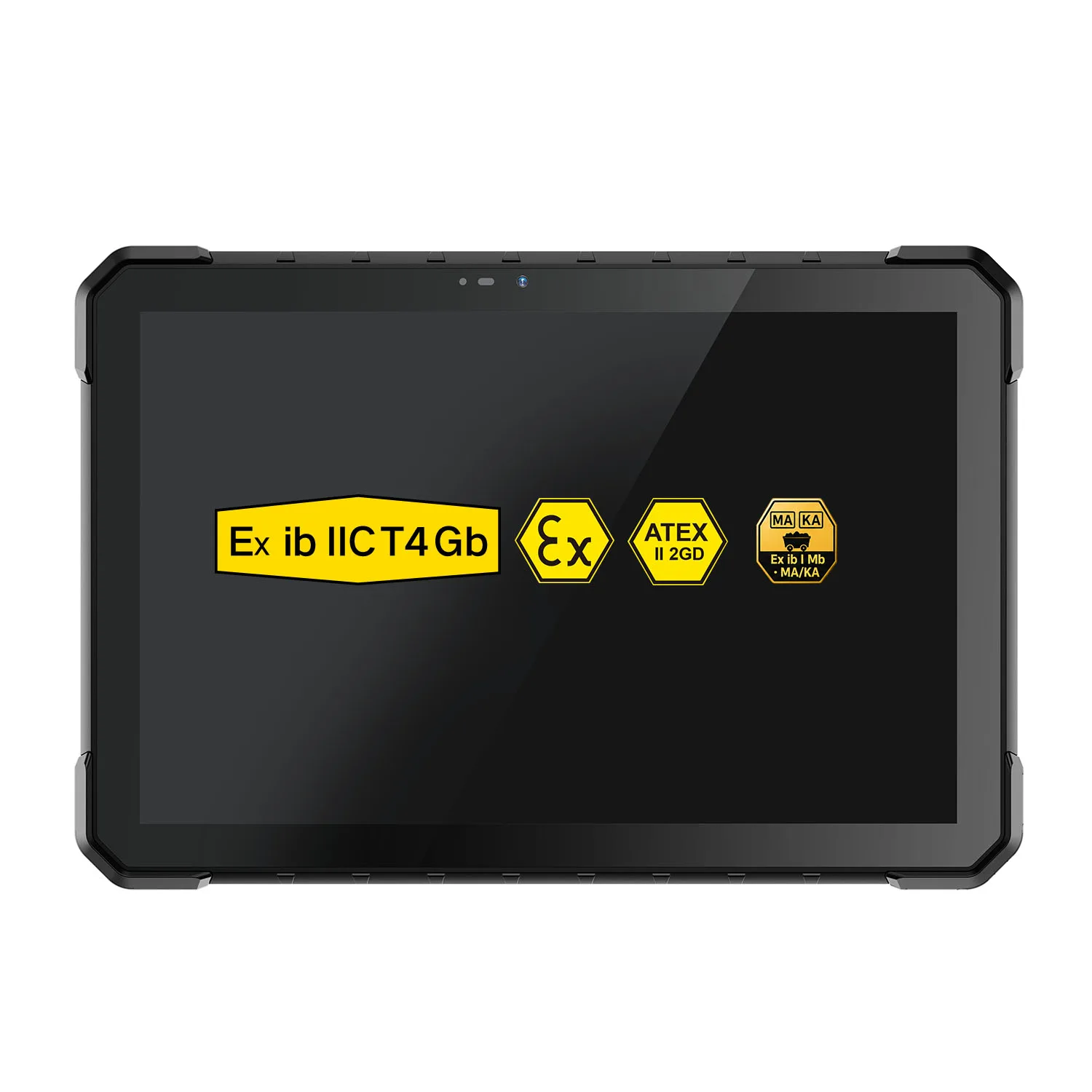
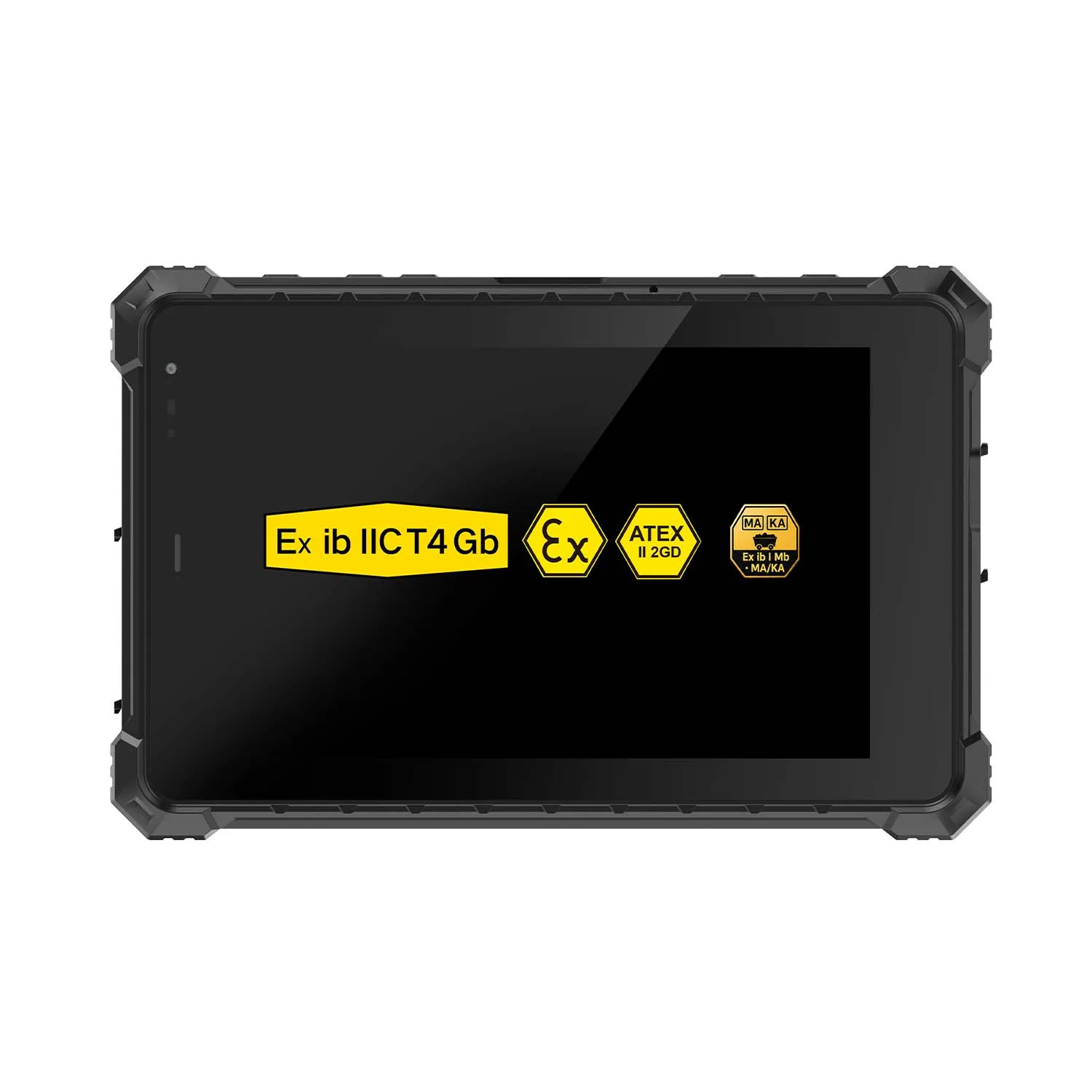
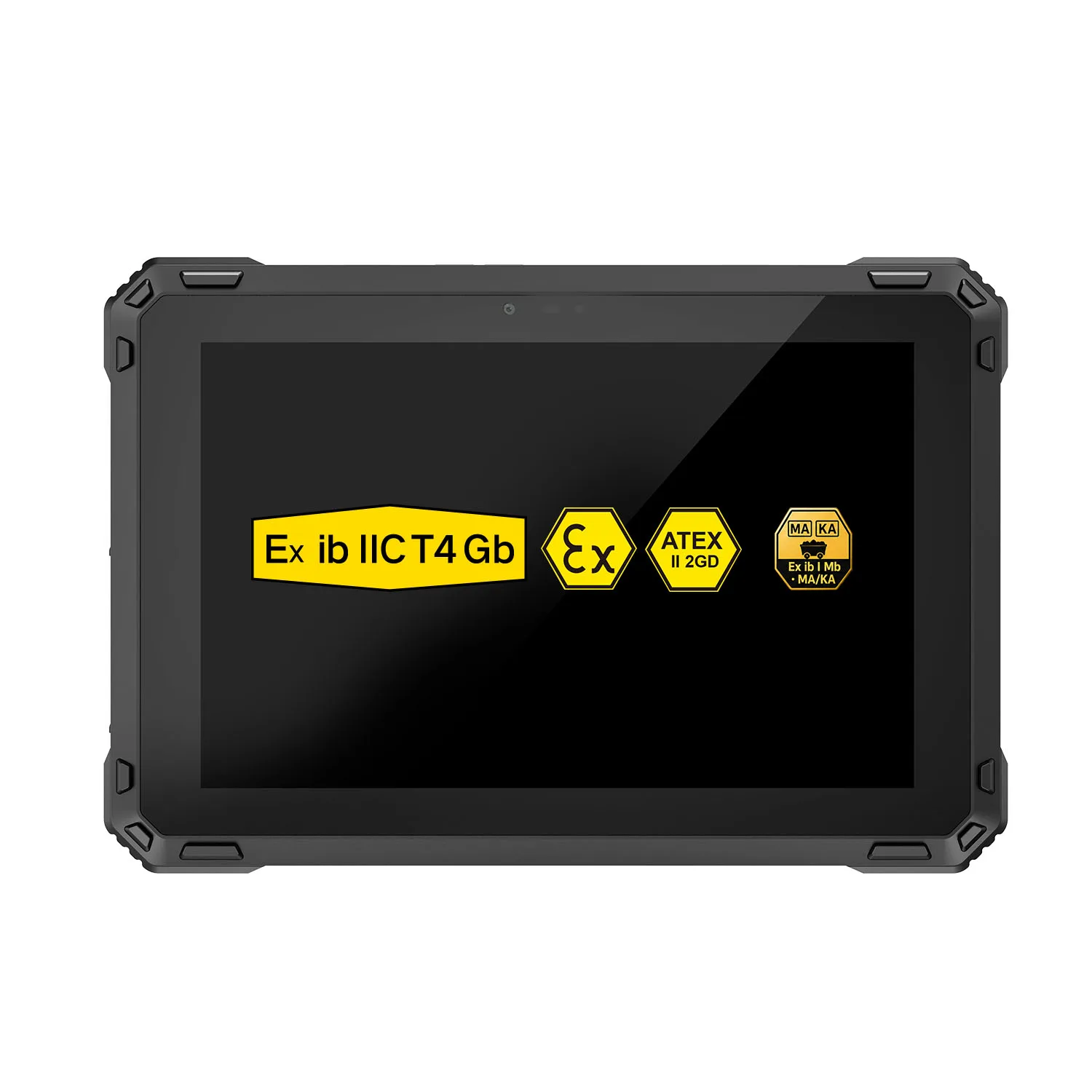
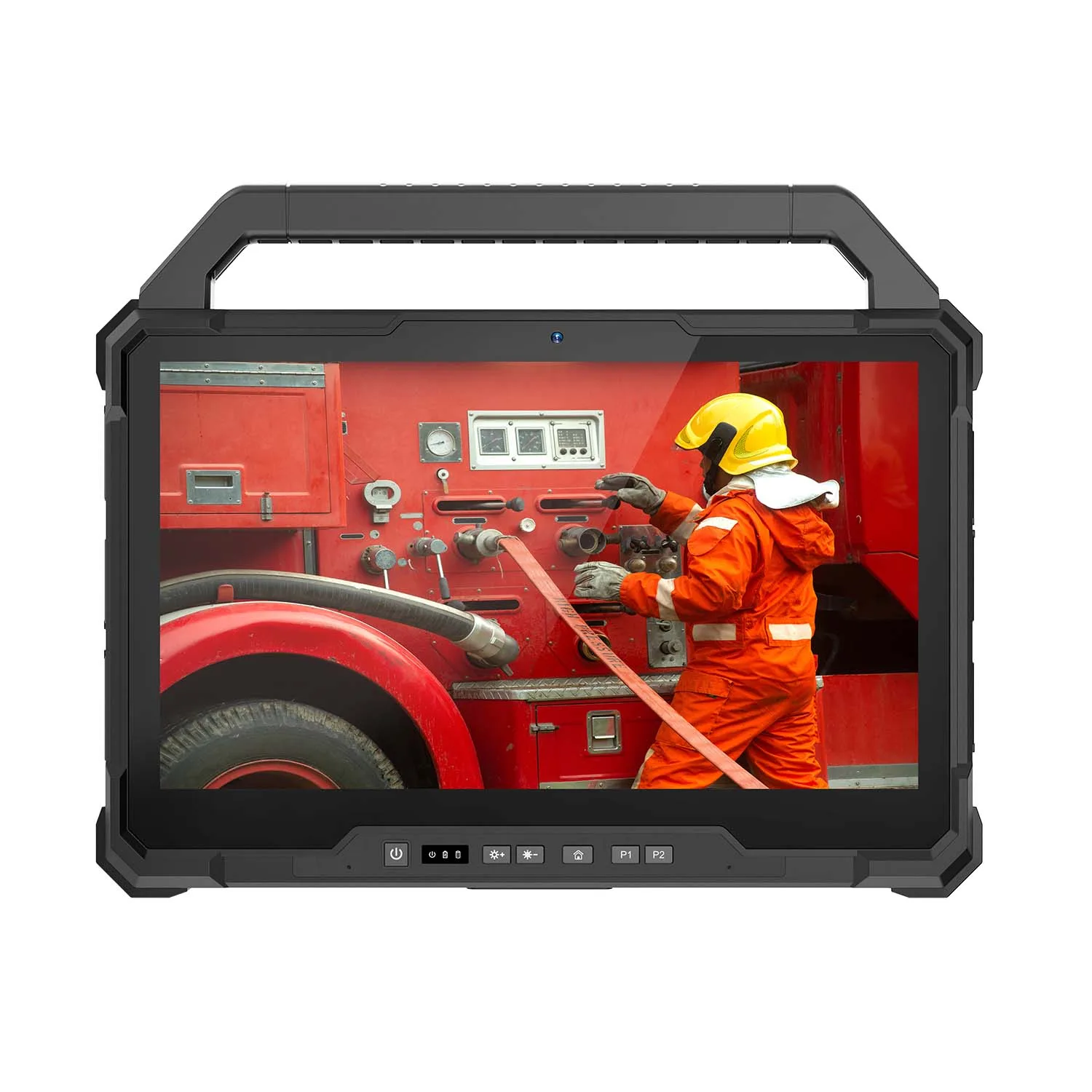
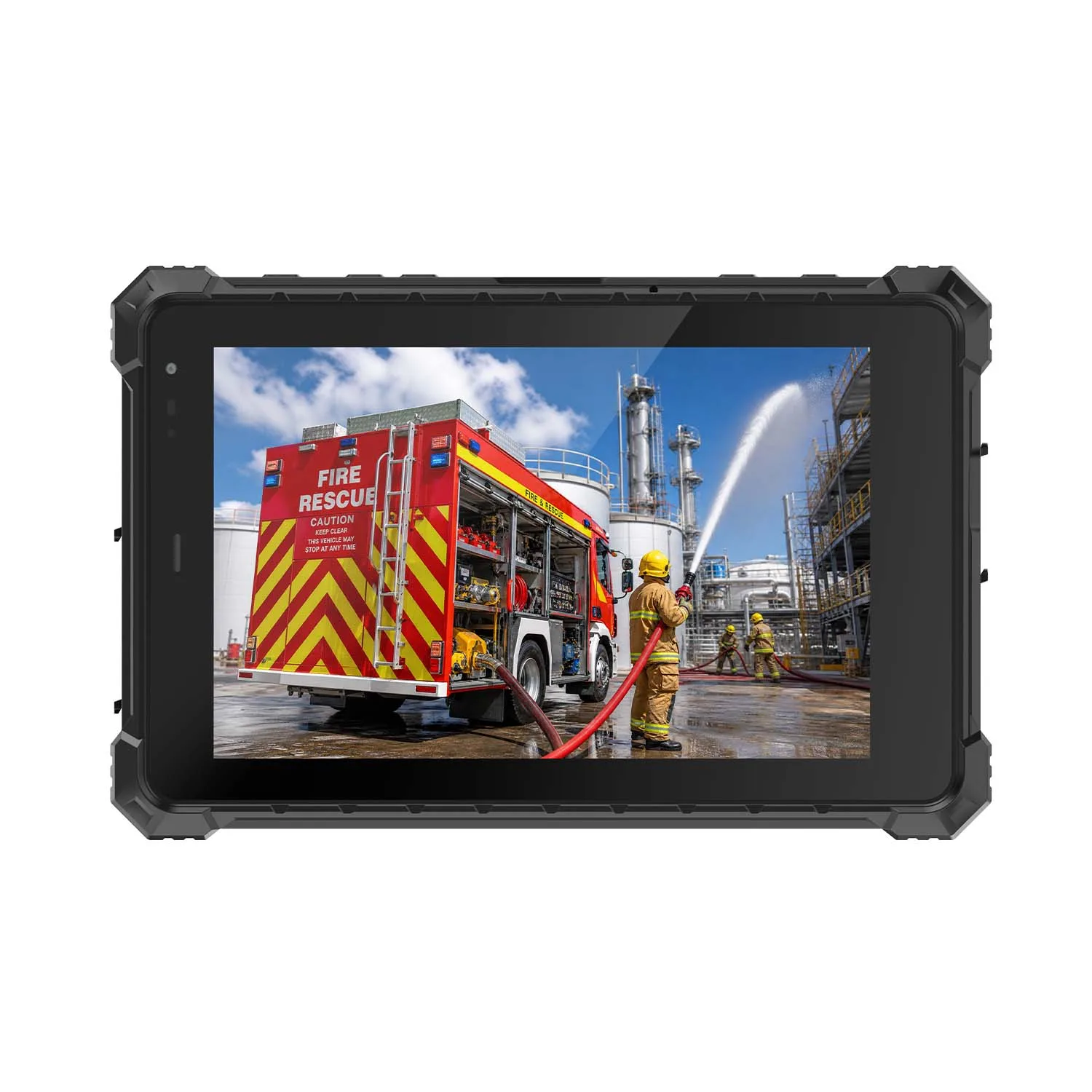





MIL-STD-810G/H Certification
The U.S. military standard for environmental testing — drops, shock, vibration, rain, dust, sand and extreme temperatures.
MIL-STD-810G/H Testing for Rugged Tablets and Laptops
MIL-STD-810 is a U.S. Department of Defense environmental test-method standard used to evaluate how equipment responds to environmental stresses such as shock, vibration, temperature, humidity, dust and transportation.
MIL-STD-810H is the current revision of the standard, while MIL-STD-810G is an earlier revision still referenced by some legacy rugged-computing products and procurement specifications.
For rugged tablets and laptops, MIL-STD-810H testing can provide useful evidence of environmental durability, but it should not be treated as a single universal “military-grade certification.”
A meaningful claim should identify the actual test method, procedure and conditions used.
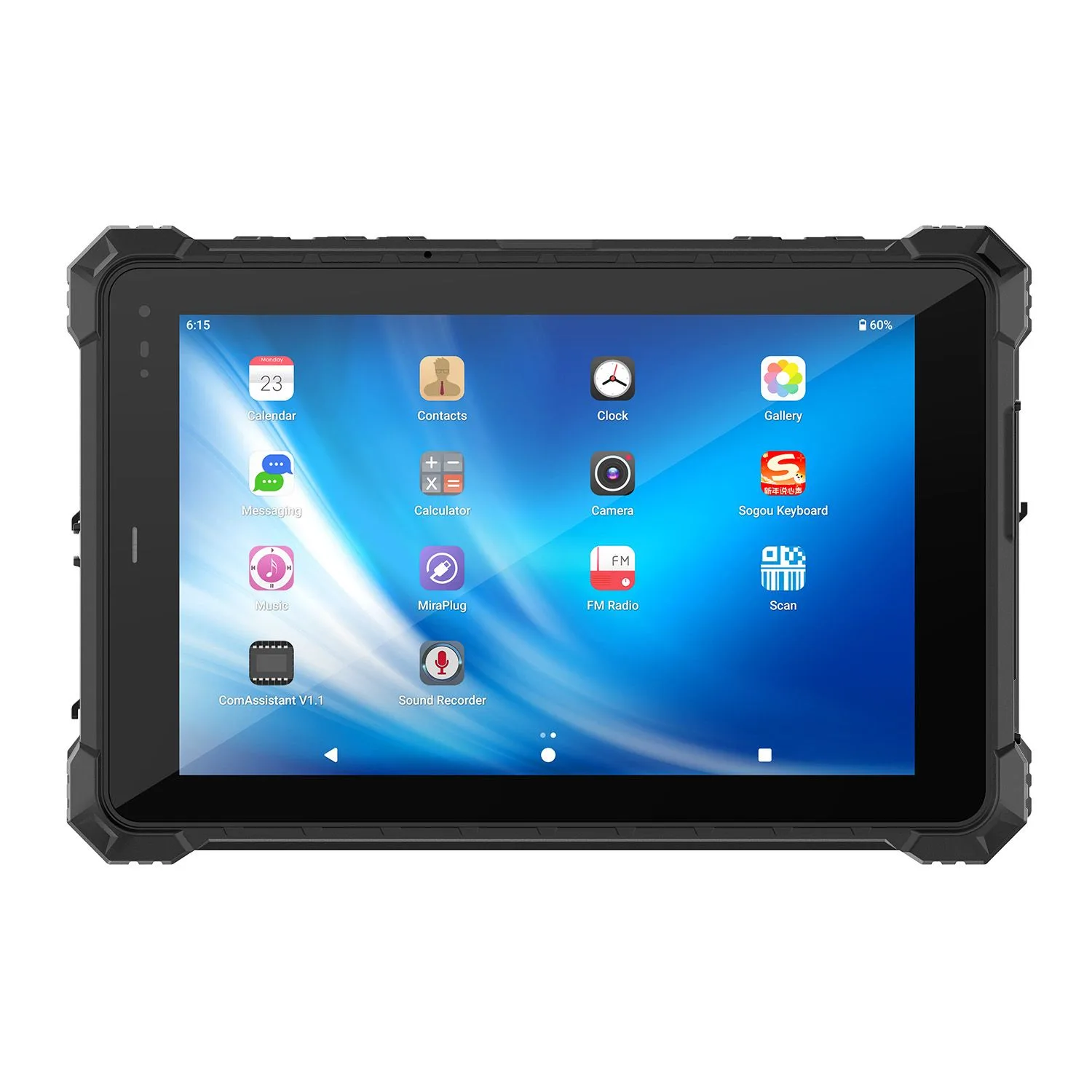
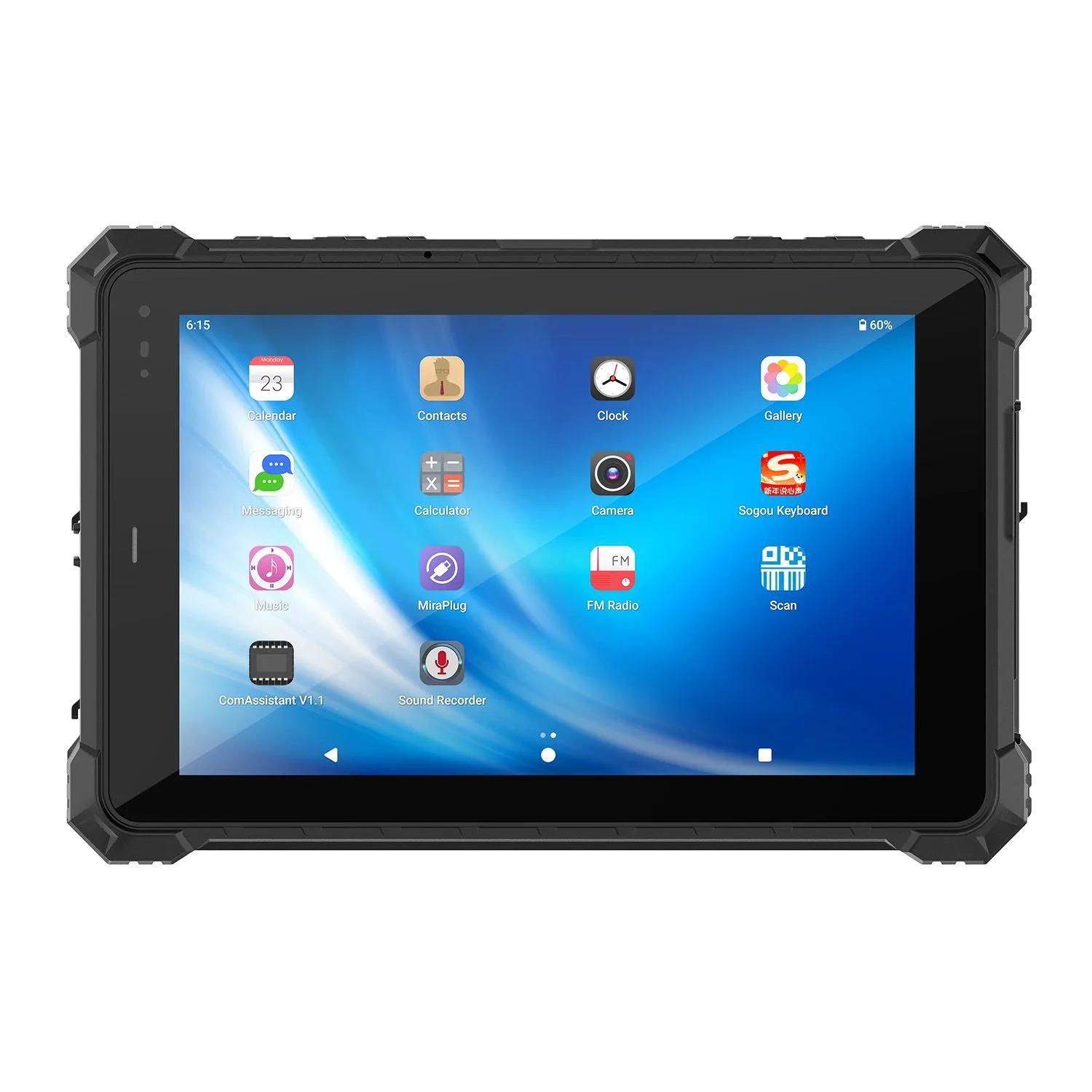
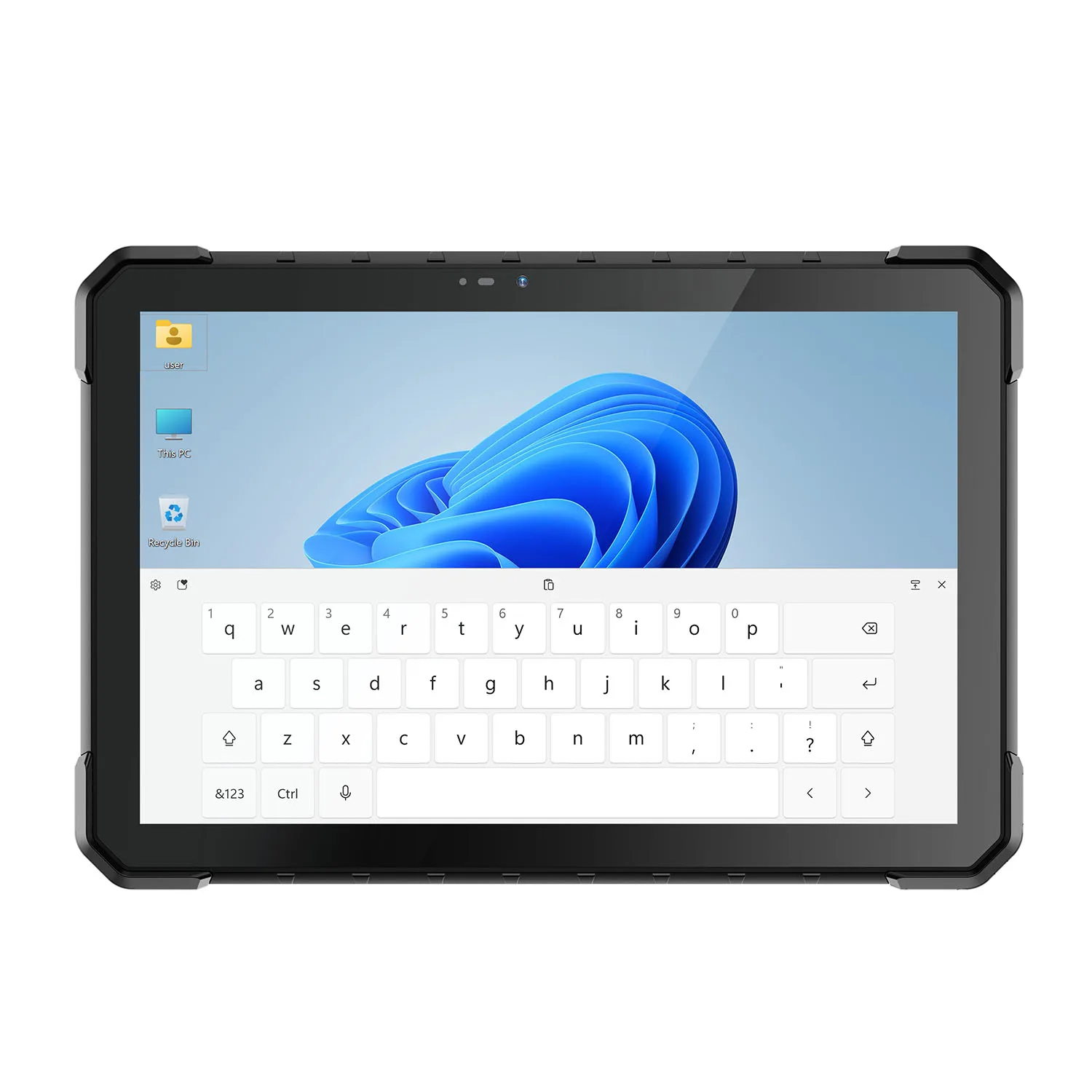
CENAVA currently uses MIL-STD-810H testing across selected rugged tablets, laptops and handheld computers, with several current products specifically documenting 1.22-meter transit-drop testing together with additional rugged-environment specifications.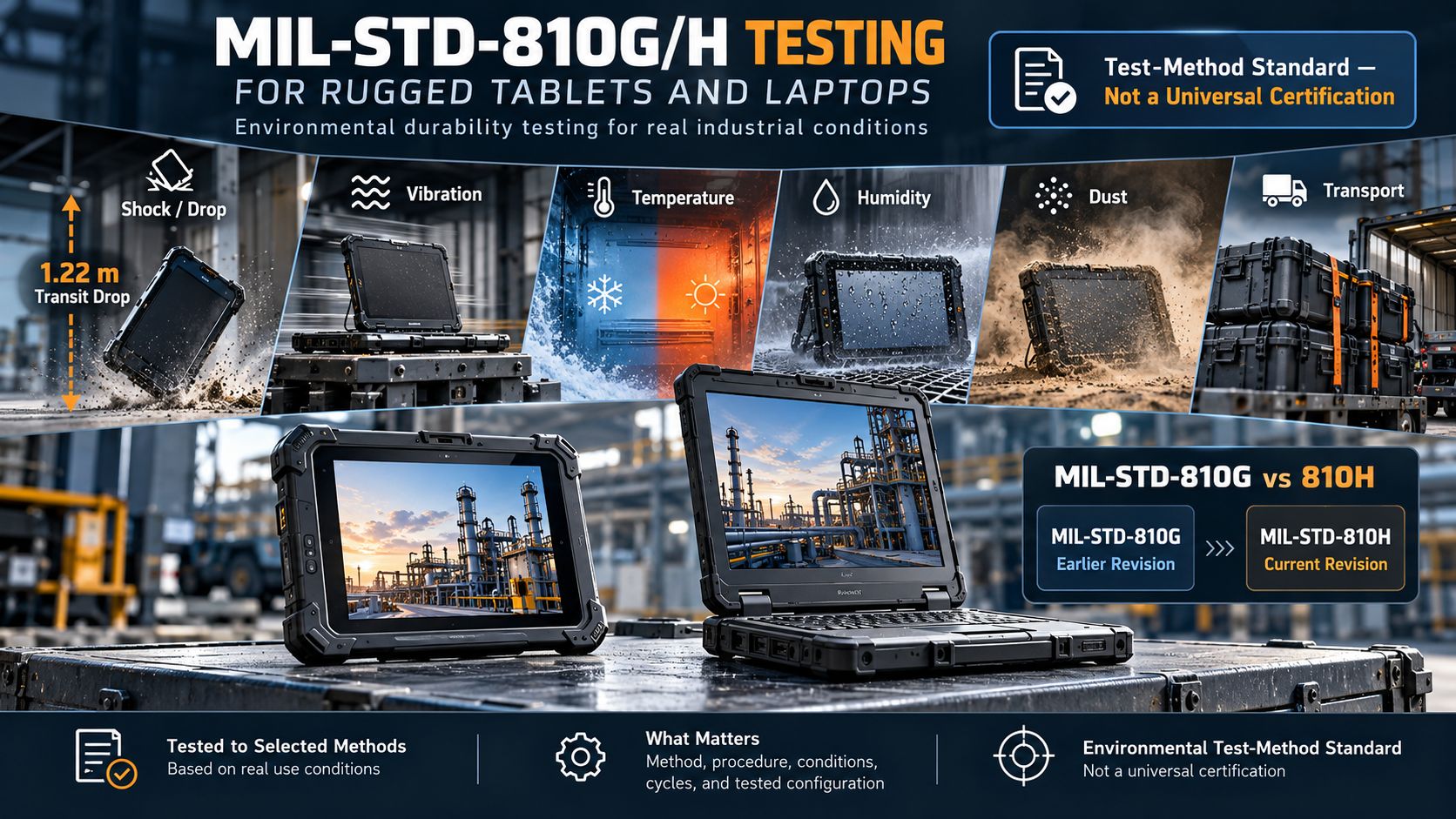
What Is MIL-STD-810?
MIL-STD-810 is officially titled:
Environmental Engineering Considerations and Laboratory Tests
It is maintained within the U.S. Department of Defense standardization system.
The standard provides environmental-engineering guidance and laboratory test methods for evaluating how materiel may perform under environmental stresses encountered during its service life.
MIL-STD-810 is not simply a checklist requiring every product to pass every environmental test.
Instead, its core approach is environmental tailoring.
This means the relevant environmental conditions and test methods should be selected according to how the equipment will actually be transported, stored and used.
Is MIL-STD-810 a Certification?
Not in the same sense as certifications such as ATEX, IECEx or certain regulated product-approval schemes.
MIL-STD-810 is a test-method standard.
There is no single universal U.S. Department of Defense certificate automatically issued to every commercial product marketed as MIL-STD-810 compliant.
A manufacturer or independent laboratory may test a product according to selected MIL-STD-810 methods and procedures.
Therefore, more accurate terminology includes:
- Tested to MIL-STD-810H
- Tested according to selected MIL-STD-810H methods
- Meets specified MIL-STD-810H test requirements
- MIL-STD-810H ruggedness testing
For procurement, the actual test report is more informative than the phrase “military certified.”
MIL-STD-810G vs. MIL-STD-810H
MIL-STD-810G and MIL-STD-810H are different revisions of the same environmental-engineering test standard.
| Revision | Original Publication | Status |
|---|---|---|
| MIL-STD-810G | October 31, 2008 | Previous revision |
| MIL-STD-810G Change 1 | April 15, 2014 | Updated G revision |
| MIL-STD-810H | January 31, 2019 | Current major revision |
| MIL-STD-810H Change 1 | May 18, 2022 | Current active version |
MIL-STD-810H updated environmental-engineering guidance and several test methods compared with 810G.
For new rugged-device procurement, MIL-STD-810H is generally the more current reference.
Legacy contracts may still specify MIL-STD-810G.
Is MIL-STD-810H Better Than MIL-STD-810G?
MIL-STD-810H is newer, but the comparison should not be reduced to:
H = stronger than G
The revisions update test methods, environmental data, engineering guidance and procedures.
What matters for a rugged computer is still:
Which method was used?
Which procedure was used?
What was the test level?
How many cycles were performed?
Was the device operating?
What configuration was tested?
A poorly defined “810H compliant” statement can provide less useful information than a detailed MIL-STD-810G test report describing the exact conditions.
Common MIL-STD-810H Tests for Rugged Computers
Rugged tablets and laptops may be evaluated using selected MIL-STD-810H methods such as:
| Environmental Stress | Common MIL-STD-810H Method |
|---|---|
| High Temperature | Method 501.7 |
| Low Temperature | Method 502.7 |
| Temperature Shock | Method 503.7 |
| Humidity | Method 507.6 |
| Vibration | Method 514.8 |
| Shock / Transit Drop | Method 516.8 |
The appropriate tests depend on the intended deployment.
Not every rugged computer needs every MIL-STD-810H method.
MIL-STD-810H Drop Testing
Drop resistance is one of the most commonly referenced rugged-computing requirements.
For MIL-STD-810H, shock-related testing is covered under Method 516.8.
Transit-drop testing is one of the procedures used to evaluate whether equipment can tolerate impacts associated with handling and transportation.
For commercial rugged computers, manufacturers commonly publish a drop height such as:
1.22 meters / 4 feet
alongside the relevant MIL-STD-810H test claim.
The drop height alone is not enough to fully describe the test.
Important variables include:
- Number of drops
- Drop orientation
- Surface
- Device configuration
- Operating or non-operating condition
- Accessories attached
- Test temperature
For professional procurement, these details should be reviewed where drop performance is critical.
CENAVA 1.22m Transit-Drop Testing
Several current CENAVA rugged tablets document 1.22-meter transit-drop testing under MIL-STD-810H.
For example, W10Y currently states:
Tested to MIL-STD-810H and GJB 150.1A/150.18A-2009 — 1.22m transit drop
and combines this with IP68 protection and reinforced enclosure construction.
W18Y similarly documents 1.22 m transit-drop testing to MIL-STD-810H Method 516.8 testing together with GJB 150 requirements.
These statements are more useful than a generic “military-grade” label because they identify a measurable drop condition.
Drop Resistant Does Not Mean Indestructible
MIL-STD-810H drop testing does not mean that a tablet can survive every possible fall.
Real-world impact severity depends on:
- Height
- Surface hardness
- Impact angle
- Device mass
- Accessories
- Repeated impacts
- Existing enclosure damage
A 1.22m-tested tablet may perform substantially better than a consumer device in routine field handling, but no drop rating makes the device indestructible.
MIL-STD-810H Vibration Testing
Vibration is particularly important for computers installed or transported in:
- Trucks
- Forklifts
- Agricultural machinery
- Construction equipment
- Industrial vehicles
- Aircraft support environments
- Mobile service vehicles
MIL-STD-810H Method 514.8 addresses vibration environments.
The applicable vibration profile should be selected according to the expected transportation or operational environment.
A tablet mounted on a warehouse forklift does not necessarily experience the same vibration profile as equipment installed in an aircraft.
This is why environmental tailoring is important.
Why Vibration Matters for Rugged Computers
Continuous vibration can affect:
- Connectors
- PCB solder joints
- Batteries
- Internal cables
- Storage devices
- Display assemblies
- Mounting hardware
Solid-state storage eliminates the moving disk mechanism found in traditional hard drives, but other mechanical and electrical components still need to withstand repeated vibration.
Vehicle-mounted devices should therefore evaluate vibration together with mount design and electrical connections.
MIL-STD-810H Shock Testing
Shock testing evaluates the effect of mechanical impacts.
Depending on the selected procedure, shock testing may represent:
- Functional shock
- Transportation impacts
- Handling drops
- Crash-related environments
- Bench handling
MIL-STD-810H Method 516.8 includes multiple procedures for different shock environments.
Therefore, saying only:
“Passed Method 516.8”
is less informative than identifying the specific procedure and test conditions.
MIL-STD-810H High-Temperature Testing
High-temperature environments can affect:
- Processors
- Displays
- Batteries
- Seals
- Adhesives
- Plastic components
- Electronic components
MIL-STD-810H Method 501.7 addresses high-temperature environments.
Rugged tablets may experience high temperatures in:
- Vehicle cabins
- Deserts
- Industrial plants
- Outdoor summer conditions
- Equipment enclosures
A device's published operating-temperature specification should still be checked separately from a MIL-STD test claim.
MIL-STD-810H Low-Temperature Testing
Low-temperature testing is addressed under Method 502.7.
Cold temperatures can influence:
- Battery performance
- LCD response
- Touchscreen behavior
- Material flexibility
- Startup reliability
This is relevant for:
- Winter utilities
- Cold-chain logistics
- Outdoor field service
- Northern climates
- Refrigerated facilities
Several CENAVA rugged tablets combine MIL-STD-810H rugged testing with published operating ranges such as -20°C to 60°C, while selected configurations can be customized for lower-temperature operation.
MIL-STD-810H Temperature Shock
Rapid transitions between hot and cold environments can stress materials differently from remaining at one stable temperature.
Method 503.7 addresses temperature shock.
Potential real-world situations include:
- Moving from a heated building into winter conditions
- Moving equipment between cold storage and loading areas
- Rapid altitude or environmental changes
- Equipment transported between climate-controlled and outdoor environments
Temperature-shock capability should not automatically be inferred from a normal operating-temperature specification.
MIL-STD-810H Humidity Testing
High humidity can affect:
- Corrosion
- Electrical insulation
- Materials
- Connectors
- Adhesives
- Condensation
MIL-STD-810H Method 507.6 addresses humidity environments.
Humidity is particularly relevant in:
- Tropical climates
- Warehouses
- Ports
- Marine-support operations
- Agriculture
- Outdoor infrastructure
However, MIL-STD humidity testing and an IP water-ingress rating address different risks.
MIL-STD-810H and IP Ratings
MIL-STD-810H and IP65/IP67/IP68 should not be treated as interchangeable specifications.
MIL-STD-810H
Addresses selected environmental stresses such as:
- Shock
- Vibration
- Temperature
- Humidity
depending on the methods actually performed.
IP Rating
Addresses ingress protection against:
- Solid particles
- Water
according to IEC 60529.
A strong rugged computer often combines both.
For example, CENAVA W10Y combines:
IP68 + MIL-STD-810H-related 1.22m transit-drop testing
These two specifications describe different aspects of environmental durability.
MIL-STD-810H Does Not Mean Waterproof
A product can pass a selected MIL-STD shock or vibration test and still have limited water protection.
Water and dust resistance should be evaluated through the device's IP rating or other applicable enclosure test.
Therefore:
MIL-STD-810H ≠ IP68
and:
IP68 ≠ MIL-STD-810H
Both may be useful in a rugged-device specification.
MIL-STD-810H Does Not Mean Explosion Proof
MIL-STD-810H also does not replace hazardous-area certification.
A rugged tablet may survive:
- Drops
- Vibration
- Heat
- Cold
and still be unsafe for use in a potentially explosive atmosphere.
Hazardous-area applications may require:
- ATEX
- IECEx
- Mining approvals
- Other regional Ex certifications
depending on the site.
Therefore:
MIL-STD-810H ≠ ATEX
and:
MIL-STD-810H ≠ IECEx
Explosion protection and mechanical/environmental ruggedness must be evaluated separately.
MIL-STD-810H Does Not Mean Military Approval
Another common misunderstanding is that a commercial product carrying an MIL-STD-810H claim has automatically been:
- Approved by the U.S. military
- Purchased by the U.S. military
- Certified by the Department of Defense
- Tested against every MIL-STD-810 method
None of those conclusions should be drawn solely from the phrase “MIL-STD-810H tested.”
The claim should describe the actual testing performed.
“Military Grade” vs. MIL-STD-810H Tested
“Military grade” is a marketing phrase.
By itself, it provides little technical information.
A more useful statement is:
Tested to MIL-STD-810H Method 516.8 for a specified transit-drop condition
or:
Tested to selected MIL-STD-810H shock and vibration methods
The more specific the test claim, the more useful it becomes for procurement.
Third-Party Lab Testing vs. Manufacturer Testing
MIL-STD-810 testing may be performed in different laboratories depending on the project.
For purchasing decisions, useful documentation may include:
- Laboratory name
- Test standard revision
- Method number
- Procedure
- Test level
- Test configuration
- Date
- Pass/fail result
A third-party laboratory report can provide additional independent evidence.
However, the critical issue remains whether the test accurately represents the final production configuration.
Why Exact Product Configuration Matters
Environmental performance can change when hardware changes.
Examples include:
- Different battery
- Different display
- Barcode scanner
- RFID module
- Different enclosure
- Dock
- Handle
- Vehicle mount
- Different processor thermal design
Therefore, testing one configuration should not automatically be generalized to every variation in the same product family.
For high-volume projects, buyers should confirm which configuration the test report covers.
MIL-STD-810H and OEM/ODM Customization
Rugged-device customization may affect environmental performance.
For example, adding:
- External connector
- Scanner window
- RFID antenna
- Larger battery
- Different display
- Additional port
can affect enclosure structure, mass distribution or sealing.
For OEM/ODM projects, significant structural changes may justify additional validation testing.
CENAVA MIL-STD-810H Rugged Tablet Platforms
CENAVA currently lists multiple tablets tested to MIL-STD-810H requirements.
Examples include:
W10Y
10.1-inch Windows rugged tablet with:
- MIL-STD-810H-related 1.22m transit drop
- IP68
- -20°C to 60°C operation
- Reinforced corners
- Gigabit Ethernet
- RS232
W18Y
10.1-inch fanless Windows rugged tablet with:
- MIL-STD-810H
- GJB 150.1A / 150.18A
- 1.22m drop
- IP68
- Fanless sealed design
A10R
10.1-inch Android/Linux rugged tablet with:
- 1.22 m drop testing
- IP68
- Gigabit RJ45
- RS232
- Wide-temperature operation
A18ST
10.1-inch Android rugged tablet with:
- 1.22 m drop testing
- IP68
- -20°C to 60°C operation
- 10,000mAh battery
The specific test scope should be checked on each product page or test document rather than assumed from the product category.
MIL-STD-810G Rugged Devices
Some older product literature and procurement specifications still reference MIL-STD-810G.
CENAVA's corporate information has historically referenced MIL-STD-810G for shock and impact resistance across rugged product families.
For newer current products, however, individual product pages increasingly specify MIL-STD-810H.
When both claims exist on a website, the exact product page and current test documentation should take priority over older general marketing statements.
Should I Choose 810G or 810H?
For a new procurement project, MIL-STD-810H is the more current revision.
However, do not reject an existing product solely because documentation references 810G.
Instead, compare:
- Test method
- Procedure
- Test severity
- Product configuration
- Laboratory report
- Your actual environment
A detailed 810G test can still provide meaningful information.
For a new product specification, using the current MIL-STD-810H revision generally creates a clearer procurement baseline.
MIL-STD-810H for Manufacturing
Manufacturing environments expose tablets to:
- Equipment vibration
- Drops
- Dust
- Temperature changes
- Repeated handling
Useful requirements may include:
- Shock/drop
- Vibration
- IP protection
- Wide temperature
A rugged Windows tablet can then combine these environmental capabilities with Ethernet and RS232 for equipment connectivity.
MIL-STD-810H for Construction
Construction tablets may face:
- Drops
- Vibration
- Dust
- Rain
- Heat
- Cold
MIL-STD-810H ruggedness can therefore be valuable, but it should be combined with:
- IP67/IP68
- Sunlight-readable display
- Glove touch
- Long battery life
No single test describes the entire construction environment.
MIL-STD-810H for Vehicle-Mounted Tablets
Vehicle-mounted devices are exposed to sustained vibration.
Applications include:
- Forklifts
- Trucks
- Agricultural machinery
- Construction equipment
- Fleet vehicles
For these applications, vibration testing can be as important as drop testing.
The tablet mounting system should also be validated because the mount changes how vibration reaches the device.
MIL-STD-810H for Field Service
Field-service technicians repeatedly move devices between:
- Service vehicles
- Equipment
- Work benches
- Outdoor sites
Common hazards include handling drops and vibration during transportation.
A rugged tablet tested to relevant shock and vibration methods can provide greater confidence than a consumer tablet designed primarily for office use.
MIL-STD-810H for Warehouses
Warehouse devices may experience:
- Drops
- Forklift vibration
- Dust
- Loading-dock temperature changes
Compact rugged tablets can combine MIL-STD environmental testing with barcode scanning, RFID and long batteries.
For warehouse deployment, ergonomics and data-capture performance should be evaluated alongside ruggedness.
MIL-STD-810H for Utilities
Utility workers may encounter:
- Winter cold
- Summer heat
- Rain
- Vehicle vibration
- Drops
- Remote field conditions
The most relevant test methods therefore depend on the actual utility environment.
An electrical substation technician and a water-utility field crew may require different environmental profiles.
MIL-STD-810H for Automotive and Fleet Service
Automotive technicians use rugged computers around:
- Workshops
- Vehicles
- Service trucks
- Fleet yards
Mechanical durability is useful because computers are frequently transported and placed on temporary work surfaces.
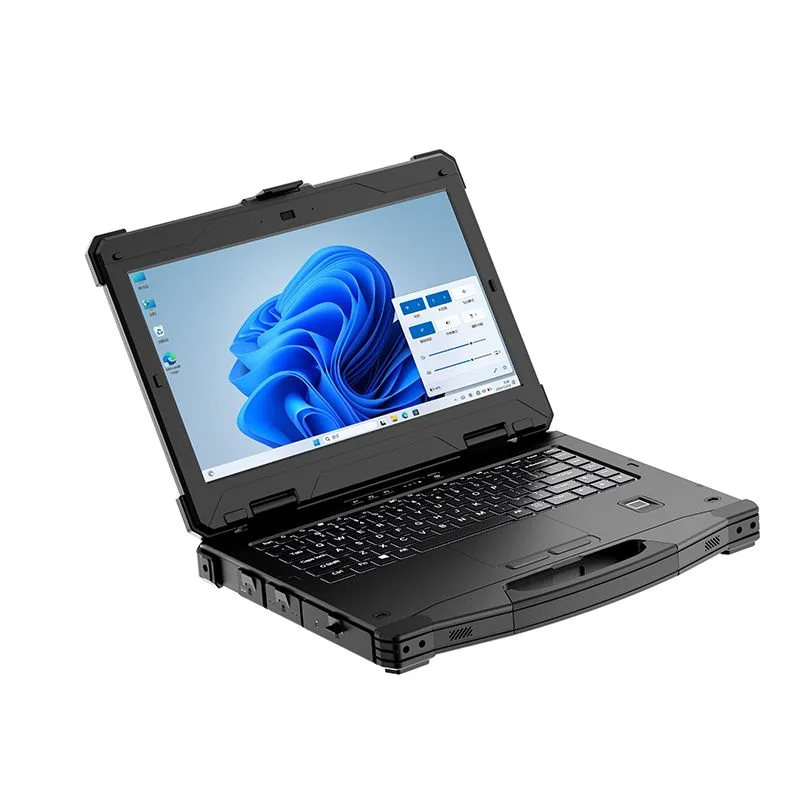
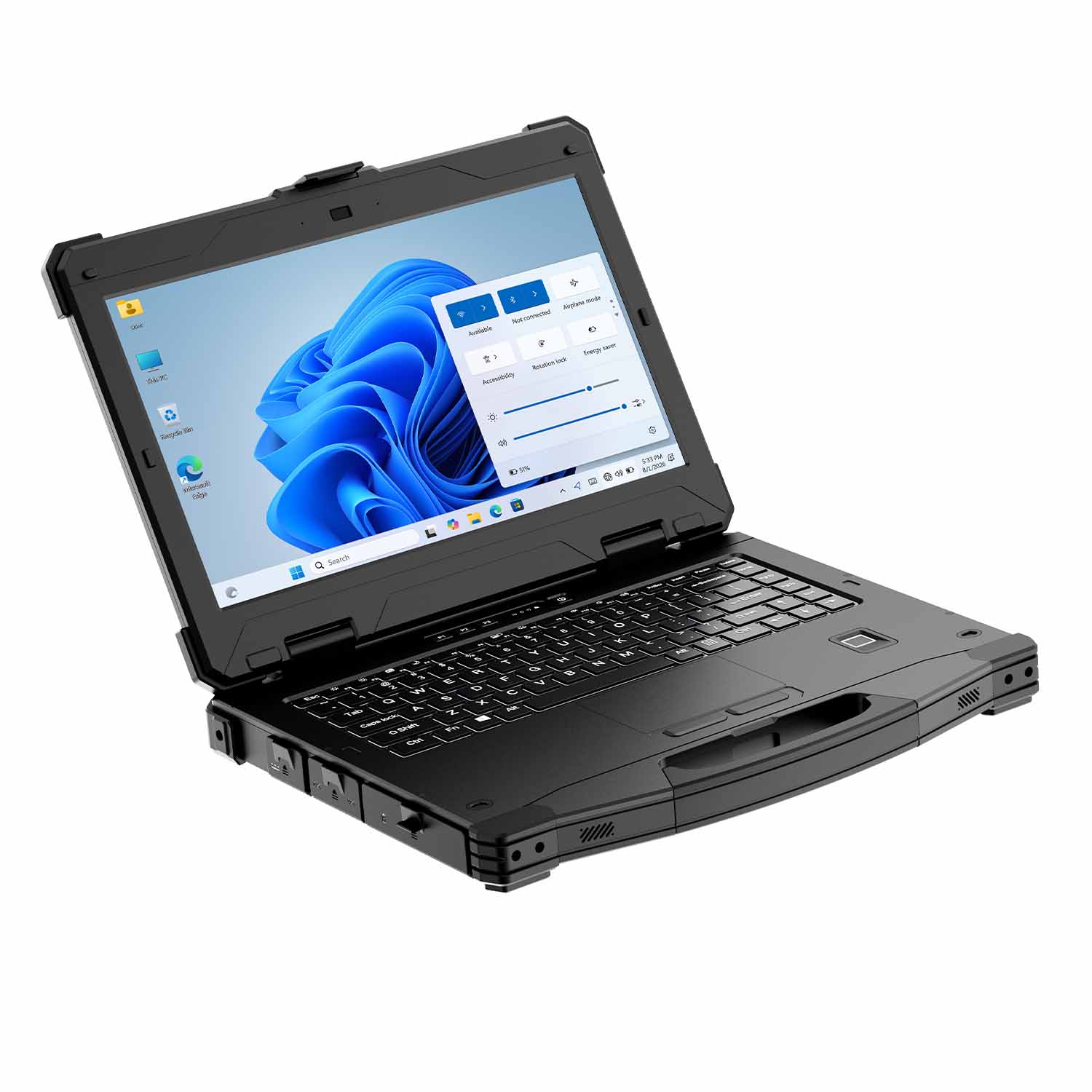
Rugged laptops such as CENAVA W14US and W15US combine MIL-STD-810H-related durability with IP65 protection, dual Ethernet, RS232 and hot-swappable batteries.
What Should a Buyer Ask for?
Instead of asking:
“Is this tablet MIL-STD-810H certified?”
ask:
“Which MIL-STD-810H methods and procedures were performed?”
Then request:
- Exact standard revision
- Test method
- Procedure
- Test condition
- Test report
- Tested product configuration
- Laboratory
- Pass/fail criteria
This gives procurement teams much more useful information.
How to Evaluate a MIL-STD-810H Claim
1. Check the Revision
Determine whether the claim refers to:
- MIL-STD-810G
- MIL-STD-810H
- MIL-STD-810H Change 1
2. Identify the Test Method
For example:
- 501.7 high temperature
- 502.7 low temperature
- 514.8 vibration
- 516.8 shock
3. Identify the Procedure
Different procedures simulate different environments.
4. Check Test Severity
For a drop test, ask:
- Drop height
- Number of drops
- Surface
- Orientation
5. Check Operating State
Determine whether the product was:
- Operating
- Powered off
- Packaged
- Unpackaged
during the test.
6. Confirm Configuration
Ensure the tested model matches the configuration being purchased.
7. Request the Report When Necessary
For critical procurement, a detailed test report is more valuable than a logo on a product page.
8. Check Other Rugged Requirements
MIL-STD-810 does not replace:
- IP ratings
- ATEX/IECEx
- EMC
- Electrical safety
- Application-specific certification
9. Match the Test to the Environment
Choose only environmental tests relevant to the actual deployment.
10. Validate the Complete System
Mounts, docks, accessories and peripherals can affect real-world ruggedness.
Why Choose CENAVA MIL-STD-810H Rugged Computers?
Current MIL-STD-810H Platforms
Selected current CENAVA rugged tablets, laptops and handheld computers are tested to MIL-STD-810H requirements.
Documented Drop Performance
Several current products publish a 1.22m transit-drop specification rather than only using a generic “military grade” description.
IP65/IP67/IP68 Options
MIL-STD ruggedness can be combined with ingress protection according to application.
Wide-Temperature Operation
Many platforms provide approximately -20°C to 60°C operation, with selected colder project configurations.
Windows, Android and Linux
Different OS platforms support industrial, mobile and edge-computing applications.
Industrial Interfaces
Selected products include:
- RJ45
- RS232
- USB
- HDMI
- POGO
Rugged Laptops and Tablets
Customers can choose touchscreen tablets or full-keyboard rugged laptops according to workflow.
OEM and ODM Engineering
Environmental requirements can be considered together with enclosure design, ports, batteries, displays and wireless modules during customized projects.
Frequently Asked Questions About MIL-STD-810G/H
1. What is MIL-STD-810?
MIL-STD-810 is a U.S. Department of Defense test-method standard covering environmental engineering considerations and laboratory tests.
It provides methods for evaluating equipment against relevant environmental stresses.
2. What is MIL-STD-810H Method 516.8?
Method 516.8 covers shock-related testing.
It includes different procedures for different shock environments, including transit-drop applications.
3. What is MIL-STD-810H Method 514.8?
Method 514.8 addresses vibration.
The vibration profile should be selected according to the expected transportation and operating environment.
4. Does CENAVA use MIL-STD-810H?
Yes.
Current CENAVA products including W10Y, W18Y, A10R and A18ST publicly list MIL-STD-810H-related ruggedness or 1.22m drop testing.
5. Does CENAVA still have MIL-STD-810G products?
Older CENAVA corporate and product materials reference MIL-STD-810G.
For new products, current individual model pages increasingly identify MIL-STD-810H.
The exact model documentation should be checked before procurement.
6. Is MIL-STD-810H better than IP68?
They cannot be directly compared.
MIL-STD-810H addresses selected environmental stresses.
IP68 addresses dust and water ingress.
A rugged tablet may need both.
7. Does a product need every MIL-STD-810H test?
No.
The standard is based on environmental tailoring.
Relevant tests should reflect the conditions the equipment is expected to encounter.
8. Can manufacturers customize MIL-STD-810H testing?
The environmental test program is tailored according to real-life environmental requirements.
However, any compliance claim should clearly identify the actual method, procedure and conditions used.
9. What should I look for when buying a MIL-STD-810H rugged tablet?
Look beyond the phrase “military grade.”
Check:
Standard revision → Method → Procedure → Test level → Test report → Exact product configuration → IP rating → Operating temperature → Application environment
MIL-STD-810G Method Coverage
MIL-STD-810G (2008) remains the most widely referenced revision.
- Method 501/502: High and low temperature operation and storage
- Method 503: Thermal shock
- Method 506: Rain and wind-driven water
- Method 510: Sand and dust
- Method 512: Immersion
- Method 514: Vibration
- Method 516: Shock and transit drop (26 drops, all faces, edges and corners)
Why It Matters for Your Deployment
Devices that pass Method 516 transit-drop testing stay operational after real-world accidents — forklift drops, cart tips, vehicle vibration over unpaved roads. Combined with an IP rating, MIL-STD-810 gives you a documented, repeatable assurance of total cost of ownership: fewer failures, longer service life, and no data loss in the field.
CENAVA rugged tablets and panel PCs are engineered and tested to MIL-STD-810G/H methods relevant to industrial, logistics and public-safety deployments. Contact our engineering team for the full test report of your target model.
Need a Custom Rugged Solution?
Our engineering team can tailor rugged hardware to your exact environment, certifications and workflow. Tell us your requirements.
Talk to an Engineer All Technologies