

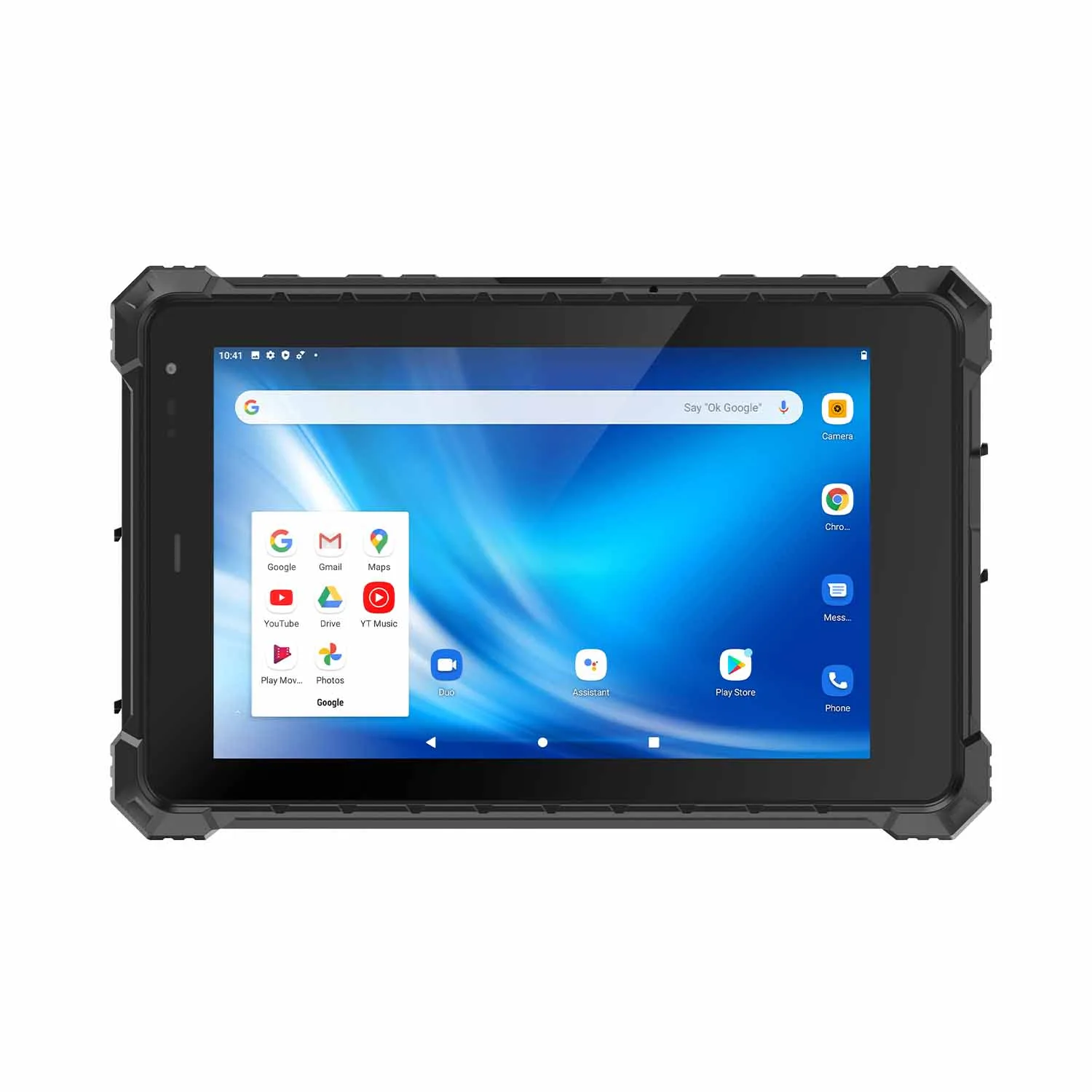
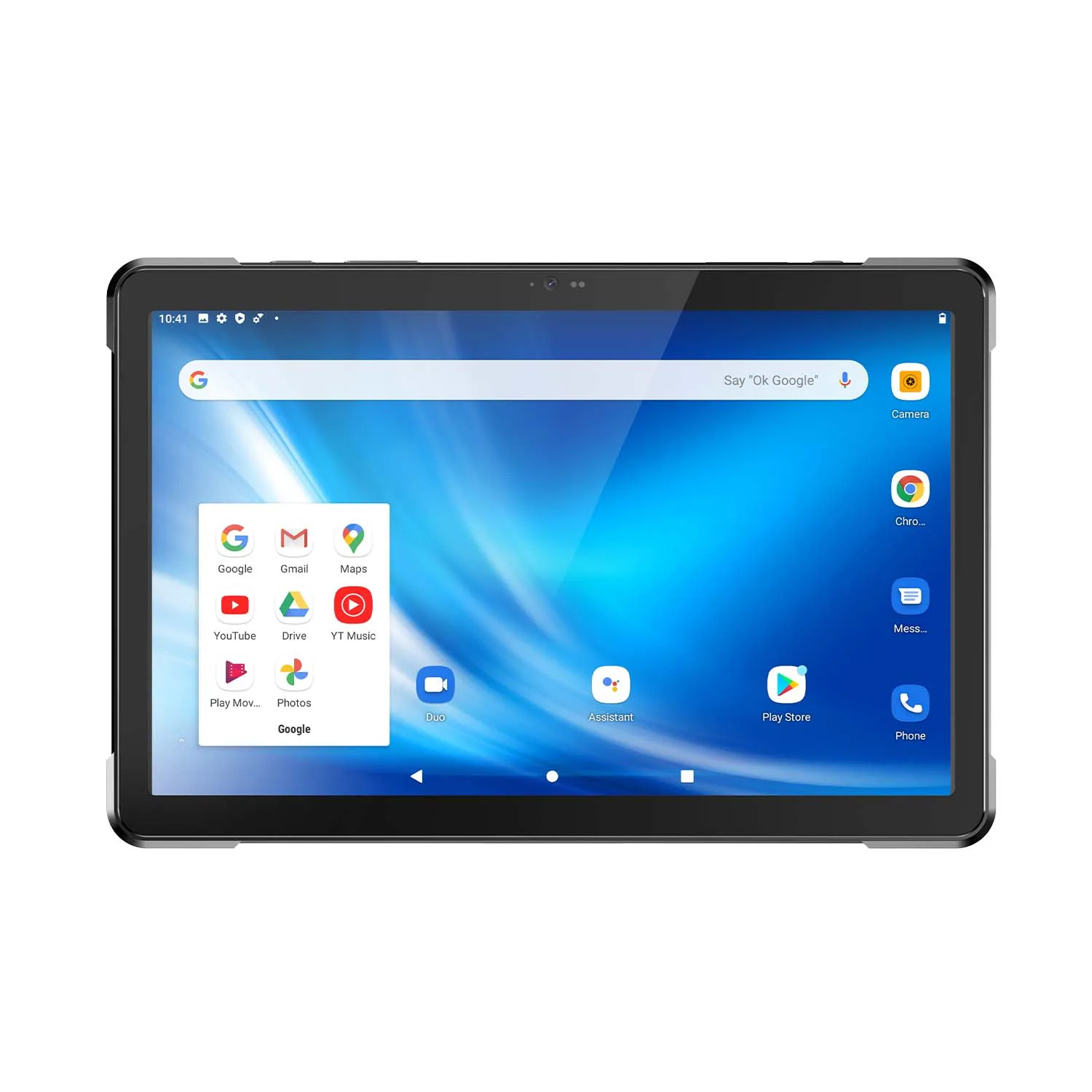
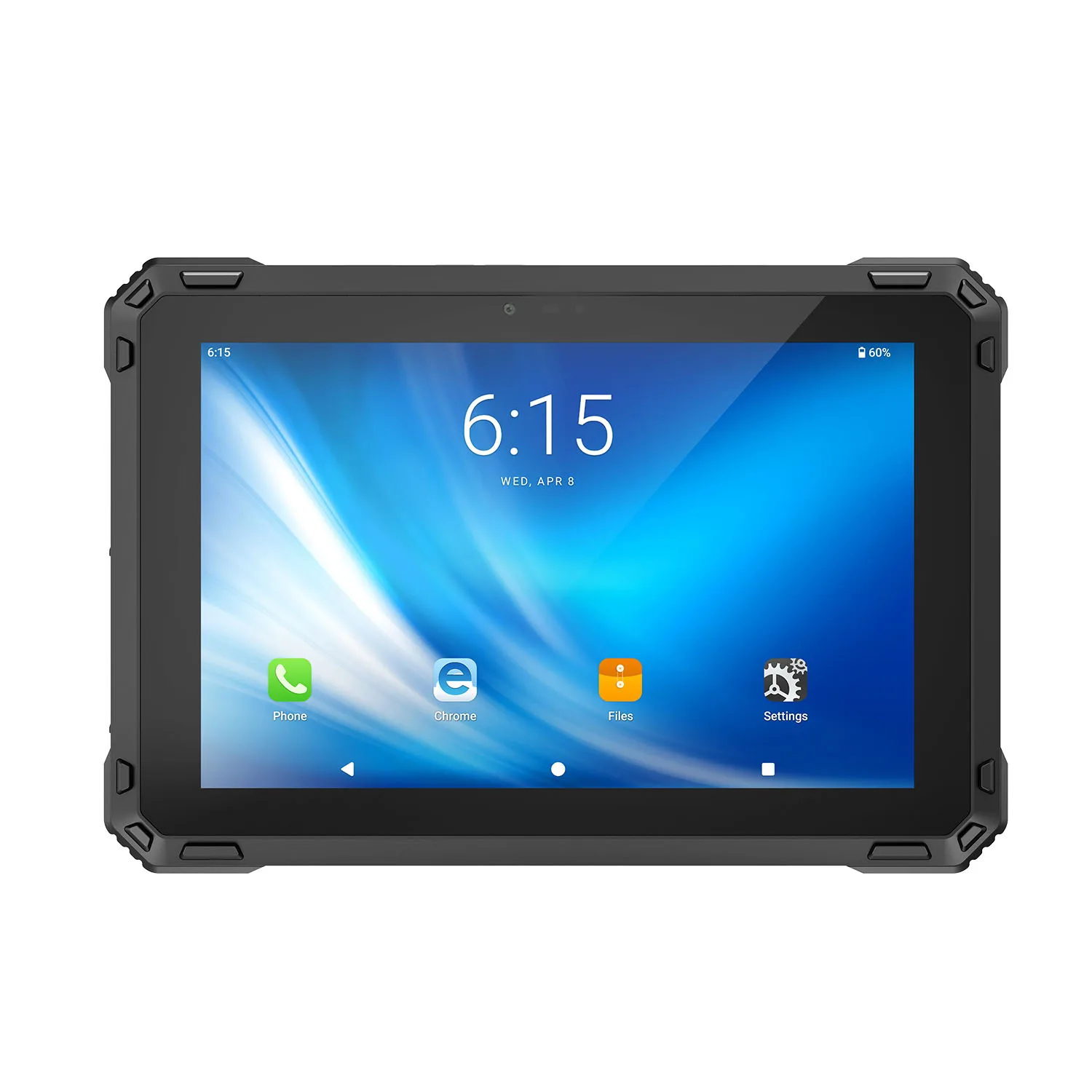
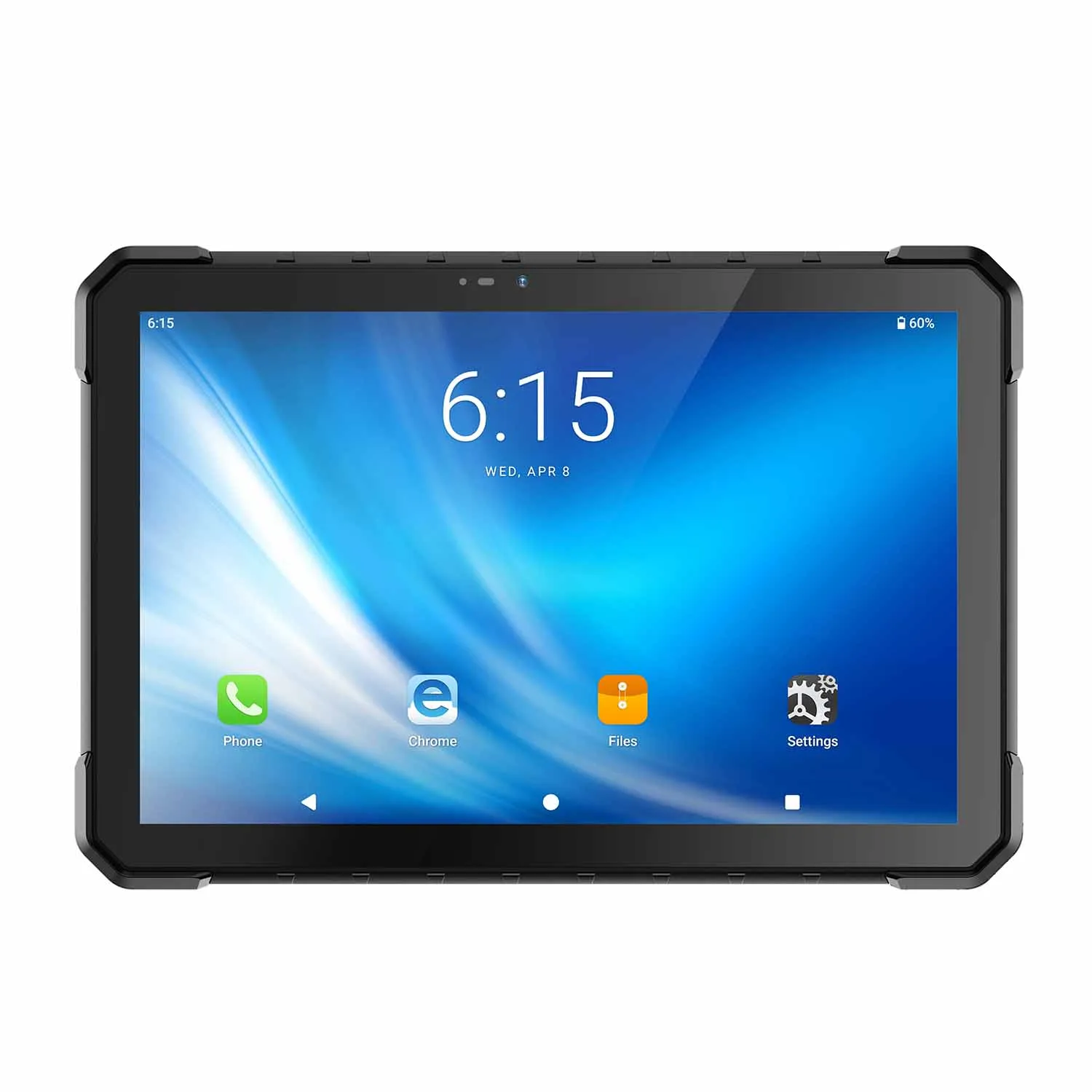
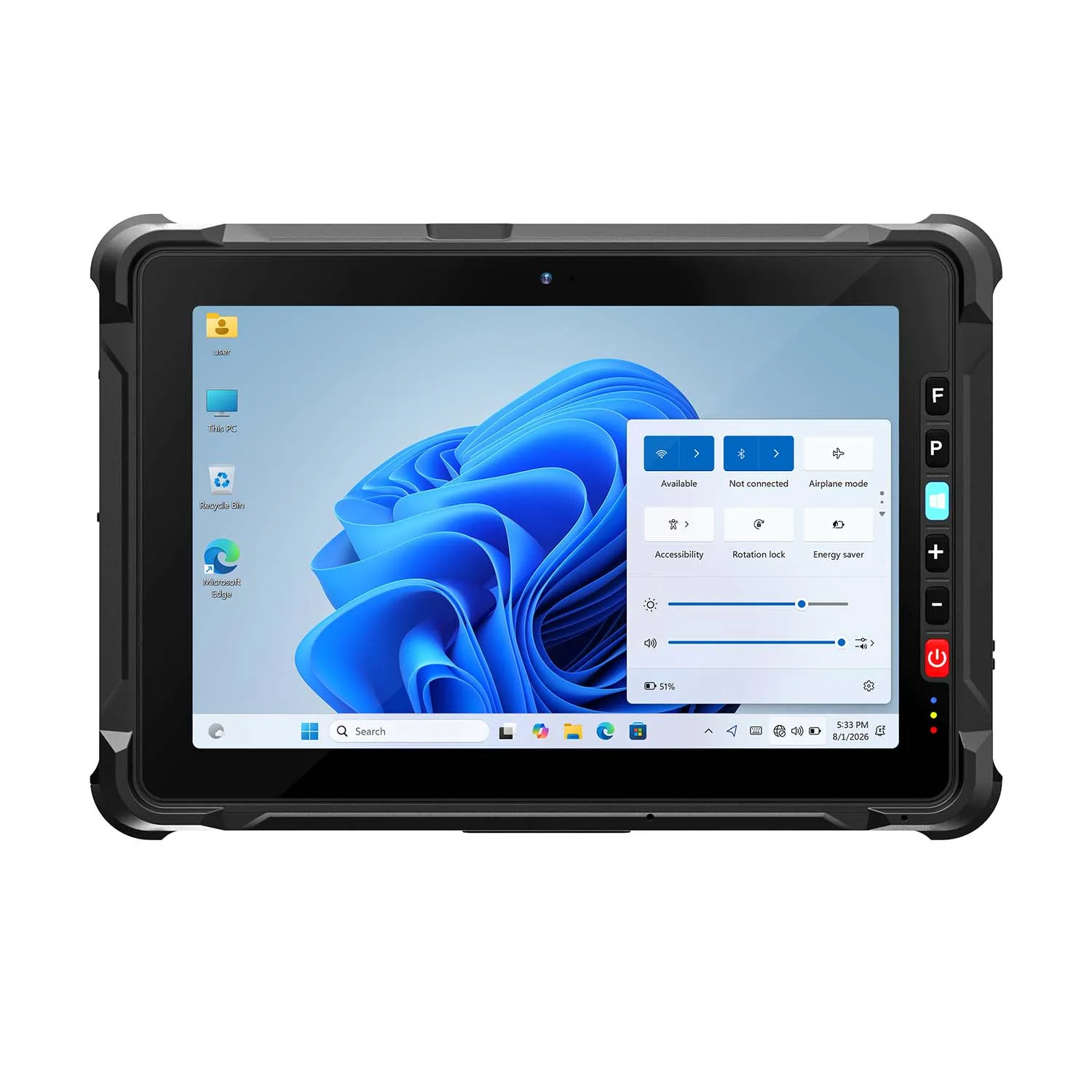
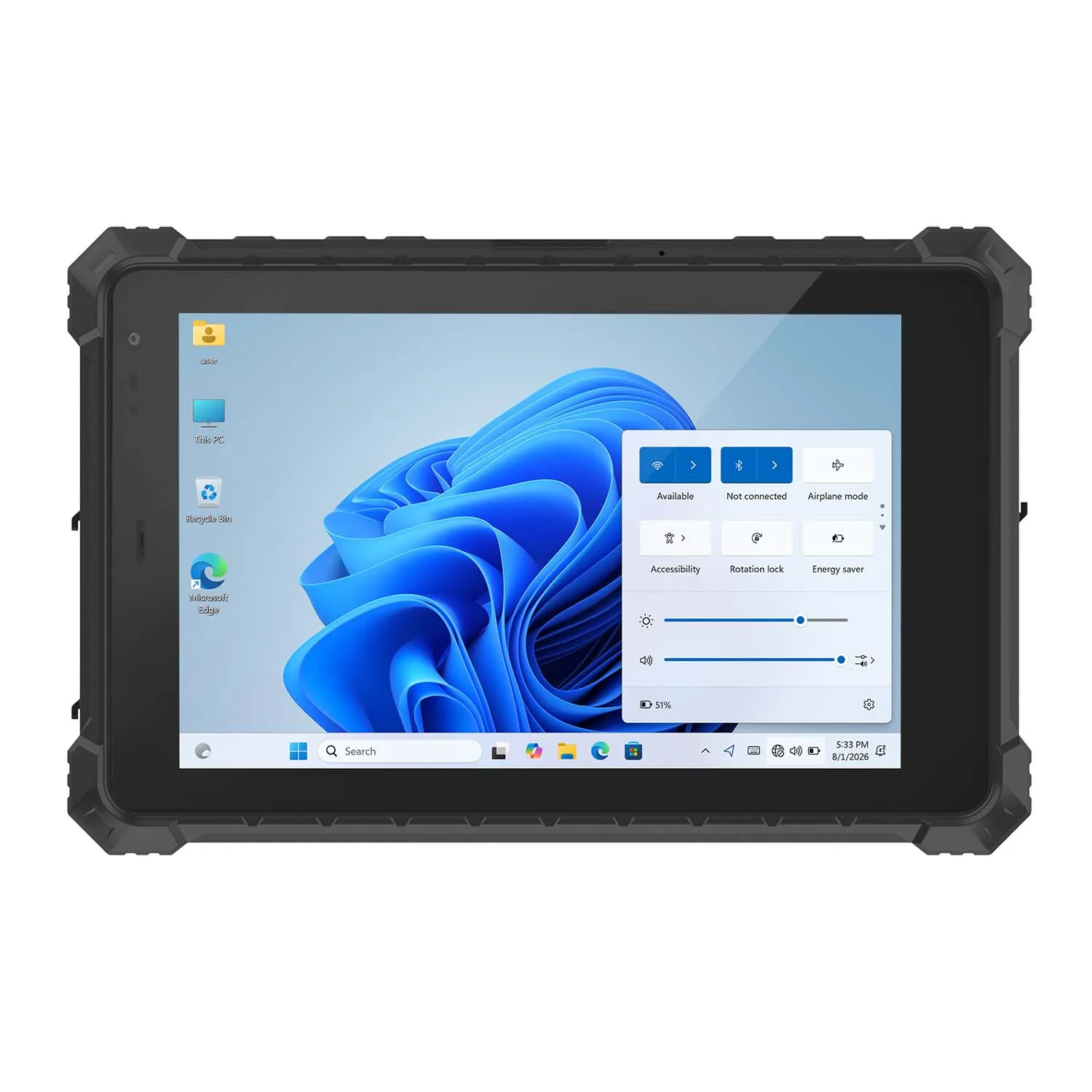
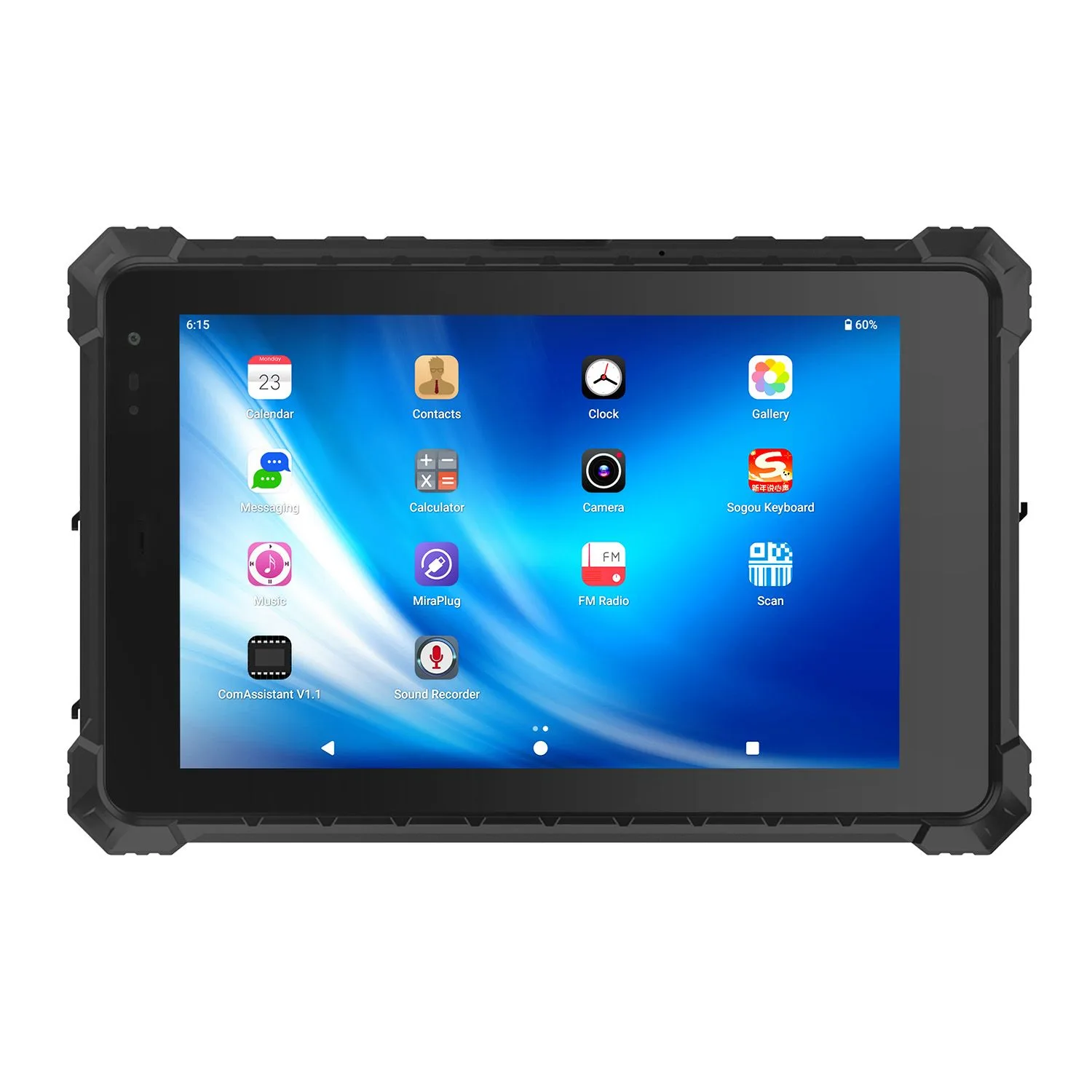
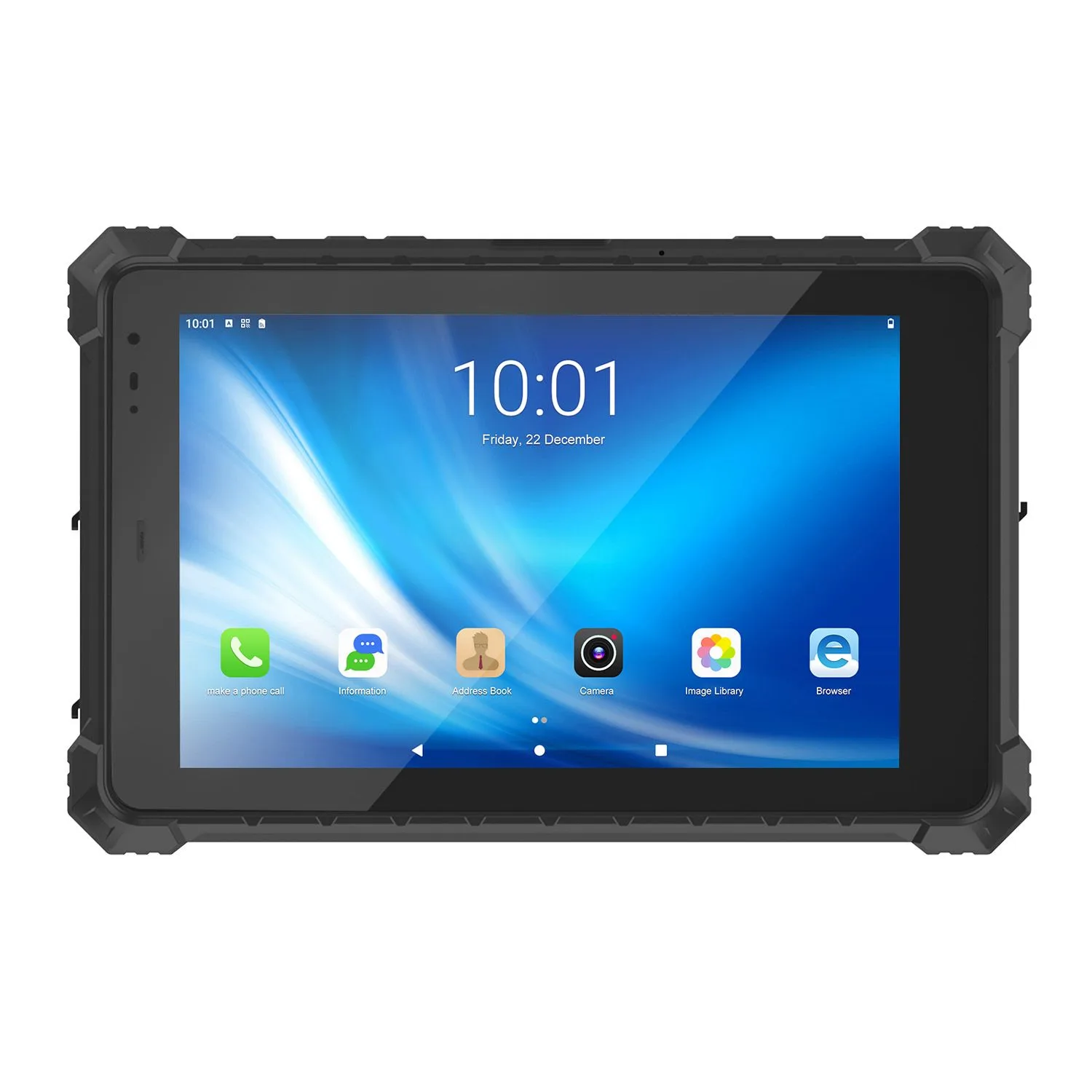
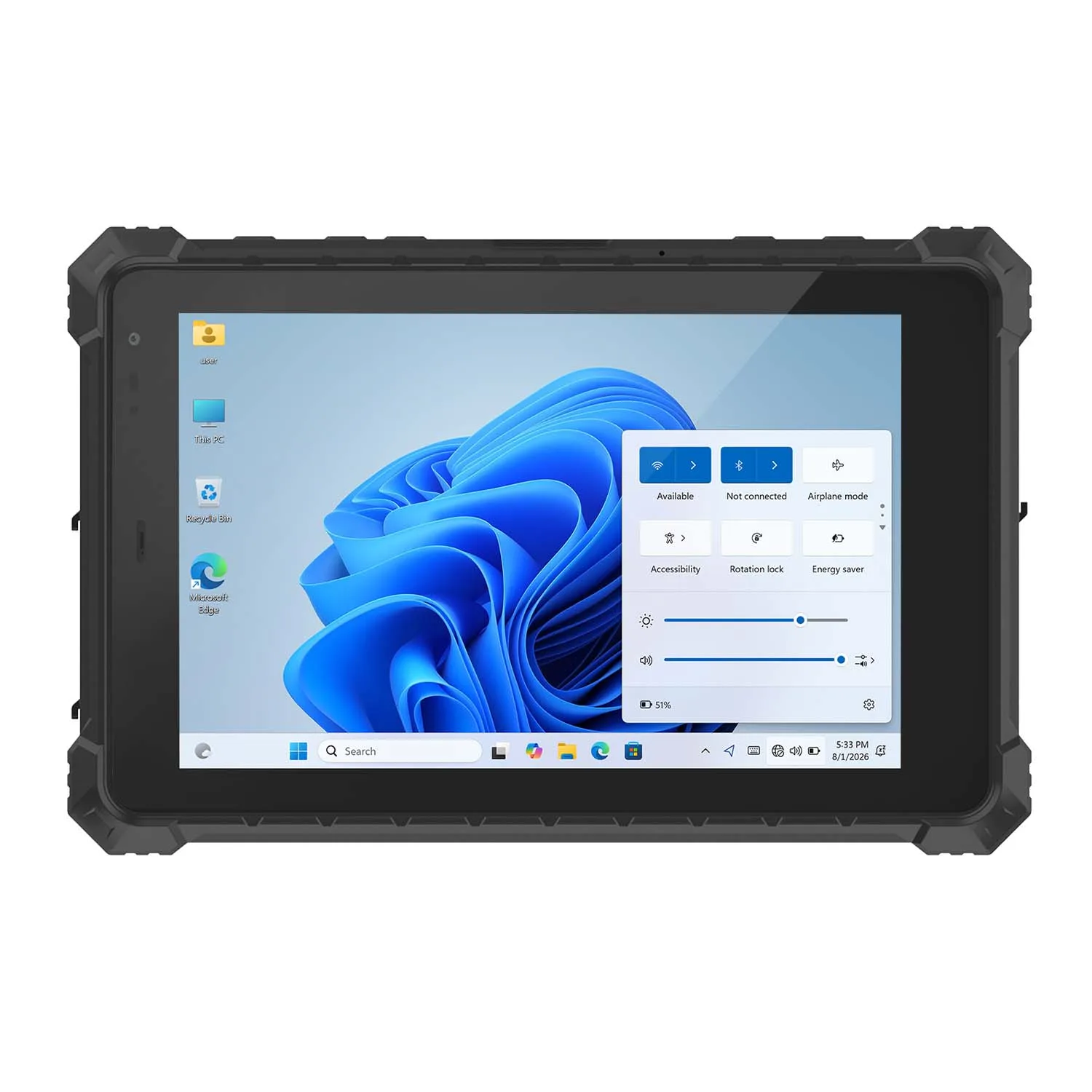
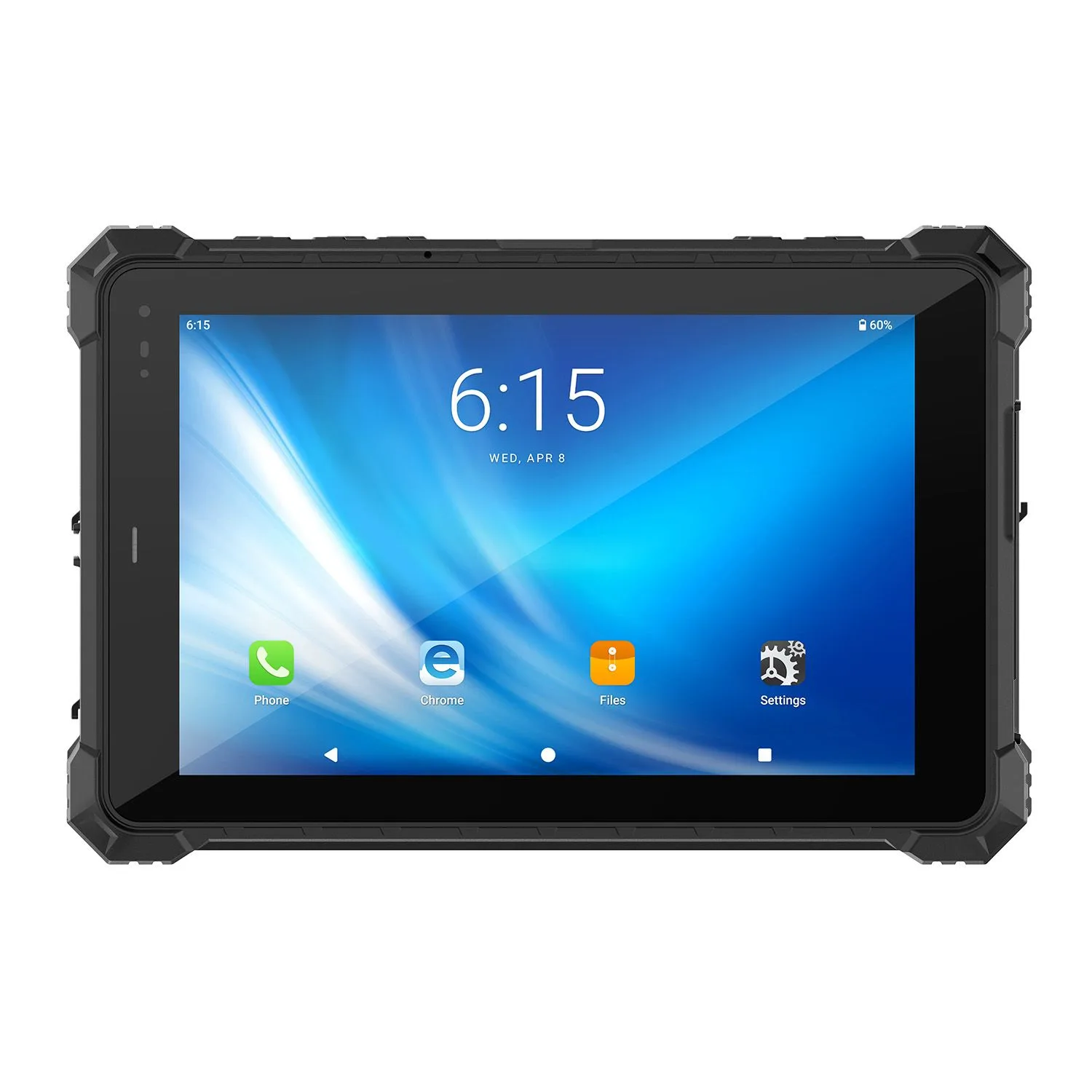
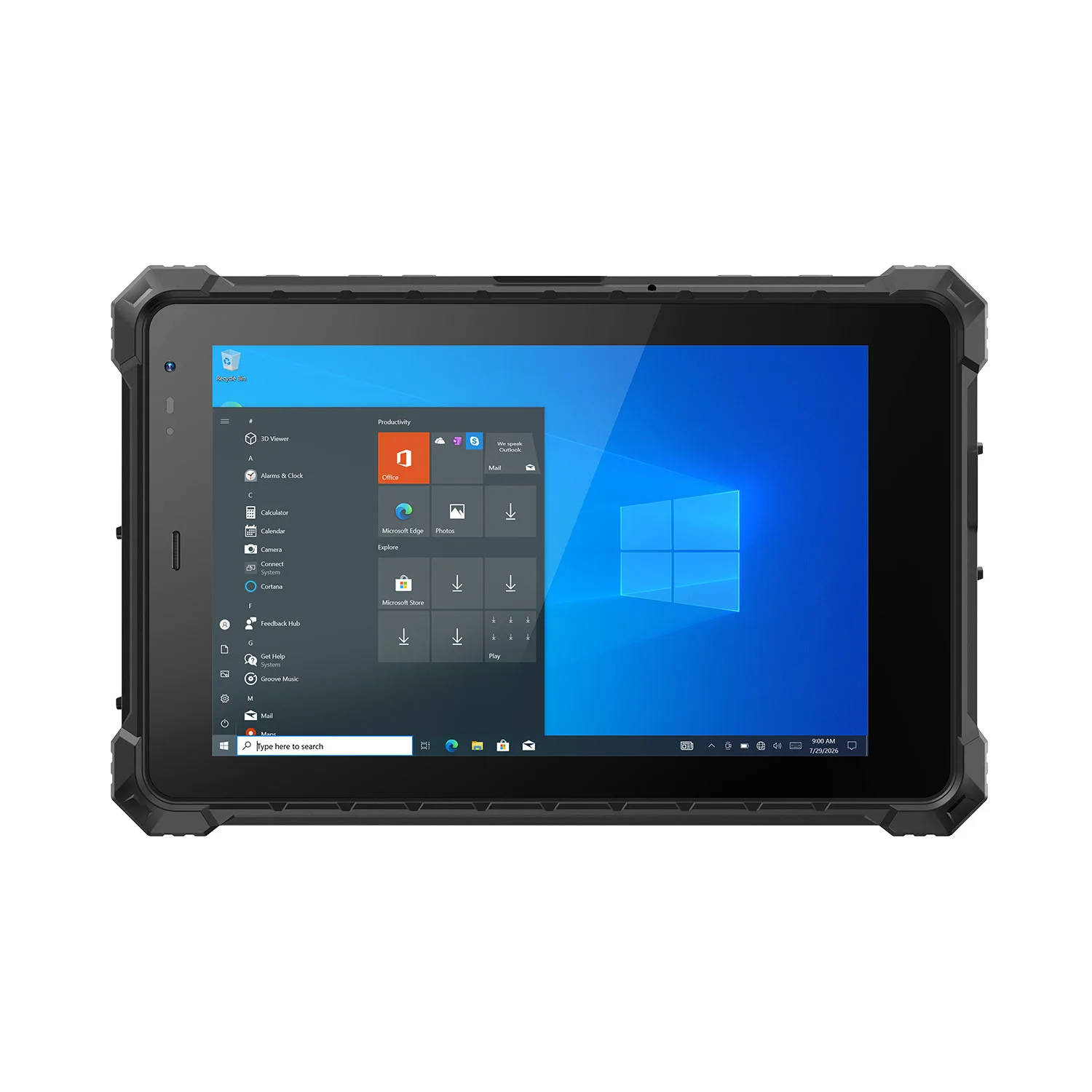
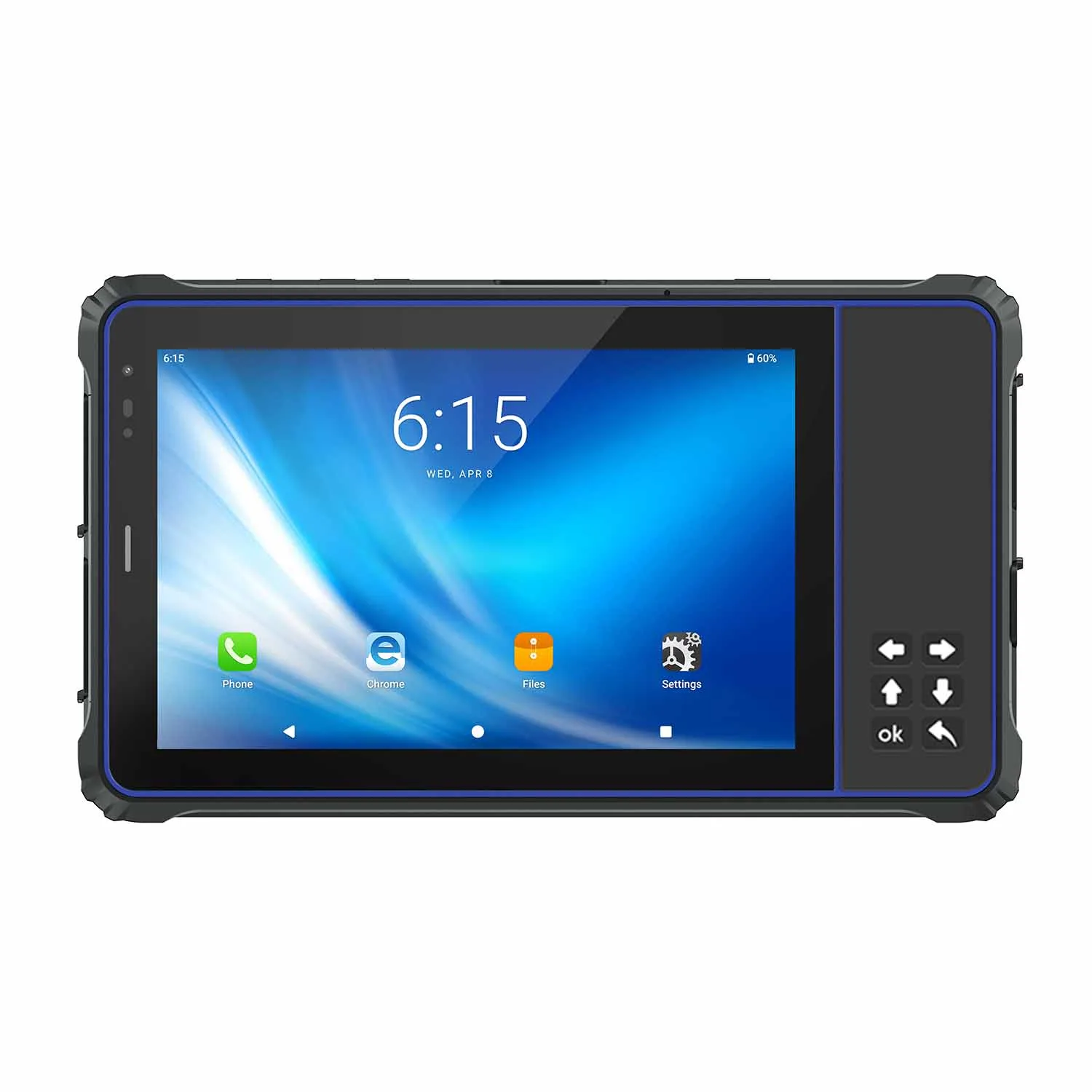
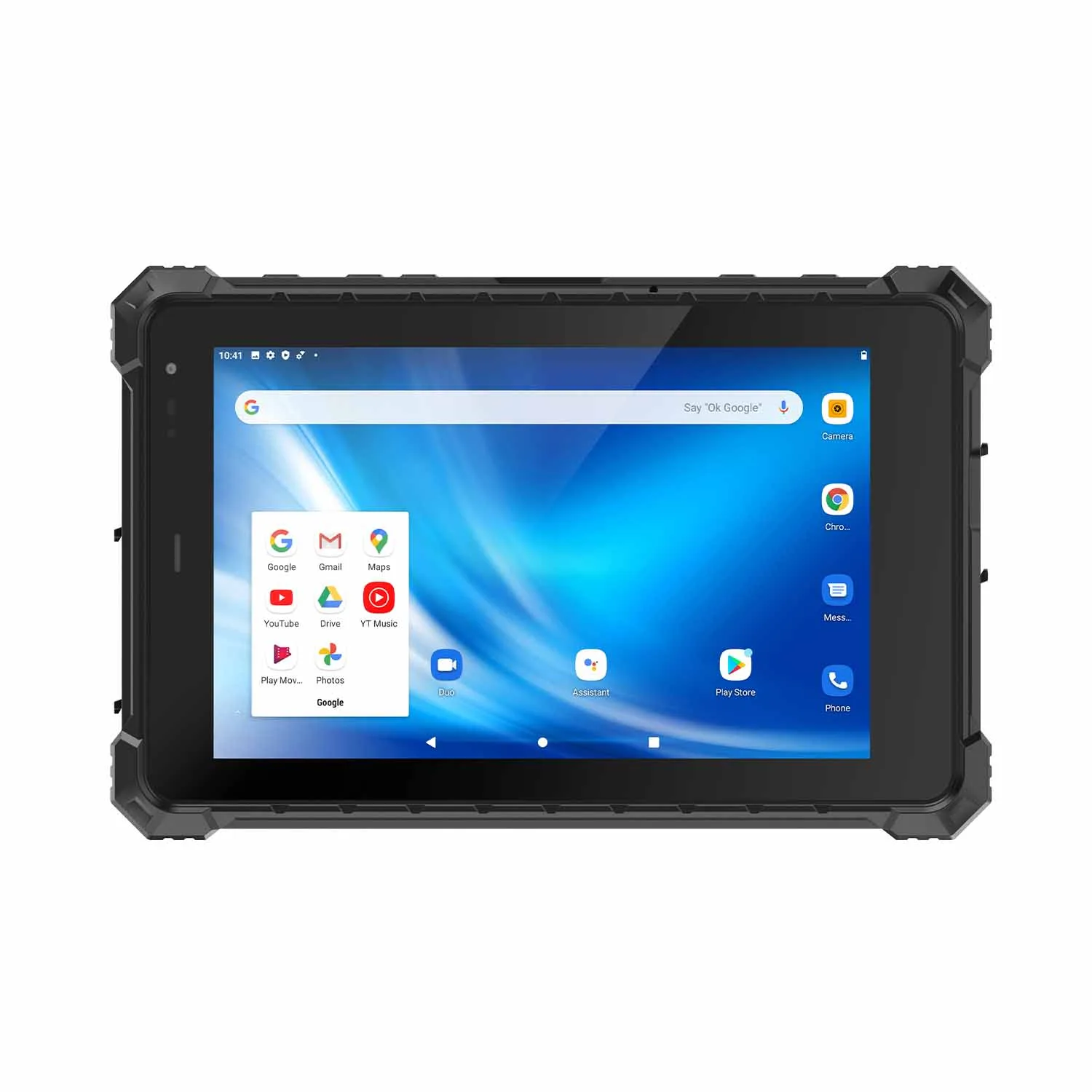
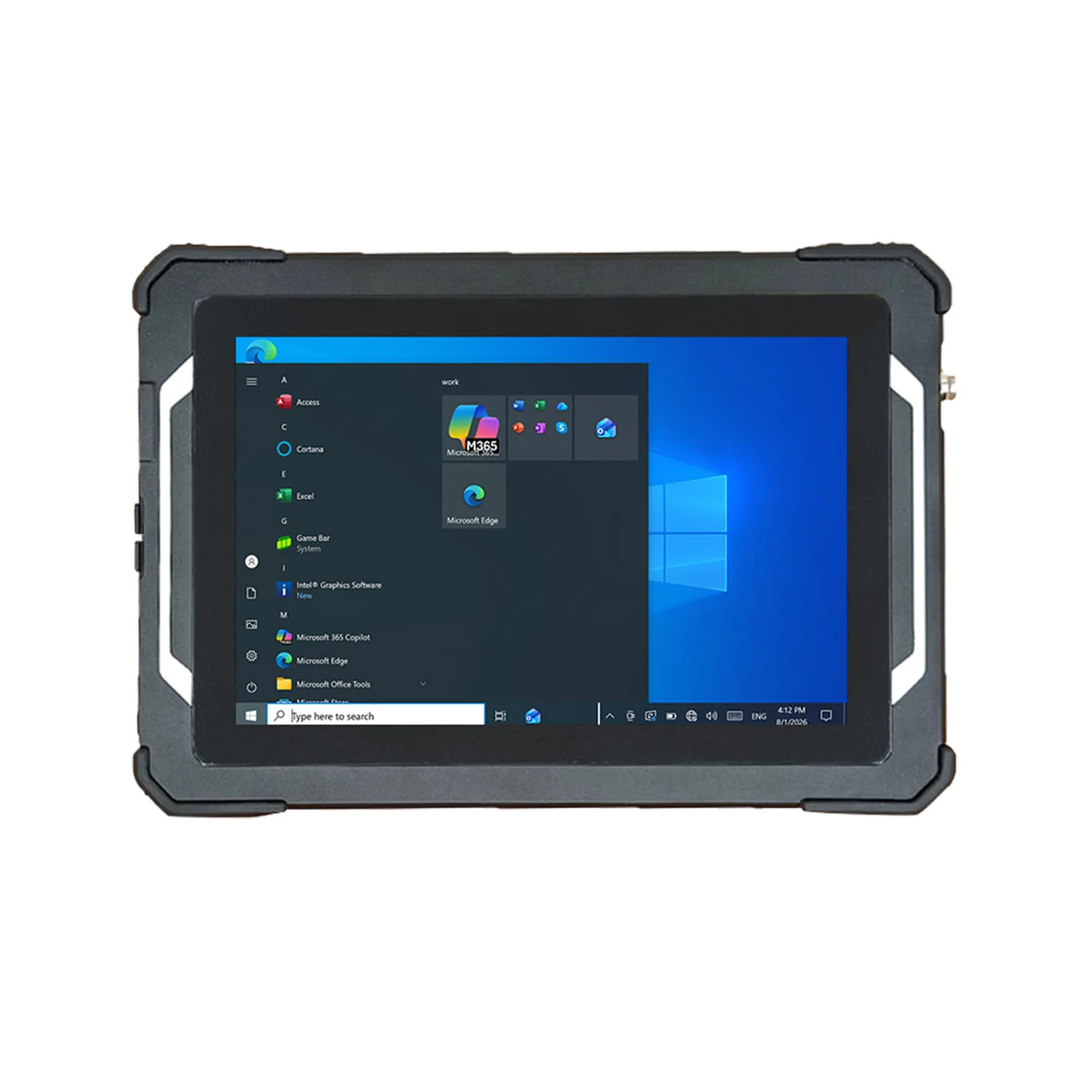
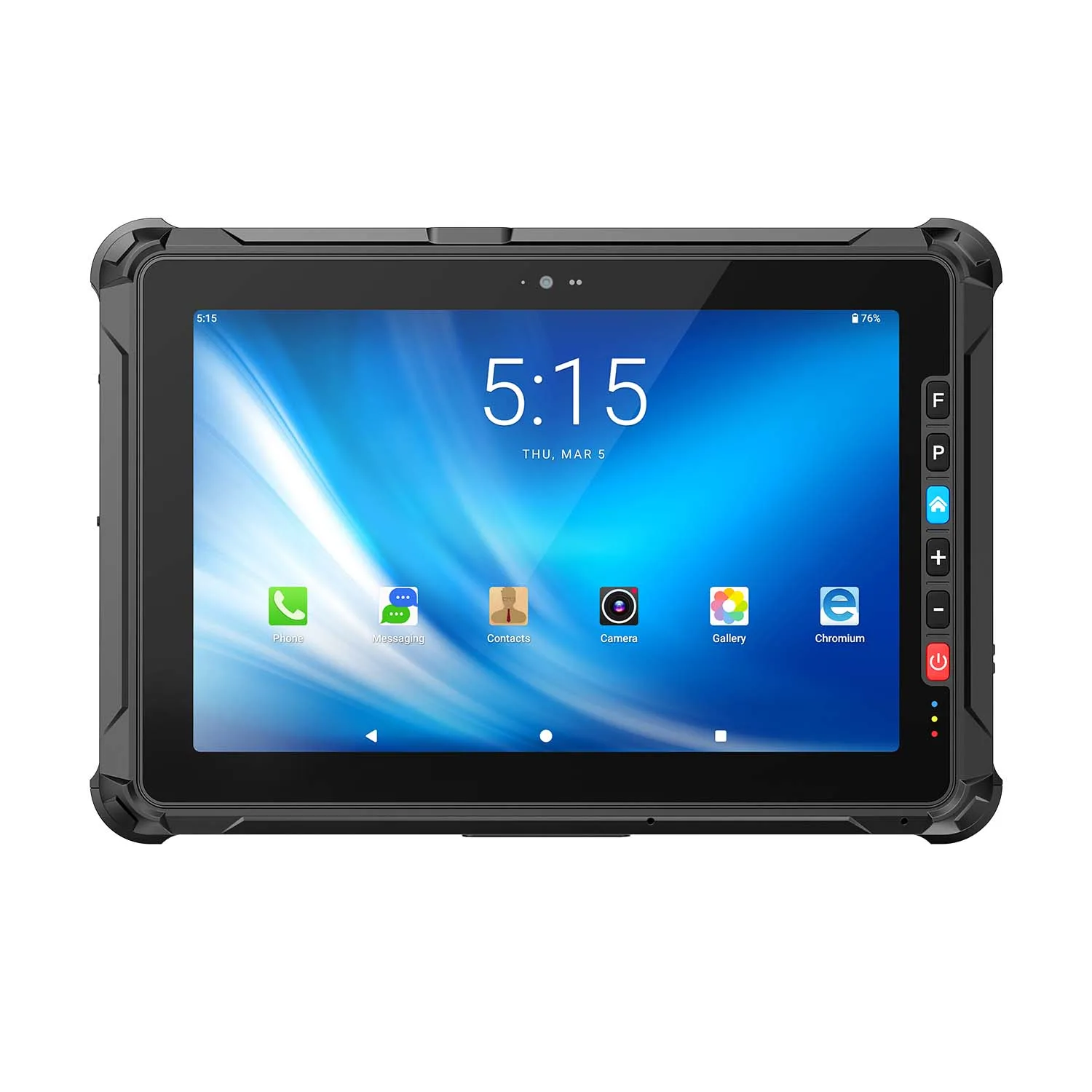
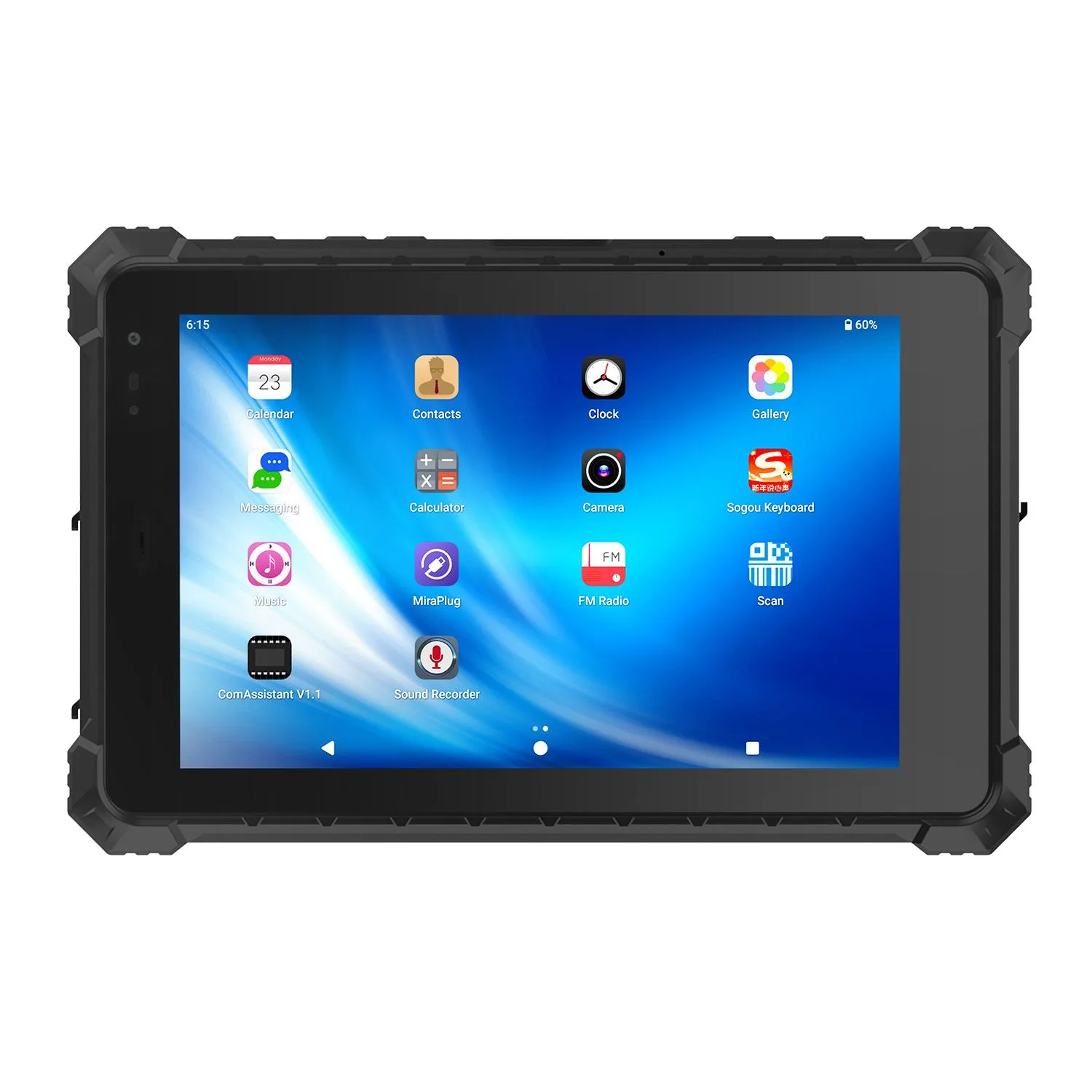
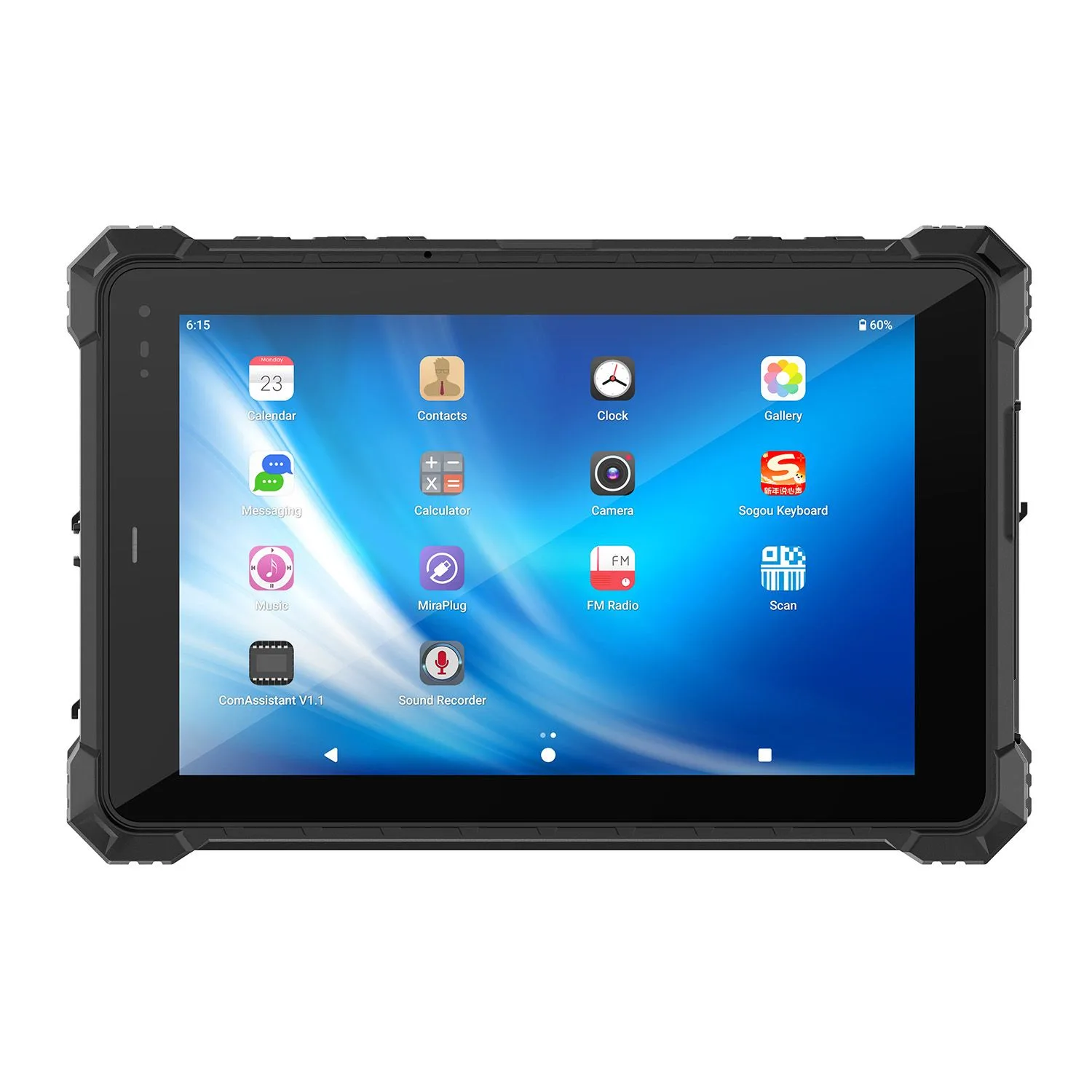
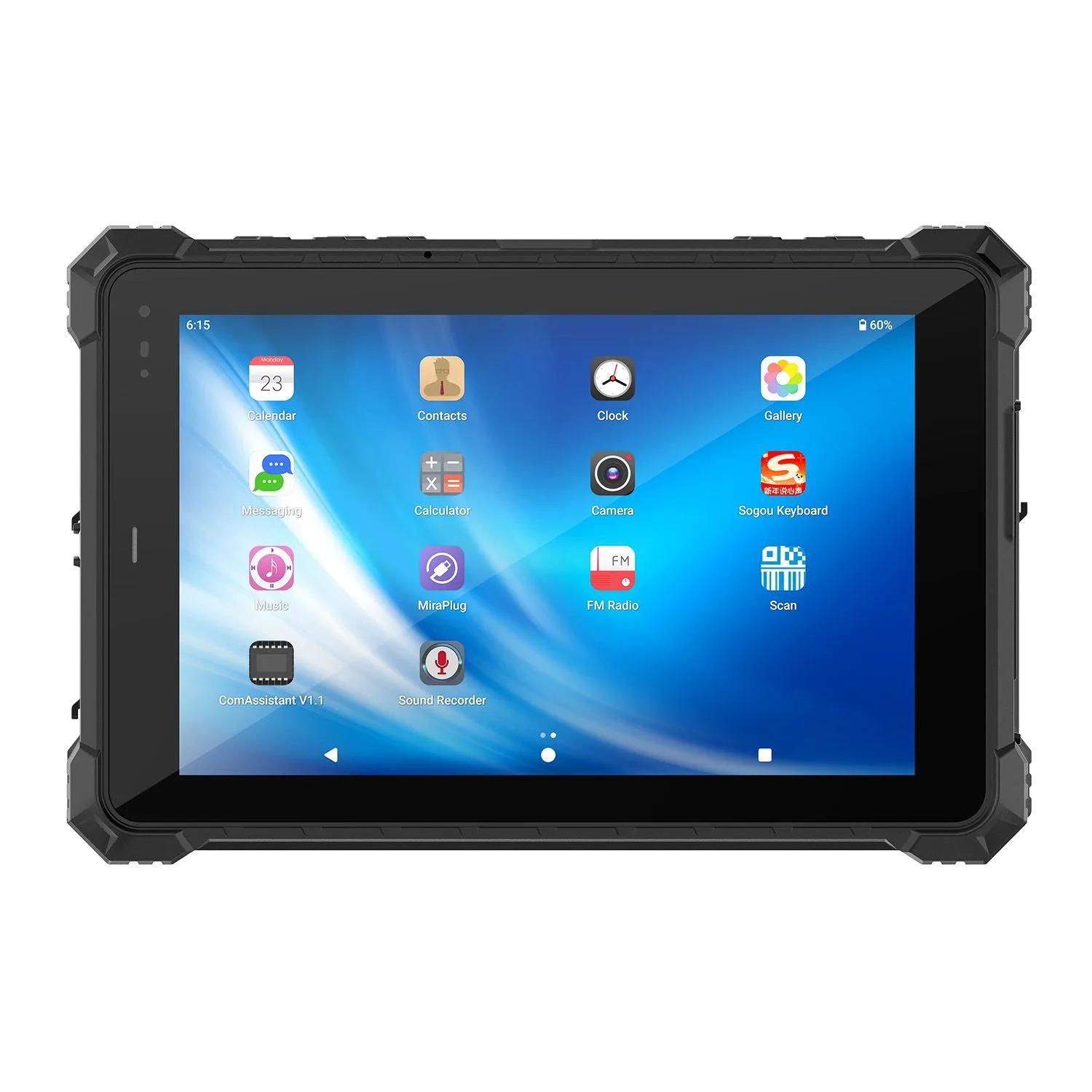
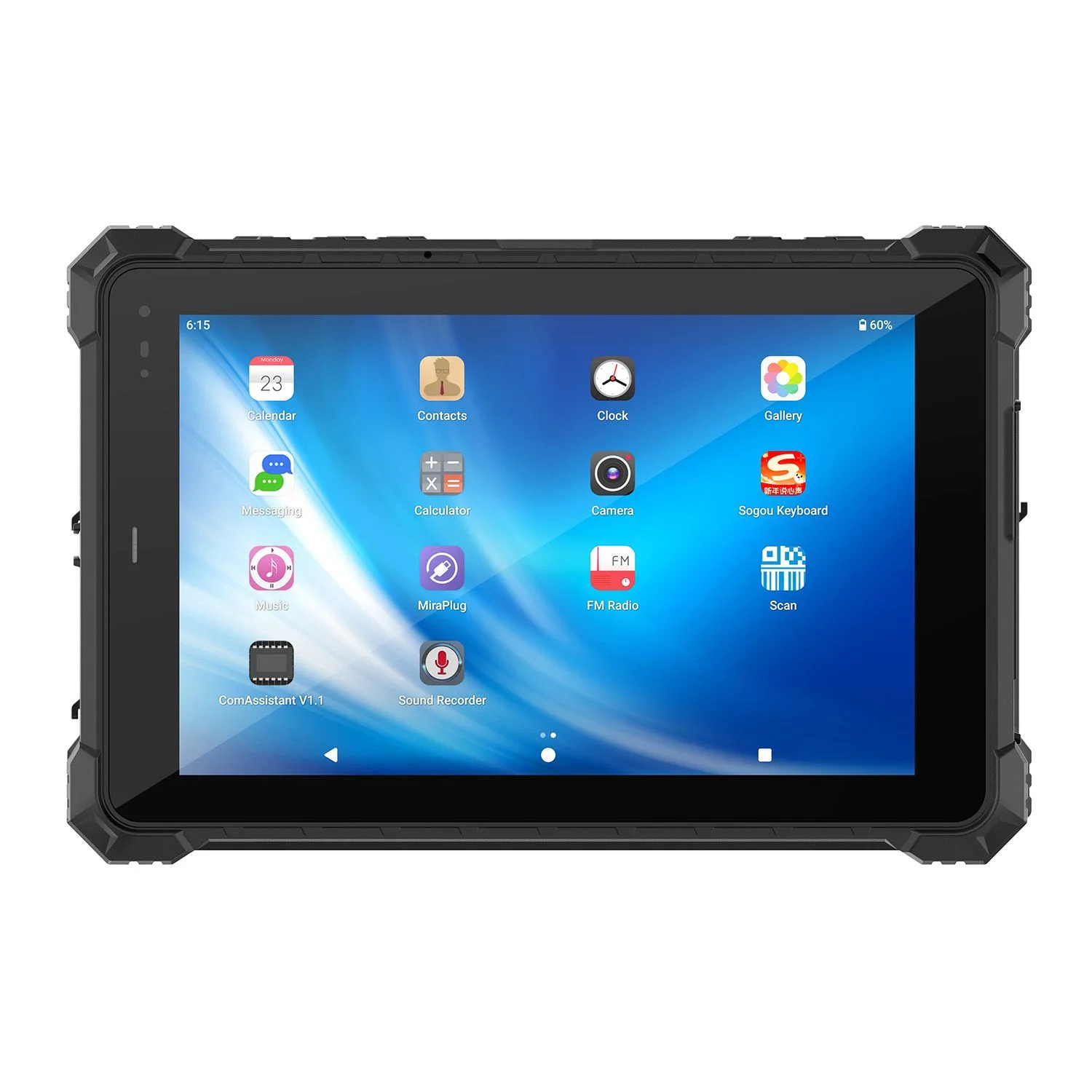
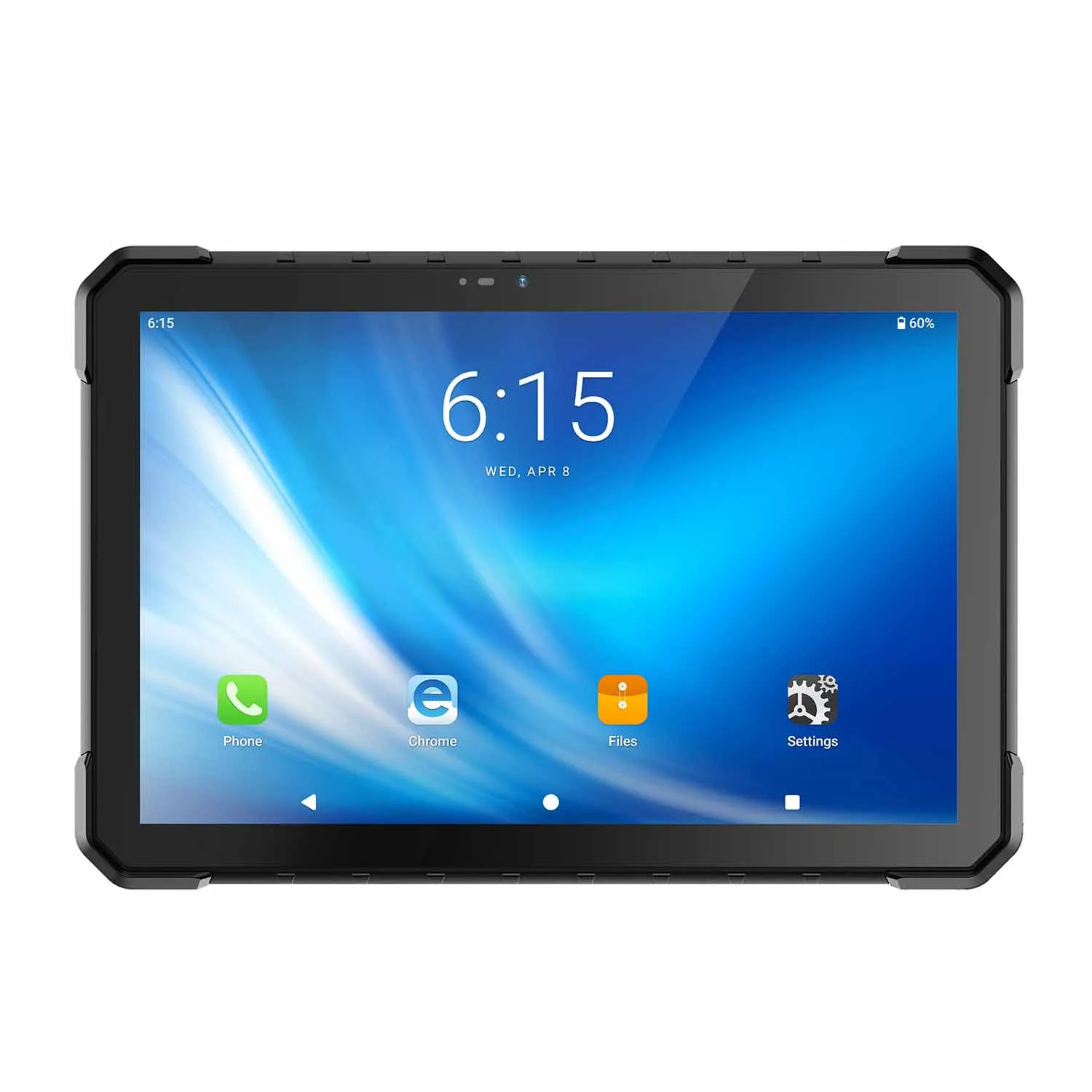
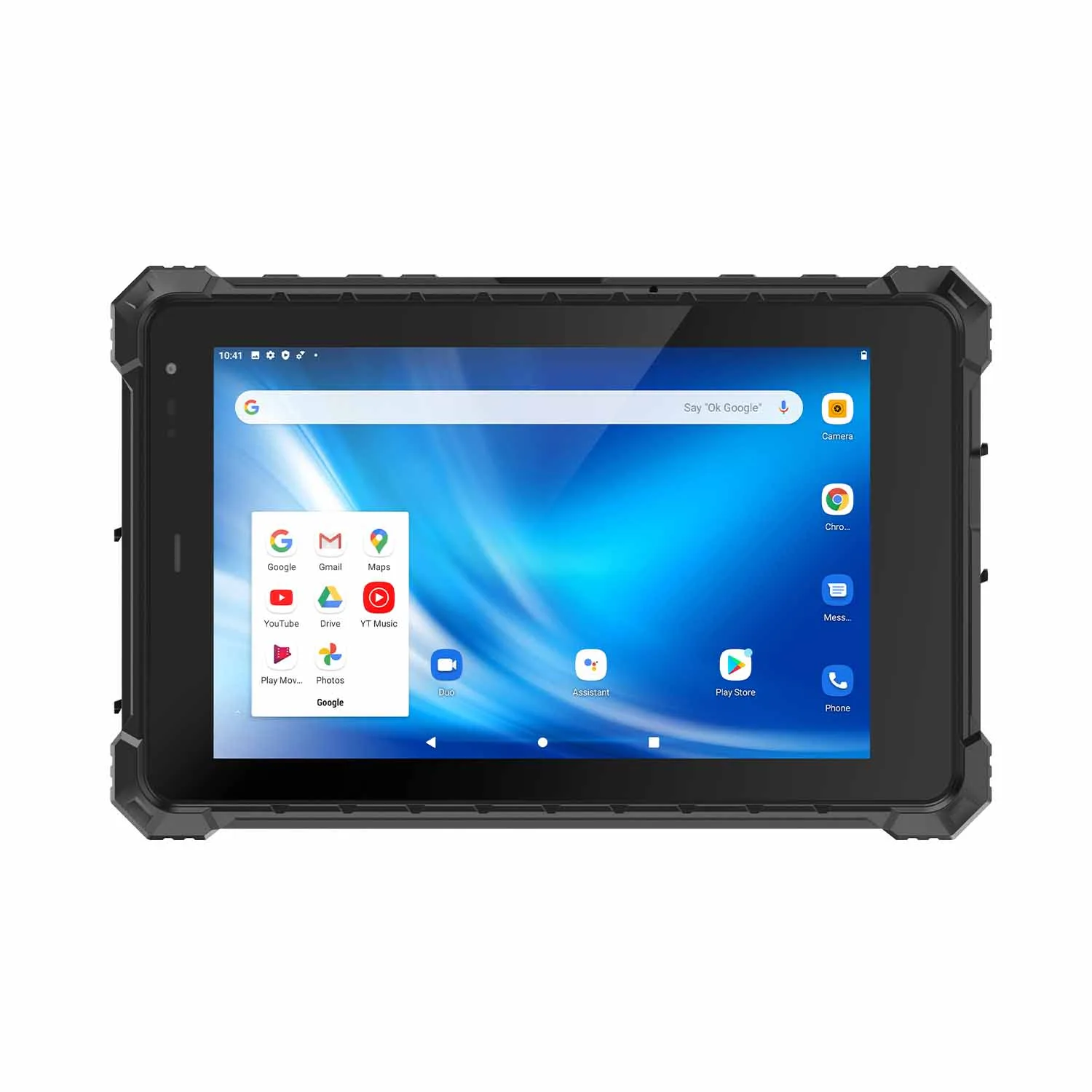
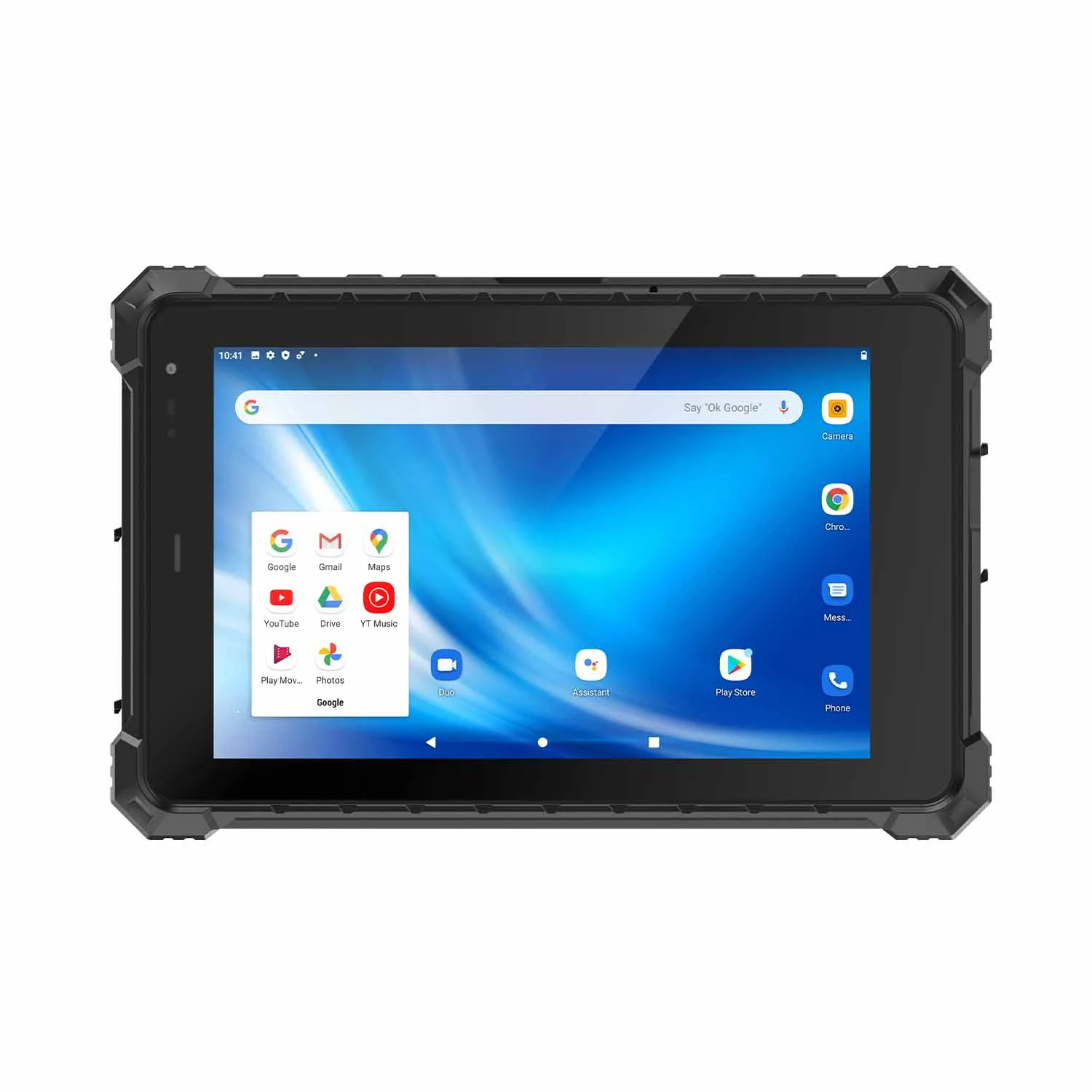
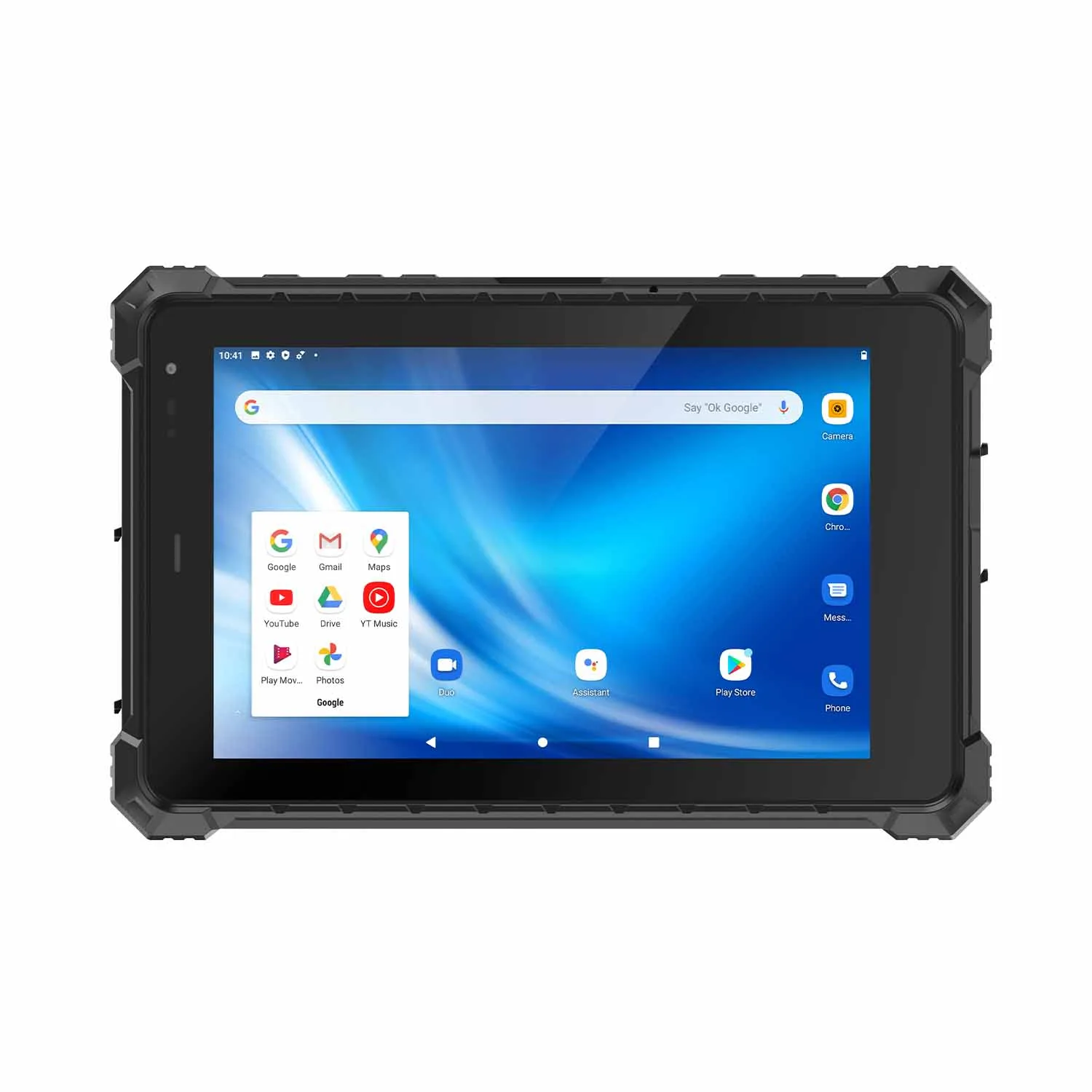
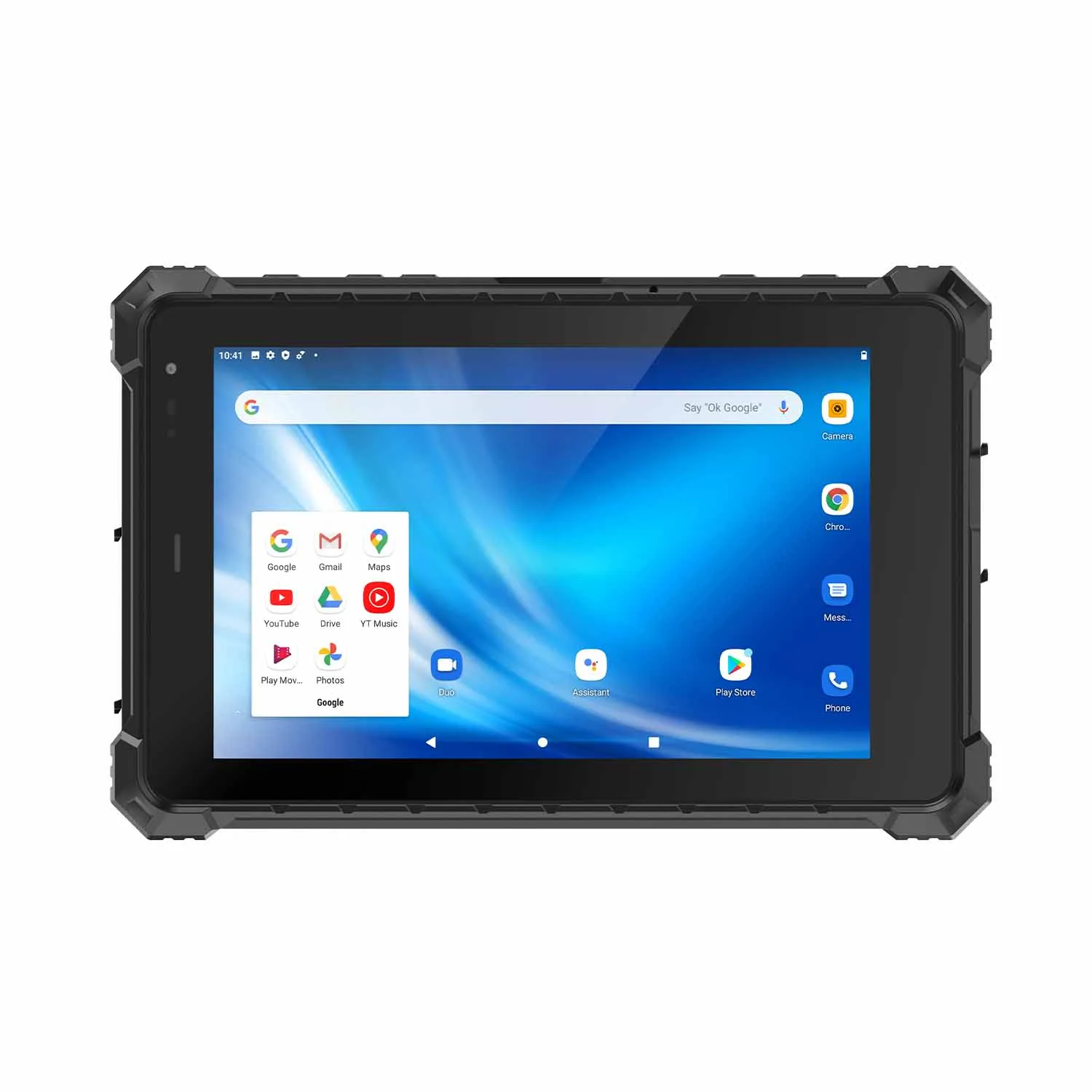
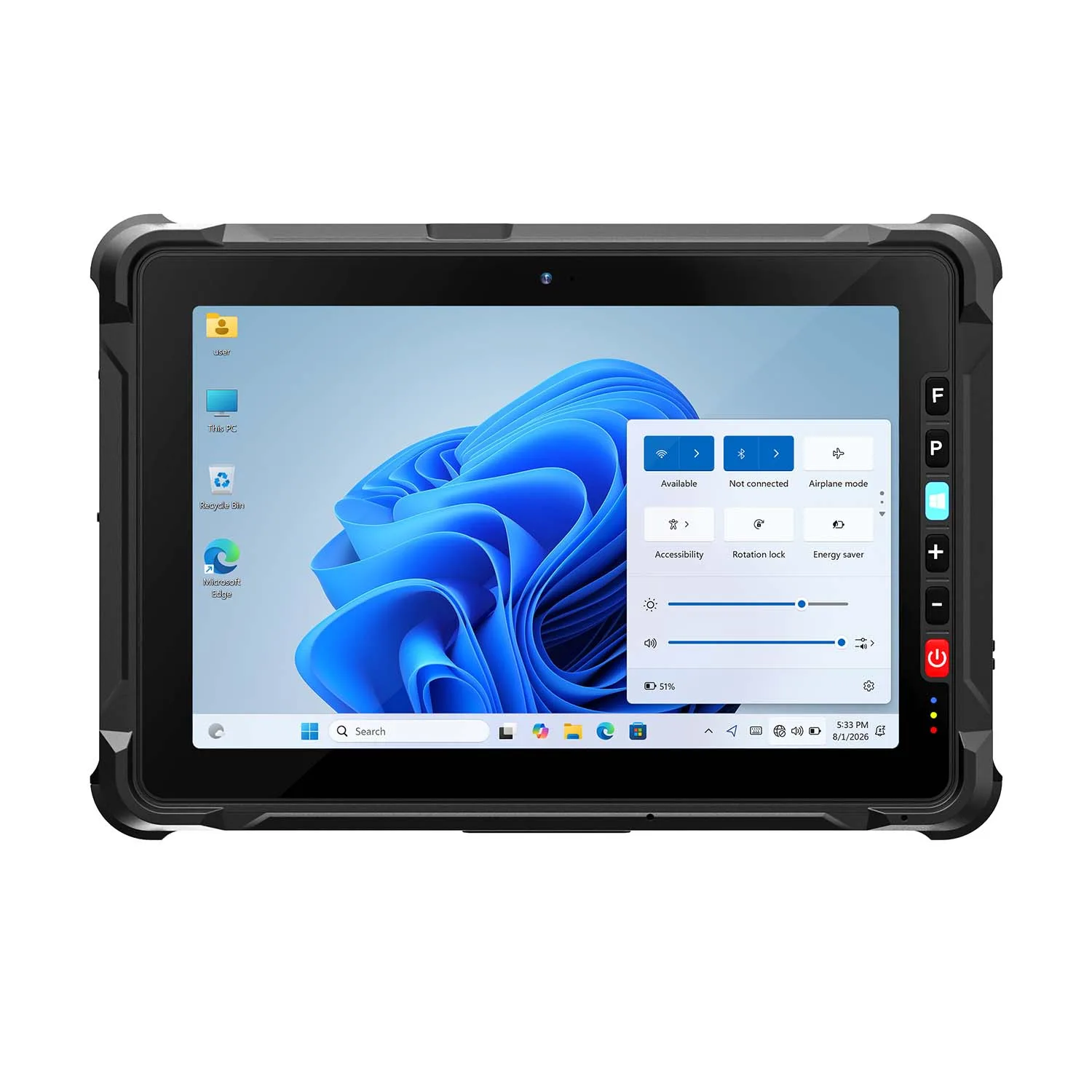
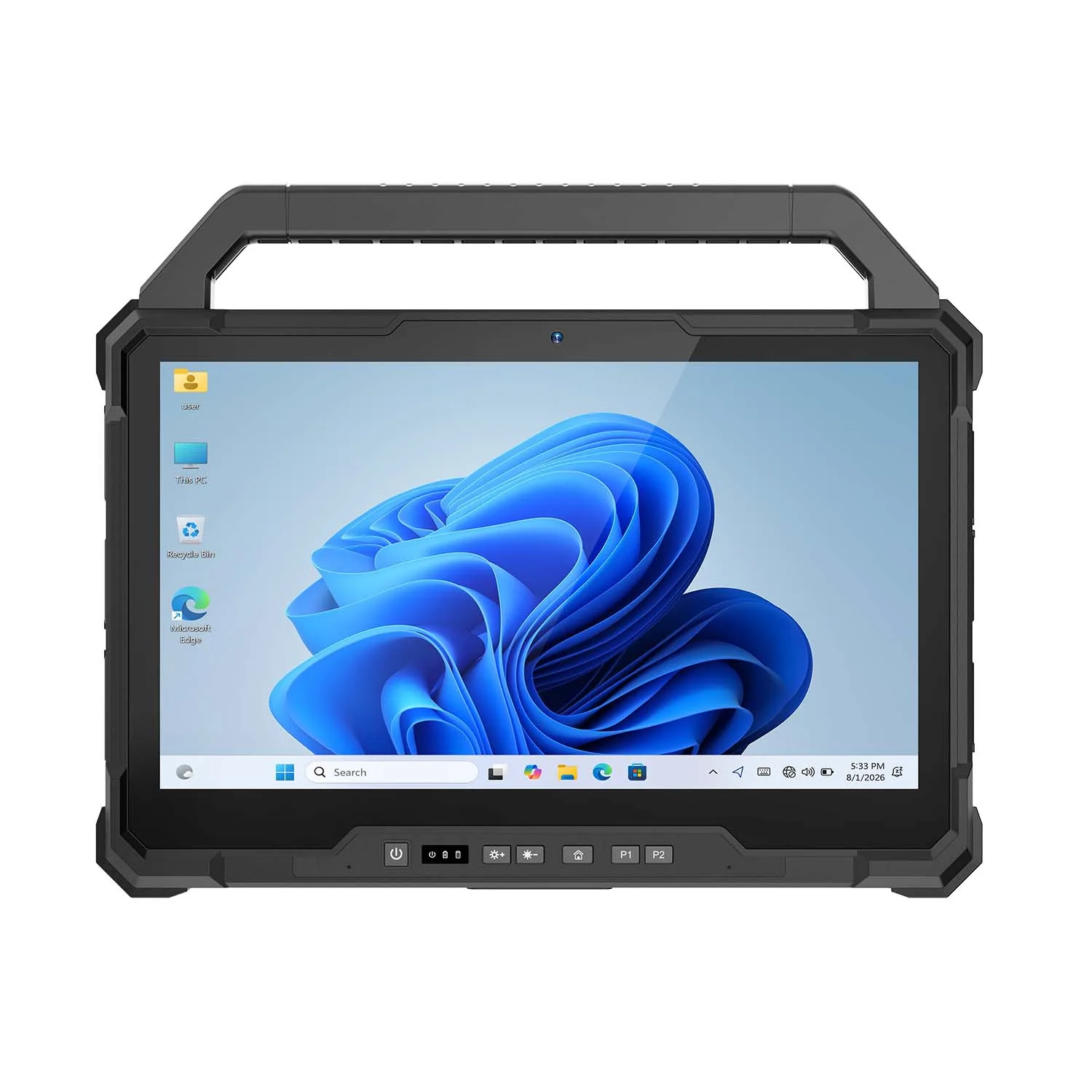
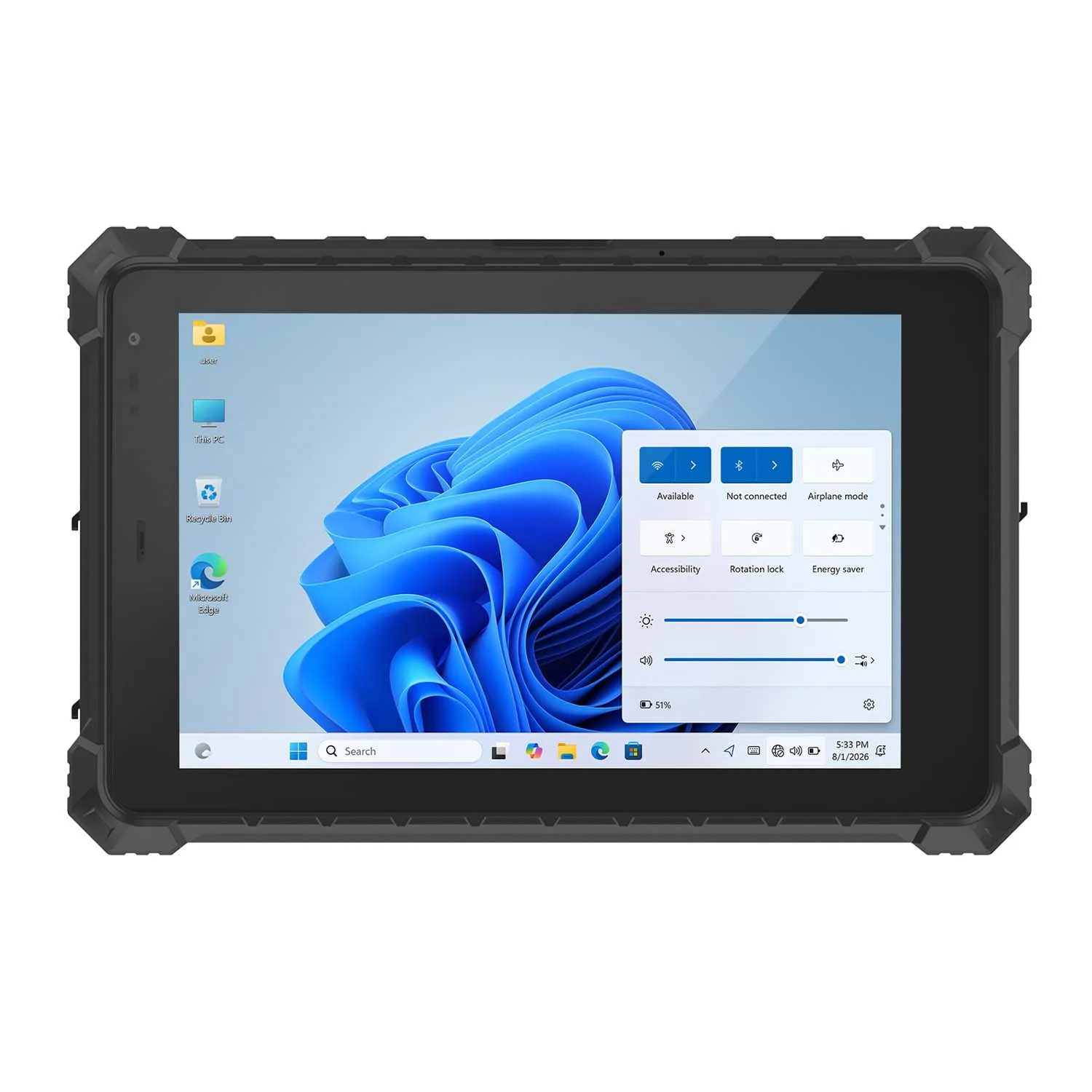
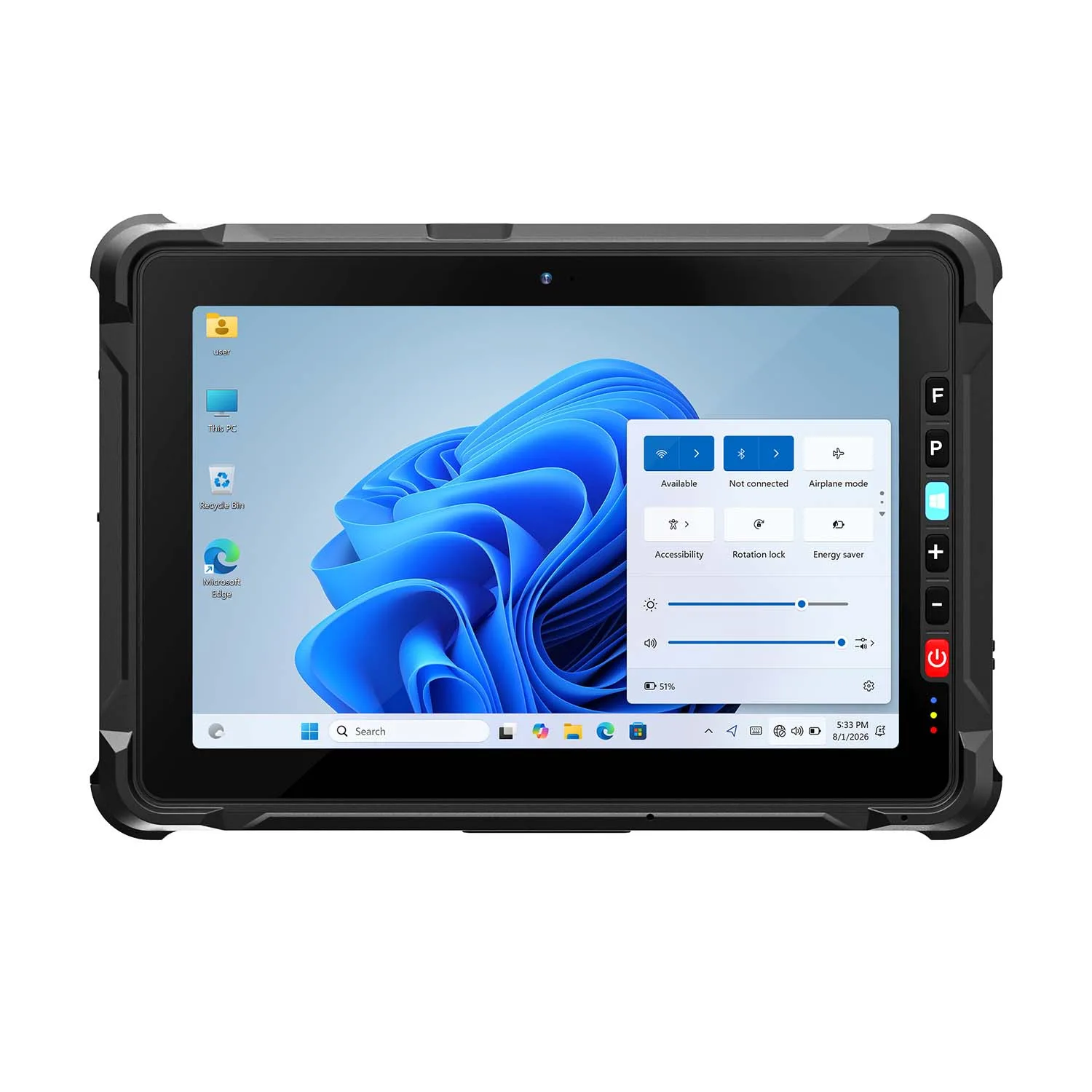
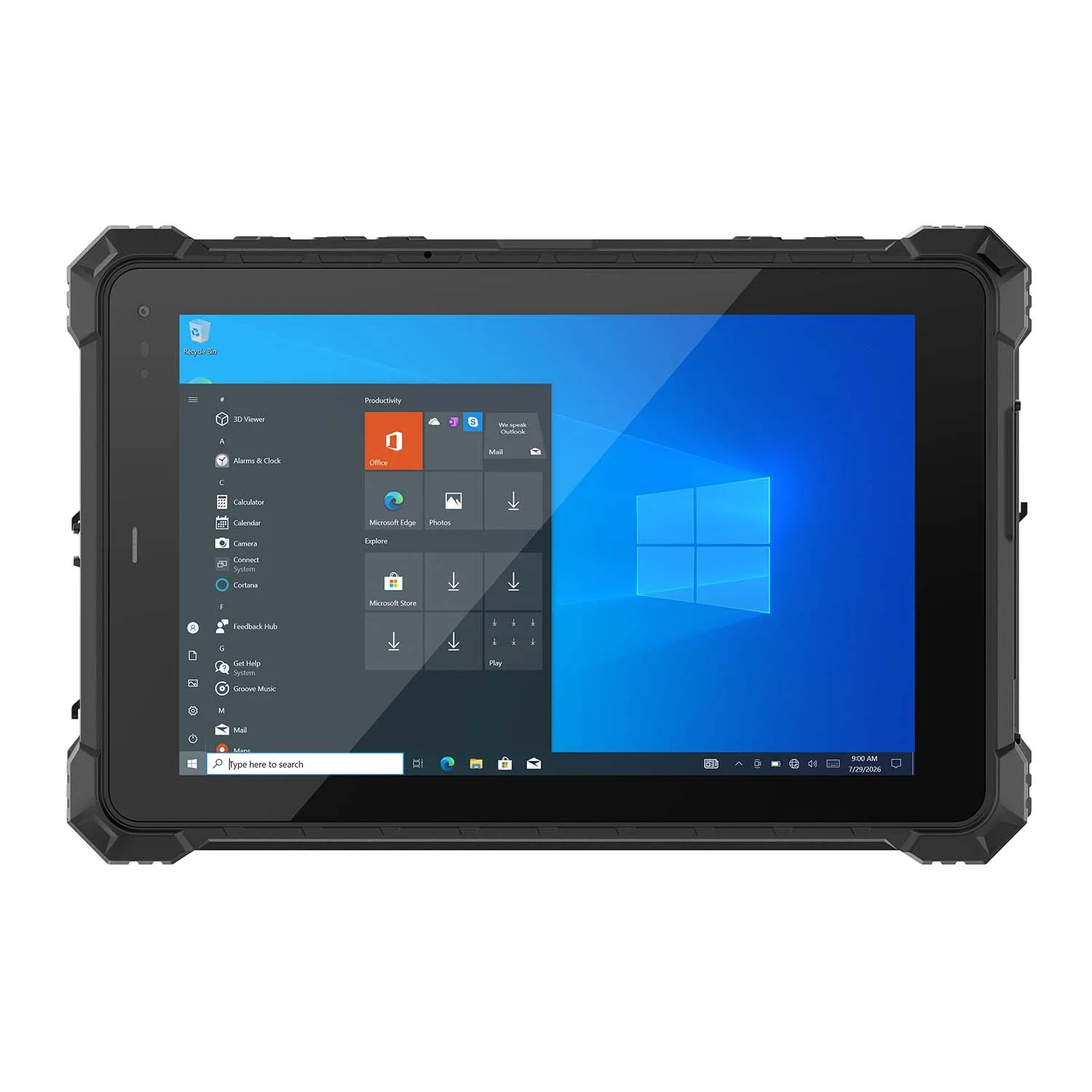
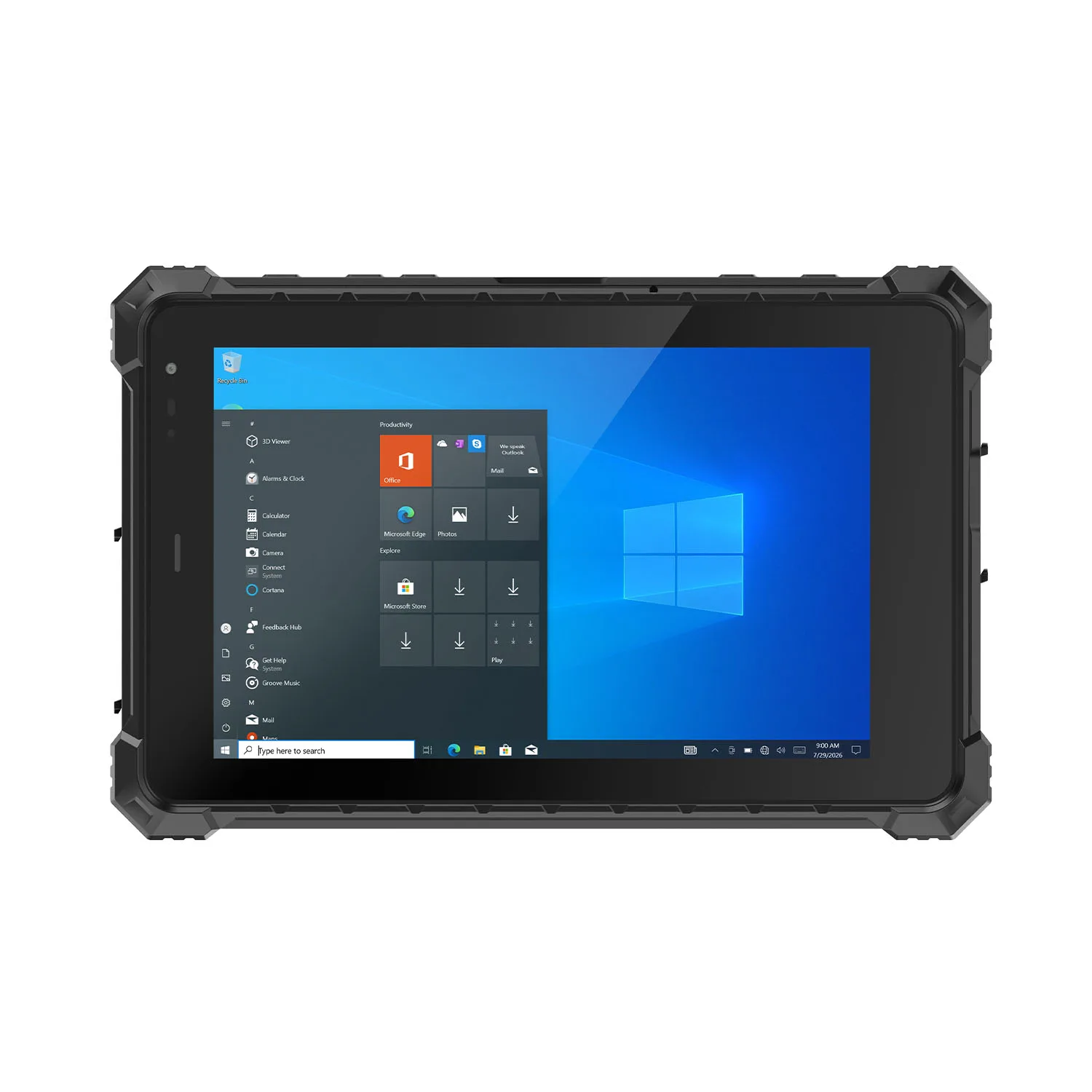
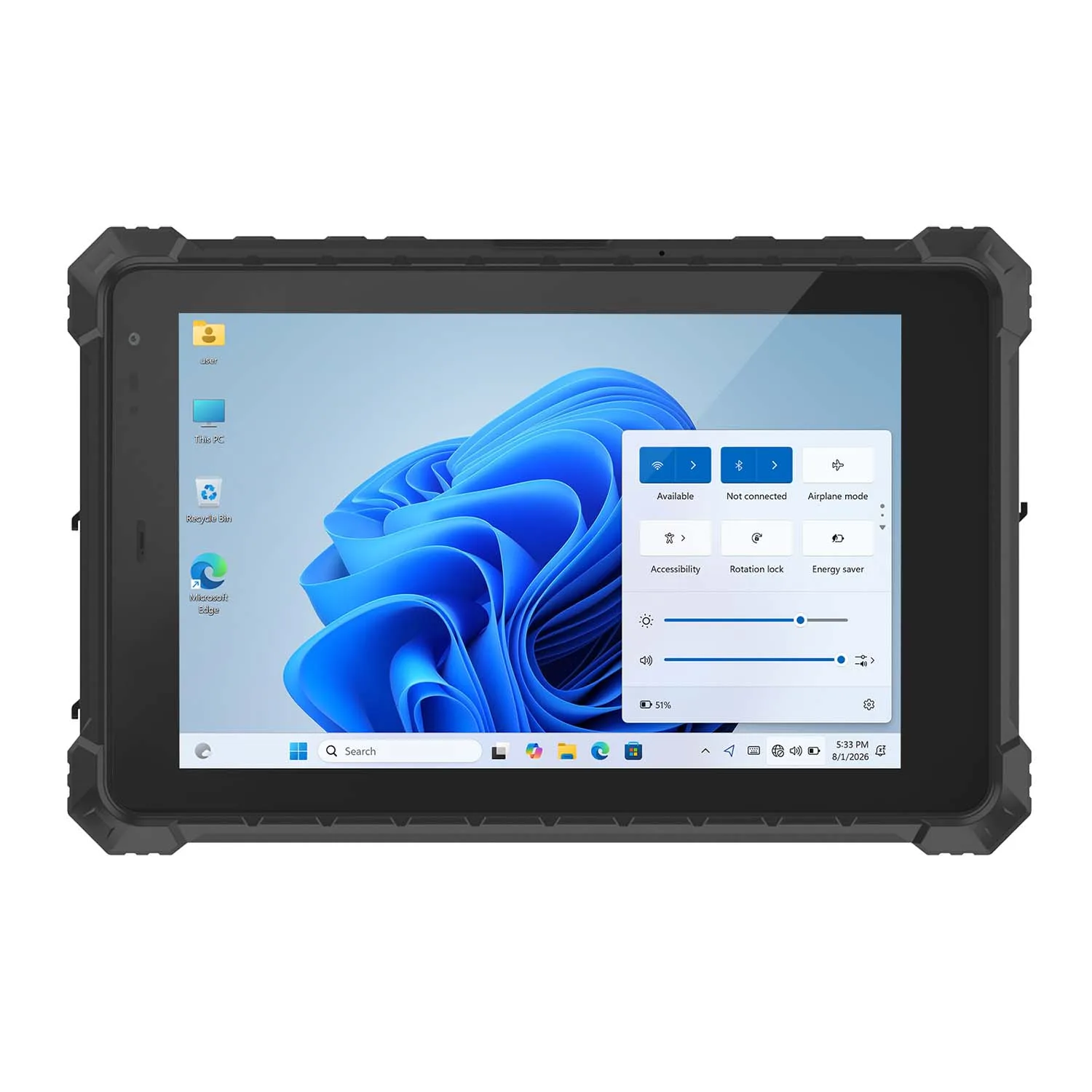
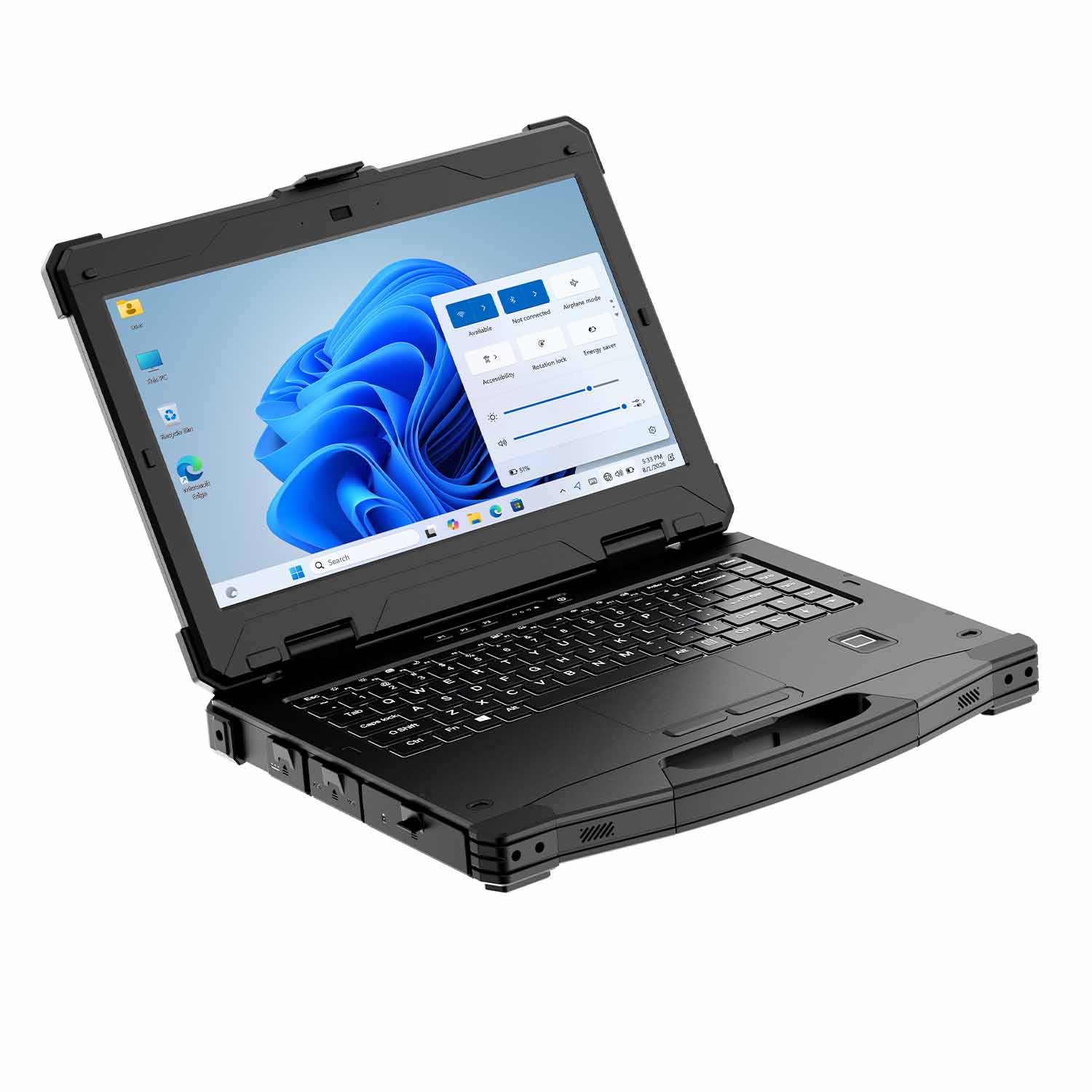
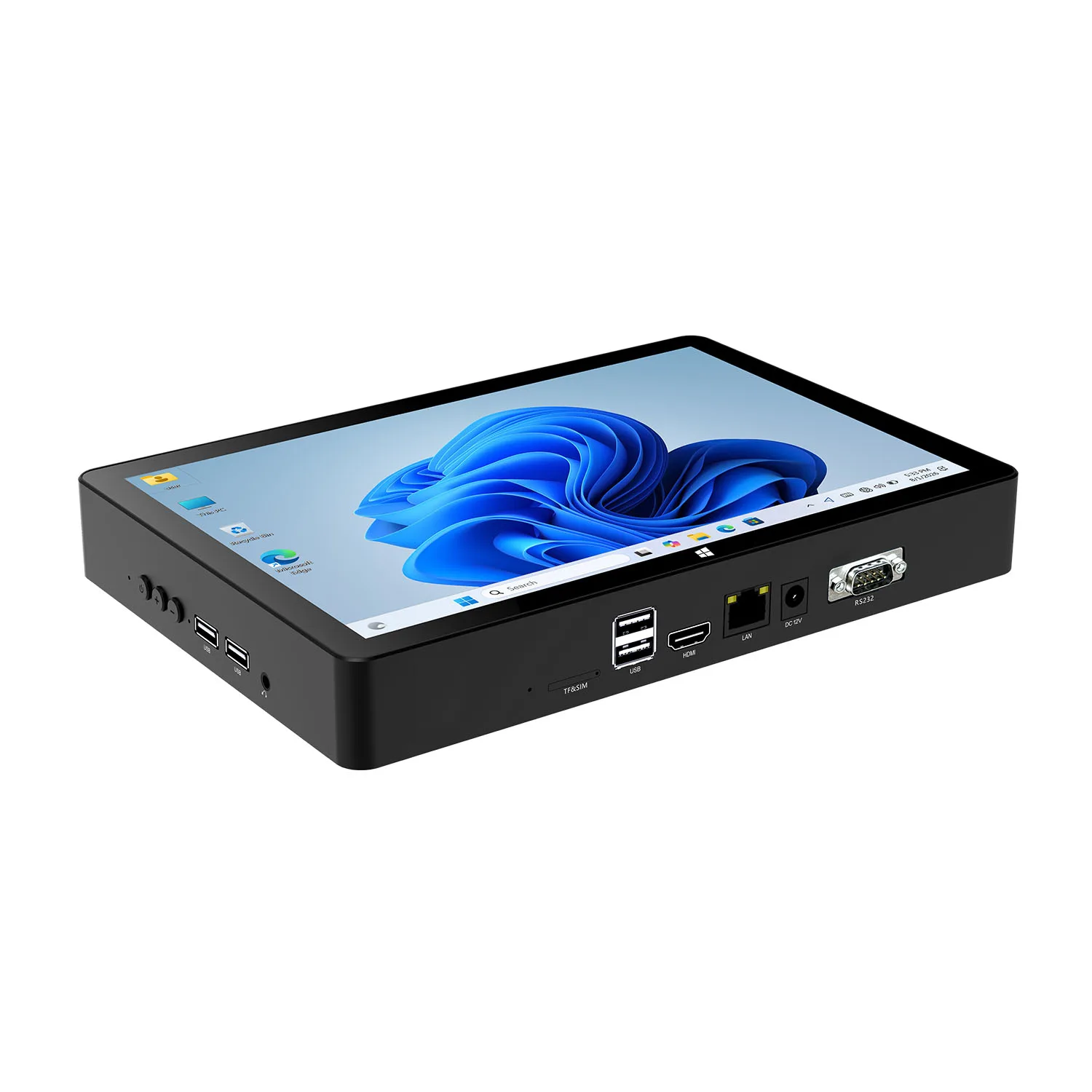
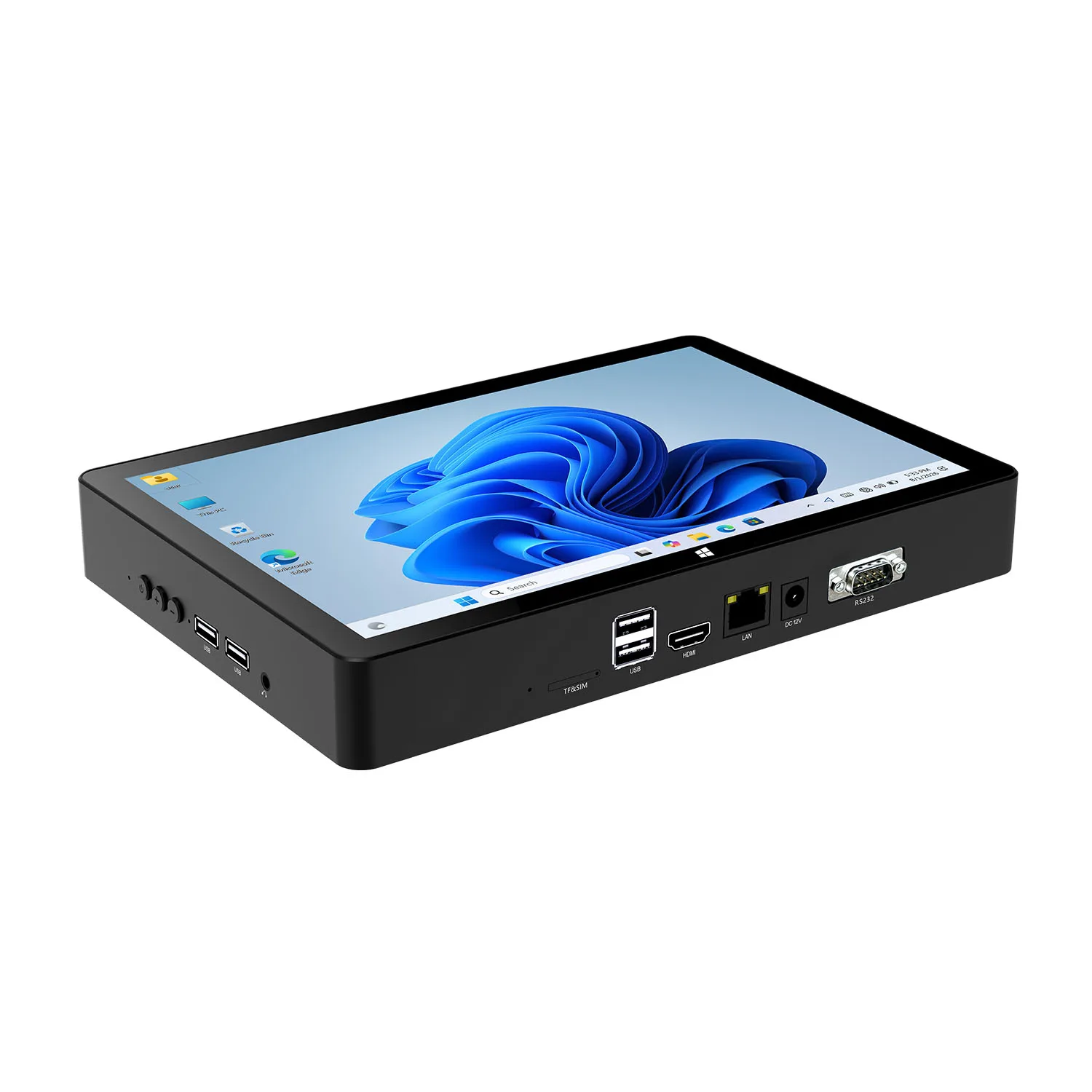
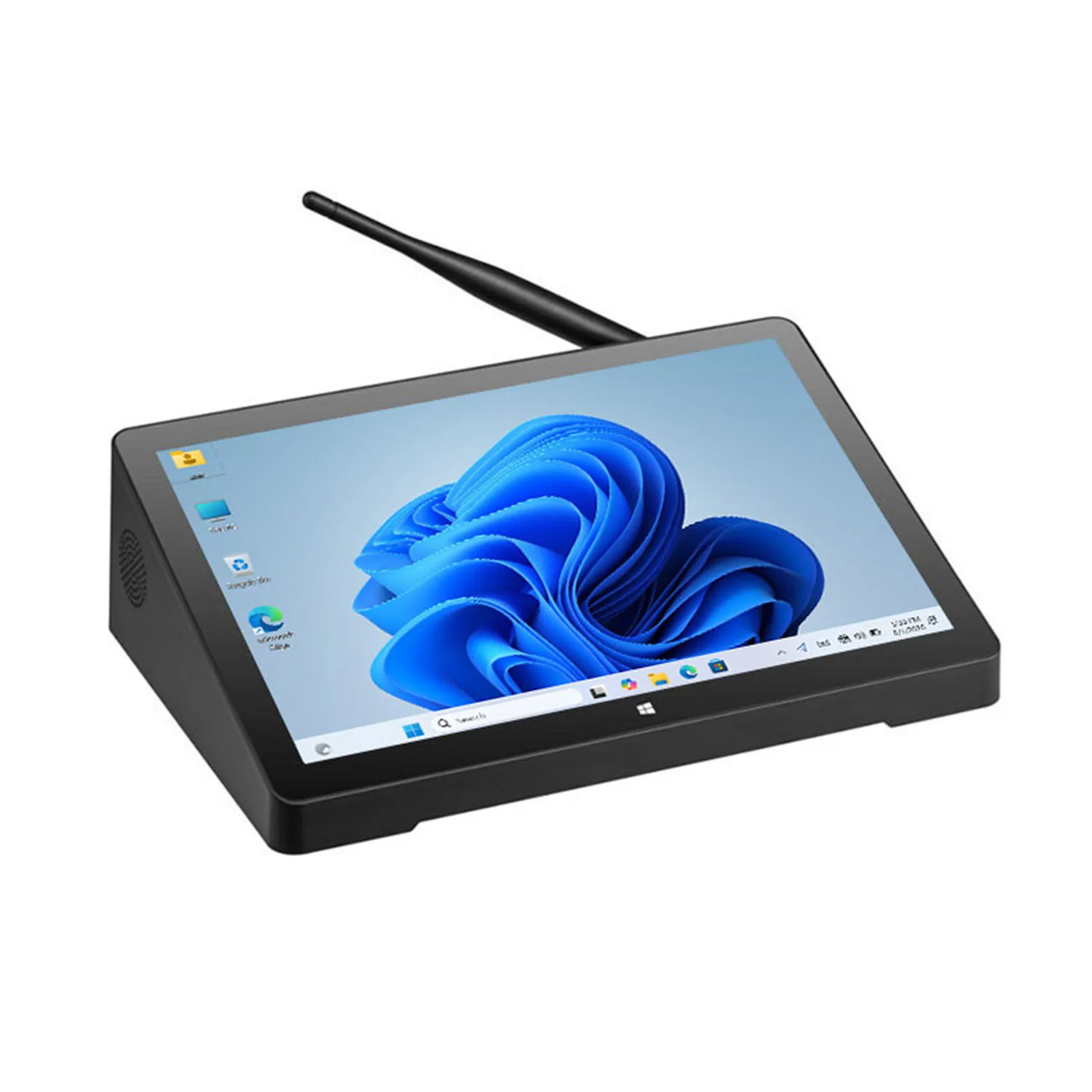
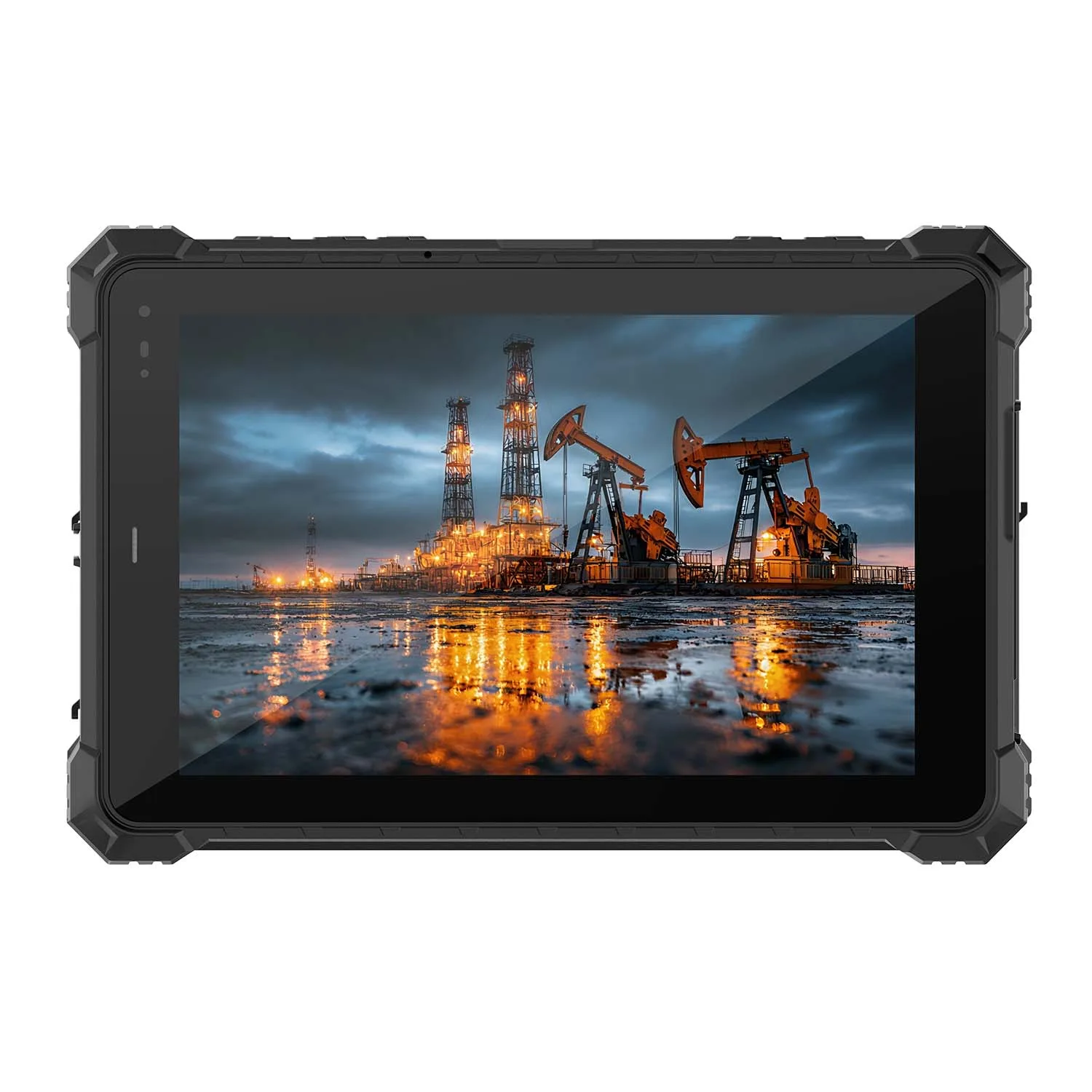
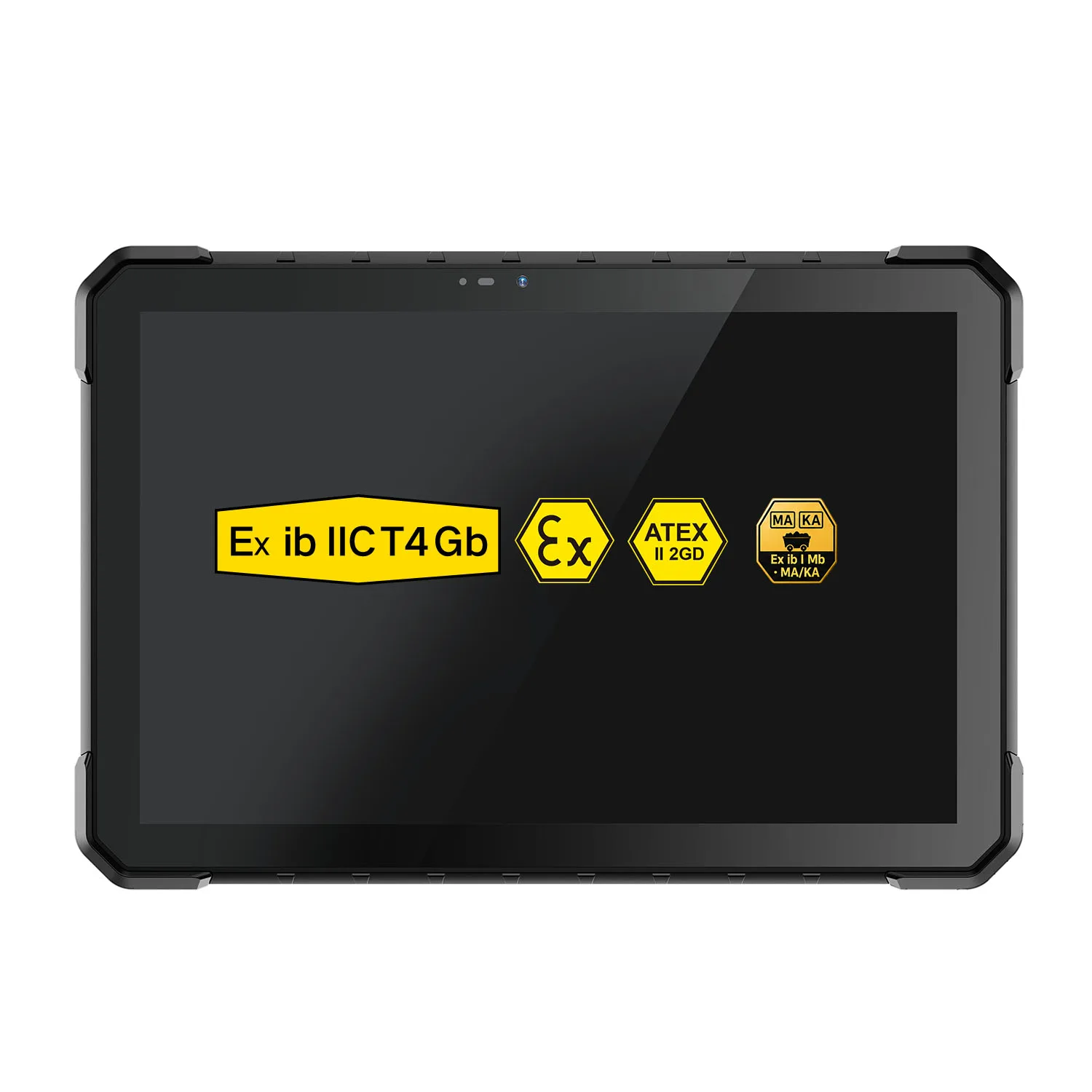
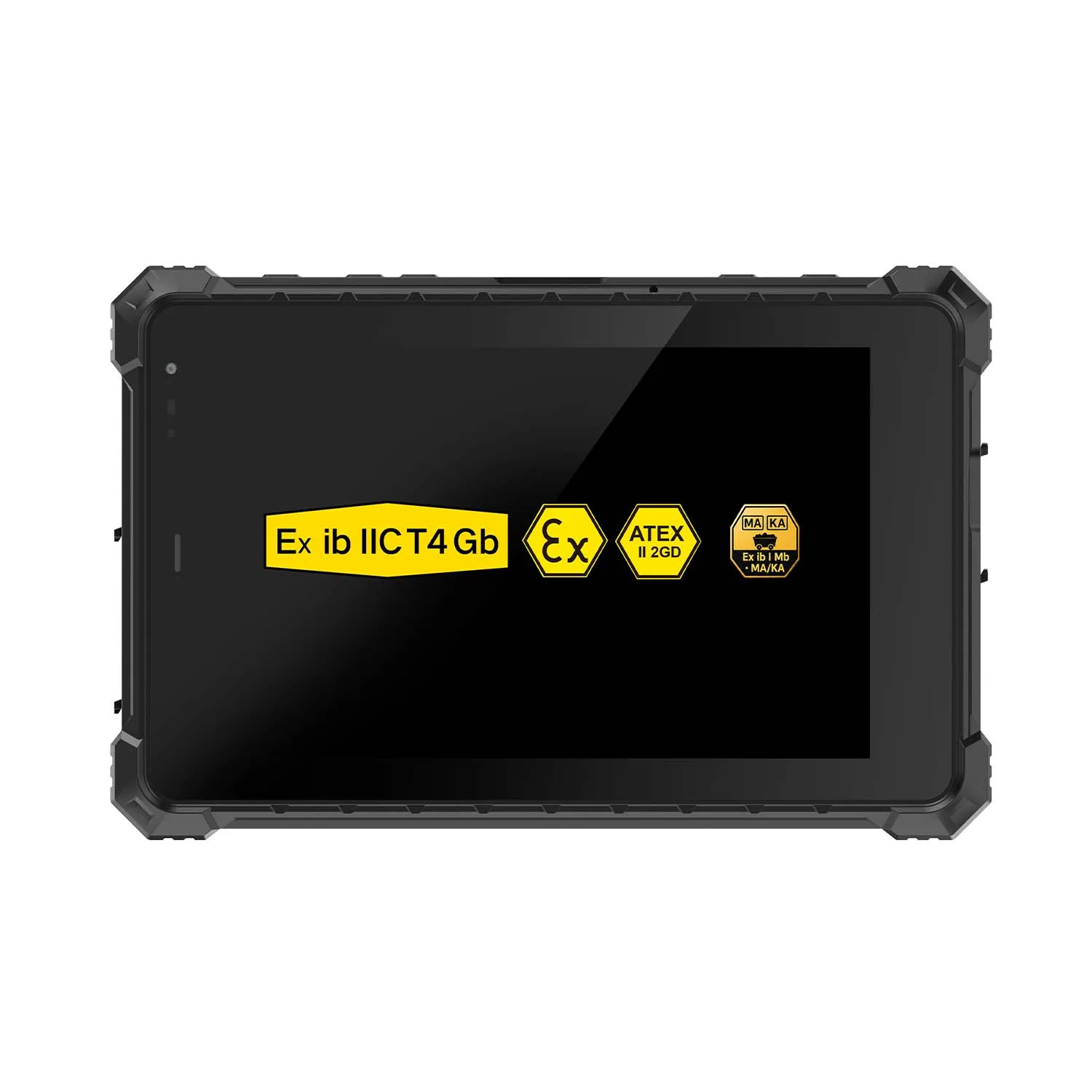
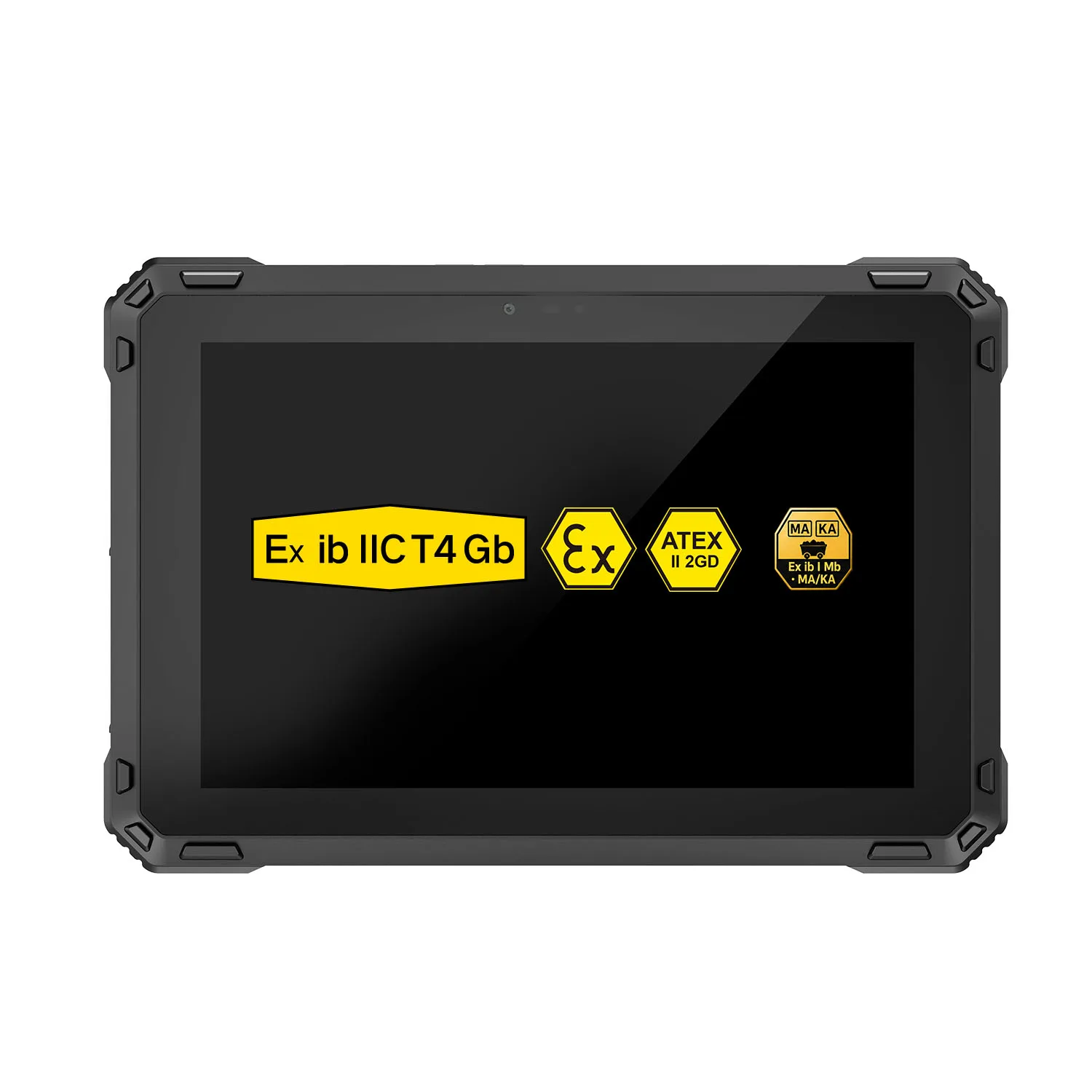





RFID & NFC Integration
UHF RFID, HF and NFC modules built into rugged handhelds — reading hundreds of tags per second for asset tracking and inventory.
RFID & NFC Integration for Rugged Tablets
CENAVA RFID and NFC rugged tablets integrate mobile computing with identification and data-capture technologies for warehouse management, manufacturing, logistics, asset tracking, healthcare operations and field service.
Depending on the tablet platform, available configurations can include NFC, HF RFID, LF RFID, UHF RFID, 1D/2D barcode scanning, ID-card reading and fingerprint recognition.
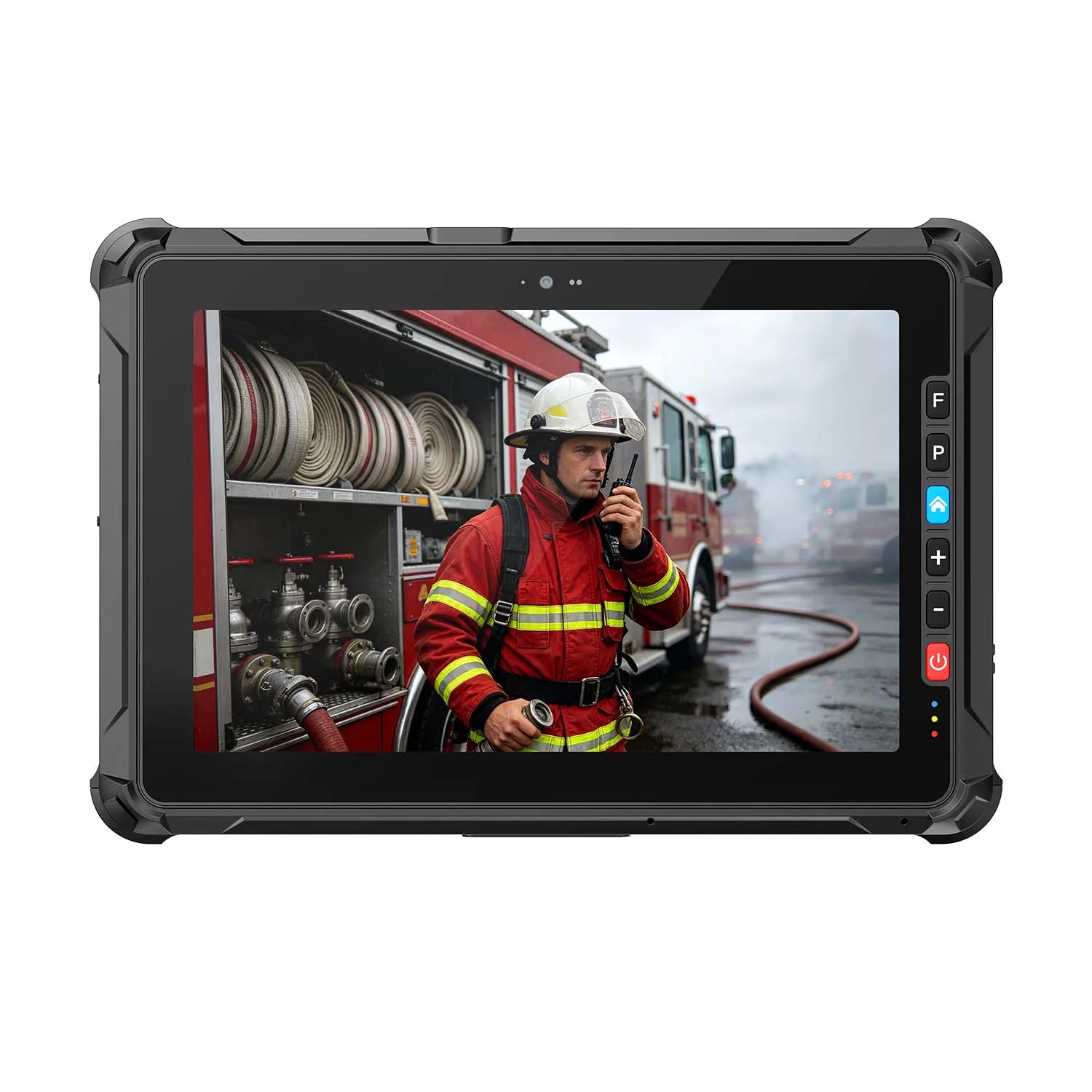
Instead of connecting multiple external readers to a consumer tablet, an integrated rugged tablet can combine the display, operating system, wireless communication and data-capture hardware in one industrial mobile device.
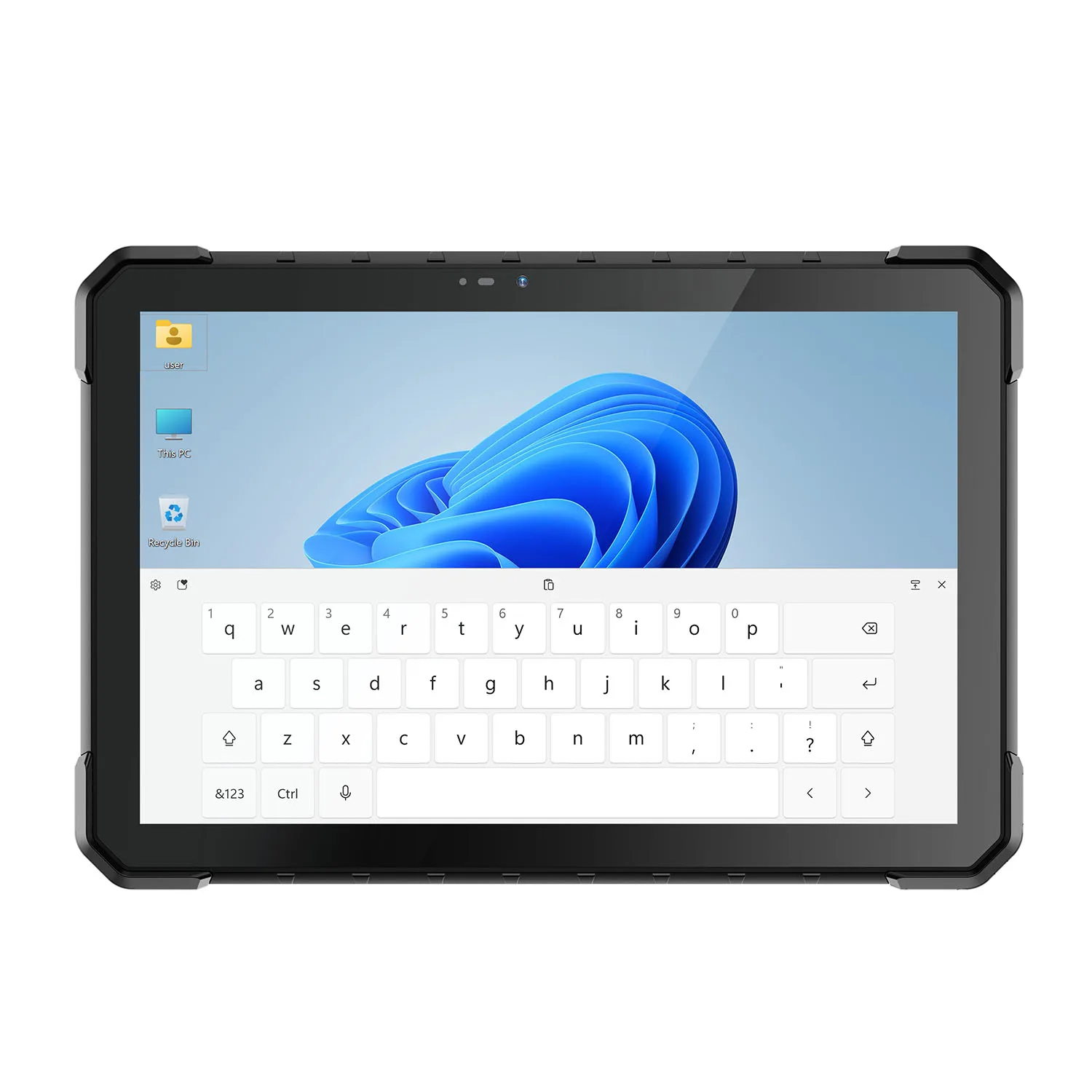
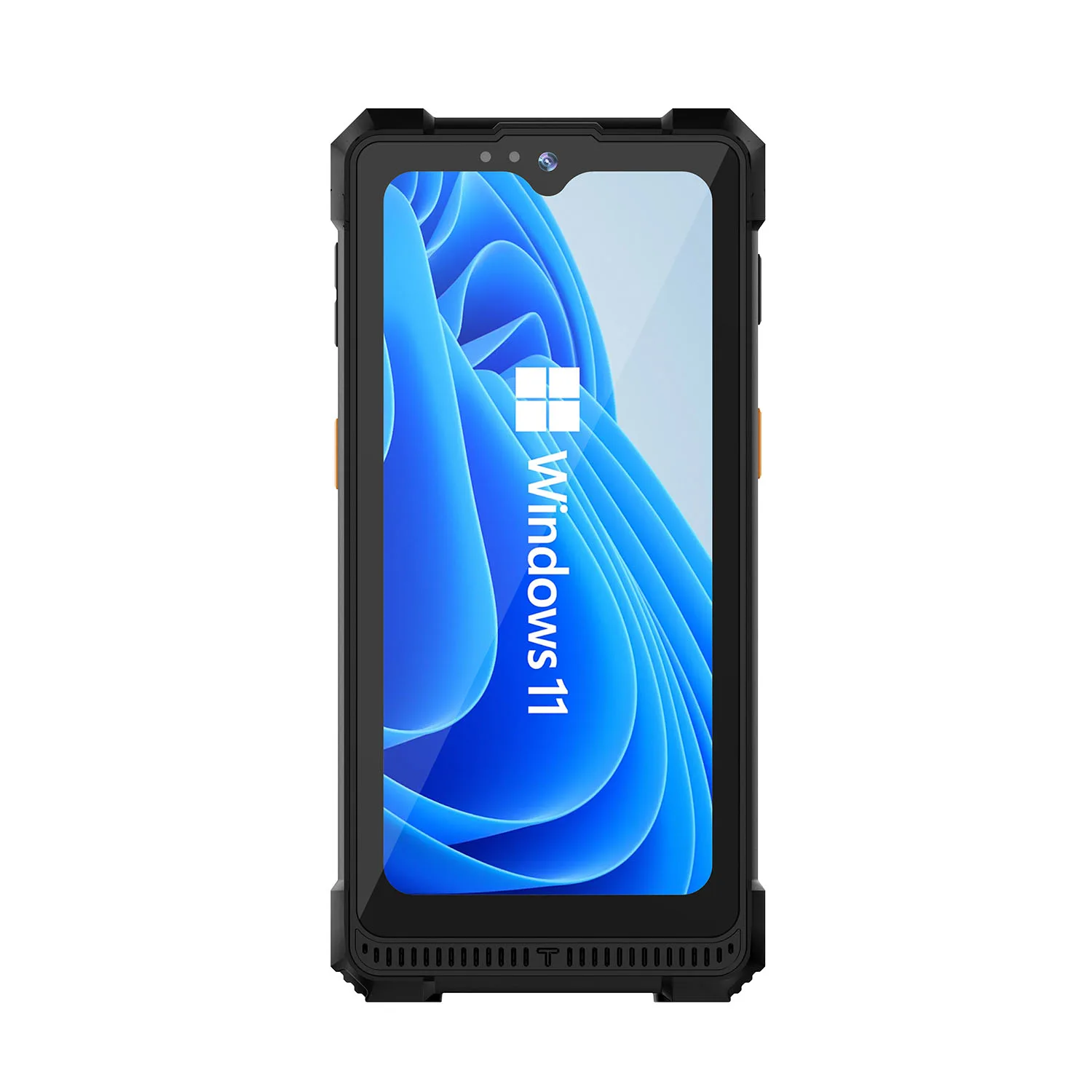
CENAVA provides Android and Windows rugged tablet platforms that can be configured according to the required tag technology, reading distance, software environment and industrial workflow.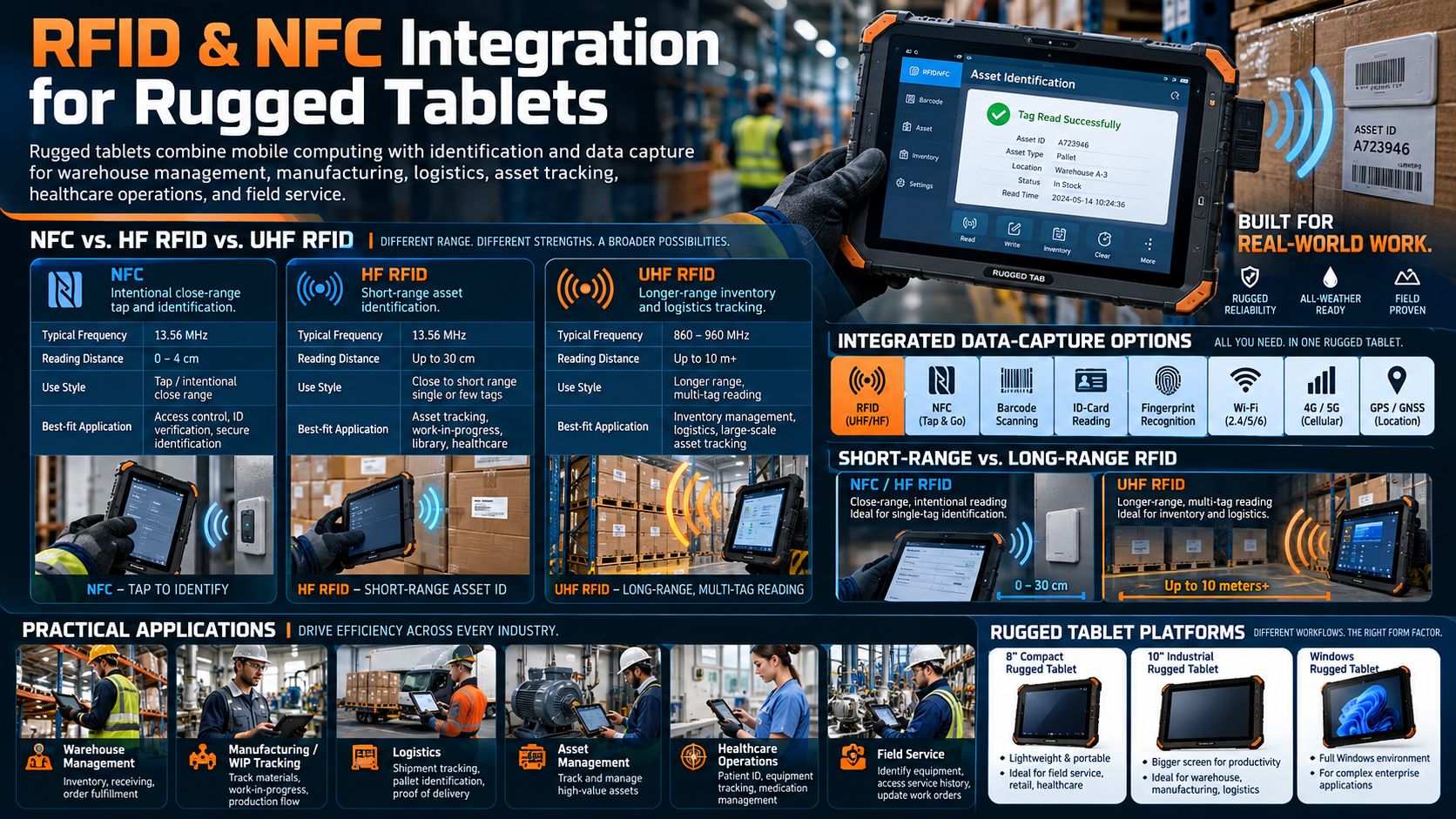
RFID and NFC Rugged Tablet Options
| Model | OS | NFC | RFID Options | Other Data Capture | Best Fit |
|---|---|---|---|---|---|
| A80ST | Android | Standard | LF / UHF optional | 2D, ID card, fingerprint | Warehouse and logistics |
| A10R | Android / Linux | Standard | HF / LF / UHF optional | 1D/2D, ID card, fingerprint | Industrial and edge applications |
| A10ST-5G | Android | Standard | LF / UHF optional | 2D, ID card, fingerprint | 5G mobile data collection |
| A80PT | Android | Optional | HF / LF / UHF optional | 1D/2D, ID card, fingerprint | Compact configurable data capture |
| A88ST | Android | Optional | HF / LF / UHF optional | 1D/2D, ID card, fingerprint | Lightweight inspection |
| W10Y | Windows | Optional | LF / UHF optional | 2D, ID card, fingerprint | Windows industrial applications |
| W18Y | Windows | Optional | UHF optional | 1D/2D, ID card, fingerprint | Windows mobile data collection |
| A109TB | Android | Standard | UHF not available | 1D/2D barcode | Long-shift NFC workflows |
Available module combinations vary according to enclosure space, antenna position, power requirements and tablet configuration. Not every optional module can necessarily be installed simultaneously.
What Is RFID Integration?
RFID, or Radio Frequency Identification, allows information stored in an RFID tag to be read using radio signals.
Unlike conventional barcodes, RFID normally does not require the reader to have a direct visual line of sight to the printed code.
An RFID system typically includes:
- RFID tags
- RFID reader
- Antenna
- Rugged tablet or computer
- Application software
- Database or enterprise system
When the RFID reader is integrated into the rugged tablet, the worker can read tags and process the resulting information using the same device.
This can reduce the need for a separate RFID reader, tablet and communication cable.
What Is NFC Integration?
NFC, or Near Field Communication, is a short-range radio technology commonly operating at 13.56MHz.
NFC is useful when the operator intentionally brings the tablet close to a card, tag or compatible device.
Typical NFC applications include:
- Staff identification
- Asset identification
- Equipment check-in
- Access workflows
- Maintenance verification
- Short-range tag reading
- Smart-card applications
Selected CENAVA rugged tablets integrate NFC directly into the tablet enclosure.
Depending on the model, the NFC reading area can be located on the rear of the tablet or customized for a different physical position.
RFID vs. NFC: What Is the Difference?
NFC is related to HF RFID technology, but RFID is a broader category.
| Feature | NFC | HF RFID | UHF RFID |
|---|---|---|---|
| Typical Frequency | 13.56MHz | 13.56MHz | Approx. 840–960MHz |
| Typical Reading Distance | Very short | Short | Longer |
| User Interaction | Intentional tap/close read | Short-range read | Remote/multiple-tag read |
| Common Use | Cards, identity, access | Libraries, identification, assets | Warehouse, inventory, logistics |
| Bulk Tag Reading | Limited | Limited | Strong |
| Typical Rugged Tablet Use | Authentication and single-object ID | Asset identification | Inventory and asset tracking |
The correct technology depends on what is being identified and how far away the tag needs to be read.
NFC Rugged Tablets
NFC is a practical option when workers need to identify one person, object or card at close range.
Selected CENAVA Android tablets provide NFC as a standard integrated function.
For example, A80ST includes standard NFC while also supporting optional UHF RFID, barcode, fingerprint and ID-card modules. A10R similarly provides standard NFC together with optional HF/LF/UHF RFID and barcode configurations.
NFC rugged tablets can support workflows such as:
Asset Verification
A technician can bring the tablet close to an NFC-tagged asset and open the related maintenance or inspection record.
Staff Identification
Compatible employee cards can be used with enterprise applications for identification or workflow confirmation.
Equipment Inspection
NFC tags can be installed on machines or inspection points so workers can verify that they physically visited the correct location.
Inventory Identification
Individual containers, tools or products can be associated with NFC tags for close-range identification.
UHF RFID Rugged Tablets
UHF RFID is designed for applications requiring longer reading distances or faster identification of multiple tags.
Selected CENAVA rugged tablets can integrate UHF RFID modules.
The actual read range depends on:
- RFID module
- Antenna design
- Tag type
- Tag orientation
- Reader power
- Nearby metal or liquids
- Working environment
For example, W18Y currently offers UHF RFID in the 840–960MHz range with approximately 5m-class reading capability under appropriate conditions, while selected A18ST configurations are offered with different 2m, 5m and 15m-class module builds.
Therefore, RFID distance should never be specified only as a tablet feature. The complete tag-reader-environment combination should be evaluated before deployment.
Short-Range vs. Long-Range RFID
Different workflows require different reading distances.
Short-Range RFID
Short-range identification is appropriate when operators need to deliberately identify one specific item.
Examples include:
- Machine inspection
- Tool identification
- Access cards
- Healthcare equipment
- Maintenance records
NFC and HF RFID are usually better suited to this type of workflow.
Long-Range RFID
Longer reading ranges can improve productivity where workers need to identify many objects quickly.
Typical applications include:
- Warehouse inventory
- Pallet tracking
- Asset tracking
- Logistics
- Manufacturing WIP tracking
- Equipment yards
UHF RFID is generally more suitable for these applications.
RFID Tablet for Warehouse Management
Warehouses are one of the strongest applications for RFID integration.
A rugged UHF RFID tablet can support:
- Receiving
- Inventory counting
- Put-away
- Picking
- Pallet identification
- Asset tracking
- Shipping
- Returns
Instead of scanning every item individually, UHF RFID can allow compatible tagged objects to be detected within the reader's effective range.
The tablet application can then compare the captured tag information against the WMS or inventory database.
Compact 8-inch tablets such as A80ST, A80PT and A88ST are particularly suitable when workers carry the device throughout the shift.
RFID for Inventory Counting
Traditional inventory counting often requires workers to identify each barcode individually.
RFID can change this workflow when appropriate tags and systems are deployed.
A worker may be able to move through a storage area while the UHF reader detects compatible tags within range.
The tablet can then:
- Read the RFID tag.
- Capture the tag ID.
- Send the information to the application.
- Compare it with expected inventory.
- Flag missing or unexpected items.
- Synchronize the result with the WMS or ERP.
Actual performance depends heavily on tag placement, antenna configuration and the physical environment.
RFID Tablet for Manufacturing
Manufacturers can use RFID to associate physical components with digital production records.
Applications can include:
- Work-in-process tracking
- Component identification
- Tool tracking
- Production traceability
- Quality inspection
- Container tracking
- Material movement
A rugged tablet allows the same worker to read an RFID tag and access production instructions, drawings or MES information.
Selected models also provide Ethernet and RS232, enabling the tablet to perform both data-capture and equipment-connectivity tasks.
RFID for Work-in-Process Tracking
Manufacturing processes often involve materials moving through multiple production stages.
RFID tags can provide a machine-readable identifier that follows the product or container through these stages.
A rugged tablet can be used to:
- Identify the workpiece
- Confirm production stage
- Record inspection results
- Associate operators with work
- Update the production system
- Confirm material movement
The application layer determines how tag data is interpreted and synchronized with MES or ERP systems.
RFID Tablet for Asset Management
Companies may manage thousands of:
- Tools
- Machines
- IT assets
- Containers
- Test equipment
- Vehicles
- Spare parts
RFID can help connect each physical asset to a digital record.
A field worker can use a rugged RFID tablet to identify the asset, review its history and update inspection or maintenance information in one workflow.
NFC may be appropriate for deliberate close-range asset identification, while UHF can be useful for locating or auditing larger groups of tagged assets.
RFID Tablet for Logistics
RFID can support logistics operations across:
- Warehouses
- Distribution centers
- Transportation terminals
- Container yards
- Parcel operations
- Manufacturing logistics
A rugged RFID tablet can combine tag reading with:
- 4G/5G
- Wi-Fi
- GPS/GNSS
- Barcode scanning
- Cameras
This allows one mobile terminal to handle several logistics data sources.
RFID Tablet for Healthcare Operations
RFID and NFC can also support non-diagnostic healthcare workflows.
Potential applications include:
- Medical equipment tracking
- Supply inventory
- Pharmacy logistics
- Linen management
- Staff identification
- Facility asset management
A rugged tablet with RFID can provide a mobile interface for compatible hospital asset-management systems.
If the tablet is intended to become part of regulated medical electrical equipment, the relevant medical certification requirements should be assessed separately.
RFID for Field Service
Service organizations can attach RFID or NFC tags to equipment.
A technician arriving at the site can identify the machine and access the corresponding:
- Service history
- Work order
- Inspection checklist
- Spare-parts record
- Equipment manual
This can reduce manual asset-number entry and lower the risk of selecting the wrong equipment record.
A rugged tablet can also provide photos, GPS, cellular communication and industrial interfaces within the same device.
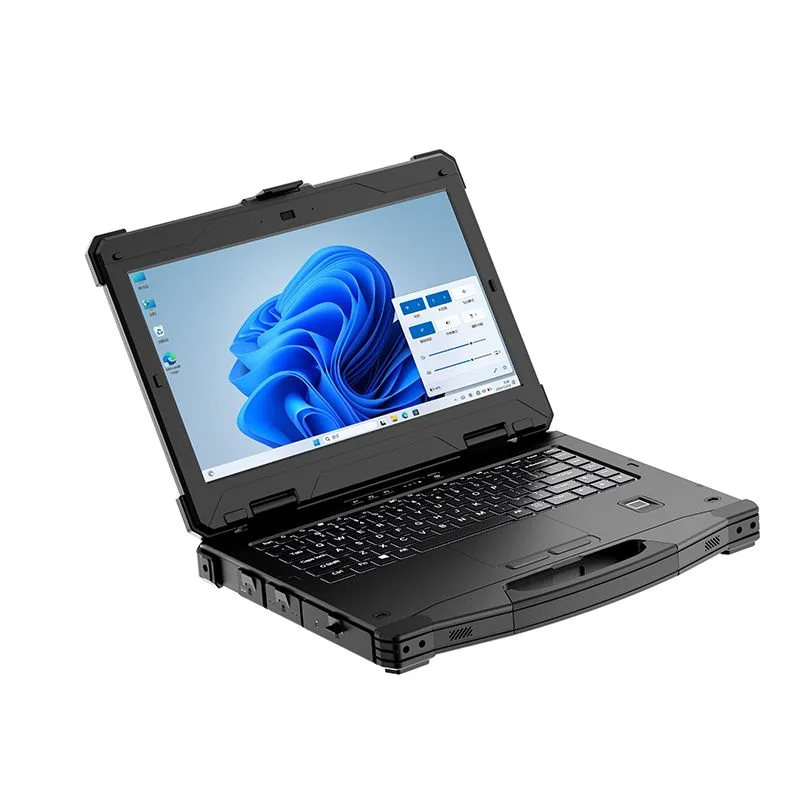
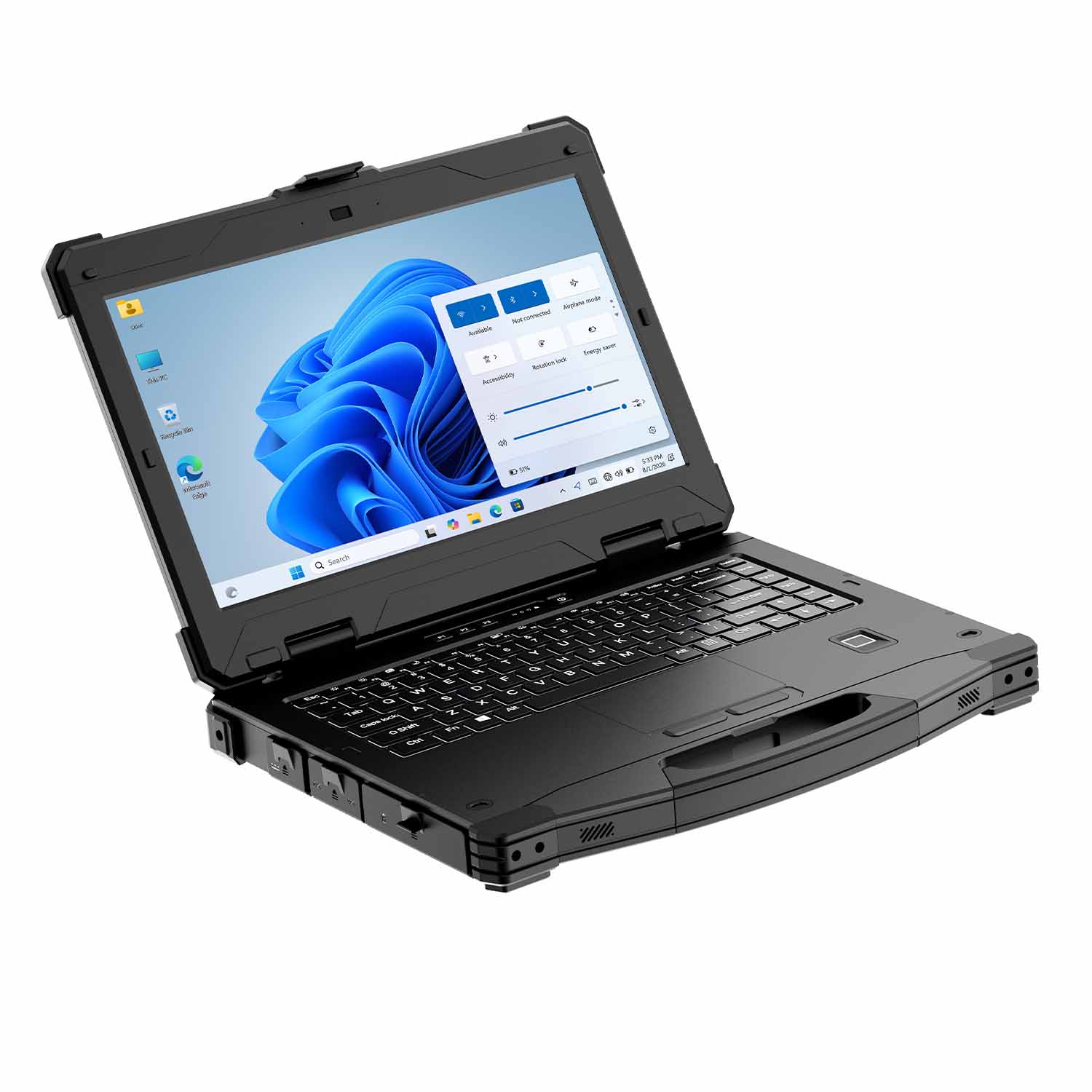
RFID Tablets with Windows
Windows RFID tablets are useful when the RFID application must operate alongside conventional PC software.
CENAVA W10Y supports optional UHF RFID, NFC, LF RFID, barcode scanning, ID-card reading and fingerprint modules while also providing Windows 11, Gigabit RJ45 and RS232.
This type of configuration is appropriate for:
- Factory systems
- Windows WMS applications
- Equipment maintenance
- Asset management
- Industrial inspection
W18Y provides another Windows platform and supports NFC at 13.56MHz together with ISO/IEC 14443A, 14443B and 15693-compatible configurations, plus optional UHF RFID.
RFID Tablets with Android
Android is particularly well suited to mobile RFID workflows.
Workers can use touch-first applications for:
- Inventory
- Asset management
- Warehouse scanning
- Logistics
- Inspection
- Manufacturing
CENAVA Android RFID-capable platforms include A80ST, A80PT, A88ST, A10R and A10ST series tablets.
Android devices can combine integrated RFID with long battery life, cameras, GPS and cellular connectivity.
NFC Standards and Tag Compatibility
NFC and HF RFID compatibility should be confirmed according to the tag or card technology used by the project.
For example, the W18Y NFC configuration currently lists support around:
- 13.56MHz
- ISO/IEC 14443A
- ISO/IEC 14443B
- ISO/IEC 15693
These standards cover different contactless card and tag technologies.
Projects should specify the actual card or tag type rather than simply requesting “NFC.”
This allows the reader module and software to be validated before mass deployment.
UHF RFID Frequency
UHF RFID frequency regulations vary by region.
Industrial UHF systems commonly operate within regional portions of approximately the 840–960MHz spectrum.
Therefore, a UHF RFID tablet deployment should consider the destination country and applicable radio regulations.
The module, antenna and firmware configuration may need to match regional requirements.
CENAVA W18Y currently lists an 840–960MHz configurable UHF RFID solution.
For global projects, confirm the target markets when requesting the configuration.
RFID Read Range
One of the most common mistakes in RFID procurement is treating read distance as a fixed number.
Real-world reading distance depends on the complete system.
Factors include:
Tag Type
Different tags have different antenna sizes and sensitivity.
Material
RFID behaves differently around:
- Metal
- Water
- Liquids
- Human bodies
- Dense materials
Orientation
The relative angle between the tag and reader antenna can affect performance.
Environment
Shelves, machinery and other RF sources can influence results.
Reader Configuration
Power level, antenna and module design also determine effective distance.
Therefore, a “5-meter UHF tablet” should be validated with the actual tags and environment before volume deployment.
RFID and Barcode Integration
RFID does not automatically replace barcodes.
Many industrial workflows use both.
Barcode Advantages
- Low tag cost
- Easy printing
- Visual identification
- Mature standards
- Precise one-item scanning
RFID Advantages
- No direct line of sight required
- Longer reading range with UHF
- Potential multi-tag reading
- Durable embedded identifiers
A rugged tablet that integrates both technologies allows workers to use RFID where appropriate and scan conventional barcodes when required.
1D/2D Barcode + RFID Tablet
Selected CENAVA tablets can combine RFID with an integrated 1D/2D scan engine.
For example, A80PT can be configured with 1D/2D barcode, NFC, HF/LF/UHF RFID, ID-card and fingerprint modules depending on the selected module combination.
This flexibility is useful when organizations need to support several generations of labels and assets.
A warehouse may have newer RFID-tagged pallets alongside older barcode-only inventory.
One rugged data terminal can support both workflows.
RFID + GPS Integration
RFID identifies what the object is.
GPS/GNSS can help determine where the tablet is operating.
Combining both can support:
- Outdoor asset audits
- Utility inspection
- Equipment yards
- Logistics
- Fleet operations
- Infrastructure maintenance
The application can associate a scanned asset ID with the location recorded by the tablet.
Positioning accuracy depends on the GNSS configuration and environmental conditions.
RFID + 4G/5G Integration
RFID data is often most valuable when it can be synchronized immediately.
A rugged tablet with 4G or 5G can upload RFID information from locations outside Wi-Fi coverage.
This can support:
- Remote asset inspection
- Outdoor warehouses
- Fleet yards
- Field service
- Utilities
- Logistics
A10ST-5G, for example, combines 5G connectivity with standard NFC and optional UHF RFID and 2D scanning.
RFID + Wi-Fi Integration
Inside factories and warehouses, Wi-Fi is often the primary communication method.
A typical RFID workflow may be:
RFID Tag → Integrated Reader → Tablet Application → Wi-Fi → WMS / MES / ERP
The software determines whether data is synchronized immediately or stored locally and uploaded later.
Network architecture and application design should therefore be considered together with the RFID hardware.
RFID Tablet Software Integration
RFID hardware alone does not create a complete solution.
The tablet must also integrate with the customer's software.
Typical software integration may include:
- WMS
- ERP
- MES
- Asset-management software
- Maintenance systems
- Custom Android applications
- Windows applications
Before production deployment, confirm:
- Operating system
- RFID module model
- Required tag protocol
- Application interface
- Data format
- Driver requirements
- Required software libraries or APIs
- Enterprise server connection
SDK, API and driver availability should be confirmed for the exact RFID module and operating-system configuration selected for the project.
Android RFID Application Integration
Android is commonly used for dedicated RFID applications.
A customized Android application can potentially:
- Trigger the RFID reader.
- Receive tag information.
- Filter duplicate reads.
- Display asset information.
- Add photos or user input.
- Synchronize records with a remote server.
The exact integration method depends on the RFID module and software interface.
OEM/ODM customers should validate the complete application with engineering samples before mass production.
Windows RFID Application Integration
Windows RFID tablets can be integrated into existing enterprise environments.
This can be useful when organizations already operate:
- Windows WMS software
- Factory MES
- Desktop asset-management applications
- Maintenance databases
A Windows rugged tablet also allows RFID functionality to operate alongside conventional Windows industrial software.
Driver and application compatibility should be confirmed for the exact RFID reader configuration.
RFID Antenna Placement
Antenna position affects both usability and RF performance.
Depending on the tablet and project, NFC or RFID modules may be installed at different positions on the enclosure.
For example, selected CENAVA tablets use rear NFC reading by default while allowing front-position customization for project deployments. A10R and A80PT both describe this configuration flexibility.
The best antenna position depends on how operators hold and present the tablet during scanning.
Why Module Layout Matters
Adding multiple data-capture modules affects physical design.
Barcode scanners, RFID antennas, fingerprint readers and ID-card modules require:
- Internal space
- Antenna clearance
- Power
- External openings or windows
- PCB connections
Therefore, not every possible module combination can automatically be installed in the same tablet.
W18Y explicitly notes that barcode, NFC, UHF RFID, ID-card and fingerprint options may compete for internal bays, antenna positions and power budget.
For multi-module projects, define all required functions before sample production.
RFID and Rugged Protection
Integrating RFID hardware into a rugged tablet must not be treated as a simple add-on.
Changes to:
- Antennas
- Module windows
- External connectors
- Enclosure openings
can affect the physical design and potentially the device's ingress protection.
For this reason, customized RFID configurations should be validated as complete hardware assemblies.
Several CENAVA RFID-capable tablet platforms are based on IP68 and MIL-STD-810H rugged enclosures, including A80ST, A10R, W10Y and W18Y.
How to Choose an RFID Rugged Tablet
1. Define What You Need to Identify
Is the system reading:
- Products
- Pallets
- Tools
- Machines
- Employee cards
- Medical assets
- Vehicles
This determines the appropriate tag strategy.
2. Choose NFC, HF or UHF
Use NFC for intentional close-range reading.
Use HF for compatible short-range identification systems.
Use UHF when longer range or multi-tag reading is required.
3. Define Required Read Distance
Do not simply request “long-range RFID.”
Specify whether the application needs approximately:
- Touch / near-contact
- Several centimeters
- Around 1–2 meters
- Approximately 5 meters
- Longer specialized ranges
Then validate with the real tags.
4. Select Windows or Android
Choose Android for mobile-first RFID applications.
Choose Windows when the RFID reader must integrate with existing PC software.
5. Determine Barcode Requirements
If some inventory still uses barcodes, integrate 1D/2D scanning as well.
6. Define Network Requirements
Determine whether the tablet needs:
- Wi-Fi
- Ethernet
- 4G
- 5G
7. Define Battery Runtime
Continuous UHF reading and wireless communication consume power.
Choose battery capacity according to the expected shift length.
8. Consider Screen Size
Use 8 inches for warehouse mobility.
Use 10 inches when applications require more information on screen.
9. Define the Environment
Consider:
- Dust
- Water
- Drops
- Temperature
- Outdoor use
10. Test the Complete System
Before mass deployment, test:
Tablet + RFID module + antenna + tag + application + environment
This is the most reliable way to determine whether the RFID solution meets the project requirements.
Why Choose CENAVA for RFID & NFC Integration?
Multiple RFID Technologies
Selected platforms support NFC, HF RFID, LF RFID and UHF RFID configurations.
Windows and Android
Projects can choose an operating system based on the existing software environment.
Integrated Barcode Options
1D/2D scanning can be combined with RFID on applicable configurations.
Compact and Full-Size Tablets
8-inch and 10-inch platforms support different mobility requirements.
4G and 5G
Mobile connectivity allows RFID data to be synchronized beyond Wi-Fi coverage.
Industrial Interfaces
Selected products provide Ethernet, RS232, USB and POGO expansion.
Rugged Construction
IP68 and MIL-STD-810H platforms are available for demanding industrial environments.
OEM and ODM Integration
For qualified projects, CENAVA can work with customers on module selection, antenna location, operating systems, interfaces, enclosure configuration and data-capture requirements.
Frequently Asked Questions About RFID & NFC Integration
1. What is the difference between RFID and NFC?
RFID is a broad family of radio-frequency identification technologies.
NFC is a short-range technology operating at 13.56MHz and is closely related to HF RFID.
NFC is suited to close intentional interaction, while UHF RFID can support longer-distance and multi-tag reading.
2. Does CENAVA offer tablets with built-in NFC?
Yes.
Several CENAVA rugged tablet platforms provide integrated NFC, including models where NFC is standard and others where it is an optional module.
3. Does CENAVA offer UHF RFID rugged tablets?
Yes.
Selected Windows and Android tablet platforms can integrate UHF RFID readers.
Available reading distance and frequency configuration depend on the module and project requirements.
4. How far can a rugged tablet read UHF RFID tags?
There is no single fixed distance.
Selected CENAVA configurations include approximately 2m, 5m or longer-range module options, but actual performance depends on the tag, antenna, orientation and environment.
Always test the required tags before deployment.
5. Can RFID and barcode scanning be integrated in one tablet?
Yes, on selected configurations.
However, enclosure space and antenna layout can limit which modules can be installed simultaneously.
Confirm the required combination before sample production.
6. Can a Windows rugged tablet include RFID?
Yes.
Models such as W10Y and W18Y can be configured with NFC and UHF RFID together with Windows.
7. Can an Android rugged tablet include RFID?
Yes.
CENAVA Android platforms such as A80ST, A80PT, A88ST, A10R and A10ST series support different NFC and RFID configurations.
8. What frequency does NFC use?
NFC typically operates at 13.56MHz.
Selected CENAVA NFC configurations support common standards including ISO/IEC 14443A, 14443B and 15693 depending on the module.
9. What frequency does UHF RFID use?
Industrial UHF RFID commonly operates within regional portions of the approximately 840–960MHz frequency range.
The correct frequency configuration should be selected according to the destination market.
10. Which RFID tablet should I choose?
Choose according to four primary factors:
- Tag technology
- Required reading distance
- Operating system
- Application environment
For warehouse inventory, consider a compact Android tablet with UHF RFID.
For Windows enterprise applications, consider W10Y or W18Y.
For NFC-only long-shift workflows, A109TB may be sufficient.
For projects requiring multiple data-capture modules, A80PT, A80ST or A10R provide flexible starting platforms.
Confirm the actual tag, required read range and software before selecting the final hardware configuration.
RFID in One Paragraph
Where a barcode must be seen one at a time, UHF RFID reads hundreds of tagged items per second without line of sight. A technician walking past a rack reads every asset on it; a gate reader logs an entire pallet in transit. NFC (HF, ~4 cm) handles secure tap interactions — pairing, authentication, payment and staff ID.
What Integrated RFID Adds
- UHF (865–928 MHz): inventory counts, tool crib management, IT asset audits, returnable-container tracking — read ranges from tens of centimeters to several meters
- HF (13.56 MHz): library tags, medication authentication, laundry and garment tracking
- NFC: tap-to-pair peripherals, employee badge login, e-wallet payment in field retail
Deployment Notes
Real RFID performance depends on tag selection, antenna tuning near metal and liquid, and regional frequency regulations (ETSI vs FCC bands). CENAVA rugged handhelds and tablets offer certified UHF RFID modules with regional configurations and SDK access for Android and Windows applications — tell us your tag type and environment and we will validate the read plan with you.
Need a Custom Rugged Solution?
Our engineering team can tailor rugged hardware to your exact environment, certifications and workflow. Tell us your requirements.
Talk to an Engineer All Technologies