




ATEX vs IECEx vs UL/FM/CSA Certification Guide | CENAVA
ATEX is the mandatory EU law for equipment used in explosive atmospheres; IECEx is a voluntary global standard built on the same Zone system and accepted in 35+ countries; UL and FM are US certifications using the Class/Division system (FM also unlocks insurance coverage); CSA Ex is Canada's mandatory equivalent. Match the certification to where the equipment will actually be deployed — there is no single certification that clears every region.
1. Explosion-Proof Certification Overview
| Comparison Item | ATEX (EU) | IECEx (Global) | UL/FM (USA) | CSA Ex (Canada) |
|---|---|---|---|---|
| Legal Nature | EU mandatory legal regulation | Voluntary global unified standard | US mandatory certification (NEC/OSHA) | Canada mandatory national certification |
| Classification System | Zone system (by hazard duration) | Zone system (same as ATEX) | Class/Division system (by hazard type & operating risk) | Class/Division system (US-consistent) |
| Issuing Body | EU Authorized Notified Bodies (NB) | Global ExCB & ExTL institutions | UL / FM Global | CSA Group |
| Core Feature | Mandatory for EU customs clearance | Global mutual recognition; simplifies EAC Ex applications | FM certification supports industrial insurance claims | Exclusive standard for Canadian local projects |
| Applicable Regions | EU, EEA & neighboring areas | 35+ countries worldwide | United States domestic projects | Canada & some US cross-border projects |
If you only remember one rule — ATEX for the EU, UL/FM for the US, CSA Ex for Canada, IECEx wherever you need one certificate to cover multiple countries.
2. ATEX vs IECEx: Core Differences Within the Zone System
ATEX and IECEx share the same Zone classification logic but differ sharply in legal force and audit mechanics.
| Comparison Item | ATEX | IECEx |
|---|---|---|
| Legal Force | EU mandatory law for market access | Voluntary global standard, no legal binding force |
| Factory Audit | Risk-based QAN audit; low-risk products may self-certify | Full-product annual QAR audit; no self-certification allowed |
| Product Marking | Mandatory CE + Notified Body number + Ex code | Ex protection marking only |
| Core Value | EU legal compliance & customs clearance | Global free circulation & simplified EAC Ex approval |
2.1 What Is ATEX Certification?
ATEX — from the French ATmosphères EXplosibles — is the mandatory EU regulation for equipment used in explosive atmospheres. It classifies hazardous sites into Zone 0 (continuous hazard), Zone 1 (hazard during normal operation), and Zone 2 (hazard only under abnormal/transient conditions). Compliant equipment must carry both CE and Ex markings to legally enter the EU market.
2.2 What Is IECEx Certification?
IECEx (IEC Explosive Atmospheres Scheme) is a voluntary global standard based on the IEC 60079 series. It uses the same Zone logic as ATEX but runs independently of North American systems, unifying test and audit requirements across more than 35 countries and removing the need for repeated cross-border re-certification.
3. North American Class/Division System (UL / FM / CSA Ex)
North America classifies hazard by type and operating condition, not duration:
Class I — flammable gases and vapors
Class II — combustible dusts
Class III — combustible fibers
Division 1 — hazard present under normal operating conditions
Division 2 — hazard only occurs under abnormal operating conditions
| Item | UL (USA) | FM (USA) | CSA Ex (Canada) |
|---|---|---|---|
| Standard Basis | US NEC & OSHA codes | US industrial safety & insurance norms | Canadian national explosion-proof specs |
| Core Positioning | Basic US market access certification | High-standard certification linked to insurance | Exclusive mandatory certification for Canada |
| Key Advantage | Universal recognition for US industrial projects | Guarantees explosion-accident insurance claims | Valid for Canada and some US cross-border projects |
A UL-only certified device is not automatically insurable against explosion incidents — only FM certification guarantees that insurance carriers will honor a claim, which is why many refineries and chemical plants specify FM over UL even though both cover US Class/Division requirements.
4. Global Recognition Scope — Decision Table
| Your Project Is In... | Certification You Need | Classification System | Notes |
|---|---|---|---|
| EU / EEA | ATEX (mandatory) | Zone 0/1/2 | Legally required for customs clearance |
| Anywhere with multi-country deployment | IECEx | Zone 0/1/2 | Simplifies Russia's EAC Ex approval too |
| United States | UL or FM | Class I/II/III, Division 1/2 | Choose FM if insurance coverage is required |
| Canada | CSA Ex (mandatory) | Class/Division | Also valid for some US cross-border projects |
| China | CCRI | Zone system | Required for coal mine (MA) and metal/non-metal mining (KA) projects |
No single certification substitutes for another across regions — always confirm the certification valid in your project's actual jurisdiction before ordering equipment.
5. Why International Explosion-Proof Certification Matters
Tendering threshold — Valid regional certification is a mandatory bidding requirement for energy, petrochemical, and mining tenders in Europe and North America.
Insurance guarantee — Only FM-certified equipment supports full insurance compensation after an explosion incident; non-certified equipment typically faces claim rejection.
Compliance risk avoidance — Proper certification prevents customs detention, regulatory fines, and production shutdowns caused by non-compliant equipment.
6. CENAVA's Certification Portfolio: Broader Than the Standard Comparison
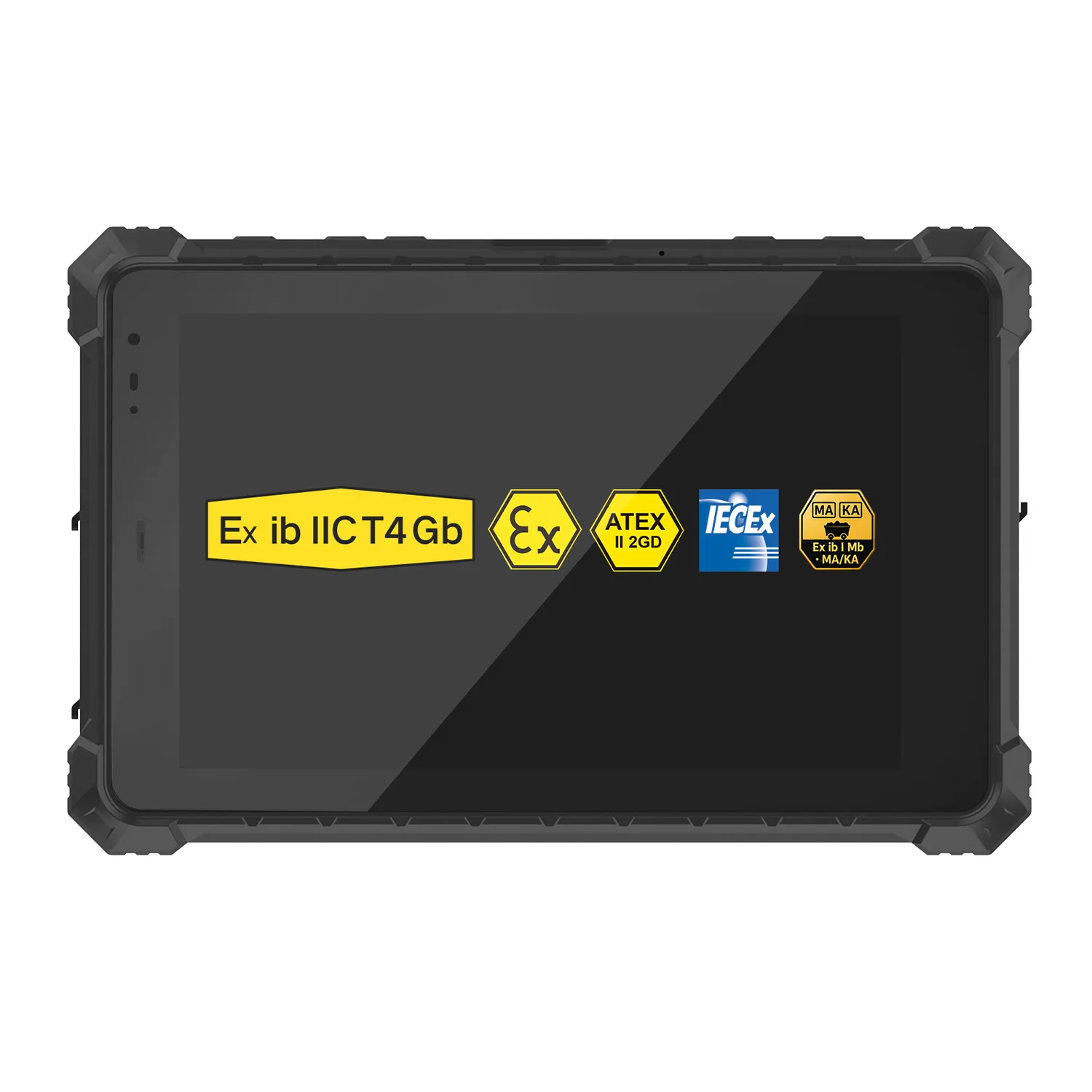
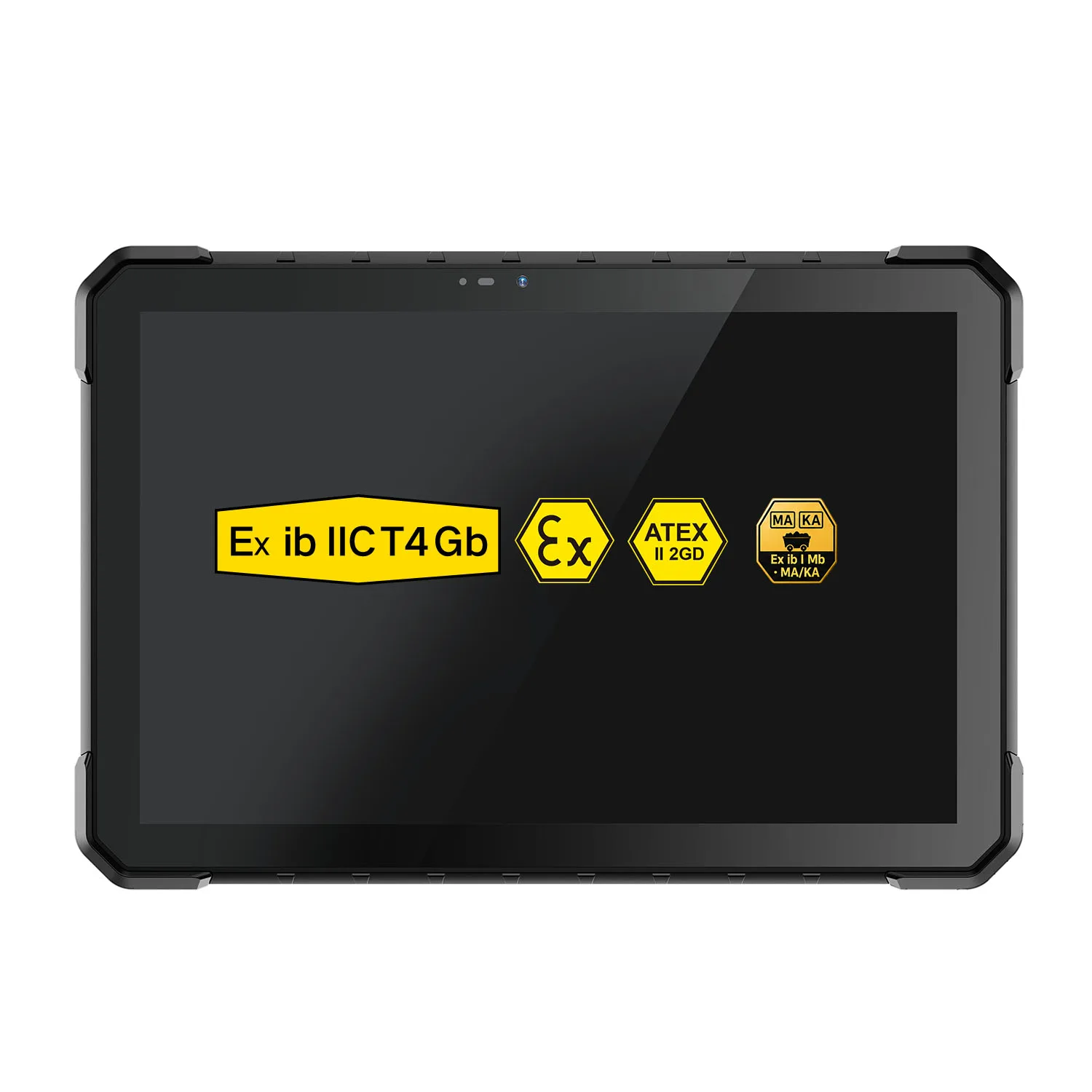
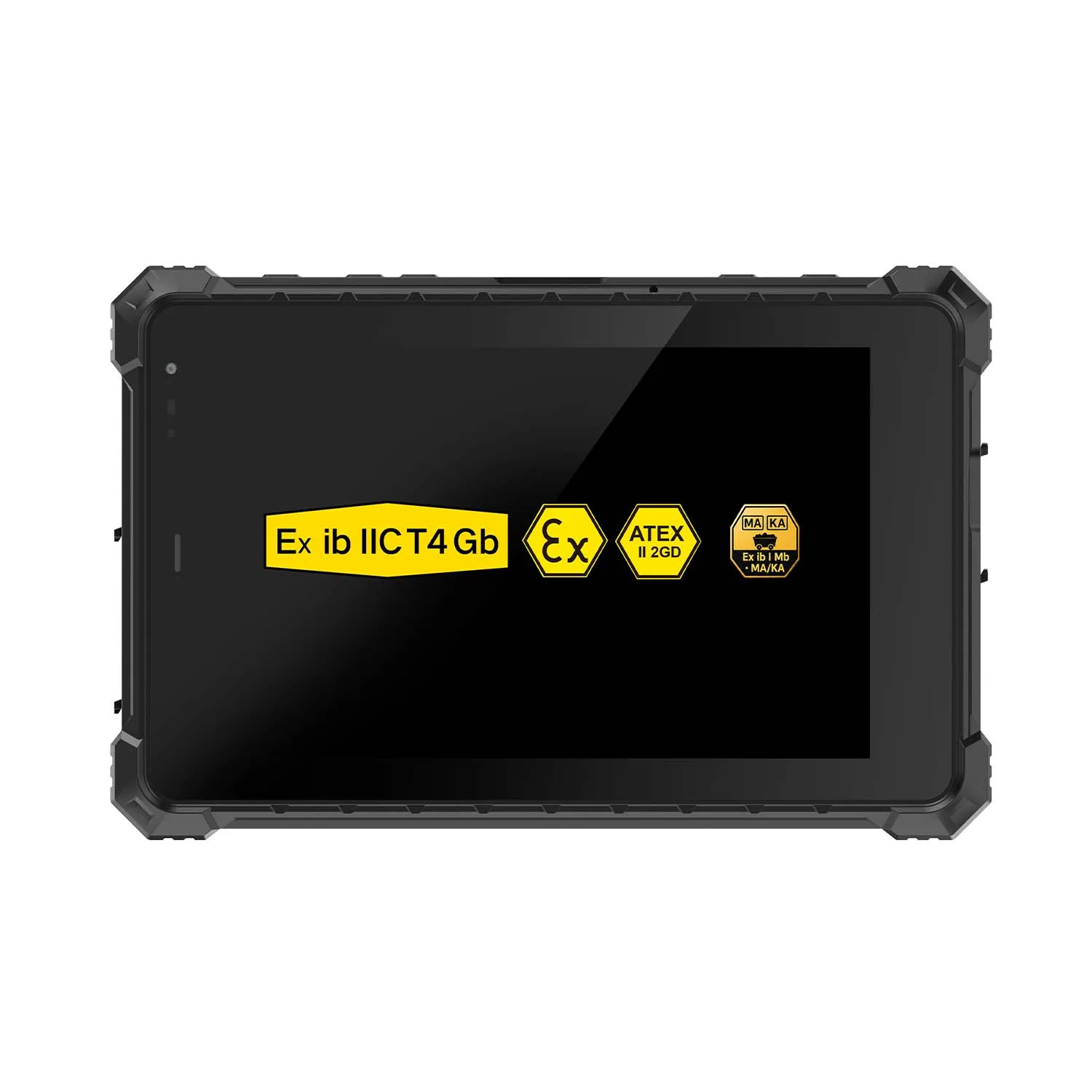
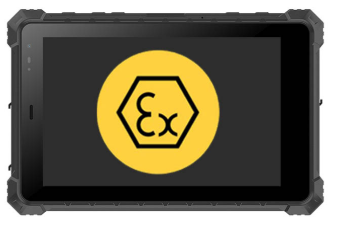
Most explosion-proof buying guides stop at ATEX/IECEx/UL/FM/CSA — but industrial buyers in China, coal mining, and metal/non-metal mining often need certifications that fall outside that list entirely. CENAVA's rugged tablet and handheld range is certified across:
| Certification | Region/Sector | Zone/Group Coverage |
|---|---|---|
| ATEX Directive 2014/34/EU | EU | Zone 1/21 |
| IECEx 02 | Global (35+ countries) | Zone 2/22 |
| CCRI | China | Zone 1/21 |
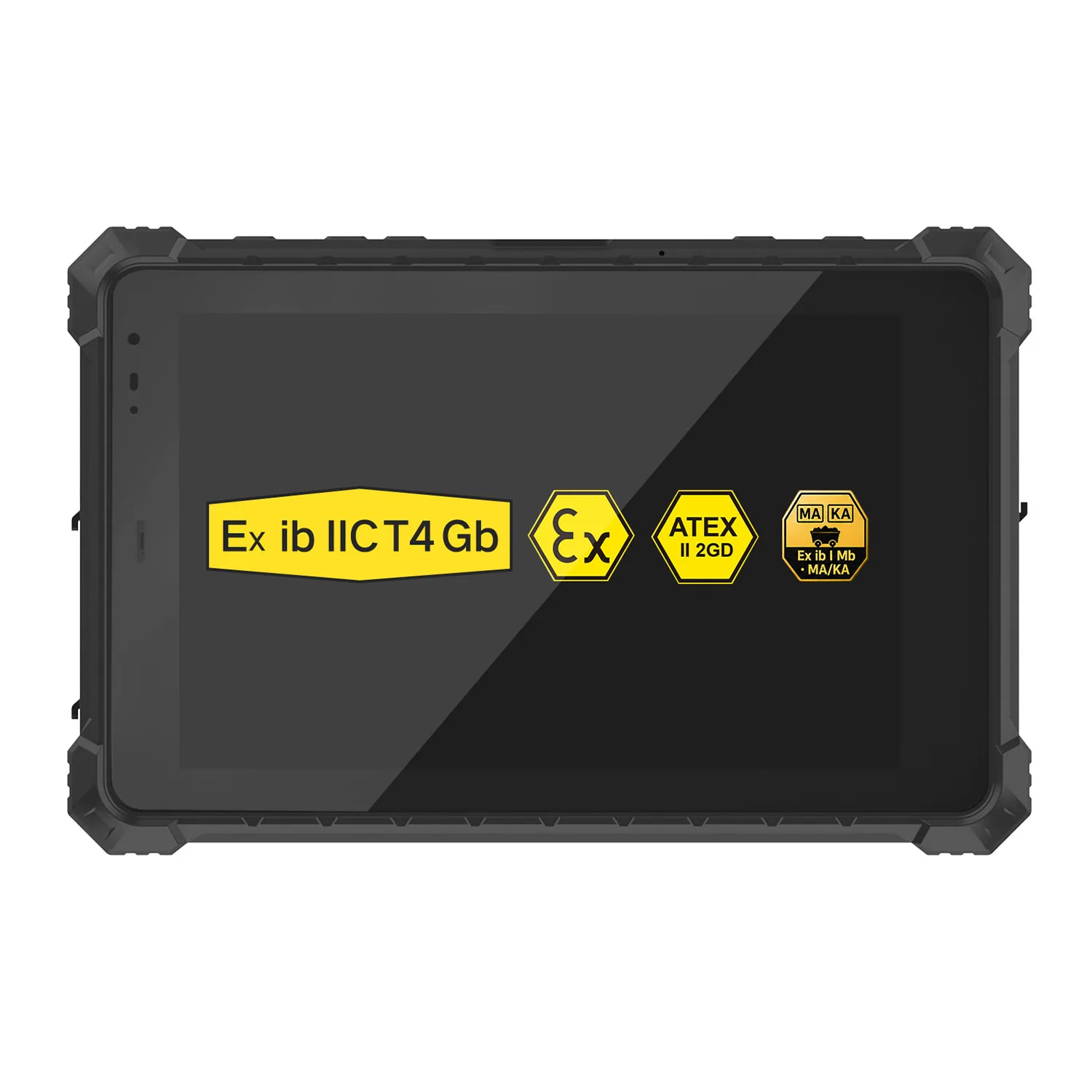
| MA (Ex ib I Mb) | China coal mining | Coal mine methane environments |
| KA | China metal/non-metal mining | Underground and surface mining |
Gas group coverage spans IIC (most stringent gas group, covering hydrogen/acetylene-level risk) and dust group IIIC, so the same certified hardware line supports refineries, LNG terminals, chemical plants, coal mines, and grain-dust environments without switching vendors.
If your project needs both an EU-recognized certificate and a China coal-mine (MA) or metal/non-metal mining (KA) certificate, CENAVA is one of the few rugged device suppliers that holds both categories under one product line — most Western competitors only cover ATEX/IECEx/UL/FM/CSA and do not hold Chinese mining safety certifications.
CENAVA's Explosion-Proof Product Range
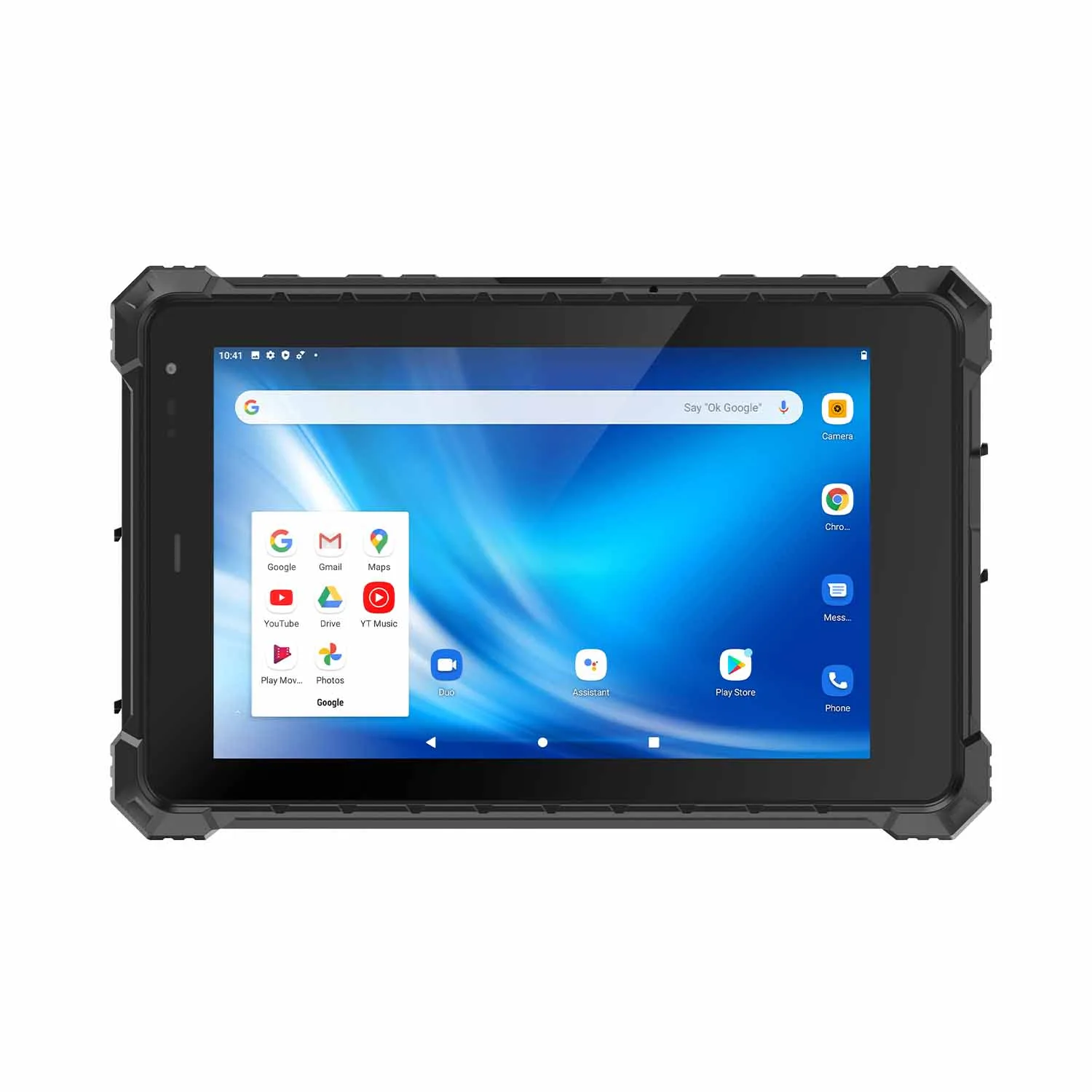
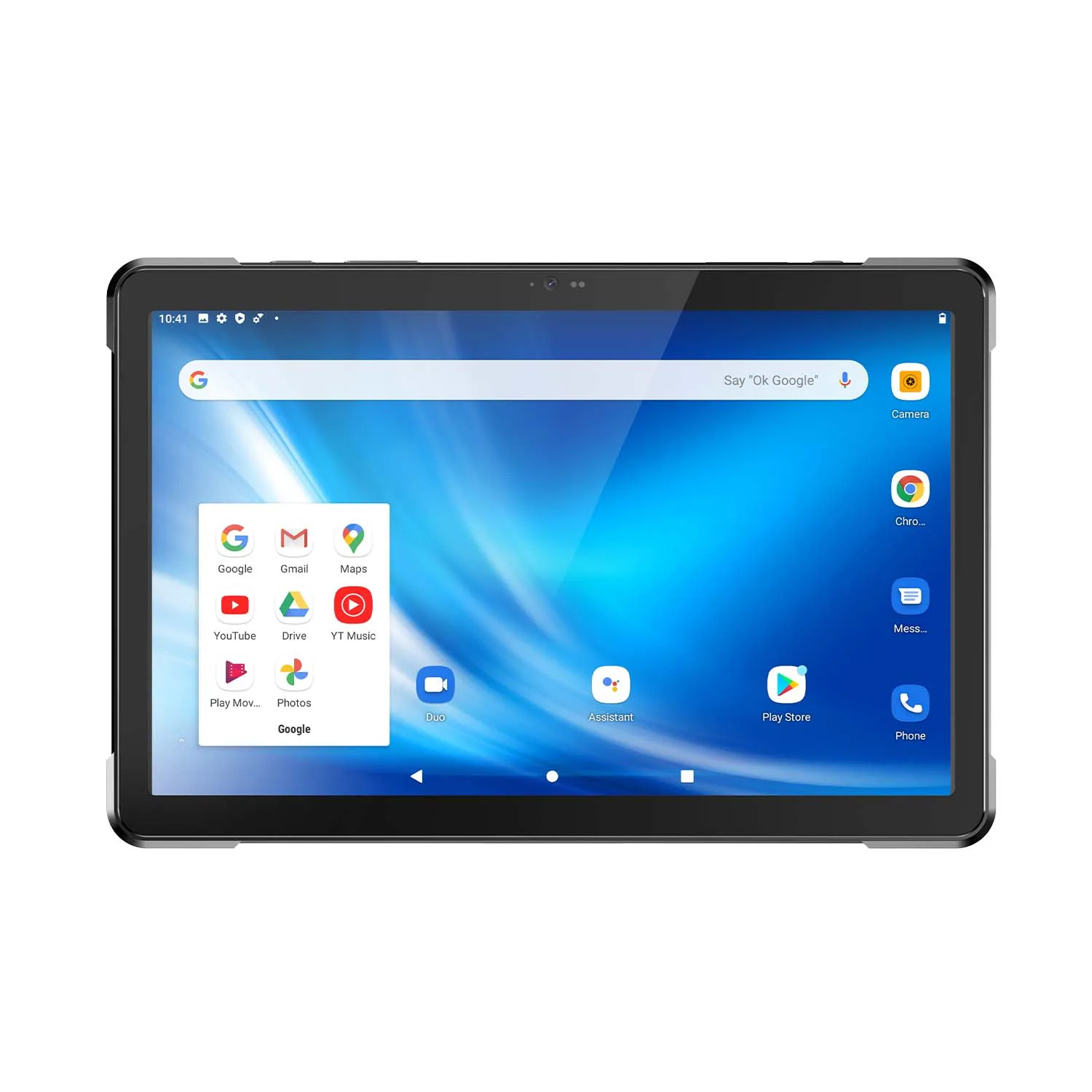
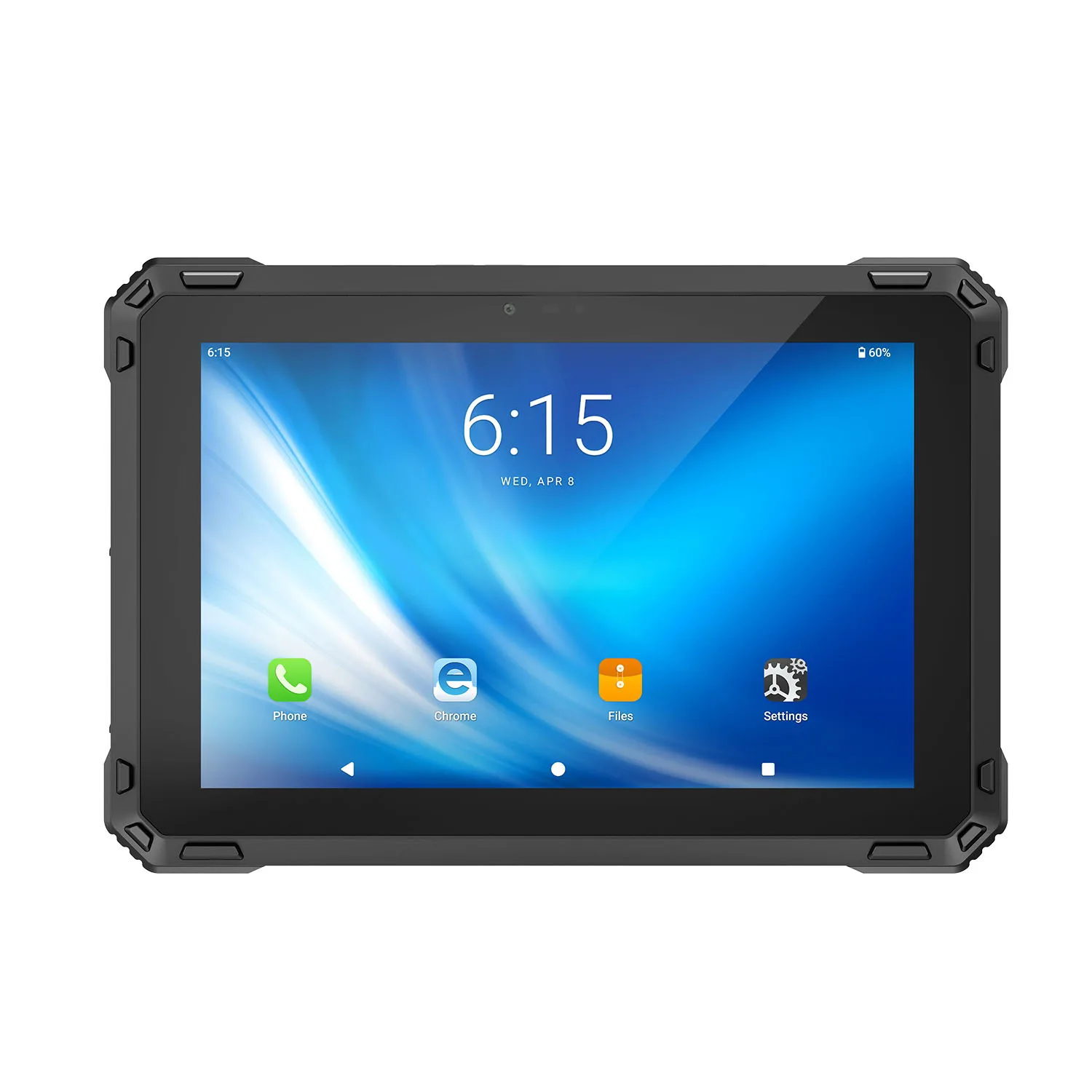
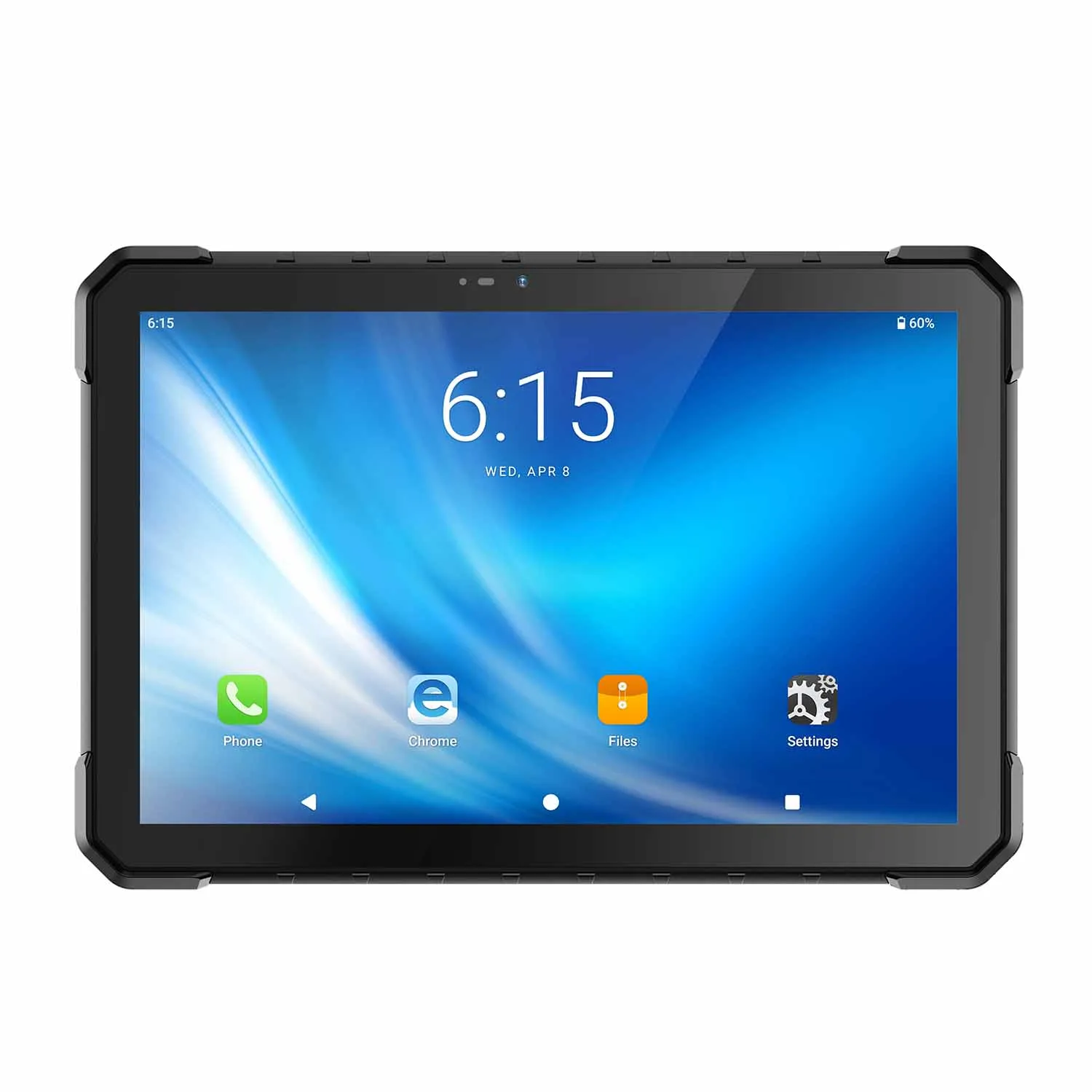
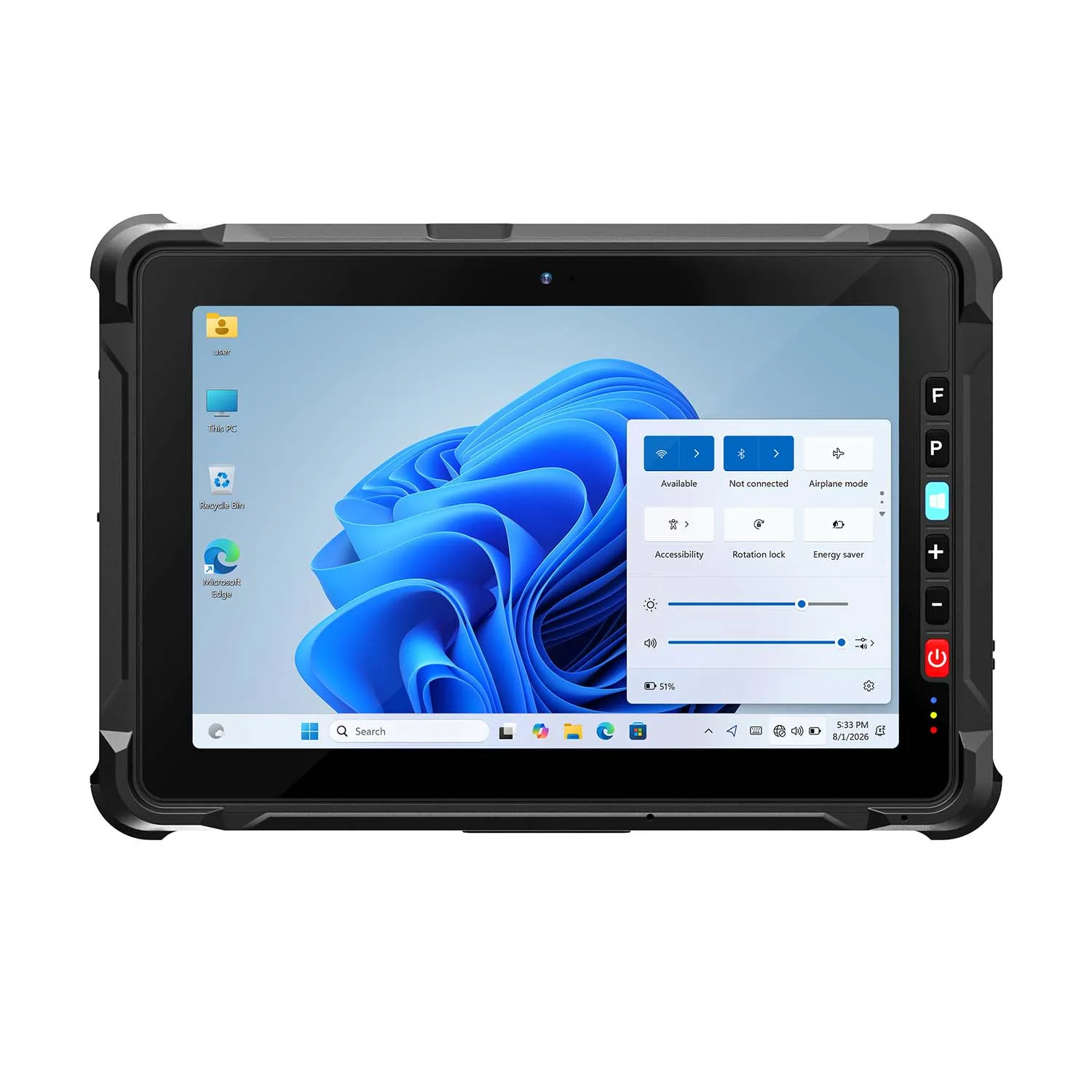
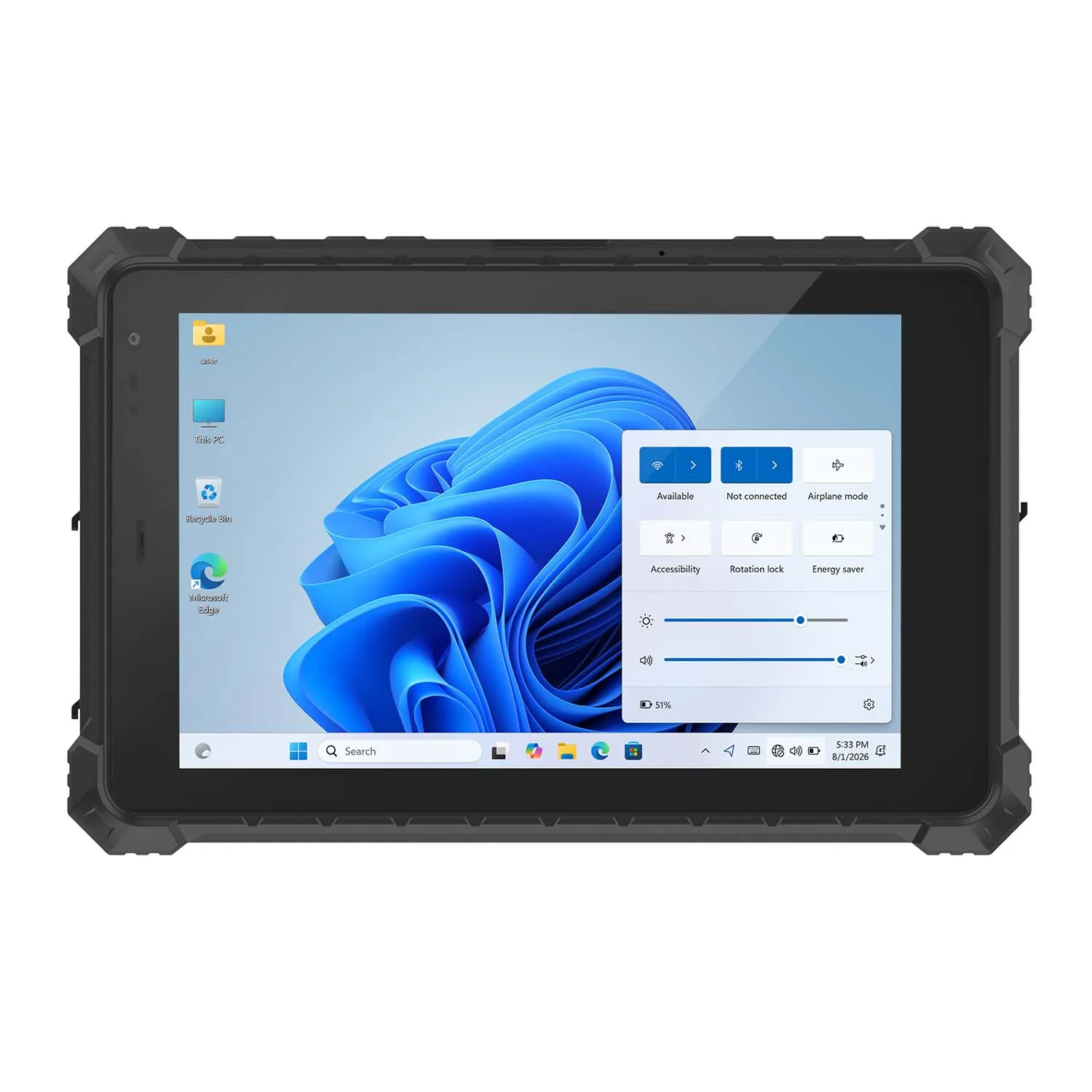
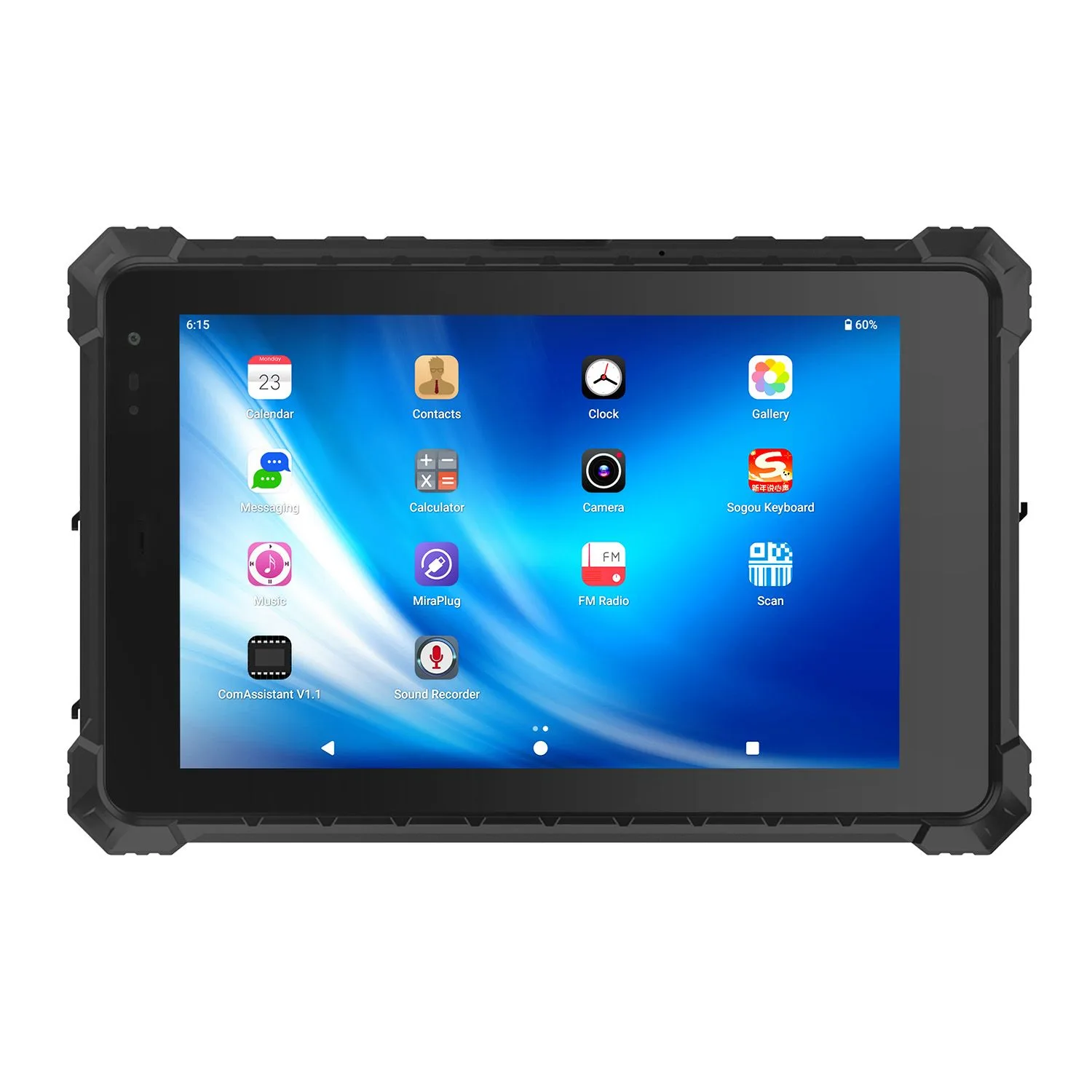
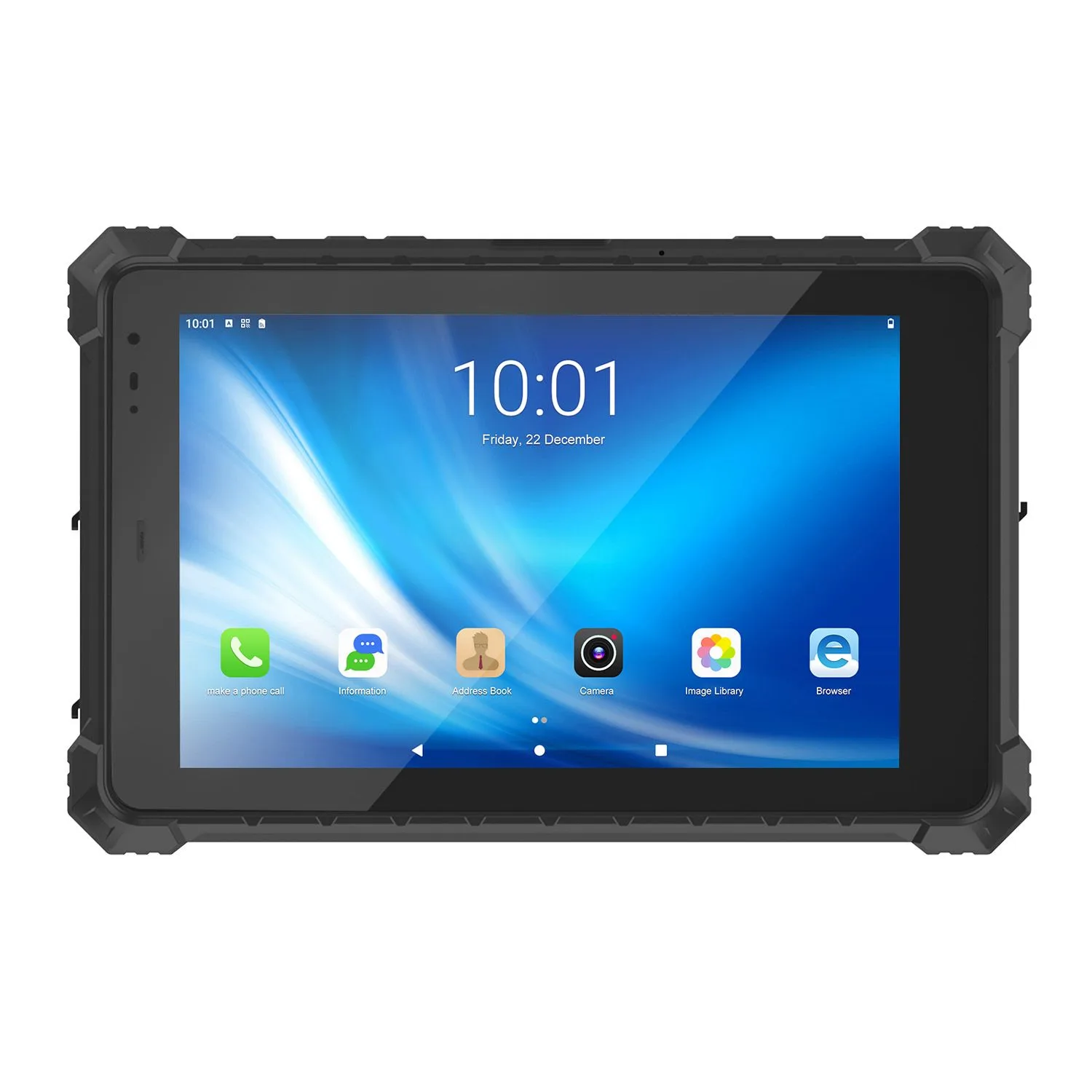
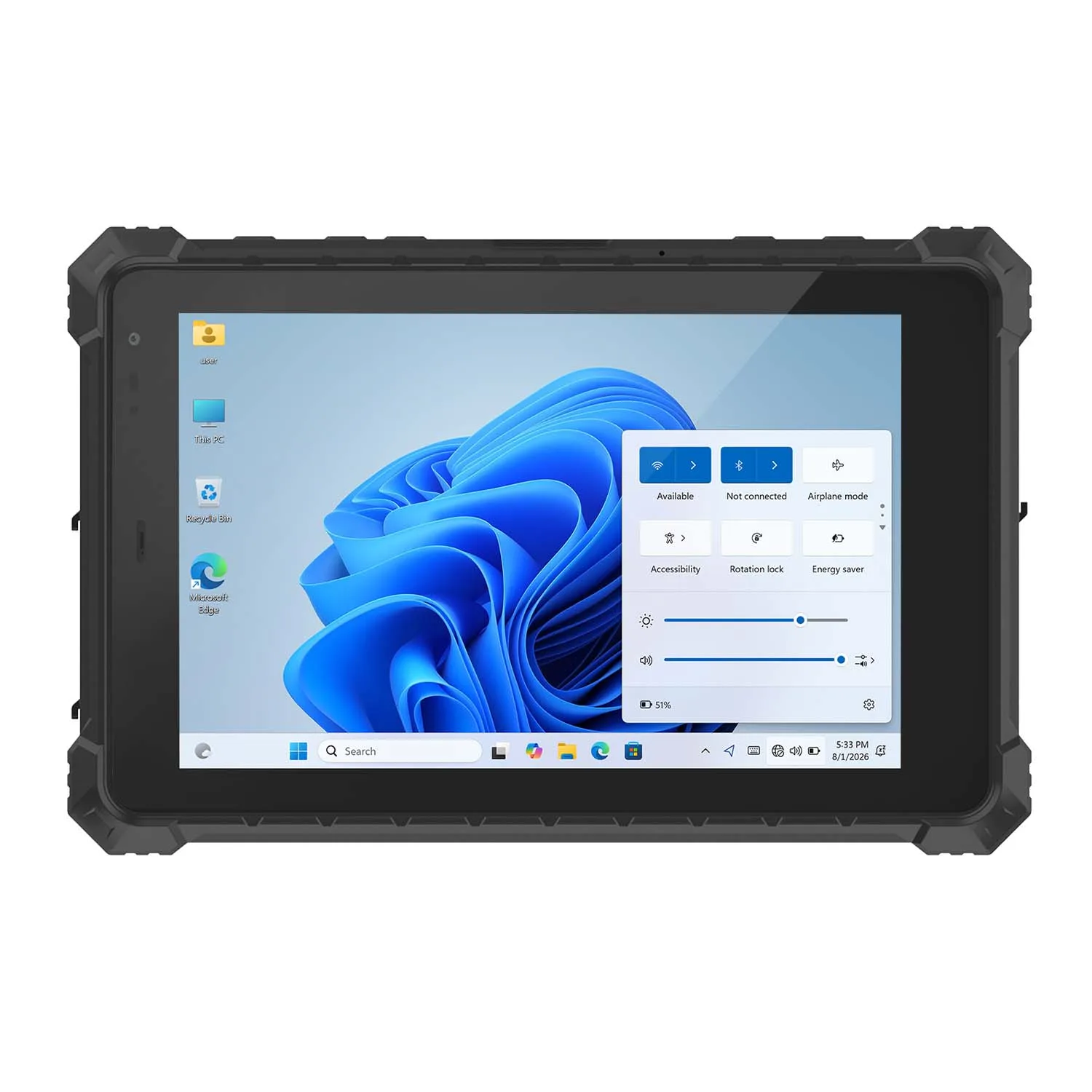
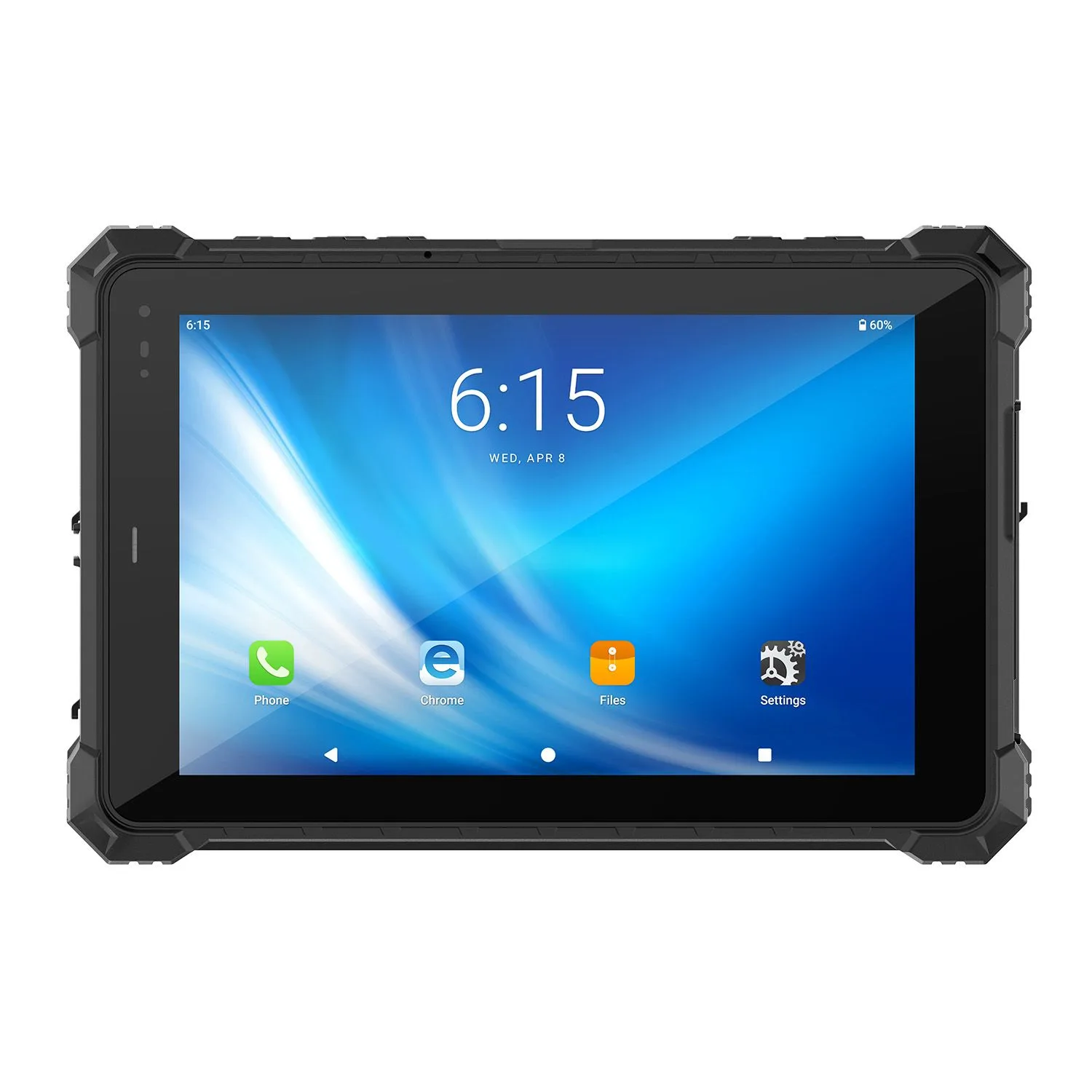
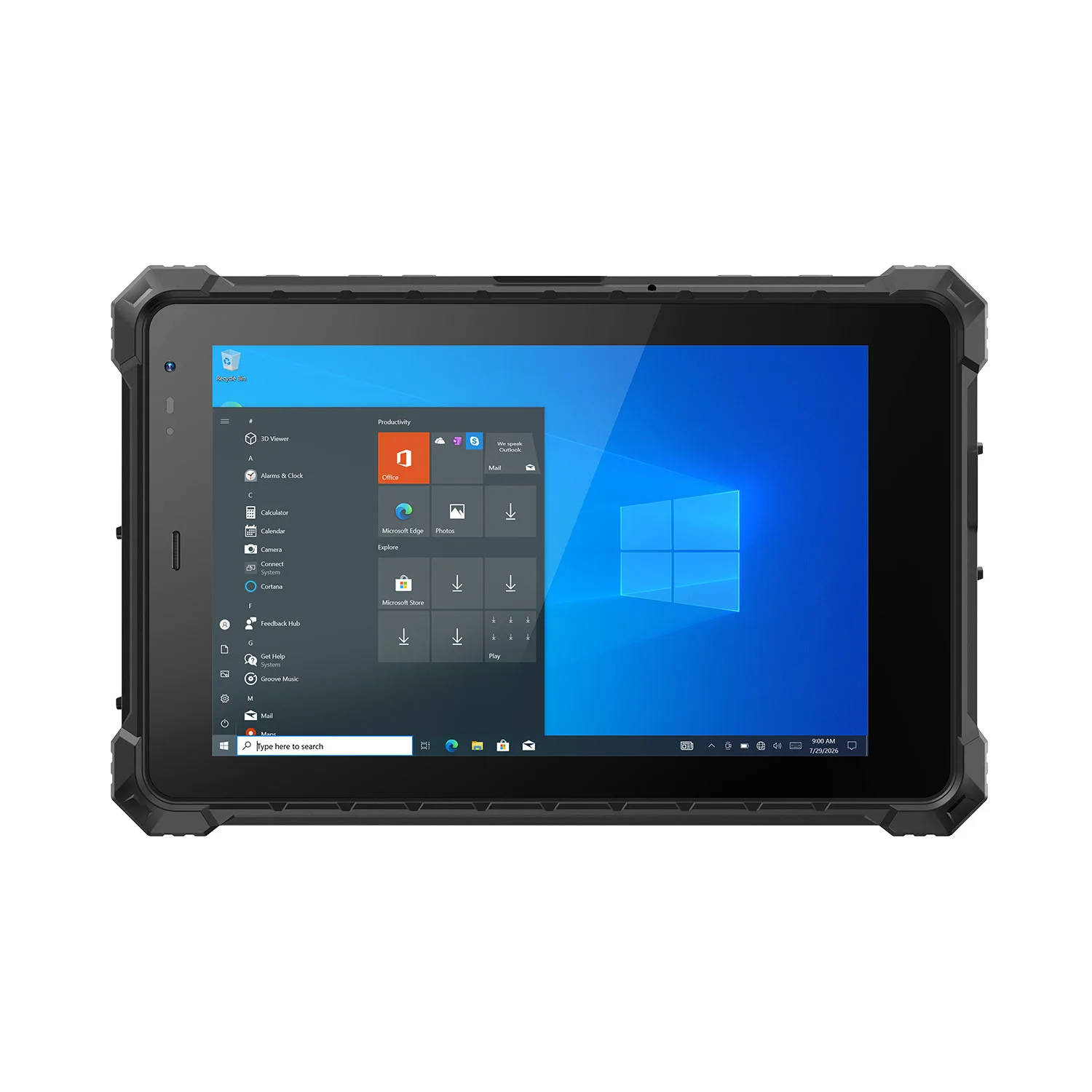
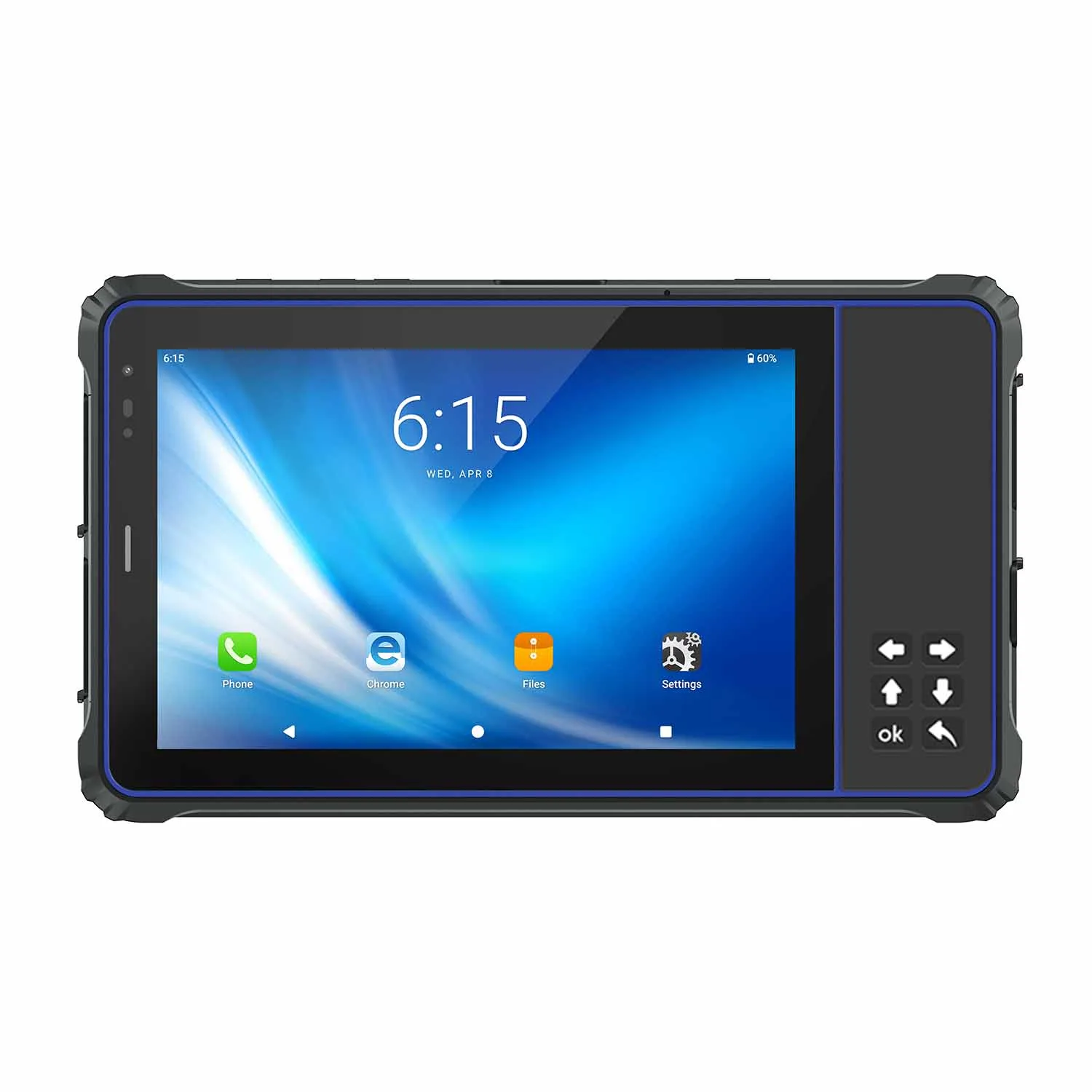
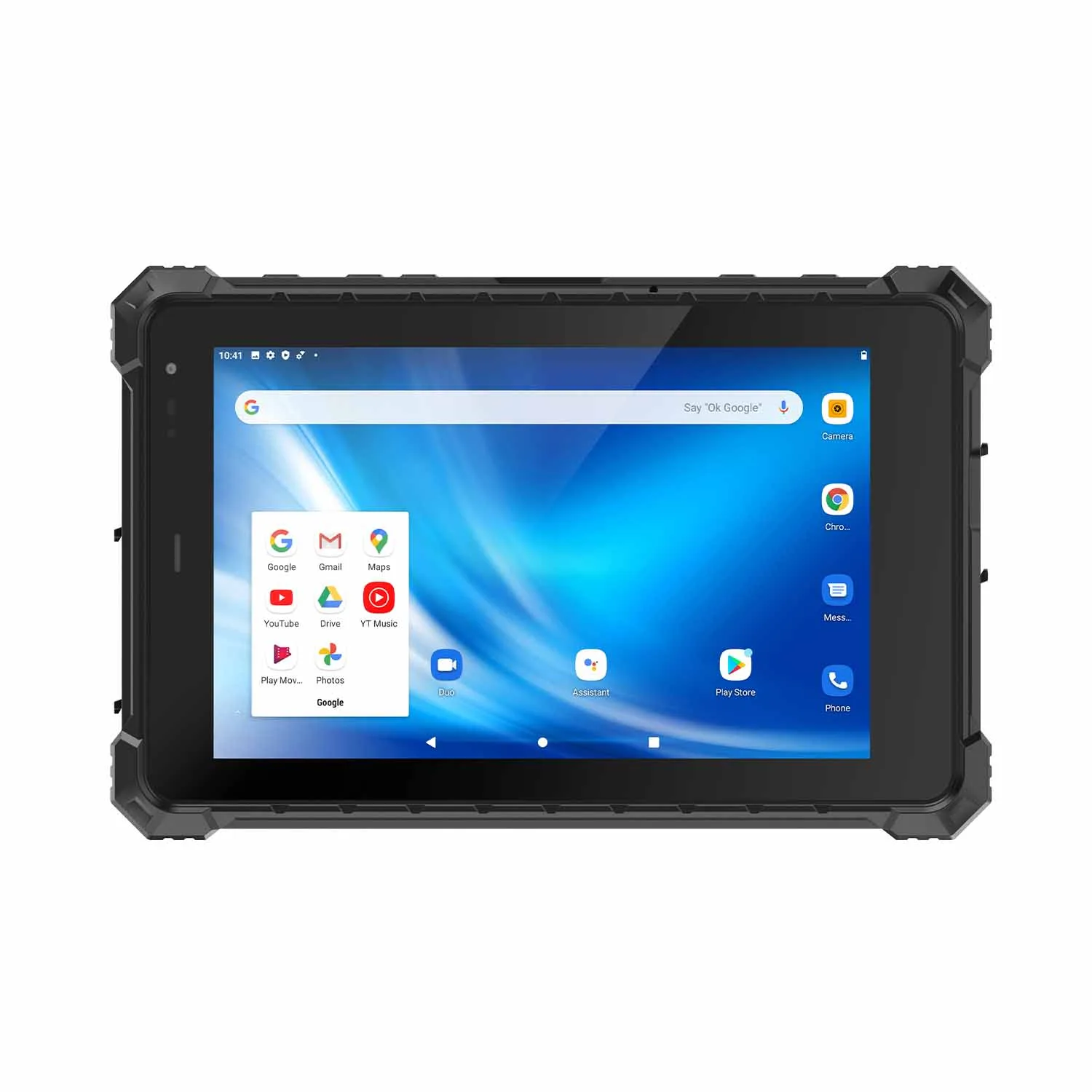
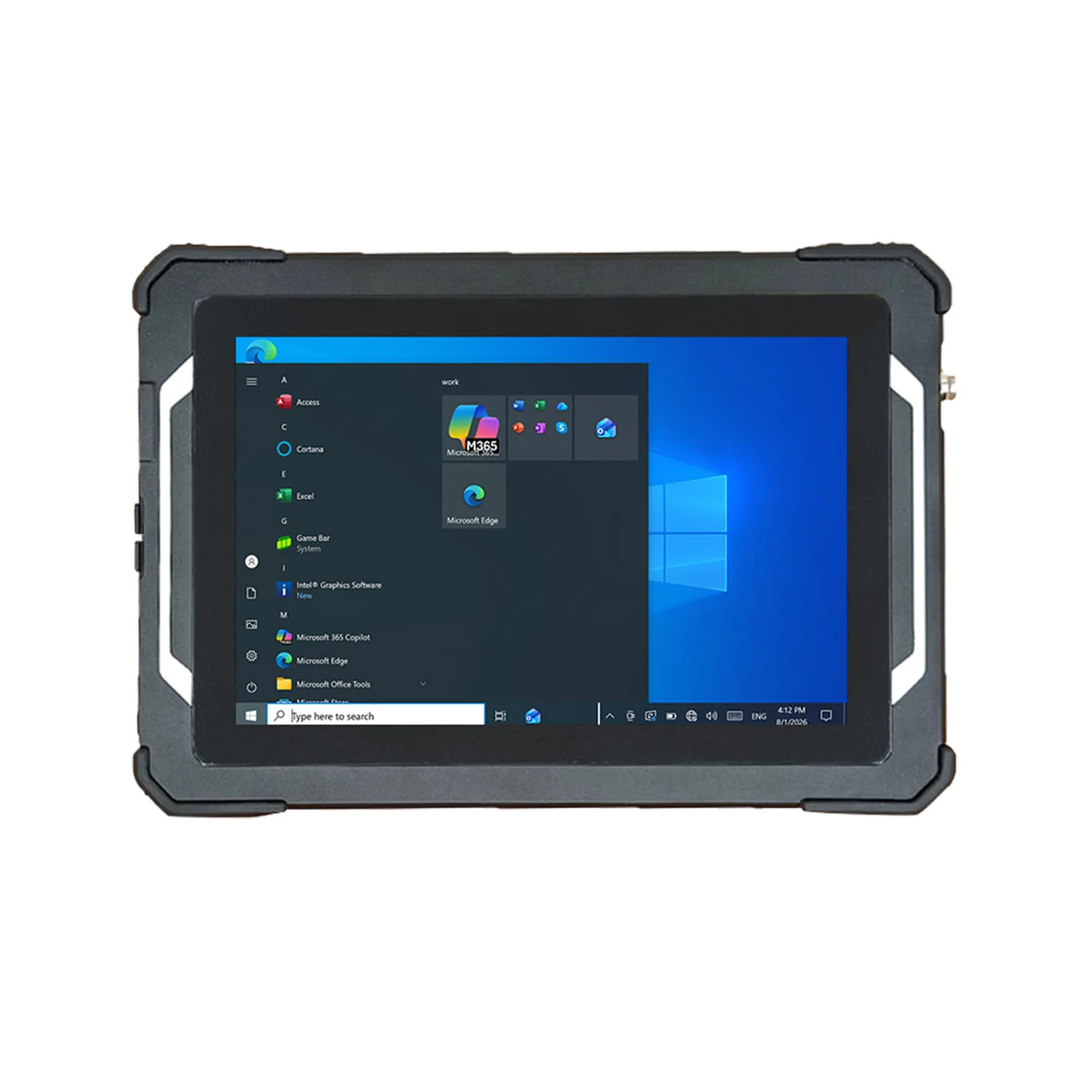
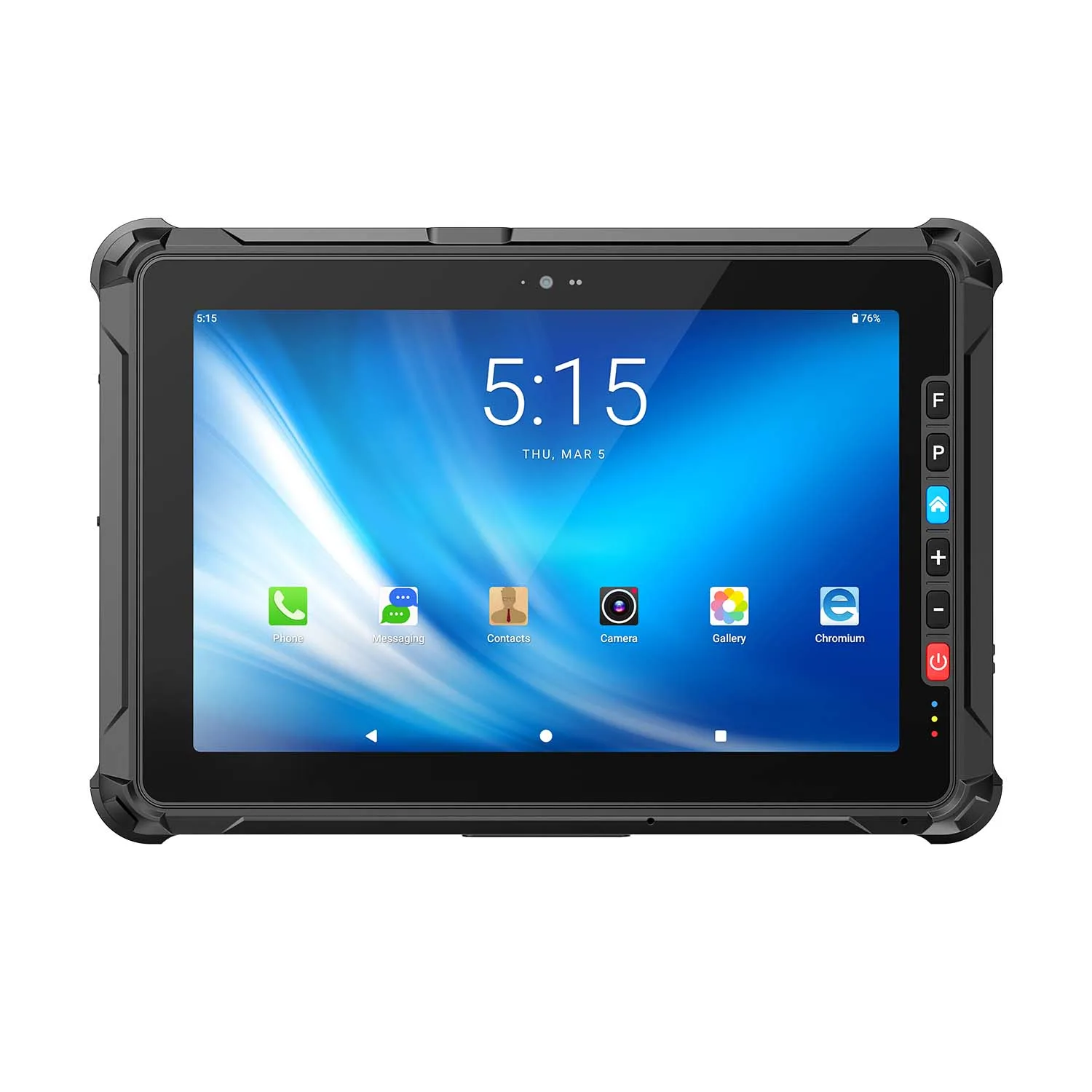
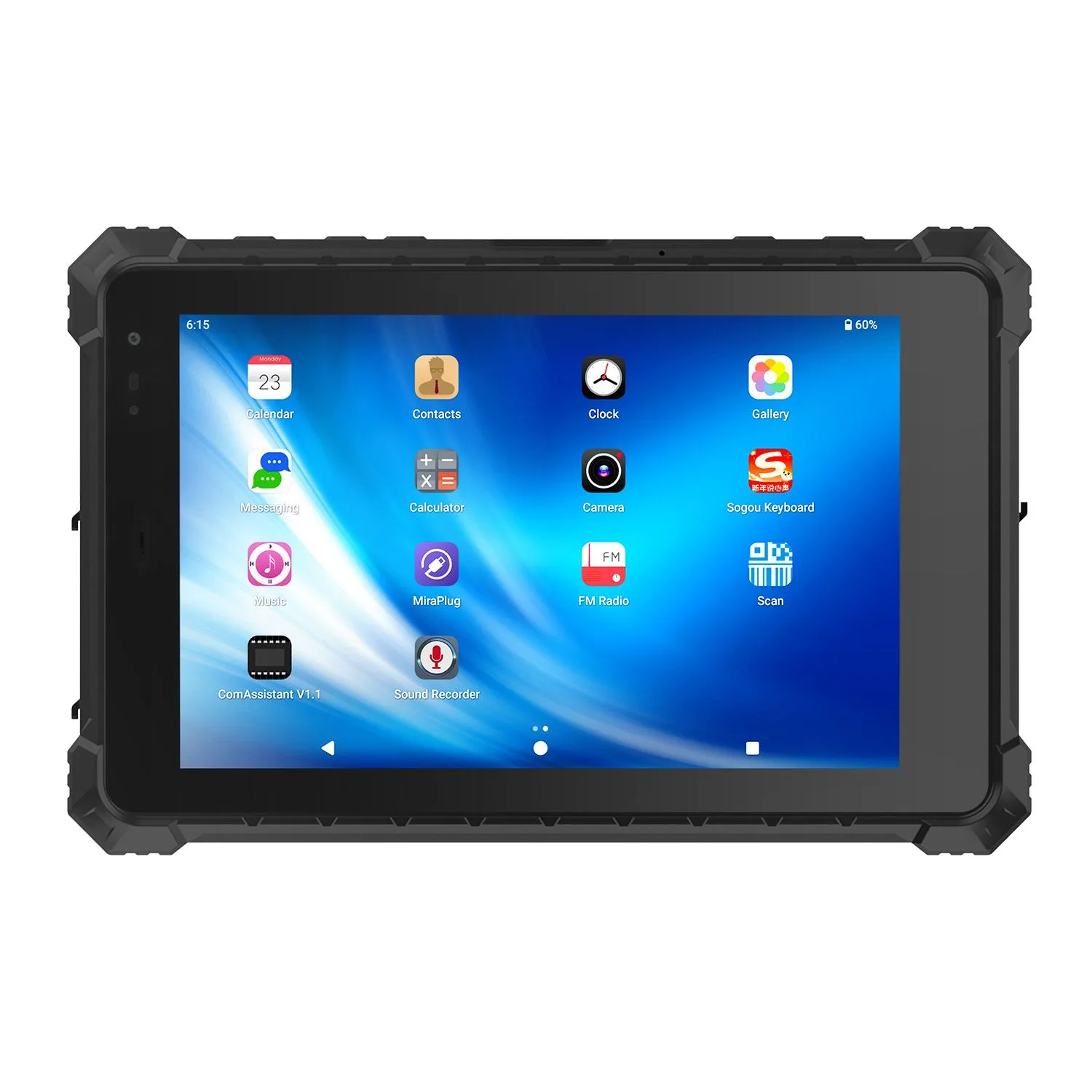
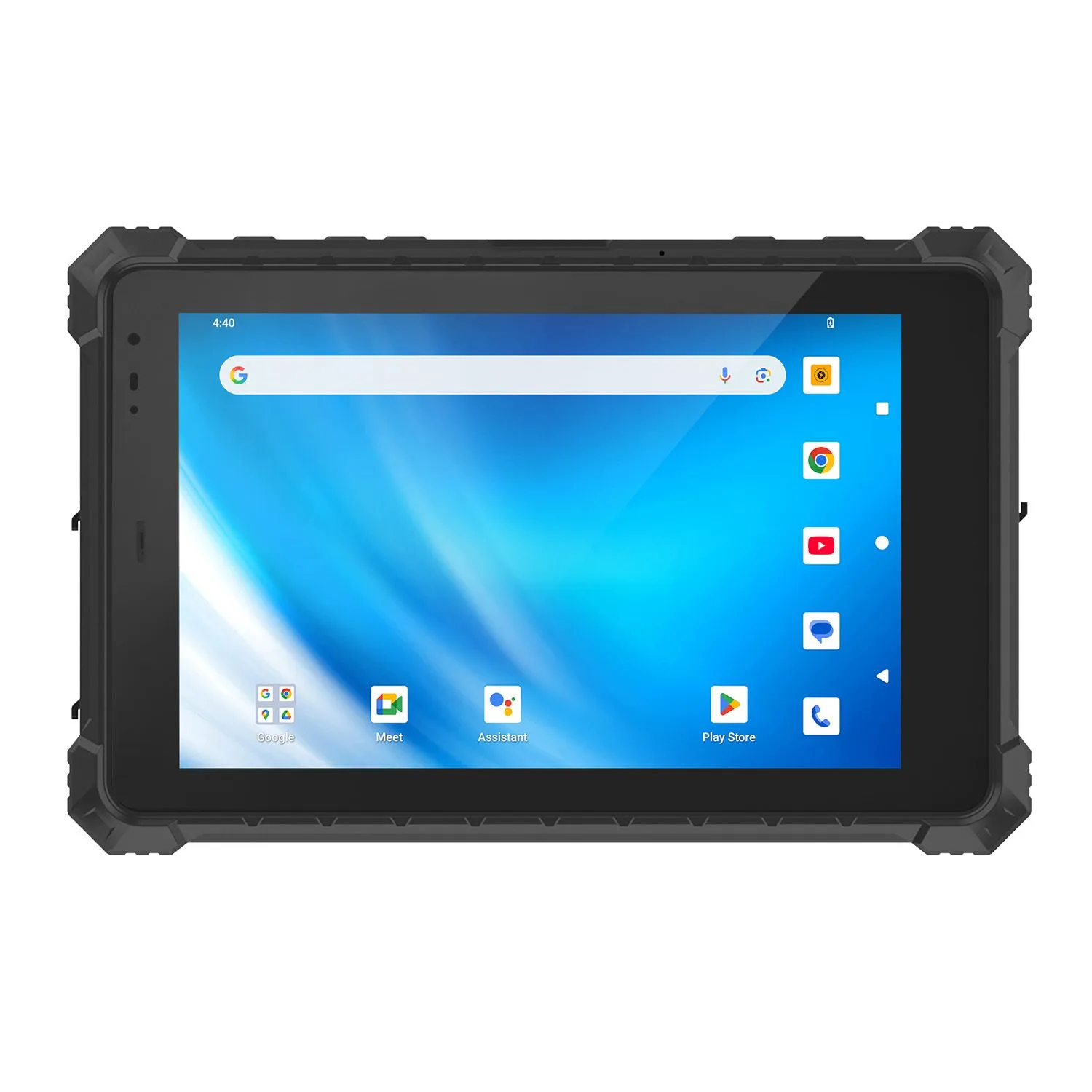
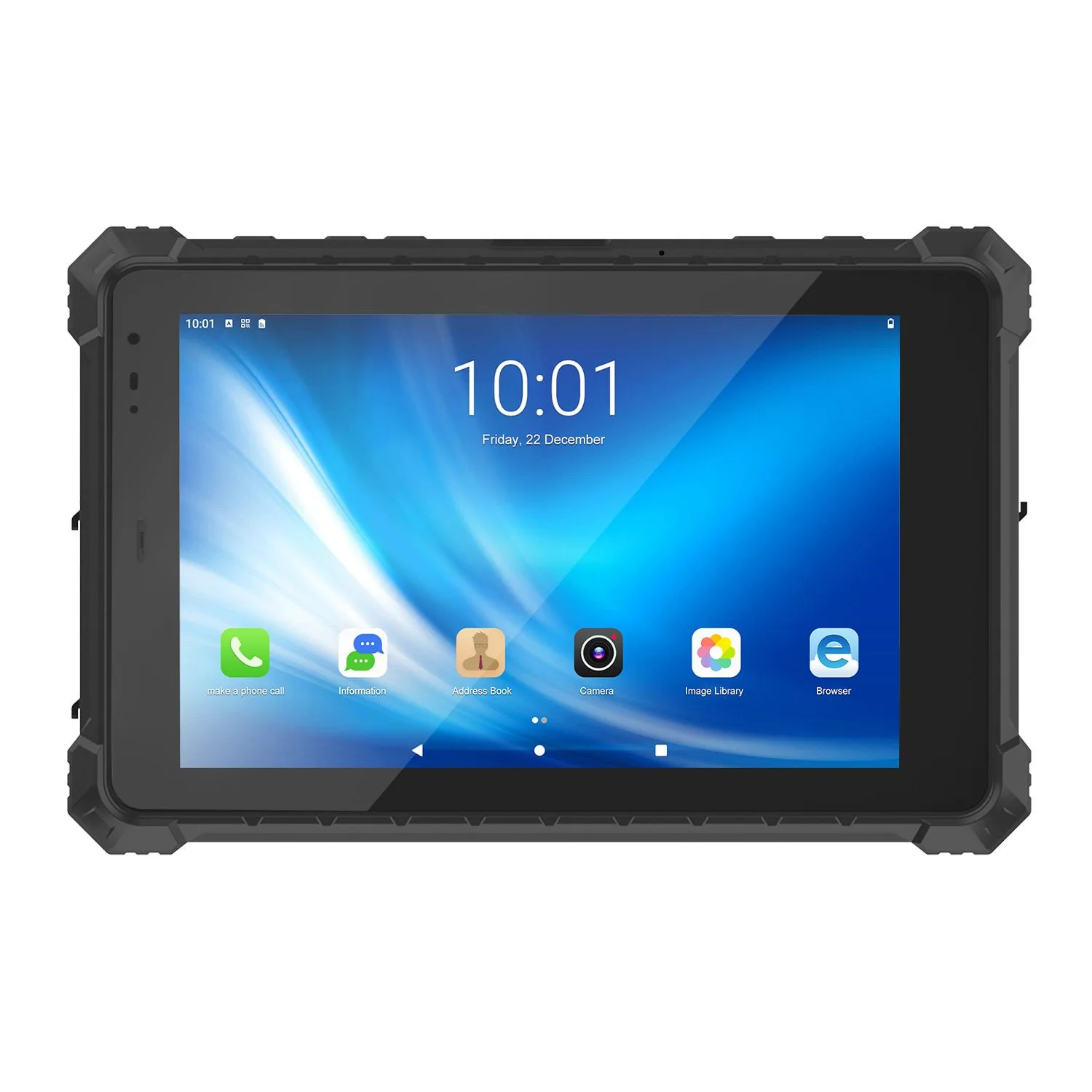
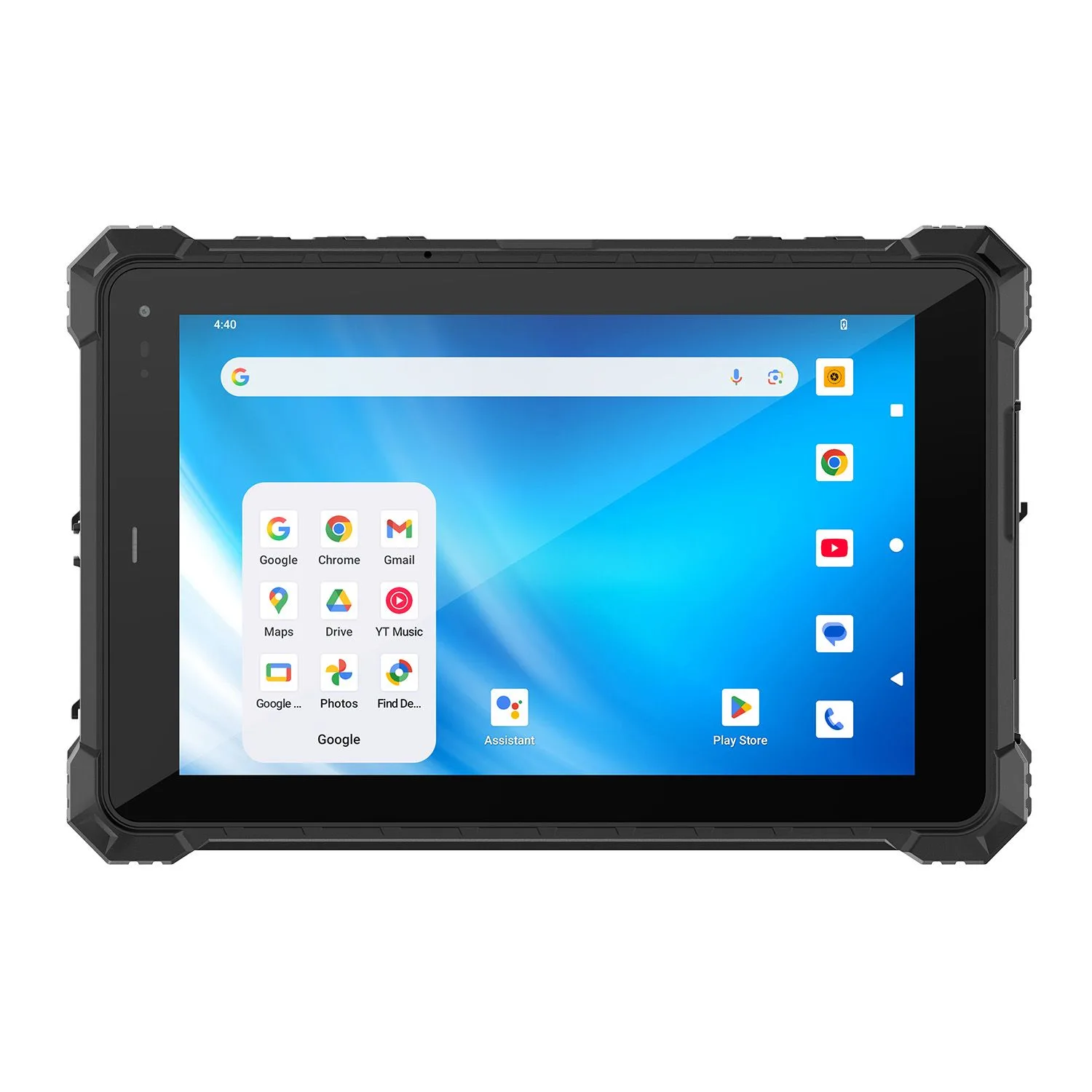
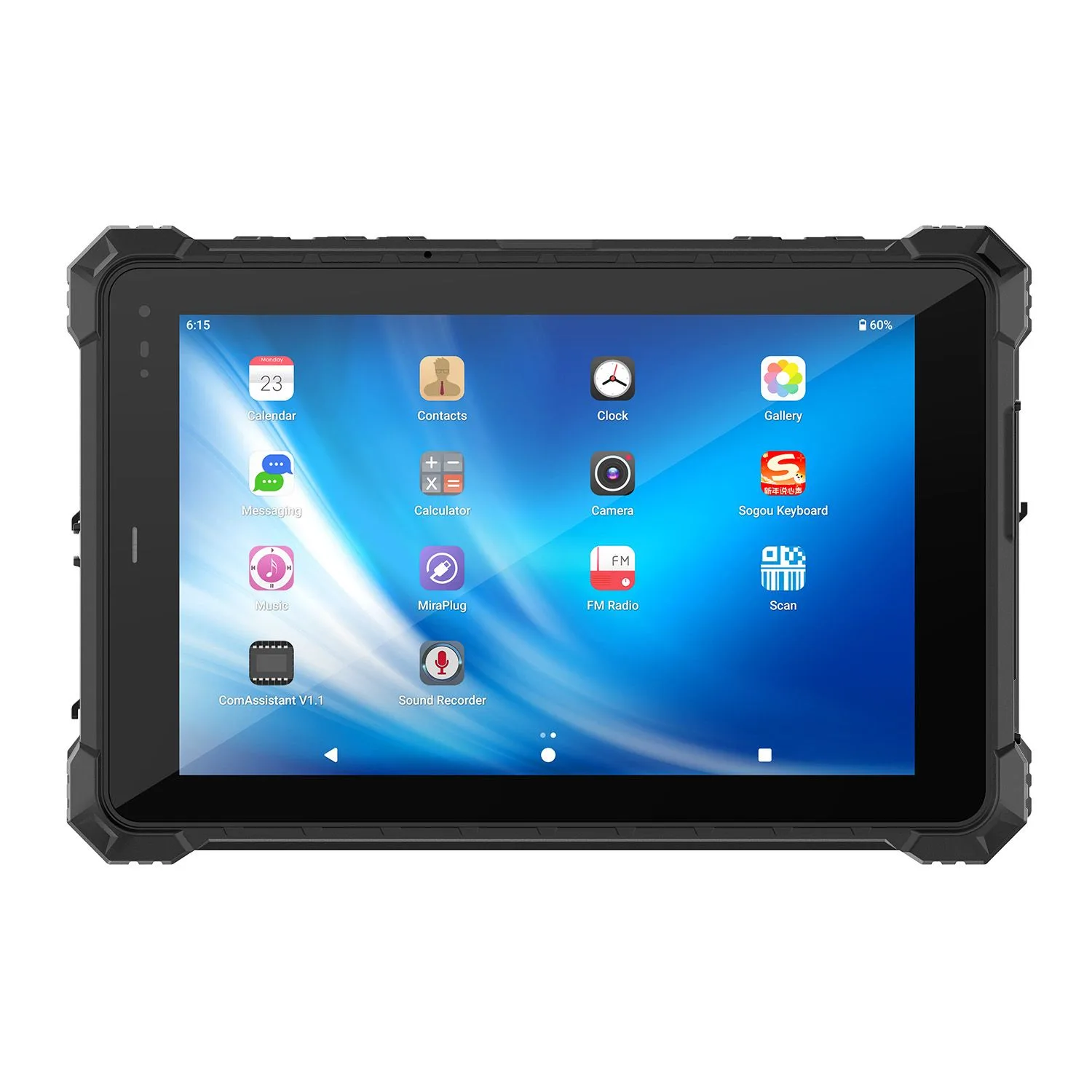
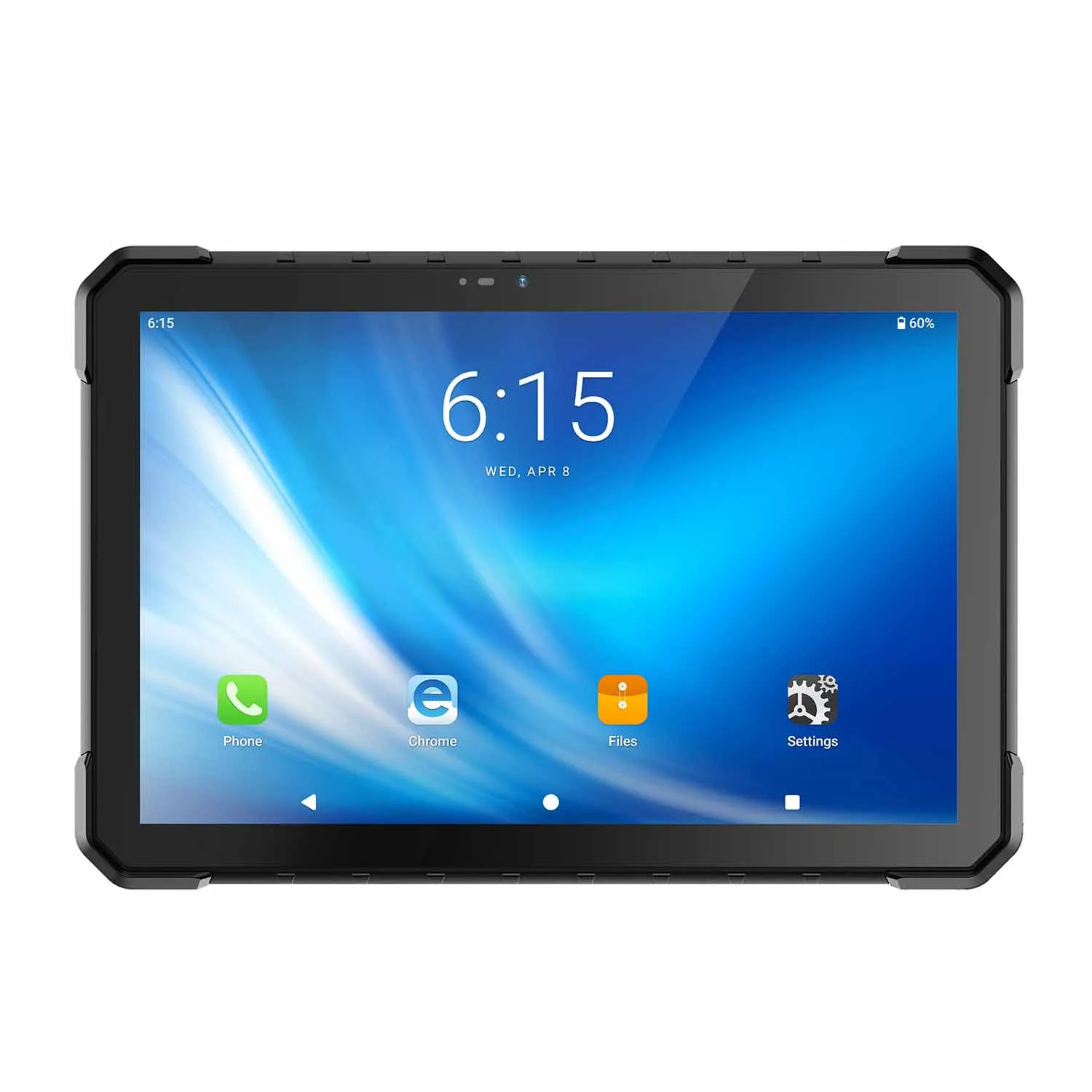
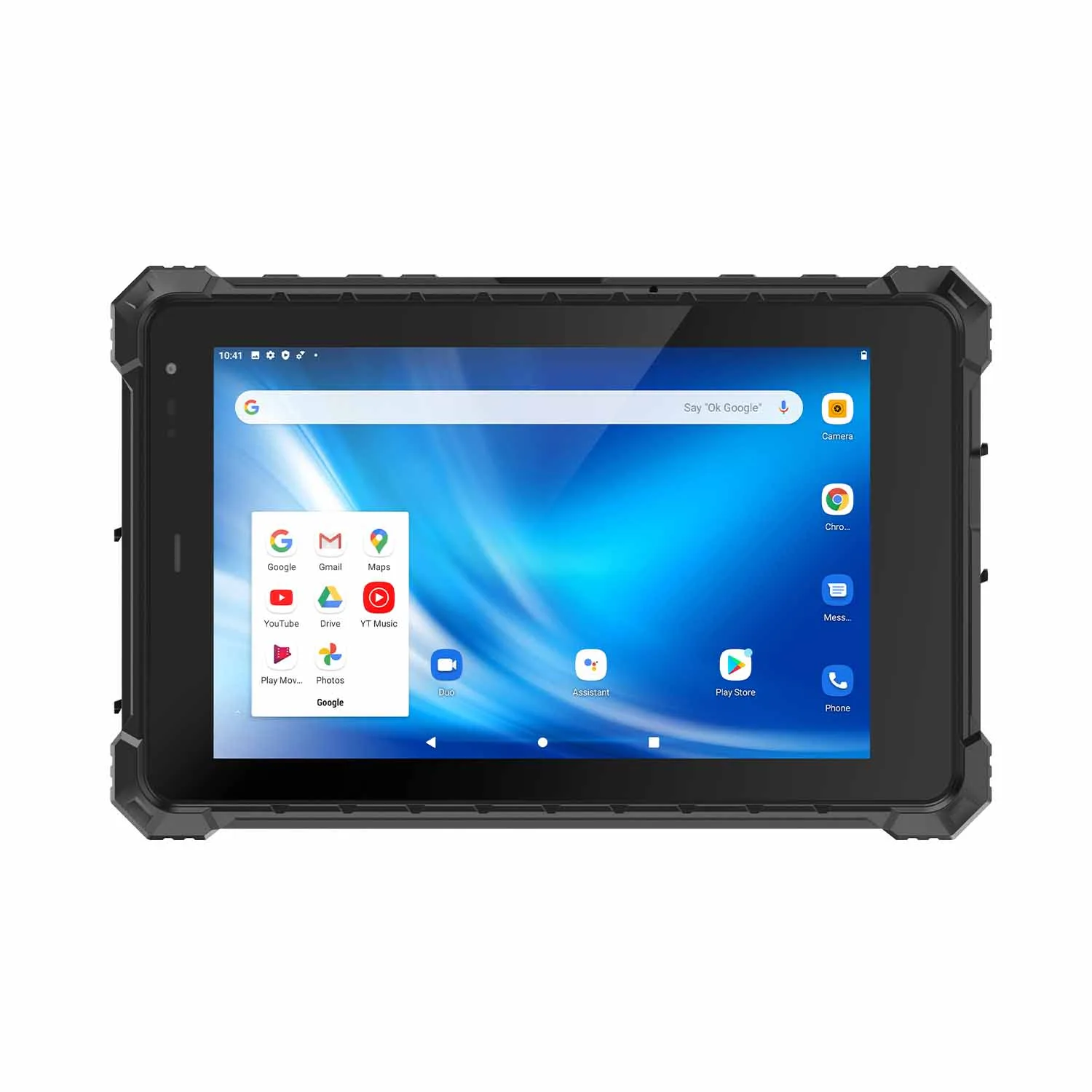
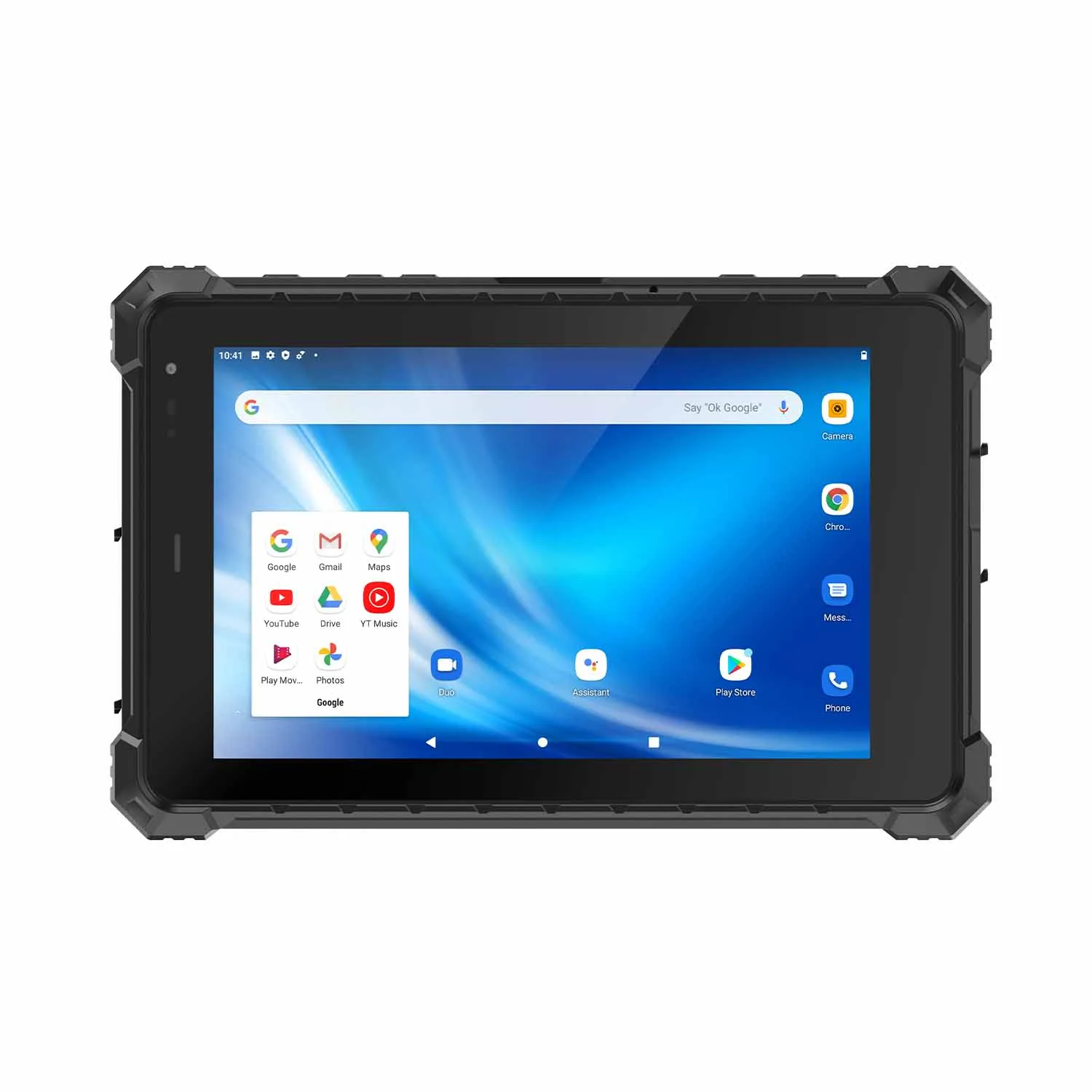
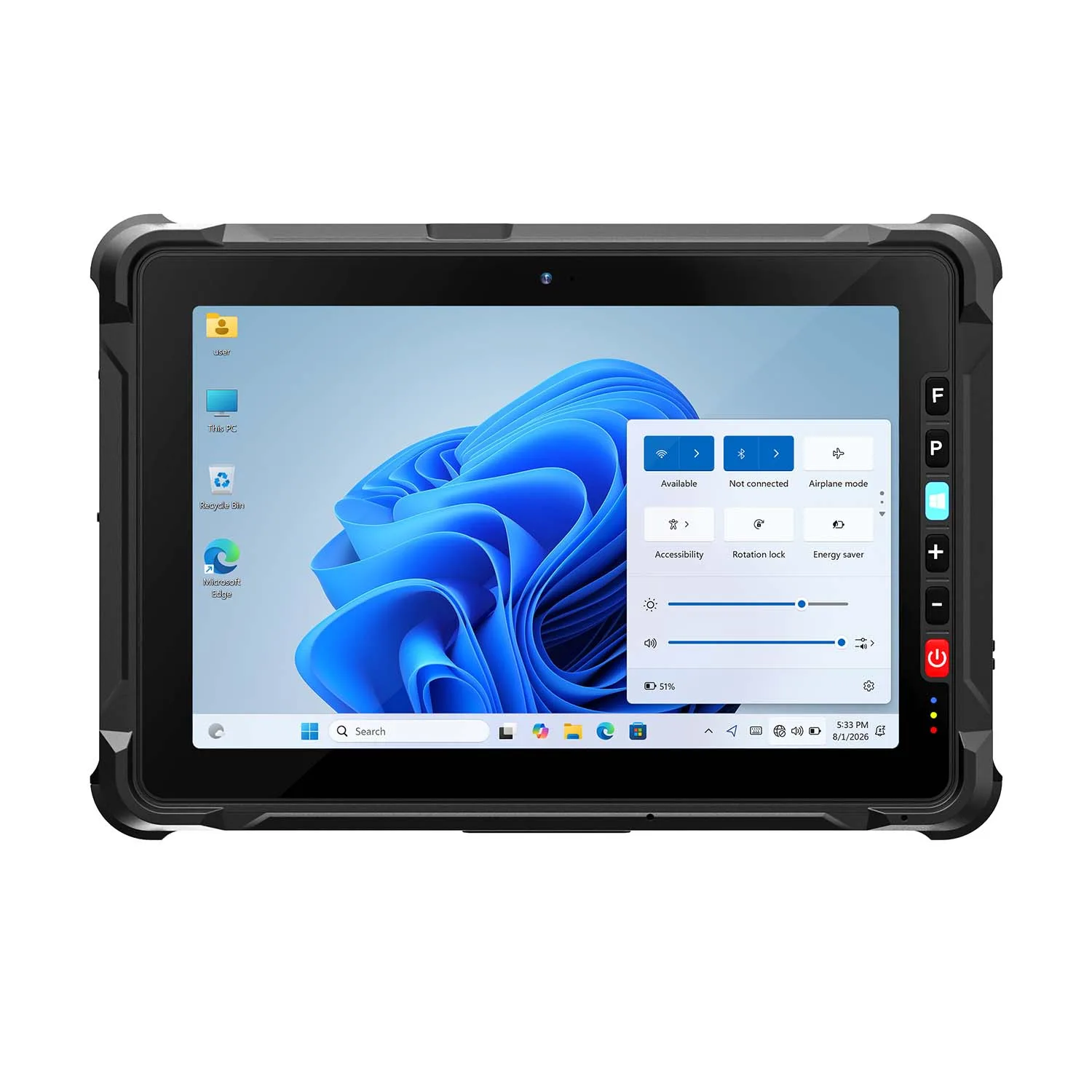
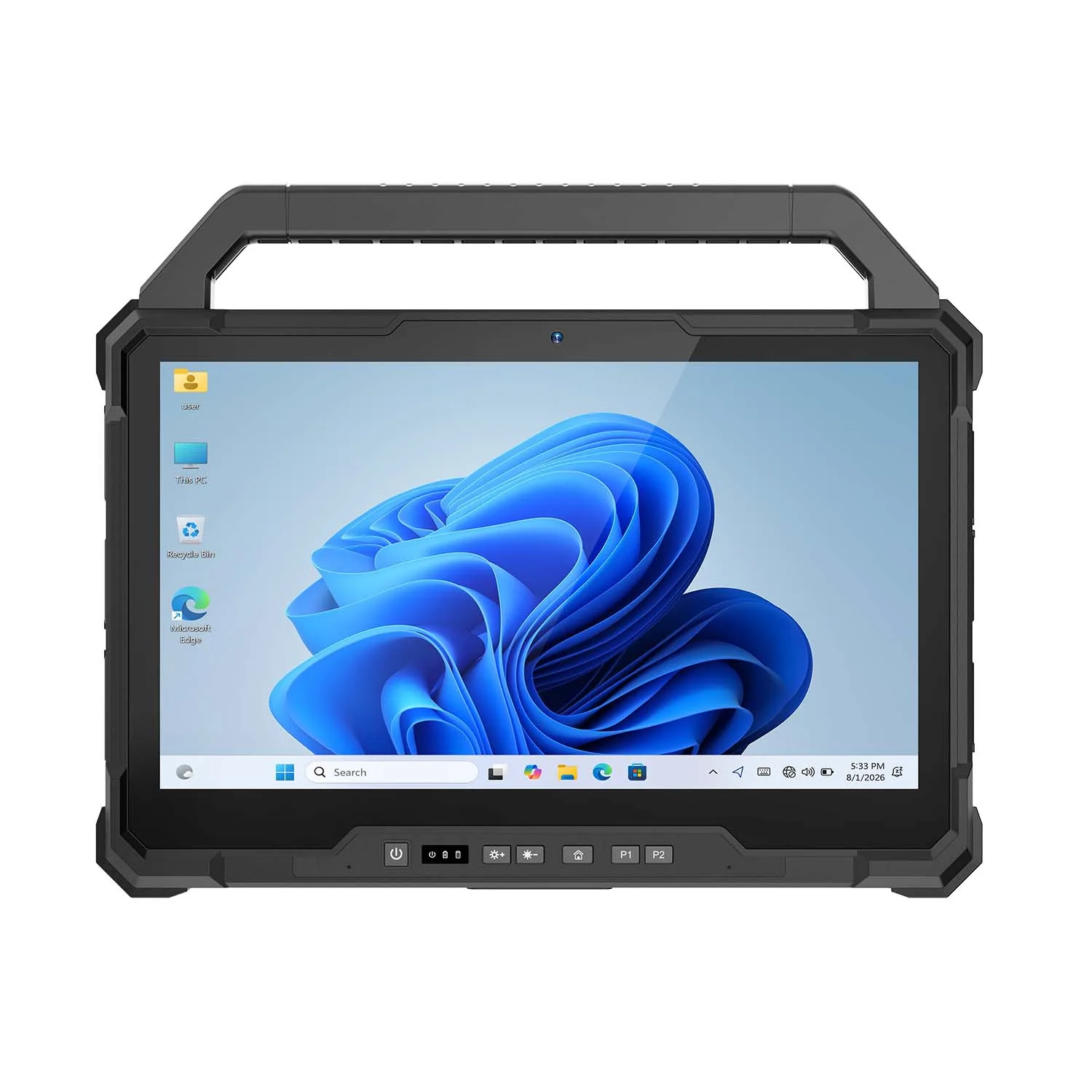
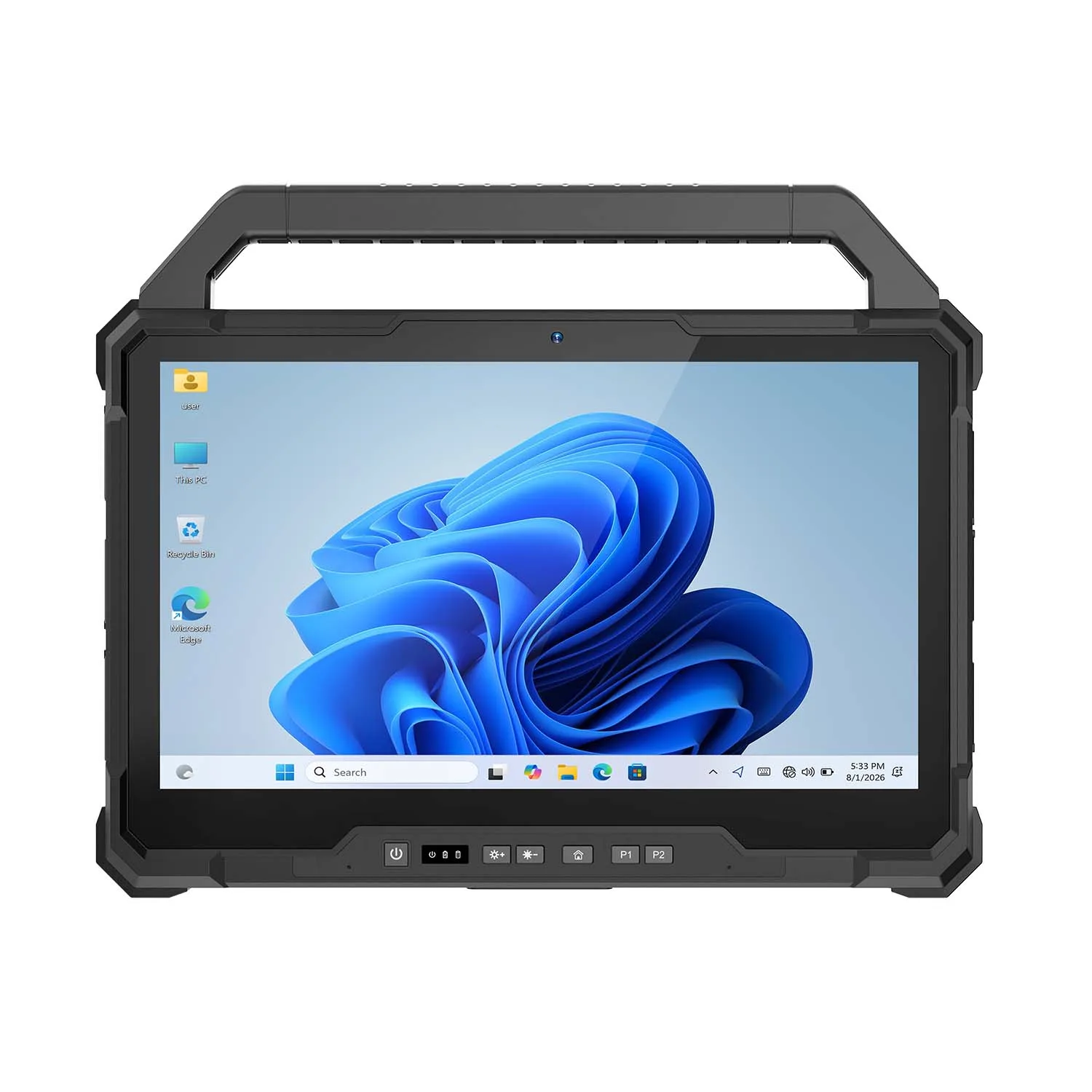
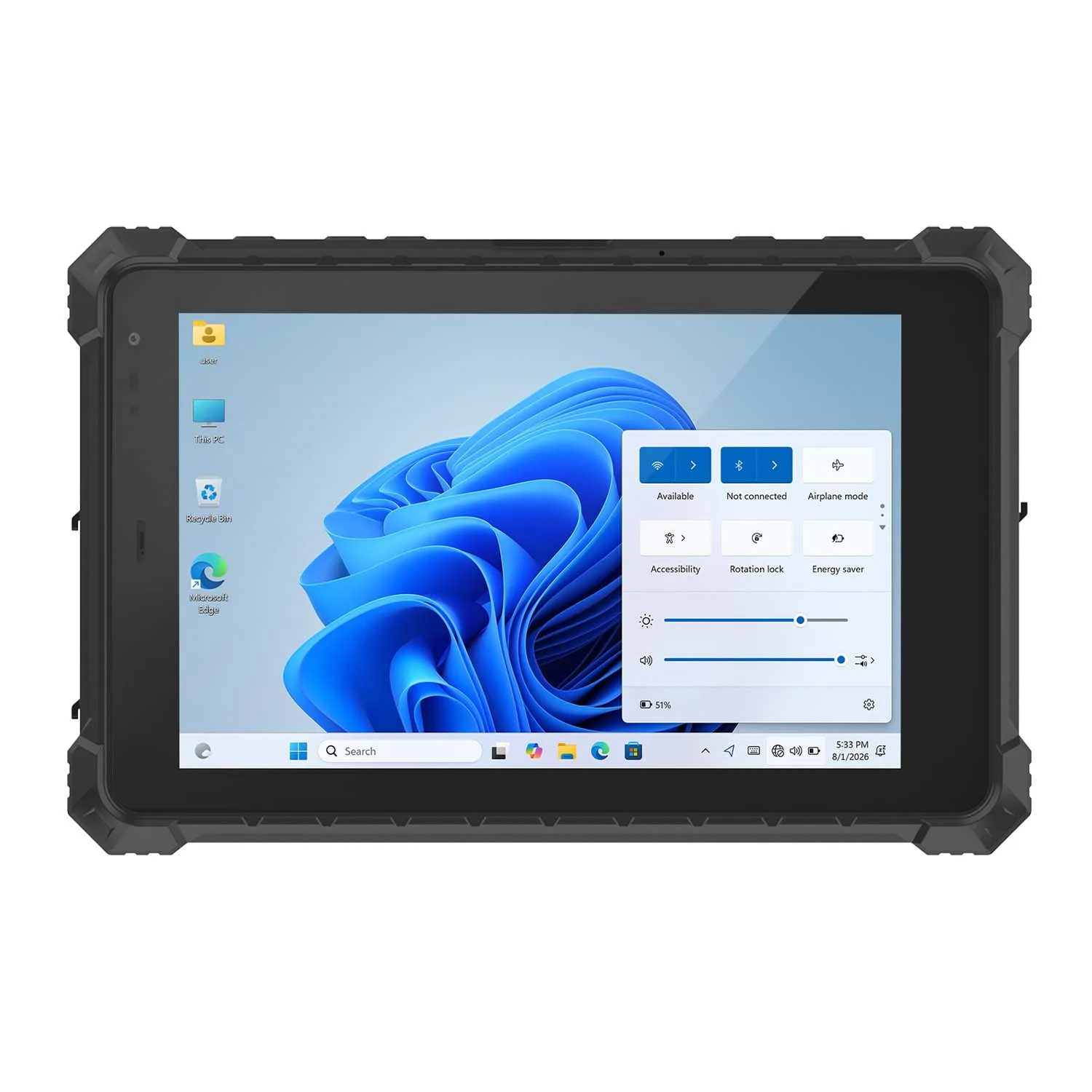
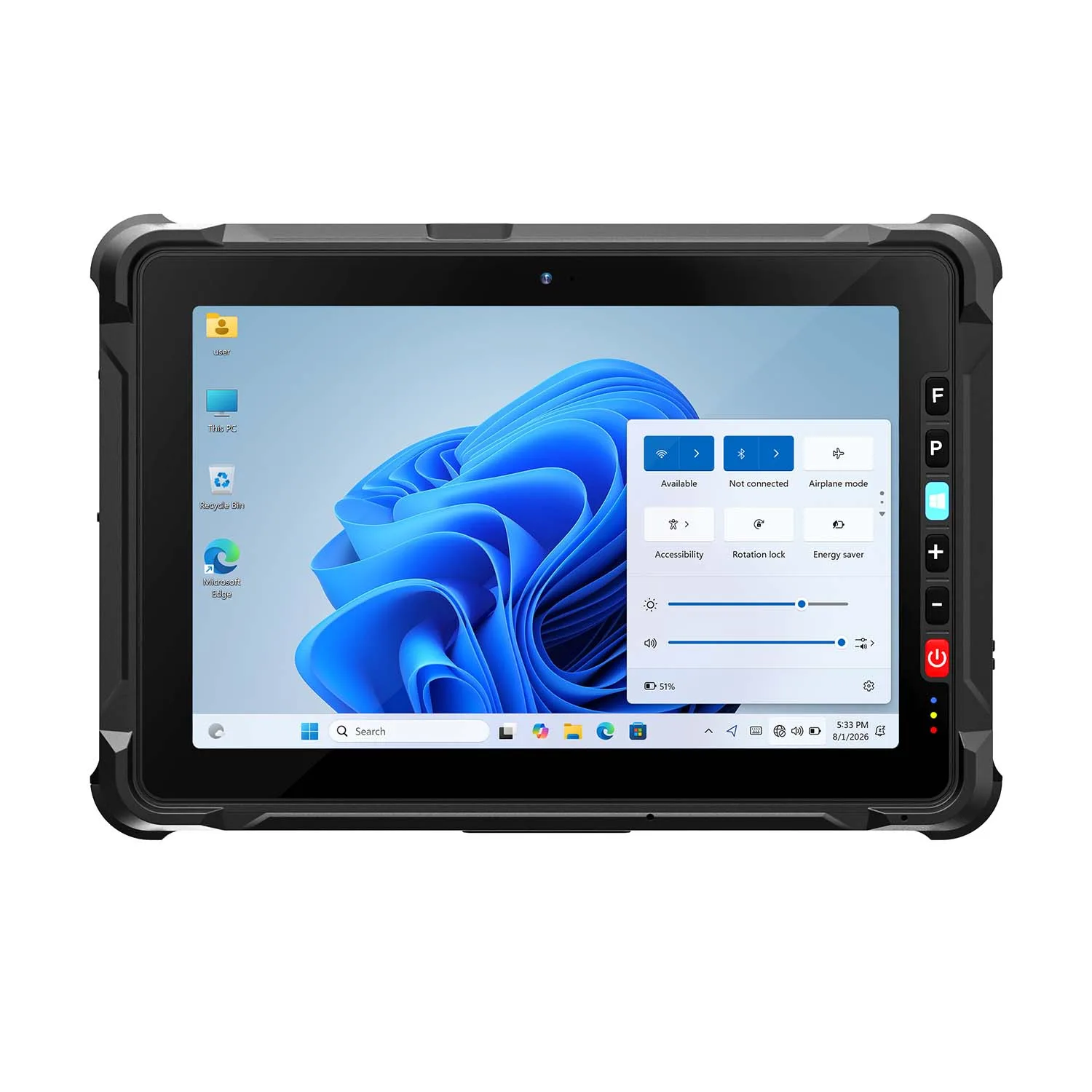
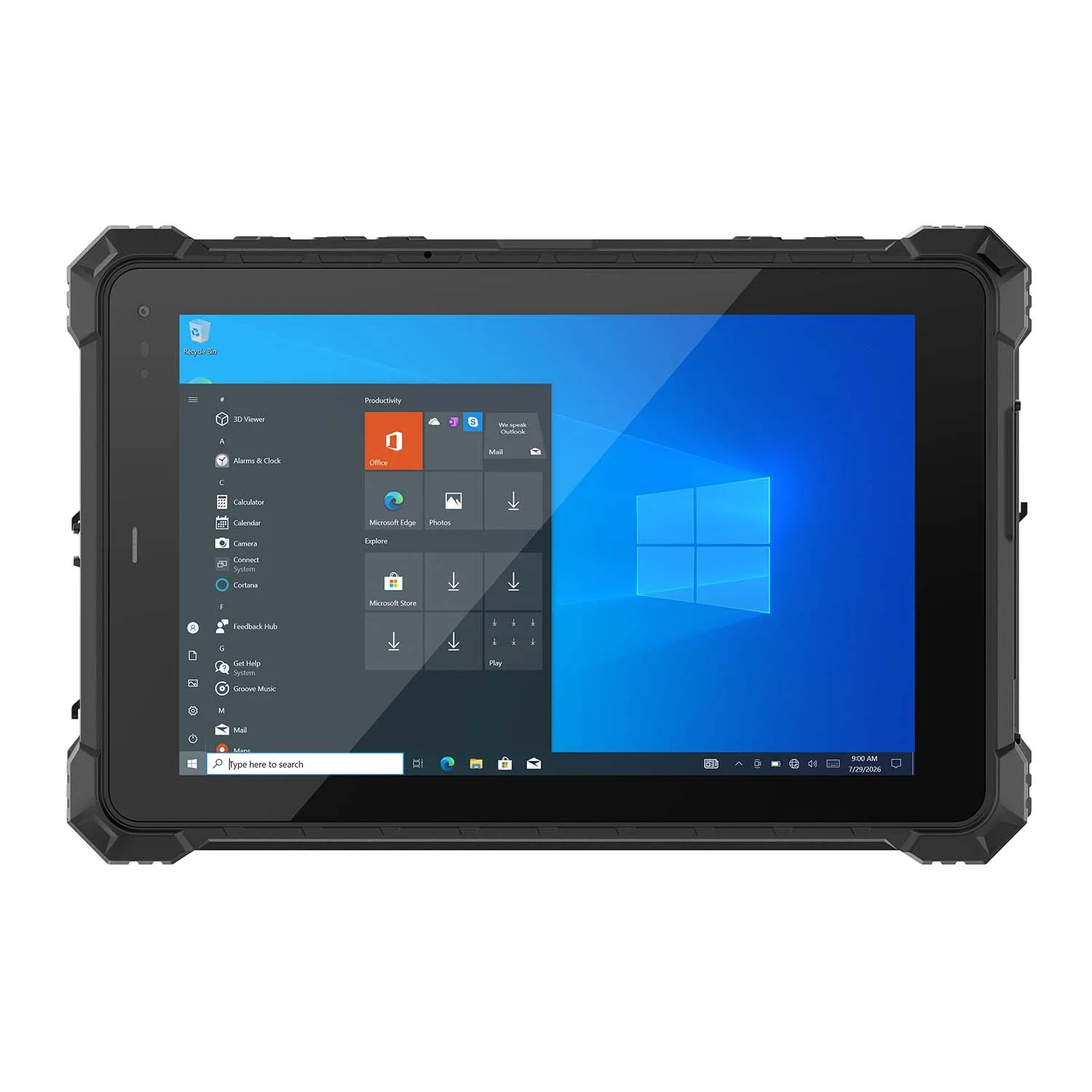
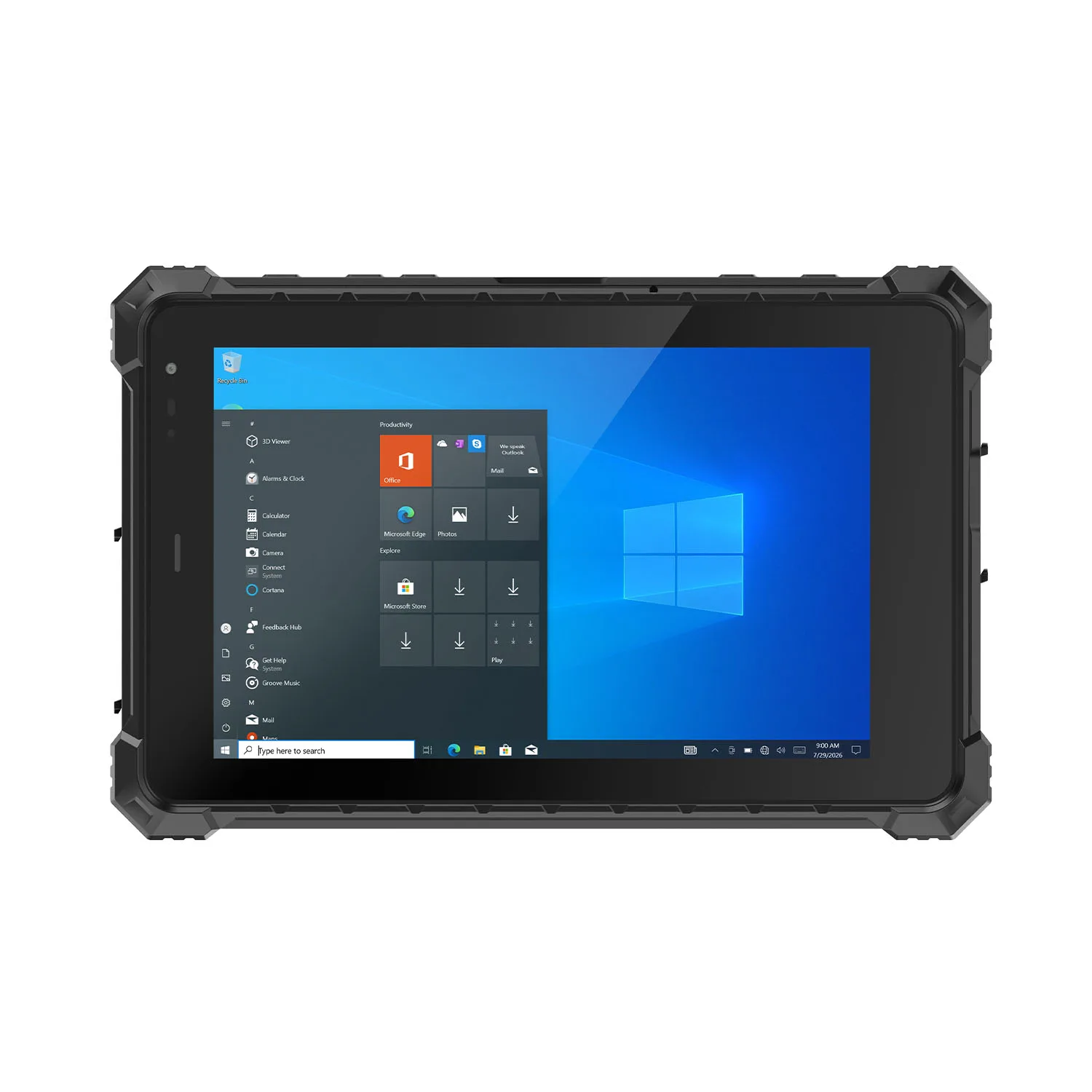
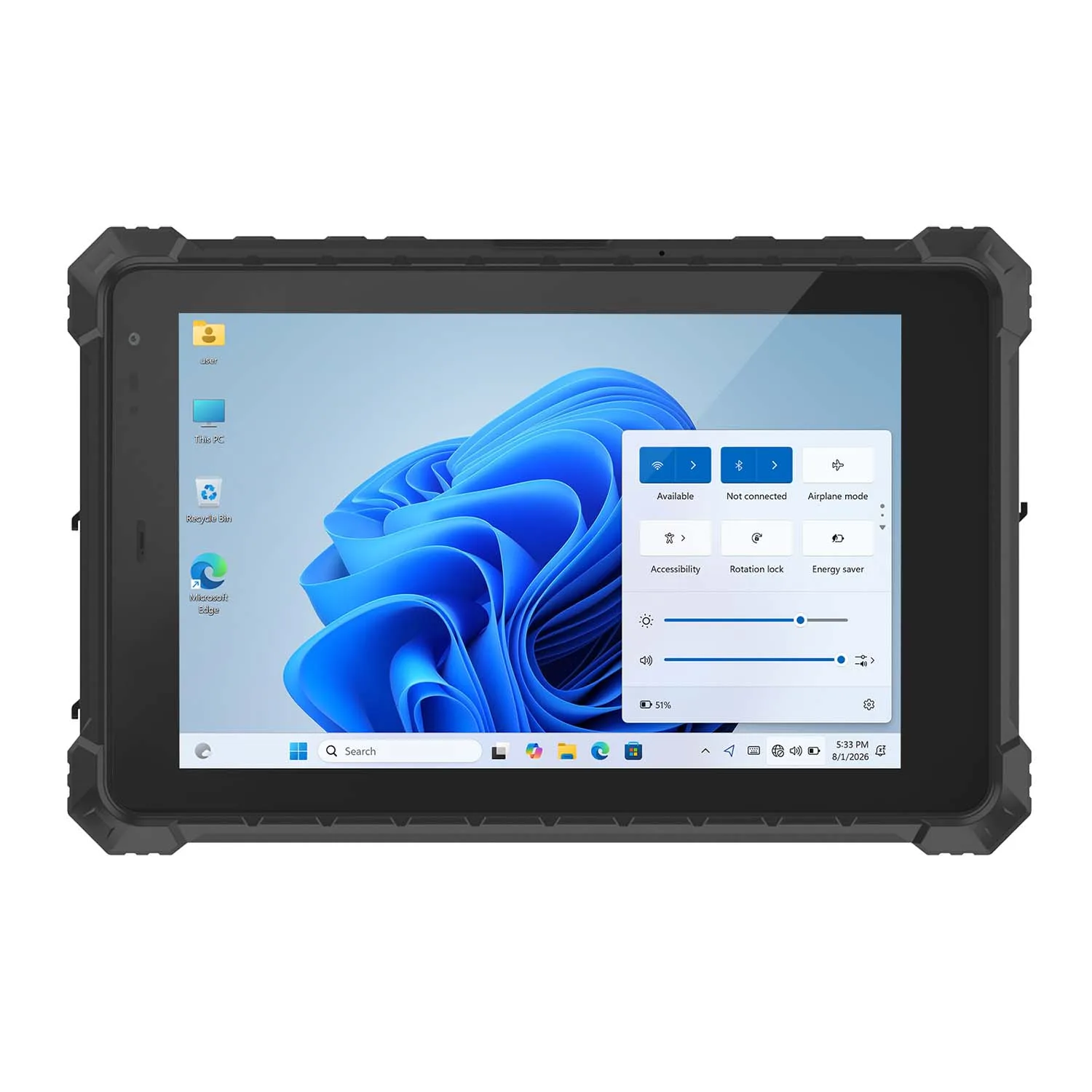
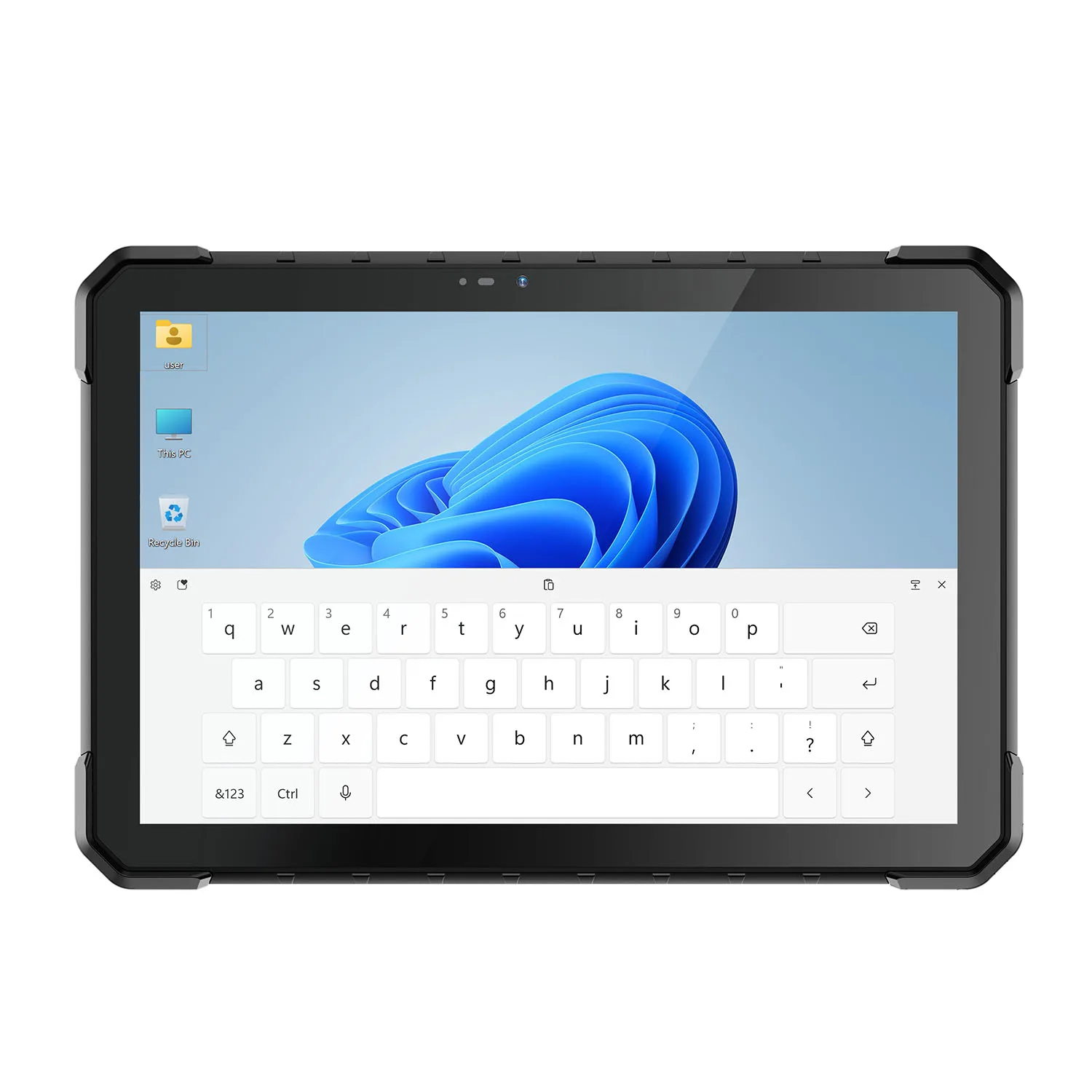
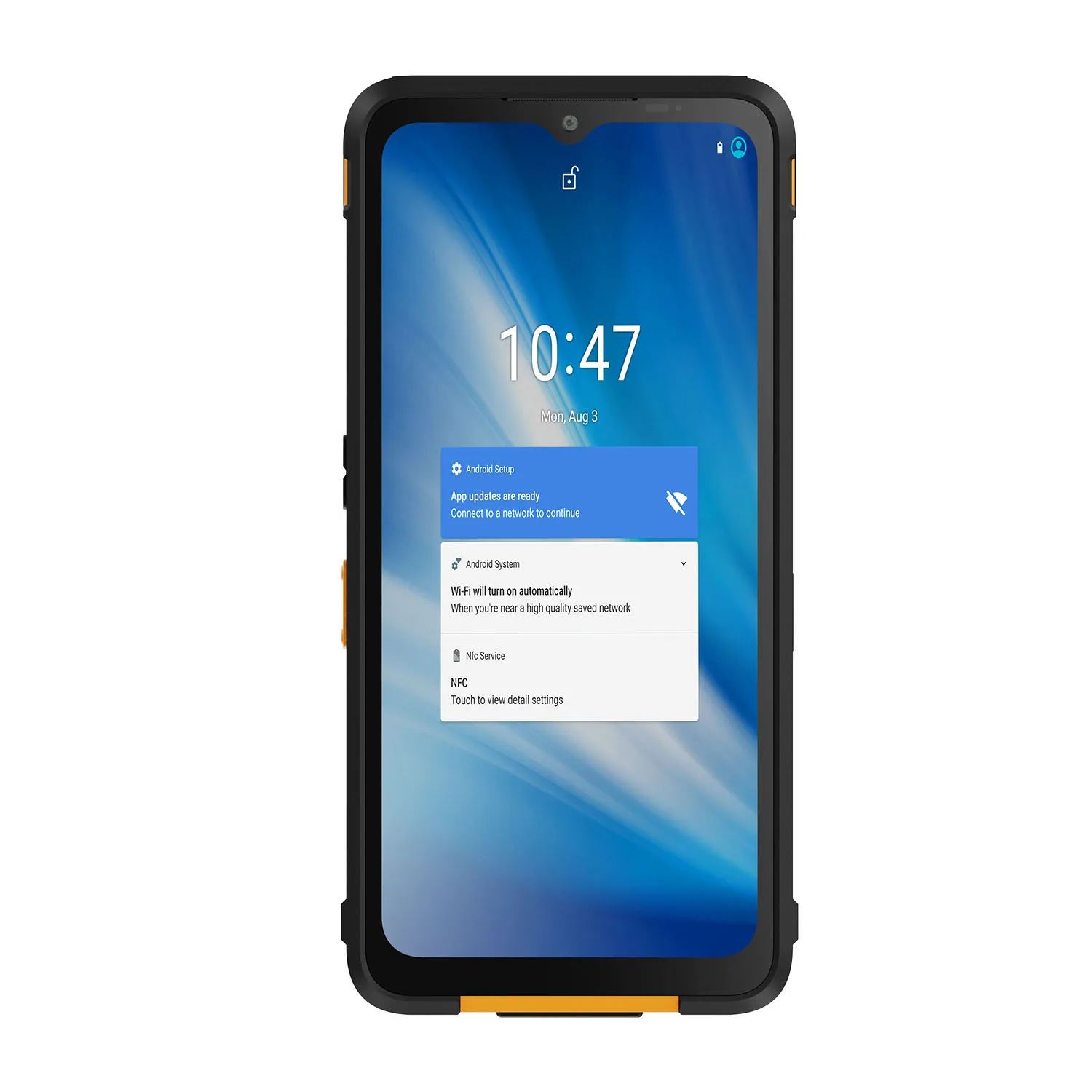
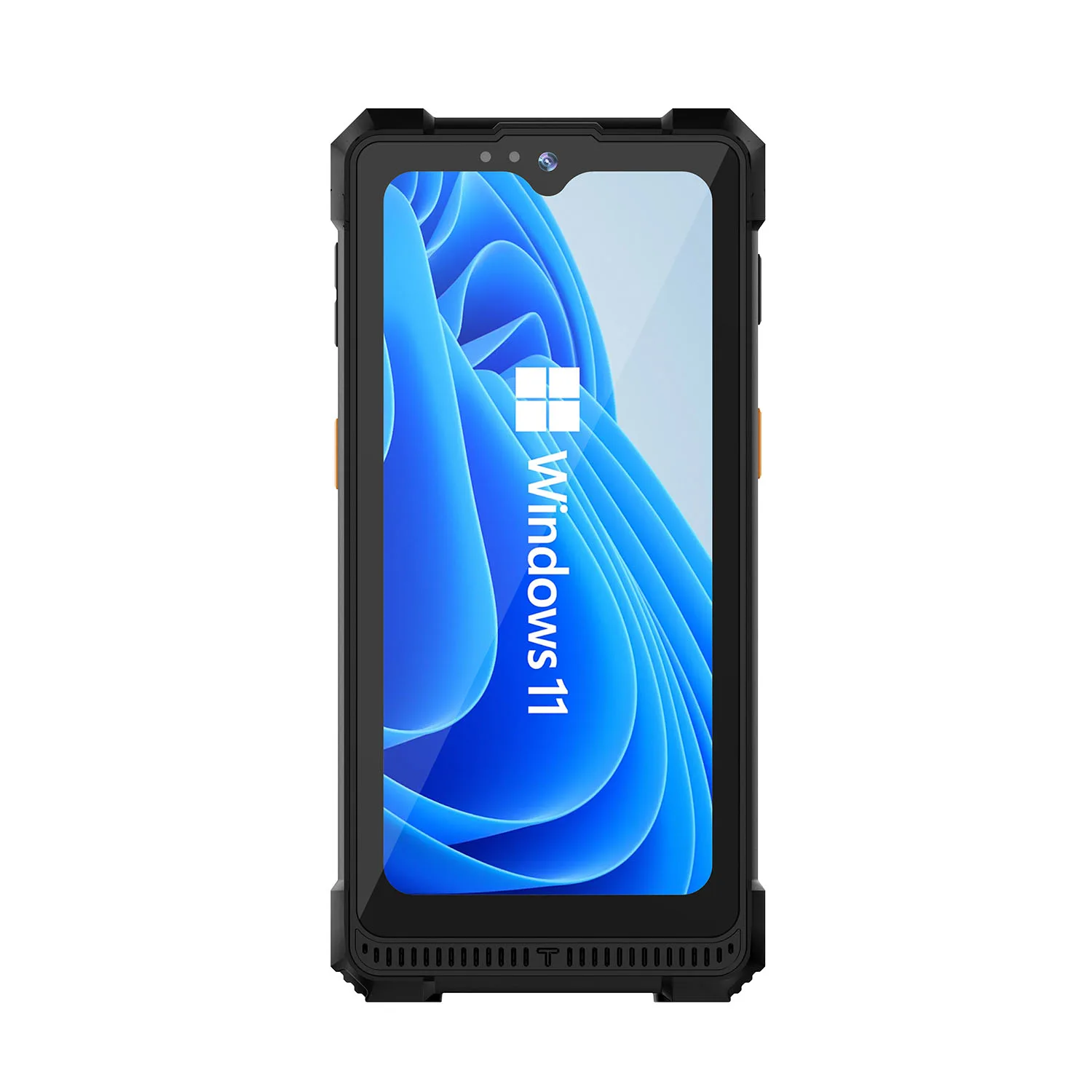
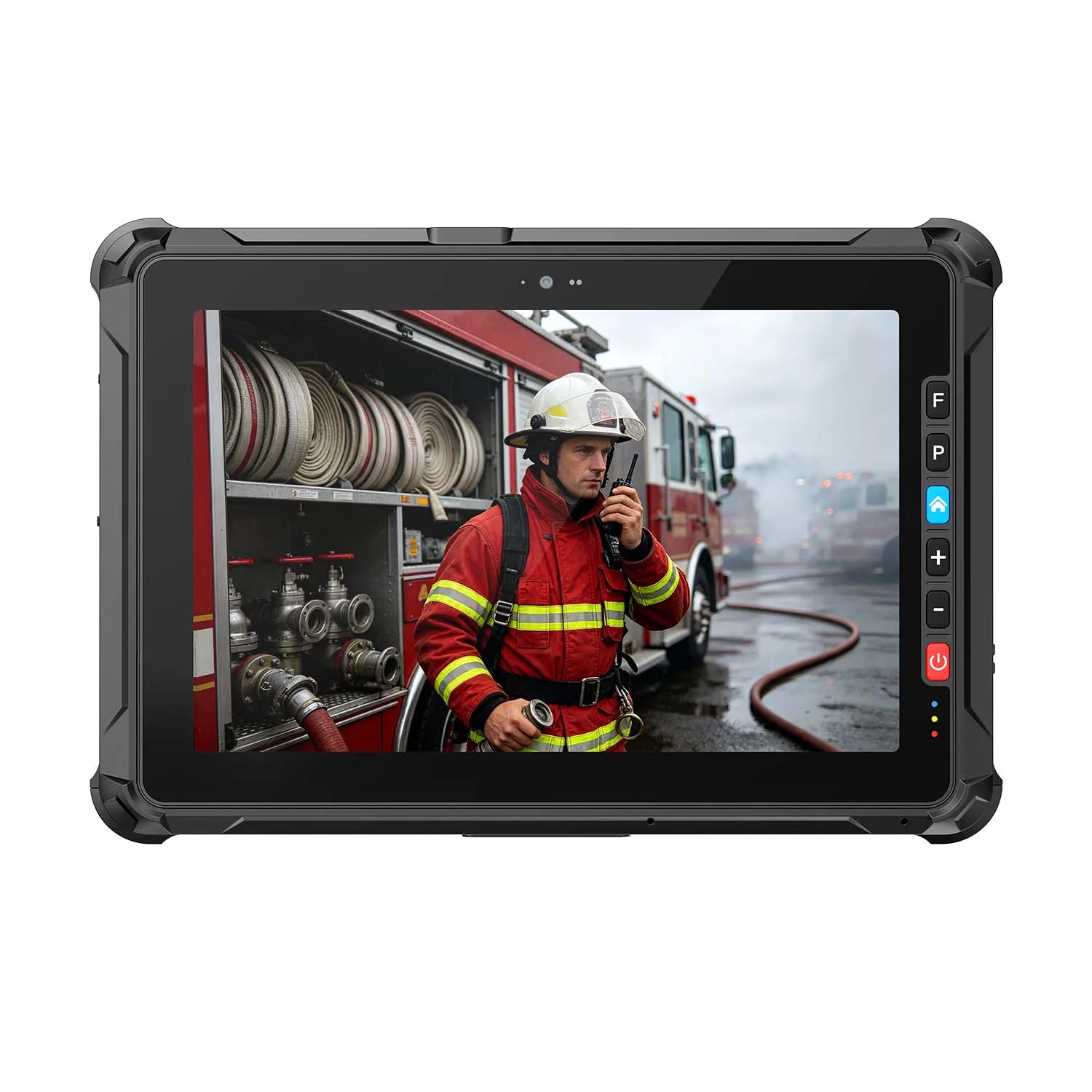
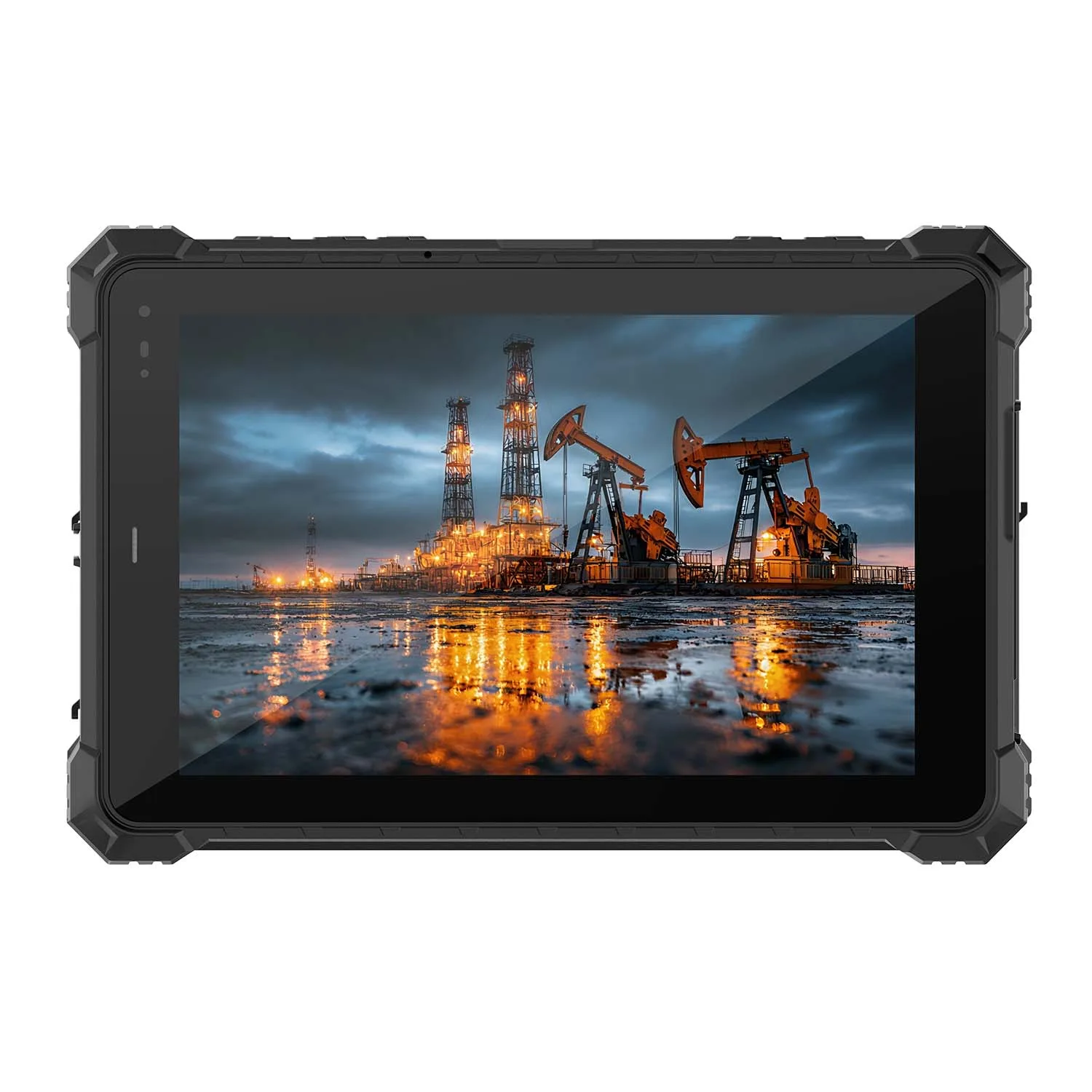
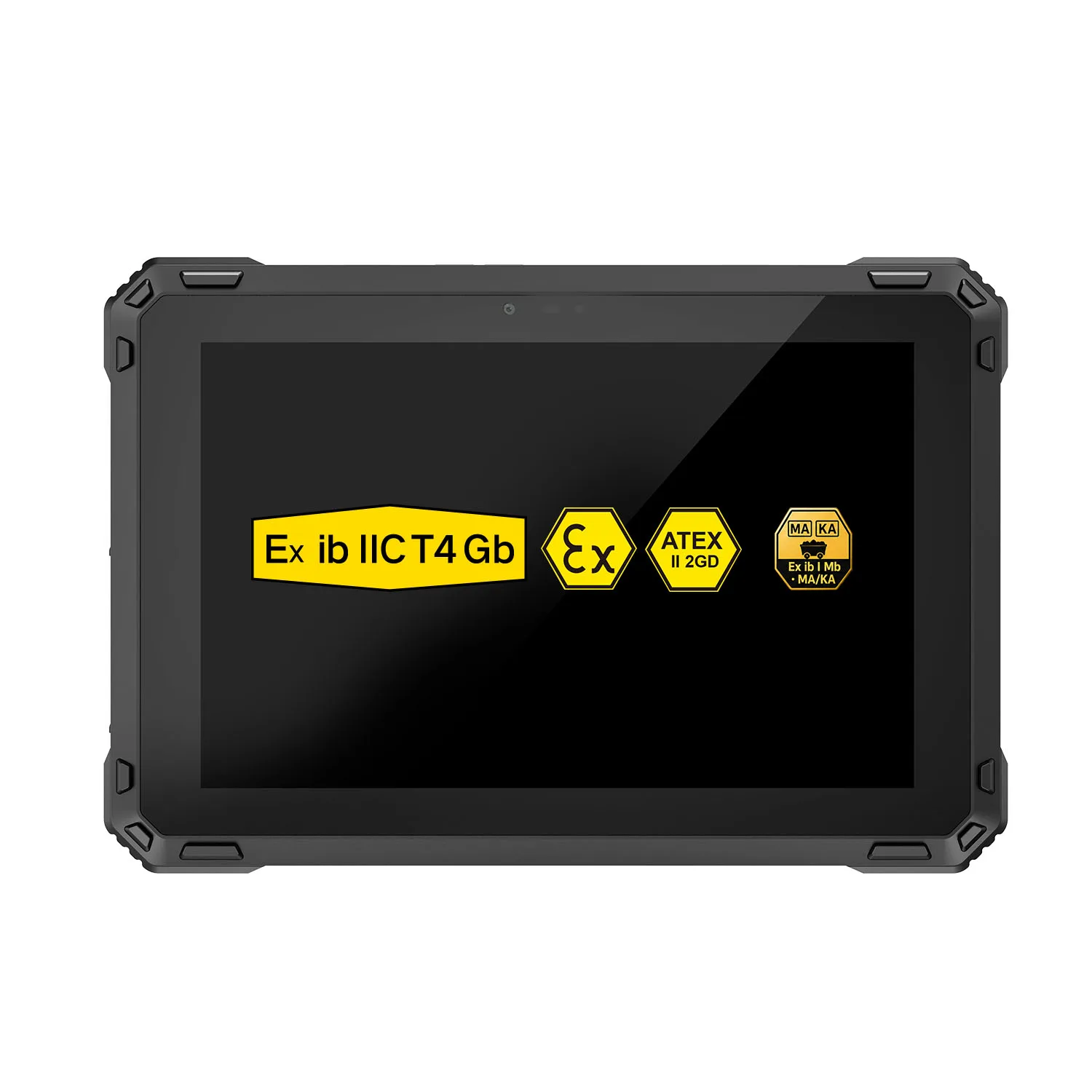
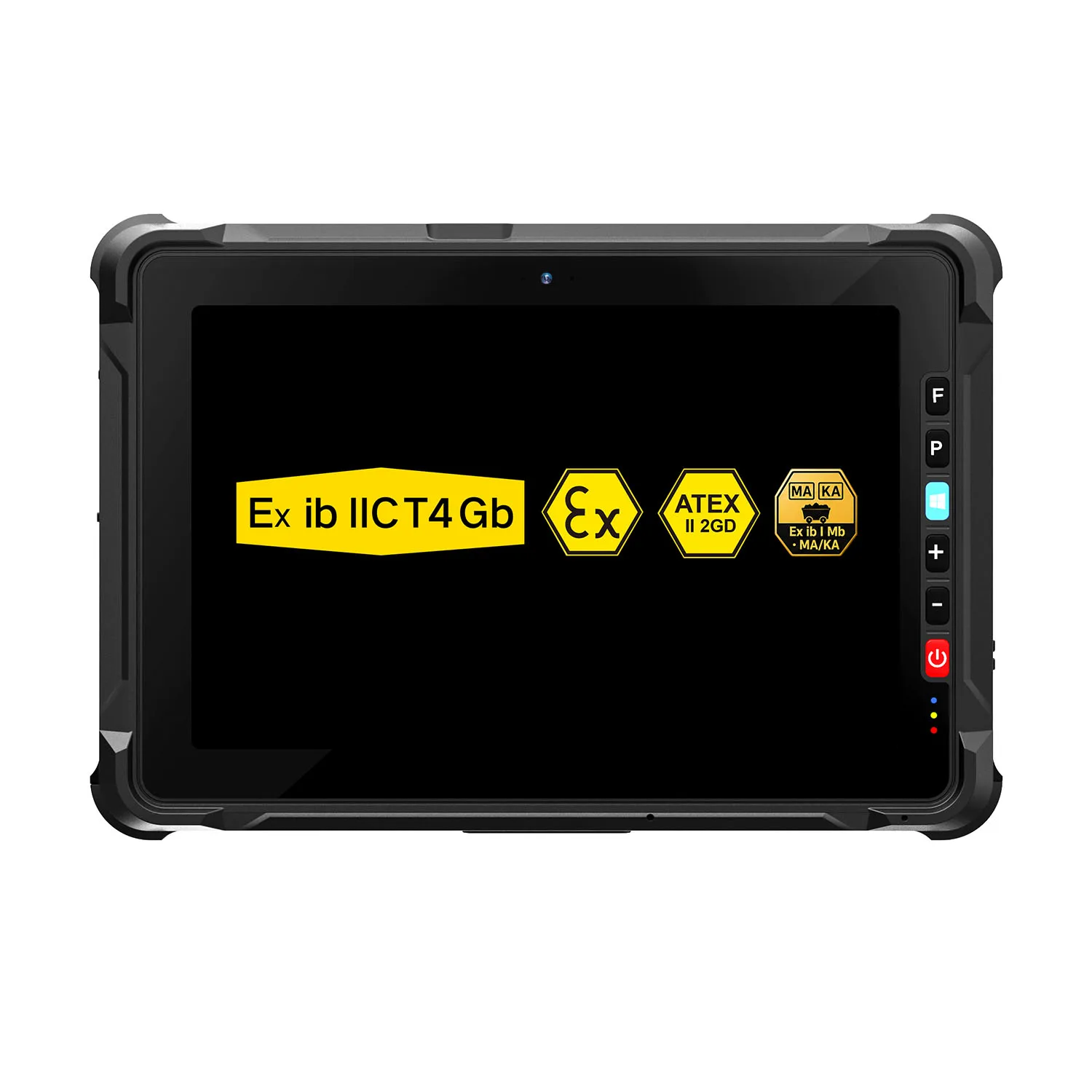
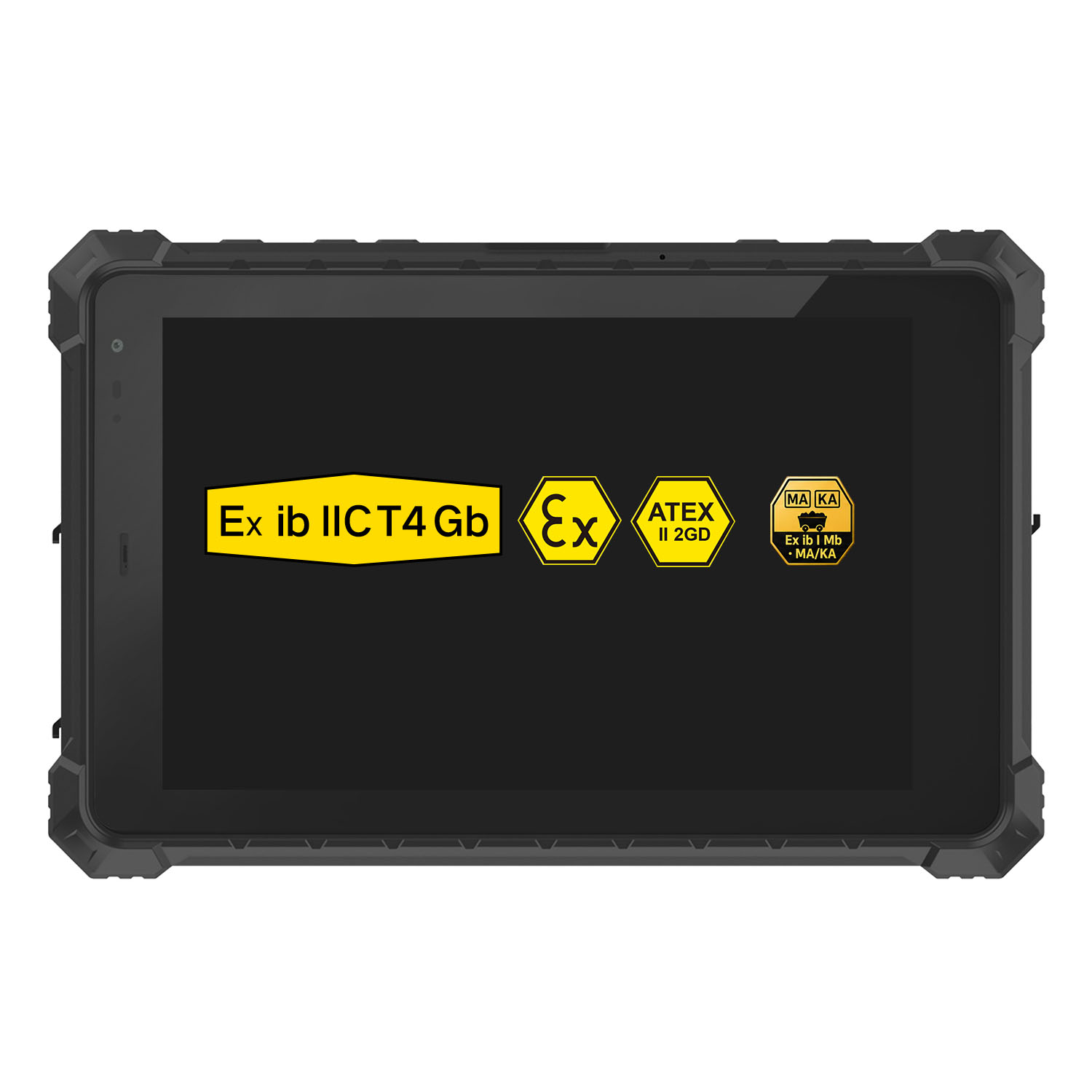
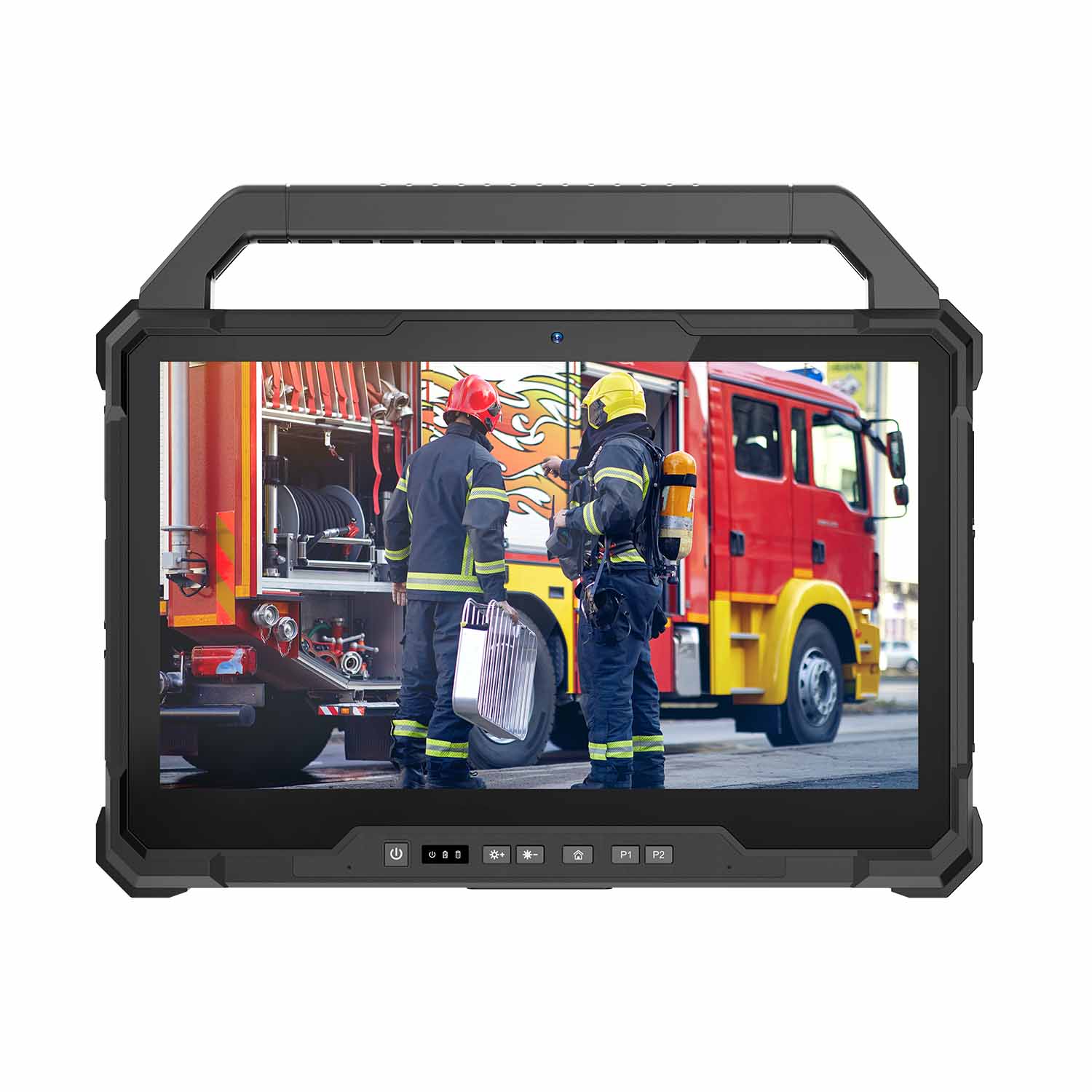
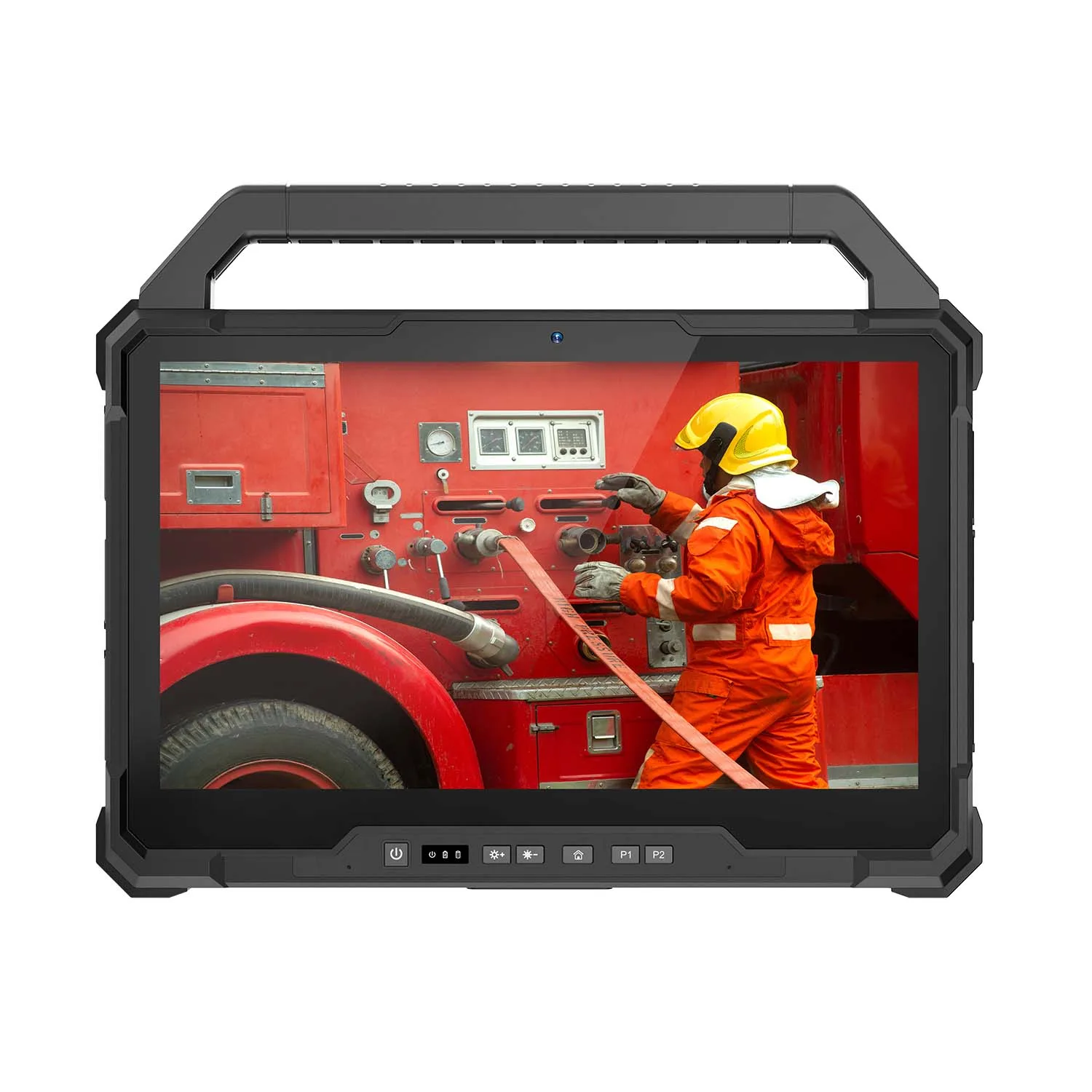
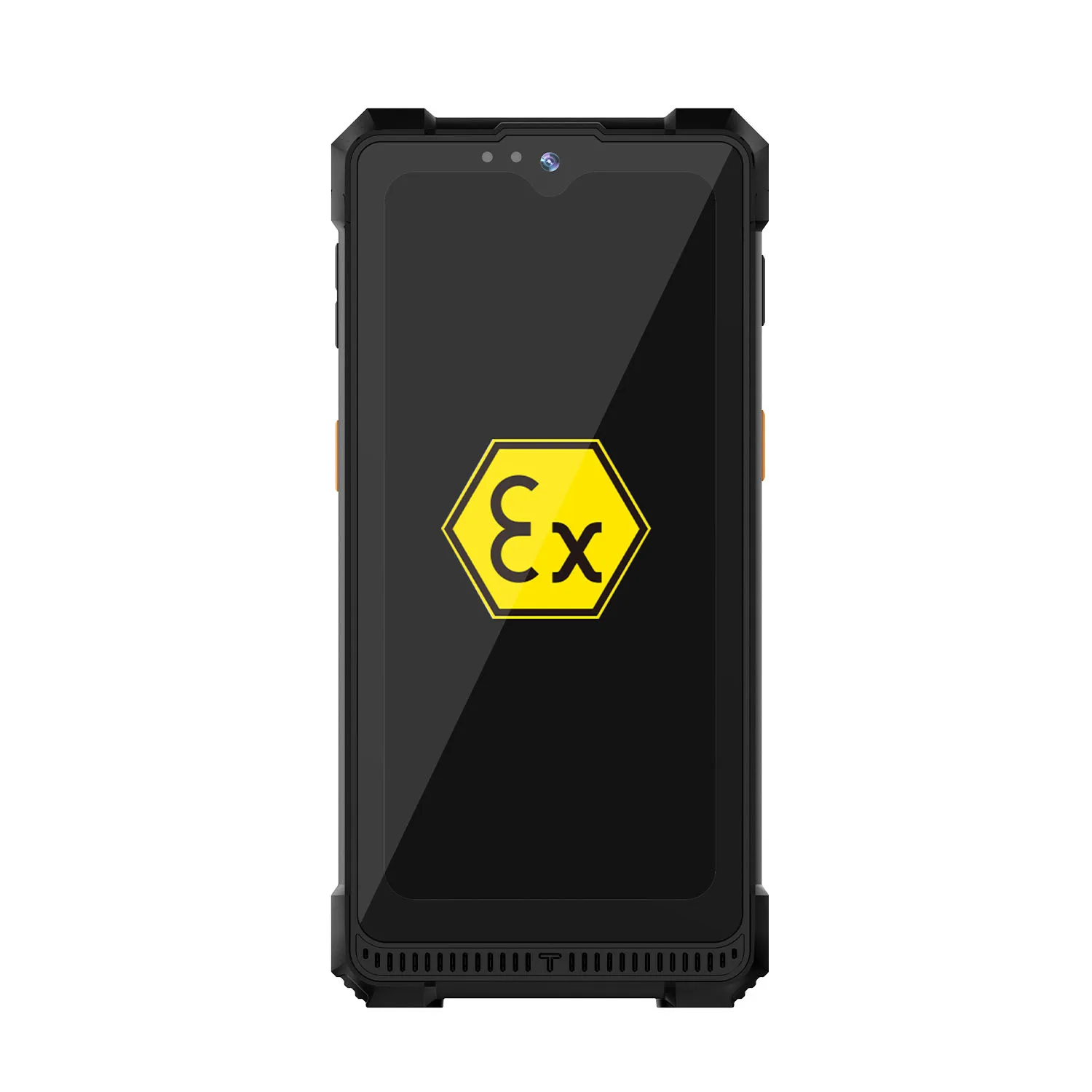
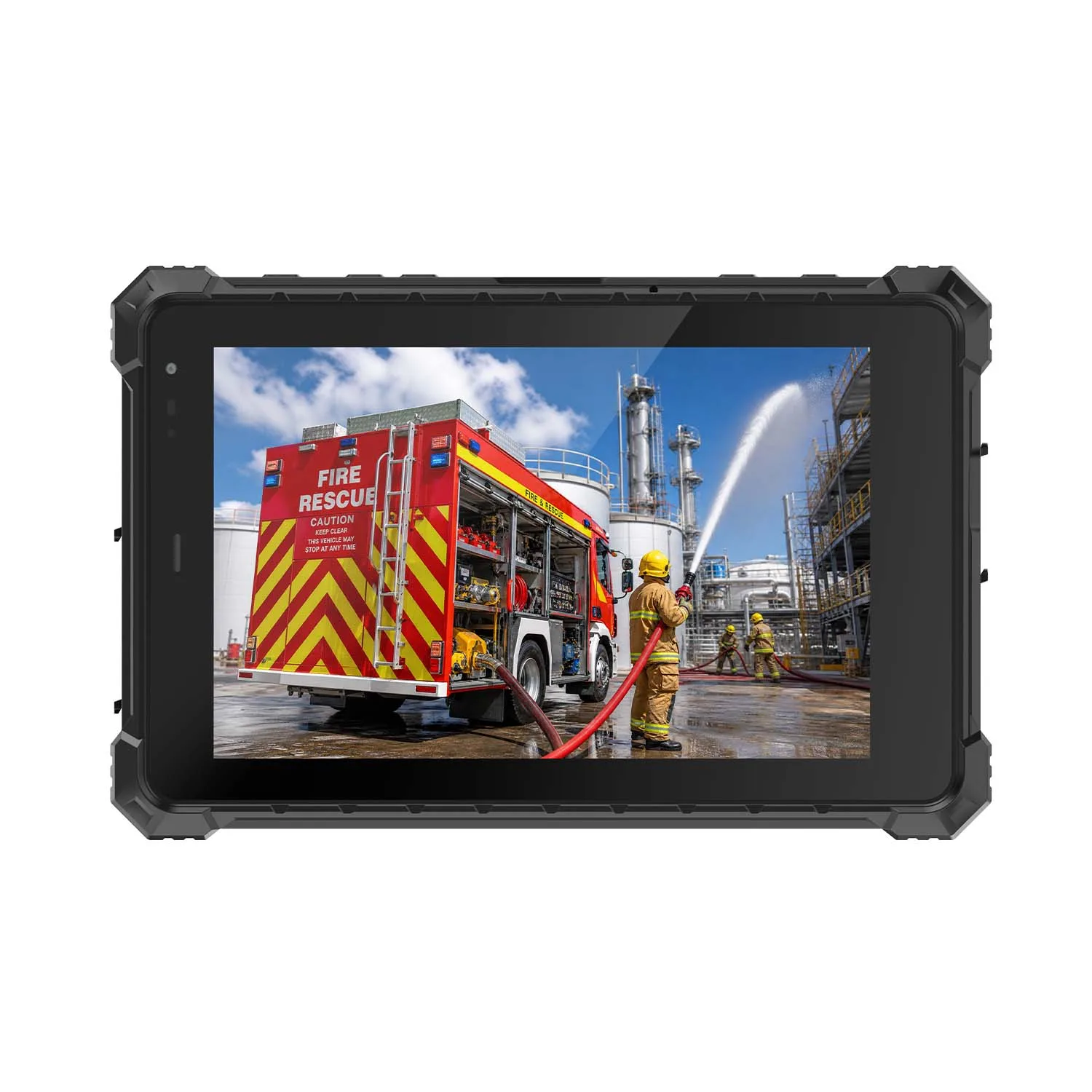
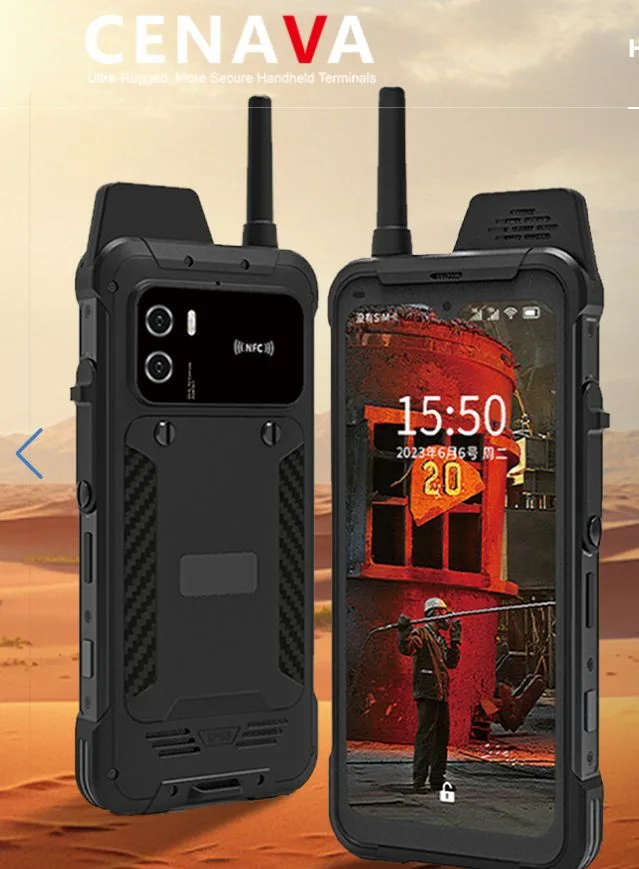
8/10/12-inch ATEX & IECEx certified rugged tablets and 5G rugged handhelds, built on spark-free circuitry and intrinsically safe (Ex ib/Ex ic) architecture for Zone 1 and Zone 2 gas environments
IP68-rated dust and water ingress protection, operating from -20°C to +60°C, resistant to rain, smoke, and corrosive industrial chemicals
1000+ nit high-brightness displays for direct sunlight and dusty/underground conditions
Modular accessories — vehicle mounts, hand straps, and charging docks — for hazardous-area deployment
OEM/ODM options: boot logo, firmware pre-configuration, kiosk mode, and MDM enrollment within certified hardware specifications
See the full certified lineup and request datasheets on the ATEX & IECEx Certified Rugged Devices page.
7. Real Deployments: CENAVA Certified Devices in the Field
| Industry | Certification / Zone | Real Outcome |
|---|---|---|
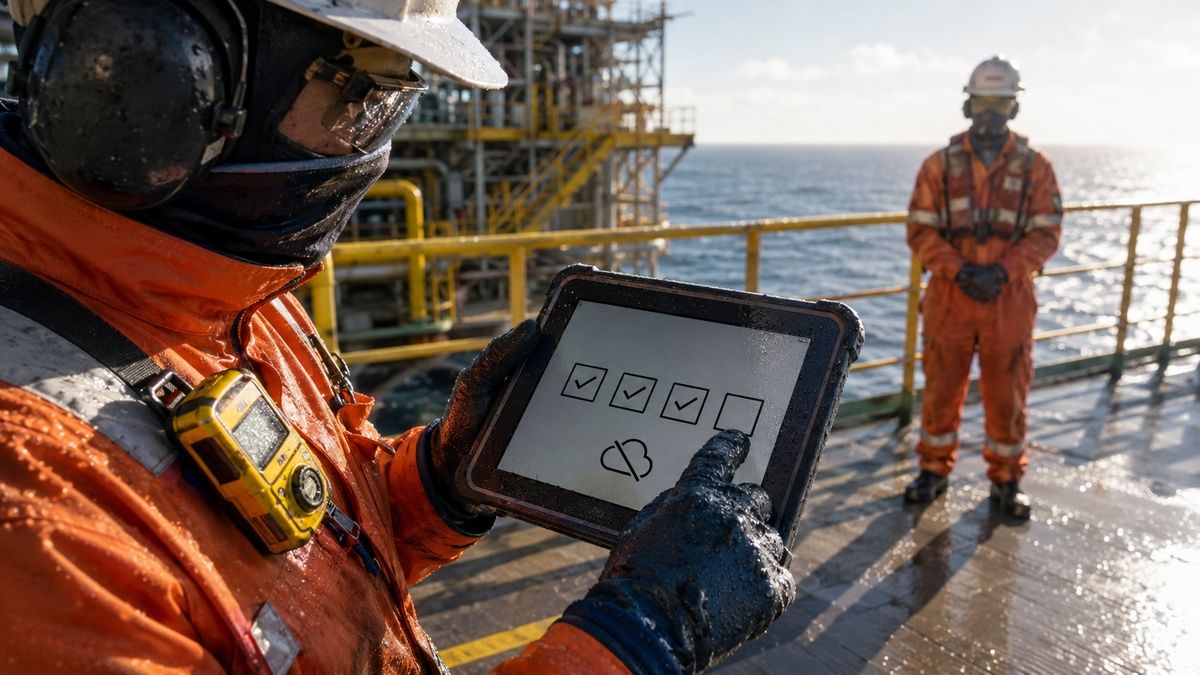
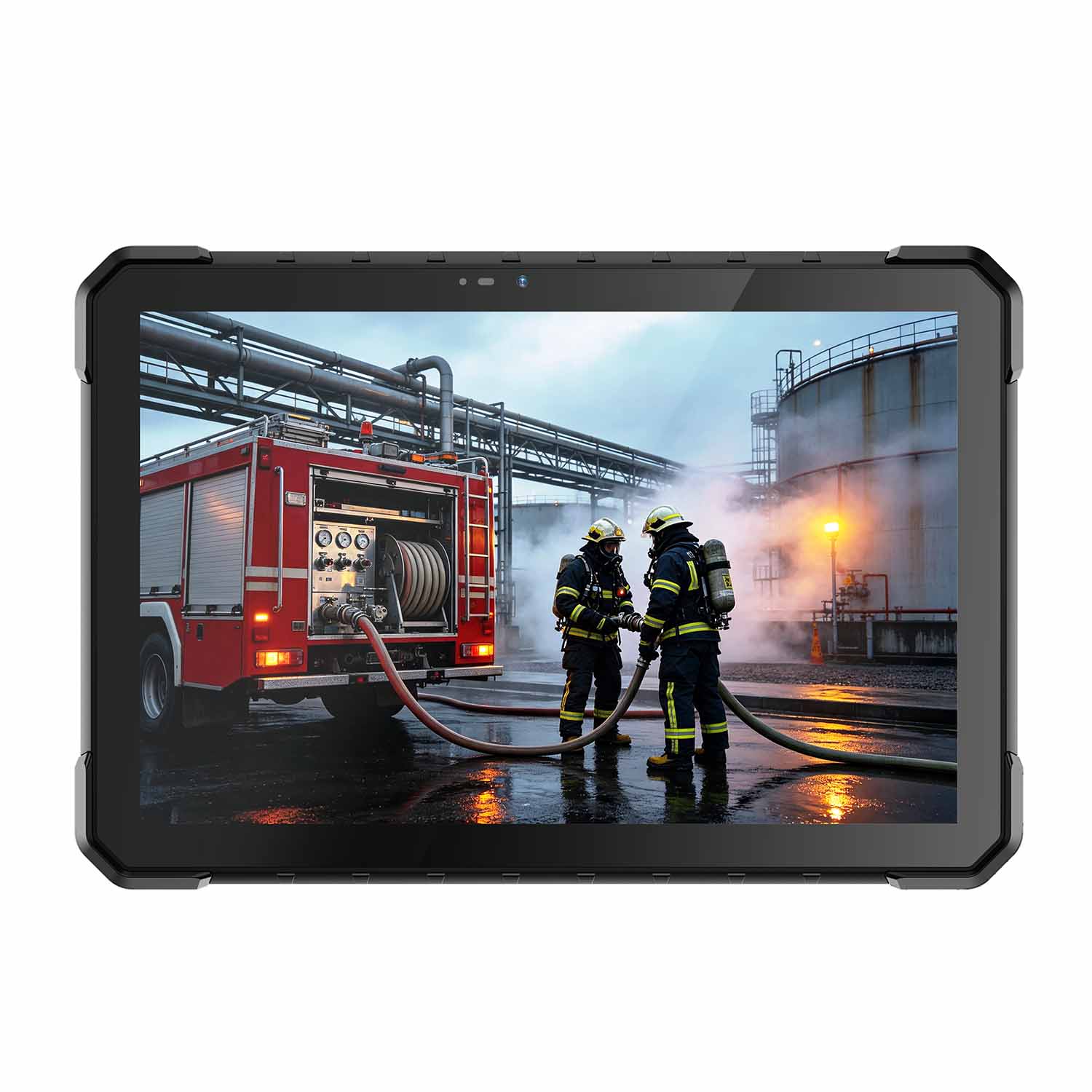
| Oil & Gas Refinery (Middle East & Southeast Asia) | ATEX Zone 1/2, Gas Group IIC | ATEX-certified tablets replaced paper checklists for pipe inspection and valve monitoring, cutting inspection time by 40% and improving compliance traceability |
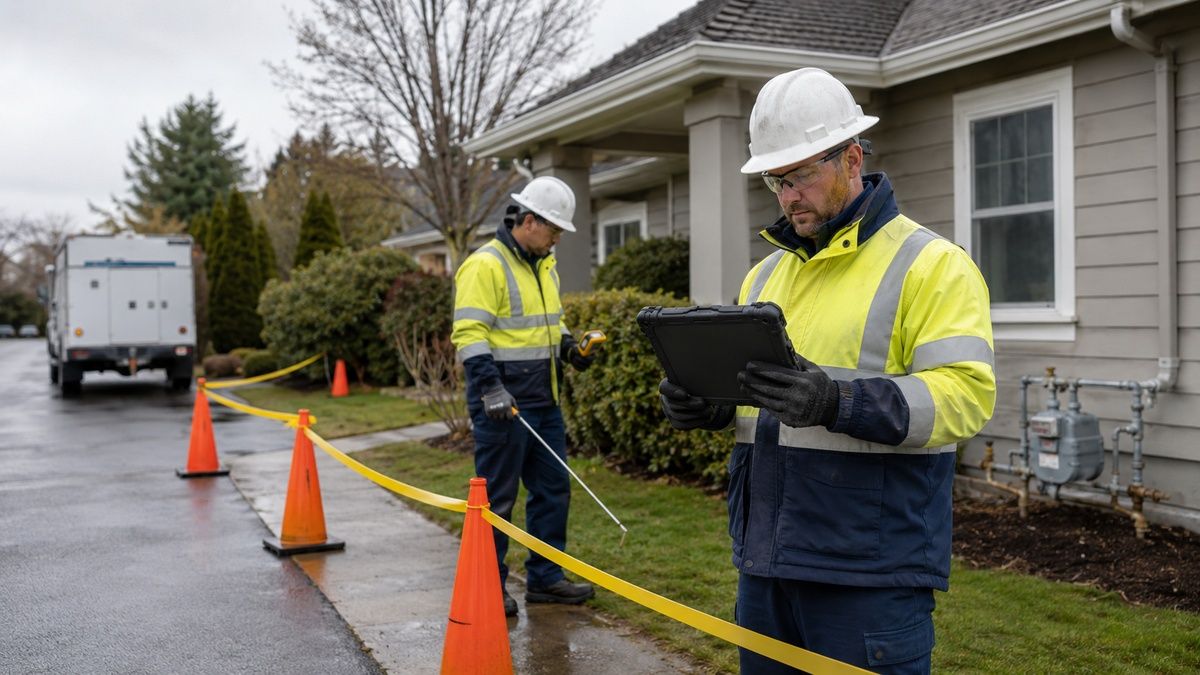
| Chemical Processing (Europe & China) | Zone 1/21, Gas & Dust | Zone 1/21 terminals enabled safe batch tracking, reactor temperature monitoring, and solvent storage audits in pharmaceutical and specialty chemical plants |
| Natural Gas & LNG (Central Asia & Australia) | Zone 1/2, Gas Group IIC | Spark-free devices supported pipeline integrity inspection and LNG terminal cargo tracking near high-pressure methane equipment |
| Coal & Underground Mining (China & Indonesia) | MA/KA, Zone 1/21 | MA-certified (Ex ib I Mb) tablets improved personnel positioning and methane monitoring, reducing emergency response times |
| Food & Grain Processing (North America) | Zone 21/22, Dust Group IIIC | Zone 21/22 terminals prevented dust-ignition risk during hazardous inventory management in flour mills and grain silos |
| Paint & Coating (Europe) | Zone 1/2, Gas Group IIC | Chemical-resistant housings withstood daily solvent and thinner exposure during formula tracking and spray-booth monitoring |
8. Project Certification Selection Guide
European projects — Prioritize ATEX; add IECEx for cross-border deployment.
US projects — Use UL or FM certified equipment to meet NEC and OSHA standards; choose FM specifically if insurance coverage is required.
Canadian projects — CSA Ex certified equipment as standard configuration.
Chinese coal or mining projects — Confirm CCRI plus the relevant MA (coal) or KA (metal/non-metal mining) certification.
Global multi-regional projects — Choose a supplier with multi-certified equipment (e.g., ATEX + IECEx + CCRI + MA/KA under one product line) to simplify compliance management across regions.
Frequently Asked Questions
What is the difference between ATEX and IECEx certification?
ATEX is a legally mandatory EU regulation required for market access in Europe, while IECEx is a voluntary global standard accepted in 35+ countries that simplifies cross-border approval without EU legal force.
Do I need both ATEX and IECEx certification?
Only if you deploy equipment in both the EU and other countries — ATEX alone is sufficient for EU-only projects, while adding IECEx removes the need to re-certify the same equipment for other markets.
What is the difference between UL and FM certification?
Both certify equipment for US hazardous locations under NEC/OSHA rules, but only FM certification guarantees that insurance carriers will cover an explosion-related claim.
Is a Zone 1 certified tablet also valid for Zone 2 areas?
Yes — Zone 1 certification is more stringent than Zone 2, so a Zone 1 certified device can be used safely in Zone 2 areas, but the reverse is not true.
Does CENAVA hold certifications beyond ATEX, IECEx, UL, FM and CSA?
Yes — CENAVA's rugged devices also hold CCRI (China) and MA/KA (Chinese coal mine and metal/non-metal mining) certifications, covering markets that ATEX/IECEx/UL/FM/CSA alone do not address.
What gas and dust groups do CENAVA's explosion-proof tablets cover?
CENAVA's certified rugged tablets and handhelds cover gas group IIC and dust group IIIC, the two most stringent groups, supporting refineries, LNG terminals, chemical plants, coal mines, and grain-dust environments.
Can an explosion-proof tablet be customized with OEM branding?
Yes — CENAVA offers OEM/ODM options including boot logo, firmware pre-configuration, kiosk mode, and MDM enrollment, all within the certified hardware specification so certification remains valid.
What operating temperature do CENAVA's ATEX/IECEx certified tablets support?
CENAVA's certified rugged tablets operate from -20°C to +60°C and carry an IP68 rating against water and dust ingress.
Talk to CENAVA's Certification Team
Confirm the exact certification, Zone, and gas/dust group your project requires before you order equipment — the wrong certificate can mean customs detention or a rejected insurance claim. CENAVA supplies ATEX, IECEx, CCRI, MA and KA certified rugged tablets and handhelds, with official test reports and compliance documentation provided for every shipment.
See Explosion-Proof Tablets: ATEX & IECEx Overview for certification systems, Ex marking guide, and product options.
Need a Rugged Device for Your Project?
Tell us your operating environment and requirements — our engineers will recommend a configuration and quote within 24 hours.
Get a Free Quote Back to Blog