
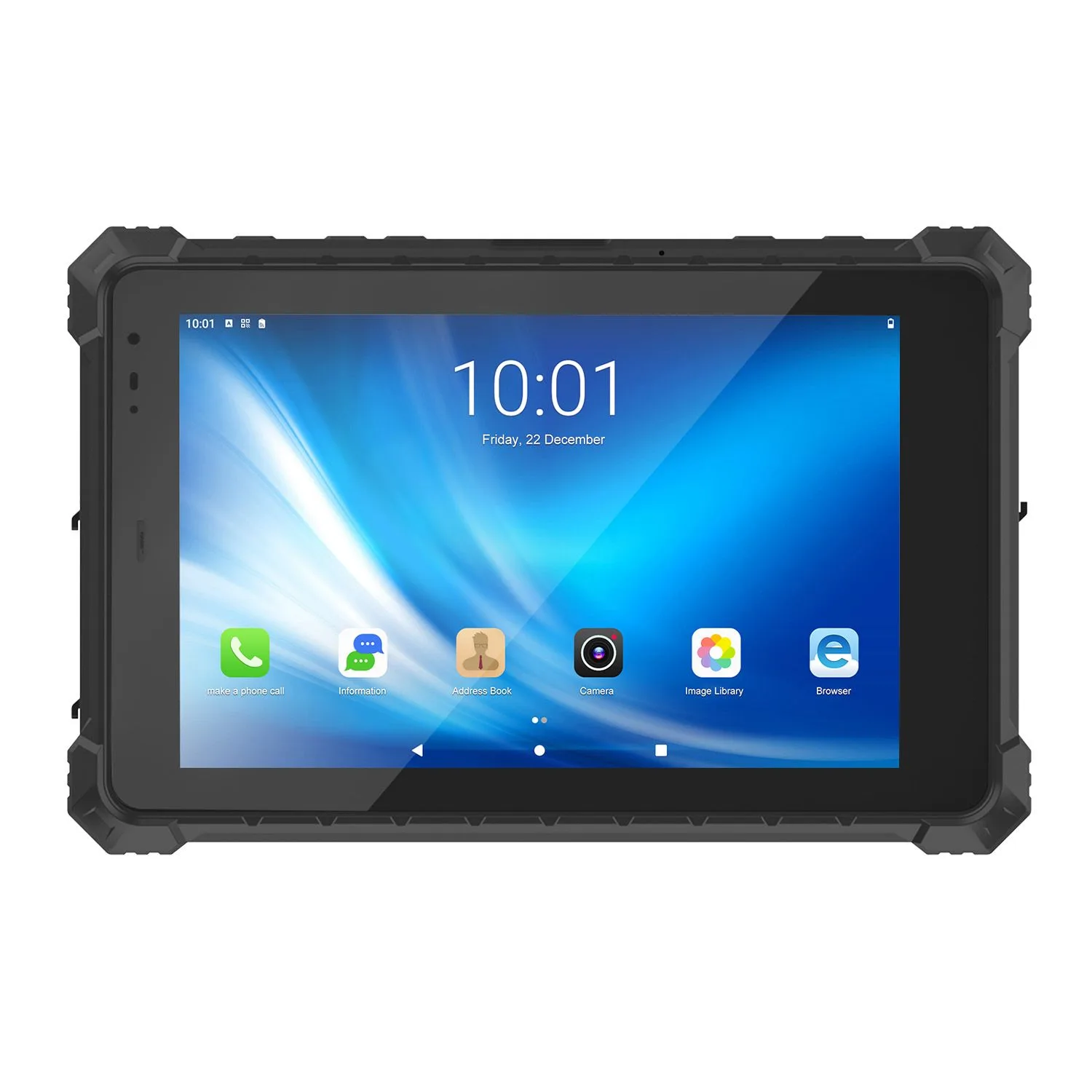
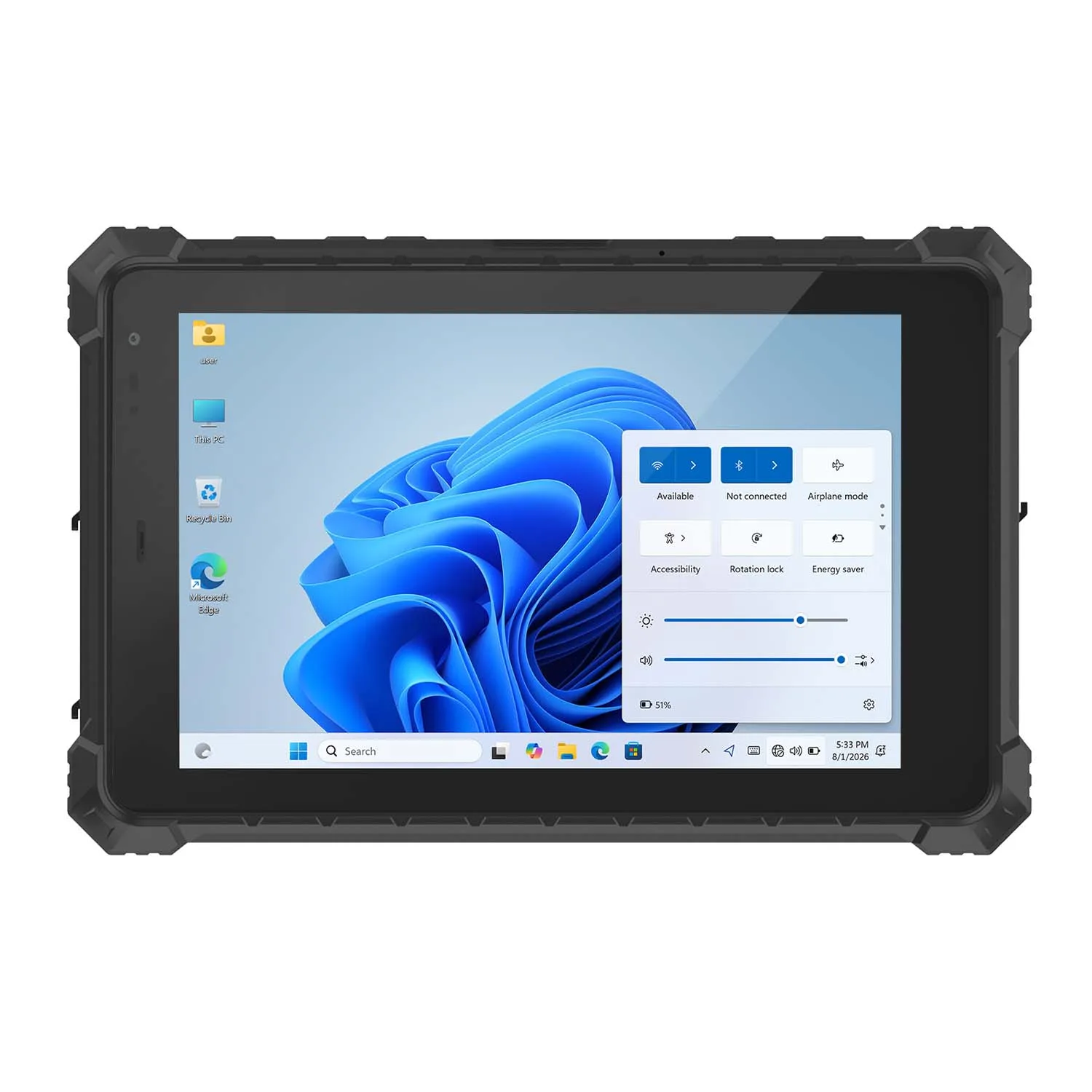
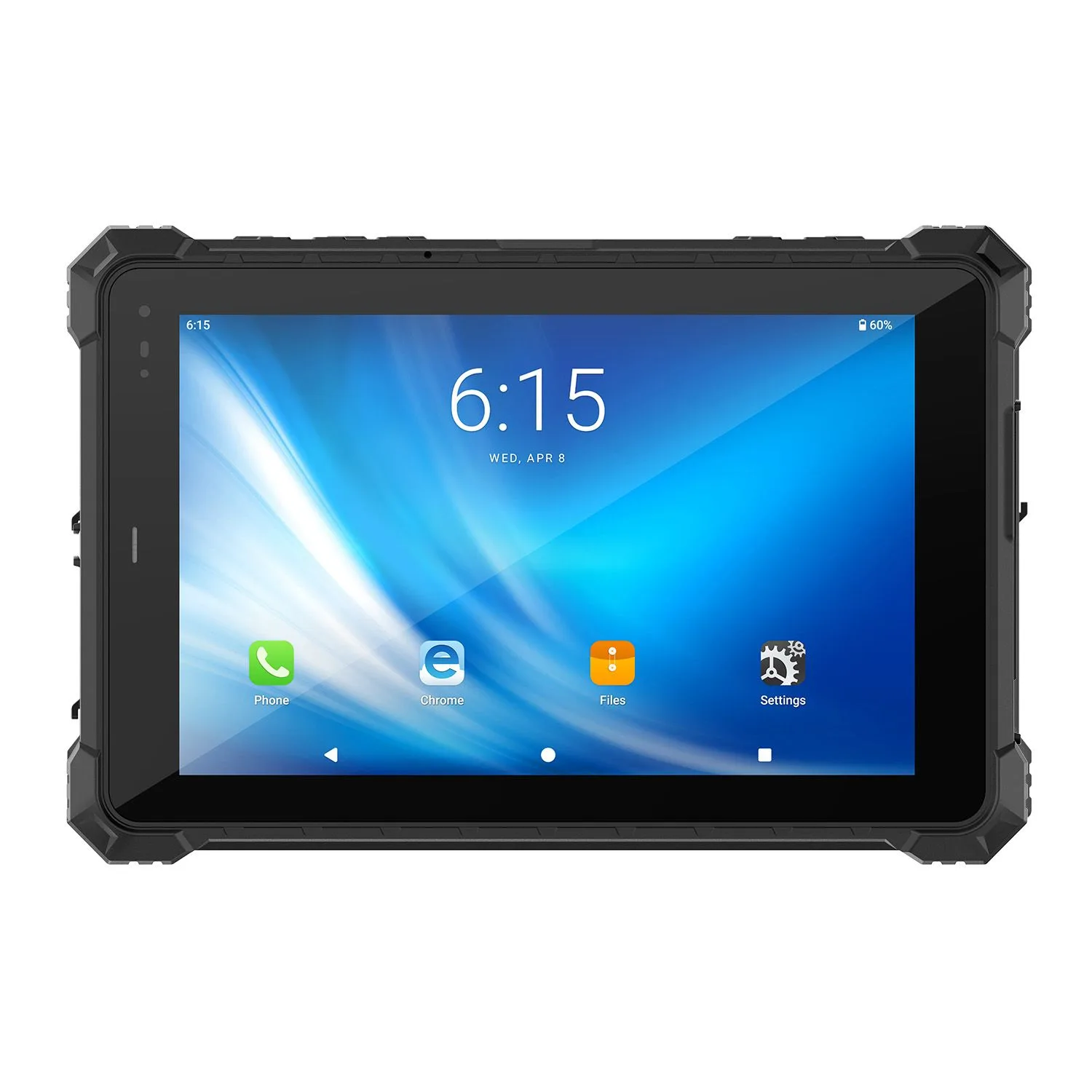
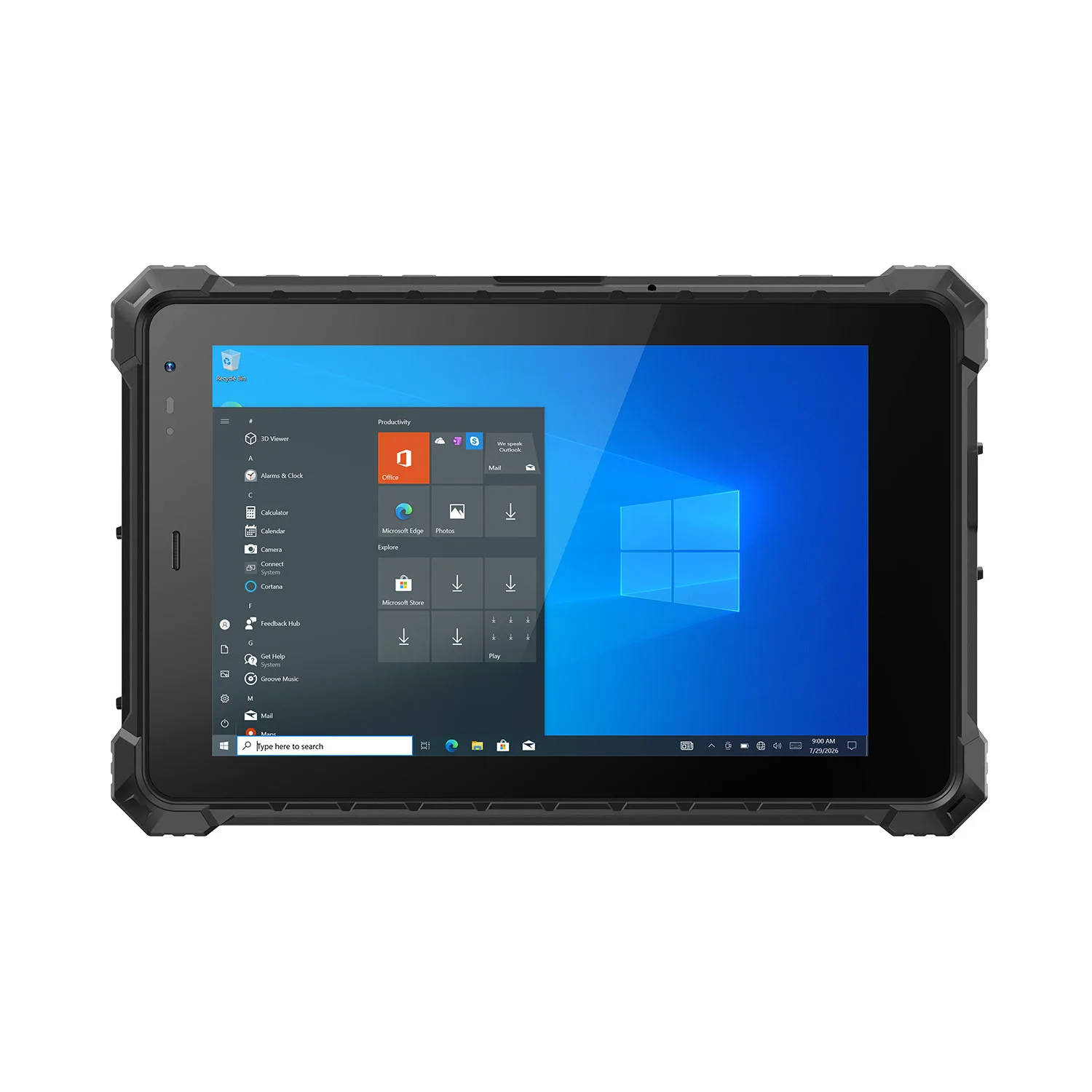
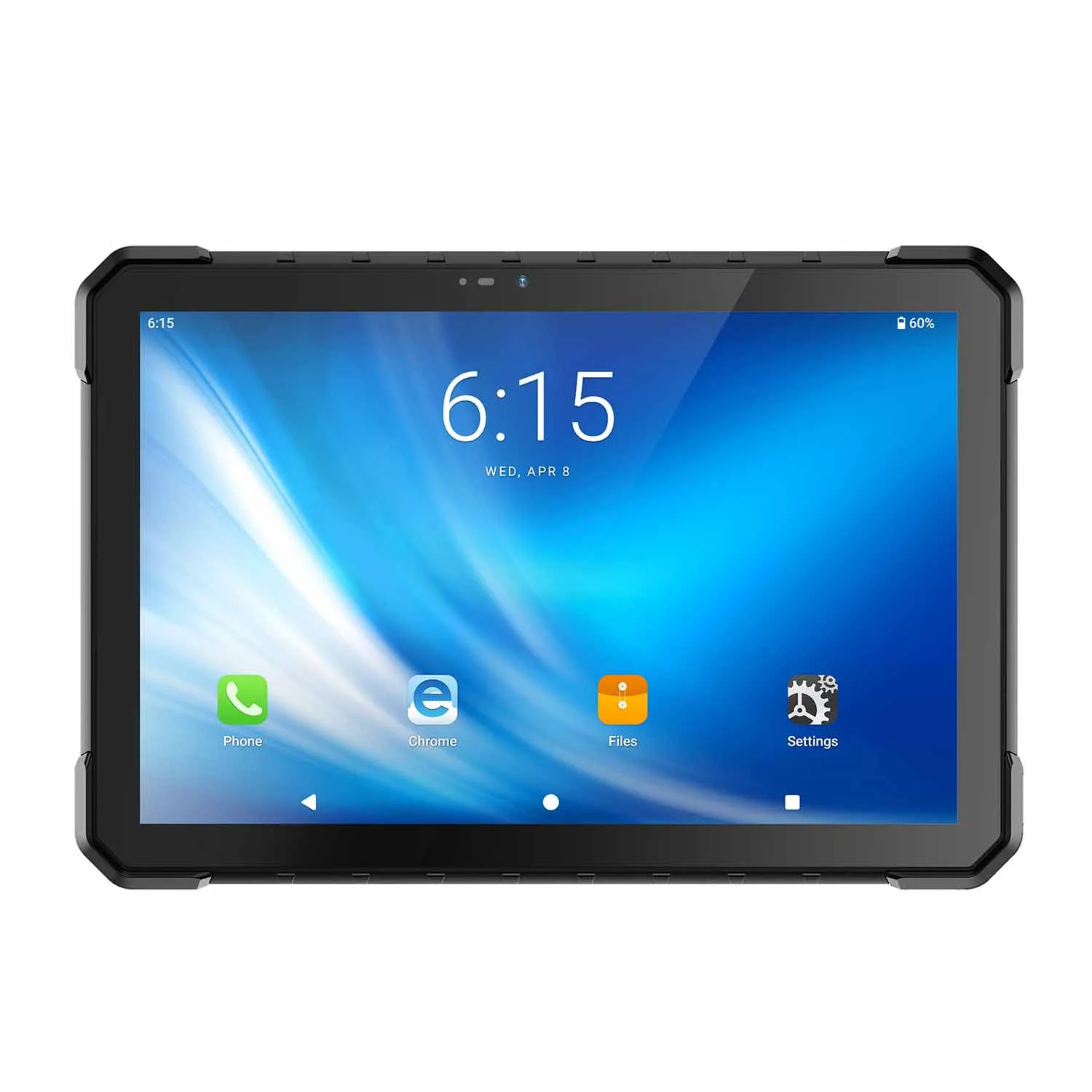
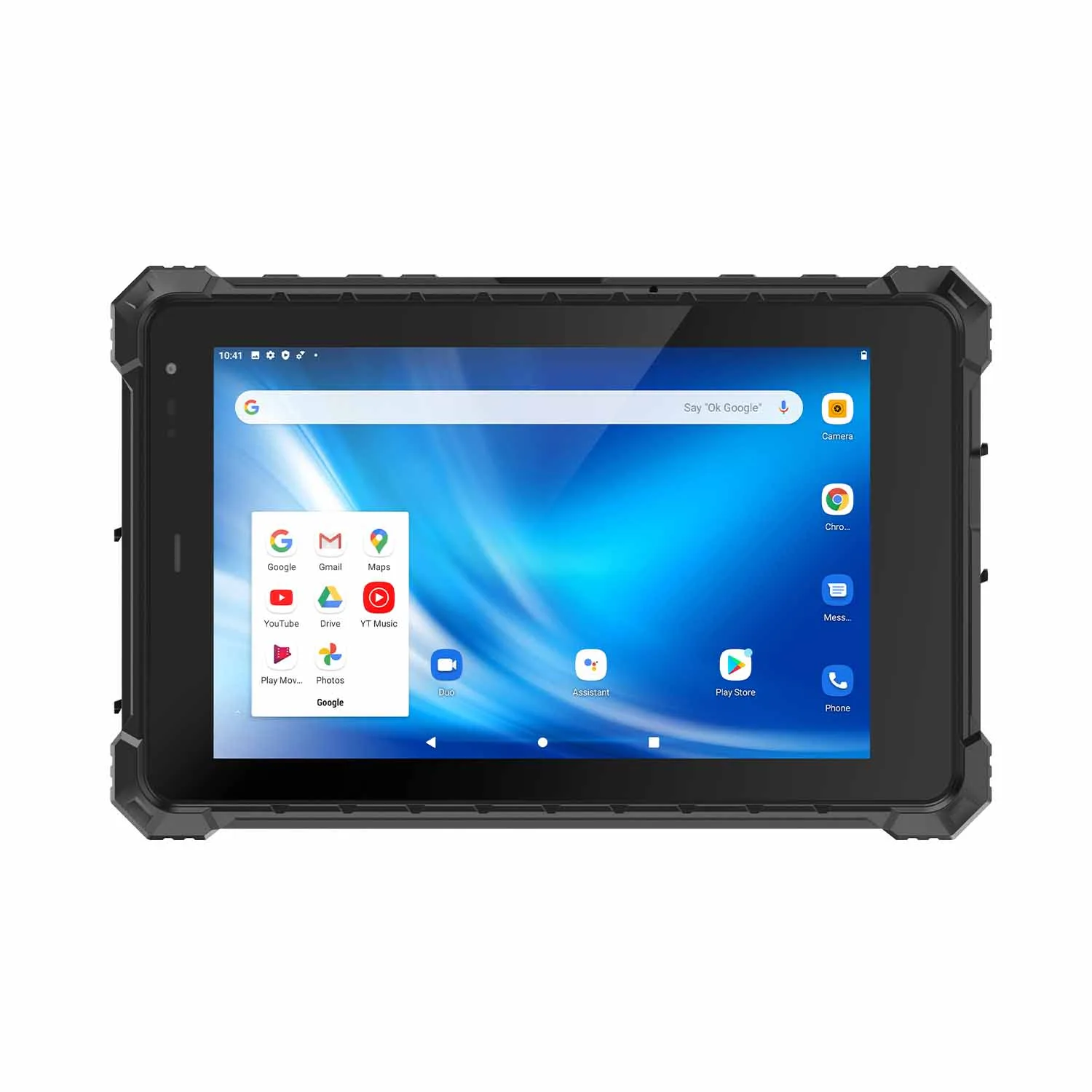
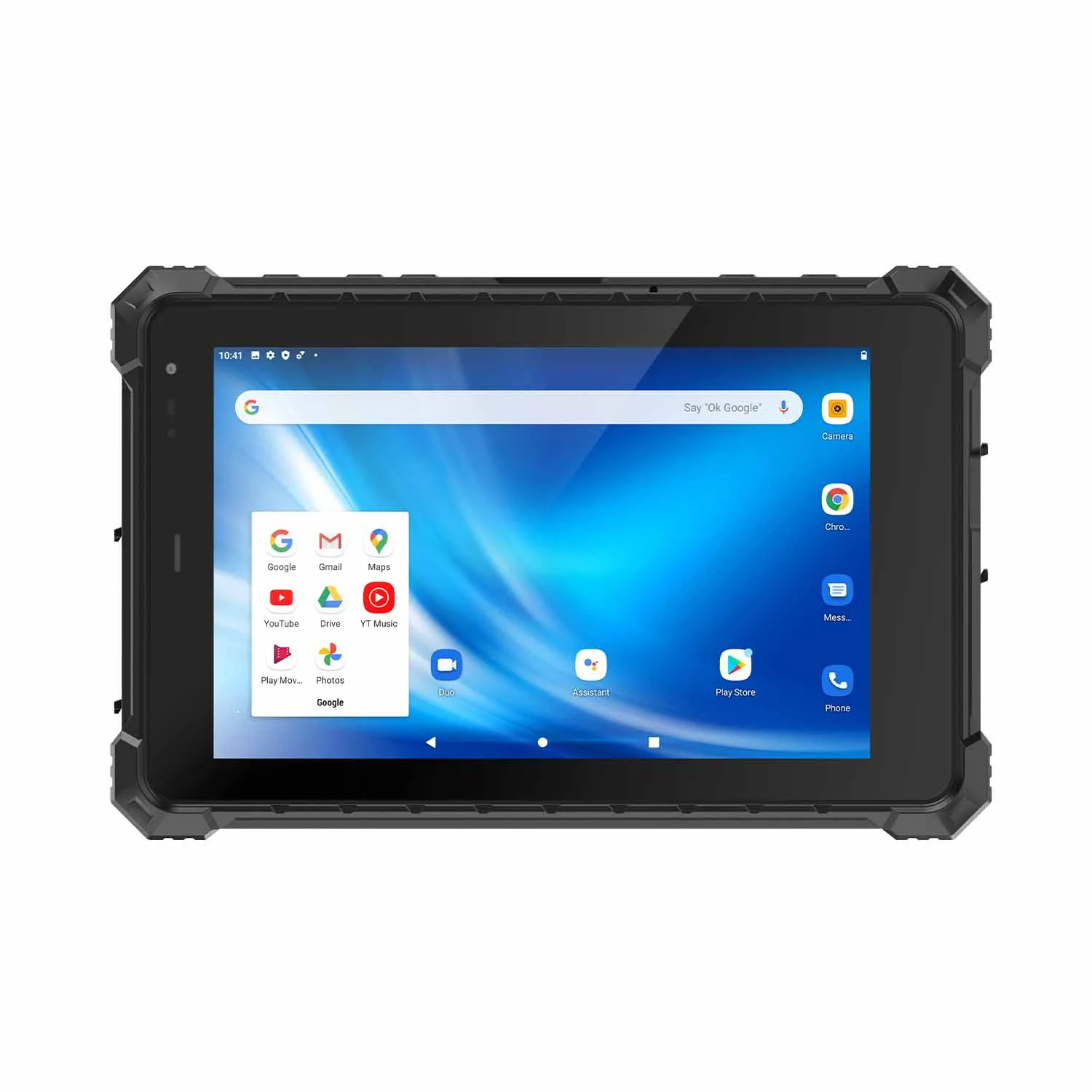
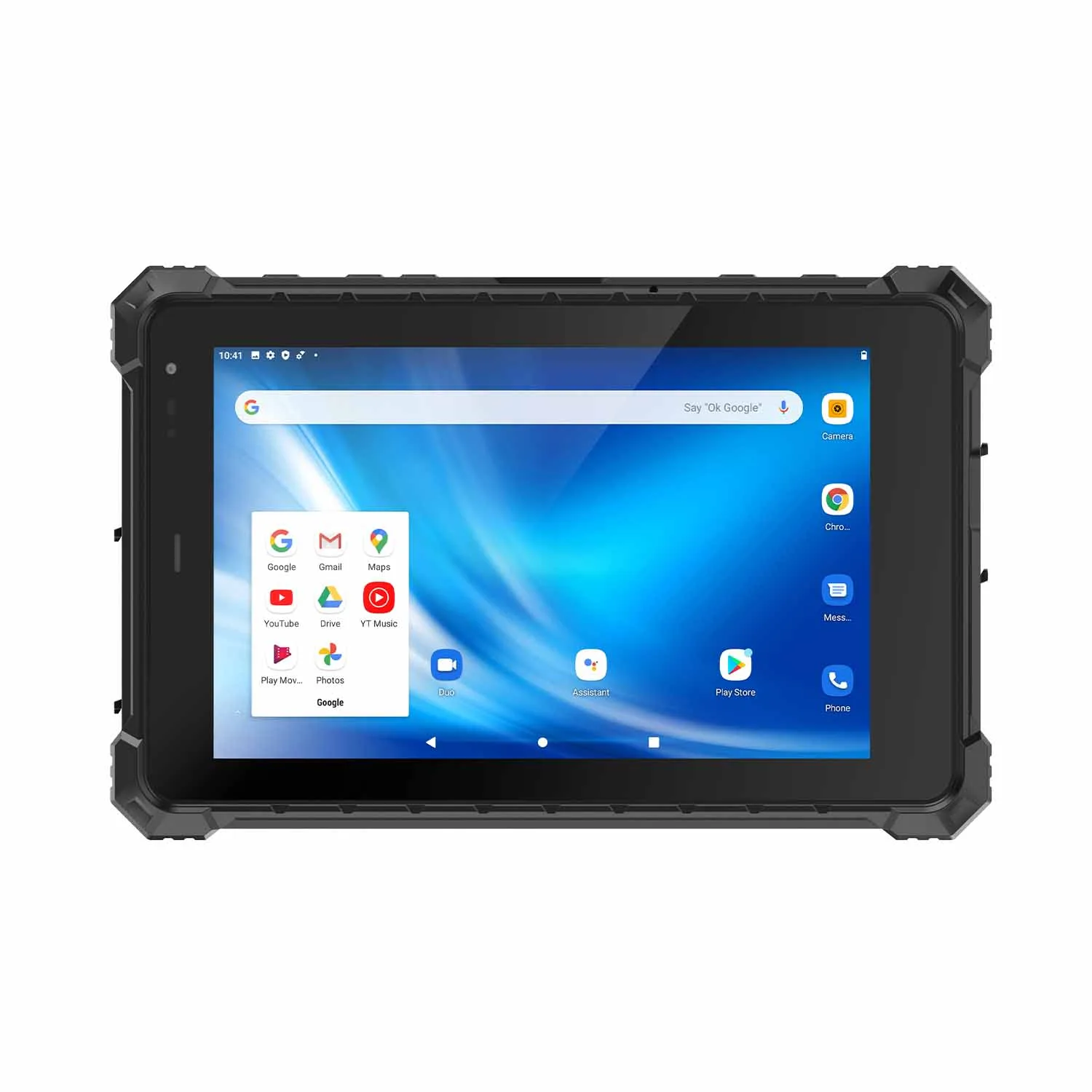
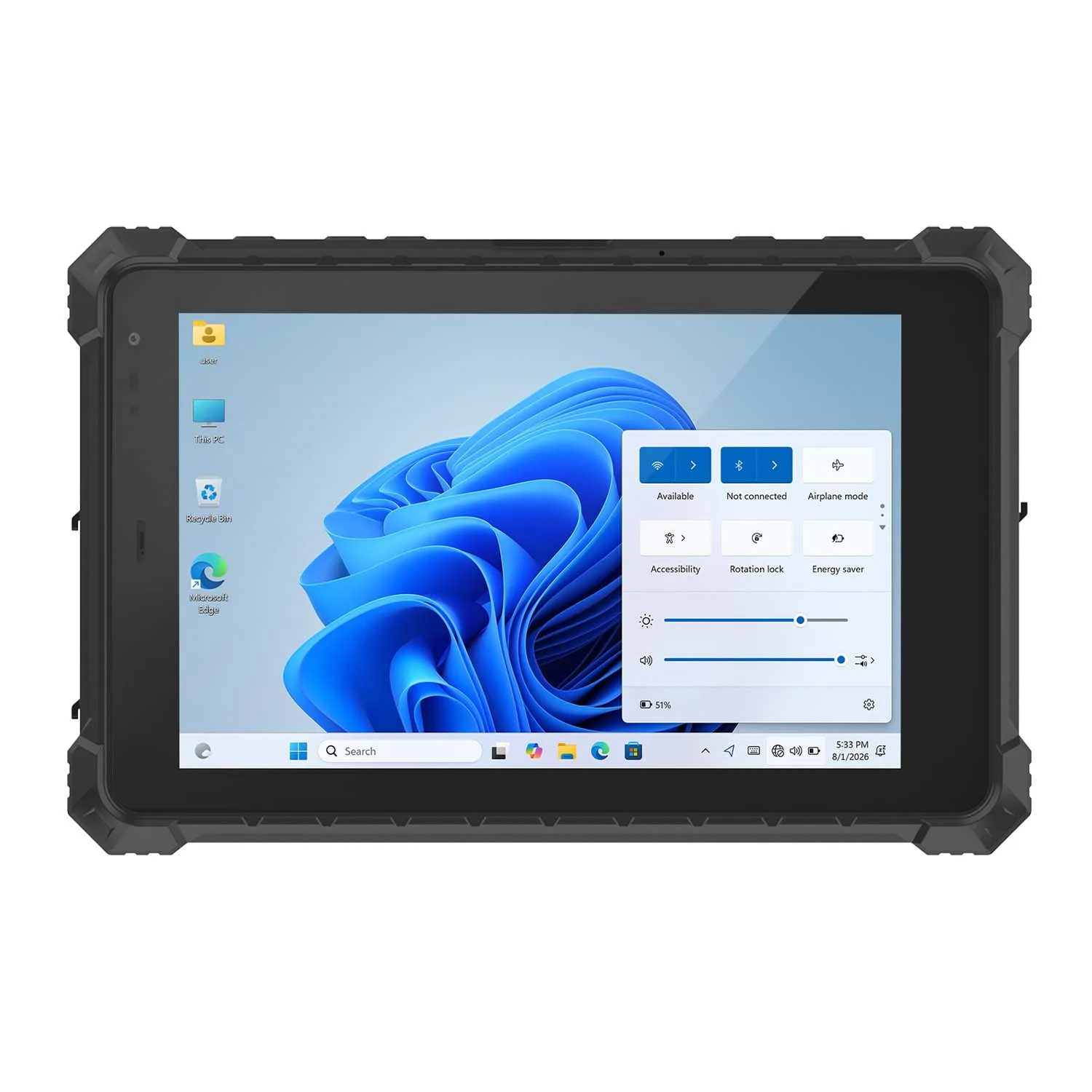
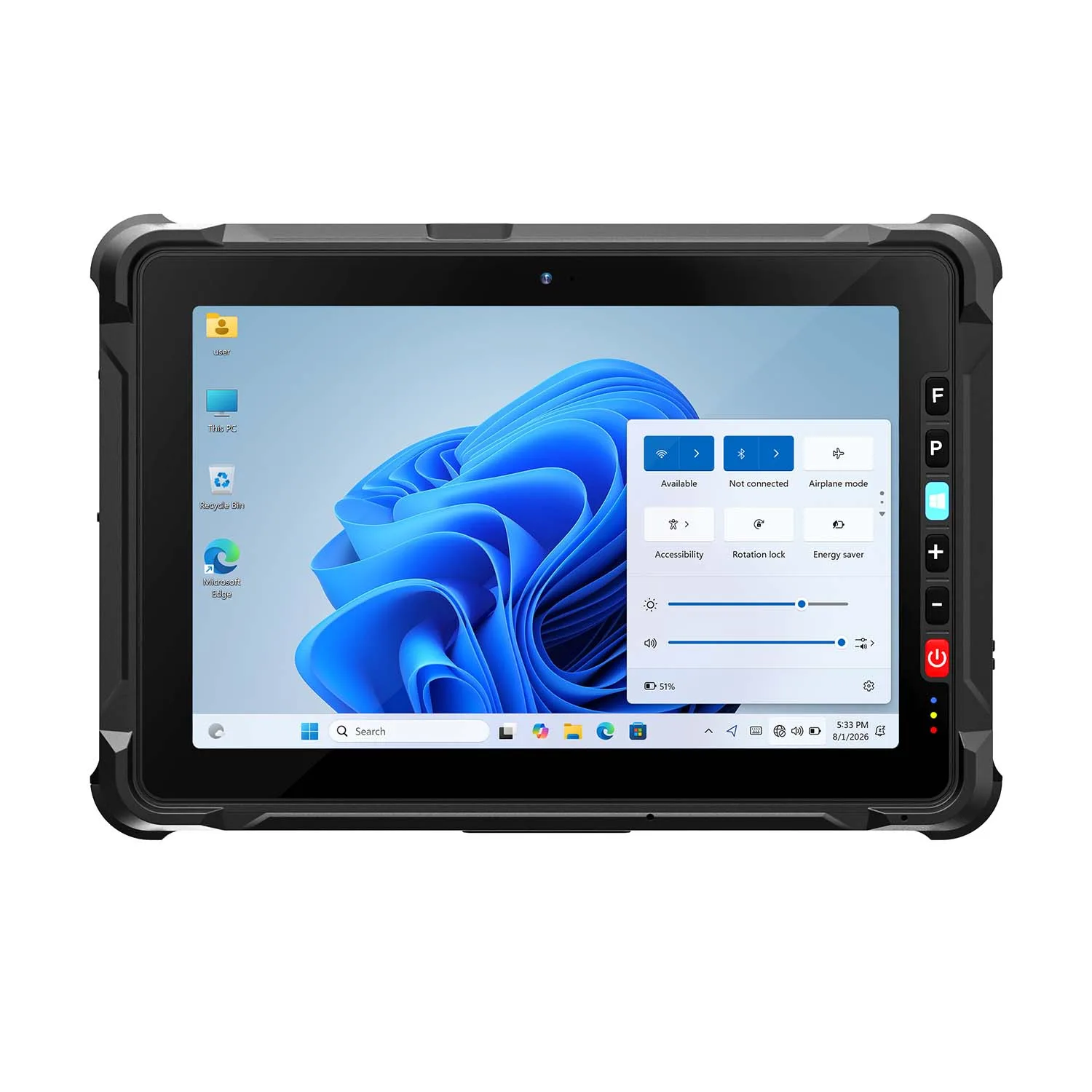
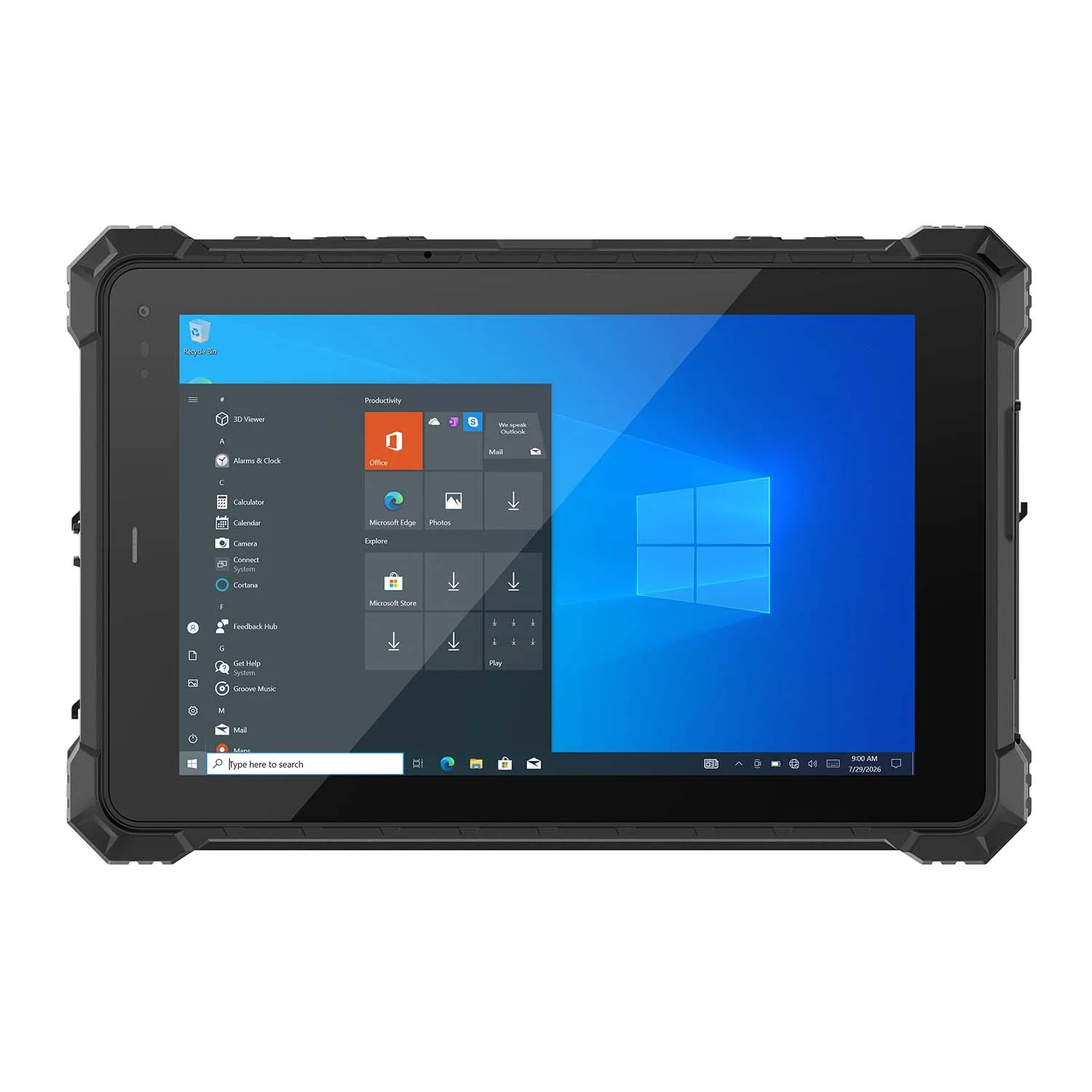
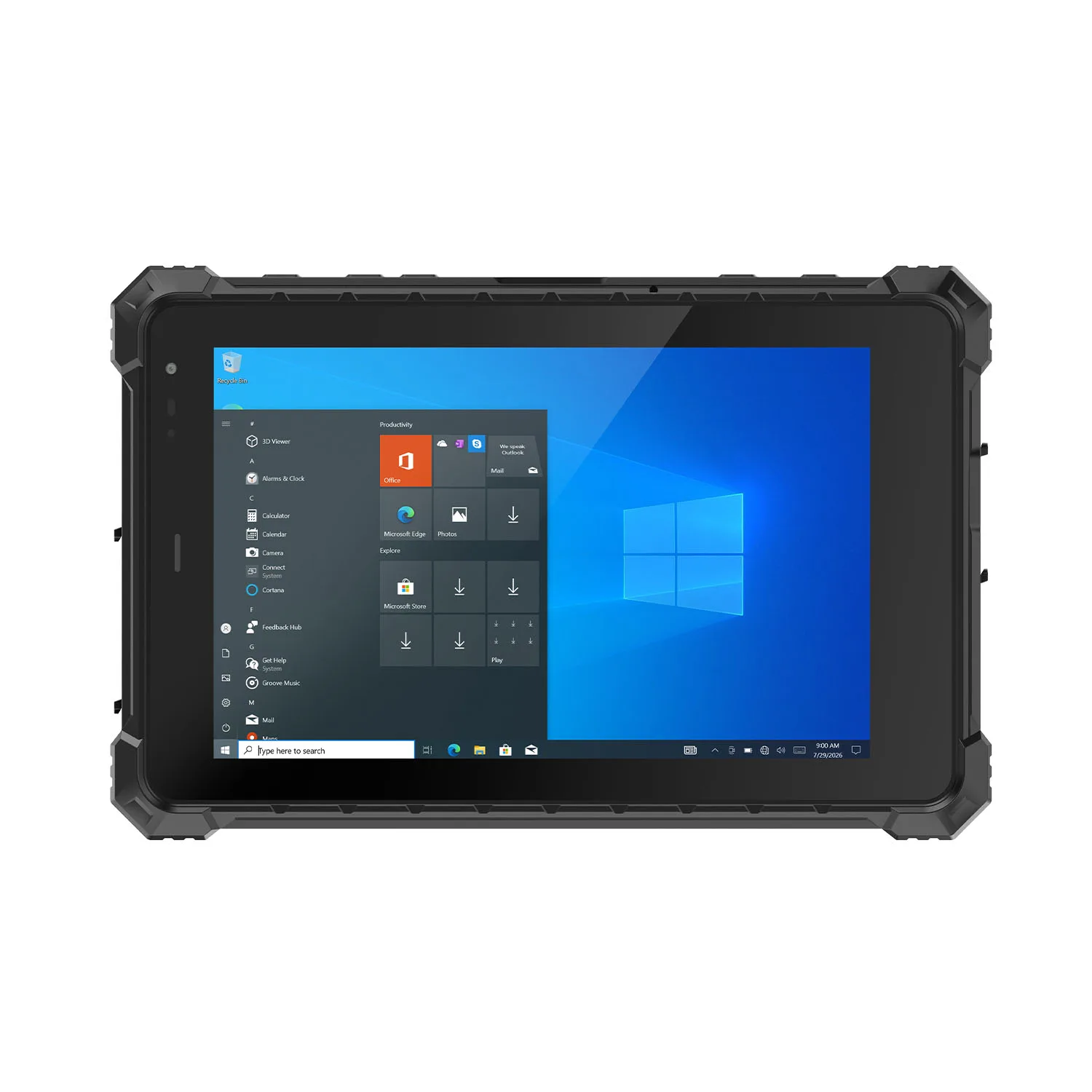
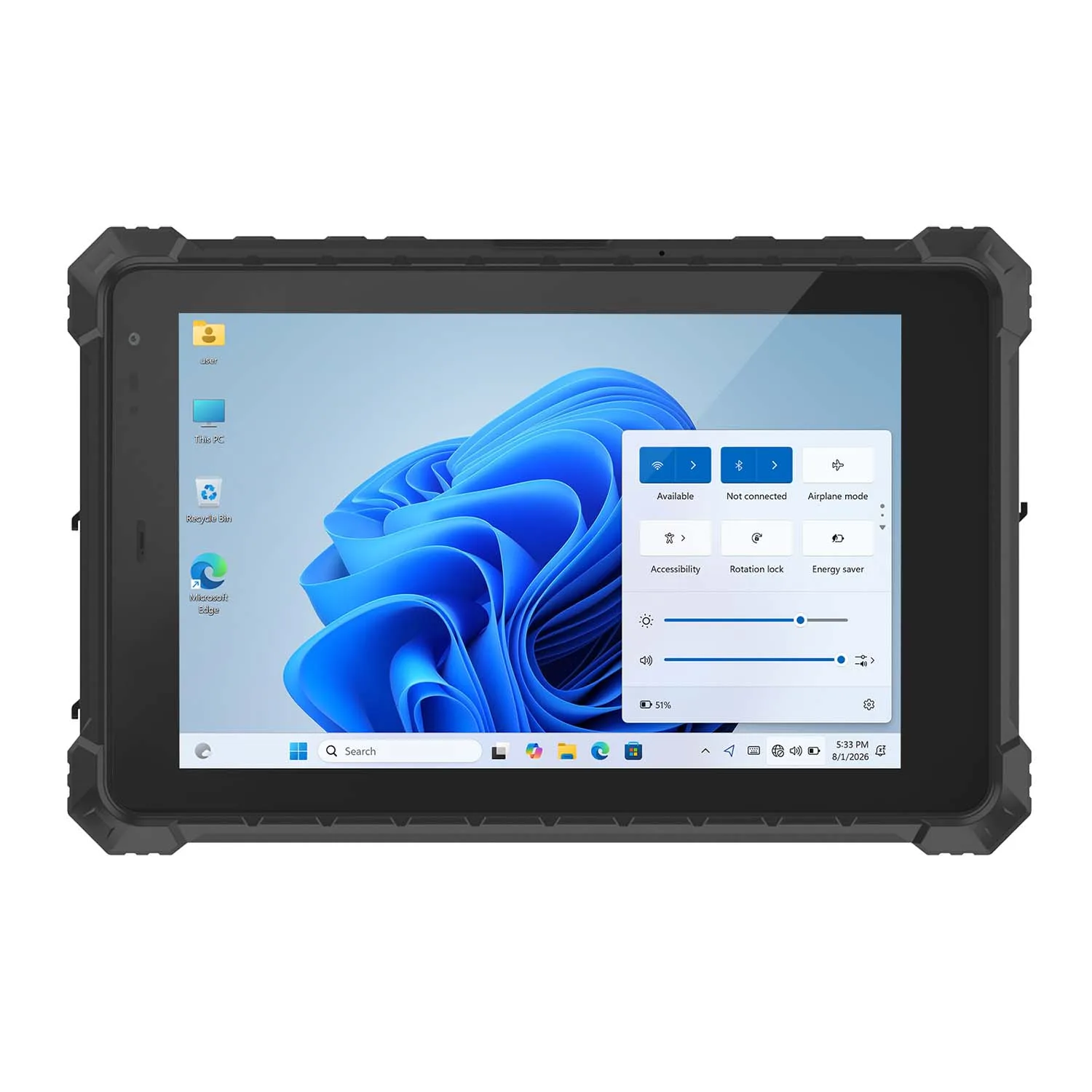
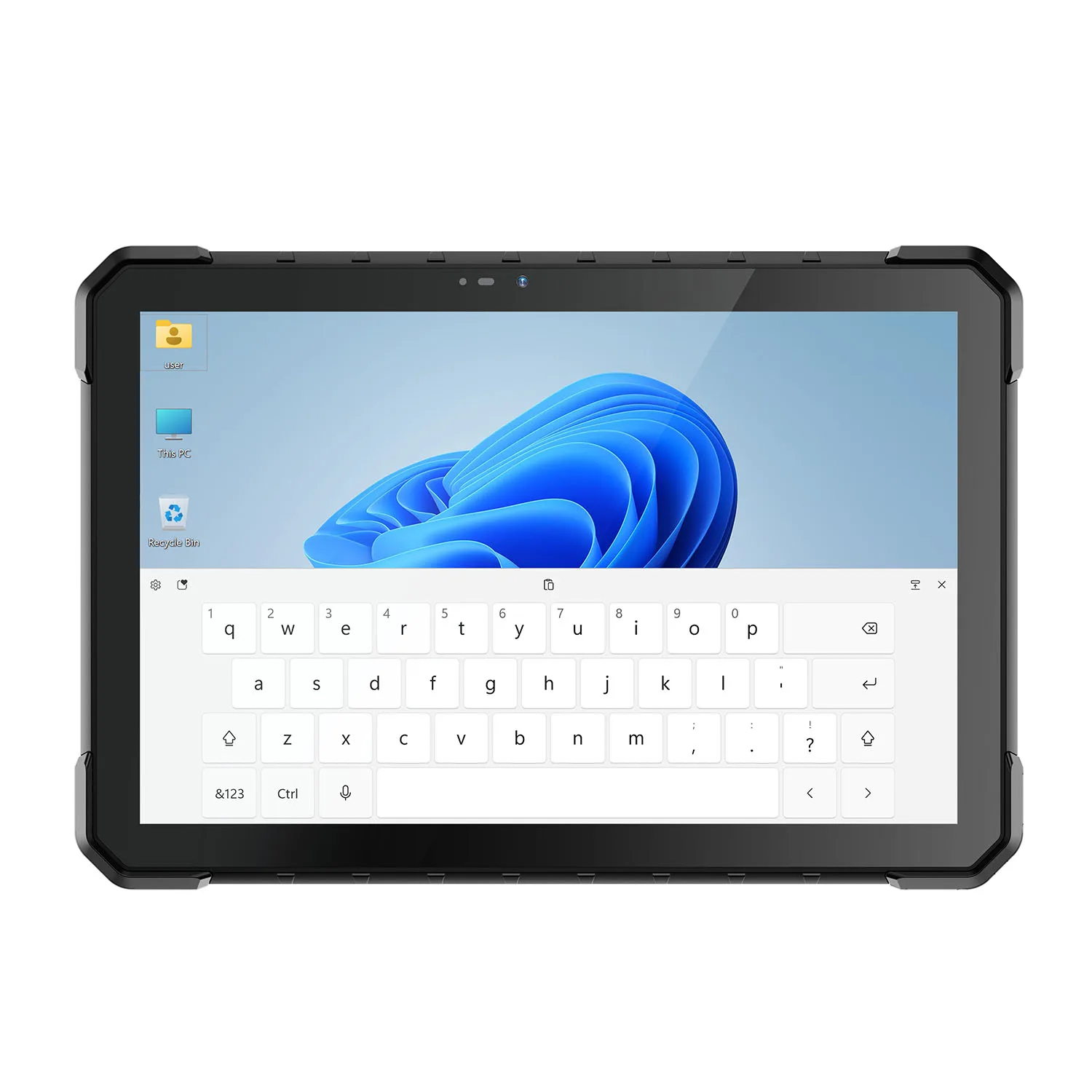
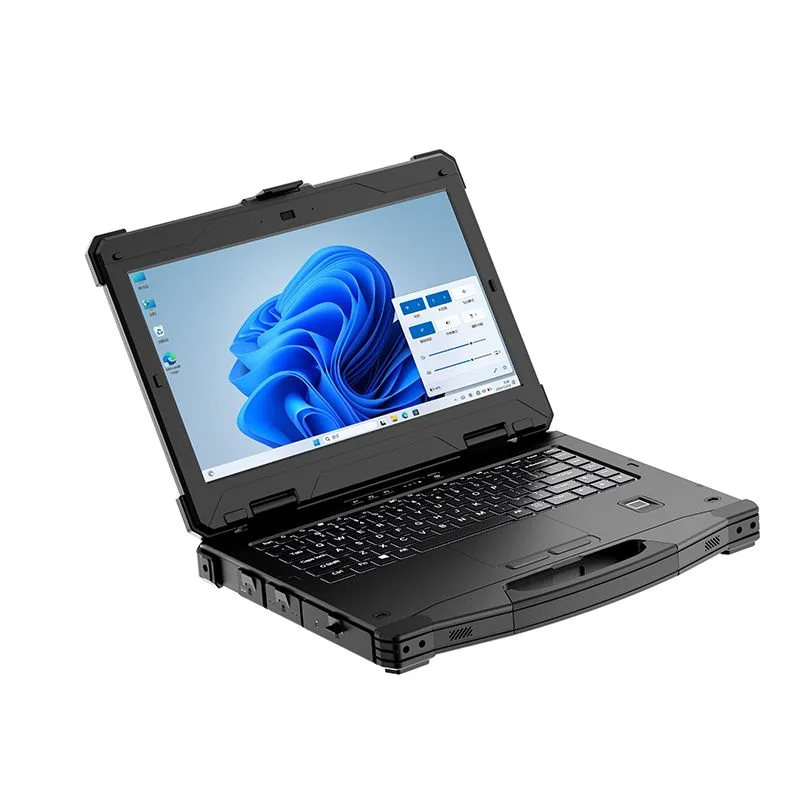
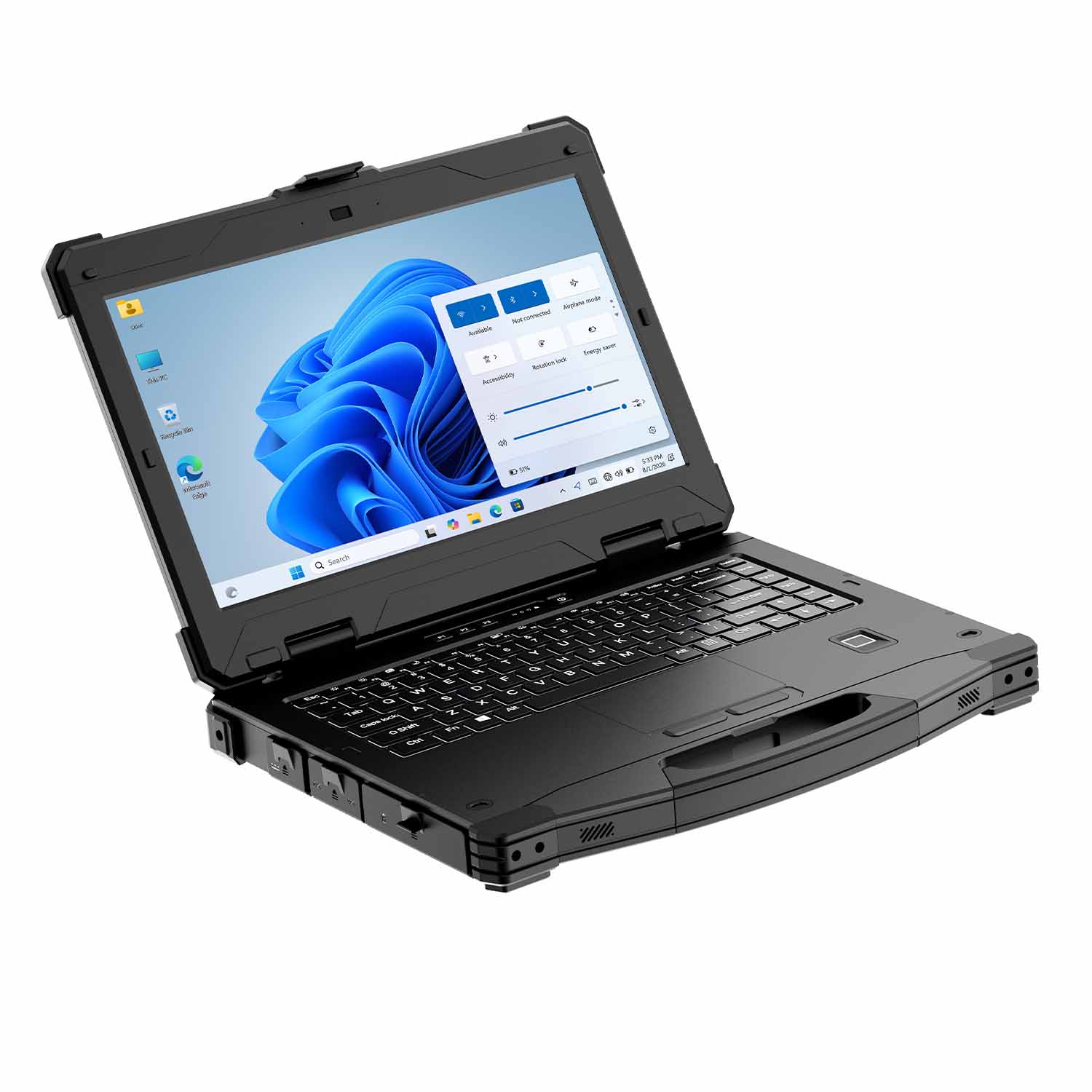
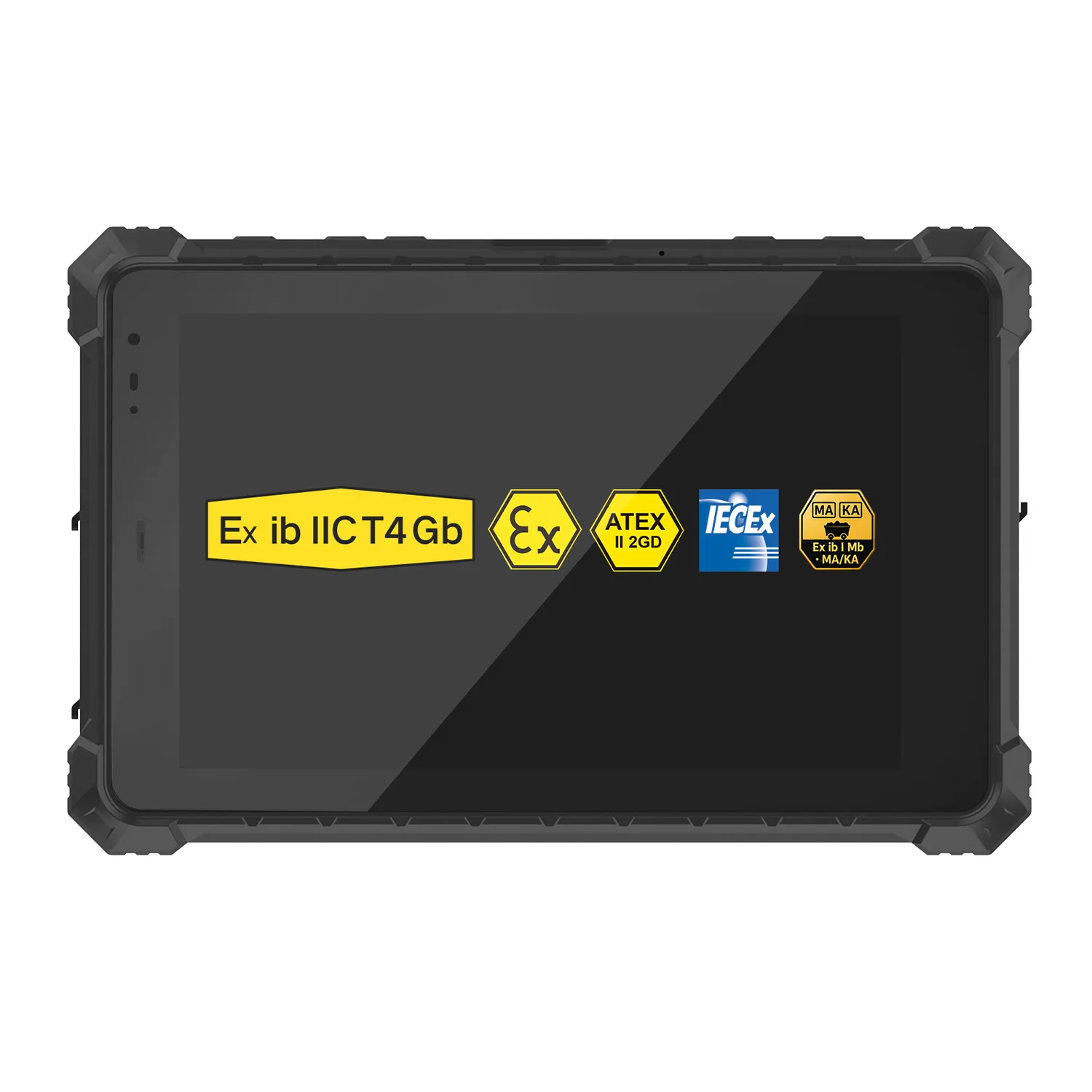
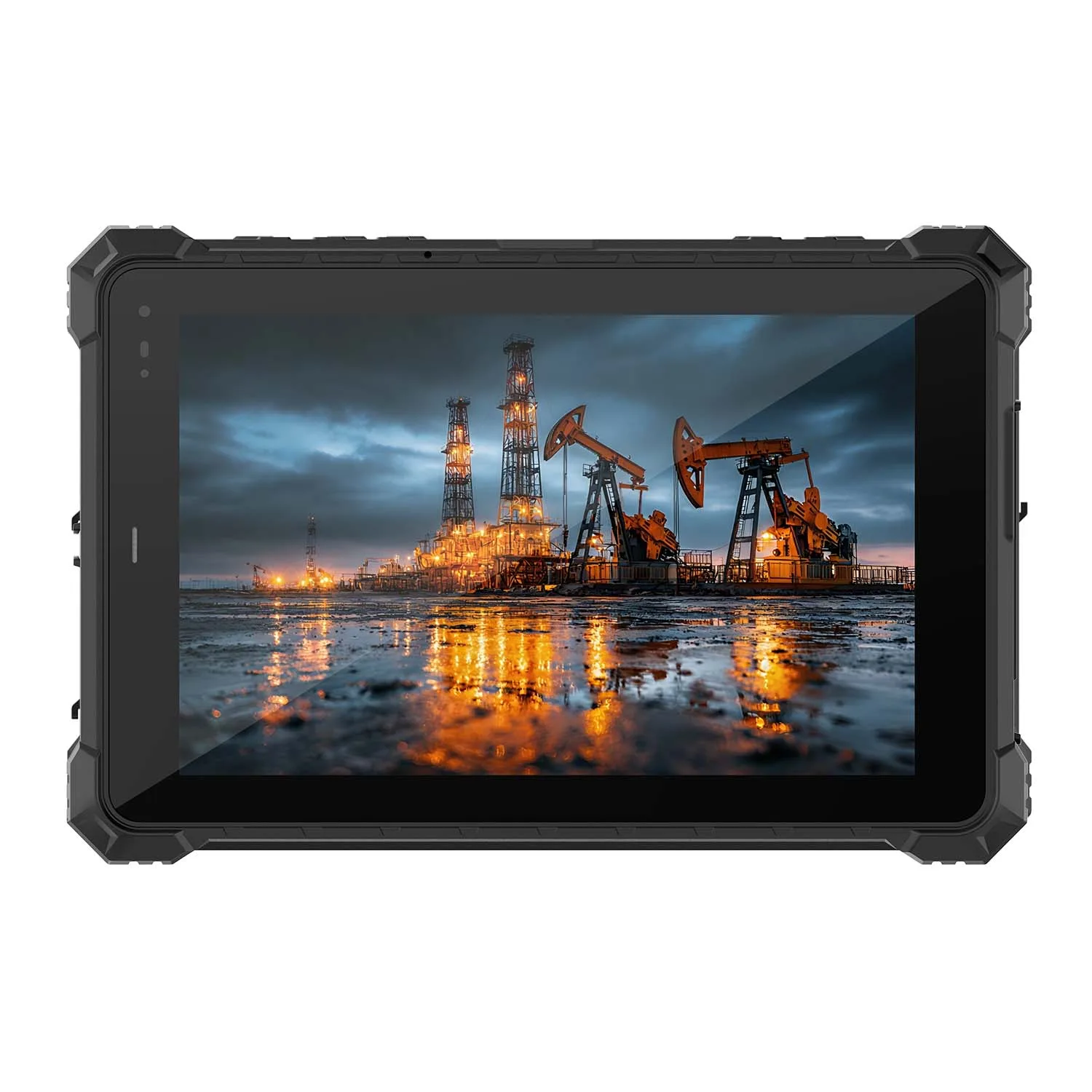
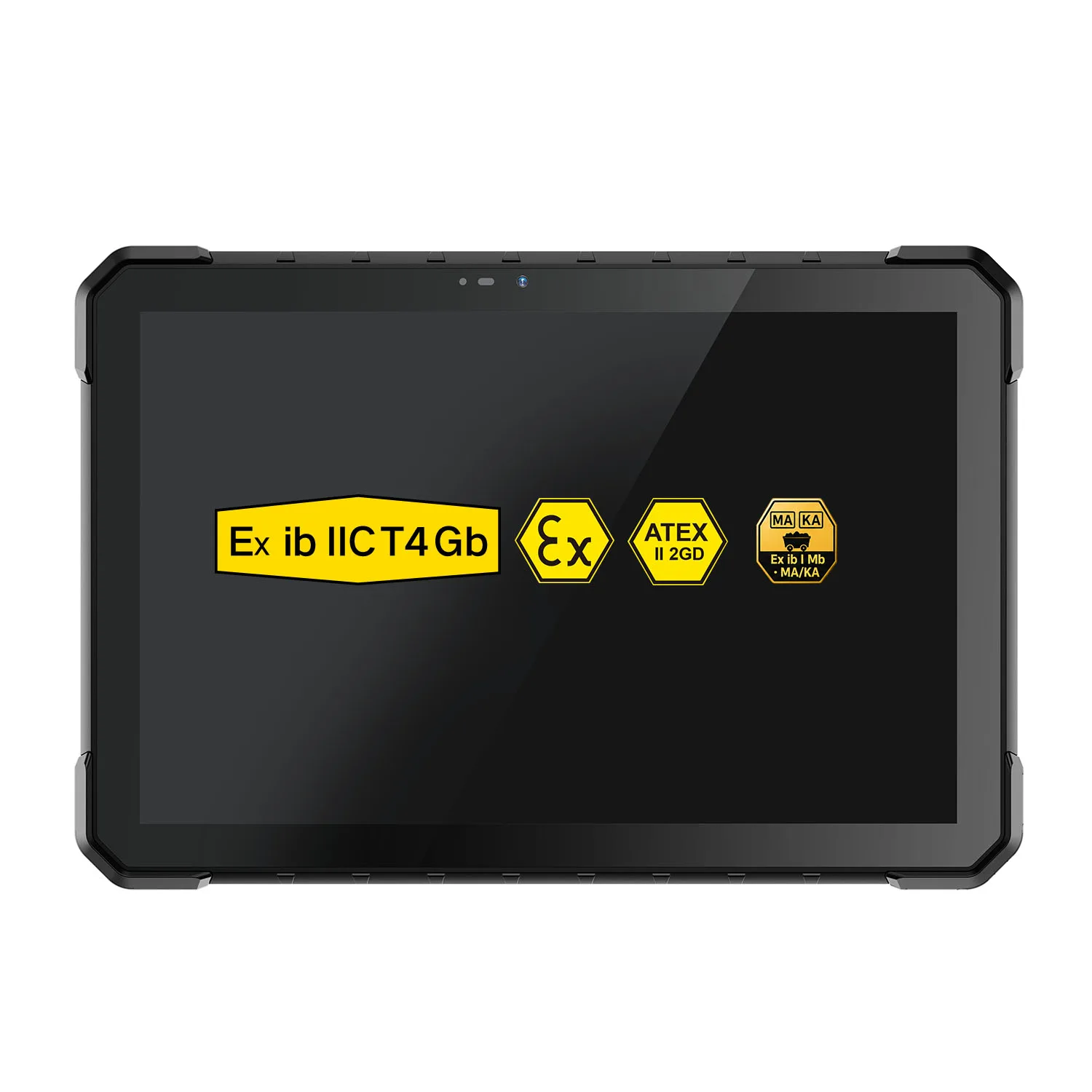
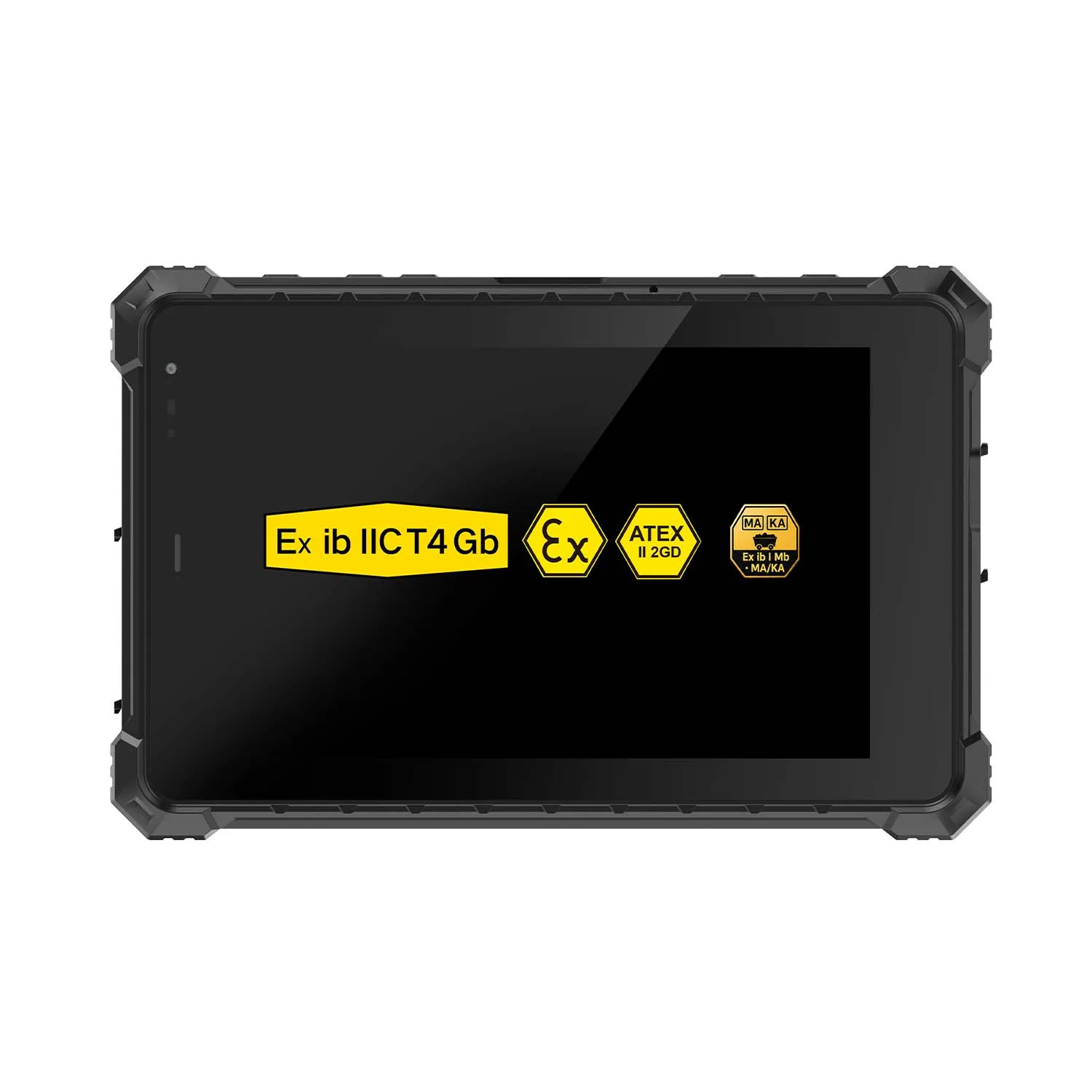






Customized Rugged Tablet solves the interaction | CENAVA
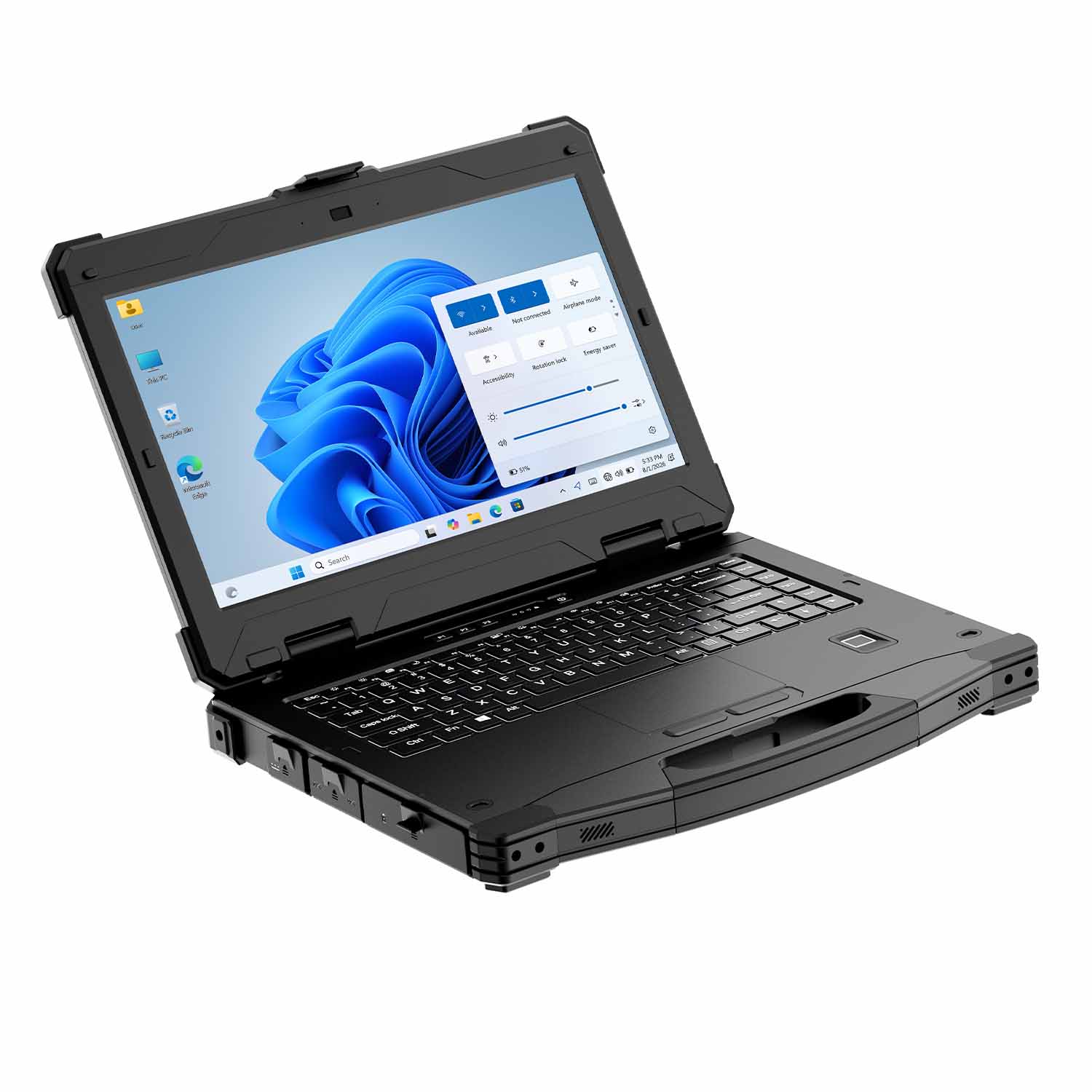
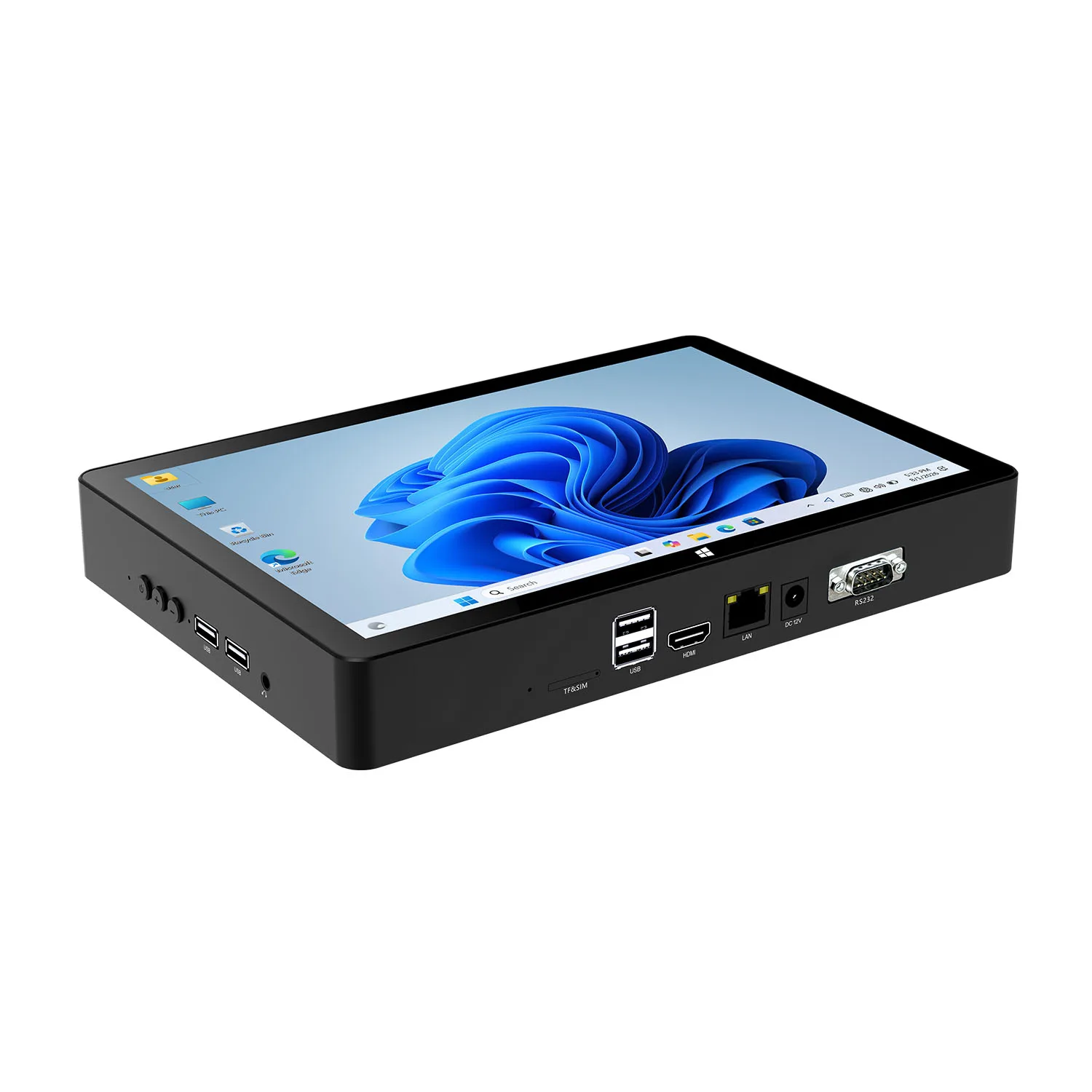
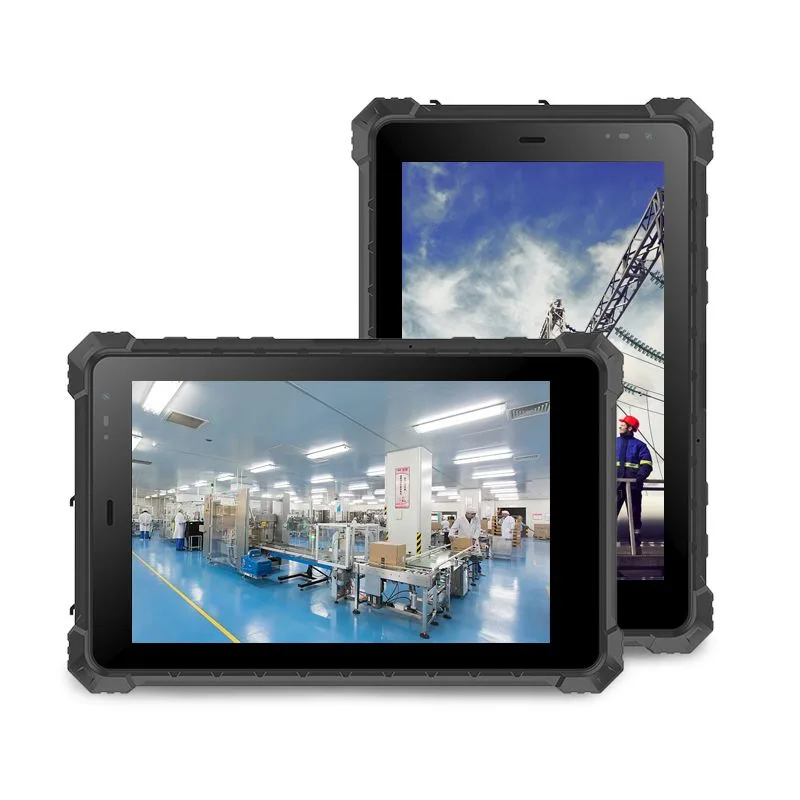
Industrial equipment makers are increasingly building their own sensor and control modules — a temperature logger for cold-chain logistics, a CAN-bus bridge for vehicle fleets, a custom RFID reader for warehouses. Off-the-shelf tablets rarely offer the right port, the right driver, or the physical space these modules need. CENAVA designs the tablet around the module, rather than forcing the module to fit an existing tablet.
In real deployments these modules often run into three recurring issues: data corruption under vibration or EMI, connectors that work loose mid-transfer, and drivers that enumerate but stall under load.
CENAVA designs the tablet around the module so the two communicate cleanly — no dropped packets, no driver crashes. The result is a single integrated unit rather than two devices forced to work together.
Problems that appear with off-the-shelf rugged tablets
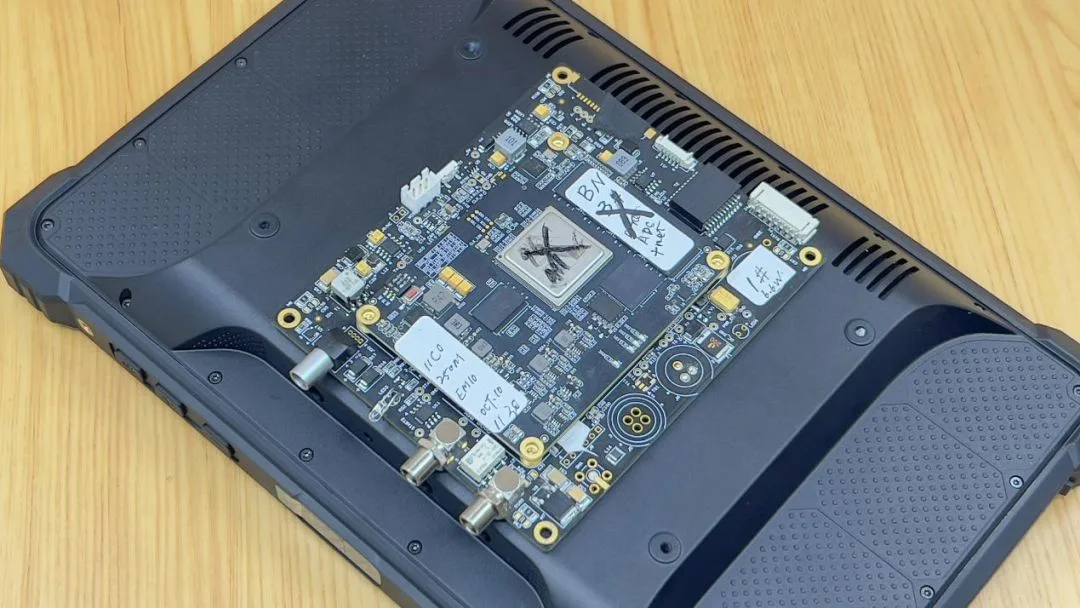
What a custom rugged tablet actually changes
A properly integrated design starts with better shielding and filtering, so vibration and EMI are far less likely to corrupt data. The finished unit is tested against the environments it will actually see, not just generic lab conditions.
Connectors are reinforced and mechanically locked. In many projects we also add a protective boot or fixture so the interface stays seated even under continuous vibration or frequent mating cycles.
Hardware layout, OS image and drivers are adjusted to the module itself. The goal is simple: the module appears to the application as a native peripheral, not an afterthought that needs constant work-arounds.
Because the tablet and module ship as one unit, support and firmware updates stay under a single contact for the life of the product.
Examples of Modules We Have Integrated
CAN-bus gateway for fleet management. A logistics company needed the tablet to read J1939 vehicle data directly, without an external USB adapter. We placed a CAN transceiver on the mainboard, wrote the Android HAL, and pre-loaded their fleet application. The finished unit mounts in the cab and handles engine-bay temperatures.
Custom sensor array for cold-chain monitoring. A pharmaceutical shipper needed temperature, humidity, and shock logging in one device. We added their sensor PCB to the A10ST's internal expansion header, routed I2C lines to it, and tuned the battery profile to support 72-hour continuous logging. The sensor data syncs to their cloud backend over 4G.
Proprietary RFID reader for asset tracking. A manufacturer had developed a UHF RFID engine with a custom protocol. We designed a daughterboard that sits inside the tablet housing, connected via a short FPC to the mainboard. The tablet runs their Android app natively; the RFID engine appears as a standard Android peripheral.
Advantages of CENAVA rugged tablets
PCB layout built around the module.
When the module shares the same board as the tablet CPU, signal integrity becomes critical. We normally use a 6-layer or 8-layer stack-up with dedicated ground planes and controlled-impedance traces (50 Ω for single-ended digital, 90 Ω differential for USB 3.0). If the module itself generates EMI — a motor controller, for example — we isolate it with guard rings and shielding cans, then run pre-compliance EMC tests in-house before EVT. The first prototype ships with the test report.

Thermal and mechanical integration
Every module has a thermal budget — 5 W or 15 W, for example. The internal layout is built around that number: heat-sink position, thermal-pad thickness, and airflow path if a fan is required. For shock-sensitive parts (a hard drive or precision sensor) we use vibration isolators and shape the housing so it absorbs drops instead of transmitting them. The tablet ends up as a protective shell for the module, not merely a host.

Protocol and driver support
The module usually speaks its own protocol — Modbus RTU over RS-485, CAN 2.0B, or a proprietary serial format. We write the Android or Windows driver that turns that protocol into something the OS understands. If a custom API is needed for the backend, we build it as well. You receive the source-code documentation and a direct contact to the engineer who wrote the driver, not a generic ticket queue.

What you actually receive
The module and tablet ship as a single SKU: one warranty, one support contact, one firmware-update path. When the module later needs a revision, we re-spin the PCB against the same mold and enclosure so existing RF and environmental certifications remain valid. Send the module’s specification sheet; within two working days you receive either a fit assessment against a current platform or a clear statement that we are not the right partner for the project.

Need a Rugged Device for Your Project?
Tell us your operating environment and requirements — our engineers will recommend a configuration and quote within 24 hours.
Get a Free Quote Back to Blog