
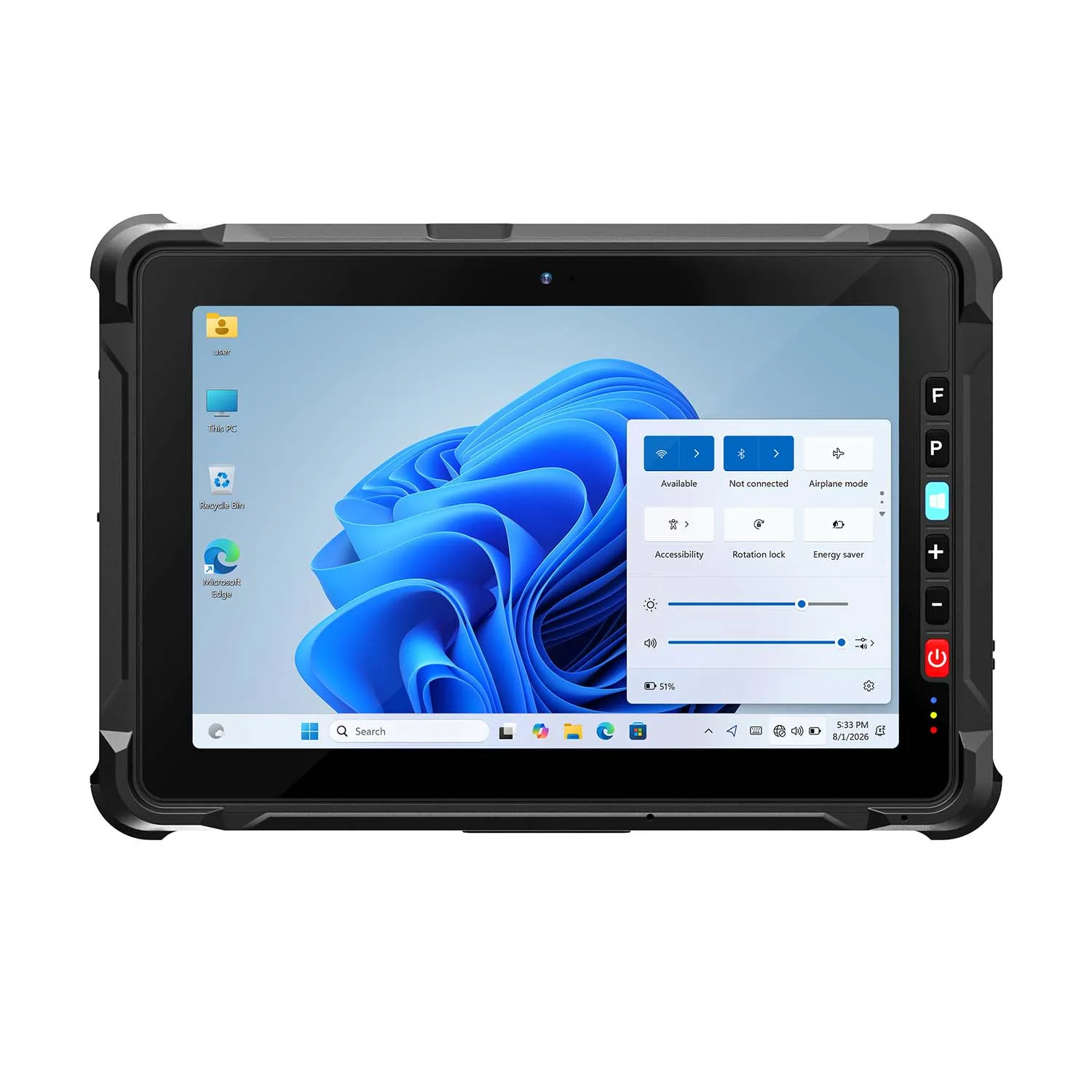
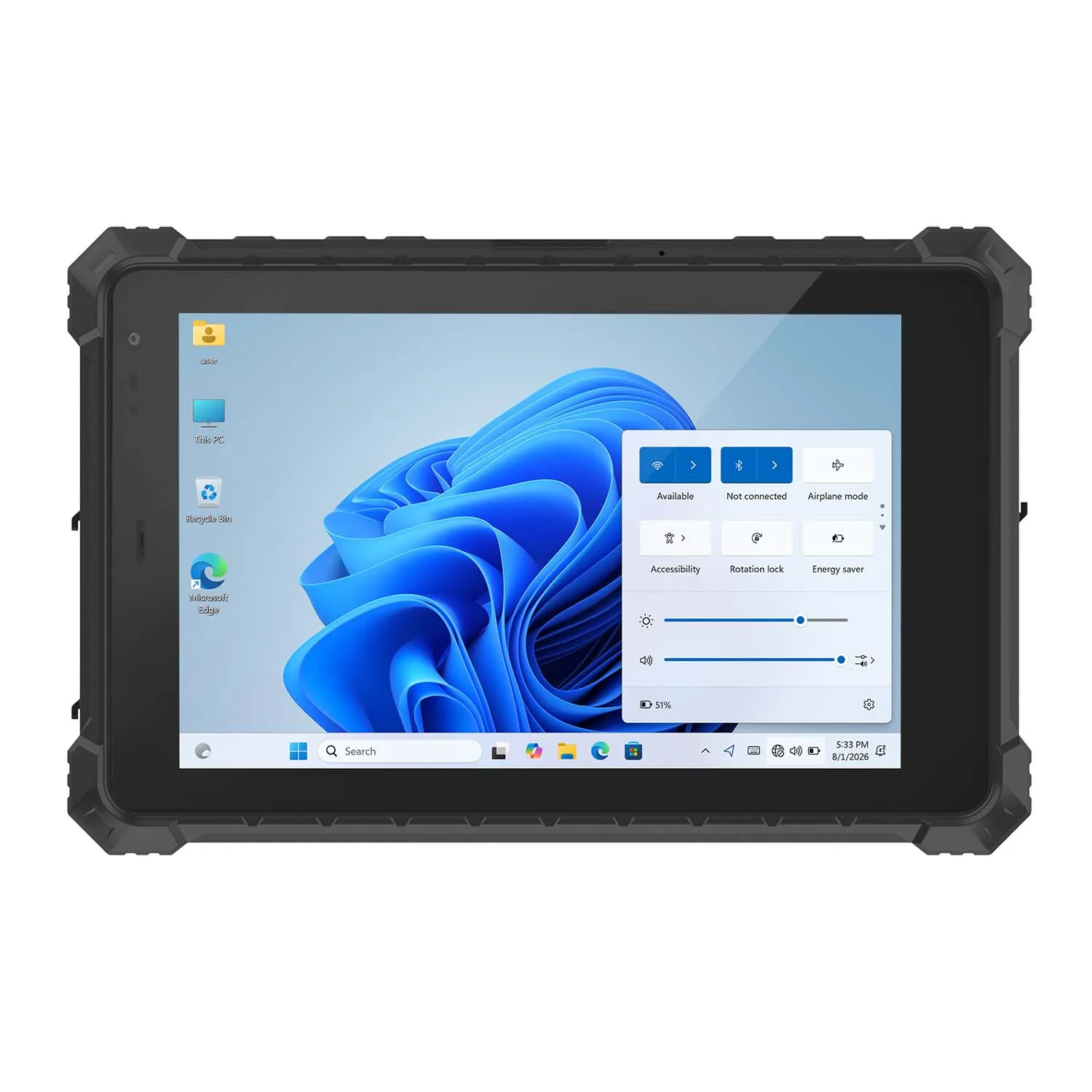
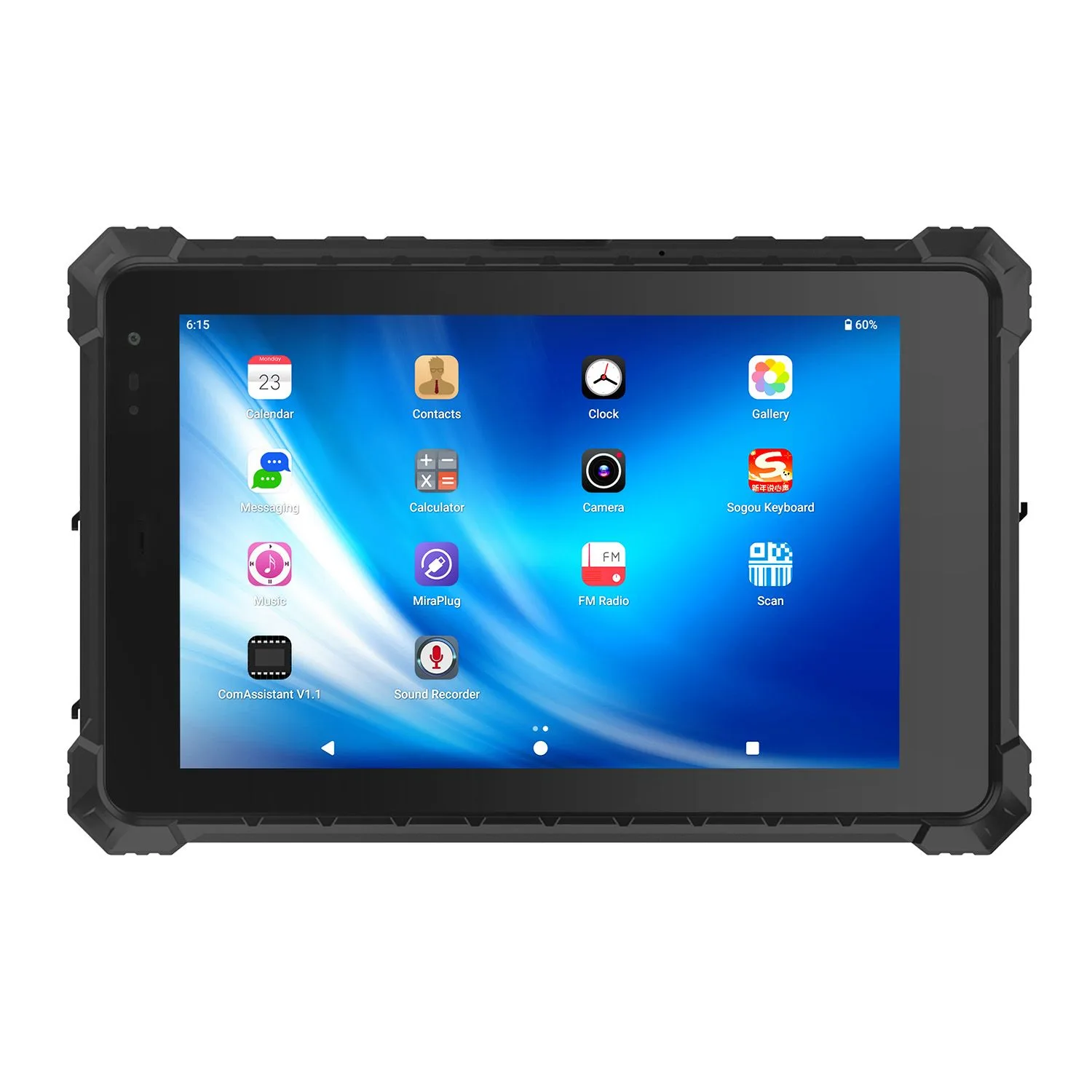
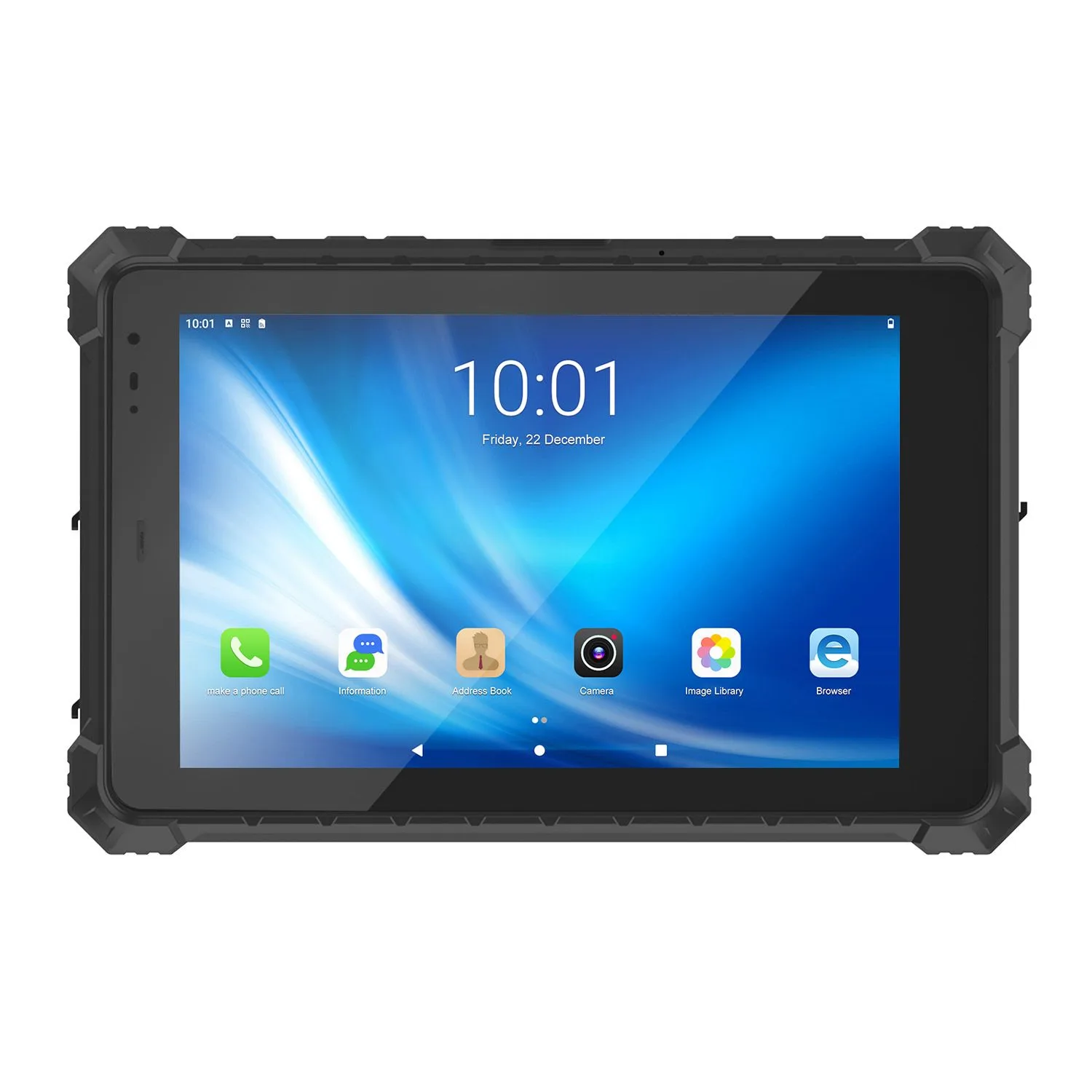
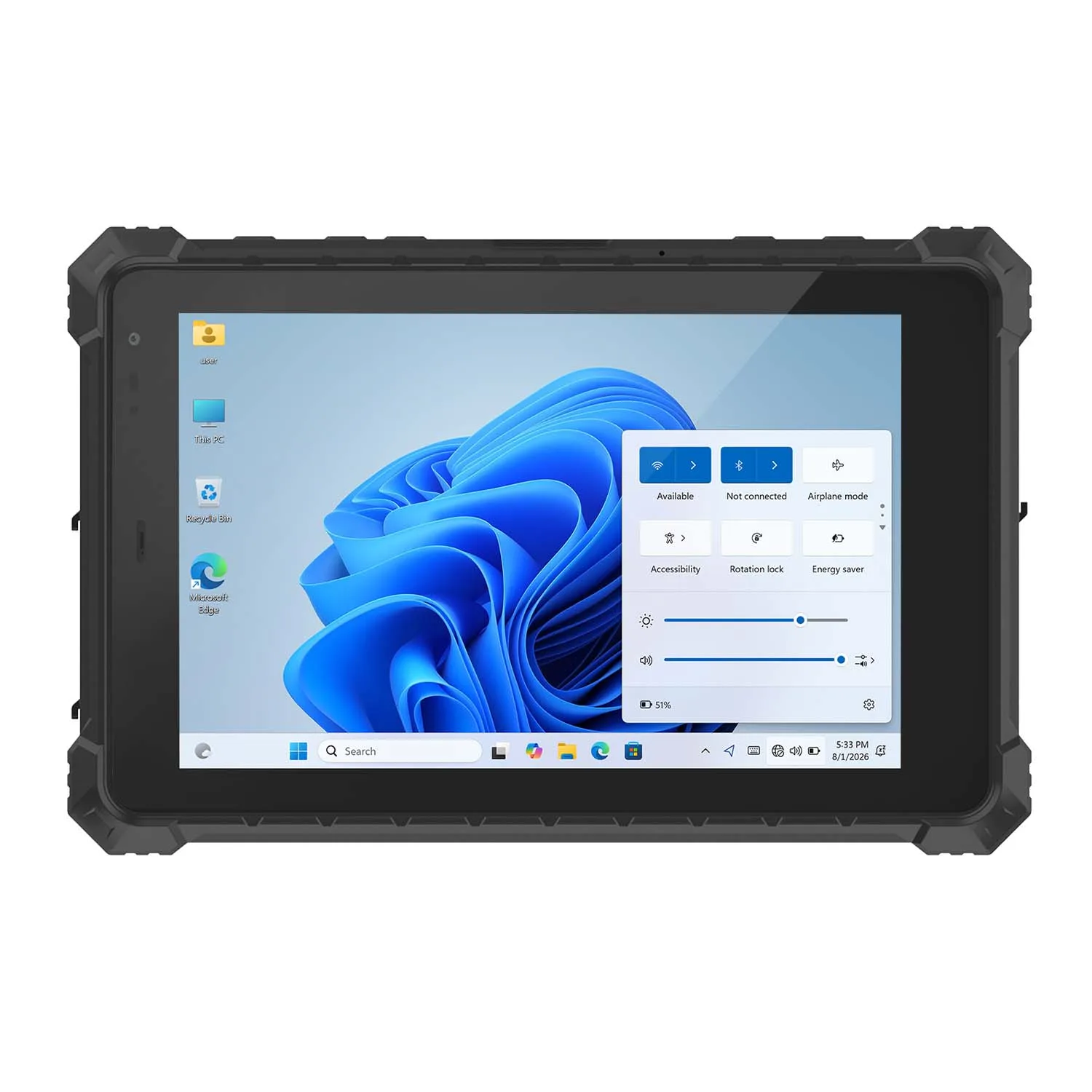
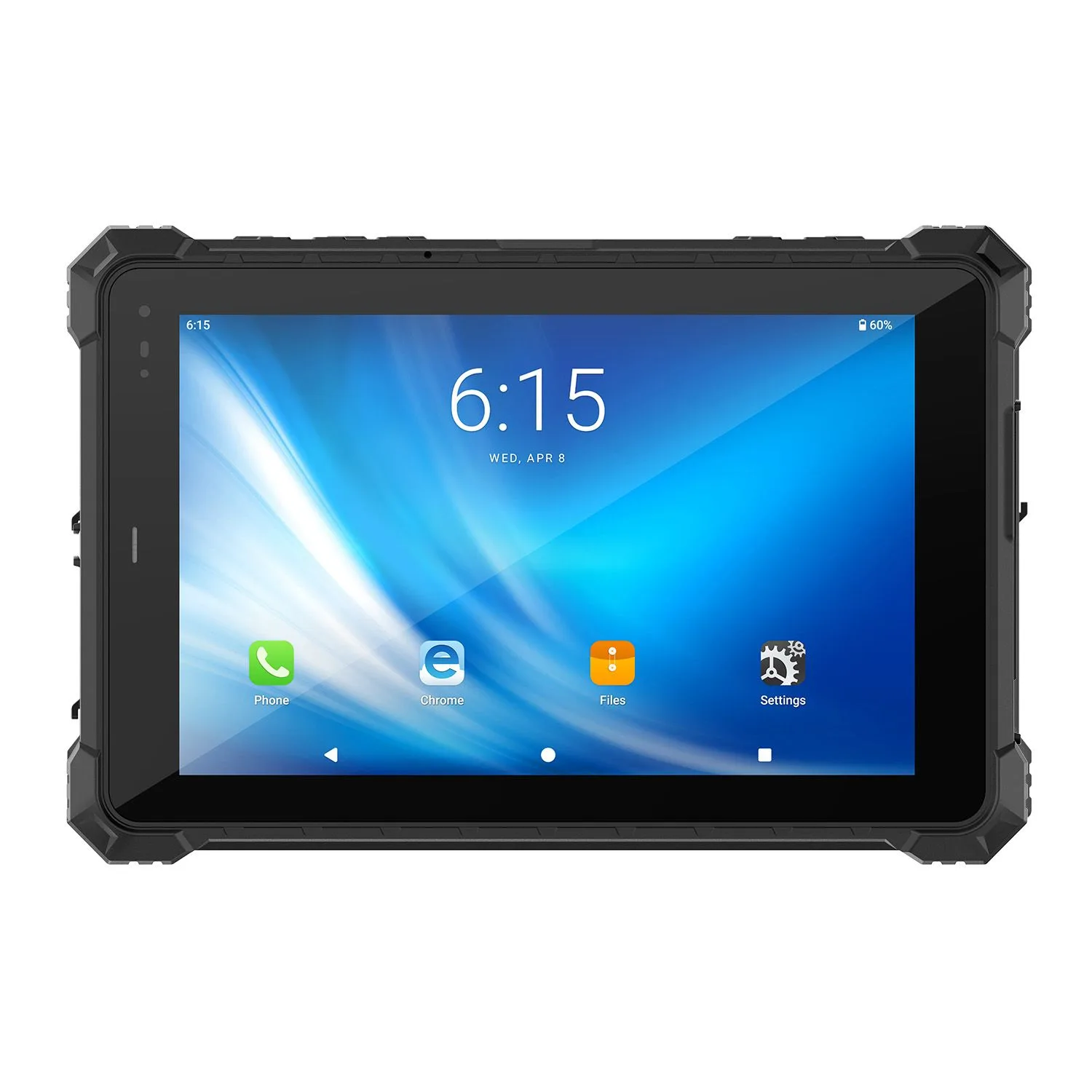
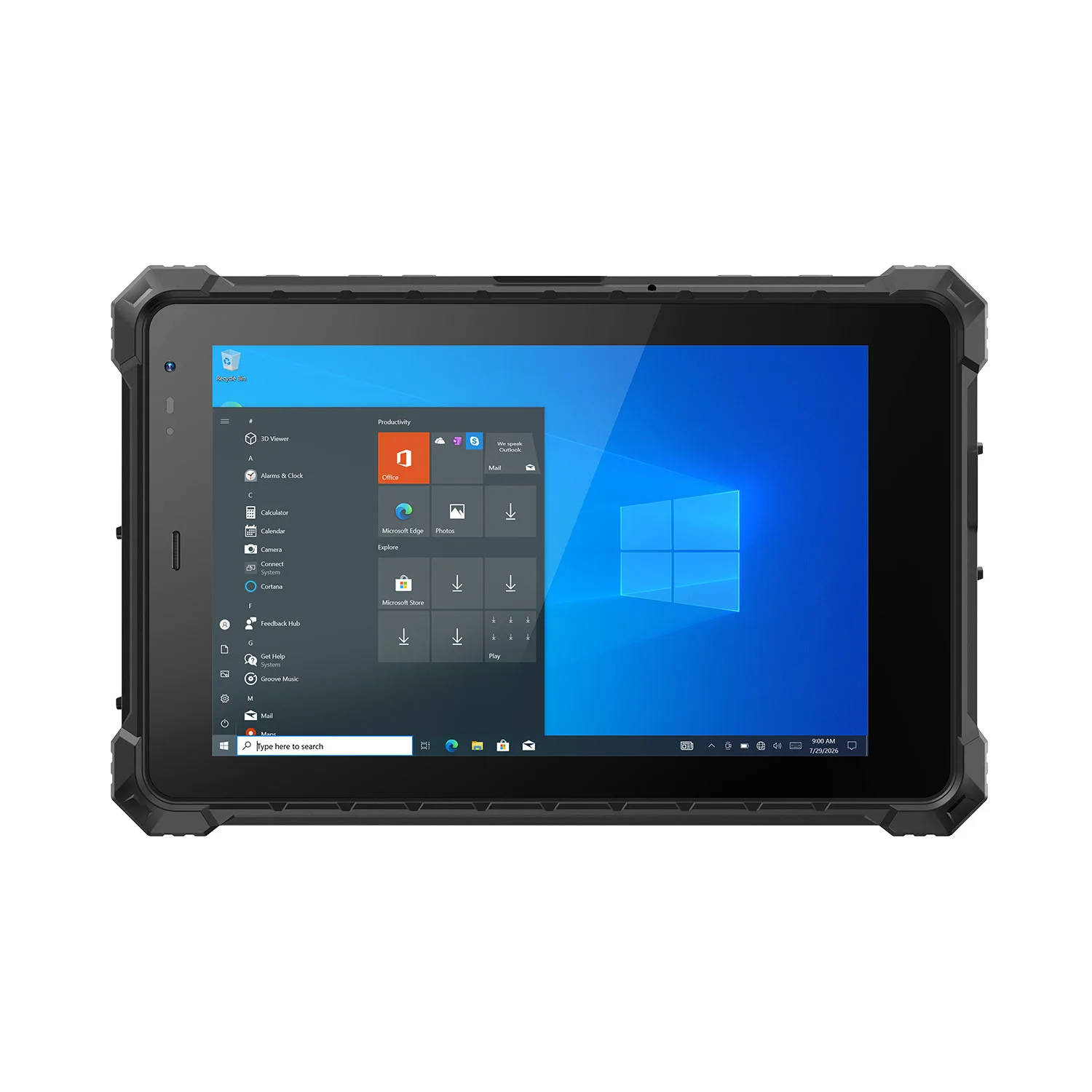
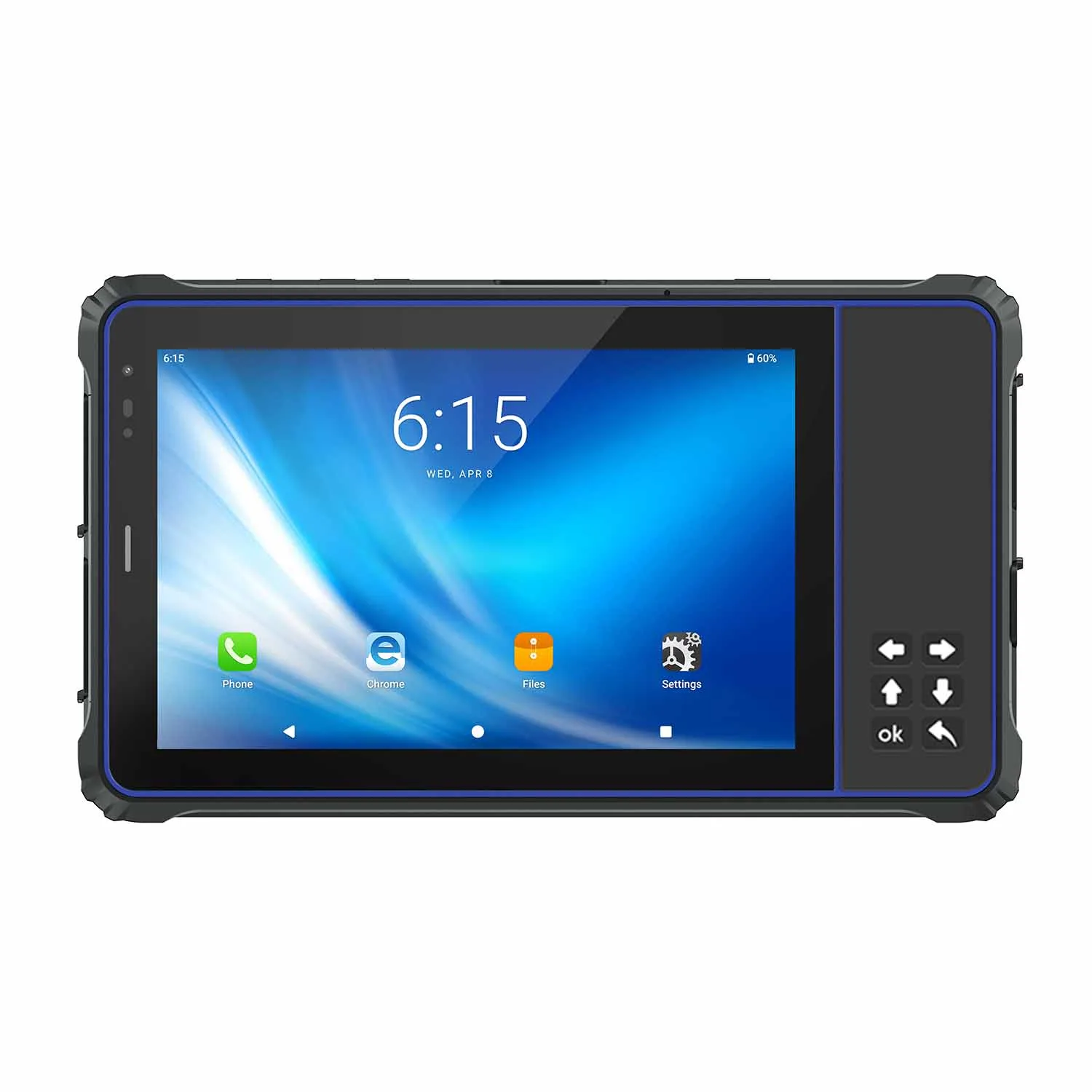
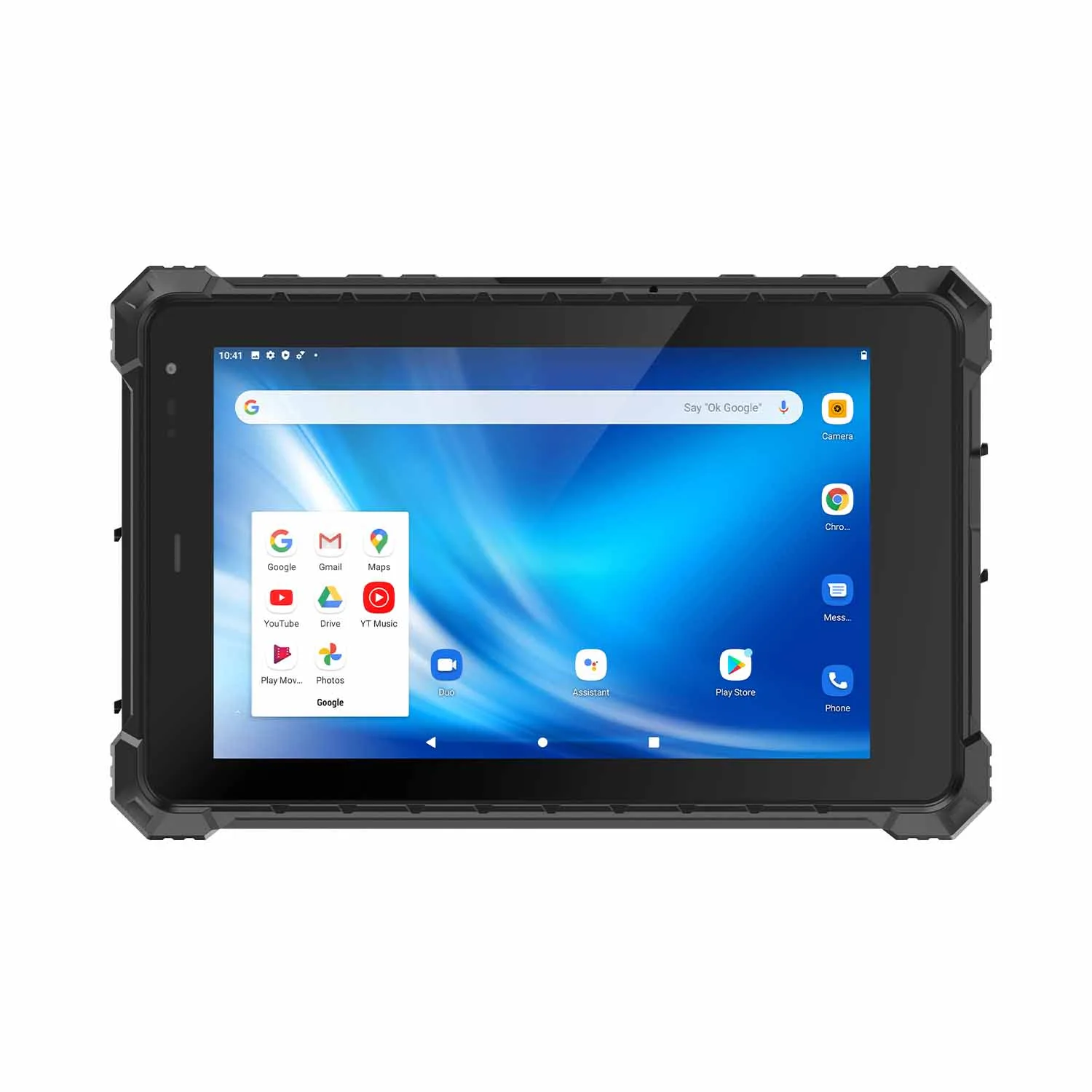
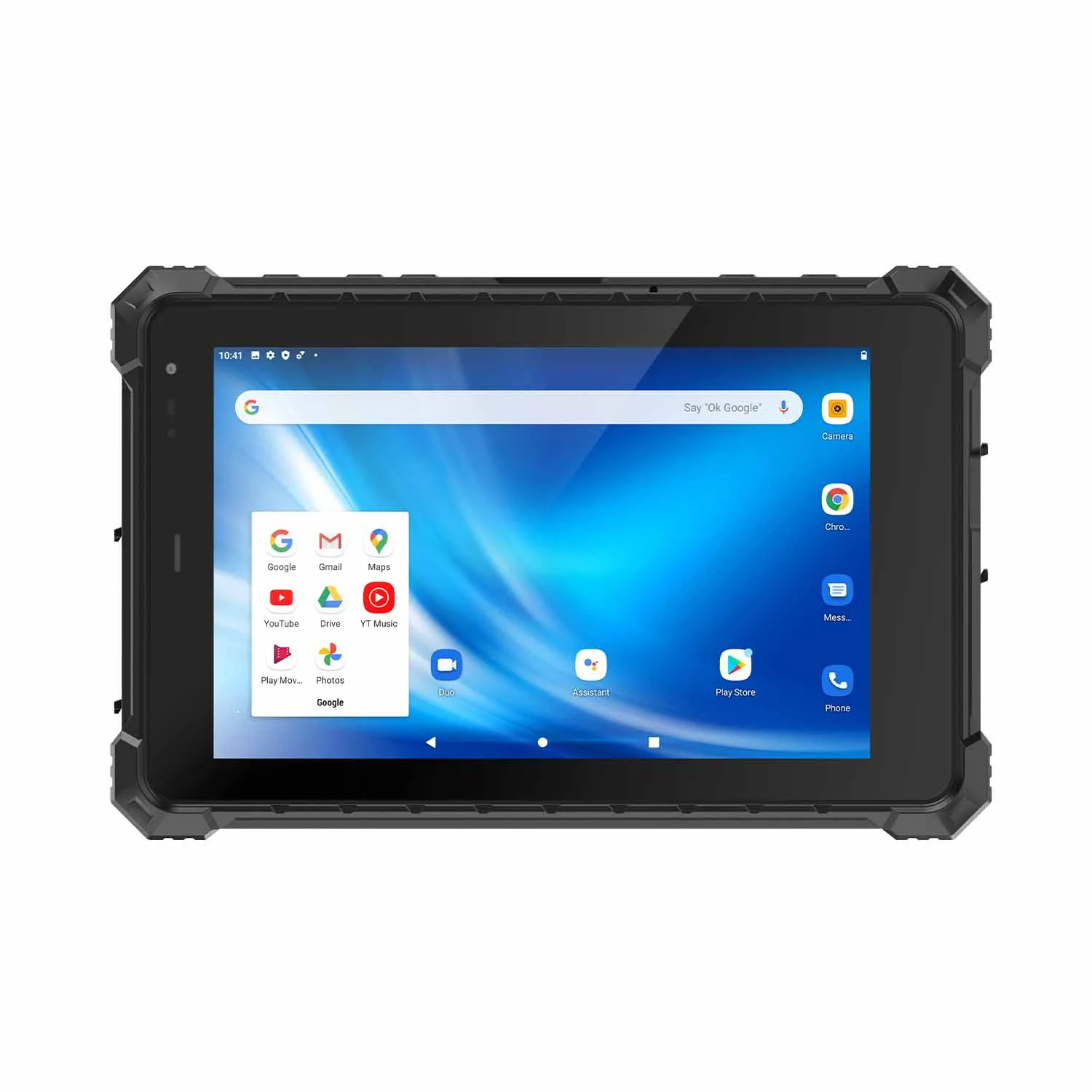
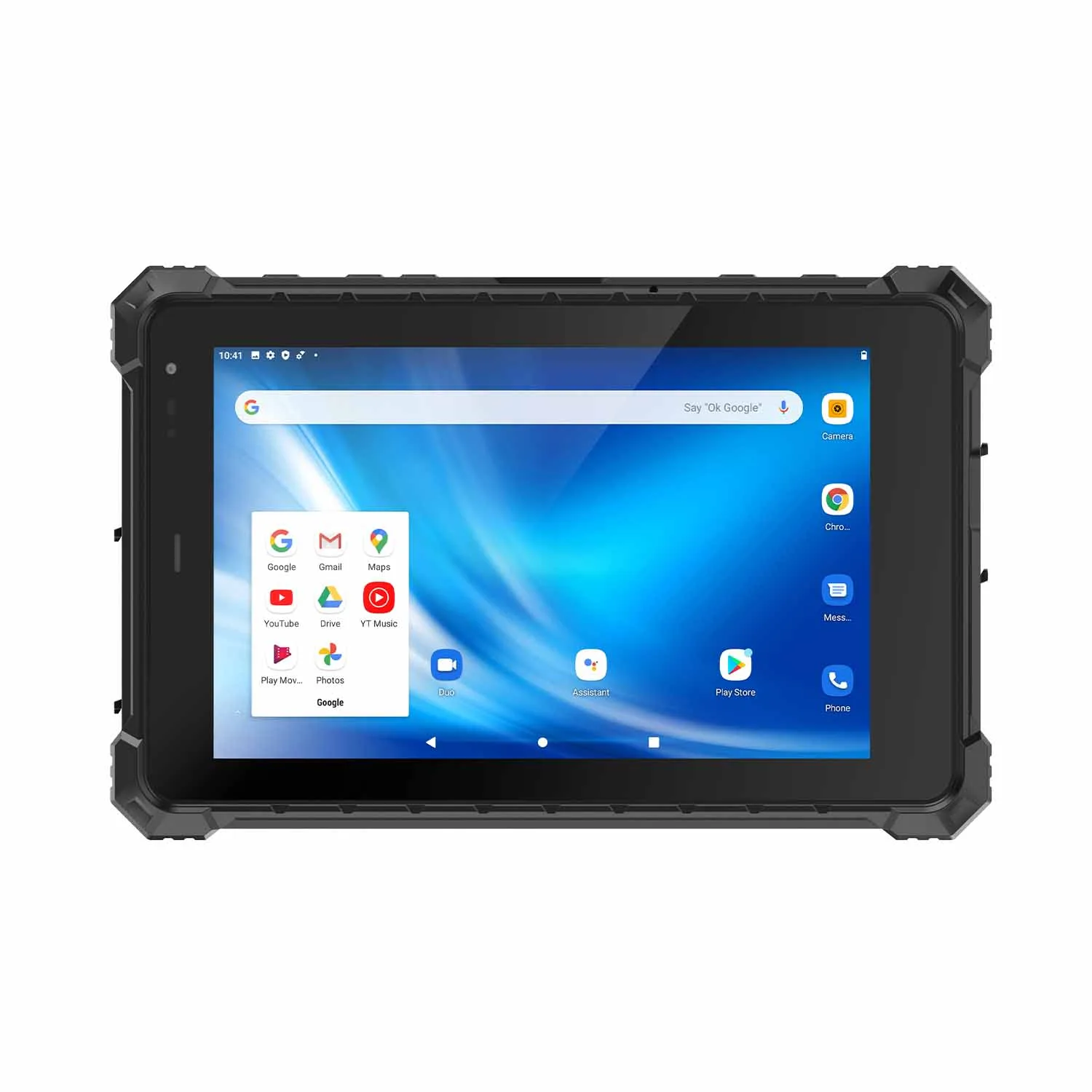
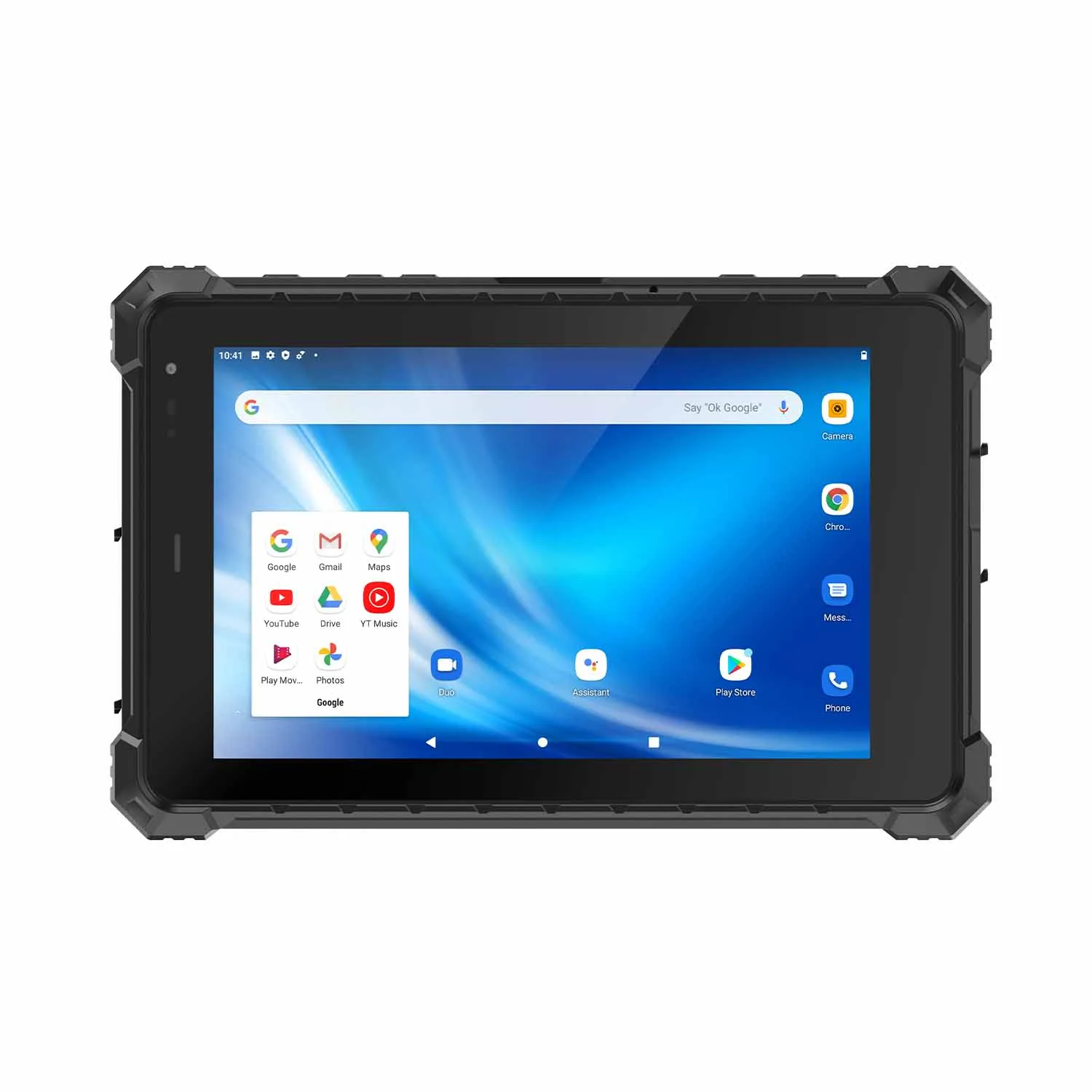
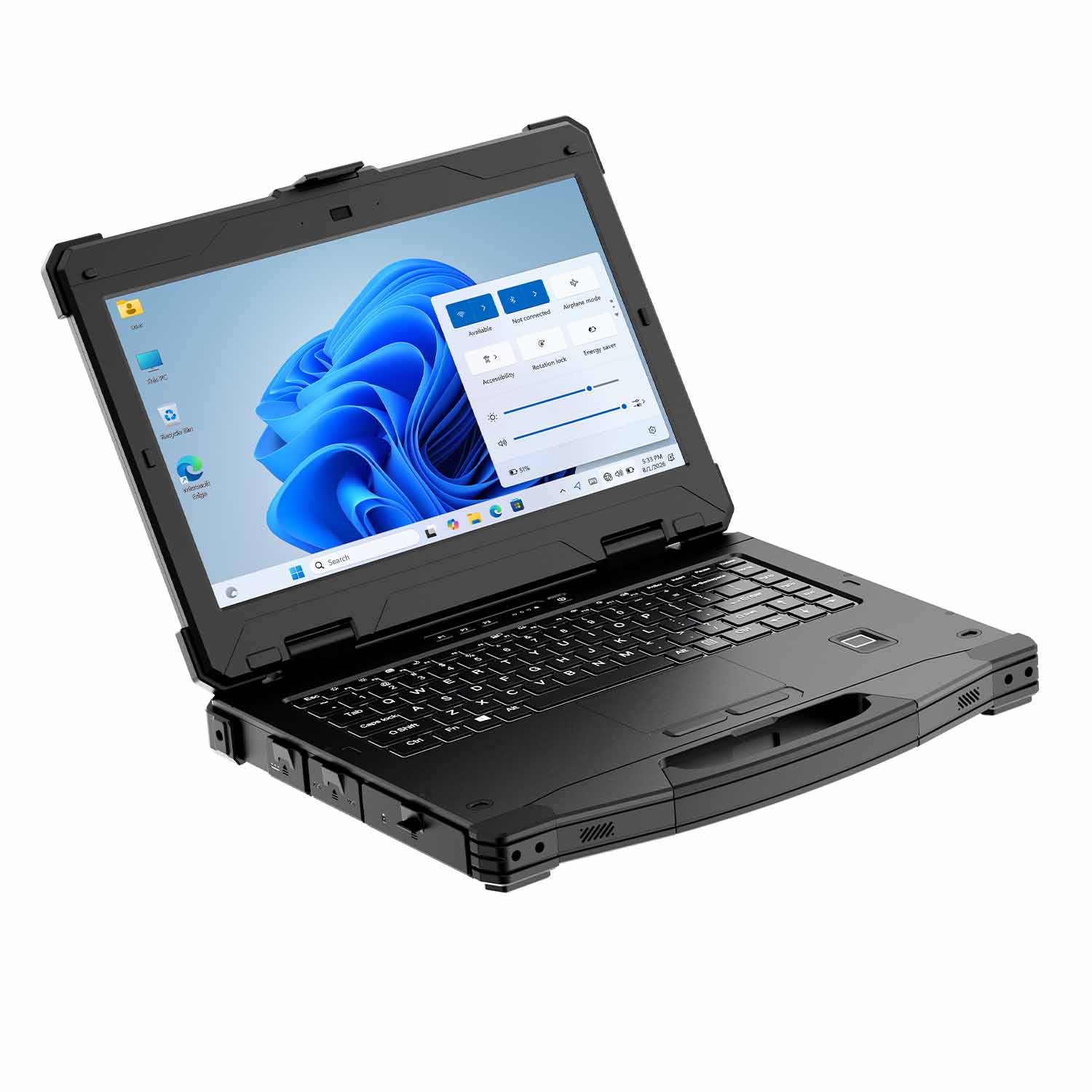
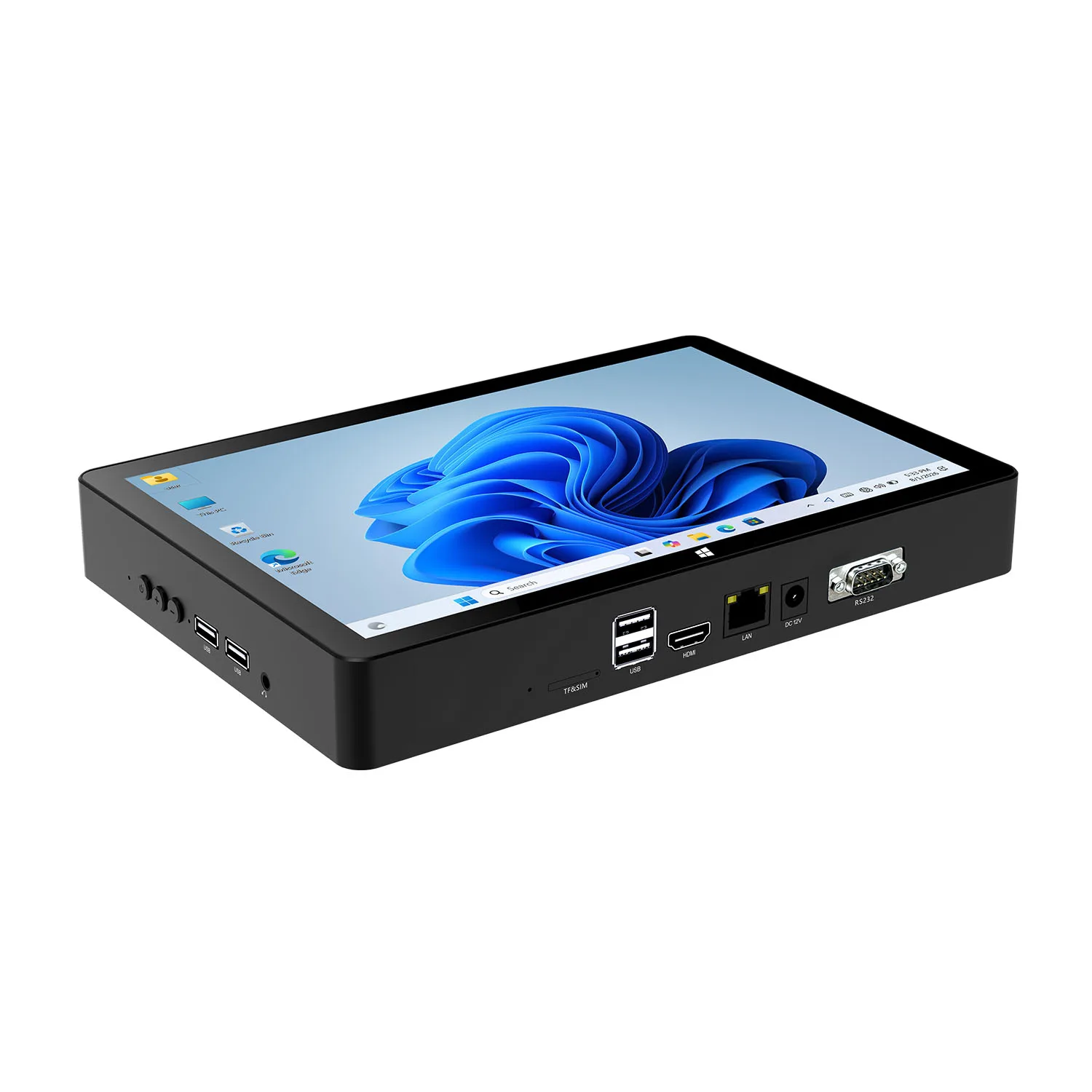
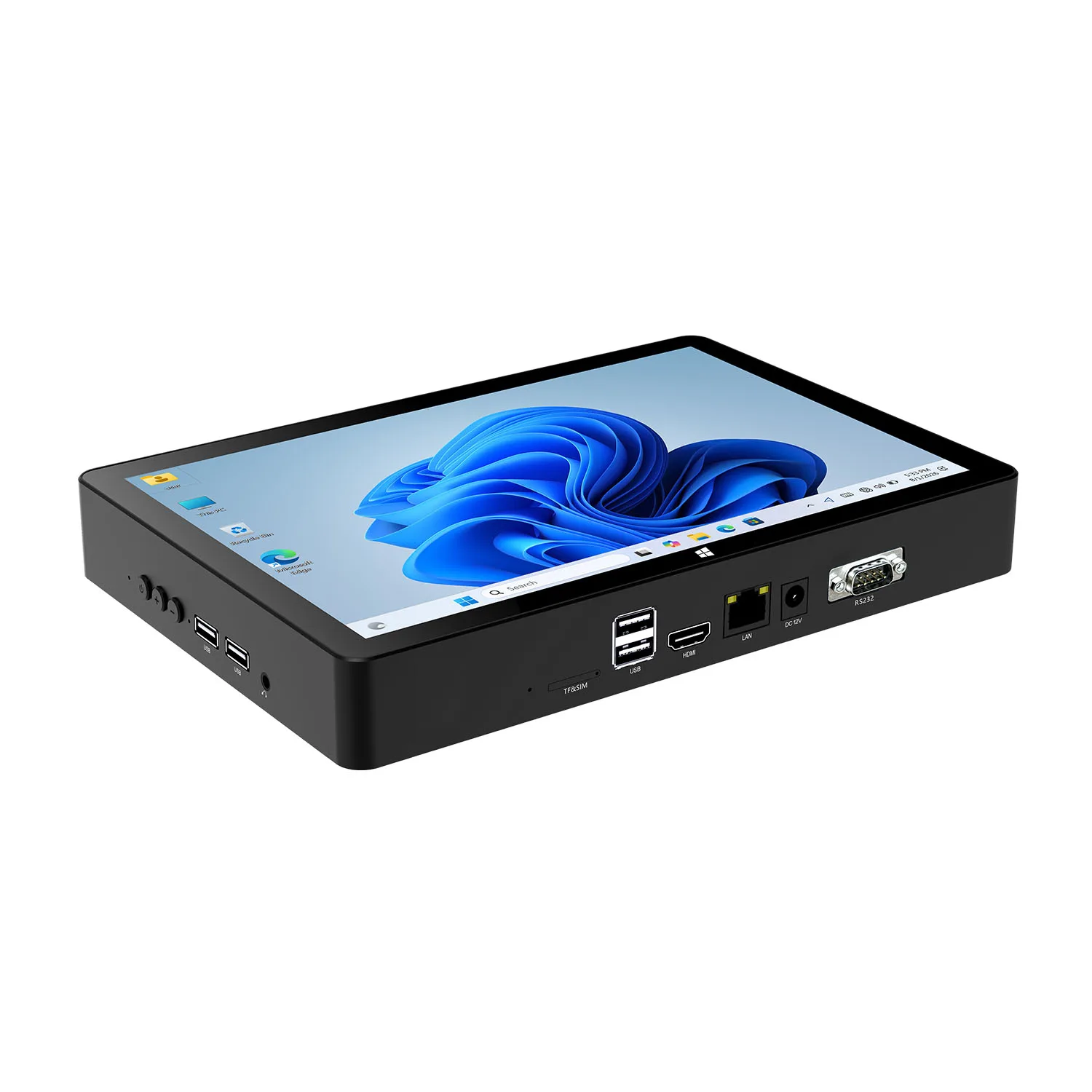
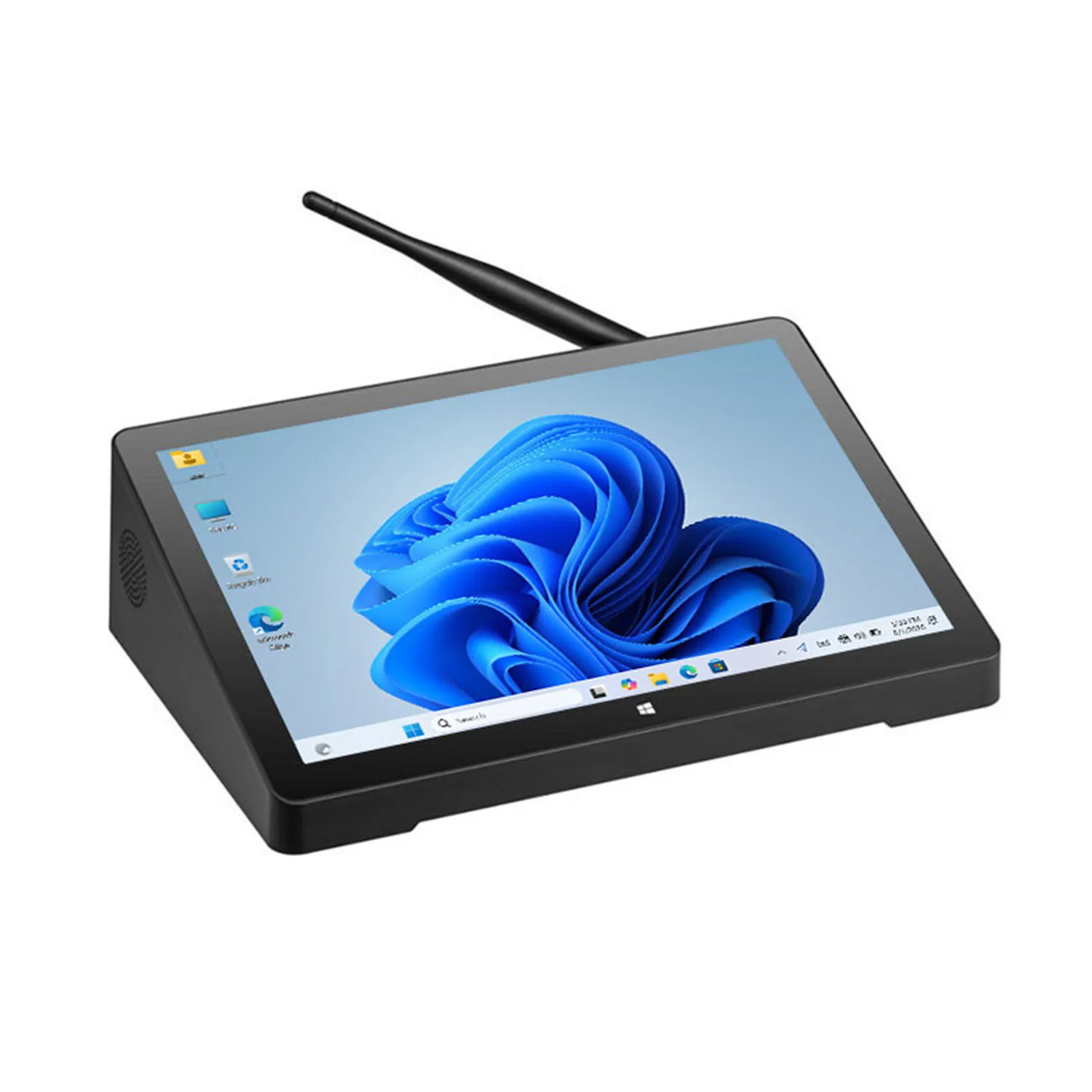
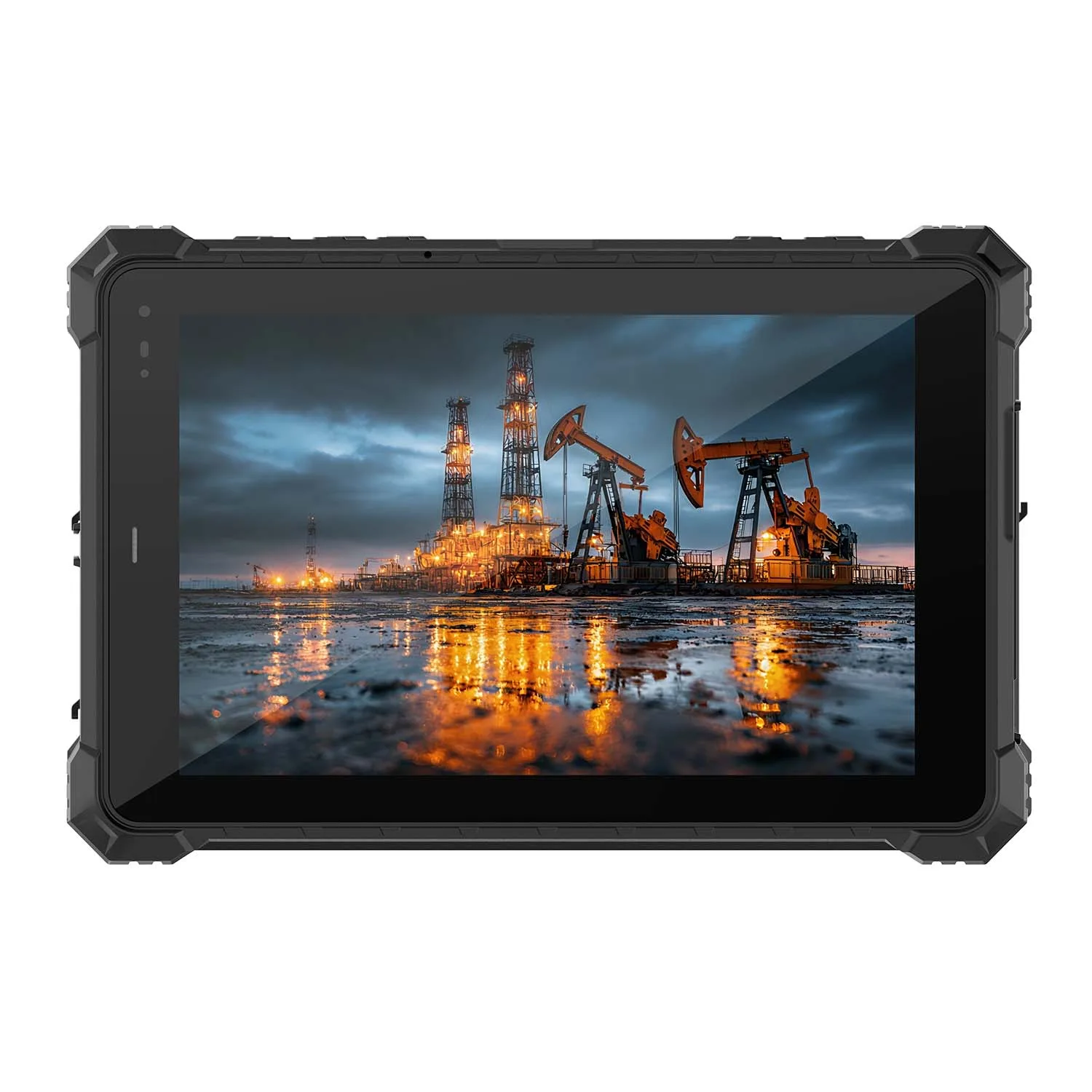
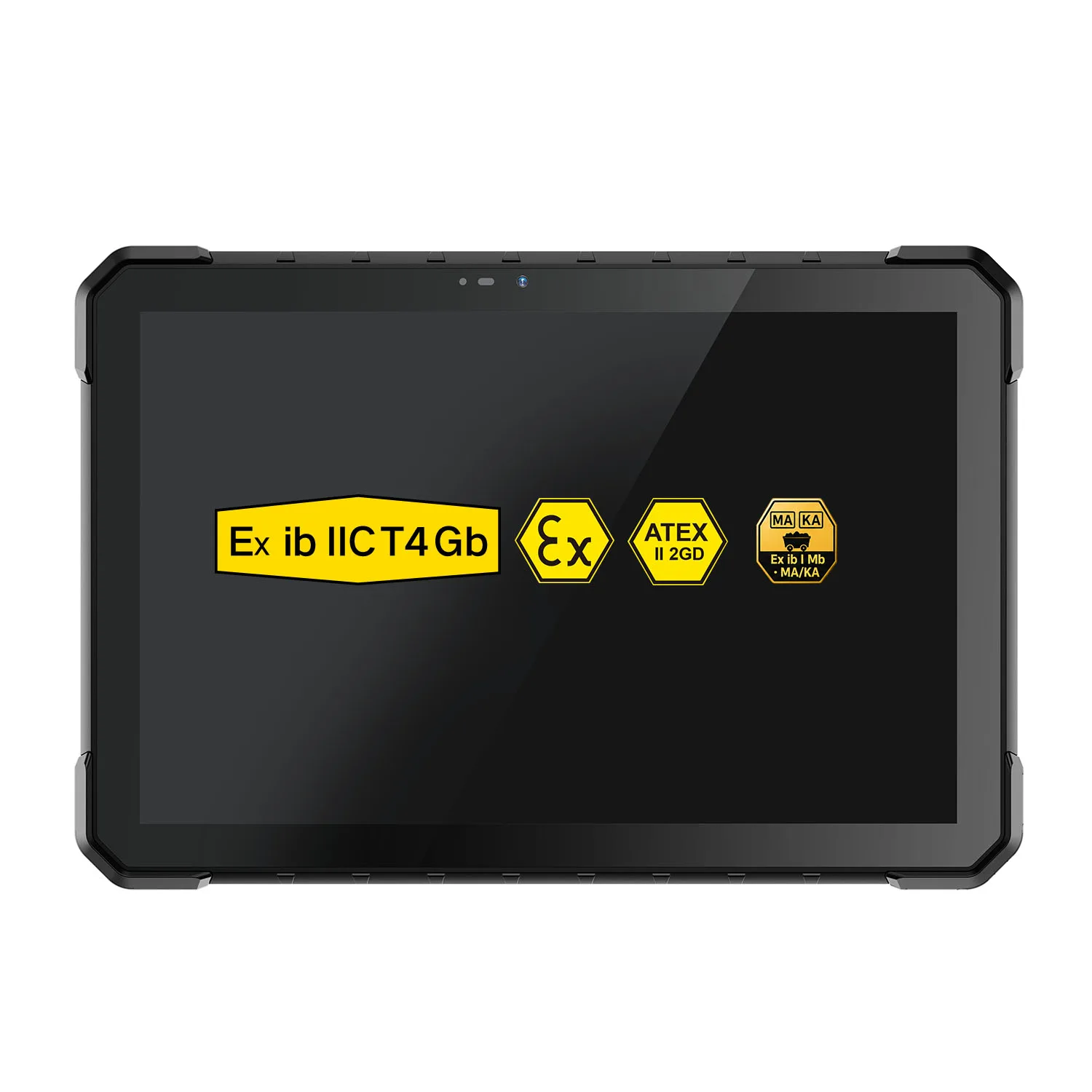
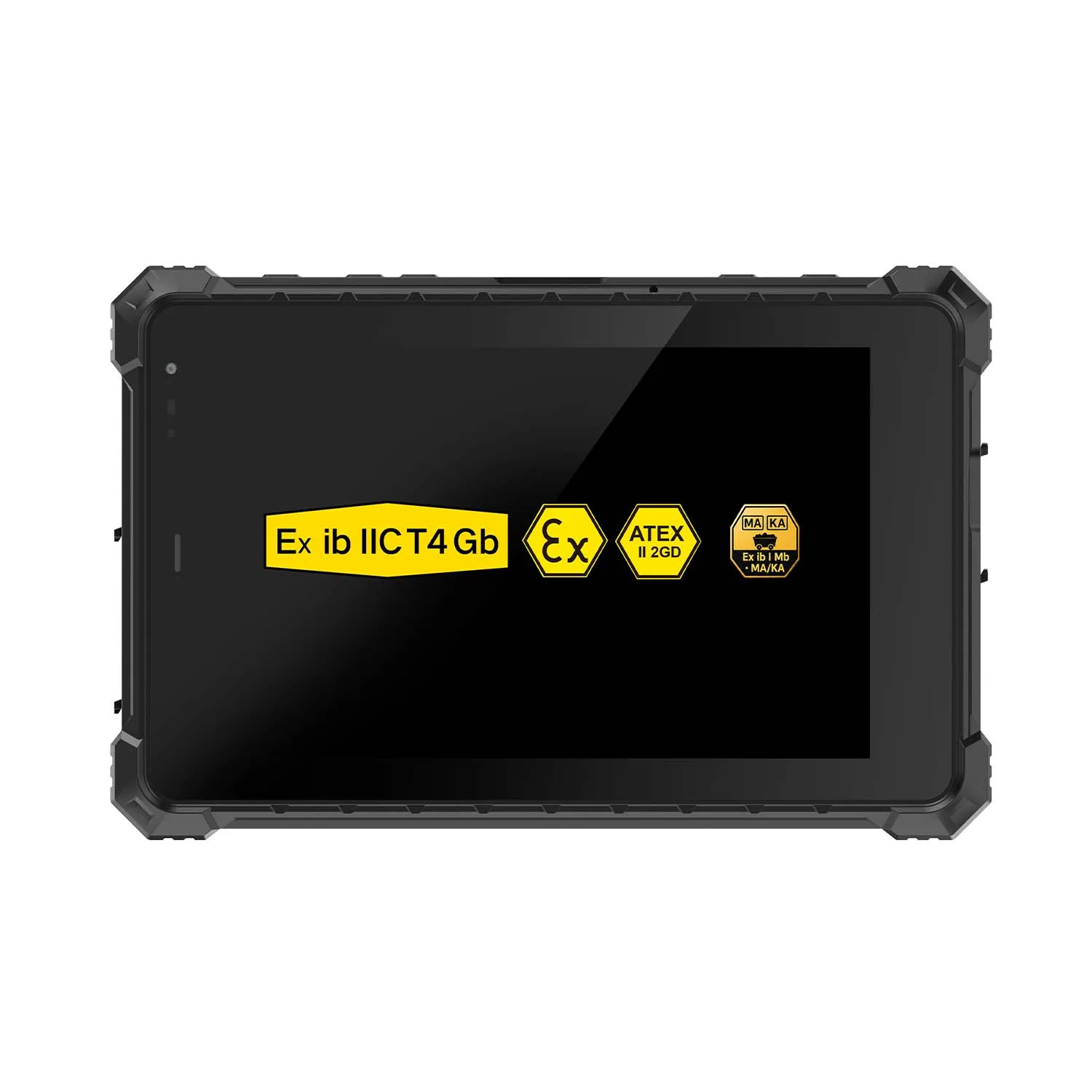
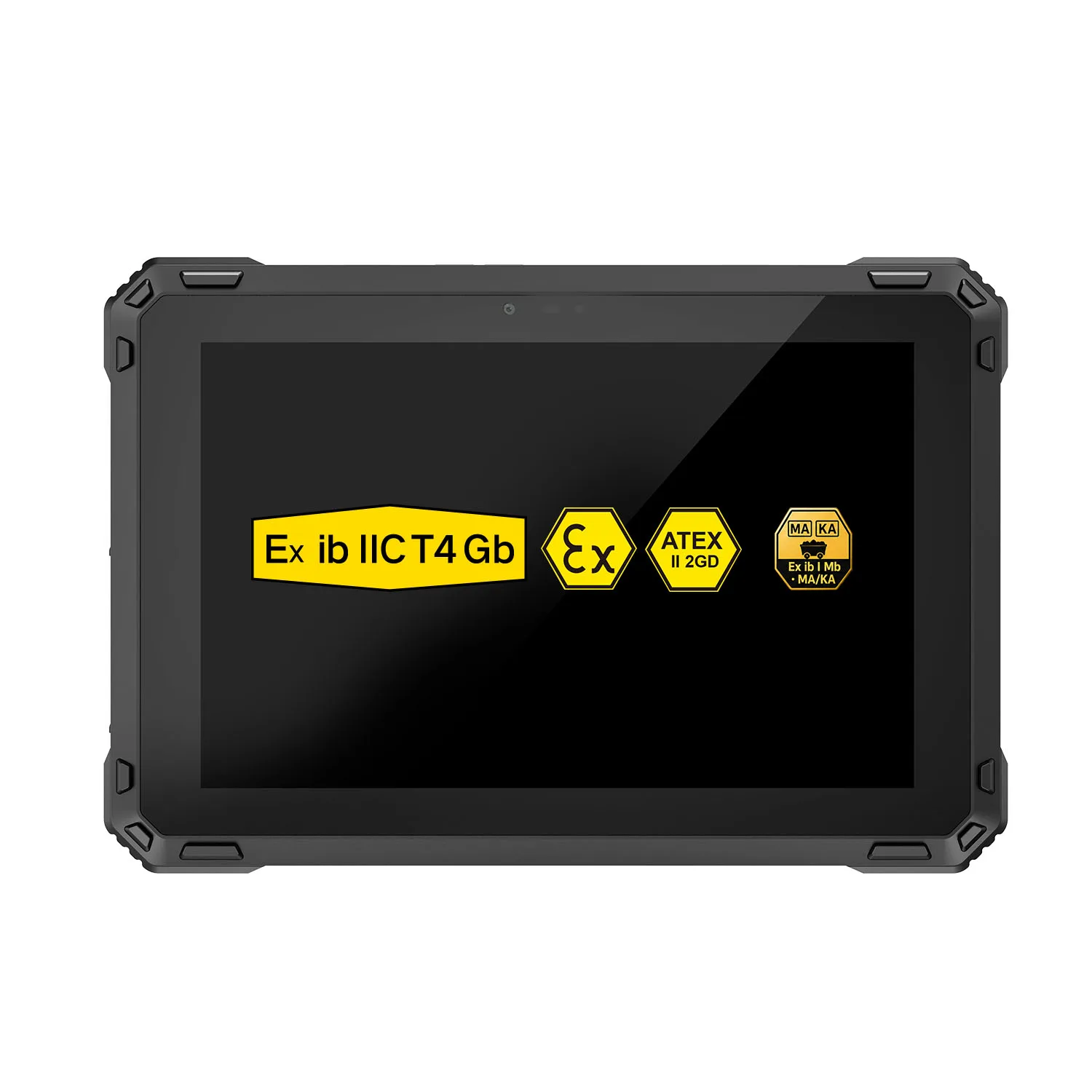
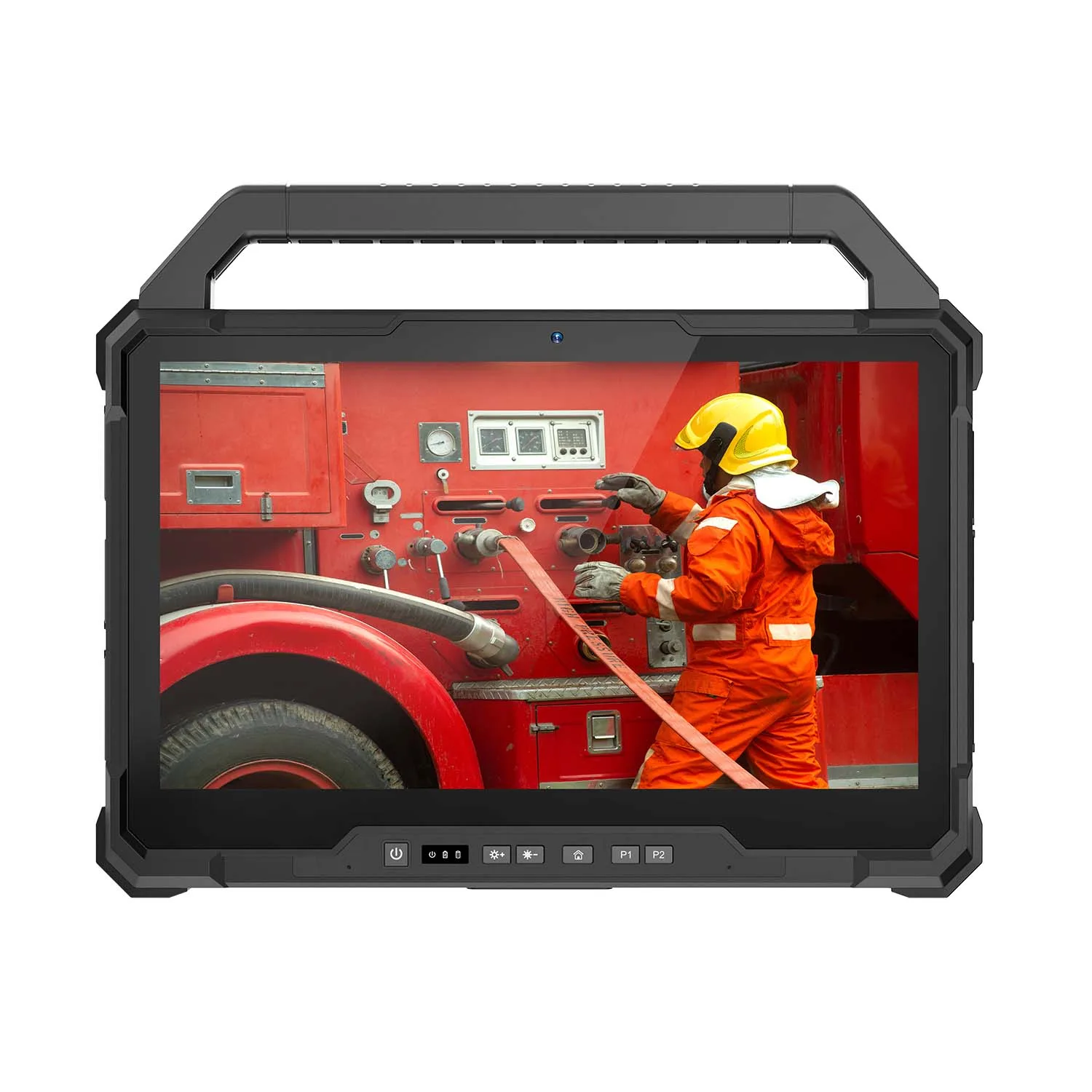
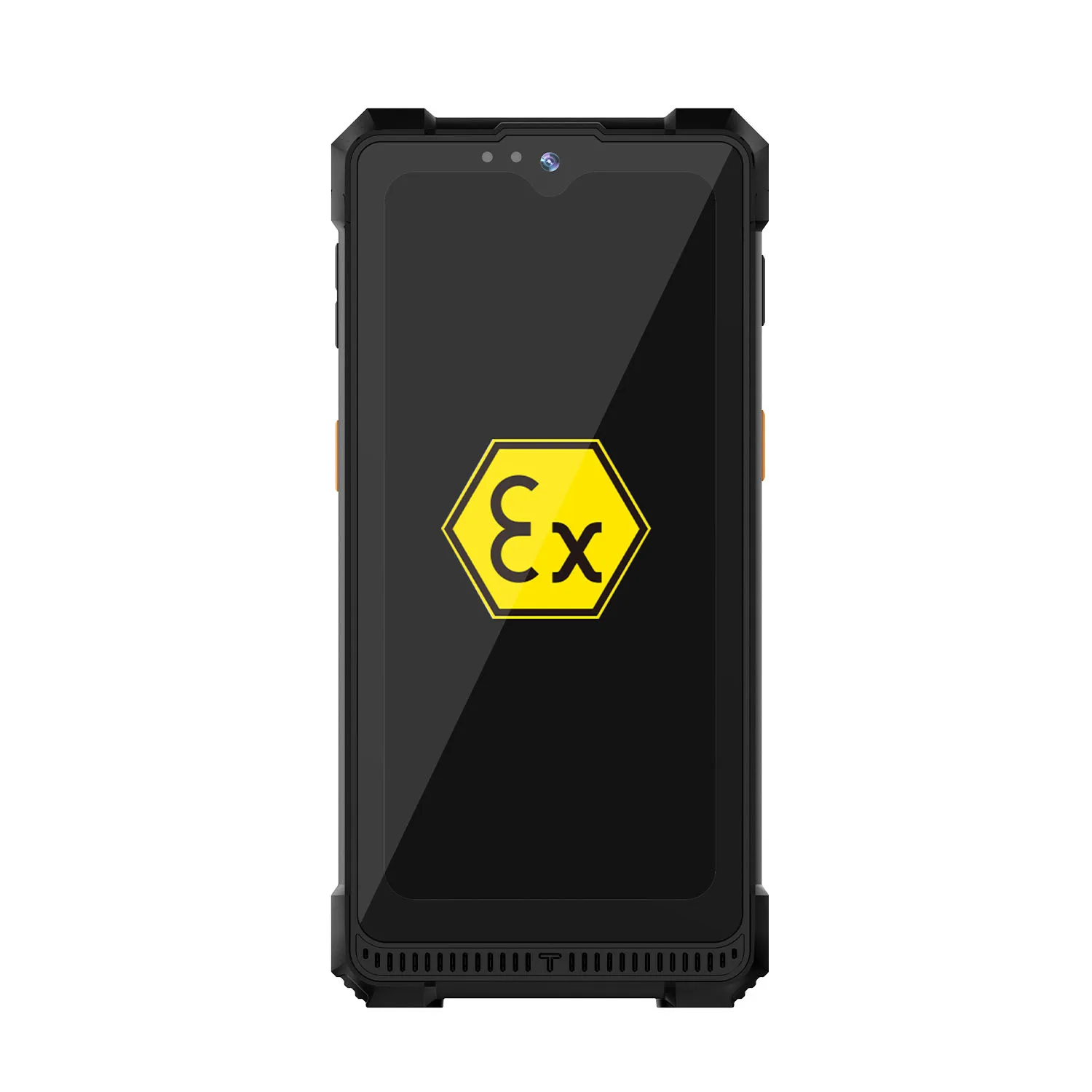
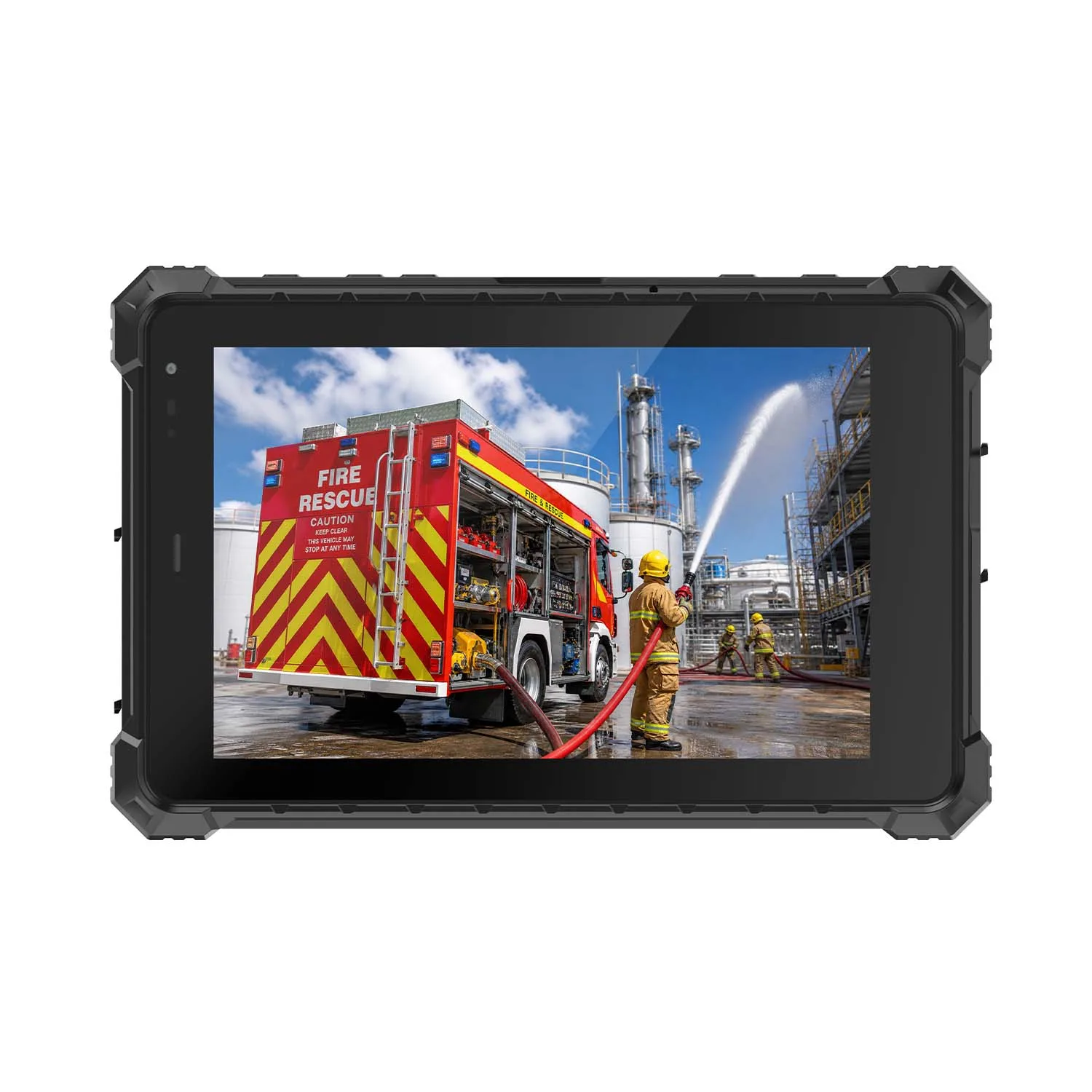






Rugged Tablets for Field Data Collection: Features & Case Studies
Rugged tablets improve field data collection through faster, more accurate entry (barcode/camera capture, real-time sync), fewer errors (GPS geotagging, data validation), lower long-term cost (fewer failures, longer device lifespan), and stronger security (encryption, biometric access control) — all backed by IP67/IP68 durability that standard tablets can't match in outdoor and industrial conditions.
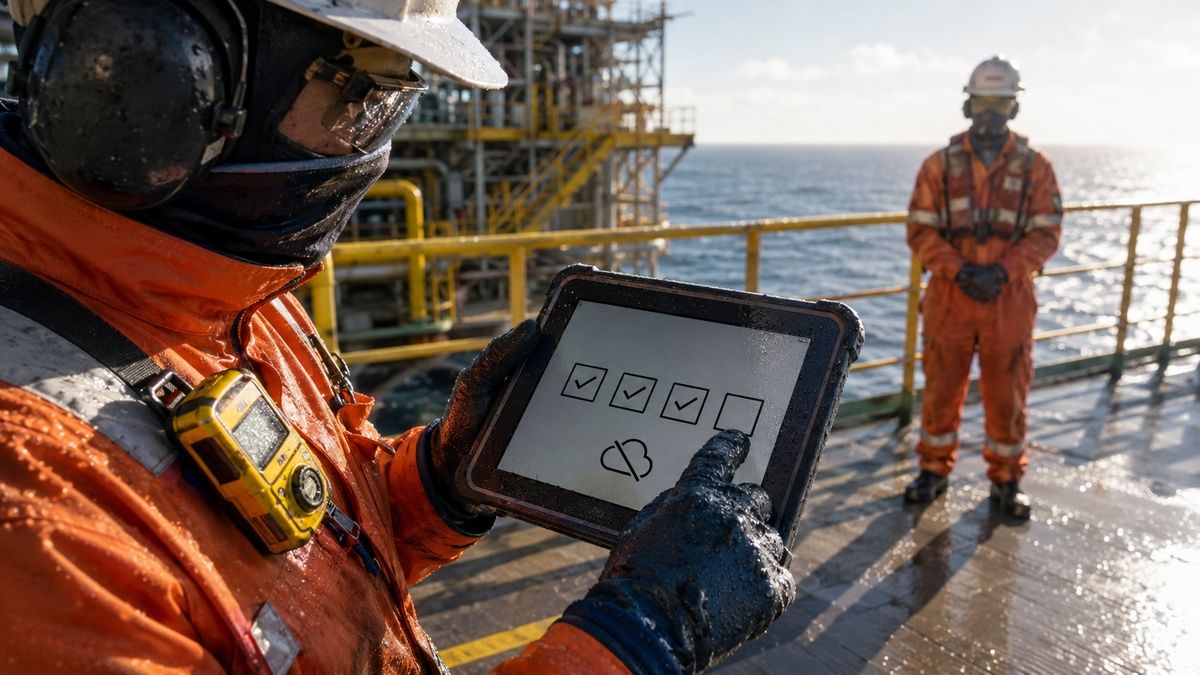
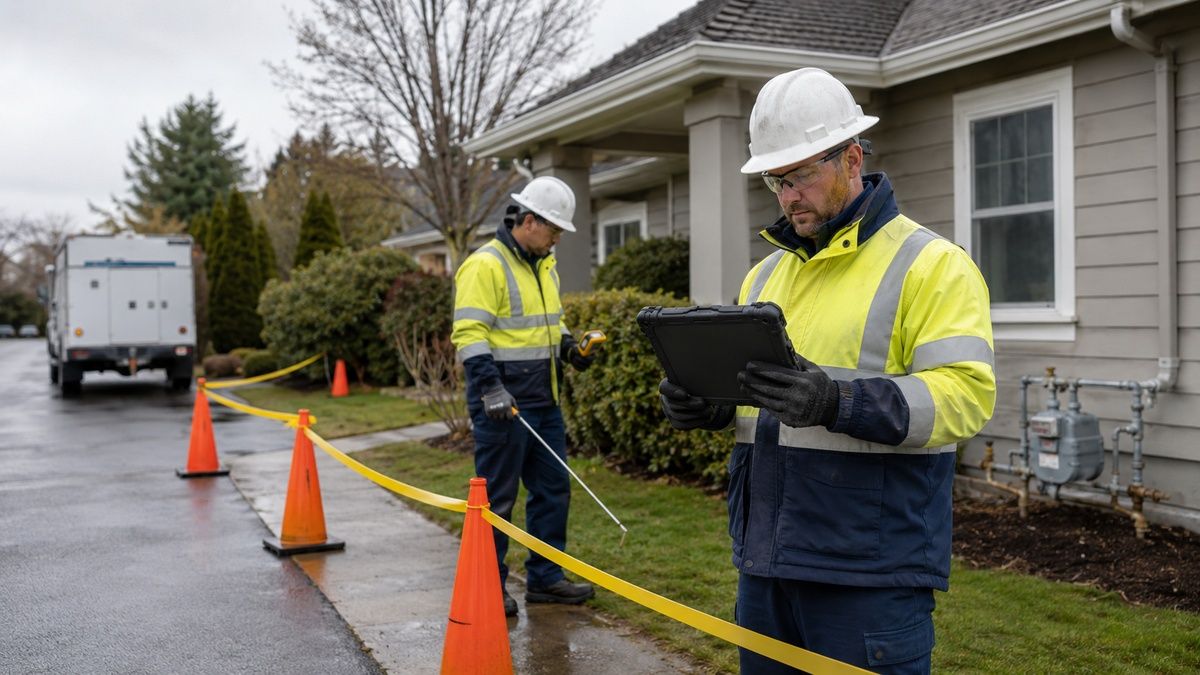
Data collection in the field has become integral to agriculture, construction, environmental research, and public safety alike — and accurate, timely data matters more than ever. Rugged tablets have transformed how this data gets captured and managed in challenging outdoor environments, serving as the reliable backbone of field data collection across industries.
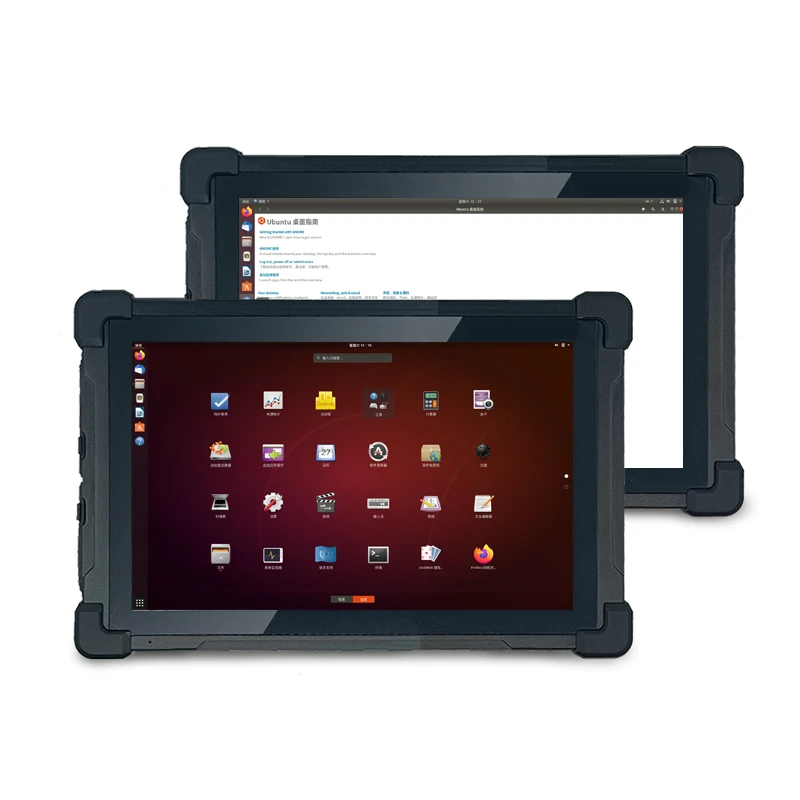
Rugged Tablets for Field Data Collection
Why Use Rugged Tablets for Field Data Collection?
Improved Efficiency
Faster data entry — intuitive touchscreens paired with integrated barcode scanners or cameras make data entry quicker and reduce manual errors.Real-time data access — direct connectivity to centralized databases or cloud systems lets field workers retrieve and upload data on-site, streamlining sharing and decision-making.Field app integration — specialized industry applications run natively on rugged tablets, optimizing specific data collection workflows.Reduced paperwork — digital forms replace paper-based methods, saving time and reducing environmental impact.Data Accuracy
Reducing human error — integrated barcode scanners and automated capture tools minimize manual entry mistakes and improve consistency.GPS and geotagging — built-in multi-GNSS positioning enables accurate location tagging, essential for mapping and asset tracking work.Data validation — tablets can be configured to validate input at the point of entry, reducing the need for later correction.Cost Savings
Reduced downtime — durability and reliability cut device failures and the costly interruptions that come with them.Longer lifespan — rugged tablets last longer than consumer devices, reducing replacement frequency and cost.Lower error-related expenses — fewer data entry errors mean fewer costs tied to correction, investigation, or downstream consequences of inaccurate data.Streamlined workflows — less manual entry means more efficient use of field workers' time overall.Enhanced Security
Encryption and authentication — advanced security features protect sensitive information collected in the field.Environmental resilience — physical durability and water/dust resistance protect data-bearing hardware from environmental damage.Backup and redundancy — automatic data backup reduces the risk of loss from unexpected device incidents.Access control — configurable permissions limit who can view, modify, or transmit collected data.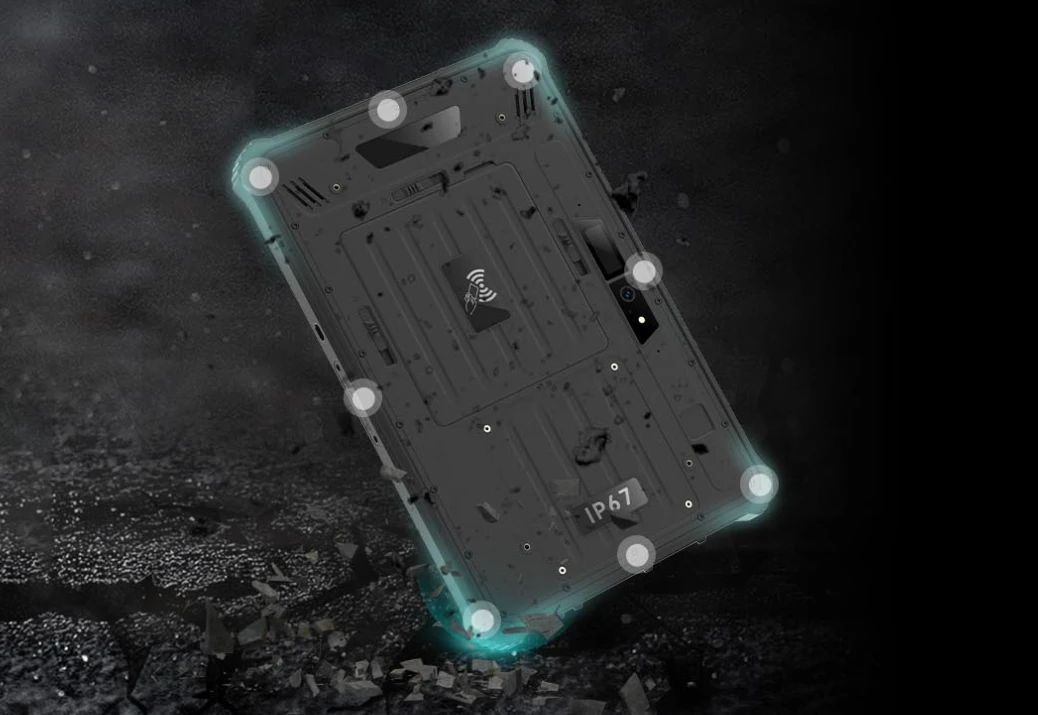
Key Characteristics of a Field Data Collection Rugged Tablet
Durability — built to survive drops, shocks, and vibration, typically tested against MIL-STD-810-class standards.
Water and dust resistance — sealed to a specific IP rating (IP67 or IP68), essential for rain, moisture, and dusty fieldwork.
Sunlight readability — high-brightness, anti-glare displays keep screens visible outdoors.
Long battery life — extended runtime supports full-day fieldwork away from charging access.
Connectivity options — Wi-Fi, cellular, Bluetooth, and multi-GNSS positioning keep data flowing even in remote locations.
Integrated scanners and cameras — built-in barcode scanning and quality cameras speed up data capture and cataloging.
OS flexibility — Windows, Android, or other platform options let you match existing software and workflows.
Processing power and storage — capable processors, ample RAM, and expandable storage support data-intensive applications.
Accessories and customization — hand straps, carrying cases, and vehicle mounts adapt the same device to different fieldwork scenarios.
Security features — encryption, biometric authentication, and remote device management protect sensitive collected data.
Applications: Identity Verification in the Field
Healthcare Testing and Records
A hospital used a CENAVA rugged tablet with ID card recognition to collect patient data during testing programs, enabling fast, accurate identity confirmation and reliable data comparison across repeat visits. Compared to manual recording, this approach permanently saves data while keeping collection and data entry nearly simultaneous — cutting processing time and improving efficiency. The same identity-verification approach applies well beyond any single historical use case — clinics, vaccination programs, and any healthcare setting needing fast, accurate patient identification benefit from the same core capability.Transit Access Control
A transit operator equipped staff with CENAVA rugged tablets featuring fingerprint recognition, ID card recognition, and NFC modules to support rapid identity verification for personnel and passengers moving through checkpoints — cross-referencing identity against relevant records in real time. This same combination of modules applies to any access-control scenario needing fast, accurate identity checks: large events, secure facilities, or transit systems generally.Both examples share the same underlying need: rapid, accurate data collection and identity verification, backed by modules — ID card recognition, fingerprint, NFC, and 1D/2D code recognition — purpose-built for speed without sacrificing accuracy.CENAVA's Current Field Data Collection Tablet: A10ST
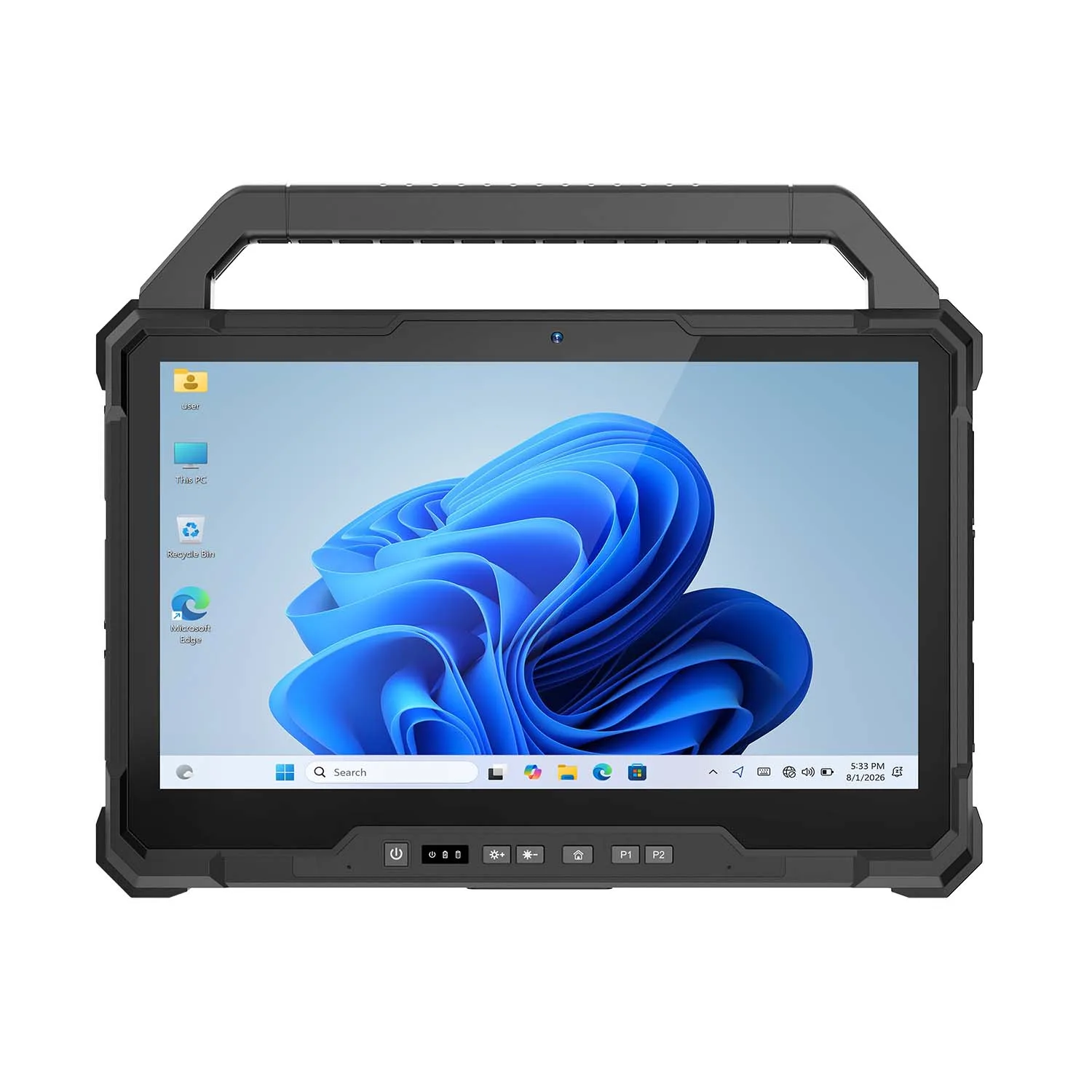
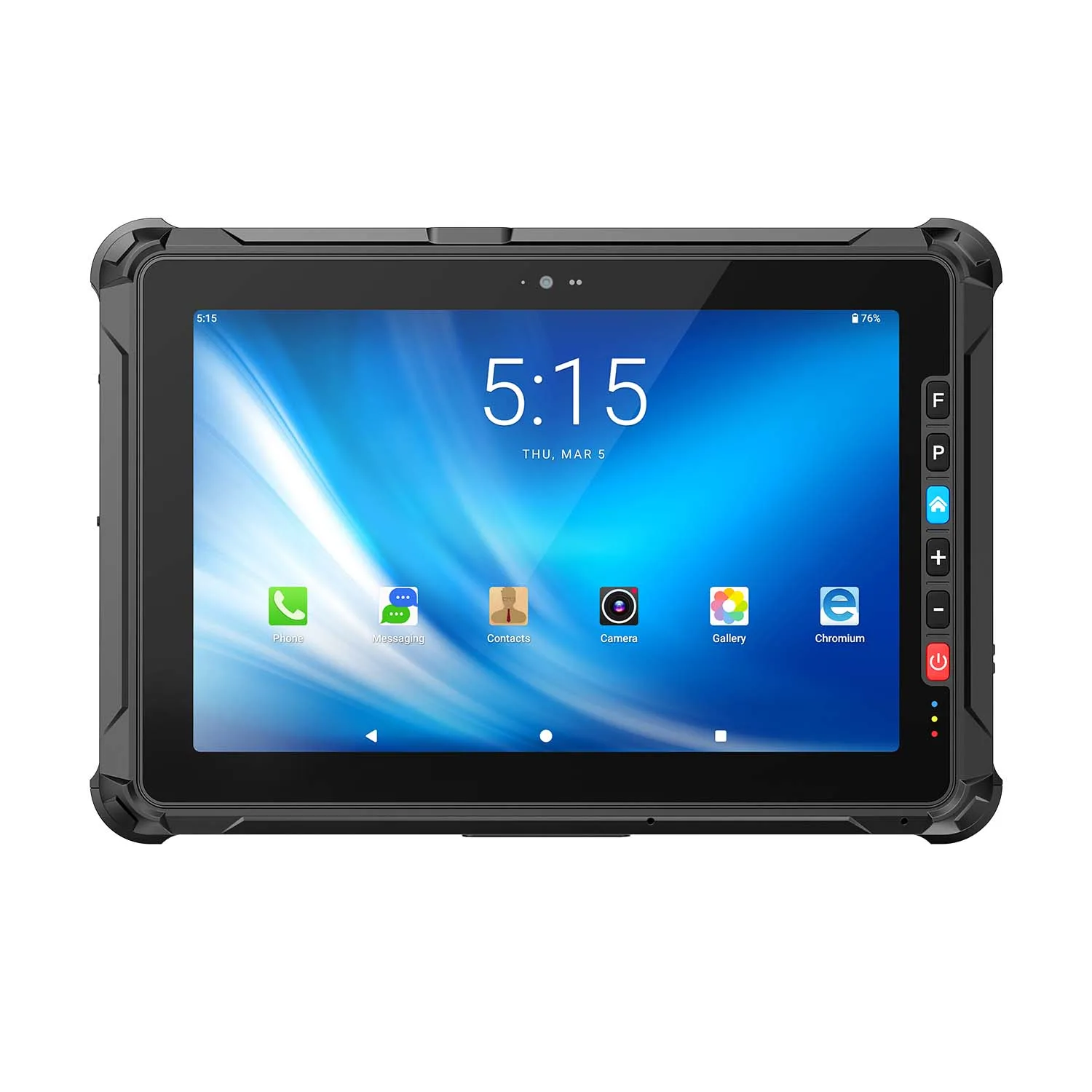
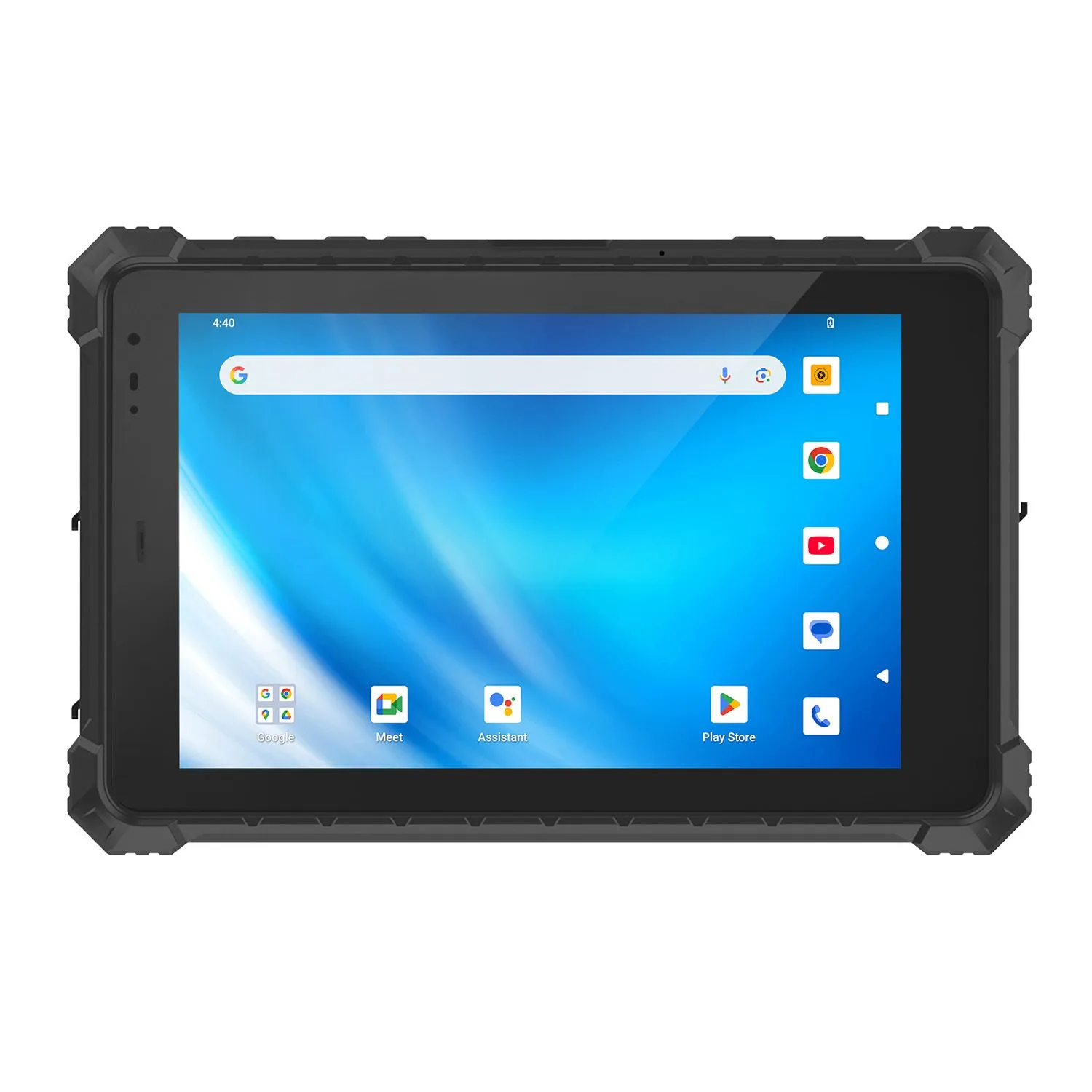
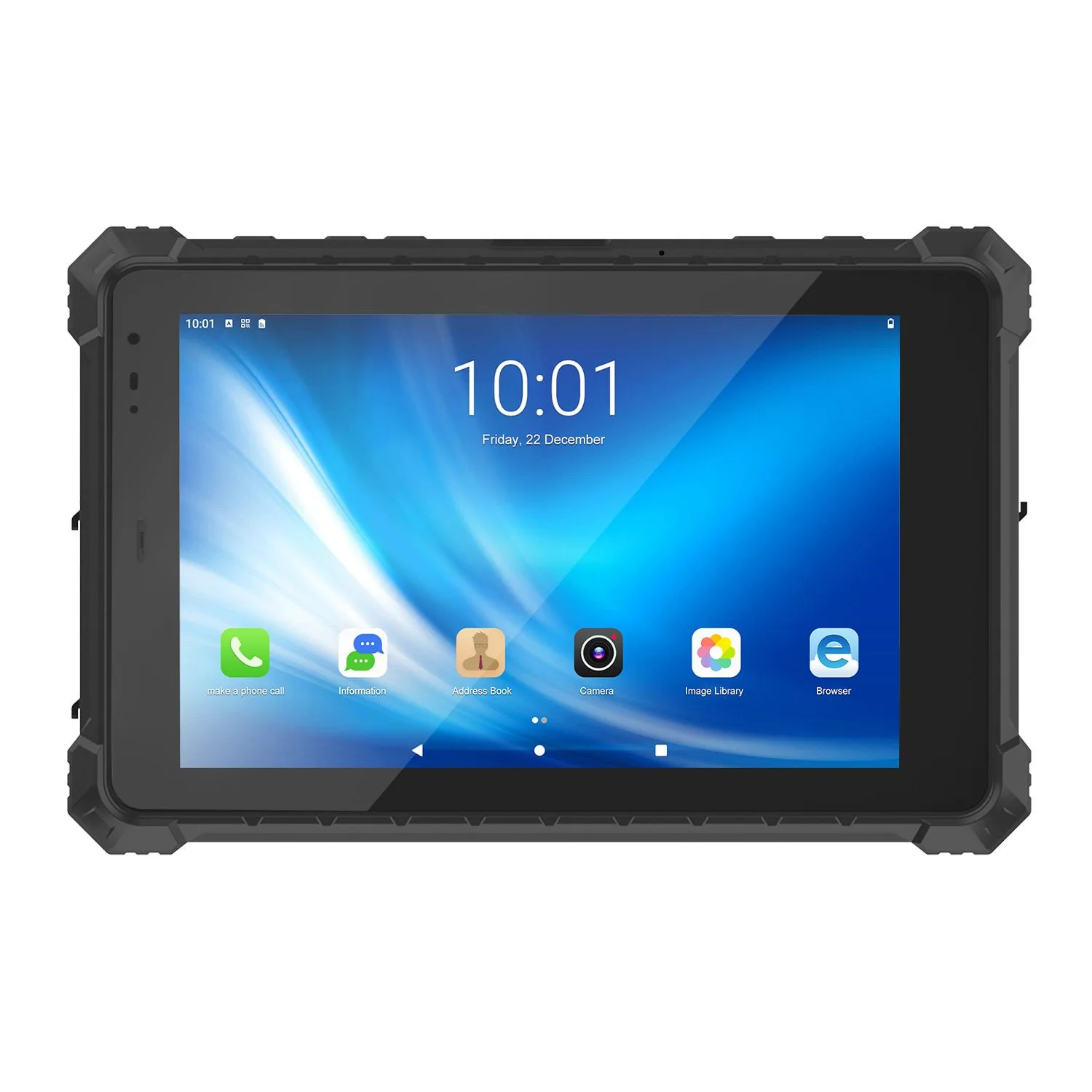
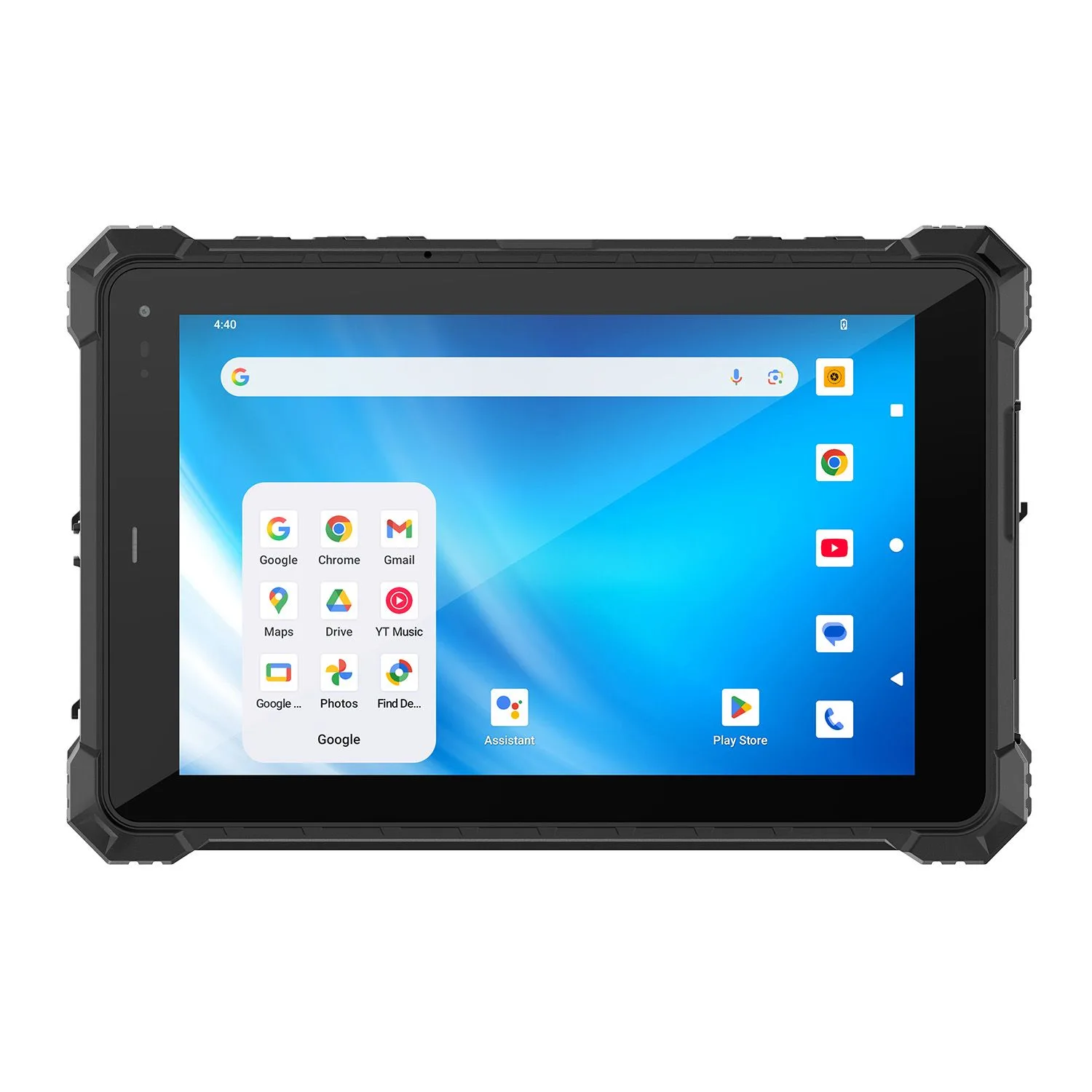
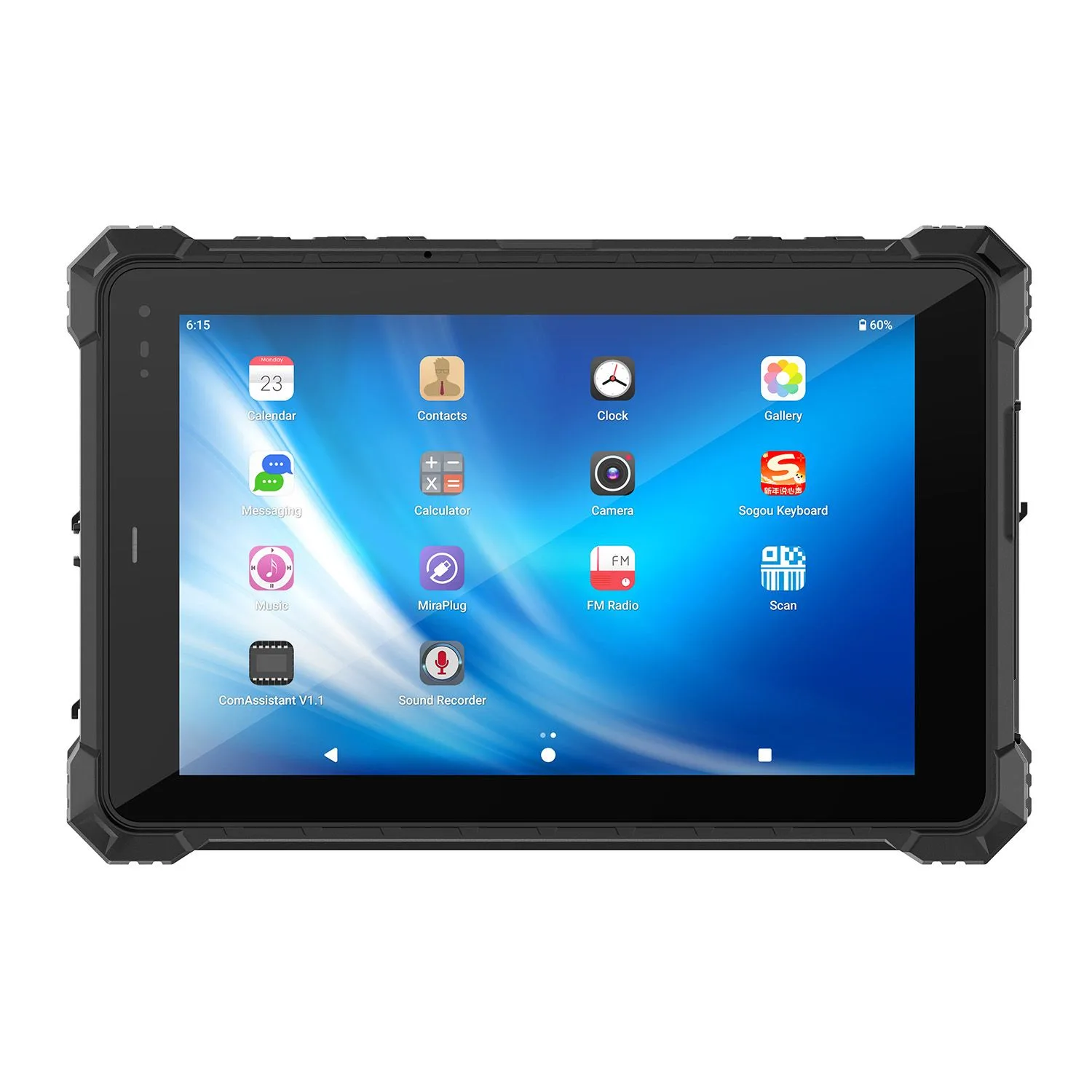
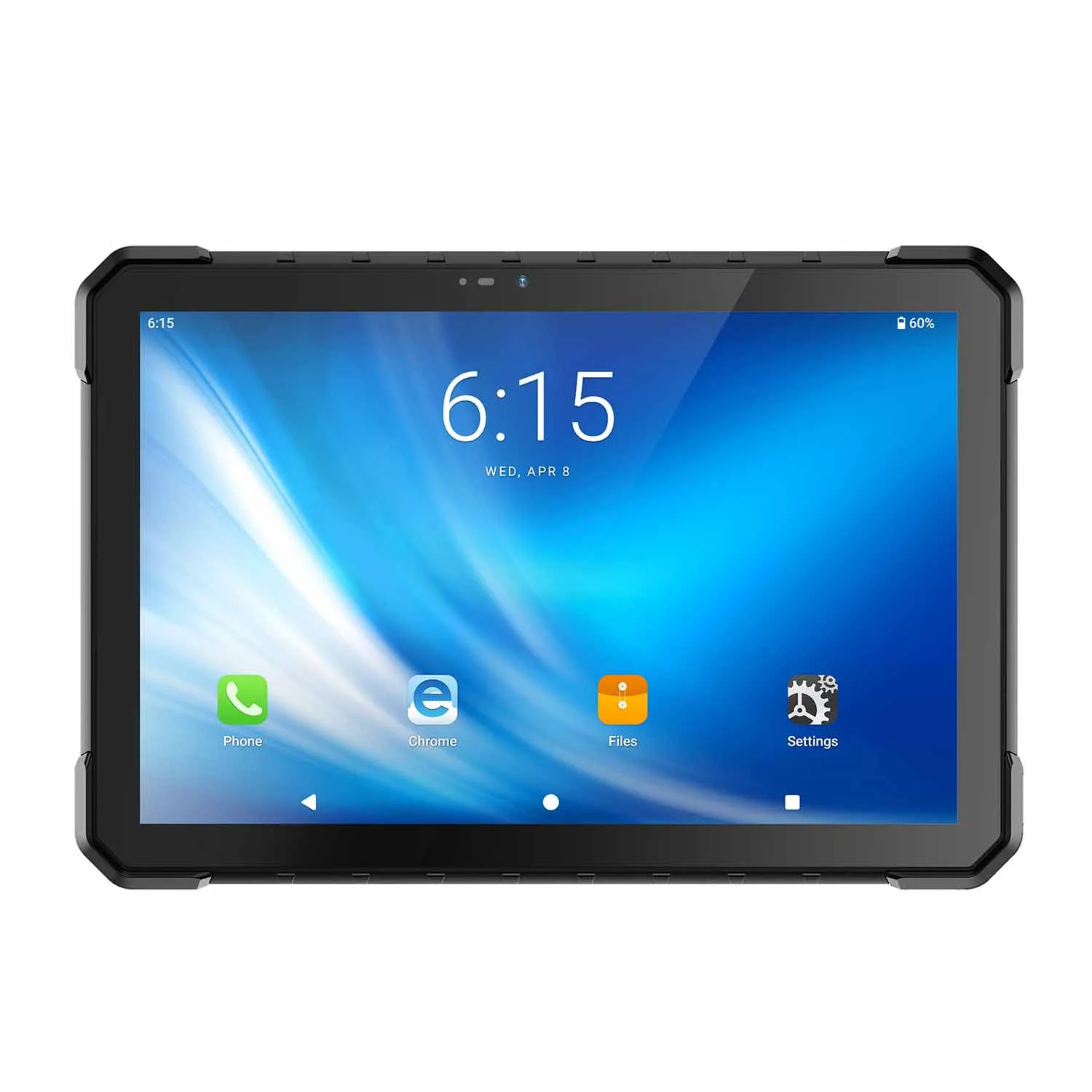
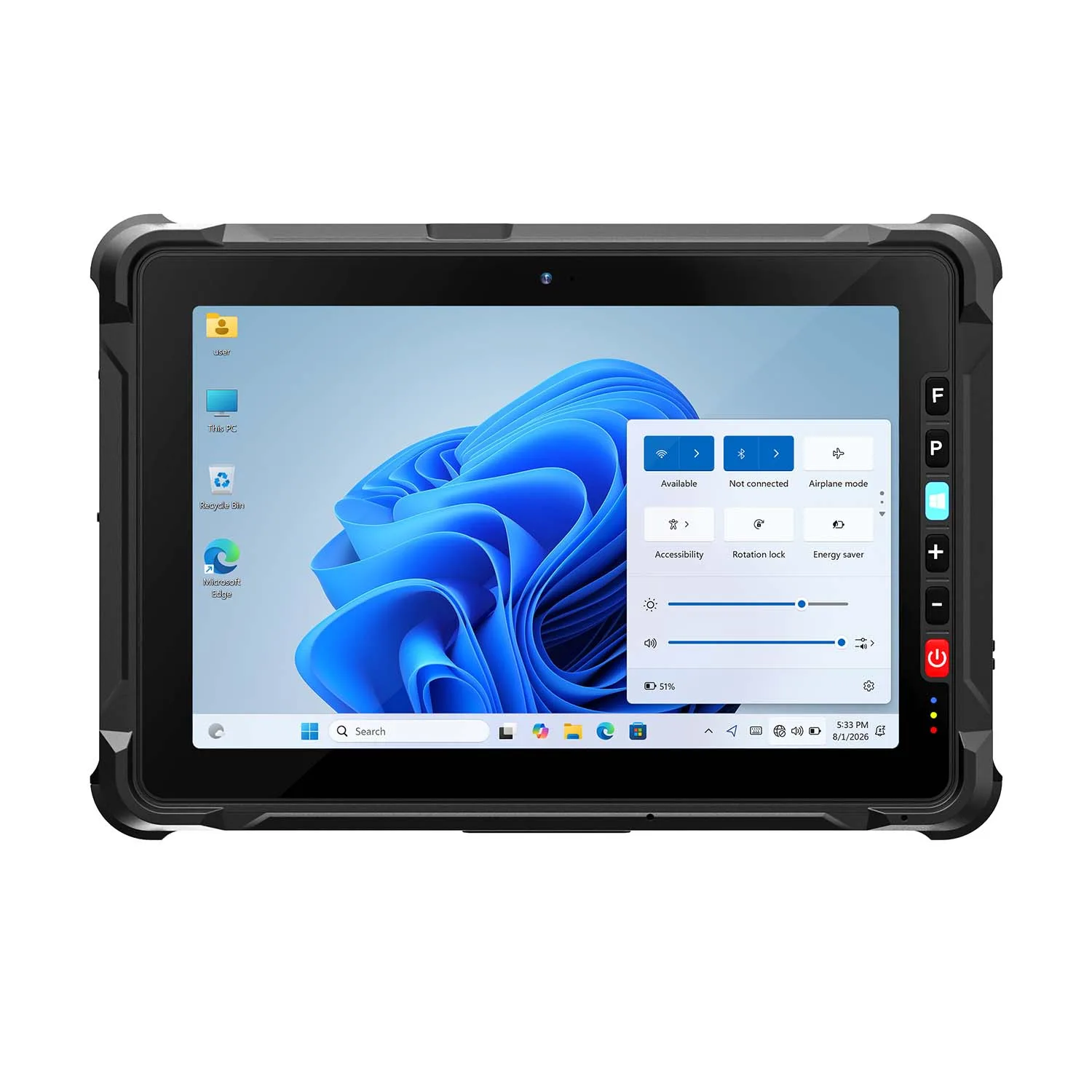
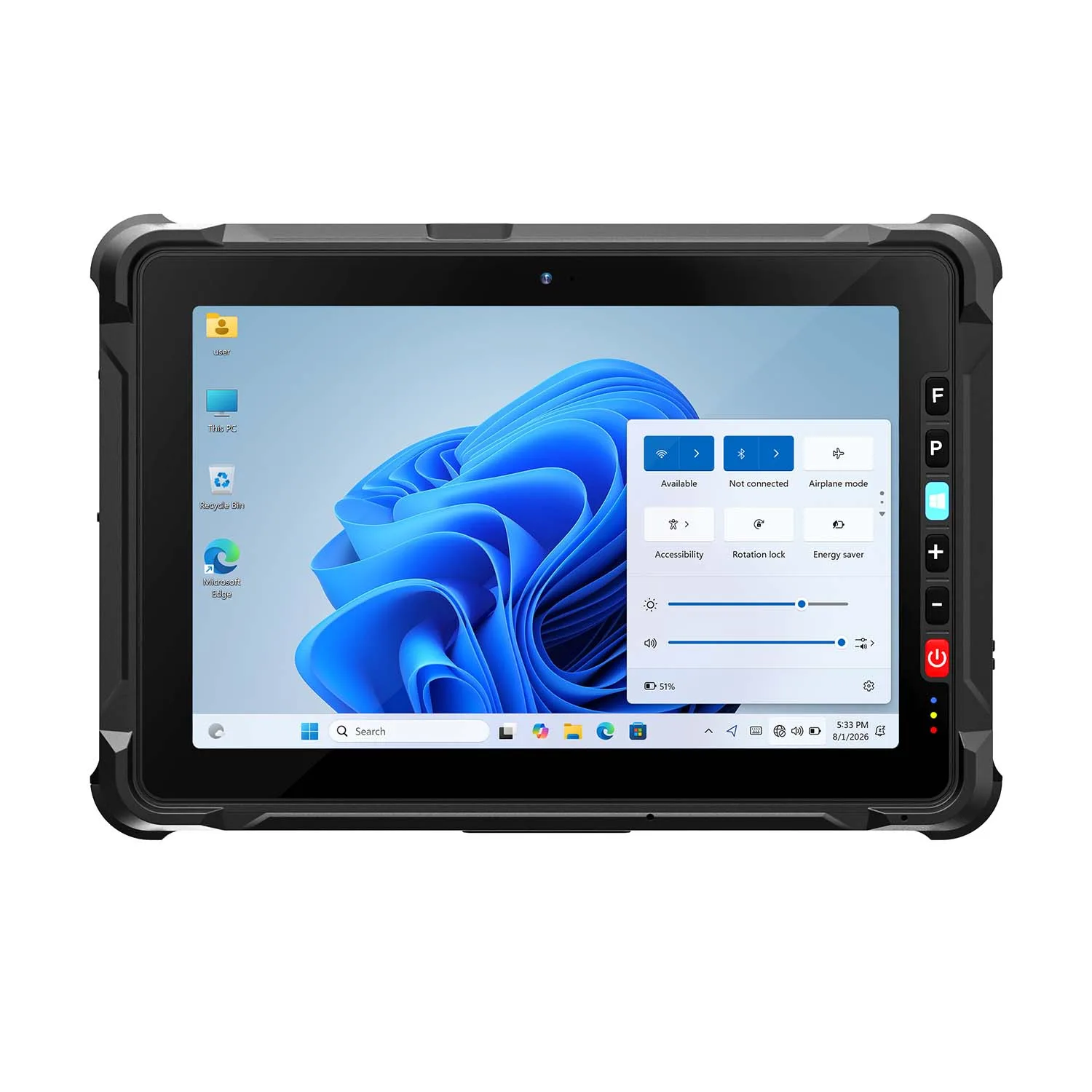
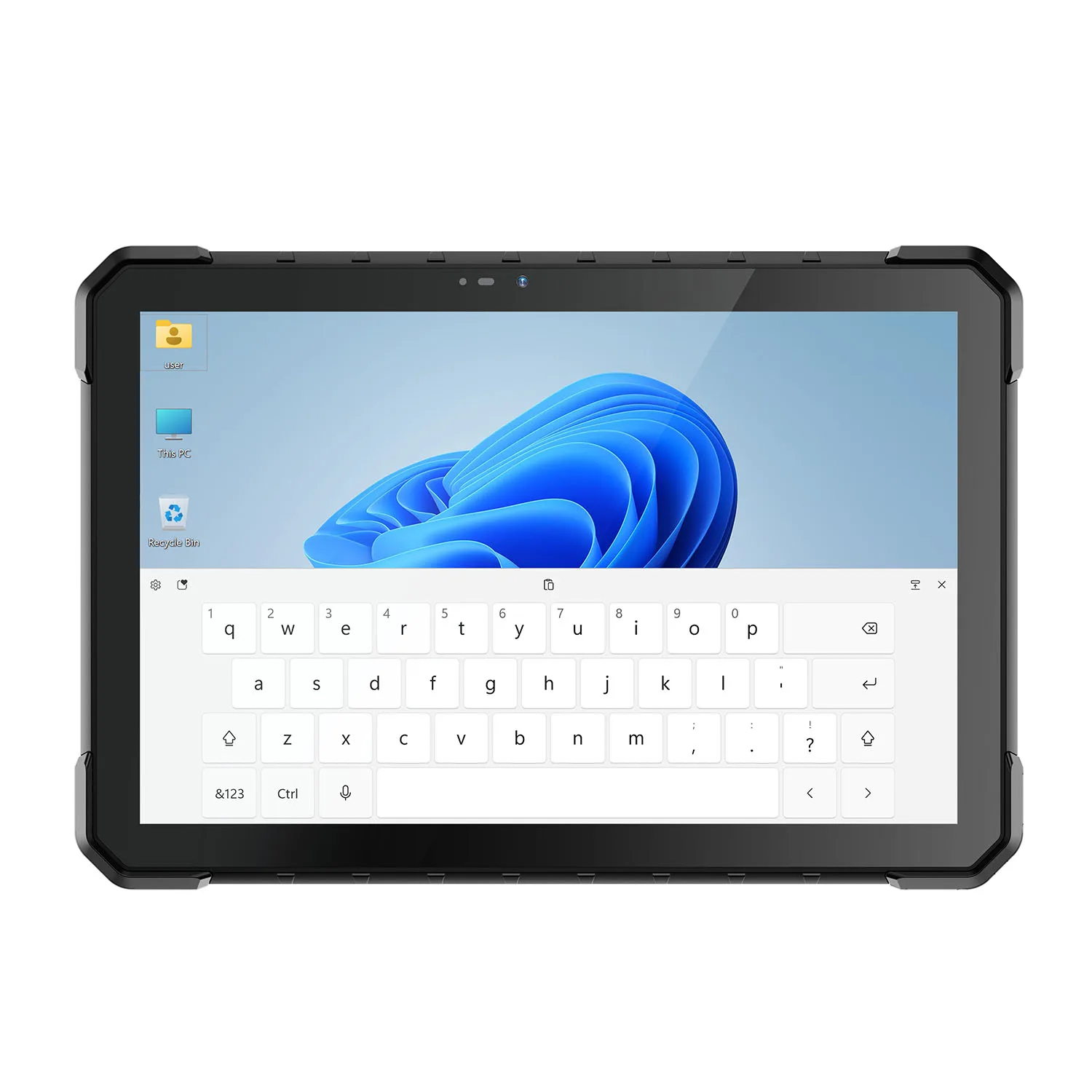
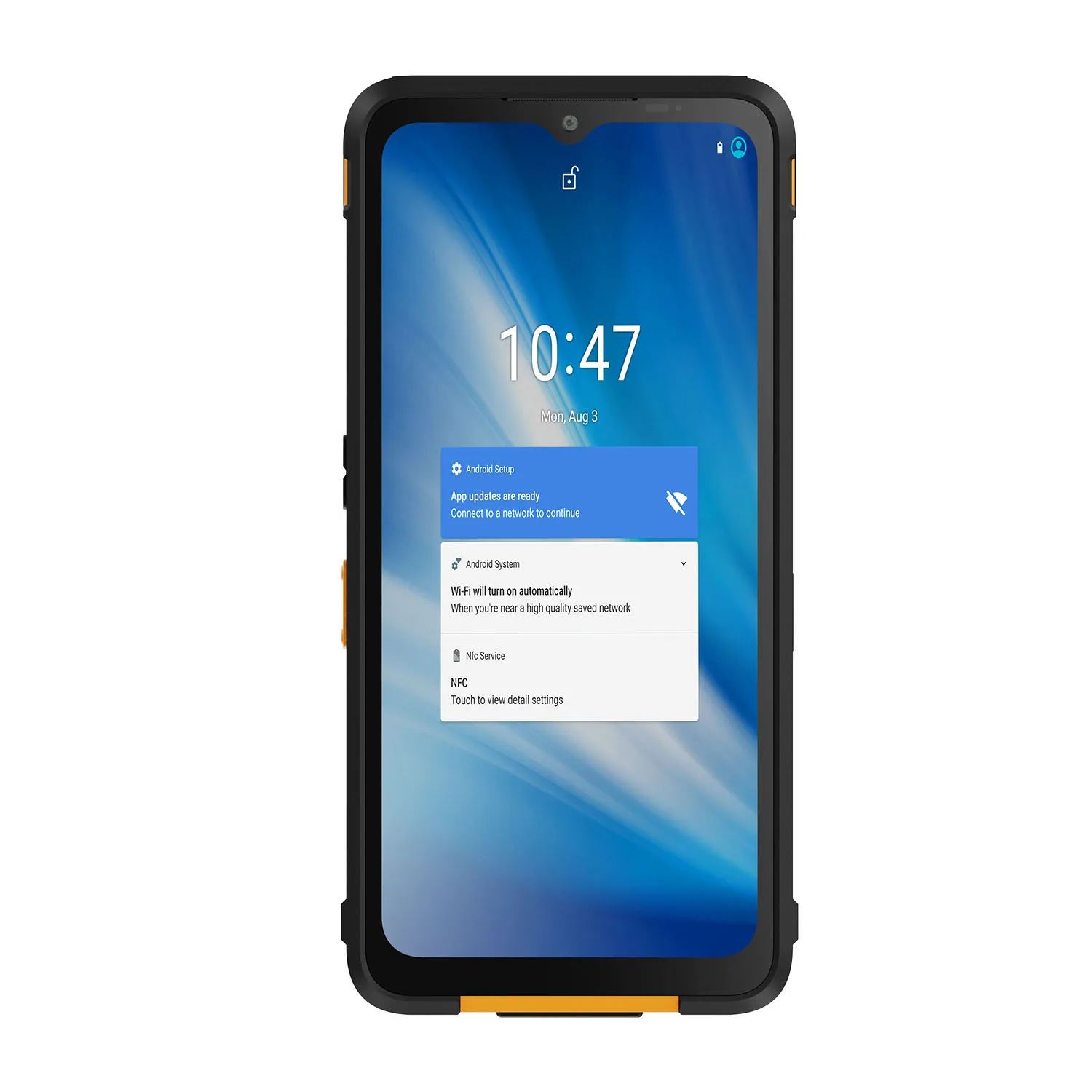
The A10ST brings together the characteristics field data collection needs:Protection: IP68, MIL-STD-810H
Positioning: GPS, BeiDou, Galileo, GLONASS, with optional RTK for centimeter-level geotagging accuracy
Modules: Fingerprint (3 certification tiers), ID card recognition (with photo display), NFC, 1D/2D barcode scanning, UHF/HF RFID
Connectivity: 4G LTE, Wi-Fi 5, Bluetooth 5.2
Battery: 10,000mAh (20,000mAh custom option)
Note: this article originally referenced a W10ZH product page that no longer resolves on CENAVA's site — the A10ST above is the confirmed current equivalent for field data collection needs.Why Choose CENAVA for Field Data Collection Technology?
The goal of smart data collection tools is straightforward: turn tasks that once took hours into minutes or seconds. CENAVA selects module partners specifically for fast, accurate recognition speed and long service life suited to sustained field operation, so the resulting rugged tablet experience holds up under real, repeated daily use — not just in a spec sheet.CENAVA is a professional rugged tablet manufacturer with 18 years of R&D experience and 700+ enterprise clients worldwide, providing customizable field data collection solutions across healthcare, transit, logistics, and broader industrial applications.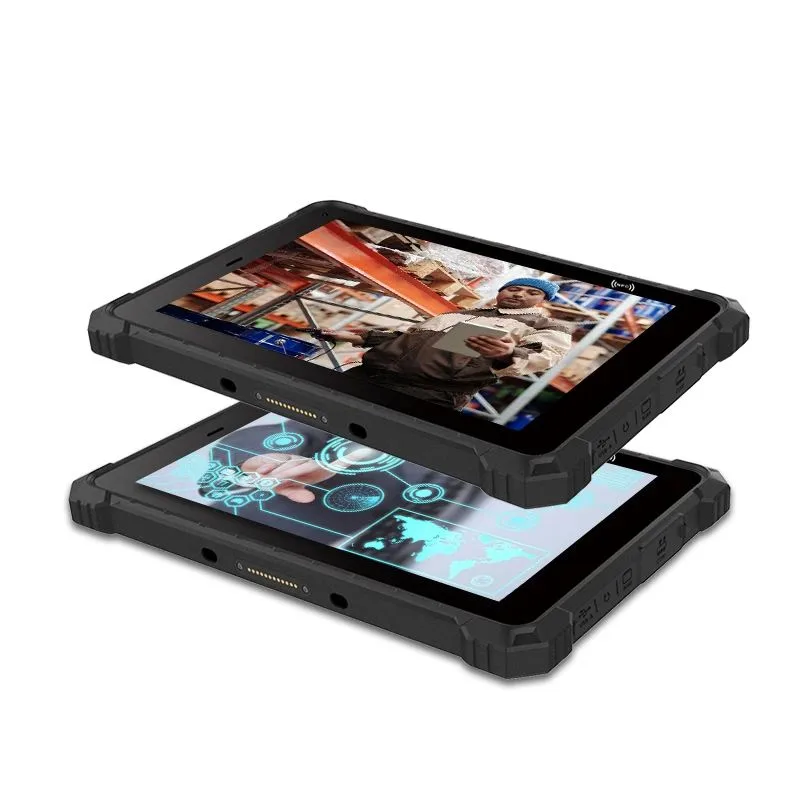
Frequently Asked Questions
1. What IP rating should a field data collection tablet have?IP67 or IP68 are the standard ratings for genuine field durability — IP68 offers additional margin for water exposure beyond IP67; match the rating to your actual field conditions.2. How does GPS geotagging improve field data accuracy?
Built-in multi-GNSS positioning (GPS, BeiDou, Galileo, GLONASS) tags collected data with accurate location information automatically, which matters for mapping, asset tracking, and location-based reporting — CENAVA's A10ST adds an optional RTK module for centimeter-level precision.3. Can a rugged tablet reduce data entry errors?
Yes — integrated barcode scanners, cameras, and configurable data validation reduce manual entry mistakes compared to paper-based or unaided manual data entry.4. What identity-verification modules are available for field data collection?
CENAVA's A10ST offers fingerprint recognition (in three certification tiers), ID card recognition with photo display, NFC, and barcode/QR scanning — configurable individually or in combination.5. How does device durability translate into cost savings?
Rugged, IP-rated hardware reduces device failures and downtime, extends replacement cycles compared to consumer tablets, and lowers the costs associated with correcting or investigating data entry errors.6. Can CENAVA customize a tablet for a specific field data collection workflow?
Yes — as an OEM/ODM manufacturer, CENAVA configures modules, connectivity, and positioning accuracy to match specific field data collection requirements; contact CENAVA sales to scope your project.
Conclusion
Effective field data collection depends on hardware that combines speed, accuracy, and genuine durability — and rugged tablets deliver on all three where consumer devices fall short. From healthcare identity verification to transit access control, CENAVA's current A10ST brings certified durability, precise positioning, and configurable identity-verification modules to field data collection work across industries.Need a Rugged Device for Your Project?
Tell us your operating environment and requirements — our engineers will recommend a configuration and quote within 24 hours.
Get a Free Quote Back to Blog