





NTN Satellite Technology for Rugged Tablets: What It Is and What's Coming
NTN uses satellites and high-altitude platforms to provide data links where terrestrial towers do not exist. For a rugged tablet, that means the device can transmit a sensor reading or a geolocation fix from a mountain survey point or an offshore platform without waiting for cellular coverage.
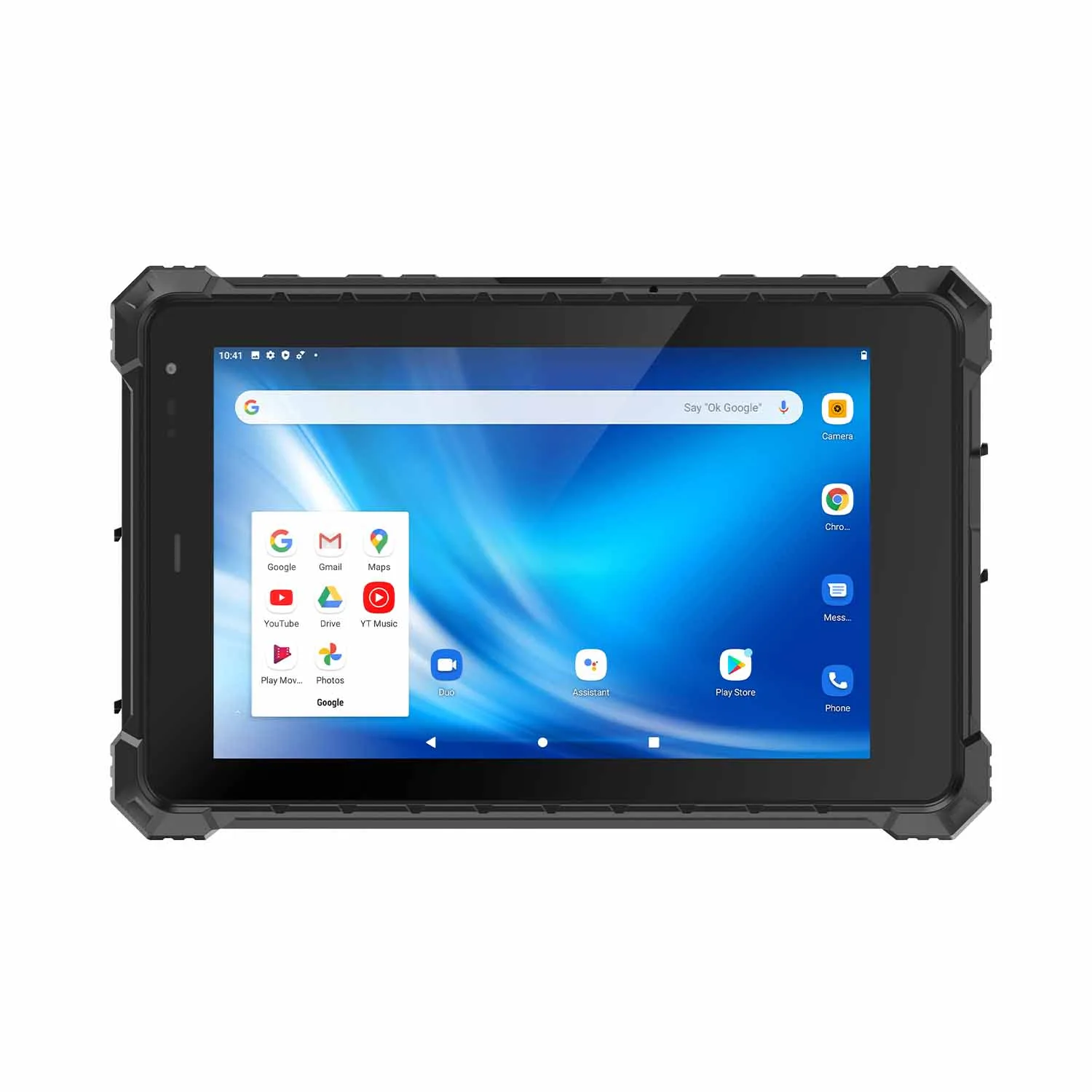
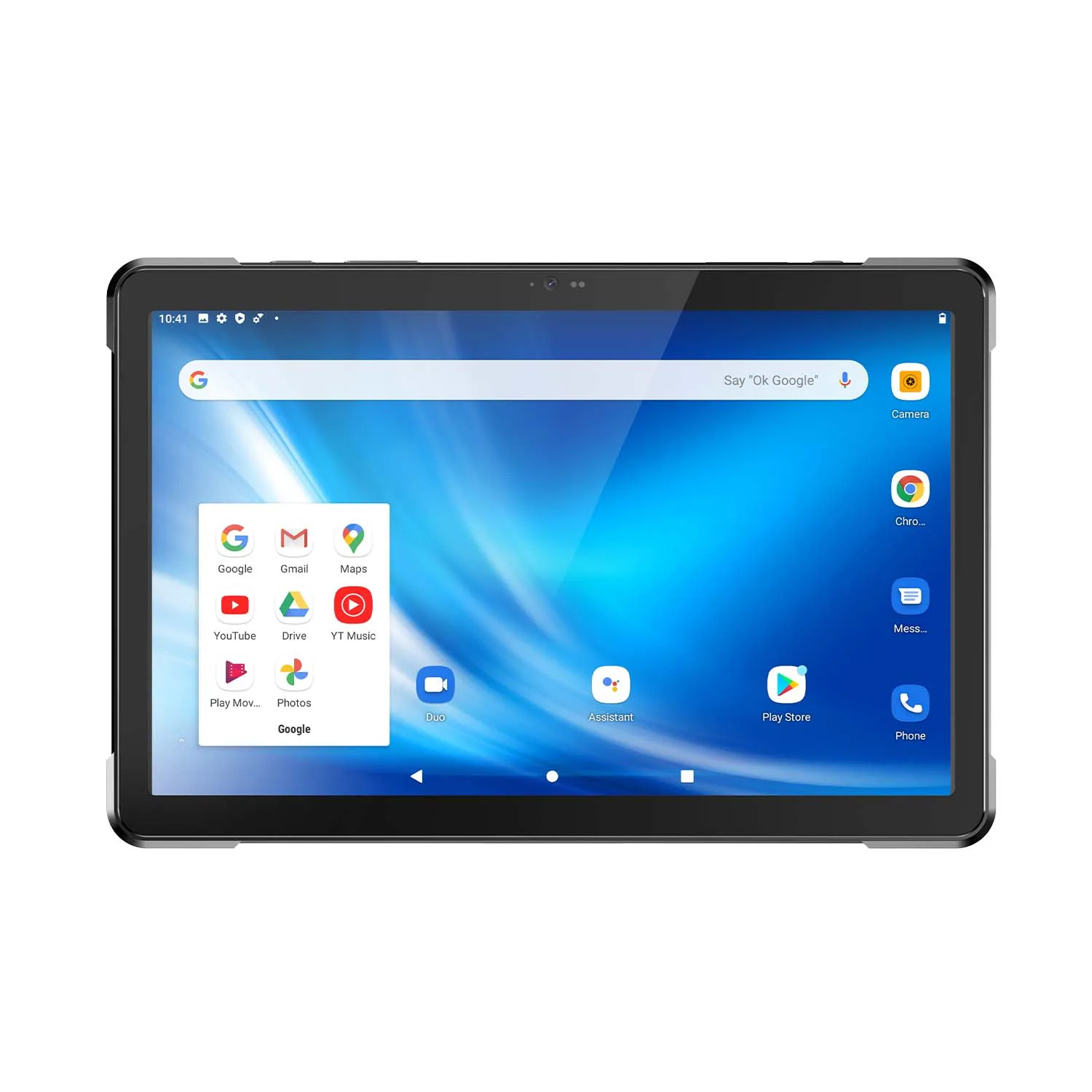
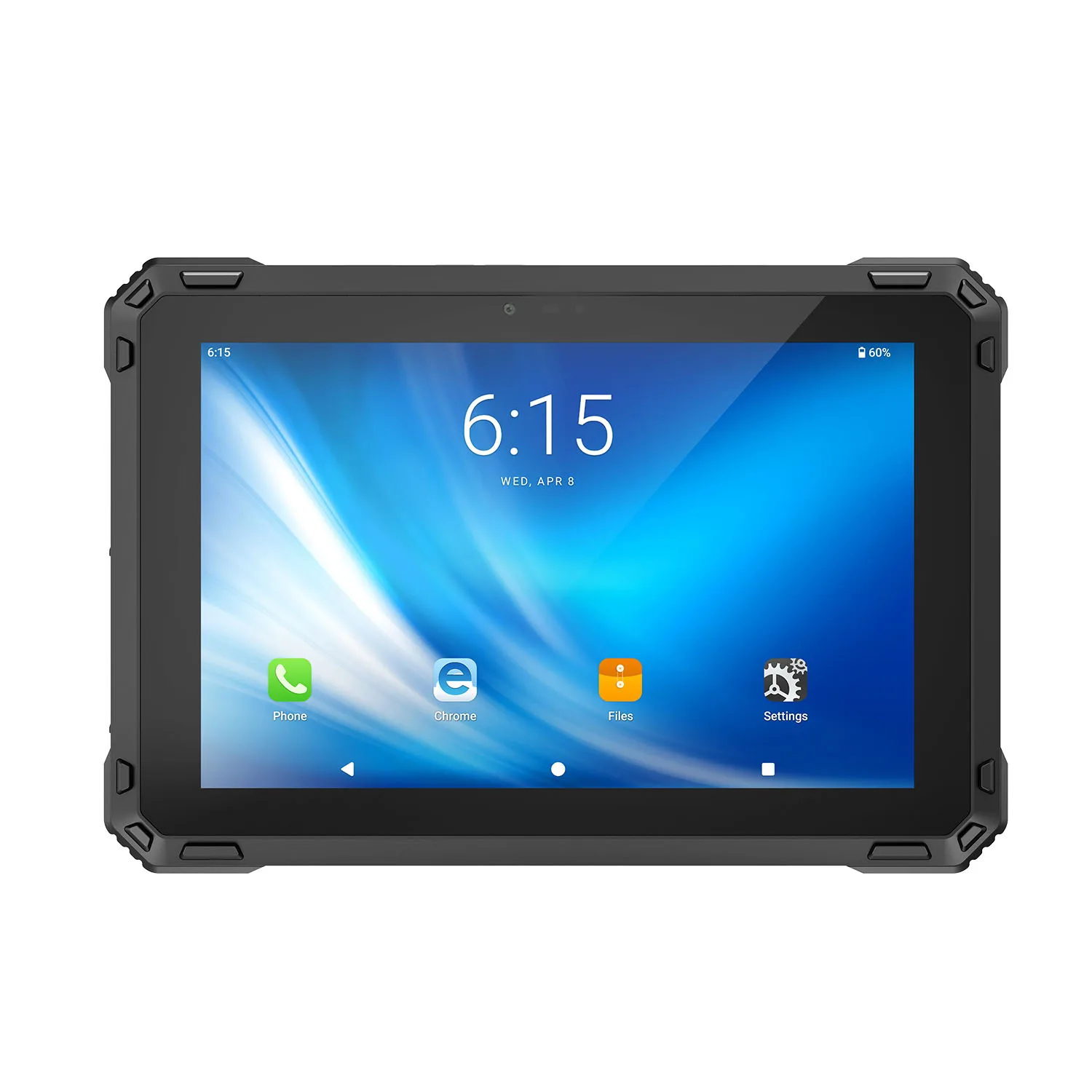
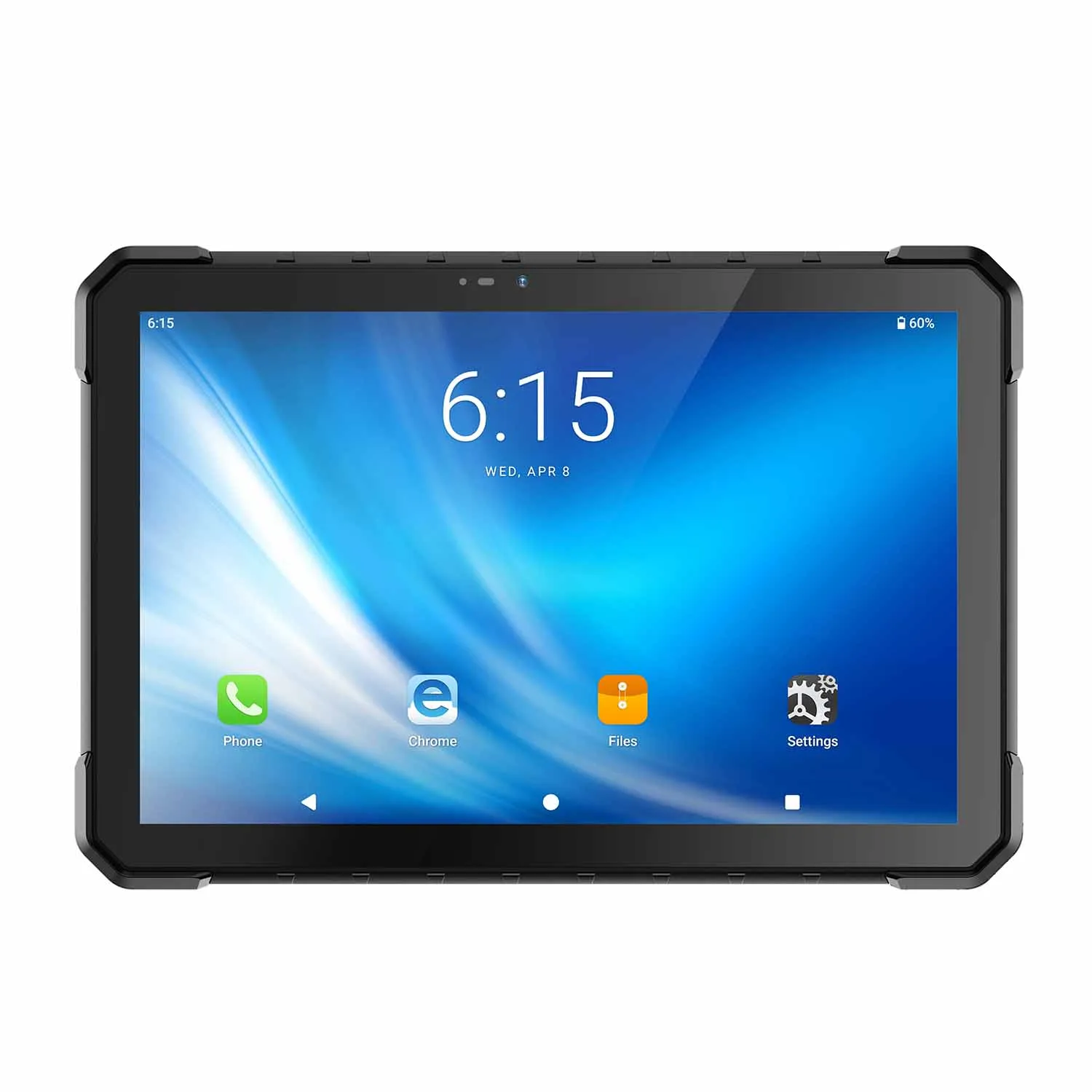
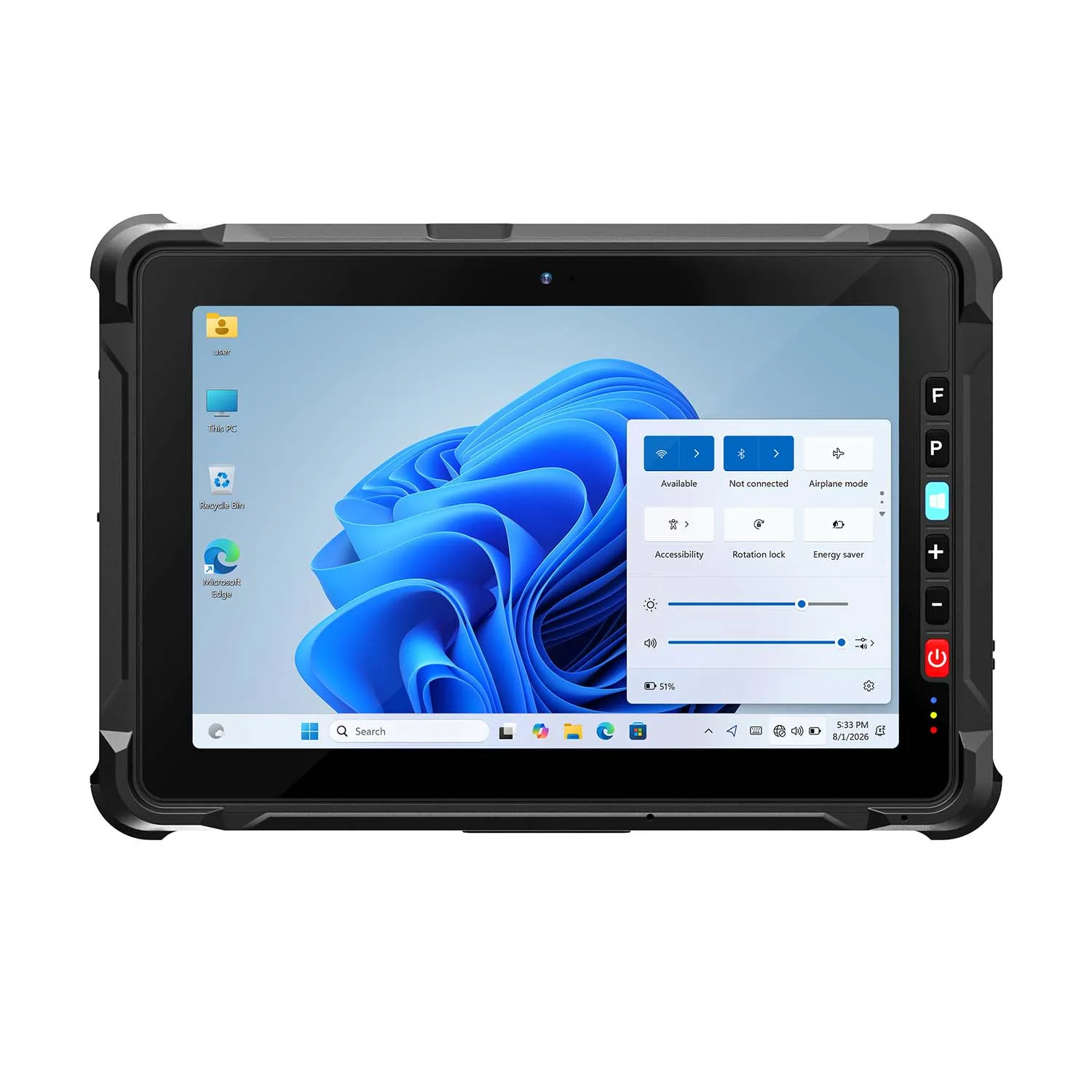
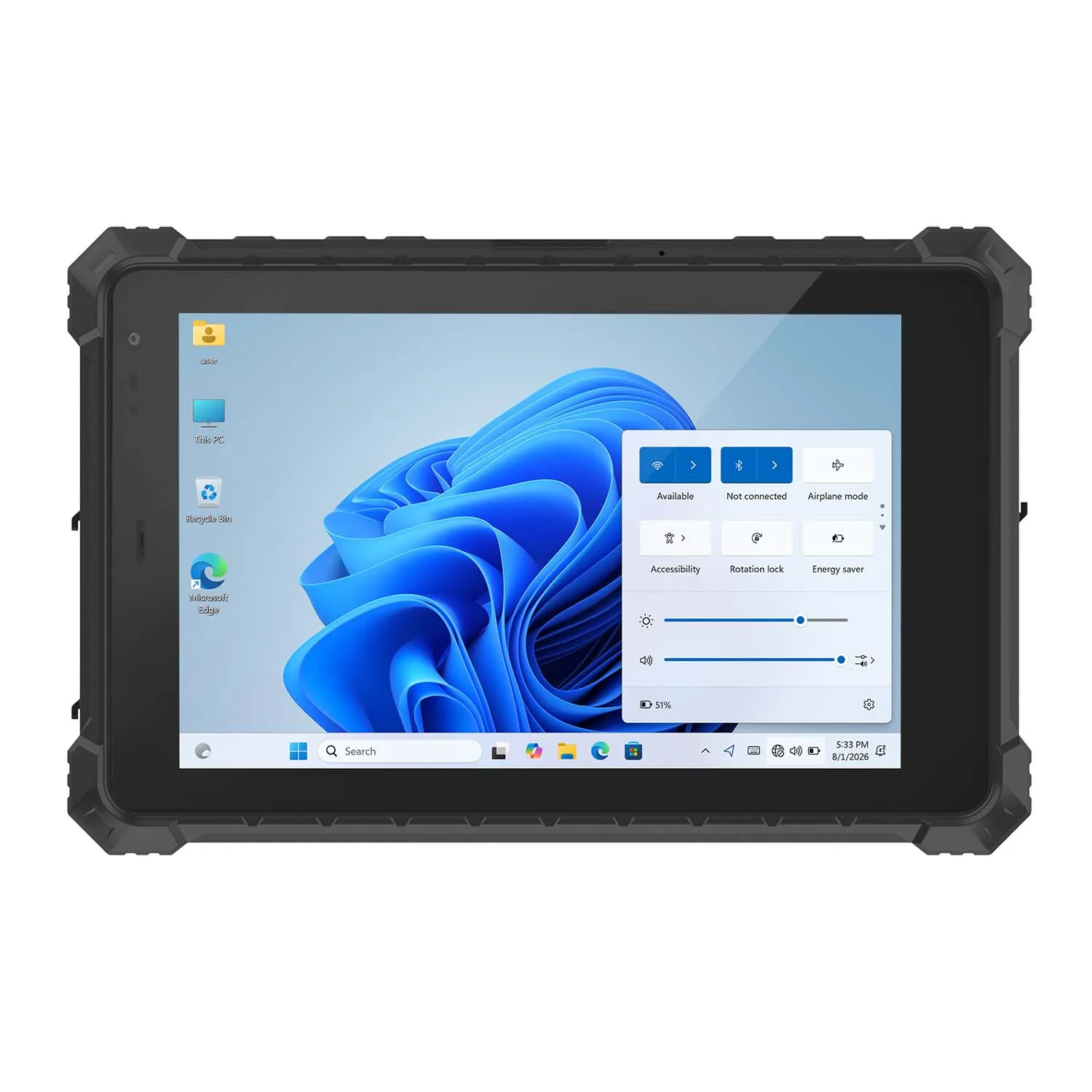
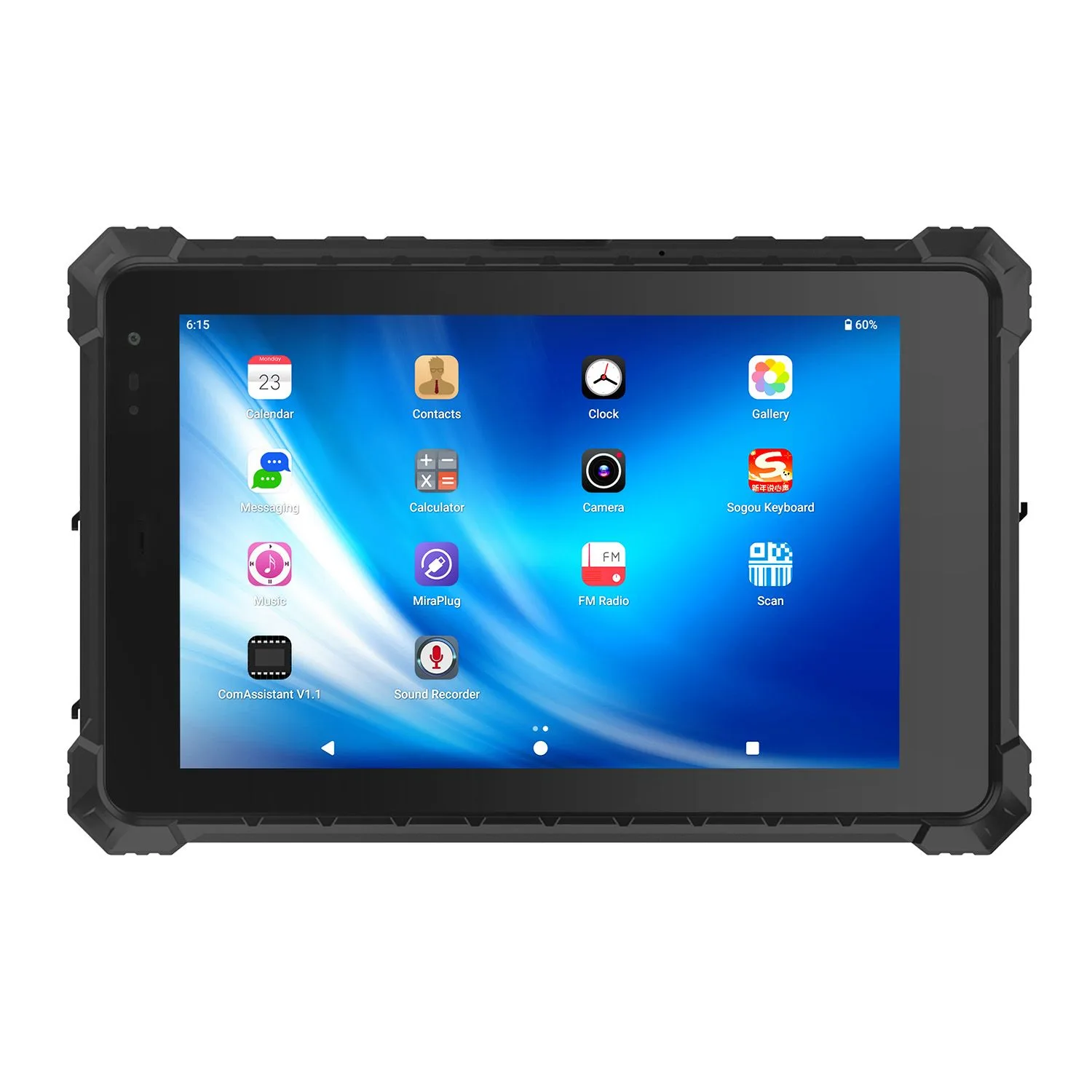
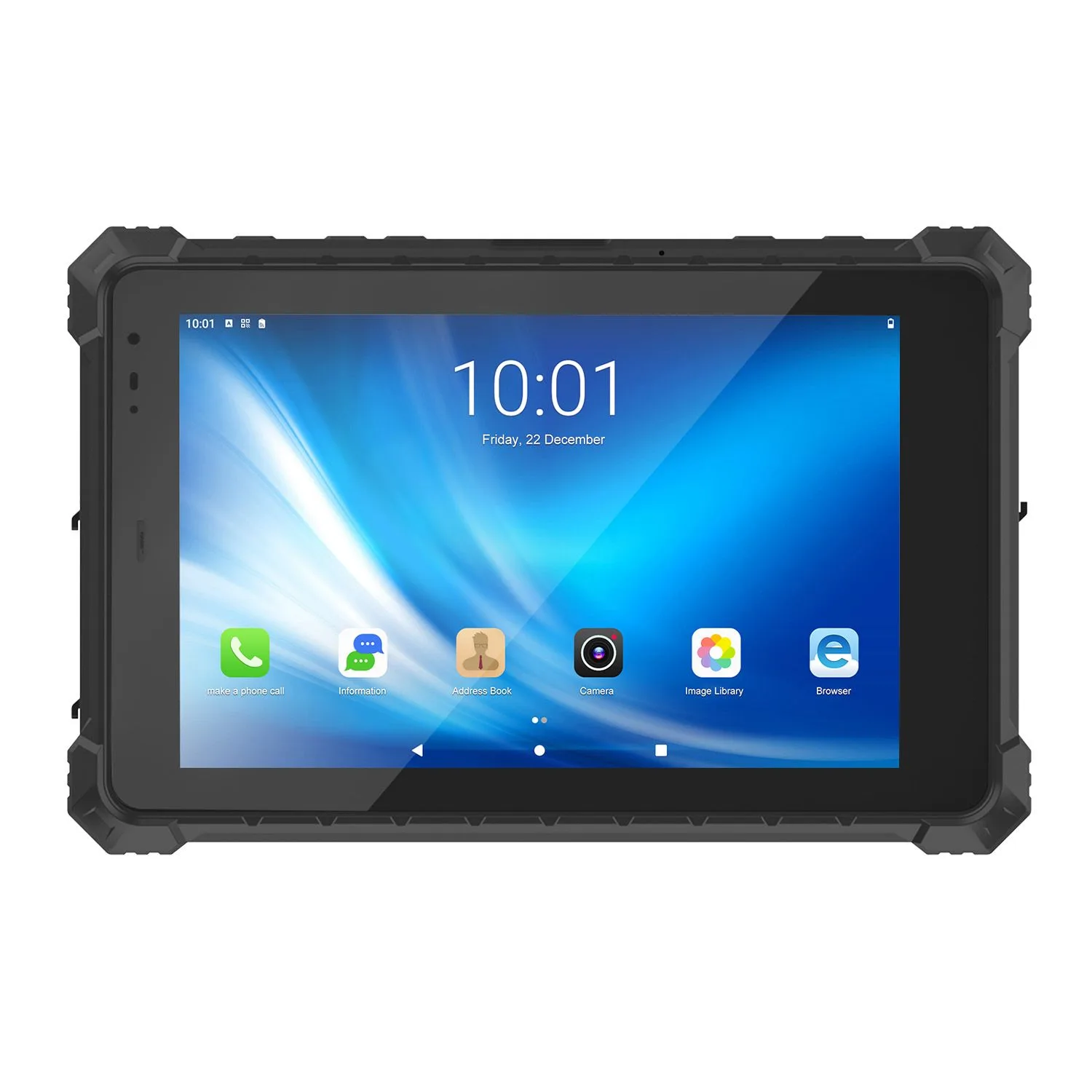
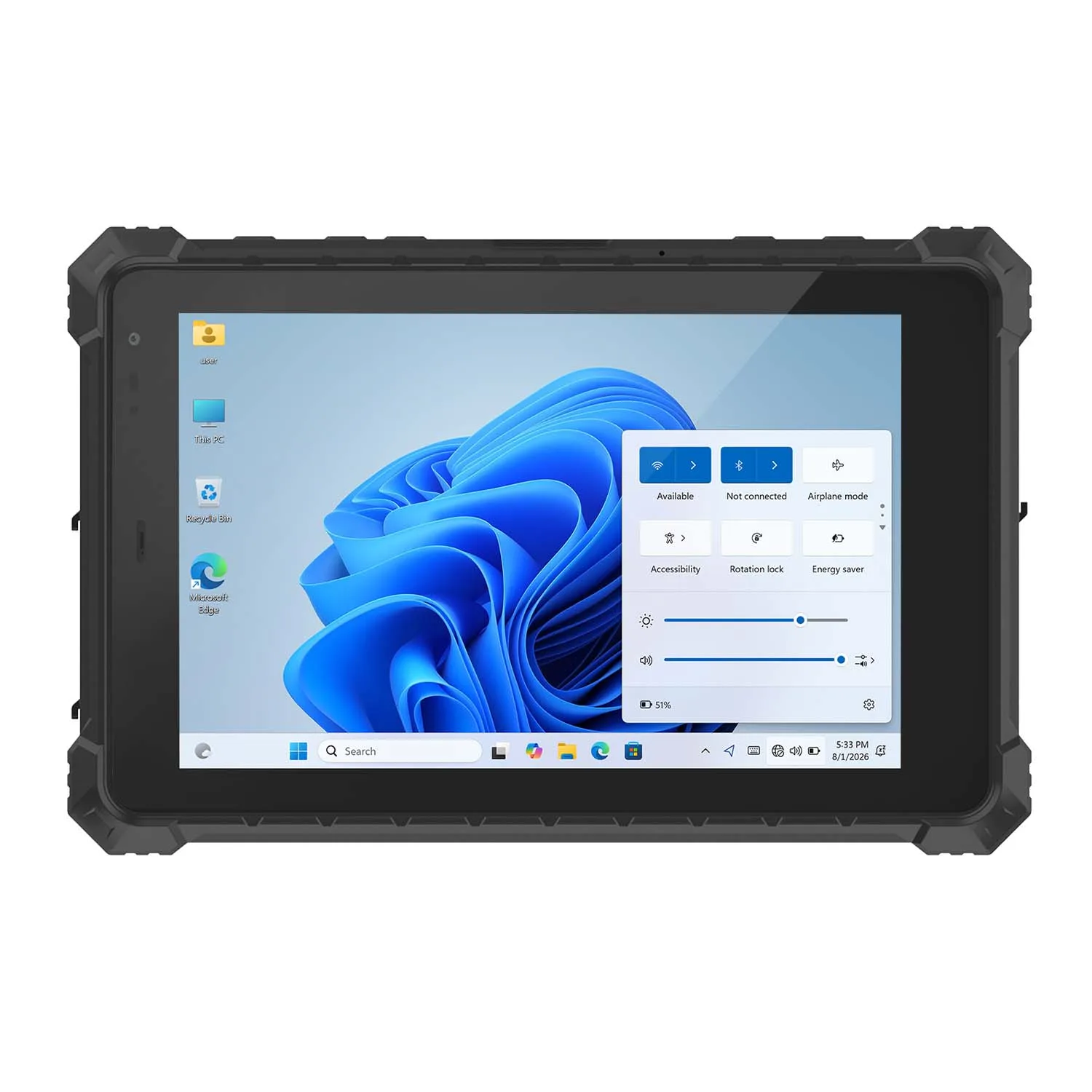
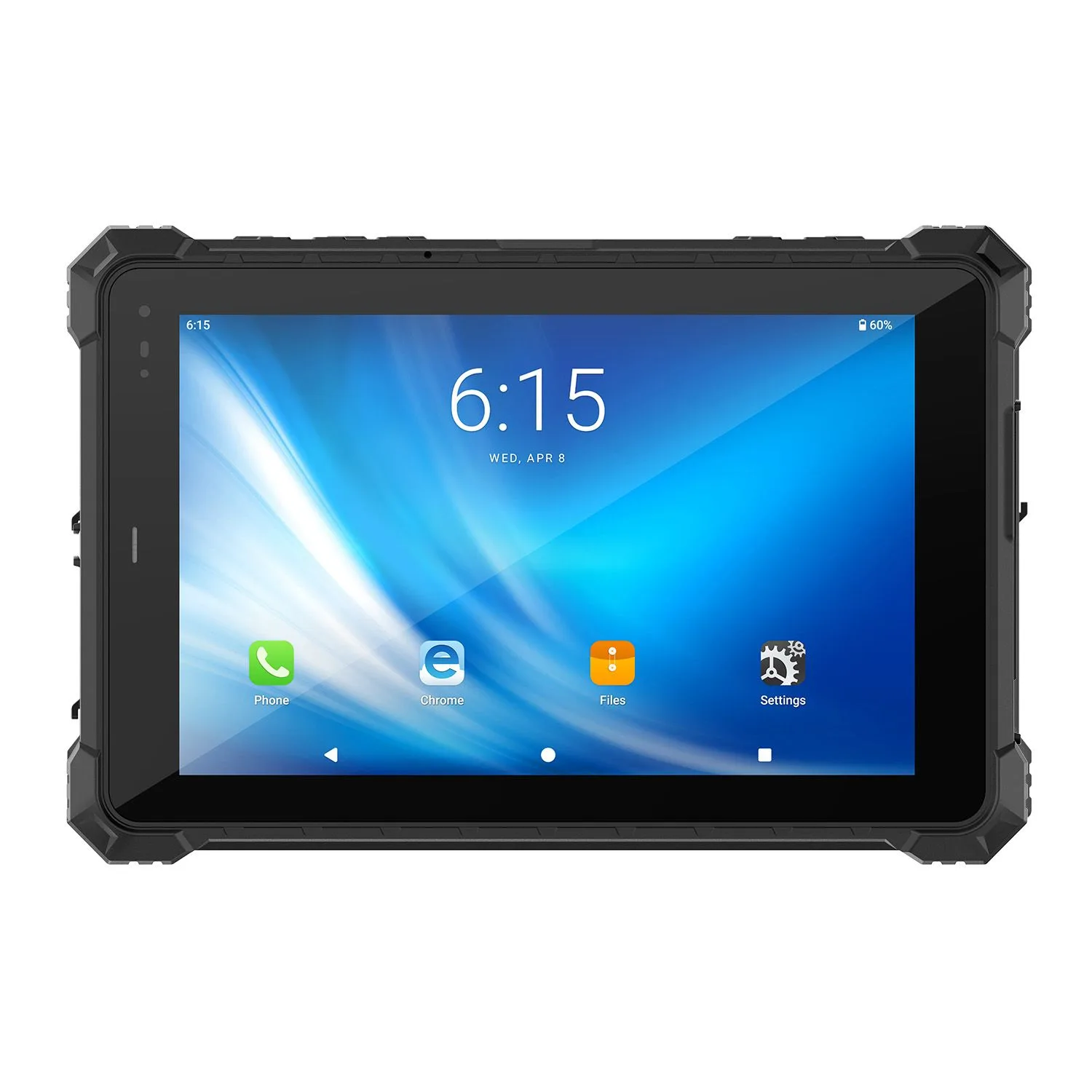
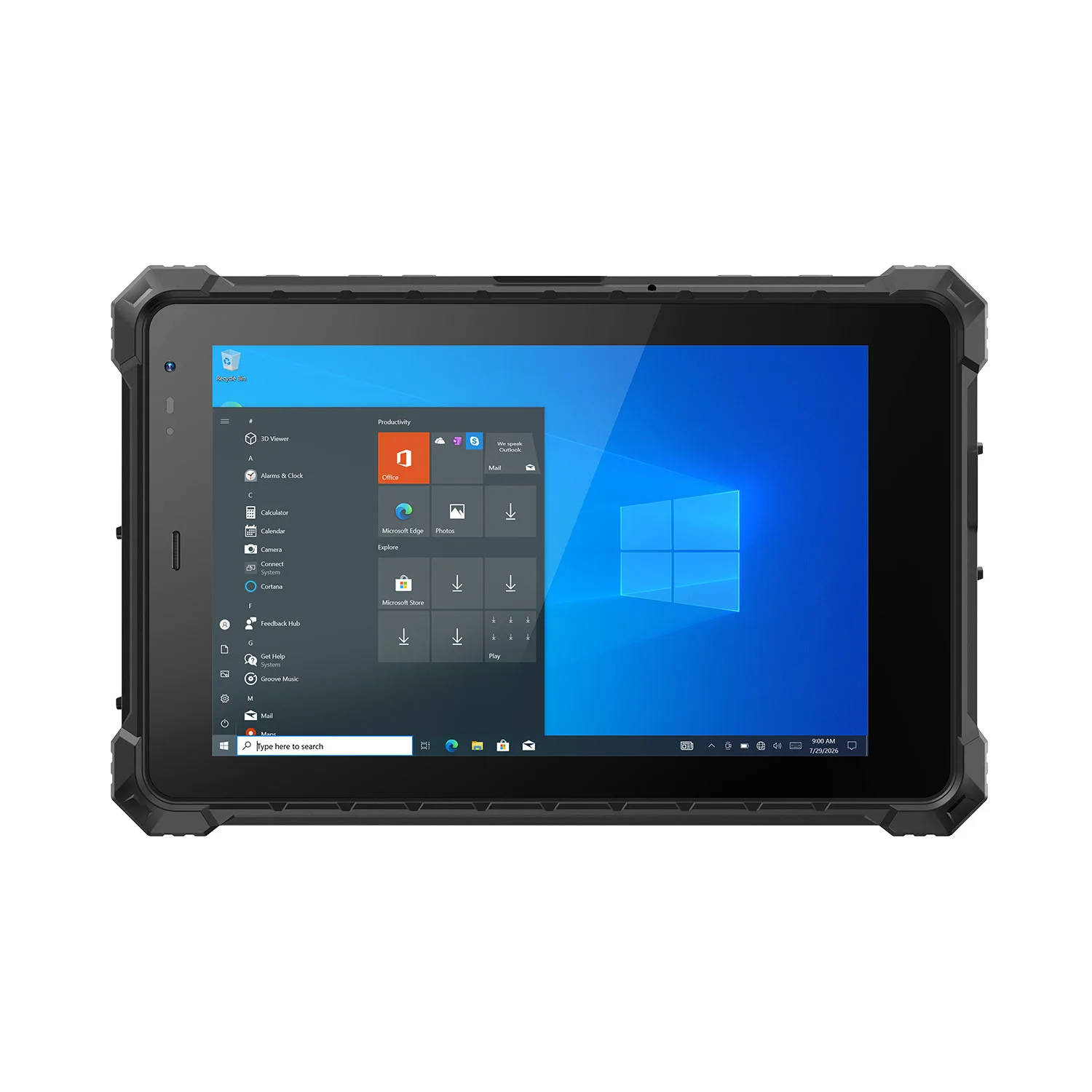
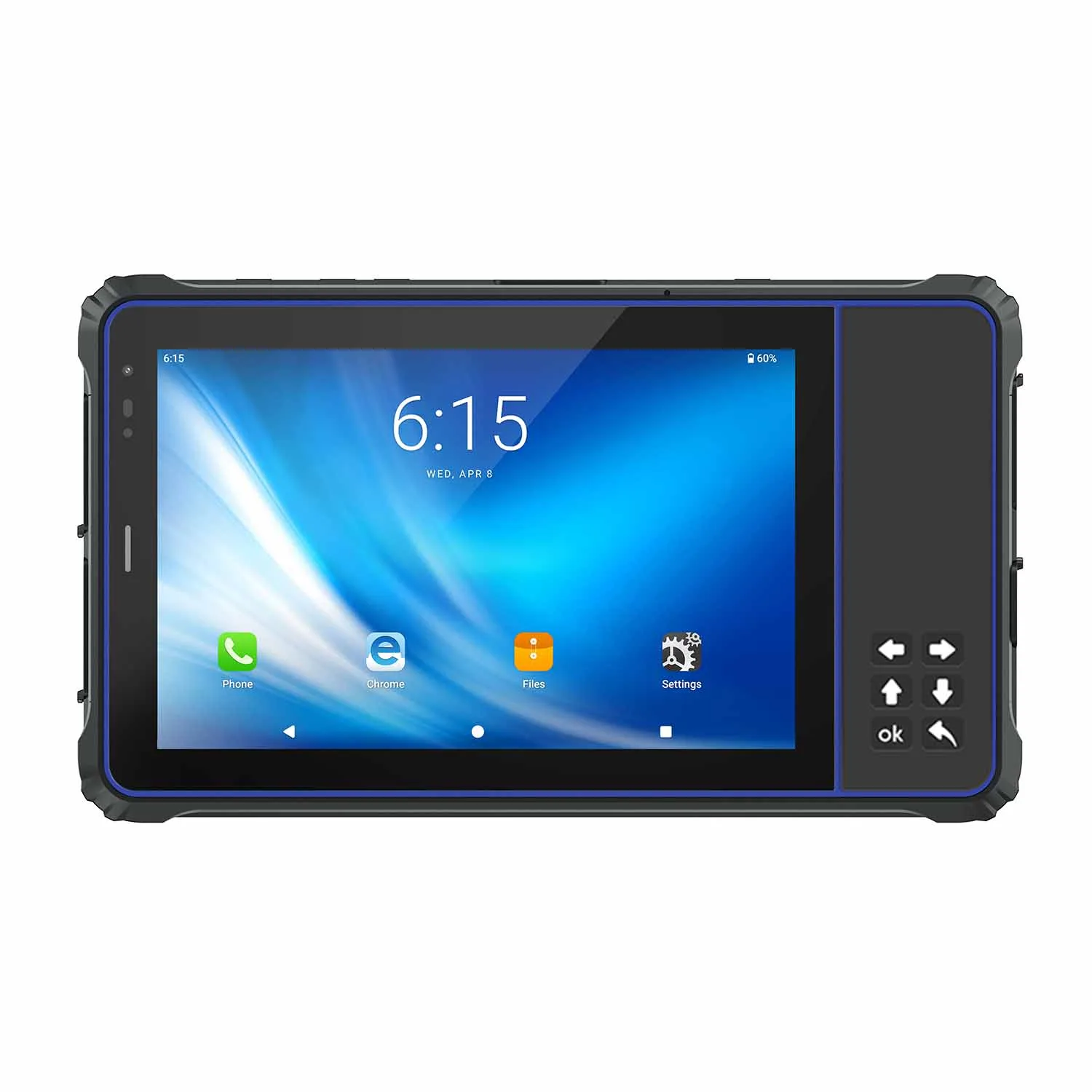
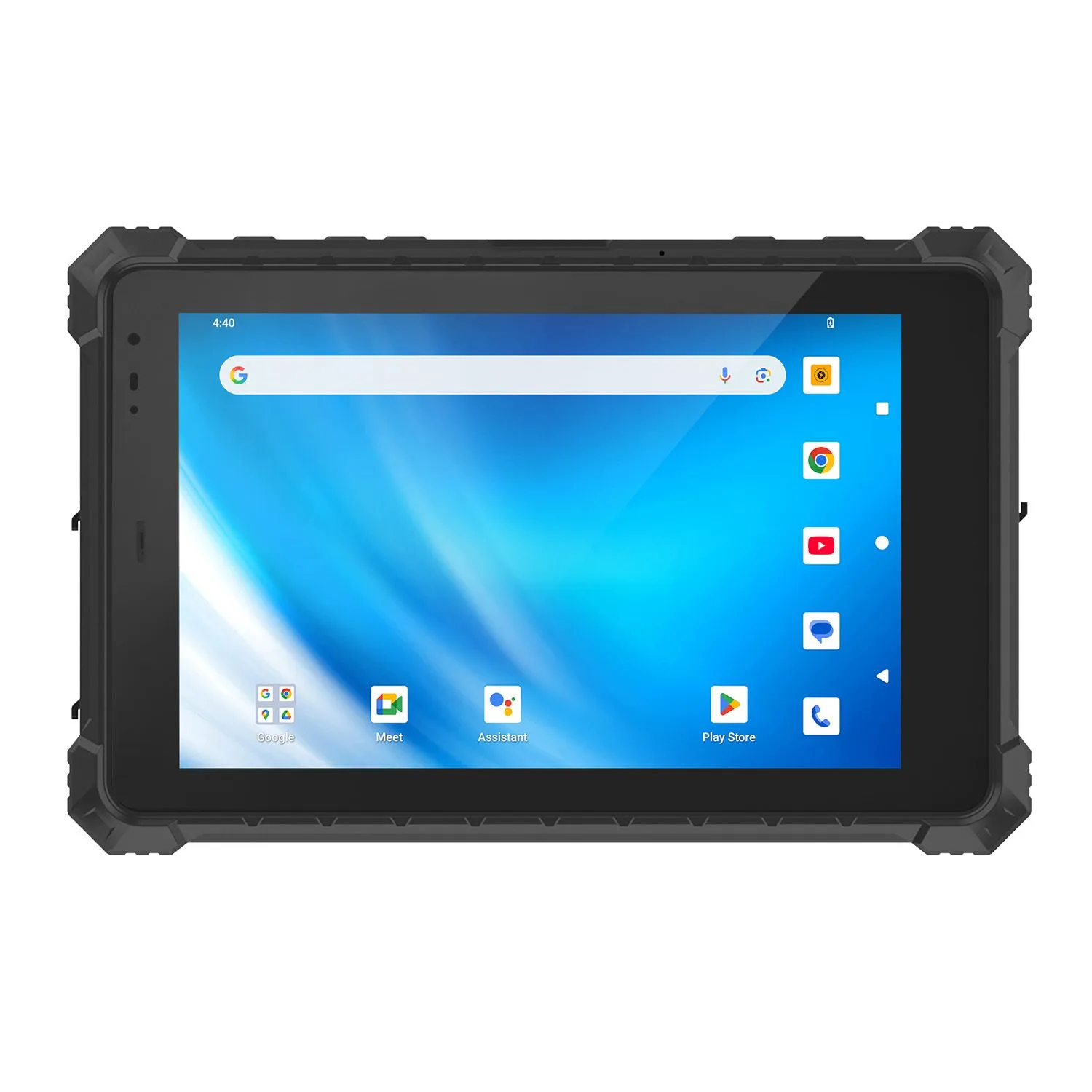
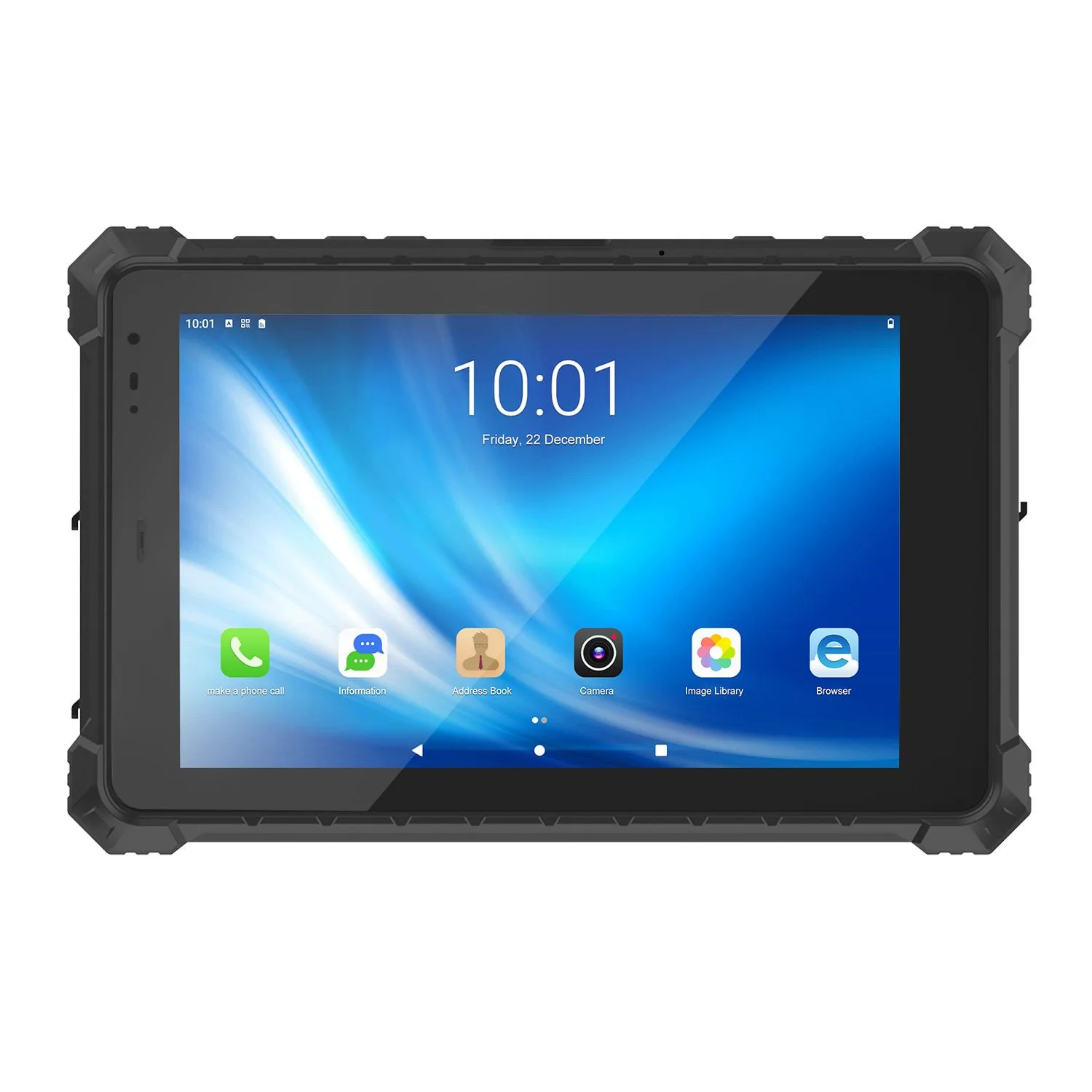
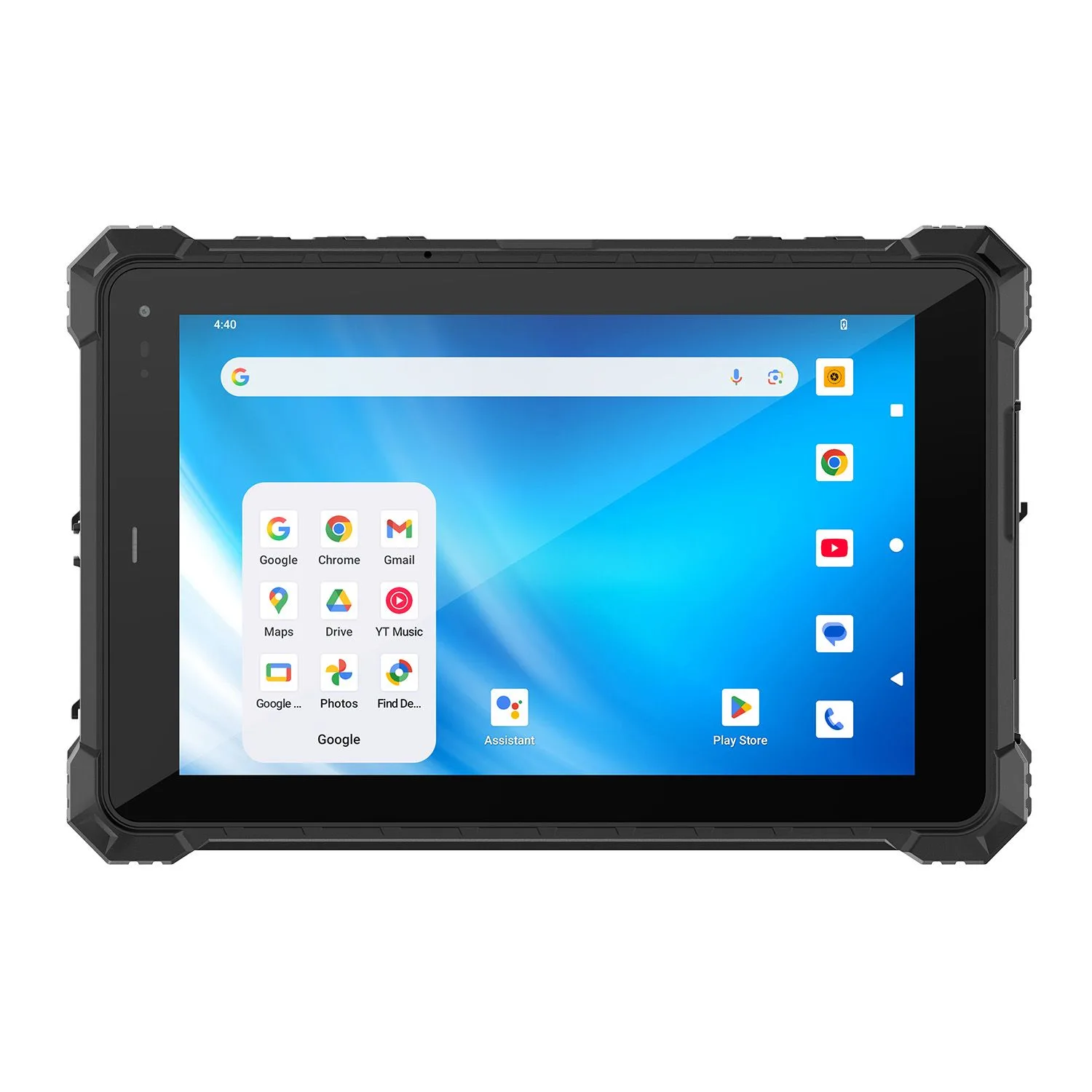
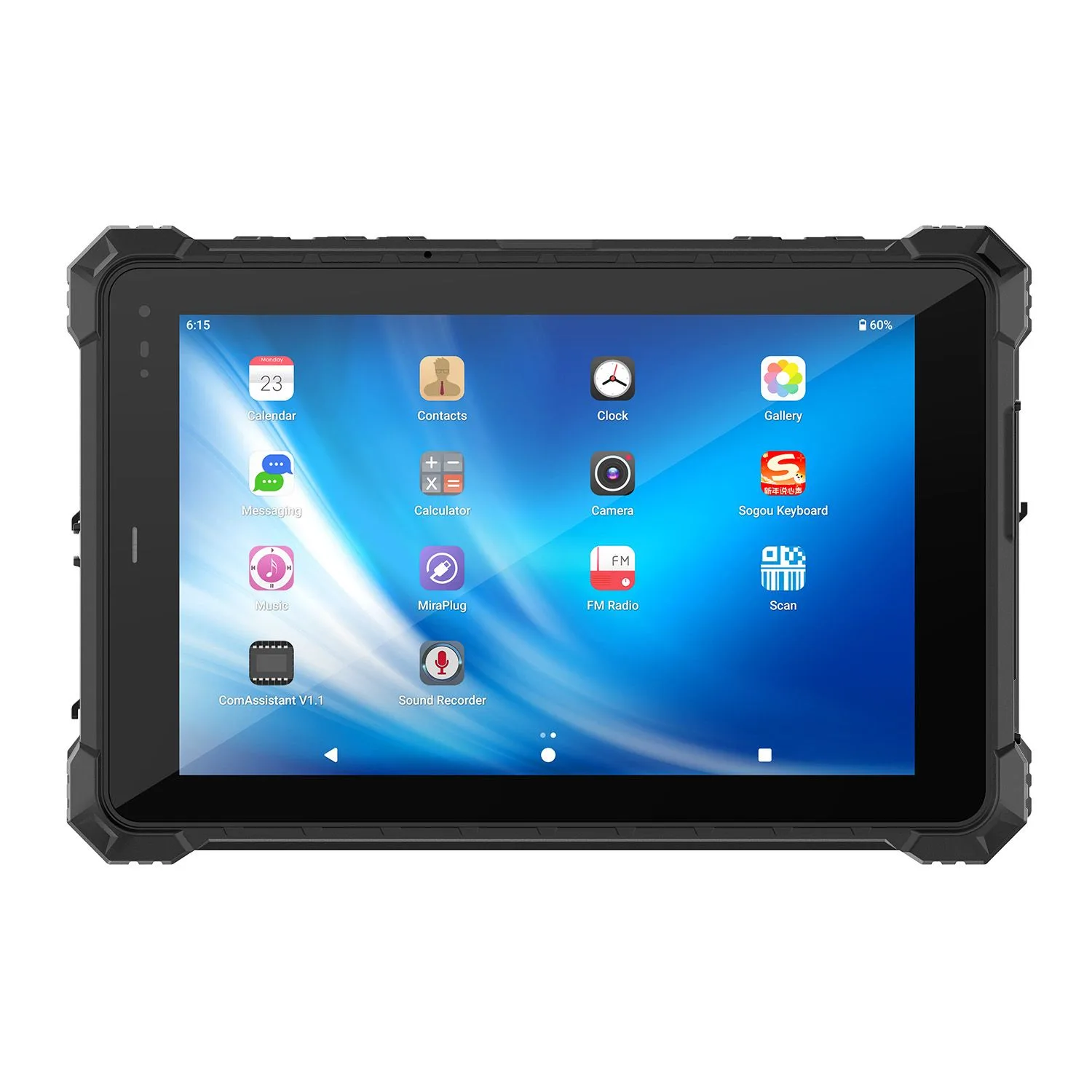
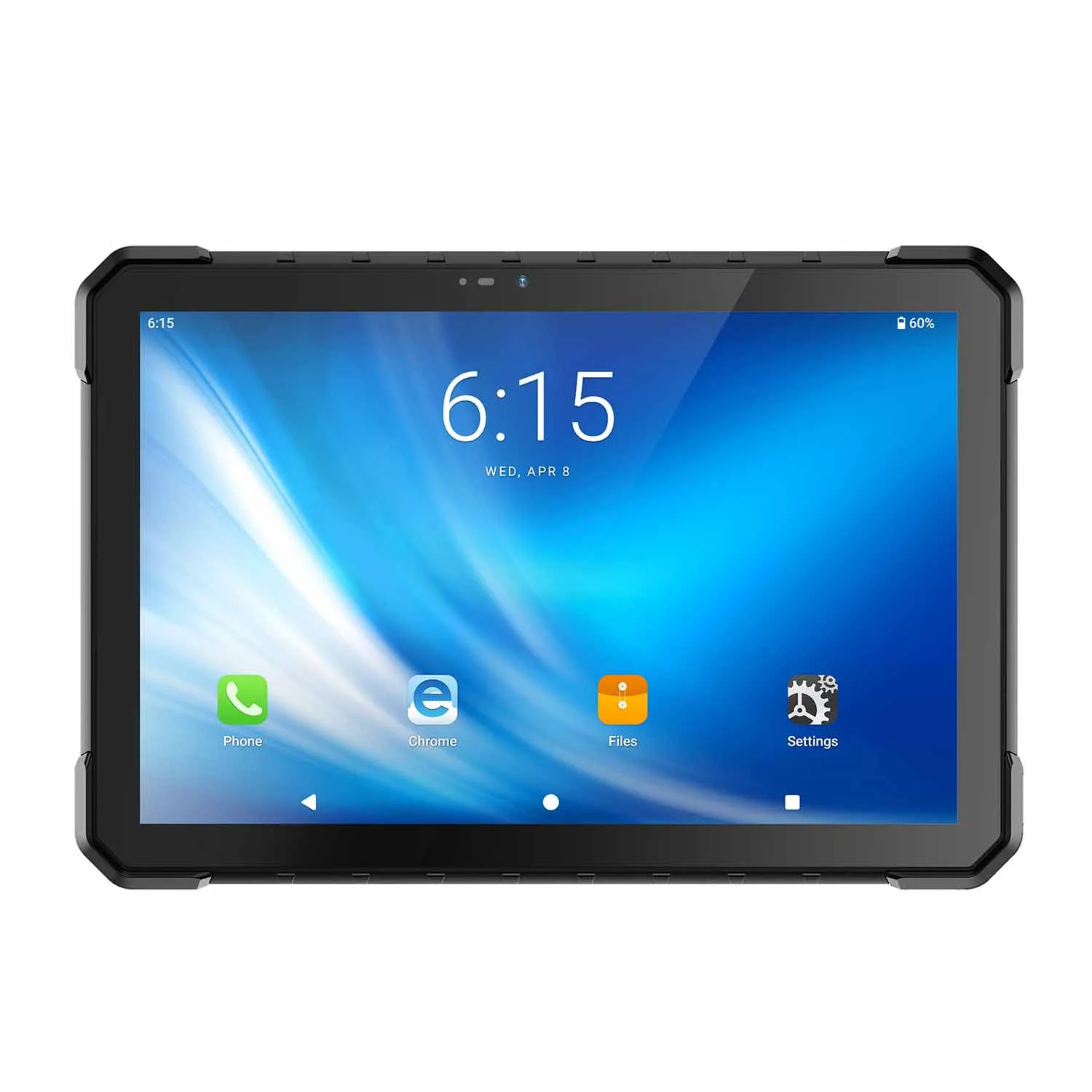
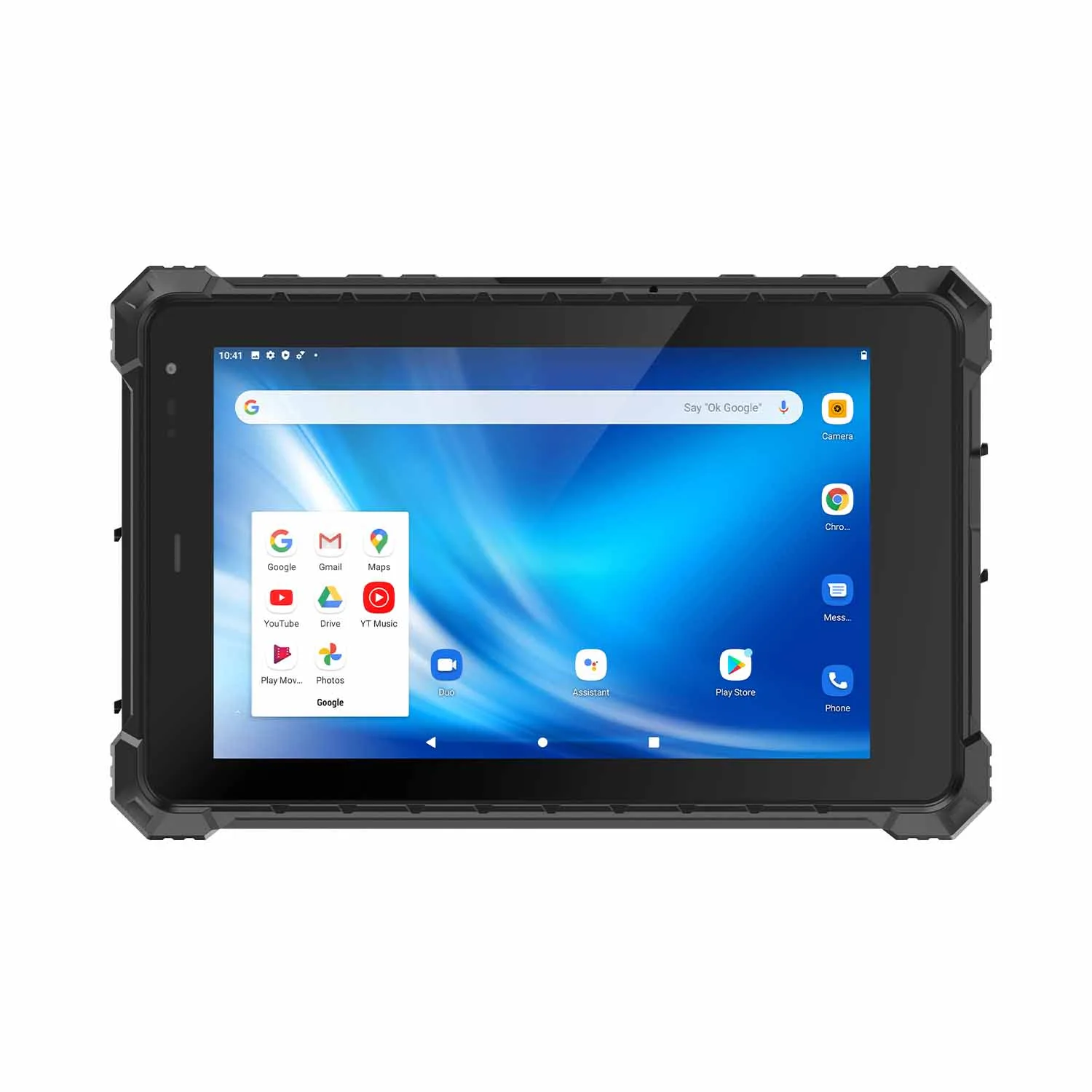
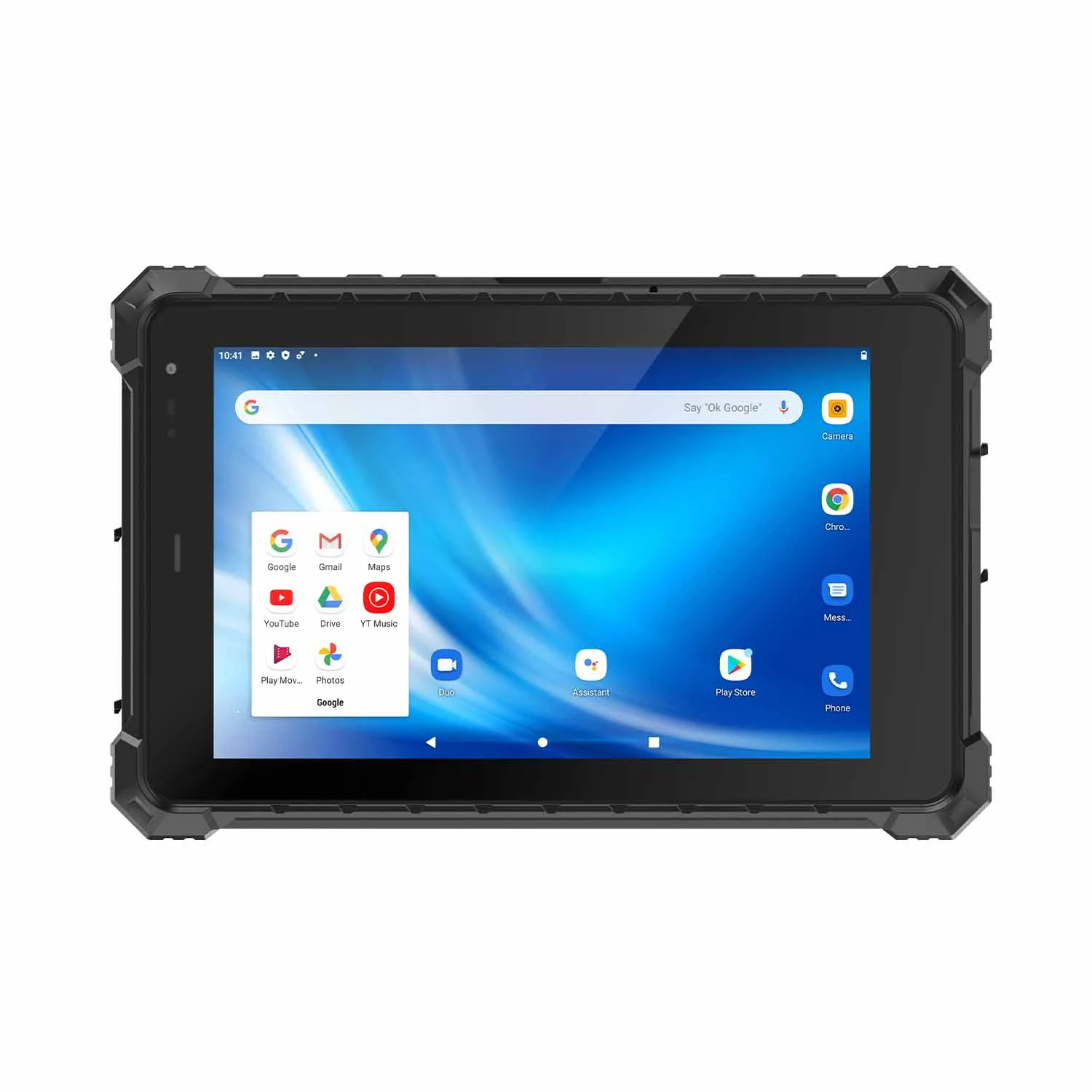
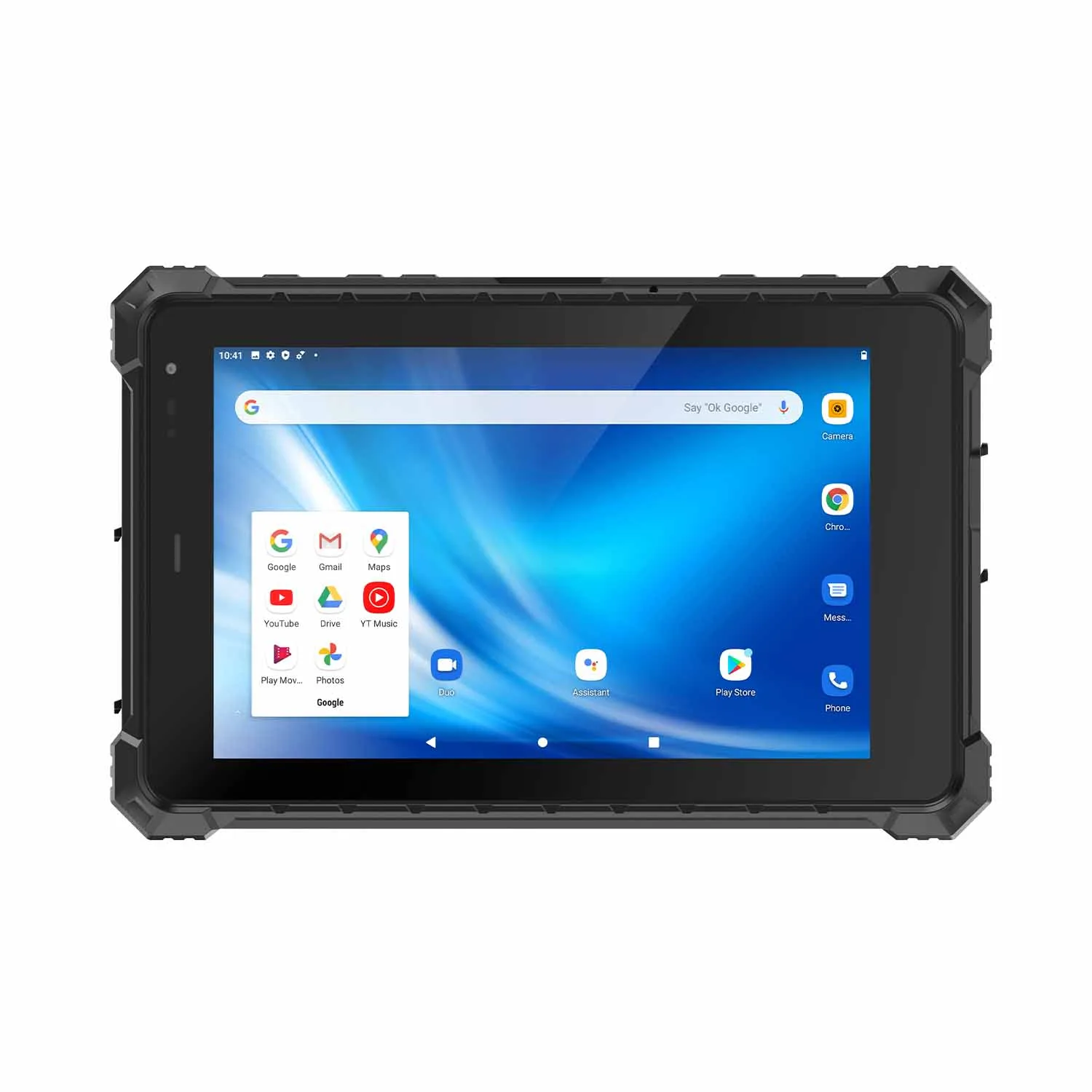
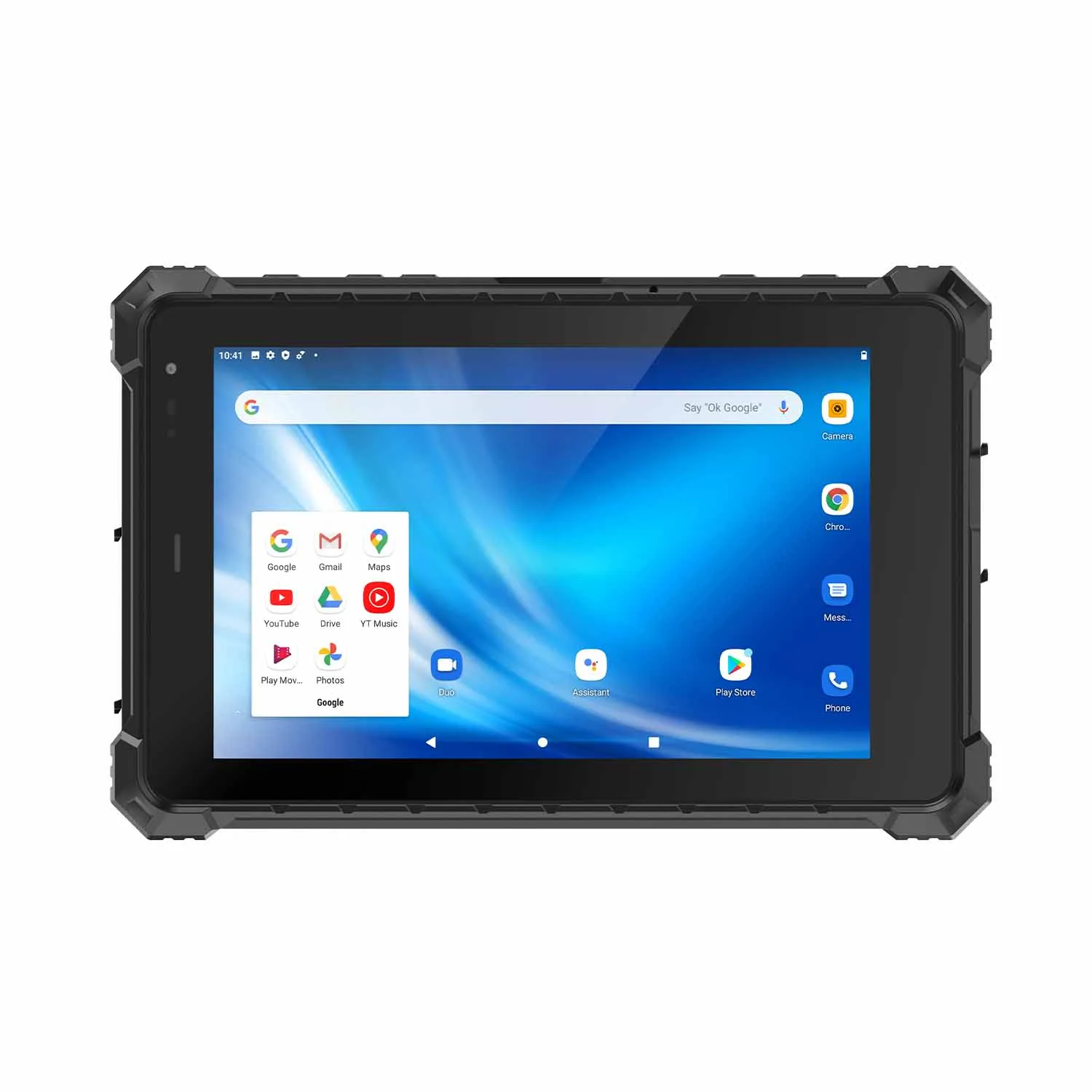
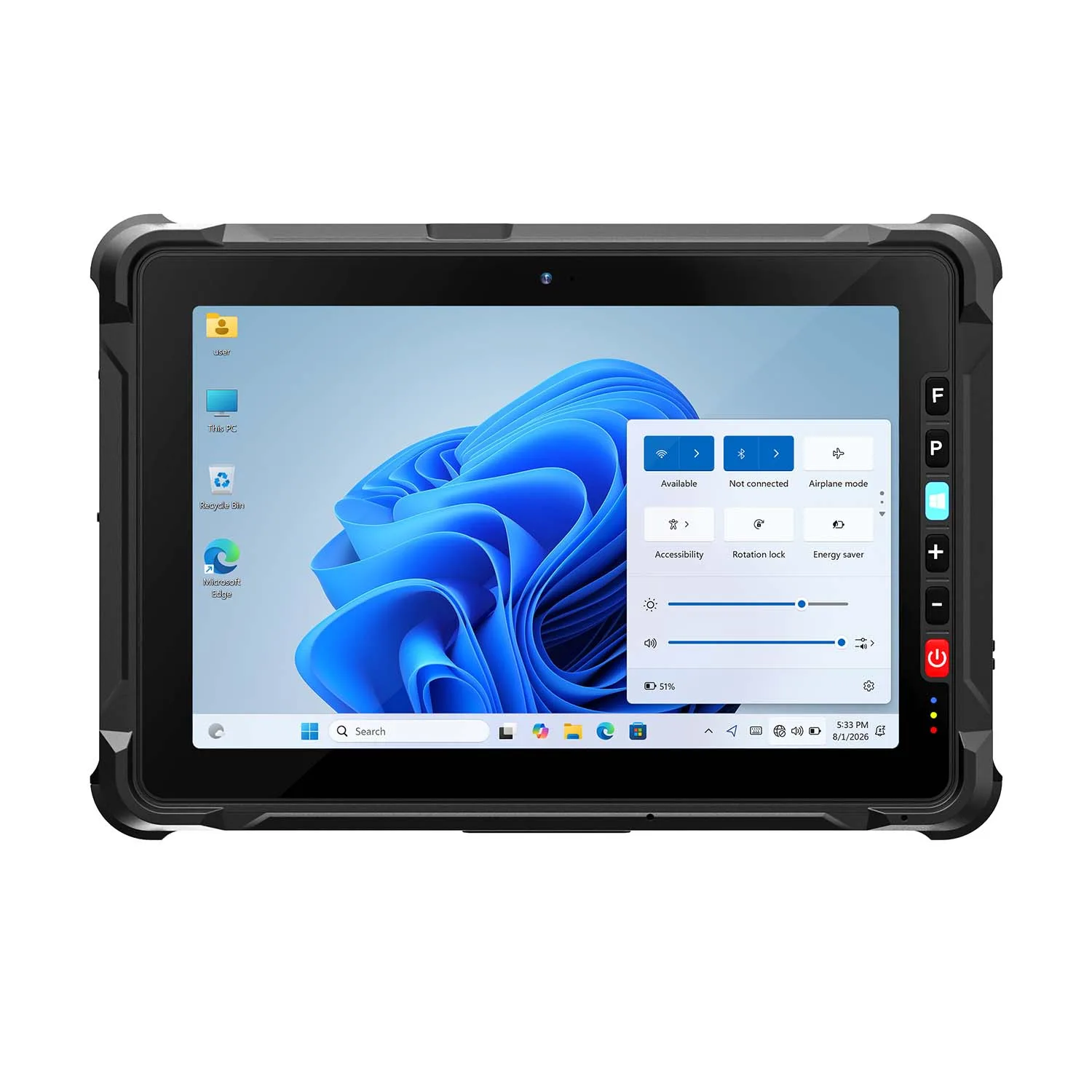
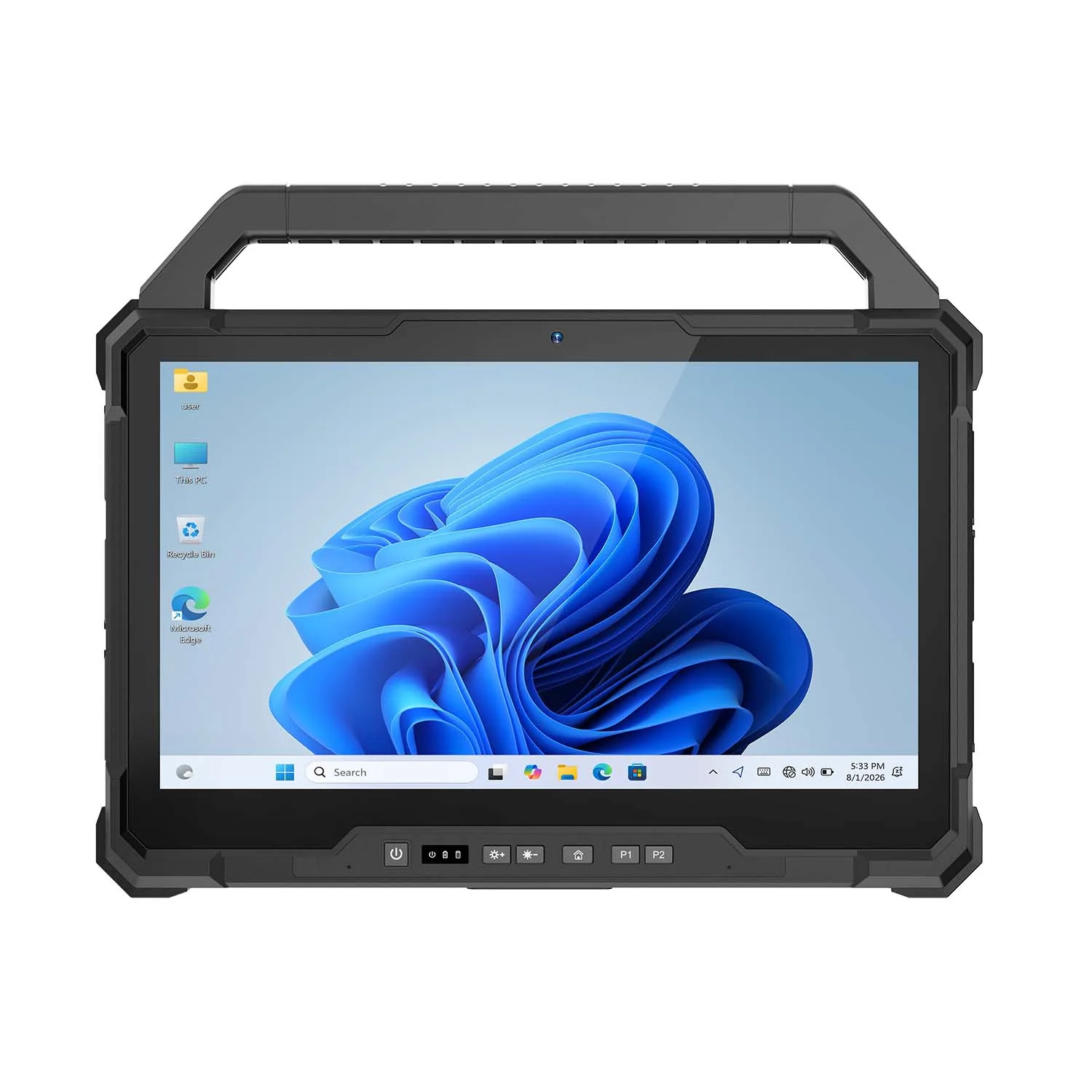
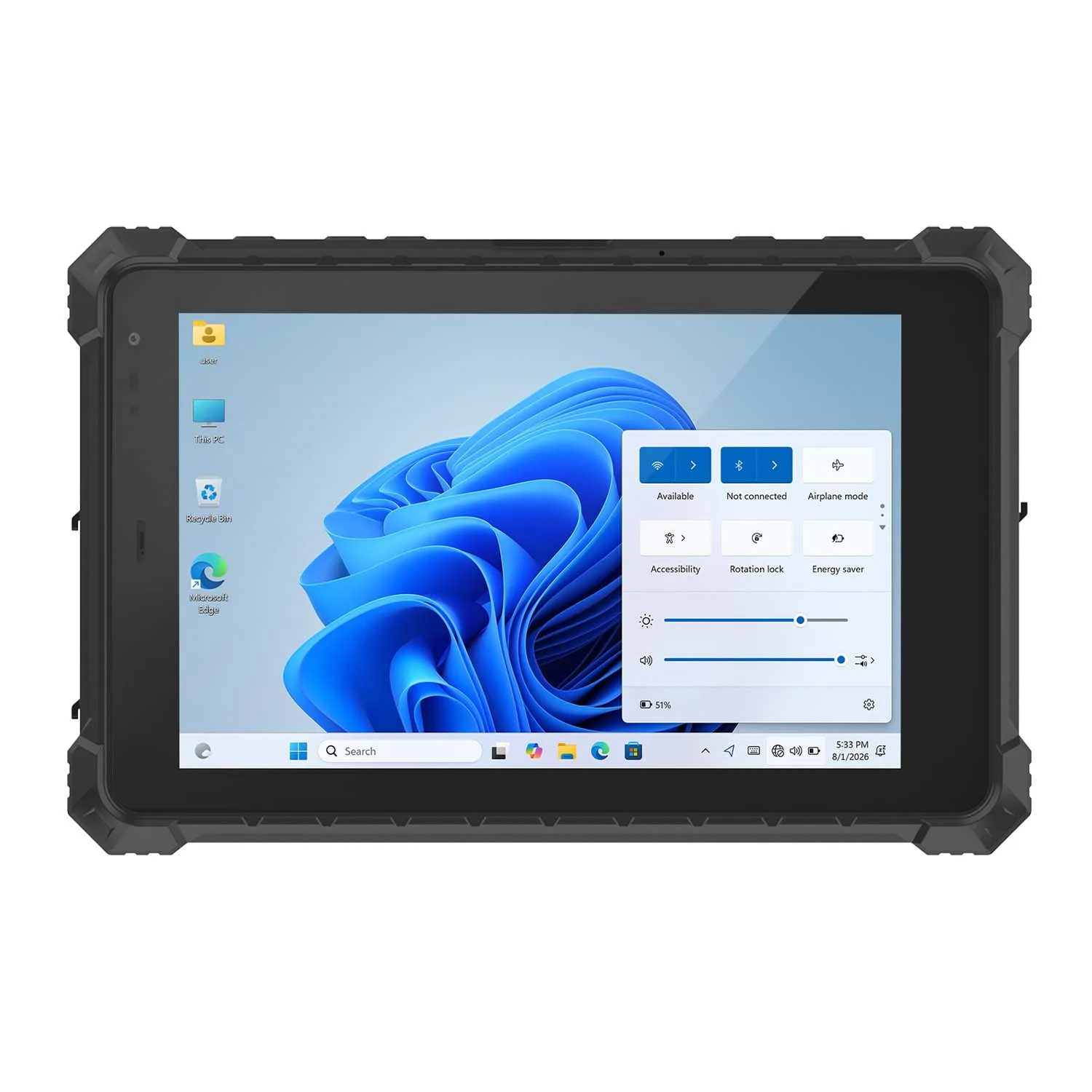
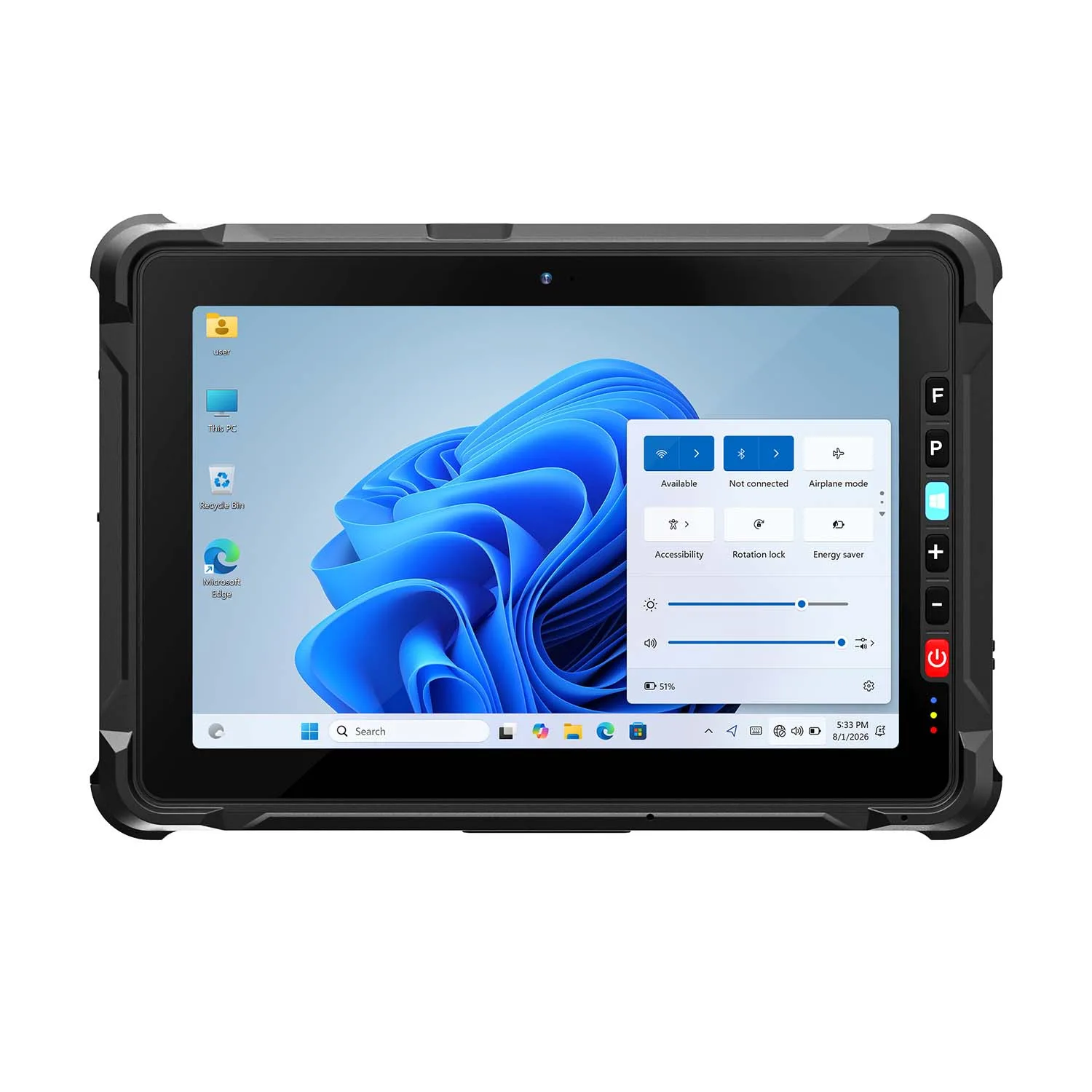
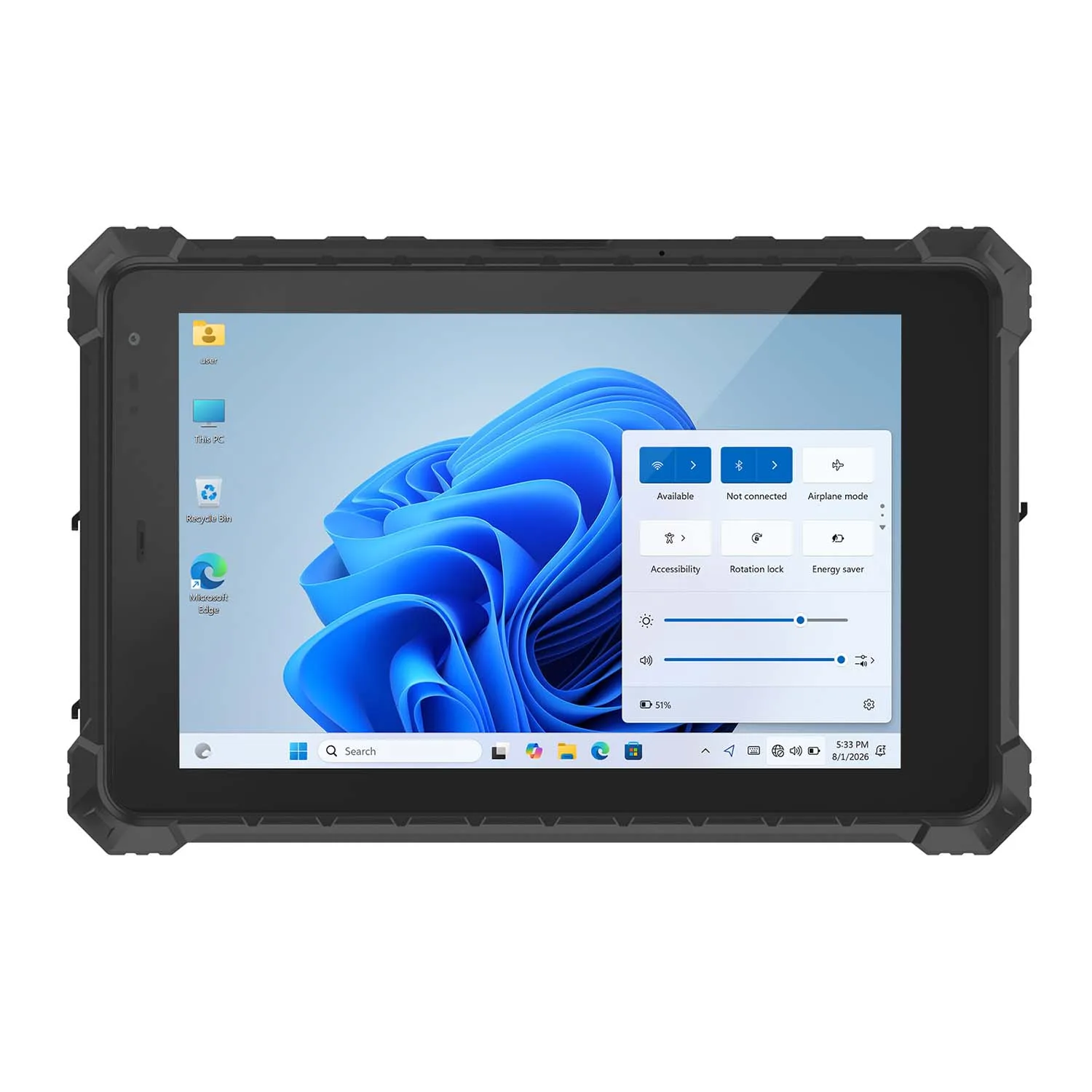
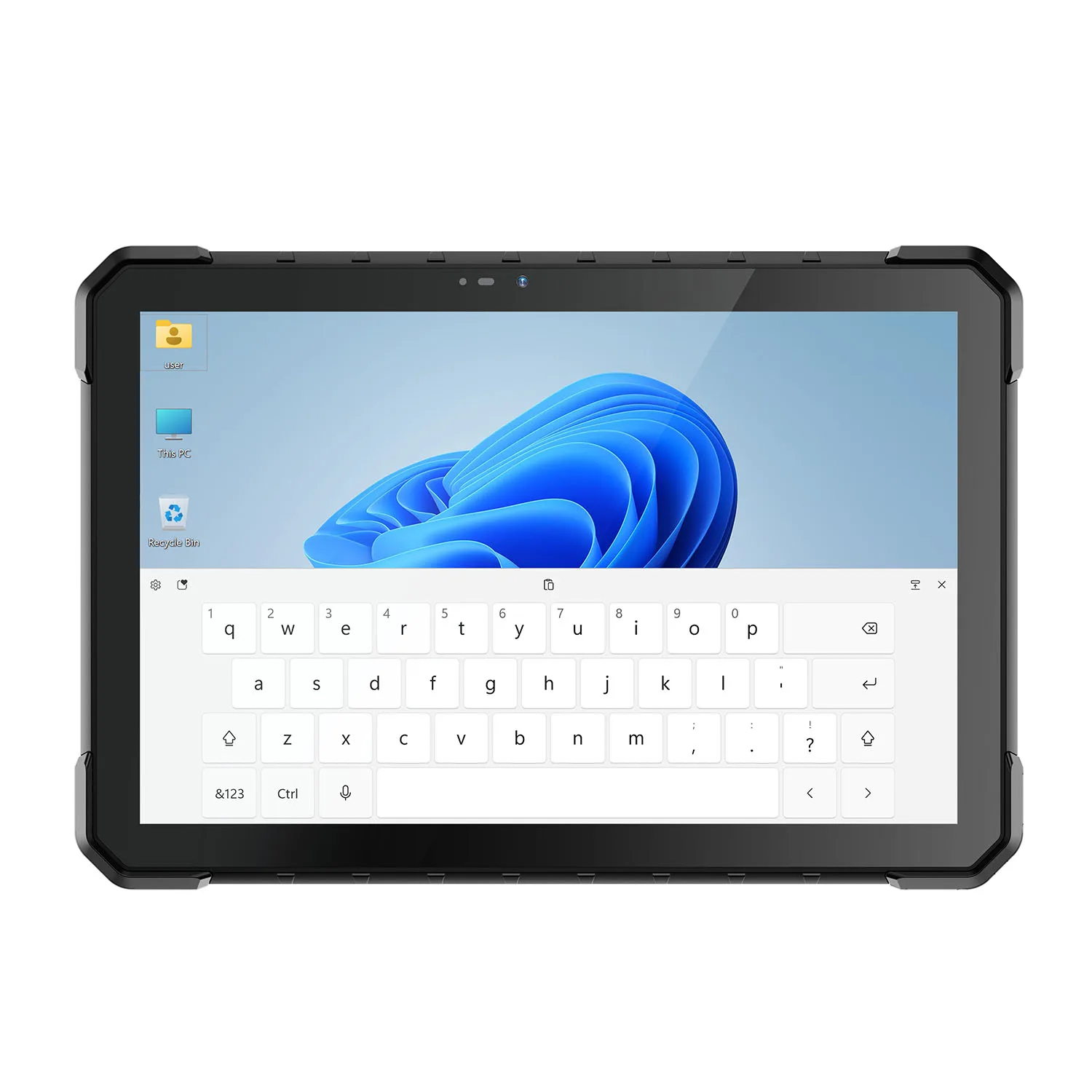
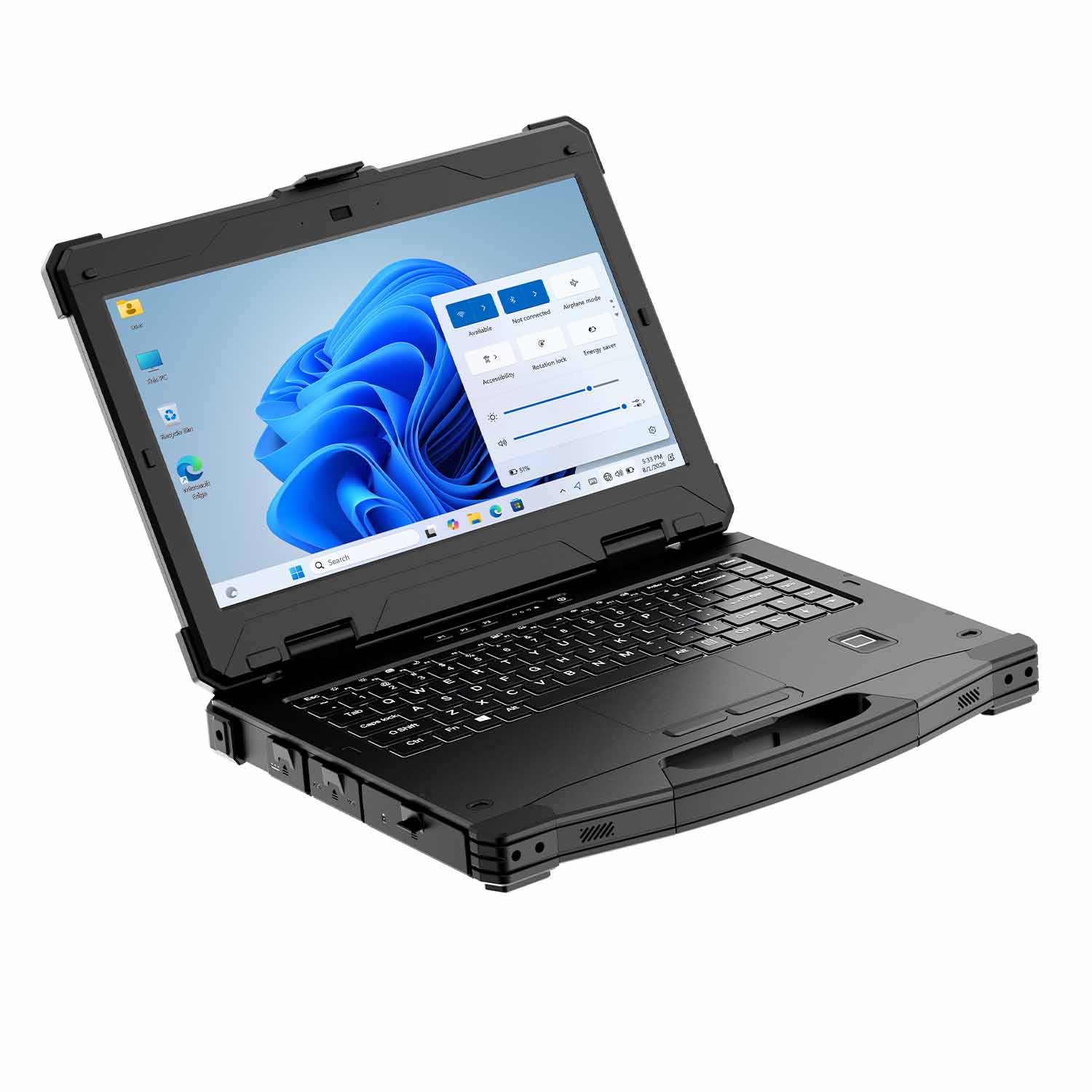
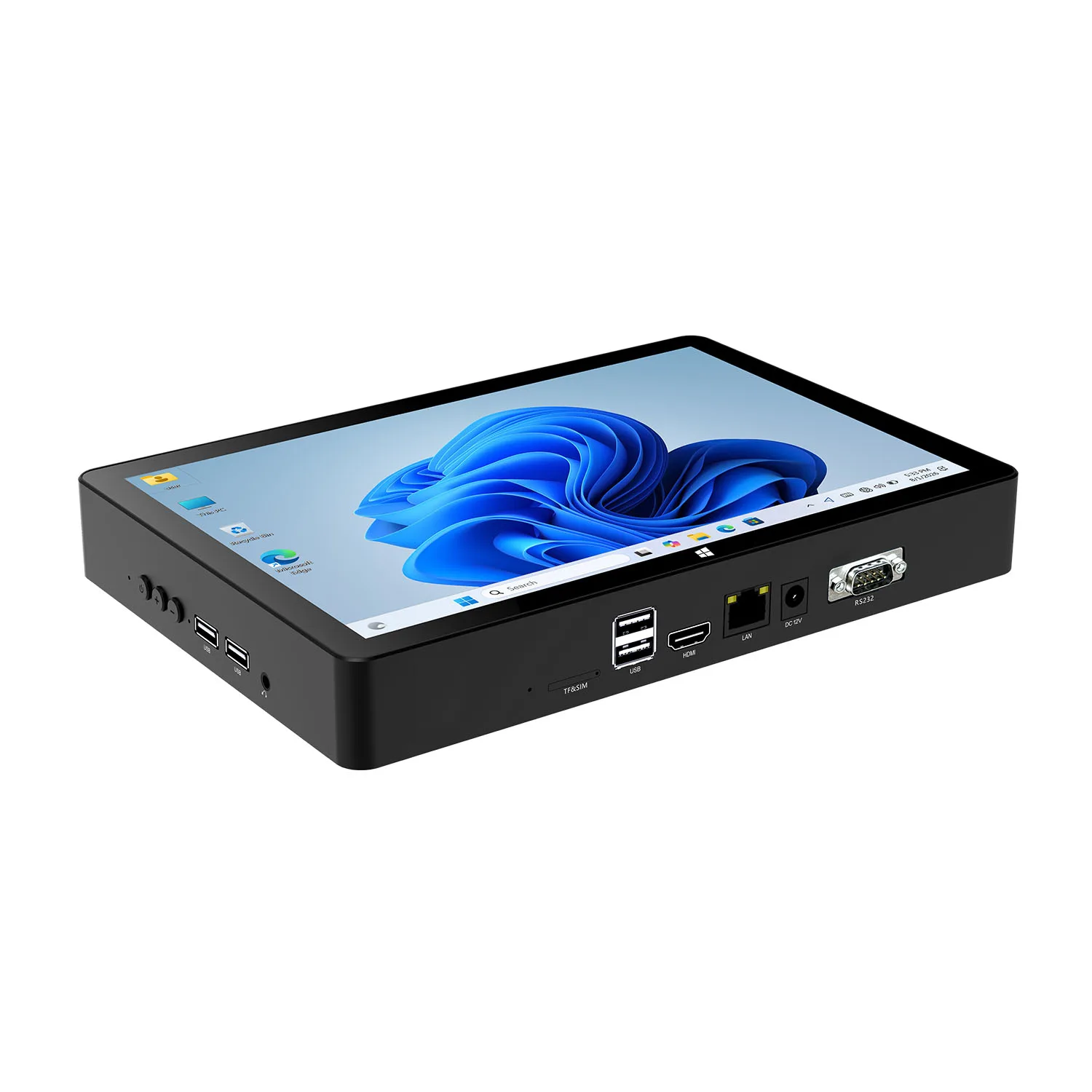
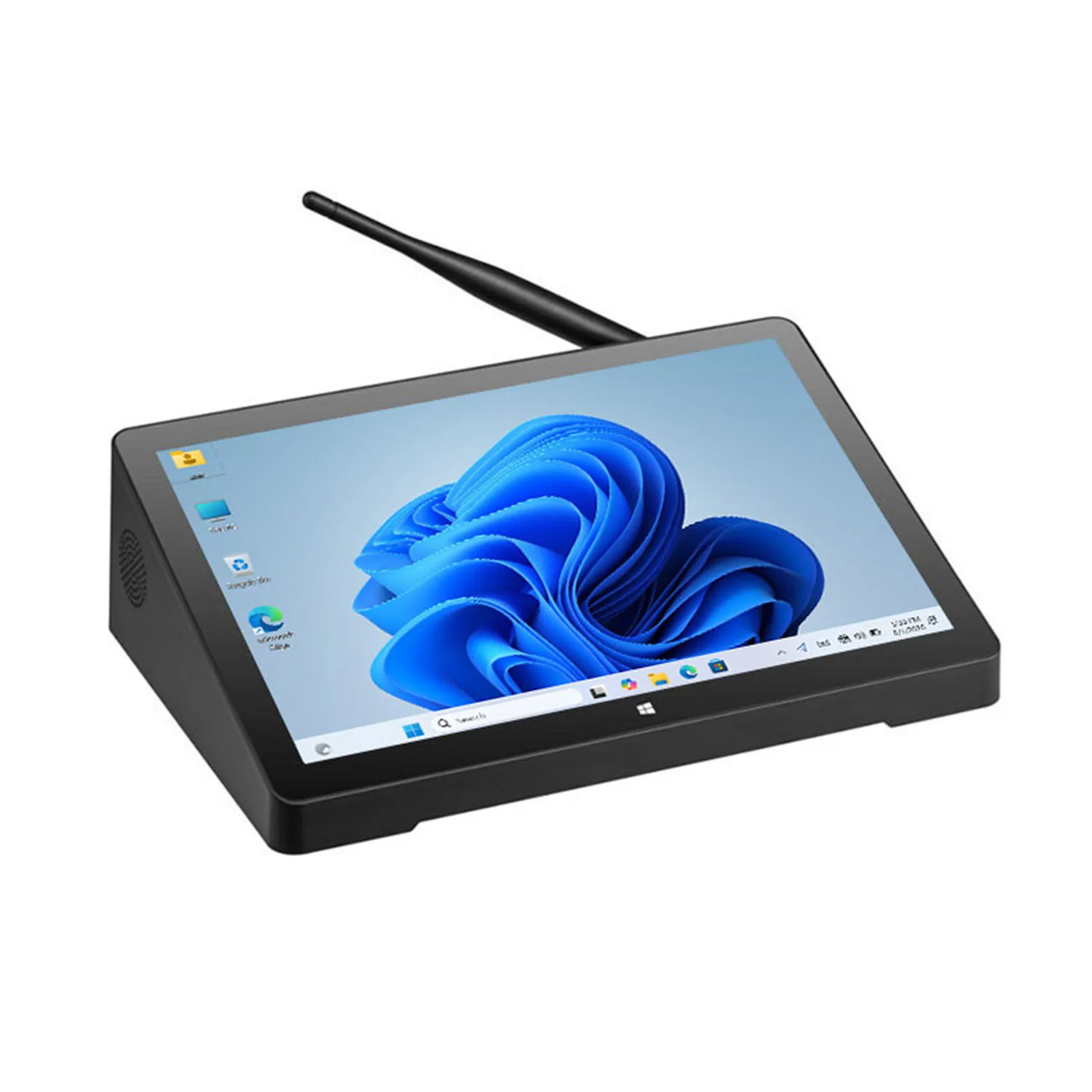
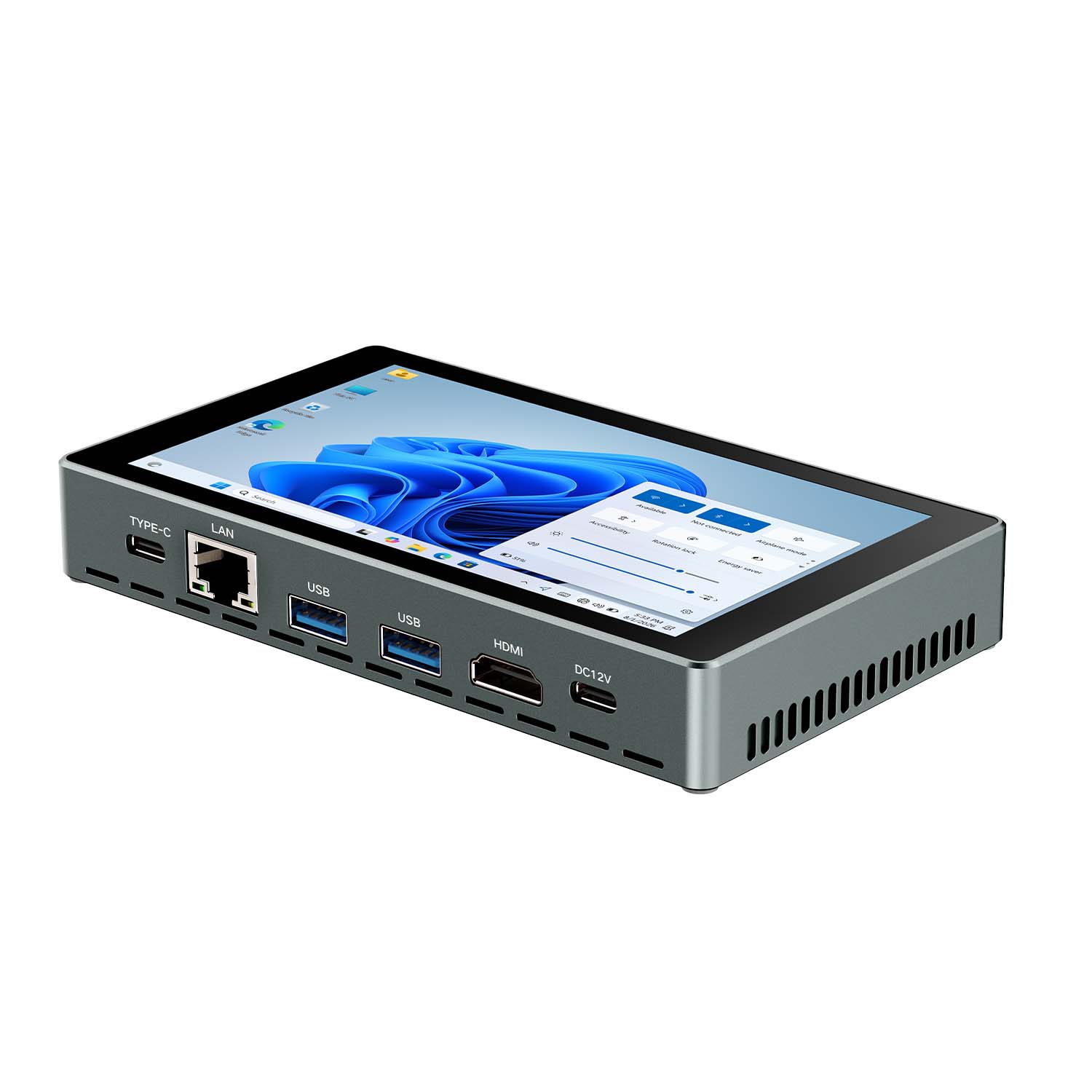
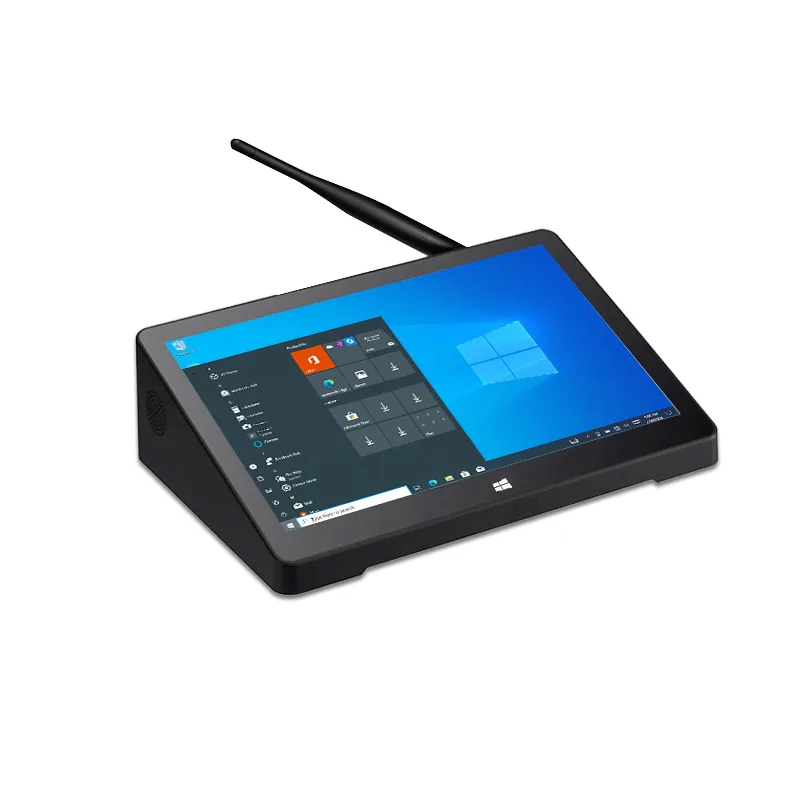
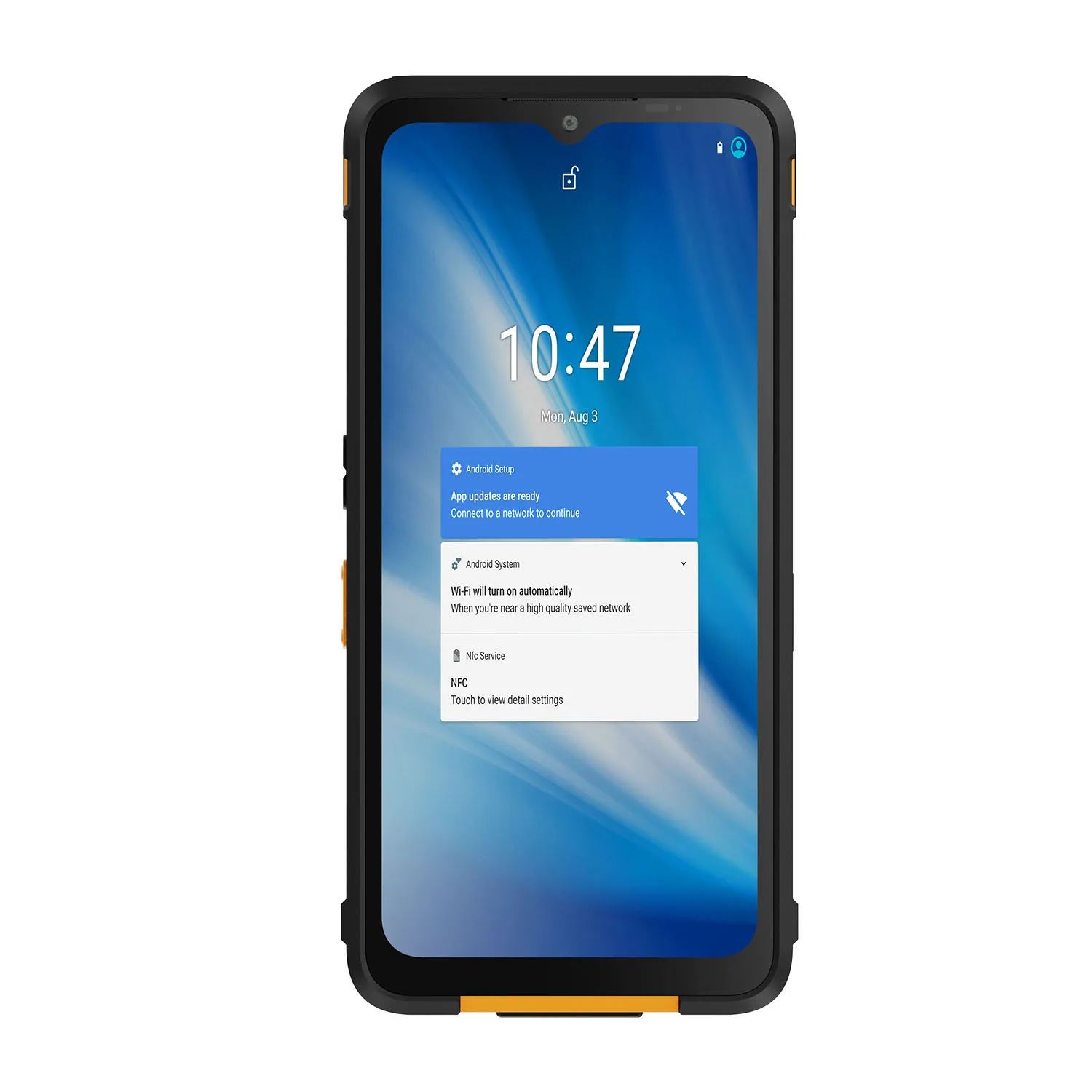
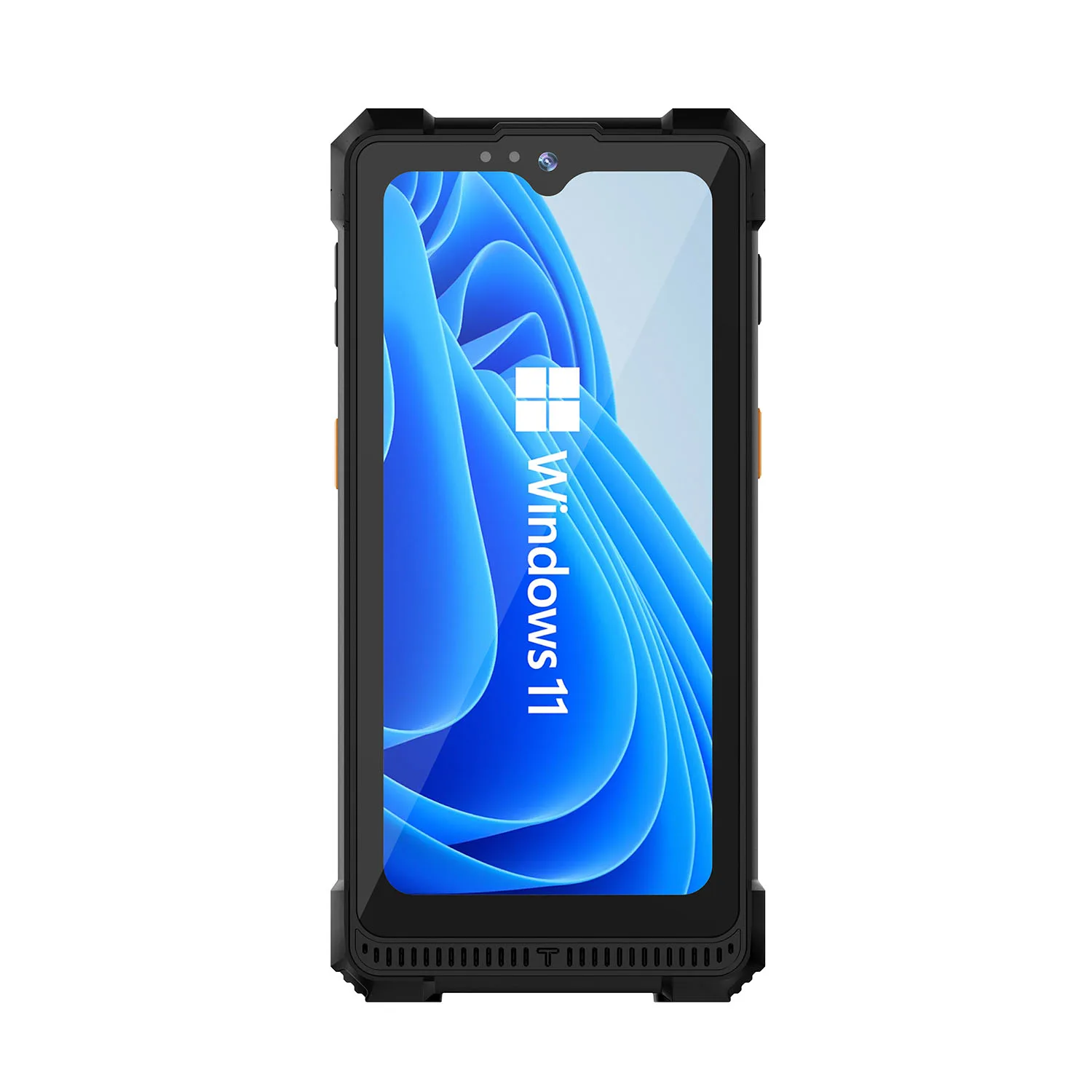
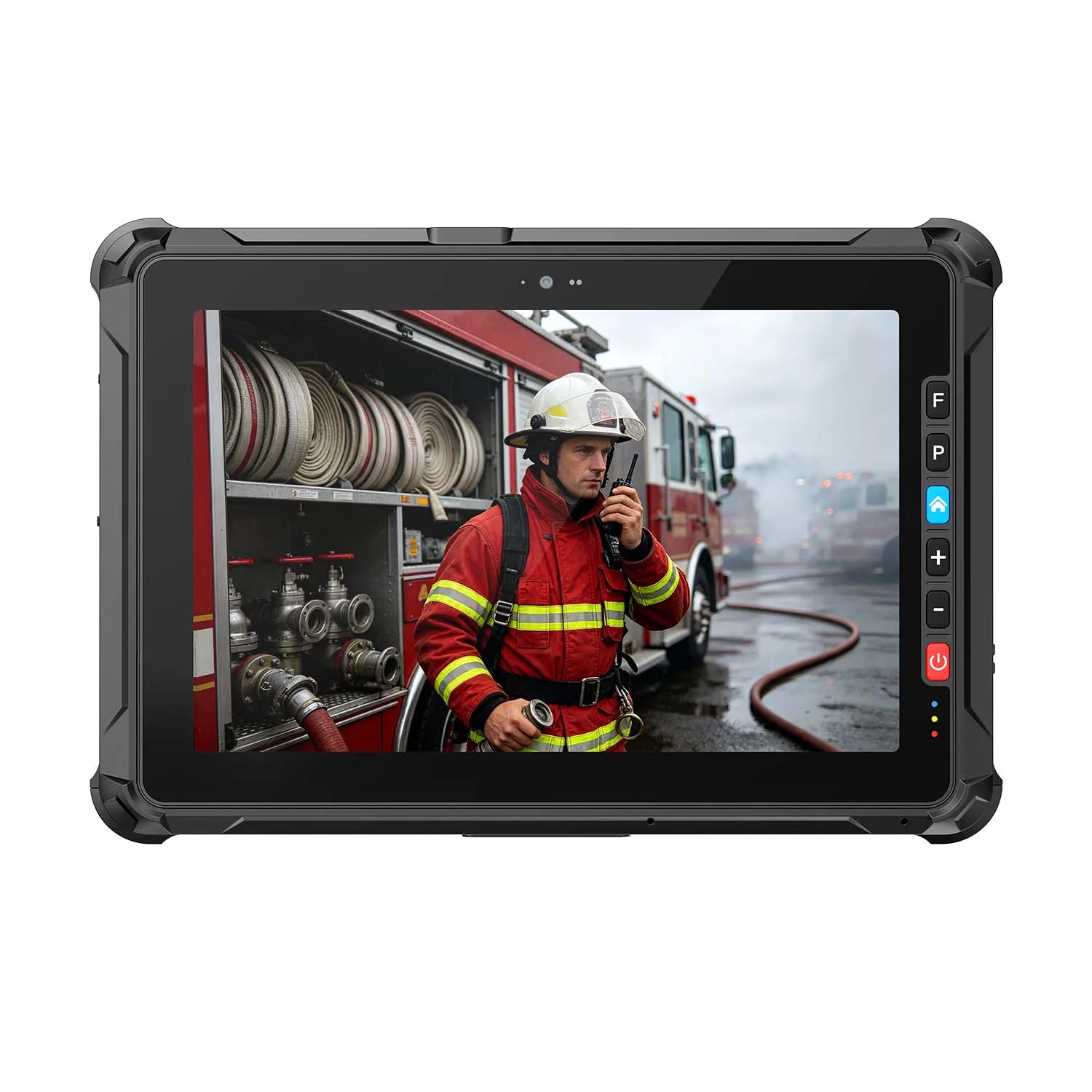
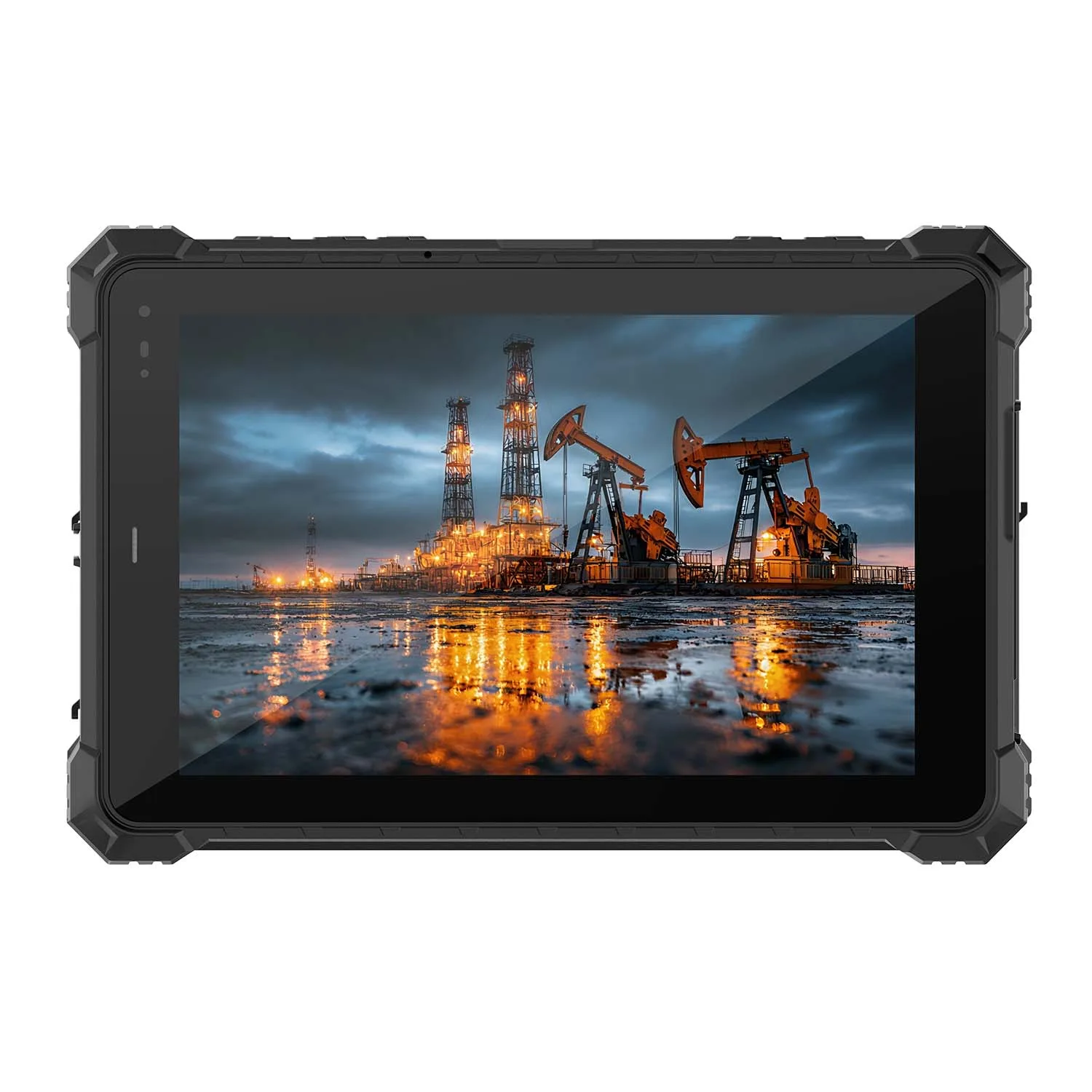
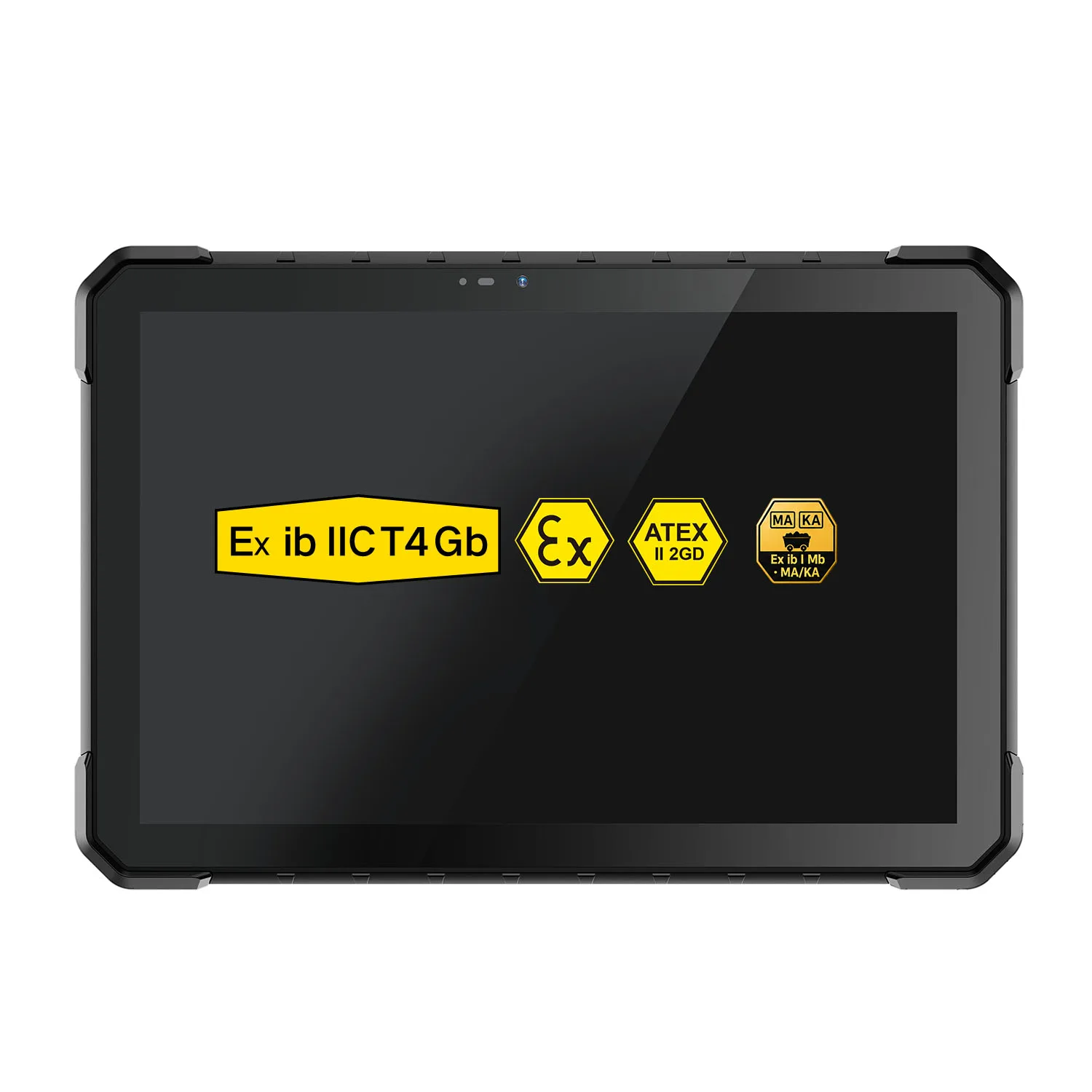
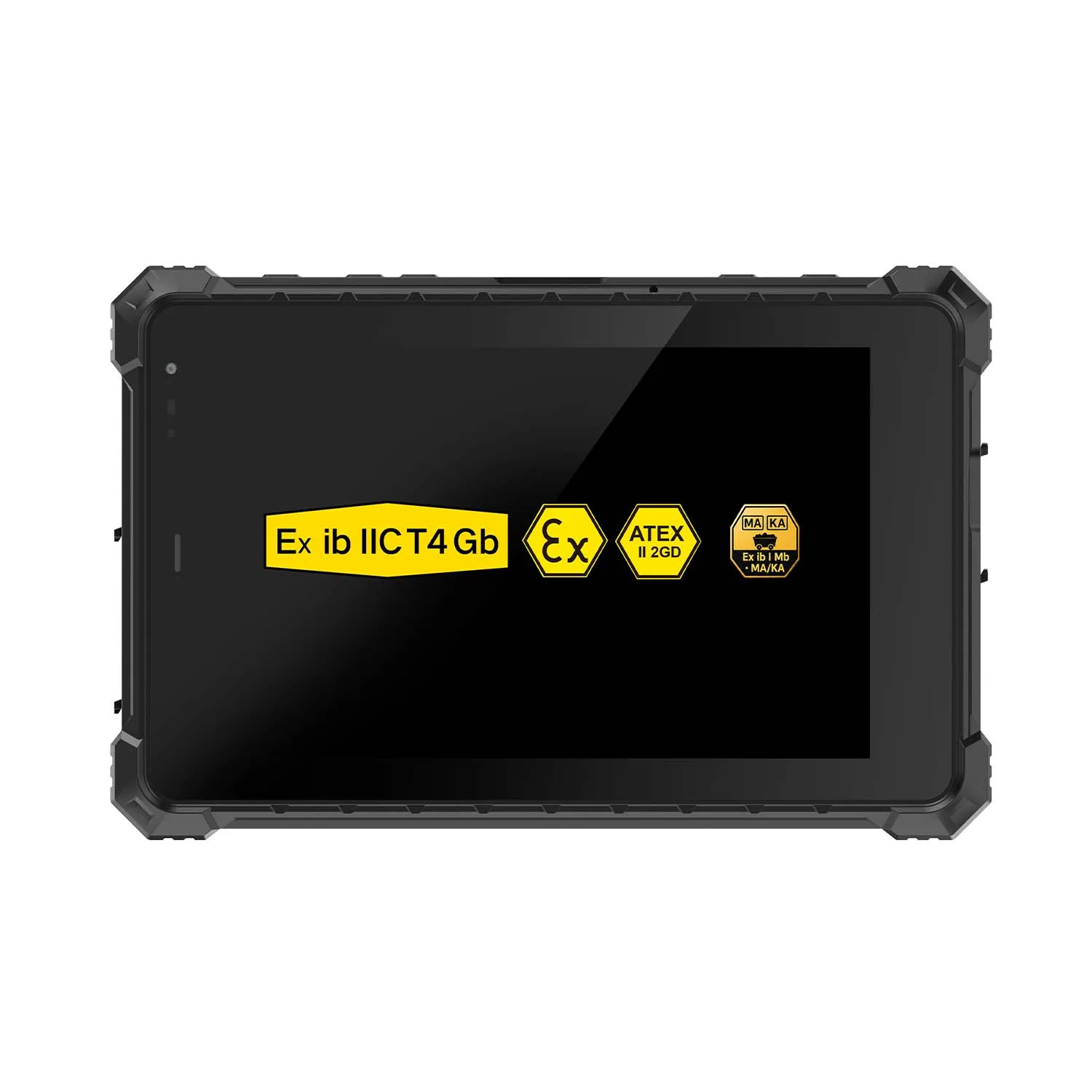
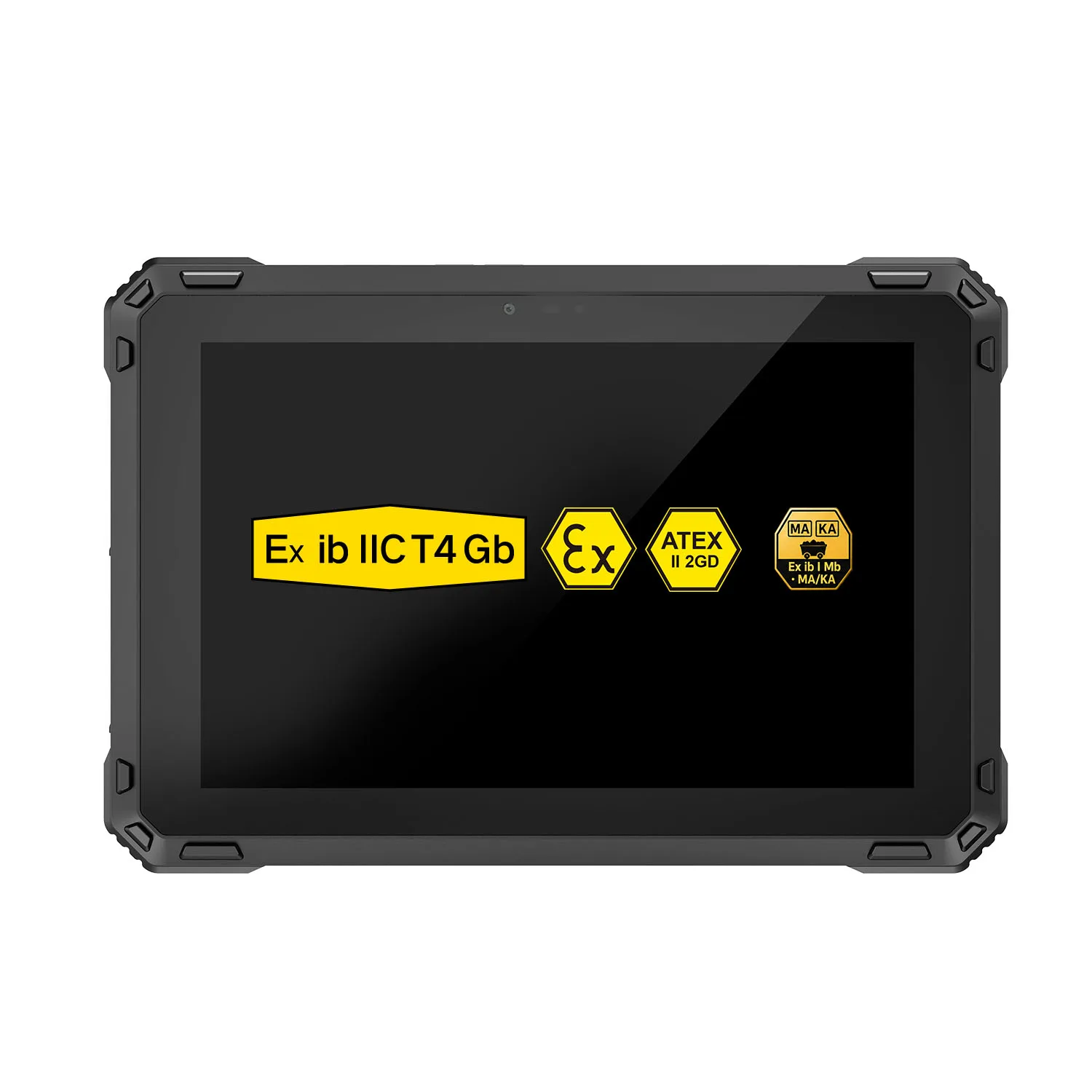
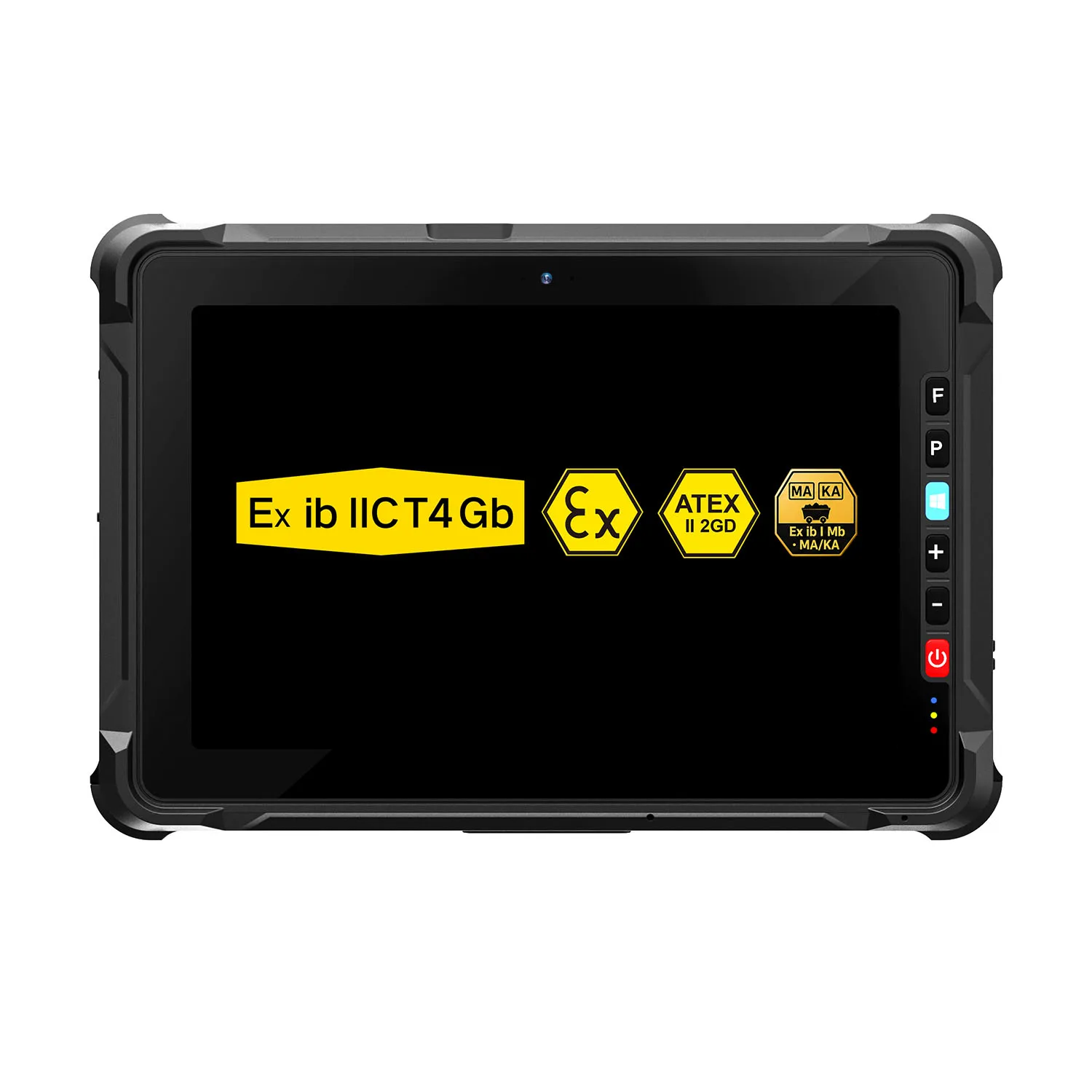
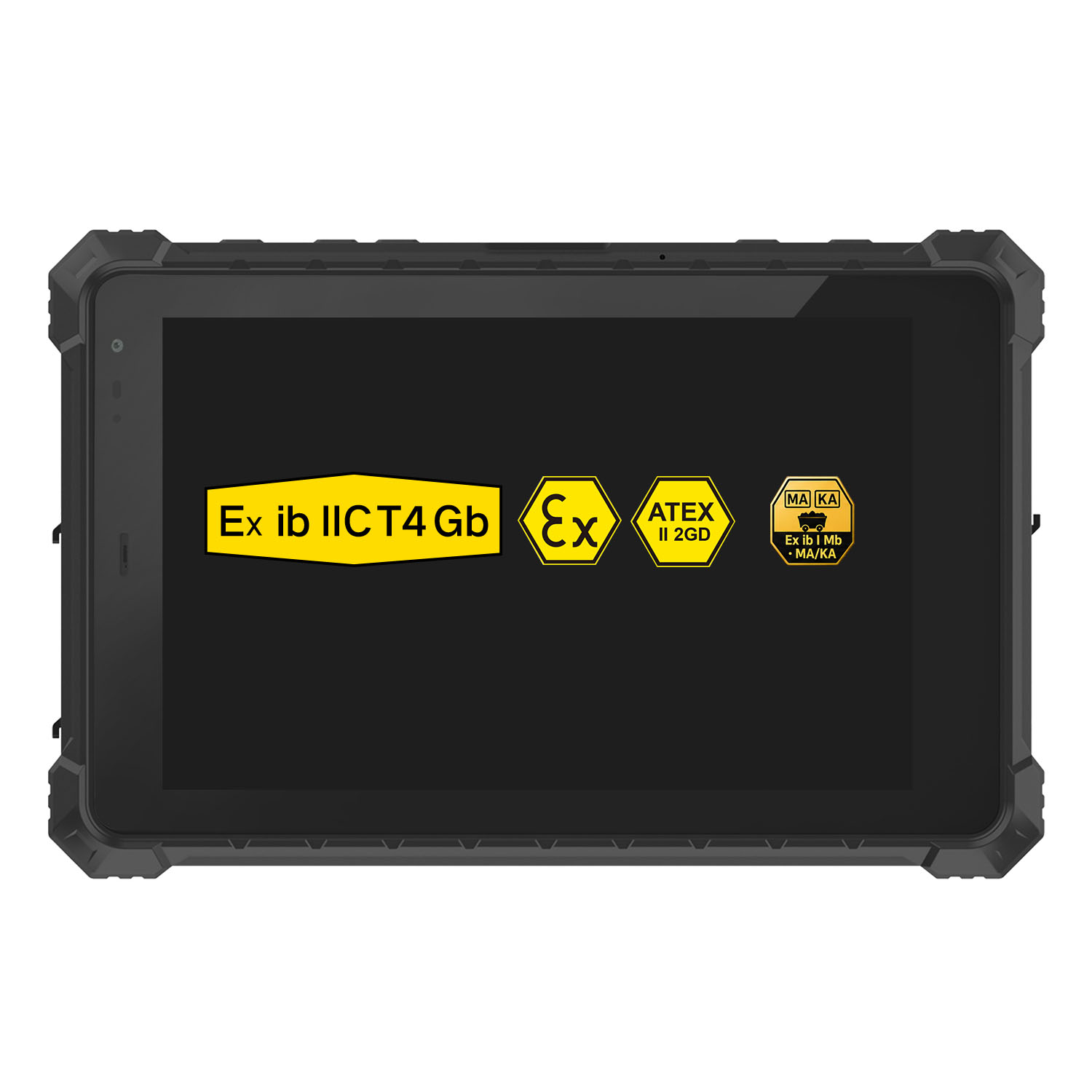
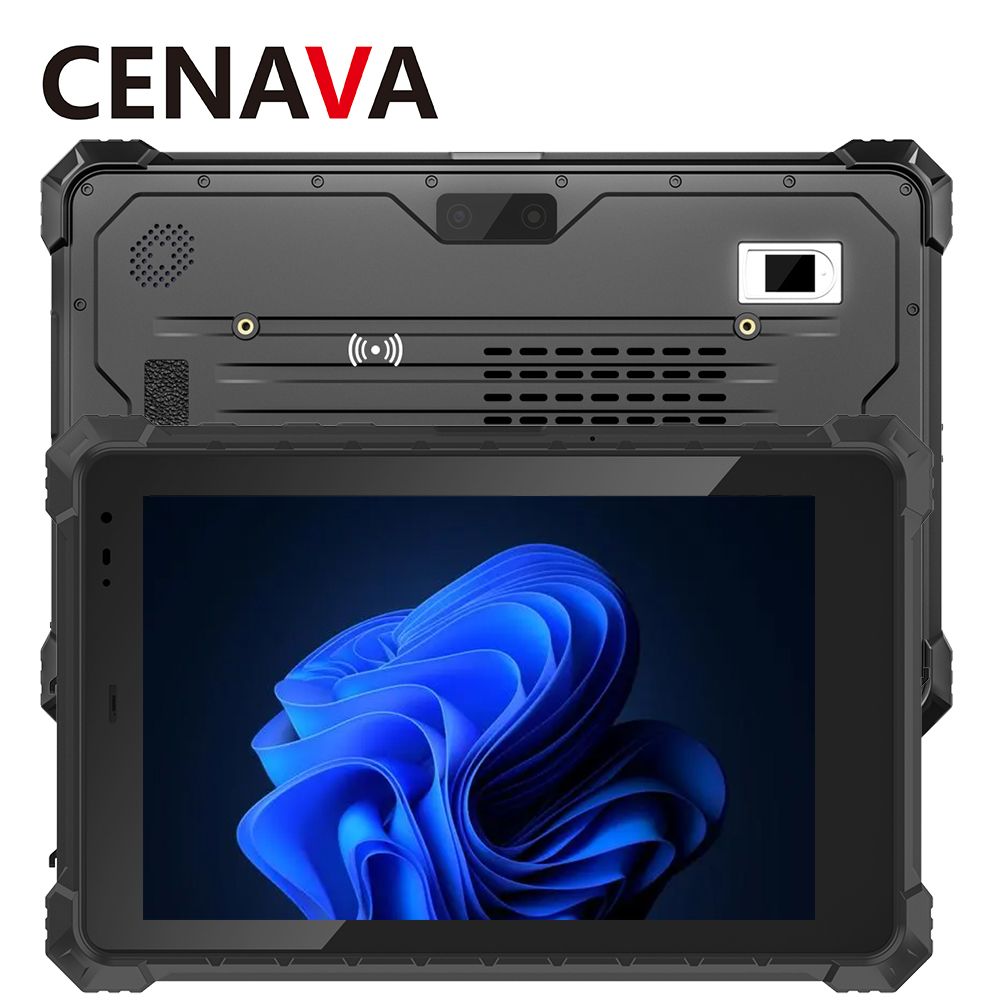
As of 2026, no CENAVA catalog tablet ships with native NTN. Our standard models — the W109U, A10ST, and A109T — include 4G/5G LTE and BeiDou/GPS/GLONASS/RTK positioning. NTN, BeiDou short-message, and Tiantong-1 satellite links are available only as custom OEM/ODM integrations, with project-specific lead times and minimum order quantities. Do not order a standard unit and assume it will connect via satellite.
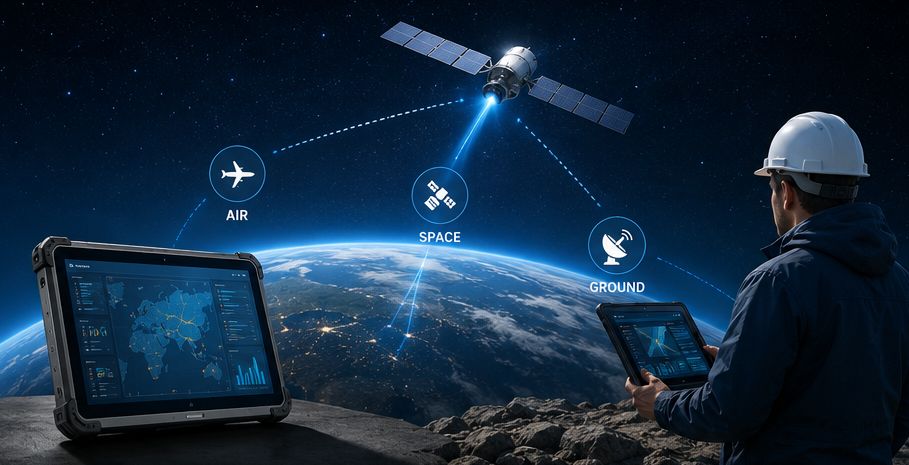
What Is Non-Terrestrial Network (NTN) Technology?
The 2023 earthquake in Turkey destroyed over 1,000 cell towers within hours. Rescue teams with standard rugged tablets could record structural damage photographs, but could not transmit them until they returned to an area with surviving infrastructure. NTN would have allowed those tablets to route data through a satellite link instead of waiting for terrestrial restoration. That is the specific gap NTN closes: not better cellular coverage, but coverage where there are no towers at all.Terrestrial vs. NTN Connectivity: How They Compare
| 4G/5G Cellular (available today) | NTN / Satellite (emerging) | |
|---|---|---|
| Coverage | Wherever cell towers reach | Global, including oceans, deserts, and polar regions |
| Typical latency | Low | Higher for GEO satellite links; improving with LEO constellations |
| Power consumption | Lower | Generally higher — a real design constraint for rugged battery life |
| Availability in rugged tablets | Standard across most current rugged tablets, including CENAVA's range | Still an emerging category; few off-the-shelf rugged tablets ship with native NTN today |
| Best for | Most field, warehouse, and industrial sites with normal cell coverage | Disaster response, offshore, remote mining, border patrol, and other coverage dead zones |
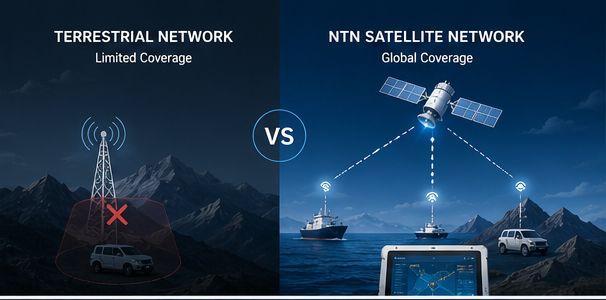
Key Capability Enhancements NTN Enables
Coverage layer. GEO satellites (Inmarsat, Thuraya) provide continuous regional coverage from 35,786 km altitude; one satellite can serve an entire continent, but latency sits at 500–700 ms. LEO constellations (Starlink, OneWeb, Amazon Kuiper) orbit at 300–1,200 km, cutting latency to 20–40 ms — comparable to terrestrial 4G — but require tracking antennas because the satellites move across the sky. For a rugged tablet, that means the antenna must either be mechanically steered or use a phased array, both of which add volume and power draw to an already constrained enclosure.
Resilience layer. When terrestrial infrastructure fails, satellite links do not depend on local towers. The 2011 Tōhoku earthquake in Japan knocked out 29,000 cell base stations; satellite terminals were the first data links restored in the affected prefectures. NTN does not prevent the disaster, but it removes the single point of failure that a cellular backhaul represents.
Latency improvement. LEO constellations have made satellite latency competitive with 4G for non-real-time applications: email, sensor telemetry, and compressed imagery upload all work acceptably at 20–40 ms. Real-time video conferencing or remote desktop control remain marginal over satellite, not because of latency alone, but because of jitter and brief dropouts during satellite handovers. Do not promise that NTN makes a rugged tablet equivalent to a cellular device for every application.
Engineering Challenges of Bringing NTN to Rugged Tablets
Hardware. A standard L-band satellite modem module (Iridium 9603N, Thuraya FDU) measures roughly 40 × 30 × 5 mm and requires an external antenna with a clear sky view. On a 10-inch tablet with an IP68-sealed chassis, that antenna must either protrude from the enclosure — creating a snag and impact risk — or be integrated behind a RF-transparent window that compromises sealing integrity. Phased-array antennas (Starlink terminal style) eliminate moving parts but require 10–20 cm² of surface area and generate 3–5 W of heat during transmission. Dissipating that heat inside a sealed magnesium enclosure without exceeding the 55 °C internal temperature limit is a thermal design problem, not a component selection problem.
Software. The tablet needs a connection manager that detects cellular signal loss, initiates satellite registration, and queues non-urgent traffic for the cheaper link. That sounds straightforward, but the handover logic must handle edge cases: a brief cellular dropout in a valley should not trigger a 30-second satellite registration that drains 8% of the battery. CENAVA's current 4G/5G tablets do not include this software stack; an NTN integration would require either a custom Android network layer or a separate satellite modem with its own TCP/IP proxy.
Power. A satellite modem in active transmission draws 5–10 W, compared with 2–4 W for a cellular modem. On a 10,000 mAh (37 Wh) battery, that difference translates to roughly 4 hours of satellite uptime versus 9 hours of cellular uptime at the same duty cycle. For a 12-hour field shift, that means either a larger battery, a hot-swap design, or aggressive sleep scheduling — none of which are standard catalog features.
Vendor validation. If a supplier claims "NTN-enabled," ask three questions before requesting a quote: Which satellite constellation and frequency band? What is the active-transmit power draw in watts? What is the antenna form factor and its impact on the IP rating? A supplier who answers with a brochure photograph instead of those three numbers is describing a concept, not a product.
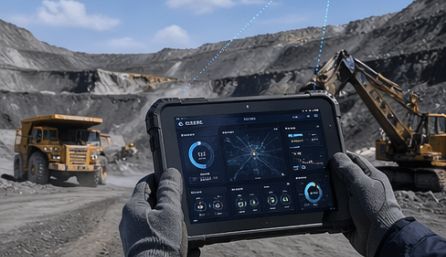
Where NTN-Enabled Connectivity Will Matter Most
| Scenario | Why Terrestrial Networks Fall Short | What NTN Enables |
|---|---|---|
| Disaster response | Earthquakes and floods regularly destroy local cell infrastructure | Rapid re-establishment of field data, imagery, and geolocation transmission via satellite |
| Energy & infrastructure | Pipelines, power grids, and wind farms are spread across vast, low-coverage areas | Continuous remote monitoring, diagnostics, and centralized management |
| Mining & heavy industry | Complex terrain and limited infrastructure have historically blocked digitalization | An alternative communication path independent of local cell towers |
| Maritime & offshore | Open ocean has no terrestrial cellular coverage at all | Persistent connectivity for vessel management and equipment monitoring |
| Border & public safety | Mountainous, remote patrol routes have inconsistent coverage | Stable real-time data sharing for situational awareness |
| Scientific research | Polar and high-altitude sites are effectively offline today | Real-time data transmission instead of offline data collection |
What CENAVA Offers Today — and Where NTN Fits Next
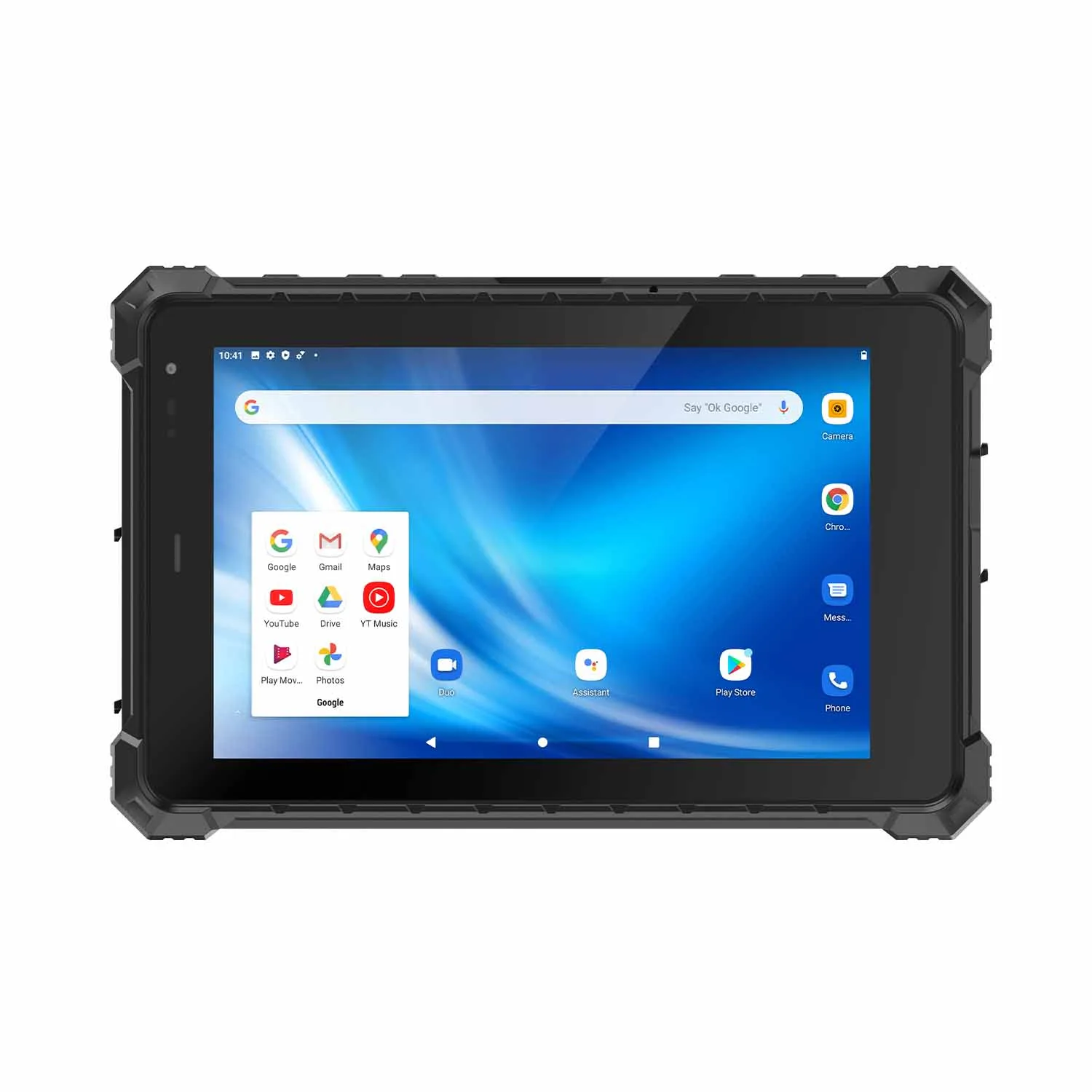
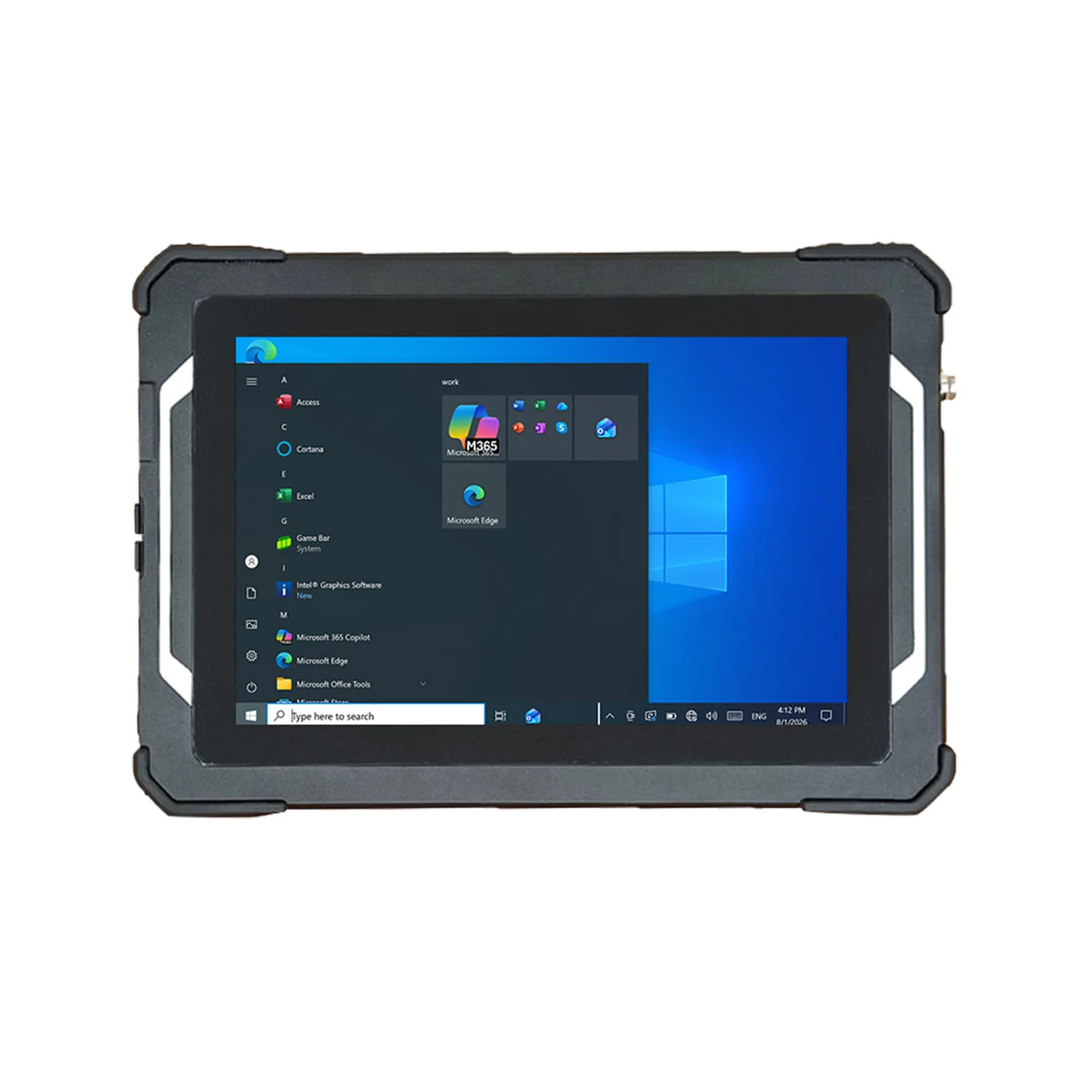
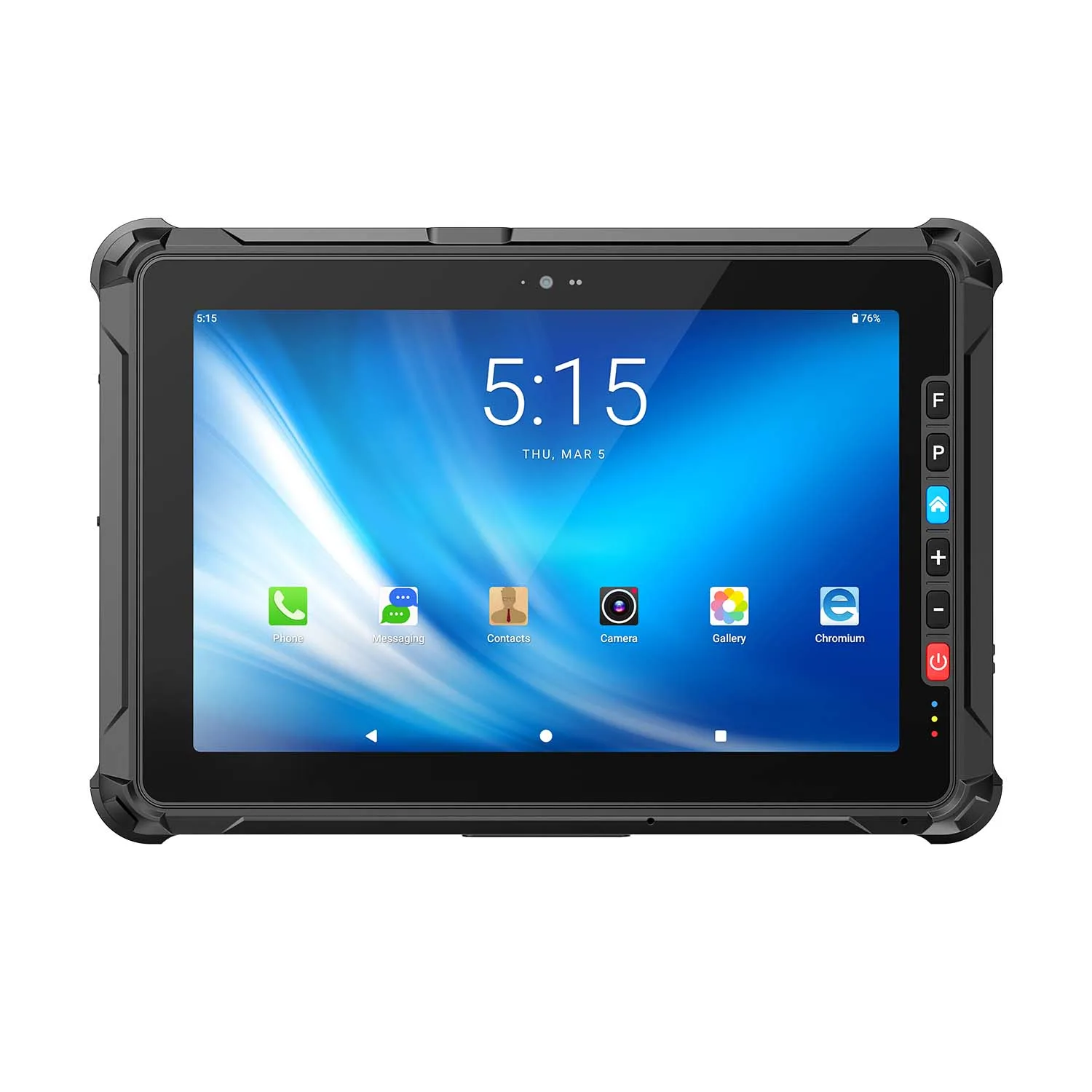
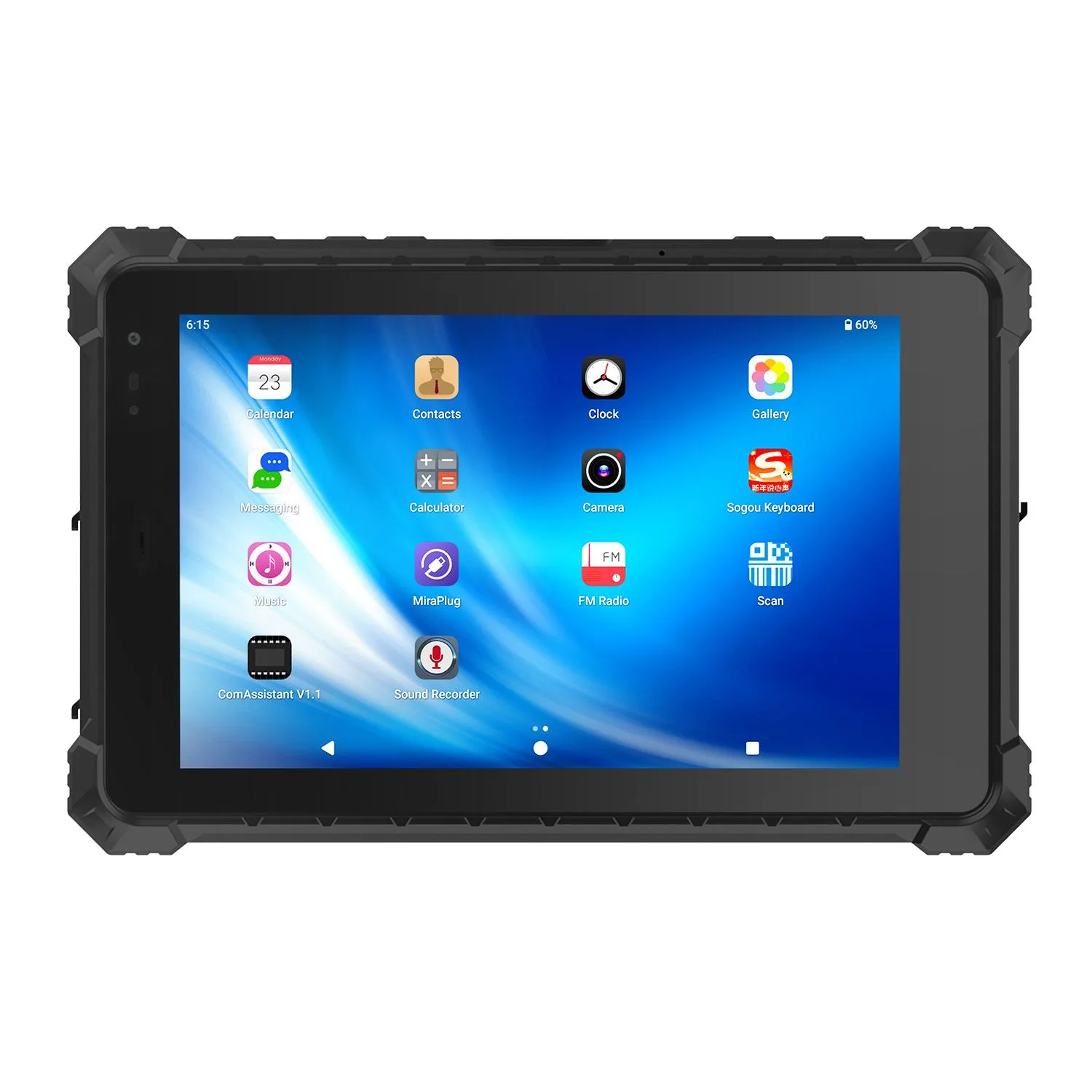
CENAVA's catalog tablets — the W109U (Windows 11, IP67, 4G), A10ST (Android 13, IP68, 4G), and A109T (Android 14, IP68, 4G) — include cellular modems and BeiDou/GPS/GLONASS/RTK positioning. For sites with weak but existing cellular signal, these devices work with external antennas or vehicle-mounted boosters. For sites with zero cellular coverage, they record data locally and queue it for upload when the device returns to coverage.
NTN integration is not on the 2026 catalog roadmap. If your project requires satellite connectivity, CENAVA can evaluate a custom integration through our OEM/ODM channel. That process starts with a technical requirements document: which constellation, which frequency band, what data rate, and what antenna form factor your application accepts. Lead time is typically 16–24 weeks for a first article, plus certification time for the target market. It is not a configuration option you add at checkout.
Frequently Asked Questions
My site has weak cellular signal but not zero coverage. Should I wait for NTN?
Probably not. First, test whether a standard 4G tablet with an external antenna or a vehicle-mounted cellular booster solves the problem. Those are catalog options with known cost and lead time. NTN becomes relevant only when there is literally no cellular signal for the entire shift — offshore platforms, deep desert, or post-disaster zones. If you are unsure, map your route with a cellular signal logger for one week; the data will tell you whether you have a coverage problem or a capacity problem.
What is the difference between NTN and a standard satellite phone?
A satellite phone (Iridium, Thuraya, Inmarsat) uses a proprietary protocol for voice and data over a specific constellation. NTN is a broader 3GPP standard that integrates satellite links into the same 5G network architecture as terrestrial cells, allowing a single device to switch between tower and satellite without changing SIM or application. As of 2026, most operational satellite services still use proprietary protocols; 5G-NTN is in early deployment (AST SpaceMobile, Lynk) but not yet a rugged tablet standard.
What lead time should I expect for a custom NTN integration?
16–24 weeks for a first article, plus market-specific certification. That timeline assumes you have already defined the constellation, frequency band, data rate, and antenna constraints. If you have not defined those, add 4–8 weeks for requirements engineering. NTN is not a module you select from a dropdown; it is a co-development project.
About CENAVA
CENAVA is a Chinese manufacturer of rugged tablet PCs, committed to integrating advanced connectivity with industrial-grade hardware for emergency response, field operations, industrial inspection, and energy exploration. The company continues to track NTN and satellite connectivity developments as part of its rugged device roadmap, alongside its current 4G/5G and GNSS-equipped product line.Need a Rugged Device for Your Project?
Tell us your operating environment and requirements — our engineers will recommend a configuration and quote within 24 hours.
Get a Free Quote Back to Blog