




Rugged Tablet OEM & ODM Customization: How It Actually Works
Rugged tablet OEM customization means building your branded device on a manufacturer's existing, proven mold — you change the logo, the ports, the modules, and the software image, but not the tooling. ODM means designing a new device from zero, including a new private mold. OEM typically runs one or two weeks from confirmed spec to shipment with MOQs from one unit and single-unit samples; ODM typically runs one to two months, driven mainly by tooling and certification and carries a one-time tooling cost plus additional certification fees.
1. Four Ways to Work With Us
| Model | What Changes | MOQ | Lead Time | Certification | Best For |
|---|---|---|---|---|---|
| Software-only OEM | Boot logo, OS image, preloaded apps, kiosk lock | 1 unit | 1 week | Inherits base model's CE/FCC | You like the hardware as-is, you just need it locked down and branded |
| Hardware-modified OEM | Adds RS232 / CAN / M12, swaps scanner, RFID, battery, silk-screen logo, custom packaging | 1 unit (sample); production MOQ confirmed in writing | 1-2 weeks | Base cert + 1 week delta testing | Hardware-modified OEM is what most customers end up choosing. It is the fastest route to a device that actually fits your workflow. |
| Semi-custom (mold modification) | Housing cutouts, port panel redesign on an existing mold base | Project-quoted — mold work has a setup floor | 1-2 weeks | Delta testing required | You need a physically different port layout but not a new device |
| Full ODM (private mold) | New industrial design, new mainboard, new mold, exclusive product | Project-quoted, plus one-time tooling cost | one to two months, driven mainly by tooling and certification | Full CE / FCC / IP / MIL-STD from scratch | You are launching your own hardware brand and need exclusivity |
2. Why Off-the-Shelf Tablets Die on the Floor
We have seen the same three situations destroy fleet deployments.
The missing port. A maintenance team buys a consumer-grade rugged tablet with USB-C only. Two weeks in, they discover the line PLC still speaks RS232. Now they are dangling $12 USB-to-serial adapters off the side of a forklift — and wondering why the connection drops every time the mast vibrates.
The wrong IP rating. IP65 handles dust and a light hose-down. It does not handle a device that falls into a wash-down trough at 2 AM. Buying "more rugged than necessary" wastes budget; buying "slightly less rugged than necessary" writes off the entire fleet.
The hardware you paid for but cannot use. Front cameras that fail site security audits. App stores that operators use to install games during night shift. LTE radios burning battery on a device that never leaves the Wi-Fi coverage of the warehouse.
Customization is not branding vanity. It is how you stop paying for a device that is simultaneously over-specified and under-specified.
3. What You Can Change on a CENAVA Base Platform
| Category | Options | Typical Application |
|---|---|---|
| Branding & appearance | Shell color, silk-screened logo, laser-etched logo, custom retail/bulk packaging, custom boot animation | Self-branded equipment, fleet terminals |
| Industrial I/O | RS232, RS485, CAN bus, lockable M12, Gigabit Ethernet (RJ45), industrial USB, DB9 | Vehicle diagnostics, PLC/line-side terminals, rail |
| Data capture modules | 1D/2D barcode engine, UHF RFID, NFC, HF reader | Warehouse, inventory, asset tracking |
| Display | High-brightness sunlight-readable (1000 nits class), glove touch, wet touch, optical bonding, anti-glare | Outdoor survey, field inspection, cold-chain |
| Connectivity | 4G LTE, 5G, Wi-Fi 6, Bluetooth, GNSS (GPS / BeiDou / GLONASS), dual-SIM | Field service, logistics, mobile workforce |
| Power | Extended-capacity battery, hot-swappable battery, 9–36 V wide vehicle voltage input, dock/cradle | Road rescue, multi-shift operation, vehicle mount |
| Environmental | Wide-temperature calibration for −40 °C to +60 °C, thermal re-tuning, MIL-STD-810 reliability re-testing | Northern mining, foundries, cold storage |
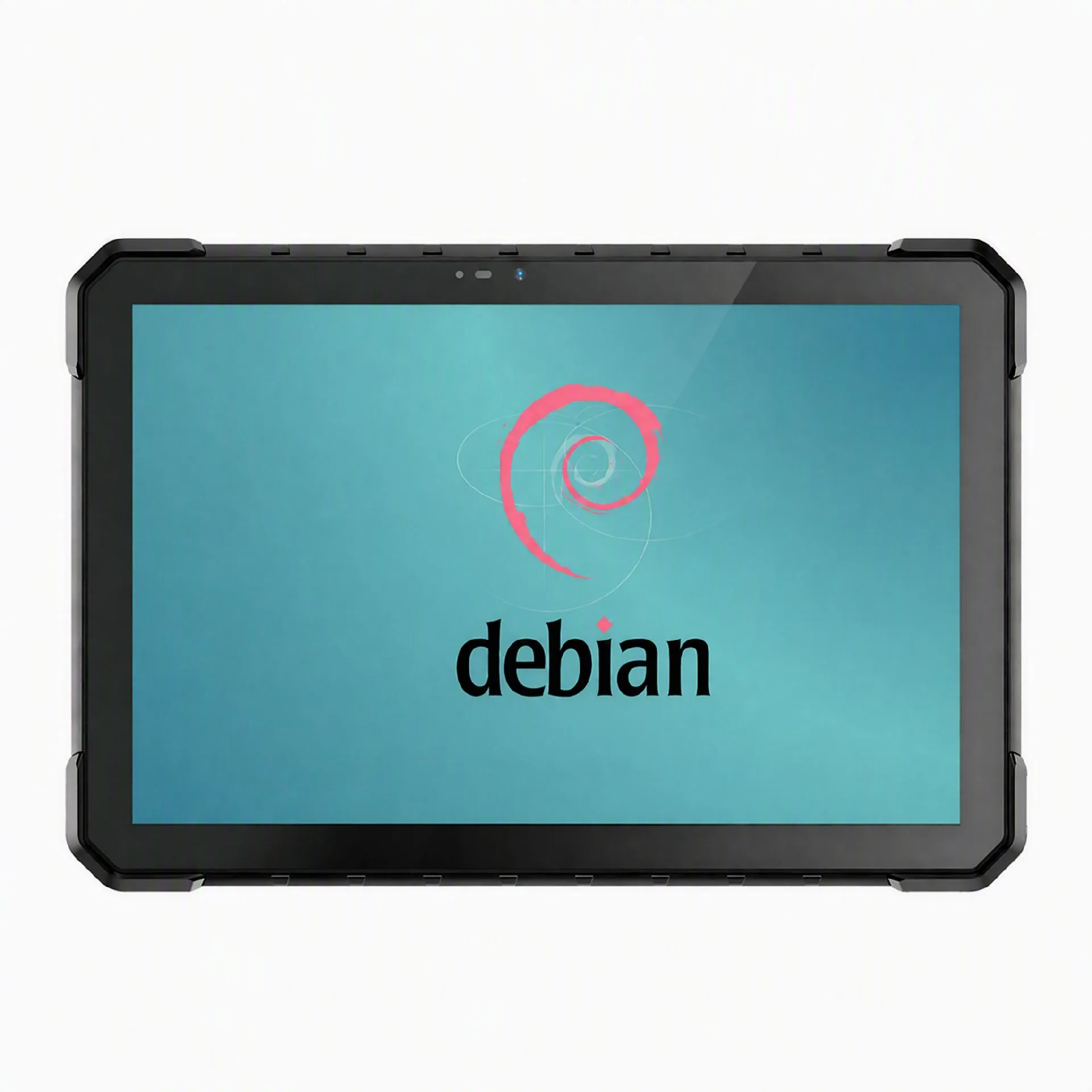
| Software / OS | Custom OS image, de-bloated build, preloaded WMS/ERP/diagnostic apps, kiosk (COSU) lock, app-store disable | Every fleet deployment, without exception |
4. CENAVA Base Mold Platforms Available for OEM
| Base Platform | Form Factor | Display | OS | Memory | Notable Onboard I/O | OEM Notes |
|---|---|---|---|---|---|---|
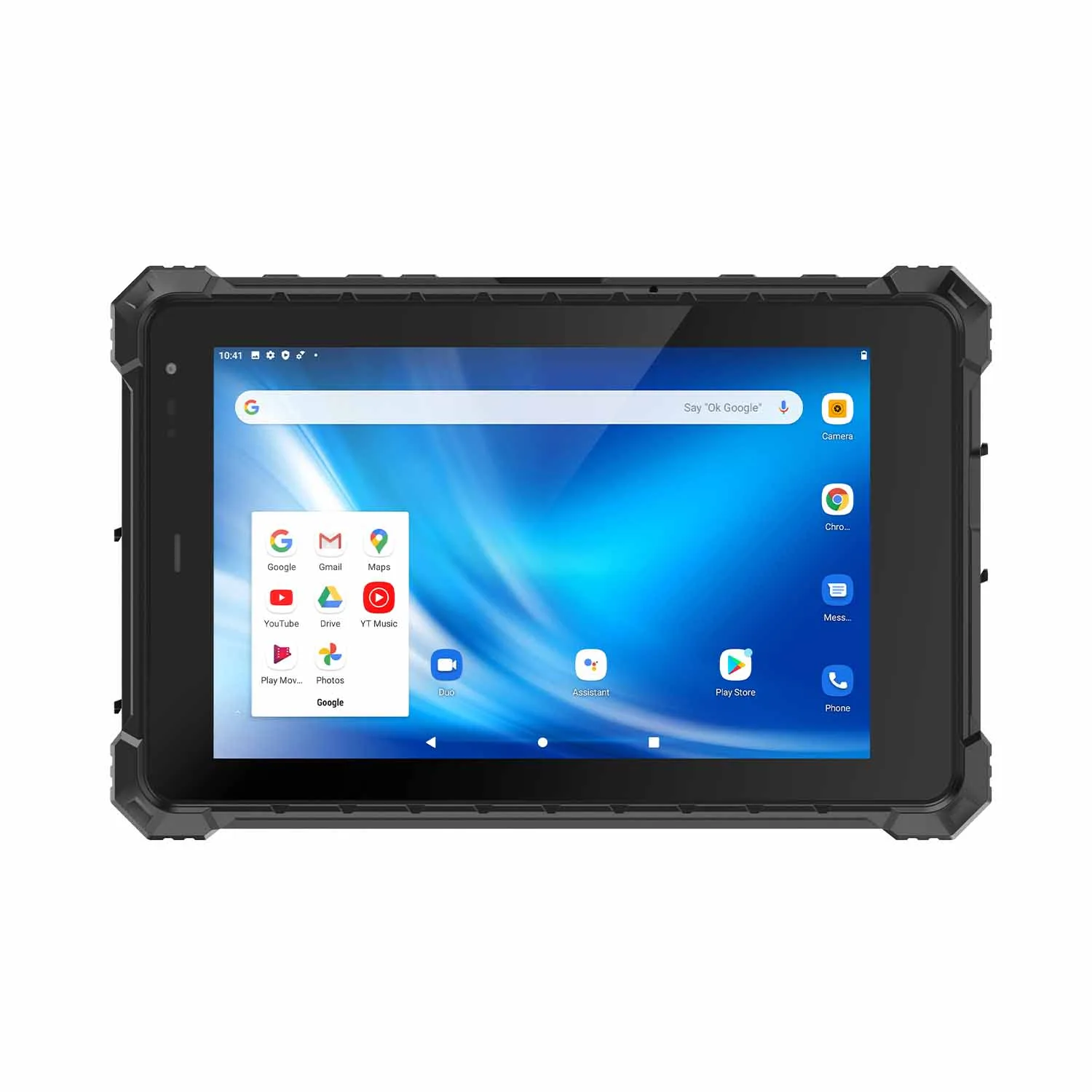
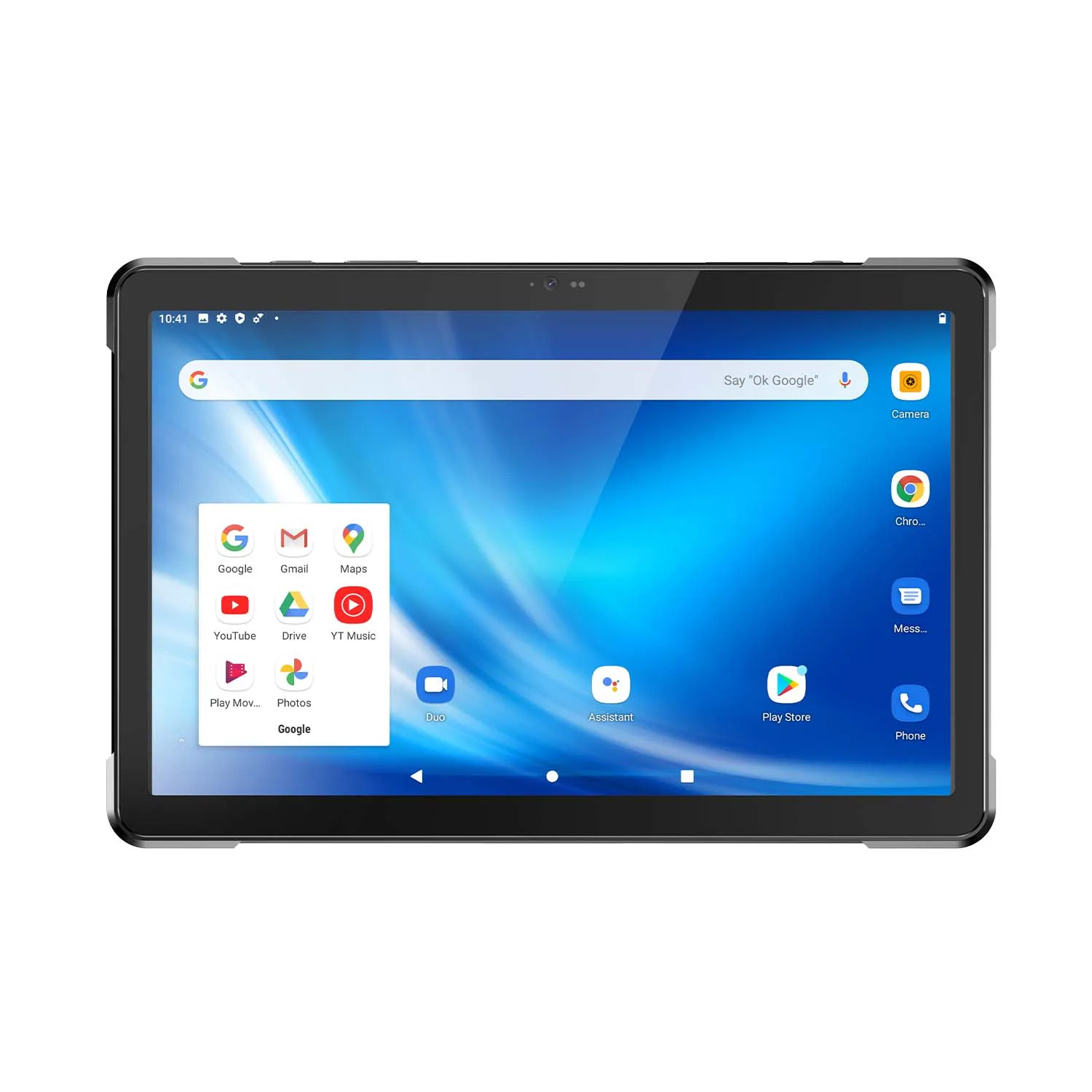
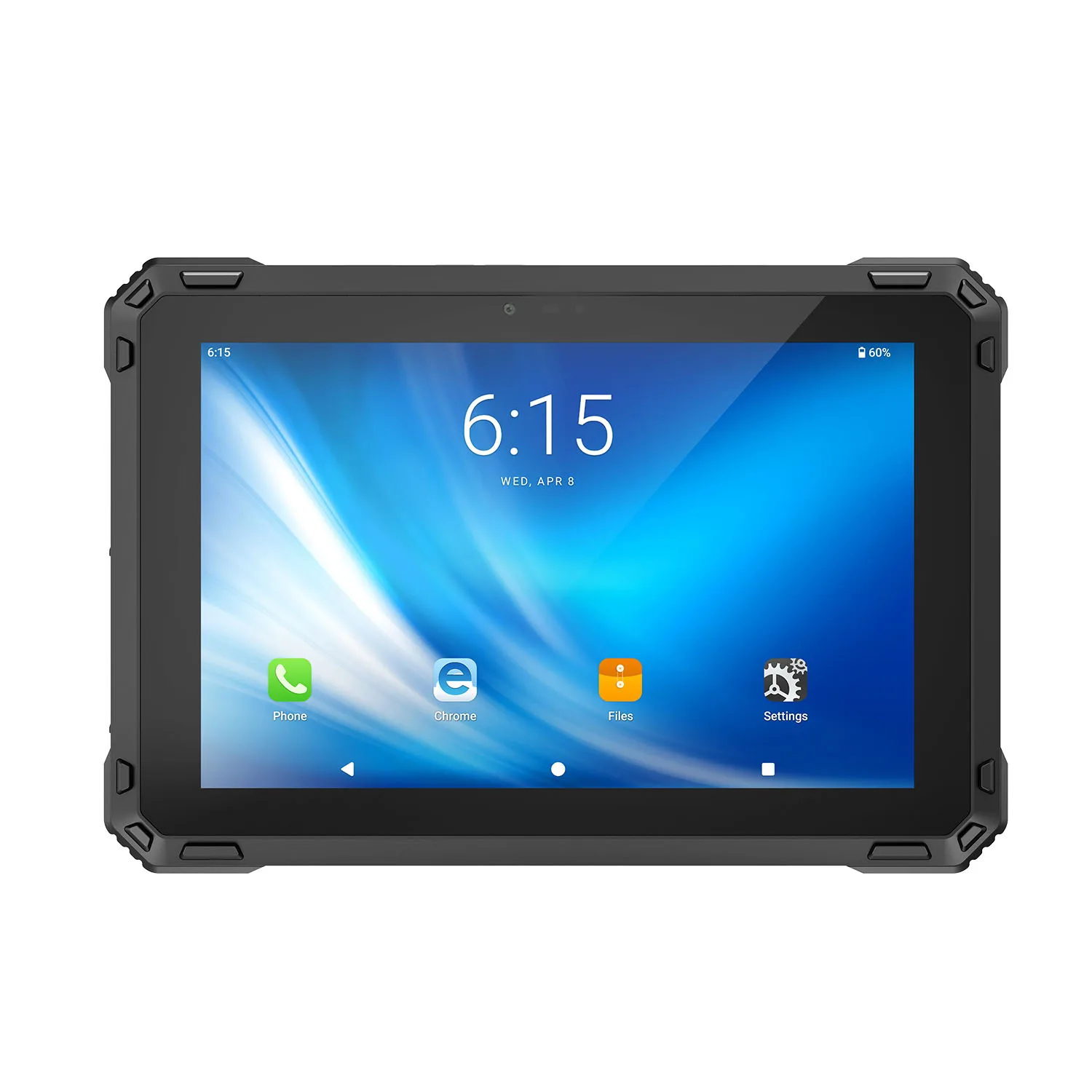
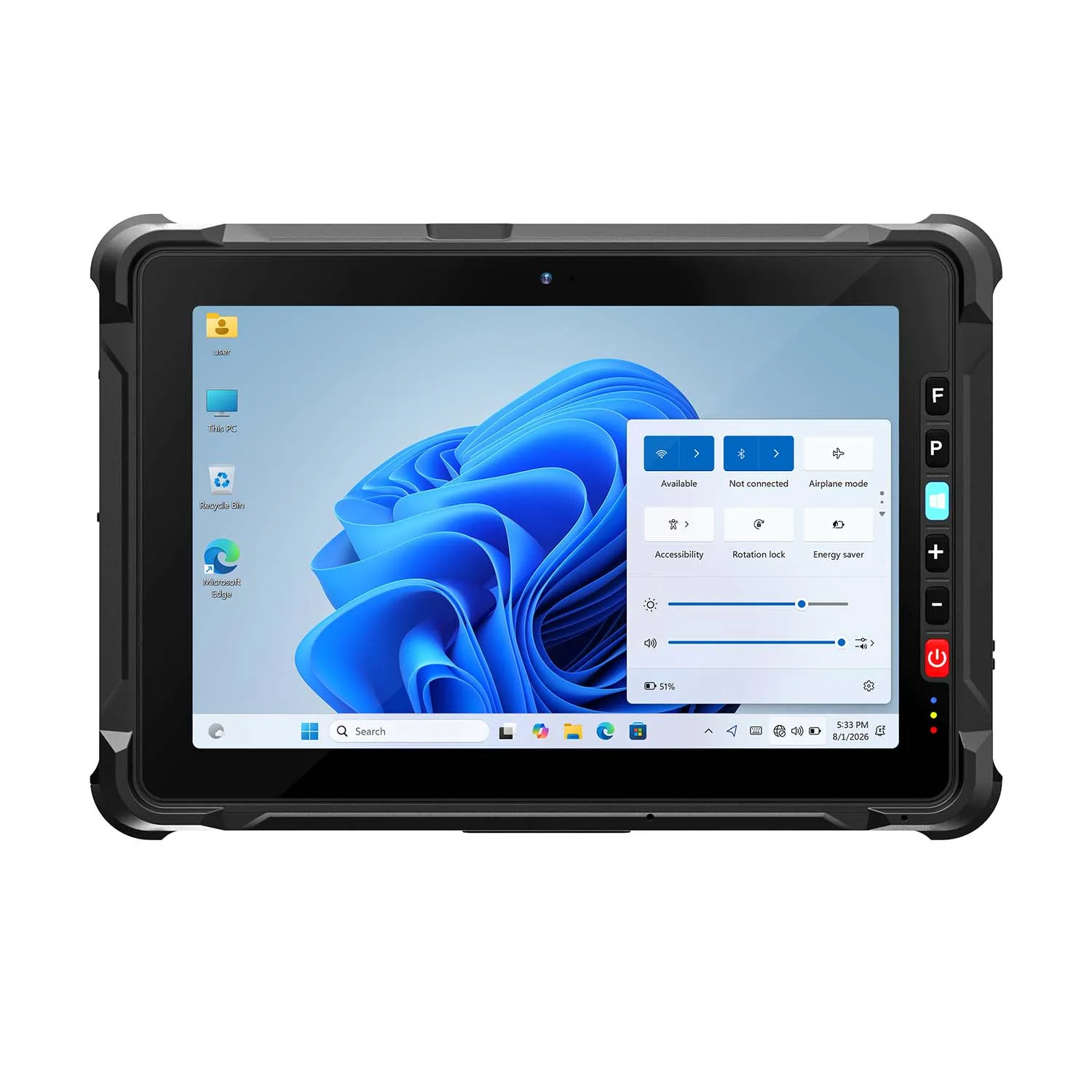
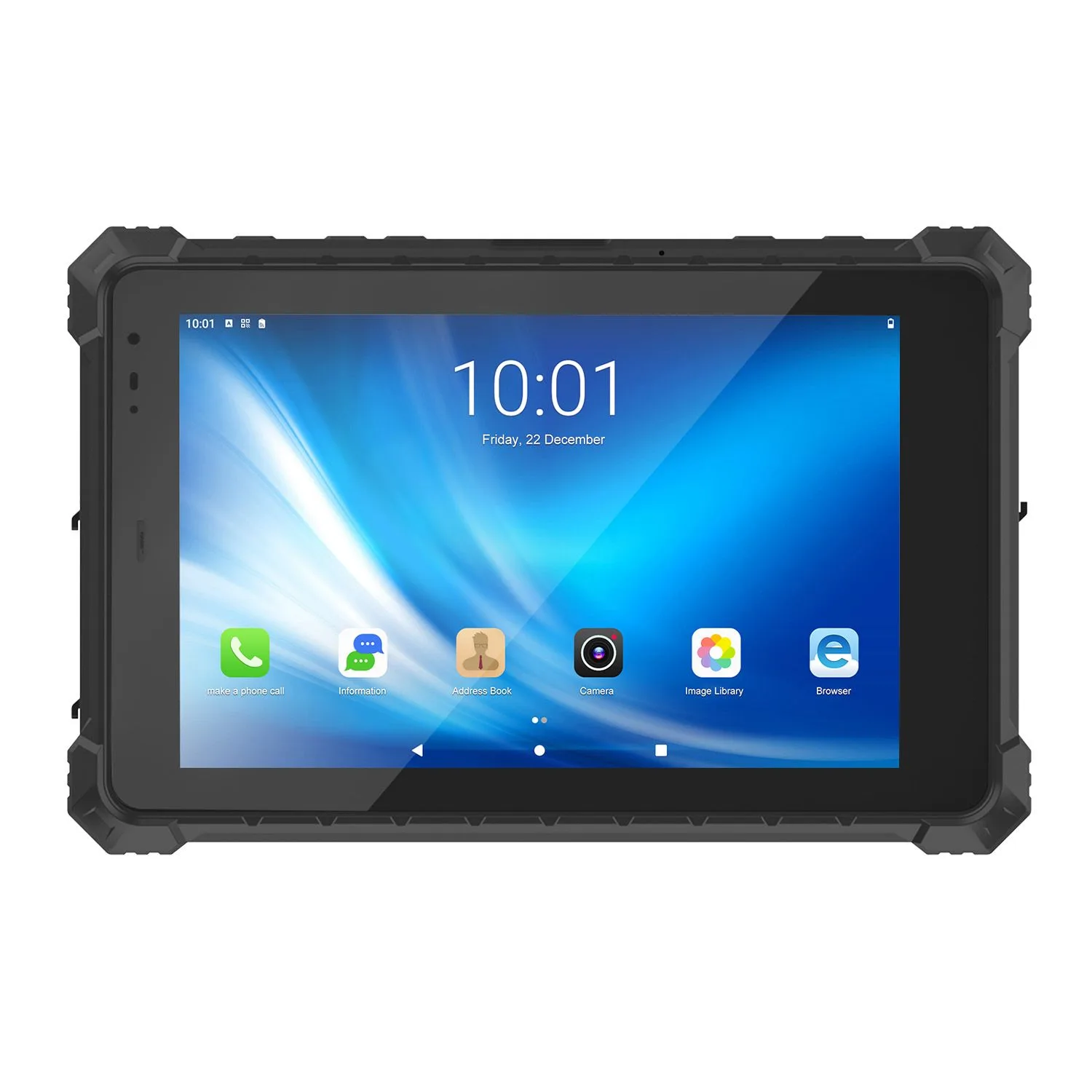
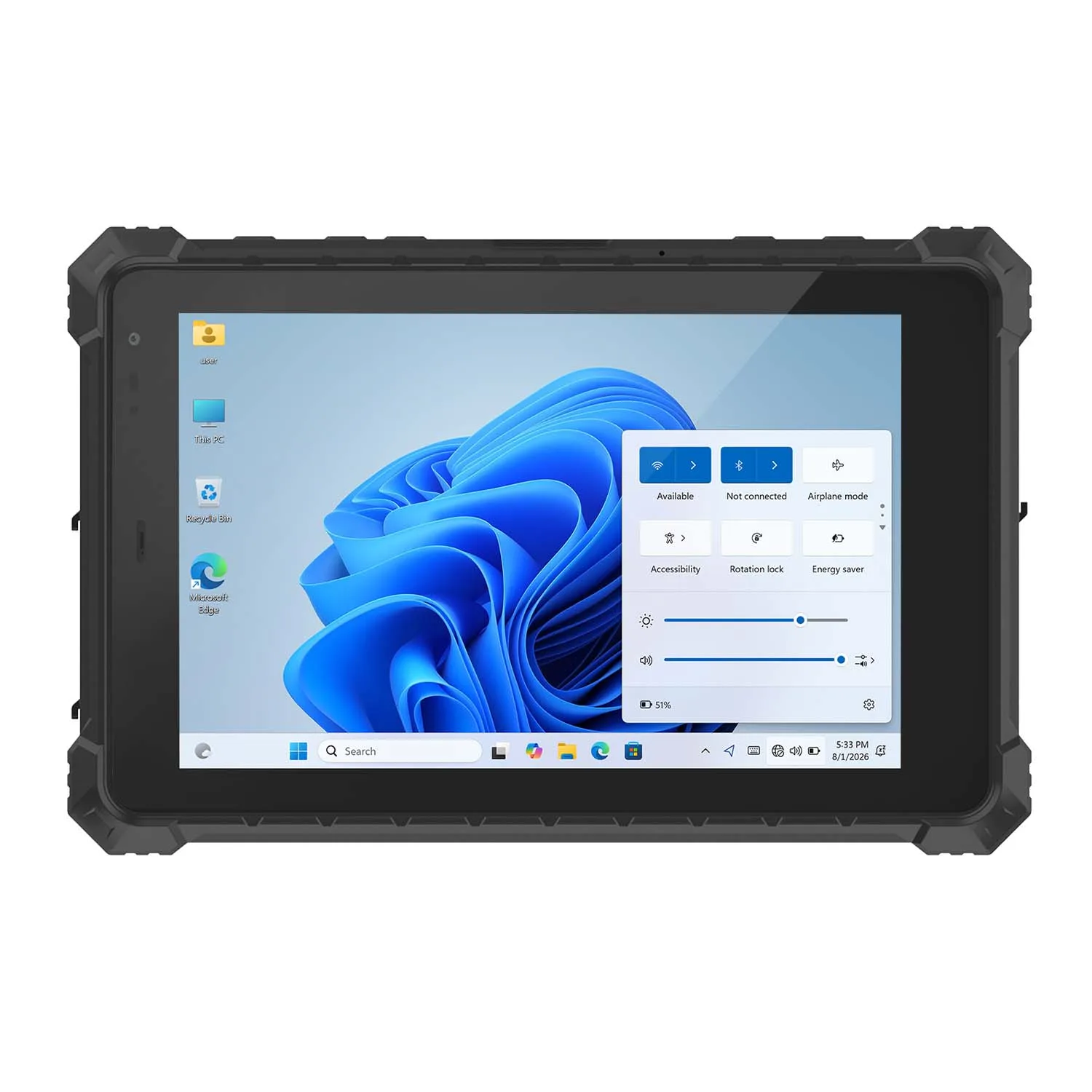
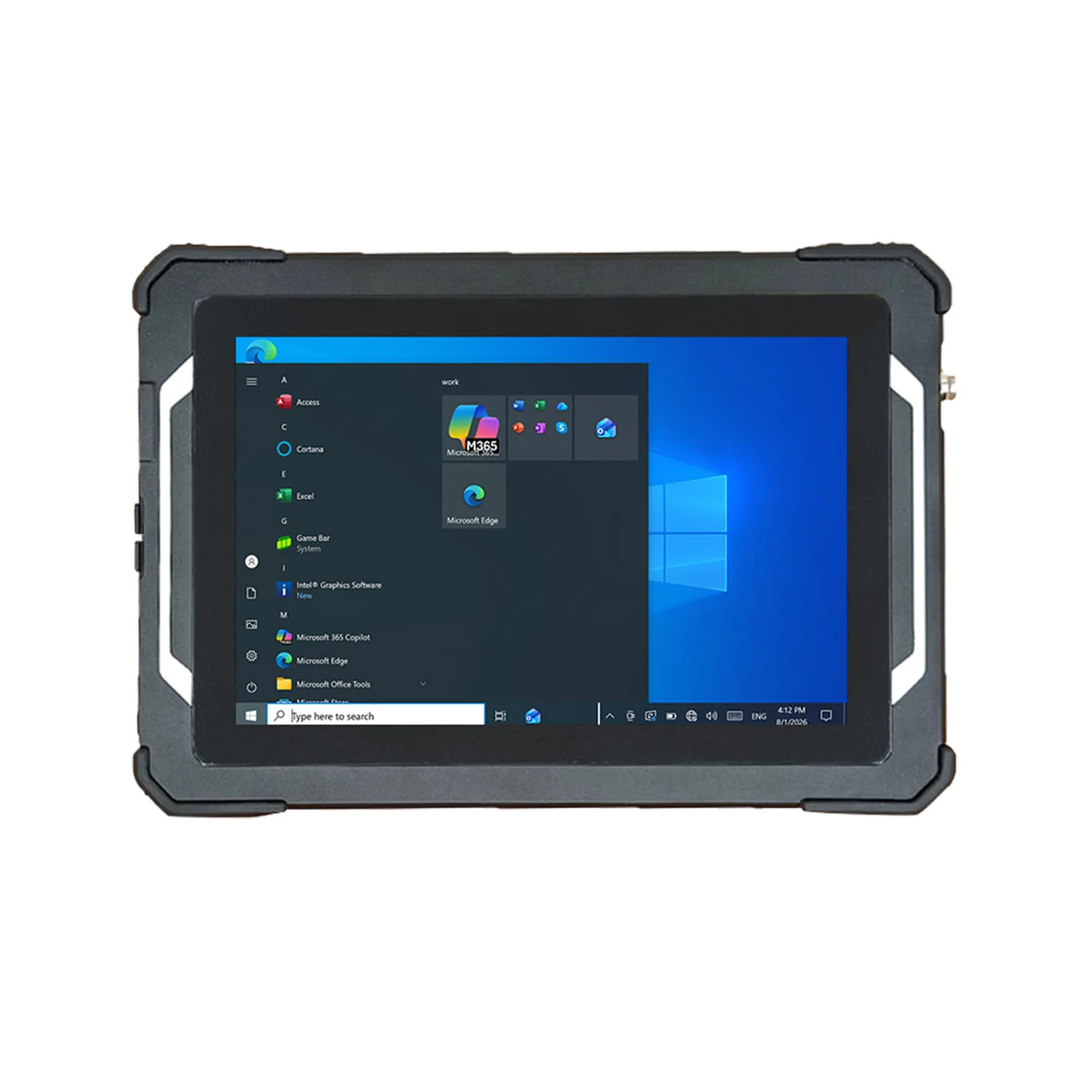
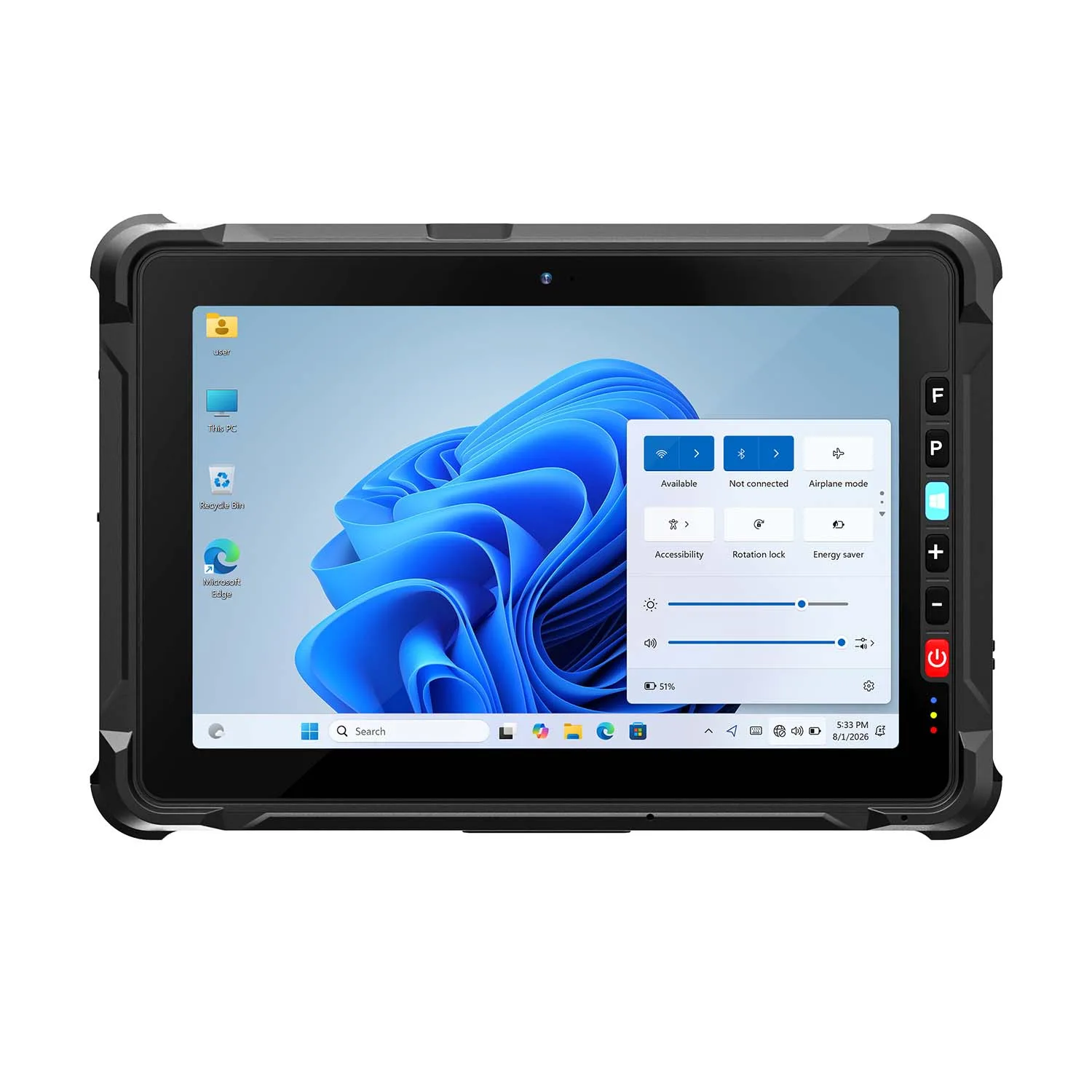
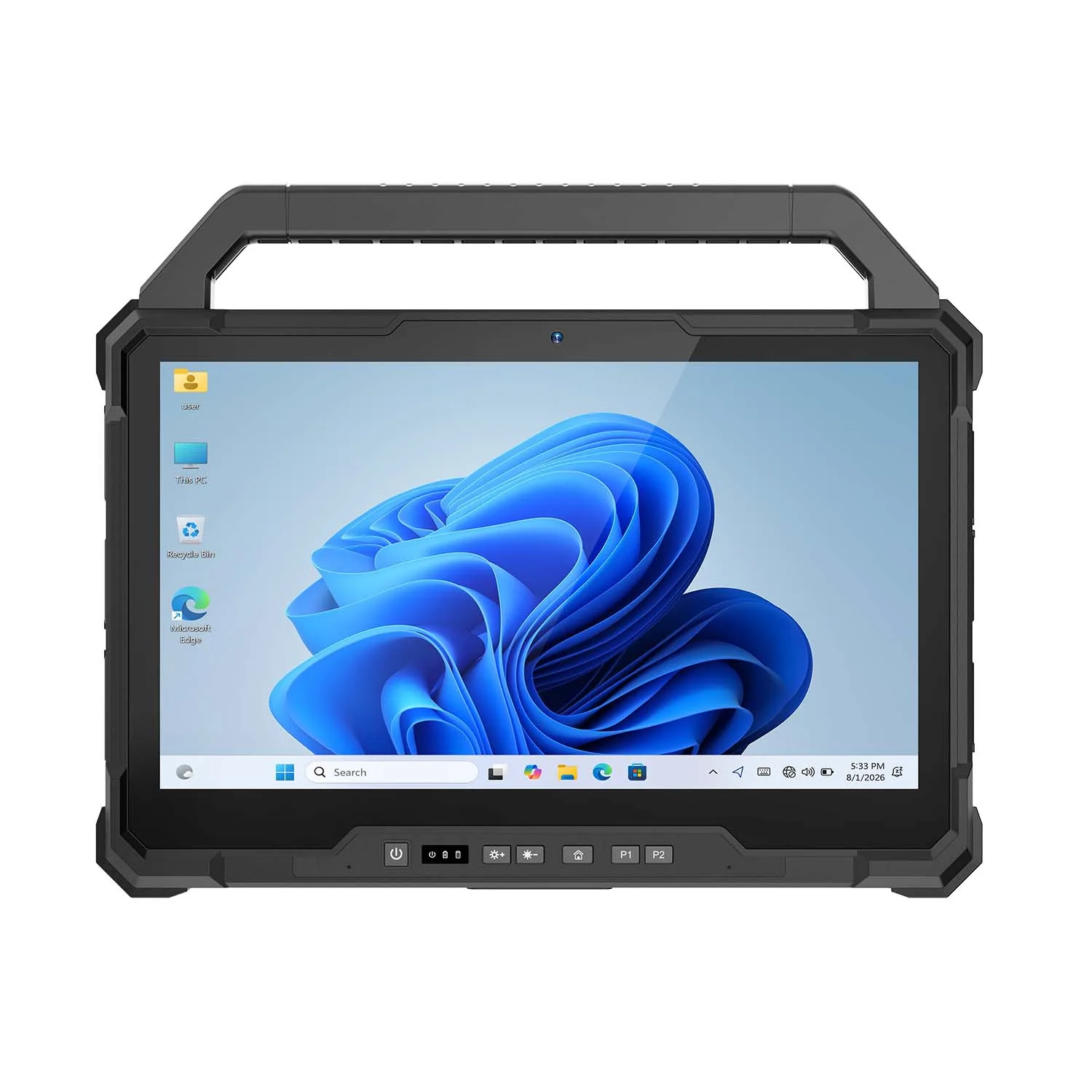
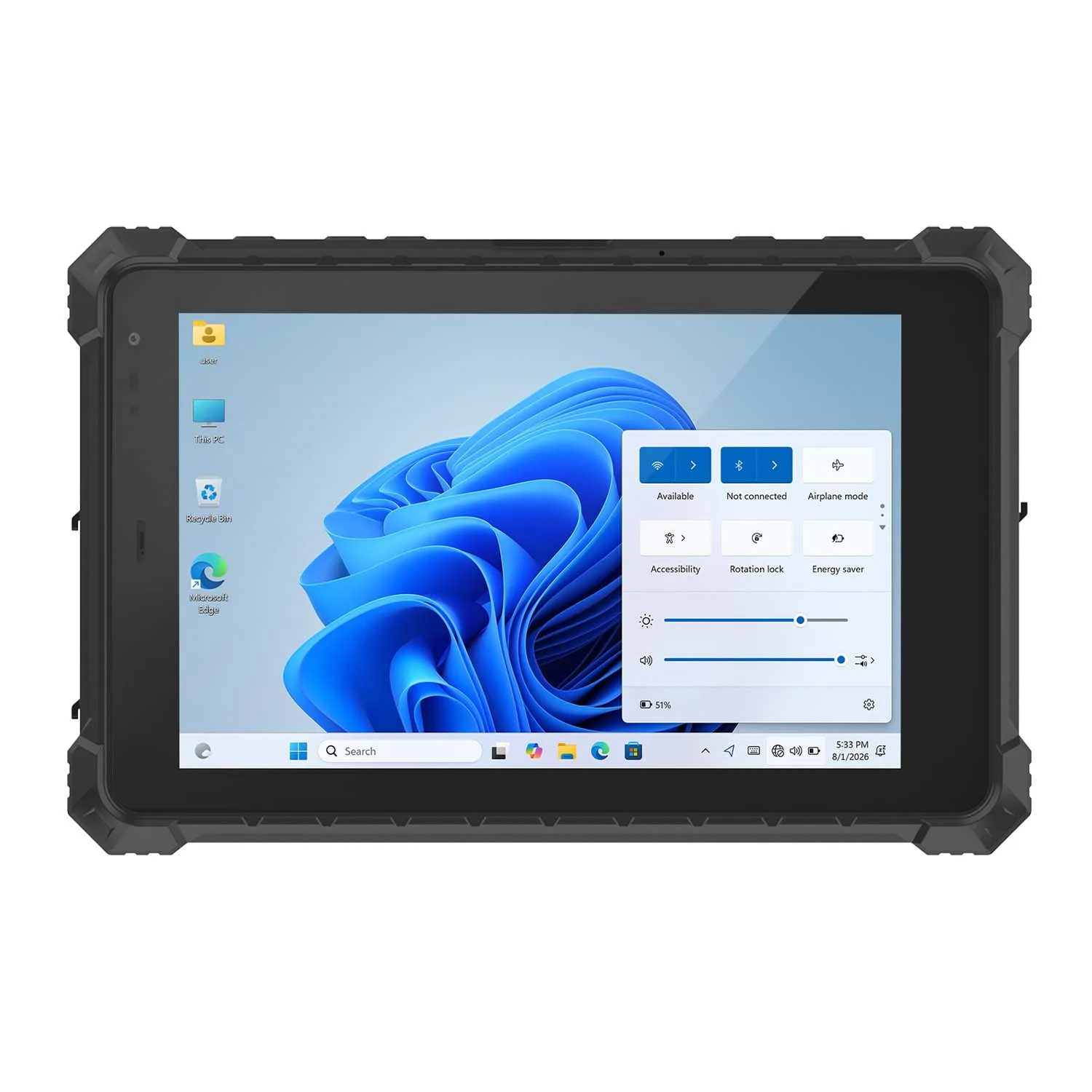
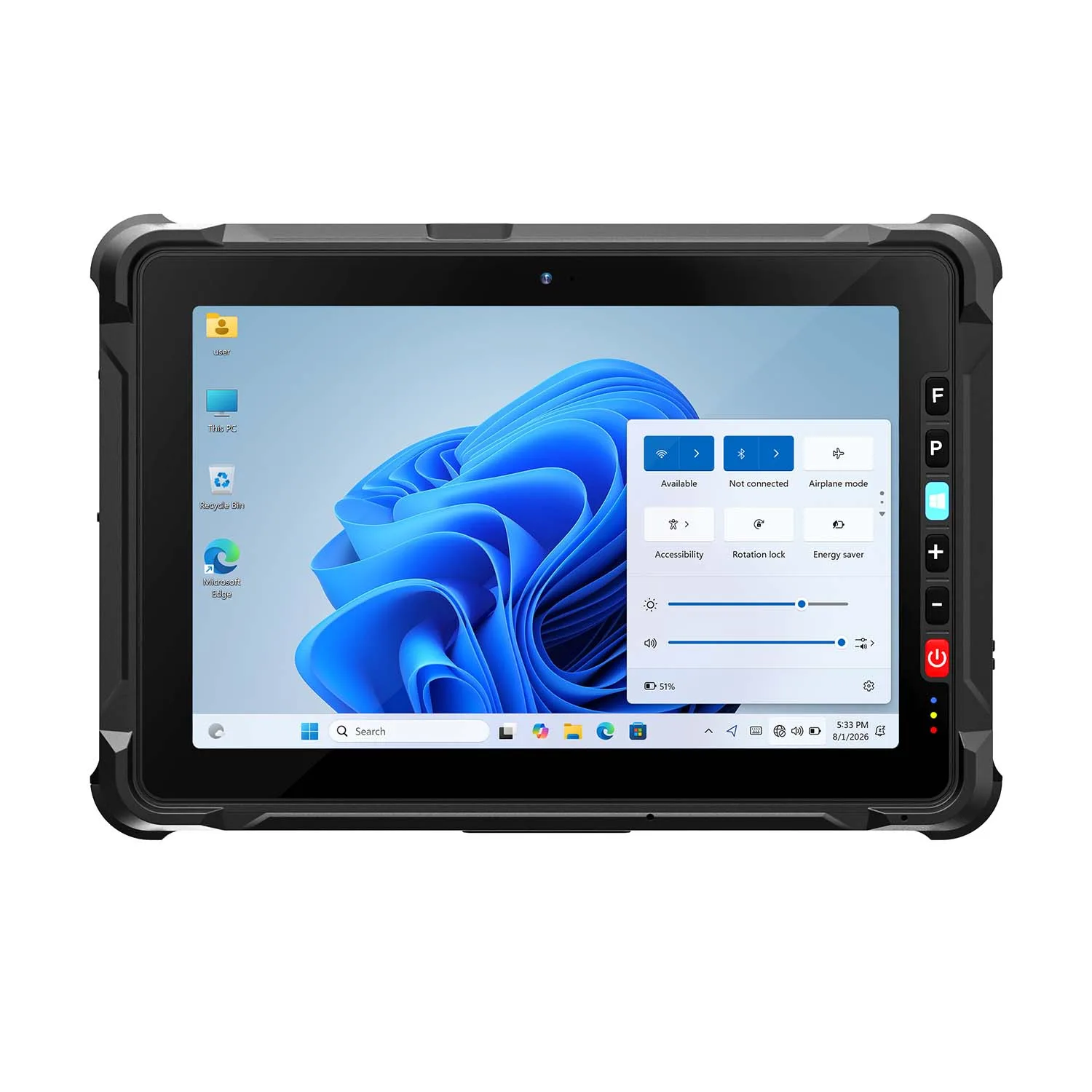
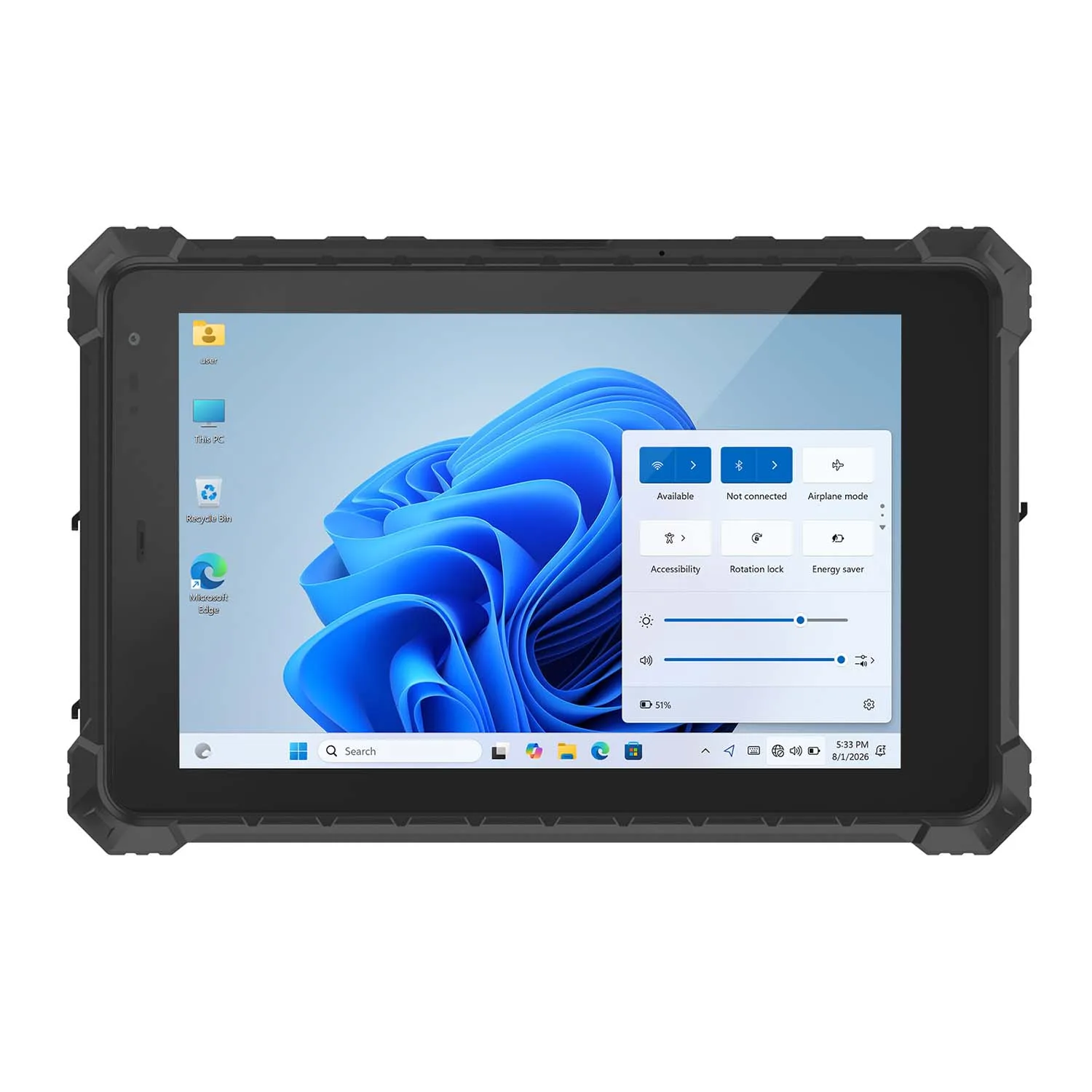
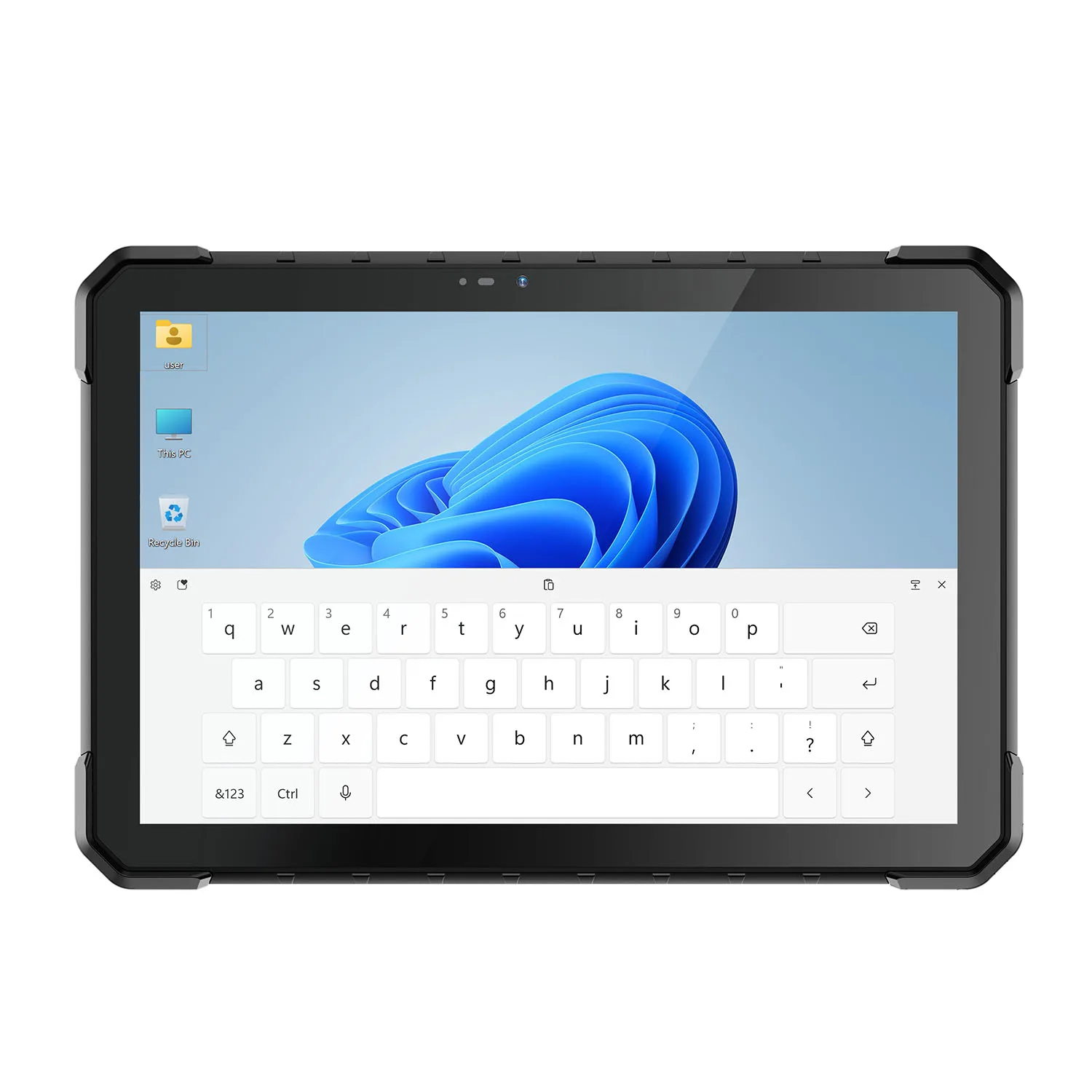
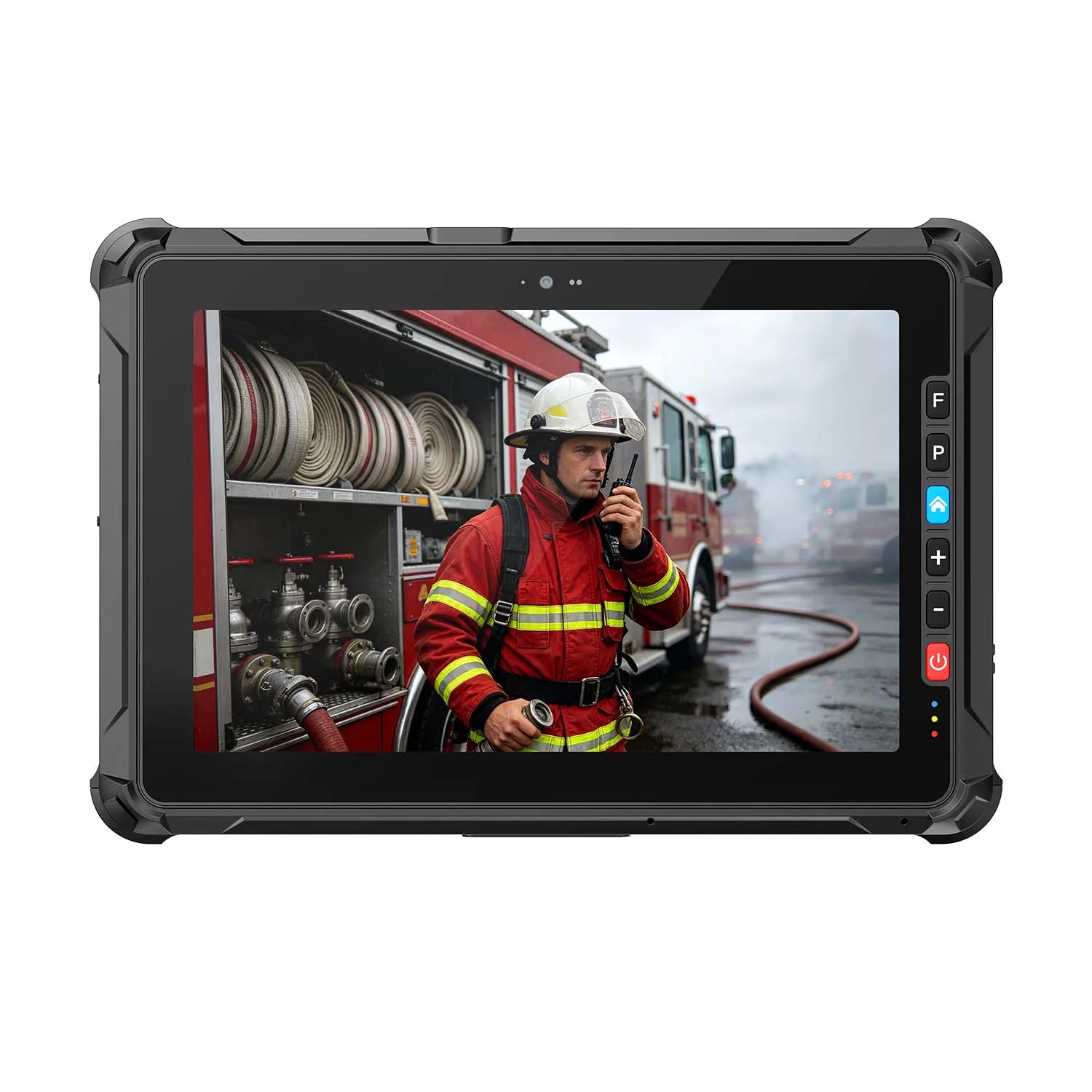
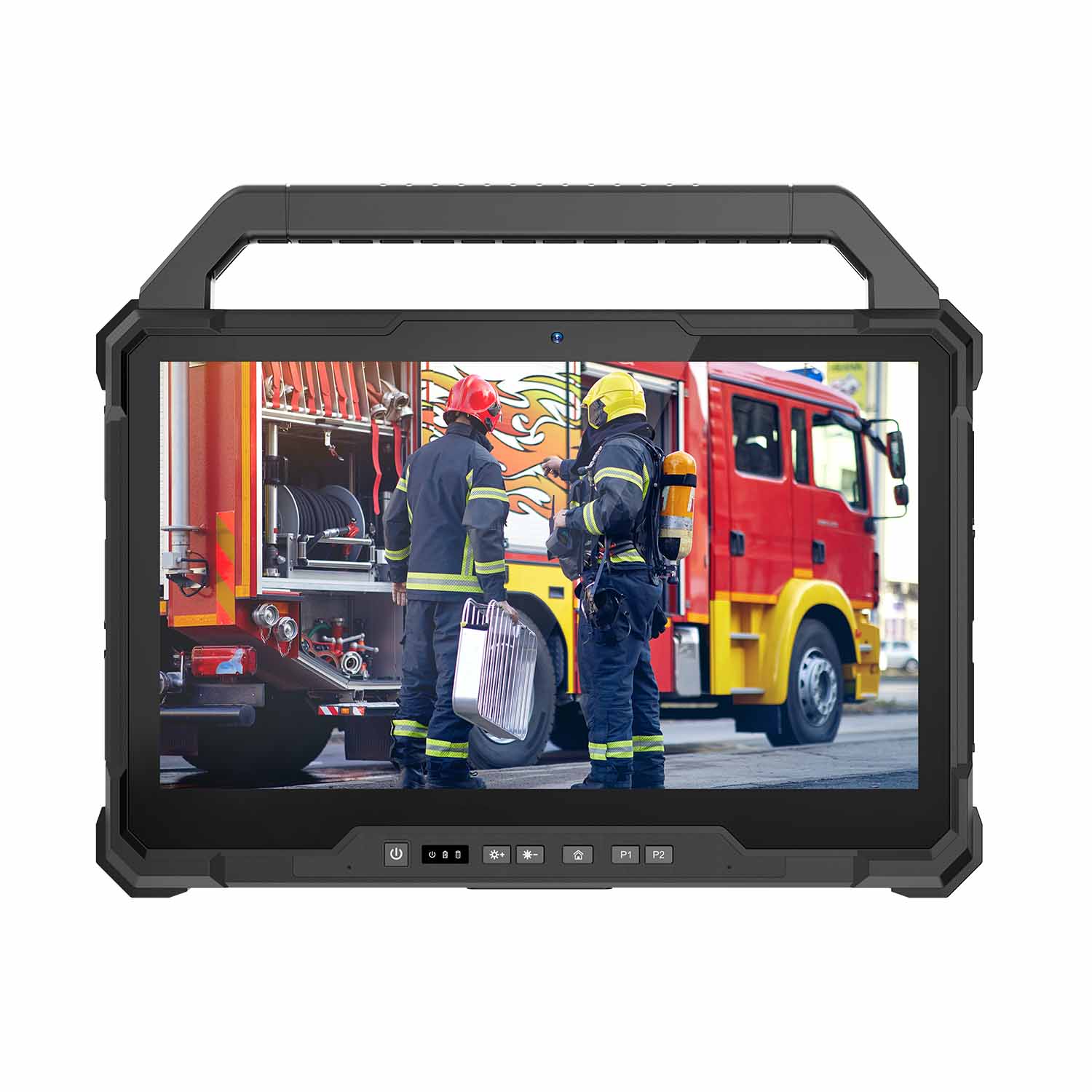
| W109U | Rugged tablet | 10.95" | Windows 11 | — | — | IP67; flagship Windows platform |
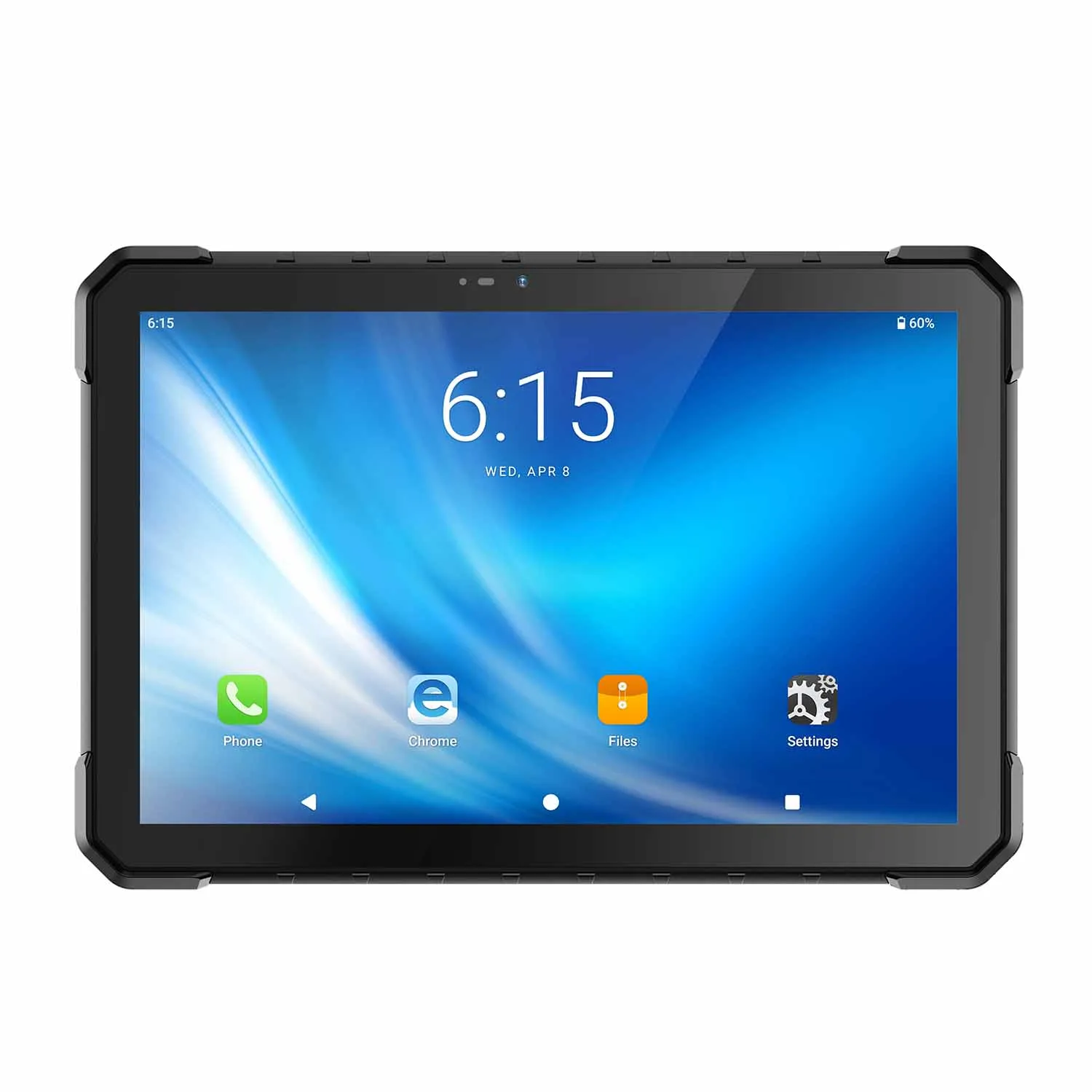
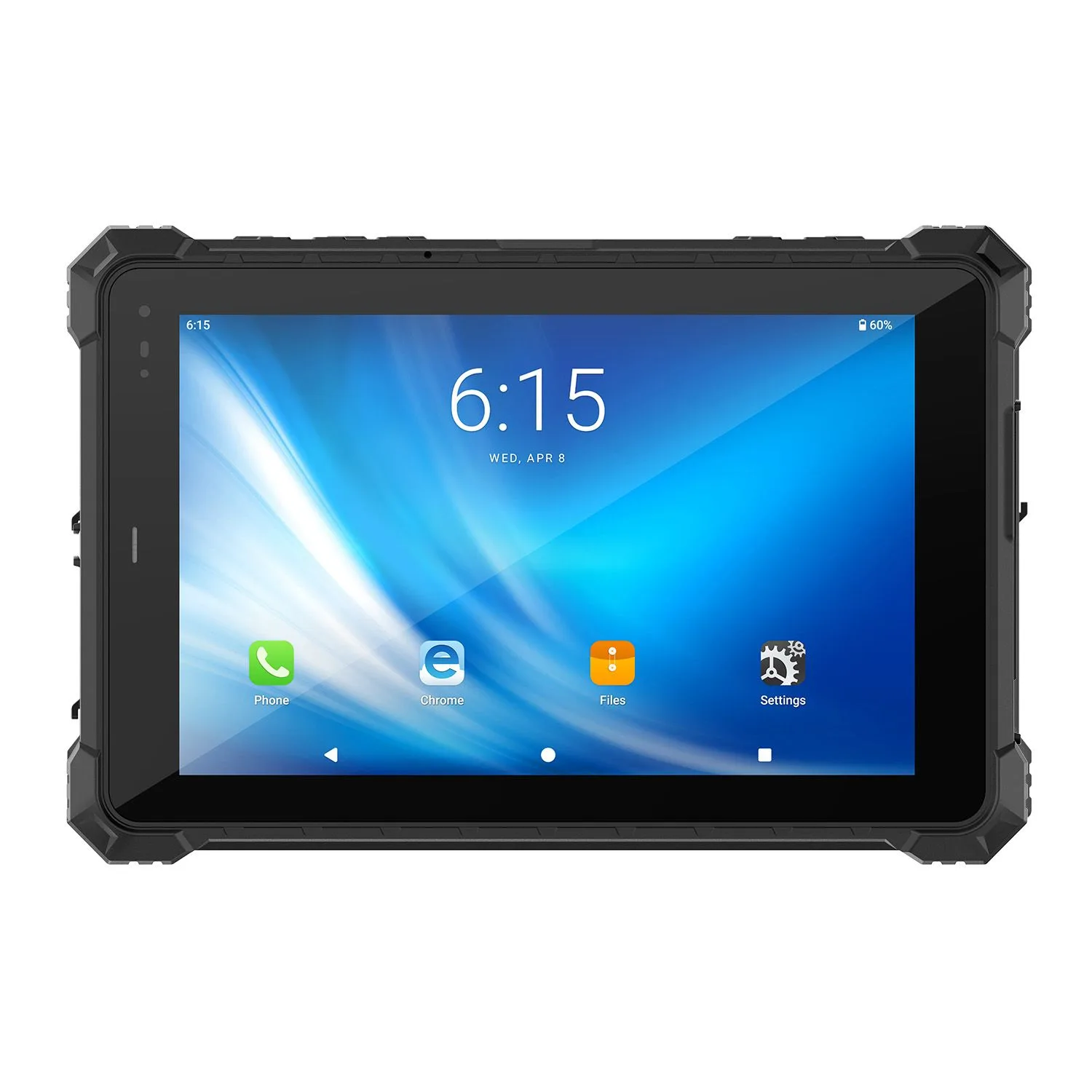
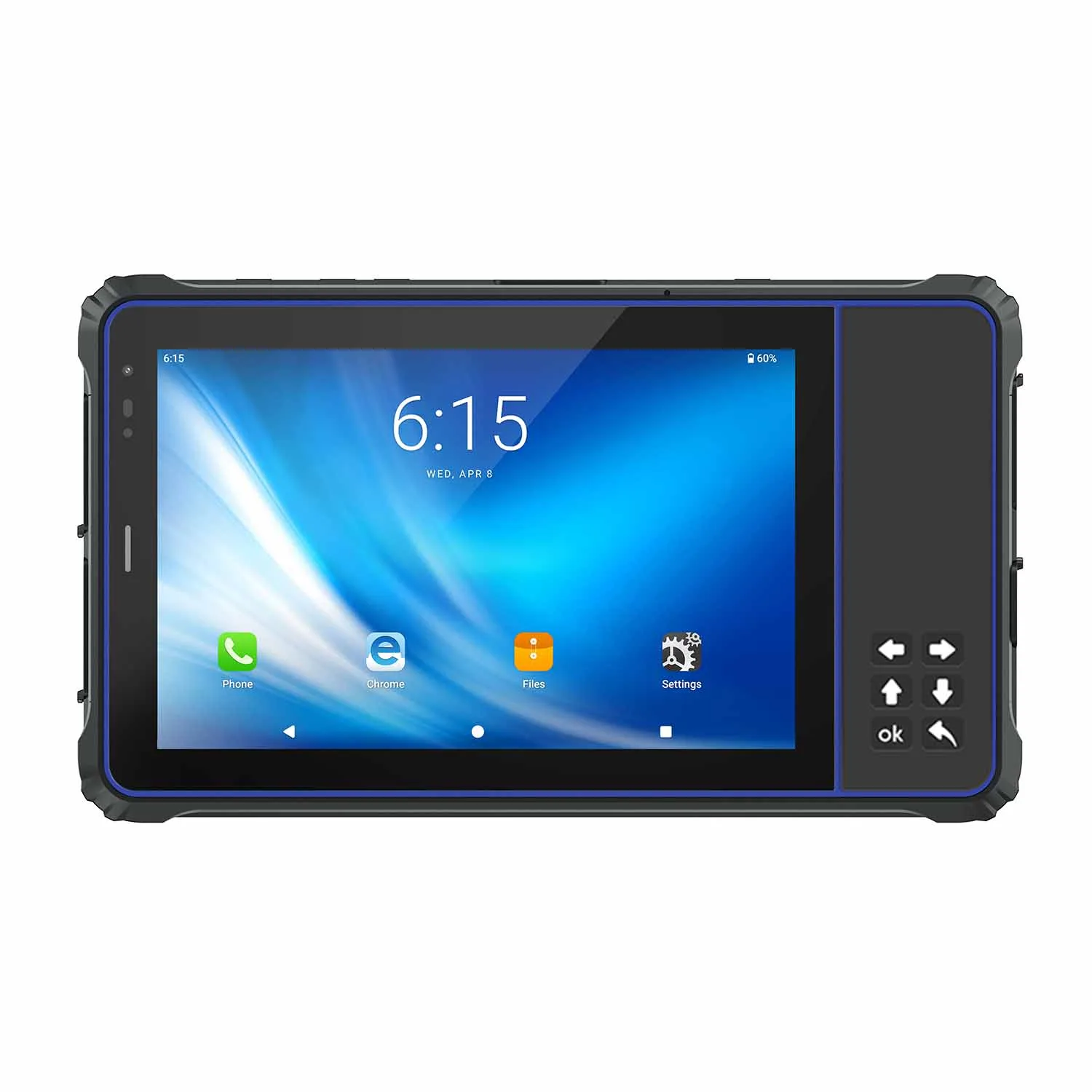
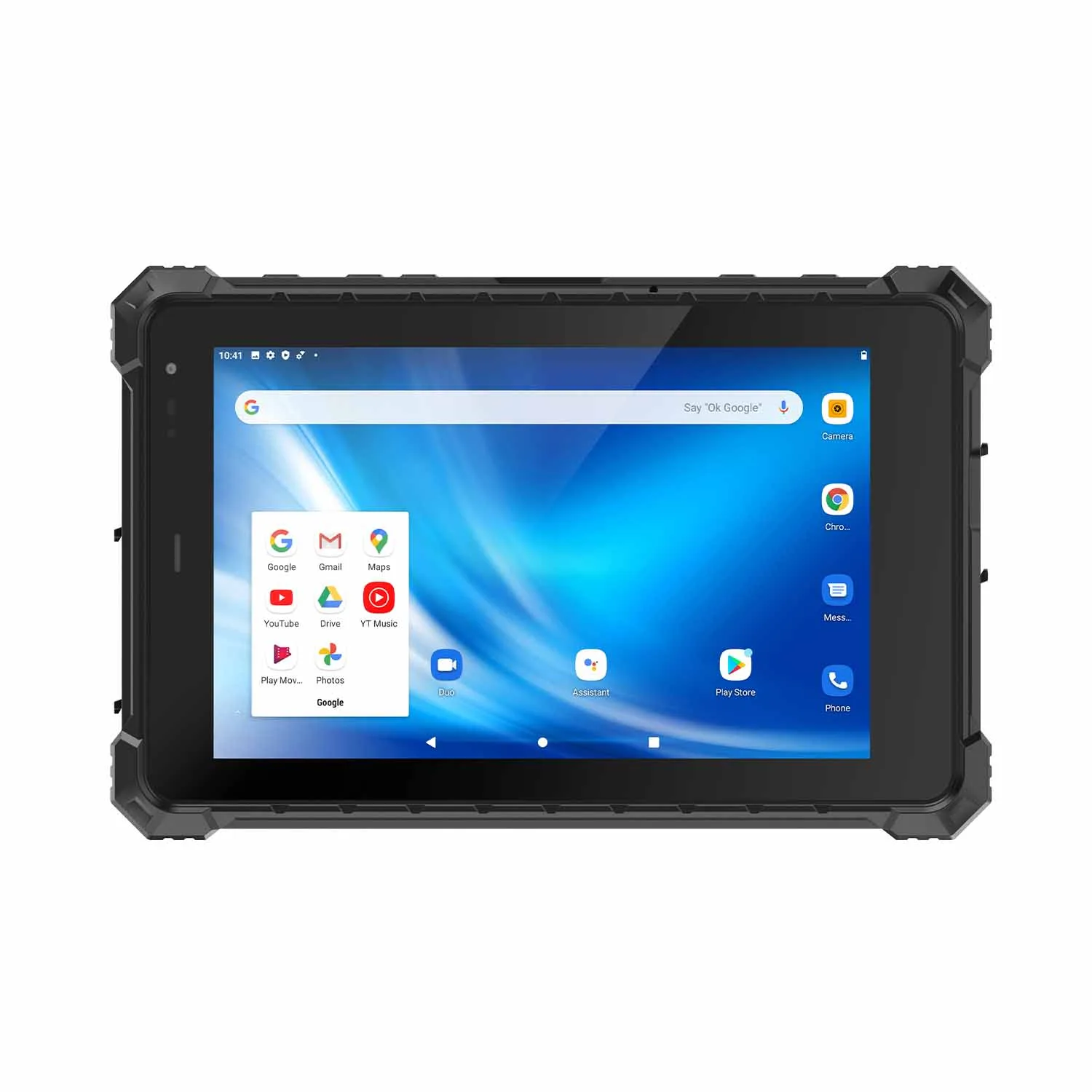
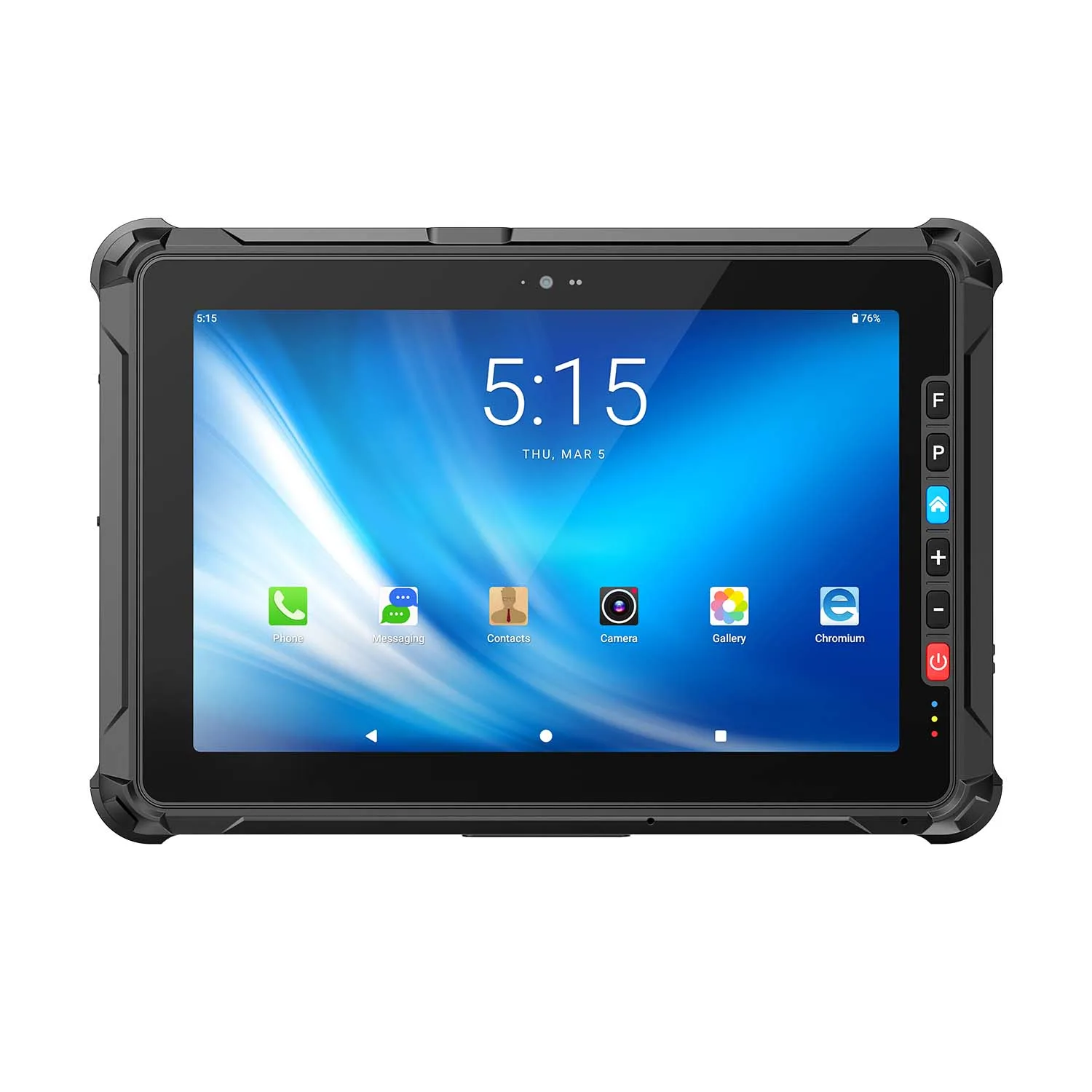
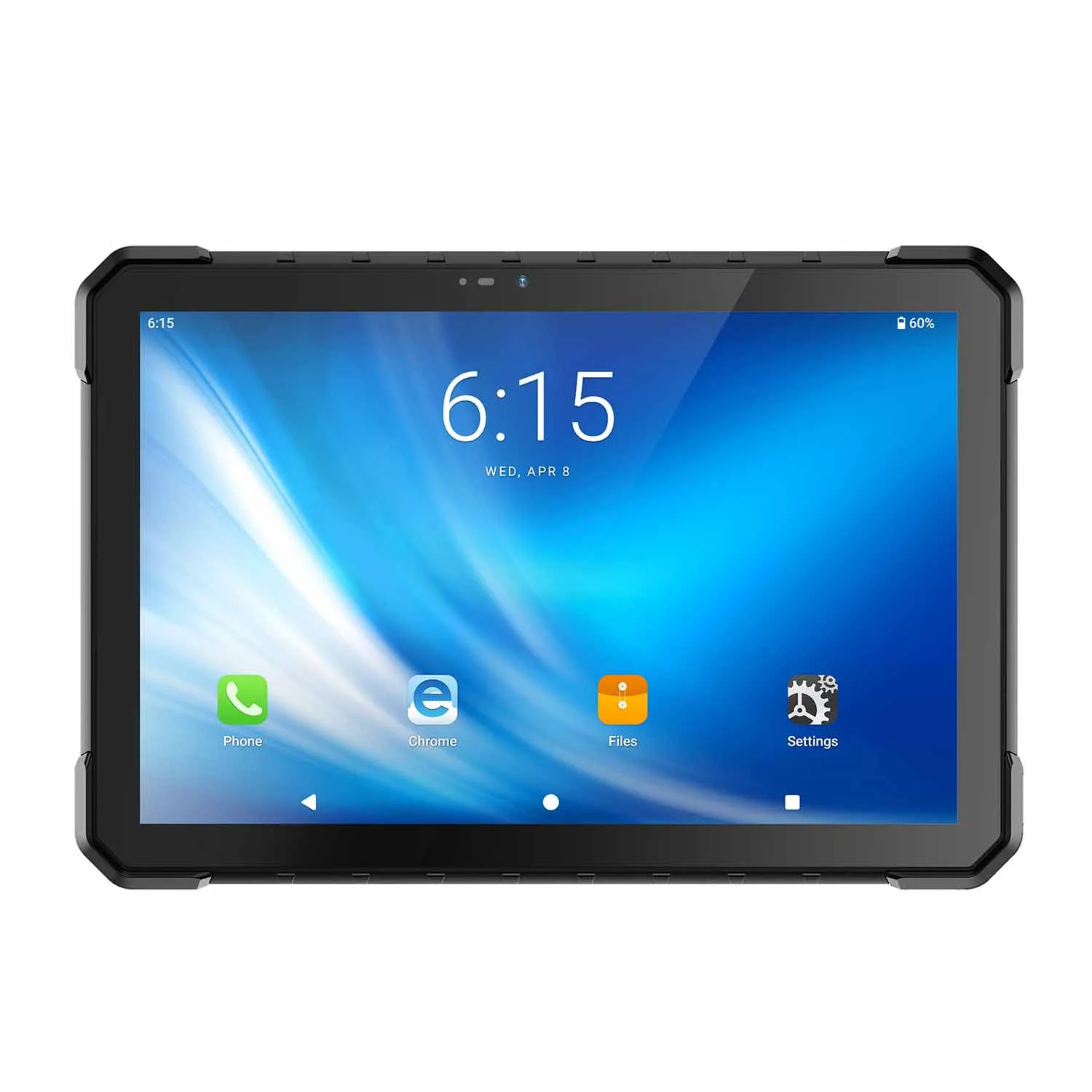
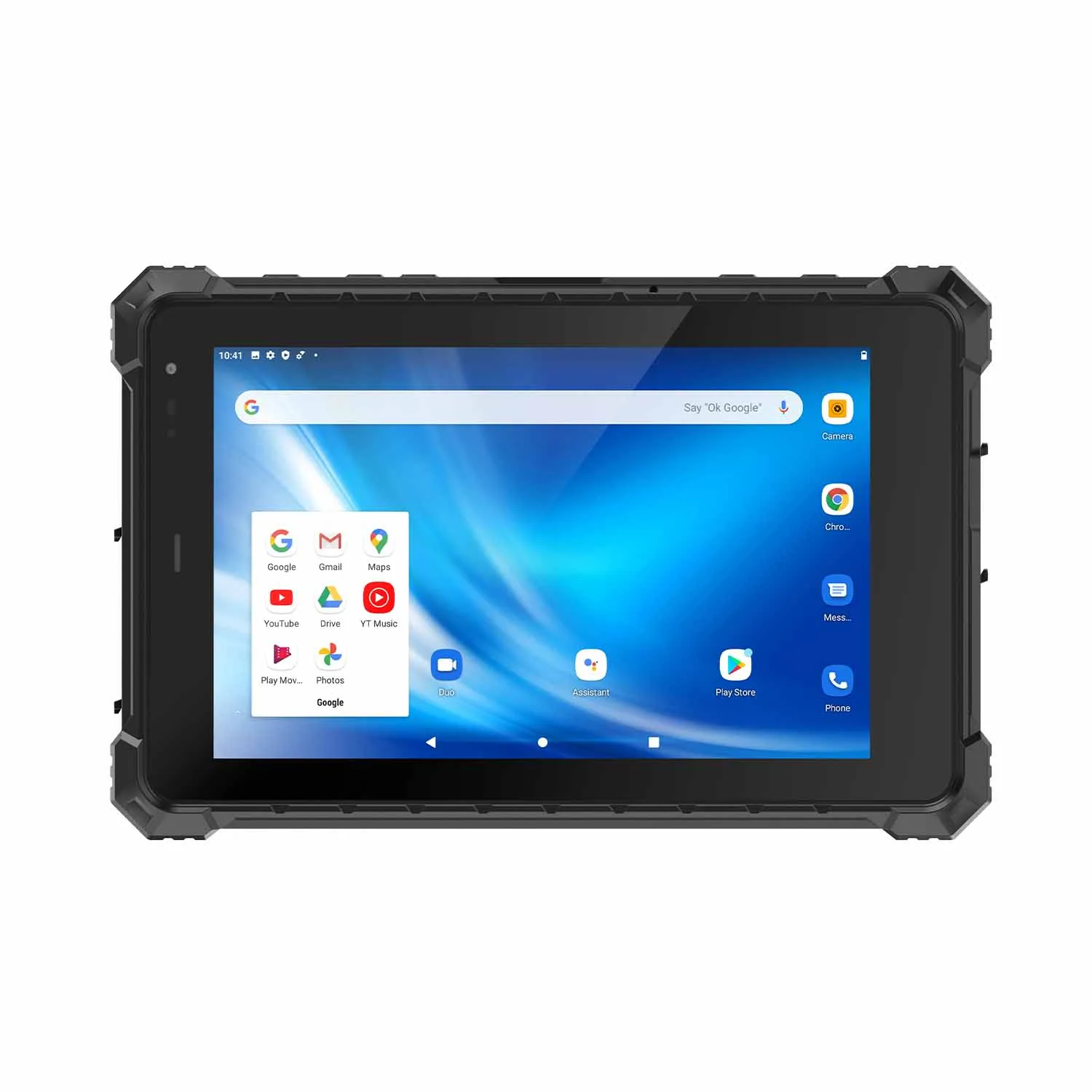
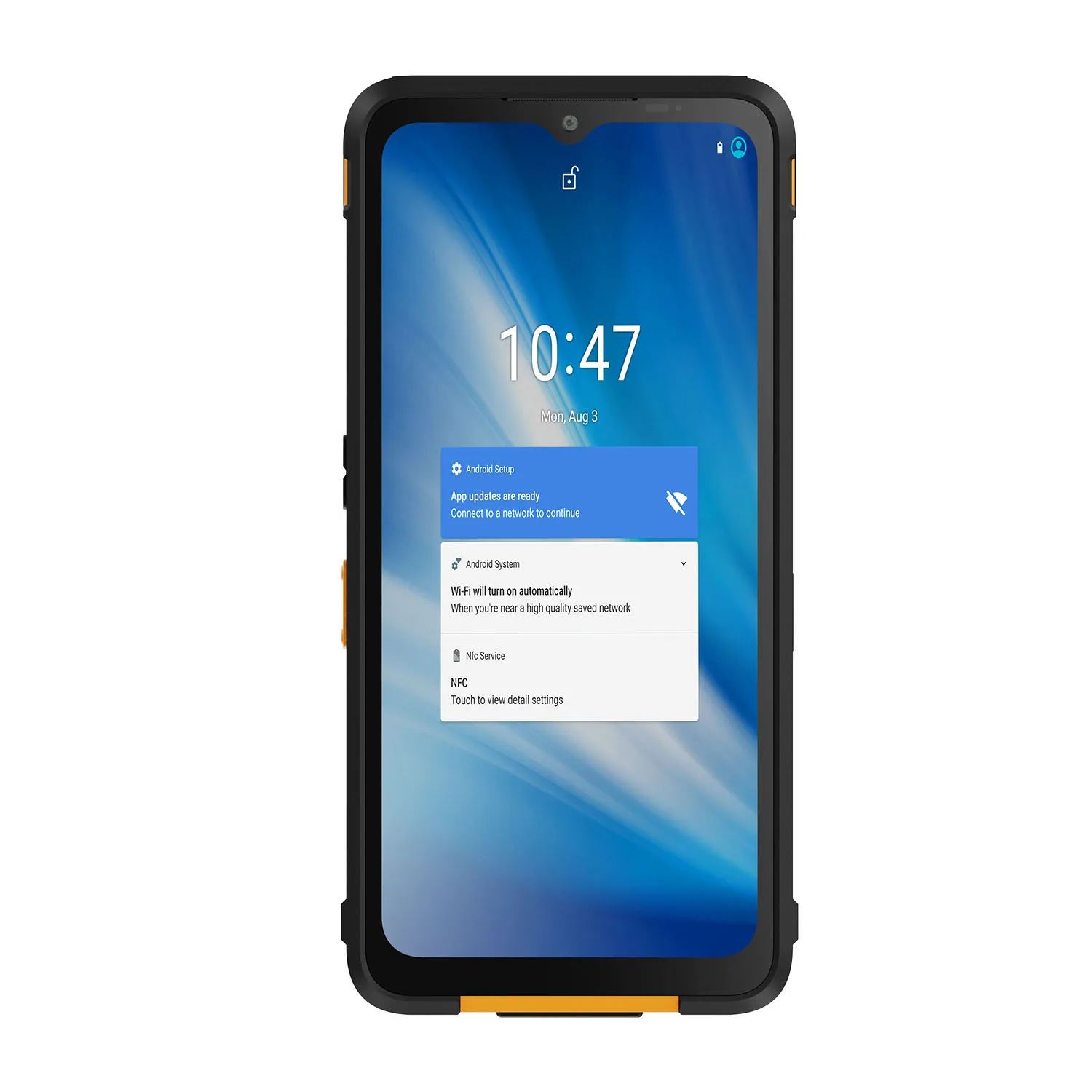
| A109T | Rugged tablet | 10.95" | Android 14 | 8 GB + 128 GB | 4G LTE | Optional 2D scanner; longest Android security runway |
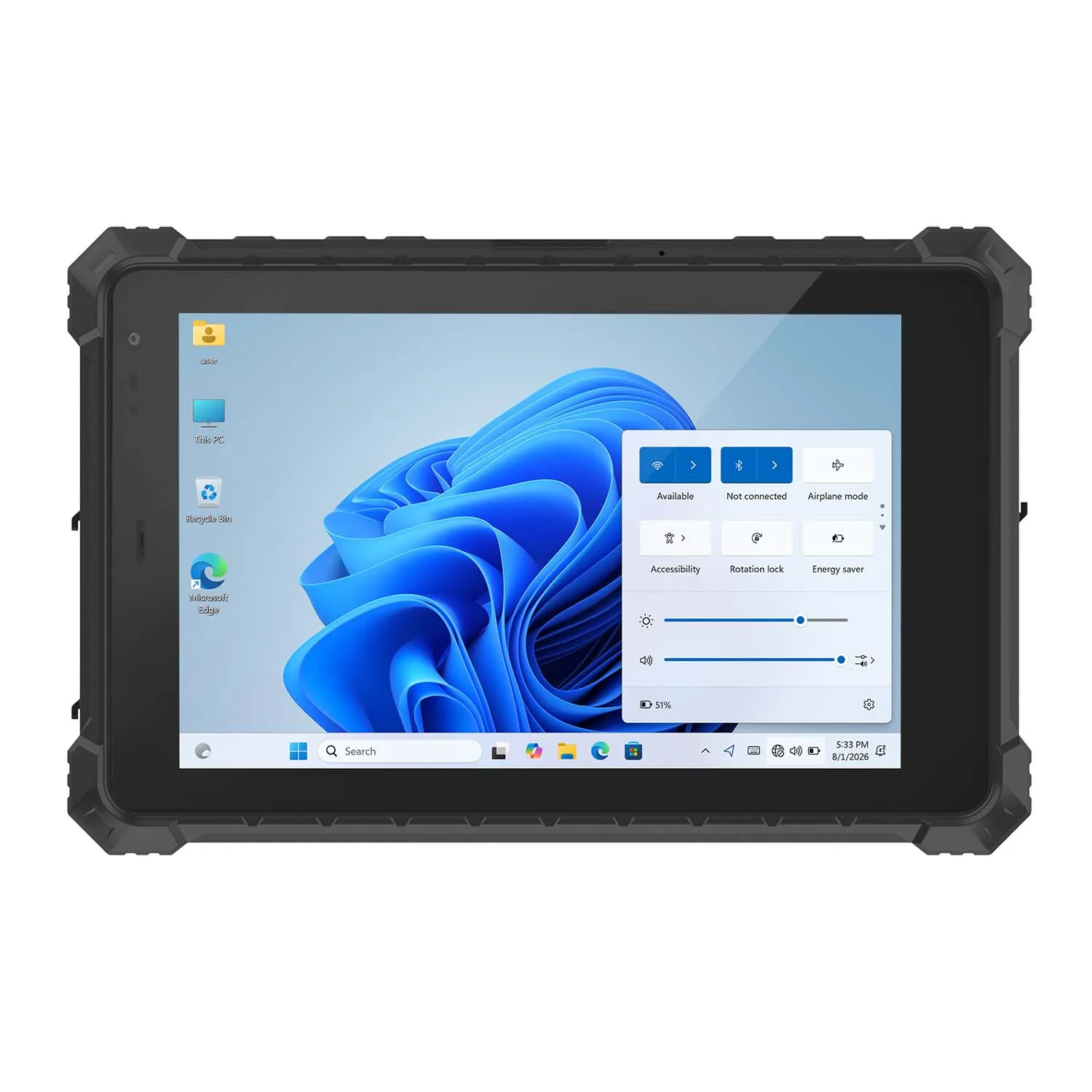
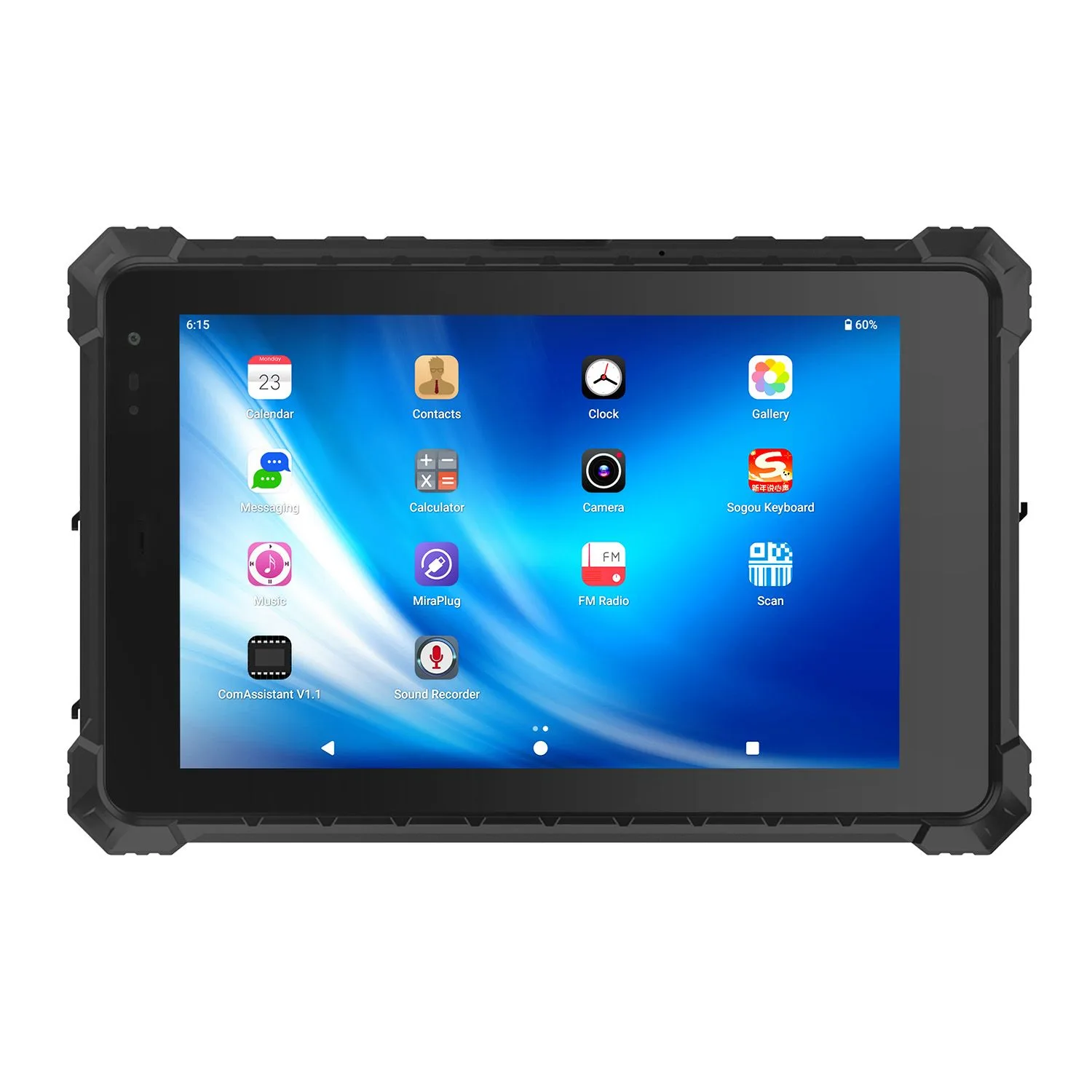
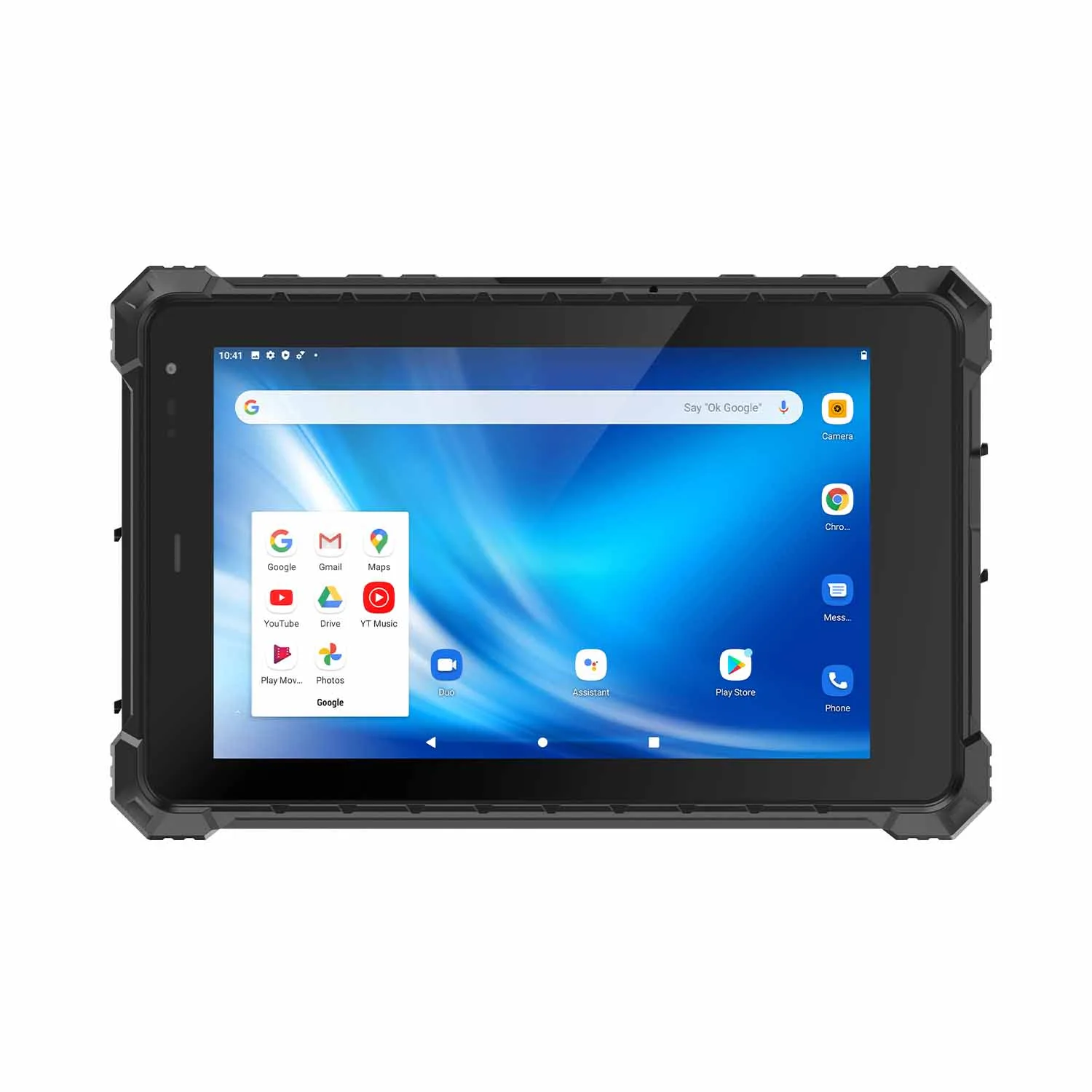
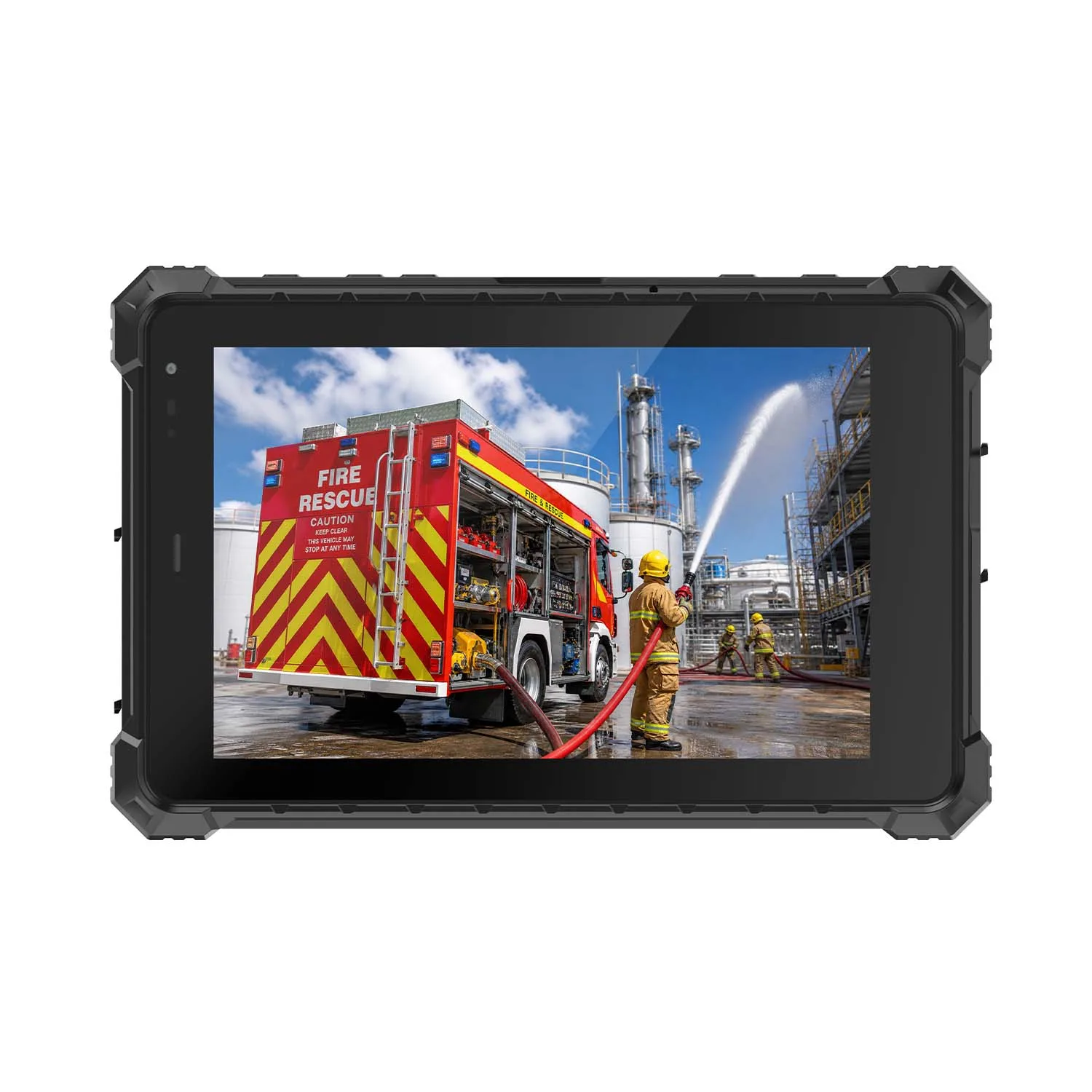
| A10ST | Rugged tablet | 10.1" | Android 13 | 8 GB + 128 GB | RJ45 + RS232 onboard, 4G LTE | IP68; the platform to start from when you need legacy serial |
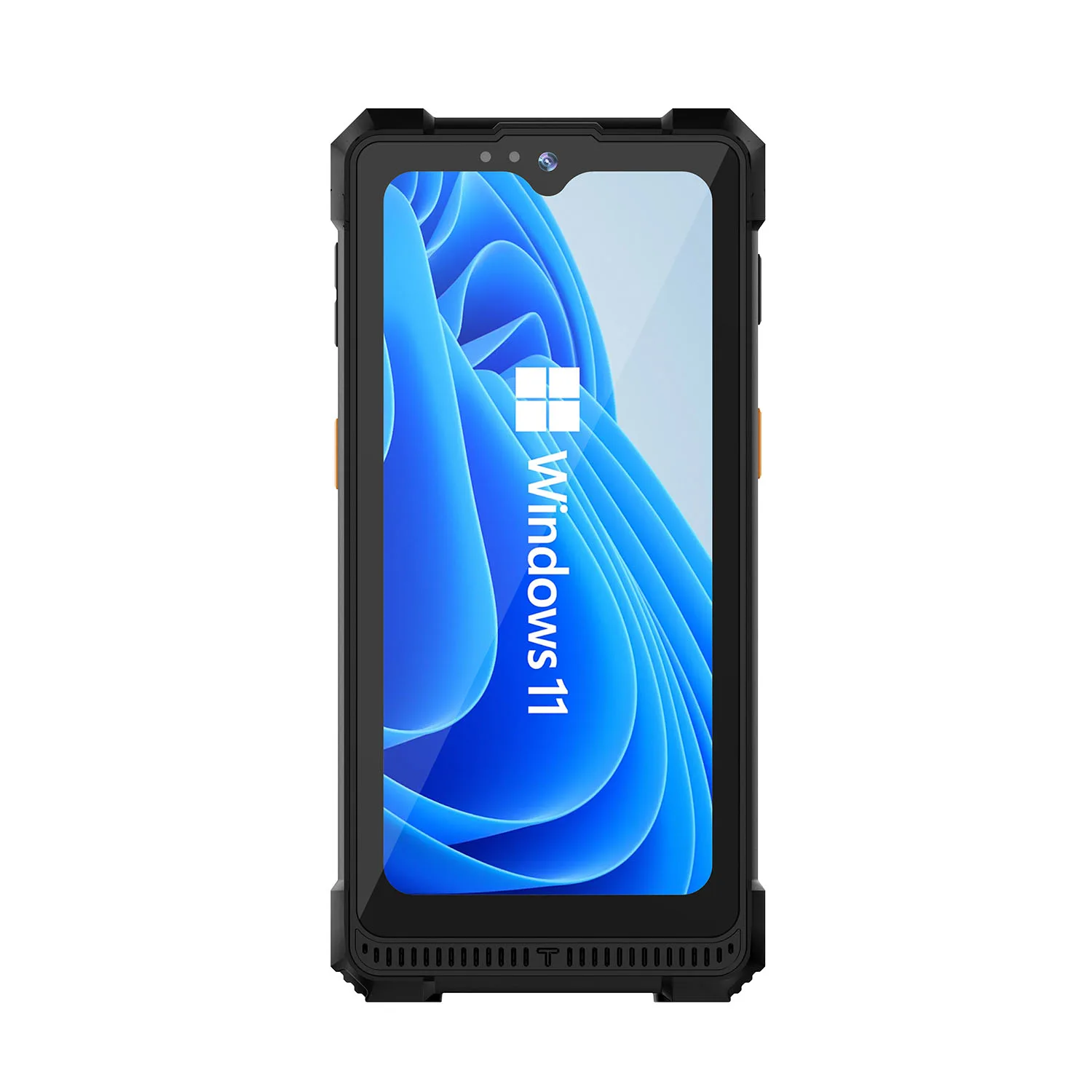
| W65G | Rugged handheld / PDA | 6.5" | Windows | 8 GB + 128 GB | 4G, built-in 2D scanner | Windows in a handheld form factor — rare in the market |
| A55GT | Rugged handheld | 6.5" | Android | — | 5G | One-handed all-day operation |
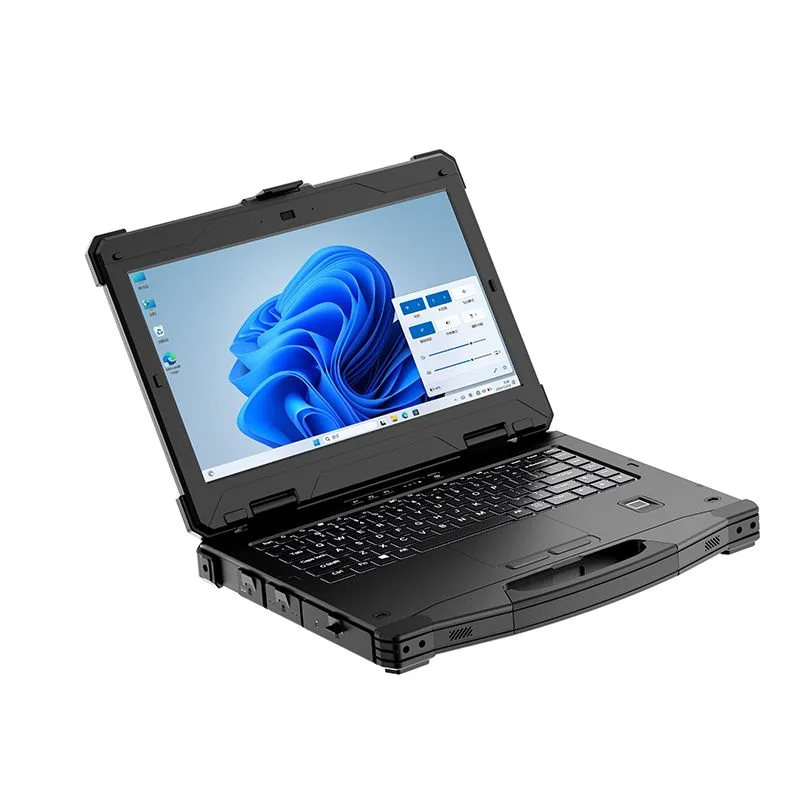
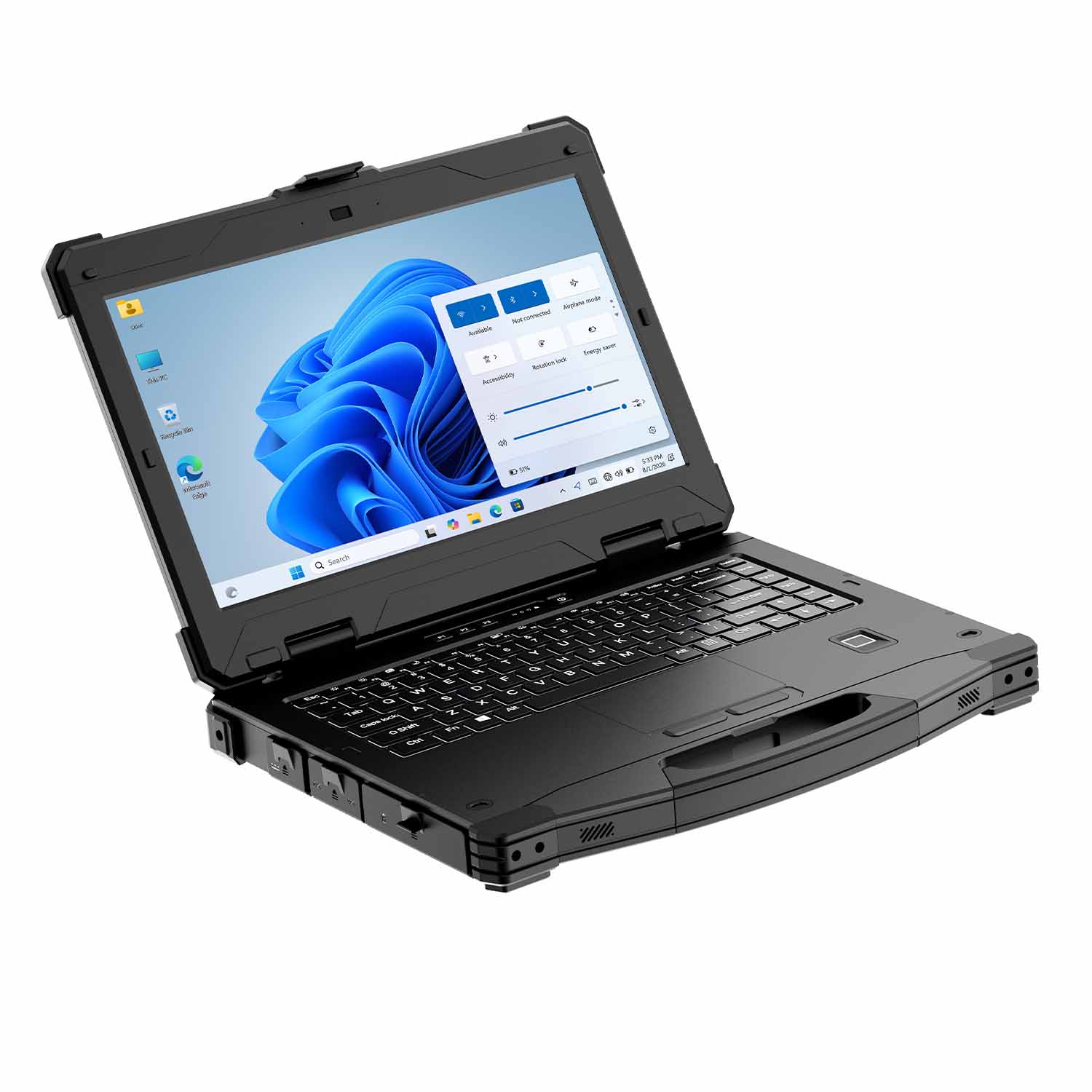
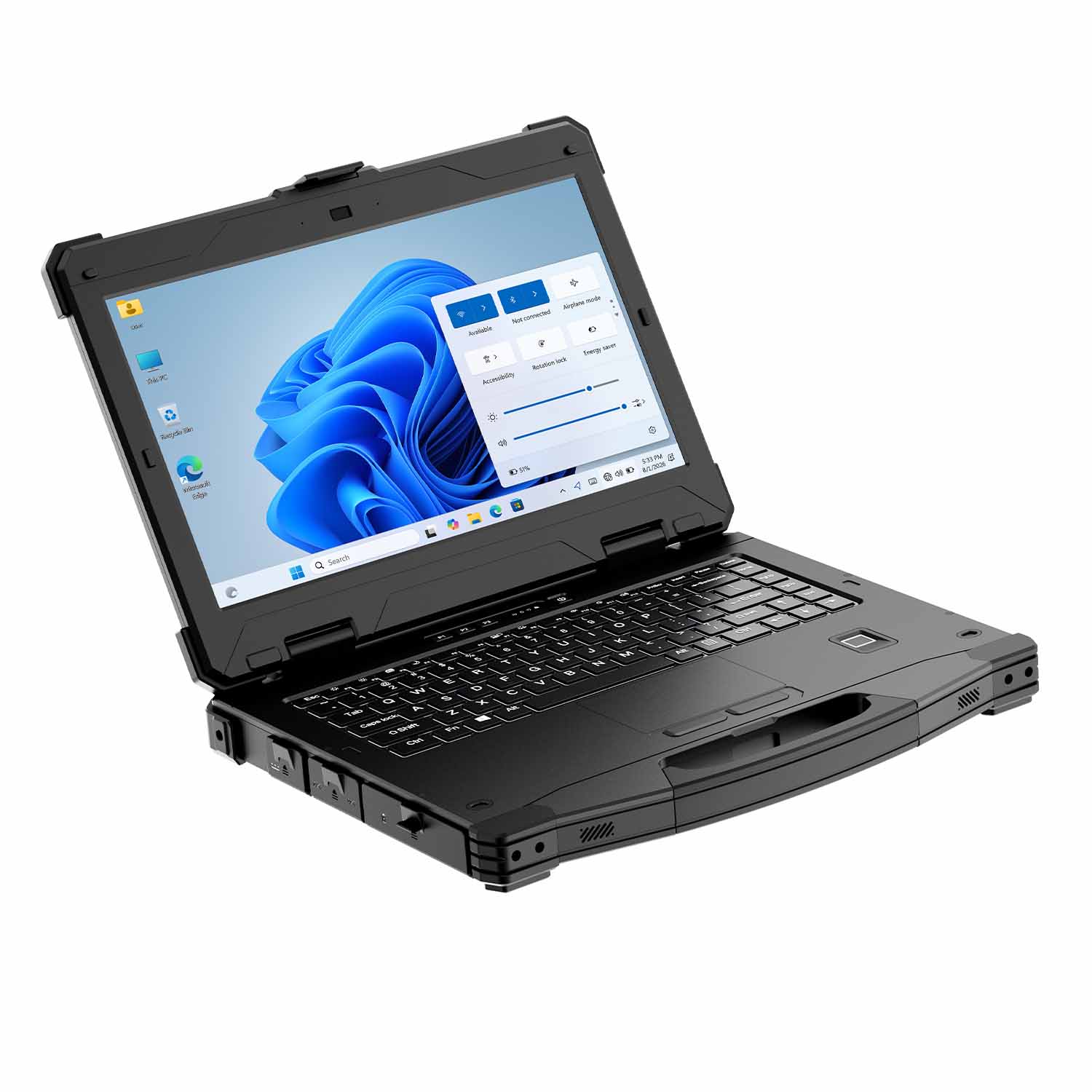
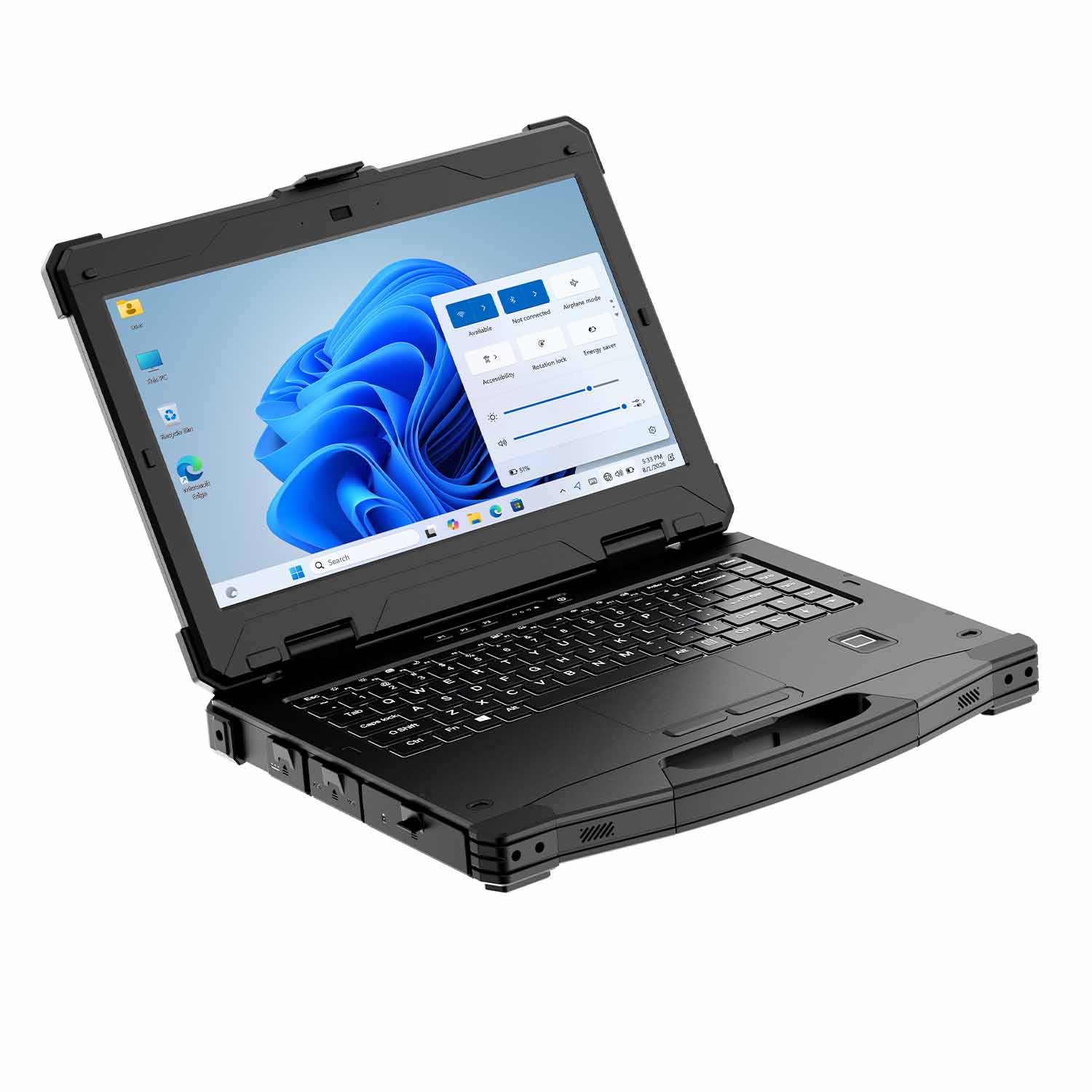
| W14Pro | Rugged laptop | 14" | Windows 11 | 16 GB + 256 GB SSD | — | Intel Core Ultra 5-125U / Ultra 7-155U |
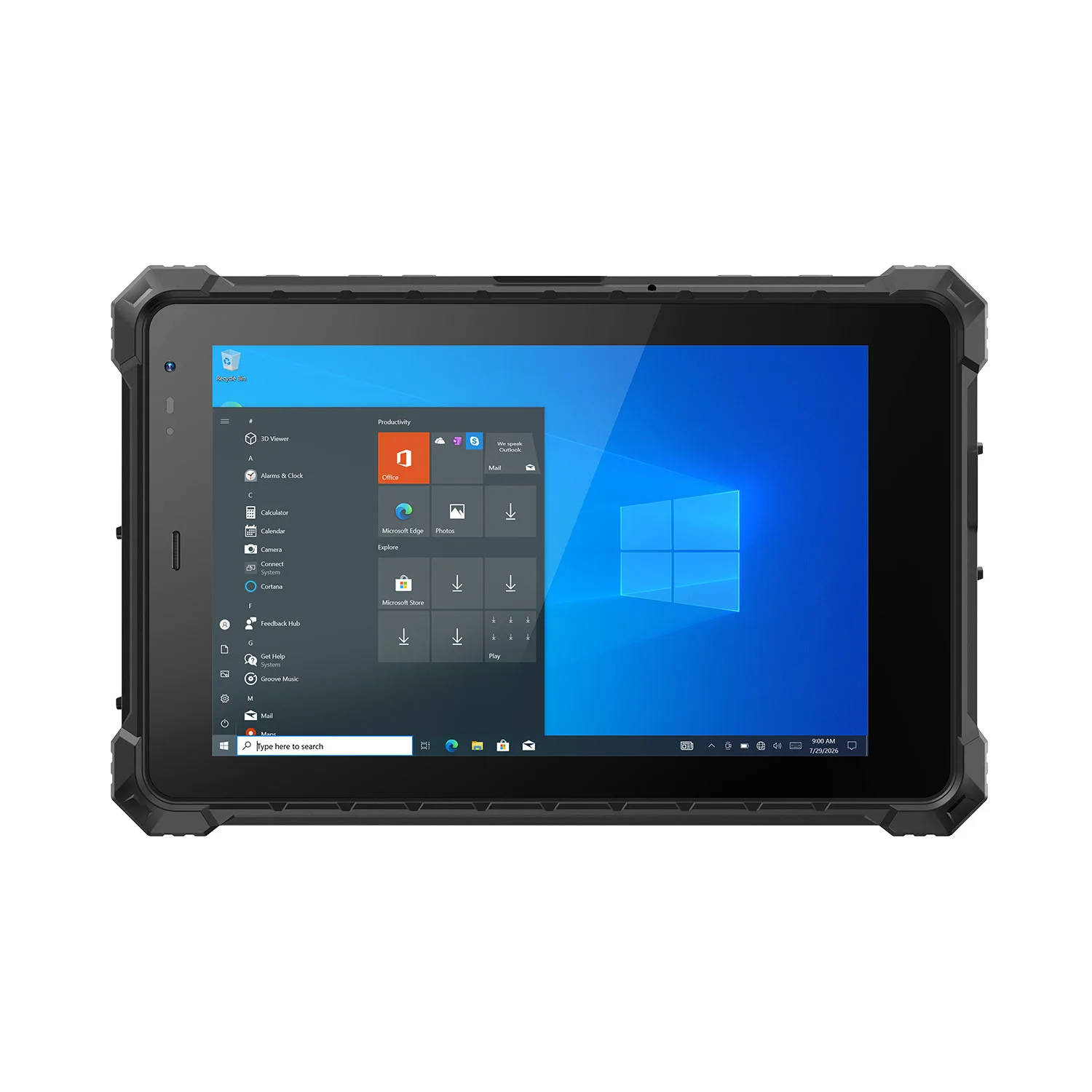
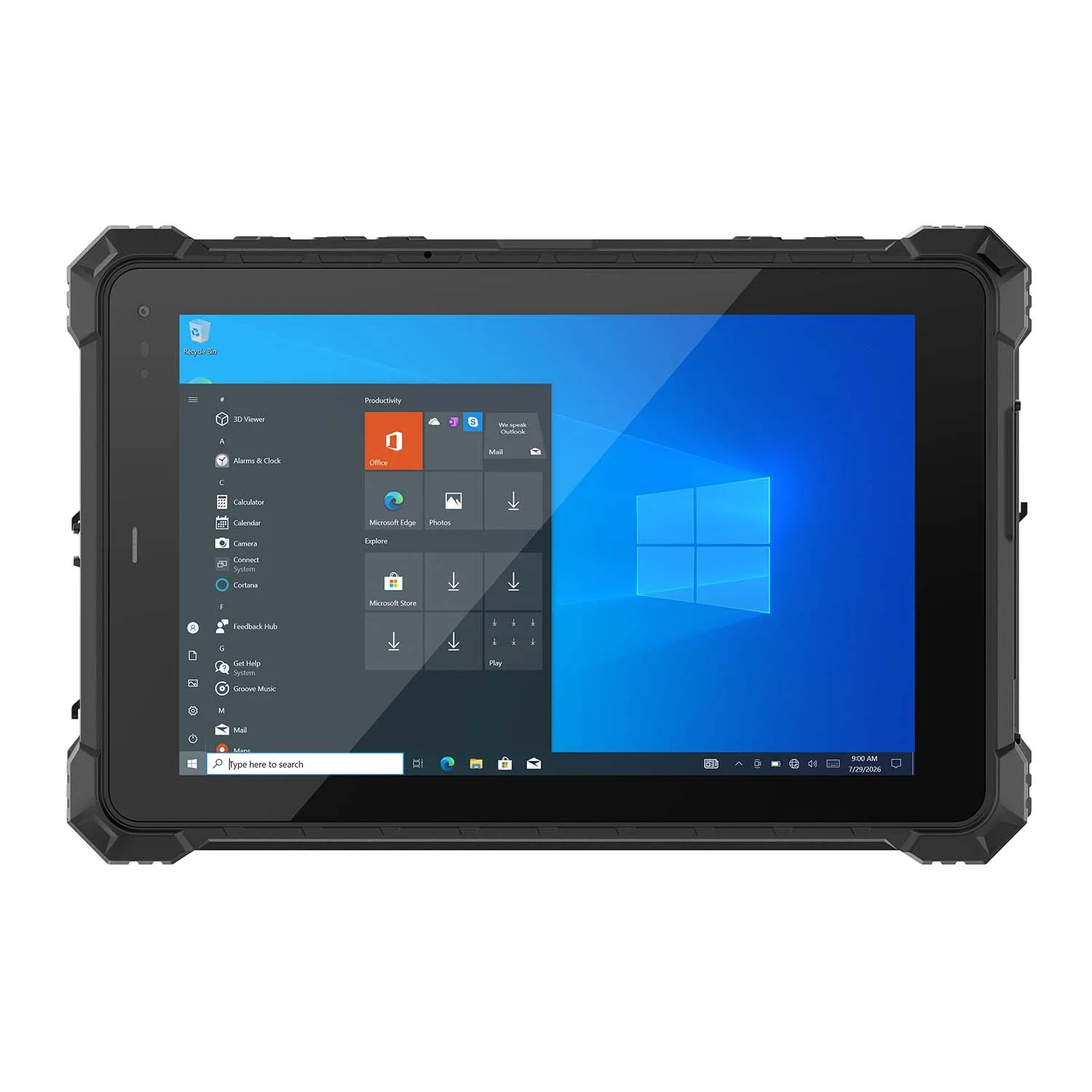
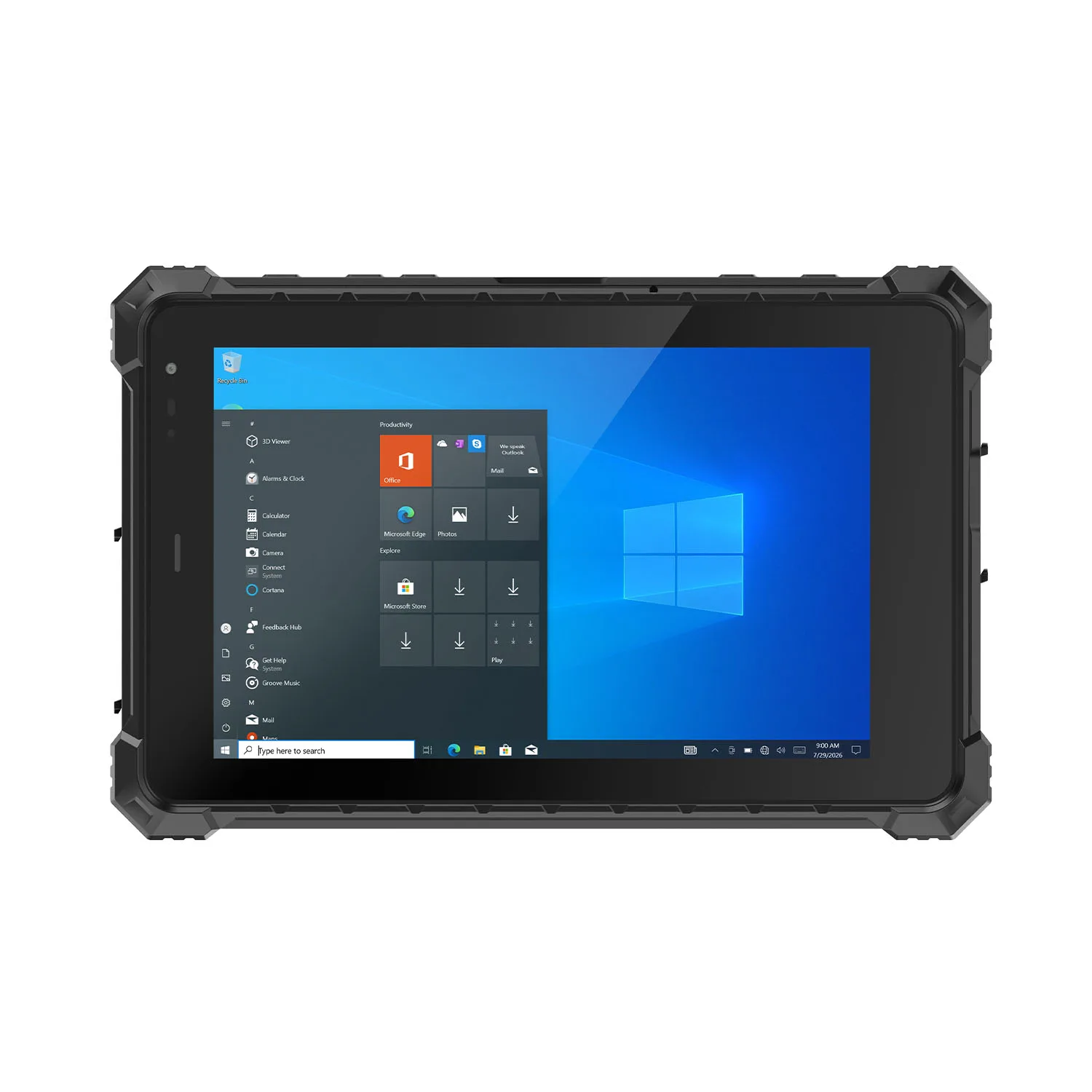
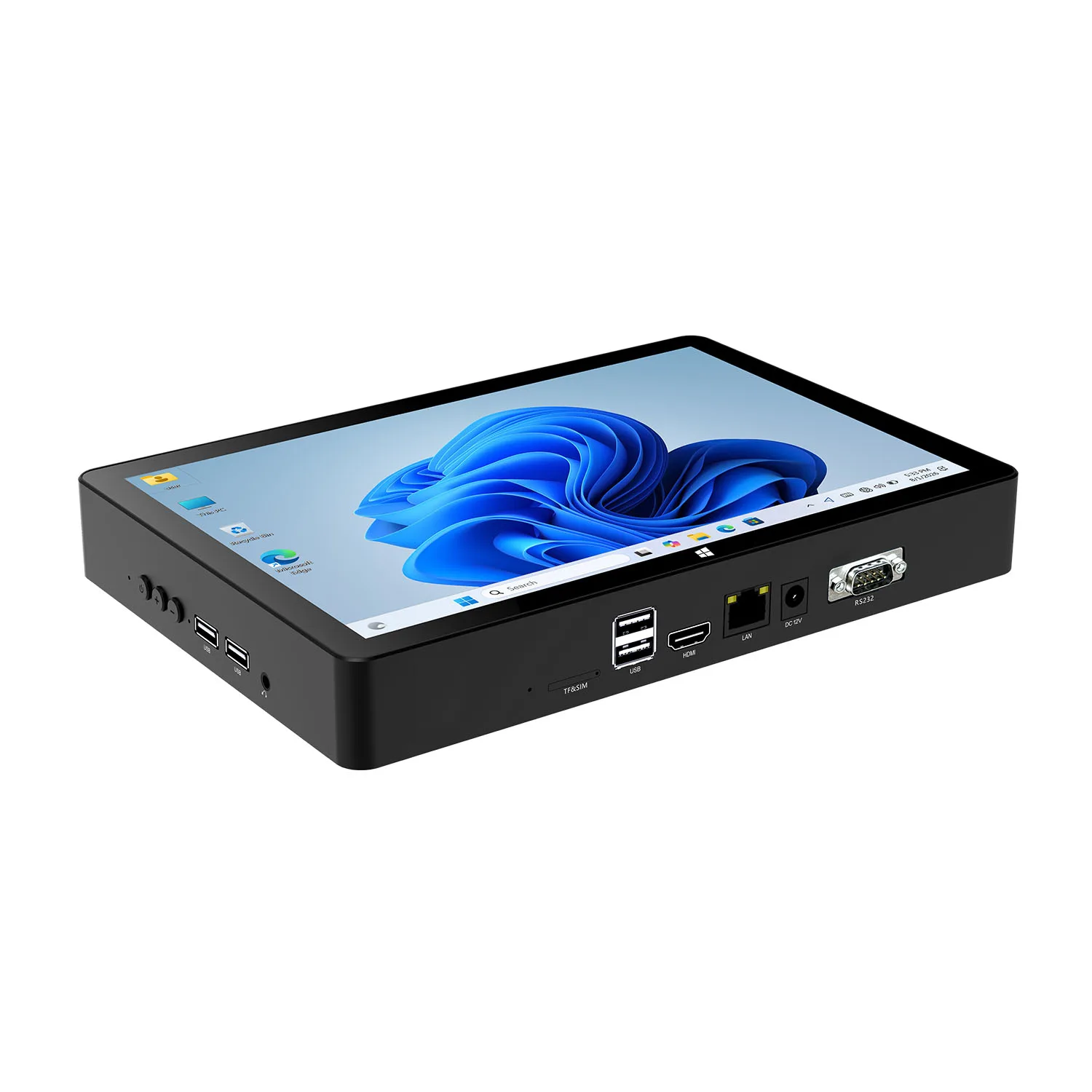
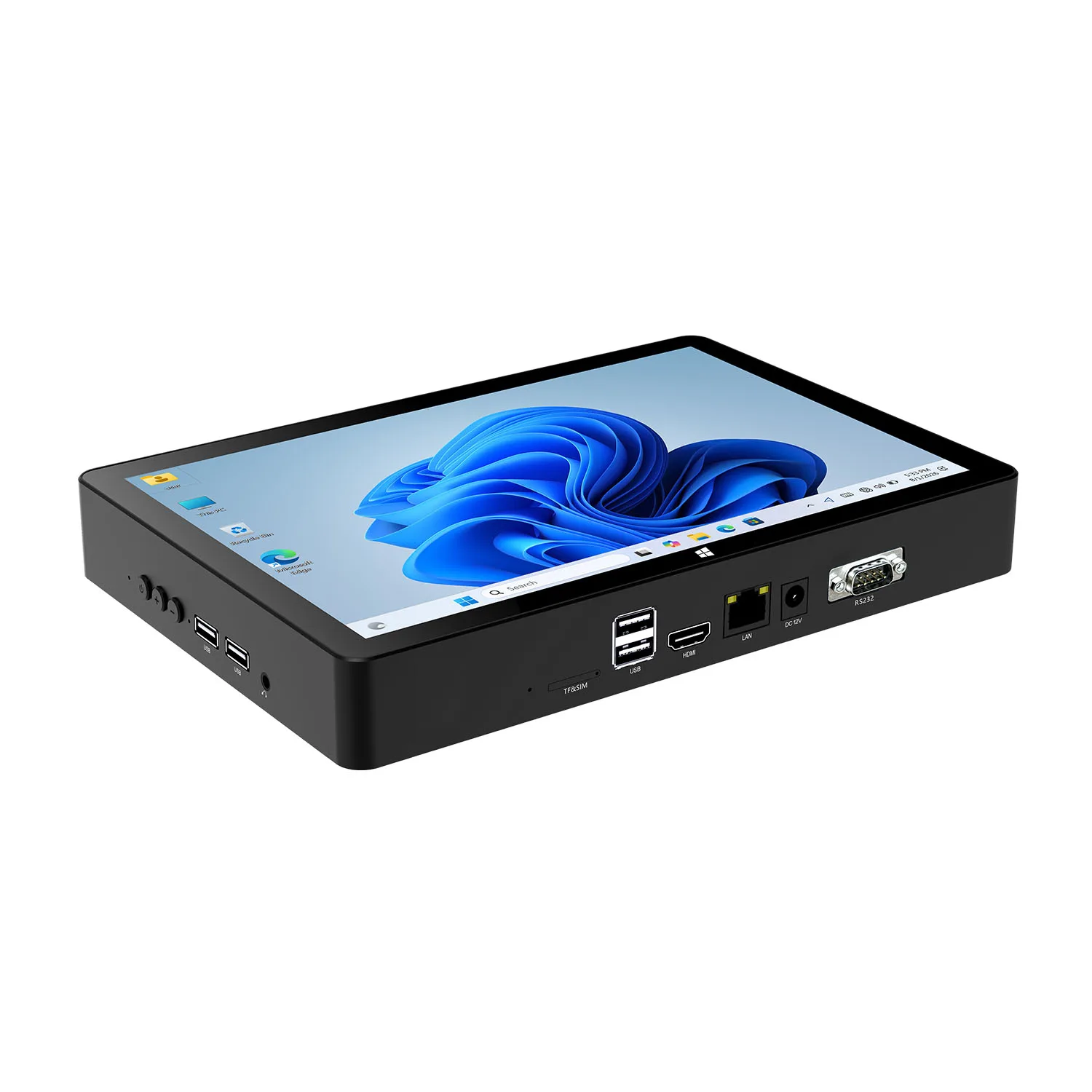
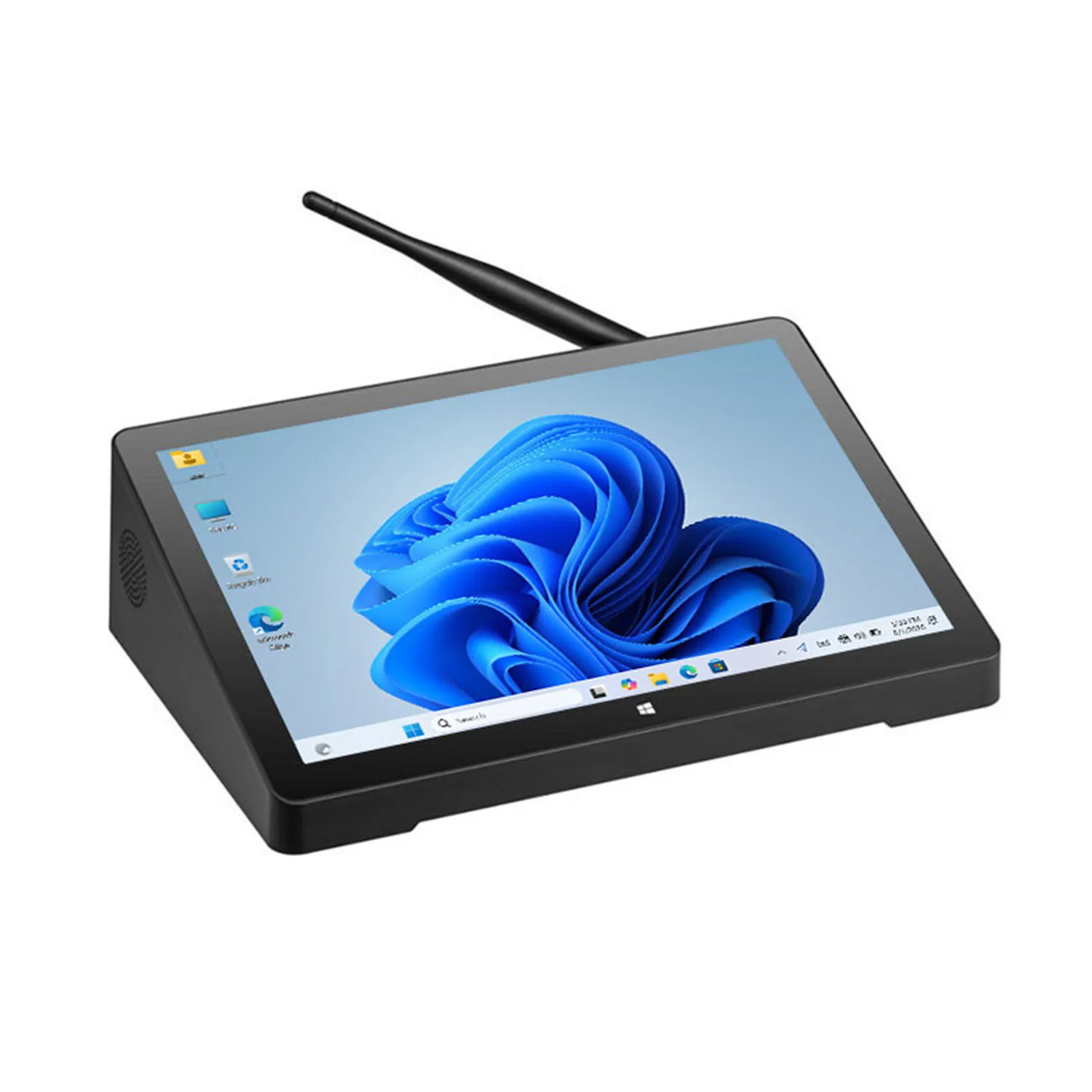
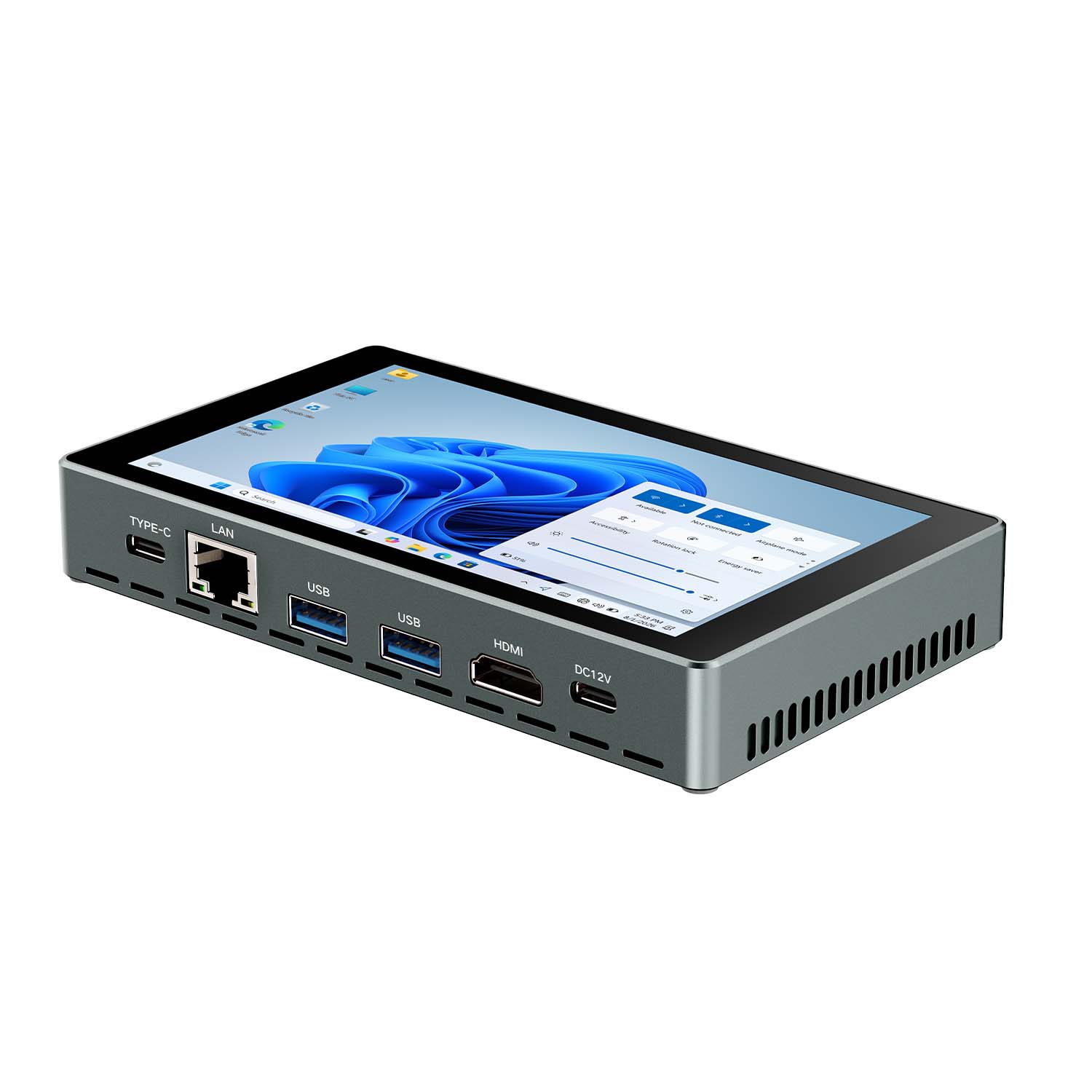
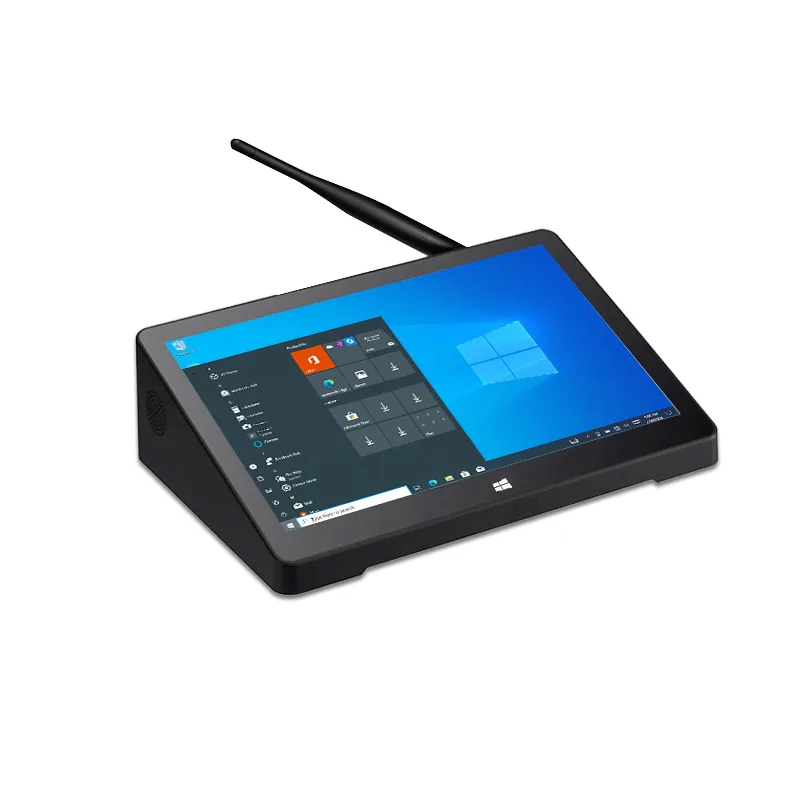
| H10F | Box PC | 10" | Windows 10/11 | 8–16 GB + 128 GB | Custom 2D scan option | Fixed-station / kiosk / line-side |
5. How We Build Your Custom Unit
CENAVA runs PCB circuit design, firmware, structural design, and mold work in-house. Nothing core is outsourced to a third-party factory. That is what makes a two-week hardware-OEM cycle possible.| # | Stage | What Happens | Output | Typical Duration |
|---|---|---|---|---|
| 1 | Spec & quotation | Lock hardware, software, quantity, target certifications (CE, FCC, IP67/IP68, MIL-STD-810H, ATEX if required) | Itemized quote + schedule | Within 1 working day |
| 2 | Schematic & PCB design | Circuit logic adapted to new I/O and power; thermal simulation before layout freeze | PCB gerbers, thermal report | 3 days |
| 3 | EVT engineering prototype | Drop, vibration, high/low-temperature cycling, salt spray, sealing test | EVT unit + test report | 3–5 days, longer if the port change forces a new gasket tooling pass |
| 4 | Mold & sealing optimization | Internal structure adjusted to new ports/battery; gasket re-optimized so the original IP rating is retained, not degraded | Structural sign-off | 3 days |
| 5 | SMT & firmware burn-in | Automated SMT; customer OS image and industrial apps pre-flashed at the factory | Pilot batch | 5 days |
| 6 | 72-hour full-load aging & shipment | Continuous full-load burn-in, certification document pack assembled, custom packaging, delivery | Shipment + cert dossier | 3 days |
6. Six Questions That Separate Factories From Middlemen
Most "manufacturers" on B2B platforms are trading companies. They outsource, and when the boards fail in year two, there is no one to call. Ask these six questions. A factory that actually builds the boards will have answers ready — not "let me check with our partner.""Who designs your PCB — in-house or a partner?" Ask the supplier to identify who owns the PCB design, firmware source, mechanical drawings and molds, and request evidence of the engineering and production responsibilities.
"Do you own the mold for this model, or is it a public mold you buy from?" Owning the mold is what makes low MOQ and structural changes possible.
"What is the MOQ for hardware OEM? For software-only OEM? Can I get one sample unit?" A real factory has a number.
"If I add an RS232 port, do you re-test the IP seal? Can I see the delta report?" This separates engineering from assembly.
"Which certifications does the base model already hold, and what do I have to re-certify?" Pre-certified base models save months.
"Show me the reliability test report for the last batch of this model." No report, no order.
Frequently Asked Questions
Q: What is the difference between OEM and ODM for rugged tablets?A: OEM builds your branded device on the manufacturer's existing mold — you change branding, ports, modules, and software, but not the tooling. ODM designs a new device from scratch, including a new private mold, new mainboard, and full re-certification. OEM is faster and cheaper; ODM gives you an exclusive product.
Q: What is the minimum order quantity for a custom rugged tablet?
A: CENAVA supports single-unit engineering samples for validation. Production MOQ starts at one unit for both software-only and hardware-modified OEM. Private-mold ODM projects carry a separate tooling cost and MOQ, quoted per project.
How long does rugged tablet OEM customization take?
It depends on how much you change. A software-only job — custom boot logo, OS image, app preload — ships in about a week. If you need hardware changes like adding an RS232 port or swapping the scanner, plan on one to two weeks from the moment you sign off the spec. A full private-mold ODM build is a different animal: you're looking at one to two months, mostly because of tooling lead time and the certification cycle.
Q: Do I need to re-certify a customized rugged tablet?A: It depends on what changed. Software-only changes inherit the base model's CE/FCC certification. Adding radios, changing the antenna, or modifying the housing generally requires delta testing. CENAVA's base platforms are pre-certified, so only the delta needs re-testing — typically 1-2 weeks rather than a full certification cycle. Q: Can I add an RS232 or CAN bus port to a rugged tablet?
A: Yes. RS232, RS485, CAN bus, M12, and RJ45 can all be added on CENAVA base platforms. The A10ST already ships with RJ45 and RS232 onboard, which makes it the cheapest starting point for serial-heavy applications.Q: Will adding ports break the IP rating?
A: It will if the gasket is not re-engineered. Any port addition changes the sealing geometry. CENAVA re-optimizes the housing seal and re-tests to retain the original IP rating — and provides the test report.Q: Does CENAVA support ATEX / IECEx explosion-proof customization?
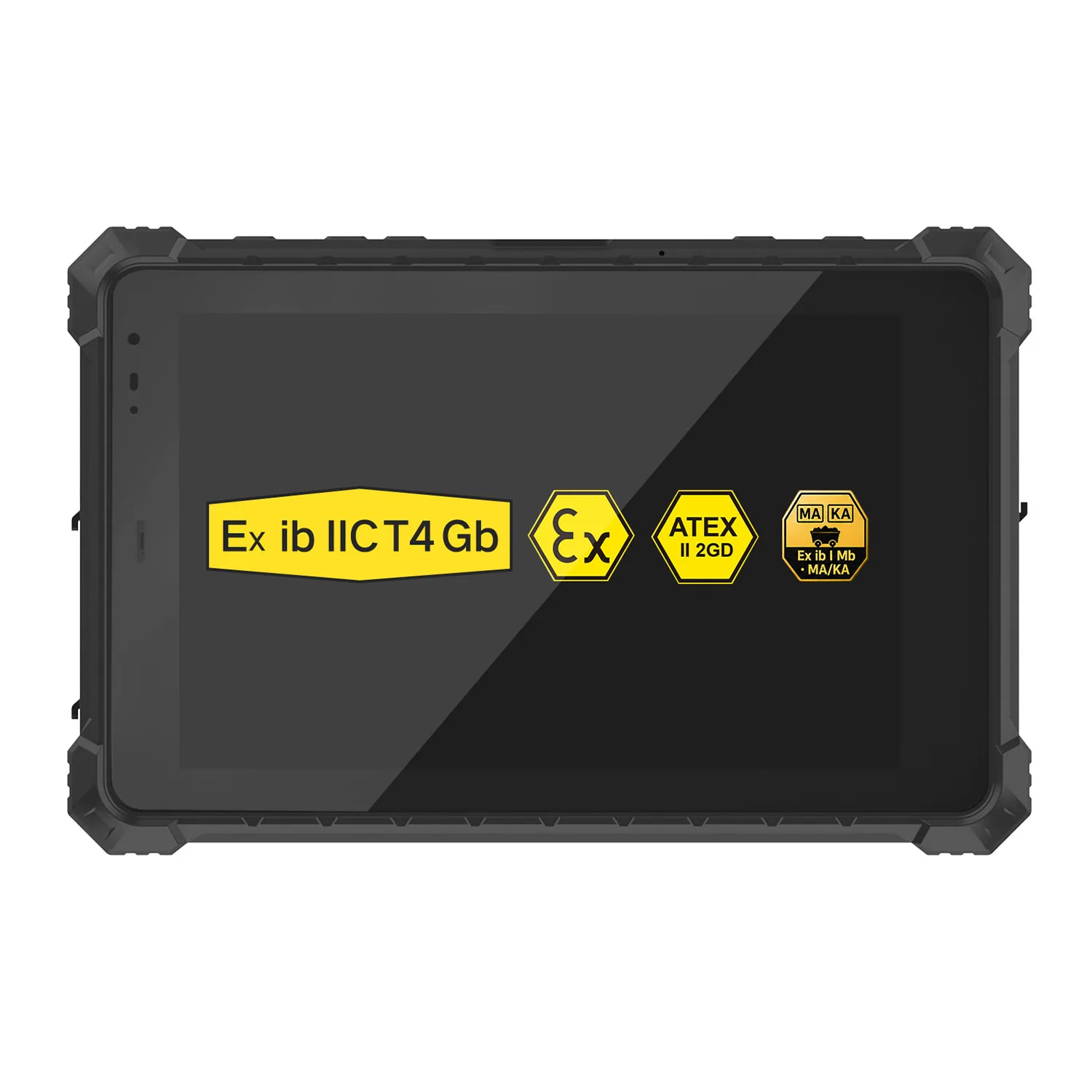
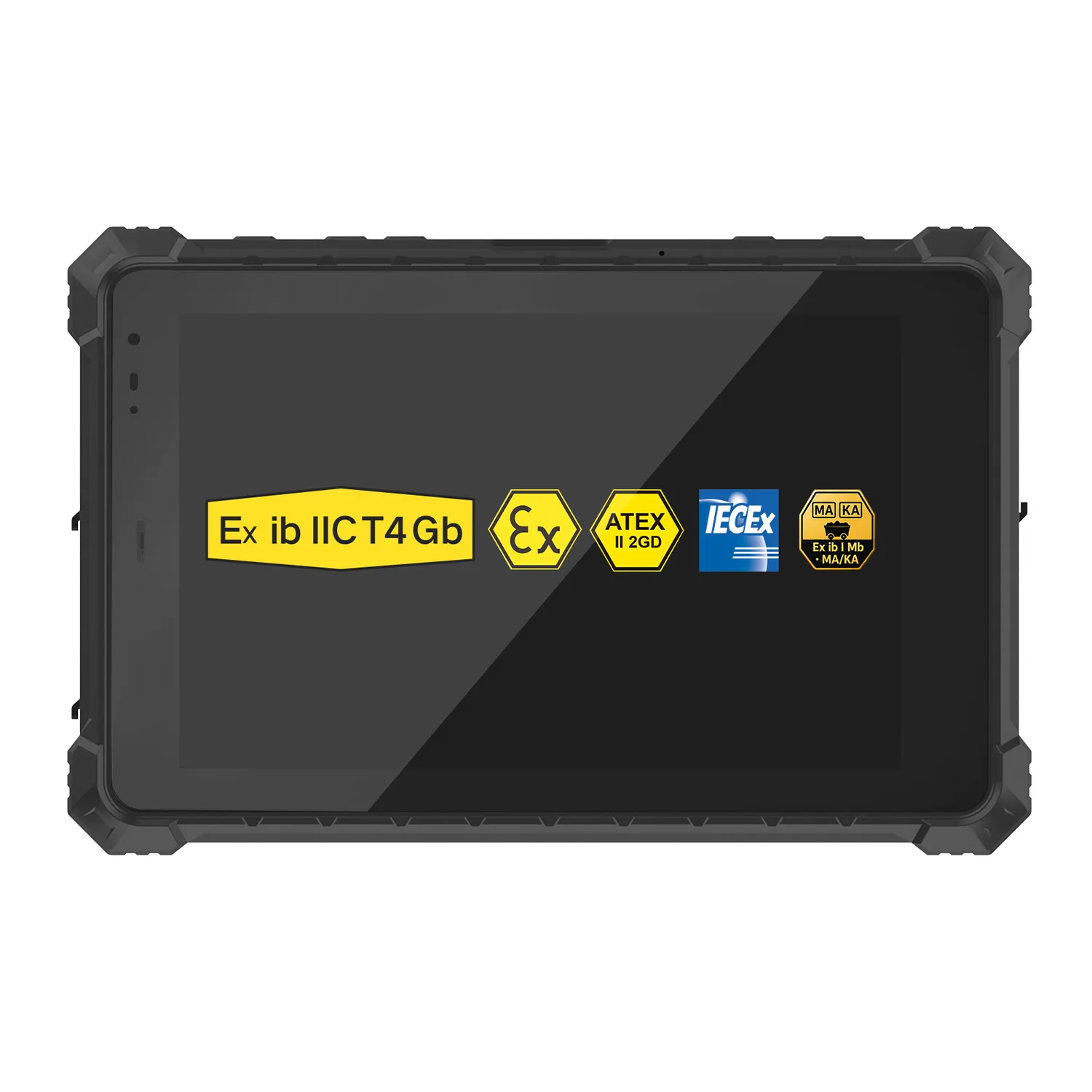
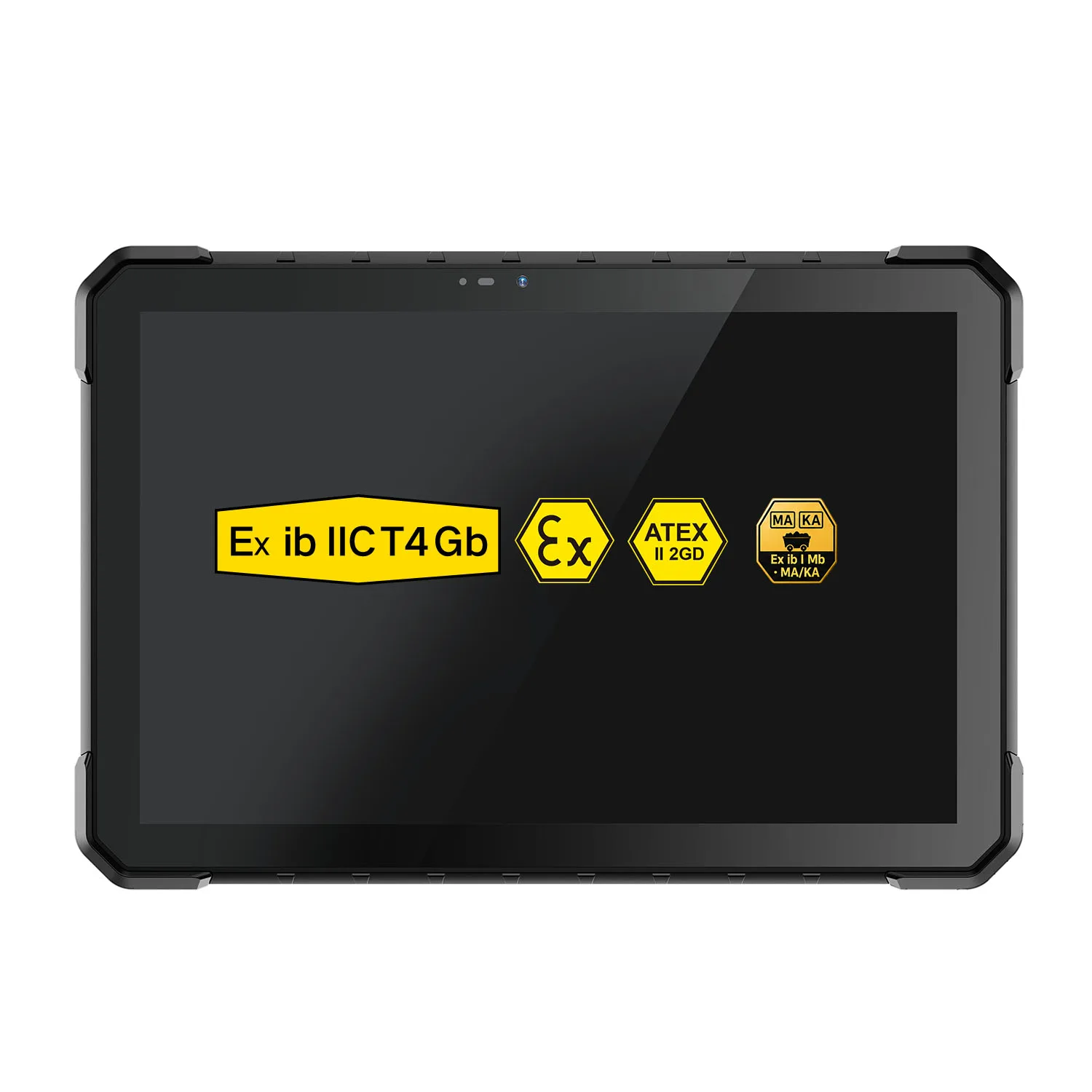
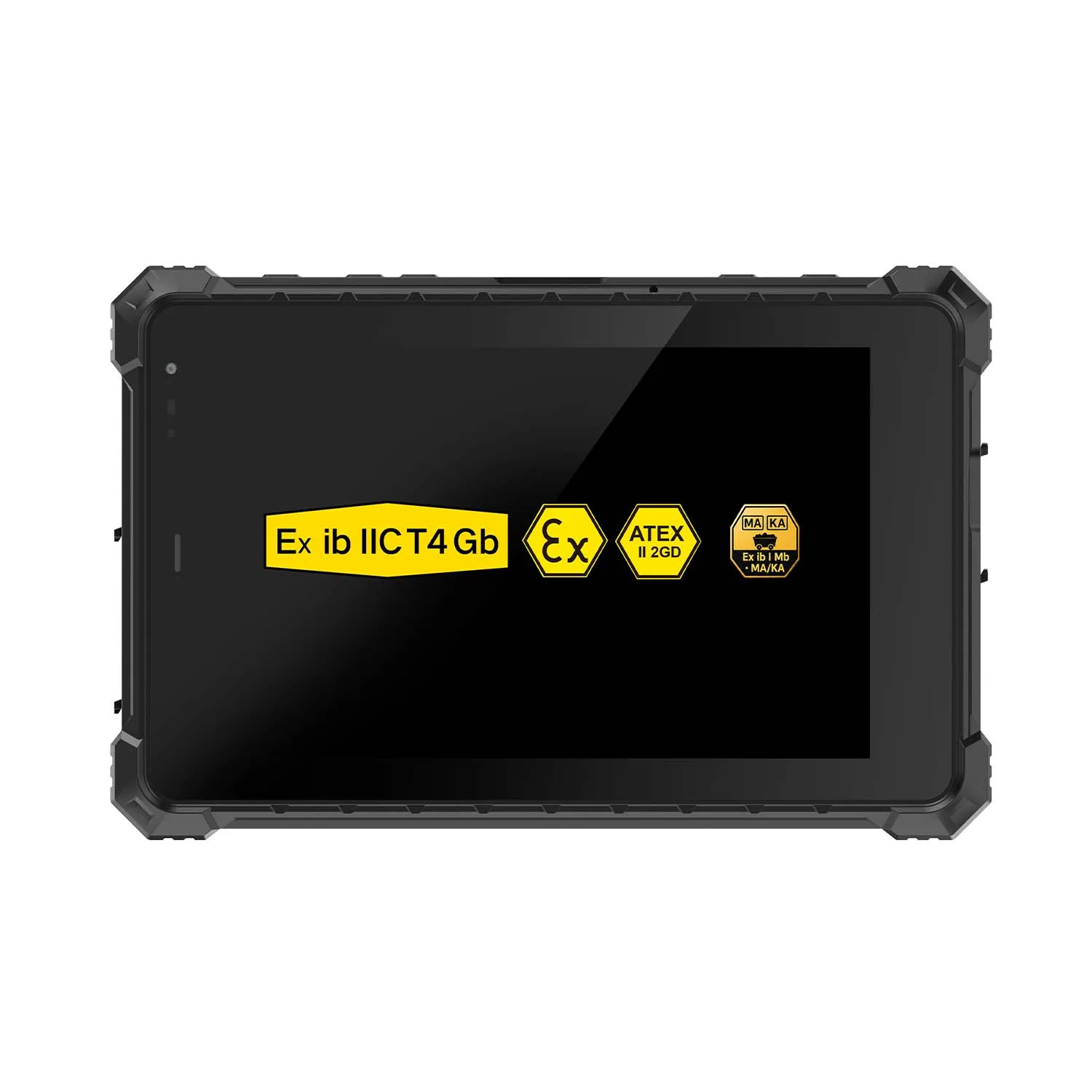
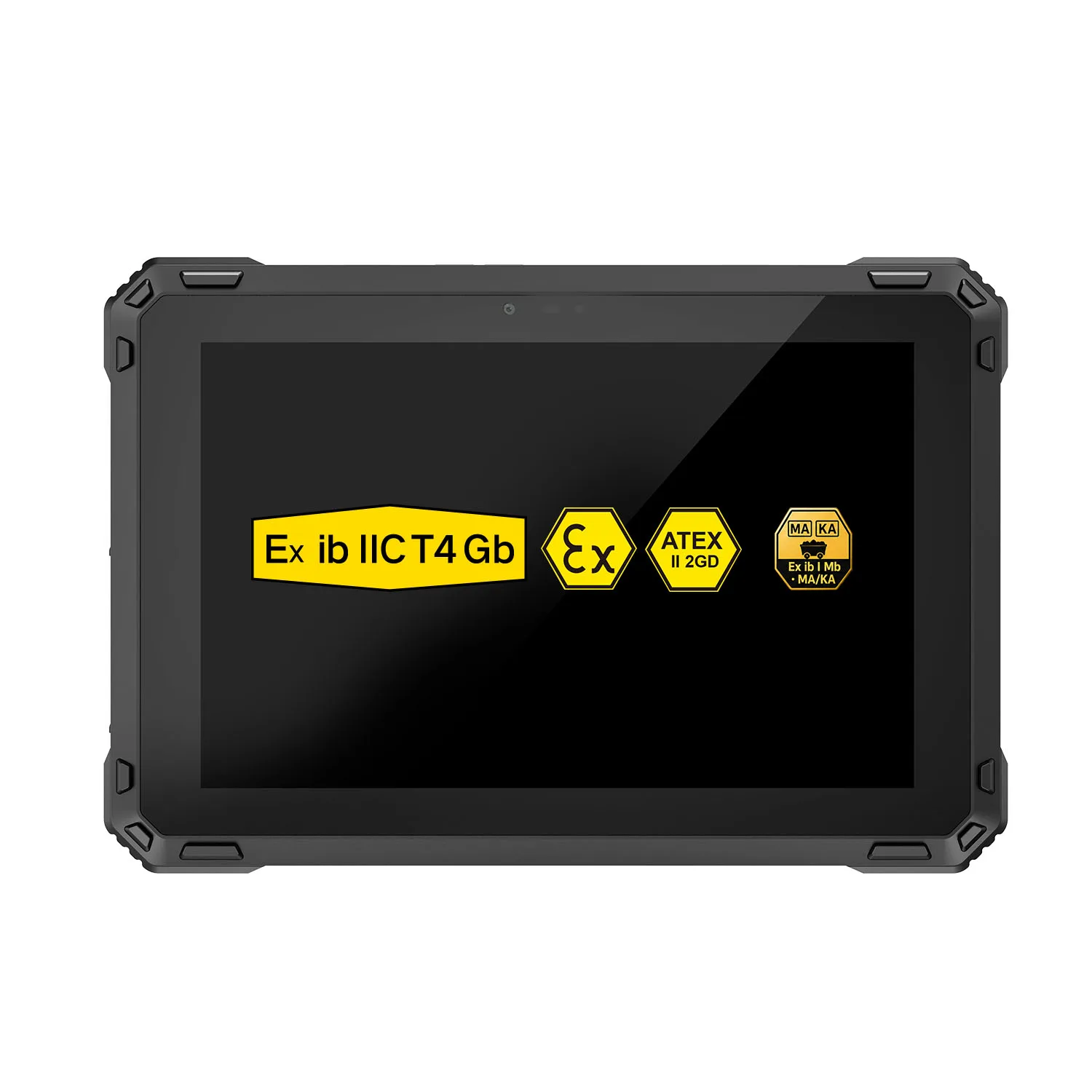
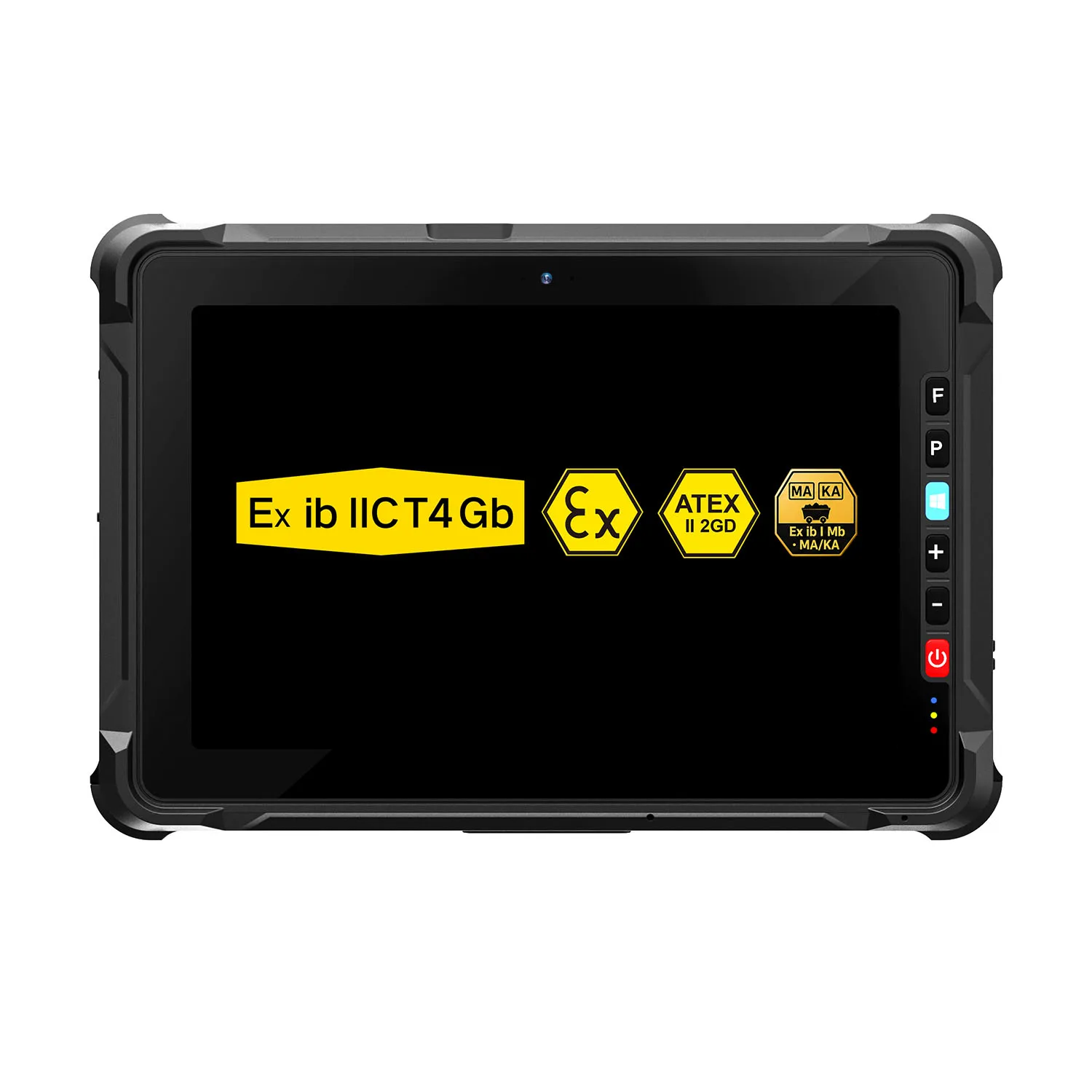
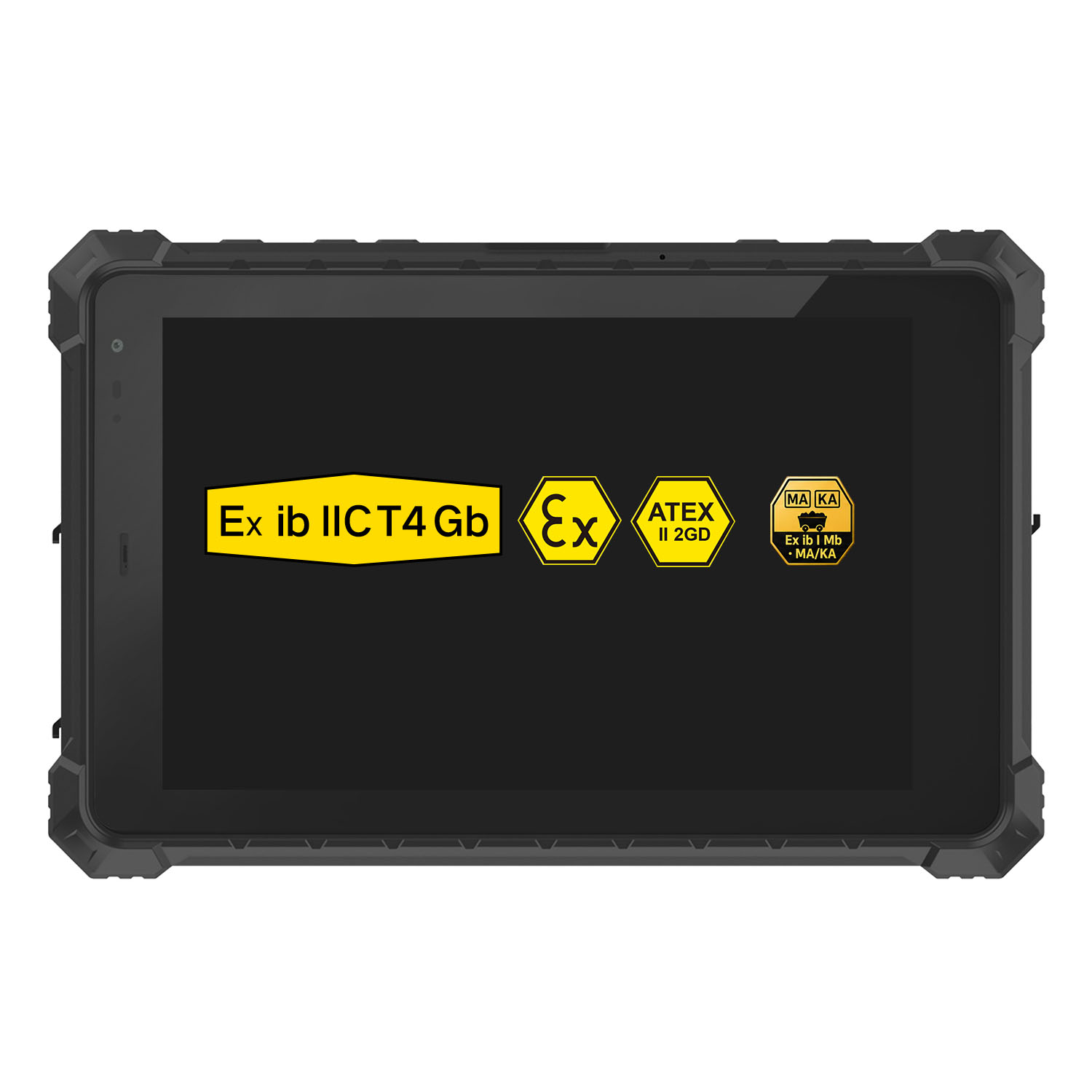
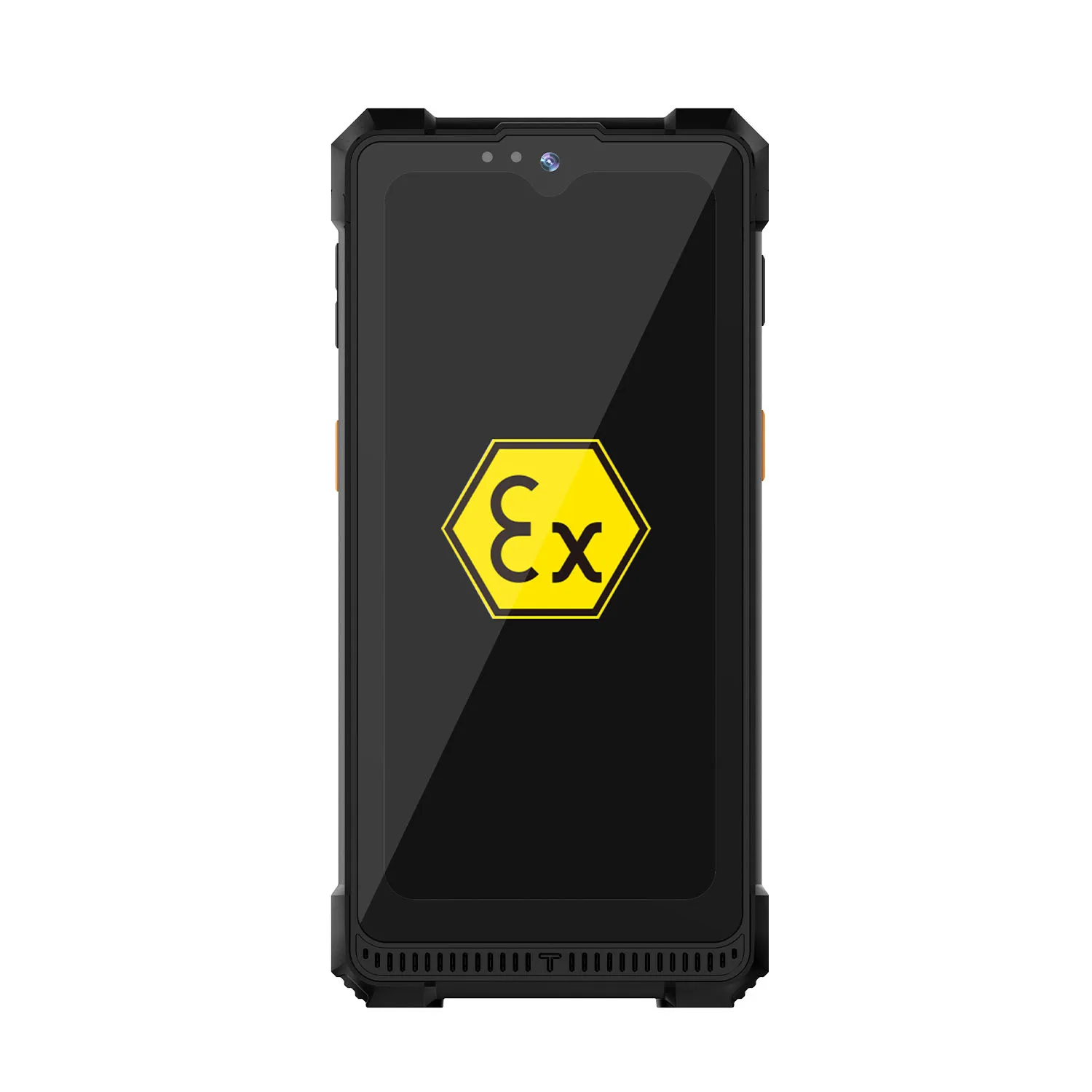
A: Yes — see our ATEX & IECEx explosion-proof rugged devices line. Ex-rated customization has a different workflow and longer certification timeline than standard industrial OEM; contact the engineering team early.
Get a Quote
Send us three things and we will come back within one working day:
Your environment (temperature range, ingress exposure, drop height, Ex zone if any)
Your I/O requirements (which ports, which modules)
Your quantity and target date
Send us those three things. We will come back within one working day with a base-platform recommendation, a clear OEM vs ODM call, and a number. If your spec needs a capability we do not have in-house, we will tell you where to look instead.
Need a Rugged Device for Your Project?
Tell us your operating environment and requirements — our engineers will recommend a configuration and quote within 24 hours.
Get a Free Quote Back to Blog