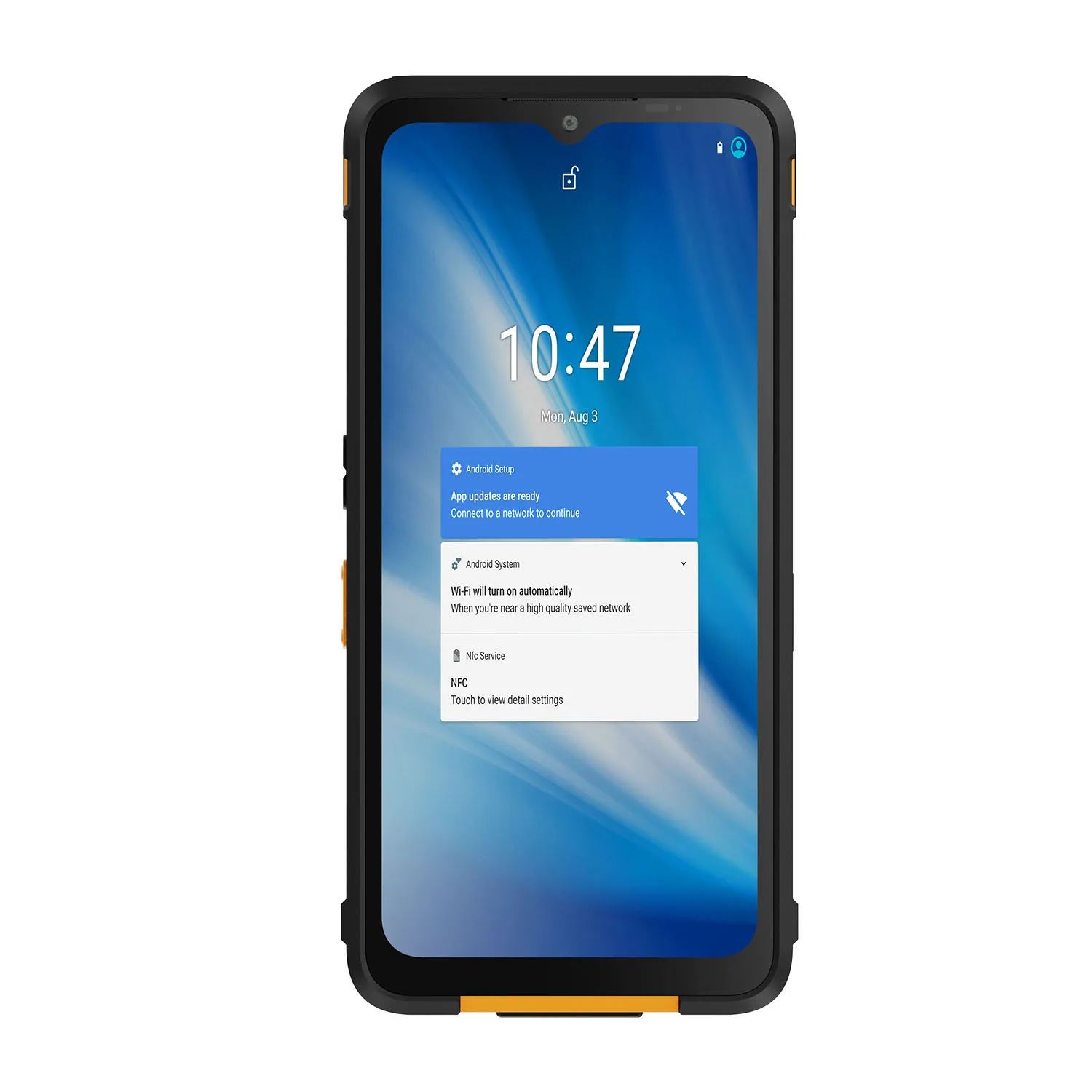
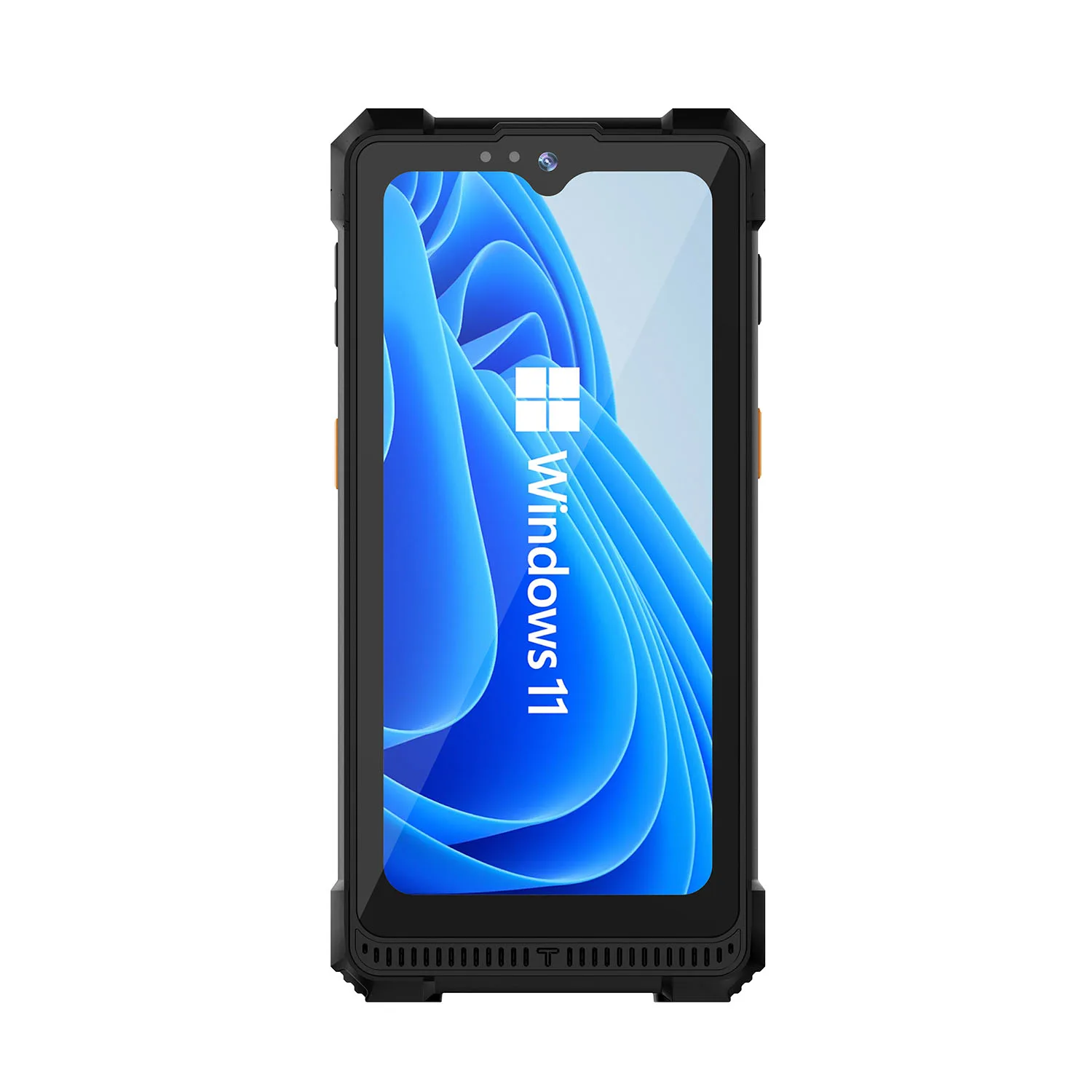
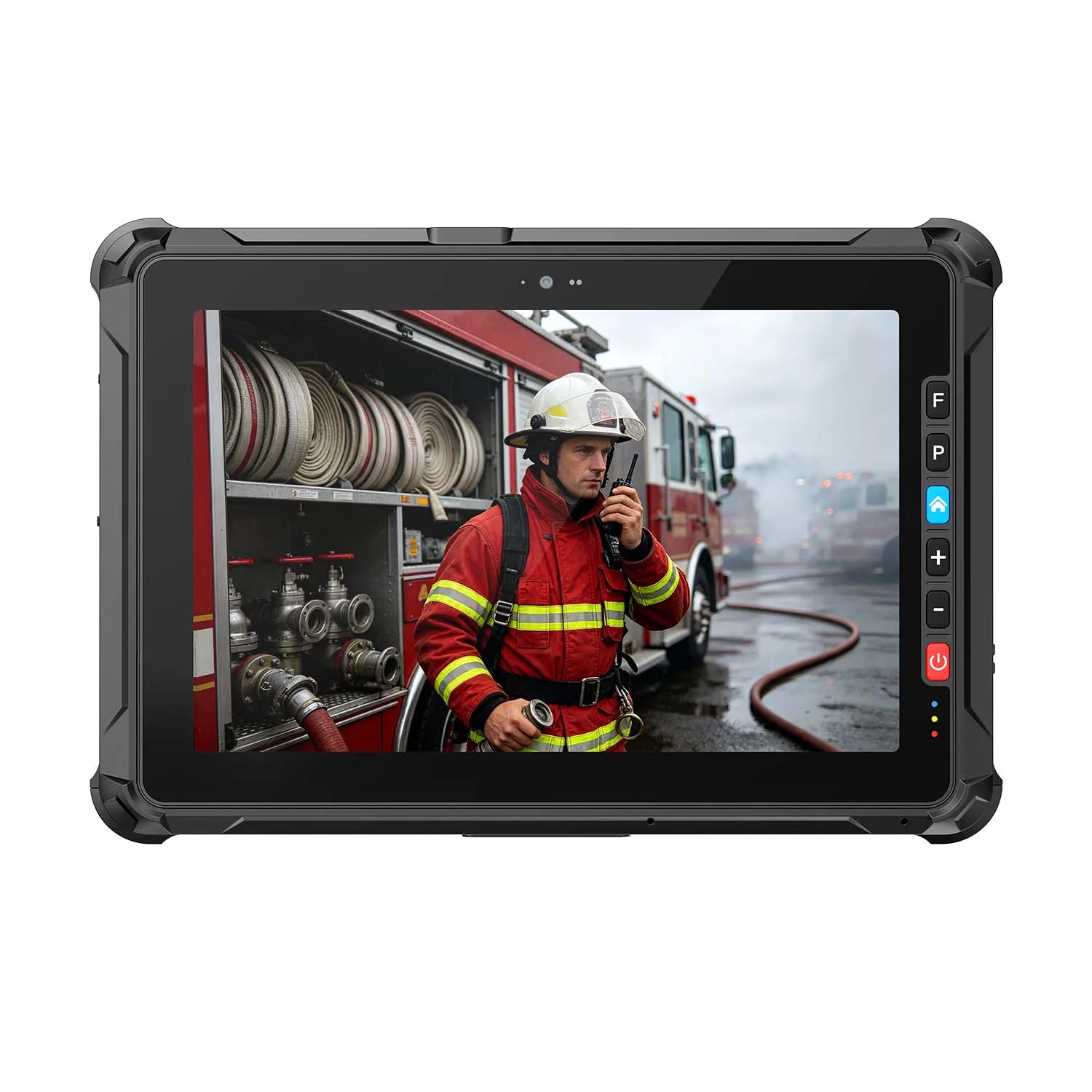
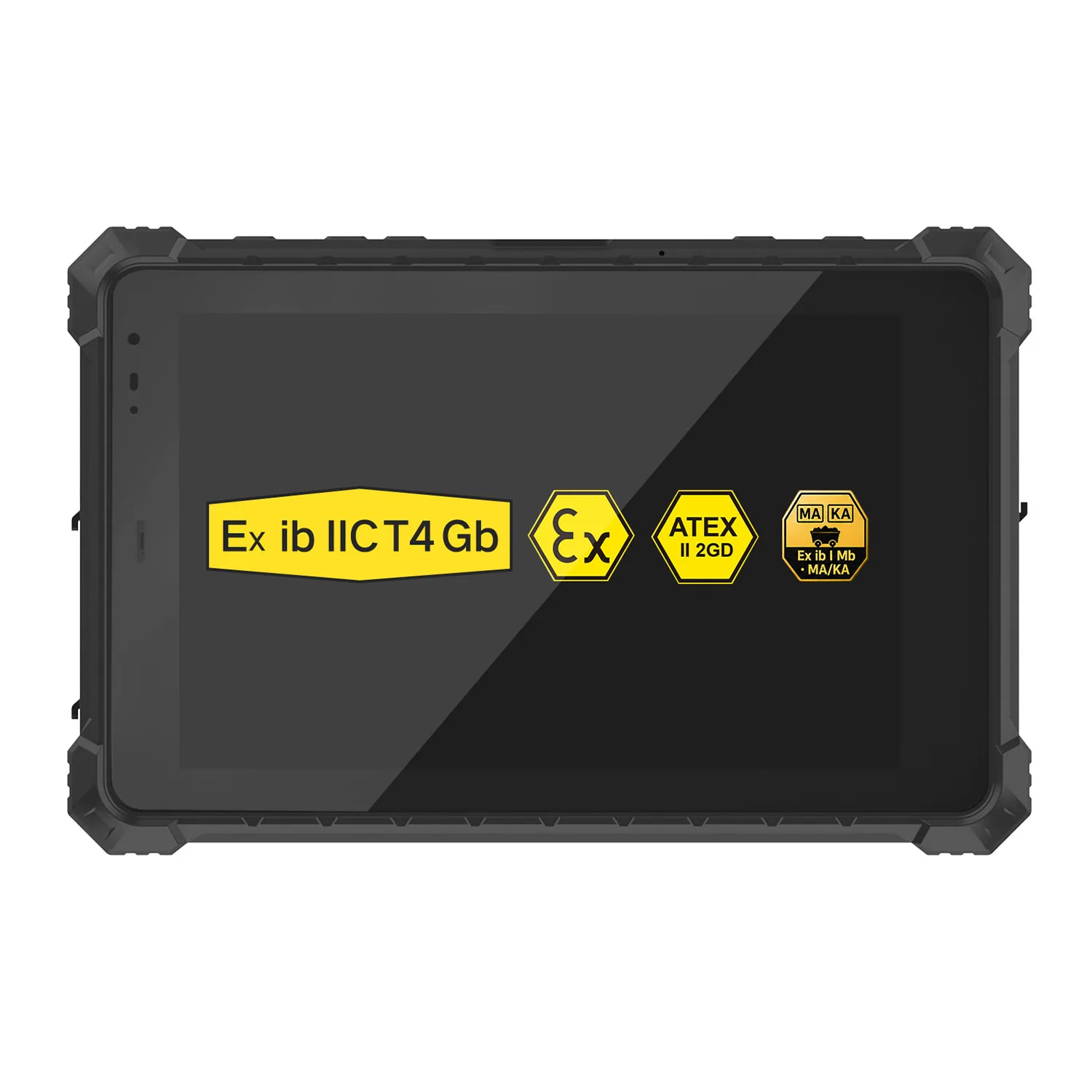





Digitizing LNG Terminal Inspections: Traceable Rounds, Tank Checks, Offline Records
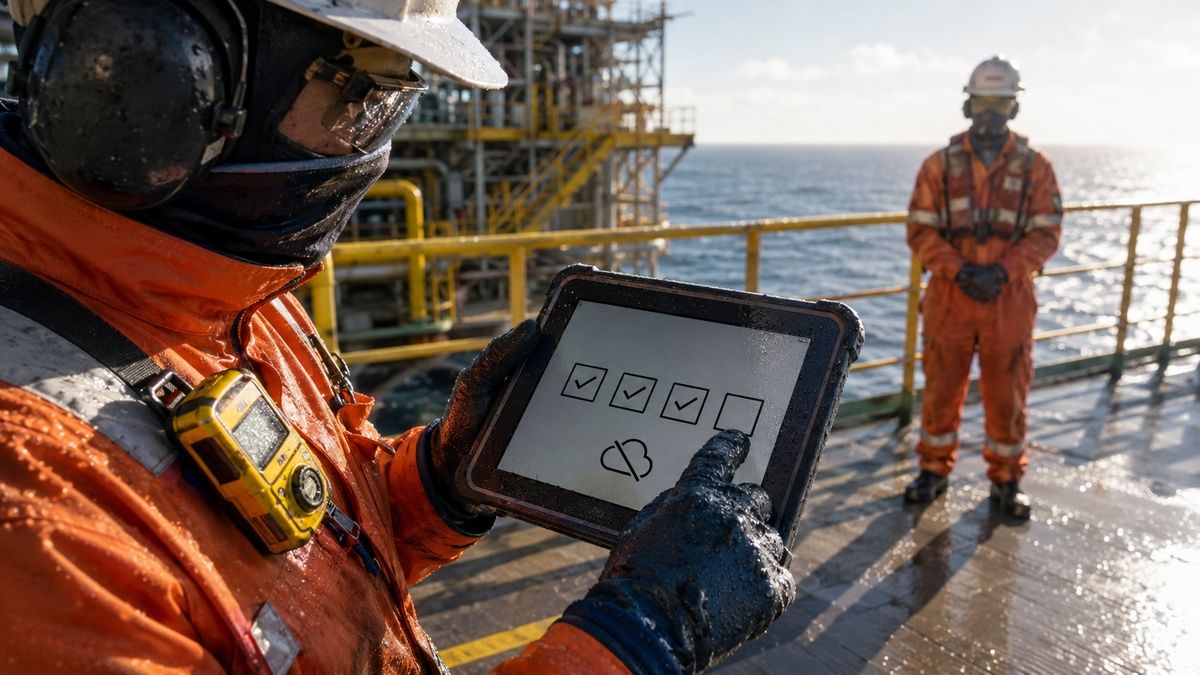
The practical answer to how to digitize LNG terminal inspections is to issue the correct route and procedure version, bind every observation to a verified asset or point, preserve where each reading came from, and close the round only after the destination system acknowledges it. An LNG terminal operator rounds tablet is useful when it protects that chain offline; copying a paper checklist onto a screen is not enough.
An LNG terminal contains several different inspection systems. Storage-tank surveillance, boil-off-gas compressor rounds, loading-arm readiness, firewater checks and maintenance verification may share equipment references, yet they have different owners and escalation rules. One generic “complete” status can hide whether an operator observed a condition, a supervisor accepted an exception or maintenance restored the asset.
Errors usually appear between systems, not inside a form. A worker may open yesterday's route package, enter a local gauge value against the neighboring point, or see a green submission icon even though the maintenance system rejected the equipment code. A photograph helps only when the record retains the asset, point, author, capture time, route revision and server receipt.
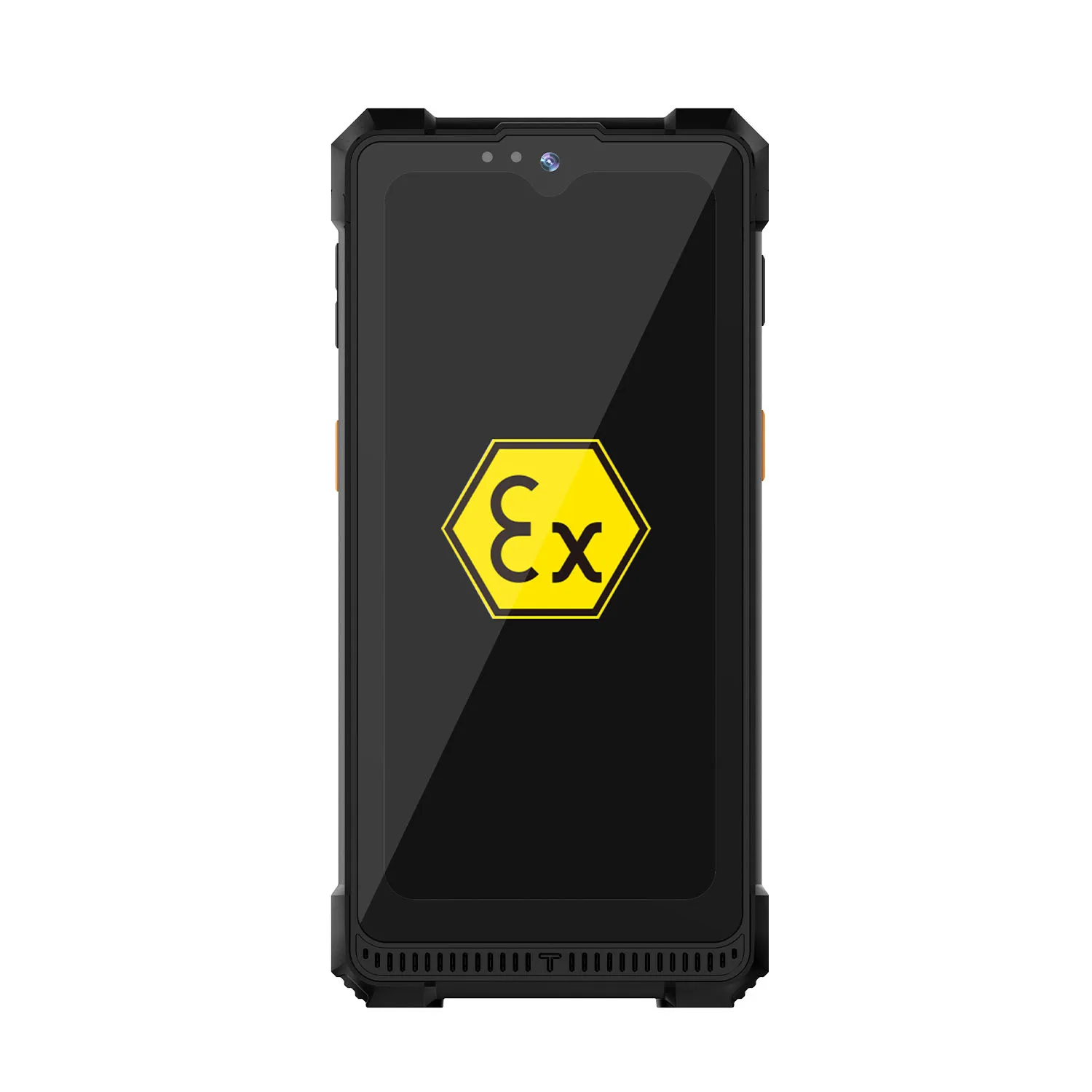
Digital work must remain subordinate to terminal safety. An abnormal smell, gas alarm, visible release or unsafe transfer condition calls for the approved stop, warning and emergency procedure—not extra screen completion. The exact device approval must match each classified location; IP65–IP68 ingress protection and MIL-STD-810G/H environmental testing do not authorize electronics for an explosive atmosphere.
This 2026 guide compares ten manufacturers as workflow endpoints rather than interchangeable LNG approvals. Higher-category hazardous-area candidates appear first, followed by defined Zone 2, Division 2 and nonhazardous roles. Each model's main environmental specification is stated once in its own entry; the operational discussion then concentrates on identity, handover, offline evidence and system acknowledgement.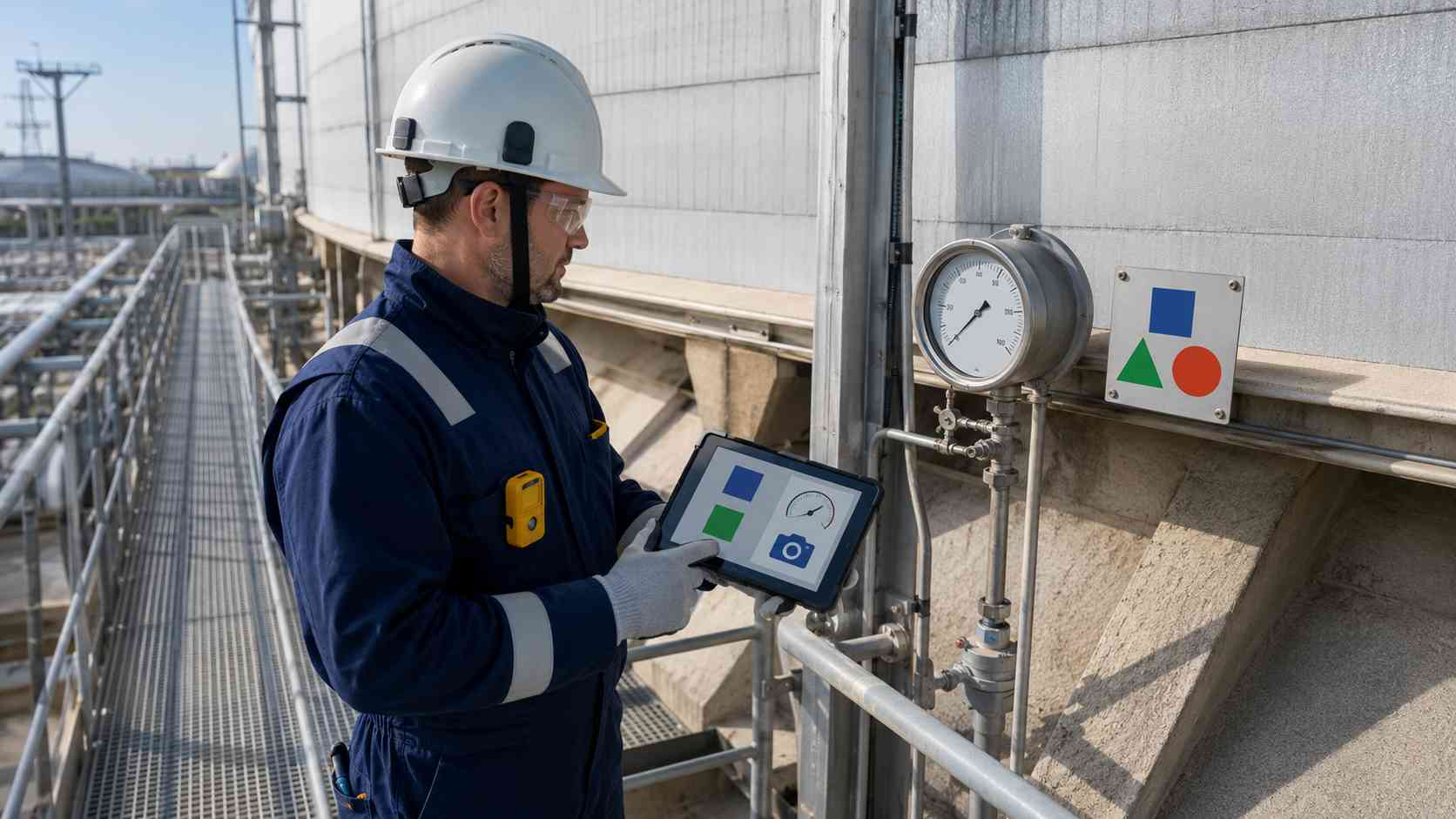
LNG Tank Inspection Tablet: What Defines a Reliable Digital Workflow?
A reliable program begins with a released route master. Each checkpoint should carry a stable plant, system, equipment and point identity; the current procedure revision; the responsible role; the expected source type; any approved operating band; and the destination for an exception. A QR or NFC tap may accelerate selection, but the screen should still show the full point identity. A successful scan of a nearby label does not prove that the worker looked at the right nozzle, foundation marker or local gauge.
- Separate observations from instrument data: Mark a value as manually read, calculated, imported from the DCS or supplied by another system. Preserve the original unit and timestamp. A copied control-room value should not acquire the appearance of an independent field observation.
- Make abnormal conditions actionable: The form should expose the approved response before asking for a long note. Local alarm, process communication, stop-work and emergency actions remain physical or procedural controls; the tablet records their status but does not perform them.
- Control route and procedure versions: Give every package an effective date, expiry rule and withdrawal status. A completed round against an obsolete instruction should remain visible as an exception instead of being silently converted to the newest template.
- Require destination receipts: Keep the device event ID, integration response and maintenance order ID as different fields. Locally saved, transmitted, accepted and rejected are four states, not one green check mark.
In the United States, 49 CFR 193.2503 requires written operating procedures for normal and abnormal operations, including monitoring, startup and shutdown. The mobile workflow should reference the released procedure and responsible role; it should not reproduce a shortened version that drifts away from the controlled manual.
Tank checks need more than a row named “visual inspection.” 49 CFR 193.2623 identifies foundation or tank movement, inner-tank leakage, insulation effectiveness and frost heave as conditions to be inspected or tested for their effect on structural integrity or safety. A digital route can link those topics to distinct points and evidence types without pretending that a tablet measures tank integrity.
Our proposed dry run uses 4 controlled routes and 24 training checkpoints: 8 around a storage-tank exterior, 6 at boil-off-gas equipment, 6 on a transfer system and 4 in a nonhazardous support area. Seed 2 swapped point labels, 1 retired asset, 3 abnormal readings, 2 expired procedure references and 1 rejected maintenance code. The objective is to expose weak handoffs before the application reaches live operations.
LNG Loading Checklist Tablet: Top 10 Manufacturers for 2026
Transfer readiness is a coordinated decision, not a tablet feature. For U.S. LNG plants within its scope, 49 CFR 193.2513 requires LNG or other hazardous-fluid transfers to follow written procedures, including verification that the transfer system is ready. The ten manufacturers below are assessed by how their devices fit controlled route roles; the terminal still decides which exact configuration may enter each location.
1. i.safe MOBILE (Germany)
Core Strength: Large Android workspace for governed Zone 1 and Division 1 rounds
i.safe MOBILE develops explosion-protected communication devices for process industries rather than treating hazardous-location certification as a late accessory. That specialization is relevant to terminals that need one managed mobile application across several regional approval systems.
2. Pepperl+Fuchs / ECOM (Germany)
Core Strength: Compact hazardous-area mobility for stairs, platforms and contractor routes
Pepperl+Fuchs combines industrial-automation experience with ECOM's mobile-device portfolio. The Tab-Ex family is useful where carrying size, enterprise enrollment and clearly separated regional variants matter as much as raw screen area.
3. Aegex Technologies (United States)
Core Strength: Windows continuity for Zone 1 and Division 1 inspection applications
Aegex focuses on intrinsically safe Windows mobility and related data solutions for process environments. It belongs in this comparison where an operator wants to retain an established Windows inspection or maintenance client without moving ordinary office hardware into a classified route.
4. CENAVA (China)
Core Strength: Project-controlled device, data-capture and application configurations
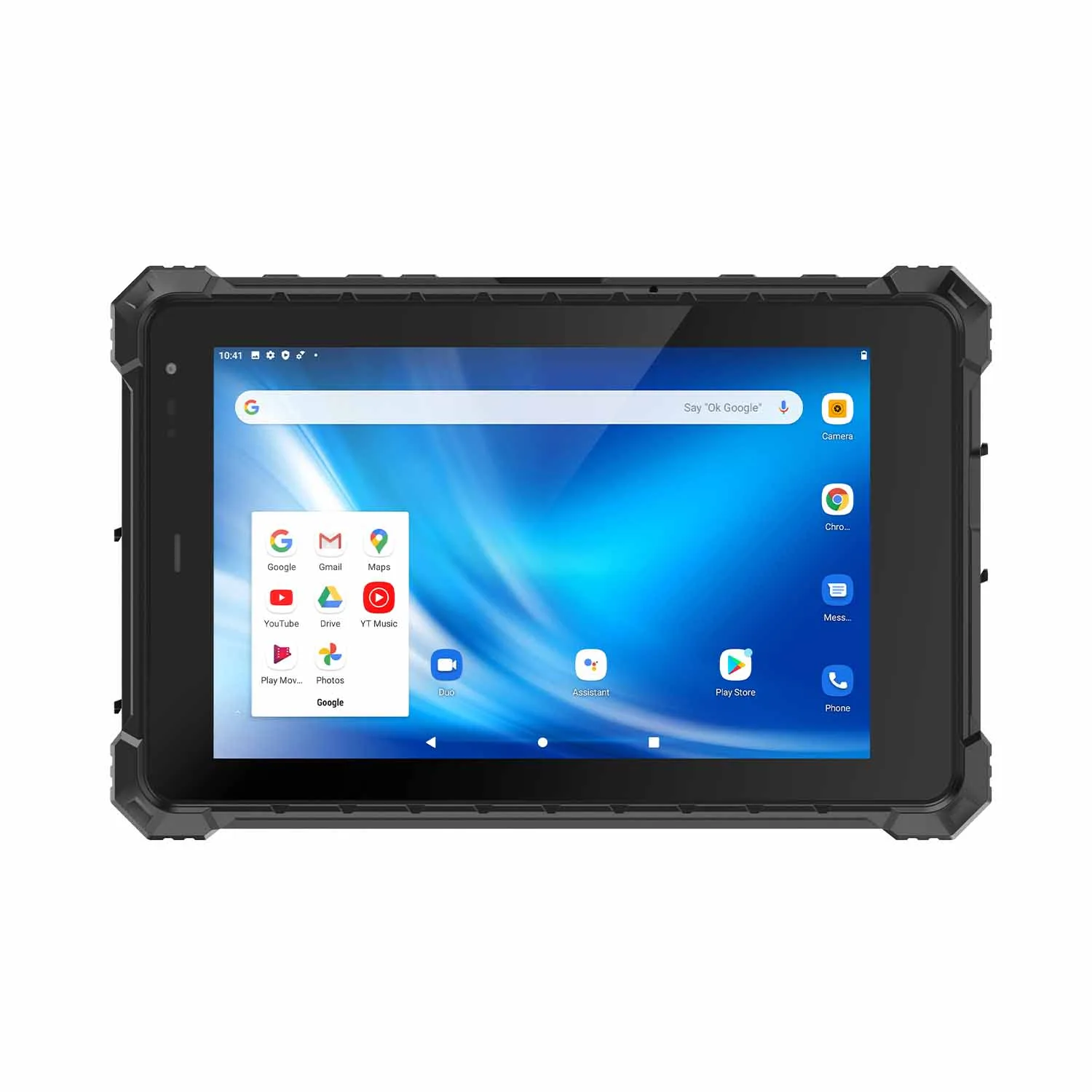
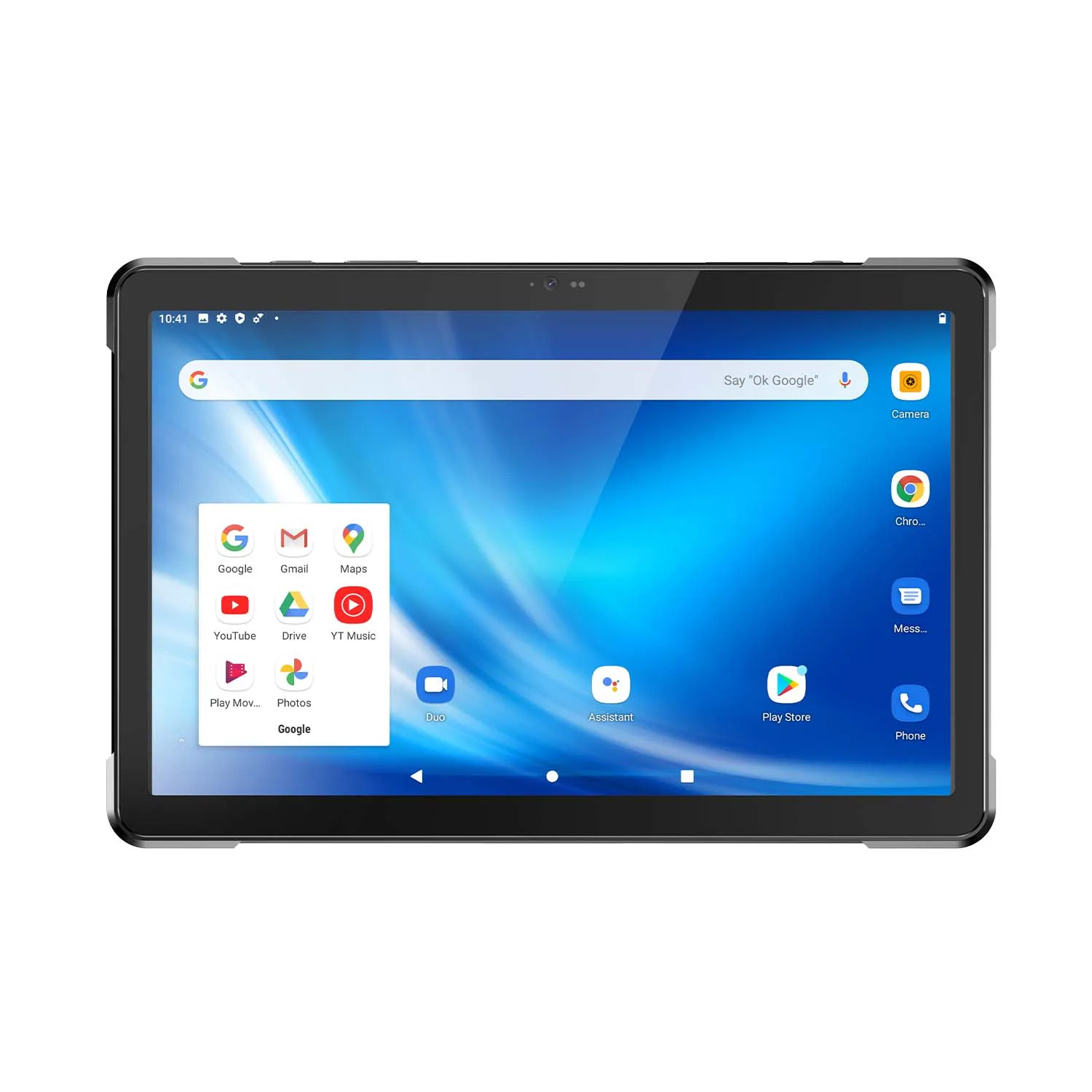
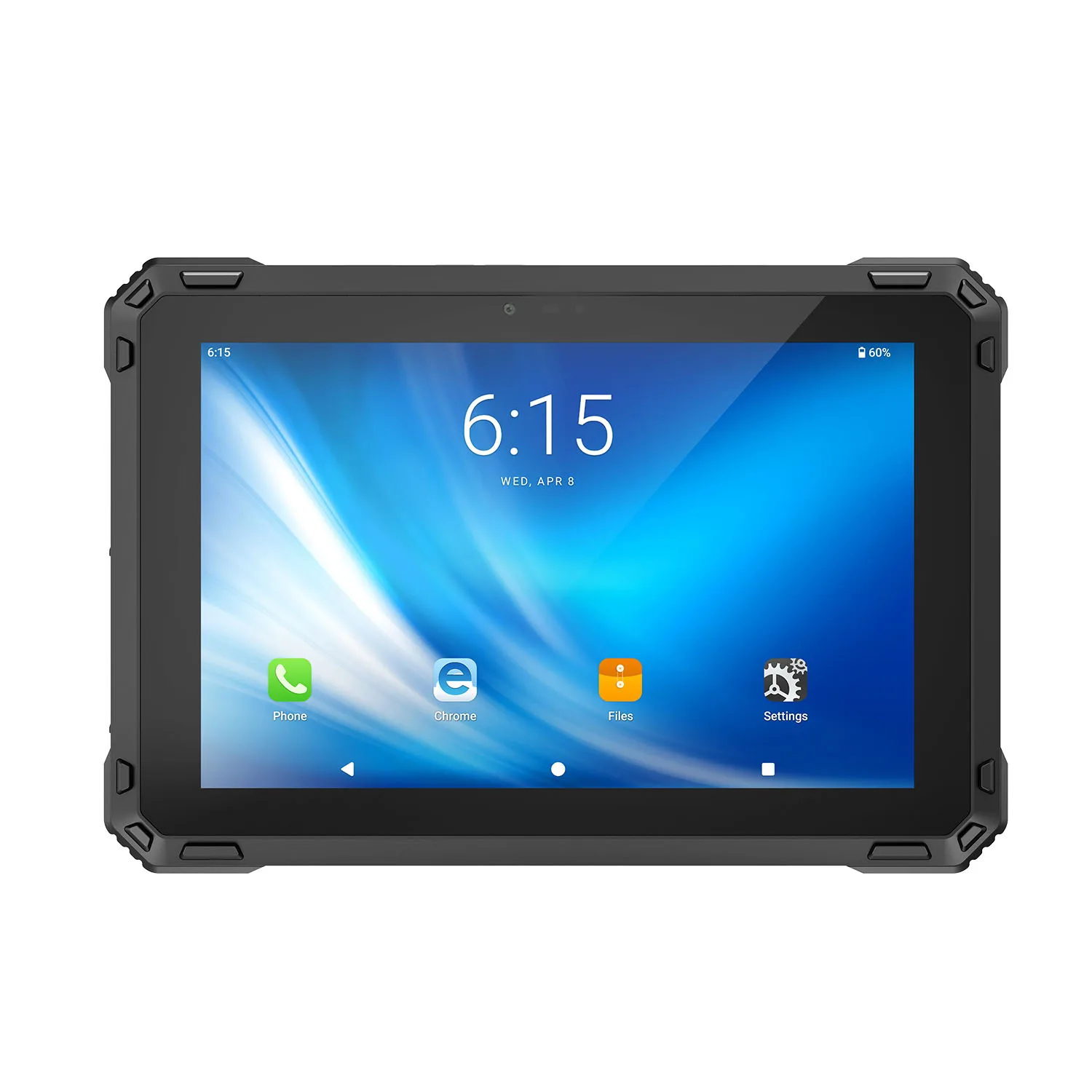
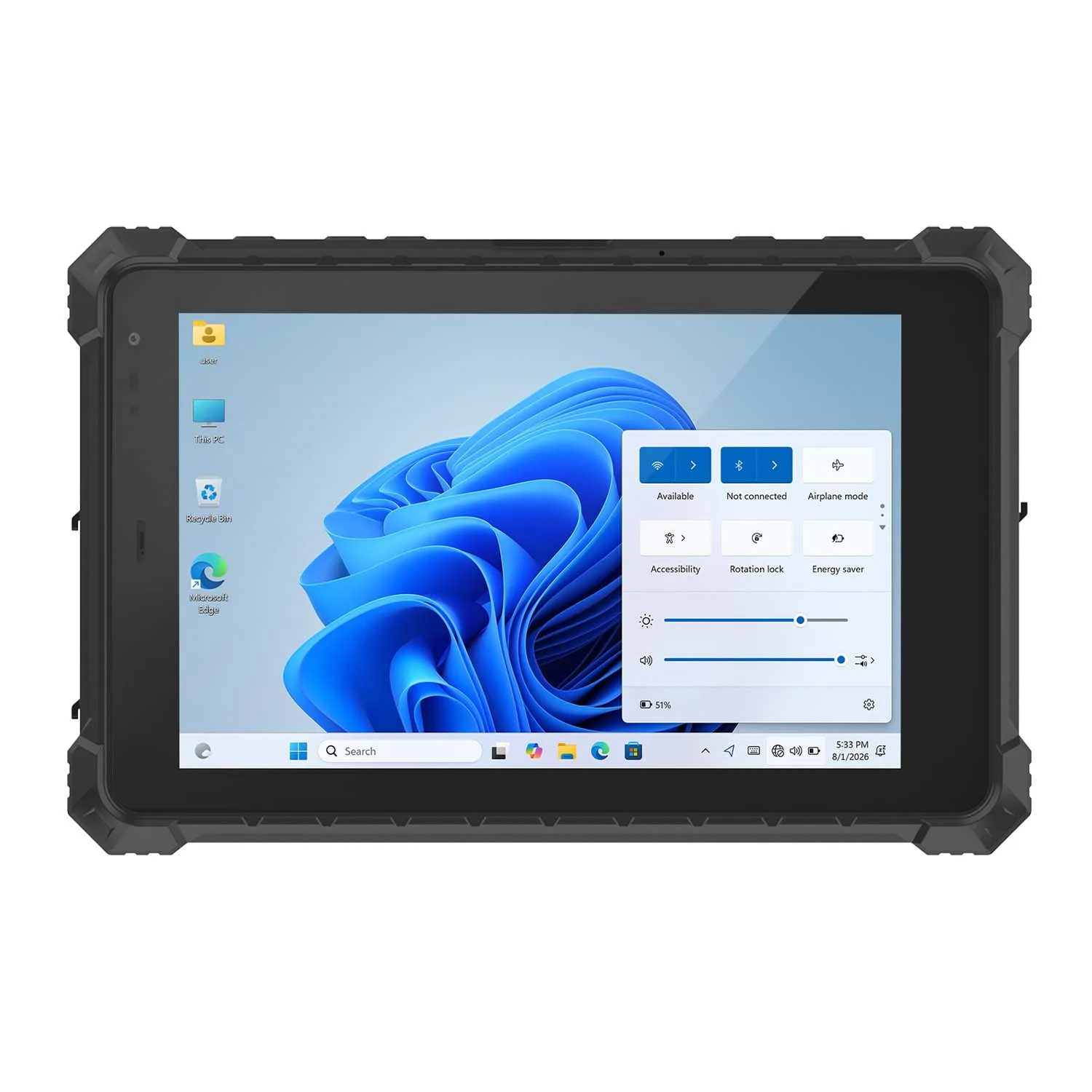
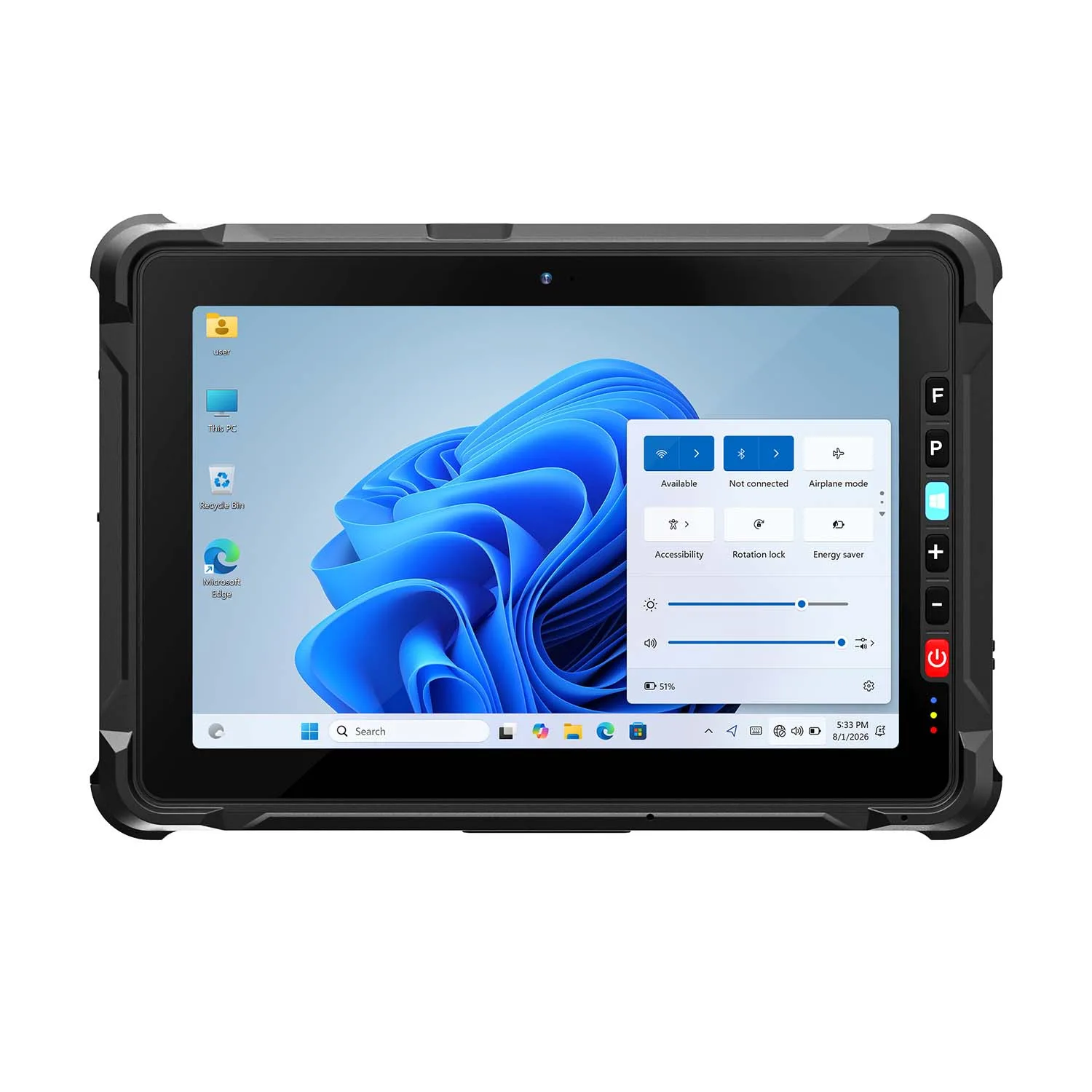
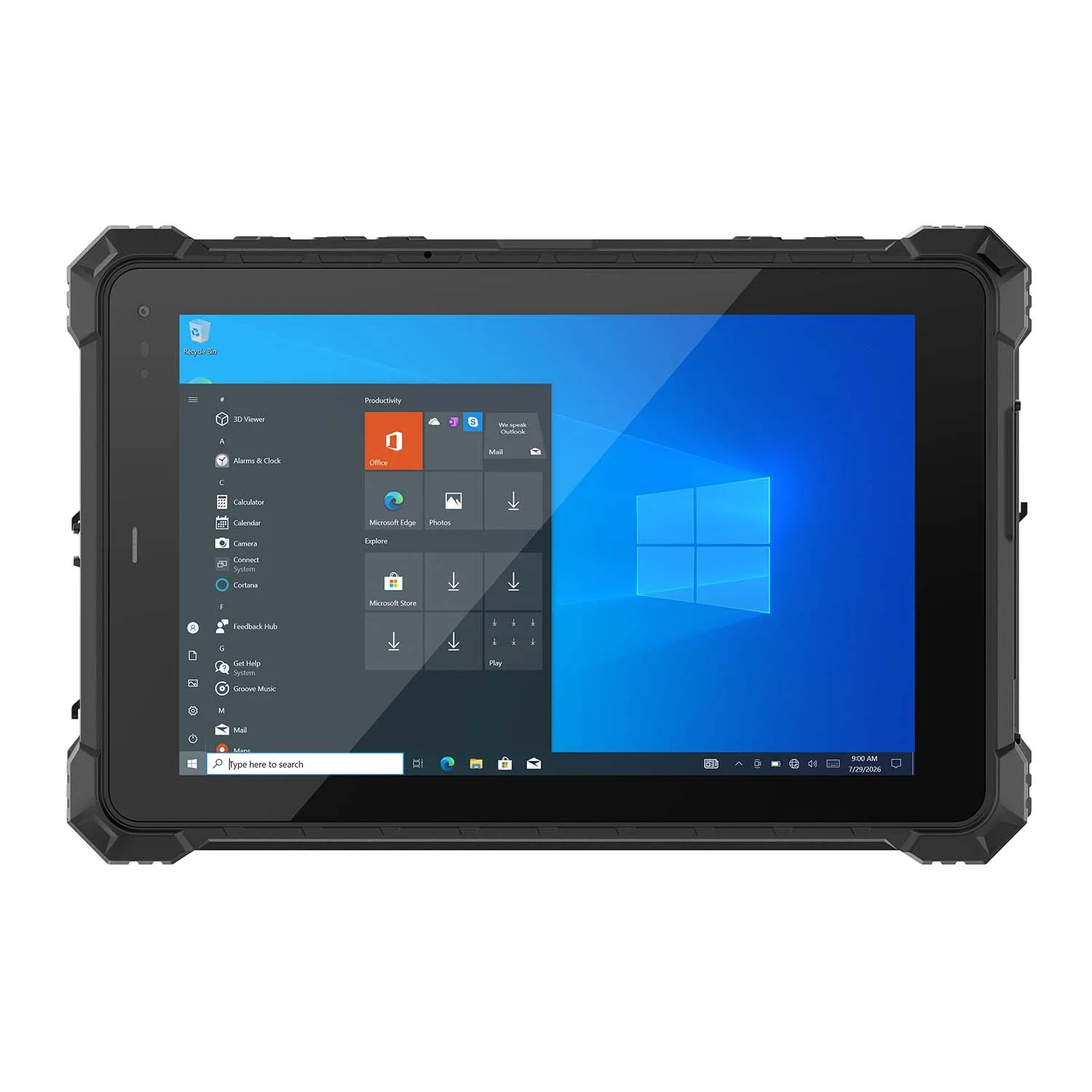
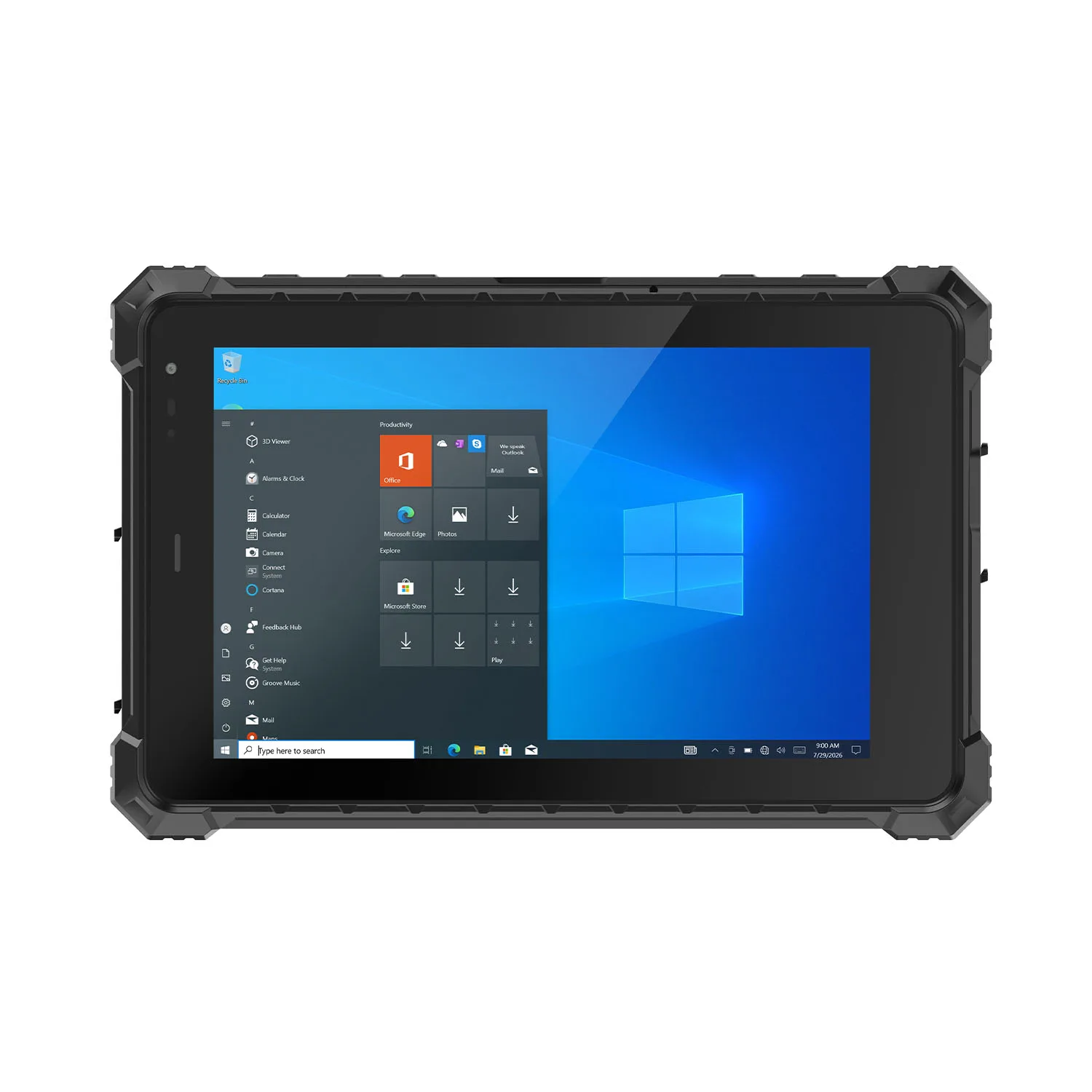
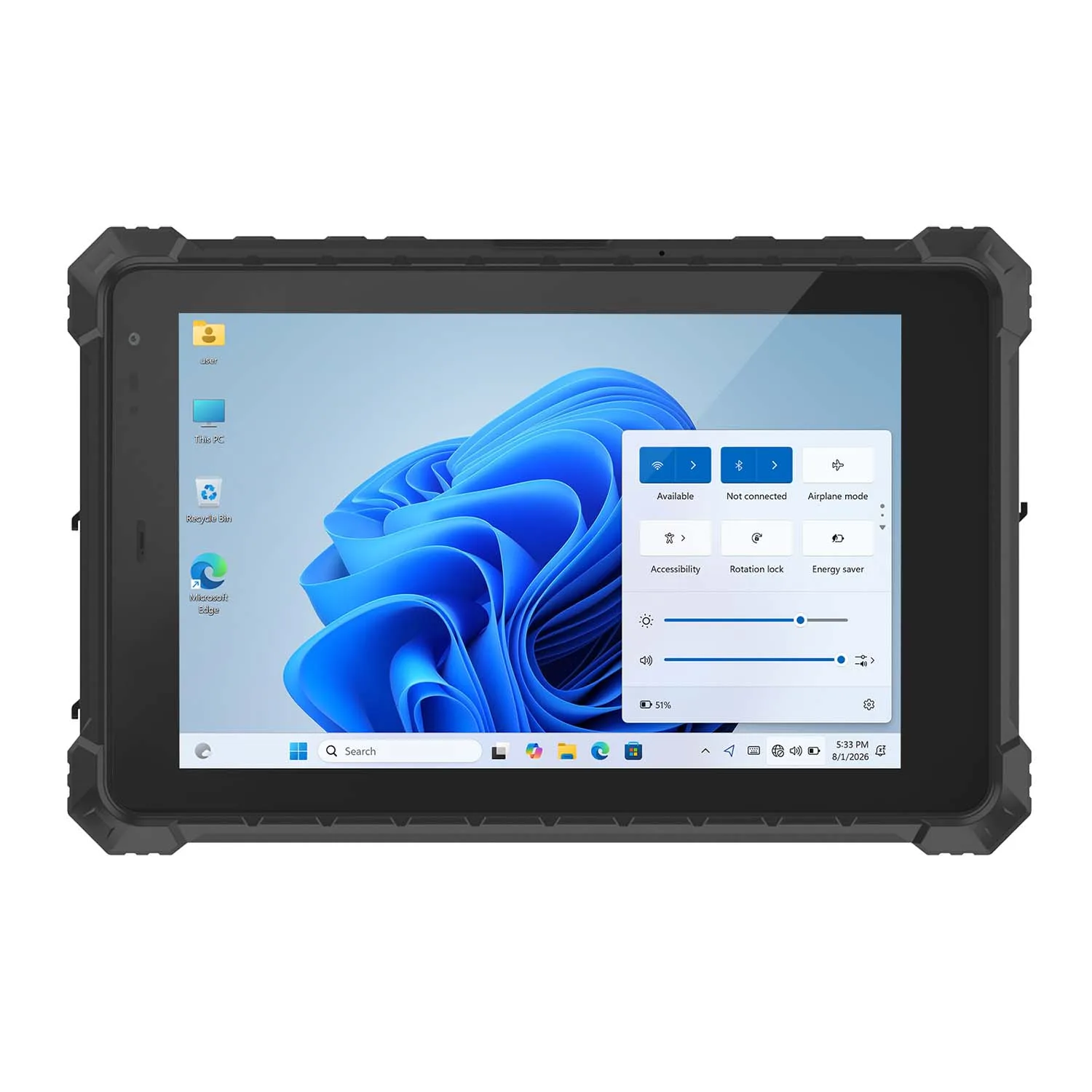
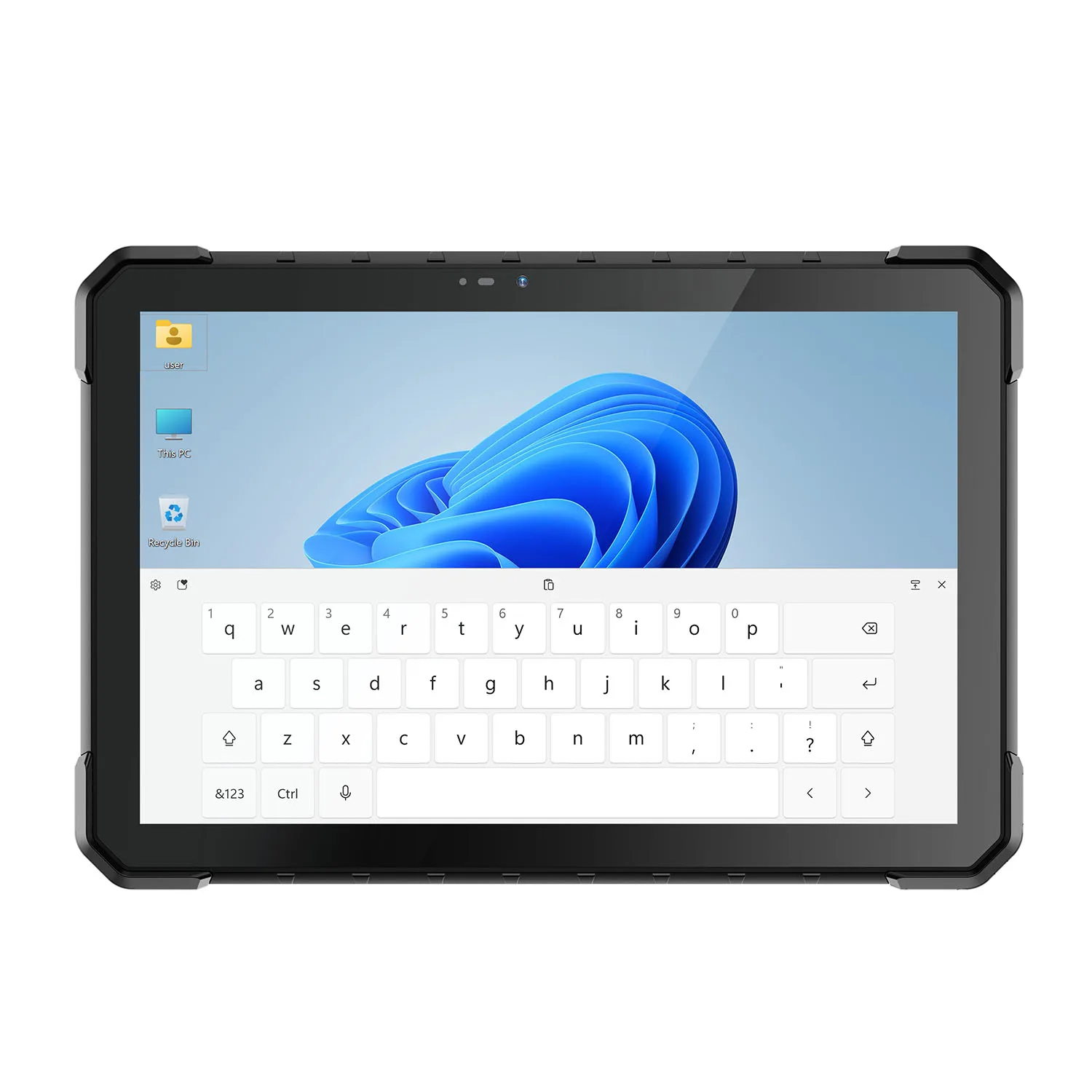
CENAVA develops rugged Android and Windows mobile devices and supplies hazardous-area configurations for industrial projects. Its OEM/ODM model is most useful when the buyer freezes one hardware build, application image and identification method under a project configuration record.
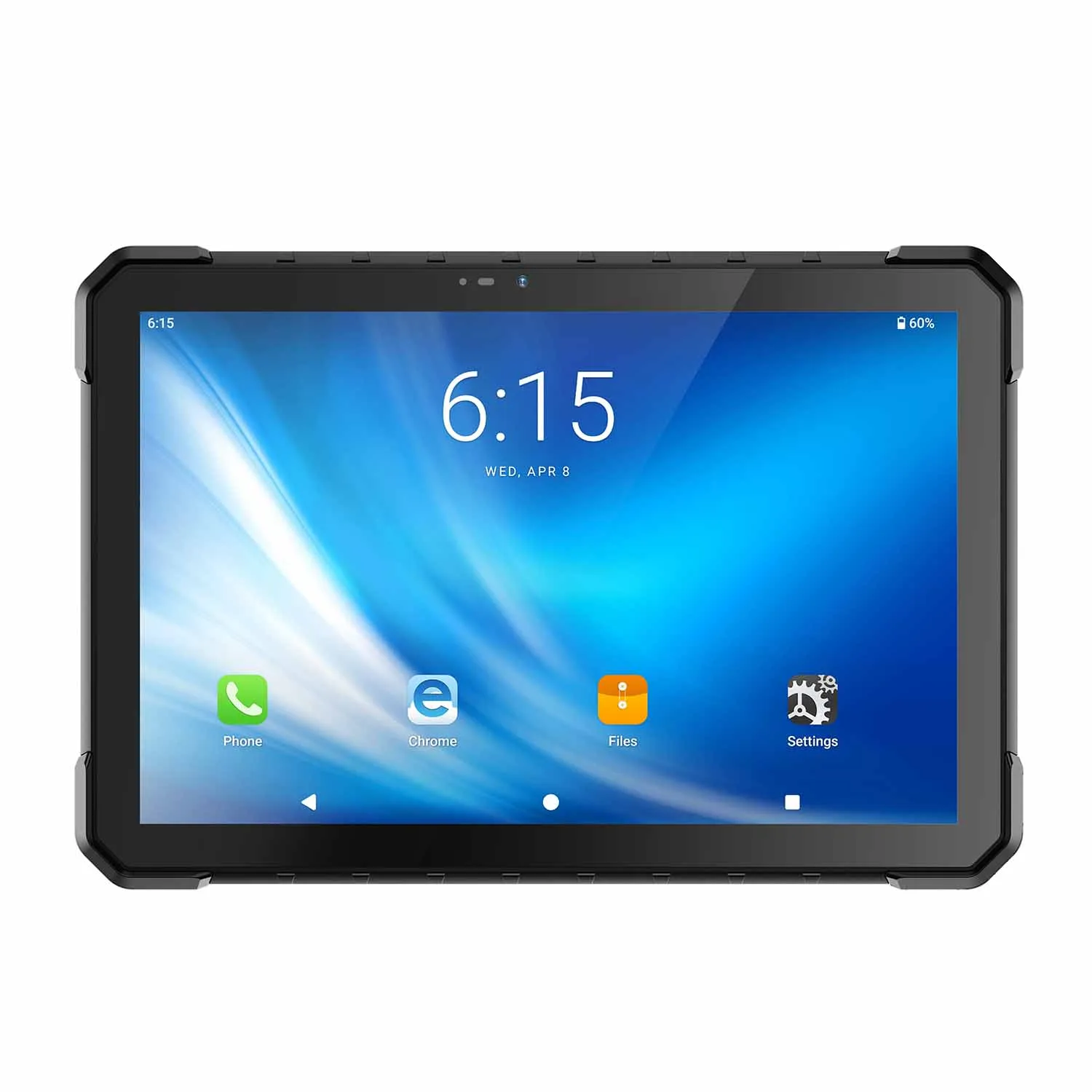
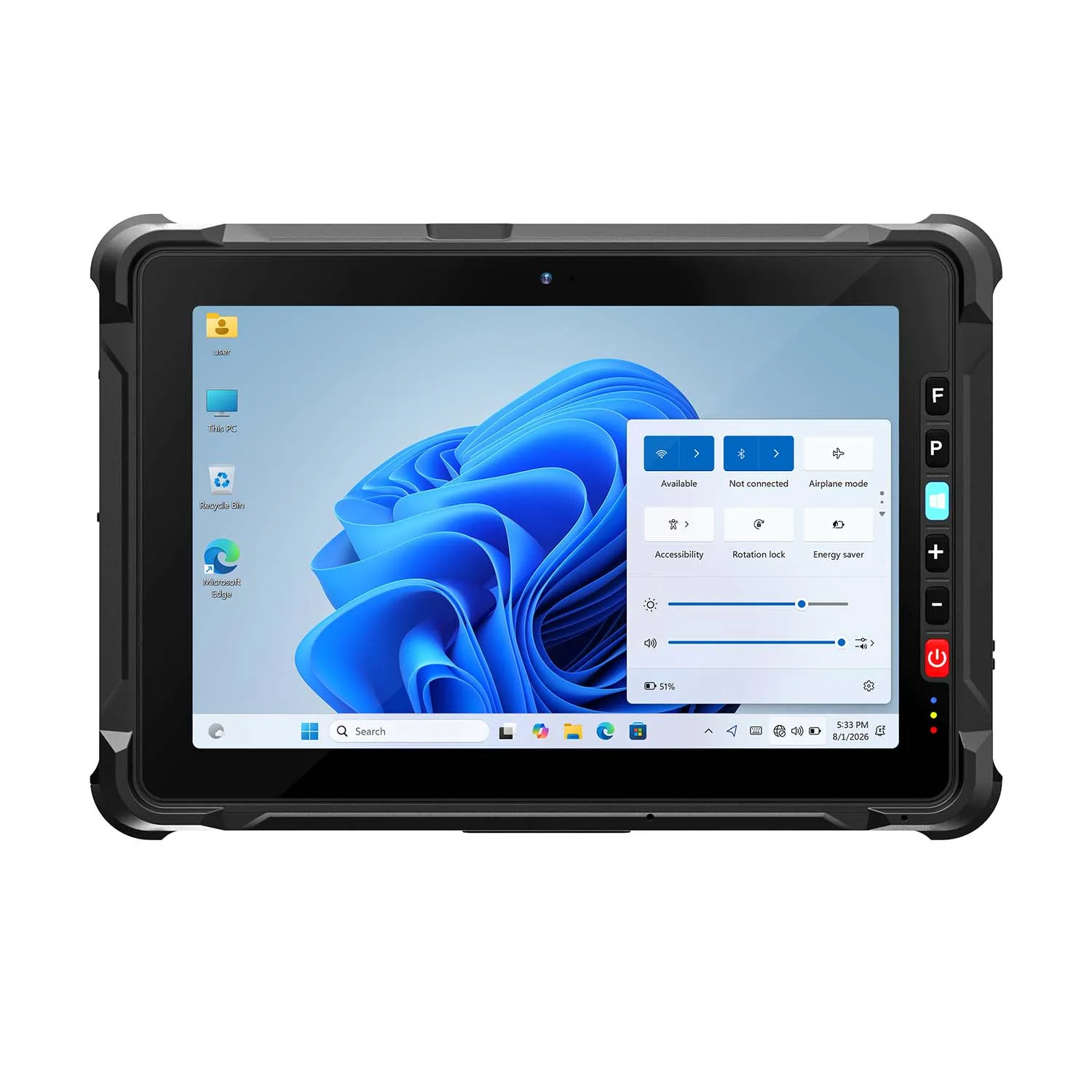
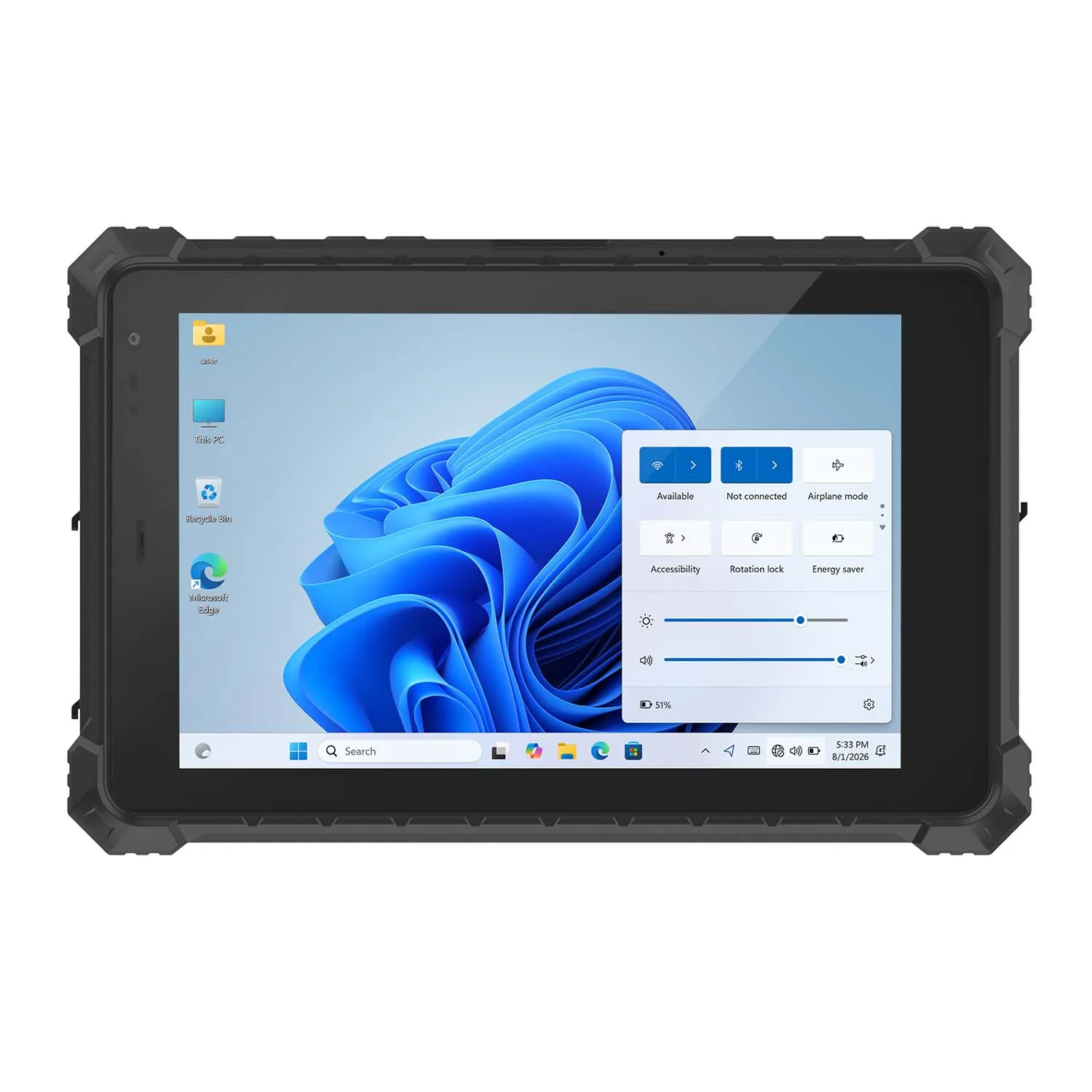
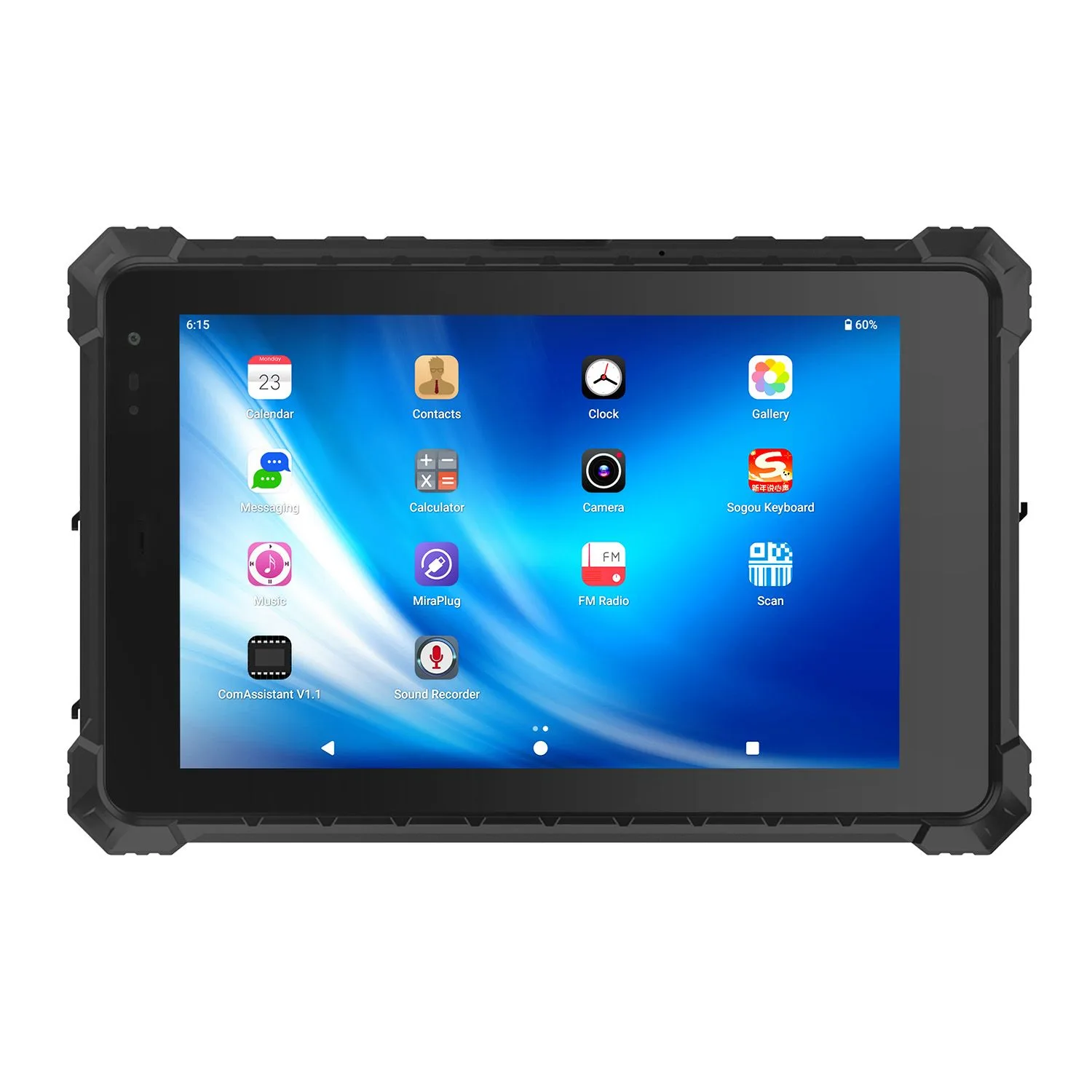
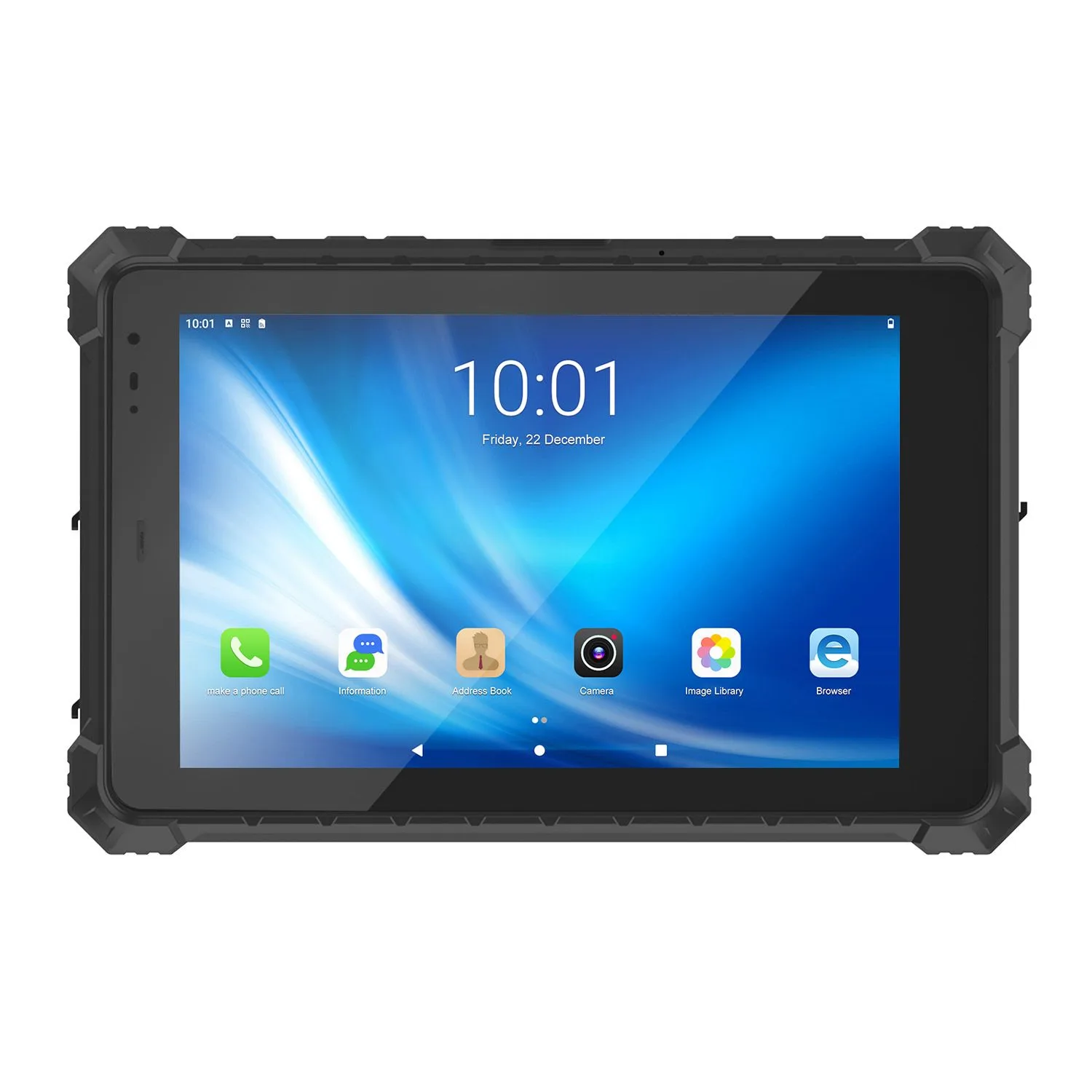
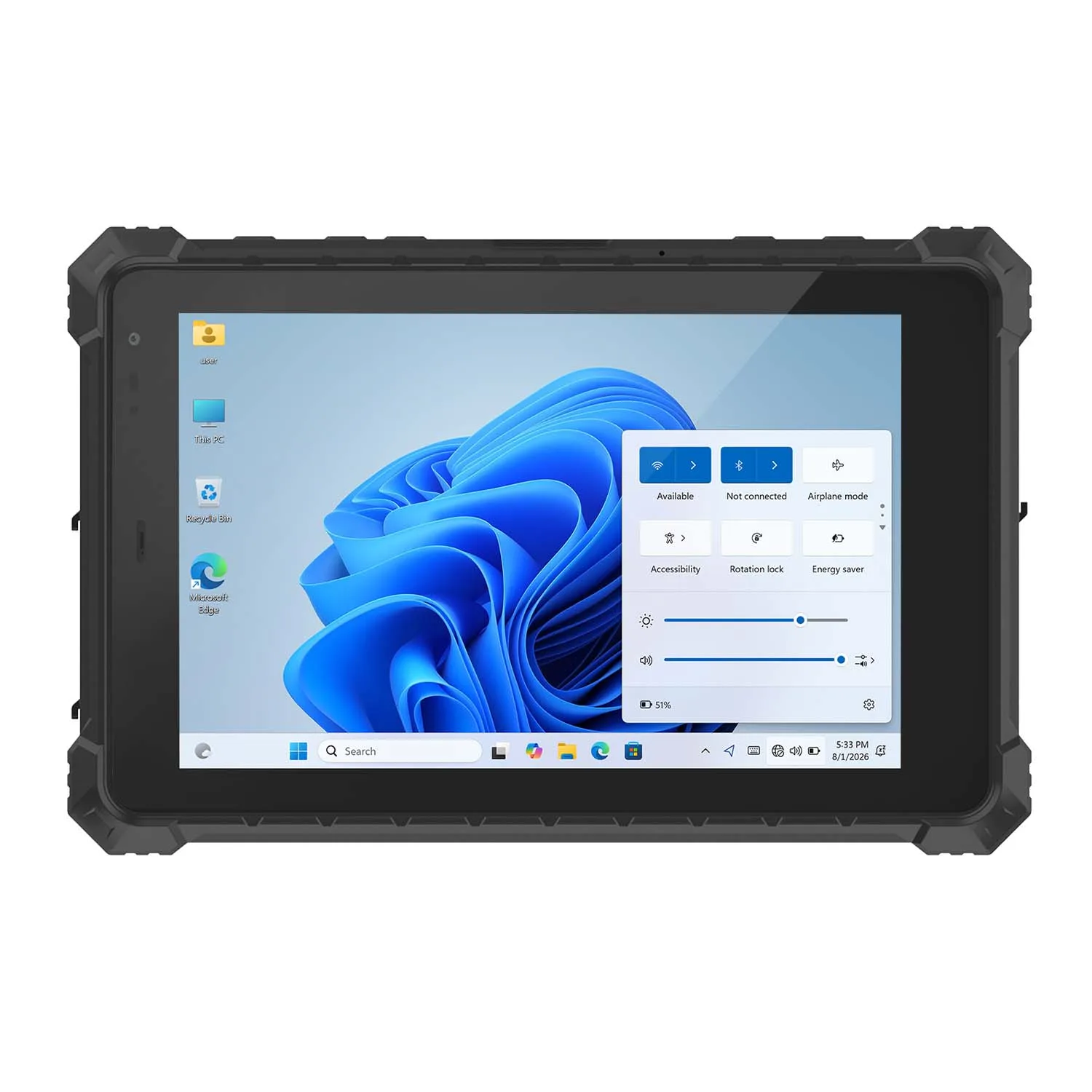
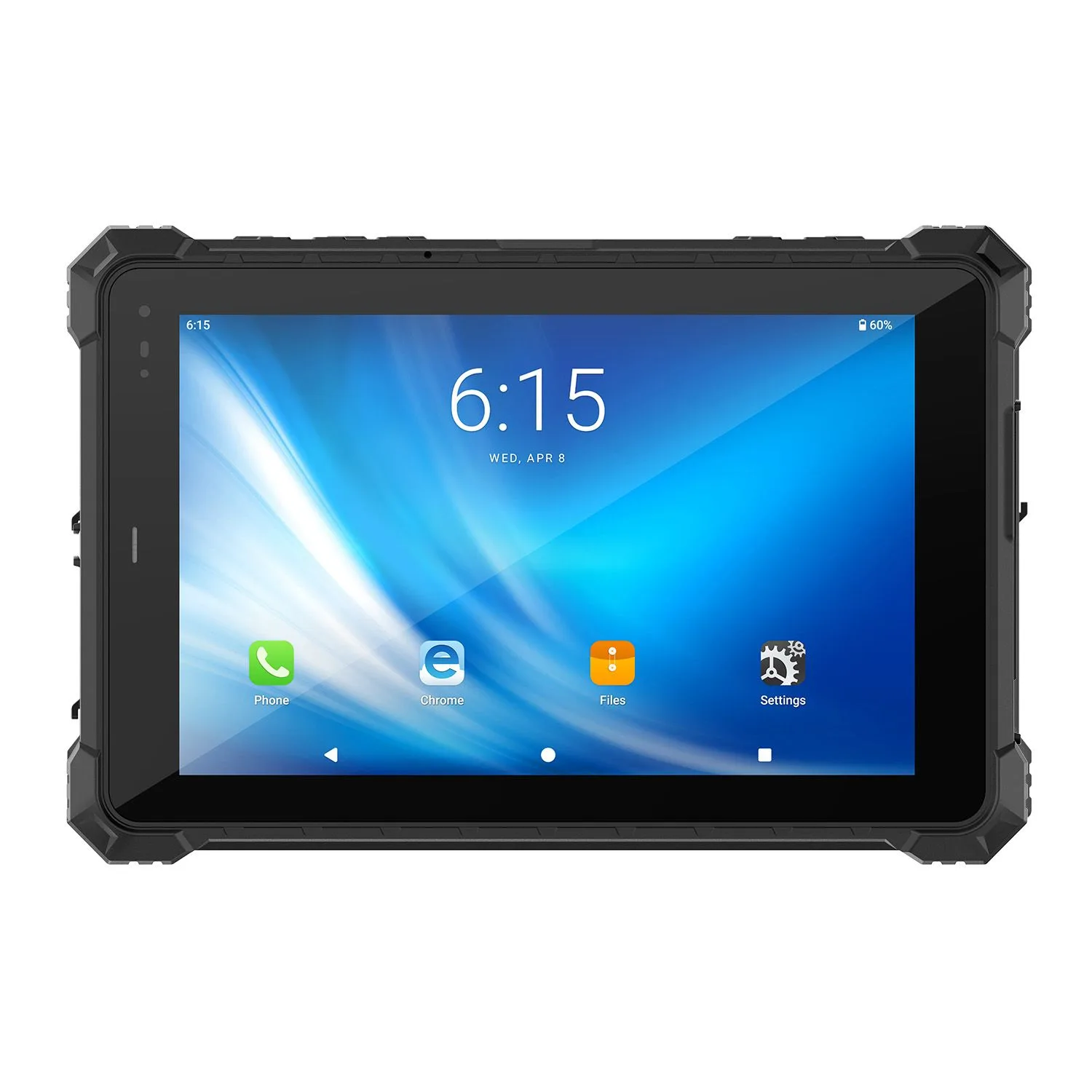
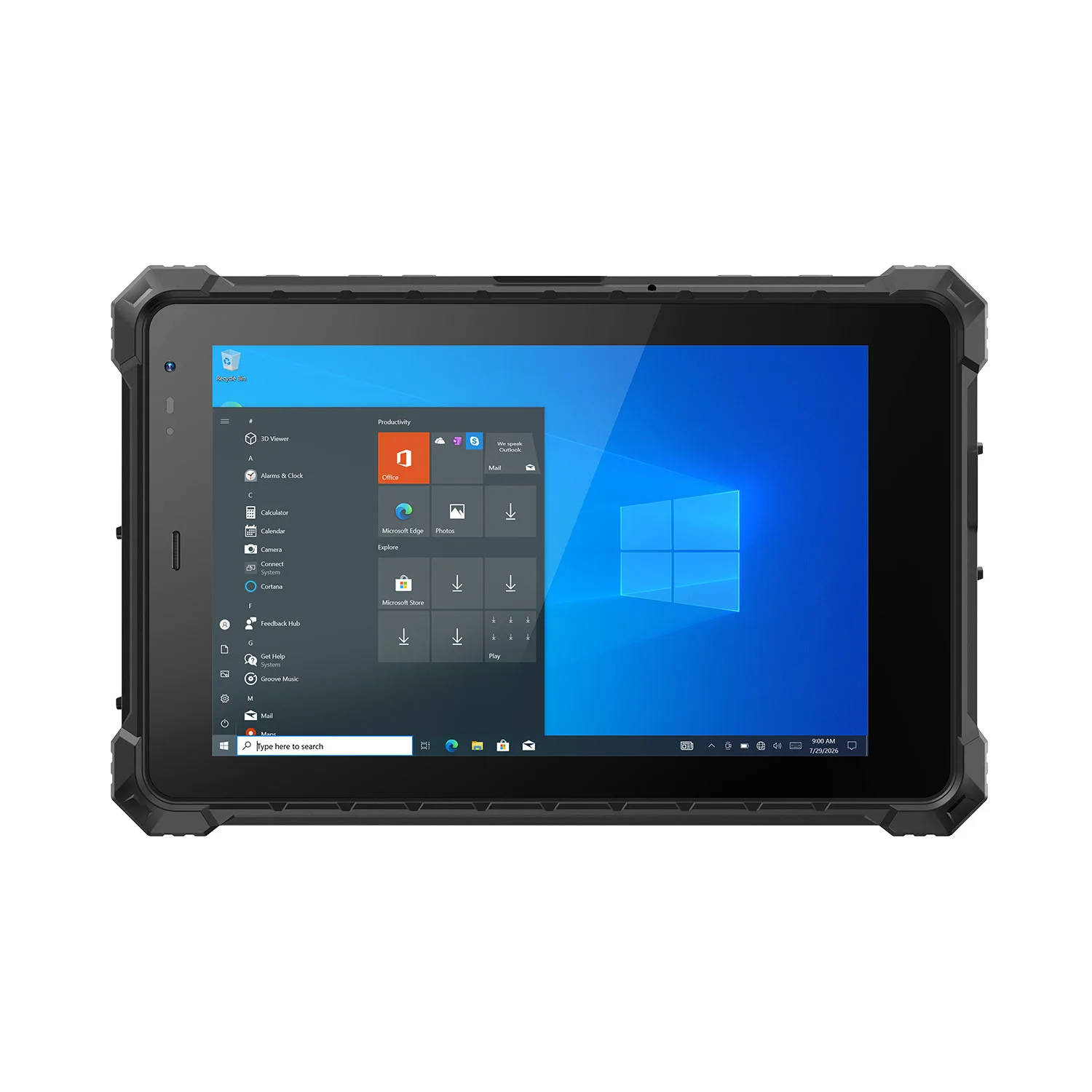
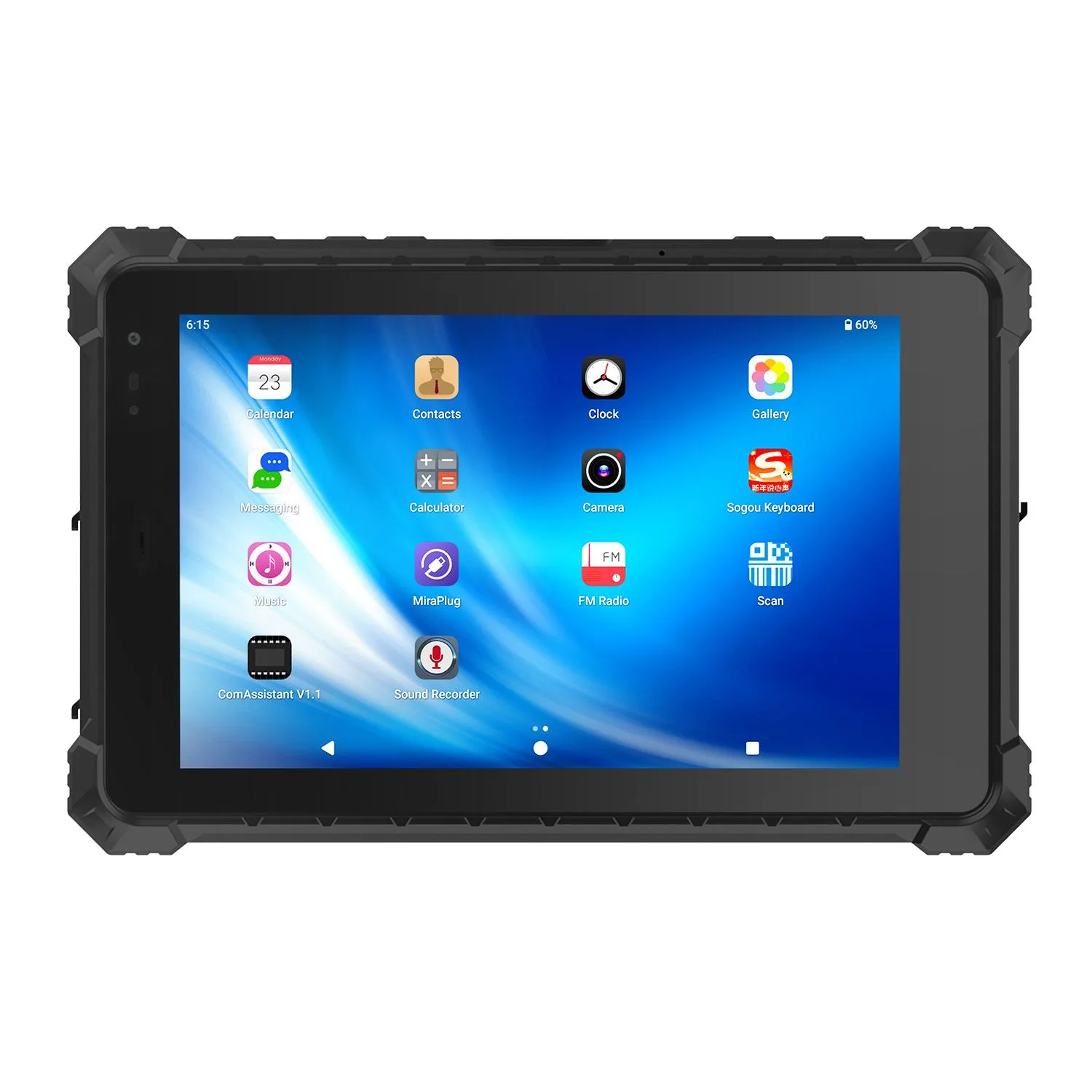
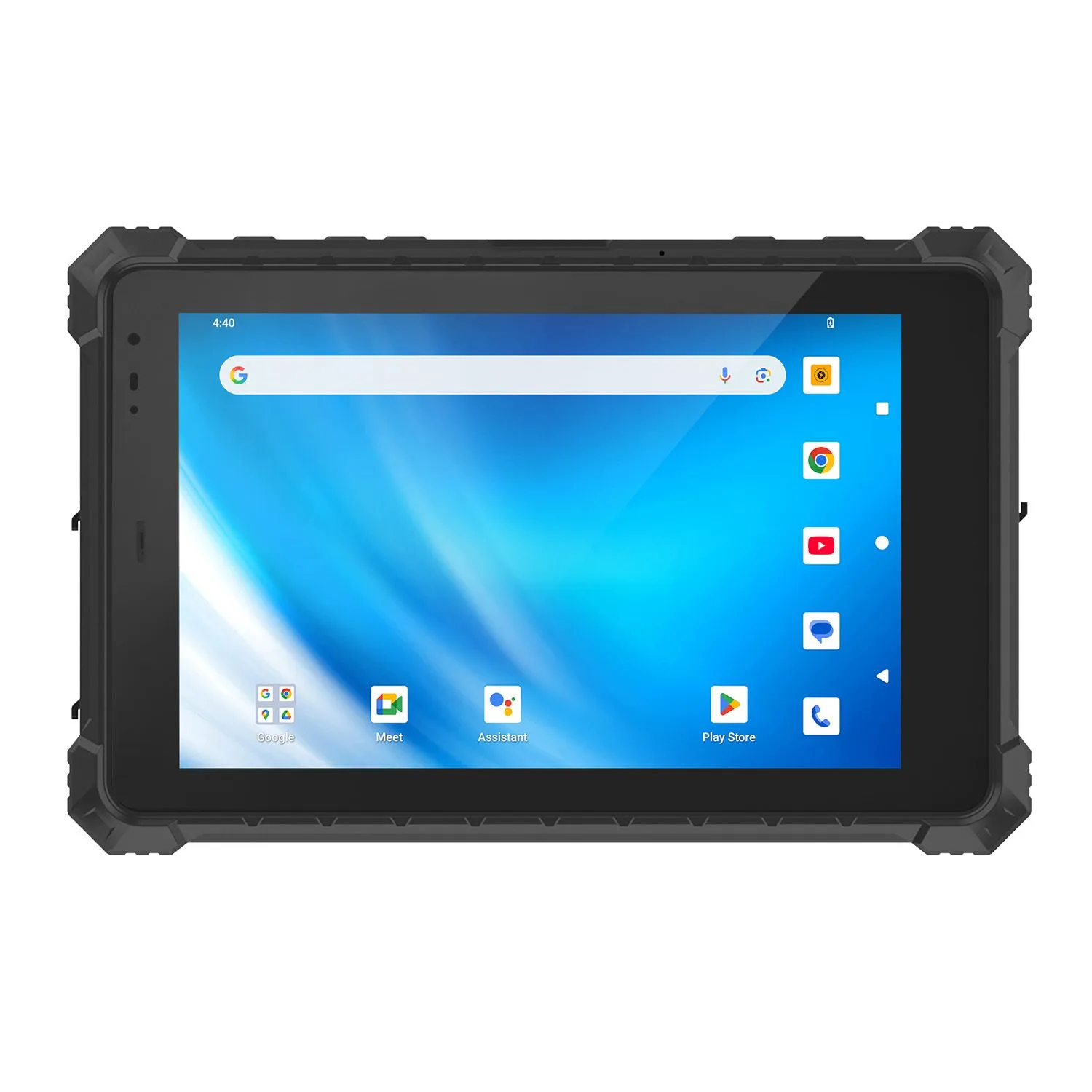
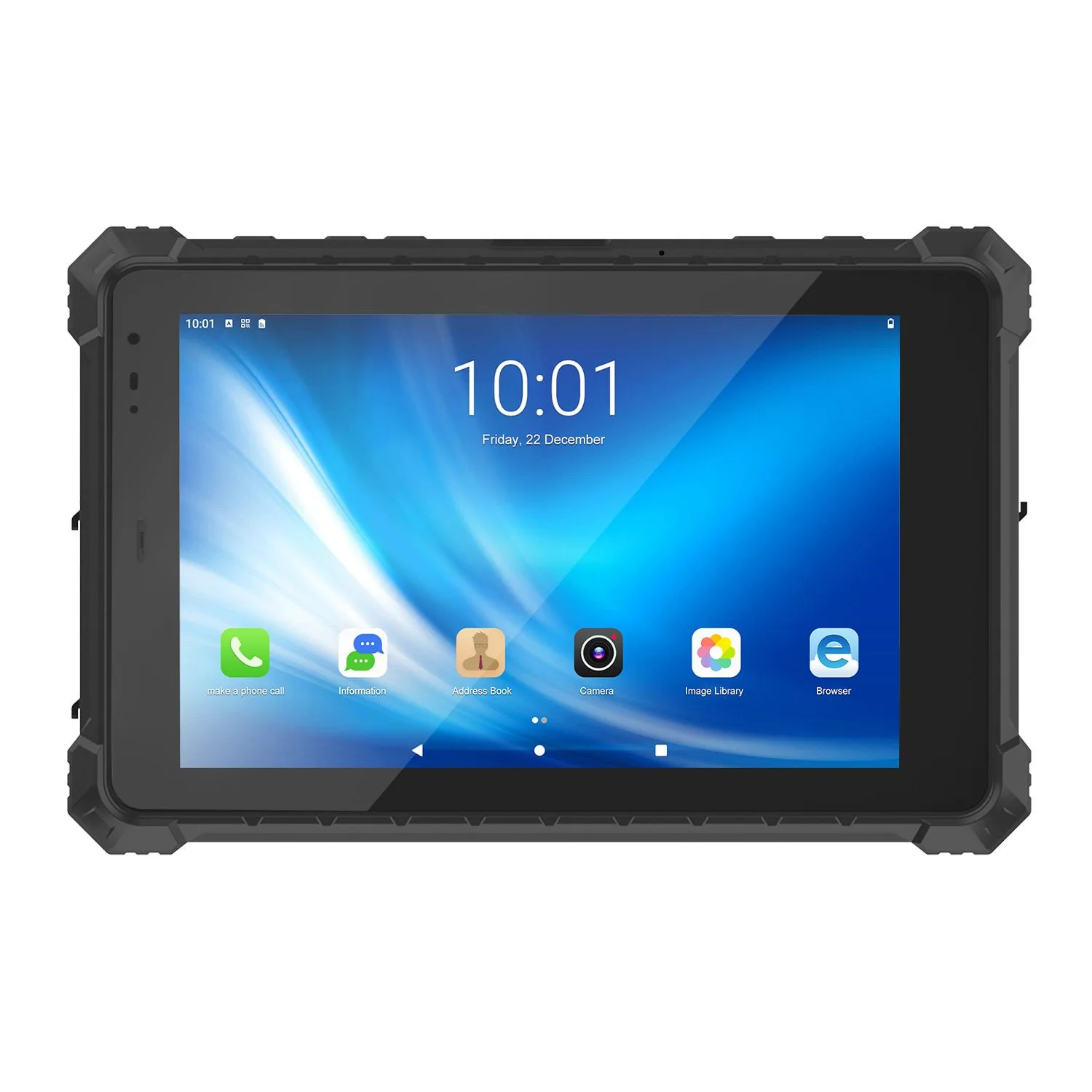
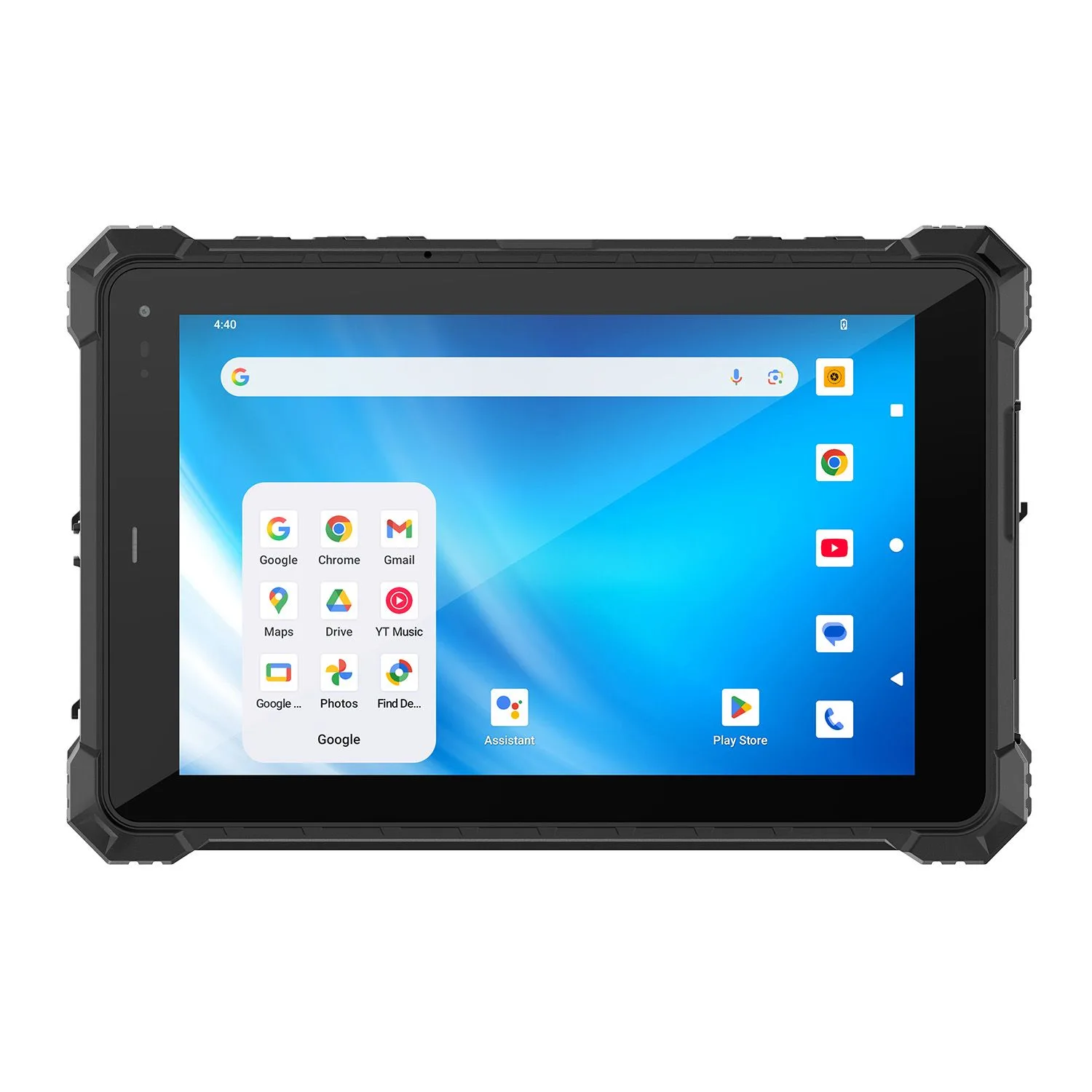
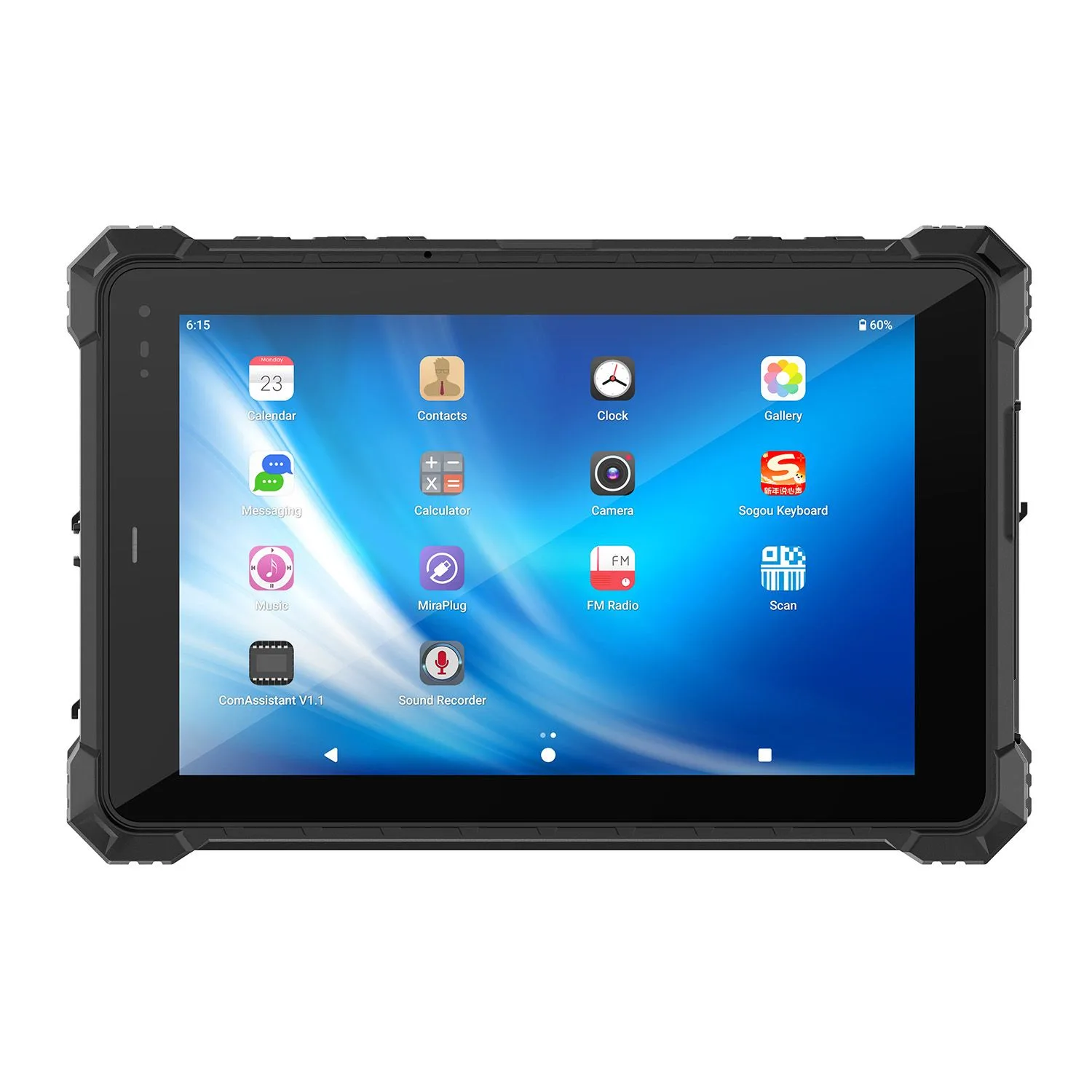
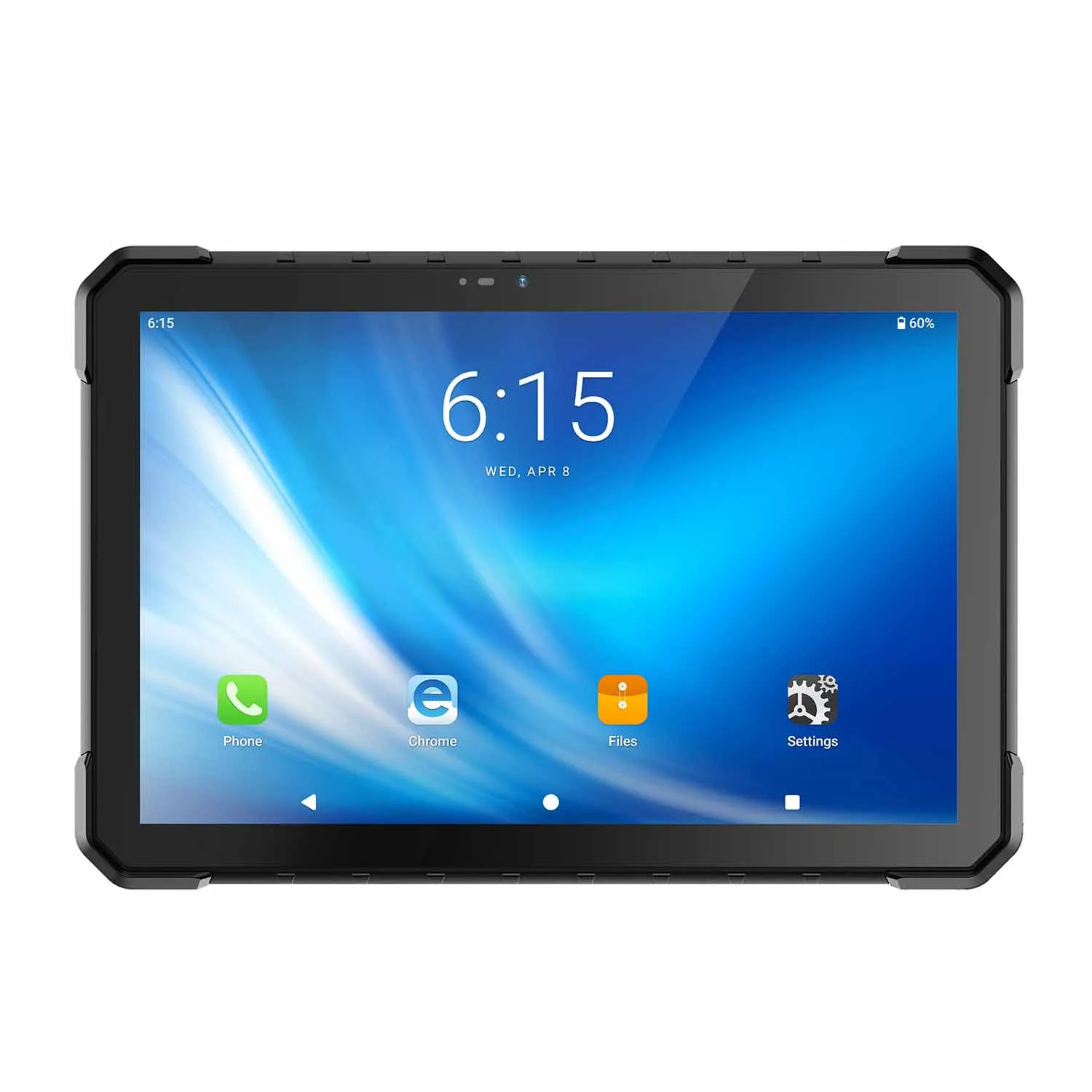
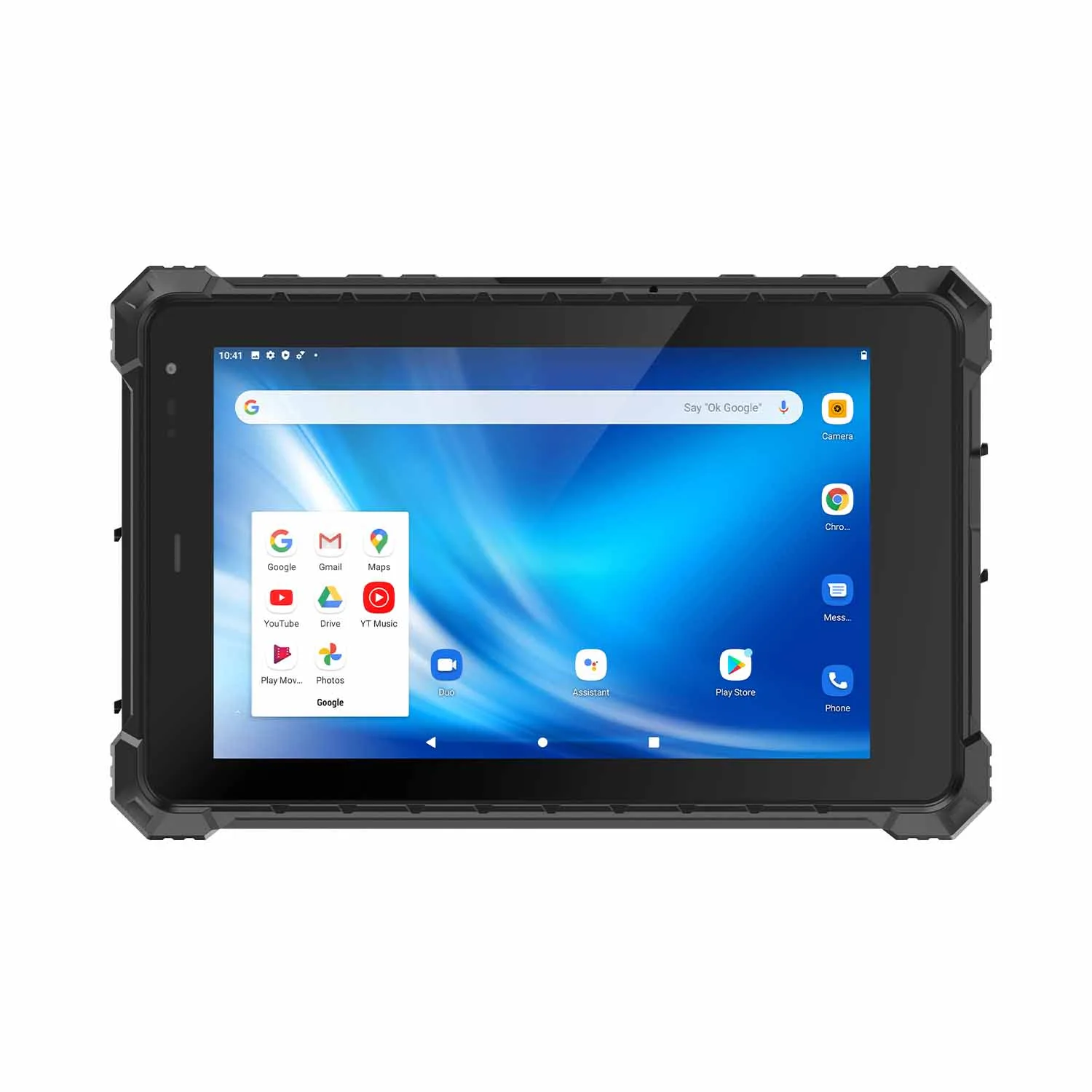
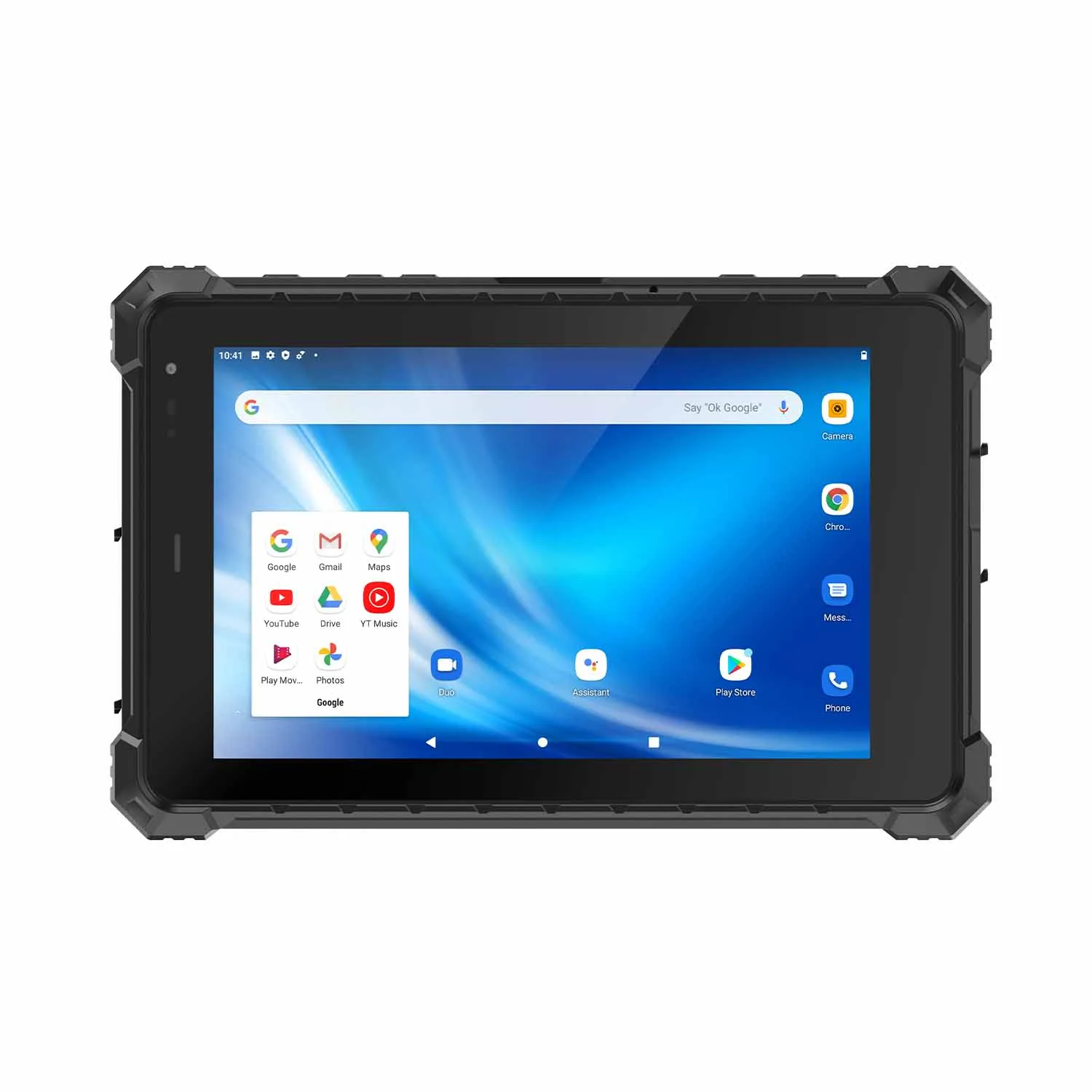
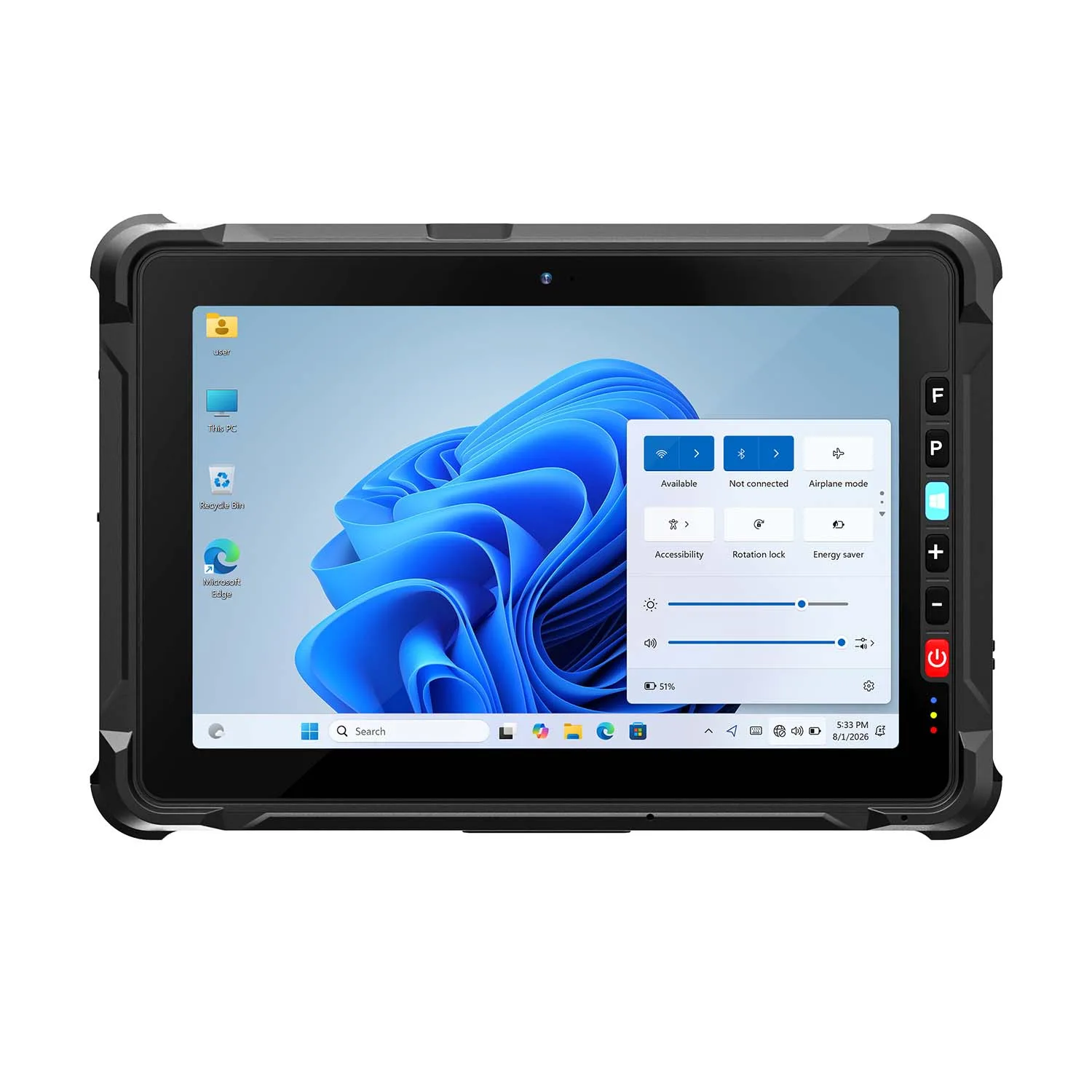
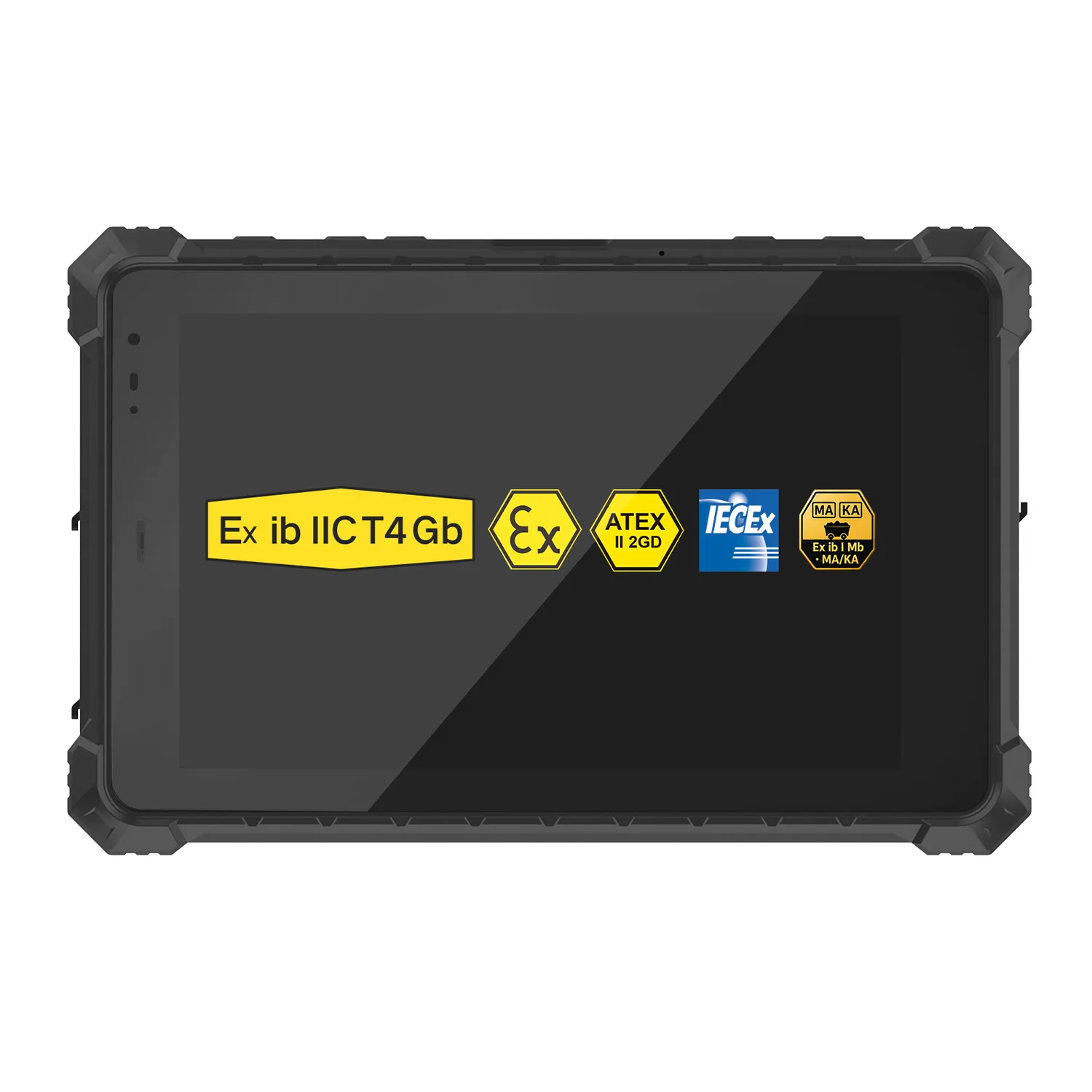
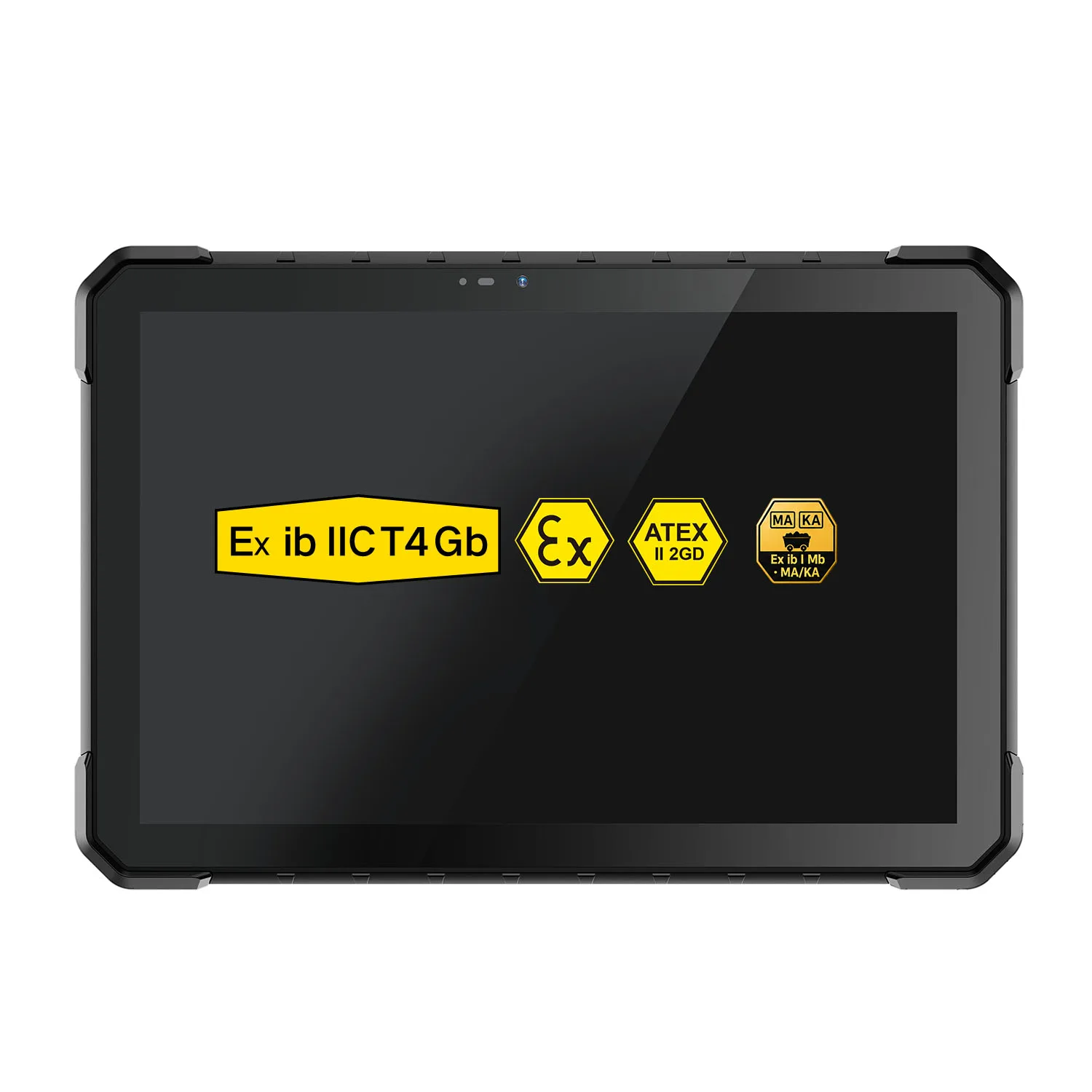
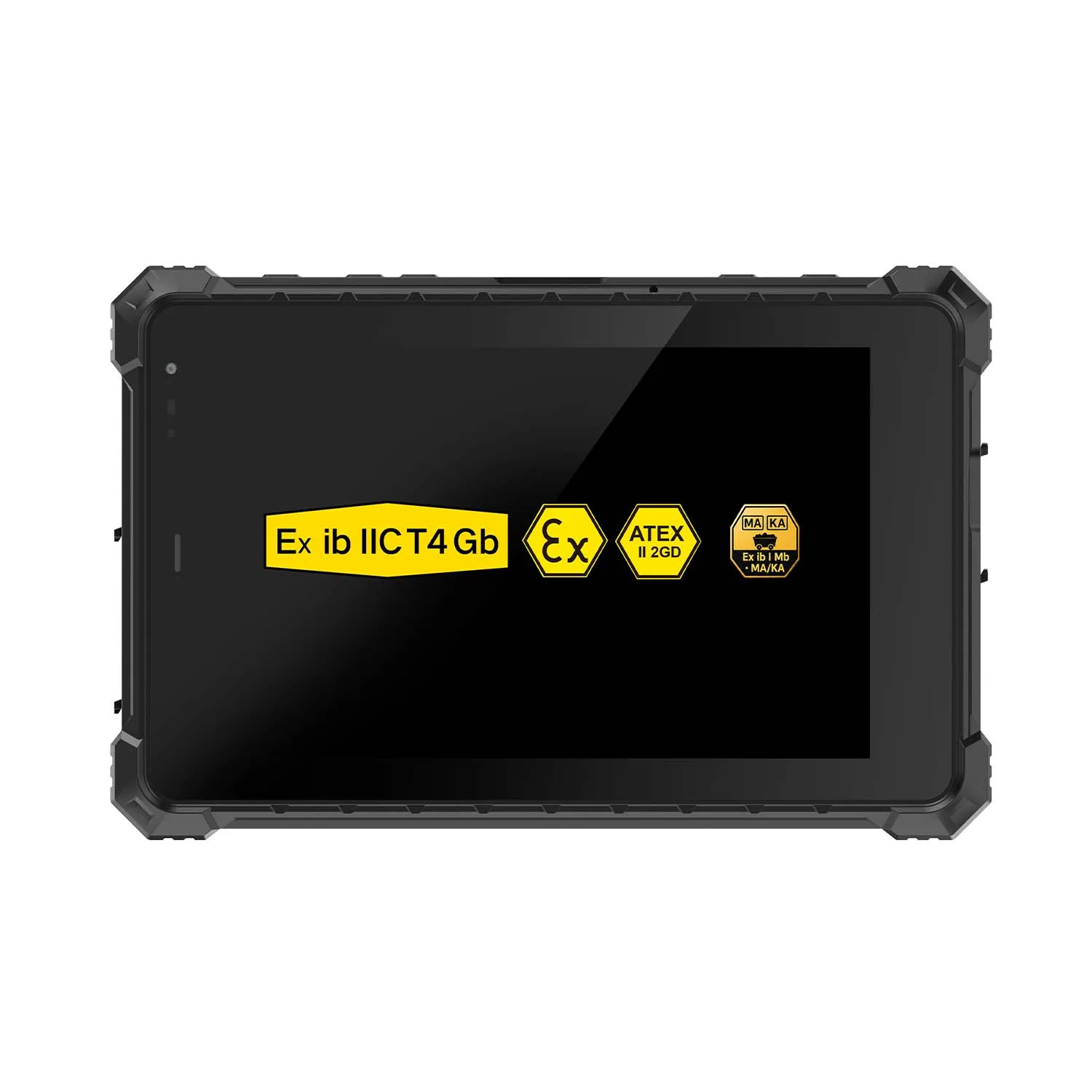
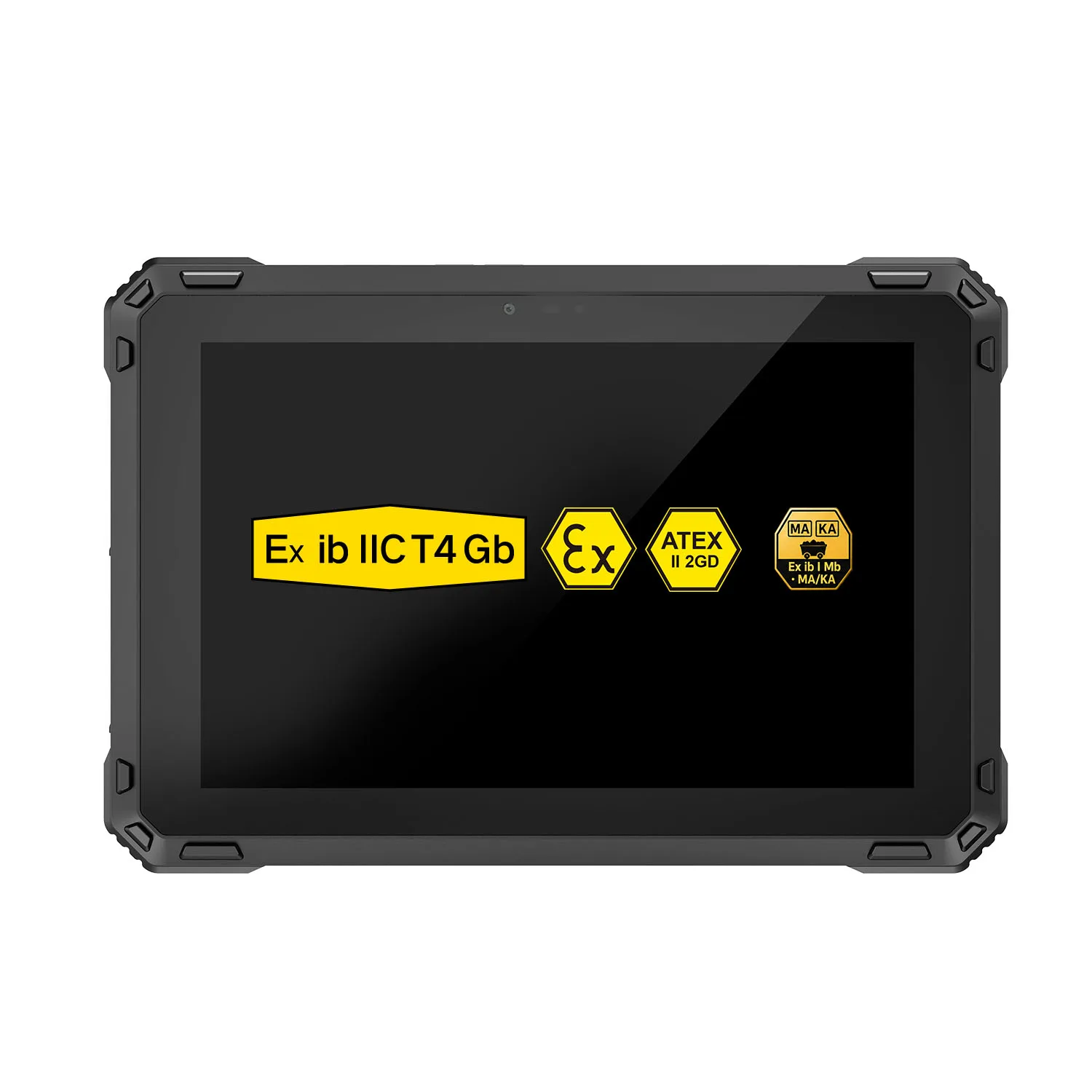
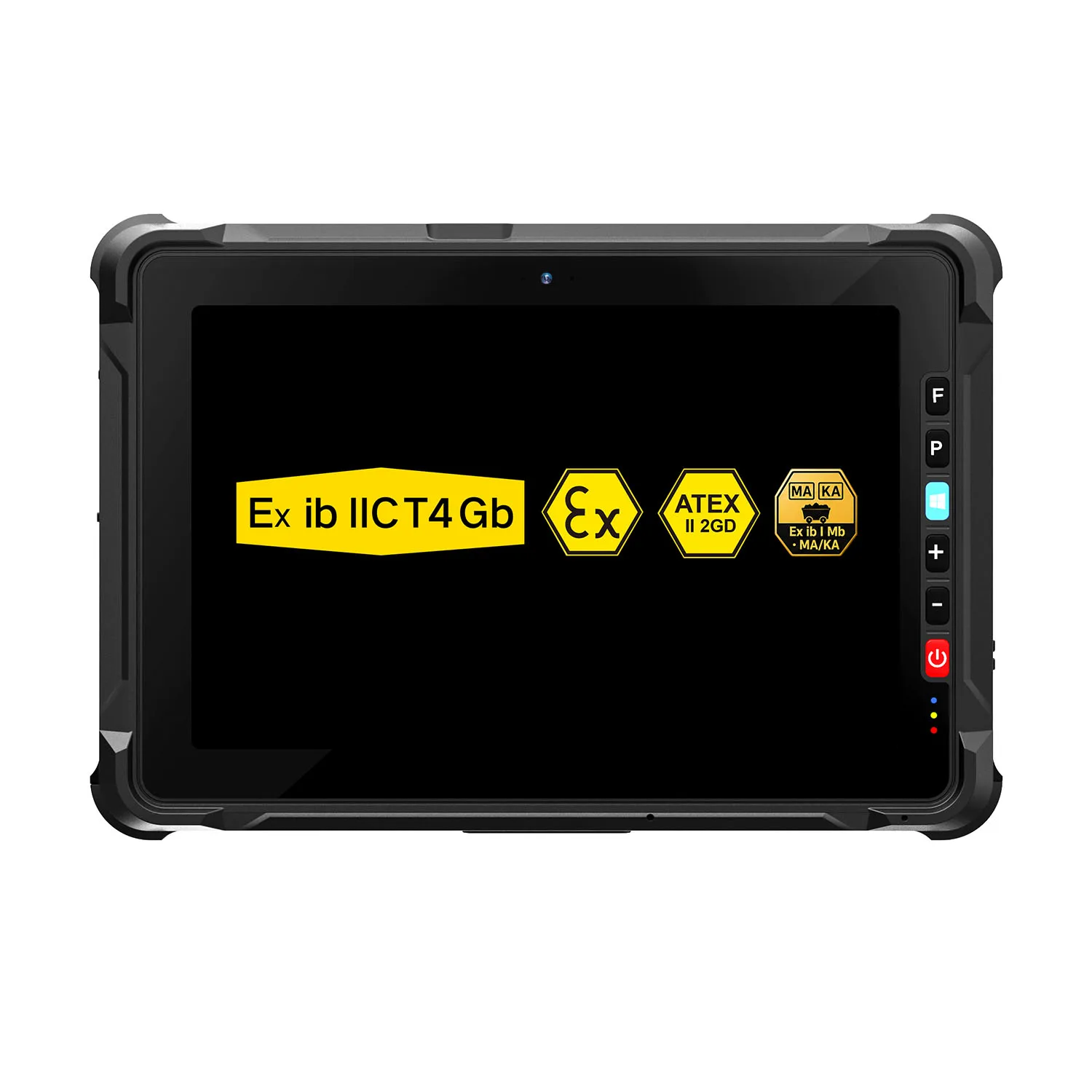
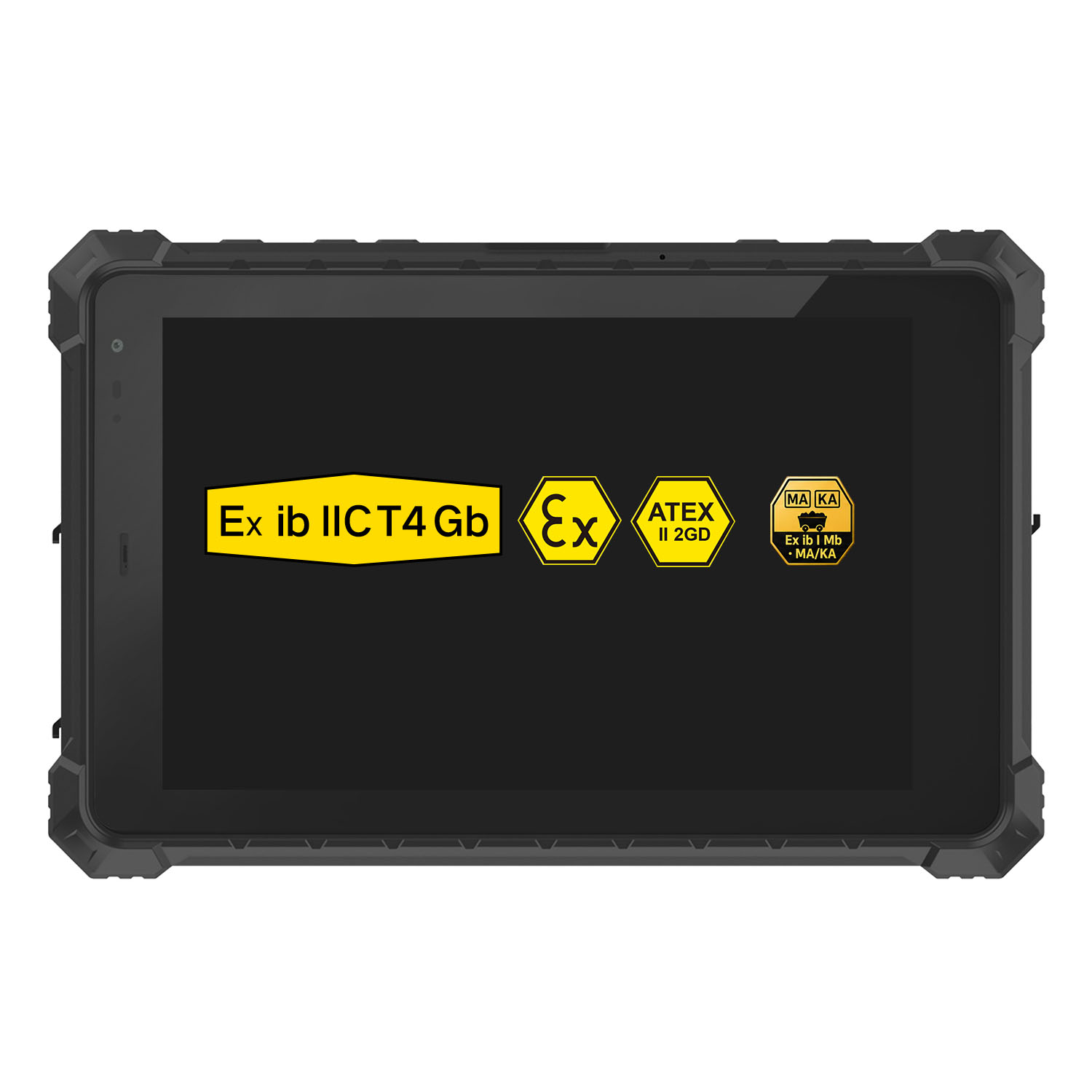
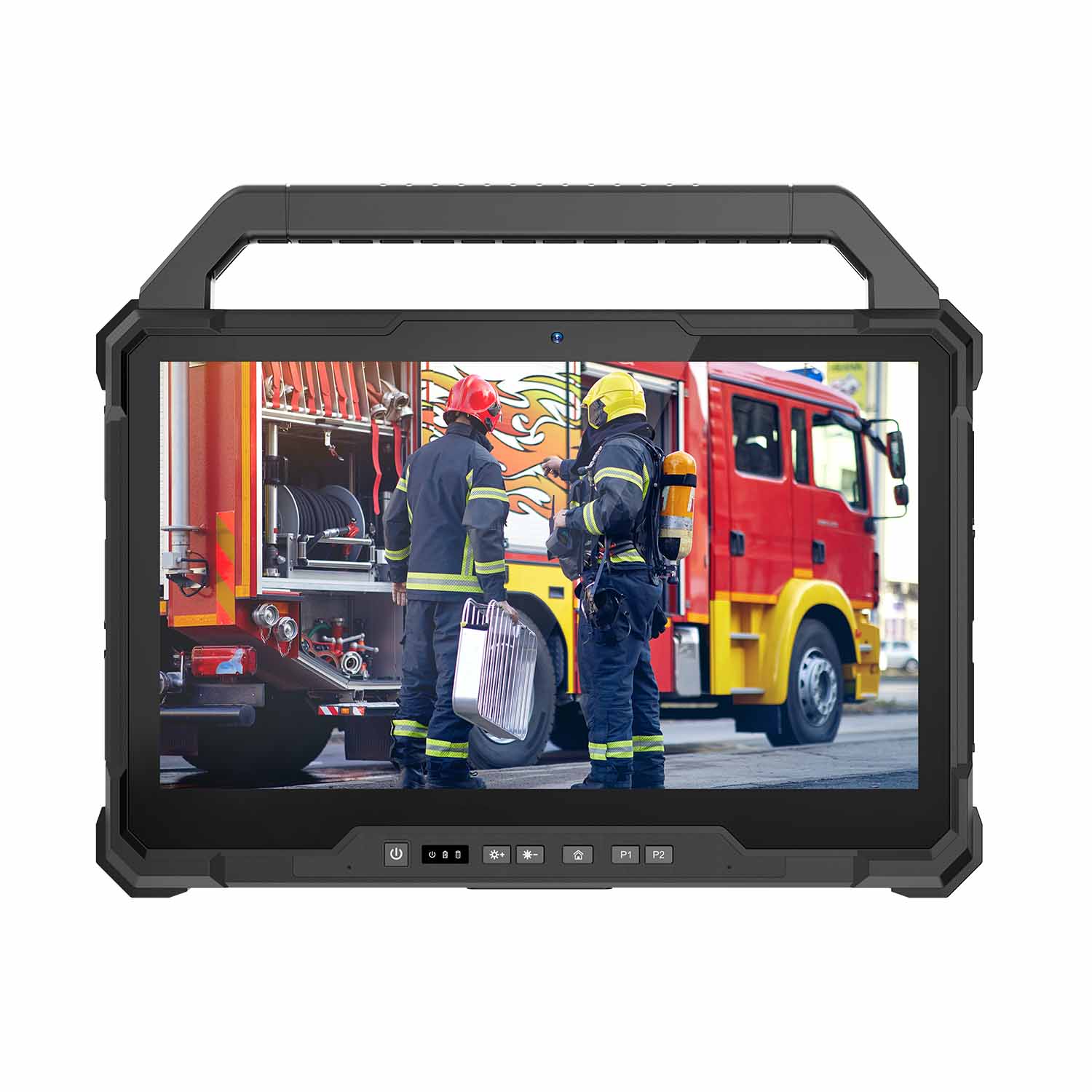
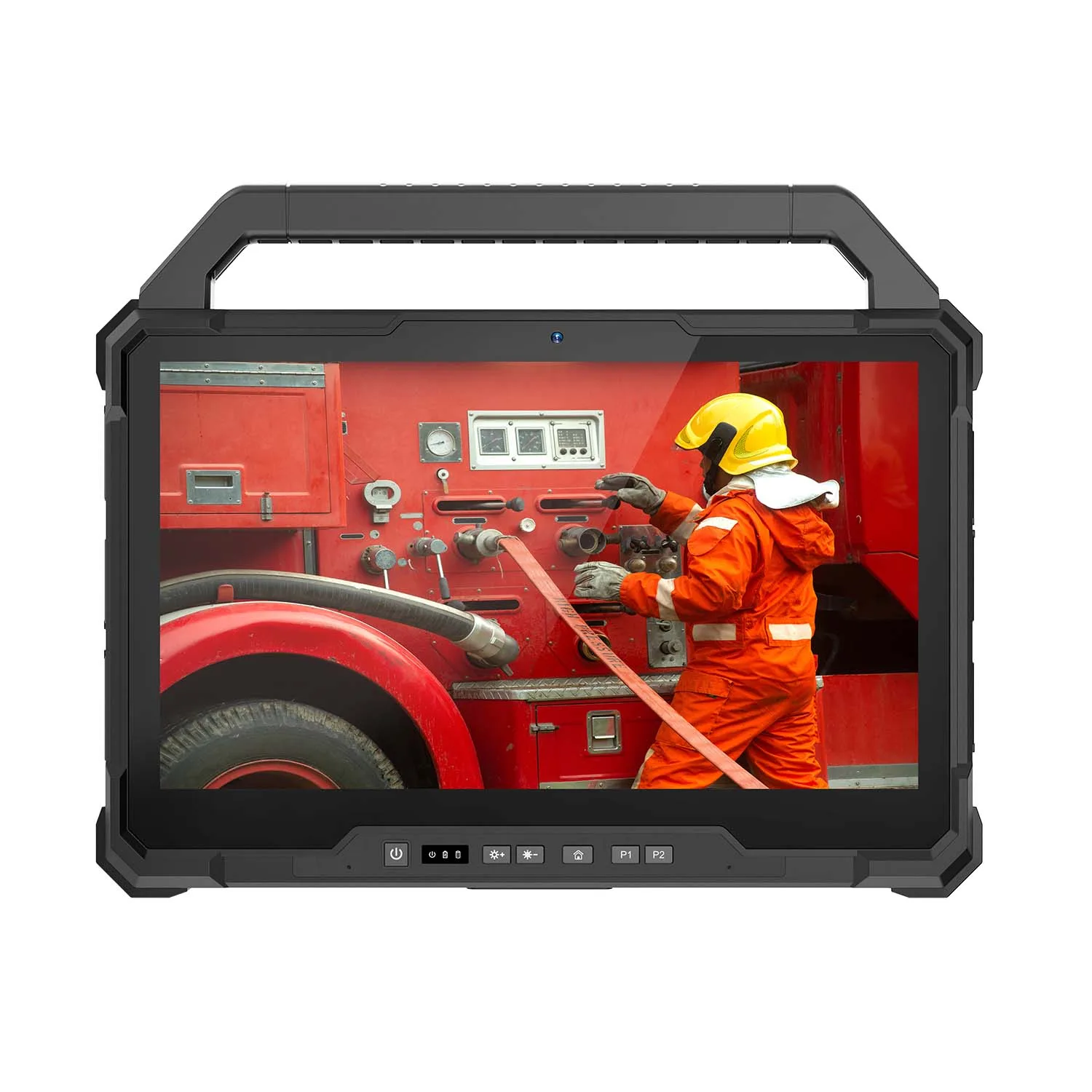
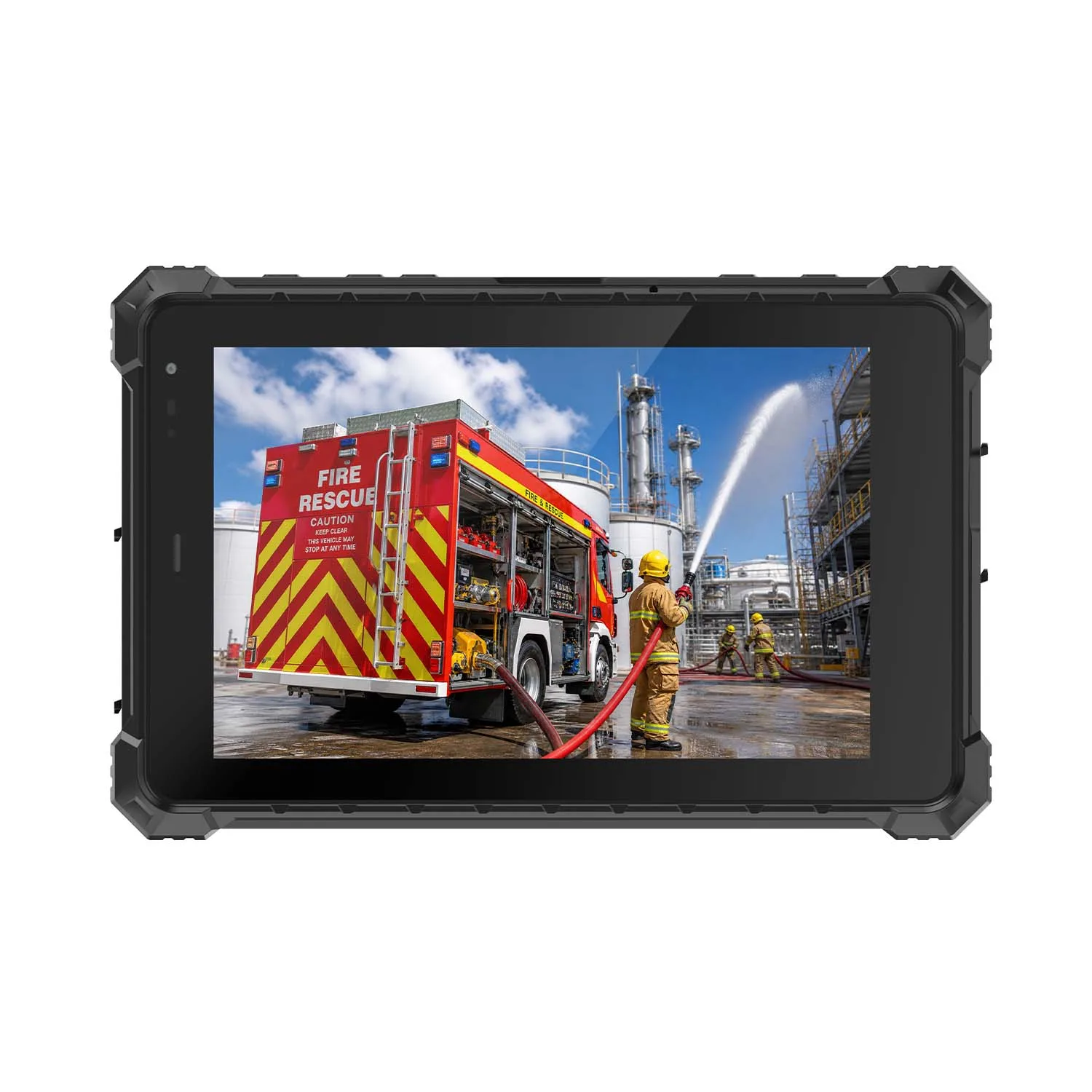
- Key Product: The A10ST-EX page identifies a 10.1-inch IP68 platform with a published −20°C to +60°C range. It presents an ATEX Zone 1/21
Ex ib IIC T5 Gbroute and separate IECEx Zone 2/22Ex ic IIC T4 Gcevidence; those configurations must not be combined into one imaginary certified build. - Technical Advantage: A project configuration may align OS image, kiosk policy, NFC or scanning choice and accessories with a named route. That flexibility makes configuration control essential: an added module, changed battery or locally sourced dock is not automatically part of the evaluated build.
An LNG receiving terminal tablet may identify a transfer point, present the released checklist and retain a local event until the integration service responds. Separate device pools for Zone 1, Zone 2 and nonhazardous work should use different configuration IDs in management software, not only colored stickers.
At receipt, compare every serial number, product label and approved bill of materials with the purchase record. Then run one wrong-pool assignment: the route application should prevent a lower-scope device from opening a higher-category route without claiming that software replaces physical issue control.
5. BARTEC (Germany)
Core Strength: Scanner-governed Android workflows for eligible Zone 2 and Division 2 areas
BARTEC has a long background in explosion protection and enterprise mobility. Its current tablet line is relevant to terminals that want modern Android management and industrial data capture on routes whose classification matches the product's lower-category scope.
6. Getac (Taiwan)
Core Strength: Sunlight-readable Windows maintenance work in defined Zone 2/22 routes
Getac builds fully rugged computers for utilities, field service and industrial work. The UX10-EX fits terminals that need Windows drawings or diagnostic records in locations no more restrictive than its published approval.
7. DURABOOK (Taiwan)
Core Strength: Large fanless Windows workspace for engineering-heavy Zone 2/22 tasks
DURABOOK, a Twinhead brand, produces rugged Windows systems for mobile and industrial users. Its U11I-EX is aimed at engineers who need more display area for drawings, histories and inspection evidence than a compact checklist device provides.
8. Winmate (Taiwan)
Core Strength: Industrial Windows compatibility for defined Zone 2 and Division 2 workflows
Winmate manufactures rugged tablets and industrial computers for process and vehicle applications. Its EX tablet line may reduce application redevelopment where the terminal retains Windows-oriented maintenance extensions or engineering viewers.
9. Panasonic TOUGHBOOK (Japan)
Core Strength: Modular Windows platform for selected Division 2 and nonhazardous roles
Panasonic TOUGHBOOK has a long history in vehicle, public-service and industrial computing. Existing management practices and dock fleets may make a selected hazardous-location option attractive, provided the exact ordered configuration stays distinct from the standard tablet.
10. Zebra Technologies (United States)
Core Strength: Enterprise Android and automatic identification for Division 2 or safe-area logistics
Zebra specializes in managed mobile computing and barcode capture. Terminals with large spares inventories, equipment-label programs or contractor issue points may obtain more value from accurate identification than from deploying the same model on every process route.
How to Choose the Right Manufacturer for LNG Terminal Inspection Workflows
Hardware becomes comparable only after the terminal defines routes, authorities and record destinations. The following four steps preserve the reference article's selection logic while turning each choice into evidence that operations, maintenance, process safety, IT and the hazardous-area owner can review together.
Define Your Operating Environment
Create one route register. For every step, record the operating area, hazardous-area classification, required device marking, asset and point identity, responsible role, approved procedure, reading source, abnormal-condition route, offline allowance, charging location and system of record. Do not classify the whole terminal by its most restrictive point; the loading manifold, tank perimeter, control room and warehouse may have different device rules.
Separate normal rounds from transfer readiness and maintenance verification. A tank operator may observe frost or foundation condition, while a loading representative verifies transfer preparation and a technician later records repair evidence. Their events can share an asset, but one role should not inherit another role's signature or authority.
Map indoor–outdoor transitions and permitted device-storage points. The terminal handles LNG at about −162°C, but that is not a tablet operating-temperature target. Direct cryogenic contact is outside the device's normal use. The U.S. Department of Energy describes LNG as natural gas cooled to about −260°F for shipping and storage; procurement should translate the worker's actual ambient route instead of testing a tablet against process-fluid temperature.
Start with the 24-checkpoint dry run, then move to an 8-shift pilot on approved routes. Track wrong-point attempts, stale packages, abnormal-condition response delay, rejected events, duplicate submissions, unresolved offline queues and fallbacks to paper. A high checklist-completion rate can coexist with poor exception control.
Clarify Performance Requirements
Translate every hardware claim into an issued-task test. The phrase cryogenic glove touch tablet is a search brief, not proof that one touch mode works with every insulated, chemical-resistant or wet glove. Test the exact glove material and size, screen protector, stylus and application controls at the coldest permitted ambient condition in the device instructions.
Use 18 actions: 6 point selections, 4 numeric entries, 3 photographs, 2 abnormal-condition decisions, 2 document lookups and 1 safe stow. Repeat them with dry gloves and the terminal's controlled wet-surface condition. Record wrong digits and decision errors separately from slow input.
Visibility should be measured with decisions. Ask the user to distinguish 2 similar point codes, read a maintenance rejection and locate a valve callout in daylight and permitted low light. Maximum brightness is only a setting; error rate and task abandonment reveal whether the screen supports the workflow.
The proposed 42-event exercise contains 16 normal observations, 6 wrong-point traps, 4 out-of-range values, 4 expired instructions, 4 offline submissions, 3 duplicate handovers, 3 maintenance-system rejections and 2 simulated emergency-stop events. The last 2 require the user to stop the screen task and follow the approved drill; they are not tests of mobile ESD control.
Consider Software & Integration
Define one event contract across the tablet, integration service and destination systems. At minimum, preserve route and template IDs, asset and point IDs, user and role, source type, engineering unit, value or condition code, capture time, device event ID, abnormal-action status, attachment references, server response, work-order link and final acknowledgement.
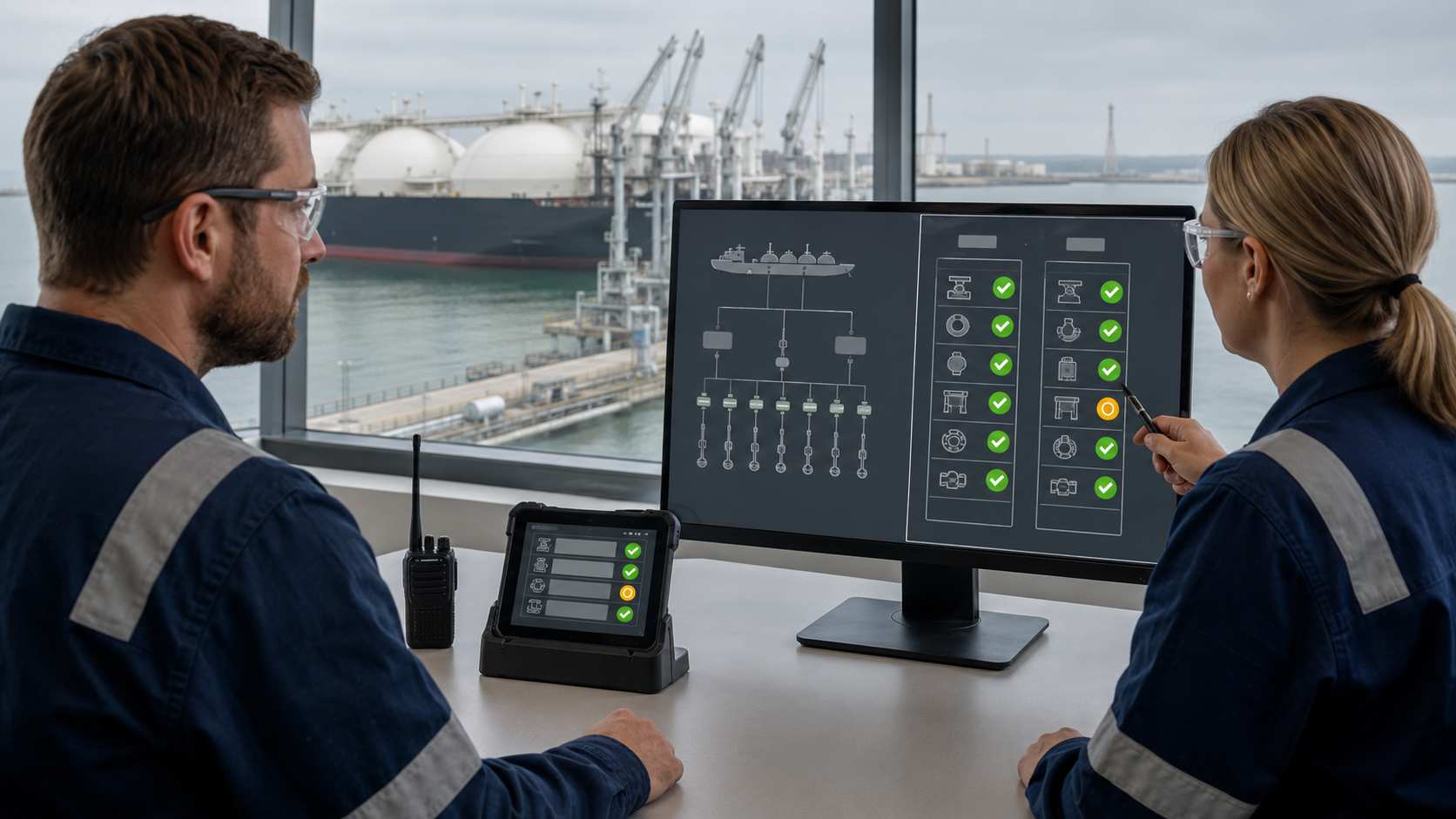
An LNG maintenance work order tablet should display the difference between a locally created defect, an integration acceptance and an actual CMMS order. If the CMMS rejects an obsolete equipment code, retain the operator's original event and expose the rejection to an authorized planner; do not create a second defect to make the dashboard green.
Keep inspection and equipment states separate. The inspection may be assigned, started, locally complete, transmitted, accepted or rejected. The equipment may be available, restricted, isolated, under repair or released. Completing a form must not change the operational state by implication.
Run a 120-minute disconnected test across all 42 events. Restart one application, change one authorized user at handover and withdraw one route package before reconnection. Reconcile local events, attachments, abnormal actions, CMMS responses and final server receipts. A radio icon is not an audit trail.
Analyze Total Cost of Ownership (TCO) vs. Initial Cost
Price the controlled fleet rather than the tablet box. Include permitted carrying sets, charging stations, approved docks, spare batteries, screen films, device enrollment, route administration, document packaging, integration monitoring, user training, enclosure inspection, repair quarantine and reissue testing. Keep Zone 1, Zone 2 and nonhazardous pools visible even if they share an application.
Baseline rework before claiming savings. Suppose 12 operators each spend 7 minutes per shift reconciling point IDs, paper notes and rejected work orders: that is 84 staff-minutes per shift. The pilot should measure whether digital work reduces that rework while adding the necessary time for package control and exception review. The 84-minute figure is an example, not a promised benefit.
Repair governance includes unresolved records. Before sending a damaged tablet away, secure its local queue under the site's procedure. After repair, verify the serial number and label, inspect the enclosure and approved accessories, restore only the released image and complete one offline-to-server test before reissue.
Contact CENAVA only when the exact project configuration requires assessment. Provide the destination country; terminal type and applicable authority; route-by-route Zone or Class/Division; required gas group, temperature class and ambient range; operating system and application; expected offline duration; scanner or NFC requirement; carrier and required bands only when cellular service is part of the design; NFC card or tag technology only when that function is used; charging location; and the issued glove, strap and dock combination. Do not send credentials, live plant data, detailed security drawings, employee personal information or unredacted incident records.
The Future of Digital LNG Terminal Inspections: Trends to Watch
Procedure versions becoming route-level controls
Mobile systems will increasingly package the inspection form, controlled reference, effective date and withdrawal rule together. A device will show not only that a file downloaded, but whether the assigned route may still begin under that version.
Reading provenance becoming visible
Dashboards will distinguish field observation, manual instrument reading, imported DCS value and calculated result. That separation reduces false agreement and lets reviewers investigate why two legitimate sources differ without overwriting either one.
Abnormal-condition workflows separating from work orders
Immediate safety action, operational restriction and scheduled maintenance will appear as distinct events. A CMMS priority may change after review, while the operator's original condition and the terminal's physical response remain intact.
Offline queues gaining authoritative receipts
Local success icons will give way to destination acknowledgements, rejection reasons and duplicate-event history. Better Wi-Fi or private 5G reduces some transmission gaps; it does not resolve weak event identity, stale packages or ambiguous conflict rules.
Conclusion
A practical LNG inspection program starts with a released route, verified asset and point identity, and an explicit source for every reading. Abnormal conditions leave the form workflow and enter the terminal's approved response, while transfer readiness and maintenance closure keep their own responsible roles.
The ten manufacturers offer different strengths across Zone 1 mobile rounds, Zone 2 maintenance, Windows document continuity, automatic identification and safe-area logistics. Their IP ratings, MIL-STD-810H evidence and hazardous-location approvals narrow the device shortlist, but the deciding test is whether the exact issued configuration preserves procedure, handover and record authority under the terminal's real PPE, ambient and connectivity conditions.
Begin with 4 routes and 24 training checkpoints, run the 42-event offline exercise, reconcile every destination receipt and complete an 8-shift pilot. Then have named LNG operations and maintenance personnel replace the proposed figures with attributable results and approved lessons. That is the credible route to digitizing LNG terminal inspections without recycling a certification guide or treating an electronic checklist as proof that a transfer is safe.
Need a Rugged Device for Your Project?
Tell us your operating environment and requirements — our engineers will recommend a configuration and quote within 24 hours.
Get a Free Quote Back to Blog