

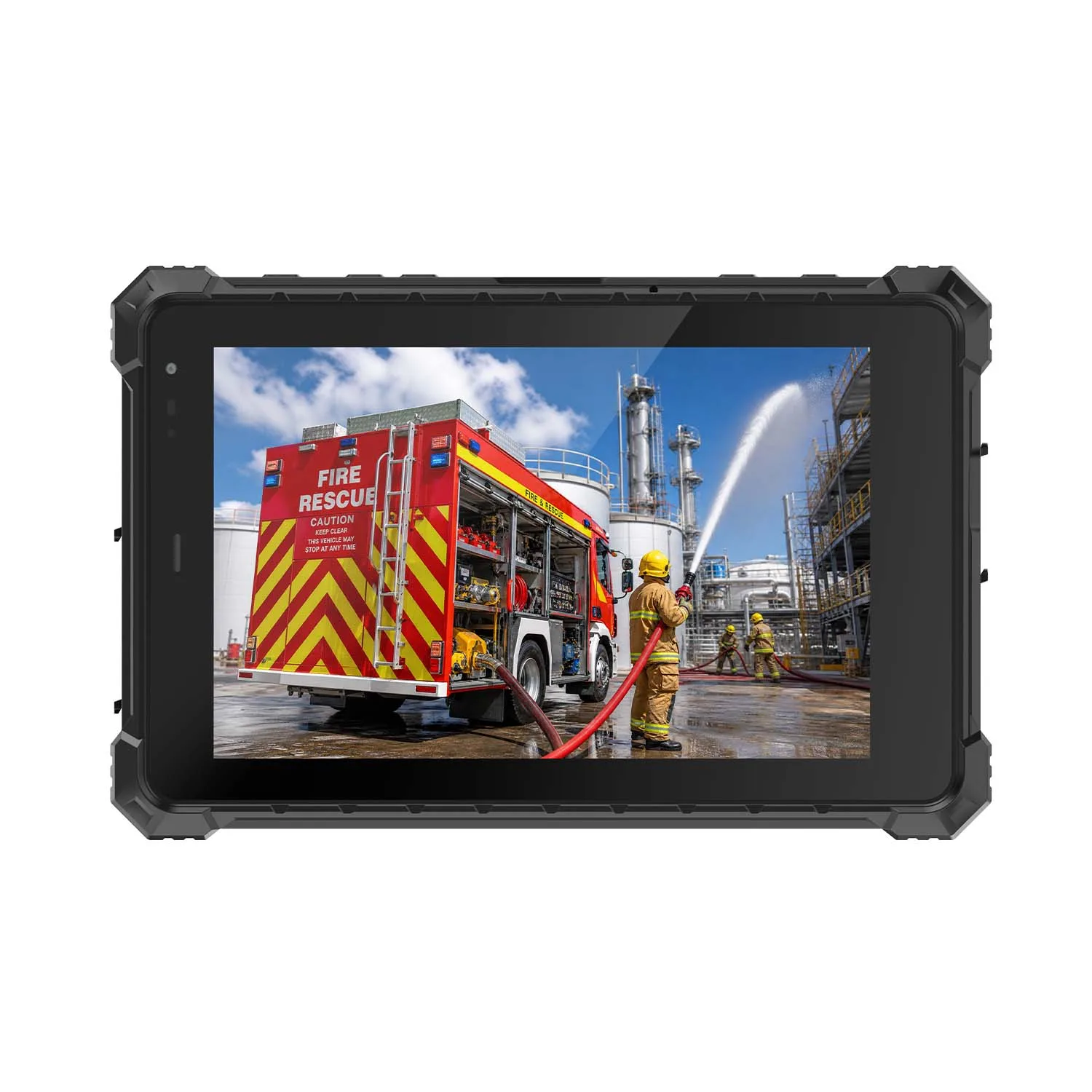






Intrinsically Safe vs Flameproof Rugged Tablet: Ex i vs Ex d Explained
Here's the short version: an intrinsically safe tablet is engineered so it can never release enough energy to ignite the atmosphere around it. A flameproof device takes the opposite bet — it lets an internal fault happen, and contains the explosion inside a sealed metal enclosure. Same goal, opposite engineering philosophy, and they are not interchangeable.
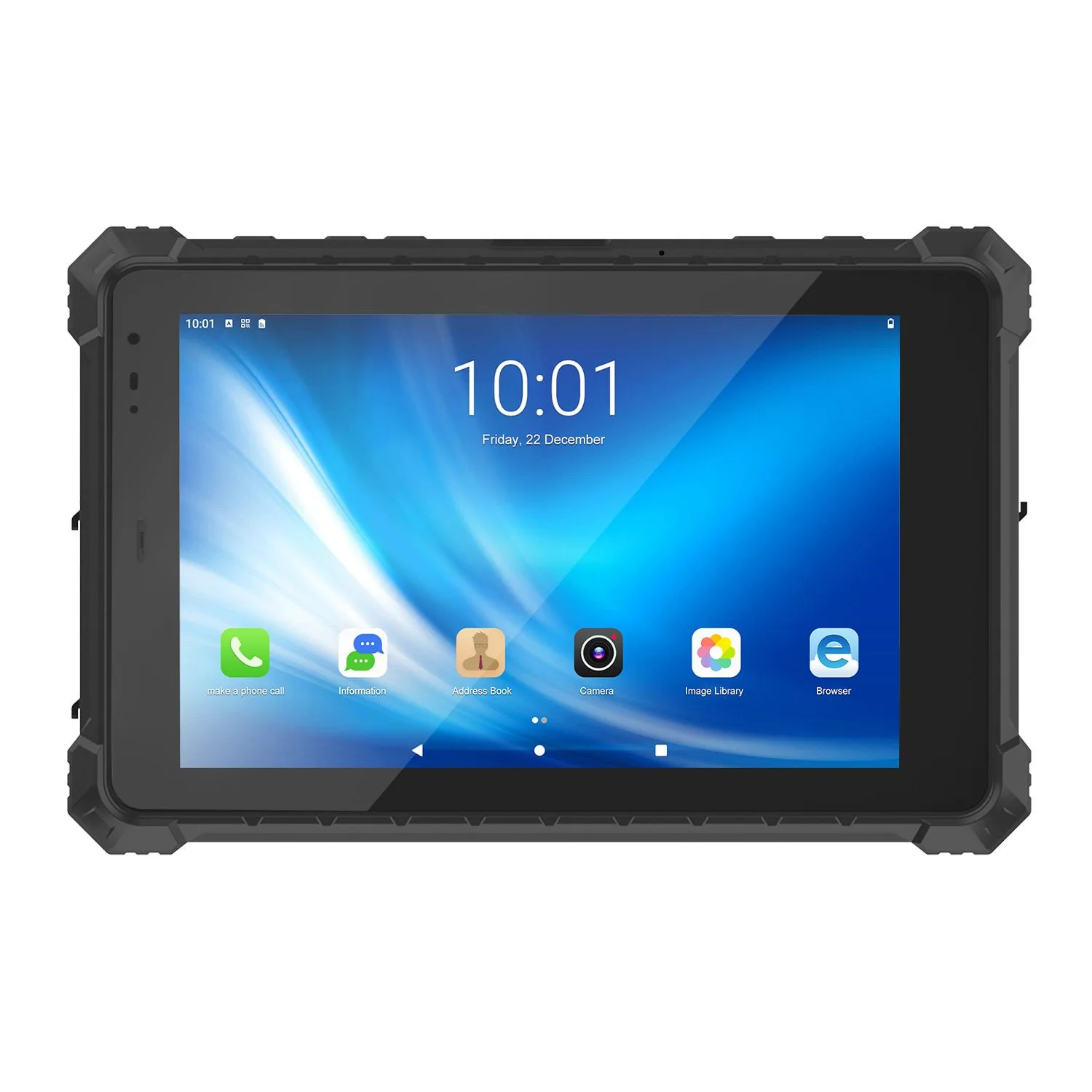
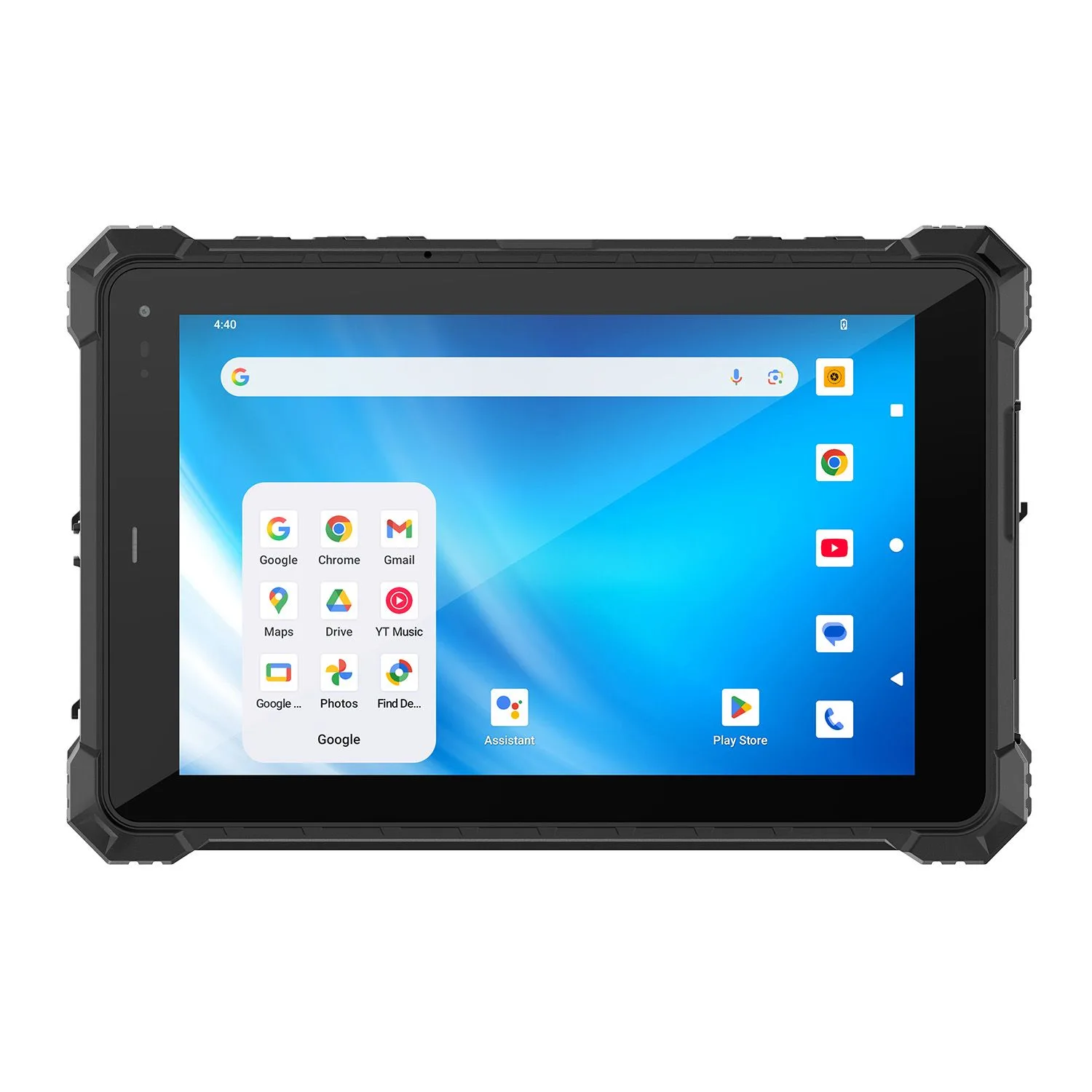
And here's the part most comparison articles leave out: for handheld tablets specifically, this fight is already over. Flameproof construction belongs to fixed instruments, motors and junction boxes — equipment that can carry the weight. Nearly every certified tablet on the market today, from i.safe MOBILE to Ecom to our own range, is intrinsically safe. So this article will explain both methods honestly — but it will also tell you which one you'll actually be buying.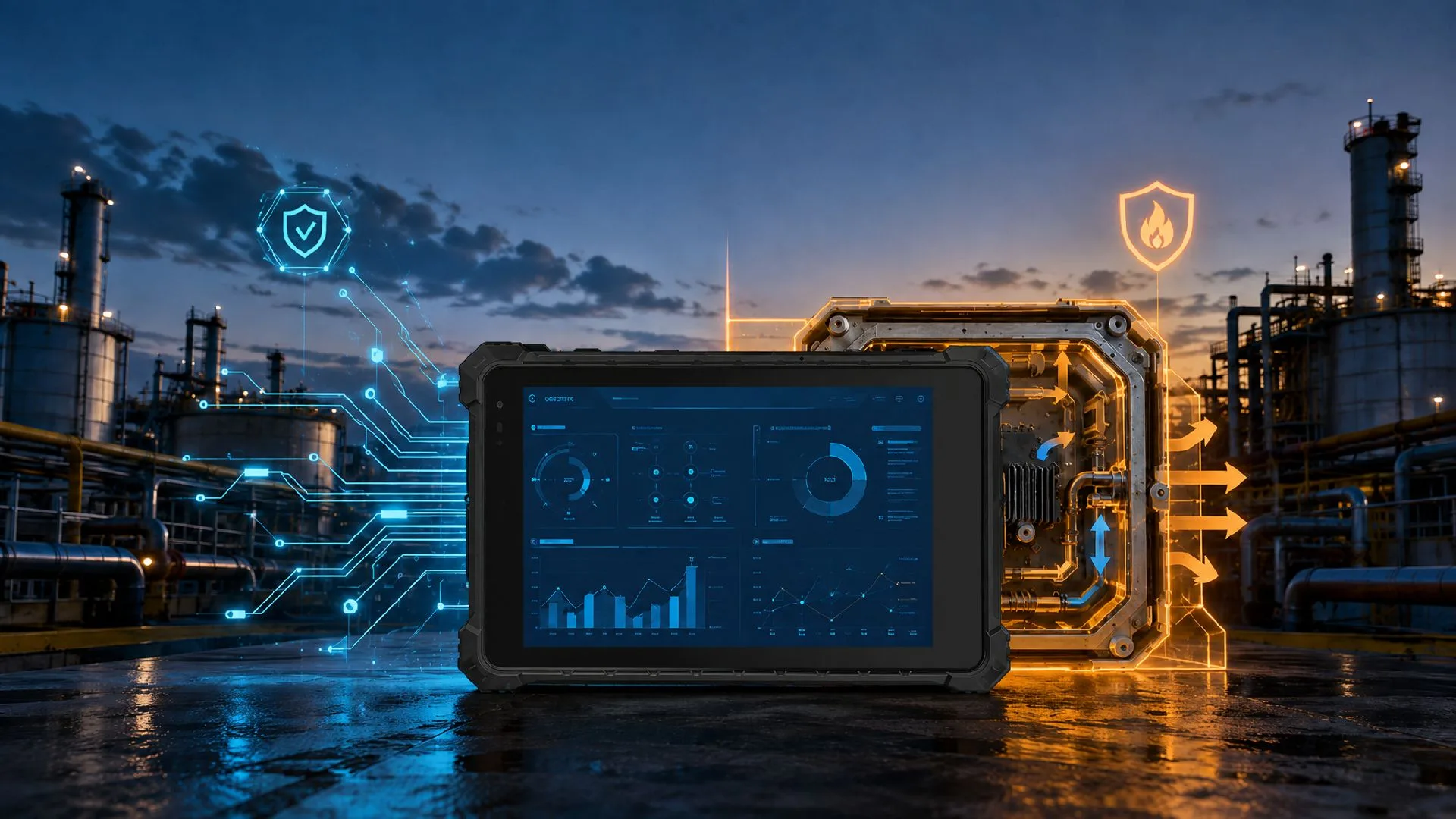
Ex i vs Ex d: Side-by-Side Comparison
Comparison Item | Intrinsically Safe (Ex i) | Flameproof (Ex d) |
Core principle | Limits electrical and thermal energy so ignition cannot occur — even with a fault | Withstands an internal explosion and cools escaping gases through precision flamepaths |
Where it wins | Handheld, mobile, battery-powered devices | Fixed equipment: motors, junction boxes, lighting, instruments |
Gas zones | Ex ia → Zone 0; Ex ib → Zone 1; Ex ic → Zone 2 | Zone 1 and Zone 2 only — never Zone 0 |
Typical weight class | A certified tablet runs 700–900 g | An Ex d enclosure for equivalent electronics runs into kilograms |
Maintenance | Defined operations possible while energized, per certificate and site rules | Enclosure must never be opened live — flamepath damage kills the protection |
System scope | Certification covers the whole loop: device, cable, connectors, peripherals | Certification covers enclosure, cable entries and associated components |
What it means for a tablet buyer | This is what you're buying | You'll meet it at the fixed equipment around the site, not in your hand |
The permitted zone, gas group, temperature class and EPL are printed in the complete Ex marking on the nameplate — verify against the certificate, not the brochure.
Two Different Explosion-Protection Mechanisms
Intrinsic Safety (Ex i): Starve the Spark
An intrinsically safe circuit is designed around a worst-case question: if two faults happen at once, is there still not enough voltage, current or stored energy to make an igniting spark or a hot surface? That's why the "i" matters more than any other letter on the nameplate, and why battery, wireless modules and even cables are part of the certificate — the whole energy loop is engineered, not just the board.
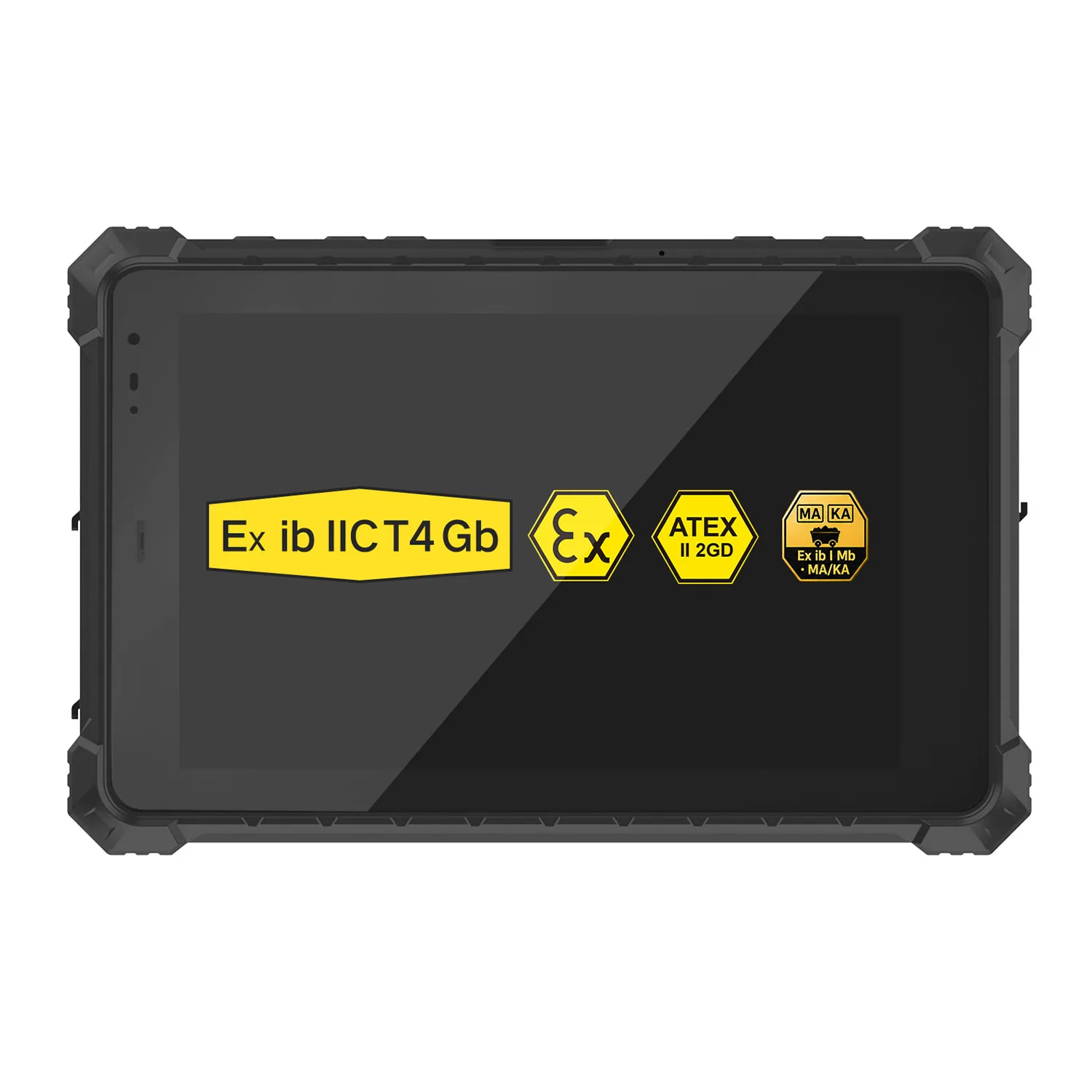
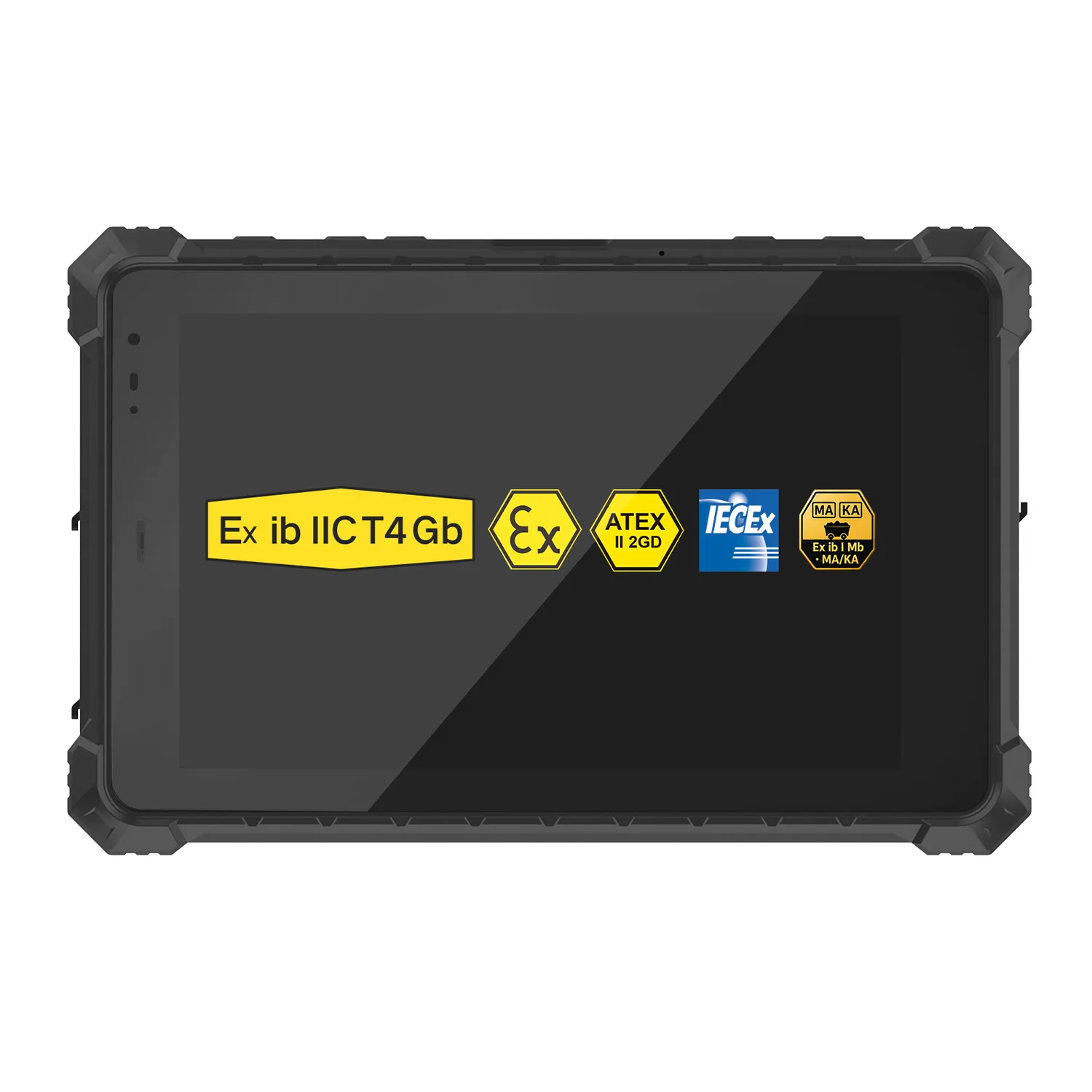
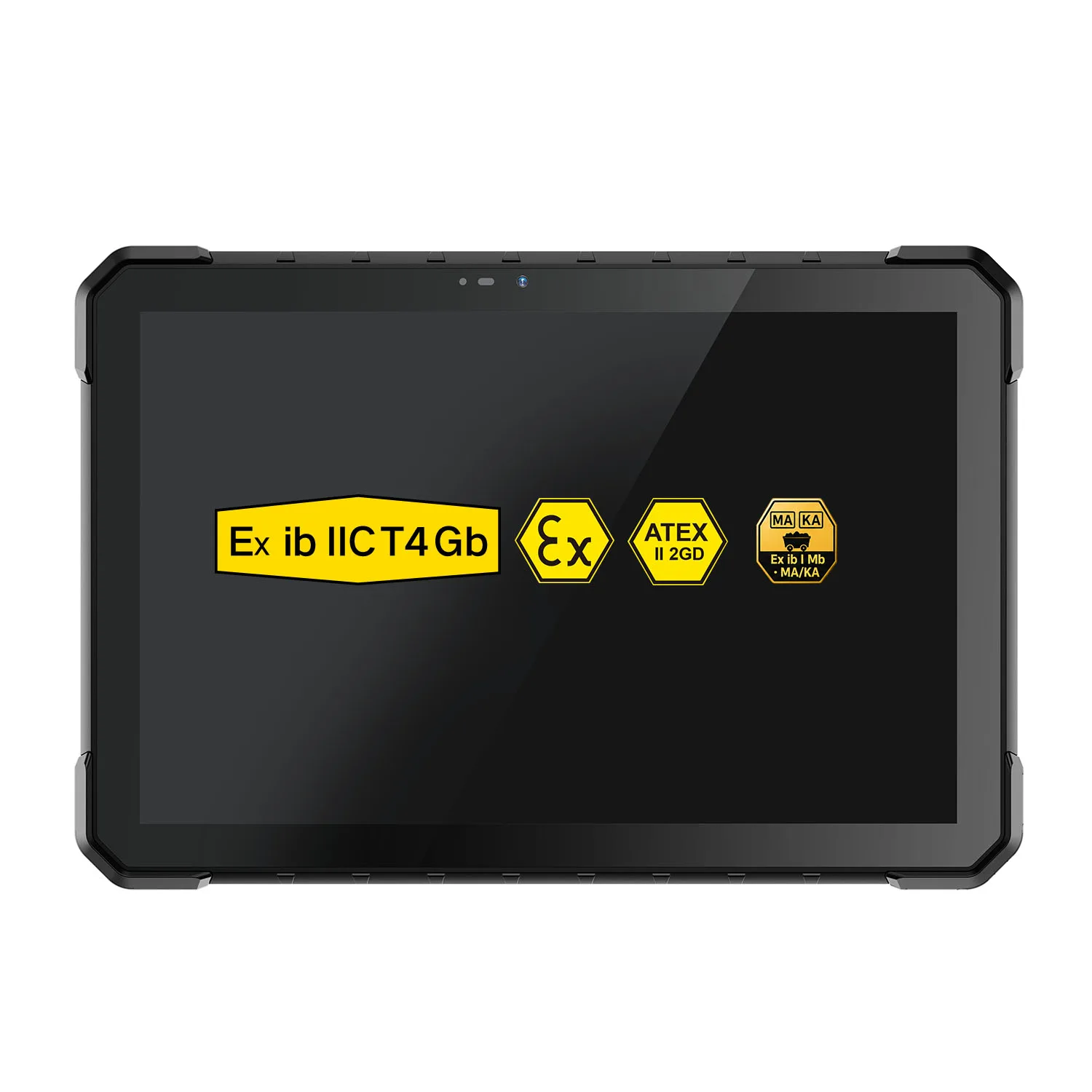
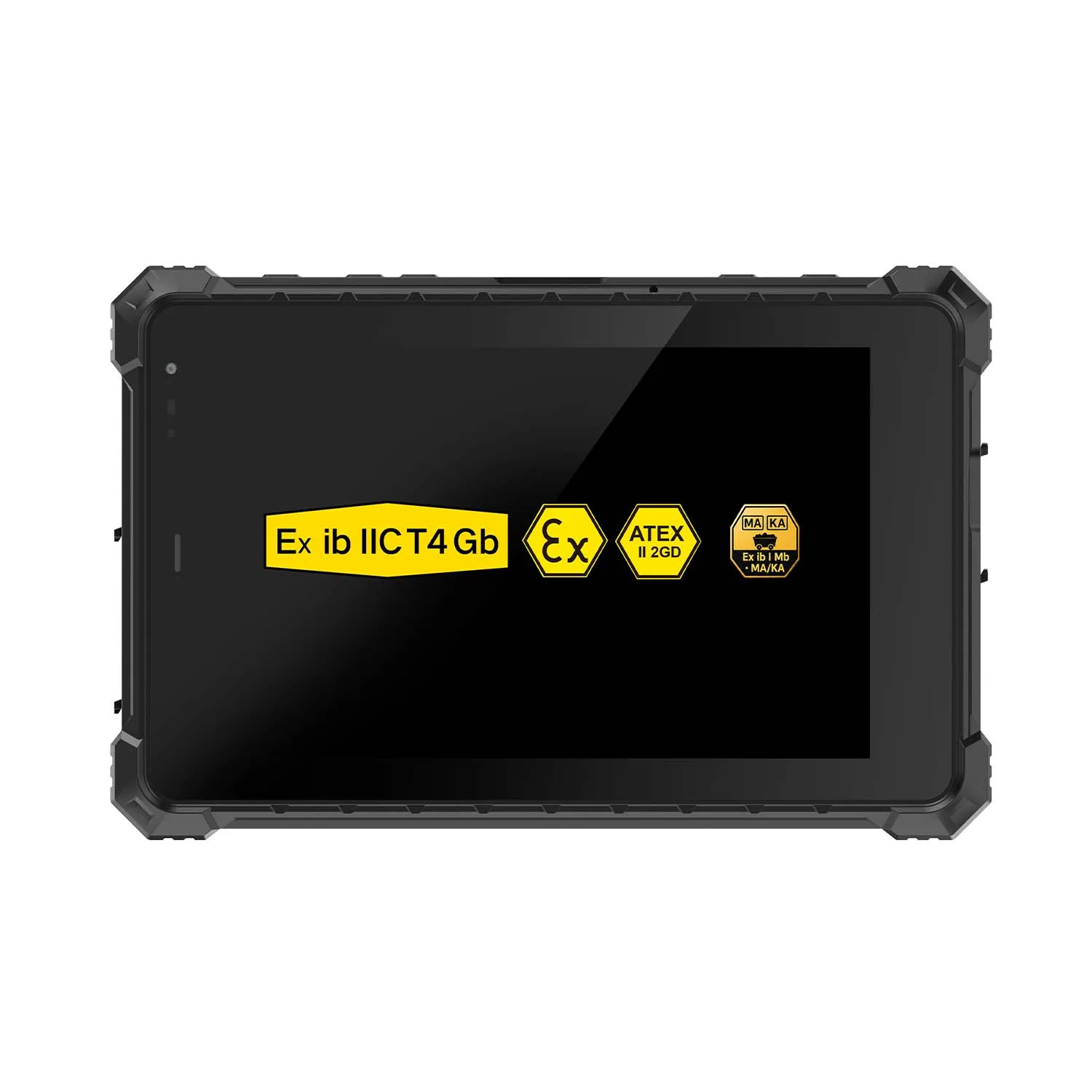
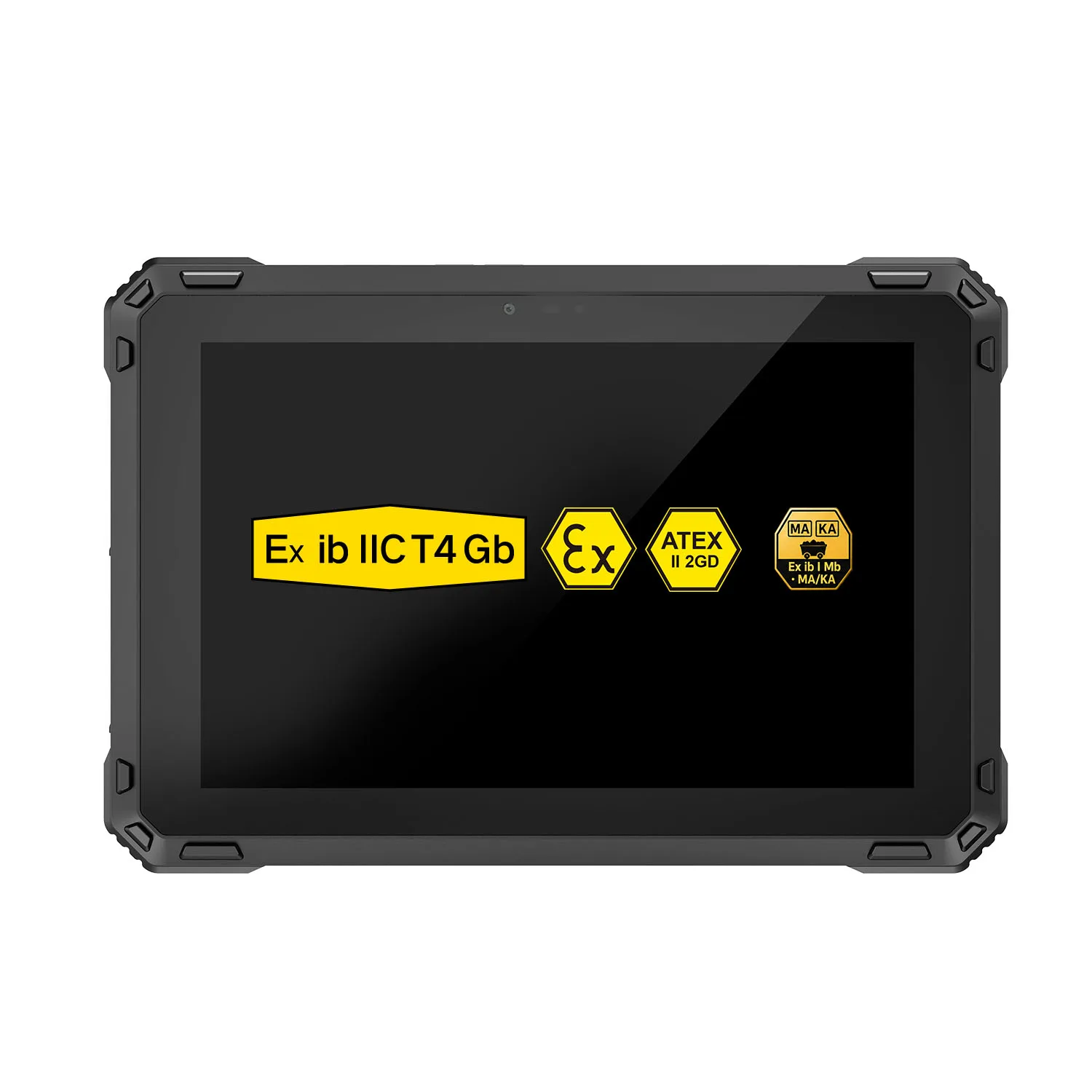
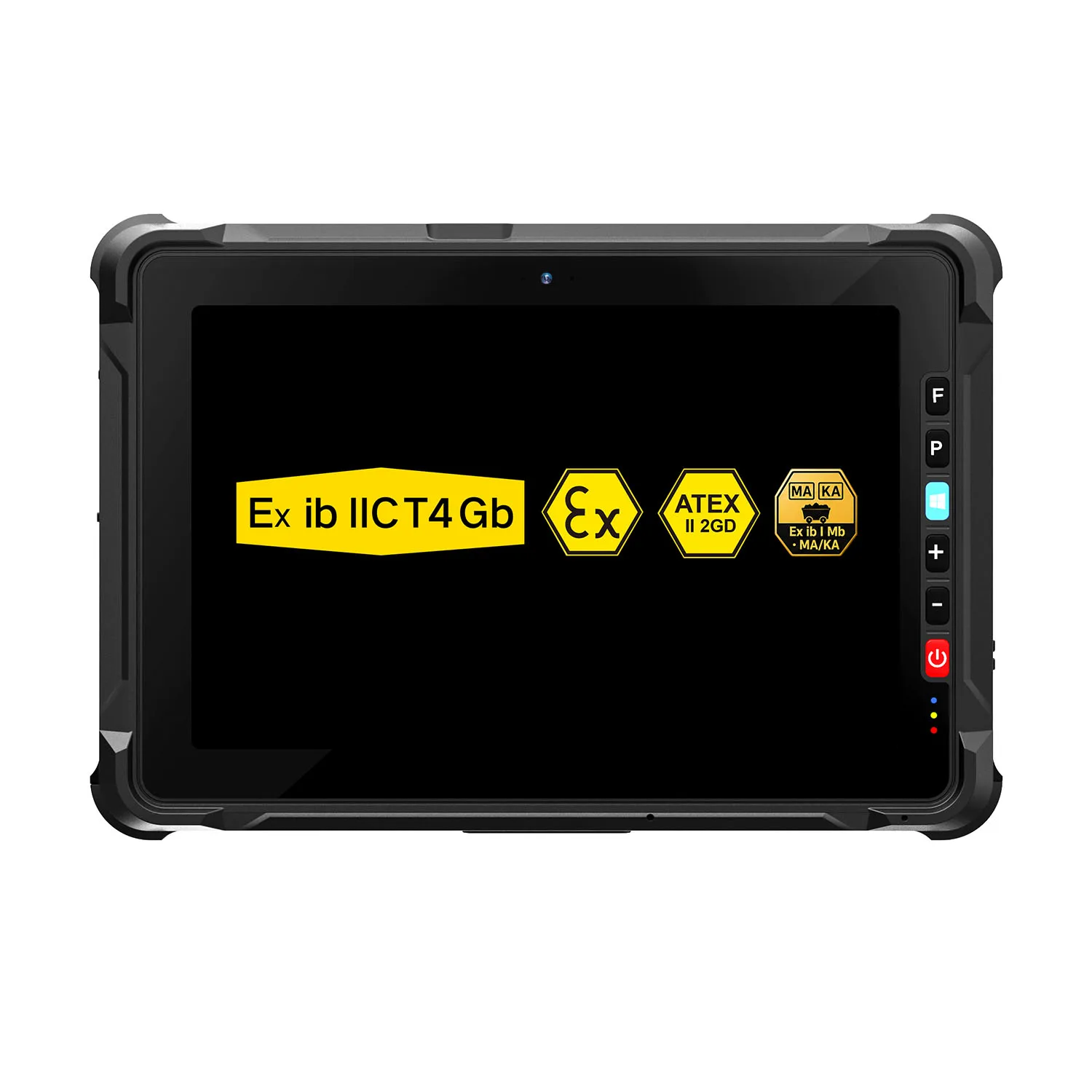
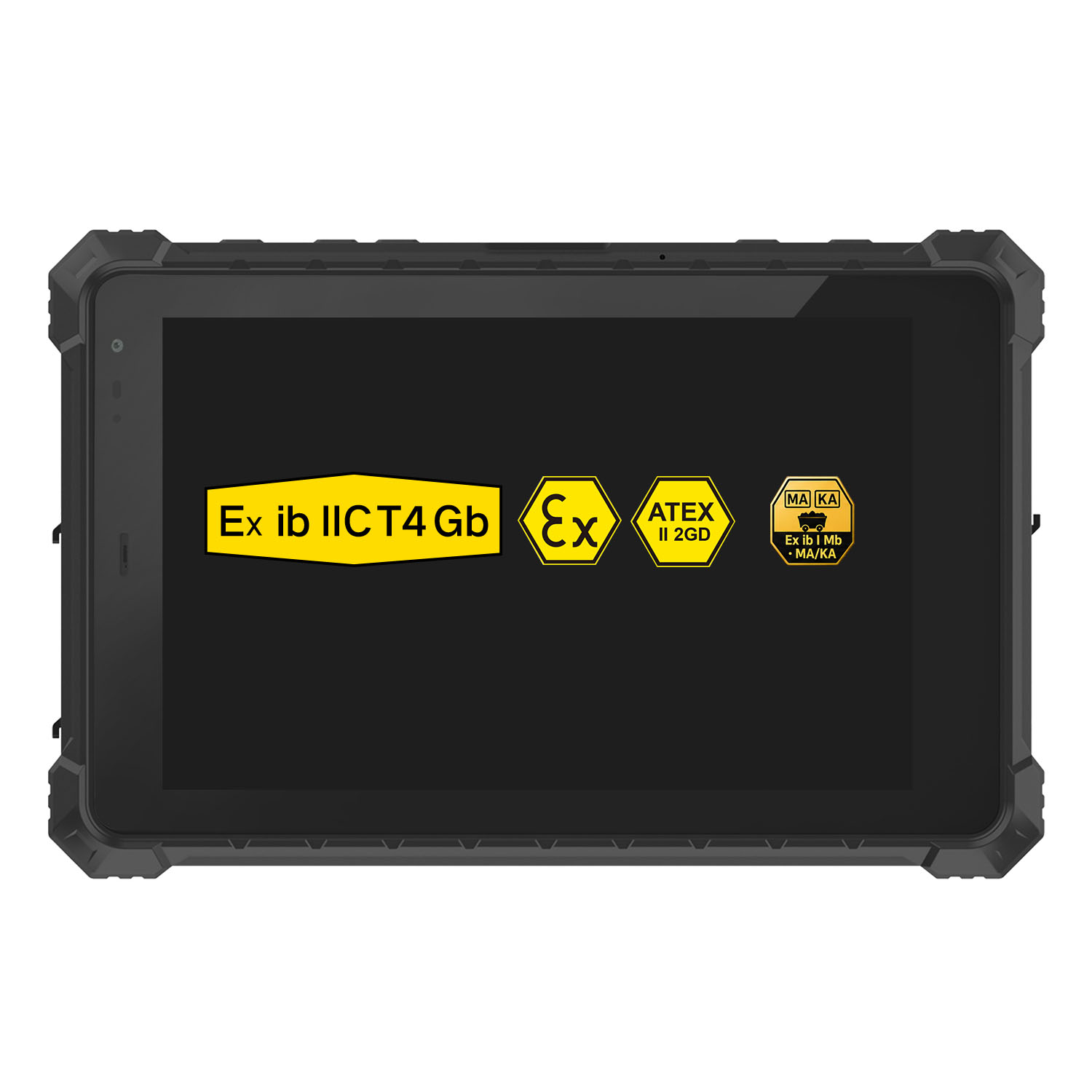
The three levels tell you which Zone the device may enter, and they read directly off the marking. Take a typical tablet marking, Ex ib IIC T4 Gb: ib means intrinsic safety level b — suitable for Zone 1 (ia covers Zone 0, ic only Zone 2); IIC is the gas group covering hydrogen and acetylene, the easiest gases to ignite; T4 caps surface temperature at 135 °C; Gb is the equipment protection level confirming Zone 1 use. Four letters and digits, and you know exactly where that tablet may legally go.
One nuance worth correcting from a thousand datasheets: Ex ia is the standard route into Zone 0 in practice — it's not the literal only protection concept ever permitted, but for mobile equipment it's the one you'll see.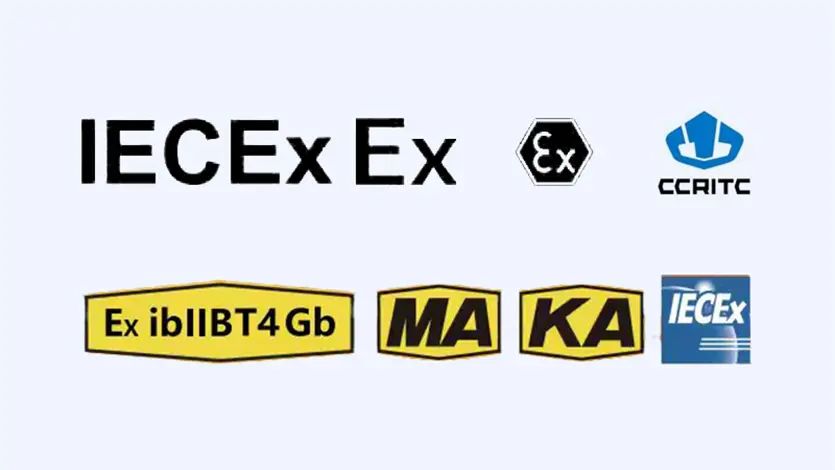
Flameproof (Ex d): Cage the Explosion
Flameproof design assumes the fault will happen. Inside a certified Ex d enclosure, an internal ignition is allowed to occur — the enclosure withstands the pressure, and hot gases escaping through the flamepath gaps are cooled below the ignition point of the surrounding atmosphere. It's robust, proven, and heavy by physics, not by poor design.
That's also why Ex d is a fixed-equipment technology: motors, control boxes, floodlights, fixed instruments. The enclosure mass and the no-live-opening maintenance rule are acceptable for something bolted to a wall. For a computer you carry up a ladder all day, they're disqualifying — which is why the "flameproof rugged tablet" category you're searching for barely exists, and why any supplier claiming a slim Ex d tablet deserves a hard look at their certificate.
How to Choose Based on Your Actual Site
The selection logic is simpler than most guides make it: the site's classification decides, not the device.
For a tablet you carry — inspection rounds, maintenance records, scanning — you will end up with an intrinsically safe model. The real question is which level: Zone 2 yard work is covered by Ex ic/Gc builds; Zone 1 process areas need Ex ib/Gb; the rare Zone 0 task needs Ex ia/Ga. Match the marking to the site map, and verify the gas group (IIC covers IIB and IIA, never the reverse) and temperature class against your actual atmosphere.
You'll encounter flameproof equipment differently: the fixed motor, junction box or floodlight already installed in your Zone 1 area. There, the rules that matter are installation and maintenance — certified cable entries, and never opening the enclosure live.
Four Common Misconceptions (and How Each One Actually Happens)
1. "All explosion-proof tablets can be used in Zone 0." False — and the mistake usually starts with a datasheet that says "ATEX certified" and nothing else. Zone 0 demands Ex ia / EPL Ga. The ten-second check: read the last letters of the marking. Gb means Zone 1, Gc means Zone 2 only — neither is Zone 0, whatever the brochure headline says.
2. "Ex i and Ex d are interchangeable." They're independent philosophies with different installation and maintenance rules. A site built around Ex i loop design doesn't accept an Ex d device as a drop-in, and vice versa. This confusion tends to surface at procurement, when a replacement unit arrives with the wrong protection concept and the paperwork has to start over.
3. "You can open a flameproof enclosure for a quick look if you're careful." The protection lives in flamepath gaps machined to fractions of a millimetre. Open it live and two things happen: you create an ignition path into the hazardous atmosphere, and you risk damaging the flamepath — which voids the protection even after you close it back up. Power isolation first, always, per site procedure.
4. "An intrinsically safe device works with any cable." Intrinsic safety certifies the loop, not just the box: cable capacitance and inductance are part of the energy budget. Swap in an arbitrary cable or peripheral and you've redesigned the loop without recalculating it. Use what's on the certificate.
Procurement Checklist (What to Verify, In Order)
Zone/Division coverage — does the marking cover your gas zones (0/1/2) or dust zones (20/21/22)?
Protection concept and level — Ex ia/ib/ic, and the EPL (Ga/Gb/Gc, Da/Db/Dc) at the end of the marking.
Gas and dust groups — IIC/IIB/IIA and IIIC/IIIB/IIIA matched to your actual media.
Temperature class — T-class below the ignition temperature of your atmosphere, with margin.
The certificate itself — number, issuing body, validity; verifiable on the issuer's site (IECEx certificates are public at iecex.com).
The whole system — dock, cables, charger, peripherals inside the certified scope.
Maintenance rules — charging and battery procedures that match your site regulations.
If a supplier answers all seven from the certificate without checking with the factory, you're talking to someone who has done this before.
Frequently Asked Questions
Is Ex ib enough for Zone 1?
Yes — Ex ib with EPL Gb is the standard Zone 1 combination for mobile equipment, and it's what most certified tablets (ours included) carry. What it doesn't cover is Zone 0; that step up requires Ex ia / Ga.
Why are there almost no flameproof tablets?
Physics. Flameproof protection needs an enclosure that withstands an internal explosion and precision flamepaths to cool escaping gases — mass that a handheld device can't carry. Fixed equipment wears that weight happily; a tablet can't. That's why the certified tablet market is intrinsically safe by default.
Can I charge an intrinsically safe tablet inside the hazardous area?
Treat the answer as no unless the certificate and manual explicitly approve the charging method. Standard practice: charge at the dock, outside the classified area. If shifts outlast batteries, ask about dual-battery builds with a certified swap procedure — that's an engineering question we've solved before, not an after-market accessory.
Does Ex ic / Zone 2 equipment make sense to buy at all?
For genuinely Zone 2-only yards, it can be the cost-effective choice. Just don't let a Zone 2 price tag wander into a Zone 1 task — that's the single most common classification error we see in procurement, and it starts exactly here.
Conclusion
Intrinsic safety and flameproof protection are two valid answers to the same question — but for tablets, the question was settled by weight. If you're buying a handheld certified device, you're buying Ex i; your job is to match the level (ia/ib/ic), the groups and the temperature class to your site map, and to verify the certificate rather than the brochure.
Tell us your Zone, your gas or dust group, and what the tablet actually does all day — we'll reply with the exact certified configuration and its certificate copy before you order. Contact CENAVA.
Further reading: How to read an Ex marking and compare ATEX, IECEx and North American certifications · ATEX & IECEx certified rugged devices · Intrinsically Safe Tablet vs Explosion Proof Tablet: Differences & Applications
Need a Rugged Device for Your Project?
Tell us your operating environment and requirements — our engineers will recommend a configuration and quote within 24 hours.
Get a Free Quote Back to Blog