




Rugged tablet computer makes firefighting smarter
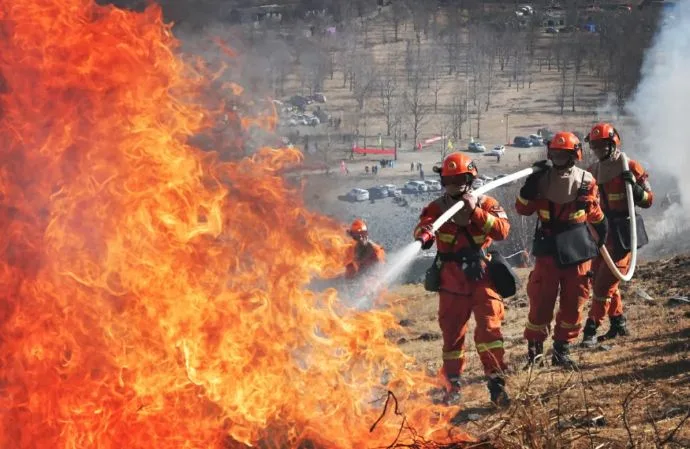
In 2023, during a commercial complex fire, an incident commander brought a consumer-grade iPad to a safe zone 80 meters from the blaze. By the fifth minute, the device shut down automatically when the ambient temperature exceeded 45°C. The commander retreated to the command vehicle and reverted to paper maps and radio communication. The delay did not cause casualties, but it extended the initial response time.
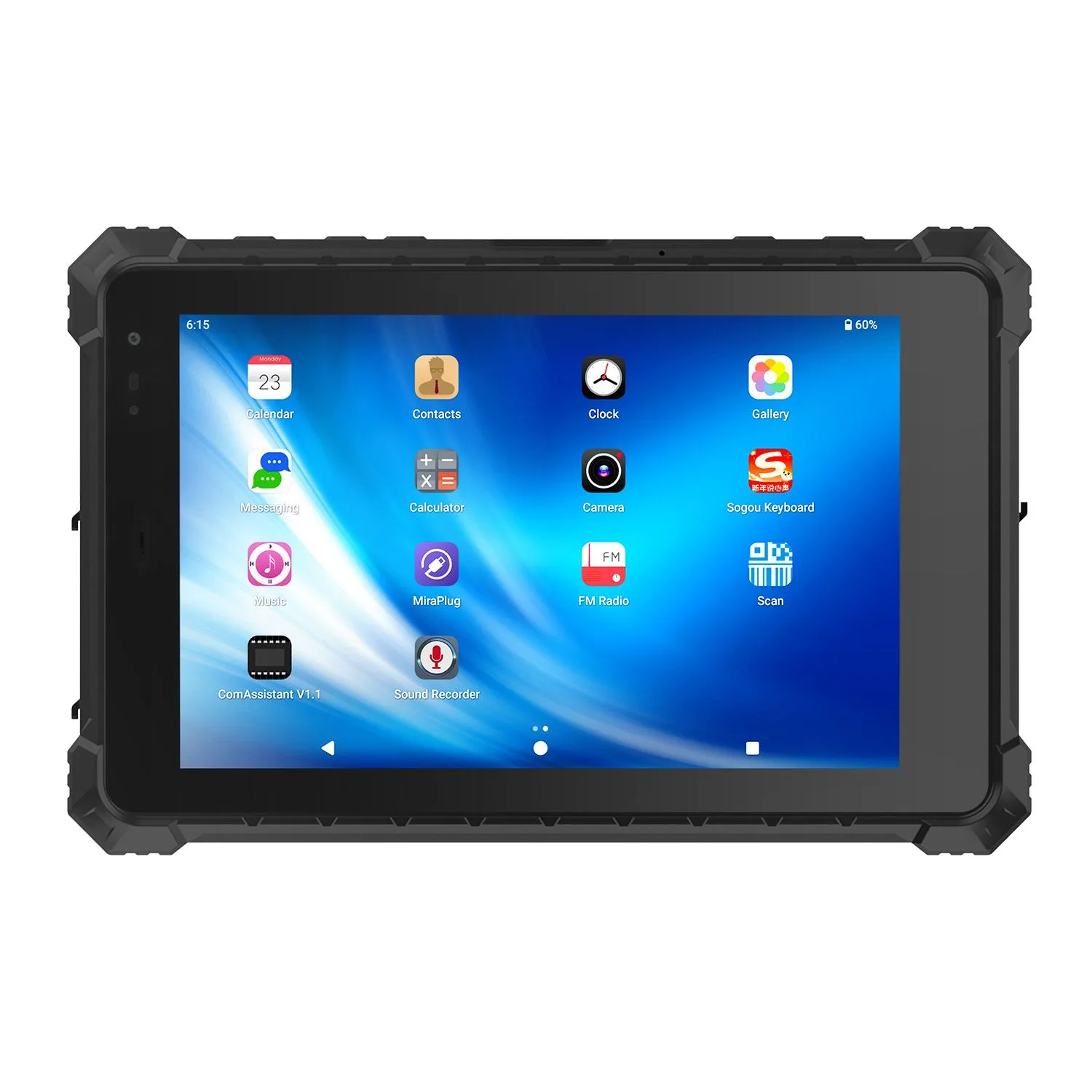
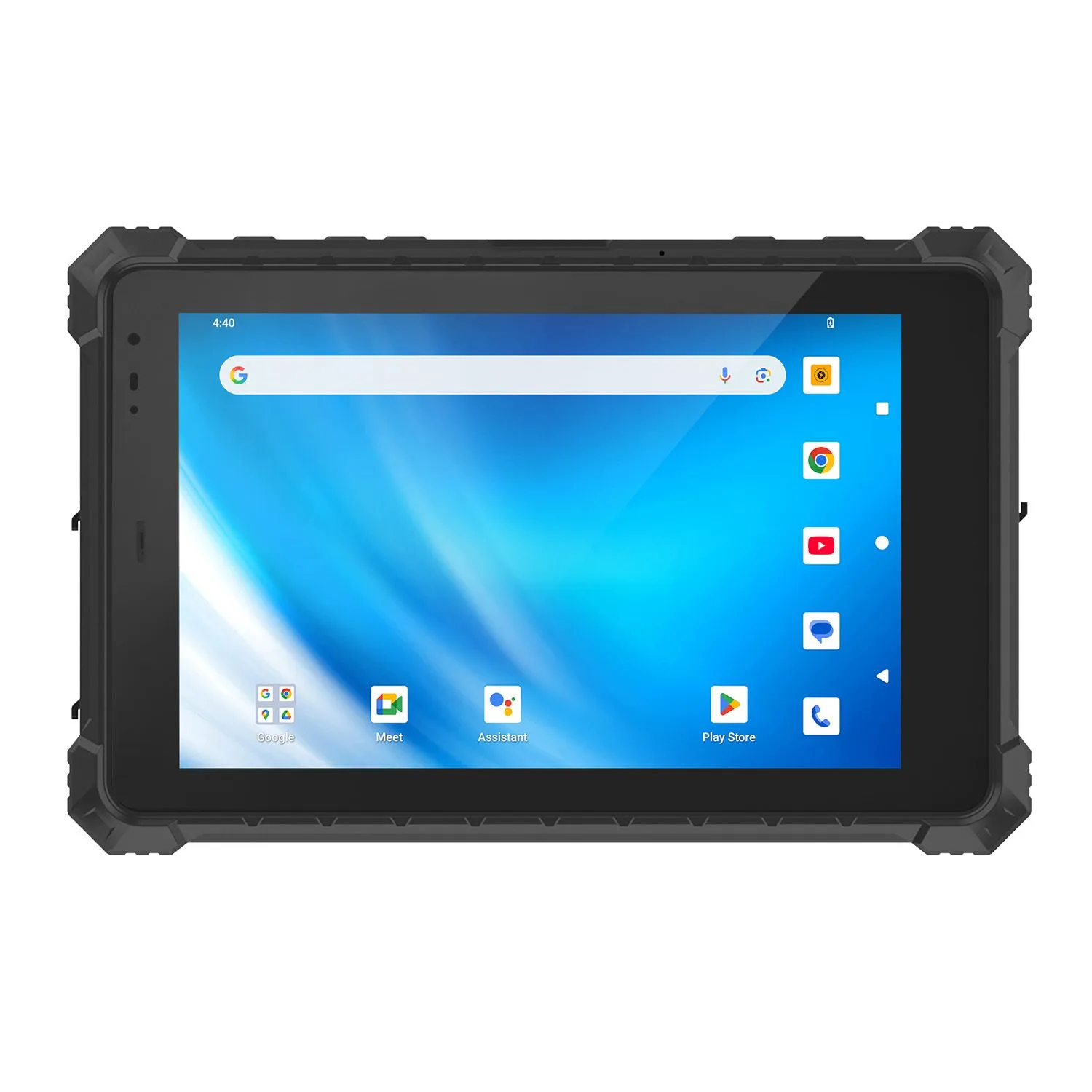
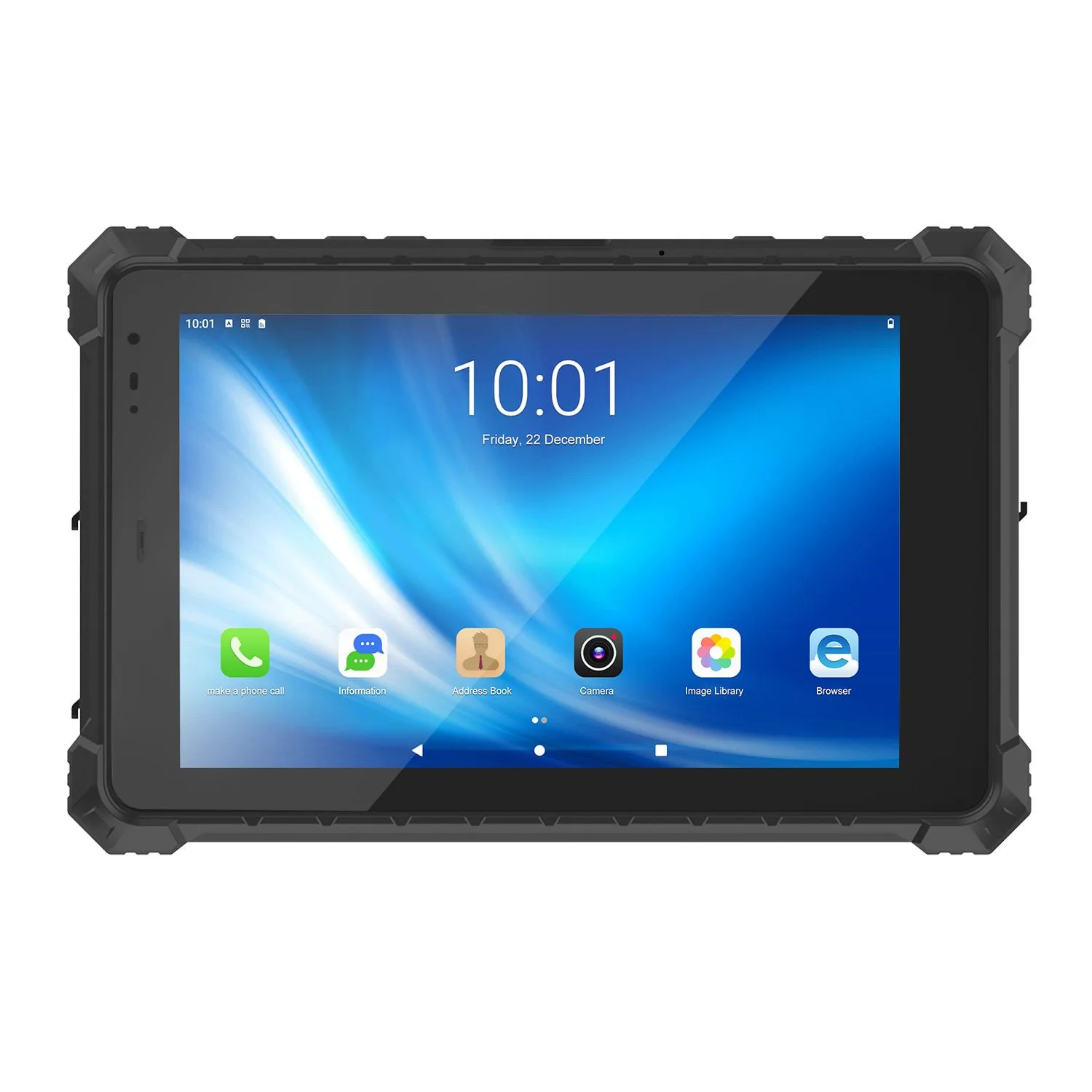
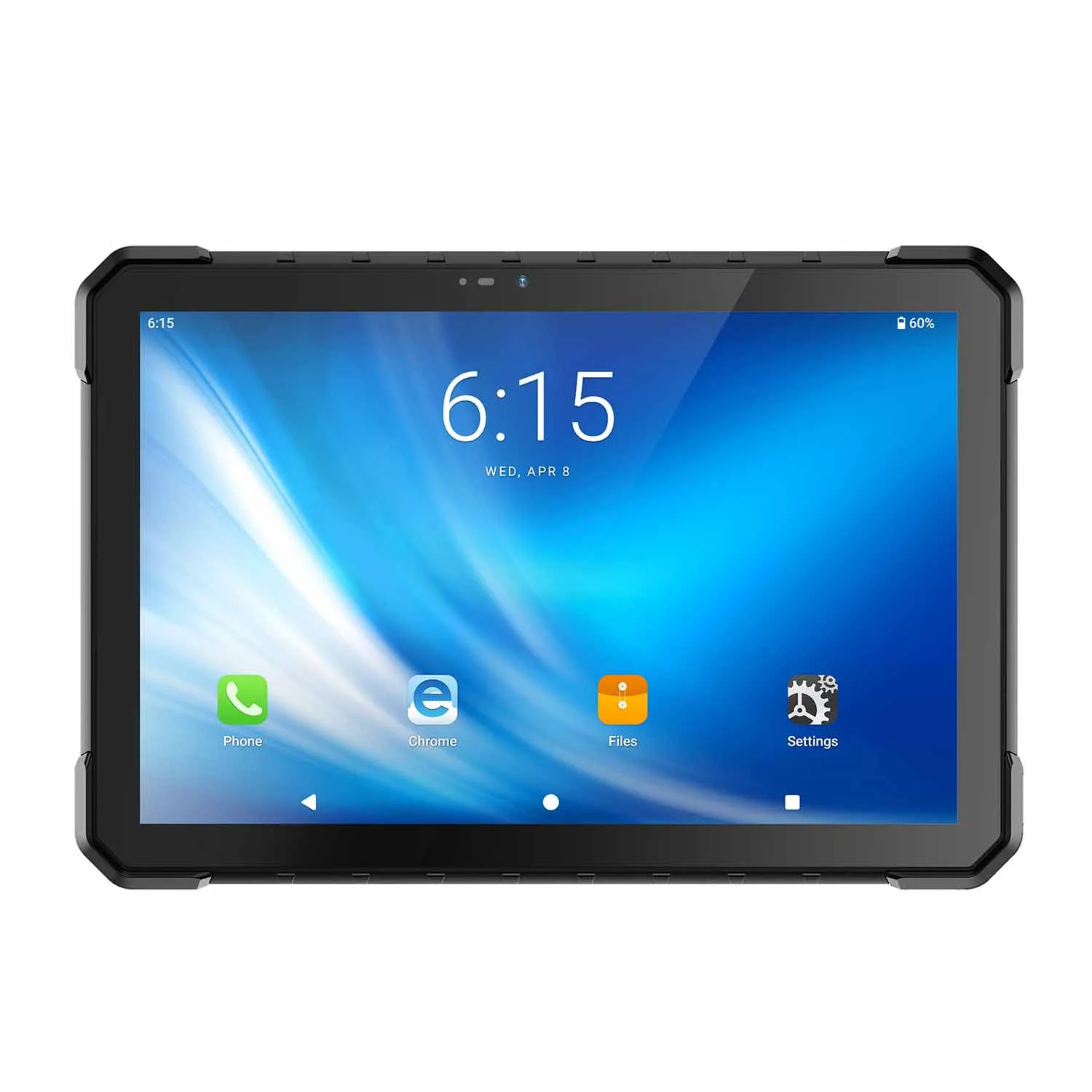
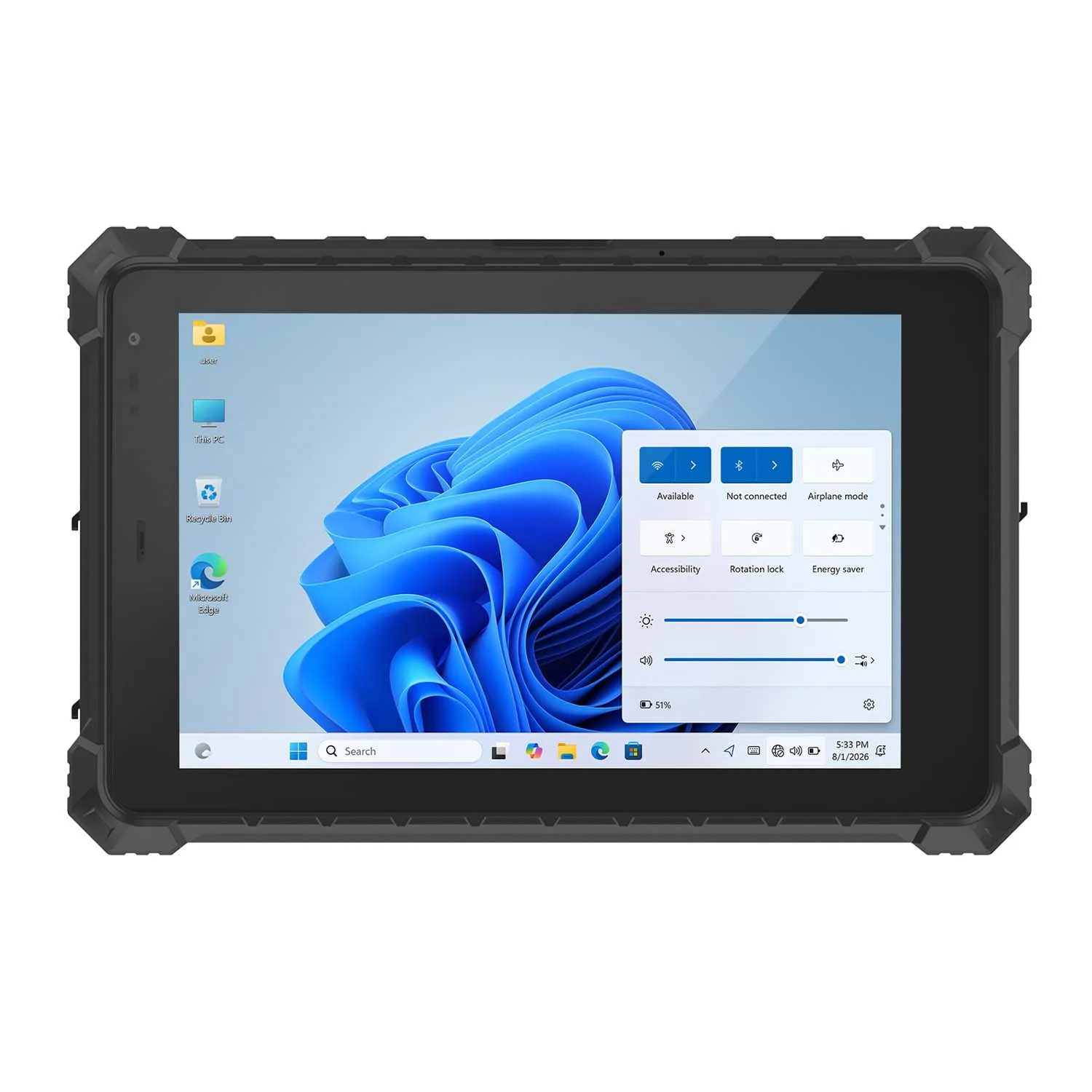
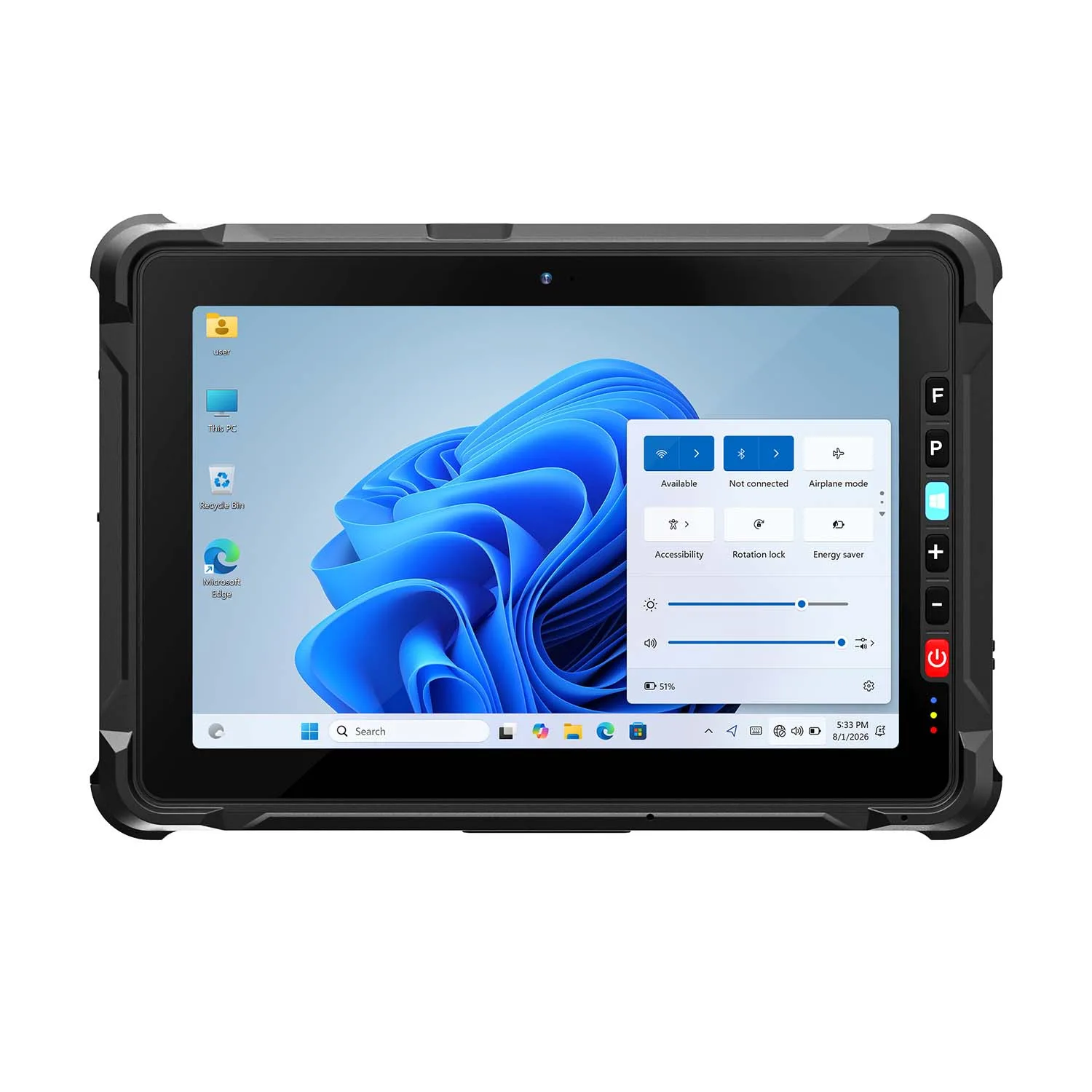
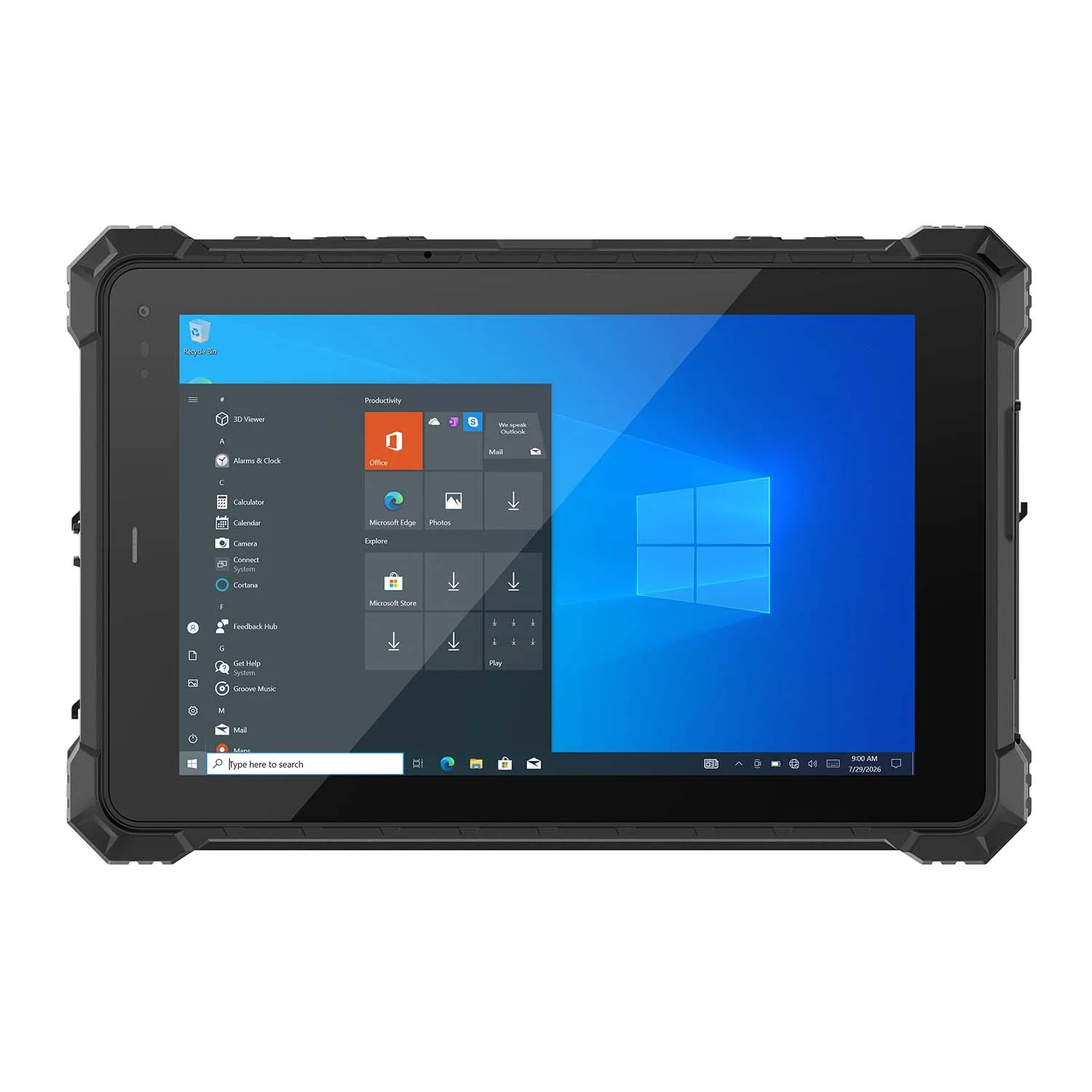
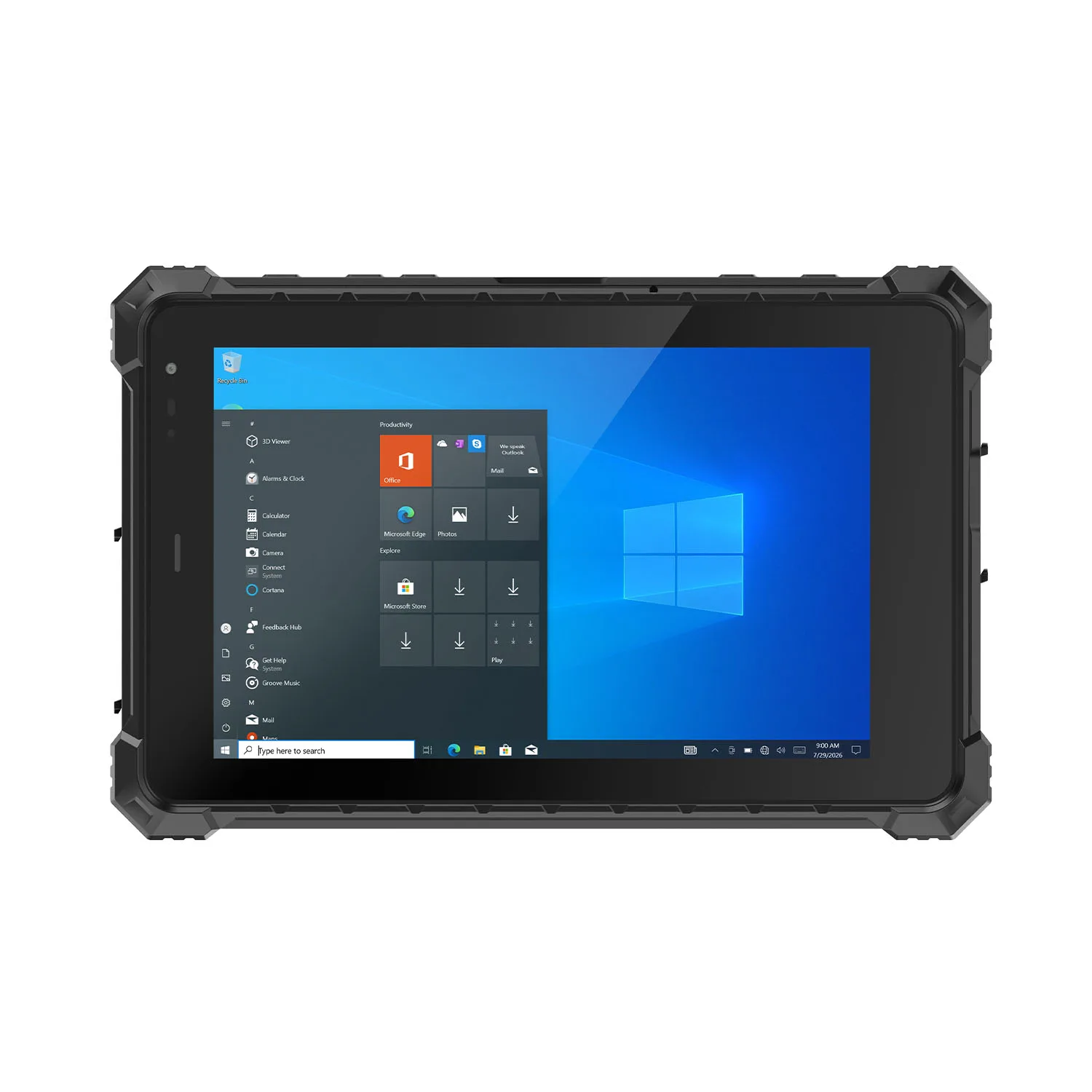
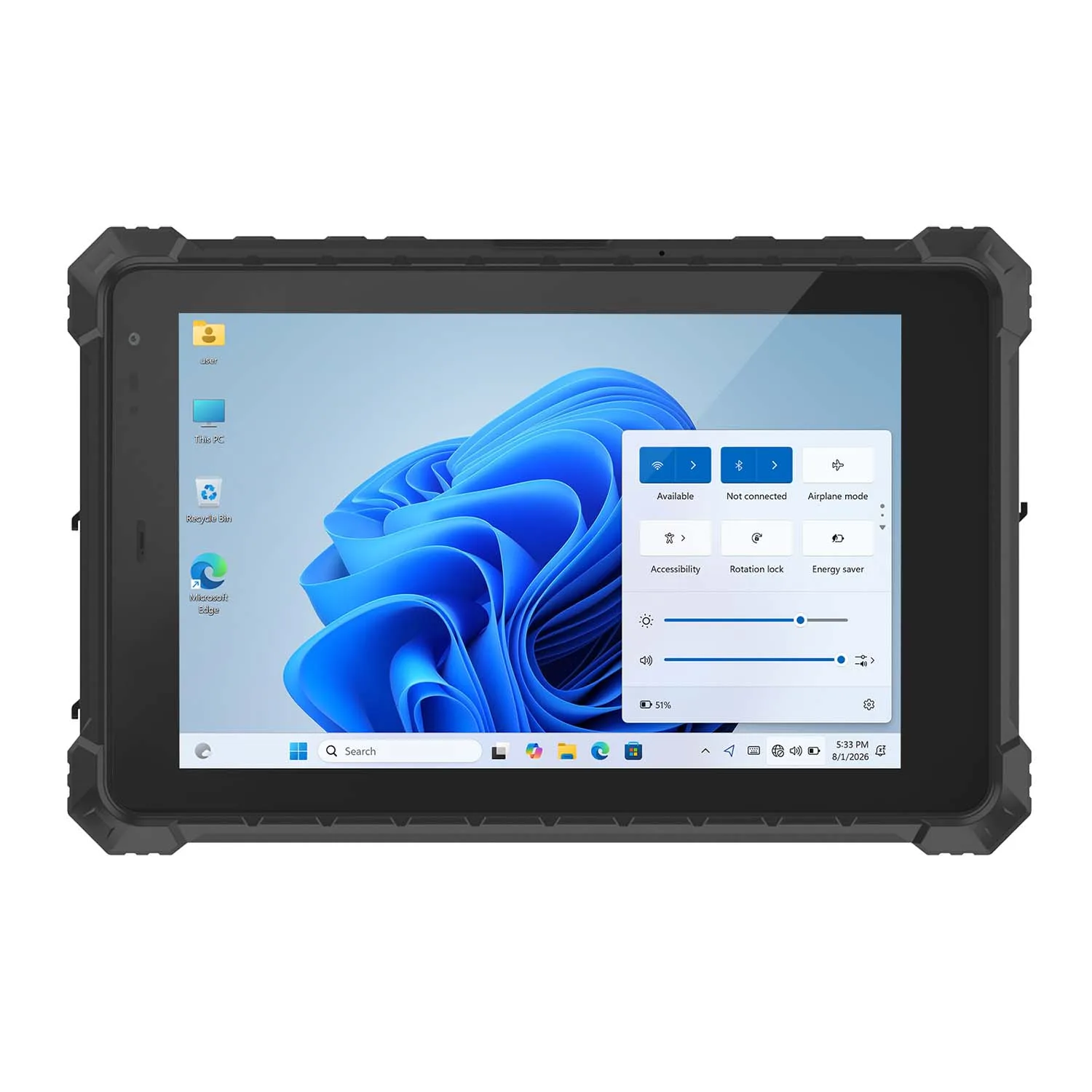
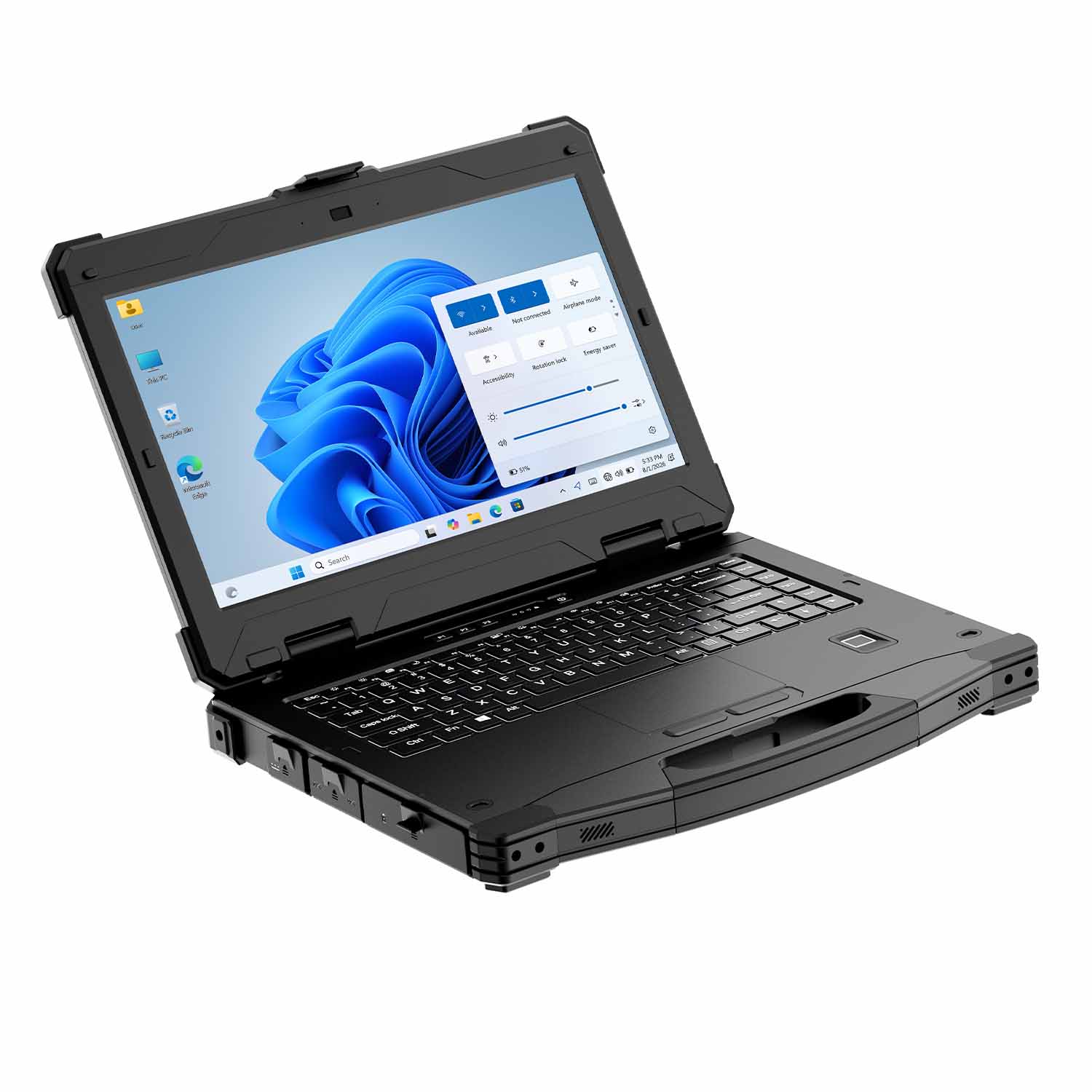
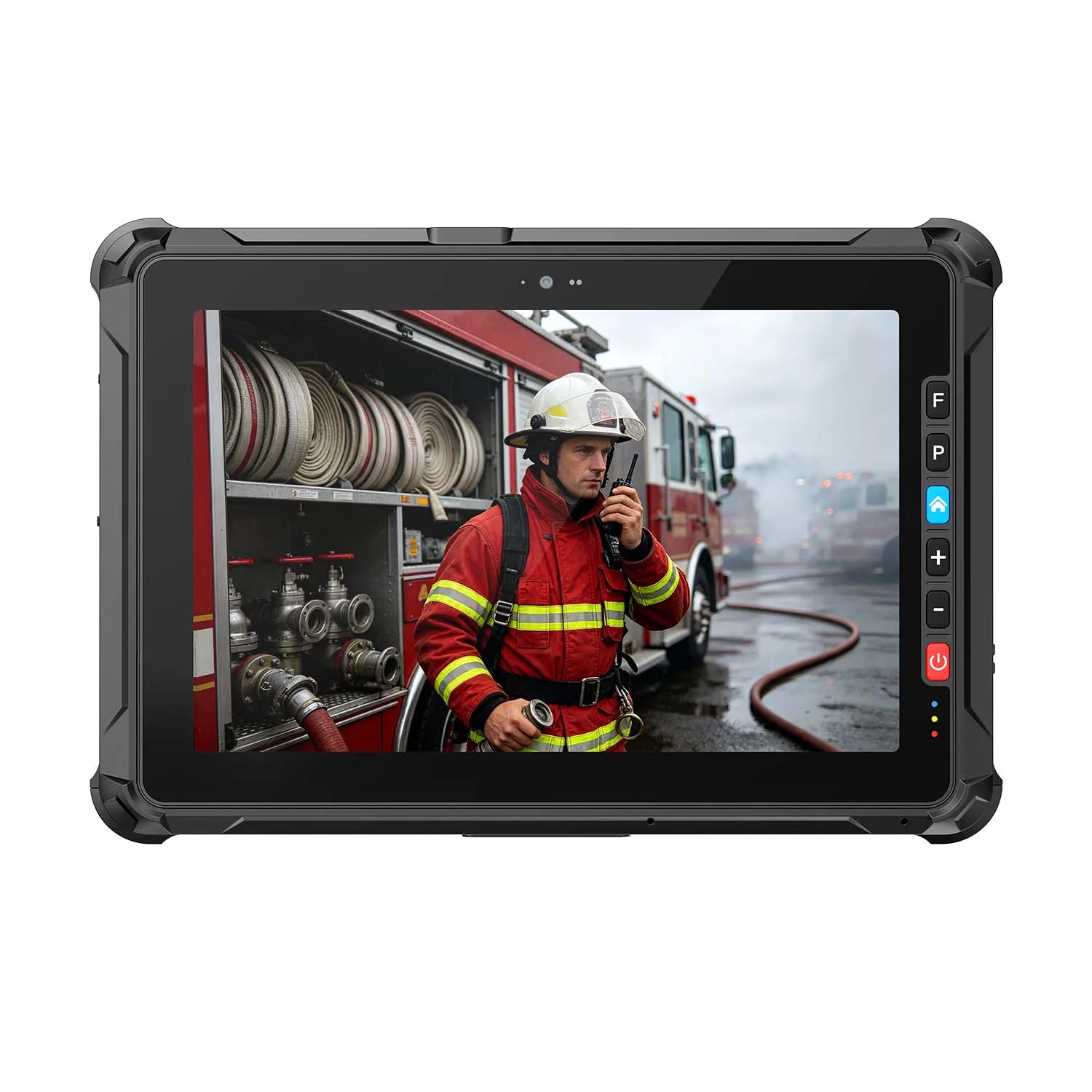
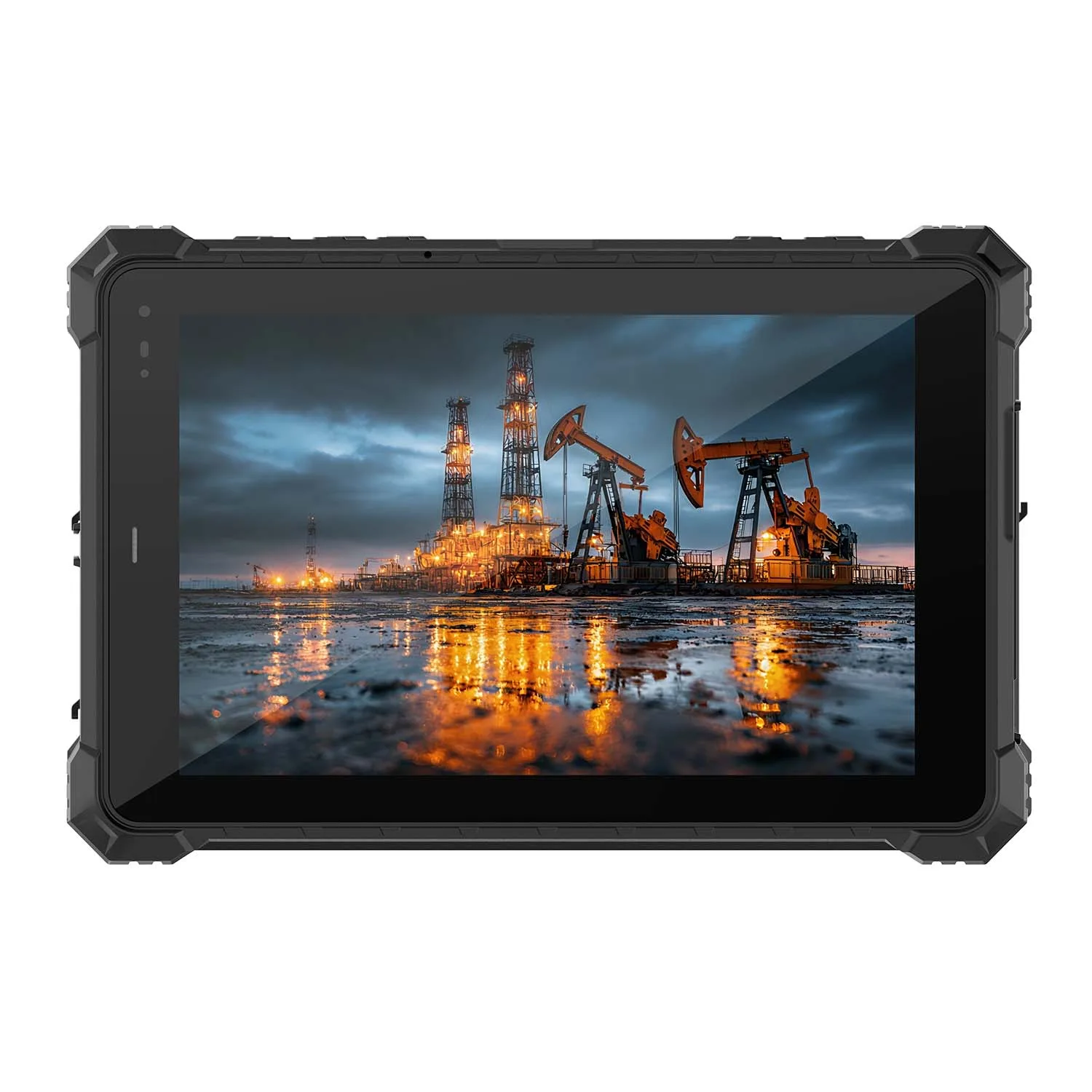
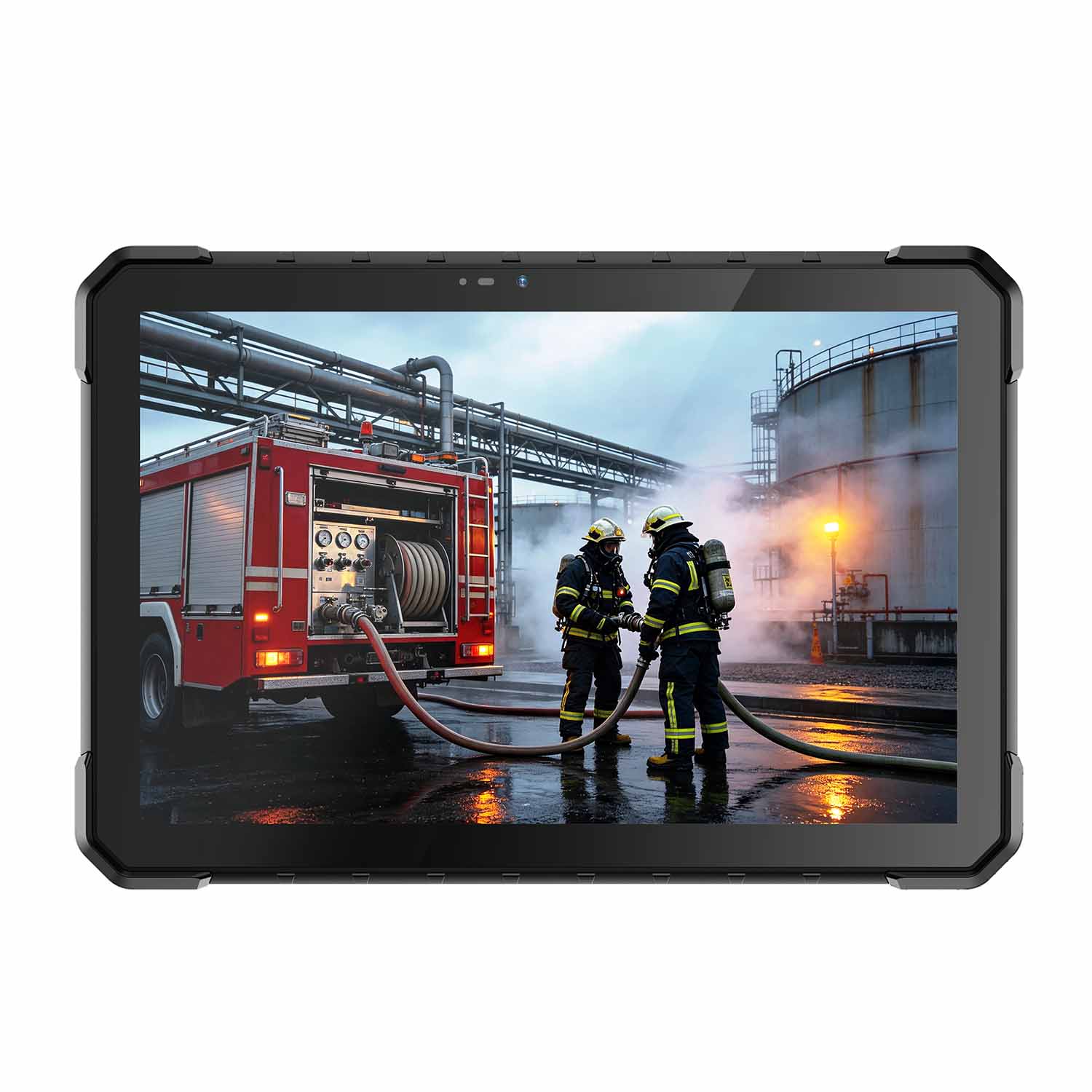
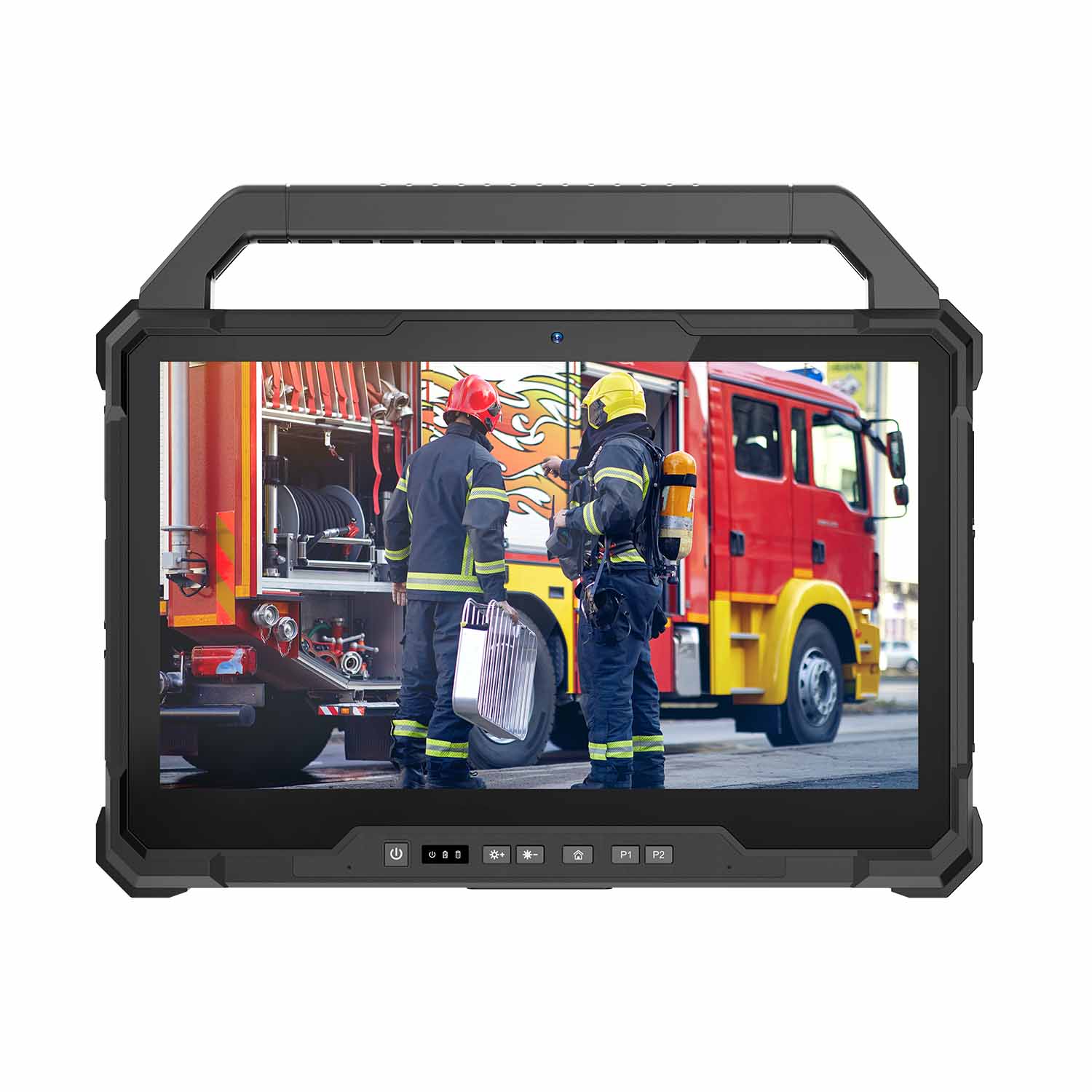
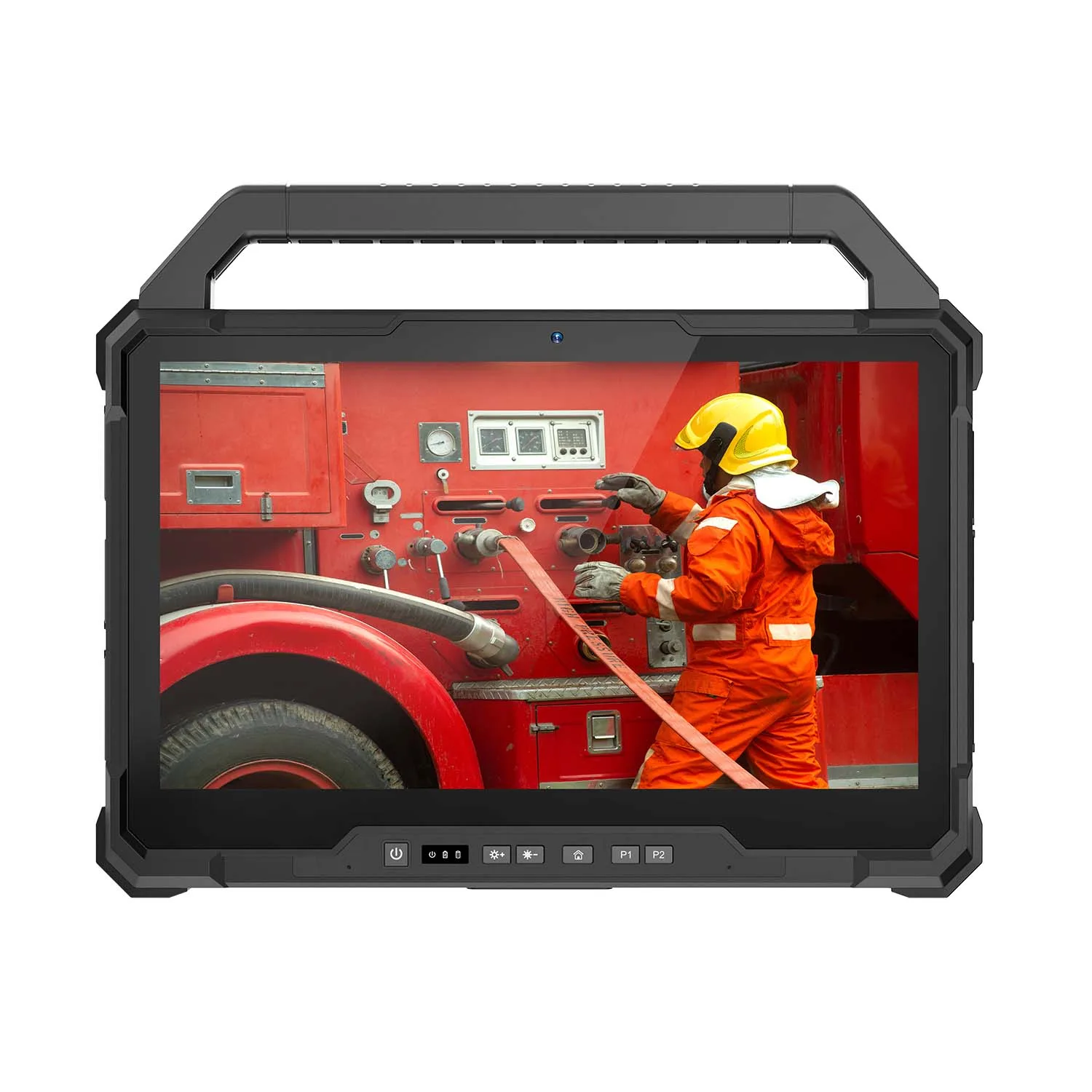
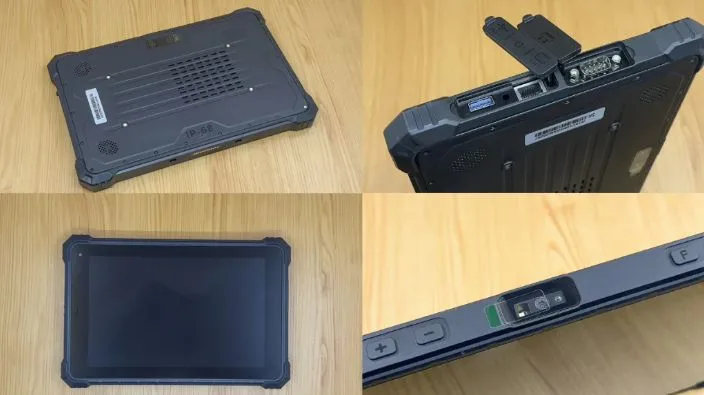
Rugged tablets do not replace breathing apparatus or thermal imaging cameras. Their actual position is in the command vehicle, the forward command post, and fire prevention inspection workflows—where personnel need to read building plans, record inspection data, and scan equipment tags while enduring vehicle vibration, rain, and occasional drops. This article discusses how CENAVA rugged tablets serve these roles, not the marketing fantasy of a firefighter charging into a blaze holding a tablet.
Three Roles for CENAVA Rugged Tablets in Fire Service
Mobile terminal: Viewing CAD floor plans, water source maps, and firefighter location data inside the command vehicle.
Data collector: Scanning equipment tags, photographing hazards, and uploading inspection records during fire prevention patrols.
Communication node: Relaying on-site information to the operations center via 4G/5G or the fire service private network.
They do not replace fire alarm control panels, nor do they automatically operate sprinkler systems or gas shutoff valves. The following sections describe realistic deployment scenarios.
Command Vehicle: Mobile Information Node
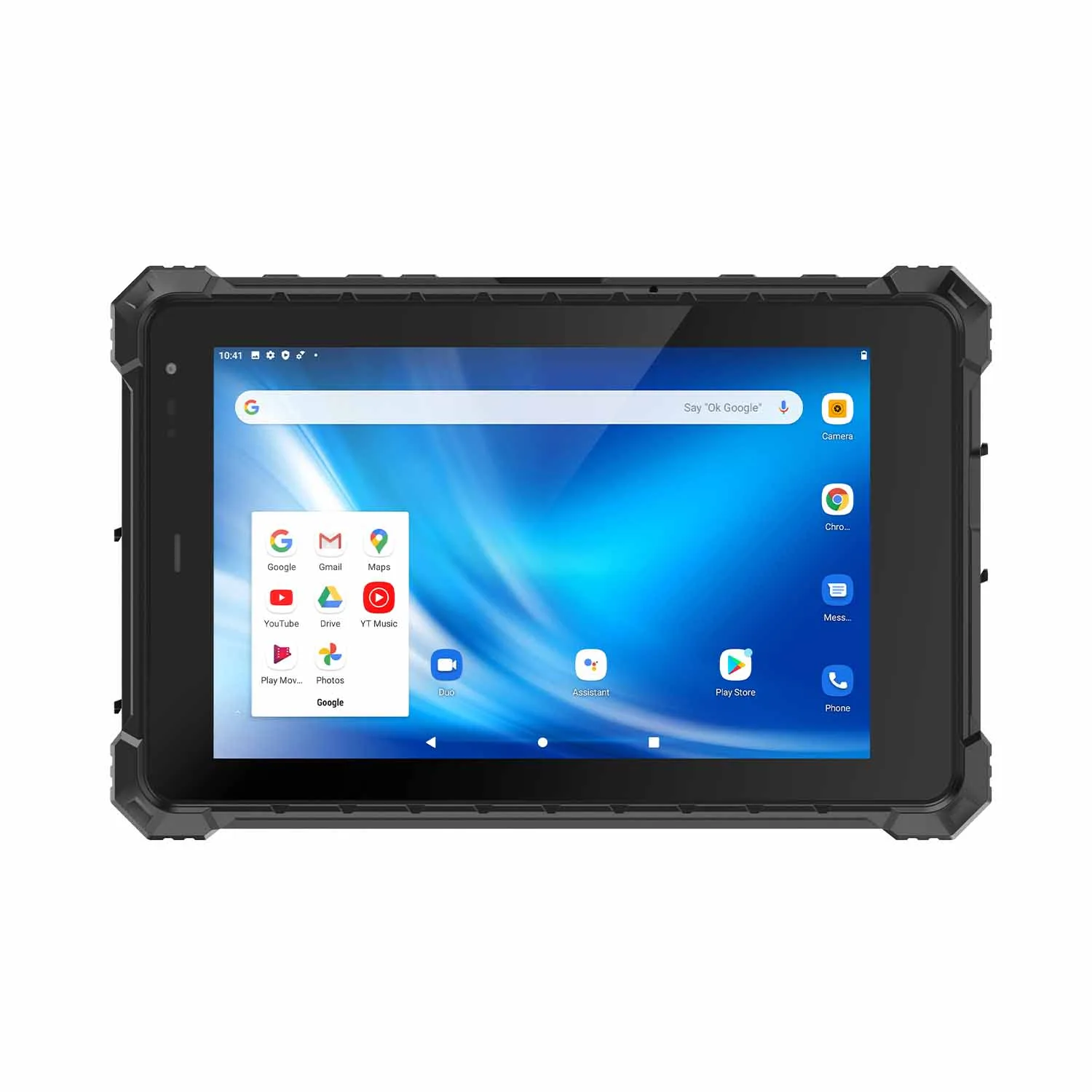
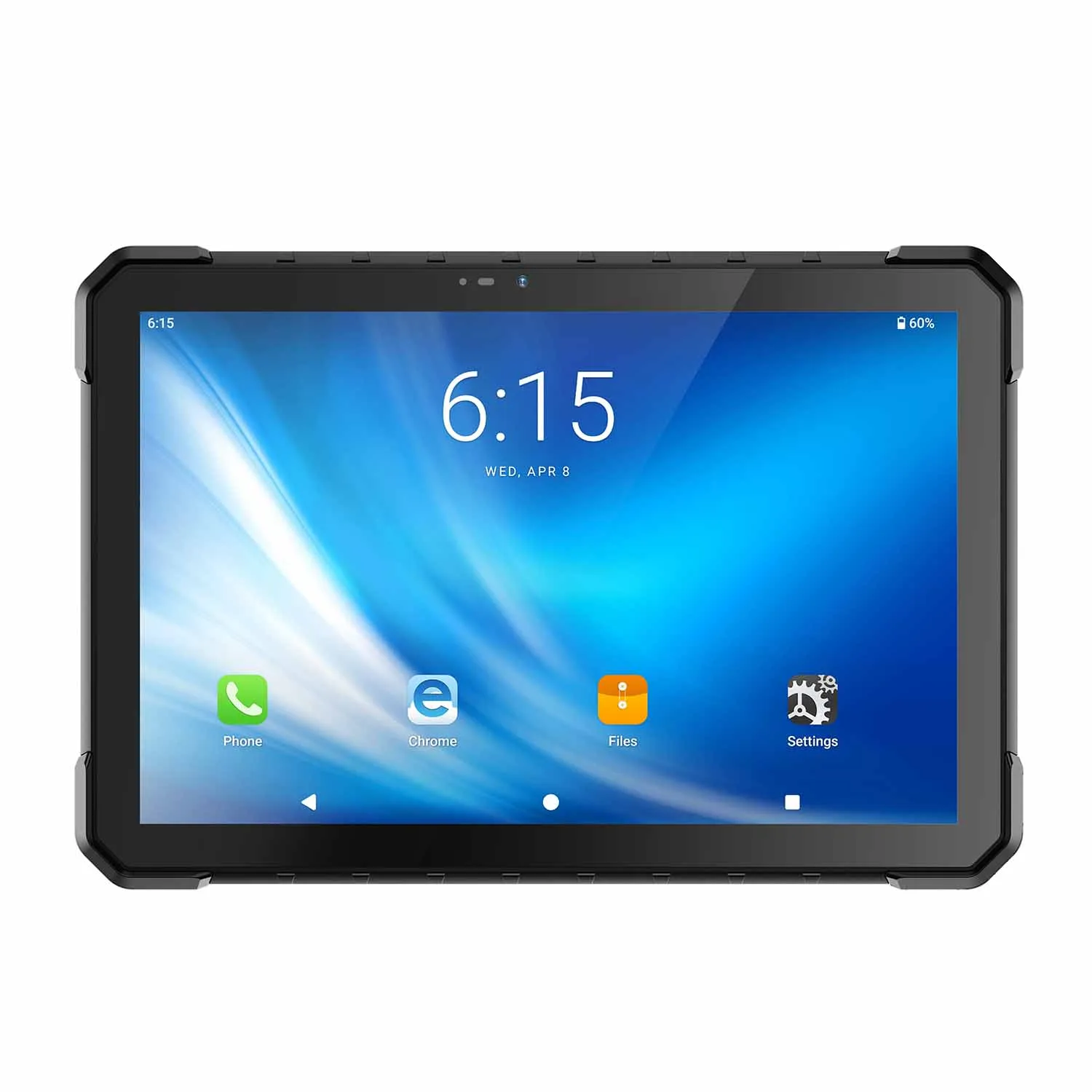
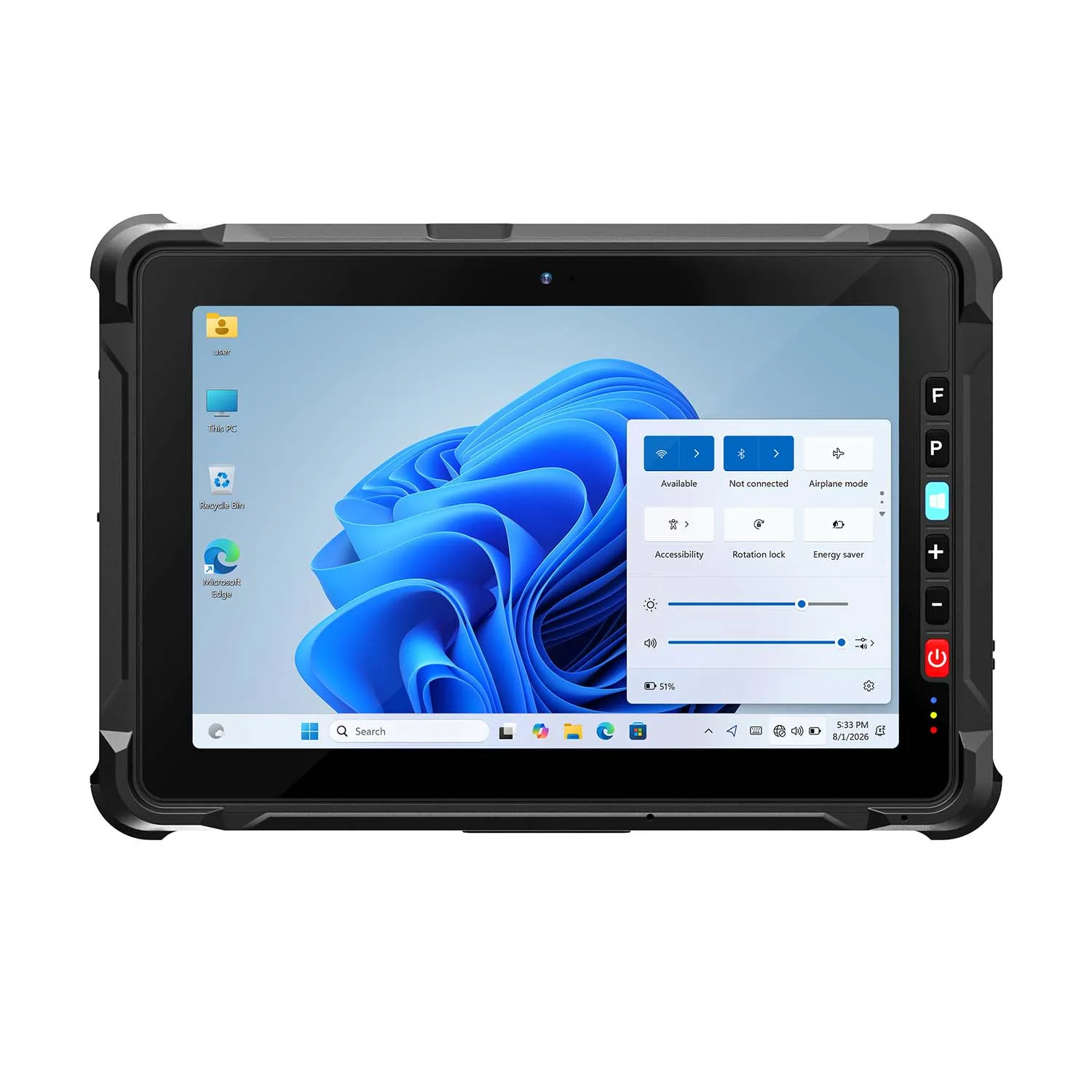
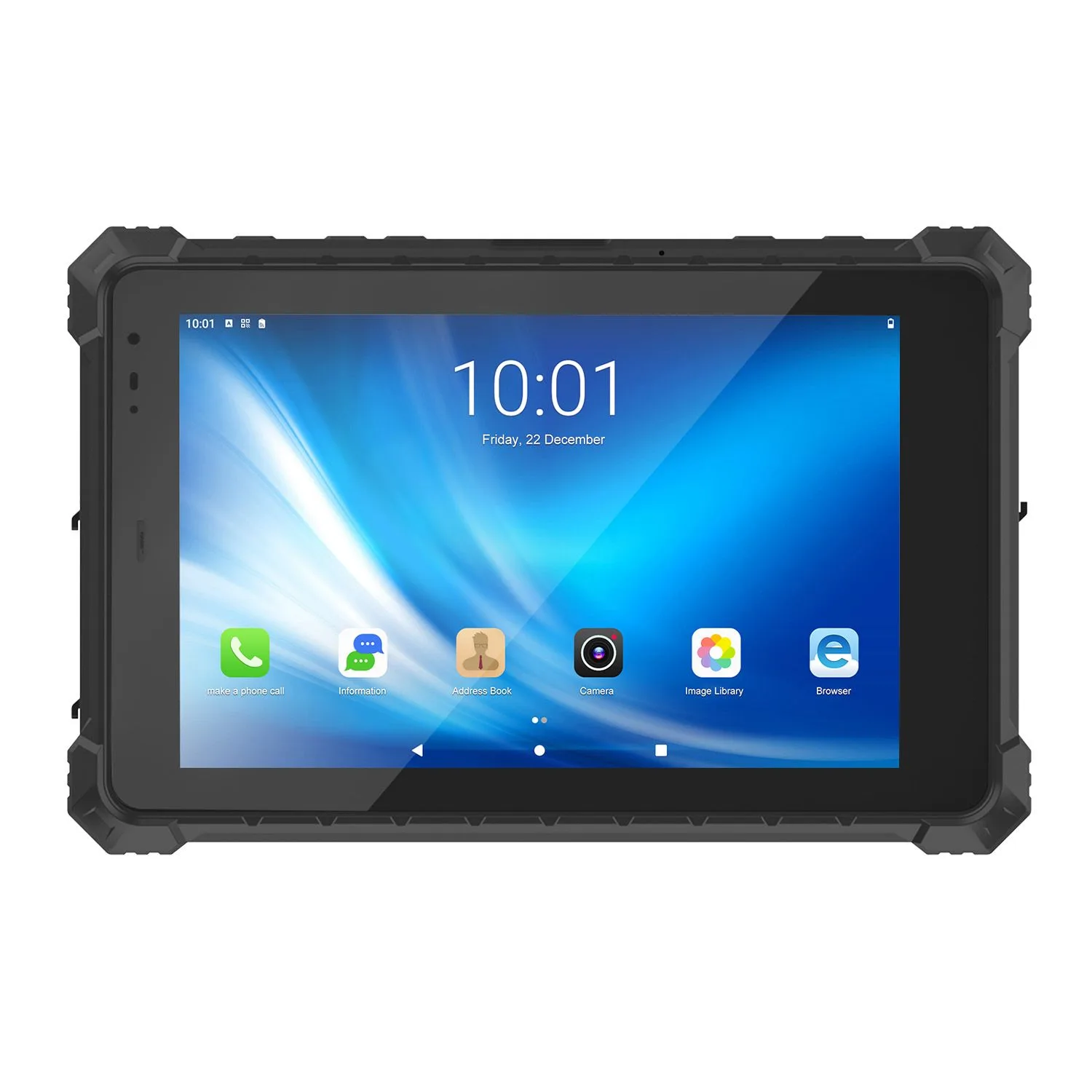
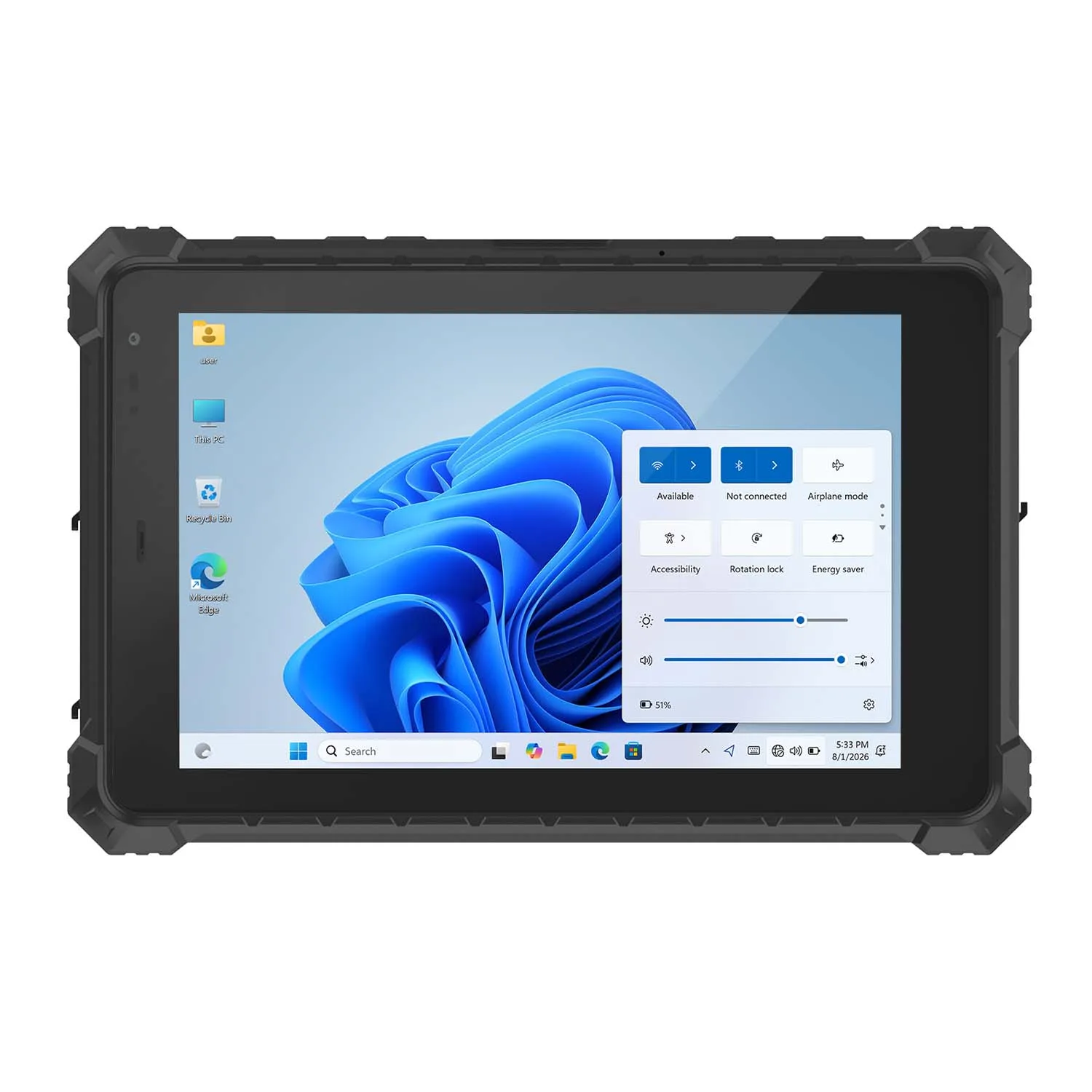
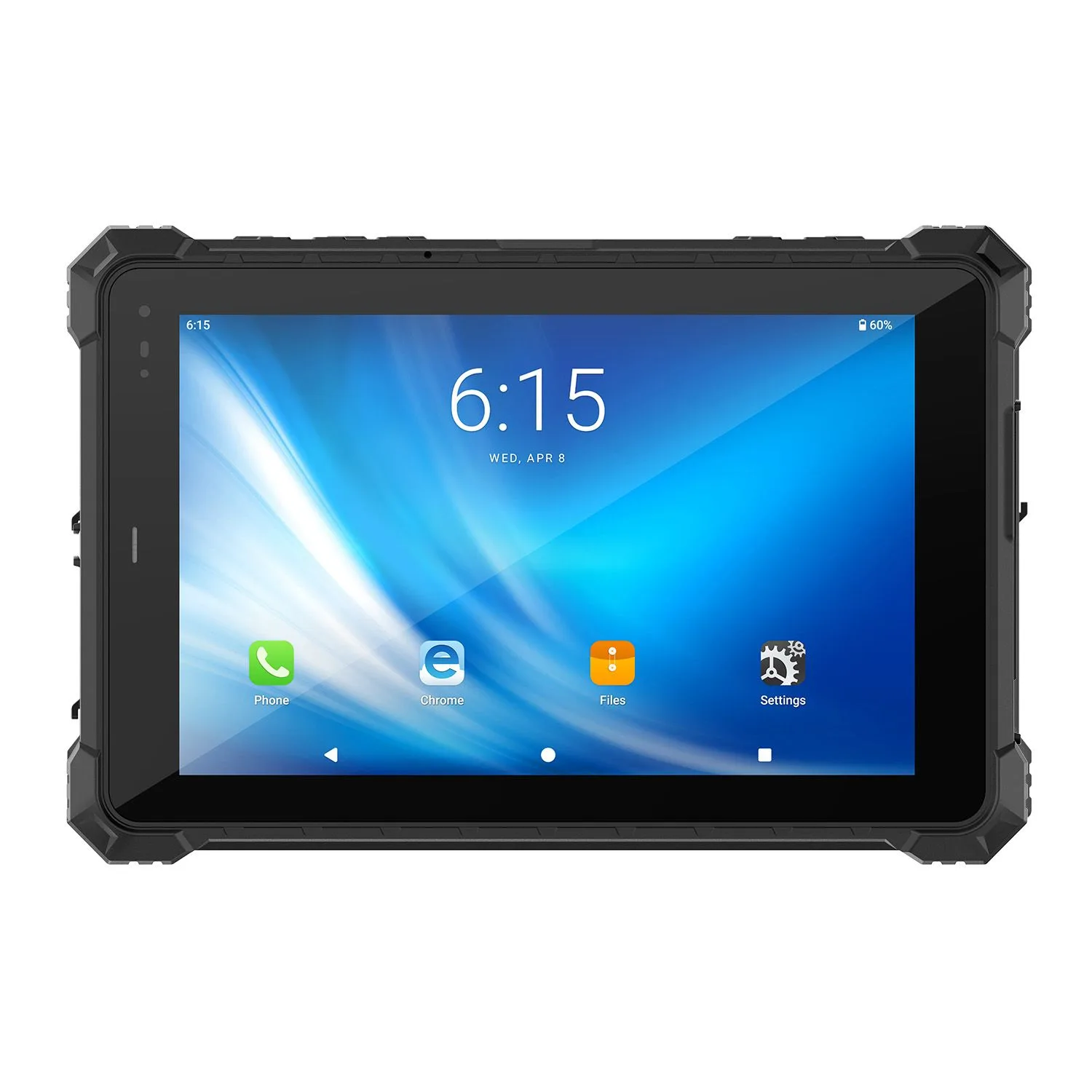
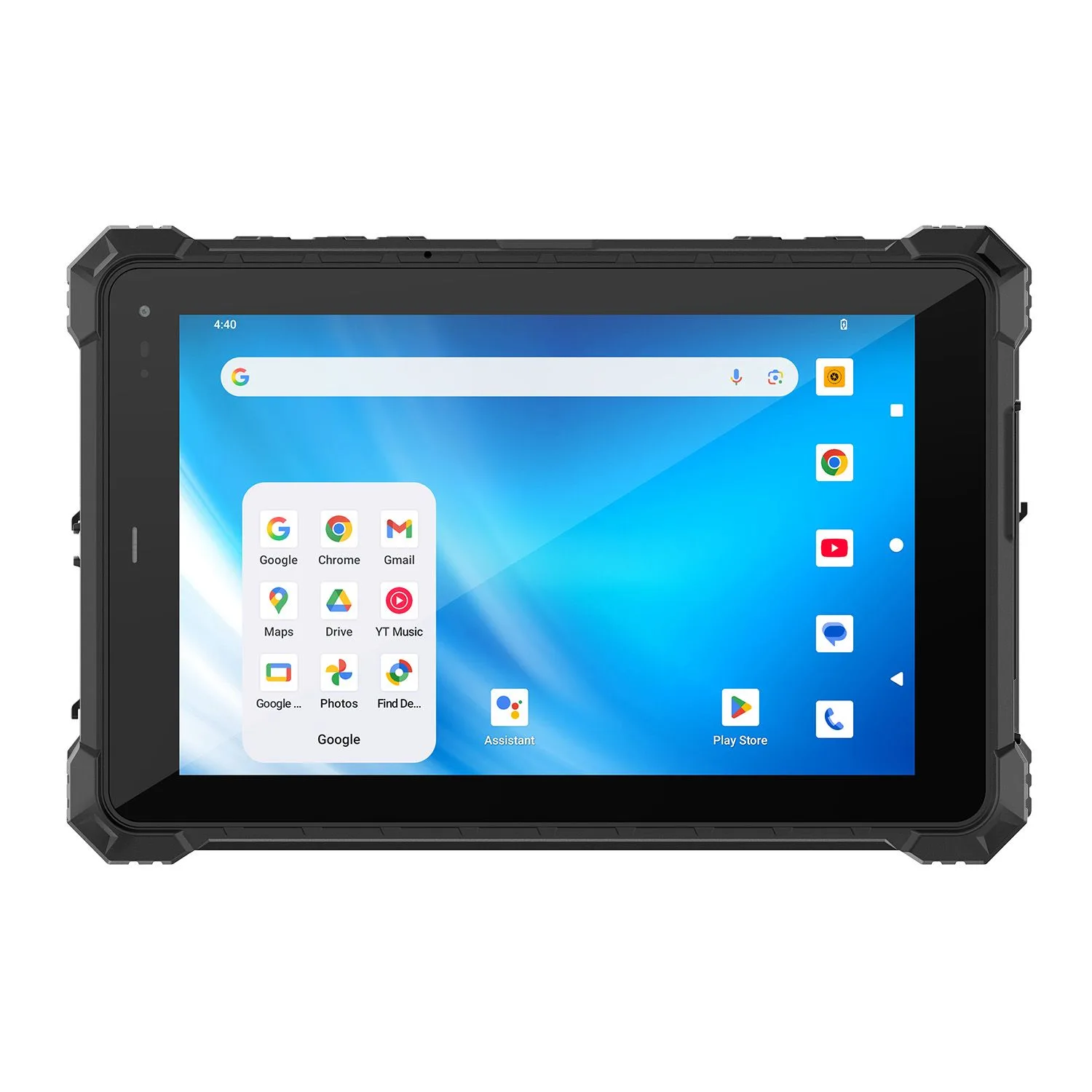
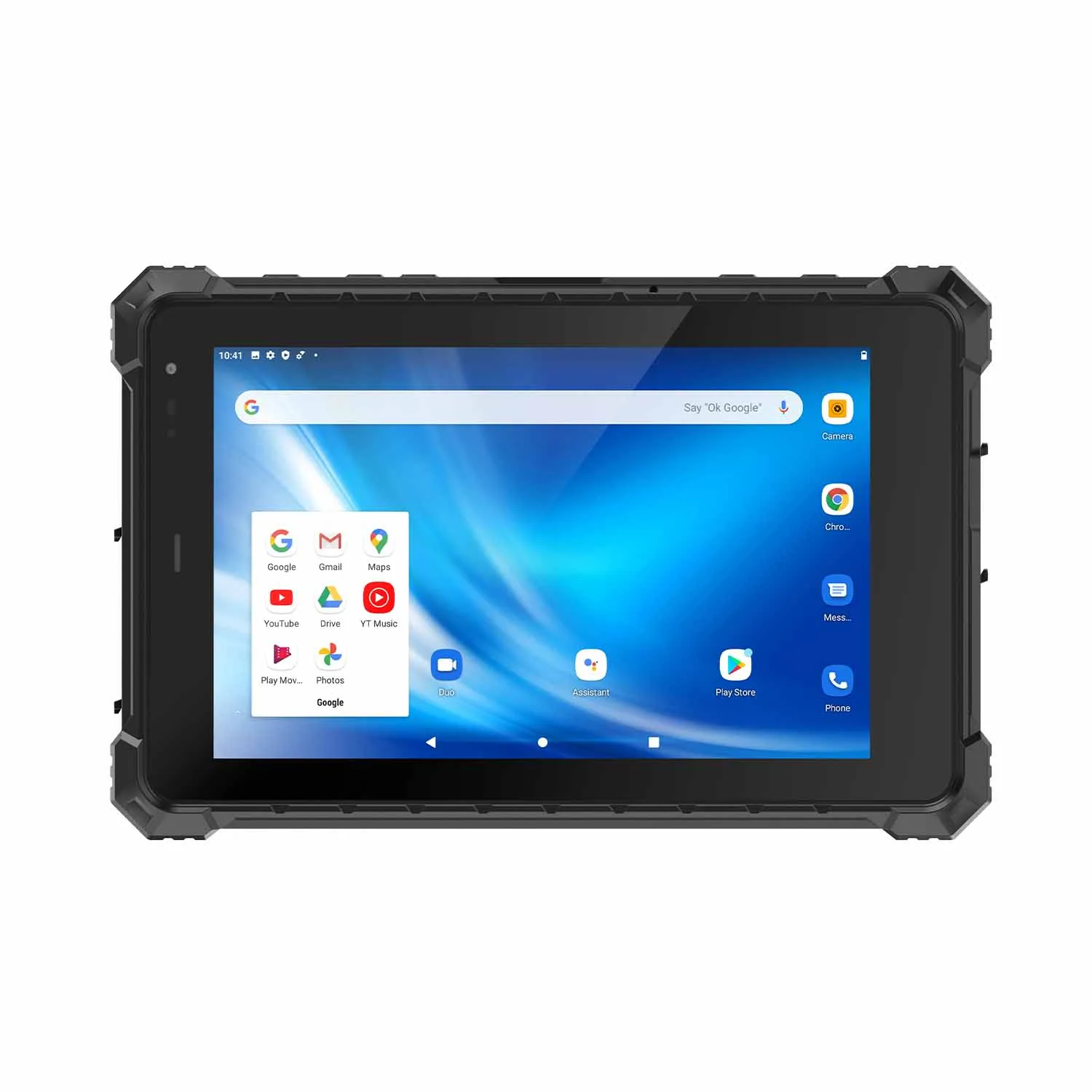
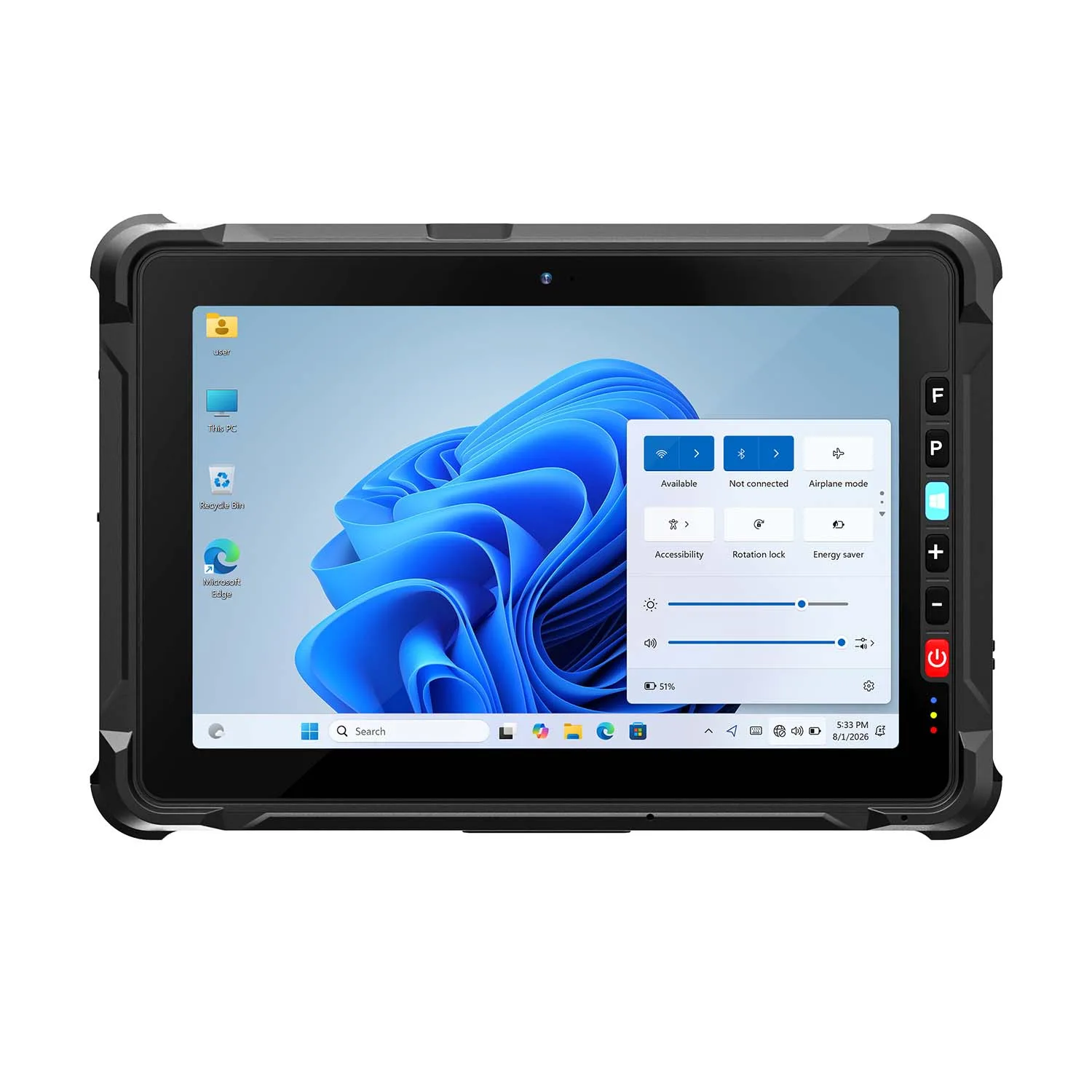
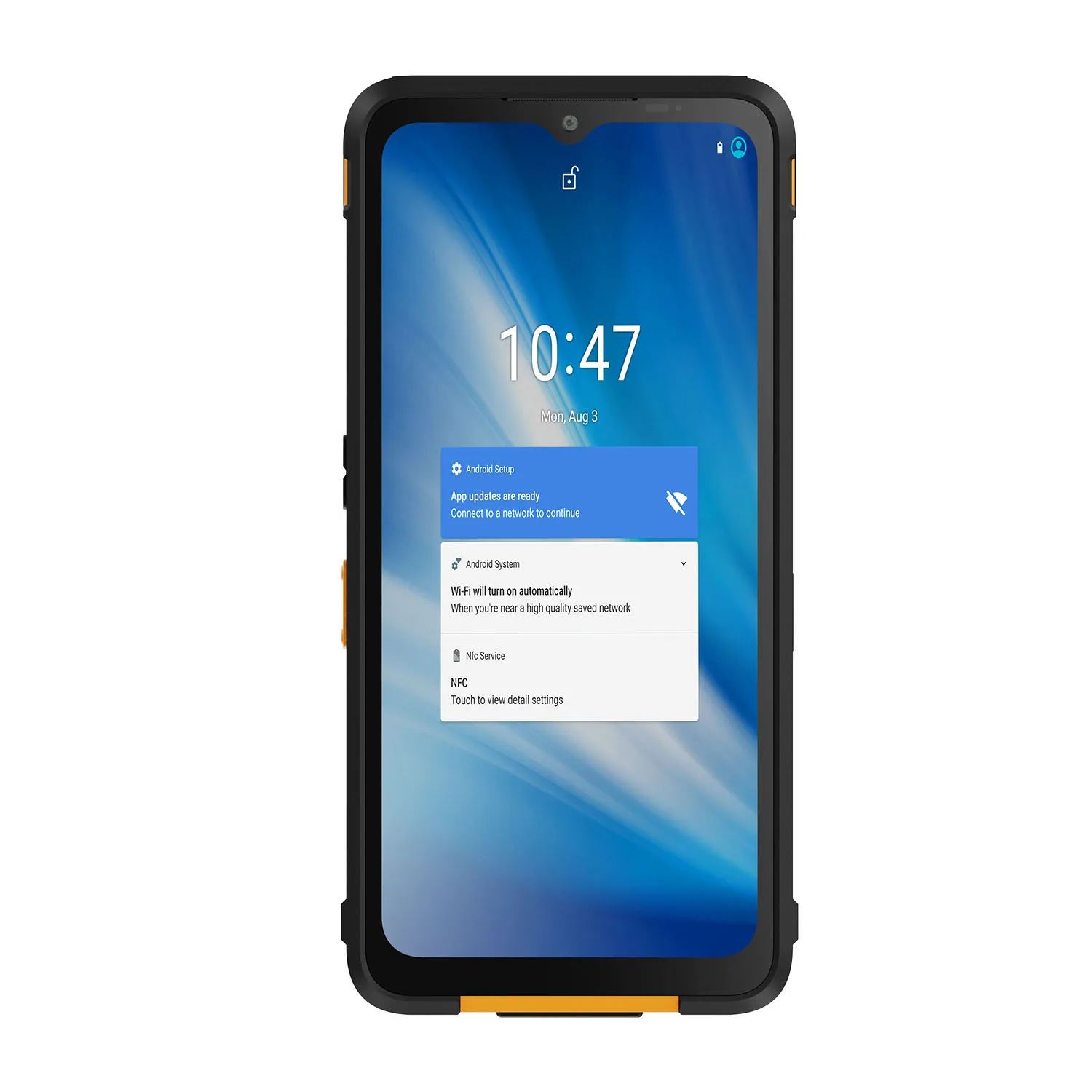
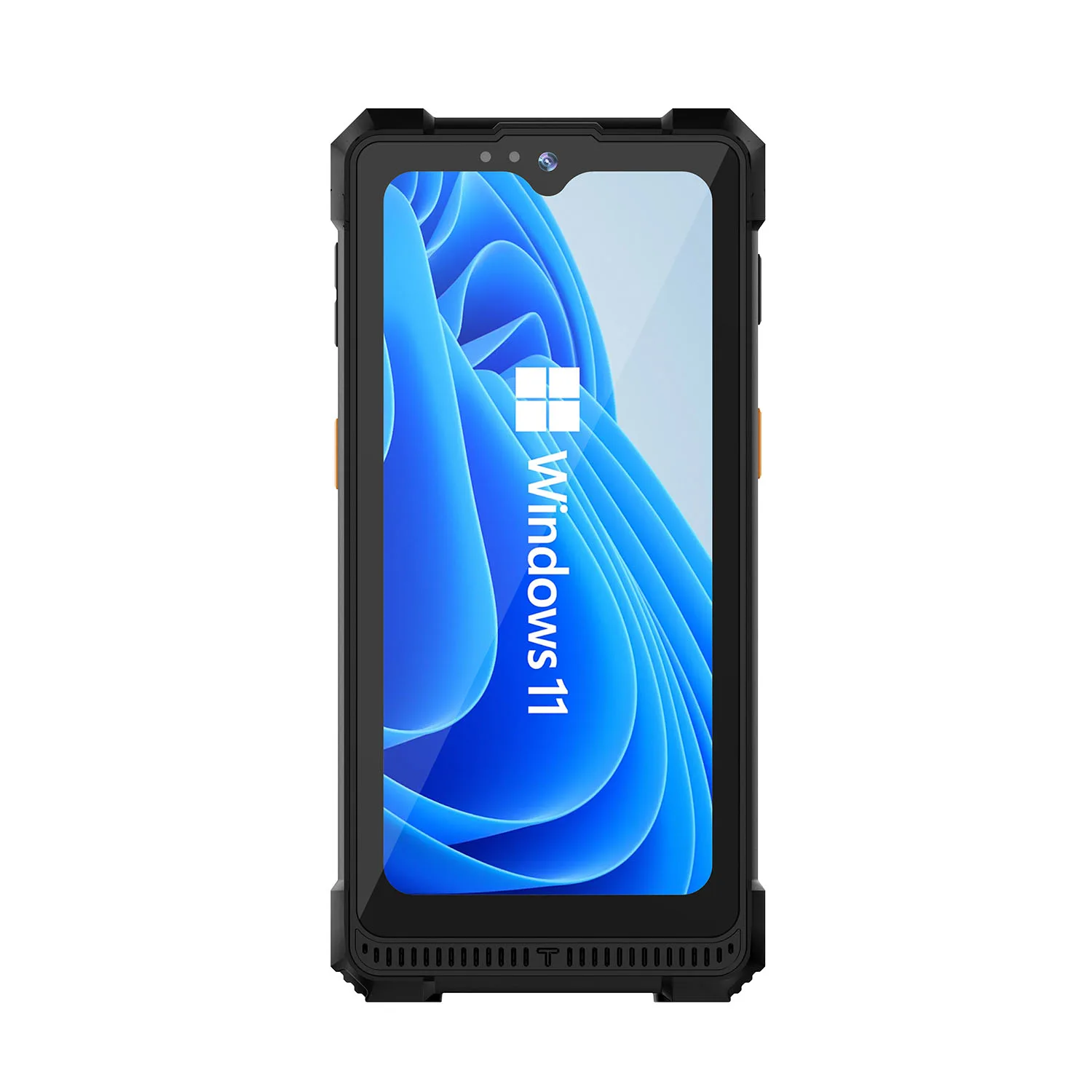
At large-scale incidents, the command vehicle must serve as a mobile communications hub. The CENAVA A10ST (Android) or W109U (Windows) connects to the fire service network via 4G/5G or vehicle-mounted Wi-Fi to perform the following tasks:
Display building CAD floor plans: Output via HDMI to the command vehicle’s large screen for group viewing, or view zoomed floor details directly on the tablet.
Interface with firefighter location systems: Display beacon positions (floor, zone) to help the incident commander track search-and-rescue progress.
Scan equipment RFID tags: Scan tags on SCBA units and hose reels to display real-time pressure and remaining air.
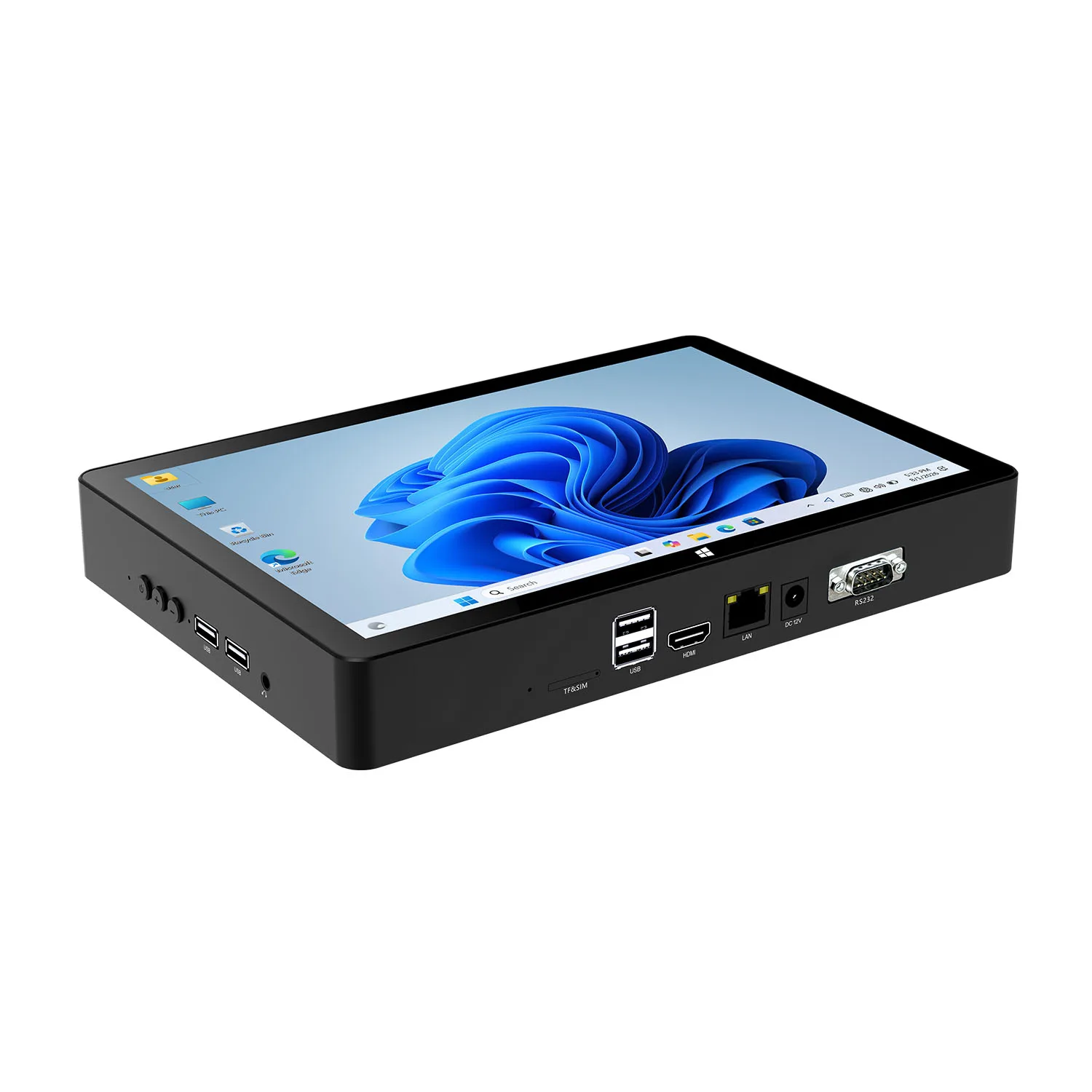
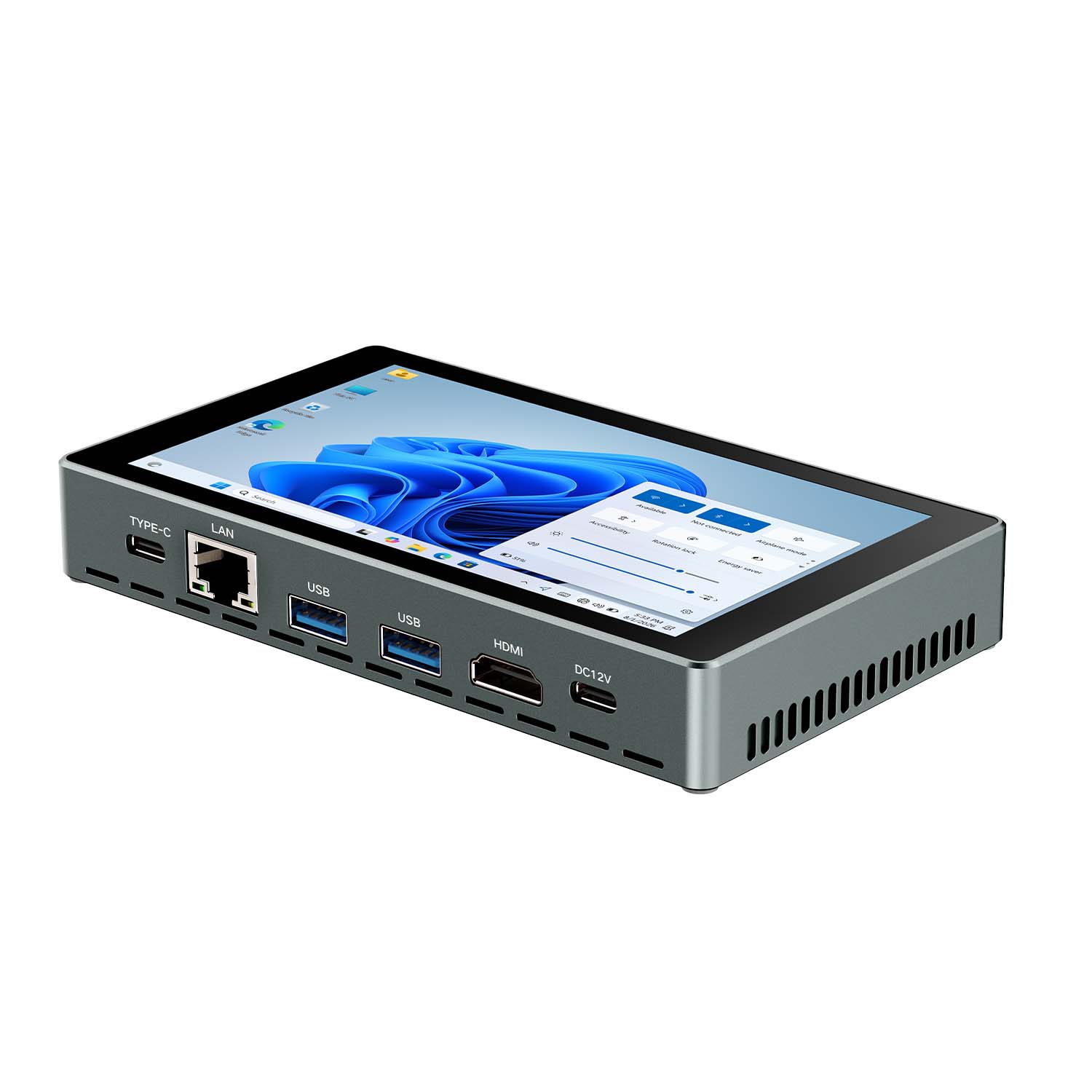
Wired network backup: The A10ST’s RJ45 port connects directly to the command vehicle’s wired network. When building structures block wireless signals, the wired link keeps data flowing.
Fire Prevention Inspection: Digital Records and Compliance
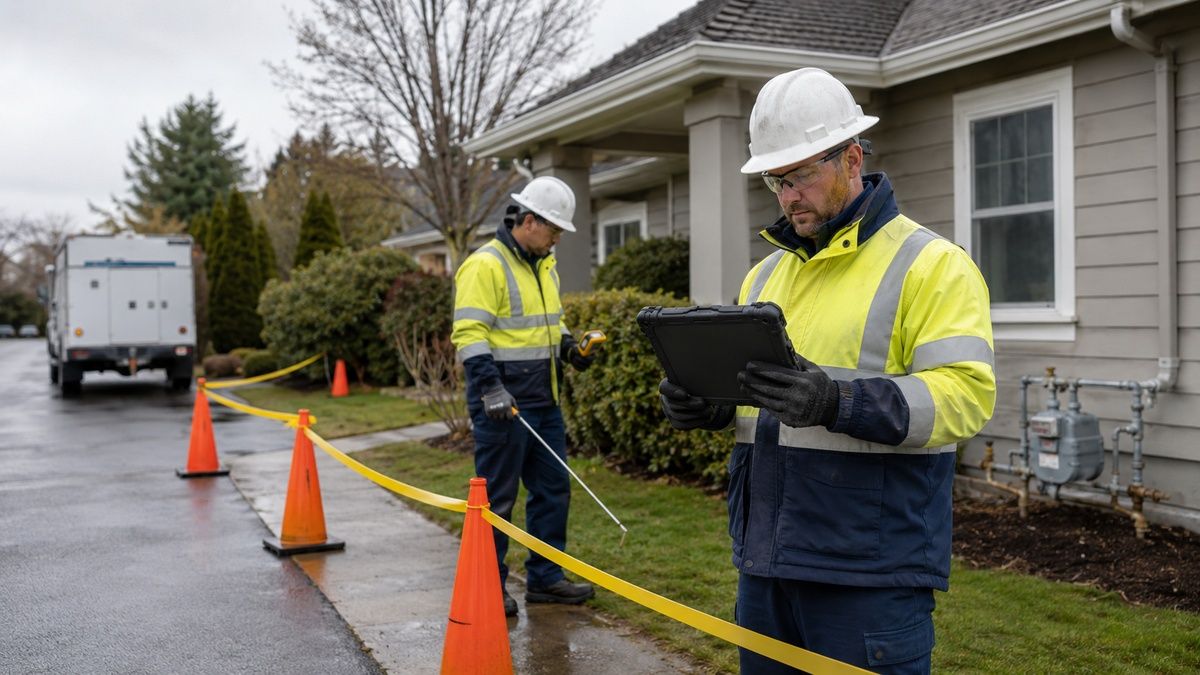
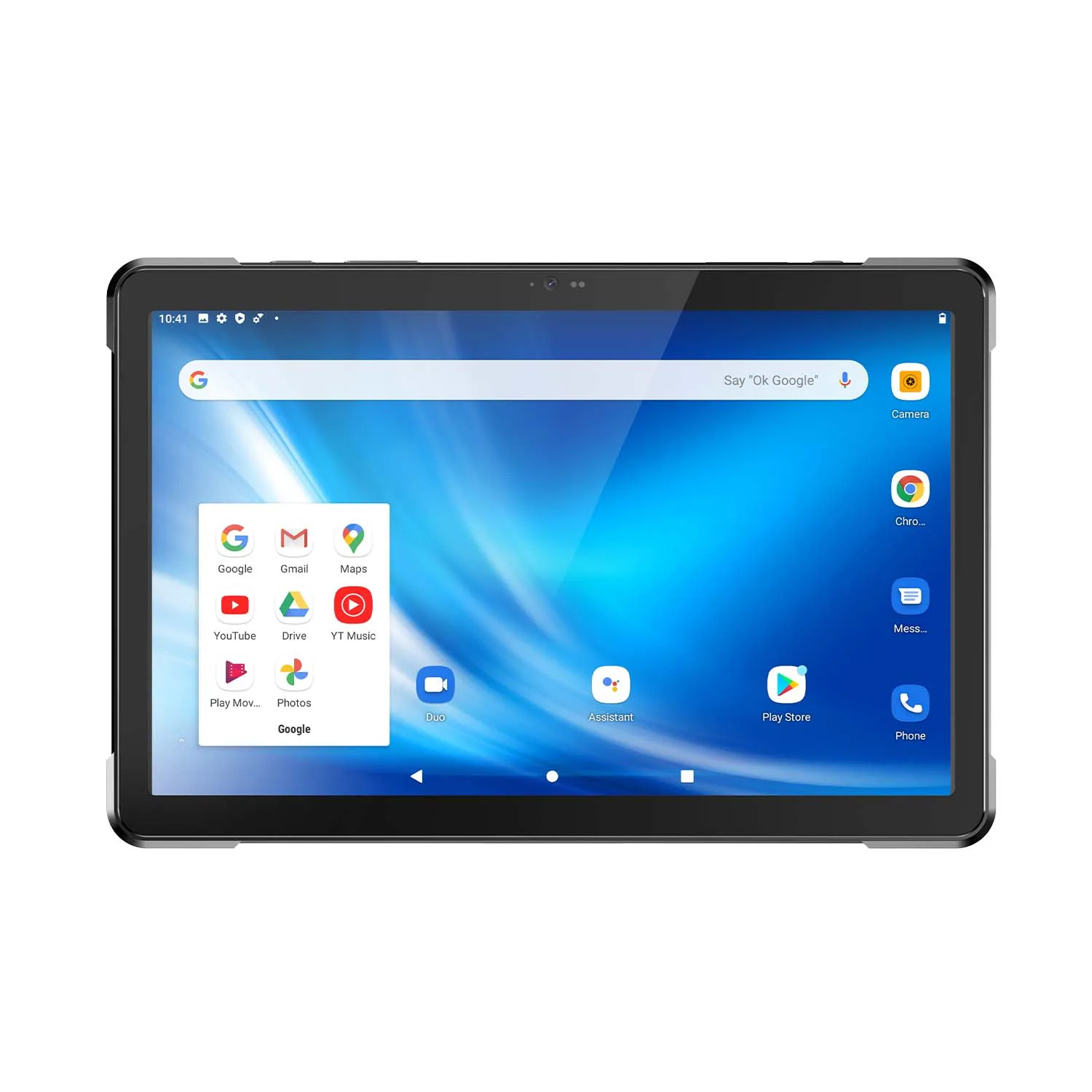
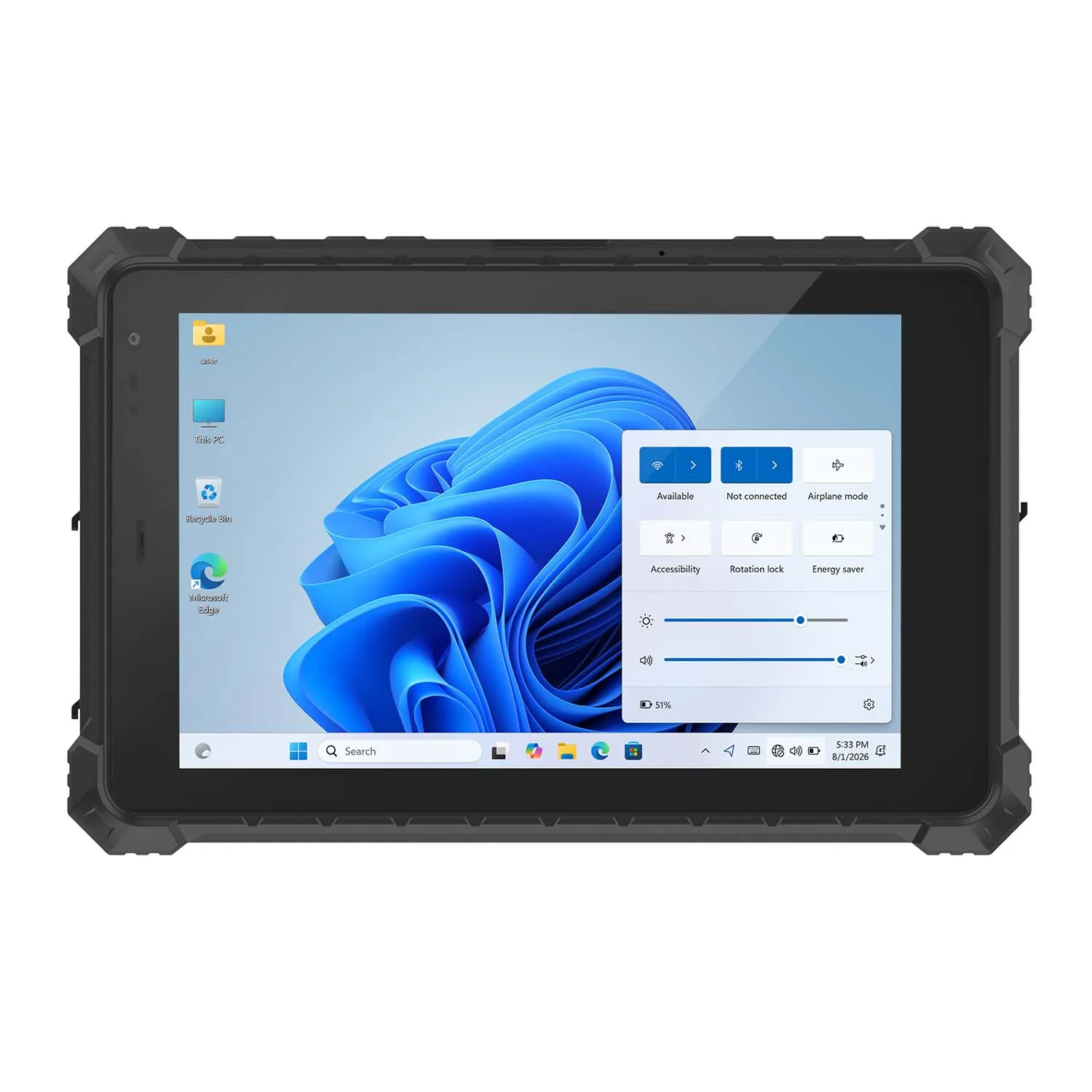
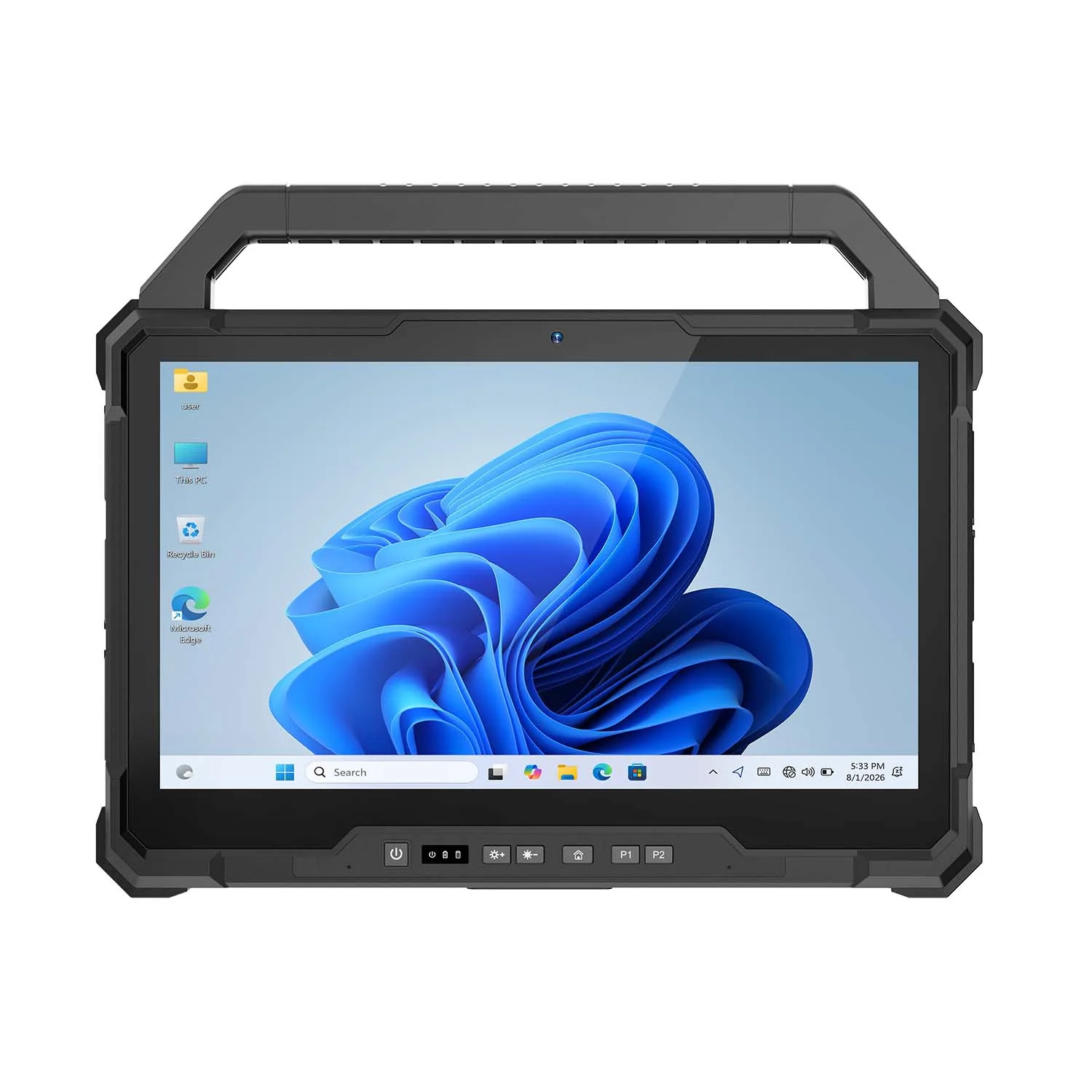
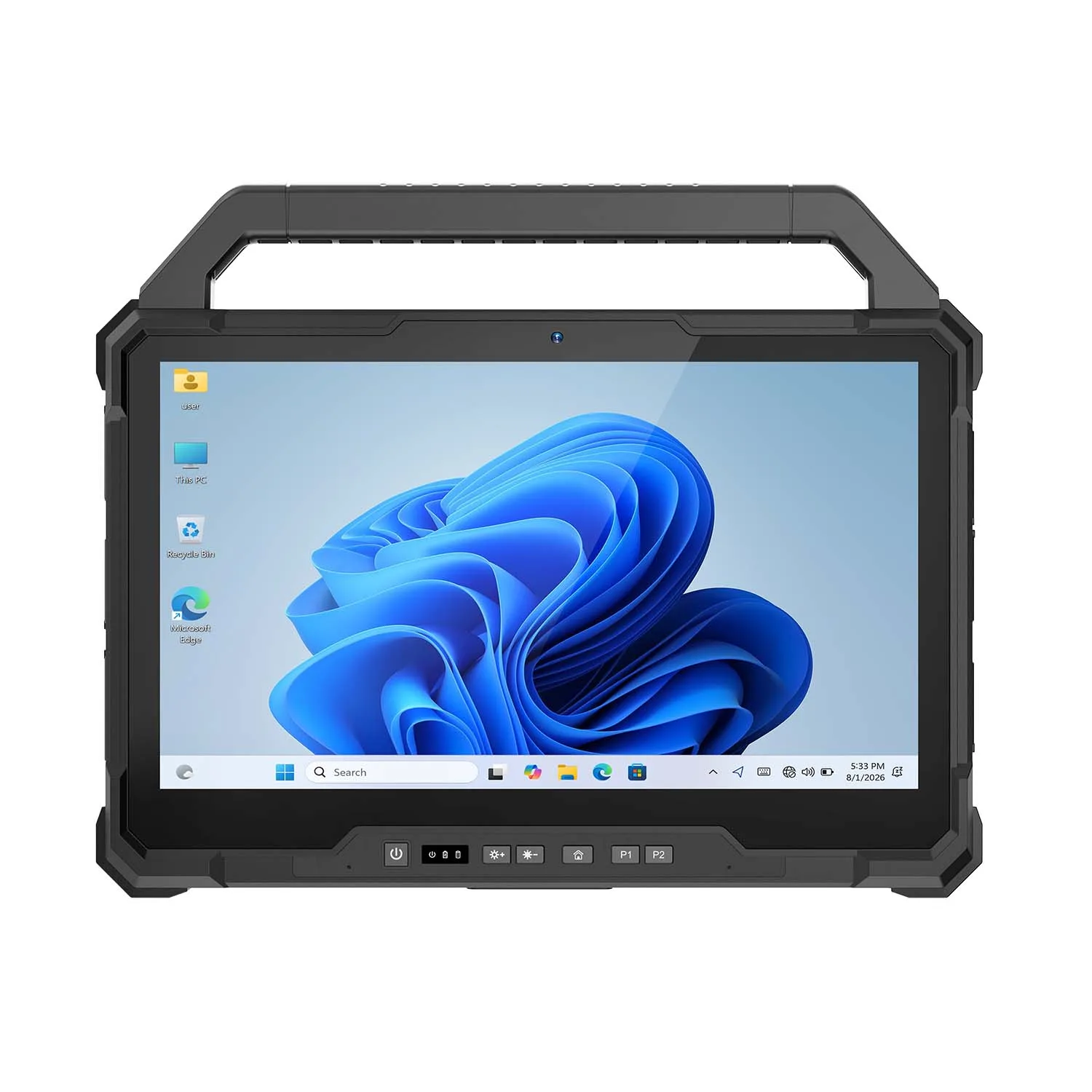
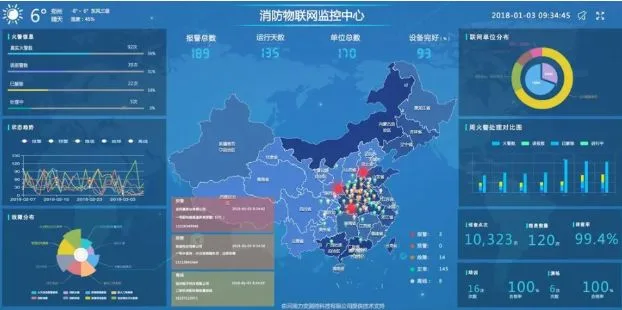
Fire prevention inspectors check hydrants, extinguishers, emergency lighting, and egress routes monthly. Traditional paper logs are easily lost and hard to trace. The CENAVA A109T or A10ST configured for inspection performs the following:
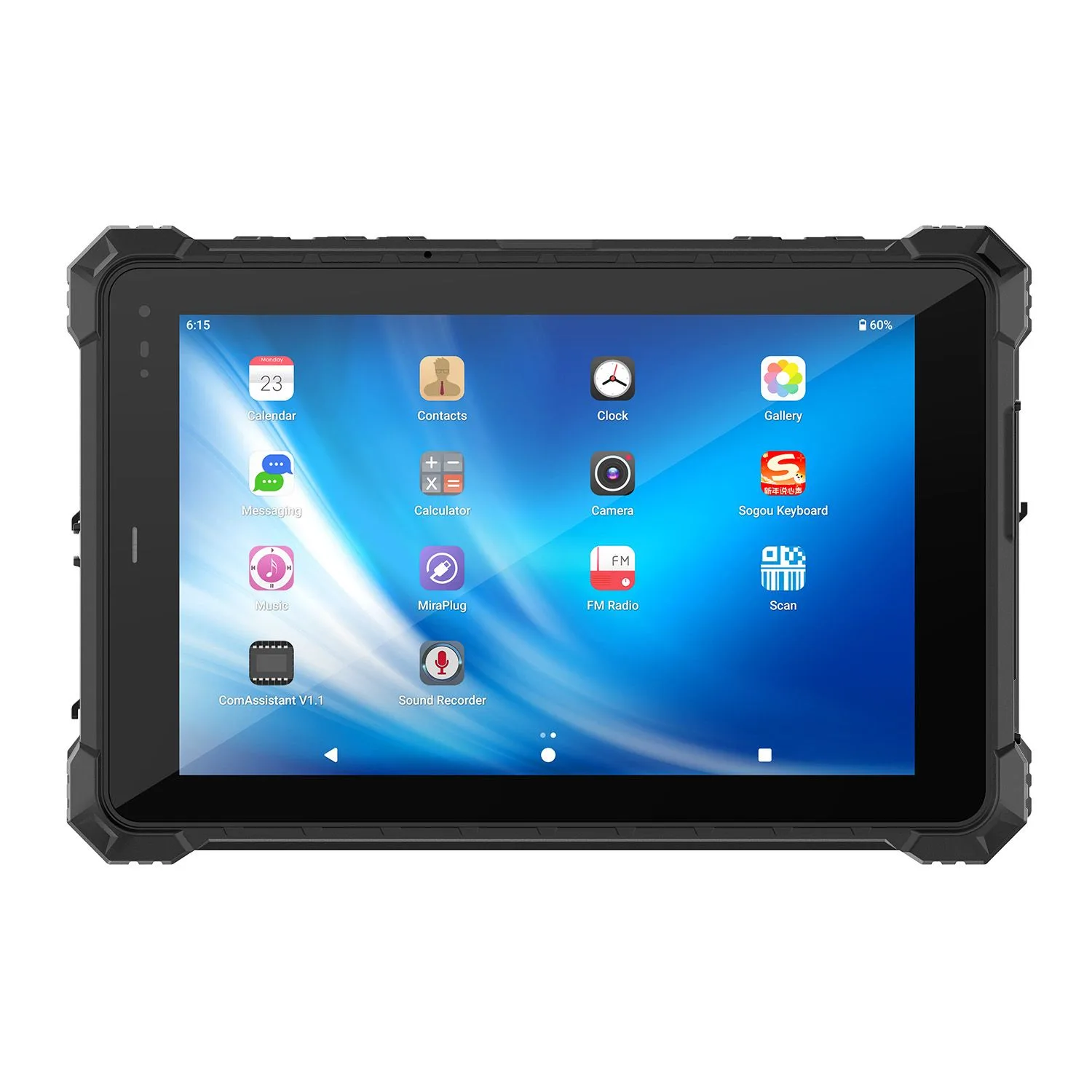
Scan tags: Scan the QR code or RFID tag on an extinguisher to auto-populate the last inspection date and next due date.
Photo documentation: Photograph hydrant pressure gauge readings; photos carry GPS coordinates and timestamps to prevent tampering.
Hazard reporting: When an egress route is blocked, select the hazard type (obstructed passage / covered signage / stored materials) and sync it to the fire management backend immediately.
Offline completion: The A109T supports offline recording with later batch upload. Basements and signal-dead zones do not delay the inspection.
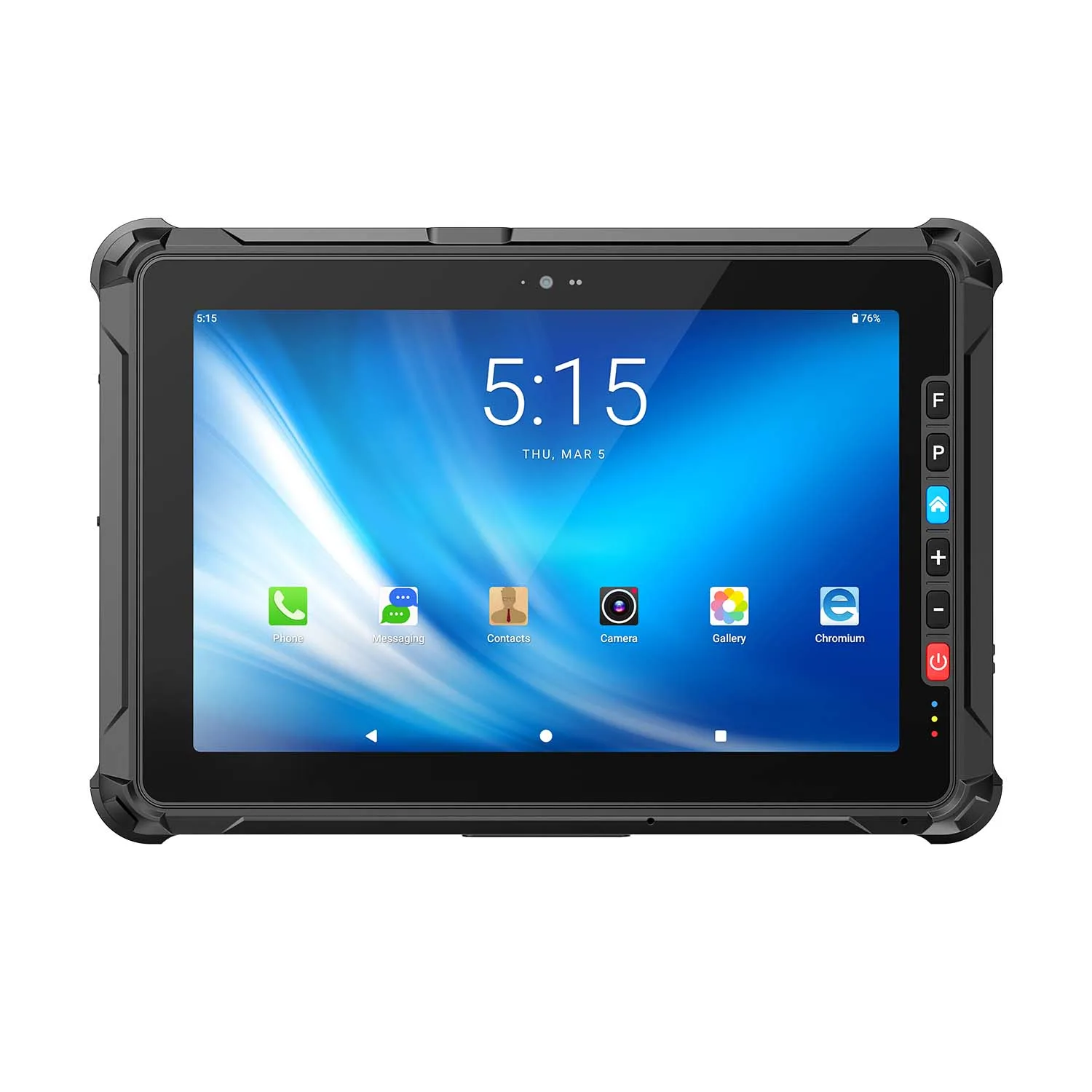
The A109T’s 20,000 mAh battery (76 Wh, sealed) supports more than 12 hours of continuous work without a power bank. After switching from paper logs to digital records, one fire-protection priority unit reduced missed equipment inspections from 3–5 per month to zero.
Environmental Resilience: Perimeter Operations
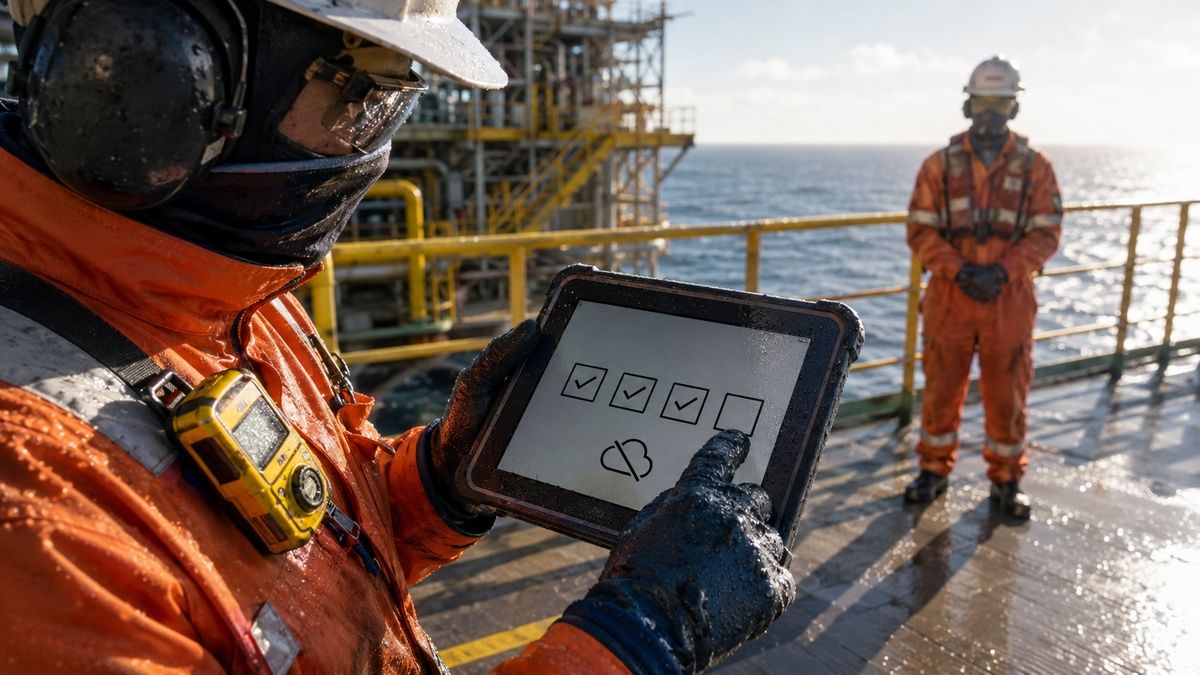
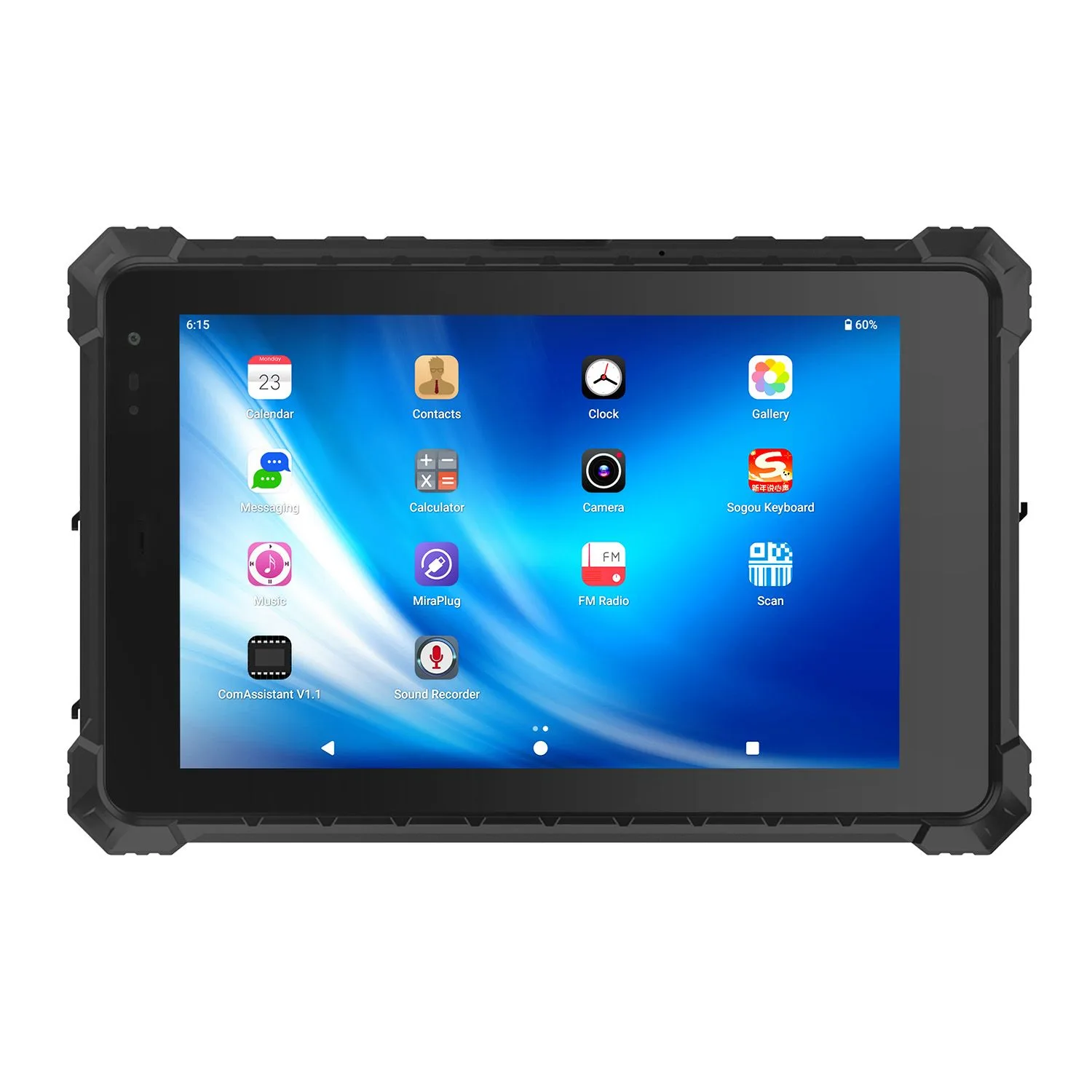
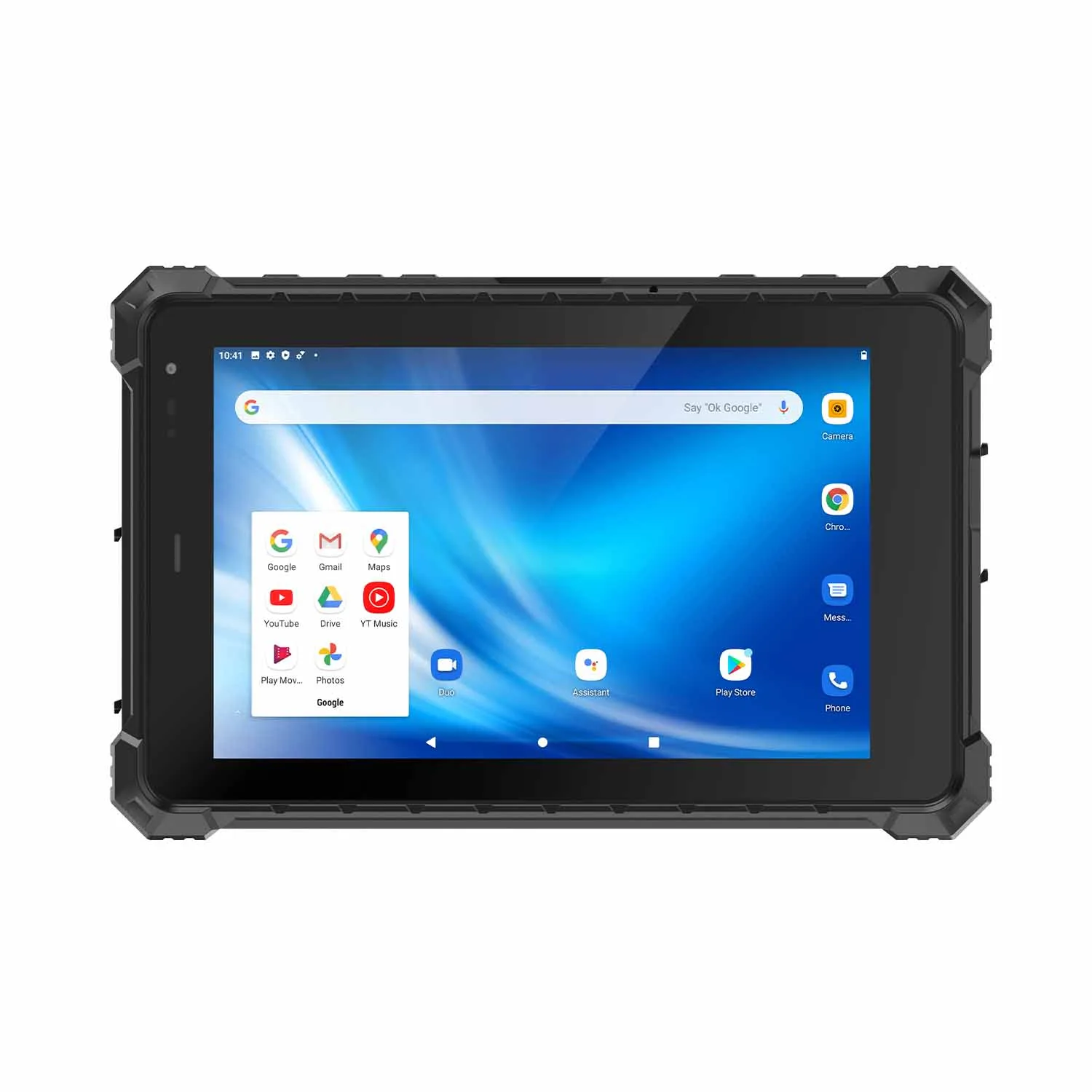
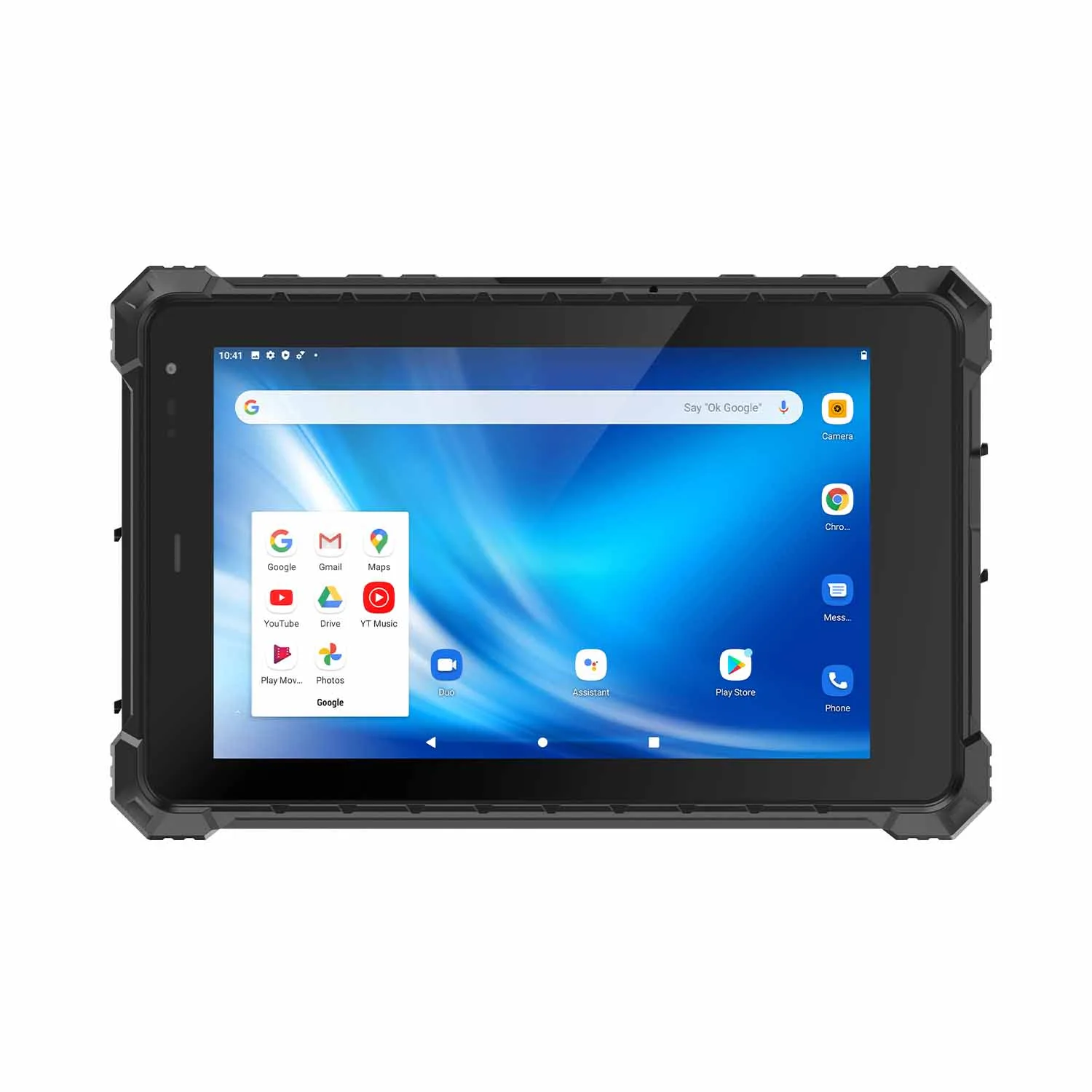
The command vehicle parks outside the fire perimeter, where ambient temperatures can reach 50–60°C from radiated heat and the air is filled with steam and smoke. The CENAVA A10ST (IP68, −20°C to 60°C operating range) performs as follows in this environment:
Water and dust protection: IP68 means a burst hose or rainstorm next to the command vehicle will not damage the device. IP68 does not mean the device can be submerged in a fire cistern or hit by a high-pressure hose stream.
Drop survival: MIL-STD-810H includes a 1.2 m drop to concrete. A drop from a command vehicle seat to the metal floor falls within this envelope.
High-brightness readability: The optional 1,000 cd/m² panel remains readable in direct sunlight without hand-shading.
Glove touch: Firefighters wearing protective gloves can operate the interface without removing them and exposing skin to contaminated air.
Fire Equipment Management: From Paper Logs to Scan-and-Track
Fire stations must regularly inspect SCBA units, hydraulic rescue tools, and life safety ropes for pressure, condition, and expiration dates. With the CENAVA A10ST configured with a barcode scan module, the maintenance workflow becomes:
Scan the asset tag: Scan the barcode or NFC tag on the equipment to pull up its full lifecycle record (purchase date, last test, next due date).
Record test data: Enter pressure test values, describe visible damage, and photograph damaged areas.
Generate replacement request: If equipment is expired or damaged, generate a replacement requisition and push it to logistics—no handwritten forms required.
Accountability trace: The optional fingerprint module records the operator’s identity with every action, ensuring traceability.
After replacing paper logs, one station reduced expired-equipment incidents from 3–5 per month to zero and increased gear availability from 92% to 99%.
How to Configure
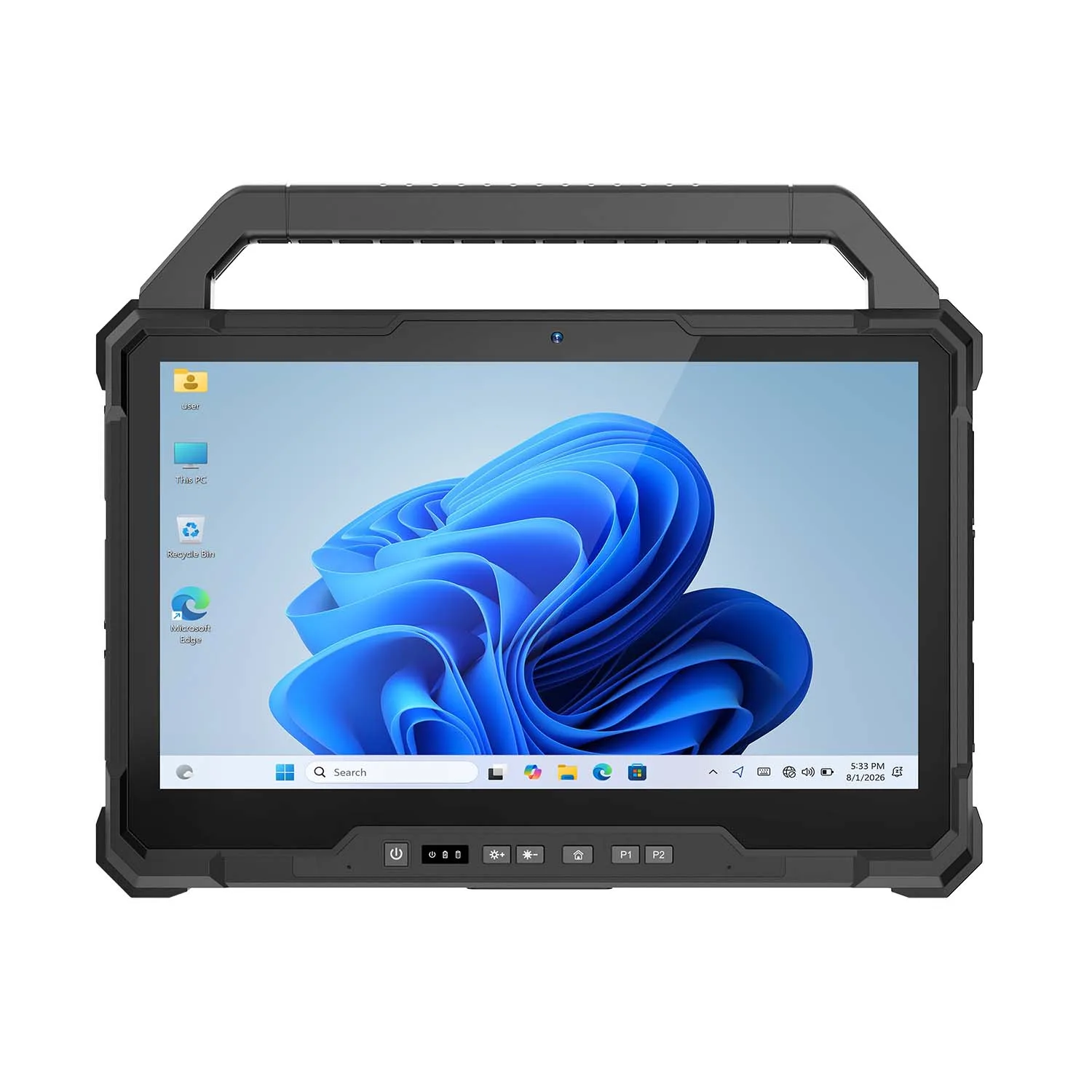
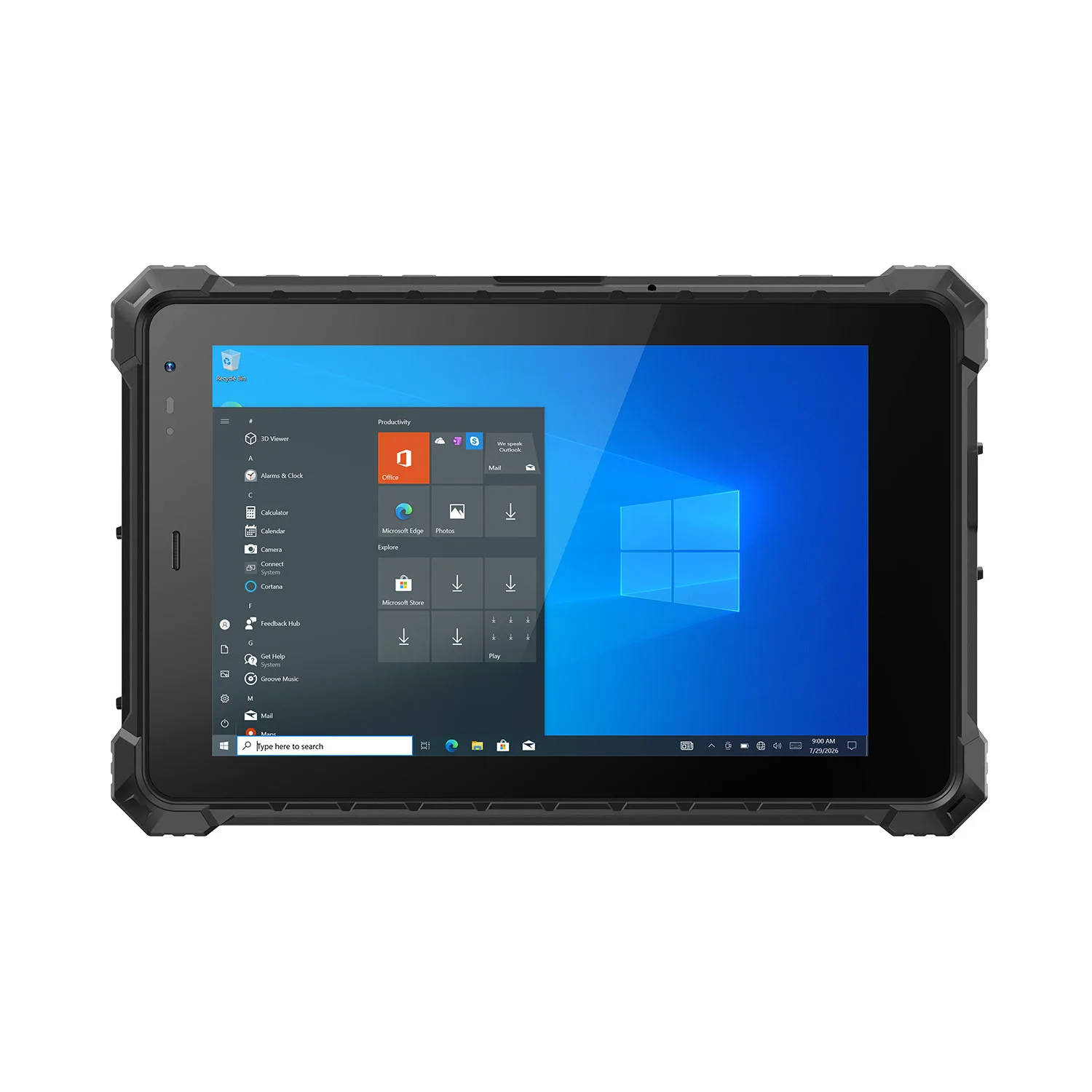
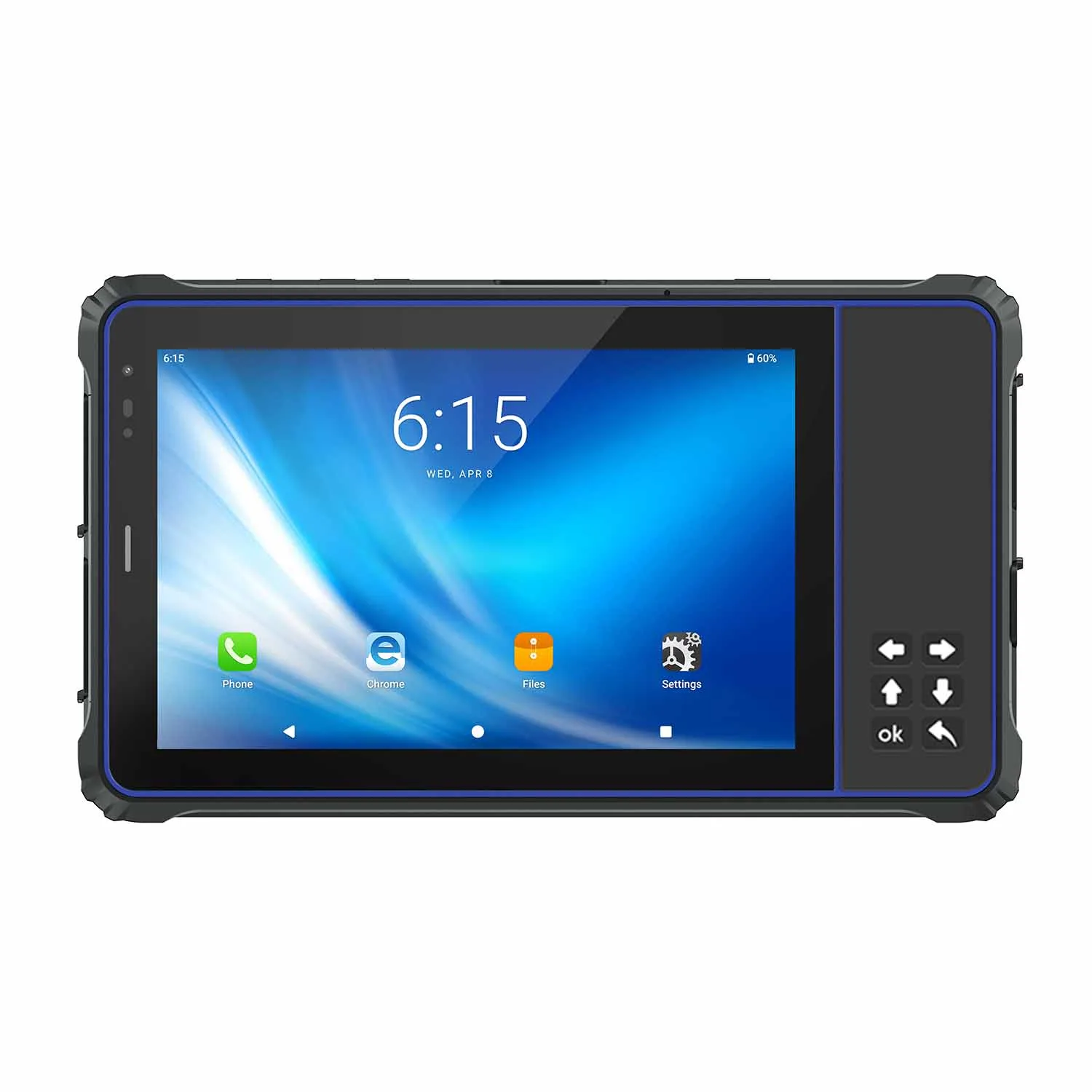
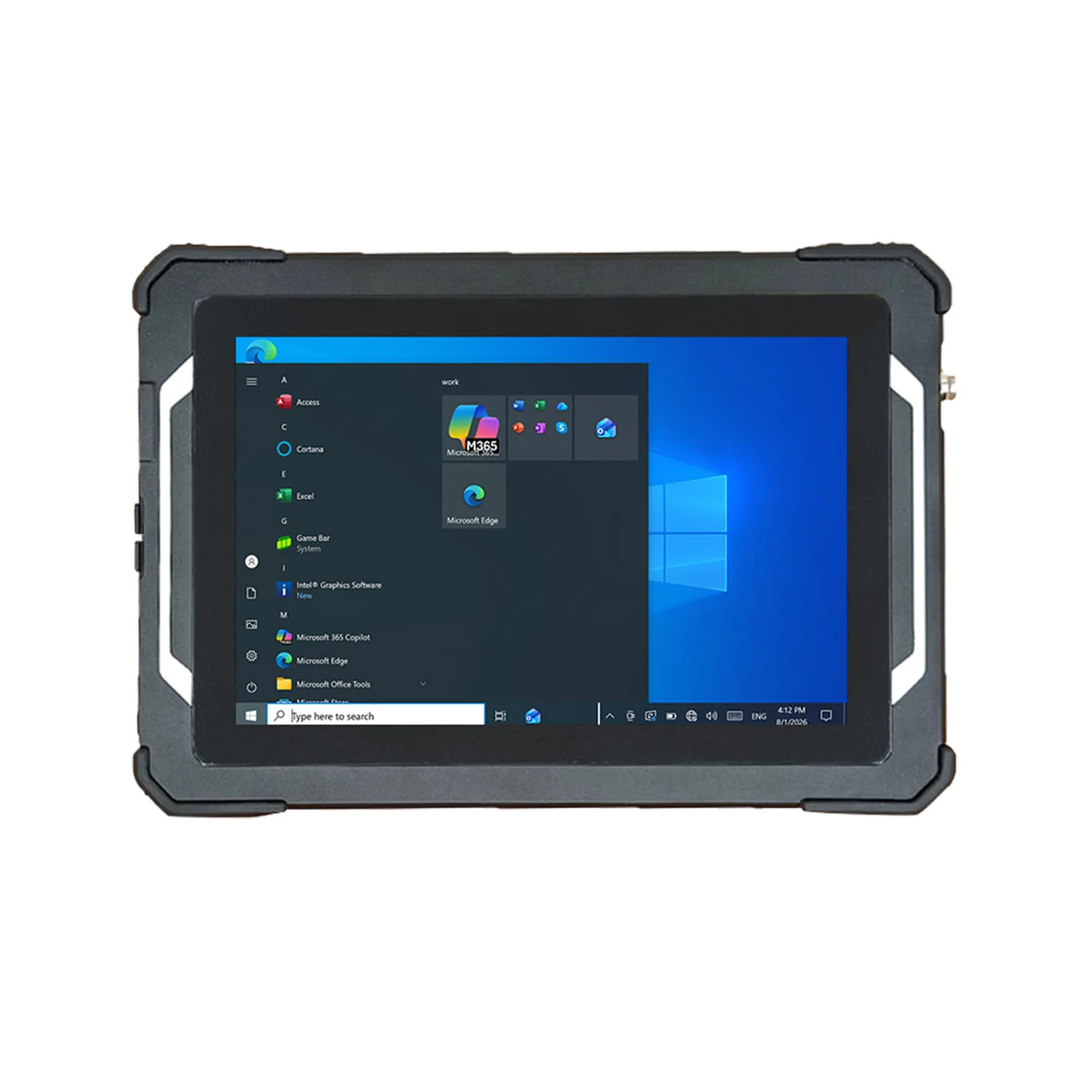
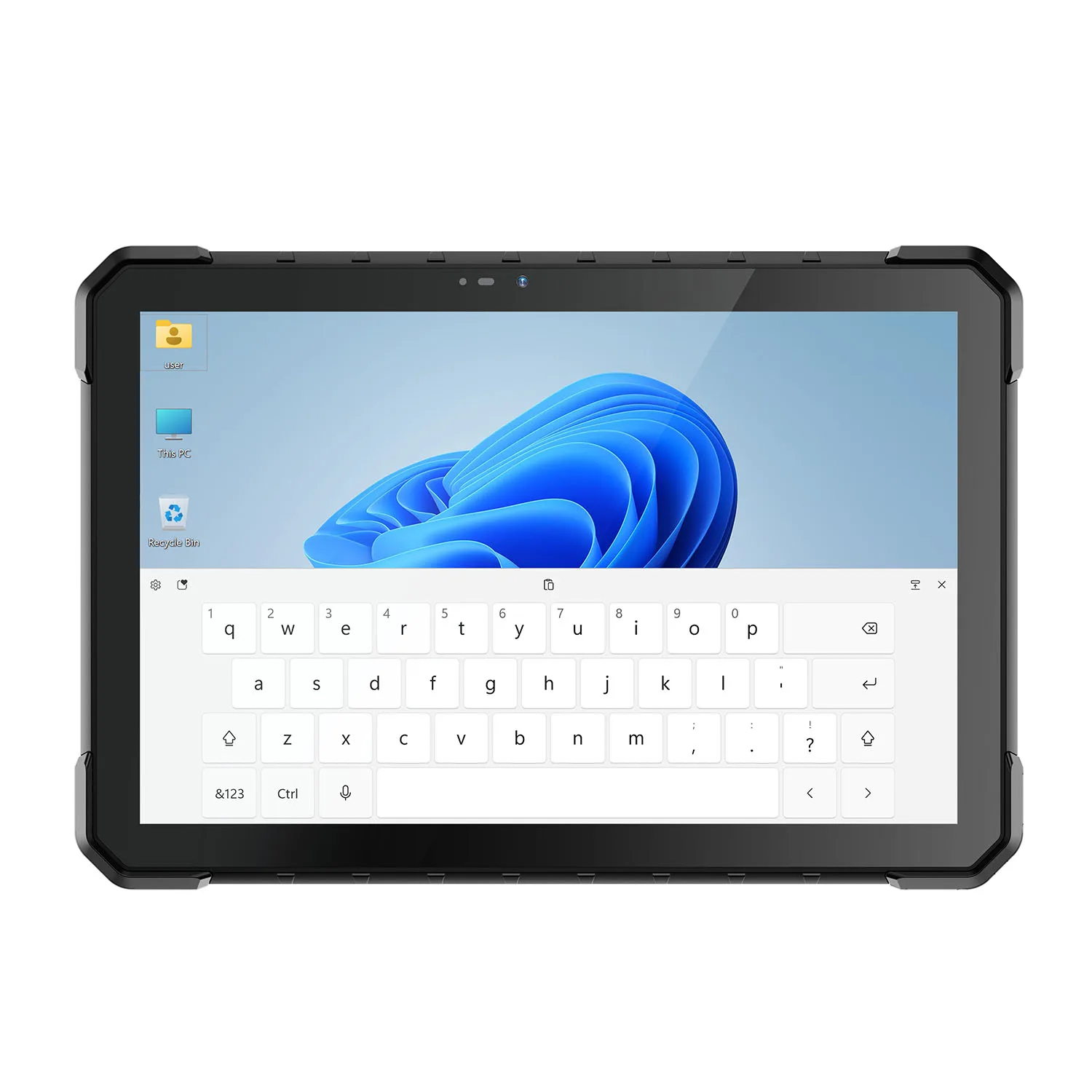
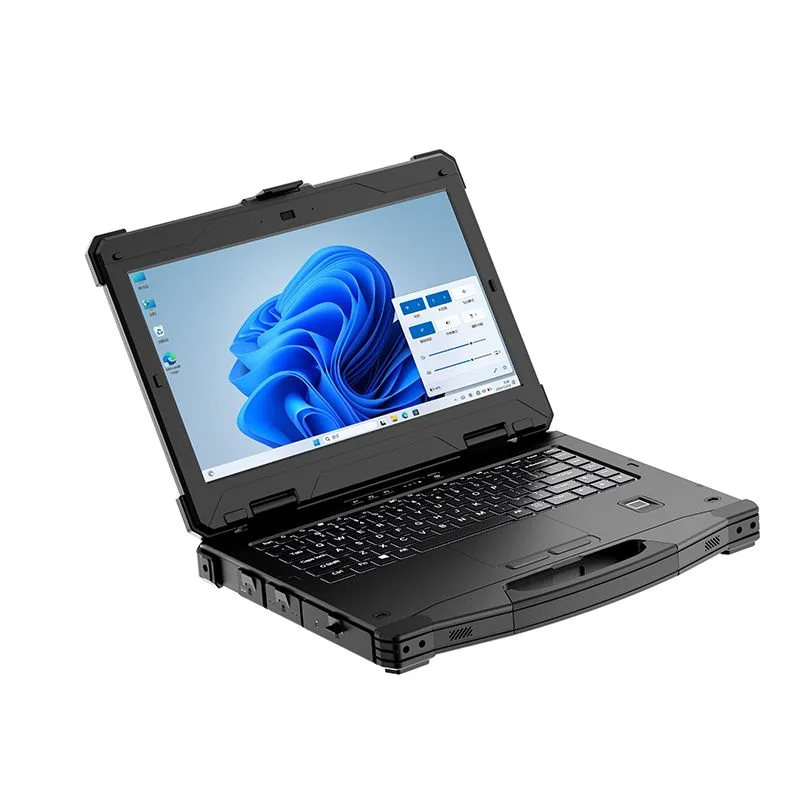
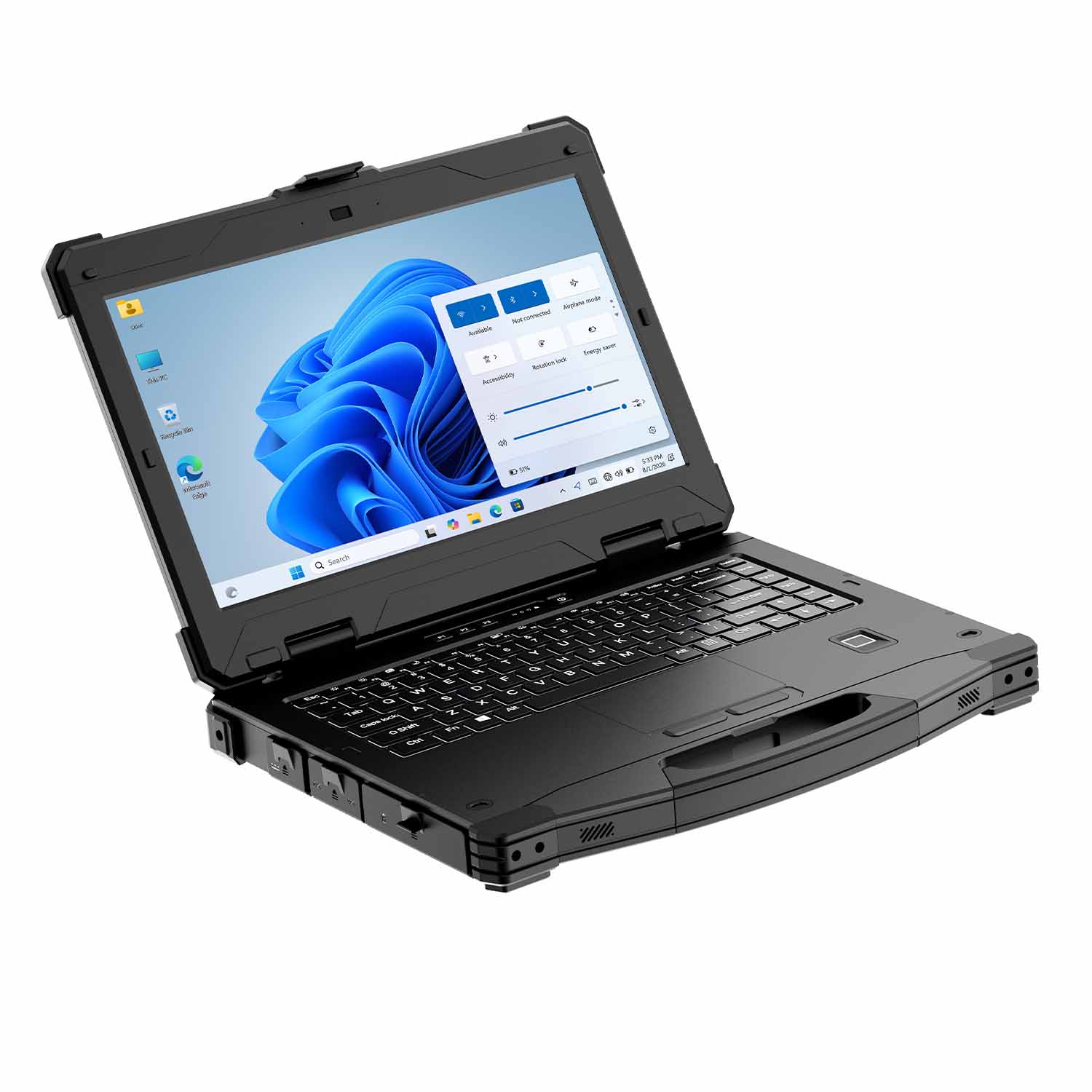
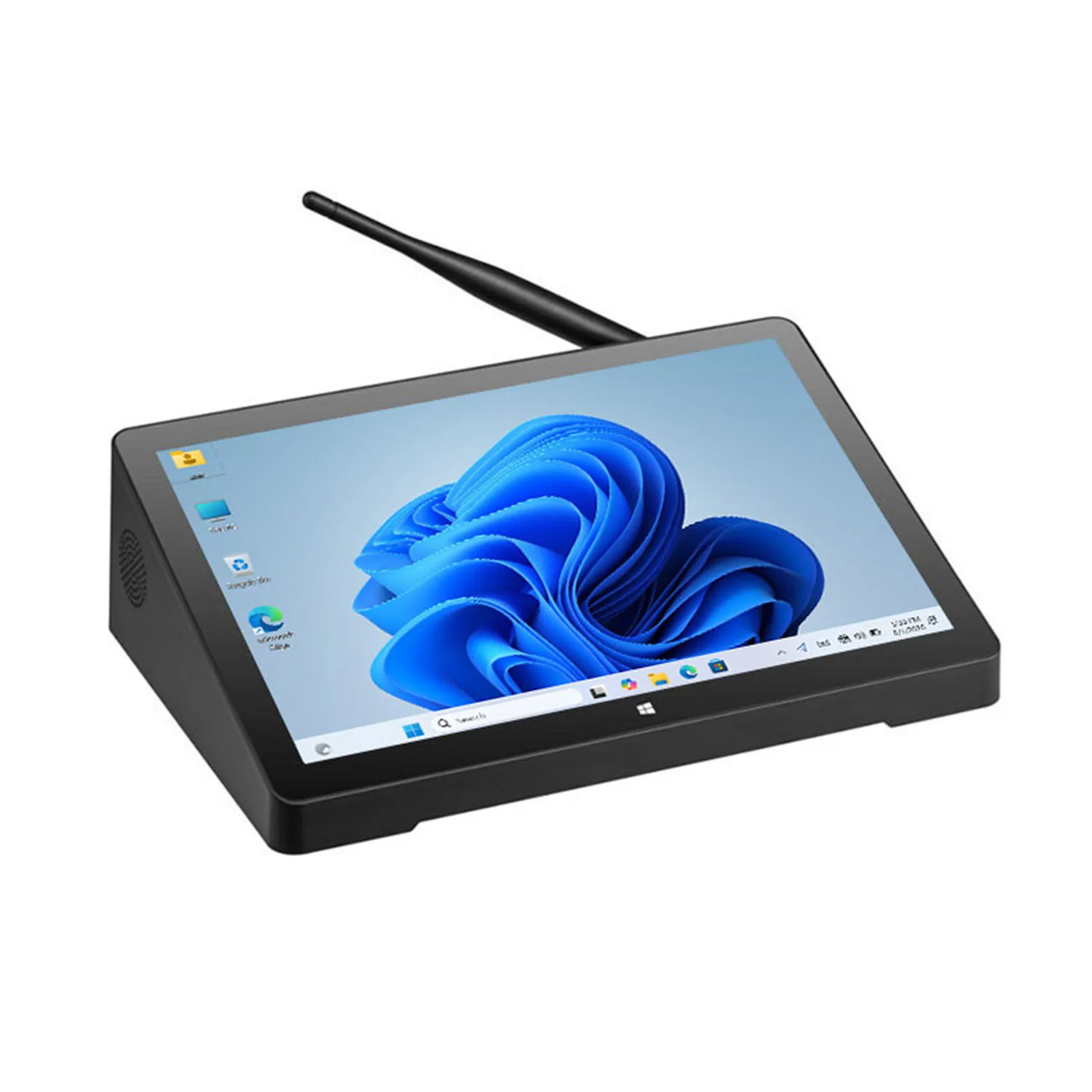
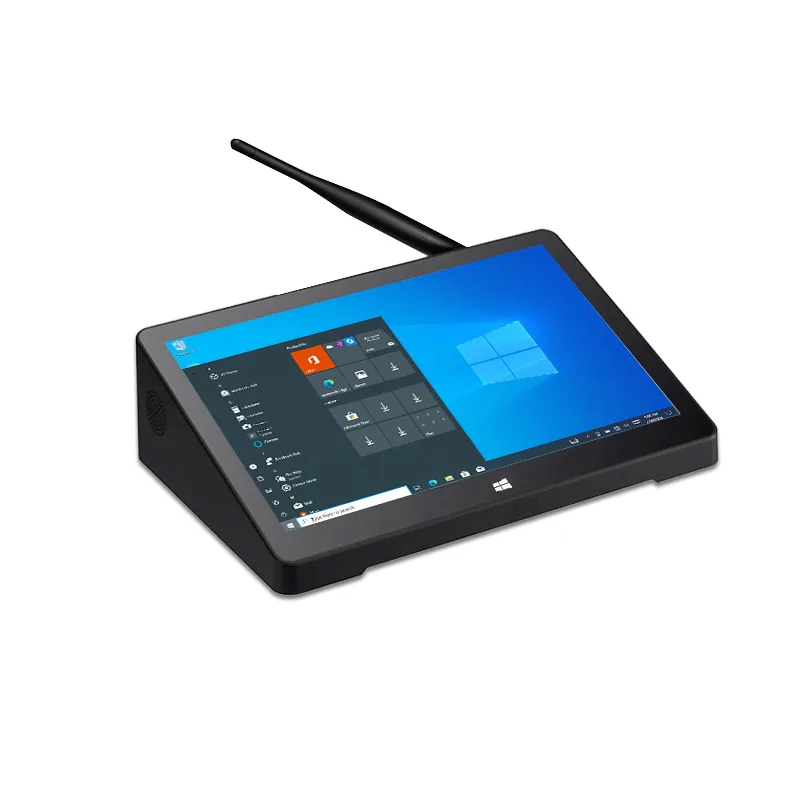
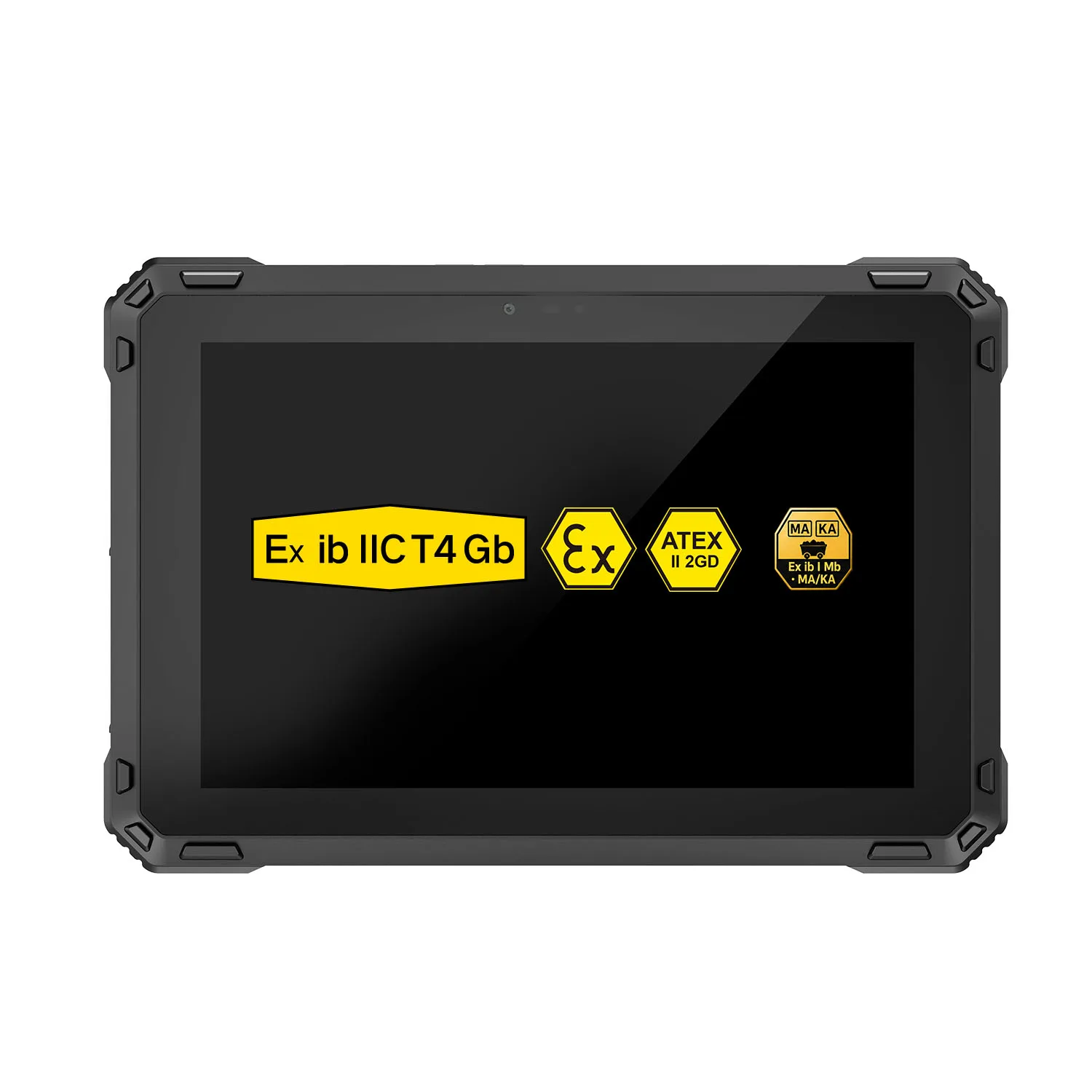
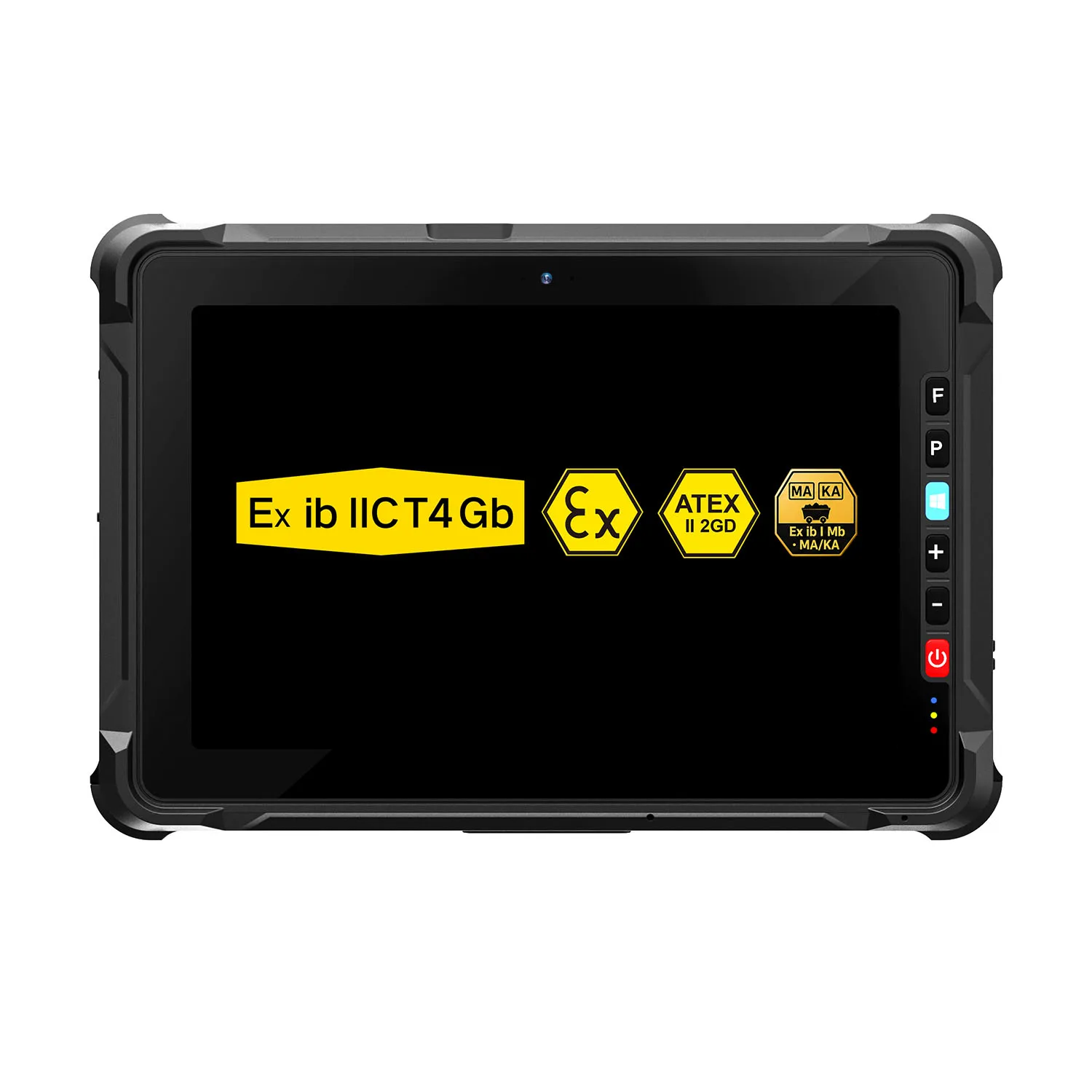
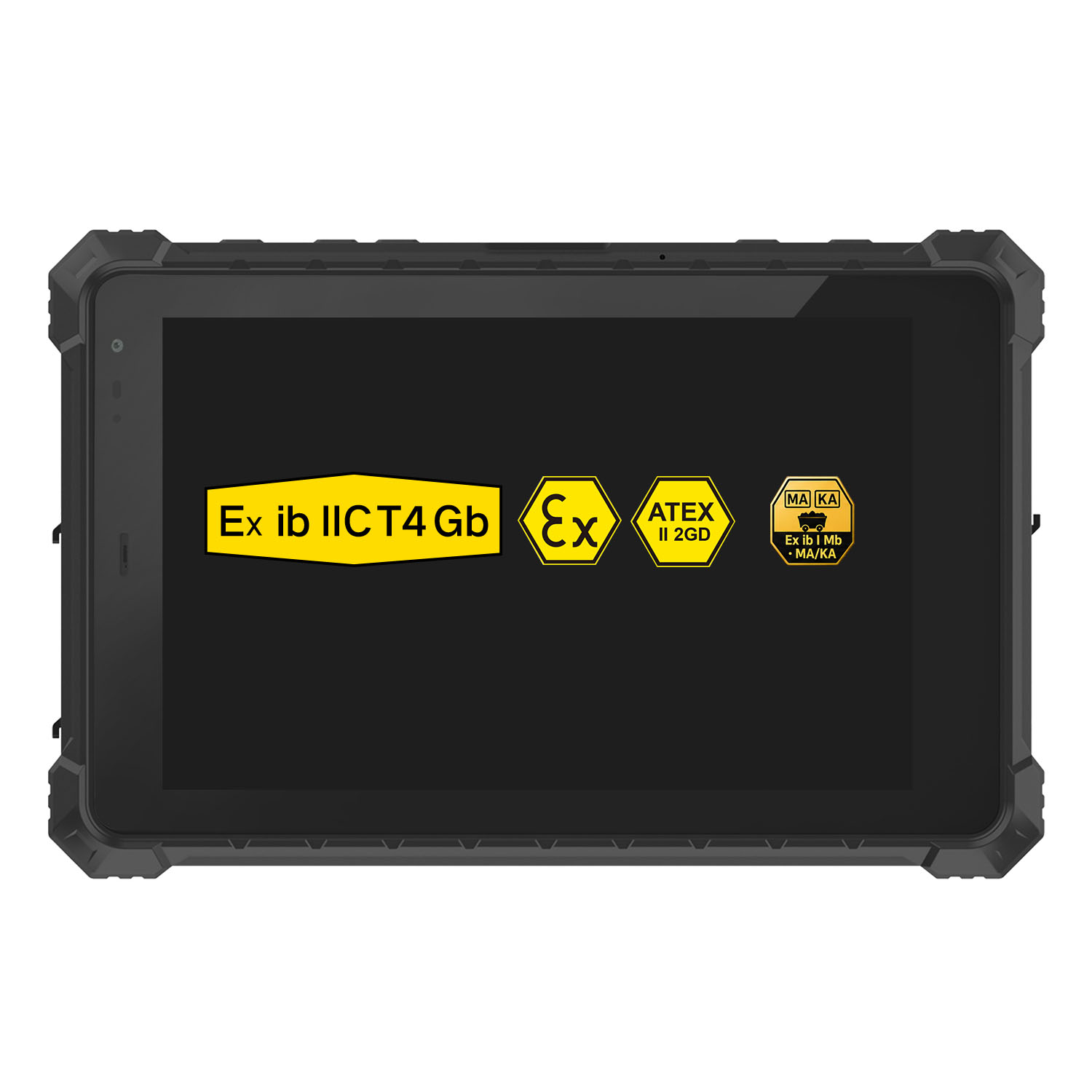
CENAVA offers two platforms: the A10ST (Android, modular, IP68) and the W109U (Windows, high-performance, IP67). Common fire-service configurations include:
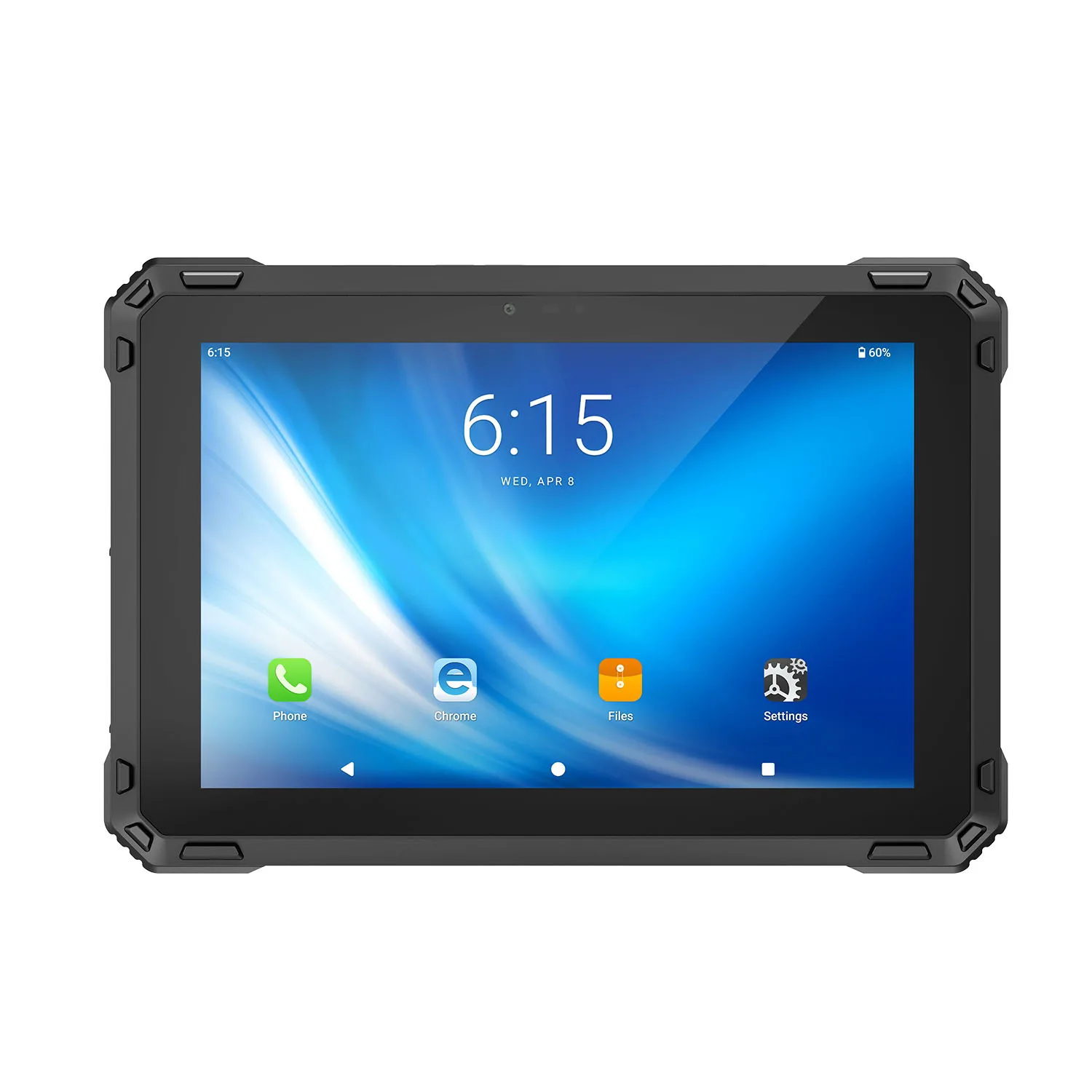
Command vehicle: W109U + Windows 10/11 + 4G module + vehicle mount. Runs existing Windows CAD viewers and command-system clients.
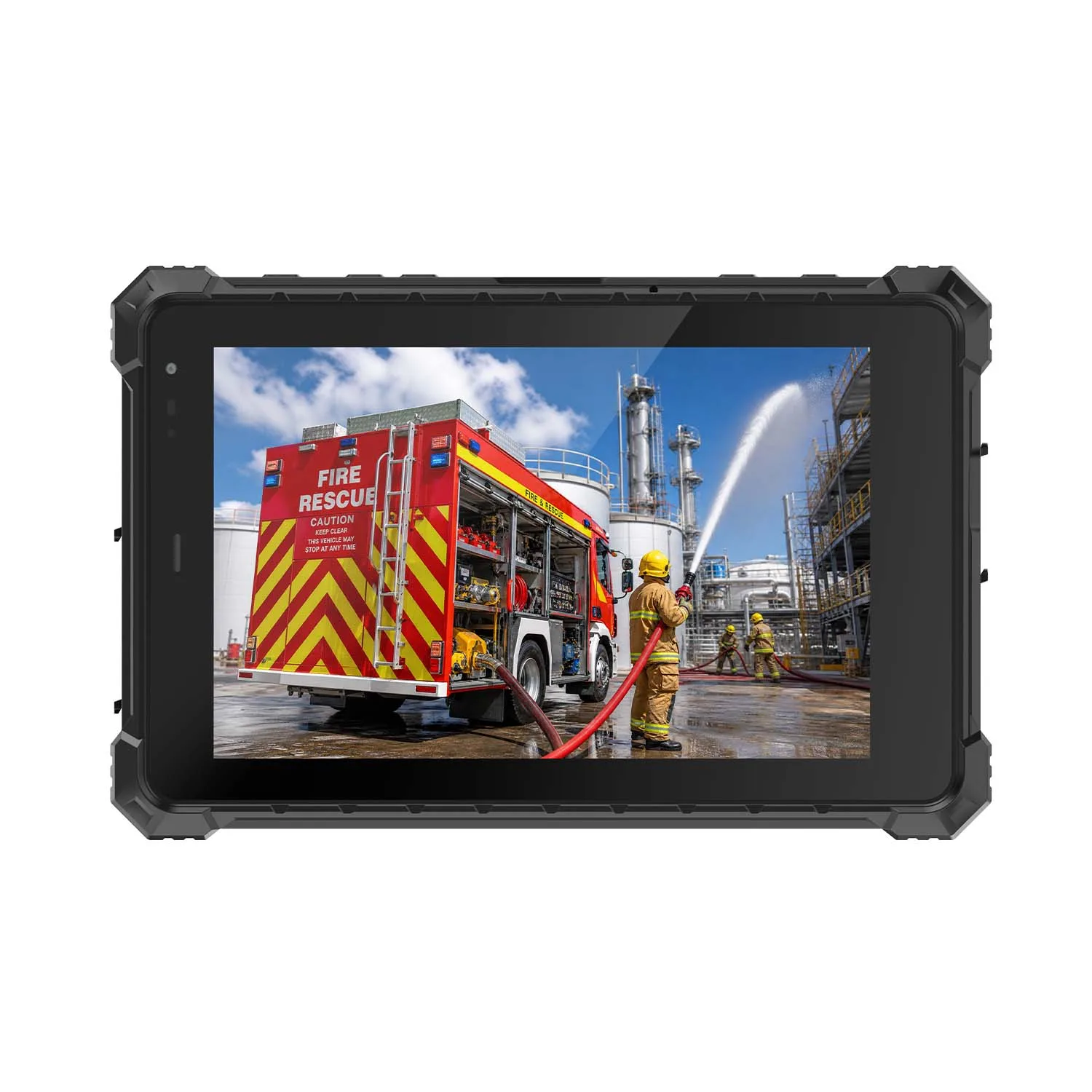
Inspection patrol: A109T + Android 14 + barcode scanner + large battery. Supports 12+ hours of continuous patrol work.
Equipment management: A10ST + Android 13 + barcode/NFC + fingerprint module. Ideal for in-station gear check-in/check-out and periodic testing.
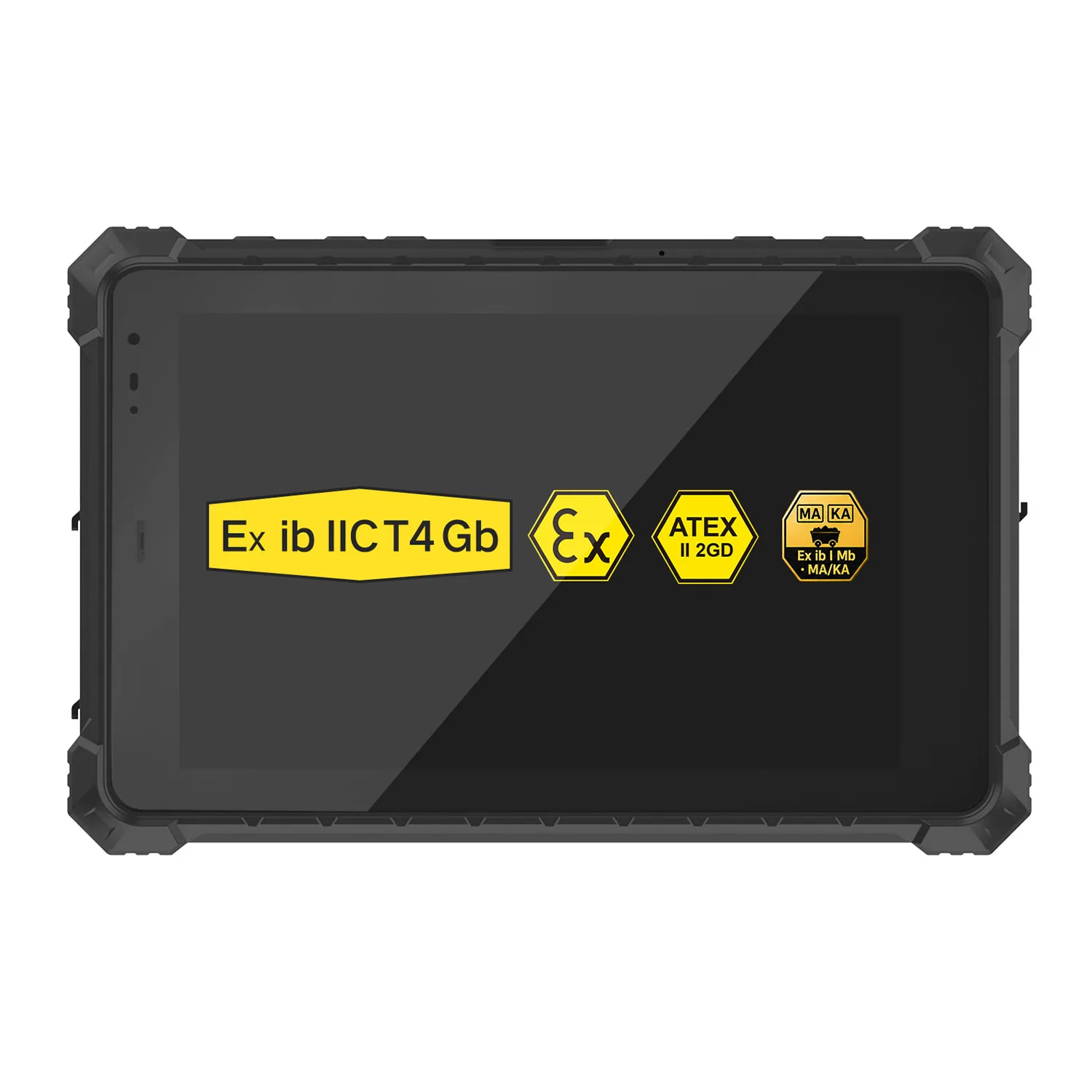
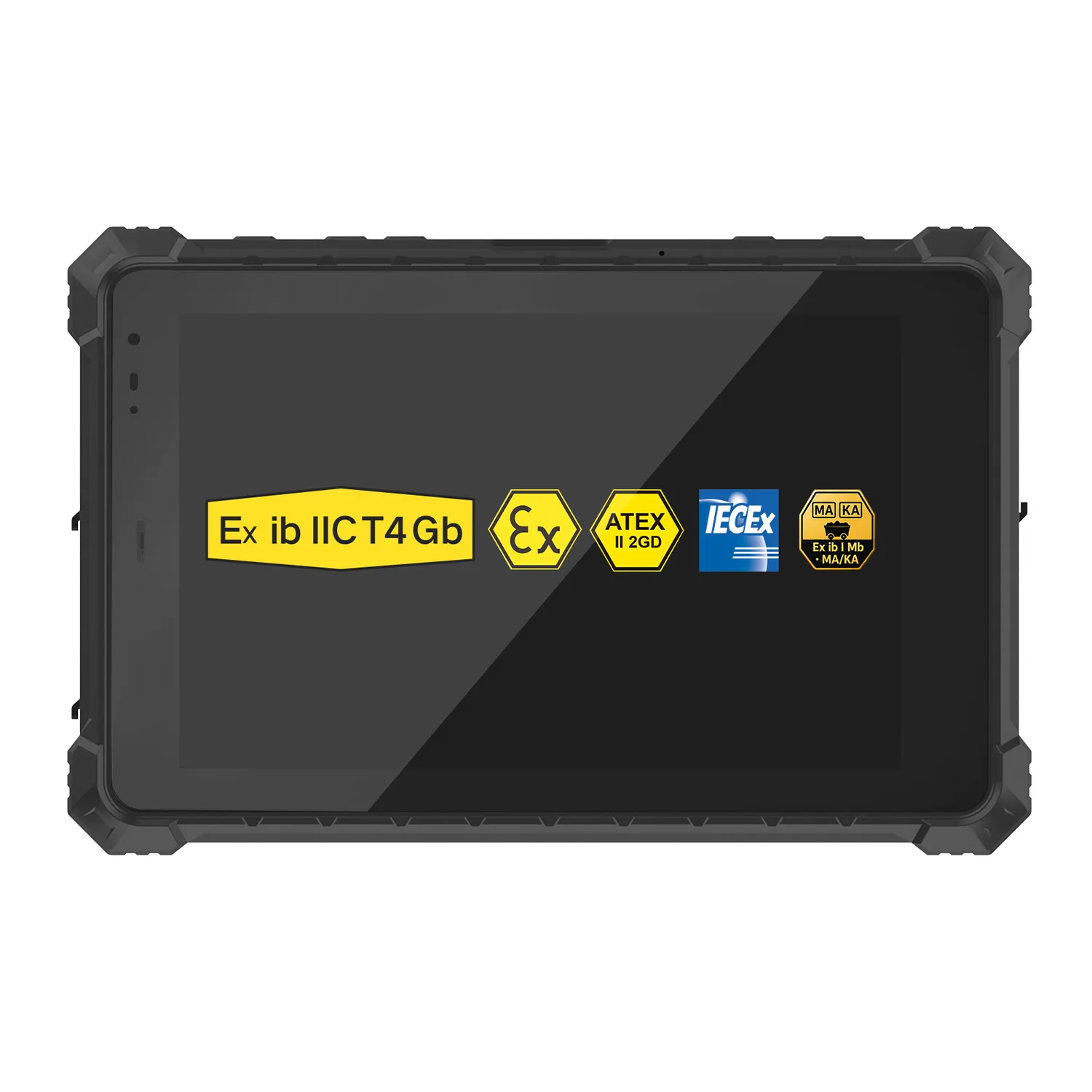
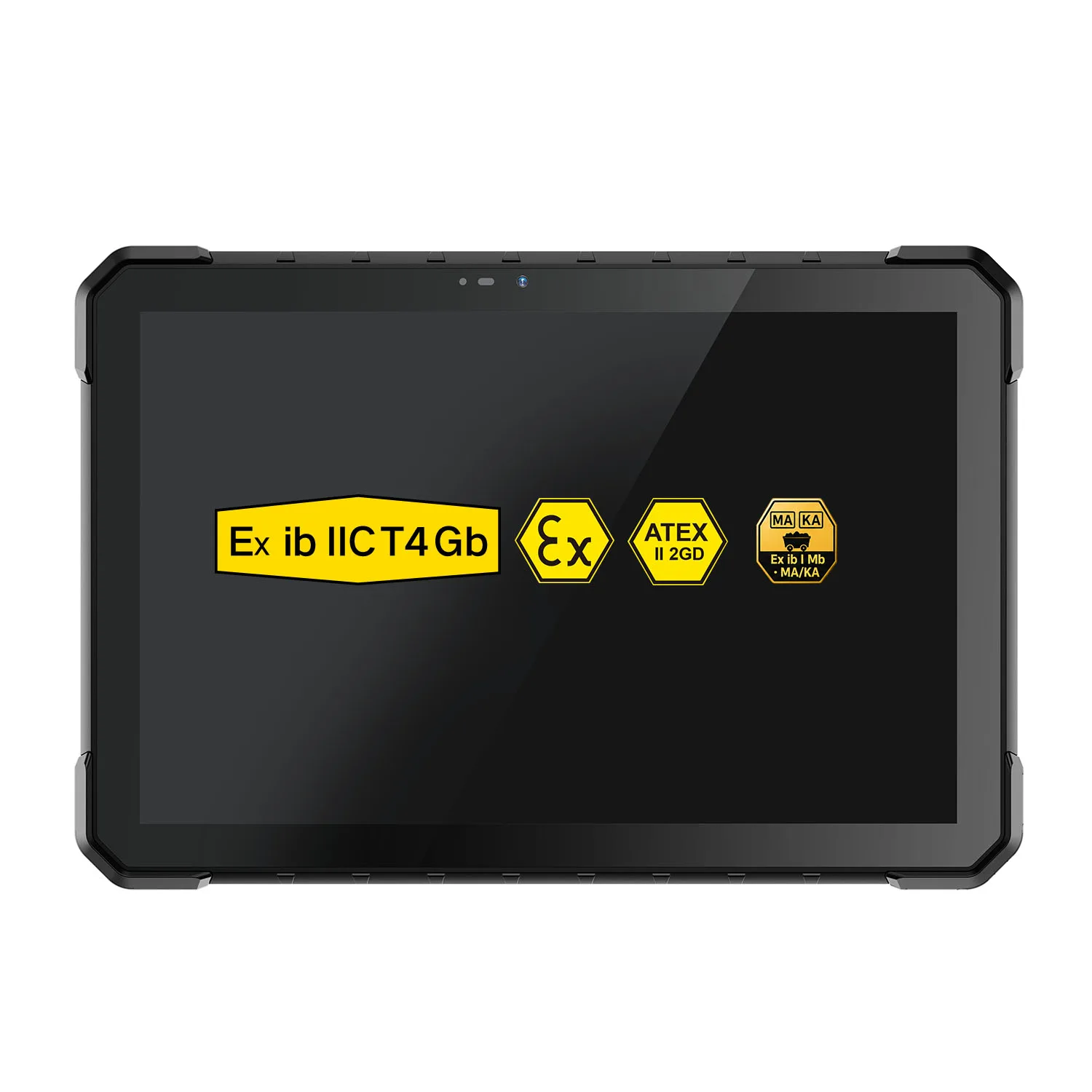
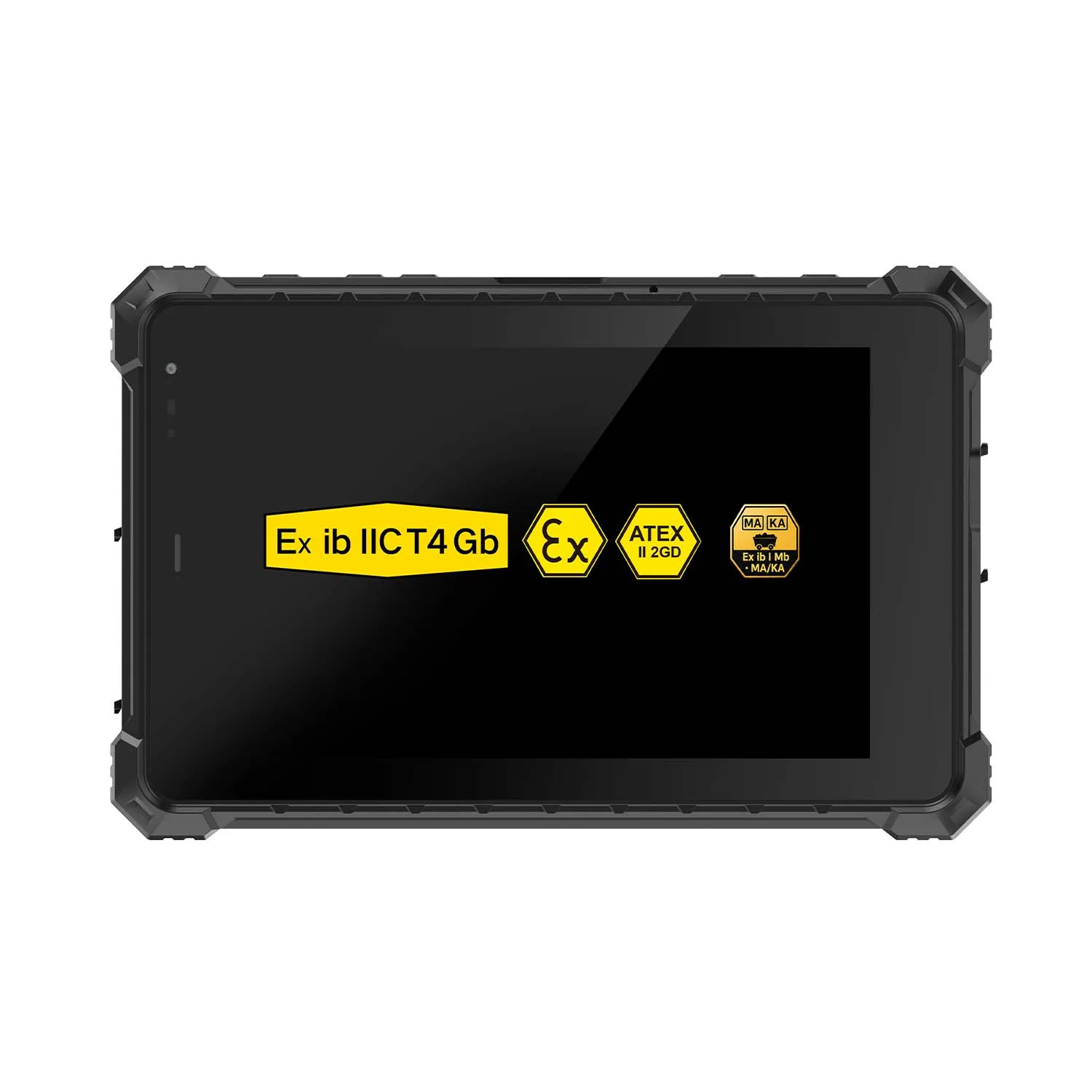
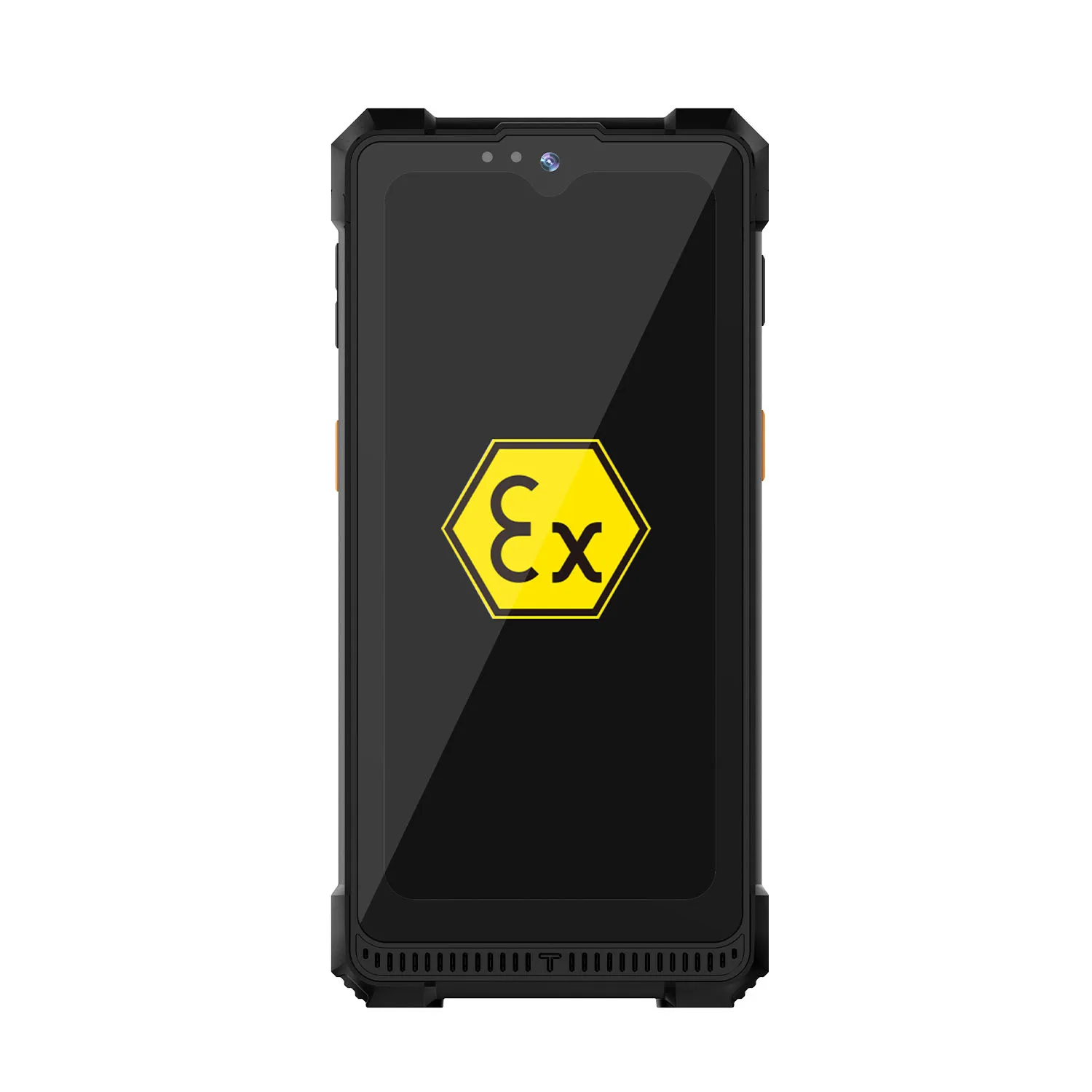
To accelerate configuration, contact sales with: use case (command vehicle / inspection / equipment management), OS preference, required modules, and whether ATEX/IECEx explosion-proof configuration is needed (relevant only for chemical/petrochemical fire brigades).
Need a Rugged Device for Your Project?
Tell us your operating environment and requirements — our engineers will recommend a configuration and quote within 24 hours.
Get a Free Quote Back to Blog