
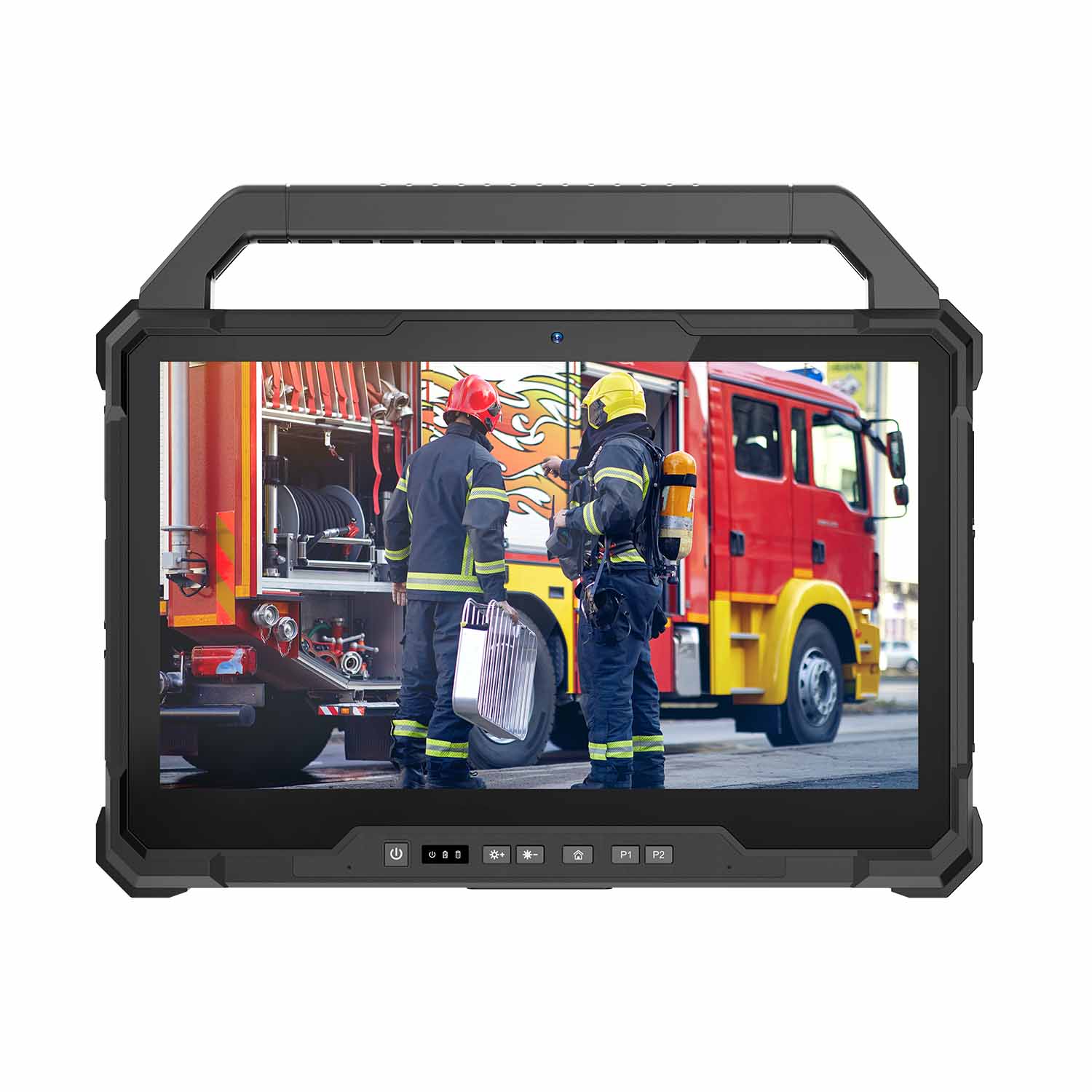
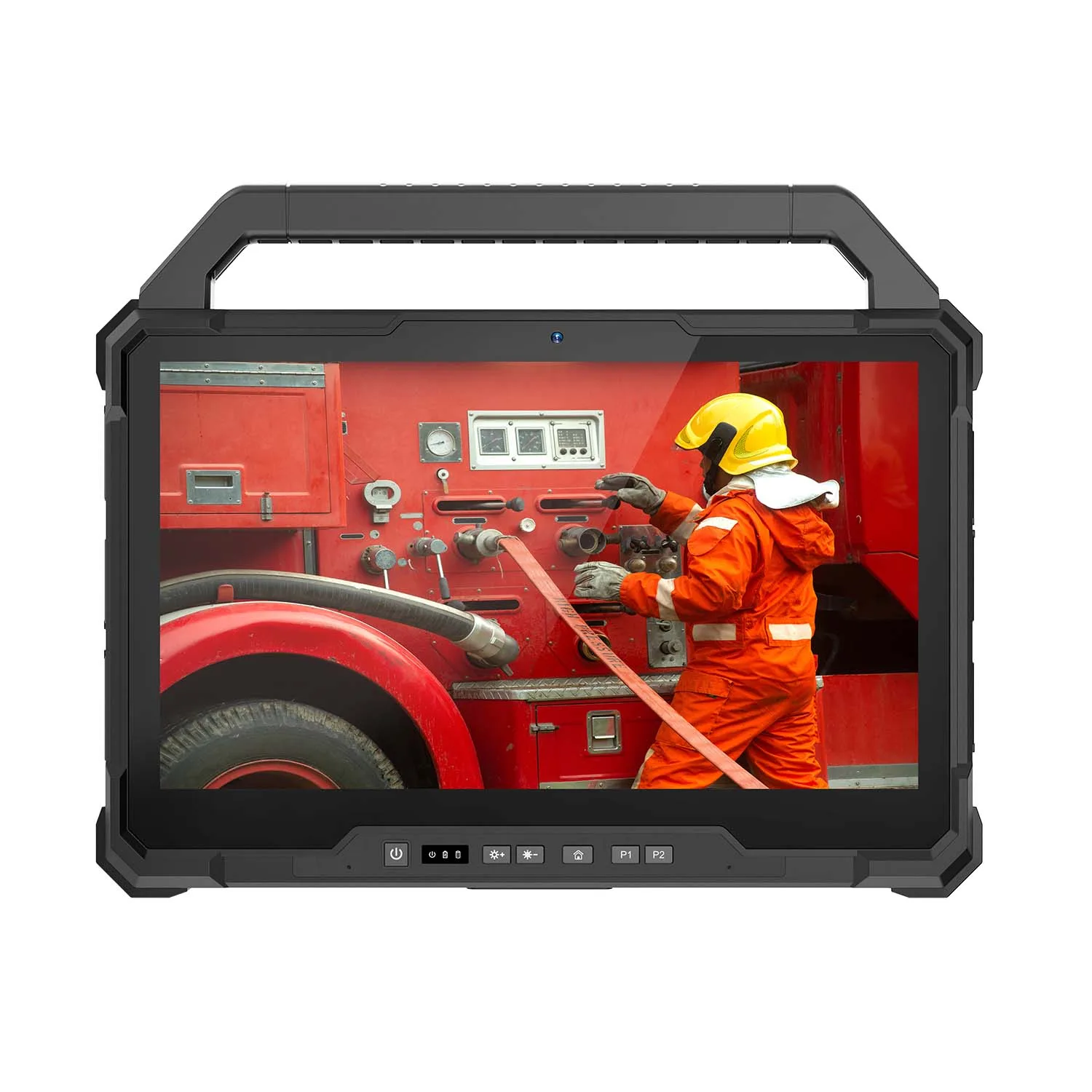






Rugged Tablets for Garment Production Line Traceability
User Background
Garment manufacturing has expanded into a wide range of intelligent systems — plate-making, typesetting and revision, tailoring, sewing, hanging, and distribution — many built on automation equipment and computer technology like CNC machinery, robotics, automated warehousing, and automatic conveying. Touch display devices are now widely used across cutting machine tools, fabric inspection stations, production line status boards, and sewing workbenches.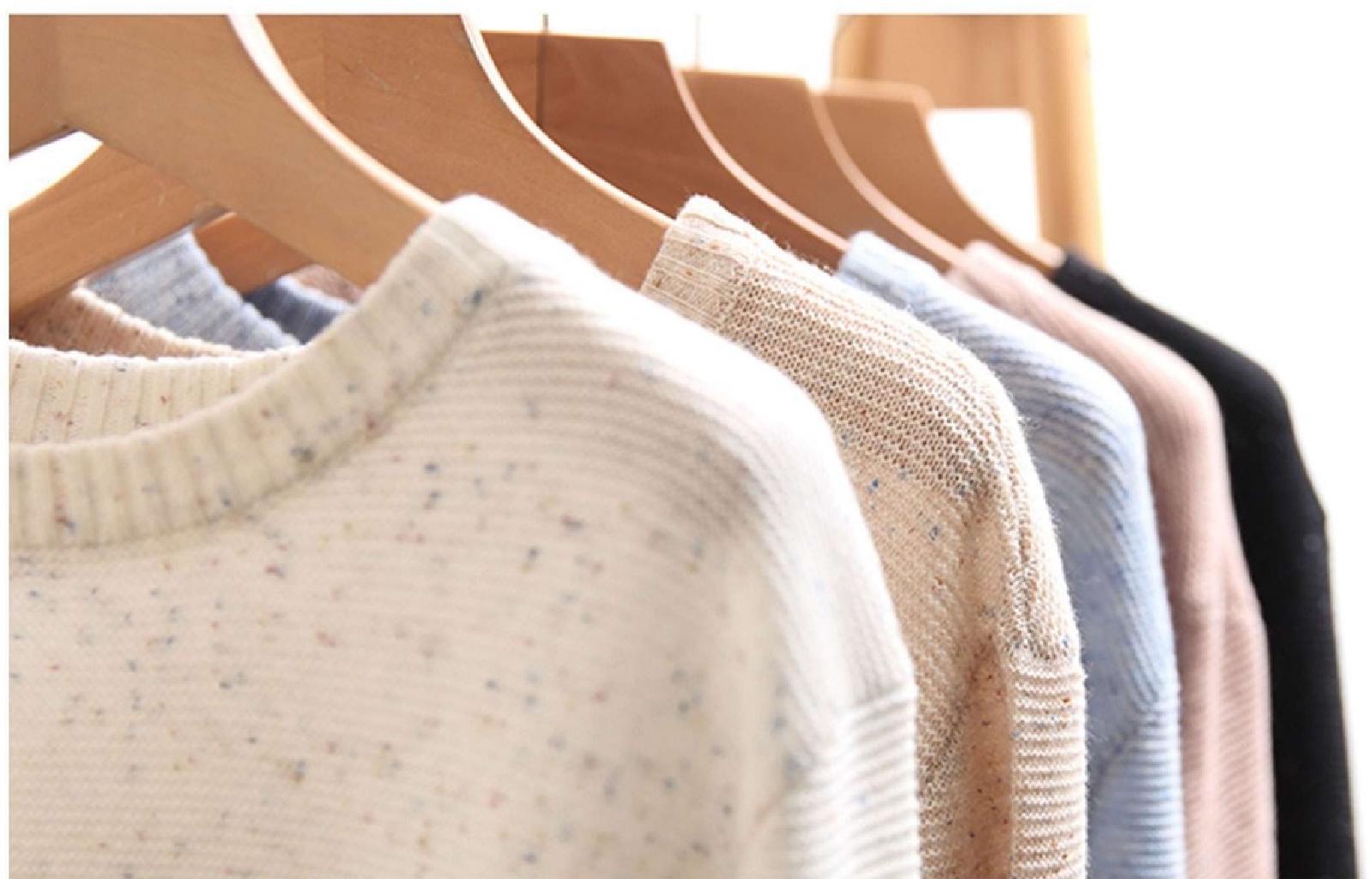
Challenges
Consumer tablets failed under workshop conditions — the customer's previous tablets lacked adequate protection and failed regularly, causing data loss and delaying production.
Unclear production progress and unbalanced line flow, leading to unstable overall efficiency.
Long overtime hours without improving defect rates — unclear order progress made it difficult to confirm delivery dates even as staff worked extended hours.
A harsh workshop environment put standard tablets at constant risk of damage; the resulting high equipment loss rate was itself a rising operating cost for the business.
Solution
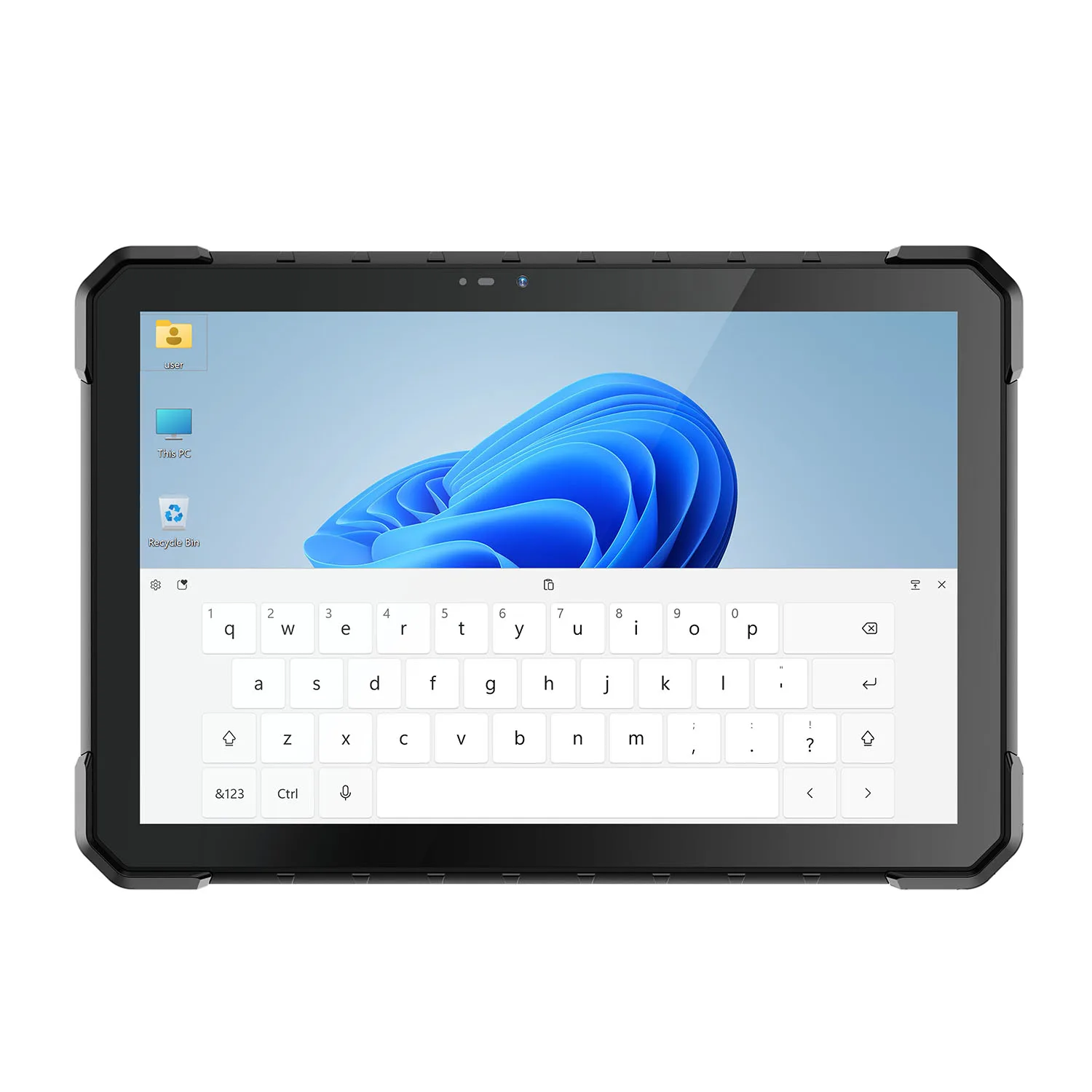
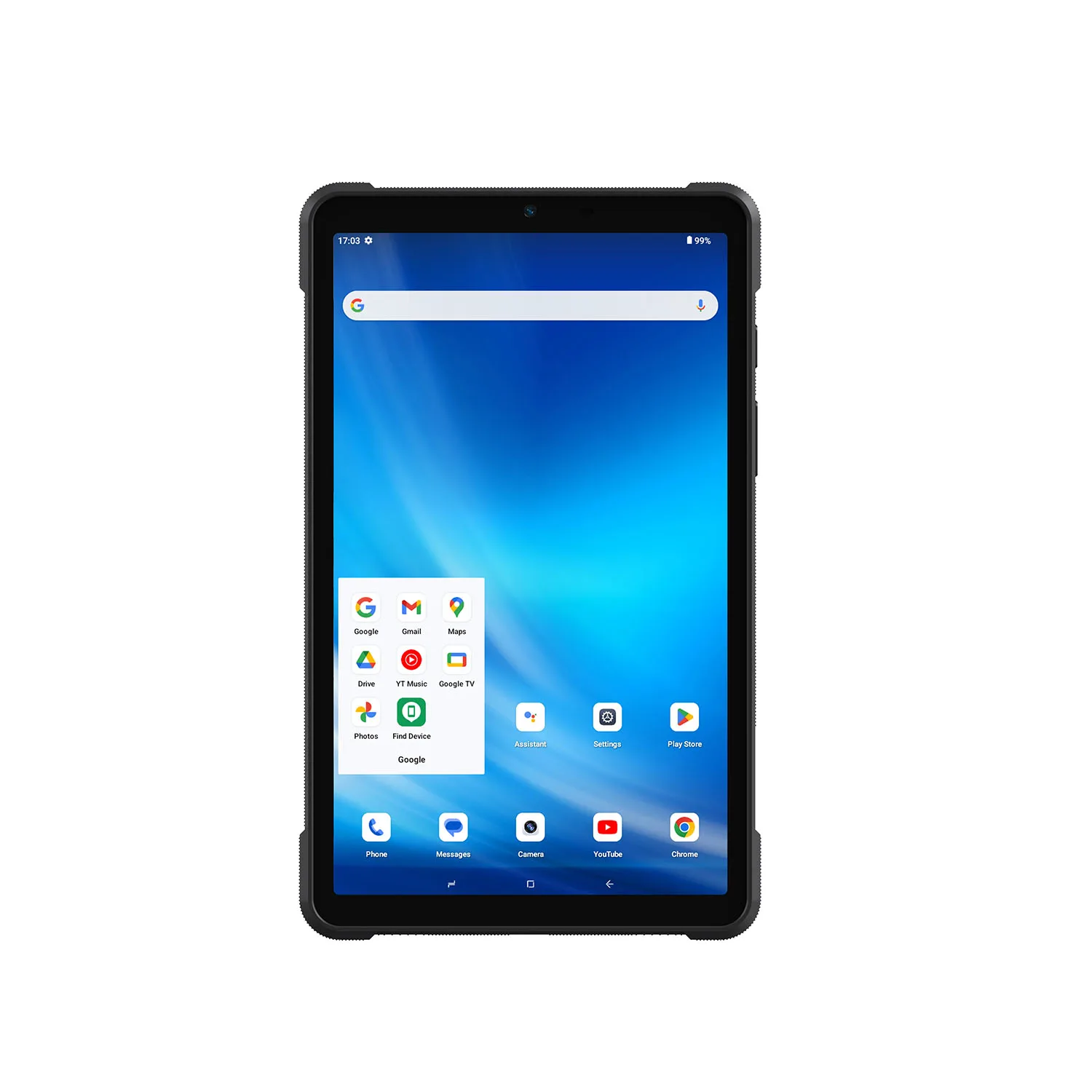
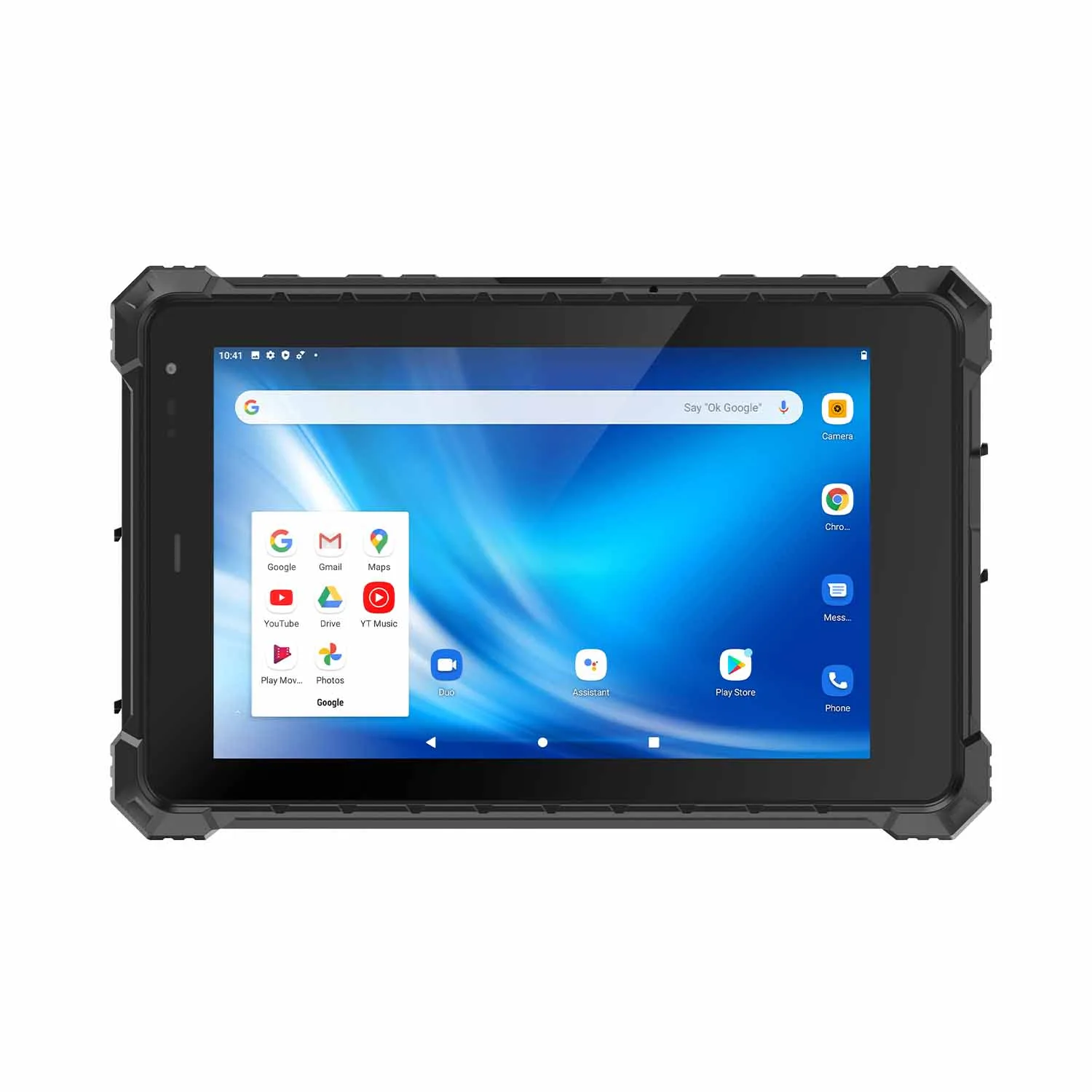
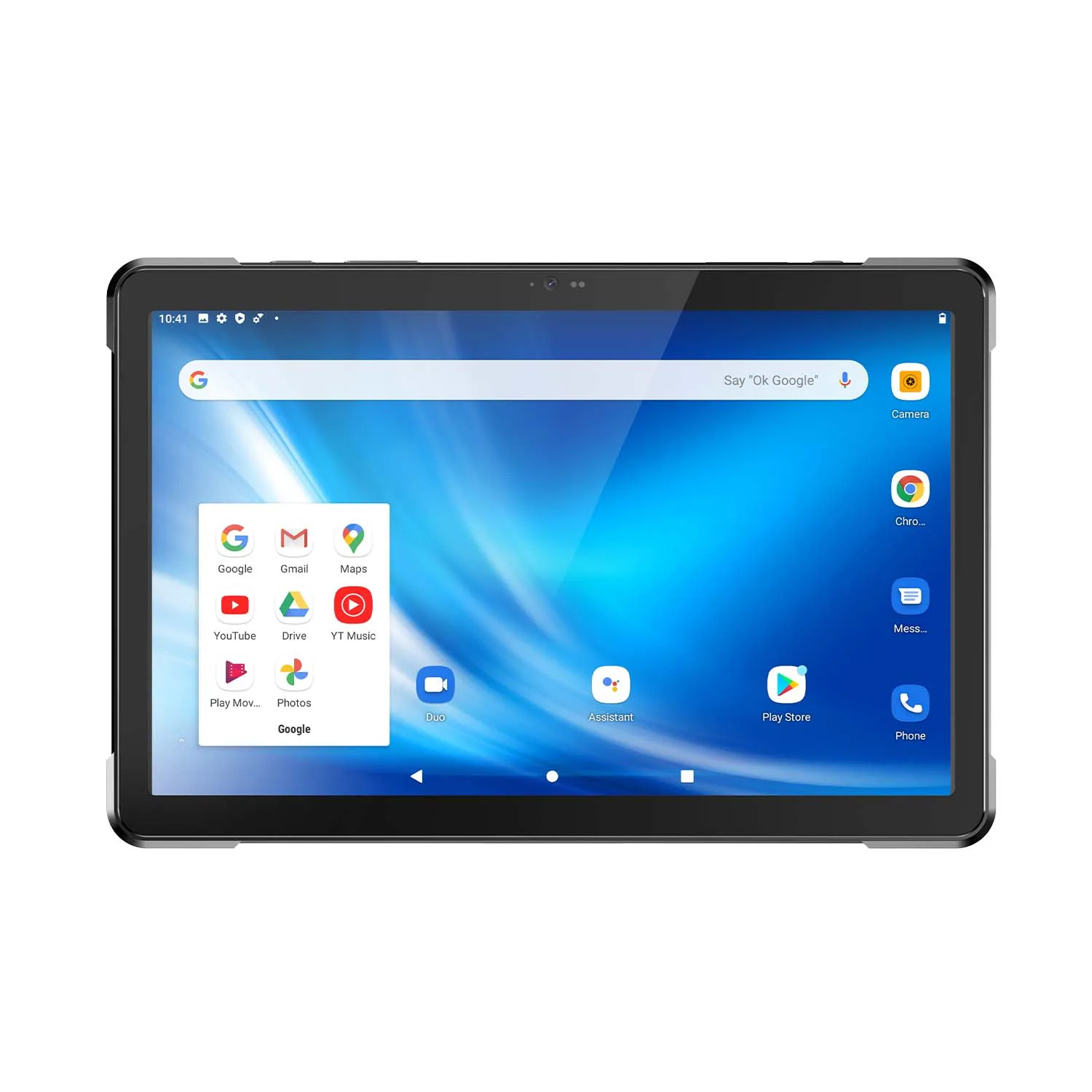
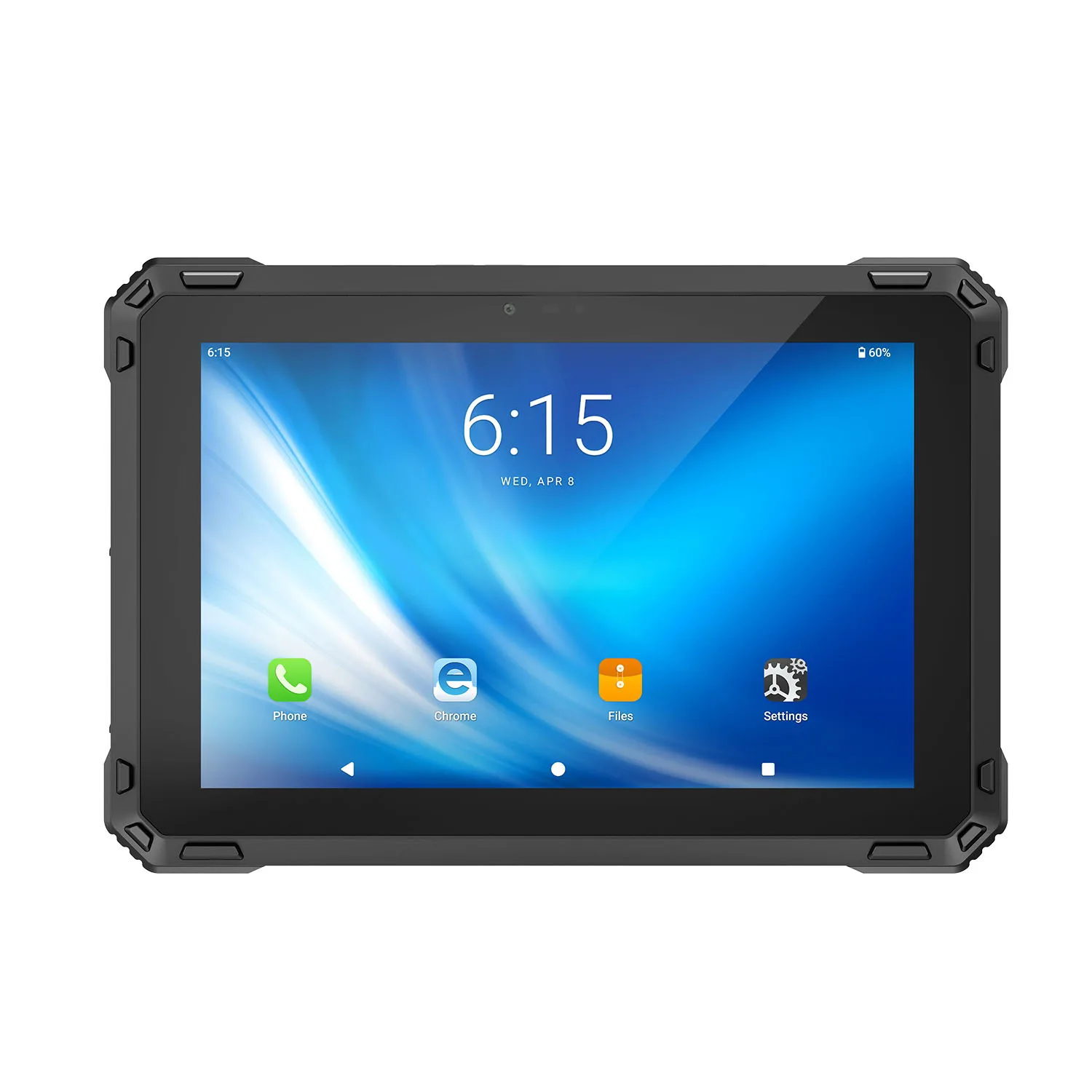
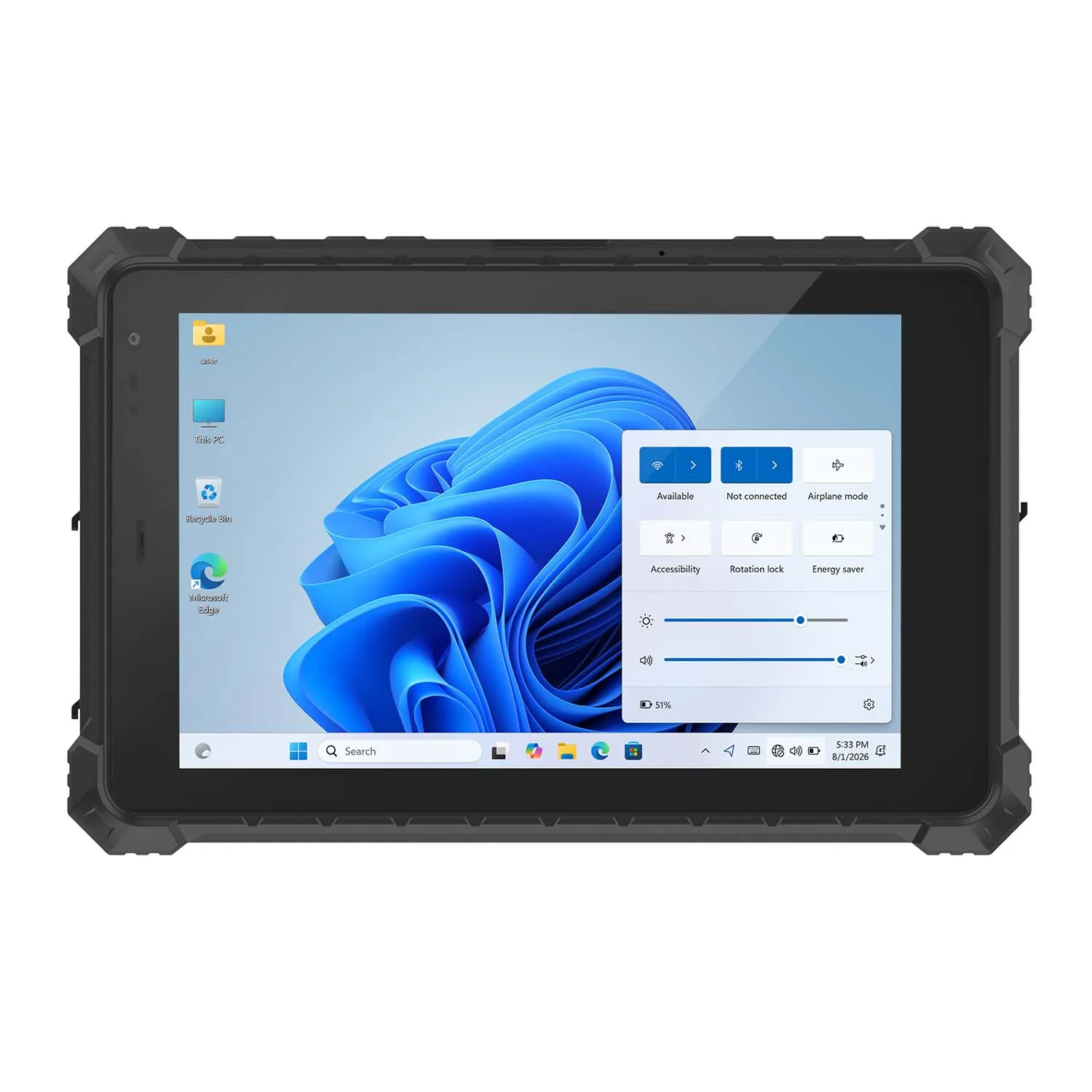
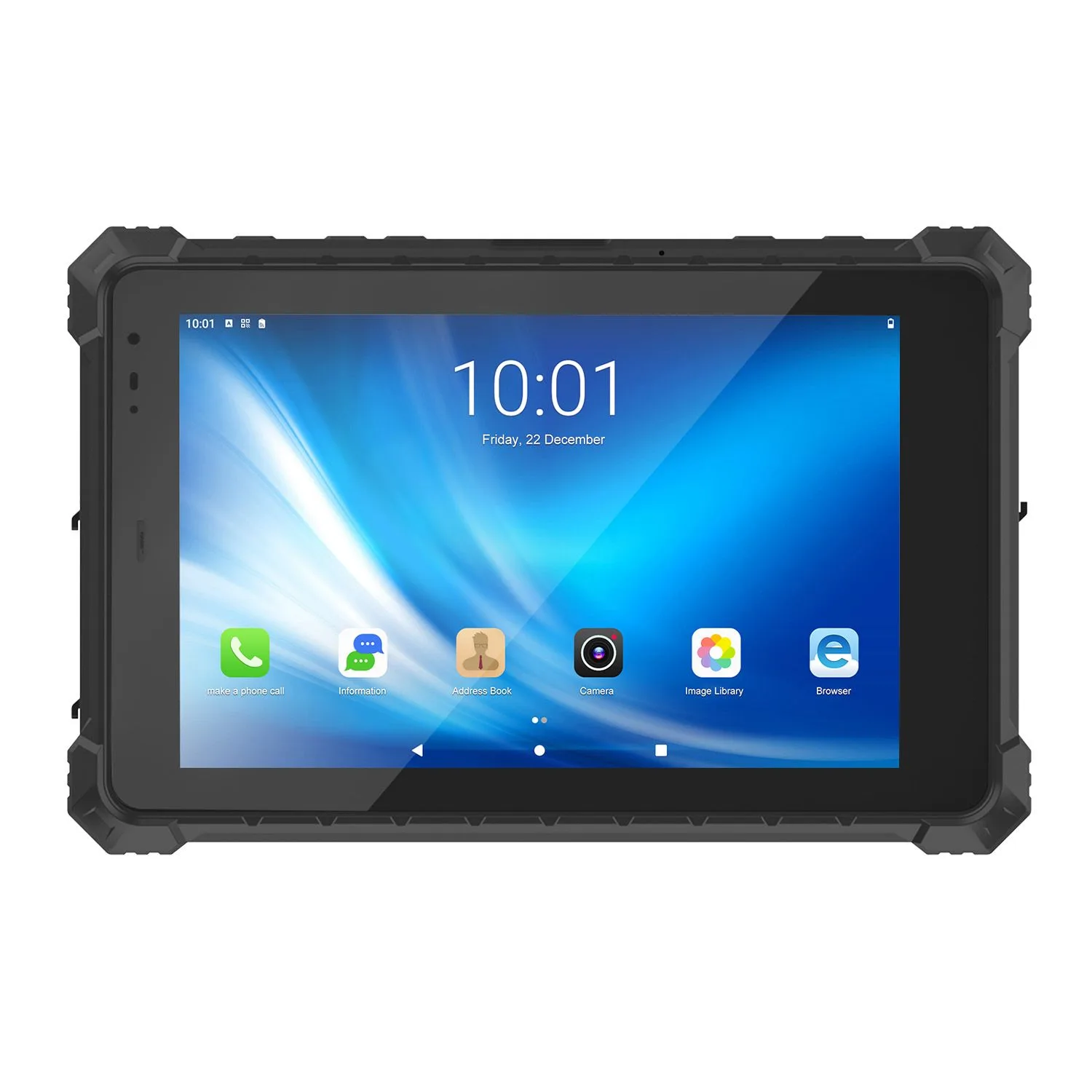
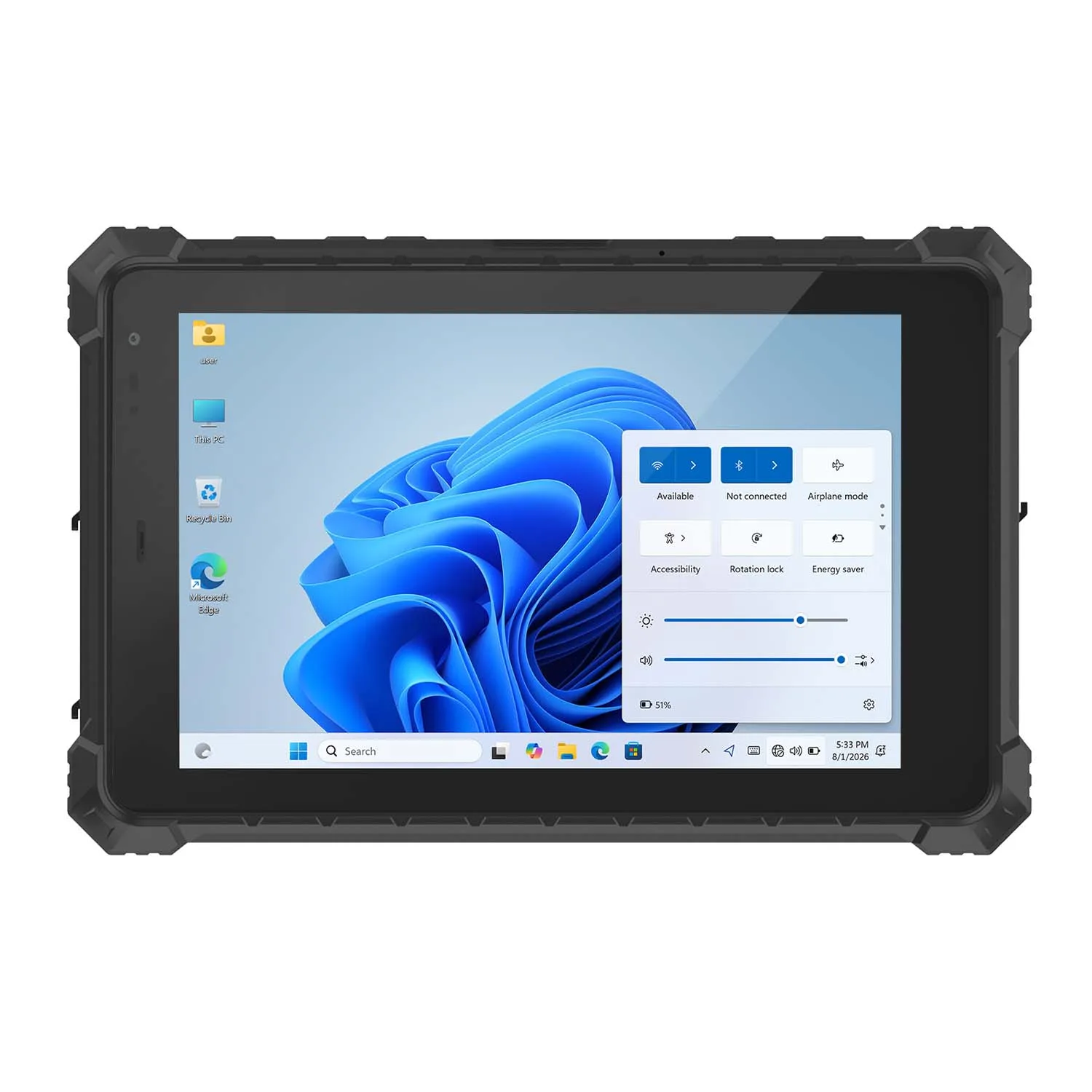
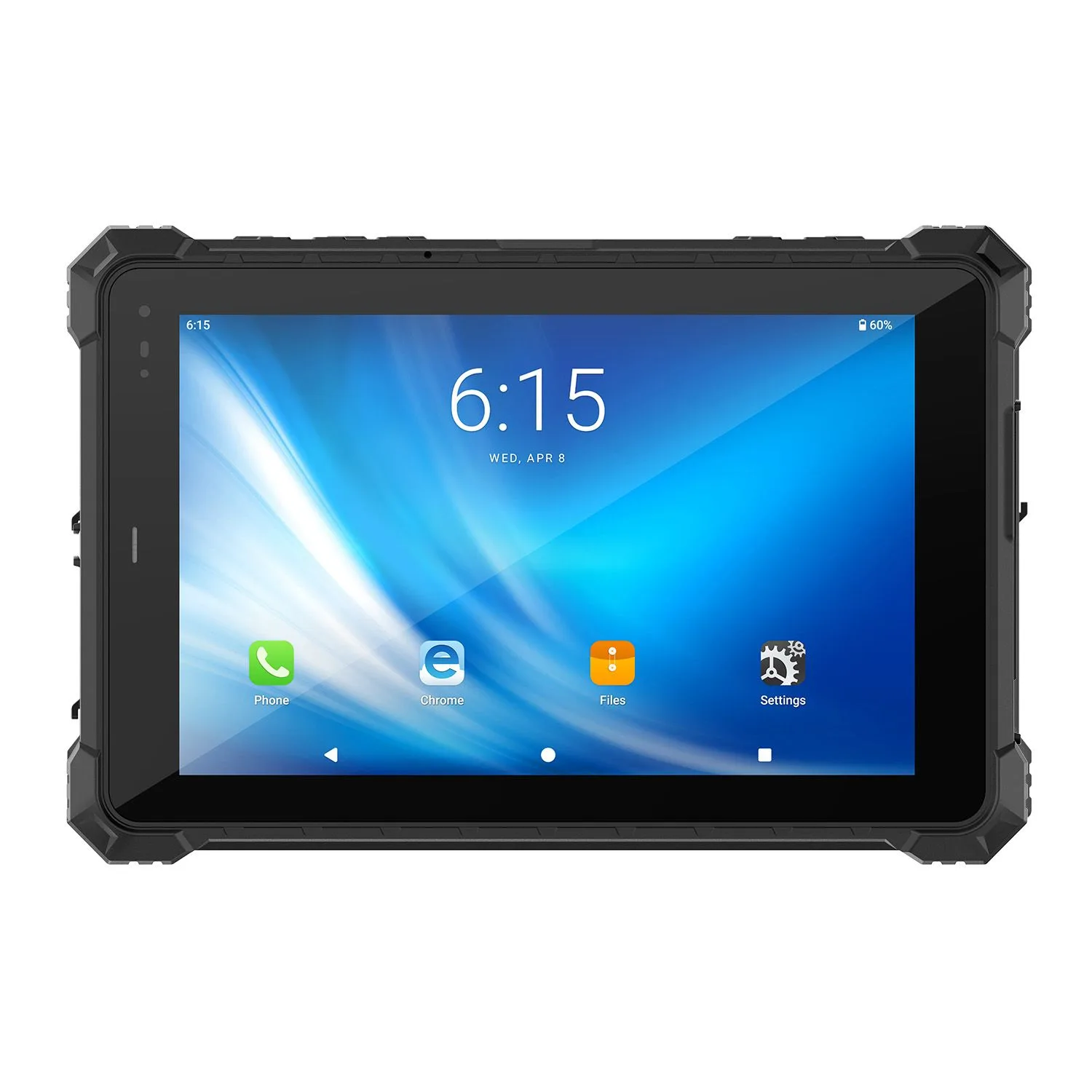
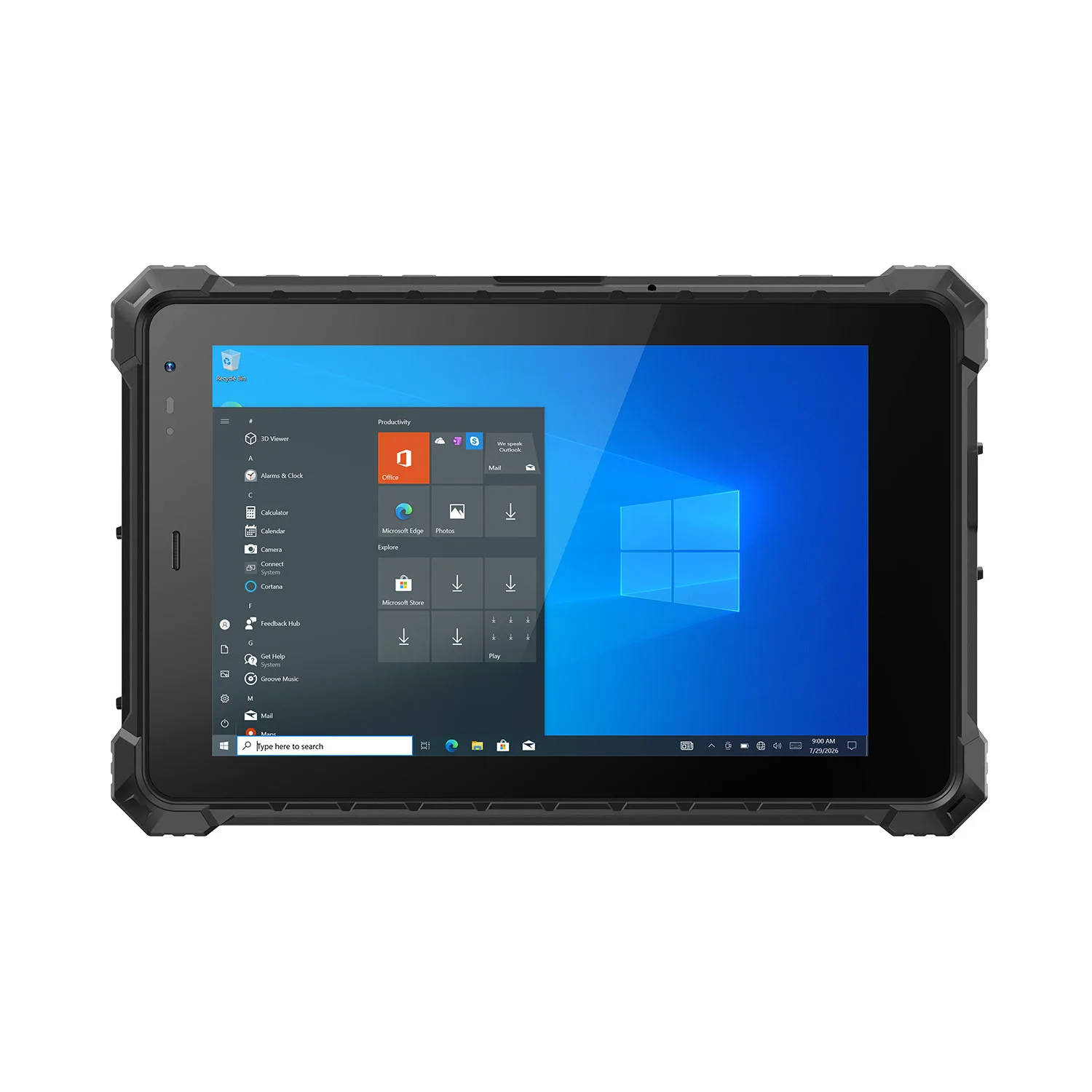
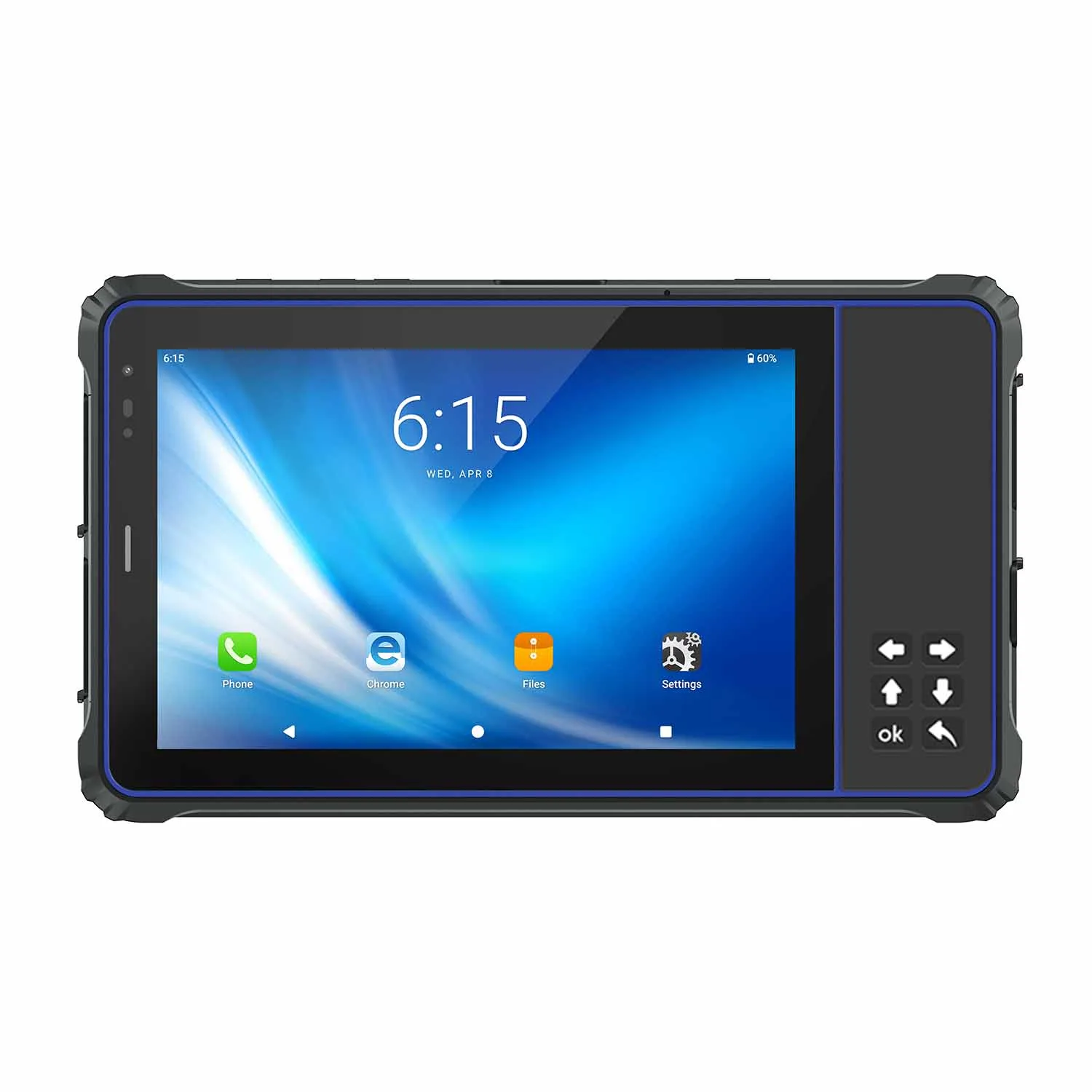
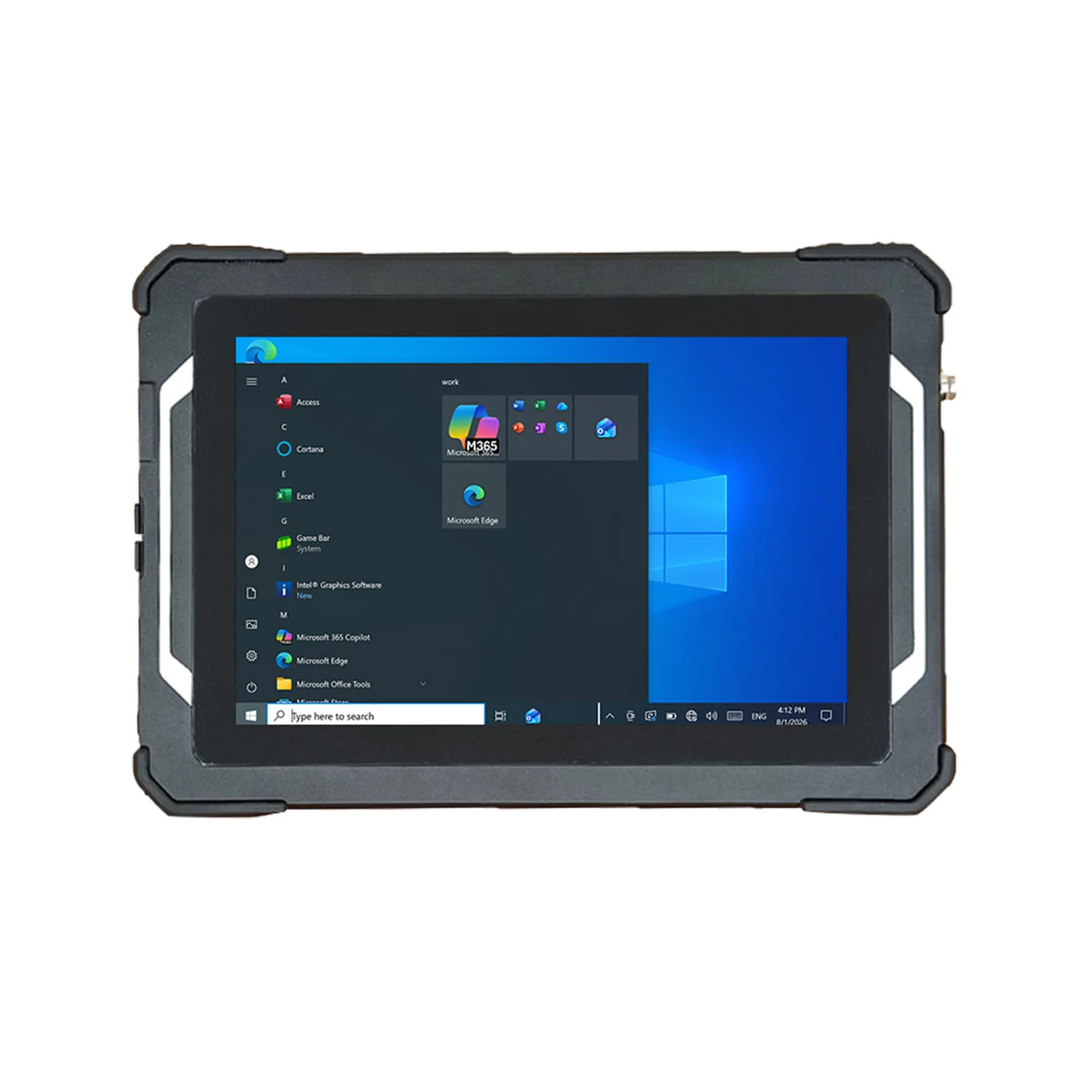
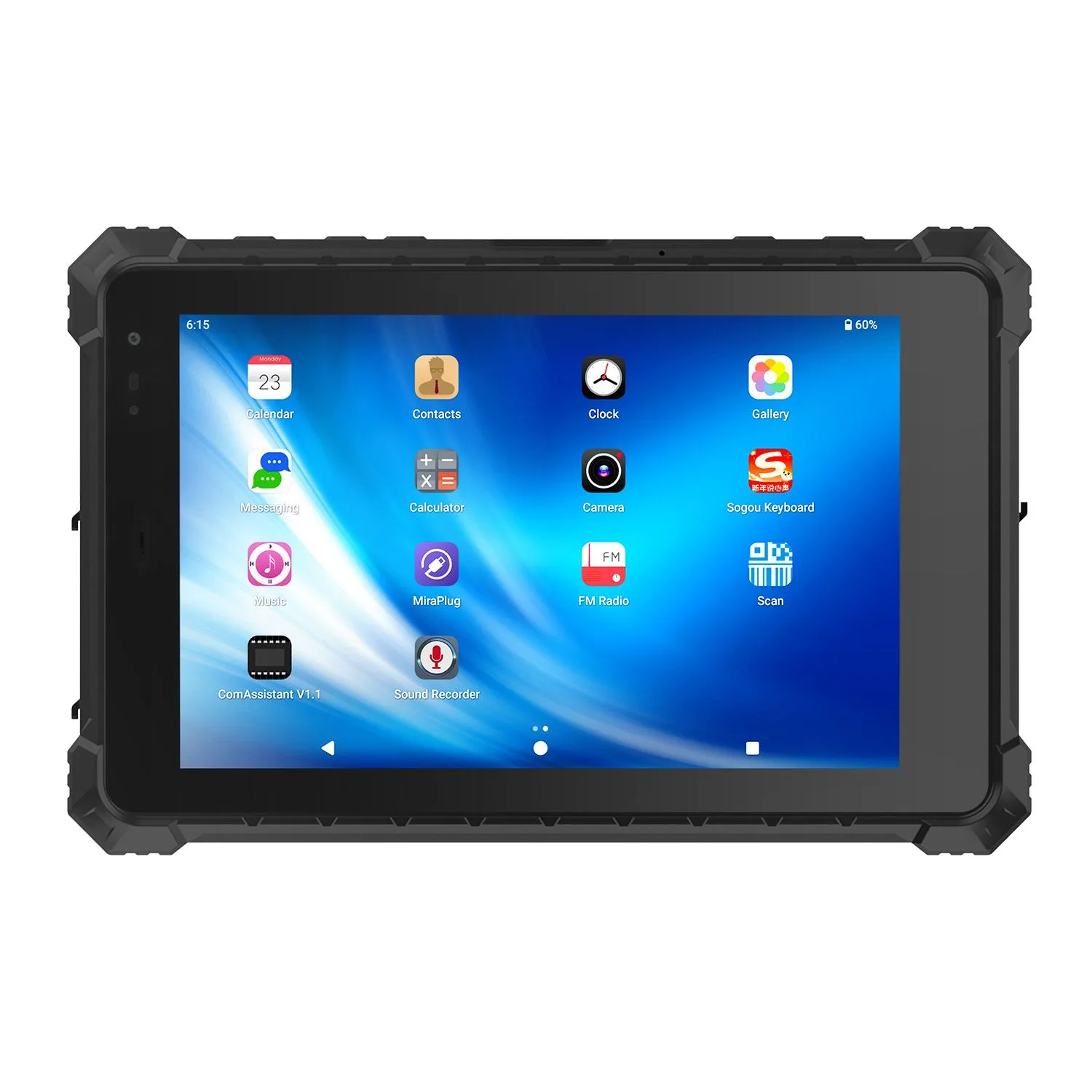
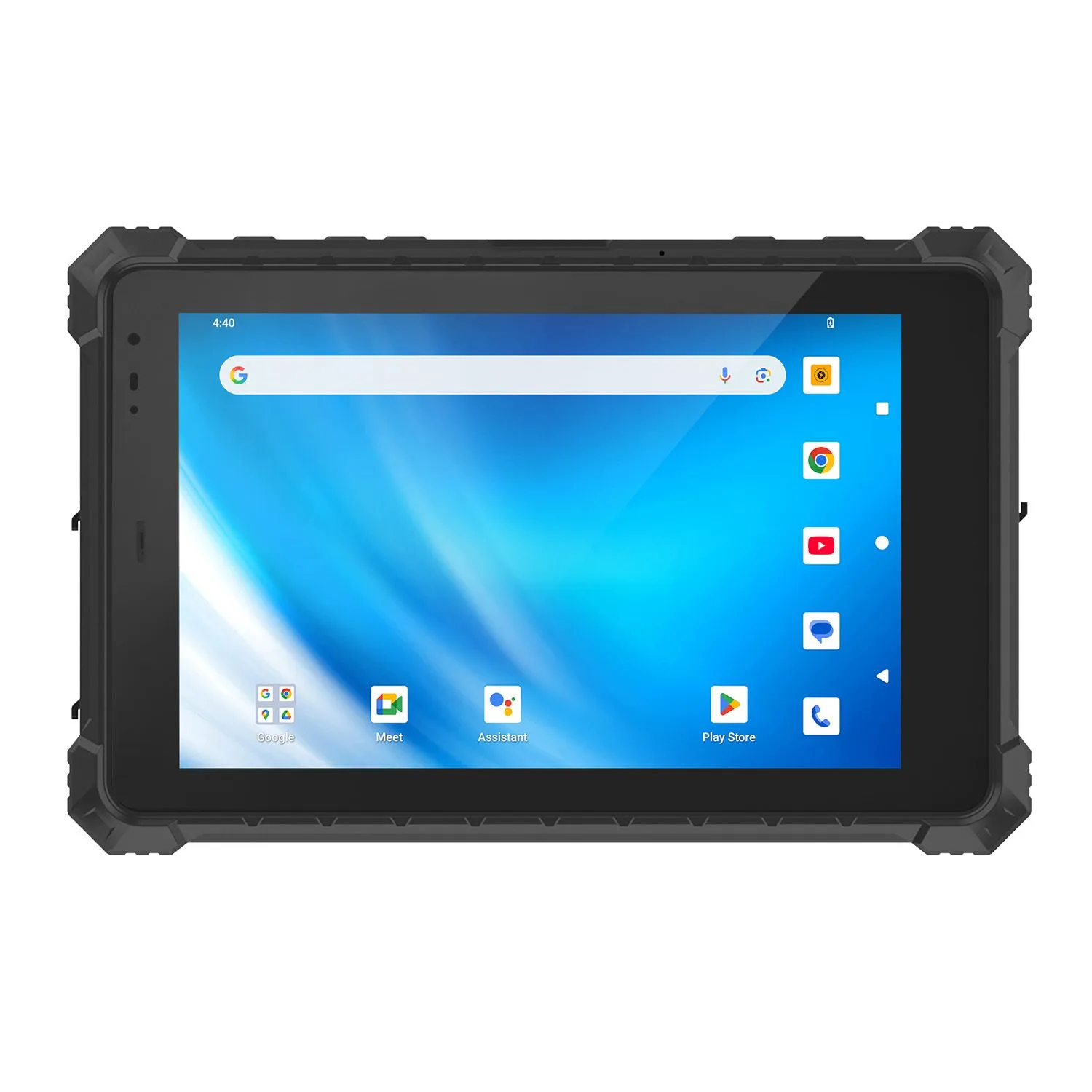
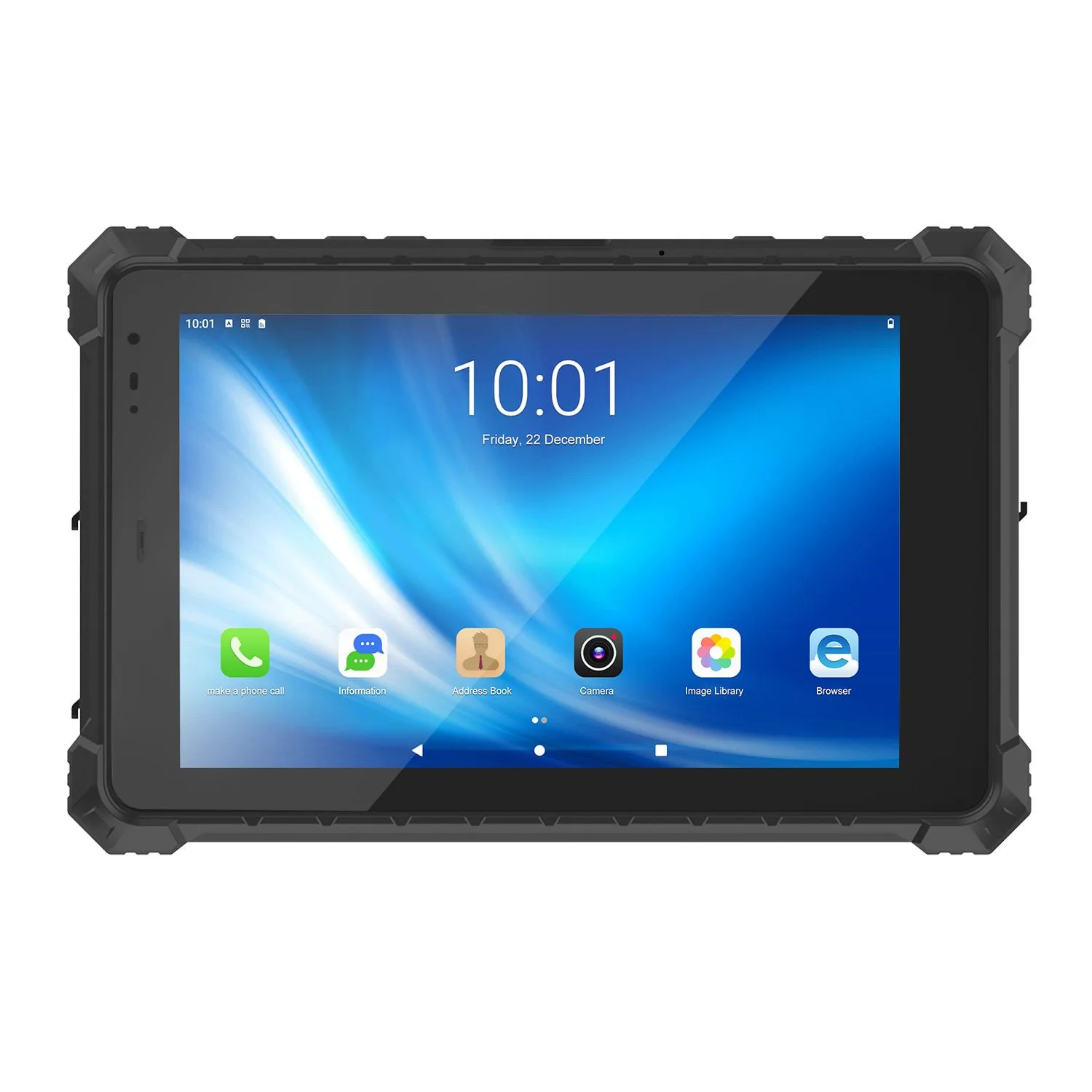
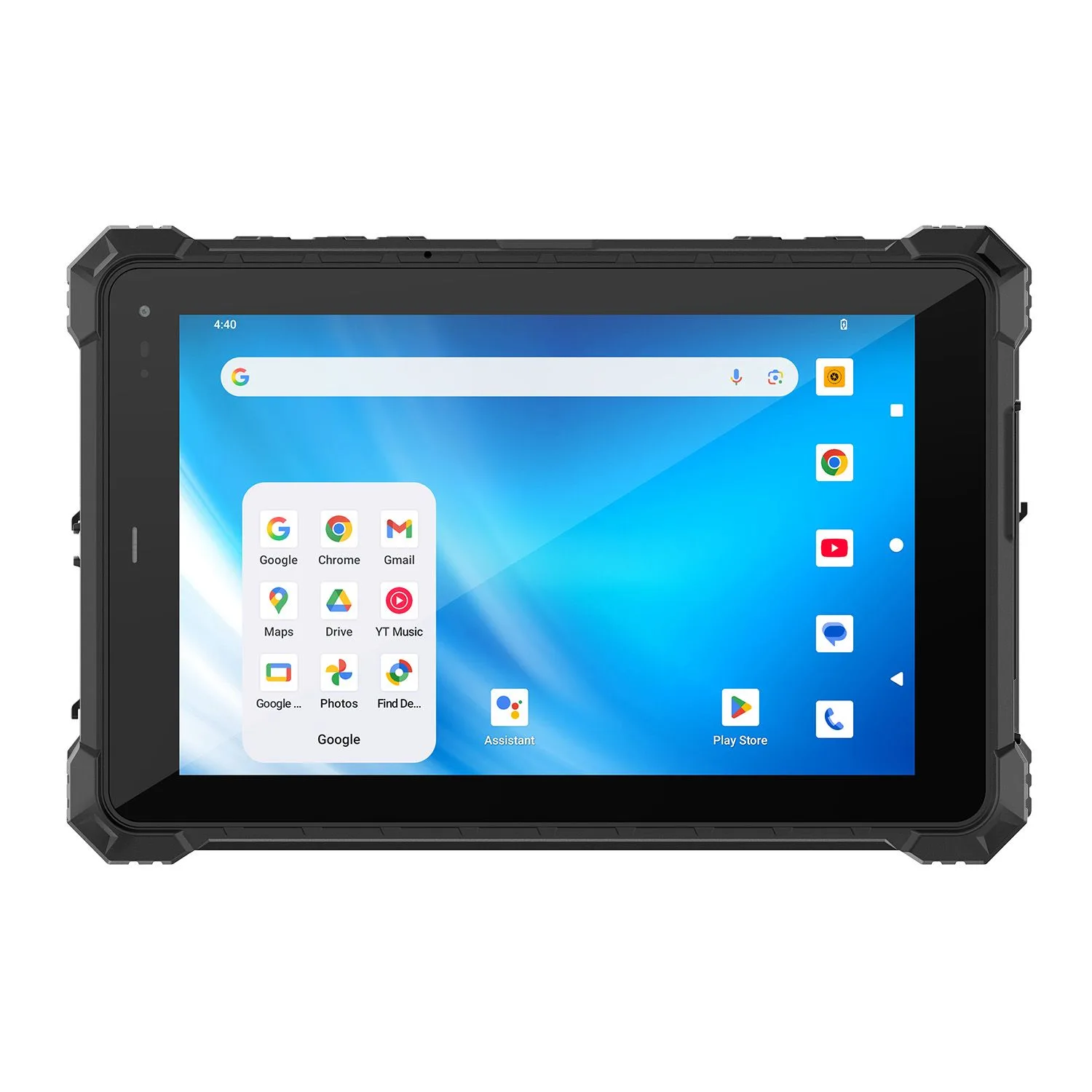
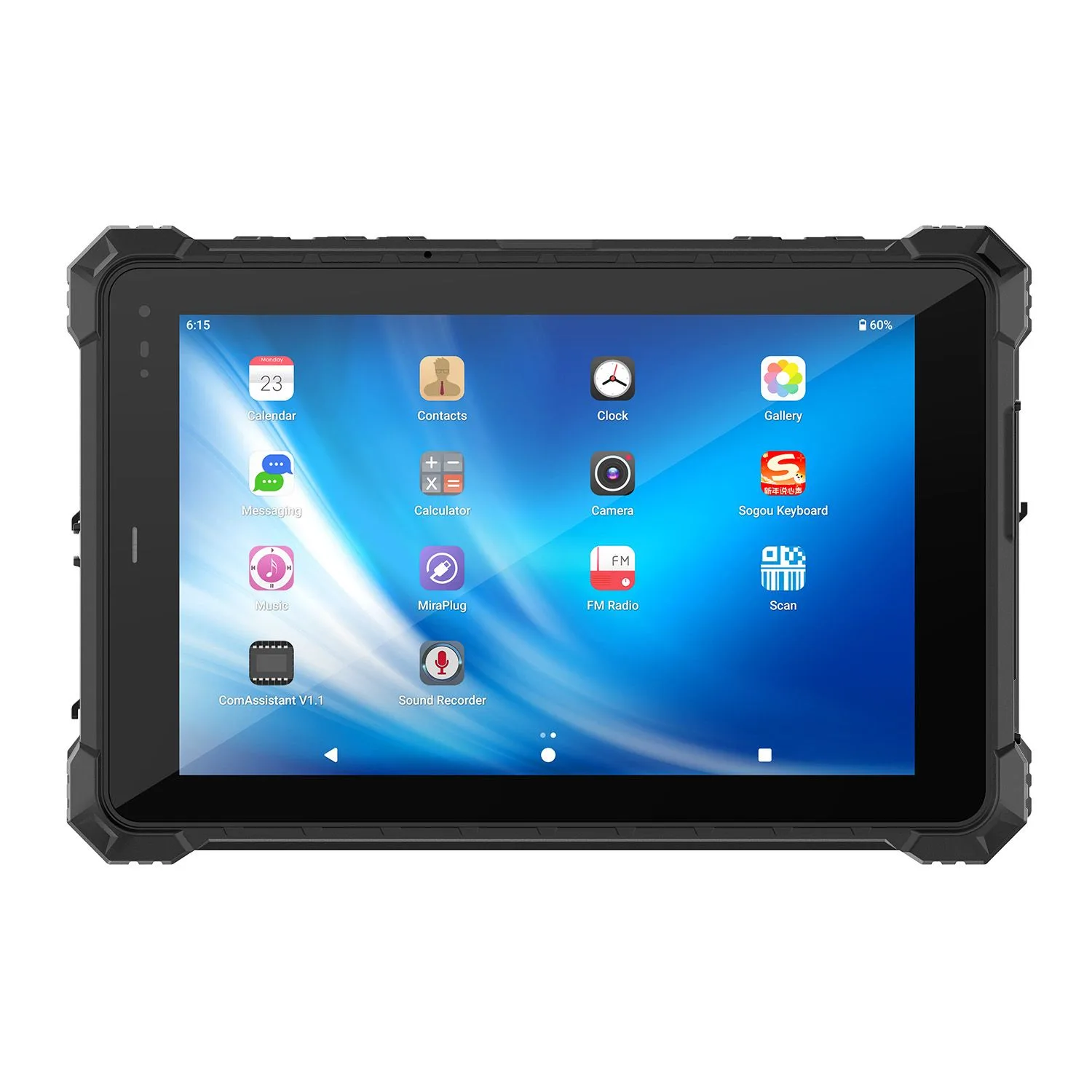
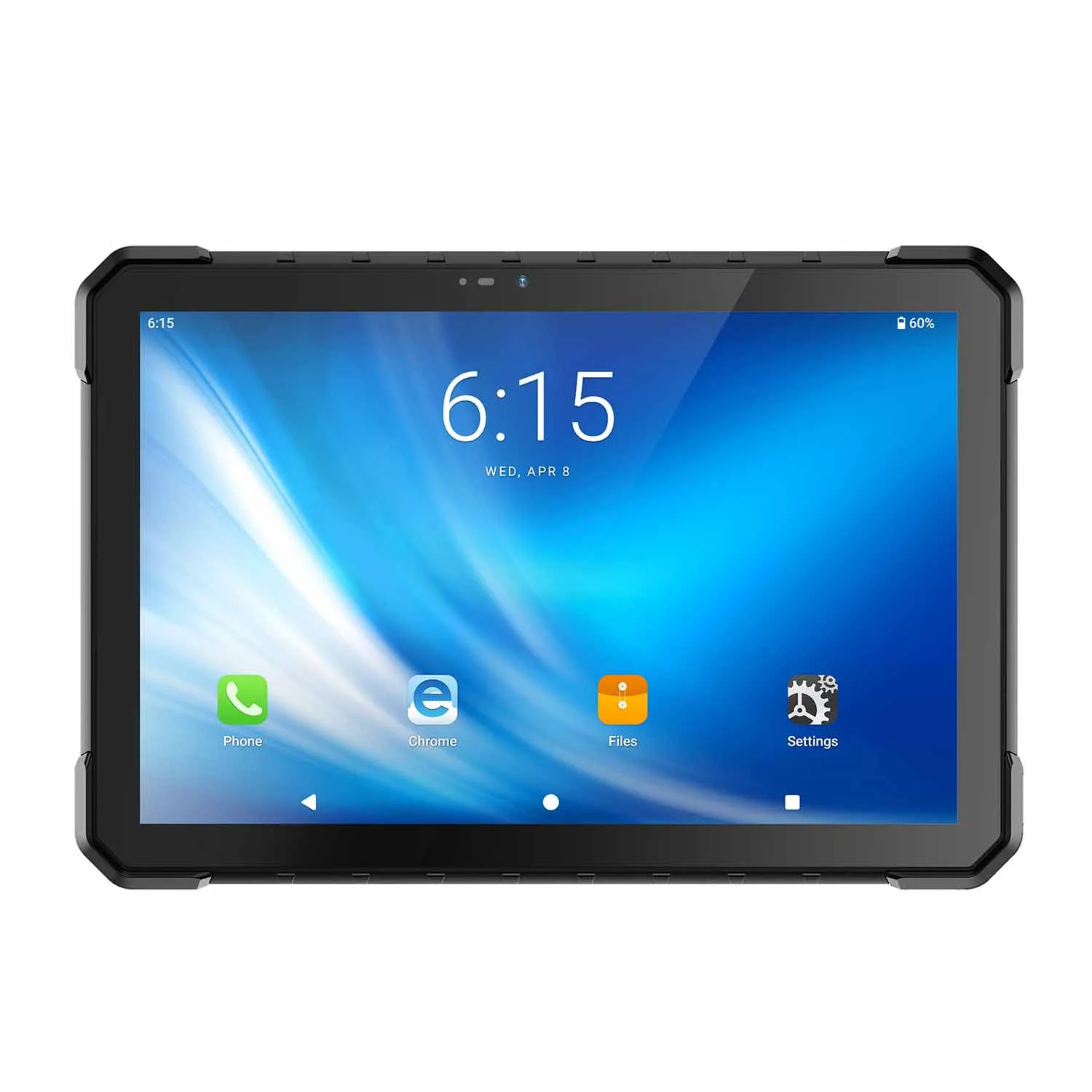
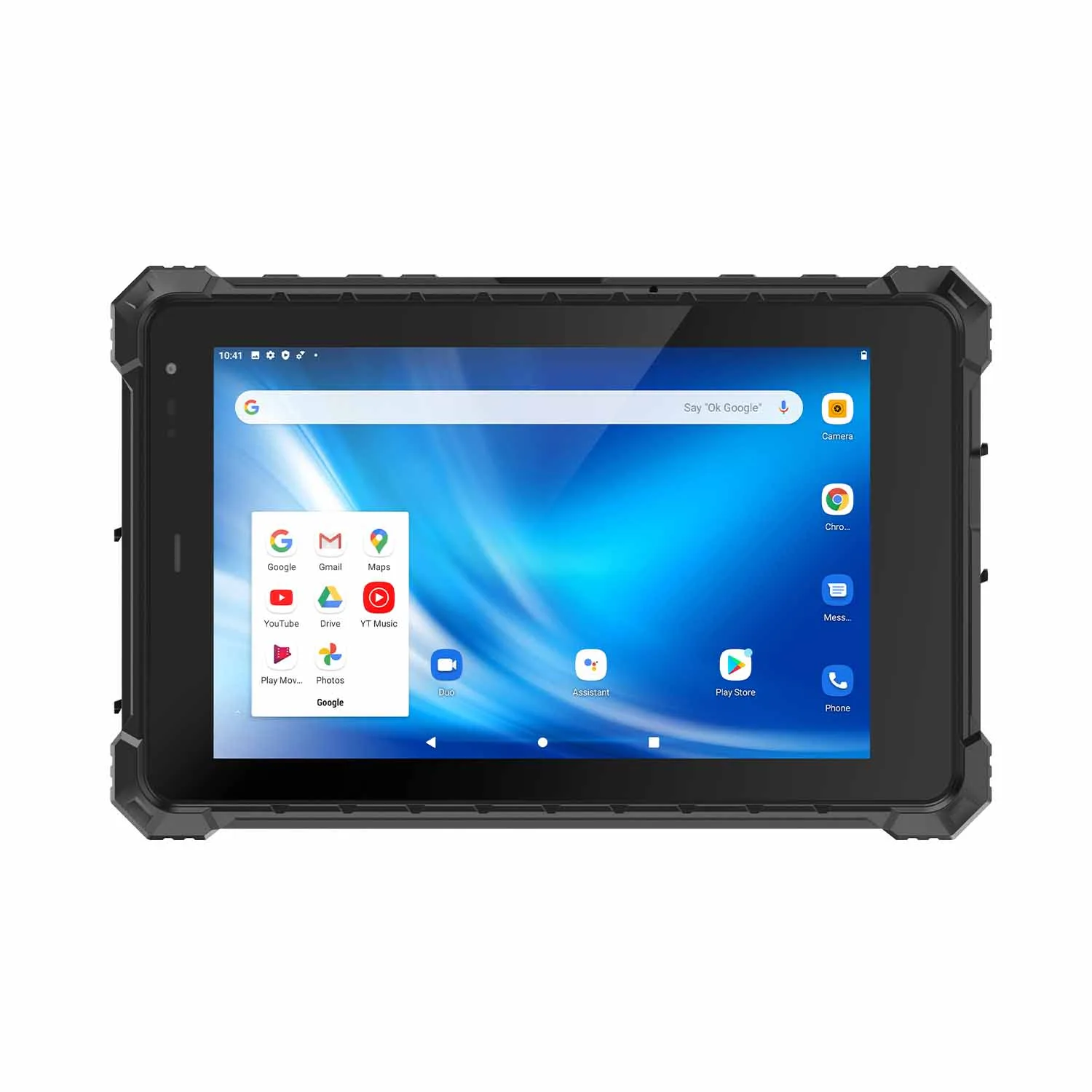
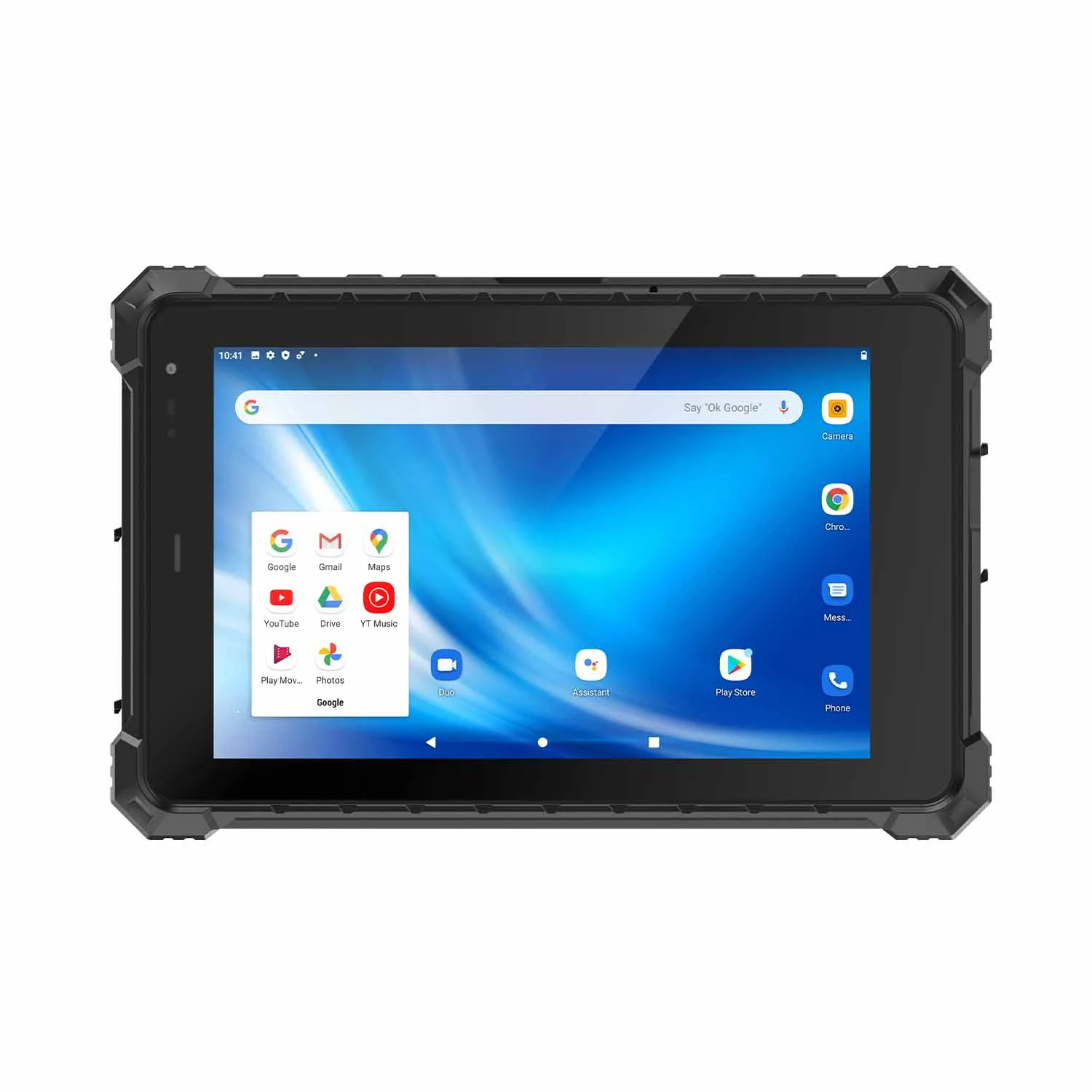
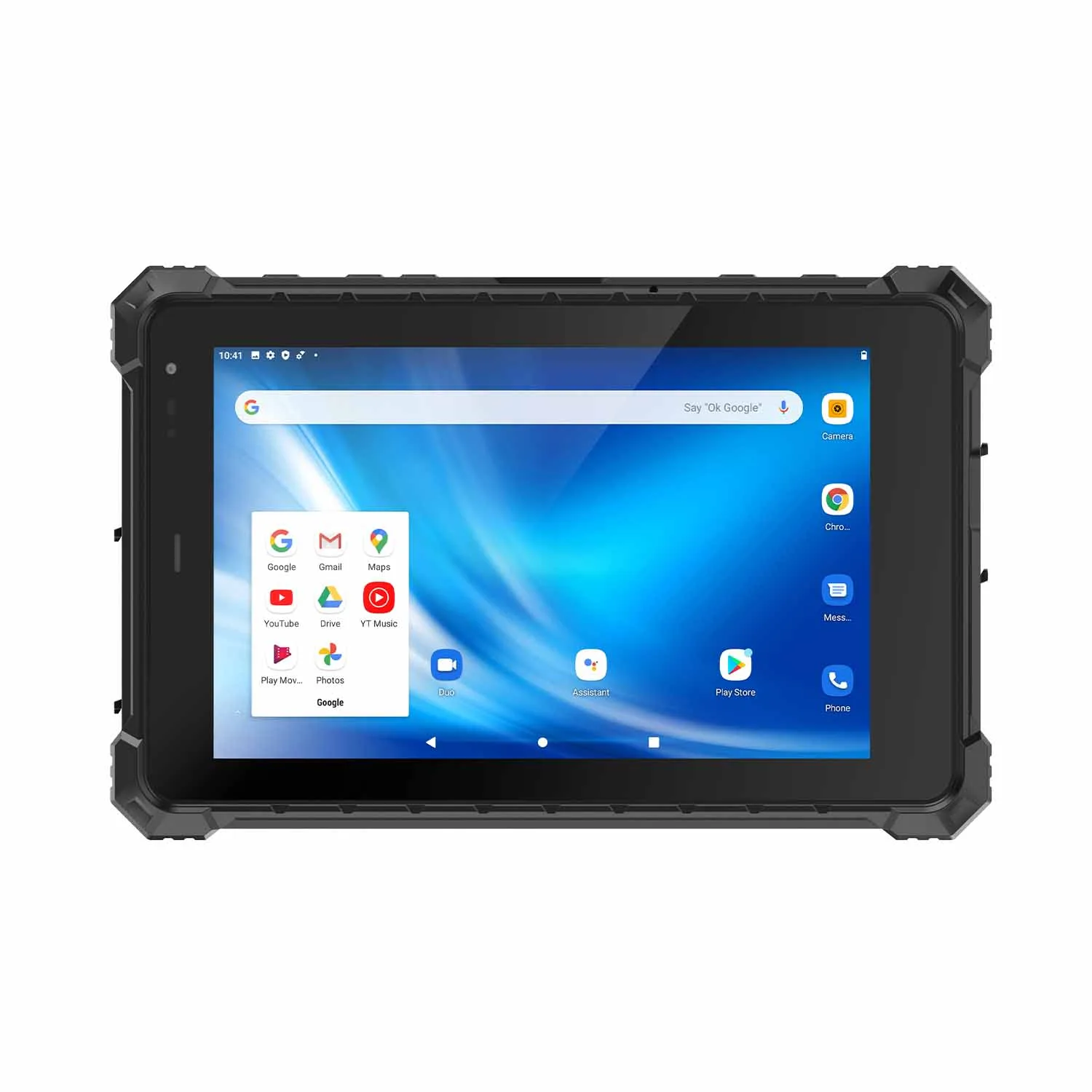
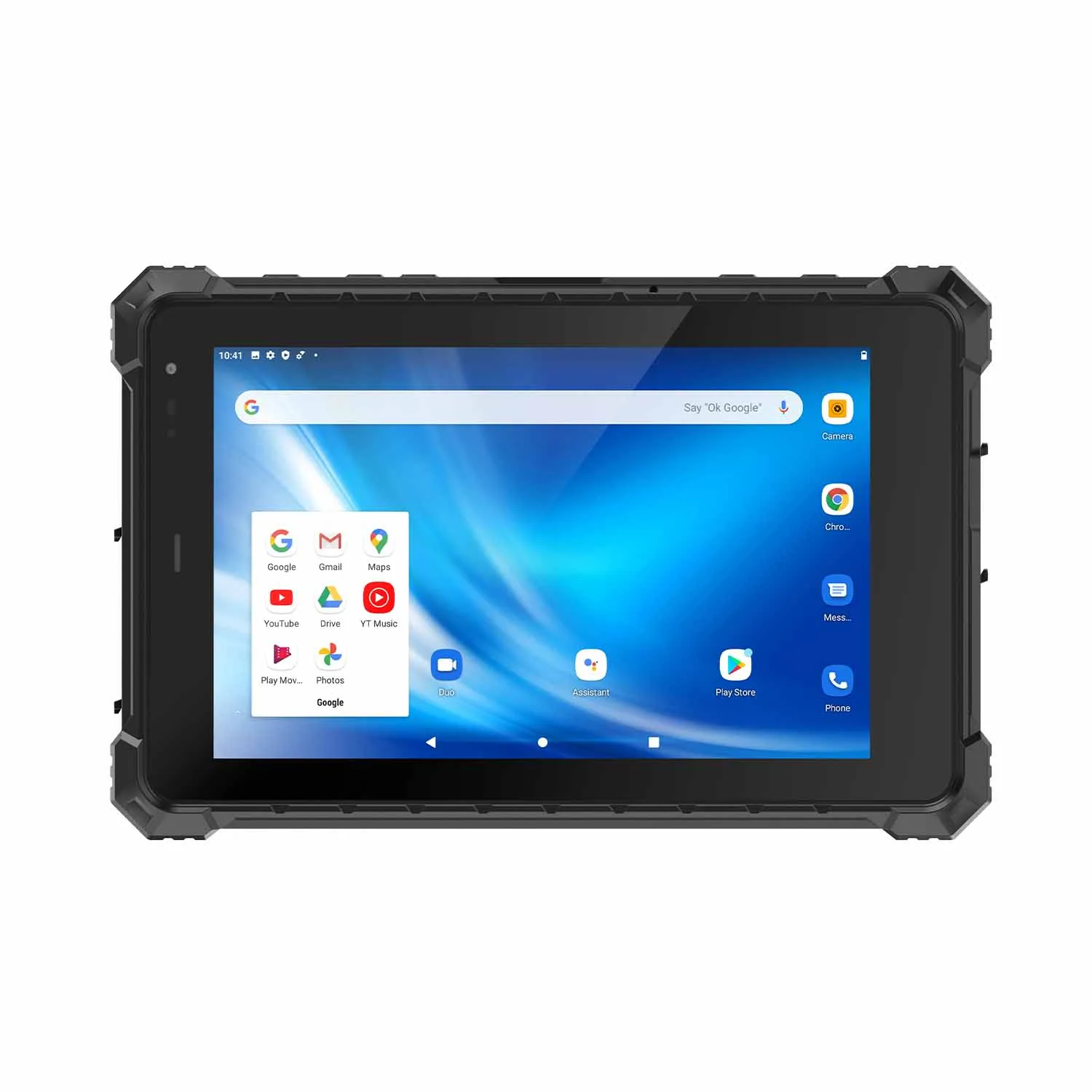
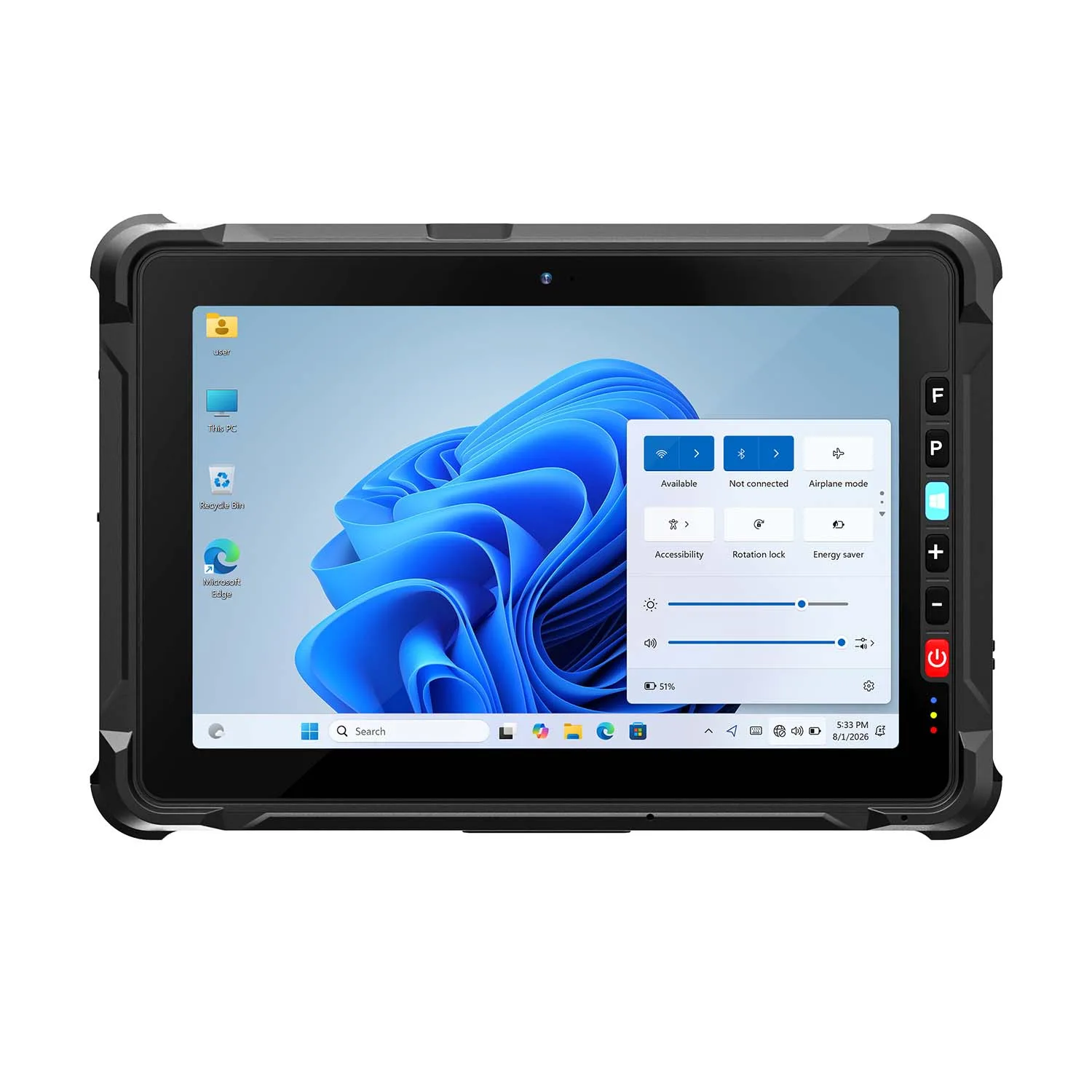
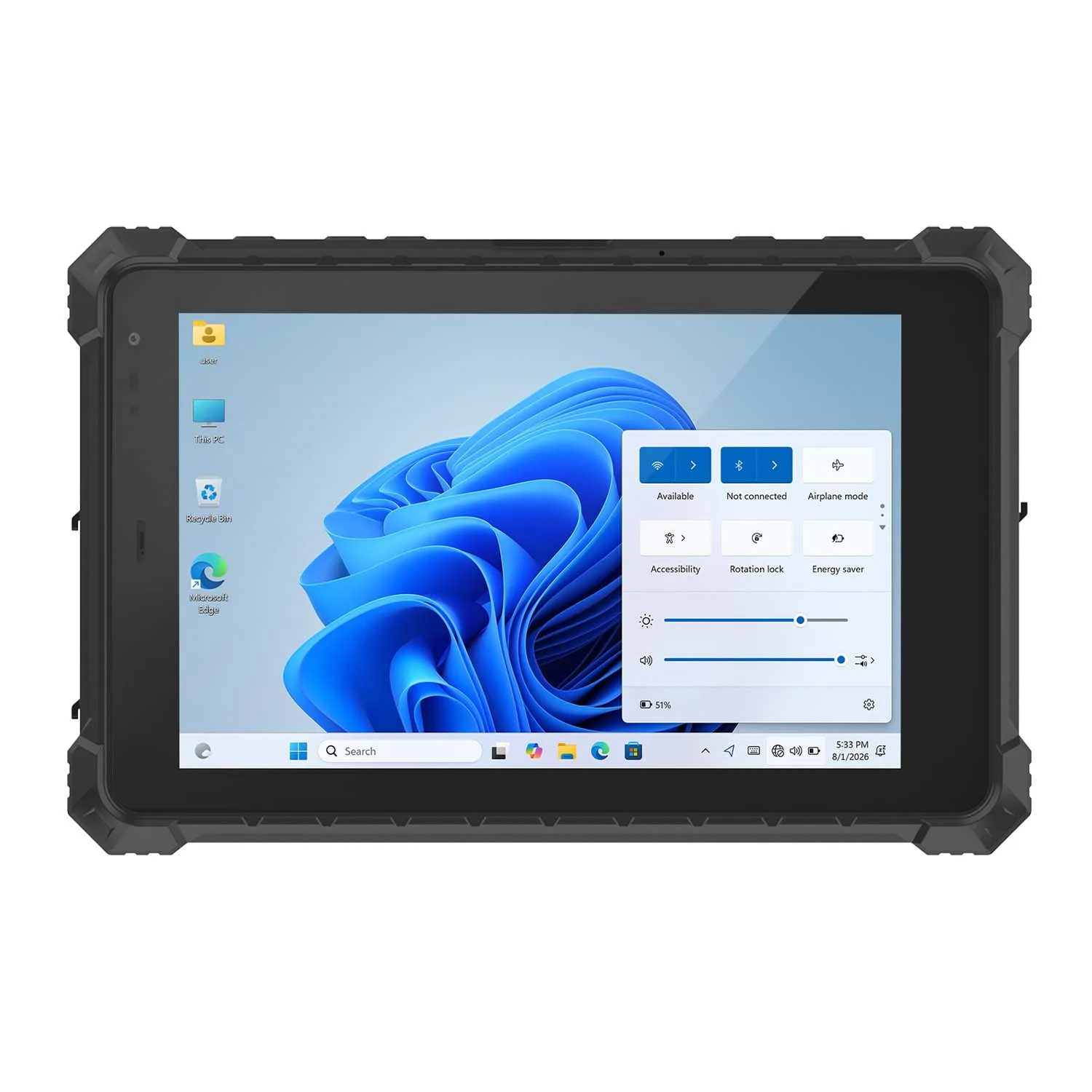
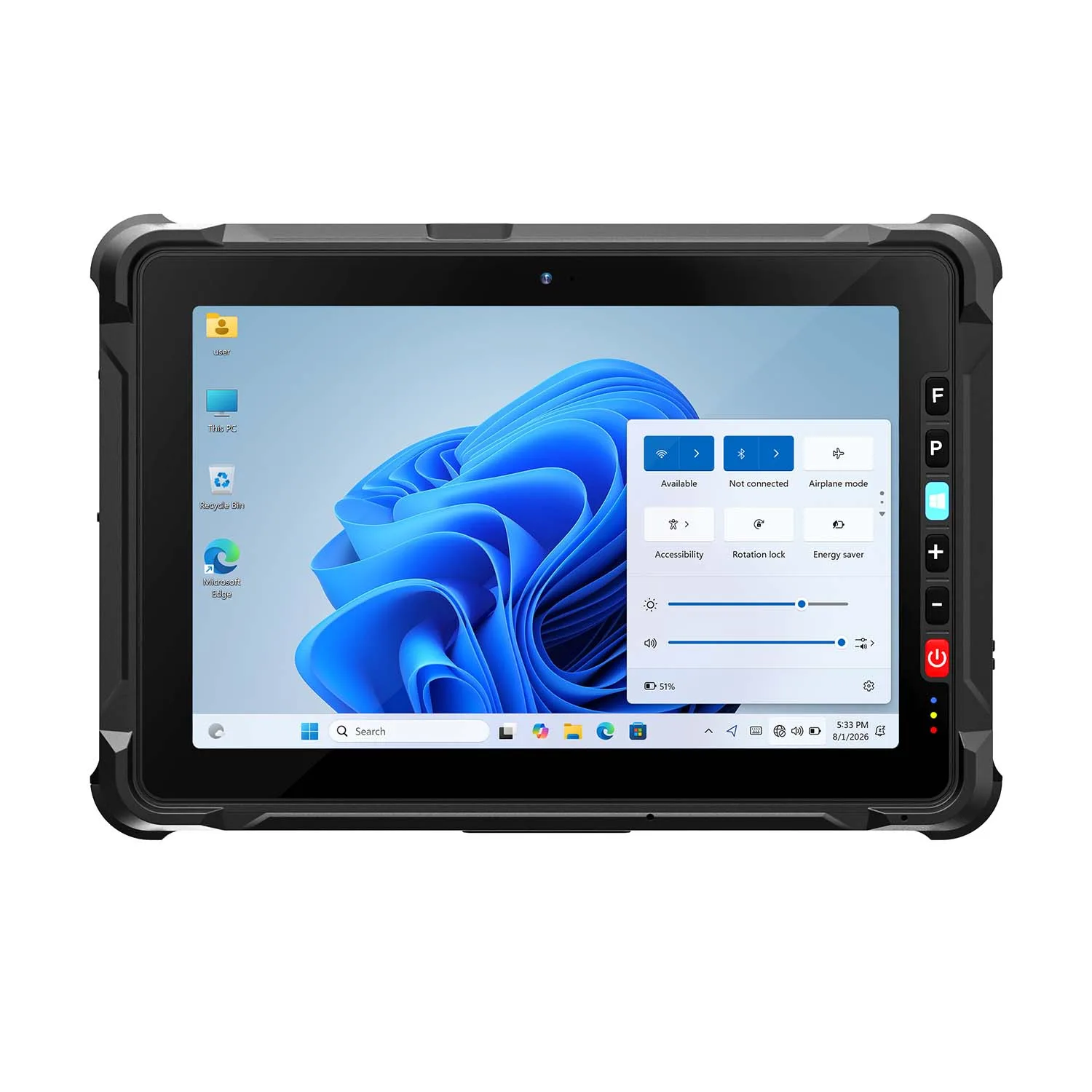
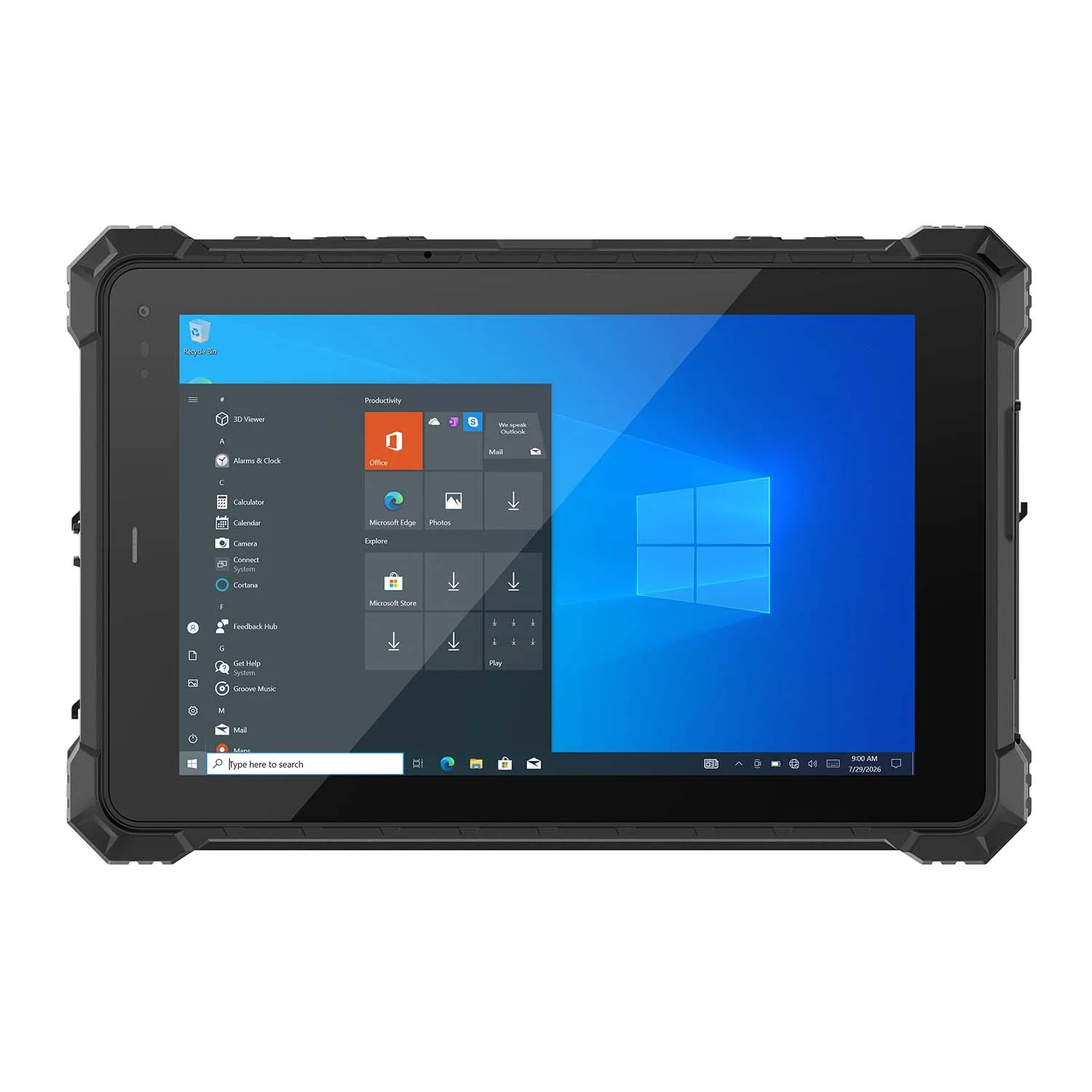
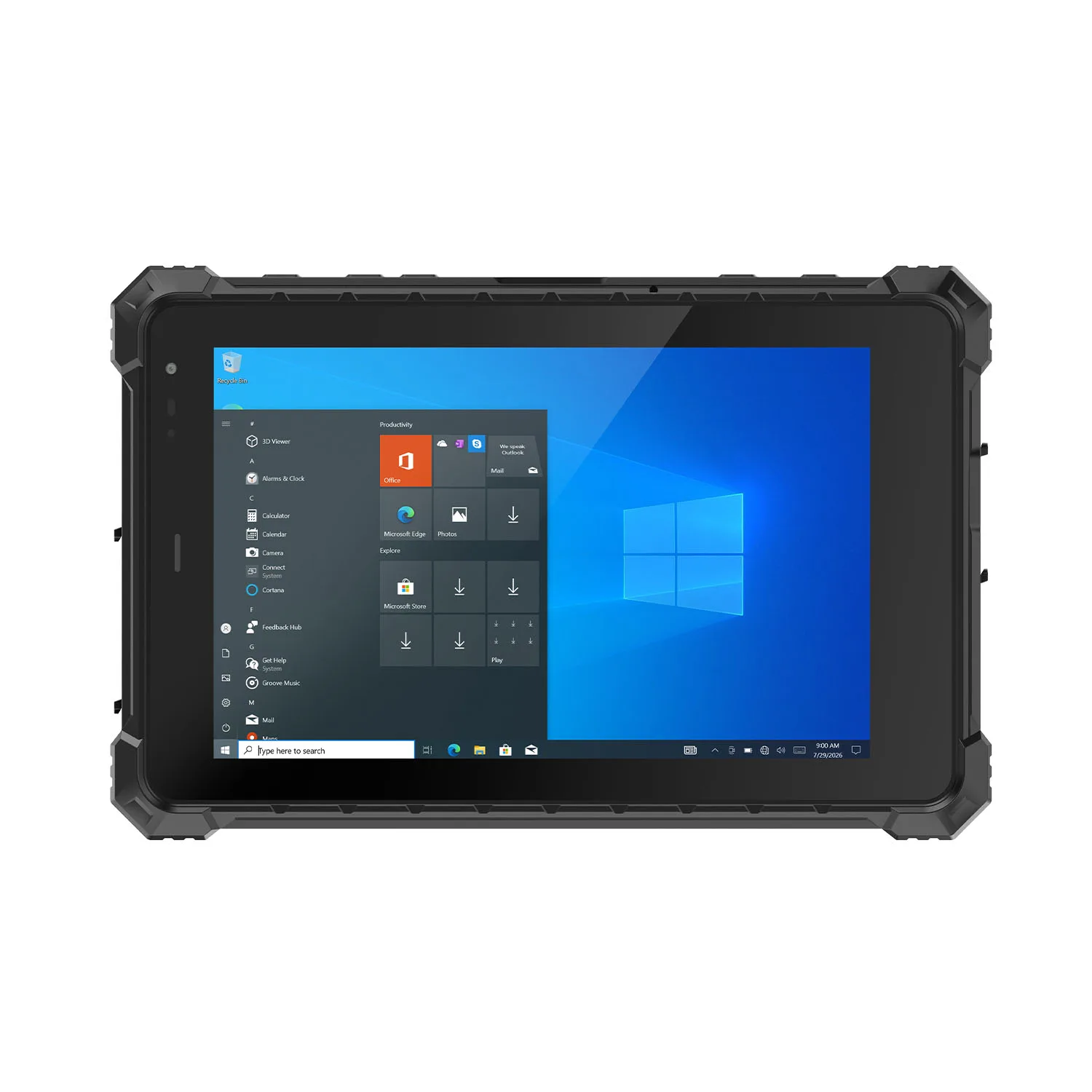
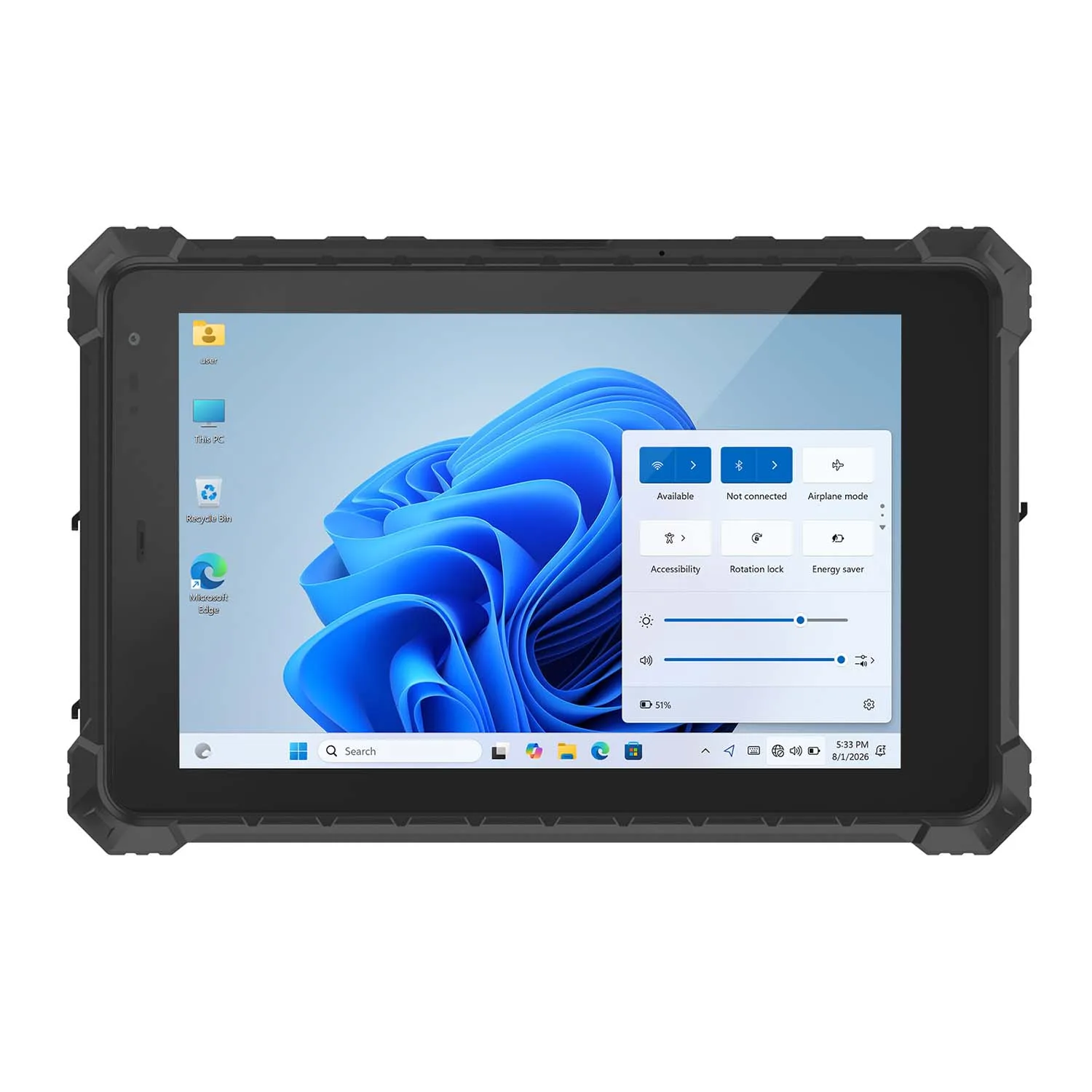
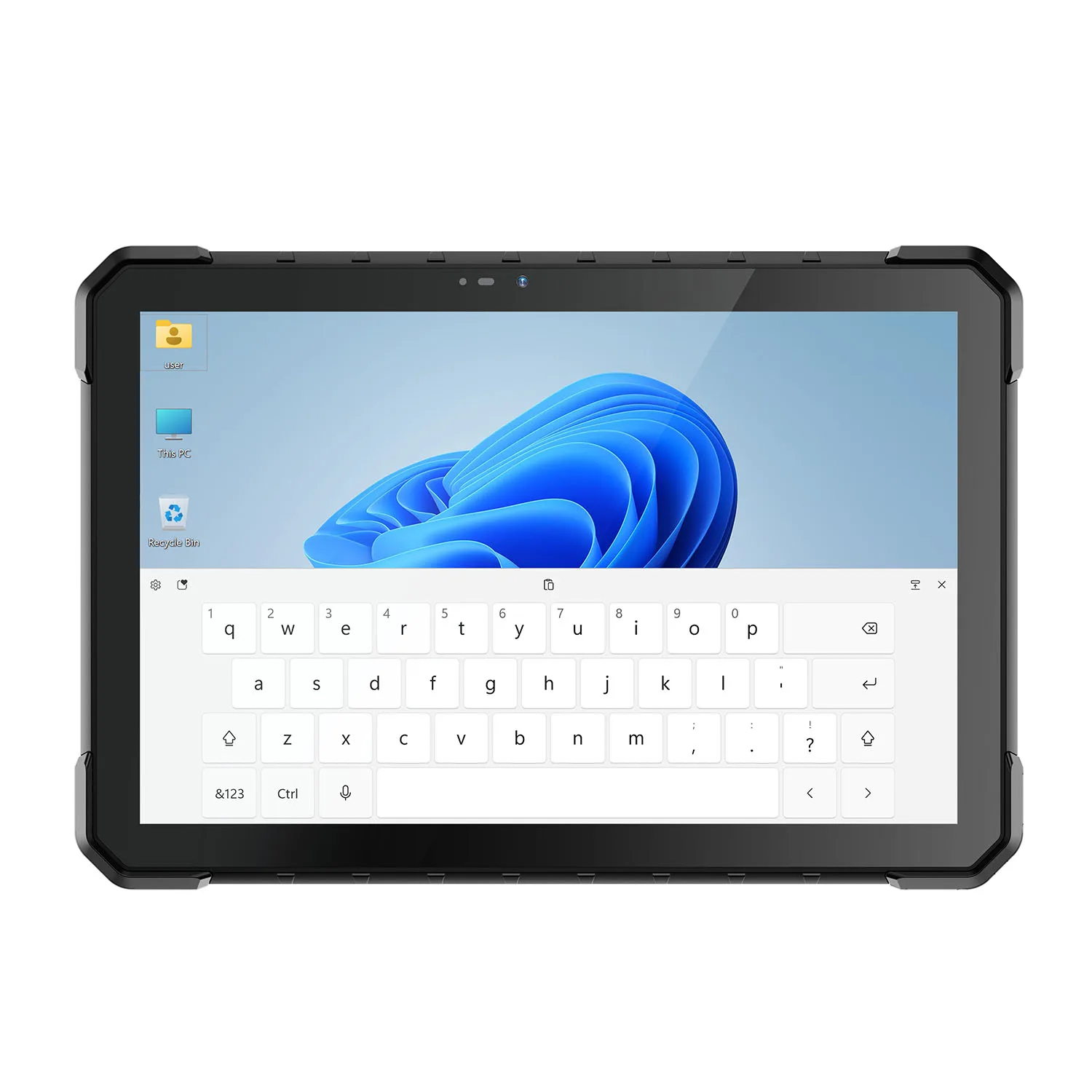
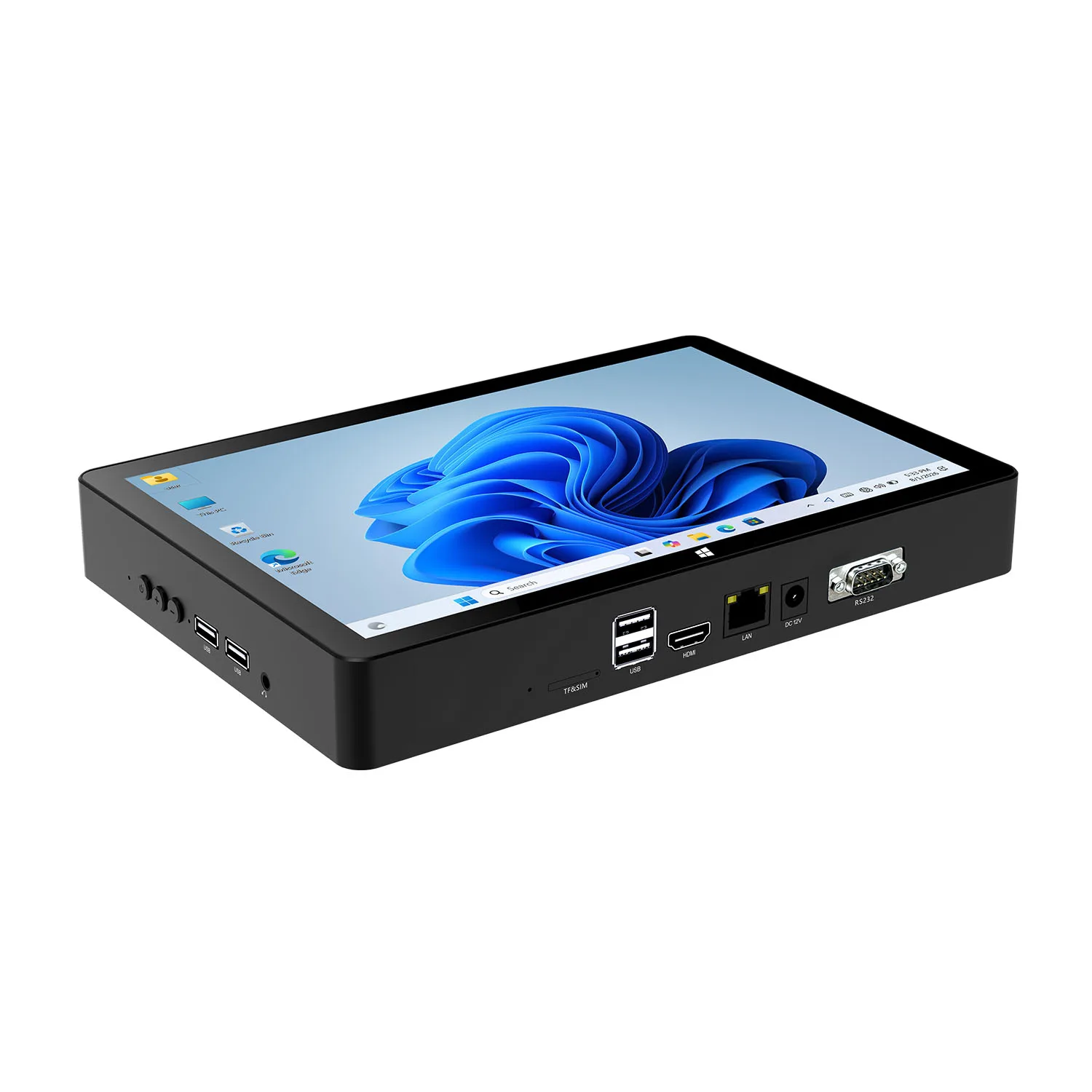
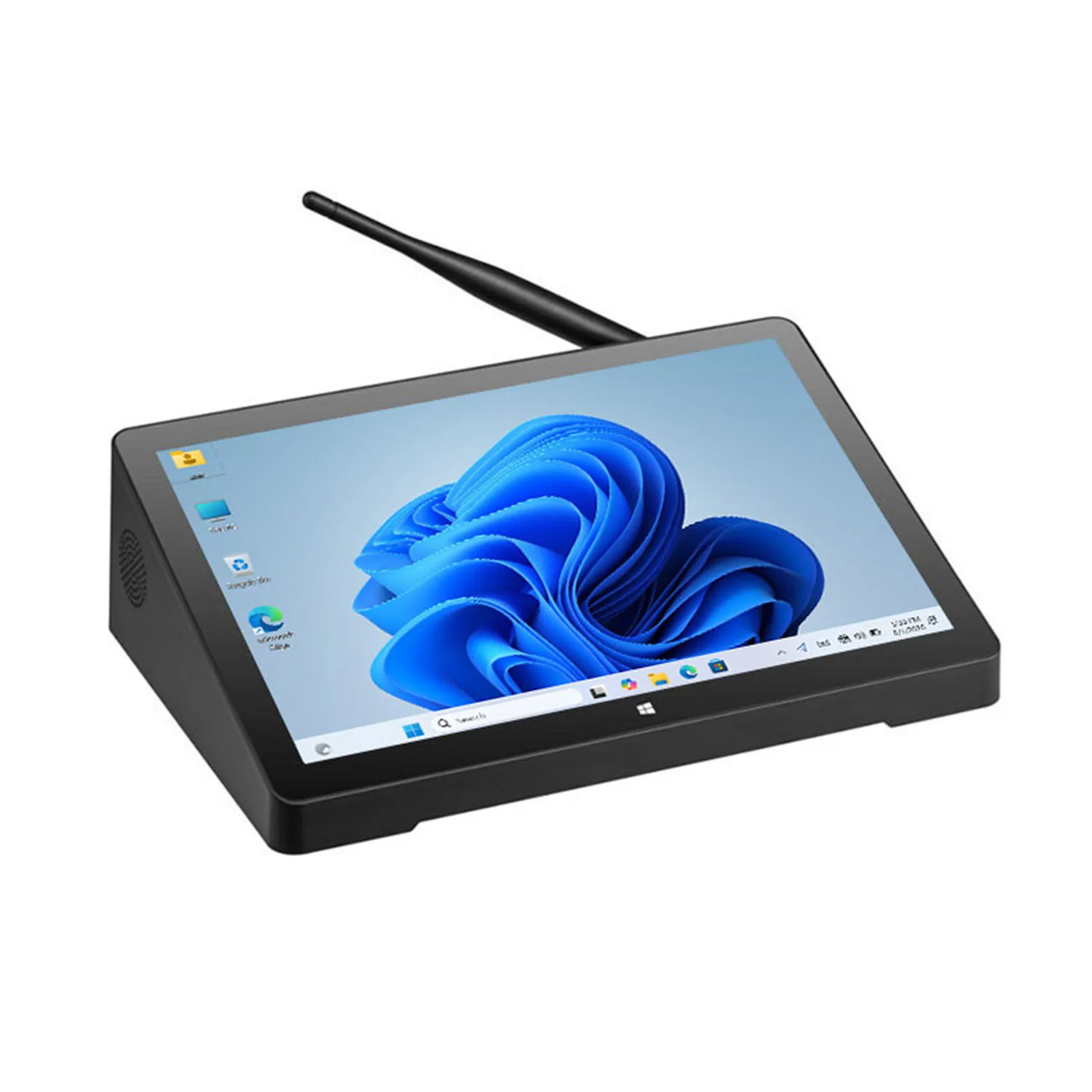
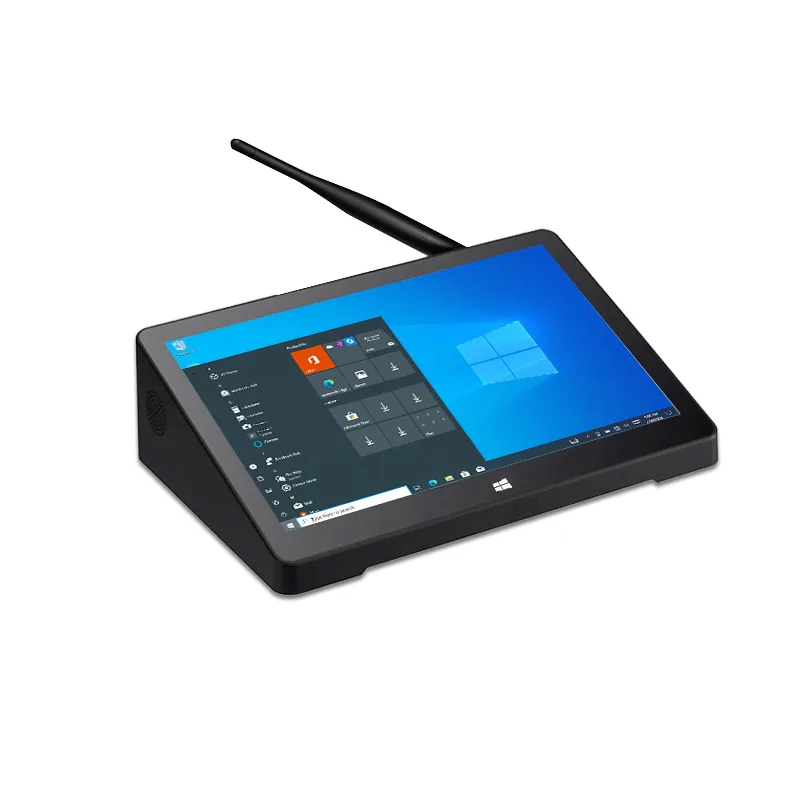
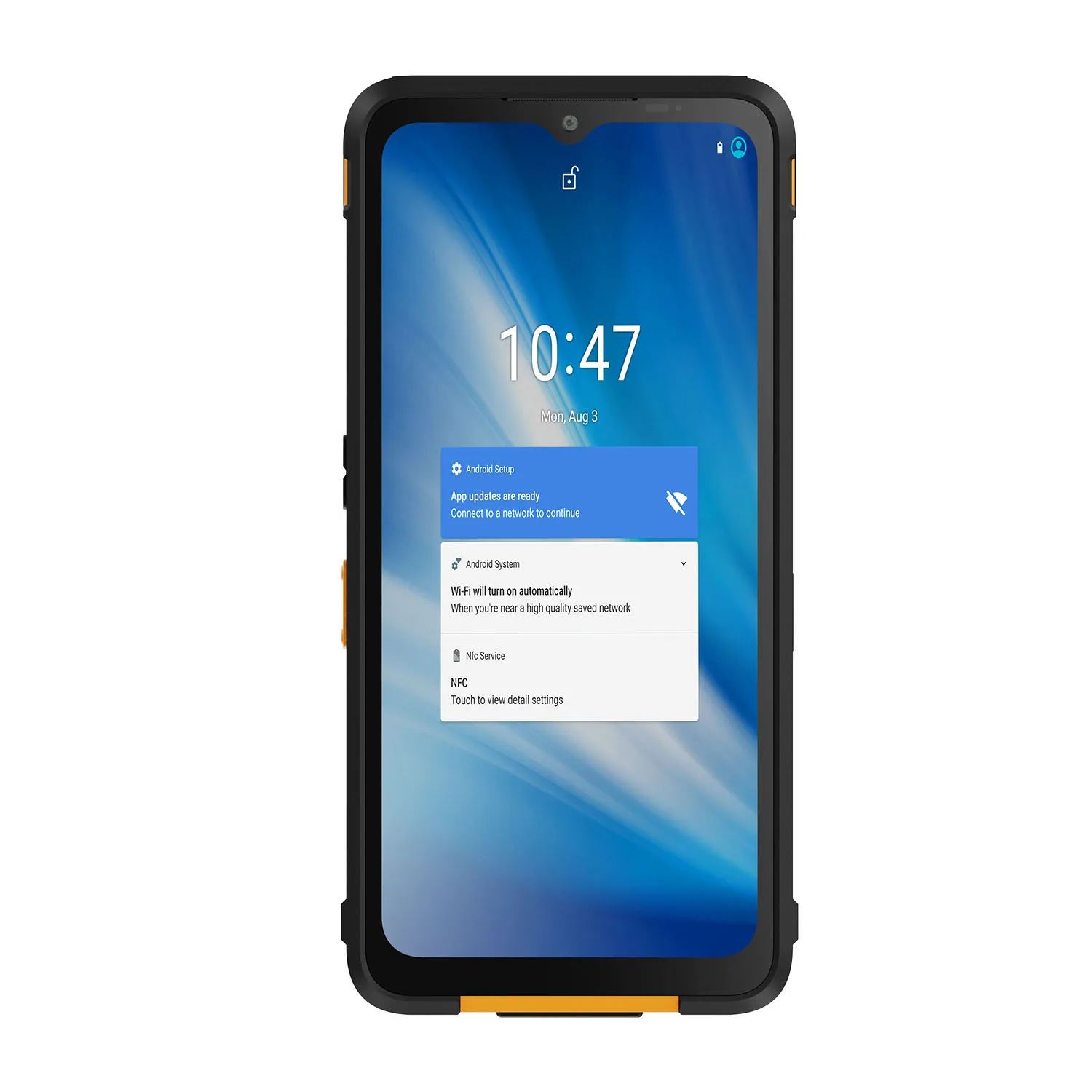
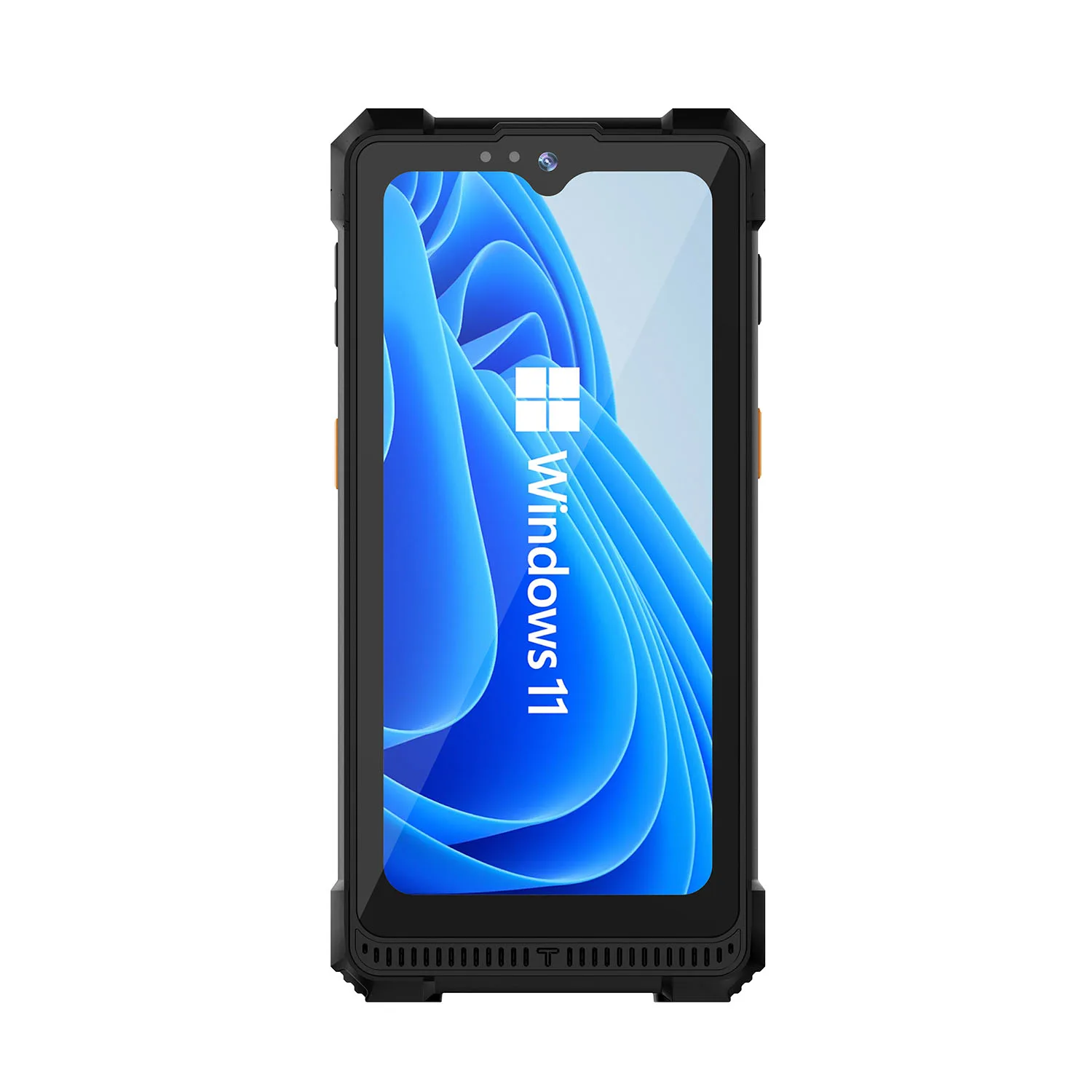
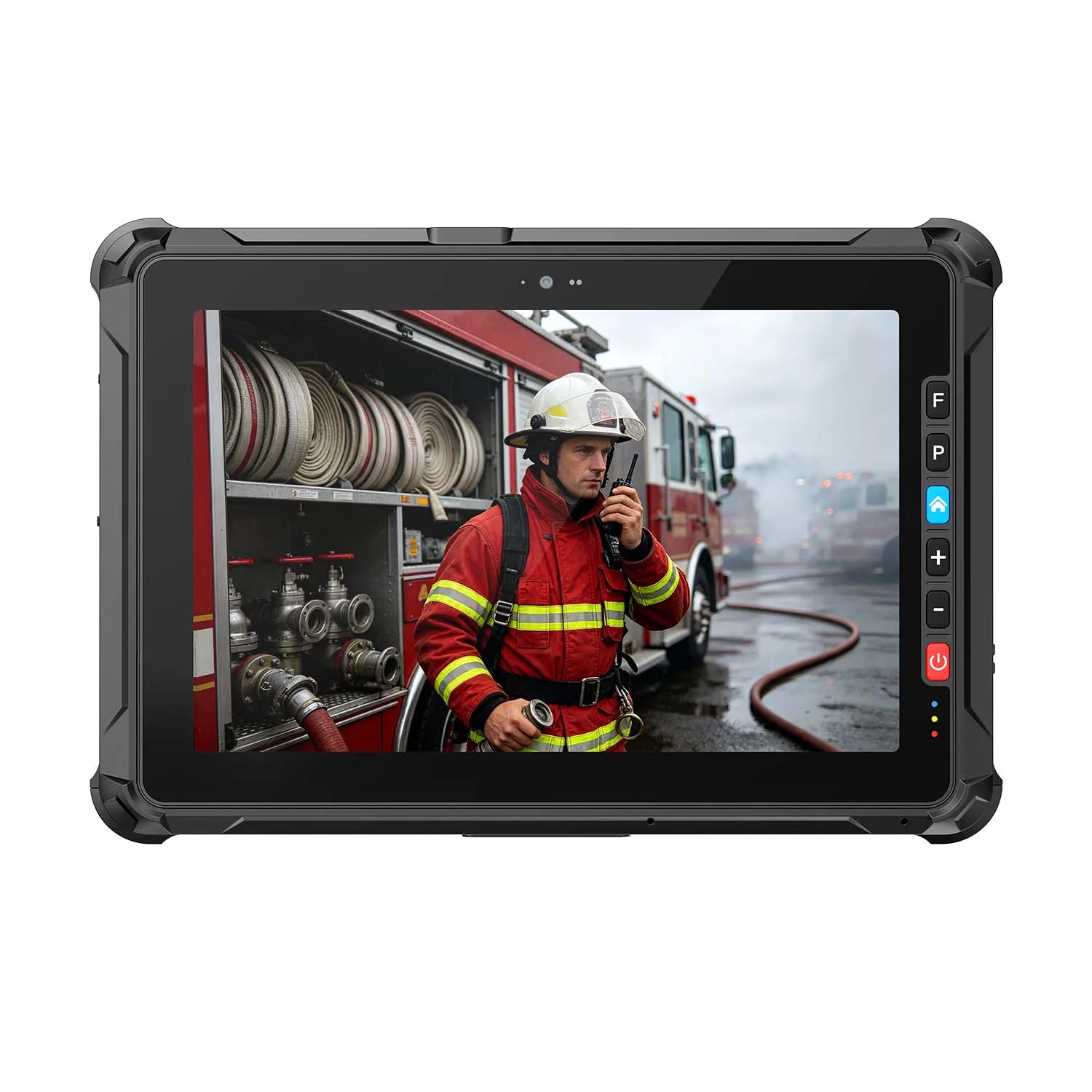
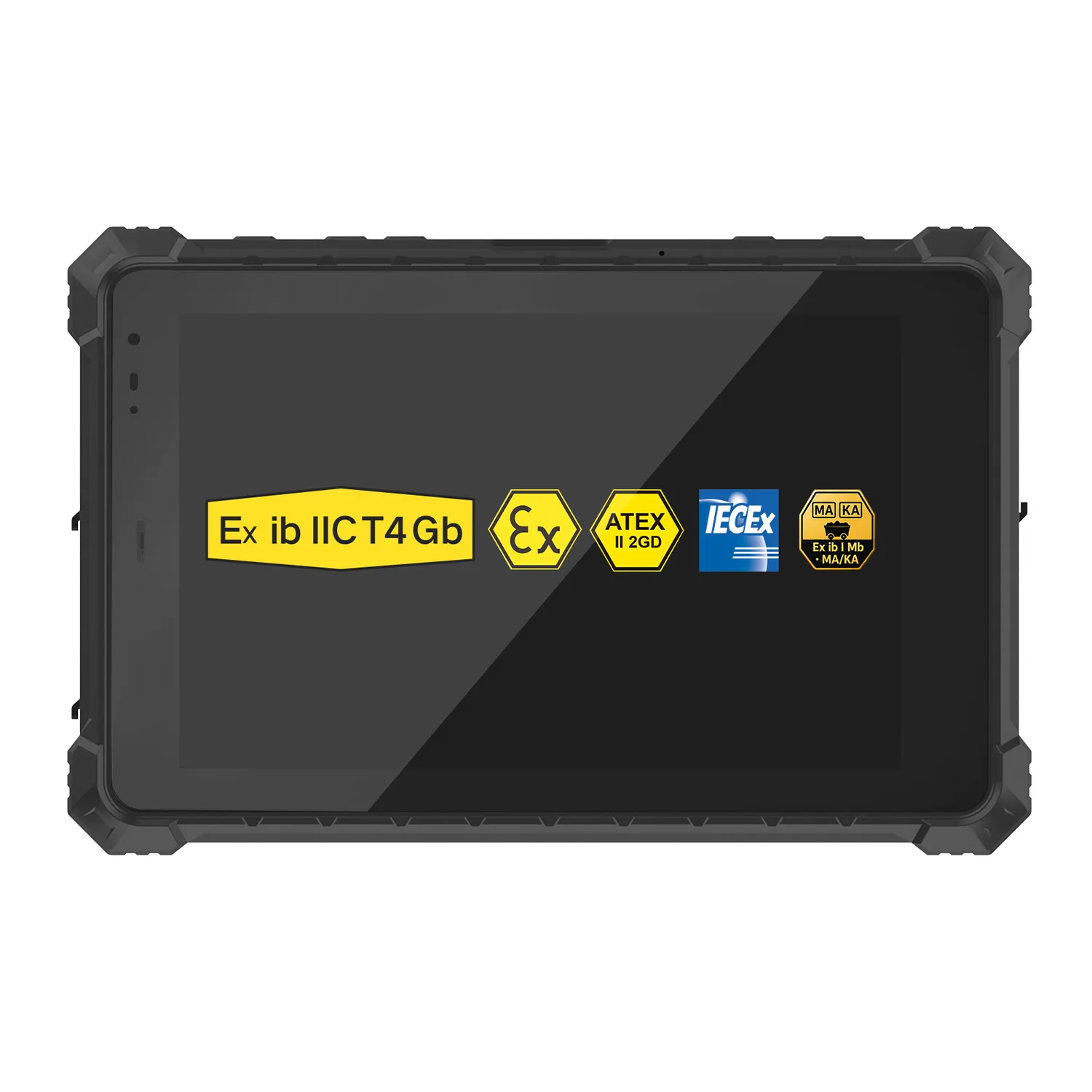
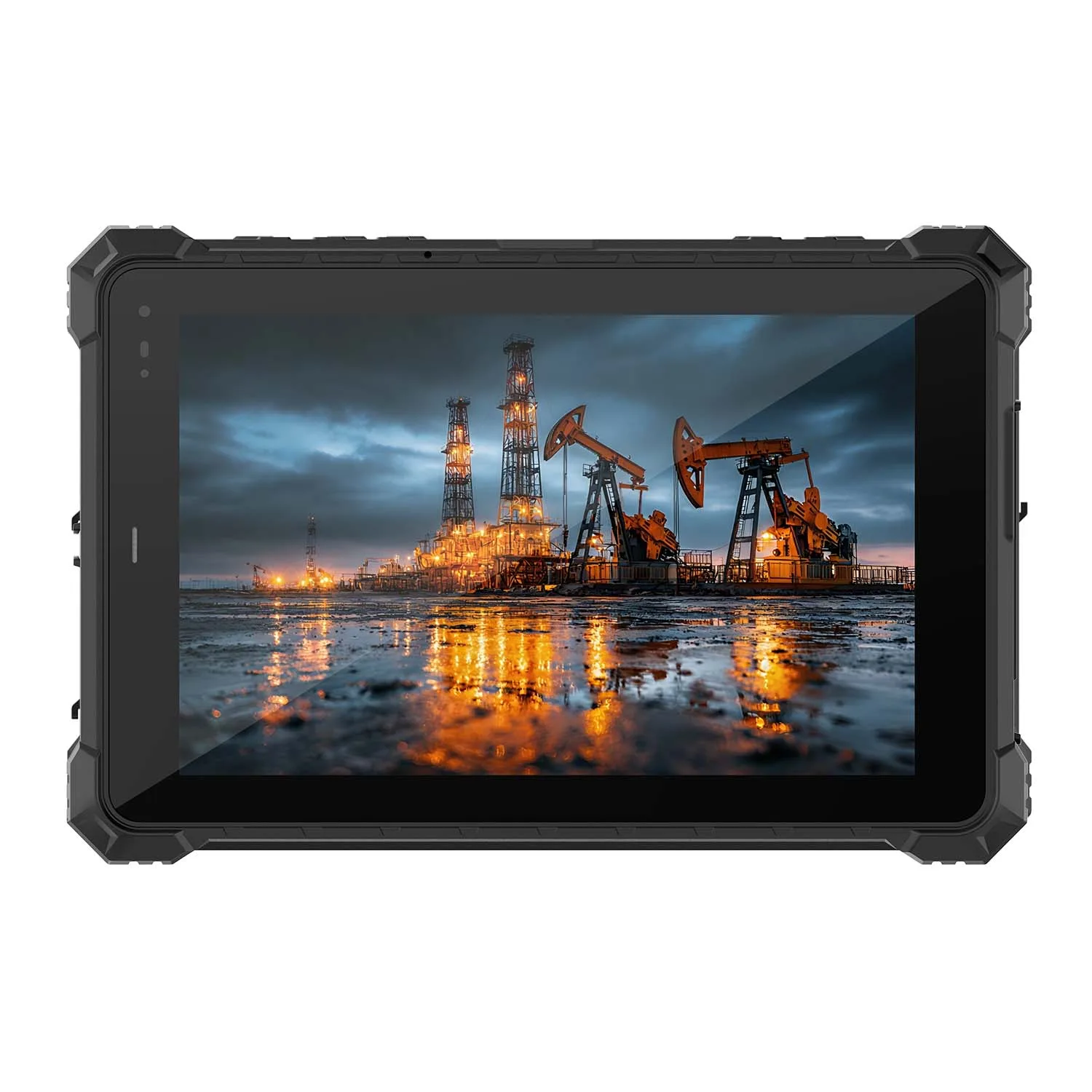
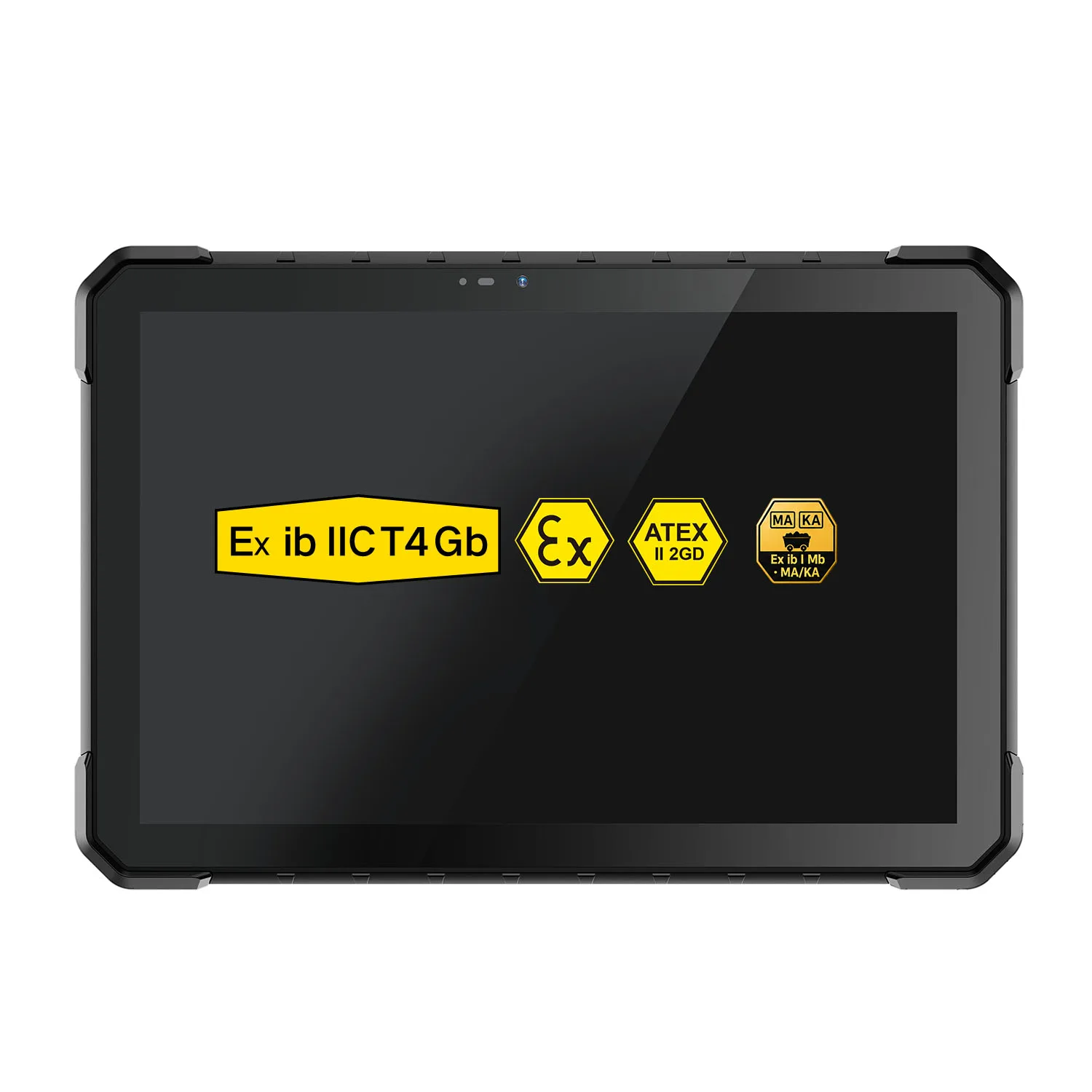
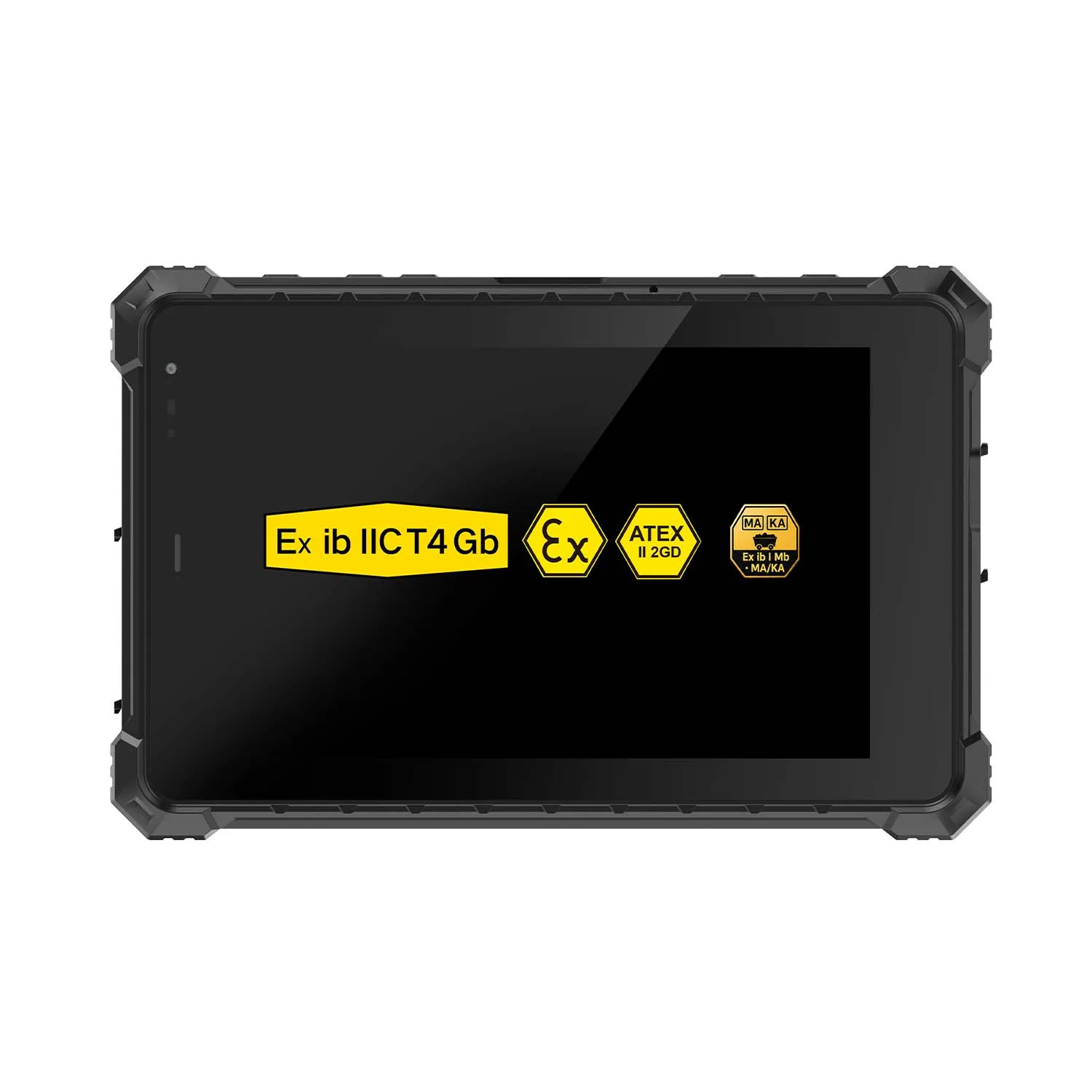
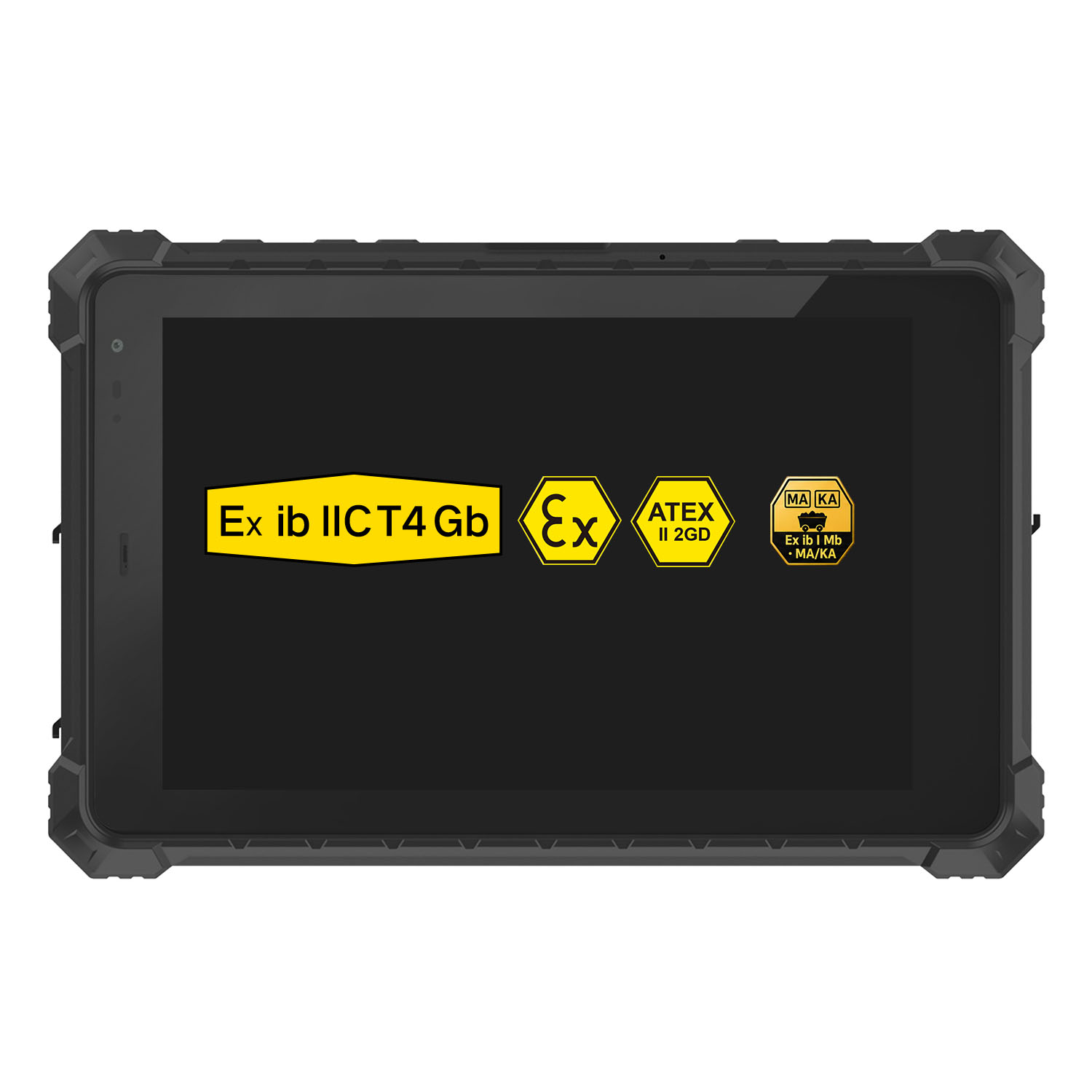
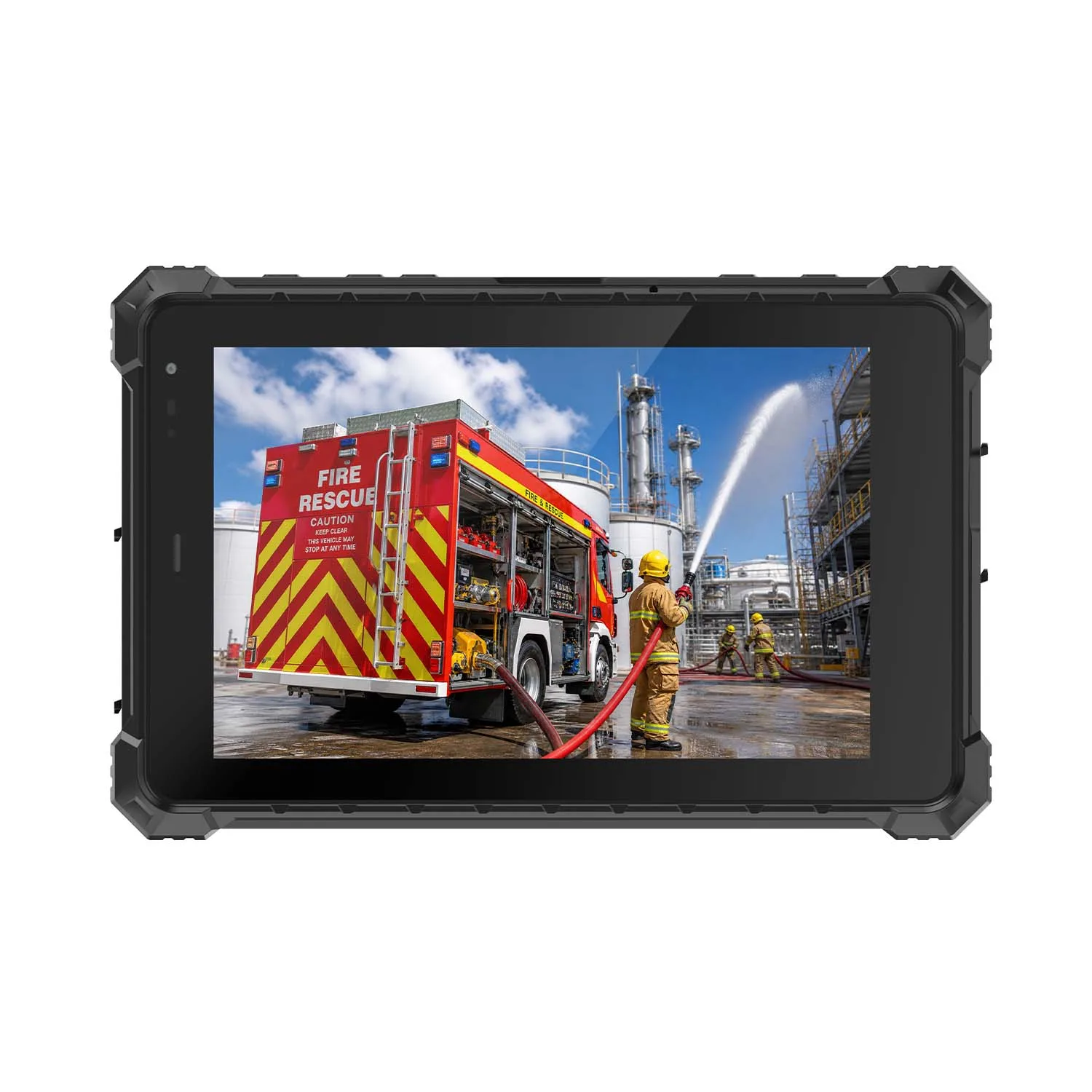
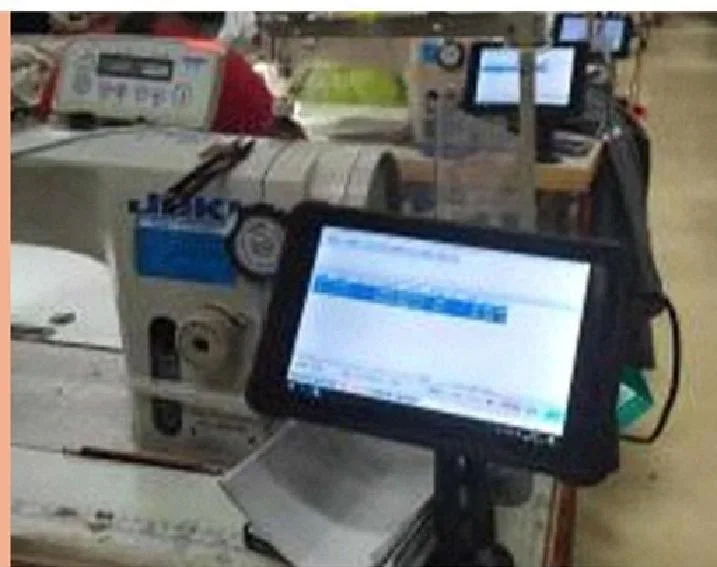
CENAVA recommended its W81H rugged tablet, paired with an MES-style production system at each sewing workbench. The touch display shows each worker the corresponding production information directly at their station — ensuring "one person, one version, one garment, one style" and communicating information in real time, so workers can accurately confirm product requirements and avoid wasting raw material.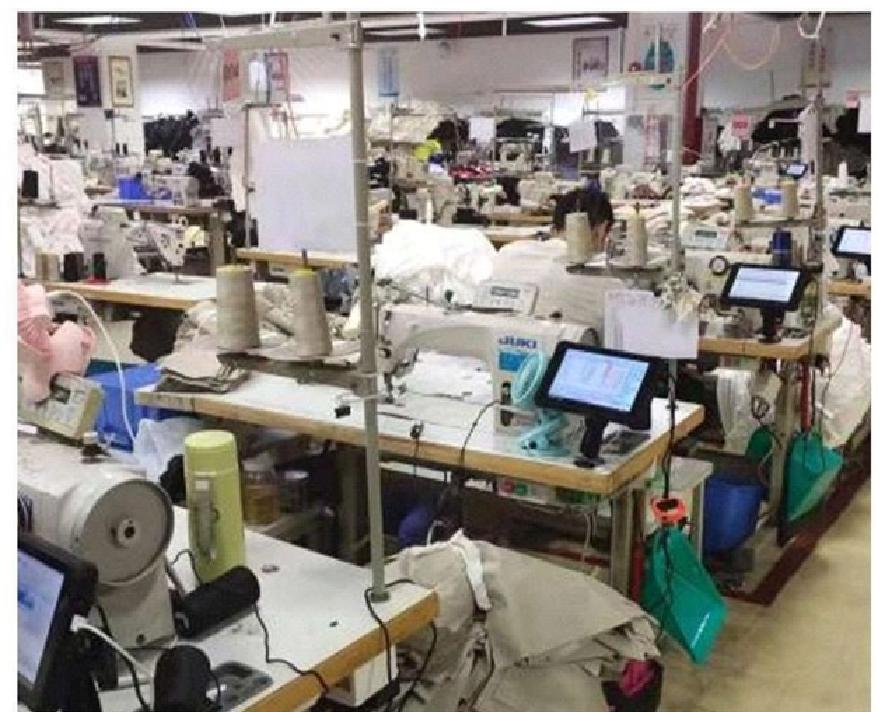
W81H Specifications
OS: Windows 10
CPU: Intel Atom x5-Z8350 (Cherry Trail, quad-core, 1.44–1.92GHz)
RAM/Storage: 4GB RAM, 64GB storage
Display: 8" IPS, 1280×800, Corning Gorilla Glass, 5-point capacitive touch
Protection: IP67 — waterproof, dustproof, EMI-resistant industrial housing with reinforced anti-drop corners
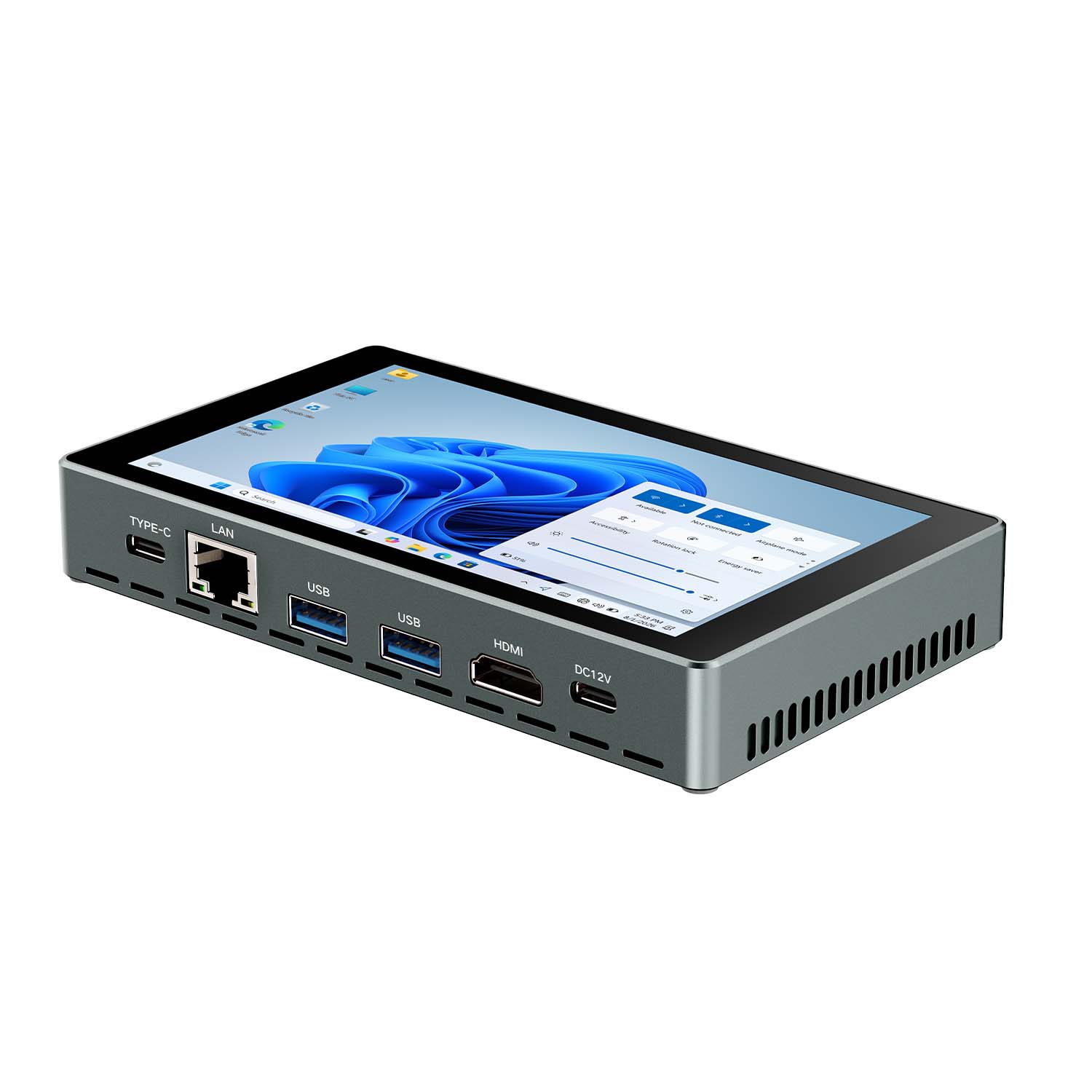
Connectivity: Dual-band Wi-Fi, Bluetooth, 4G (USB modem), GPS
Camera: 2MP front, 5MP rear
Battery: 3.7V/6000mAh
Dimensions: 223×146×22mm
An Independent Review of the W81H
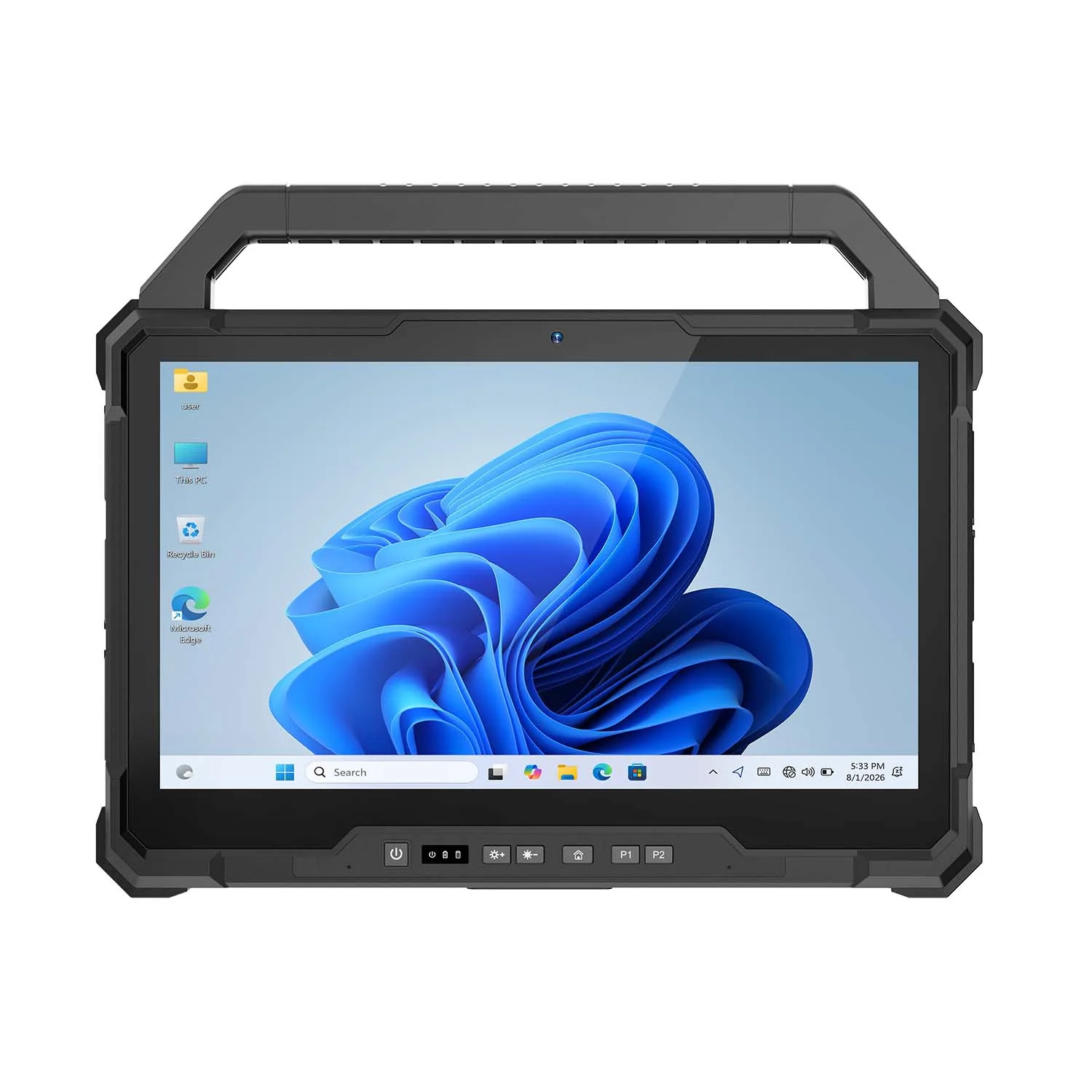
Beyond CENAVA's own materials, the W81H has been independently reviewed by TechRadar, a well-known technology publication. Their assessment found the tablet solidly built and genuinely durable for outdoor and workshop-style tasks, with useful GPS/4G connectivity and reasonably priced hardware — but also flagged real limitations you need to weigh before buying: the Atom processor struggles with anything beyond light workloads, 64GB of storage is tight for data-heavy use, and the display's brightness and reflectivity are weaker than ideal for bright environments. For a sewing workbench display showing static pattern and order information, these trade-offs matter less than they would for a more demanding application — but you should know them before you order.Given the W81H's dated processor, a garment manufacturer evaluating a new deployment today may also want to compare it against CENAVA's current A10ST or A109T (Android-based, newer chipsets) for workstation displays that need to run more than basic MES lookup screens.Why This Setup Works for Garment Line Traceability
Accuracy at the station level. When a worker relies on a shared paper sheet posted three benches away, they memorize the pattern number — or guess. A tablet at each station shows only the data for the garment in front of that worker. The error rate drops because there is nothing to memorize.
No more paper reprints. When a design revision comes in at 10 AM, a paper-based line needs new sheets printed, distributed, and the old ones collected. With a tablet-based MES, the update pushes in seconds. The line never stops for paperwork.
Hardware that matches the environment. The previous tablets failed because they were designed for coffee shops, not fabric-dust and sewing-machine vibration. IP67 and reinforced corners are not "nice to have" in this context — they are the minimum specification.
Frequently Asked Questions
1. Why didn't standard tablets survive in this workshop?
Dust from fabric cutting, vibration from sewing machines, and the occasional knock off a workbench killed consumer-grade tablets within weeks. Each failure meant lost production data and a delayed order — and the replacement cost added up fast.
2. What does the tablet actually show the worker?
Each station sees the exact pattern, order, and style for the garment currently at that bench. If Station 12 is sewing a medium navy jacket, the screen says so — and if the next item is a large grey one, the display updates before the worker picks up the wrong fabric.
3. What are the W81H's limitations?
The Atom x5-Z8350 is fine for static MES lookup screens but will choke on video-heavy apps or large database queries. 64GB storage fills up fast if you are caching high-res pattern images locally. And the 8-inch screen is readable indoors but washes out under bright workshop fluorescents. For a basic pattern-and-order display, none of these are dealbreakers — but know them going in.
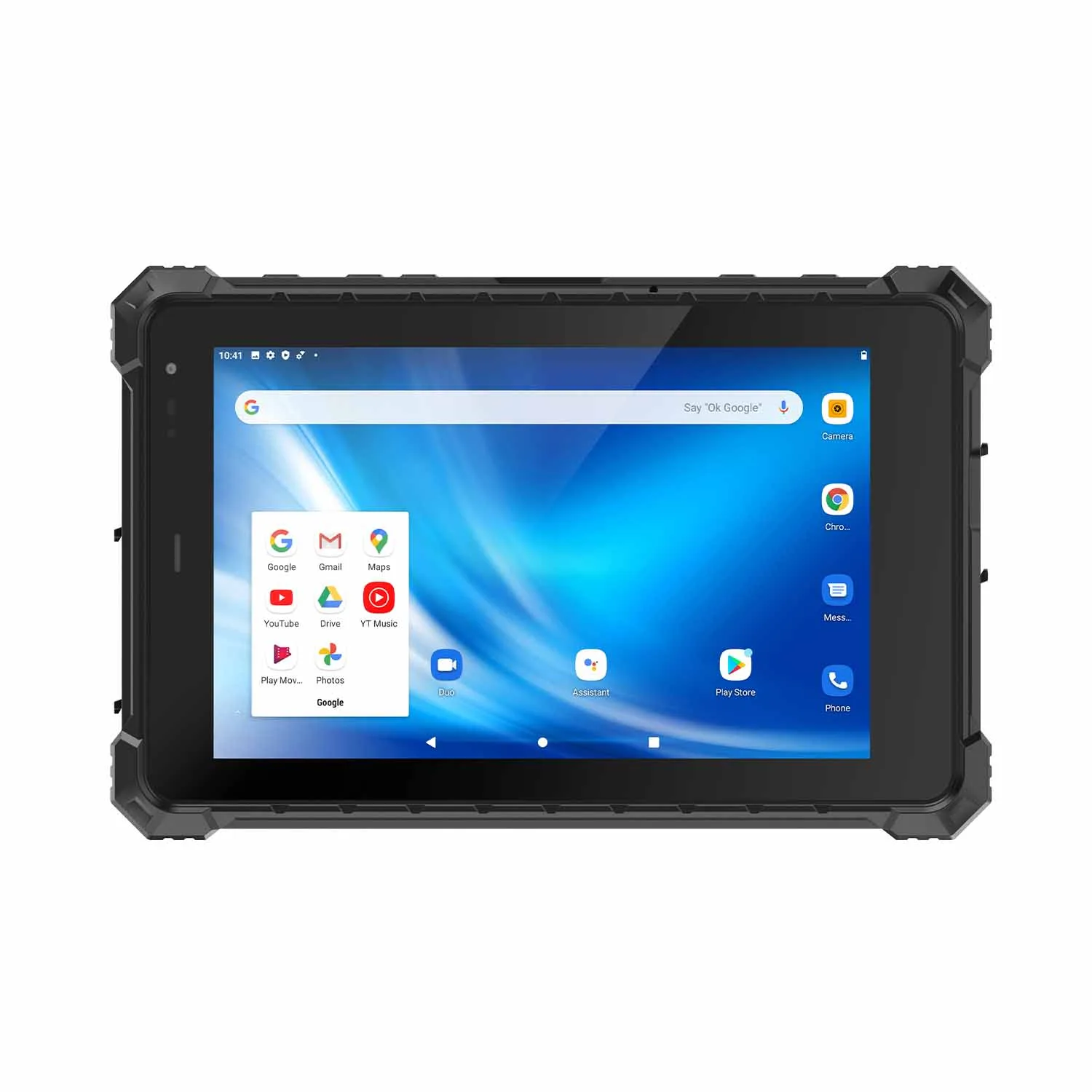
4. Is the W81H still a good choice for a new garment line deployment?It's a dated but durable, low-cost option best suited to lightweight lookup/display tasks; for anything more demanding, CENAVA's current A10ST or A109T offer newer chipsets worth comparing.5. Can this same setup work beyond sewing workbenches?
Yes — the same principle applies to cutting machine tools, fabric inspection stations, and production line status boards, anywhere workers need accurate, real-time, station-specific information.
6. Can the W81H integrate with our existing MES?
Yes. The W81H runs Windows 10, so if your MES has a Windows client or a browser-based interface, it will run. We have integrated with systems from SAP, Oracle, and a half-dozen domestic Chinese MES vendors. If your system requires a specific serial protocol (RS232 to a PLC, for example), we can add that at the hardware level. Send us your MES spec sheet and we will confirm compatibility within a day.
Conclusion
If your garment line still runs on paper pattern sheets or consumer tablets that die every few weeks, the W81H is the cheapest way to stop losing material to human error. It is not fast, it is not pretty, and it will not run your 3D pattern-rendering app — but it will show the right data to the right worker, survive a drop off a workbench, and still be running when the shift ends. If you need more performance, step up to the A10ST or A109T. If you just need the data to show up and the device to survive, the W81H is enough.Need a Rugged Device for Your Project?
Tell us your operating environment and requirements — our engineers will recommend a configuration and quote within 24 hours.
Get a Free Quote Back to Blog