
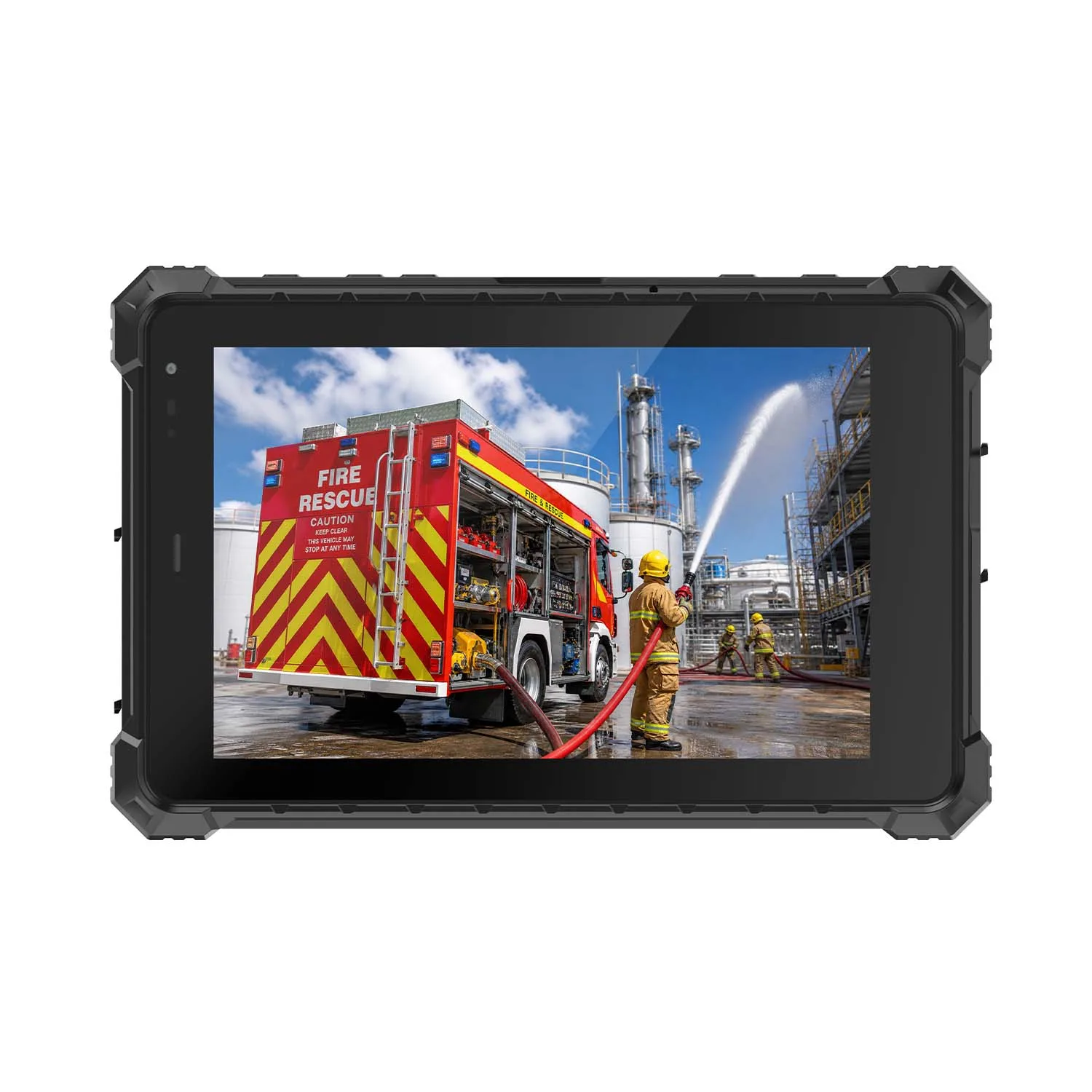






RFID Rugged Tablets for Smart Library Management
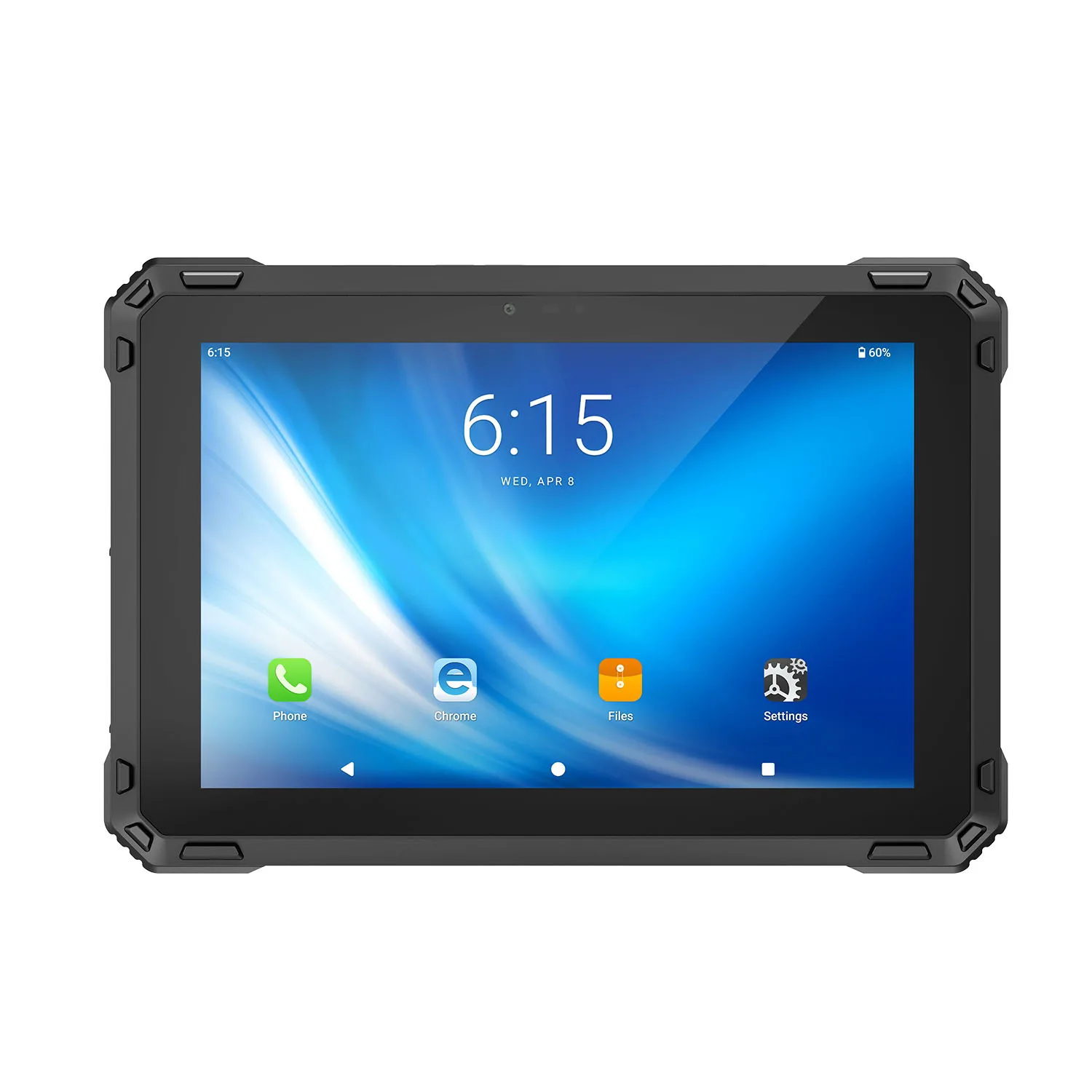
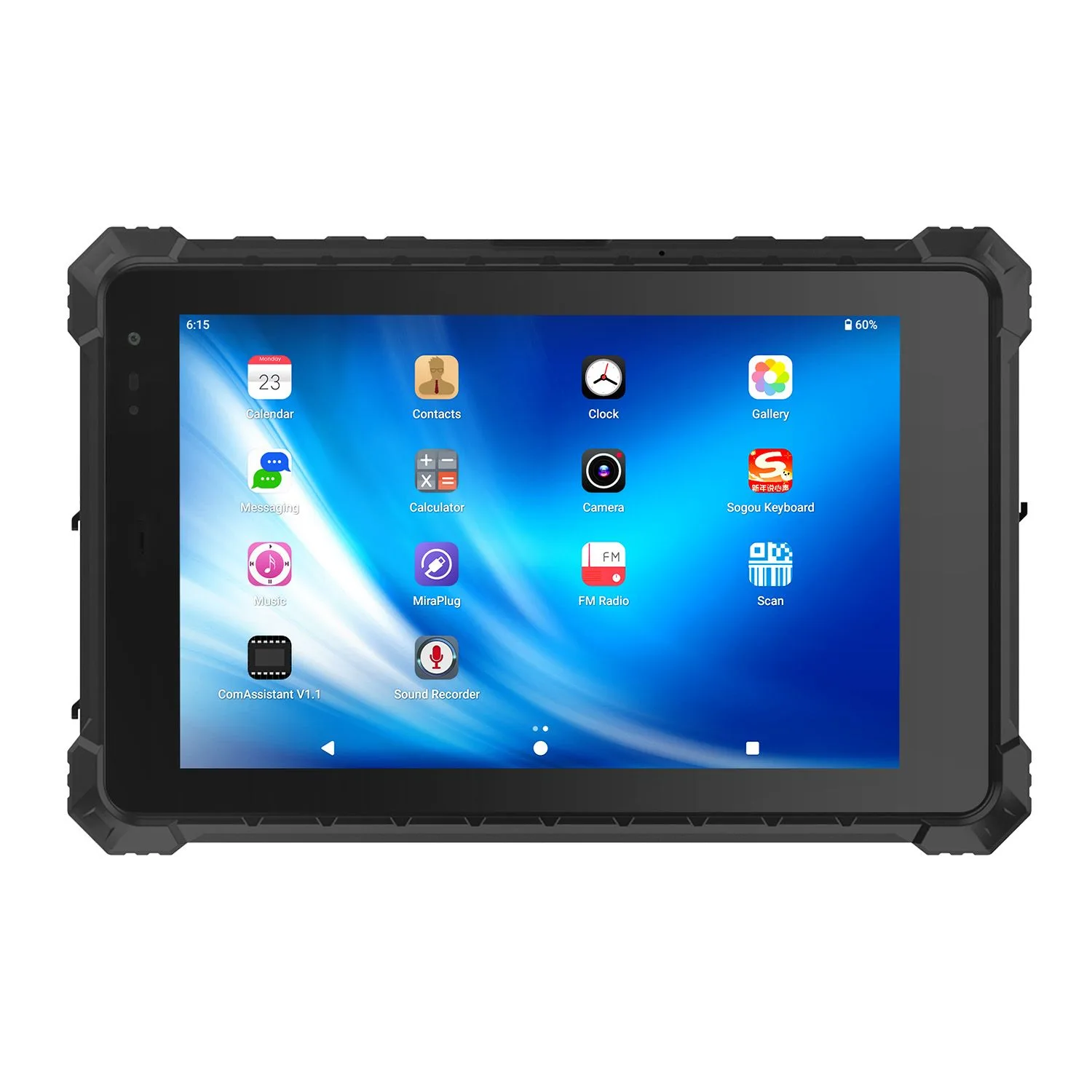
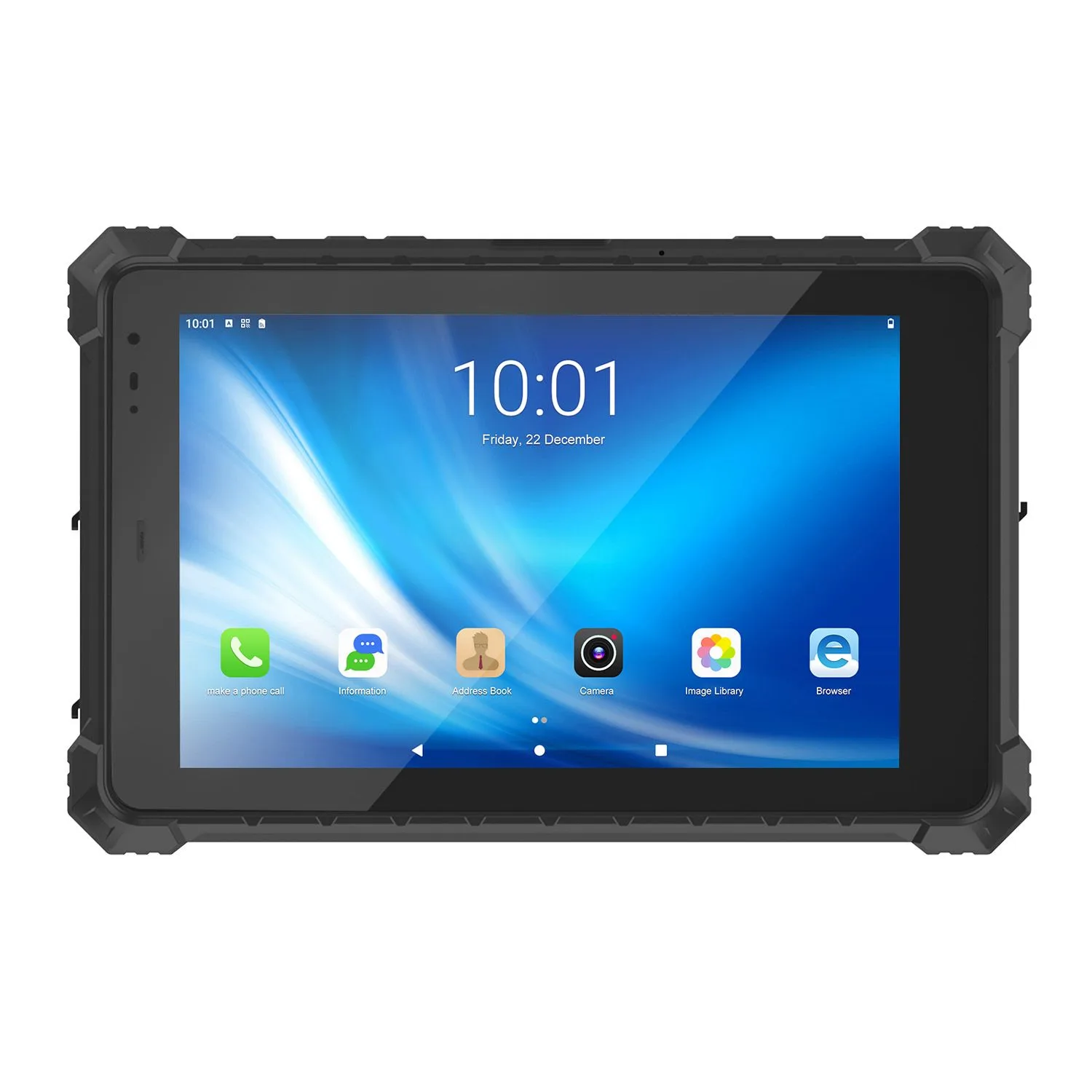
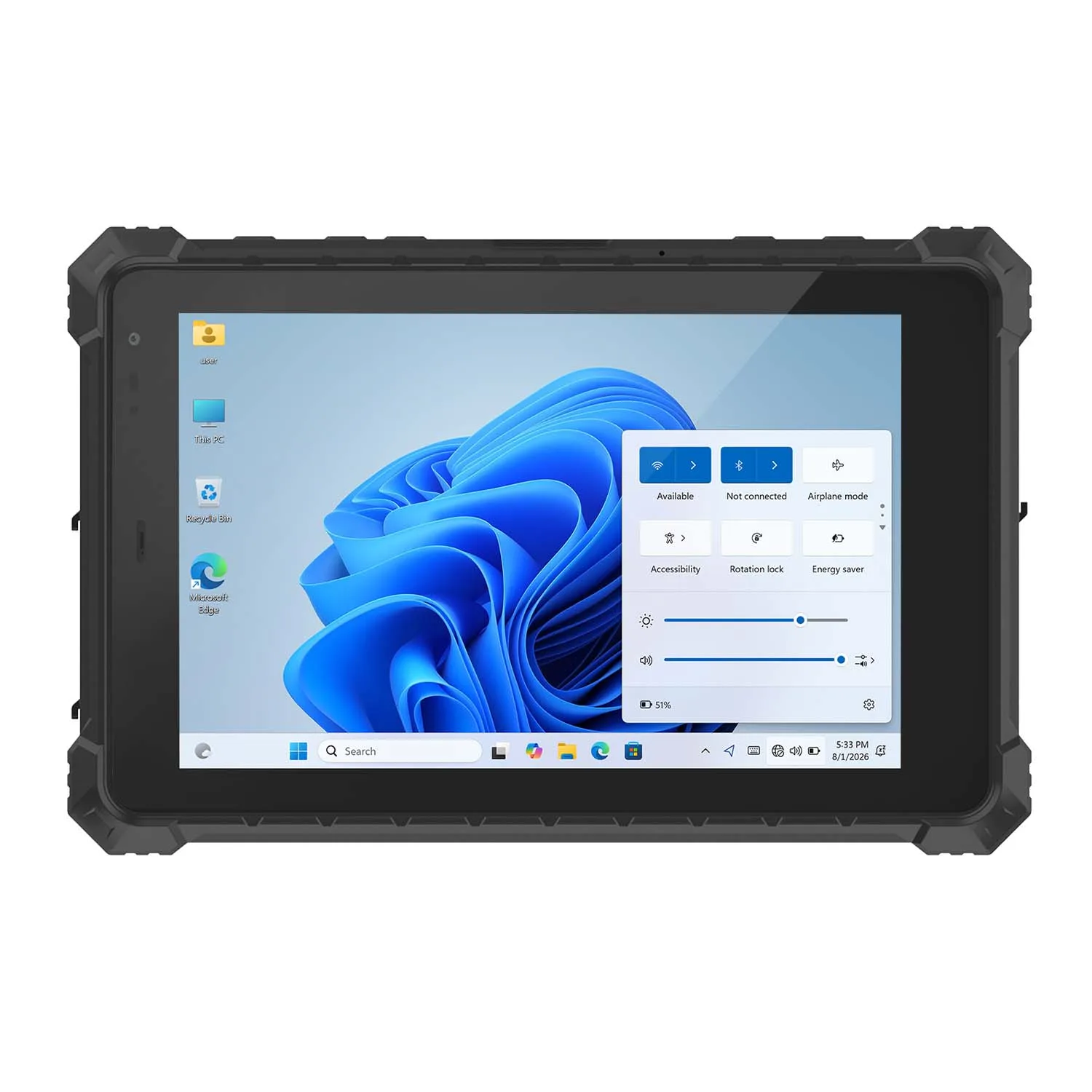
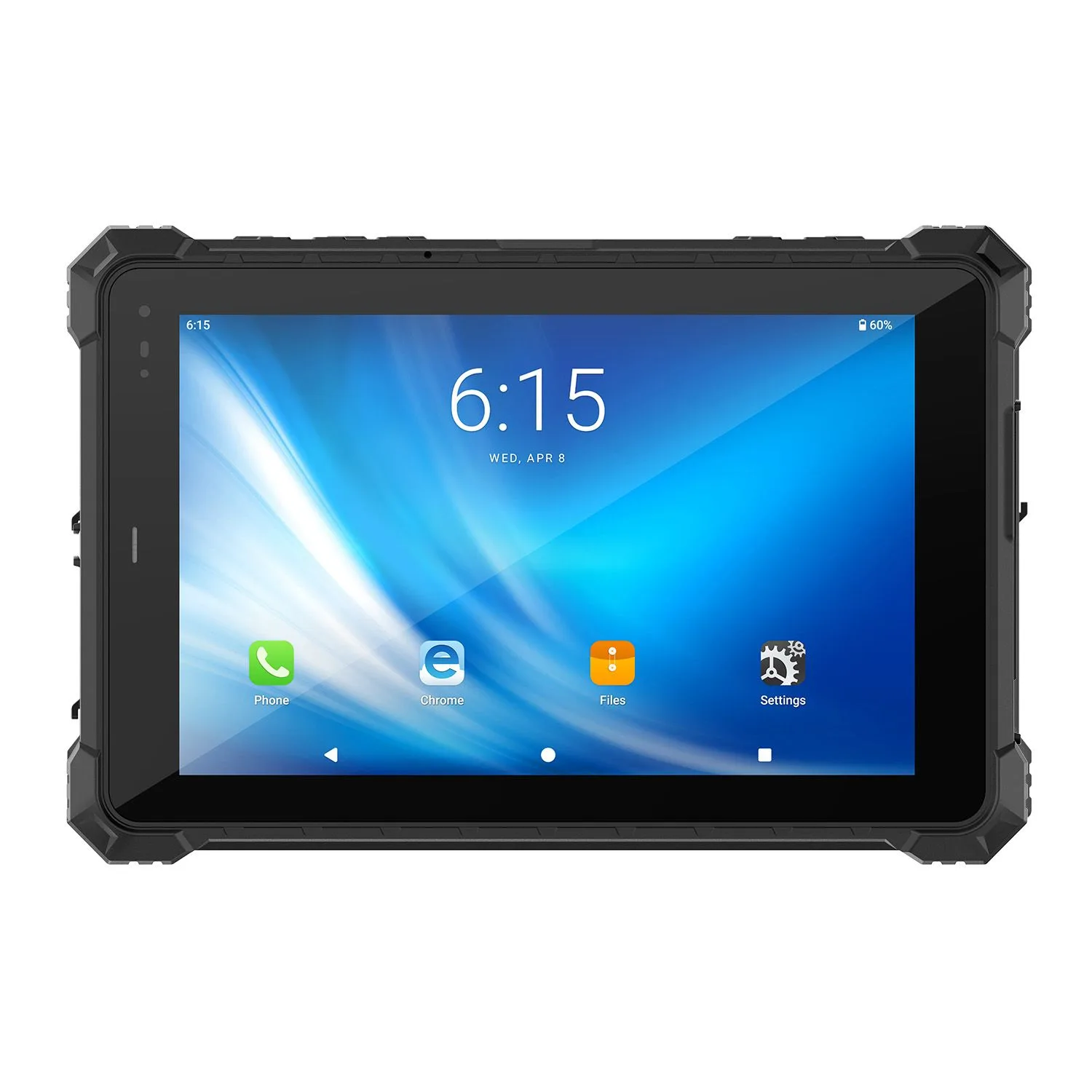
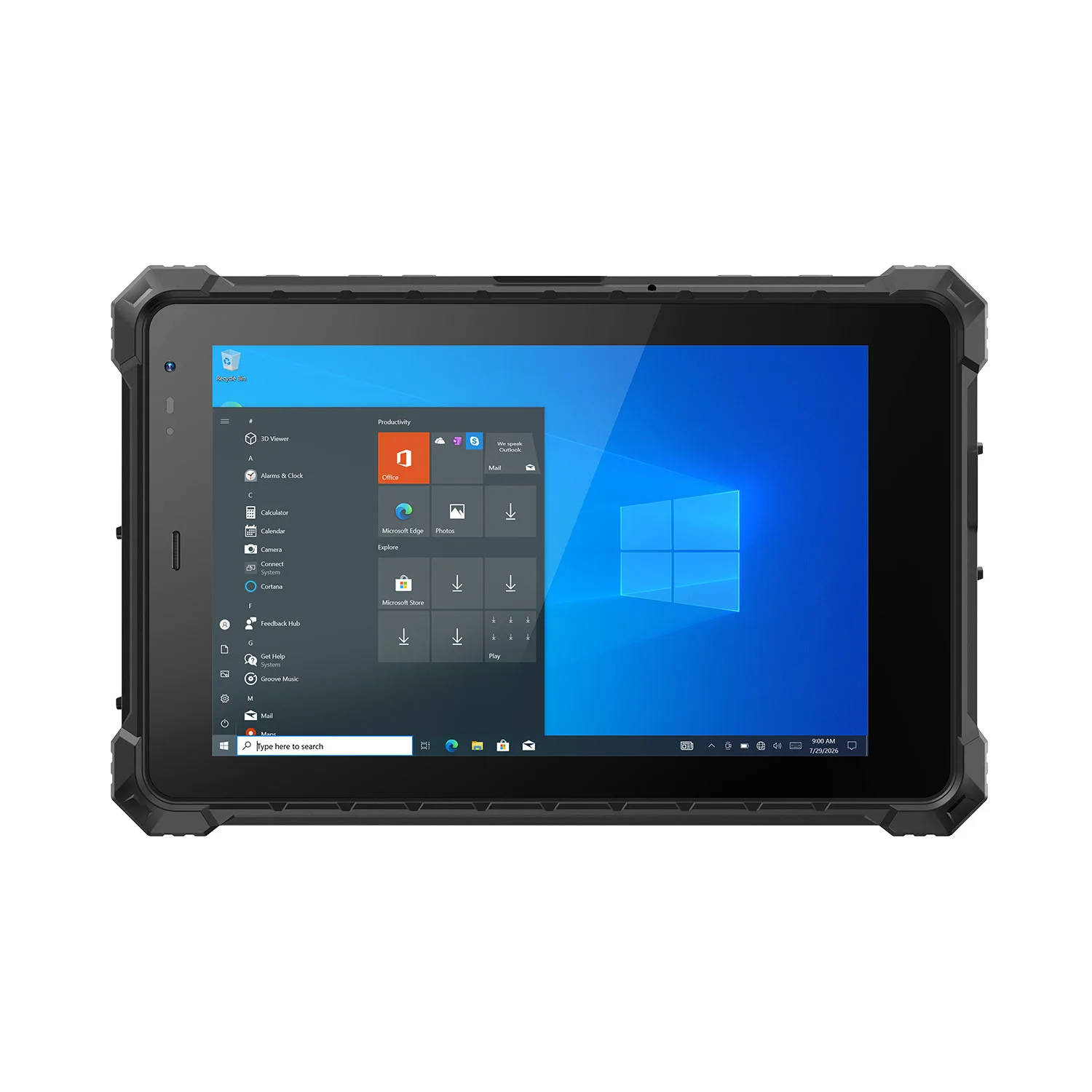
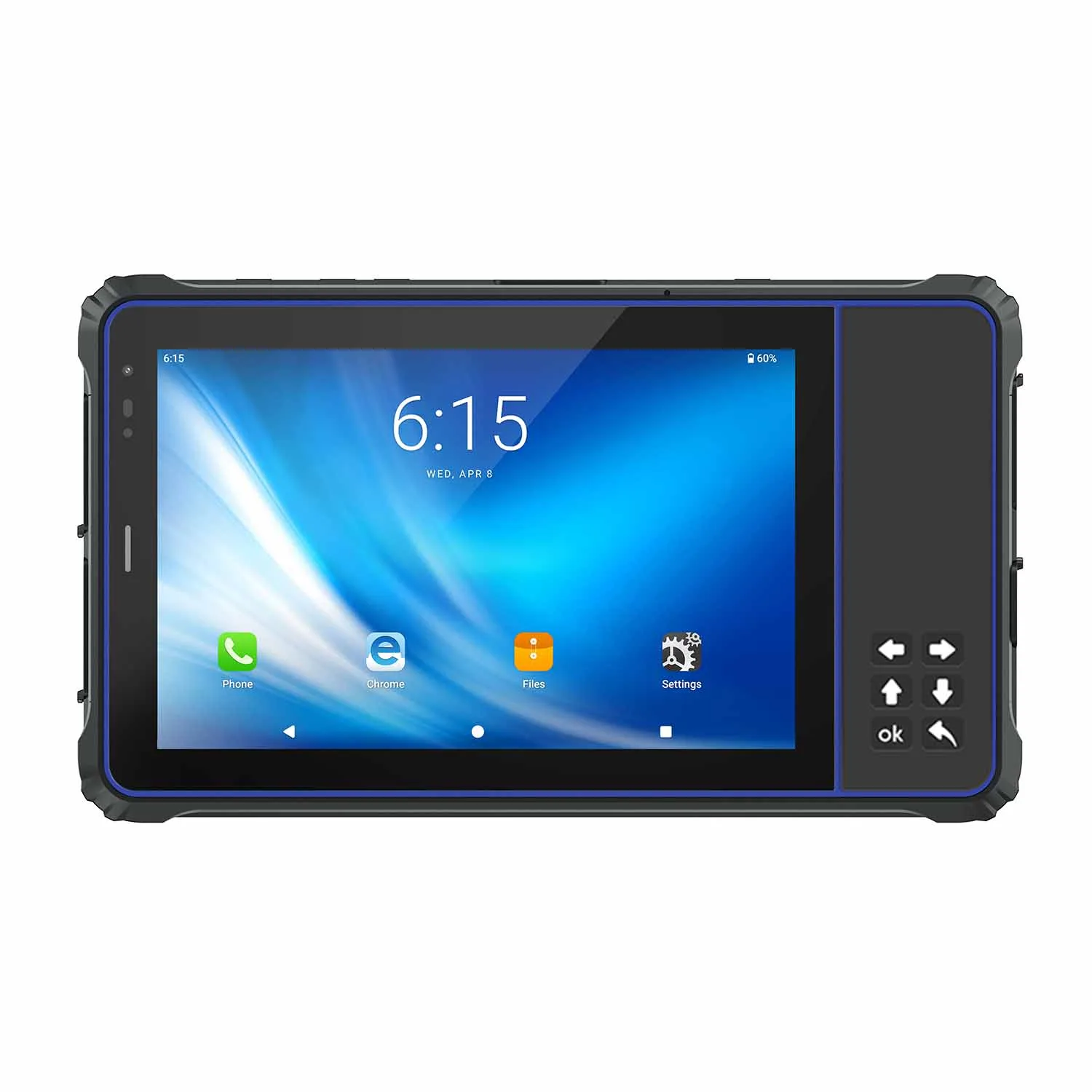
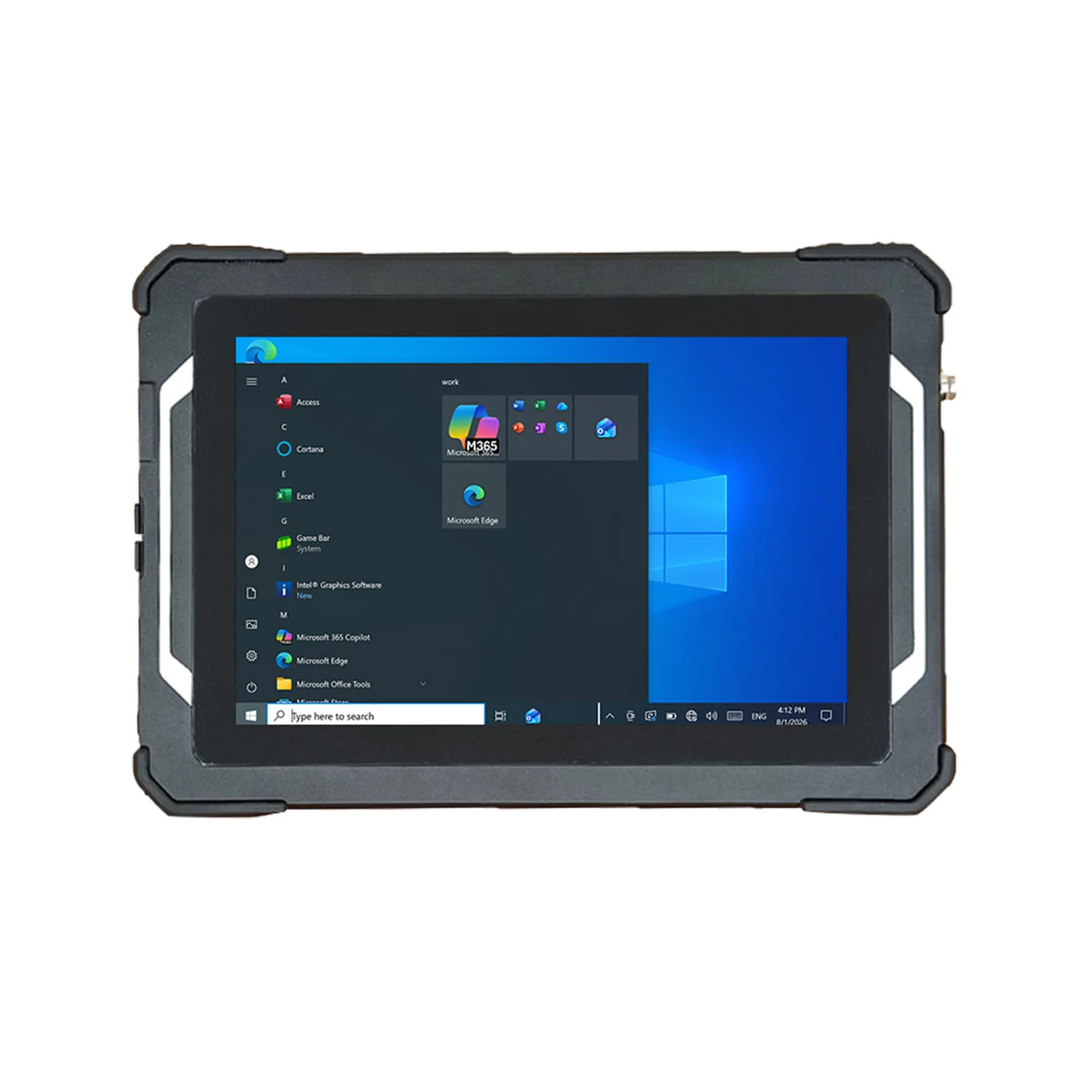
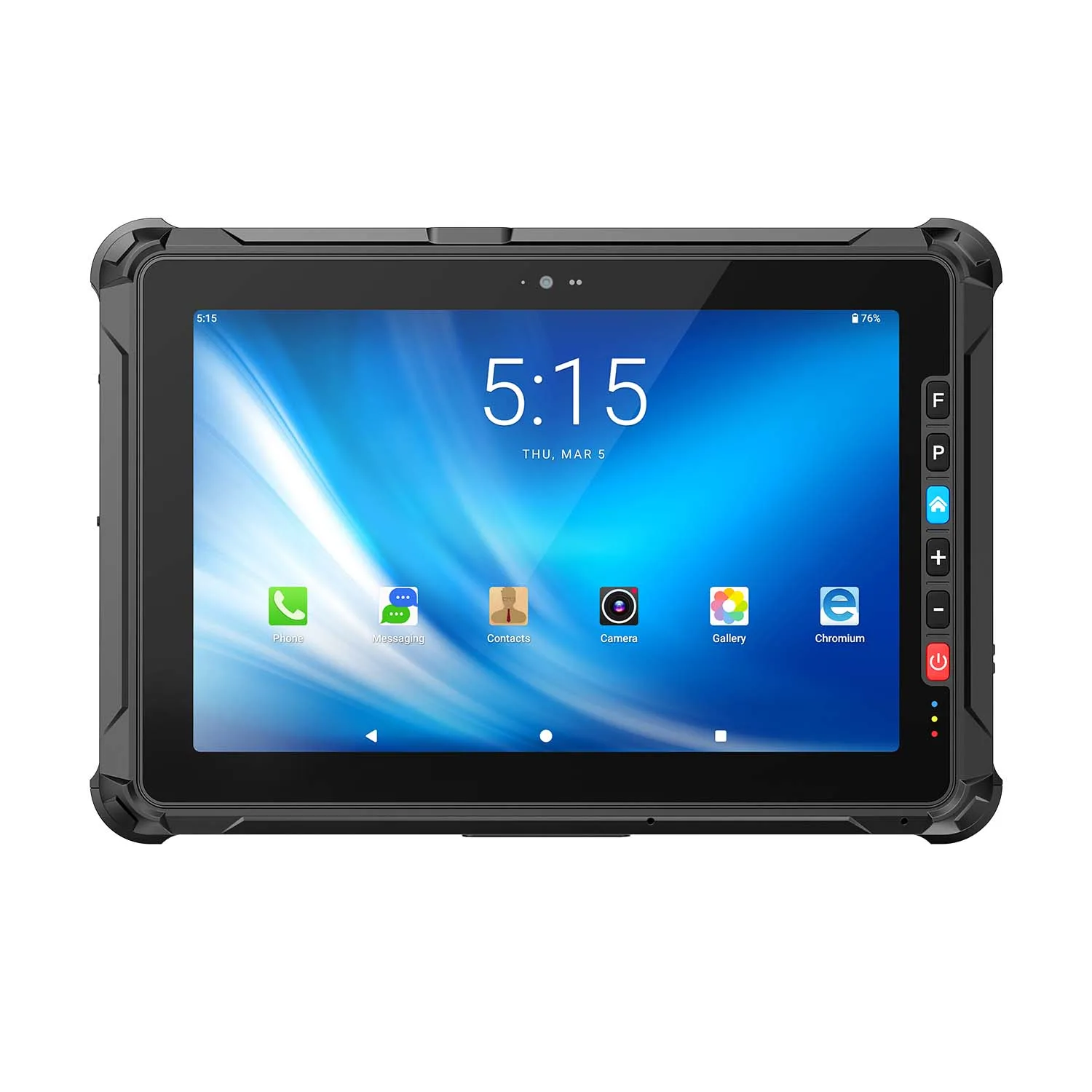
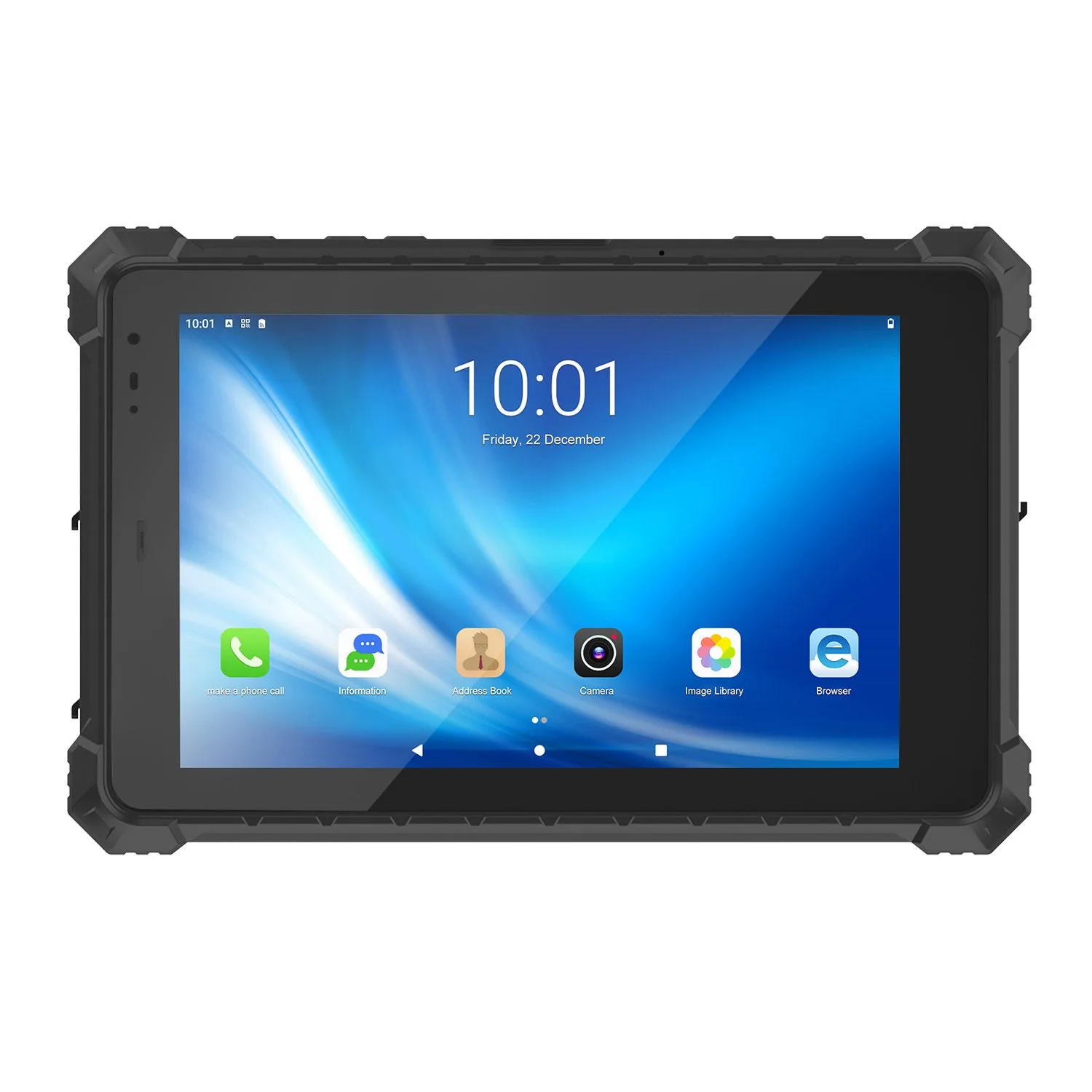
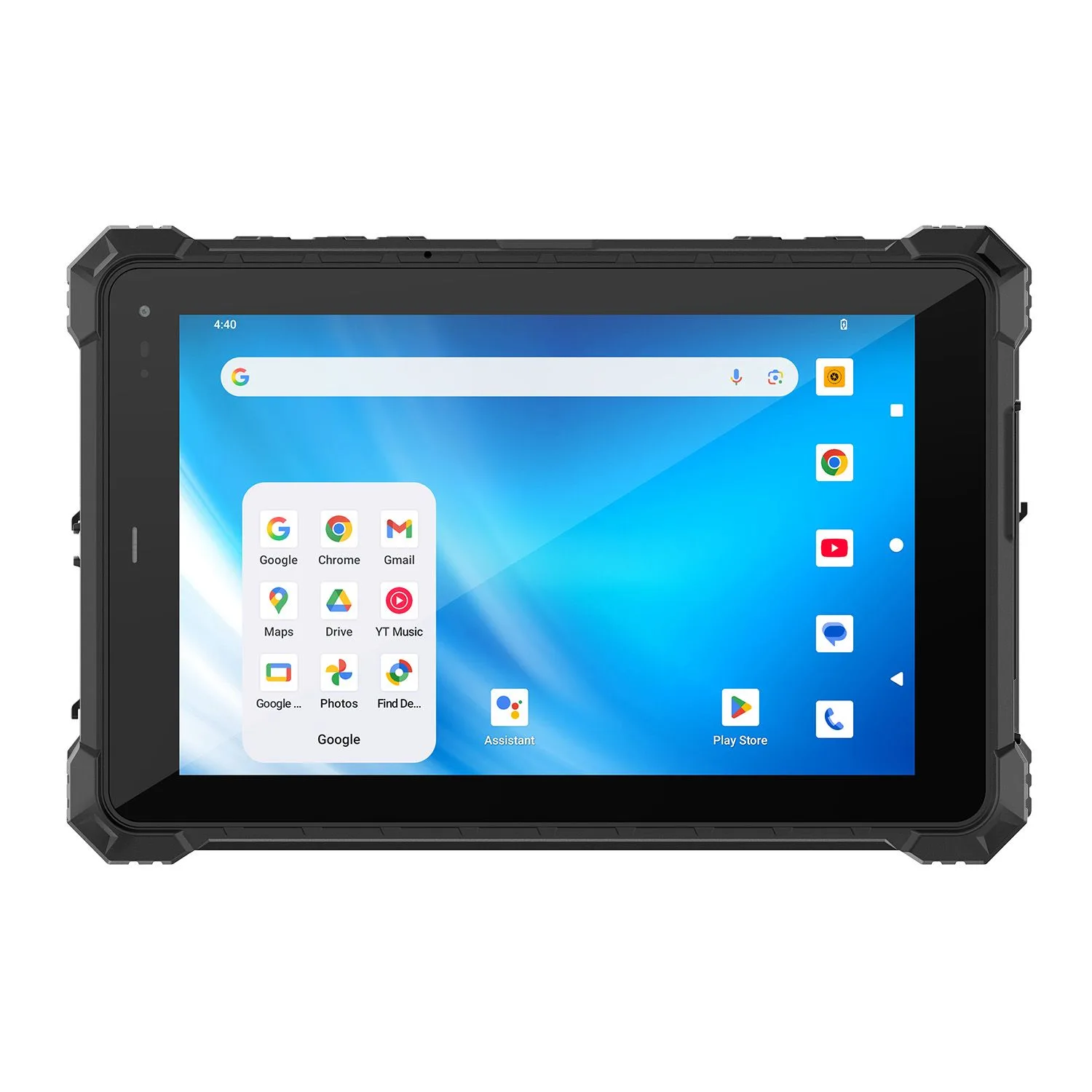
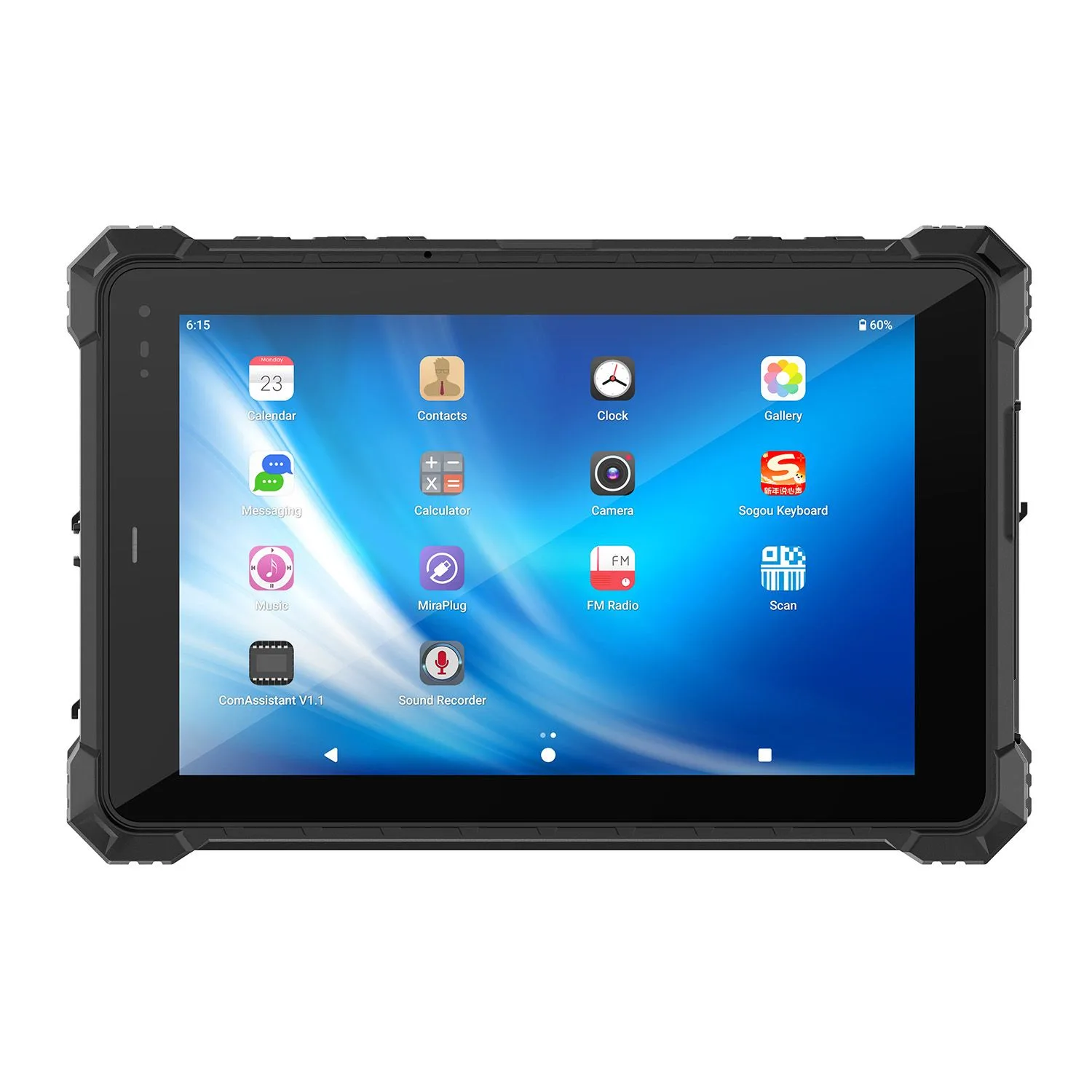
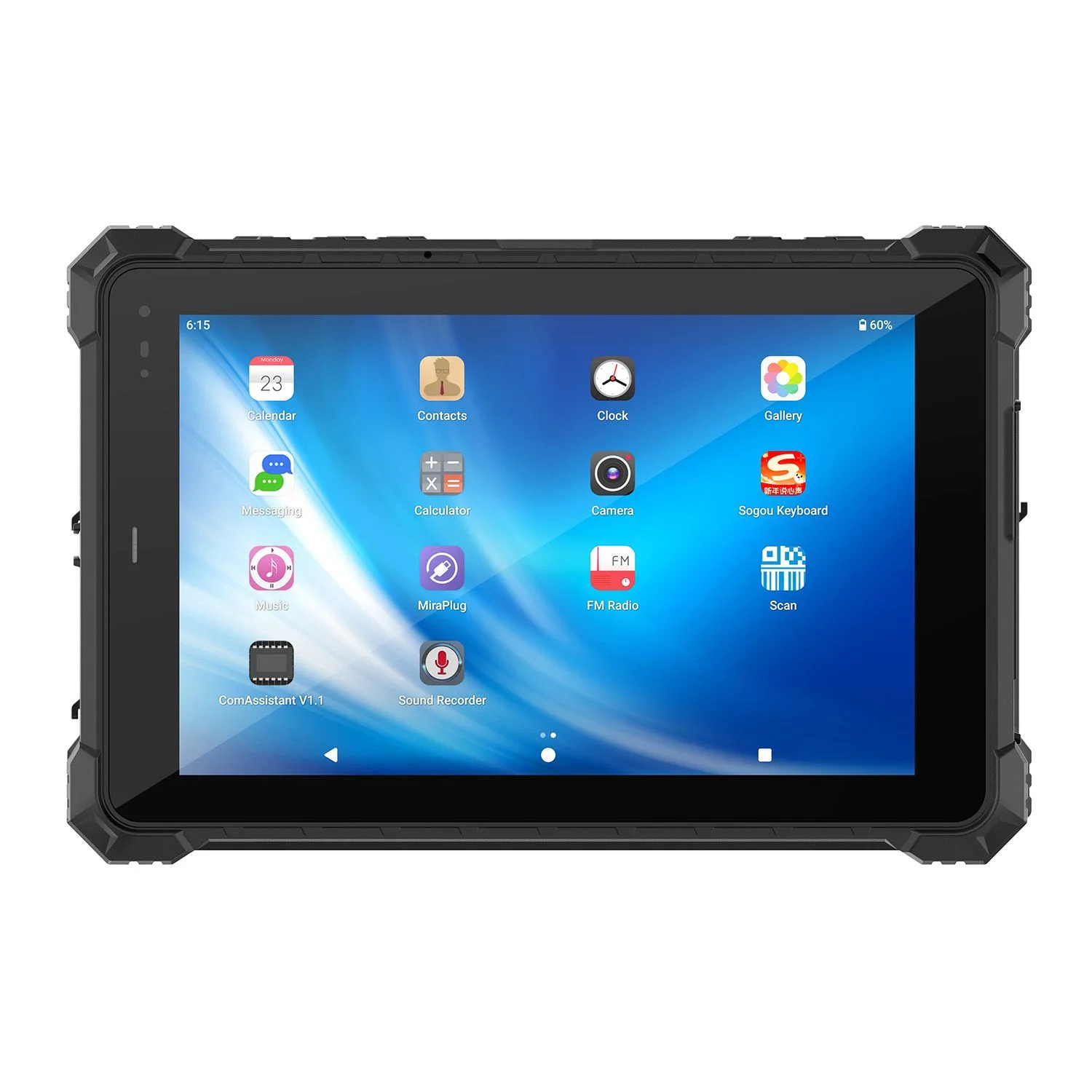
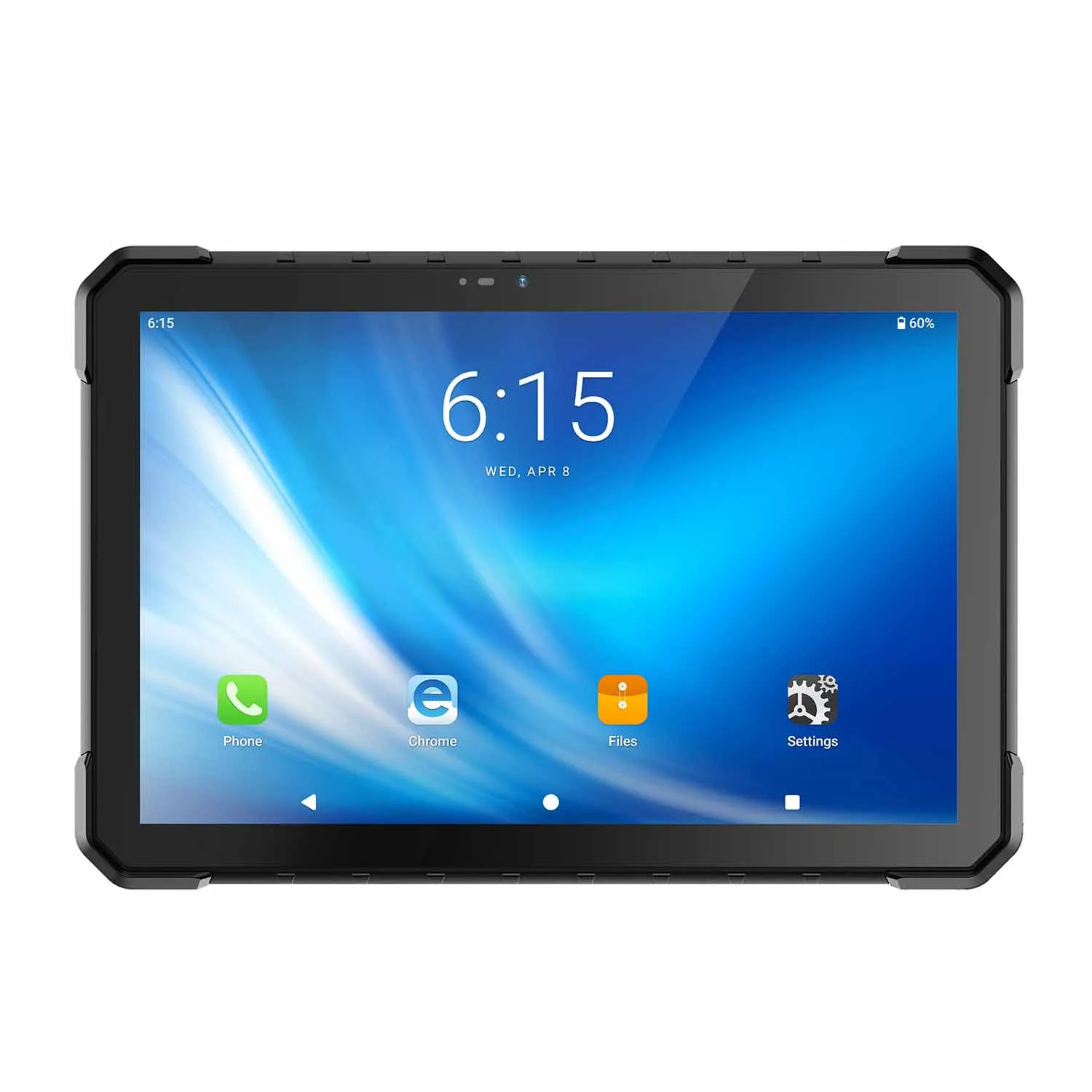
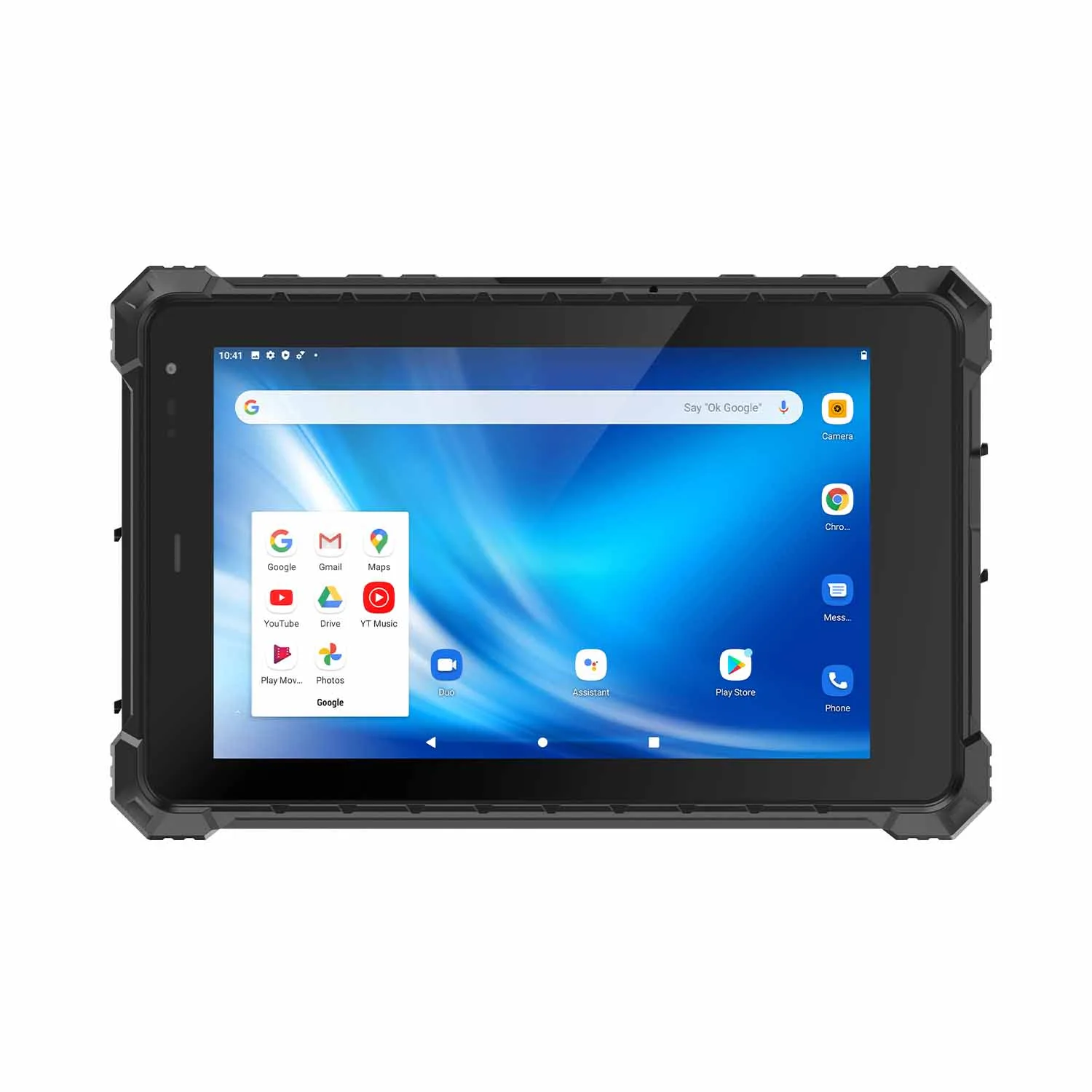
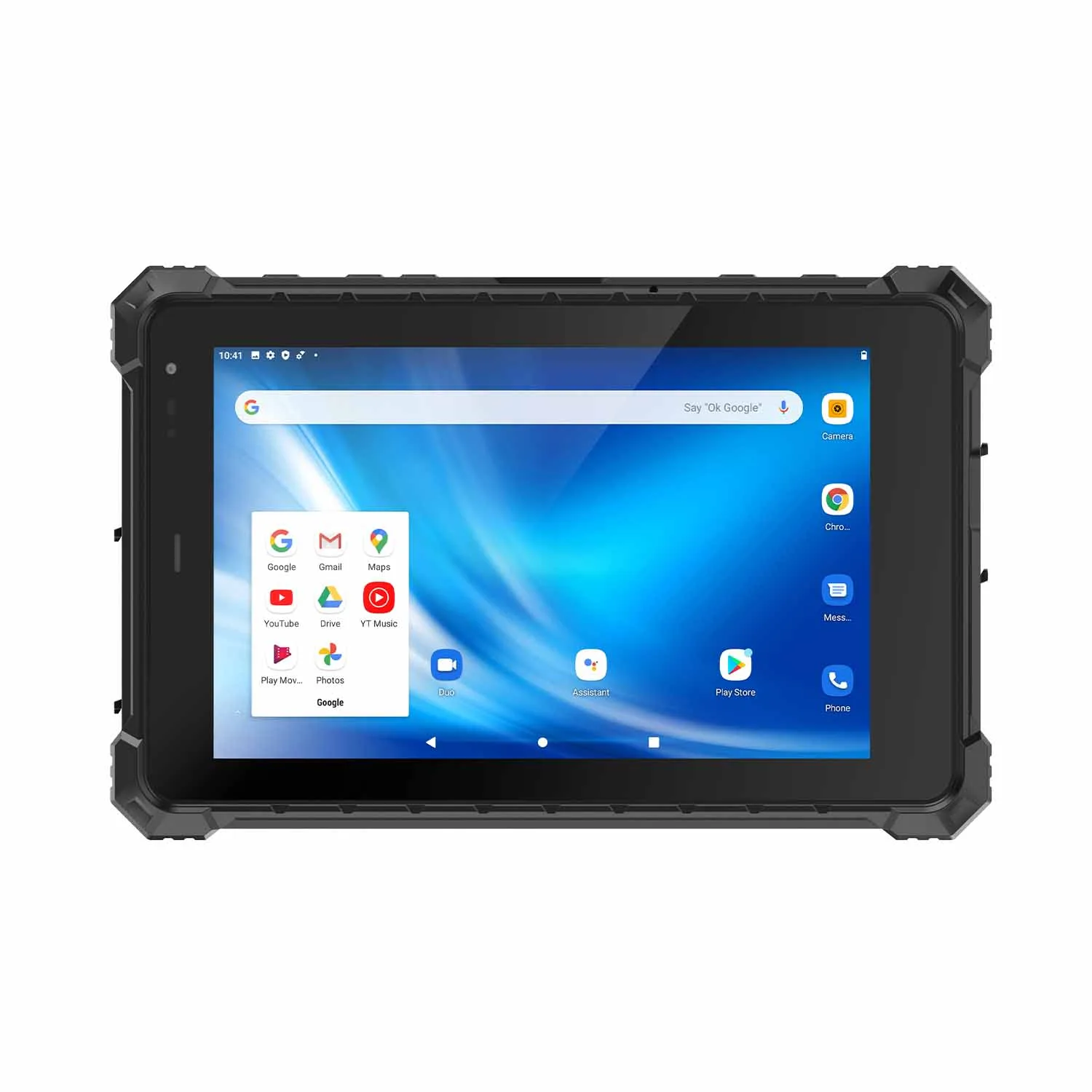
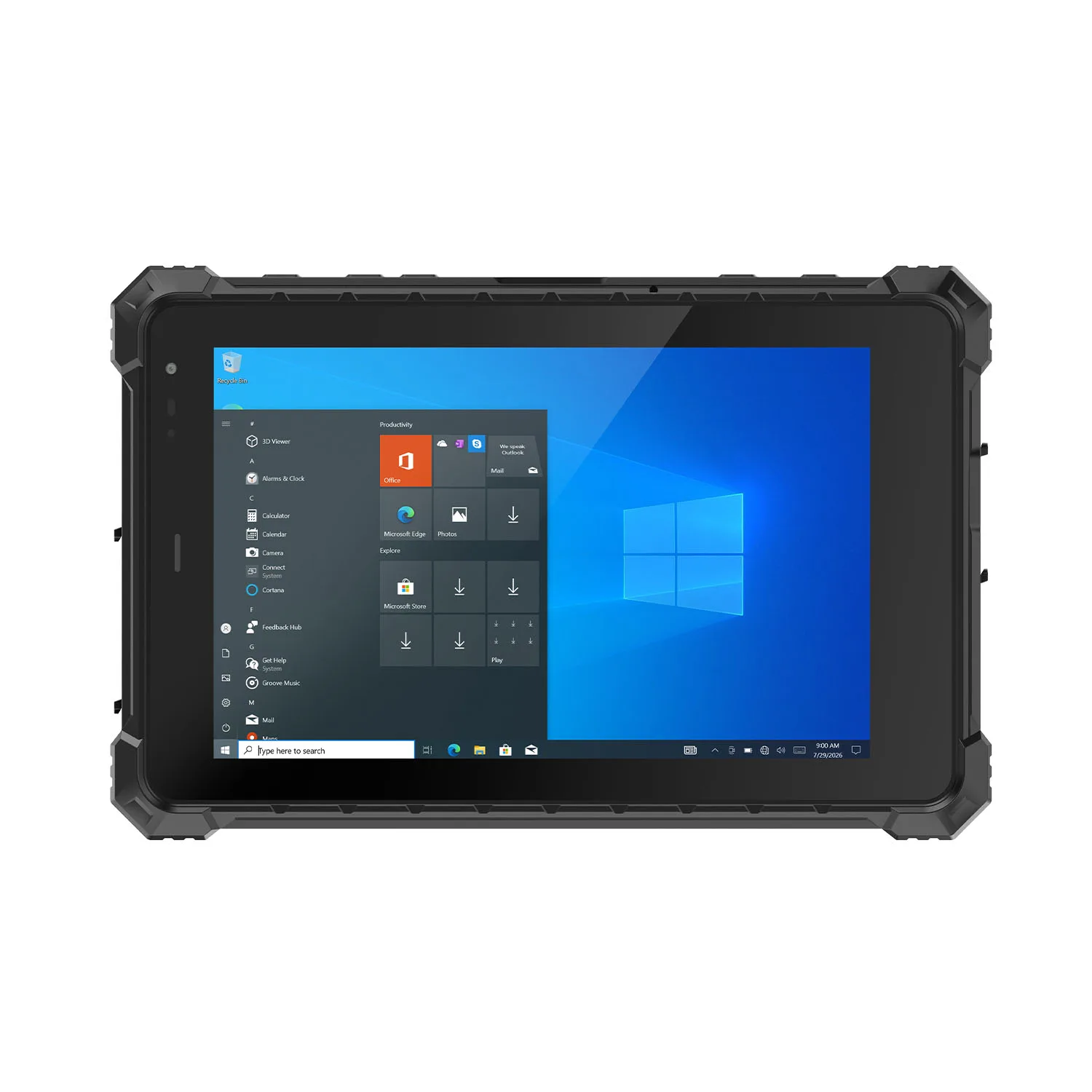
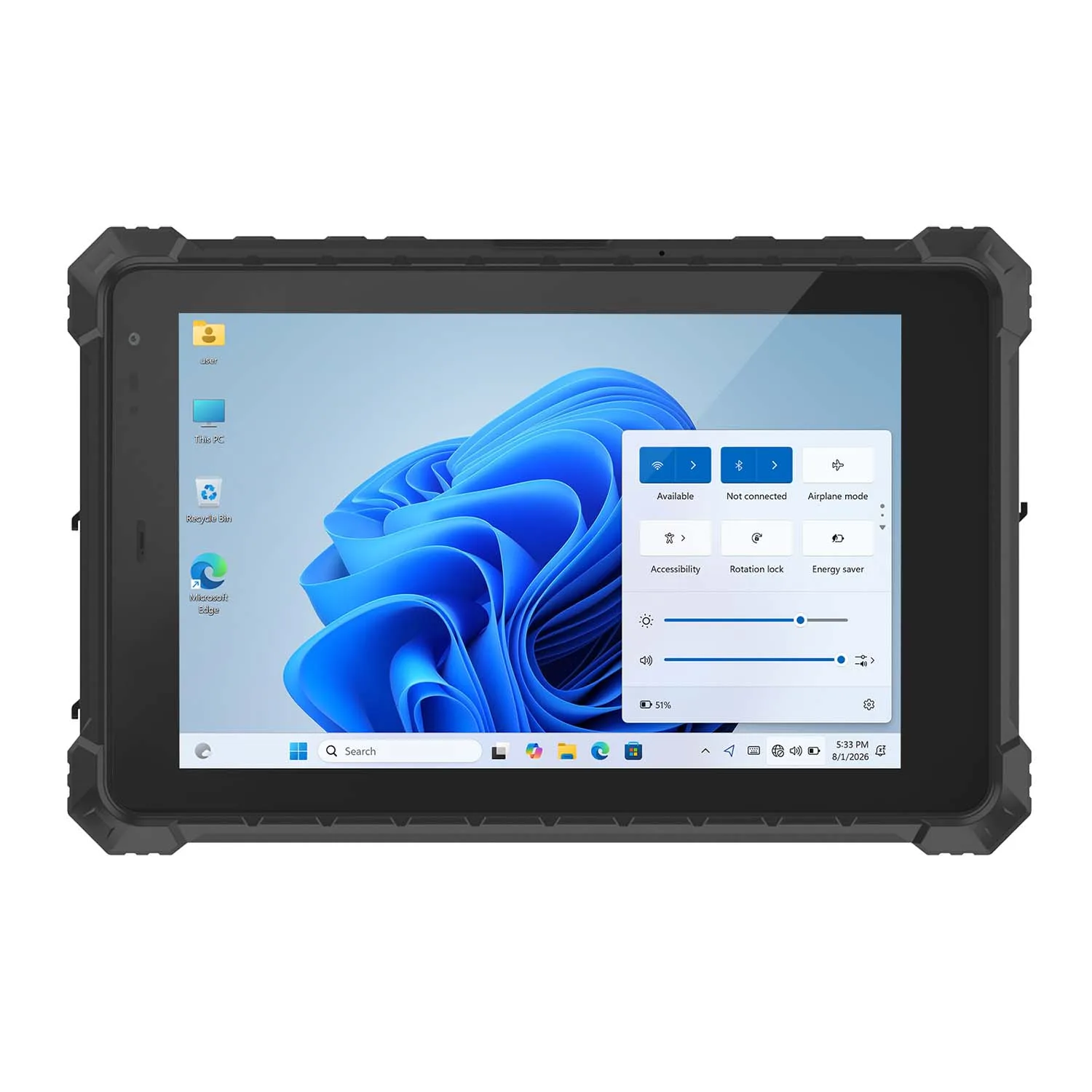
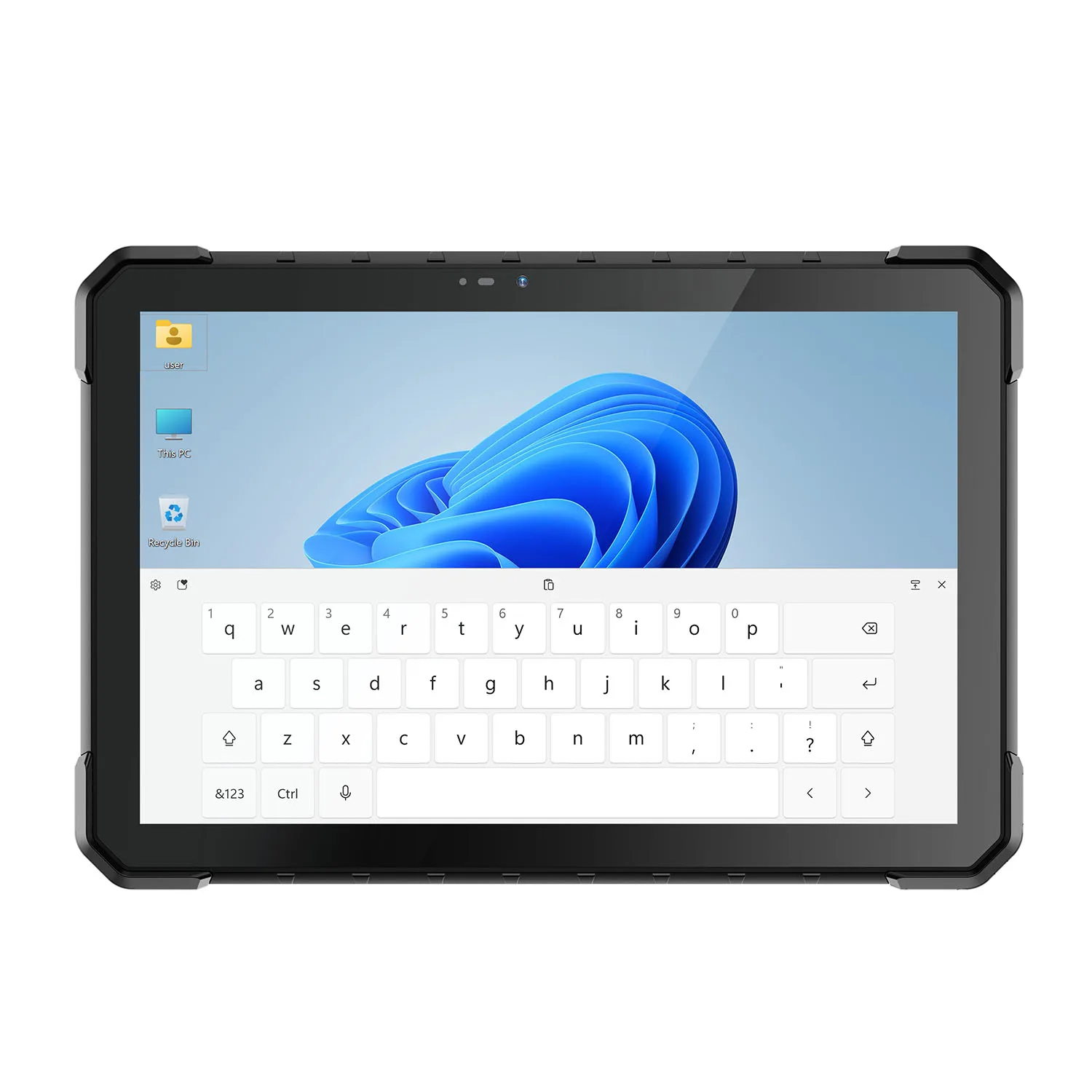
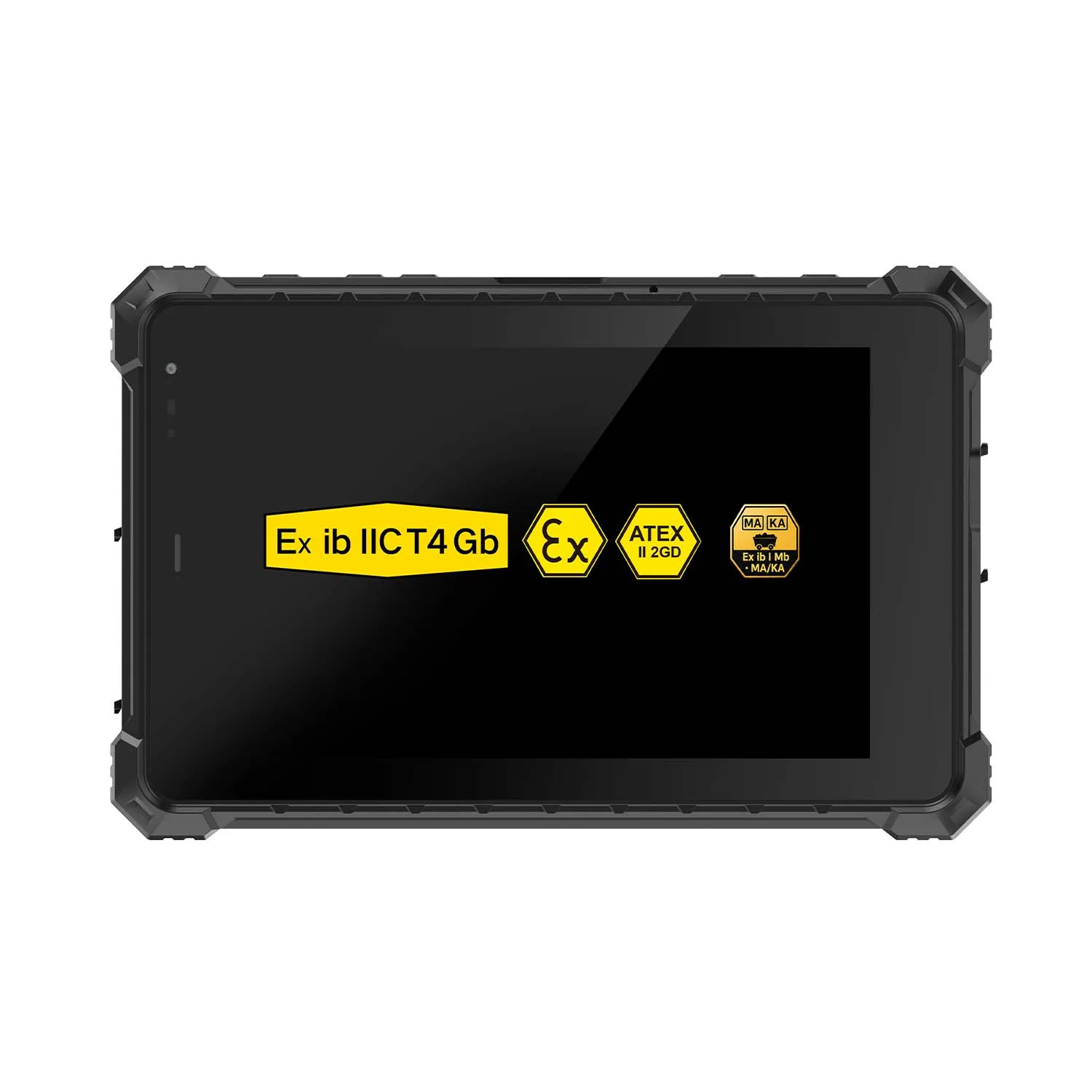
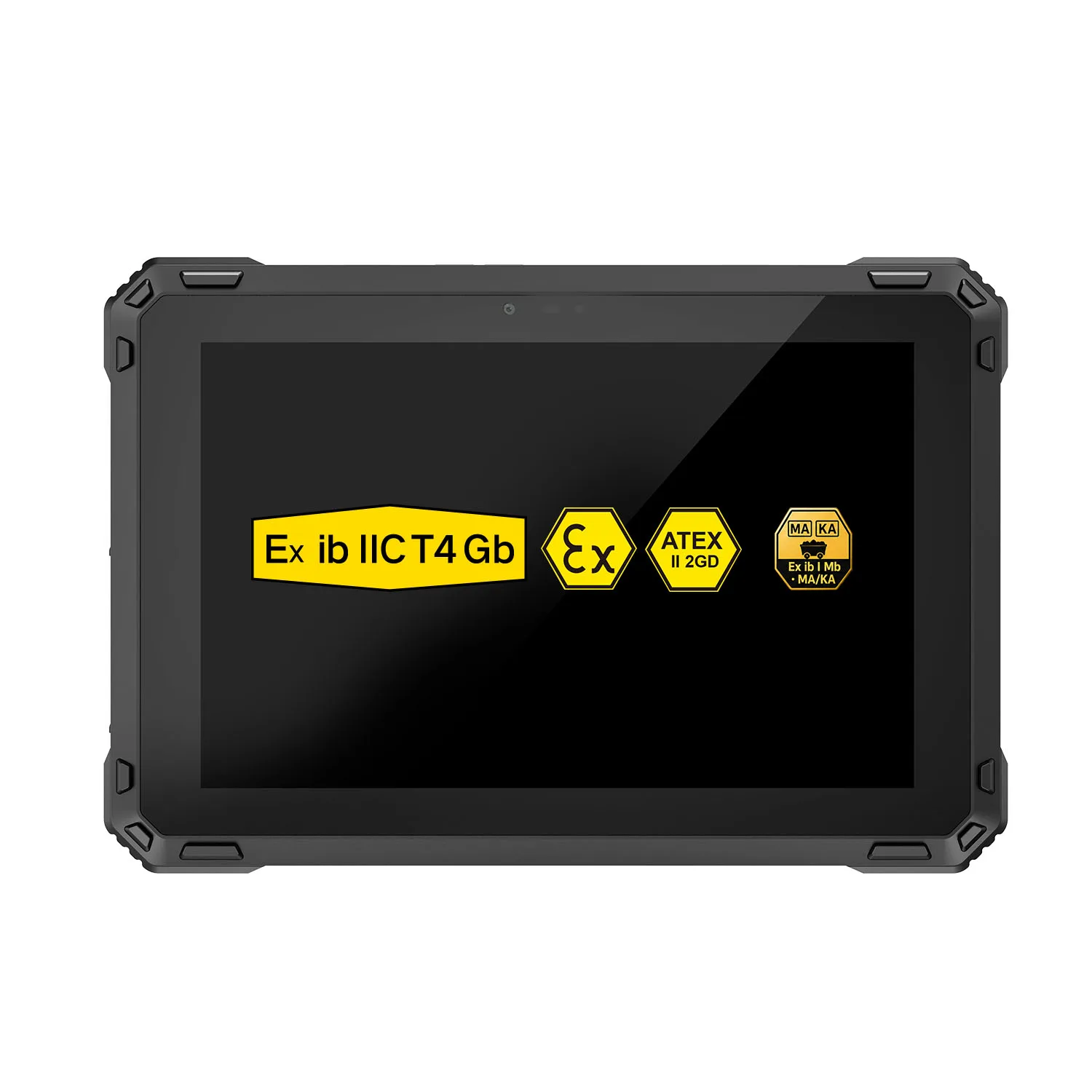
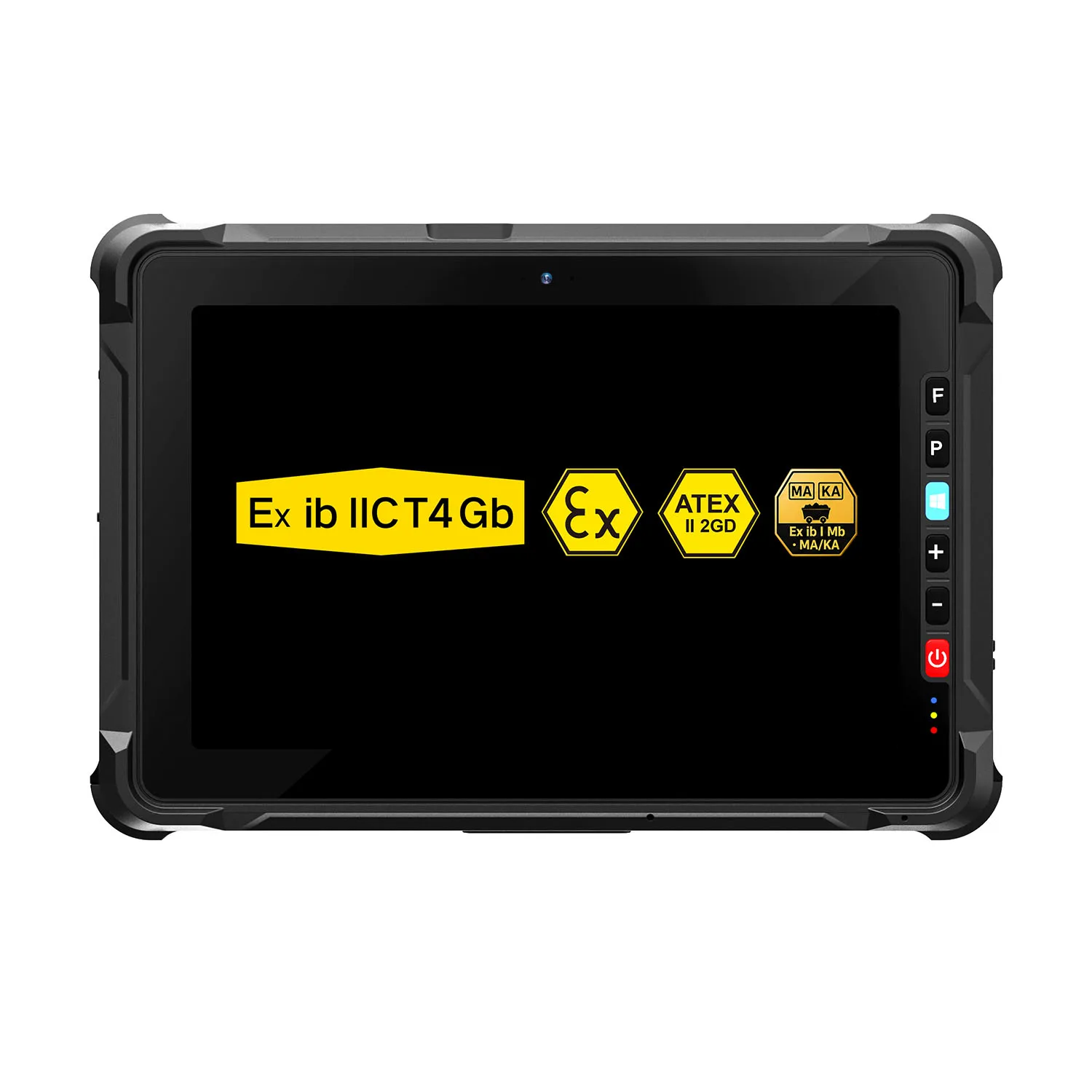
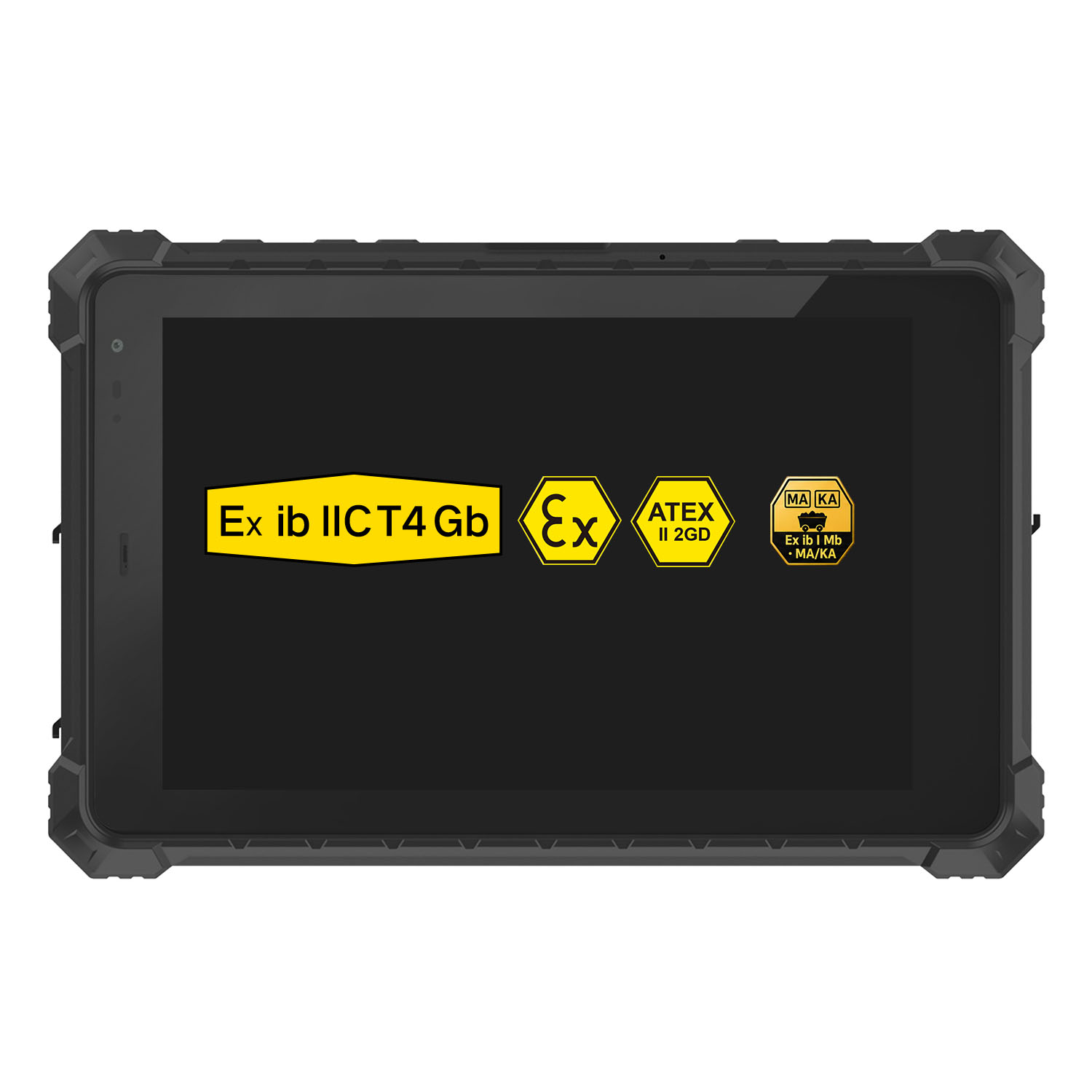
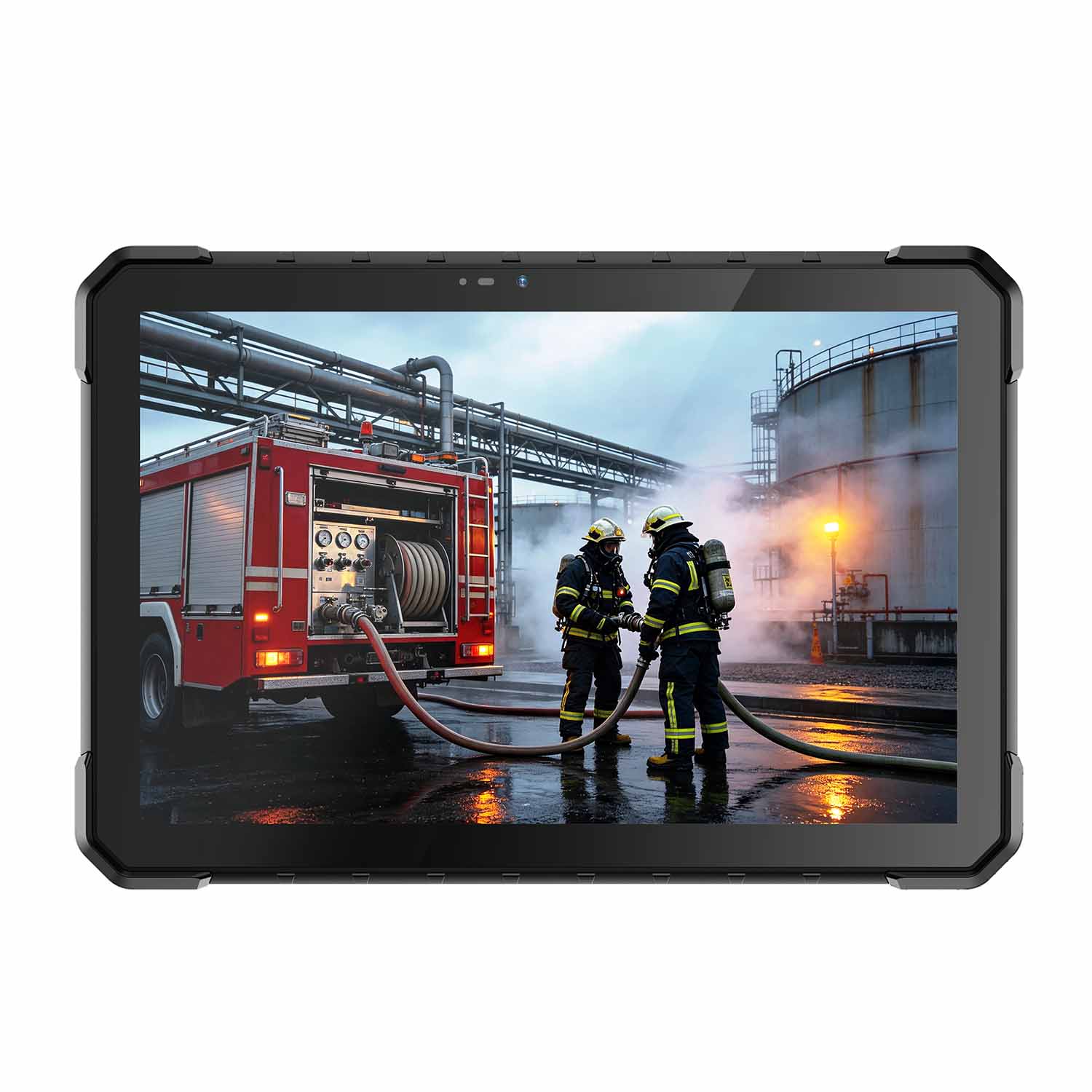
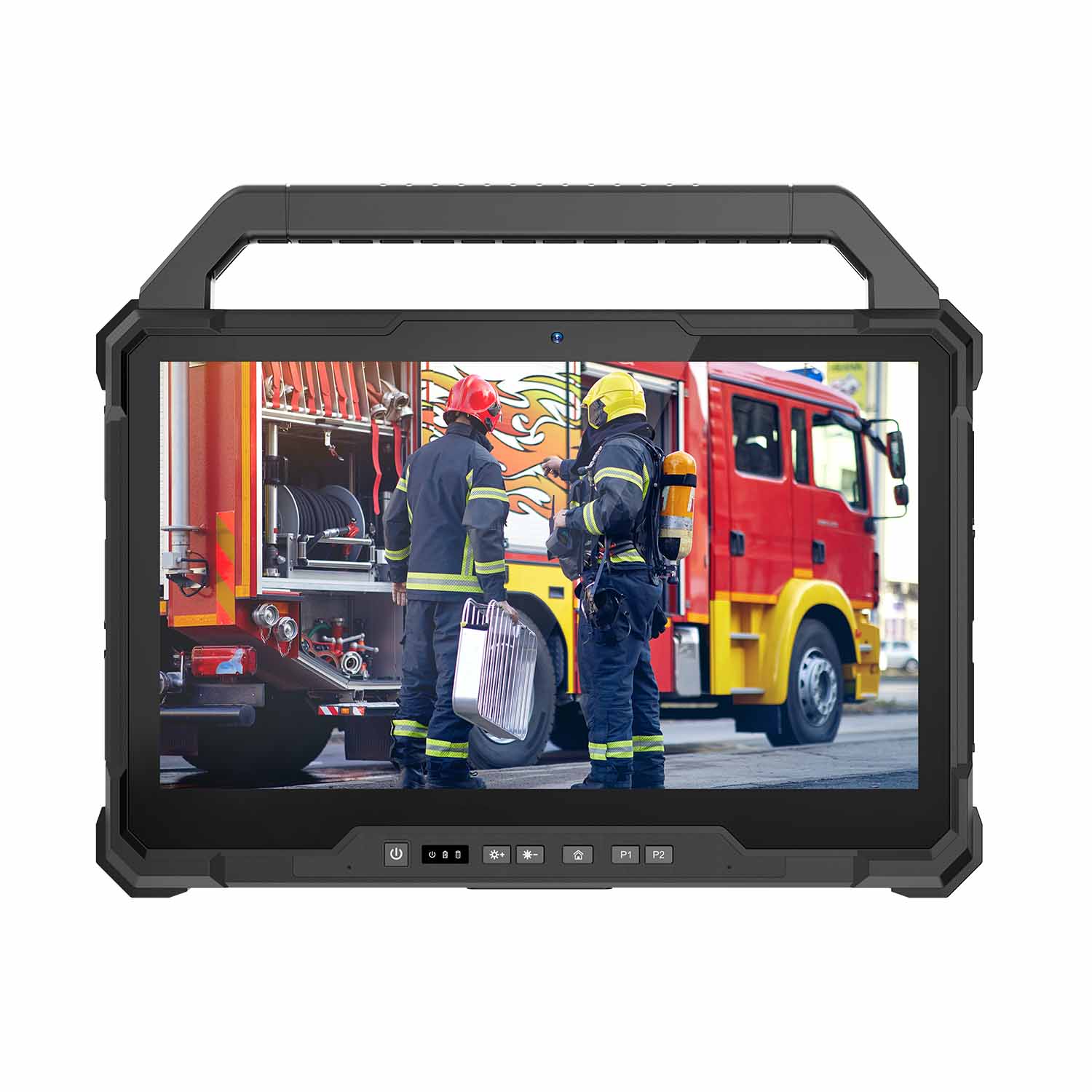
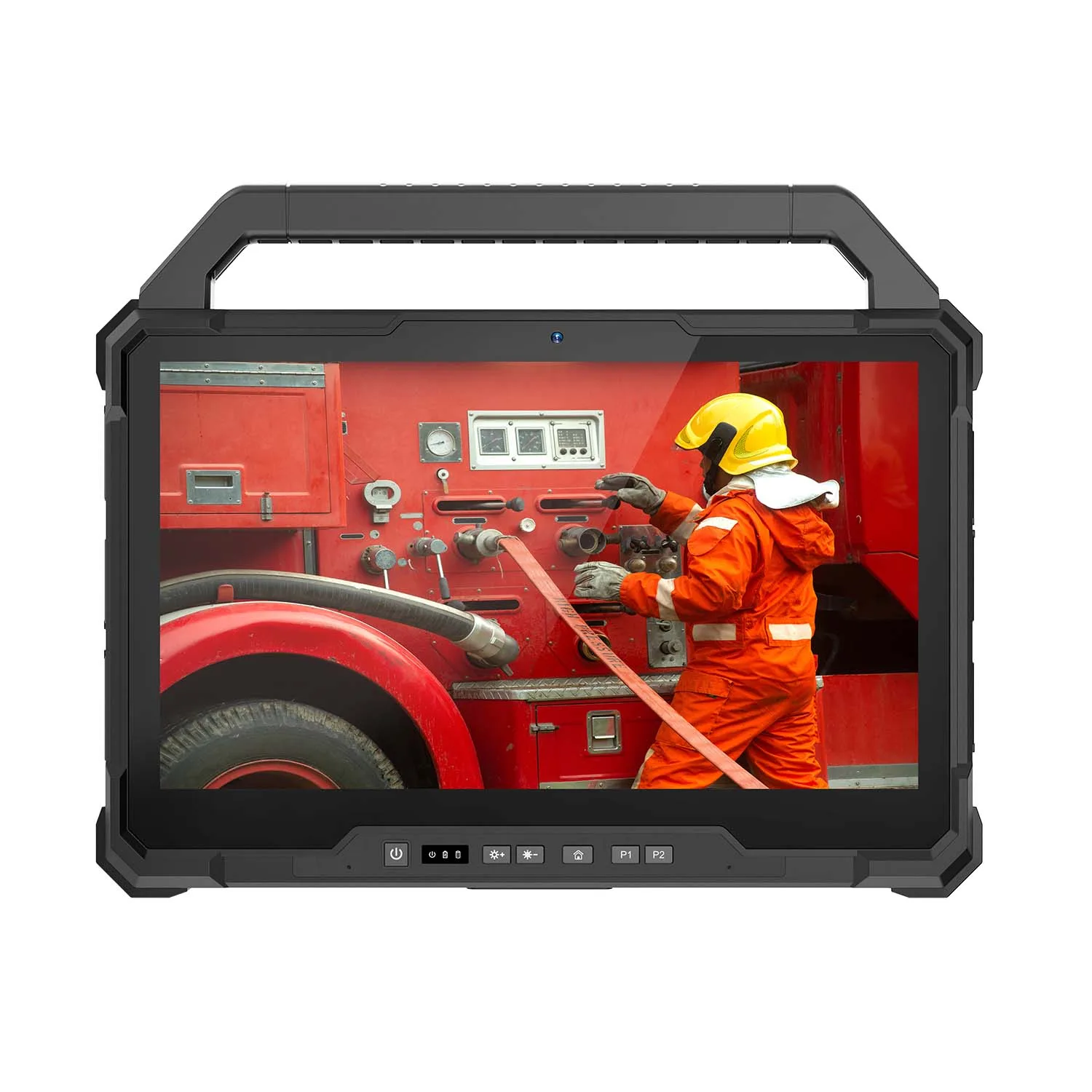
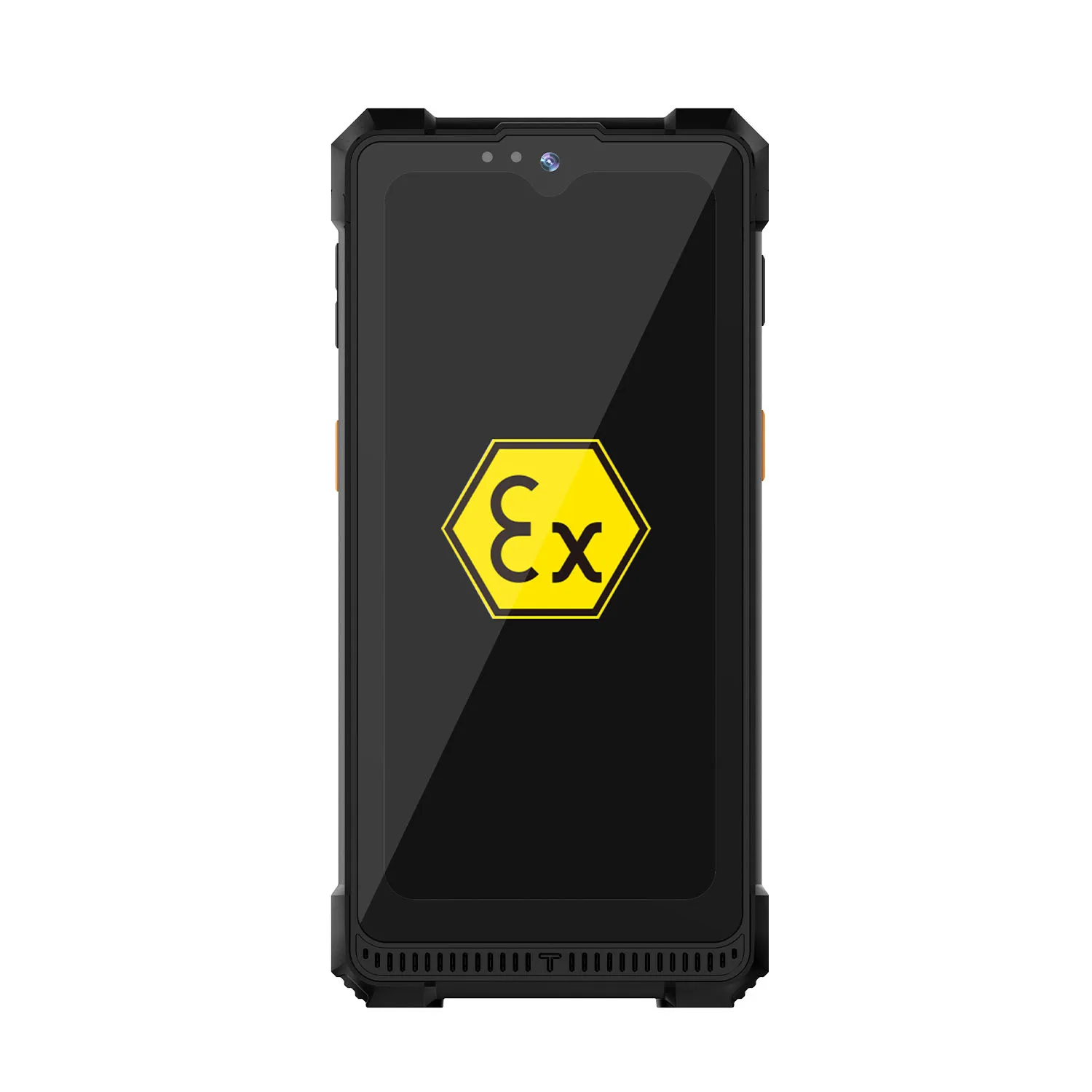
RFID-equipped rugged tablets solve library book management at scale by tagging each book with a unique HF RFID chip, letting a single scan check in/out, inventory, and locate books in seconds instead of the hours or days manual searches take. CENAVA's A10ST supports an optional HF RFID module purpose-built for this workflow.
China published 225,253 new book editions in 2021 alone, with a combined print run of 2.748 billion copies — a scale of collection management that manual, paper-based systems simply weren't built to handle. Libraries relying on manual search and check-out routinely lose days, even months, locating a single misplaced book. RFID-equipped rugged tablets solve this bottleneck directly.
The Problem: A Missing Book in a Million-Volume Collection
A research library in eastern China holds 1.2 million volumes. A faculty member requests a book last recorded as "on shelf" — but it is not there. Staff spend three days searching: first the correct shelf, then adjacent shelves, then the return cart, then the reshelving queue, then the repair bin. The book is eventually found in a mis-shelved location three aisles away. The faculty member's research is delayed; the staff member's week is disrupted; and the catalog's location data is now suspect for every book near the mis-shelved one.
This is not a staffing problem — it is a data problem. RFID does not eliminate mis-shelving, but it reduces the search time from days to seconds.
How RFID Rugged Tablets Solve Library Management
HF RFID Tagging for Every Book
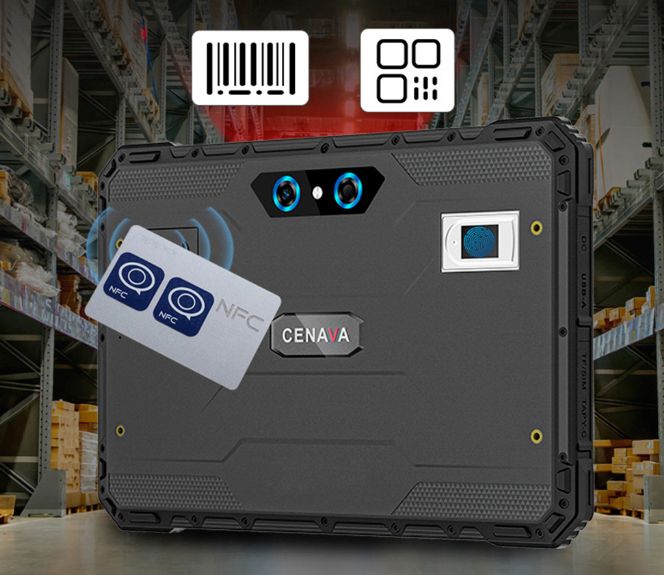
The A10ST supports an optional high-frequency (HF) RFID module, letting libraries tag each book with a unique RFID chip for fast identification, accurate search, quick shelving, and precise inventory counts.Seconds-Fast Check-In/Check-Out
RFID's non-contact, non-line-of-sight reading means readers simply place a book near the reader — the tablet automatically detects and logs borrowing/return information in seconds. HF RFID's anti-collision capability also lets a single scan process multiple books simultaneously, so a stack of returns clears in one motion rather than book-by-book.Faster, More Accurate Inventory
The same anti-collision reading lets library staff scan an entire shelf at once during inventory checks, dramatically cutting the time needed to reconcile physical stock against catalog records compared to scanning barcodes one at a time.Anti-Theft Monitoring
HF RFID gate systems reduce the false-alarm problems common with older magnetic-strip anti-theft systems — an integrated reader can cross-reference a book being carried out against circulation records in real time and trigger an alert only for items that are actually unauthorized, cutting both missed alarms and false alarms.Integrated Library Management
Connected to a library management system, the A10ST's RFID module supports cataloging, collection management, patron management, circulation tracking, and statistical reporting from a single device — reducing both manual workload and human error across these workflows.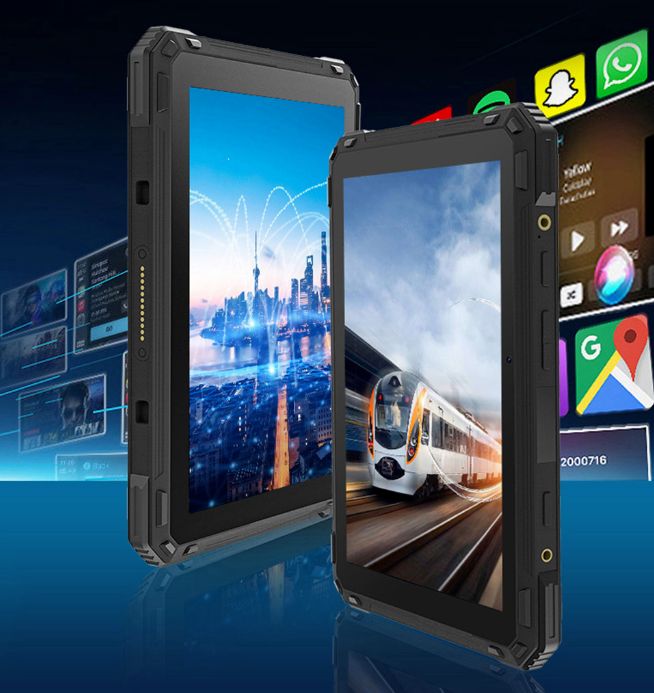
HF vs UHF RFID: Which Fits a Library?
| Factor | HF RFID (13.56MHz) | UHF RFID |
|---|---|---|
| Typical read range | Short range, precise (ideal for book-level tagging) | Longer range |
| Anti-collision (multi-tag reading) | Strong — standard for library systems | Strong, tuned for bulk/pallet-level scanning |
| Common use case | Library book tagging, access control | Warehouse pallet tracking, long-range asset tracking |
| CENAVA A10ST support | Optional HF module | Optional UHF module (3m/5m/15m range) |
CENAVA A10ST for Library Management
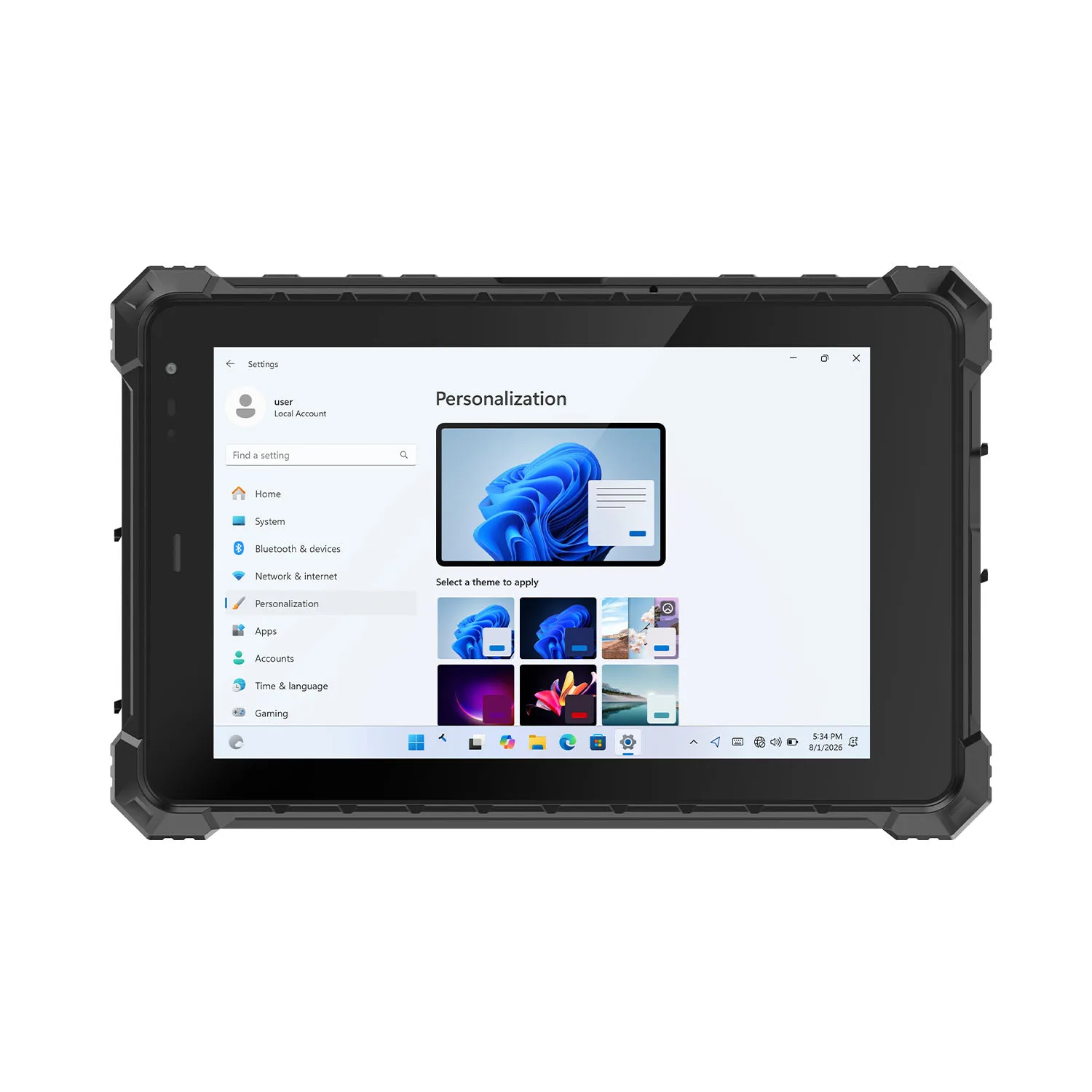
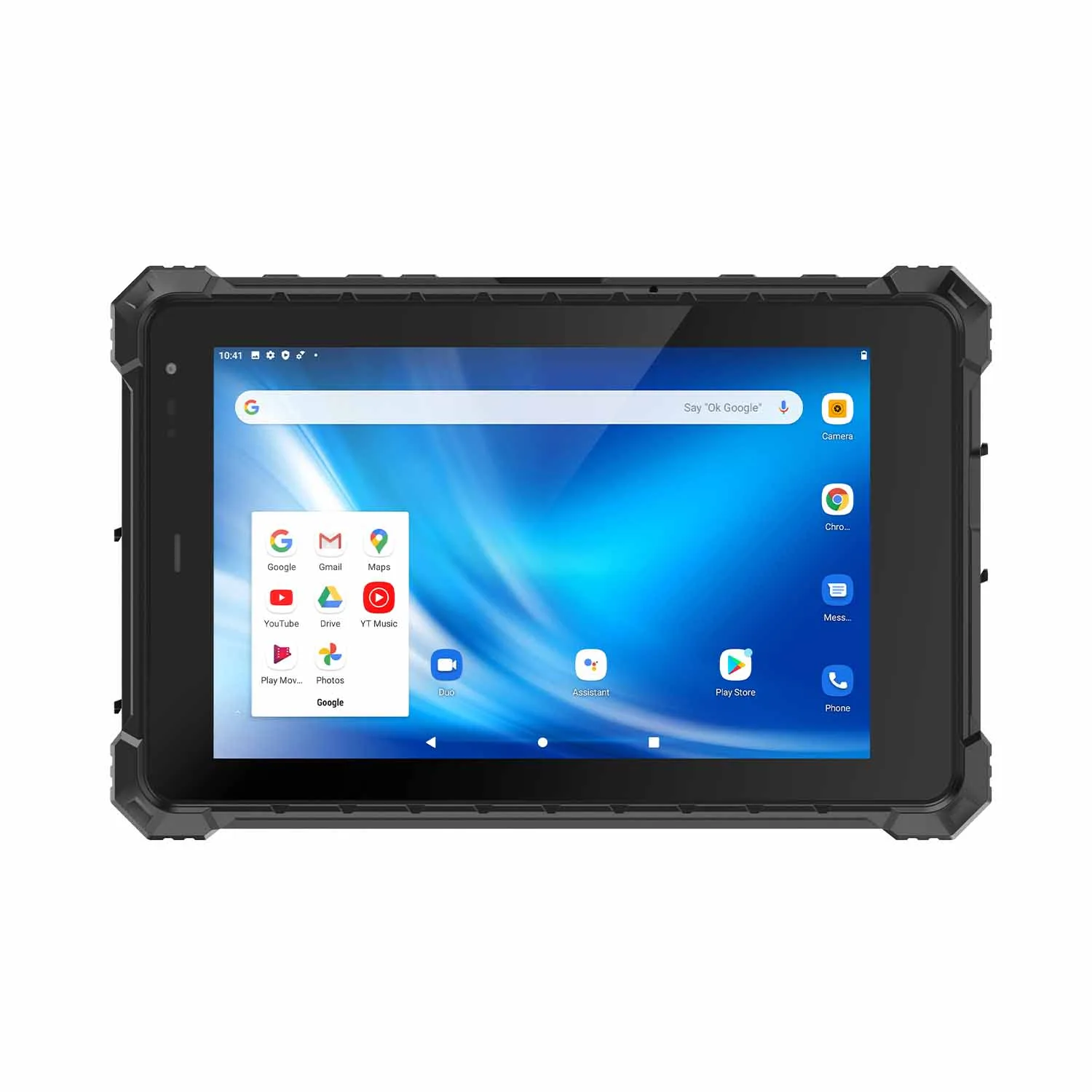
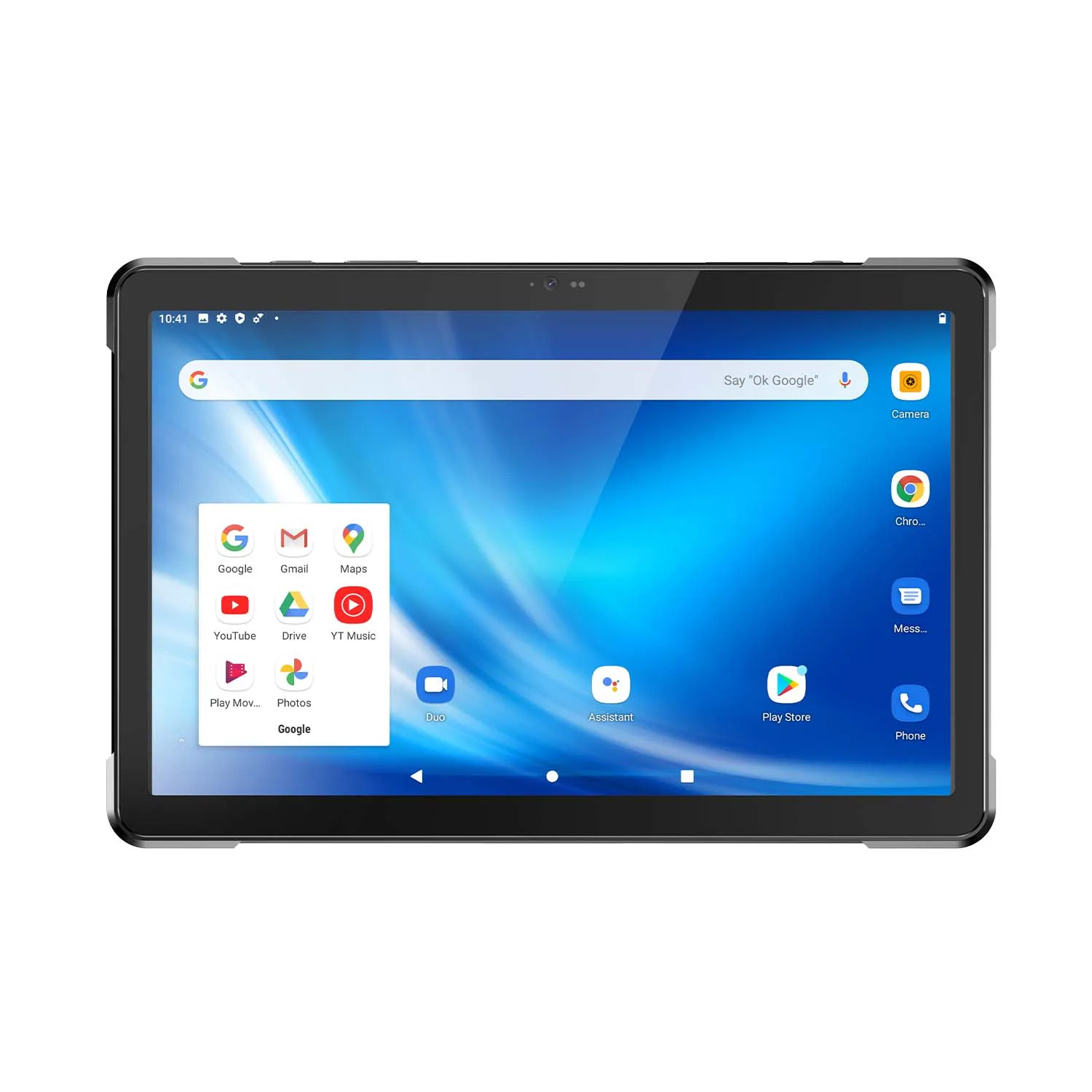
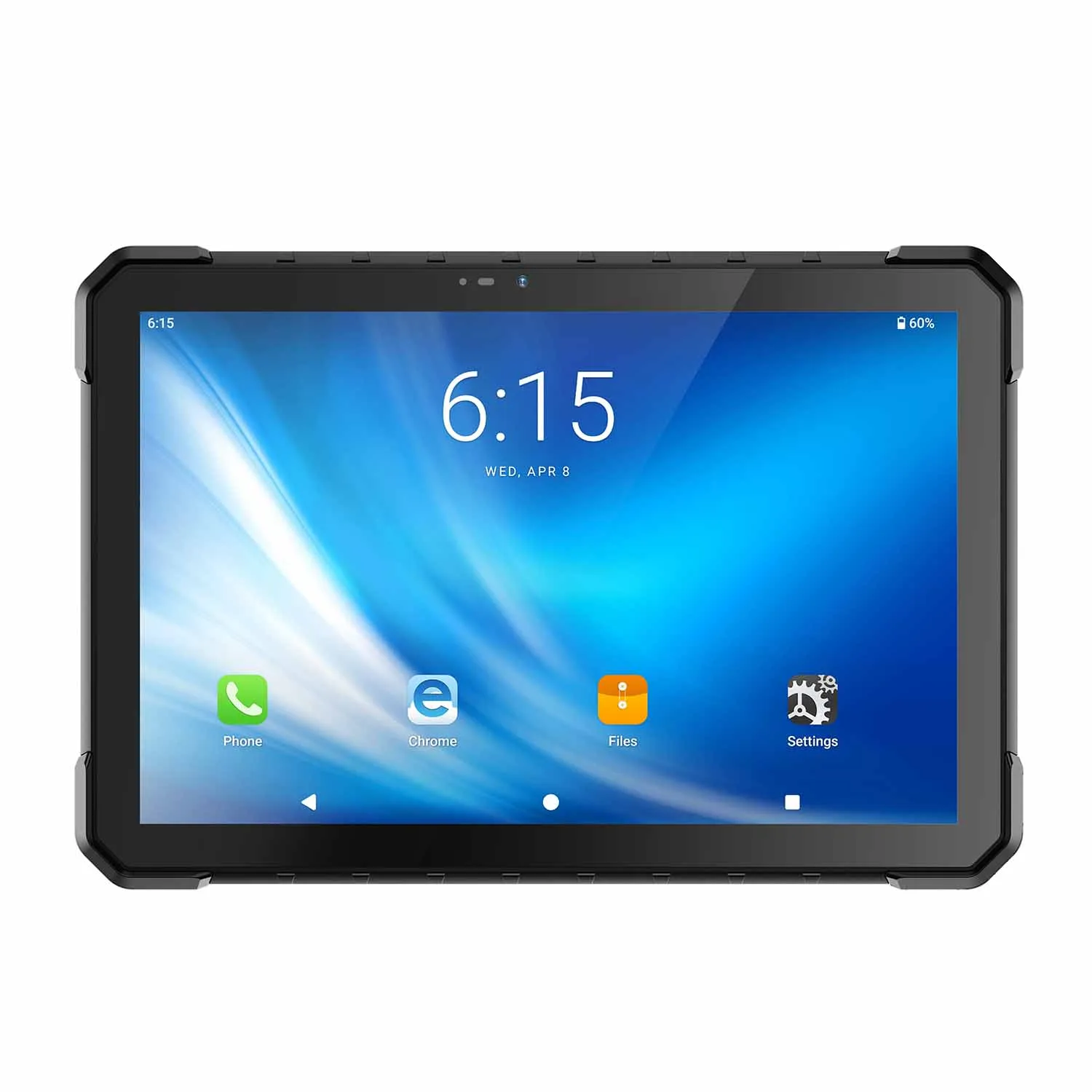
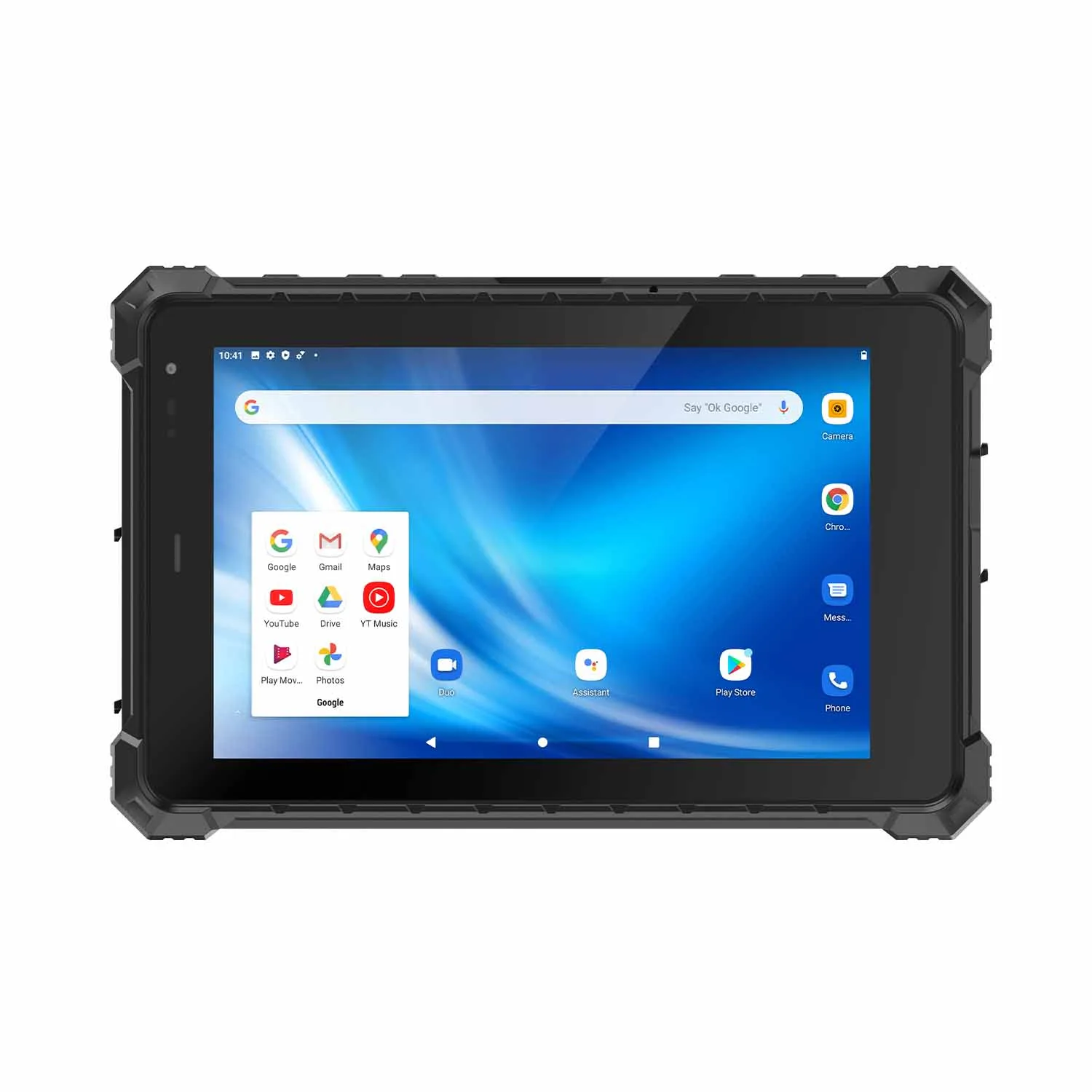
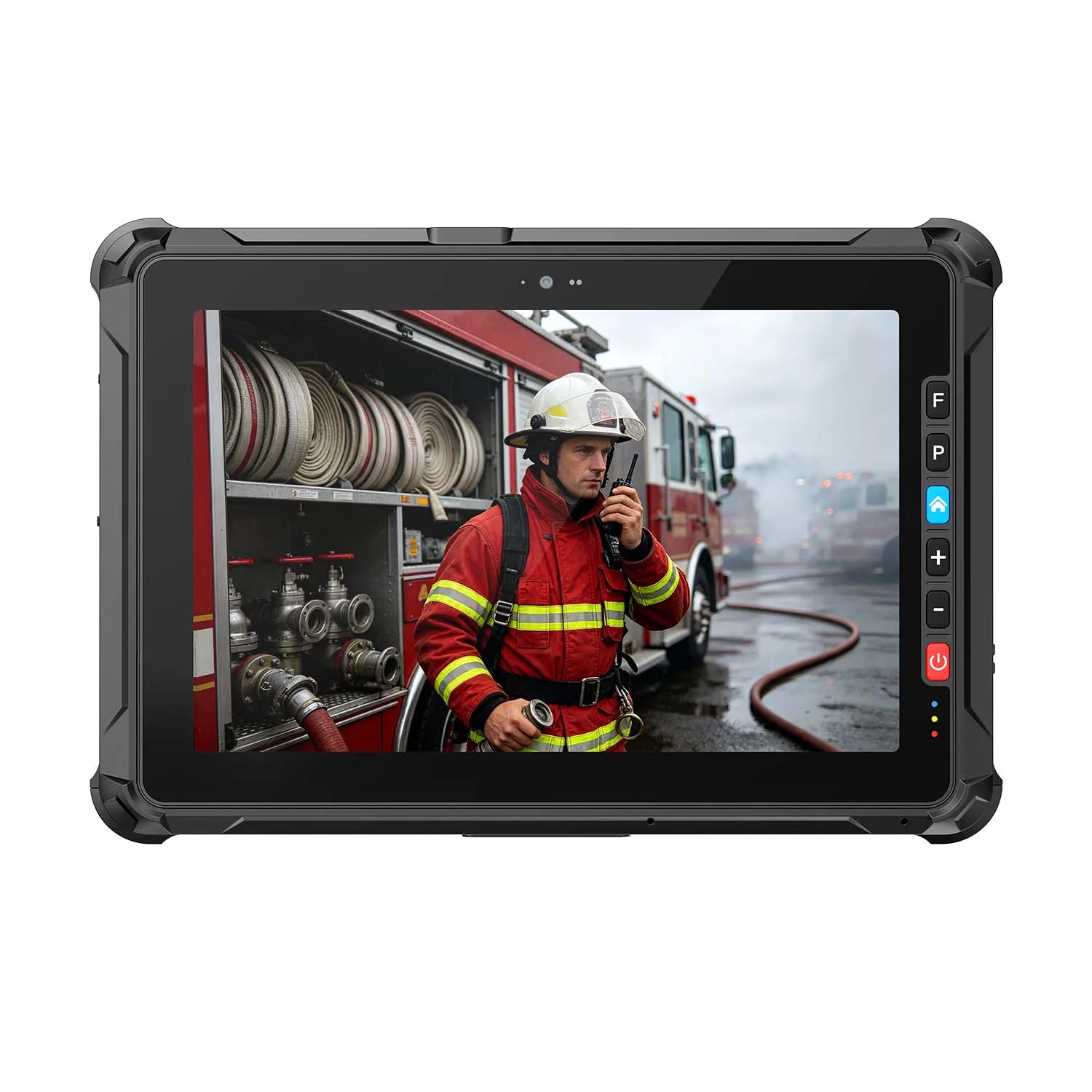
OS: Android 13, MediaTek MT8781 octa-core CPU
Optional modules: HF RFID (library tagging), UHF RFID (3m/5m/15m range for broader asset tracking), 1D/2D barcode scanning, NFC
Display: 10.1" IPS, 1920×1200, glove/wet-hand touch
Protection: IP68, MIL-STD-810H — durable for daily handling across stacks, book carts, and circulation desks
Battery: 10,000mAh (20,000mAh custom option)
Connectivity: 4G LTE, Wi-Fi 5, Bluetooth 5.2 — syncs catalog and circulation data in real time
Why the A10ST for Libraries?
One platform, multiple workflows. The same A10ST that checks out books at the circulation desk can scan inventory in the stacks, verify deliveries at the loading dock, and track equipment across branches. You standardize on one device instead of maintaining separate hardware for each task.
Tag flexibility. The HF module reads ISO 15693 and ISO 14443 Type A — the two standards that cover most library RFID tags worldwide. If your library consortium uses mixed tag formats across branches, one device handles all of them.
Battery for a full shift. The standard 10,000mAh battery runs 10–12 hours of continuous scanning. For libraries running extended hours or mobile outreach services, the 20,000mAh custom option covers a 16-hour day without a charge.

Frequently Asked Questions
1. We already have barcode scanners — why switch to RFID?
Barcodes require line-of-sight: staff must find the barcode on each book, align the scanner, and pull the trigger. In a 500,000-volume collection, a full inventory with barcodes takes a team of four roughly three weeks. With RFID, one person with an A10ST can scan an entire shelf in seconds — no line of sight, no trigger pull, no bending to find the label. The break-even point depends on your collection size, but for anything over 50,000 volumes, RFID typically pays for itself in labor savings within 18 months.
2. How much faster is RFID inventory versus barcode?
A barcode inventory requires scanning each book individually — roughly 3–5 seconds per book including handling. RFID reads all books on a shelf simultaneously — roughly 2–3 seconds for 30 books. For a collection of 100,000 books, that is the difference between 140 staff-hours (barcode) and 6 staff-hours (RFID), assuming 8-hour shifts. The A10ST's HF module reads up to 50 tags per second, so even densely packed shelves clear in one pass.
3. Will RFID work with our existing anti-theft gates?
Probably not directly — magnetic-strip gates and RFID gates use different detection physics. Most libraries replace the gate hardware as part of the RFID migration. The good news: modern RFID gates (HF 13.56MHz) have lower false-alarm rates than magnetic-strip systems because they cross-reference each book against the circulation database in real time. A book that was properly checked out does not trigger the alarm; a book that was not checked out does. The A10ST can serve as both the circulation terminal and the gate controller, reducing hardware sprawl.
4. Which library management systems does the A10ST work with?
The A10ST's RFID module outputs standard NISO Z39.71 tag data, which is supported by most major library management systems including Ex Libris Alma, Koha, Evergreen, and SIP2-based systems. If your LMS uses a proprietary RFID protocol, we can configure the module's firmware to match — typical turnaround is one week for protocol adaptation. Send us your LMS vendor name and RFID spec sheet and we will confirm compatibility within 24 hours.
5. Our library already uses HF RFID tags from another vendor — will the A10ST read them?
If your tags are standard ISO 15693 or ISO 14443 Type A (the two dominant HF RFID standards for libraries), yes — the A10ST's HF module reads both. If your previous vendor used a proprietary tag format, we can often adapt the reader firmware — send us a sample tag and we will test it within three working days. For tag formats we cannot support, we will tell you upfront rather than waste your time.
Conclusion
RFID is not new — libraries have been using it for over a decade. What has changed is the hardware: a tablet like the A10ST combines RFID reading, circulation management, and inventory scanning in one device that costs less than a dedicated RFID station and fits in a staff member's hand.
The decision is not whether to adopt RFID — if you manage more than 50,000 volumes, the labor savings already justify it. The decision is which hardware to run it on. The A10ST is one option: Android-based, HF/UHF-compatible, and configurable before shipment. If you are evaluating RFID hardware for your library, request a sample unit and test it against your tag format, your LMS, and your staff's workflow.
Need a Rugged Device for Your Project?
Tell us your operating environment and requirements — our engineers will recommend a configuration and quote within 24 hours.
Get a Free Quote Back to Blog