






Rugged Tablets for Open-Pit Mining Truck Fleet Dispatch
User Background
In mining operations, large mining areas, widely distributed unloading points, and complex terrain have long made transport fleet scheduling and management a difficult problem to solve. As a stope gradually deepens, mining conditions worsen, transport distances and cycle times increase, and already-high transportation operating costs climb further. Since transport vehicles are the main production equipment and account for a large share of management, maintenance, and repair costs, information-based vehicle scheduling and management became a top priority for this mining operation.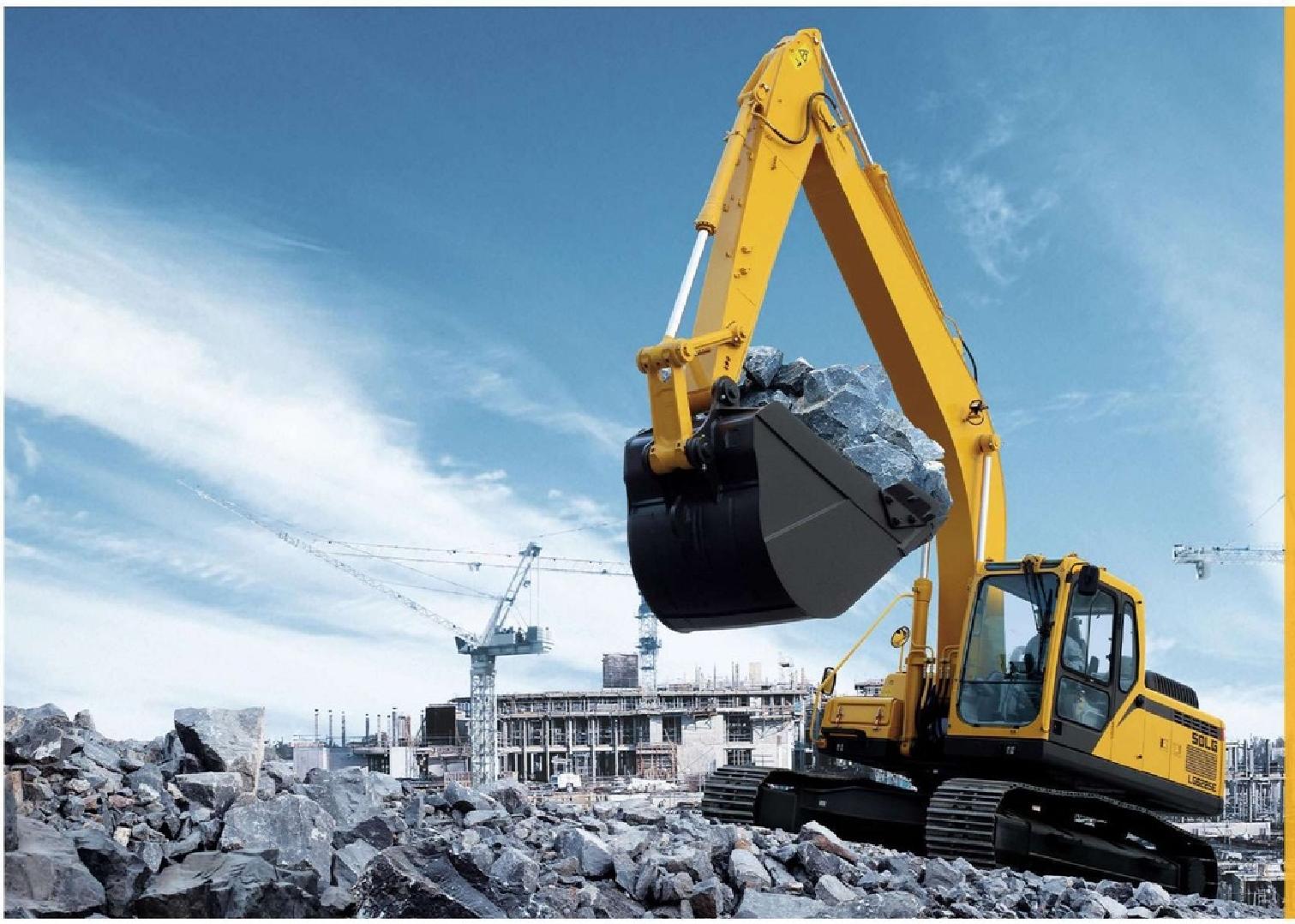
Challenges
Poor road conditions with no fixed, clear road signage — with multiple mining trucks operating simultaneously across multiple mining routes, coordinating trucks for efficient, orderly operation became a major industry difficulty.
Traditional intercom and on-scene manual dispatch struggled to track real-time vehicle status. Environmental monitoring across the mining area was labor- and cost-intensive, and around-the-clock operation led to fatigue-related human error — creating personal safety risks and construction delays that seriously affected productivity.
Solution
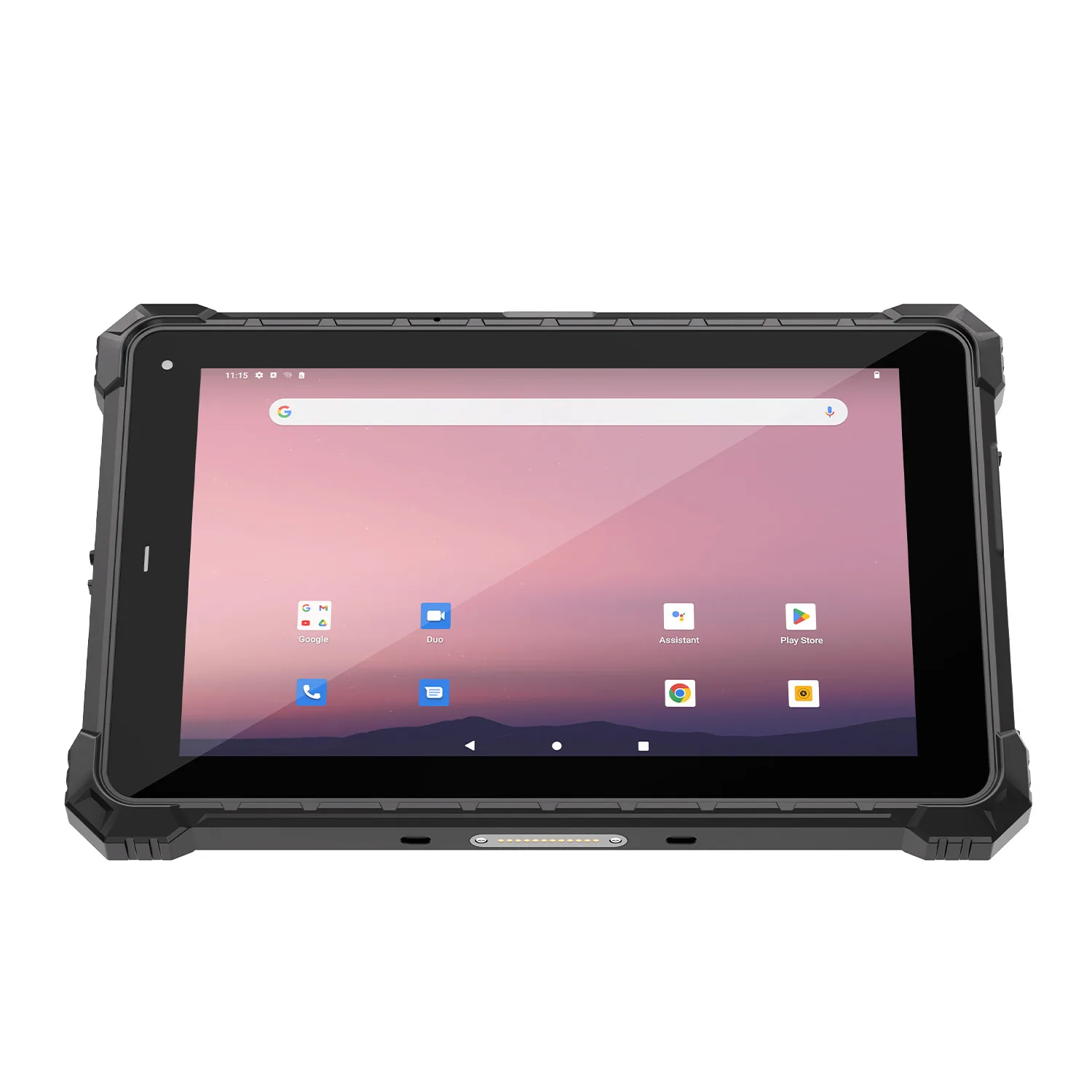
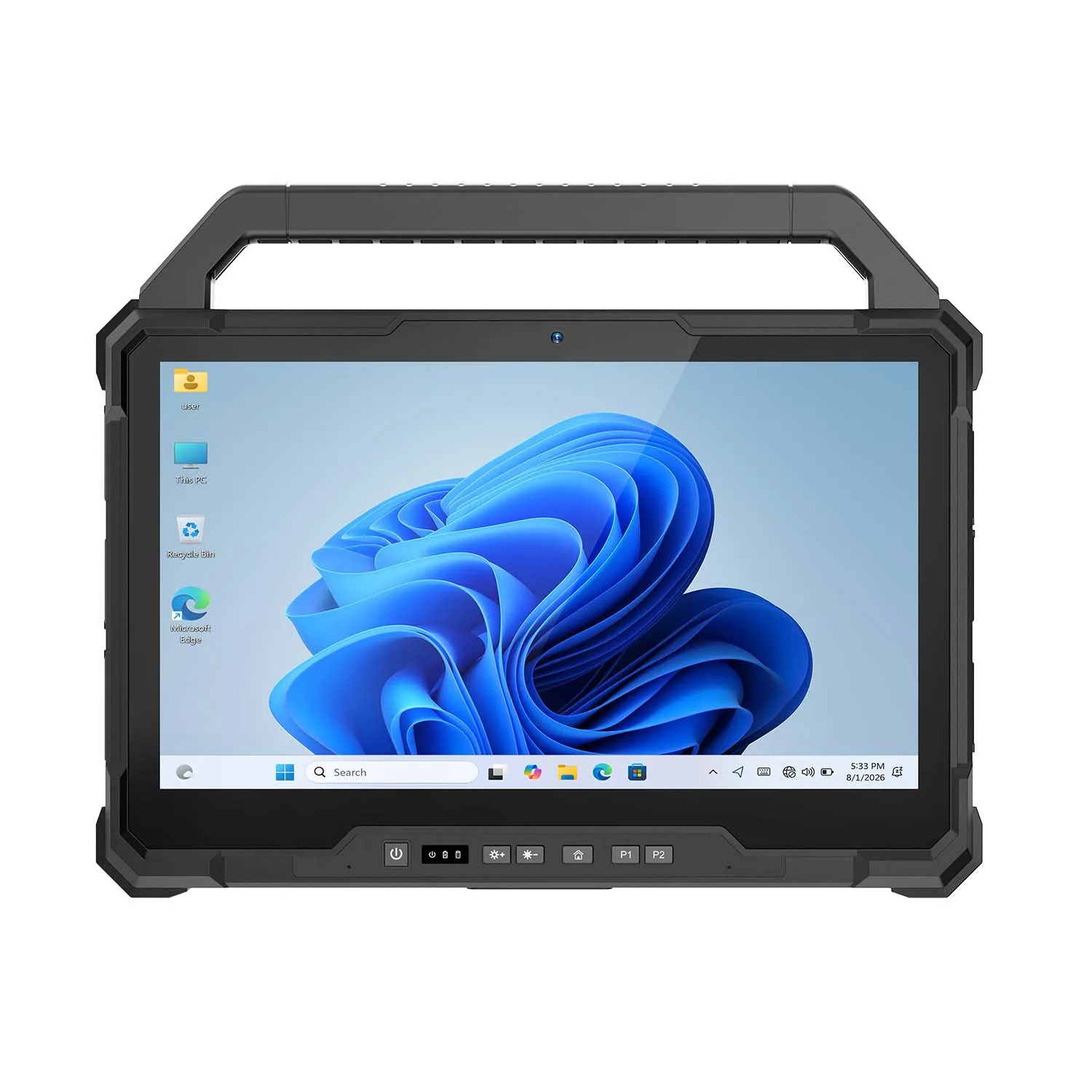
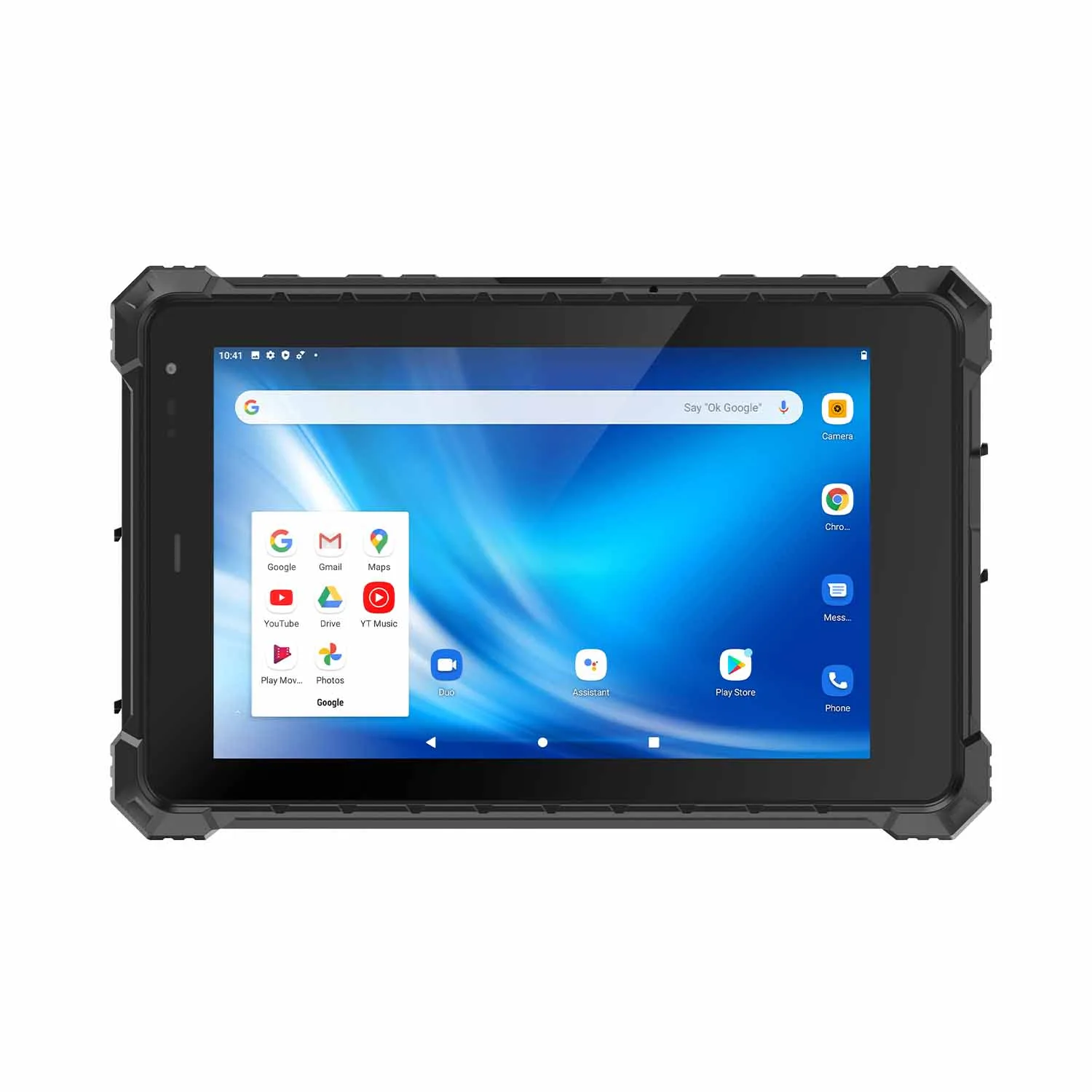
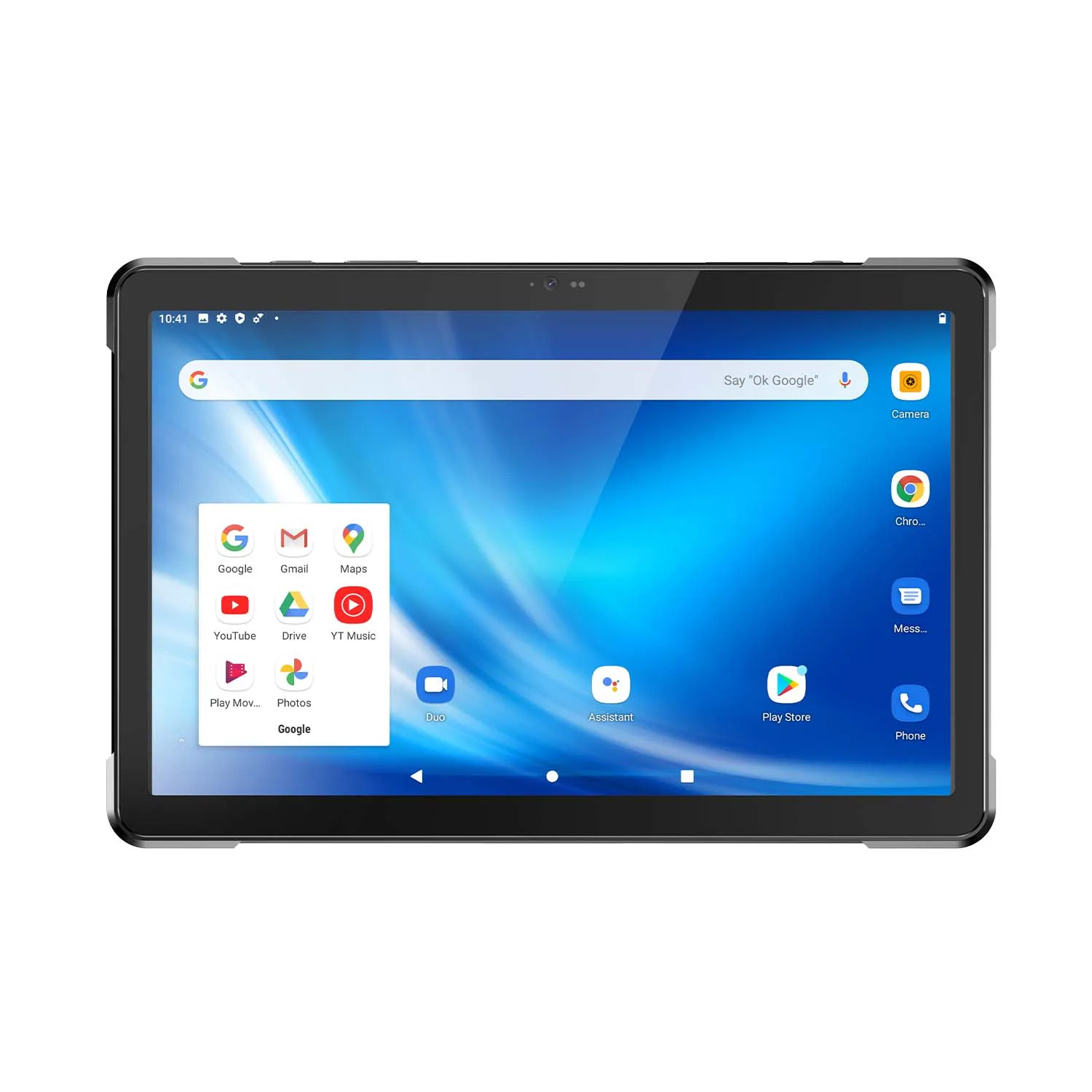
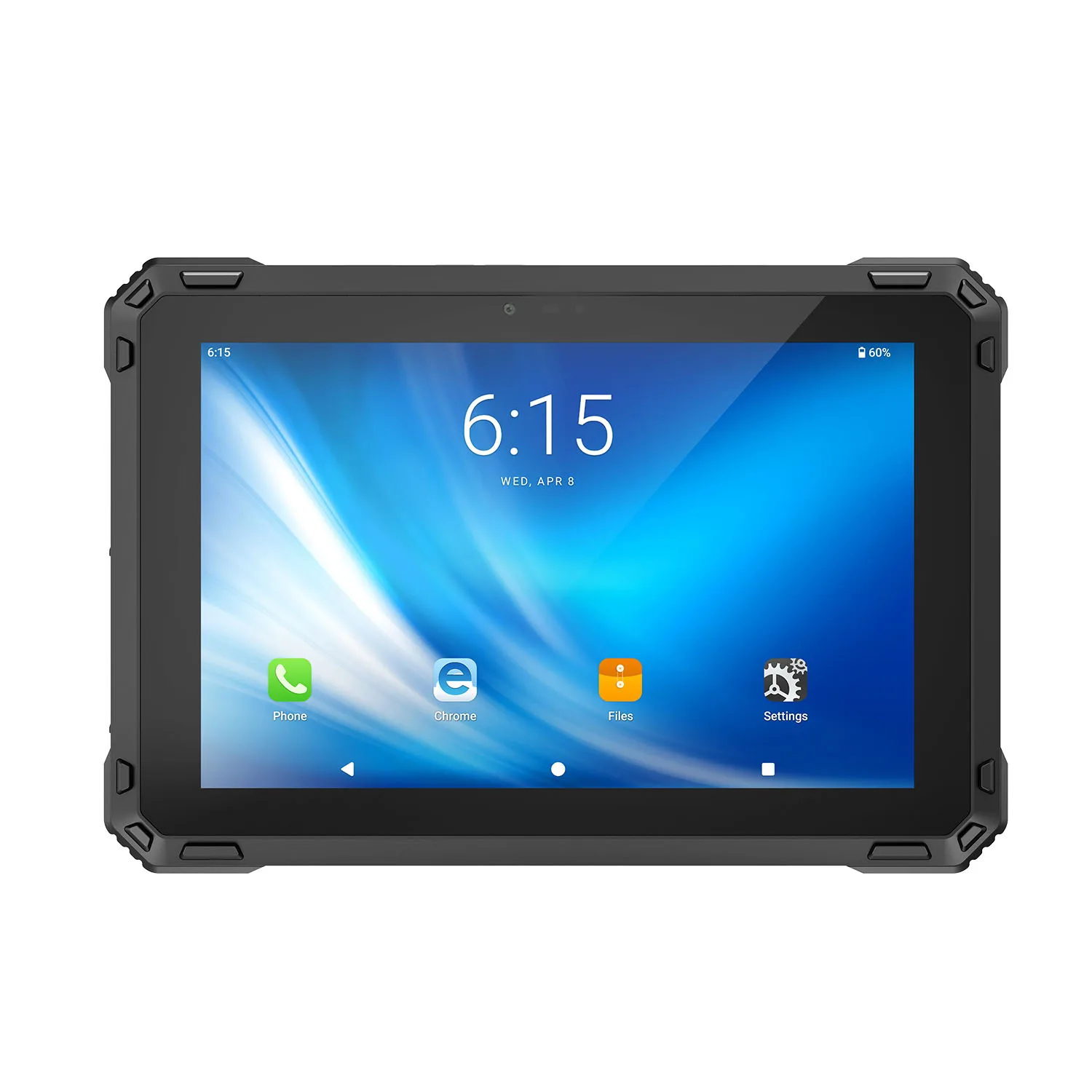
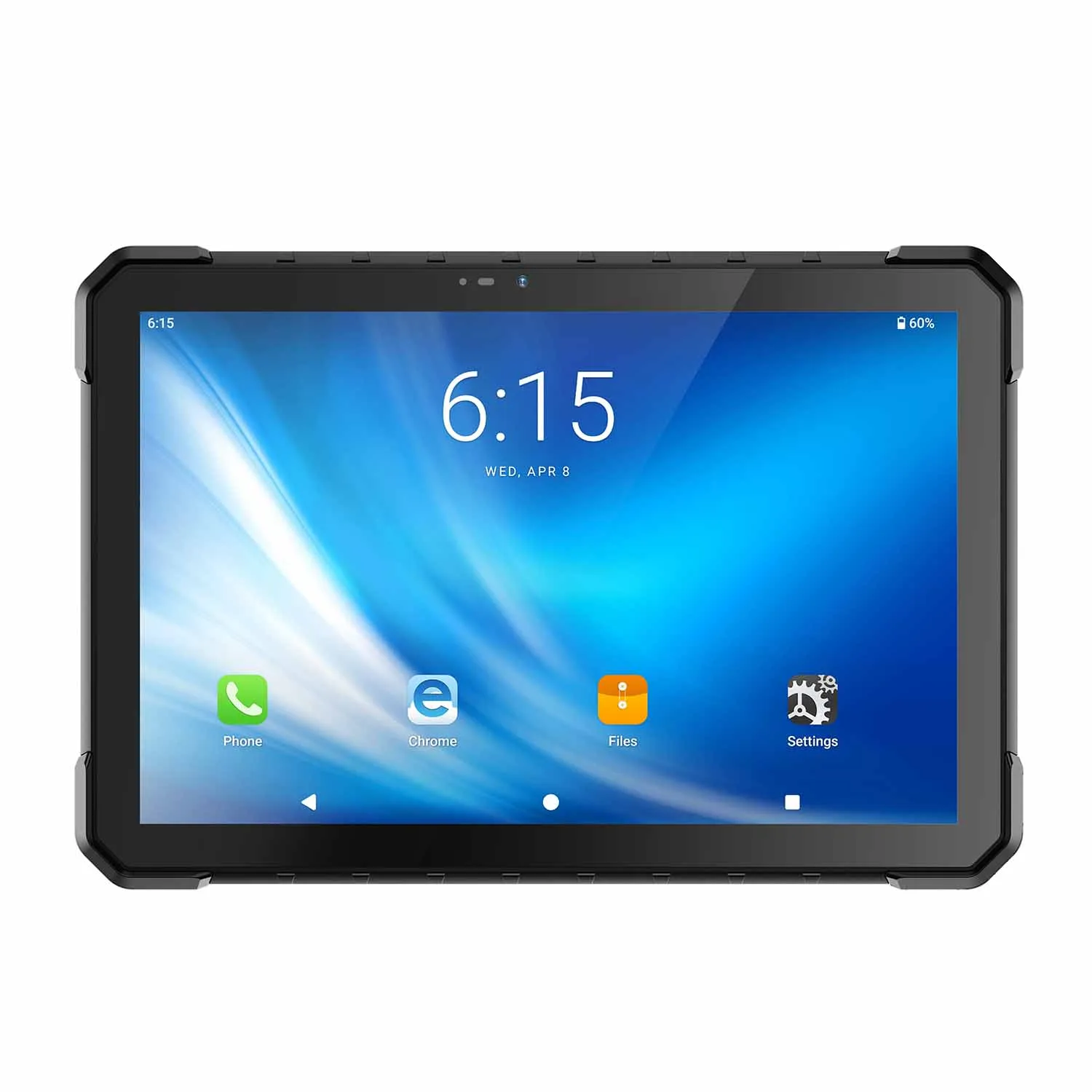
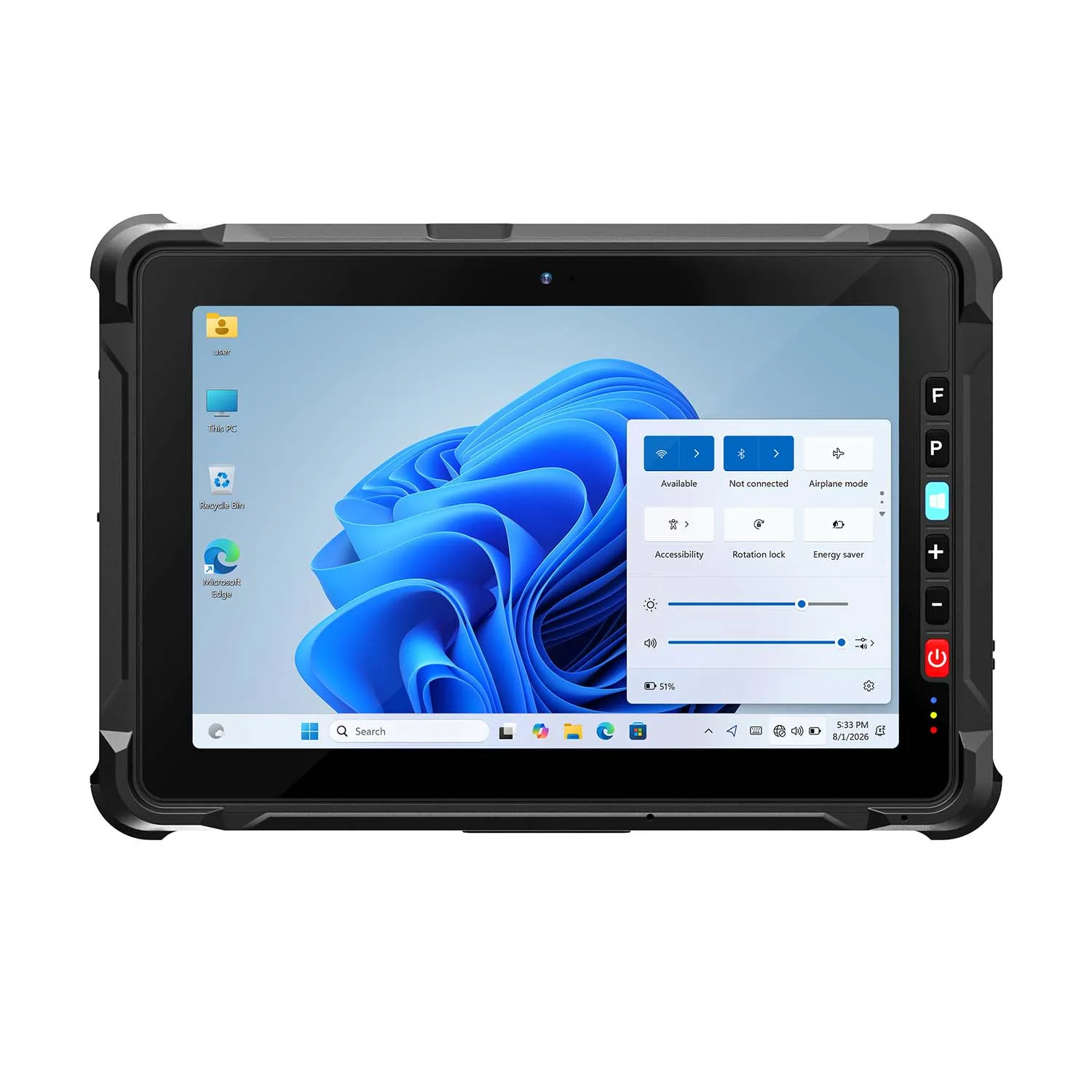
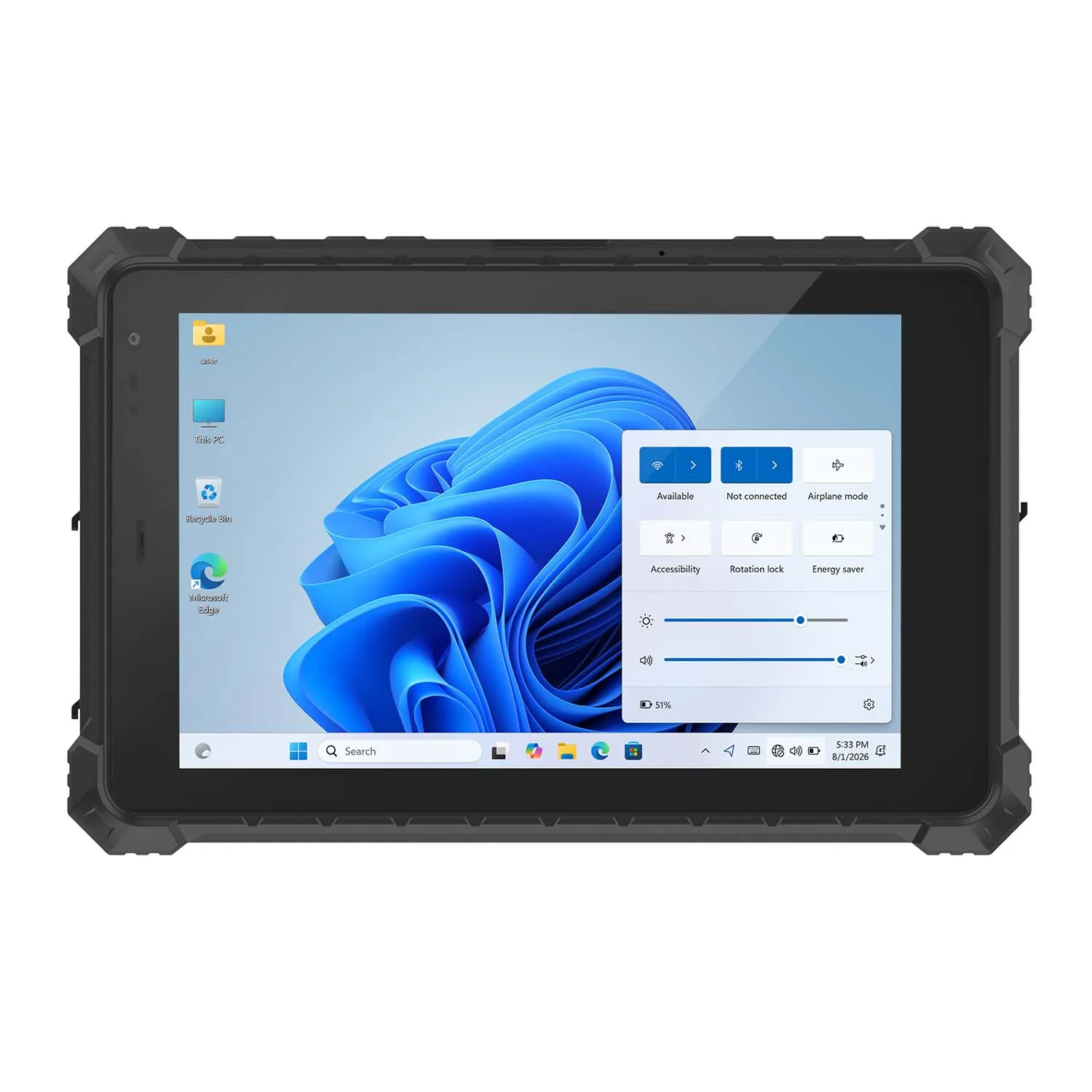
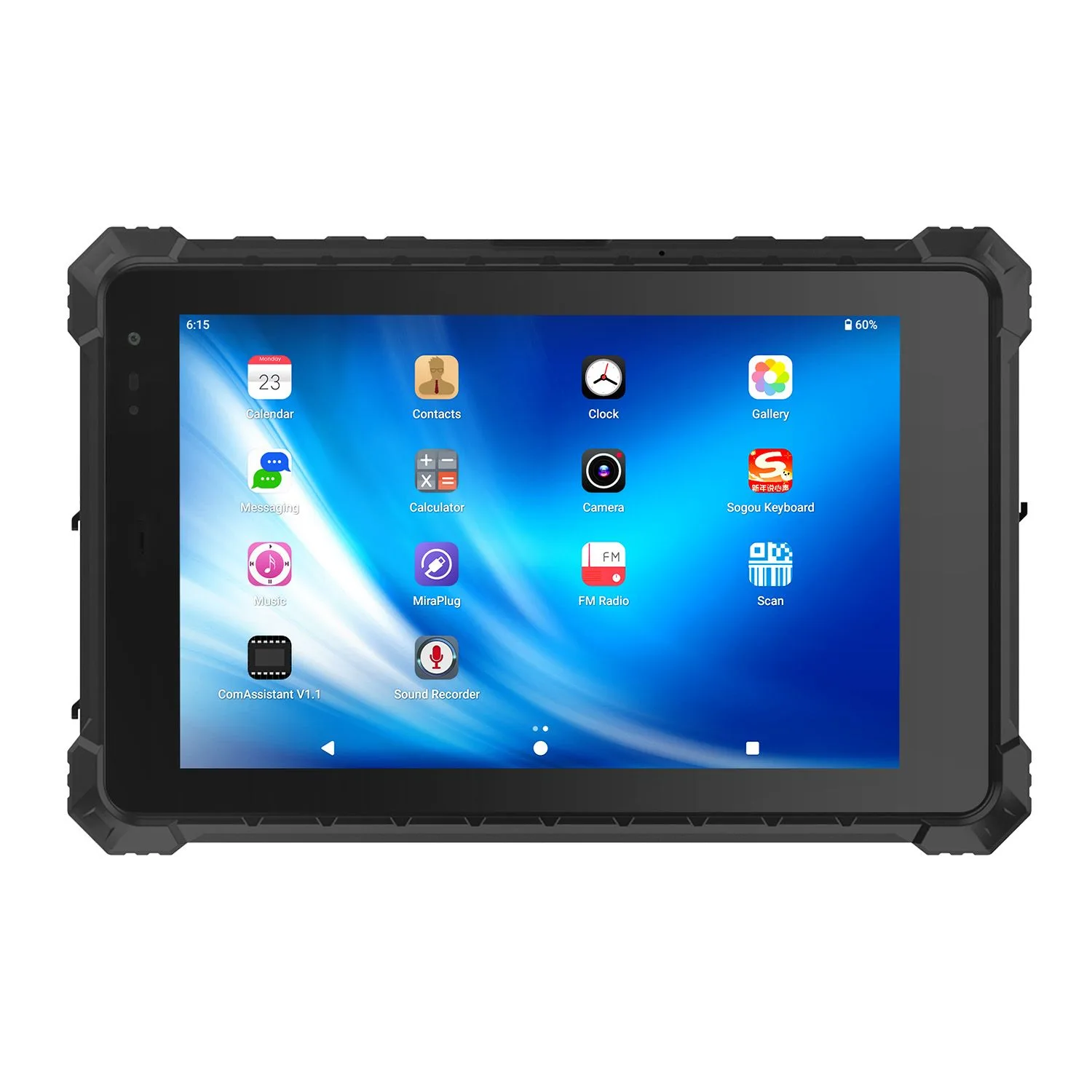
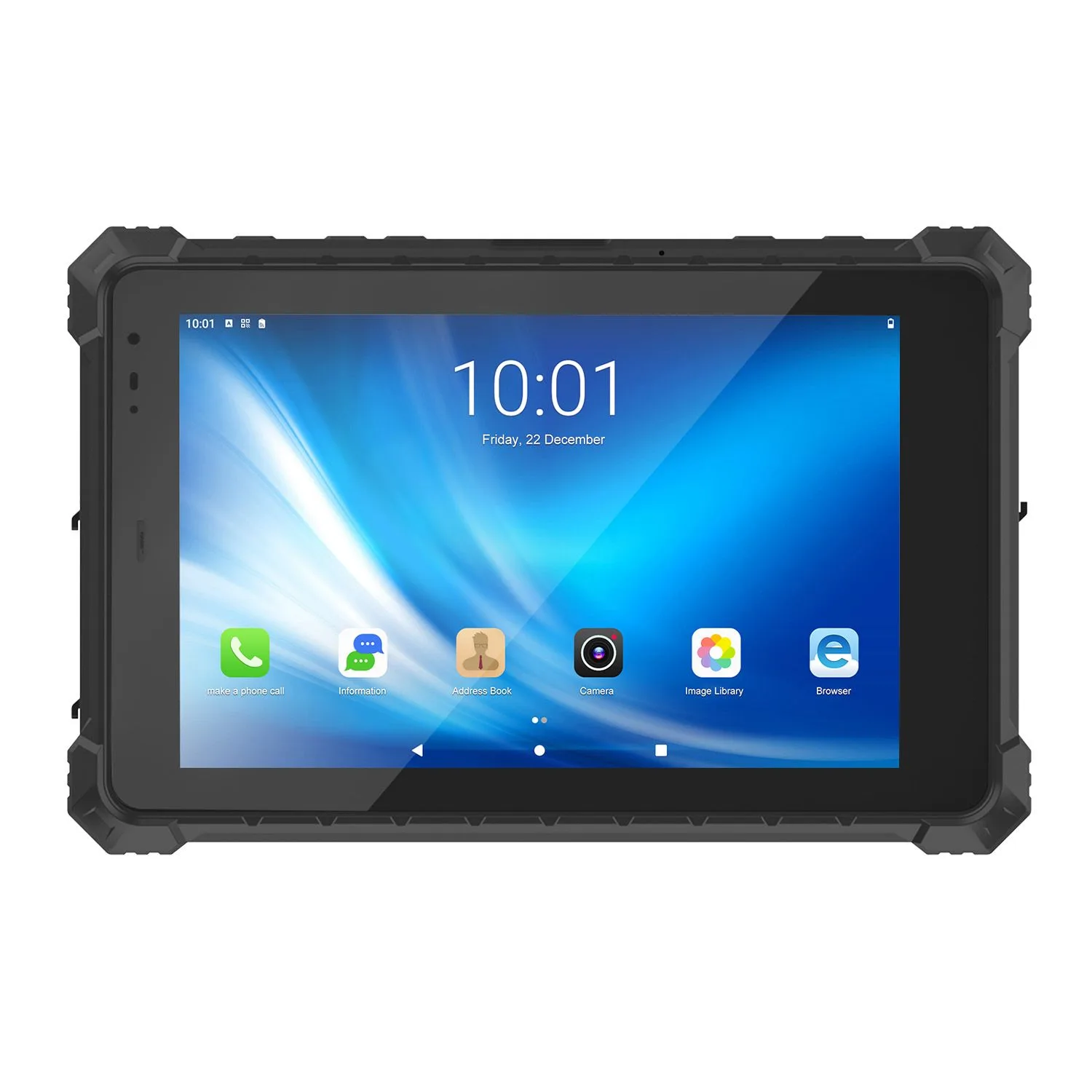
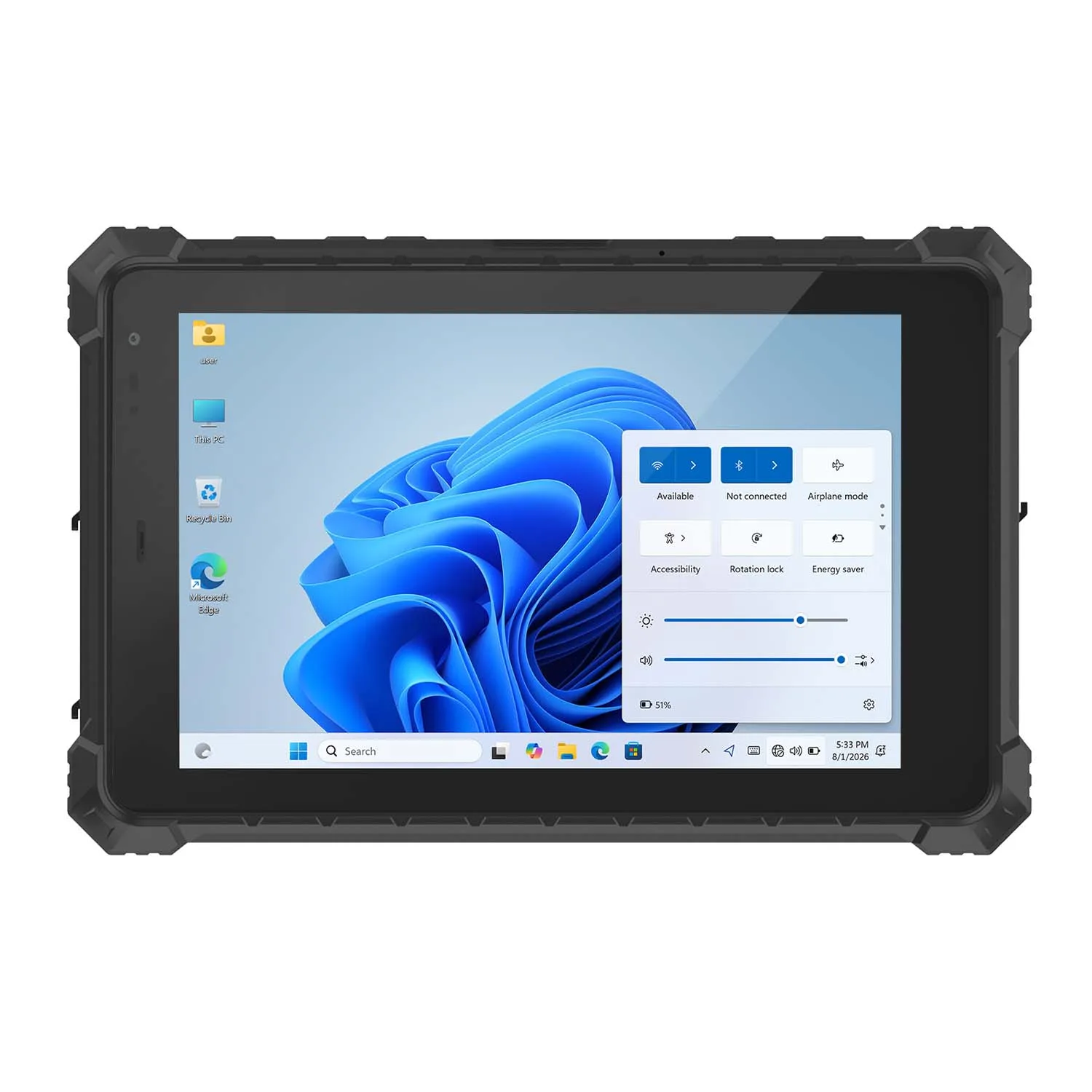
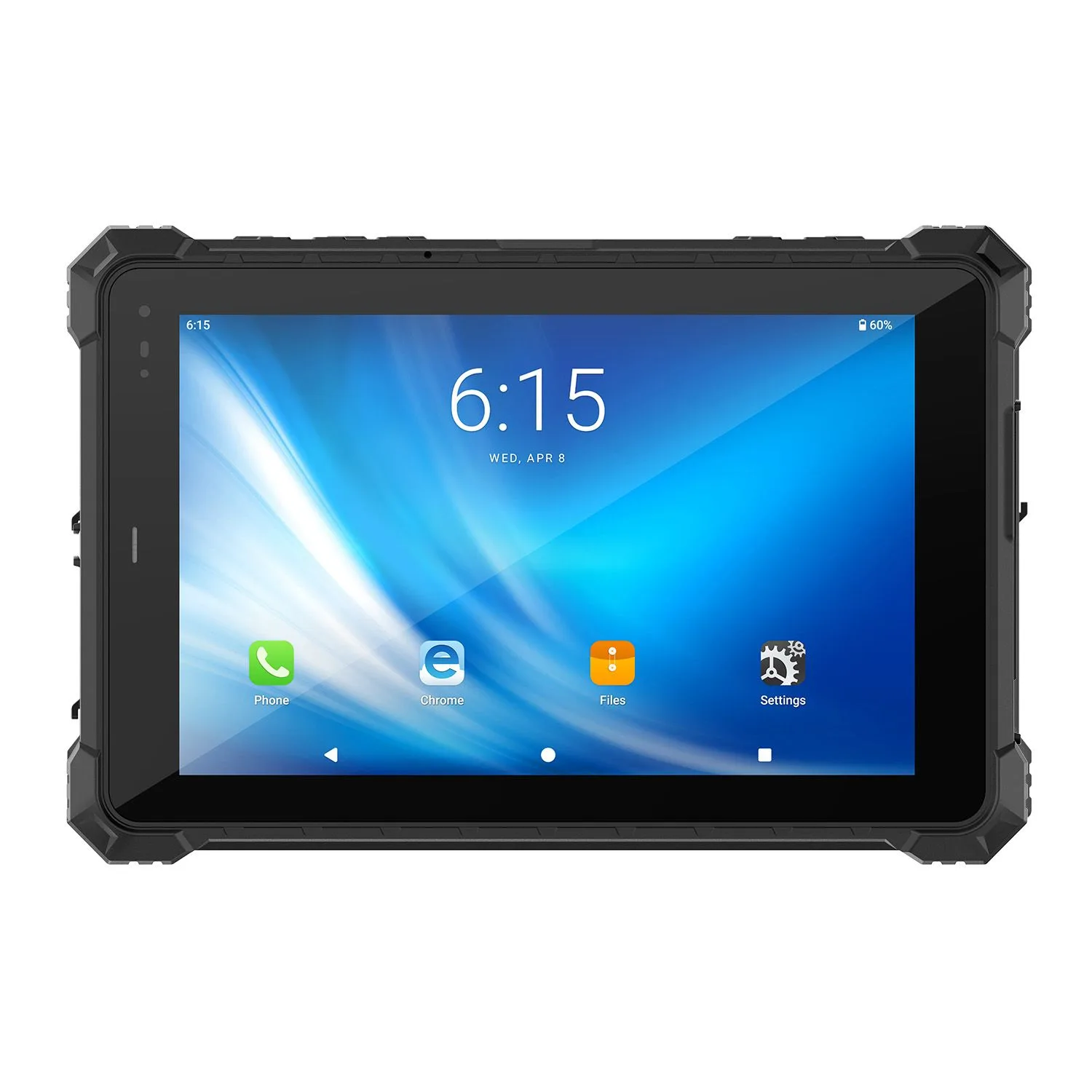
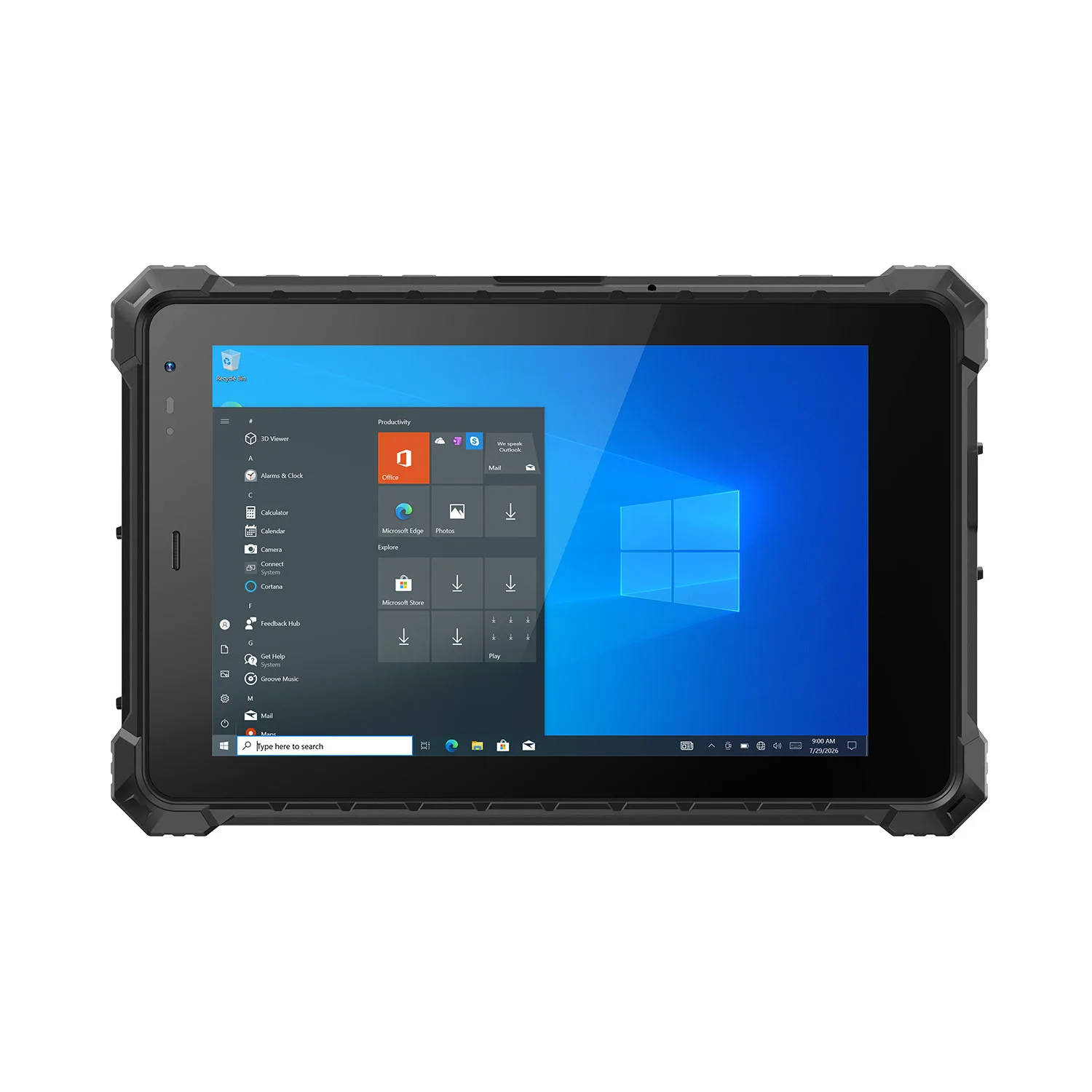
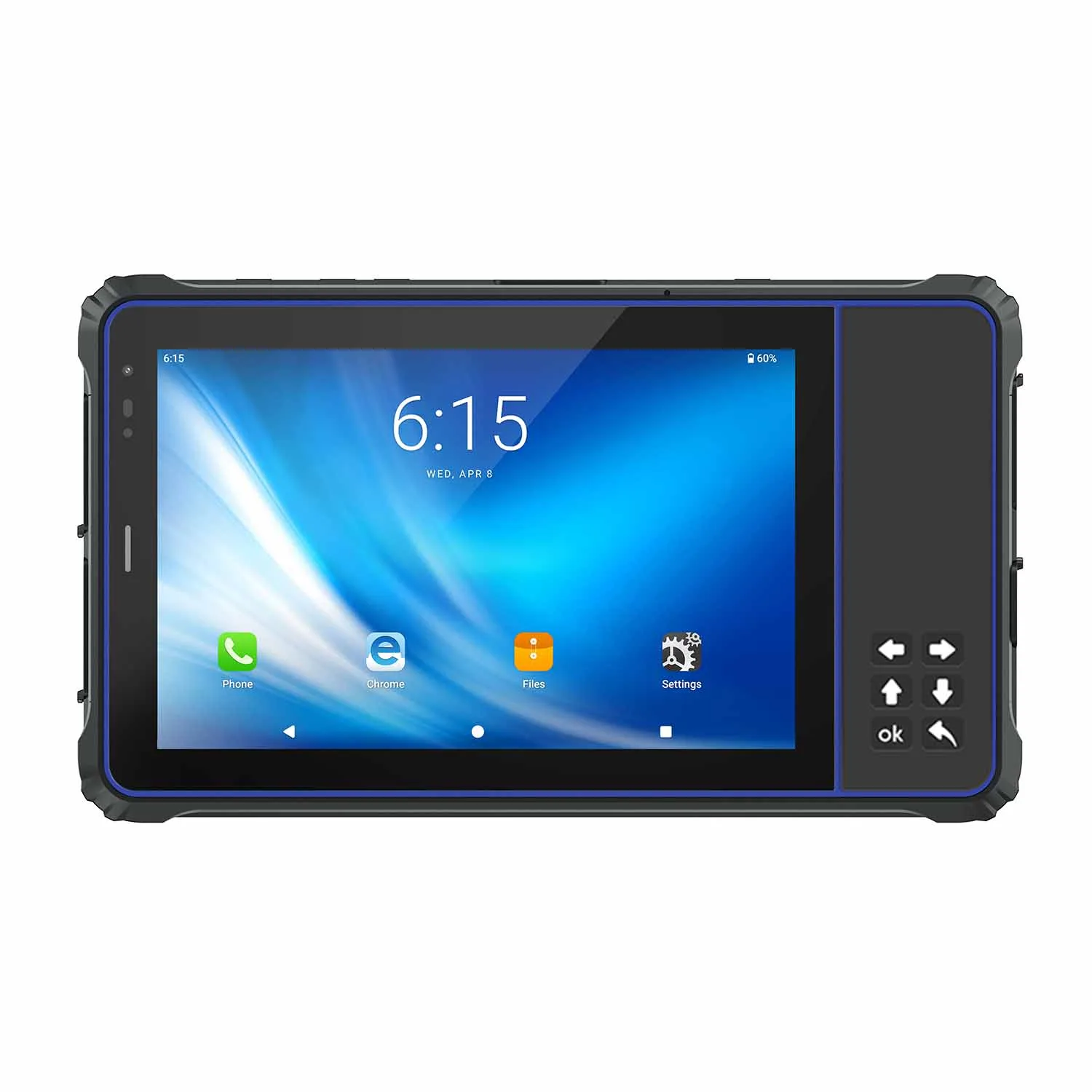
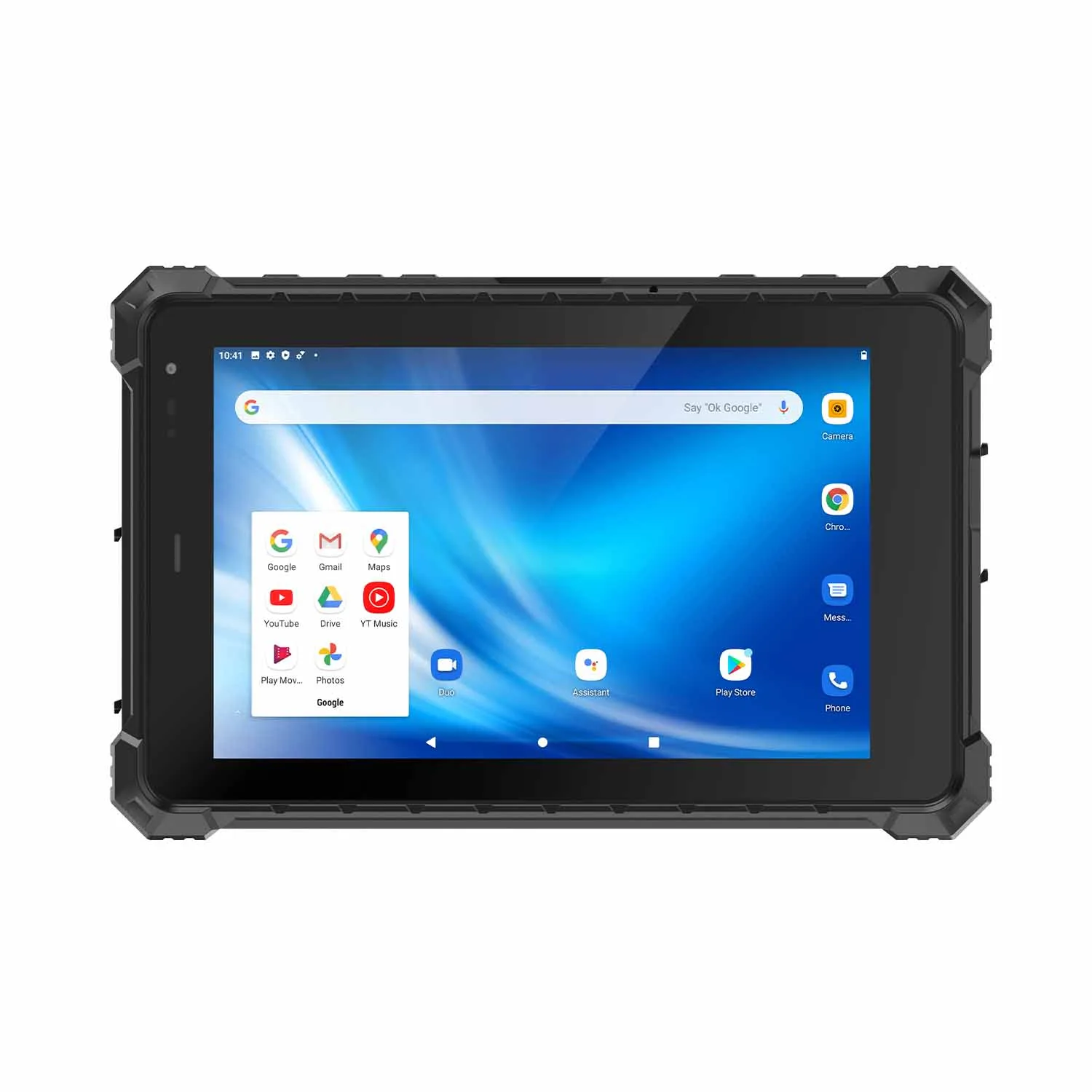
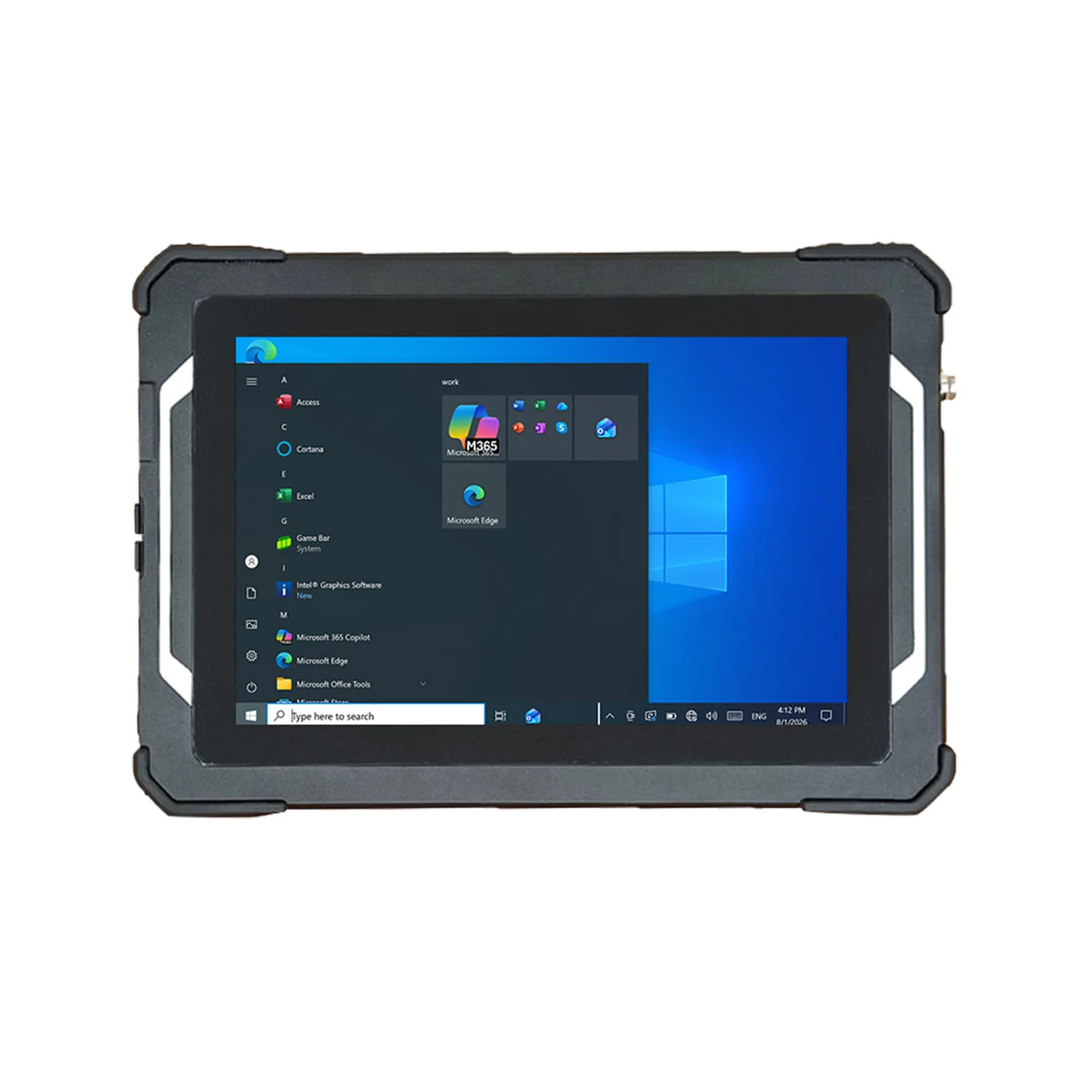
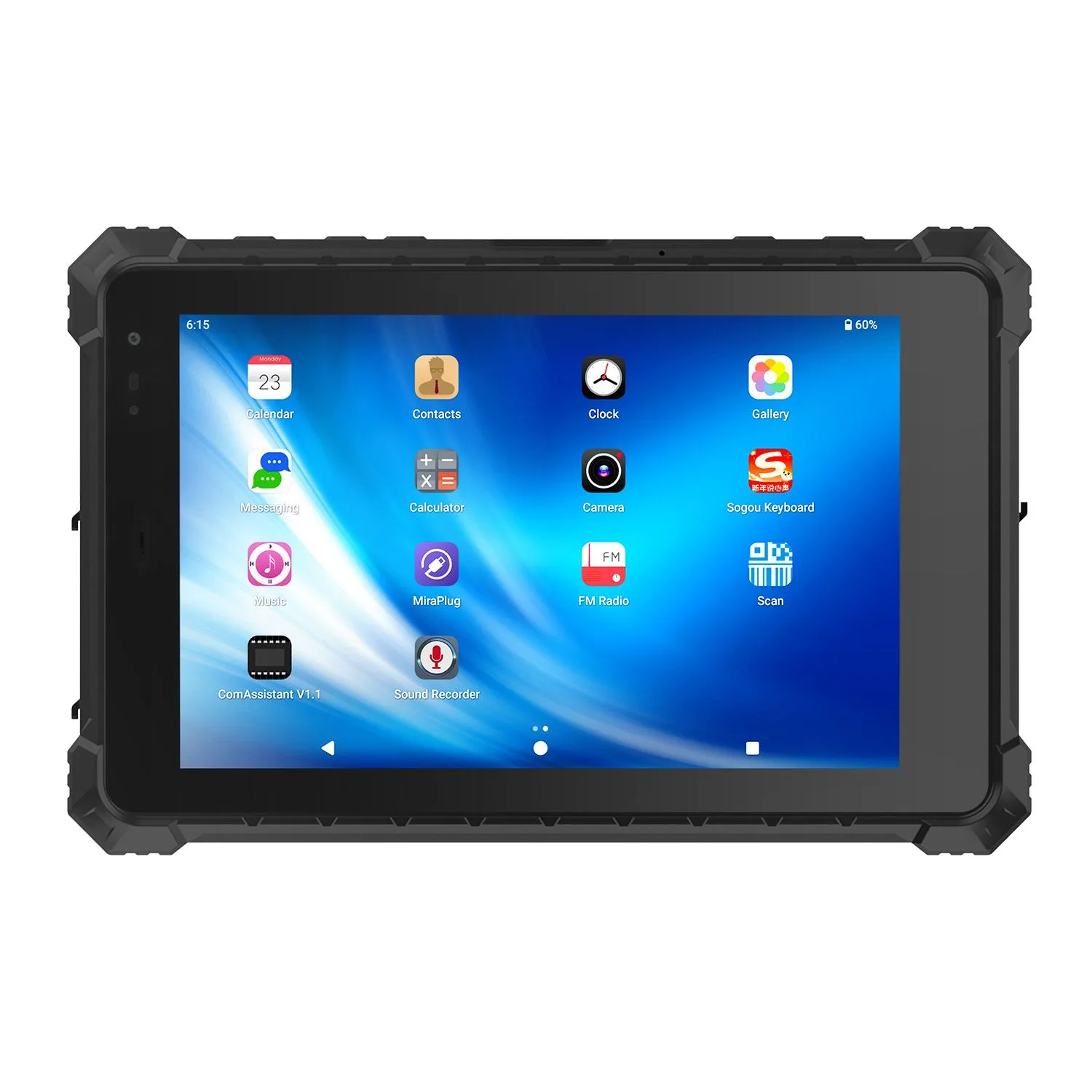
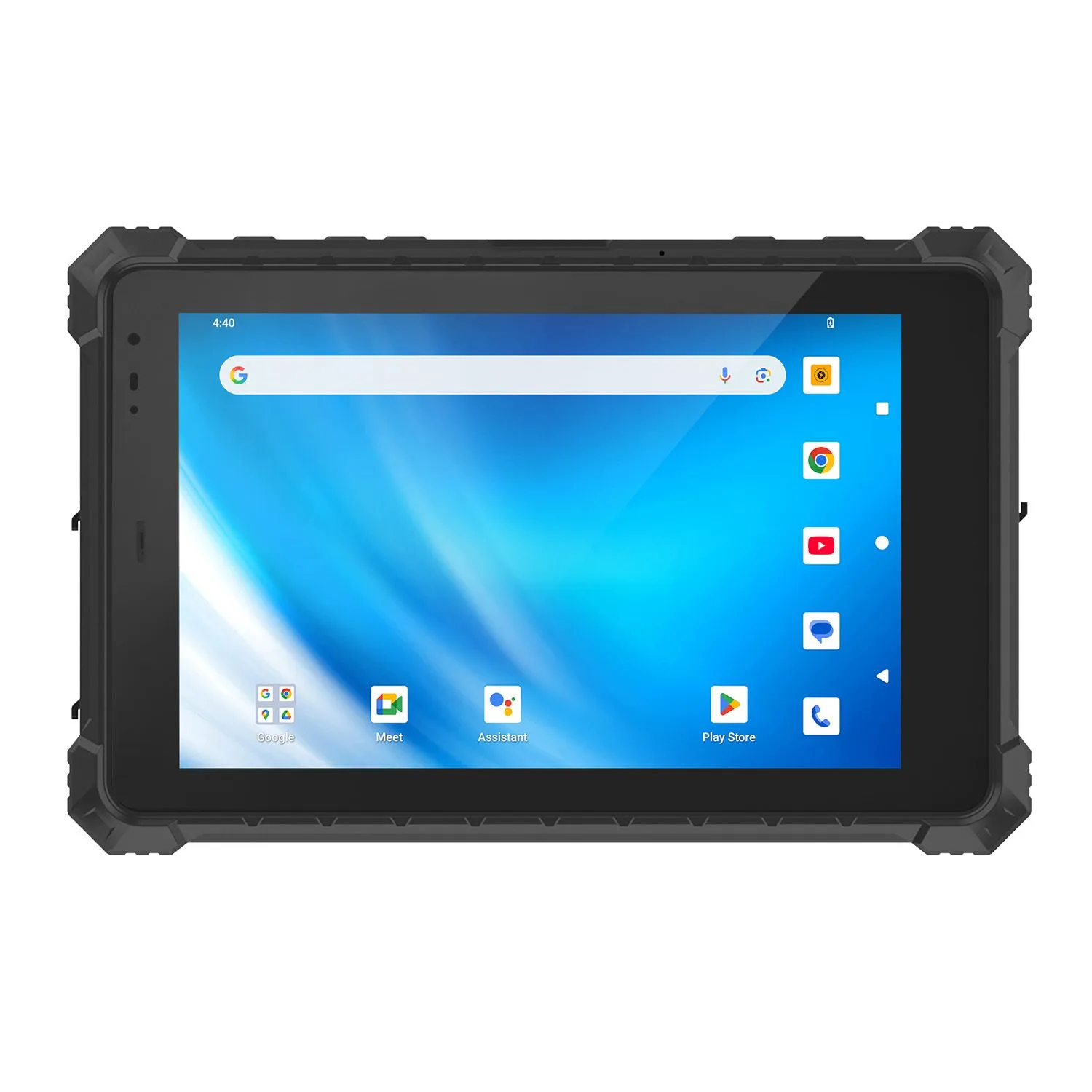
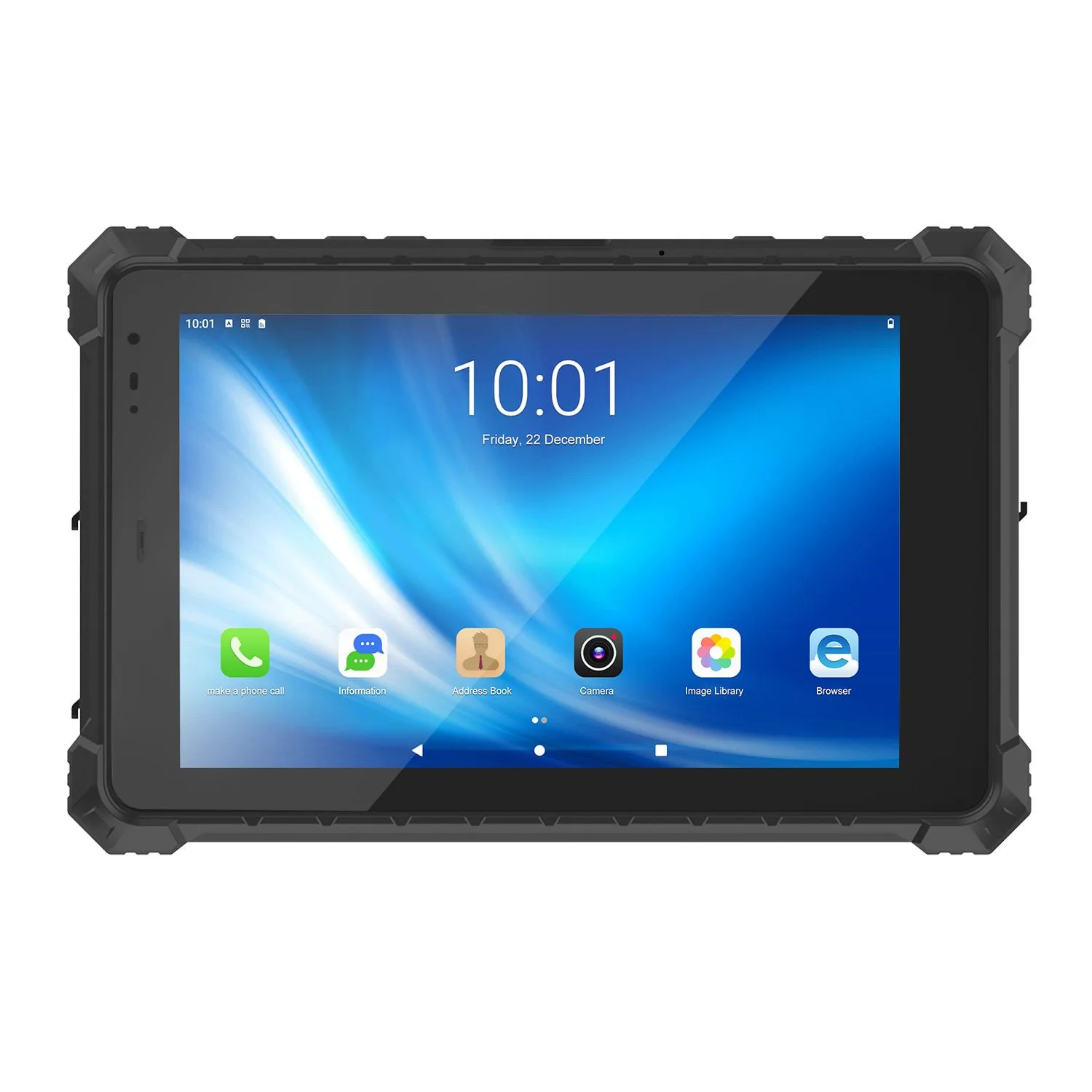
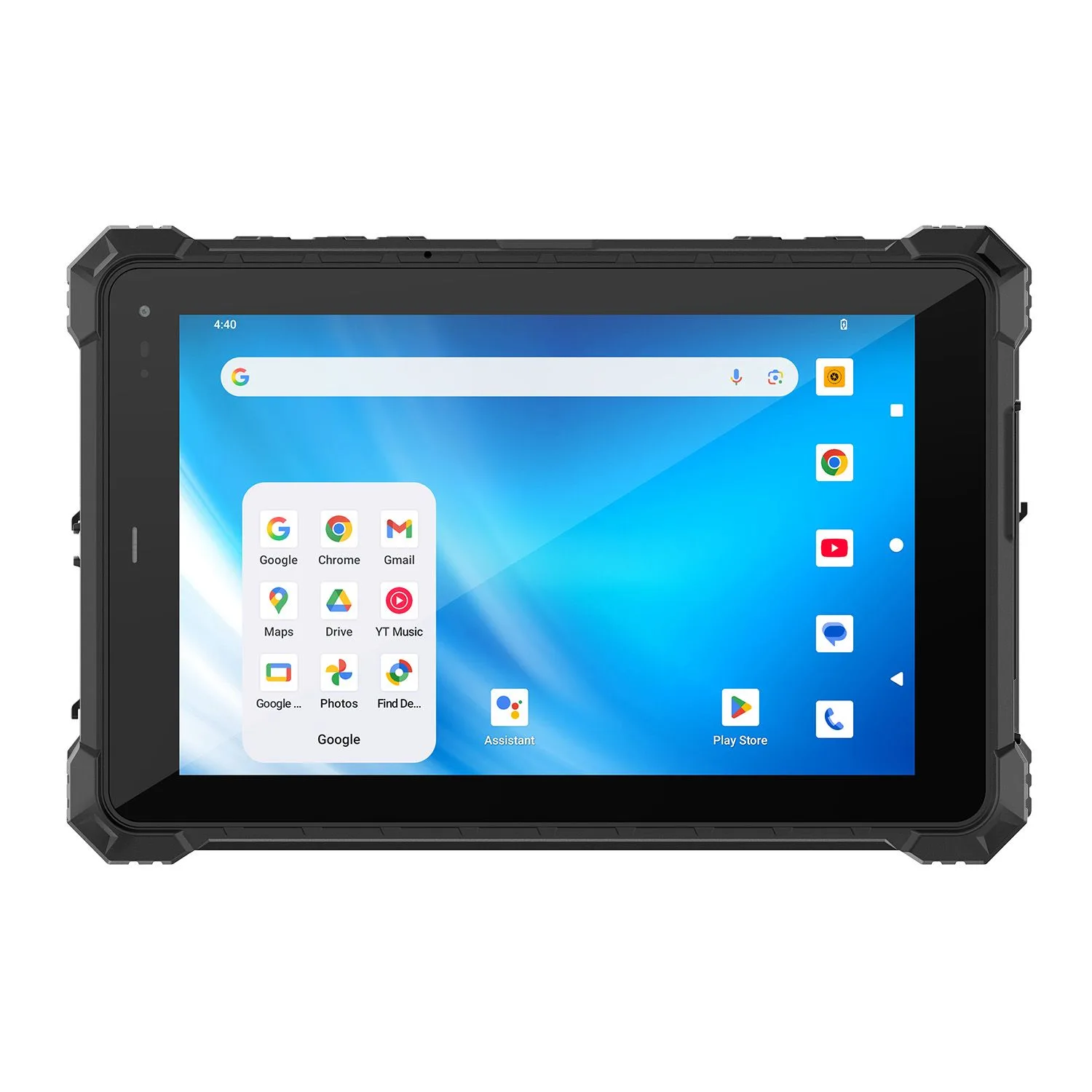
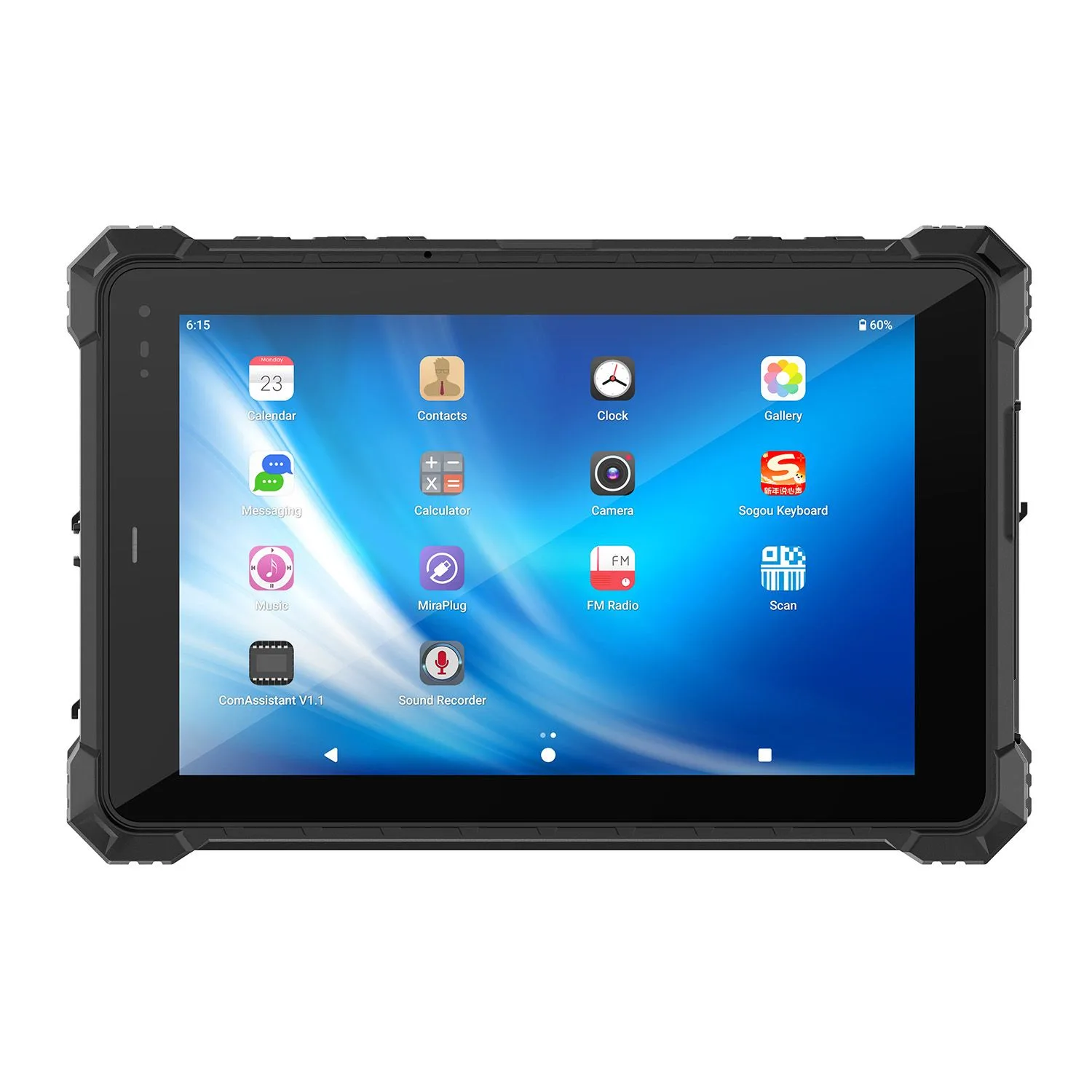
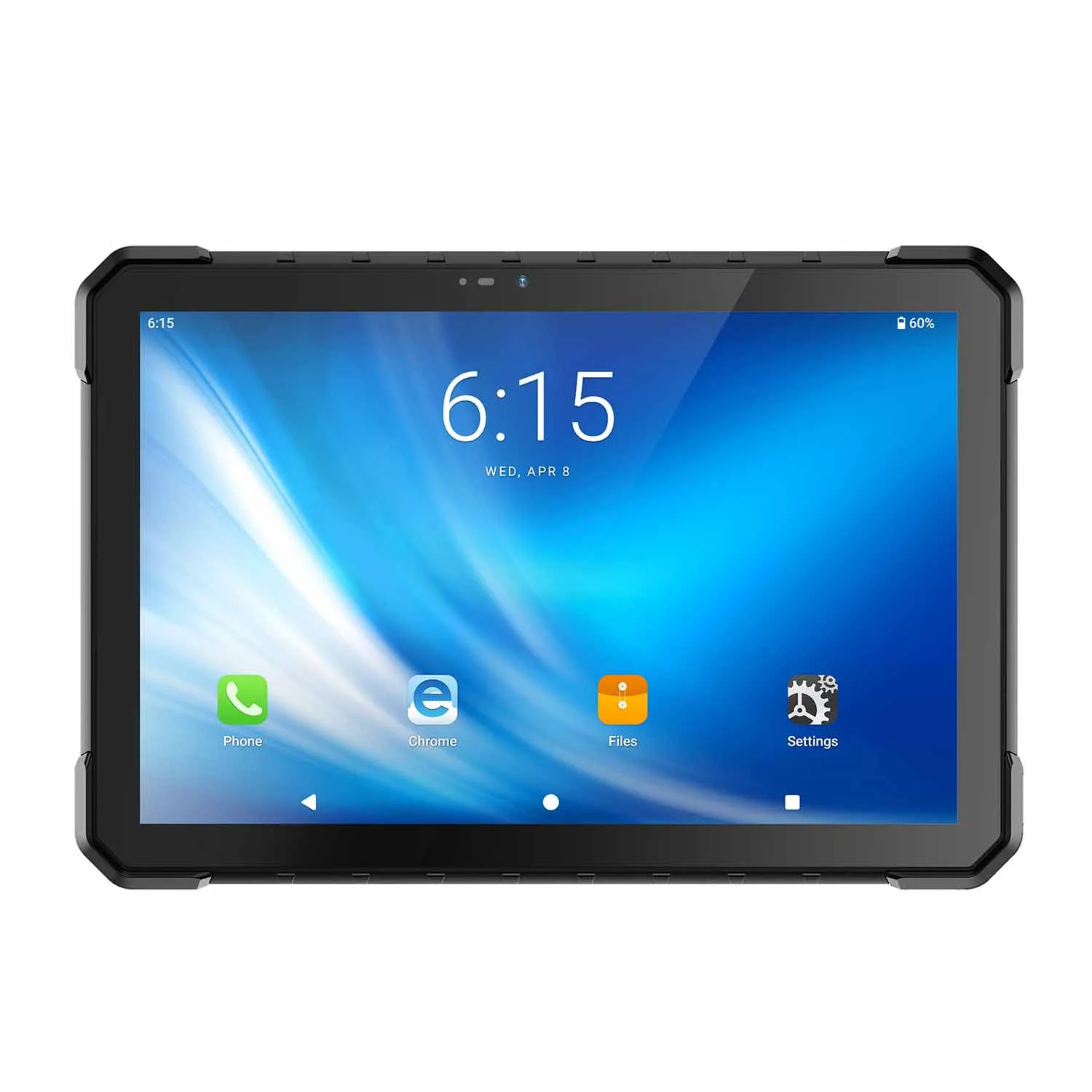
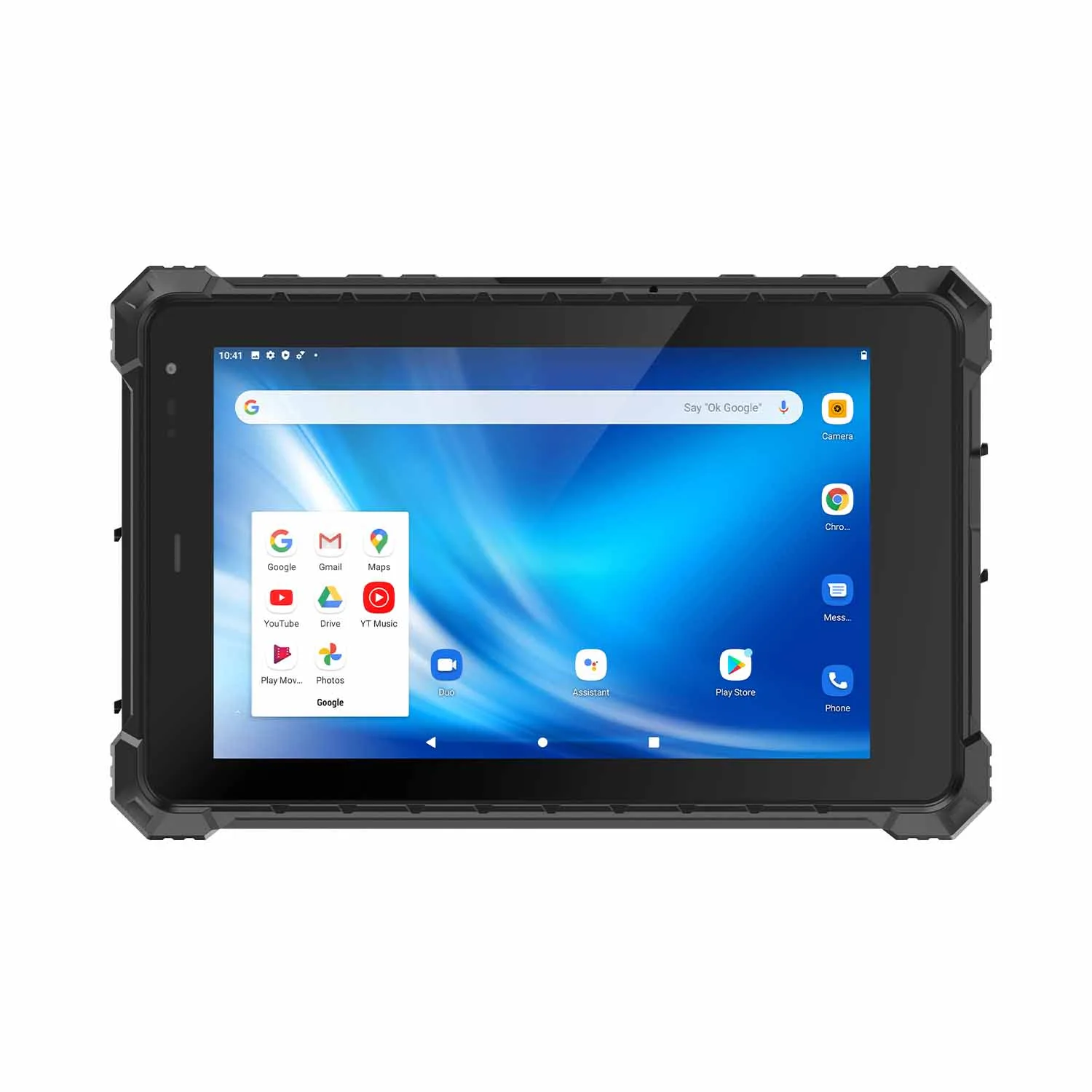
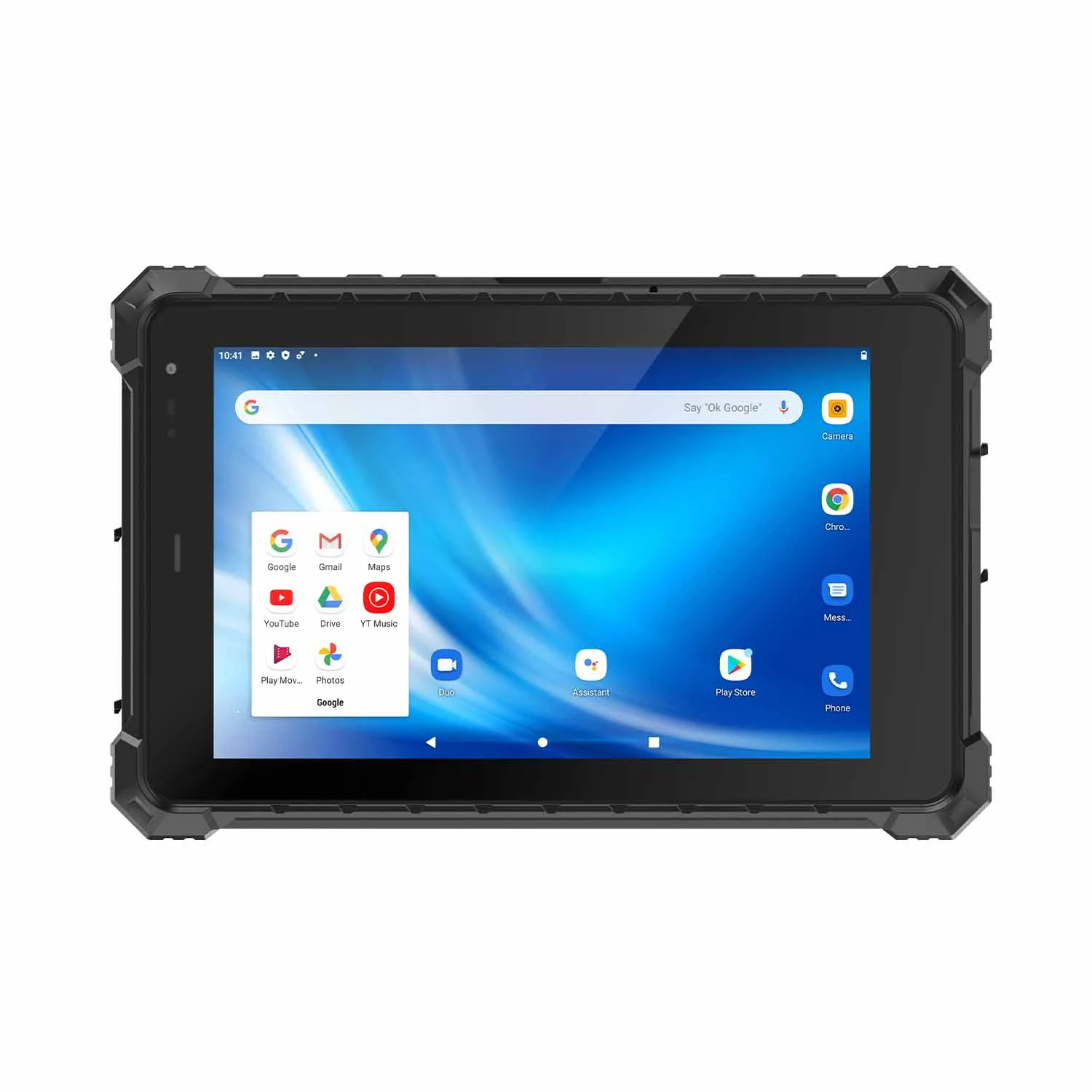
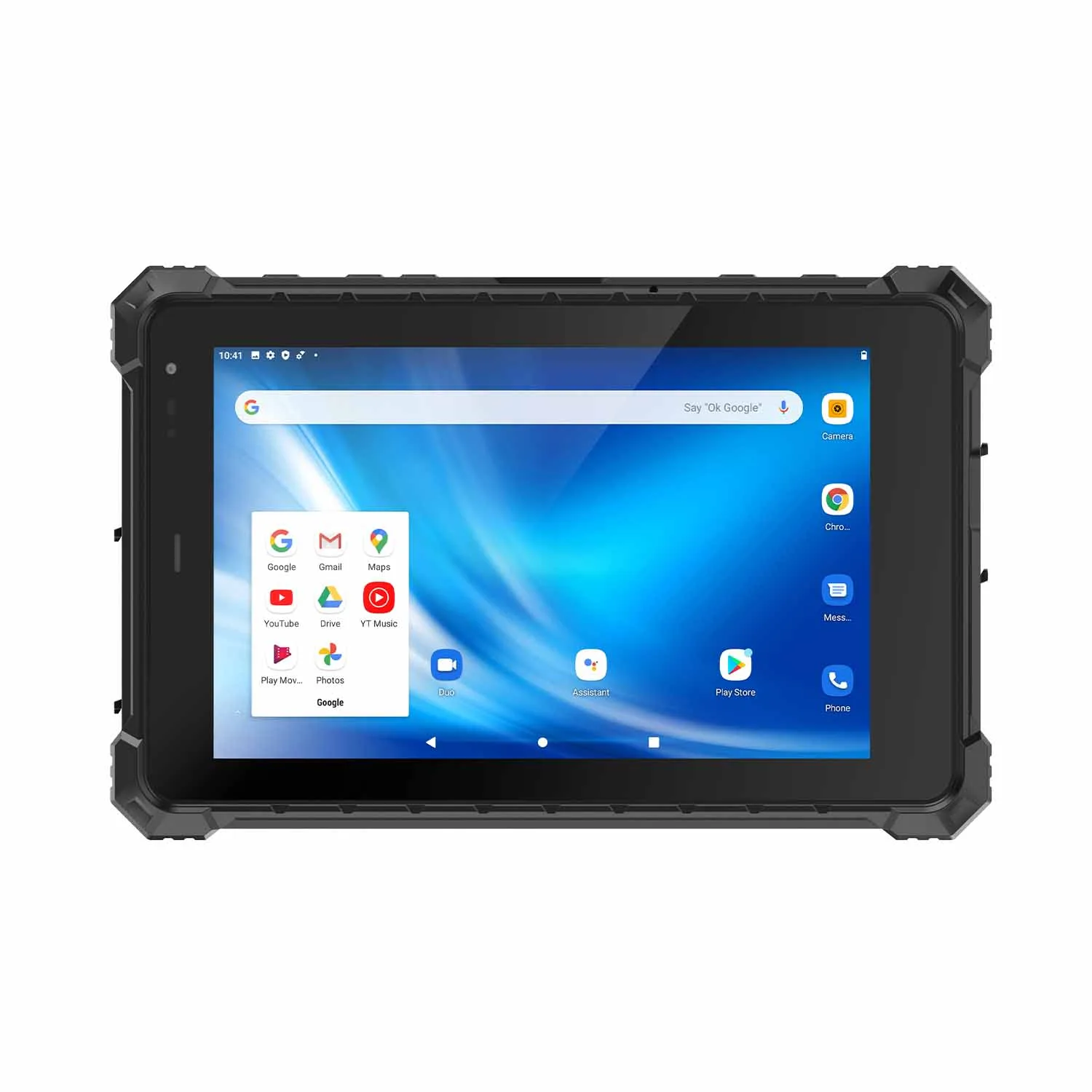
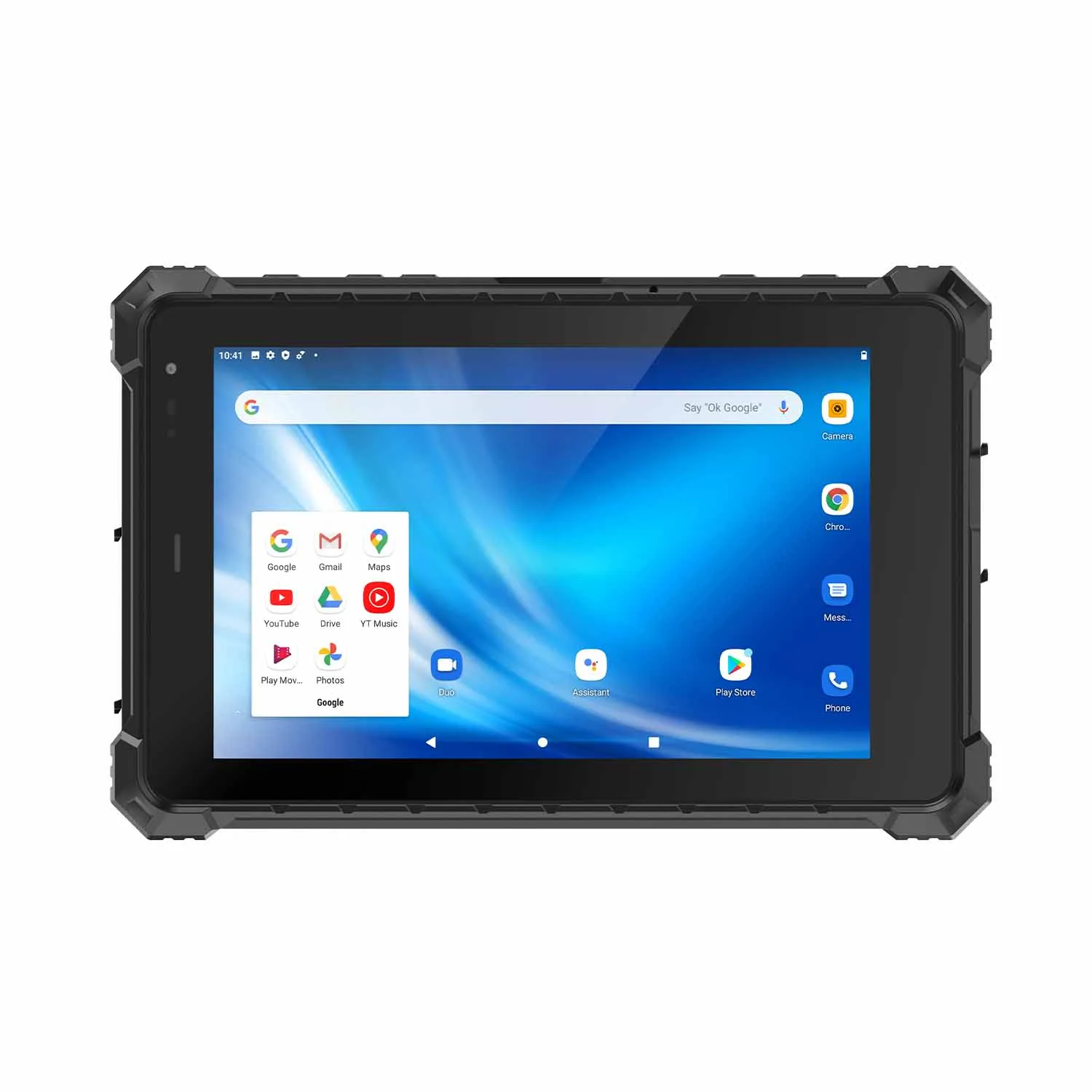
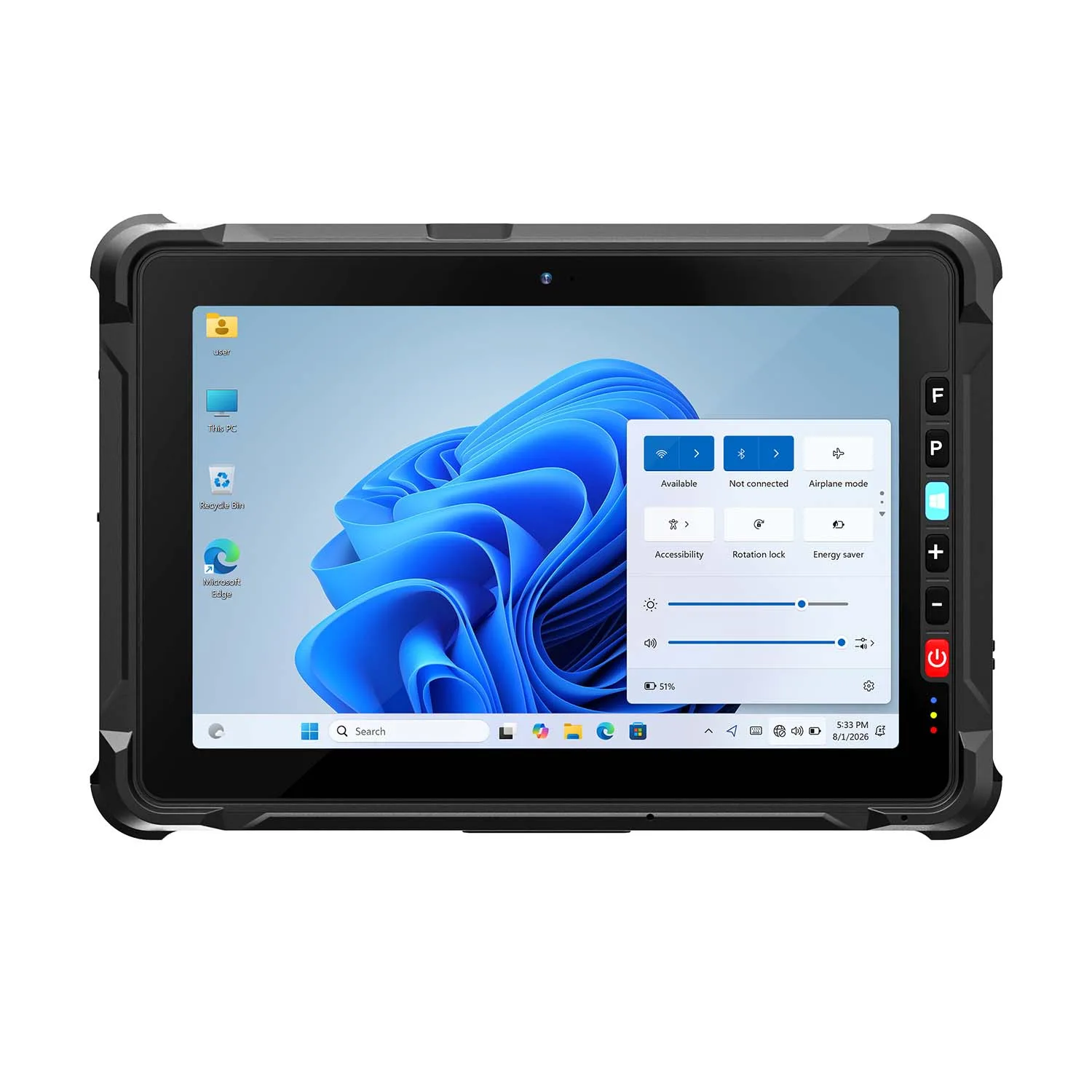
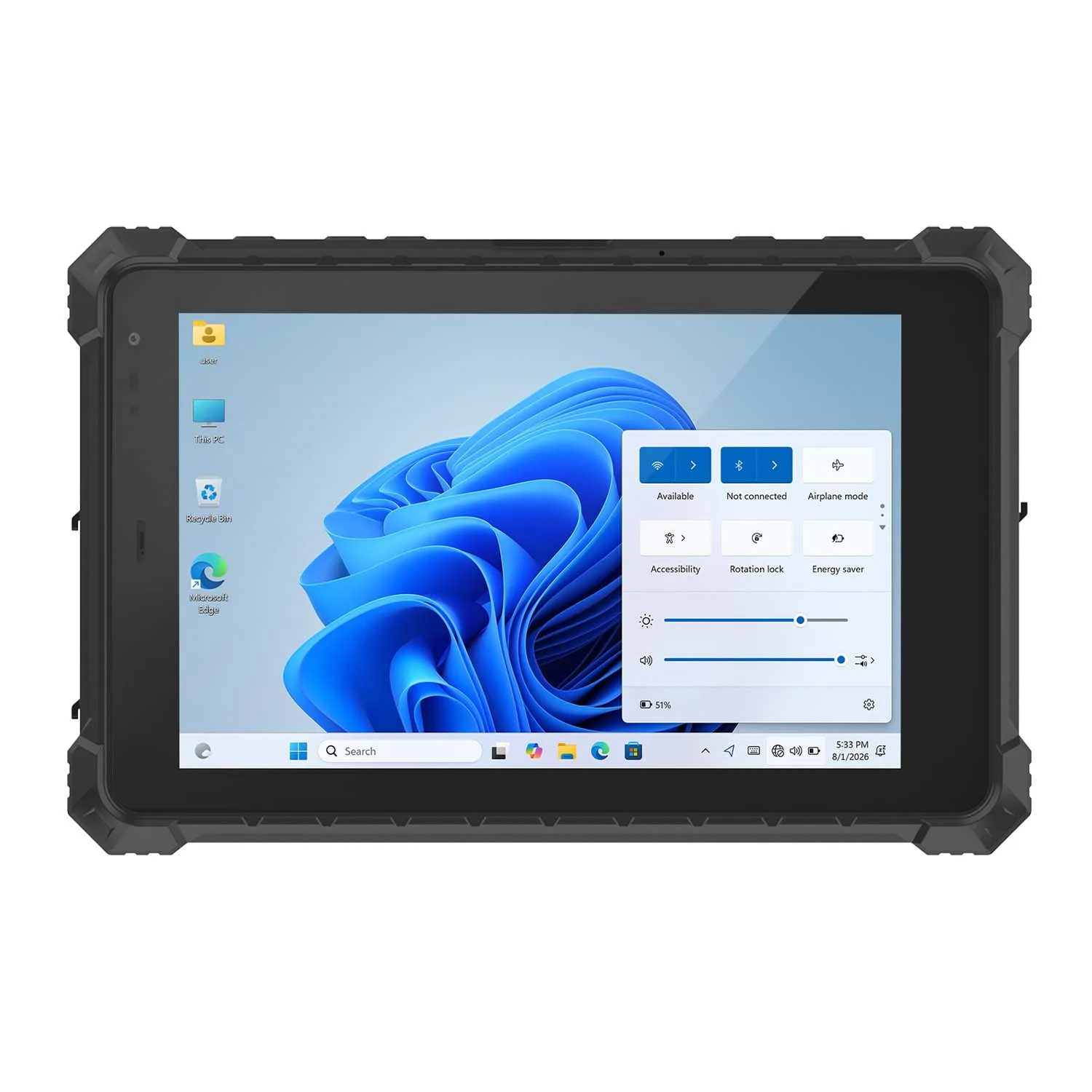
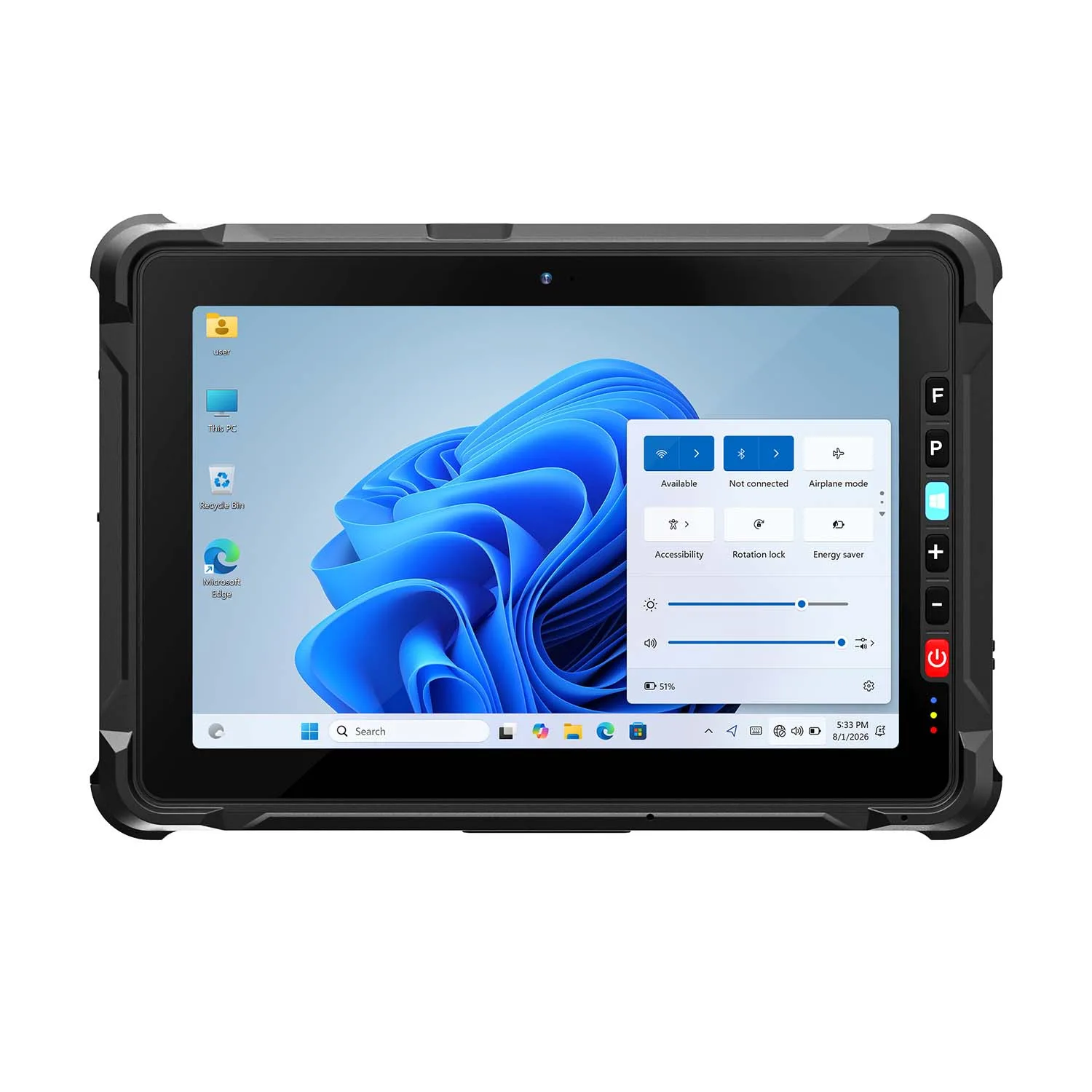
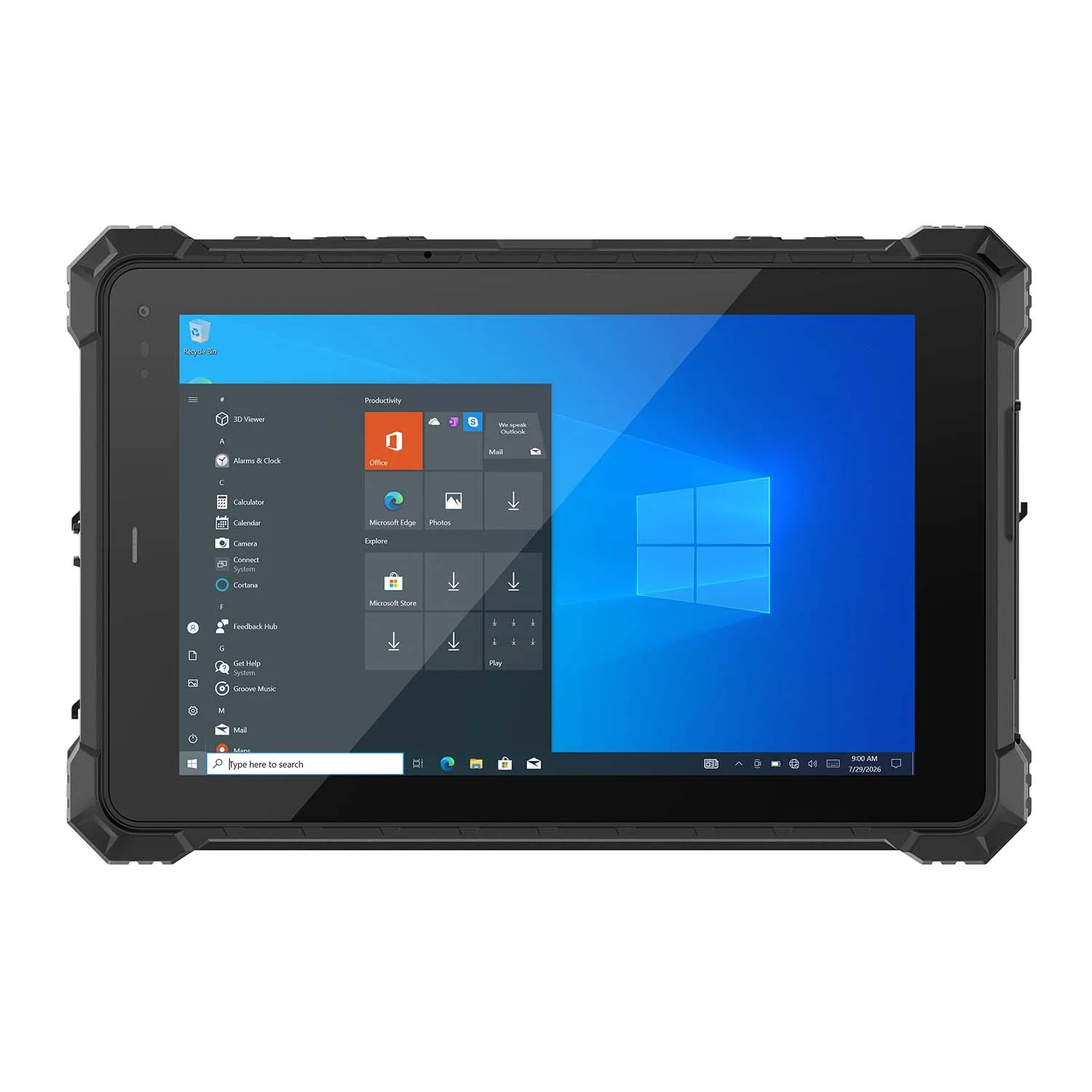
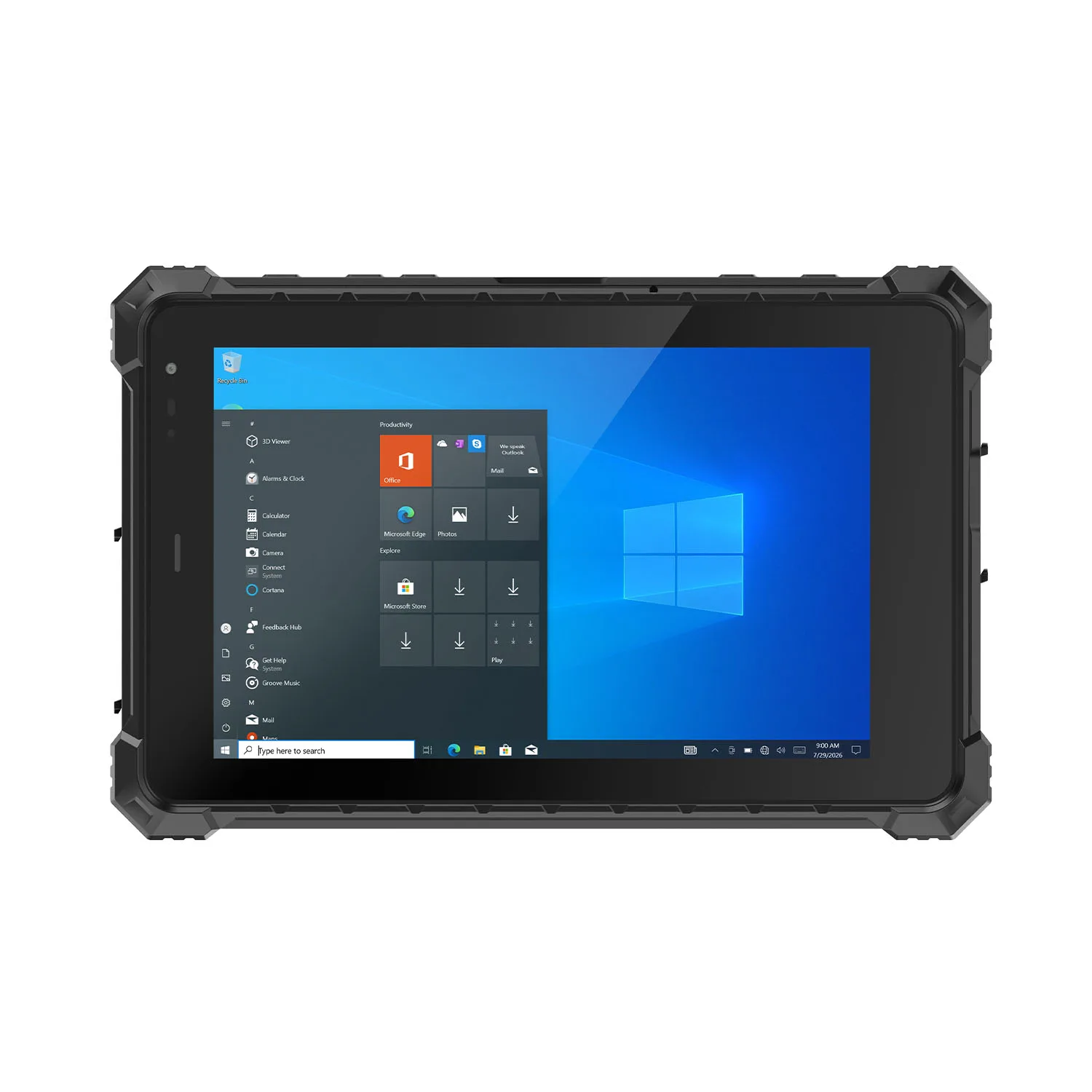
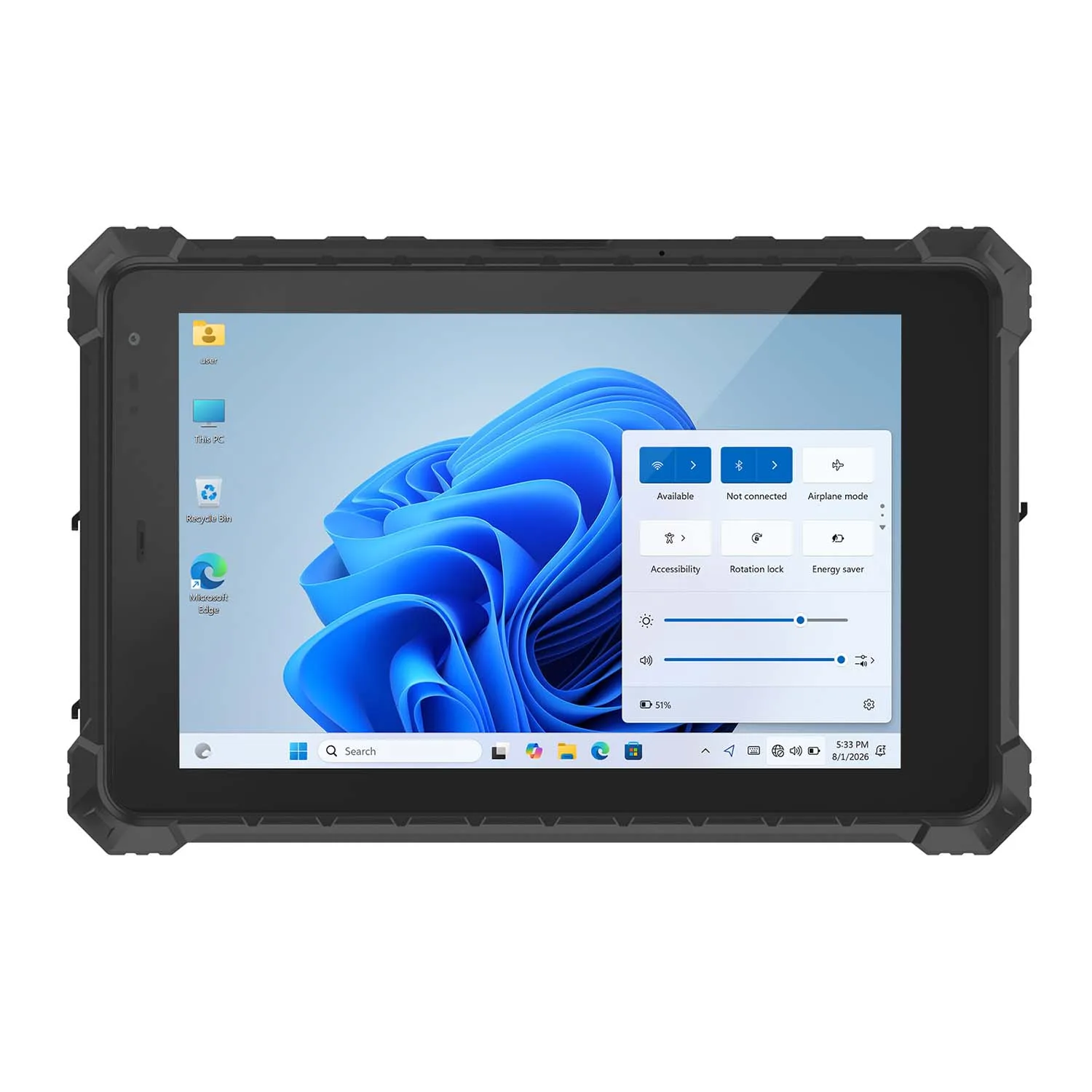
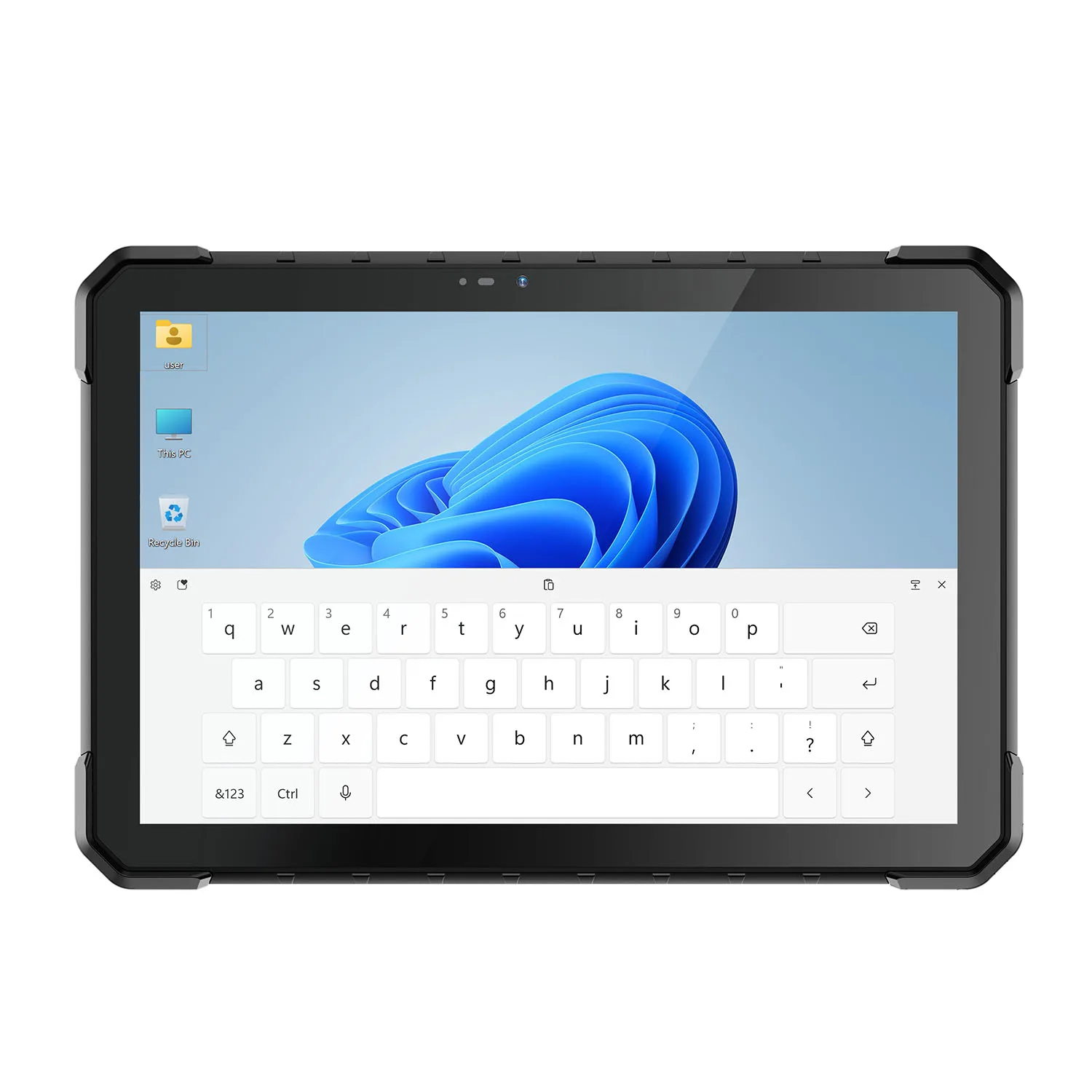
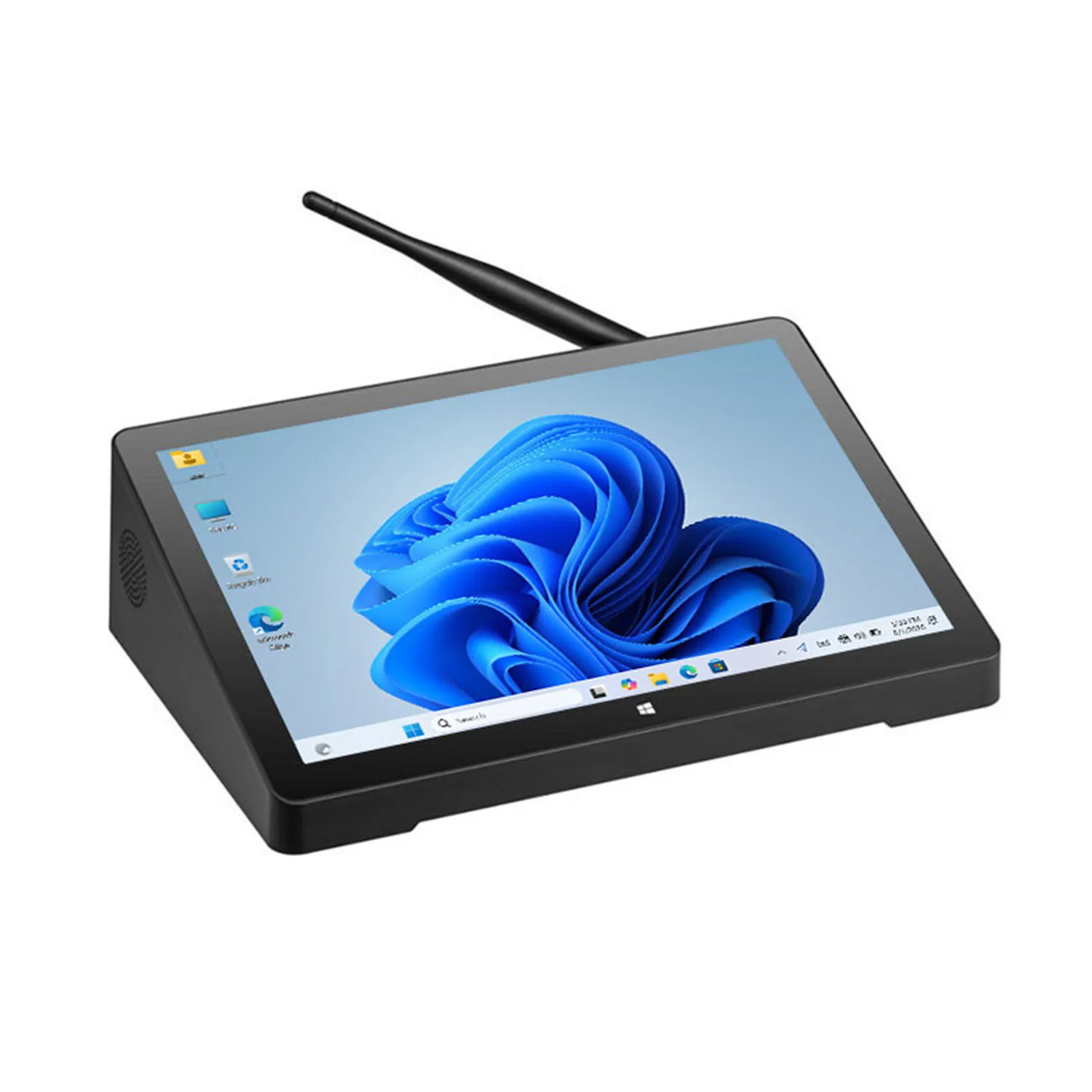
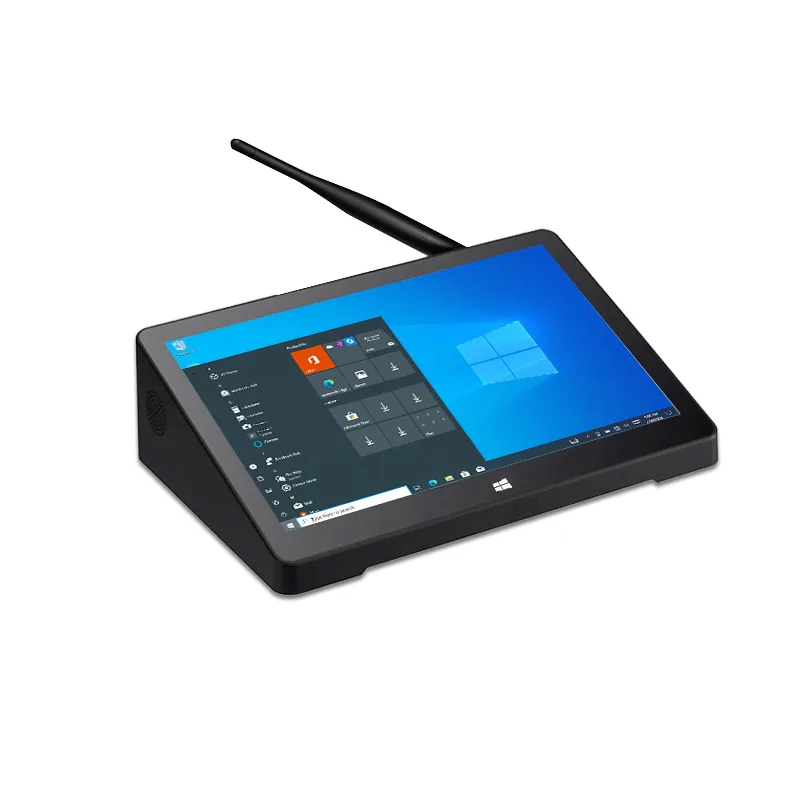
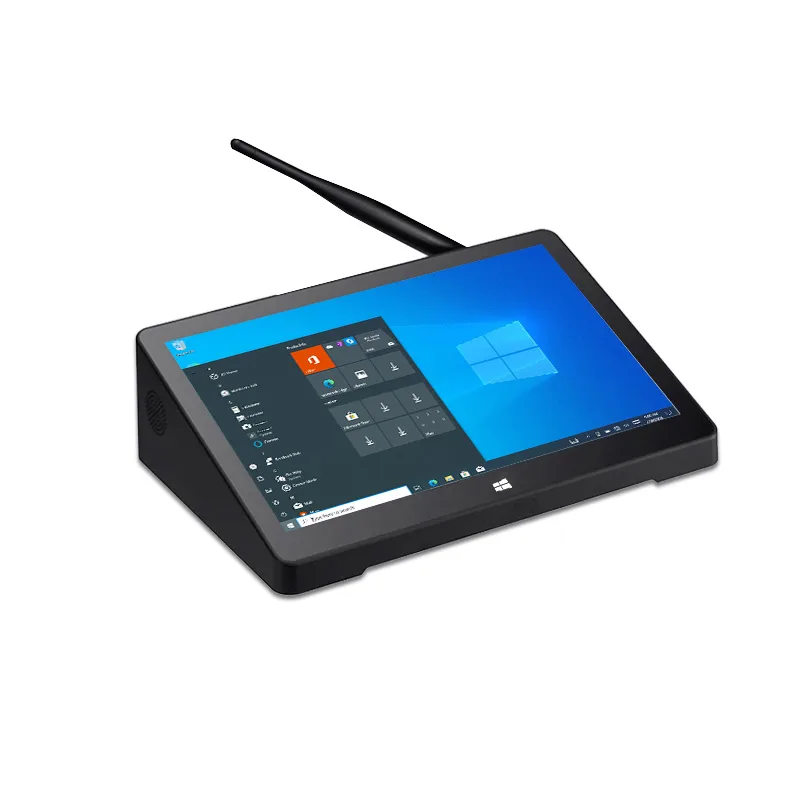
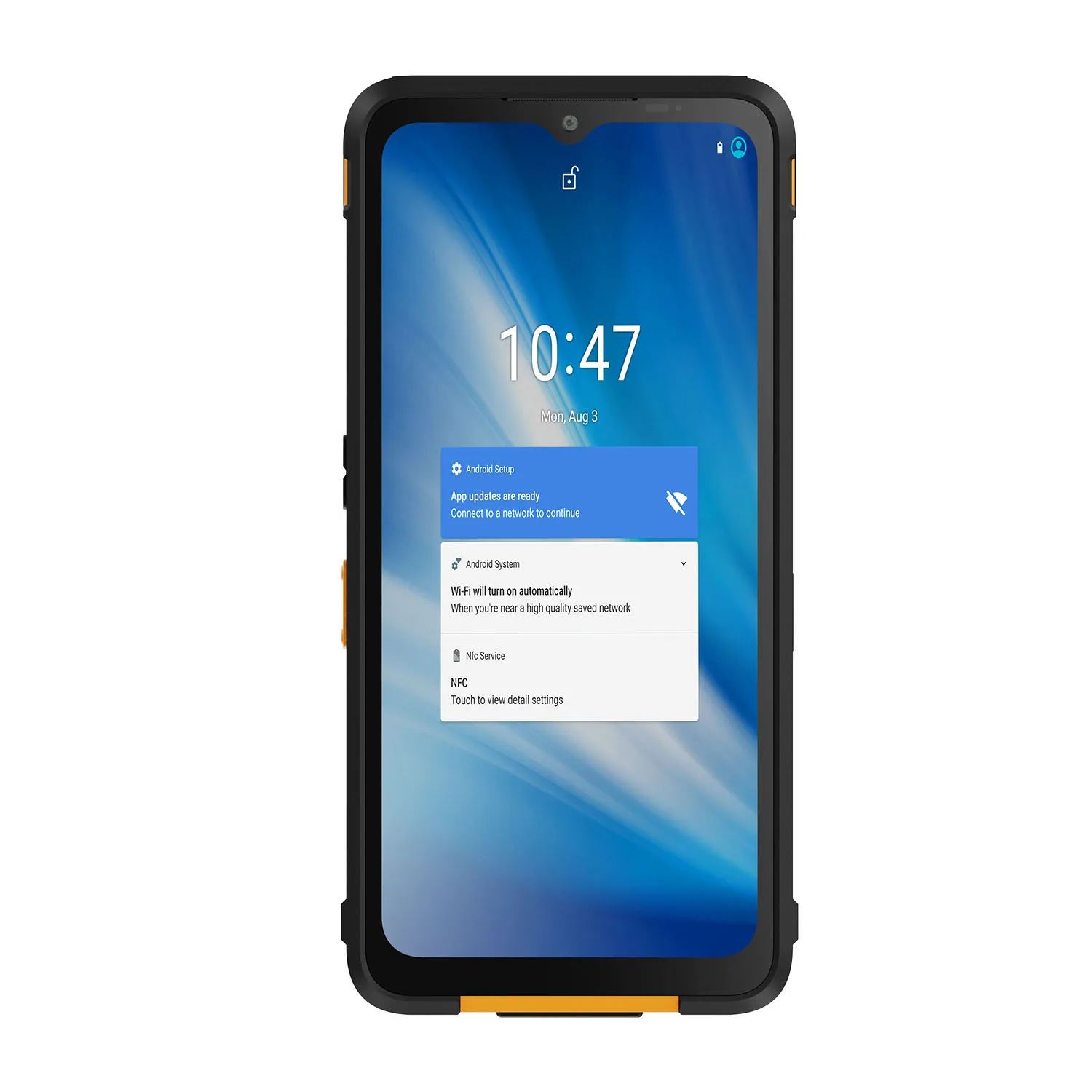
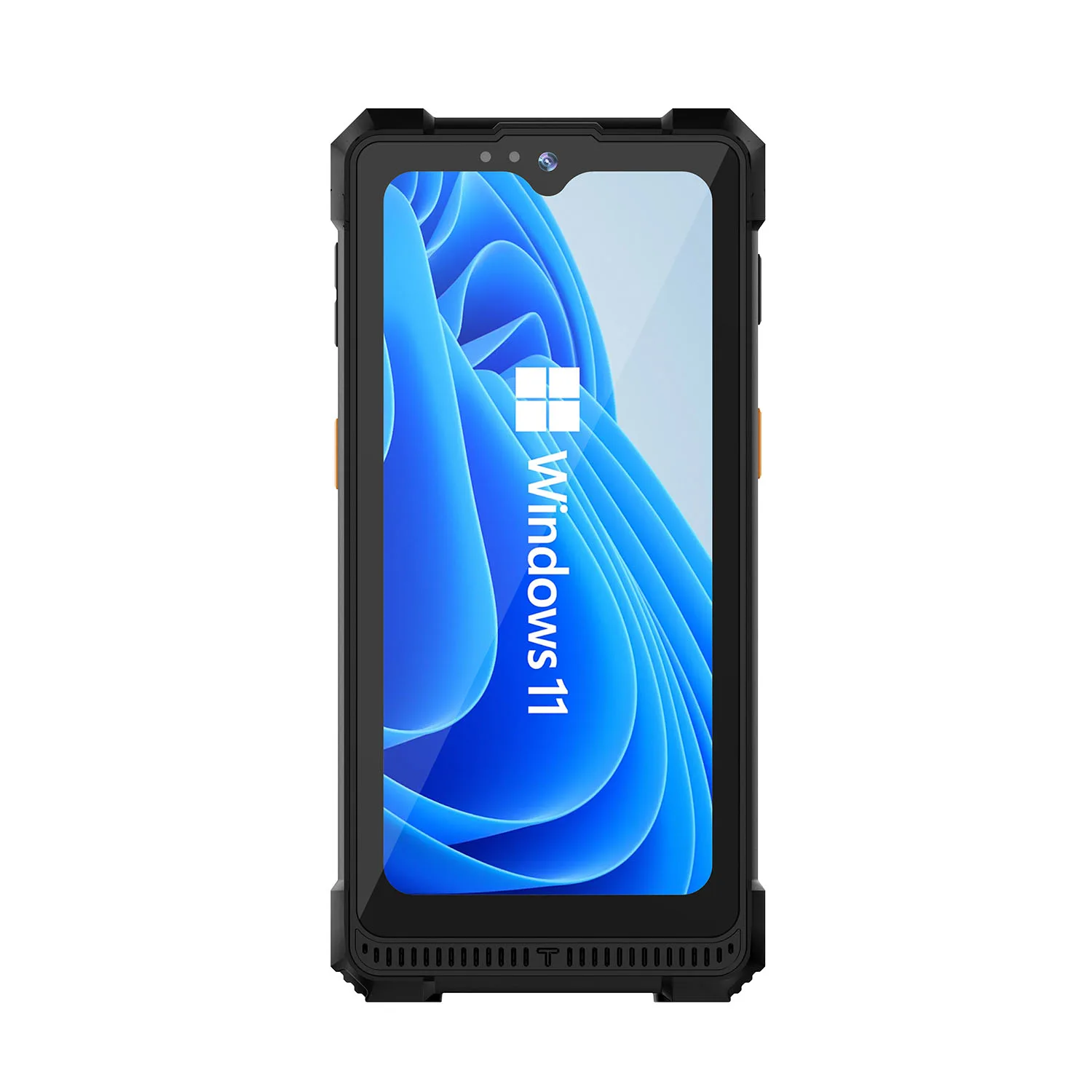
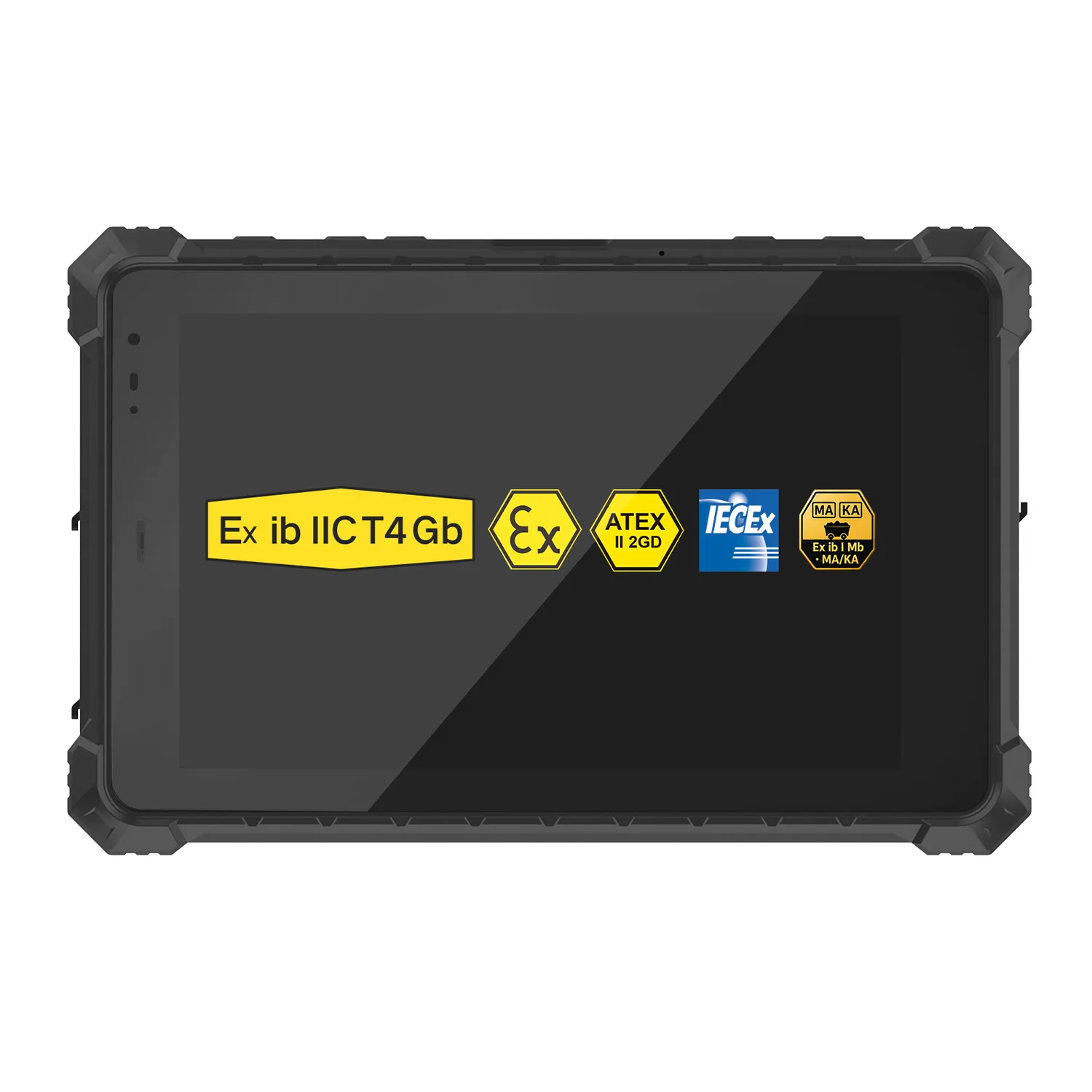
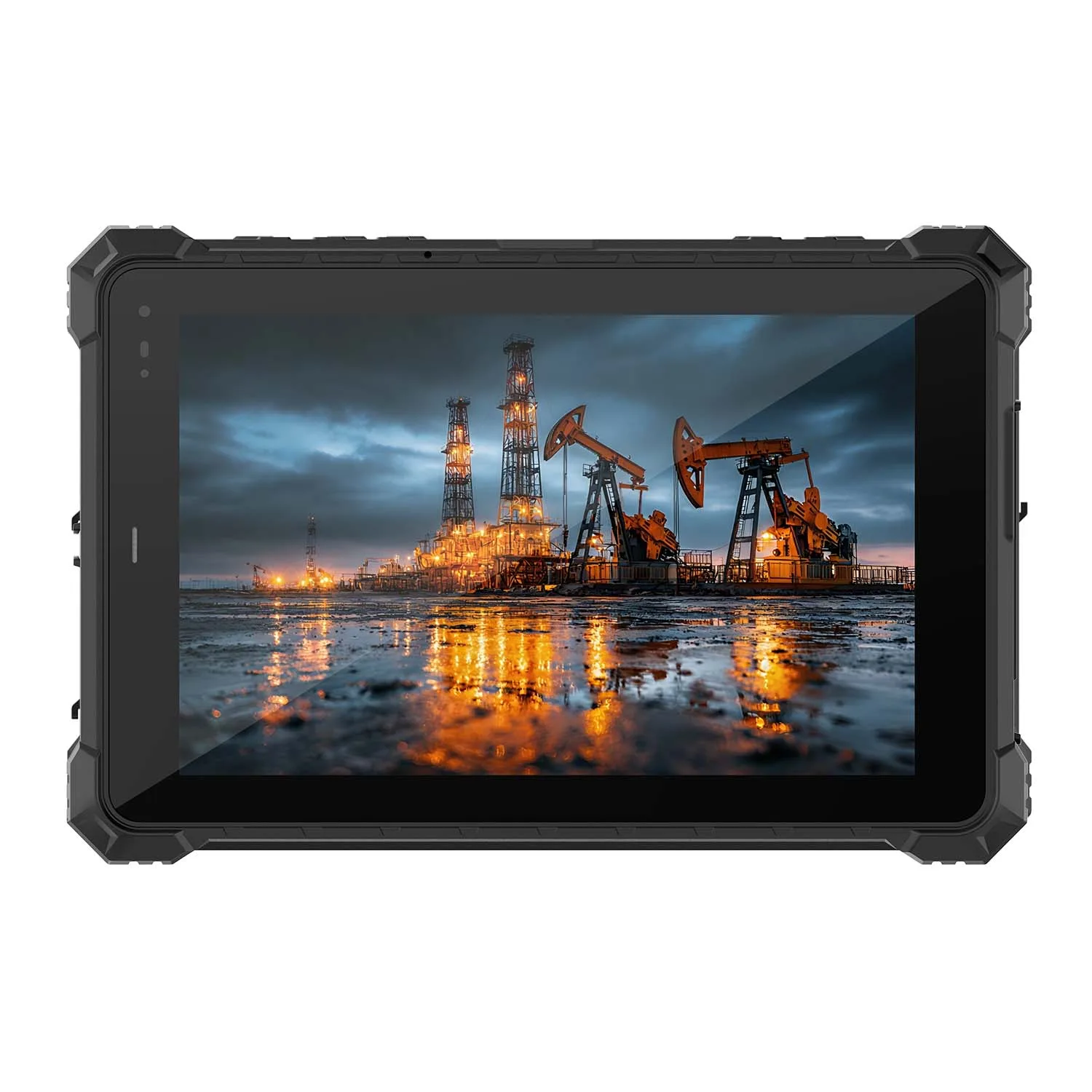
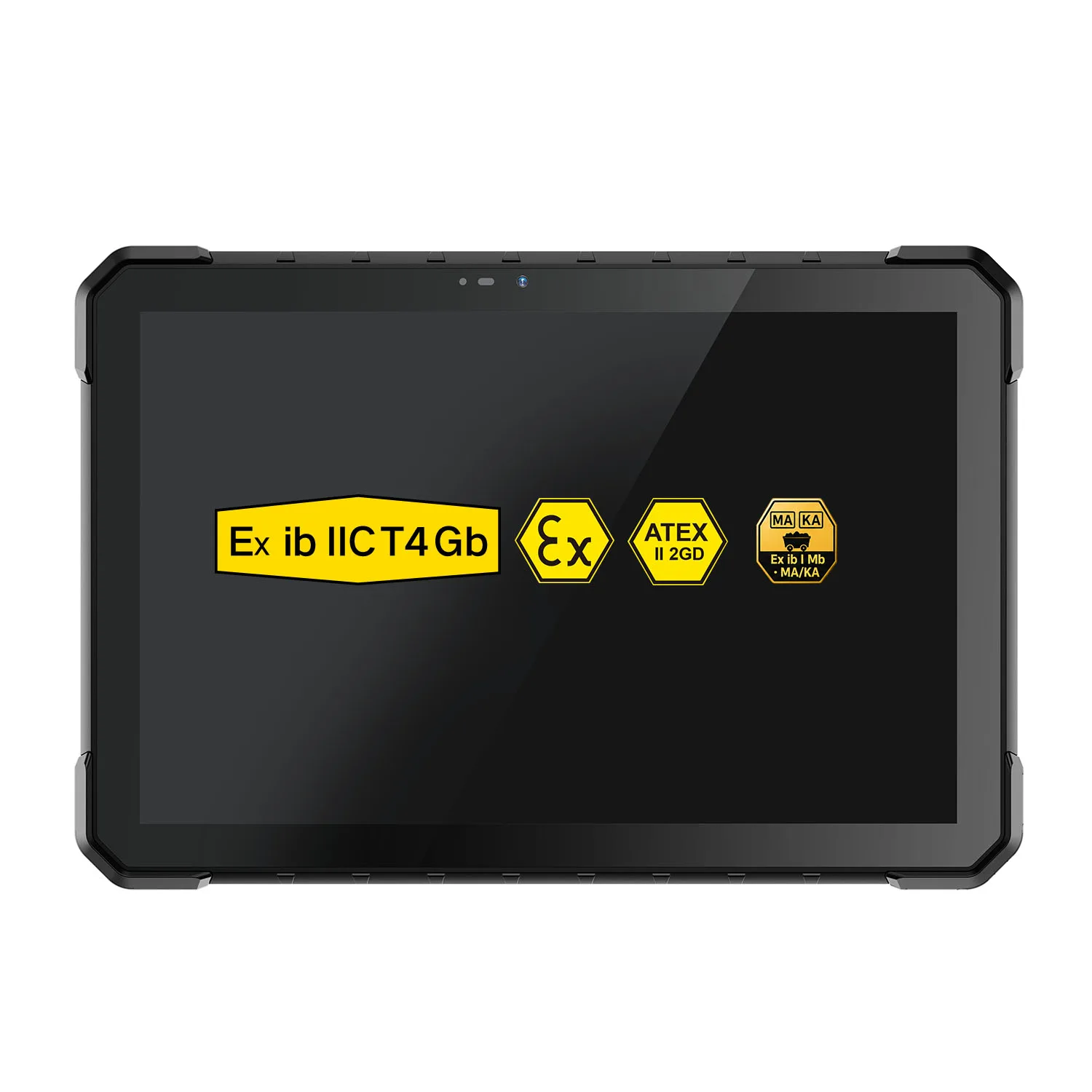
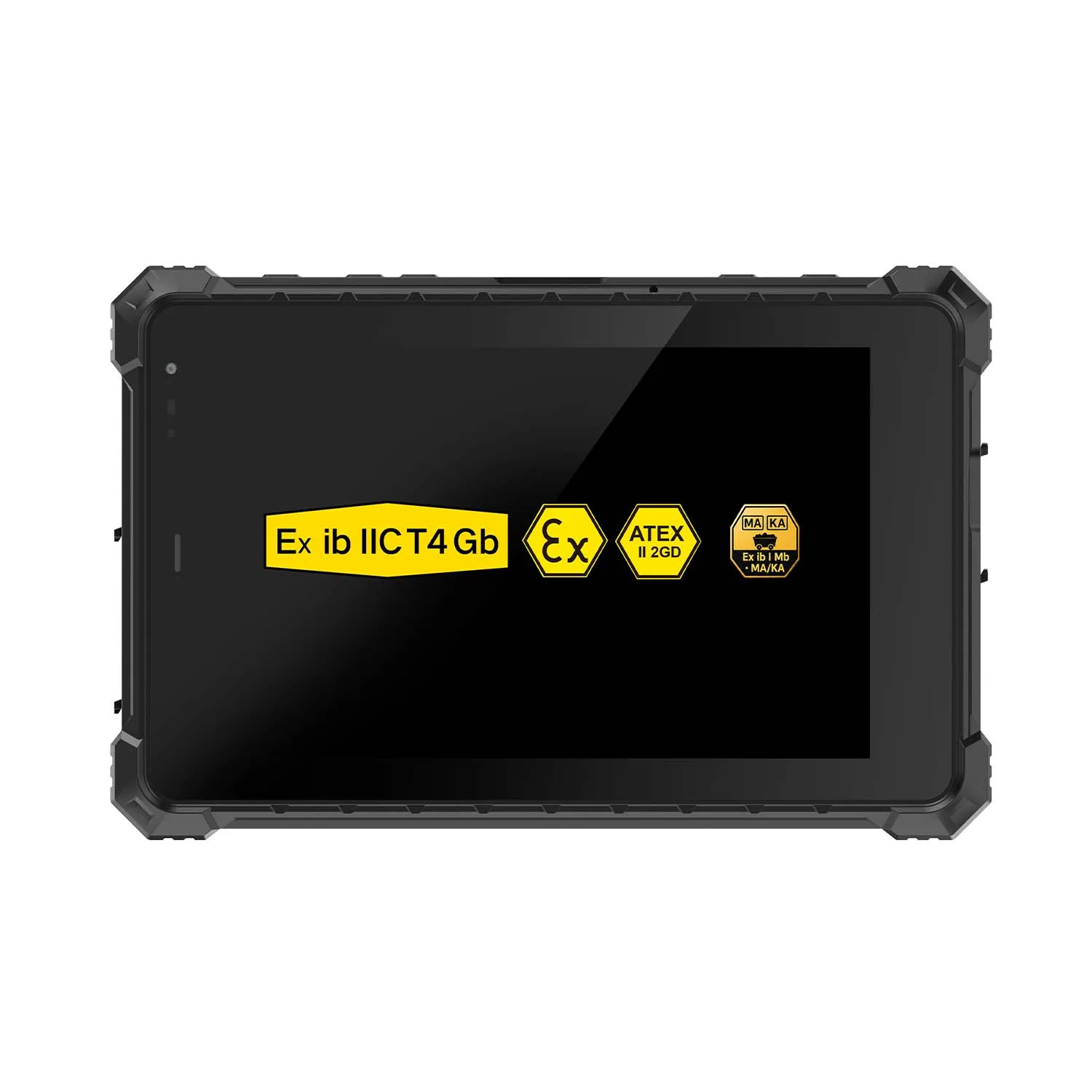
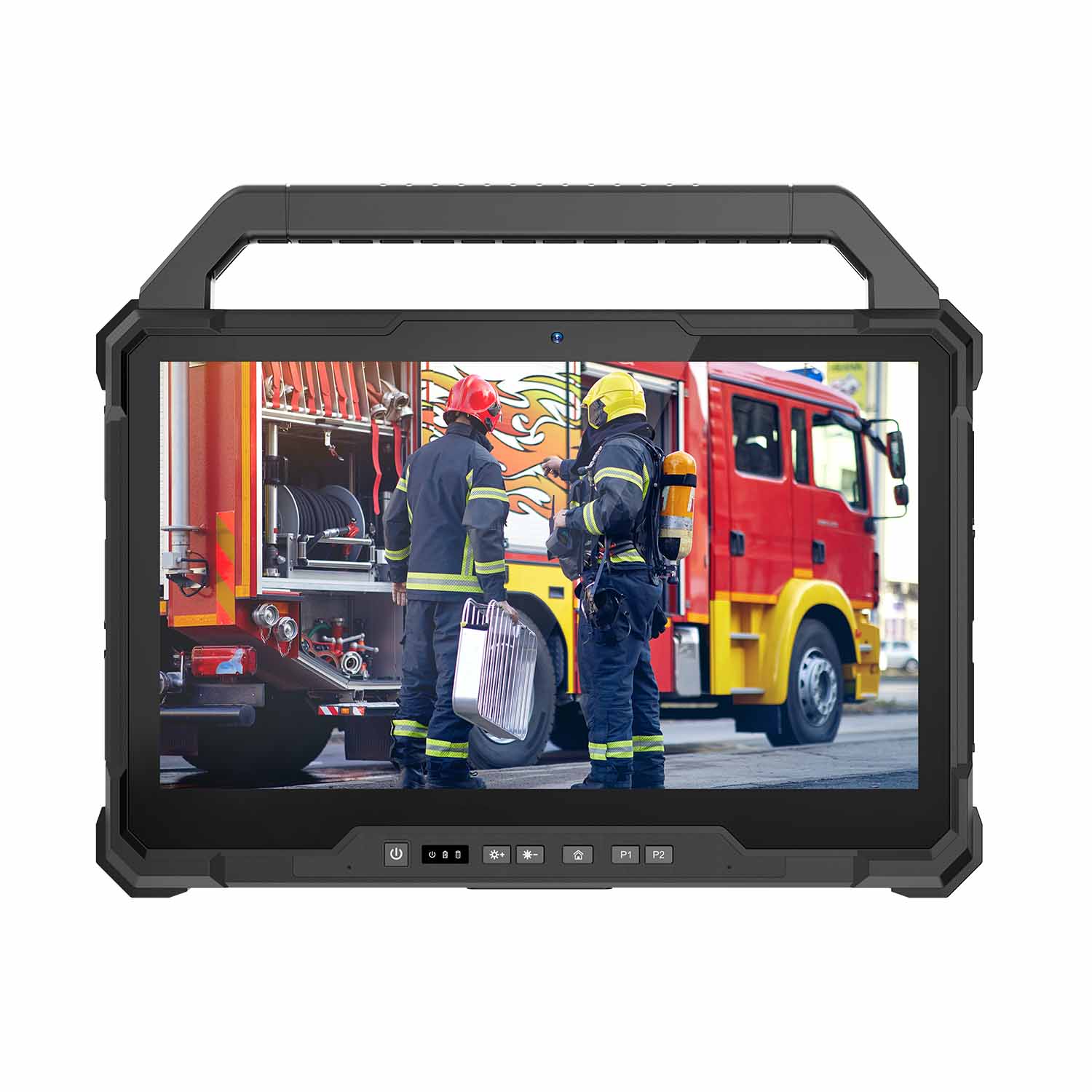
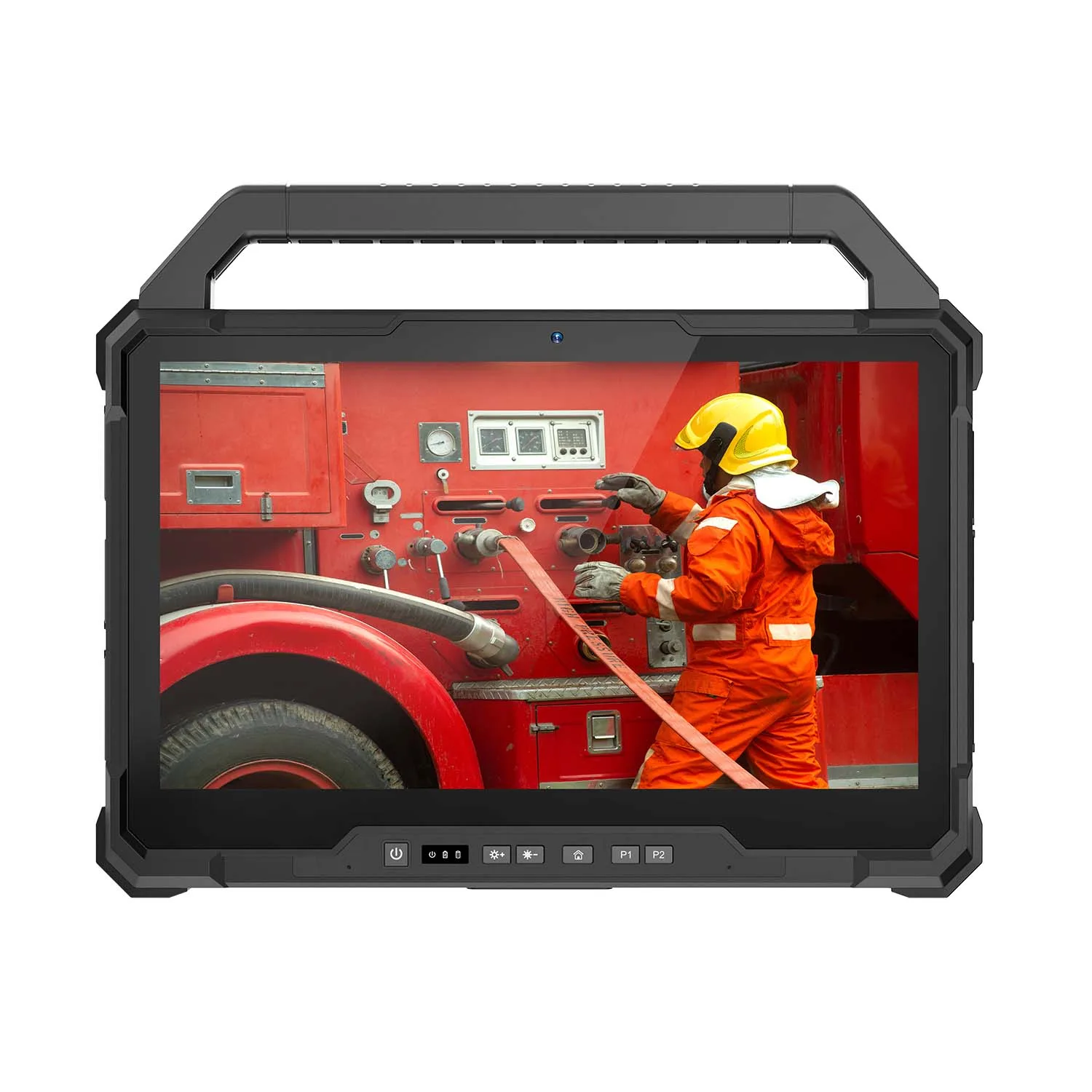
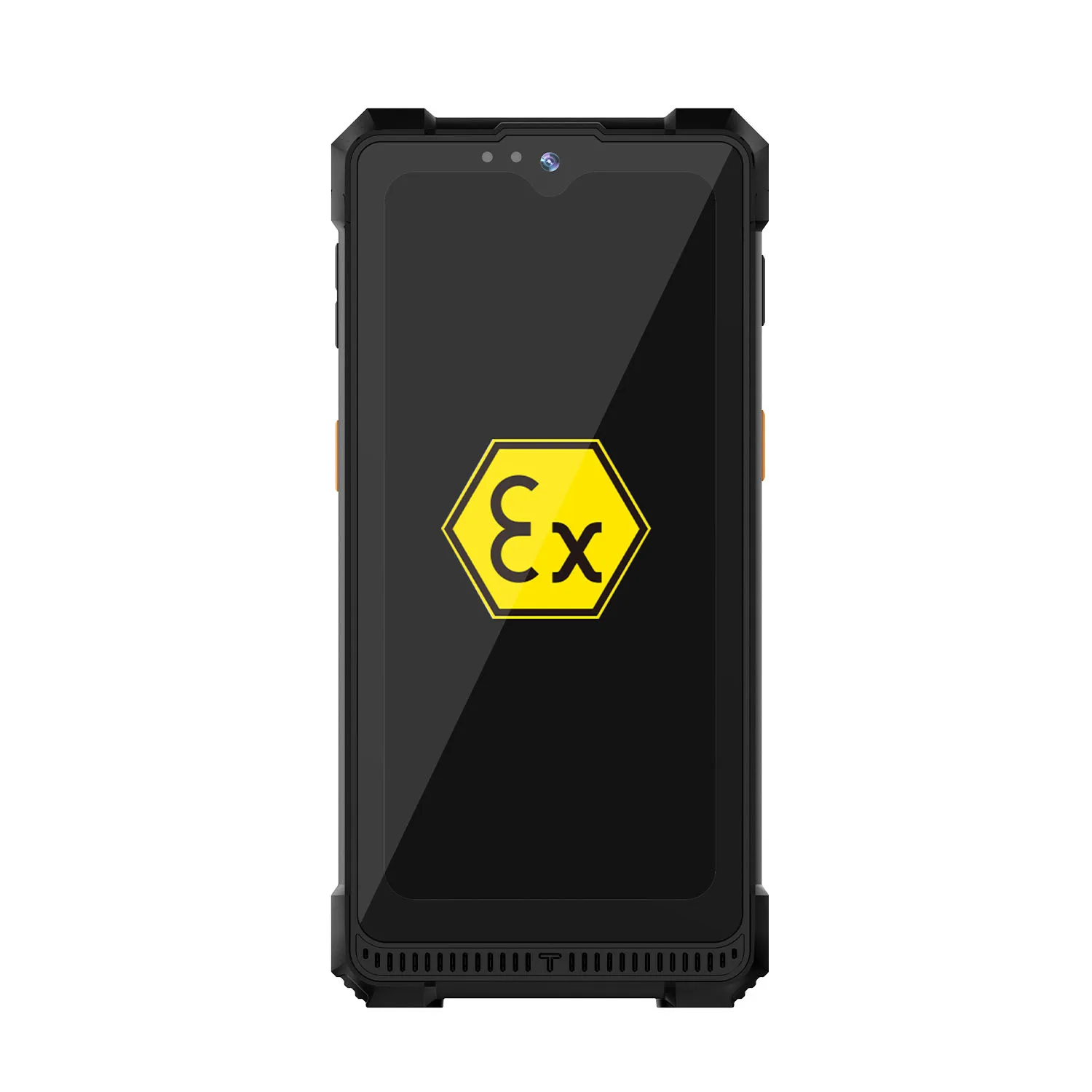
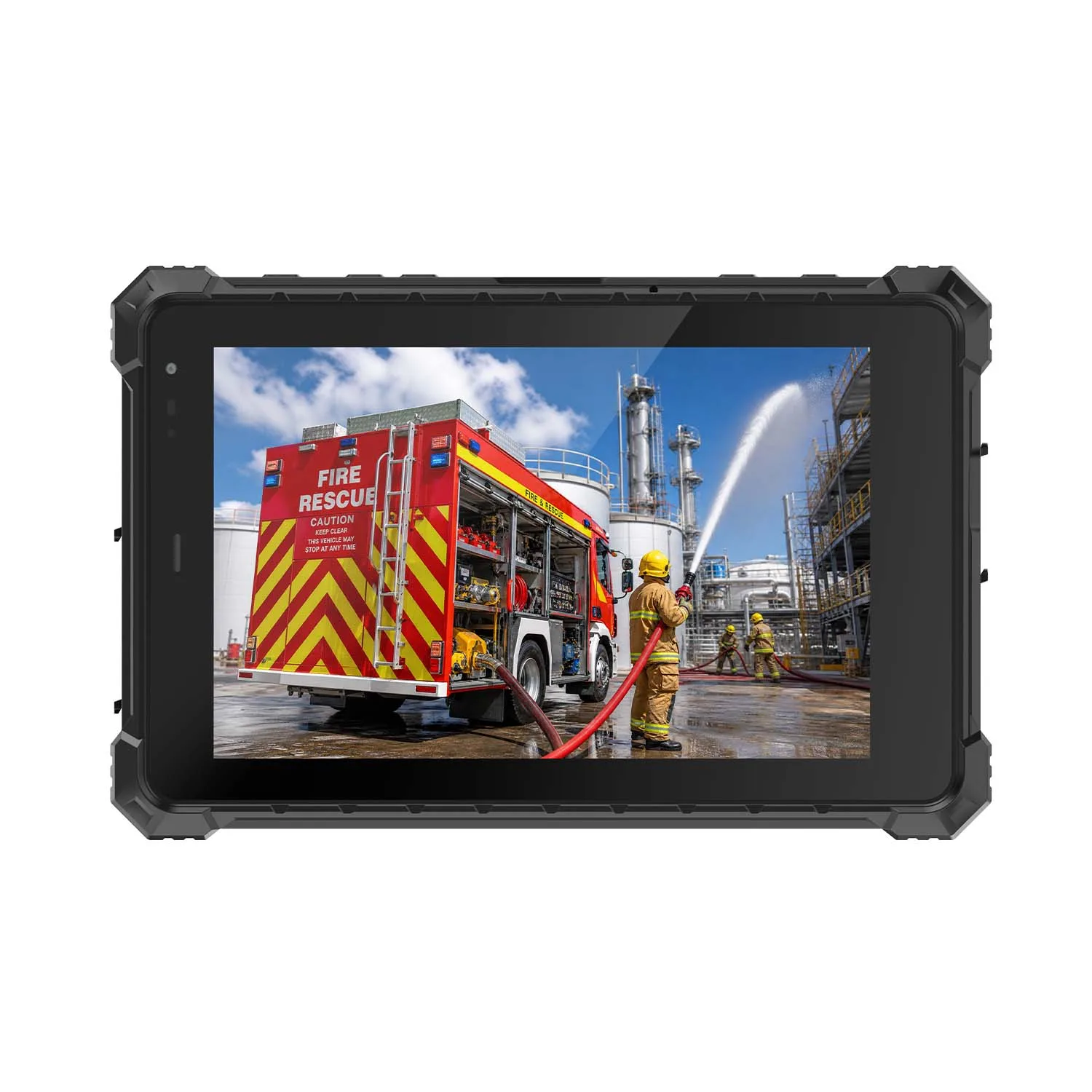
CENAVA recommended its reinforced, rugged W75H and A75G tablets, deeply integrating information technology, industrial technology, and management technology into functions covering information collection, route planning, vehicle control, data analysis, and safety warning.This enhanced coordination between people and vehicles, and between vehicles themselves — improving productivity, reducing labor costs, and ultimately achieving comprehensive digital, precise, automated management and control across the fleet.This deployment addresses fleet-level coordination and dispatch; for the related challenge of precise, RTK-based collision avoidance for autonomous mining vehicles specifically, see CENAVA's guide to rugged tablets for mining autonomous driving.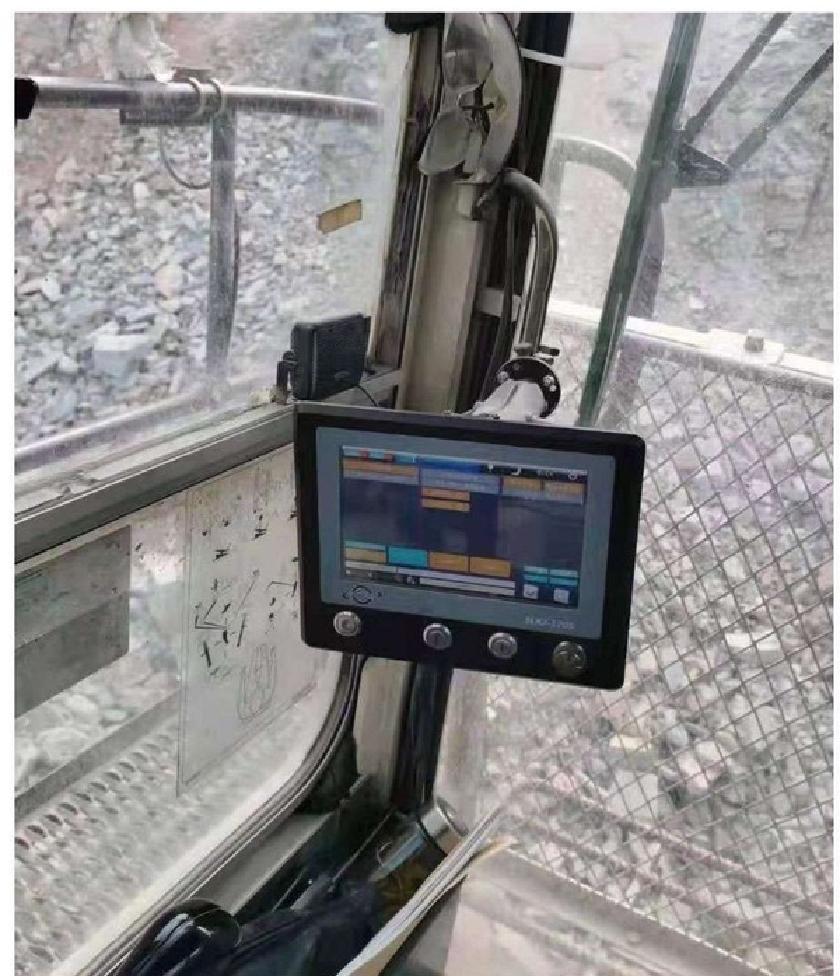
W75H and A75G Specifications
W75H:OS: Windows 10, Intel Atom x5-Z8350 CPU, 4GB/64GB
Display: 7"
Protection: IP67, MIL-STD-810G
Connectivity: 3G, 4G, Wi-Fi, Bluetooth
Positioning: GPS, BeiDou, GLONASS
Optional modules: NFC, barcode reader, fingerprint reader, smart-card reader, UHF RFID
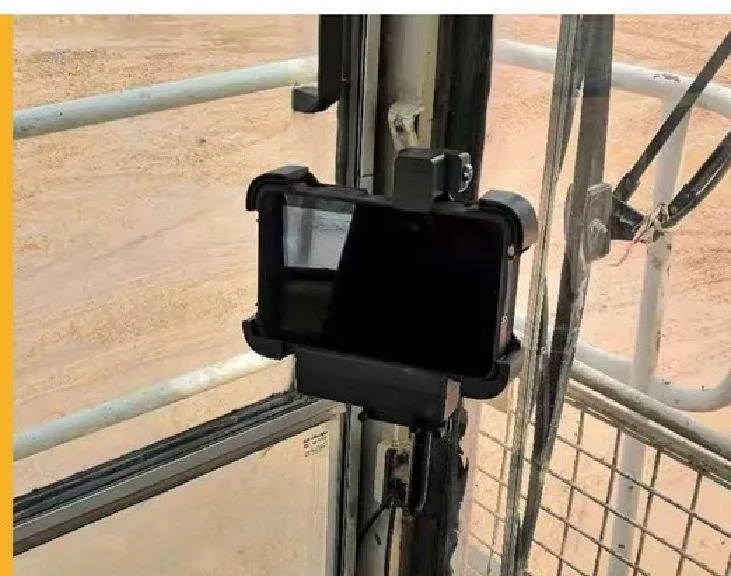
A75G:OS: Android 8.1, MediaTek MT8735A CPU, 4GB RAM
Display: 7"
Optional modules: Fingerprint recognition, ID card recognition, NFC read/write, UHF RFID
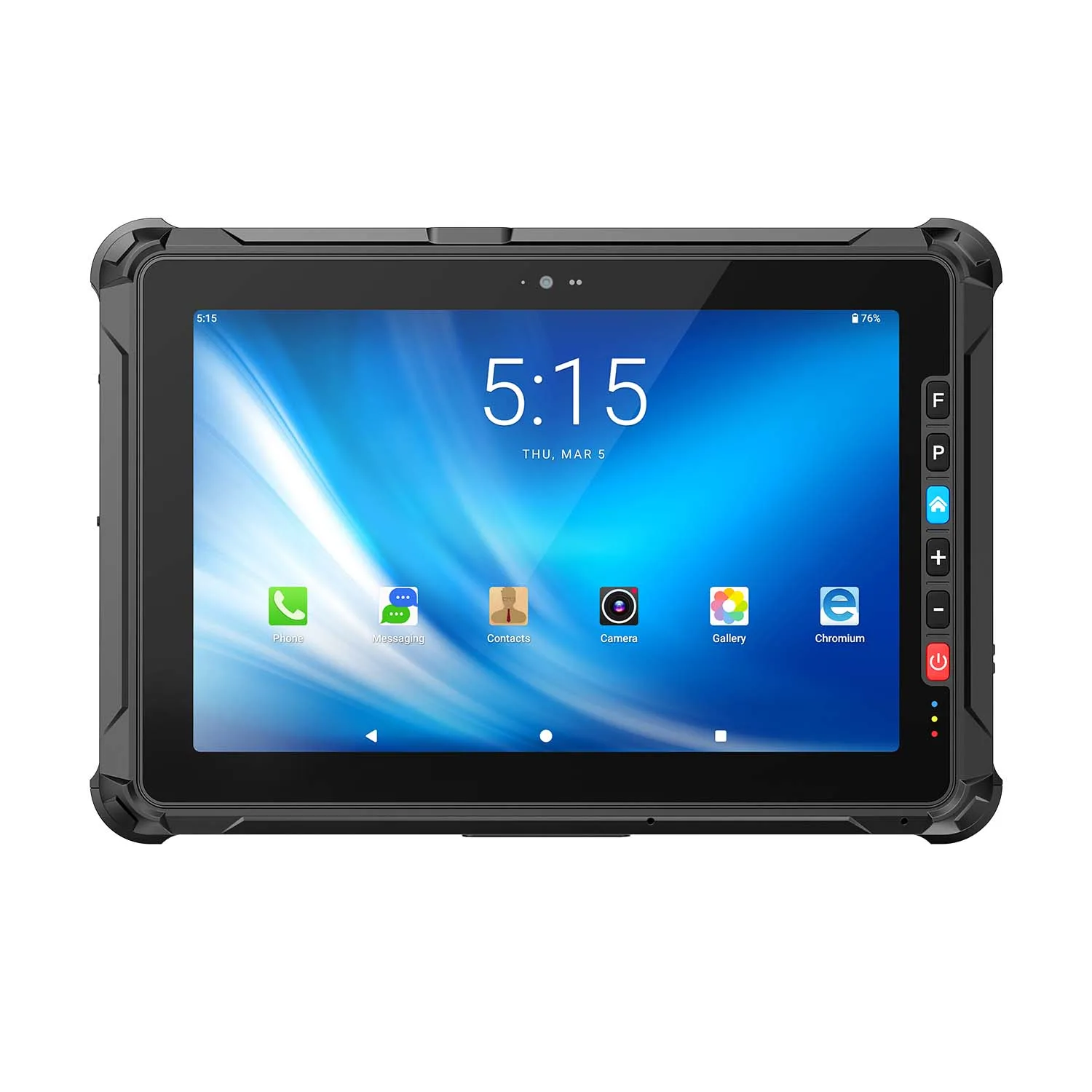
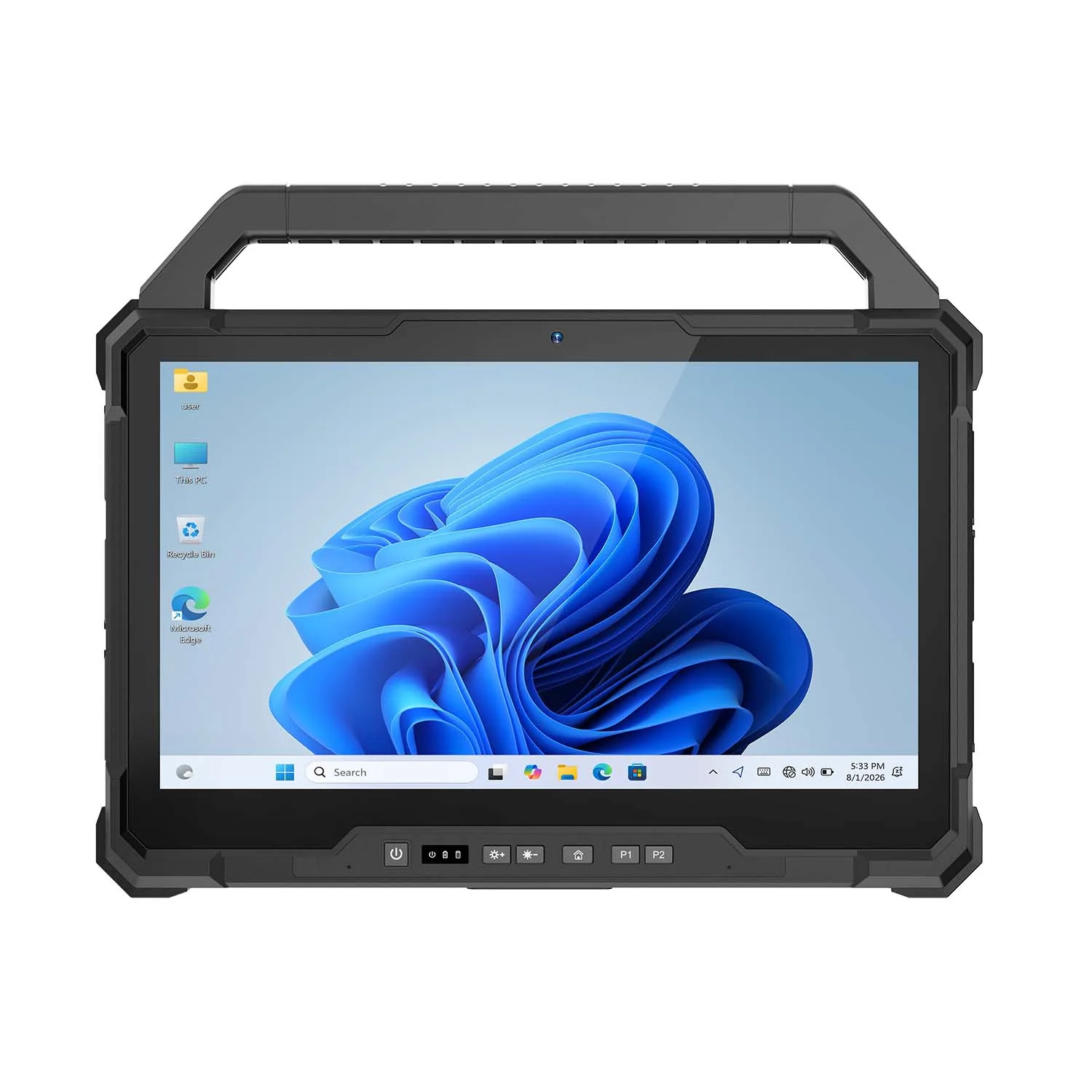
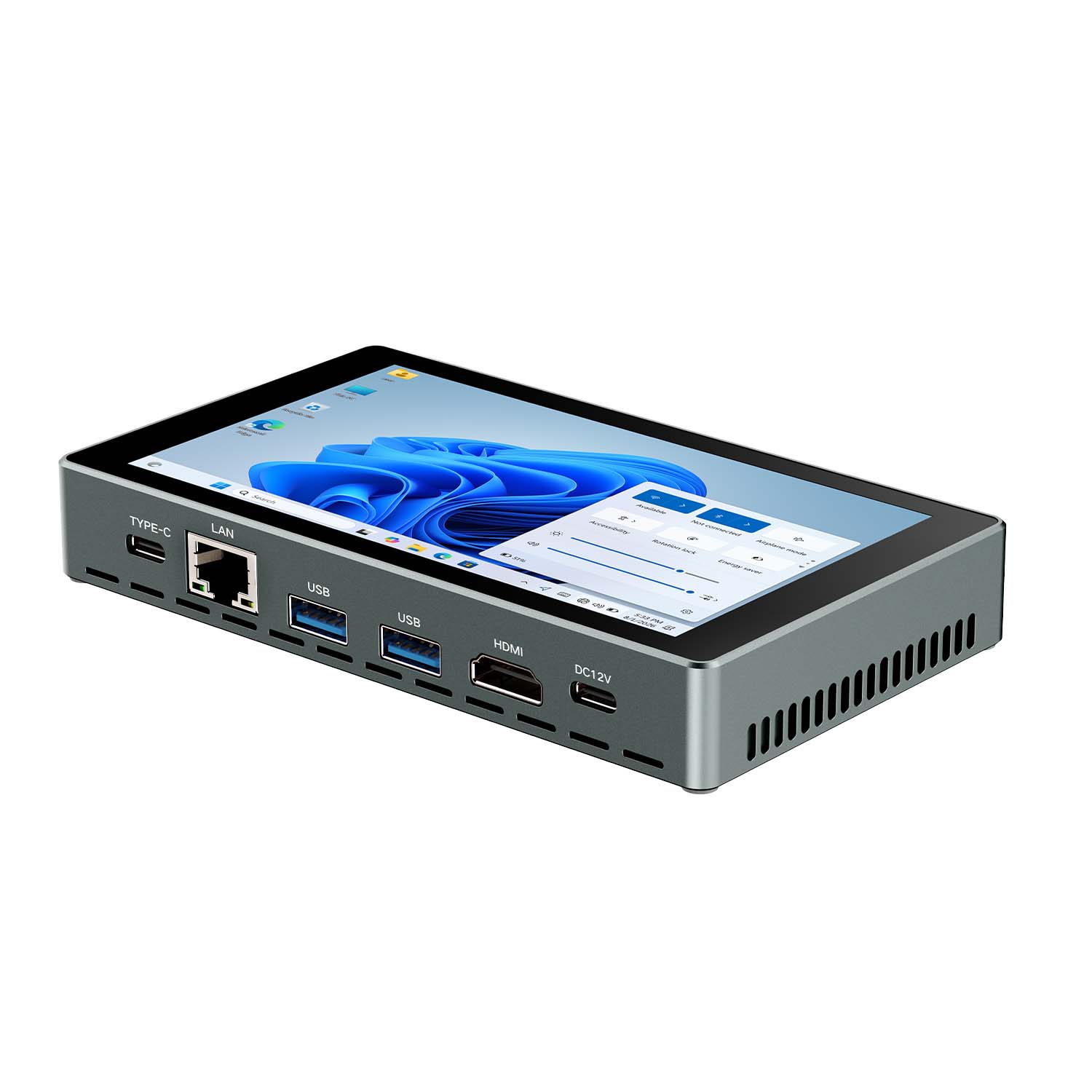
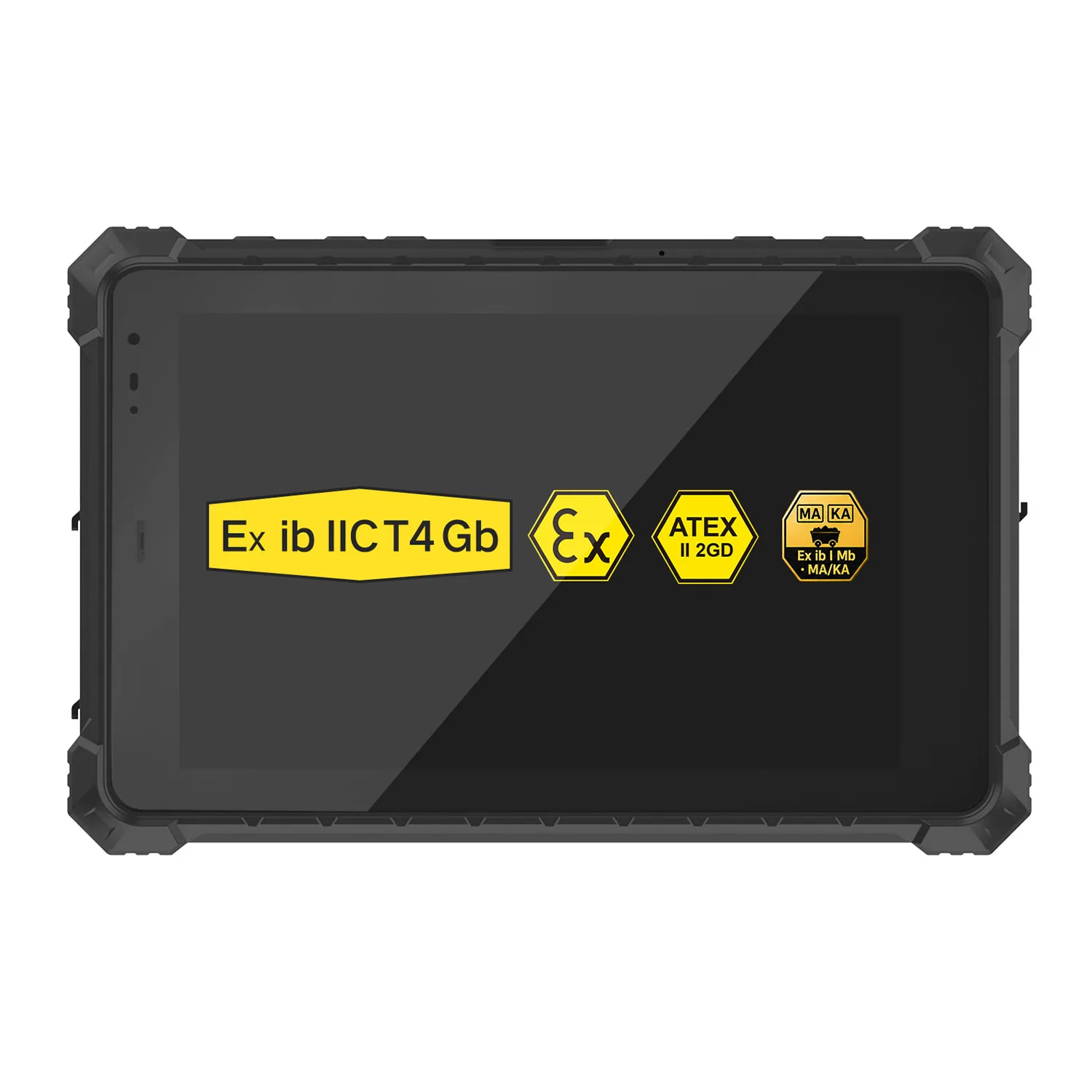
Note: both the W75H and A75G are earlier-generation CENAVA tablets and aren't part of the current core lineup — confirm availability with CENAVA sales, or consider the current A10ST (with optional RTK GPS for centimeter-level vehicle position tracking) for a new fleet dispatch deployment.Why Rugged Tablets Fit Open-Pit Mine Fleet Dispatch
Route planning across poor, unmarked roads helps coordinate multiple trucks operating simultaneously without relying on drivers' memory of shifting site conditions.
Real-time vehicle status tracking replaces unreliable radio/intercom dispatch, giving managers an accurate picture of where every truck is and what it's doing.
Safety warning functions help reduce the fatigue-related human error that comes with round-the-clock operation — a genuine personal safety concern on a site with heavy equipment moving constantly.
Durability for harsh site conditions — dust, vibration, and rough terrain all demand IP-rated, shock-resistant hardware rather than a consumer tablet.
Frequently Asked Questions
1. How do rugged tablets help coordinate multiple mining trucks on poor roads?Route planning and real-time vehicle tracking through the tablet-based dispatch system replace reliance on unclear road signage and driver memory, helping coordinate multiple trucks across shifting site conditions.2. Are the W75H and A75G still current CENAVA models?
No — both are earlier-generation tablets; for a new fleet dispatch deployment, CENAVA's current A10ST (with optional RTK GPS for centimeter-level position tracking) is worth considering.3. How does this system reduce fatigue-related safety risks?
Safety warning functions and real-time status tracking help catch and flag risks during round-the-clock operation that manual, intercom-based dispatch might miss due to operator fatigue.4. Does this system help with vehicle maintenance costs too?
Yes — since transport vehicles account for a large share of management and maintenance costs, data analysis functions built into the dispatch system support more informed vehicle management decisions.5. How does this relate to autonomous mining vehicle technology?
This fleet dispatch use case focuses on coordinating human-operated trucks; for RTK-based centimeter-level positioning specifically built for autonomous vehicle collision avoidance, see CENAVA's related guide on rugged tablets for mining autonomous driving.6. Can CENAVA customize a tablet for a specific mining fleet dispatch system?
Yes — as an OEM/ODM manufacturer, CENAVA can configure positioning modules, connectivity, and durability rating to integrate with a specific fleet dispatch platform; contact CENAVA sales to scope your deployment.
Conclusion
Coordinating transport fleets across a large, poorly-marked, constantly-changing open-pit mining site is a genuine operational challenge — one that rugged, GPS-equipped tablets solve by replacing unreliable radio dispatch with real-time route planning, vehicle tracking, and safety warnings. For a similar deployment today, CENAVA's current A10ST extends this approach with newer hardware and optional RTK-precision positioning.Need a Rugged Device for Your Project?
Tell us your operating environment and requirements — our engineers will recommend a configuration and quote within 24 hours.
Get a Free Quote Back to Blog