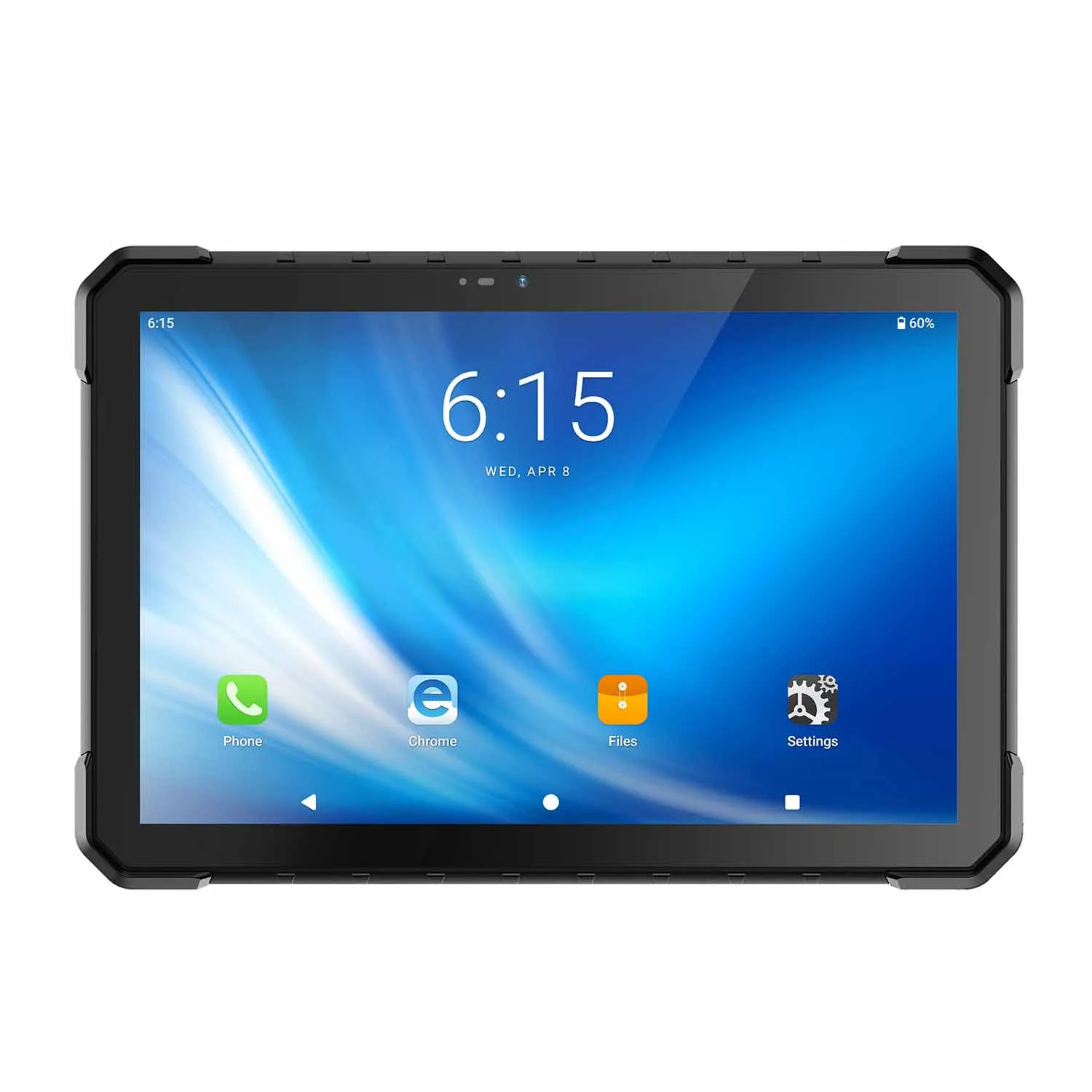
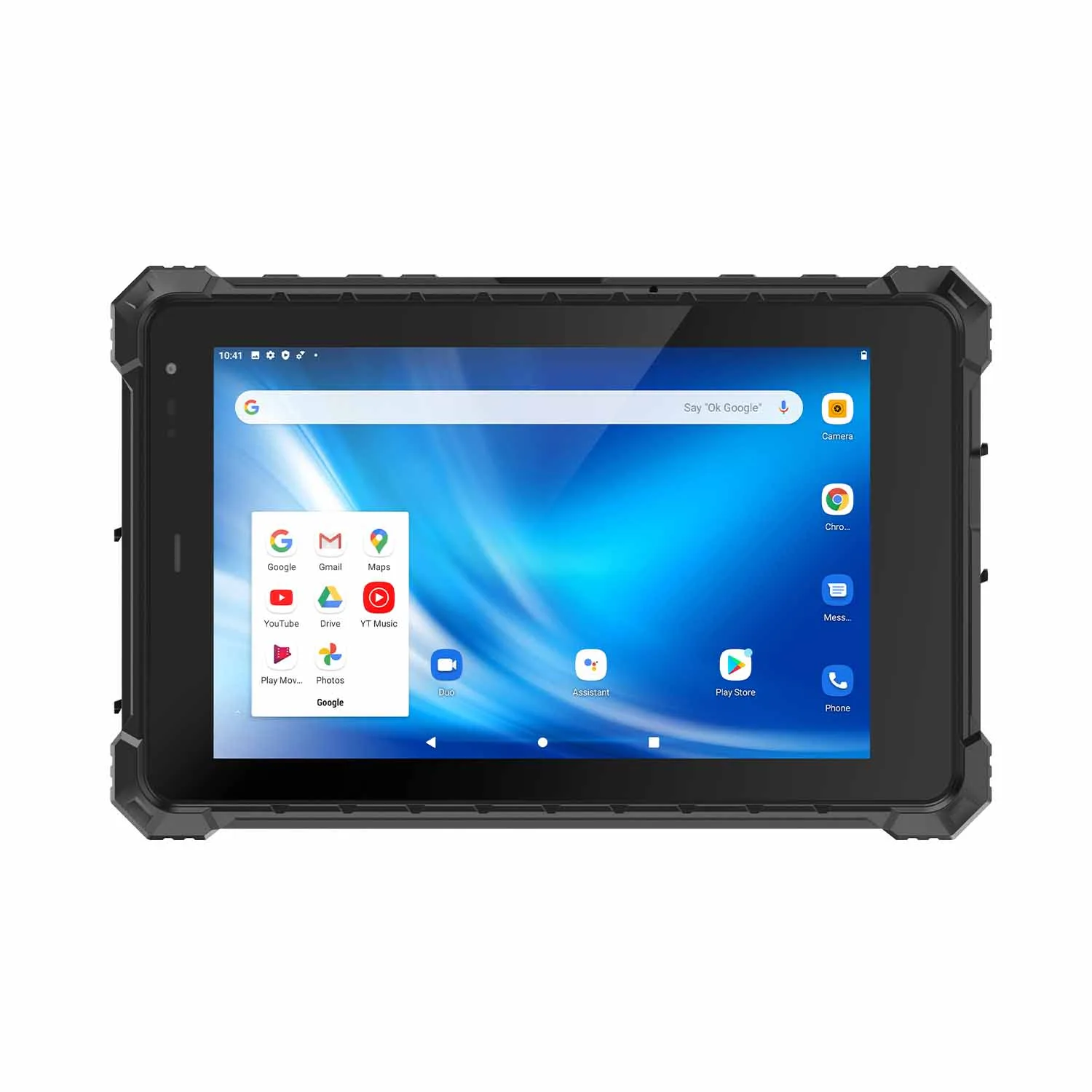
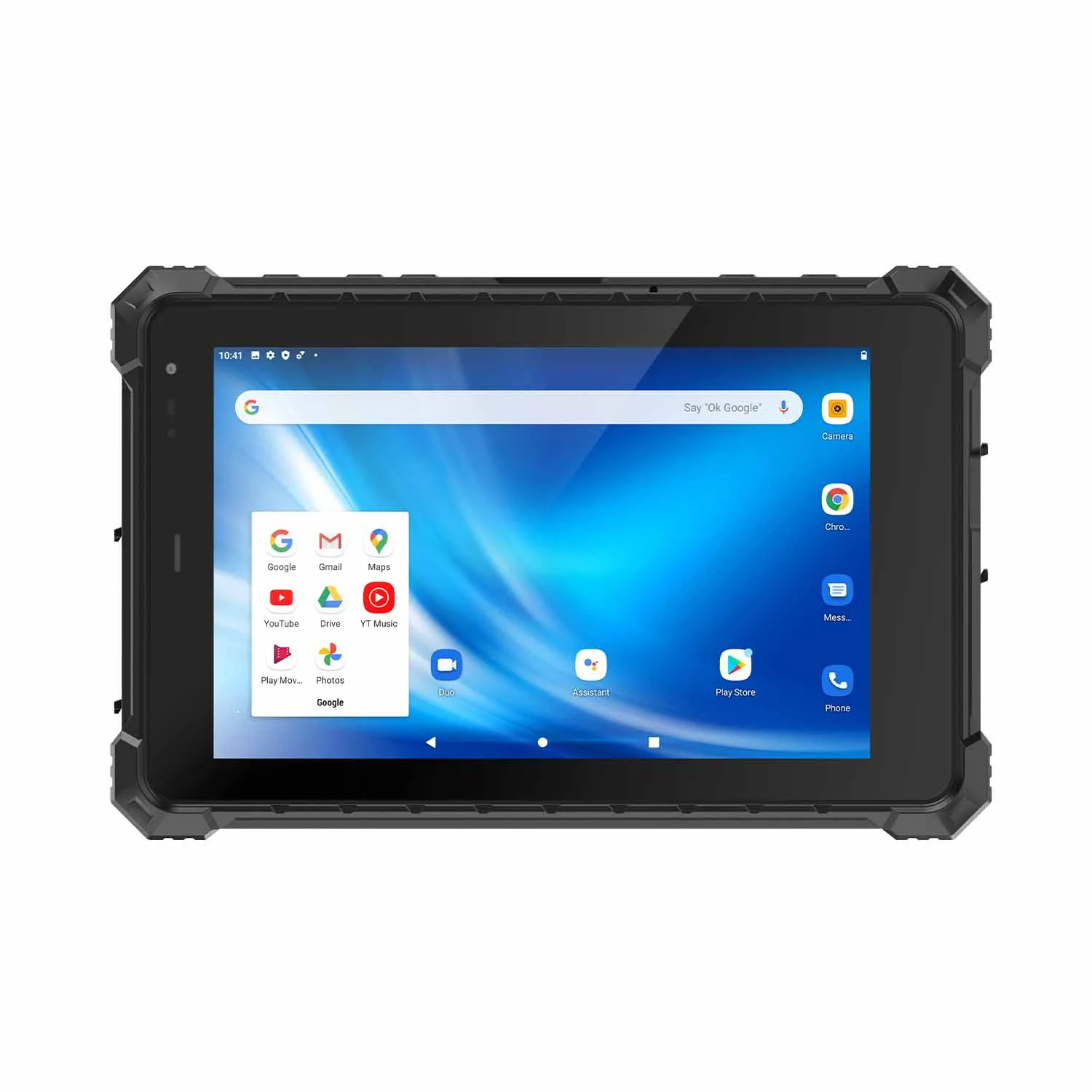
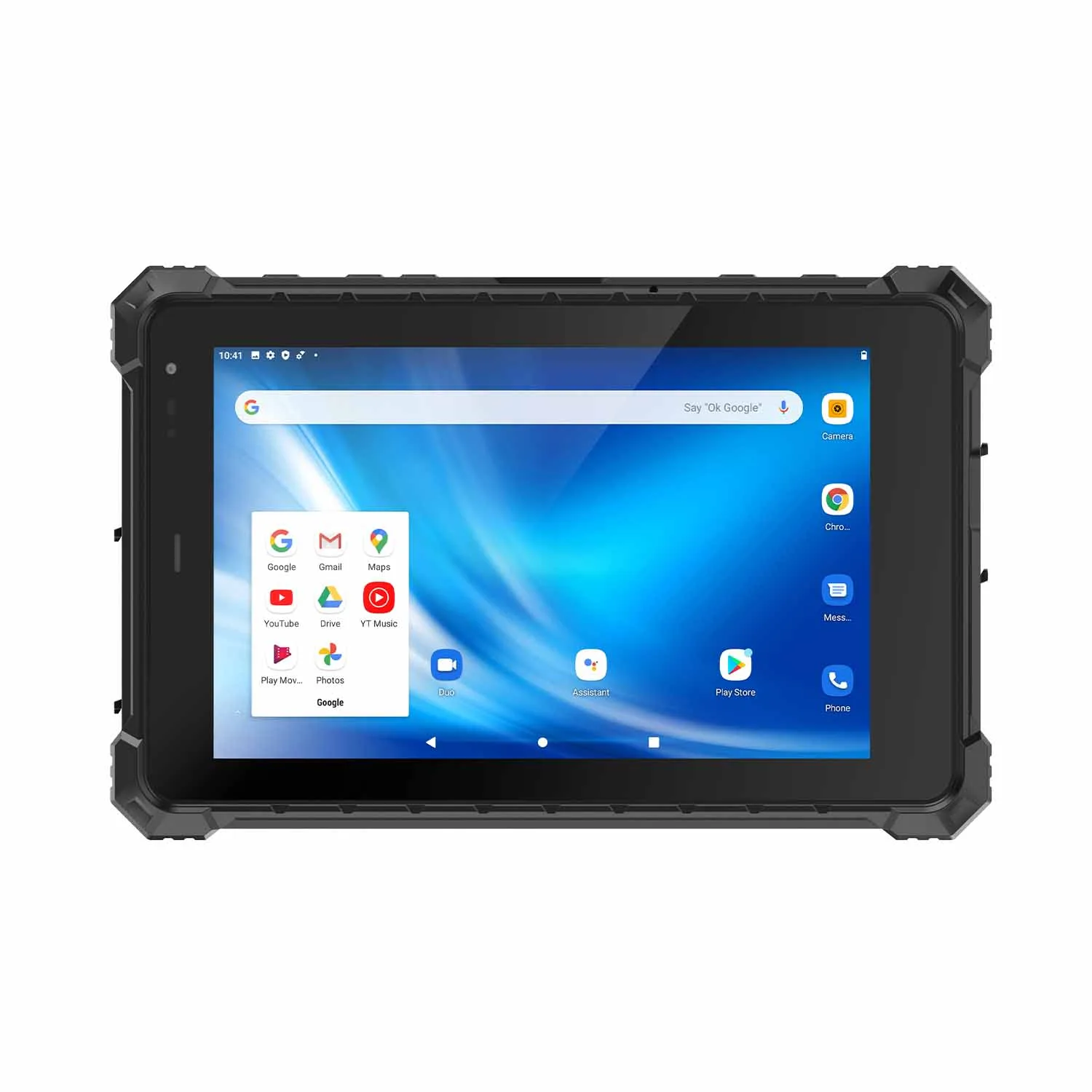
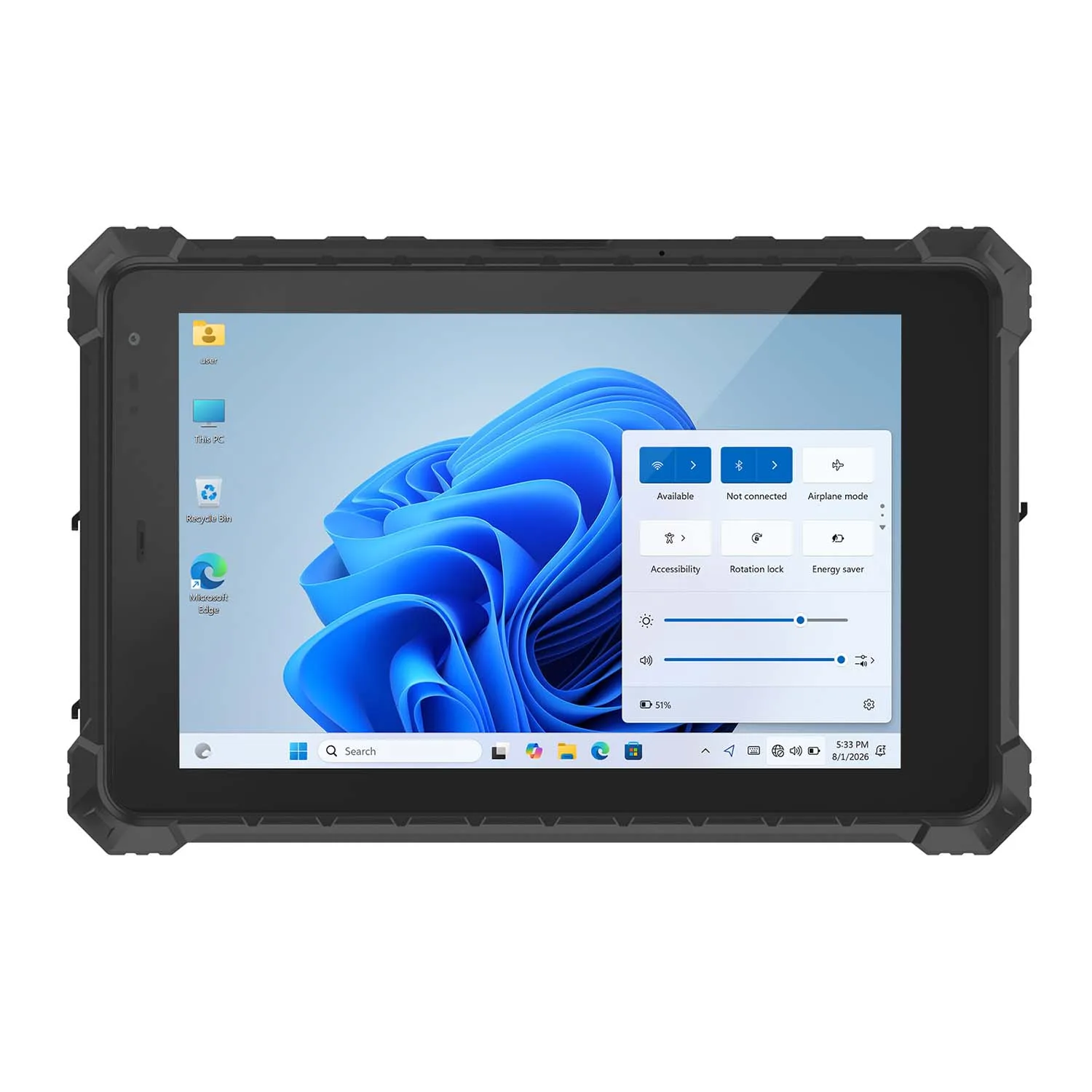
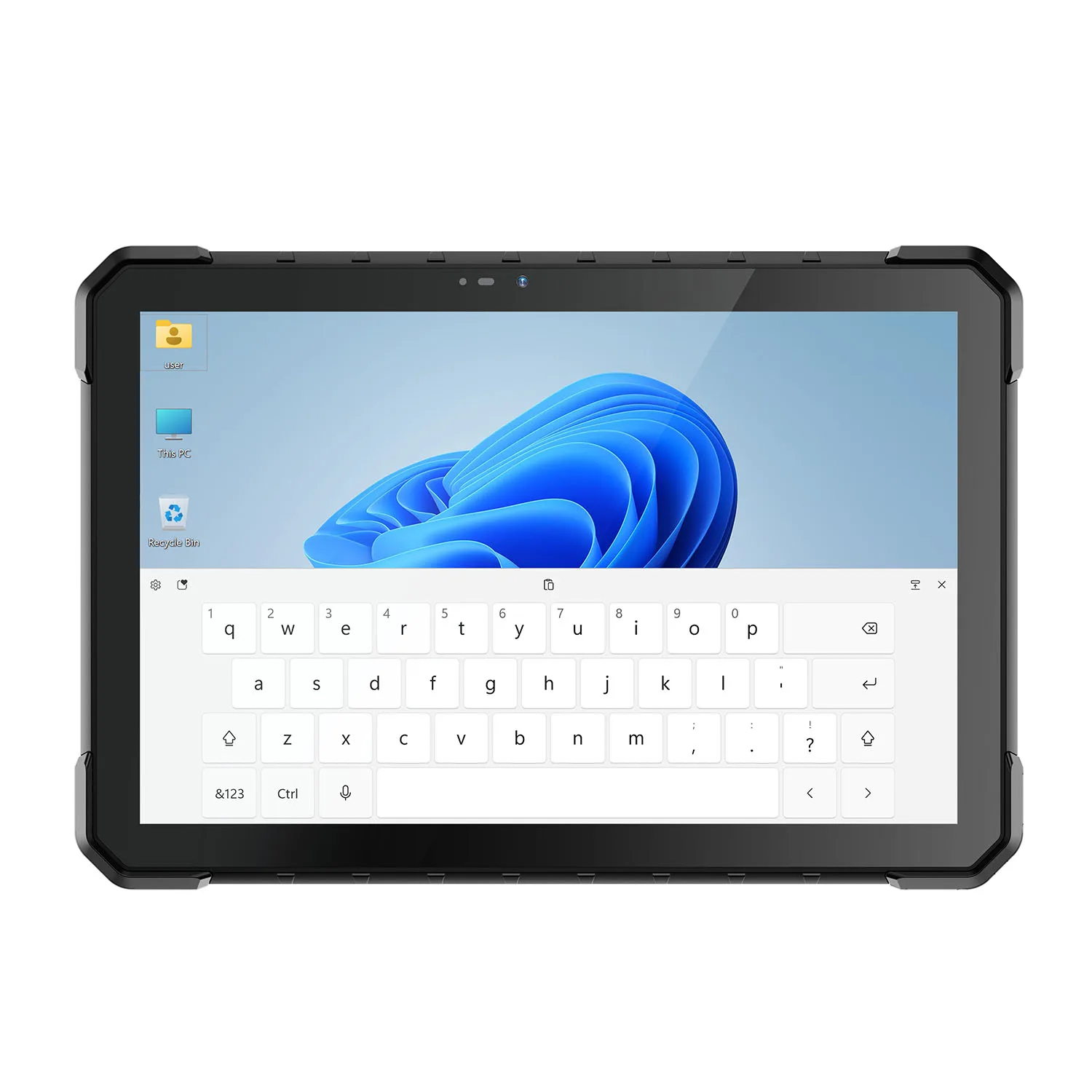
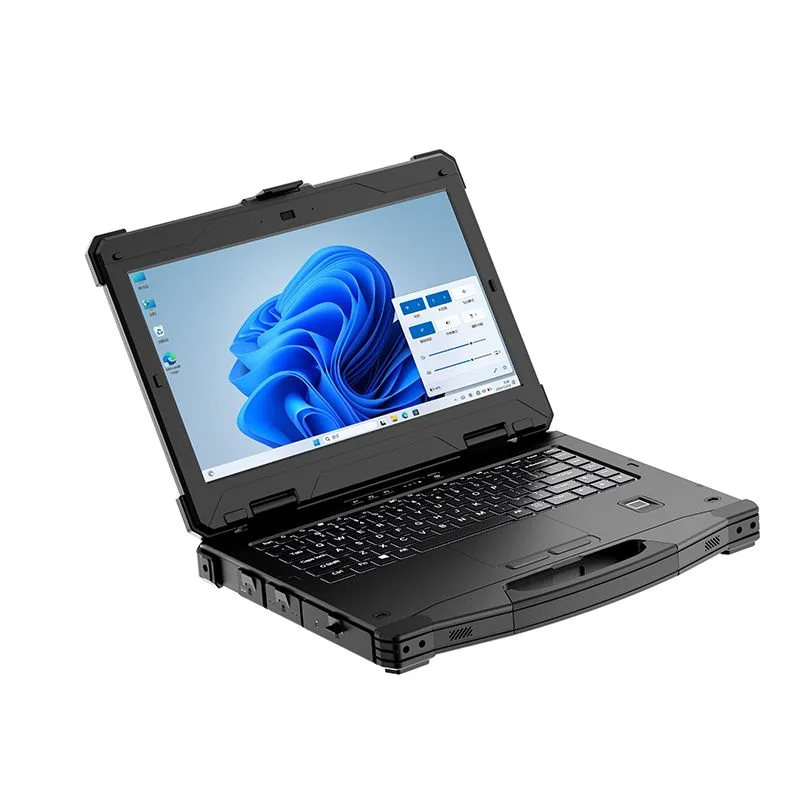
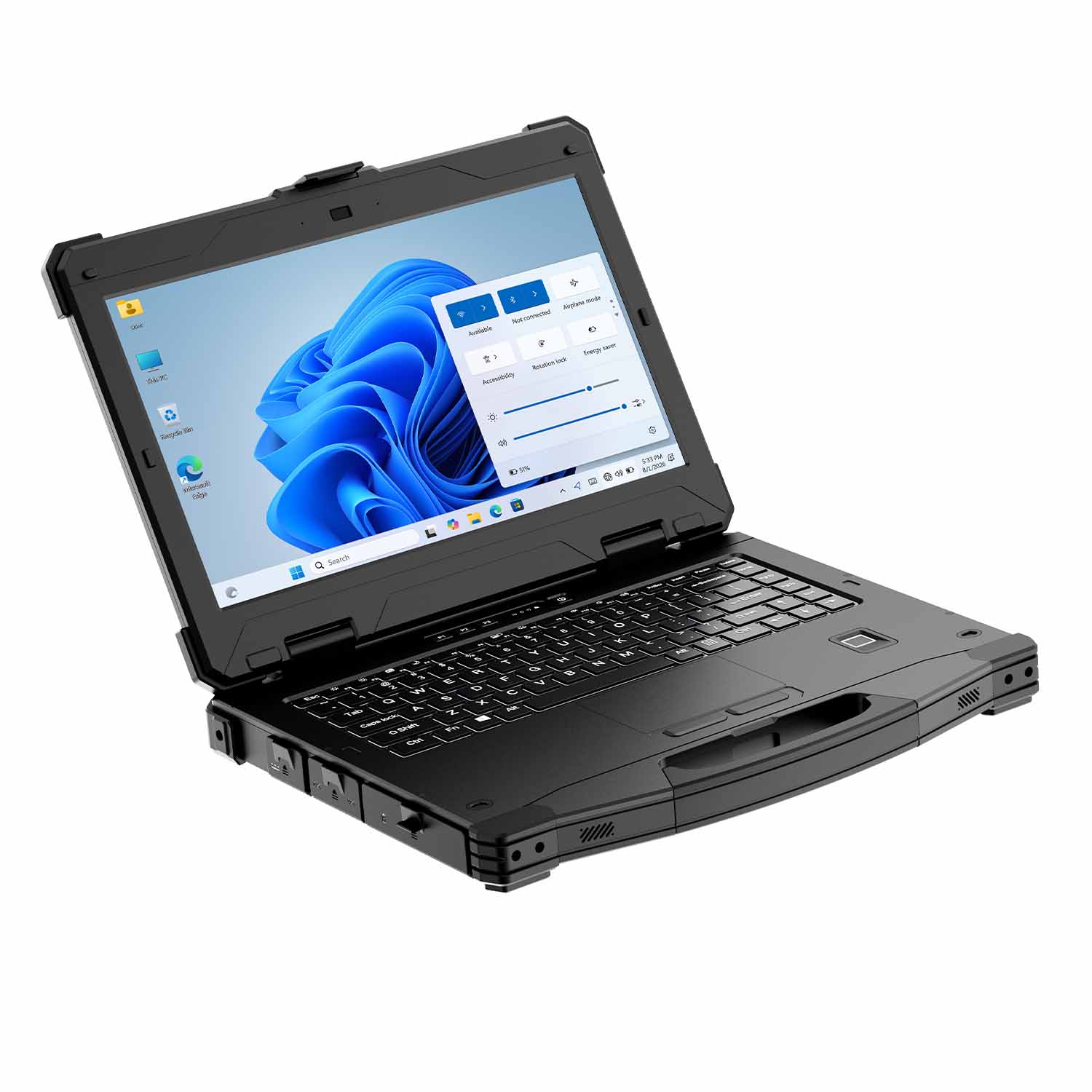
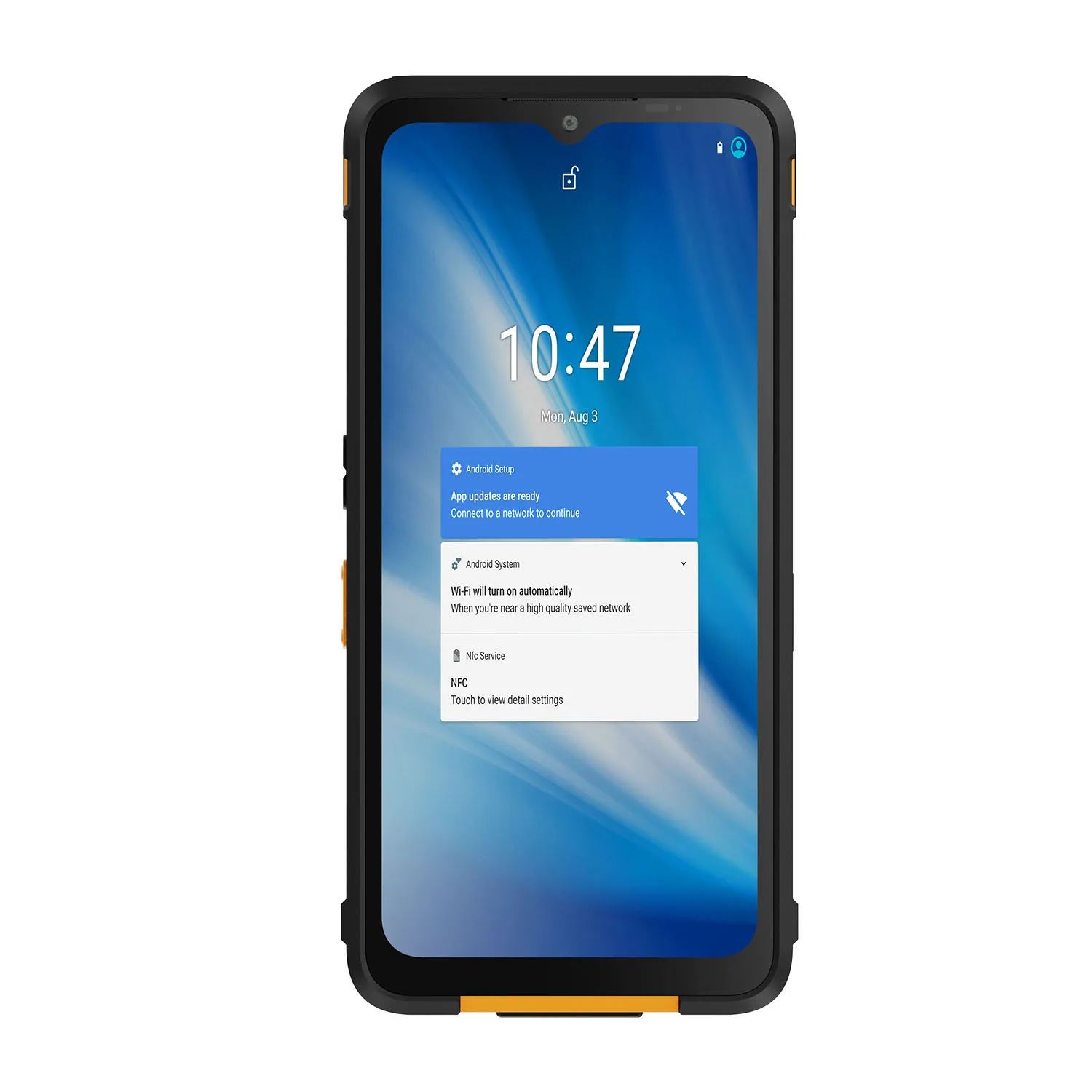
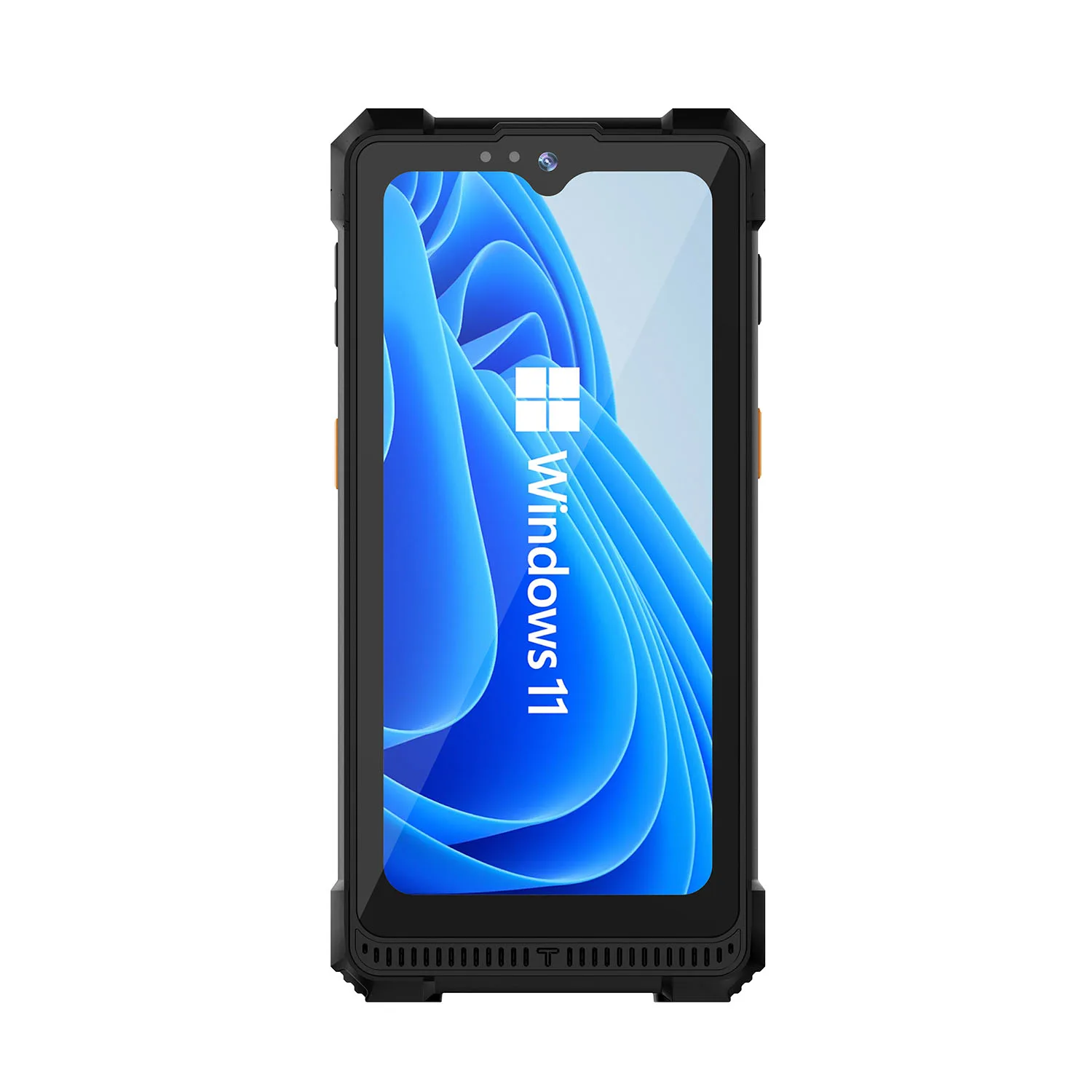
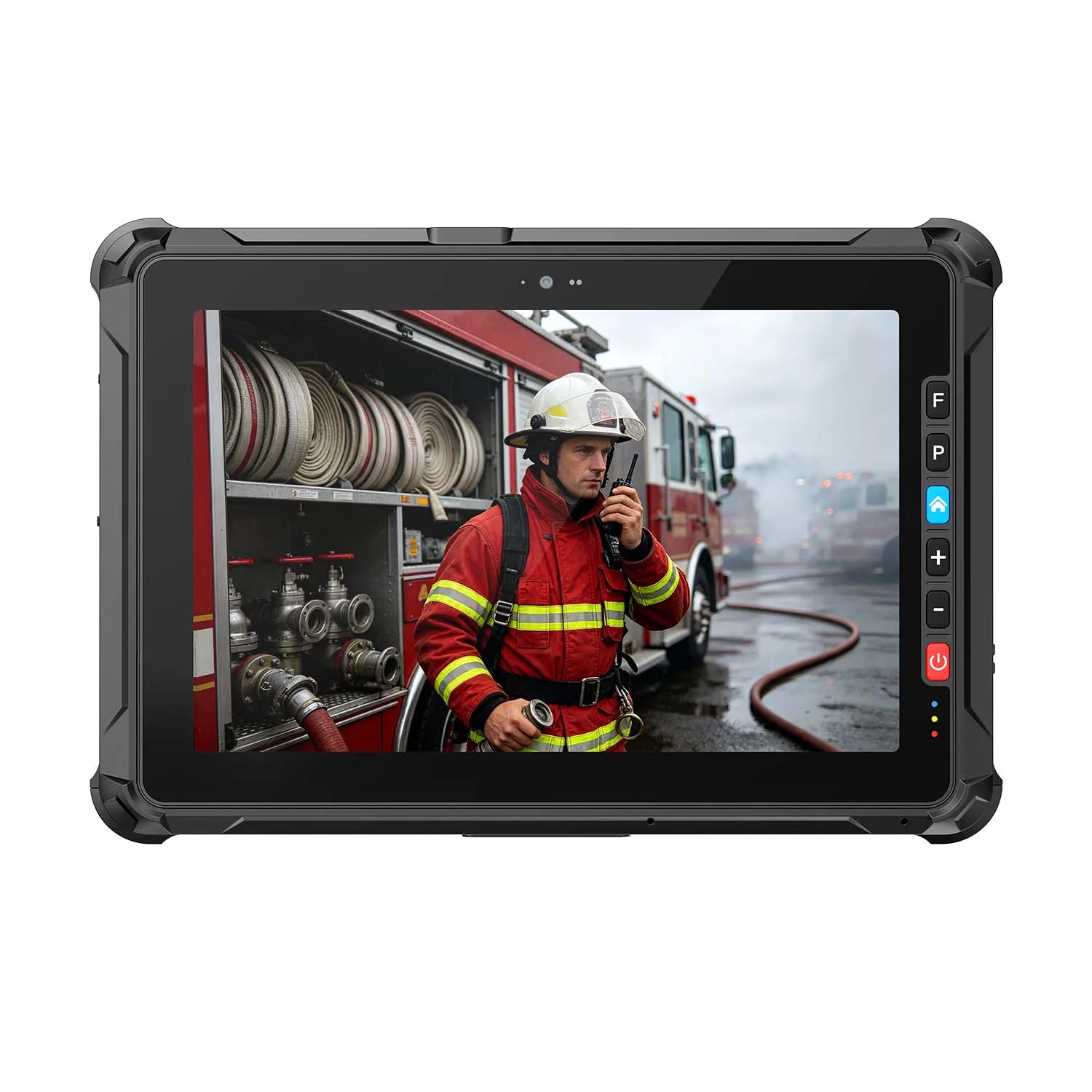
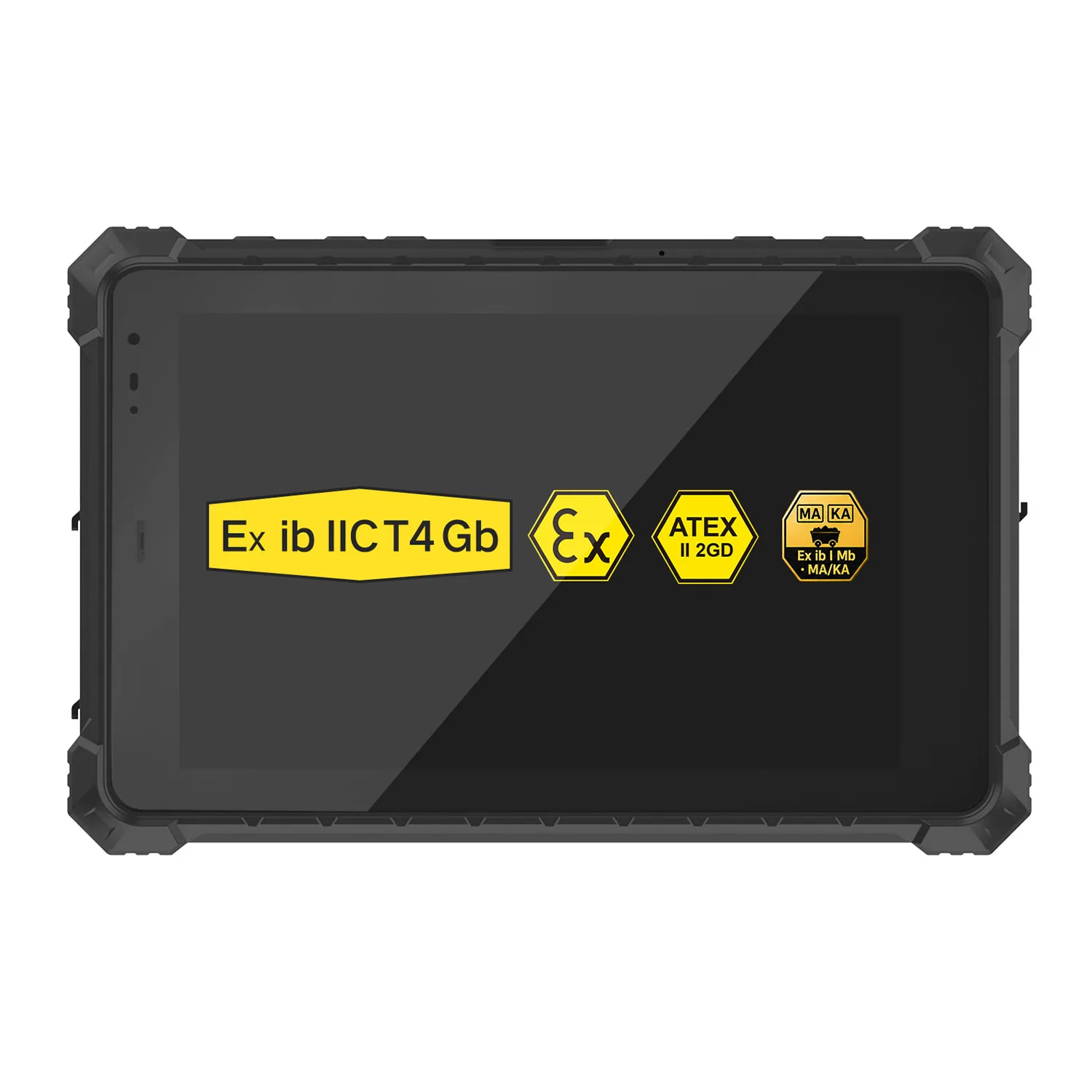
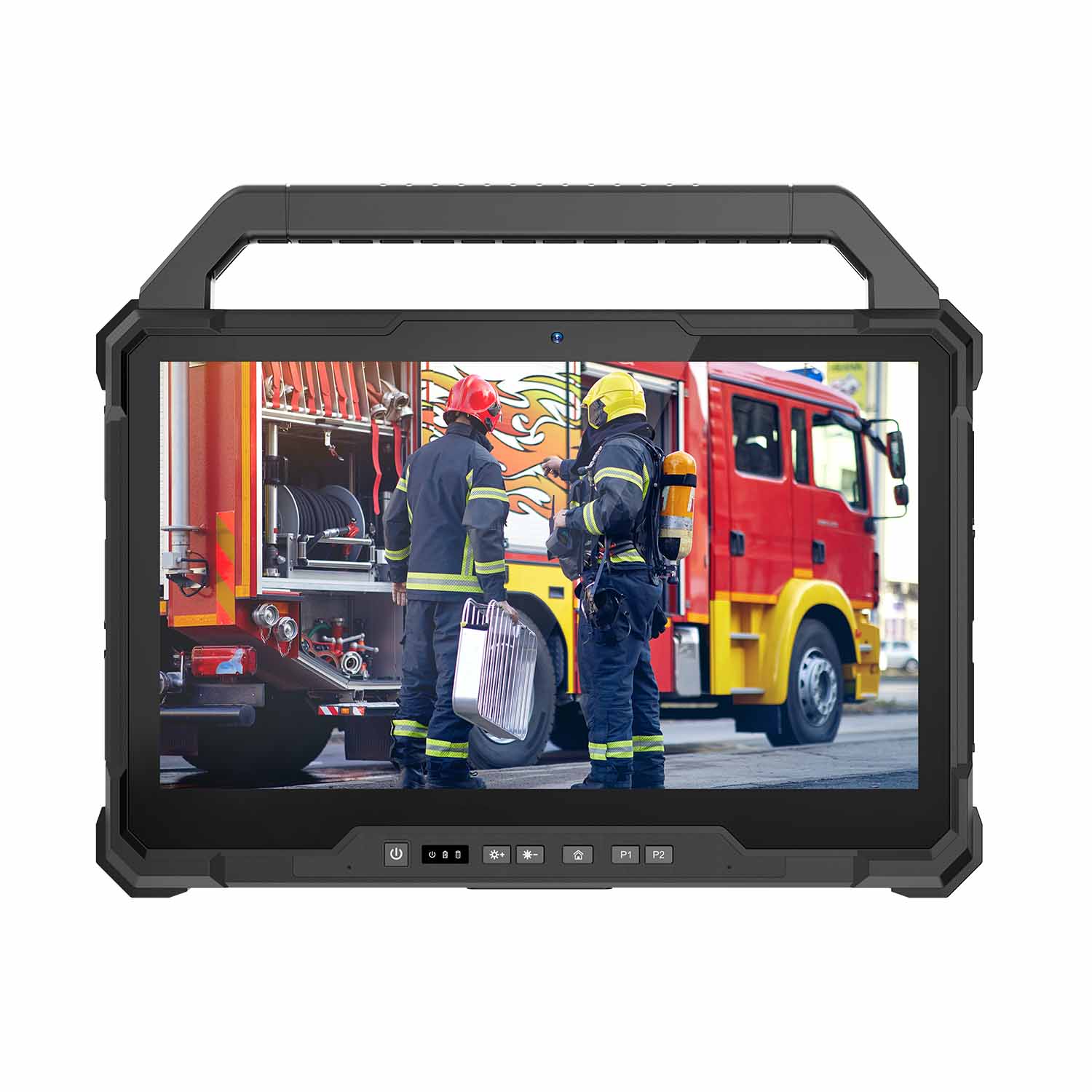
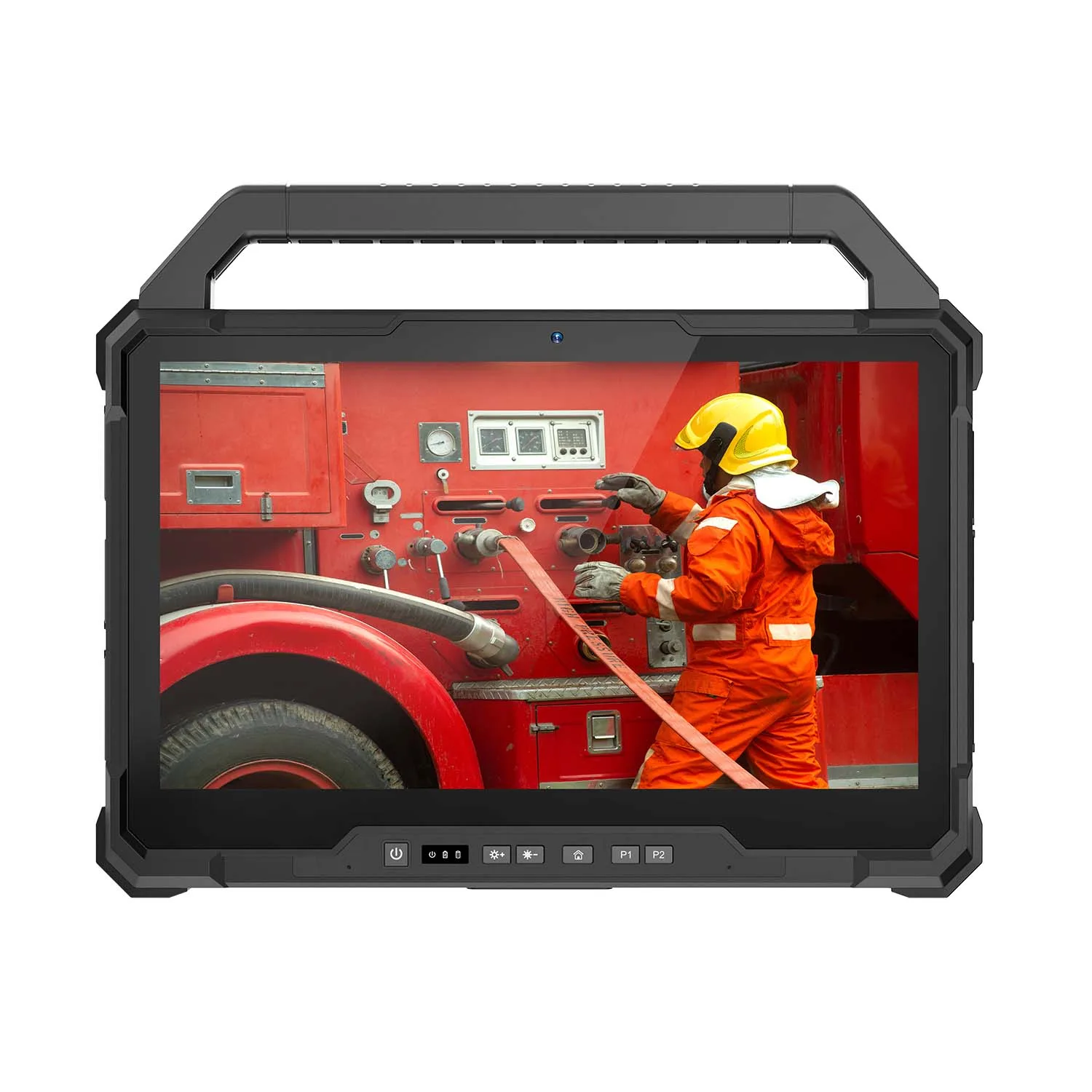
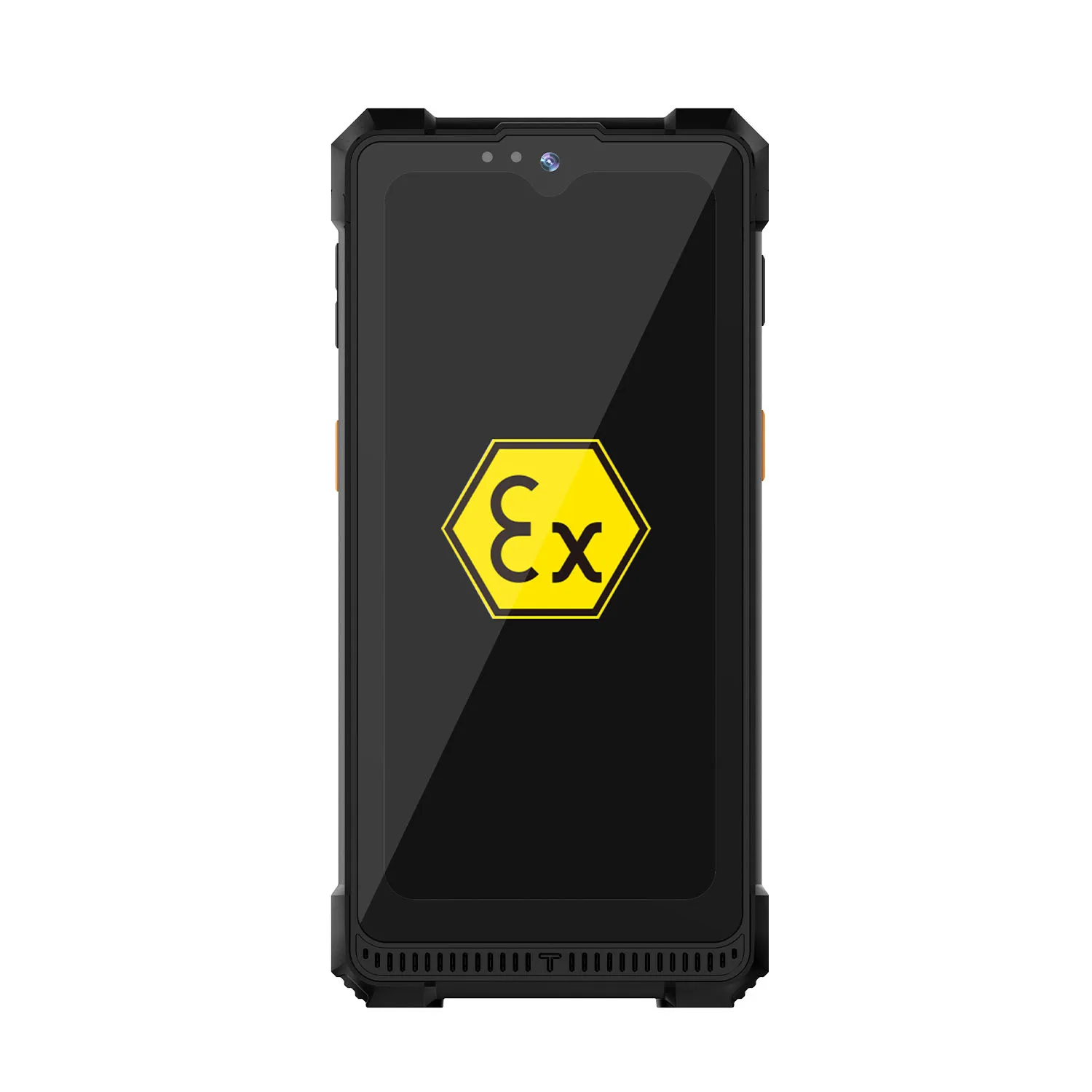
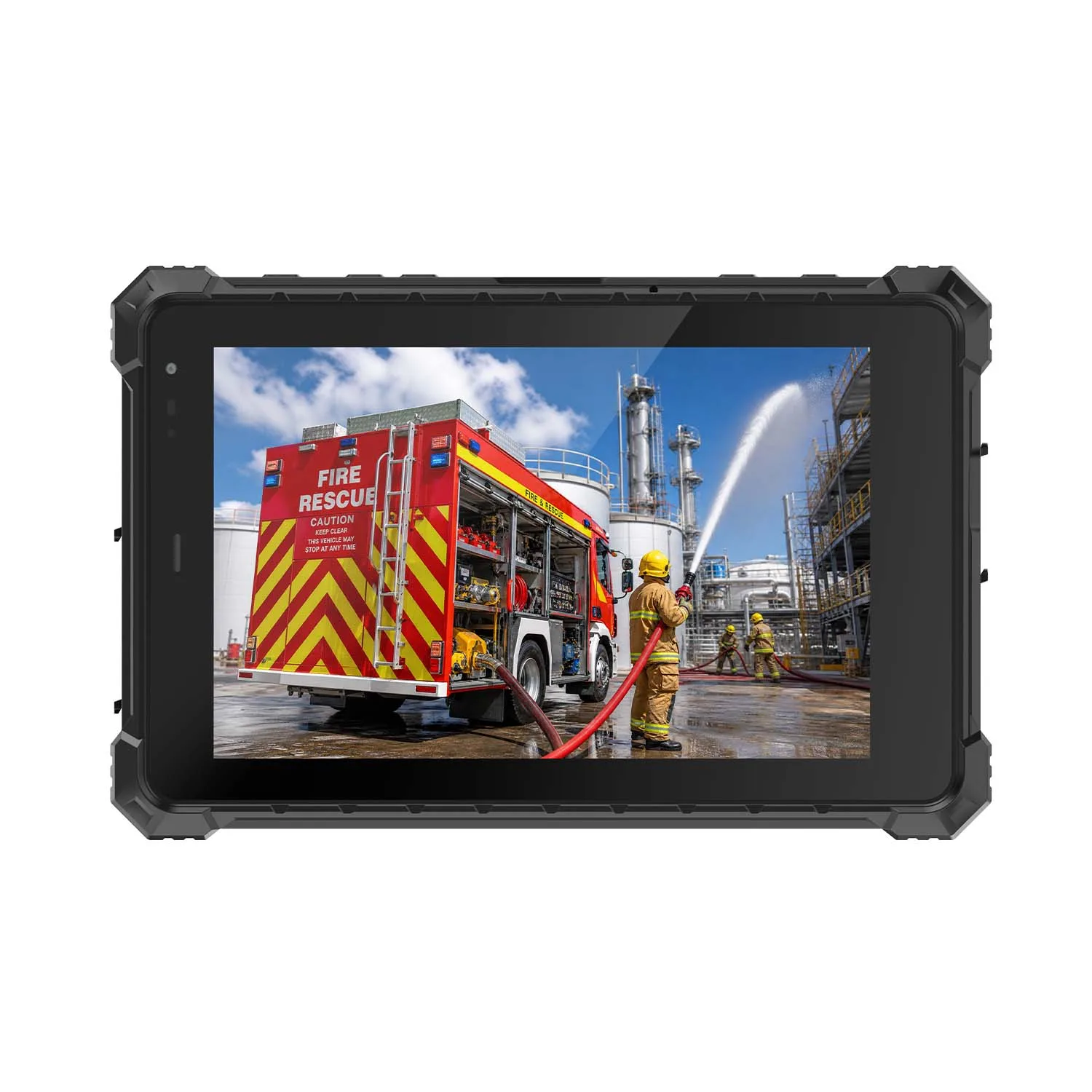





Top 10 Oilfield Rugged Tablet Manufacturers in the World
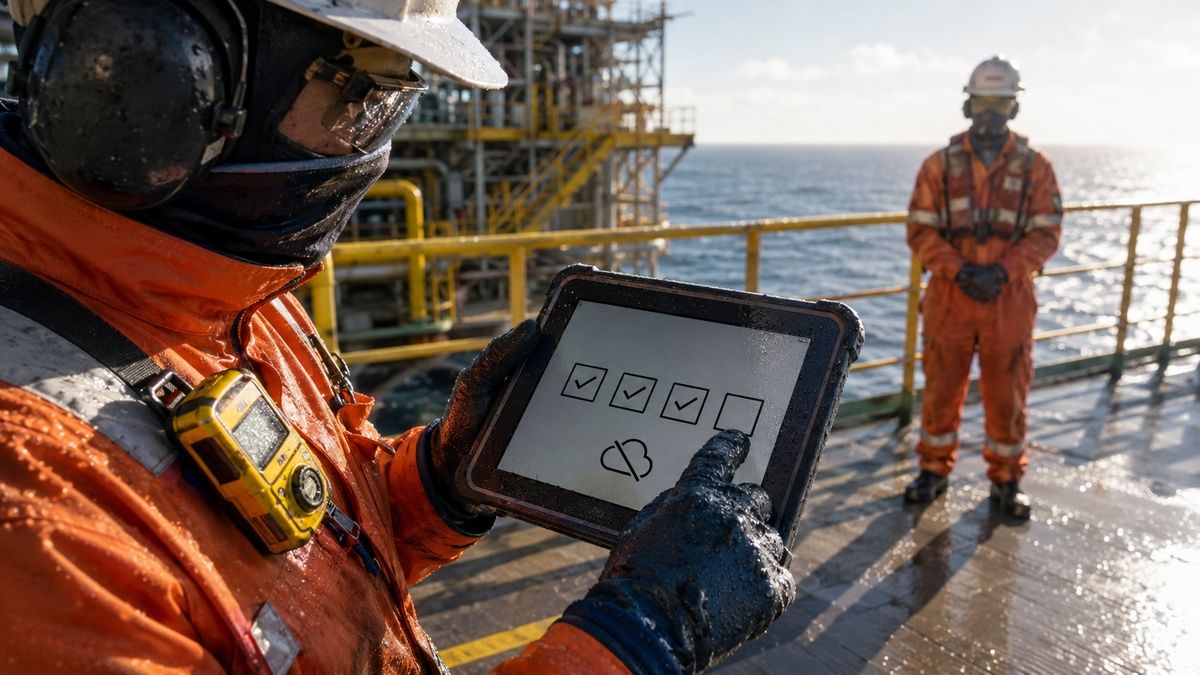
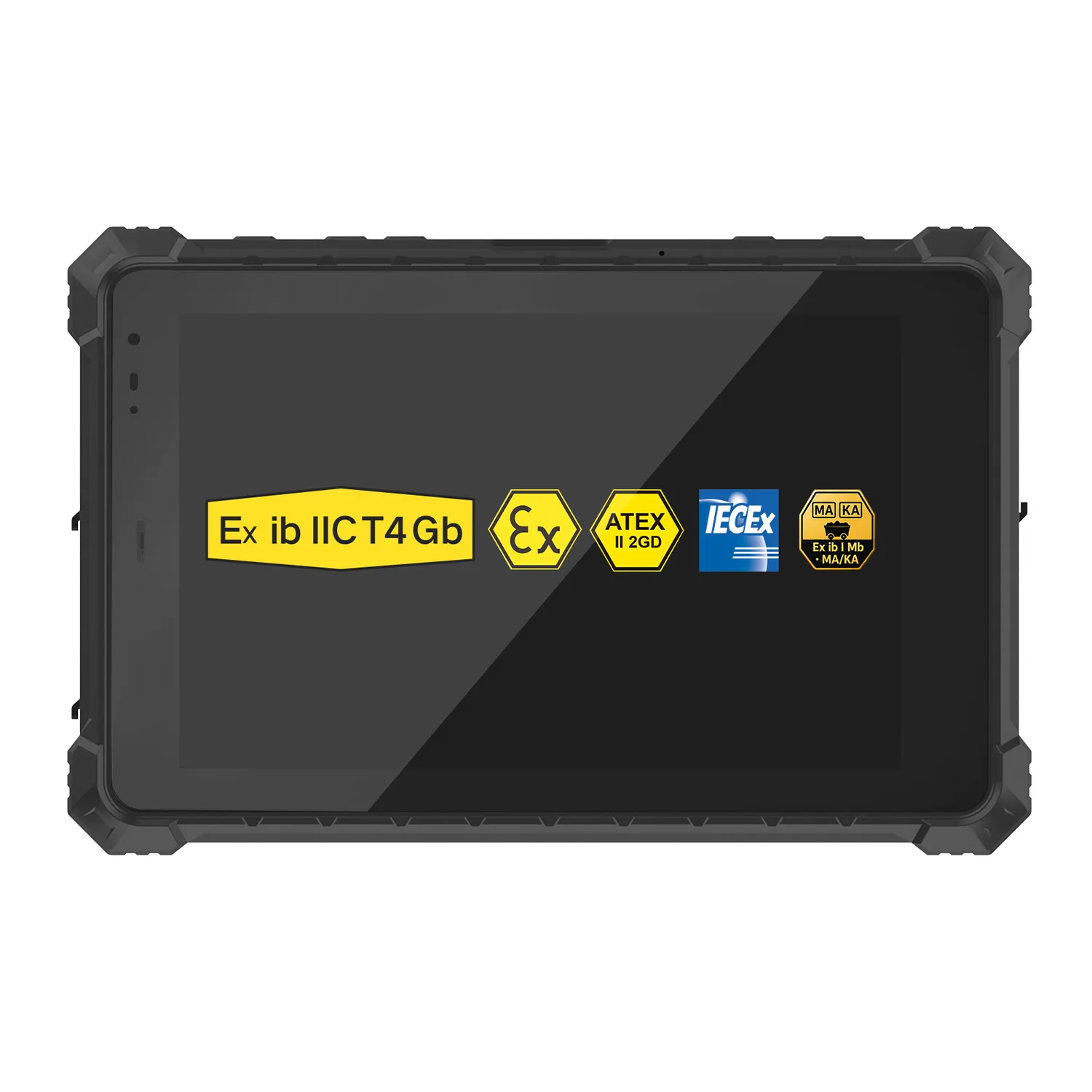
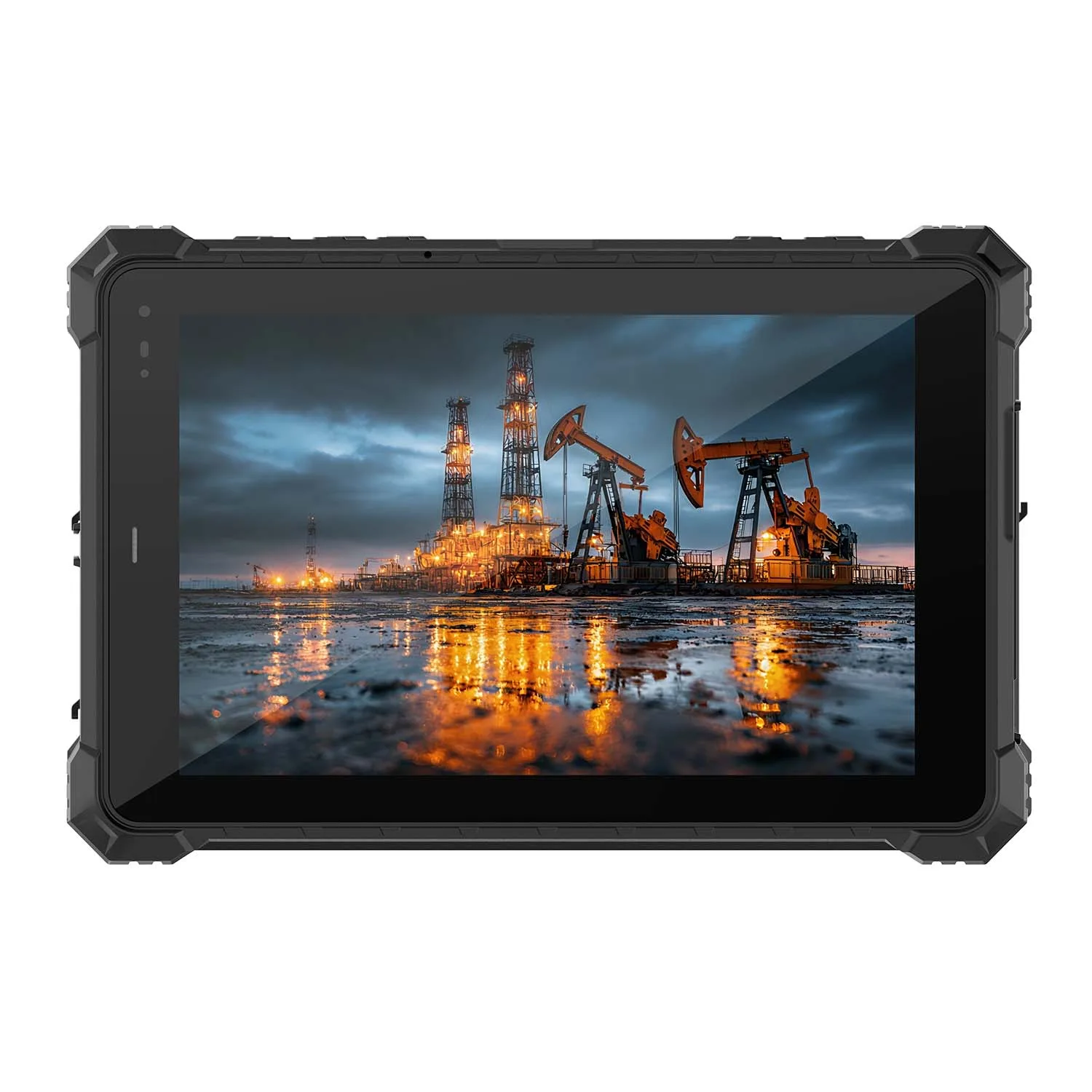
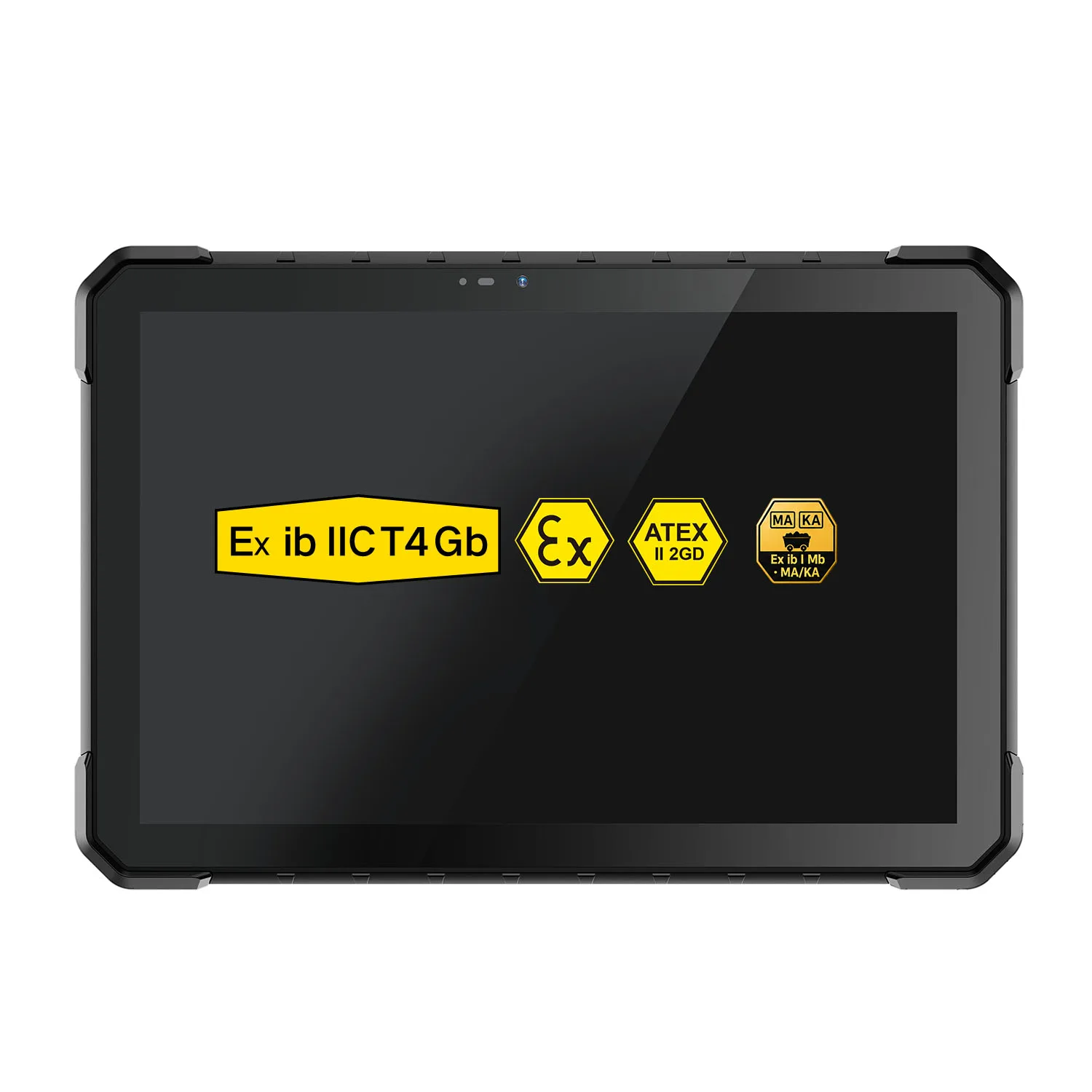
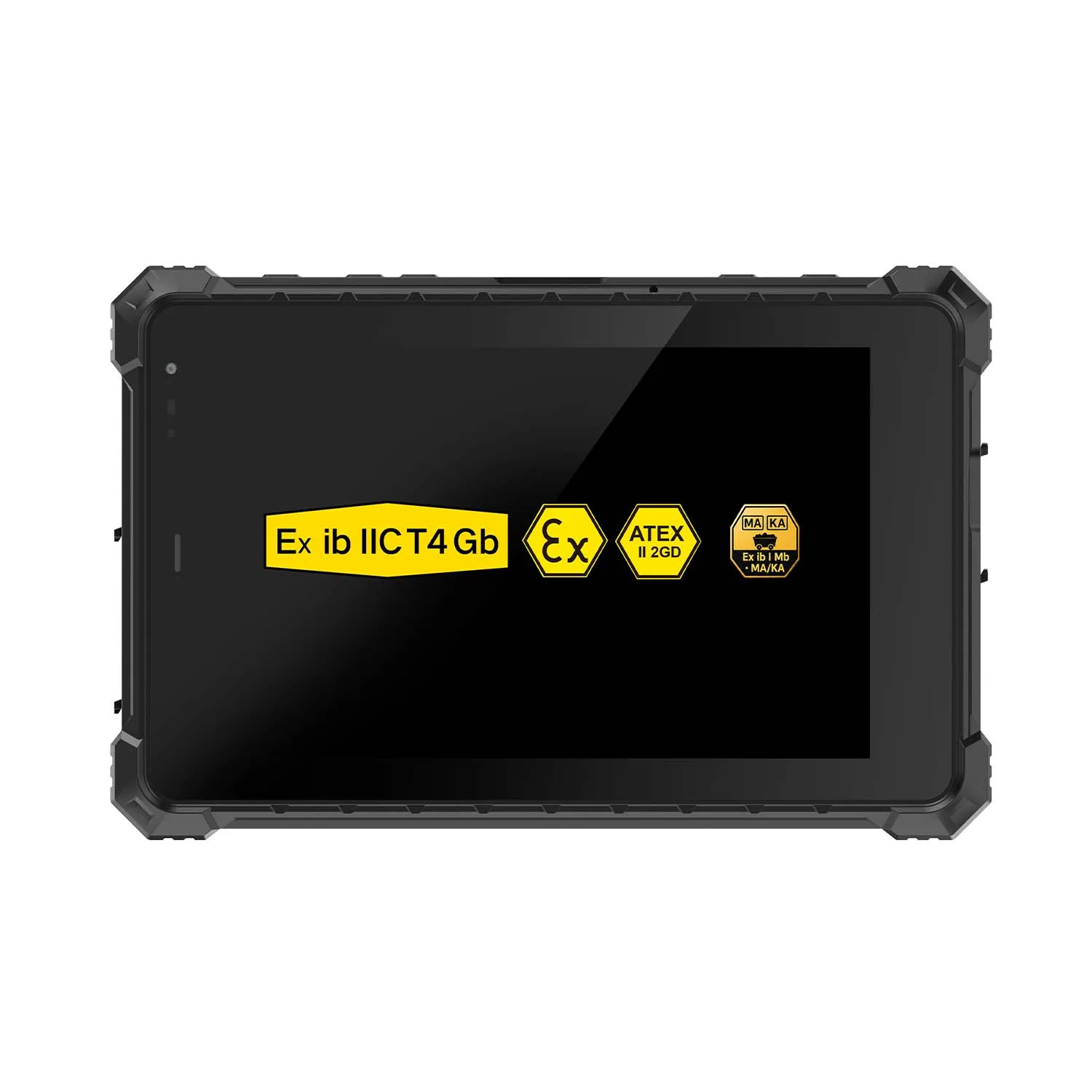
Upstream work exposes mobile hardware to a peculiar sequence of stresses. A tablet may ride 90 km over corrugated lease roads, leave a heated cab at −20°C, capture a leaking-valve photograph and then spend an hour beyond terrestrial coverage. At the next pad, the same technician may approach an area where ordinary electronic equipment is an ignition source. OSHA specifically includes non-intrinsically safe tablets among potential wellsite ignition sources, so location classification belongs at the front of the buying process—not in a late procurement footnote.
A purpose-built oilfield rugged tablet is therefore more than a sealed computer. The complete field system includes the tablet, vehicle dock, charging plan, production application and the communications path back to operations. Satellite service usually reaches the tablet through a separate terminal or Wi-Fi access device. That architecture is often more maintainable than trying to find a tablet with an embedded satellite modem, but it makes offline forms and controlled synchronization essential.
This oilfield rugged tablet buying guide reviews 10 manufacturers relevant to remote wellsites in 2026. The list is presented in no particular order and is not a revenue ranking. We compare current product direction, environmental engineering, deployment fit and the small operational details that decide whether a field crew keeps using the device after the pilot ends.
Contents
What Defines a Top-Tier Oilfield Rugged Tablet Manufacturer?
The Top 10 Oilfield Rugged Tablet Manufacturers of 2026
How to Choose the Right Manufacturer for Your Application
The Future of Oilfield Rugged Tablets: Trends to Watch
Conclusion
What Defines a Top-Tier Oilfield Rugged Tablet Manufacturer?
Serious manufacturers engineer the full duty cycle rather than one brochure test. Their documentation lets an oilfield operator connect the quoted model to its environmental limits, radio configuration, dock and service process.
Ruggedness with traceable test conditions: IP65, IP66 or IP68 describes enclosure ingress protection under IEC 60529. MIL-STD-810G and MIL-STD-810H provide environmental test methods for conditions such as shock, vibration and temperature; the edition and individual methods matter more than the phrase “military grade.”
Cold-weather power engineering: A tablet may operate at a stated low temperature while its battery has a narrower charging window. Strong suppliers publish both limits and offer a workable battery, warm-up or hot-swap strategy.
Field communications discipline: Cellular, Wi-Fi, GNSS and satellite backhaul solve different problems. An effective platform remains useful for 30 minutes or 3 hours without a link, then reconciles records without duplicates.
Vehicle and accessory integration: The dock must retain power through vibration, place antennas correctly and avoid obstructing airbags or controls. A loose USB cable is not a fleet power system.
Hazardous-location competence: Where classified work is required, the exact ATEX, IECEx or North American approval must match the location and configuration. Ordinary ruggedness never substitutes for ignition protection.
Our acceptance scorecard gives equal weight to a cold start, a rough-road dock test and an offline round. That balance reflects field reality. A fast processor has little operational value when the tablet reboots on the third cattle guard or loses an inspection record during synchronization.
The Top 10 Oilfield Rugged Tablet Manufacturers of 2026
The following companies represent several distinct approaches: global enterprise fleets, Windows field computing, Android data capture, geospatial workflows and higher-risk hazardous-location mobility. A manufacturer appears because it offers a credible tool for at least one wellsite use boundary, not because every model fits every part of an oilfield.
1. Panasonic TOUGHBOOK (Japan)
Core Strength: Mature Field Computing with a Deep Docking and Accessory Ecosystem
Panasonic’s TOUGHBOOK business has decades of experience in mobile computing for utilities, public safety and field service. That history shows in lifecycle planning and accessory continuity. For an operator replacing 150 older units, a predictable dock and service transition may be worth more than a small benchmark lead.
Key Products: The current TOUGHBOOK G2 mk3 is a 10.1-inch Windows tablet. Panasonic publishes IP65 ingress protection, MIL-STD-810H testing, a 1.8 m drop figure and an operating range of −29°C to +63°C. The standard and extended batteries are rated at approximately 11 and 15 hours under MobileMark 25.
Technical Advantage: Modular expansion bays allow a project to add functions such as barcode reading, serial connectivity or HF-RFID without turning every tablet into the heaviest configuration. The 1,000 cd/m² display and optional hot-swap arrangement address long outdoor shifts, while the established vehicle-mount ecosystem simplifies standardization across mixed fleets.
Oilfield Application: G2 is a strong candidate for safe-area maintenance, production accounting and vehicle-based work. On a representative 180 km route, we would test the extended battery with screen brightness fixed at the level used outdoors, not the lower setting used by a laboratory runtime test. Any classified-area task requires separate model-level approval.
2. Getac (Taiwan)
Core Strength: Fully Rugged Windows Platforms with Wide-Temperature Engineering
Getac has specialized in rugged computers since 1989 and serves defence, public safety, utilities and industrial field teams. Its advantage in upstream operations is range: compact tablets, detachable systems and larger Windows units share a common rugged-computing philosophy.
Key Products: The Getac UX10 is a 10.1-inch fully rugged Windows tablet with IP66 protection, MIL-STD-810H certification and a published operating range of −29°C to +63°C. Its LumiBond display reaches 1,000 nits, and Getac offers an optional ANSI/UL 121201 Class I, Division 2 configuration.
Technical Advantage: Multiple battery sizes, an optional bridge battery and several vehicle or office docks make the UX10 adaptable to different shift patterns. LumiBond integrates the display layers to reduce internal reflections. That matters during a midday gauge round, where nominal brightness alone does not predict whether fine text remains legible.
Oilfield Application: Getac fits Windows-based CMMS work, diagnostics and drawing review across remote pads. A practical trial should include a 12-hour cold soak followed by login, camera launch and offline form retrieval. We also inspect the dock after repeated rough-road travel; momentary power interruptions often appear long before a mechanical mount looks loose.
3. Dell Technologies (United States)
Core Strength: Enterprise Windows Management and Regional Service Reach
Dell approaches rugged tablets from the perspective of a large enterprise-computing supplier. Its field hardware connects naturally with Windows deployment tools, security policies and established support contracts, which can reduce administrative friction for operators already managing thousands of Dell endpoints.
Key Products: The Dell Pro Rugged 10 Tablet is the current 10.1-inch model, with a 1,000-nit anti-glare display, Intel Core Ultra 200V options, removable-storage choices and optional 5G. Dell’s technical manual gives the RA00260 an operating range of −29°C to +63°C and notes that battery charging is restricted outside 0°C to 50°C.
Technical Advantage: The charging note is more useful than a generic wide-temperature headline. It tells a fleet engineer that overnight vehicle power and battery conditioning need their own plan. Two hot-swappable 18 Wh batteries, a removable SSD option and configurable rear I/O also suit organizations that separate data security from ordinary field convenience.
Oilfield Application: Dell is relevant for managed Windows fleets in non-classified wellsite areas, workshops and field offices. If a project needs hazardous-location use, the regional order code and approval must be treated as a separate gate. Country, carrier and SIM/eSIM requirements should be specified early because a US 5G configuration does not define coverage at a Canadian, Argentine or Middle Eastern field.
4. Zebra Technologies (United States)
Core Strength: Android Data Capture and Large-Fleet Device Management
Zebra is an enterprise mobility and automatic-identification specialist. Its oilfield value is not limited to enclosure toughness; the company brings scanner integration, shared-device workflows and management software developed for large operational fleets.
Key Products: The Zebra ET60/ET65 Android family uses a 10.1-inch format and carries IP66 sealing. Zebra documents a 1.5 m drop to concrete, MIL-STD-810H vibration methods and Class I, Division 2 certification. The standard 8,920 mAh battery is rated for 10 indoor hours, while the 17,840 mAh option is rated for 20 under Zebra’s stated conditions.
Technical Advantage: Zebra’s optional scan engines and Mobility DNA tools provide a more controlled path for asset identification than a camera-only workflow. Extended-battery variants also have a published low-temperature operating limit below that of the standard pack, showing why the battery configuration belongs on the environmental matrix.
Oilfield Application: ET65 suits lease-operator rounds, tank identification and spare-parts workflows where Android and rapid scanning dominate. We use 50 weathered labels for acceptance: clean office barcodes hide focus, glare and distance problems. Class I, Division 2 use still depends on the exact configuration and site classification.
5. DURABOOK (Taiwan / United States)
Core Strength: Fanless Windows Tablets with Explicit Zone 2 and Division 2 Options
DURABOOK concentrates on rugged laptops and tablets for defence, field service and industrial markets. The portfolio is smaller than those of broad enterprise vendors, but its configuration choices are unusually relevant to upstream teams that still depend on full Windows applications.
Key Products: The DURABOOK U11-EX is an 11.6-inch Windows tablet rated IP66 and tested to MIL-STD-810H. DURABOOK publishes ATEX Zone 2/22 markings, a −20°C to +60°C operating range, a 6 ft drop figure and an optional 1,000-nit DynaVue display. Standard and high-capacity battery claims are 10 and 20 hours under the manufacturer’s conditions.
Technical Advantage: Coolfinity fanless thermal design removes a fan intake from the field enclosure, while the quick-release SSD simplifies controlled data handling. A broad set of I/O and data-capture options makes the U11-EX useful when the oilfield application still expects serial equipment, physical media or a dedicated scanner.
Oilfield Application: U11-EX fits Zone 2/22 work where its marking matches the site, as well as ordinary Windows inspection and remote-support tasks. The 11.6-inch screen improves P&ID reading but adds carrying load. Our pilot would require one ladder task and one 20-minute standing form session; desk comfort is a poor proxy for a full well-pad round.
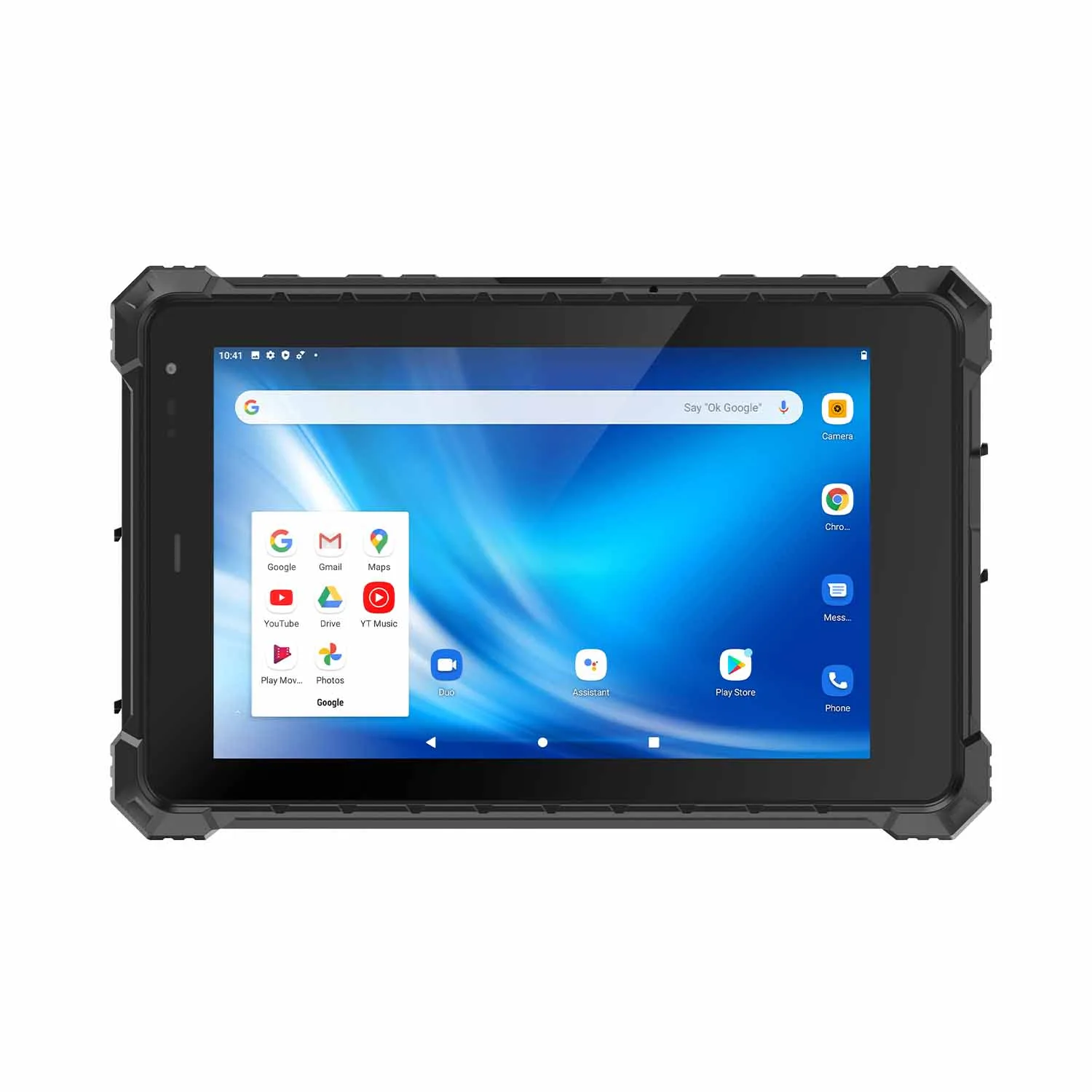
6. CENAVA (China)
Core Strength: Configurable 5G Rugged Hardware for Project-Based Field Deployment
CENAVA was founded in Shenzhen in 2003 and develops rugged tablets, handheld terminals and industrial computers. Its position differs from a fixed global SKU vendor: the company works with OEM/ODM projects where display brightness, memory, data capture, radio modules or mounting details may need to stay inside a controlled custom configuration.
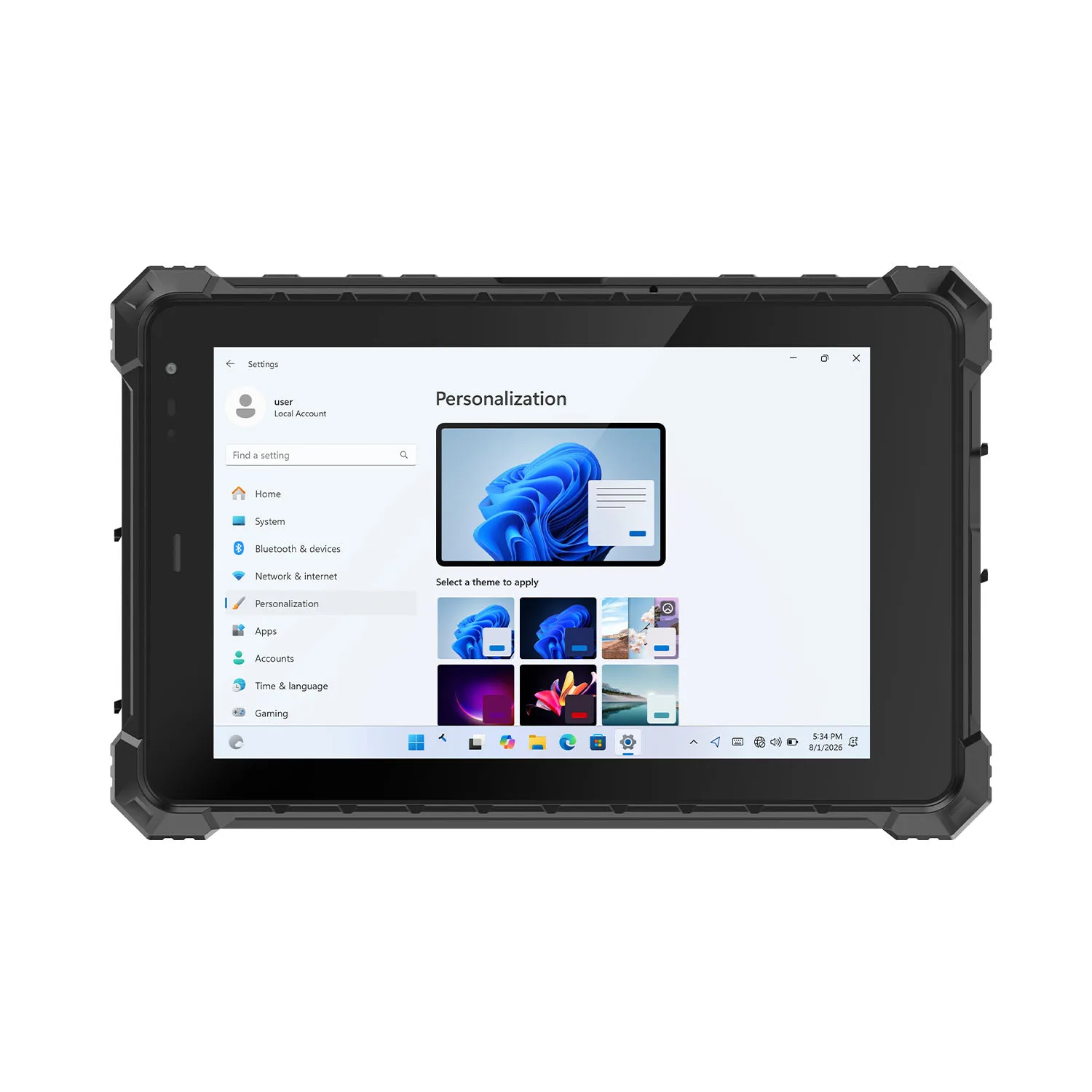
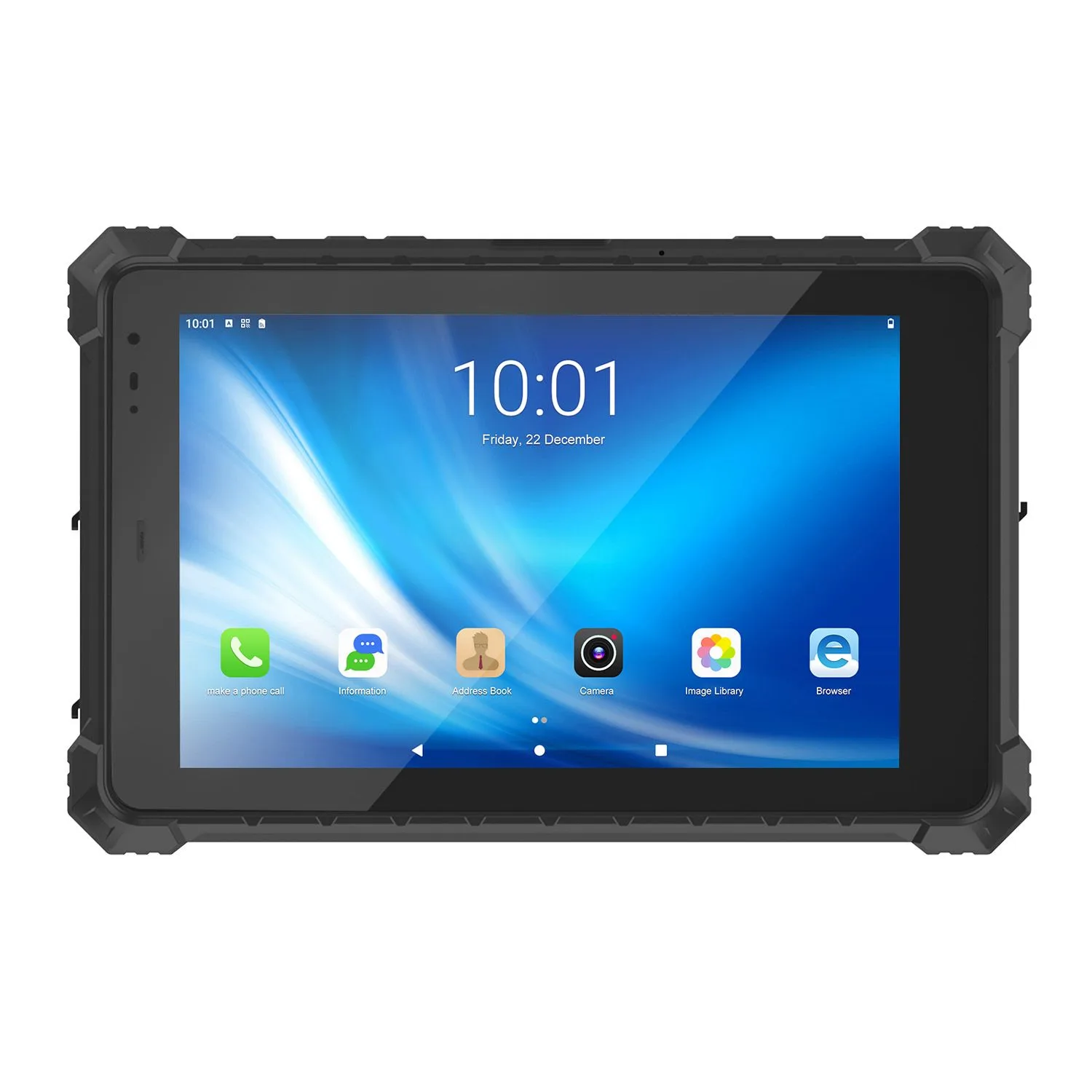
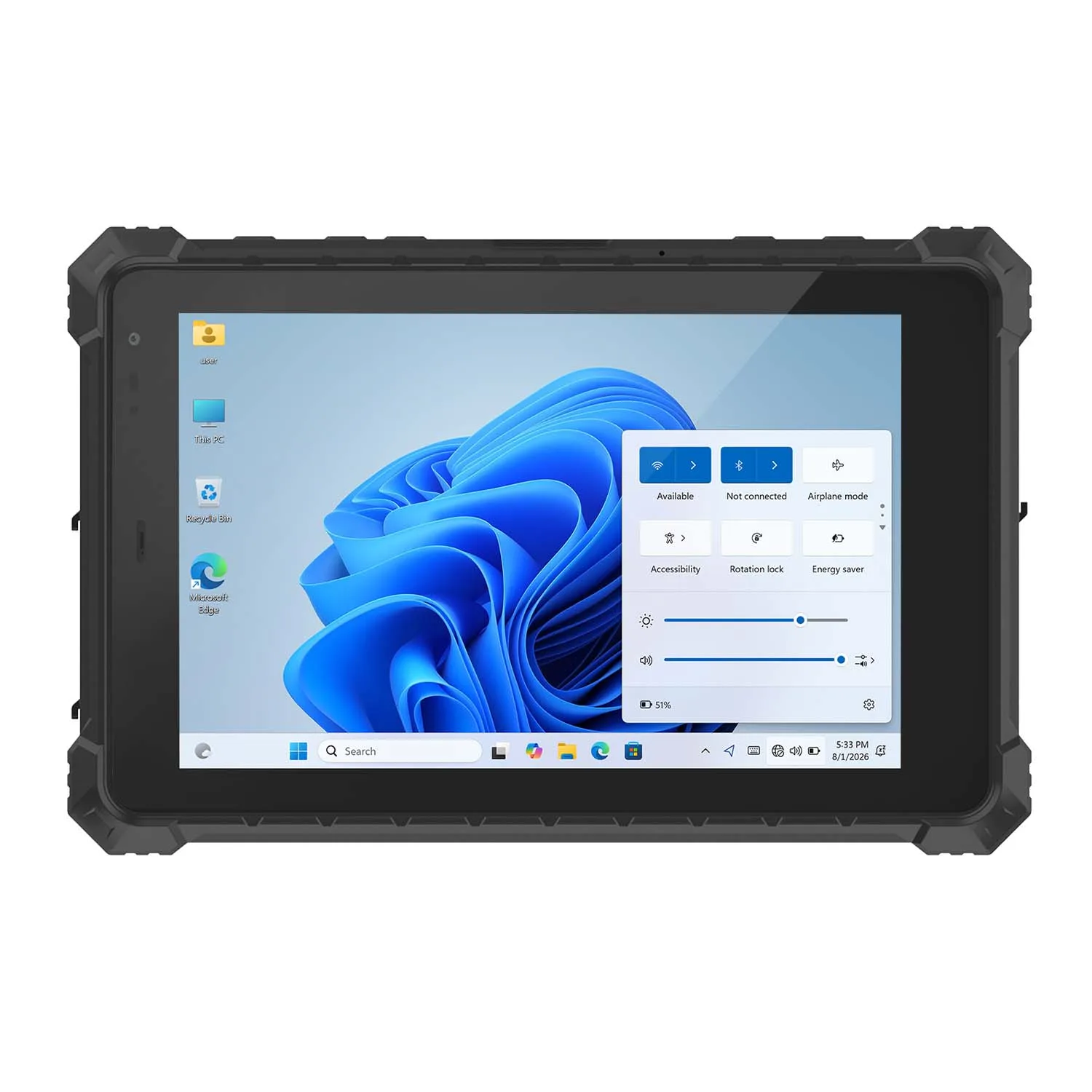
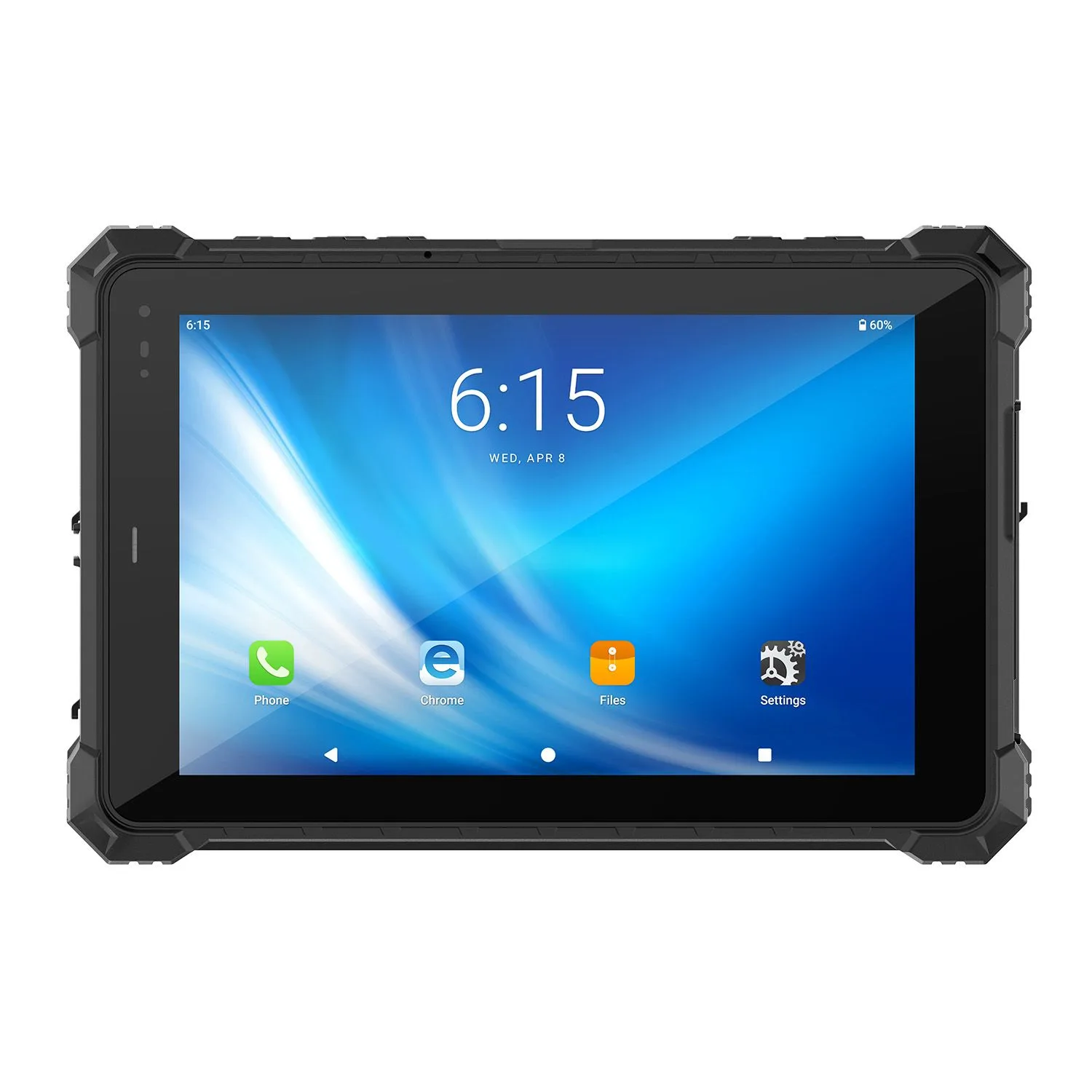
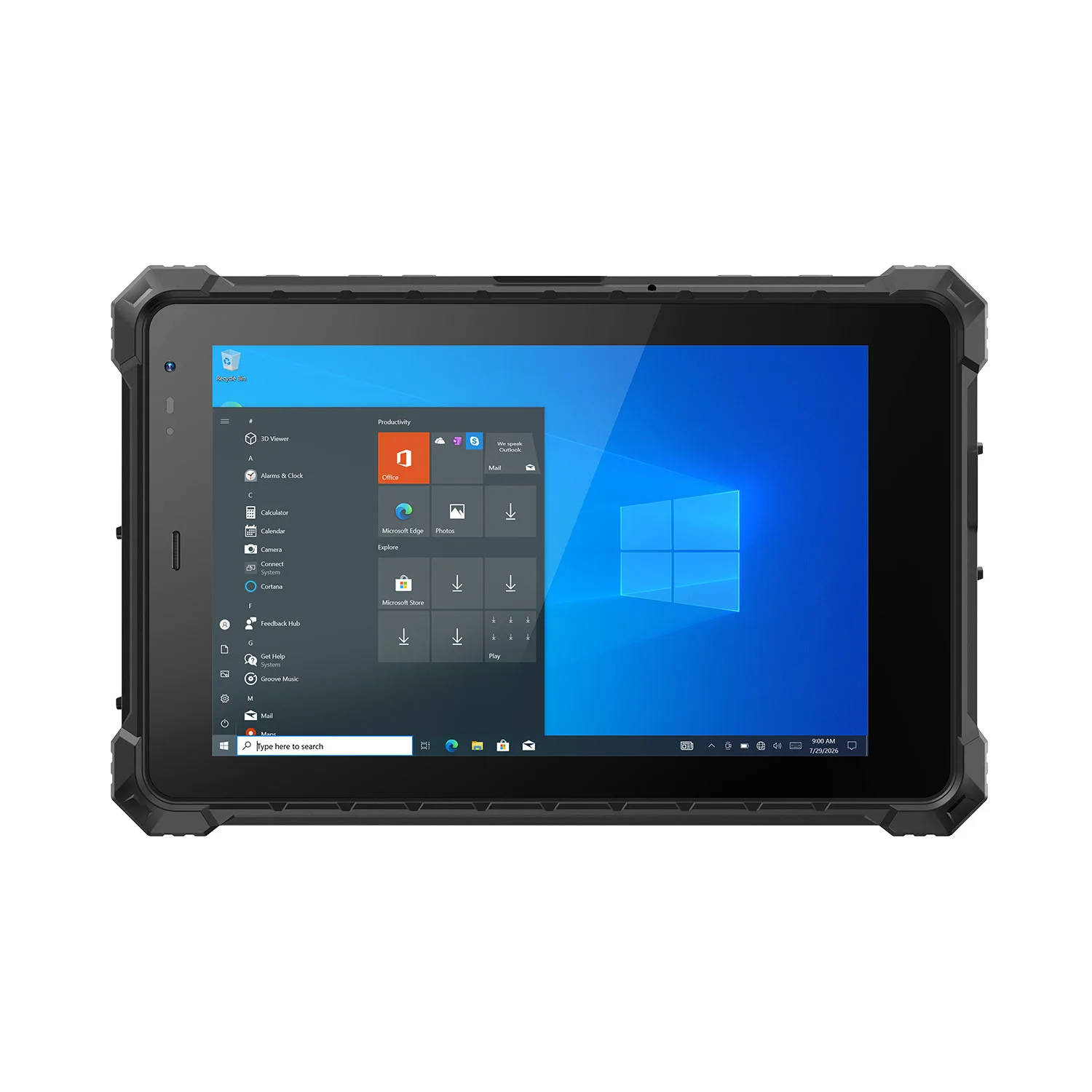
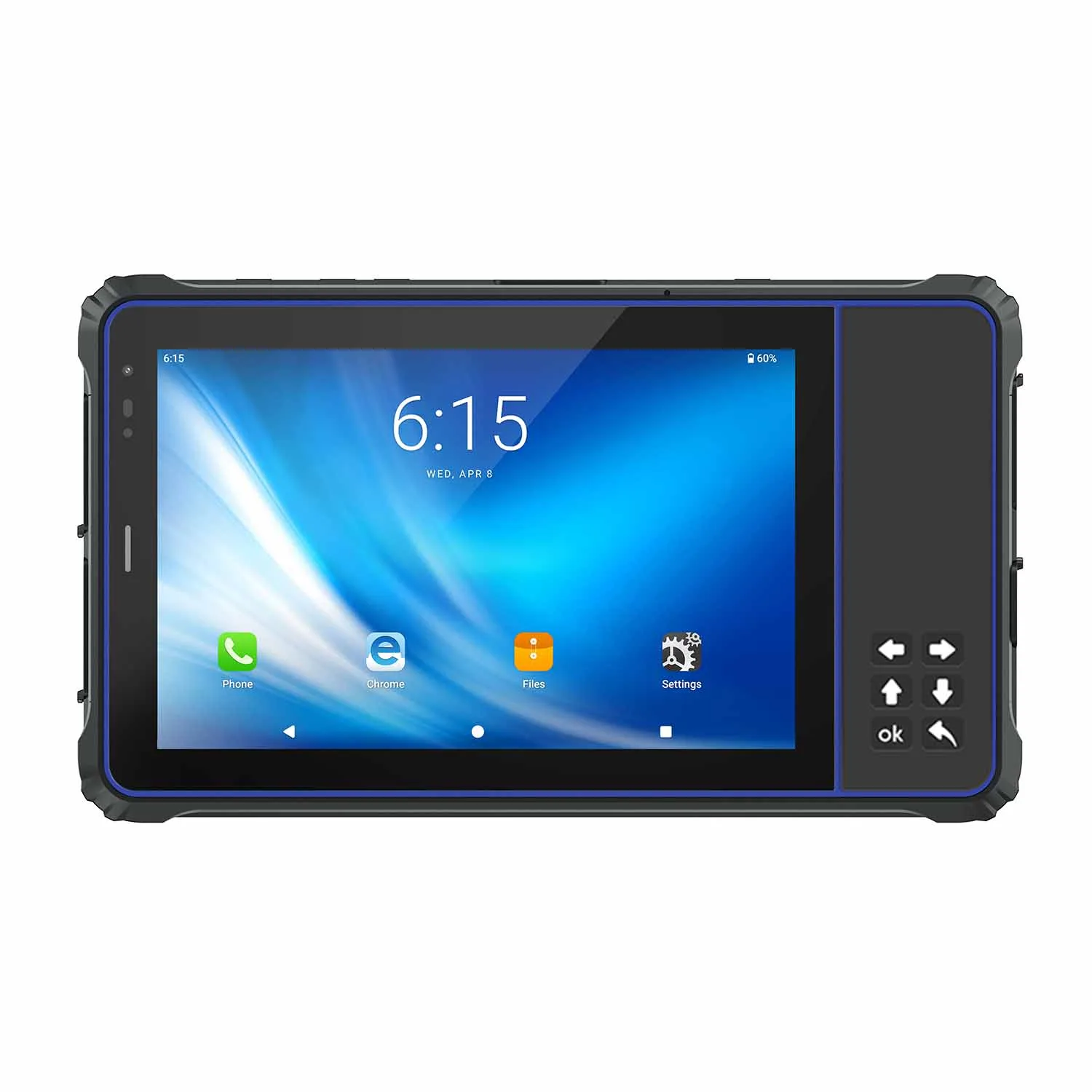
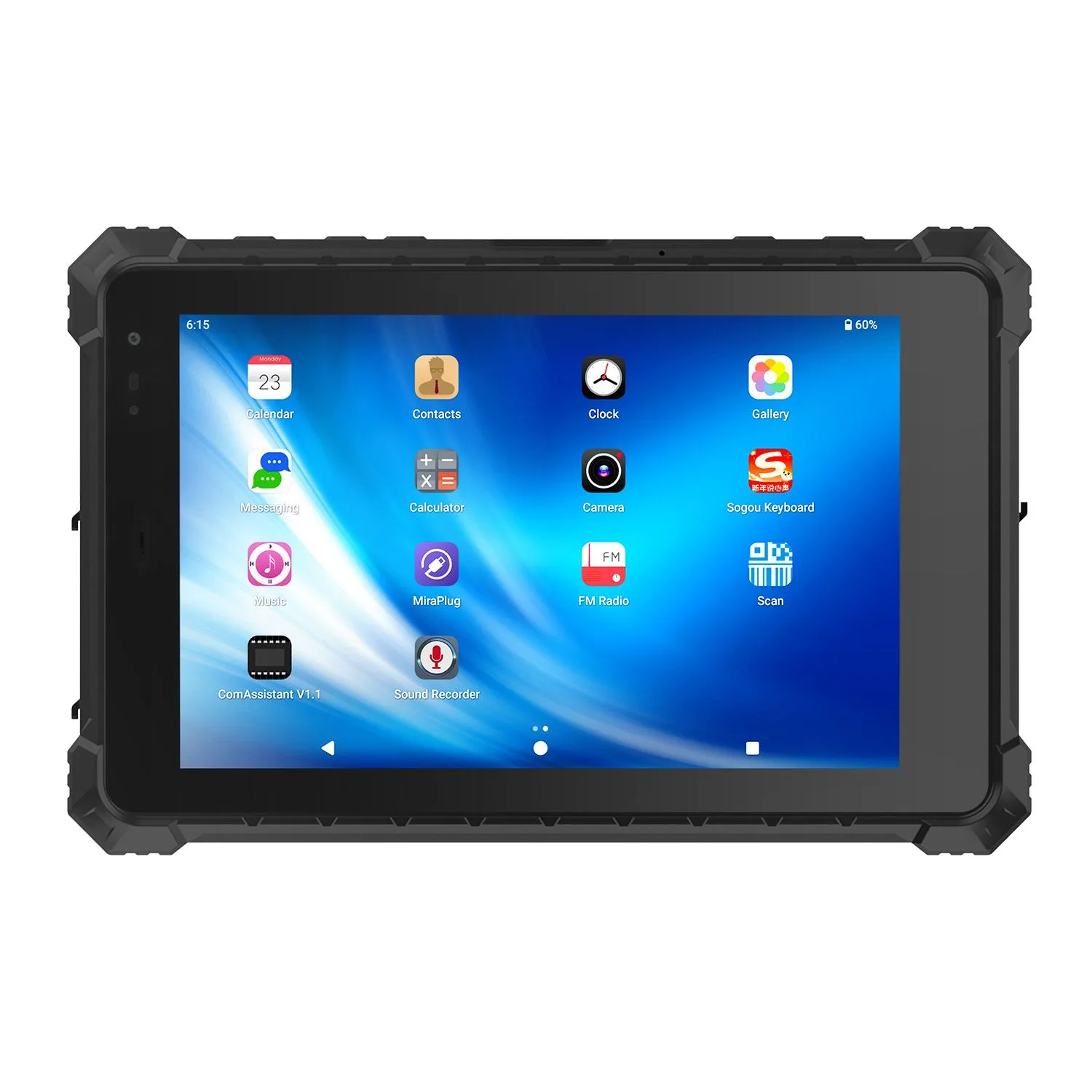
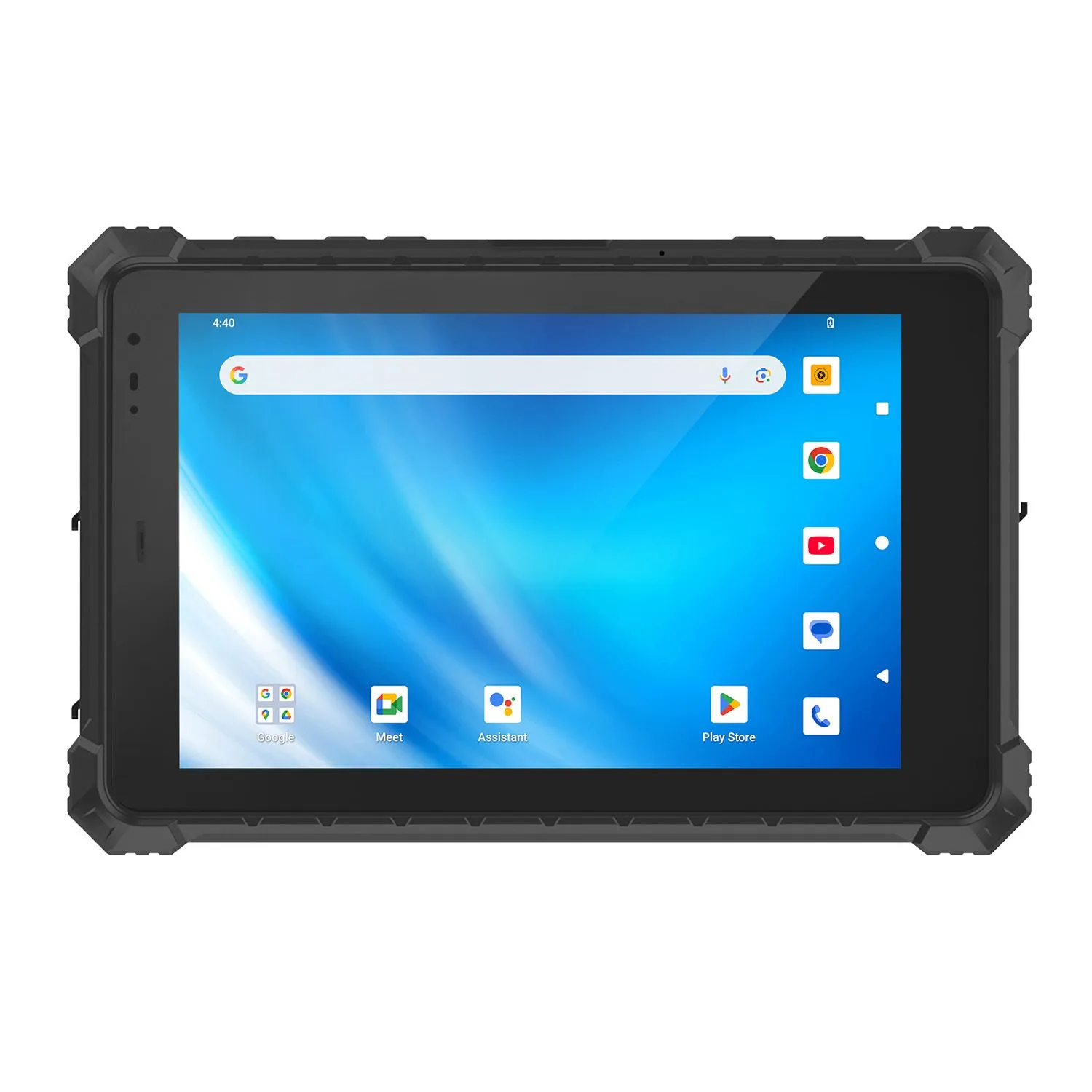
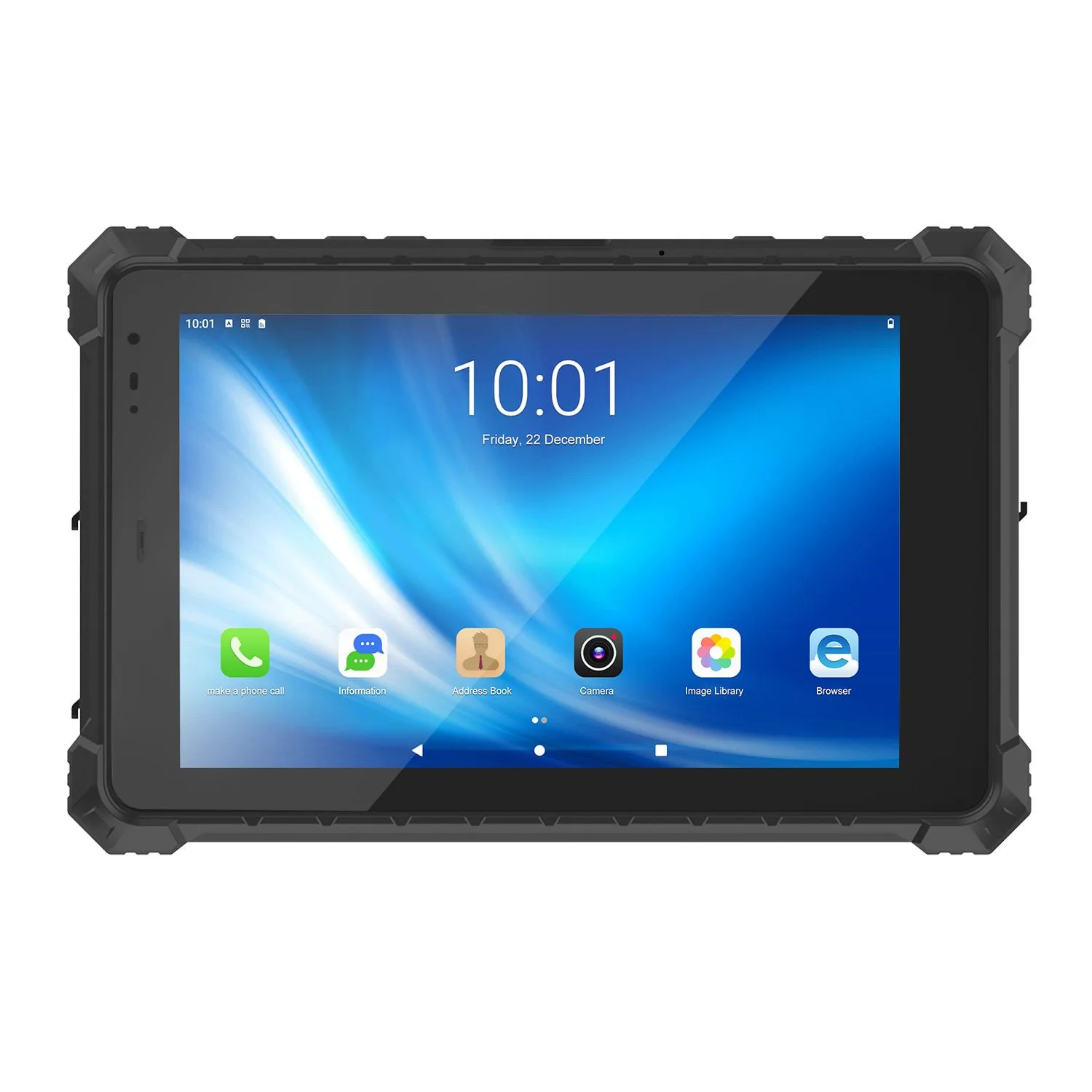
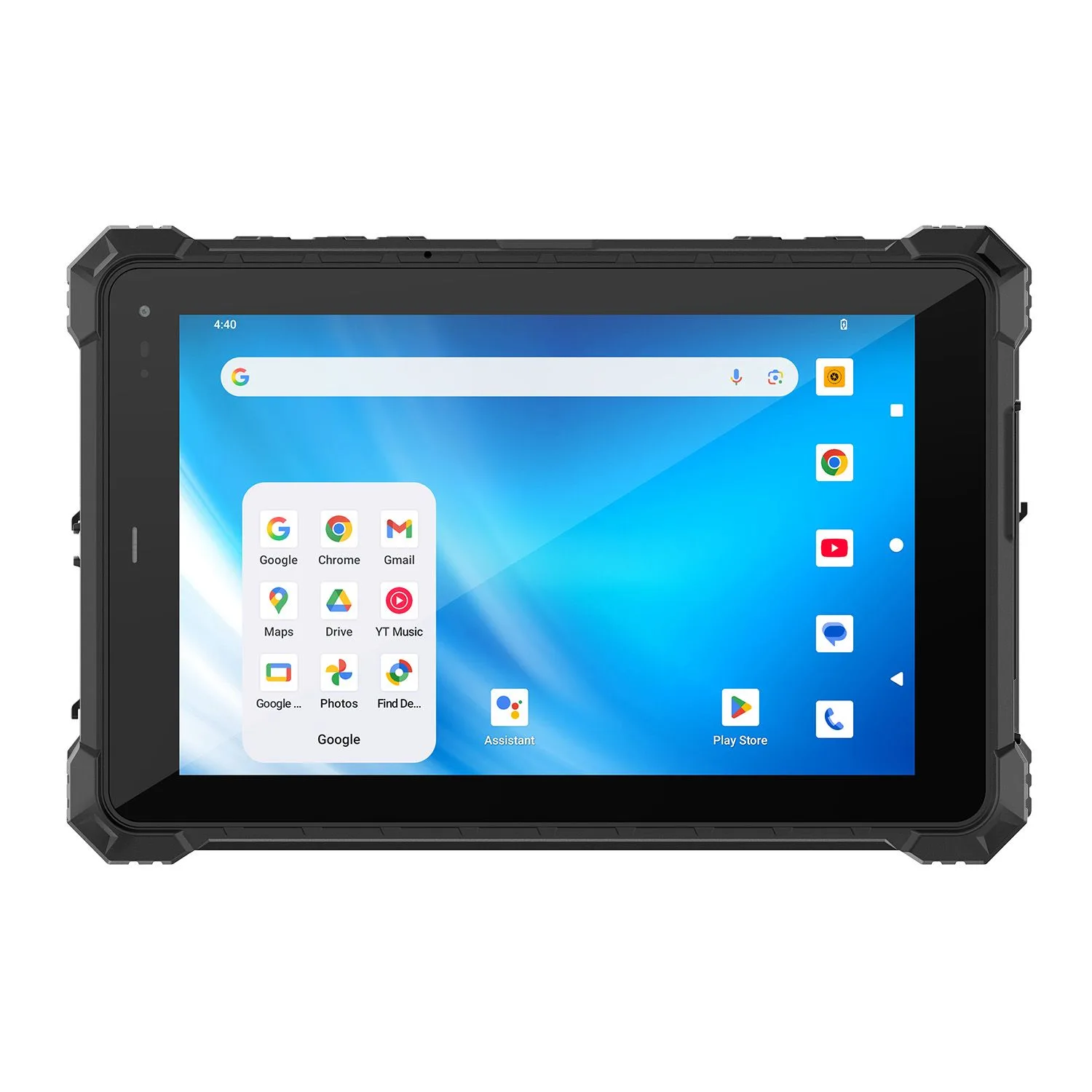
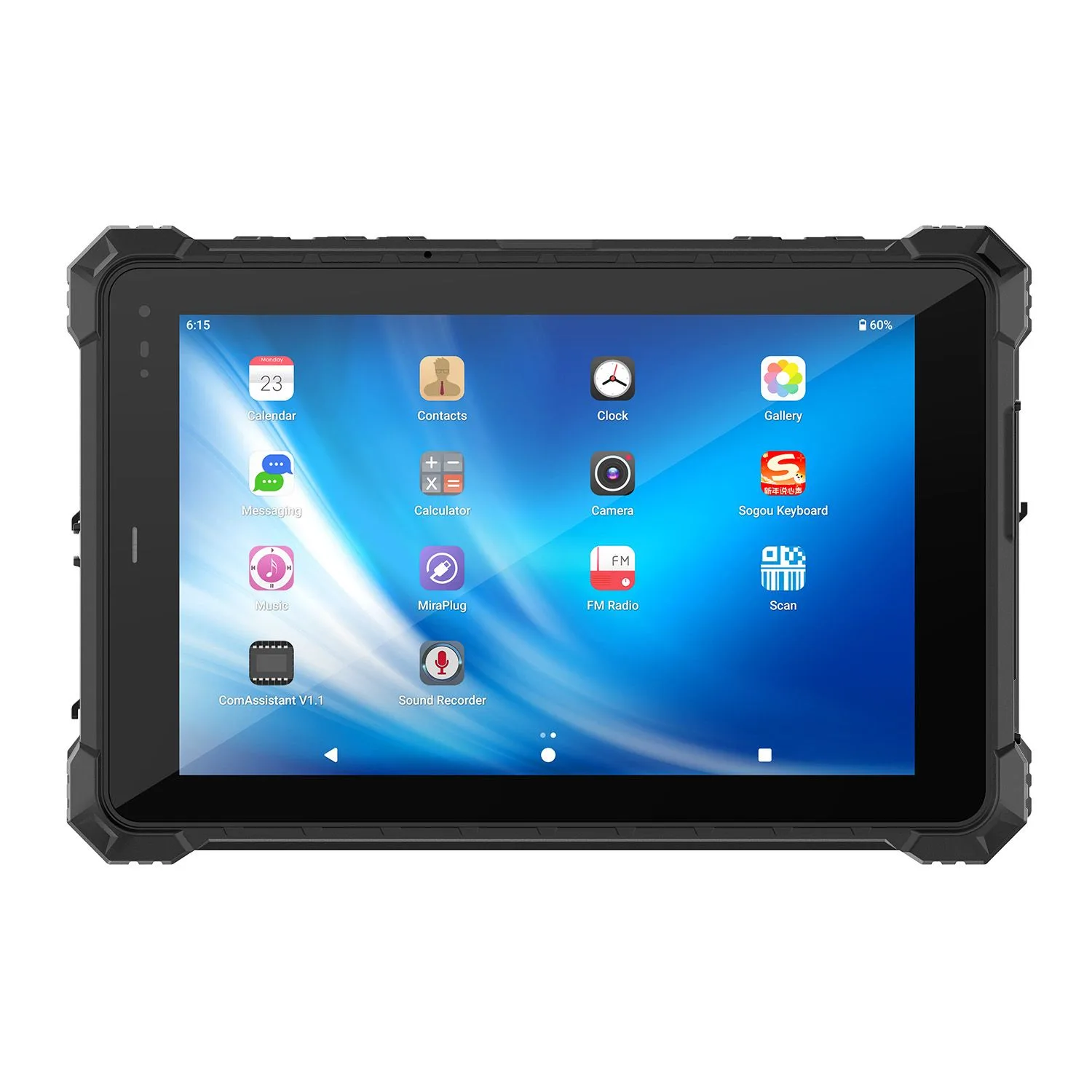
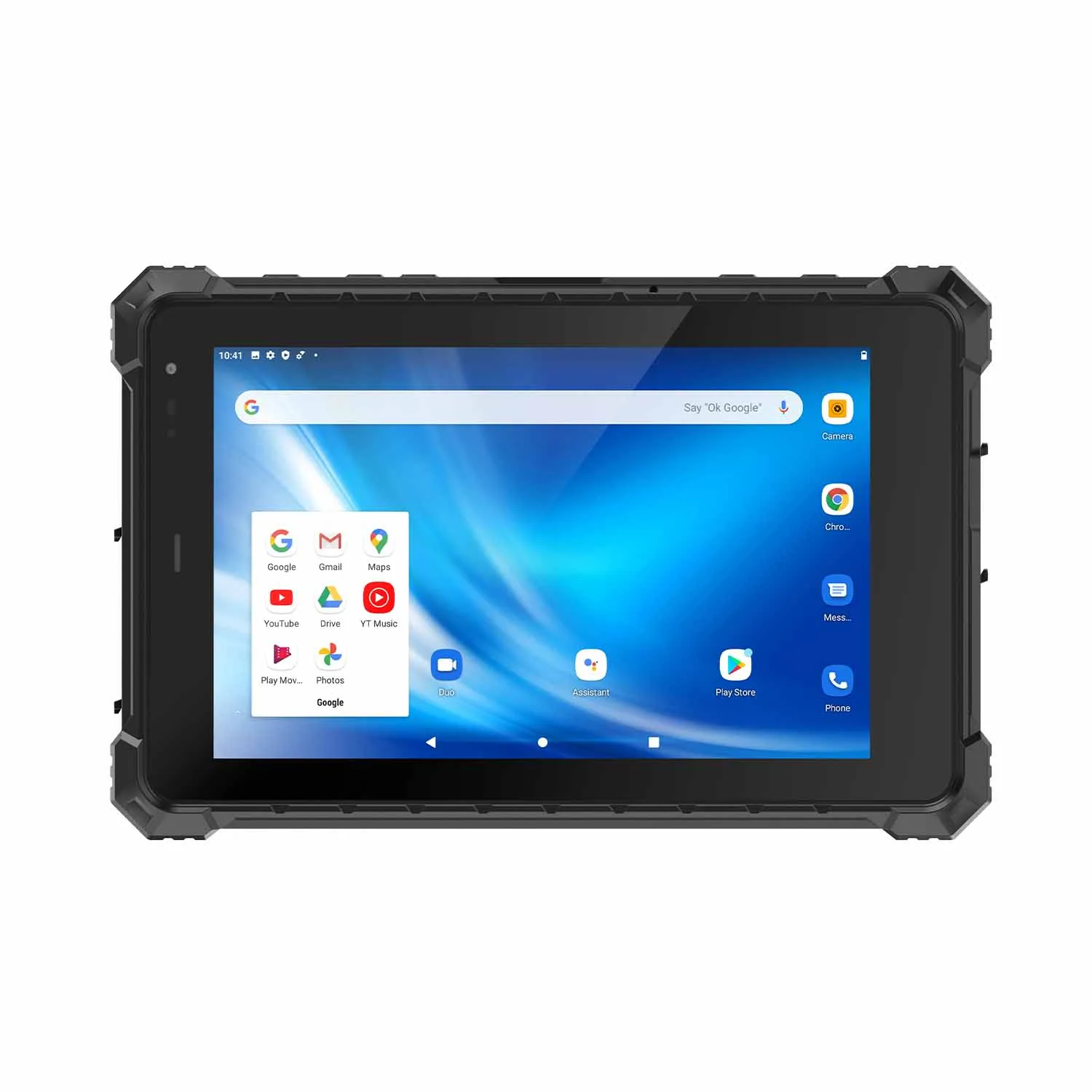
Key Products: The CENAVA A80ST-5G is an 8-inch Android tablet built around MediaTek’s MT6877 platform. Published features include IP68 protection, MIL-STD-810H 1.22 m drop testing, a 10,000 mAh battery, 5G, Wi-Fi 6 and multi-constellation positioning. The standard 700 cd/m² display has a 1,000 cd/m² project option, and the published low end of the operating range is −20°C.
Technical Advantage: At about 775 g, the compact format is easier to carry alongside a gas detector and hand tools than many 10- or 11-inch Windows tablets. Optional 2D scanning, UHF RFID and RTK positioning allow one enclosure family to address inspection, inventory or higher-accuracy asset mapping without forcing those modules into every unit.
Oilfield Application: A80ST-5G fits remote, non-classified inspection routes where mobility and local data capture matter. It can reach satellite backhaul through an external Wi-Fi terminal; the tablet itself should continue recording offline when that link is parked, powered down or obstructed. For project configuration, the useful inputs are deployment country, mobile operator, minimum temperature, NFC card type and whether any task crosses a classified boundary. An ordinary A80ST-5G configuration should not be treated as intrinsically safe.
7. Juniper Systems (United States)
Core Strength: Field Data Collection with Practical GNSS and Hot-Swap Options
Juniper Systems designs and assembles rugged field computers in Logan, Utah. The company has a strong presence in surveying, natural resources and mobile GIS, making its tablets especially relevant when a wellsite project is as much about location quality as it is about form entry.
Key Products: The Mesa 4 is a Windows 11 rugged tablet with IP68 protection and an operating range of −20°C to +50°C. Juniper describes repeated 1.2–1.5 m drops onto concrete and design to MIL-STD-810H methods. A removable 43.2 Wh battery is standard, while an optional internal 21.6 Wh battery enables hot swapping.
Technical Advantage: Physical navigation and programmable keys remain usable when a touch interface becomes awkward. The optional barcode or UHF-RFID modules address asset workflows, and integration with Juniper’s Geode receiver provides a path to sub-meter GIS work when ordinary tablet GNSS is insufficient.
Oilfield Application: Mesa 4 is well suited to pad mapping, environmental sampling and right-of-way documentation in non-classified areas. We separate “find the pad” from “survey the asset”: integrated GNSS may be adequate for navigation, while a buried-line or regulatory survey can demand an external higher-accuracy receiver and a documented coordinate workflow.
8. Trimble (United States)
Core Strength: Geospatial Workflows and High-Performance Field Data Processing
Trimble is a major geospatial technology company whose field controllers connect surveying instruments, GNSS receivers, scanners and office data systems. Its tablets are most compelling when the upstream workflow includes terrain models, point clouds or survey-grade equipment rather than simple ticket entry.
Key Products: The current Trimble T110 combines a 10.1-inch, 1,000-nit display with Windows 11 IoT Enterprise, 32 GB RAM and 1 TB storage. Trimble documents IP65 protection, MIL-STD-810H methods, hot-swappable batteries and an operating range of −10°C to +55°C.
Technical Advantage: The Trimble Empower interface links the tablet to purpose-built radio or field modules, while compatibility with Trimble Access and Perspective shortens the path between data capture and office processing. The high-performance configuration is useful for large imagery or scan files that would overwhelm a lighter form-entry tablet.
Oilfield Application: T110 fits construction verification, facility scans and well-pad survey work. It is not the default choice for a −25°C winter route because the published operating floor is higher than several rugged competitors. We would reserve its compute power for crews that actually process spatial data in the field rather than paying for unused capacity.
9. Winmate (Taiwan)
Core Strength: Industrial Windows Mobility with Broad Docking and I/O Choices
Winmate develops rugged tablets, vehicle computers and industrial displays for field and embedded applications. That adjacent vehicle-computing experience is useful at a wellsite, where power conditioning, antenna placement and dock behavior often cause more downtime than the tablet enclosure.
Key Products: The Winmate M101TG is a 10.1-inch Windows tablet with an 800-nit optically bonded display, IP65 protection and MIL-STD-810H shock, vibration and drop testing. Winmate publishes a −20°C to +60°C operating range, optional 4G/5G, GPS/GLONASS and a hot-swappable battery design. The newer S101MT adds an Intel Core Ultra platform for projects needing more recent compute hardware.
Technical Advantage: Optional vehicle docks, antenna pass-throughs and data-capture modules allow the same product family to move between cab and walk-around work. Optical bonding and selectable touch modes improve field usability, though glove performance still varies with material, thickness and moisture.
Oilfield Application: M101TG is a practical Windows wellsite rugged tablet for inspection forms, photos and local document access outside classified zones. During a road trial, we route the dock cable away from seat rails, measure voltage at crank and inspect GNSS performance with the tablet mounted—not held beside an open window.
10. i.safe MOBILE (Germany)
Core Strength: Zone 1/21 and Division 1 Mobility for Process-Industry Tasks
i.safe MOBILE specializes in explosion-protected mobile devices and accessories. Unlike a general rugged vendor, it builds the approval boundary into the product family, which makes the company relevant where an upstream crew must carry one managed device closer to production equipment.
Key Products: The i.safe MOBILE IS940.1 is a 10.1-inch Android 14 tablet for Zone 1/21 environments. i.safe publishes ATEX and IECEx Ex ib markings, North American Division 1 approvals, IP68 protection, MIL-STD-810H testing and a −20°C to +55°C operating range. The platform includes 5G, Wi-Fi 6 and a replaceable 8,160 mAh battery.
Technical Advantage: Programmable keys, an amplified speaker and dedicated docking interfaces address noisy process work more directly than consumer-derived designs. The QCM6490 platform and Android enterprise features also make the tablet easier to manage as part of a wider digital-operations program.
Oilfield Application: IS940.1 is relevant for inspections inside a matching classified boundary, including selected production, separation or tank tasks. It does not remove the need to review accessory and charging rules. We test the actual winter glove on the production application because “glove usable” does not define material thickness, touch-target size or wet-screen behavior.
How to Choose the Right Manufacturer for Your Application
The best supplier is the one whose documented configuration fits the complete route. A short list narrows procurement work; it does not replace the site hazard assessment or the field acceptance test.
 Define Your Operating Environment
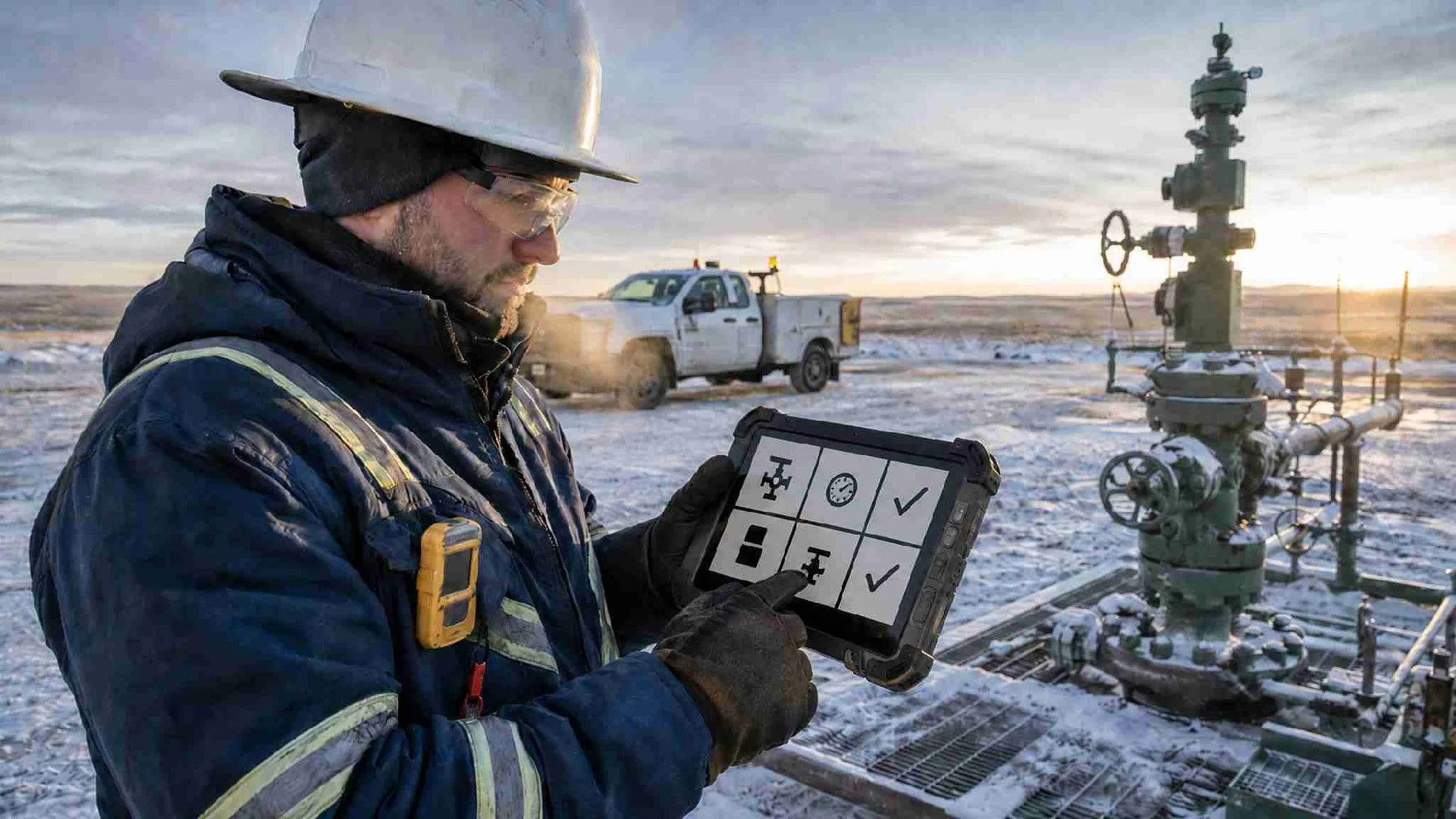
Draw the route first. Mark the heated cab, outdoor pad, workshop and any classified boundary as separate environments. Record the minimum cold-soak temperature and the temperature available for charging. A tablet that operates at −20°C but refuses to charge below 0°C needs a battery rotation or conditioned charging location.
The route also exposes false economy. Consider an eight-pad day covering 180 km. If the device spends 5 hours in a vibrating cradle and only 90 minutes in the technician’s hand, dock retention and vehicle power deserve more test time than a static drop demonstration.
Hazardous locations require their own gate. The approval on the exact device and accessory set must match the applicable zone or division, gas group and temperature class. A private cellular network or satellite link does not change that electrical-safety requirement.
Clarify Performance Requirements
Start with the production application. Android often fits guided inspection, scanning and managed single-purpose workflows. Windows remains valuable for legacy diagnostics, engineering drawings or desktop clients. Processor selection follows the workload; it should not lead it.
Screen evaluation belongs outdoors. We load one dense form, a dark photograph and a map, then use the assigned winter glove for 20 repeated actions. Missed taps, glare and accidental palm input tell us more than a brightness headline. No supplier should imply one touch setting performs identically with every glove.
Battery sizing should reproduce the route with cellular scanning, GNSS and the chosen display level active. A five-unit pilot over 10 working days is usually enough to reveal cold-start delays, loose docks and synchronization problems. Our log records remaining charge, application restarts and every temporary return to paper.
Consider Software and Integration
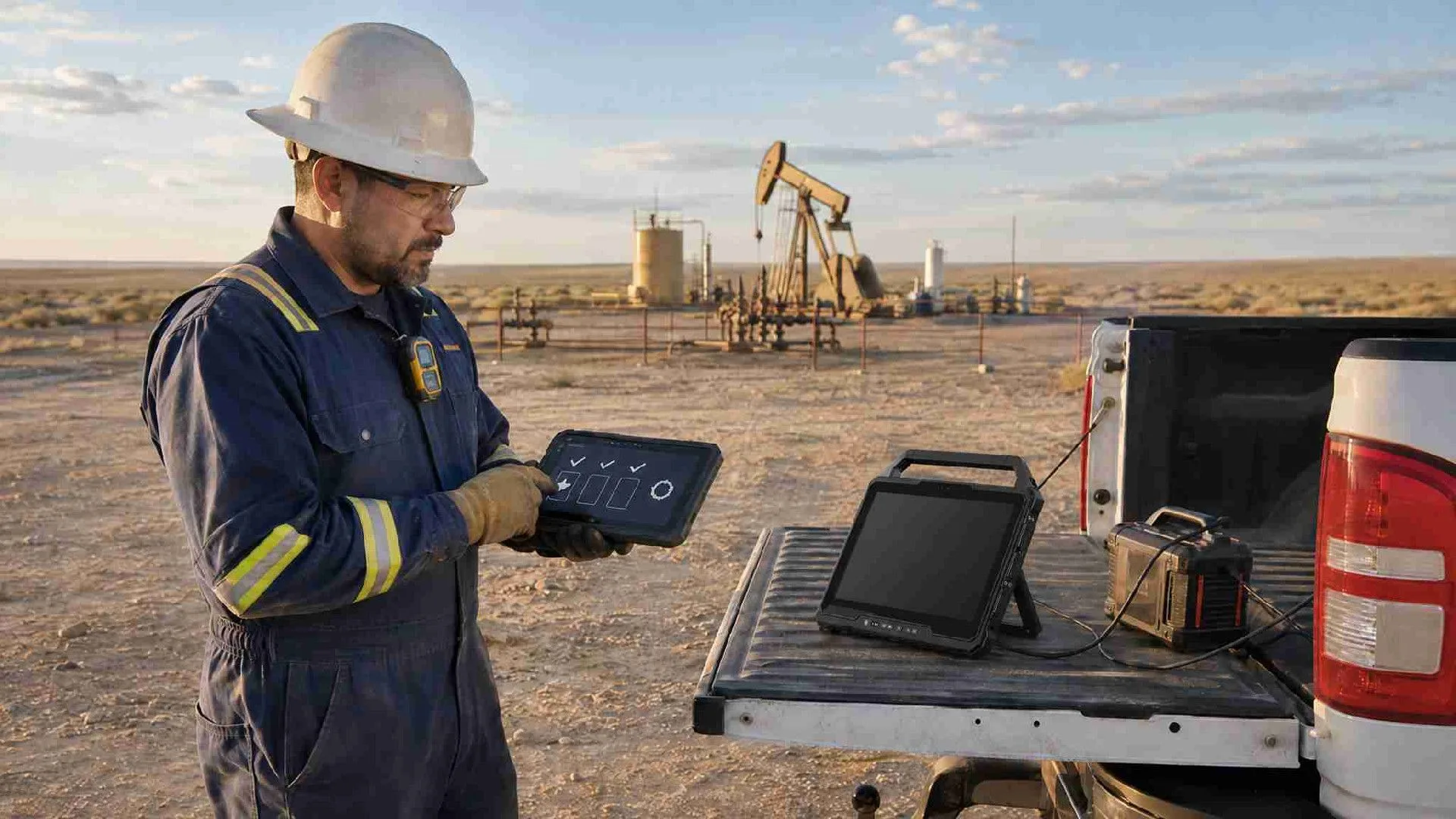 Offline operation comes first. The best rugged tablet for remote oilfield work should open assigned jobs, timestamp evidence and retain a clear queue without cellular service. When coverage returns, the application must resolve duplicates and show the user which records have synchronized.
Satellite is normally a backhaul layer rather than a tablet feature. An Iridium GO! exec creates a Wi-Fi access point for smart devices, while a Starlink Mini combines its terminal with Wi-Fi and typically draws 25–40 W. Those products serve different bandwidth, coverage and power profiles. Any terminal placed near a classified area needs its own location review; the rating of the tablet does not extend to the satellite equipment.
A satellite connected rugged tablet for oilfield work should therefore use queued, compressed transactions. Sending a 20 MB original photograph over a constrained link wastes time and airtime when a 500 KB review image could trigger a later full-resolution upload.
Regional integration is one of the few areas that genuinely needs project confirmation. Give the supplier the deployment country, intended mobile operator, SIM or eSIM policy and required frequency bands. If NFC is part of the workflow, add the card technology and frequency. For harsh-environment projects, include the minimum temperature and the classified-area designation rather than asking whether the tablet is “oilfield ready.”
Analyze Total Cost of Ownership (TCO) vs. Initial Cost
Model the deployment over 3 to 5 years. Add vehicle docks, battery pools, chargers, mobile-device management and field spares. Remote freight changes repair economics: a nominal 5-day service can remove a unit from a camp for 3 weeks after transport and customs.
Downtime has a direct labor cost. If 60 operators each lose 7 minutes per shift to repeated login, failed scans or manual re-entry, the annual loss can exceed the purchase-price difference between two tablets. We also price one complete spare kit for every remote base rather than keeping every replacement at head office.
Lifecycle control closes the calculation. Ask how the supplier handles radio, battery and display substitutions. A replacement that changes a cellular band or hazardous-location configuration may require a new acceptance review even when the marketing name stays the same.
The Future of Oilfield Rugged Tablets: Trends to Watch
Looking beyond 2026, four developments will shape the upstream oil and gas tablet market:
Offline-First Applications with Smarter Synchronization: Field software will prioritize small work-order updates, compressed evidence and visible sync states. The objective is not permanent connectivity; it is predictable work when the link disappears.
Hybrid Terrestrial and Satellite Backhaul: 5G, private LTE and portable satellite terminals will coexist. Policy engines will route urgent text or alarms first, then defer large imagery until a higher-bandwidth path is available.
On-Device Evidence Quality Checks: Local processing will flag a blurred gauge photo, missing asset identifier or incomplete form while the technician is still at the pad. This narrow use of AI reduces return trips without pretending to replace engineering judgment.
Temperature-Aware Power Management: Fleets will pay closer attention to charging windows, battery preconditioning and heat generated by bright displays or radios. Stable performance over a 45-minute winter or summer session will matter more than a short peak benchmark.
One trend will not disappear: external accessories determine system reliability. The tablet, dock, antenna and satellite terminal form one field chain. Procurement teams that test them separately will continue to find failures only after deployment.
FAQ
1. What is the best rugged tablet for oilfield work?
There isn't one — and any list that says otherwise is selling something. The right tablet is the one whose documented configuration survives *your* route: the cold-soak temperature at your worst pad, the charging window on your night shift, the coverage gap between leases, and the exact classification of every area your crews enter. That's why the comparison above leads with use boundaries rather than benchmarks. Map the route first; the shortlist follows from it.
2. Do I need an intrinsically safe or explosion-proof tablet for wellsite work?
Only where the site classification demands it — but that's the wrong order to think about it. OSHA lists non-intrinsically safe tablets among potential wellsite ignition sources, so the classification question comes before brand, before budget, before everything. If any task crosses a classified boundary, the tablet's exact model and accessory set needs a matching approval: Zone 1/21, Division 1, or Zone 2/Division 2 depending on the area. Ordinary ruggedness never substitutes. If you're unsure where your boundaries sit, send us your site classification and we'll tell you which tier you actually need — explosion-proof options are here
3. Can a rugged tablet connect to satellite internet at a remote wellsite?
Not directly, in most cases — and that's fine. Satellite usually reaches the tablet through a separate terminal that creates a local Wi-Fi link: an Iridium GO! exec for narrowband messaging and compressed records, or a Starlink Mini (typically 25–40 W, so plan vehicle power) for real bandwidth. This architecture is more maintainable than hunting for a tablet with an embedded satellite modem — but it means your tablet software must queue work offline and sync cleanly when the link returns. One caution: the tablet's hazardous-area rating doesn't extend to the satellite terminal; the terminal needs its own location review.
4. Is Android or Windows better for oilfield field work?
Match the platform to the production application, not the other way around. Android wins for guided inspection, barcode scanning and managed single-purpose fleets — less training, longer battery, easier MDM. Windows still earns its place for legacy diagnostics, engineering drawings and desktop clients that won't run on anything else. If you're torn, list the three applications your crews open most often on a shift — that list picks the platform for you.
5. How much does the temperature rating actually matter?
More than the brochure suggests — and the number that matters might not be the one on the headline. A tablet rated to operate at −29 °C may only *charge* between 0 and 50 °C (Dell publishes exactly this split for the Pro Rugged 10, and deserves credit for stating it plainly). On a winter route that means battery rotation or a conditioned charging spot, not a dead fleet by February. Ask every supplier for both numbers: operating floor and charging window. The ones who answer without checking are the ones who've tested it.
6. How should we field-test tablets before a fleet rollout?
Five units, ten working days, on your actual route — not in a lab. The acceptance tests that catch real failures: a 12-hour cold soak followed by login, camera launch and offline form retrieval; 50 weathered barcode labels instead of clean office prints (clean labels hide focus and glare problems); rough-road hours with the tablet *docked*, watching for momentary power drops; and a sync test after an hour without coverage, checking for duplicates. Log every temporary return to paper — each one is a defect the vendor demo didn't show you.
7. What information should we give a supplier for an accurate oilfield tablet quote?
Six inputs, and "is it oilfield ready?" is not one of them: deployment country, intended mobile operator with SIM/eSIM policy, minimum cold-soak temperature, whether any task crosses a classified boundary (with the Zone or Division), the NFC card technology if you use badges or tags, and your dock/vehicle requirements. With those, a serious supplier replies with a configuration that survives your route in one round. Without them, you're comparing brochures.
Conclusion
The 2026 market offers several credible paths. Panasonic, Getac and Dell bring mature Windows field computing; Zebra emphasizes Android data capture and fleet management. DURABOOK and i.safe MOBILE address specific hazardous-location requirements, while Juniper Systems and Trimble are strongest where spatial data drives the workflow. Winmate combines industrial mobility with vehicle integration.
CENAVA occupies a flexible project position in this oilfield rugged tablet buying guide. The compact A80ST-5G is relevant to remote, non-classified routes that need local data capture and external satellite backhaul, while CENAVA’s broader portfolio allows a project to separate ordinary rugged, Zone 2 and higher-protection requirements instead of forcing one device into every task.
Choosing an oilfield wellsite tablet is ultimately a system decision. Map the route, define the cold-start and charging conditions, preserve an offline workflow and test the installed vehicle kit. Once the use boundary, data path and service plan agree, the tablet becomes dependable field infrastructure rather than another screen carried between wells.
Need a Rugged Device for Your Project?
Tell us your operating environment and requirements — our engineers will recommend a configuration and quote within 24 hours.
Get a Free Quote Back to Blog