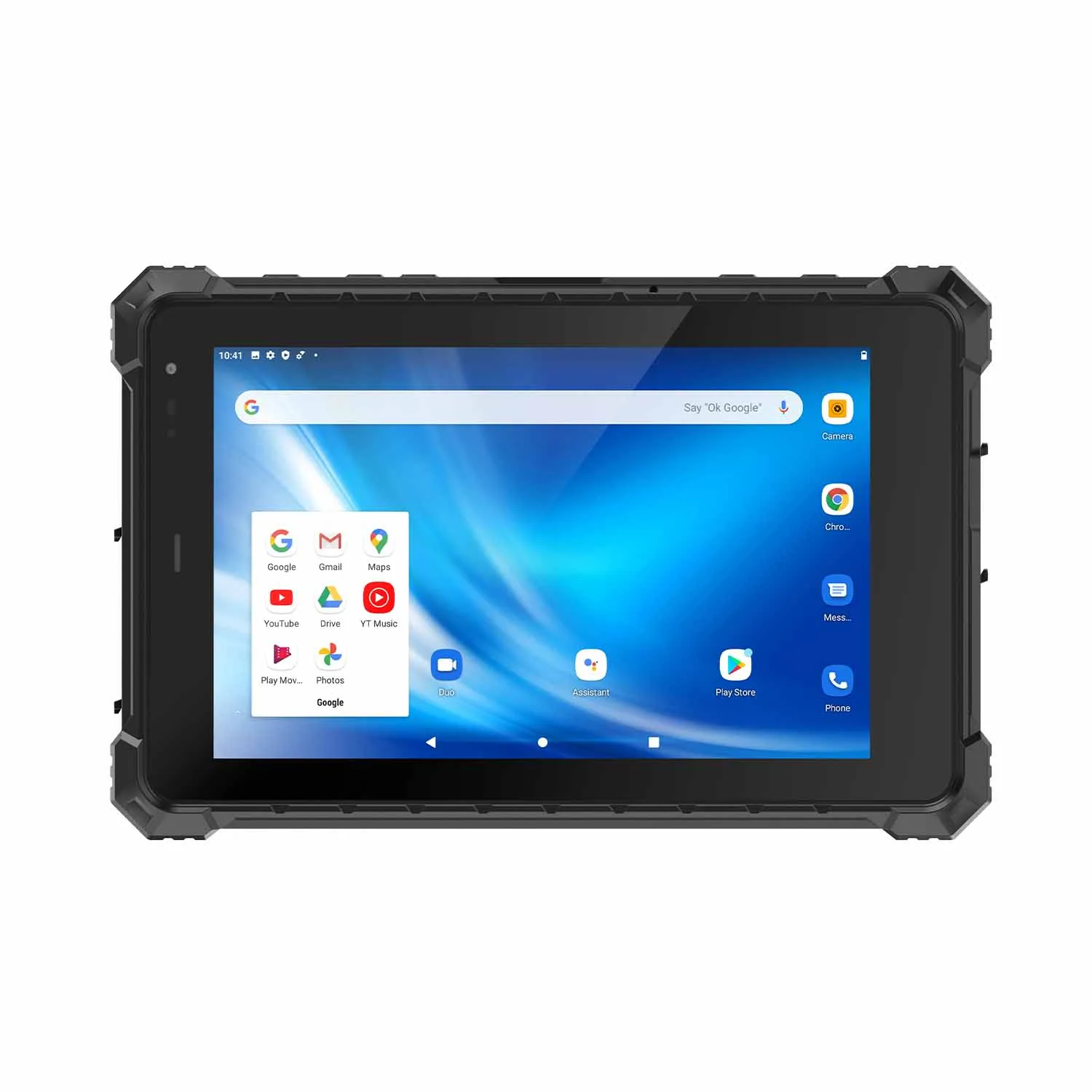
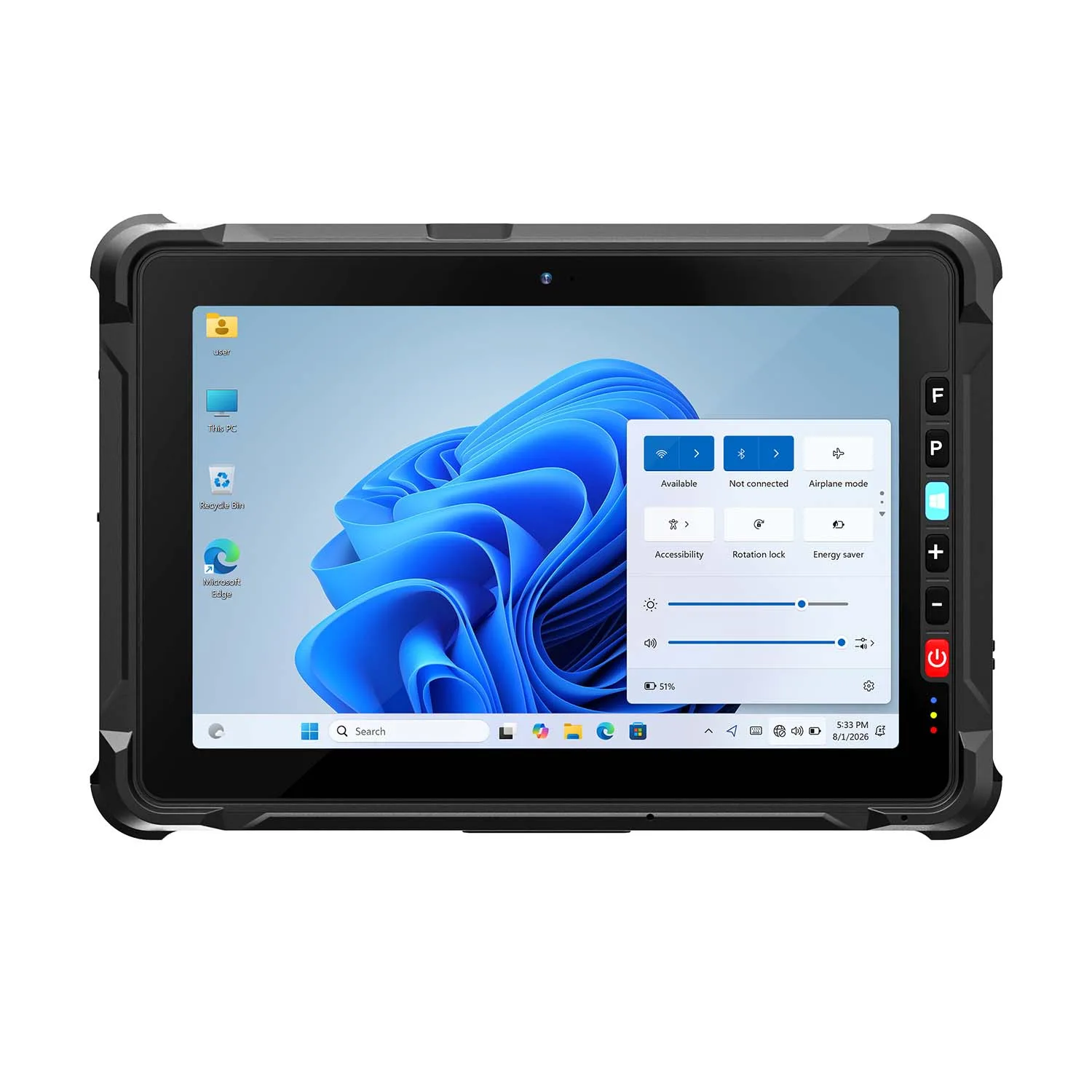
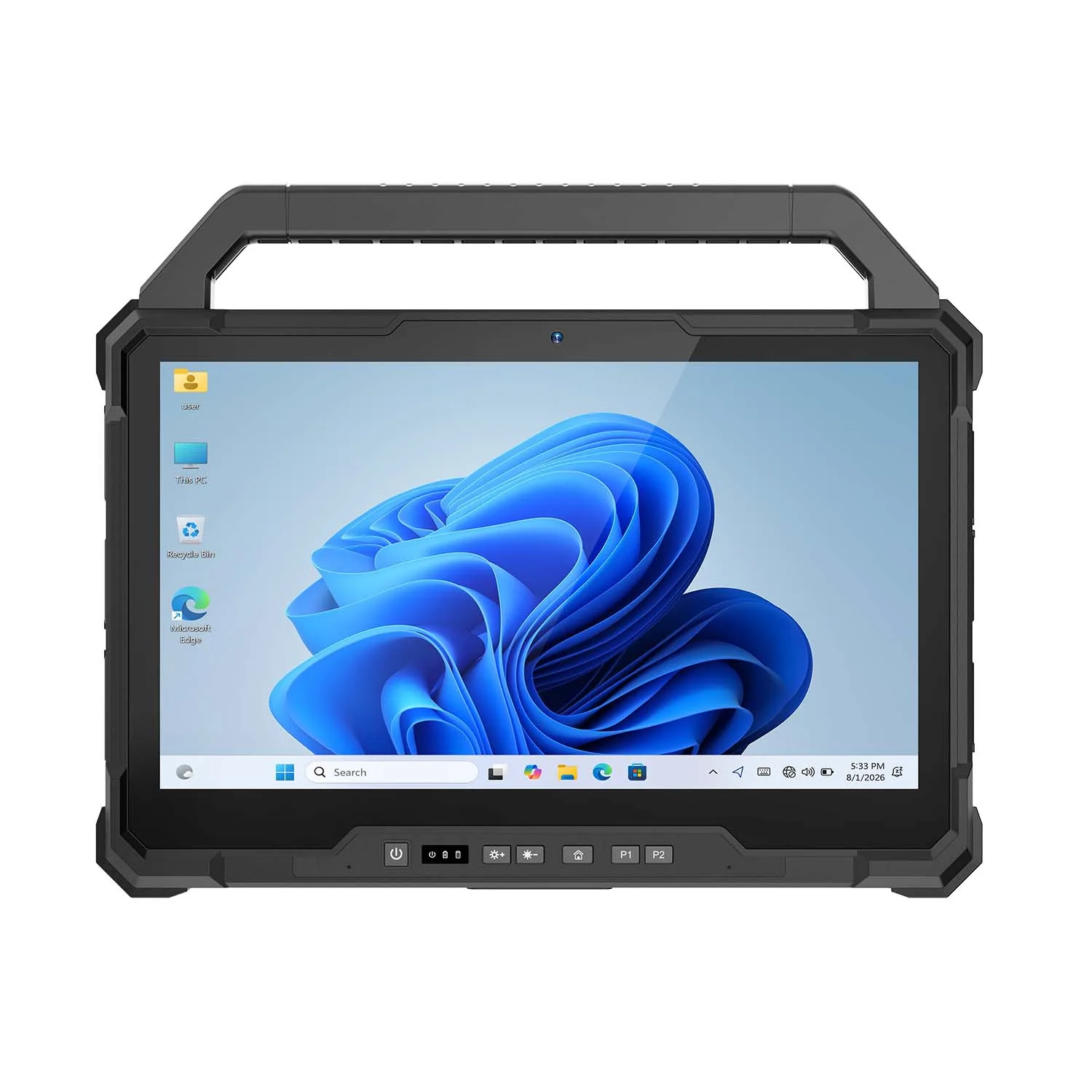
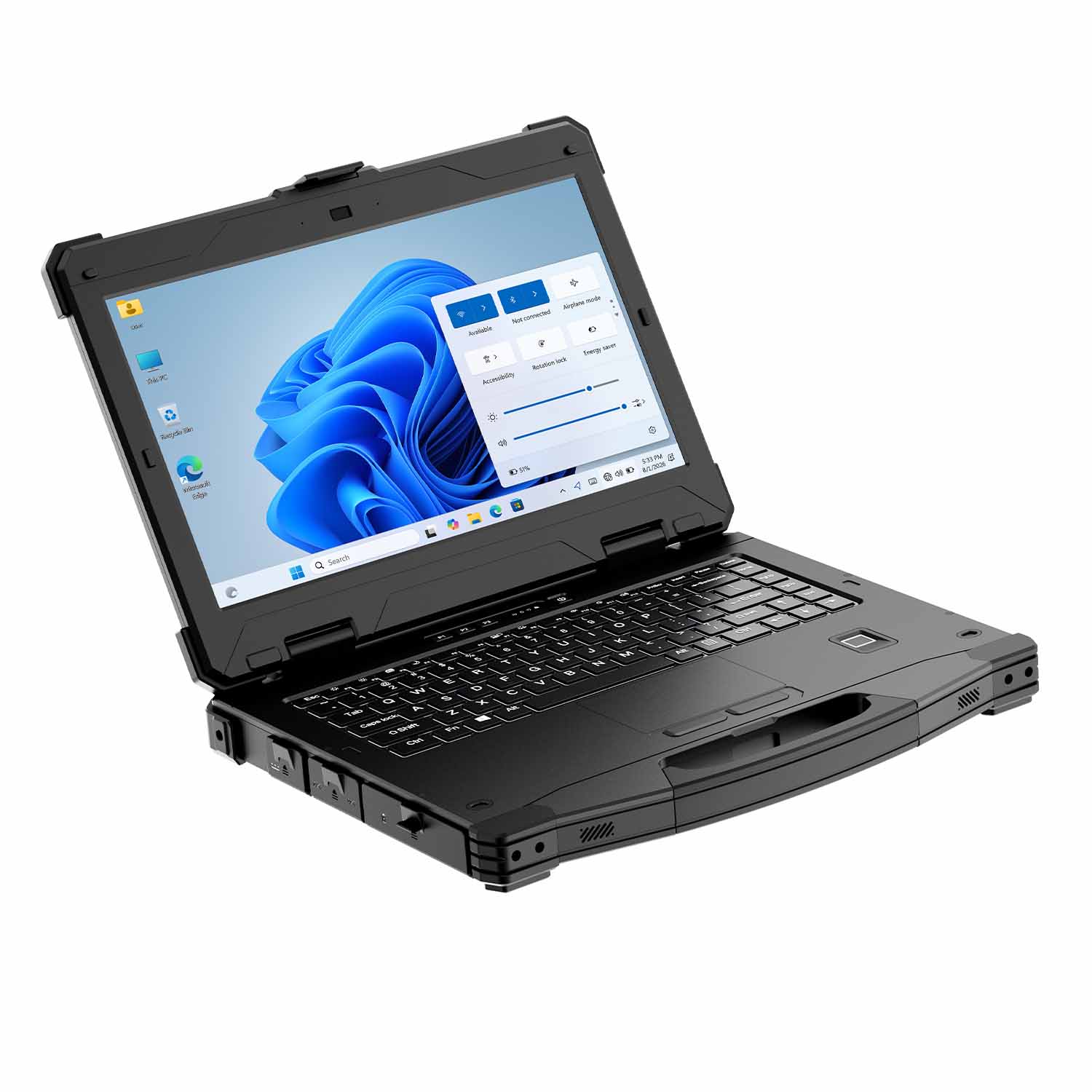
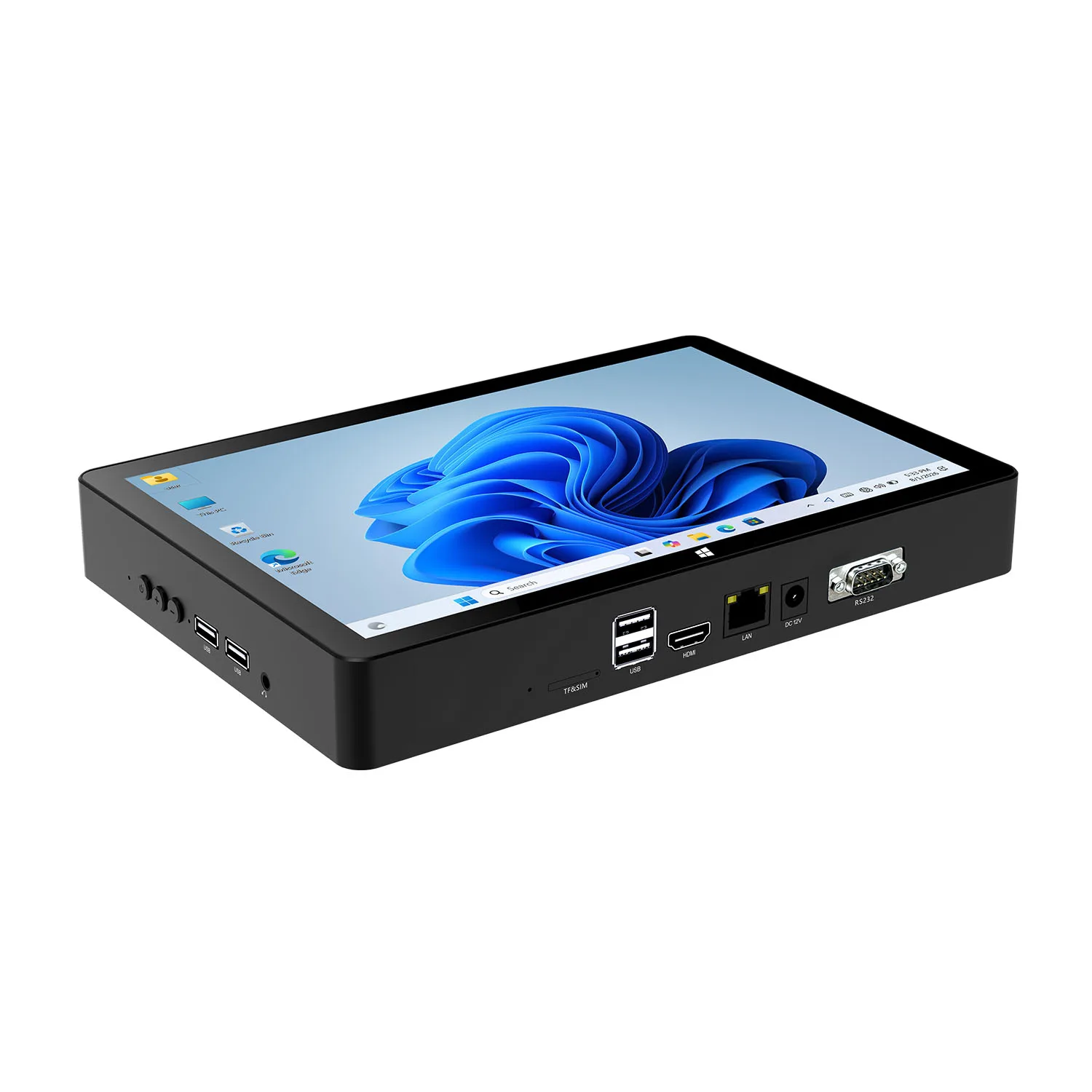
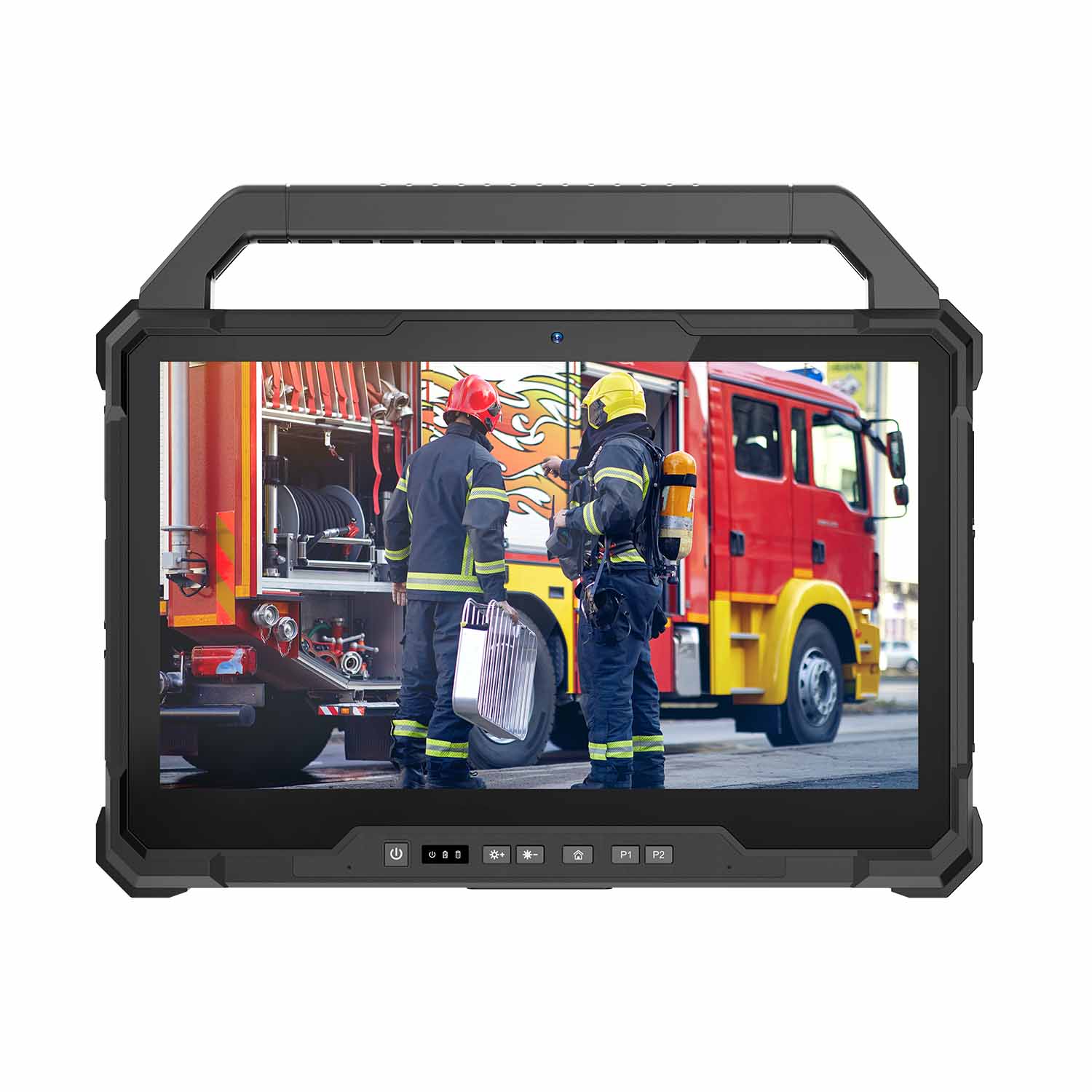
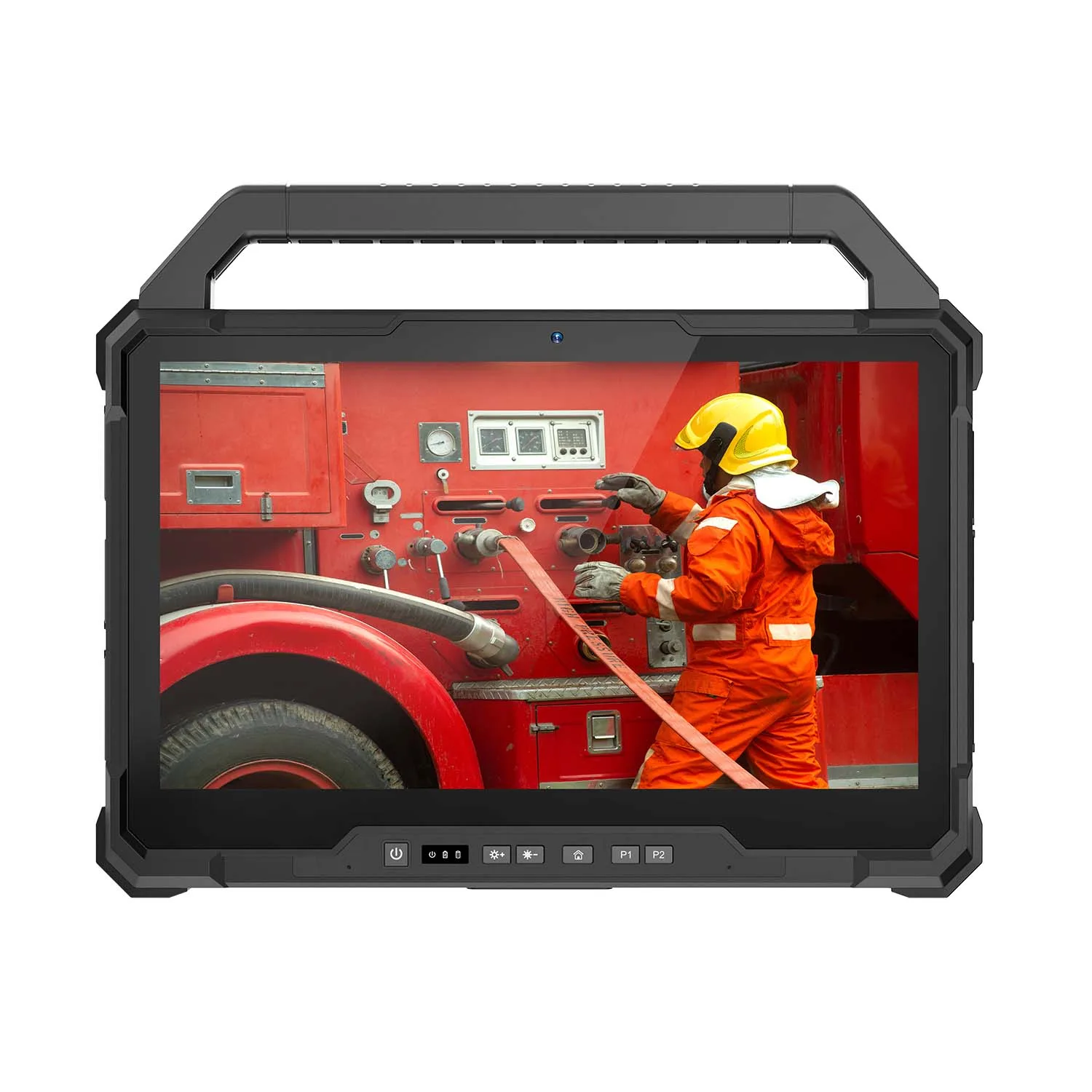
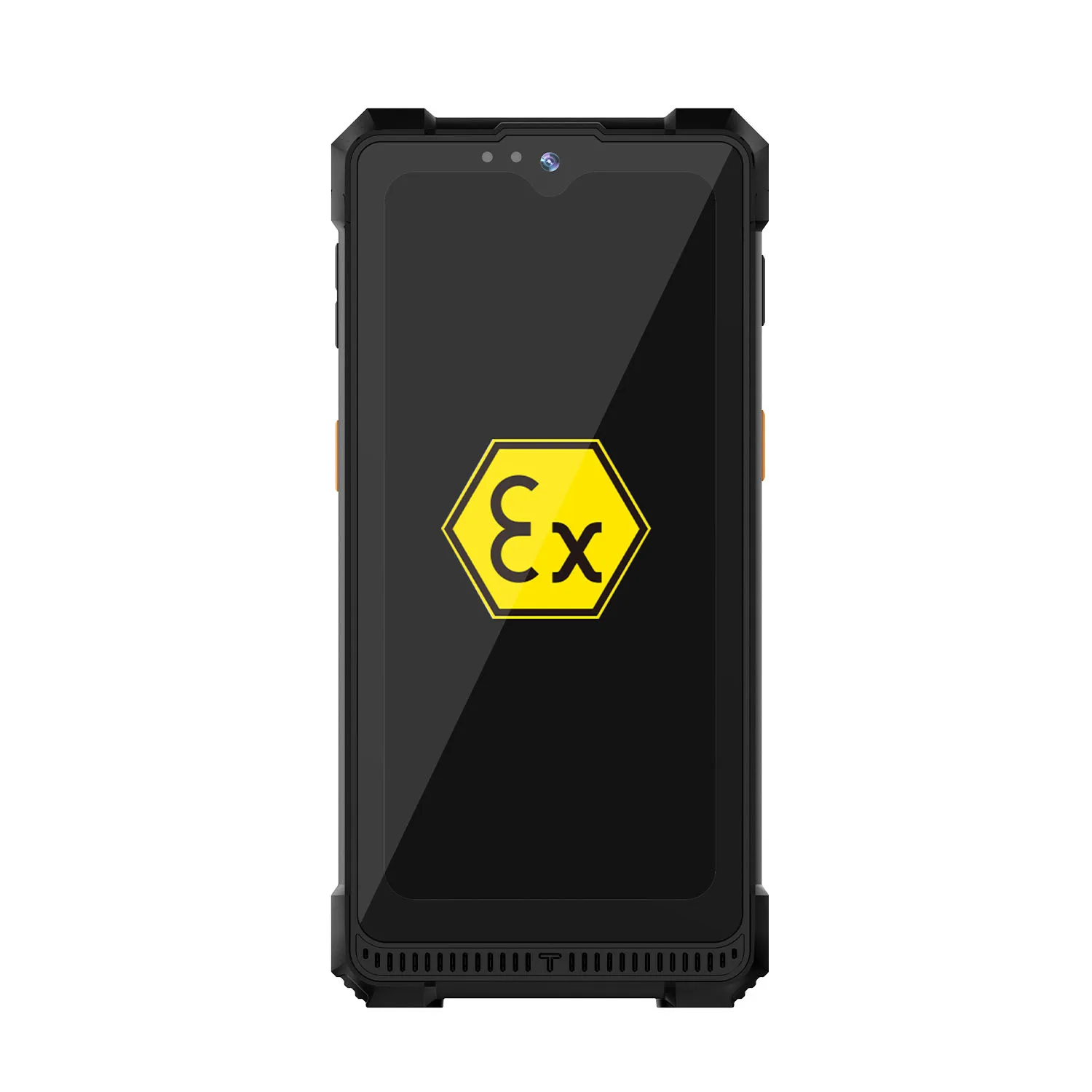
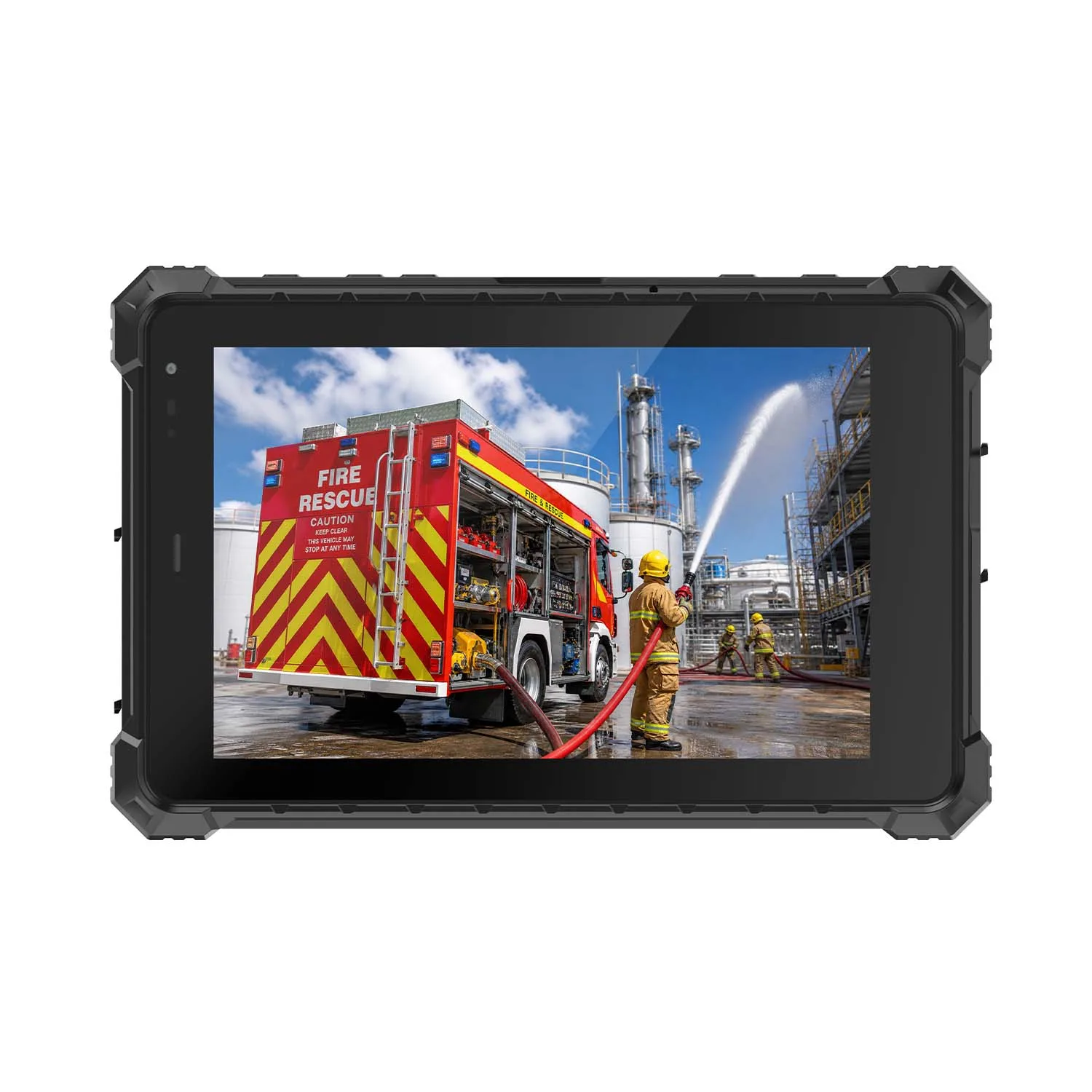





Gas Station Tablets: 10 Brands Checked on Zone 1 and C1D1
The answer to what tablet is safe at a gas station is the exact certified configuration that matches every classified point on the user's task route, not simply a device advertised as rugged. An ATEX Zone 1 tablet at a fuel depot work point normally needs Category 2G / EPL Gb evidence or higher, together with the required gas group, temperature class, ambient range and certificate conditions. IP68, MIL-STD-810G or MIL-STD-810H testing cannot provide ignition protection by itself.
A service station is not one continuous hazardous zone. The tanker unloading connection, fill box, vapor-recovery equipment, dispenser cabinet, tank-gauging point, sales building and designated charging room may carry different classifications. The status can also change when a tanker hose is coupled, a cover is opened, equipment is maintained or a release occurs. A defensible selection follows the current area-classification drawing and the actual task, including where the worker carries, places or connects the tablet.
Ruggedness remains important after the Ex boundary is settled. Fuel sites expose mobile equipment to rain, dust, sunlight, drops, hydrocarbon-contaminated gloves and rapid temperature changes. An IP code describes enclosure protection under a defined test; it does not show chemical compatibility with every fuel or cleaning agent. A military environmental test statement is equally separate from ATEX, IECEx or North American hazardous-location approval.
Day-to-day control is where many apparently correct purchases fail. A certified unit can be issued with an improvised tether, charged beside an unloading operation, returned after a cracked port cover or confused with a similar non-Ex tablet. A digital inspection can also appear complete locally while its photographs remain in an offline queue. Safe deployment therefore joins certificate evidence, serial-number control, accessories, worker behavior and server-side record acceptance.
This 2026 guide places specific Zone 1 or Class I, Division 1 candidates first, followed by devices published for Zone 2 or Division 2. The second group can be useful on correctly classified routes, but it is not a lower-cost substitute for the first. The manufacturer order is not a universal performance ranking, and every workflow number below is a proposed acceptance method rather than an unverified customer result.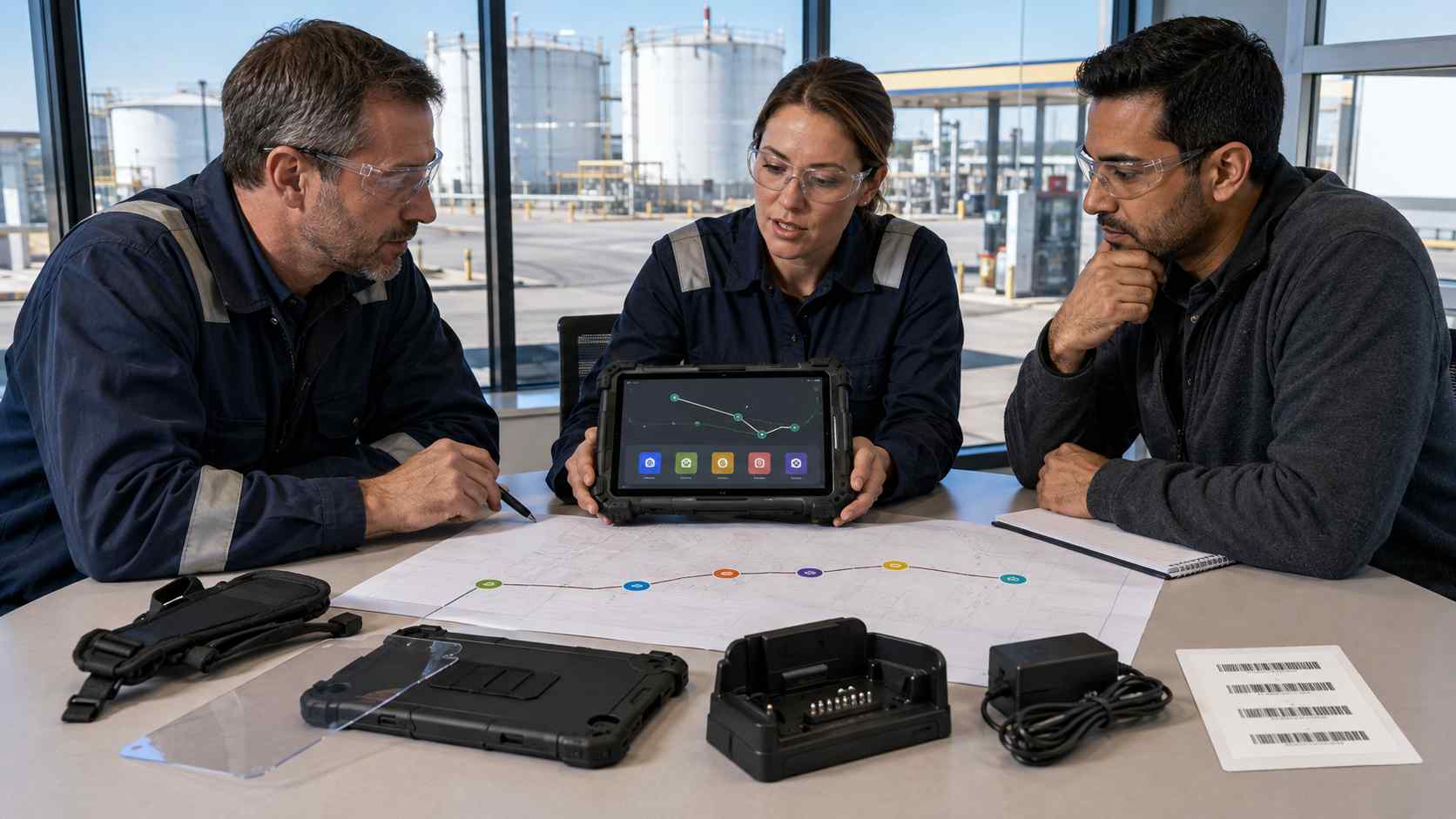
What Defines a Reliable ATEX Zone 2 Tablet for Gas Station Work?
A reliable lower-category device is one whose Gc or Division 2 scope matches the site point before anyone compares screen brightness or software. The EU workplace directive defines Zone 1 as a place where an explosive gas atmosphere is likely to occur occasionally in normal operation, and Zone 2 as a place where it is not likely in normal operation and, if it occurs, persists only briefly. These definitions guide classification; they do not let a tablet buyer estimate the zone from distance or task duration.
- Route-to-classification match: Put the tanker arrival point, unloading connection, fill box, tank-gauge point, dispenser cabinet, sales building and safe charging room on one route card. Record the site's assigned Zone or Division at each point. Do not copy a generic radius from another country or assume that the whole forecourt shares one classification.
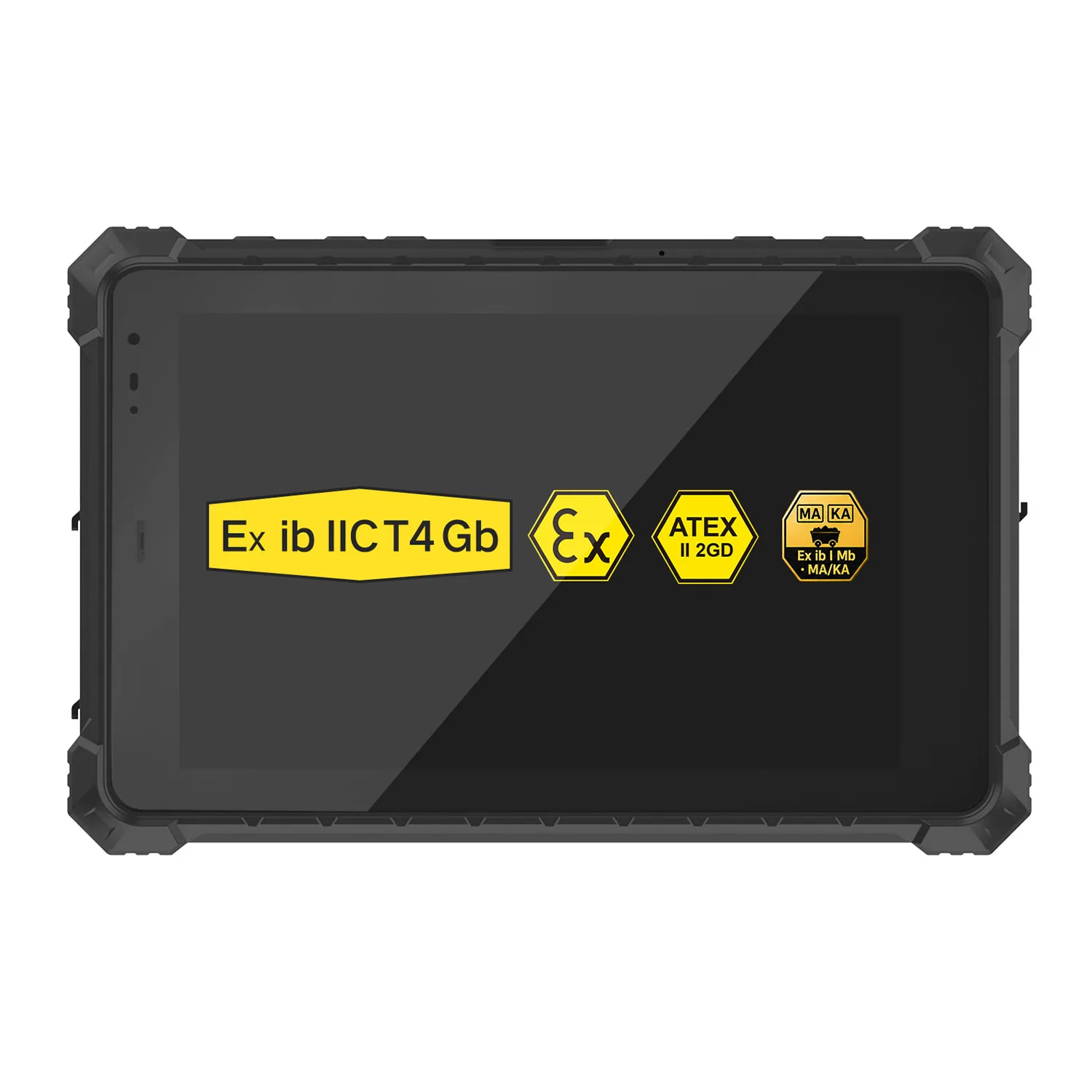
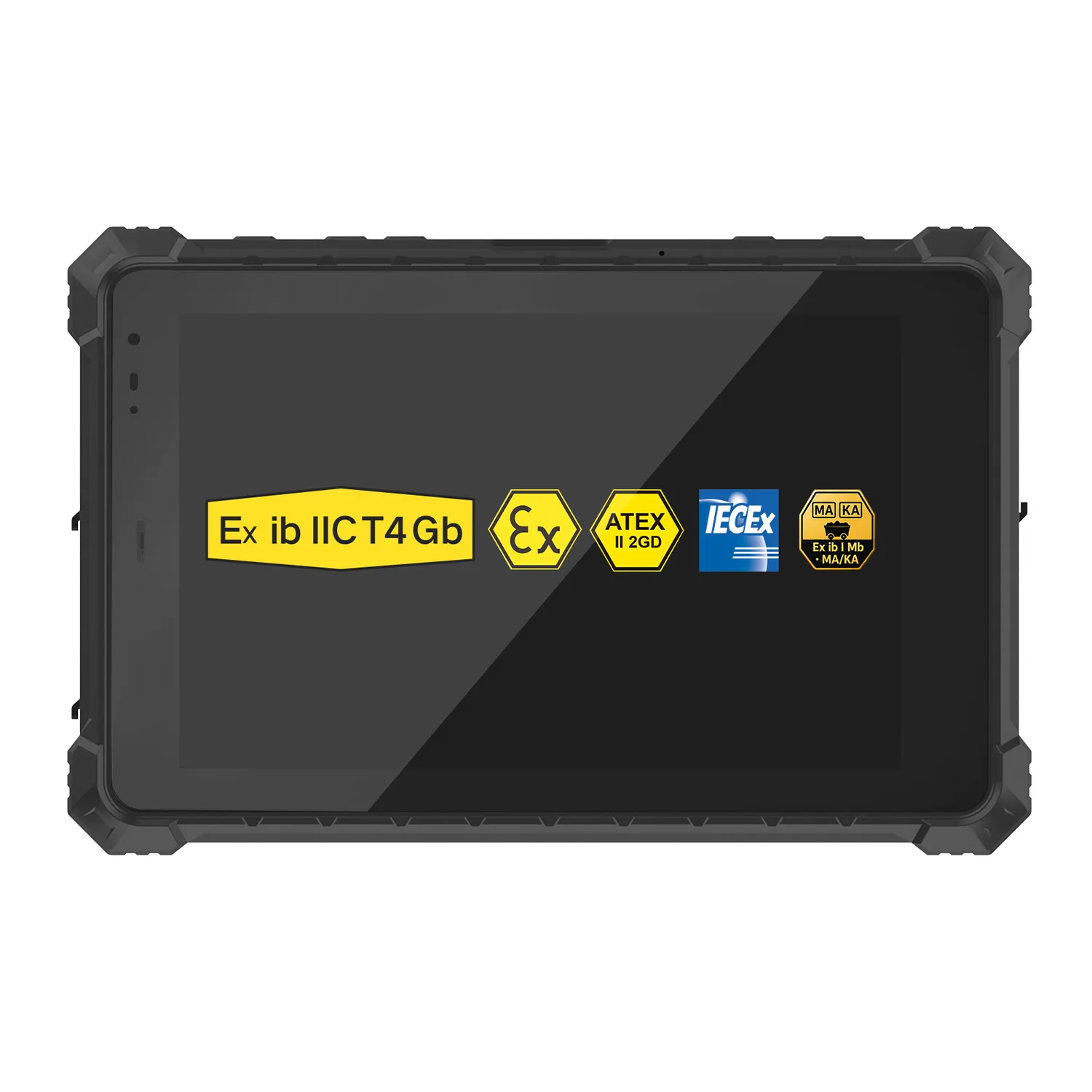
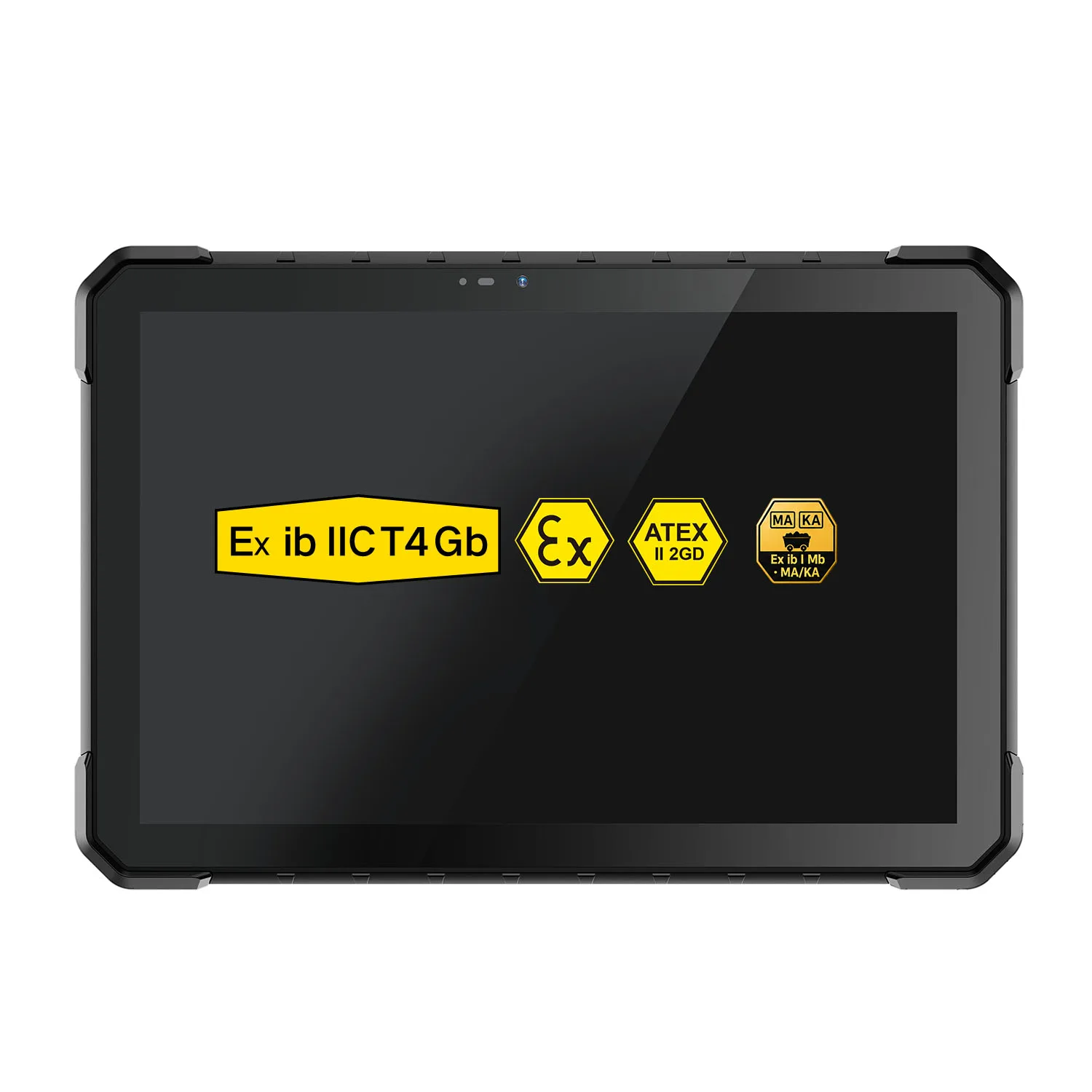
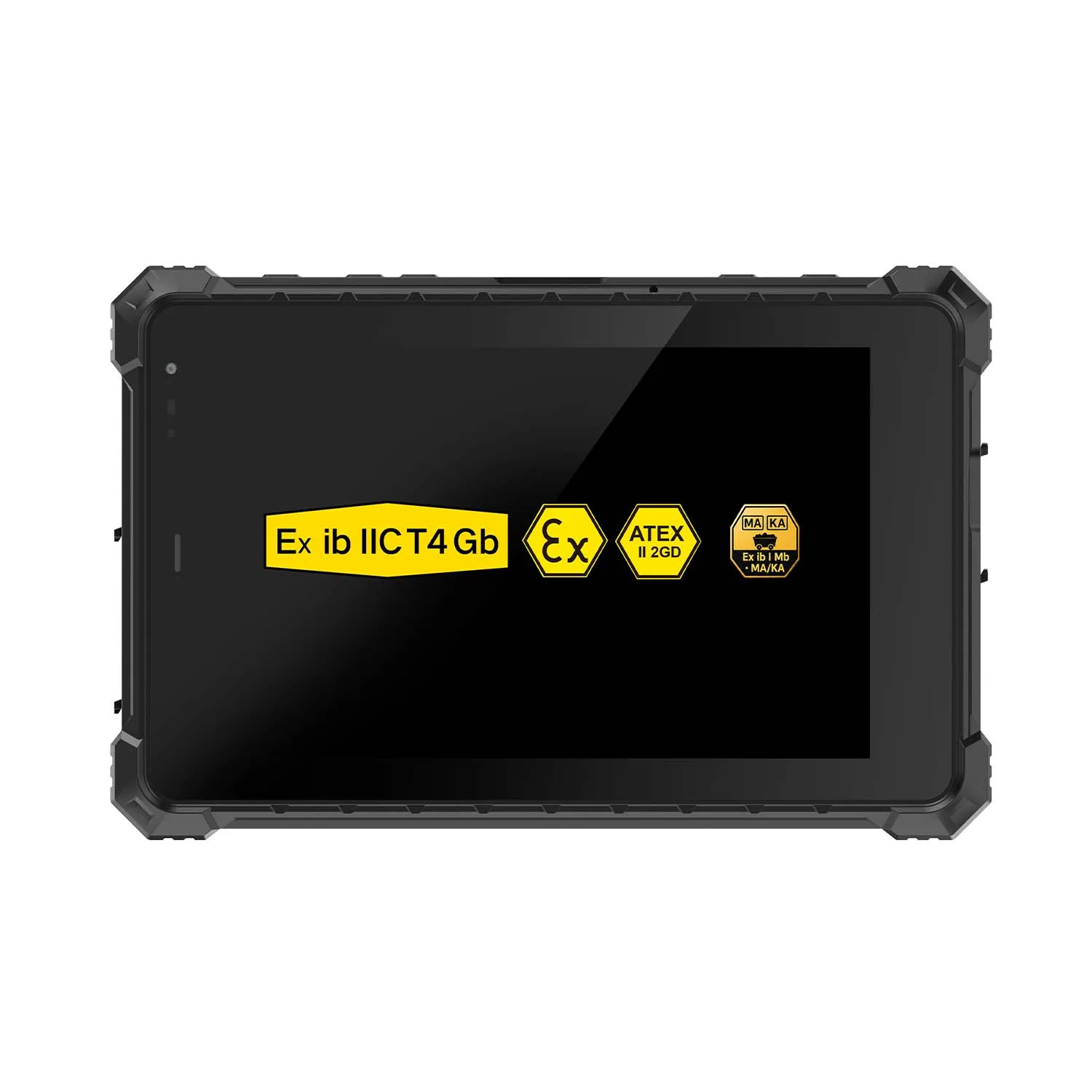
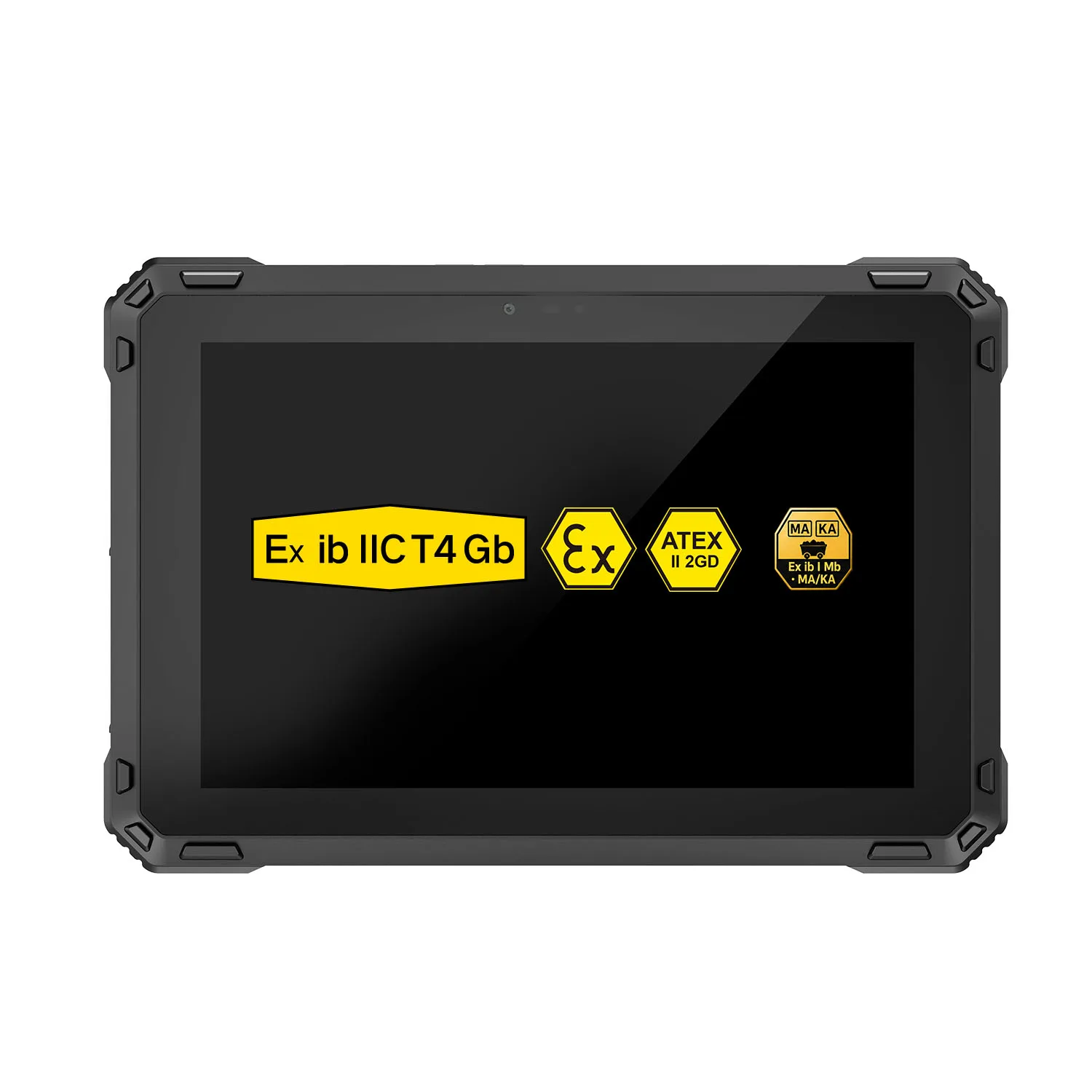
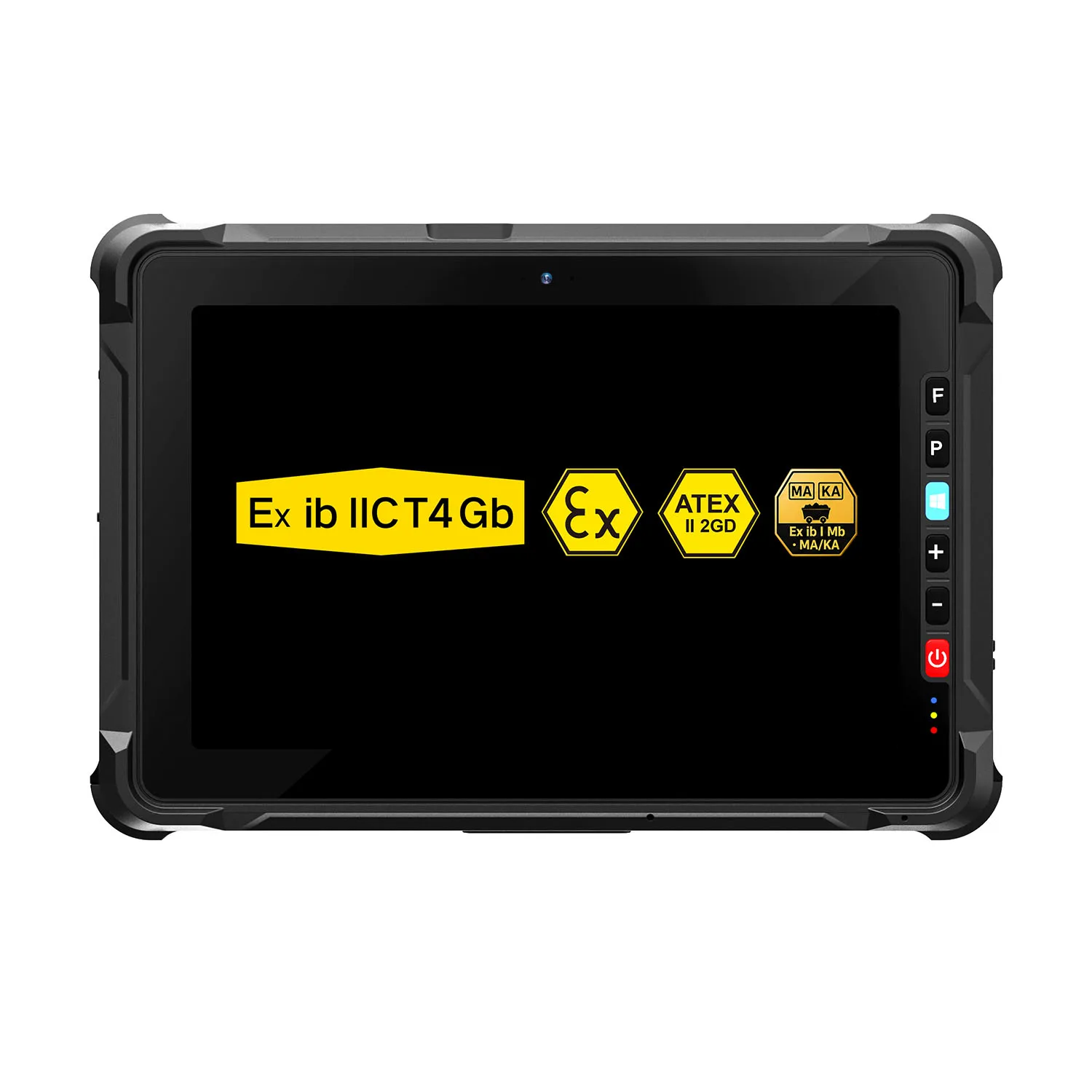
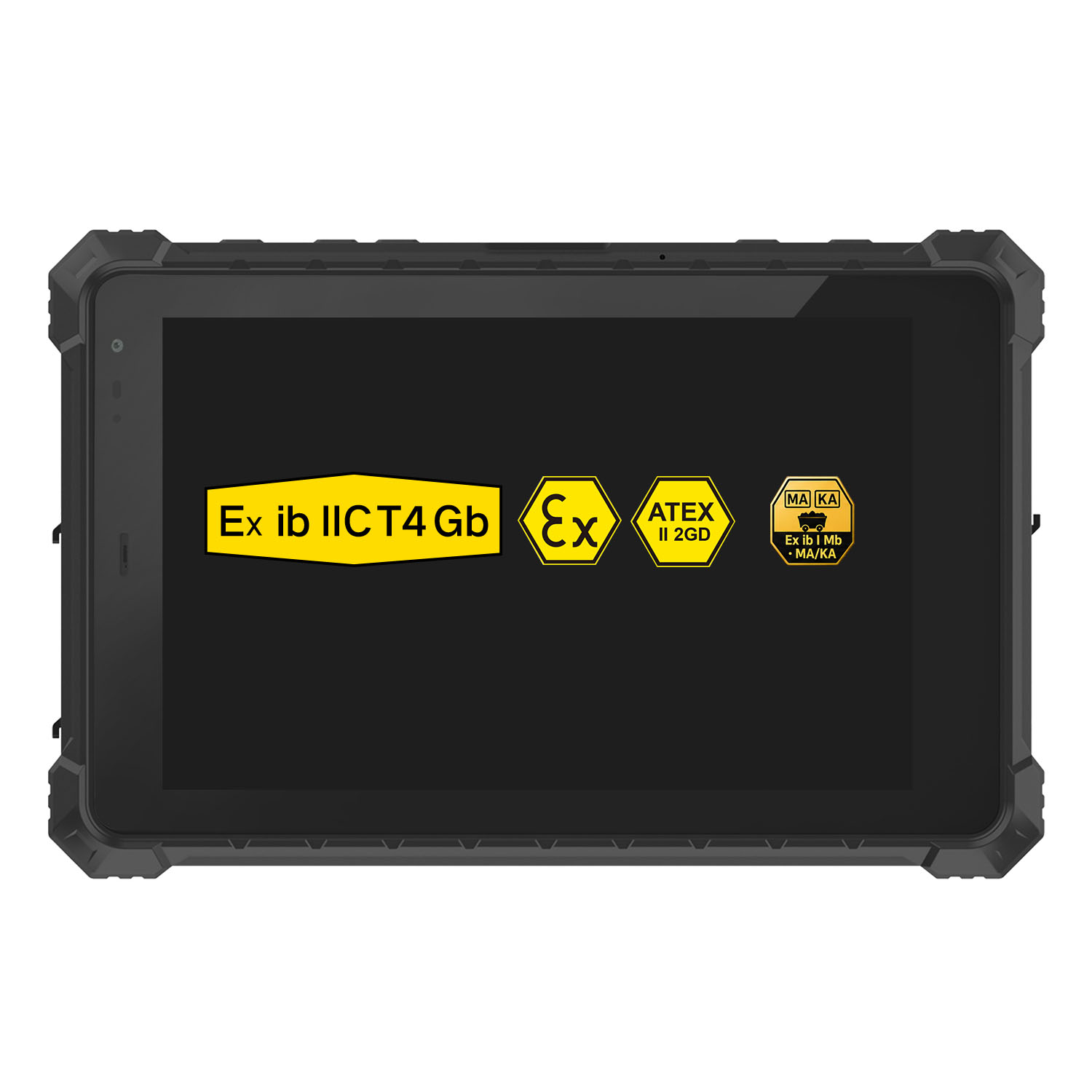
- Complete marking review: Check the protection concept, equipment category or EPL, gas group, temperature class, ambient range, certificate number and any “X” suffix. T4 denotes a maximum permitted equipment surface temperature of 135°C under the certified conditions; it is not permission to operate the tablet in a 135°C ambient environment.
- Delivered-build control: Match the full product code, region, hardware revision, label, battery, screen protector, scanner, strap and charging method to the certificate schedule and instructions. Approval for one family member does not transfer to a visually similar unit or an added accessory.
- Operational and data evidence: Test the issued glove, cleaning method, glare, rain state, offline form and emergency-stop behavior as separate requirements. A high IP rating does not repair a protection-level mismatch, while a correct Ex label does not guarantee that a congested inspection form is safe to use.
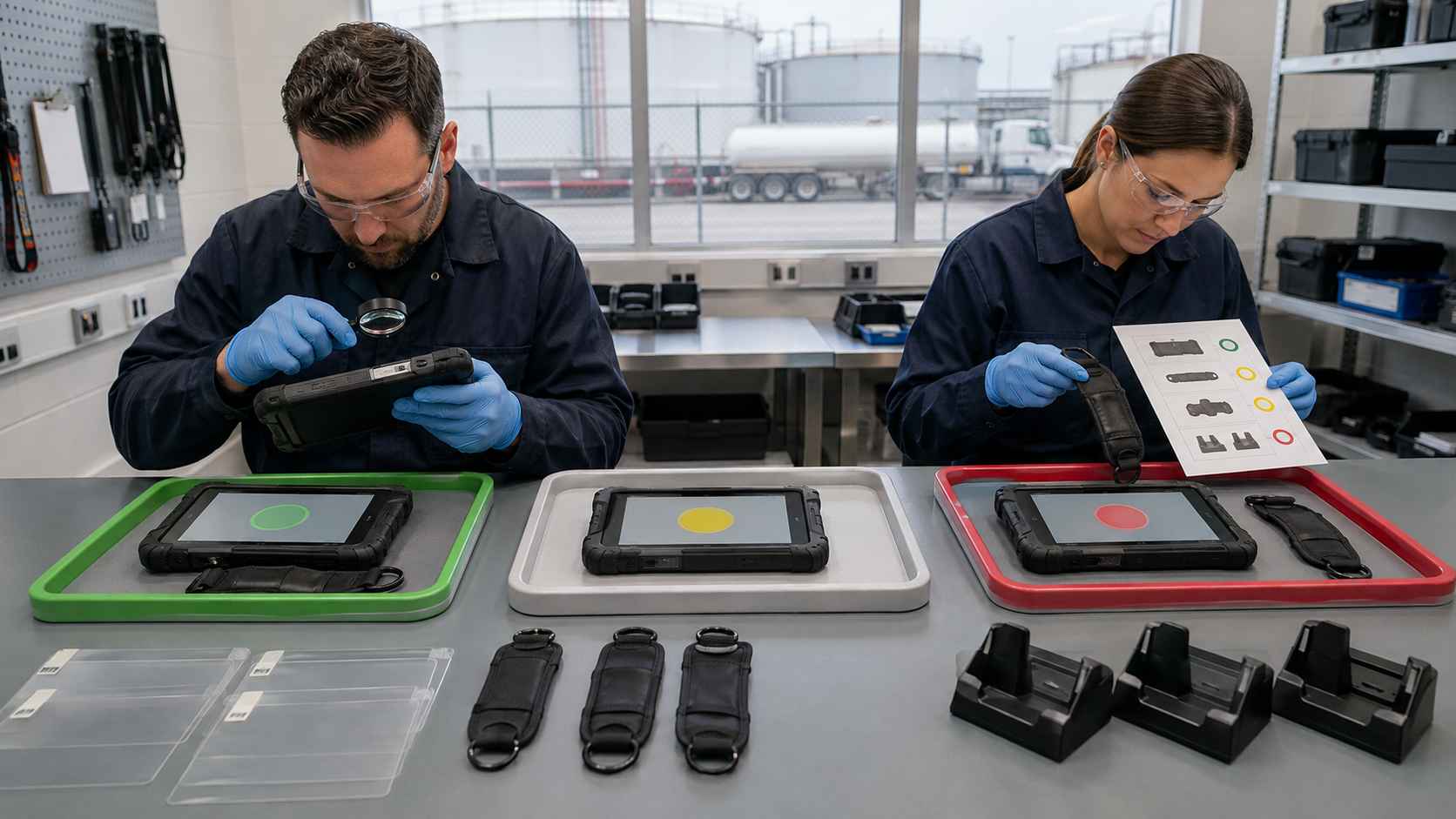
Our proposed receiving process covers all 20 units in a sample deployment, not three cartons selected for inspection. The release record links serial number, label photograph, regional suffix, battery, carrying set, managed application, last physical check and permitted route. Any unreadable label, unknown accessory or damaged cover creates a “functional but not released” status.
The seven-location route card should be repeated when operations change. Tanker unloading, fill-cap opening, vapor-recovery maintenance and spill response can alter the working condition or restrict the route. A geofence or on-screen warning may support the procedure, but neither one classifies the location or overrules the permit and emergency plan.
IECEx Tablet for Oil Storage Terminal Work: Top 10 Manufacturers for 2026
IECEx installation guidance identifies area classification, Equipment Protection Level, gas group, temperature class, ambient temperature, application and external influences as selection inputs. In North America, OSHA 1910.307 recognizes division and zone classification for Class I locations, and OSHA states that electrical or electronic equipment used in a classified location must be approved for the necessary Class, Zone, Division and/or Group. A Class I, Division 1 fuel terminal tablet therefore needs exact Division 1 evidence; an ATEX or IECEx label alone does not open that route.
1. Pepperl+Fuchs / ECOM (Germany)
Core Strength: Current multi-region Zone 1 platform with traceable regional variants
Pepperl+Fuchs has decades of explosion-protection experience, while its ECOM business specializes in mobile equipment for classified locations. That background is valuable at depots operating several terminals or approval regimes because device documentation, approved accessories and lifecycle handling can be reviewed as one controlled system.
2. i.safe MOBILE (Germany)
Core Strength: Zone 1/21 Android mobility designed for repetitive inspection rounds
i.safe MOBILE develops distinct families for Zone 1/21, Zone 2/22, mining and ordinary industrial work. This visible separation helps a depot avoid mixing a certified field unit with a similar general-purpose Android tablet used in the warehouse or office.
3. Aegex Technologies (United States)
Core Strength: Purpose-built Windows mobility for high-category gas areas
Aegex concentrates on intrinsically safe Windows tablets for hazardous industry. It is a practical candidate when a terminal has a validated Windows-only maintenance client, controlled drawing system or historian workflow that would be costly to rebuild for another operating system.
4. CENAVA (China)
Core Strength: Project-configured mobility within a controlled explosion-protected build
CENAVA develops rugged tablets and supports OEM/ODM industrial projects. Its practical role in a fuel deployment is to align the approved hardware with a locked inspection application, device identity and regional communication requirement while keeping certification evidence tied to the final delivered configuration.
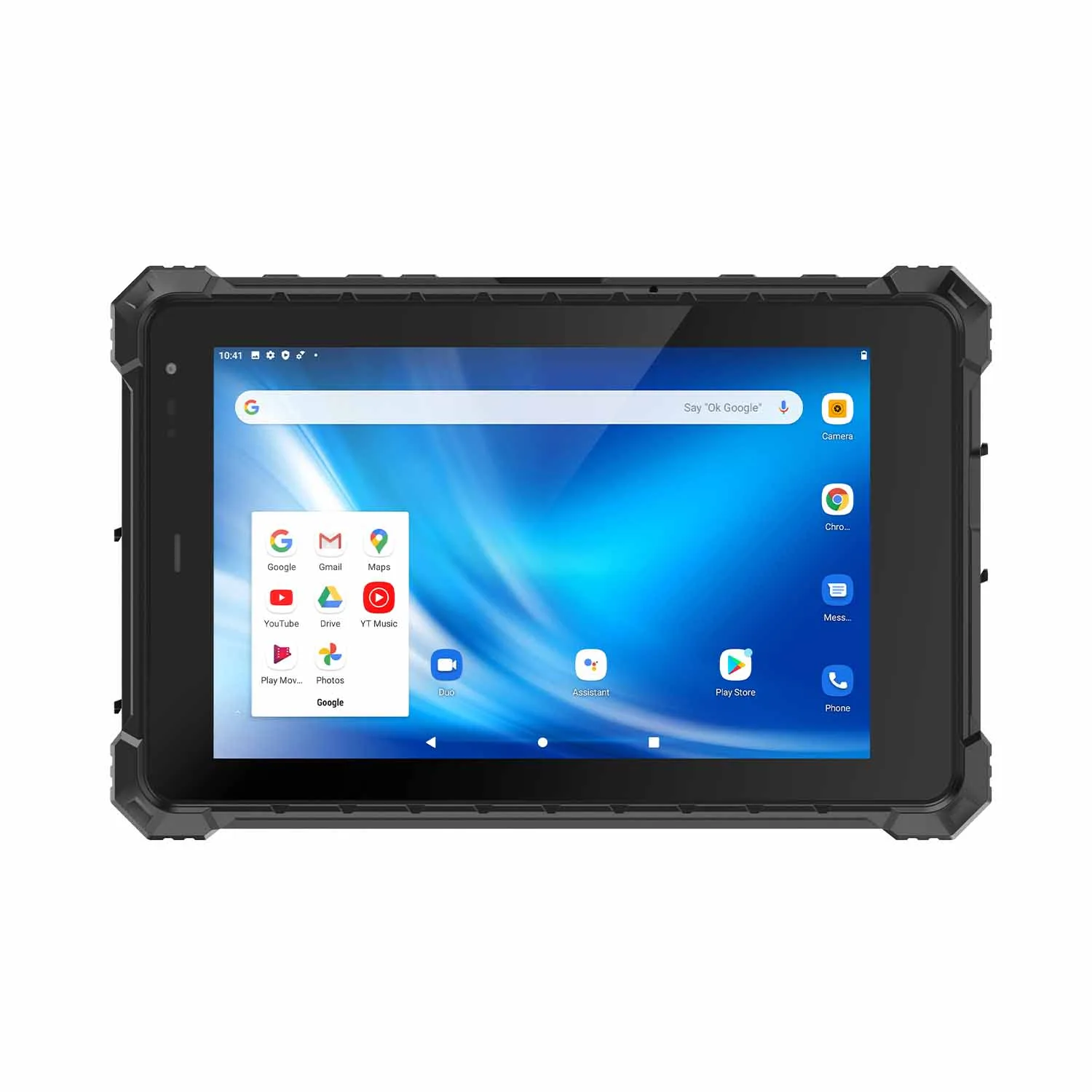
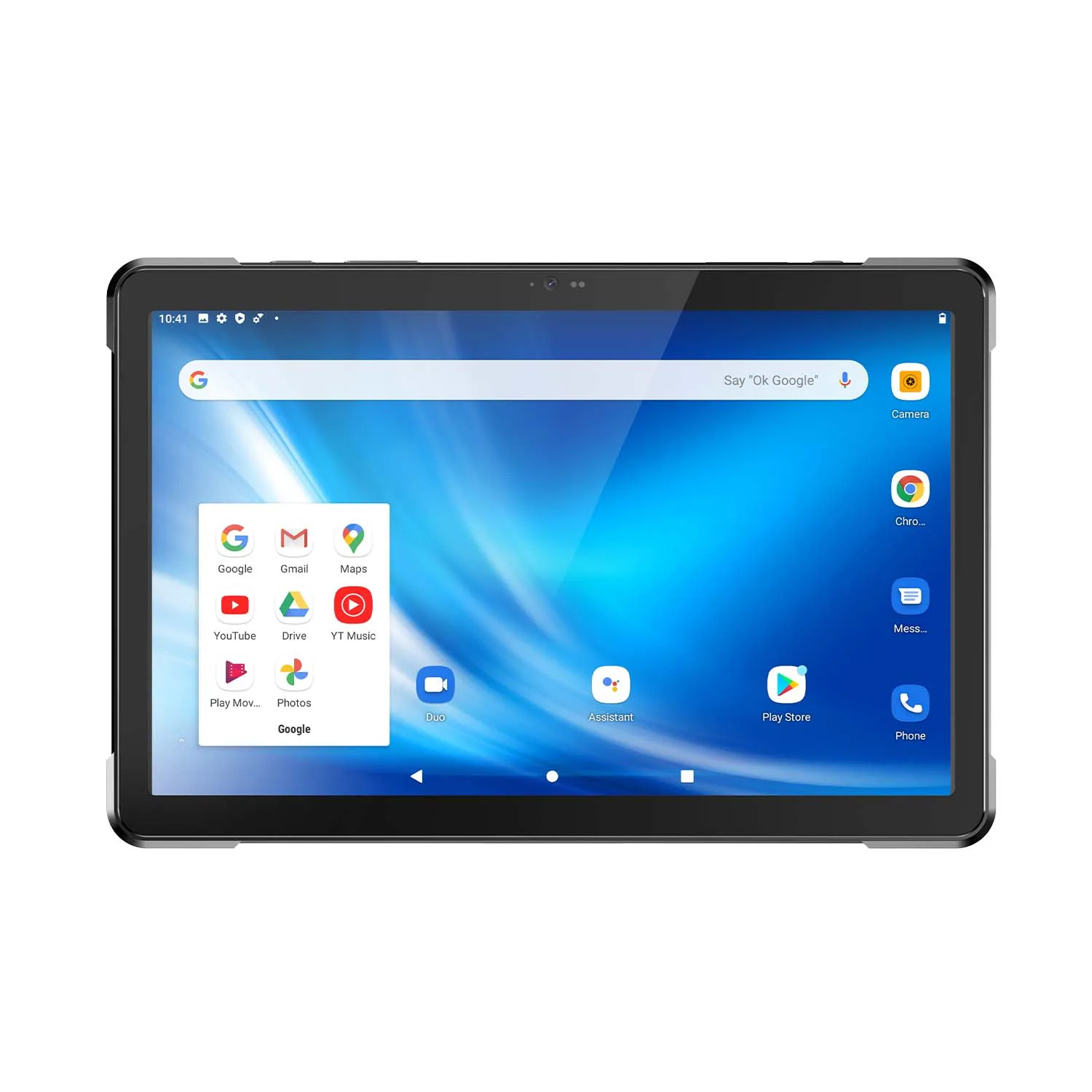
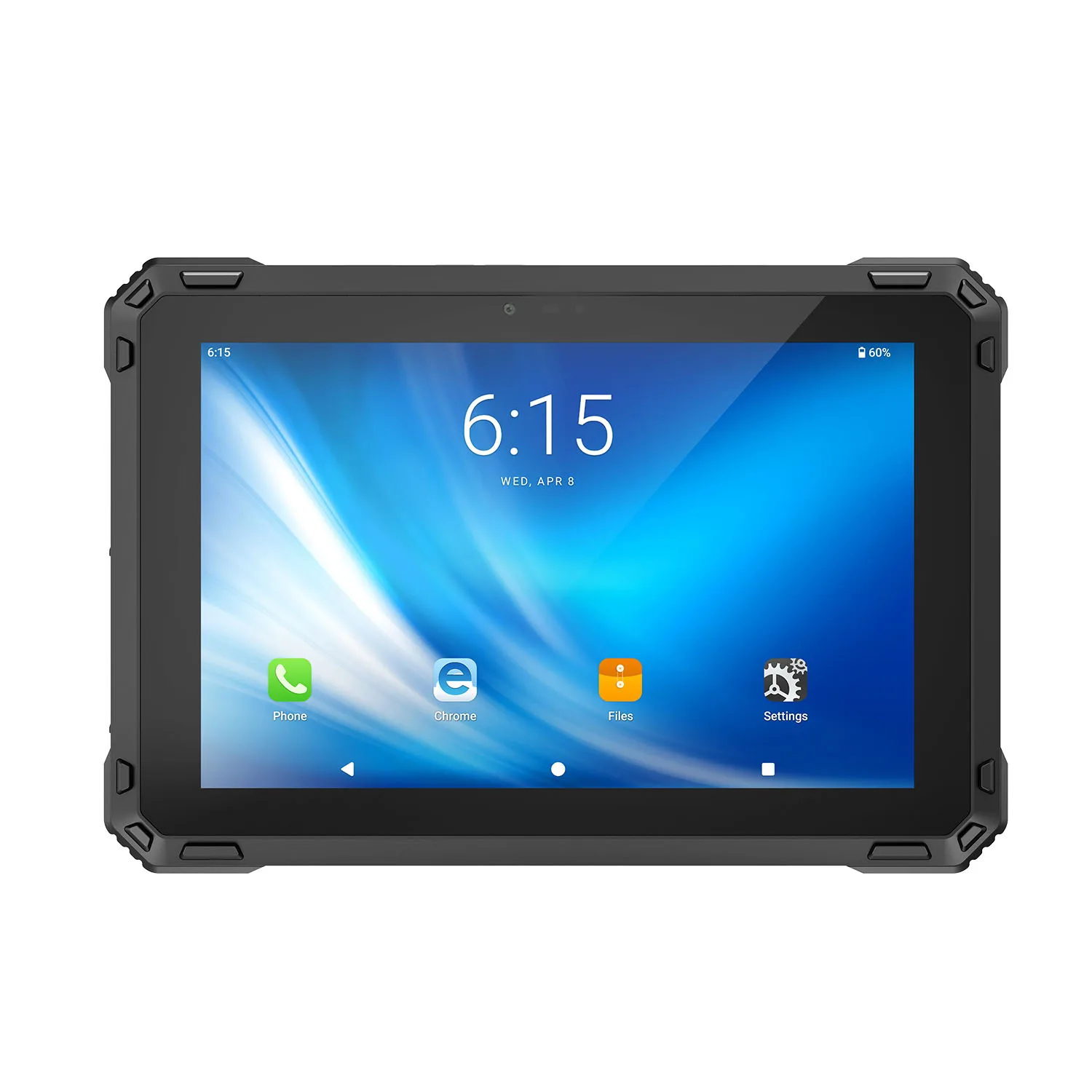
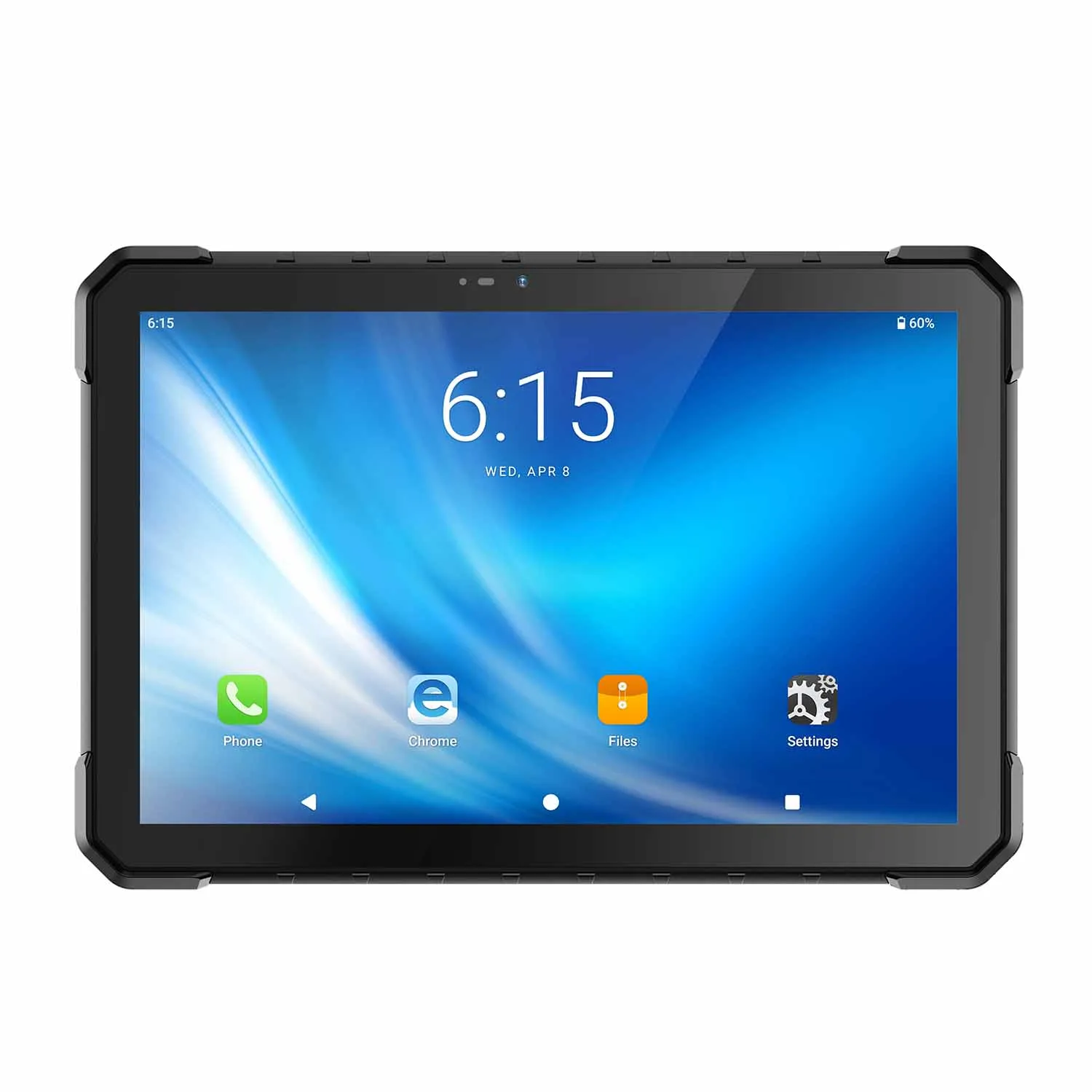
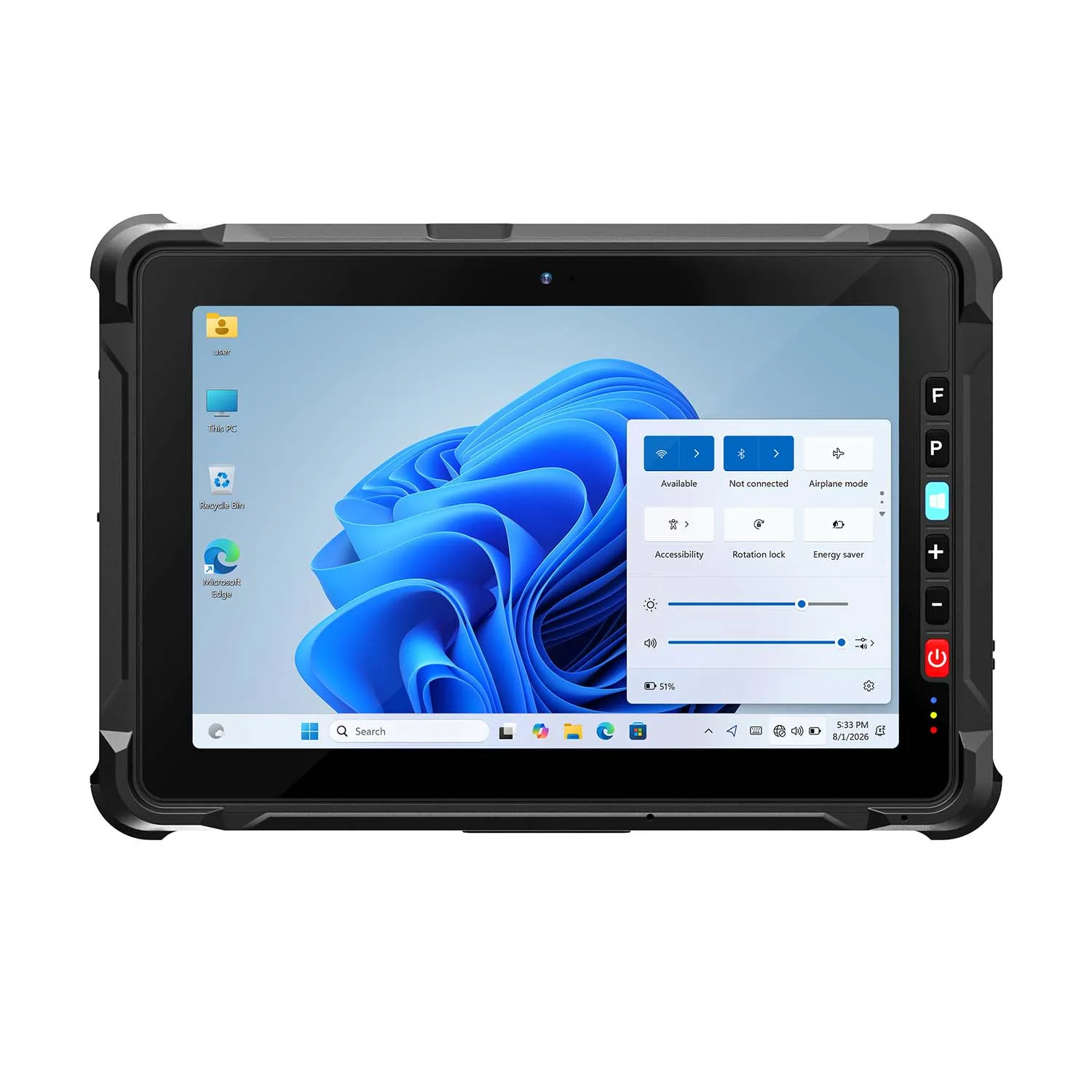
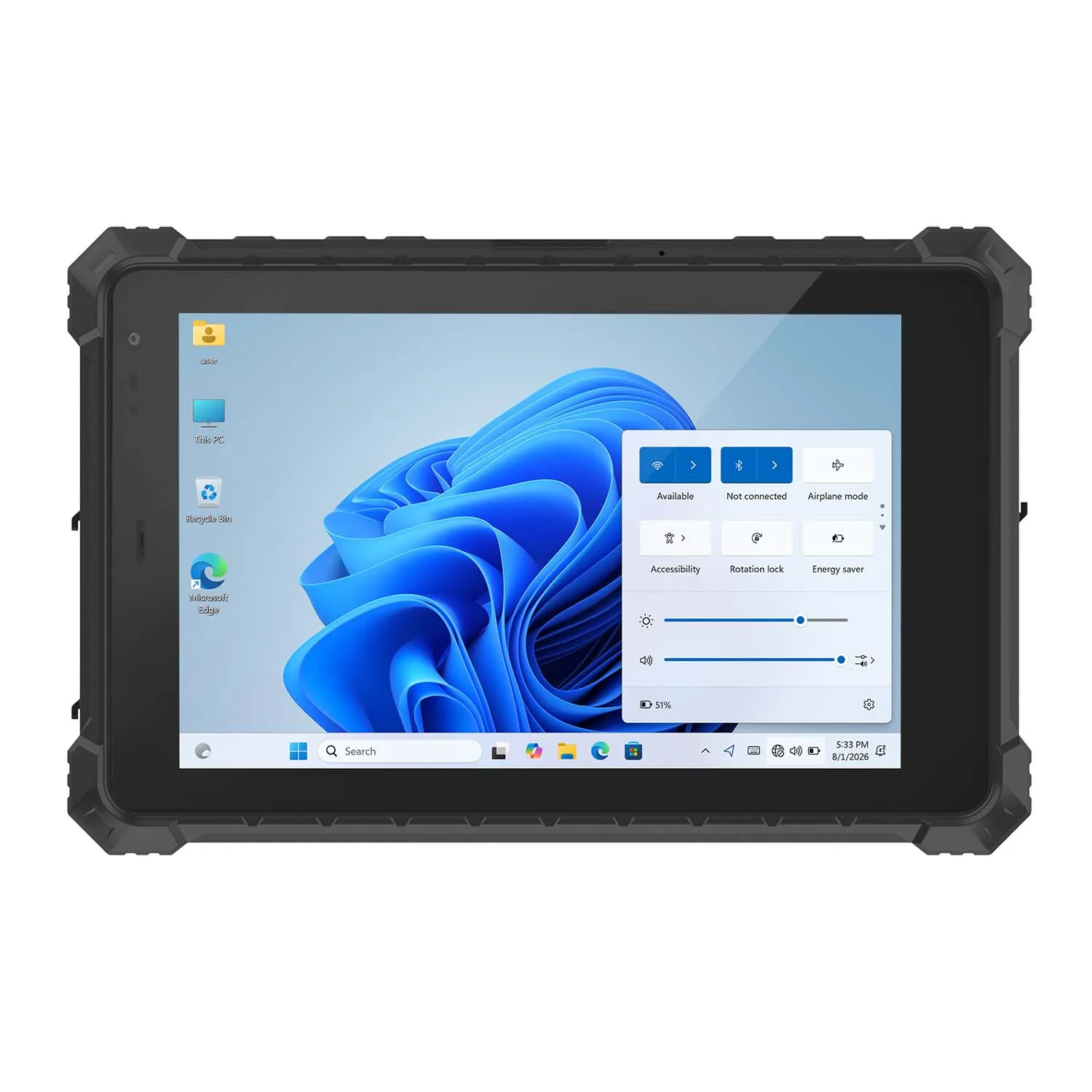
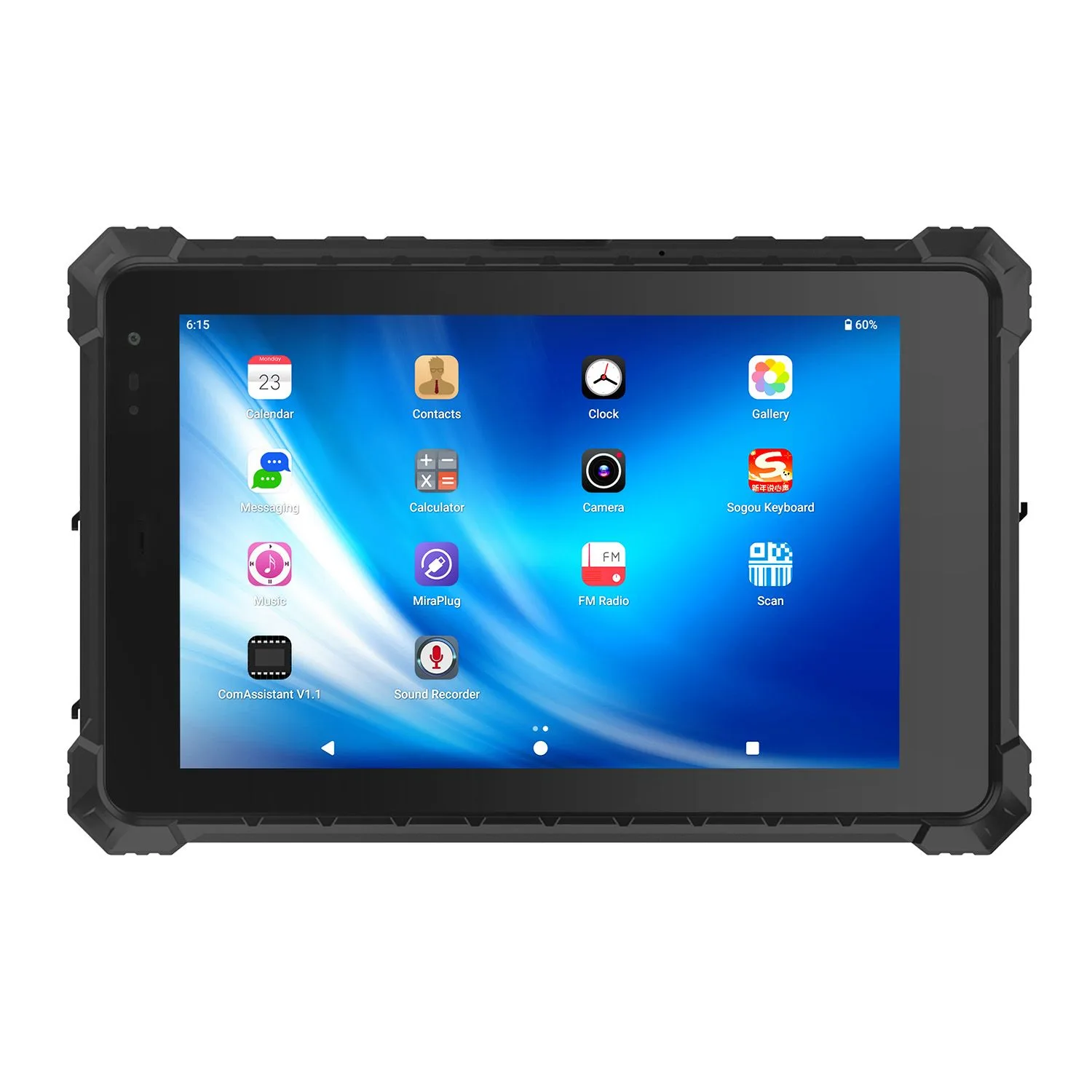
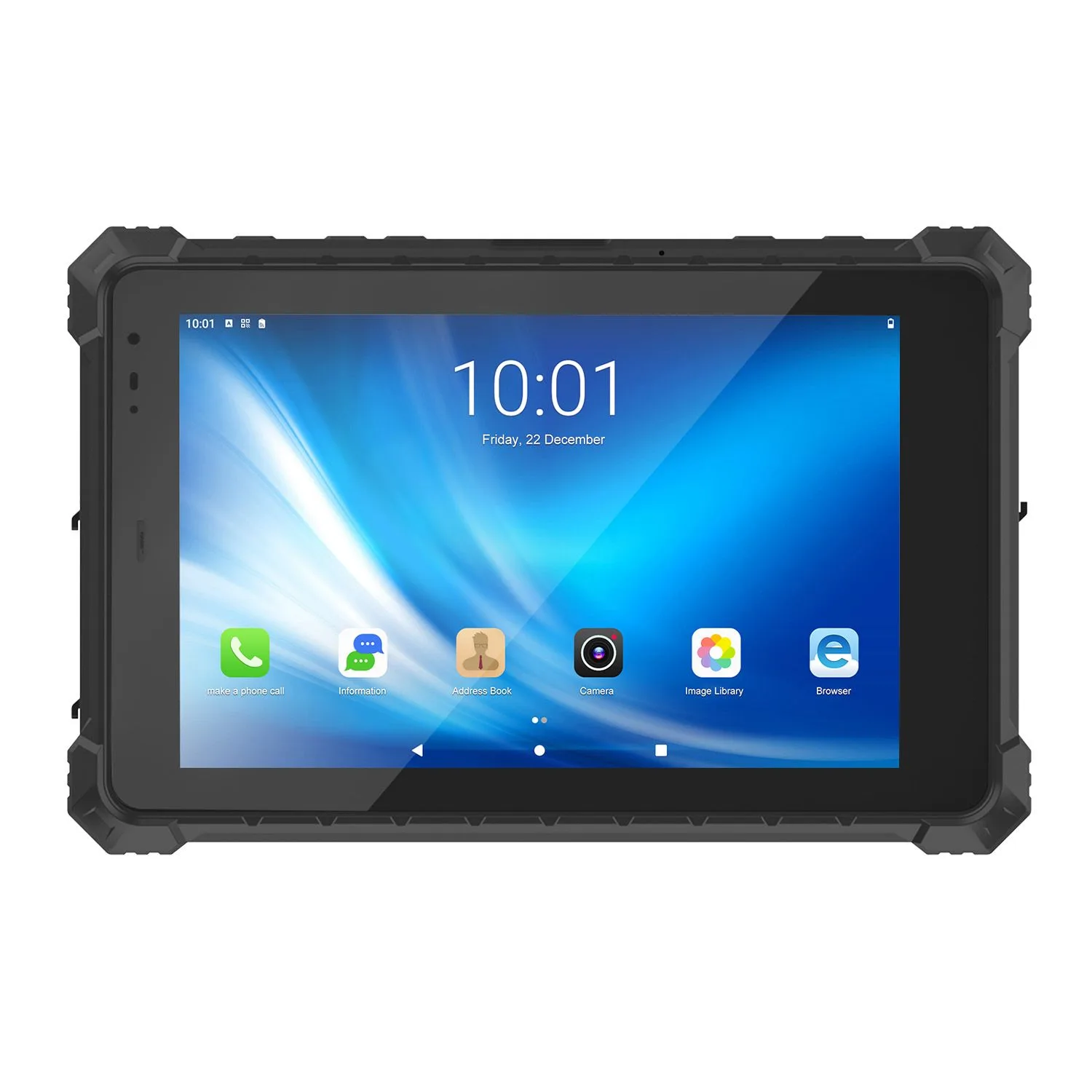
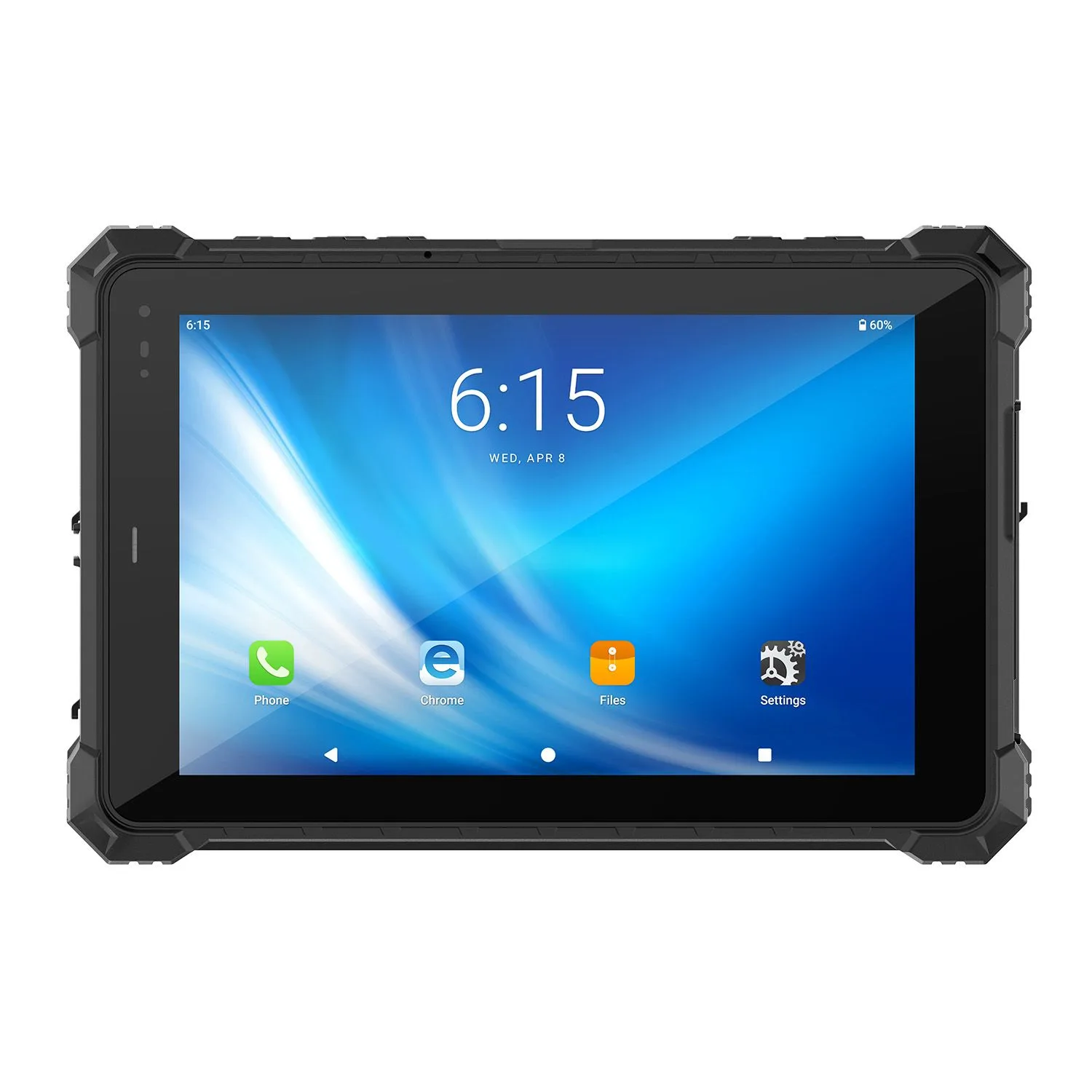
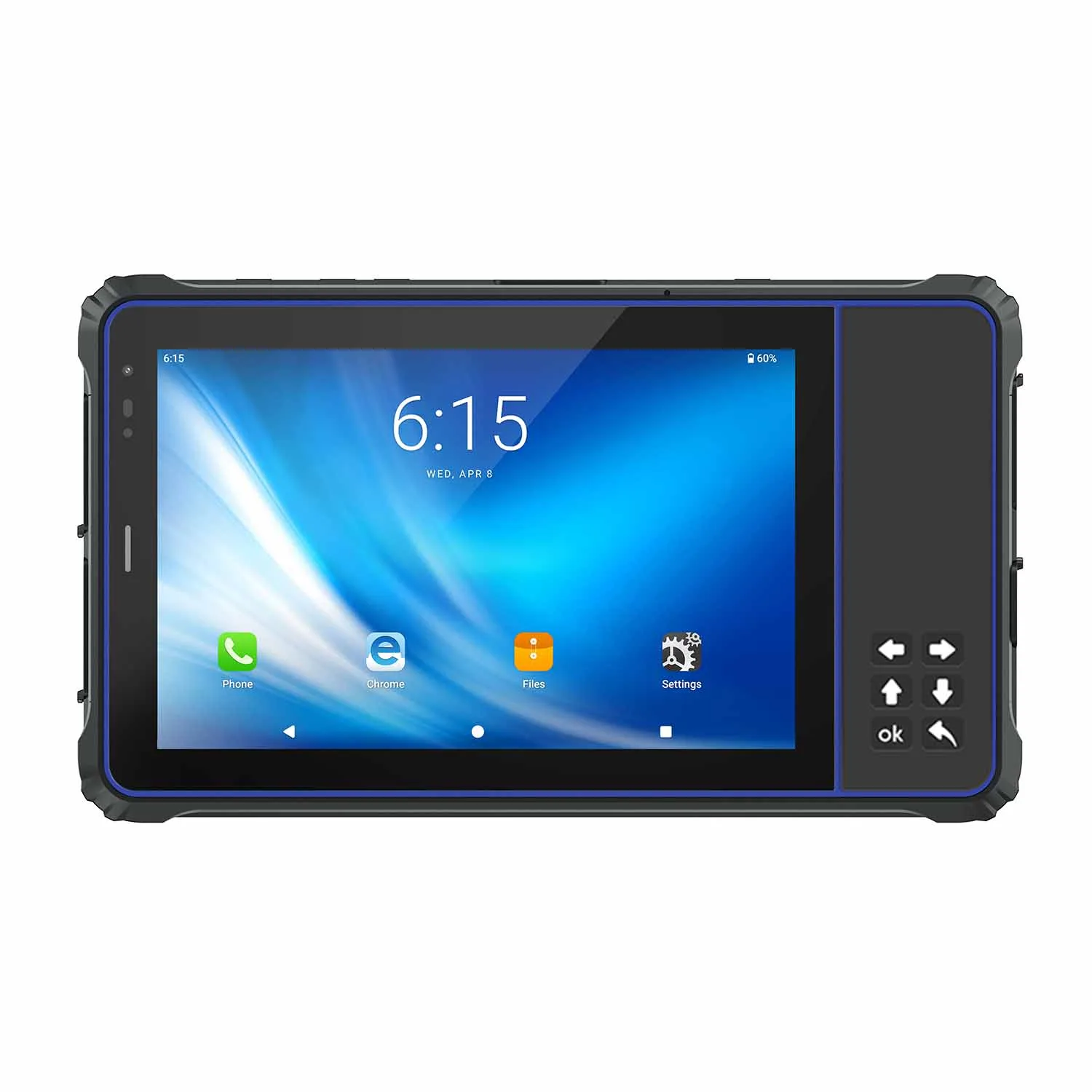
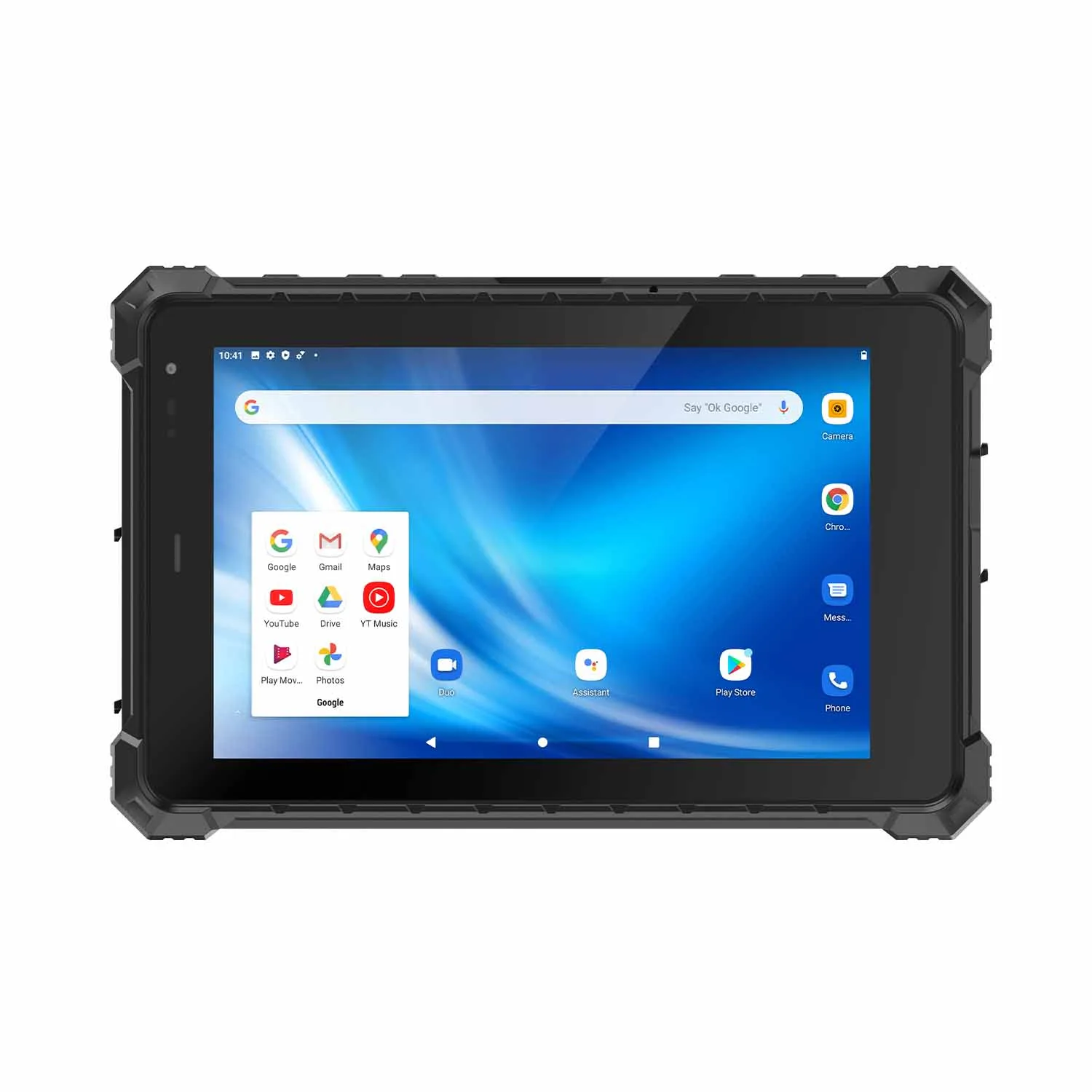
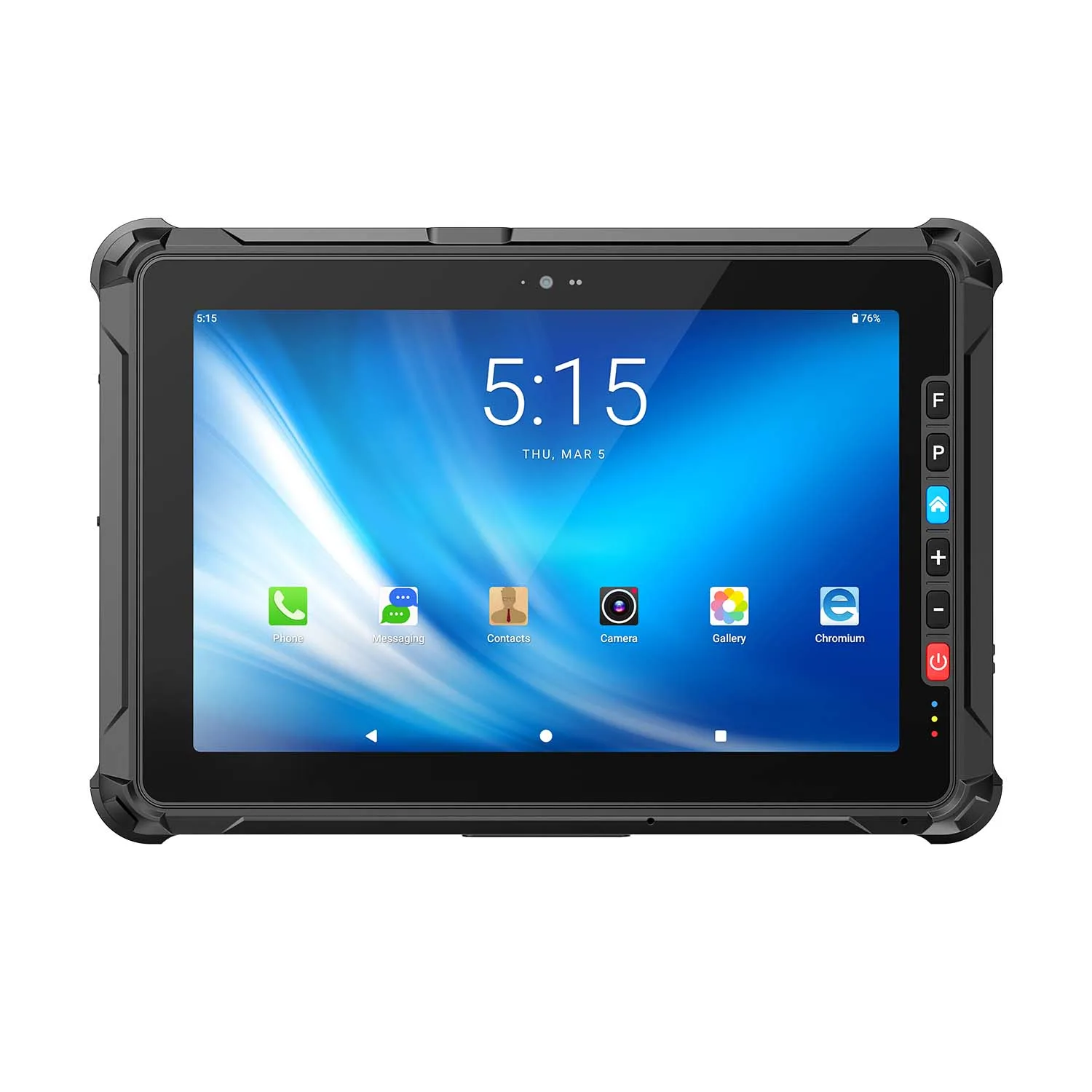
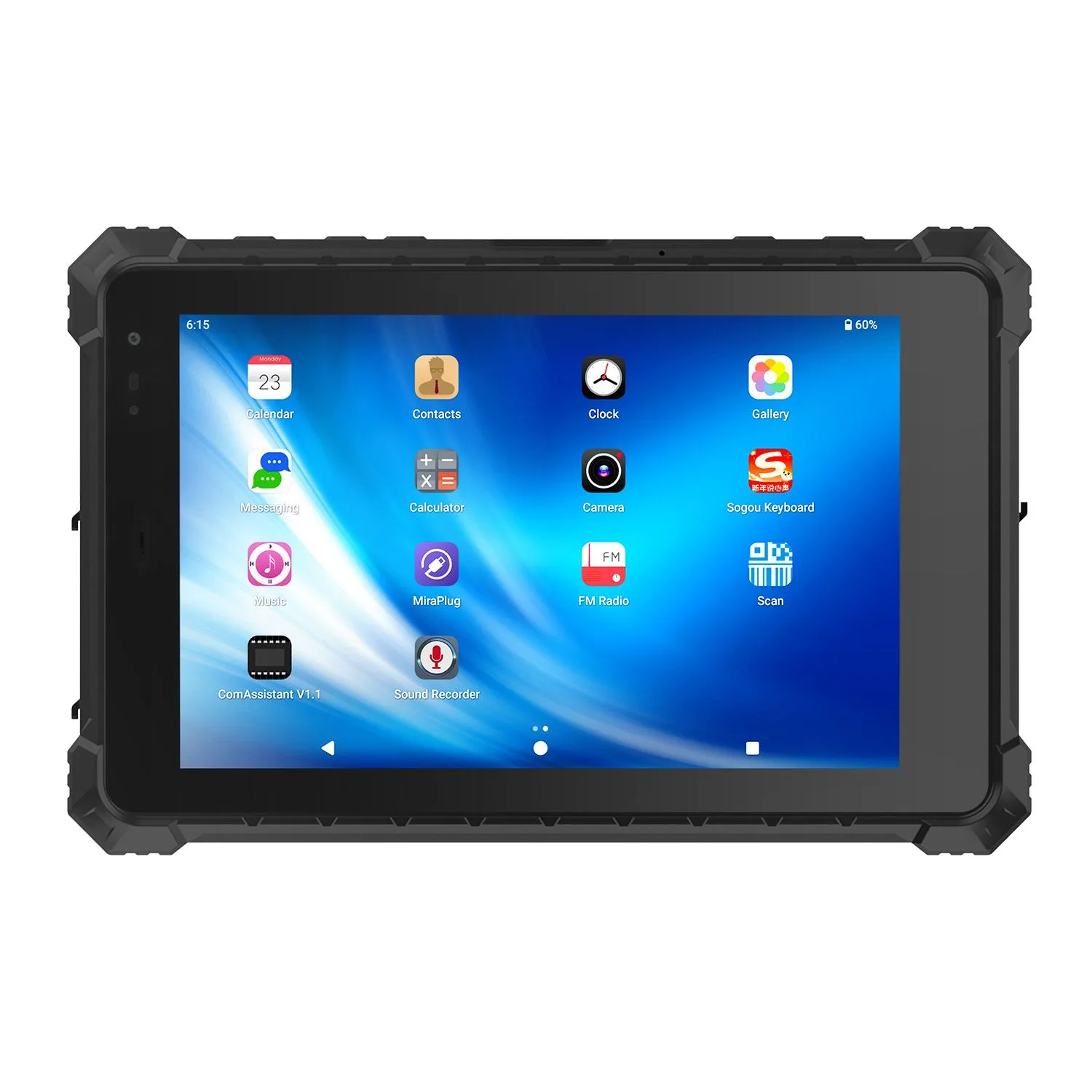
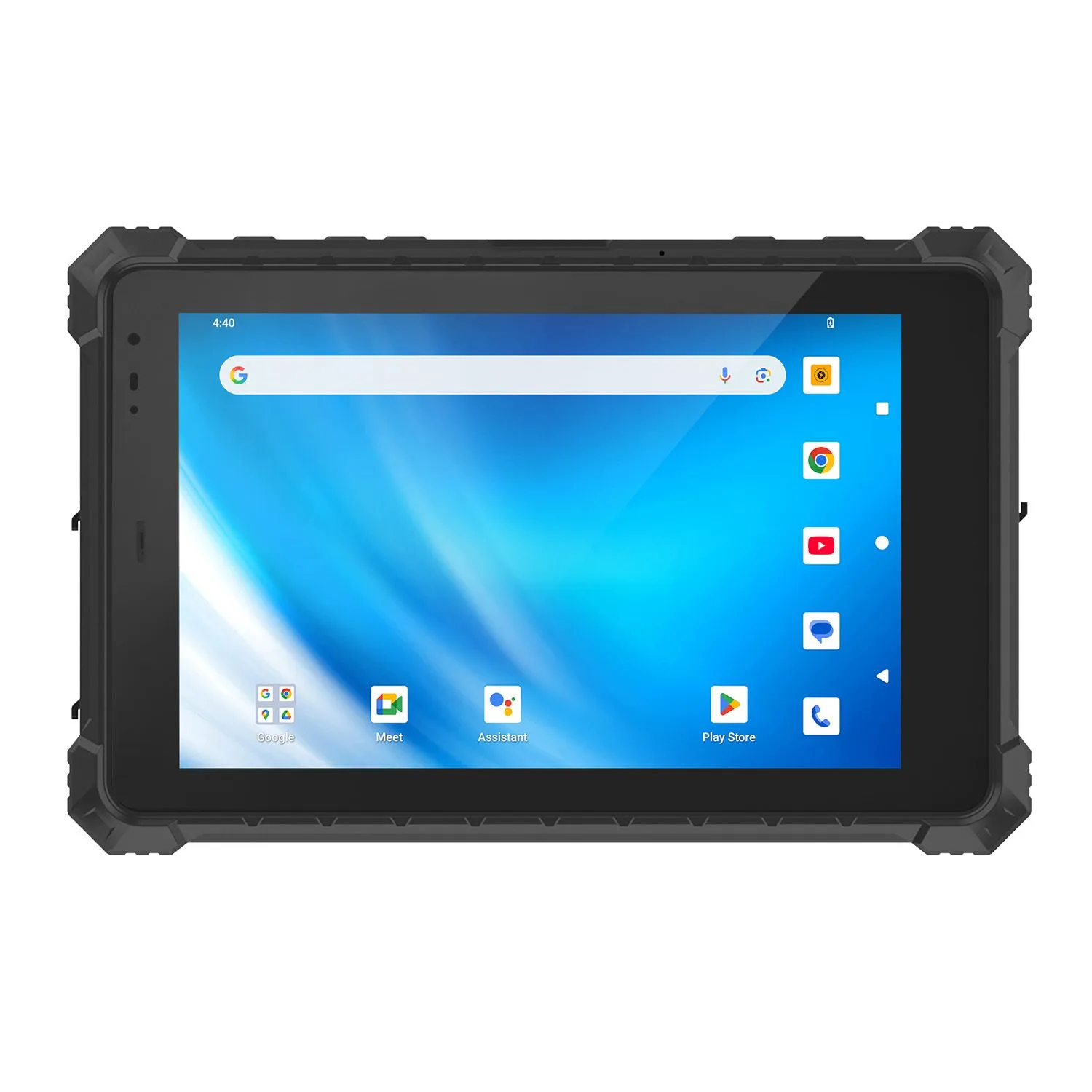
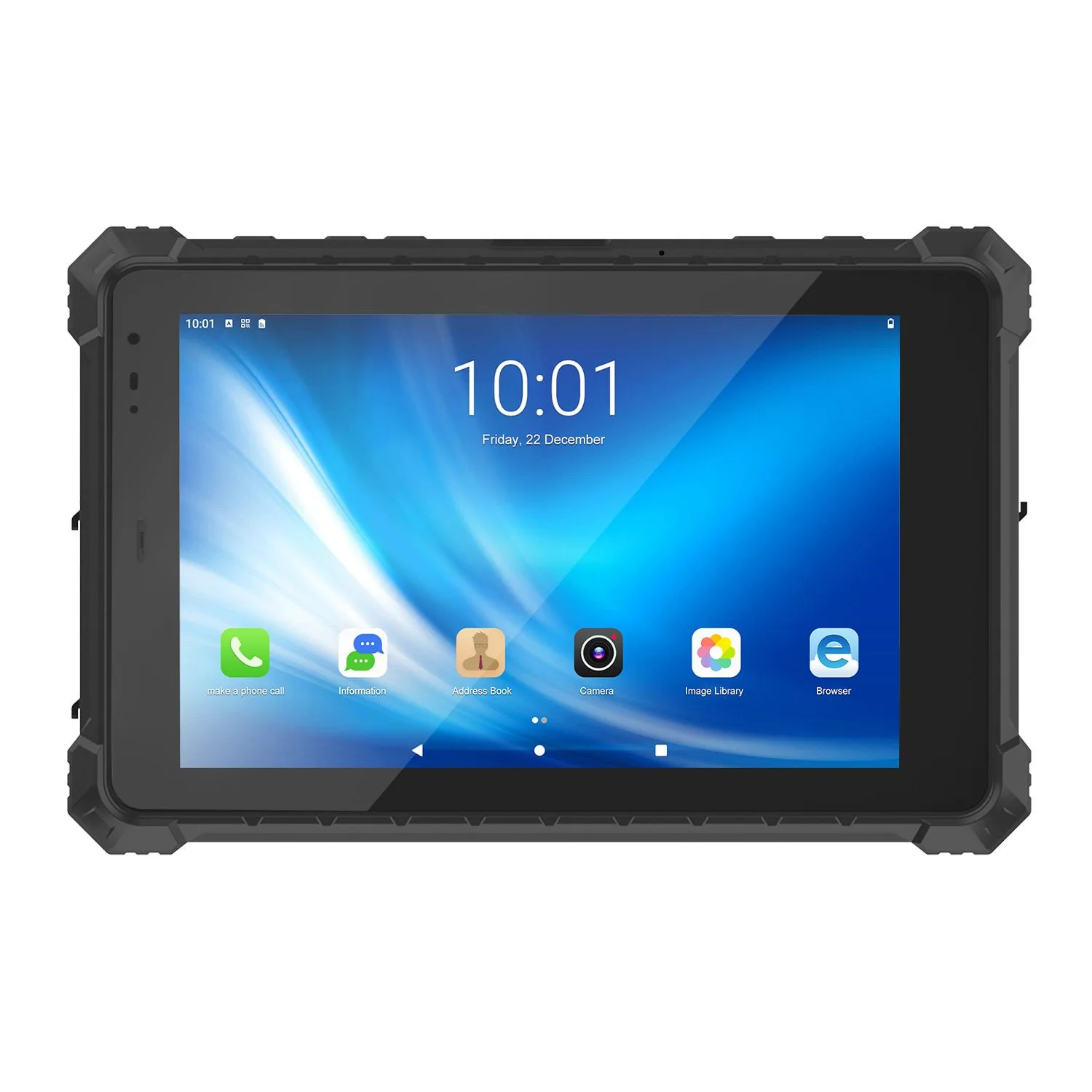
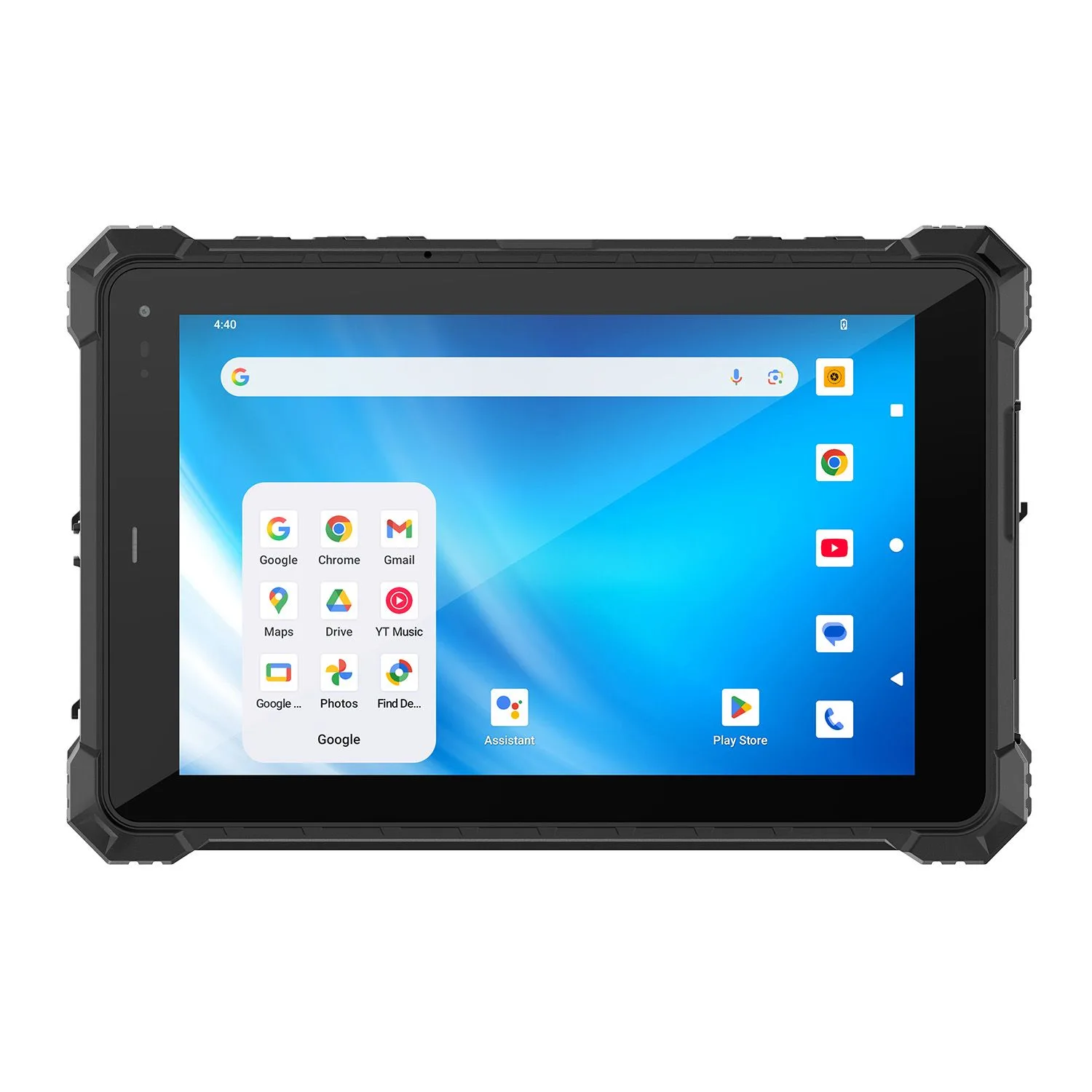
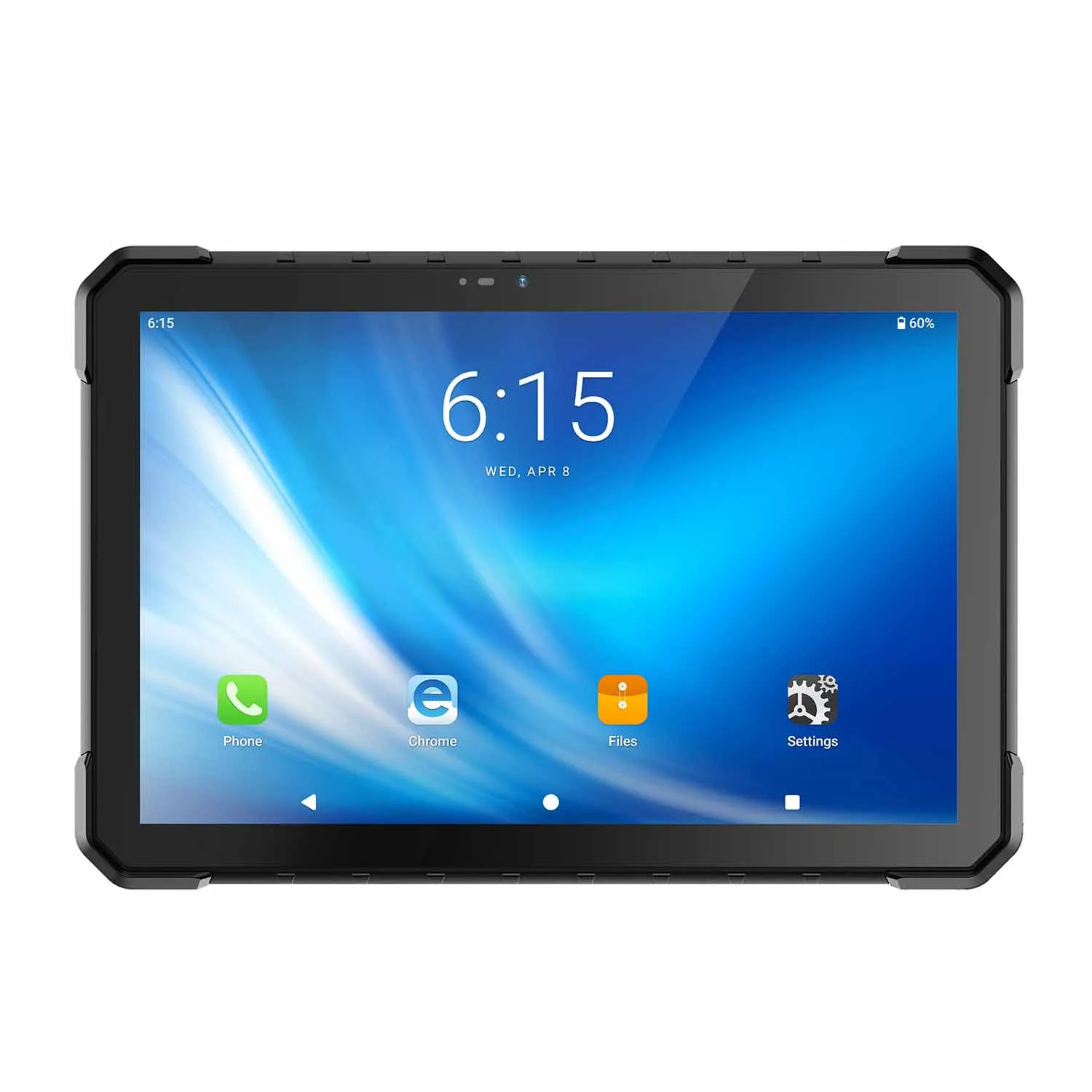
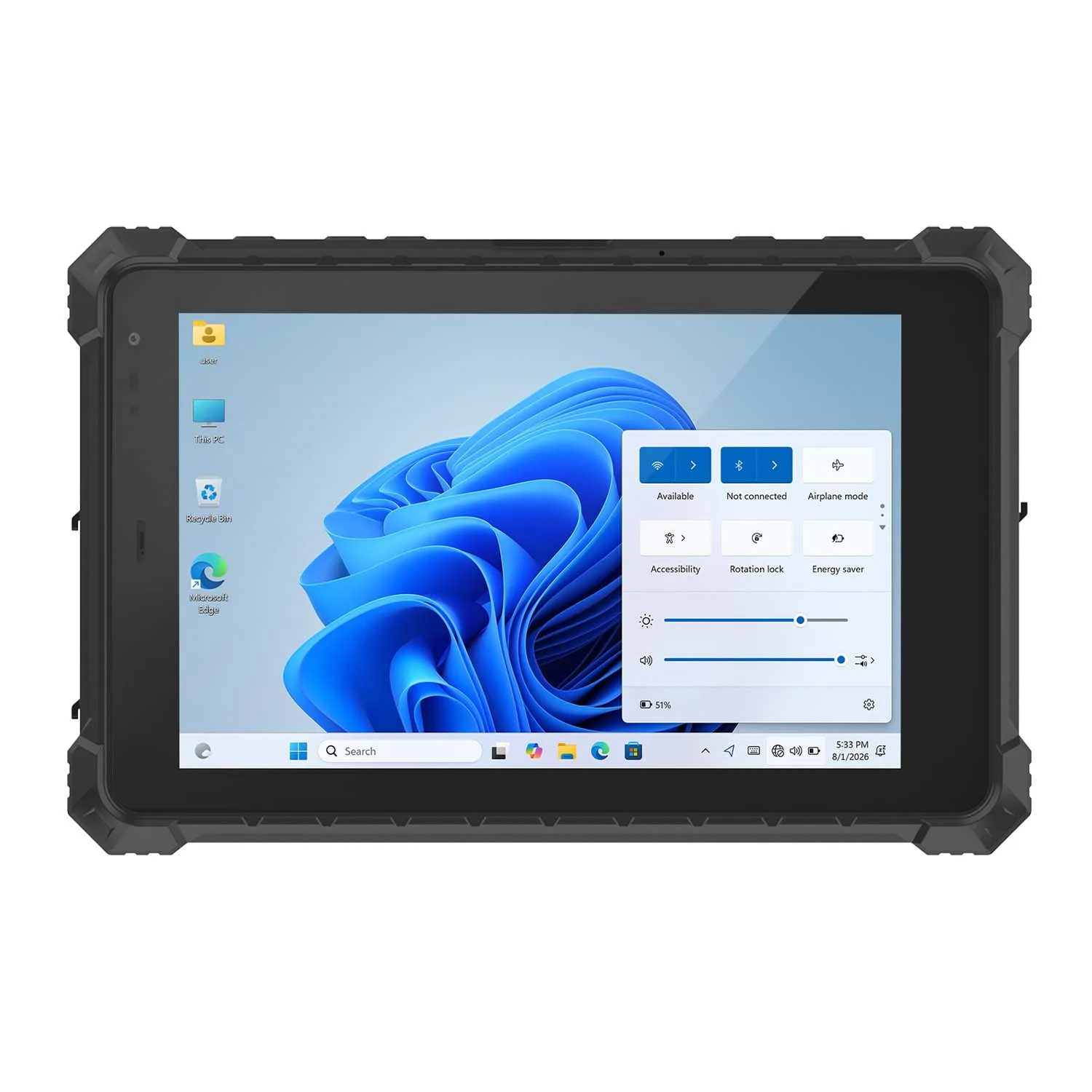
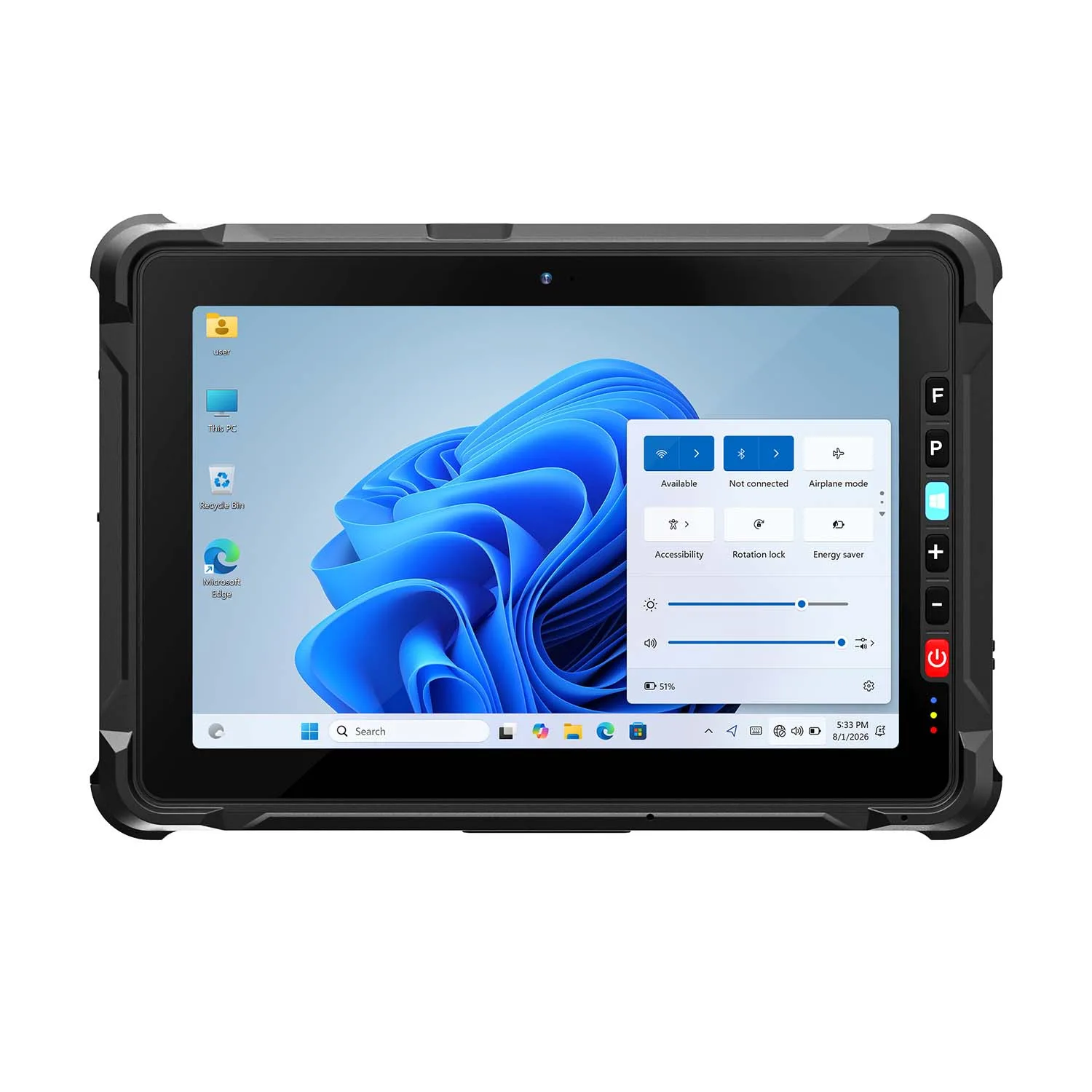
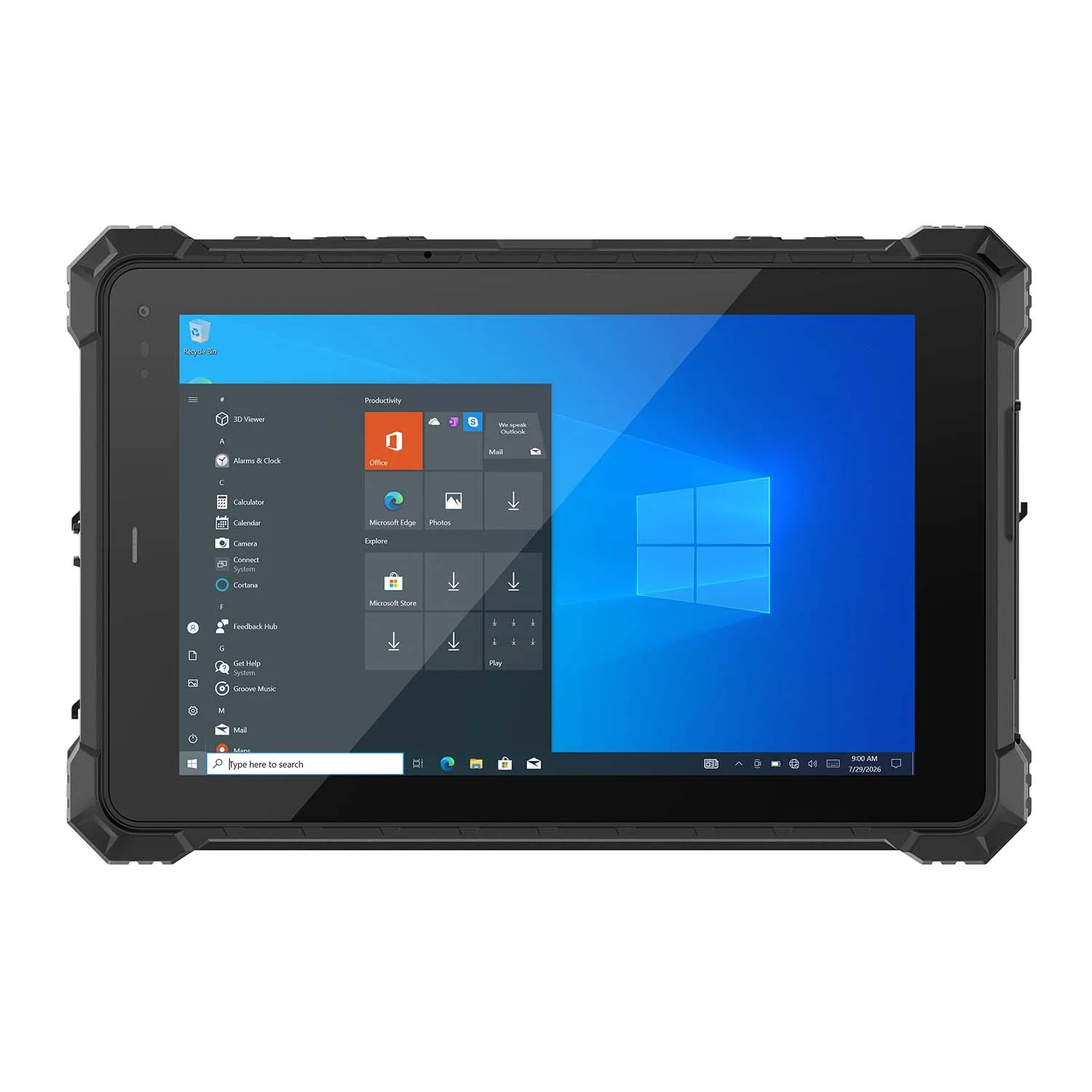
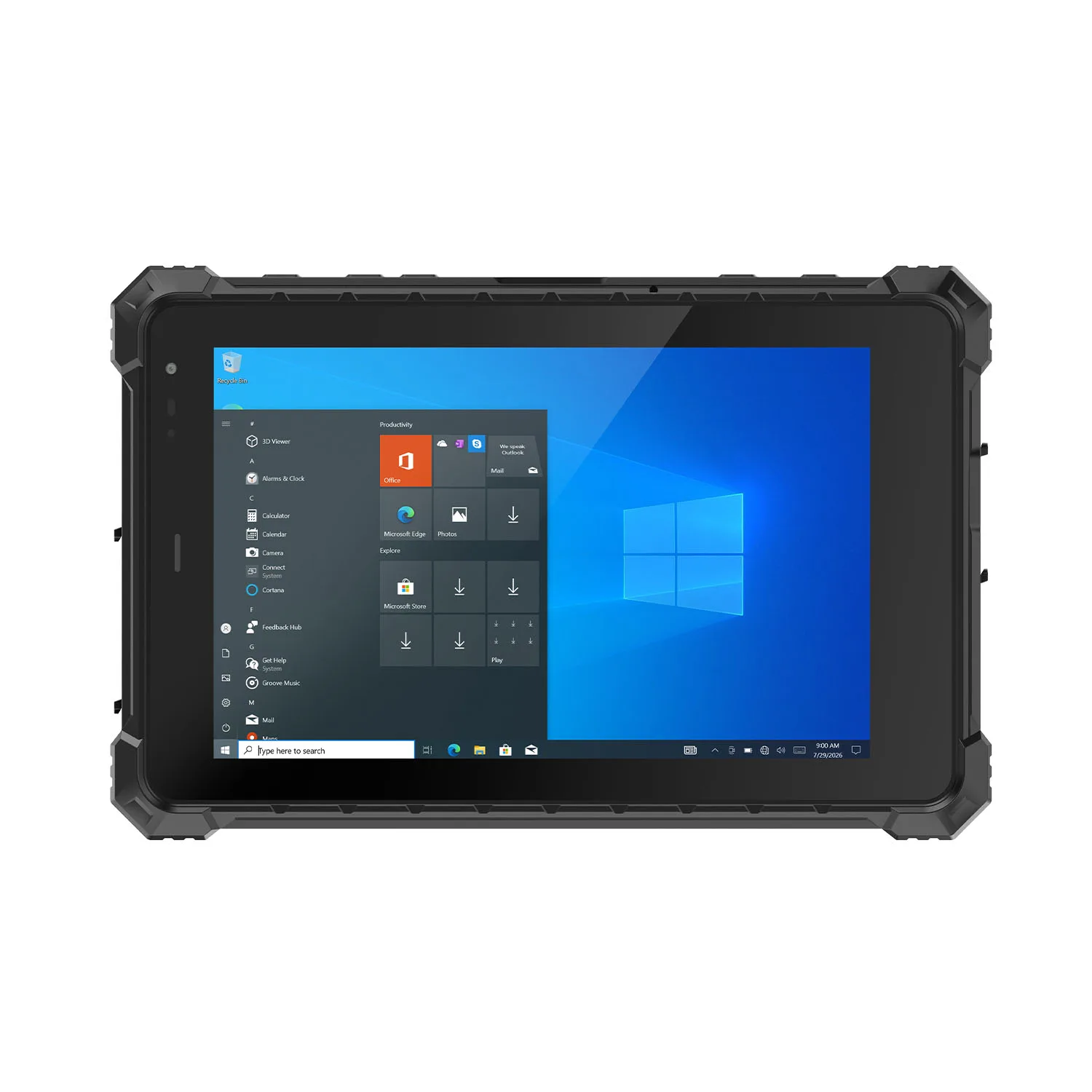
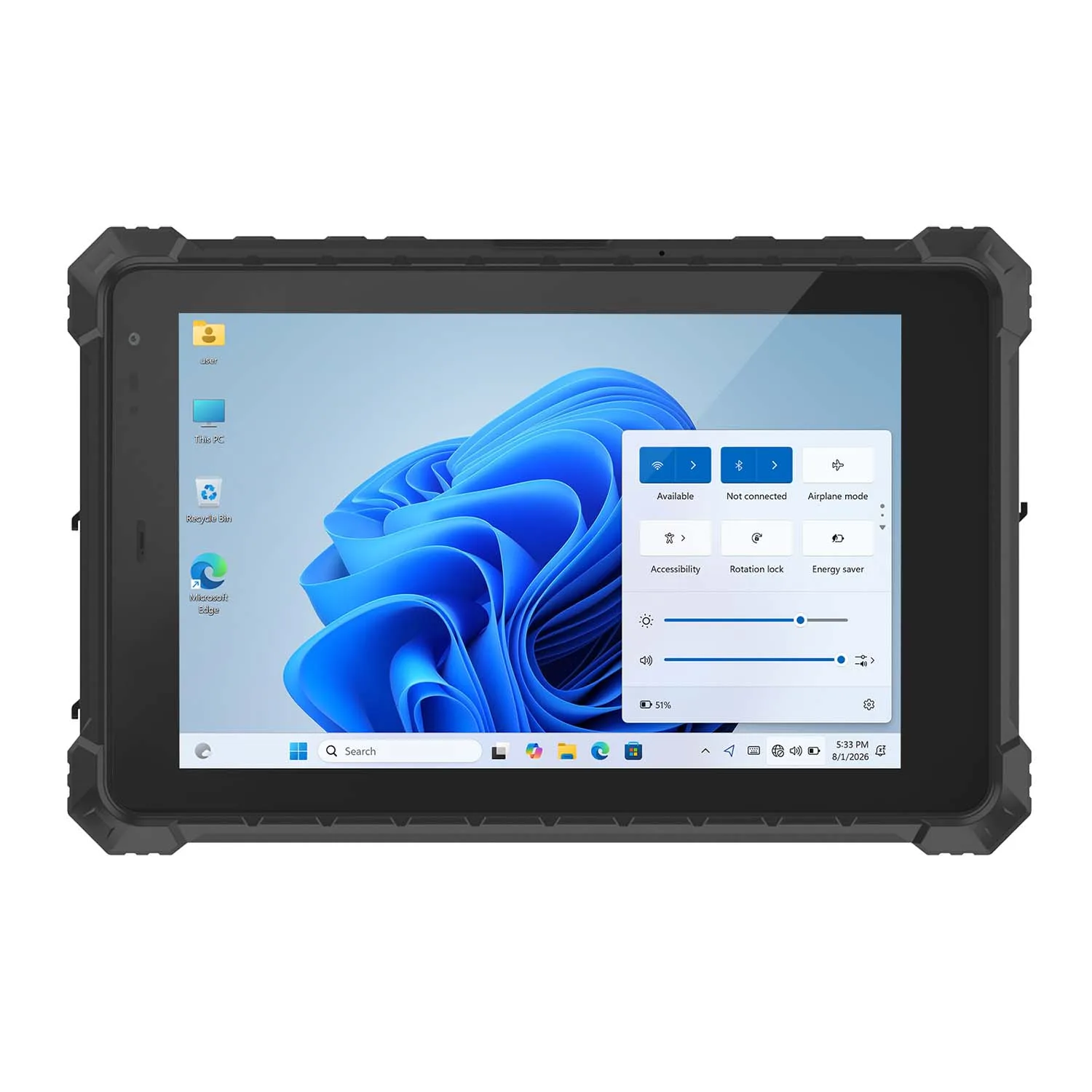
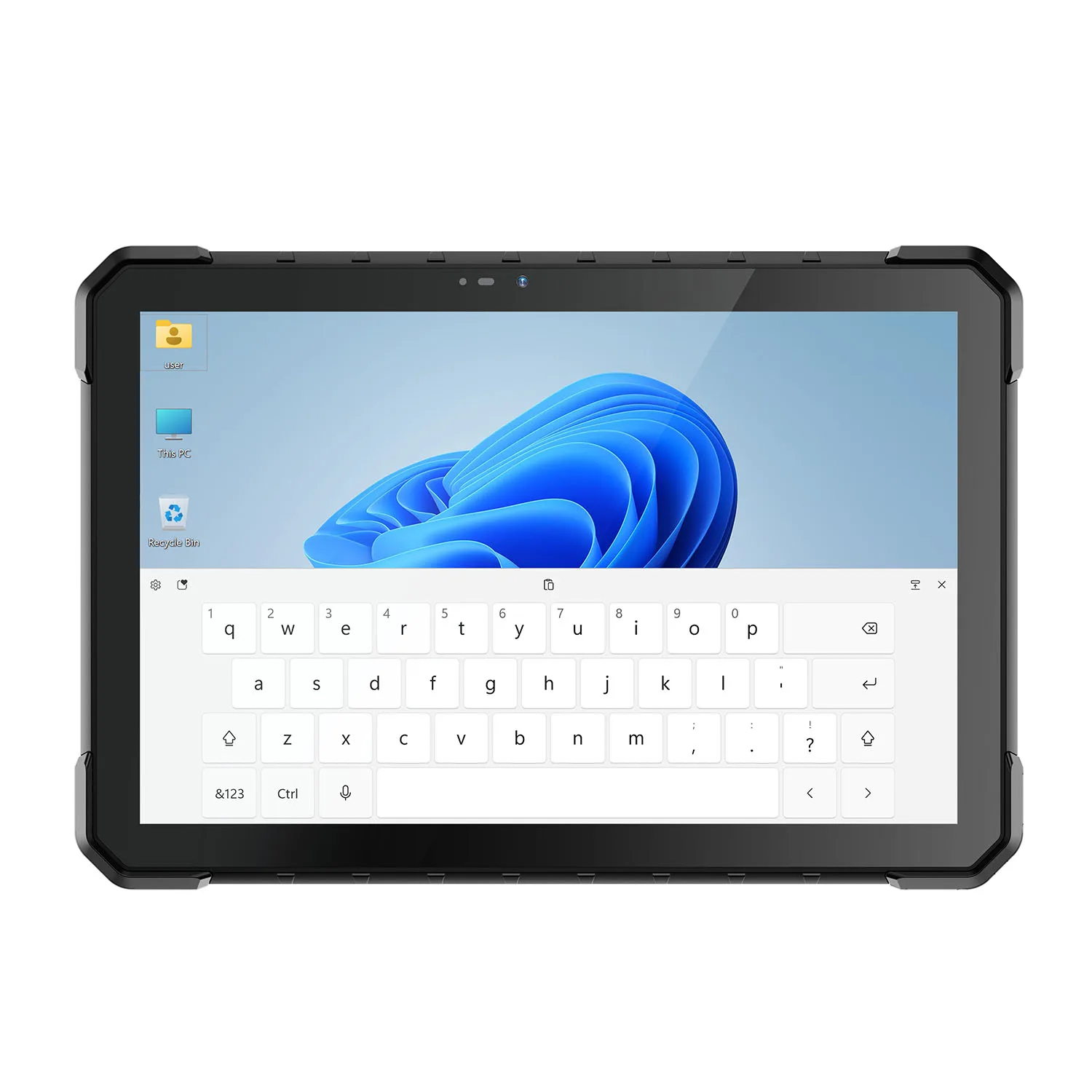
- Key Product: CENAVA's explosion-proof tablet portfolio identifies the 10.1-inch A10ST-EX MT8781 with Ex ib IIC T5 Gb and keeps it distinct from lower-category paths. The current certificate, schedule, label and supplied option set—not the portfolio heading—determine acceptance in a jurisdiction.
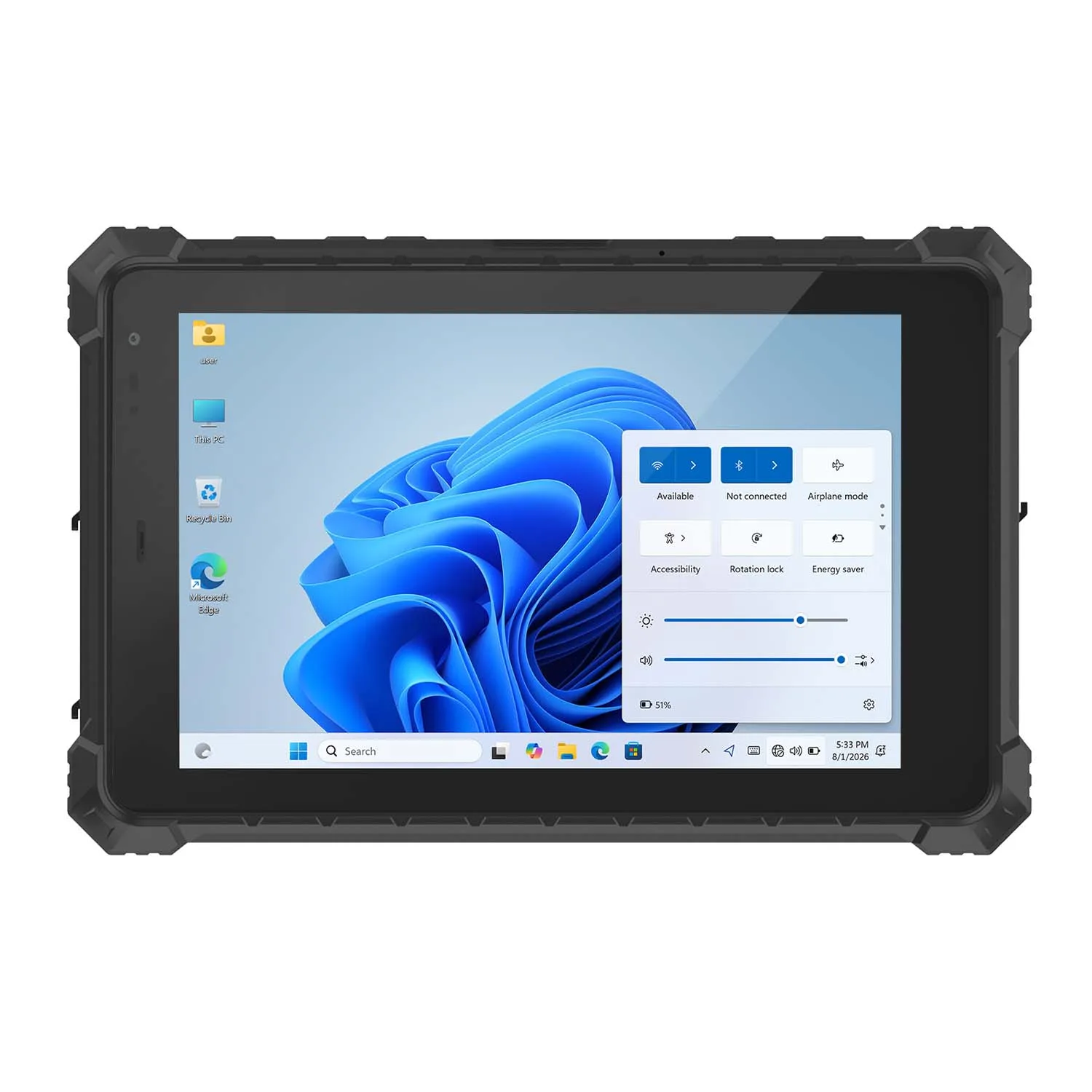
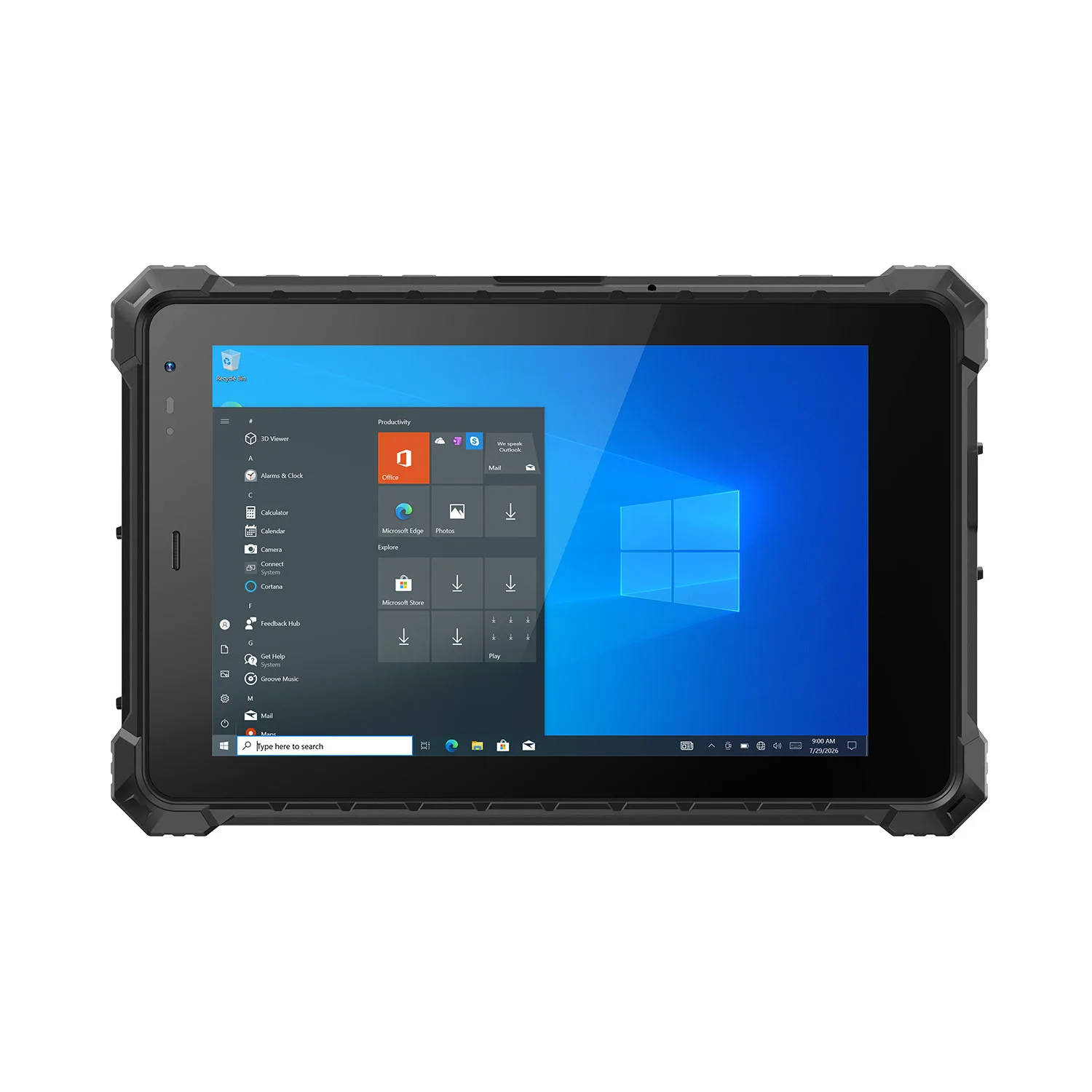
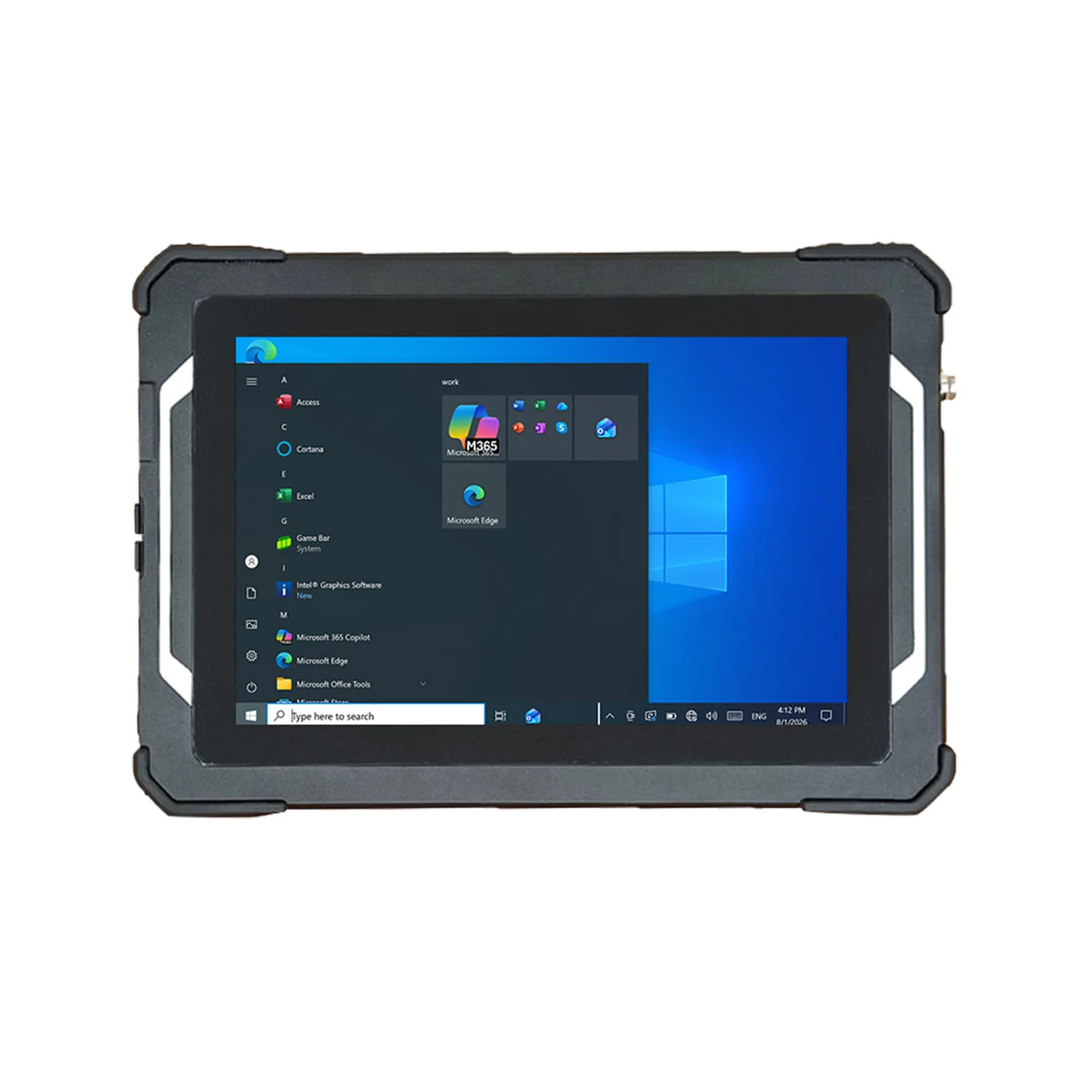
- Technical Advantage: Separate Android and Windows families can accommodate an existing work-order application or a simpler kiosk-mode form. Barcode, NFC and wireless functions should be specified before configuration review because an installed module must remain within the evidence for that exact build.
A pilot for an intrinsically safe tablet for fuel depot inspection should make wrong-asset and incomplete-record errors visible. It assigns one serial-numbered device to one route, opens twelve dummy assets, saves four photographs offline and deliberately attempts two incorrect tank or dispenser IDs. Acceptance counts duplicate records, wrong-asset openings, missing attachments and time drift; a successful final sync alone is too weak.
This entry applies only to the corresponding certified CENAVA configuration. The gas marking from one tablet cannot be combined with a radio, dust approval, battery or accessory from another product to create a broader specification. Software customization is useful, but it does not authorize unreviewed changes to the certified hardware.
5. Getac (Taiwan)
Core Strength: Fully rugged Android platform for ATEX/IECEx Zone 2/22
Getac supplies rugged computers for utilities, transport, maintenance and other field operations. Its EX suffix distinguishes the hazardous-area model from ordinary ZX10 variants, which is helpful when one organization uses similar tablets in the forecourt, workshop and back office.
6. BARTEC (Germany)
Core Strength: Zone 2/22 and Division 2 tablets with configuration-visible scanner options
BARTEC is an explosion-protection specialist with mobile computers based on enterprise hardware platforms. The combination can suit operators that want established Android management and scanning tools while retaining an order code and documentation set specific to hazardous locations.
7. Winmate (Taiwan)
Core Strength: Windows compatibility for Zone 2 and Class I, Division 2 workflows
Winmate manufactures rugged mobile and industrial computers for process, transport and field-service environments. Its hazardous-area Windows tablet is relevant where a fuel-terminal maintenance client depends on x86 software and every actual work point lies within the device's published lower-category scope.
8. DURABOOK (Taiwan)
Core Strength: Fanless Windows mobility with explicit Zone 2/22 rugged evidence
DURABOOK focuses on rugged Windows computers for utilities, public-sector fleets and field maintenance. Its larger tablet format can suit document-heavy depot tasks where the classified points are Zone 2 and staff need to compare a drawing or photograph with equipment in front of them.
9. Zebra Technologies (United States)
Core Strength: Enterprise Android data capture with a North American C1D2 option
Zebra is a major enterprise-mobility and barcode supplier with mature device-management and scanning tools. Its ET6x family is relevant to North American fuel logistics when the hazardous-location option is explicitly included in the ordered configuration and the work route does not require Division 1.
10. Panasonic TOUGHBOOK (Japan)
Core Strength: Modular Windows ecosystem with an optional North American C1D2 build
Panasonic TOUGHBOOK has a long rugged-computing history and an established ecosystem of tablets, keyboards, docks and service support. That background can help organizations already using TOUGHBOOK units in the sales building, maintenance office or service vehicles, provided the hazardous-location fleet remains separately identified.
How to Choose the Right Manufacturer for a Fuel Depot or Gas Station Route
The defensible process removes devices with the wrong protection level before comparing operating system, display or price. Hazardous-area admission, physical durability, worker protection, measurement accuracy and data integrity remain separate decisions. Strength in one area cannot compensate for failure in another.
Define Your Operating Environment
Walk the real route with operations and the responsible electrical, instrumentation or hazardous-area professional. Use the current classification drawing to label the tanker arrival or cab point, unloading connection, fill box, tank-gauge point, dispenser cabinet, sales building and safe charging room. Record where the user sets down the tablet, crosses a boundary or hands it to another employee.
Repeat the review for abnormal but foreseeable states. A connected delivery hose, open fill connection, vapor-recovery maintenance, dispenser service or temporary ventilation condition may change the procedure and permitted route. Do not infer a generic distance from a photograph or another operator's drawing; local code, fuel properties, equipment design and the site's engineering basis matter.
Keep the tablet's role narrow. It is not a personal gas monitor, calibrated gauge, bonding verifier, spill alarm, emergency-stop control or permit authority. If an alarm, spill or supervisor instruction ends the task, the form should allow immediate suspension and preserve the unfinished entry without presenting it as an approved record.
Clarify Performance Requirements
Build a 28-task safe-area rehearsal from the actual work: 12 routine inspections, 4 seal or label photographs, 4 approved-meter or local-indicator transcriptions, 3 offline saves, 3 wrong-asset attempts and 2 simulated spill or alarm stops. Use dummy equipment and non-operational training values. Count wrong screens, missed fields, accidental taps and records that fail to reach the server.
Repeat representative actions with the issued glove, approved hand strap, screen protector and permitted cleaning state. Test sun, shade and water droplets in a controlled setting. “Glove mode” does not mean operation with every glove material or thickness; test the actual make, size and condition without compromising the site's PPE rule.
Power planning belongs to route design. Measure consumption through the agreed workload, retain a margin for a delayed return and name the safe charging point. A USB-C port, dock or replaceable battery is a product feature. Permission to connect, dock, open or exchange anything comes from the certified instructions and site procedure.
Consider Software & Integration
The offline workflow needs visible states for stored locally, waiting to transmit and accepted by the server. Enter a dummy delivery exception, remove network access for 45 minutes, restart the managed application and reconnect through the approved network. Reconcile timestamps, user actions, photographs, corrections and duplicate identifiers against the server record.
Tank and meter values need provenance. When an operator transcribes a reading from an approved instrument or fixed indicator, retain the asset ID, instrument ID where applicable, unit and observation time. A copied value on a tablet is not personal exposure evidence and does not change the calibration status of the original instrument.
Test the application response to route changes. A simulated spill or unloading alarm should stop data entry without making the operator dismiss several dialogs. A cached permit or delivery record must not appear current after its server status changes. Mobile device management can control apps and quarantine a unit; it cannot expand the Ex marking on the label.
Analyze Total Cost of Ownership (TCO) vs. Initial Cost
Calculate the controlled deployment, not the tablet alone. Include approved straps and protectors, safe-area chargers, labeled spares, device enrollment, cleaning materials, label inspection, certificate-record maintenance, training and post-drop or post-repair release. If several approval regimes are involved, include the cost of keeping the correct replacement SKU available for each site.
Use measured pilot data for the business case. As an illustration, 6 technicians completing 5 rounds with 3 minutes of paper transcription each creates a gross opportunity of 90 staff-minutes per day. This is not a promised saving: walking, instrument checks, unloading controls, supervisor review and error correction remain. The pilot must supply the actual rework and synchronization figures.
Contact CENAVA only when an exact project configuration needs review. Provide the destination country, ATEX/IECEx or Class/Division framework, Zone or Division, gas group, temperature class, ambient range, fuel or vapor environment and the precise route and task. Add the operating system and application; include the carrier and SIM/eSIM requirement only when cellular service is needed, and identify the NFC card or tag type only for an NFC workflow. Do not send credentials or personal card data. The other comparisons do not require a sales inquiry.
The Future of Tablets at Fuel Depots and Gas Stations: Trends to Watch
The most useful advances will strengthen traceability and field behavior without blurring certification boundaries.
- Serial-level digital release records: Procurement, EHS, maintenance and IT will increasingly share one record linking the physical label, certificate revision, approved accessories, managed image, permitted route and repair status. A QR code can retrieve that record but cannot replace the nameplate.
- Operation-state-aware routes: Applications will distinguish routine forecourt work from tanker unloading, open equipment and maintenance states. Location prompts can warn a user approaching a restricted point, yet they remain administrative aids rather than area-classification instruments.
- More explicit accessory governance: Buyers will expect order codes and issue records to show the strap, stylus, protector, scanner, battery and charging method. This reduces the gap between a correctly certified bare device and the way it is actually carried and powered.
- Common workflows on region-specific hardware: International operators will keep consistent forms and asset identities while deploying separate ATEX, IECEx or Class/Division configurations by site. That approach is more auditable than describing a brochure family as universally approved.
Conclusion
The correct answer to what tablet is safe at a gas station begins with the work route and exact certification evidence. A Zone 1 / EPL Gb or Class I, Division 1 point cannot be served by a Zone 2 / Gc or Division 2 tablet merely because the latter has IP66, MIL-STD-810H or a bright display. Gas group, temperature class, ambient range, special conditions and accessories remain part of acceptance.
Pepperl+Fuchs / ECOM, i.safe MOBILE, Aegex and specific certified CENAVA configurations provide relevant high-category paths. Getac, BARTEC, Winmate, DURABOOK, Zebra and Panasonic address defined Zone 2, Division 2 or unclassified tasks. Their value depends on keeping those boundaries visible during purchase, receiving, issue, unloading operations, repair and re-release.
Selecting a fuel-site tablet is therefore a controlled engineering and workflow decision, not a contest for the longest specification list. Match the certificate to all seven route points, rehearse the real task with representative PPE and offline conditions, and retain evidence at serial-number level. This creates an auditable deployment without relying on absolute claims.
Need a Rugged Device for Your Project?
Tell us your operating environment and requirements — our engineers will recommend a configuration and quote within 24 hours.
Get a Free Quote Back to Blog