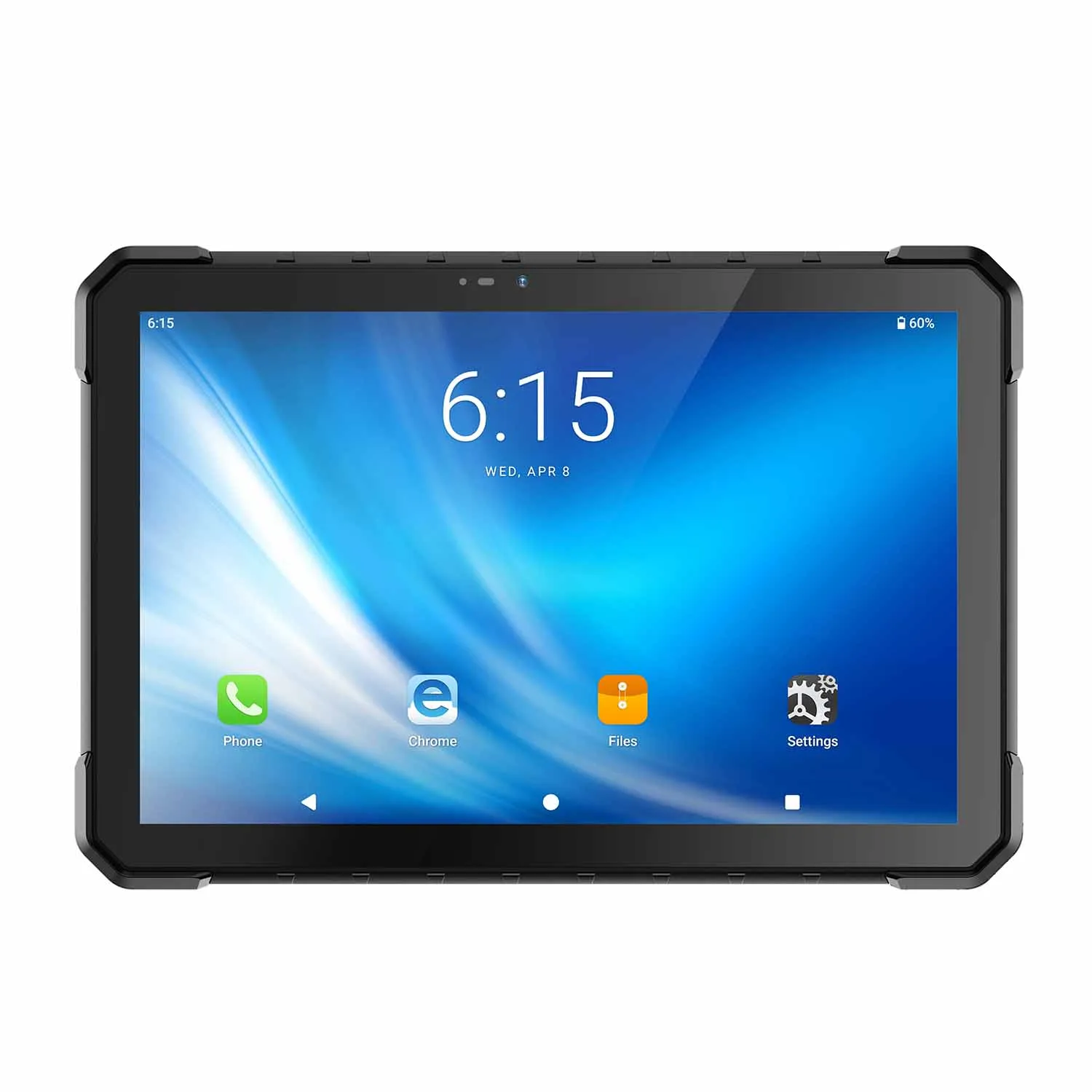
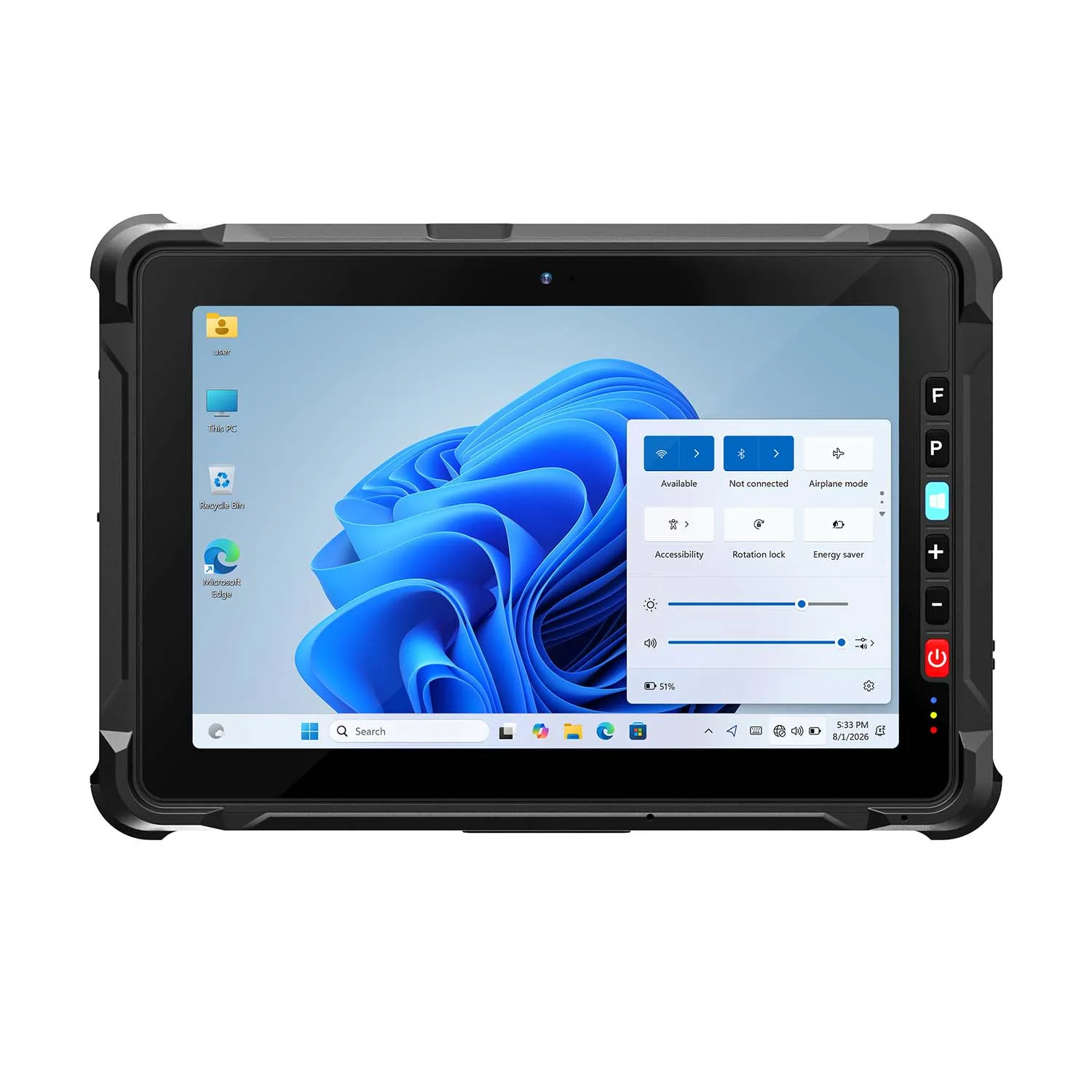
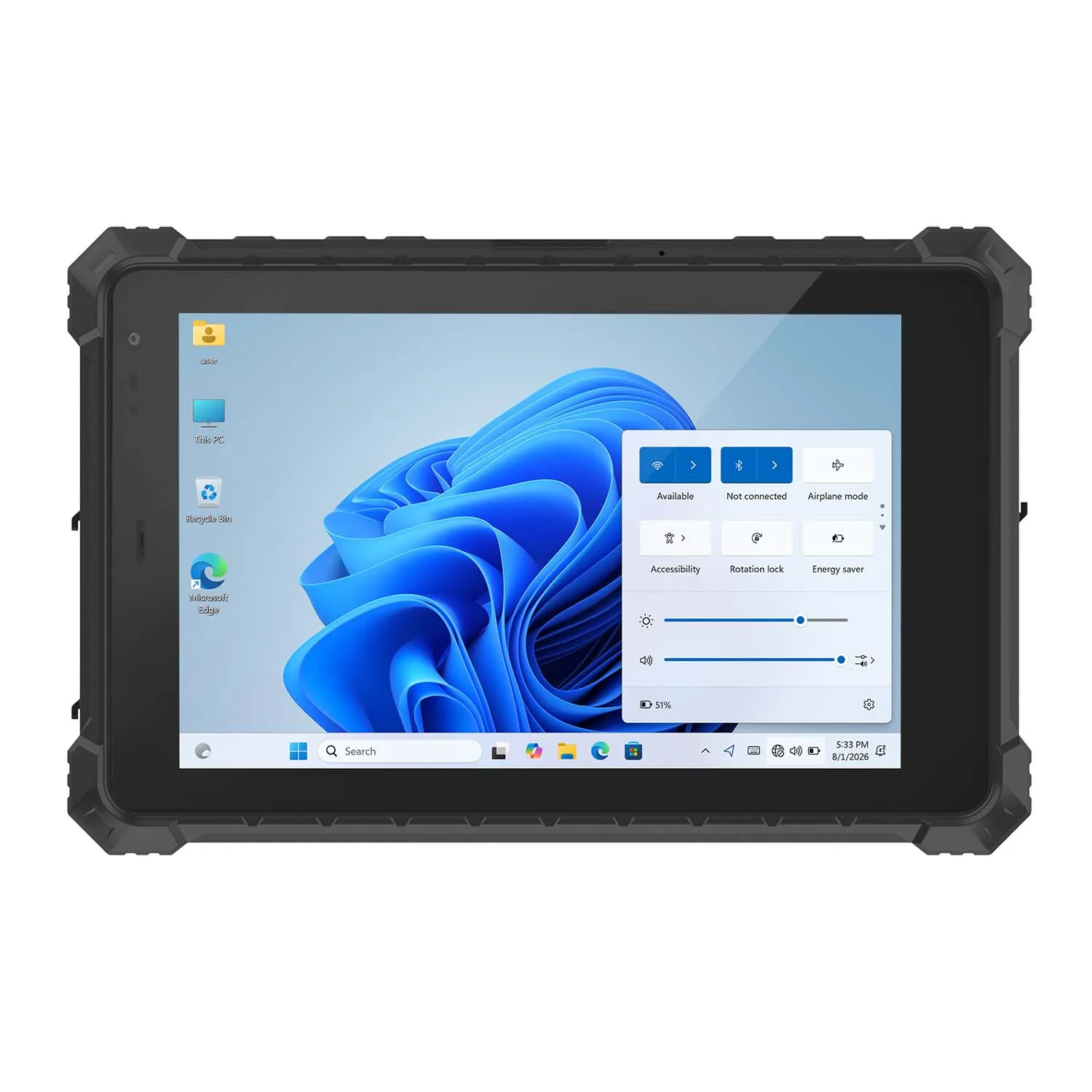
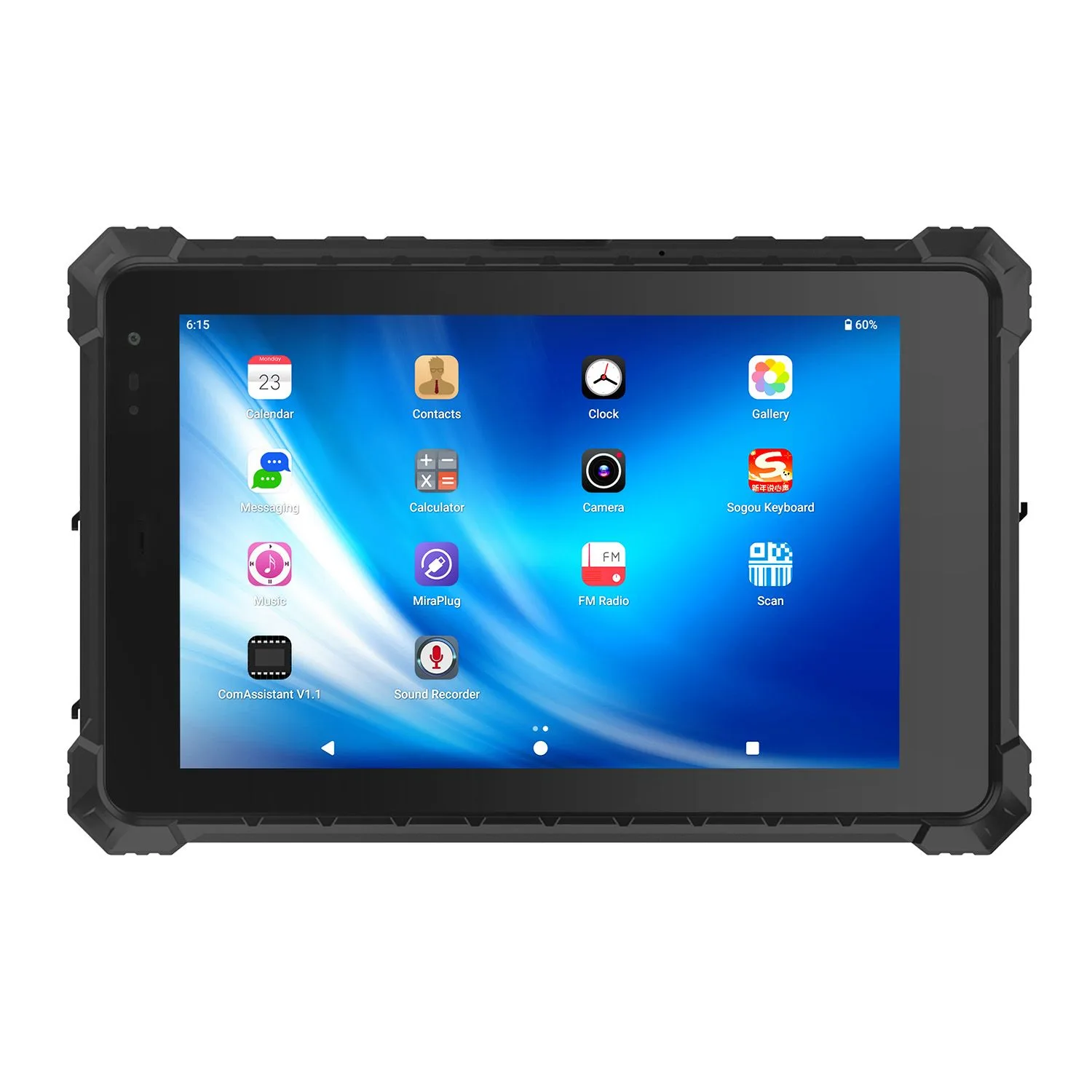
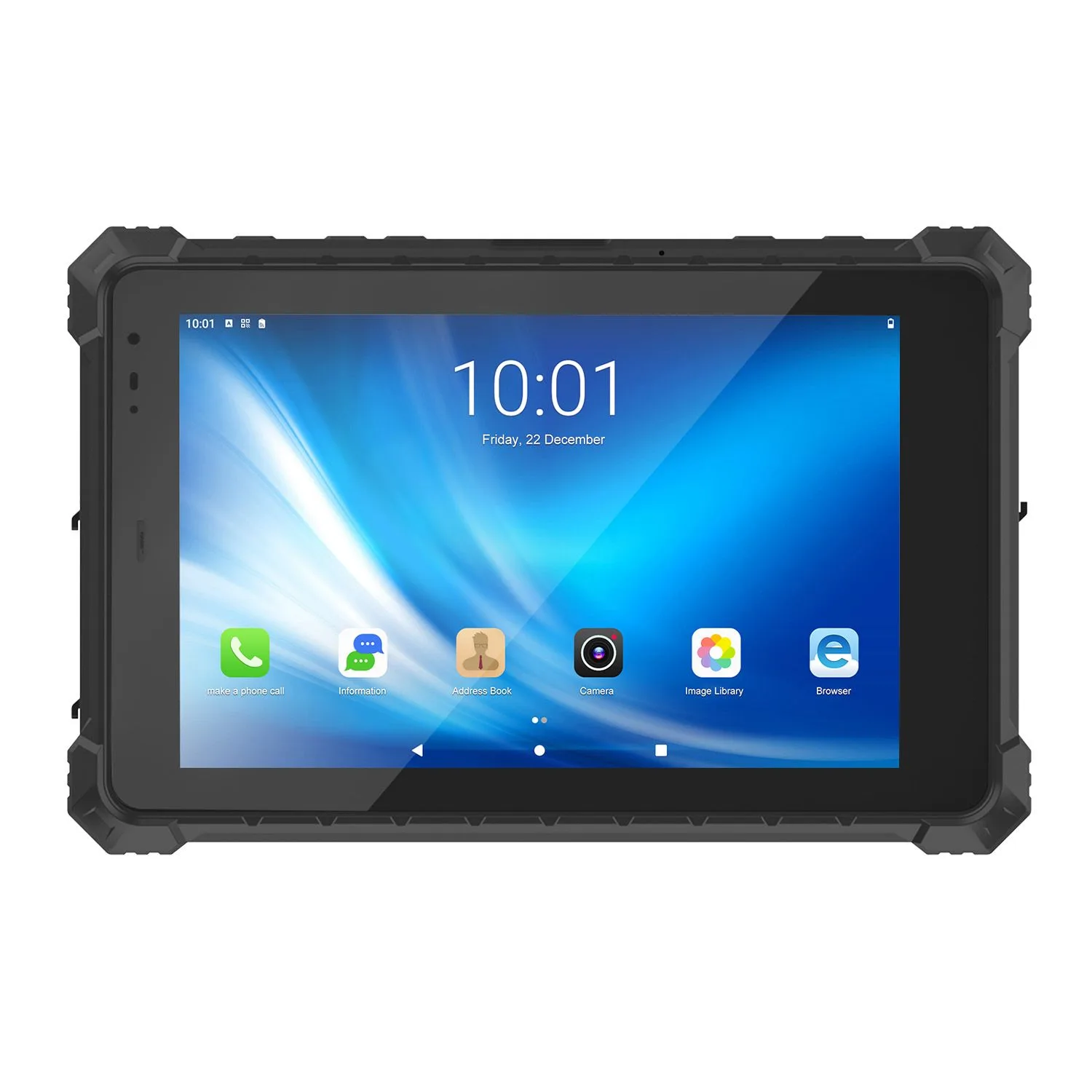
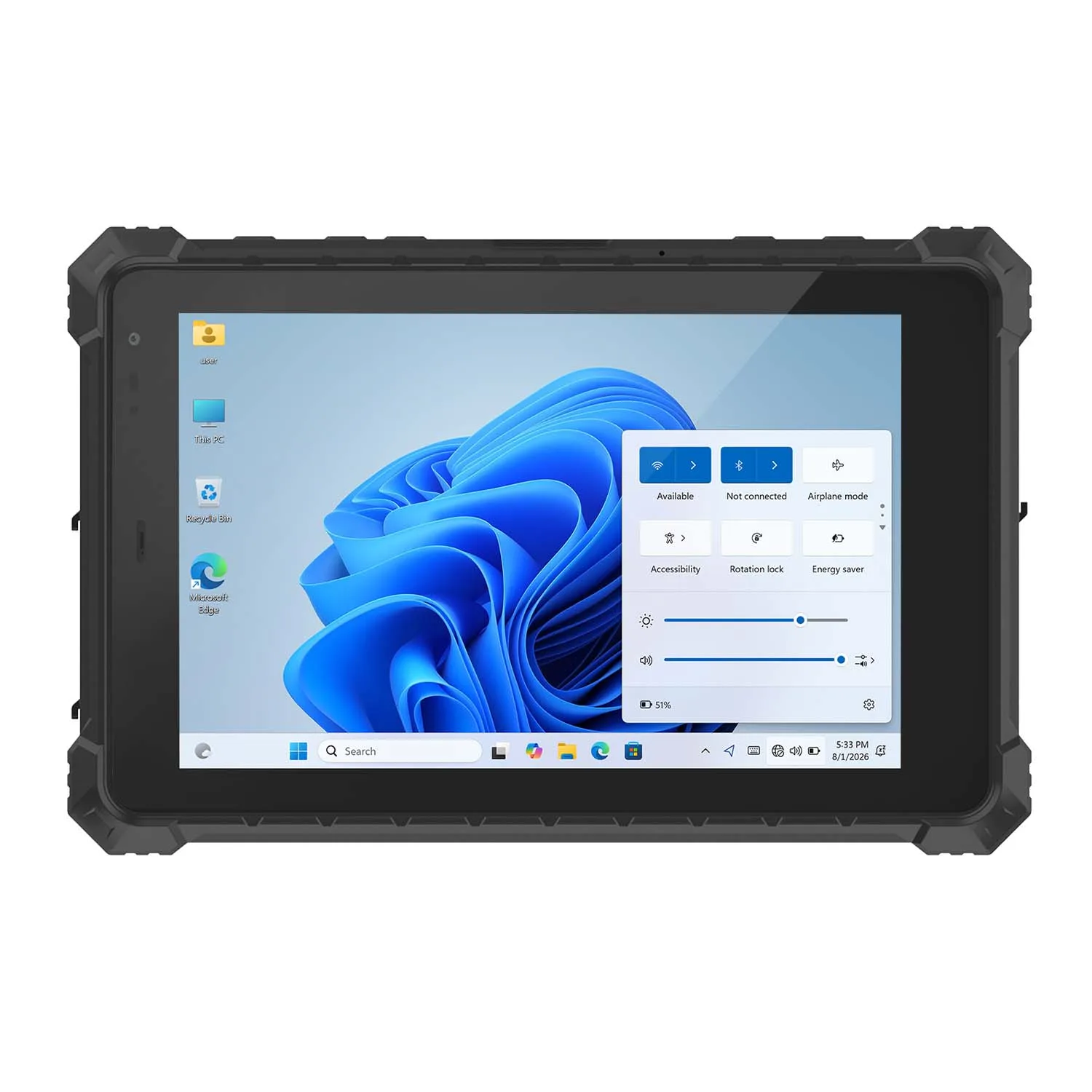
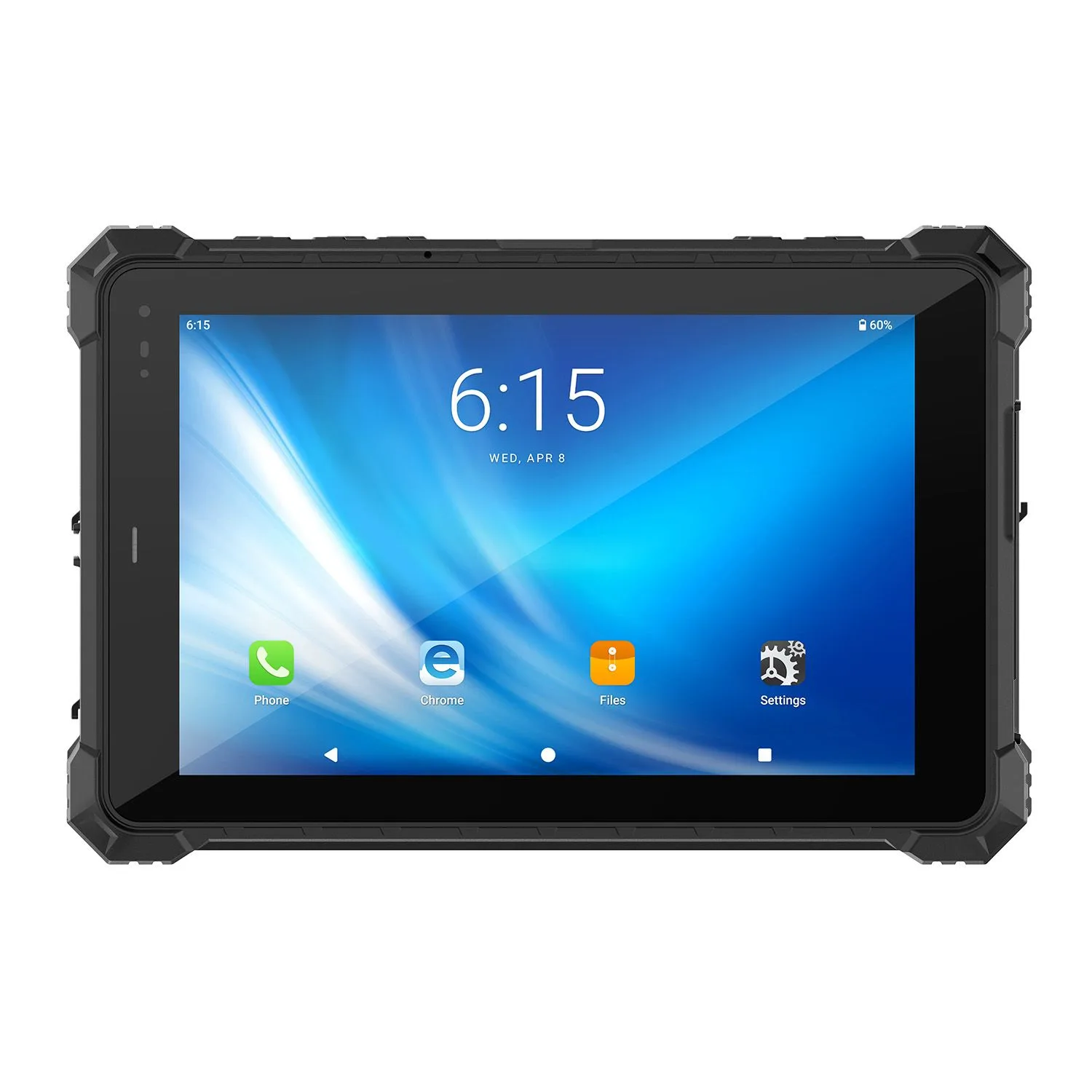
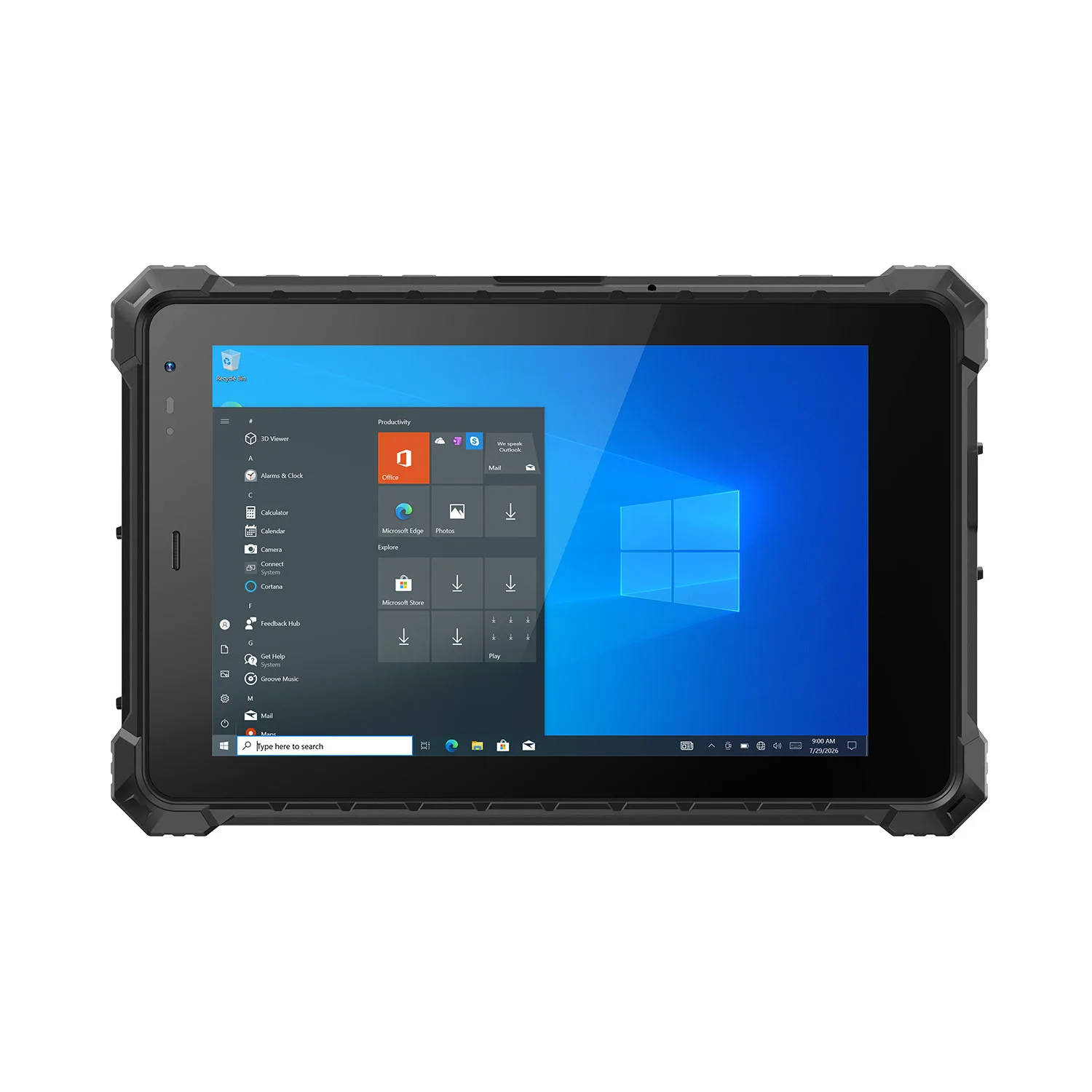
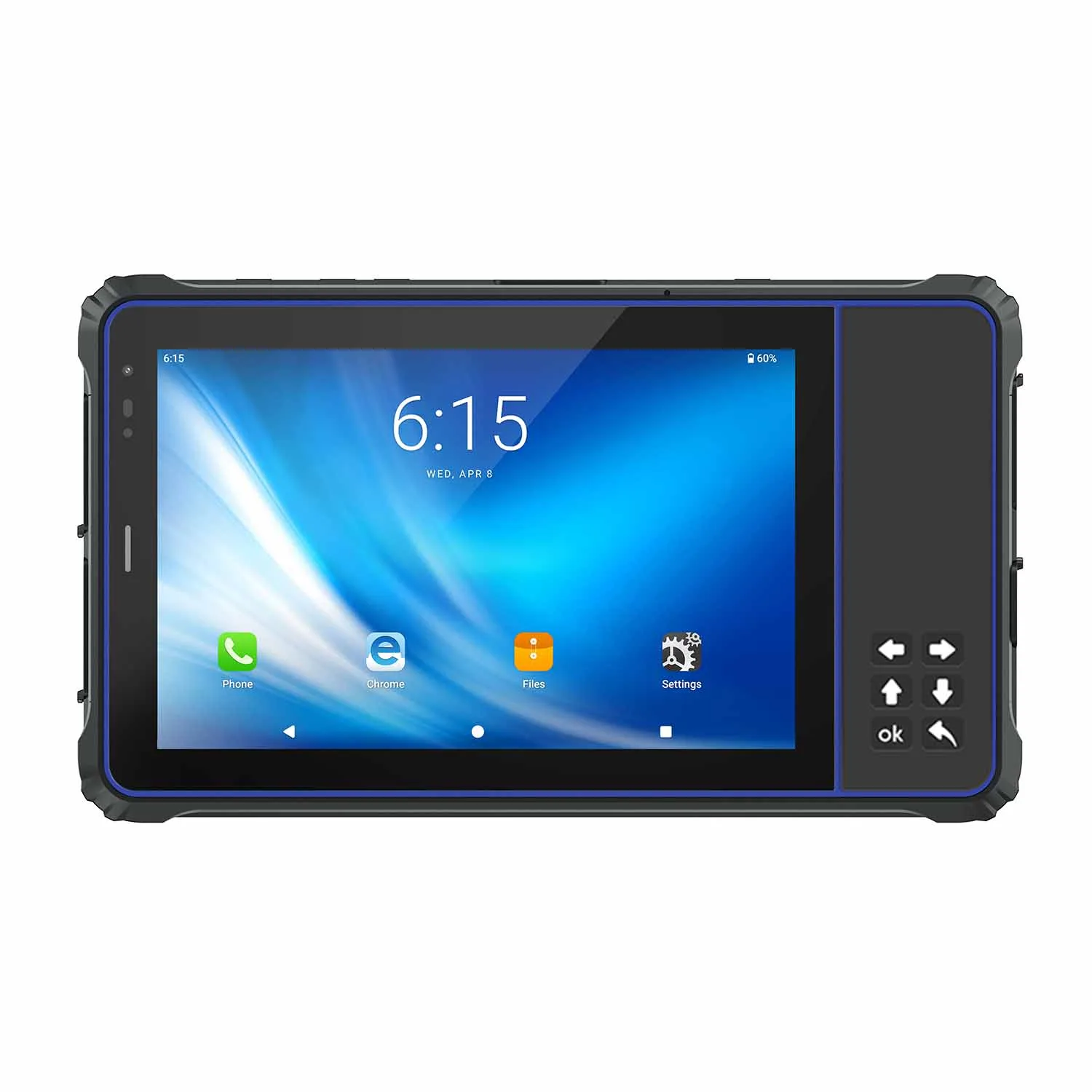
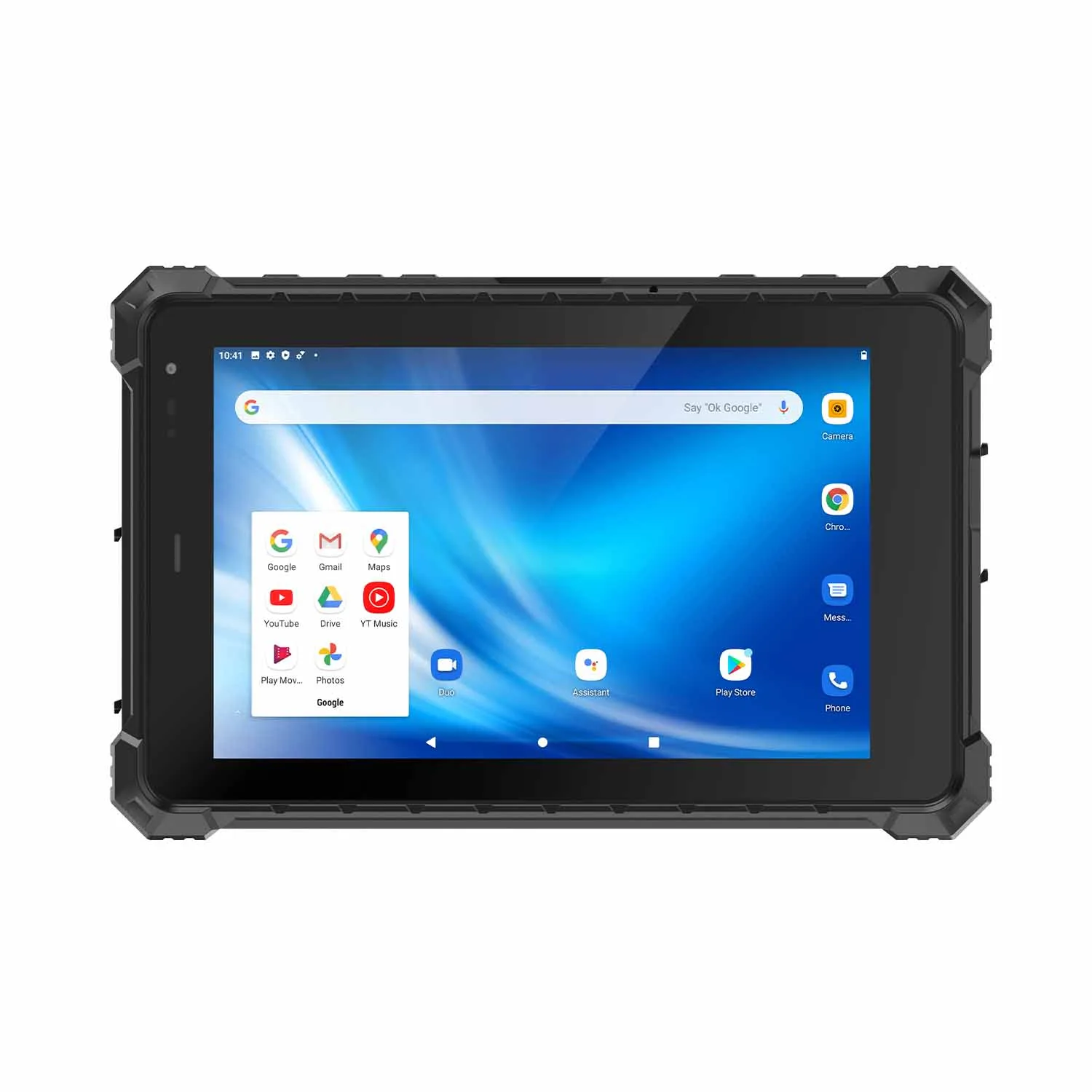
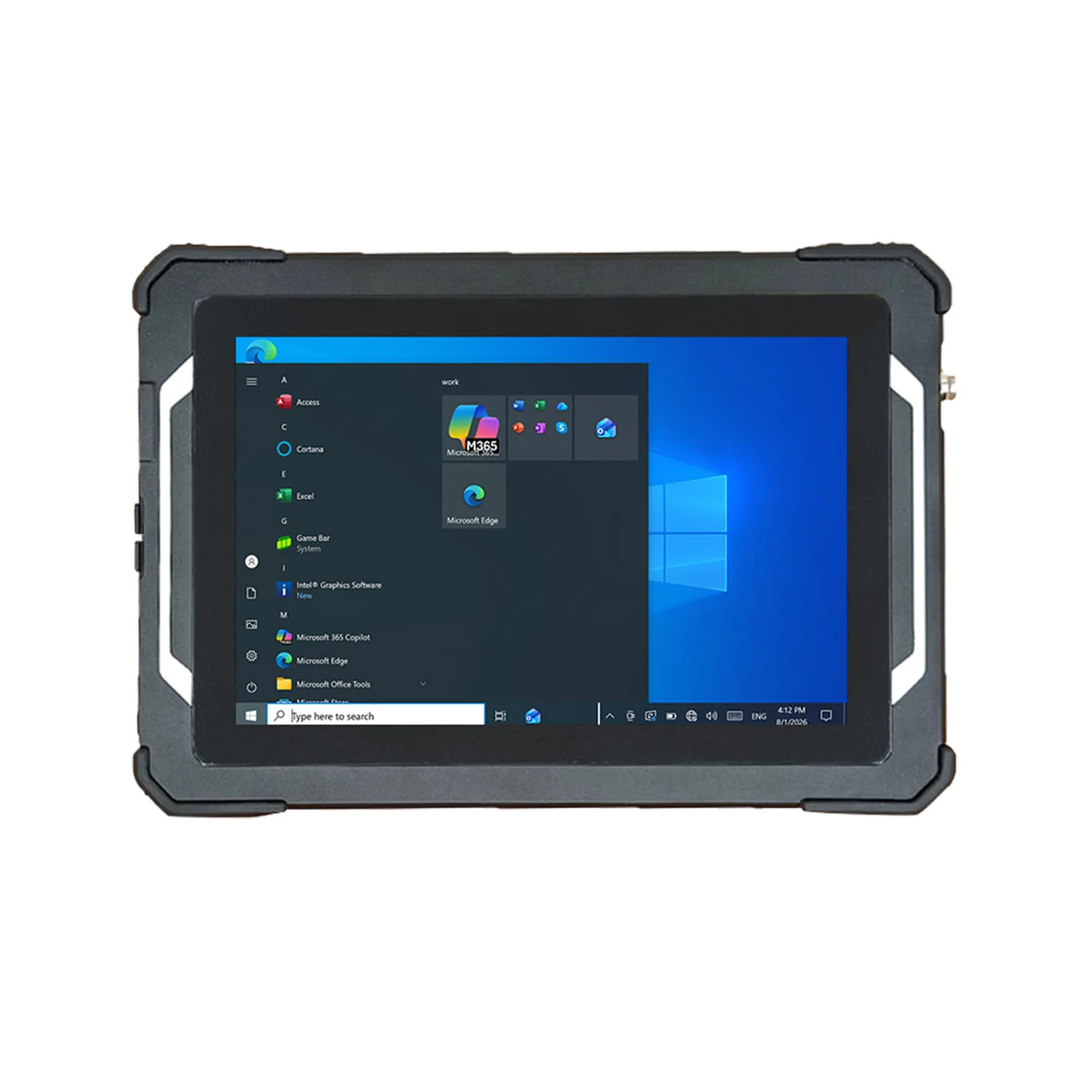
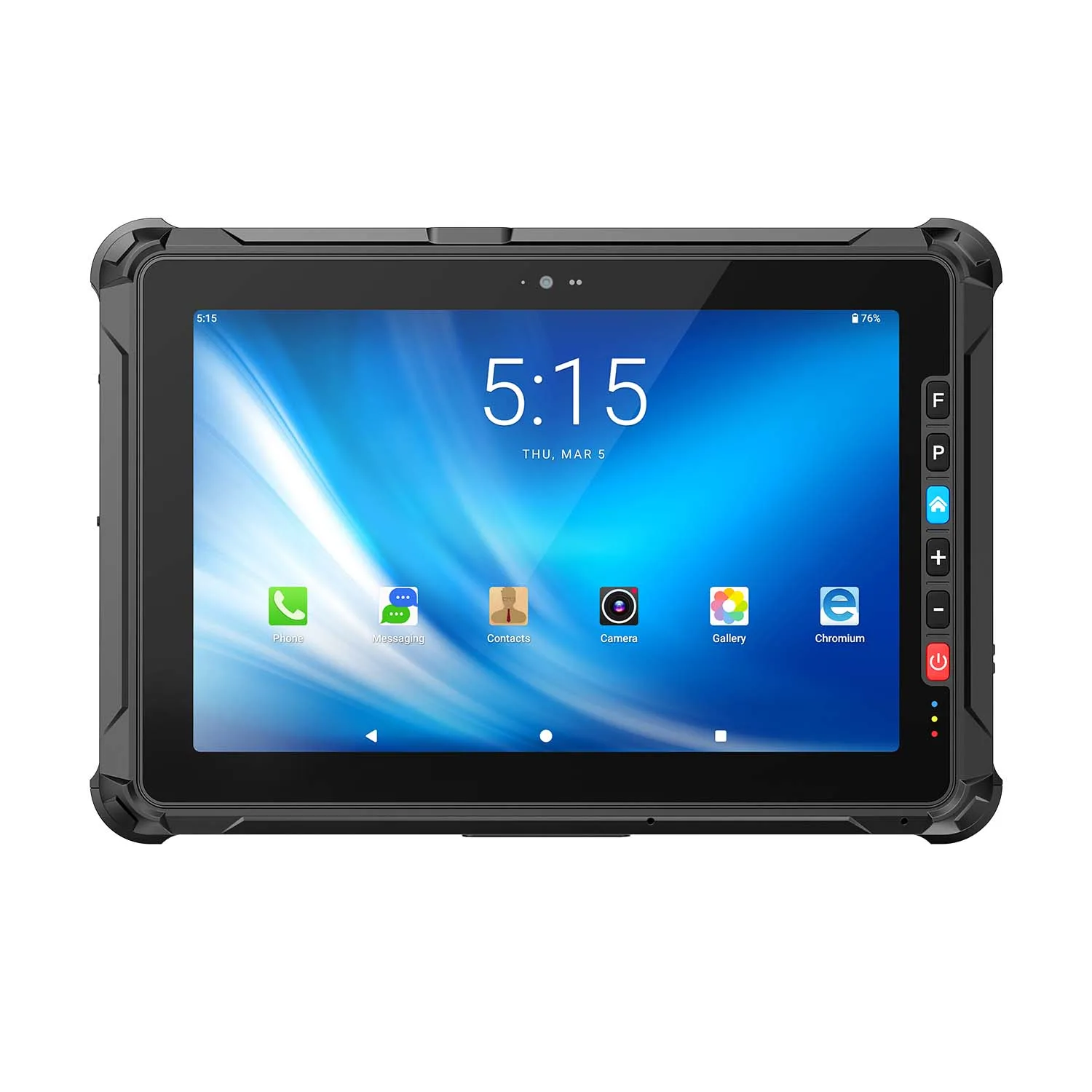
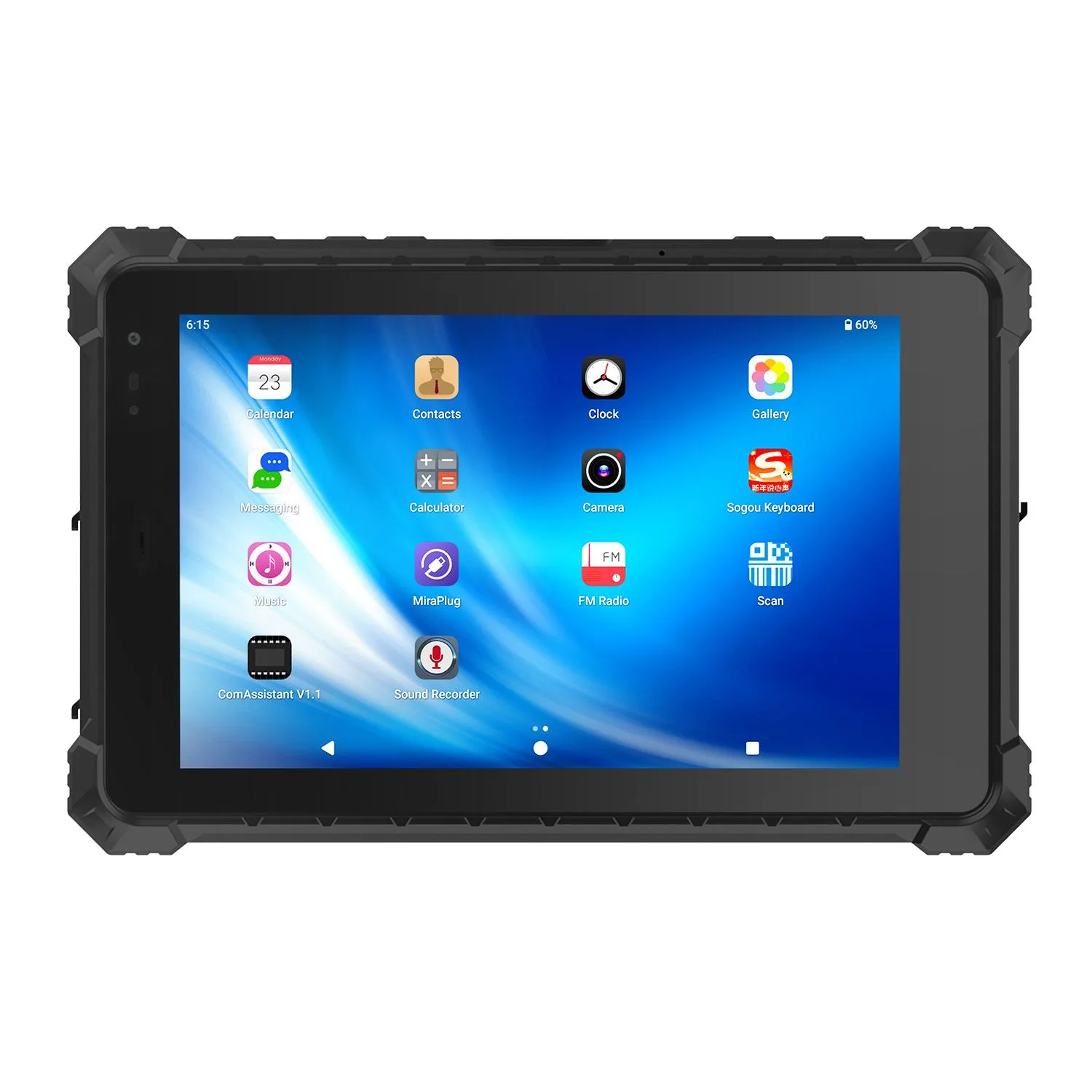
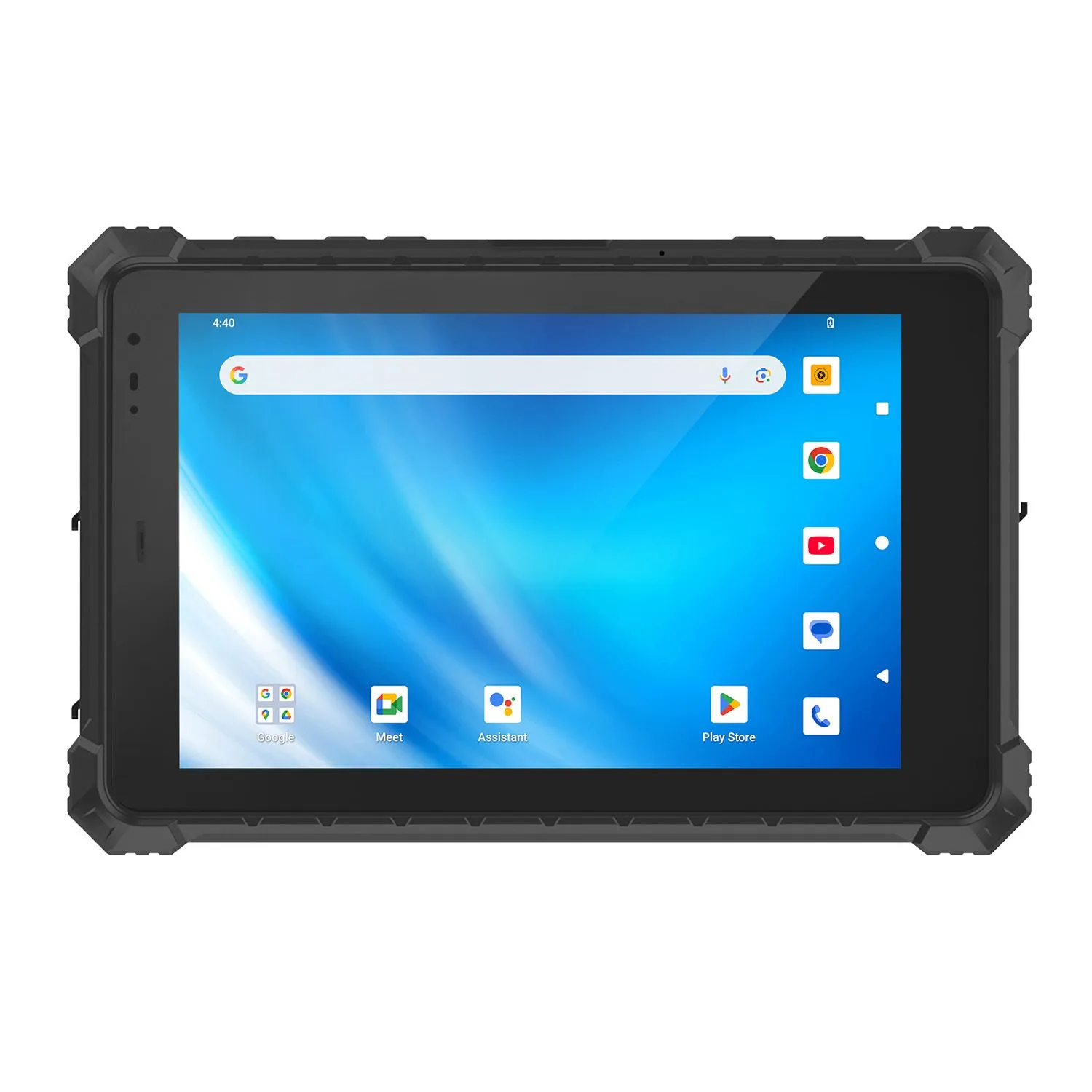
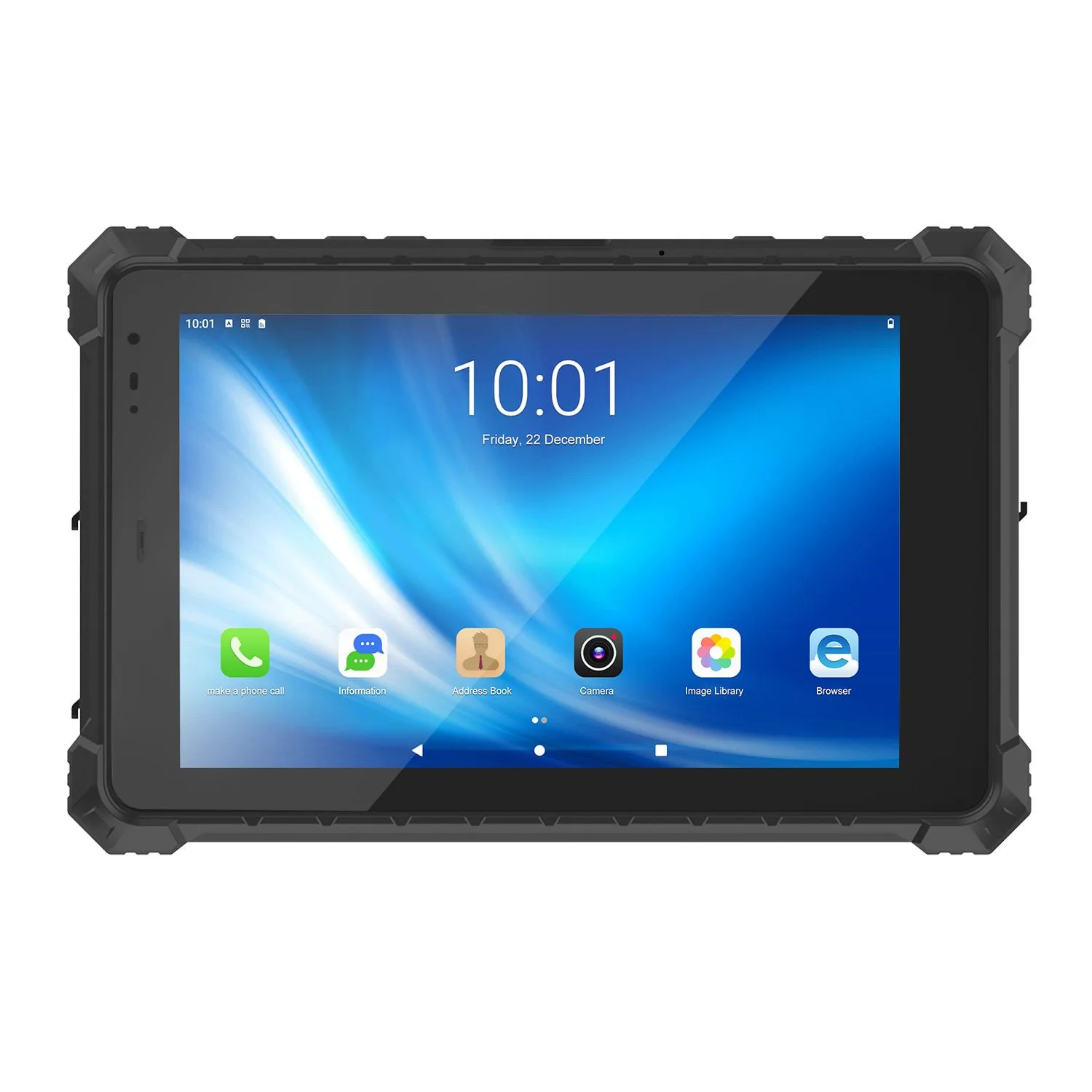
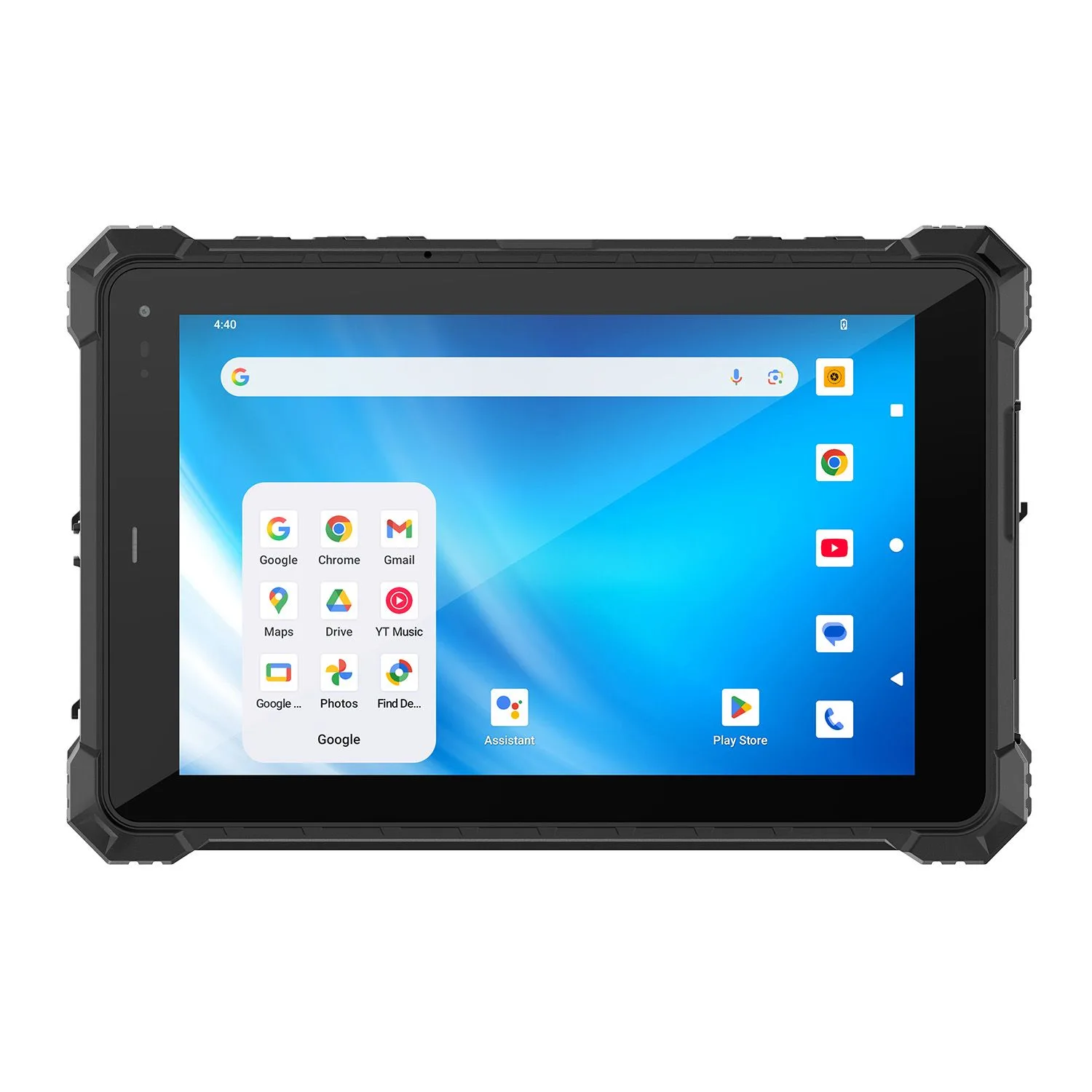
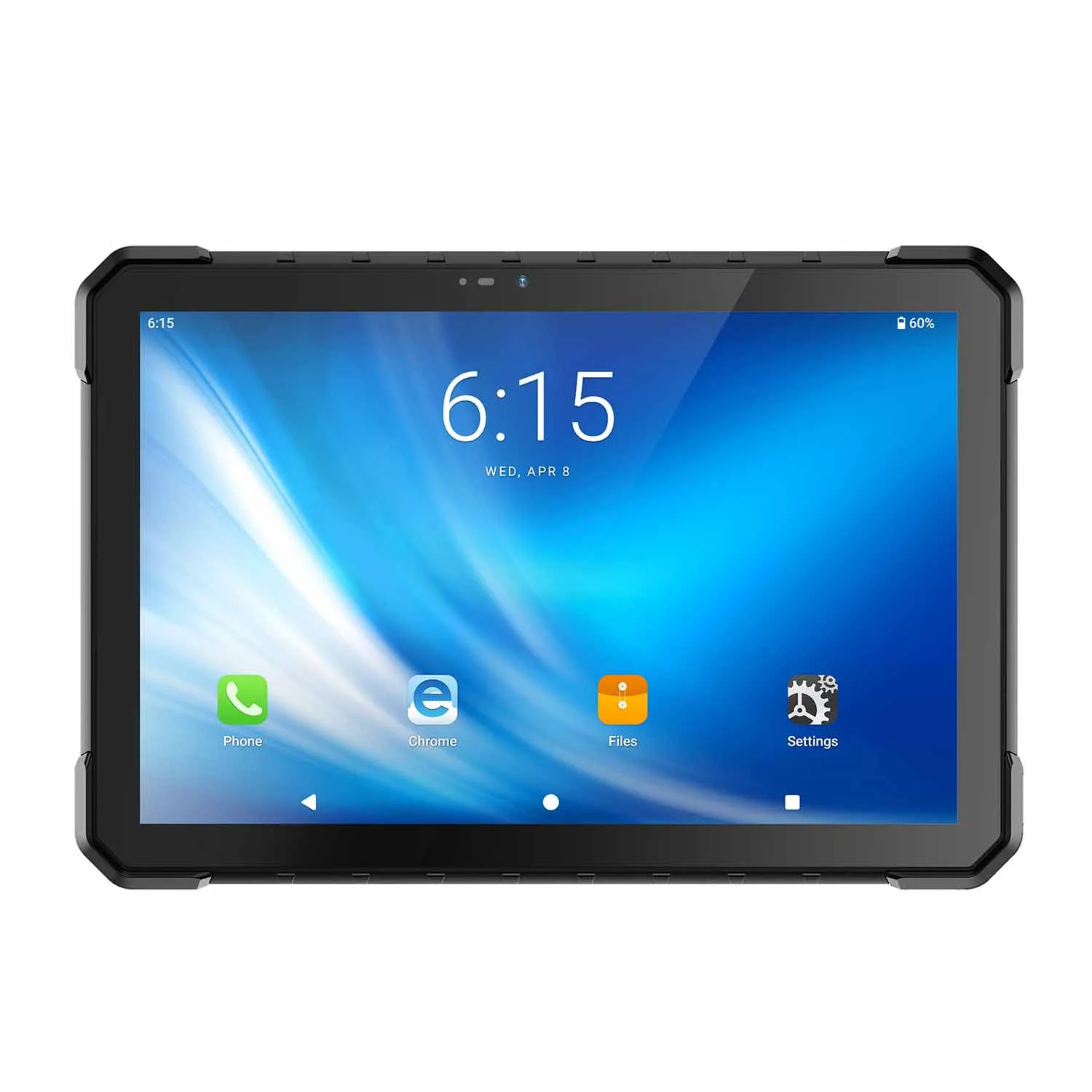
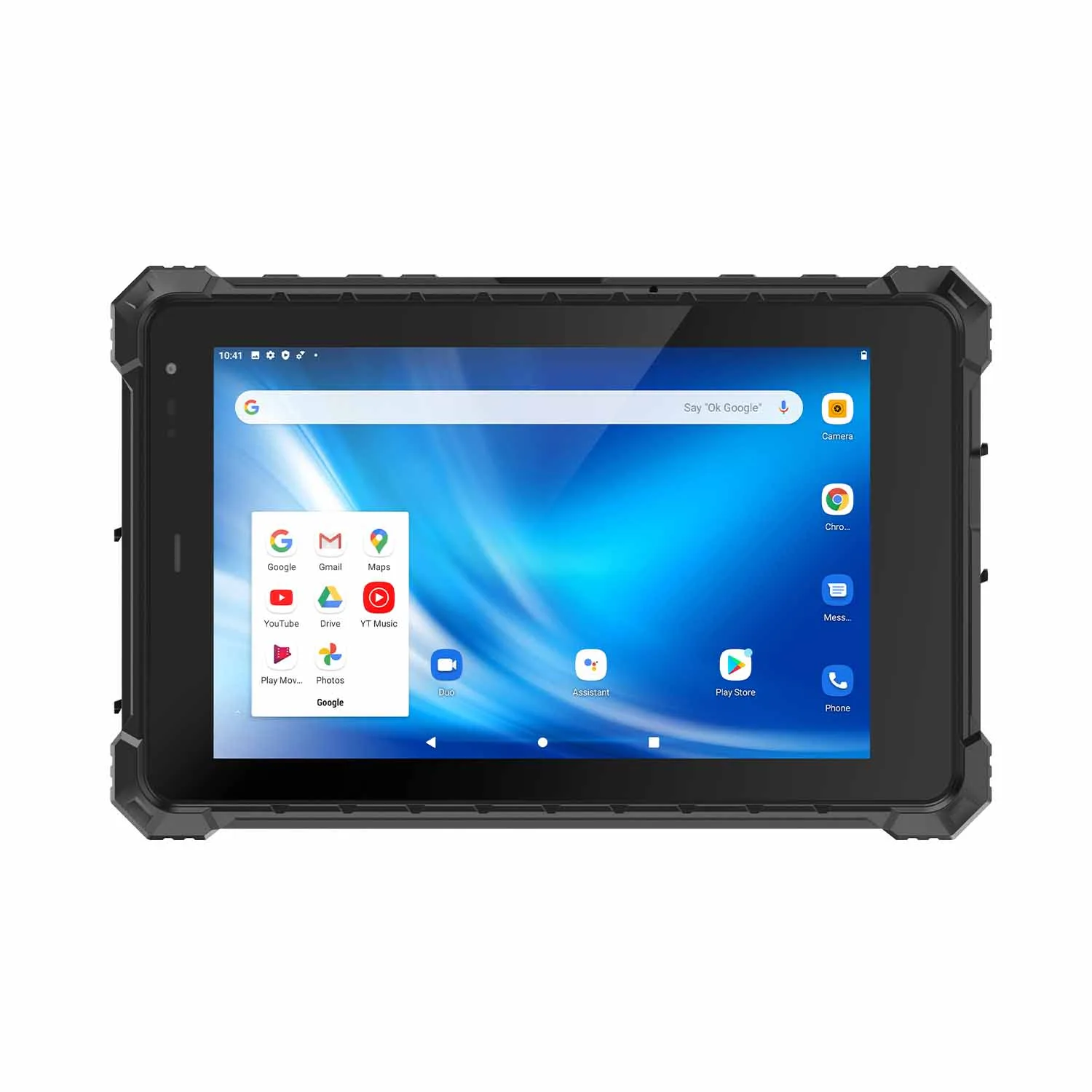
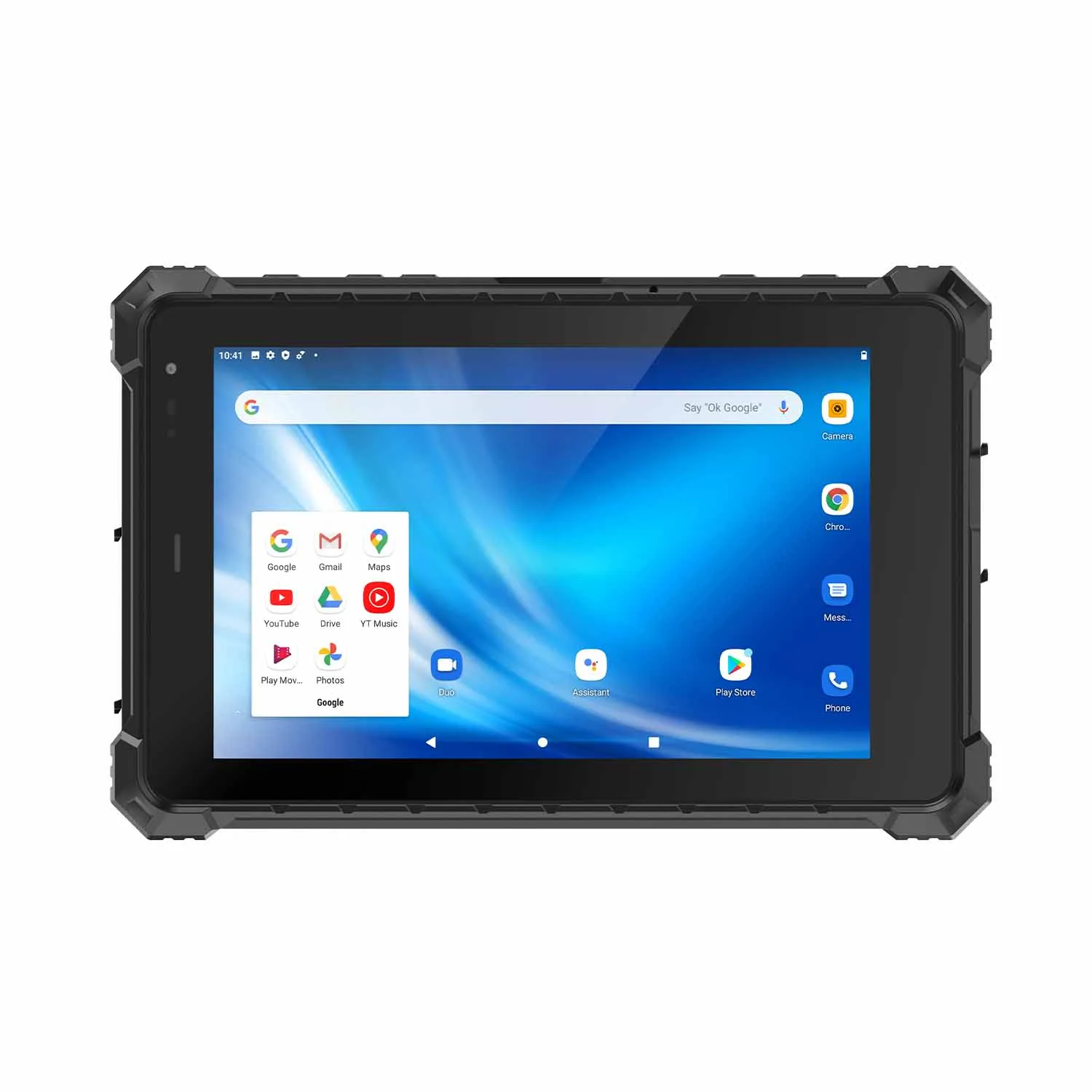
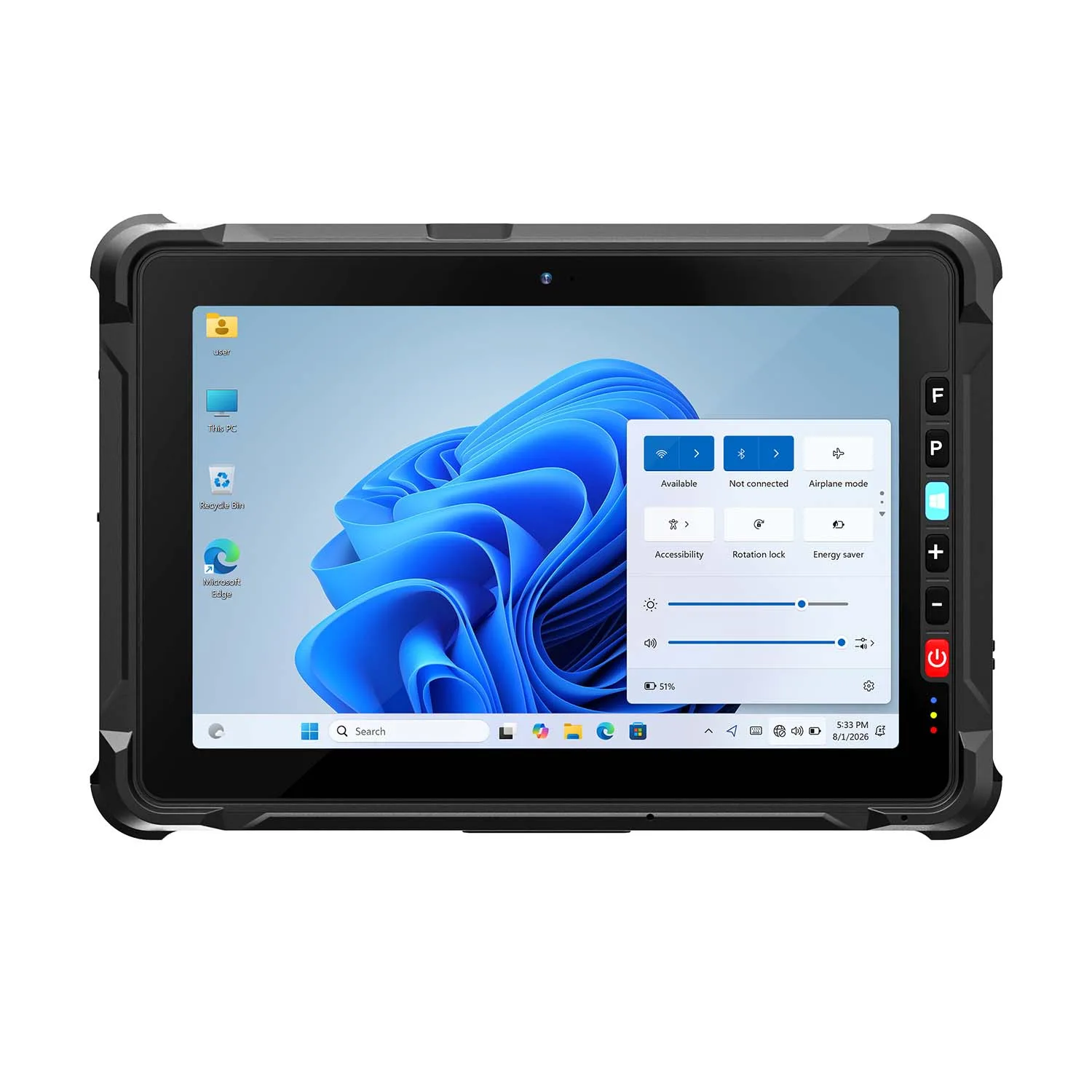
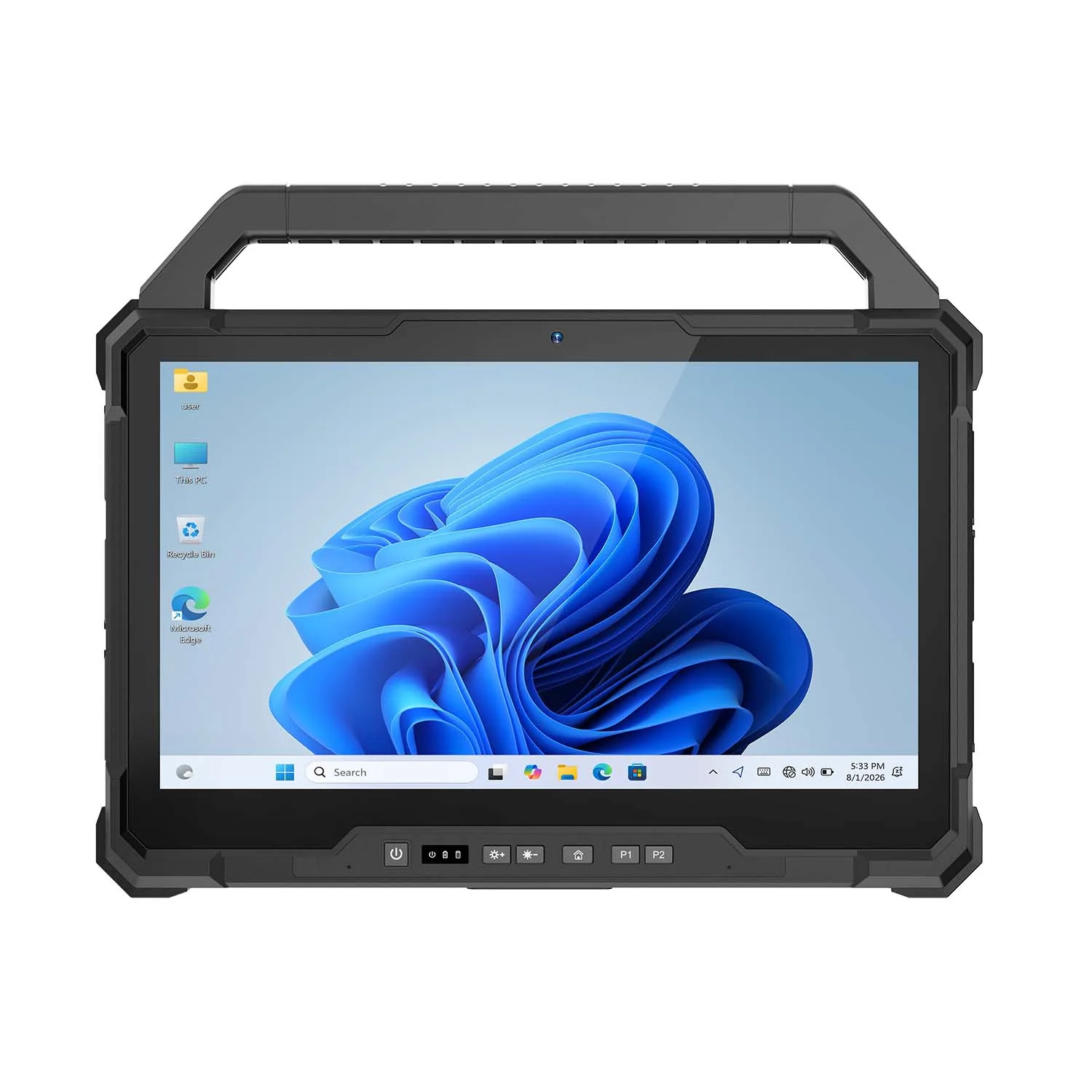
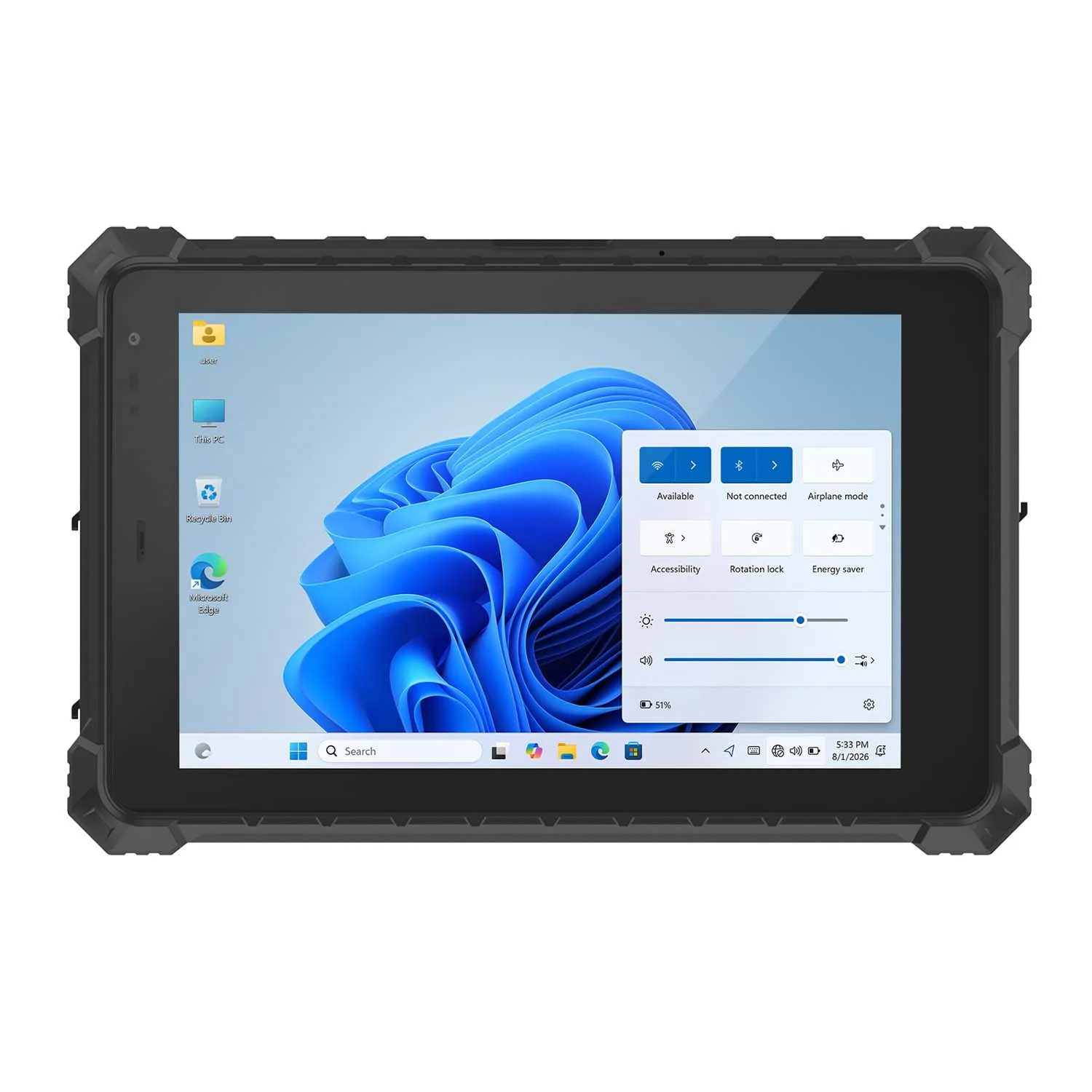
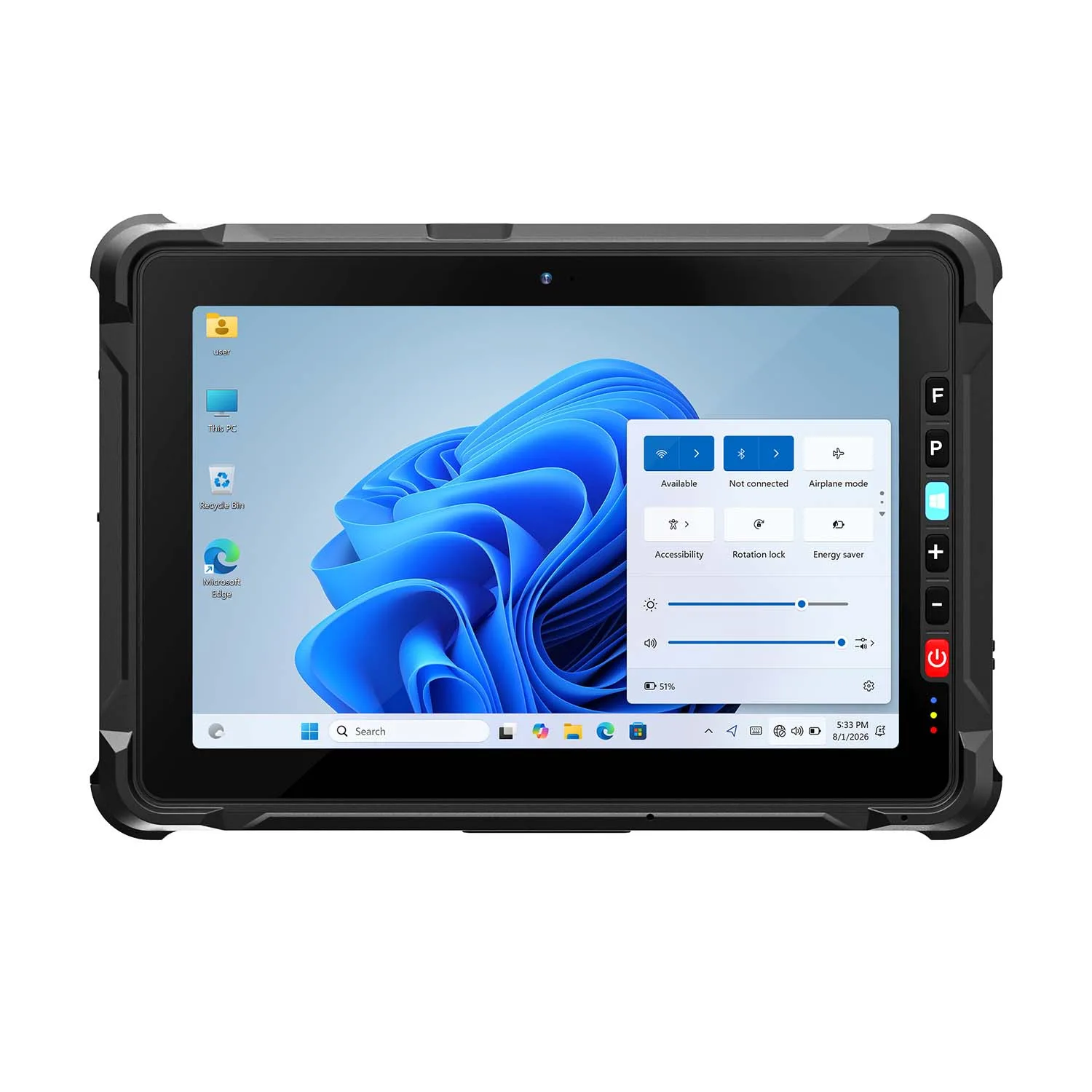
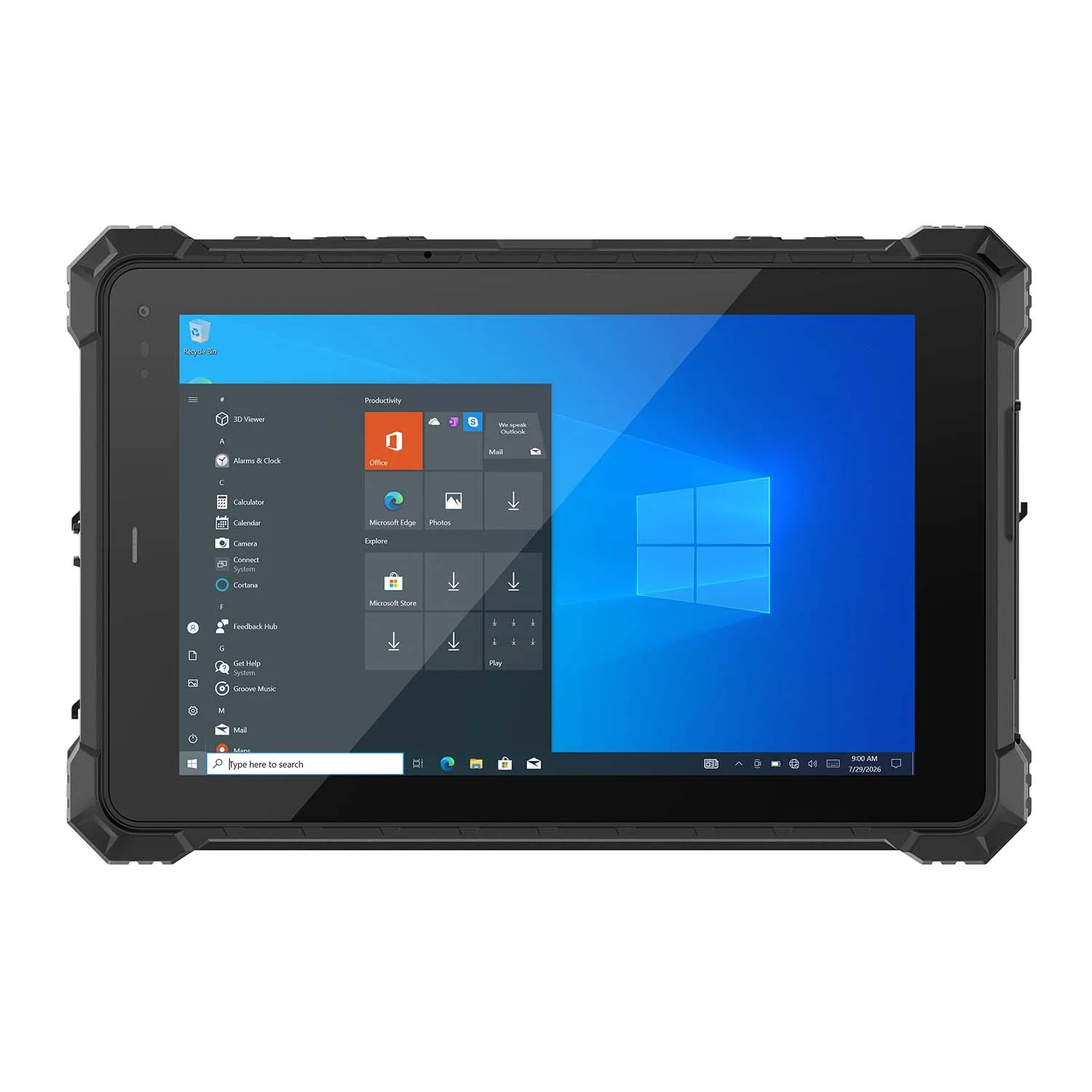
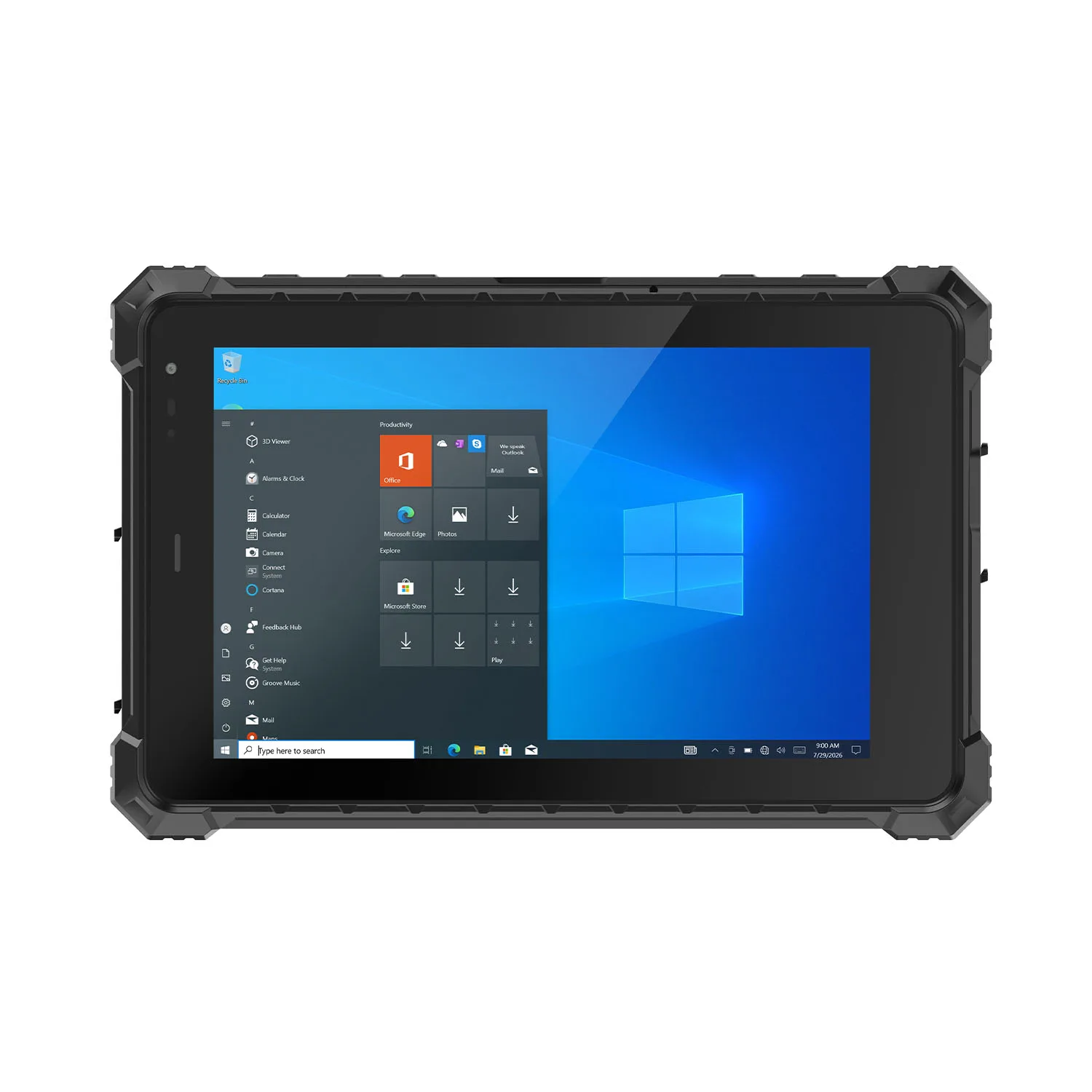
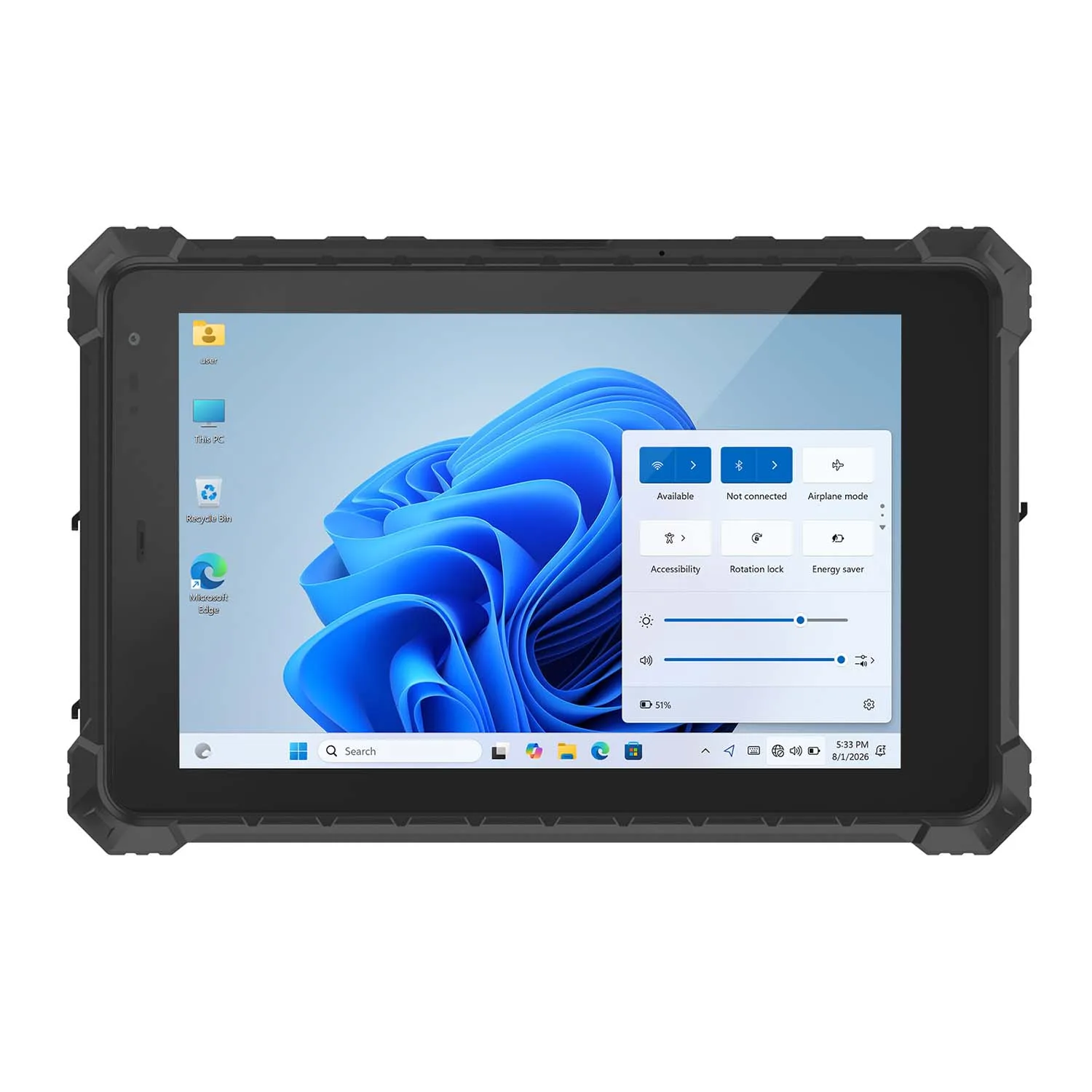
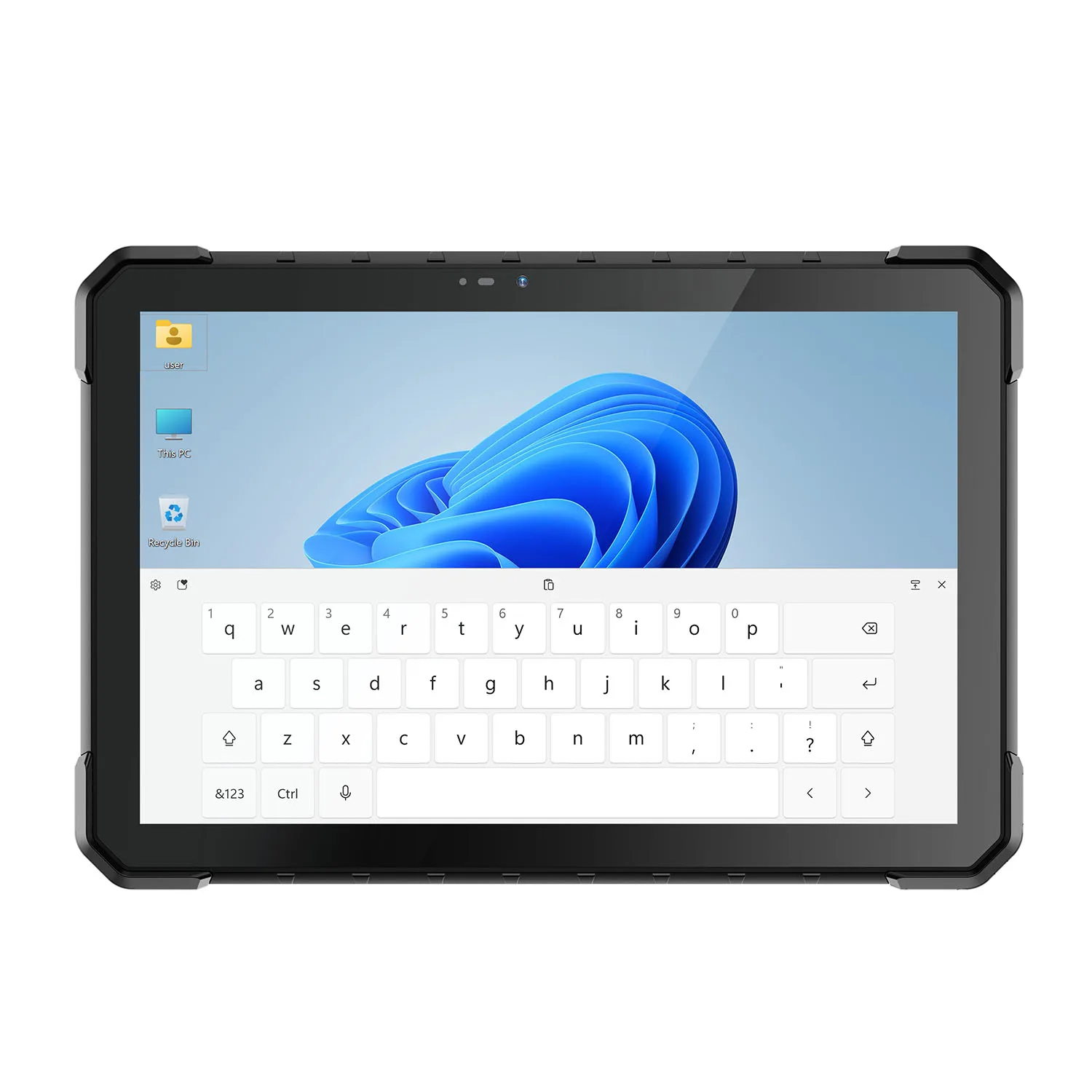
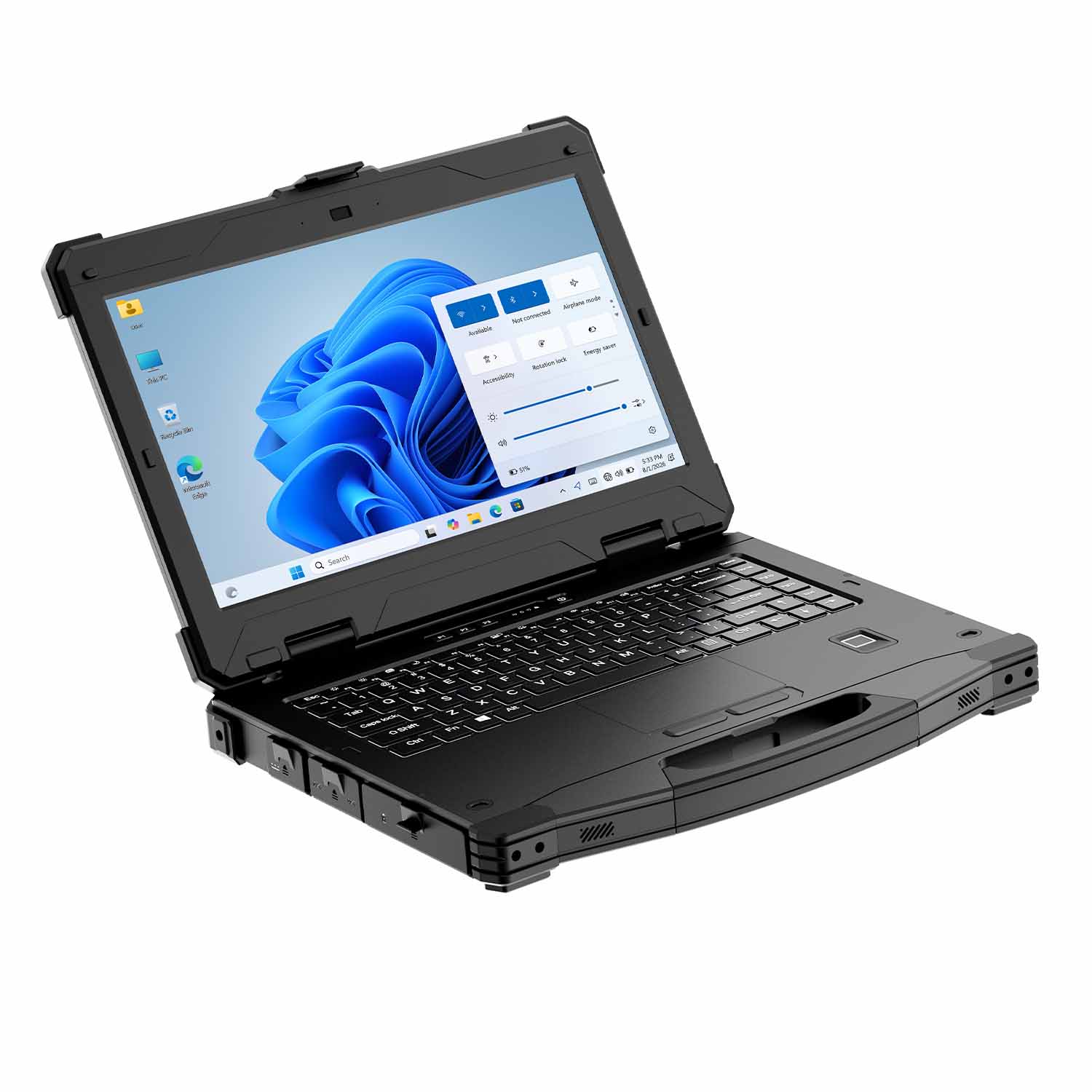
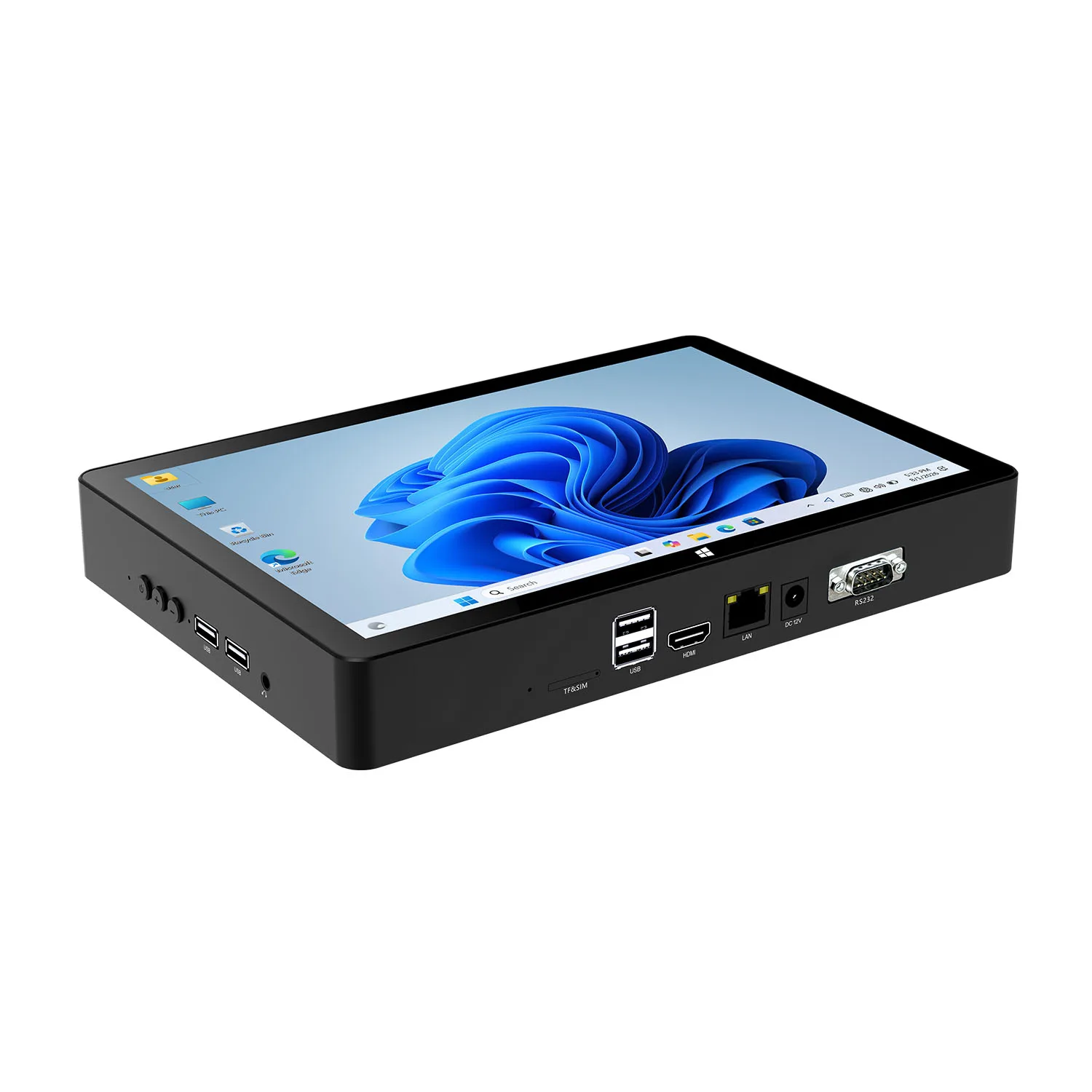
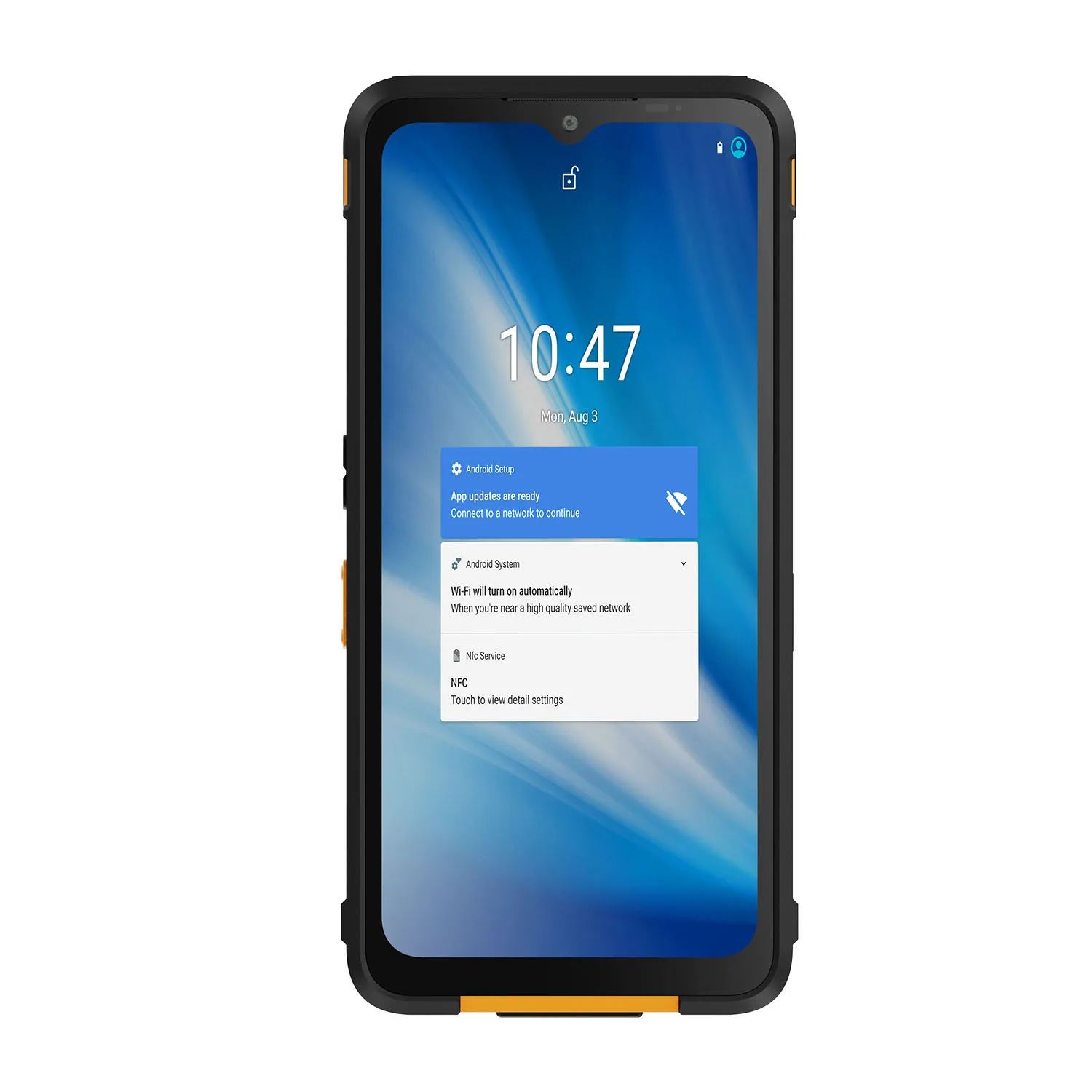
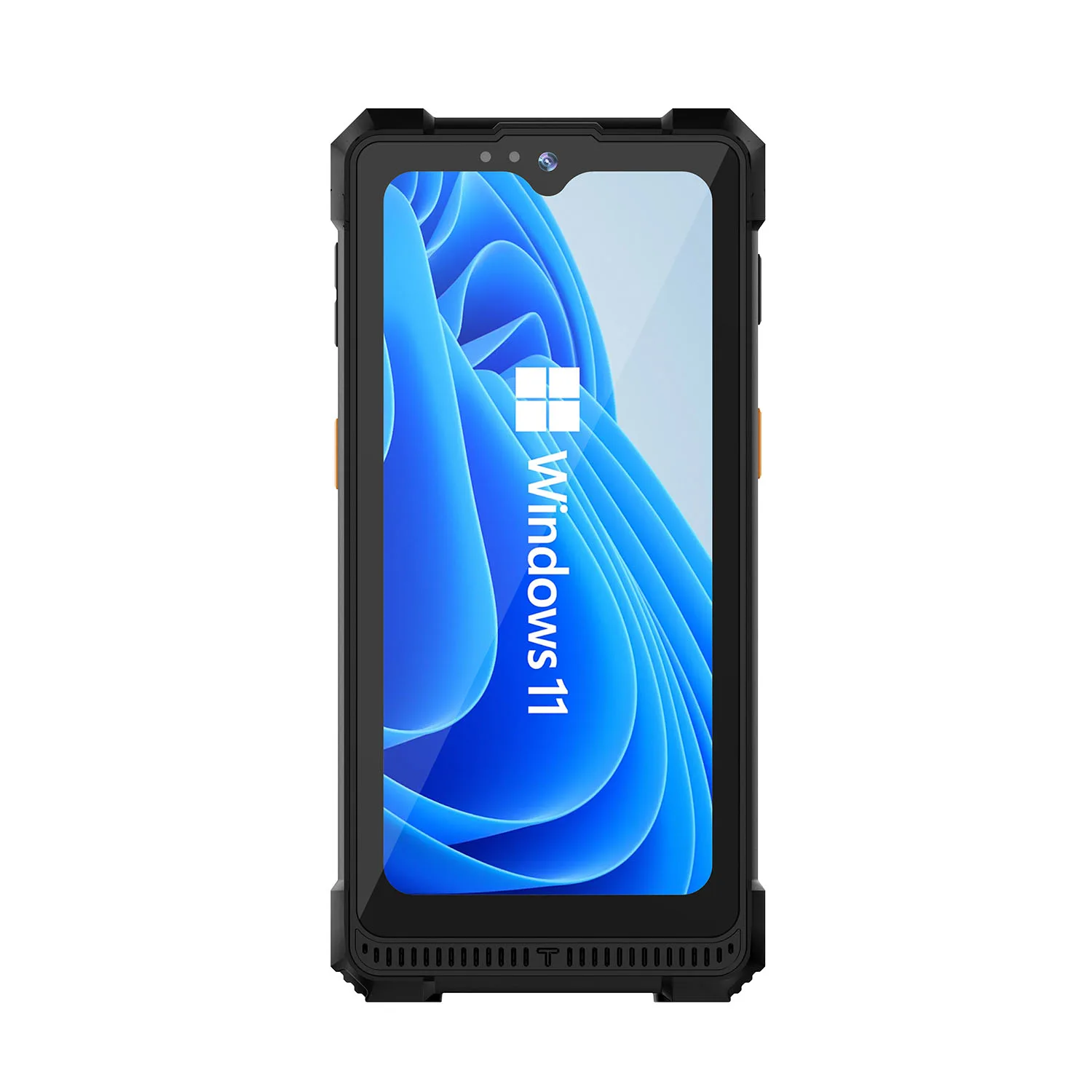
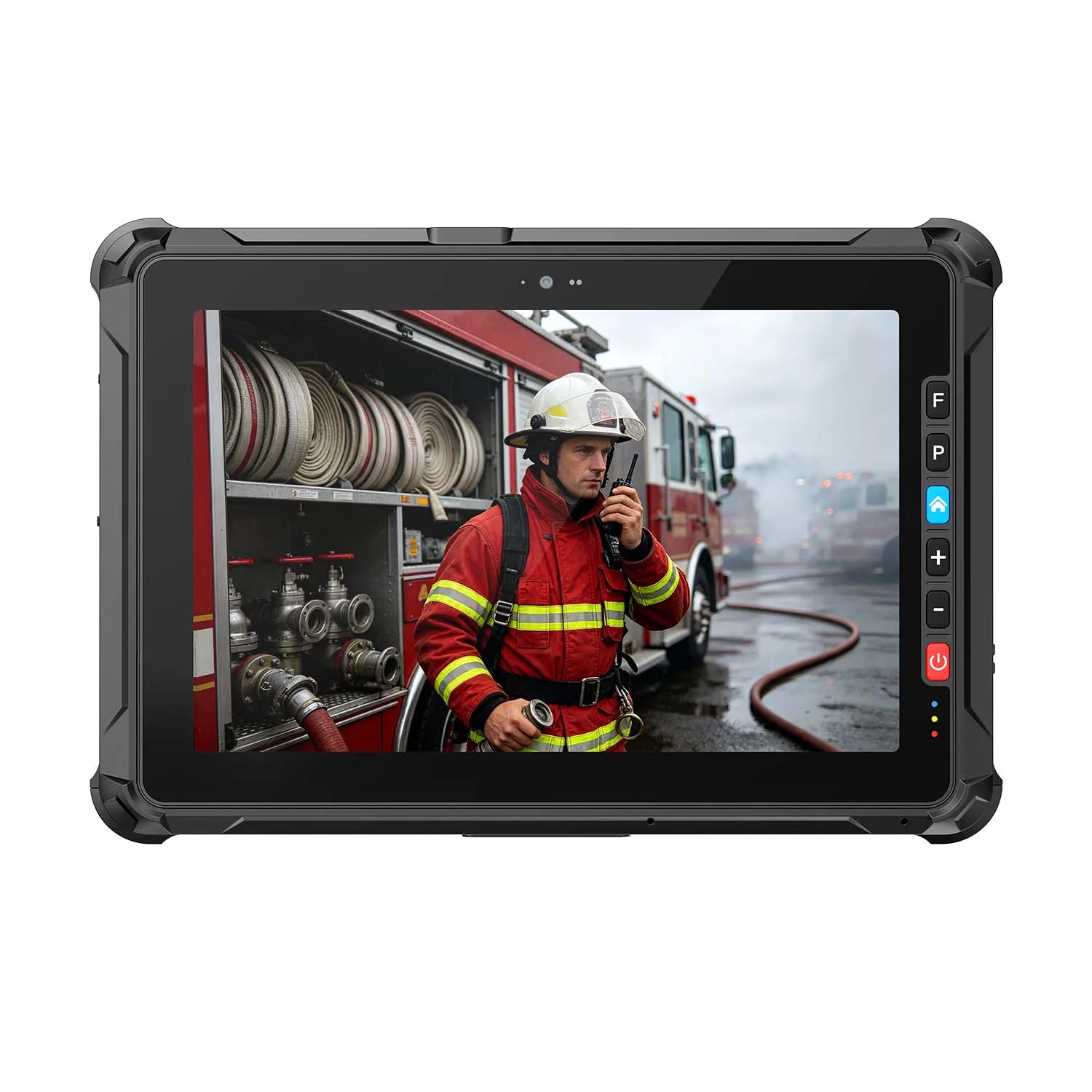
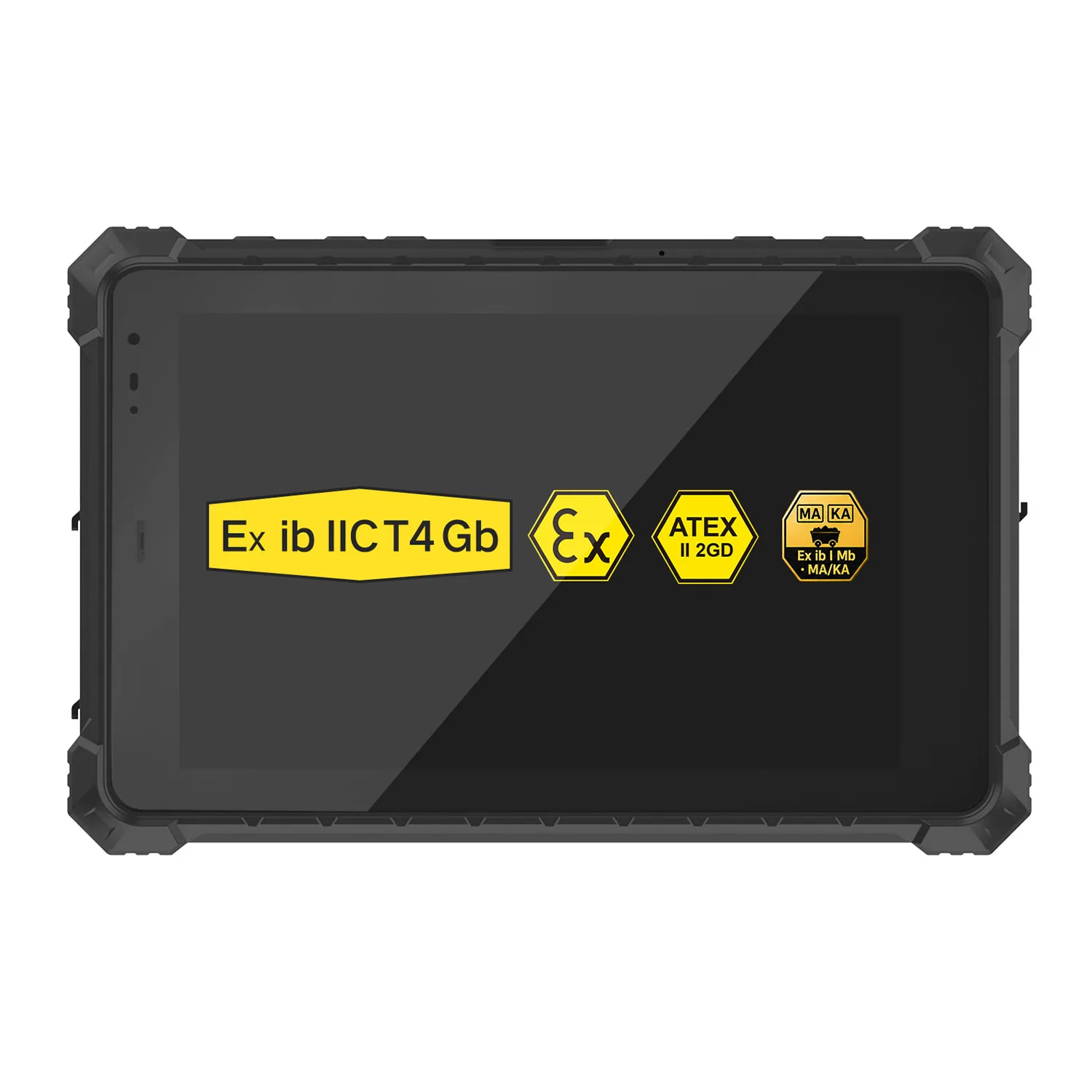
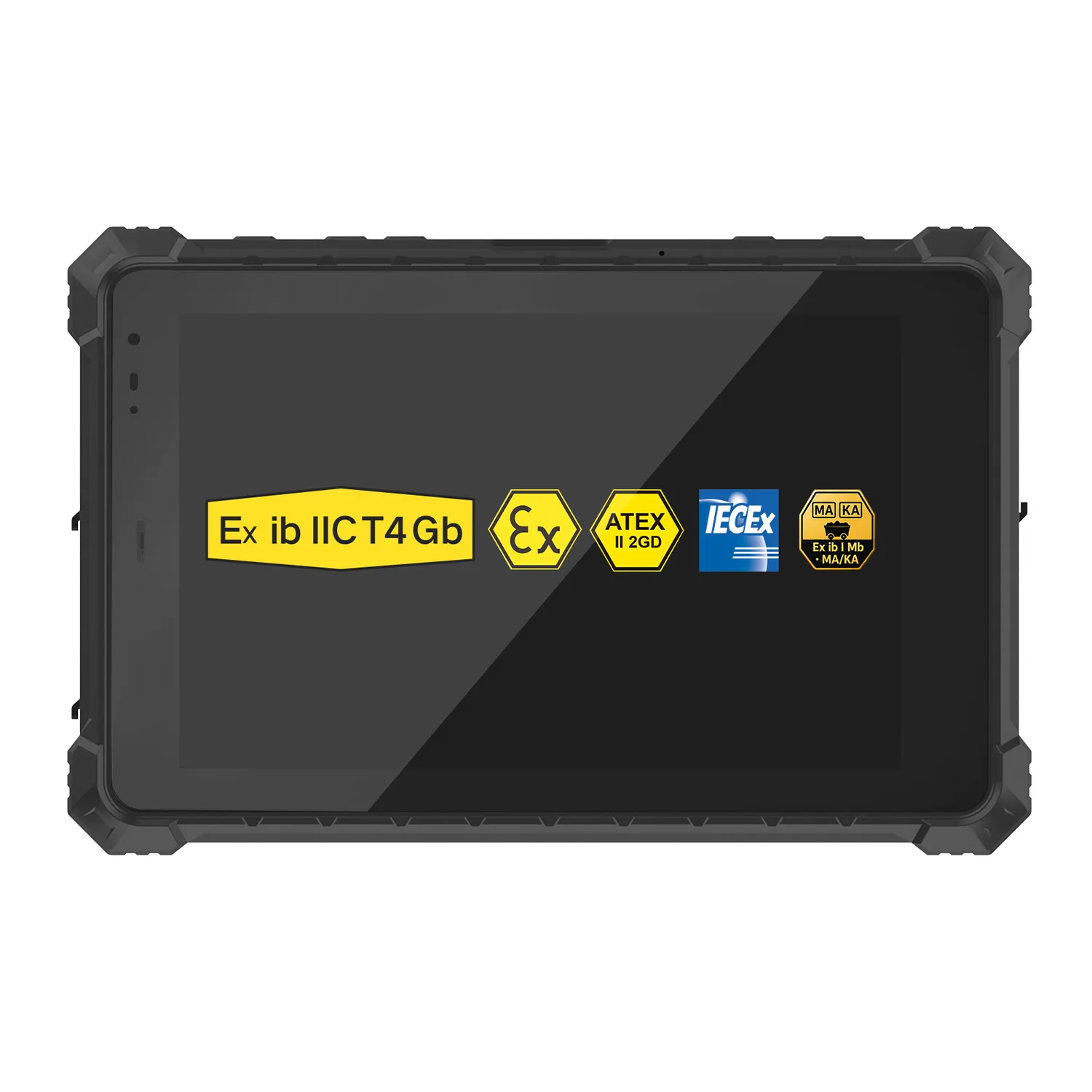
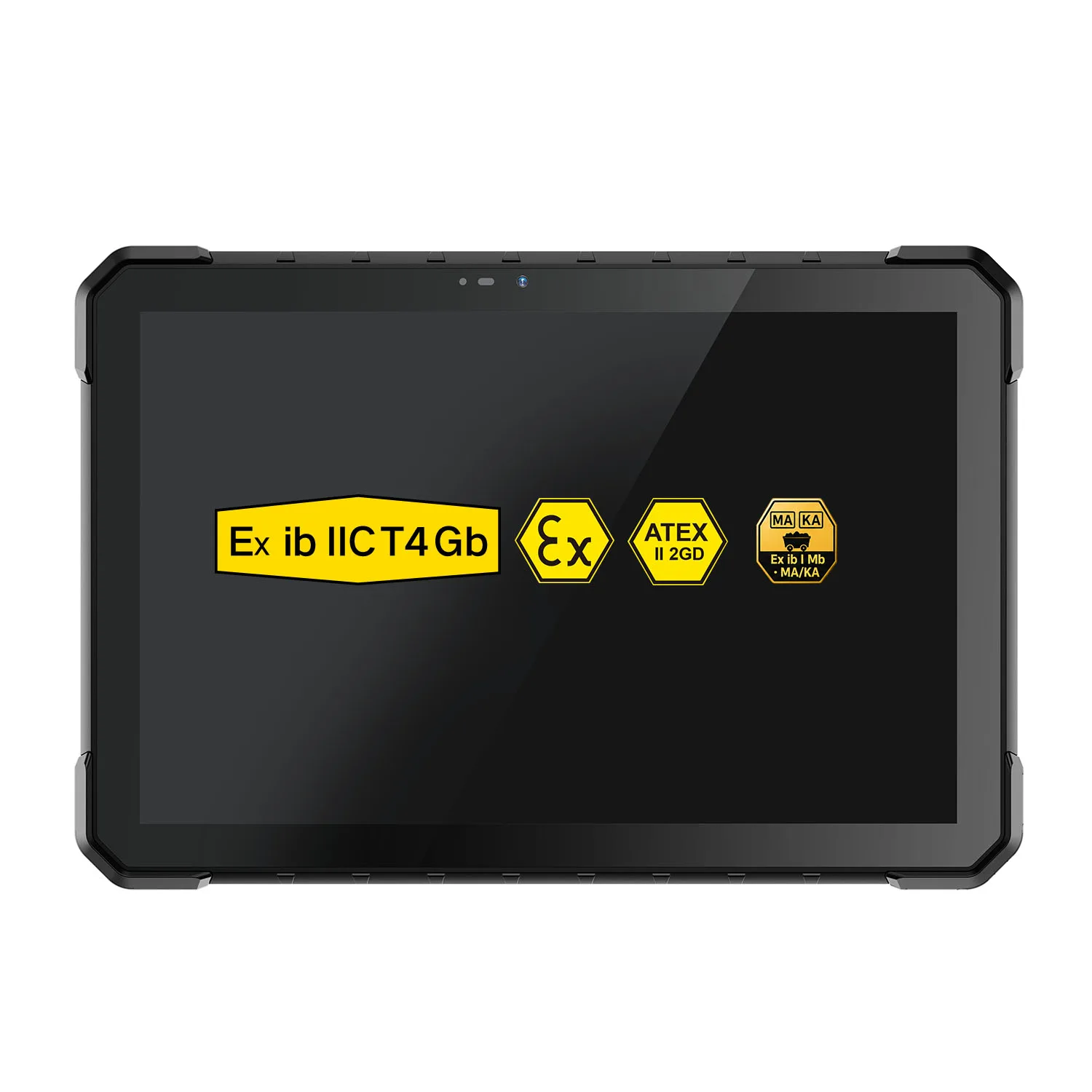
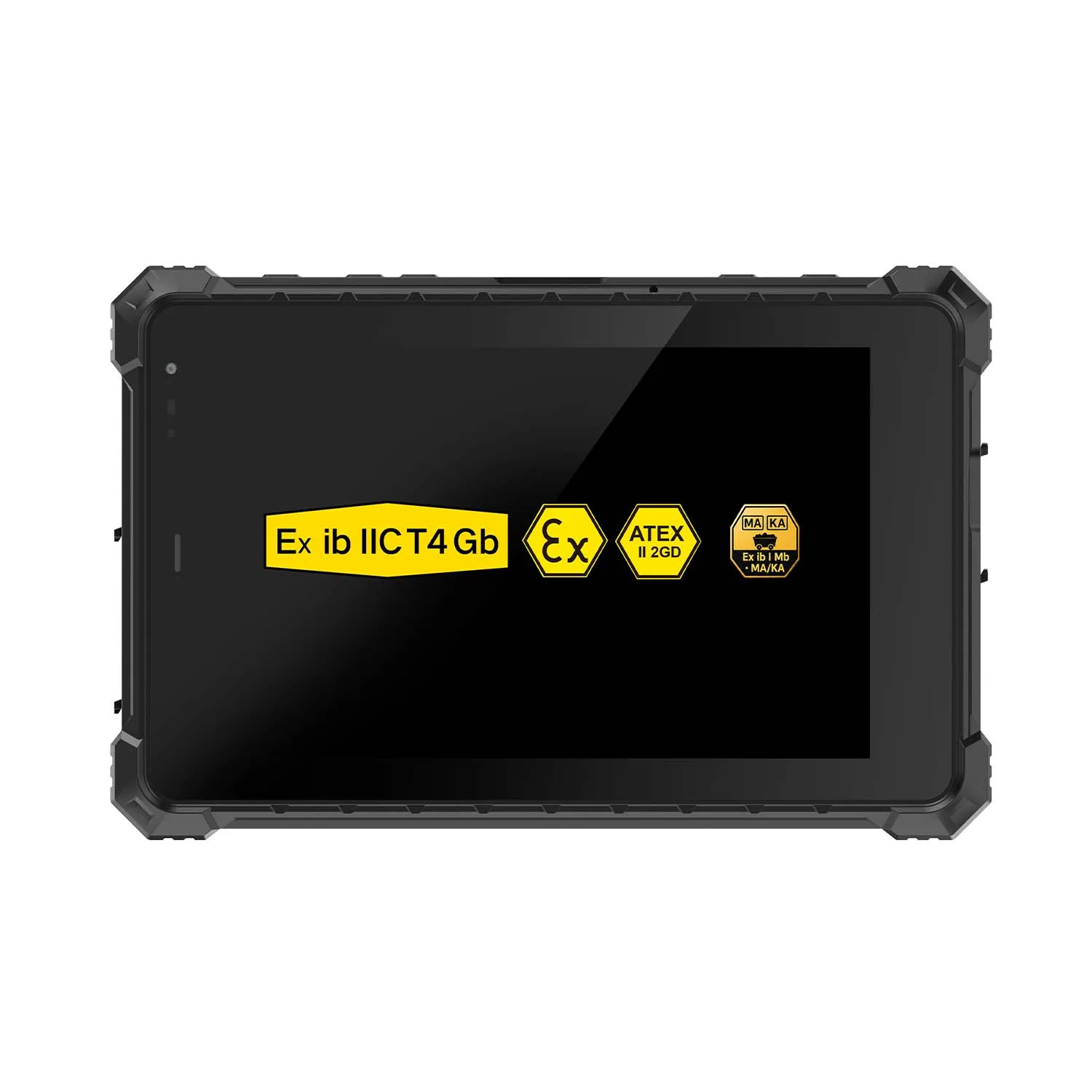
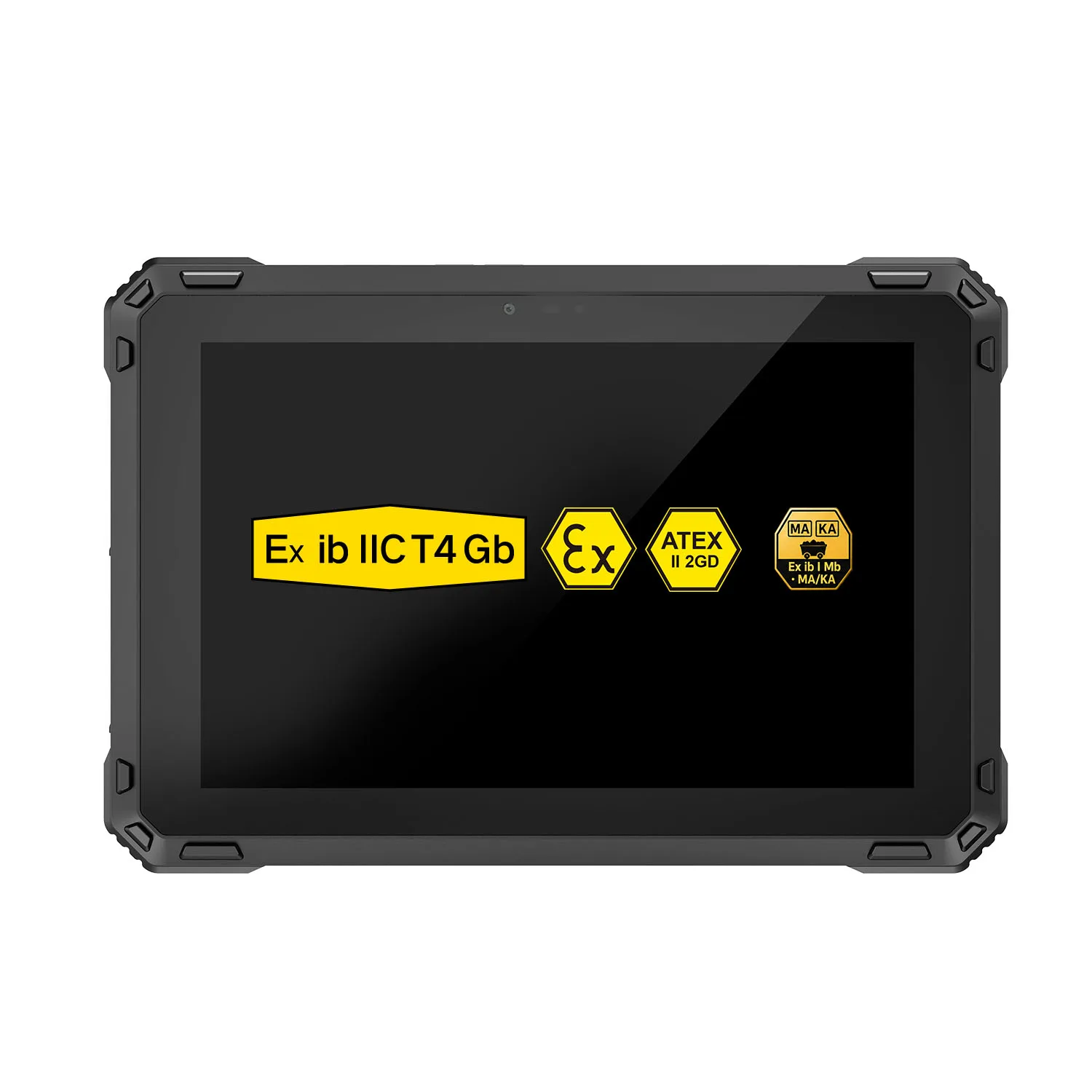
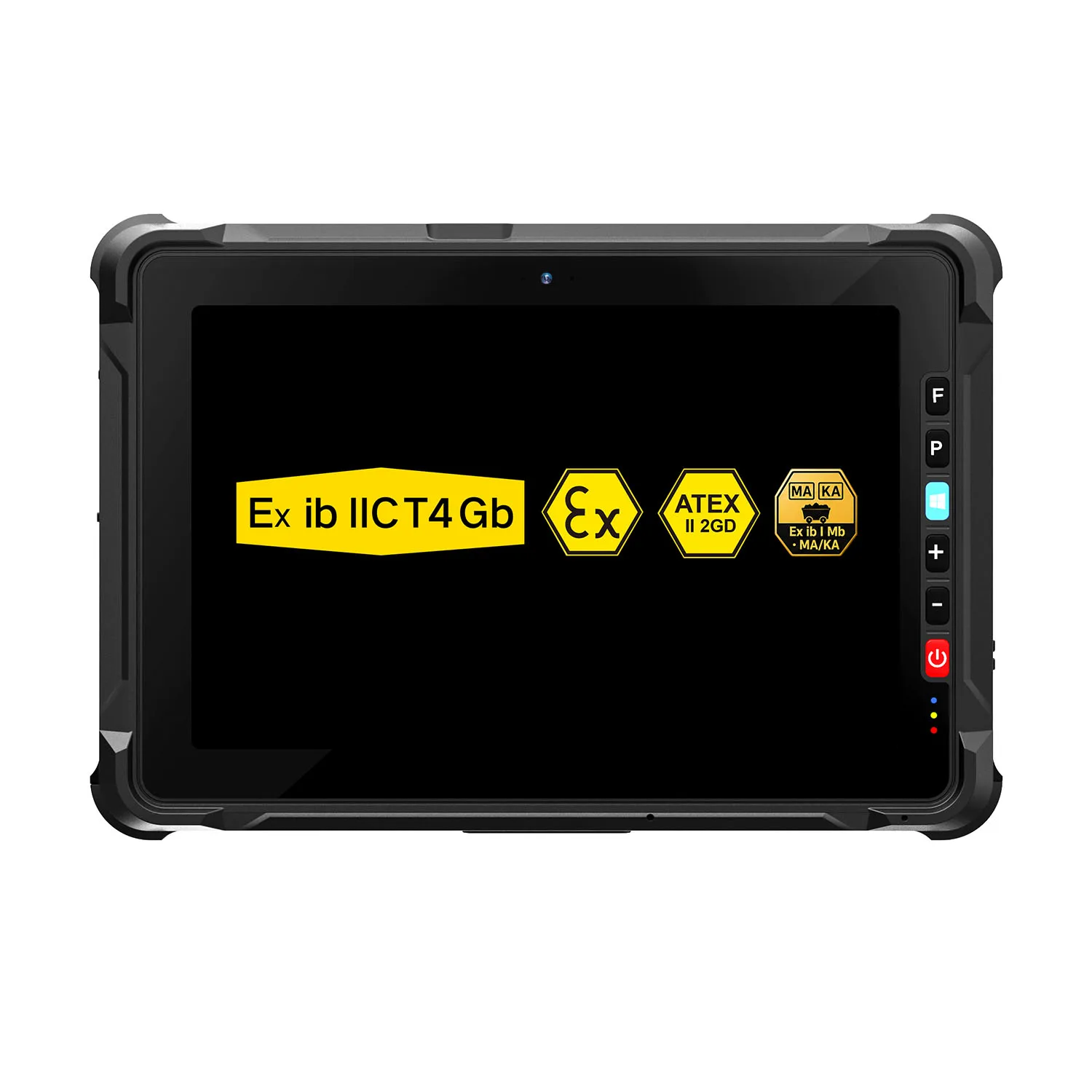
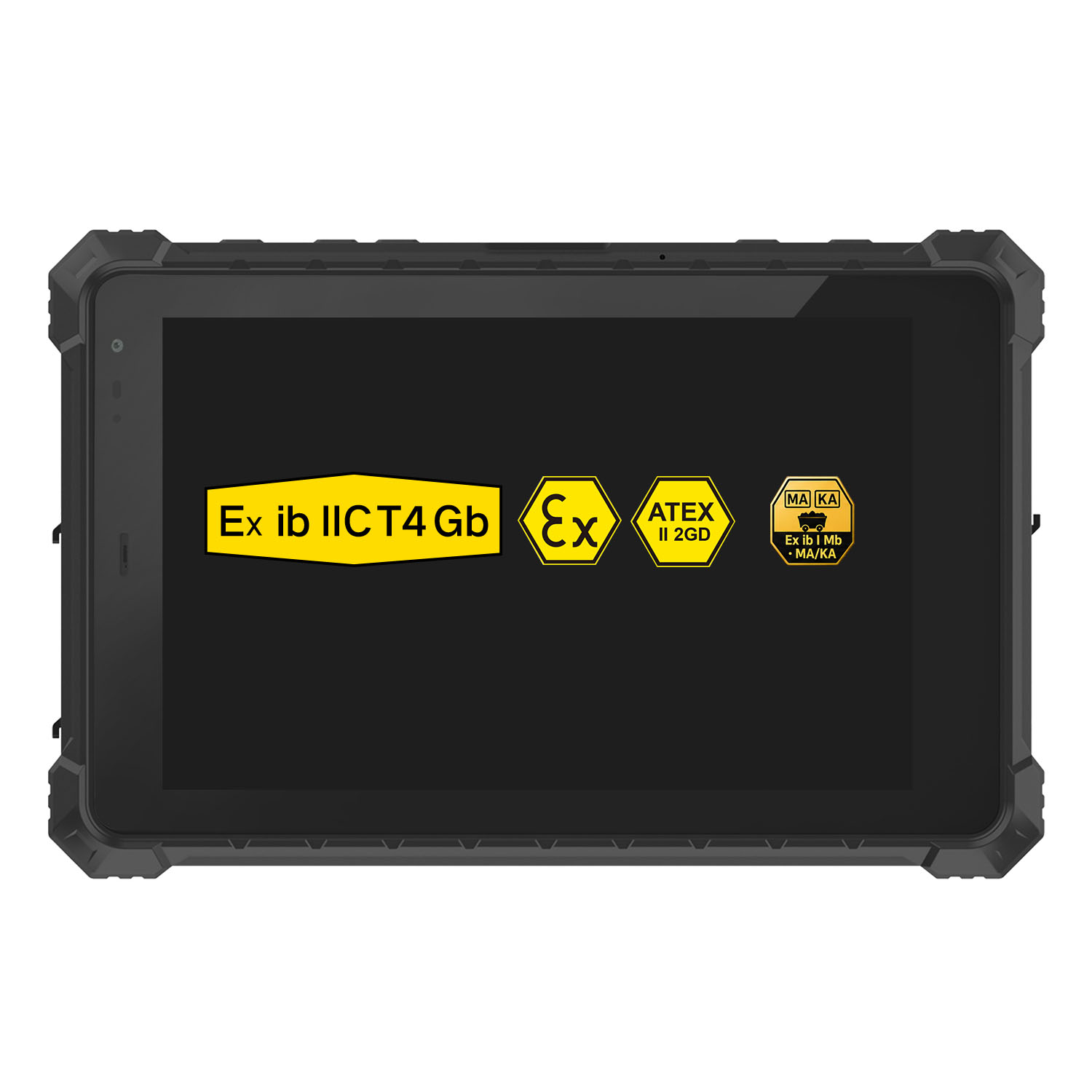
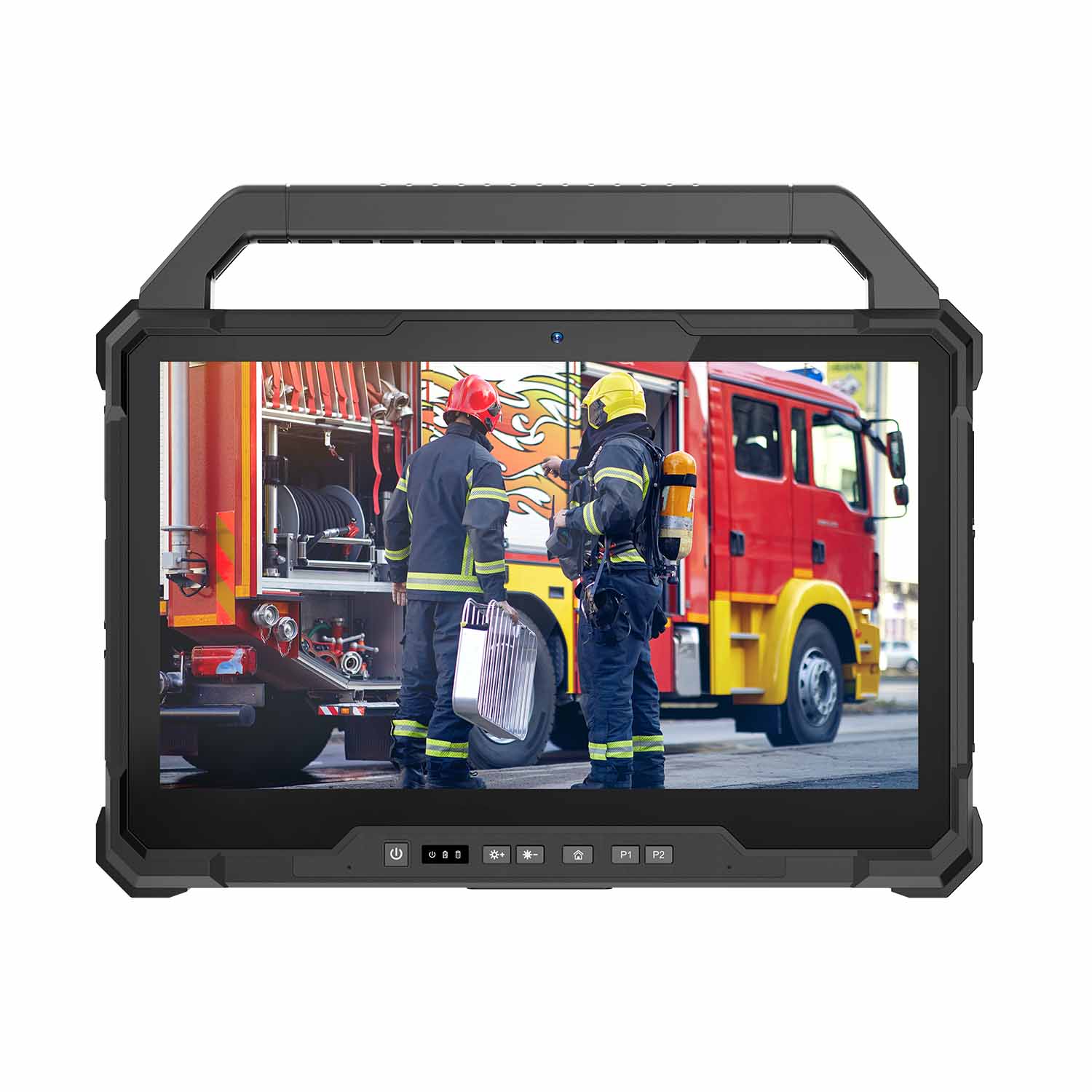
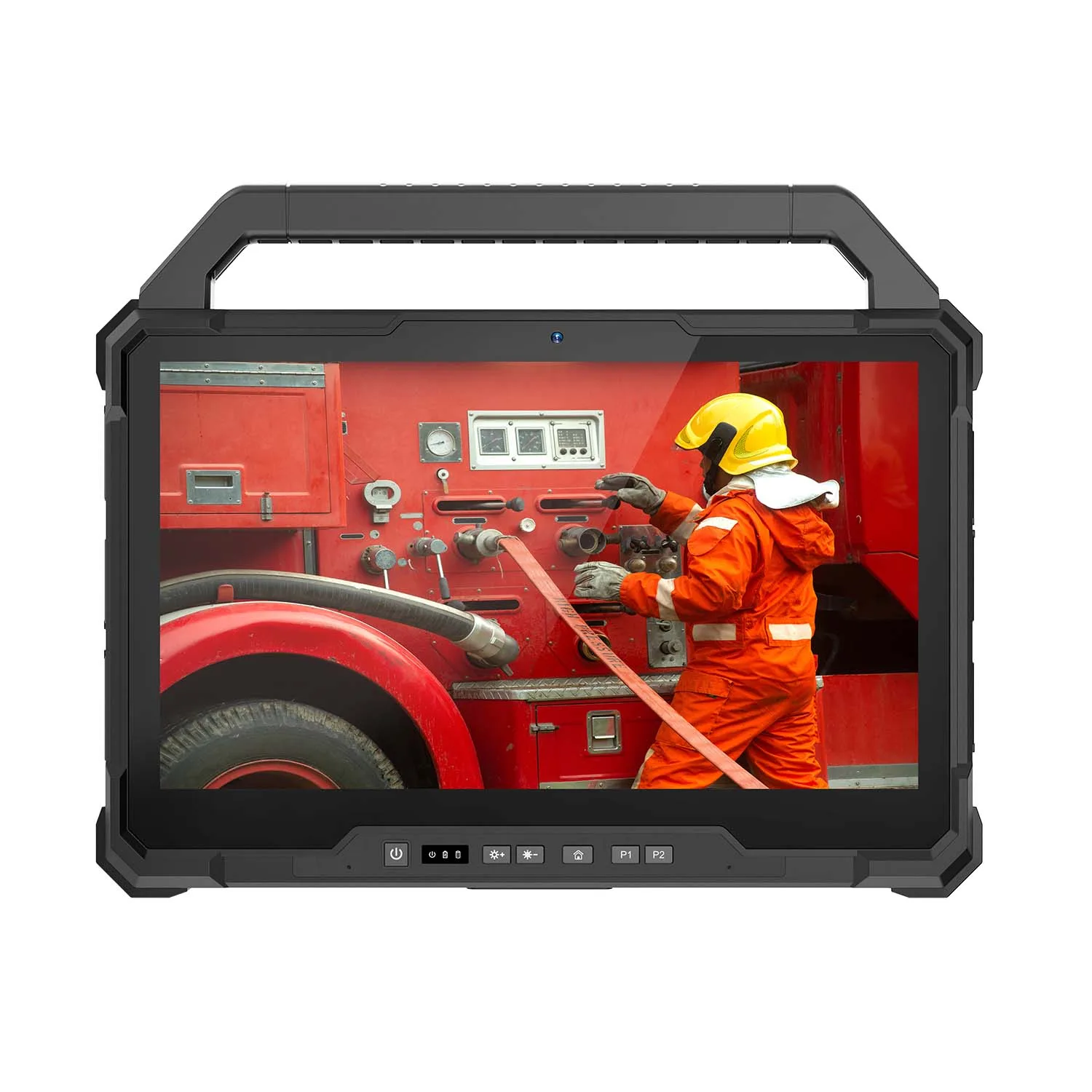
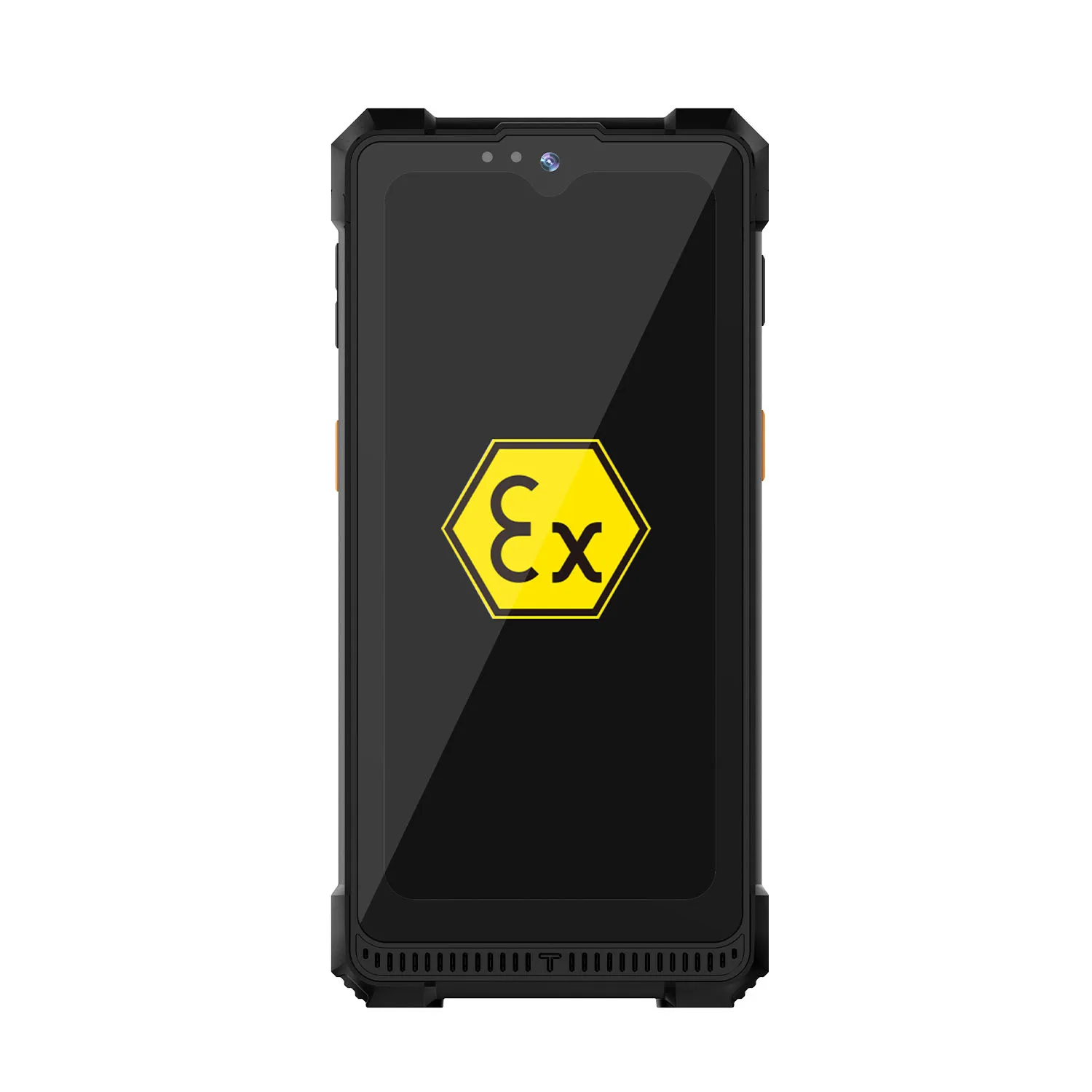
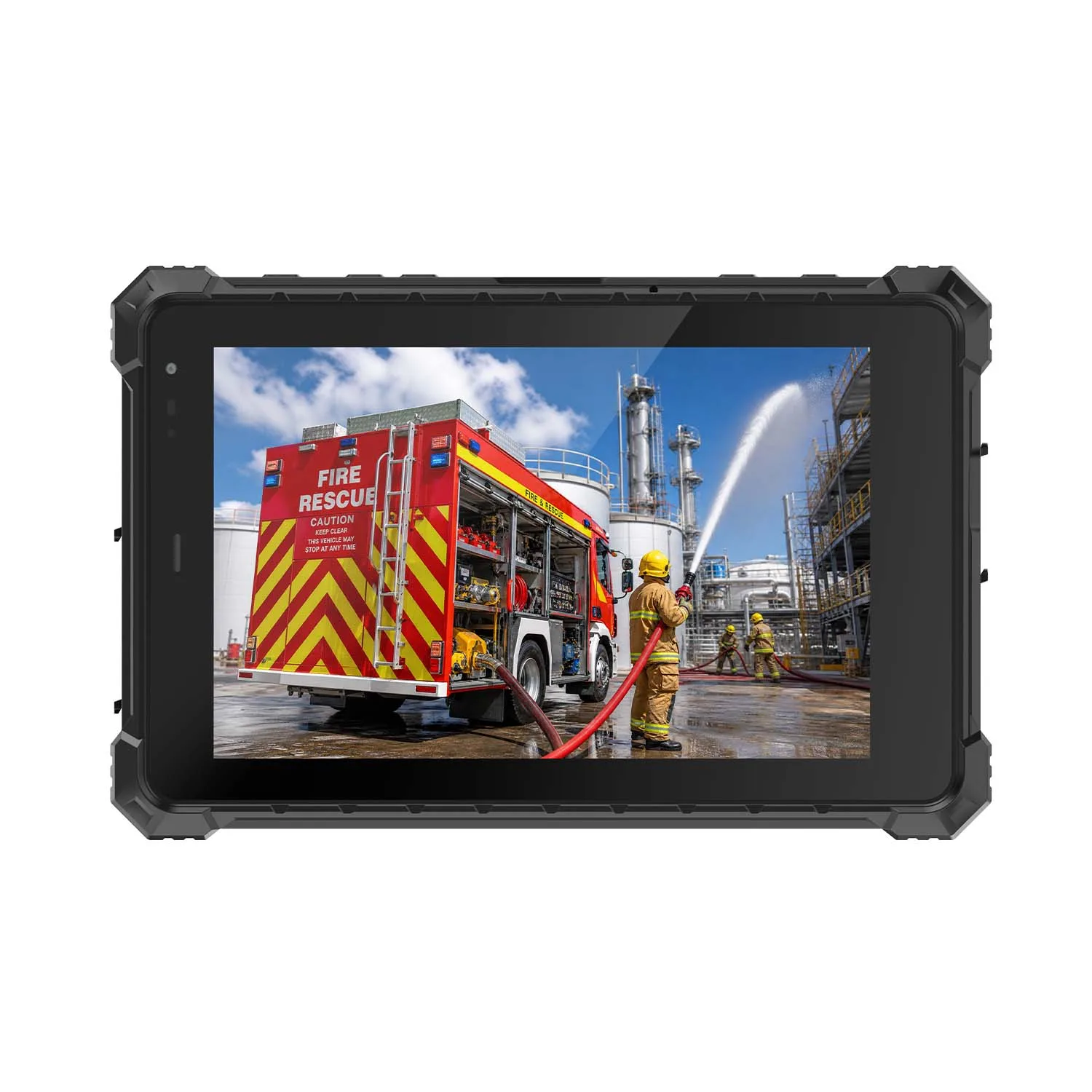





What Tablet Is Safe on an Oil Loading Jetty?
The answer to what tablet is safe on an oil loading jetty is the specific certified build whose protection level, gas group, temperature class, ambient range and permitted accessories match every classified point and operating state on the assigned berth route. An atex zone 1 tablet for oil terminal duties normally needs Category 2G / EPL Gb evidence or a higher applicable level; an IP rating or a ruggedness test does not supply ignition protection.
An oil jetty is a changing ship/shore interface rather than a fixed warehouse aisle. The vessel manifold, liquid loading arms, vapor-return connection, sampling point, gangway and shore control position can sit in different classified areas. Draft, tide, mooring movement and wind alter access even when the cargo system remains connected. Device admission should therefore follow the current area-classification drawing, the cargo-transfer procedure and the route actually walked—not a generic distance from the berth.
The same location can also present different working conditions across pre-arrival checks, connection without flow, active transfer, stripping or disconnection, and abnormal-stop recovery. A tablet allowed for an inspection before hose connection may be restricted once transfer begins. Its camera, tether, scanner, charging method and removable items deserve the same review as the enclosure, because an unapproved accessory or open connector can invalidate an otherwise suitable arrangement.
Marine exposure adds a second engineering problem after hazardous-area acceptance. Salt mist, rain, hydrocarbon-contaminated gloves, glare, drops onto grating and sudden movement near the loading-arm envelope affect usability and maintenance. IP65, IP66 or IP68 expresses enclosure resistance under a defined laboratory test; it does not prove compatibility with every cargo, degreaser or salt-removal method. MIL-STD-810G or MIL-STD-810H evidence is likewise separate from ATEX, IECEx and North American hazardous-location approval.
This 2026 guide places Zone 1 or Class I, Division 1 candidates first and then examines lower-category Zone 2 or Division 2 models for routes where that level is documented as sufficient. The sequence is not a universal performance ranking. The receiving checks and field exercises are proposed acceptance methods, not claims about an unnamed customer deployment.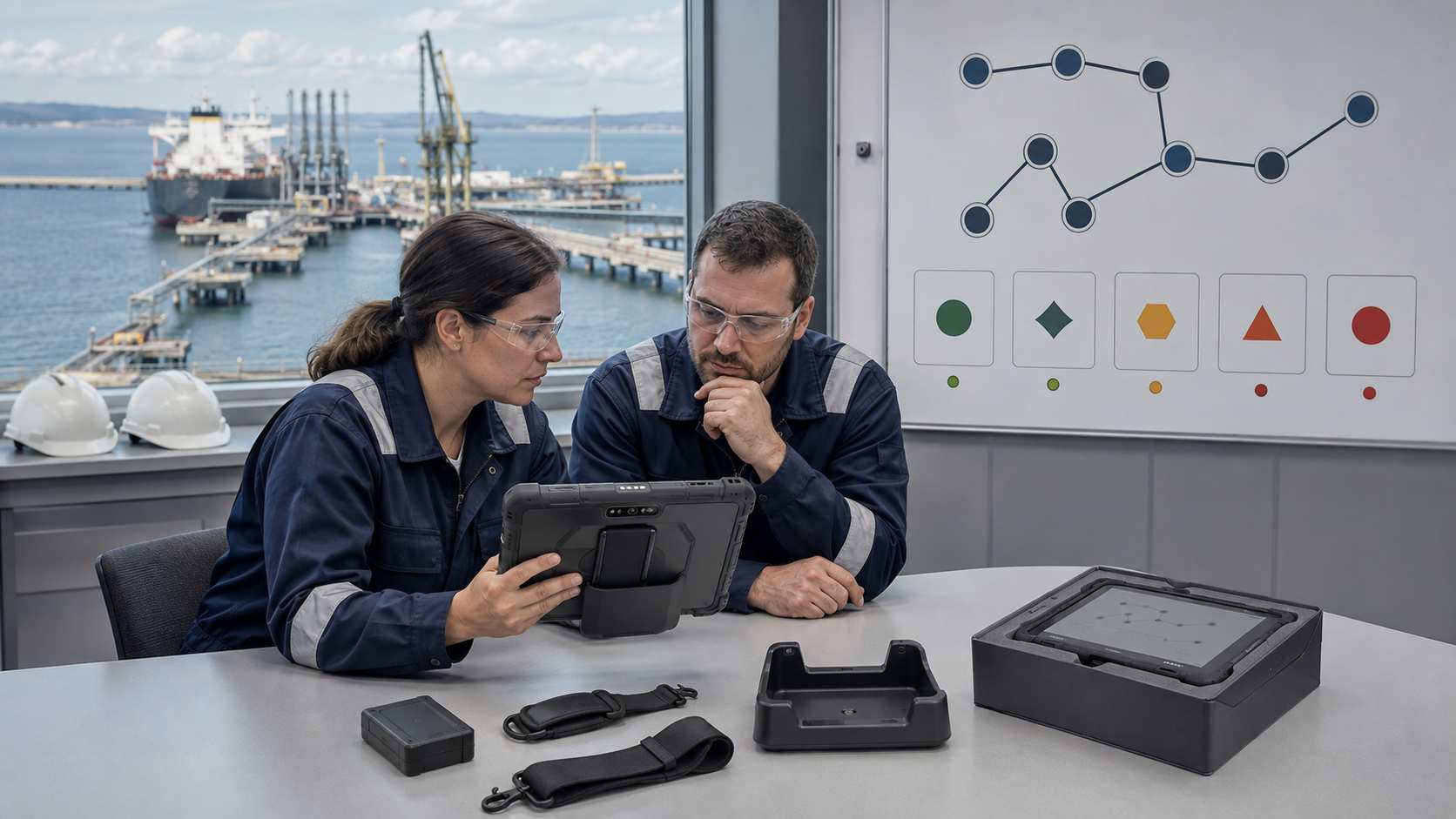
What Defines a Reliable IECEx Tablet for Tanker Loading?
A reliable device under this certification route is selected from the complete certificate and the terminal path, not from the word “Ex” in a brochure. IECEx guidance treats the area classification, Equipment Protection Level, gas group, temperature class, ambient range, application and external influences as linked inputs. At a jetty, those inputs need to be recorded against each berth position and transfer state.
- Route and state alignment: Map the shore gate, safe muster or control point, trestle midpoint, loading platform, tanker manifold, vapor-return position, sampling point and designated sync or charging station. For each point, record the assigned Zone or Division and whether the device may be used during pre-transfer, connected-no-flow, active-transfer, disconnection and recovery states.
- Complete protection evidence: Review the exact certificate number, protection concept, category or EPL, gas group, temperature class, ambient range, “X” special conditions and any regional suffix. T4, for example, limits the certified maximum surface temperature; it does not mean that 135°C is an acceptable ambient temperature.
- Configuration identity: Link the order code and physical marking to the battery, protective film, scanner, NFC option, cellular variant, stylus, hand strap, shoulder strap and charging equipment. A family certificate does not automatically cover every commercial option or a locally purchased tether.
- Operational separation: Treat the tablet as a record and communication endpoint. It should not be placed in the emergency-shutdown chain, used instead of approved ship/shore voice communication, or treated as a calibrated gas, pressure, temperature or bonding instrument.
For a proposed 22-device rollout, inspect every delivered unit rather than sampling a few cartons. The release record should pair the serial number with a clear marking photograph, regional configuration, approved carrying set, managed application version, physical-condition check and permitted route. An unreadable label, damaged cover or unknown accessory earns a “not released” status even when the tablet powers on normally.
The operating review should also reflect transfer law and terminal practice. U.S. rules, for example, require suitable moorings, adequate loading-arm or hose reach, operable emergency shutdown and continuous two-way voice communication during covered transfers. The tablet can help preserve inspection evidence, but it does not replace the person in charge, the communication means or the signed declaration of inspection.
Class I Division 1 Marine Terminal Tablet: Top 10 Manufacturers for 2026
In North America, a Division 1 terminal device needs approval for the specific Class, Division and gas group of the work point. OSHA requires electrical and electronic equipment in a classified location to be intrinsically safe, approved for that location or otherwise safe under the applicable rule. ATEX or IECEx evidence may inform an engineering review, but it is not automatically a Class/Division approval.
1. Pepperl+Fuchs / ECOM (Germany)
Core Strength: Multi-region high-category mobility backed by explosion-protection expertise
Pepperl+Fuchs has a long industrial automation and explosion-protection background, while its ECOM business focuses on mobile devices for hazardous locations. This combination suits terminal operators that need the handheld, accessory list and service process reviewed within the same controlled equipment system.
2. i.safe MOBILE (Germany)
Core Strength: Zone 1/21 Android platform suited to repeatable mobile inspection routes
i.safe MOBILE develops communication and computing equipment specifically for explosion-hazardous industries. Its portfolio and accessory ecosystem make it relevant where terminal teams want one managed field interface for inspections, work instructions and shift handovers.
3. Aegex Technologies (United States)
Core Strength: Windows-based intrinsically safe mobility for high-category gas locations
Aegex concentrates on industrial tablets for explosive atmospheres and positions its platform for regulated oil, gas and chemical workflows. Windows compatibility can matter when a terminal uses legacy inspection software, certificate viewers or local applications that have not moved to Android.
4. CENAVA (China)
Core Strength: Project-configured hazardous-area tablets with OEM integration flexibility
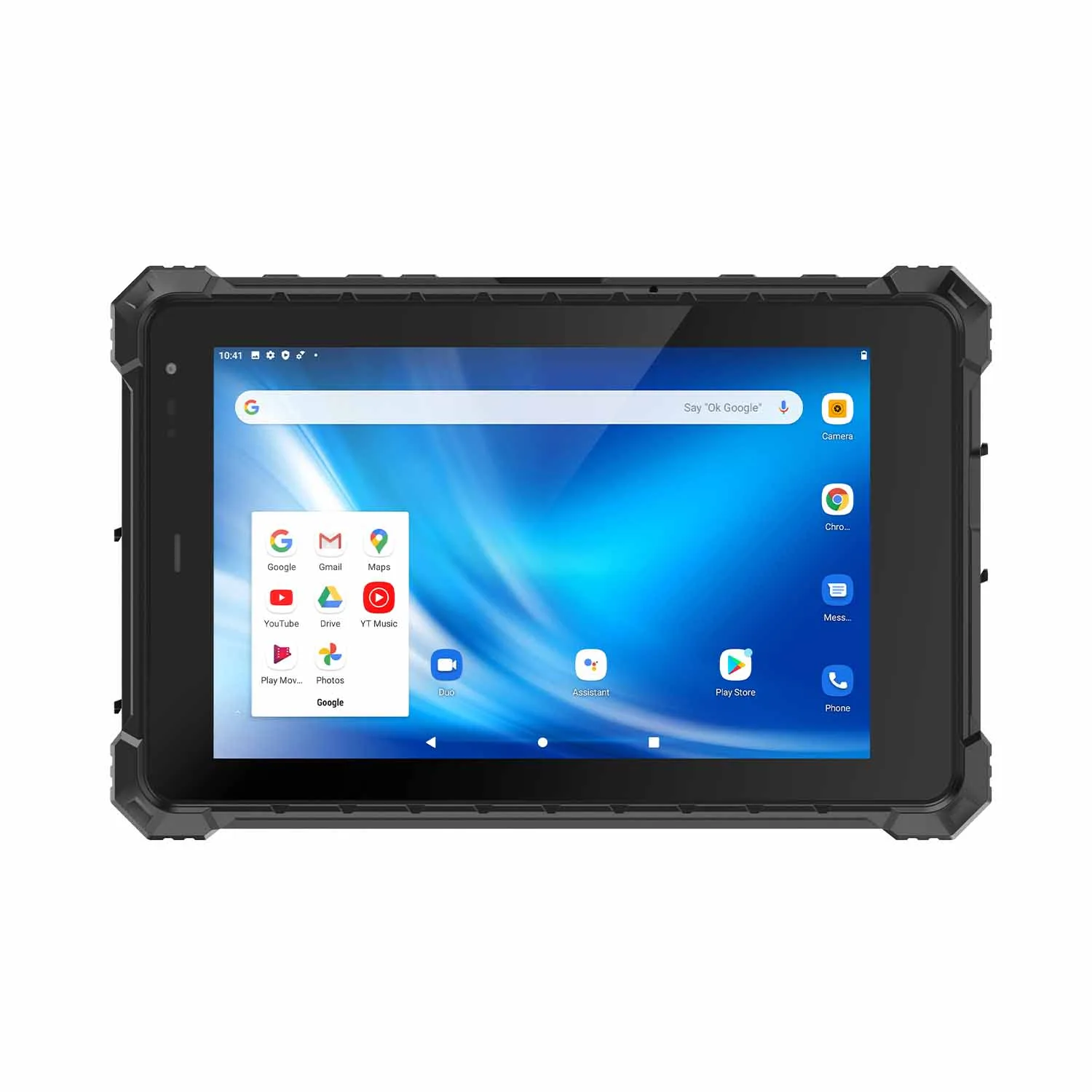
CENAVA develops rugged and explosion-protected mobile computers for industrial projects. Its role in a terminal program is strongest when the buyer needs controlled configuration work around the application image, accessory set, data capture and device-management policy rather than an off-the-shelf consumer deployment.
- Key Product: The A10ST-EX MT8781 is published with
Ex ib IIC T5 Gbmarking. The current certificate, schedule, label, ambient range, ingress evidence and chosen options should be assembled into the acceptance pack for the exact shipped build instead of inferred from the product-family page. - Technical Advantage: Configuration flexibility can join forms, barcode or NFC identity and offline logic in one project build, while the purchaser retains a serial-number-level link between the delivered hardware and its approved route.
An intrinsically safe tablet for port oil terminal loading should be configured around task ownership rather than a long generic form. A practical screen sequence begins with berth, vessel interface, arm or hose ID and transfer state; only then should it expose the relevant inspection points. This reduces the chance of copying a valid observation into the wrong cargo movement.
Project acceptance still belongs to the terminal and its competent hazardous-area reviewer. Options such as cellular service, NFC, scanner, strap and charging arrangement should enter the technical file only when they are actually part of the ordered configuration and the operating procedure.
5. Getac (Taiwan)
Core Strength: Fully rugged Android operation for documented Zone 2/22 routes
Getac is an established rugged-computing manufacturer serving utilities, public safety, transport and field service. Its product engineering emphasizes outdoor visibility and environmental durability, which can be useful on exposed trestles once the hazardous-area level has been settled.
6. BARTEC (Germany)
Core Strength: Enterprise data capture with configuration-visible Zone 2/22 and Division 2 options
BARTEC has deep experience in explosion-protected equipment and offers enterprise mobile products for industrial logistics and maintenance. The ET60/65EX2 family is relevant to ports that already use barcode-led asset workflows and need a lower-category hazardous-area option.
7. Winmate (Taiwan)
Core Strength: Windows field computing for Zone 2 and Class I, Division 2 workflows
Winmate supplies rugged displays and computers across transportation, warehouse, marine and industrial projects. The Windows-based M101AD-EX can fit terminals whose maintenance and document systems depend on desktop-compatible software.
8. DURABOOK (Taiwan)
Core Strength: Fanless rugged Windows platform with explicit gas-and-dust Zone 2 evidence
DURABOOK produces rugged mobile computers for field service, manufacturing and public-sector use. Its U11-EX targets organizations that want Windows application compatibility in a sealed lower-category hazardous-area device.
9. Zebra Technologies (United States)
Core Strength: Enterprise Android lifecycle and data capture with an optional C1D2 build
Zebra is widely used for enterprise mobility, barcode capture and managed device fleets. That ecosystem can suit port operators seeking consistent enrollment, spares and application support across warehouses and selected terminal locations.
10. Panasonic TOUGHBOOK (Japan)
Core Strength: Modular Windows ecosystem with a North American Division 2 option
Panasonic TOUGHBOOK has a long history in mobile computing for field service, transportation and public safety. The G2 family is often considered where organizations require Windows applications, replaceable modules and established support channels.
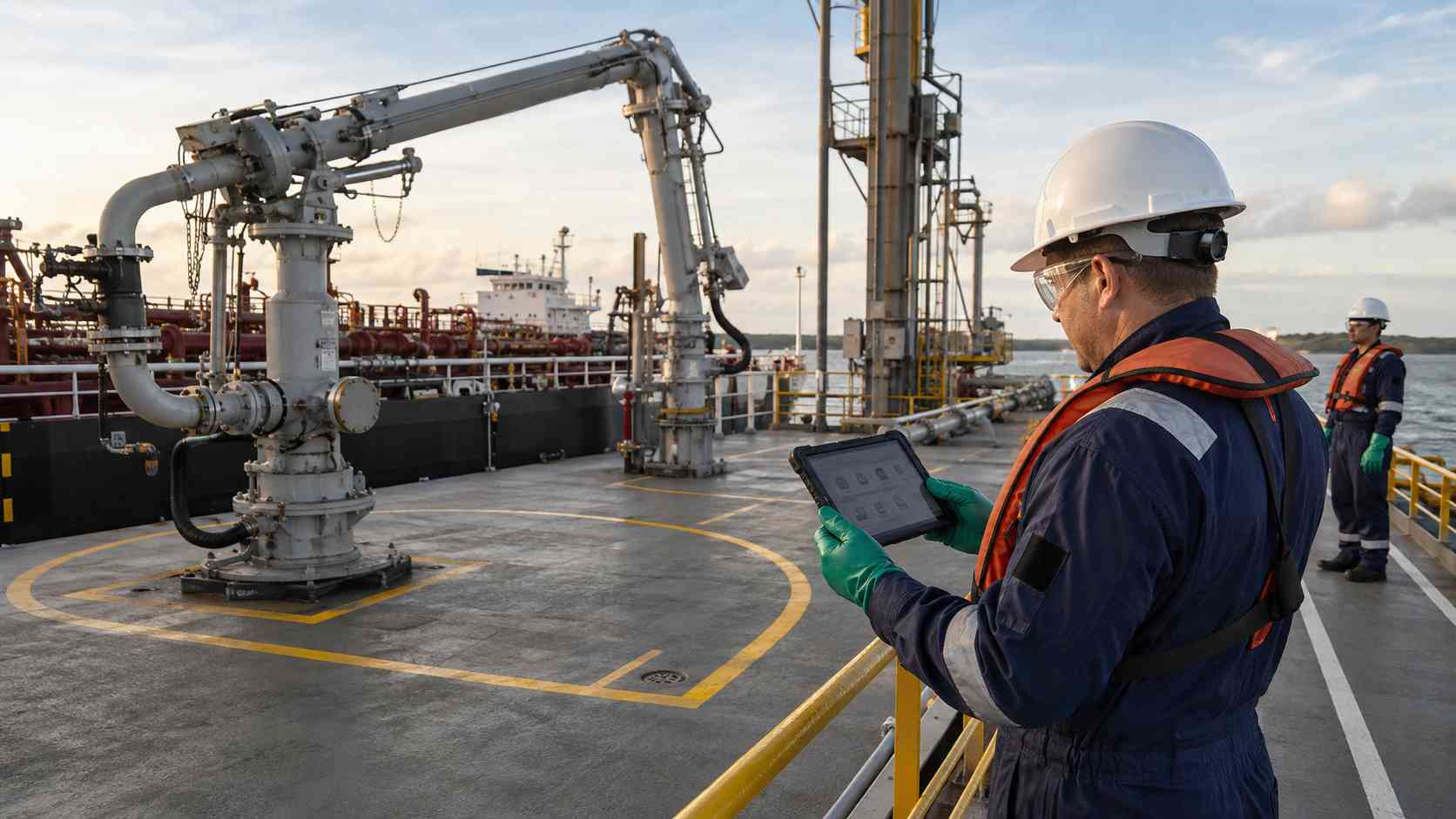
How to Choose the Right Manufacturer for an Oil Loading Jetty
Brand comparison becomes useful only after the terminal has defined the route, transfer states and evidence pack. The following method separates hazardous-area admission from workflow performance so a good screen or application cannot conceal a protection mismatch.
Define Your Operating Environment
Start with an eight-point route card: shore gate or access control, safe muster/control position, trestle midpoint, loading platform, tanker manifold or loading arm, vapor-return connection, sampling point and safe sync/charging station. The competent site team should annotate the assigned classification, gas group, temperature class, ambient range, salt and hydrocarbon exposure, camera restrictions, carrying rule and evacuation path for each point.
Overlay five operating states: pre-arrival/pre-transfer; connected but not flowing; active transfer; stripping/disconnection; and abnormal stop/recovery. A simple green/red admission matrix often reveals that the purchase question is really two questions—what may enter the classified platform, and what may remain there during a particular cargo state.
Do not let a tablet route redraw the hazardous area. OSHA notes that rooms, sections and areas are classified individually, while terminal rules and recognized engineering practice establish the applicable boundary. If a state or route is unclear, mark it unavailable until the responsible site authority resolves it; proximity estimates and geofences are administrative aids, not classification methods.
Clarify Performance Requirements
After certification, evaluate the work with issued PPE and realistic surroundings. A proposed 40-task safe-area drill can include ten berth, vessel, arm or manifold identity checks; six readings transcribed from training instruments or local indicators; six permitted photographs; four offline forms; four wrong-berth or wrong-vessel attempts; four transfer-state changes; two emergency-stop cues; two device handovers; and two duplicate-sync checks.
Record mis-selections, unreadable fields, glove retries, dropped inputs, missed stop cues and duplicate records. The exercise should use a mock-up or non-hazardous location—never create a release, defeat a safeguard or contaminate a device to make a test “realistic.” Glove performance is a pairing between the issued glove, moisture, screen protector and interface; one successful bare-hand demonstration proves little.
Run the approved cleaning process in the safe area after simulated salt and hydrocarbon contact using harmless substitutes. Inspect seals, corners, label legibility, ports, strap anchors and display film. Assign one of three outcomes: jetty-released, safe-zone only or quarantined. Pressure washing and opening the enclosure are poor substitutes for the manufacturer’s cleaning and maintenance instructions.
Consider Software & Integration
The form should bind observations to cargo context. Put berth, vessel interface, product movement, loading arm or hose, task point, transfer state, timestamp and operator role ahead of the inspection fields. When a worker transcribes a reading, retain the source instrument ID, unit and observation point so the database does not turn a copied value into an apparent tablet measurement.
Test an 85-minute offline round with two handovers and a network change in a safe location. Reconnect once, then compare device and server records for missing photographs, duplicate forms, changed timestamps, stale procedures and unresolved conflicts. A green “sent” icon is not sufficient acceptance evidence if the server lacks the attachment or assigns it to the wrong movement.
Application behavior during an abnormal cue deserves a separate check. The operator should be able to abandon the form without navigating through mandatory fields, follow the terminal alarm and report through the designated channel. The software can preserve an incomplete record for later review, but it must not delay the physical response or compete with the approved ship/shore communication system.
Analyze Total Cost of Ownership (TCO) vs. Initial Cost
Compare certified hardware, approved carry and charging equipment, spares, enrollment, application changes, training, inspection, cleaning, certificate surveillance, battery policy and repair logistics. Add the cost of route-specific mistakes: a lower-category tablet bought for a higher-category point, a duplicate submission, an accessory that blocks release or a damaged unit returned to service without inspection.
A workflow estimate makes the discussion concrete. If five inspectors each complete four handover forms and later spend four minutes transcribing every form, the operation consumes 80 staff-minutes. That figure is a baseline to measure during a pilot, not a promised saving; digital work may introduce review, sync and exception-handling time of its own.
Contact CENAVA only when an exact project configuration needs review. Provide the destination country; ATEX/IECEx or Class/Division framework; Zone or Division; gas group; temperature class; ambient range; cargo or product range; berth and route; permitted transfer states; salt, cleaner and hydrocarbon exposure; glove/PPE details; operating system and application; carrier/SIM/eSIM requirements only if cellular service is needed; and NFC card or tag technology only if NFC is in scope. Do not send passwords, live credentials, confidential emergency-shutdown logic, restricted security plans or vessel/customer personal data.
The Future of Tablets on Oil Loading Jetties: Trends to Watch
Certificate data moving into fleet identity
Operators are beginning to link the exact marking, certificate schedule, special conditions, approved accessories and serial number to the device-management record. This will make it easier to block an incorrect regional build or unapproved scanner from a berth workflow, although the digital record will still need periodic comparison with the physical label.
Transfer-state-aware applications
Future forms will increasingly change with pre-transfer, active-transfer and recovery states. The useful design is not an animated dashboard; it is a restrained interface that exposes only the current task, displays the berth and movement context clearly and exits immediately when operations demand attention.
Offline evidence judged at the server
Procurement teams are shifting from “the app works offline” to measurable acceptance: attachments arrive, timestamps remain intelligible, duplicates are controlled, conflicts are visible and the server acknowledges the complete record. That approach matters on long trestles and shielded berth structures where coverage can be uneven.
Accessory and post-repair release becoming formal controls
Straps, styluses, films, scanner options, batteries and docks are increasingly managed as configuration items. After a drop, salt exposure or repair, the device will move through physical inspection, application check and hazardous-area release instead of returning directly from the service bench to the loading platform.
Conclusion
The safe tablet for a petroleum jetty is the delivered configuration that matches the classified route and the current transfer state, with its certificate, physical marking, special conditions and accessories under control. High-category candidates from Pepperl+Fuchs / ECOM, i.safe MOBILE, Aegex and CENAVA warrant review where the route requires Zone 1 or Division 1 evidence; the six lower-category platforms belong only on documented Zone 2, Division 2 or safe-area routes.
Selection is incomplete until the terminal tests how people actually carry, read, clean, hand over and synchronize the device. An eight-point route, five-state admission matrix, full receiving inspection, 40-task safe-area drill and 85-minute offline exercise turn brochure claims into local evidence without pretending to reproduce a hazardous event.
The enduring rule is simple: ruggedness keeps a tablet usable, while hazardous-location approval governs where a particular build may enter. Neither replaces mooring control, loading-arm safeguards, gas detection, emergency shutdown, approved communication, the persons in charge or the ship/shore inspection process. A disciplined deployment keeps those boundaries visible from purchase order through every shift and repair.
Need a Rugged Device for Your Project?
Tell us your operating environment and requirements — our engineers will recommend a configuration and quote within 24 hours.
Get a Free Quote Back to Blog