
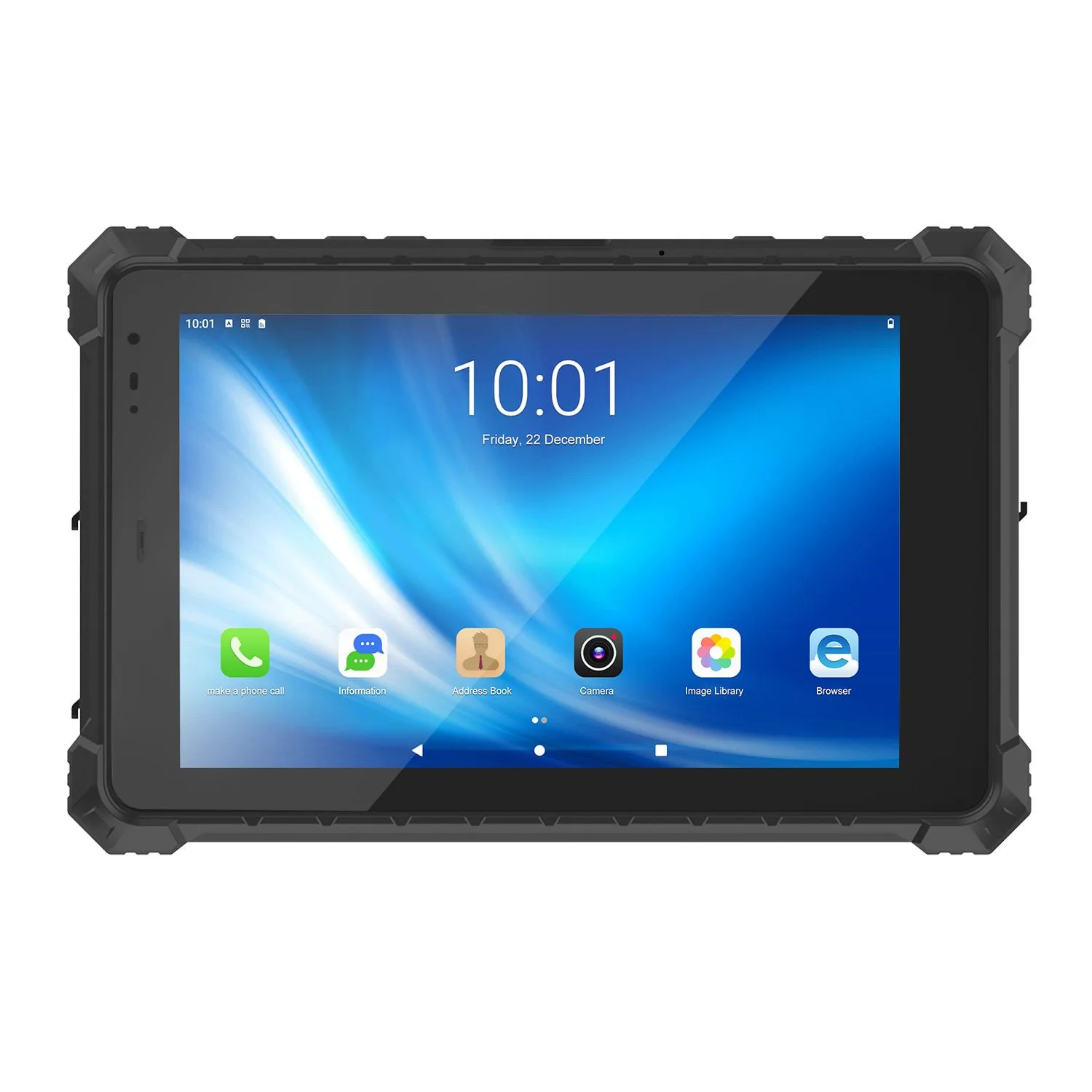






Why Choose a Metal-Casing Rugged Tablet? Aluminum-Magnesium Guide
Aluminum-magnesium alloy casings give rugged tablets a strong, lightweight, corrosion-resistant, and heat-dissipating enclosure with natural EMI shielding — a genuine upgrade over rubber-cased designs for demanding field and industrial use, though it's worth checking the specific IP rating and CPU generation of any metal-cased model rather than assuming "metal" alone means top-tier protection or performance.
In today's fast-paced, always-connected world, devices are expected to keep up regardless of environment — whether on a construction site, in the outdoors, or in a demanding industrial setting. This is where metal-clad rugged ("three-proof") tablets earn their reputation, built to withstand extreme temperatures, harsh weather, and the wear and tear of rugged daily use.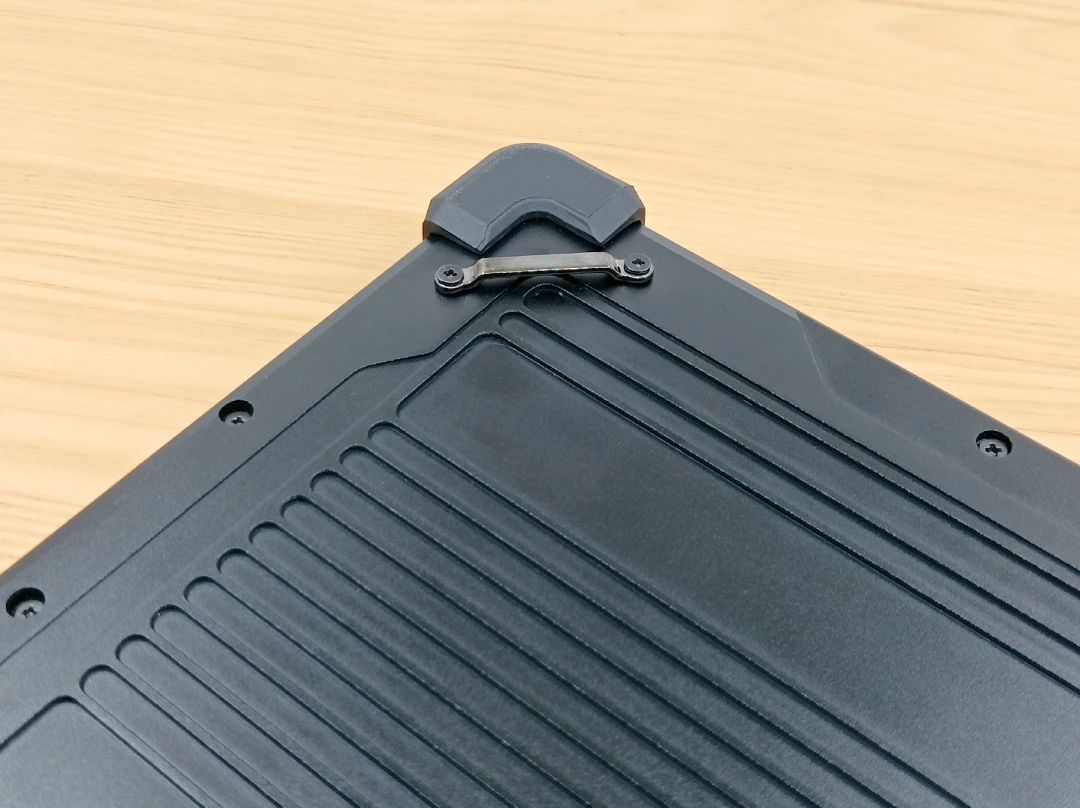
Why Aluminum-Magnesium Alloy for Rugged Tablet Casings?
Aluminum-magnesium alloy is the most common metal material for computer casings — first popularized in Apple's MacBook line and since widely adopted across mobile computing. For rugged tablets specifically, it offers several genuine advantages:Exceptional strength-to-weight ratio — combines aluminum's strength with magnesium's light weight, avoiding unnecessary bulk.
Durability — tough enough to endure drops, impacts, and rough handling in construction, manufacturing, and field service work.
Corrosion resistance — withstands moisture, rain, and even saltwater exposure, important for outdoor and marine applications.
Thermal stability — good thermal conductivity helps dissipate heat efficiently, preventing overheating in variable-temperature environments.
Electromagnetic shielding — natural EMI shielding protects internal components, which matters in industrial and defense-adjacent settings where EMI can disrupt sensitive equipment.
Anti-interference for scanning modules — compared to rubber-cased designs, metal shells improve the speed and accuracy of QR code scanning, ID card reading, and NFC modules, while also helping protect the data these modules handle.
Longevity and lower lifetime cost — greater wear resistance means fewer replacements and repairs over time.
Recyclability — both aluminum and magnesium are recyclable, supporting a lower environmental footprint.
Aesthetic appeal — a genuinely useful factor for customer-facing industrial applications.
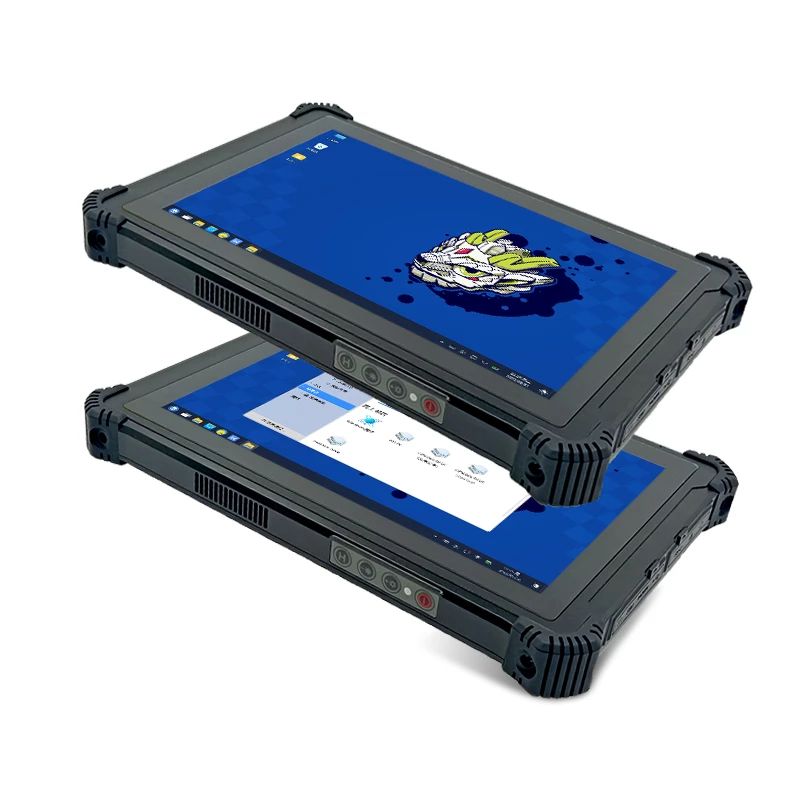
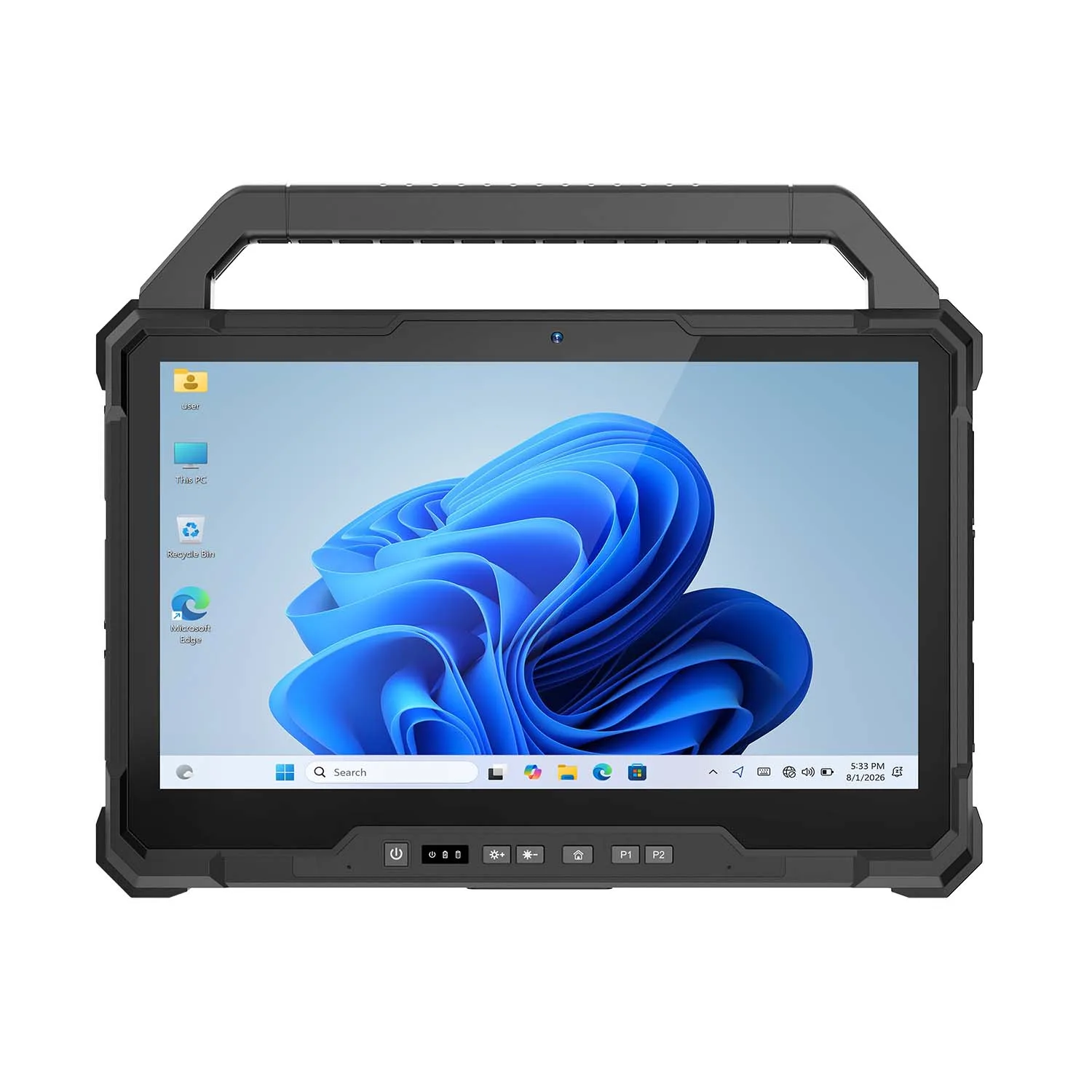
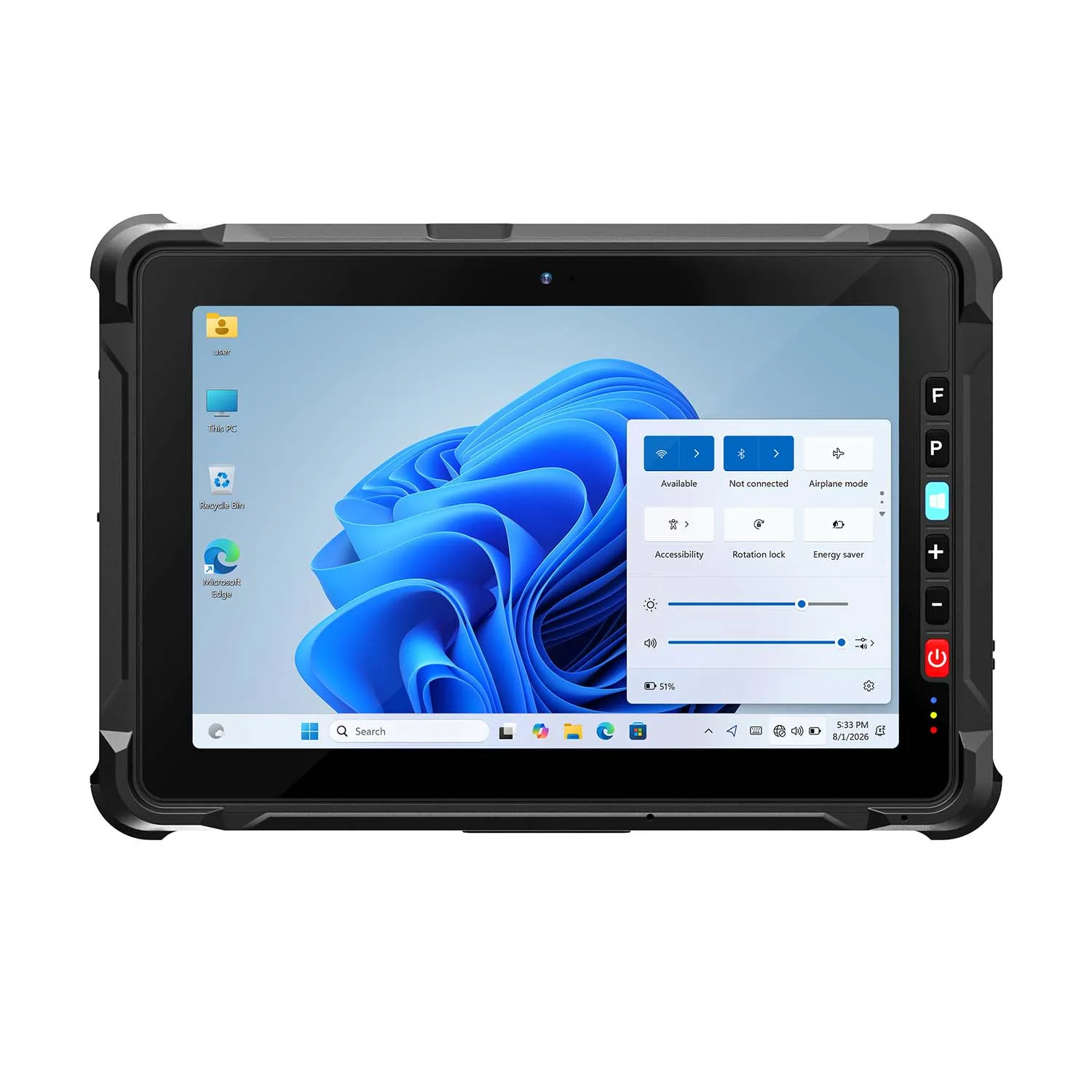
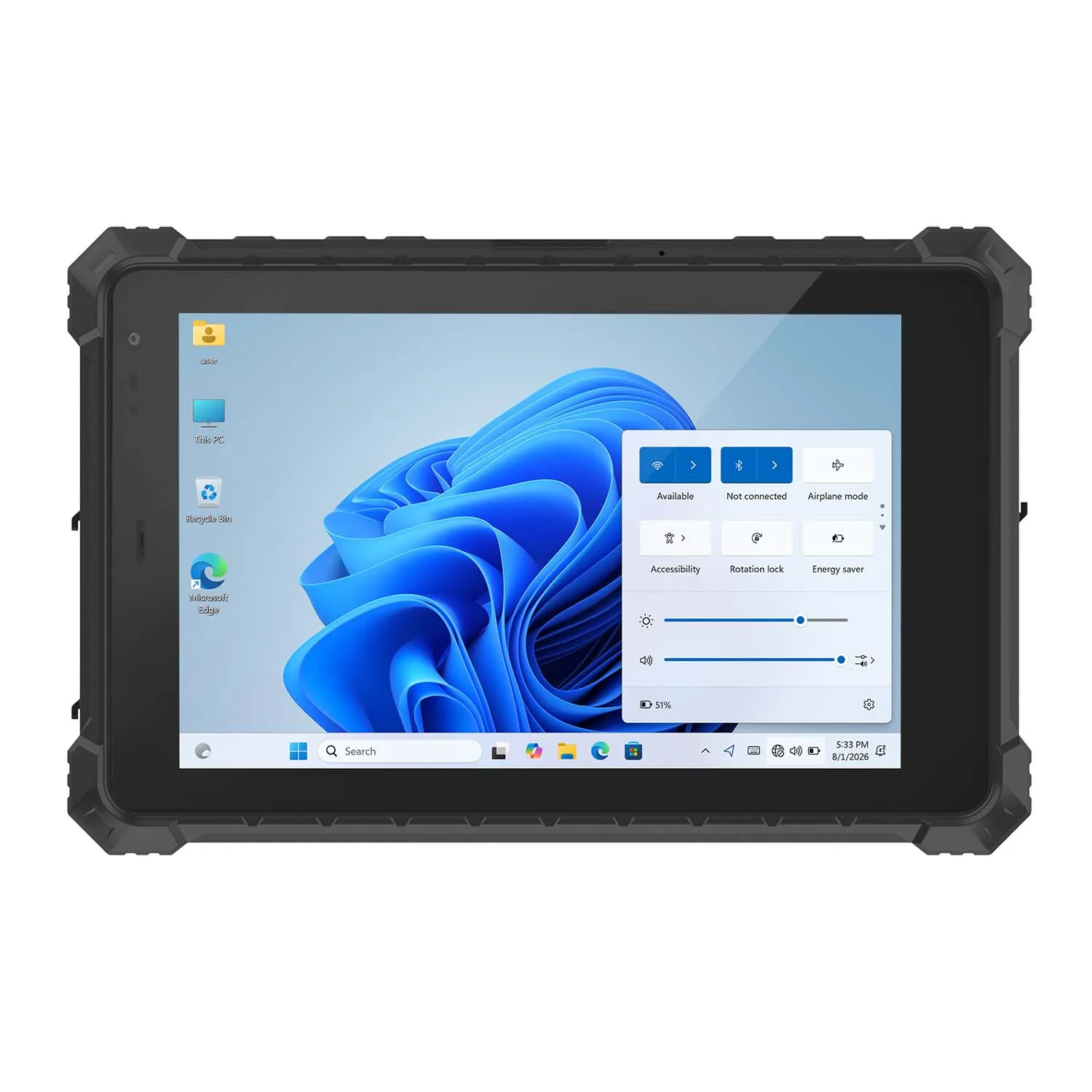
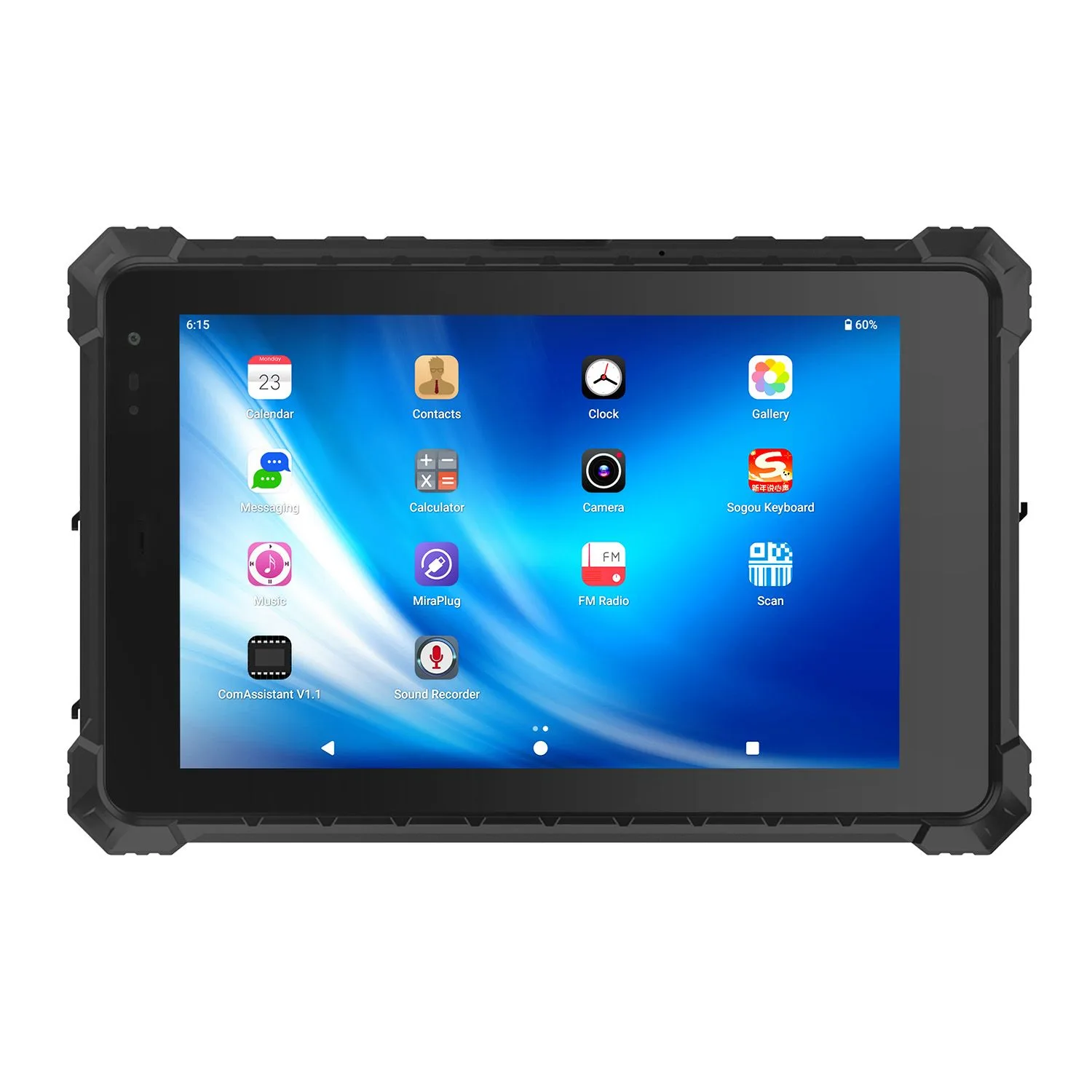
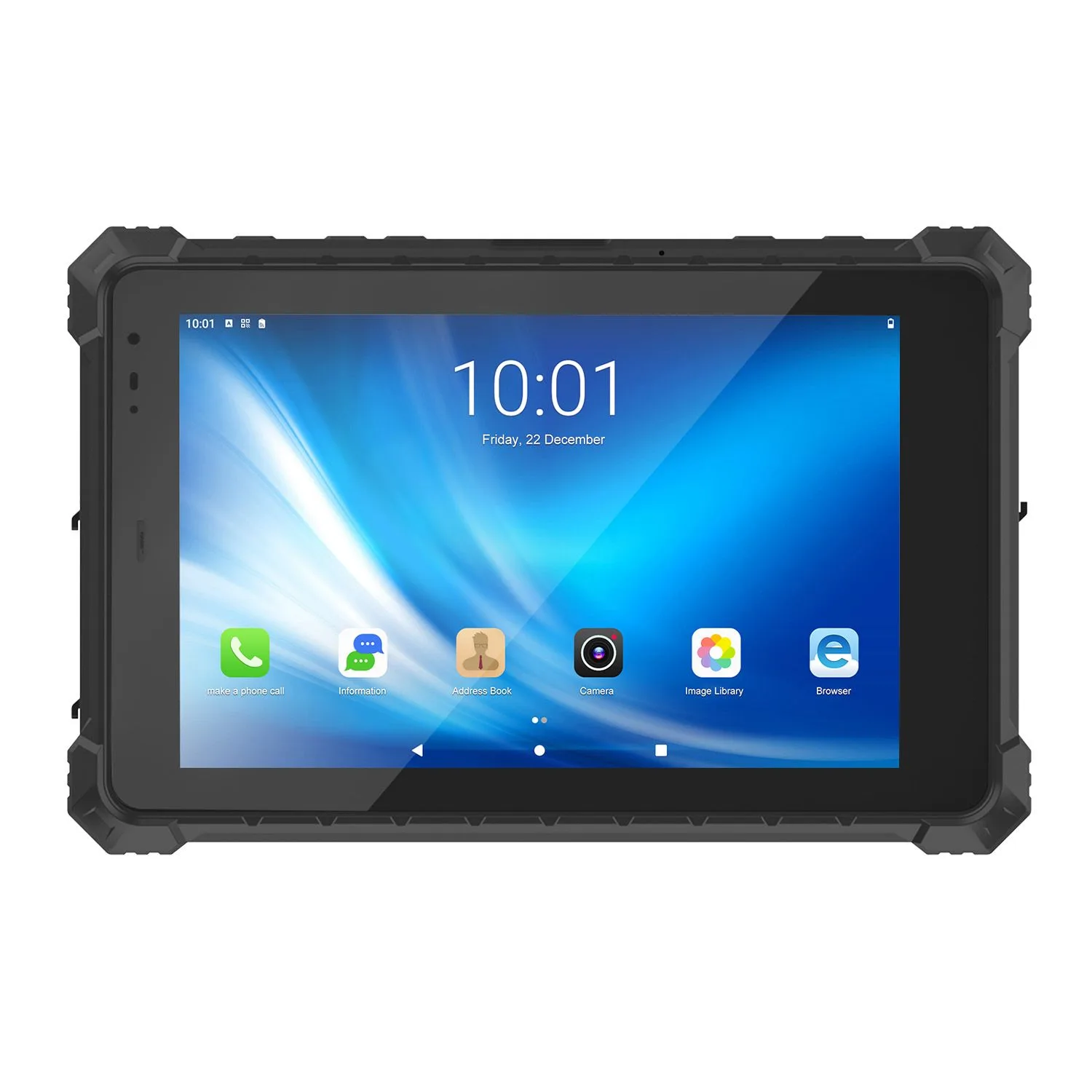
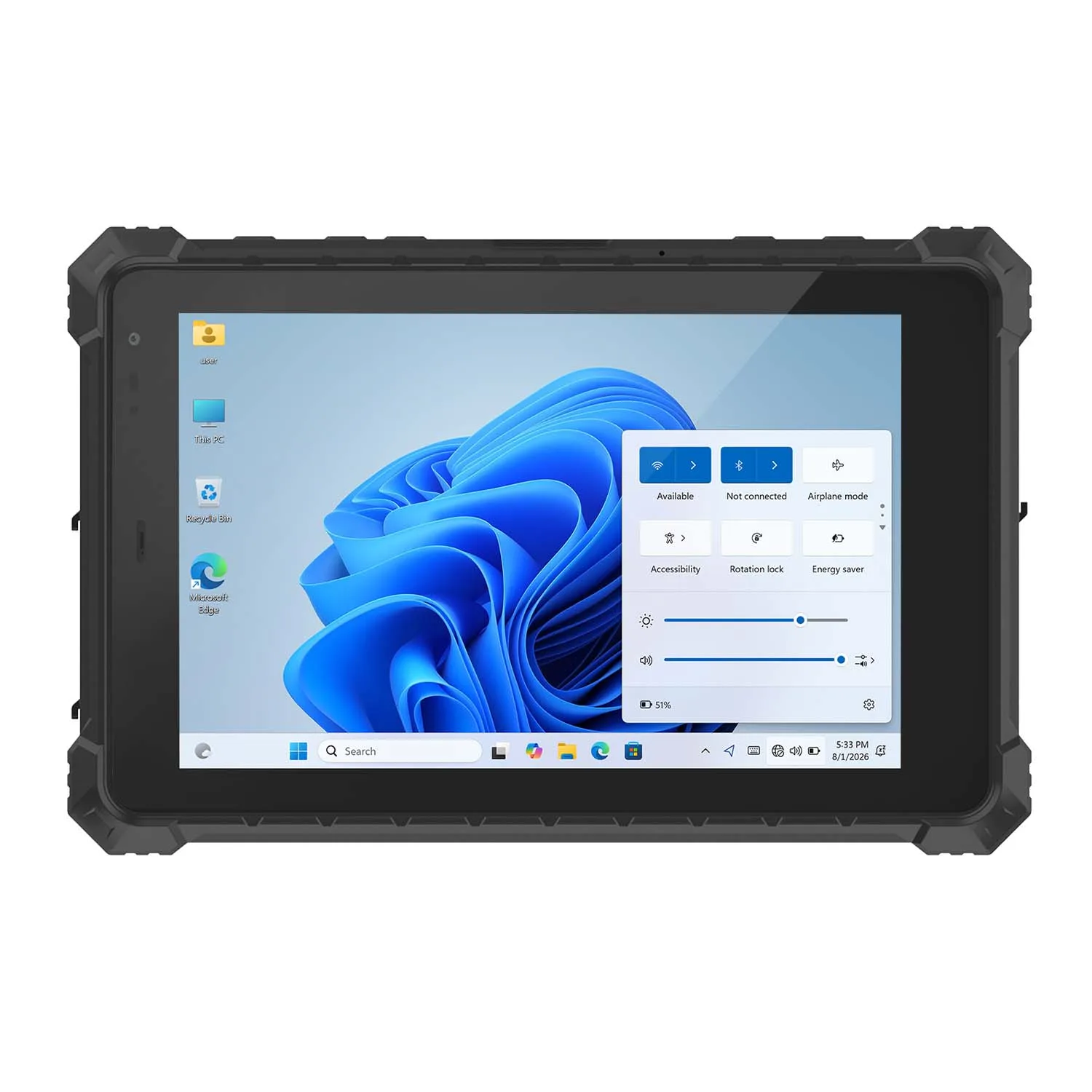
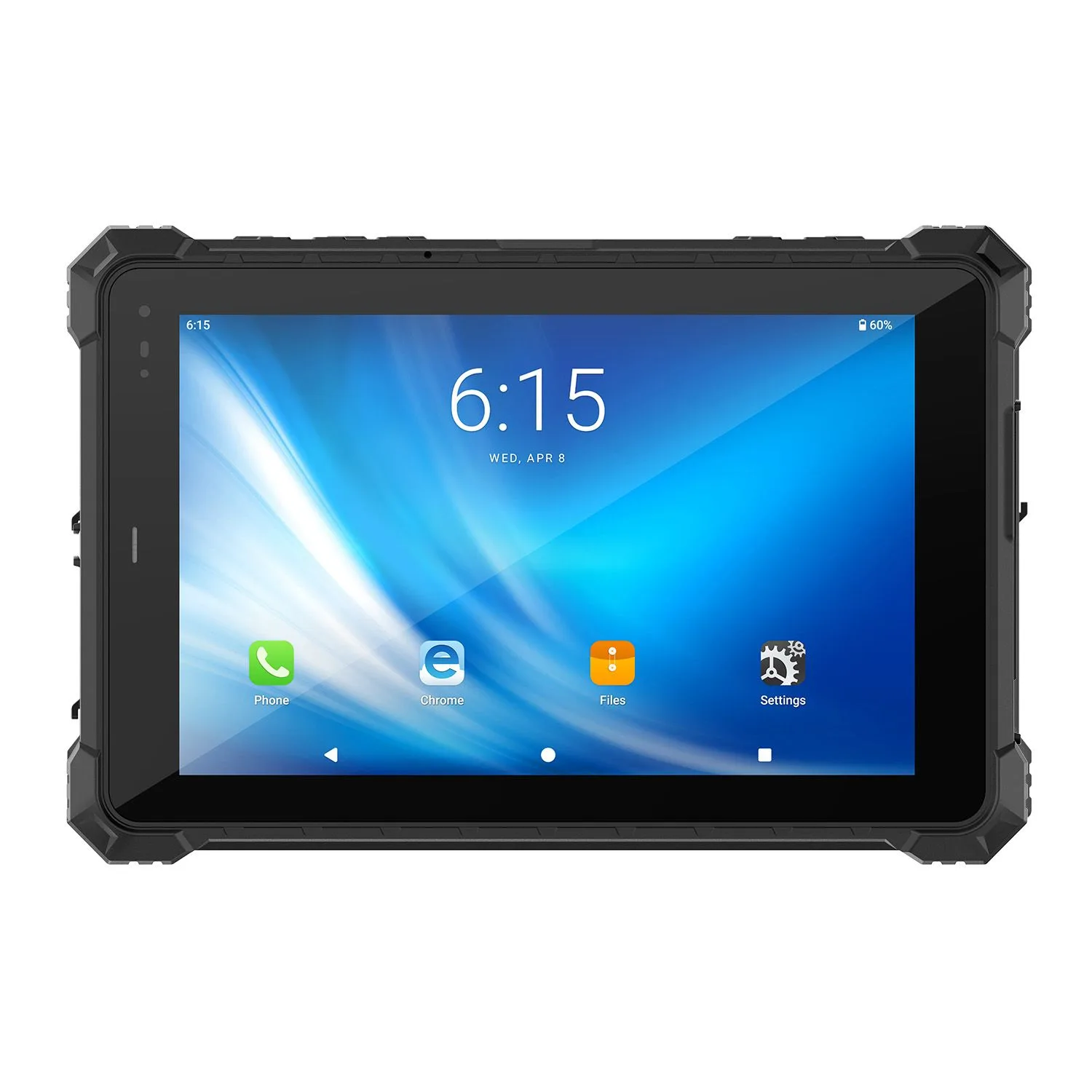
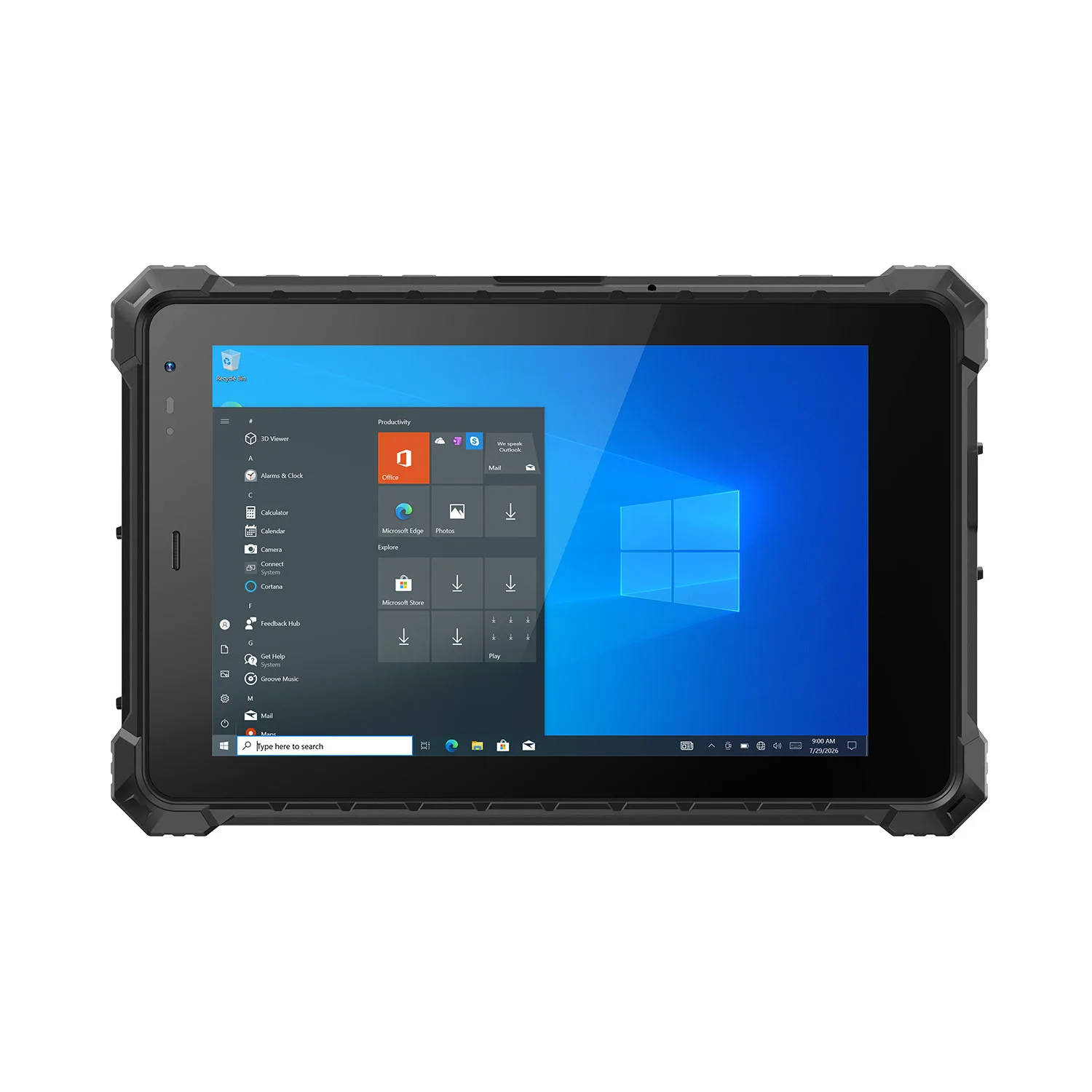
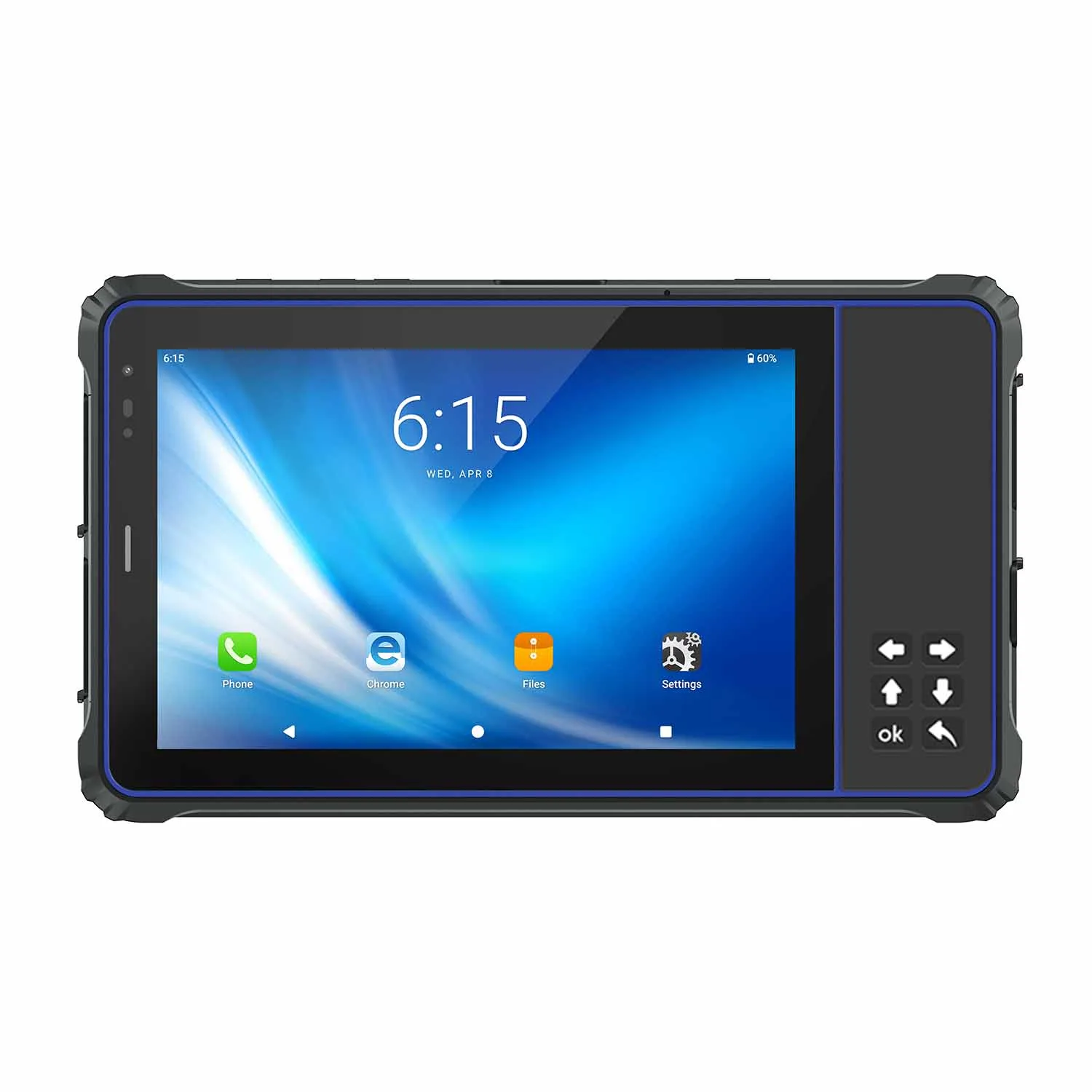
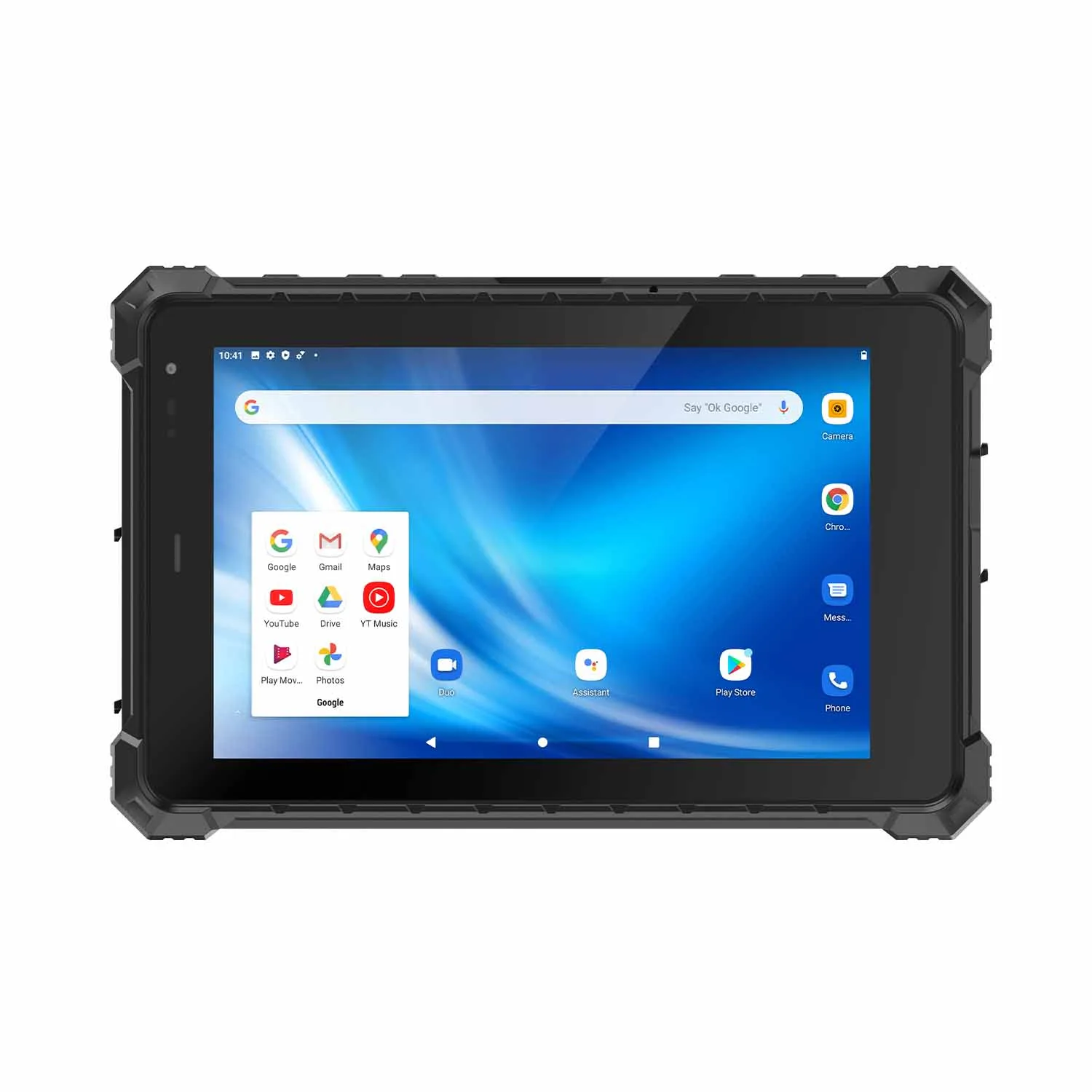
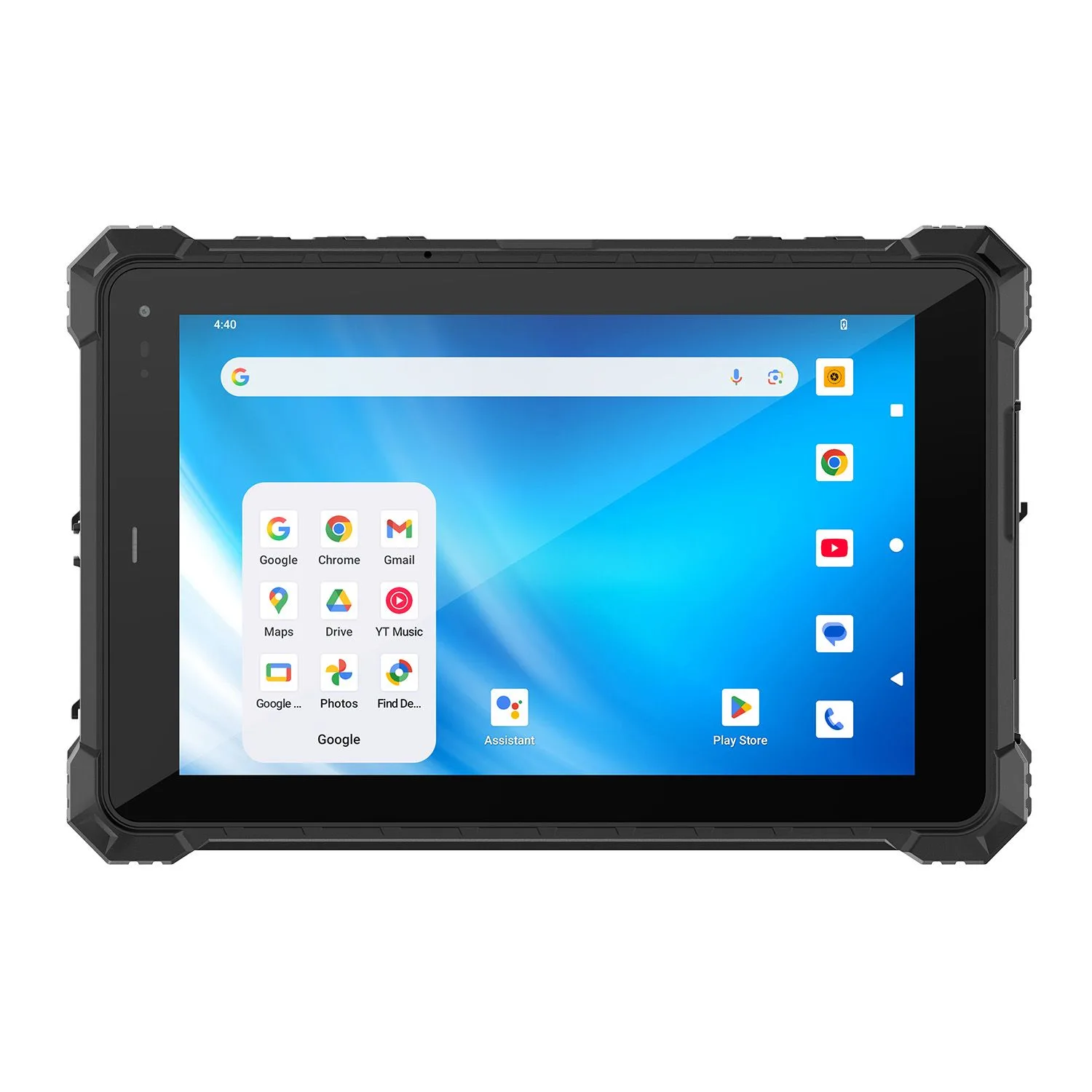
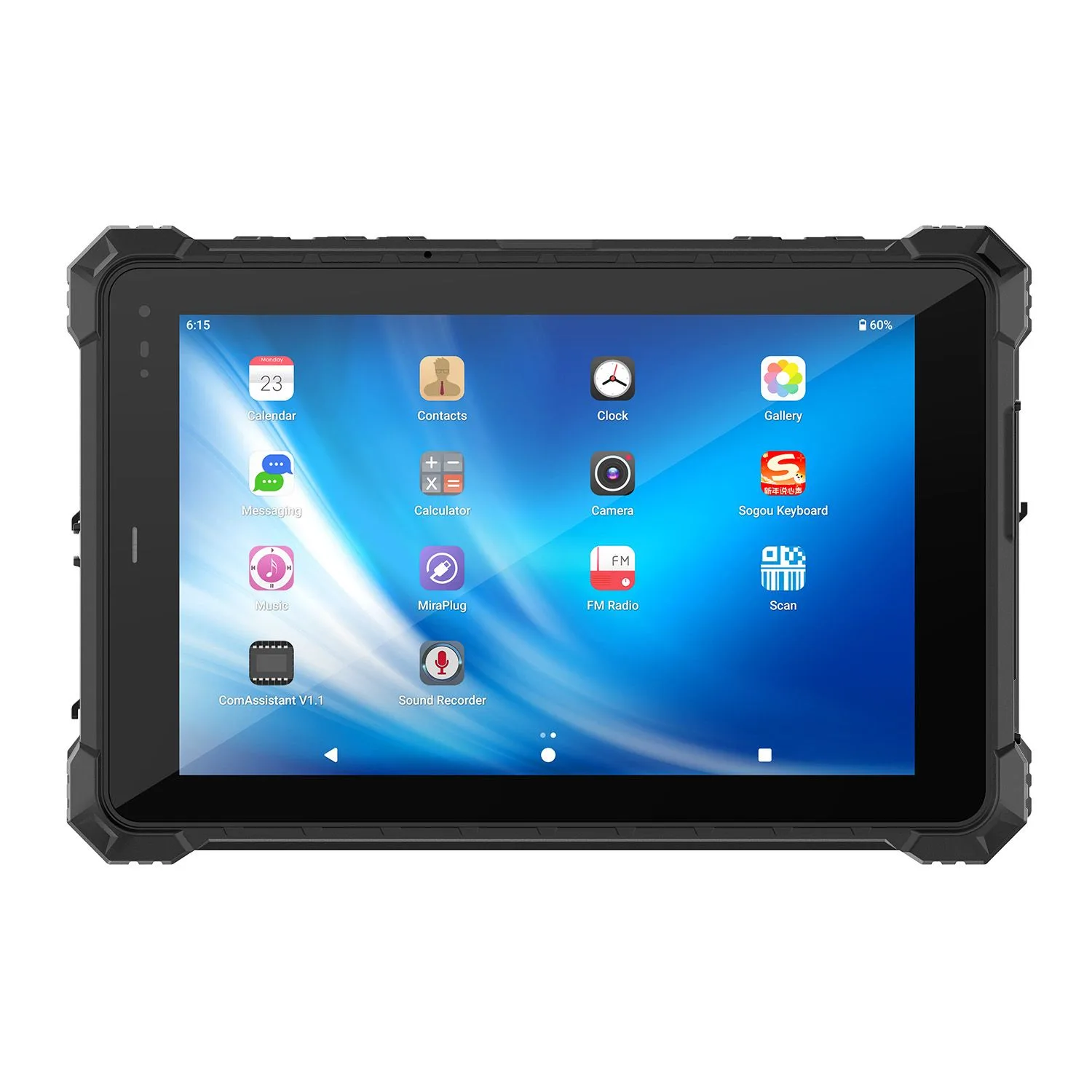
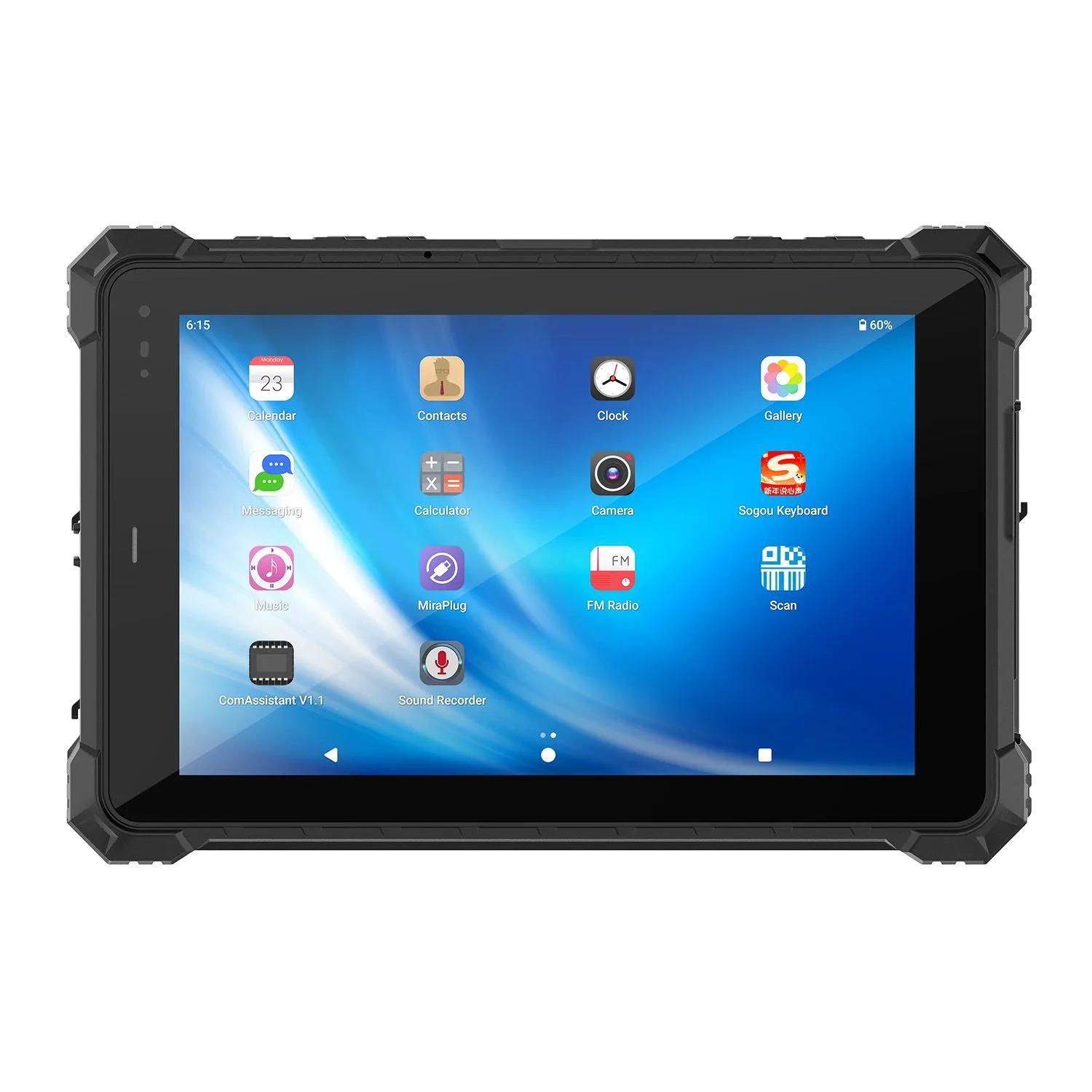
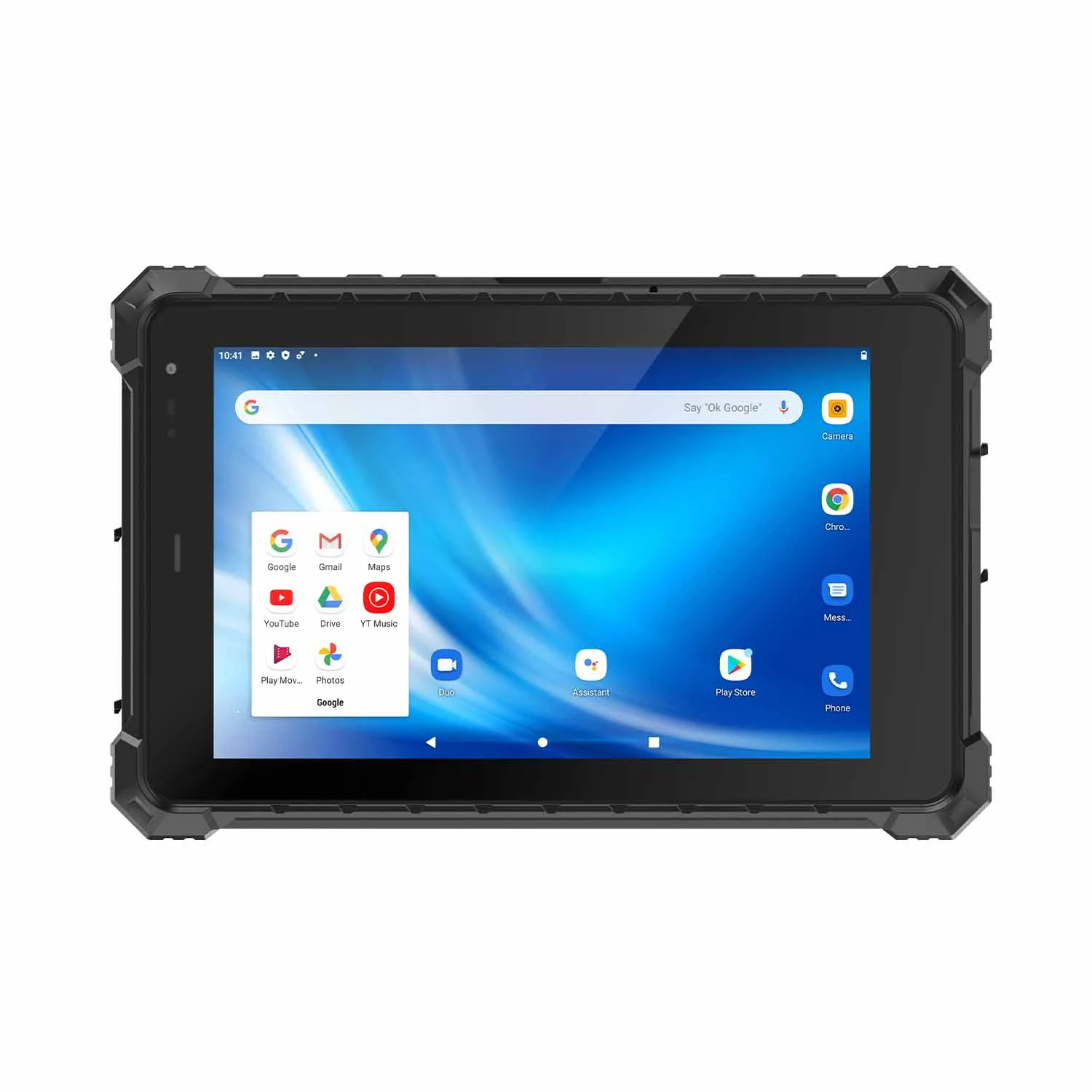
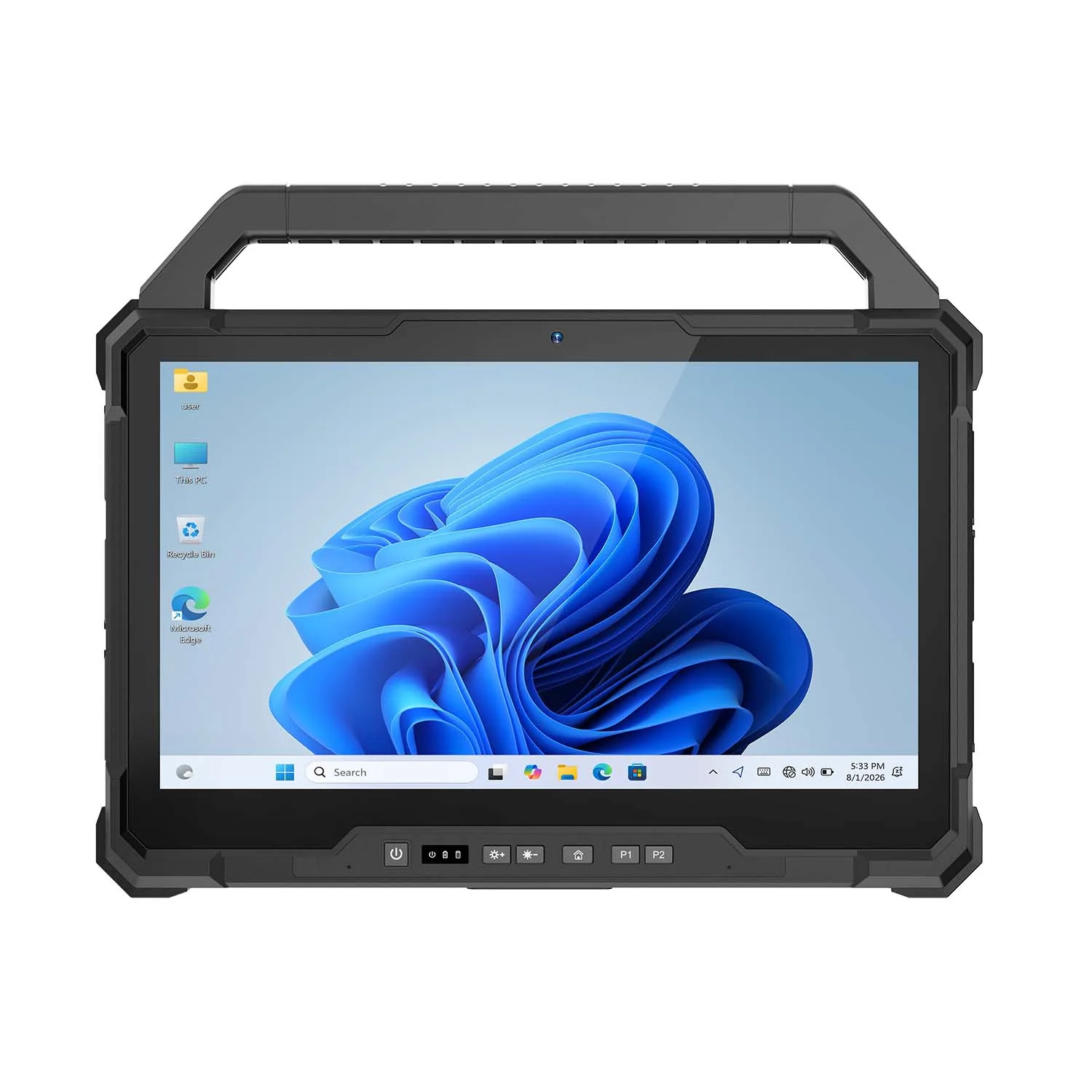
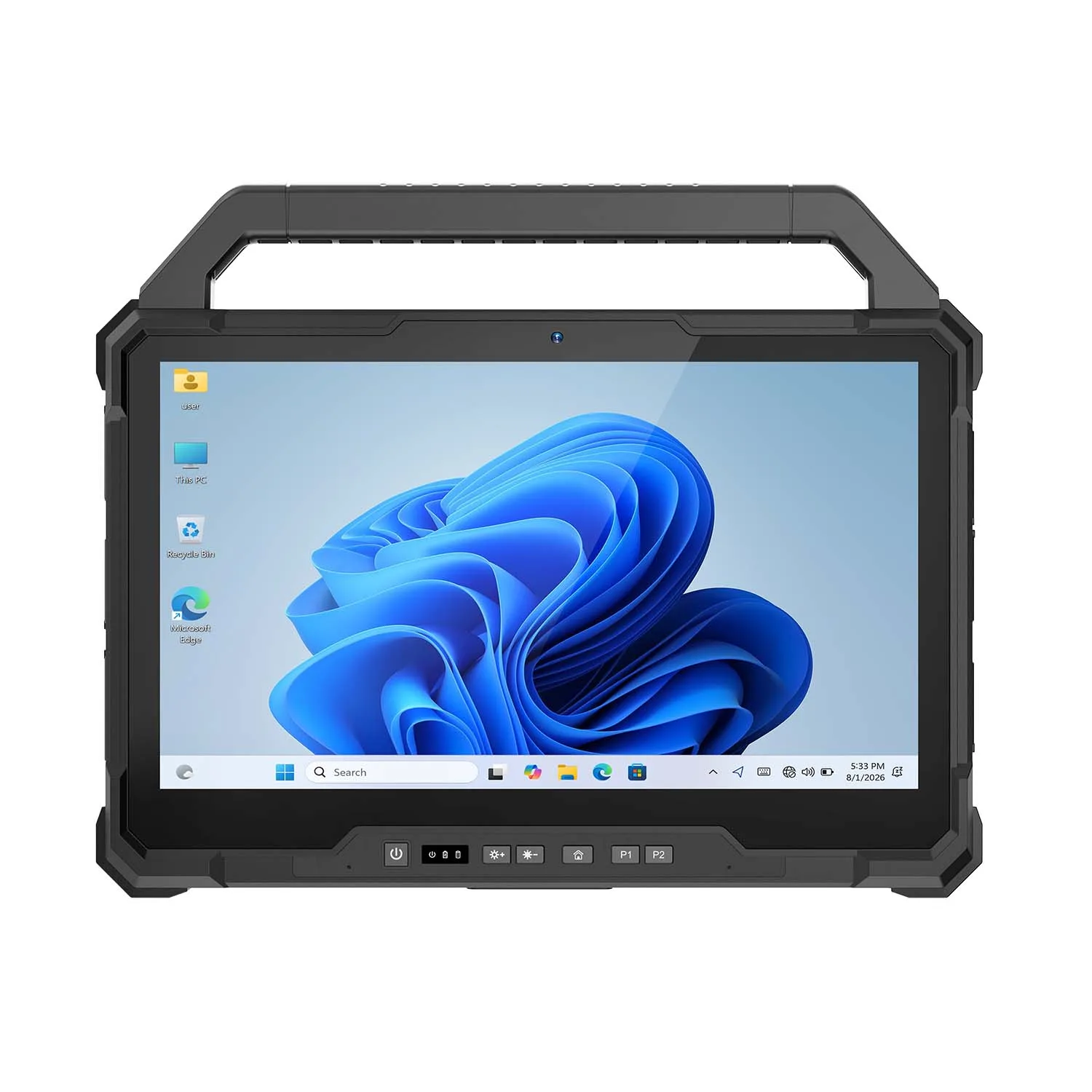
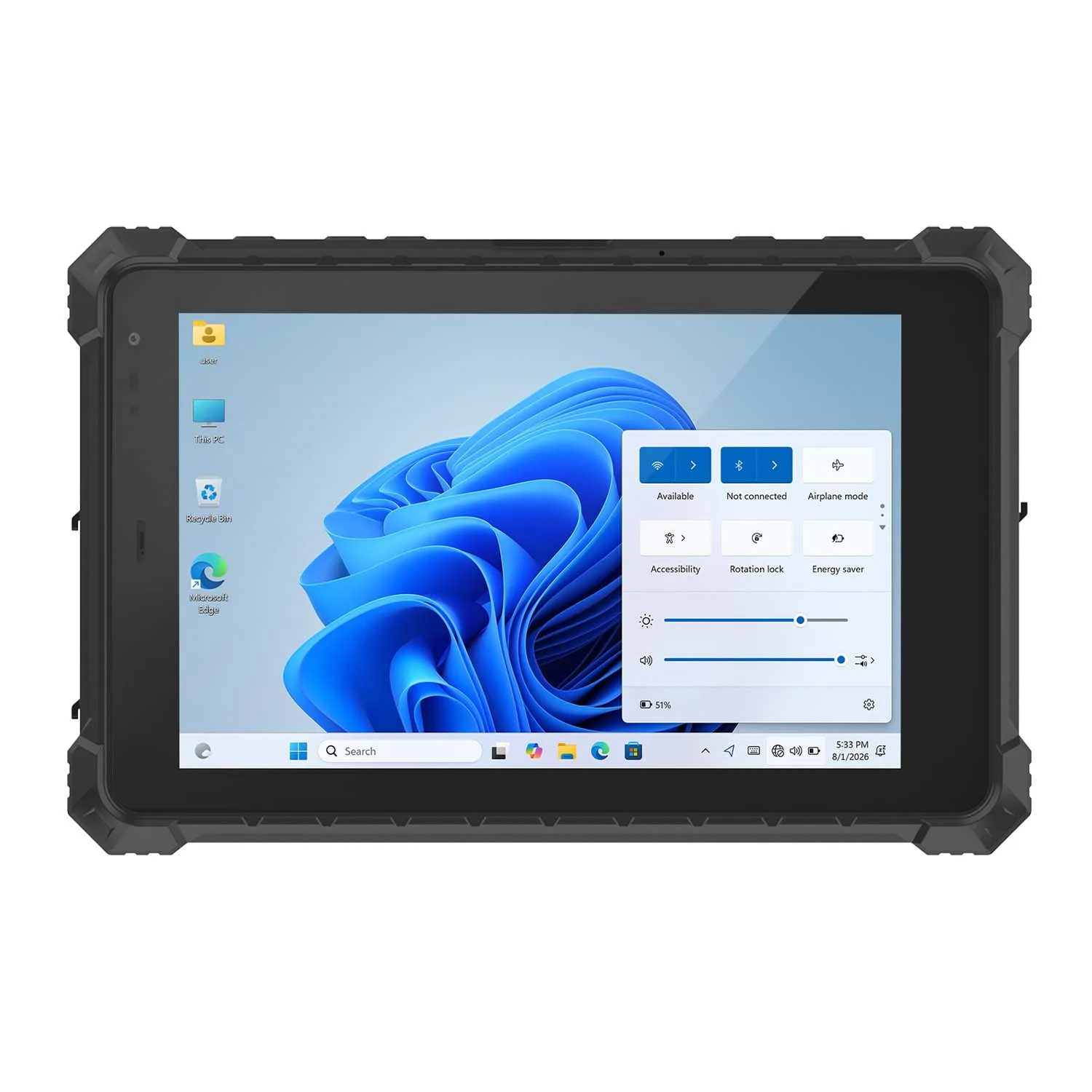
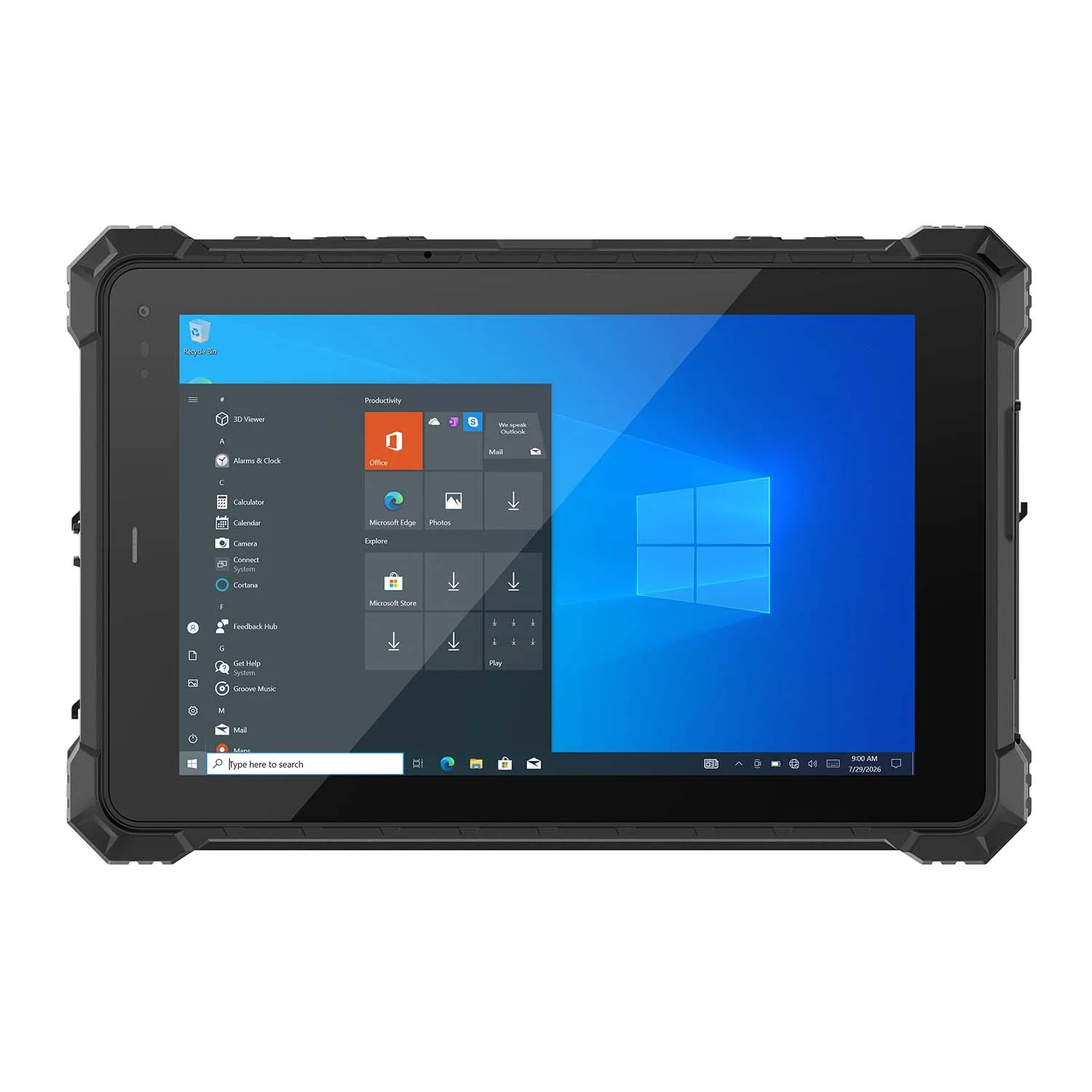
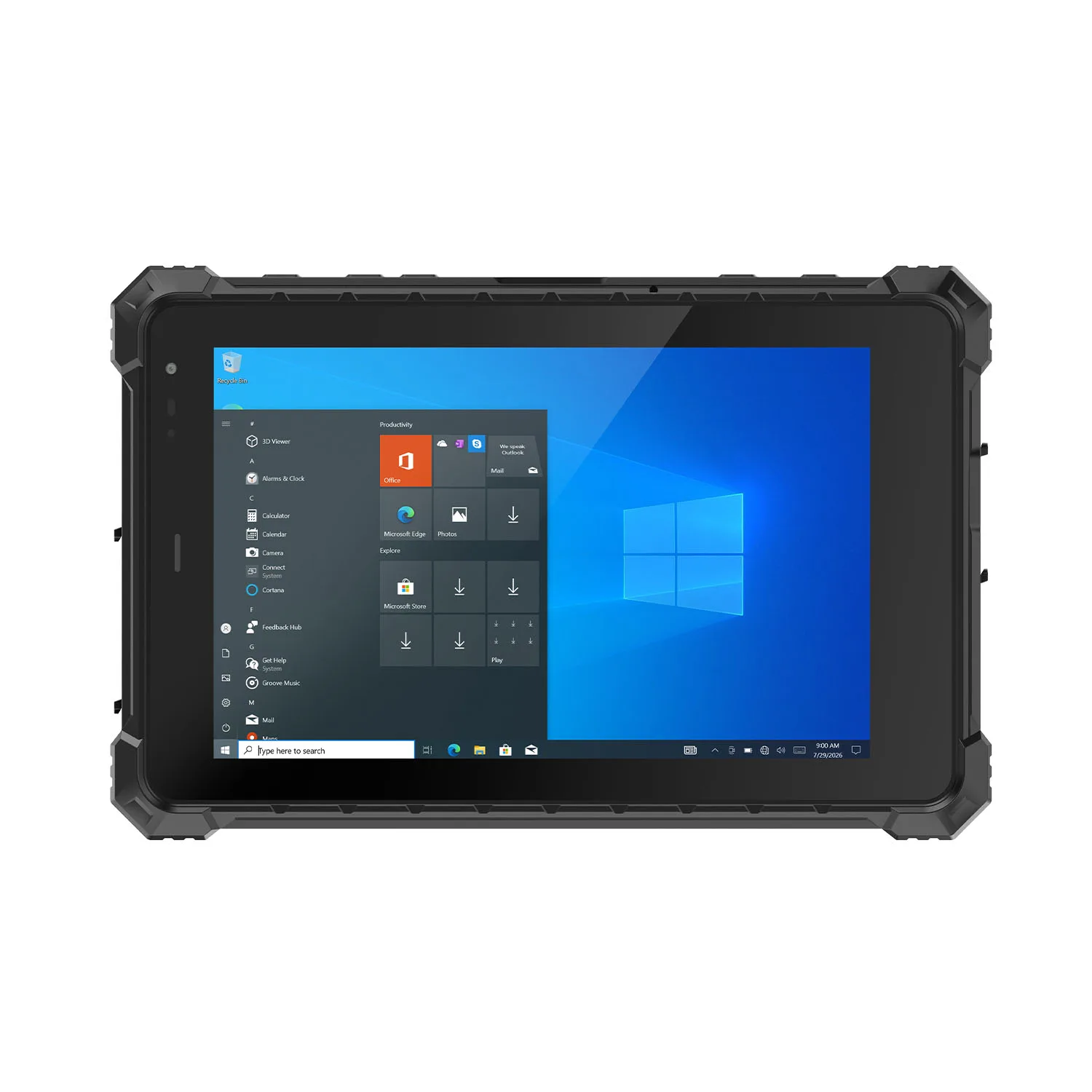
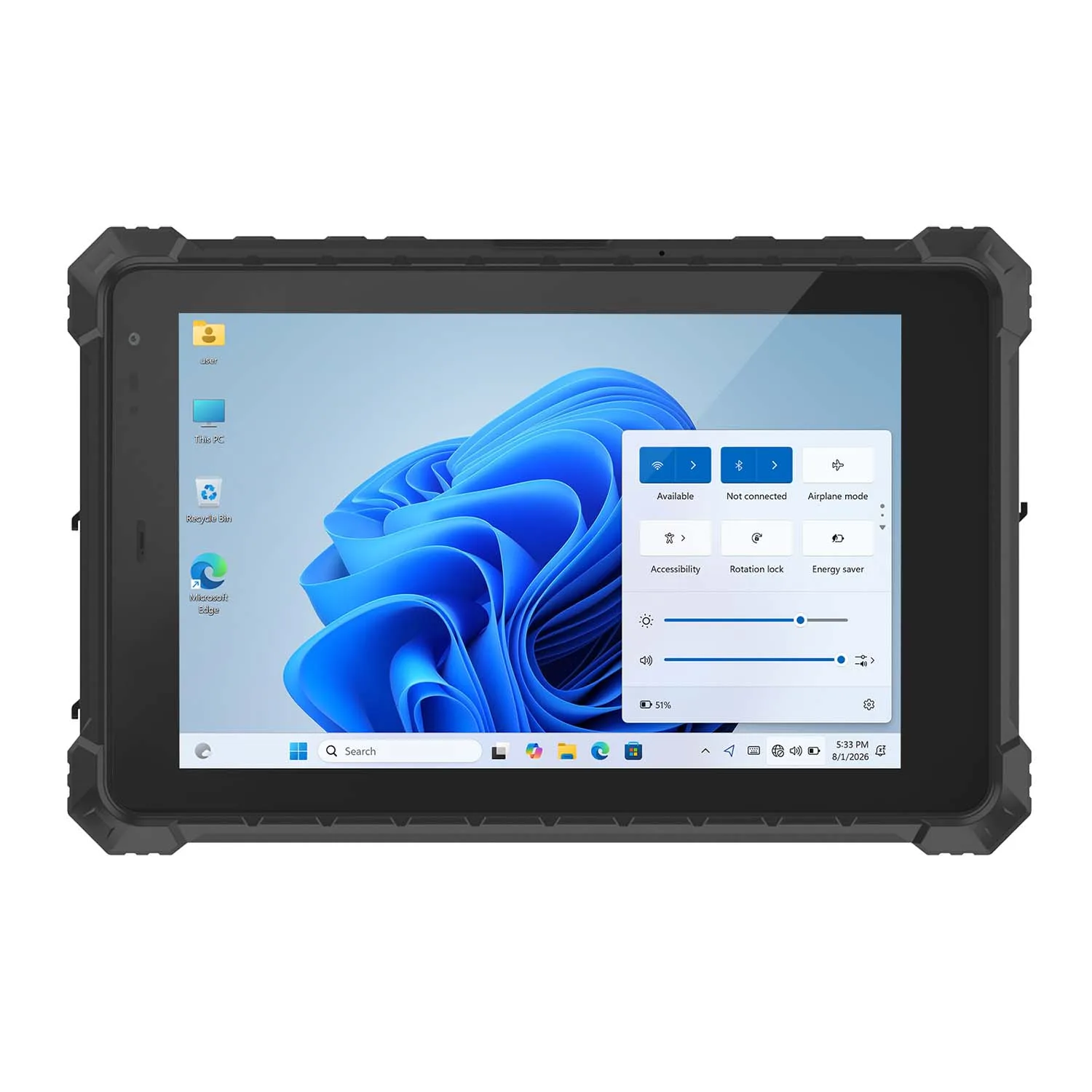
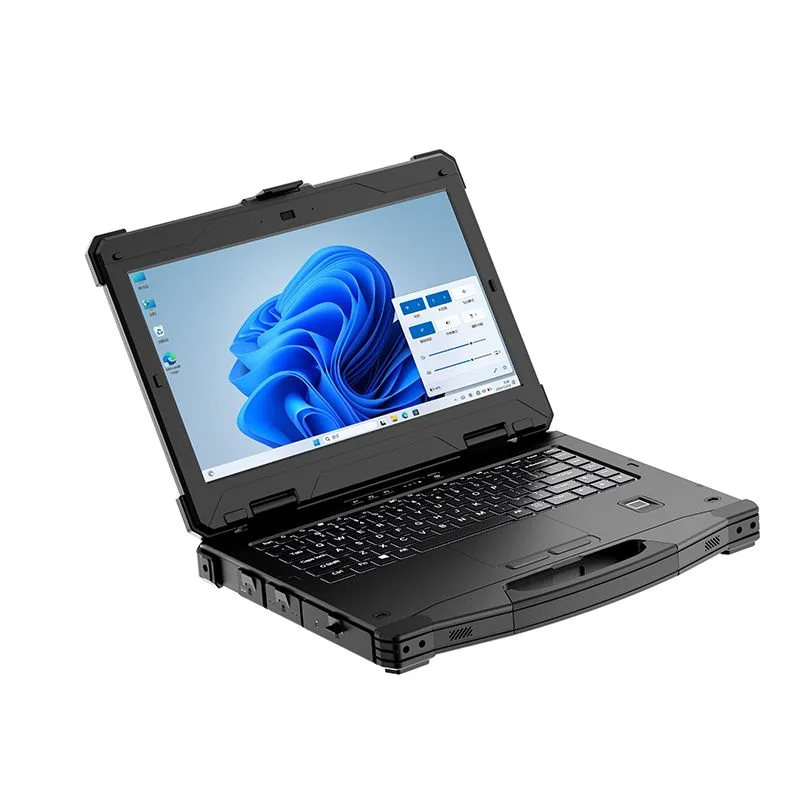
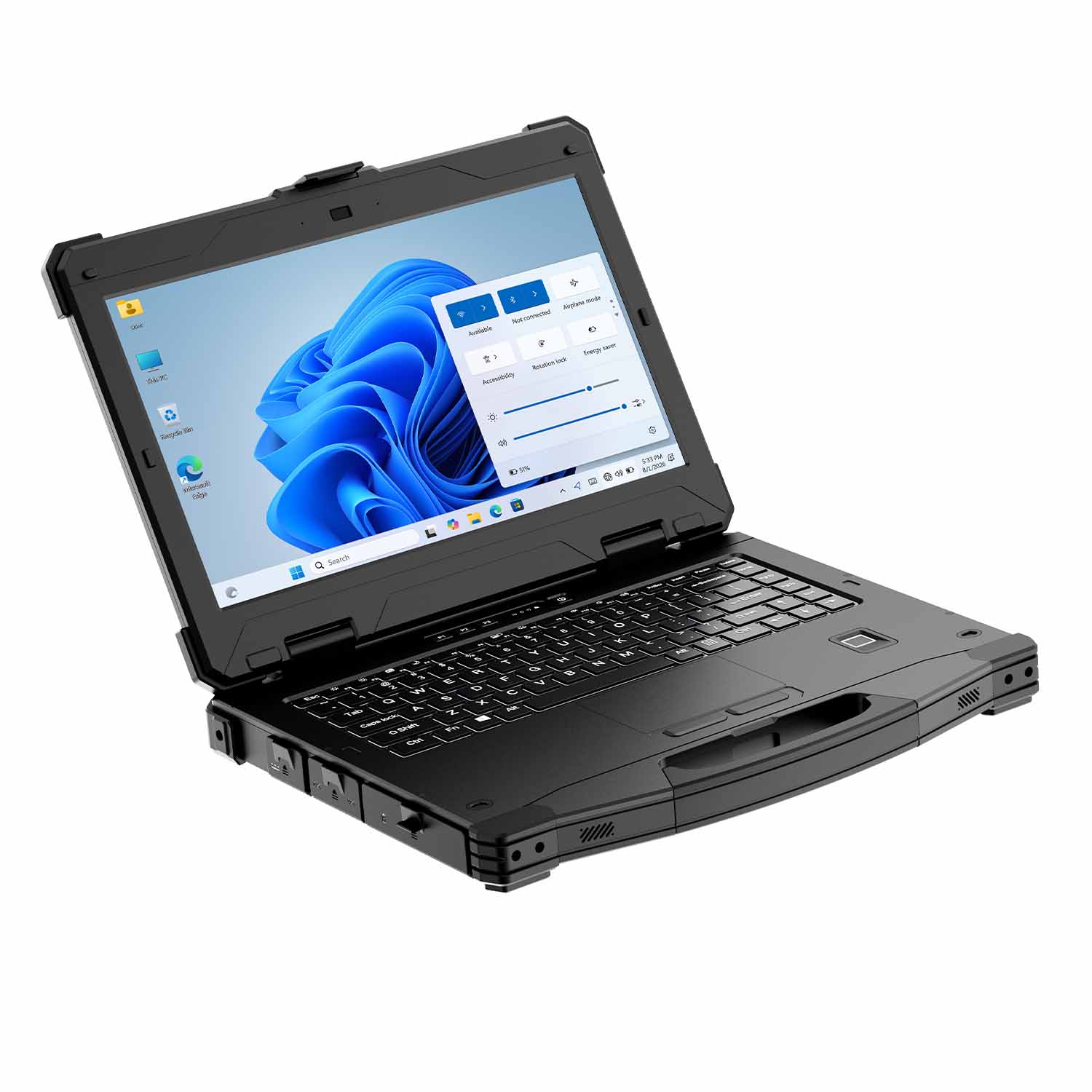
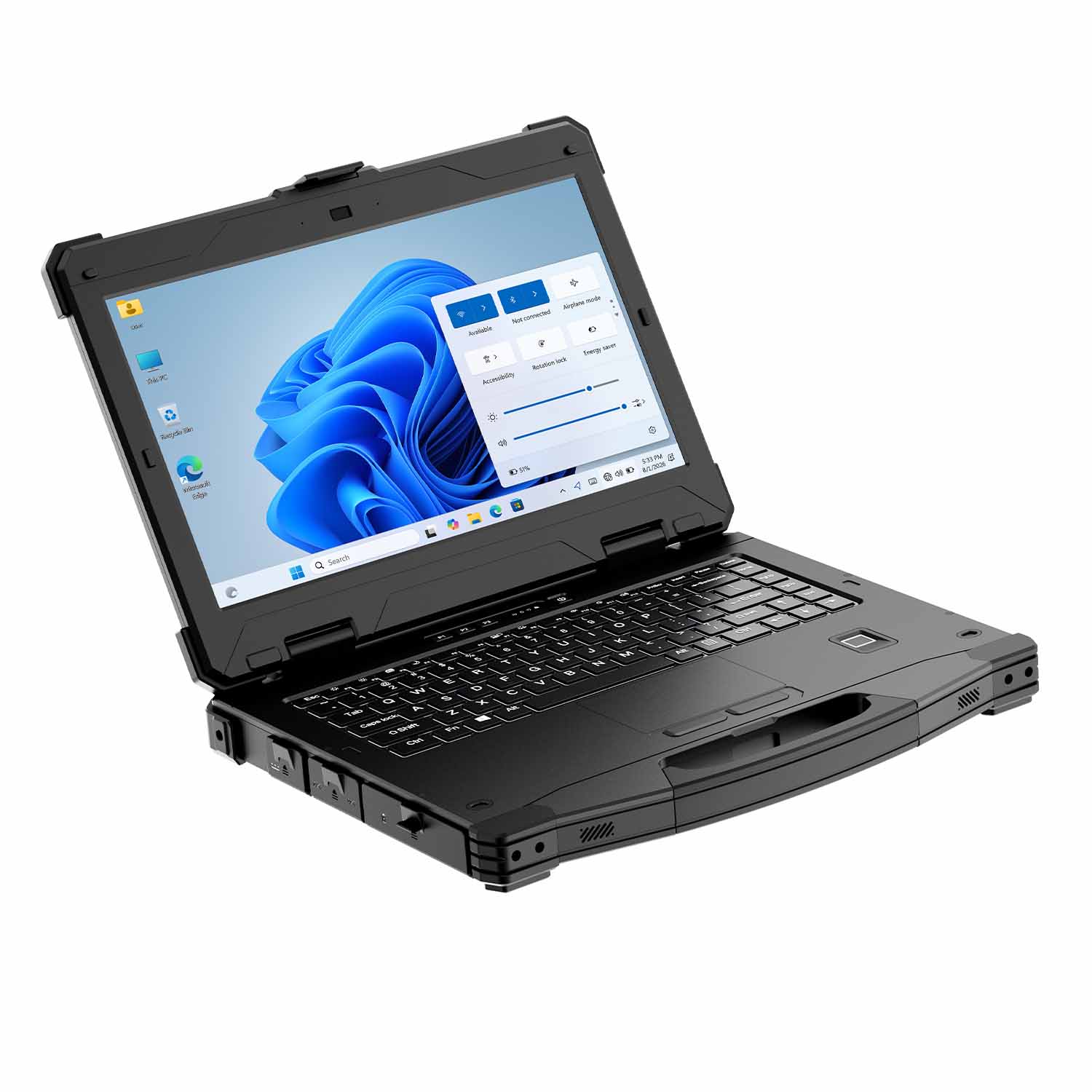
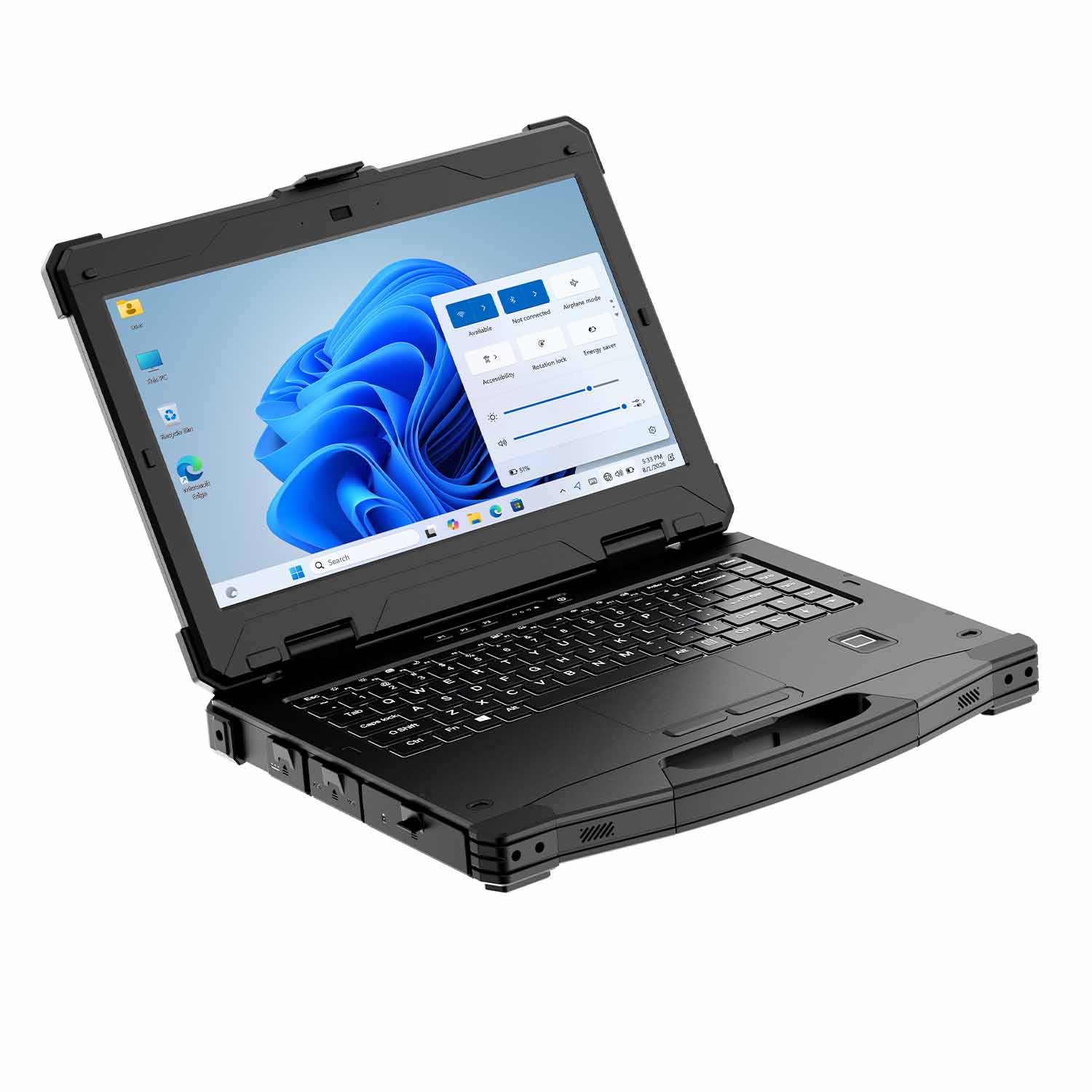
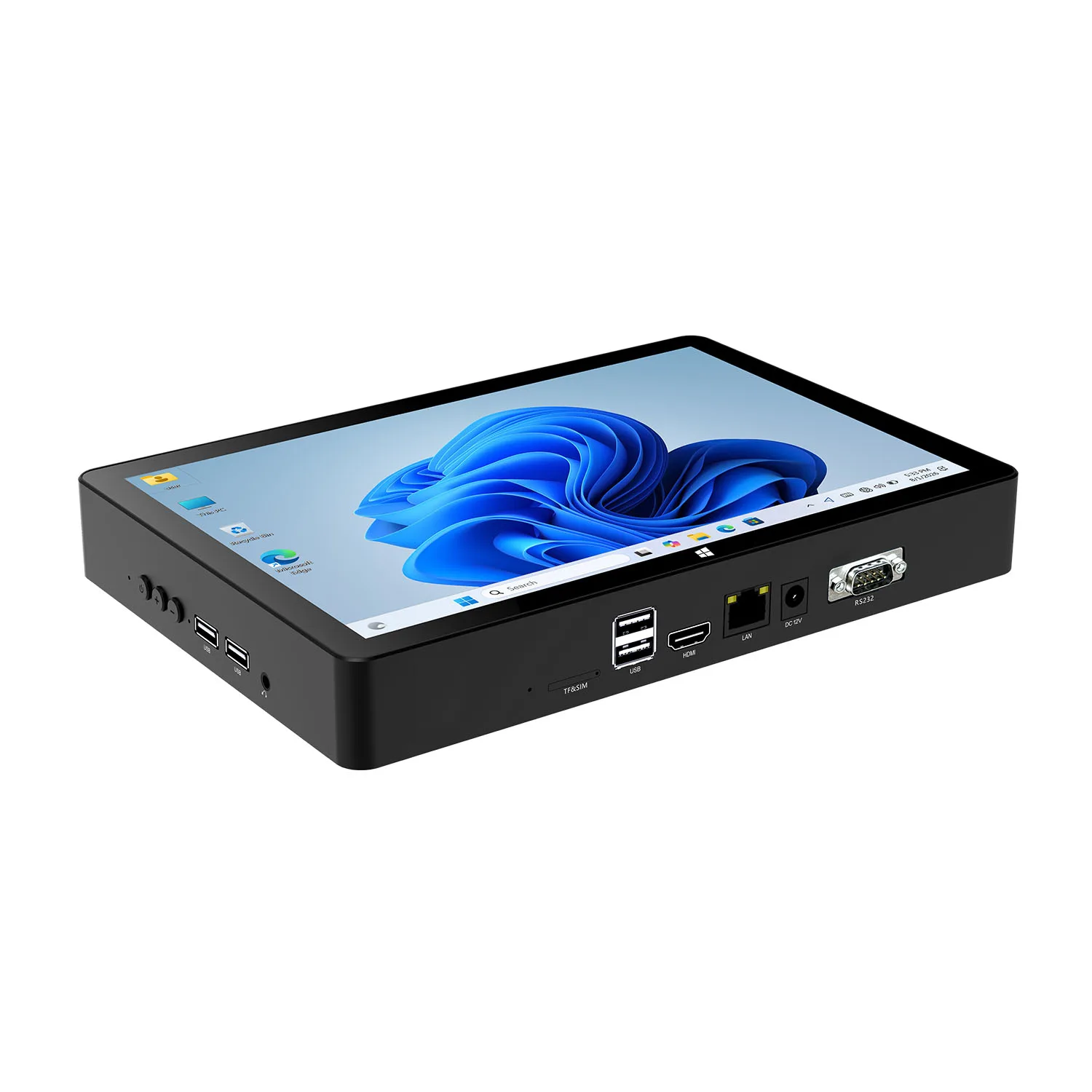
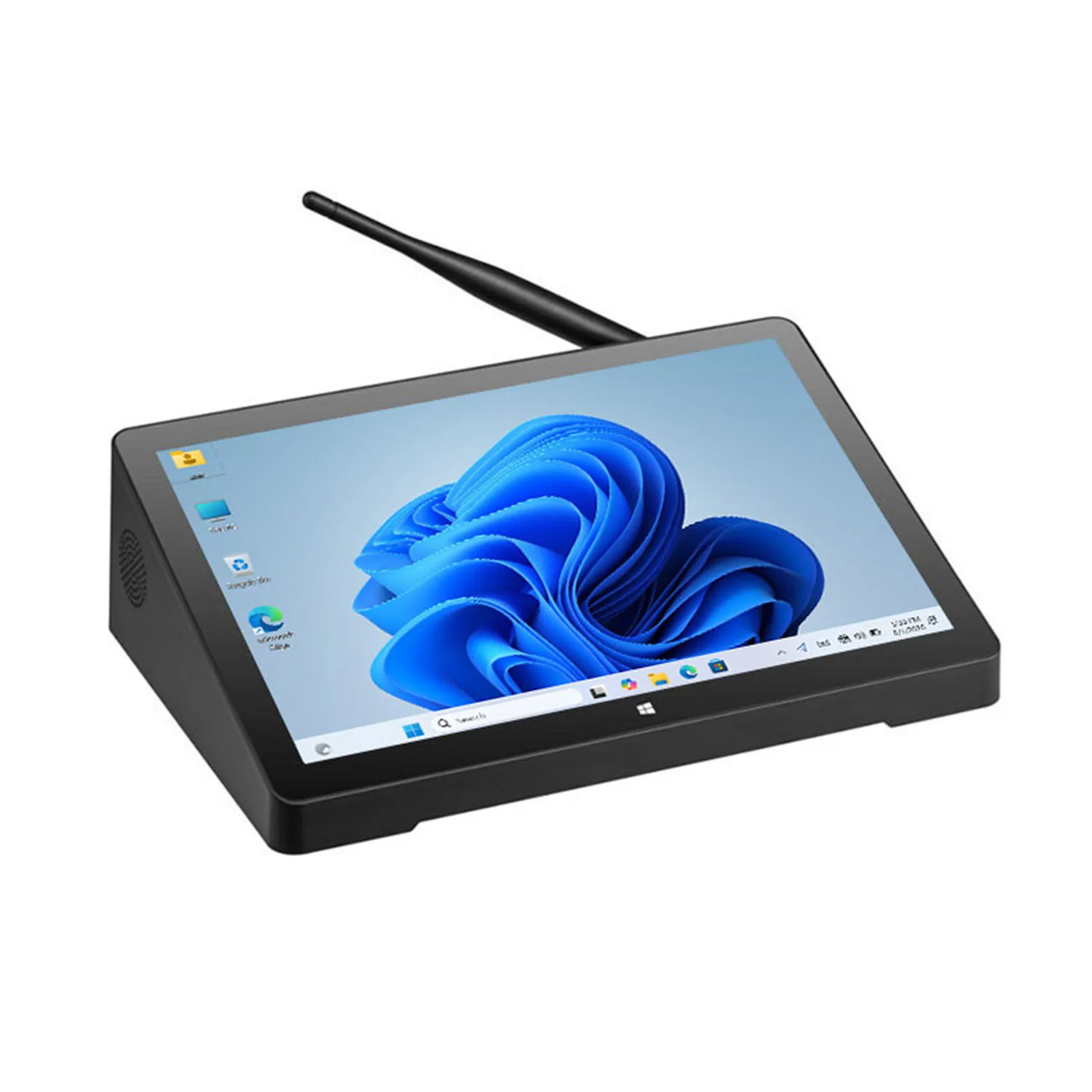
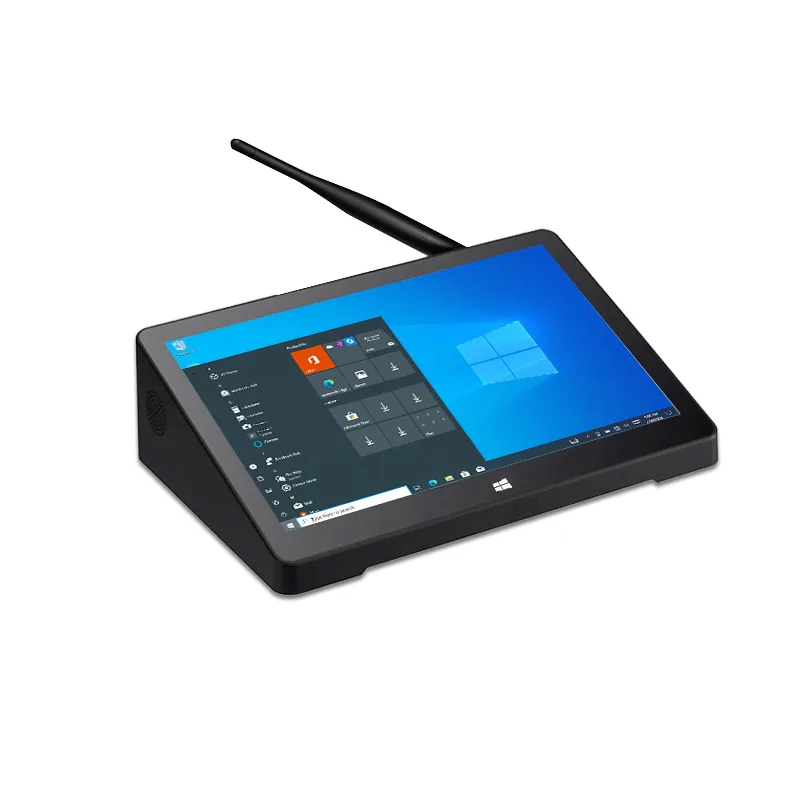
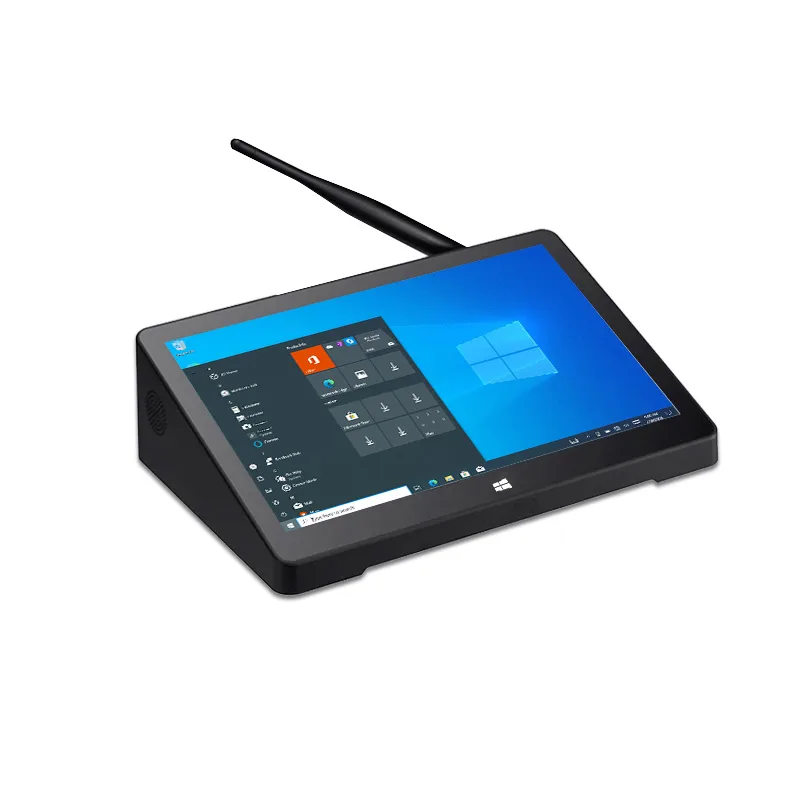
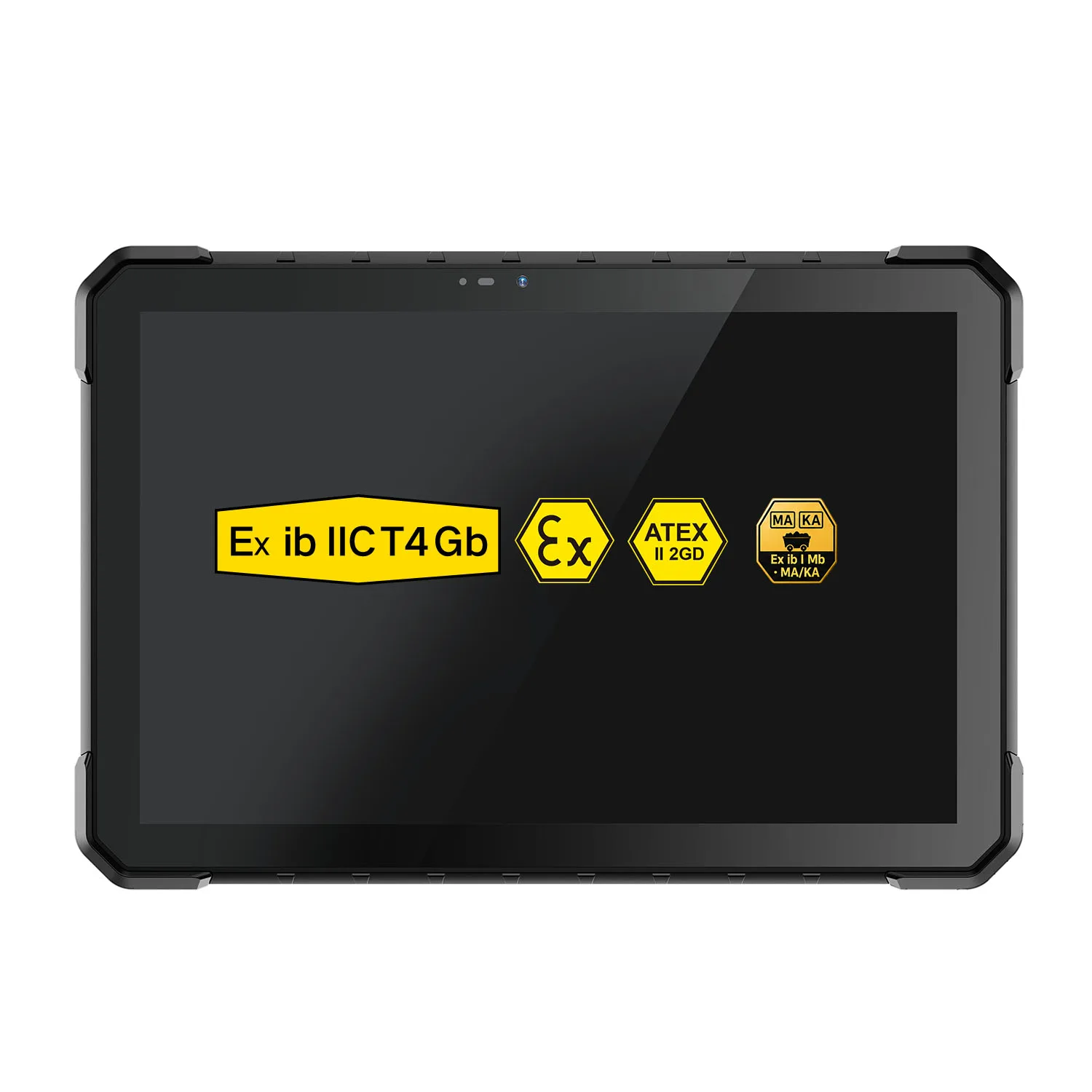
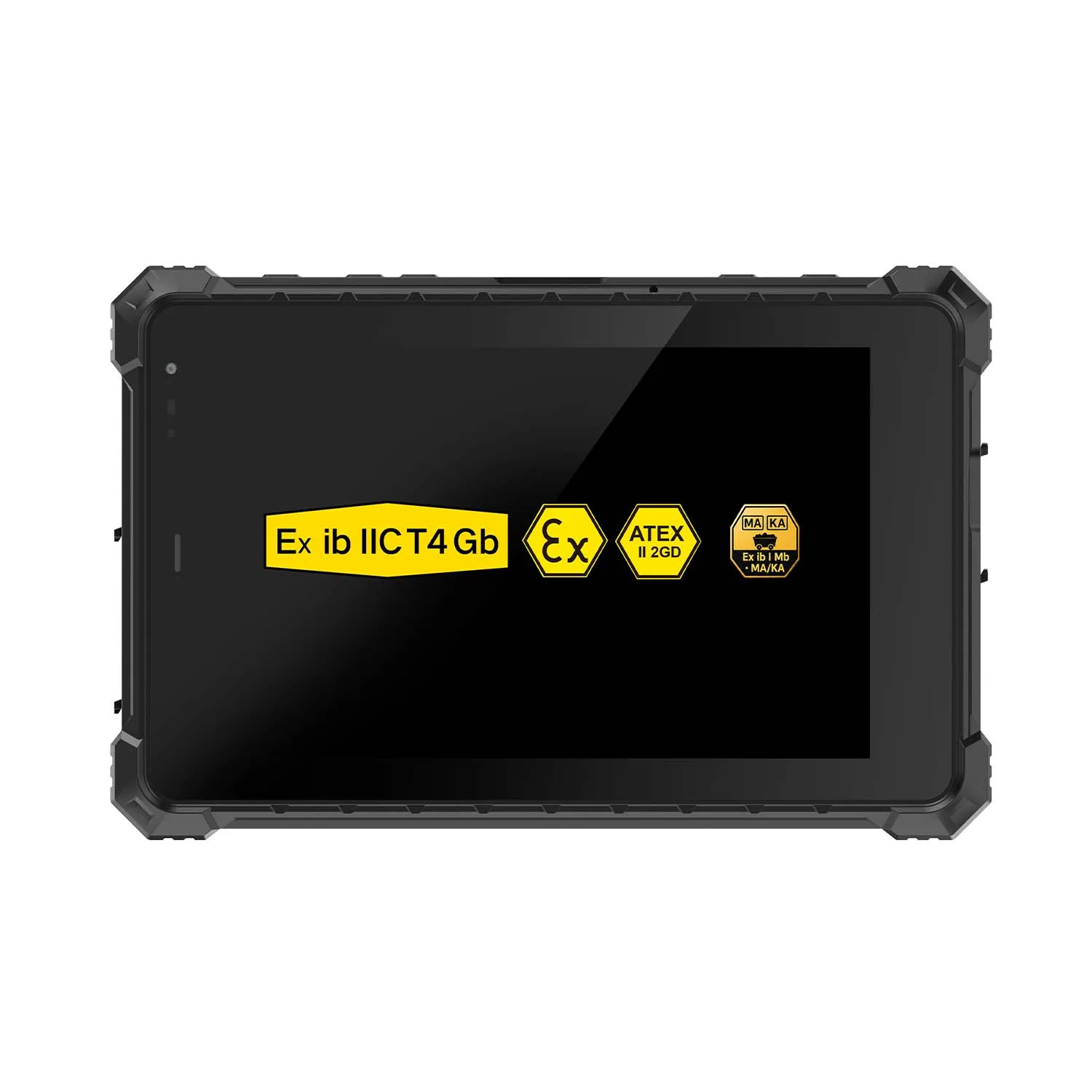
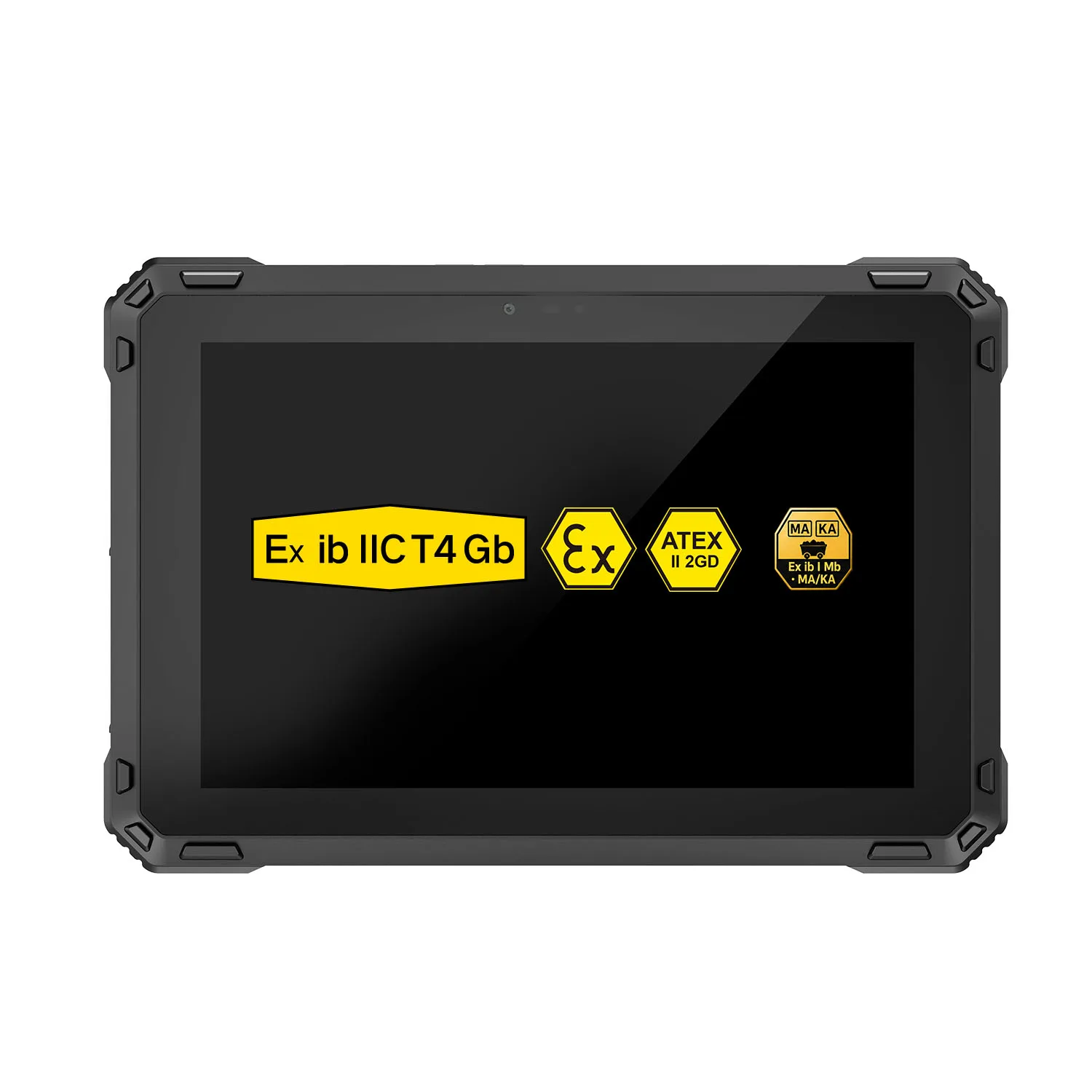
Aluminum Alloy Casing Rugged Tablet
How Metal-Cased Rugged Tablets Achieve Waterproofing
Metal casing alone doesn't make a tablet waterproof — the sealing engineering around it does the real work:Sealing design — precision sealant or rubber gaskets at every interface, button, and seam prevent moisture intrusion.
Waterproof material selection — waterproof coatings or tape around electronic components, combined with corrosion-resistant metals like stainless steel or aluminum alloy for the shell itself.
Interface waterproofing — USB, HDMI, and network ports typically use waterproof covers or sealed sockets to prevent liquid entry.
Internal protective measures — waterproof coatings and sealing strips around circuit boards add another layer of protection beyond the shell itself.
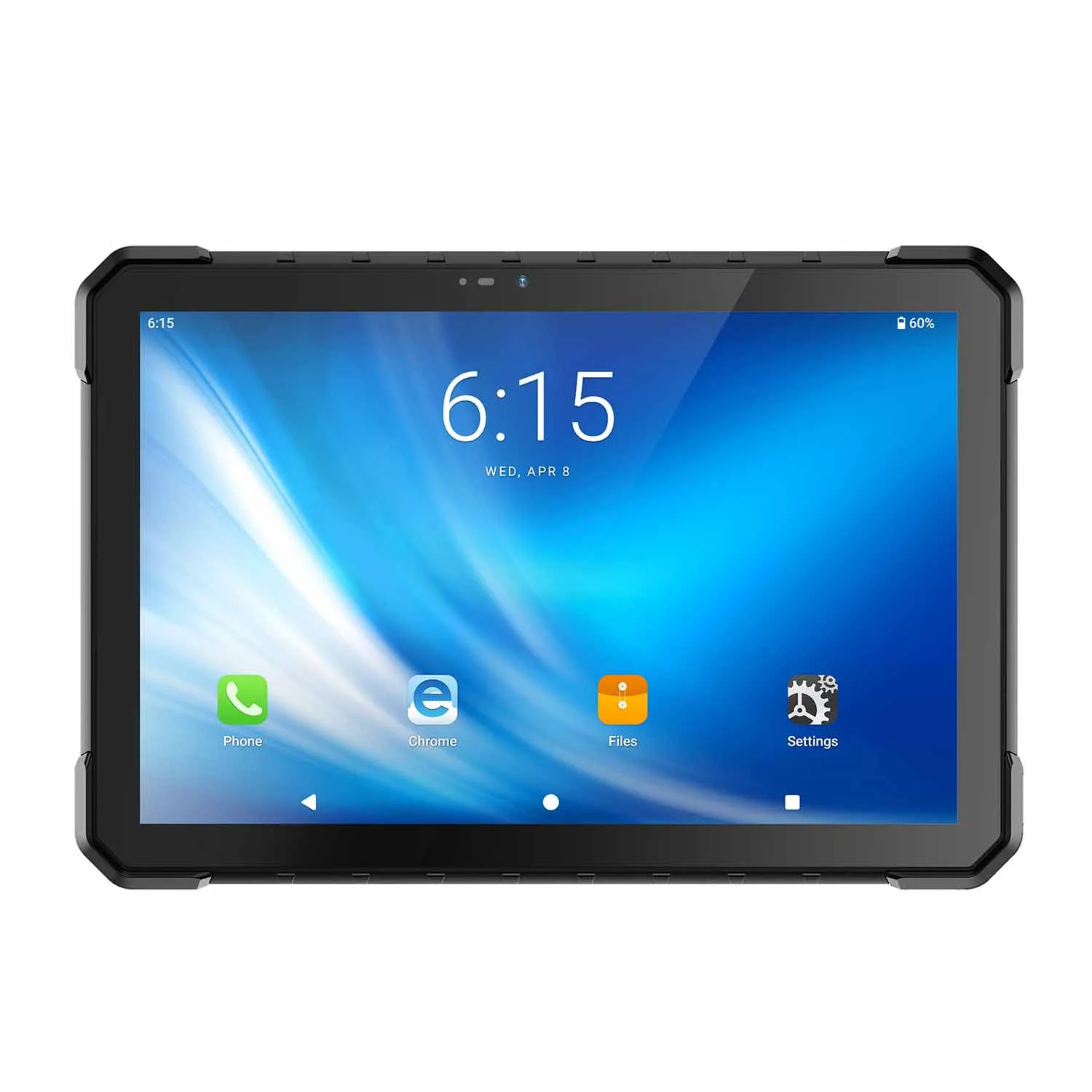
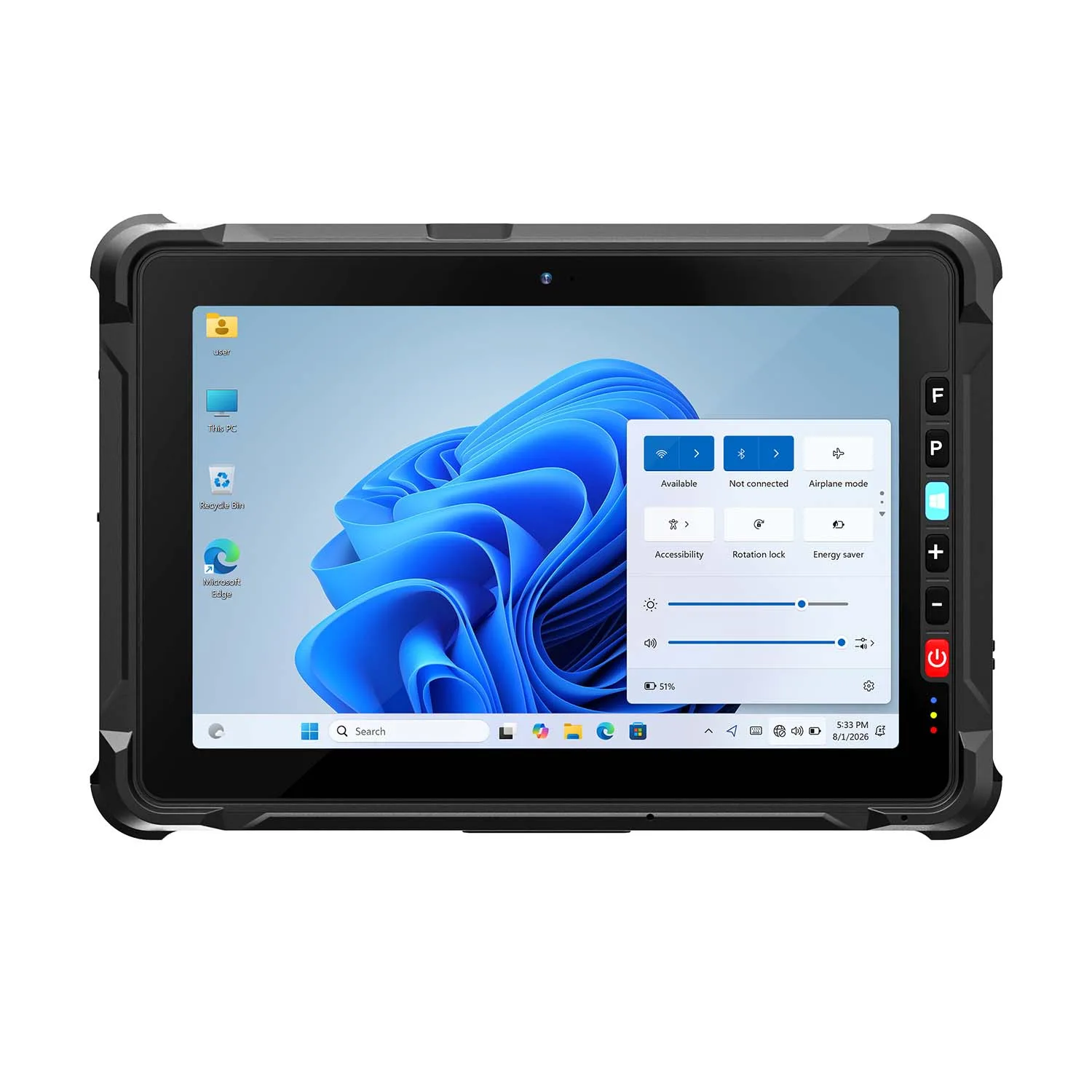
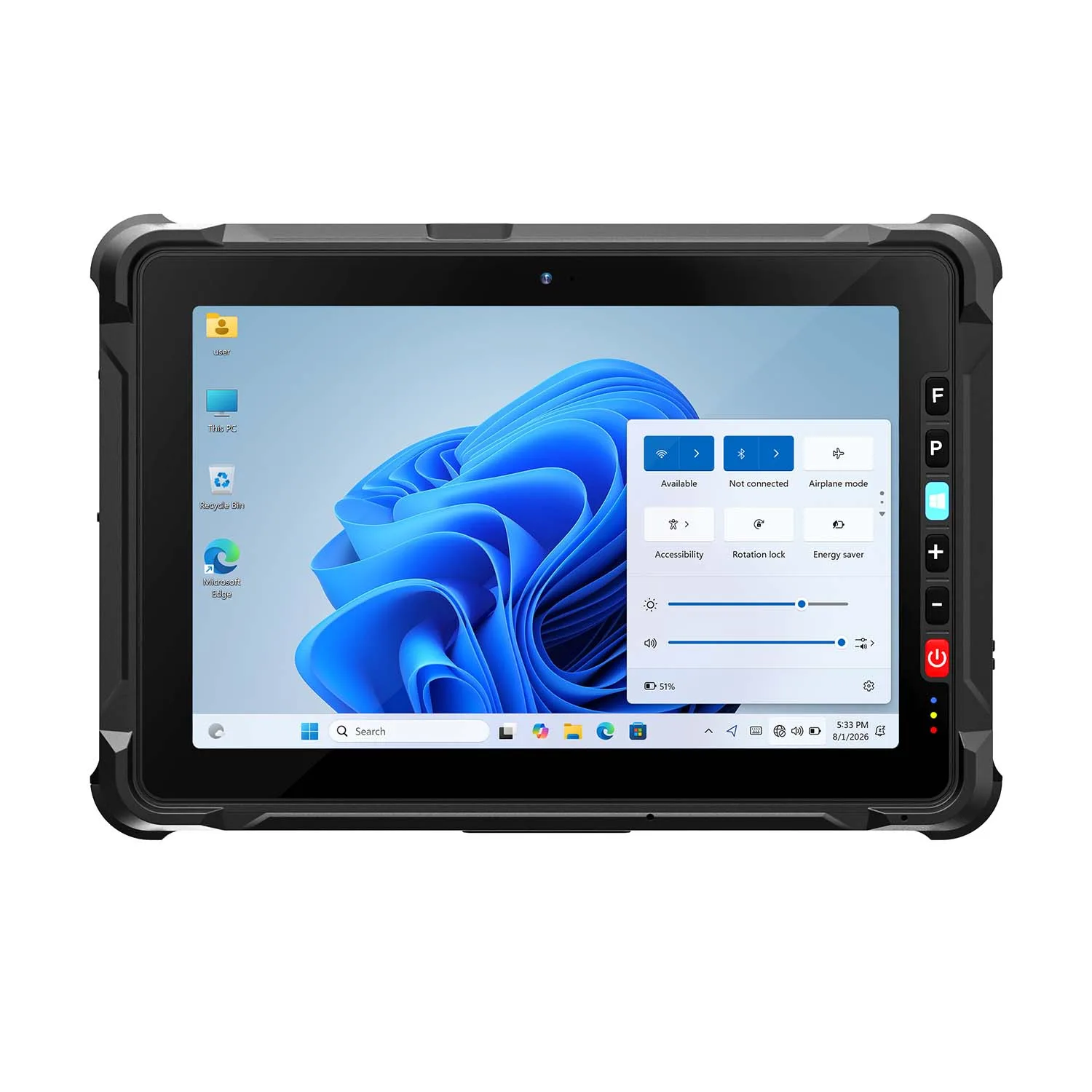
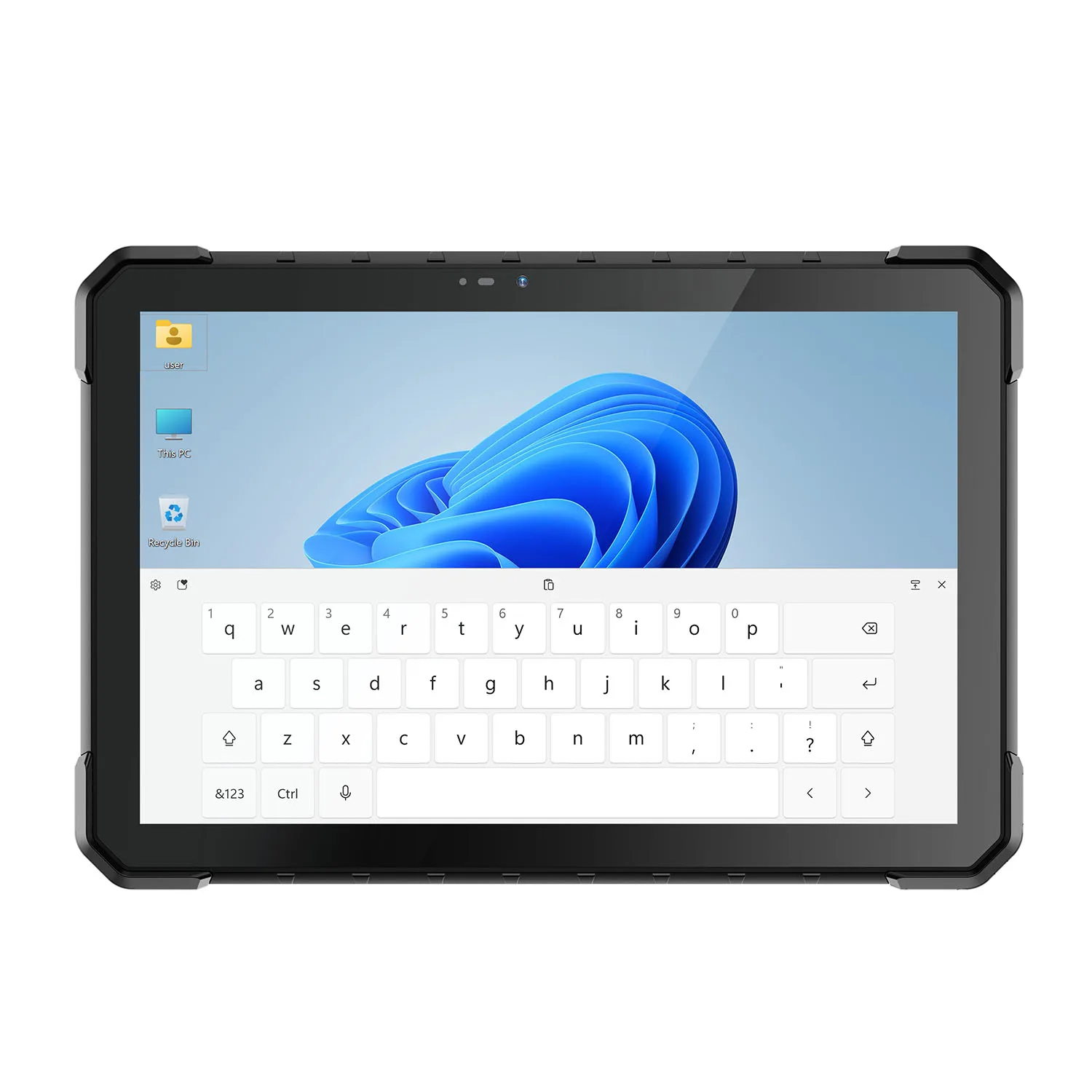
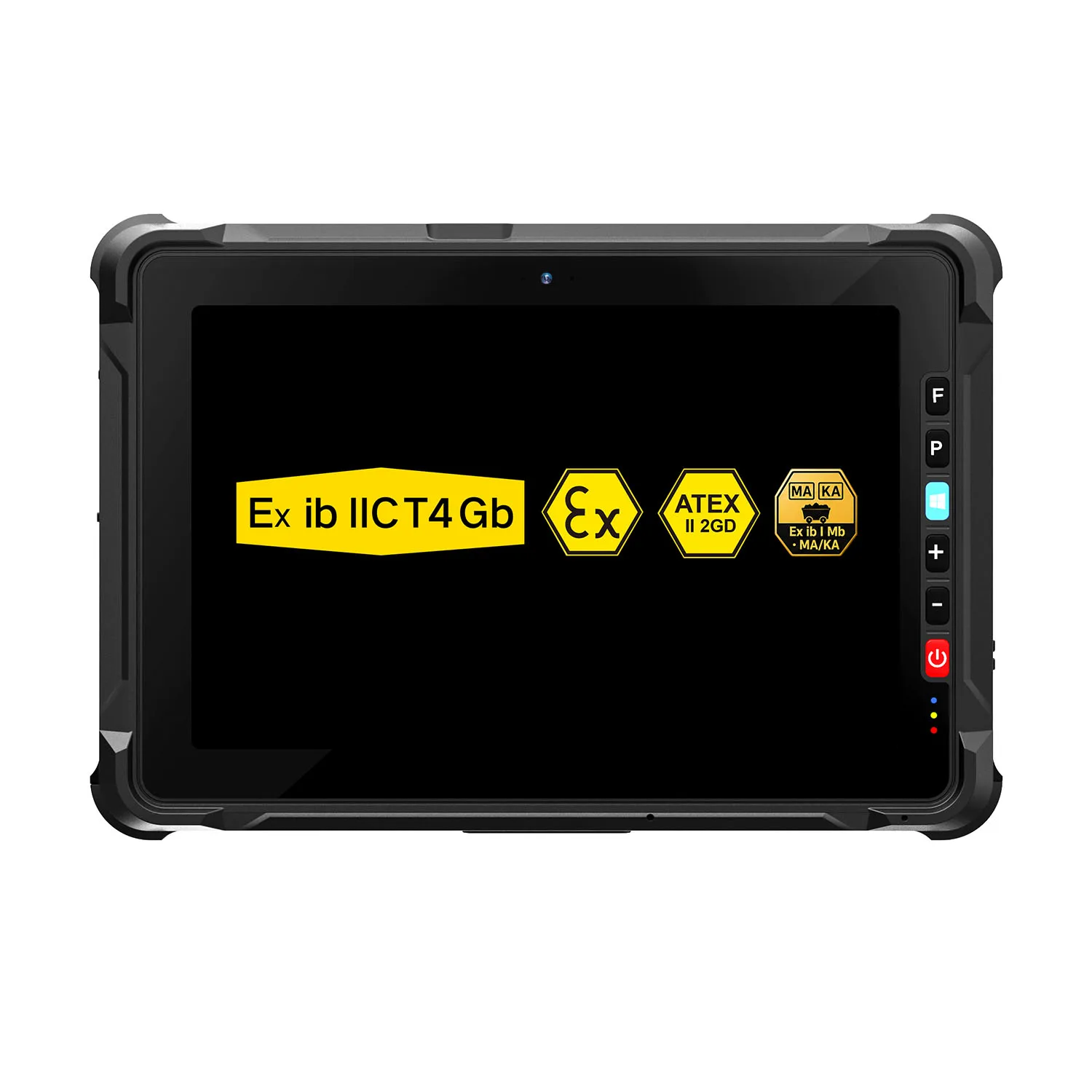
CENAVA's Metal-Cased Rugged Tablet: CXS10C
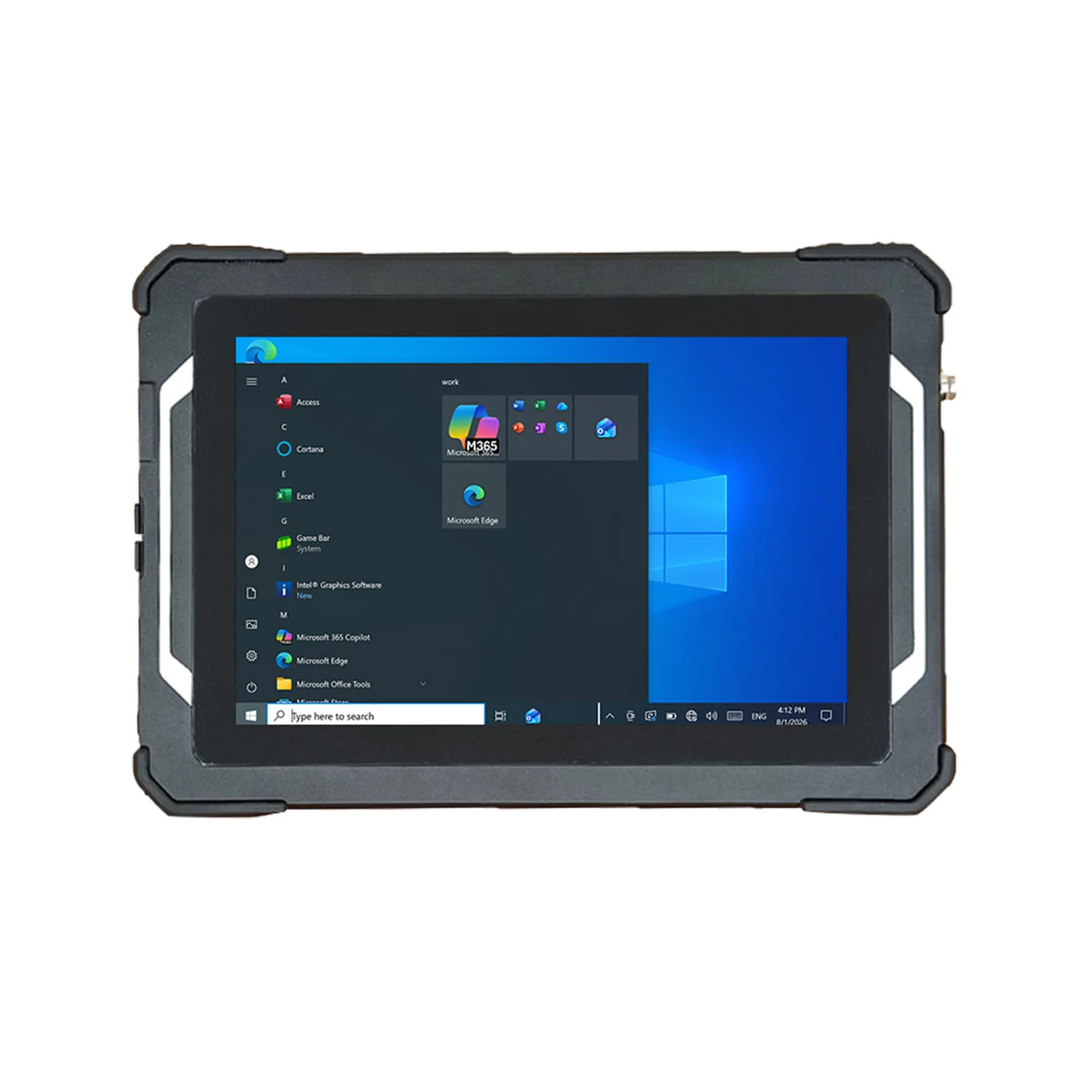
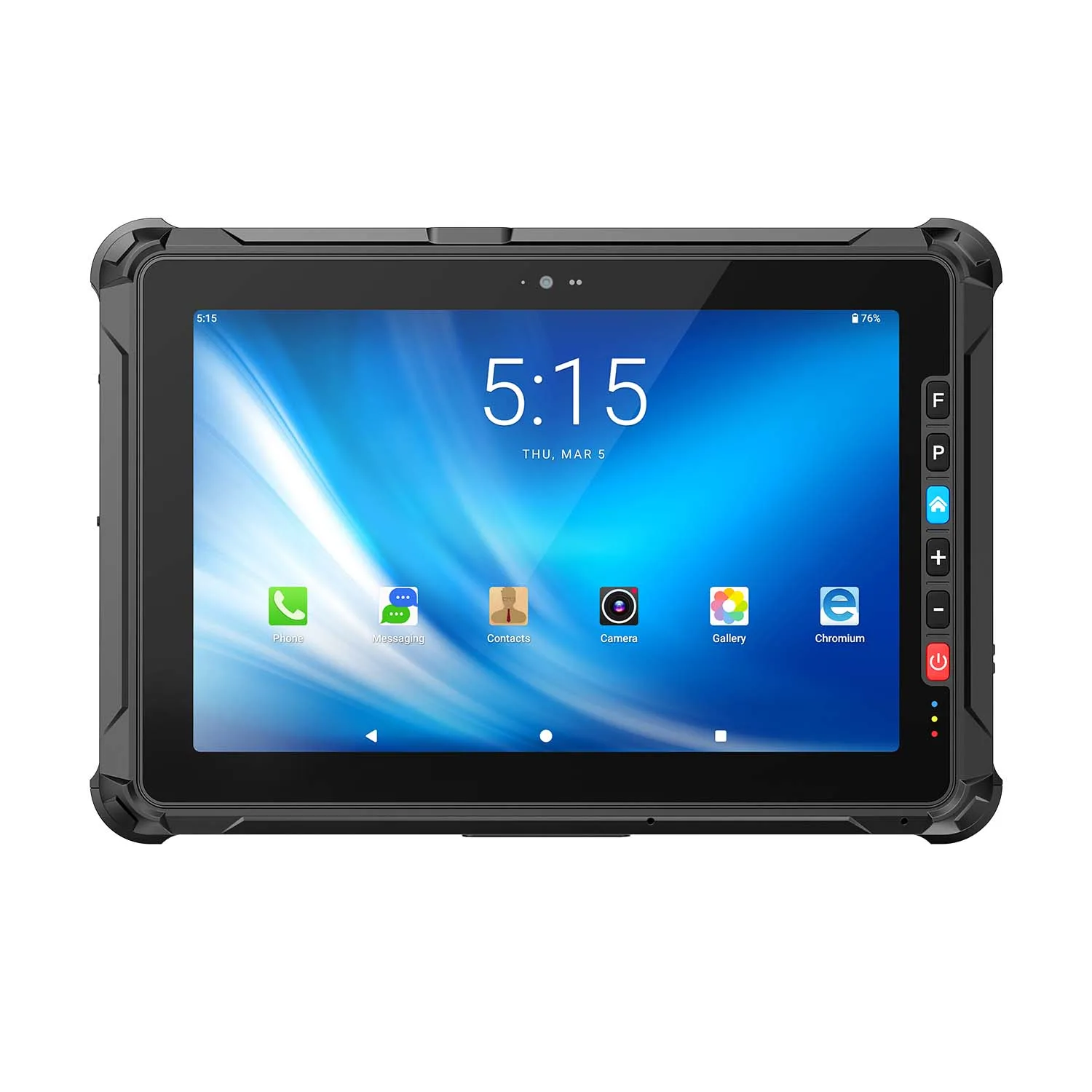
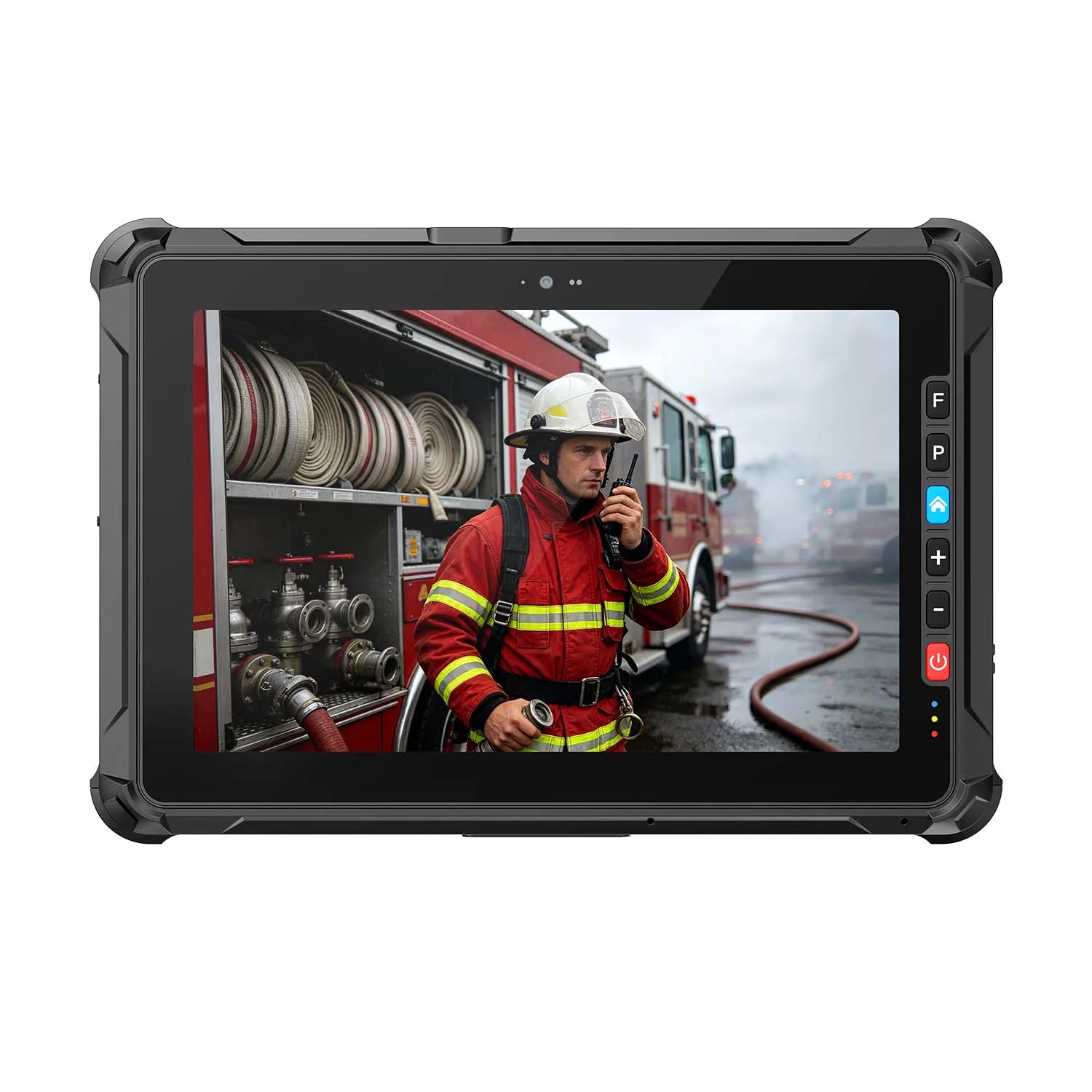
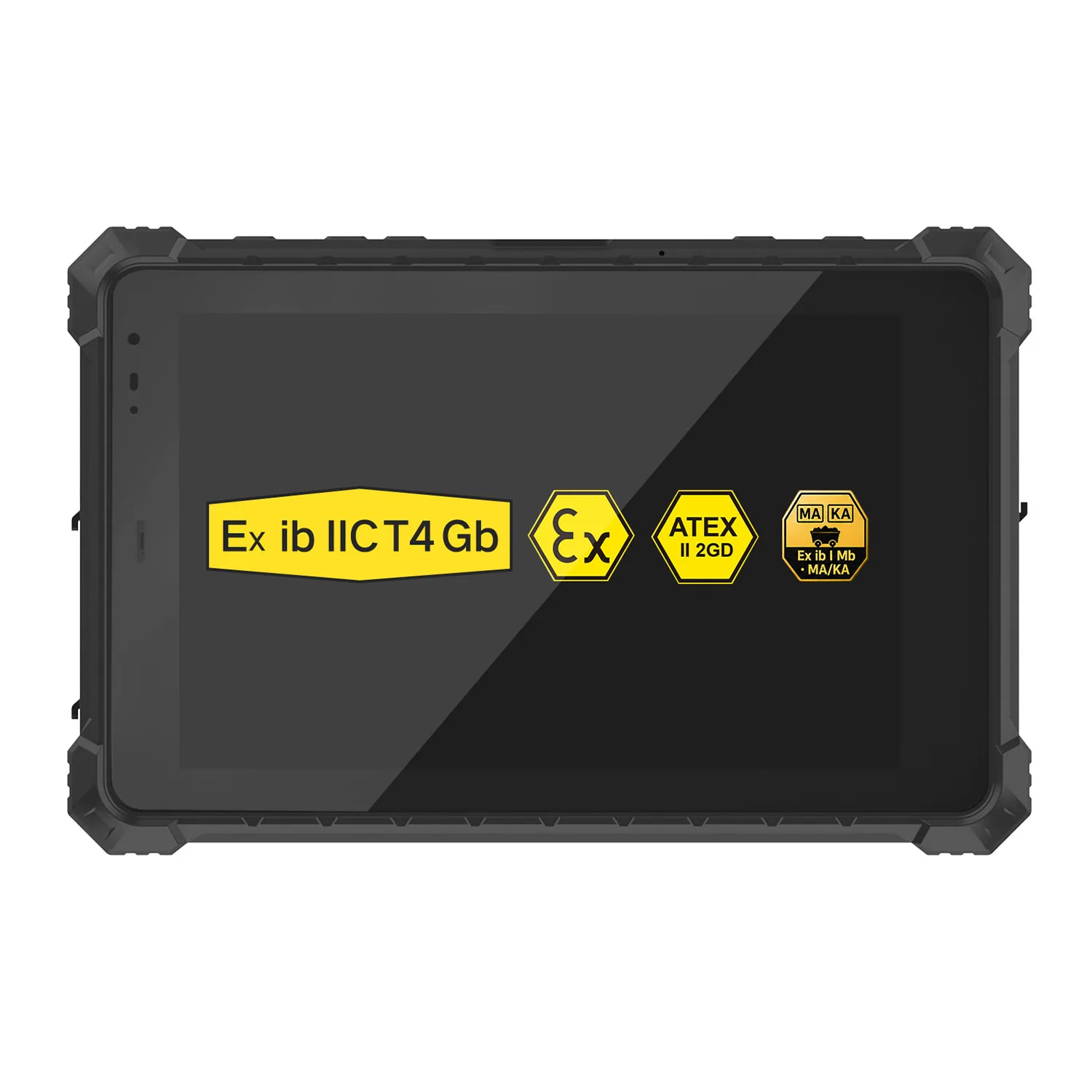
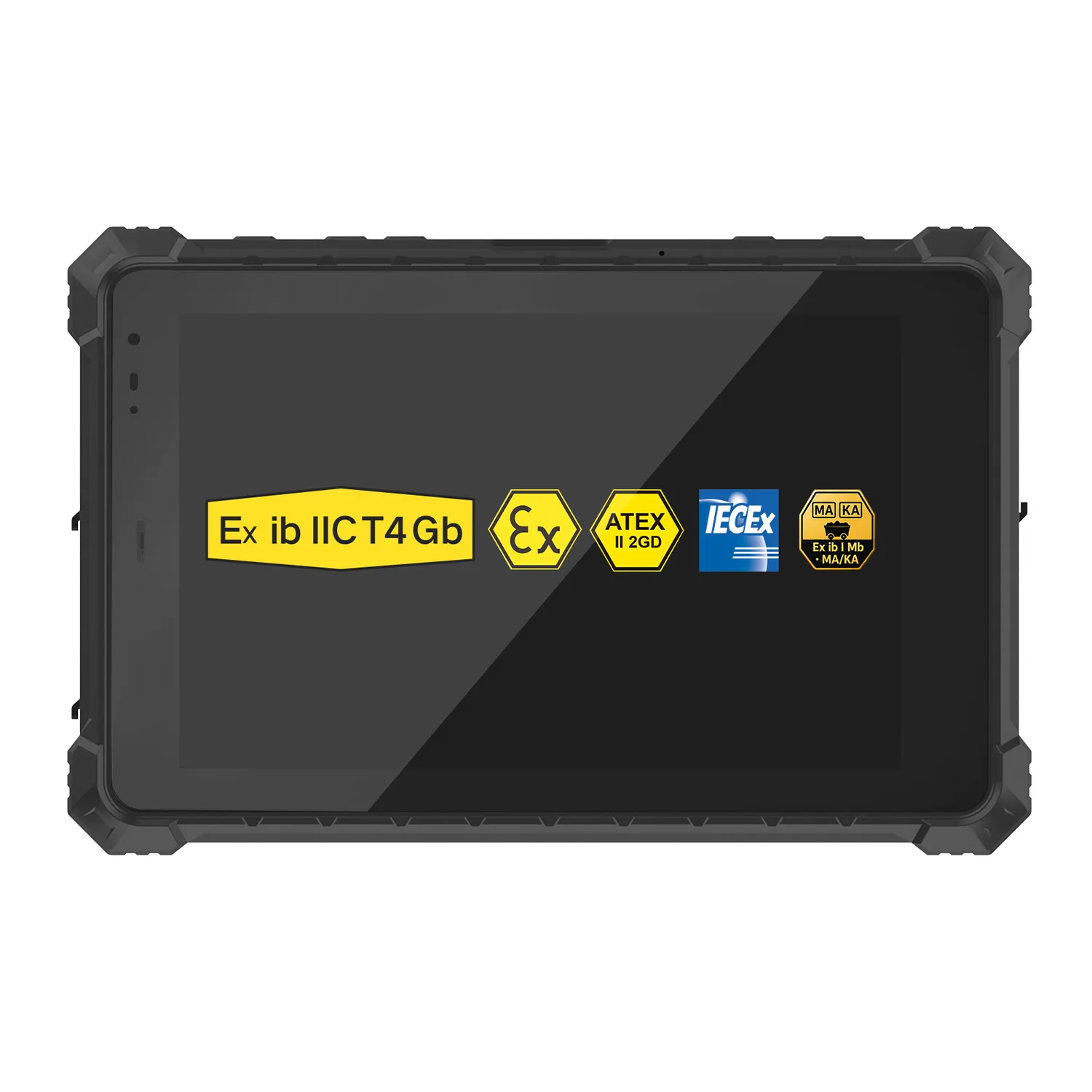
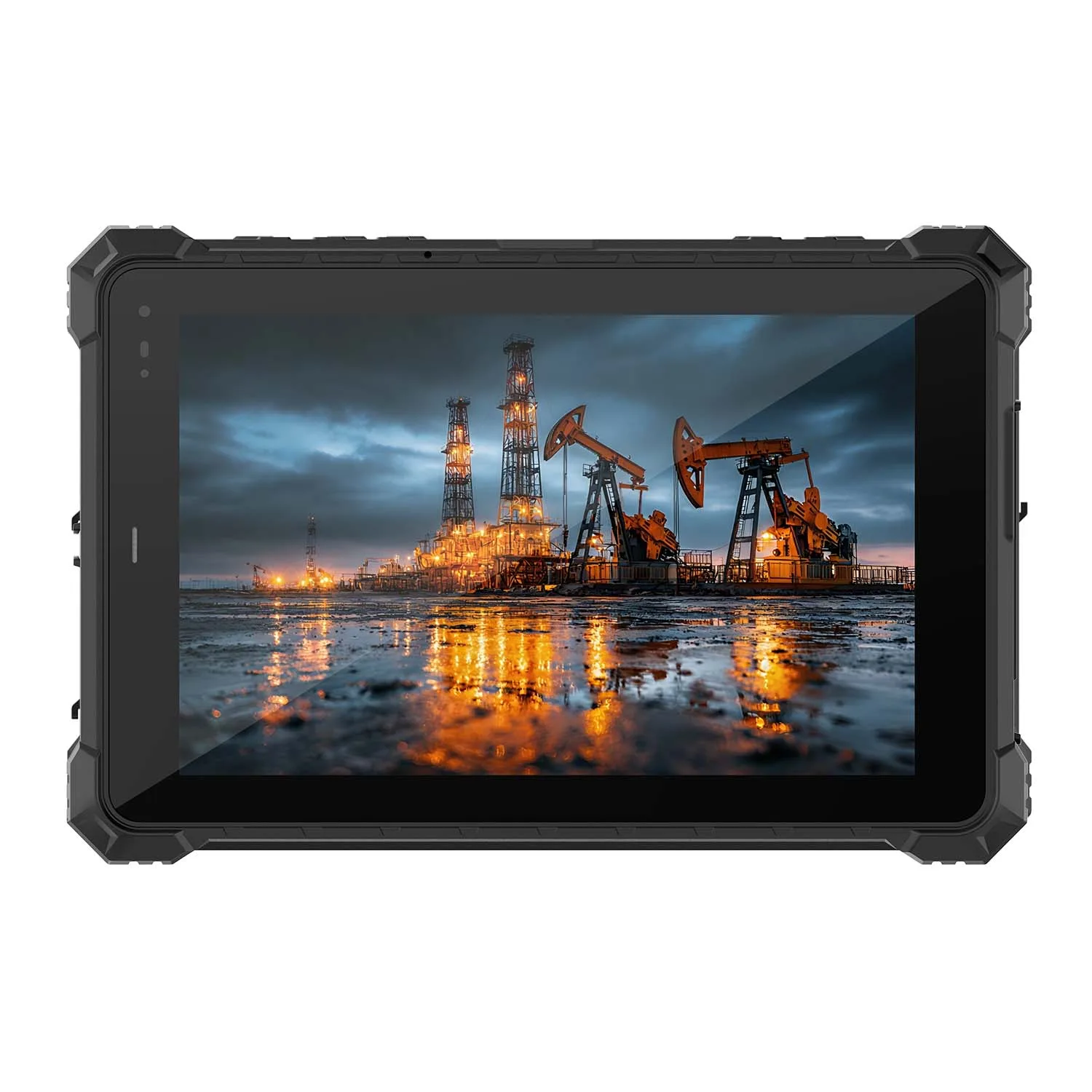
CENAVA's CXS10C uses a 10" aluminum alloy CNC-precision casing, reinforced at the four corners with silicone and waterproof tape treatment.CPU: Intel i5-6200U (i7-6600U optional)
OS: Windows 10 (optional Windows 7, Kirin, or Linux)
RAM/Storage: 4/8/16/32GB + 128GB–2TB
Display: 10" IPS, 1920×1200, 500 or 1000 nit, anti-glare/waterproof/glove-touch options
Battery: Built-in 6,000mAh polymer battery
Protection: IP65; -20°C to 50°C operating, -40°C to 70°C storage
Positioning: Optional BeiDou + GPS
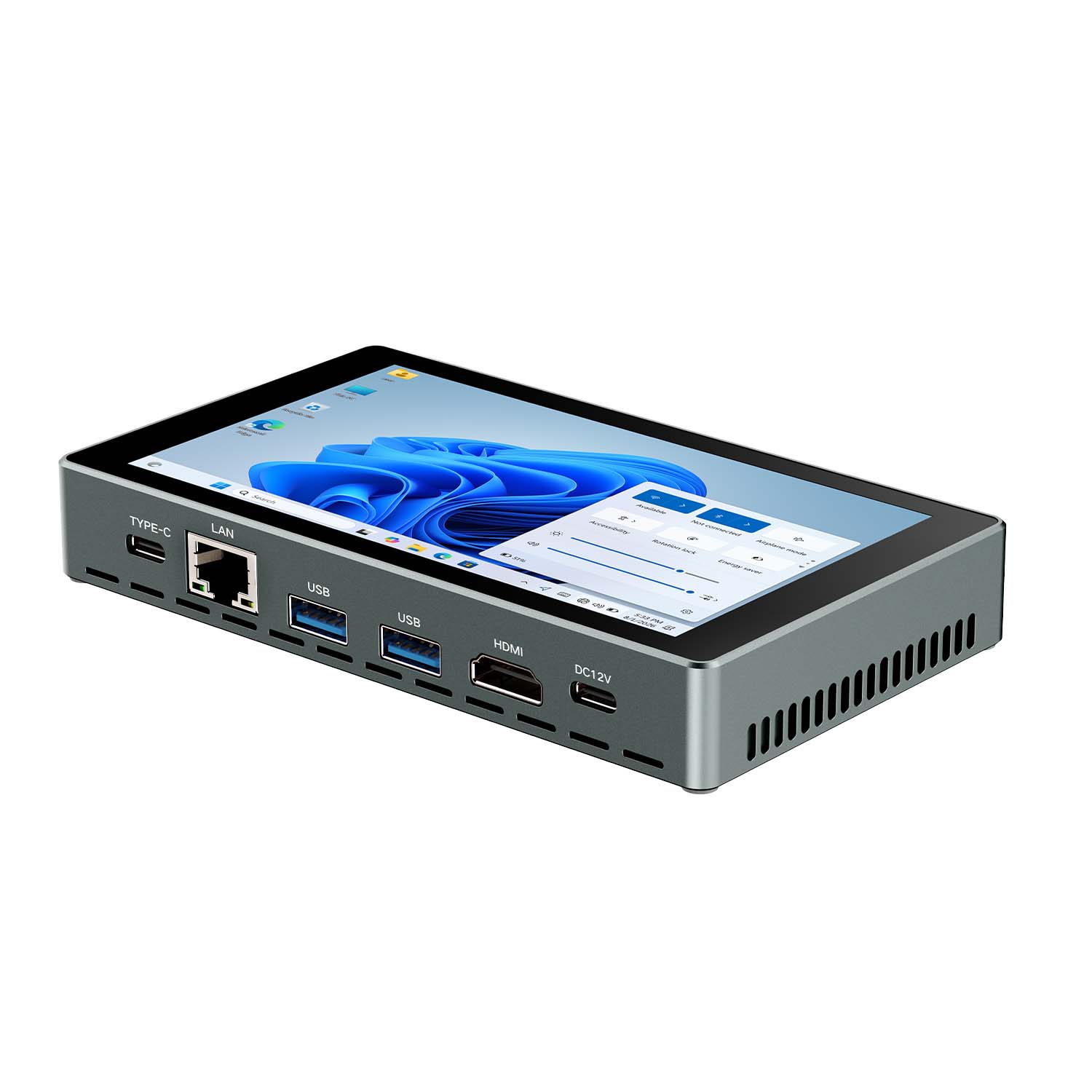
Interfaces: HDMI, USB 3.0, Gigabit Ethernet; customizable serial ports, network ports, and aviation plugs
Optional modules: Fingerprint recognition, 4G module
Weight: 275×185×23.5mm, 1.41kg
Why Choose CENAVA for Metal-Cased Rugged Tablets?
CENAVA is a professional rugged tablet manufacturer with 18 years of R&D experience and 700+ enterprise clients worldwide, and was among the first in the space to bring a full aluminum-magnesium alloy enclosure to a three-proof tablet computer — a genuine engineering step up from the rubber-clad designs common before it, backed by full OEM/ODM customization for interfaces, modules, and system configuration.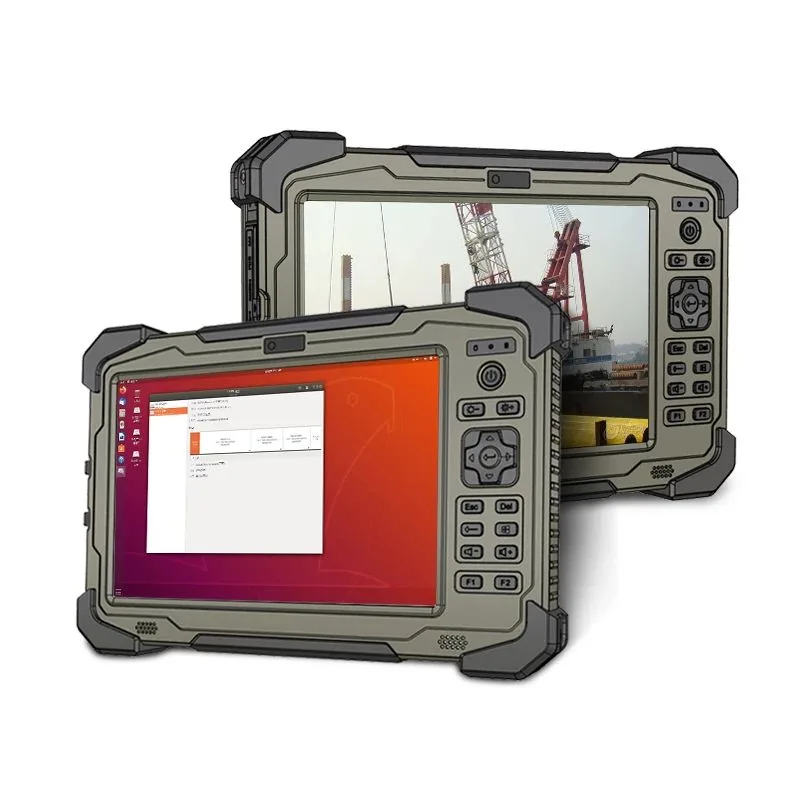
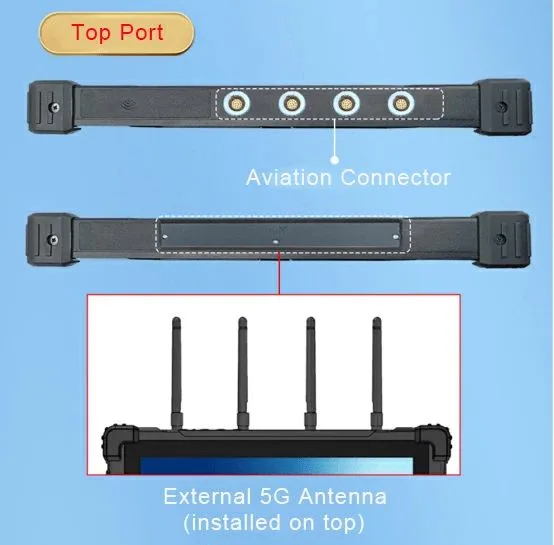
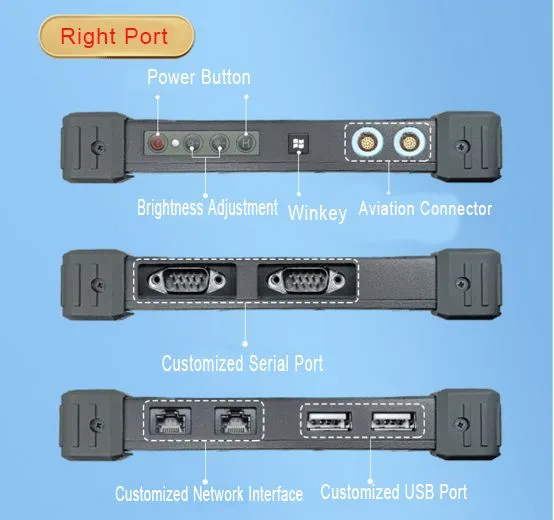
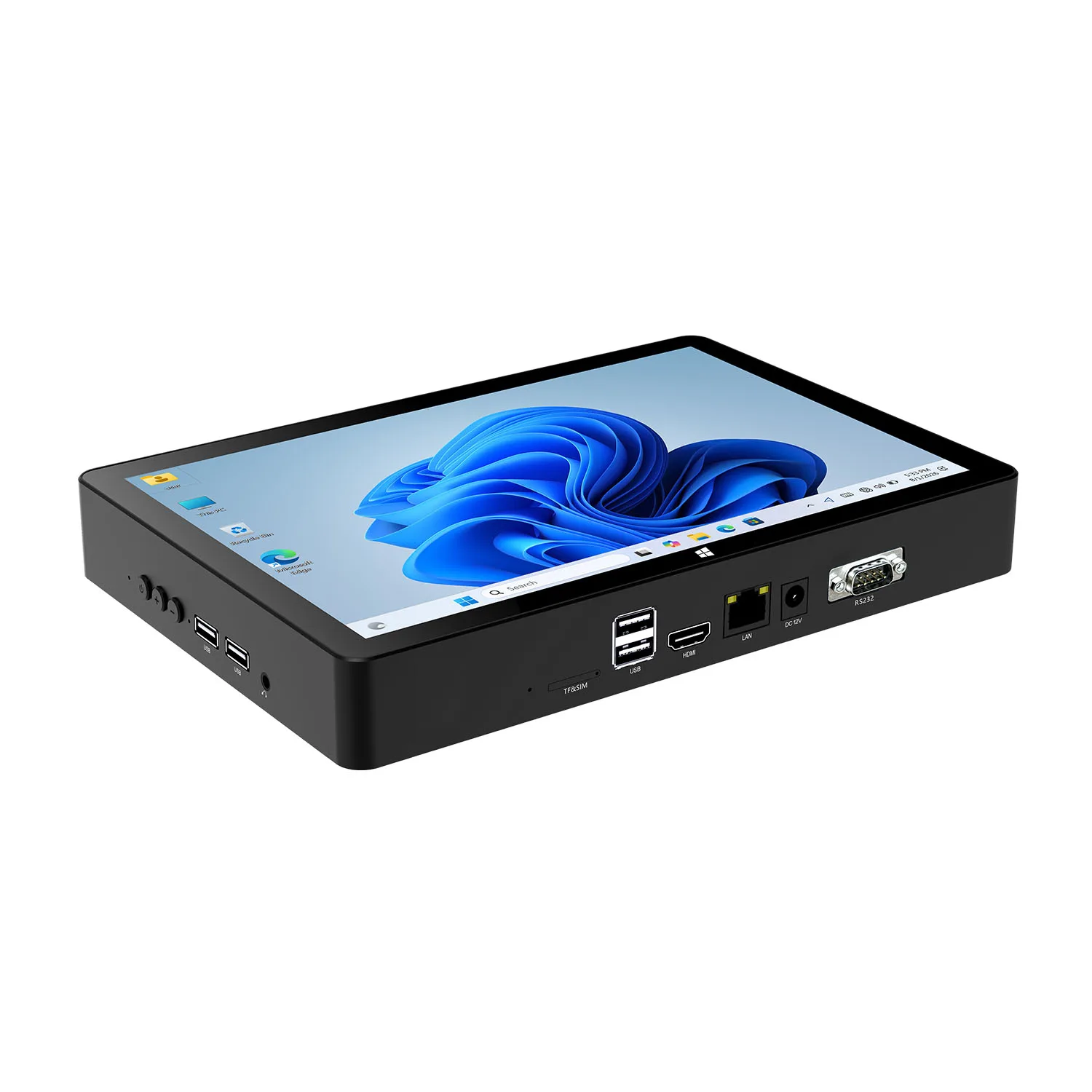
Ports can be customized according to needs
Frequently Asked Questions
1. Is a metal casing automatically more durable than a rubber casing?Generally yes for impact and wear resistance, and metal adds benefits rubber can't match (EMI shielding, better heat dissipation) — but the specific IP rating and drop certification still matter more than casing material alone for real-world durability.2. What IP rating does the CXS10C offer?
IP65 — protecting against dust and water jets/splashing, but not the sustained immersion protection of IP67/IP68-rated models; confirm which rating your environment actually needs before choosing.3. Is the CXS10C's CPU current for 2026 workloads?
Not particularly — its i5-6200U/i7-6600U processors are 6th-generation Intel chips from around 2015; if CPU performance is a priority, ask CENAVA about more recent Intel platforms like the W109U.4. Does a metal casing interfere with wireless signals?
No — despite EMI shielding for internal components, CENAVA's metal-cased tablets still support Wi-Fi, Bluetooth, GPS/BeiDou, and optional 4G connectivity as designed.5. Can metal casings improve barcode or NFC scanning accuracy?
Yes — compared to rubber casings, metal shells provide better anti-interference for QR code scanning, ID card reading, and NFC modules, improving both speed and accuracy of recognition.6. Can CENAVA customize a metal-cased tablet for a specific project?
Yes — CXS10C supports customizable serial ports, network ports, aviation plugs, and built-in functional modules; contact CENAVA sales to scope your specific configuration.
Conclusion
Aluminum-magnesium alloy casings bring genuine engineering advantages to rugged tablets — strength, weight savings, corrosion resistance, heat dissipation, and EMI shielding. CENAVA's CXS10C was an early example of this design taken to a full-body aluminum enclosure, though it's worth checking the specific IP rating (IP65) and CPU generation against your actual requirements rather than assuming "metal" alone guarantees top-tier specs across the board.Need a Rugged Device for Your Project?
Tell us your operating environment and requirements — our engineers will recommend a configuration and quote within 24 hours.
Get a Free Quote Back to Blog