






WAEC Exam Management Case Study: RFID PDA Anti-Cheating
CENAVA's RFID-enabled rugged PDA helped the West African Examinations Council (WAEC) replace manual, paper-based candidate checks with real-time digital identity verification and exam-data management — supporting roughly 2.2 million candidates across 15,000 test centers in Nigeria alone, while cutting impersonation-based exam fraud.
User Background
The West African Examinations Council (WAEC) holds annual unified examinations across its five member countries — Nigeria, Ghana, Sierra Leone, The Gambia, and Liberia. Every spring and summer, approximately 2.2 million candidates per examination season at roughly 15,000 test centers in Nigeria alone. WAEC needed to plan exam location, timing, subjects, and frequency for each region while supervising and managing candidates at scale. Without an effective management system or monitoring mechanism, this work had become complex and inefficient, and the commission struggled to prevent cheating and exam impersonation ("substitute" test-takers), undermining the fairness of the examination process.Challenges
No system for recording exam logistics (subjects, times, and locations) made it difficult to build reasonable, coordinated exam arrangements across regions.
Manual identity verification invigilators had to visually compare a candidate's face against a printed photo on paper records, which was slow and vulnerable to tampered or substituted documents.
No automated exam record creation, making post-exam statistics, analysis, and candidate evaluation difficult to compile accurately.
Solution
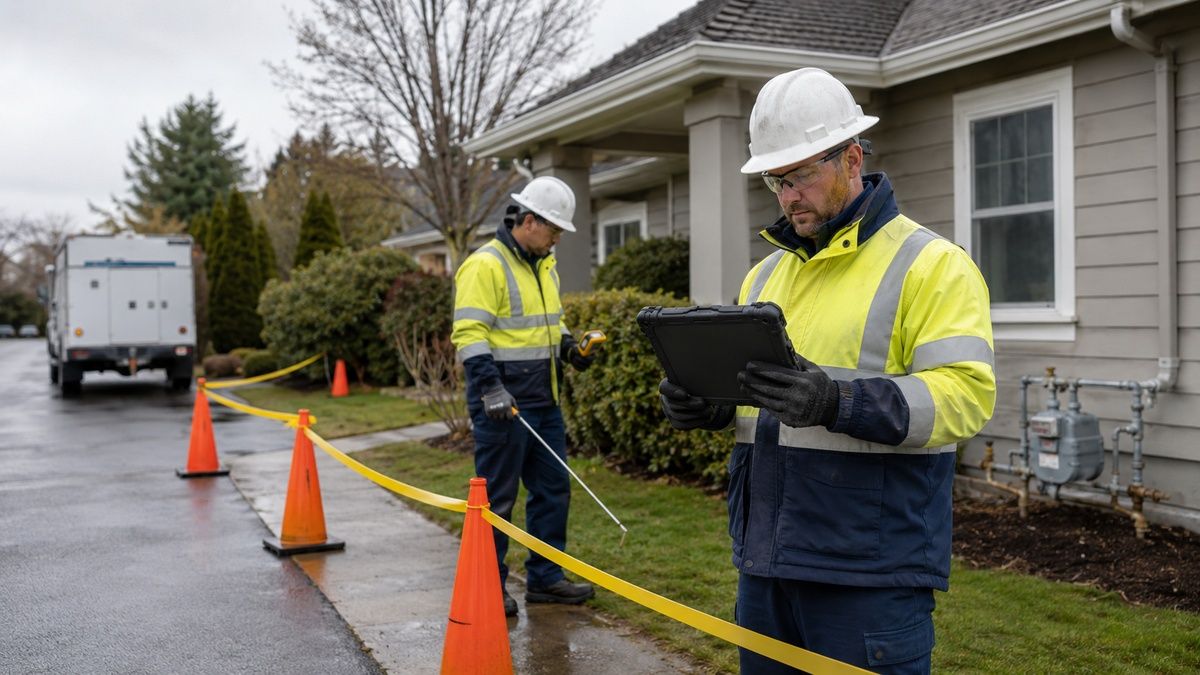
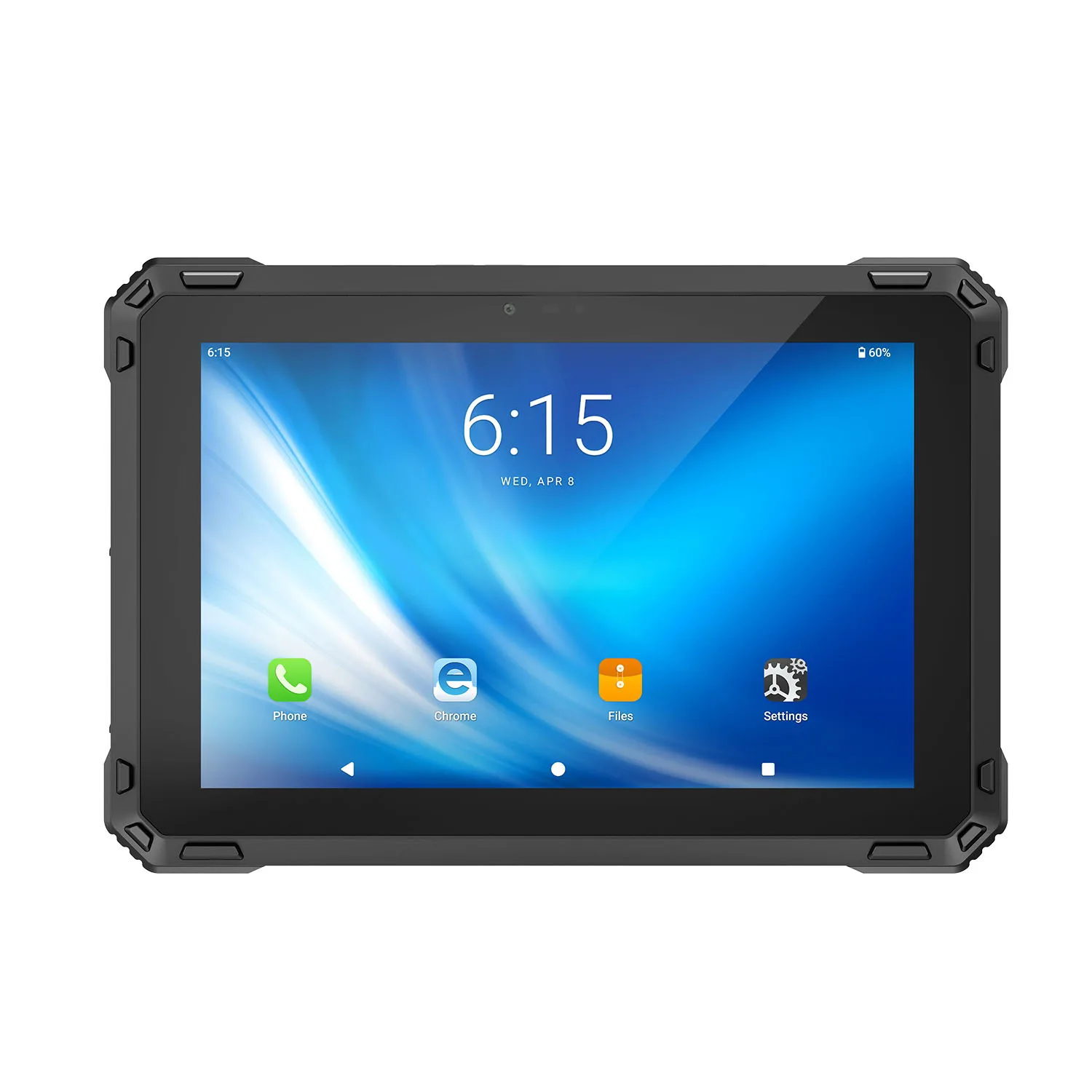
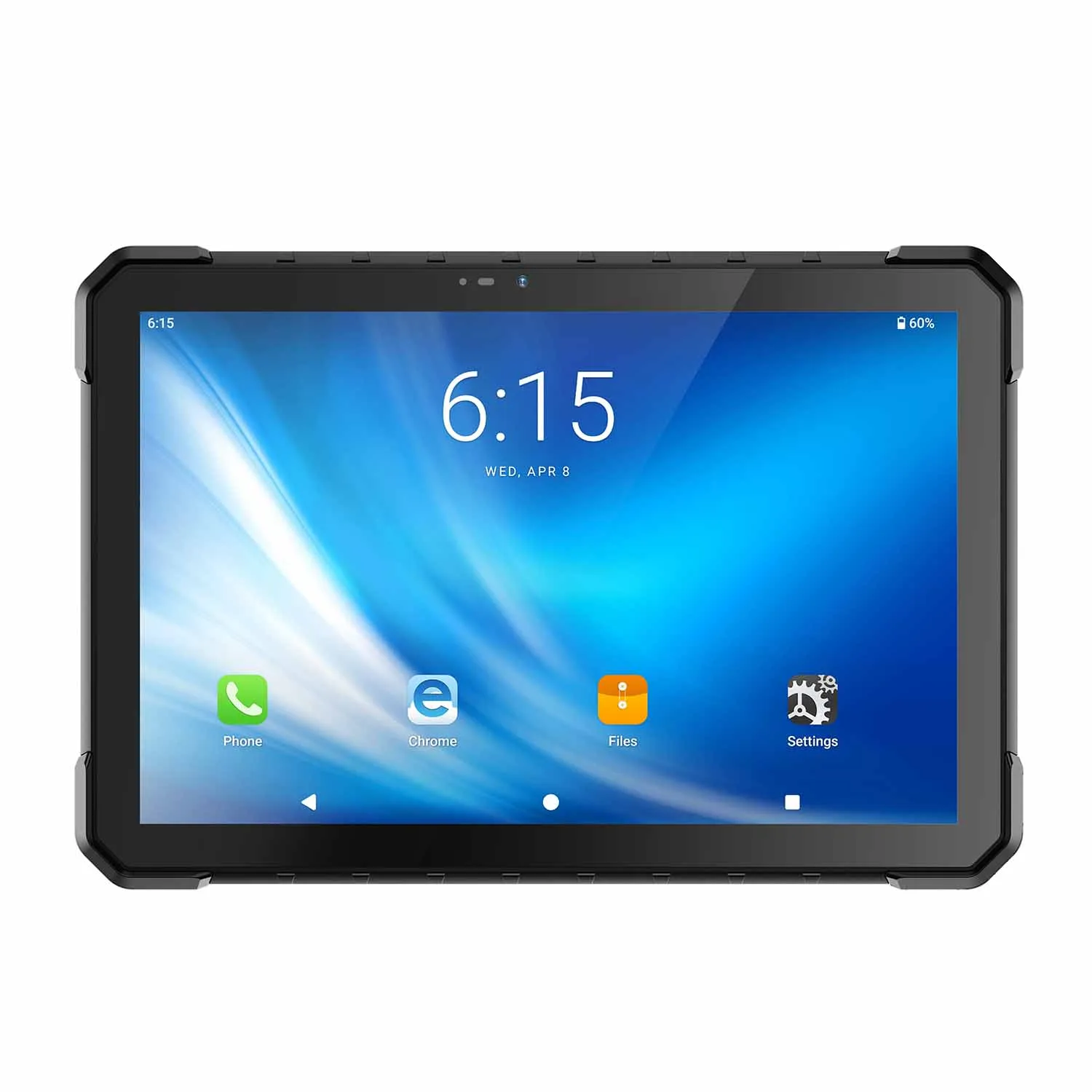
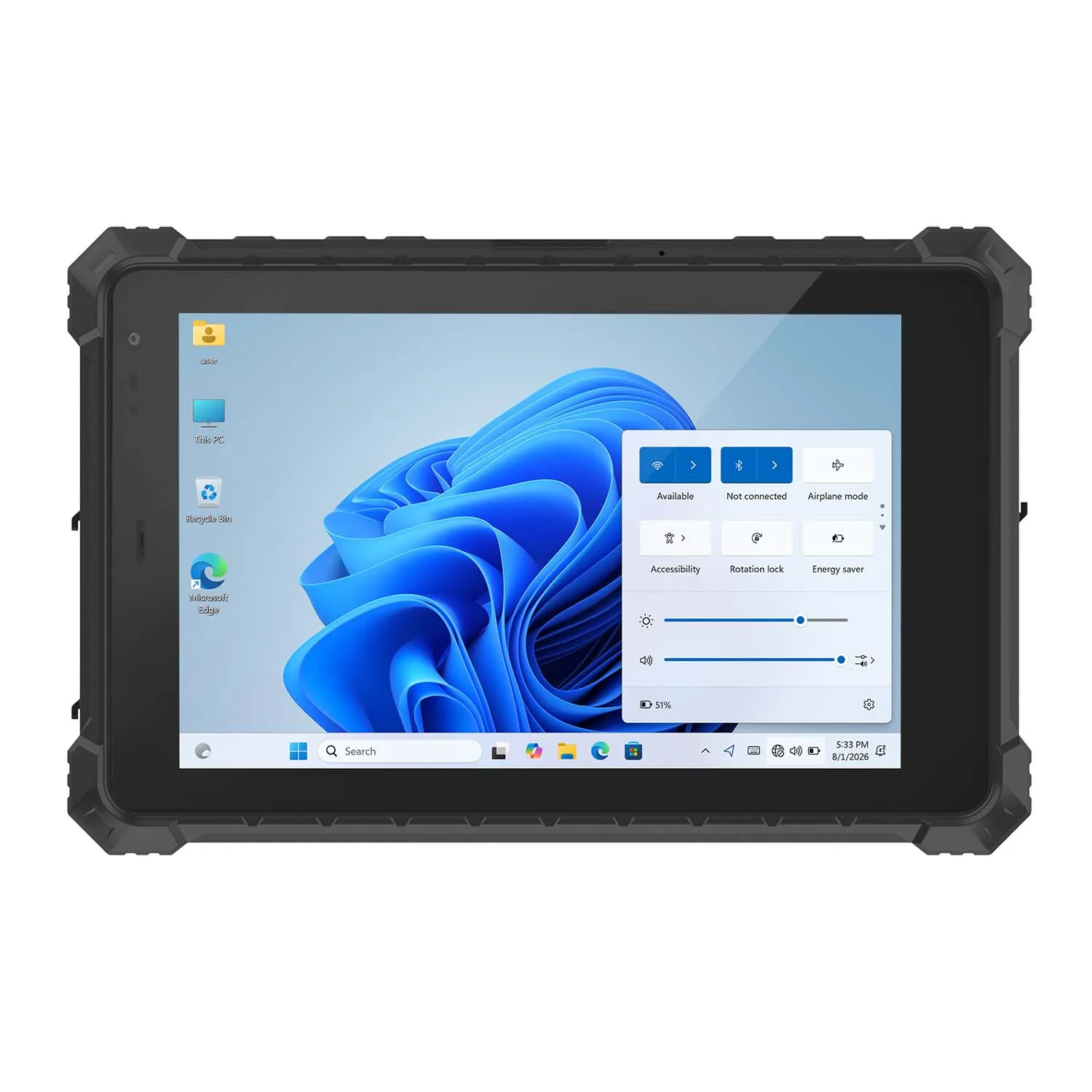
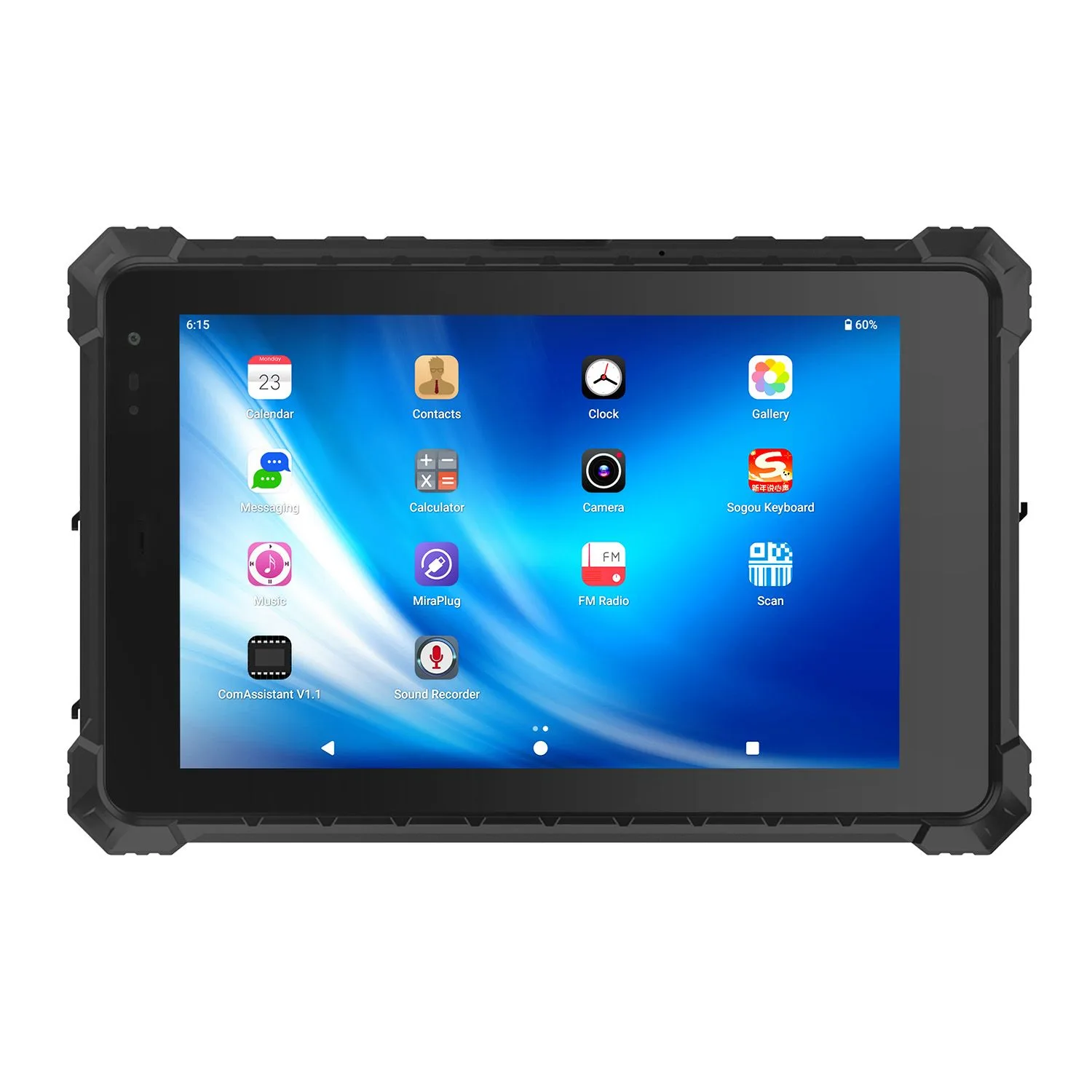
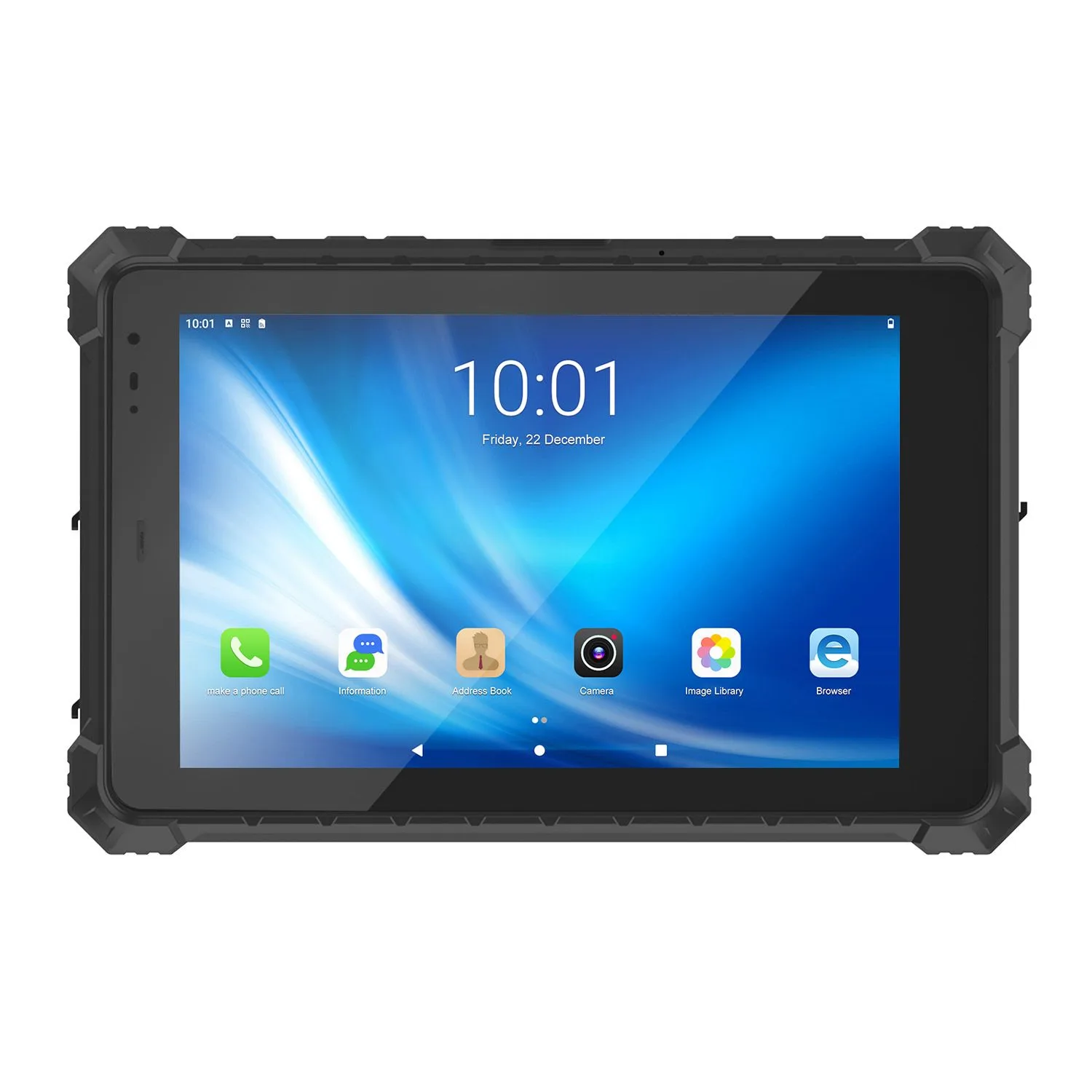
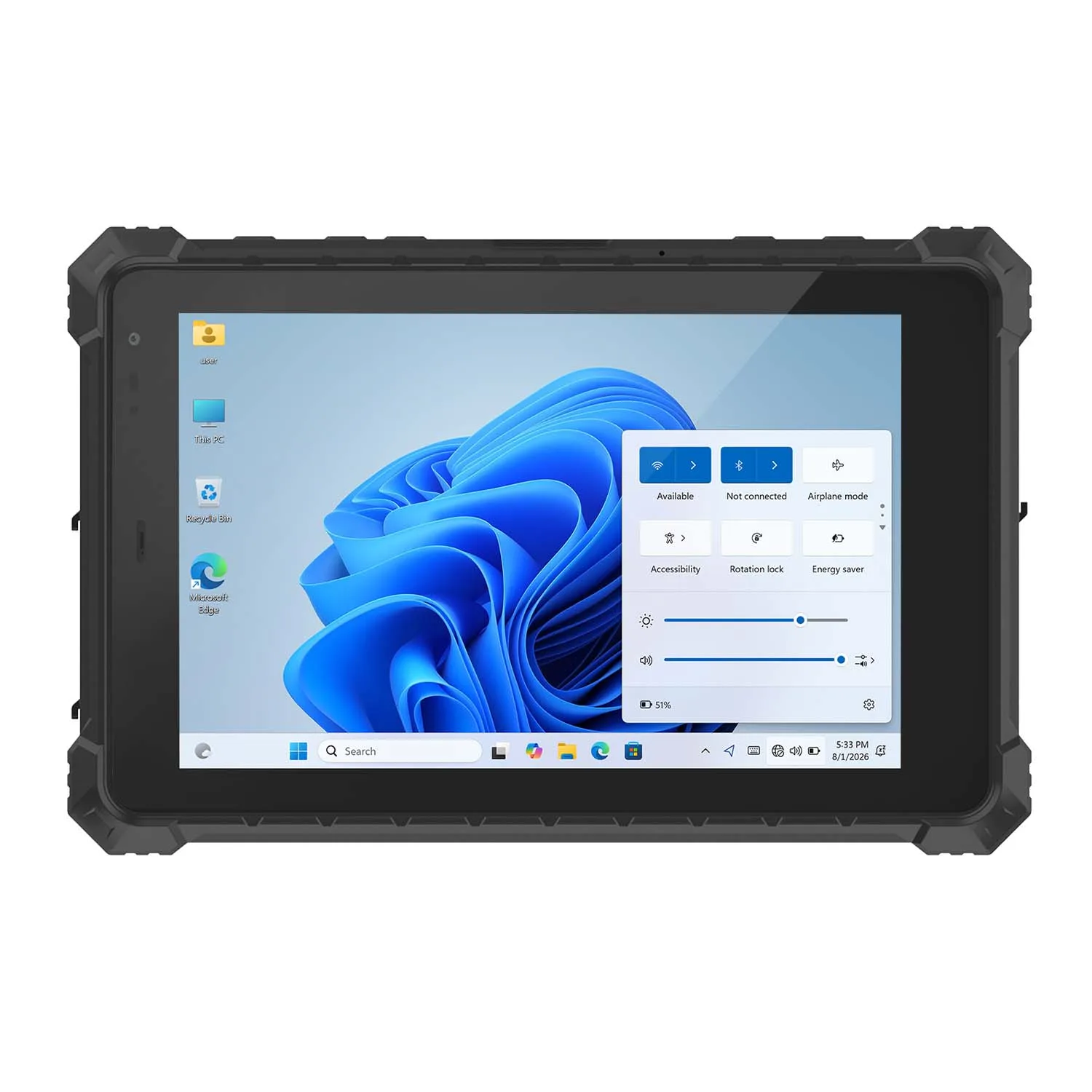
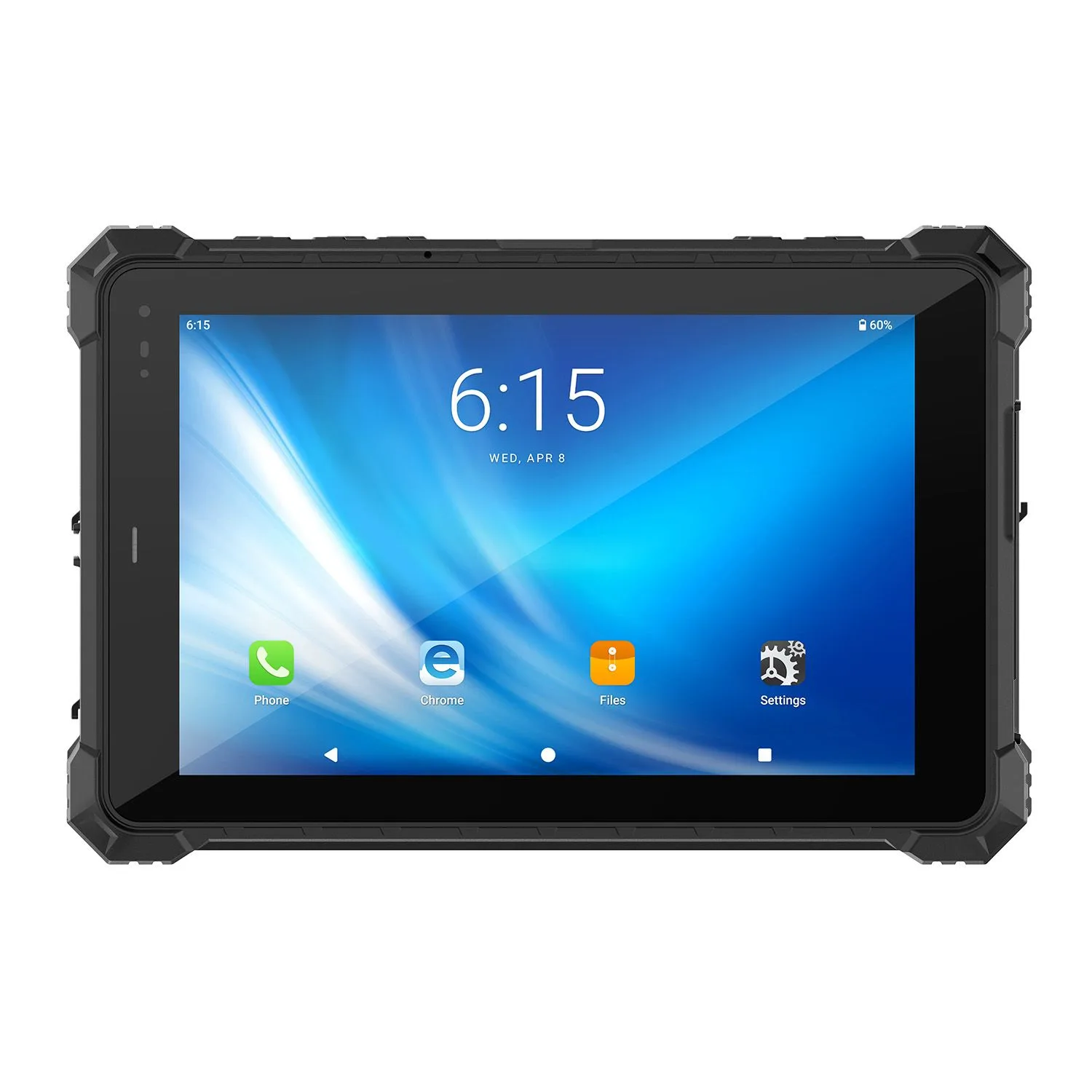
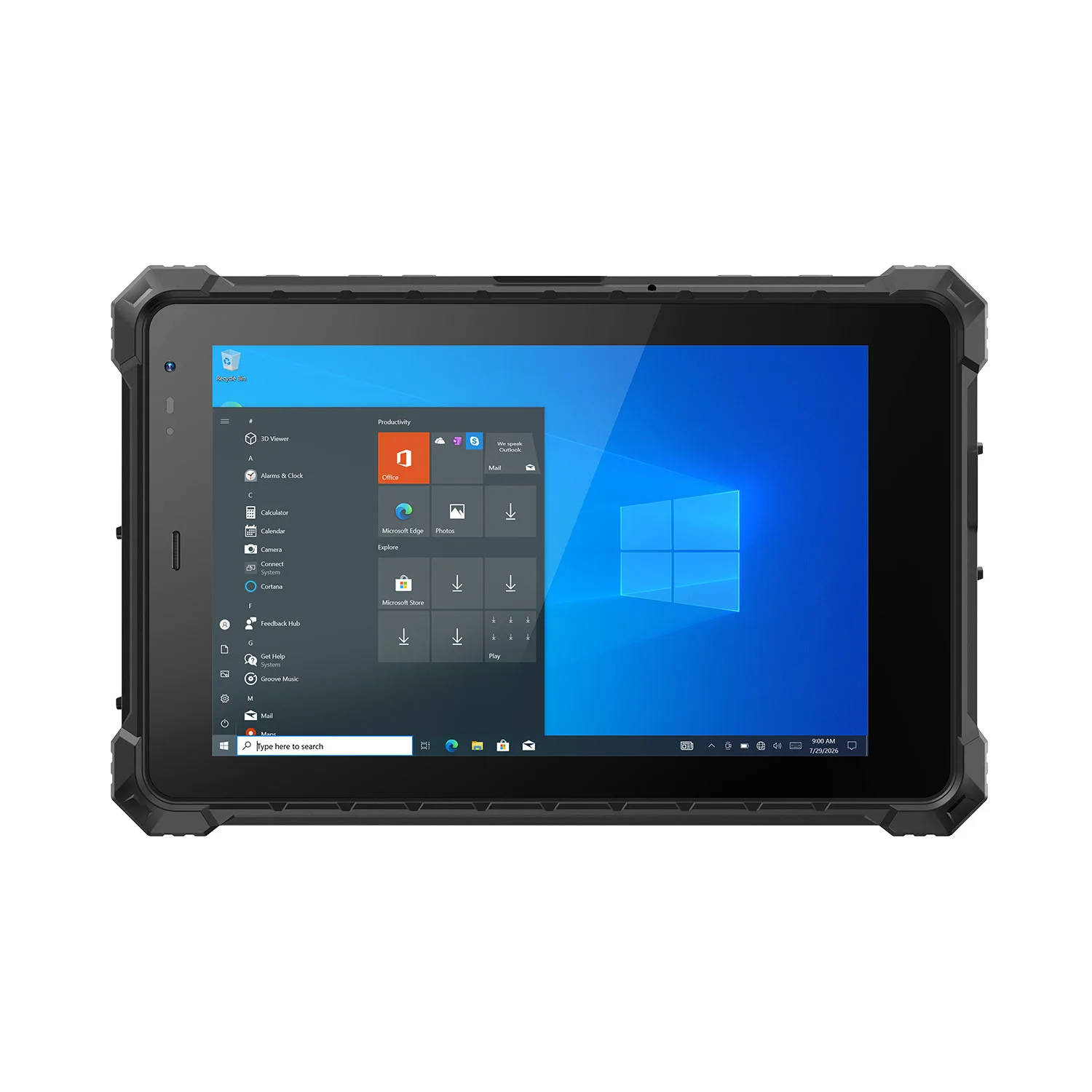
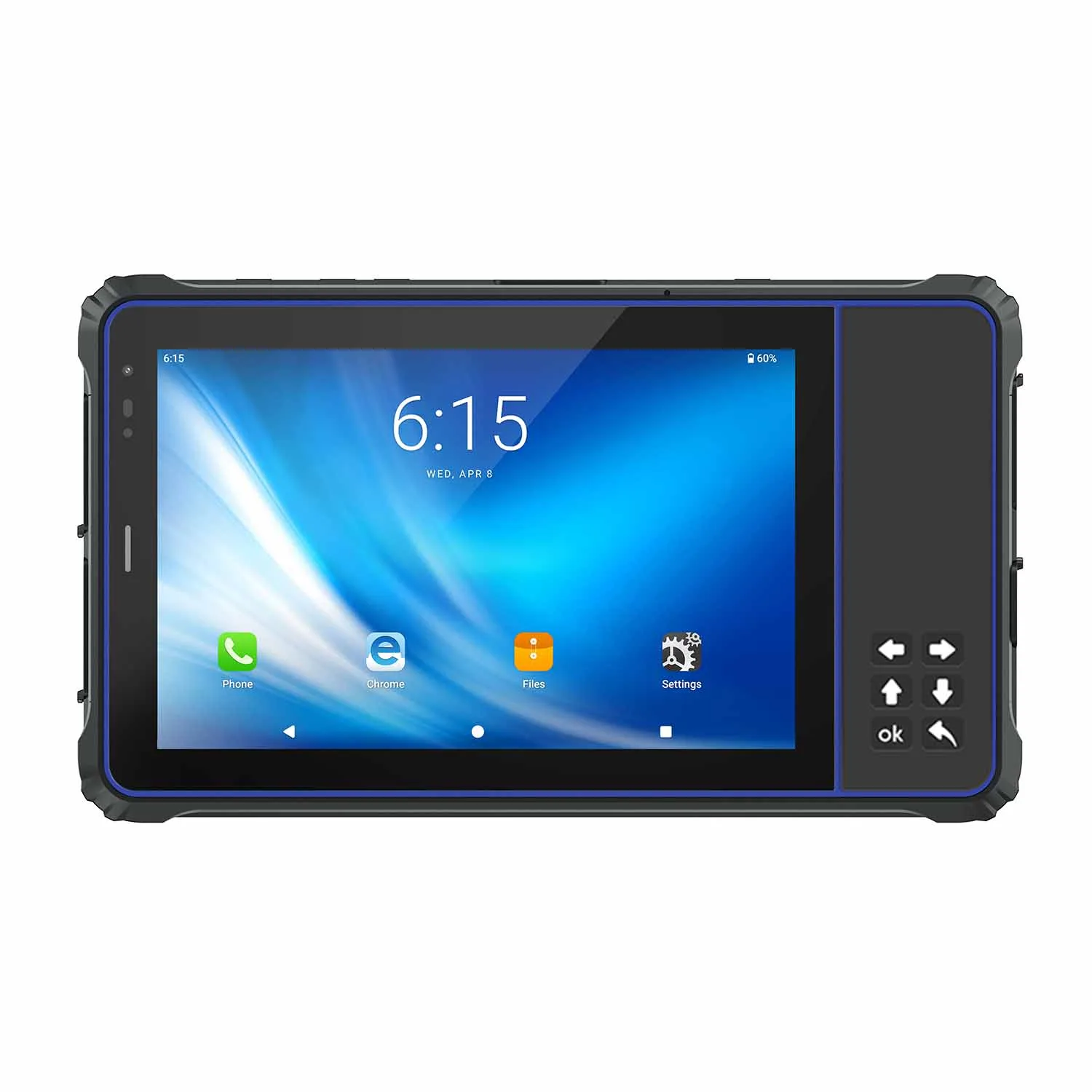
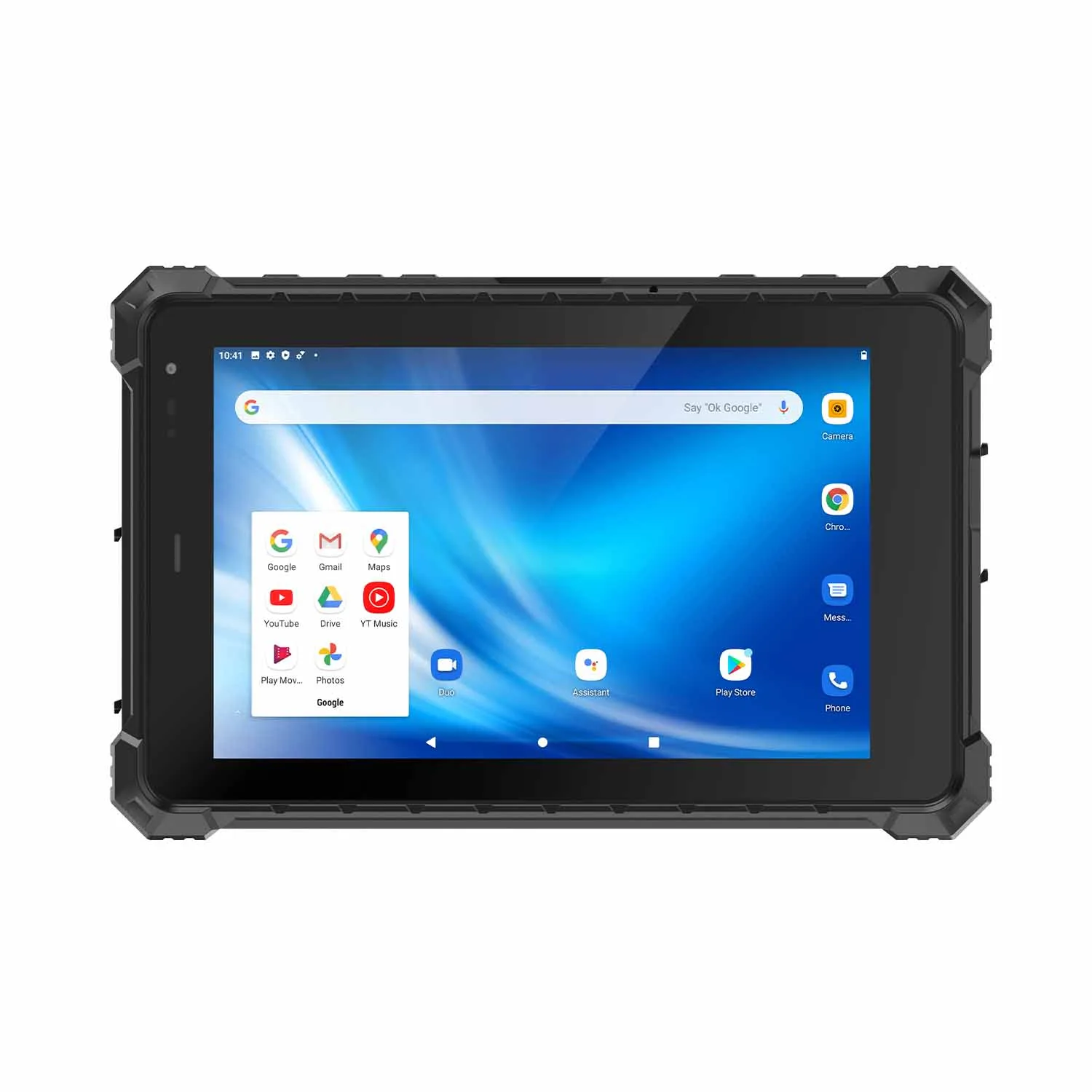
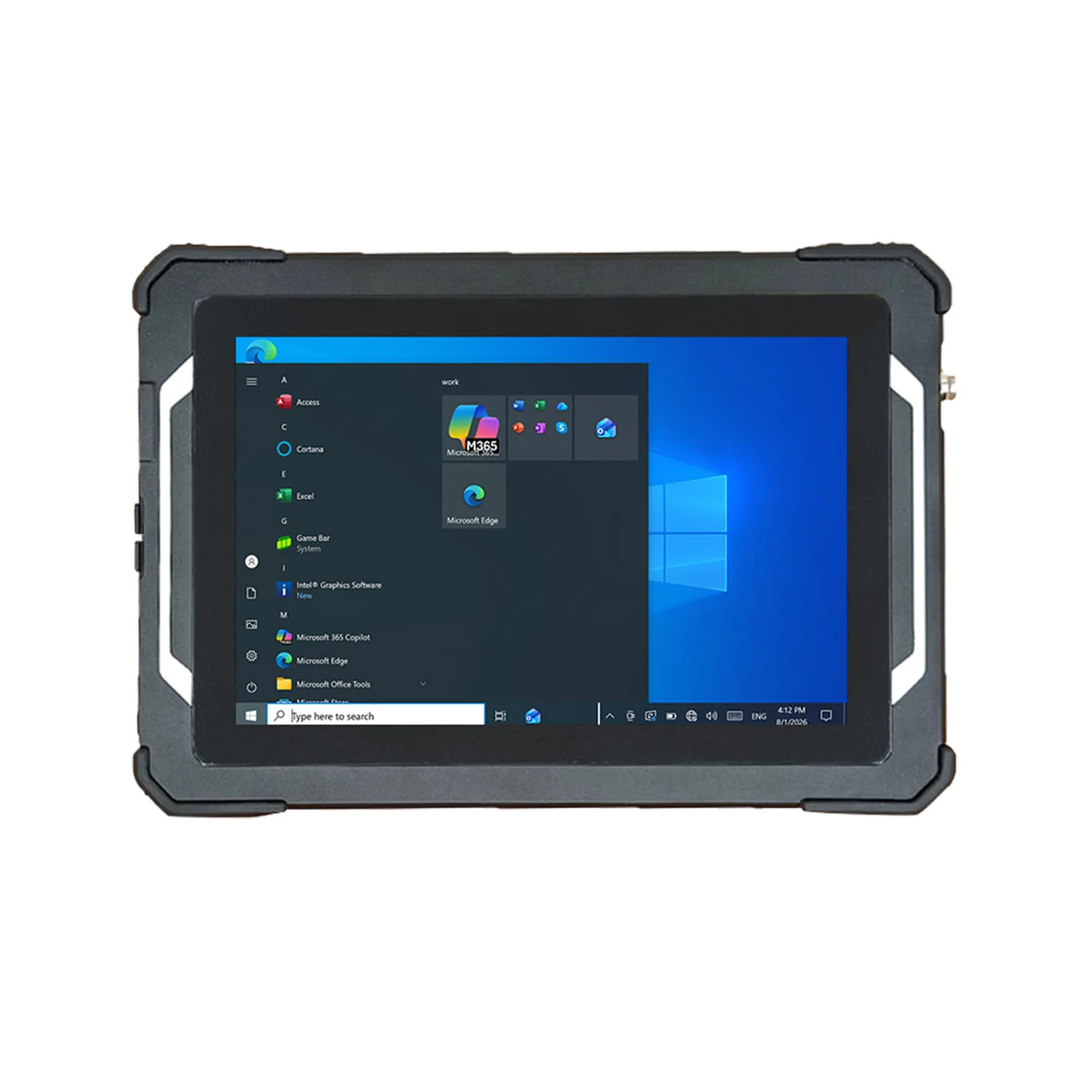
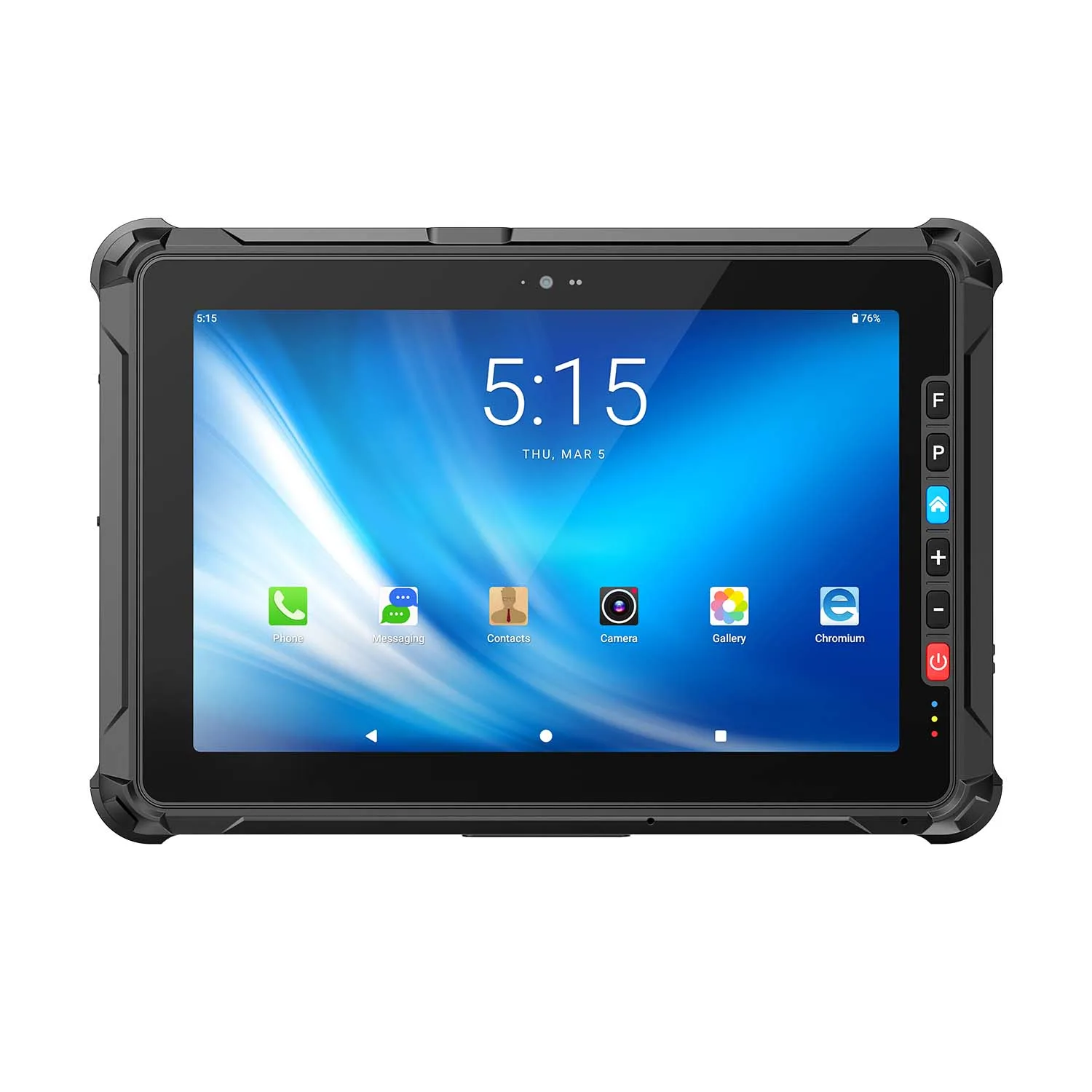
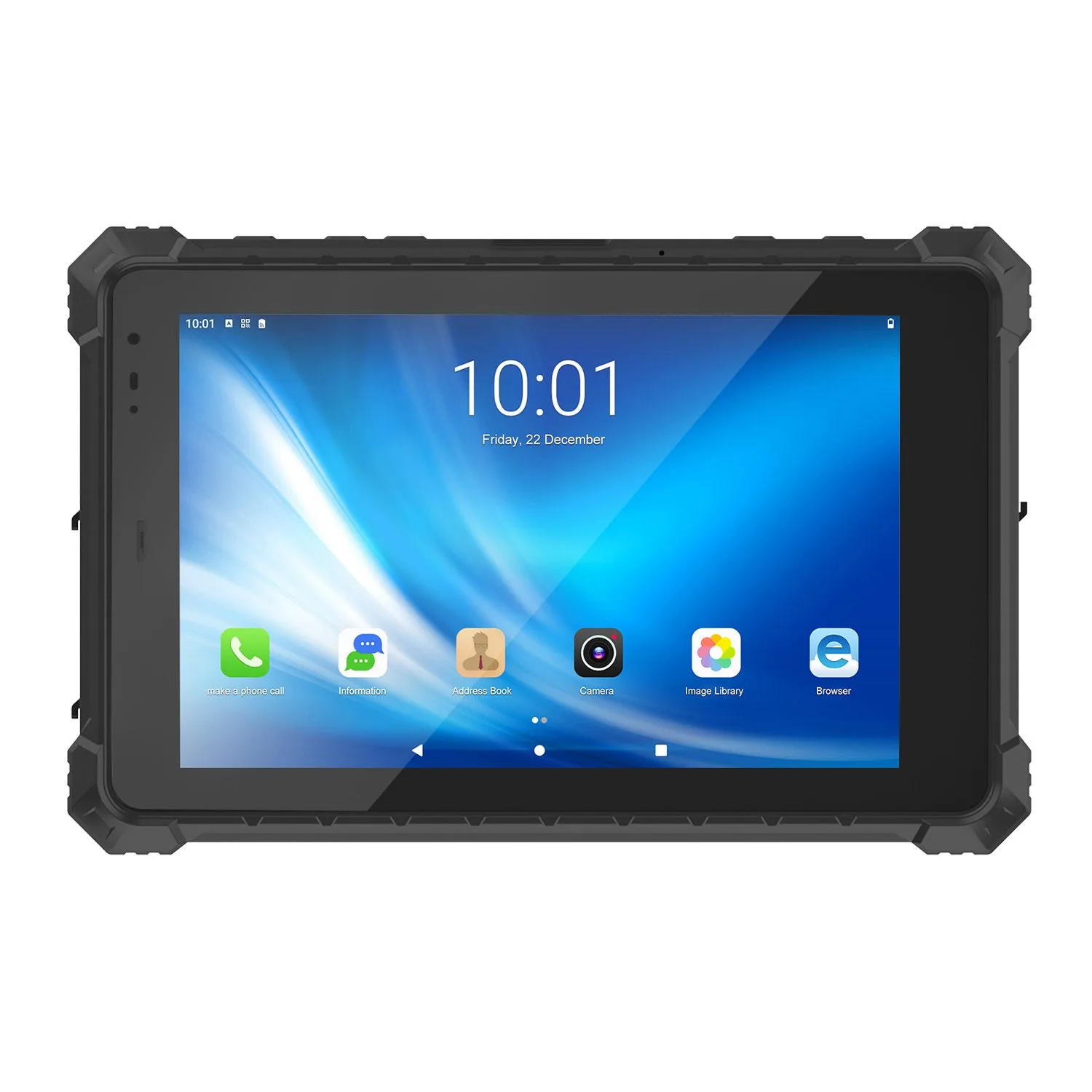
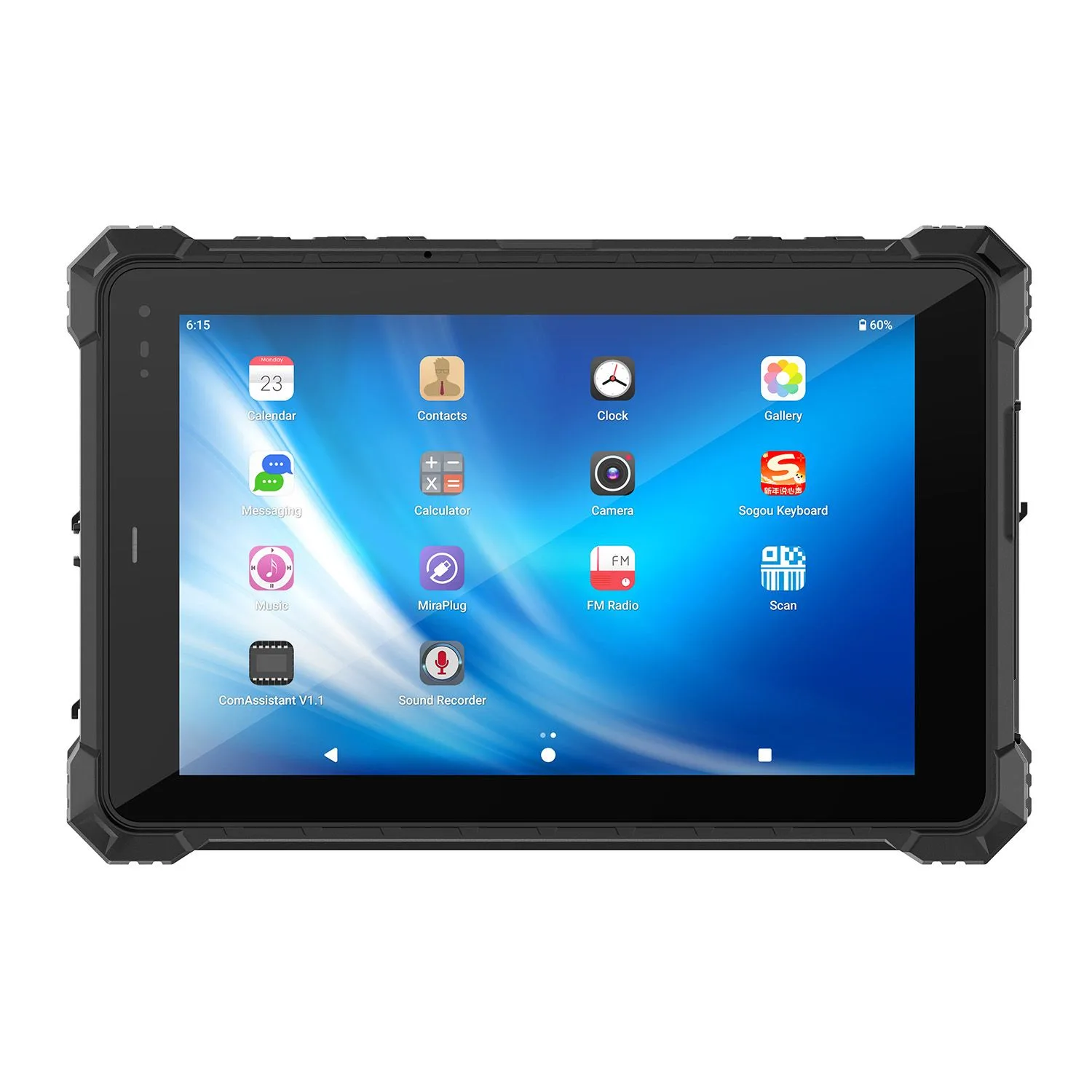
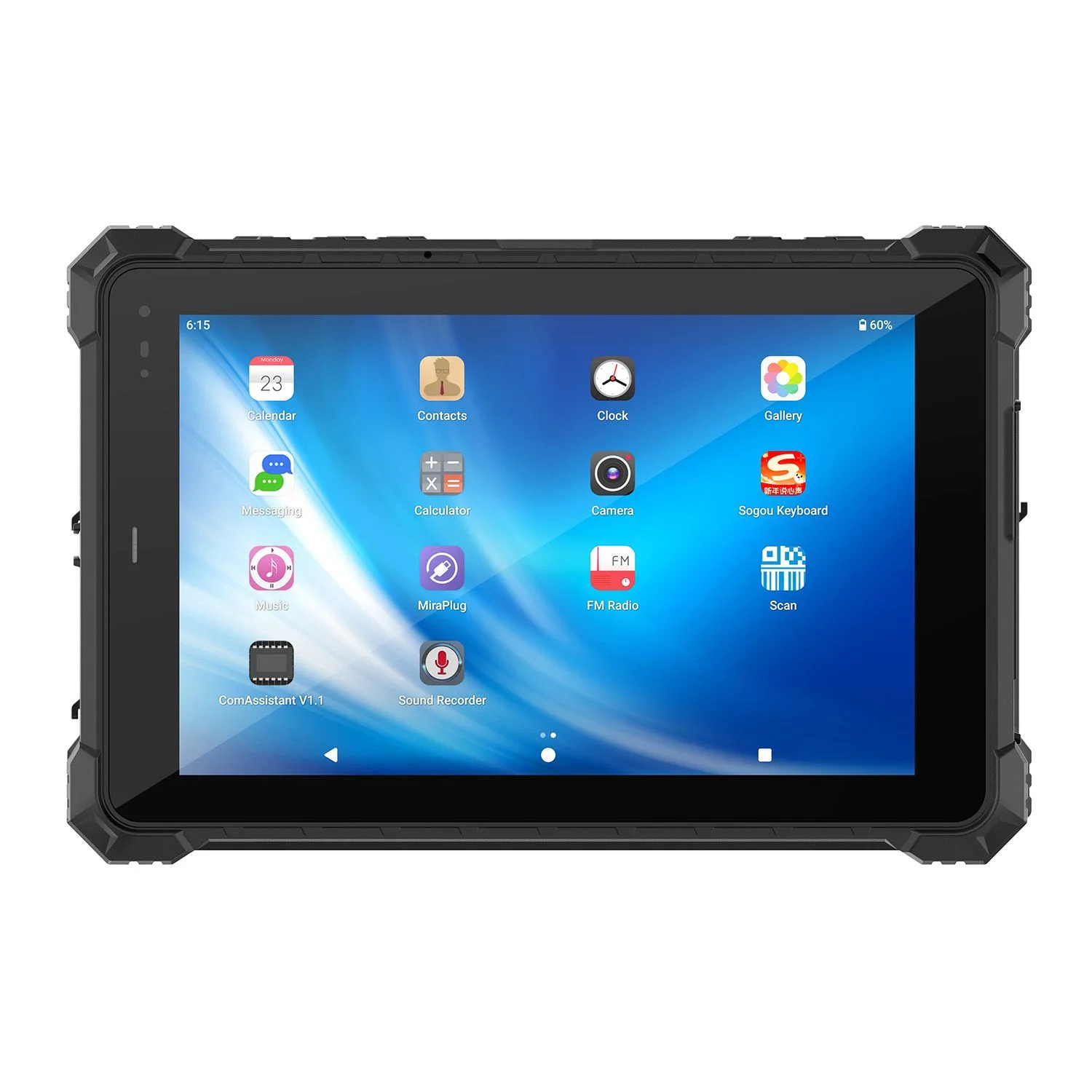
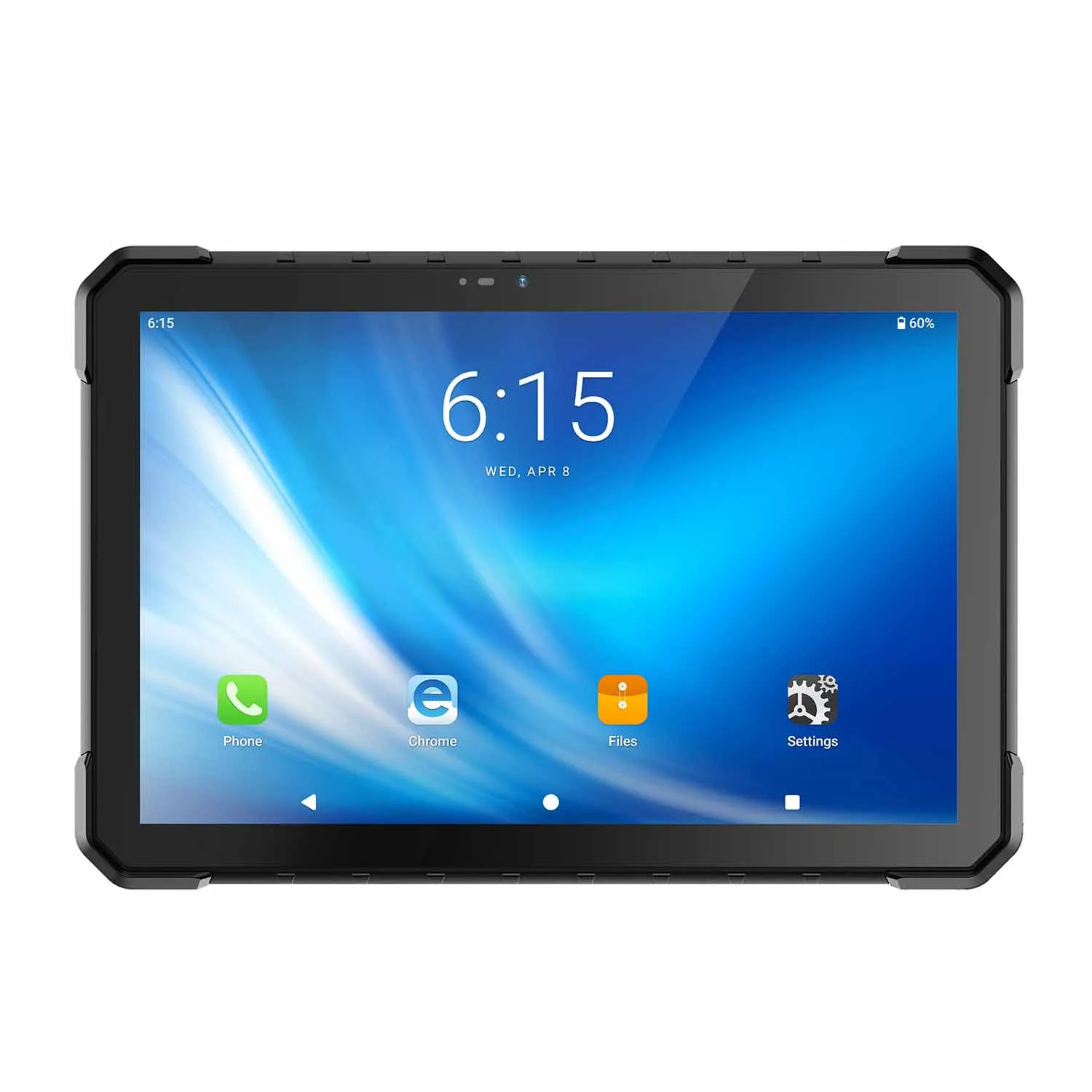
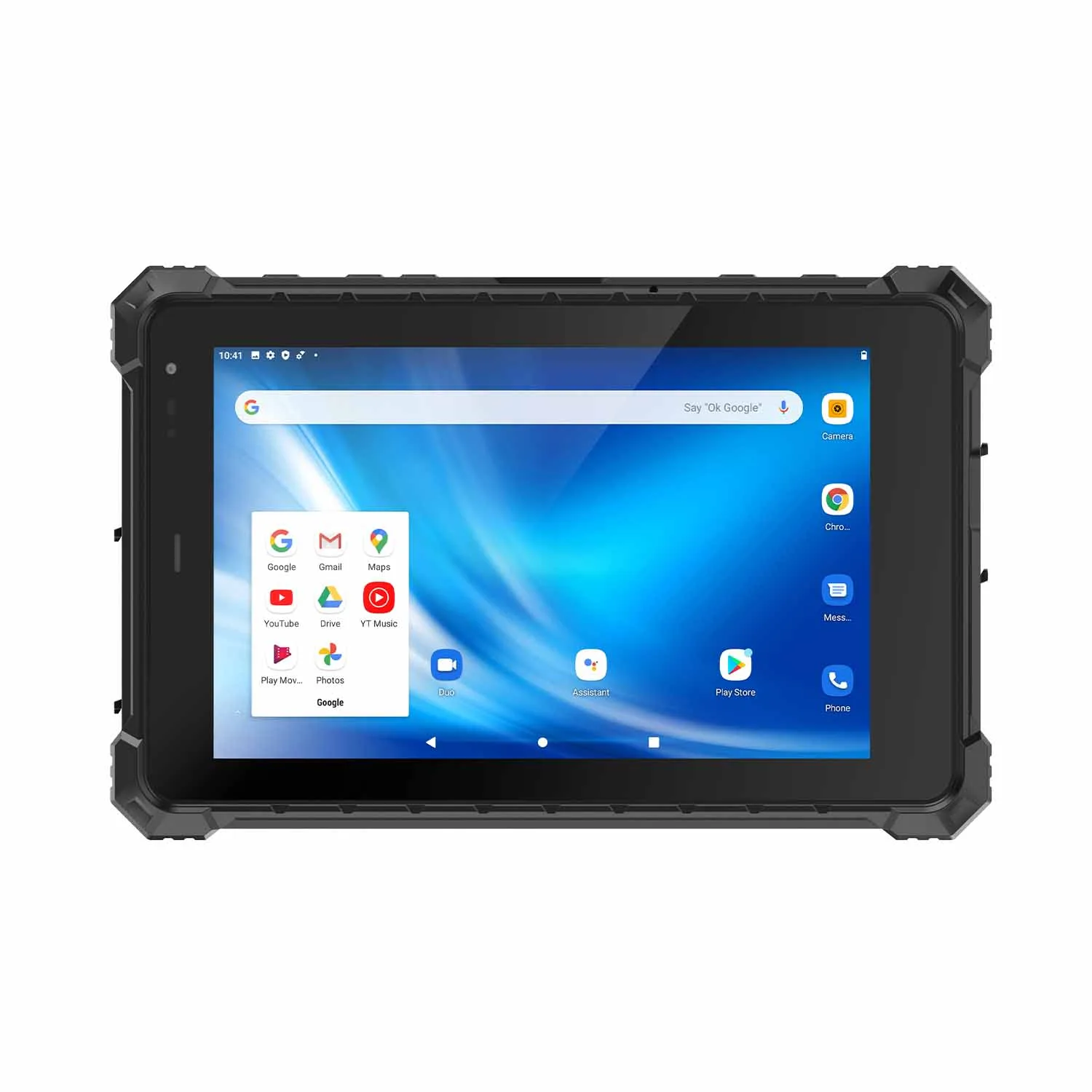
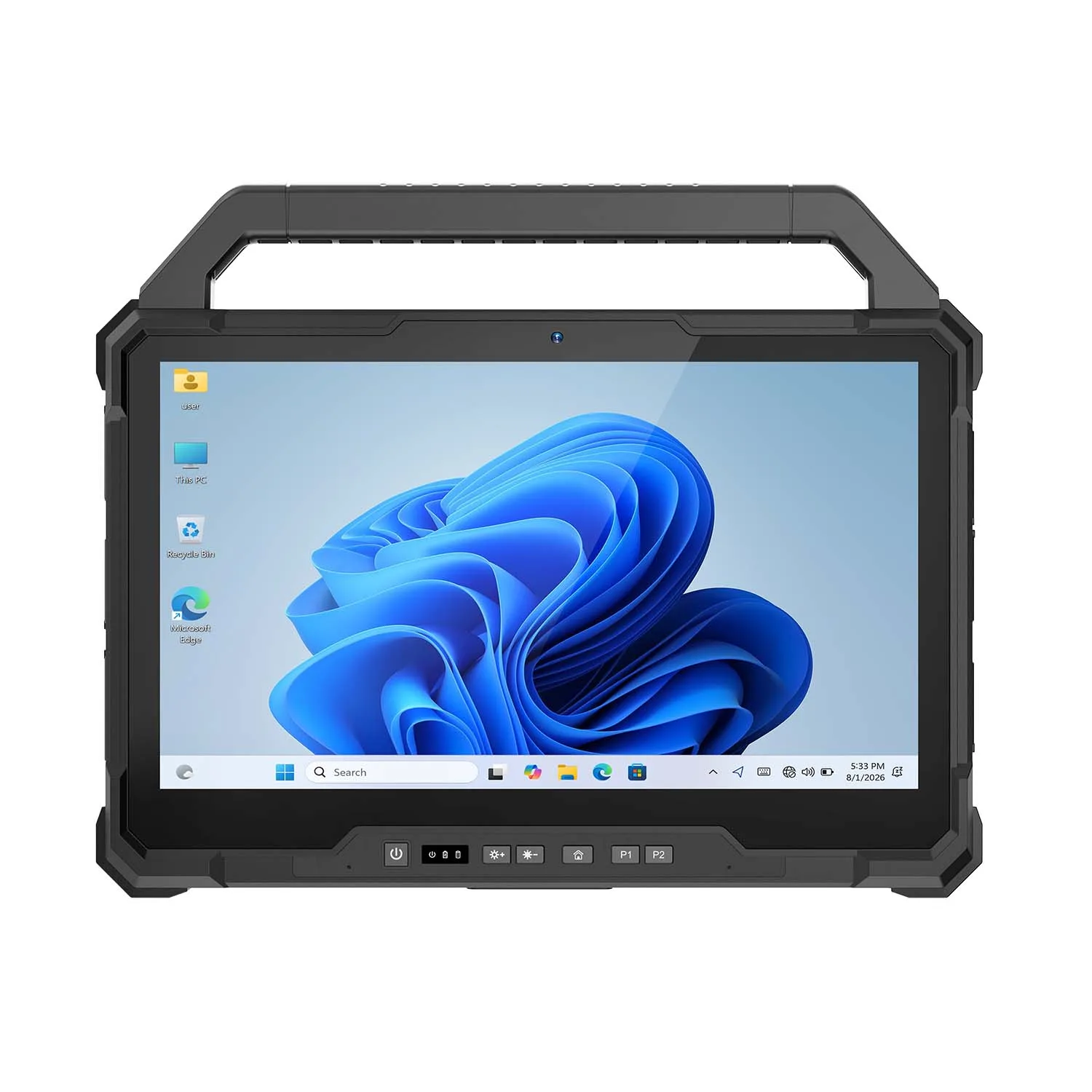
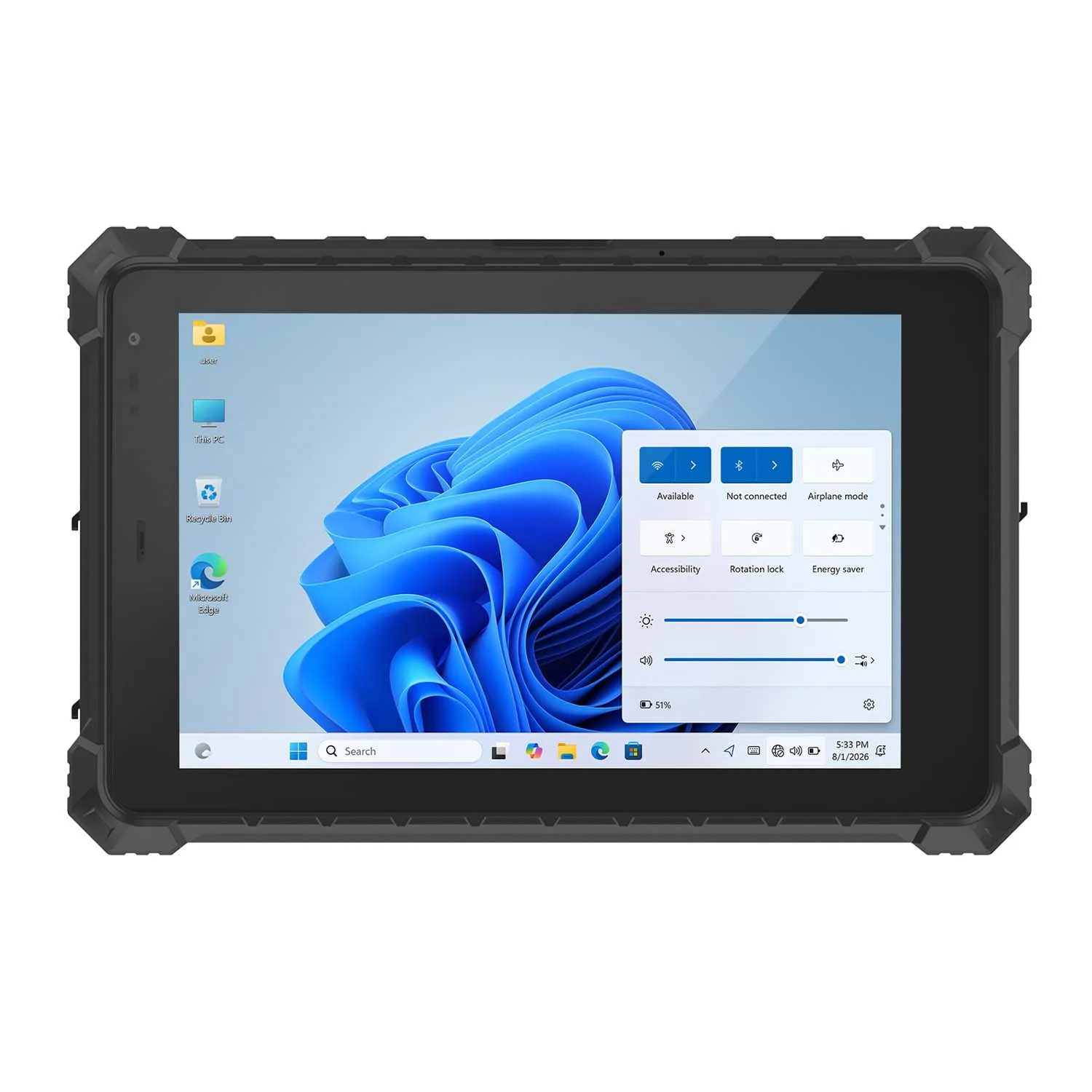
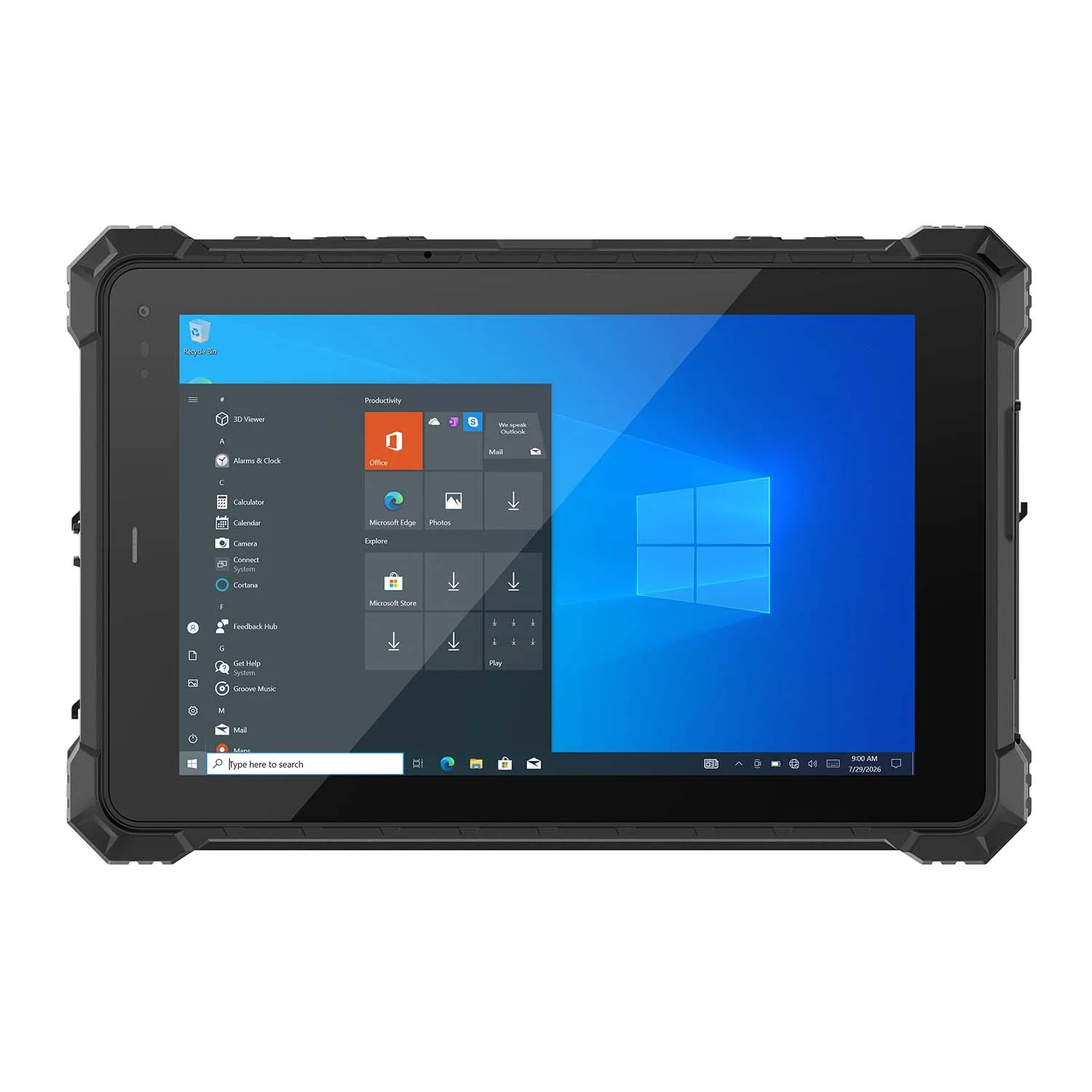
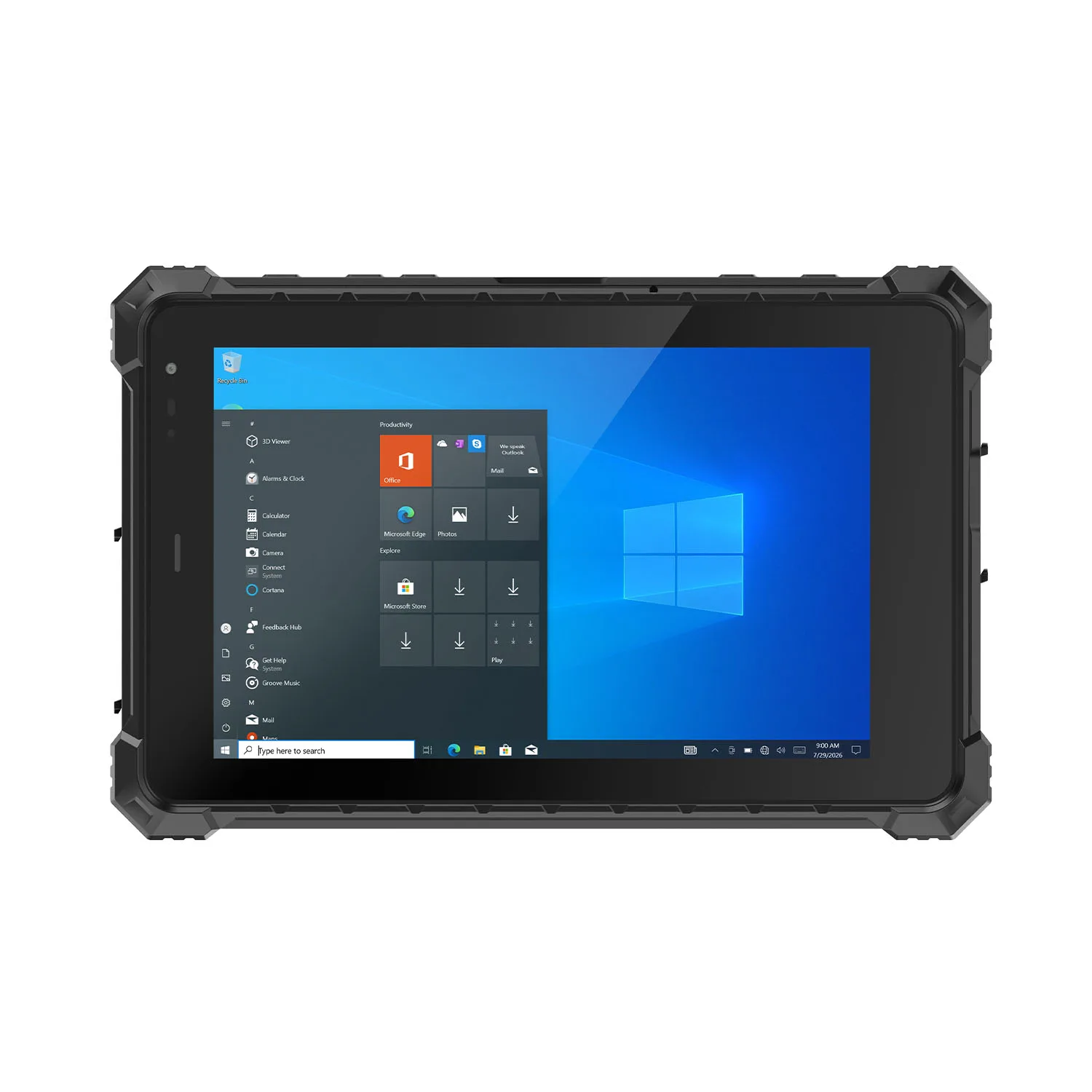
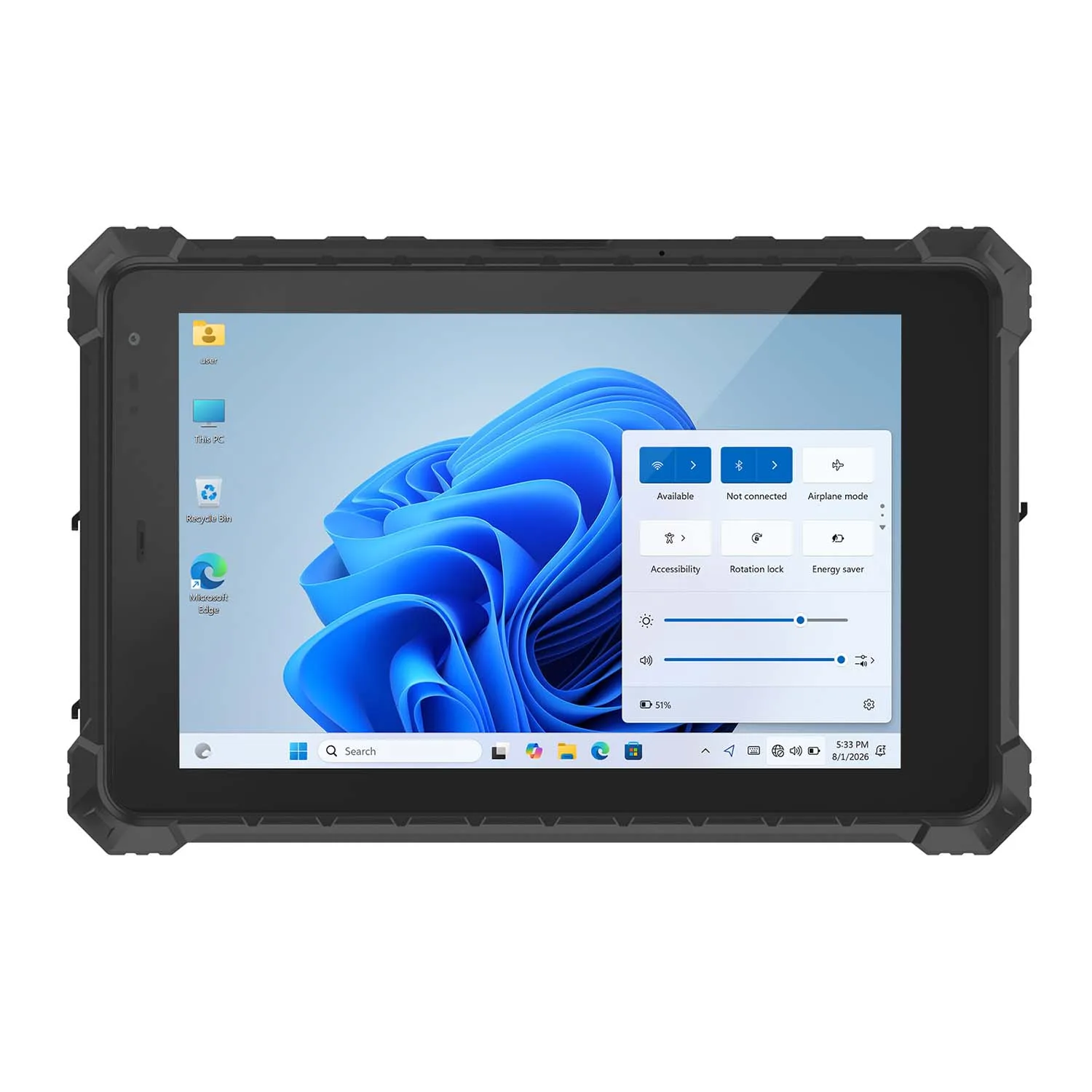
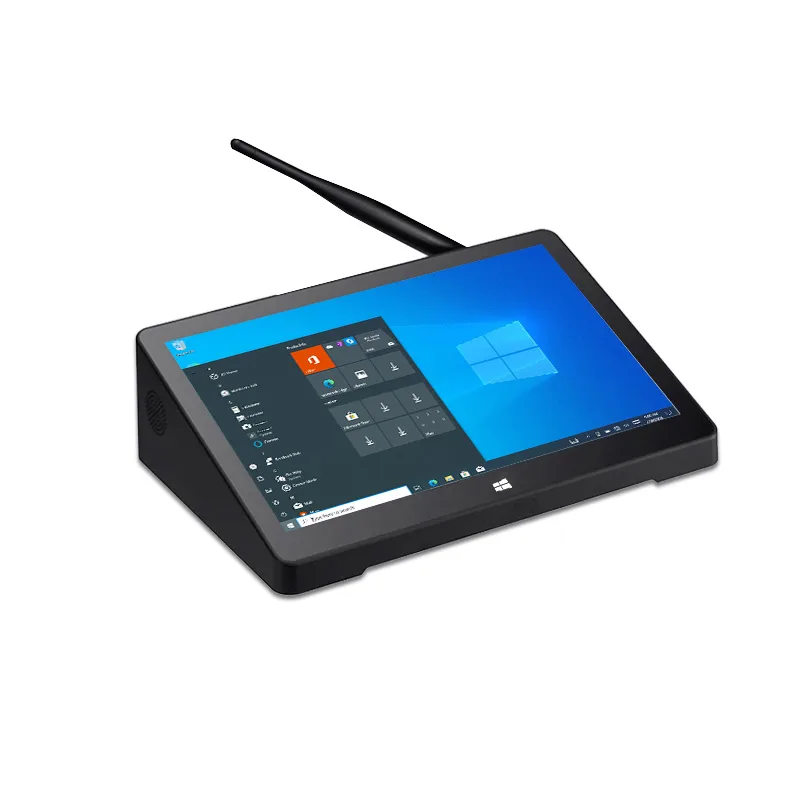
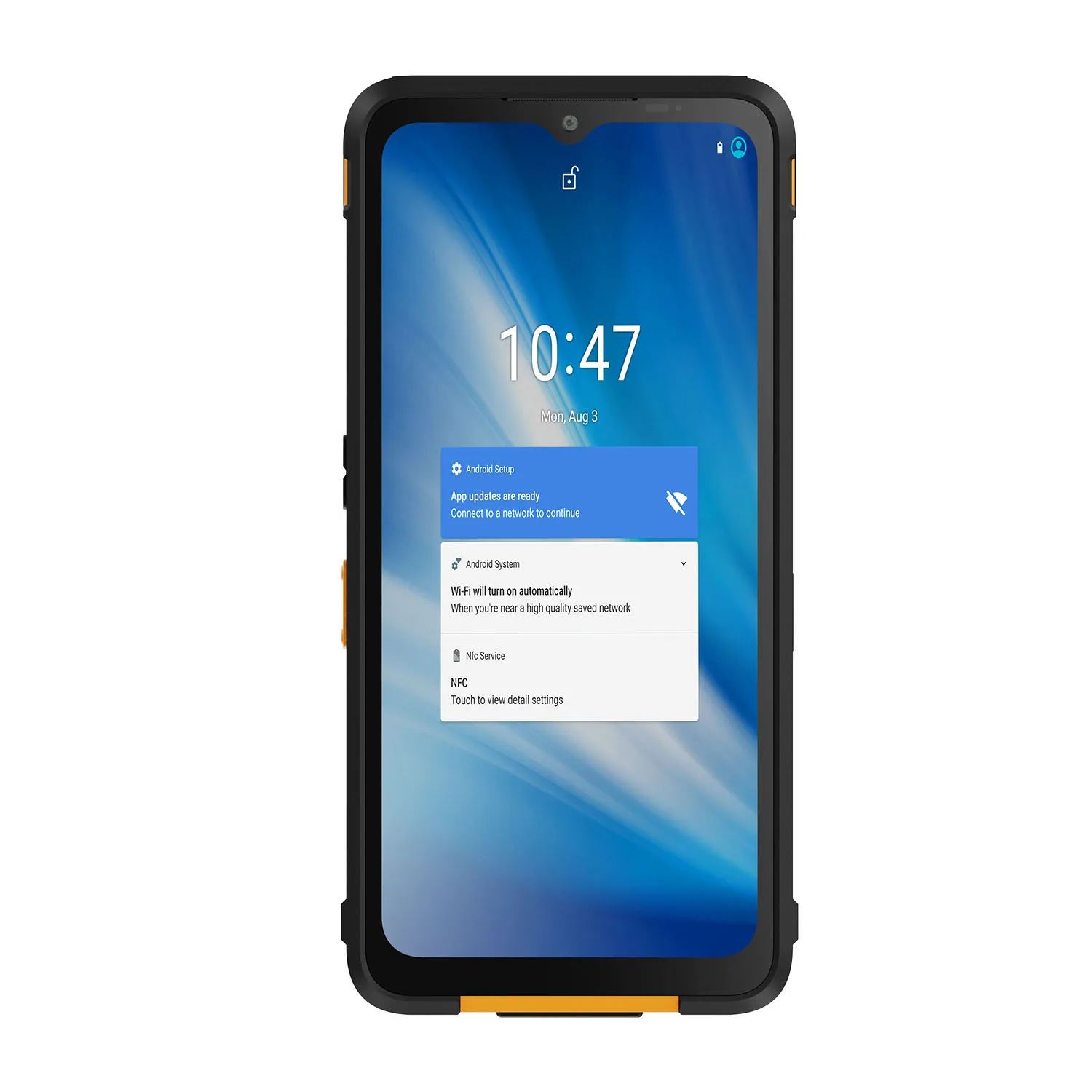
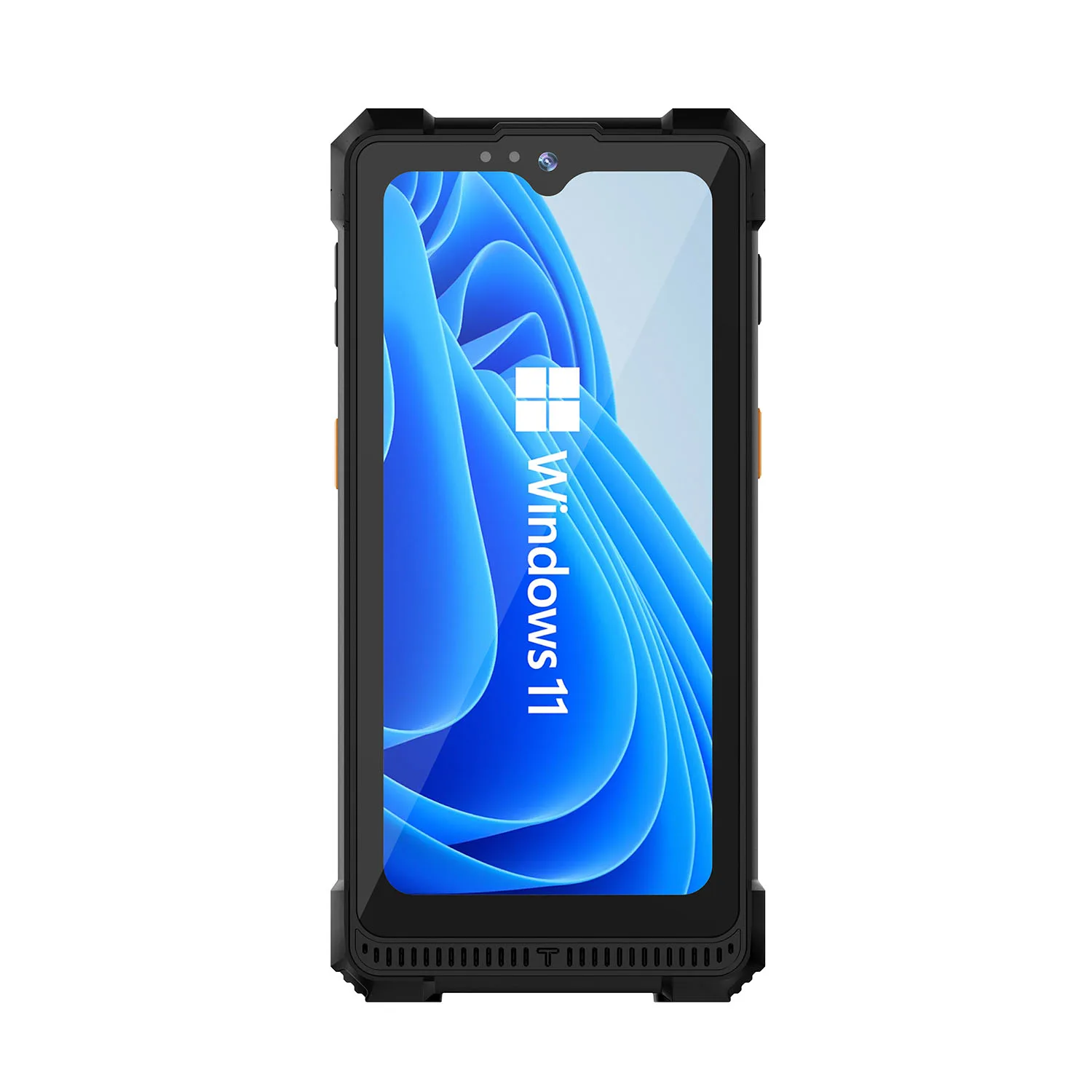
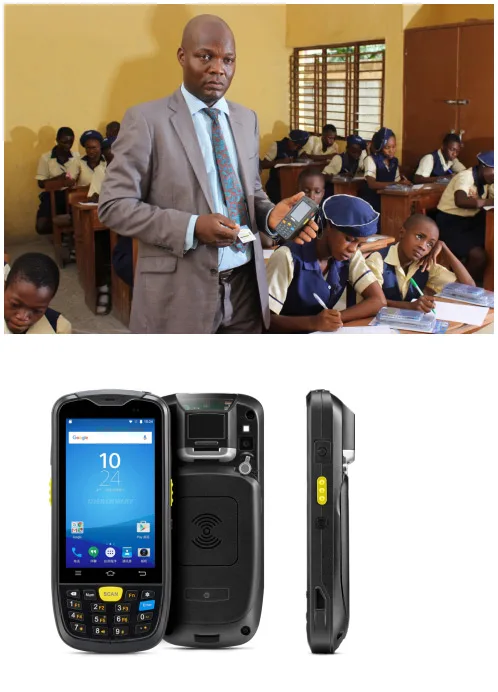
WAEC deployed a CENAVA rugged PDA configured with RFID read/write capability and mobile data connectivity to sync in real time with a backend database system. This enabled systematic digital storage and management of exam subjects, timing, and location data, while giving invigilators a fast, accurate way to verify candidate identity electronically, helping prevent impersonation and other test-day fraud, and strengthening the overall fairness and integrity of the examination process.This deployment shares the same underlying technology CENAVA uses in exam identity verification generally, see our guide to rugged tablets for exam ID verification for more on the biometric and RFID/ID-card verification modules involved.Results
Systematic exam management — a structured information system helped the commission plan and coordinate exams across all regions, improving overall operational efficiency.
Reduced impersonation and cheating — RFID-based candidate identity verification made substitute test-taking significantly harder to pull off undetected.
Streamlined candidate data collection — reference personnel, candidate numbers, and school data became easier to compile, supporting exam-process optimization.
Detailed per-candidate exam records — including any flagged irregularities, supported more thorough post-exam evaluation.
Reduced paperwork and cost — RFID-based verification eliminated the need for paper registration forms at this scale.
Which CENAVA Device Fits This Use Case Today?
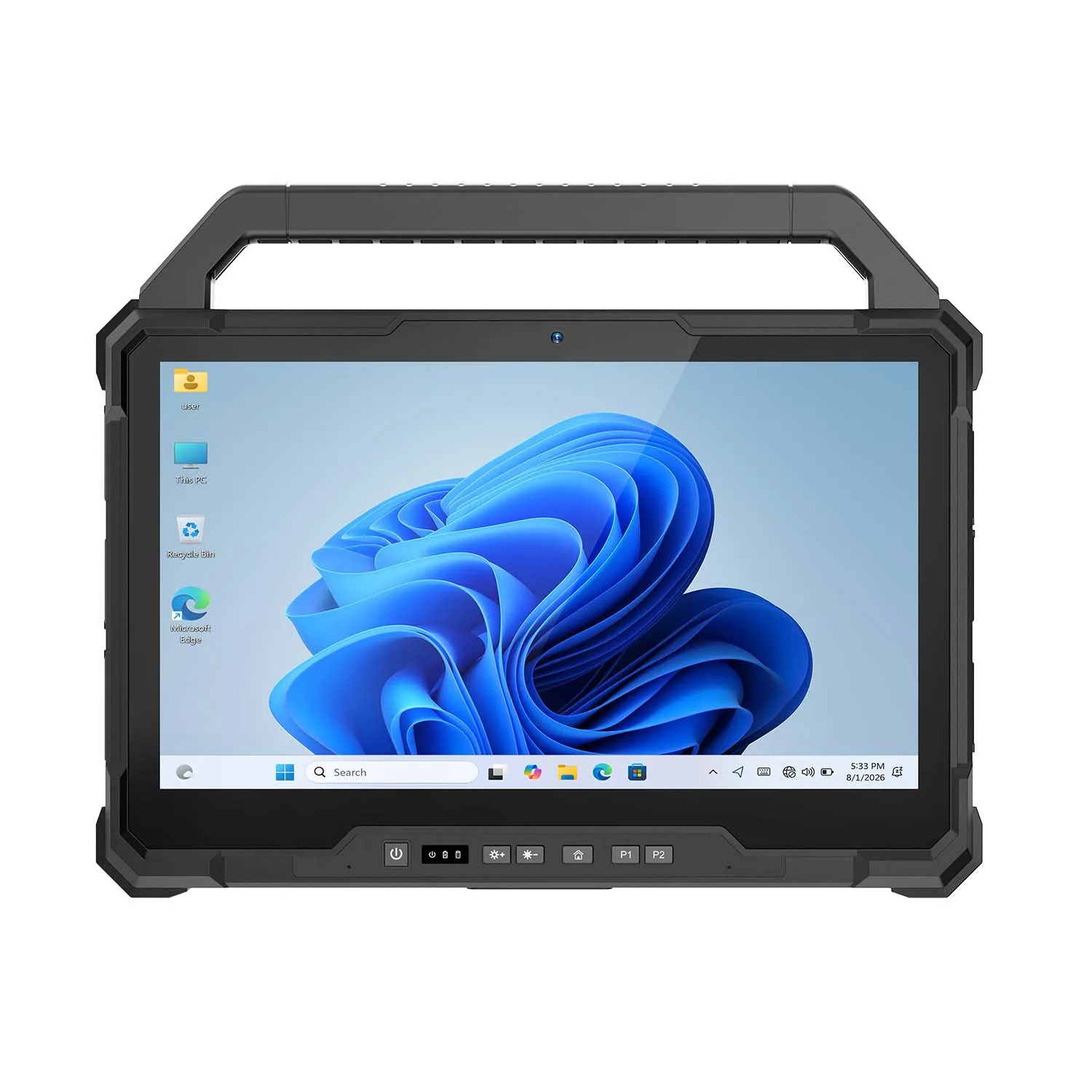
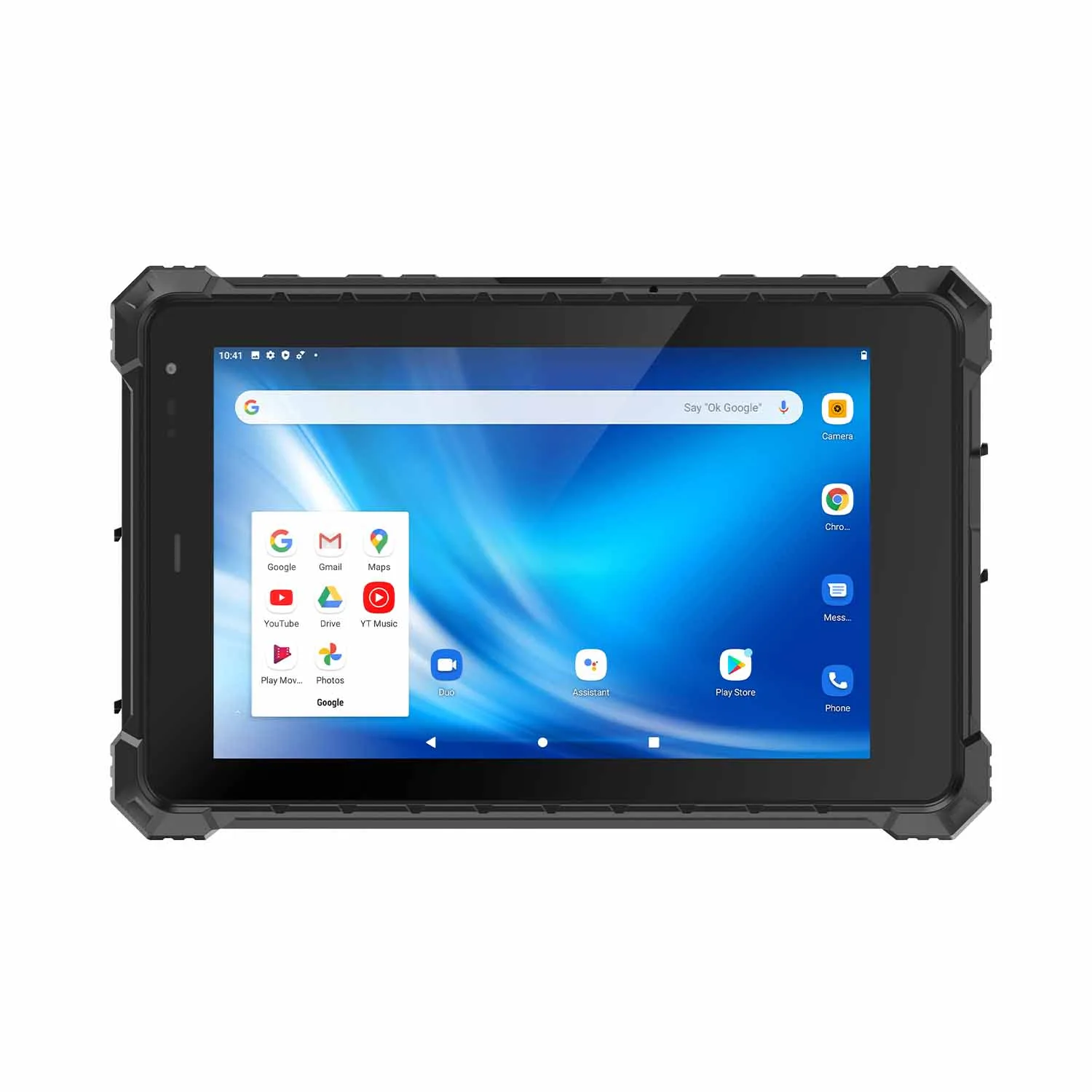
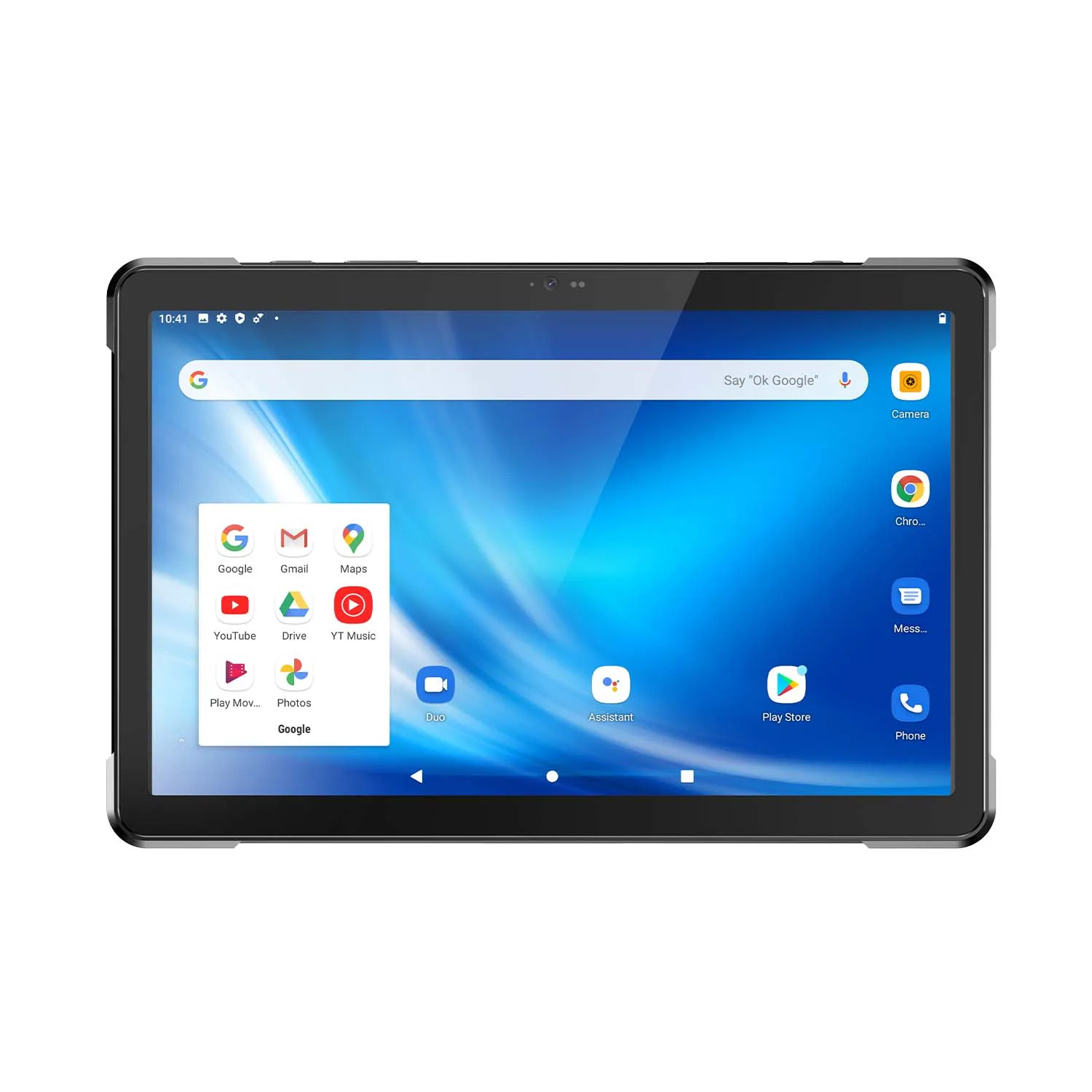
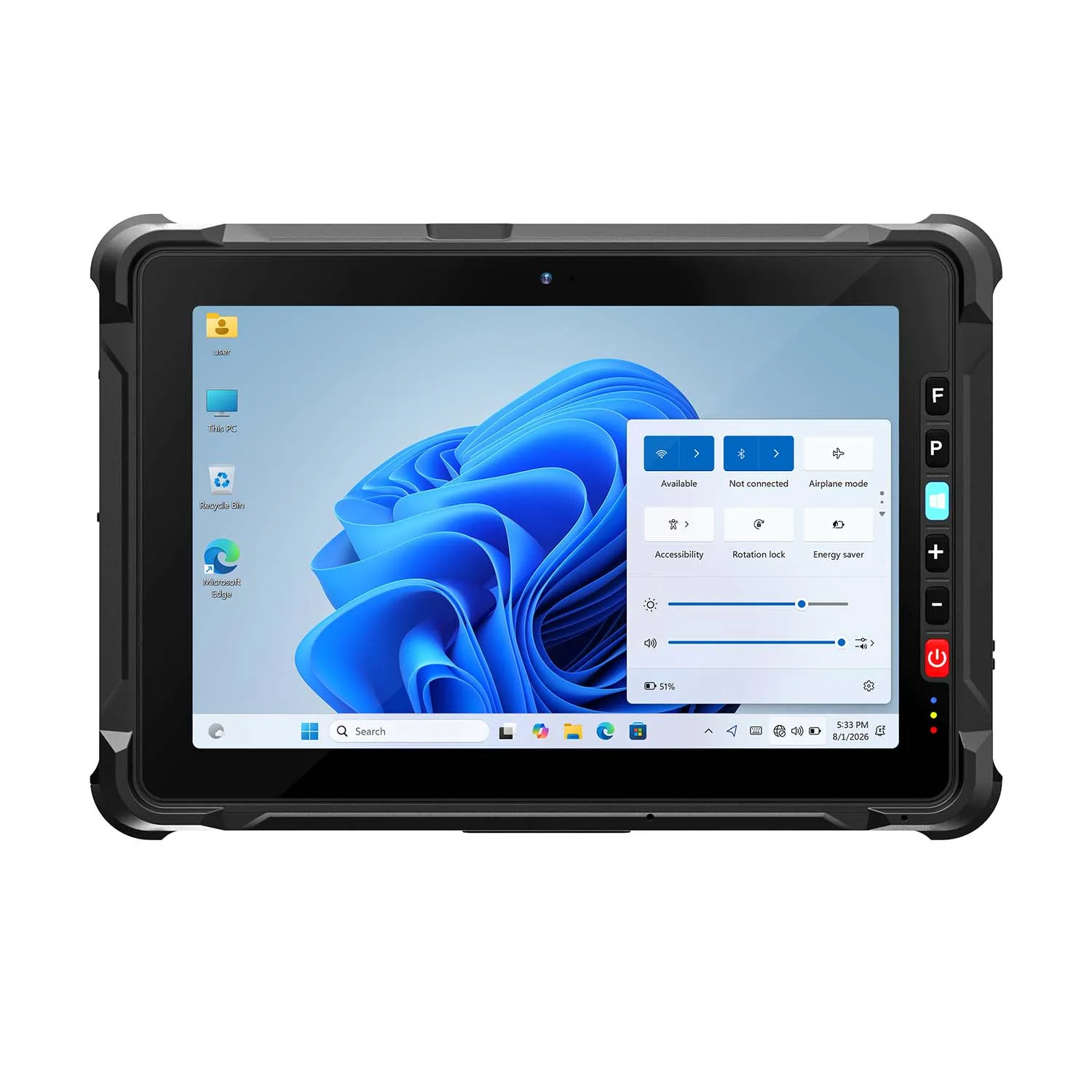
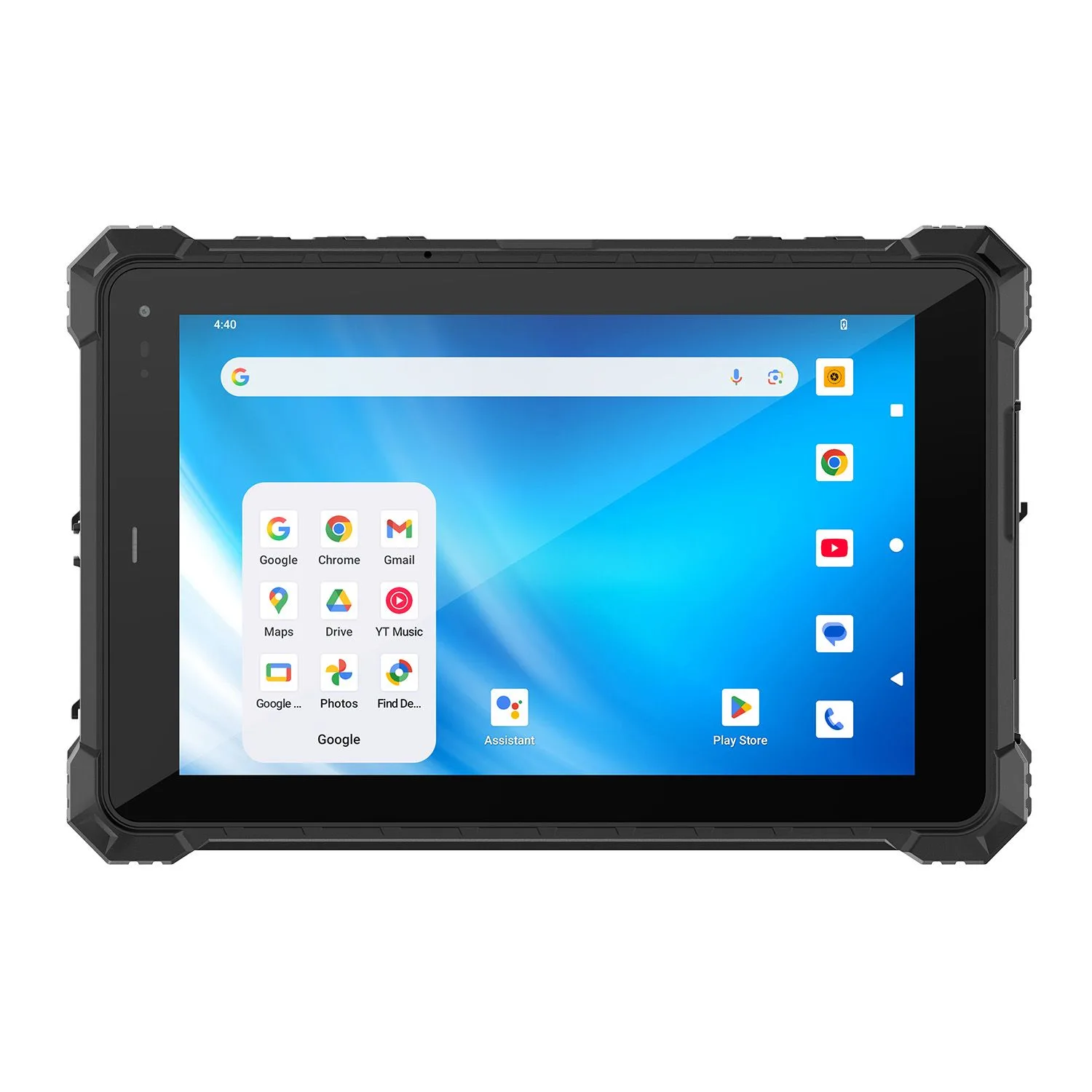
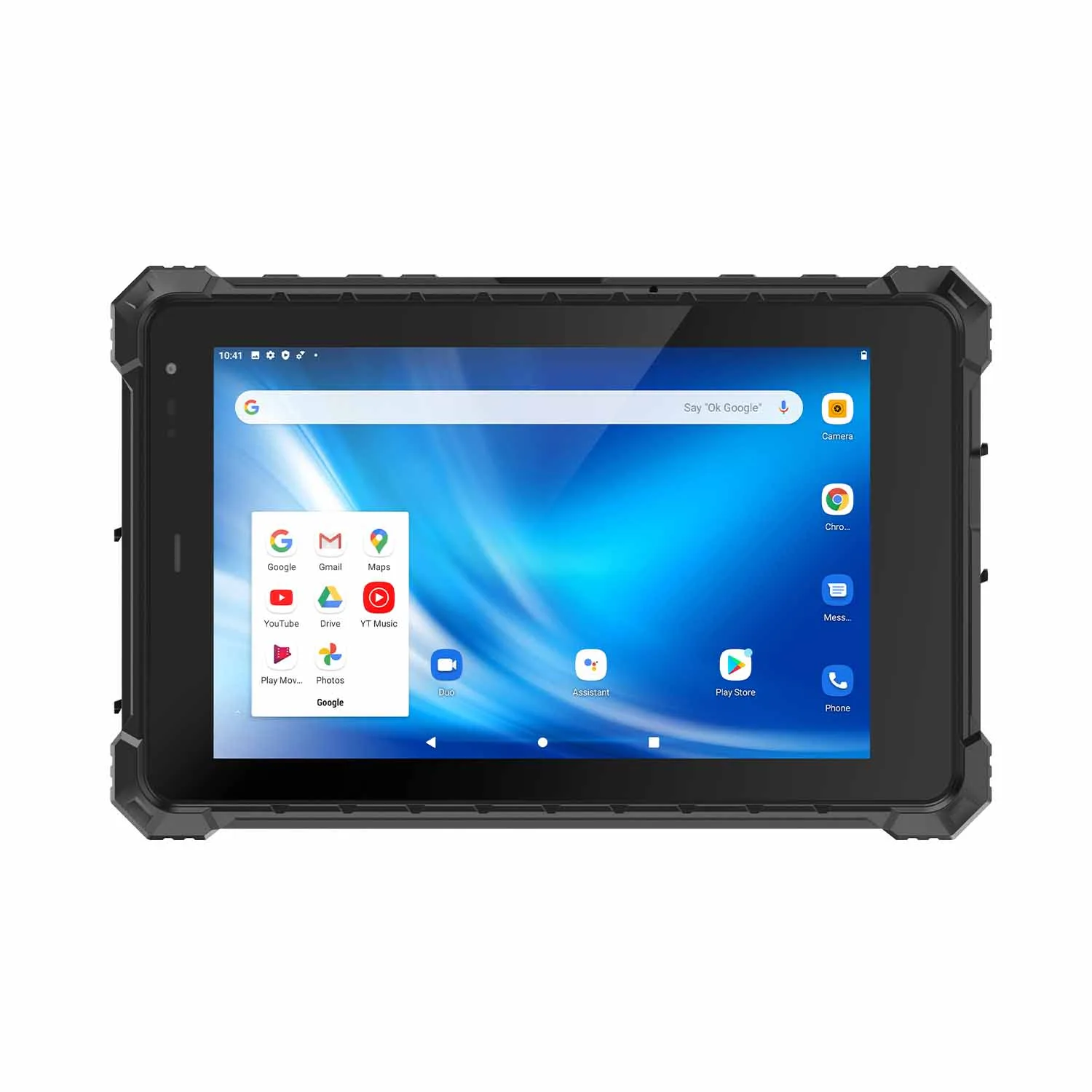
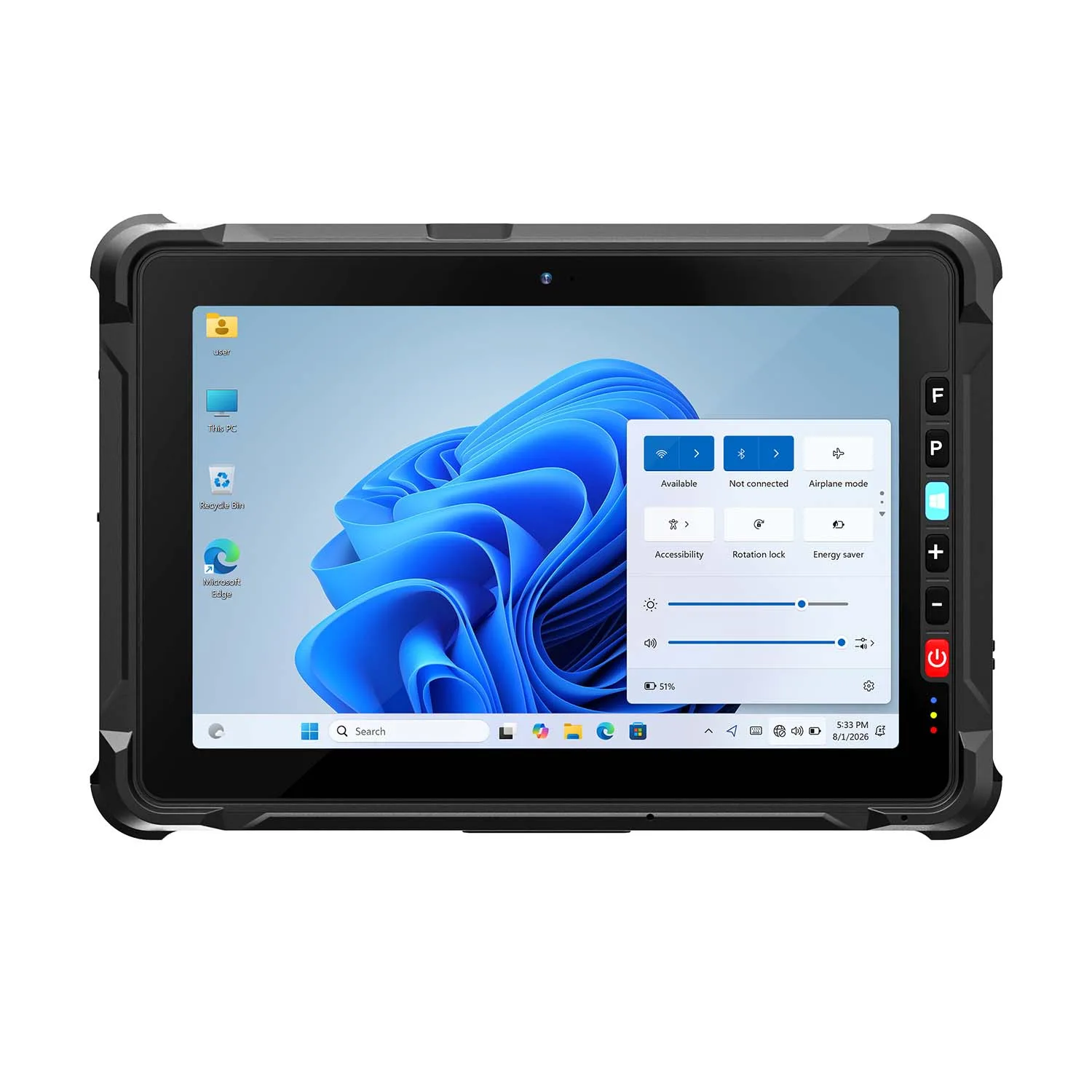
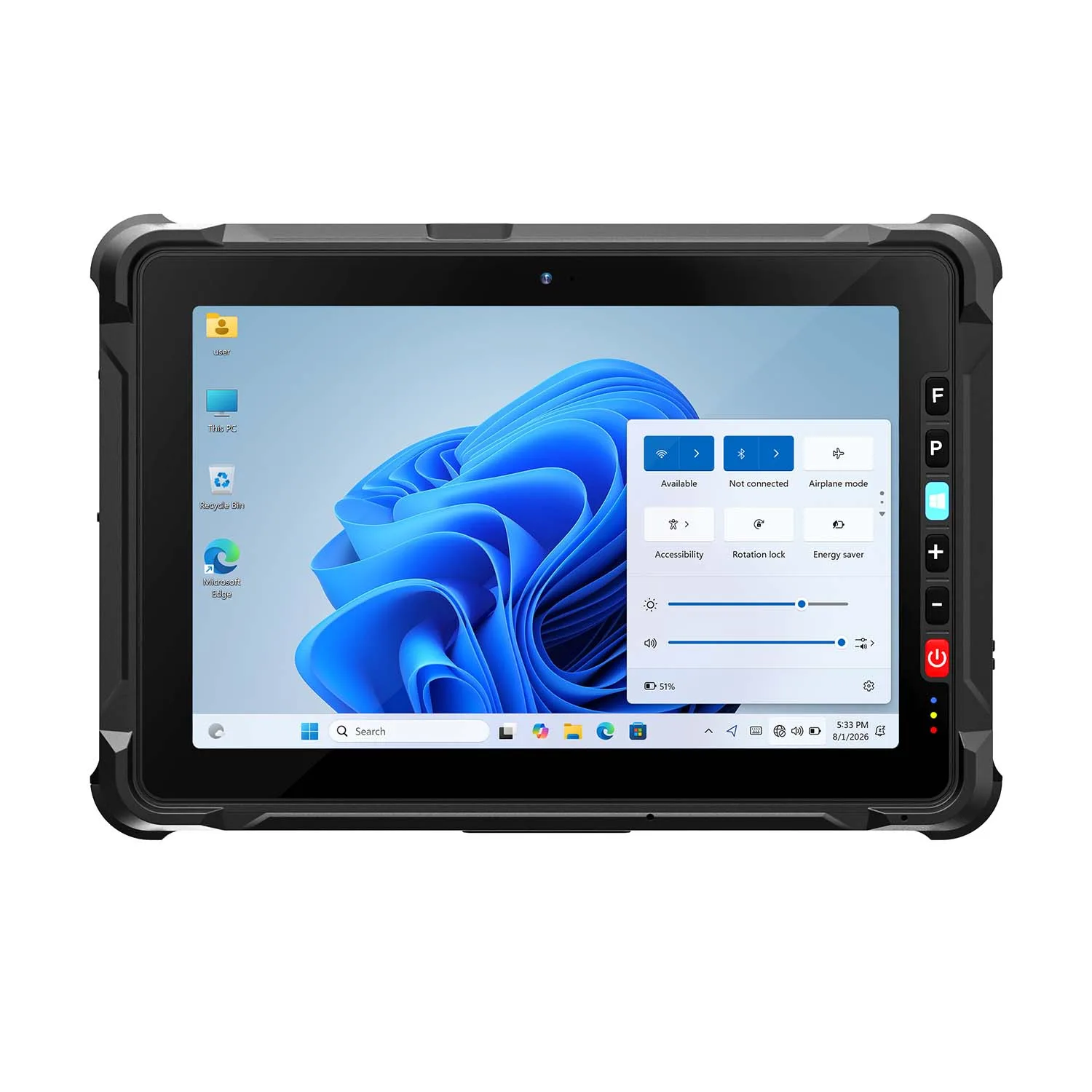
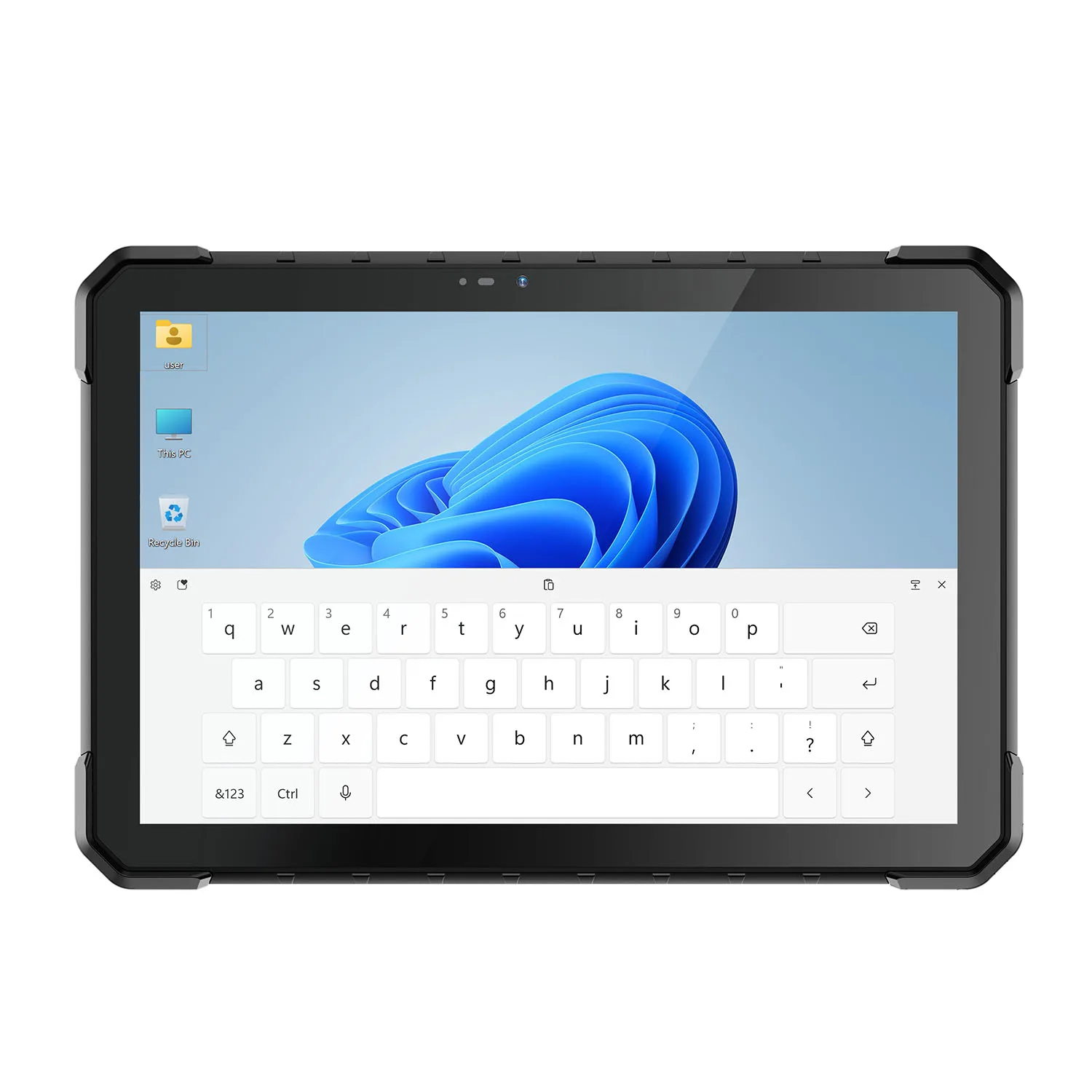
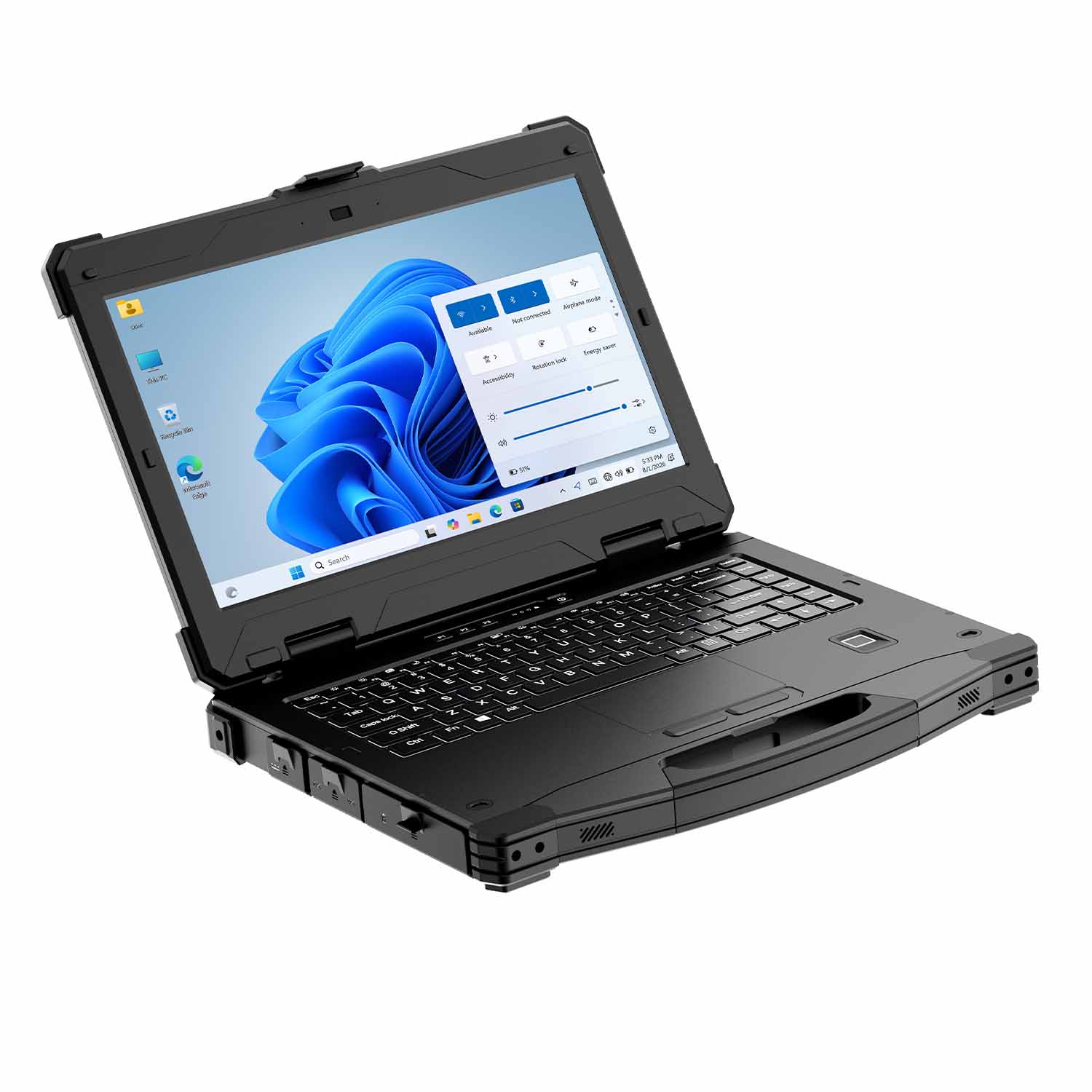
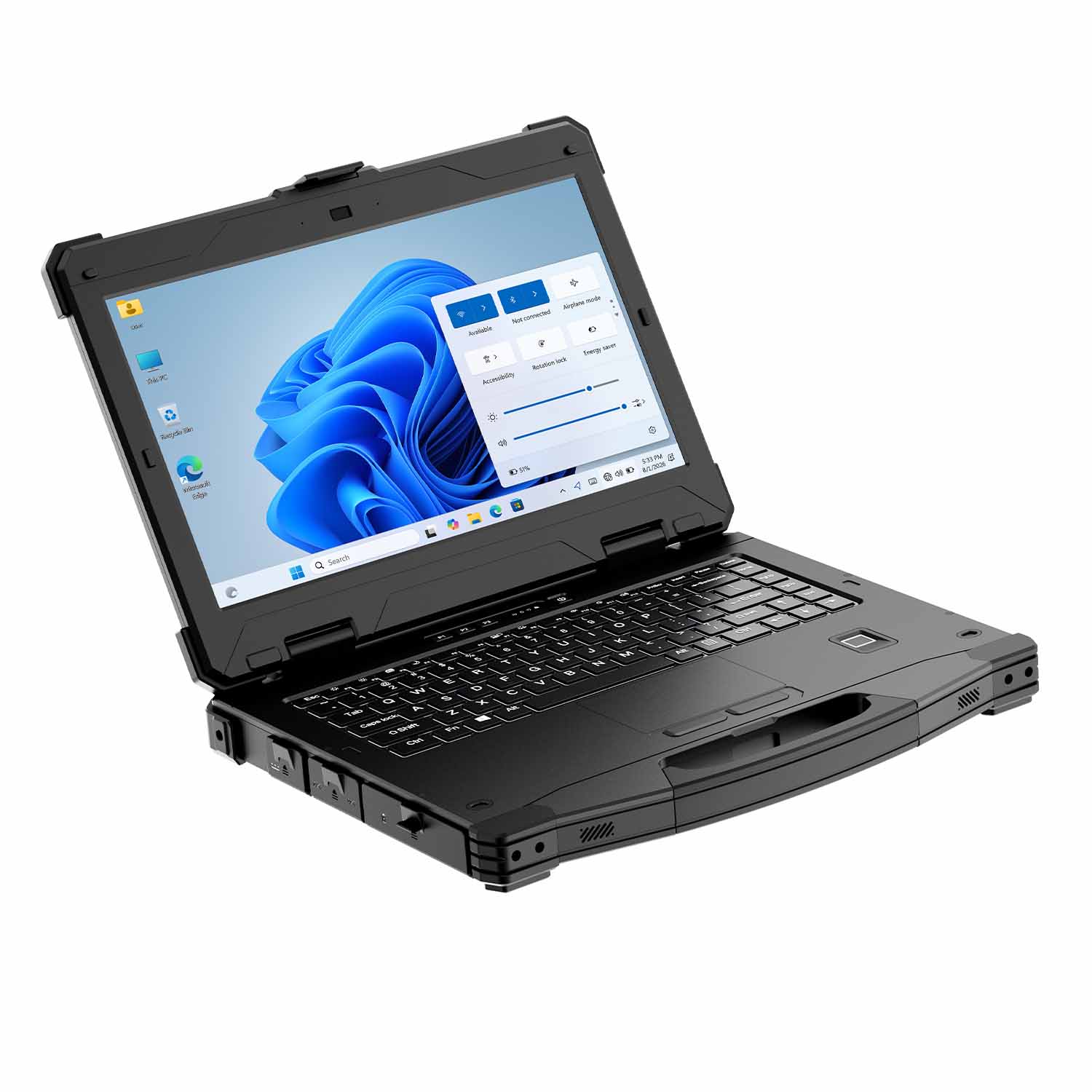
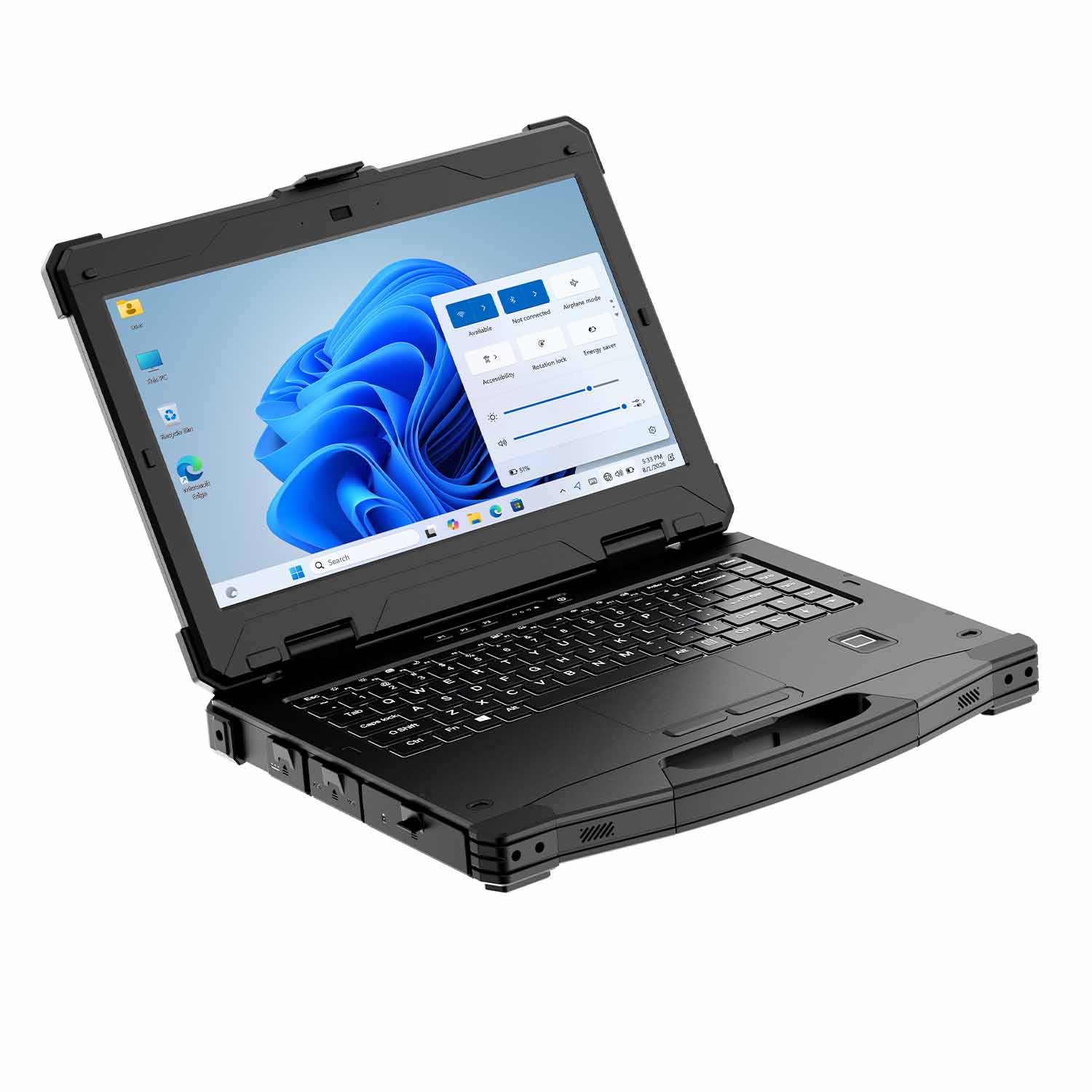
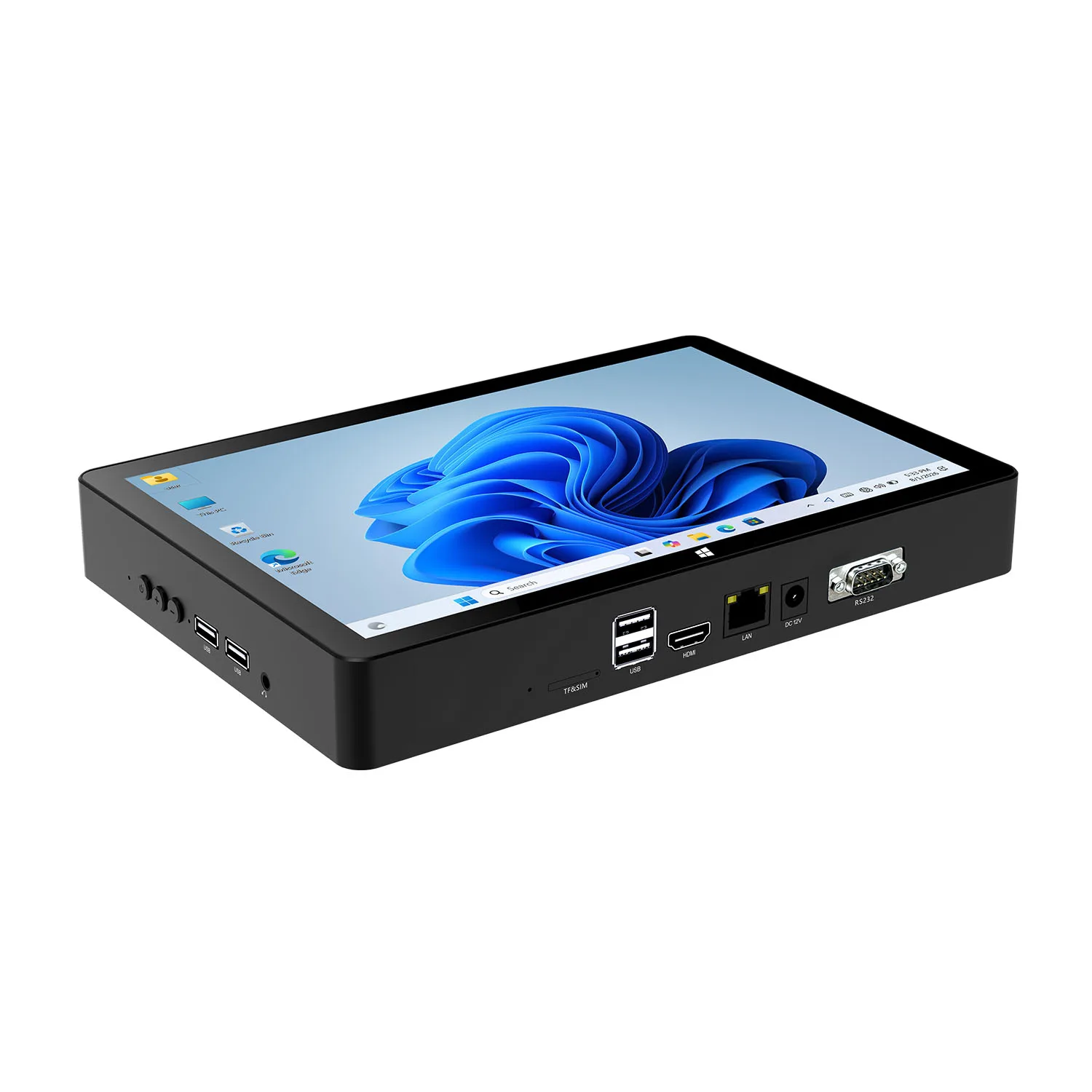
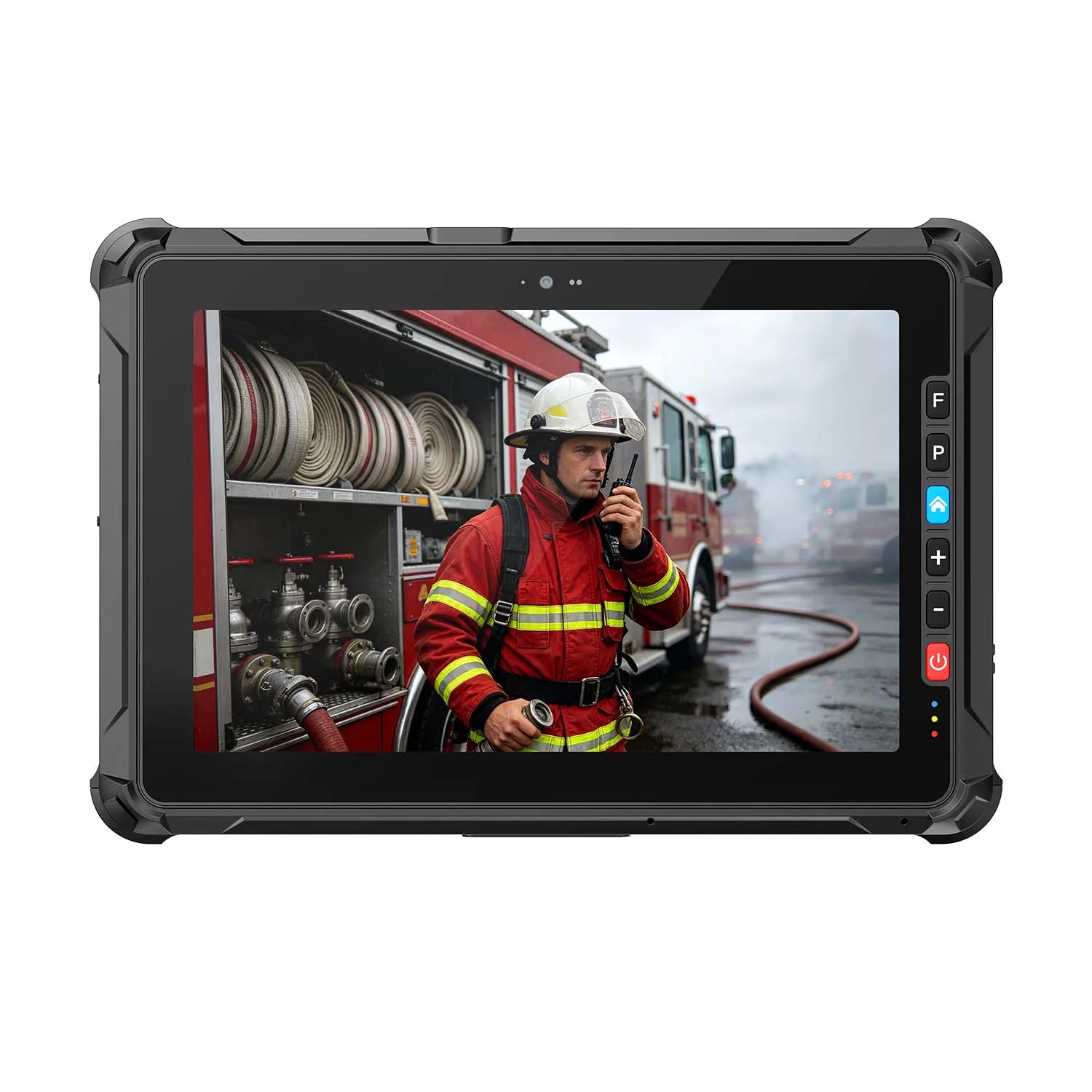
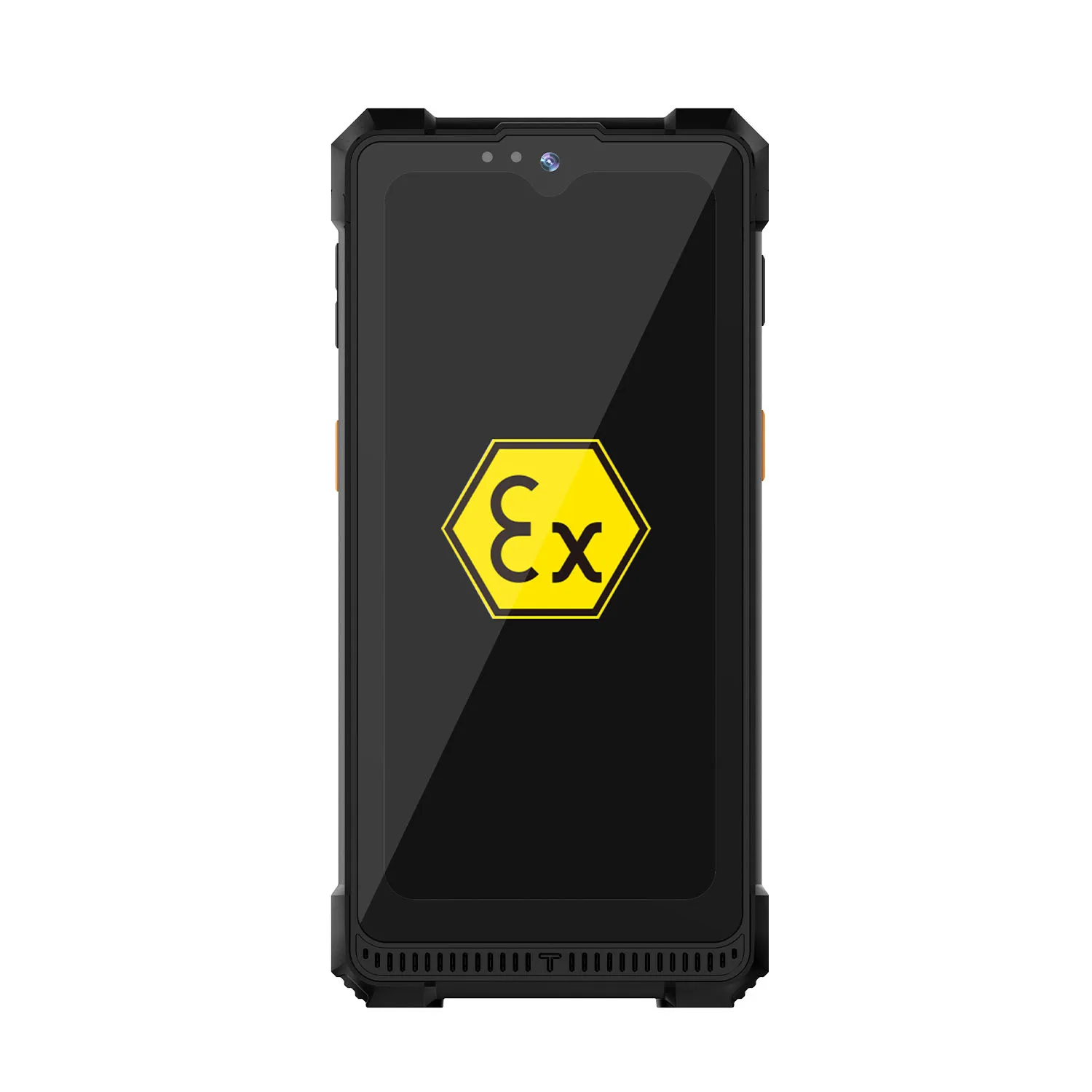
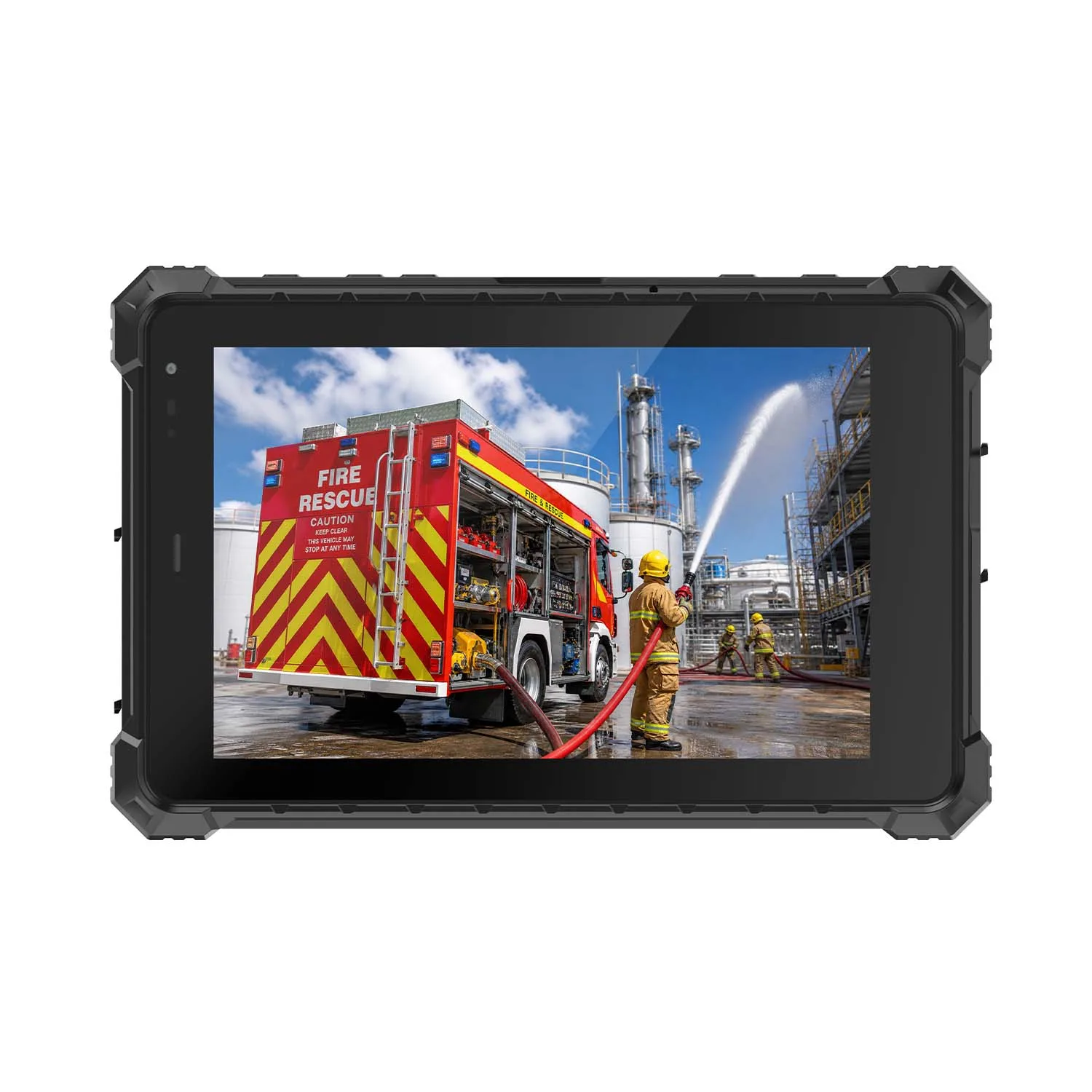
The original deployment used a CENAVA rugged PDA configured for RFID reading. For a similar exam-management deployment today, CENAVA's current-generation A10ST covers the same core requirements:RFID: Optional UHF/HF RFID modules for candidate credential reading
Identity verification: Optional fingerprint recognition (3 tiers) and ID card/passport reader with photo display
Connectivity: 4G LTE, Wi-Fi 5, for real-time sync with a backend exam management database
Protection: IP68, MIL-STD-810H, durable for repeated daily handling across exam centers
Battery: 10,000mAh (20,000mAh custom option) for full exam-day use
Why Choose CENAVA for Large-Scale Exam Management?
CENAVA is a professional rugged tablet manufacturer with 23 years of R&D experience and 700+ enterprise clients worldwide, including large-scale government and education deployments like WAEC's multi-country exam system. CENAVA's RFID and biometric-ready hardware is built to support exam integrity and operational efficiency at national scale, not just single-classroom use.
User Background
The West African Examinations Council (WAEC) holds annual unified examinations in its member countries (Nigeria, Ghana, Senegal, Liberia, Sierra Leone). Every spring and summer, approximately 2.2 million candidates take exams at 15000 test centers in Nigeria. The examination committee needs to formulate a series of plans for each region, such as the location, time, subjects, and frequency of the examination, and supervise and manage candidates. Due to the lack of an effective management system and monitoring mechanism, the work of the Examination Commission is complex and inefficient, and it is unable to prevent problems such as cheating and substitute examinations, which seriously affects the normal operation of the work of the West African Examination Commission.
Facing challenges
1. There is no system to record exam information such as exam subjects and times, making it difficult to develop reasonable exam arrangements for each region.
2. The invigilator needs to manually compare the photos on the paper with the examinee's real face to confirm that no one is taking the test, and these papers may be tampered with.
3. The system cannot automatically create exam records, which is not conducive to subsequent statistics and analysis.
Solution
By configuring Shenzhen to become a PDA, integrating RFID information reading and writing functions, and using mobile data communication functions to connect to the database backend system in real time, it can achieve systematic storage and management of data such as exam subjects, exam time, and location. It can intelligently identify candidates' identity information, effectively and accurately, helping invigilators accurately and quickly identify examiners, thereby preventing candidates from cheating, substituting, and other behaviors, Improve the fairness and authority of examinations.
Application effectiveness
1. A systematic management system for exam information has been constructed, which helps the exam committee plan and arrange exams in various regions in a comprehensive manner, and improves work efficiency.
2. Using PDA to intelligently identify the identity information of candidates effectively eliminates substitute exams and reduces the occurrence of cheating.
3. Facilitate the collection of reference personnel, reference number, and reference school data for the examination committee's reference to optimize the examination process.
4. Record the exam information of each candidate in detail, including the cheating behavior of reference personnel, to facilitate comprehensive evaluation of candidates.
5. The application of RFID technology eliminates the need for paper registration forms and saves costs.
Frequently Asked Questions
1. How does RFID help prevent exam impersonation?RFID-based candidate verification replaces slow manual photo-to-face comparison with fast digital identity confirmation, making it significantly harder for a substitute test-taker to sit an exam undetected.2. What CENAVA device would fit a similar exam management deployment today?
The A10ST covers the same core requirements as the original PDA deployment — optional RFID, fingerprint, and ID card modules, plus 4G/Wi-Fi connectivity for real-time backend sync.3. Can this system also help with exam logistics planning, not just identity checks?
Yes — the same system that digitizes candidate verification also supports structured recording of exam subjects, timing, and location data, helping coordinate exam arrangements across many regions from a central system.4. Does this reduce paperwork costs at scale?
Yes — RFID-based digital verification eliminated the need for paper registration forms across this deployment's scale, in addition to reducing fraud-related costs from impersonation.5. Can CENAVA customize a device for a national or multi-country exam management system?
Yes — as an OEM/ODM manufacturer with experience in large-scale deployments like this one, CENAVA can configure RFID, biometric, and connectivity modules to match a national exam commission's specific requirements; send your candidate volume, venue count and verification workflow, and we'll propose a device configuration.
Conclusion
At national scale, exam integrity depends on fast, accurate candidate verification and reliable exam-data management — problems that paper-based systems struggle to solve. CENAVA's RFID-enabled rugged PDA gave the West African Examinations Council a digital alternative that cut impersonation risk and streamlined exam logistics across millions of candidates, and CENAVA's current A10ST platform brings the same core capability to new deployments today.📩 Contact CENAVA today to discuss a rugged, RFID-enabled solution for your exam management or identity verification system.Need a Rugged Device for Your Project?
Tell us your operating environment and requirements — our engineers will recommend a configuration and quote within 24 hours.
Get a Free Quote Back to Blog