






IP65 vs IP67 vs IP68 Rugged Tablets: How to Choose the Right Protection Level
IP65, IP67 and IP68 all mean a device is fully dust-tight — the difference is water resistance only. IP65 resists low-pressure water jets from any direction; IP67 survives accidental submersion up to 1 meter for 30 minutes; IP68 is rated for continuous submersion beyond 1 meter, for a duration the manufacturer defines. For most field, warehouse, and outdoor work, IP67 is the practical minimum — for wash-down, marine, or heavy-rain environments, choose IP68.
What Does the IP Rating Number Actually Mean?
An IP (Ingress Protection) rating is a two-digit code defined by IEC 60529. The first digit rates protection against solids (dust, sand, tools, fingers); the second digit rates protection against liquids. For rugged tablets, the first digit is almost always 6 (fully dust-tight), so the second digit is what buyers should compare.
| Digit | Meaning for rugged tablets |
|---|---|
| 6 (first digit) | Completely dust-tight — no ingress of dust after 8 hours in a dust chamber |
| 5 (second digit) | Protected against low-pressure water jets (6.3 mm nozzle, 12.5 L/min, any direction, 3 minutes) |
| 7 (second digit) | Protected against temporary immersion in up to 1 m of water for 30 minutes |
| 8 (second digit) | Protected against continuous immersion beyond 1 m; exact depth/time set by the manufacturer |
Clear answer: IP68 is not automatically "better" for every use case — it is better for submersion. A device tested only for submersion (IP67/IP68) is not automatically certified against pressurized jet spray (the IP65 test), because the two use different test methods. In practice most CENAVA rugged tablets are engineered to withstand both, but if your workflow involves pressure washing (e.g. food processing, meat plants), always confirm the jet-spray rating separately rather than assuming it from the submersion number.
IP65 vs IP67 vs IP68: Side-by-Side Comparison
| IP65 | IP67 | IP68 | |
|---|---|---|---|
| Dust protection | Full | Full | Full |
| Water protection | Low-pressure jets, all directions | Immersion to 1 m / 30 min | Continuous immersion beyond 1 m |
| Test method | Nozzle spray, 3 min | Static water tank | Static water tank, deeper/longer |
| Typical scenario | Splashes, hose-down cleaning | Rain, puddles, brief drops in water | Submersion, monsoon, marine spray, pressure washing |
| Best-fit industries | Food processing, healthcare, cleanrooms | Logistics, construction, field service | Agriculture, mining, oil & gas, marine, cold storage |
| Relative cost impact | Lowest | Moderate | Highest (reinforced seals, gaskets) |
Clear answer: If your team works outdoors year-round or near standing water, IP67 is the minimum you should accept — don't settle for IP65 alone. If the device will be hosed down, dropped in puddles repeatedly, or used in humid coastal/marine conditions, upgrade to IP68.
How to Choose by Industry
Warehousing, cold storage & logistics — Condensation, hose-down floors, and forklift vibration call for IP67 or IP68 plus MIL-STD-810 drop resistance. (See CENAVA's real deployment: Warehousing and cold storage transportation and logistics forklift)
Agriculture & ranching — Rain, mud, and animal fluids demand IP68. (See: Information management of a ranch in Inner Mongolia)
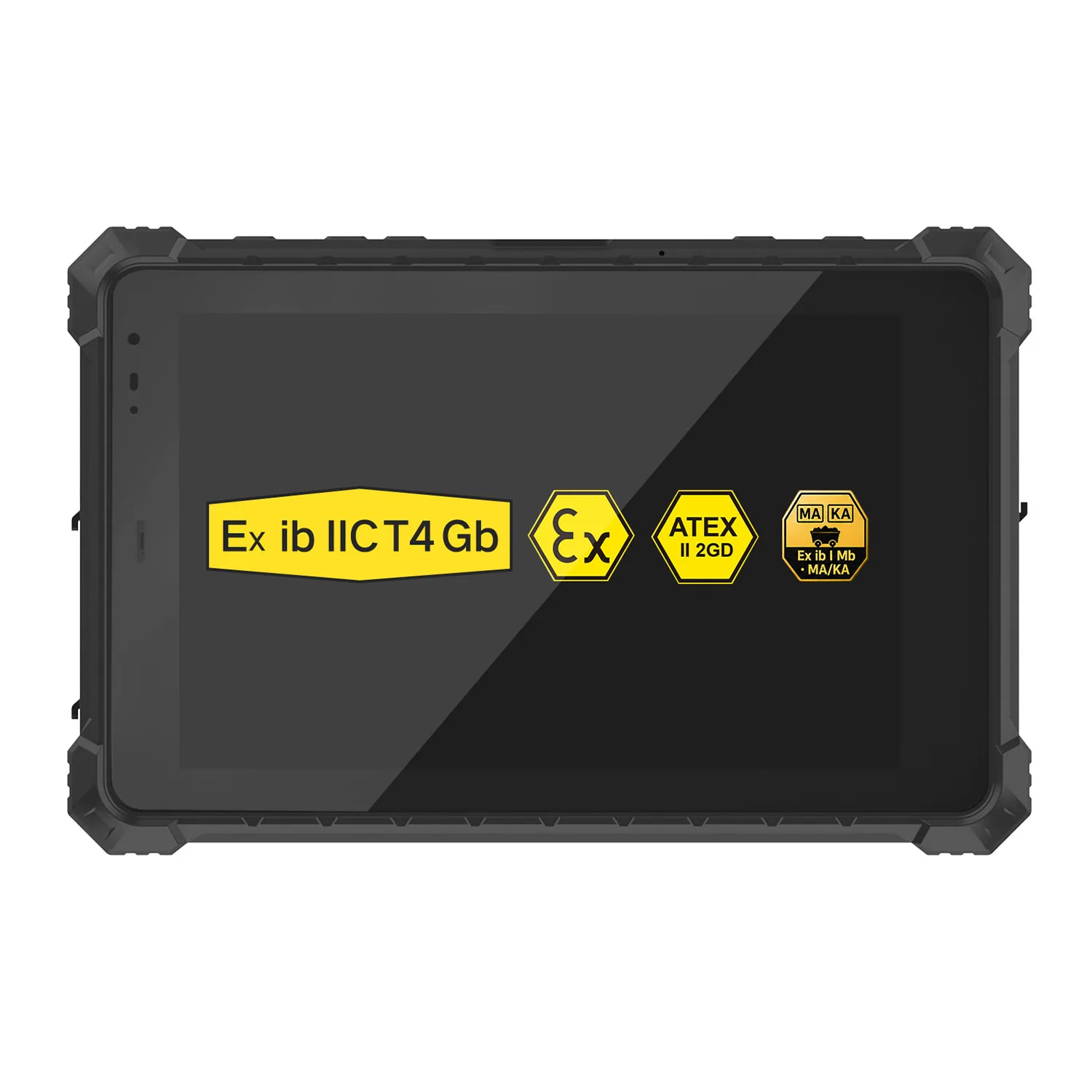
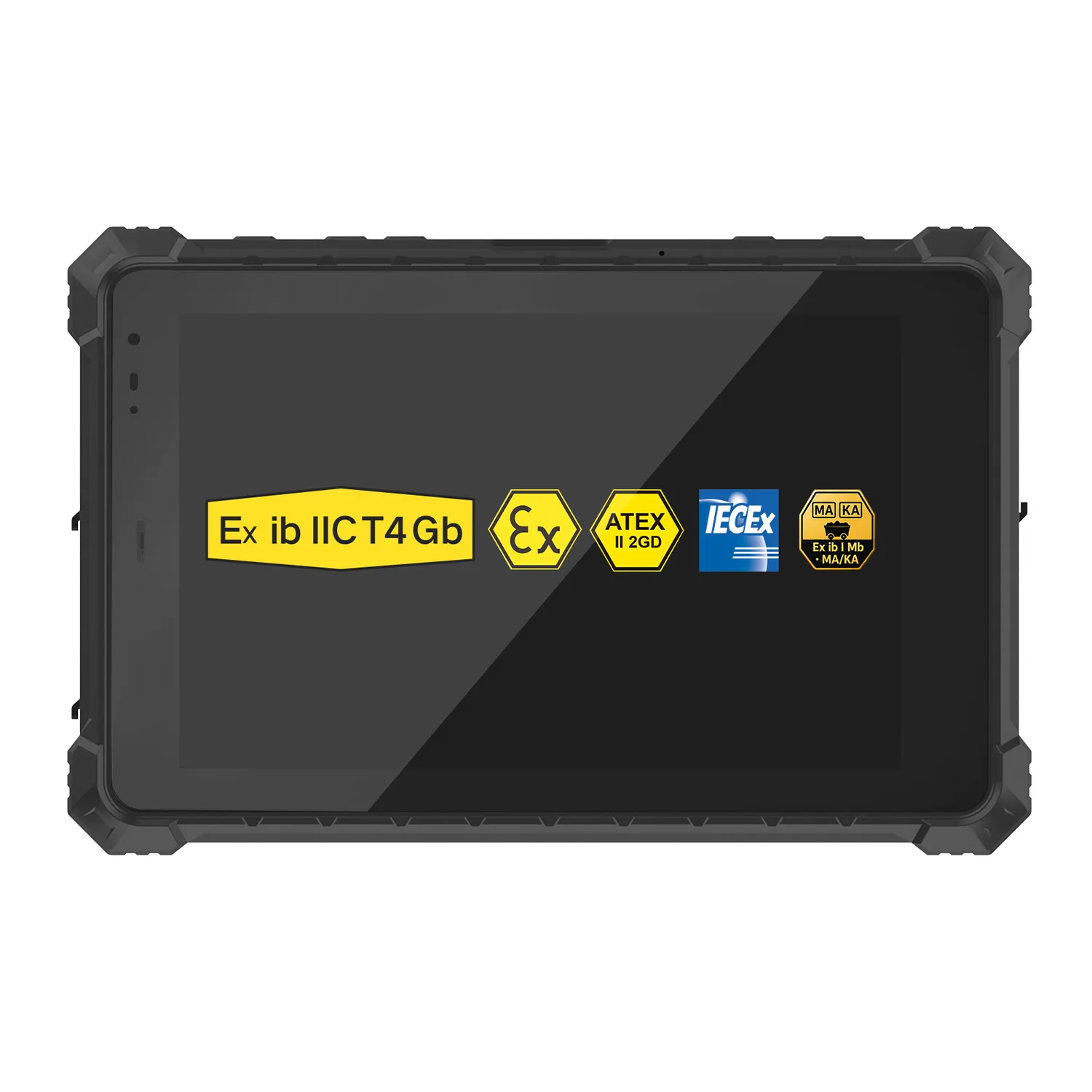
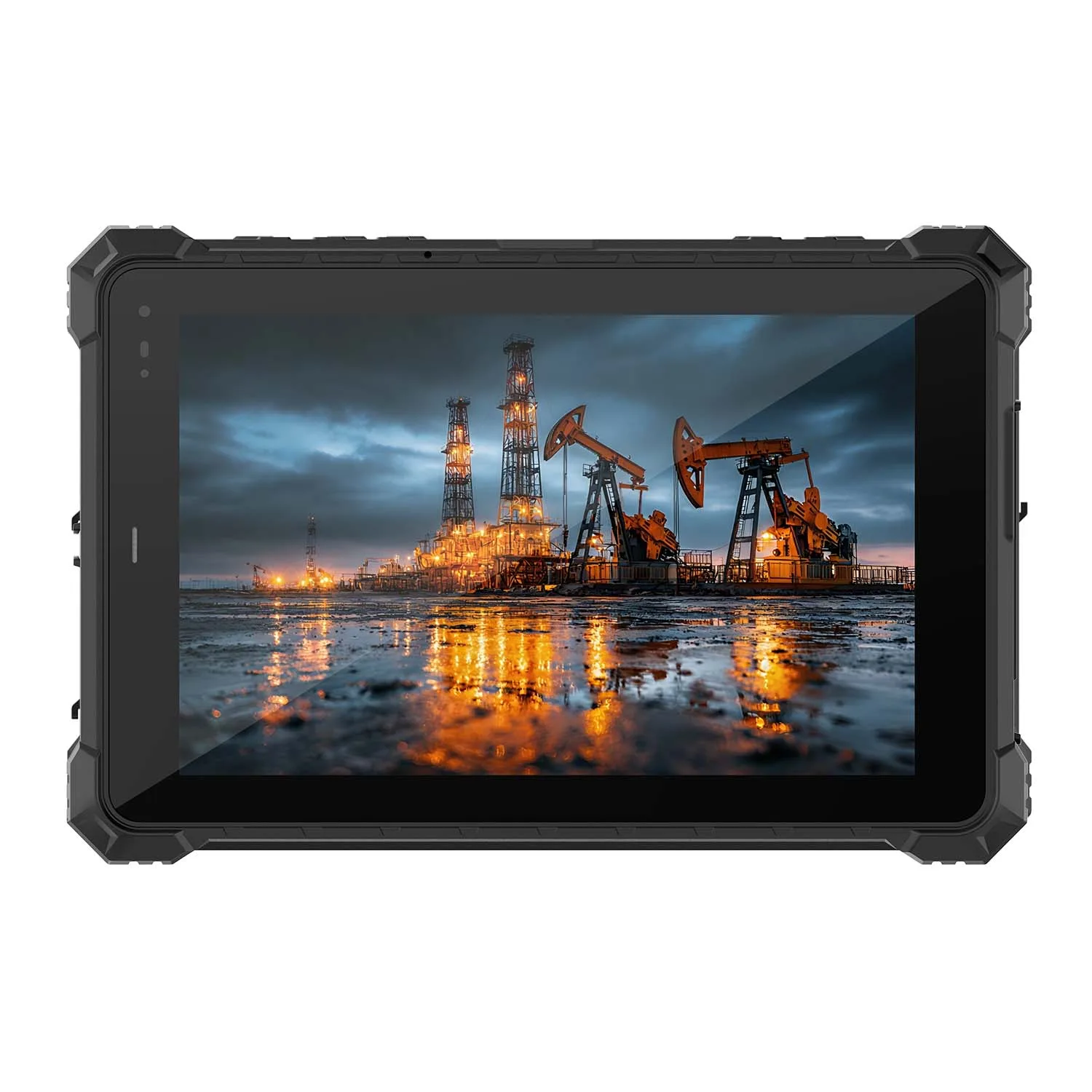
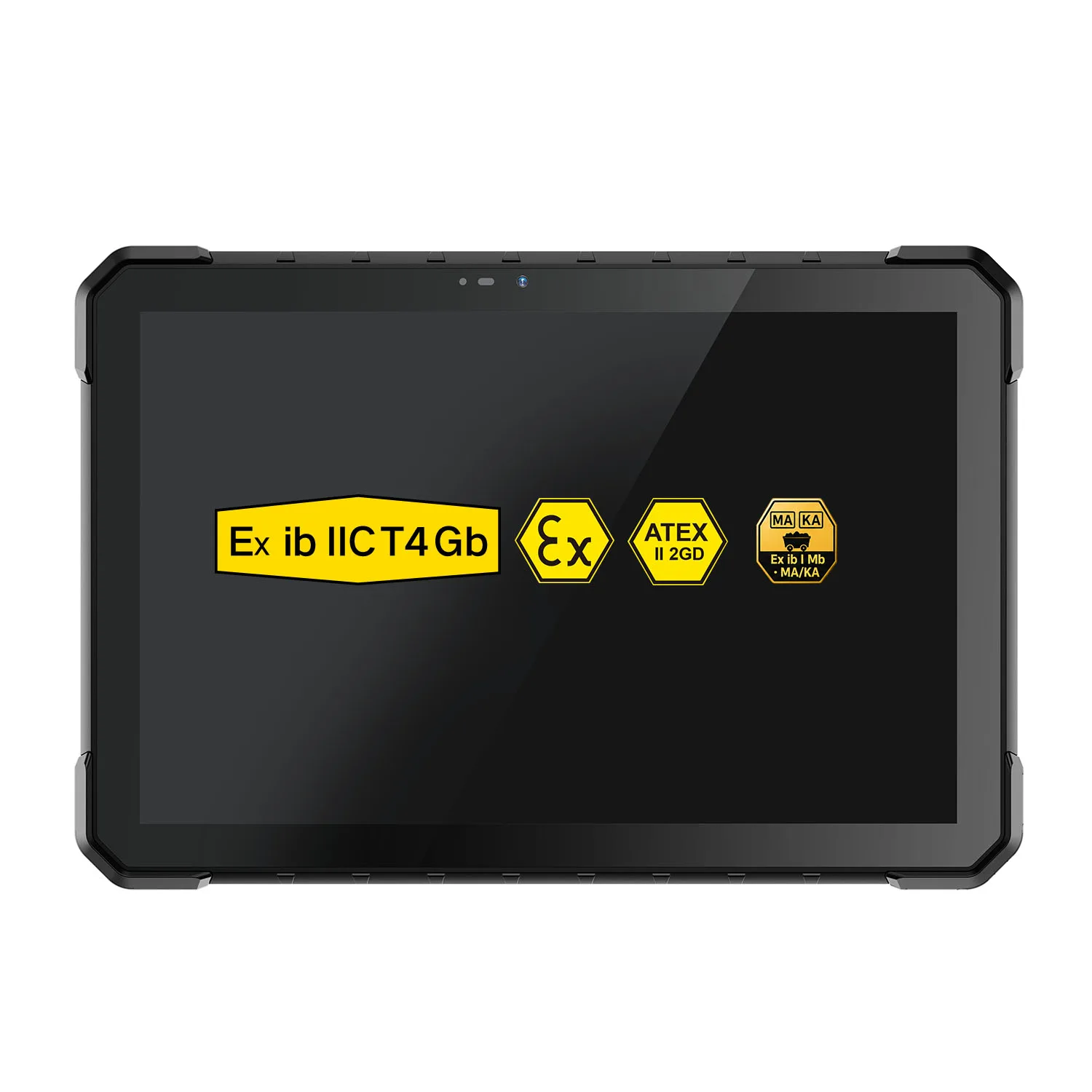
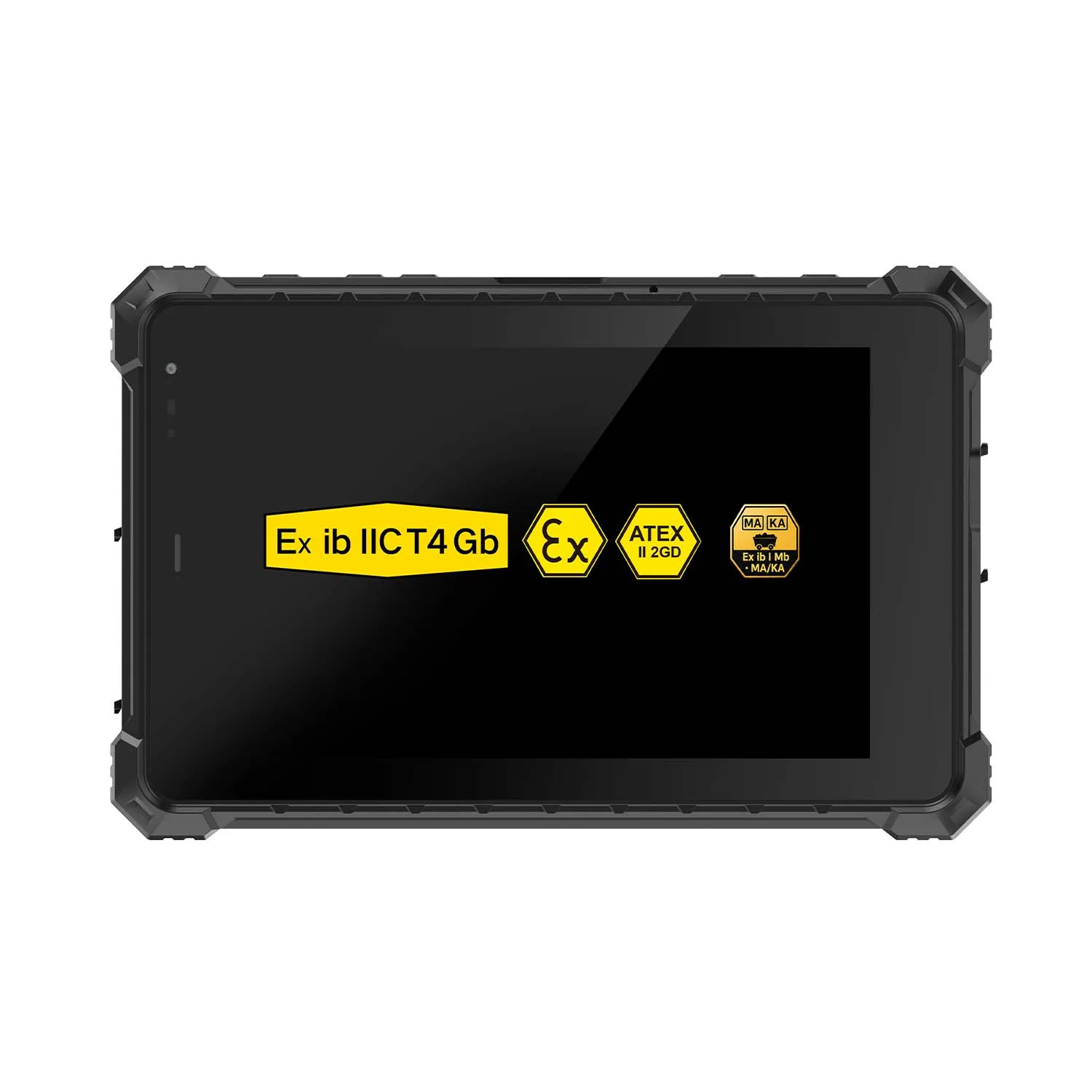
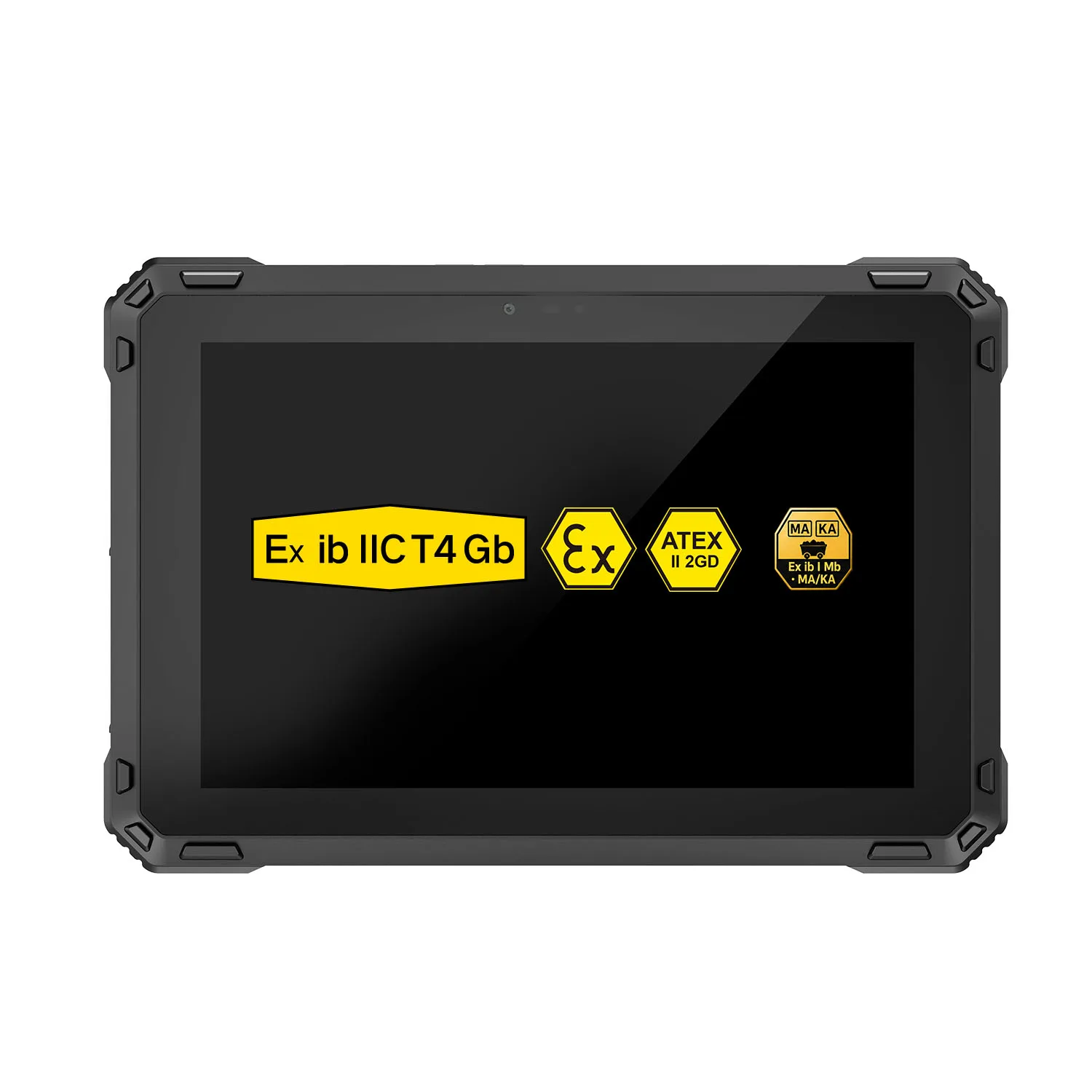
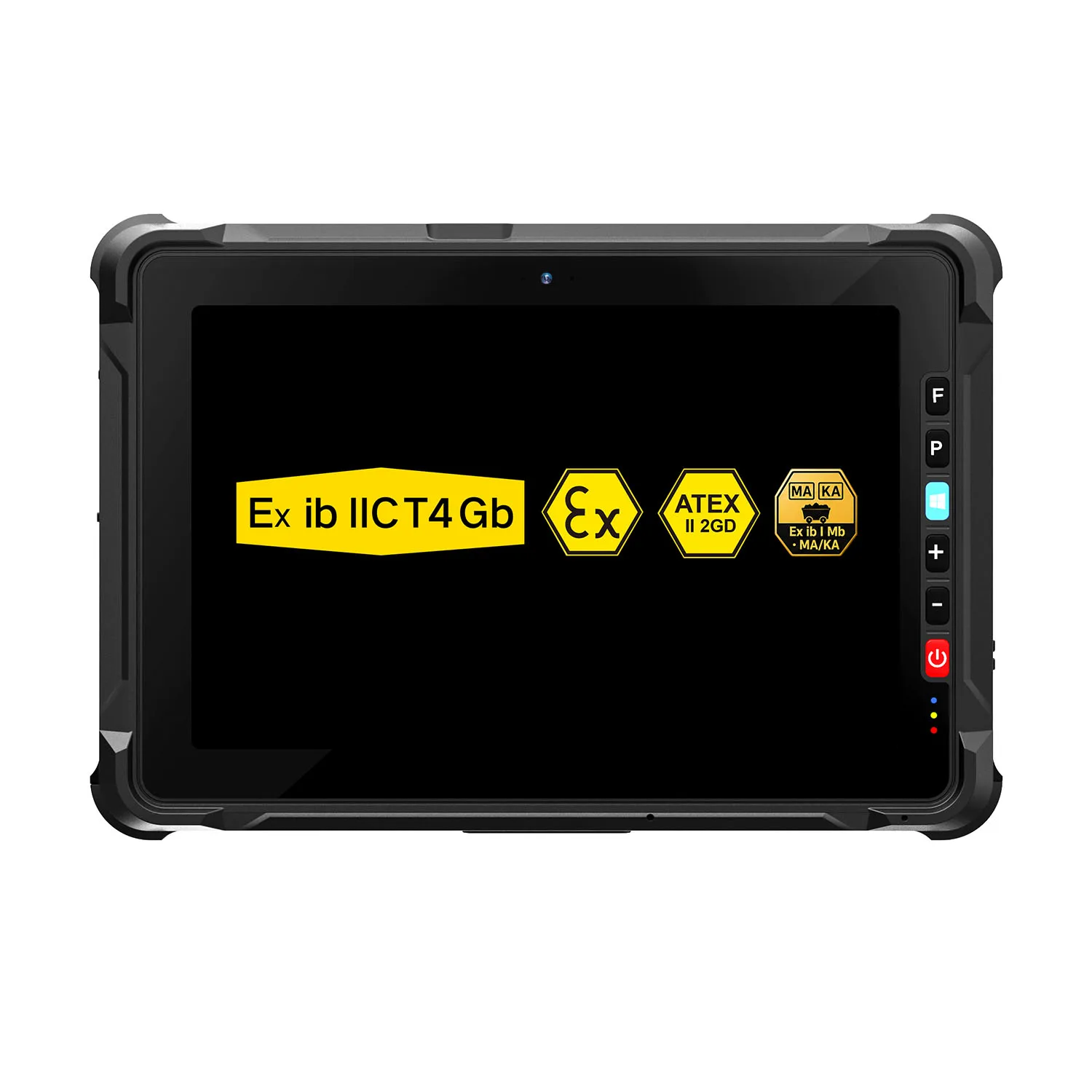
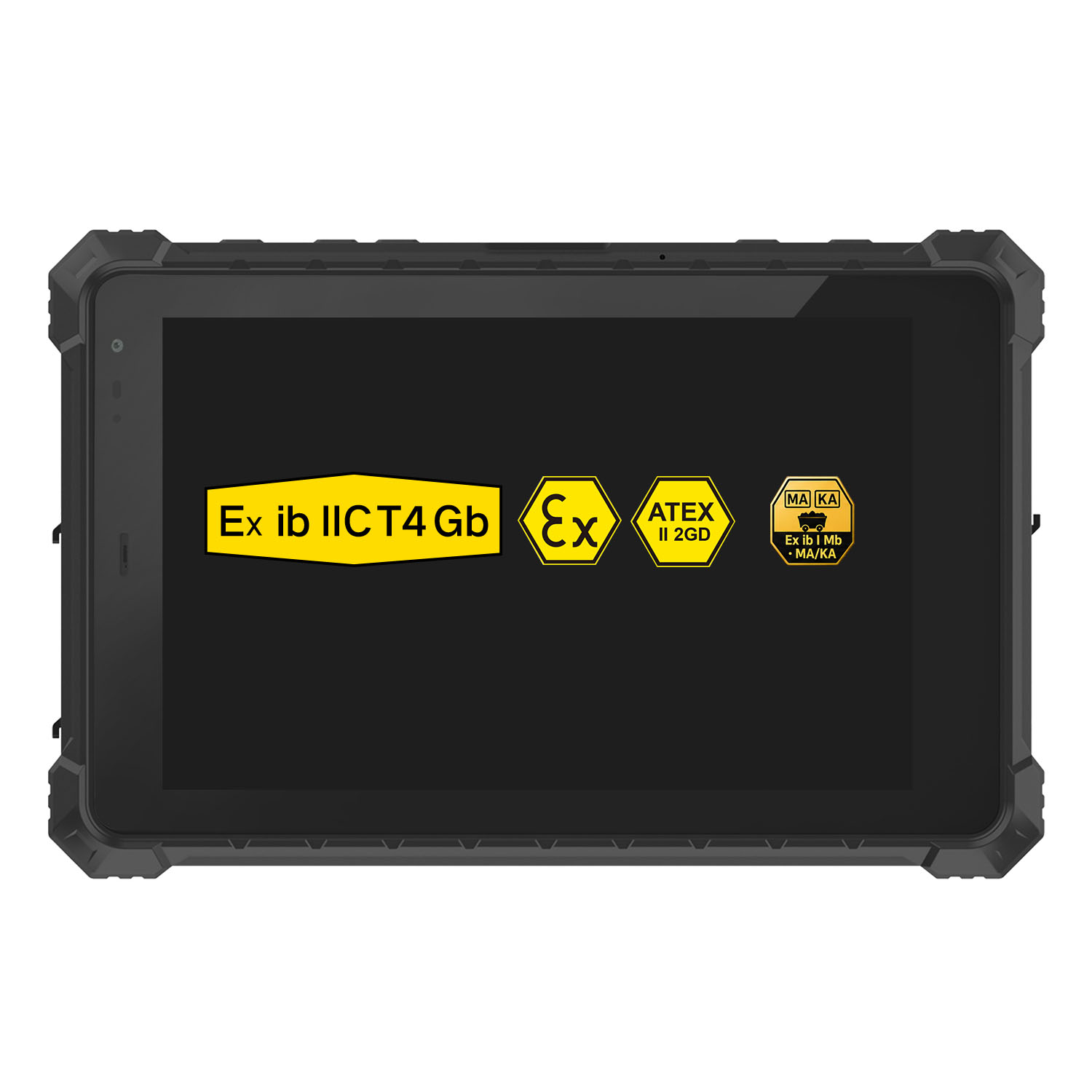
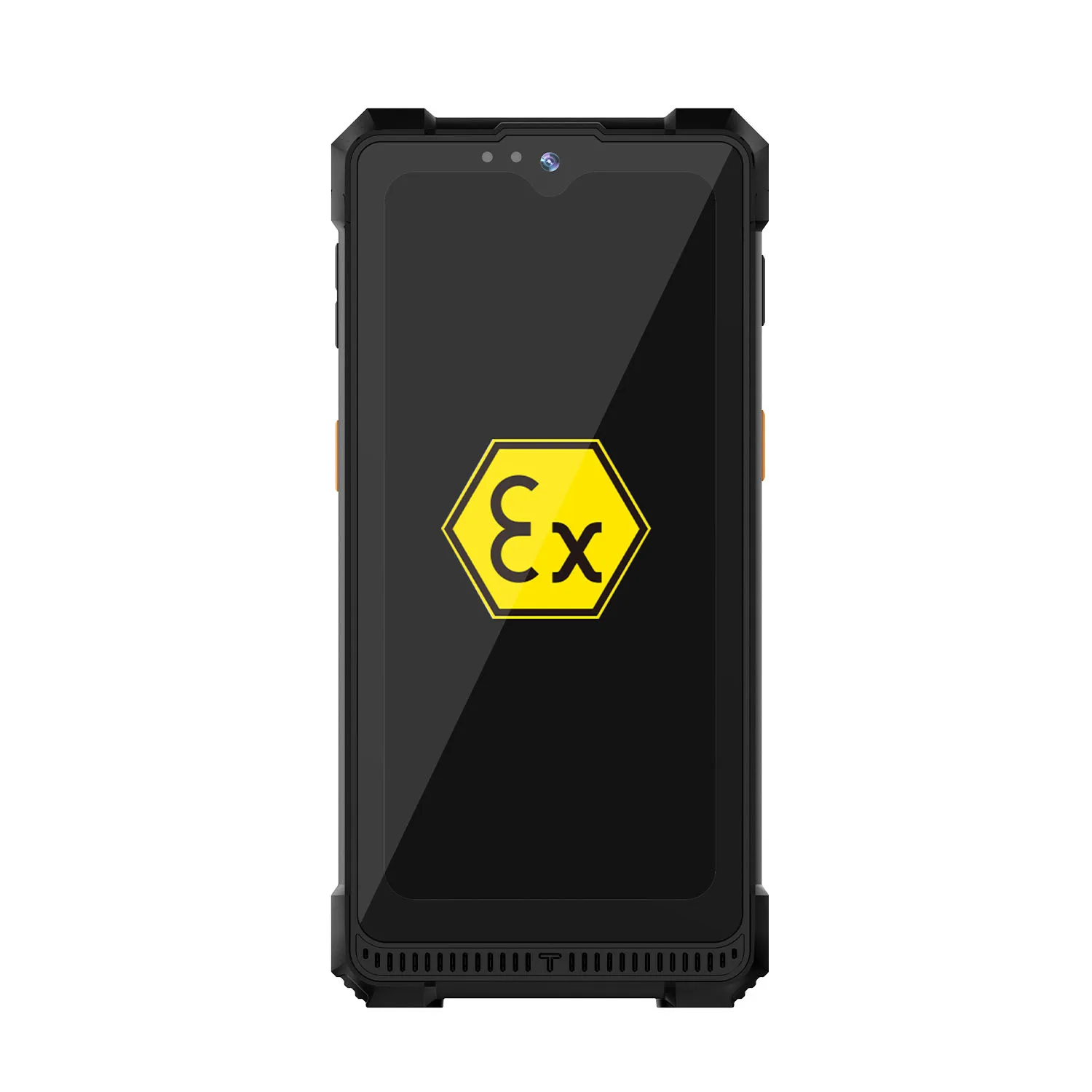
Oil & gas, mining, energy inspection — Outdoor exposure plus explosive-atmosphere risk require IP68 + ATEX/IECEx explosion-proof certification. (See: Inspection management of explosion-proof equipment in oil field and CENAVA's ATEX & IECEx explosion-proof rugged devices)
Food processing & healthcare — Frequent chemical wash-down favors IP65 as a baseline, though many facilities now specify IP67 for extra margin.
Manufacturing & automotive diagnostics — Dust and occasional coolant/oil splashes are well covered by IP67. (See: SAIC-GM-Wuling Hongguang automotive diagnostics)
CENAVA Rugged Tablet Models by Protection Level
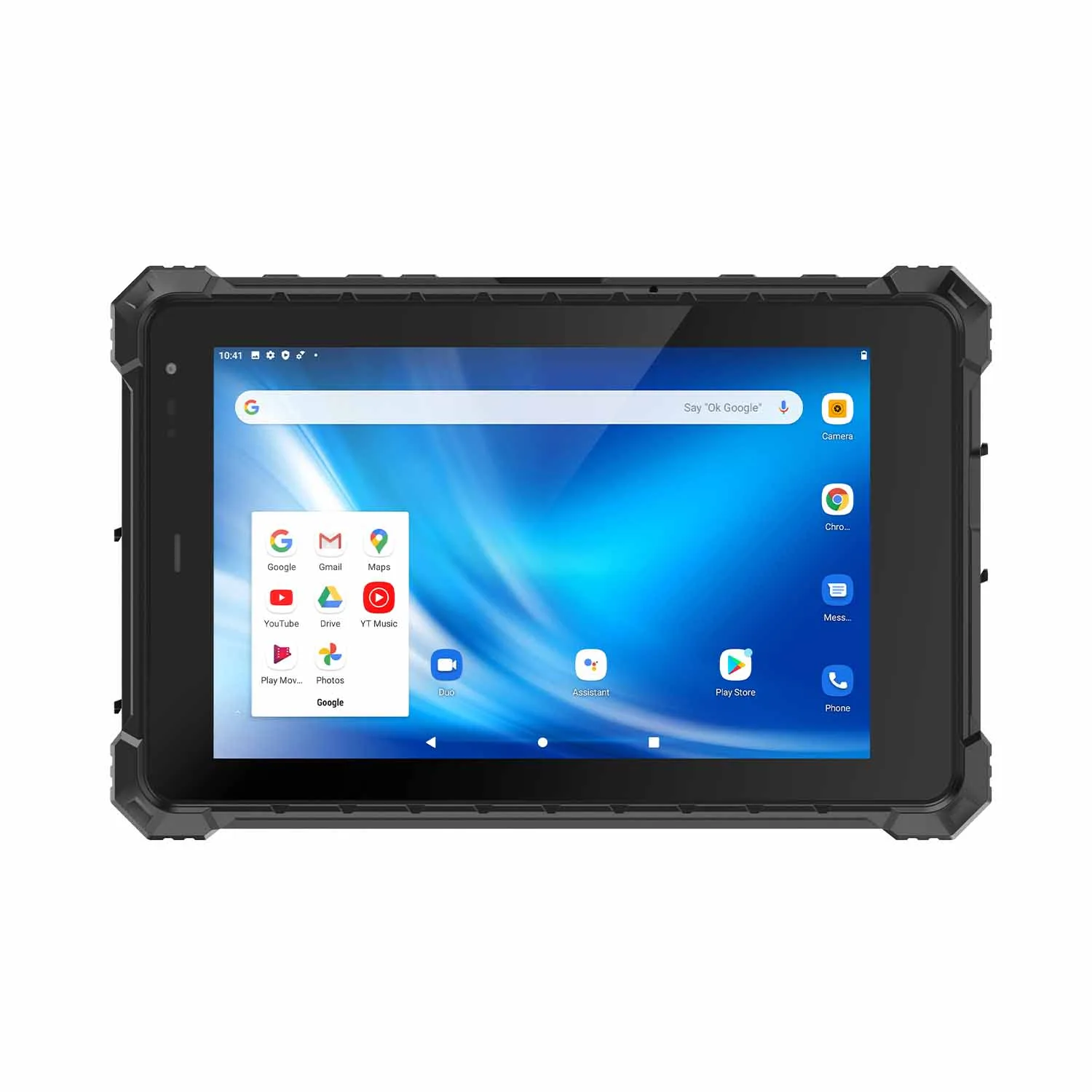
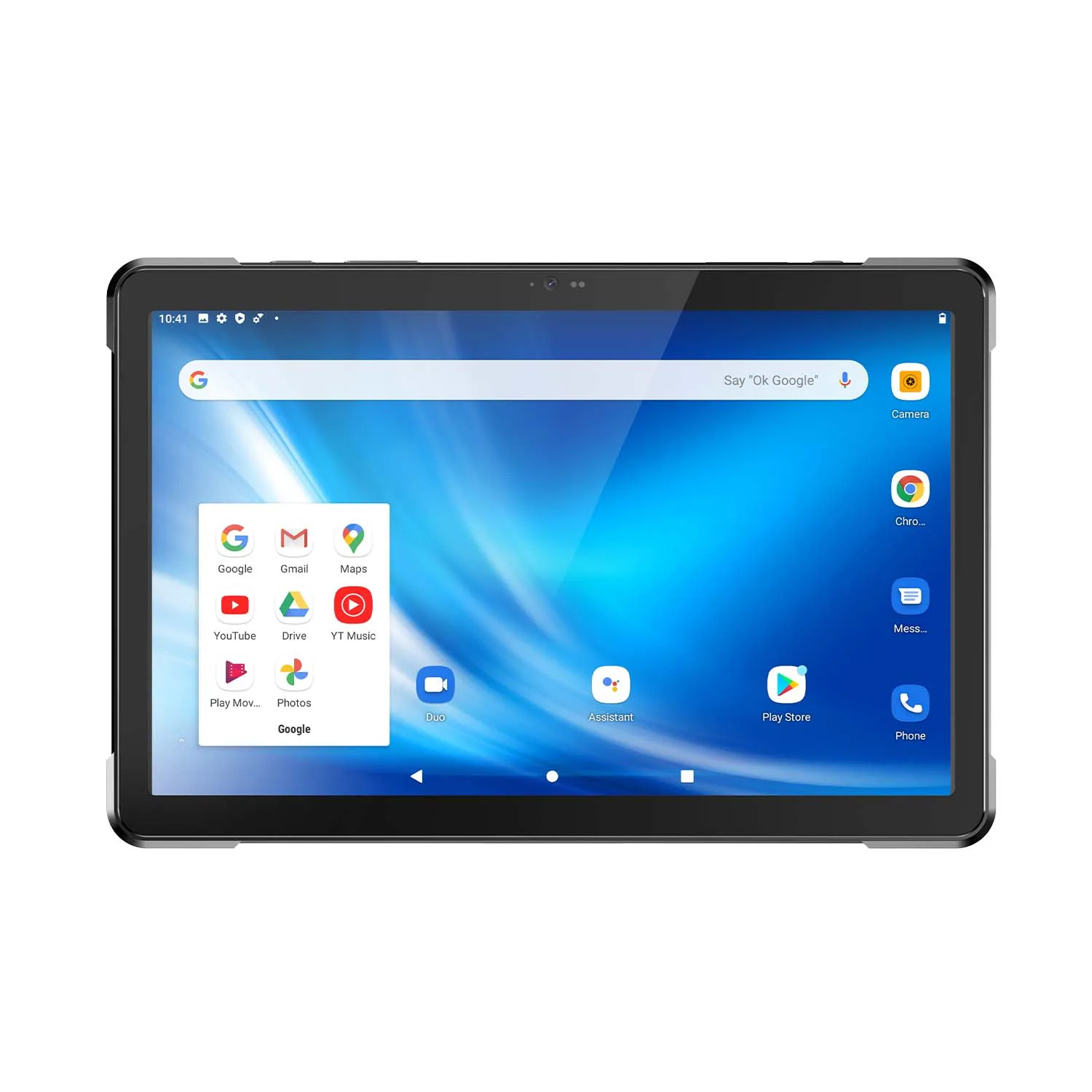
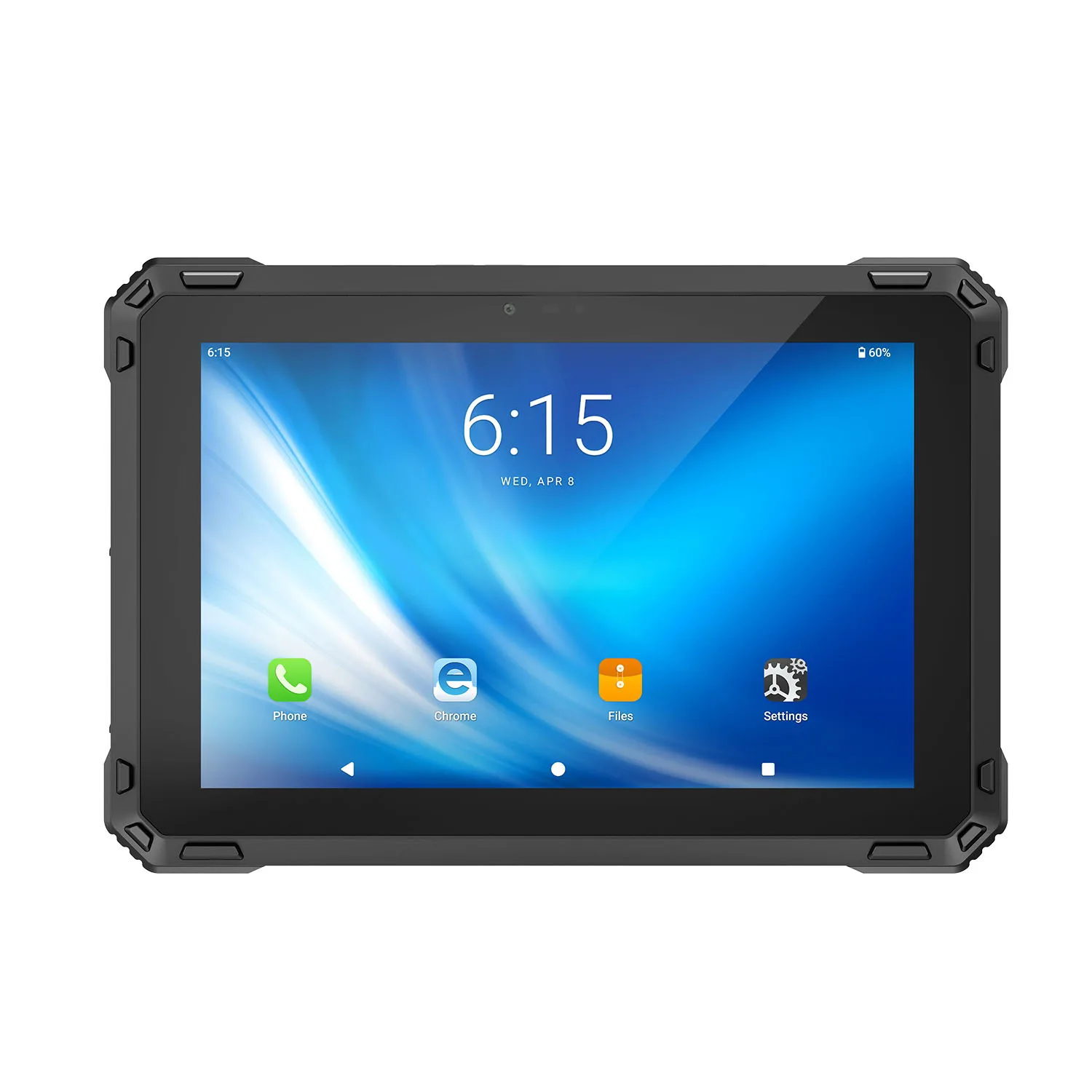
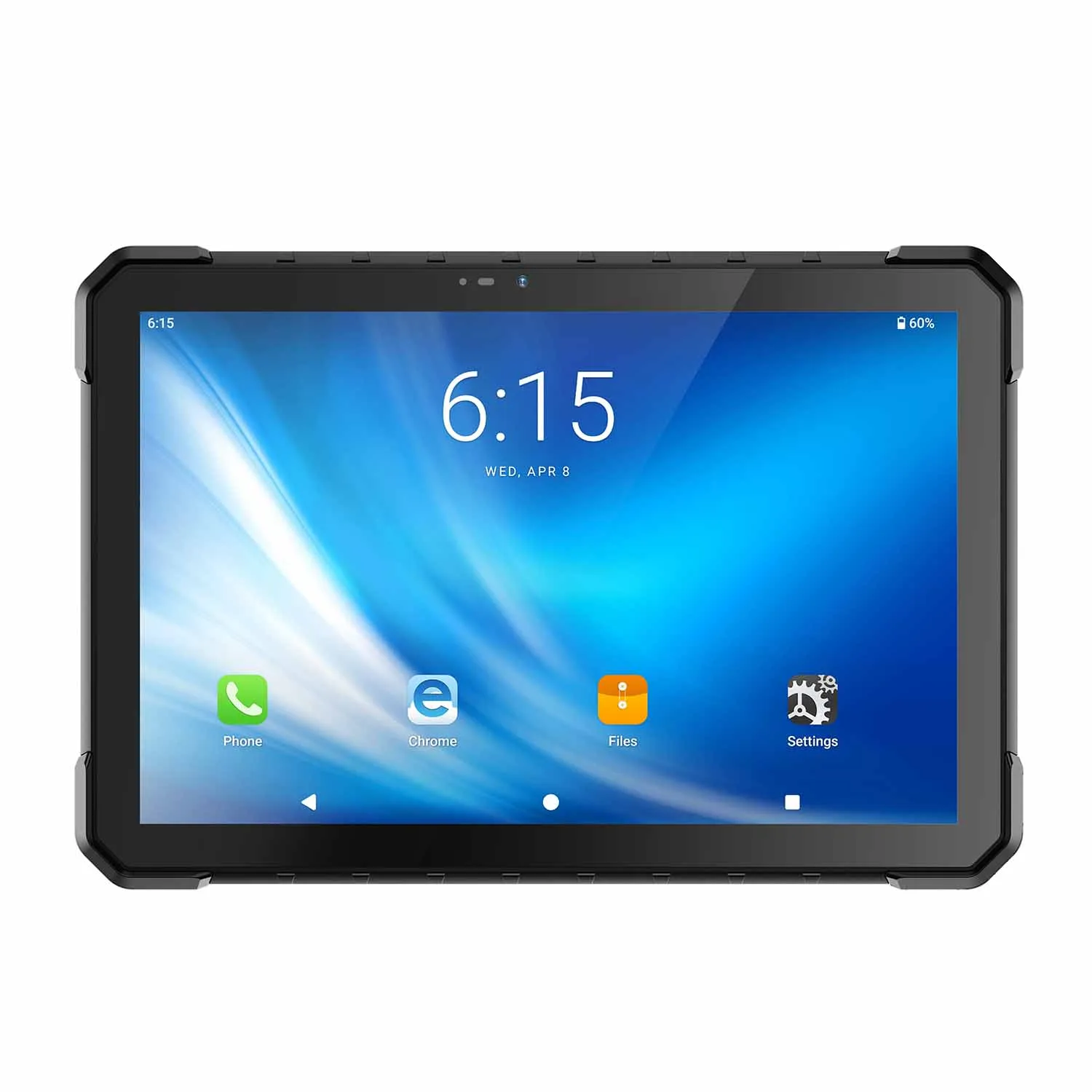
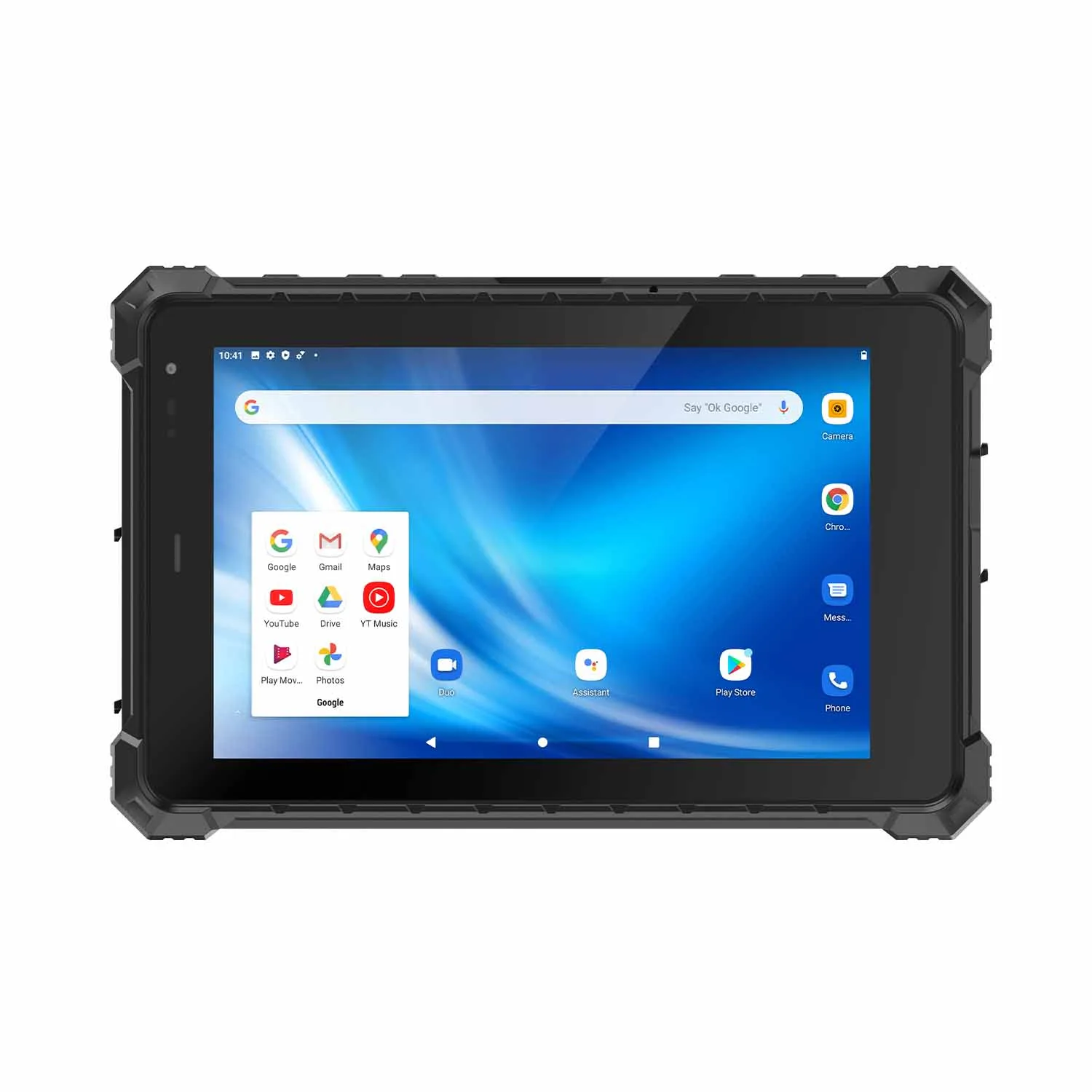
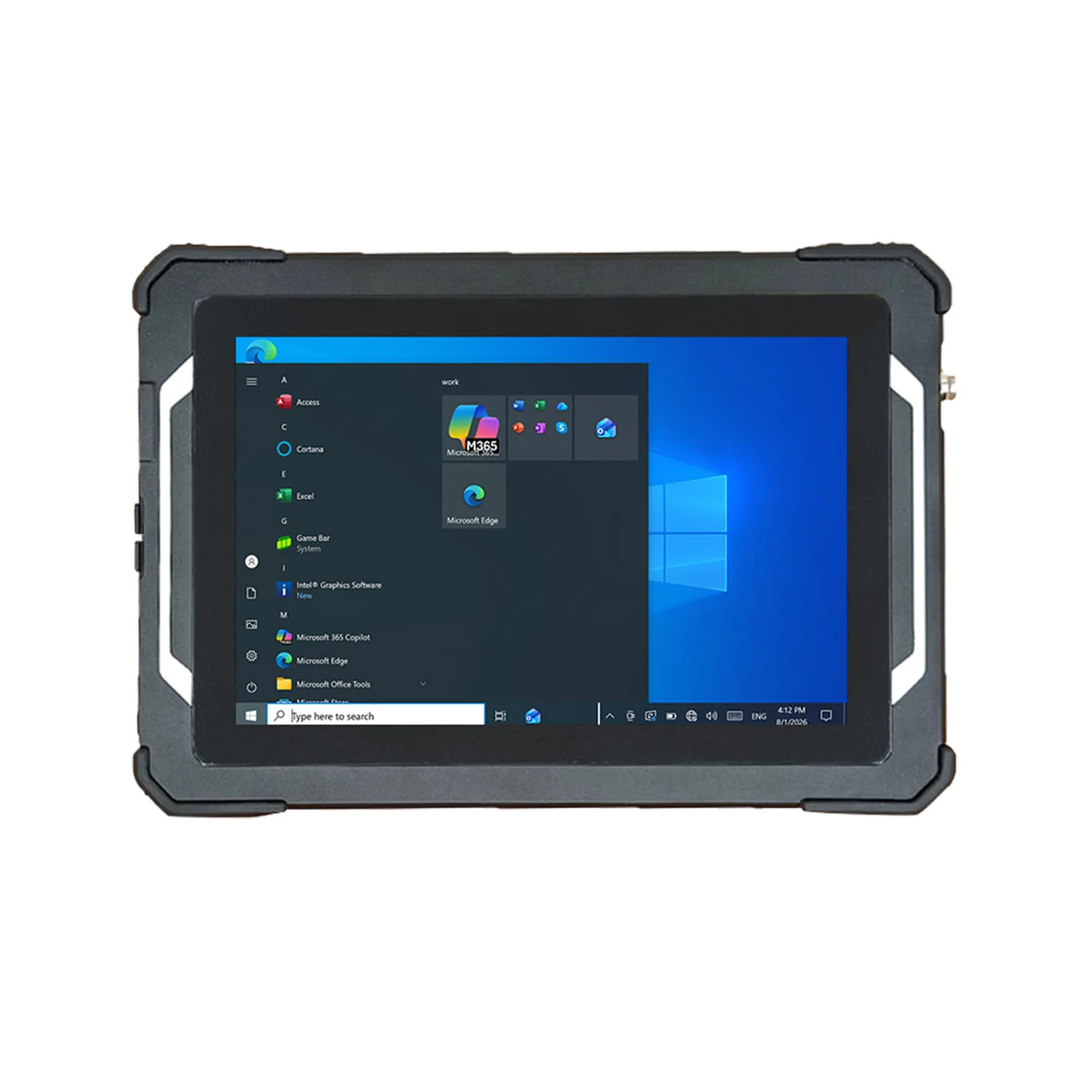
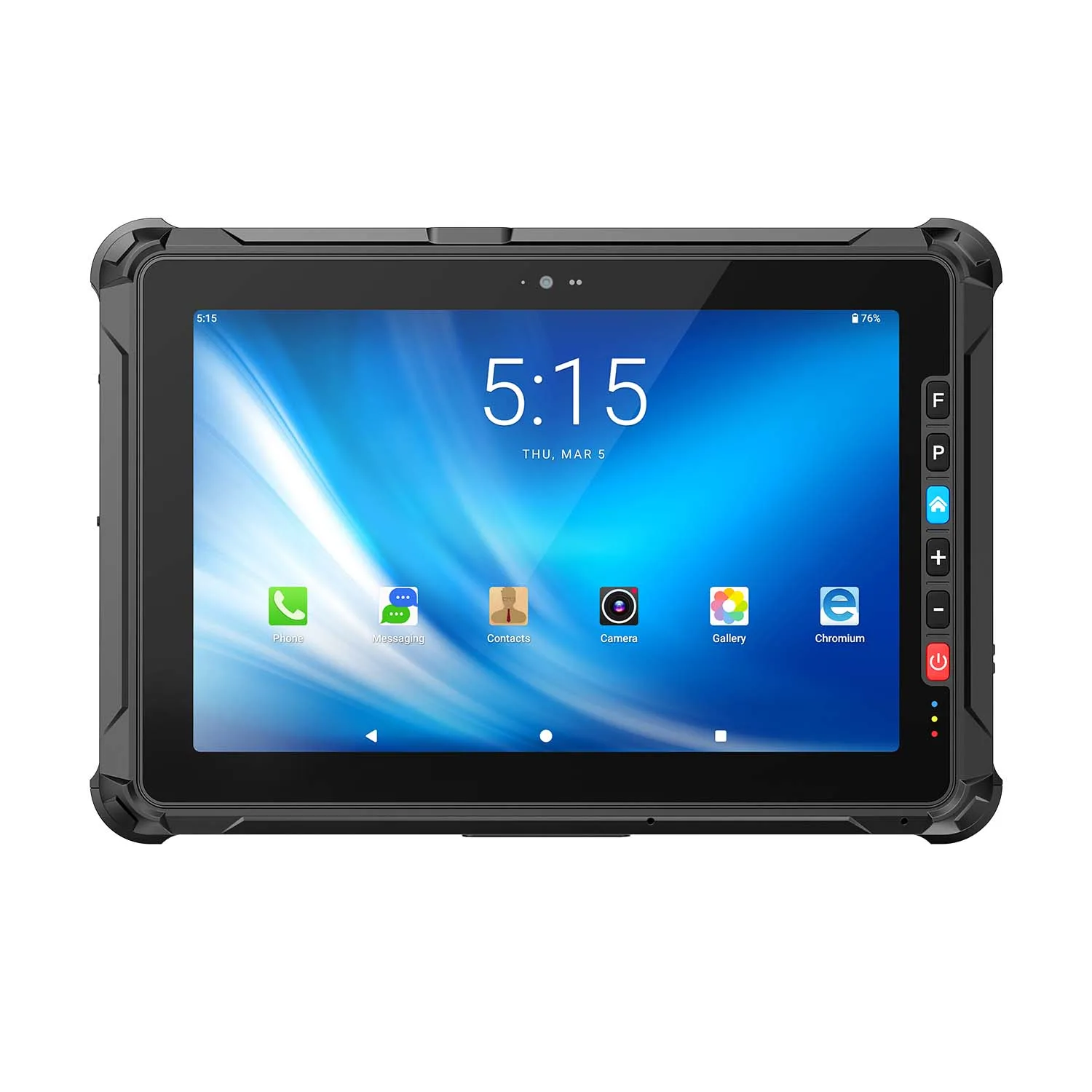
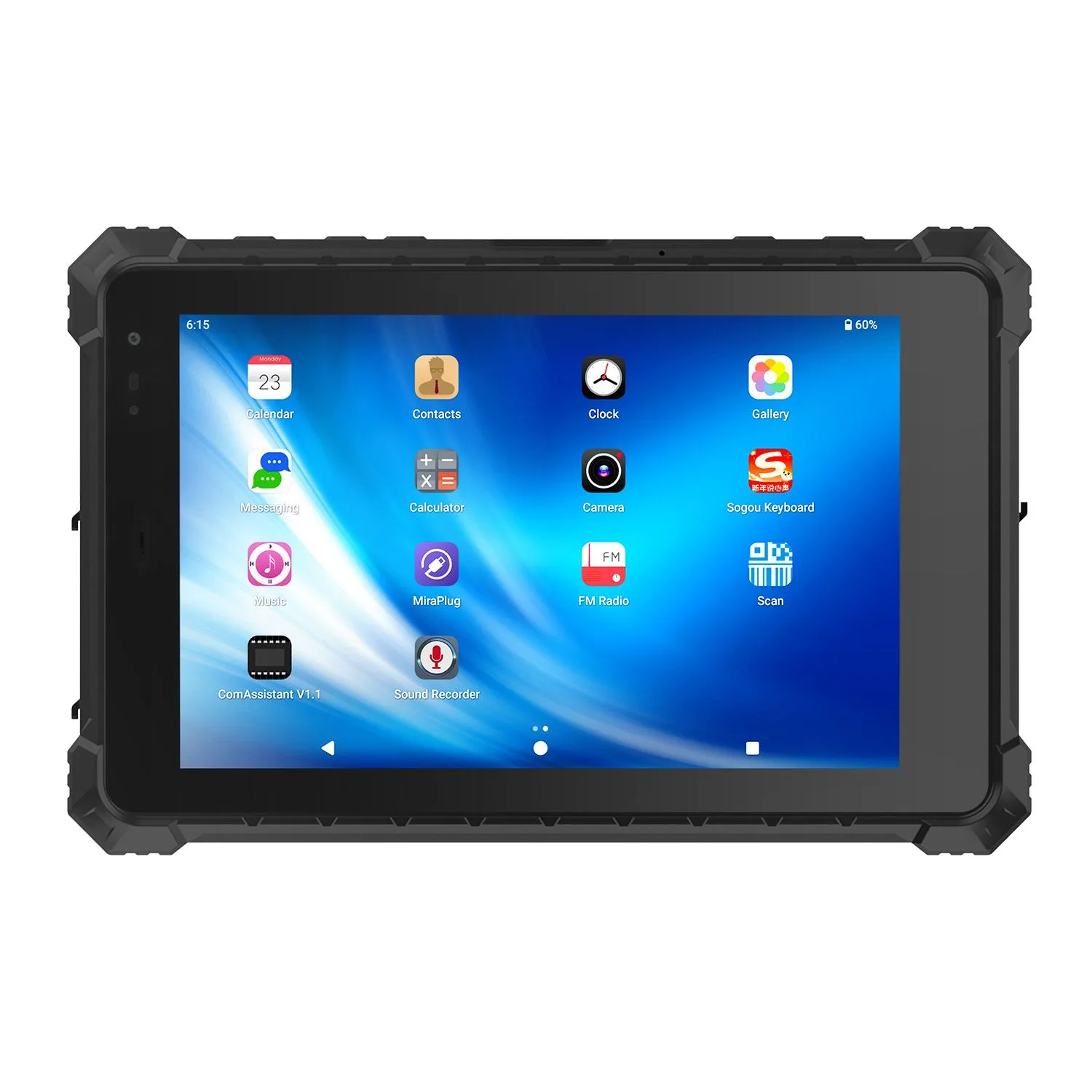
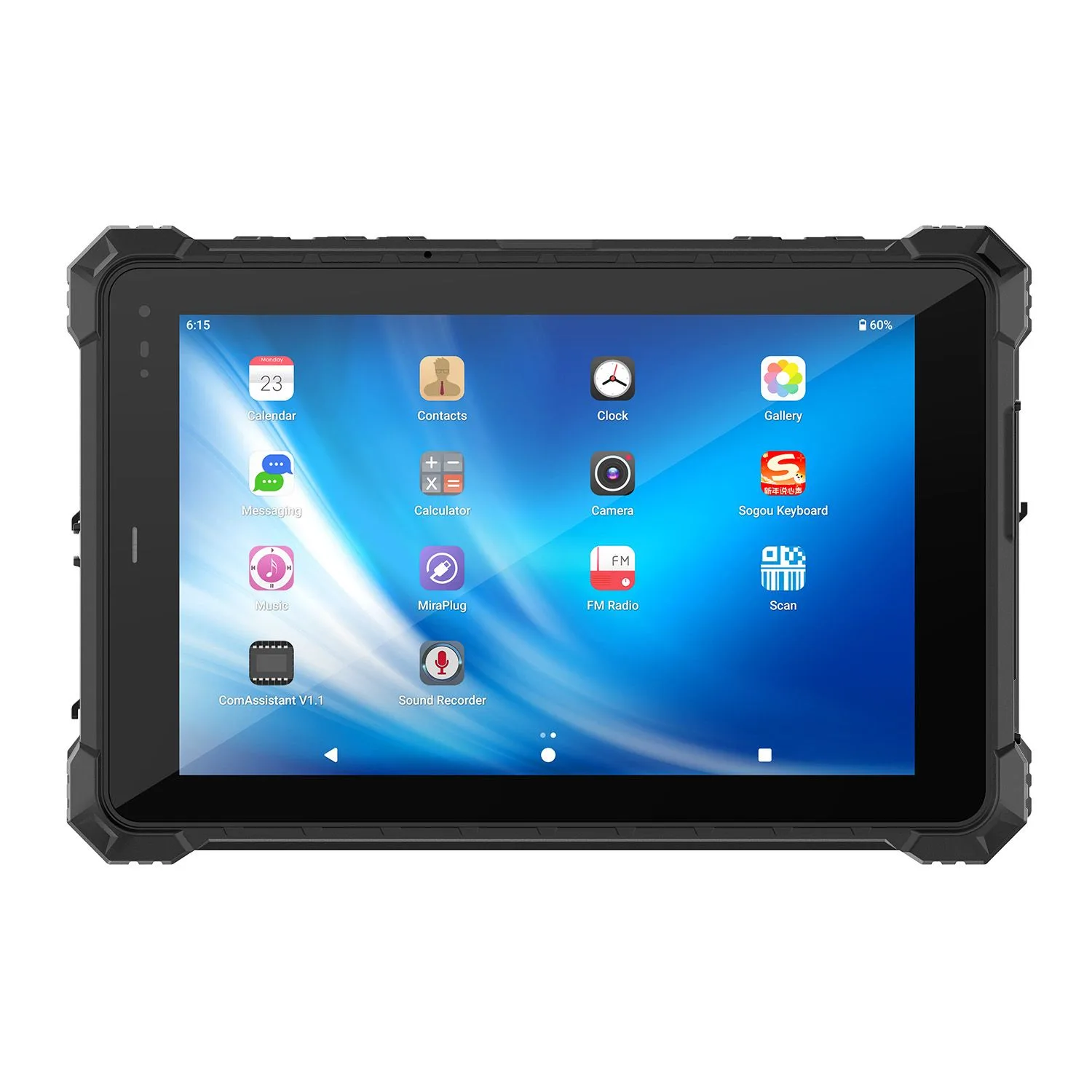
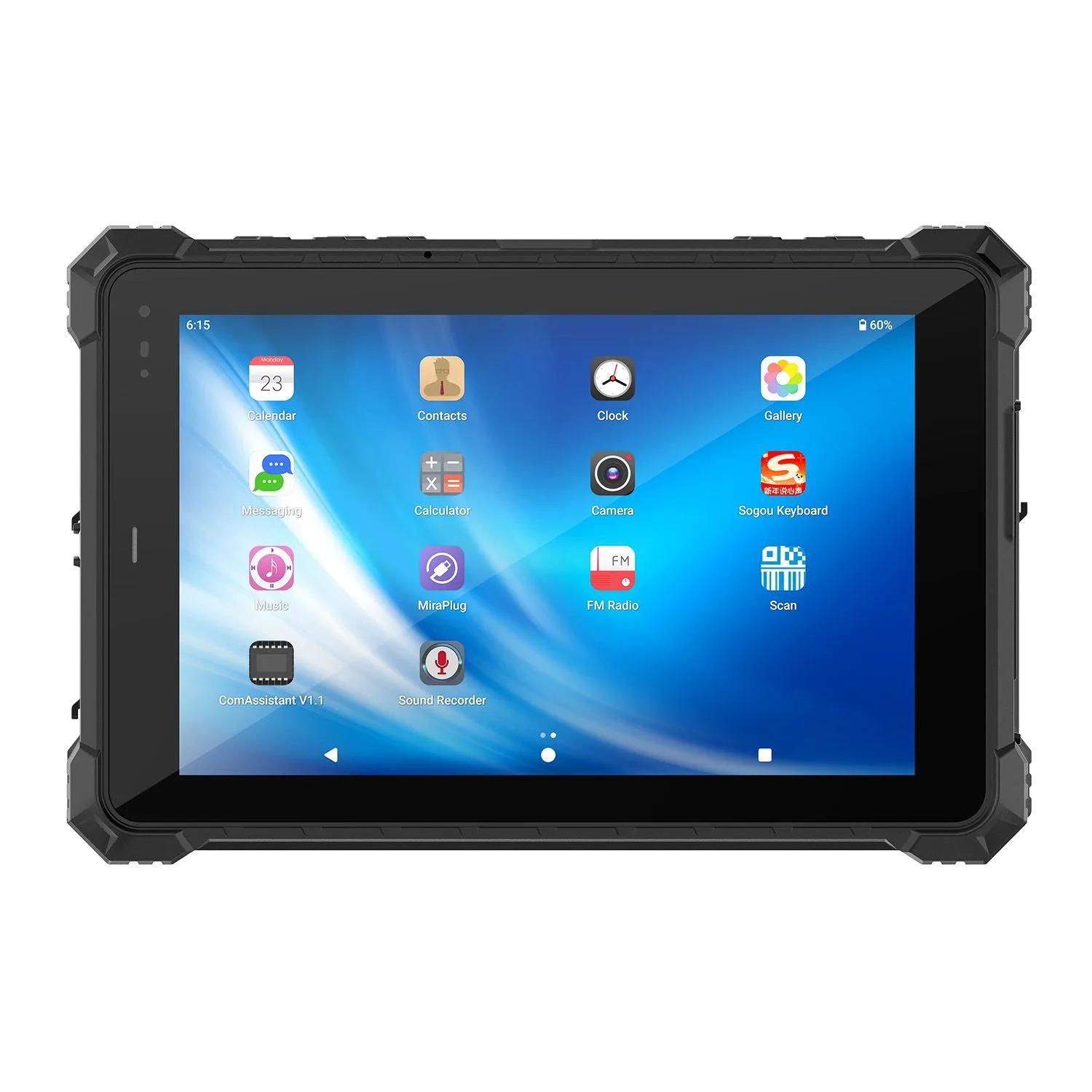
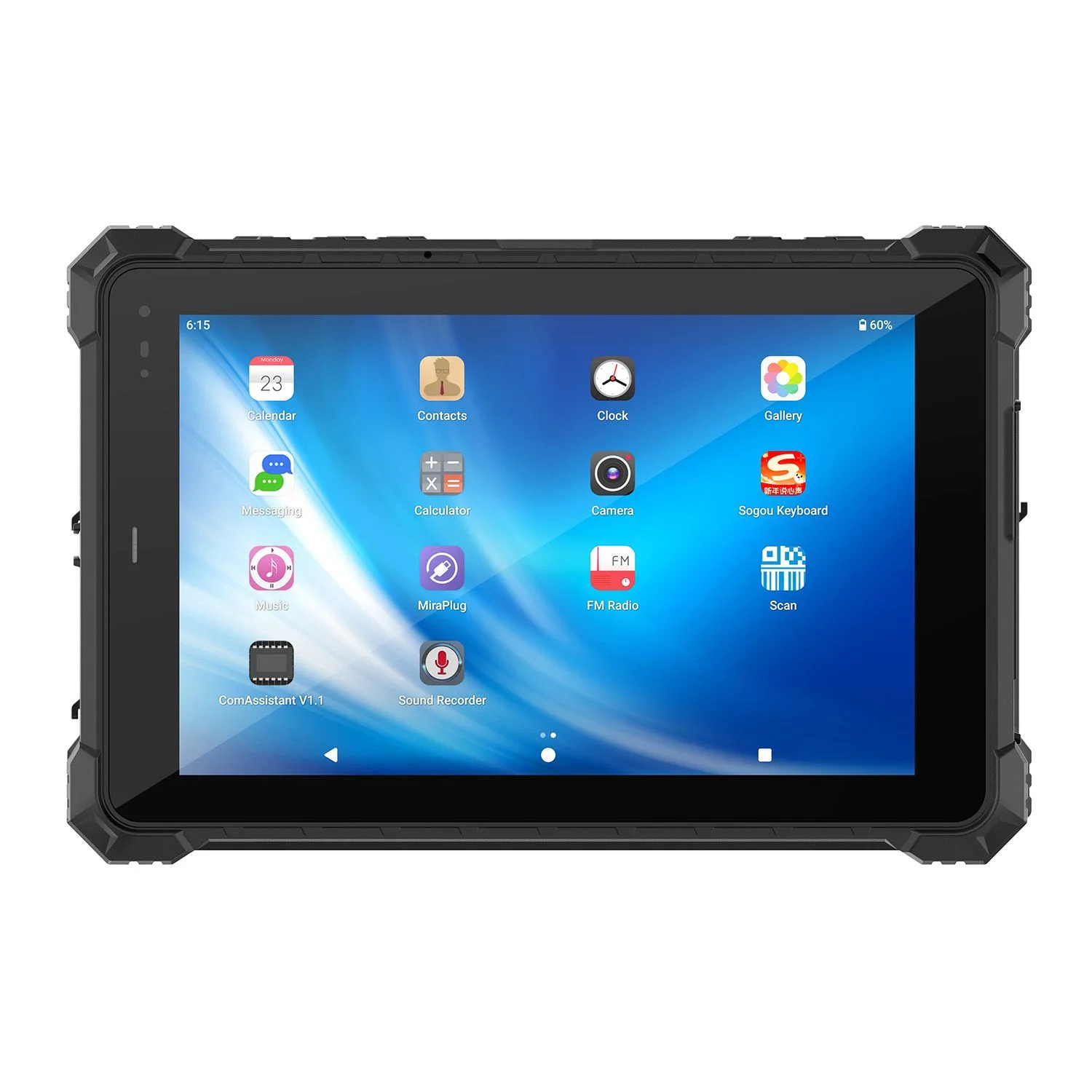
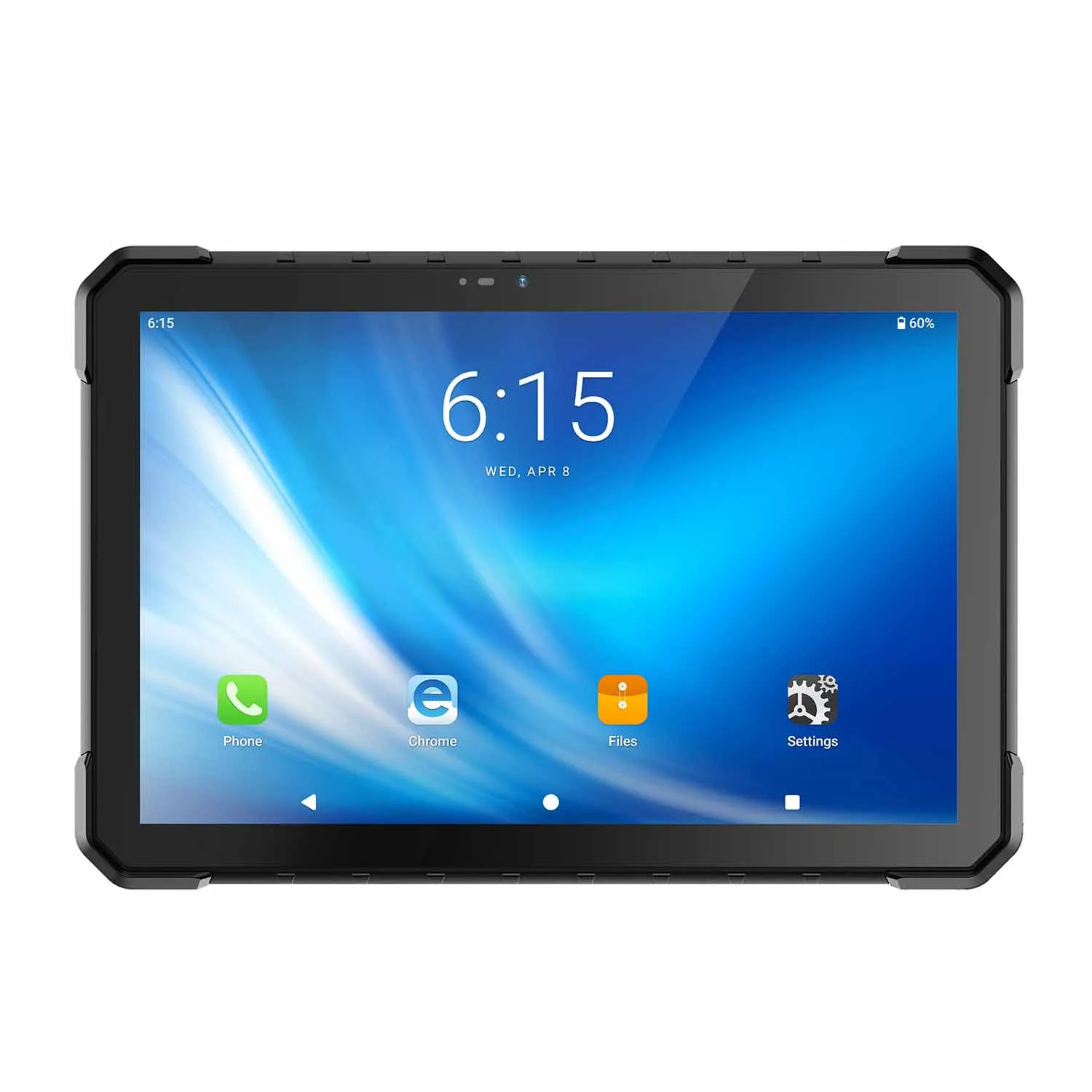
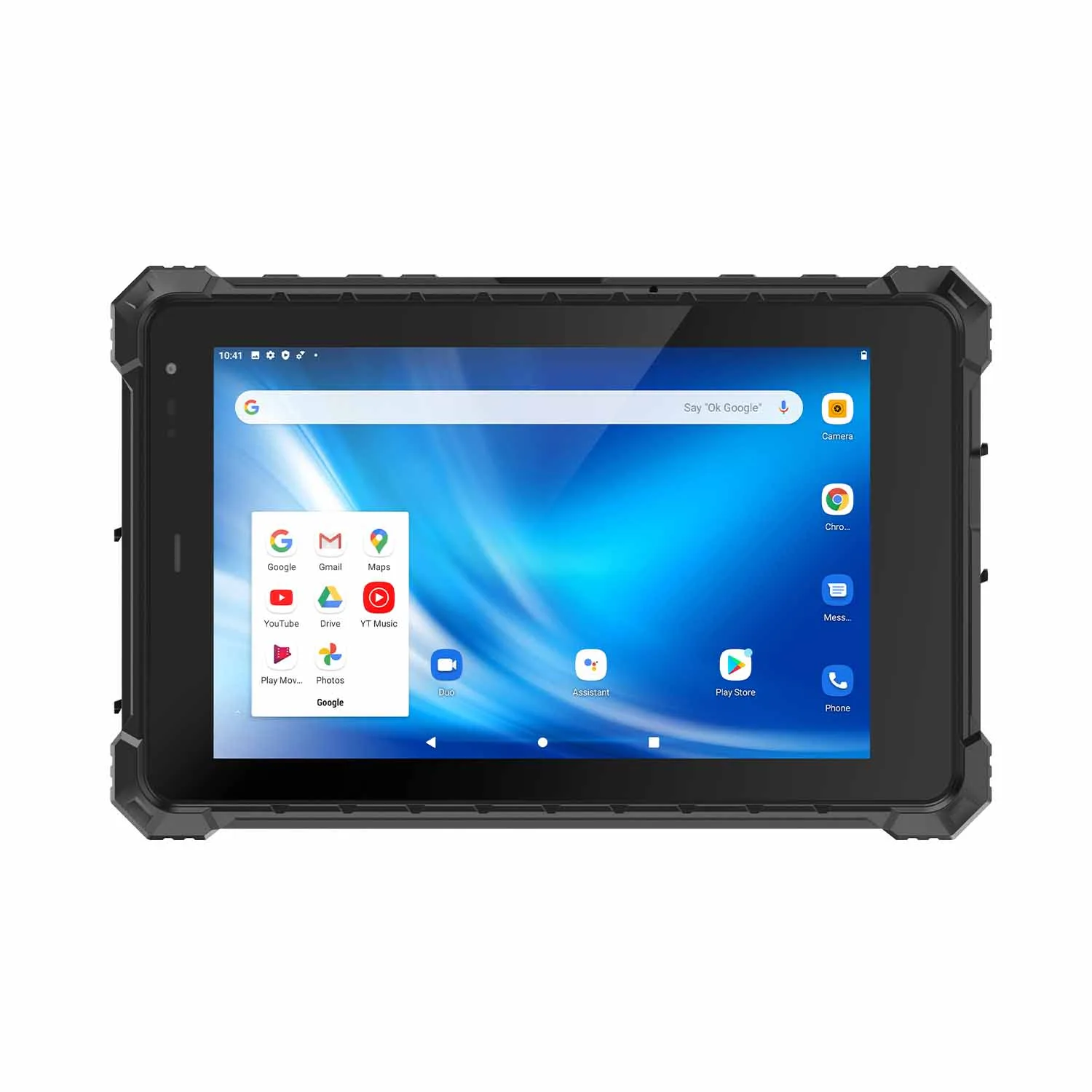
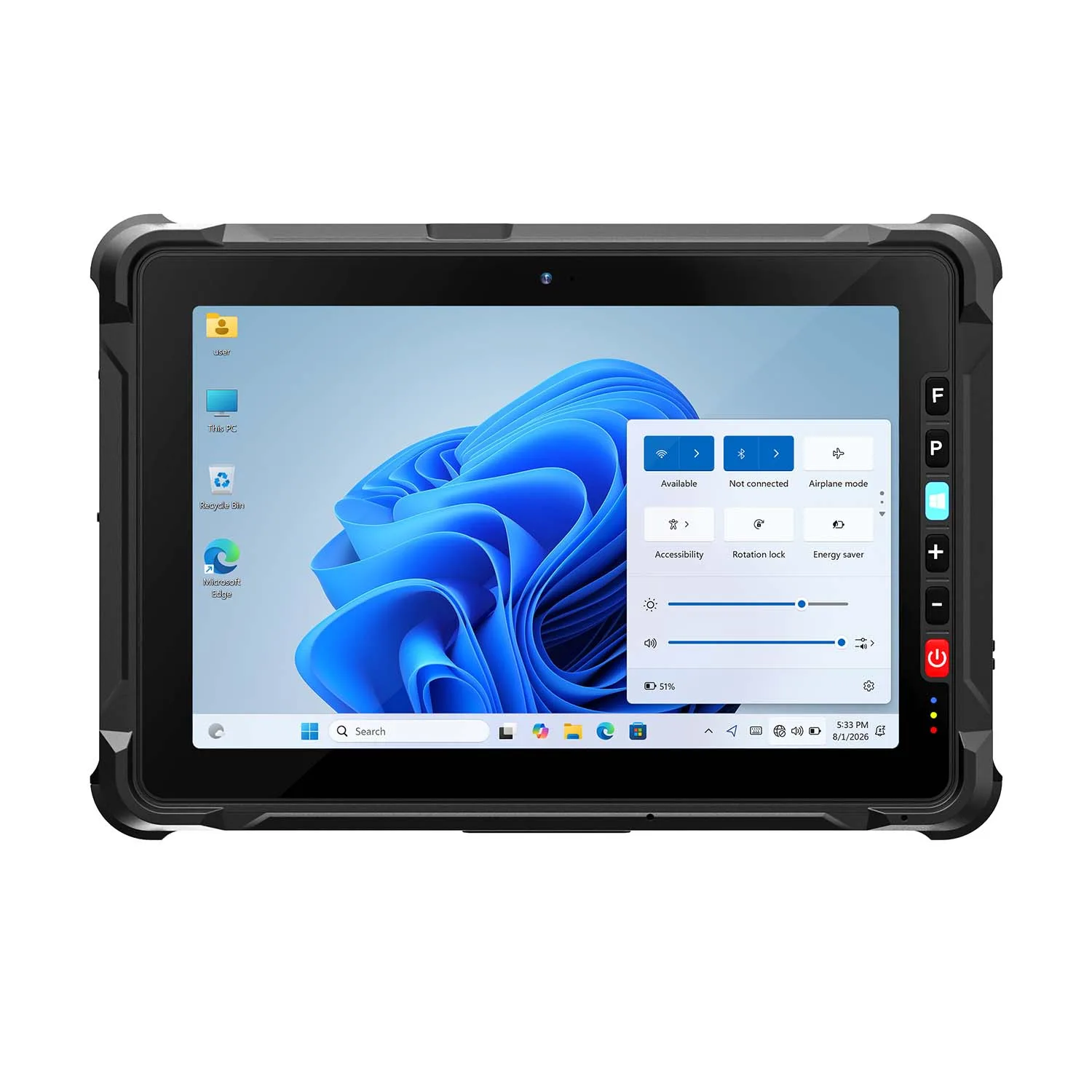
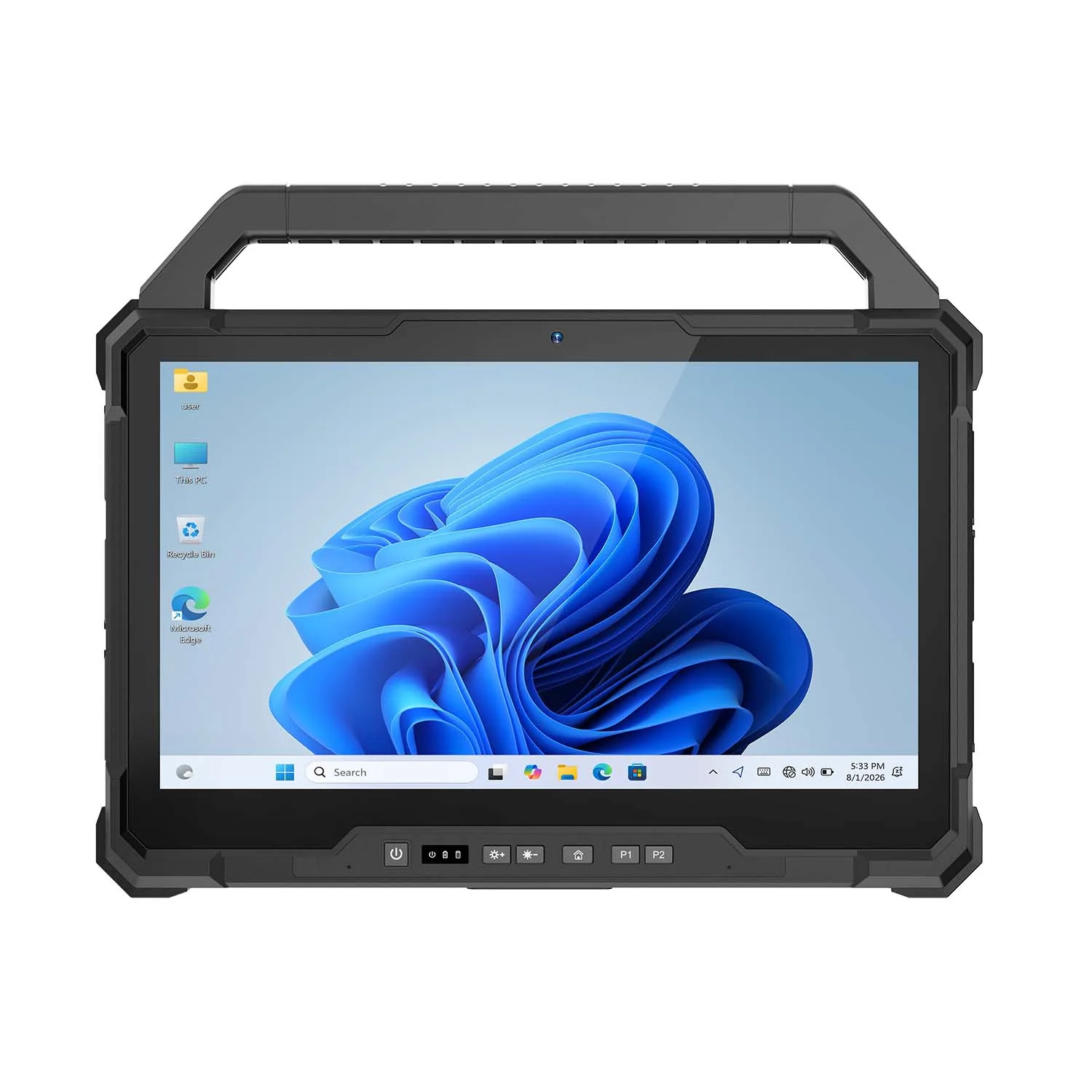
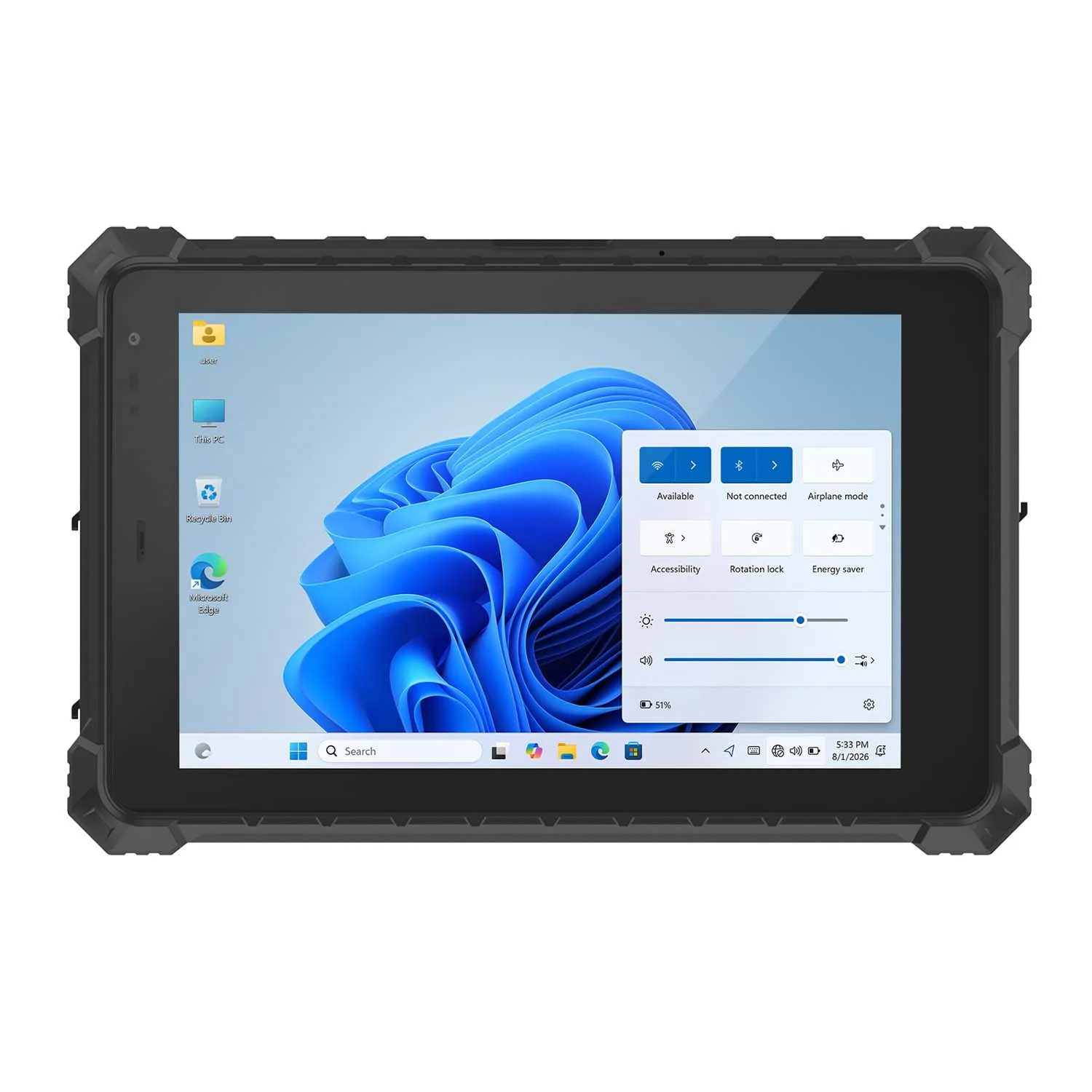
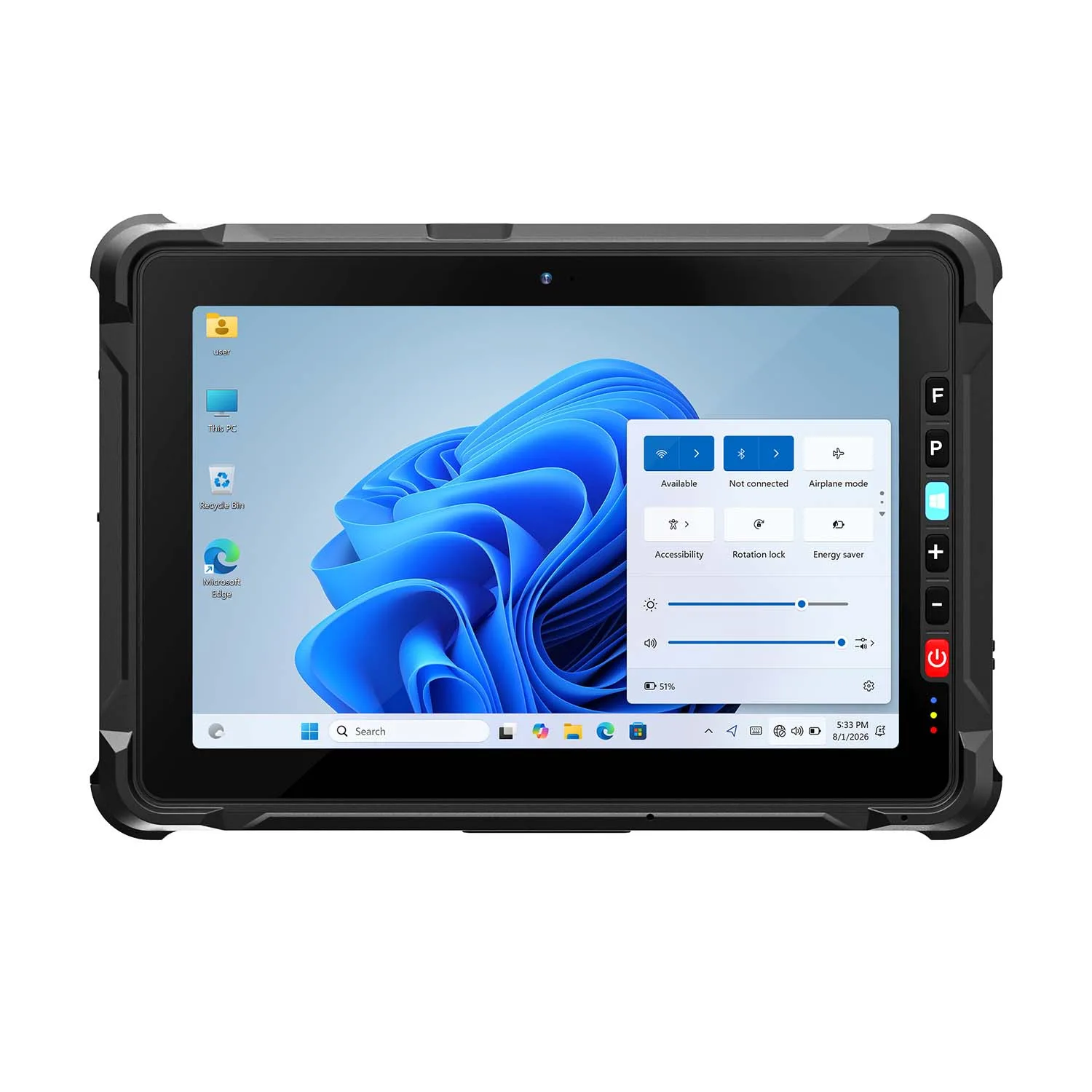
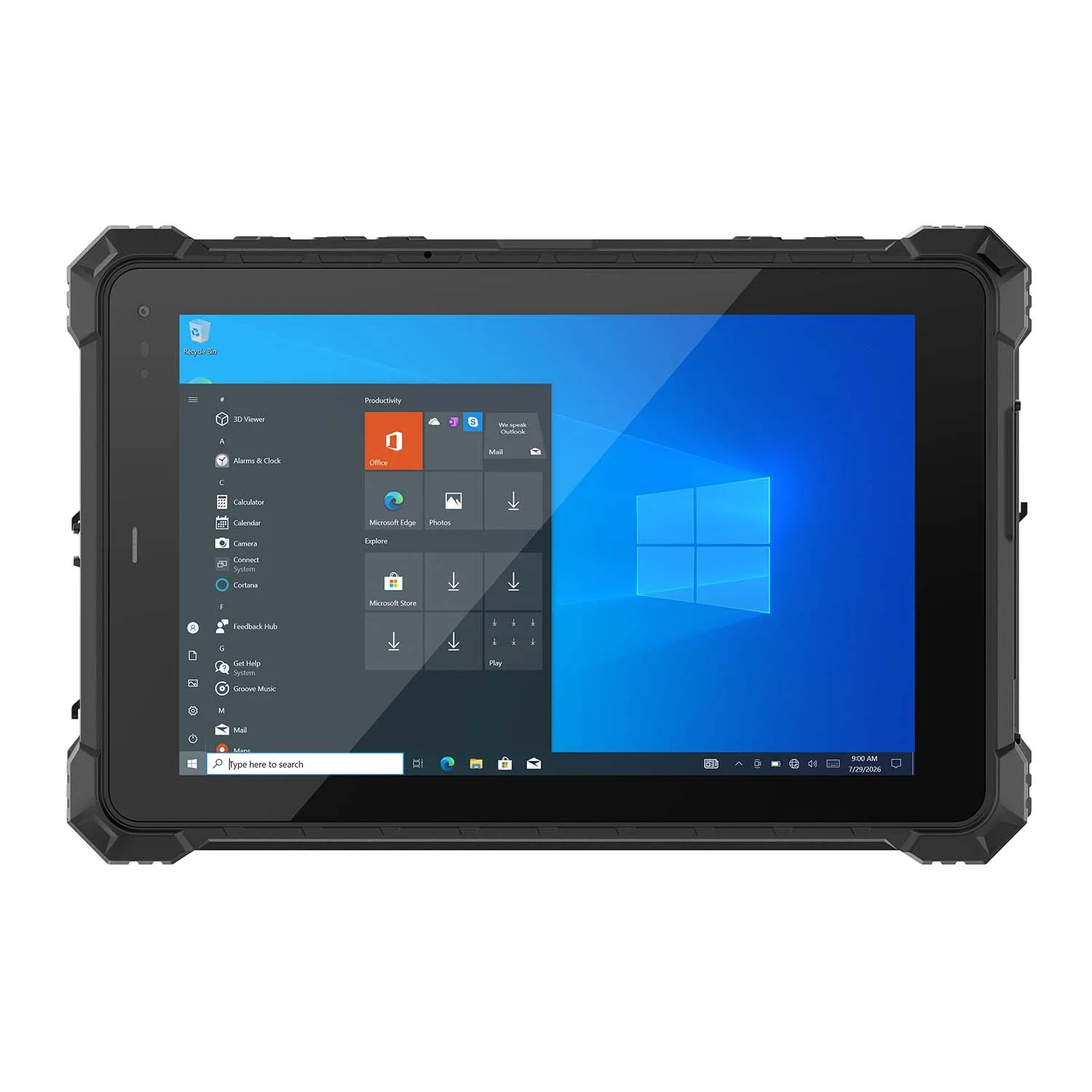
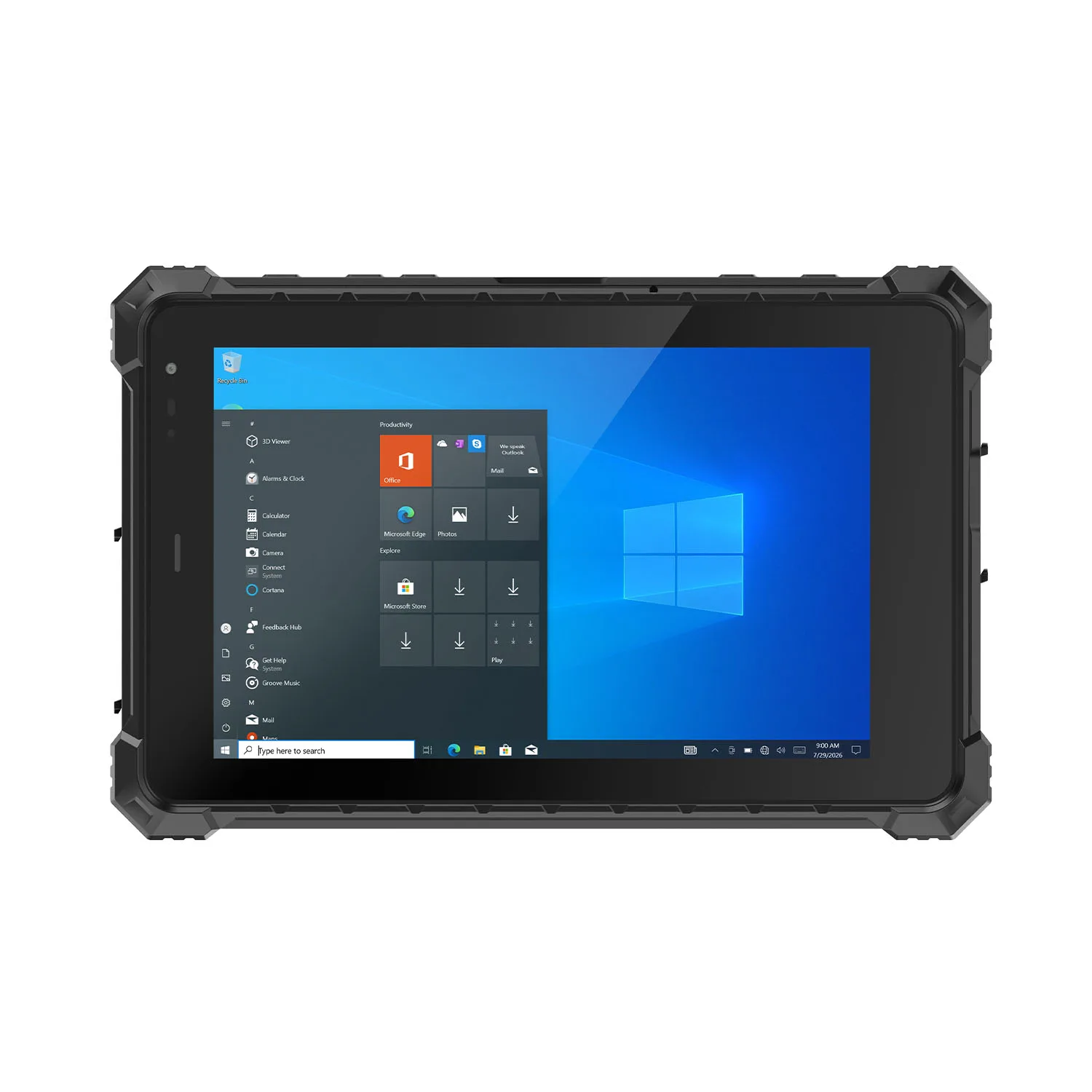
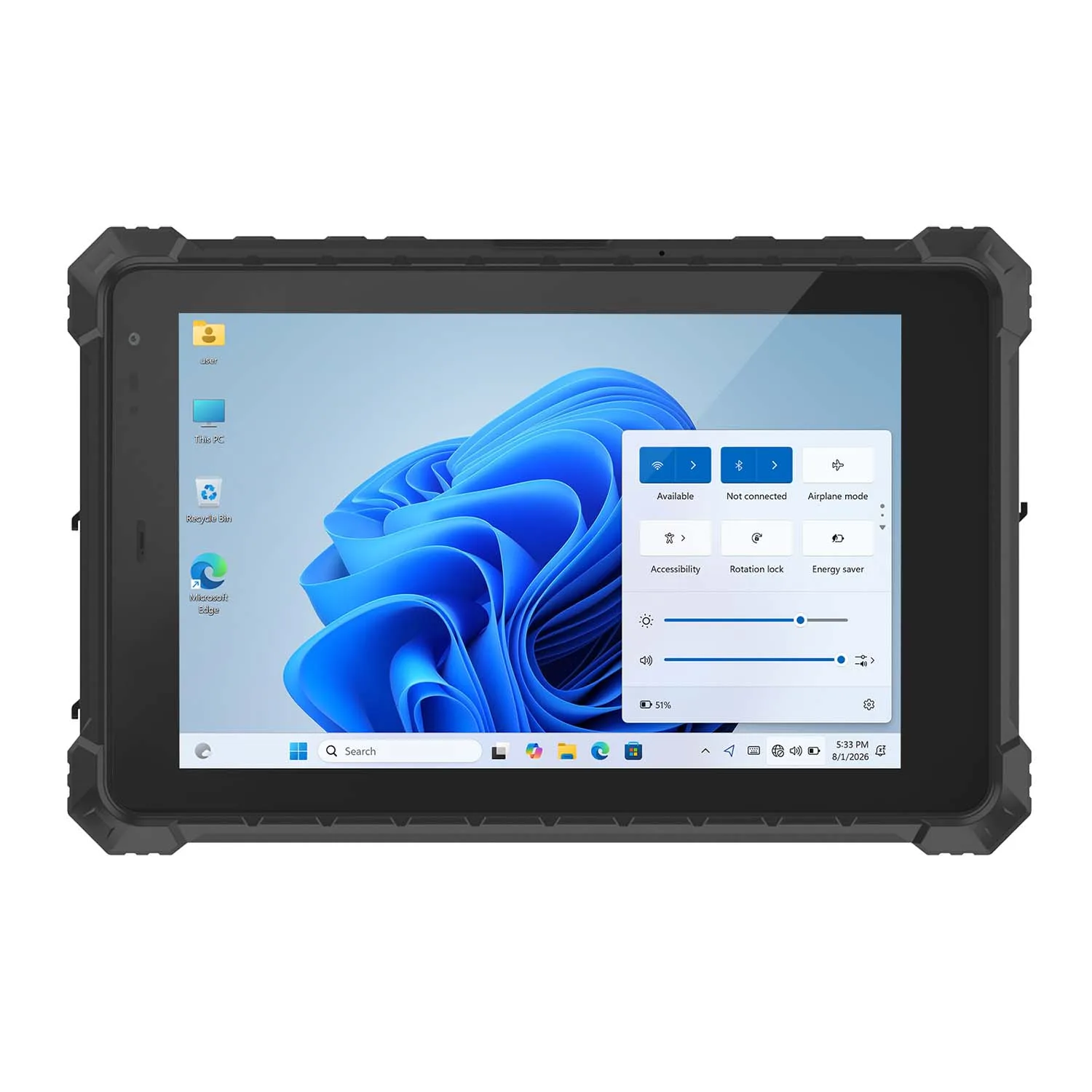
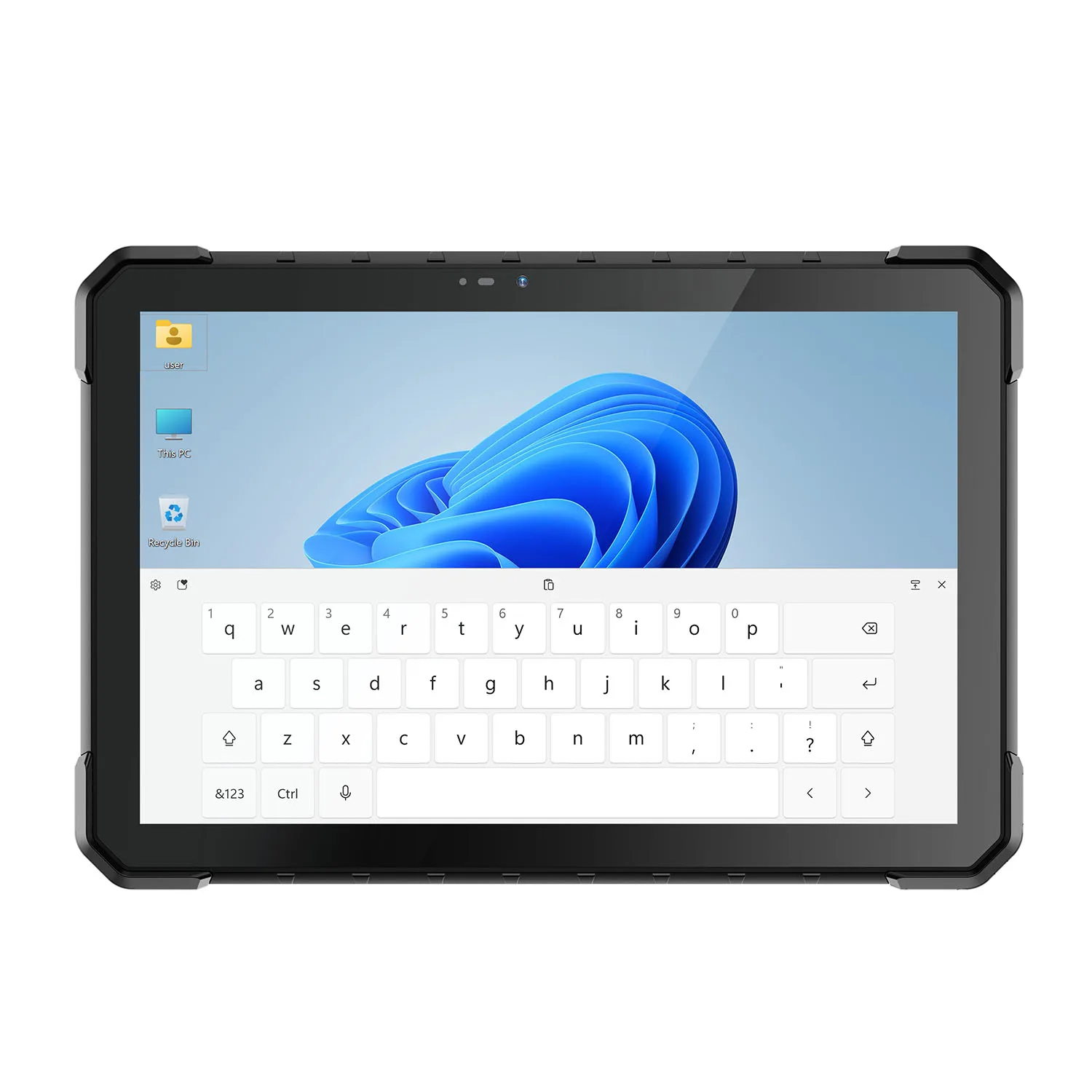
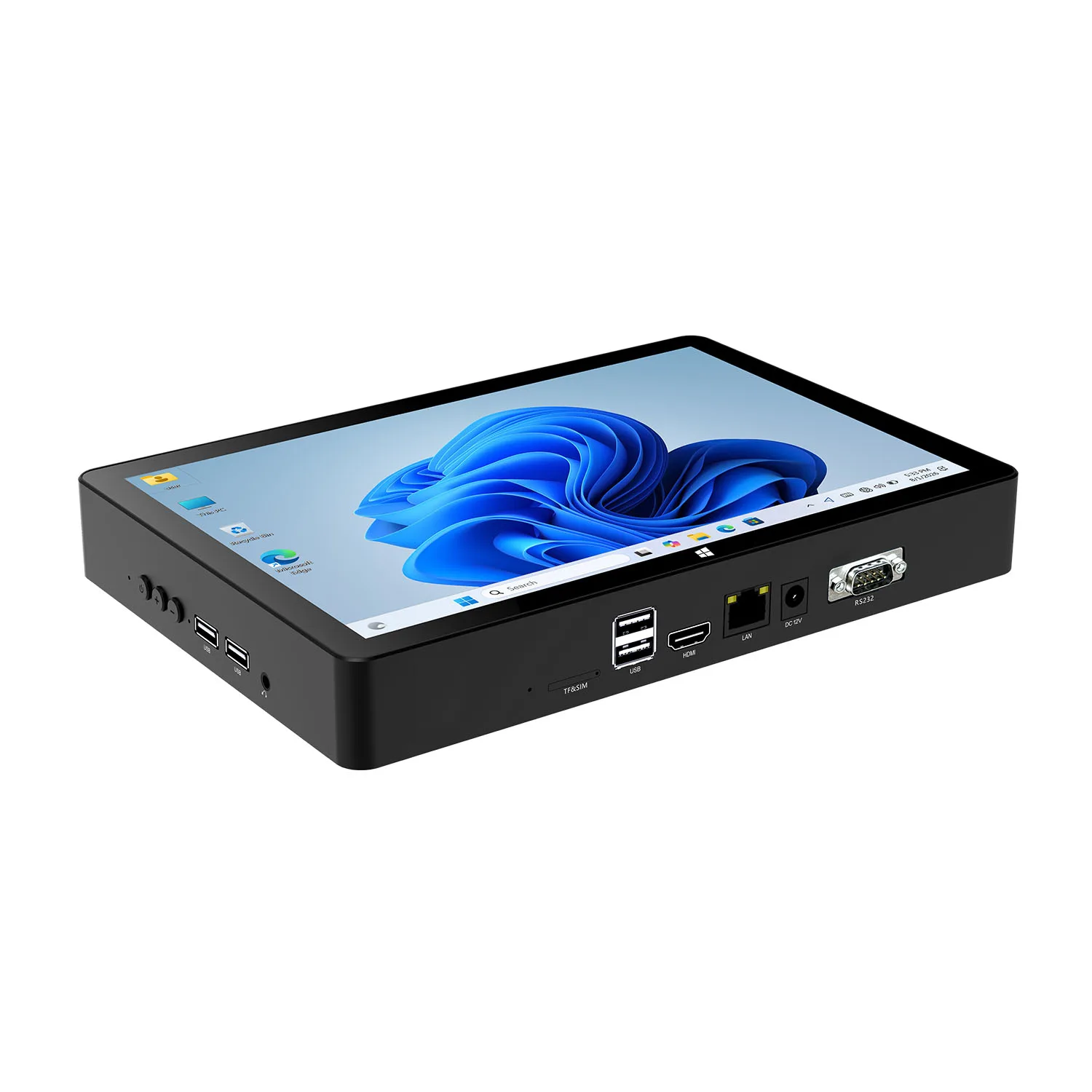
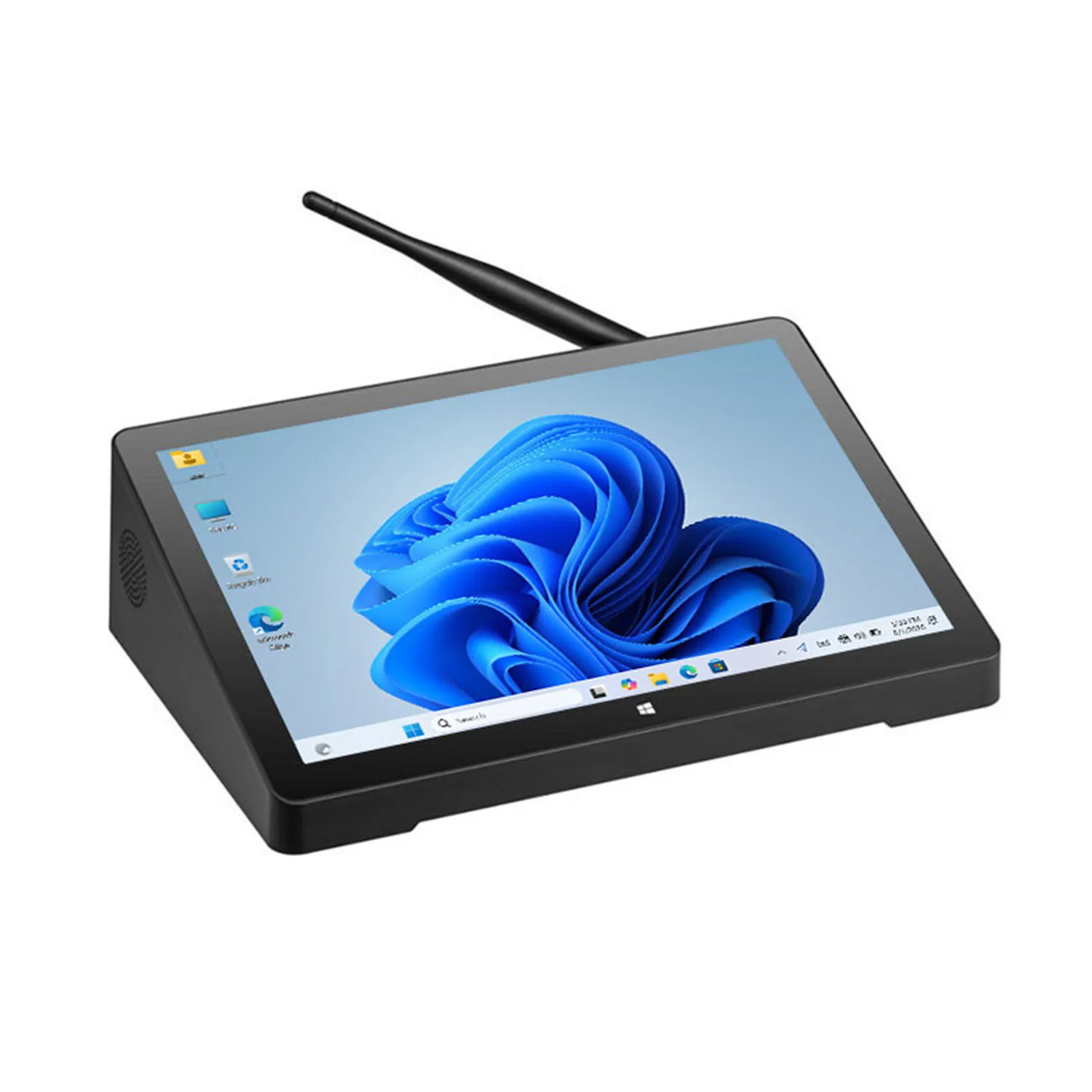
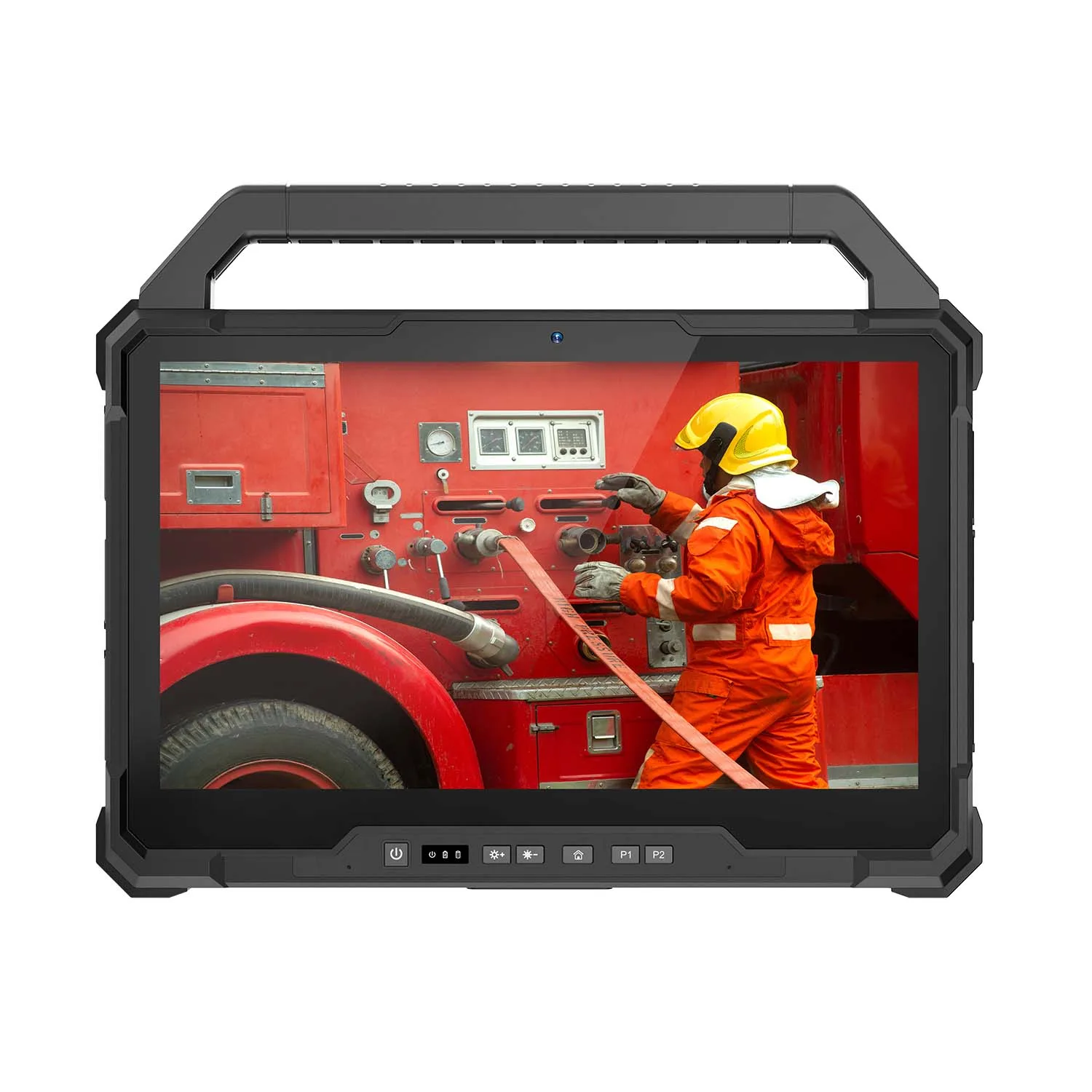
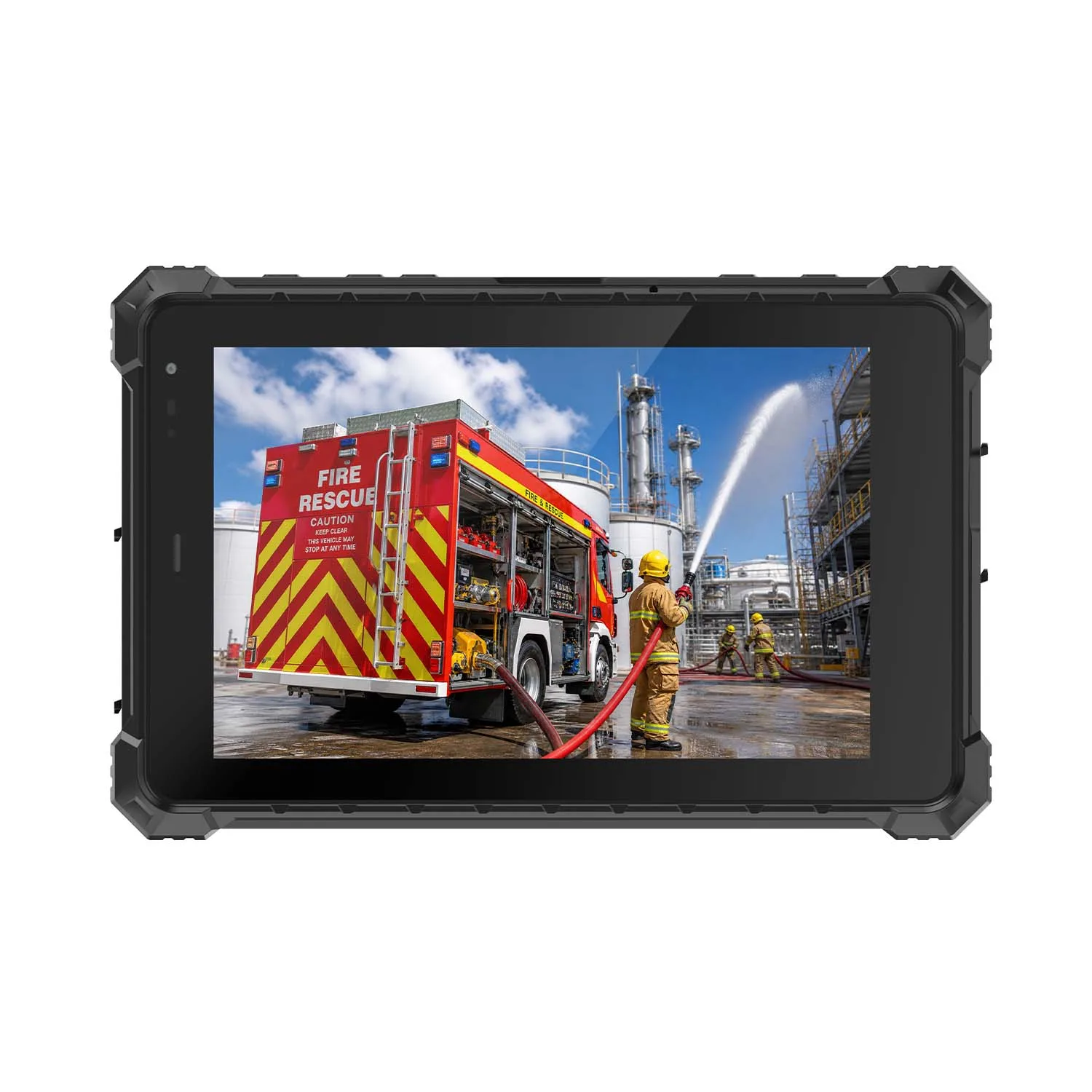
All current CENAVA rugged tablets ship with IP68 as the standard baseline — meaning every model already exceeds IP65 and IP67 water-resistance requirements, so you don't have to trade off ruggedness for a lower-tier rating.
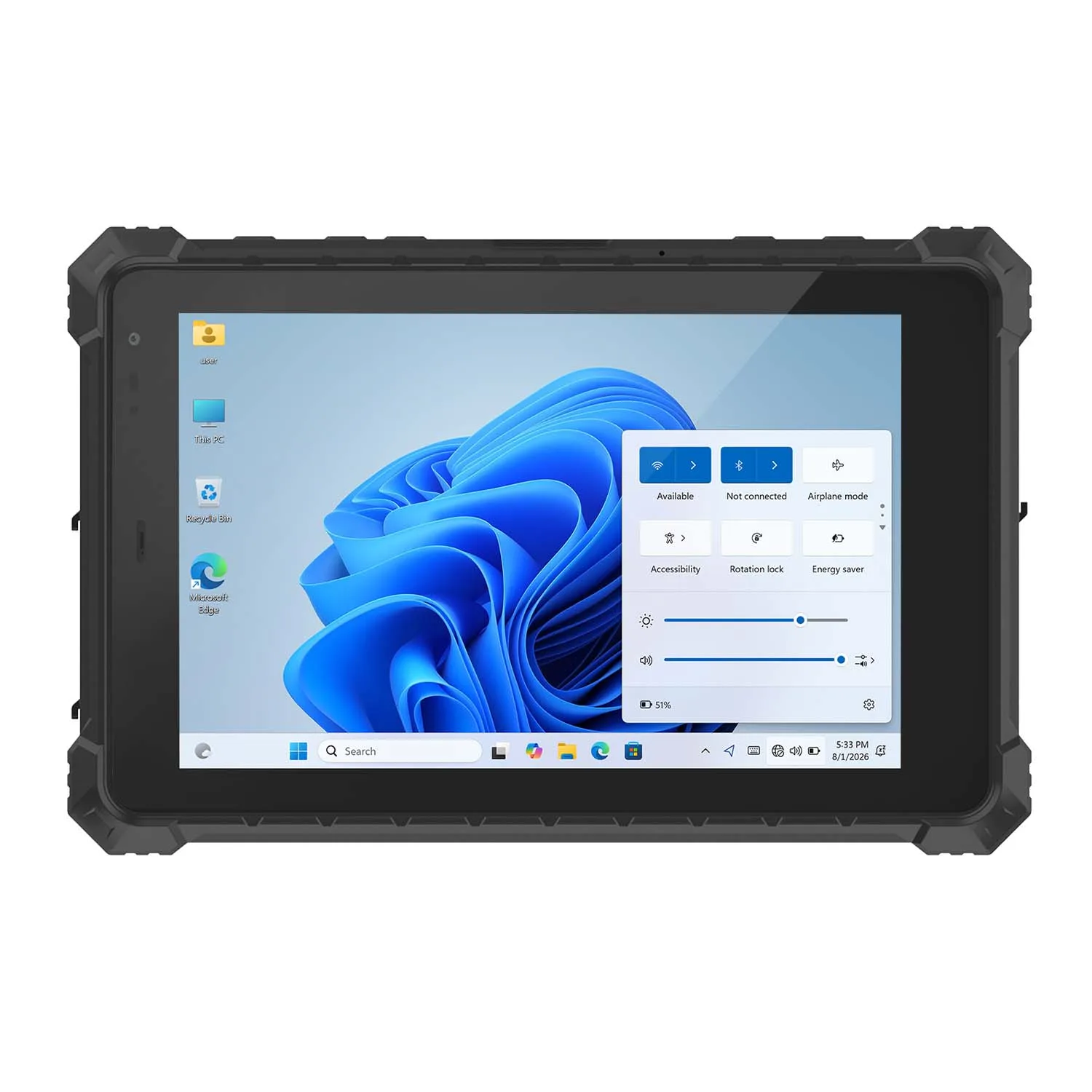
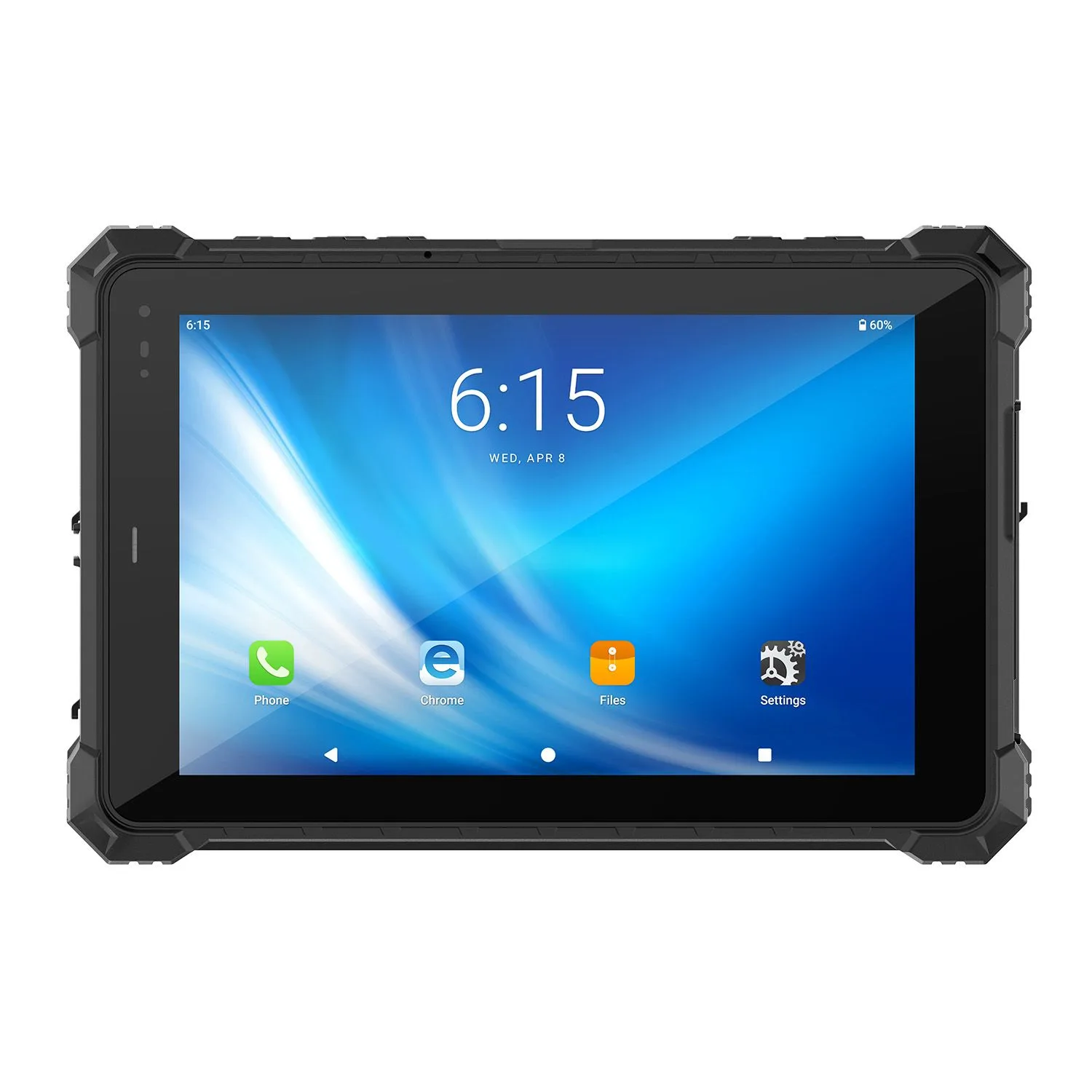
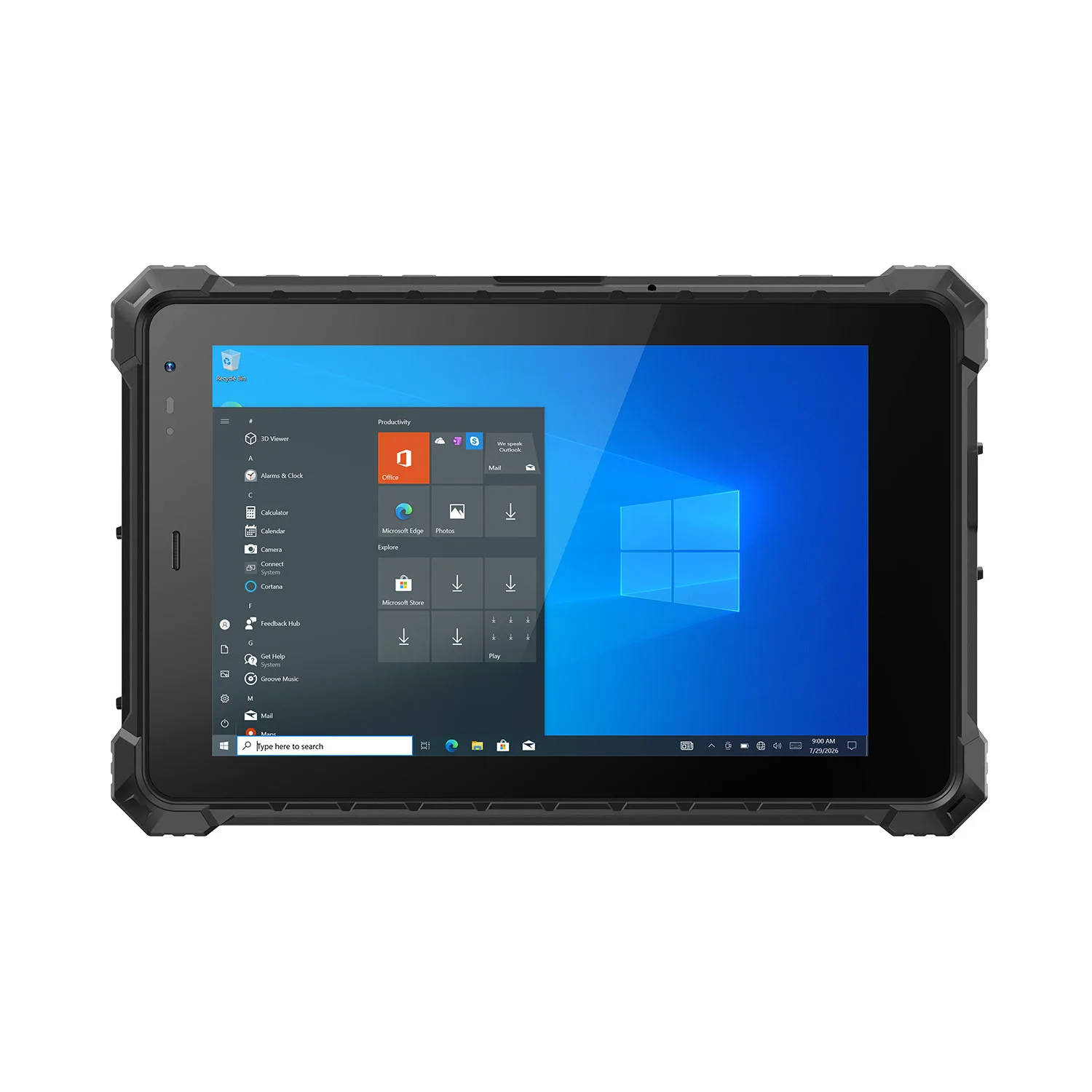
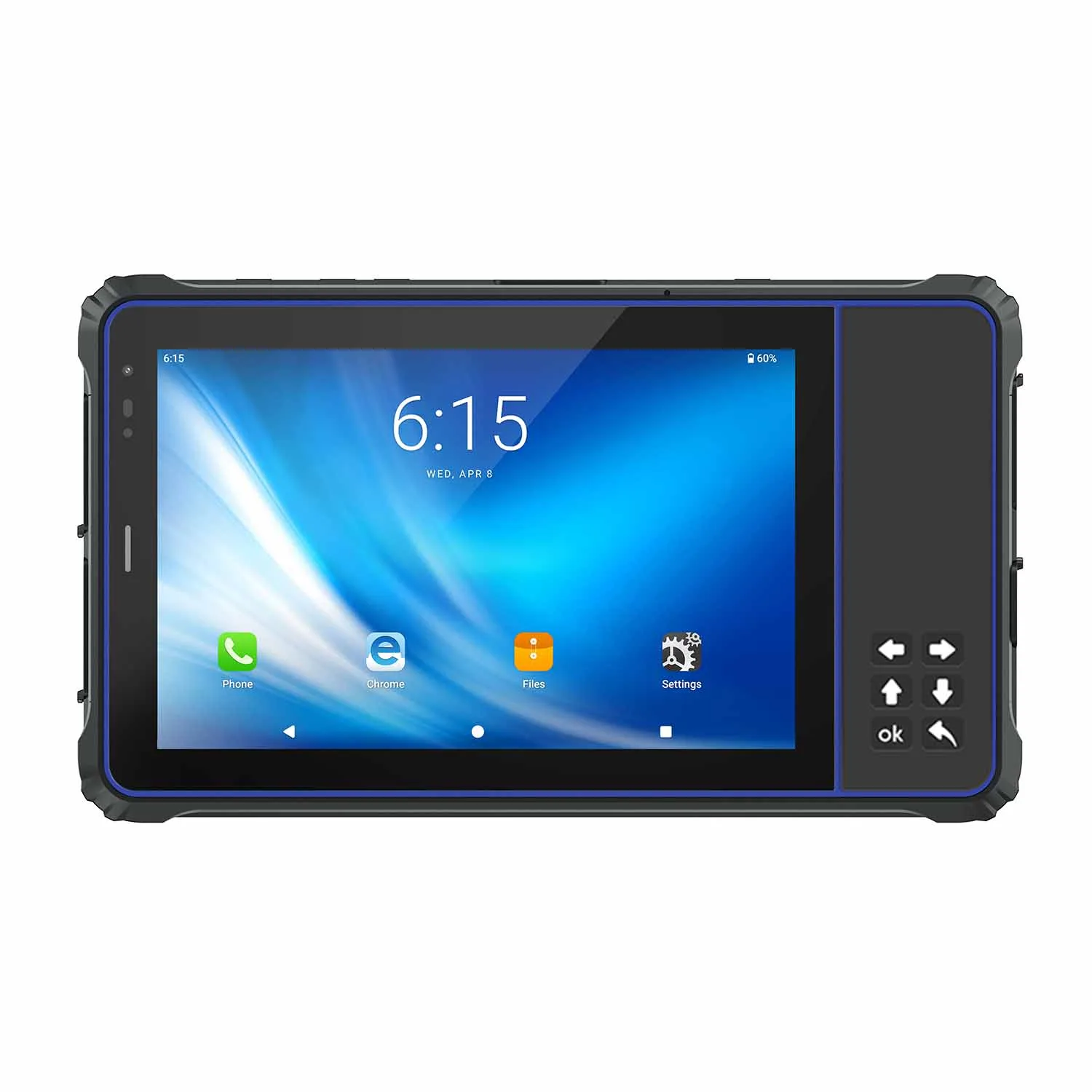
| Model | OS | Display | CPU | Storage | Battery | IP Rating | Best for |
|---|---|---|---|---|---|---|---|
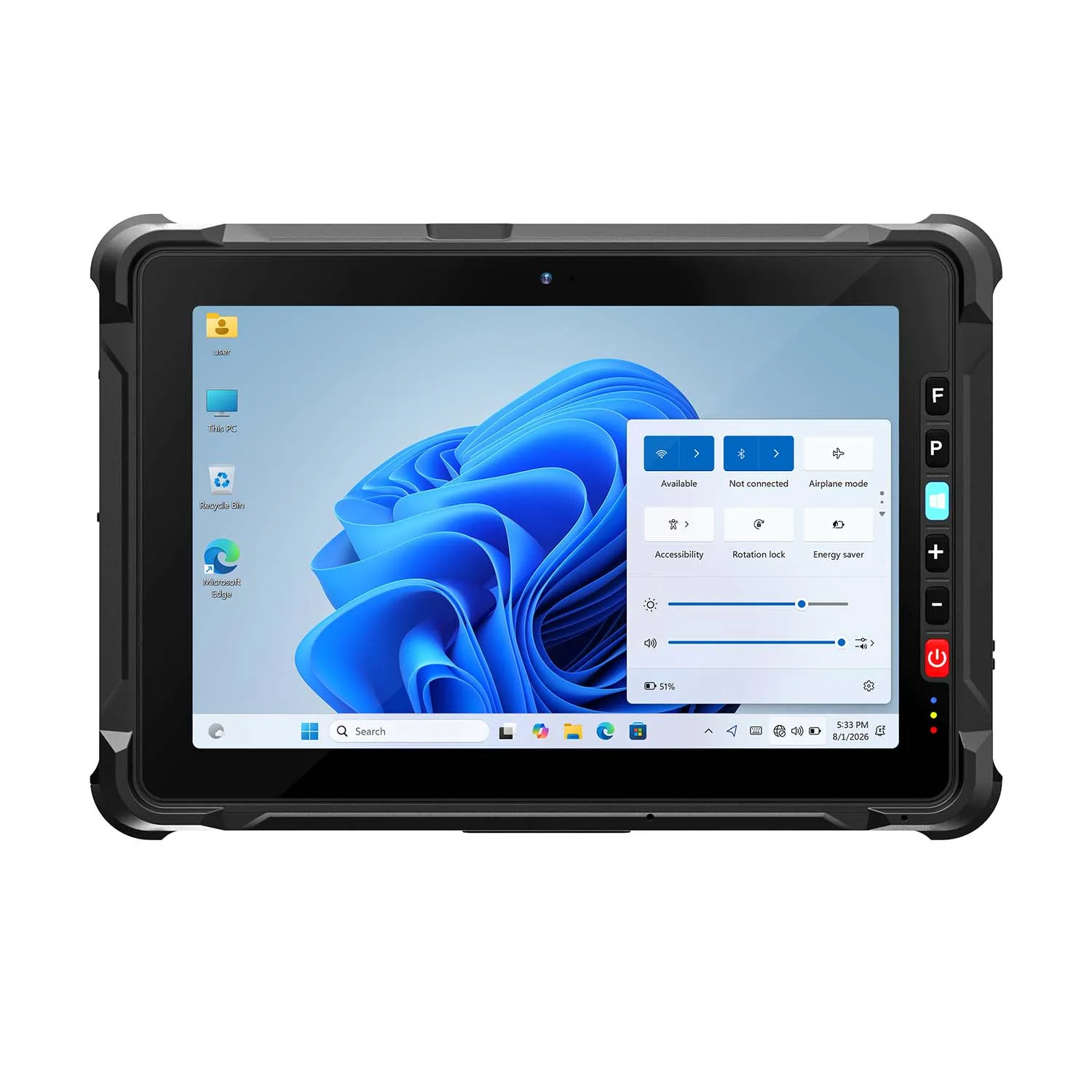
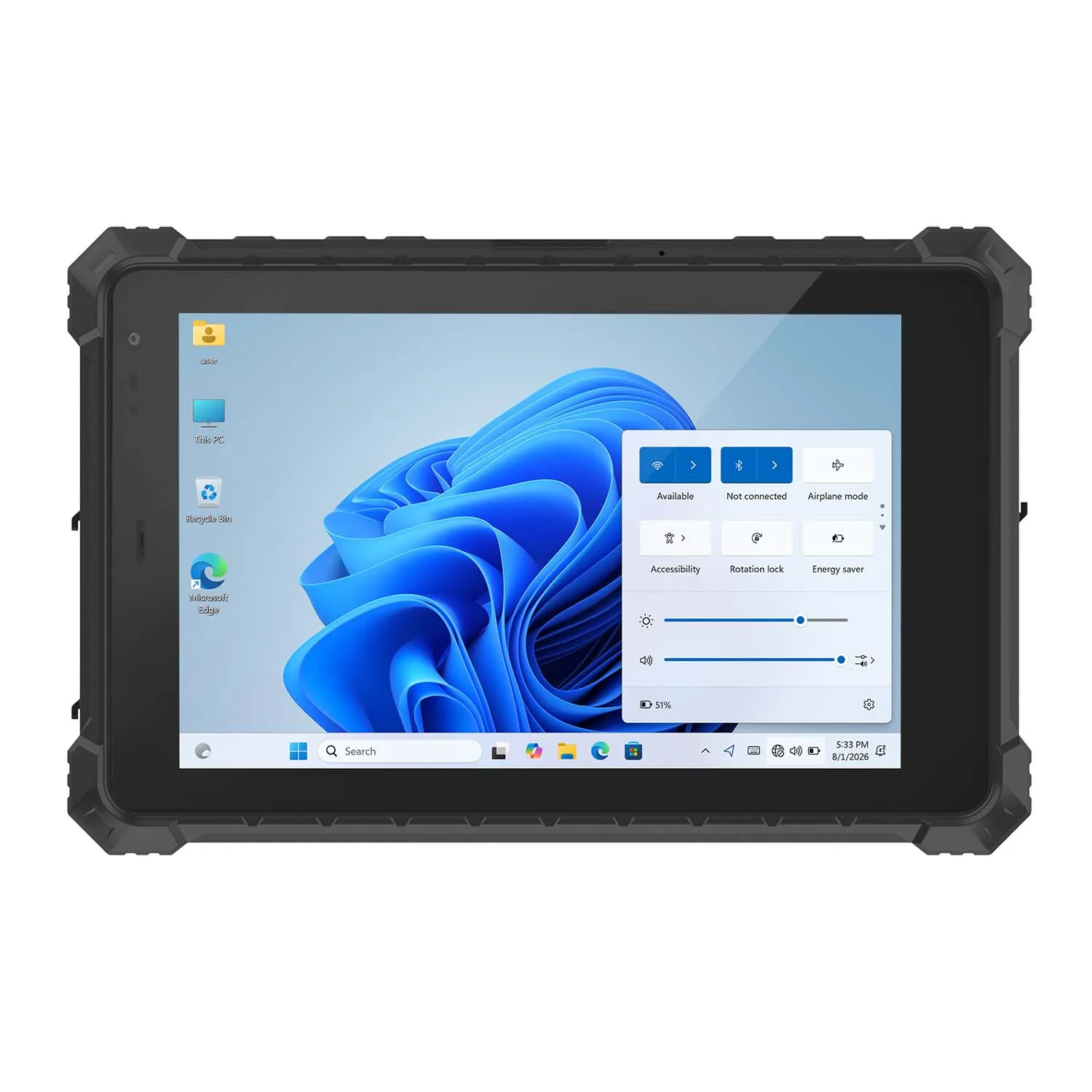
| W109U | Windows 10/11 (dual-system) | 10.95" IPS, 1920×1200 | Intel i5-1235U / i7-1255U | 16+256GB up to 48GB+2TB | 8300 mAh removable + backup cell | IP68 | Data-heavy Windows workloads, ID/UHF/fingerprint modules |
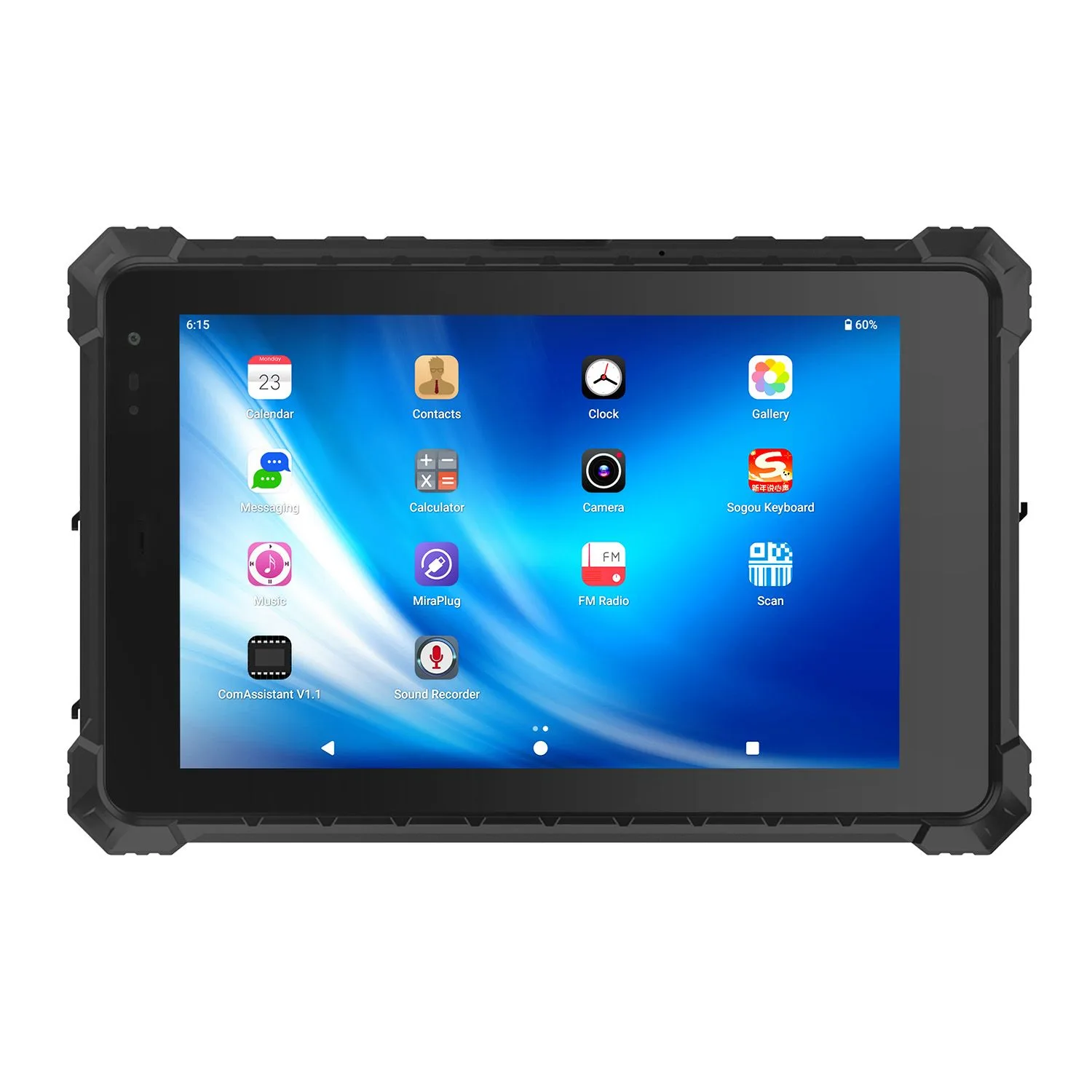
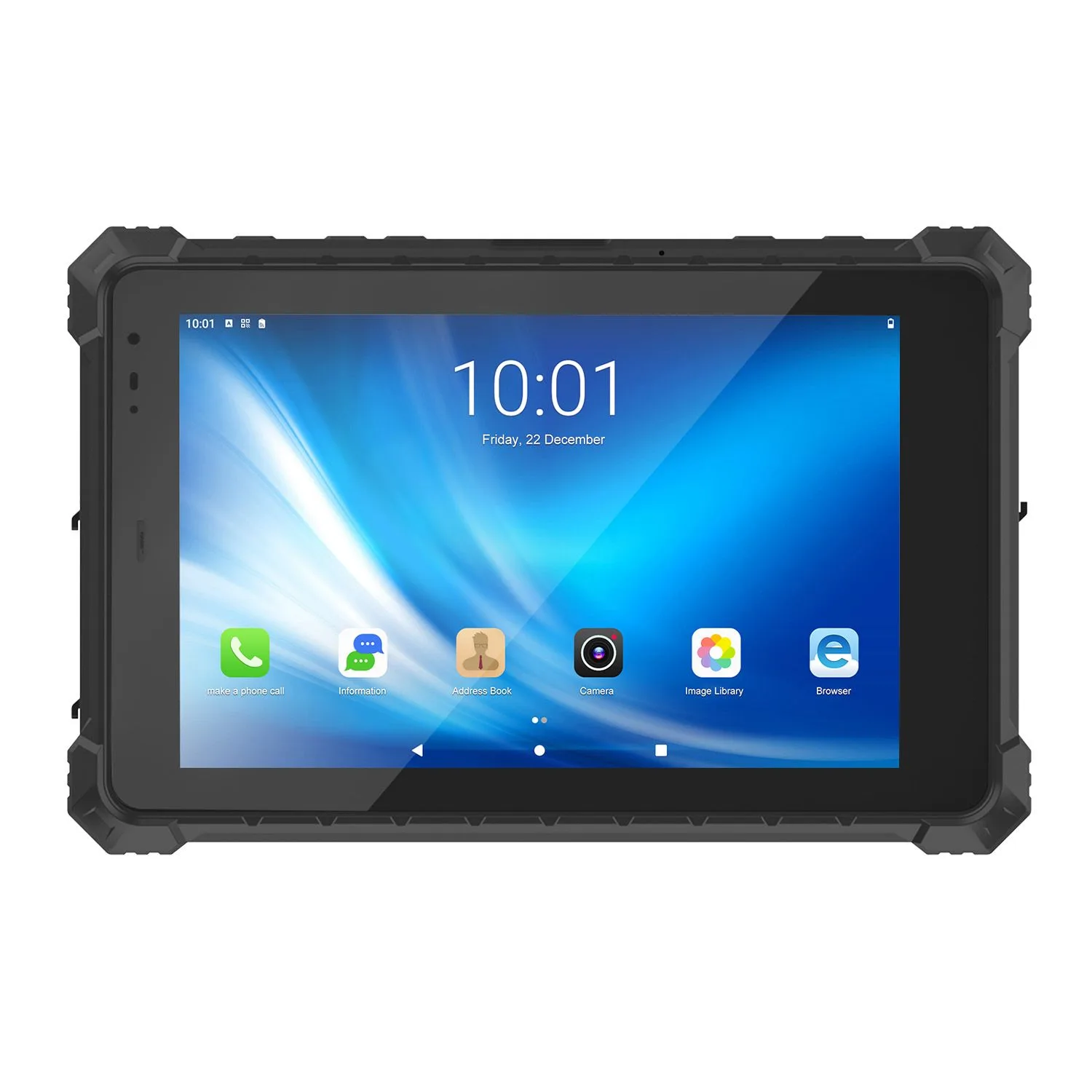
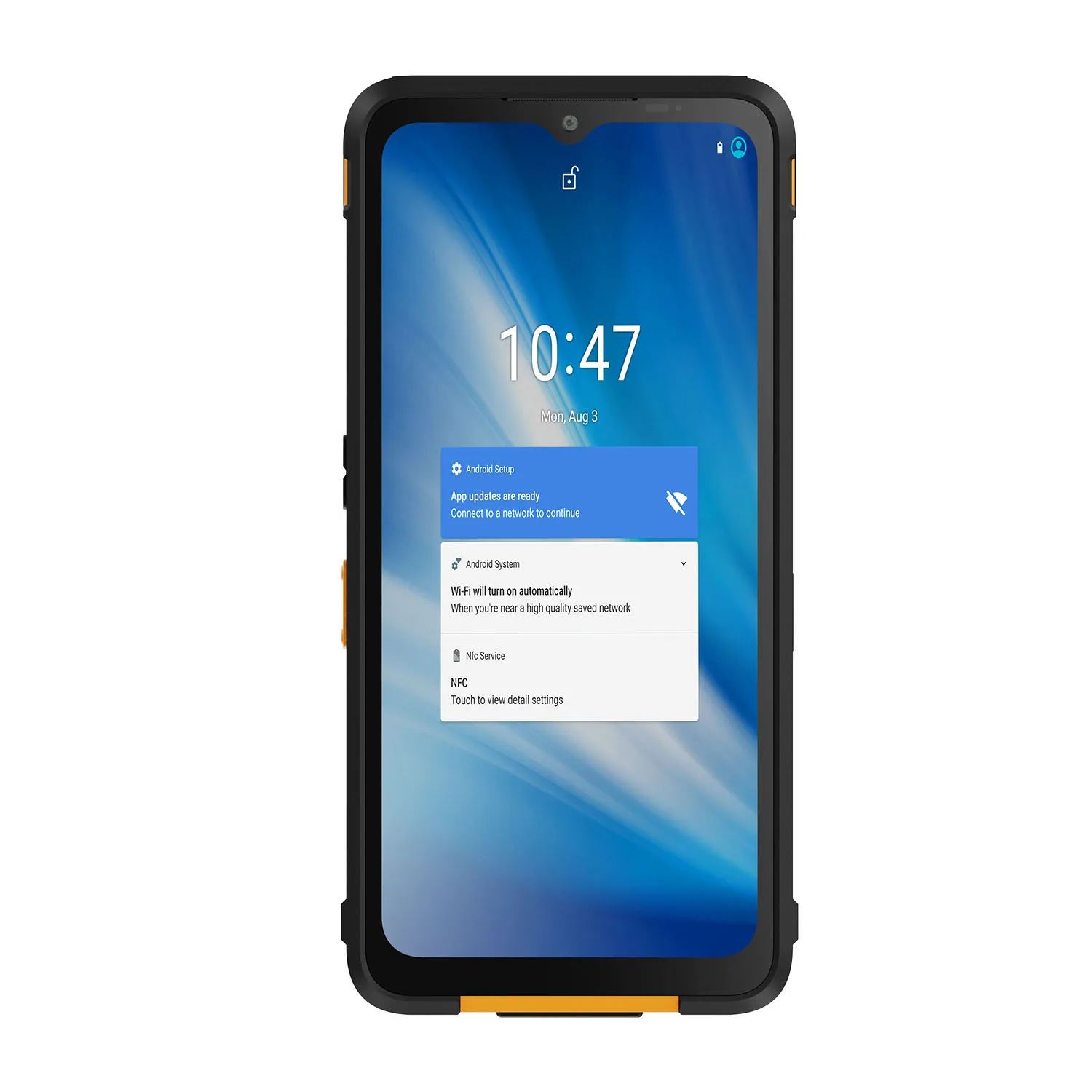
| A10ST | Android 13 | 10" IPS, 1920×1200, 700 nits (1000 nits optional) | MTK8781 octa-core 2.2GHz | 8+128GB / 12+256GB | 10,000 mAh (3.8V high-voltage) | IP68 | Field data collection, ID card & barcode scanning |
| A109T | Android 14 | 10.95", 700 nits (1000 nits optional) | MT6789V octa-core | 8+128GB | 20,000 mAh, 16–18h runtime | IP68 | Long shifts — energy inspection, logistics, patrol |
| W10N | Windows 10/11 | 10" IPS, 1280×800 (1920×1200 optional) | Intel Celeron N5100 | 8+128GB | 10,000 mAh | IP68 | Cost-effective Windows deployments, TPM 2.0 security |
Operating temperature across the line: −20 °C to 60 °C; storage −30 °C to 70 °C; humidity 5–95% non-condensing. Full spec sheets are on each product page above.
Clear answer: If you only need one takeaway — for outdoor, industrial, or wet-environment deployments, choose A10ST or A109T on Android, or W109U or W10N on Windows; all four are IP68 out of the box, so none of them will under-protect your fleet.
Why Trust CENAVA on IP Ratings
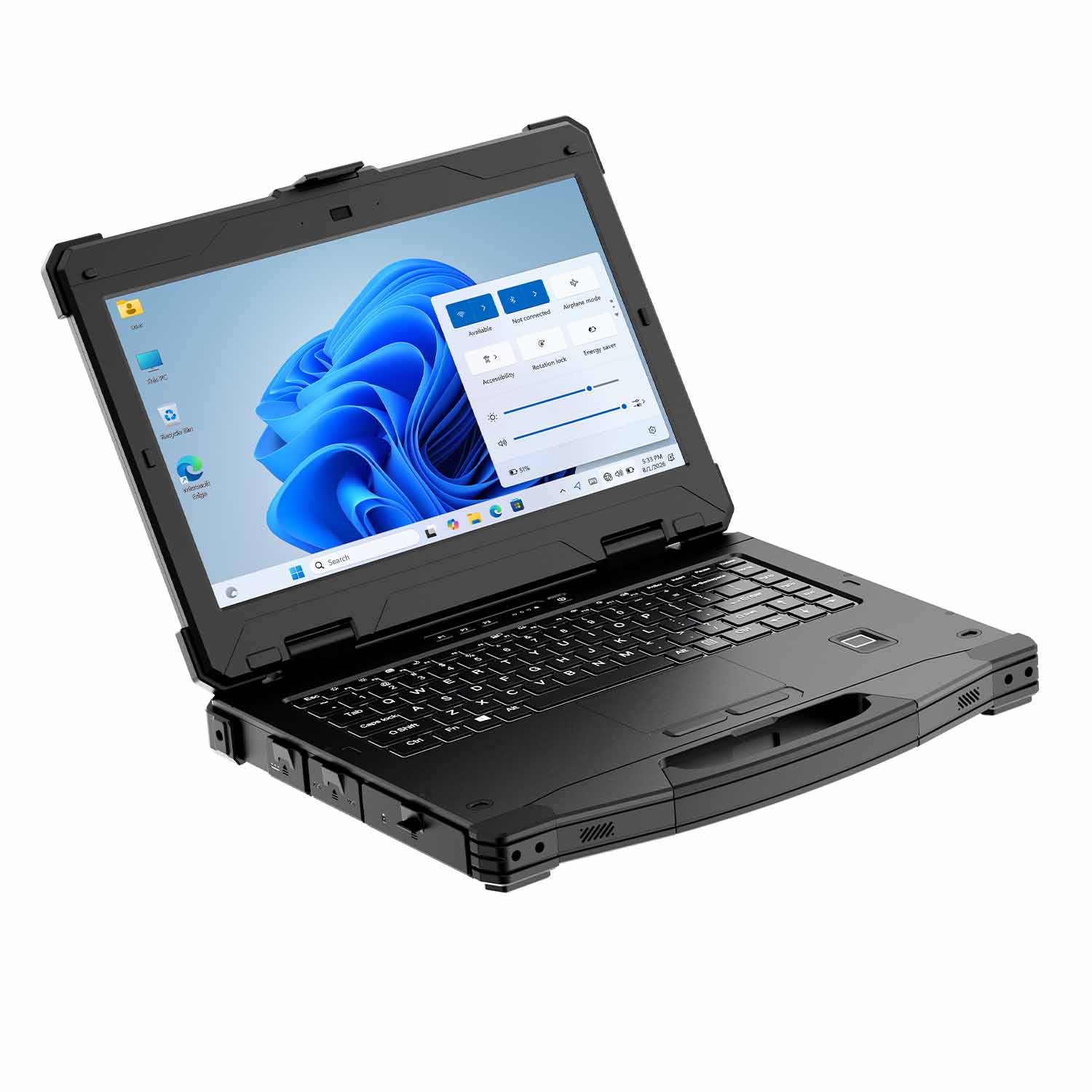
18 years of dedicated OEM/ODM manufacturing of rugged tablets, handhelds, box PCs, and industrial laptops.
IP68 as the standard, not an upsell — every current rugged tablet model meets the highest ingress-protection tier by default.
MIL-STD-810 shock, vibration, and drop-resistance testing referenced across the rugged tablet range.
ATEX & IECEx certified explosion-proof product line for hazardous locations in oil & gas and mining. See ATEX & IECEx Explosion-Proof Rugged Devices.
Proven in the field across 12+ industries, with named, public case studies covering warehousing, agriculture, healthcare, government, logistics, manufacturing, railway, military, energy, fire fighting, automotive diagnostics, and construction. See the full list on the Industries page.
In-house OEM/ODM customization — 1D/2D barcode scanning, UHF/HF/LF RFID, fingerprint recognition, ID card/passport readers, and NFC modules can be integrated into the same chassis.
Frequently Asked Questions
What is the difference between IP67 and IP68 rugged tablets?
IP67 is rated for temporary immersion up to 1 meter for 30 minutes, while IP68 is rated for continuous submersion beyond 1 meter for a duration the manufacturer specifies — IP68 offers the deeper, longer-duration protection.
Is an IP68 rugged tablet enough for permanent underwater use?
No — IP68 covers submersion for a limited, manufacturer-defined depth and time, not indefinite or unlimited-depth underwater use; always check the exact rating in the datasheet before diving or long-term submersion applications.
Can I use an IP67 tablet outdoors in the rain?
Yes — IP67 is designed for exactly this scenario, including rain, puddles, and accidental drops in shallow water.
Does a higher IP rating make a rugged tablet more expensive?
Generally yes, because higher water-resistance ratings require reinforced seals and gaskets, but CENAVA includes IP68 as standard across its rugged tablet line so buyers don't pay extra for the higher protection tier.
Are CENAVA rugged tablets MIL-STD-810 tested?
Yes — CENAVA's rugged tablets reference MIL-STD-810 shock, vibration, and drop-resistance testing in addition to their IP68 ingress-protection rating.
Which CENAVA rugged tablet is best for warehousing and cold storage?
The A10ST (Android 13, IP68, 10,000 mAh) and W109U (Windows, IP68, high-performance i5/i7) are both deployed in warehousing and cold-chain logistics; see CENAVA's warehousing case study.
Does IP68 also mean the tablet is dustproof?
Yes — every IP65, IP67, and IP68 rating starts with a "6" for solids protection, meaning all three ratings guarantee the same complete dust-tightness; they only differ in water resistance.
Can CENAVA add a barcode scanner, NFC, or fingerprint module to an IP68 tablet?
Yes — CENAVA's rugged tablets support optional 1D/2D barcode scanning, UHF/HF/LF RFID, fingerprint recognition, ID card/passport reading, and NFC as OEM/ODM add-on modules.
Need Help Choosing? Talk to CENAVA's Engineers
Choosing between IP65, IP67, and IP68 depends on your real operating conditions, not just the spec sheet. CENAVA's engineering team can review your use case — warehousing, agriculture, energy, oil & gas, healthcare, or manufacturing — and recommend the right model and modules.
Contact CENAVA for a Free Consultation →
Need a Rugged Device for Your Project?
Tell us your operating environment and requirements — our engineers will recommend a configuration and quote within 24 hours.
Get a Free Quote Back to Blog