
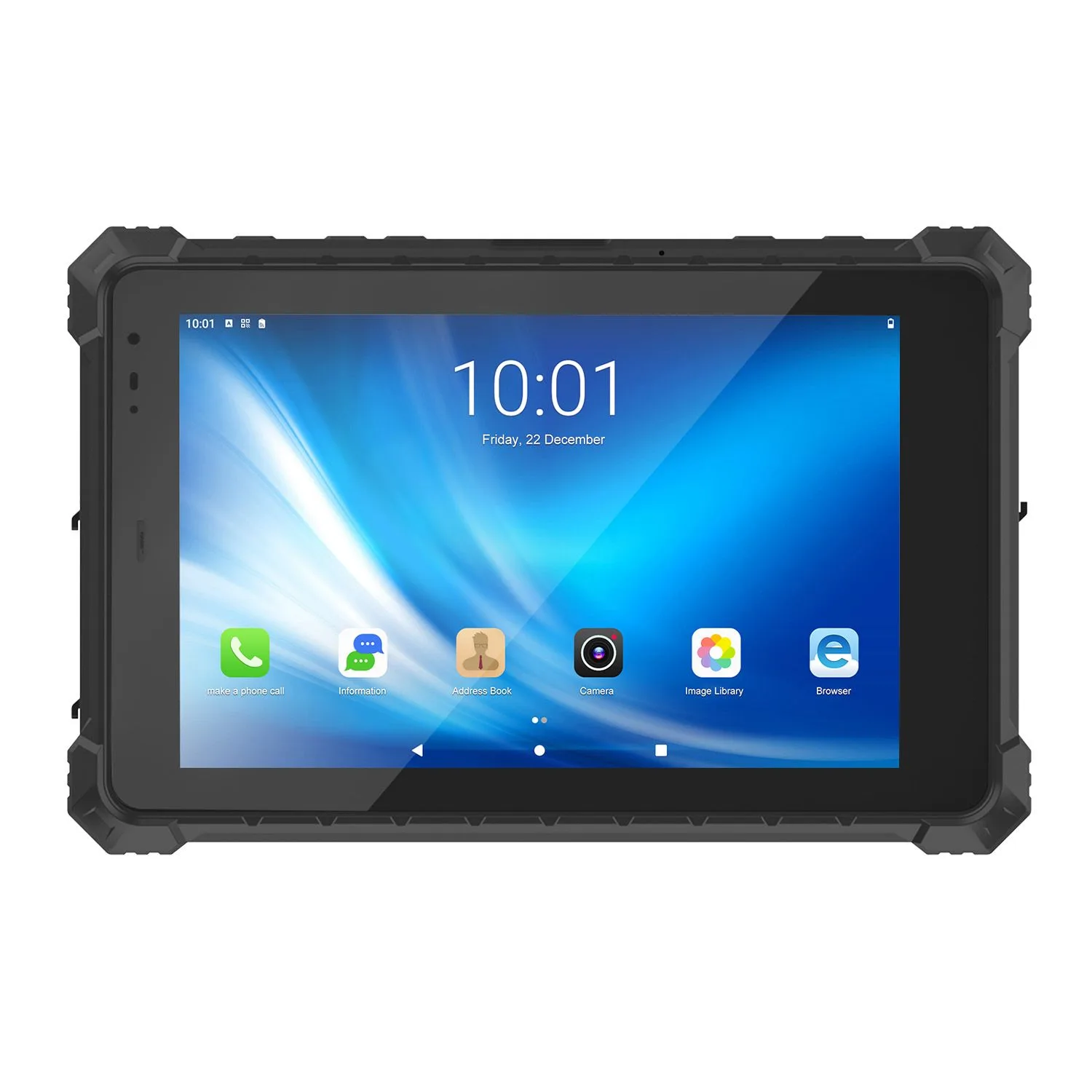
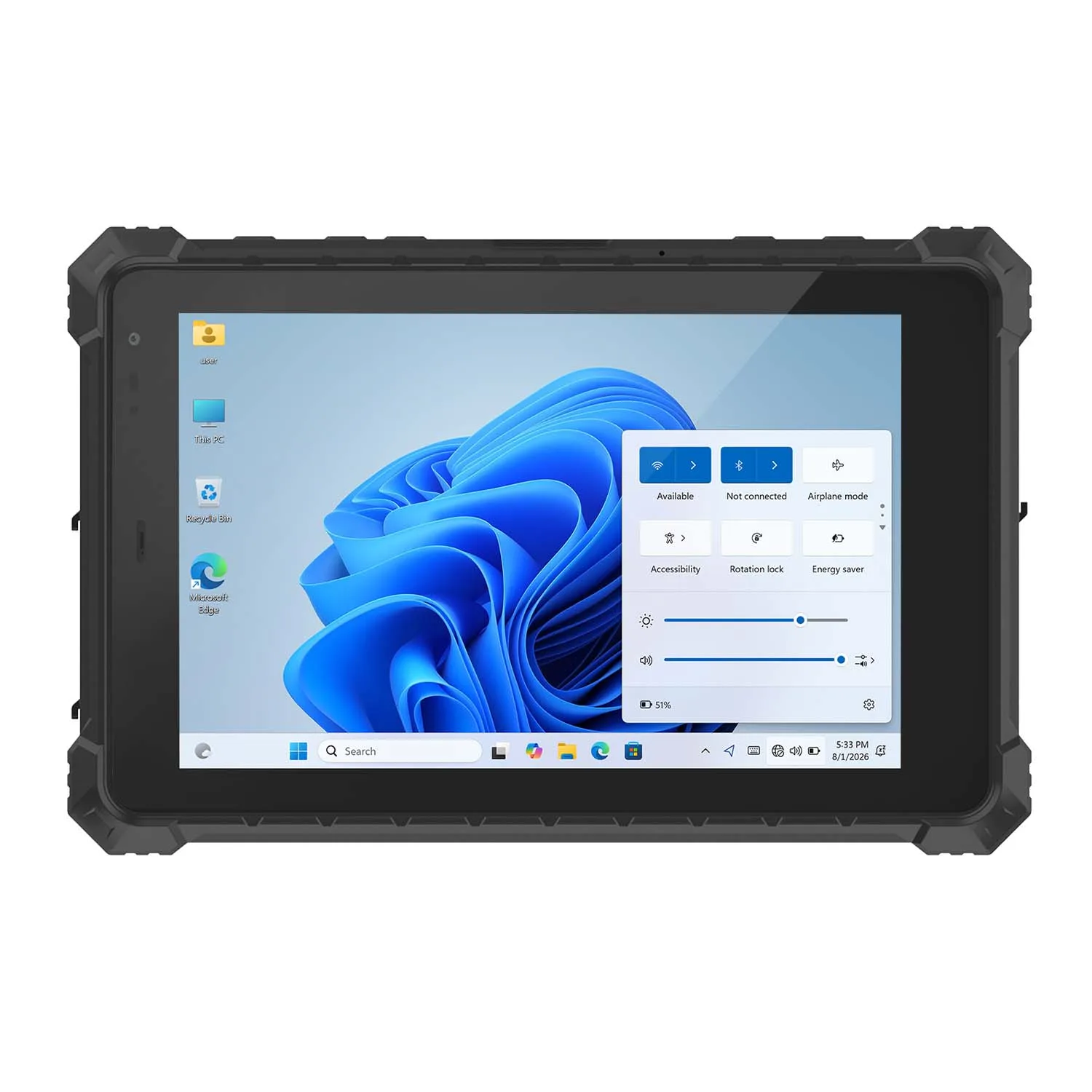
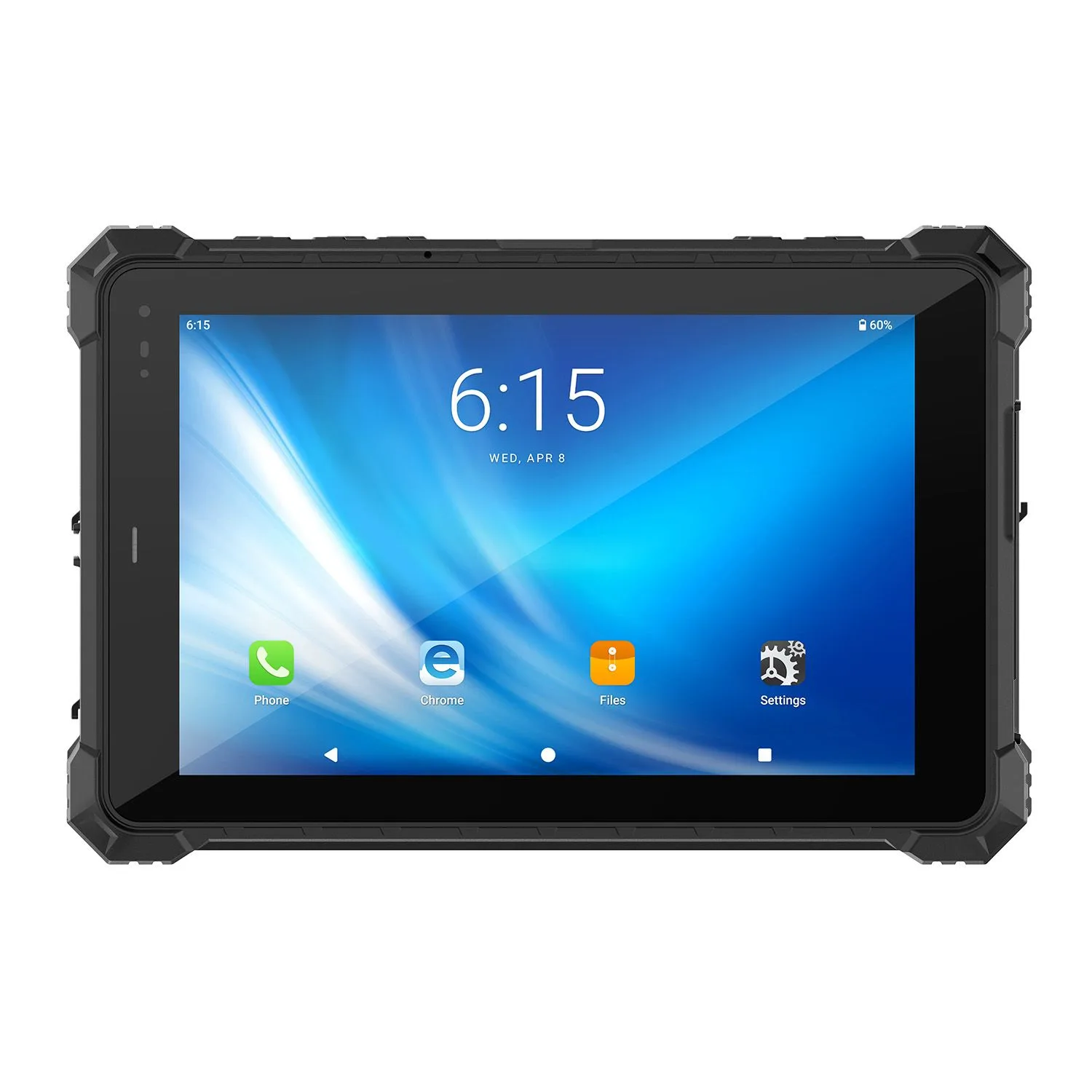
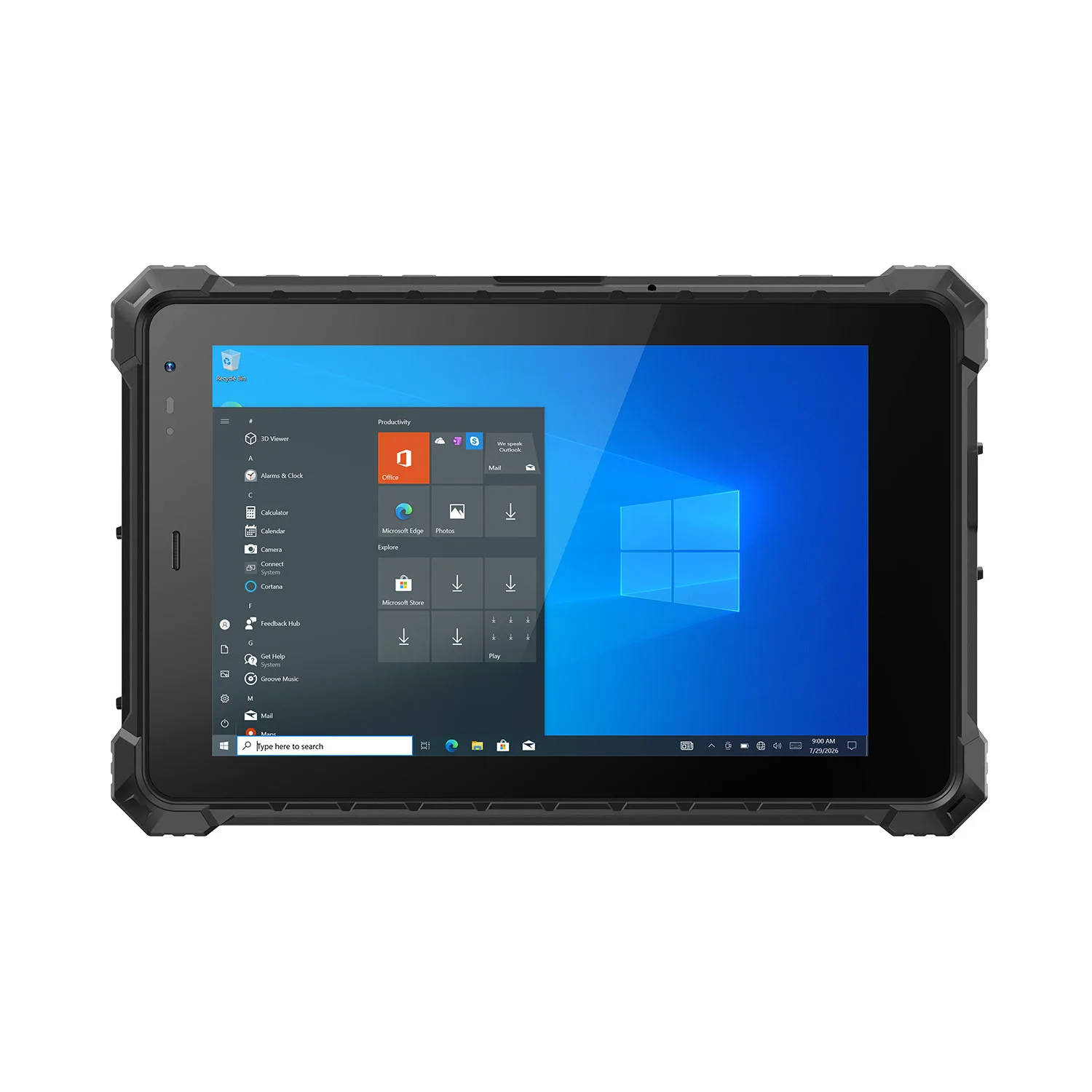
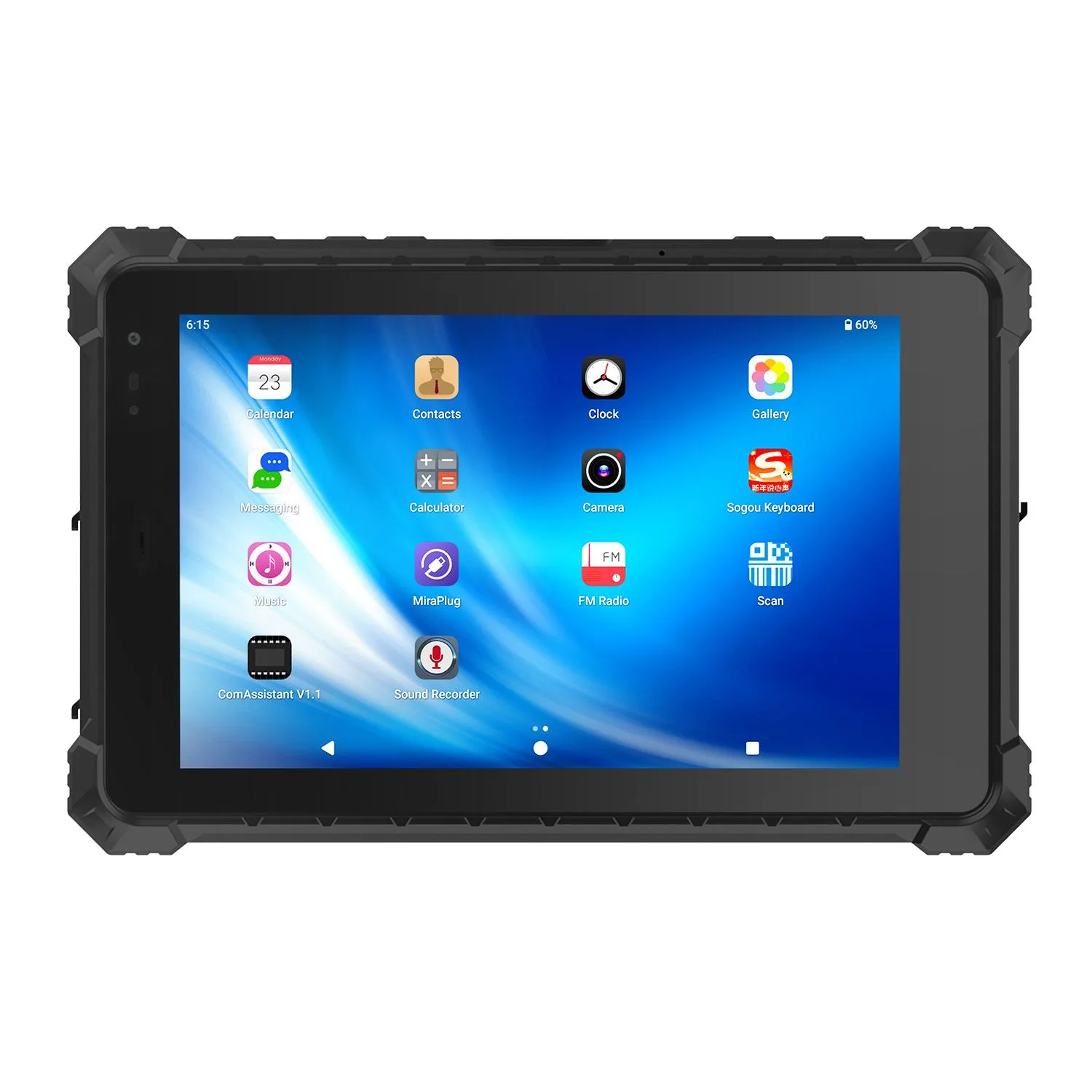
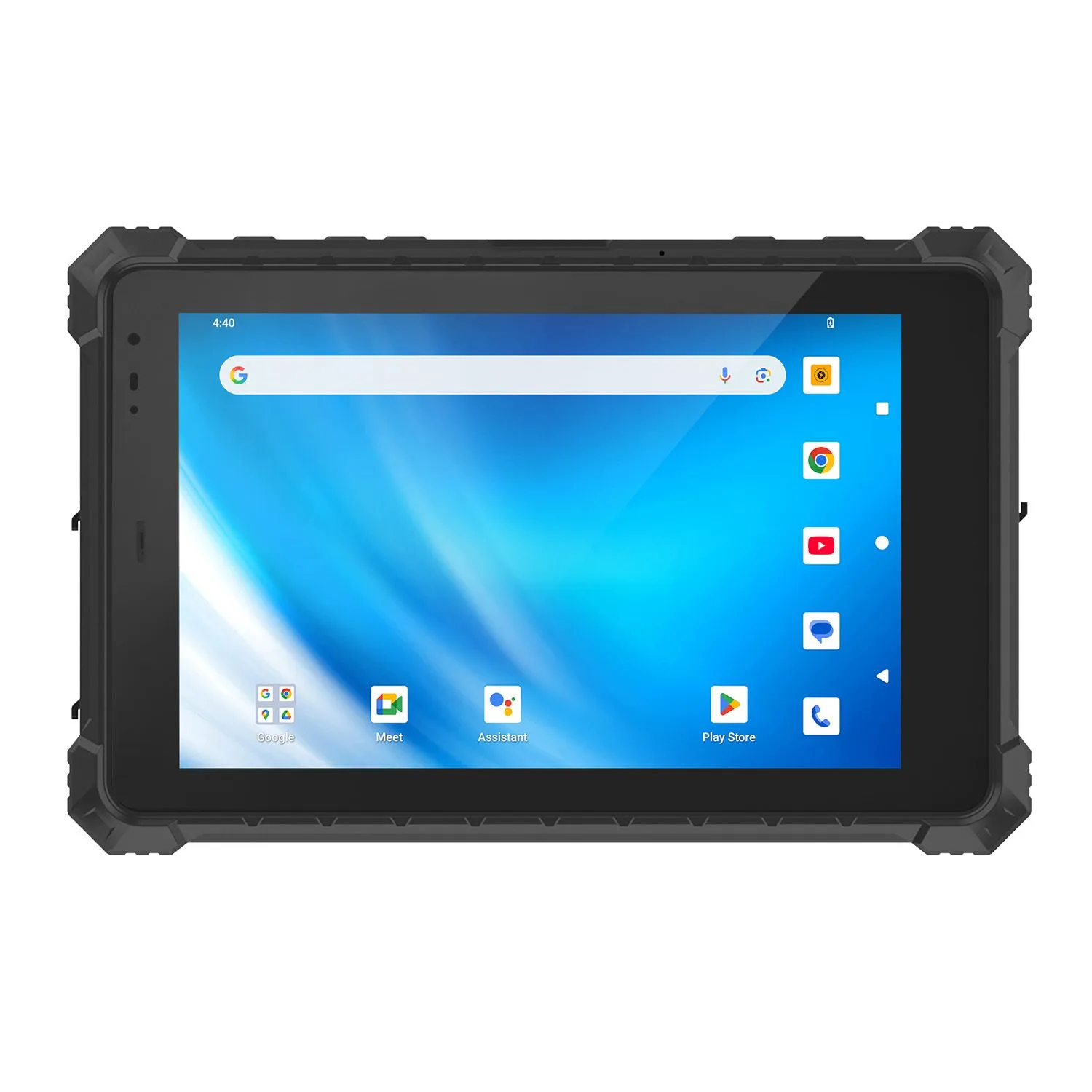
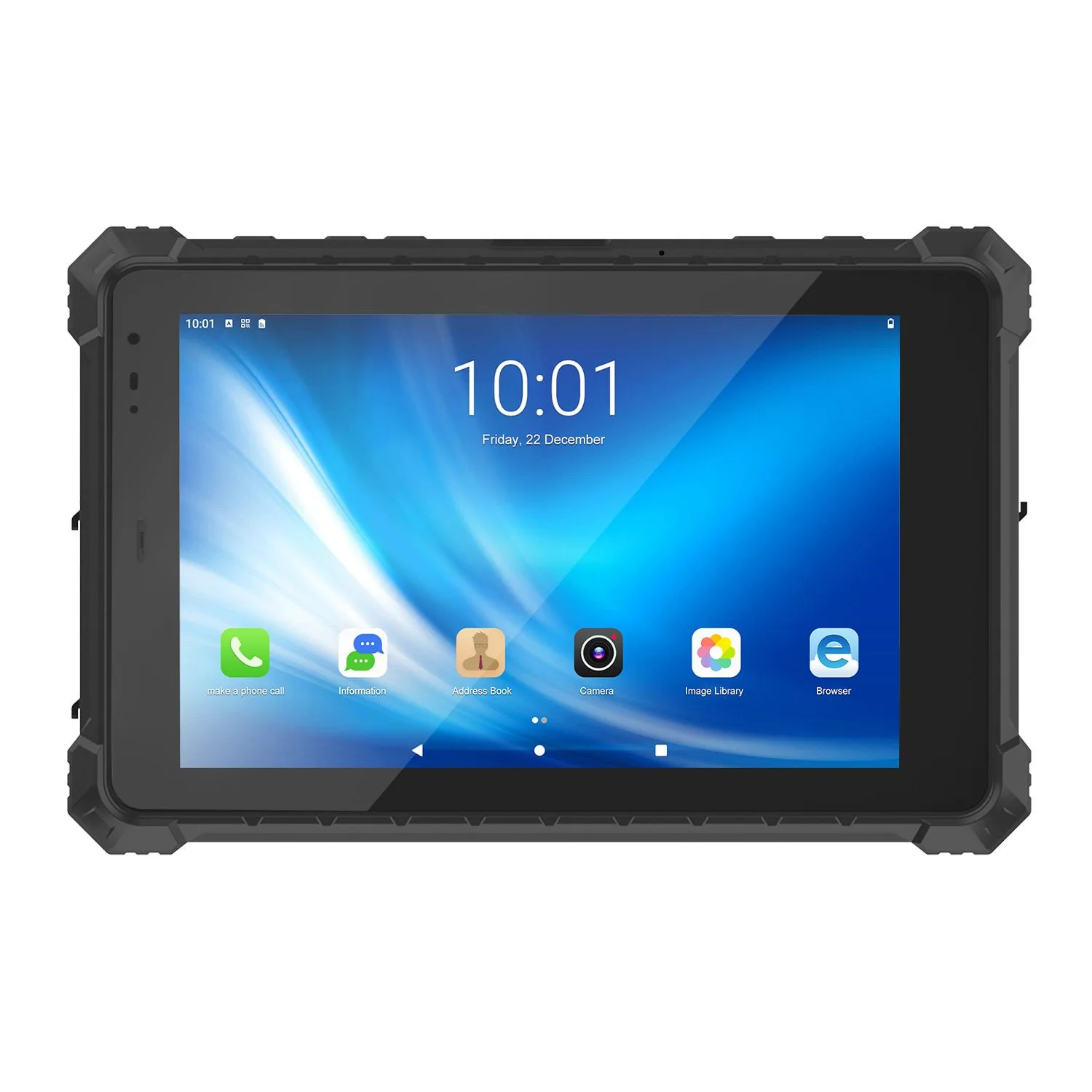
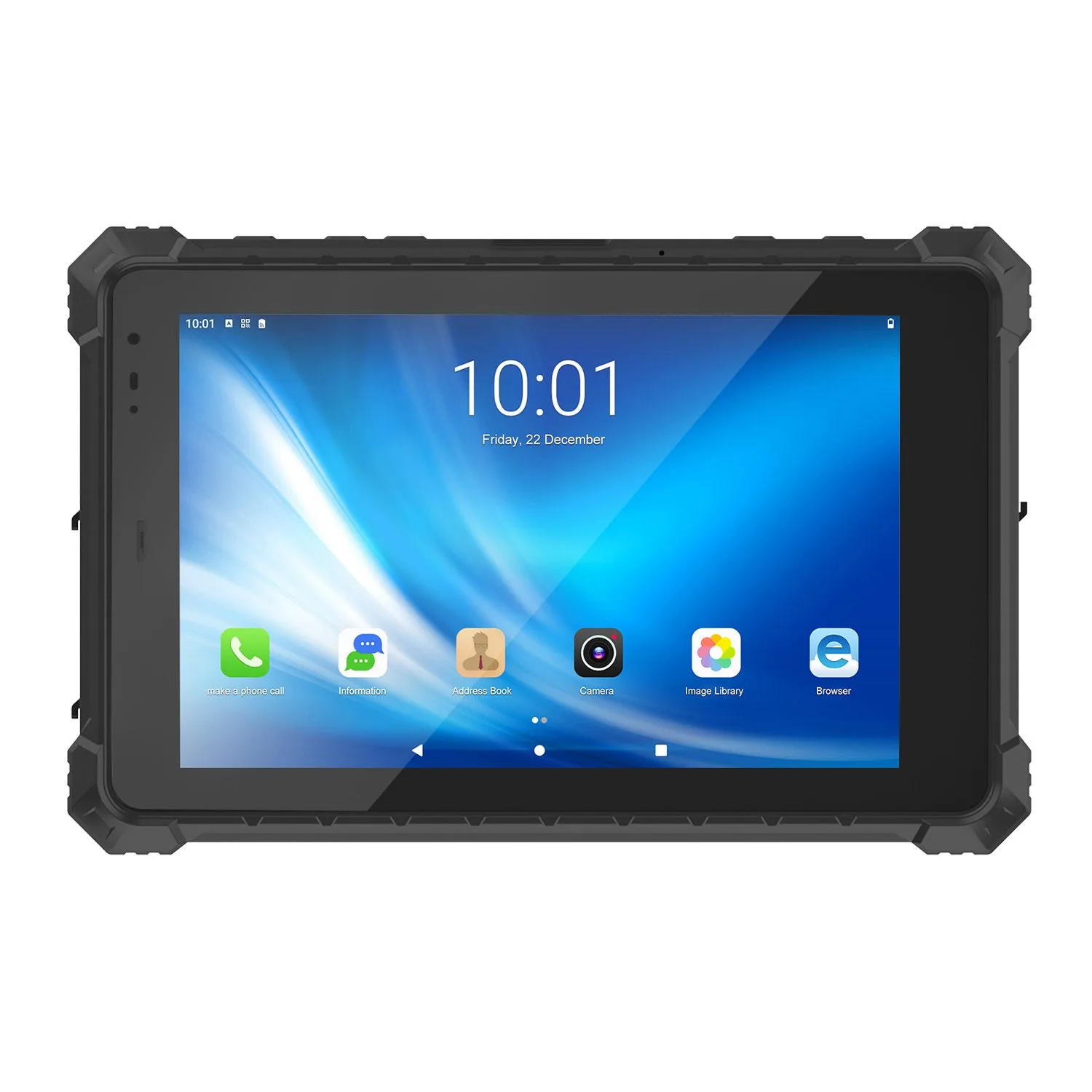
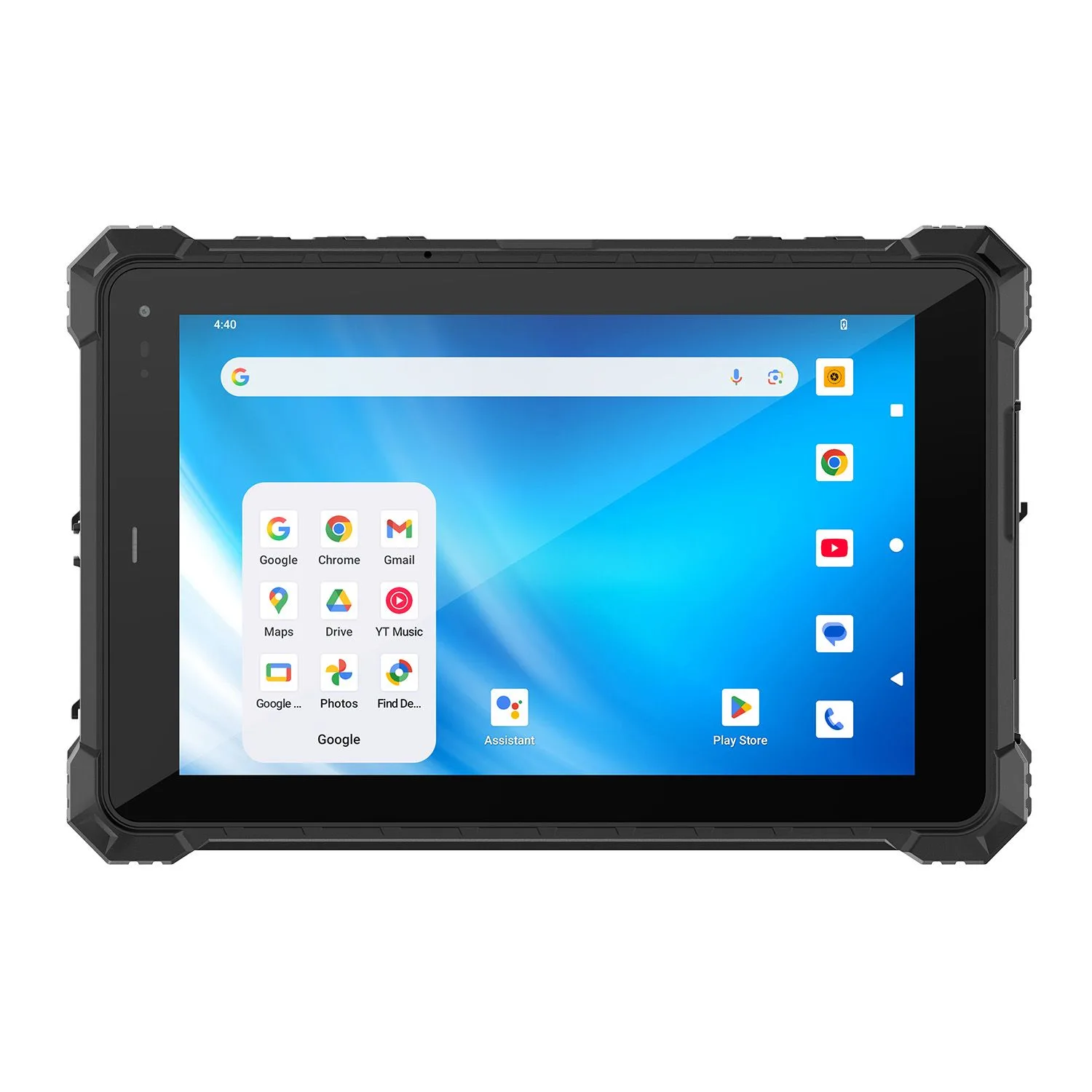
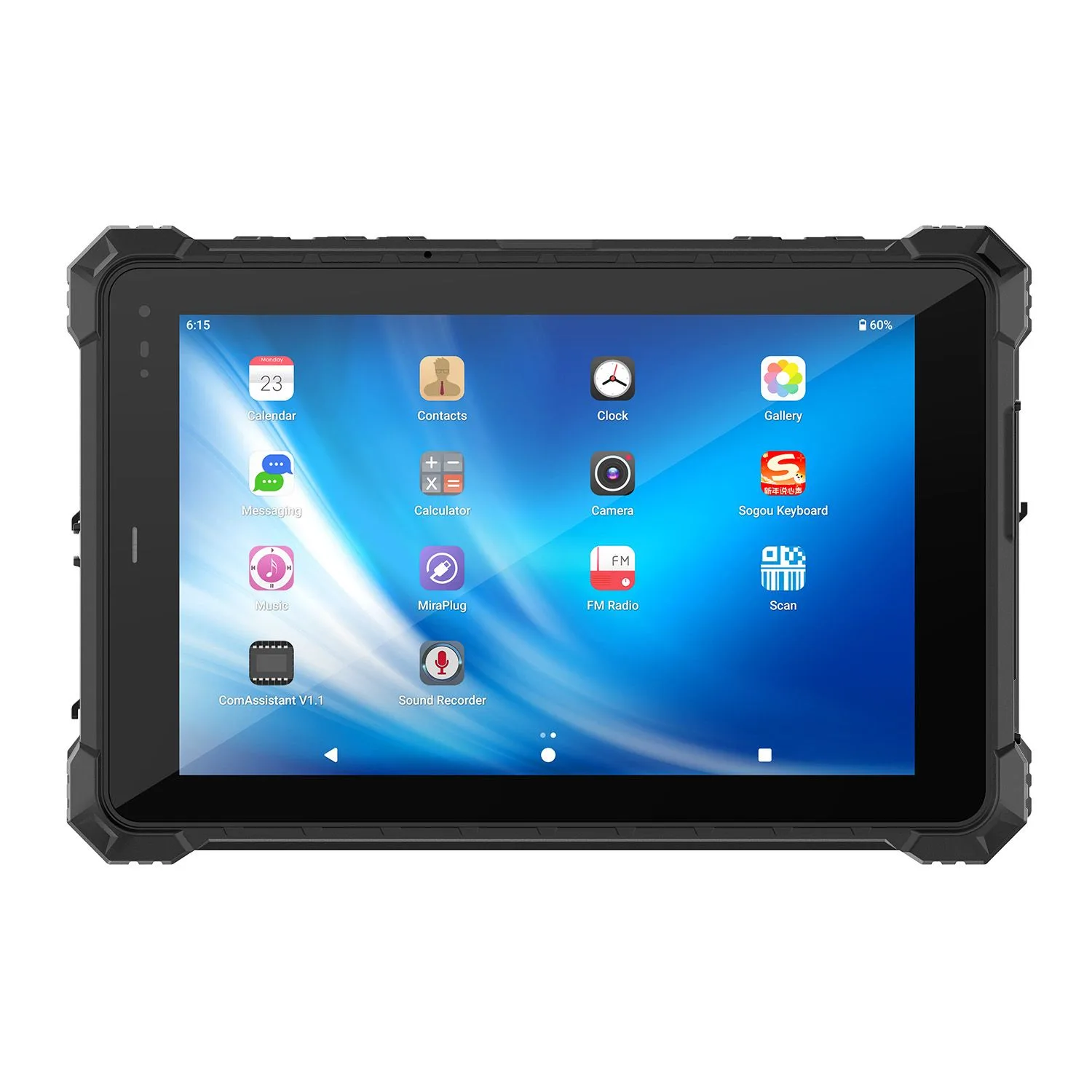
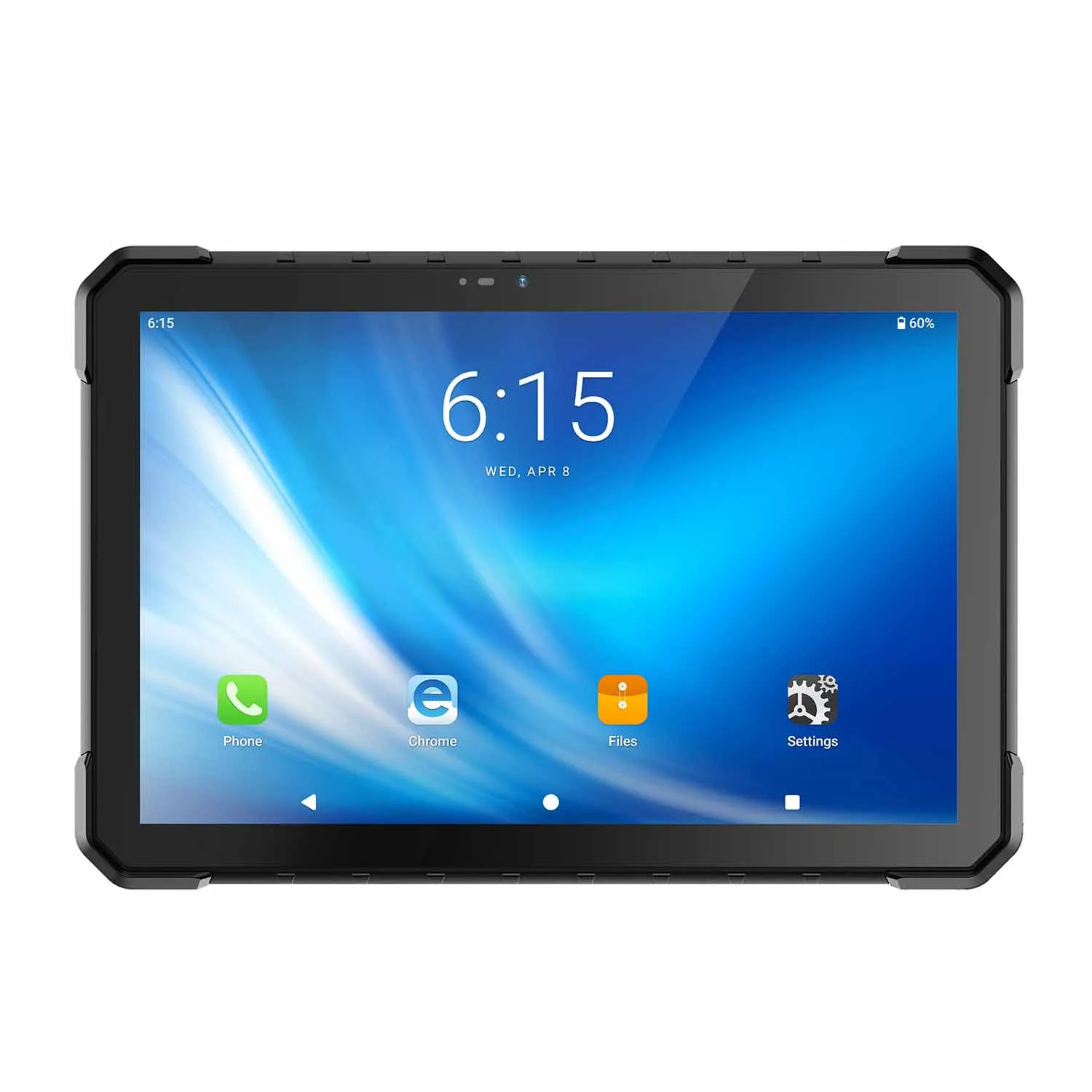
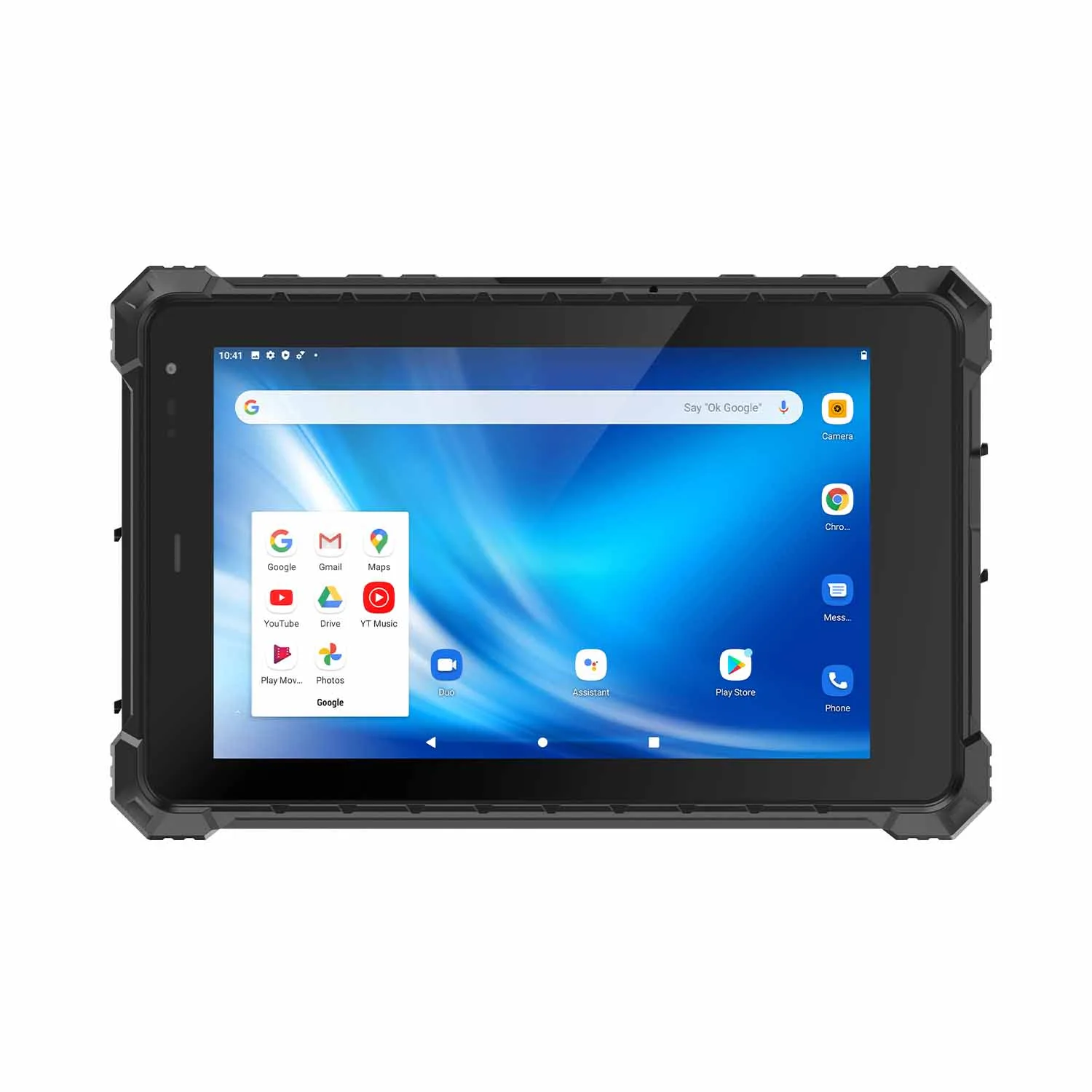
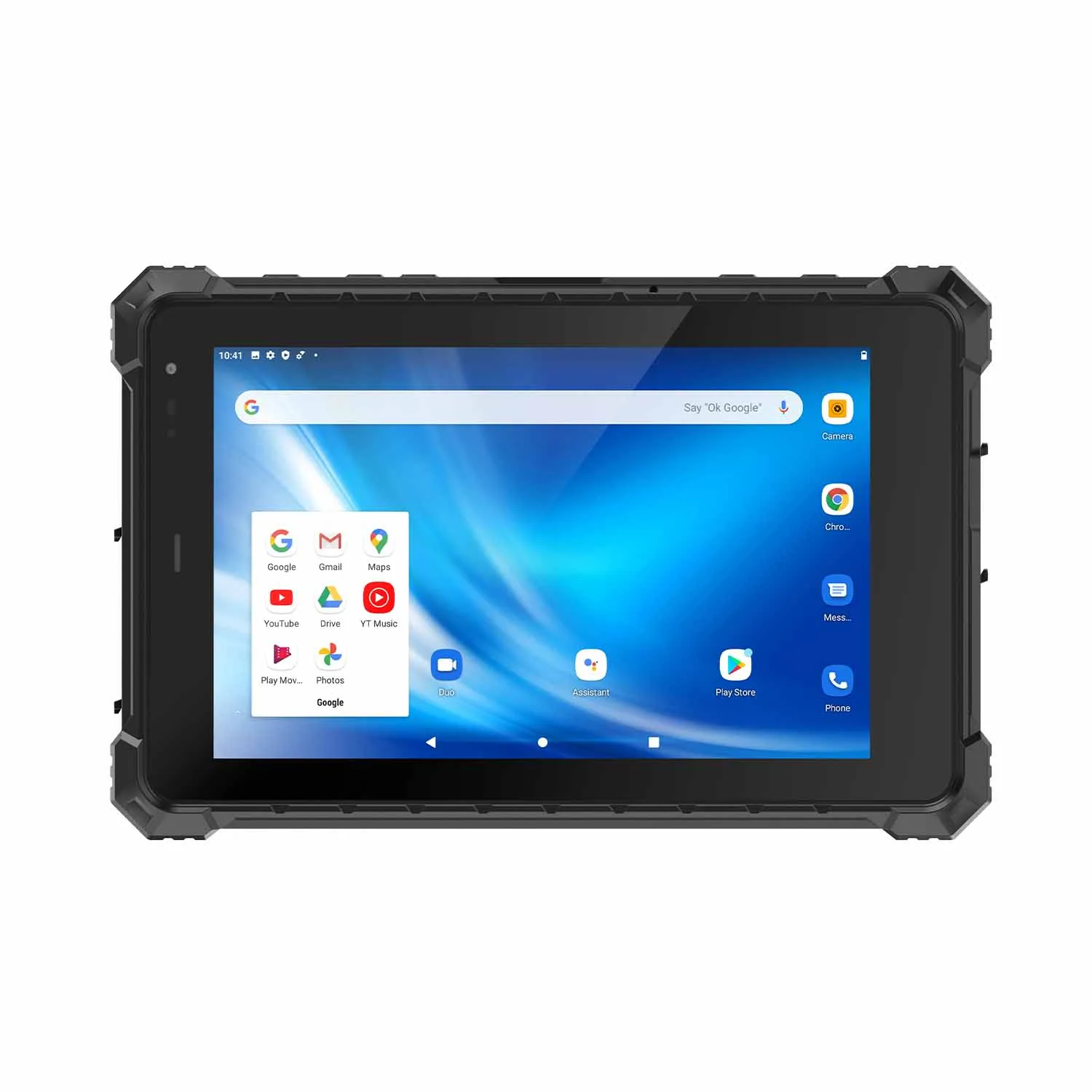
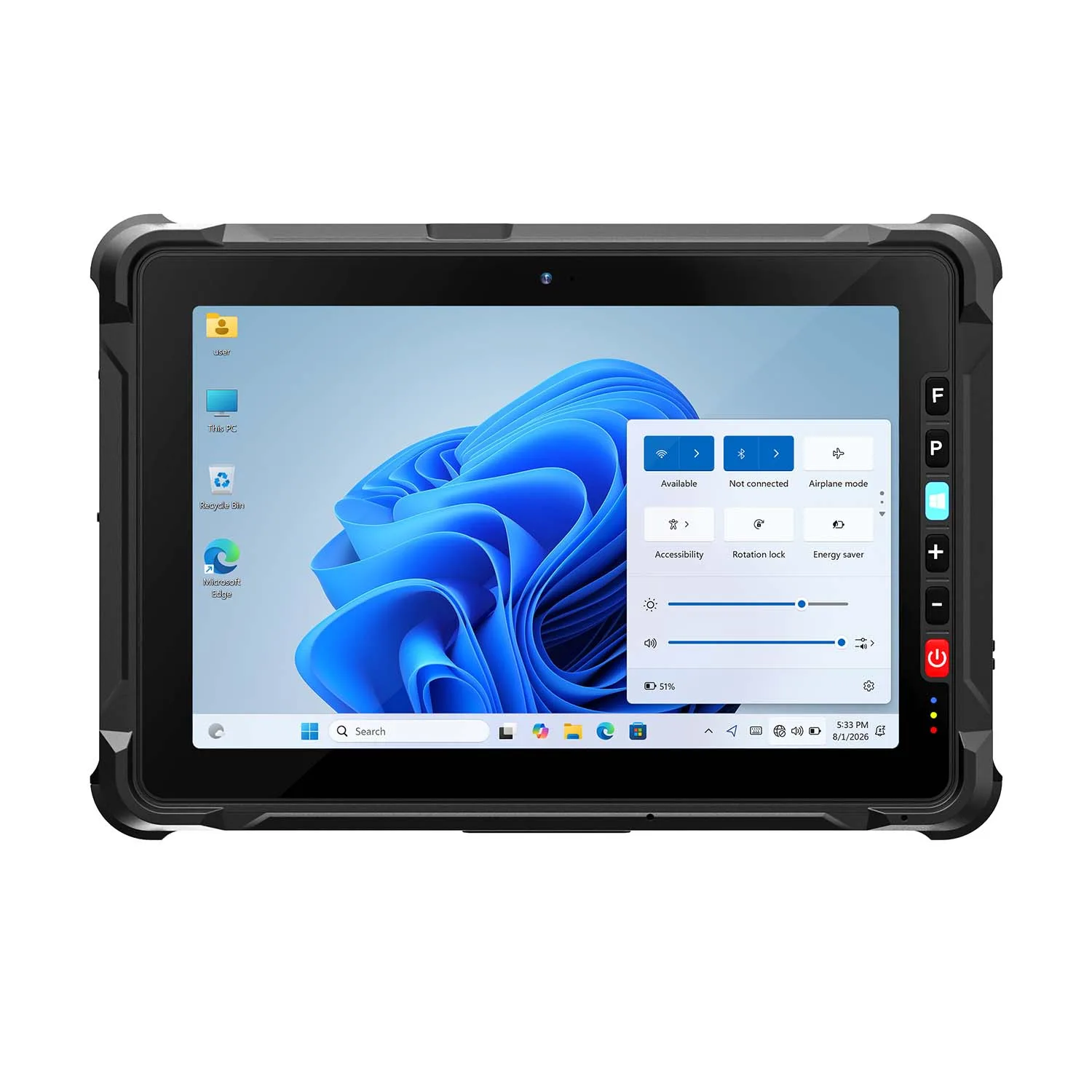
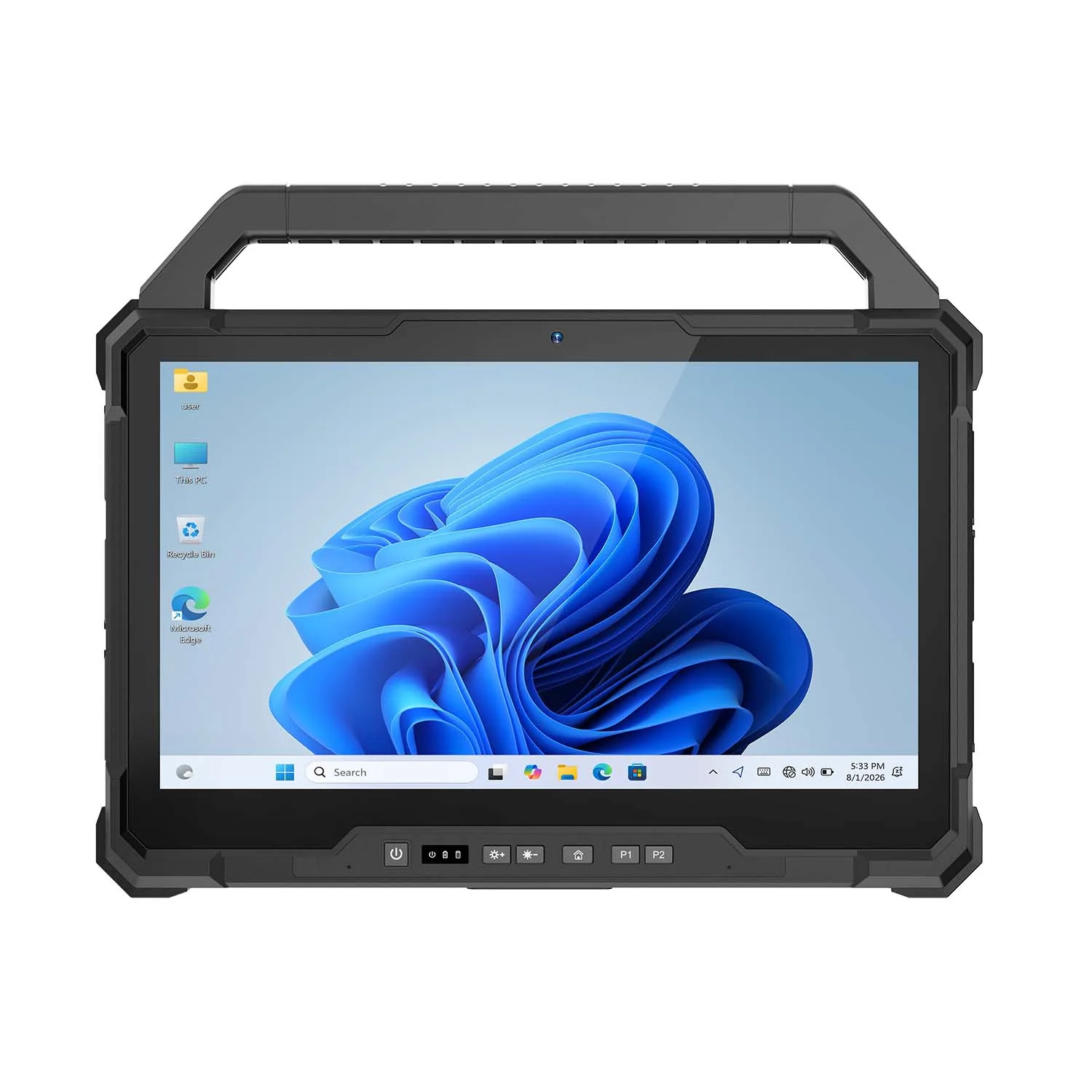
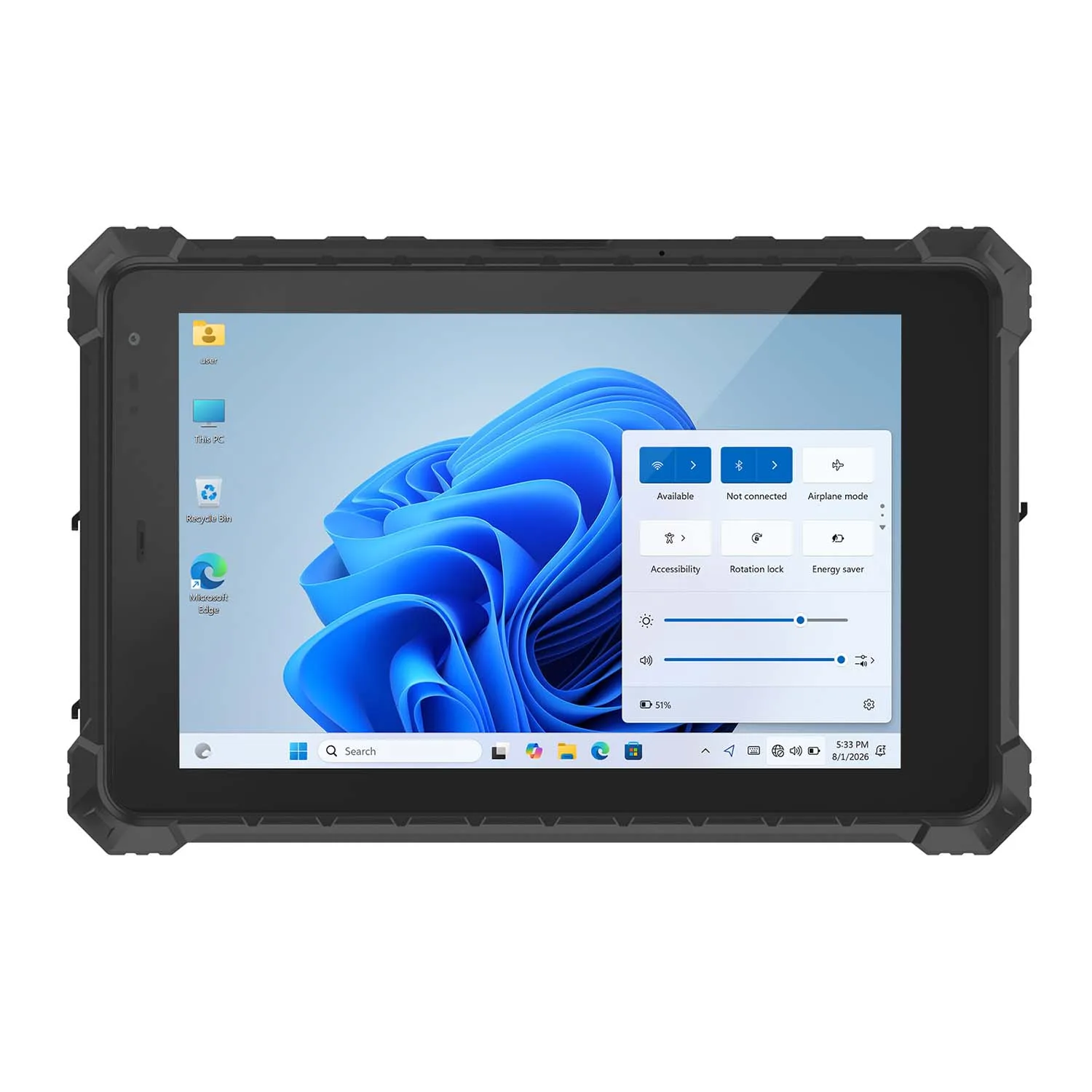
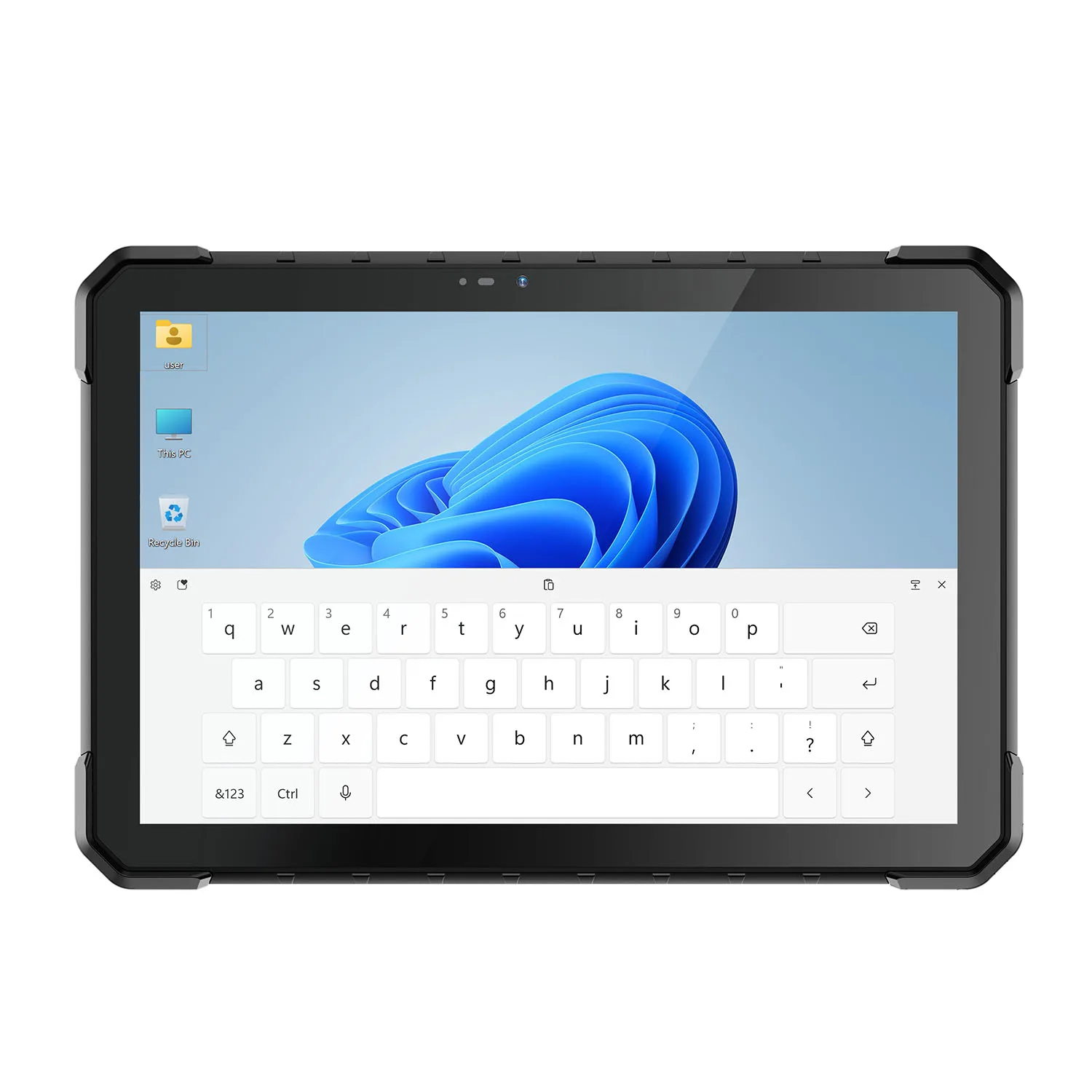
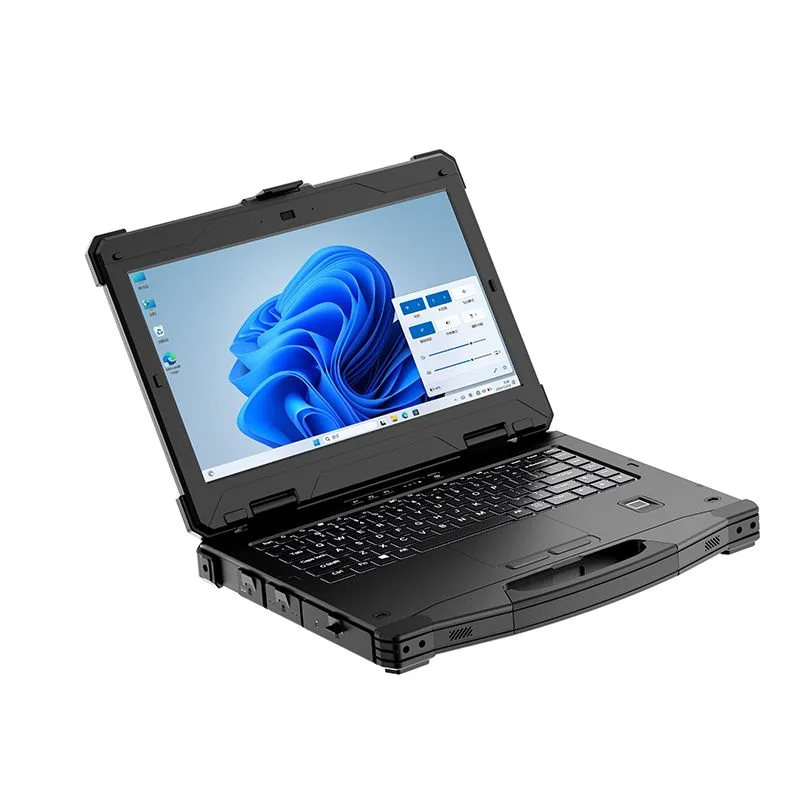
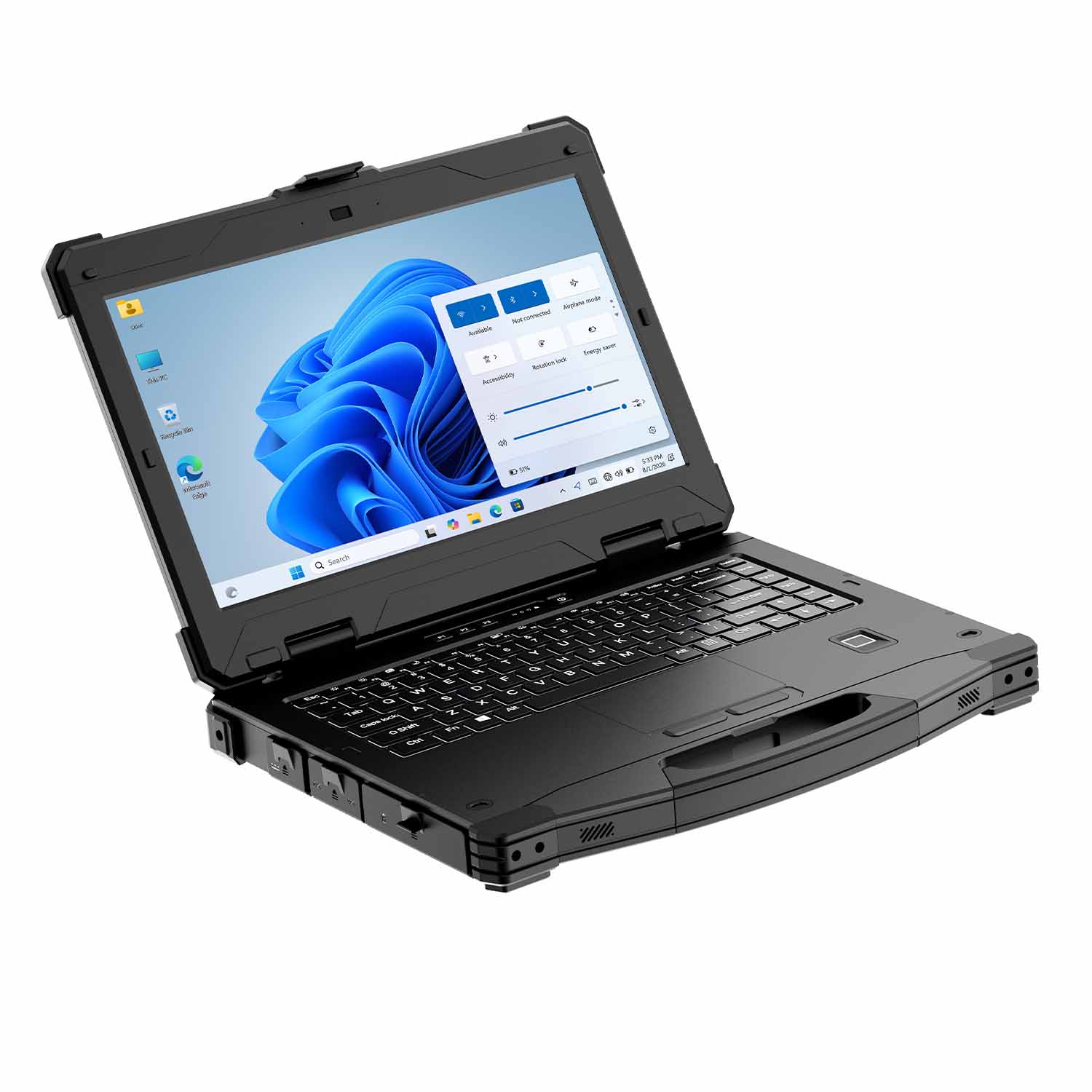
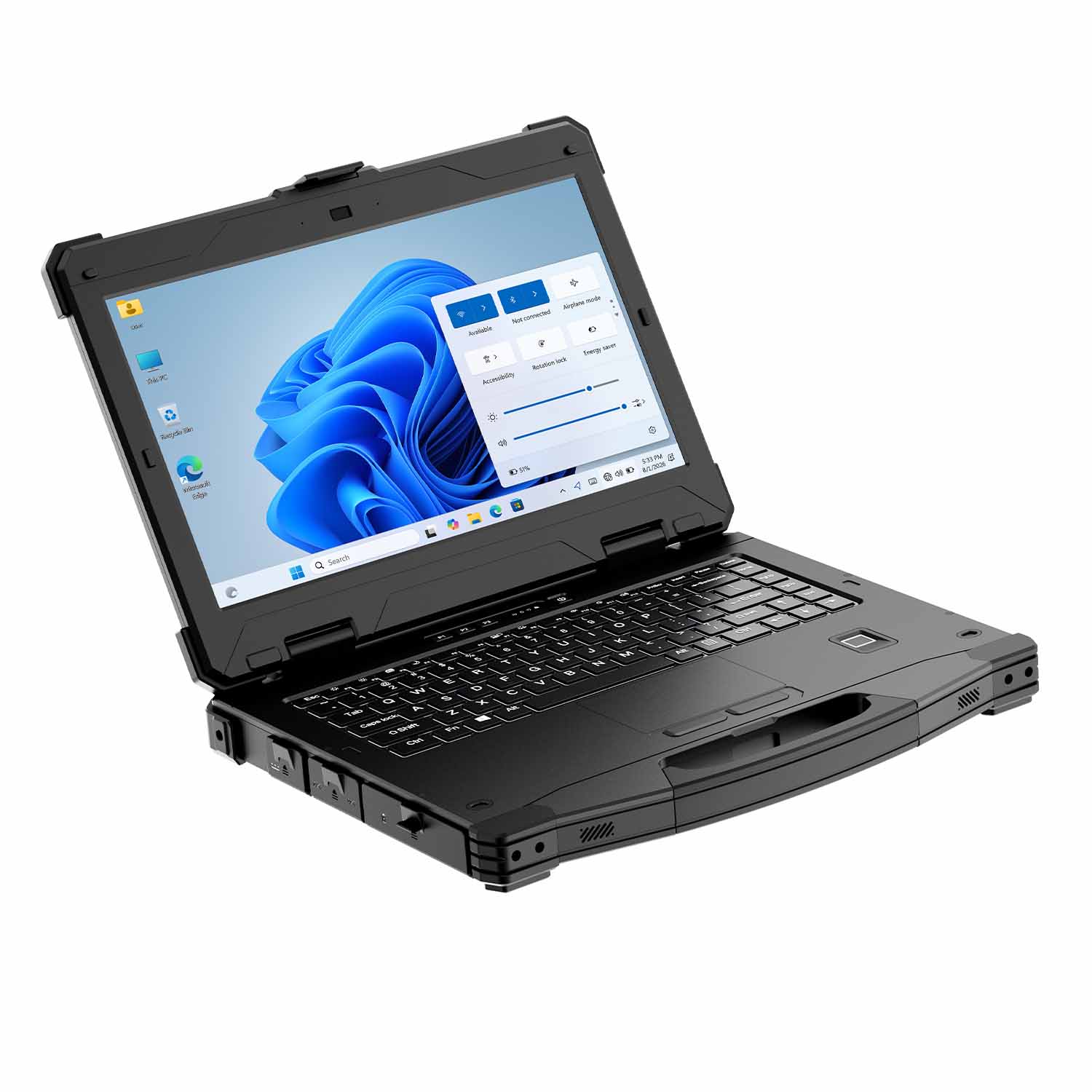
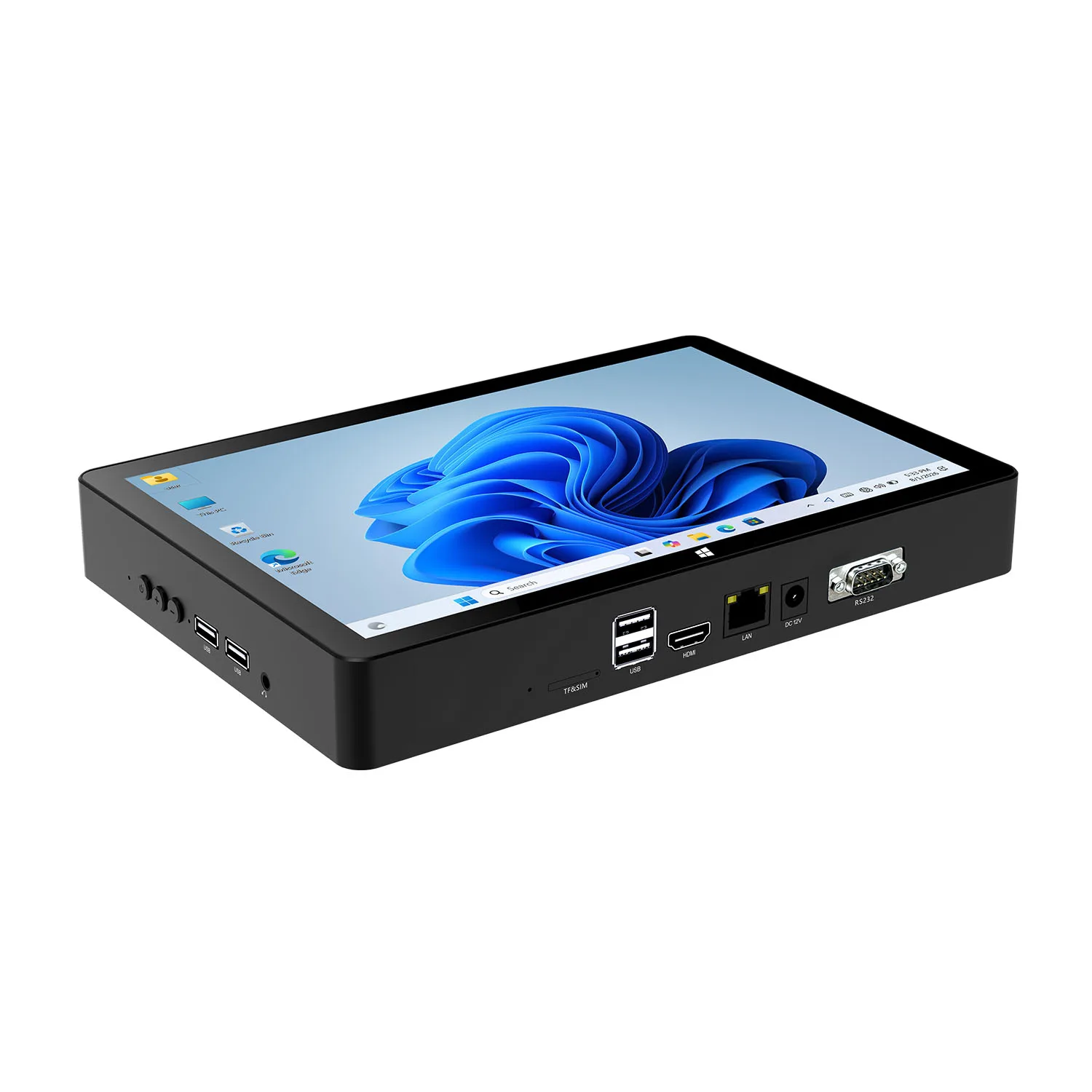
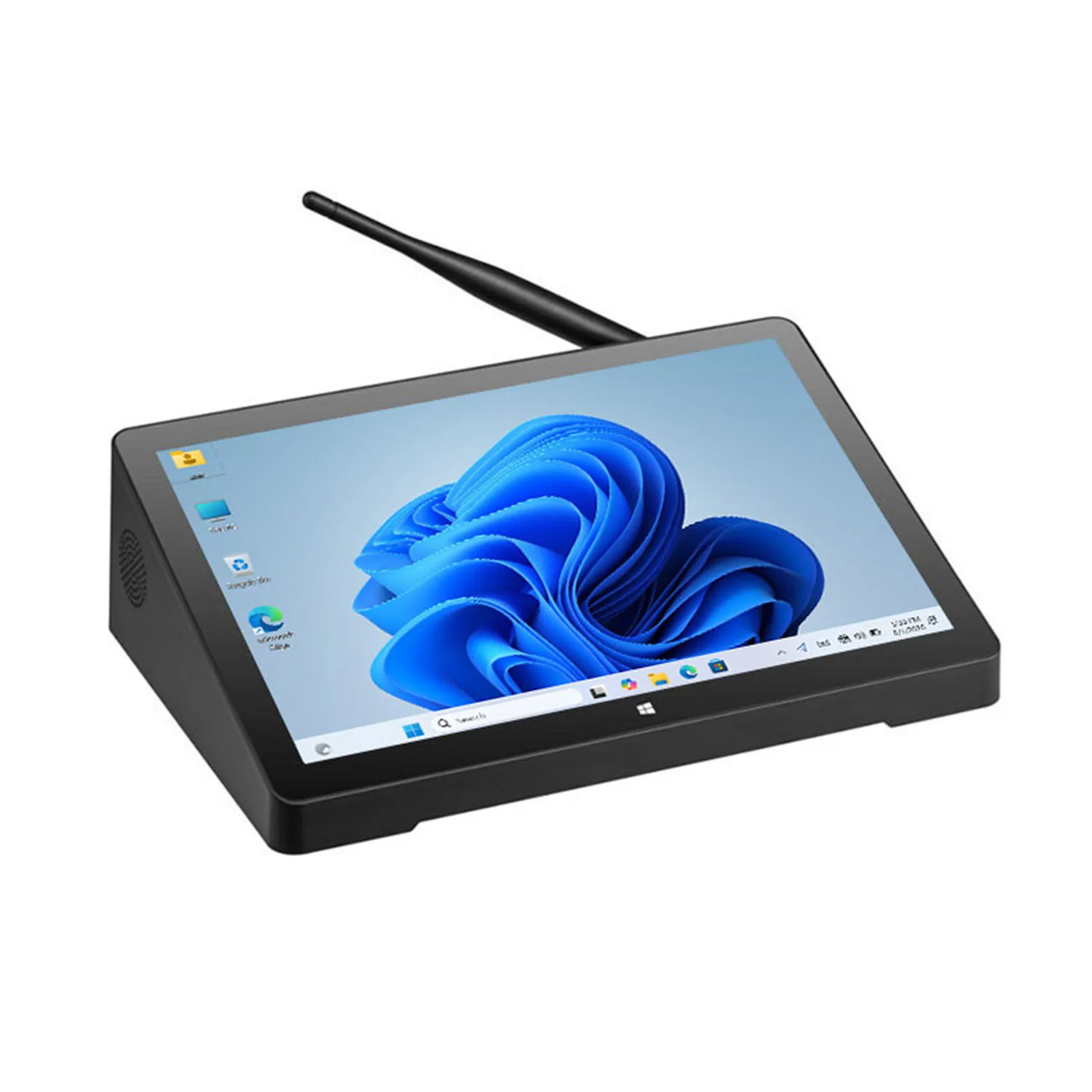
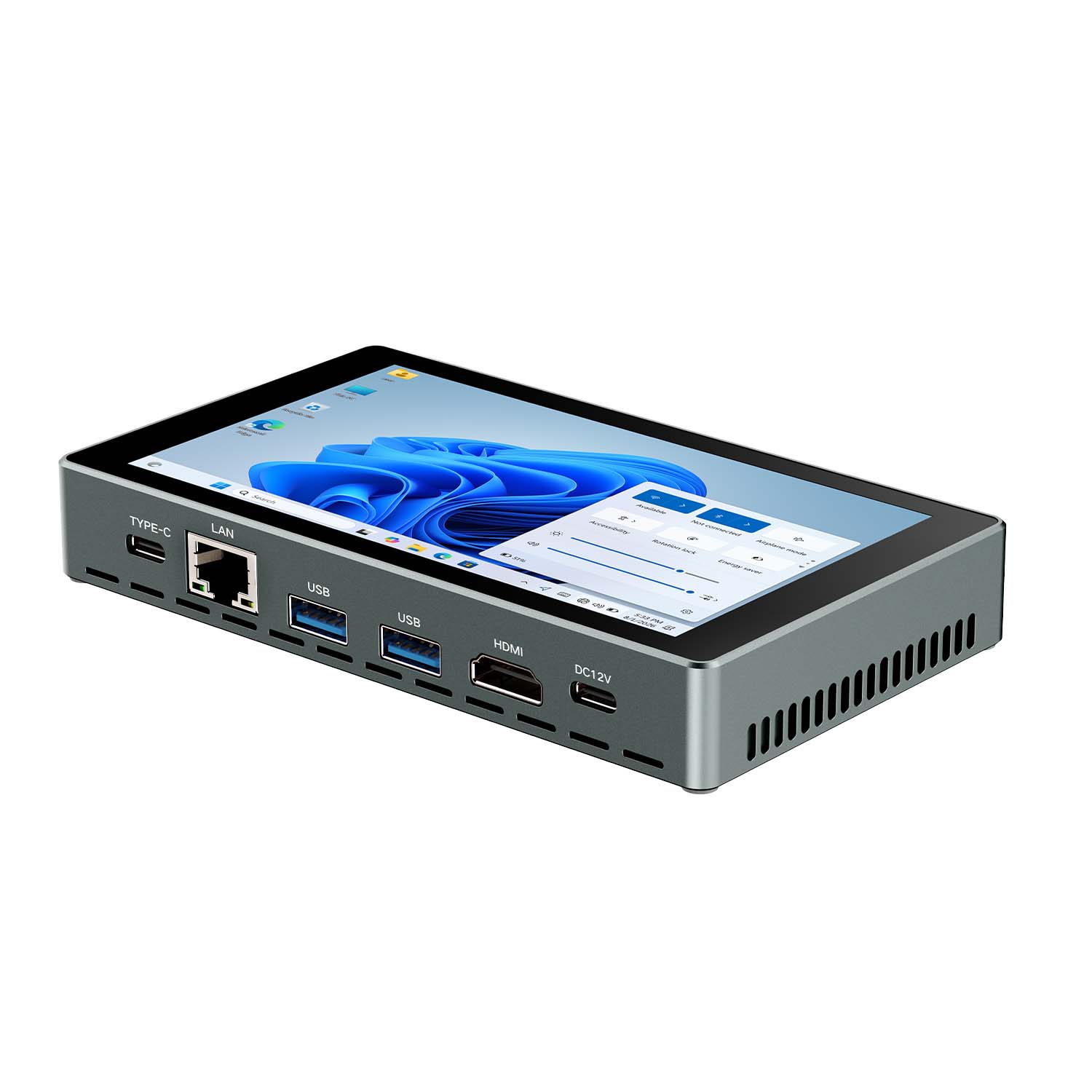
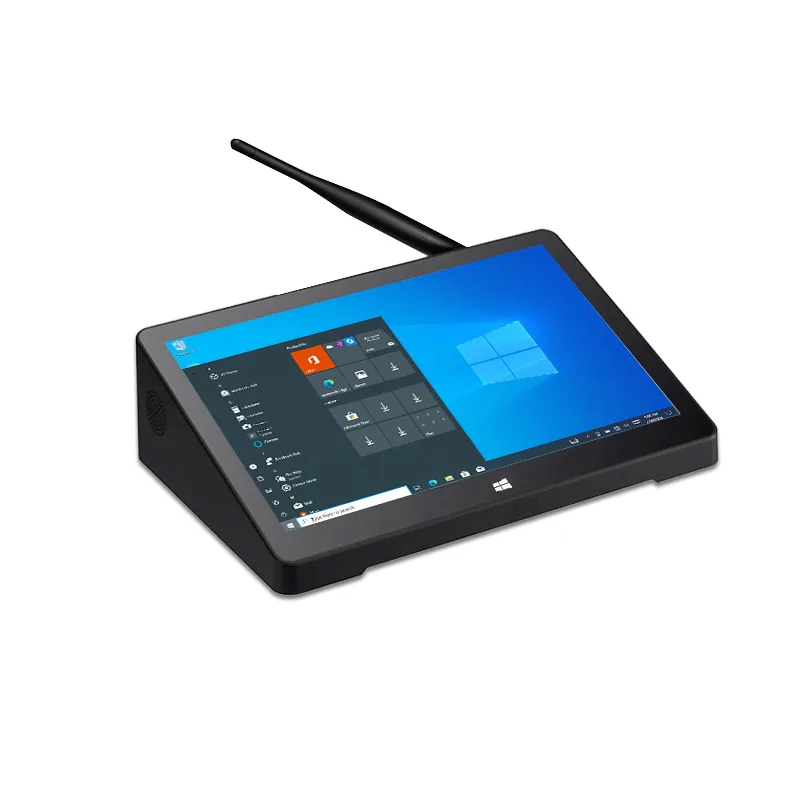
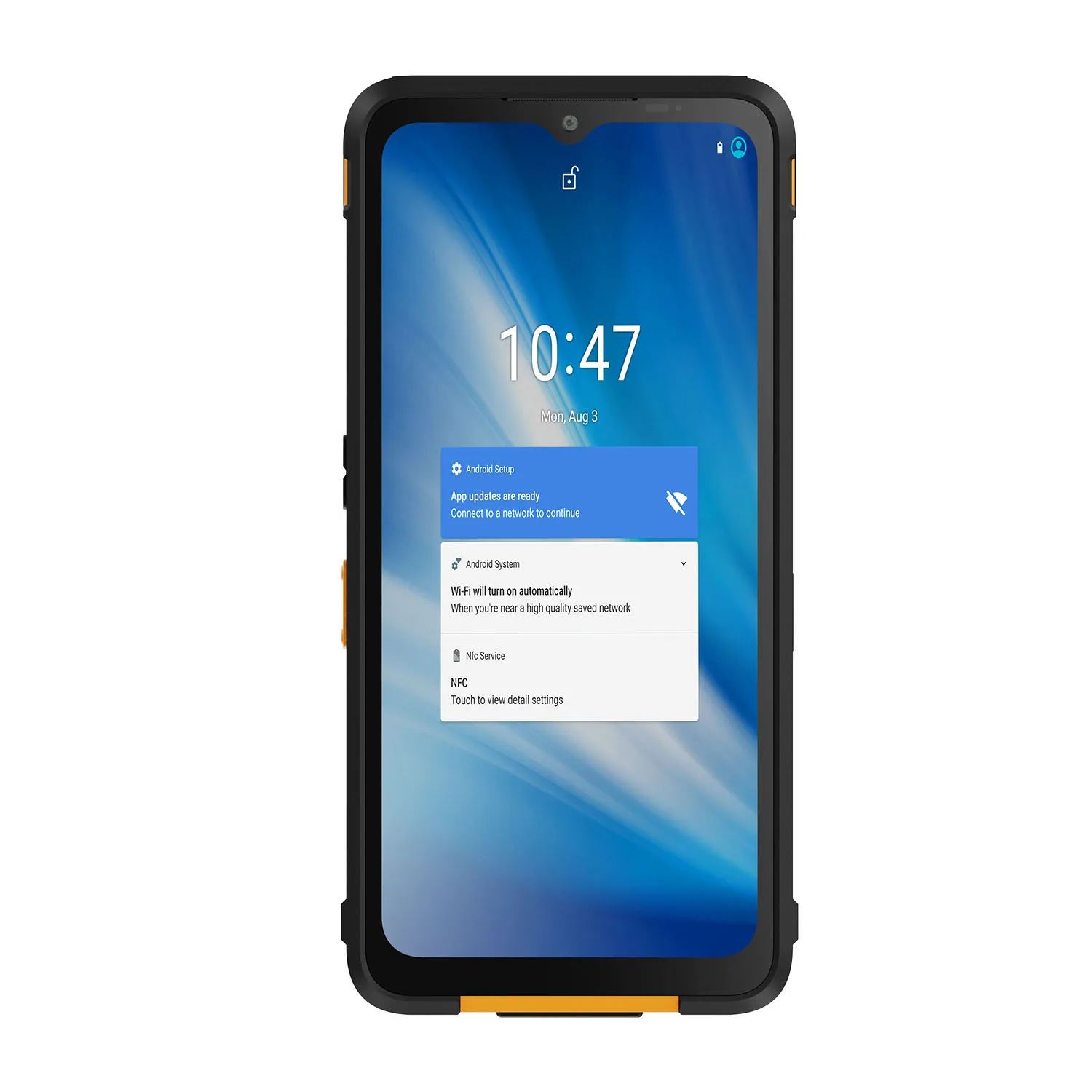
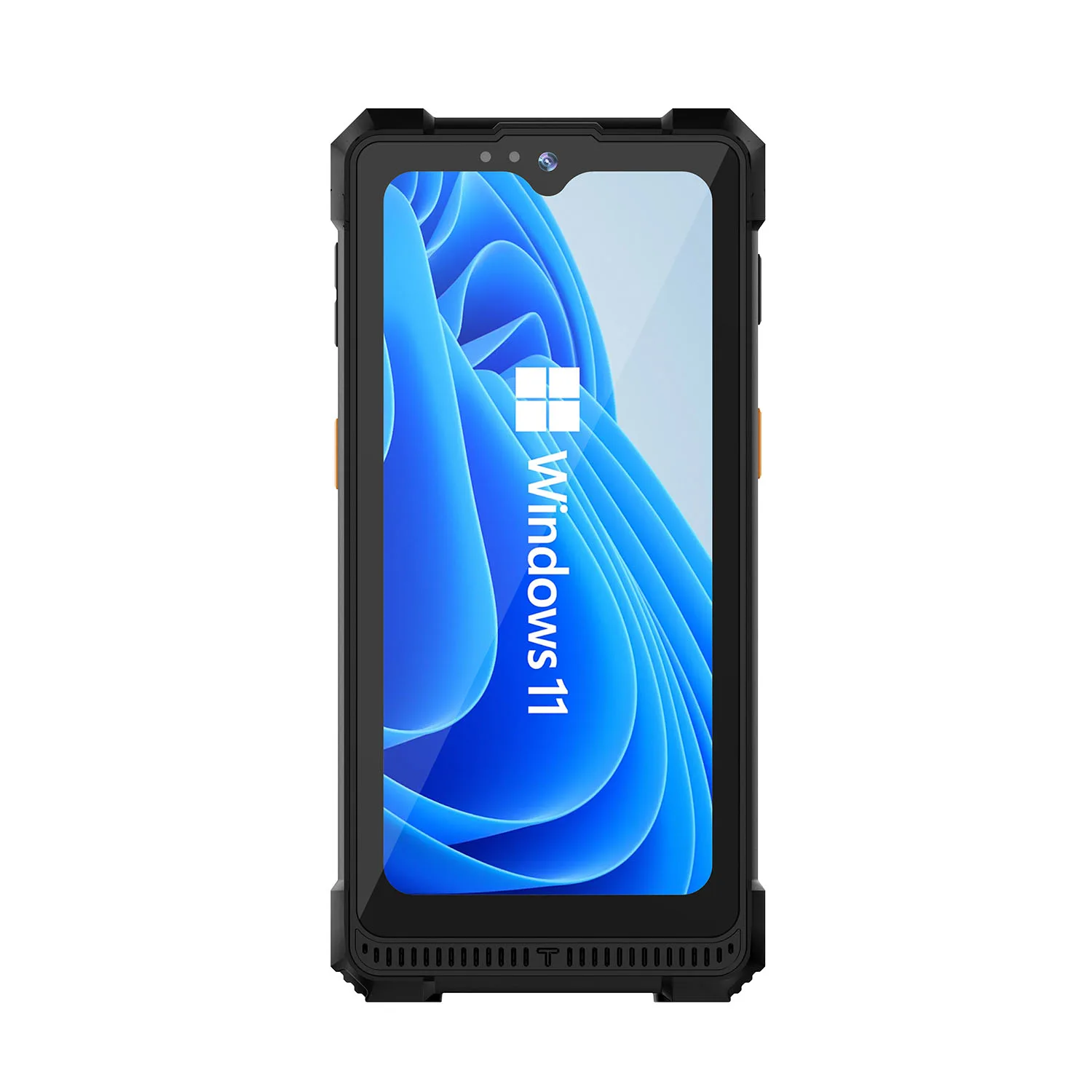
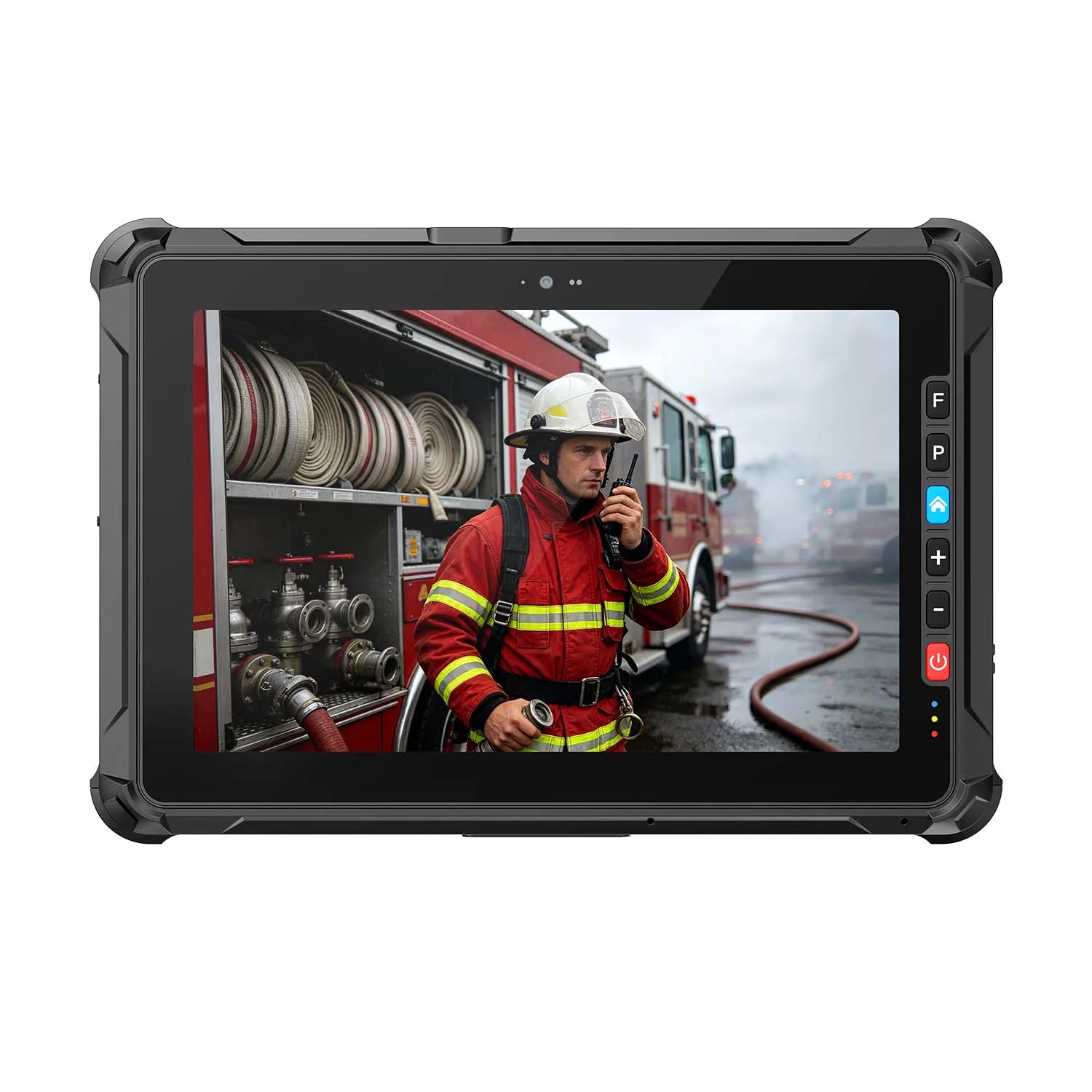
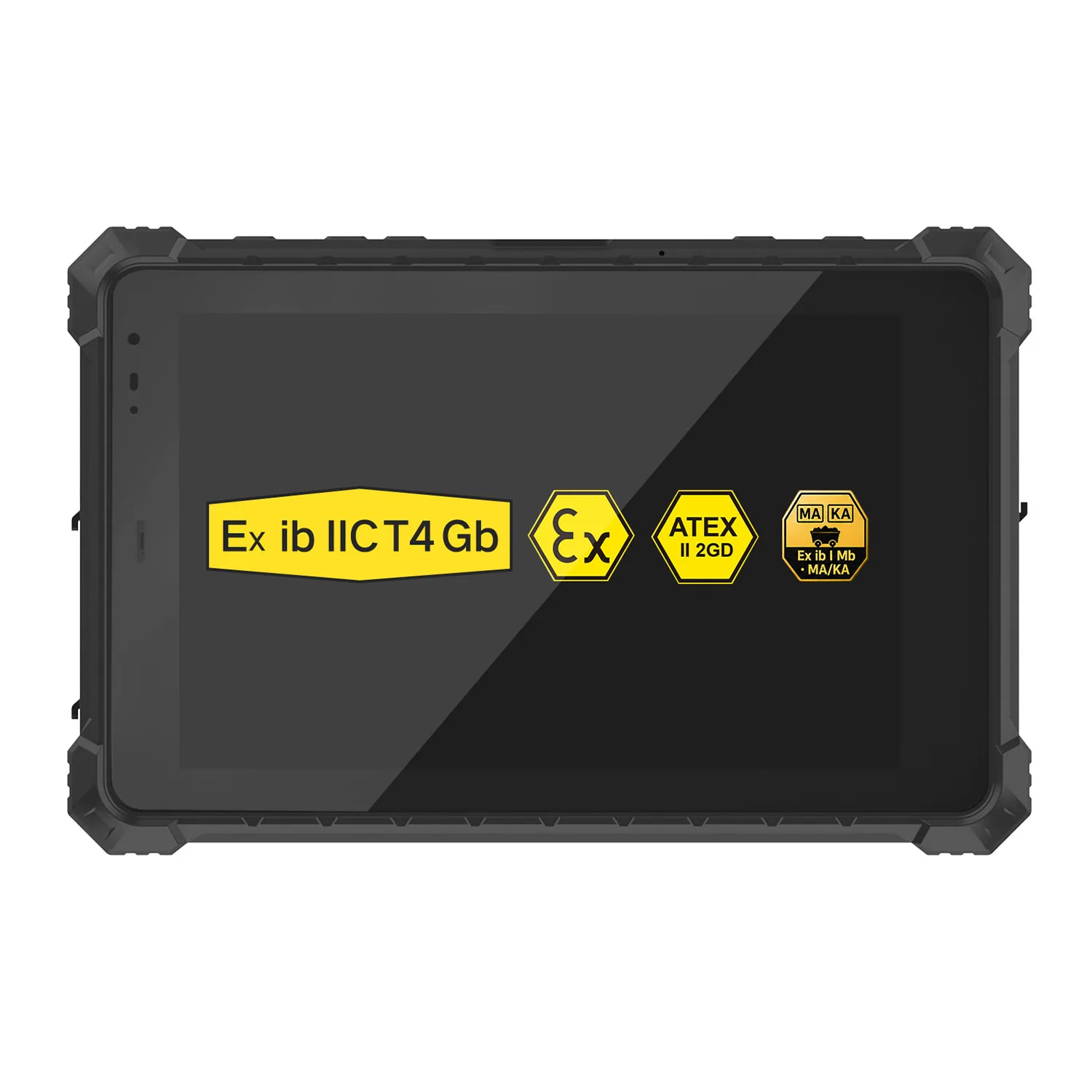
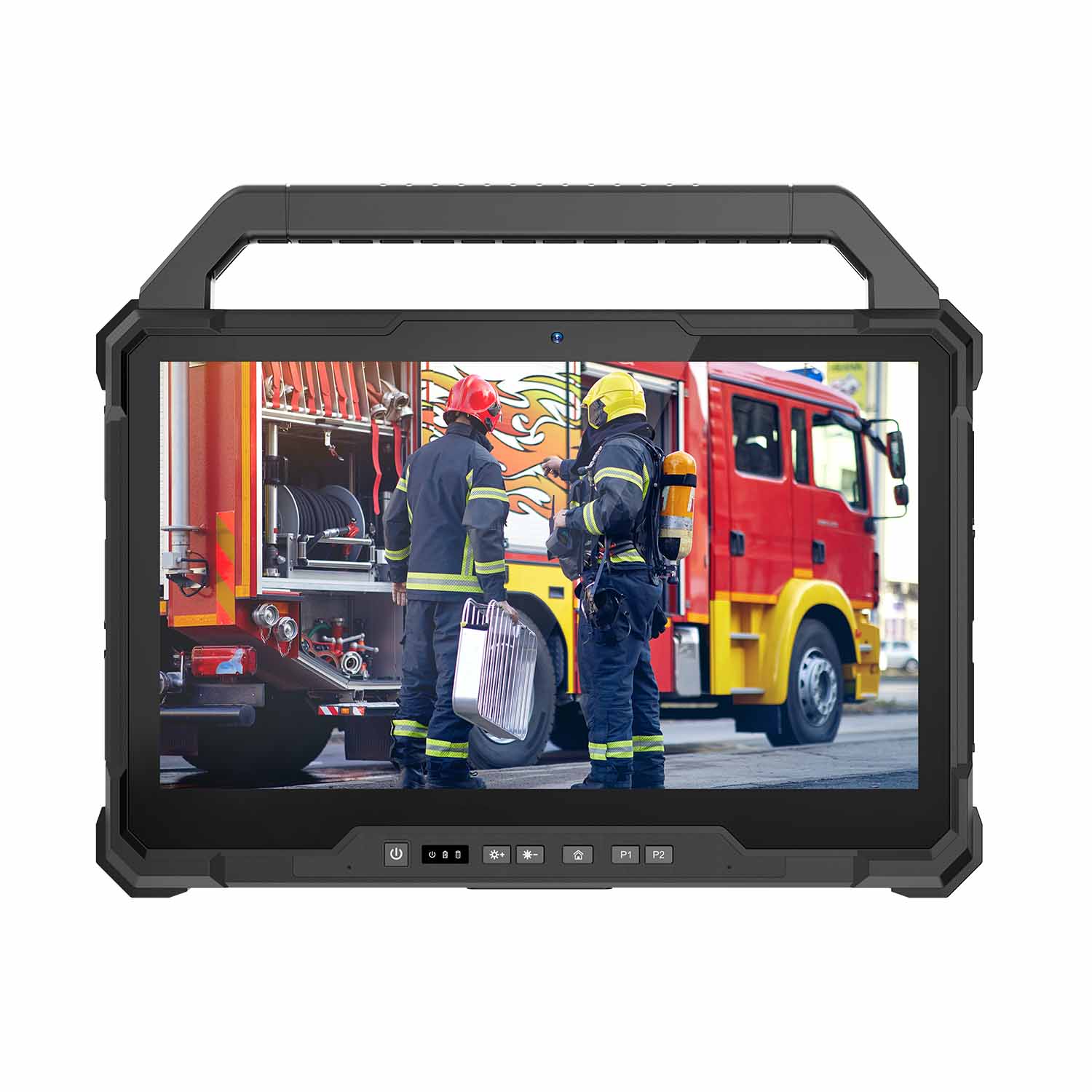
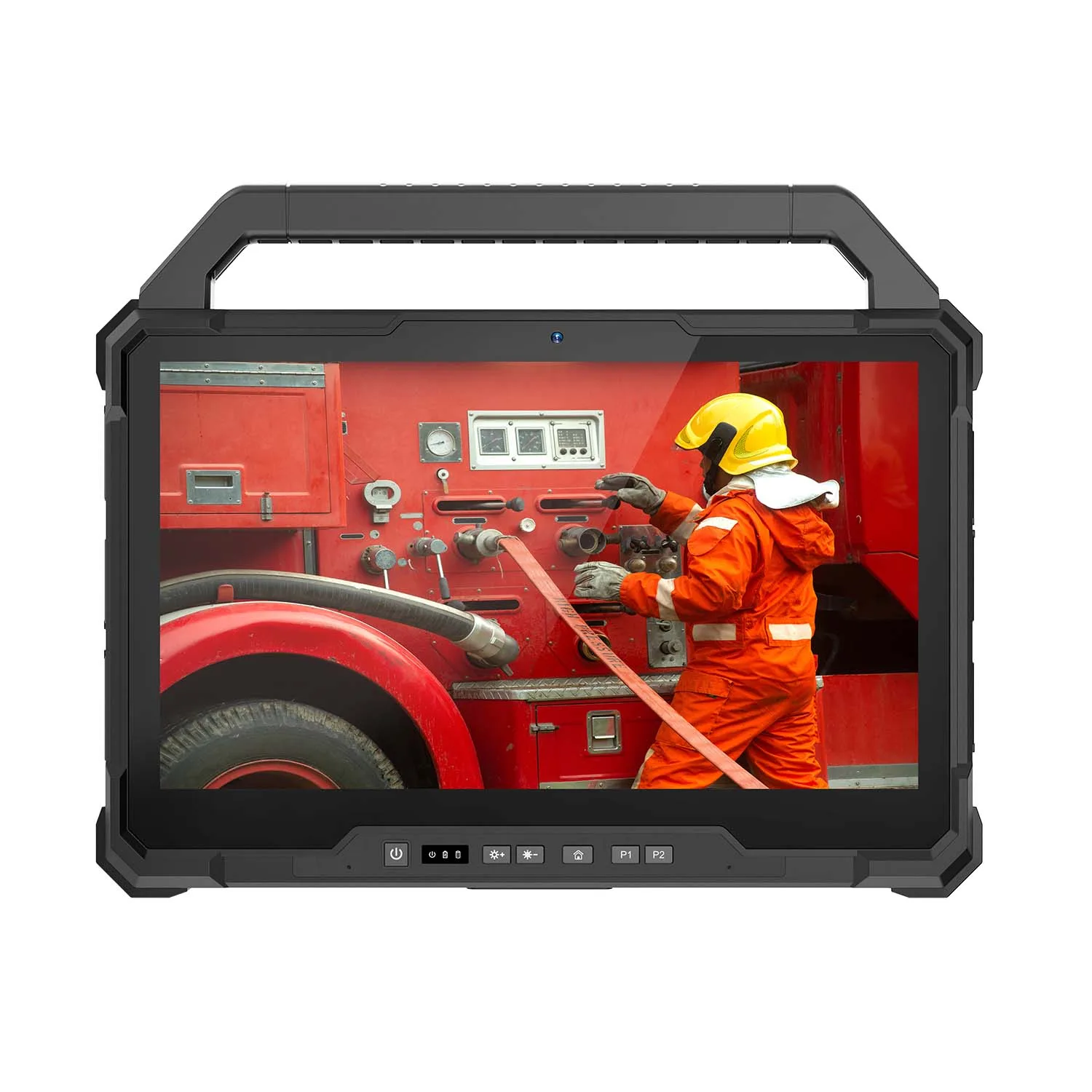
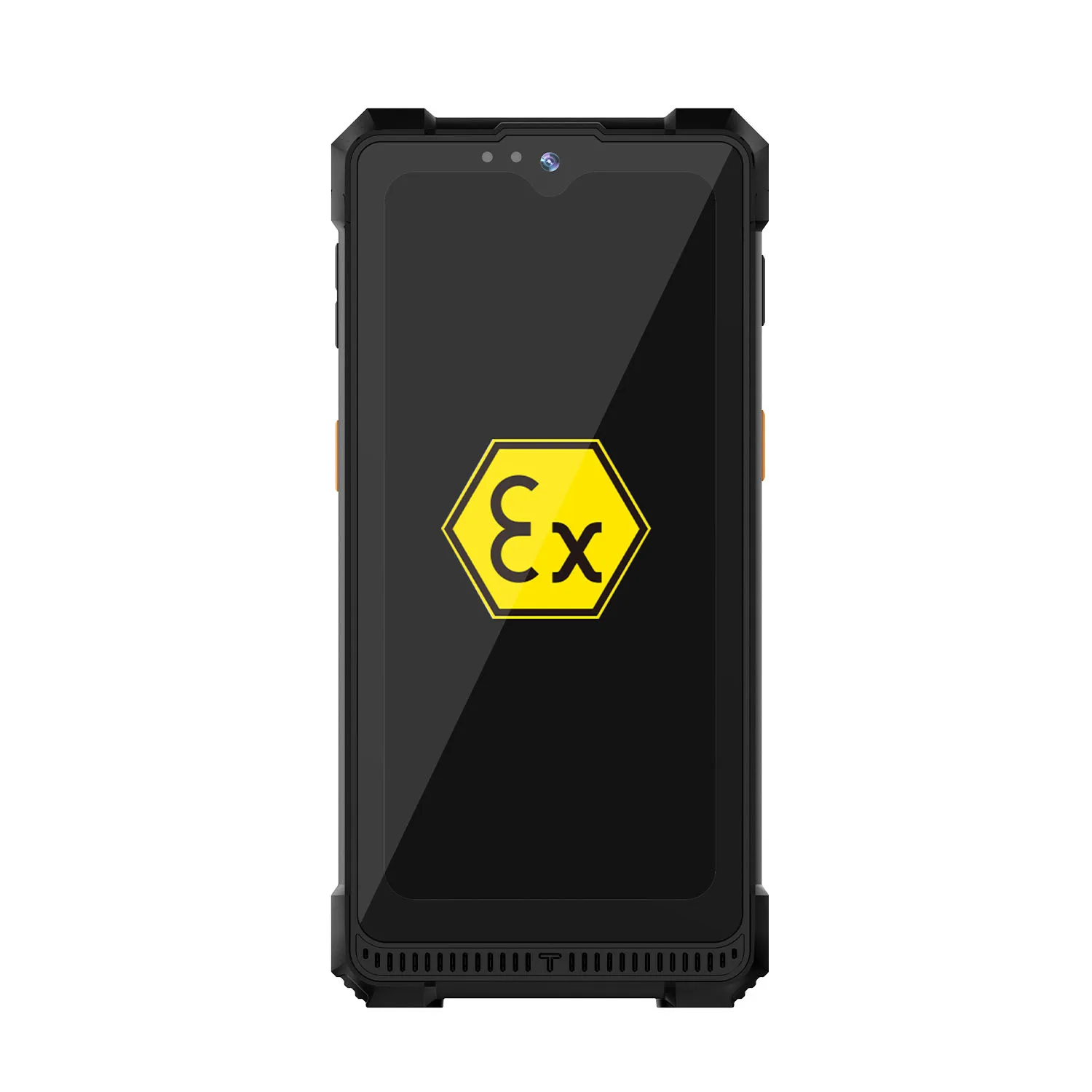
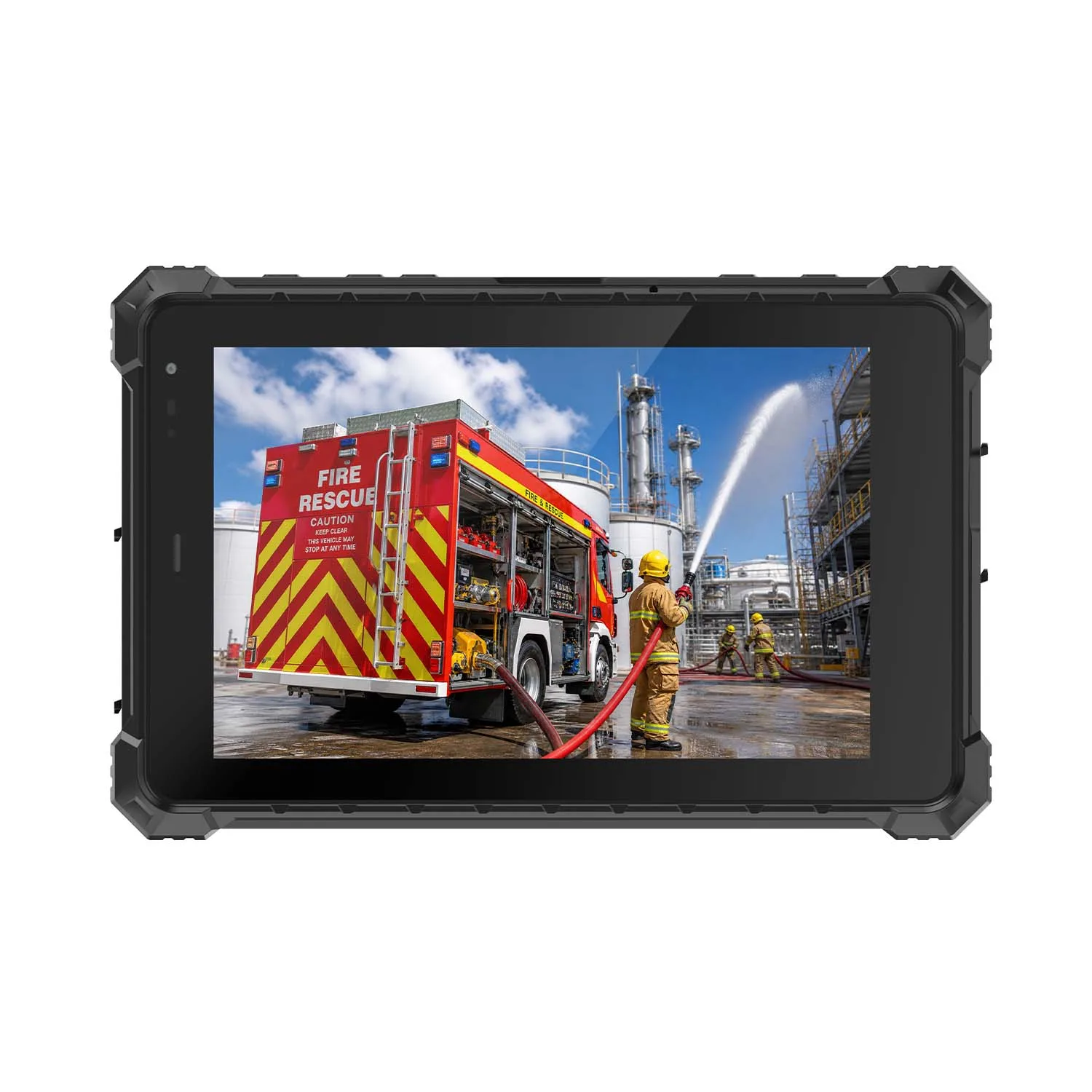






Exploring the Power of Resilience: Unveiling the 1000 Nit Rugged Tablet
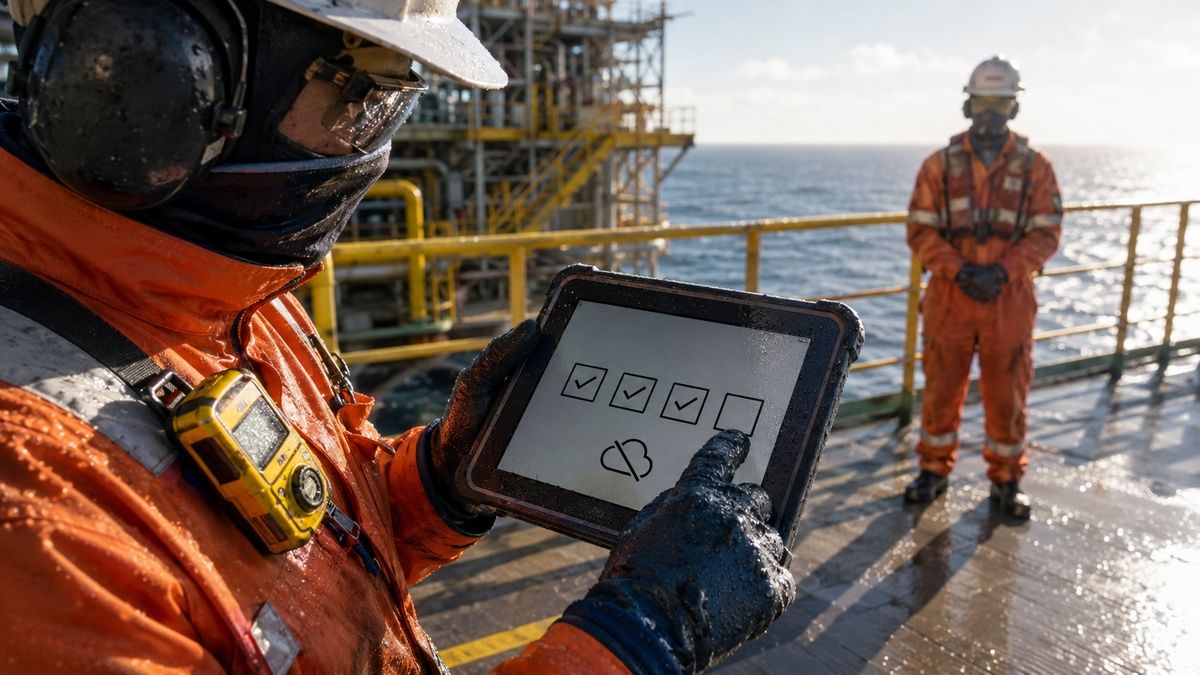
A field technician in Phoenix tried to read a work order on a 450-nit consumer tablet at 2 PM in July. He shaded the screen with his body, tilted it three ways, and eventually walked back to the van to read the email indoors. That 12-minute delay, repeated three times a day across a 40-person fleet, costs more than the price gap between a consumer slate and a rugged unit.
This is why display brightness is not a marketing number. At 1000 nits, the screen stops fighting the sun and starts working with it. Below that threshold, the device is still useful — but only in shade, vehicles, or indoors. In open terrain, 1000 nits is the point where readability becomes reliability.
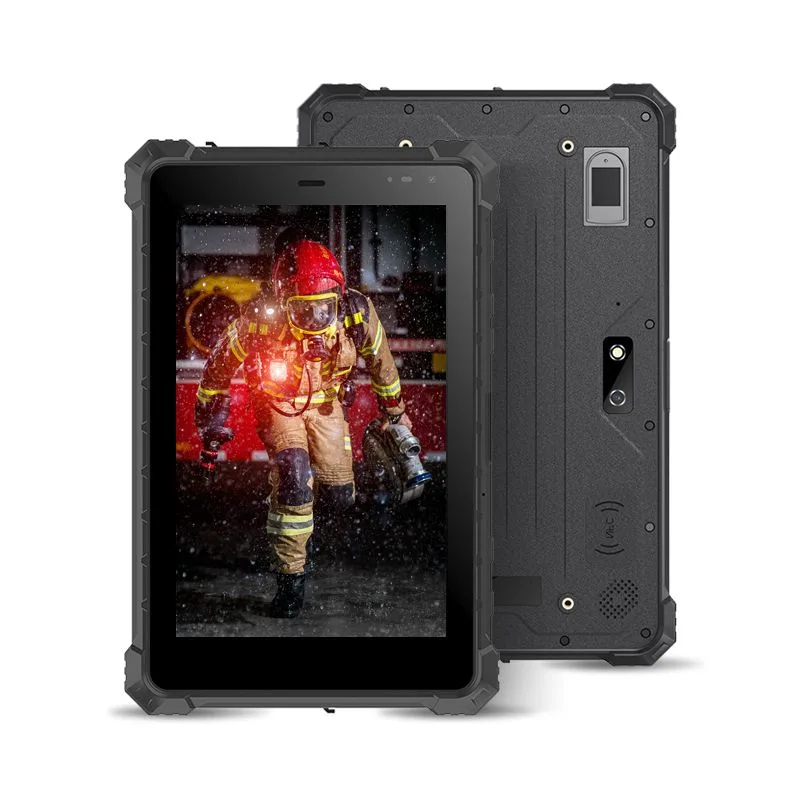
A nit measures how much light a screen emits. Your laptop probably runs around 300 nits. A flagship smartphone peaks at 1000–1500 nits, but only in short bursts for HDR video. A 1000-nit rugged tablet sustains that brightness continuously, in direct sunlight, while running a GIS map or a diagnostic app.
Here is what that means in practice. At 500 nits — the spec of most semi-rugged devices — the screen is readable in shade but washes out when the sun is behind you. At 1000 nits, the display is brighter than the ambient light reflecting off it, so the content remains legible even when the technician faces the sun. The threshold is not arbitrary: it is the point where the display wins the contrast battle against daylight.
When 1000 nits changes the outcome:
Direct sun, no shade. At noon on a tarmac or desert site, ambient light exceeds 100,000 lux. A 500-nit screen reflects more light than it emits; a 1000-nit screen maintains a 10:1 contrast ratio, the minimum for sustained reading without eye strain.
Transition zones. Moving from a dark vehicle cabin to bright exterior causes pupil adjustment delays of 5–10 seconds. A high-brightness display reduces the time the operator spends squinting or waiting for vision to adapt.
Polarized sunglasses and tilt angles. Many rugged tablets use circular polarizers to remain visible through polarized lenses. But the benefit only holds if the display is bright enough to compensate for the light loss through the lens. At 500 nits, the combination of polarizer + sunglasses + sun often drops effective brightness below readable thresholds.
What 1000 nits costs you — and what it gives back
A 1000-nit backlight draws roughly 3–4× the power of a 300-nit panel at full brightness. That is the physics. The engineering challenge is whether the rest of the device can support that drain without becoming a brick by midday.
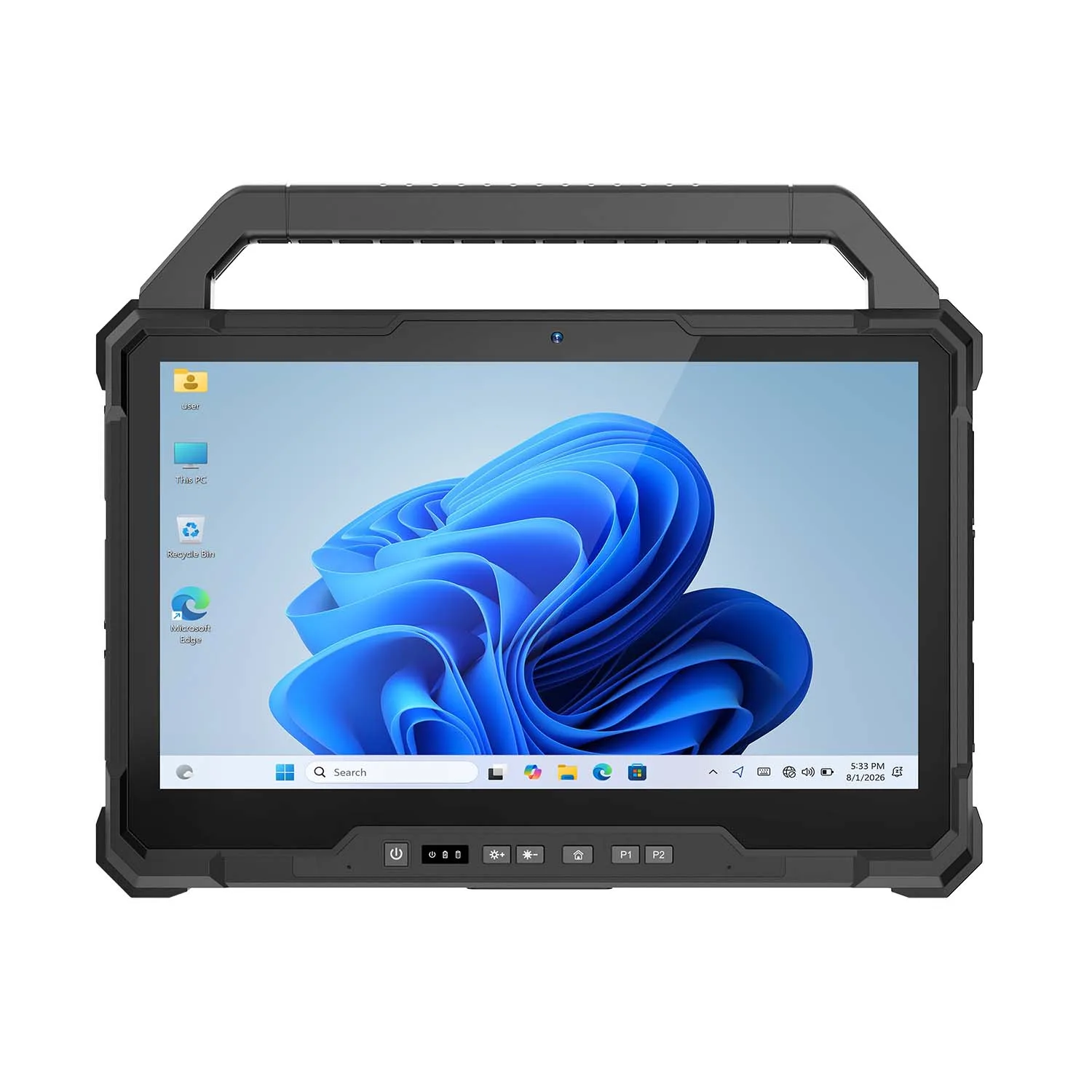
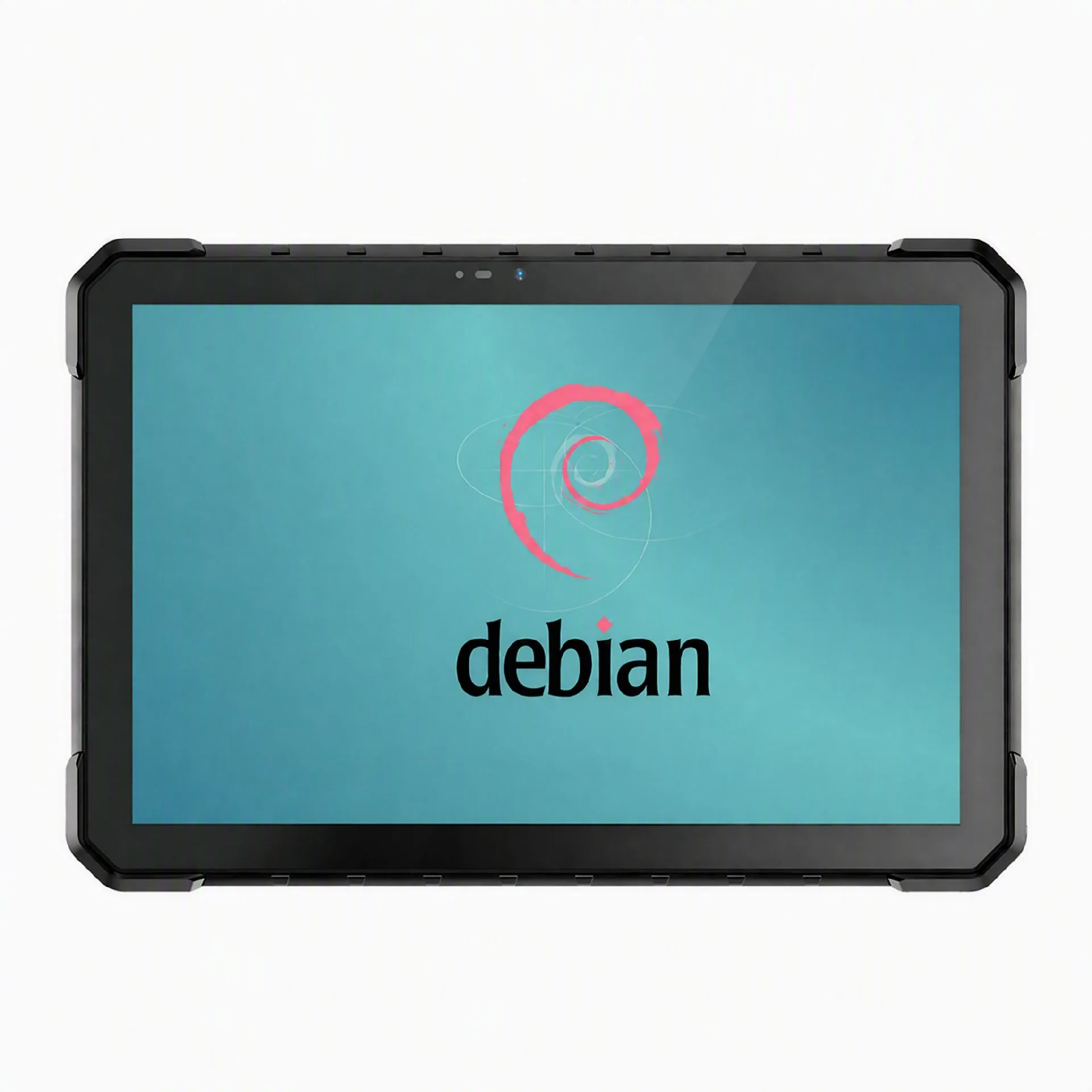
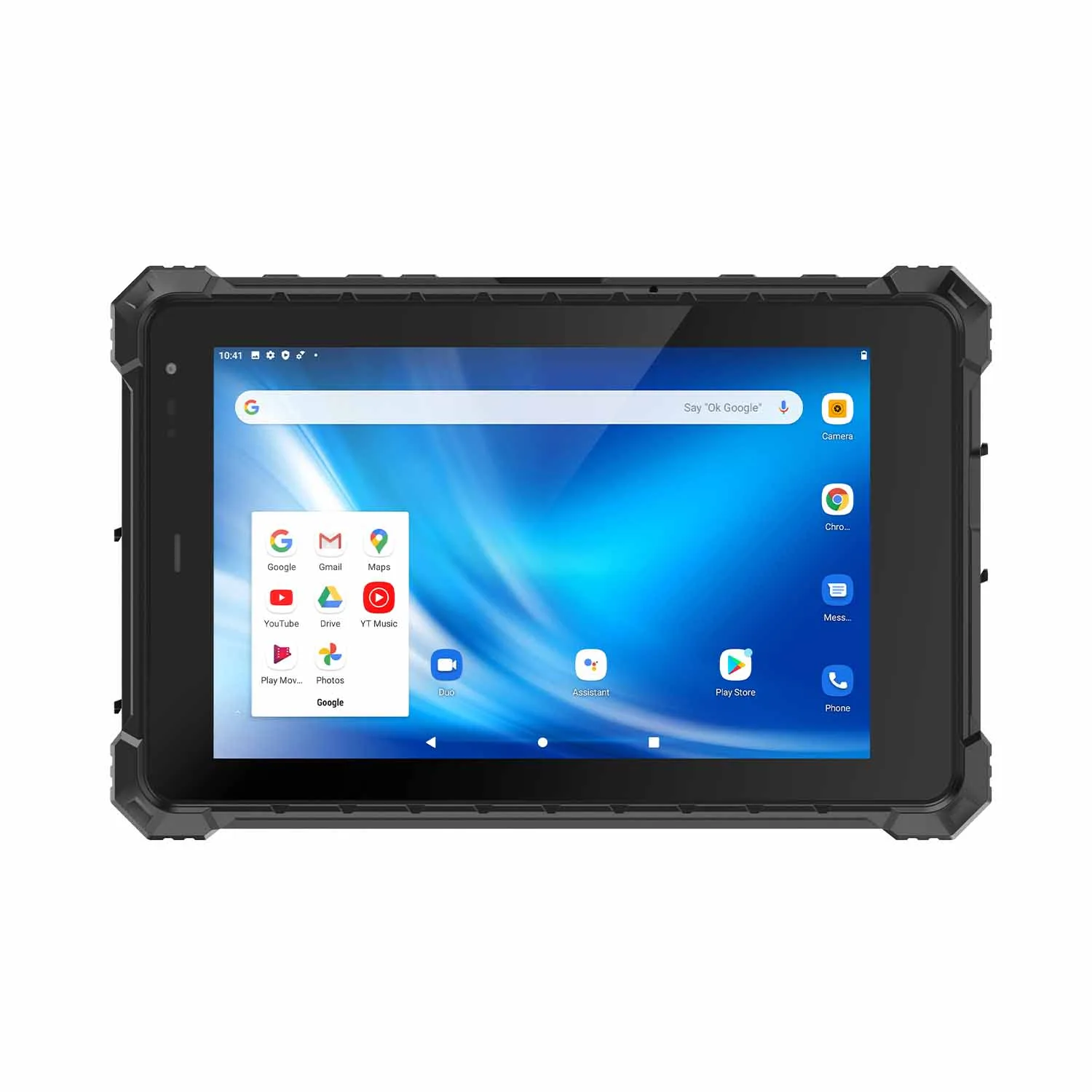
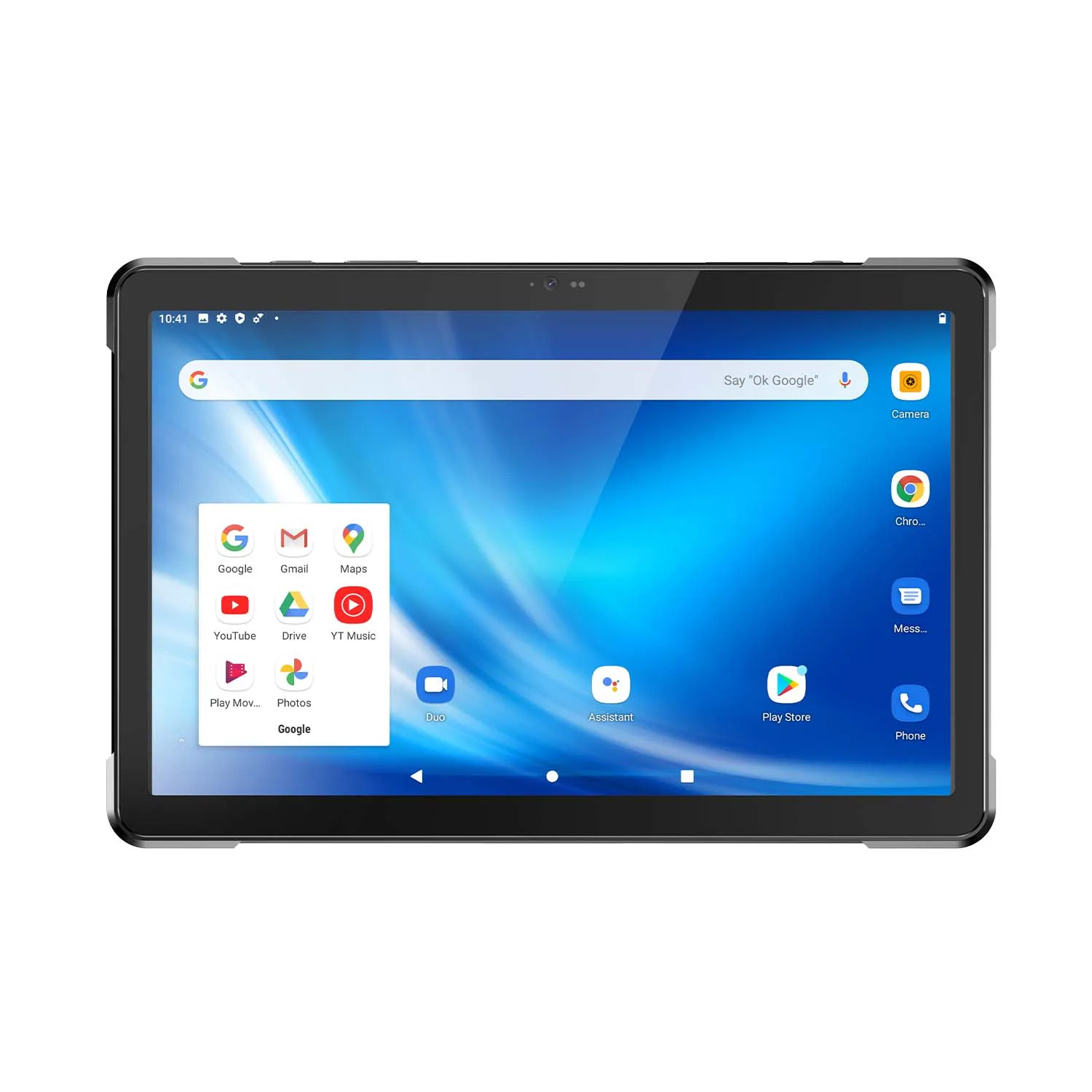
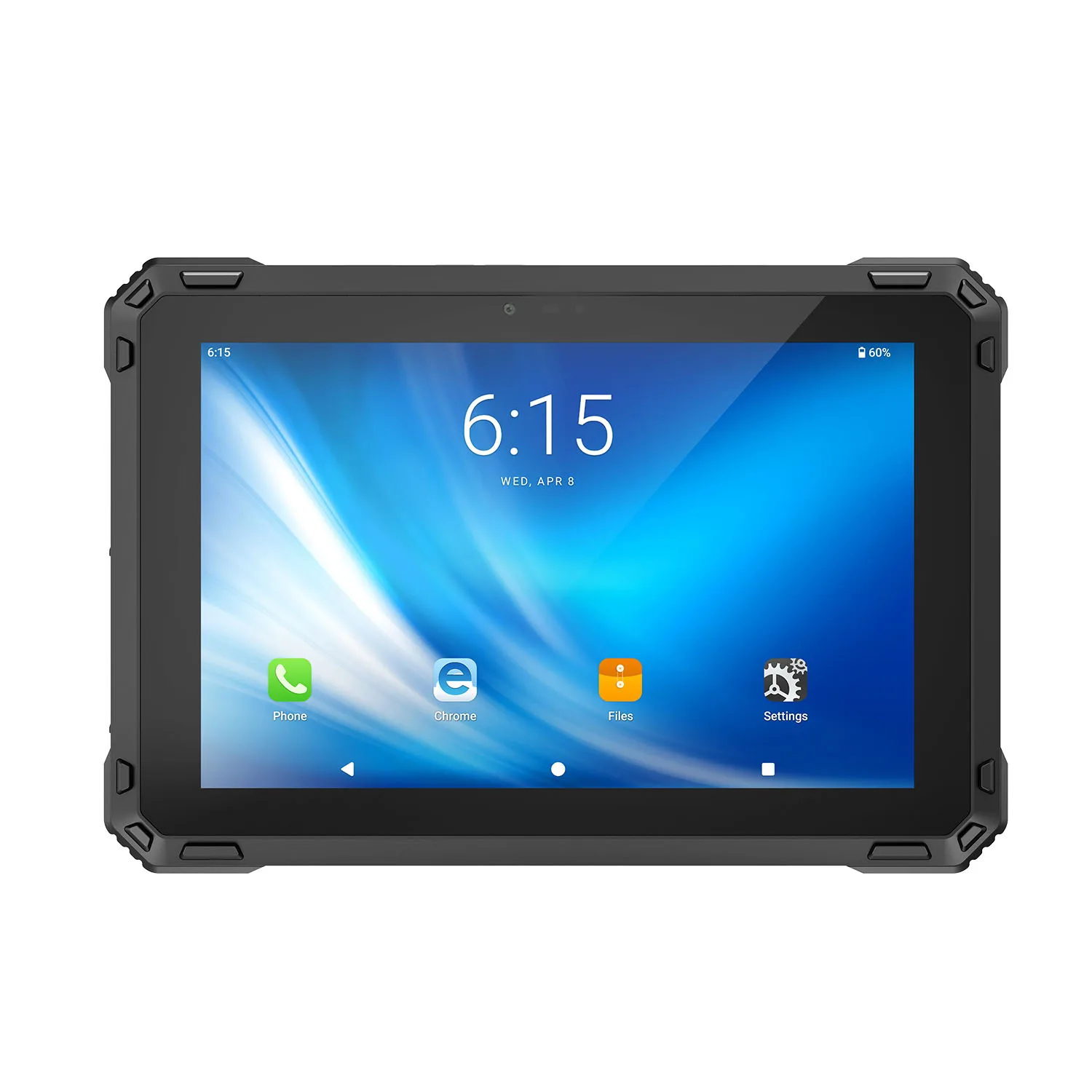
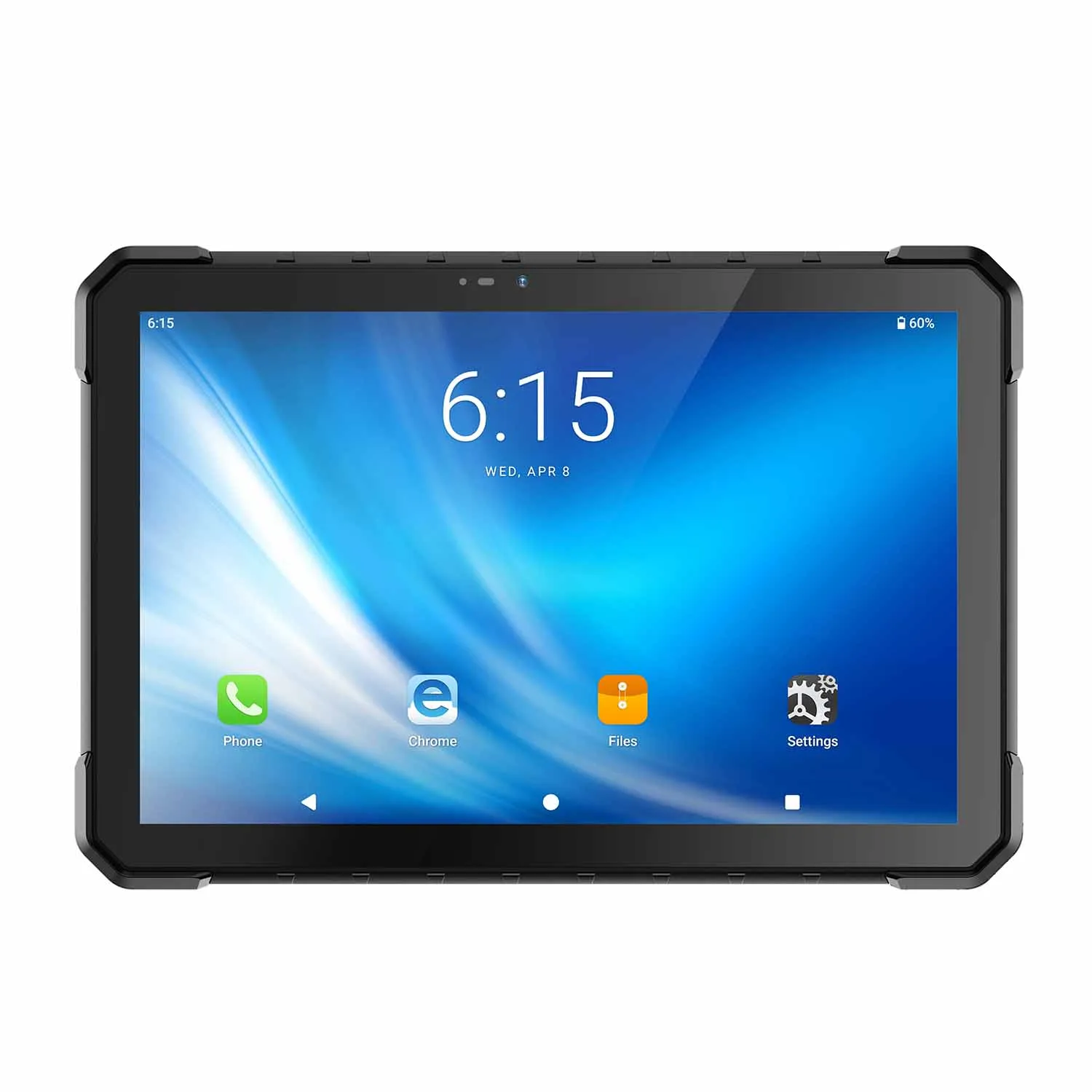
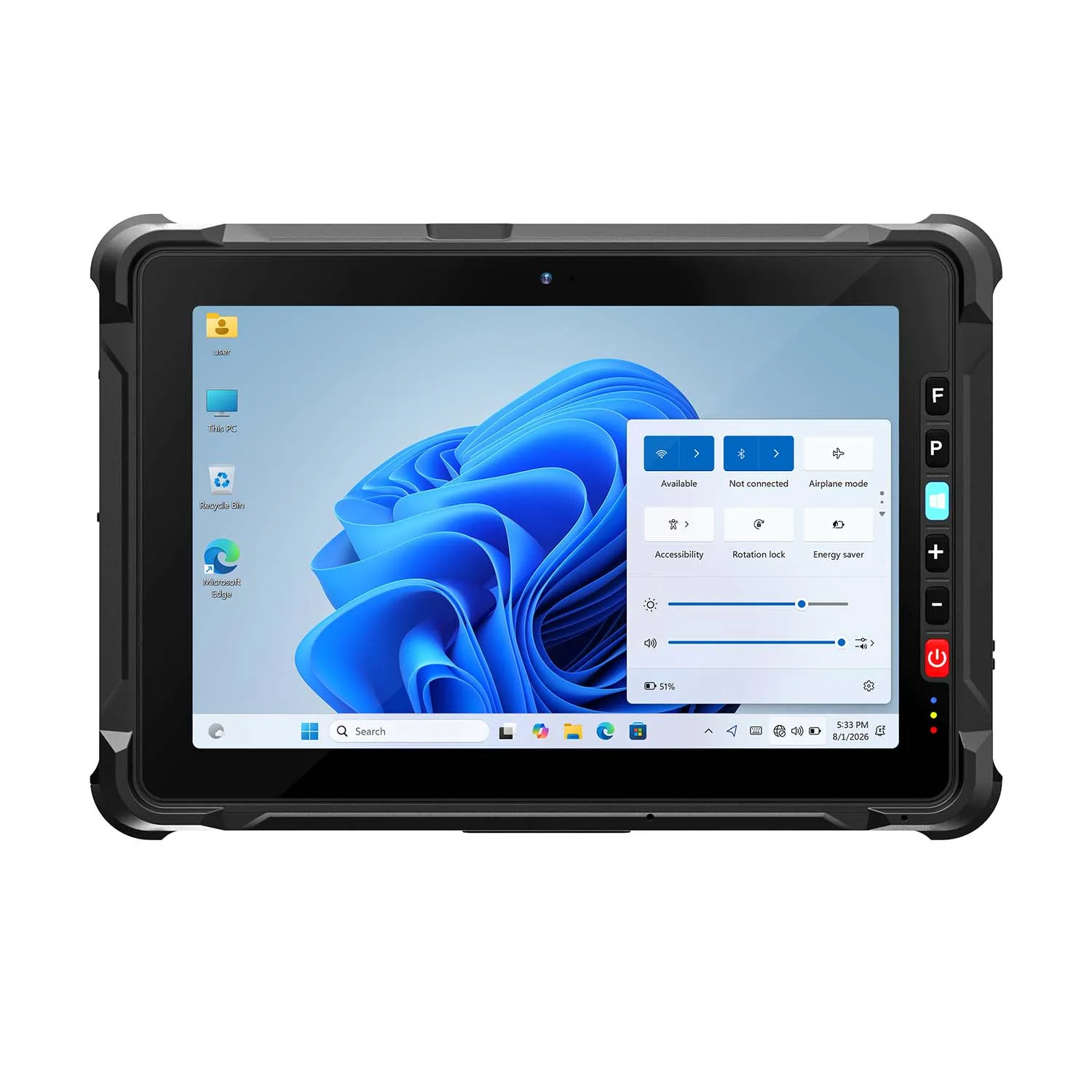
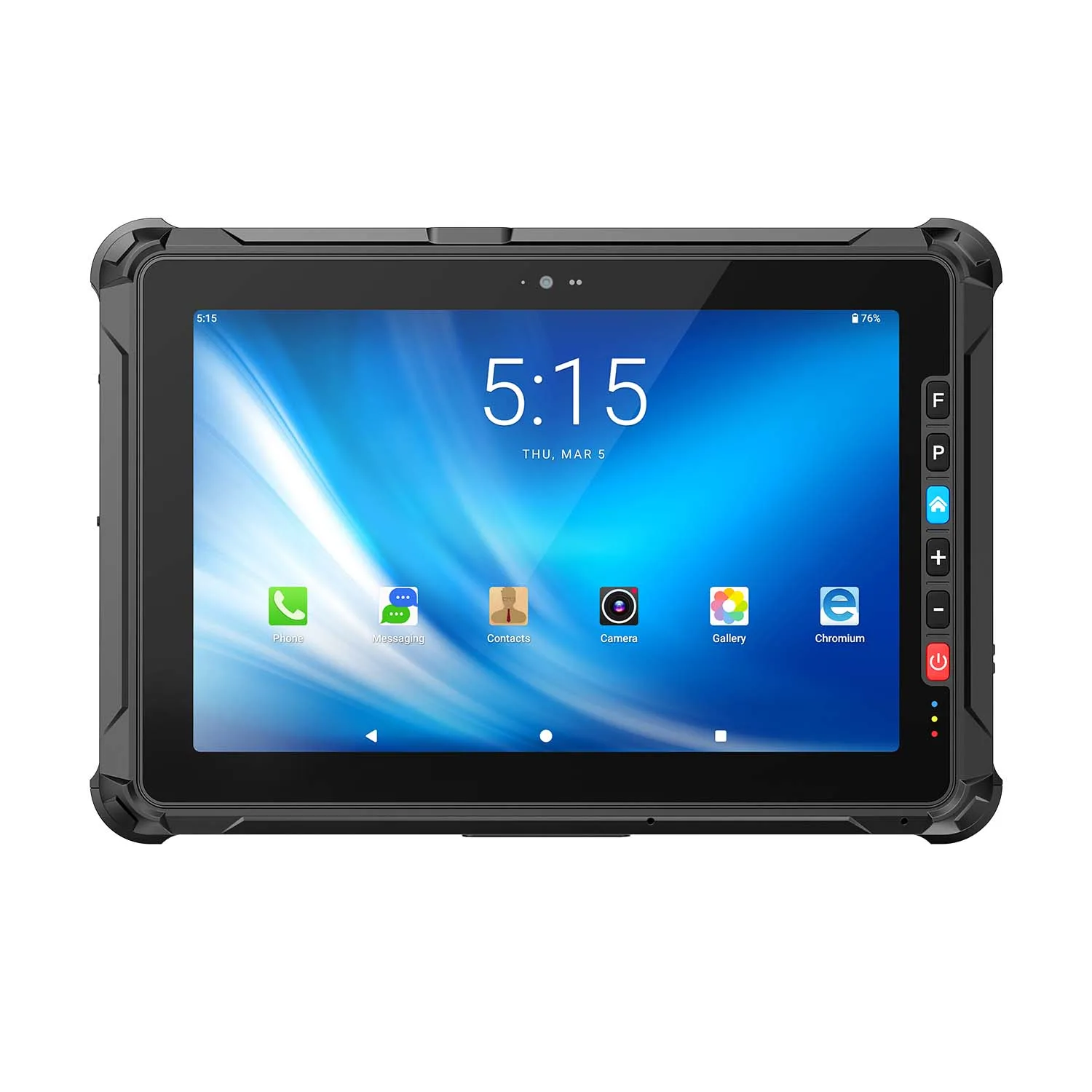
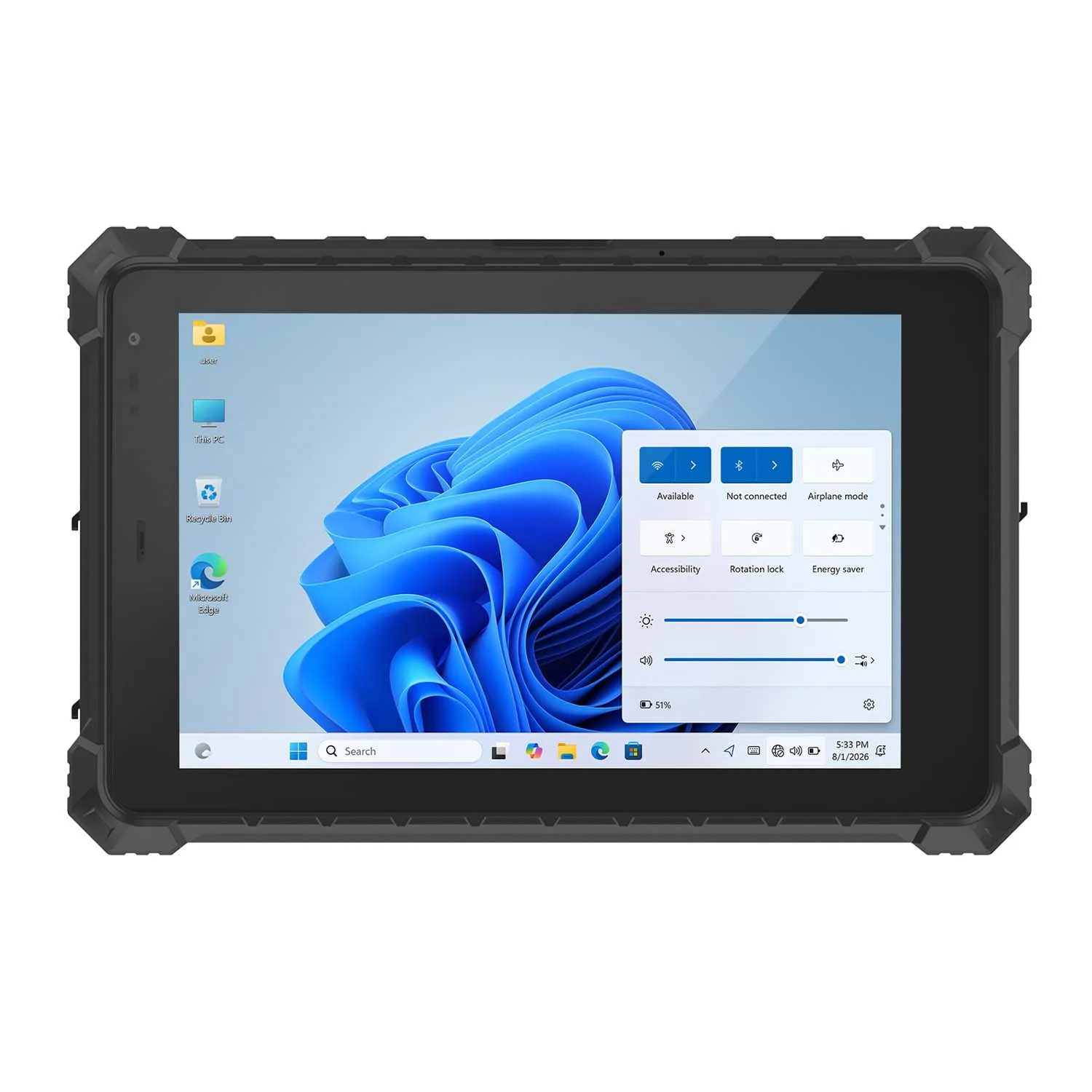
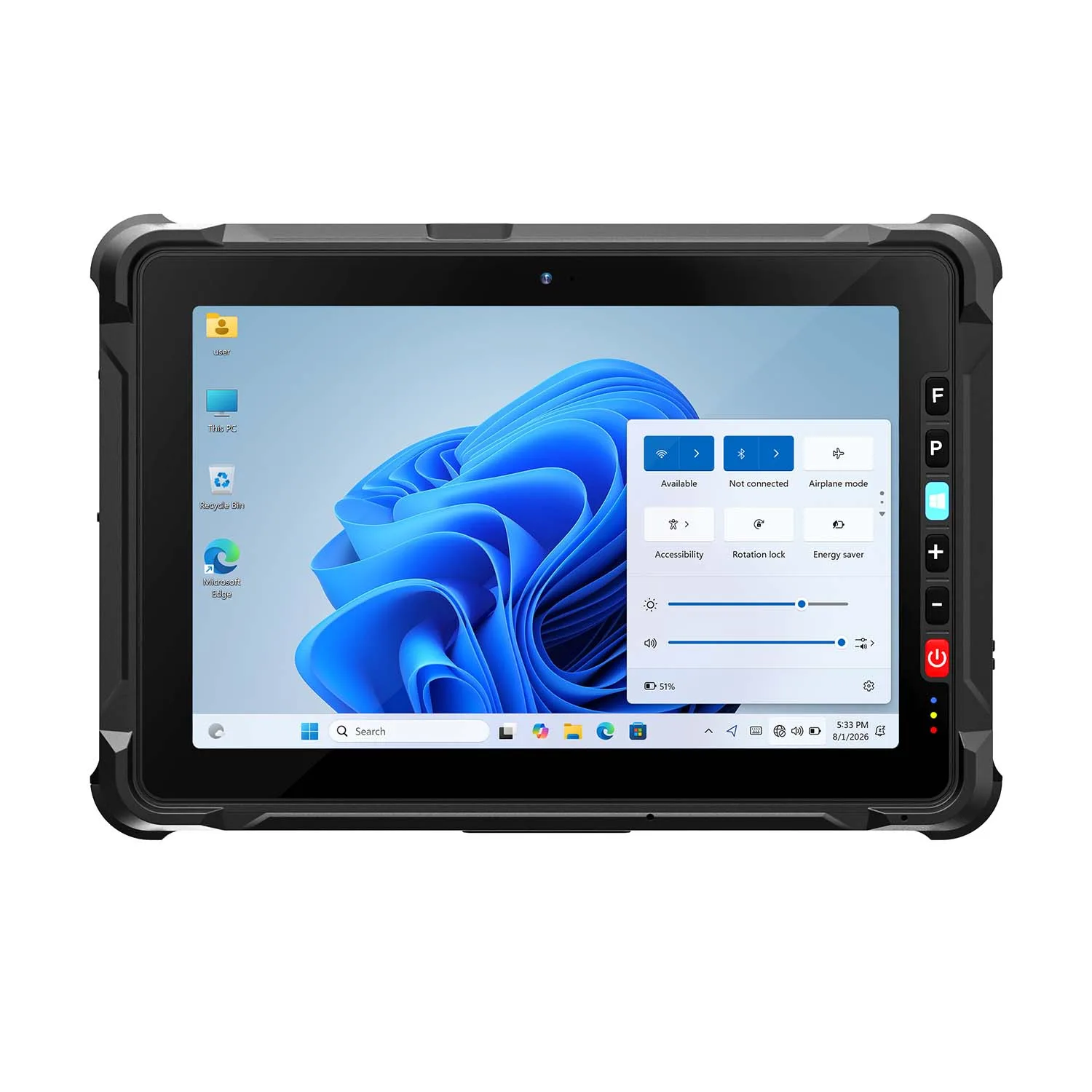
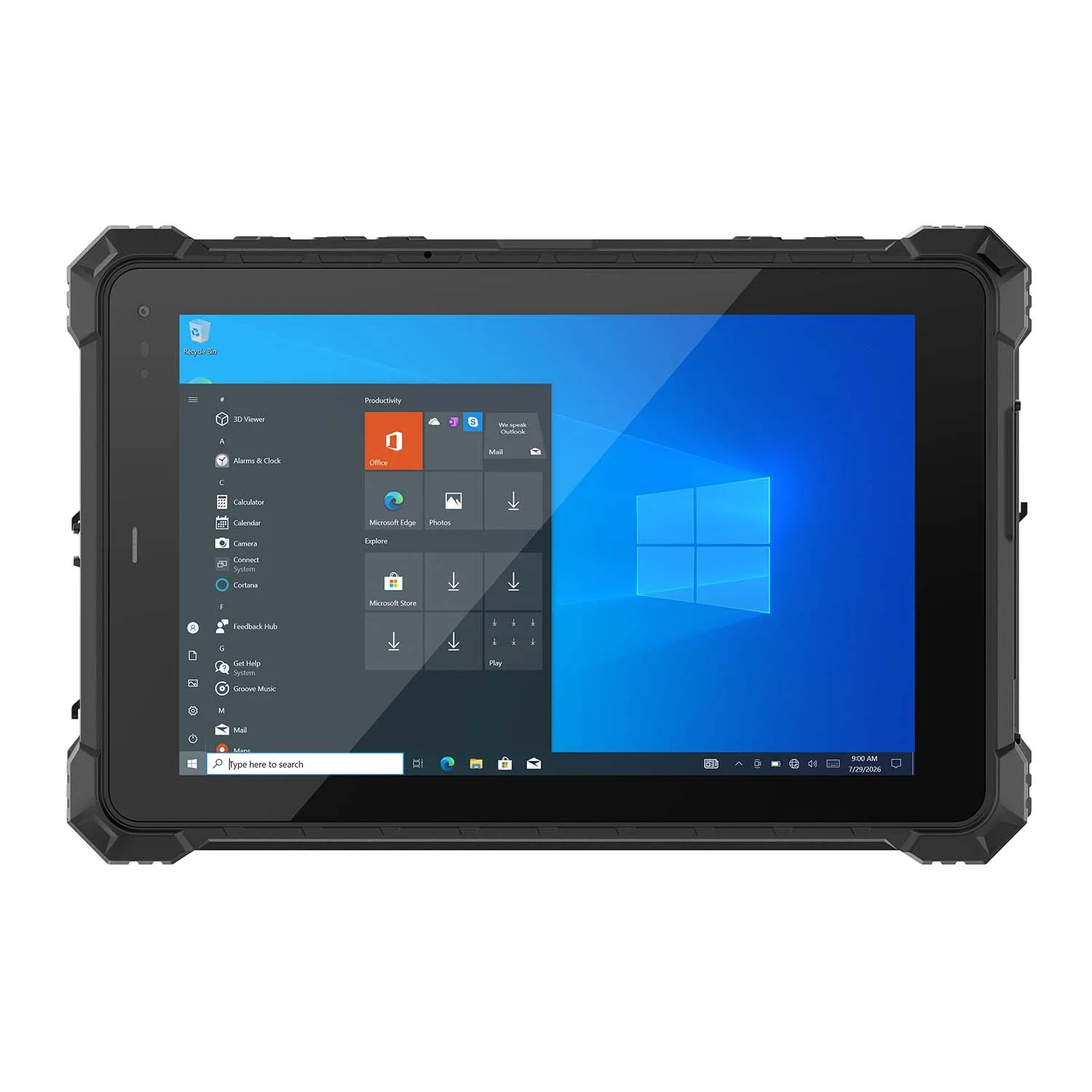
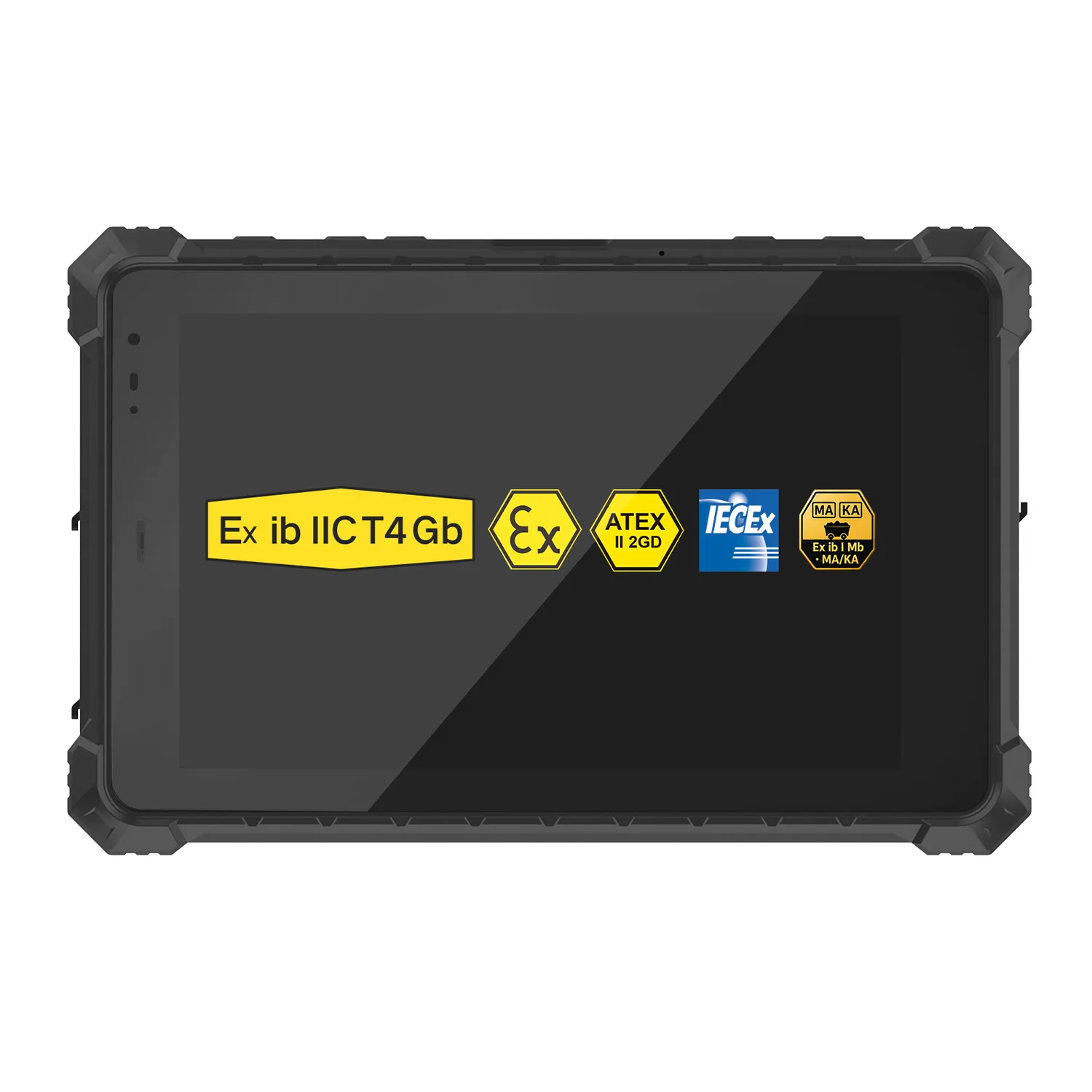
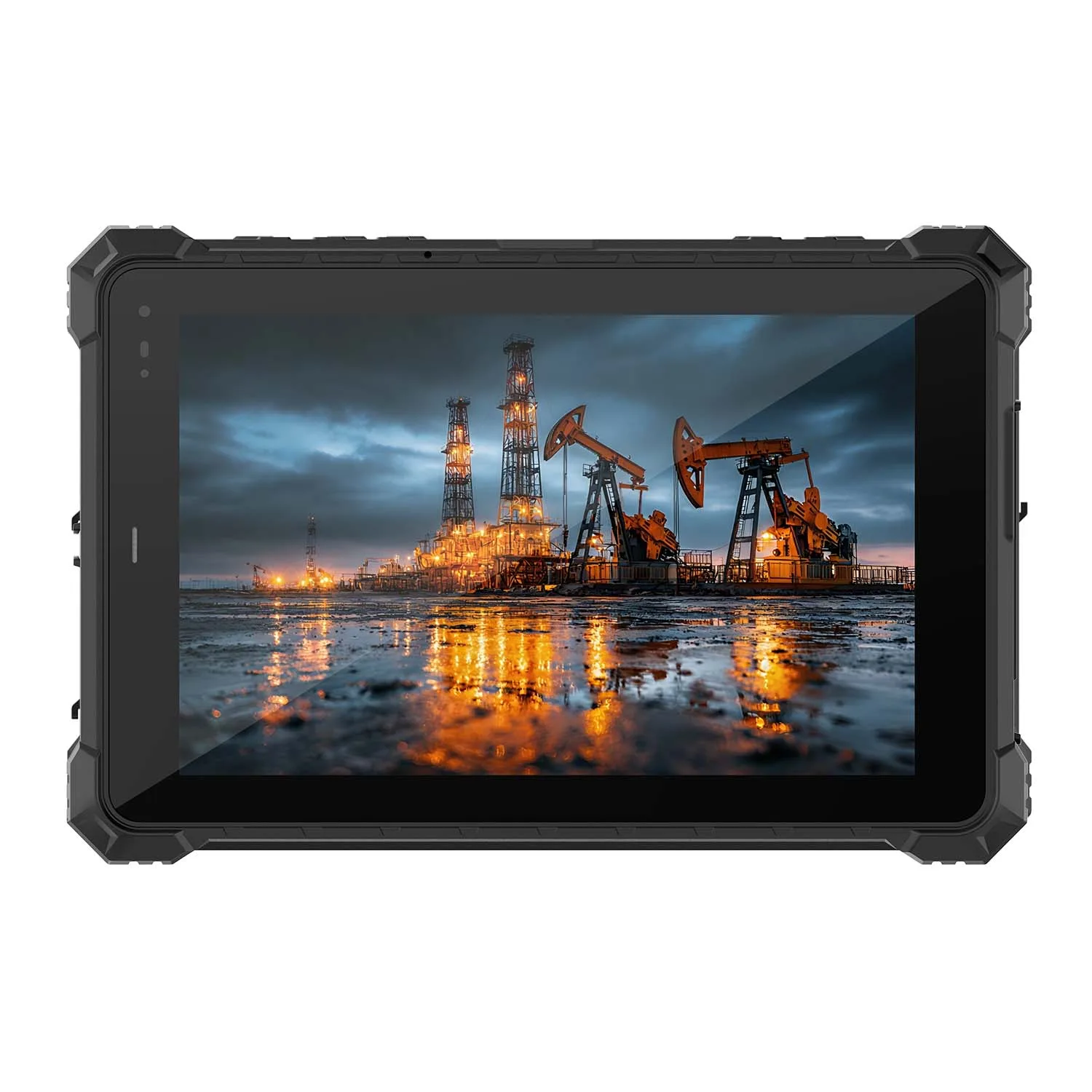
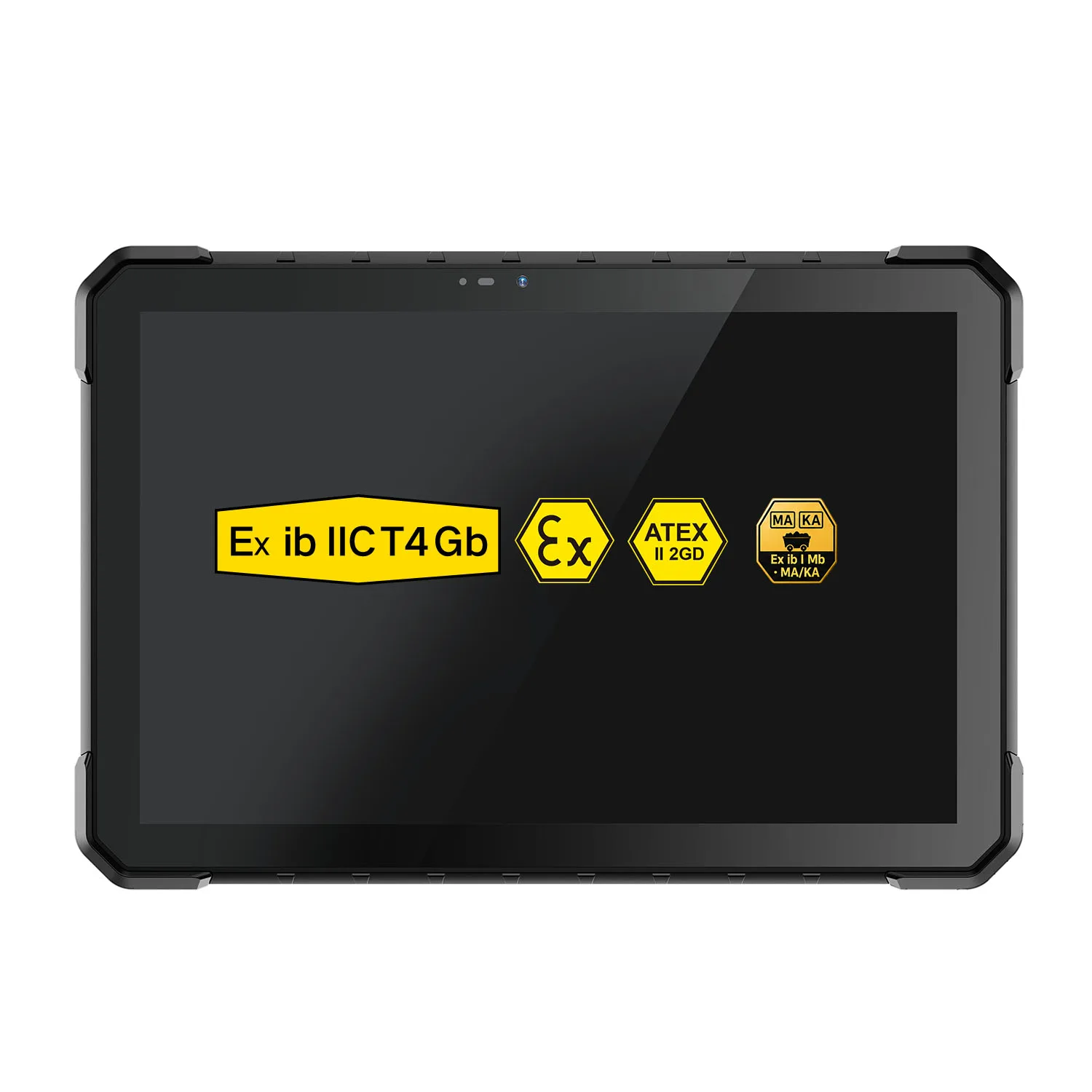
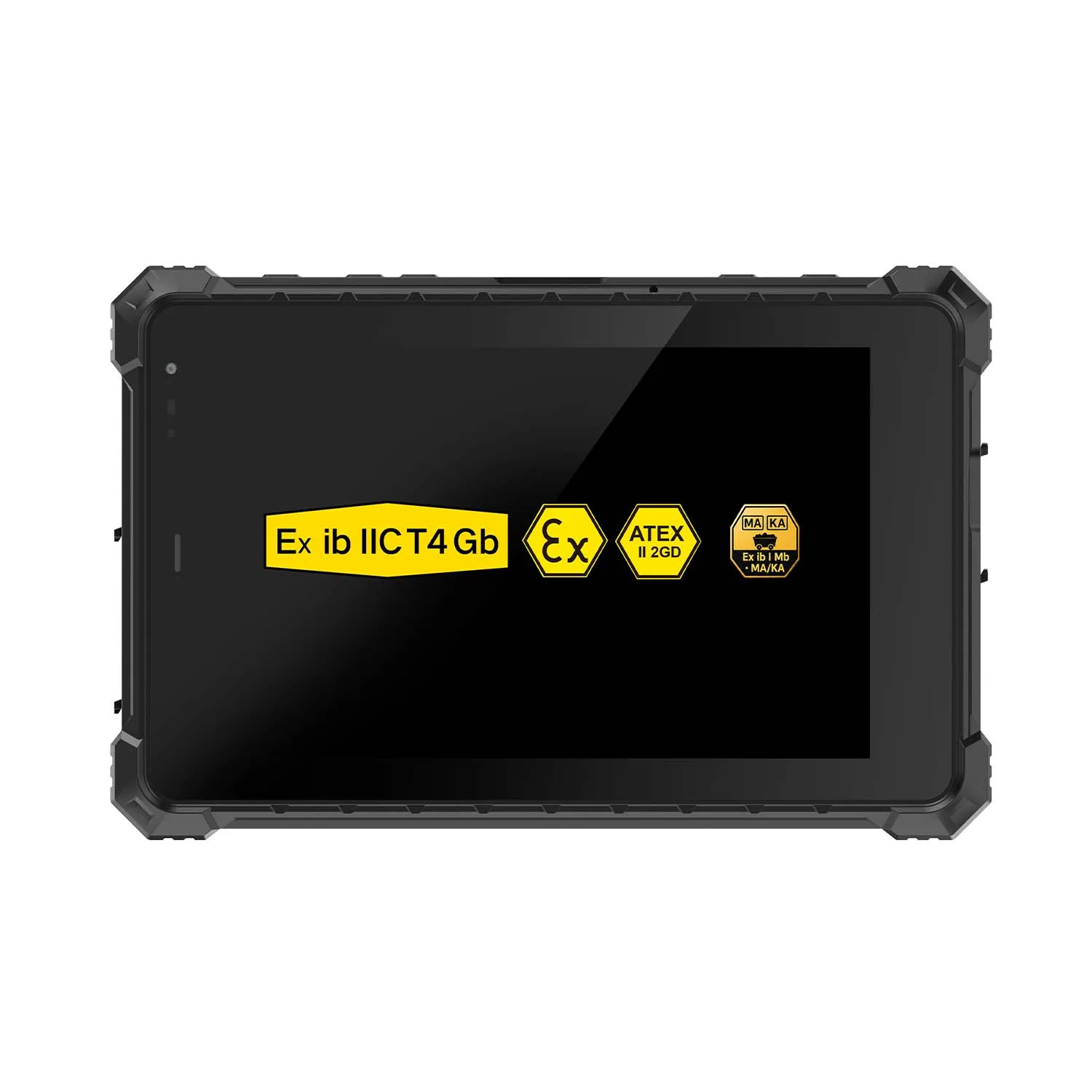
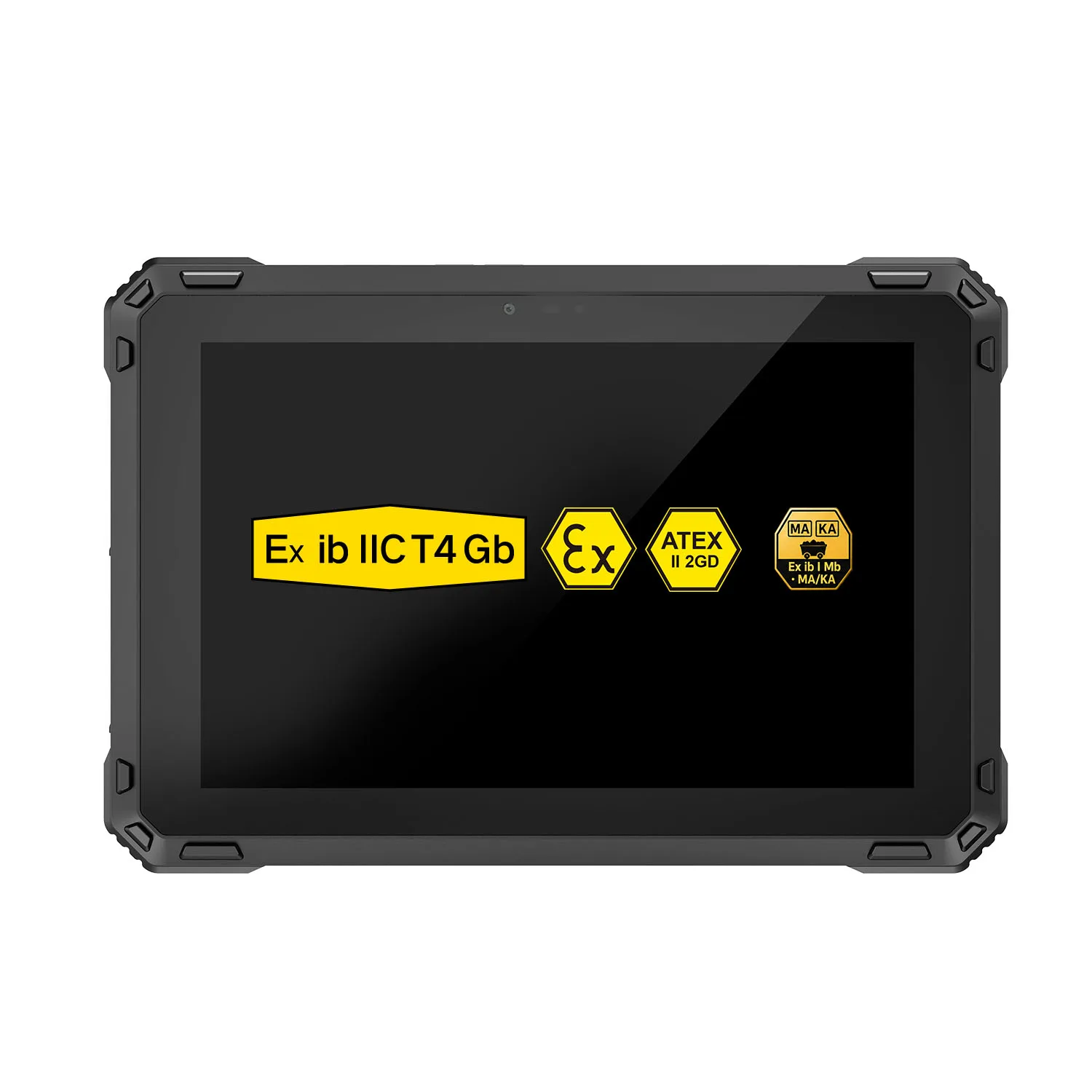
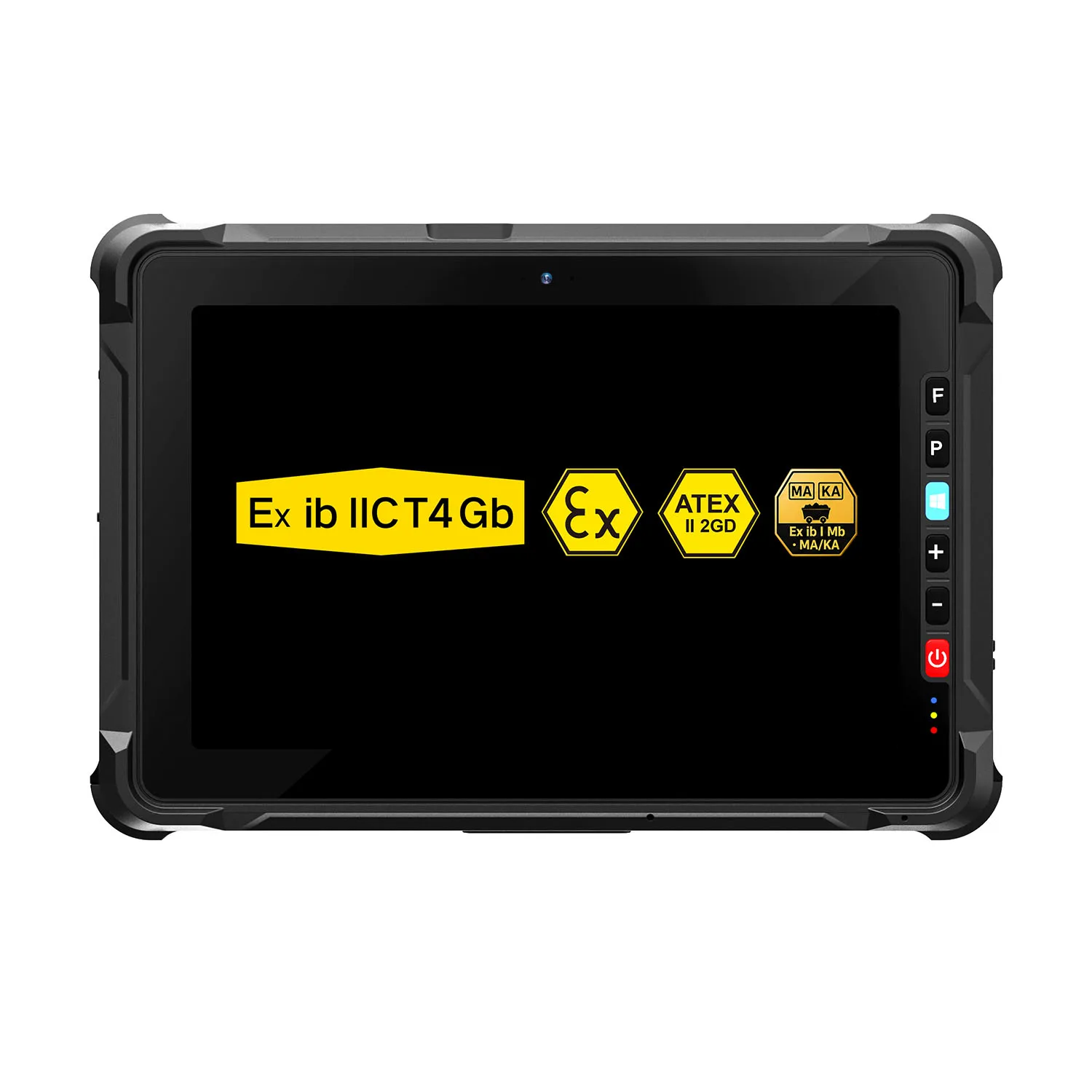
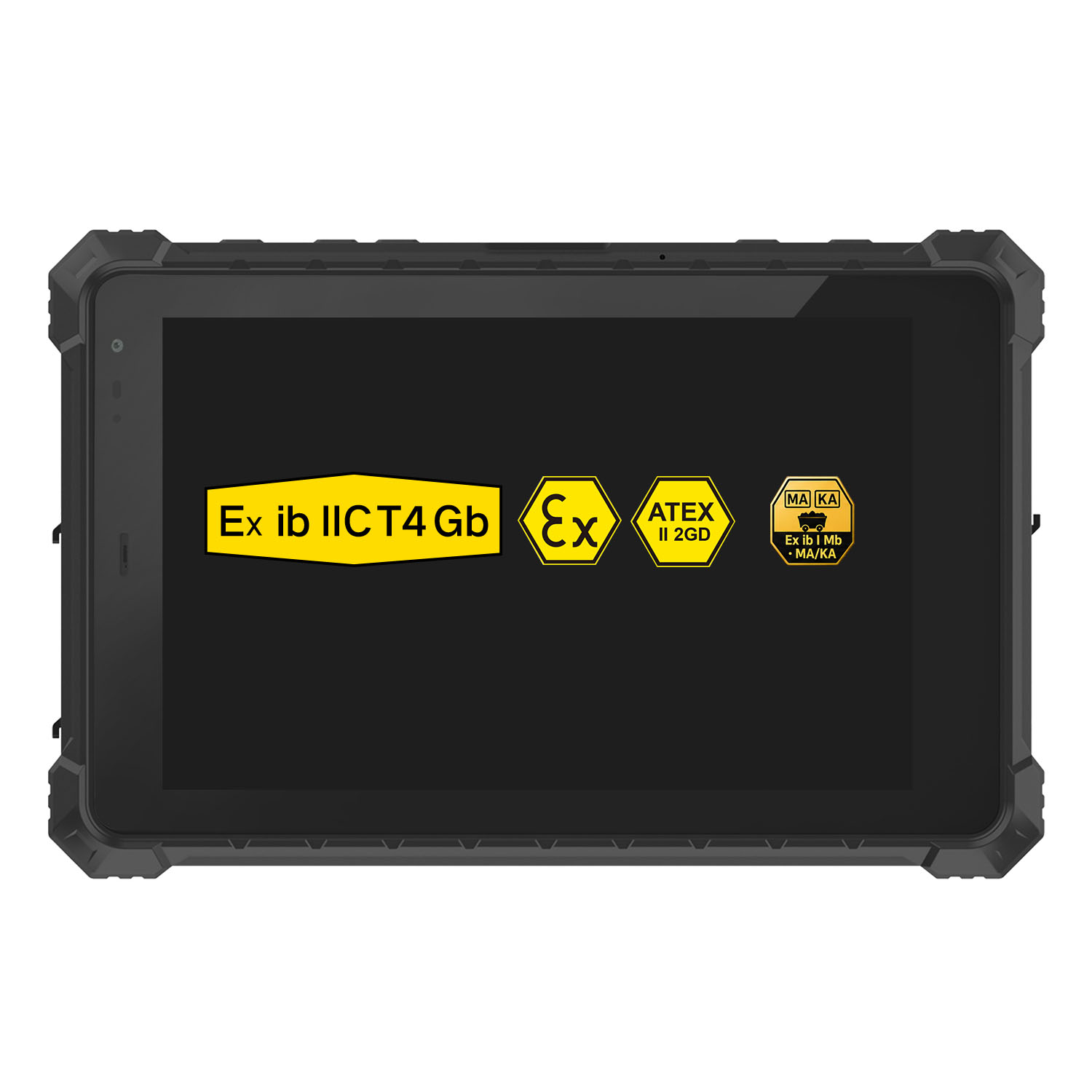
Here is how the trade-off looks in practice, using CENAVA's A10ST (10-inch, 1000-nit configuration) as a reference:
The battery is the hidden cost of brightness. A 1000-nit panel without a proportional battery is a liability, not a feature. This is why spec-sheet shopping by brightness alone is dangerous: the number means nothing if the power system cannot sustain it.
Military
In a mounted vehicle, the tablet sits in a dash dock angled toward the windshield. At 1000 nits, the operator reads route data without the hood shadow or polarized sunglasses obscuring the screen. At 500 nits, the same operator tilts the device every 30 seconds to find a readable angle — a distraction that matters at 40 mph on uneven terrain.
Field Service
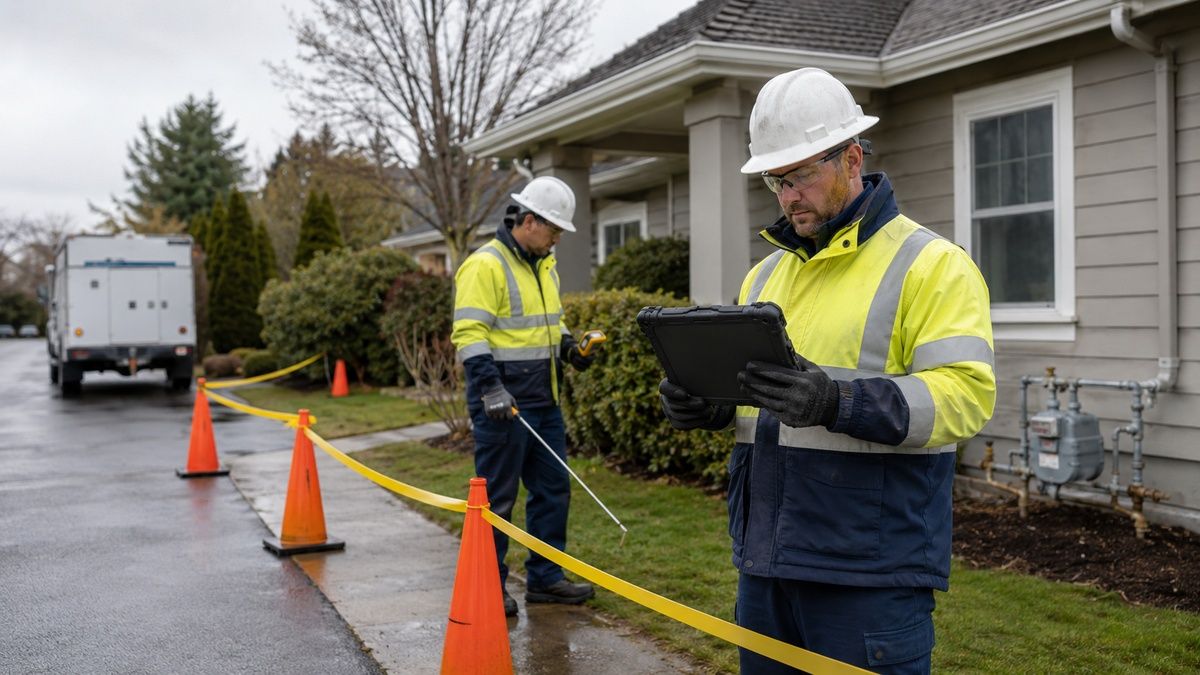
A utility lineman troubleshooting a transformer on a suburban street at 10 AM references a single-line diagram. The transformer blocks the sun; the lineman's body does not. A 1000-nit screen lets him hold the tablet at his side, in full sun, and still trace the circuit. A dimmer screen forces him to turn his back to the job, walk to the truck, or rely on memory.
Healthcare
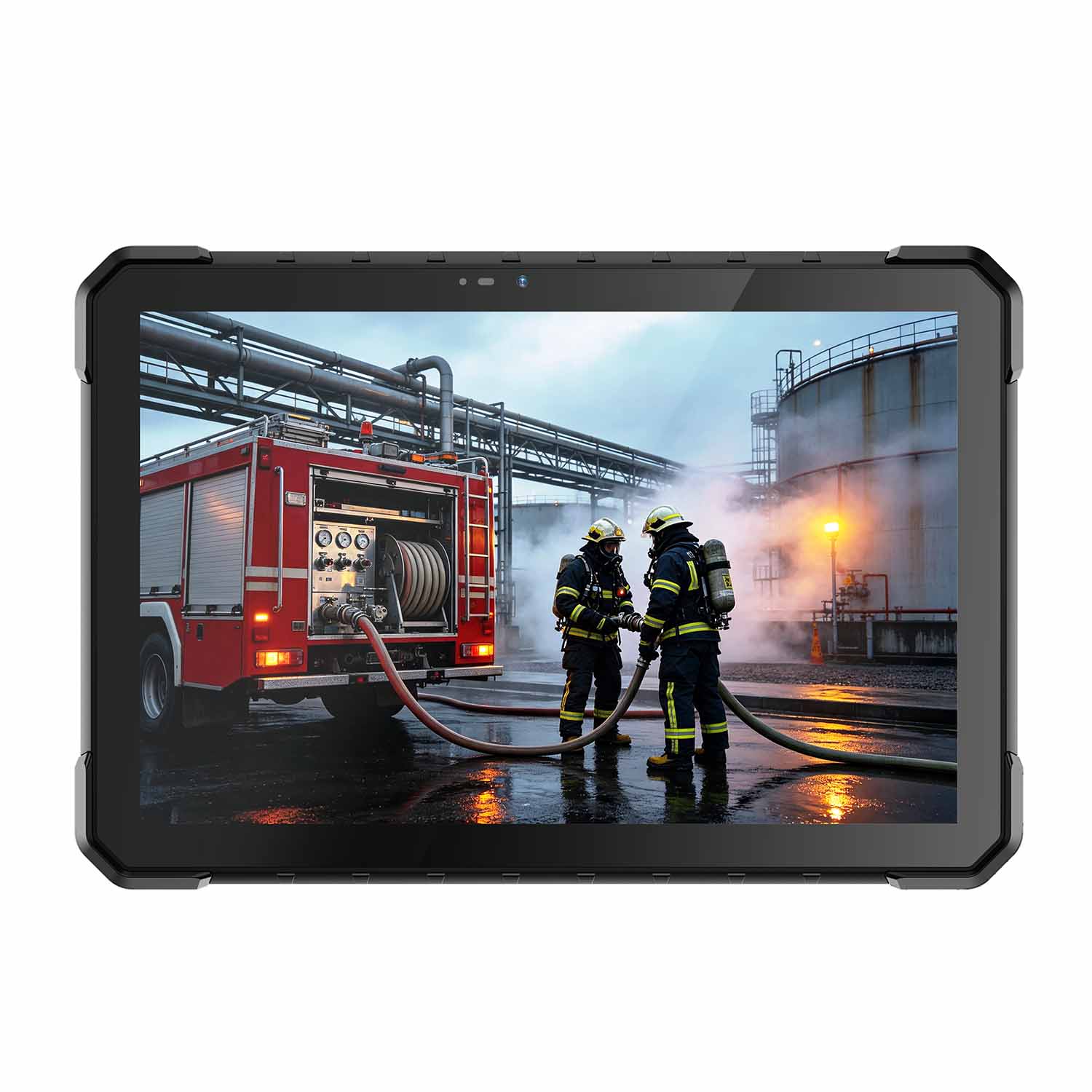
Ambulance crews use rugged tablets for ePCR (electronic Patient Care Reporting) at the scene. Midday on a highway shoulder, the medic documents vitals while kneeling next to the vehicle. A 1000-nit display is readable in the gap between the open door and the medic's shadow. Lower-brightness devices force the crew to delay documentation until the patient is inside the ambulance — a delay that affects billing accuracy and care continuity.
Construction
A site superintendent checking rebar placement against a BIM model holds the tablet at arm's length, looking up at the formwork. The screen faces the sky. At 500 nits, the model disappears into blue. At 1000 nits, the clash-detection overlay is visible enough to catch a misplaced duct sleeve before the concrete pour.
Need a Rugged Device for Your Project?
Tell us your operating environment and requirements — our engineers will recommend a configuration and quote within 24 hours.
Get a Free Quote Back to Blog