






IP65 vs IP68 Rugged Tablet: Is the Upgrade Worth It?
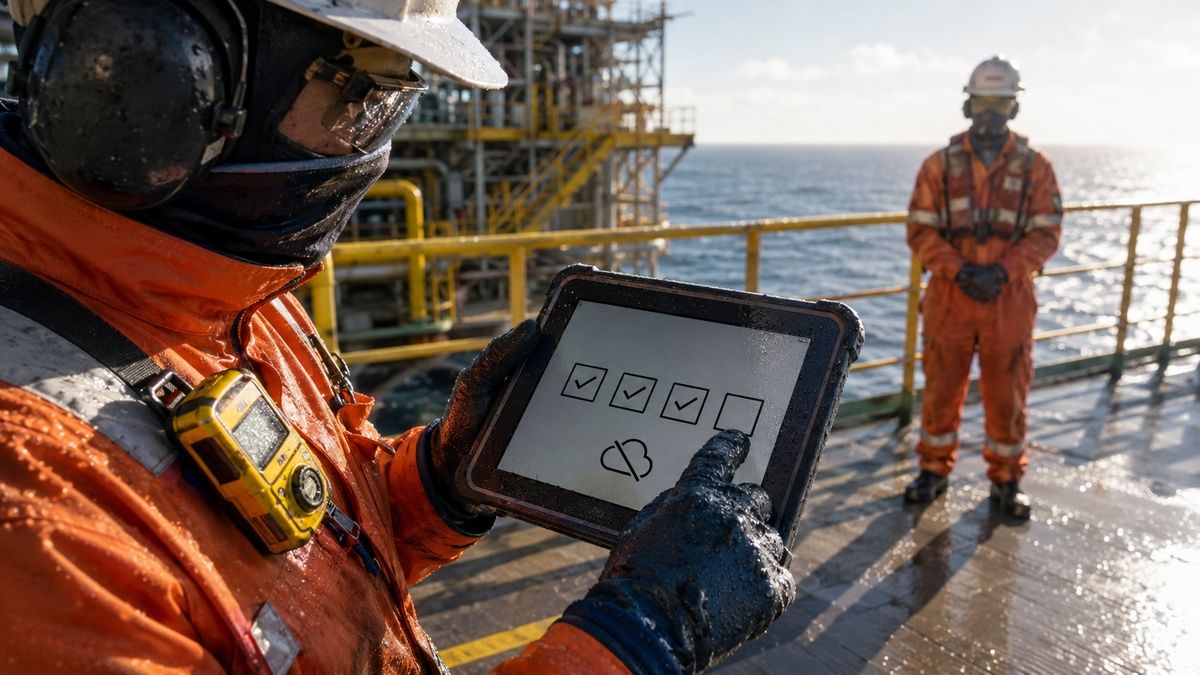
Both IP65 and IP68 tablets are fully dust-tight — the only real difference is water resistance. IP65 handles rain and hose-down splashes; IP68 handles full submersion. Pay for IP68 if your job involves marine, offshore, mining, or oil & gas conditions where the device could actually go underwater; IP65 is enough for logistics, warehousing, and general field service where the main risk is rain and splashing, not submersion. (Looking for where IP67 fits between the two? See our complete IP65 vs IP67 vs IP68 guide. IP67 sits between the two — 30 minutes at 1 m. It covers 'dropped in a puddle or a tank', not 'left on the deck of a boat'. Several of our Windows models land here, which is usually the right call for rain-heavy but submersion-free work. )
What an IP Rating Actually Measures
An IP (Ingress Protection) rating is an IEC standard written as IP + first digit (solids) + second digit (liquids).
First digit (0–6): 5 means dust-protected (some dust may enter but won't affect operation); 6 means fully dust-tight — this is the standard for rugged tablets.
Second digit (0–9): 6 covers powerful water jets; 7 covers submersion to 1 m for 30 minutes; 8 covers continuous submersion beyond 1 m, with the exact depth and duration set by the manufacturer, not a fixed industry number; 9/9K covers high-pressure, high-temperature wash-down jets.
Put differently: IP65 and IP68 stop the same dust. You're only paying for the water column — so pay for it when submersion is a real scenario, not when it makes the spec sheet look safer.
IP65 vs IP68: The Real Trade-Off
| IP65 | IP68 | |
|---|---|---|
| Dust protection | Fully dust-tight | Fully dust-tight |
| Water protection | Low-pressure jets, any direction | Continuous submersion beyond 1 m (depth/duration per datasheet) |
| Typical weight/build | Lighter, simpler sealing | Heavier, reinforced gaskets and seals |
| Typical cost | Lower | Higher |
| Good fit for | Logistics, warehousing, field service, outdoor delivery | Marine, offshore, mining, oil & gas, utilities, cold-chain wash-down |
| Falls short when | Device is dropped in water or pressure-washed regularly | Rarely — IP68 is the ceiling of dust/water protection |
Where CENAVA's Lineup Sits on the IP Scale
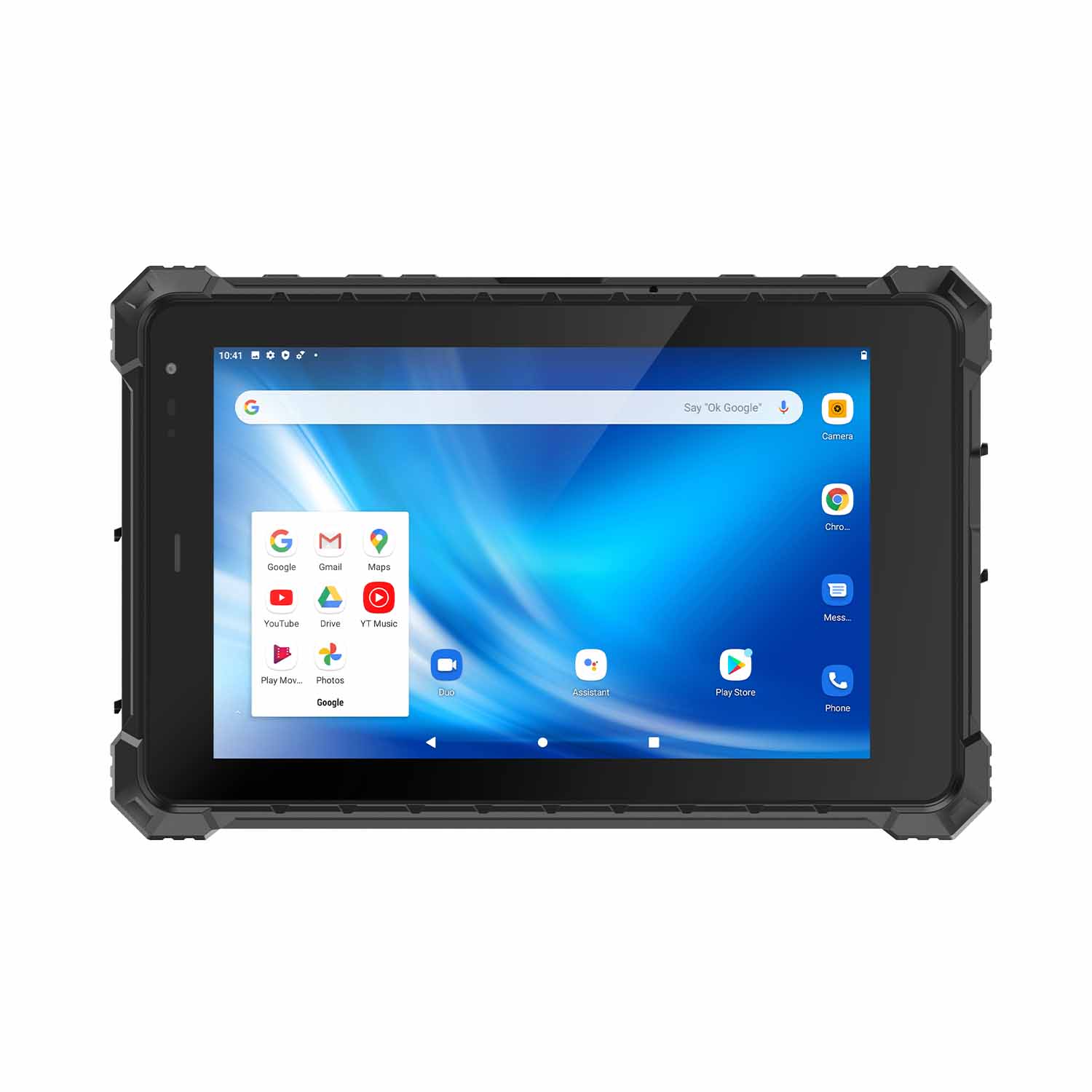
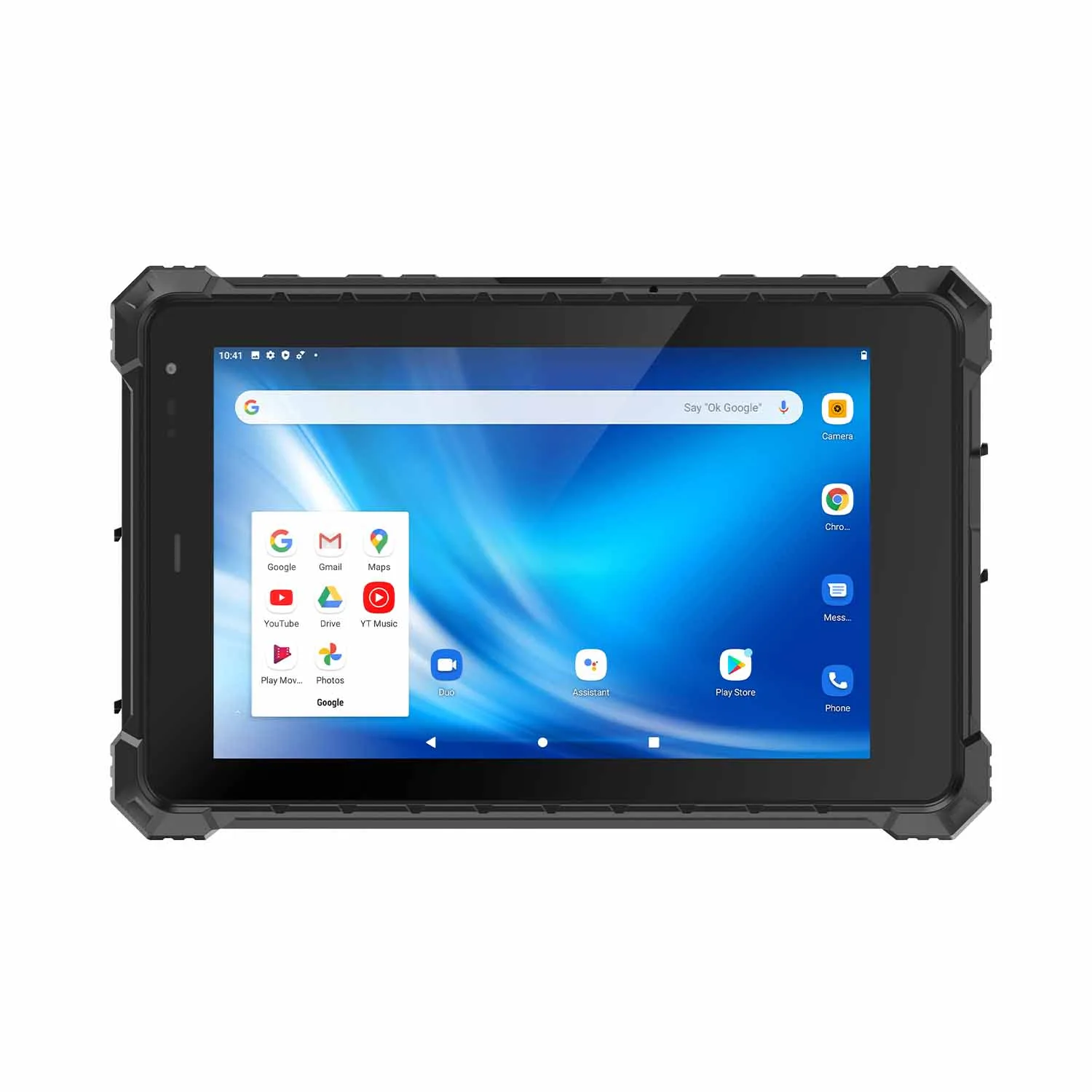
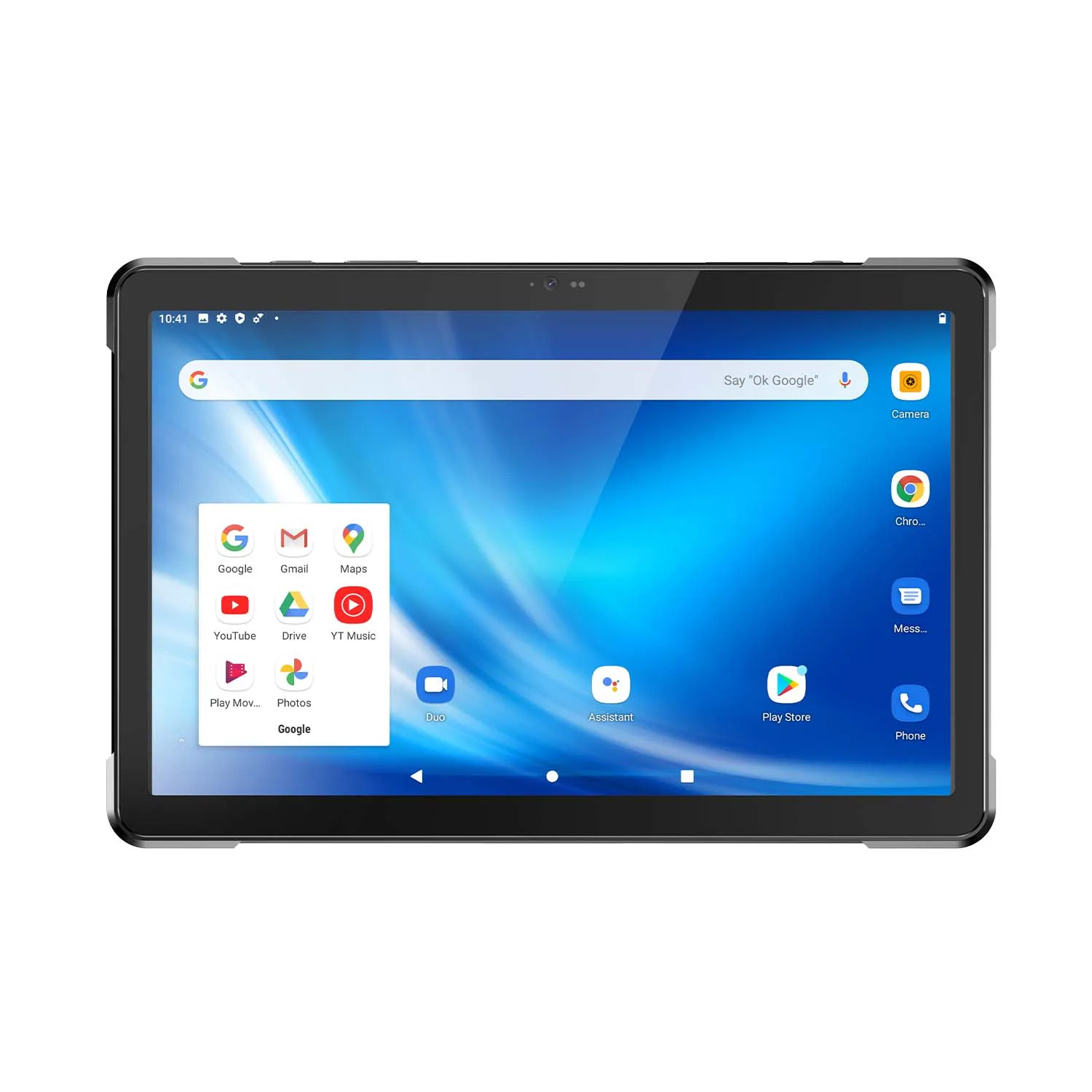
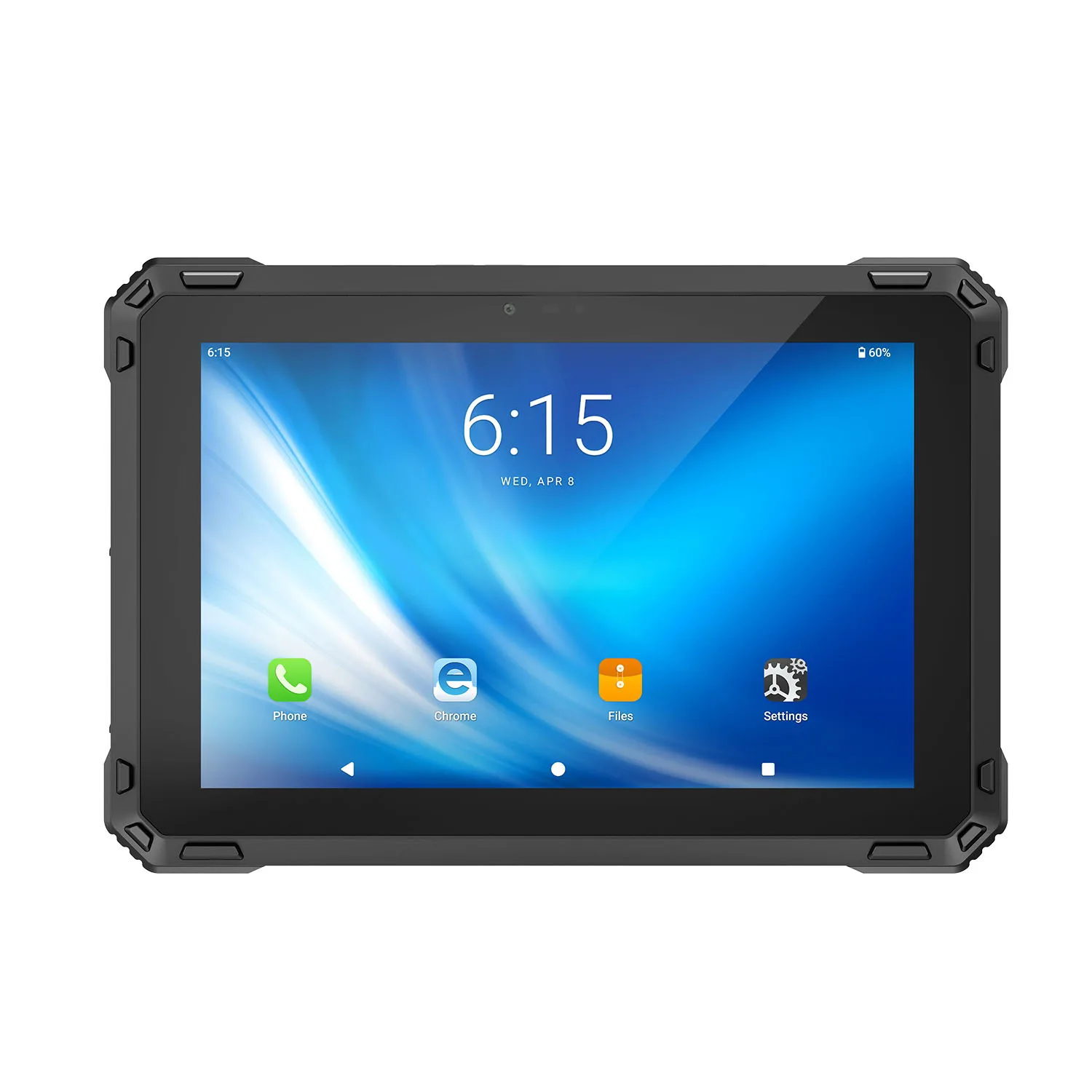
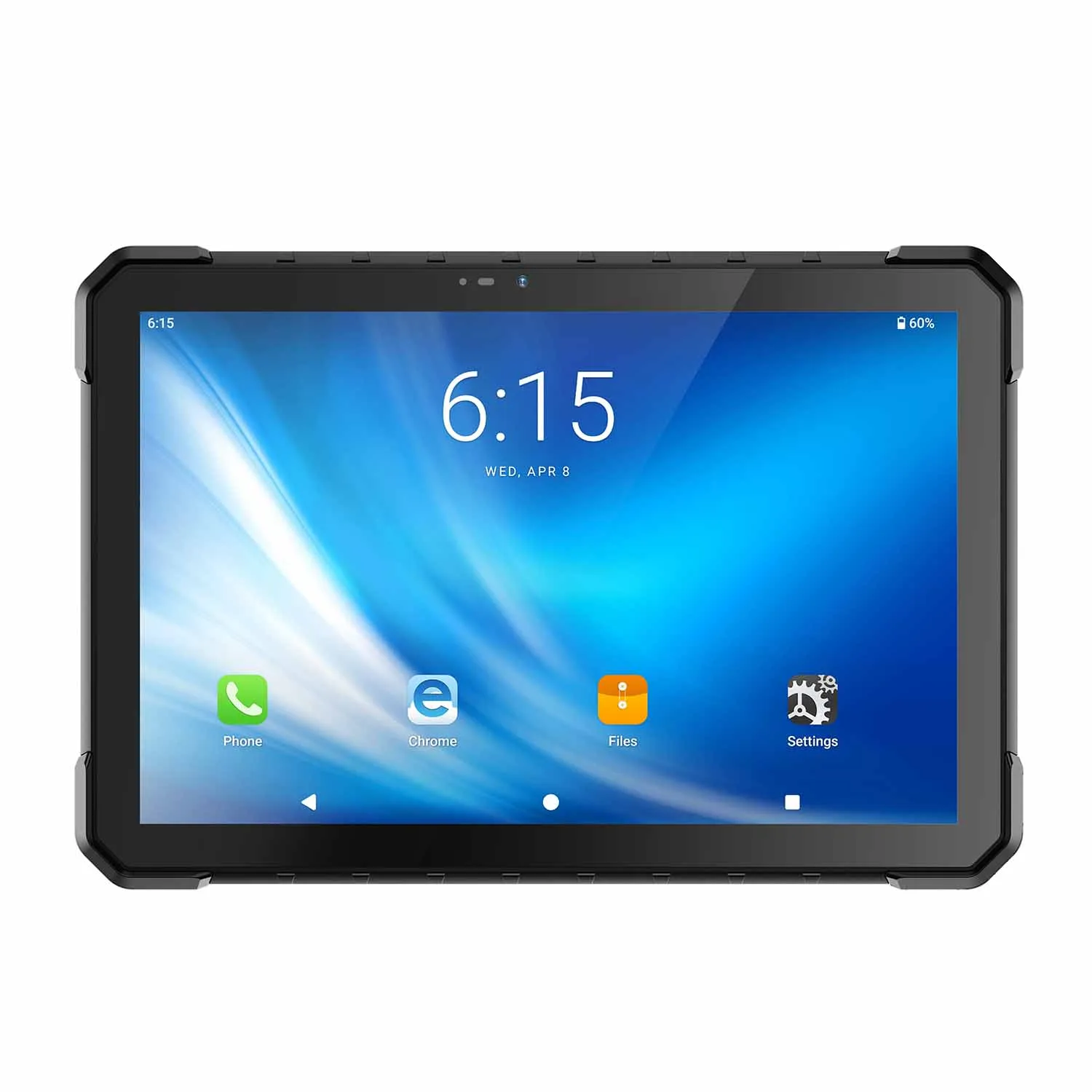
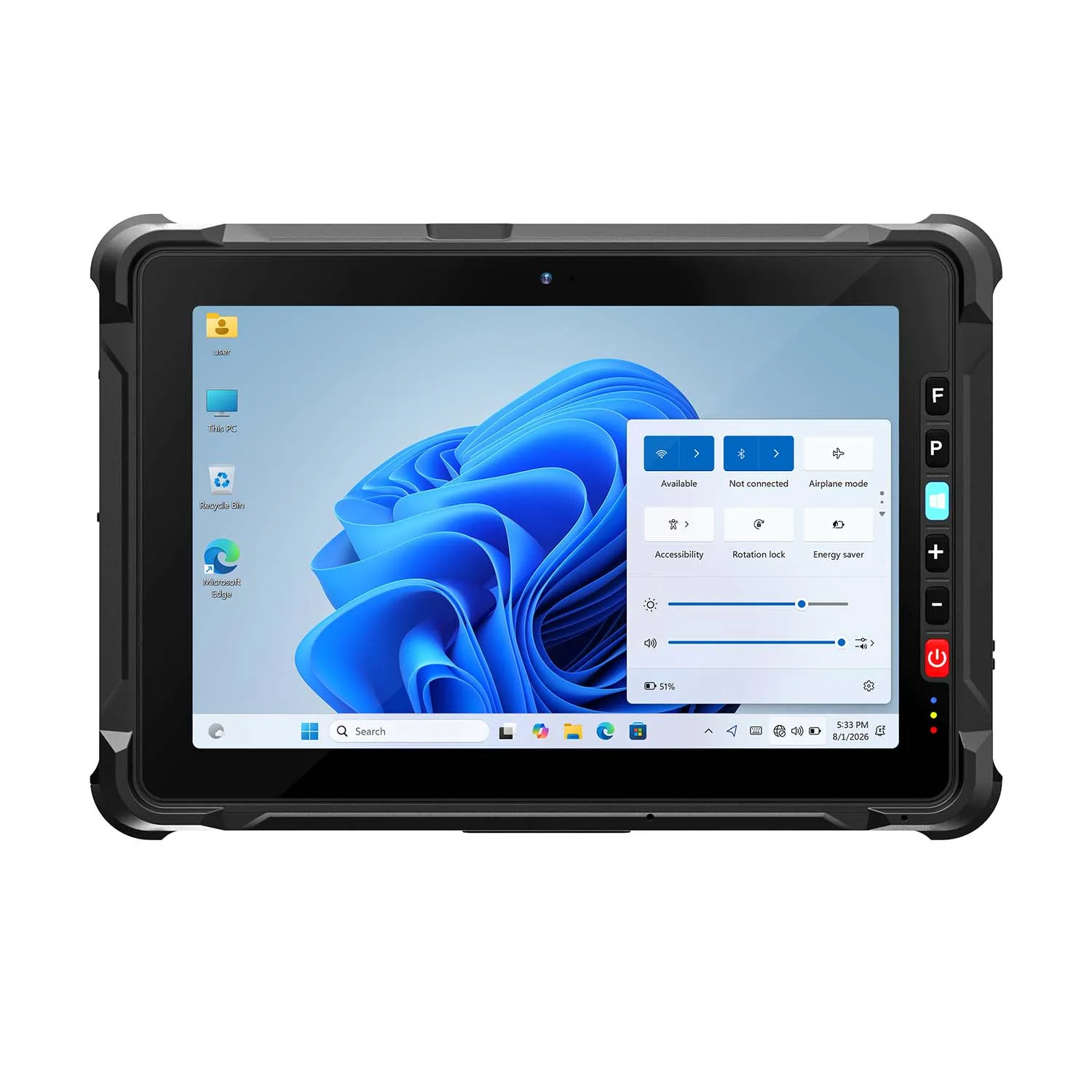
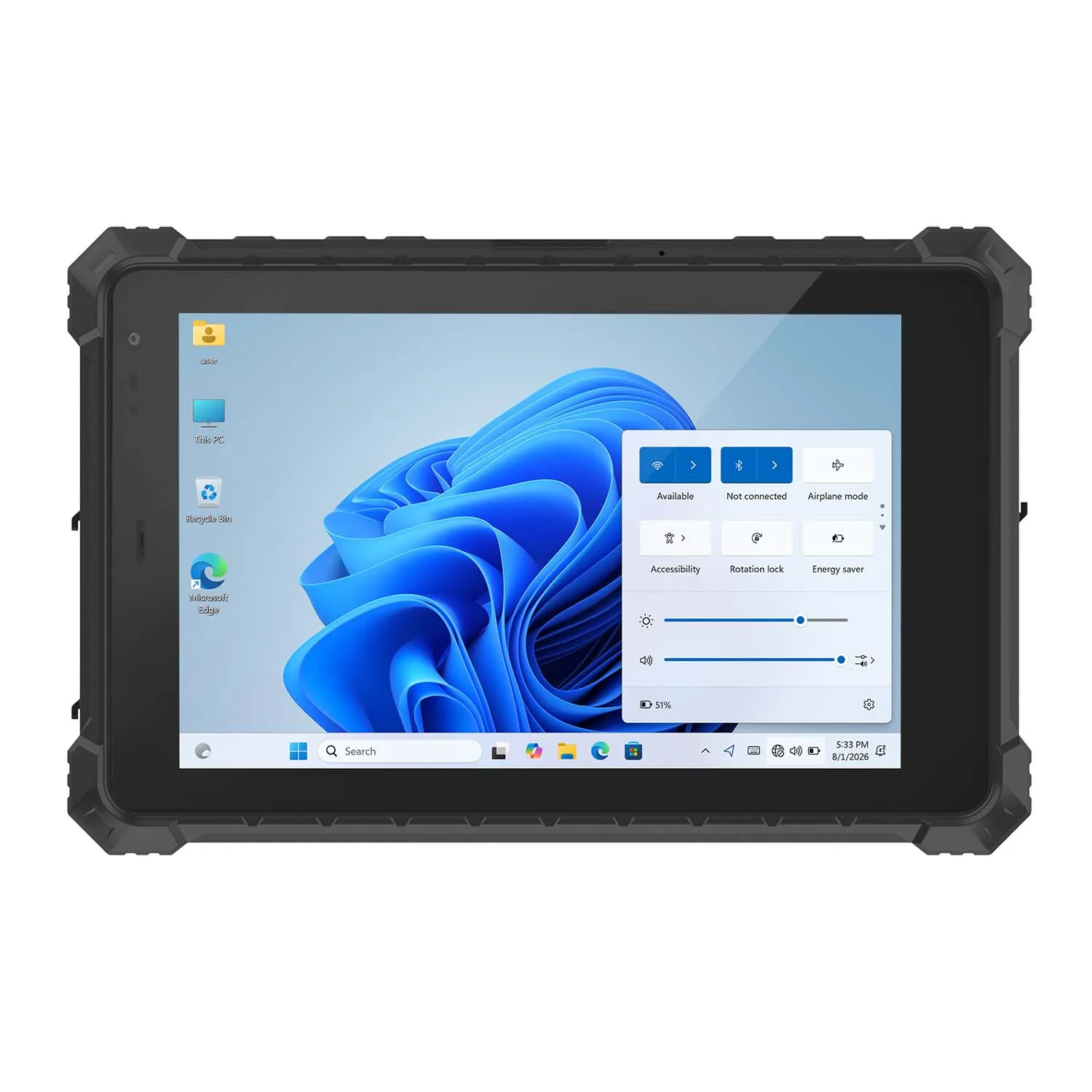
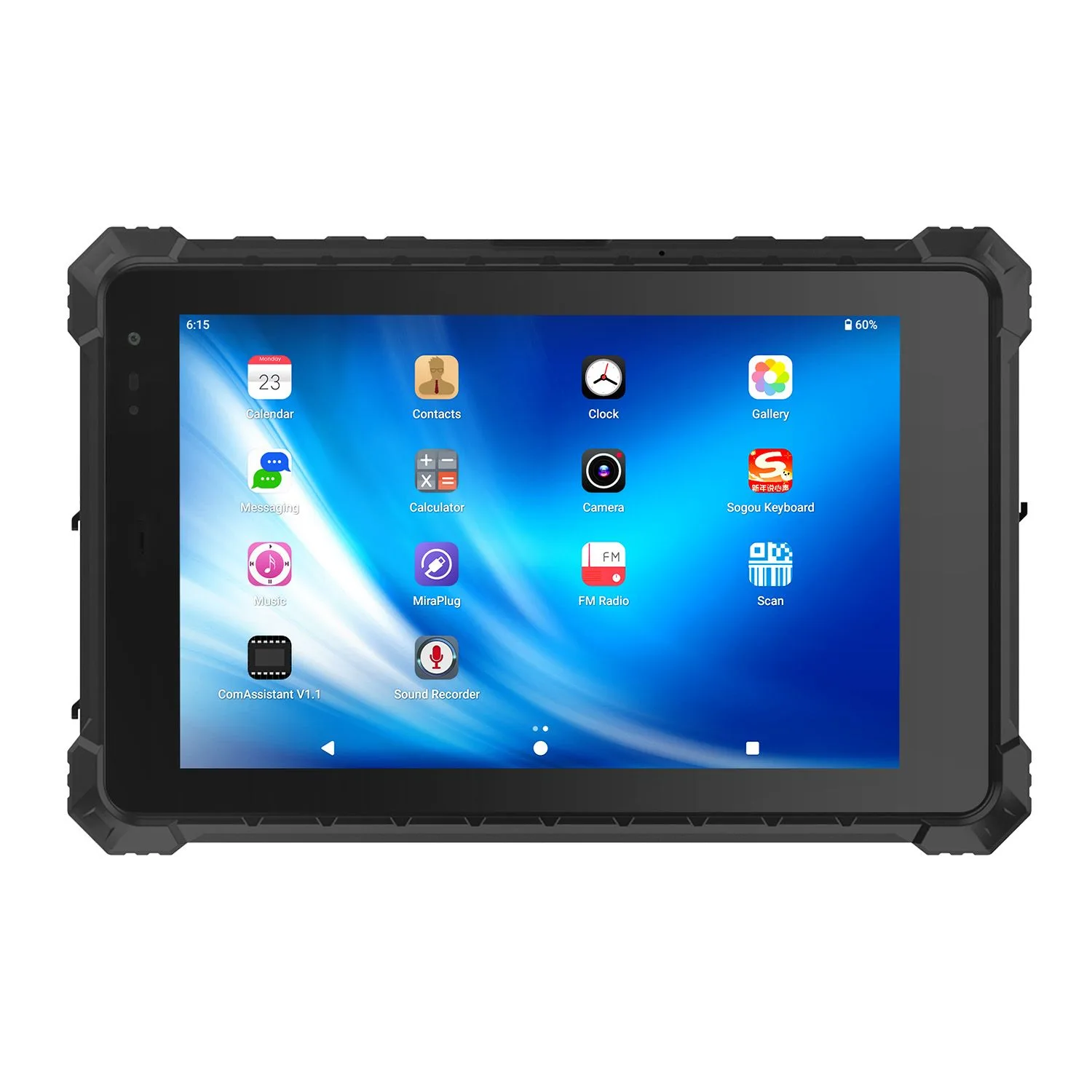
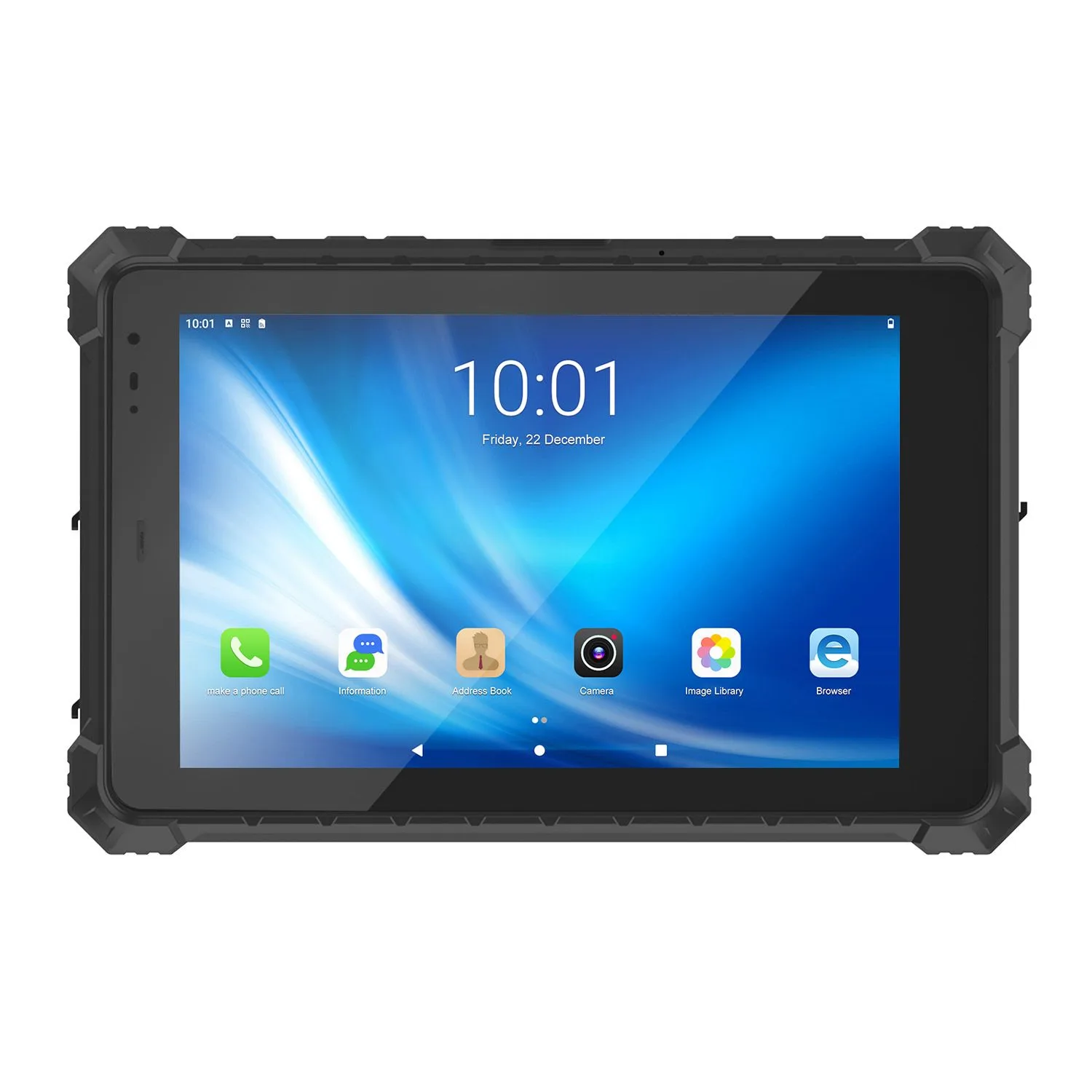
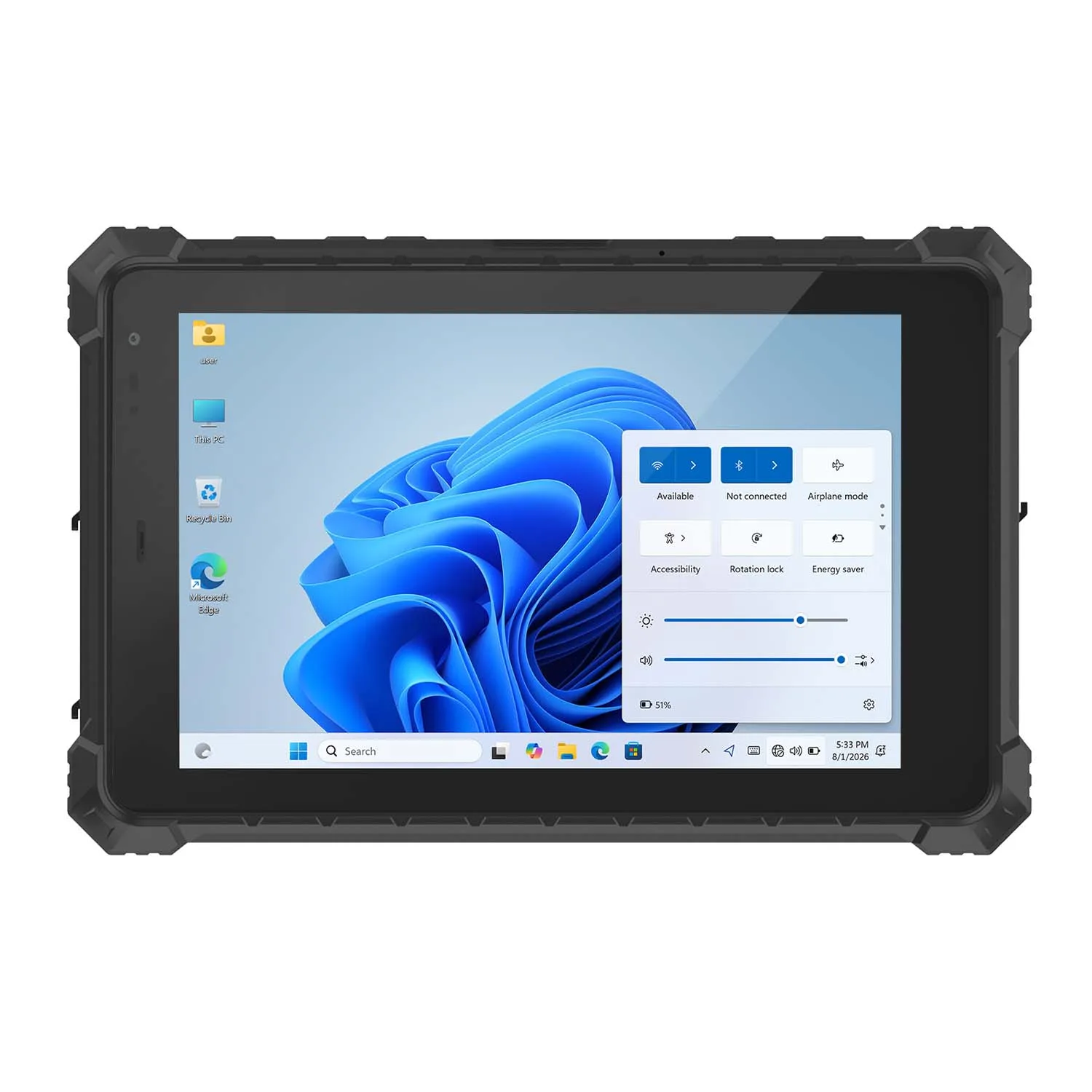
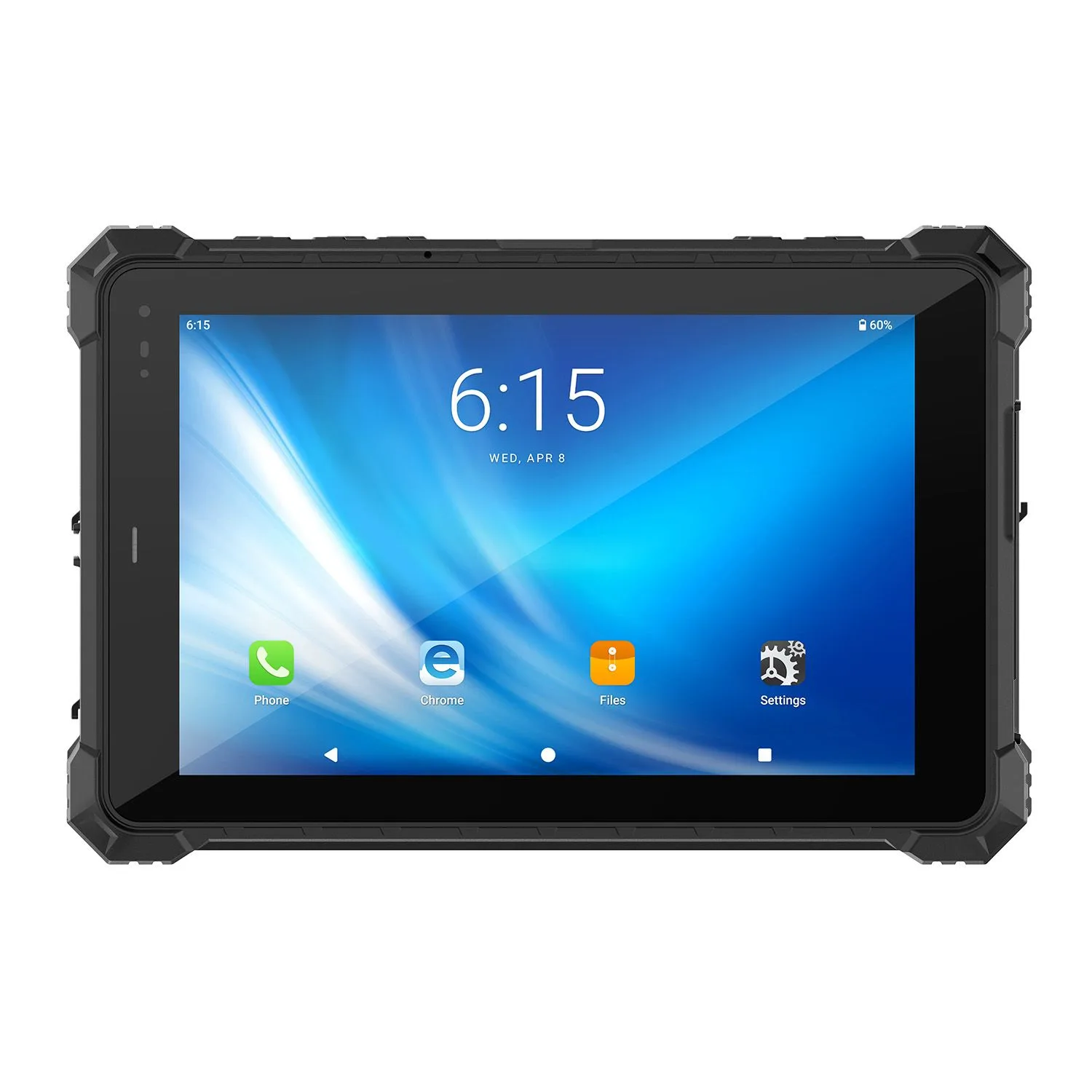
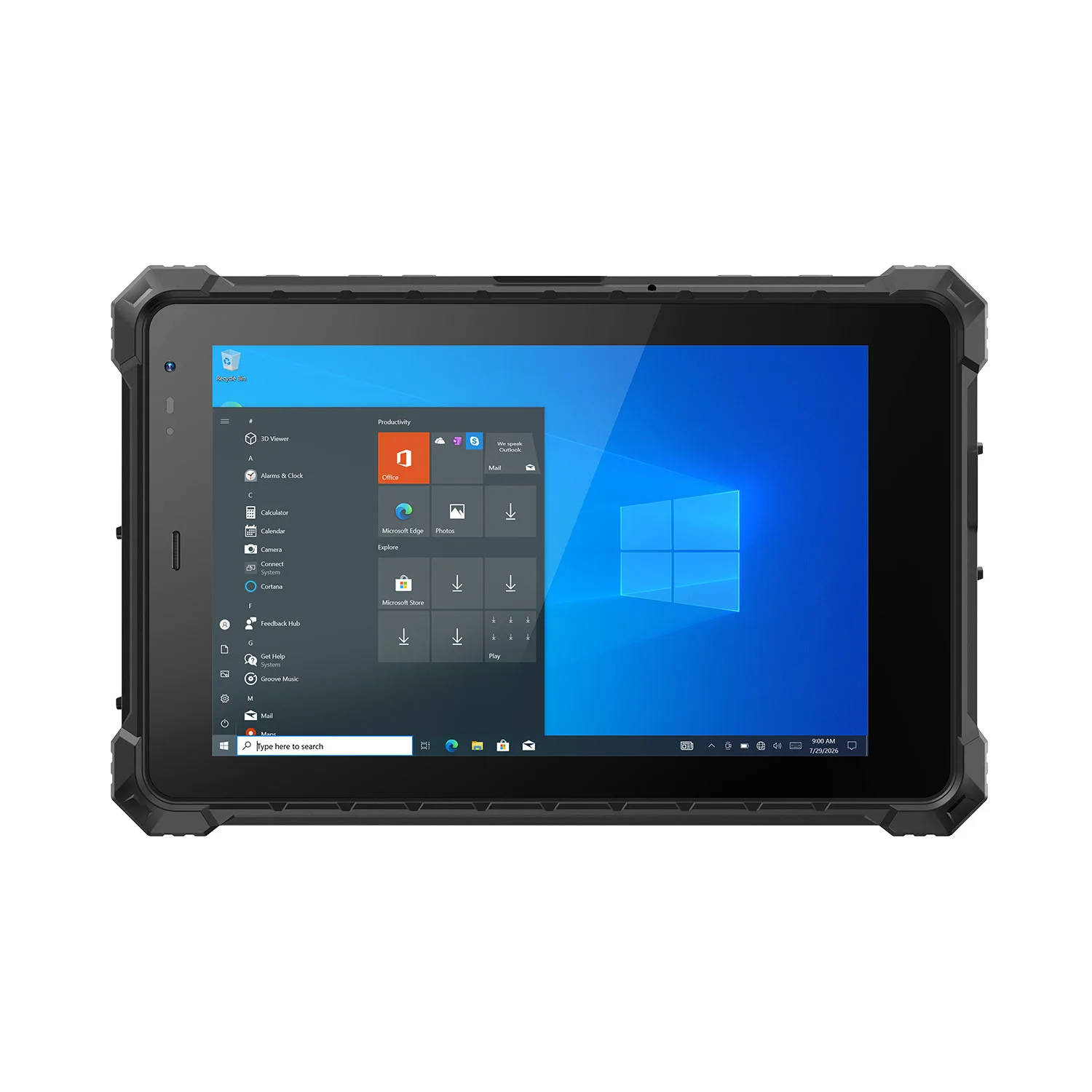
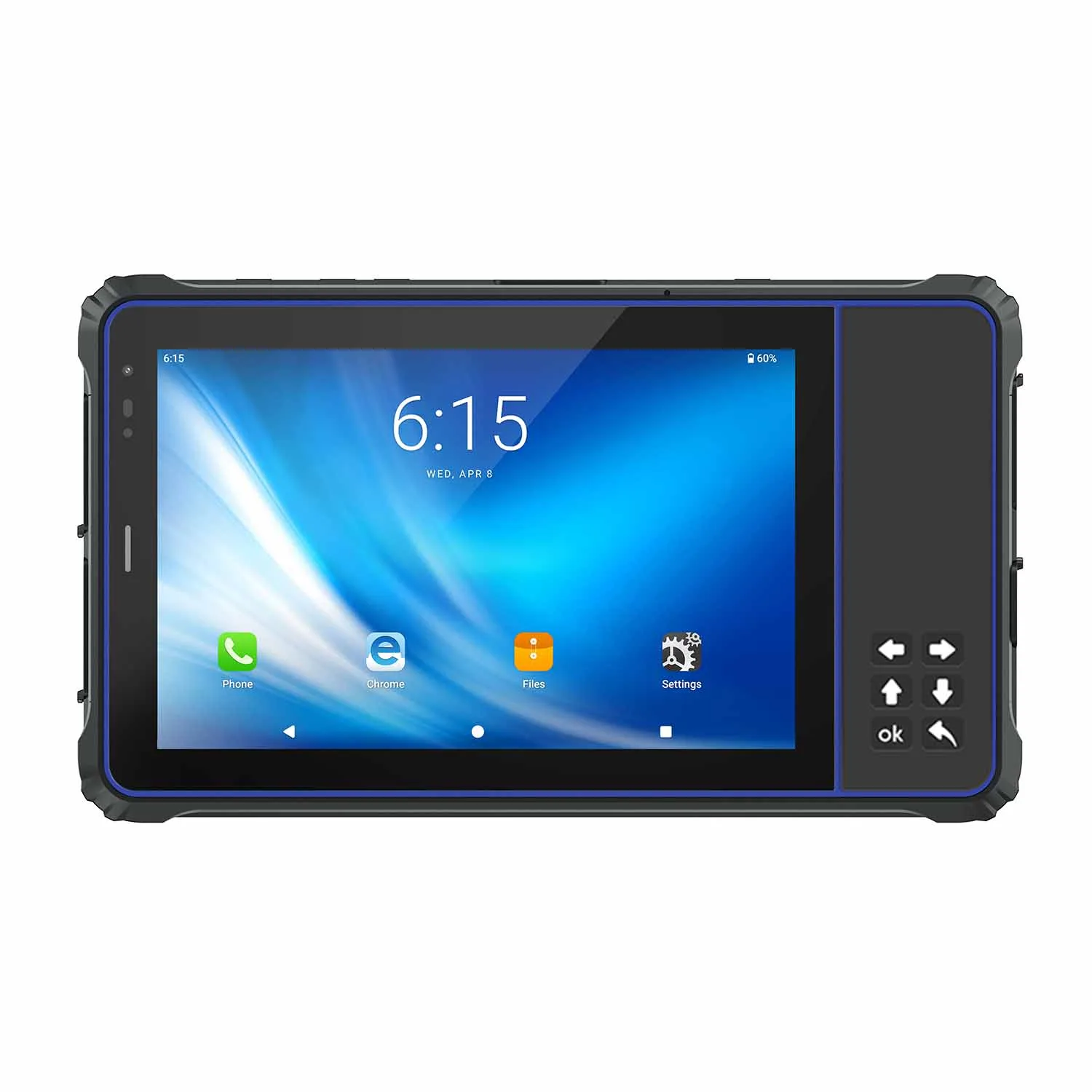
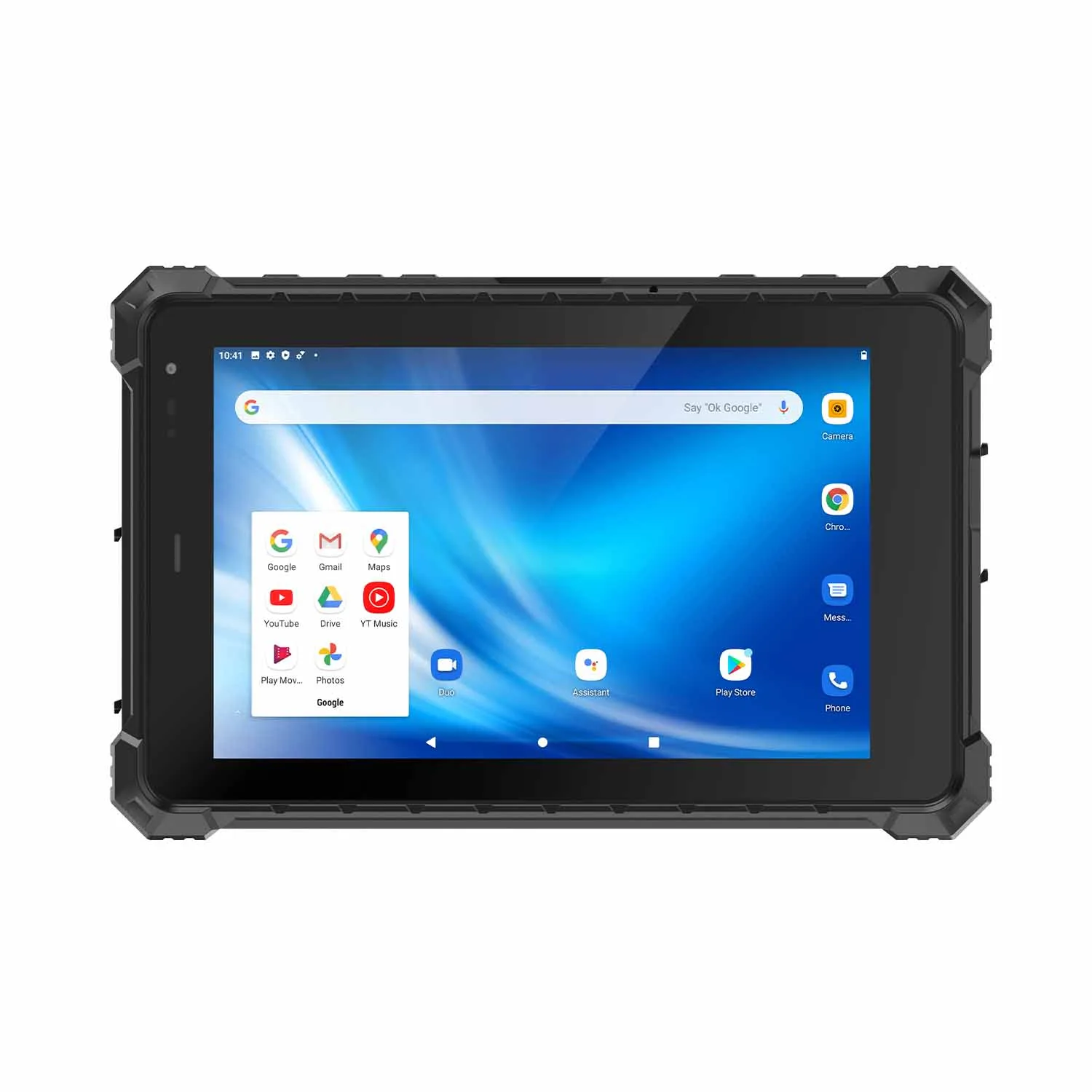
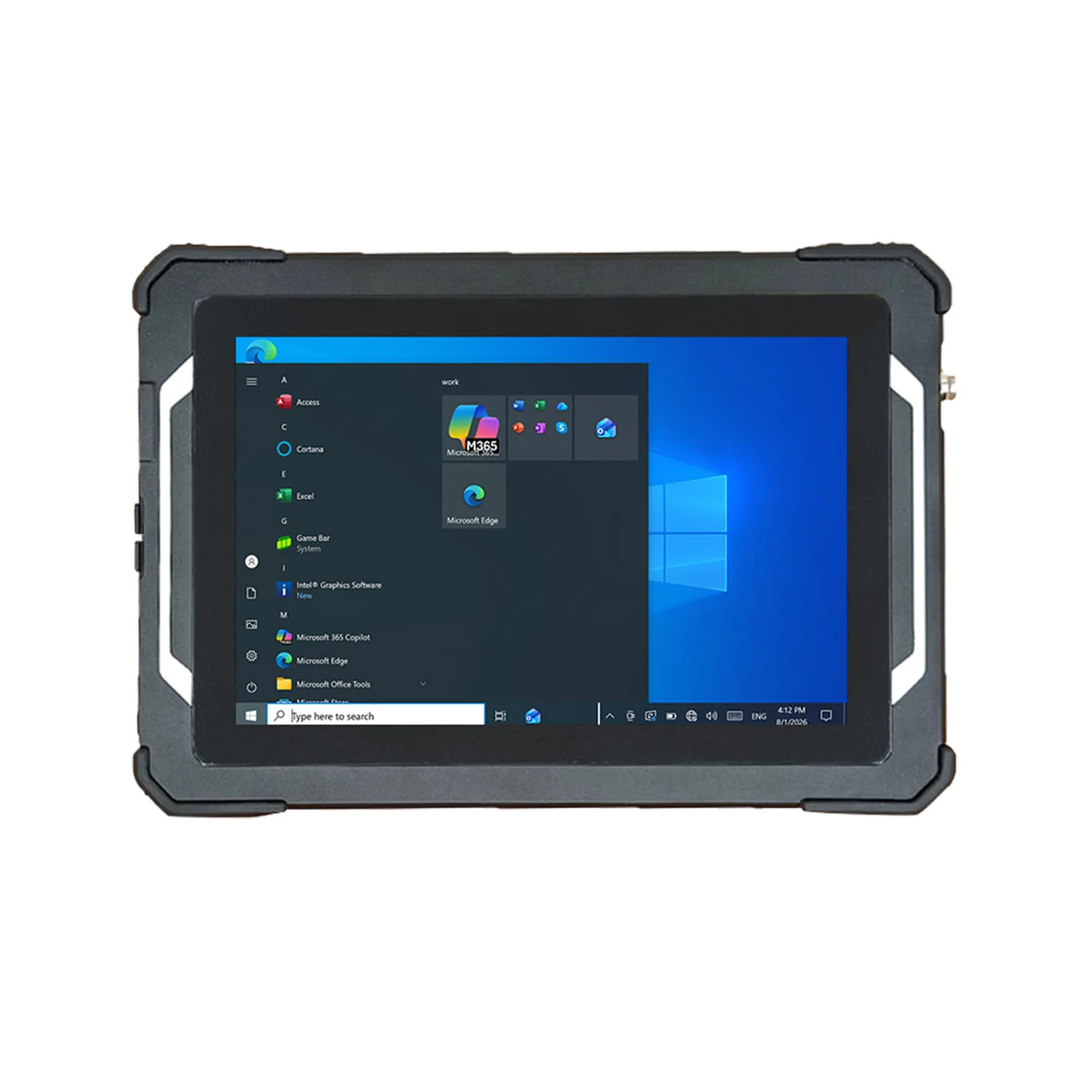
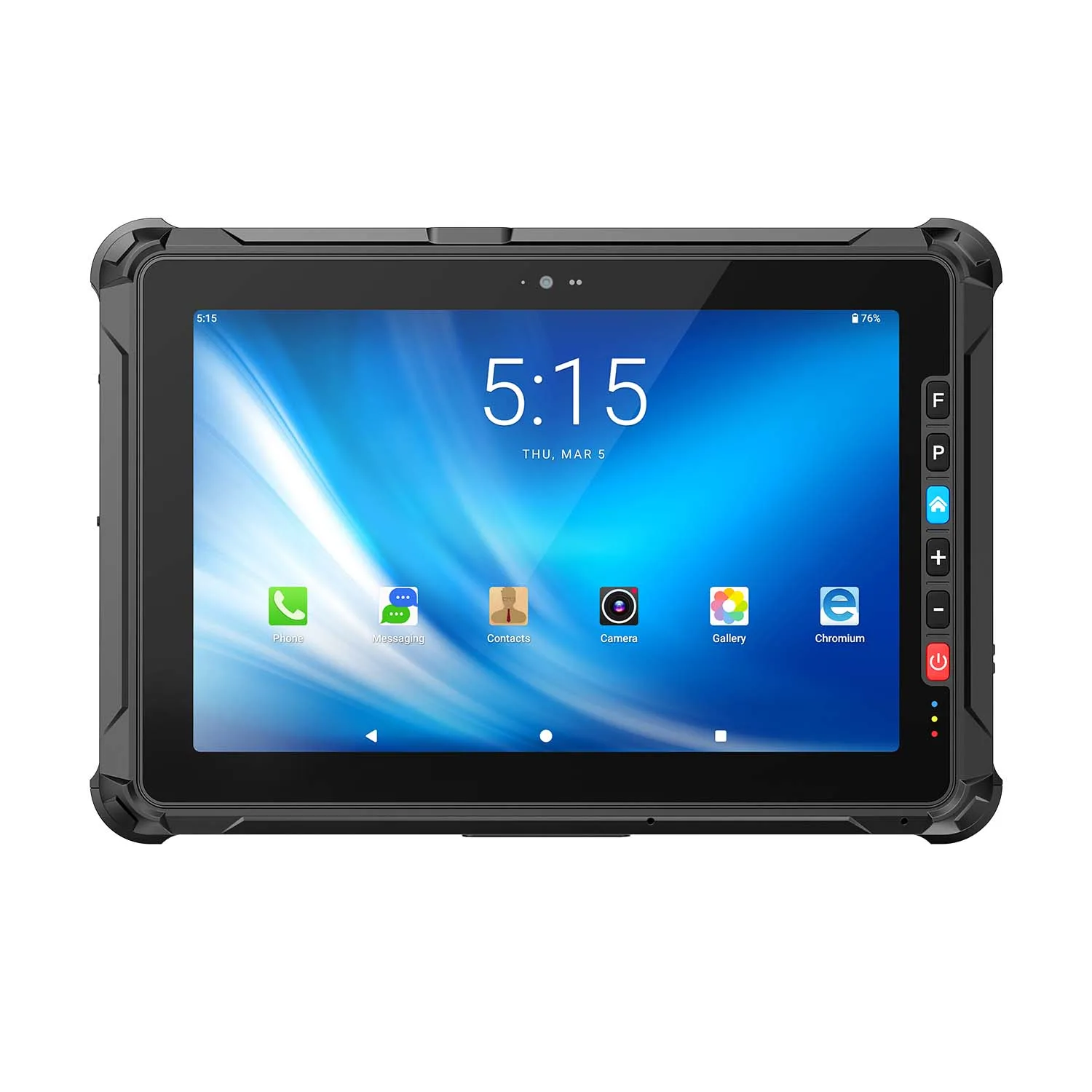
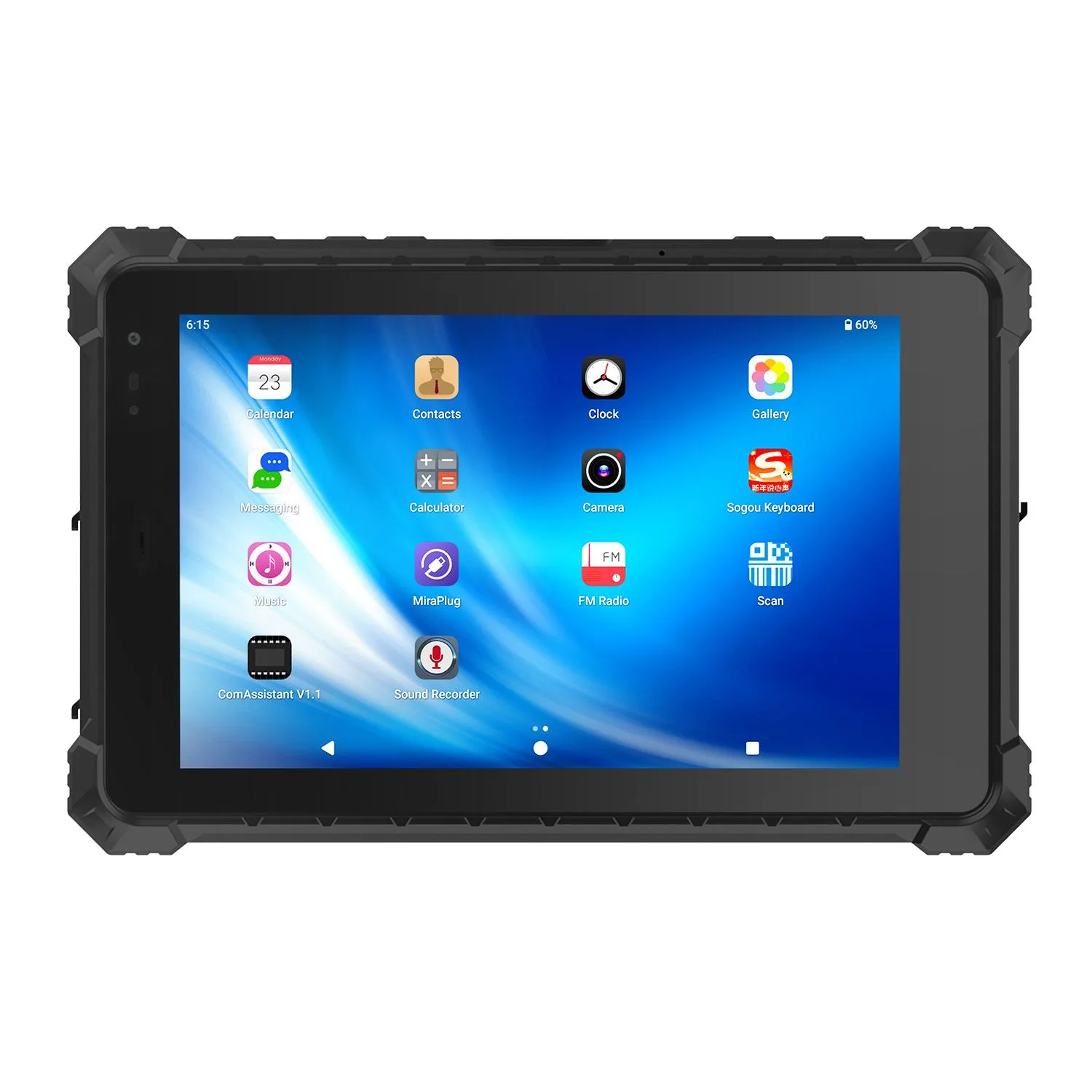
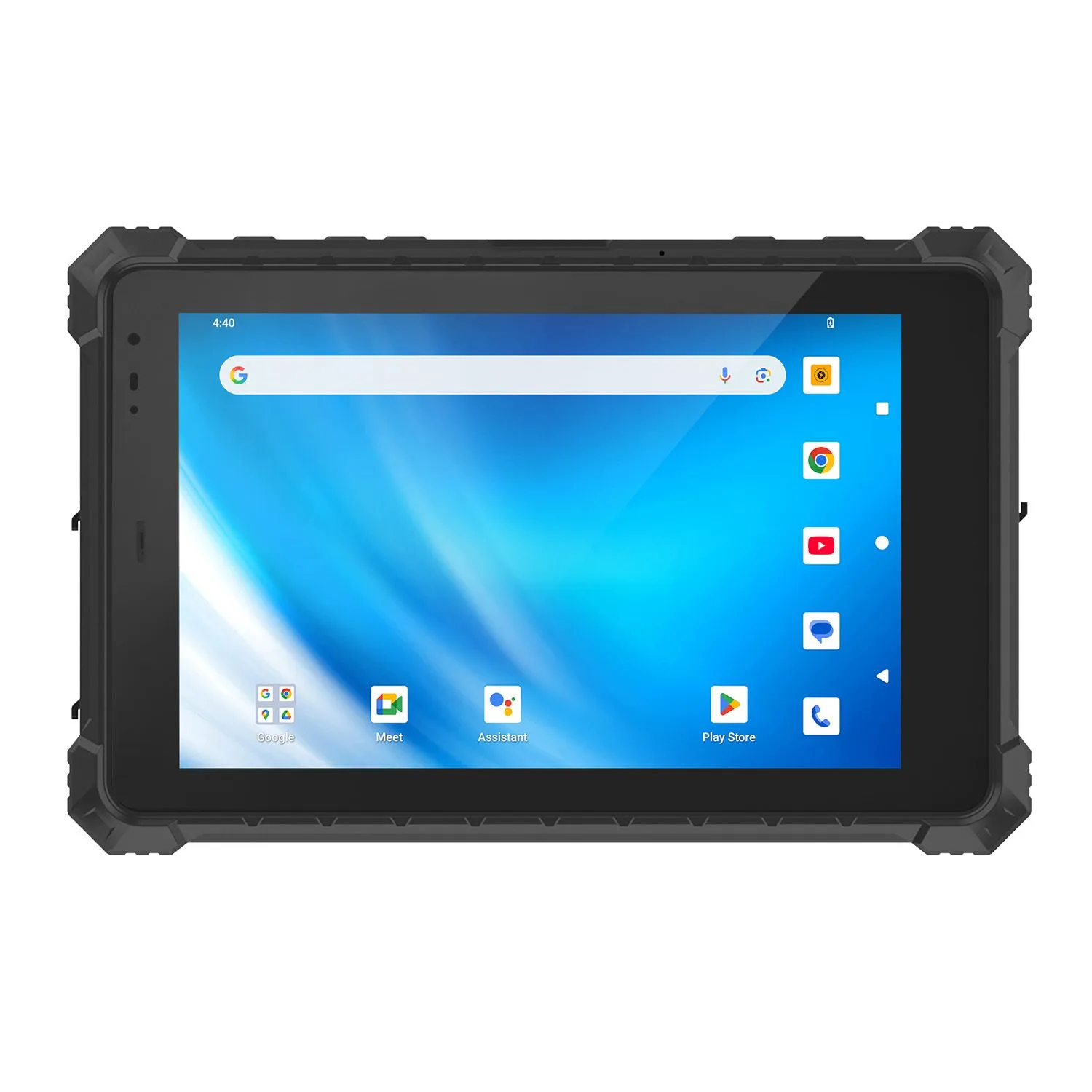
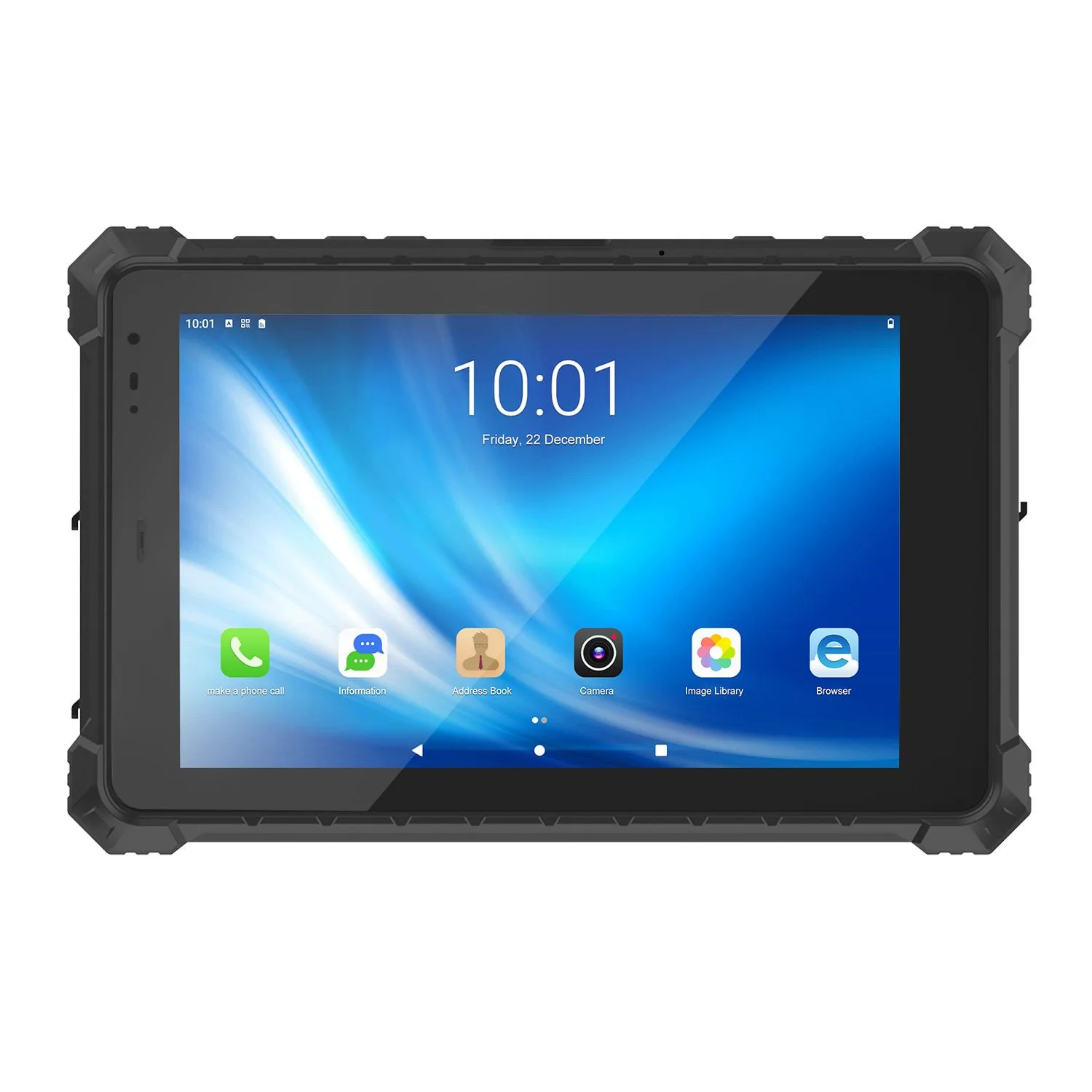
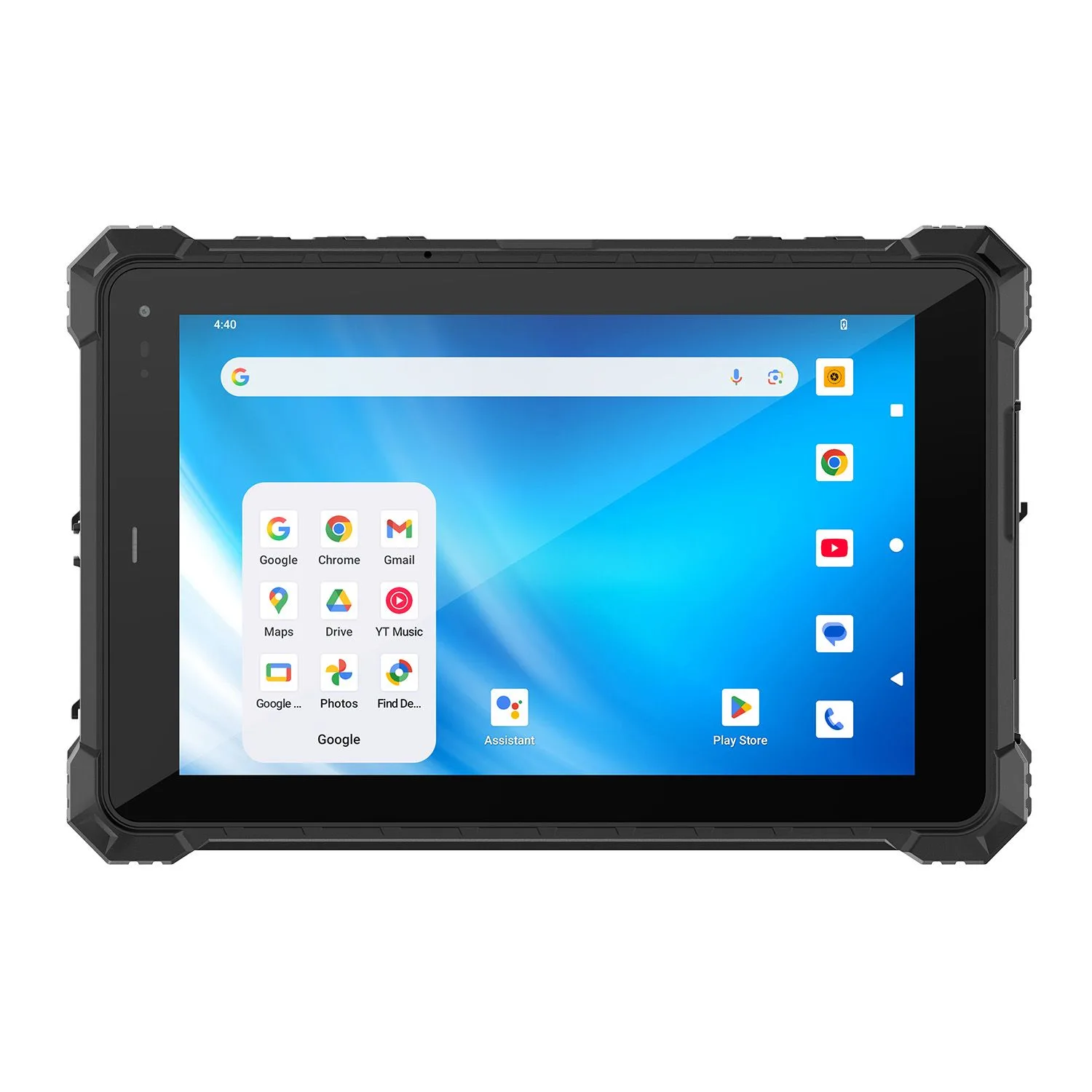
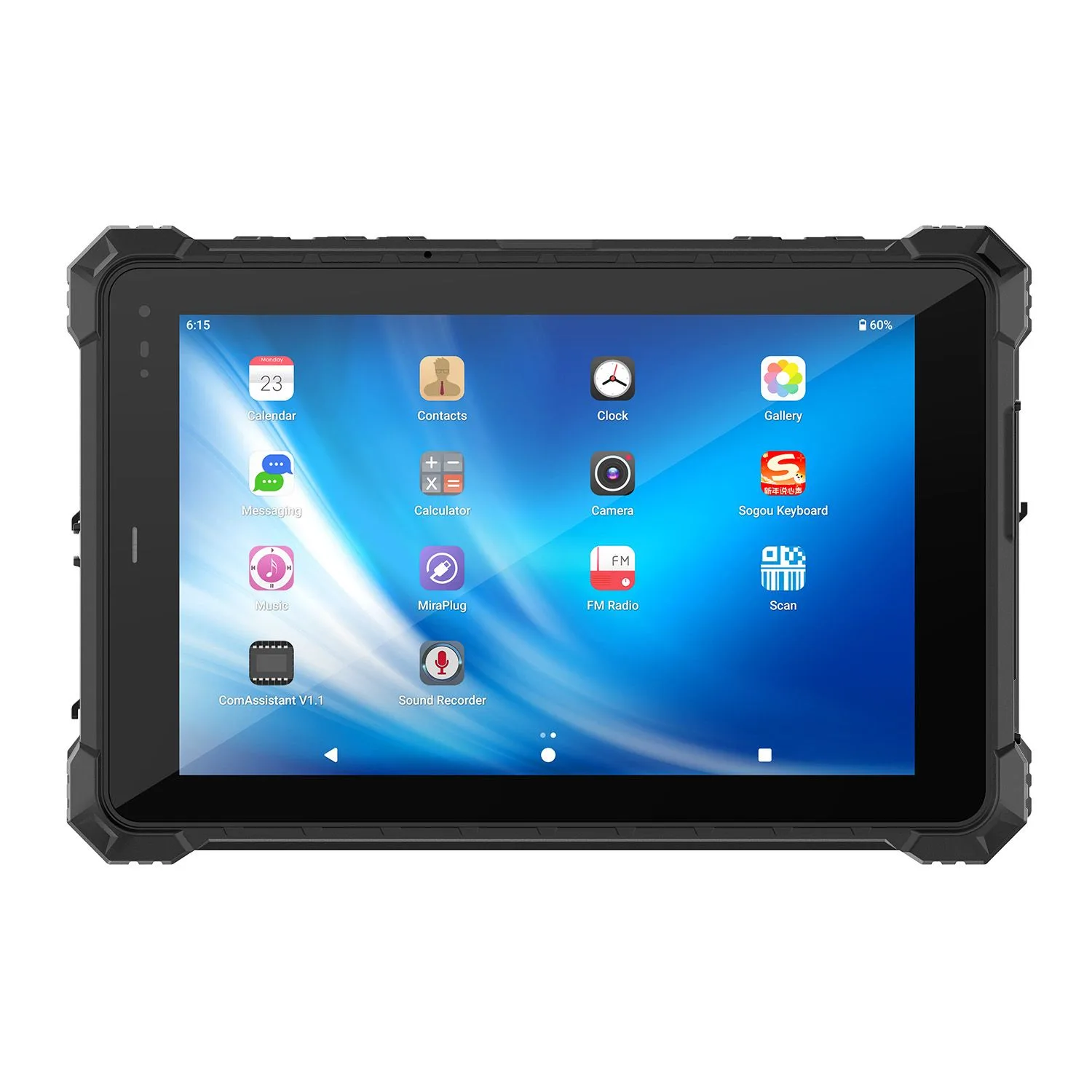
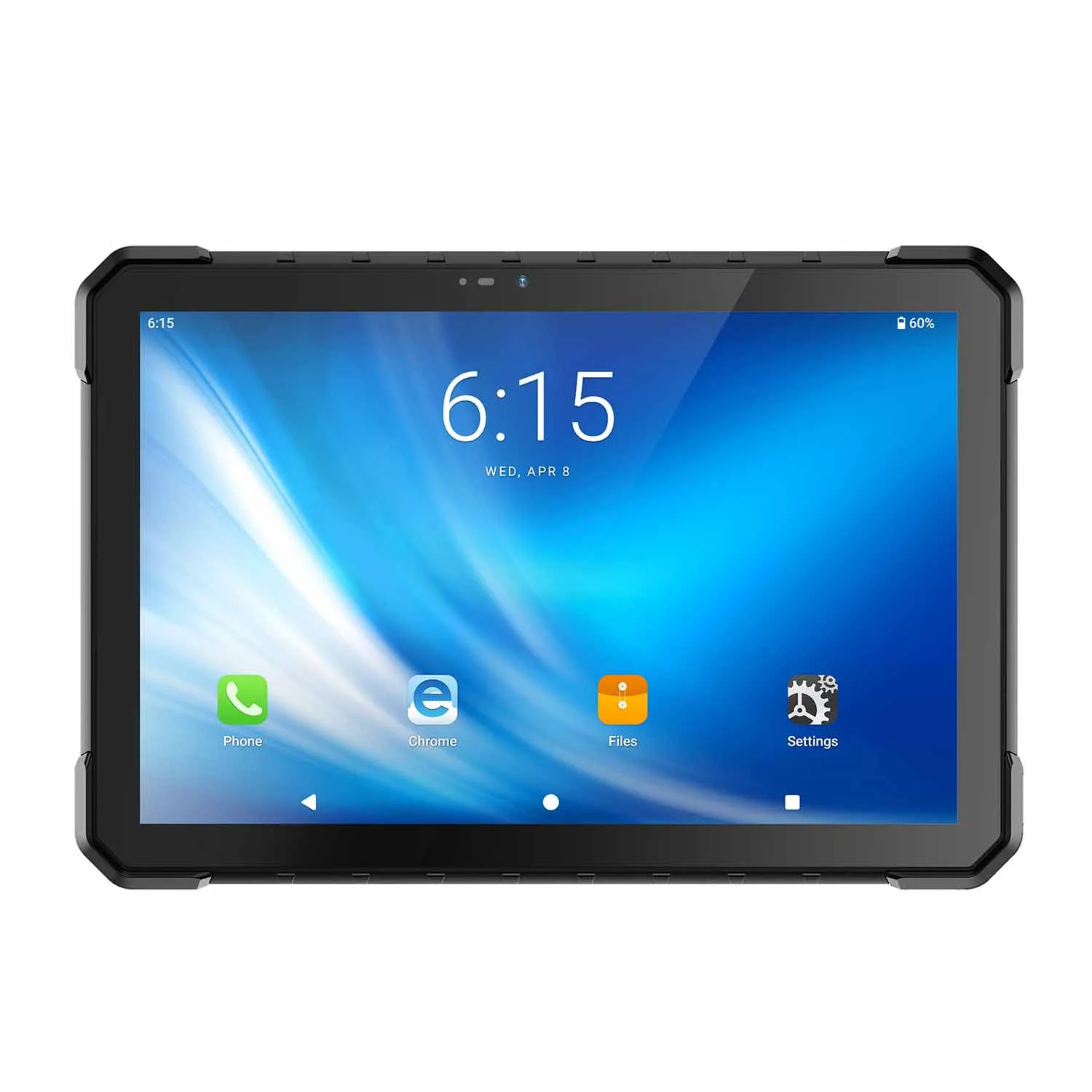
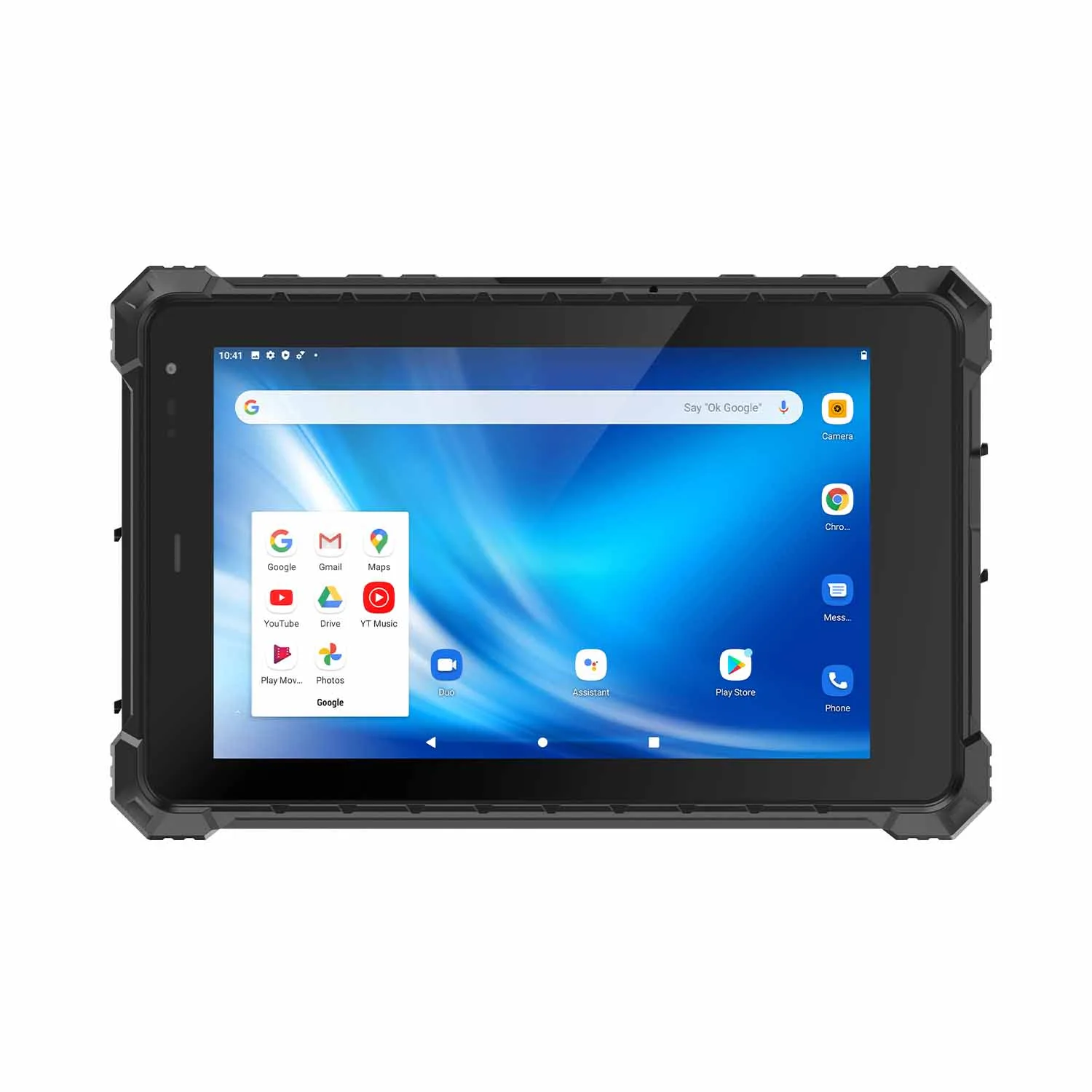
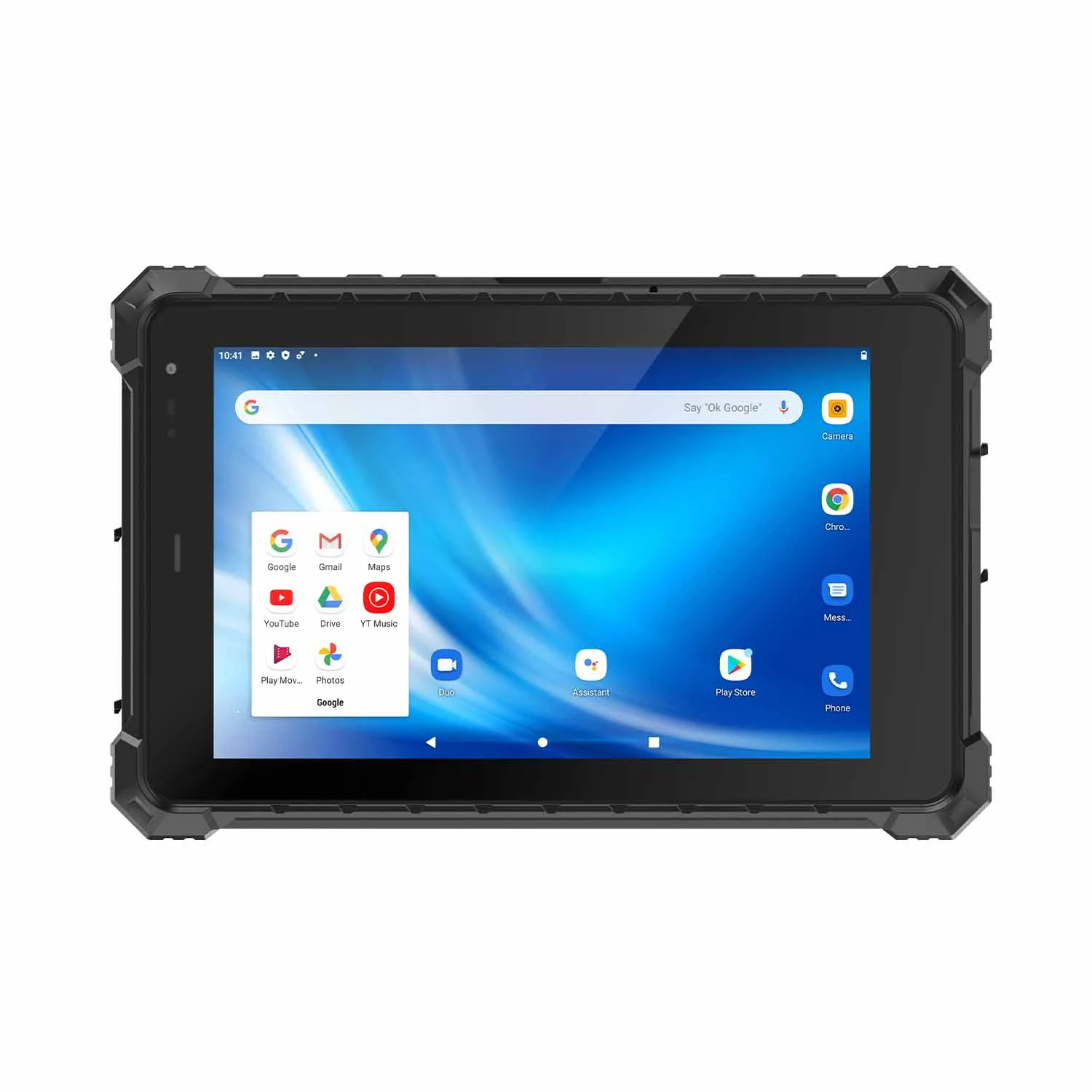
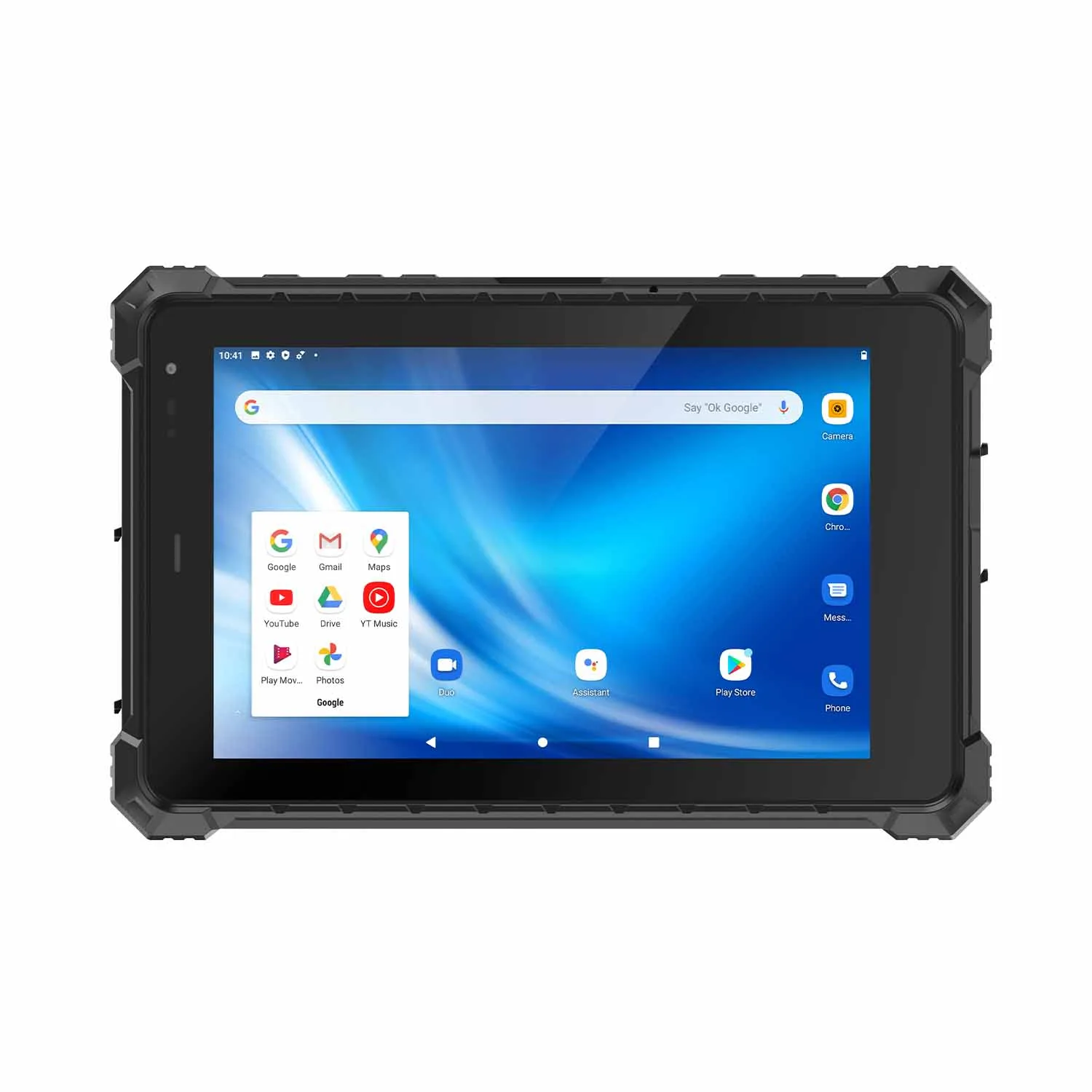
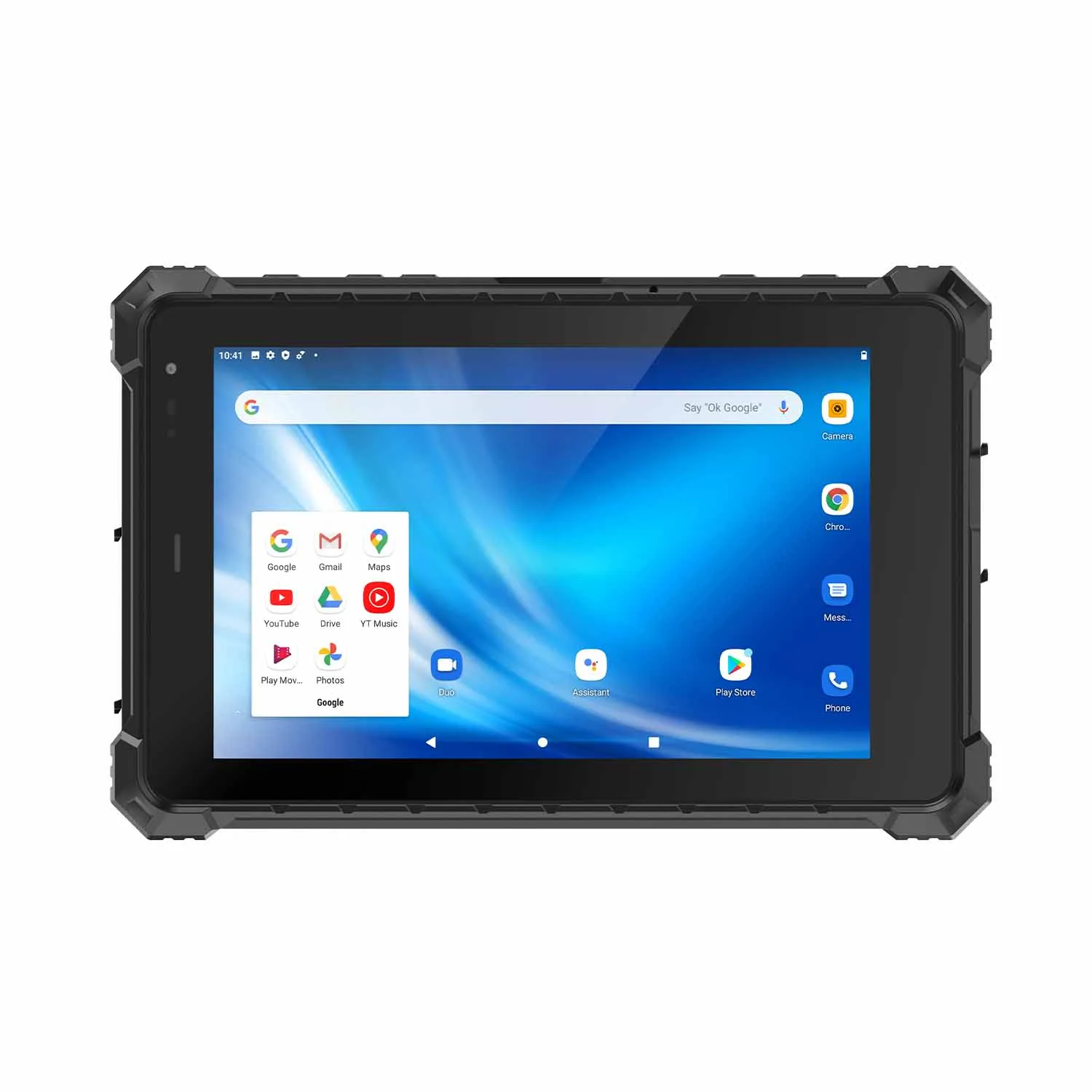
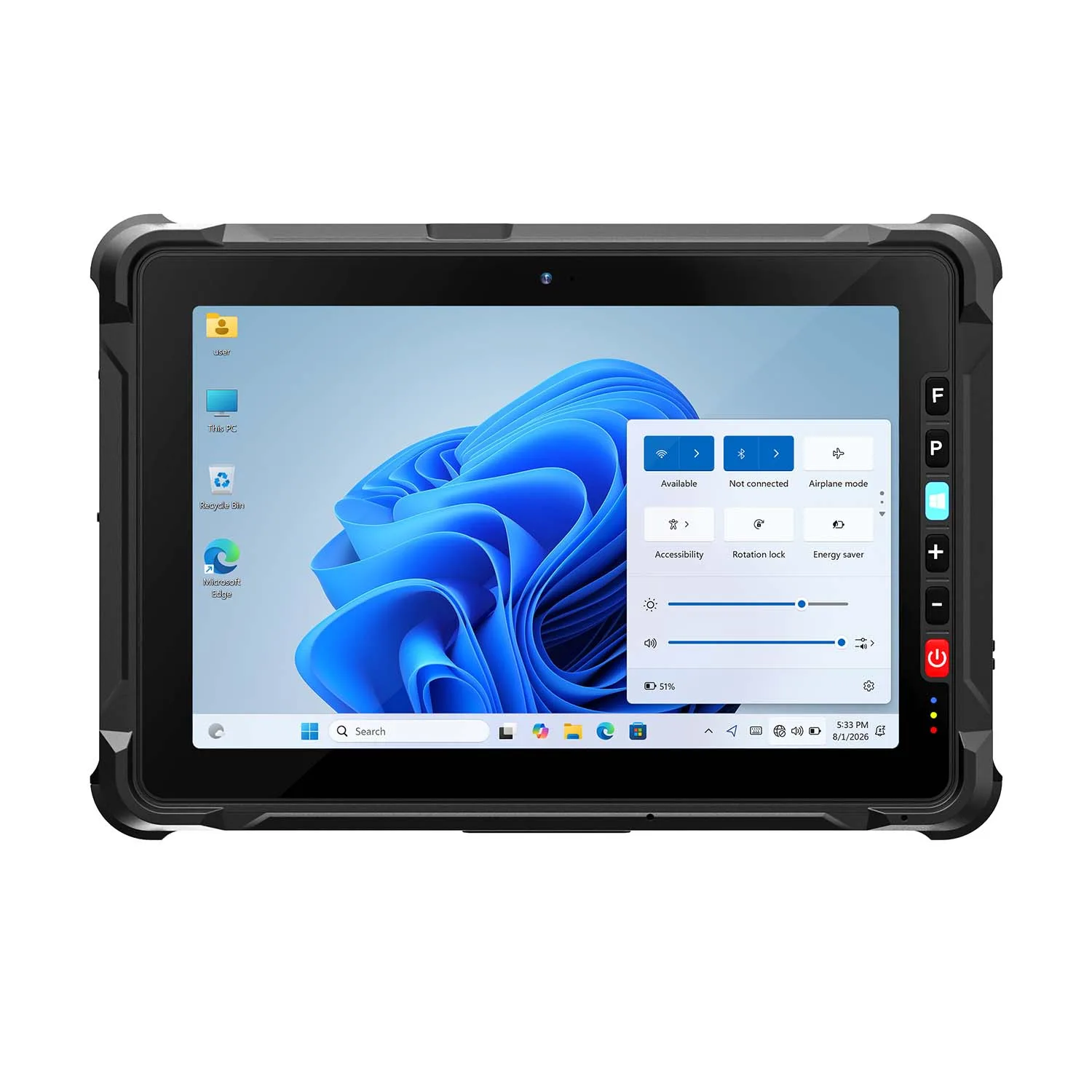
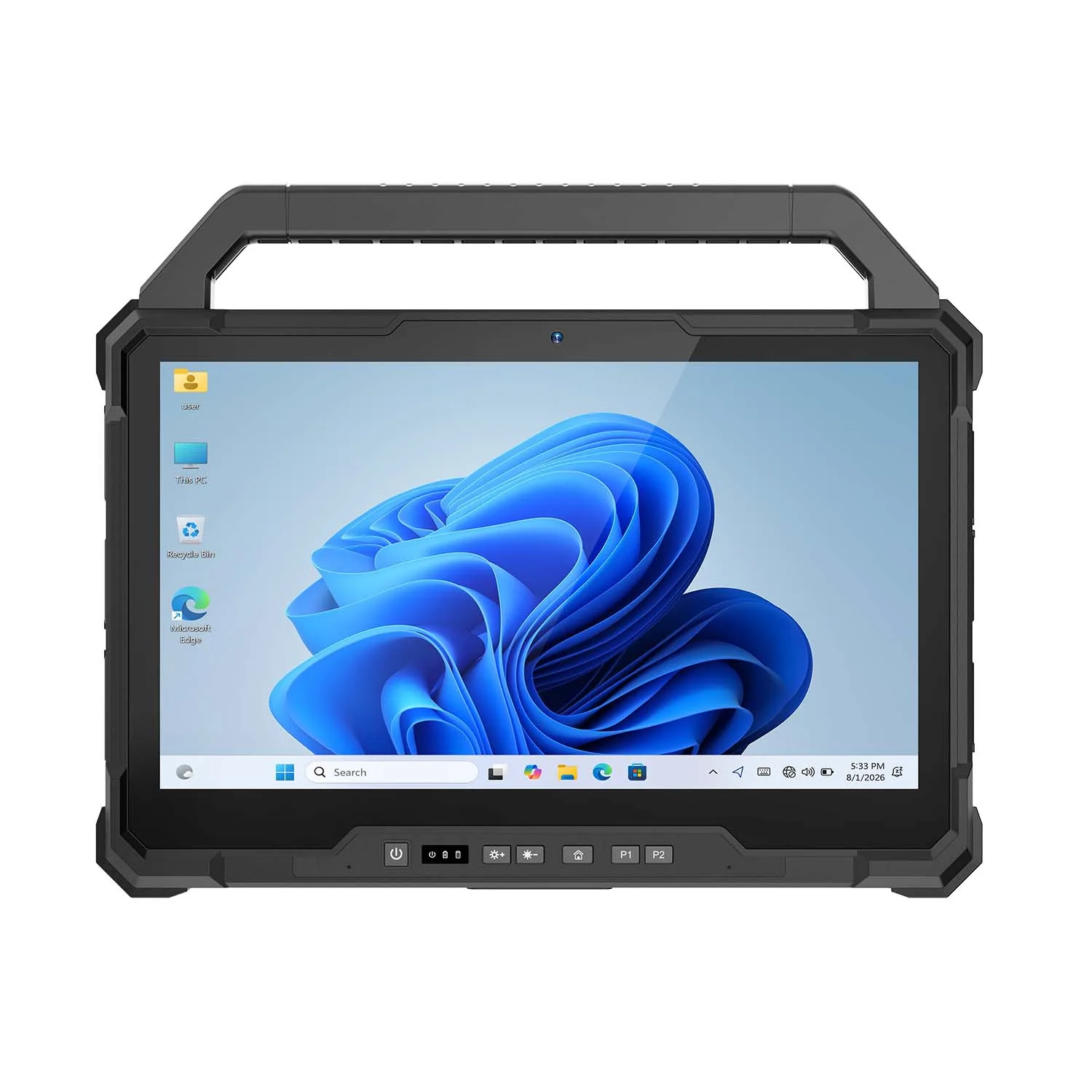
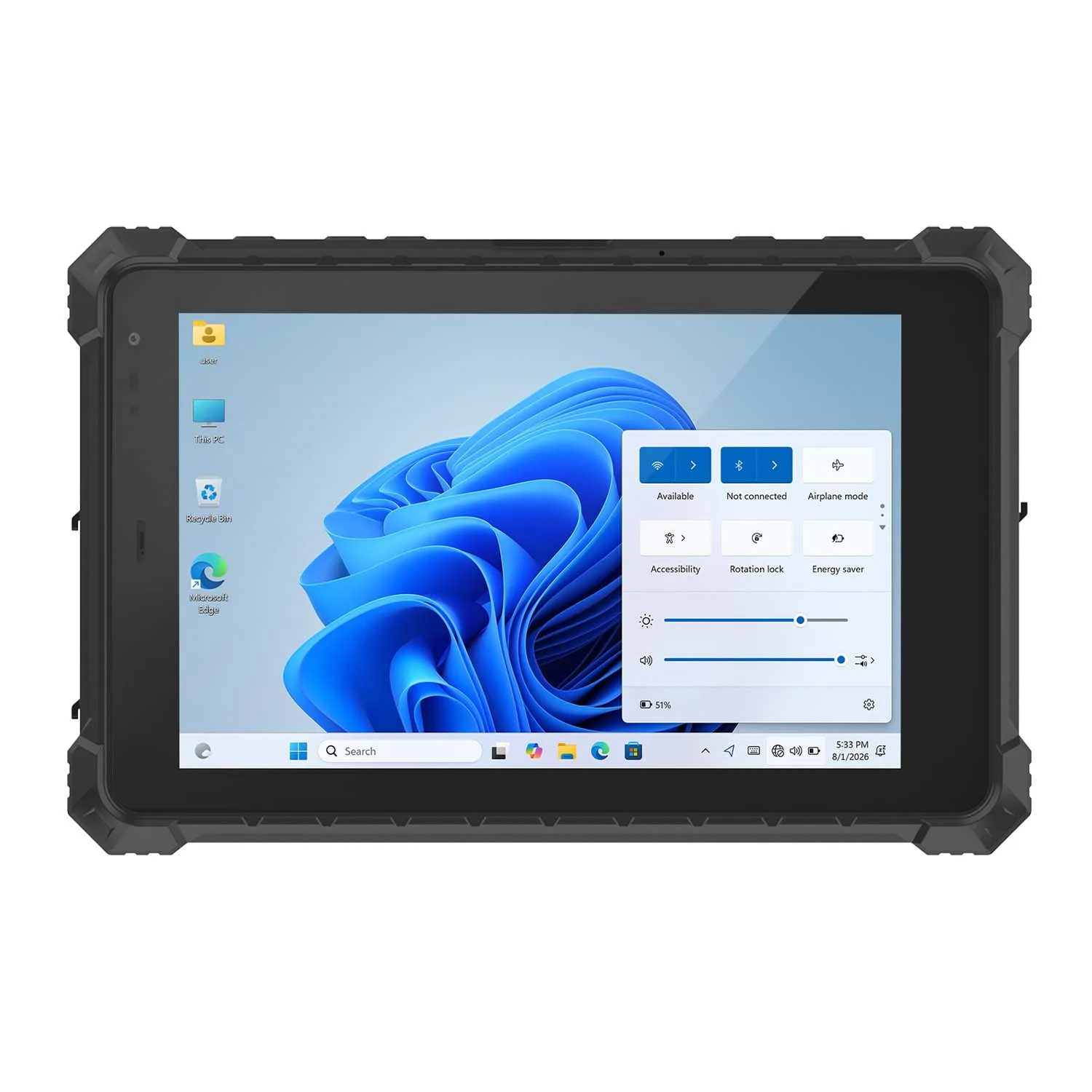
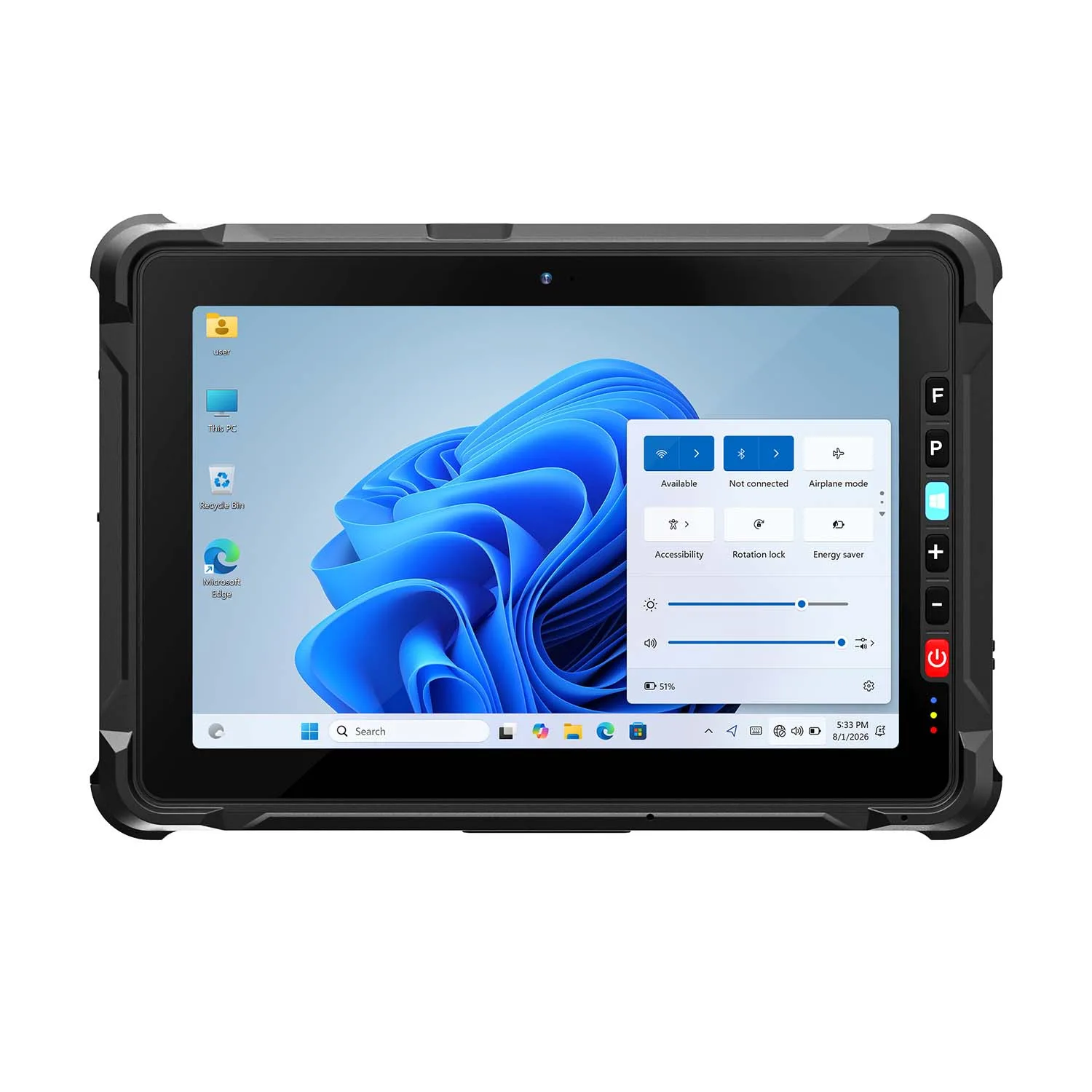
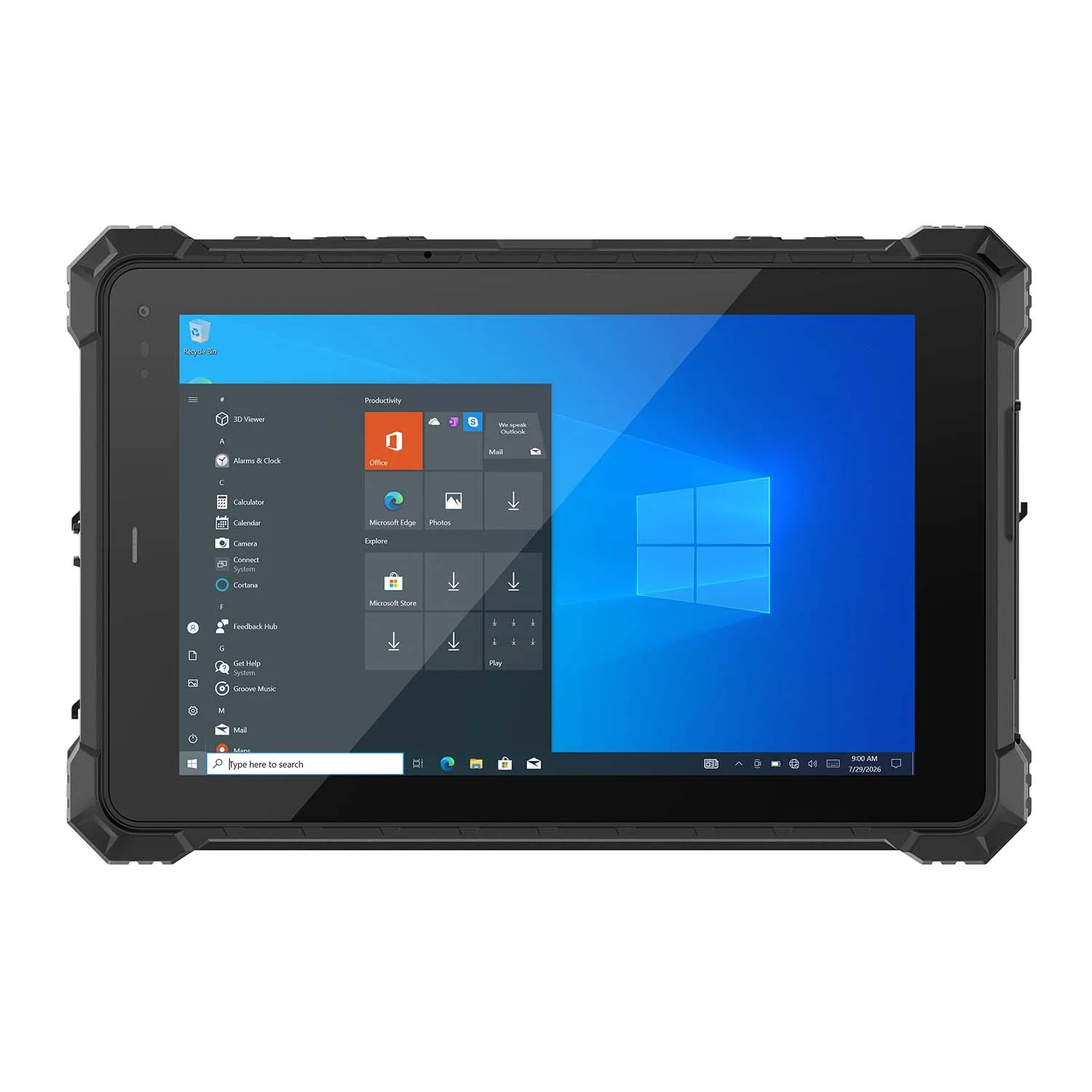
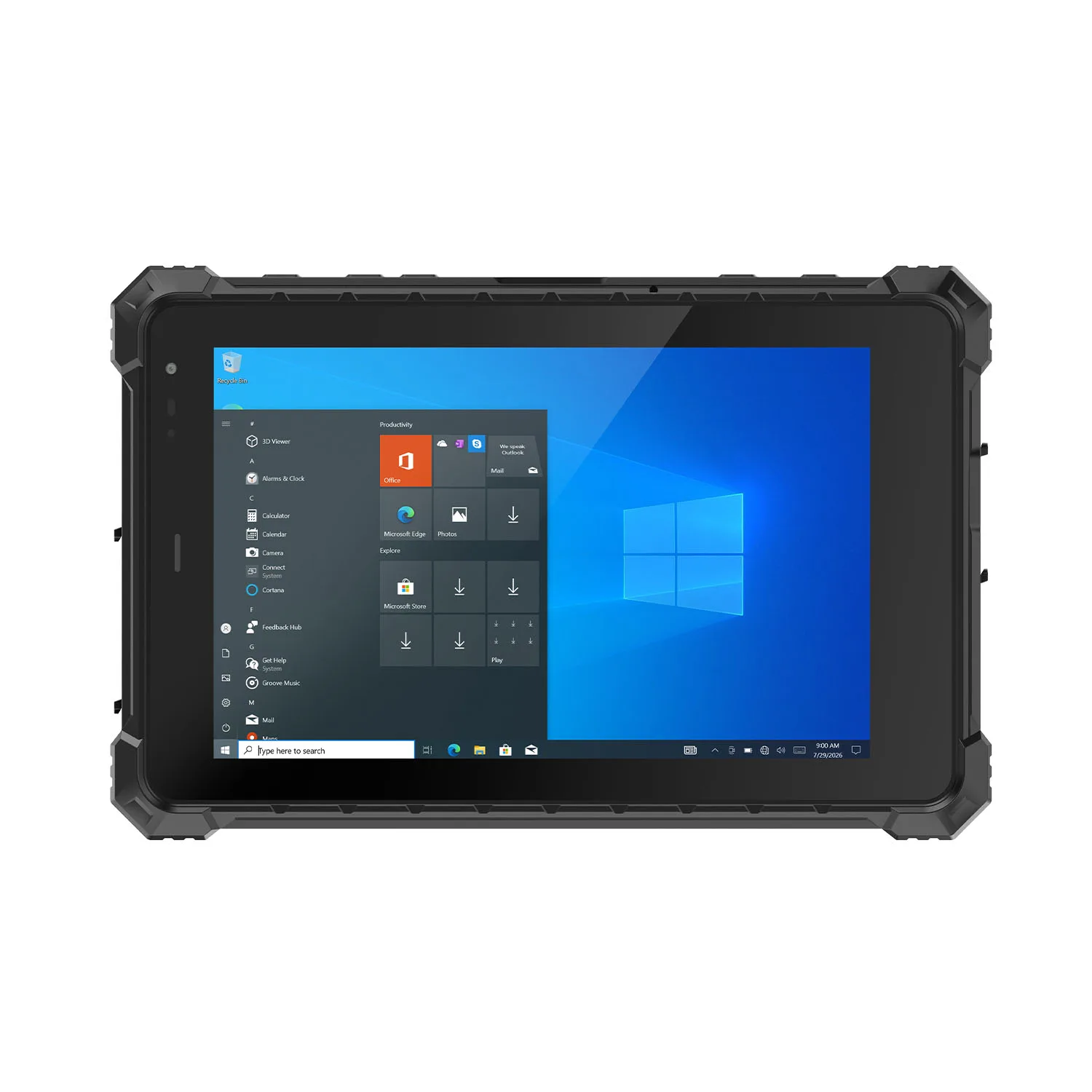
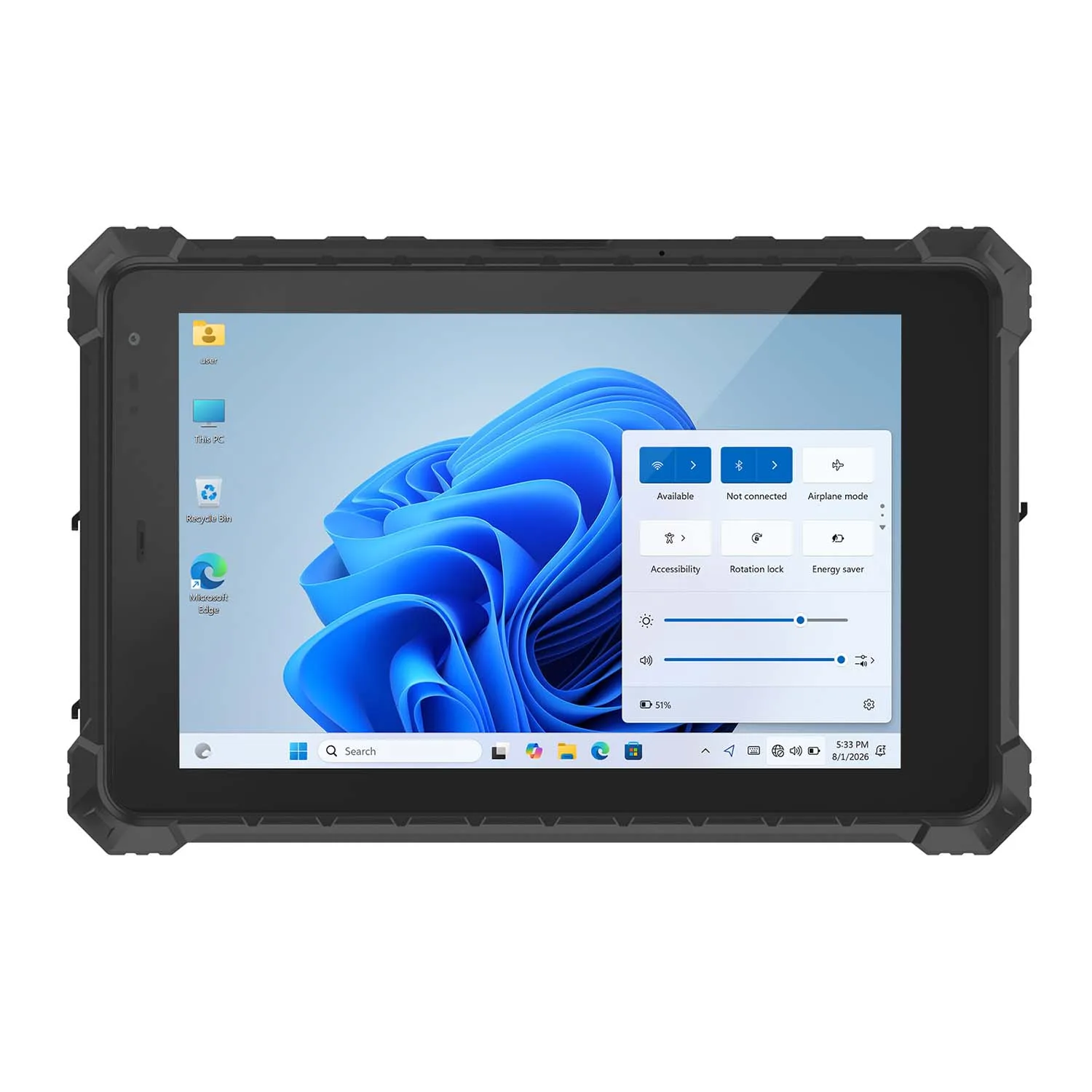
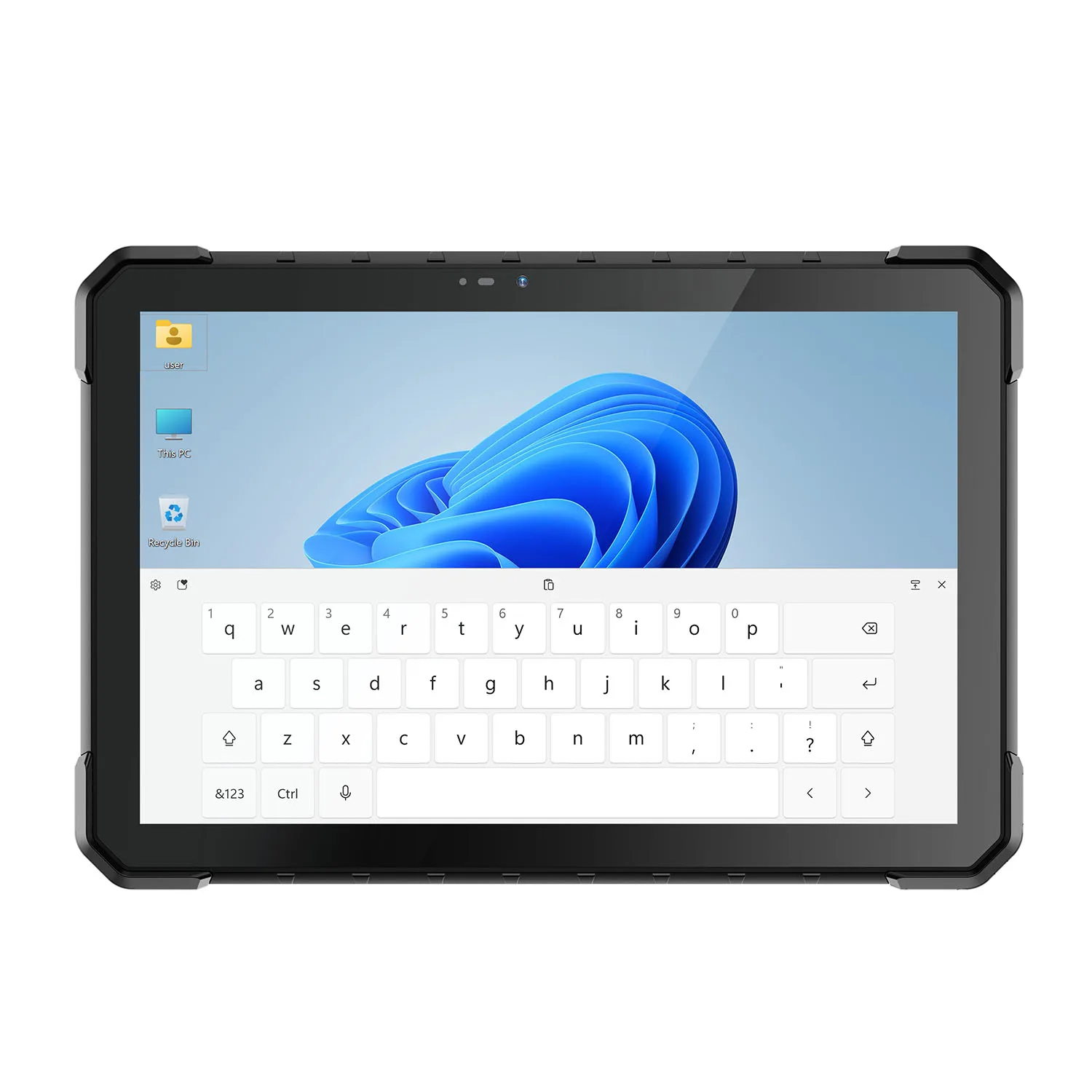
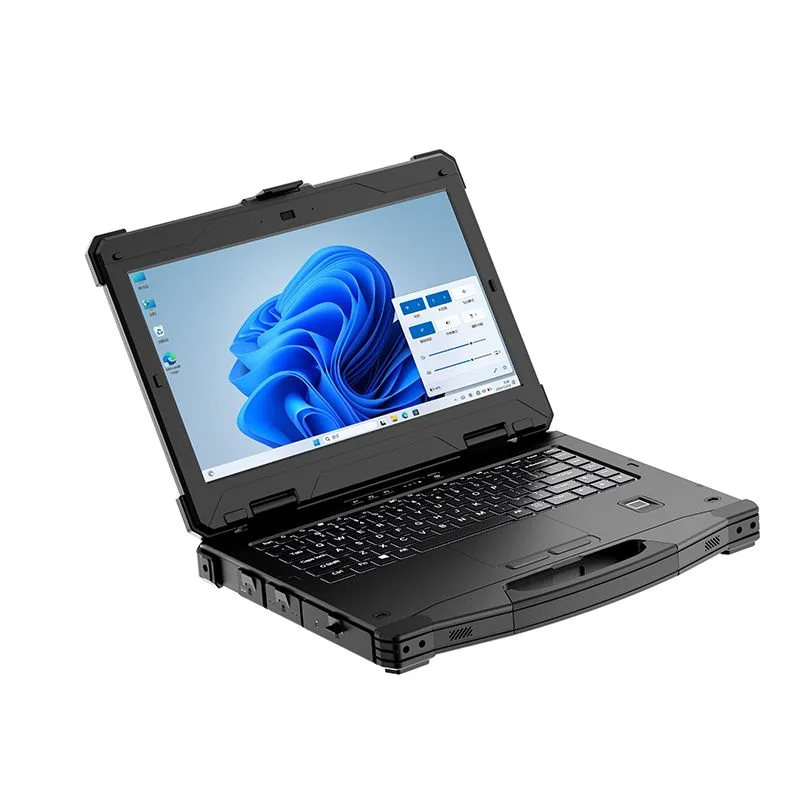
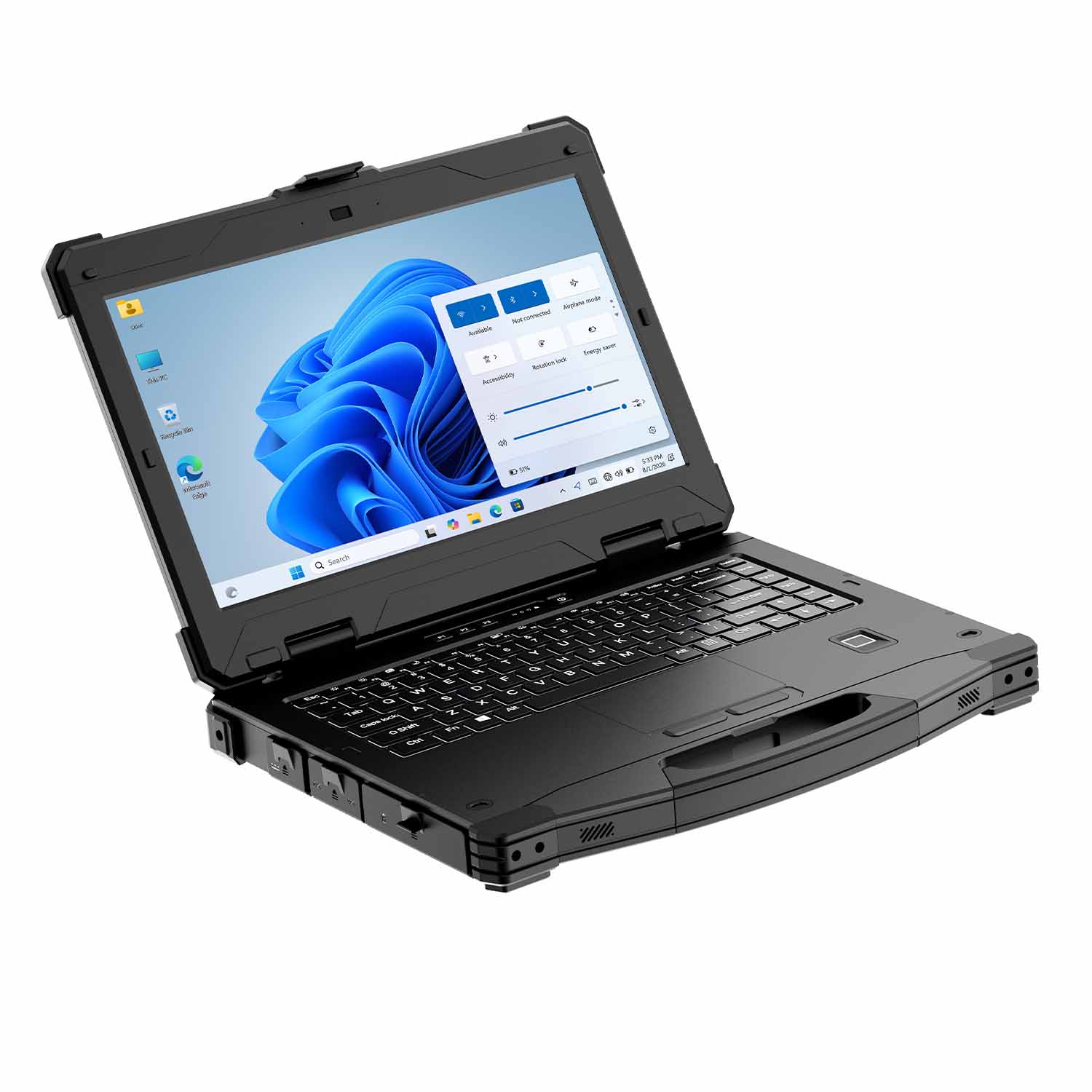
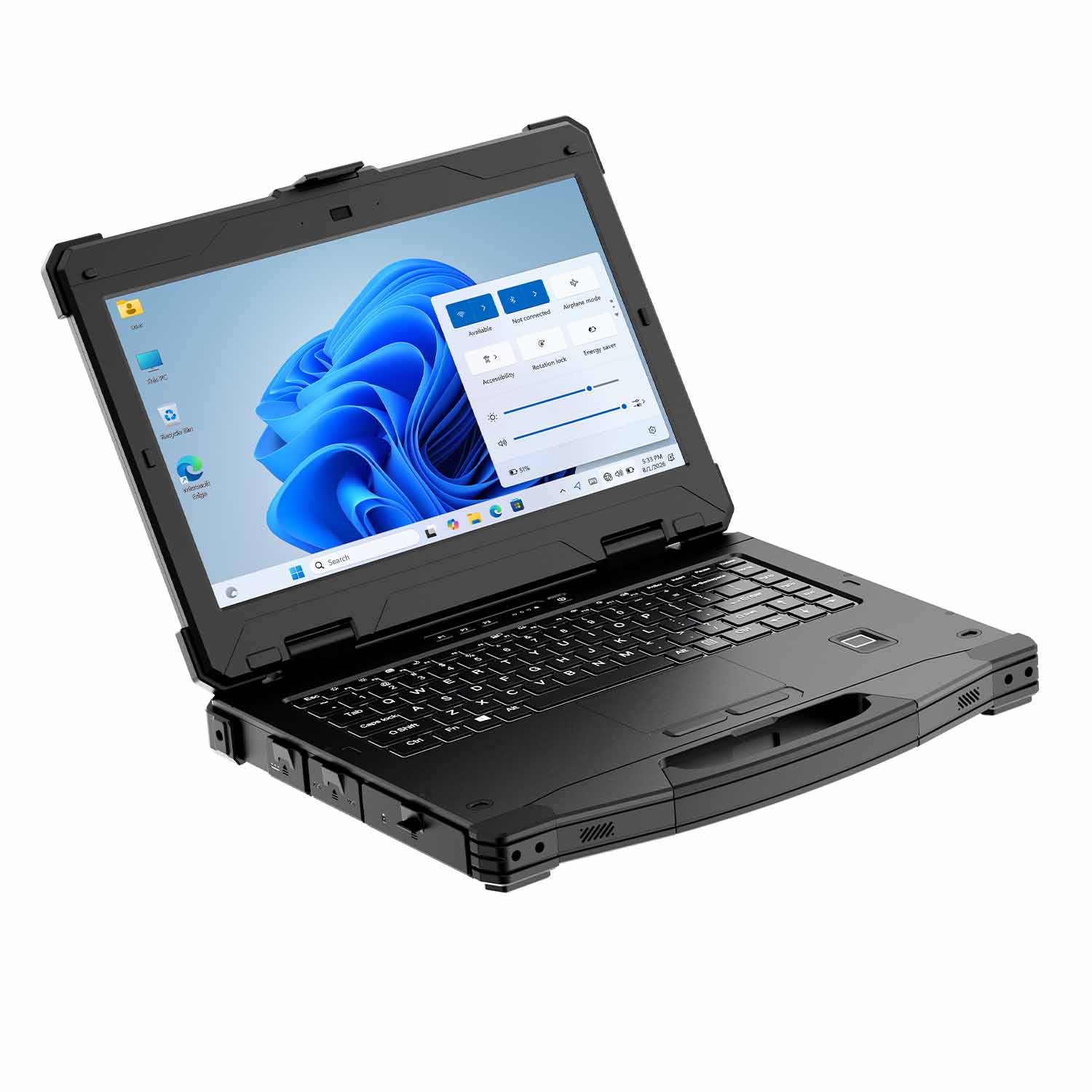
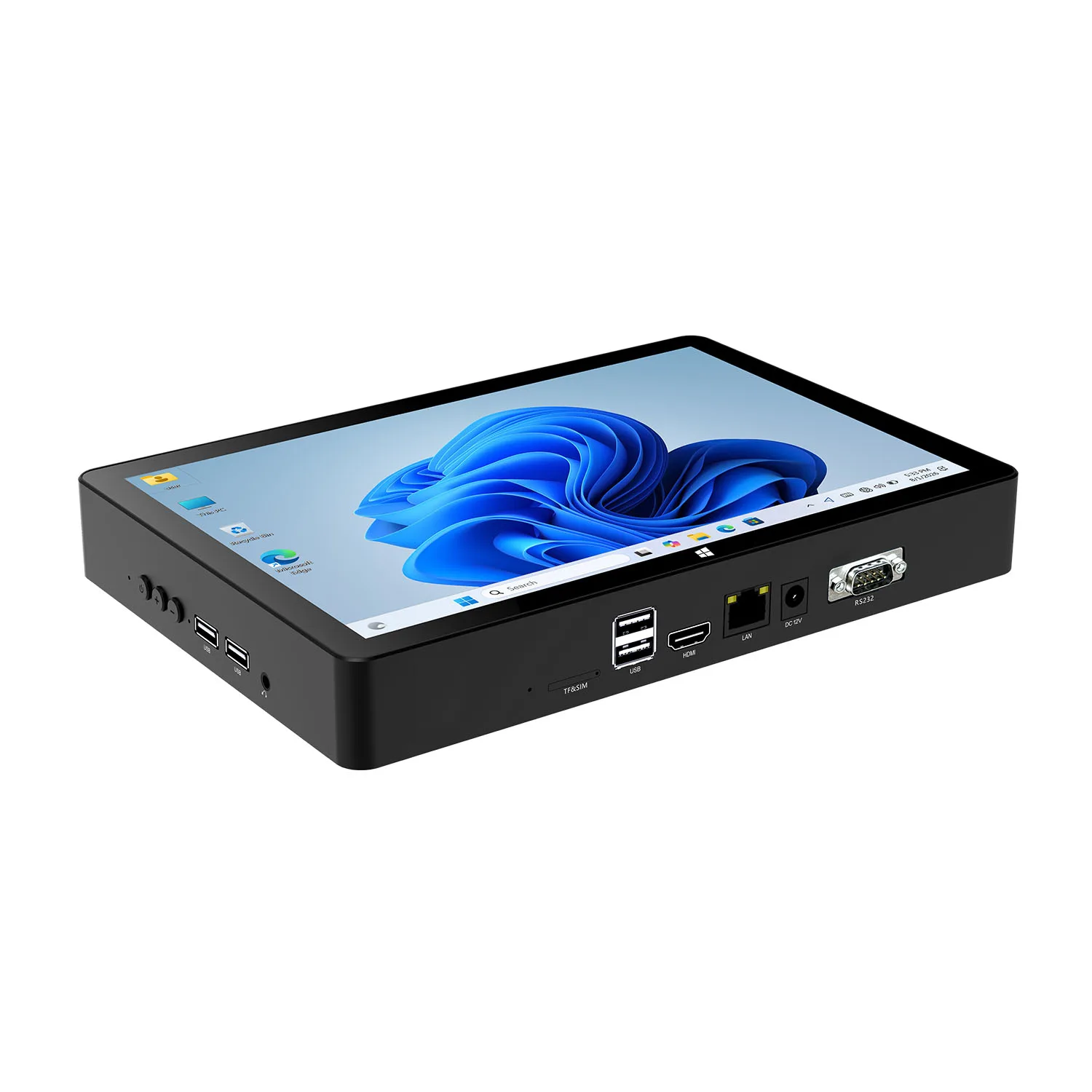
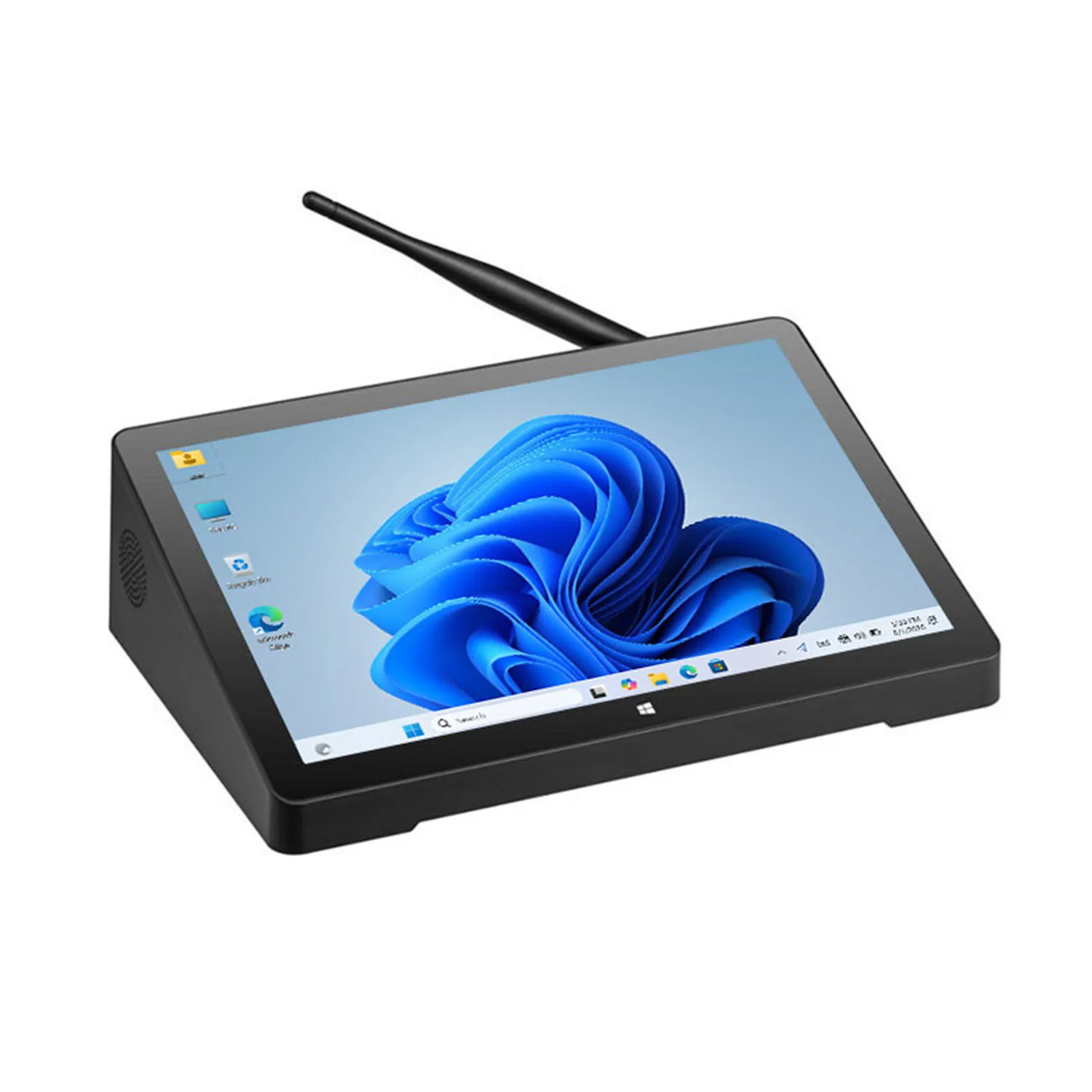
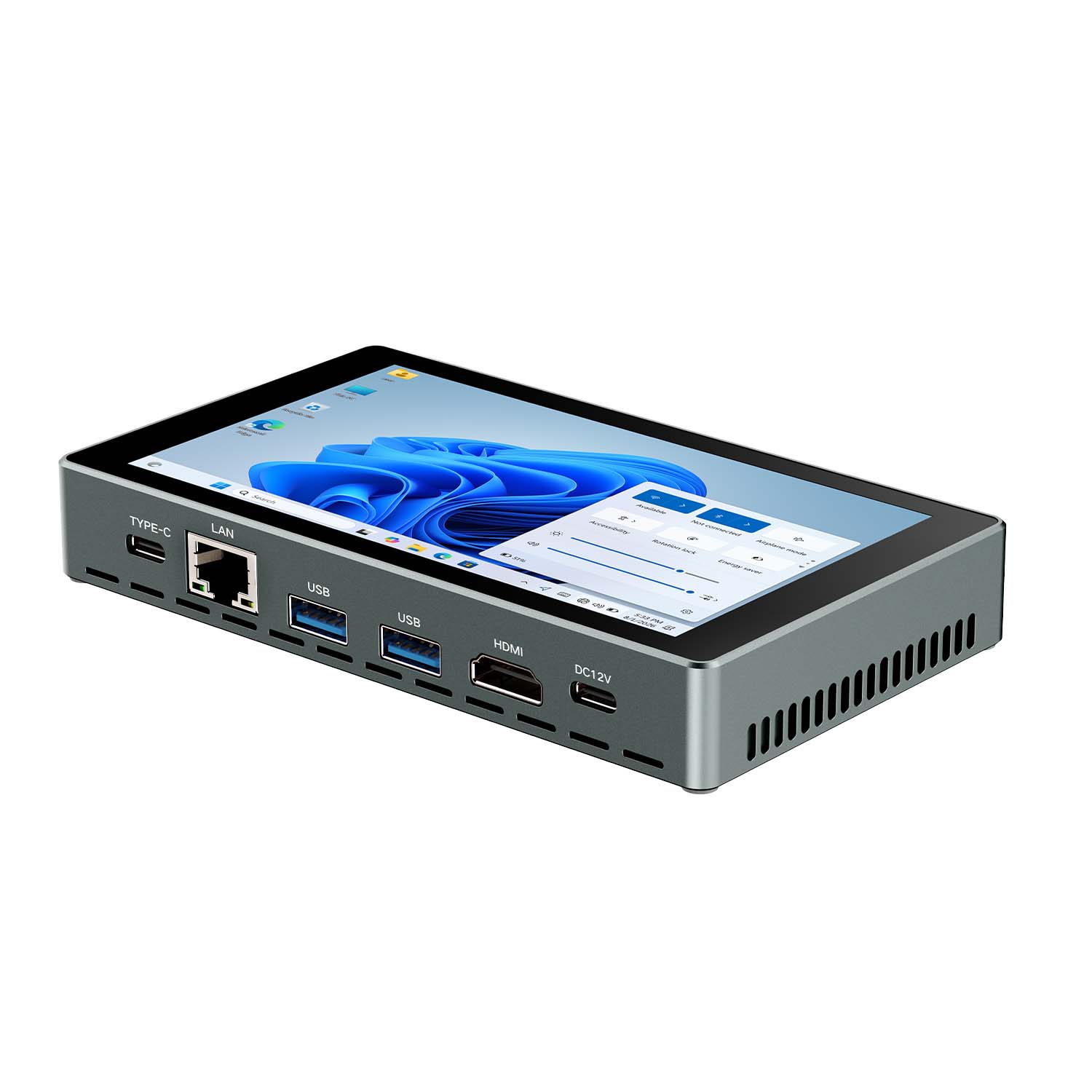
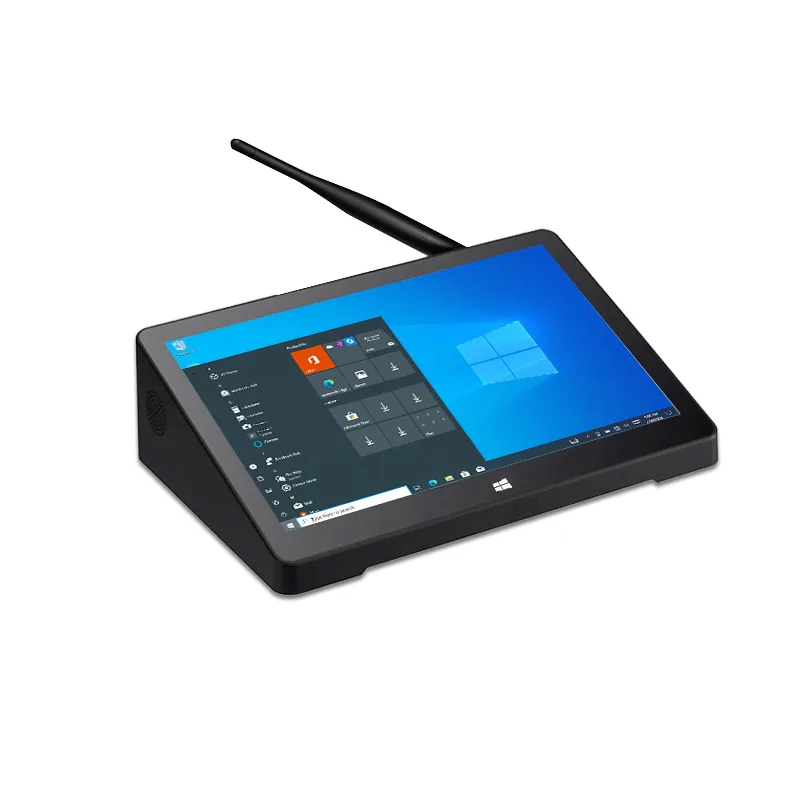
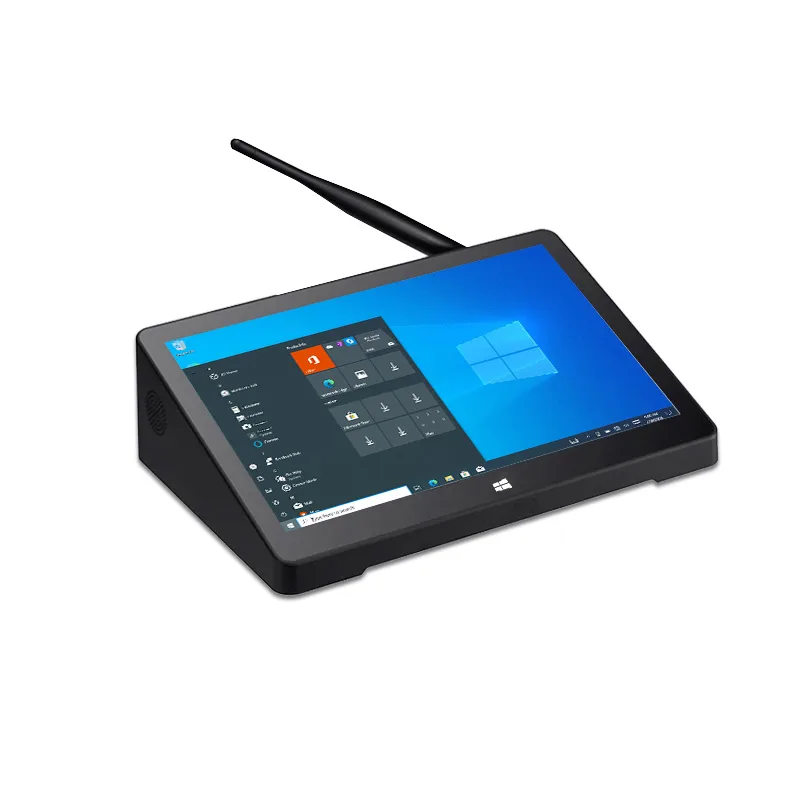
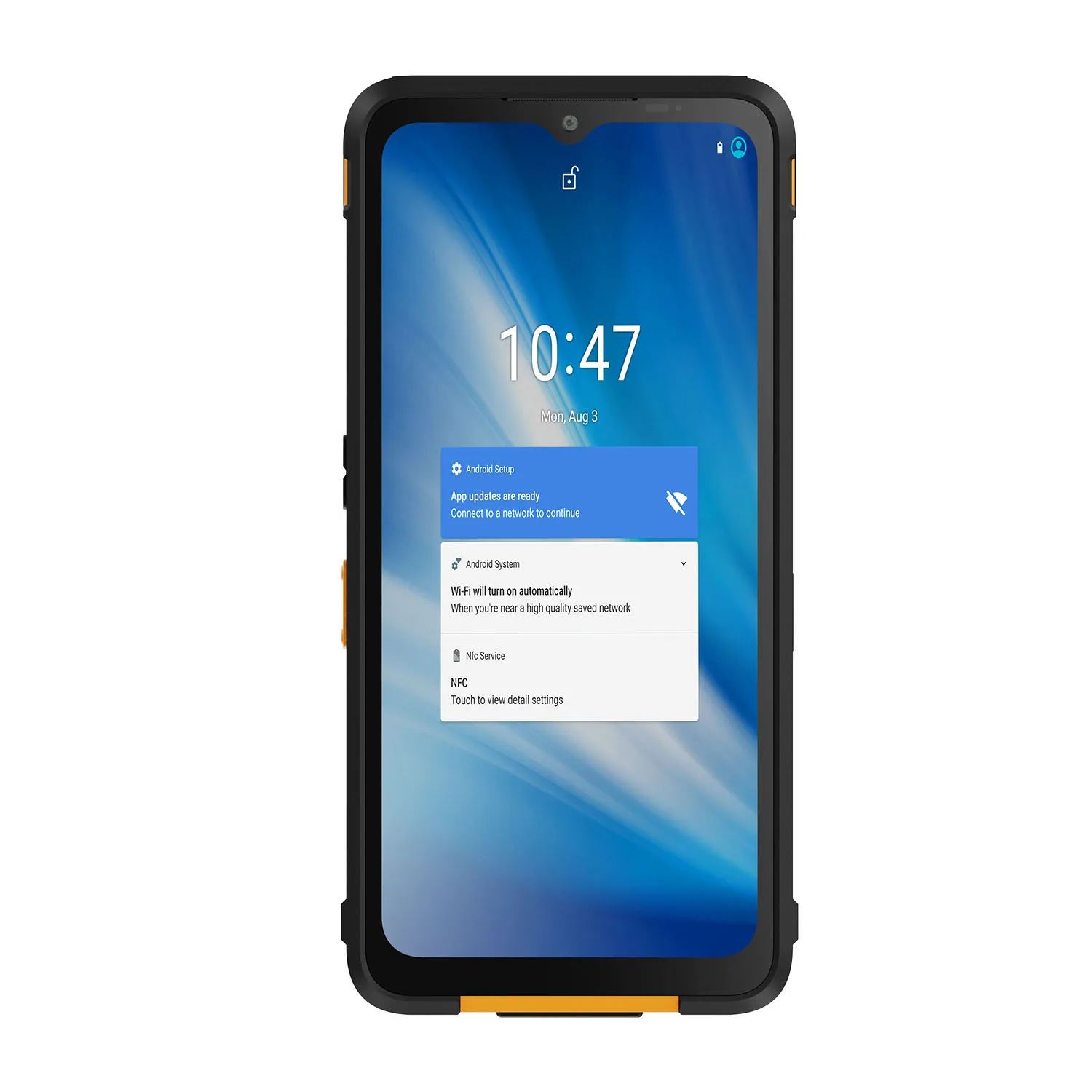
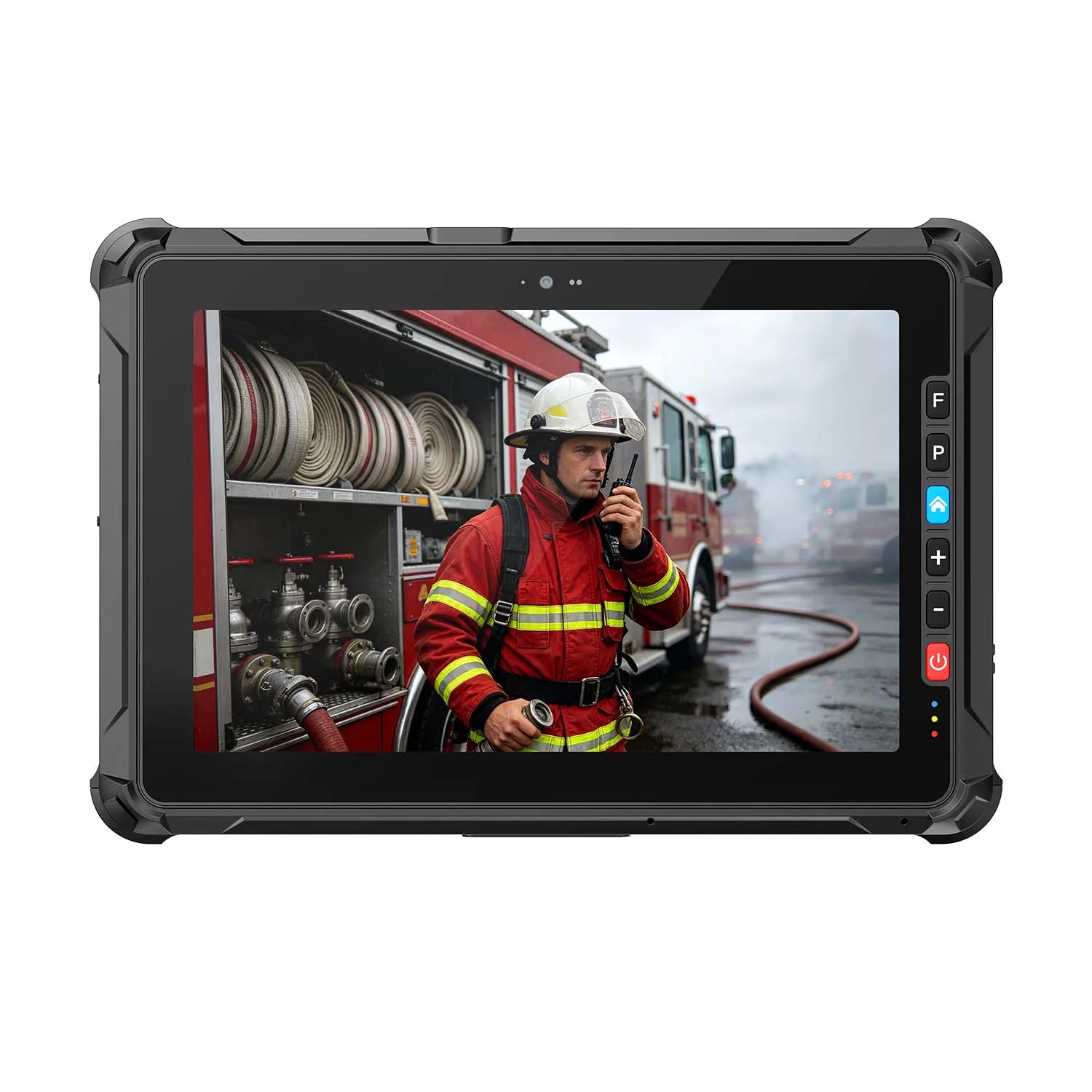
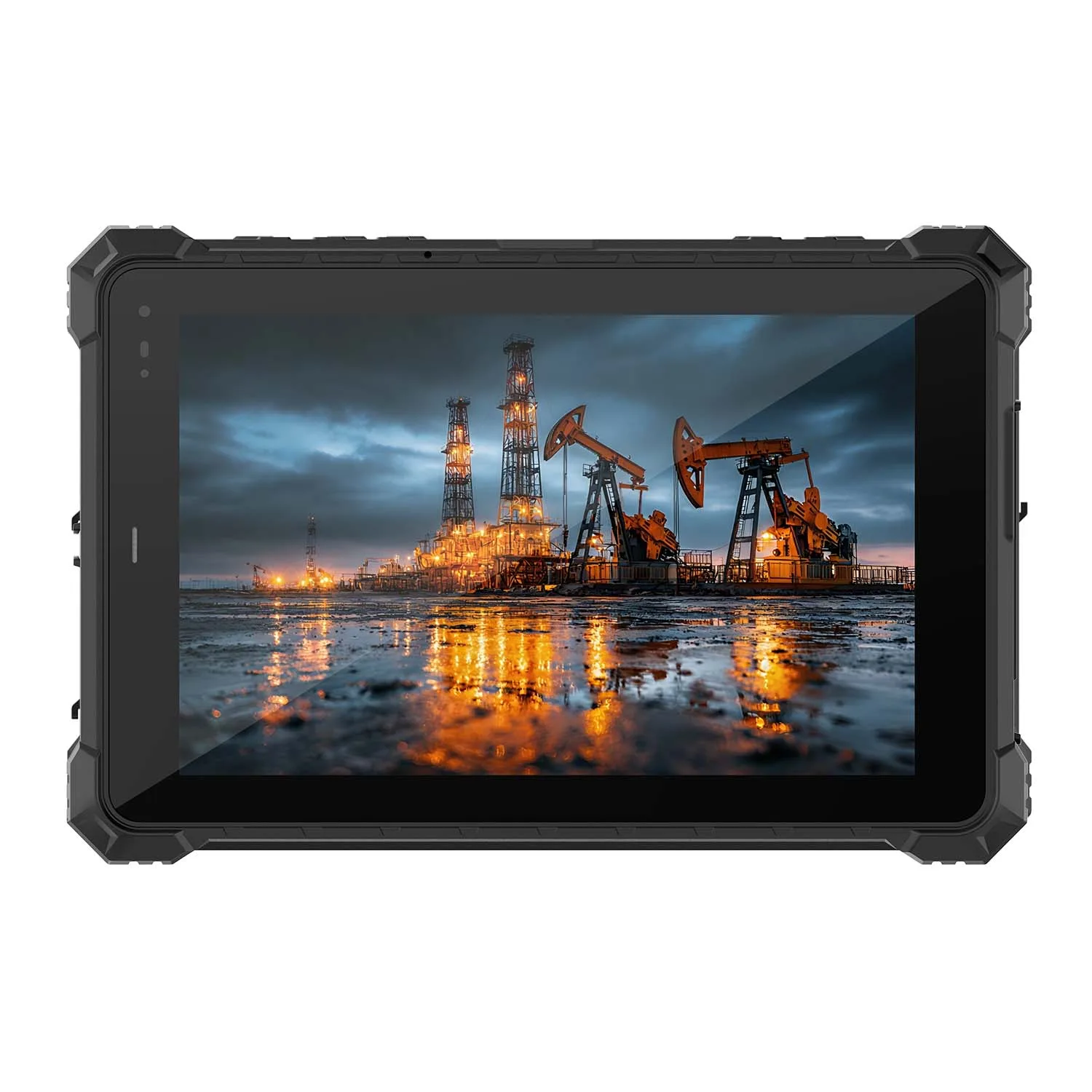
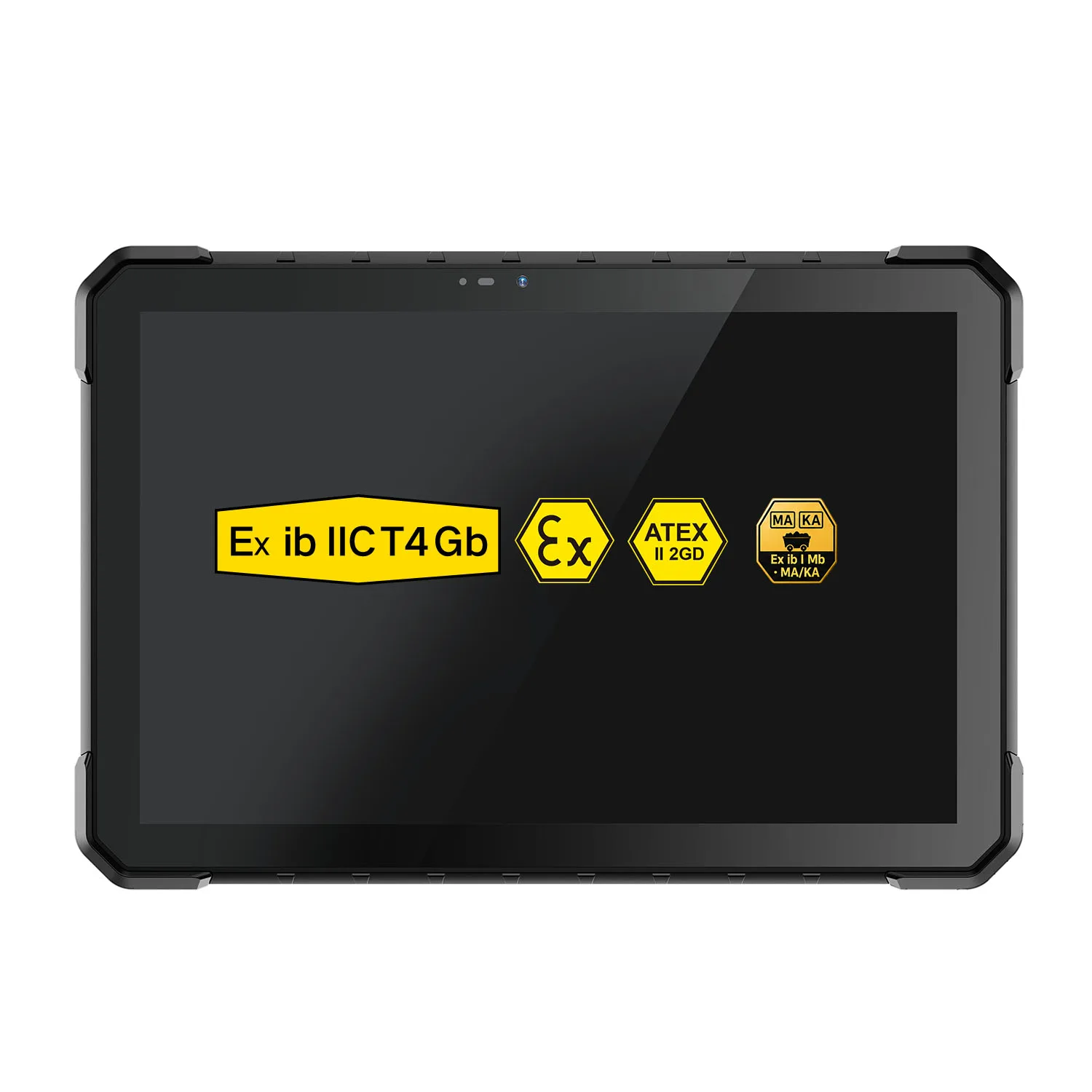
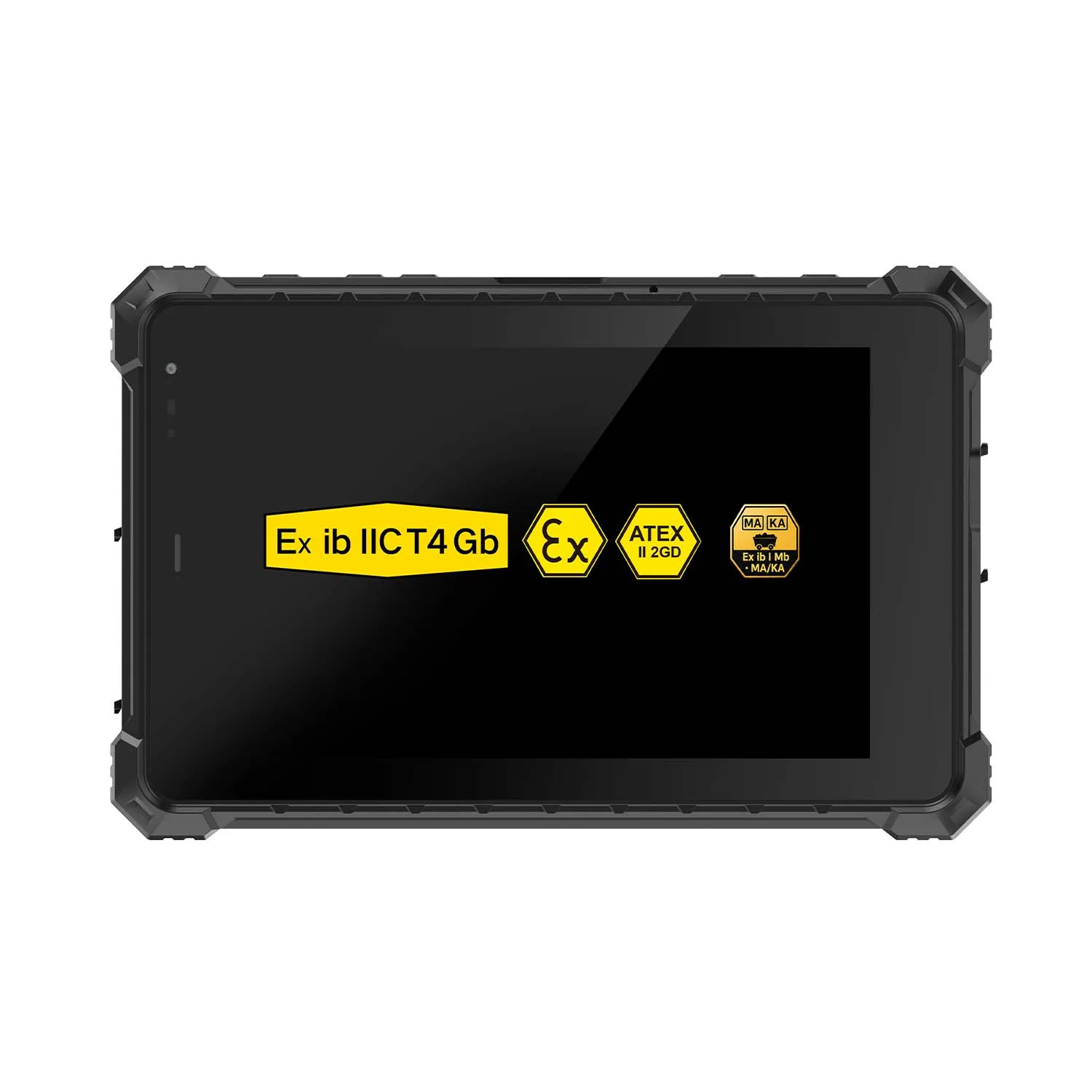
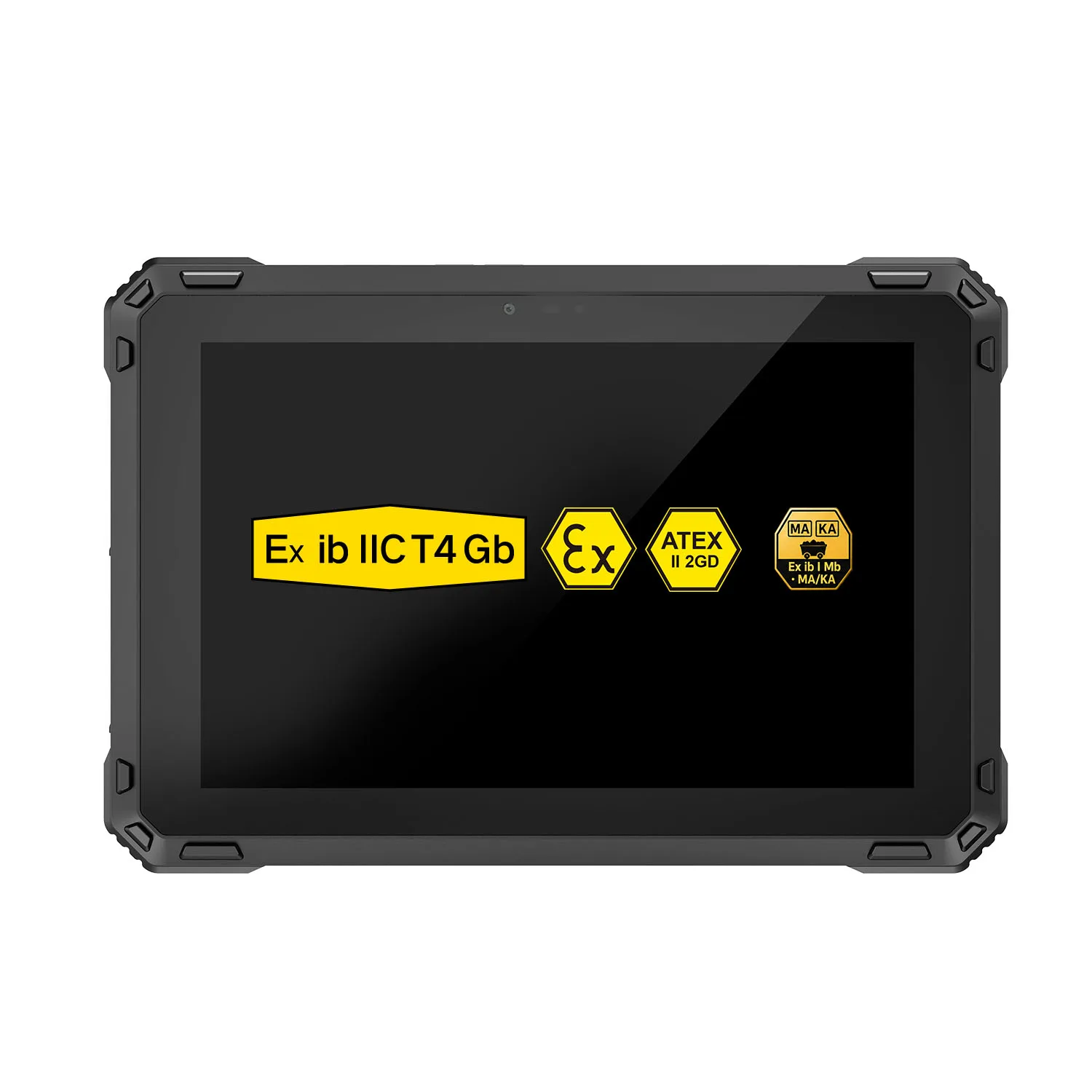
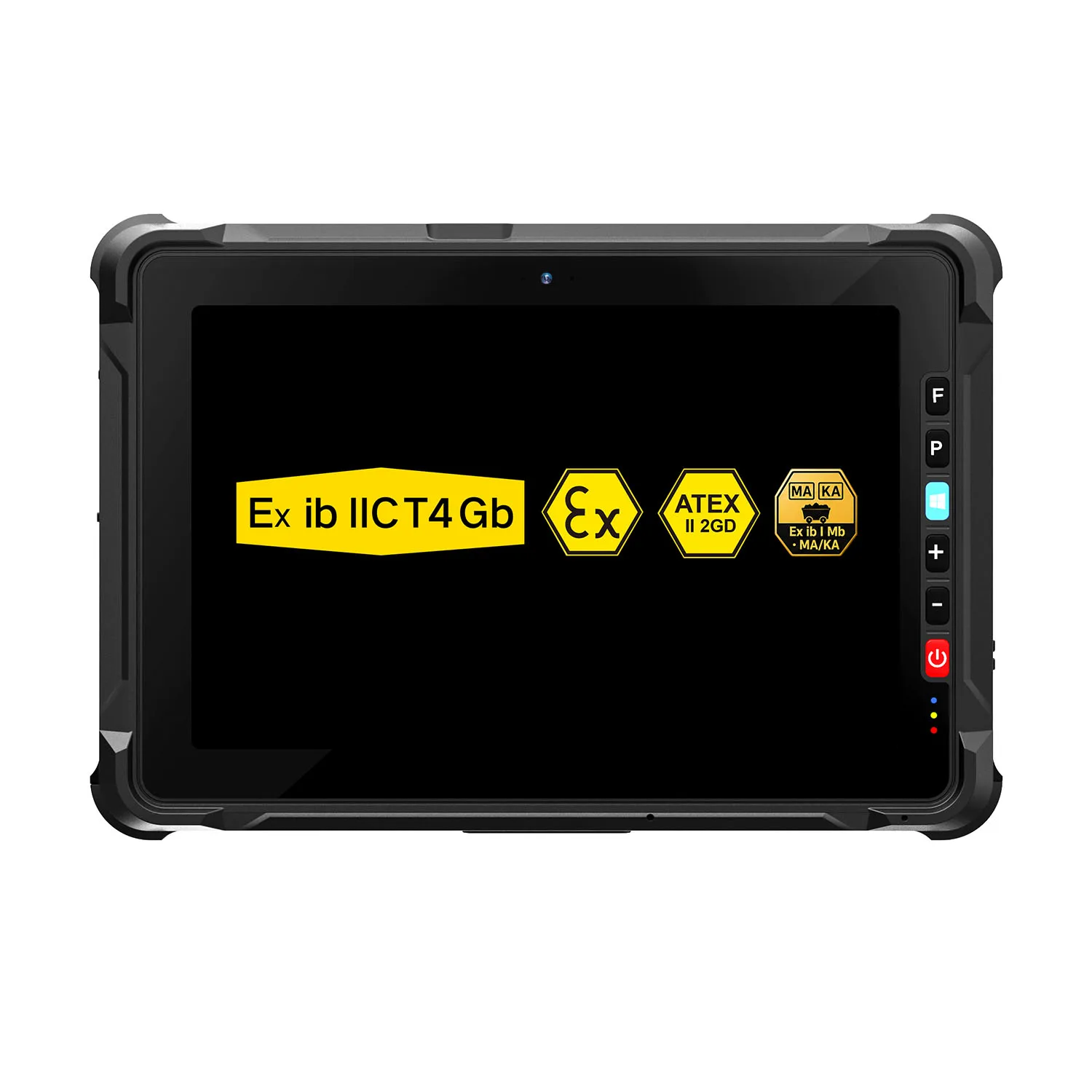
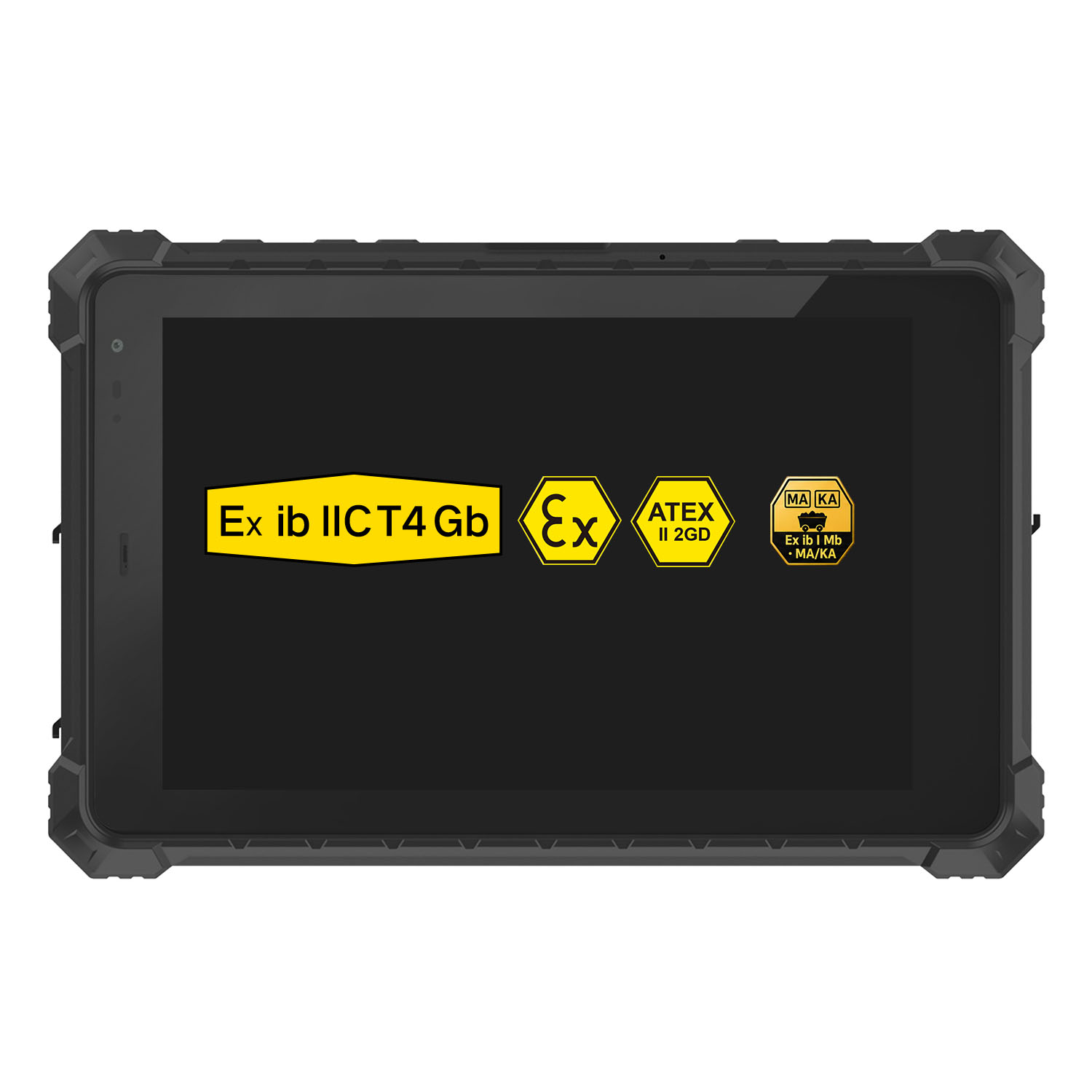
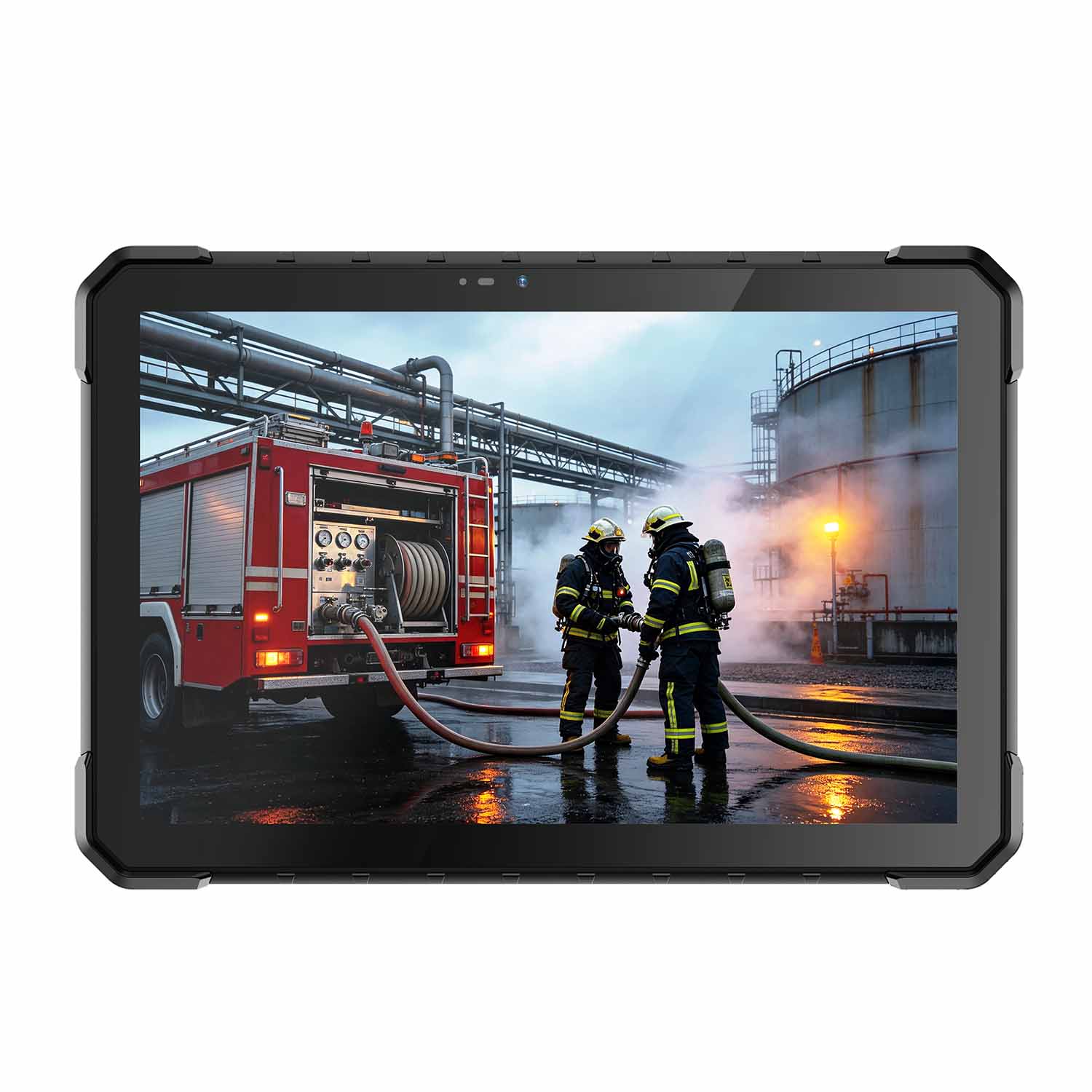
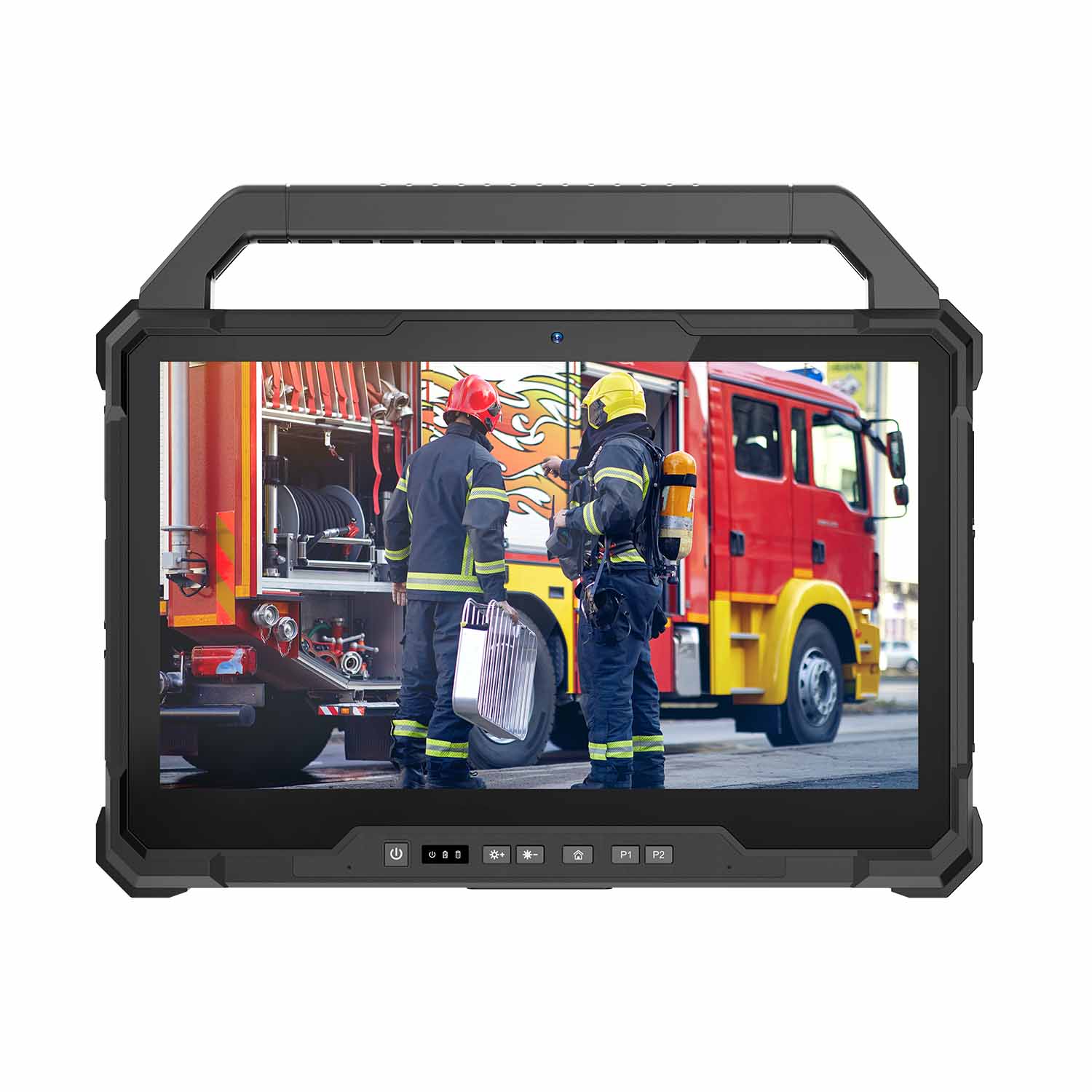
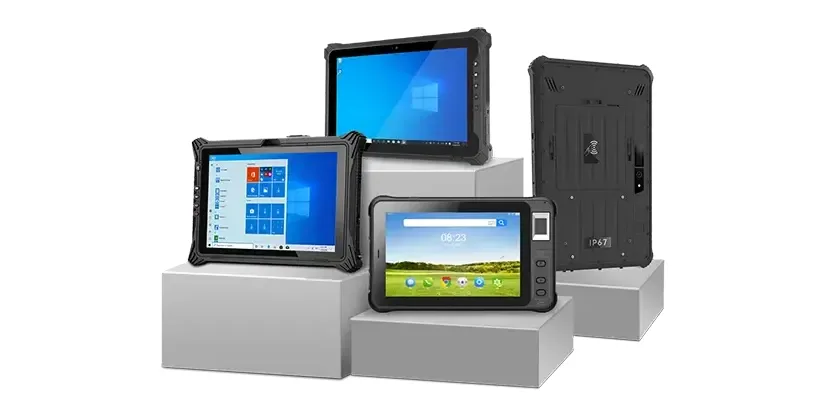
Most of our current rugged tablets are IP68 — including every Android model. The Windows line spans IP65 to IP68 depending on size and I/O load: the 13.3-inch W30U is IP65, the 10.95-inch W109U is IP67. So the trade-off in this article is still real for Windows buyers — here's how it maps to our models:CENAVA A109T — IP68, Android 14, 10.95" display, 20,000 mAh battery rated for 16–18 hours of continuous use. Built for exactly the extreme-condition use cases (marine, offshore, mining, oil & gas, utilities) where submersion resistance matters most.CENAVA A10ST — IP68, Android 13, 10" display, 10,000 mAh battery — a lighter, more compact IP68 option for logistics and field data collection.
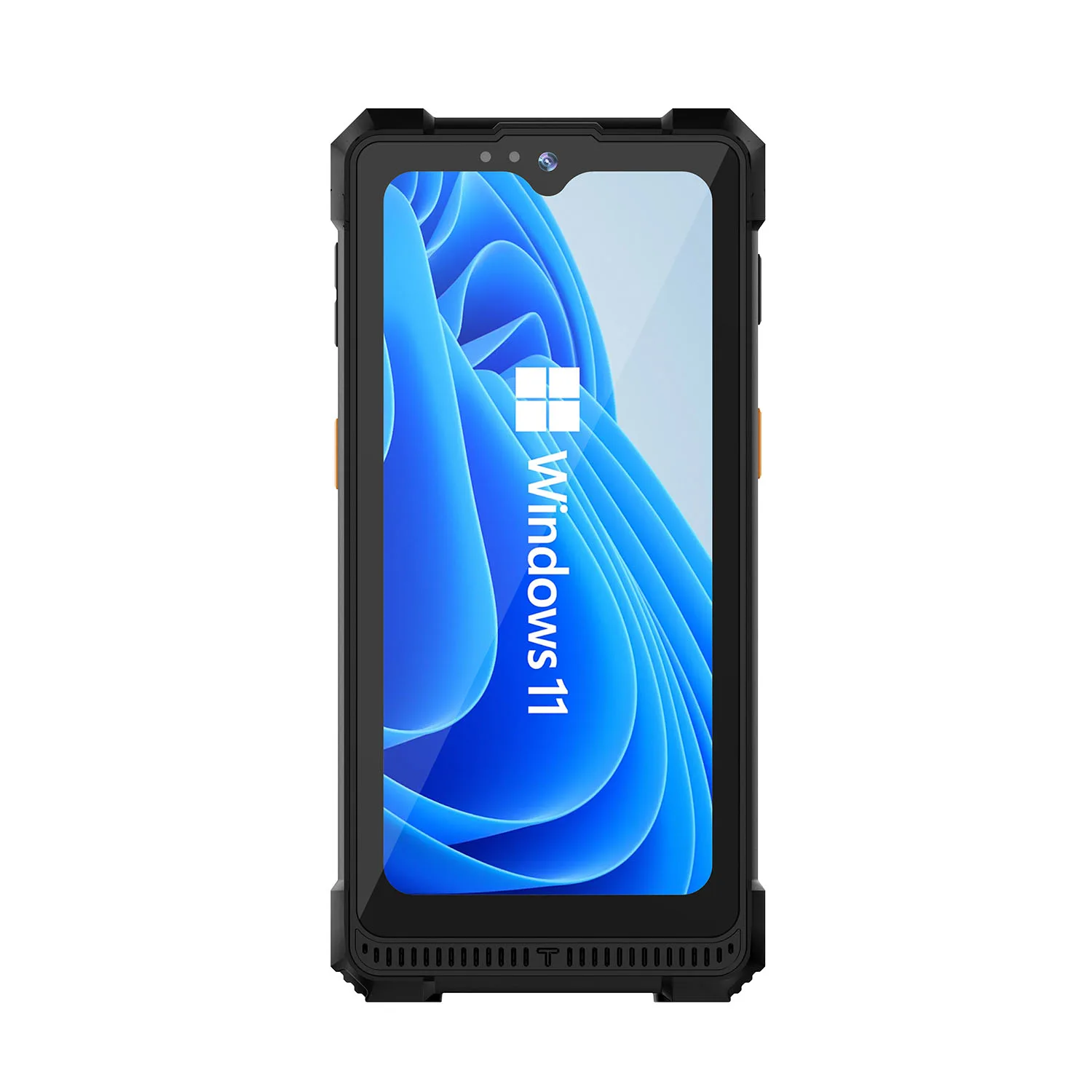
CENAVA W109U — IP67, Windows 11, Intel i5/i7 — the pick when desktop software matters more than the last ingress tier; if you need both Windows and IP68, ask us about the details.See the full range on the Rugged Tablet product page.
How to Decide: A Quick Checklist
Will the device ever be dropped in water or submerged, even briefly? If yes, don't settle for IP65 — go IP68.
Is the job site marine, offshore, mining, or oil & gas? These environments call for IP68 as a baseline, not an upgrade.
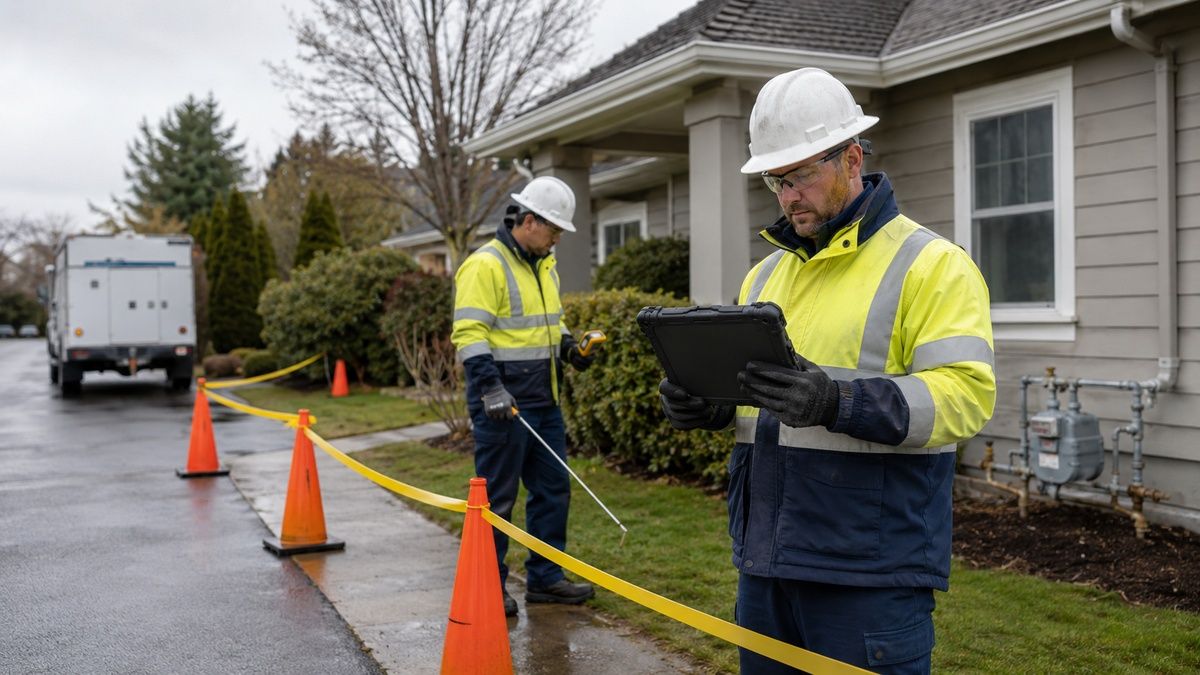
Is the job mainly warehousing, logistics, or general outdoor field work with rain but no submersion risk?
IP65 covers this reliably and cost-effectively — though note that with CENAVA, IP68 comes standard regardless.
Does the industry have wash-down or hygiene requirements (food, healthcare)?
Confirm the jet-spray rating specifically — submersion resistance (IP67/68) and jet-spray resistance (IP65/69K) are tested differently, so don't assume one implies the other.
Frequently Asked Questions
Is IP68 always better than IP65?IP68 offers superior water protection for submersion, but IP65 already provides the same complete dust protection at a lower cost — IP68 is only worth paying more for if your job site involves real submersion risk.How deep can an IP68 rugged tablet go underwater?There's no fixed industry number — IP68 depth and duration are set by the manufacturer and vary by model, so always check the specific device's datasheet rather than assuming a standard figure.Do I need IP68 for warehouse or logistics work?Usually not — IP65 handles rain, splashes, and dusty warehouse conditions reliably; IP68 becomes worth it if forklifts or docks expose devices to standing water or wash-down.Do all CENAVA rugged tablets have the same IP rating?
No — our Android line is IP68 across the board; the Windows line ranges from IP65 (13.3-inch W30U) to IP67 (W109U) to IP68, because larger Windows housings carry more I/O to seal. Match the rating to your submersion risk, not to the spec sheet's biggest number.
What's the difference between IP68 and IP69K?IP68 tests continuous submersion; IP69K tests high-pressure, high-temperature wash-down jets — they measure different scenarios, so a device rated for one isn't automatically rated for the other.Which CENAVA model is best for oil & gas or mining?The A109T, with its 20,000 mAh battery and IP68 rating, is built for the long shifts and submersion-risk conditions common in oil & gas and mining — see our oil & gas explosion-proof tablet guide for certification requirements specific to hazardous sites.
About CENAVA
CENAVA has manufactured industrial computing devices since 2003, with products sold in nearly 100 countries and certified to 3C, CE, FCC, FCC-ID, and RoHS standards.Every current rugged tablet is MIL-STD-810H tested, with IP ratings from IP65 to IP68 by model — the rating is printed on each product page, not assumed from the lineup.Contact CENAVA to Find Your Right-Fit Rugged Tablet →Need a Rugged Device for Your Project?
Tell us your operating environment and requirements — our engineers will recommend a configuration and quote within 24 hours.
Get a Free Quote Back to Blog